DIVINE REHABILITATION AND NURSING AT SYLVANIA
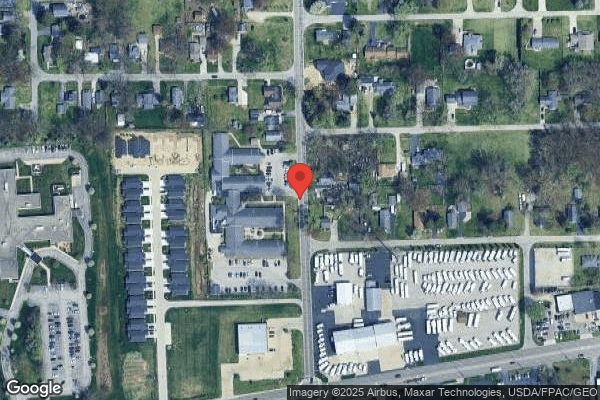
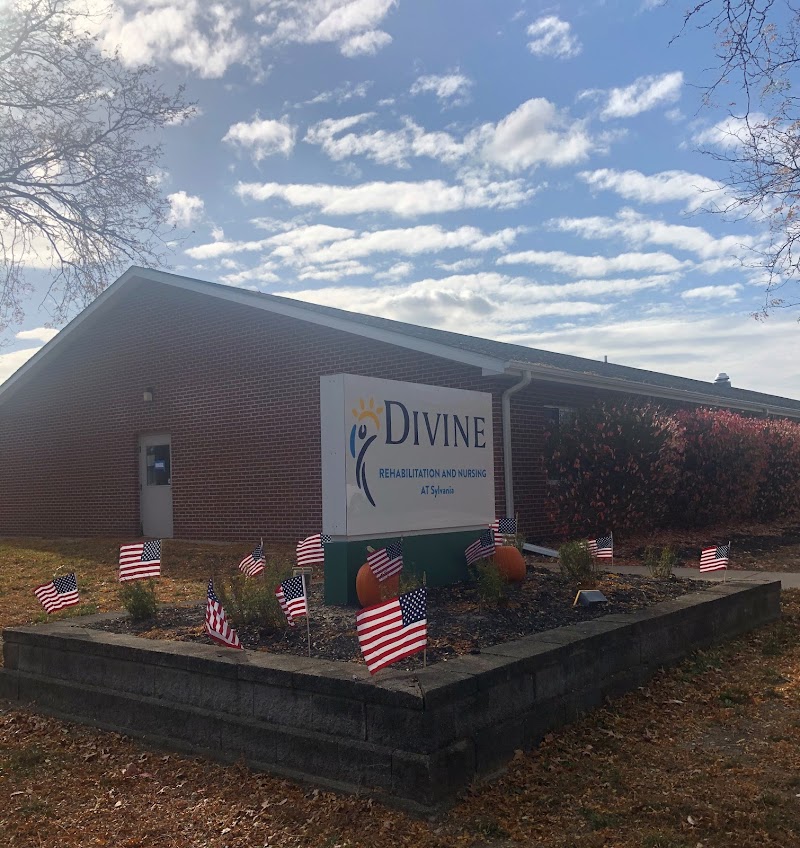
5757 WHITEFORD RD, SYLVANIA, OH 43560 (419) 882-1875
For profit - Corporation 99 Beds DIVINE HEALTHCARE MANAGEMENT Data: November 2025 3 Immediate Jeopardy citations
Trust Grade
0/100
#660 of 913 in OH
Last Inspection: March 2025

Within standard 12-15 month inspection cycle. Federal law requires annual inspections.

Overview

Divine Rehabilitation and Nursing at Sylvania has a Trust Grade of F, indicating significant concerns and poor performance. They rank #660 out of 913 facilities in Ohio, placing them in the bottom half, and #23 out of 33 in Lucas County, meaning only a handful of local options are worse. The facility's situation is worsening, with reported issues increasing from 7 in 2024 to 25 in 2025. Staffing is a notable weakness, with a 72% turnover rate that is concerning compared to the state average of 49%, and the facility has received $213,989 in fines, higher than 97% of Ohio facilities. Specific incidents of critical concern include a failure to provide necessary wound care for a hospice resident and not initiating CPR for a resident found unresponsive, both situations posing serious risks to resident safety. While they received a 5/5 star rating for quality measures, the overall picture reflects significant weaknesses that families should carefully consider.

Trust Score
F
0/100
In Ohio
#660/913
Bottom 28%
Safety Record
High Risk
Review needed
Inspections
Getting Worse
7 → 25 violations
Staff Stability
⚠ Watch
72% turnover. Very high, 24 points above average. Constant new faces learning your loved one's needs.
Penalties
○ Average
$213,989 in fines. Higher than 52% of Ohio facilities. Some compliance issues.
Skilled Nurses
⚠ Watch
Each resident gets only 21 minutes of Registered Nurse (RN) attention daily — below average for Ohio. Fewer RN minutes means fewer trained eyes watching for problems.
Violations
⚠ Watch
86 deficiencies on record. Higher than average. Multiple issues found across inspections.
★★☆☆☆
2.0
Overall Rating
★★☆☆☆
2.0
Staff Levels
★★★★★
5.0
Care Quality
★☆☆☆☆
1.0
Inspection Score
Stable
2024: 7 issues
2025: 25 issues

The Good

  • 5-Star Quality Measures · Strong clinical quality outcomes
  • Full Sprinkler Coverage · Fire safety systems throughout facility
  • No fines on record

Facility shows strength in quality measures, fire safety.

The Bad

2-Star Overall Rating

Below Ohio average (3.2)

Below average - review inspection findings carefully

Staff Turnover: 72%

26pts above Ohio avg (46%)

Frequent staff changes - ask about care continuity

Federal Fines: $213,989

Well above median ($33,413)

Significant penalties indicating serious issues

Chain: DIVINE HEALTHCARE MANAGEMENT

Part of a multi-facility chain

Ask about local staffing decisions and management

Staff turnover is very high (72%)

24 points above Ohio average of 48%

The Ugly 86 deficiencies on record

3 life-threatening 2 actual harm
Jun 2025 1 deficiency
CONCERN (D) 📢 Someone Reported This

A family member, employee, or ombudsman was alarmed enough to file a formal complaint

Potential for Harm - no one hurt, but risky conditions existed

Accident Prevention (Tag F0689)

Could have caused harm · This affected 1 resident

**NOTE- TERMS IN BRACKETS HAVE BEEN EDITED TO PROTECT CONFIDENTIALITY** Based on medical record review, observations, staff interview, and review of the facility policy, the facility failed to ensure ...

Read full inspector narrative →
**NOTE- TERMS IN BRACKETS HAVE BEEN EDITED TO PROTECT CONFIDENTIALITY** Based on medical record review, observations, staff interview, and review of the facility policy, the facility failed to ensure all safety injury prevention interventions were in place as care planned for residents identified at risk for falls. This affected one (#35) of three residents reviewed for falls. The facility census was 60. Findings include: Review of the medical record revealed Resident #35 was admitted to the facility on [DATE]. Diagnoses included multiple sclerosis, chronic pain syndrome, anxiety, muscle spasm, tremor, altered mental status, weakness, seizures, and schizophrenia. Review of the fall risk assessment dated [DATE] revealed Resident #35 was at risk for falls. Review of the quarterly Minimum Data Set (MDS) assessment dated [DATE] revealed Resident #35 was cognitively impaired. Resident #35 was dependent on assistance from staff for the activities of daily living. Review of the plan of care, revised 05/12/25, revealed Resident #35 was at risk for falls. Interventions included enabler bars attached to bed, body pillow for positioning, and being sure call light was within reach. Observation on 06/16/25 at 9:55 A.M. revealed Resident #35 was lying in bed. There were no enabler bars attached to the resident's bed. There was also no body pillow on the resident's bed or visible within the resident's room. The resident's call light cord was stretched across the room and the button used to activate the call light was sitting on their wheelchair, which was not within the resident's reach. Interview on 06/16/25 at 10:05 A.M. with Certified Nursing Assistant (CNA) #448 verified Resident #35's call light was out of reach. CNA #448 also verified Resident #35 did not have a body pillow or enabler bars in place or in the room. CNA #448 reported they were assigned to care for Resident #35 on a regular basis and they had no knowledge of the resident ever having a body pillow. Subsequent observations on 06/18/25 at 10:36 A.M. and 3:23 P.M. revealed Resident #35 was lying in bed. There were no enabler bars attached to the resident's bed, and there was no body pillow on the resident's bed or visible within the resident's room. Interview on 06/18/25 at 3:34 P.M. with CNA #295 revealed the staff member was assigned to care for Resident #35 on a regular basis. CNA #295 verified Resident #35 did not have a body pillow or enabler bars in place. CNA #295 reported the resident did not have a body pillow at all, and only had regular pillows to use for positioning. Review of the facility policy titled Fall Prevention Program, revised 09/26/24, revealed the facility would provide interventions as needed. This deficiency represents non-compliance investigated under Master Complaint Number OH00166561.
Mar 2025 24 deficiencies 1 Harm
SERIOUS (G)

Actual Harm - a resident was hurt due to facility failures

Pressure Ulcer Prevention (Tag F0686)

A resident was harmed · This affected 1 resident

**NOTE- TERMS IN BRACKETS HAVE BEEN EDITED TO PROTECT CONFIDENTIALITY** Based on observation, interviews with facility staff and the wound physician, review of the medical record, review of the guidel...

Read full inspector narrative →
**NOTE- TERMS IN BRACKETS HAVE BEEN EDITED TO PROTECT CONFIDENTIALITY** Based on observation, interviews with facility staff and the wound physician, review of the medical record, review of the guidelines from the National Pressure Ulcer Advisory Panel (NPUAP), and policy review, the facility failed to ensure a resident's skin impairment was identified timely and a treatment initiated. This resulted in Actual Harm to Resident #68 on 01/30/25 when the facility failed to assess a resident's wound and obtain physician orders for wound treatments resulting in Resident #68 developing an unstageable pressure ulcer (full thickness tissue loss in which the base of the ulcer is covered by slough and/or eschar in the wound bed) requiring debridement. This affected one (#68) of two residents reviewed for pressure ulcers. The facility identified five residents with pressure ulcers. The facility census was 75. Findings include Review of the medical record revealed Resident #68 had an admission date of 08/19/24 and a readmission date of 01/30/25. Diagnoses included dementia, heart failure, and type two diabetes mellitus. Review of the hospital progress notes dated 01/30/25 revealed Resident #68 had excoriation to the buttocks. There was no documentation the resident had a pressure ulcer to the coccyx. Review of a nursing admission skin assessment dated [DATE] revealed Resident #68 was noted with skin impairment to the coccyx and right and left inner buttocks. There was no wound assessment completed. There was no description of the impaired skin area to the coccyx, no description of the wound bed or type of wound, and no wound measurements. There was no documentation a wound assessment had been completed until 02/05/25. Review of a skin risk assessment dated [DATE] revealed Resident #68 was at high risk for skin breakdown. Review of the physician orders dated 01/30/25 revealed no orders for treatments to the coccyx. No physician orders were placed for a wound treatment to the coccyx for two days until 02/01/25. Review of a physician order dated 02/01/25 at 7:00 P.M. revealed an order to cleanse the coccyx with wound cleanser, pat dry, apply Triad, cover with silicone dressing every shift for wound care for 30 days. There was no baseline care plan-initiated addressing Resident #68's high risk for skin breakdown. A care plan was initiated on 02/10/25, five days after the unstageable pressure ulcer was found. Review of the medication administration record (MAR) and treatment administration record (TAR) revealed no wound treatments were completed for the coccyx wound until 02/01/25 after 7:00 P.M. Further review of the record revealed no treatment was completed on first shift on 02/04/25. Review of a physician wound assessment completed on 02/05/25 revealed Resident #68 had an unstageable full thickness pressure ulcer to the coccyx. The wound measured 3.3 centimeters (cm) in length, by 6.4 cm in width, and a depth of 0.2 cm with moderate serous drainage. The wound had 20 percent slough, 20 percent necrotic tissue, 10 percent intact skin, and 50 percent granulation tissue. The physician debrided the wound of devitalized tissue and necrotic subcutaneous level tissues along with slough and biofilm at a depth of 0.3 cm. The physician ordered a new wound treatment to cleanse coccyx with wound cleanser, pat dry, apply medihoney, calcium alginate with silver and cover with gauze island and border dressing. The physician also recommended a group two mattress (air loss mattress.) Review of a nutritional assessment dated [DATE] revealed the assessment included no documentation of the resident's new pressure ulcers or nutritional interventions for the resident's pressure ulcers. Review of the MAR revealed the low air loss mattress ordered on 02/05/25 was not in place until 02/10/25 after 7:00 P.M. Review of the care plan initiated 02/10/25 for pressure ulcers revealed Resident #68 had an unstageable pressure ulcer to the coccyx. Interventions include completing treatment to all wounds as ordered, keeping skin clean and well lubricated, turn and reposition frequently, low air loss mattress, and wounds to be monitored by the wound care group. Review of the quarterly Minimum Data Set (MDS) assessment dated [DATE] revealed Resident #68 had severe cognitive impairment. Resident #68 was dependent on staff for toileting, bed mobility and transfers. Resident #68 was always incontinent with bowel and bladder. Resident #68 had unhealed pressure ulcers including one stage three pressure ulcer (Full thickness tissue loss. Subcutaneous fat may be visible but bone, tendon or muscle is not exposed), one unstageable pressure ulcer, and one deep tissue injury (Purple or maroon area of discolored intact skin due to damage of underlying soft tissue). The resident was at risk for skin breakdown. Interview on 03/04/25 at 3:36 P.M., the Director of Nursing (DON) stated Resident #68 had skin impairment upon readmission to the facility. The DON stated the hospital documentation only noted excoriation to the buttocks. The DON verified she was unable to find any hospital documentation indicating the resident had a pressure ulcer while in the hospital. The DON verified there was no documentation in the nurse's admission skin assessment of the type of wound, assessment of the wound or wound measurements. Further interview on 03/06/25 at 9:01 A.M., the DON verified a wound treatment was not initiated for Resident #68's coccyx wound until 02/01/25. The DON stated the nurses were probably waiting for the physician to respond with a wound care order. The DON verified that the low air loss mattress was not implemented until 02/10/25. The DON stated the facility had no air loss mattresses and had to order it. The DON verified the wound treatment on day shift on 02/04/25 was not documented as completed. The DON stated the facility dietitian no longer worked at the facility. Interview on 03/05/25 at 10:41 A.M., Consultant Dietetic Technician (CDT) #640 stated she had not yet been to the facility to assess residents. CDT #640 stated if a resident had skin breakdown, then it should be noted in the nutritional assessment and the resident should be ordered double protein at meals or protein supplements for healing. Interview on 03/05/25 at 11:26 A.M., Registered Nurse (RN) #345 stated a resident's wound should be assessed and measured on admission. RN #345 stated the facility would not allow a Registered Nurse to stage a pressure ulcer wound. RN #345 verified Resident #68 had no additional nutritional interventions in place for wound healing. Interview on 03/05/25 at 11:38 A.M., Wound Physician (WP) #710 stated Resident #68 had an unstageable pressure ulcer to the coccyx which was now a stage three pressure ulcer. WP #710 stated the pressure ulcer to the coccyx was currently showing improvement. Observation on 03/05/25 at 11:45 A.M., of wound care with WP #710 revealed Resident #68 had a stage three pressure ulcer to the coccyx. The wound measured 3.2 cm in length, 1.1 cm in width, and 0.2 cm in depth. The surrounding wound was intact and showed improvement per WP #710. The wound had no odor and minimal serosanguinous drainage, there was no tunneling or undermining. WP #710 administered wound treatment per physician orders. Interview on 03/05/25 at 1:19 P.M., Licensed Practical Nurse (LPN) #398 stated she completed Resident #68's admission skin assessment. LPN #398 stated she usually measured and assessed wounds and was not sure why she had not completed the wound assessment for the resident's coccyx. LPN #398 stated upon admission, Resident #68 had an area to the coccyx that looked like an open skin tear or skin flap. LPN #398 stated the area was not deep maybe 0.1 cm and was just red in color with no drainage. LPN #398 stated there was no slough or eschar in the wound upon readmission. LPN #398 stated the area to the coccyx was approximately one-half inch by one-half inch. LPN #398 thought she had spoken with wound care and had an order for cream or something for the area. Review of the facility policy titled Documentation of Wound Treatments, dated 08/01/22 revealed the facility would complete accurate documentation of wound assessments upon admission and weekly and as needed when wound condition deteriorates. A wound assessment would include the type of wound, the wound stage, wound measurements including height, width, depth, undermining, tunneling, and a description of the wound characteristics including the color of the wound bed, type of tissue in the wound bed, condition of the surrounding skin, drainage amount and characteristics, presence or absence of odor and pain. Review of the facility policy titled Pressure Injury Prevention and Management, revised 09/26/24, revealed the facility would establish and utilize a systematic approach for pressure injury prevention and management, including prompt assessment and treatment, intervening to stabilize, reduce or remove underlying risk factors, monitoring the impact of the interventions, and modifying the interventions as appropriate. Training in the completion of pressure injury risk assessment, full body skin assessment, and pressure injury assessment would be provided as needed. Review of the NPUAP guidelines dated 2014 revealed facilities should educate health professionals on how to undertake a comprehensive skin assessment that includes the techniques for identifying blanching response, localized heat, edema, and induration. Ongoing assessment of the skin was necessary to detect early signs of pressure damage. Visual assessment for erythema (redness of the skin) was the first component of every skin inspection. Skin redness and tissue edema resulting from capillary occlusion was a response to pressure, especially over bony prominences. Staff should conduct a head-to-toe assessment with particular focus on skin overlying bony prominences including the sacrum, ischial tuberosities, greater trochanters and heels and each time the patient was repositioned was an opportunity to conduct a brief skin assessment.
CONCERN (D) 📢 Someone Reported This

A family member, employee, or ombudsman was alarmed enough to file a formal complaint

Potential for Harm - no one hurt, but risky conditions existed

Resident Rights (Tag F0550)

Could have caused harm · This affected 1 resident

**NOTE- TERMS IN BRACKETS HAVE BEEN EDITED TO PROTECT CONFIDENTIALITY** Based on medical record review, observation, staff interview and review of facility policy, the facility failed to ensure reside...

Read full inspector narrative →
**NOTE- TERMS IN BRACKETS HAVE BEEN EDITED TO PROTECT CONFIDENTIALITY** Based on medical record review, observation, staff interview and review of facility policy, the facility failed to ensure residents were treated in a dignified manner. This affected one (#31) of three residents reviewed for dignity. The facility census was 75. Findings include: Review of the medical record revealed Resident #31 was admitted on [DATE]. Diagnoses included polyosteoarthritis, dementia, and presence of cerebrospinal fluid drainage device. Review of the Minimum Data Set (MDS) assessment, dated 01/29/25, revealed Resident #31 was severely cognitively impaired. Resident #31 required set-up or clean-up assistance with eating. Review of the most recent care plan revealed Resident #31 required assistance with activities of daily living and needs supervision and set up assistance with all meals. Observation on 03/05/25 at 8:11 A.M. revealed Certified Nursing Assistant (CNA) #353 standing over Resident #31 while in bed providing him a bite of a banana and two spoonfuls of yogurt. Interview on 03/05/25 at 8:16 A.M. with CNA #353 stated Resident #31 at times needs assistance with eating and will come and go out of his room to offer a few bites to eat at a time. CNA #353 verified standing over Resident #31 while assisting him with the breakfast meal. Review of the policy titled Promoting/Maintaining Resident Dignity dated 2024 revealed all staff members are involved in providing care to residents to promote and maintain resident dignity and respect for resident rights. This deficiency represents non-compliance investigated under Complaint Number OH00161509.
CONCERN (D)

Potential for Harm - no one hurt, but risky conditions existed

Deficiency F0558 (Tag F0558)

Could have caused harm · This affected 1 resident

**NOTE- TERMS IN BRACKETS HAVE BEEN EDITED TO PROTECT CONFIDENTIALITY** Based on medical record review, observation, resident interview, staff interview, and review of facility policy, the facility fa...

Read full inspector narrative →
**NOTE- TERMS IN BRACKETS HAVE BEEN EDITED TO PROTECT CONFIDENTIALITY** Based on medical record review, observation, resident interview, staff interview, and review of facility policy, the facility failed to ensure call lights were accessible to residents. This affected two (#49 and #70) of two residents reviewed for call lights. The facility census was 75. Findings include: 1. Review of the medical record revealed Resident #49 was admitted on [DATE]. Diagnoses included Parkinson's disease with dyskinesia, neurocognitive disorders with lewy bodies, dementia, and major depressive disorder. Review of the care plan, revised 07/04/24, revealed Resident #49 was at risk for falls due to gait/balance problems, Parkinson's disease, dementia with lewy body, arthritis, and required assistance with transfers and incontinence. Interventions include to educate the resident on the use of walker and call light and to reinforce the resident to call for assistance. Review of the Minimum Data Set (MDS) assessment, dated 12/30/24, revealed Resident #49 was moderately cognitively impaired and required partial/moderate assistance with toileting, showers, and upper and lower body dressing. Observation on 03/05/25 at 8:00 A.M. revealed Resident #49 was lying in bed with the head of the bed in an upright position with pillows behind the resident's head. Resident #49 appeared to be in an uncomfortable position. The bed remote was observed to be hung above the foot of the bed near the door and the call light was unreachable on the floor on the other side of the bedside table. Interview on 03/05/25 at 8:01 A.M. with Resident #49 stated she was uncomfortable and was unable to adjust the bed due to the bed remote being unreachable. Resident #49 stated the call light was out of reach because the staff do not like her. Interview on 03/05/25 at 8:05 A.M. with Unit Manager Licensed Practical Nurse (LPN) #390 verified the bed remote and call light were inaccessible to Resident #49. 2. Review of the medical record for Resident #70 revealed an admission date of 11/13/24. Diagnoses included anoxic brain damage, myocardial infarction, tracheostomy status, and generalized idiopathic epilepsy and epileptic syndromes. Review of the quarterly Minimum Data Set (MDS) assessment dated [DATE] revealed Resident #70 has moderate cognitive impairment and was dependent on staff for all activity of daily living (ADLs). Review of Resident #70's care plan dated 11/13/24 revealed an intervention to ensure Resident #70's call light device was always placed in her right hand and encourage the resident to use the call light for assistance as needed. Observation on 03/03/25 at 10:00 A.M. revealed Resident #70 was lying in bed with her call light on the left side of bed around bed rail hanging towards the ground. Interview on 03/03/25 at 10:05 A.M. with Licensed Practical Nurse (LPN) #500 confirmed Resident #70's call light was not within reach. LPN #500 stated Resident #70 was unable to use the call light. LPN #500 stated she was not aware Resident #70 couldn't use her right side. Observation on 03/04/25 at 8:30 A.M. revealed the facility had changed Resident #70's call light from a call button to a tap call light. The call light remained on the left side. Additional observation on 03/04/25 at 10:45 A.M. and 3:04 P.M. revealed the call button continued on the left side of Resident #70. Interview on 03/04/25 at 3:22 P.M. with LPN #313 confirmed Resident #70's call light was on the left side of the bed. LPN #313 stated the reason it was on the left side was because it could not reach to the right side. LPN #313 stated Resident #70 could use both hands equally. LPN #313 was not aware of the care plan stating to keep the call light on the right side of the bed. Interview on 03/04/25 at 3:29 P.M. with the Director of Nursing (DON) confirmed Resident #70's call light should be placed on the right side of the resident. Review of the policy titled Call Lights: Accessibility and Timely Response dated 09/26/24 revealed all staff will be educated on the proper use of the resident call system, including how the system works and ensuring resident access to the call light. Staff will ensure the call light is within reach of the resident and secured, as needed.
CONCERN (D)

Potential for Harm - no one hurt, but risky conditions existed

Deficiency F0573 (Tag F0573)

Could have caused harm · This affected 1 resident

**NOTE- TERMS IN BRACKETS HAVE BEEN EDITED TO PROTECT CONFIDENTIALITY** Based on medical record review, resident and staff interview, and review of facility policy, the facility failed to provide time...

Read full inspector narrative →
**NOTE- TERMS IN BRACKETS HAVE BEEN EDITED TO PROTECT CONFIDENTIALITY** Based on medical record review, resident and staff interview, and review of facility policy, the facility failed to provide timely access to medical records as requested. This affected one (#26) of 24 residents reviewed for medical record access in a facility census of 75. Findings include: Review of Resident #26's medical record revealed the was resident was admitted to the facility on [DATE]. Diagnoses included anxiety disorder, borderline personality disorder, and insomnia. Review of the Minimum Data Set (MDS) assessment dated [DATE] revealed Resident #26 had intact cognition, and had no behaviors recorded. On 03/03/25 at 11:19 A.M., an interview with Resident #26 revealed he was experiencing dental pain and concerns. Resident #26 had requested access and copies of dental information contained in his medical record. Resident #26 indicated the verbal request was made to the Director of Nursing (DON) approximately two weeks ago and no access had been provided. Interview with the DON on 03/04/25 at 11:32 A.M. confirmed Resident #26 had requested copies of dental records from his medical record approximately two weeks ago. The DON indicated she had not yet provided copies as requested. Review of the facility's undated policy titled Release of Medical Records revealed requests for records should be referred to Director of Nursing or Administrator, or another staff member previously designated by the facility. The resident's record is accessible to him/her within 24 hours (excluding weekends and holidays) notice, following an oral or written request.
CONCERN (D)

Potential for Harm - no one hurt, but risky conditions existed

ADL Care (Tag F0677)

Could have caused harm · This affected 1 resident

**NOTE- TERMS IN BRACKETS HAVE BEEN EDITED TO PROTECT CONFIDENTIALITY** Based on observation, medical record review, resident and staff interview, and facility policy review, the facility failed to en...

Read full inspector narrative →
**NOTE- TERMS IN BRACKETS HAVE BEEN EDITED TO PROTECT CONFIDENTIALITY** Based on observation, medical record review, resident and staff interview, and facility policy review, the facility failed to ensure residents who were dependent on staff for activities of daily living (ADL) were provided with adequate assistance with grooming and hygiene. This affected three (#14, #42 and #60) of 24 residents reviewed for ADL. The facility census was 75. Findings include: 1. Medical record review for Resident #42 revealed an admission date of 07/11/24. Diagnoses included chronic obstructive pulmonary disease, type II diabetes mellitus, morbid obesity, acute and chronic respiratory failure, depression, lymphedema, congestive heart failure, and anxiety disorder. On 07/23/24, a nursing plan of care was implemented to address Resident #42's ADL self-care performance deficit related to activity intolerance, shortness of breath with exertion, morbid obesity, heart failure, and unable to reach all body parts. Interventions included Resident #42 required physical assistance of staff with bathing. Provide sponge bath when a full bath or shower cannot be tolerated. Needs physical assistance of staff to turn and reposition in bed. Review of the Minimum Data Set (MDS) assessment dated [DATE] revealed Resident #42 had intact cognition and had no behaviors or refusal of care, Resident #42 required substantial to maximal assistance with ADL including bathing/showering. Resident #42 required supervision to touching assistance with personal hygiene. Review of the certified nursing assistance (CNA) task for Resident #42 revealed Resident #42 was to receive scheduled showers on day shift Wednesday and Saturday. Review of comprehensive CNA shower review documentation revealed Resident #42 was provided with bed baths on 02/05/25, 02/08/25, 02/12/25, 02/15/25, 02/19/25, 02/22/25, and 02/26/25. No documentation recorded a bath provided on 03/01/25. There was no documentation indicating Resident #42's hair was washed or facial hair was removed. Observation on 03/03/25 at 11:38 A.M. revealed Resident #42 was lying in bed. Resident #41 stated she did not get bed baths twice weekly as scheduled and had not had her hair washed in an undetermined amount of time. Resident #42 was noted with long orange facial hair to the chin and upper lip. Resident #42's hair appeared long, matted and greasy. Resident #42 stated she preferred to have facial hair removed. Interview on 03/04/25 at 3:13 P.M. with Unit Manager Licensed Practical Nurse (UMLPN) #390 verified no information was available indicating when Resident #42's facial hair was last groomed or hair washed. In addition, Resident #42 was not provided with a documented bath as scheduled on 03/01/25. 2. Review of the medical record revealed Resident #14 was admitted on [DATE]. Diagnoses included injury at T1 level of thoracic spinal cord, paralytic syndrome, diffuse traumatic brain injury with loss of consciousness of unspecified duration, and paraplegia. Review of the Minimum Data Set (MDS) assessment, dated 02/09/25, revealed Resident #14 was moderately cognitively impaired and dependent on staff for showers/bathes. Review of the care plan, revised on 08/19/24, revealed Resident #14 had an ADL self-care performance deficit due to paraplegia, weakness, and pain. Resident #14 was totally dependent on one staff to provide showers and a sponge bath should be provided when a full bath or shower cannot be tolerated. Review of the shower task list, revealed Resident #14 was scheduled for a shower every Monday, Wednesday, and Friday. Review of the shower task, reviewed the last thirty days, revealed three showers (02/10/25, 02/12/25, and 03/05/25), three bed baths (02/19/25, 02/26/25, and 03/04/25), and one sponge bath (03/03/25) was provided. Interview on 03/03/25 at 1:36 P.M. with Resident #14 stated it had been a while since he had been provided a shower. Resident #14 stated he always prefers a shower but staff often provided a bed bath instead. Subsequent interview on 03/10/25 at 9:04 A.M. with Resident #14 stated he was never offered a shower on Friday 03/07/25. Interview on 03/10/25 at 10:18 A.M. with the Director of Nursing (DON) verified Resident #14 did not receive showers as scheduled. The DON reported Resident #14 will often refuse and verified there was no documentation of resident refusals. 3. Review of the medical record revealed Resident #60 was admitted on [DATE]. Diagnoses included hemiplegia affecting left dominant side, acute cholecystitis, cerebral infarction, acute kidney failure, chronic atrial fibrillation, and chronic systolic congestive heart failure. Review of the Minimum Data Set (MDS) assessment, dated 01/23/25, revealed Resident #60 was cognitively intact and was dependent on staff for showers/baths. Review of the care plan, revised 06/2024, revealed Resident #60 had an ADL self-performance deficit due to activity intolerance, congestive heart failure, cardiomyopathy, cirrhosis, hemiplegia, and cerebrovascular accident. Resident #60 was dependent on staff for bathing/showering. A sponge bath should be provided when a full bath or shower cannot be tolerated. Review of the shower task list revealed Resident #60 was scheduled for a shower every Tuesday and Friday. Review of the shower task, reviewed the last thirty days, revealed three bed baths (02/11/25, 02/14/25, and 03/04/25) were provided. No showers were provided to Resident #60 in the last 30 days. Interview on 03/04/25 at 7:56 A.M. with Resident #60 stated he was scheduled showers two times a week but rarely receives a shower. Resident #60 stated he has not received a shower since 01/17/25. Resident #60 stated the aides report the shower cot was broken and a shower cannot be provided. Interview on 03/05/25 at 3:39 P.M. with Certified Nursing Assistant (CNA) #374 stated the shower cot Resident #60 uses has a stuck wheel and the other shower chairs were not safe for the resident so he has only been provided bed baths for some time. Interview on 03/05/25 at 4:11 P.M. with Unit Manager Licensed Practical Nurse (LPN) #390 verified the shower cot was available for use and had no knowledge of a broken or stuck wheel. Subsequent interview with CNA #385 stated the shower cot wheel may stick and be difficult to use with weight however two staff would be able to assist Resident #60 safely on the shower cot. CNA #385 stated there was also another shower chair option that would be appropriate for Resident #60. Interview on 03/06/25 at 8:35 A.M. with the Administrator and Director of Nursing (DON) verified Resident #60 had four bed baths and no showers in the last thirty days. Review of the ADL facility policy last reviewed/revised on 09/26/24 revealed care and services will be provided for the following ADLs: Bathing, dressing, grooming, and oral care. A resident who is unable to carry out ADLs will receive the necessary services to maintain good nutrition, grooming, and personal and oral hygiene.
CONCERN (D)

Potential for Harm - no one hurt, but risky conditions existed

Quality of Care (Tag F0684)

Could have caused harm · This affected 1 resident

**NOTE- TERMS IN BRACKETS HAVE BEEN EDITED TO PROTECT CONFIDENTIALITY** Based on observation, medical record review, resident interview, and physician and staff interview, the facility failed to ensur...

Read full inspector narrative →
**NOTE- TERMS IN BRACKETS HAVE BEEN EDITED TO PROTECT CONFIDENTIALITY** Based on observation, medical record review, resident interview, and physician and staff interview, the facility failed to ensure wound treatments and edema management equipment were implemented in accordance with physician orders. This affected two (Residents #42 and #44) of two residents reviewed with skin conditions in a facility census of 75. Findings include: 1. Review of the medical record revealed Resident #44 was admitted to the facility on [DATE]. Diagnoses included encephalopathy, type II diabetes mellitus, congestive heart failure, and right and left lower leg contracture. On 11/08/24, a nursing plan of care was developed to address Resident #44's behavior of picking at skin causing numerous scabbed area on both arms and upper chest. Interventions included the following: Apply any treatment per orders and monitor effectiveness. Monitor/document/report scabbed areas for signs and symptoms of infection (redness, drainage, swelling, pain). Refer to wound care as needed. Review of the Minimum Data Set (MDS) assessment dated [DATE] revealed Resident #44 had intact cognition, bilateral lower extremity range of motion impairments, dependent on staff for the completion of activities of daily living, and was at risk for pressure ulcer development with no skin breakdown. According to wound specialist physician evaluation and management summary dated 02/26/25, Resident #44 was referred to wound management due to a trauma wound injury to the knee. The wound was described as a cluster and measured 20.0 centimeters (cm) long by (x) 0.7 cm wide x 0.1 cm deep with no exudate. On 02/26/25, a physician order was initiated to cleanse area to left knee with normal saline, pat dry, apply Xeroform and cover with Border gauze on day shift, every Monday, Wednesday, and Friday for wound care. Observation on 03/03/25 at 10:53 A.M. revealed Resident #44 was lying in with bed with his left leg exposing a dressing to the knee. The dressing was dated 02/26 and the exterior of the wound dressing noted small amount of red dried drainage penetrating the dressing. Interview on 03/03/25 at 10:59 A.M. with Licensed Practical Nurse (LPN) #407 verified documentation contained in the medical record noted the dressing last changed on 02/26/25. Observation at the time confirmed the dressing was dated 02/26/[25] and was to be changed on 02/28/25. On 03/05/25 at 12:04 P.M., an observation and interview with Wound Specialist Physician (WSP) #700 verified the wound origin was trauma from an existing scar with Resident #44 scratching causing the wound to open. The wound was measured as a cluster measurement 19 centimeters (cm) by (x) 0.8 cm x 0.1 cm. WSP #700 confirmed Resident #44's dressing was to be changed every Monday, Wednesday and Friday. 2. Review of the medical record revealed Resident #42 admitted to the facility on [DATE]. Diagnoses included chronic obstructive pulmonary disease, type II diabetes mellitus, morbid obesity, acute and chronic respiratory failure, lymphedema, congestive heart failure, and anxiety disorder. On 07/16/24, a nursing plan of care was developed to address Resident #42's impaired circulation related to chronic lymphedema. Interventions included to apply lymphedema pumps per orders. Elevate legs when resting. On 07/23/24, a plan of care was developed to address Resident #42's diuretic therapy related to edema. Interventions included the resident uses lymphedema pumps, apply as ordered. Review of the Minimum Data Set (MDS) assessment dated [DATE] revealed Resident #42 had intact cognition, no behaviors or refusal of care, required substantial to maximal assistance with activities of daily living (ADL) including lower body dressing, incontinent of bowel and bladder, and received oxygen therapy. On 09/20/24, a physician order was obtained for lymphedema pumps twice daily for one hour every shift for lymphedema. The order lacked pump settings or designated times to apply the lymph edema pumps. Review of Resident #42's medication administration records (MAR) revealed the lymphedema boots were applied at an undetermined time or time frame on 03/03/25 during the 7:00 P.M. to 7:00 A.M. (03/04/25) shift. Licensed Practical Nurse (LPN) #386 had made the entry in the medical record. Observation and interview on 03/03/25 at 11:37 A.M. revealed the lymphedema boots and pump placed at Resident #42's foot of the bed. The pump setting was 55 millimeters of mercury (mmHg). Resident #42 stated the pumps were not applied daily and when the pumps were applied, they were left on too long causing pain to her legs. On 03/04/25 at 5:45 A.M., an interview with LPN #386 stated Resident #42 had refused the application of the lymphedema boots during the 7:00 P.M. to 7:00 A.M. (03/04/25) shift. LPN #386 verified she documented the boots were applied and and did not document Resident #42 refused. On 03/06/25 at 11:58 A.M., an interview with the Director of Nursing (DON) confirmed Resident #42 did not have a setting order for lymphedema boots. Subsequent review of the medical record noted on 03/06/25 at 7:00 P.M., an order was obtained for the lymphedema settings: right (R) Leg: 20 mmHg, left (L) leg: 20 mmHg; cycle time: 60 seconds; treatment time: 60 minutes. Observation and interview on 03/10/25 at 9:50 A.M. with Unit Manager LPN #390 verified Resident #42's lymphedema boot settings were at 55 mmHg. LPN #390 verified the lymphedema pump was not set at the pressure settings ordered by the physician.
CONCERN (D)

Potential for Harm - no one hurt, but risky conditions existed

Deficiency F0688 (Tag F0688)

Could have caused harm · This affected 1 resident

**NOTE- TERMS IN BRACKETS HAVE BEEN EDITED TO PROTECT CONFIDENTIALITY** Based on observations, medical record review, and resident and staff interview, the facility failed to ensure range of motion ex...

Read full inspector narrative →
**NOTE- TERMS IN BRACKETS HAVE BEEN EDITED TO PROTECT CONFIDENTIALITY** Based on observations, medical record review, and resident and staff interview, the facility failed to ensure range of motion exercises were provided as ordered by the physician. This affected one (#44) of one resident reviewed for contracture management in a facility census of 75. Findings include: Review of the medical record revealed Resident #44 was admitted to the facility on [DATE]. Diagnoses included encephalopathy, type II diabetes mellitus, congestive heart failure, right and left lower leg contracture, and adjustment disorder. Review of the Minimum Data Set (MDS) assessment dated [DATE] revealed Resident #44 had intact cognition, had bilateral lower extremity range of motion impairments, and dependent on staff for the completion of activities of daily living (ADL). On 04/22/24, a physician order was initiated to address Resident #44's contractures of the bilateral lower extremities. The physician ordered to provide gentle range of motion with all cares, two times a day related to contrature of muscle to left and right lower leg. On 05/07/24, a nursing plan of care was revised to address Resident #44 had an ADL self-care performance deficit related to chronic conditions, weakness, and was non-ambulatory. Interventions for Resident #44's contractures of the bilateral lower extremities included to provide gentle range of motion with all cares. Responsible staff was Certified Nurse Aide (CNA) or State Tested Nurse Aide (STNA). Observations on 03/04/25 at 6:30 A.M., 10:47 A.M., 1:45 P.M., on 03/05/25 at 6:20 A.M. and 10:06 A.M., and on 03/06/25 at 6:38 A.M. revealed Resident #44 was lying in bed with his bilateral legs in the flexed position. Interview with Resident #44 stated he does not receive range of motion to his lower extremities daily. Interview on 03/06/25 at 7:35 A.M. with CNA #344 and CNA #381 stated they were frequently assigned to provide care to Resident #44. The CNAs stated they do not provide range of motion to Resident #44 daily. In addition, both CNAs stated they have not observed nurses provide range of motion to Resident #44 at anytime during their shifts. Interview on 03/06/25 at 8:02 A.M. with Unit Manager Licensed Practical Nurse (LPN) #390 verified CNAs reported no knowledge regarding the provision of range of motion (ROM) to Resident #44's lower extremities twice daily.
CONCERN (D) 📢 Someone Reported This

A family member, employee, or ombudsman was alarmed enough to file a formal complaint

Potential for Harm - no one hurt, but risky conditions existed

Accident Prevention (Tag F0689)

Could have caused harm · This affected 1 resident

**NOTE- TERMS IN BRACKETS HAVE BEEN EDITED TO PROTECT CONFIDENTIALITY** 0Based on medical record review, observation, staff interview, review of hospital report, and review of the facility policy, the...

Read full inspector narrative →
**NOTE- TERMS IN BRACKETS HAVE BEEN EDITED TO PROTECT CONFIDENTIALITY** 0Based on medical record review, observation, staff interview, review of hospital report, and review of the facility policy, the facility failed to timely report a fall and monitor a resident status post fall and failed to ensure a resident's fall interventions were in place for a resident at risk for falls. This affected two (#18 and #68) of three residents reviewed for falls. The facility census was 75. Findings include: 1. Review of the medical record revealed Resident #18 was admitted on [DATE]. Diagnoses included unspecified dementia, dysphagia oropharyngeal phase, cognitive communication deficit, type two diabetes mellitus without complications, major depressive disorder recurrent, hypothyroidism, and essential hypertension. Review of the Minimum Data Set (MDS) assessment, dated 01/03/25, revealed Resident #18 was moderately cognitively impaired. Resident #18 required partial/moderate assistance with toileting and had a history of falls. Review of the most recent care plan revealed Resident #18 was at risk for falls due to confusion, gait/balance problems, and unaware of safety needs. Interventions included post signage to call for help, ensure appropriate footwear, bed in the lowest position when in bed, perimeter mattress to bed, check frequently throughout shift, and declutter room. Review of the fall risk evaluation, dated 12/15/24, revealed Resident #18 was at risk for falls. There was no fall documented in Resident #18's medical record on 01/21/25. Review of the fall assessment, dated 01/22/25 at 10:26 A.M., revealed Resident #18 was holding her right arm and stating that her arm was broken from falling out of bed. Resident #18 stated she was trying to get up out of bed and rolled out of bed onto the floor during the night and broke her arm. The physician was notified of a suspected fracture of the right forearm and stat x-rays were ordered for right arm. The interdisciplinary team met to discuss the fall and determined the fall was witnessed by a Certified Nursing Assistant (CNA). CNA #501 verified (on 01/21/25) she was assisting Resident #18's roommate and observed Resident #18 become unsteady while standing and attempted to intervene by assisting Resident #18 to the ground. Resident #18 complained of right-hand pain and the nurse was notified. The assessment was completed, and Registered Nurse (RN) #345 assisted CNA #501 to transfer Resident #18 from the floor to bed. Resident #18 scored at risk for falls and all previous interventions were in place. Head-to-toe assessment was completed, and notification was completed. X-rays were obtained, indicating a fracture and Resident #18 was sent to the emergency room for evaluation. Review of the internal fall investigation, 01/22/25, revealed a written statement signed by the Director of Nursing (DON) and Unit Manager Licensed Practical Nurse (LPN) #390 and they conducted an interview with RN #345 regarding Resident #18's fall on 01/21/25. Initially, RN #345 denied knowledge of a fall that occurred during the shift on 01/21/25. Upon further inquiry, RN #345 stated she was aware that Resident #18 was lowered to the floor by CNA #501 that requested her assistance with transferring the resident back into bed. RN #345 stated Resident #18 did express hand pain during the transfer with no visible injury noted at the time. Additional documented interviews and written statements revealed CNA #337 and CNA #408 verified on third shift from 01/21/25 from 10:00 P.M. to 01/22/25 at 6:00 A.M., there was no fall with residents on the memory care unit. Review of the portable x-ray service, dated 01/22/25, verified Resident #18 had an acute-appearing fracture of the right distal radius (wrist). Review of the hospital summary, dated 01/22/25, revealed Resident #18 had the right distal radius fracture with splint immobilized. Interview on 03/05/25 at 10:41 A.M. with RN #345 stated on 01/21/25 at approximately 8:00 P.M., CNA #501 reported that while in Resident #18's room, she was assisting the roommate when Resident #18 began to fall. CNA #501 lowered Resident #18 to the floor. RN #345 stated she had completed an assessment and put the resident back to bed. RN #345 stated she did not document the assessment or report the resident fell due to Resident #18 being lowered to the ground and did not believe this was considered a fall. Interview on 03/05/25 at 11:09 A.M. with the DON stated Resident #18 had stated she fell out of bed during the night; however, the facility's internal investigation determined the fall occurred on 01/21/25 with RN #345 on duty. The DON verified RN #345 did not document an assessment of the fall. The DON verified through interviews with third shift staff the resident had not fallen through the night on 01/22/25. In addition, Resident #18 would not have been able to get herself off the floor without assistance. Subsequent interview on 03/05/25 at 4:14 P.M. with the DON verified CNA #501 reported the next day that Resident #18 complained of arm pain the evening of the fall on 01/21/25. Interview on 03/06/25 at 10:17 A.M. with CNA #501 revealed on 01/21/25 at approximately 3:15 P.M. to 3:30 P.M., she was assisting Resident #18's roommate when Resident #18 began to get out of bed and appeared to be losing her balance. CNA #501 attempted to reach Resident #18 quickly nearly tripping herself. Resident #18 began to fall forward, and CNA #501 caught Resident #18 from behind, grabbing her right ribcage and scooping her arms around her middle then lowering her to the floor. CNA #501 sat Resident #18 on the floor with her back against the bed and notified RN #345. CNA #501 stated RN #345 came to look at her and they put her in the wheelchair then back to bed ensuring she was changed and dry. CNA #501 stated Resident #18 reported the top of her right hand was hurting and CNA #501 stated she had reported the resident's complaint of pain to RN #345. Interview via telephone on 03/06/25 at 1:15 P.M. with CNA #337 verified on third shift beginning 01/21/25, Resident #18 did not have a fall and was not found out of bed. CNA #337 verified if Resident #18 had fallen out of bed, she would not be able to get herself off the floor. CNA #337 stated she also had spoken with CNA #408 who had worked on the memory care unit that night and stated no fall had occurred. 2. Review of the medical record for Resident #68 revealed an admission date of 08/19/24 with diagnoses including metabolic encephalopathy, dementia, and foot drop. Review of the quarterly Minimum Data Set (MDS) assessment, dated 02/26/25, revealed Resident #68 had impaired cognition and was dependent on staff for all mobility. Review of the Fall Risk Evaluation, completed 01/30/25, revealed Resident #68 was at risk for falls. Review of a progress note dated 02/04/25 at 10:59 A.M. revealed Resident #68 was found face down on the floor next to her bed. Resident #68 was assessed, and no injuries were identified. Review of an interdisciplinary team (IDT) progress note dated 02/06/25 revealed the team developed an intervention for Resident #68 to be placed in her chair and kept in common areas during periods of restlessness. Review of the current care plan revealed Resident #68 had potential for falls related to an unawareness of safety needs. Interventions included an update on 02/07/25 for staff to assist Resident #68 into a chair and position in the common area during periods of restlessness. Observation on 03/06/25 at 3:02 P.M. in the secured unit revealed Resident #68 was alone in a room labeled dining room in a Broda chair (a wheelchair designed to tilt, recline, and provide positioning support). Resident #68 was lying diagonally in the chair with both legs hanging over the right arm of the chair, her head tilted back over the left side of the backrest, with her back supported by the left arm of the chair. Resident #68 was intermittently yelling out very loudly, appearing to have a conversation. Several residents and staff members were gathered on the opposite end of the unit in a larger dining room engaged in activities. Continued observations of Resident #68 on 03/06/25 from 3:02 P.M. until 3:19 P.M. revealed Resident #68 moving herself around in the chair, sometimes straightening her legs, and then returning to a position with both legs hanging over the right arm of the chair. Resident #68 continued to loudly yell out fragments of sentences. At no time did Resident #68 appear to be calling for help. No staff were observed in the area during the observations. Observation on 03/06/25 at 3:20 P.M. revealed Licensed Practical Nurse (LPN) #367 and Certified Nursing Assistant (CNA) #365 entered the secured unit. CNA #365 sat at the nurses' station and began charting. Resident #68 could be heard calling out. Interview on 03/06/25 at 3:21 P.M. with CNA #365 stated she felt adequately trained to work with residents diagnosed with dementia and behaviors and was familiar with Resident #68. Observation and interview on 03/06/25 at 3:26 P.M. revealed CNA #365 walked past the doorway to the dining room where Resident #68 was and answered a call light down the hall. At 3:27 P.M., CNA #365 stated Resident #68 was kept in the dining room alone because Resident #68 yelled out and would swing at other residents on the unit. CNA #365 stated her behaviors of loud yelling and swinging her arms and kicking triggered other residents' behaviors. CNA #365 repositioned Resident #68 calmly and gently, changed the channel on the television, covered Resident #68 with a blanket and upon leaving the room, Resident #68 was calm and positioned correctly in the chair. Observation on 03/10/25 at 9:12 A.M. revealed Resident #68 lying in a Broda chair alone in the dining room. Resident #68 was positioned correctly in the chair and appeared to be sleeping. Interview on 03/10/25 at 9:13 A.M. with CNA #356 confirmed Resident #68 was in the dining room alone. CNA #356 stated Resident #68 was placed there by third shift staff because Resident #68 was attempting to climb out of bed. CNA #356 confirmed Resident #68 was supposed to be kept in common areas but was not placed in common areas because her behavior was disruptive to other residents. CNA #356 further stated staff would place Resident #68 within view of the nurse's station while they were actively charting; however, at the time of the interview, CNA #356 was leaving the nurse's station to provide cares for other residents. CNA #356 further confirmed she fed Resident #68 breakfast in the same dining room where she currently was sleeping. Review of the policy titled Fall Prevention Program dated 09/26/24, revealed when any resident experiences a fall the facility will assess the resident, complete a post-fall assessment, complete an incident report, and notify the physician and family. The facility will implement additional interventions based on the resident's assessment to prevent additional falls. This deficiency represents non-compliance investigated under Complaint Number OH00161892.
CONCERN (D) 📢 Someone Reported This

A family member, employee, or ombudsman was alarmed enough to file a formal complaint

Potential for Harm - no one hurt, but risky conditions existed

Deficiency F0692 (Tag F0692)

Could have caused harm · This affected 1 resident

**NOTE- TERMS IN BRACKETS HAVE BEEN EDITED TO PROTECT CONFIDENTIALITY** Based on observation, medical record review, staff interview, and policy review, the facility failed to ensure water was readily...

Read full inspector narrative →
**NOTE- TERMS IN BRACKETS HAVE BEEN EDITED TO PROTECT CONFIDENTIALITY** Based on observation, medical record review, staff interview, and policy review, the facility failed to ensure water was readily available for proper hydration. This affected one (#20) of two residents reviewed for hydration. The facility census was 75. Findings include: Review of the medical record for Resident #20 revealed an admission of 09/24/24. Diagnoses included aphasia, chronic obstructive pulmonary disease, chronic kidney disease, and dementia. Review of the quarterly Minimum Data Set (MDS) assessment dated [DATE] revealed Resident #20 had severe cognitive impairment and required substantial assistance with activities of daily living (ADLs). Observation on 03/03/25 at 11:14 A.M. revealed Resident #20 was sitting in his geriatric chair at the nurse's station. Resident #20 had visible creases in his tongue were observed. There was no access to water present during this time. Observation on 03/04/25 at 11:30 A.M. revealed Resident #20 was in the memory care dining room in his geriatric chair, independently eating and drinking during the lunch meal. Fluids provided to Resident #20 were four ounces of juice, and eight ounces of coffee. Resident #20 drank all fluids provided. Observation on 03/05/25 at 9:20 A.M. revealed Resident #20 was lying in bed with his eyes open. Resident #20 stated they had not passed fresh water, and he was thirsty. There was no water in Resident #20's room. Interview on 03/05/25 at 9:22 A.M. with Certified Nurse Aide (CNA) #318 stated staff offer water every hour and they make sure the residents have their ice and water. They put cups in their room and date them. CNA #318 was unsure if water had been passed on this day or not. CNA #318 verified Resident #20 had no water in his room and confirmed he was thirsty. Observation on 03/06/25 at 11:29 A.M. of Resident #20's bedroom revealed no water cup was in h is room. Resident #20 was in the dining room at this time. Interview on 03/06/25 at 11:40 A.M. with CNA #356 stated water had been passed to residents' rooms. CNA #356 stated she wasn't sure if Resident #20 took his water to lunch with him. Observation on 03/06/25 at 11:42 A.M. in the memory care dining room revealed Resident #20 in his geriatric chair without water. Interview on 03/06/25 at 11:45 A.M. with CNA #356 confirmed Resident #20 did not have water. Observation on 03/10/25 at 10:40 A.M. in the memory care dining room revealed Resident #20 in this geriatric chair with his eyes closed. No water was present with the resident. Additional observation on 03/10/25 at 10:42 A.M. revealed no water in his room. Interview on 03/10/25 at 10:43 A.M. with Licensed Practical Nurse (LPN) #398 confirmed water had not been passed. Coinciding interview with LPN #398 confirmed Resident #20 had no water in his room. LPN #398 stated she gave Resident #20 four-ounce drinks of water with medication pass and was unsure why Resident #20 had no water in his room. Interview on 03/10/25 at 10:45 A.M. with CNA #356 stated Resident #20 would spill his water, and other residents go into rooms and take the water cups. This surveyor questioned why all other residents had water in their rooms except Resident #20. CNA #356 was not able to answer this question. Review of the facility policy titled Hydration dated 09/26/24 revealed signs of dehydration include dry mucous membranes. Staff were to offer the residents a variety of fluids between meals, providing assistance with drinking as needed, and ensuring beverages are available and within reach. This deficiency represents non-compliance investigated under Complaint Number OH000162077.
CONCERN (D)

Potential for Harm - no one hurt, but risky conditions existed

Respiratory Care (Tag F0695)

Could have caused harm · This affected 1 resident

**NOTE- TERMS IN BRACKETS HAVE BEEN EDITED TO PROTECT CONFIDENTIALITY** Based on observation, medical record review, resident and staff interview, and review of facility policy, the facility failed to...

Read full inspector narrative →
**NOTE- TERMS IN BRACKETS HAVE BEEN EDITED TO PROTECT CONFIDENTIALITY** Based on observation, medical record review, resident and staff interview, and review of facility policy, the facility failed to ensure oxygen equipment was maintained and applied as ordered by the physician. This affected one (#42) of two residents reviewed for respiratory services in a facility census of 75. Findings include: Medical record review revealed Resident #42 was admitted to the facility on [DATE]. Diagnoses included chronic obstructive pulmonary disease (COPD, morbid obesity, acute and chronic respiratory failure, shortness of breath, and congestive heart failure. Review of the Minimum Data Set (MDS) assessment dated [DATE] revealed Resident #42 had intact cognition, had no behaviors or refusal of care, required substantial to maximal assistance with activities of daily living (ADL). and received oxygen therapy. On 10/02/24, physician orders included Auto C-Pap settings 8-20 cmH2O with full facemask and nasal mask with four liters (L) oxygen bled in, patient to wear at bedtime (HS) and with naps for sleep apnea related to COPD and chronic respiratory failure. Every four hours as needed for sleep apnea put C-Pap on every HS and while napping. HS scheduled for 9:00 P.M. Please use distilled water in CPAP at night. Please allow resident to have one to two bottles at bedside for use with CPAP. Additional physician oxygen orders included on 10/17/24, change C-pap/Bi-Pap tubing and oxygen tubing connected weekly and as needed at bedtime every Thursday for infection control. On 07/12/24, oxygen via nasal cannula one to four liters per minute as needed for dyspnea, hypoxia (Oxygen (O2) saturation less than 88%) or acute angina. Call provider/practitioner with nursing report every shift for COPD. There was no documentation contained in the medical record indicated oxygen saturation levels were being obtained every shift. On 10/03/24, a nursing plan of care was initiated to address Resident #42's COPD and chronic respiratory failure and dependent on O2 therapy with potential for complications. On 10/03/24 as result of sleep study, the resident has new order for CPAP at HS. Interventions included to monitor pulse oxygen per orders/protocol. Monitor/document/report for difficulty breathing (Dyspnea). Oxygen settings: O2 via nasal cannula at one to four L to keep oxygen saturation level above 88%. BIPAP/CPAP/VPAP SETTINGS: Titrated pressure: 8.0 to 20 cmH2O with four L O2 bled via nose mask and full-face mask every HS and naps. Observation on 03/03/25 at 11:37 A.M. noted Resident #42 was in bed. Interview and observation noted Resident #42 had a CPAP machine but was out of distilled water for humidification. No distilled water had been provided for an undetermined amount of time. Resident #42 stated staff were unaware where distilled water was located and this results in Resident #42 not having the CPAP machine applied as ordered each night. Additional observation identified no dated oxygen of tubing or equipment indicating date the equipment was changed or maintained as ordered. Resident #42 was also identified with a heavily soiled oxygen nasal cannula with a yellow substance identified on the surface of the tubing. On 03/03/25 at 11:55 A.M., an observation and interview with Unit Manager Licensed Practical Nurse (LPN) #390 verified Resident #42's oxygen equipment and monitoring were not maintained as indicated. Review of Noninvasive Ventilation (CPAP, BiPAP, AVAPS) policy reviewed/revised 09/26/24 revealed the facility will obtain an order for the use of a CPAP, BiPAP, AVAPS device and settings from the practitioner. The facility will follow manufacturer's instruction for use of the machine. Nursing to document use of the machine. Replace equipment immediately when it is broken or malfunctions. Review of the facility's Oxygen Administration policy reviewed/revised 09/26/24 revealed staff shall practice infection control measures to include, changing oxygen tubing and mask/cannula weekly and as needed if it becomes soiled or contaminated.
CONCERN (D)

Potential for Harm - no one hurt, but risky conditions existed

Deficiency F0698 (Tag F0698)

Could have caused harm · This affected 1 resident

**NOTE- TERMS IN BRACKETS HAVE BEEN EDITED TO PROTECT CONFIDENTIALITY** Based on record review, staff interview, and review of a contract, the facility failed to document communication and assessments...

Read full inspector narrative →
**NOTE- TERMS IN BRACKETS HAVE BEEN EDITED TO PROTECT CONFIDENTIALITY** Based on record review, staff interview, and review of a contract, the facility failed to document communication and assessments before and after dialysis, failed to monitor fluid intake and output, and monitor the resident's dialysis access port. This affected one (#75) of one resident reviewed for dialysis. The facility identified one resident as receiving dialysis services. The facility census was 75. Findings include: Review of the medical record for Resident #75 revealed an admission date of 02/13/25. Diagnoses included bilateral pleural effusion, and end stage chronic kidney disease. Review of the admission Minimum Data Set (MDS) assessment dated [DATE] revealed Resident #75 had intact cognition. Review of the care plan for dialysis, last revised 03/03/25, revealed Resident #75 attended dialysis three times per week on Mondays, Wednesdays, and Fridays. Interventions included monitoring a fluid restriction of 1,500 milliliters (ml) per day and monitor fluid intake and output, and monitor the dialysis access port for signs of infection, swelling, or bleeding. Review of the physician orders dated February 2025 and March 2025 revealed orders for Clopidogrel (blood thinner) 75 milligrams (mg), skilled assessment each shift, daily weights, fluid restriction of 1,500 ml/day, monitor dialysis catheter to right upper jugular for signs and symptoms of swelling or bleeding every shift, and midodrine (treats blood pressure) 10 mg to be sent to dialysis every Monday, Wednesday, and Friday to be given if systolic blood pressure was below 120. Review of the Treatment Administration Record (TAR) from 02/14/25 through 03/03/25 revealed there was no documentation Resident #75's dialysis port was monitored for bleeding and signs and symptoms of infection every shift. There was no documentation in the medical record the facility was monitoring Resident #75's fluid intake and output daily. Review of the dialysis monitoring and communication records revealed communication with the dialysis center was completed twice on 02/14/25 and 02/17/25. No further forms communication records were completed for Resident #75 from 02/14/25 through 03/03/25. Interview on 03/04/25 at 2:07 P.M. with Licensed Practical Nurse (LPN) #313 stated the facility would send Resident #75 to dialysis with his face sheet, physician order form, Midodrine 10 mg and a medication list. She stated they would weigh him in the morning and then the next shift would weigh him when they came on. The dialysis center typically sent back no information after his appointment. LPN #313 was unable to explain how the facility would know if Resident #75 received the Midodrine while at dialysis. Interview on 03/05/25 at 3:17 P.M. with the Director of Nursing (DON) stated dietary was providing a breakdown of how much fluid was being placed on the meal trays. The DON stated staff would give Resident #75 water upon request and confirmed there was no documentation of how much water he consumed or what Resident #75's intake was during meals. The DON verified communication between the dialysis center and the facility was only documented on 02/14/25 and 02/17/25. The DON verified there was no documentation in the medical record of monitoring for the resident's dialysis port. The DON confirmed the facility does not have a dialysis policy. Review of the undated dialysis contract with the facility revealed the facility and the dialysis center would keep documentation of care throughout the patients stay at the facility and treatment.
CONCERN (D)

Potential for Harm - no one hurt, but risky conditions existed

Pharmacy Services (Tag F0755)

Could have caused harm · This affected 1 resident

**NOTE- TERMS IN BRACKETS HAVE BEEN EDITED TO PROTECT CONFIDENTIALITY** Based on medical record review, resident interview, staff interview, and facility policy review, the facility failed to ensure t...

Read full inspector narrative →
**NOTE- TERMS IN BRACKETS HAVE BEEN EDITED TO PROTECT CONFIDENTIALITY** Based on medical record review, resident interview, staff interview, and facility policy review, the facility failed to ensure the resident's prescribed pain medication was available to administer as physician ordered. This affected one (#60) of three residents reviewed for pain. The facility census was 75. Findings include: Review of the medical record revealed Resident #60 was admitted on [DATE]. Diagnoses included hemiplegia affecting left dominant side, acute cholecystitis, and chronic systolic congestive heart failure. Review of the Minimum Data Set (MDS) assessment, dated 01/23/25, revealed Resident #60 was cognitively intact and received scheduled and as needed pain medication. Review of the physician order, dated 11/26/24, revealed an order for tramadol oral tablet 50 milligram (mg) with instructions to give 50 mg by mouth every six hours for pain. Review of the Medication Administration Record (MAR), dated March 2025, revealed Resident #60 did not receive the physician order for tramadol four times on 03/04/25 at 12:00 P.M. and 6:00 P.M. and on 03/05/25 at 12:00 A.M. and 6:00 A.M. Interview on 03/05/25 at 7:56 A.M. with Resident #60 stated the facility has been out of his pain medication tramadol for two days. Interview on 03/05/25 at 9:27 A.M. with Unit Manager Registered Nurse (RN) #319 stated she was not aware of Resident #60's pain medication was not available. Interview on 03/05/25 at 9:32 A.M. with Unit Manager Licensed Practical Nurse (LPN) #390 verified the nurse practitioner was notified on 03/04/25 at 1:55 P.M. that Resident #60's pain medication needed ordered. LPN #390 and RN #319 verified the controlled medication was accessible in the facility but a physician would need to complete a controlled medication form. Review of the policy on Pain Management, dated 2025, revealed the facility must ensure pain management is provided to residents who require such services, consistent with professional standards of practice, the comprehensive person-centered care plan, and the resident's goals and preferences.
CONCERN (D)

Potential for Harm - no one hurt, but risky conditions existed

Drug Regimen Review (Tag F0756)

Could have caused harm · This affected 1 resident

**NOTE- TERMS IN BRACKETS HAVE BEEN EDITED TO PROTECT CONFIDENTIALITY** Based on review of the medical record, review of pharmacy recommendations, staff interview, and policy review, the facility fail...

Read full inspector narrative →
**NOTE- TERMS IN BRACKETS HAVE BEEN EDITED TO PROTECT CONFIDENTIALITY** Based on review of the medical record, review of pharmacy recommendations, staff interview, and policy review, the facility failed to ensure a physician responded timely to pharmacy recommendations. This affected three (#10, #15, #34) of five residents reviewed for unnecessary medications. The facility census was 75. Findings include 1. Review of the medical record revealed Resident #15 had an admission date of 11/05/14. Diagnoses included chronic obstructive pulmonary disease, schizophrenia, bipolar disorder, depressive disorder, anxiety and osteoarthritis. Review of the quarterly Minimum Data Set (MDS) assessment dated [DATE] revealed Resident #15 had intact cognition. Review of pharmacy recommendations dated 04/23/24, 09/09/24, 11/25/24, and 01/23/25 revealed Resident #15 received Alendronate for the treatment of bone health but was not receiving a calcium supplement. The pharmacist made the same recommendation on 04/23/24, 09/09/24, 11/25/24, and 01/23/25 to initiate calcium carbonate 600 milligrams (mg) with vitamin D3 ten micrograms twice daily with food adjusting for dietary intake. There was no documentation the physician had declined or accepted the recommendation. Review of the monthly physician order for 03/2025 revealed no orders for calcium carbonate 600 mg with vitamin D3 ten micrograms. Interview on 03/06/25 at 2:51 P.M. with the Director of Nursing (DON) verified there was no documentation the physician had addressed the pharmacy recommendations made on 04/23/24, 09/09/24, 11/25/24, and 01/23/25. 2. Review of the medical record revealed Resident #34 was admitted on [DATE]. Diagnoses included diabetes mellitus with diabetic neuropathy, two diabetes mellitus with diabetic nephropathy. Review of the MDS assessment, dated 11/29/24, revealed Resident #34 was cognitively intact. Review of the pharmacy recommendations, dated 07/18/24, revealed Resident #34 receives insulin and a sulfonylurea, glipizide concomitantly, increasing the risk of hypoglycemia. This individual also receives the antidiabetic medication metformin. The recommendation included to consider reducing the dose of glipizide and eventually discontinuation while maximizing insulin therapy with lantus and sliding scale insulin. Close monitoring should accompany any change in diabetic therapy and guide further adjustments. There was a written notation on the document that was undated and stated glipizide discontinued on 01/31/25 and lantus adjustment to 33 units was made on 06/07/24 and 09/04/24 and 35 units on 09/04/24 to 11/15/24. Interview on 03/06/25 at 1:00 P.M. with the Director of Nursing (DON) verified the facility did not timely respond to pharmacy recommendations. 3. Review of the medical record for Resident #10 revealed an admission date of 04/15/24 with diagnoses of depression, anxiety, vascular dementia, and mood disorder. Review of the quarterly Minimum Data Set (MDS) assessment dated [DATE] revealed Resident #10 had intact cognition. Review of a physician order dated 04/15/24 revealed Resident #10 received Donepezil HCl (hydrochloride) oral tablet five milligrams (mg) by mouth at bedtime for cognition. Depakote oral tablet delayed release 250 mg, one tablet by mouth two times daily for borderline personality disorder. Review of a Consultation Report, dated 05/29/24 revealed the contracted pharmacist provided a recommendation to the facility to increase Resident #10's Donepezil to 10 mg once daily to provide additional benefit. There was no physician response to the consultation report. There were no physician orders to change Donepezil. Review of three Consultation Reports, dated 09/09/24, 11/25/24, and 01/24/25 revealed the contracted pharmacist requested the facility provide a laboratory assessment to monitor Resident #10's Depakote levels. There were no Depakote levels in Resident #10's medical record in response to the consultation reports. Interview on 03/10/25 at 10:19 A.M. with the Director of Nursing (DON) confirmed Donepezil was not increased per the pharmacist's recommendations and no rationale for not increasing the medication was provided by the physician. Additionally, the DON confirmed no Depakote laboratory test was completed in response to the three pharmacist's recommendations until the facility reviewed the recommendations during the annual survey, and an order was placed for a Depakote level for Resident #10 in March 2025. Review of the facility policy titled Medication Regimen Review dated 12/01/07 revealed the facility would encourage physicians to act upon recommendations contained in the pharmacy monthly medication reviews. The medical director would be provided with recommendations requiring follow-up.
CONCERN (D)

Potential for Harm - no one hurt, but risky conditions existed

Unnecessary Medications (Tag F0759)

Could have caused harm · This affected 1 resident

**NOTE- TERMS IN BRACKETS HAVE BEEN EDITED TO PROTECT CONFIDENTIALITY** Based on observation, medical record review, staff interview, and policy review, the facility failed to ensure medications were ...

Read full inspector narrative →
**NOTE- TERMS IN BRACKETS HAVE BEEN EDITED TO PROTECT CONFIDENTIALITY** Based on observation, medical record review, staff interview, and policy review, the facility failed to ensure medications were administered per physician's orders resulting in a medication error rate exceeding five percent. 25 opportunities were observed with five medication errors, resulting in a medication error rate of 20 percent. This affected two (#37 and #64) of three residents reviewed for medications. The facility census was 75. Findings include: 1. Review of the medical record for Resident #37 revealed an admission date of 01/13/25. Diagnoses included chronic obstructive pulmonary disease, peripheral vascular disease, and metabolic encephalopathy. Review of the quarterly Minimum Data Set (MDS) assessment dated [DATE] revealed Resident #37 had intact cognition. Review of the physicians order for 03/2025 revealed Resident #37 had orders including for vitamin B1 (vitamin) 1,000 units, docusate sodium (stool softener) 100 milligrams (mg.), and magnesium oxide (antacid) 400 mg. Observation on 03/05/25 at 7:50 A.M. revealed Licensed Practical Nurse (LPN) #312 setting up morning medication for Resident #37. After the medication set up was complete, LPN #312 spilled three pills on the medication cart. LPN #312 then picked up what was identified as docusate sodium and threw it in the medication cart waste container. LPN #312 replaced the docusate sodium in the medication cup and gave Resident #37 the medication then returned to the medication cart. After surveyor intervention, LPN #312 was made aware of two medications later identified as vitamin B1 and magnesium oxide which had spilled and were hidden under the blood pressure cuff on the medication cart. Interview on 03/05/25 at 8:00 A.M. with LPN #312 verified she had missed two pills which had spilled on the medication cart and would not have administered the medication to Resident #37 as she was unaware the medication had spilled out of the cup. LPN #312 was able to determine one of the medications was vitamin B1, however, was not able to identify the second medication. She threw both of the medications in the medication cart waste container. 2. Review of the medical record for Resident #64 revealed an admission date of 05/10/23. Diagnoses included chronic obstructive pulmonary disease (COPD) and type two diabetes mellitus. Review of the quarterly Minimum Data Set (MDS) assessment dated [DATE] revealed Resident #64 had intact cognition. Review of the monthly physician orders for 03/2025 revealed Resident #64 had orders for Breo Inhaler (treats asthma and a corticosteroid), Flonase (treats allergies) nasal spray, and Incruse (treats COPD and was a bronchodilator) 62.5 micrograms (mcg). Observation on 03/05/25 at 8:36 A.M. revealed Licensed Practical Nurse (LPN) #366 setting up Resident #64 morning medication. Resident #64 had an order for Flonase Nasal Spray one spray to each nostril every morning, which was not available at this time. LPN #366 then took the medication into Resident #64's bedroom, including a Breo Inhaler and an Incruse inhaler. She placed all Resident #64's medication on a tray table in front of him and walked back out to the medication cart. At 8:43 A.M., Resident #64 took the Incruse inhaler. At 8:45 A.M. LPN #366 returned into the room where she administered the Breo Inhaler. Interview on 03/05/25 with LPN #366 confirmed the Flonase Nasal spray was unavailable, and the physician would be contacted. LPN #366 also verified she should have waited five minutes between administering the Breo Inhaler and the Incruse Inhaler. LPN #366 verified the Incruse inhaler should have been administered then waited five minutes to administer the Breo inhaler. Interview on 05/05/25 at 2:54 P.M. with the Director of Nursing (DON) verified the nurses should follow the manufacturers guidelines for each inhaler medication to administer five minutes apart. Review of the policy titled Administration of Metered-Dose Inhaler dated 09/26/24 revealed if the resident is using a corticosteroid and a bronchodilator, administer the bronchodilator first then wait five minutes before administering the corticosteroid.
CONCERN (D)

Potential for Harm - no one hurt, but risky conditions existed

Deficiency F0761 (Tag F0761)

Could have caused harm · This affected 1 resident

Based on observation, staff interview and policy review, the facility failed to ensure medications were dated when opened and the safe disposal of medications. This affected two of three medication ca...

Read full inspector narrative →
Based on observation, staff interview and policy review, the facility failed to ensure medications were dated when opened and the safe disposal of medications. This affected two of three medication carts inspected and had the potential to affect two residents (#19 and #48) the facility identified as cognitively impaired and independently mobile. The facility census was 75. Findings include: 1. Observation during medication administration on 03/05/25 at 7:50 A.M. revealed Licensed Practical Nurse (LPN) #312 placed a tablet of Lasix (diuretic) 40 milligrams (mg) in the medication cup and then stated that it was the wrong dose. LPN #312 then took the Lasix 40 mg tablet and threw it away in the trash can connected to the side of the medication cart. After the medications were prepared, LPN #312 spilled three medications on the cart. LPN #312 identified one of the medications as Senna (stool softener) and disposed of it in the trash connected to the medication cart. LPN #312 then went into Resident #37's room and administered his morning medication, leaving the other two medications on top of the cart. Interview on 03/05/25 at 8:05 A.M. with LPN #312 confirmed two medications vitamin B1 (vitamin) and magnesium oxide (antacid) were left on the cart. LPN #312 then disposed of the two medications left on the medication cart in the trash can connected to the medication cart. LPN #312 stated she had disposed of three pills in the trash can. LPN #312 verified the medications should not have been disposed of in the trash can on the side of the medication cart. Observation on 03/05/25 at 8:24 A.M. on the [NAME] hallway medication cart revealed the following medications were open with no opened date; Vitamin B-12 500 micrograms (mcg), Iron 325 mg, aspirin 81 mg, allergy relief medication 10 mg, Tylenol 500 mg, vitamin D 3 1,250 mcg, Albuterol Sulfate Inhaler, Pro Air Respiclick 90 mcg Inhaler, Symbicort inhaler, folic acid 1,000 mcg, One-a-day multivitamin, calcium plus D 600 mg/5.0 mcg, Metformin Liquid 500 mg. Observation on 03/05/25 at 8:34 A.M. of the [NAME] hall medication storage room also revealed a bottle of Trazodone in a refrigerator that was opened and undated. Interview on 03/05/25 at 8:30 A.M. with LPN #312 confirmed vitamin B-12 500 mcg, iron 325 mg, aspirin 81 mg, allergy relief medication 10 mg, Tylenol 500 mg, vitamin D 3 1,250 mcg, Albuterol Sulfate Inhaler, Pro Air Respiclick 90 mcg Inhaler, Symbicort inhaler, Folic Acid 1,000 mcg, One-a-day multivitamin, calcium plus D 600 mg/5.0 mcg, Metformin liquid 500 mg were opened and not dated. LPN #312 also verified the bottle of Trazodone in the refrigerator was opened and not dated. 2. Observation on 03/05/25 at 8:36 A.M. revealed Licensed Practical Nurse (LPN) #366 setting up Resident #64's morning medications. LPN #366 had taken the resident's medications into the resident's bedroom, leaving Metoprolol (treats blood pressure) 25 milligrams (mg) tablet card on top of the medication cart. Interview on 03/05/25 at 8:48 A.M. with LPN #366 verified the medication card Metoprolol 25 mg was left unattended while she was administering medications in a resident room. Observation on 03/05/25 at 08:53 A.M. of the Evergreen hallway medication cart revealed a bottle of Chlorhexidine oral rinse, a bottle of Lactulose, a bottle of Imodium liquid, and an Incruse Ellipta inhaler had been opened and not dated with the open date. Interview on 03/05/25 at 08:55 A.M. with LPN #366 verified the Evergreen hallway medication cart had bottles of Chlorhexidine oral rinse, Lactulose, and Imodium liquid, along with an Incruse Ellipta inhaler which were all opened and not dated. Review of the policy titled Medication Storage, dated 09/26/24 revealed all drugs would be stored in locked compartments. During a medication pass, medications must be under the direct observation of the person administering medications or locked in the medication storage area/cart. Further review of the policy revealed no guidelines for dating medications when opened.
CONCERN (D)

Potential for Harm - no one hurt, but risky conditions existed

Deficiency F0800 (Tag F0800)

Could have caused harm · This affected 1 resident

**NOTE- TERMS IN BRACKETS HAVE BEEN EDITED TO PROTECT CONFIDENTIALITY** Based on medical record review, observation, resident interview, and staff interview, the facility failed to ensure a resident r...

Read full inspector narrative →
**NOTE- TERMS IN BRACKETS HAVE BEEN EDITED TO PROTECT CONFIDENTIALITY** Based on medical record review, observation, resident interview, and staff interview, the facility failed to ensure a resident received his food preference of double portions. This affected one (#30) of three residents reviewed for meals. The facility census was 75. Findings include: Review of the medical record revealed Resident #30 was admitted on [DATE]. Diagnoses included hyperlipidemia, anxiety disorder, hypoglycemia, bipolar disorder, hypotension, and paranoid schizophrenia. Review of the Minimum Data Set (MDS) assessment dated [DATE] revealed Resident #30 was cognitively intact and required set-up/clean-up assistance with eating. Review of the physician order dated 02/11/25 revealed Resident #30 received a regular diet, regular texture, regular/thin consistency, and double portions per the resident request. Interview on 03/03/25 at 10:13 A.M. with Resident #30 stated there was not enough food and he was often hungry. Resident #30 reported at times they give him extra food. Review of the dinner meal ticket dated 03/05/25 revealed Resident #30 was to receive double portions. Observation on 03/05/25 at 5:40 P.M. of the dinner meal revealed Resident #30 one chicken quesadilla cut in half, a scoop of rice, and a cup of peaches. Interview on 03/05/25 at 5:42 P.M. with Resident #30 stated he did not receive a double portion of the dinner meal. Interview on 03/05/25 at 5:45 P.M. with Certified Nursing Assistant (CNA) #374 verified Resident #30 did not received double portions of the dinner meal. Observation on 03/06/25 at 7:36 A.M. of the breakfast meal revealed Resident #30 received two cups of corn flakes, one slice of French toast, and two sausage links. Interview on 03/06/25 at 7:37 A.M. with CNA #334 verified Resident #30 did not receive double portions of the French toast and sausage links.
CONCERN (D)

Potential for Harm - no one hurt, but risky conditions existed

Infection Control (Tag F0880)

Could have caused harm · This affected 1 resident

**NOTE- TERMS IN BRACKETS HAVE BEEN EDITED TO PROTECT CONFIDENTIALITY** Based on observation, staff interview, record review, and review of Centers for Disease Control and Prevention (CDC) guidance, t...

Read full inspector narrative →
**NOTE- TERMS IN BRACKETS HAVE BEEN EDITED TO PROTECT CONFIDENTIALITY** Based on observation, staff interview, record review, and review of Centers for Disease Control and Prevention (CDC) guidance, the facility failed to ensure staff wore personal protective equipment (PPE) when providing care to residents in Enhanced Barrier Precautions (EBP). This affected one resident (#11). The facility identified 16 residents on EBP. The facility census was 75. Findings include: Review of the medical record for Resident #11 revealed an admission date of 12/30/20 with diagnoses of cerebral palsy and gastrostomy (an artificial opening into the stomach) status. Review of the significant change comprehensive Minimum Data Set (MDS) assessment dated [DATE] revealed Resident #11 had intact cognition and required more than 51% of her nutrition and more than 501 milliliters (ml) of fluid daily through her gastrostomy tube. Review of the current physician order dated 03/03/25 revealed Resident #11 was on EBP for infection control. Review of the current care plan revealed Resident #11 was on EBP due to a feeding (gastrostomy) tube. Interventions included staff implementing EBP during personal care. Observation on 03/05/25 at 7:47 A.M. revealed Licensed Practical Nurse (LPN) #312 providing medications to Resident #11. LPN #312 was observed to be wearing gloves and no additional PPE. Further observation revealed a sign outside Resident #11's room stating staff must wear gloves and a gown during feeding tube care or use. Interview on 03/05/25 at 7:50 A.M. with LPN #312 confirmed she did not wear a gown while providing medication to Resident #11 through her feeding tube. LPN #312 confirmed PPE was available but stated she was nervous which caused her to forgot to use a disposable gown while providing medications to Resident #11. Review of the CDC guidance titled Implementation of PPE Use in Nursing Homes to Prevent Spread of Multidrug-resistant Organisms (MDROs) found at https://www.cdc.gov/long-term-care-facilities/hcp/prevent-mdro/PPE.html and dated 04/02/24 revealed MDRO transmission is common in skilled nursing facilities, contributing to substantial resident morbidity and mortality and increased healthcare costs. EBP are an infection control intervention designed to reduce transmission of resistant organisms that employs targeted gown and glove use during high contact resident care activities. EBP may be indicated for residents with any of the following: wounds or indwelling medical devices, regardless of MDRO colonization status.
CONCERN (D)

Potential for Harm - no one hurt, but risky conditions existed

Deficiency F0909 (Tag F0909)

Could have caused harm · This affected 1 resident

**NOTE- TERMS IN BRACKETS HAVE BEEN EDITED TO PROTECT CONFIDENTIALITY** Based on observation, medical record review, staff interview, and review of the manufacturer guidelines, the facility failed to ...

Read full inspector narrative →
**NOTE- TERMS IN BRACKETS HAVE BEEN EDITED TO PROTECT CONFIDENTIALITY** Based on observation, medical record review, staff interview, and review of the manufacturer guidelines, the facility failed to ensure a mattress was compatible with a bed. This affected one (#70) of seven resident reviewed for accident hazards. The facility census was 75. Findings include: Review of the medical record for Resident #70 revealed an admission date of 11/13/24. Diagnoses include anoxic brain damage, tracheostomy status, and generalized idiopathic epilepsy. Review of the quarterly Minimum Data Set (MDS) assessment dated [DATE] revealed Resident #70 had moderate cognitive impairment and was dependent on staff for all activities of daily living (ADLs). There was no documentation of Resident #70's assessment for a modified bed in the medical record. Observation on 03/03/25 at 10:23 A.M. revealed Resident #70's mattress did not fit the bed. A large gap between the end of the bed footboard and the mattress was noted. Interview on 03/04/25 at 2:58 P.M. with Maintenance Supervisor (MS) #375 stated he was not sure if the bed was a rental or a bariatric bed from the facility. MS #375 measured nine inches between the mattress and the end of the bed. MS #375 stated the facility had no program in place for the regular inspections of bed frames, mattresses and bedrails. Interview on 03/04/25 at 3:29 P.M. with the Director of Nursing (DON) stated the bed was a rental. The DON stated they would have to get an extender or longer mattress for the bed. The DON verified there should not be a space between the mattress and the bed. Review of the manufacturer's guidelines titled Bariatric Homecare Bed, dated 2021 revealed the mattress should be sufficiently wide and long enough to prevent any part of the patients body from falling between the bed and mattress.
CONCERN (E)

Potential for Harm - no one hurt, but risky conditions existed

Deficiency F0657 (Tag F0657)

Could have caused harm · This affected multiple residents

**NOTE- TERMS IN BRACKETS HAVE BEEN EDITED TO PROTECT CONFIDENTIALITY** Based on medical record review, resident and staff interview, and review of facility policy, the facility failed to ensure care ...

Read full inspector narrative →
**NOTE- TERMS IN BRACKETS HAVE BEEN EDITED TO PROTECT CONFIDENTIALITY** Based on medical record review, resident and staff interview, and review of facility policy, the facility failed to ensure care plan conferences were conducted quarterly for the resident and/or resident representative. This affected six (#14, #18, #43, #49, #58 and #60) of seven residents reviewed for care plan conferences. The facility census was 75. Findings include: 1. Review of the medical record revealed Resident #14 was admitted on [DATE]. Diagnoses included injury at T1 level of thoracic spinal cord, paralytic syndrome, diffuse traumatic brain injury with loss of consciousness of unspecified duration, paraplegia, major depressive disorder, and heart failure. Review of the Minimum Data Set (MDS) assessment dated [DATE] revealed Resident #14 was moderately cognitively impaired. Review of the care plan conferences, from 01/01/24 to 03/04/25, revealed Resident #14 had two care conferences on 02/05/24 and 12/25/24. Interview on 03/05/25 at 8:35 A.M. with Social Services #401 verified Resident #14 had only two care conferences the past year. 2. Review of the medical record revealed Resident #18 was admitted on [DATE]. Diagnoses included unspecified dementia, dysphagia oropharyngeal phase, cognitive communication deficit, type two diabetes mellitus without complications, major depressive disorder recurrent, hypothyroidism, and essential hypertension. Review of the Minimum Data Set (MDS) assessment, dated 01/03/25, revealed Resident #18 was moderately cognitively impaired. Review of care plan conferences from 01/01/24 to 03/04/25 revealed Resident #18 had one care conference on 02/15/24. Interview on 03/05/25 at 8:35 A.M. with Social Services #401 verified Resident #18 had only one care conference the past year. 3. Review of the medical record revealed Resident #43 was admitted on [DATE]. Diagnoses included chronic obstructive pulmonary disease, heart failure, muscle weakness, and major depressive disorder recurrent. Review of the Minimum Data Set (MDS) assessment, dated 02/10/25, revealed Resident #43 was moderately cognitively impaired. Review of care plan conferences from 01/01/24 to 03/04/25 revealed Resident #43 had two care conferences on 01/17/24 and 11/26/24. Interview on 03/05/25 at 8:35 A.M. with Social Services #401 verified Resident #43 had only two care conferences the past year. 4. Review of the medical record revealed Resident #49 was admitted on [DATE]. Diagnoses included Parkinson's disease with dyskinesia, neurocognitive disorders with lewy bodies, dementia, major depressive disorder recurrent, and essential hypertension. Review of the Minimum Data Set (MDS) assessment, dated 12/30/24, revealed Resident #49 was moderately cognitively impaired. Review of care plan conferences from 01/01/24 to 03/04/25 revealed Resident #49 did not have a care conference during this time period reviewed. Interview on 03/03/24 at 10:42 A.M. with Resident #49 stated she did not have knowledge of care conferences. Interview on 03/05/25 at 8:35 A.M. with Social Services #401 verified Resident #49 did not have any care conferences the past year. 5. Review of the medical record revealed Resident #58 was admitted on [DATE]. Diagnoses included primary generalized osteoarthritis, acute kidney failure, essential hypertension, hyperlipidemia, delusional disorders, and generalized anxiety disorder. Review of the Minimum Data Set (MDS) assessment, dated 02/27/25, revealed Resident #58 was cognitively intact. Review of care plan conferences from 01/01/24 to 03/04/25 revealed Resident #58 had two care conferences on 02/11/24 and 02/21/25. Interview on 03/06/25 at 9:26 A.M. with Social Services #401 verified Resident #58 had only two care conferences in the past year. 6. Review of the medical record revealed Resident #60 was admitted on [DATE]. Diagnoses included hemiplegia affecting left dominant side, acute cholecystitis, cerebral infarction, acute kidney failure, chronic atrial fibrillation, and chronic systolic congestive heart failure. Review of the Minimum Data Set (MDS) assessment dated [DATE] revealed Resident #60 was cognitively intact. Review of care plan conferences from 01/01/24 to 03/04/25 revealed Resident #60 had one care conference on 02/28/24. Interview on 03/06/25 at 9:26 A.M. with Social Services #401 verified Resident #60 had only one care conference in the past year. Review of the policy titled Care Planning- Resident Participation dated 2024 revealed the facility supports the resident's right to be informed of, and participate in, his or her care planning and treatment. The facility will discuss the plan of care with the resident and/or representative at regularly scheduled care plan conferences and allow them to see the care plan, initially at routine intervals, and after significant changes. The facility will make an effort to schedule the conferences at the best time of the day for the resident/resident's representative.
CONCERN (E)

Potential for Harm - no one hurt, but risky conditions existed

Medication Errors (Tag F0758)

Could have caused harm · This affected multiple residents

**NOTE- TERMS IN BRACKETS HAVE BEEN EDITED TO PROTECT CONFIDENTIALITY** Based on observation, medical record review, resident and staff interview and facility policy review, the facility failed to mon...

Read full inspector narrative →
**NOTE- TERMS IN BRACKETS HAVE BEEN EDITED TO PROTECT CONFIDENTIALITY** Based on observation, medical record review, resident and staff interview and facility policy review, the facility failed to monitor effectiveness of medications utilized to manage the resident's mood and behavior. This affected five of five residents (#10, #15, #26, #34, and #45) reviewed for unnecessary medications in a facility census of 75. Findings include: 1. Medical record review revealed Resident #26 admitted to the facility on [DATE]. Diagnoses included anxiety disorder, borderline personality disorder, major depression disorder, and insomnia. Review of the Minimum Data Set (MDS) assessment dated [DATE] revealed Resident #26 had intact cognition, no behaviors, and received antianxiety, antidepressant, antibiotic, hypoglycemic, and anticonvulsant medications. Review of the physician orders noted Resident #26 to receive the following medications: 03/03/25 venlafaxine extended release 75 milligrams (mg) once daily for major depressive disorder with psychotic symptoms, 02/24/25 trazodone 175 mg at bedtime for the treatment of insomnia administered at bedtime, 03/03/25 bupropion 150 mg once daily for depression, 02/06/25 sertraline 100 mg once daily for anxiety disorder, 02/22/25 buspirone 5.0 mg three times daily for anxiety. On 06/25/24, a nursing plan of care was implemented to address Resident #26's behavior problem related to refusing medications, including diabetic medications. Accusatory toward staff. Making false allegations about missing money. Manufactures and manipulate facts to elicit or desire a response from desired authority. Instigates and provoke other residents with passive aggressive or condescending response to obtain a negative response. Interventions included the following; The resident needs encouragement and active support by family/caregivers when the resident was having episodes of behaviors. Monitor the resident for safety. The resident was taking antianxiety medications which were associated with an increased risk of confusion, amnesia, loss of balance, and cognitive impairment that looks like dementia and increases risk of falls, broken hips and legs. Resident #26 uses antidepressant medication related to depression. Monitor/document side effects and effectiveness every shift. Educate the side effects and/or toxic symptoms of anti-depressant drugs being given. Monitor/document/report as needed (PRN) adverse reactions to antidepressant therapy. Resident #26 uses psychotropic medications related to Borderline Personality Disorder. Monitor for side effects and effectiveness every shift. Review behaviors/interventions and alternate therapies attempted and their effectiveness as per facility policy. Monitor/record occurrence of for target behavior symptoms pacing, wandering, disrobing, inappropriate response to verbal communication, violence/aggression towards staff/others. etc. and document per facility protocol. Resident #26 has mood problem related to borderline personality disorder. Has episodes of impulsiveness, self injury, mood swings, anger, unstable self image and sense of self and episodes of attention seeking. The medical record did not have any behavior tracking contained in the medical record indicating behavior medications were being monitored for effectiveness or the availability of non-pharmacological interventions when undesirable behaviors occur. Interview with Unit Manager Licensed Practical Nurse (LPN) #390 on 03/06/25 at 8:04 A.M. verified no tracking documented in the medical record regarding resident behaviors or mood. In addition no documentation indicated non-pharmacological interventions were attempted to address Resident #26's insomnia and increased depressed mood. 2. Record review revealed Resident #45 was admitted to the facility on [DATE]. Diagnoses included major depressive disorder, extrapyramidal and movement disorder, schizoaffective disorder-bipolar type, anxiety disorder, and insomnia. Review of the Minimum Data Set (MDS) assessment dated [DATE] revealed Resident #45 had intact cognition, feeling down, dressed, or hopeless, trouble falling asleep or staying asleep, or sleeping too much, social isolation sometimes. Resident #45 received antipsychotic, antidepressant, diuretic, opioid, and anticonvulsant medications. On 07/10/24, a plan of care was revised to address Resident #45's behavior problem related to refusing to go to scheduled appointments, refusing medications, showers, activity of daily living care, and refusing to wear non skid footwear. Interventions included to monitor/document for side effects and effectiveness. The resident needs encouragement and active support by family/caregivers when the resident use these strategies. Additionally on 07/24/24, a plan of care was revised to address Resident #45's psychotropic medication related to suicidal ideations, major depressive disorder, generalized anxiety disorder with an intervention including to monitor for side effects and effectiveness every shift. On 07/24/24, a plan of care was also revised to address Resident #45's antidepressant medication related to depression with interventions including to monitor/document side effects and effectiveness every shift. The medical record lacked documented evidence Resident #45's mood and behavior medications were being monitored for effectiveness. Review of the physician orders revealed Resident #45 was receiving the following medications: 06/08/23 trazodone 200 milligrams (mg) by mouth at bedtime for depression with insomnia; 04/13/23 wellbutrin extended release 24-hour 300 mg one time a day for depression; 04/08/23 viibryd oral tablet 20 mg in the morning for depression; and 01/25/22 invega tablet extended release 24-hour three mg give one tablet by mouth one time a day related to recurrent moderate major depressive disorder. Review of behavioral health certified nurse practitioner (CNP) evaluation notes dated 01/23/25 noted Resident #45 alert and oriented times four (person, place, time, and circumstance) and able to name current president. Resident #45 stated feeling a little depressed lately and still has insomnia with trouble getting to sleep and staying asleep. Resident #45 was not a candidate of a gradual dose reduction (GDR) at this time. Assessment and plan noted schizoaffective disorder, bipolar type plan continue invega, trazadone, wellbutrin, viibrd- for mood disorder, has depression at this time. Continue to document any changes in mood or behavior. Encourage non-pharmaceutical techniques including sunlight exposure, regular human contact, and reducing stimulants. Primary insomnia plan continue melatonin, trazodone for difficult sleeping, effective in treatment of insomnia. No changes- will monitor. Encourage increased activity, good sleep hygiene, balanced diet, sunlight exposure, practice relaxation technique, and monitor. No documentation contained in the medical record indicated mood or behavior medications were being monitored to ensure effectiveness or non-pharmacological interventions were attempted to address Resident #45 ongoing complaint of depressed mood and associated insomnia. On 03/04/25 at 10:55 A.M., observation of Resident #45 noted the resident on her bed, in a dark room. Resident #45 was noted with a flat affect and stated she had been unable to sleep for the past five days. Resident #5 also reported increased depression and had informed the nurse (unable to state name). Additional observations discovered the resident exhibiting the same behavior on 03/05/25 at 6:23 A.M. and 03/06/25 at 7:45 A.M. On 03/05/25 at 6:58 A.M., an interview with Licensed Practical Nurse (LPN) #386 verified she was assigned to Resident #45's care the past two nights, stated no concerns regarding sleep had been reported to her by the resident. LPN #386 went on to state Resident #45 has been depressed for some time (no time determined) since a friend passed away. No attempts to inform the physician or implement non-pharmacological interventions had been attempted. On 03/05/25 at 7:50 A.M., an interview with Unit Manager LPN #390 confirmed Resident #45 experienced the death of a friend in December 2024 and confirmed no documentation contained in the medical record indicated Resident #45's mood or behavior medications were being monitored for effectiveness. On 03/06/25 at 8:04 A.M.,a subsequent interview with Unit Manager LPN #390 verified no tracking documented in the medical record regarding resident behaviors or mood. In addition, no documentation indicated non-pharmacological interventions were attempted to address Resident #45's insomnia and increased depressed mood. 3. Review of the medical record revealed Resident #15 had an admission date of 11/05/14. Diagnoses included schizophrenia, bipolar disorder, depressive disorder, and anxiety. Review of the quarterly Minimum Data Set (MDS) assessment dated [DATE] revealed Resident #15 had intact cognition. Review of the plan of care last revised 07/18/24 revealed Resident #15 was resistive to care at times related to anxiety and schizophrenia disorder. The resident was on an antipsychotic medication, antianxiety medication, and antidepressant medication for anxiety, depression, behavior, and schizophrenia. The care plan noted the resident had behavior problems including pacing, repetitive questions, focus on bowel function and weight. Interventions included to monitor medication effectiveness, monitor and record behaviors symptoms/interventions and alternate therapies attempted and their effectiveness. Review of the monthly physician orders dated 07/21/24 revealed an order for Ativan 0.5 milligrams (mg) every morning and bedtime for anxiety. An order dated 07/20/24 for clozapine 50 mg daily for anxiety, and 200 mg at bedtime for schizophrenia. An order dated 07/20/24 for paroxetine 10 mg in the morning for depression. Review of the nursing notes and medication administration records from 11/01/24 through 03/04/25 revealed no documentation Resident #15 had received daily monitoring for behaviors and medication effectiveness. Interview on 03/06/25 at 2:20 P.M. with the Director of Nursing (DON) stated the nurses charted by exception. The DON verified the nurses were not charting daily on behaviors and medication effectiveness. The DON stated currently the facility had no process in place for monitoring behaviors for psychotropic medications. 4. Review of the medical record revealed Resident #34 was admitted on [DATE]. Diagnoses included vascular dementia and schizoaffective disorder. Review of the Minimum Data Set (MDS) assessment, dated 11/29/24, revealed Resident #34 was cognitively intact and medications included insulin, antipsychotic, antidepressant, diuretic, hypoglycemic, and anticonvulsant. Review of the most recent care plan revealed Resident #34 takes psychotropic medication. Interventions included to monitor/record target behavior symptoms including pacing, wandering, disrobing, inappropriate response to verbal communication, violence/aggression towards staff/others, and document per facility protocol. Review of the Medication Administration Review (MAR) and Treatment Administration Review (TAR), dated since 02/01/25, revealed no monitoring or recording of resident behaviors. Further review of the medical record review revealed no documentation of monitoring or recording of resident behaviors. Interview on 03/06/25 at 1:00 P.M. with the Director of Nursing (DON) verified the facility did not document or record Resident #34's behaviors. 5. Review of the medical record for Resident #10 revealed an admission date of 04/15/24 with diagnoses including depression, anxiety, vascular dementia, and mood disorder. Review of the quarterly Minimum Data Set (MDS) assessment dated [DATE] revealed Resident #10 had intact cognition. Review of the physician orders dated 04/15/24 revealed Resident #10 was ordered Donepezil HCl (hydrochloride) oral tablet five milligrams (mg) by mouth at bedtime for cognition, Depakote oral tablet delayed release 250 mg. one tablet by mouth two times daily for borderline personality disorder, bupropion HCl 150 mg. by mouth twice daily for depression, buspirone HCl five mg by mouth three times daily for anxiety, and trazodone HCl 50 mg once daily for sleep disturbance. Review of a consulting behavioral care Nurse Practitioner (NP) progress note, dated 12/20/24, revealed the NP wrote new orders to increase Wellbutrin (generic: bupropion HCl) from 150 mg twice daily to 200 mg twice daily due to increased depression. Review of a consulting behavior care NP progress note dated 01/20/25 revealed Resident #10 continued with some depression and recommended continuing non-pharmacological interventions such as creating a calm environment and removing stressors when possible; implementing soothing rituals; and limiting caffeine use. Review of the current care plan for Resident #10 revealed she used an antidepressant medication due to depression and personality disorder. Interventions included monitoring, documenting, and reporting, as needed, adverse reactions, including change in behavior/mood/cognition. Resident #10 used anti-anxiety medications. Interventions included monitoring/documenting/reporting as needed any adverse reactions, including mania, rage, and aggressive or impulsive behaviors. Review of Resident #10's medical record revealed no evidence of ongoing behavior monitoring related to Resident #10's use of psychotropic medication. Additionally, no evidence of staff using non-pharmacological interventions was documented. Interview on 03/10/25 at 8:19 A.M. with the Director of Nursing (DON) confirmed no behavior or side effect monitoring was in place for Resident #10. Subsequent interview on 03/10/25 at 10:19 A.M. with the DON confirmed Resident #10's dose of Wellbutrin (bupropion HCl) was not increased per the NP's progress note. The DON stated the consulting NP was responsible for entering her own orders in the electronic medical record. Review of the facilities Use of Psychotropic Medication policy reviewed/revised 09/26/24 revealed psychotropic medications are to be used only when the practitioner determines the medication is appropriate to treat a residents specific, diagnoses and documented condition and the medication is beneficial to the resident. The indications of initiating, maintaining, or discontinuing medication(s), as well as the use of non-pharmacological approaches will be determined by the physician through evaluation which may included but not limited to resident's physical, behavioral, mental, and psychosocial signs and symptoms in order to identify and rule out any underlying medical conditions, taking into account the relative benefits and risks, and the preferences and goals for treatment. The attending physician/designee will assume leadership in medication management by developing, monitoring, and modifying the medication regimen in collaboration with residents, their families and/or representatives, other professionals, and the interdisciplinary team. The effects of the psychotropic medication on a resident's physical, mental, and psychosocial well-being with be evaluated on an ongoing basis. The resident's response to medication (s), including progress towards goals and presence/absence of adverse consequences, shall be documented in the resident's medical record.
CONCERN (E)

Potential for Harm - no one hurt, but risky conditions existed

Food Safety (Tag F0812)

Could have caused harm · This affected multiple residents

Based on observation and staff interview, the facility failed to ensure staff hand sanitized between serving resident's meals. This affected four (#1, #33, #44, and #45) of 26 residents reviewed for d...

Read full inspector narrative →
Based on observation and staff interview, the facility failed to ensure staff hand sanitized between serving resident's meals. This affected four (#1, #33, #44, and #45) of 26 residents reviewed for dining services. The facility census was 75. Findings include: Observation on 03/03/25 at 11:24 A.M. revealed meal trays delivered to the 200 hall. Unit Manager Licensed Practical Nurse (LPN) #390 was observed passing the meal tray to Resident #44 without prior hand sanitizing. LPN #390 touched the bedside table and used cup then placed the meal tray on the bedside table. LPN #390 did not hand sanitize then passed the meal tray to Resident #45. LPN #390 was observed adjusting the bedside table and setting up the meal tray. LPN #390 was observed to not hand sanitize then entered Resident #1 and Resident #33's room with two meal trays and provided the meal tray. LPN #390 exited without hand sanitizing. Interview on 03/03/25 at 11:33 P.M. with LPN #390 verified she did not complete hand sanitizing between serving the resident's meal trays to their room.
CONCERN (E)

Potential for Harm - no one hurt, but risky conditions existed

Safe Environment (Tag F0921)

Could have caused harm · This affected multiple residents

Based on observation, staff and resident interview, review of a job description, and facility policy review, the facility failed to maintain a clean and functional environment for the residents. This ...

Read full inspector narrative →
Based on observation, staff and resident interview, review of a job description, and facility policy review, the facility failed to maintain a clean and functional environment for the residents. This affected seven (#2, #9, #12, #29, #39, #70, and #72) of thirteen residents reviewed for physical environment. Findings include: 1. Observation on 03/04/25 at 11:07 A.M. of Resident #9's room revealed the blinds on the window were broken. Interview on 03/04/25 at 3:07 P.M. with Maintenance Supervisor (MS) #375 verified the broken window blinds for Resident #9. Interview on 03/05/25 at 1:38 P.M. with Resident #9 stated she would prefer her blinds to be repaired. 2. Observation on 03/04/25 at 11:10 A.M. revealed Resident #72 had broken window blinds. There gloves placed in the holes of window blinds. Interview on 03/04/25 at 3:07 P.M. with Maintenance Supervisor (MS) #375 verified the broken window blinds for Resident #72. Interview on 03/05/25 at 1:34 P.M. with Resident #72 stated she had placed the gloves in the window because she does not like the sun coming through the window. Resident #72 also stated she had not liked the window blinds being broken. 3. Observation on 03/04/25 at 11:12 A.M. revealed Resident #2 had broken window blinds. Interview on 03/04/25 at 3:07 P.M. with Maintenance Supervisor (MS) #375 verified the broken window blinds for Resident #2. Interview on 03/05/25 at 1:43 P.M. revealed Resident #2 stated she does not like having broken window blinds. 4. Observations on 03/03/25 at 9:58 A.M. and 03/04/25 at 8:29 A.M. revealed Resident #70's window was slightly opened and there was excess buildup of dirt on the windowsill. Observation on 03/04/25 at 11:05 A.M. revealed loose wiring on the wall above Resident #12's bed and the blinds on the window were broken. Observation on 03/04/25 at 11:30 A.M. revealed Resident #29 had broken window blinds. Observation on 03/04/25 at 11:31 A.M. revealed Resident #39 had broken window blinds. Interview on 03/04/25 at 3:07 P.M. with Maintenance Supervisor (MS) #375 verified the broken window blinds for Residents #12, #29 and #39. MS #375 verified the loose wiring on the wall above Resident #12's bed. Interview on 03/04/25 at 3:17 P.M. with Housekeeping Supervisor (HS) #351 confirmed there was dirt buildup on Resident #70's windowsill. HS #351 stated housekeeping was supposed to clean rooms everyday including windowsills. Review of the undated job description titled Maintenance Director Job Description revealed maintenance would ensure the entire facility was in good working order and maintained in accordance with company standards, and ensure timely response and resolution to all maintenance concerns for the facility. Review of the undated policy titled Resident Environmental Quality revealed it was the responsibility of the facility to provide equipment for comfort and privacy of residents.
MINOR (B)

Minor Issue - procedural, no safety impact

Transfer Notice (Tag F0623)

Minor procedural issue · This affected multiple residents

**NOTE- TERMS IN BRACKETS HAVE BEEN EDITED TO PROTECT CONFIDENTIALITY** Based on review of the medical record, staff interview, and policy review, the facility failed to ensure residents and/or reside...

Read full inspector narrative →
**NOTE- TERMS IN BRACKETS HAVE BEEN EDITED TO PROTECT CONFIDENTIALITY** Based on review of the medical record, staff interview, and policy review, the facility failed to ensure residents and/or resident representatives were provided with the notice of transfer/discharge. This affected four (#78, #79, #180, and #181) of four residents reviewed for transfer/discharge. The facility identified 12 residents sent to the hospital in the past 90 days. The facility census was 75. Findings include: 1. Review of the medical record for Resident #78 revealed an admission date of 11/27/24 and a discharge date d of 12/04/24. Review of a nursing note dated 12/04/24 at 12:03 P.M. revealed Resident #78 was sent to the hospital for shortness of breath. There was no documentation the resident was provided with a notice of transfer/discharge to the hospital. Interview on 03/06/25 at 8:10 A.M. with the Administrator verified the facility had not provided the notice of transfer/discharge to Resident #78 or resident representatives who transferred/discharged to the hospital on [DATE]. 2. Review of the medical record for Resident #180 revealed an admission date of 12/11/24 and a discharge date of 12/27/24. Review of a nursing note dated 12/27/24 at 2:07 P.M. revealed Resident #180 was sent to the hospital for abnormal laboratory values. There was no documentation the resident was provided with a notice of transfer/discharge to the hospital. Interview on 03/06/25 at 8:10 A.M. with the Administrator verified the facility had not provided the notice of transfer/discharge to Resident #180 or resident representatives who transferred/discharged to the hospital on [DATE]. 3. Review of the medical record for Resident #181 revealed an admission date of 12/20/24 and a discharge date of 01/11/25. Review of a nursing note dated 01/11/25 at 8:15 A.M. revealed Resident #181 was sent to the hospital. There was no documentation the resident was provided with a notice of transfer/discharge to the hospital. Interview on 03/06/25 at 8:10 A.M. with the Administrator verified the facility had not provided the notice of transfer/discharge to Resident #181 or resident representatives who transferred/discharged to the hospital on [DATE]. 4. Review of the medical record for Resident #79 revealed an admission date of 02/02/25 and a discharge date of 02/10/25. Review of a nursing note dated 02/07/25 at 1:13 P.M. revealed Resident #79 had a change in condition and sent to the hospital for evaluation. There was no documentation the resident was provided with a notice of transfer/discharge to the hospital. Interview on 03/06/25 at 8:10 A.M. with the Administrator verified the facility had not provided the notice of transfer/discharge to Resident #79 or resident representatives who transferred/discharged to the hospital on [DATE]. Review of the facility policy titled Transfer and Discharge, dated 2025, revealed the facility transfer/discharge notice would be provided to the resident and resident's representative in a language and manner in which they can understand.
MINOR (B)

Minor Issue - procedural, no safety impact

Deficiency F0625 (Tag F0625)

Minor procedural issue · This affected multiple residents

**NOTE- TERMS IN BRACKETS HAVE BEEN EDITED TO PROTECT CONFIDENTIALITY** Based on review of the medical record, staff interview, and policy review, the facility failed to ensure residents and/or reside...

Read full inspector narrative →
**NOTE- TERMS IN BRACKETS HAVE BEEN EDITED TO PROTECT CONFIDENTIALITY** Based on review of the medical record, staff interview, and policy review, the facility failed to ensure residents and/or resident representatives were provided a bed hold notice at the time of transfer. This affected four (#78, #79, #180, and #181) of four residents reviewed for transfer/discharge. The facility identified 12 residents sent to the hospital in the past 90 days. The facility census was 75. Findings include: 1. Review of the medical record for Resident #78 revealed an admission date of 11/27/24 and a discharge date d of 12/04/24. Review of a nursing note dated 12/04/24 at 12:03 P.M. revealed Resident #78 was sent to the hospital for shortness of breath. There was no documentation the resident was provided a bed hold notice at the time of transfer. Interview on 03/06/25 at 8:10 A.M. with the Administrator verified the facility had not provided the bed hold notice at the time of transfer to Resident #78 or resident representatives who transferred to the hospital on [DATE]. 2. Review of the medical record for Resident #180 revealed an admission date of 12/11/24 and a discharge date of 12/27/24. Review of a nursing note dated 12/27/24 at 2:07 P.M. revealed Resident #180 was sent to the hospital for abnormal laboratory values. There was no documentation the resident was provided a bed hold notice at the time of transfer. Interview on 03/06/25 at 8:10 A.M. with the Administrator verified the facility had not provided the bed hold notice at the time of transfer to Resident #180 or resident representatives who transferred to the hospital on [DATE]. 3. Review of the medical record for Resident #181 revealed an admission date of 12/20/24 and a discharge date of 01/11/25. Review of a nursing note dated 01/11/25 at 8:15 A.M. revealed Resident #181 was sent to the hospital. There was no documentation the resident was provided a bed hold notice at the time of transfer. Interview on 03/06/25 at 8:10 A.M. with the Administrator verified the facility had not provided the bed hold notice at the time of transfer to Resident #181 or resident representatives who transferred to the hospital on [DATE]. 4. Review of the medical record for Resident #79 revealed an admission date of 02/02/25 and a discharge date of 02/10/25. Review of a nursing note dated 02/07/25 at 1:13 P.M. revealed Resident #79 had a change in condition and sent to the hospital for evaluation. There was no documentation the resident was provided a bed hold notice at the time of transfer. Interview on 03/06/25 at 8:10 A.M. with the Administrator verified the facility had not provided the bed hold notice at the time of transfer to Resident #79 or resident representatives who transferred to the hospital on [DATE]. Review of the facility policy titled Bed Hold Notice Upon Transfer, revised 09/26/24, revealed at the time of transfer for hospitalization or therapeutic leave, the facility would provide the resident and/or representative written notice which specifies the duration of the bed-hold policy and addresses information explaining the return of the resident to the next available bed.
Oct 2024 1 deficiency
CONCERN (D) 📢 Someone Reported This

A family member, employee, or ombudsman was alarmed enough to file a formal complaint

Potential for Harm - no one hurt, but risky conditions existed

Deficiency F0559 (Tag F0559)

Could have caused harm · This affected 1 resident

**NOTE- TERMS IN BRACKETS HAVE BEEN EDITED TO PROTECT CONFIDENTIALITY** Based on medical record review, resident and staff interview, and policy review, the facility failed to timely notify a resident...

Read full inspector narrative →
**NOTE- TERMS IN BRACKETS HAVE BEEN EDITED TO PROTECT CONFIDENTIALITY** Based on medical record review, resident and staff interview, and policy review, the facility failed to timely notify a resident before a roommate change. This affected one (#85) of three residents reviewed for room changes. The facility census was 80. Findings included: Review of Resident #85's medical record revealed an admission date of 03/28/18. Diagnoses included multiple sclerosis, kidney cancer, and chronic kidney disease. Review of Resident #85's quarterly Minimum Data Set (MDS) dated [DATE] revealed the resident's was rarely understood. Review of Resident #22's medical record revealed an admission date of 11/11/20. Diagnoses included intellectual disabilities, schizophrenia, dementia, and bipolar disease. Review of Resident #22's quarterly MDS dated [DATE] she had moderately impaired cognition. Review of the document titled, Notice of Room Change, dated 09/21/24, revealed Resident #22 was informed that she would be moving into a room where Resident #85 resided. The form was silent to Resident #85 being alerted to the new roommate. Interview with Resident #85 on 10/23/24 at 2:50 P.M. revealed on 09/21/24 a new roommate (Resident #22) moved into her room and the facility did not notify her prior to the move. Interview with Business Office Manager (BOM) #400 on 10/23/24 at 2:56 P.M. revealed Resident #22 was given a written notice of the room change, but she failed to inform Resident #85 that she would be getting a new roommate. Resident #85 was unaware of the change until the new roommate arrived. Review of the facility policy titled, Change of Room or Roommate, dated 03/2024, revealed prior to making a room change or roommate assignment, all persons involved in the change/assignment, such as residents and their representatives, will be notified of such a change as soon as possible. The notice of a change in room or roommate will be provided verbally or in writing, as if needed in a language and manner the resident and representative understands and will include the reason(s) why the move or change is required. This deficiency represents non-compliance investigated under Complaint Number OH00158240.
Apr 2024 2 deficiencies 1 IJ
CRITICAL (J) 📢 Someone Reported This

A family member, employee, or ombudsman was alarmed enough to file a formal complaint

Immediate Jeopardy (IJ) - the most serious Medicare violation

Free from Abuse/Neglect (Tag F0600)

Someone could have died · This affected 1 resident

**NOTE- TERMS IN BRACKETS HAVE BEEN EDITED TO PROTECT CONFIDENTIALITY** Based on observations, medical record review, review of hospital medical records, review of the emergency department record, rev...

Read full inspector narrative →
**NOTE- TERMS IN BRACKETS HAVE BEEN EDITED TO PROTECT CONFIDENTIALITY** Based on observations, medical record review, review of hospital medical records, review of the emergency department record, review of the Abuse/Neglect policy and procedure, review of the Wound Treatment Management policy, review of the Skin Assessment policy, resident interview, Medical Director interview and staff interviews, the facility failed to ensure Resident #59, who was admitted to the facility on hospice care, was free from a situation of neglect when facility staff failed to provide ongoing wound assessments, care and services to prevent a significant decline in a wound, and notification to the physician when there was a decline in the wound. This resulted in Immediate Jeopardy and the potential for serious life-threatening harm with negative health outcomes when emergency services were called for Resident #59 on 03/22/24 due to a deteriorating mental status and Hospice Nurse #215 checked the left leg wound and it was getting worse. Consequently, Resident #59 required an inpatient hospital admission from 03/22/24 to 03/29/24 for which Resident #59 was treated for an infected necrotic wound of the left lower extremity. Surgical debridement was required and occurred on 03/25/24 which resulted in a large skin flap on the lateral aspect of the wound to be removed. Cultures revealed polymicrobial, proteus, methicillin-resistant staphylococcus aureus (MRSA) and enterococcus organisms were present in the wound requiring prolonged oral and intravenous (IV) antibiotic therapy through 04/07/24. In addition, the facility failed to provide ongoing wound assessments for Resident #42, including weekly skin assessments with wound measurements and descriptions according to policy, that placed the resident at potential risk for more than minimal harm that was not Immediate Jeopardy. This affected two (#42 and #59) of three residents reviewed for abuse and neglect. The facility census was 85. On 04/04/24 at 12:38 P.M., the Administrator and the Director of Nursing (DON) were notified Immediate Jeopardy began on 03/22/24 when hospice Resident #59 was transferred to the hospital due to an altered mental status and was found to have an infected left lower extremity wound. Upon Resident #59's admission to the facility on [DATE] a blister to the left knee was noted, and there was no documented evidence of ongoing monitoring or documentation related to the blister or to a left lower leg wound contained within Resident #59's medical record. Subsequently, Resident #59 was admitted to the hospital on [DATE] for an infected necrotic wound of the left lower extremity requiring surgical intervention, ongoing wound treatments, and IV antibiotic therapy. The Immediate Jeopardy was removed on 04/04/24 when the facility implemented the following corrective actions: • On 04/04/24 at 2:09 P.M., an Ad Hoc Quality Assurance Performance Improvement (QAPI) meeting and Immediate Jeopardy (IJ) Review was held with the Administrator, DON, and Medical Director #600 to review the facility polices for Abuse, Mistreatment, Neglect, Exploitation and Misappropriation of Resident Property, Change in Condition, Skin Assessment, and Completion of Wound Care. No policy changes were made as a result of the review. • On 04/04/24, the DON educated the nurse managers on the policy for Abuse, Mistreatment, Neglect, Exploitation and Misappropriation and the need to report immediately any concerns, on skin assessments and wound monitoring including education on monitoring for weekly skin assessments being completed on all residents and individual wound monitoring for each individual wound a resident has. • On 04/04/24, the DON educated the facility nurses and nursing assistants on Skin Assessments being completed weekly on all residents and to document in the resident's medical record the location, appearance, and size of any skin condition, on Wound Management policies, including the management and documentation of a wound to include size, appearance, measurement and drainage, and the documentation of such wounds, and with any new skin conditions the unit managers are to be notified. Education on the policy for Abuse, Mistreatment, Neglect, Exploitation and Misappropriation of Resident Property, including how to identify and prevent situations of neglect, identification of change in condition, including how to timely identify situations when care cannot be or is not provided to residents in the facility and to know when to seek medical attention, and completion of wound care per orders. • On 04/04/24, the Administrator educated Staffing Coordinator #105, Director of Admissions #107, Business Office Manager #121, Human Resources Director #130, Social Services #131, Receptionist #133 and #213, the DON, Maintenance Supervisor #134 and Maintenance Helper #162, Minimum Data Set (MDS) Licensed Practical Nurse (LPN) #191, Director of Dining Services #190, Maintenance Director #603, Housekeeping Manager #148, Director of Recreation #104, Recreation Assistant #123, and Director of Rehabilitation #132 on the policy for Abuse, Mistreatment, Neglect, Exploitation and Misappropriation of Resident Property. • On 04/04/24, Director of Rehabilitation #132 educated one physical therapist, four occupational therapists, two speech therapists, four physical therapy assistants and two occupational therapy assistants on the policy for Abuse, Mistreatment, Neglect, Exploitation and Misappropriation of Resident Property. • On 04/04/24, Director of Dining Services #190 educated four cooks and one dietary aide on the policy for Abuse, Mistreatment, Neglect, Exploitation and Misappropriation of Resident Property. • On 04/04/24, Housekeeping Manager #148 educated six housekeeping and laundry staff on the policy for Abuse, Mistreatment, Neglect, Exploitation and Misappropriation of Resident Property. • On 04/04/24, the DON, Registered Nurse Unit Manager #181 and Licensed Practical Nurse Unit Manager #214 completed head-to-toe body assessments on all 85 current residents to ensure no evidence of negligence in care resulting in skin impairments had occurred. No new skin or wound issues were noted and review of the medical record for skin and wound assessments had been completed and documented in the last seven days; however, Residents #06, #25 and #84 did not have skin assessments documented in the last seven days, so these records were updated to include the head-to-toe assessment completed on 04/04/24. • Beginning on 04/04/24, an ongoing audit four times a week for four weeks completed by the DON/Designee to ensure individual wounds have been assessed no less than weekly and any negative change in a wound will have physician notification. • Beginning 04/08/24, an ongoing audit will be completed by the Nurse Managers/Designee four to five times a week for four weeks to ensure skin assessments/observations are completed at least weekly, then randomly thereafter. • Interviews conducted on 04/08/24 from 6:47 A.M. to 9:10 A.M., with Occupational Therapist #101, Director of Dining Services #190, Housekeepers #104 and #113, Laundry #103, and Director of Recreations #164 verified education received on resident abuse and neglect with all staff able to verbalize the importance of reporting immediately any concerns related to resident abuse and neglect. Interviews with Licensed Practical Nurses (LPN) #110, #128, #140, #167 and #168, State Tested Nursing Assistants (STNA) #155, #170, #167 and #168, and Registered Nurses (RN) #138 and #179 verified they received education on monitoring of skin conditions and reporting as well as resident abuse and neglect. The nurses interviewed (RNs and LPNs) also verified education received on the completion and documentation of weekly skin assessments on all residents, wound assessments to include measurements, and with each dressing change a note in regard to a description of the wound needs to be made, and any changes in a resident's skin or wound needs to be reported immediately to the physician. Although the Immediate Jeopardy was removed on 04/04/24, the facility remained out of compliance at Severity Level 2 (no actual harm with potential for more than minimal harm that is not Immediate Jeopardy) as the facility was still in the process of implementing their corrective actions and monitoring to ensure on-going compliance. Findings include: 1) Review of the medical record for Resident #59 revealed an admission date of 03/05/24 from the acute hospital. Resident #59 had diagnoses including anemia, sleep apnea, chronic obstructive pulmonary disease, chronic respiratory failure, morbid obesity, hypertension, atrial fibrillation, heart failure, anxiety disorder, depression, type II diabetes mellitus, chronic kidney disease, atherosclerosis of native artery left lower extremity with ulceration of calf, and cardiomyopathy. Review of the hospital record revealed Resident #59 had presented on 03/01/24 with a complaint of not feeling well and a main complaint of left thigh pain and swelling. Resident #59 reported to have experienced several falls, winded with activities of daily living (ADLS), and a concern for inability to care for self. Review of the wound documentation dated 03/04/24 at 11:12 A.M. (from the resident's hospitalization prior to admission) revealed Resident #59 had five wounds: A right pretibial wound that was bleeding a moderate amount with a pink/red wound bed, tissue around the wound was blanchable, red in color with fragile warm skin, the wound had defined edges and measured 2.8 centimeters (cm) long by 1.9 cm wide by 1.0 cm deep; a right distal pretibial wound with a small amount of drainage with a pale pink, red base with the surrounding tissue warm and intact with defined edges. The measurements for the right distal pretibial wound were 2.2 cm long by 1.2 cm wide by 0.1 cm deep; a left posterior elbow wound which appeared to be a ruptured blister with small amount of drainage, measurements were 6.2 cm long by 7.1 cm wide by 0.1 cm deep; a left lower posterior arm wound with a pink, red wound bed with a small amount of drainage, measurements 2.0 cm long by 3.2 cm wide by 0.1 cm deep; and a left anterior-medial knee wound identified as a fluid filled blister that measured 13.3 cm long by 0.8 cm wide by 0.1 cm deep, fluid filled blister. Review of the continuation of care paperwork for Resident #59 dated 03/05/24 and timed at 11:16 A.M., revealed the following treatment orders dated 03/06/24 for each of the wounds: left forearm, cleanse with saline, pat dry, apply skin prep to the wound edge, apply foam dressing, every three days; left posterior elbow, cleanse with saline, pat dry and apply skin barrier to wound edges, apply foam dressing, change every three days for wound healing; right distal pretibial, cleanse with normal saline, pat dry, apply skin barrier to wound edges, apply foam dressing, change every day shift every other day and as needed; right proximal pretibial, cleanse with saline, pat dry, apply barrier cream to around the wound, cover with calcium alginate and apply foam dressing, change every day shift every other day and as needed; and left medial knee blister, cleanse with saline, pat dry, cover with Adaptic gauze, cover with abdominal pad and secure with roll gauze. Change every other day shift and as needed. Review of the nursing admission assessment completed on 03/05/24 at 6:45 P.M., revealed Resident #59 had an unstageable vascular wound to the left lower extremity with measurements of 13.5 cm long by 1 cm wide; the assessment noted Resident #59 was unable to tolerate range of motion to the left lower leg due to pain and the leg had discoloration. The assessment also noted a stage II pressure ulcer to the right shin measuring 2.7 cm long by 1.8 cm wide by 0.9 cm deep, a right outer ankle blister 2.5 cm long by 2.0 cm wide, a left elbow pressure ulcer, stage II, measurements 6.3 cm long by 7.9 cm wide., and a left lower arm pressure ulcer, stage 1 with measurements 2 cm long by 3.2 cm wide. Review of admission orders for Resident #59 dated 03/06/24 included the left forearm to be cleansed with saline, patted dry, skin prep applied to the wound edge, and covered with foam dressing every three days, the left forearm was to be cleansed with saline, patted dry, skin prep to the wound edge, and covered with a foam dressing every three days, the left elbow was to be cleansed with saline, patted dry and skin barrier to wound edges and covered with foam dressing every three days, the right proximal pretibial (right shin) had orders to cleanse with saline, pat dry, apply barrier cream to peri-wound, cover with calcium alginate and cover with foam dressing every day shift every other day and as needed, and for the left medial knee blister to be cleansed with saline, patted dry, covered with Adaptic and abdominal pad and secured with roll gauze every other day shift and as needed. Review of the History and Physical completed on 03/07/24 at 2:10 P.M. for Resident #59 was incomplete, not signed, and did not reference any skin conditions or wounds. Review of the Minimum Data Set (MDS) assessment dated [DATE] revealed Resident #59 was cognitively intact, required maximal assistance for activities of daily living and moderate to maximal assistance for mobility with functional impairments to both lower extremities. Resident #59 was noted to have no pressure ulcers and did not have the application of nonsurgical dressings and had Hospice services for chronic respiratory failure. Review of the Care Area Assessment (CAA) Summary revealed ADL functional potential, urinary incontinence, psychosocial well-being, mood, activities, falls, nutritional status, psychotropic drug use and pressure ulcers triggered. Review of both the admission and the comprehensive care plan revealed no mention of skin conditions or wounds. Review of the assessment completed for skin breakdown on 03/06/24 and 03/15/24 revealed Resident #59 was at risk for skin breakdown. Review of the progress notes from 03/05/24 to 03/22/24 revealed no skin concerns, and no mention of wounds. Review of the medical record for the weekly skin assessments revealed they were absent. Review of the medication and treatment administration records for March 2024 revealed treatments were documented as administered as ordered. Review of Nurse Practitioner #216's medical visit dated 03/18/24 at 2:06 P.M., noted a hematoma to the left knee with dressing clean dry and intact and a recommendation to continue pressure bandage over wound. Review of the Hospice notes (sent to the facility on [DATE]) revealed Hospice Nurse #215 was called for an unplanned visit to reassess a stage 4 pressure wound to the left knee. Hospice Nurse #215 visited on 03/18/24 at 6:30 P.M. and wrote orders to cleanse the wound area with normal saline, pat dry, apply [NAME] honey to open wound (until honey alginate arrives), cover necrotic area with Adaptic dressing and cover with abdominal pad and secure with border gauze every two days or as needed if dressing is soiled, saturated, or loosened. Hospice Nurse #215 returned on 03/19/24 to reassess the left knee wound dressing and found a moderate amount of bright red dried blood saturated on the gauze dressing. A dressing change was completed, and redness noted to the outer edge of the wound. The wound measured 2 cm with tunneling at 12 to 3 o'clock and outer edges of open wound were beefy red. Review of the Hospice notes by Hospice Nurse #215 dated 03/20/24 revealed the left knee wound measured 12 cm by 4 cm by 2 cm (length by width by depth), was irregular in shape, and had distinct edges with 51 to 75 percent of the tissue necrotic. There was a moderate amount of bloody drainage and the skin surrounding the wound was red with nonpitting edema. The treatment order was changed to cleanse the wound with normal saline, pat dry, apply 4-inch ribbon of Medi honey to the open wound, cover open area with oil emulsion dressing and apply iodine solution with a gauze to the eschar area of the wound, cover with abdominal dressing and wrap with gauze dressing and secure with tape. The wound dressing was ordered to be changed daily and if soiled or saturated. Review of a follow up and reassessment of the wound by Hospice Nurse #215 on 03/21/24 revealed the left leg wound had been deteriorating and the dressing to the left leg was in place but appeared to be soiled with bloody drainage. The dressing was removed, and the wound was odorous with large dark eschar within the deep wound bed that had dark bloody drainage with clots that appeared to be jelly-like. Wound edges were red and macerated with slough present with edema around the wound. The dressing was replaced, and a new order was written to cleanse the left knee wound with quarter strength Dakin's solution, pat dry, apply betadine to the eschar areas, paint around pink wound edges with Medi honey and loosely pack the wound bed with calcium alginate, cover wound with abdominal pad, wrap with kerlix and secure with tape, change every 48 hours and as needed if soiled. Review of the nurse progress notes on 03/22/24 revealed at 3:26 A.M. Resident #59 experienced increased agitation, was climbing out of bed and confusion was noted. At 8:17 A.M., Resident #59 was found on the floor, and noted to have confusion. At 9:19 A.M., Resident #59 was again agitated and attempted to climb out of bed, Ativan 0.5 mg was administered. At 1:20 P.M., Resident #59 was sent to the hospital for evaluation. Review of the Emergency Department (ED) medical record dated 03/22/24 revealed Resident #59 was sent for a wound check and evaluation of deteriorating mental status. Resident #59 was alert only to person and place upon arrival to the ED. Review of the ED Physician assessment dated [DATE] and timed 2:45 P.M., revealed Resident #59 had a large wound to the left knee with surrounding erythema, with a foul smell. In assessing the wound an attempt to remove the dressing noted the gauze that had clotted and appeared entangled in the wound, at which time the wound was recovered without gauze removed due to concerns of heavy bleeding. Resident #59 was started on antibiotics (intravenous Rocephin and Vancomycin) and given fluids due to concerns for sepsis and encephalopathy. Review of the radiography (X-ray) of the left knee completed on 03/22/24 revealed a large region of soft tissue prominence and subcutaneous air medial thigh indicating substantial cellulitis and potential subcutaneous abscess. Review of the hospital medical record dated 03/22/24, revealed Resident #59 was admitted to the hospital with diagnoses that included toxic metabolic encephalopathy, necrotic soft tissue of the left medial thigh and calf with infectious disease, and vascular and wound care consults made for surgical debridement of the wound. Review of the computed tomography (CT) scan of the left knee of Resident #59 completed on 03/23/24 revealed the presence of a complex gas containing fluid collection in the medial soft tissues of the distal thigh extending past the knee joint into the proximal lower leg measurements at least 19.8 cm in length. In addition, there was a soft tissue laceration extending to the fluid collection with no involvement of the muscular compartments seen, with a mass effect upon the vastus medialis muscle of the distal thigh. Review of the operative note for Resident #59 dated 03/25/24 revealed a diagnosis of infected necrotic wound, left lower extremity with an excisional debridement completed. The wound extended from the mid distal thigh to the proximal calf and involved the medial aspect of the thigh and knee. Large eschar over the wound with purulent drainage. The procedure involved a large skin flap on the lateral aspect of the wound was removed, tunneling seen proximally at the 12 o'clock position about 5 cm, and after debridement the wound measured 15 cm x 9 cm x 1 cm (length by width by depth). Cultures revealed polymicrobial, proteus, methicillin-resistant staphylococcus aureus (MRSA) and enterococcus organisms. Review of the Infectious Disease progress note dated 03/27/24 and times 3:33 P.M., recommended treatment of Levaquin 500 milligrams (mg) once a day by mouth and intravenous vancomycin 2,000 mg once daily through 04/07/24. Review of the hospital discharge summary and the continuation of care paperwork dated 03/29/24 and timed 5:16 P.M., revealed Resident #59 was to return to the facility with treatment that included a wound vacuum to the left medial knee. Orders included for the left medial knee wound that included to cleanse the wound and the area around the wound with soap and water after removing old dressing. Dry intact skin completely, apply skin prep to peri-wound then drape, using black foam to cover wound bed, including to make sure the foam is tucked into the tunneling noted at 12 o'clock. The wound vacuum is to be set at 125 millimeters of mercury (mmHg) continuously, at medium intensity, with the track pad to be placed off the wound to a non-pressure area. The dressing was ordered to be changed twice a week and as needed with the wound vacuum machine kept in upright position, and the cannister changed weekly and as needed. Additional orders included Levaquin 500 mg once a day by mouth and intravenous vancomycin 2,000 mg once daily through 04/07/24 and to follow up with wound care. Observation on 04/03/24 at 9:15 A.M. of Resident #59 revealed staff at bedside due to an increase in the confusion. Resident #59 was sitting on the side of the bed talking to self, dressing noted to the left knee was dated 04/03/24 and was clean dry and intact with black foam visible in the center of the wound with tubing extended out the left side of the dressing connected to a portable wound vacuum under Resident #59's bed. The wound vacuum was set at 125 mmHg per orders. Interview on 04/03/24 at 12:23 P.M. with the facility Medical Director #600, who is Resident #59's primary physician, verified knowledge of Resident #59 having a blister to the left knee upon admission. Medical Director #600 stated no other communication had been received in regard to Resident #59's left knee blister/wound. Medical Director #600 further verified no knowledge of the left knee blister breaking open and had he been called he would have seen the resident. Interview on 04/03/24 at 2:35 P.M. with the DON revealed she could not find documentation in Resident #59's medical record reflecting the monitoring and ongoing assessments of Resident #59's wounds and further verified the medical record for Resident #59 lacked documentation of the wound measurements, wound changes, or notification of change in condition. The DON stated Resident #59 did not have a care plan for either skin alterations or wounds. Observations on 04/04/24 at 11:00 A.M. and 3:00 P.M. found Resident #59 in bed, with head of bed elevated, call light within reach and dressing to left knee clean dry and intact with wound vacuum under the left side of the bed draining brownish colored fluid. The wound vacuum was functioning at 125 mmHg. On 04/08/24 at 9:00 A.M., Resident #59 was observed in bed on the right side with a wound vacuum intact and functioning at 125 mmHg. Interview on 04/04/24 at 3:00 P.M. with Licensed Practical Nurse (LPN) #156 verified Resident #59 had a fluid filled blister on left knee with skin surrounding the blister red in color. LPN #156 stated she never had to call a provider about the wound, remembered the specifics related to the dressing changes and verified dressing changes were completed. LPN #156 verified she did not complete wound documentation when completing the dressing change and further verified the weekly skin assessments for Resident #59 were not completed and the care plan did not reflect the care needs related to the skin conditions Resident #59 had. 2) Review of the medical record for Resident #42 revealed an admission date of 11/19/23. The resident had diagnoses including acute kidney failure, acute respiratory failure, hypertension, heart failure, diarrhea, morbid obesity, and perforated intestine requiring surgical intervention. Review of the nursing admission assessment dated [DATE] revealed Resident #42 had an abdominal surgical incision that measured 15 cm by 0.3 cm by 0 cm (length, width, depth). Review of the quarterly MDS assessment dated [DATE] revealed Resident #42 had mild cognitive impairment, required maximal assistance for activities of daily living and had a surgical wound. Review of the care plan for Resident #42 revealed an actual impairment to skin integrity due to a surgical wound. Interventions included to follow facility protocols for treatment of injury, encourage good nutrition, and weekly treatment documentation to include measurement of each area of skin breakdown to include length, width and depth, type of tissue and exudate and any other notable changes or observation. Review of the current physician order for Resident #42's surgical incision was written on 02/24/24 for the abdominal incision to be cleansed with normal saline, pat dry, apply calcium alginate with silver wound dressing to the wound bed and cover with transparent adhesive dressing once daily and as needed. Review of the treatment record for Resident #42 revealed treatments were documented as being completed as ordered. Review of the weekly nursing skin assessments and wound assessments for Resident #42 revealed the following: on 01/16/24, the abdominal surgical wound measured 6.0 cm by 4.0 cm by 0.1 cm with no description; on 01/19/24, the assessment references three abrasions to the abdomen with no measurements or description; on 01/26/24, the abdominal surgical incision had granulation tissue present and measured 12.7 cm by 5.2 cm by 0.1 cm; on 02/02/24 and 02/09/24 an abdominal surgical incision was noted, no measurements or description; on 02/02/24, the surgical wound measurement was 11.8 cm by 4.8 cm by 0.1 cm without a description; on 02/09/24, measurements were 12.6 cm by 5 cm by 0.1 cm with the wound well approximated; on 02/16/24, the abdominal surgical incision measured 13.2 cm by 6.5 cm by 0.1 cm; on 02/16/24 the surgical incision measured 13.2 cm by 6.5 cm by 0.1cm; on 02/23/24 the weekly skin assessment was blank; on 02/23/24, stated the overall impression was unchanged and measurements were 14 cm by 5 cm by 0.1 cm; on 02/29/24, stated the wound was well approximated and the tissue surrounding the wound was intact, measurements were 14 cm by 4.2 cm by 0.1 cm; on 03/01/24, the assessment referenced abdomen with no description on measurements present; on 03/08/24, the assessment was blank; on 03/19/24, the assessment listed a surgical incision, no measurements; and on 03/28/24 the skin assessment was blank. Review of the Nurse Practitioner note dated 03/08/24 documented the midline abdominal wound dressing was saturated with serosanguineous fluid. Review of the Nurse Practitioner note dated 03/27/24 documented the skin around the surgical incision was excoriated. Observation on 04/04/24 at 10:30 A.M. of Resident #42 revealed a clean dry transparent dressing with a white material laying underneath the transparent dressing dated 04/03/24 on the left abdomen and a colostomy draining brown liquid to the right abdomen. The skin around both the ostomy and the dressing were noted to be red and excoriated. Interview with Resident #42, at the time of the observation, revealed skin is excoriated from the colostomy breaking open and leaking. Resident #42 stated different bags are being used and doing better and the staff are applying a cream to the abdomen. Interview on 04/04/24 at 4:00 P.M. with the Director of Nursing verified weekly skin assessments, wound monitoring including the measurements, and appearance of Resident #42's surgical wound did not occur and further verified the last assessment of Resident #42's wound was on 02/29/24. Review of the undated policy titled, Abuse, Neglect, Exploitation and Misappropriation of Resident Property revealed neglect was defined as failure of the facility, its employees, or facility service providers to provide goods and services to a resident necessary to avoid physical harm, pain, mental anguish, or emotional distress. Review of the undated policy titled Wound Treatment Management, noted wound treatments are completed to promote wound healing by providing evidenced based treatments in accordance with current standards of practice and physician orders. Wound dressings will be provided in accordance with physician orders, including cleansing method, type of dressing and frequency of dressing change. Wound treatments will be documented in the treatment administration record or in the electronic health record. The effectiveness of treatments will be monitored thorough ongoing assessment of the wound. Considerations for needed modifications include lack of progression toward healing, changes in characteristics of the wound and changes in the resident's goals and preferences. Review of the undated policy titled Skin Assessment, directed full body assessments are part of the systematic approach to pressure injury prevention and management. Full body assessments, head to toe skin assessment will be conducted by a licensed nurse upon admission, re-admission, daily for three days and then weekly thereafter. The assessment may also be performed after a change in condition or after any newly identified pressure injury. Documentation of the skin assessment includes the date and time of the assessment, documentation of observations, document of wounds, description of wound including measurement, color, type of tissue in the wound bed, drainage odor, pain, and any other information as indicated and appropriate. Review of the undated policy titled Notification of Changes, directed the resident's physician should be notified promptly of any circumstance which requires a need to alter treatment, including the initiation of a new treatment, or a negative or decline in a wound presentation. This deficiency represents non-compliance investigated under Complaint Number OH00152361.
CONCERN (D) 📢 Someone Reported This

A family member, employee, or ombudsman was alarmed enough to file a formal complaint

Potential for Harm - no one hurt, but risky conditions existed

Pressure Ulcer Prevention (Tag F0686)

Could have caused harm · This affected 1 resident

**NOTE- TERMS IN BRACKETS HAVE BEEN EDITED TO PROTECT CONFIDENTIALITY** Based on record review, observation, staff interview and review of policy, the facility failed to provide appropriate care, asse...

Read full inspector narrative →
**NOTE- TERMS IN BRACKETS HAVE BEEN EDITED TO PROTECT CONFIDENTIALITY** Based on record review, observation, staff interview and review of policy, the facility failed to provide appropriate care, assessments, and ongoing monitoring of a pressure ulcer. This affected one (#9) of three residents reviewed for wounds. The facility census was 85. Findings include: Review of the medical record for Resident #9 revealed an admission date of 05/01/19, diagnoses included an unspecified injury of thoracic spinal cord, paralytic syndrome, protein calorie malnutrition, paraplegia, mood disorder, major depressive disorder, heart failure, and peripheral vascular disease. Resident #9 had an indwelling catheter and a colostomy and an unhealed stage IV pressure ulcer to the coccyx. Review of the annual Minimum Data Set (MDS) Assessment Resident #9 was cognitively intact, had functional impairments to bilateral upper and lower extremities, was dependent for transfers, toilet use, personal hygiene, and dressing. Review of the care plan for Resident #9 revealed a deficit in activities of daily living related to paraplegia, weakness, pain, and decreased mobility. Interventions included low air loss mattress to bed, pressure relieving cushion to wheelchair, staff dependence for showering and bathing, and the assistance of two for transferring and repositioning in bed, and the requirement of skin inspections to observe for redness, open areas, scratches, cuts, bruises and for any changes to be reported to the nurse. A care plan created on 05/09/23 with revision dates of 07/05/23 and 11/13/23 revealed Resident #9 had a left ischium stage IV pressure ulcer related to immobility. Interventions included treatments to be administered as ordered and monitored for effectiveness, weekly treatment documentation to include measurements of each area of skin breakdown's width, length, depth and type of tissue and exudate (drainage). Review of the physician orders for the left ischium stage IV pressure ulcer from 12/14/23 to the current order written on 02/29/24 revealed from 12/14/24 until 01/04/24 the left ischium was to be cleansed with normal saline, patted dry, skin prep applied to the skin around the wound and alginate with silver to fill the wound, cover with border gauze daily and as needed. From 01/04/24 to 02/06/24, the order to the left ischium read clean with normal saline, pat dry, apply skin prep to the skin surrounding the wound, apply calcium alginate with silver to fill the wound and cover with foam dressing every day and as needed. On 02/06/24, the order changed to cleanse the wound with soap and water, pat dry, cover with alginate and then foam with silicone border daily and ad needed. The treatment order changed on 02/29/24, stating clean wound with soap and water, pat dry, gently pack calcium alginate then border foam with silicone border. The current treatment order for Resident #9's left ischium wound written on 03/05/24 stated cleanse with soap and water, rinse well, pat dry, cover with collagen after applying a few drops of normal saline onto the collagen, cover with silicone foam border dressing every other day and as needed. Review of the treatment record for December 2023, January 2024, February 2024, March 2024, and April 2024 revealed dressings were completed as ordered. Review of a nursing assessment dated [DATE] and timed revealed Resident #9 had a left ischium stage IV pressure ulcer, measurements were 1.3 centimeters (cm) long by 6.2 cm wide by 0.6 cm deep. Review of a history and physical completed 01/23/24 revealed nothing regarding a pressure ulcer. Review of weekly wound evaluations completed on 02/02/24, 02/09/24, 02/23/24, and 02/29/24 stated Resident #9 had a pressure wound to the left ischium. Measurements on 02/02/24 were 3.8 cm long by 1.3 cm wide the wound described to be unchanged with slough and no drainage. On 02/09/24 the wound was described with 100% necrosis with no drainage and measurements of 3.8 cm long by 1.3 cm wide. On 02/23/24, the stage IV pressure wound was 3.8 cm long by 1.2 cm wide and on 02/29/24 the wound measured 3.2 cm long by 1.2 cm wide and 0.2 cm deep with 50 percent necrosis and a small amount of serosanguineous drainage. Review of the wound care notes dated 01/09/24 and 01/16/24 stated the stage IV pressure ulcer to the left ischium of Resident #9 was healed. The next wound care note was dated 02/06/24 revealed a stage IV pressure ulcer to the left ischium with measurements of 2.8 cm in length, 0.6 cm in width and 0.5 cm in depth. The pressure ulcer was noted to have a moderate amount of serosanguineous drainage with the area around the wound pink and with induration. Further review of wound care notes revealed on 03/05/24 Resident #9 had left ischium stage IV pressure ulcer measuring 3.5 cm in length, 2.5 cm in width and 0.4 cm in depth with a moderate amount of tan drainage. On 04/02/24 the stage IV pressure ulcer to the left ischium was 0.5 cm in length, 2.3 cm in width and 0.2 cm in depth with a scant amount of pink, red drainage. The medical record did not contain weekly nursing skin assessments. Interview on 04/04/24 at 4:00 P.M., with the Director of Nursing verified weekly skin assessments, had not been completed for Resident #9 and should have been. Observation of the left ischium dressing change completed on 04/03/24 at 12:00 P.M., by Licensed Practical Nurse (LPN) #167 revealed no concerns. LPN #167 removed the old dressing that was dated 04/03/24 and appeared to be clean, dry, and intact. Hand hygiene completed, followed by LPN #167 cleansing the wound with wound cleanser and a gauze moving from the center of the wound outward, then dried the wound with a clean gauze, removed gloves, completed hand hygiene, donned gloves, and cut the collagen to fit over wound bed, placed three drops of normal saline on the collagen and laid the collagen onto the wound bed, and covered with silicone border foam. Resident #9's pressure ulcer was an odd circular shape with a red wound bed, edges around the wound were intact. Interview with LPN #167 on 04/03/24, after the dressing change, verified staff should be charting with each dressing change the wound appearance. LPN #167 verified the charting with each of the dressing changes completed by LPN #167 for Resident #9 have not been documented. LPN #167 after reviewing the medical record for Resident #9 also verified no weekly skin assessments had been completed. Review of the undated policy titled Wound Treatment Management, stated wound treatments are completed to promote wound healing by providing evidenced based treatments in accordance with current standards of practice and physician orders. Wound dressings will be provided in accordance with physician orders, including cleansing method, type of dressing and frequency of dressing change. Wound treatments will be documented in the treatment administration record or in the electronic health record. The effectiveness of treatments will be monitored thorough ongoing assessment of the wound. Considerations for needed modifications include lack of progression toward healing, changes in characteristics of the wound and changes in the resident's goals and preferences. Review of the undated policy titled Skin Assessment, stated full body assessments are part of the systematic approach to pressure injury prevention and management. Full body assessments, head to toe skin assessment will be conducted by a licensed nurse upon admission, re-admission, daily for three days and then weekly thereafter. The assessment may also be performed after a change in condition or after any newly identified pressure injury. Documentation of the skin assessment includes the date and time of the assessment, documentation of observations, document of wounds, description of wound, including measurement, color, type of tissue in the wound bed, drainage odor, pain, and any other information as indicated and appropriate. This deficiency represents non-compliance investigated under Complaint Number OH00152361.
Mar 2024 1 deficiency
CONCERN (D) 📢 Someone Reported This

A family member, employee, or ombudsman was alarmed enough to file a formal complaint

Potential for Harm - no one hurt, but risky conditions existed

Transfer Notice (Tag F0623)

Could have caused harm · This affected 1 resident

**NOTE- TERMS IN BRACKETS HAVE BEEN EDITED TO PROTECT CONFIDENTIALITY** Based on medical record review, staff interview, admission packet review, review of facility documents and review of facility po...

Read full inspector narrative →
**NOTE- TERMS IN BRACKETS HAVE BEEN EDITED TO PROTECT CONFIDENTIALITY** Based on medical record review, staff interview, admission packet review, review of facility documents and review of facility policy, the facility failed to ensure a written discharge notice was provided to residents and their representatives for a facility-initiated discharge. This affected one (#1) of three residents reviewed for discharge. The facility census was 80. Findings Include: Review of Resident #1's medical record revealed an admission date of 07/18/23 and a discharge date of 02/24/24. Diagnoses included pleural effusion (fluid around his lungs), Alzheimer's disease, dementia, cough, edema, shortness of breath and altered mental status. Review of Resident #1's Minimum Data Set (MDS) dated [DATE] revealed a Brief Interview for Mental Status (BIMS) score of four indicating Resident #1 was severely cognitively impaired. Resident #1 required partial assistance from staff with toilet use, bathing, and dressing. Resident #1 displayed no behaviors at the time of the review. Review of Resident #1's care plan canceled 02/29/24 revealed supports and interventions for dependence on staff for meeting emotional, intellectual, physical and social needs, self-care deficit, impaired cognitive function, risk for pain, and psychosocial wellbeing problem related to ineffective coping and dementia. Review of Resident #1's admission referral packet dated 07/14/23 revealed Resident #1's wife had reported Resident #1 had been confused, aggressive and cussing which was new for Resident #1. There was no indication Resident #1 was a registered sex offender. Review of Resident #1's progress notes revealed on 07/18/23 Resident #1 admitted to the facility. Social Services contacted Resident #1's wife and was informed Resident #1's wife and children had a difficult relationship with Resident #1 and provided some background information on their family life. Resident #1's wife indicated Resident #1 may need long term placement due to worsening disease process. Resident #1's wife reported she had power of attorney. There was no indication documented Resident #1 was a sex offender. On 07/20/23 a care conference was held. There was no information provided to the facility regarding Resident #1 being a sex offender. Further review of Resident #1's medical record found no evidence he was checked prior to admission in the sex offender database. Review of Resident #1's medical record revealed the resident was discharged from the facility on 02/24/24 and was transferred to another facility. Review of Resident #1's Discharge Documentation found no discharge notice was provided for a facility-initiated discharge. Review of the Sex Offender Data base revealed Resident #1 was categorized as a sexual predator and currently resided in the Cleveland area of Ohio. Resident #1 was convicted in the state of Michigan on 03/31/04. Review of the facility's undated form titled, Fast Pass Inquiry Form, revealed the facility would not accept new admissions with active tuberculosis, chest tube, tracheostomy, vent, peritoneal dialysis, pregnant resident, arterial lines, documented harm to self or others, and known sex offender. Interview on 03/20/24 at 10:32 A.M. with Social Services Director (SSD) #239 revealed Resident #1 was admitted to the facility and his sex offender status was not disclosed and the sex offender registry had not been checked prior to admission. SSD #239 verified once his sex offender status was discovered his wife was contacted, notified the facility was not able to have sex offenders, and discharge locations were provided. Resident #1's wife chose for Resident #1 to be transferred to another facility who was able to accept residents who were registered sex offenders. Interview on 03/20/24 at 11:01 A.M. with the Administrator and Director of Nursing (DON) verified the facility did not accept sex offenders into the facility. The Administrator verified once Resident #1's sex offender status was identified Resident #1's wife was notified of the need for transfer and Resident #1 was transferred to a sister facility who was able to take sex offenders. The Administrator stated the facility felt the situation with Resident #1 was an emergency safety risk and Resident #1 was put on one on one supervision until he was transferred to the other facility. The Administrator further verified an emergency or 30 day discharge notice was not provided to Resident #1 or the family. Review of the facility's admission packet revealed the facility would not transfer or discharge a resident from the facility except if the resident's welfare and needs could not be met or the health and safety of the resident, other residents or staff in the facility were endangered. The facility would give a written notice of discharge thirty days prior to then anticipated date of discharge unless the health and safety of the resident or others was endangered in which case notice would be made as soon as practicable. Review of the facility policy titled, Transfer and Discharge (Including AMA), revised February 2023 revealed generally a discharge notice must be provided at least 30 days prior to a facility-initiated transfer or discharge of the resident. Exceptions to the 30-day requirement when the transfer or discharge was effective because the health and/or safety of individuals in the facility would be endangered due to the clinical or behavioral status of the resident. In these exceptional cases the notice must be provided to the resident, resident's representative, and ombudsman as soon as practicable before the transfer or discharge. This deficiency represents non-compliance investigated under Complaint Number OH00151742.
Mar 2024 3 deficiencies 1 IJ
CRITICAL (J) 📢 Someone Reported This

A family member, employee, or ombudsman was alarmed enough to file a formal complaint

Immediate Jeopardy (IJ) - the most serious Medicare violation

Deficiency F0678 (Tag F0678)

Someone could have died · This affected 1 resident

**NOTE- TERMS IN BRACKETS HAVE BEEN EDITED TO PROTECT CONFIDENTIALITY** Based on medical record review, staff interviews, review of the facility investigation, review of a personnel file, review of an...

Read full inspector narrative →
**NOTE- TERMS IN BRACKETS HAVE BEEN EDITED TO PROTECT CONFIDENTIALITY** Based on medical record review, staff interviews, review of the facility investigation, review of a personnel file, review of an emergency medical services (EMS) run report, review of the facility's policy for Emergency Procedure - Cardiopulmonary Resuscitation, review of the American Heart Association Journal, review of a job description for Licensed Practical Nurses (LPNs), and review of the cardiopulmonary resuscitation (CPR) certifications, the facility failed to timely initiate CPR for one resident (Resident #05) found unresponsive, without a pulse or blood pressure, and who was identified as a Full Code status. This resulted in Immediate Jeopardy and serious life-threatening harm, and/or death when Resident #05 did not receive timely CPR after she was discovered with no pulse or blood pressure. This affected one (#05) of three residents (#05, #06, #07) who expired unexpectedly at the facility. Additionally, the facility failed to ensure five [LPNs #101, #123, #134, #141, and Registered Nurse (RN) #138] of 31 nurses employed by the facility had a current CPR certification for Healthcare Providers. This placed all 39 current residents (#11, #12, #14, #15, #18, #22, #23, #24, #25, #28, #29, #31, #32, #35, #36, #38, #39, #40, #41, #44, #45, #48, #49, #52, #54, #56, #59, #60, #61, #64, #67, #70, #72, #74, #78, #80, #81, #83, and #86) designated with a Full Code resuscitation status at potential risk for more than minimal harm that is not Immediate Jeopardy. The facility census was 79. On [DATE] at 4:05 P.M., the Administrator and Director of Nursing (DON) were notified Immediate Jeopardy began on [DATE] at approximately 10:15 P.M. when Resident #05, who was a Full Code resuscitation status, was found unresponsive by State Tested Nurse Aide (STNA) #113. STNA #113 notified LPN #225 of Resident #05 being unresponsive, and EMS was notified at 10:22 P.M. LPN #225 assessed Resident #05 who was absent of vital signs and was pale. LPN #225 chose to exit the memory care unit and ran down the hall yelling for assistance from other staff members, passing a crash cart on the nearest unit. LPN #226 and Registered Nurse (RN) #147 went to Resident #05's room and she was found lying on the bed alone. No other staff were in the room and life-saving measures had not been initiated. RN #147 and LPN #226 placed Resident #05 on the floor and began chest compressions and staff followed with a crash cart. Resident #05 was left alone without CPR initiated for approximately two minutes per interview with RN #147. Through investigation, it was discovered LPN #225 refused to perform chest compression on Resident #05 due to a shoulder issue; however, no such shoulder issue was noted in LPN #225's personnel file. EMS arrived at 10:31 P.M. and took over life-saving interventions. The EMS physician called the time of death at 11:09 P.M. The physician and Resident #05's family were notified of the resident's death and notified the funeral home, who picked up Resident #05 on [DATE]. The Immediate Jeopardy was removed on [DATE] when the facility implemented the following corrective actions: • On [DATE], LPN #225, who did not perform CPR on Resident #05, was suspended pending investigation. LPN #225 was informed she could not return to work until further notice. • On [DATE], disciplinary action was taken with LPN #225 for not initiating CPR for a resident with a Full Code resuscitation status. LPN #225 was called on [DATE] by Human Resources (HR) #192, the DON, and the Administrator, with the intention of terminating employment. LPN #225 would not answer the phone or return the calls. LPN #225 then texted the facility on [DATE] after hours and resigned without notice. • On [DATE], the Administrator notified Medical Director #300 of the incident. • On [DATE], the DON and the Administrator reported LPN #225 to the Ohio Board of Nursing. • On [DATE], the DON/Designee completed an audit of all residents that expired in the past six months to ensure that their Code Status was followed with no concerns identified. • On [DATE], the DON/Designee completed an audit of all current residents and compared the advance directives to the physician order for accuracy with no concerns noted. • On [DATE], the DON/Designee completed an audit of all licensed nurses to ensure CPR certifications were current. The facility identified five (LPNs #101, #123, #134, #141, and RN #138) nurses did not have current CPR certifications for Healthcare Providers as a result of the audit. • On [DATE], the DON/Designee completed an audit of all current staff to ensure all are available and able to perform job duties. • On [DATE], the DON/Designee completed all staff education on abuse/neglect and misappropriation. All staff were educated in person or via telephone and all education was completed on [DATE]. • On [DATE], the DON/Designee completed all staff education on the importance of initiating CPR immediately on full code residents. All staff were educated in person or via telephone and all education was completed on [DATE]. • On [DATE], the DON/Designee completed all staff education on the necessity of informing management in the event you cannot fully perform job duties. All staff were educated in person or via telephone and all education was completed on [DATE]. • On [DATE], a Code Blue drill was conducted with no concerns identified. • On [DATE], a Quality Assurance Performance Improvement (QAPI) meeting was held, and a Performance Improvement Plan (PIP) was implemented following notification of Medical Director #300 via phone by the Administrator. The Administrator, Social Service Director (SSD) #194, the DON, Minimum Data Set (MDS) Coordinator #197, Unit Manager LPN #166, Unit Manager RN #148, Unit Manager RN #136, Business Office Manager (BOM) #193, Maintenance Director (MD) #196, admission Director (AD) #191, HR #192, Physical Therapy Director (PTD) #251, and Chief Operating Officer (COO) #500 were present for the meeting. • The DON will monitor for code status compliance by interviewing licensed nurses about the facility's CPR policy and procedure, as well as requesting return demonstration of the CPR process. Compliance checks will be conducted on three nurses two times weekly for three months. The findings will be reviewed at the monthly QAPI committee meeting. • The DON/Designee will audit all new admissions to compare the resident's advance directives to the physician orders for accuracy. This audit will be conducted four to five times a week for three months. The findings will be reviewed monthly at the QAPI committee meeting. • The DON/Designee will perform Code Blue drills three times a month for three months and will cover all shifts. The findings will be reviewed at the monthly QAPI committee meeting. • On [DATE], the medical records for Resident #06 and Resident #07, who expired unexpectedly at the facility, were reviewed and staff responded appropriately. • On [DATE], between 7:15 A.M. to 12:00 P.M., interviews with LPN #108, LPN #134, LPN #141, LPN #159, STNA #109, STNA #137, STNA #150, and STNA #156 verified all were educated on the facility's abuse and neglect policy, the CPR policy and importance of initiating CPR timely, and importance of notifying the facility if unable to fully perform job duties. Interview with all staff members confirmed each possessed adequate knowledge and retention of the policies, procedures, and expectations of the education provided. Although the Immediate Jeopardy was removed on [DATE], the facility remains out of compliance at a Severity Level 2 (no actual harm with potential for more than minimal harm that is not Immediate Jeopardy) as the facility was still in the process of implementing their corrective action plan and non-compliance due to five nurses working at the facility that had expired CPR certification. Findings included: Review of Resident #05's medical record revealed an original admission date of [DATE] and a readmission date of [DATE]. Diagnoses included chronic obstructive pulmonary disease, dementia, bipolar disease, and fibromyalgia. Review of a physician order dated [DATE] revealed Resident #05 had a Full Code resuscitation status. Review of Resident #05's care plan dated [DATE], revised on [DATE], revealed the resident had a Full Code resuscitation status. An intervention included to initiate CPR in the absence of a pulse. Review of a progress note dated [DATE] revealed Resident #05's code status was reviewed during a care conference and Resident #05's family wished for the resident to remain a Full Code resuscitation status at that time. Review of nursing progress notes dated [DATE] at 2:10 P.M. revealed Resident #05 was very anxious and agitated during the shift. Staff members attempted to provide redirection activities with little success. A nurse practitioner was notified and provided new orders that were implemented. At 3:36 P.M., an antianxiety medication was administered due to continued anxiousness and agitation and was noted as ineffective at 4:28 P.M. A nurse practitioner with psychiatric services was contacted and provided new orders. At 5:19 P.M., Resident #05 was administered an antipsychotic medication due to continued behaviors. At 6:15 P.M., Resident #05 was noted to continue with the same behaviors of yelling out, restlessness, and anxiousness. Resident #05 complained of being short of breath, but continuously took her nasal cannula off which supplied supplemental oxygen, and the resident was reminded several times to keep the oxygen on. Resident #05's lung sounds were clear throughout, and oxygen saturation levels were at 94 percent (%). A nurse practitioner was contacted and gave orders for a chest x-radiation (x-ray) diagnostic image and a urinalysis to be obtained. Resident #05's responsible party was made aware of the resident's behavior and the new orders. Review of a progress note dated [DATE] revealed on [DATE] Resident #05 was checked on between 9:30 P.M. and 10:00 P.M. and was last seen with her nasal cannula on watching television in bed. A nurse aide (STNA #113) noticed Resident #05 looked pale and noticed her nasal cannula was not in her nose and she was holding it in her hand. The nurse aide notified the nurse (LPN #225) of Resident #05's condition and found Resident #05 was unresponsive and vital signs were absent. The nurse told the nurse aide to contact EMS and CPR was started immediately until EMS staff arrived and took over life saving measures. Resident #05 expired at 11:09 P.M., and notifications were made to the on-call physician, unit manager, family, and funeral home. Review of the facility investigation initiated on [DATE] revealed the DON obtained a statement via an interview from LPN #225 regarding Resident #05's death who resided on the locked memory care unit. Further review of the investigation revealed LPN #225 instructed STNA #113 to call EMS. LPN #225 then left the memory care unit, running and yelling down the hall, and passed a crash cart on the nearest unit. RN #147 and LPN #226, from another unit, ran a crash cart back to the memory care unit to Resident #05's room. Chest compressions were started on Resident #05 by LPN #226 and RN #147 while LPN #225 refused to complete chest compressions. LPN #225 informed the DON she could not do chest compressions due to shoulder issues. It was determined there was no documentation in LPN #225's personnel file indicating any restrictions to performing regular or essential job duties. The investigation determined chest compressions were not immediately started on Resident #05 when she was found absent vital signs, was unresponsive, pale, and had a Full Code resuscitation status in place. Review of an EMS run report dated [DATE] revealed Resident #05 experienced cardiac arrest at 10:20:00 P.M. on [DATE]. EMS received the telephone call from the facility at 10:24:37 P.M., the call was dispatched at 10:25:20 P.M., and EMS staff were enroute to the facility at 10:27:04 P.M. EMS staff arrived at the facility at 10:29:03 P.M. and reached Resident #05 at 10:31:00 P.M. Further review of the EMS run report revealed staff indicated the last known time Resident #05 was well was at 9:30 P.M. and facility staff found Resident #05 unresponsive at 10:20 P.M. When EMS staff arrived, Resident #05 was laying on the floor with staff performing chest compressions when EMS staff took over life-saving measures. Resident #05 was noted to be pulseless, and the resident was not breathing. EMS continued with life saving measures for approximately 30 minutes and Resident #05 continued to have no heartbeat. A physician was contacted to request life-saving efforts be discontinued, and time of death was given at 11:09 P.M. Interview on [DATE] at 9:51 A.M., with the Administrator and the DON revealed on [DATE] Resident #05 was found unresponsive, and LPN #225 refused to perform CPR. LPN #225 instructed STNA #113 to call EMS and then left the unit to get assistance from other nurses. Two nurses from other units responded and began CPR. The DON was not aware how long it took the staff to respond to Resident #05 and CPR to be initiated. The DON confirmed CPR was delayed by LPN #225's refusal to begin chest compressions. Telephone interview with RN #147 on [DATE] at 1:25 P.M. revealed, on [DATE], she was assigned to the [NAME] unit of the facility, and LPN #226 was assigned to the Evergreen unit. RN #147 stated she saw LPN #225 coming down the hall and heard LPN #225 yelling for assistance on the secured memory care unit. RN #147 stated a nurse aide from [NAME] unit got the crash cart, and when the staff arrived at Resident #05's room on the memory care unit, the resident was alone in the room lying in the bed. RN #147 stated she and the nurse aide placed Resident #05 on the floor and began CPR while STNA #113 was on the telephone with EMS. RN #147 stated LPN #225 stood in the doorway of the room and refused to assist with CPR. RN #147 estimated it took the staff two minutes to reach Resident #05's room after being alerted of the incident. Review of STNA #113's written statement, obtained through interview with the DON, dated [DATE] revealed STNA #113 entered Resident #05's room and noticed the resident looked very pale. STNA #113 and LPN #225 both could not get Resident #05 to respond to them, so LPN #225 told STNA #113 to call EMS. STNA #113 indicated LPN #225 then left the memory care unit and would be heard yelling for help. Two different nurses returned to the memory care unit and began life-saving measures on Resident #05 while LPN #225 left the unit to talk to EMS and let them in the door. Review of LPN #225's personnel file revealed a hire date of [DATE]. Further review revealed LPN #225 had a current basic life support (BLS) certification on file with an expiration date of [DATE]. There was no documentation in LPN #225's personnel file related to work restrictions or changes to job duties because of shoulder issues. Review of a disciplinary action document dated [DATE] revealed LPN #225 was terminated based on the facility policy to begin procedures for a resident that was in need of medical attention right away, as being charge nurse of a whole unit. Further review revealed a resident (#05) was unresponsive on the memory care unit where LPN #225 was the charge nurse. LPN #225 instructed STNA #113 to call EMS, but LPN #225 left the unit yelling and calling for help while passing a crash cart on the nearest unit. A crash cart was taken to the memory care unit and two different staff members began chest compressions while LPN #225 refused to perform chest compressions citing shoulder issues. There was nothing in LPN #225's personnel file indicting any job restrictions preventing LPN #225 from performing essential job duties. LPN #225 was noted to be BLS certified, and the facility determined LPN #225 did not immediately start chest compressions on Resident #05. Review of the facility policy titled, Cardiopulmonary Resuscitation, revised [DATE], revealed it is the policy of this facility to adhere to residents' rights to formulate advance directives. In accordance with these rights, this facility will implement guidelines regarding CPR. The facility will follow current American Heart Association (AHA) guidelines regarding CPR. If a resident experiences a cardiac arrest, facility staff will provide basic life support, including CPR, prior to arrival of emergency medical services, and in accordance with the resident's advance directives. CPR certified staff will be available at all times. Staff will maintain current CPR certification for healthcare providers through CPR provided who evaluates proper technique through in-person demonstration of skills. CPR certification which included an online knowledge component yet still requires in-person demonstrations to obtain certification or recertification is also acceptable. Review of the American Heart Association Journal, Vol. 122, No.18, found at https://www.ahajournals.org/doi/10.1161/CIRCULATIONAHA.110.970905, revealed the goals of resuscitation are to preserve life. Criteria for not starting CPR would include: Situations where attempts to perform CPR would place the rescuer at risk of serious injury or mortal peril; Obvious clinical signs of irreversible death (e.g., rigor mortis, dependent lividity, decapitation, transection, or decomposition); or a valid, signed, and dated advance directive indicating that resuscitation is not desired, or a valid, signed, and dated do not resuscitate order. 2. Review of the documentation provided by the facility revealed 31 nurses were currently employed by the facility. Of those 31 nurses, four LPNs (#101, #123, #134, #141) and one RN (#138) had expired CPR certification for Healthcare Providers. Interview on [DATE] at 12:54 P.M., with the DON verified five facility-employed nurses (LPNs #101, #123, #134, #141, and RN #138) had expired CPR certification. Review of the undated facility job description for Licensed Practical Nurses (LPNs) revealed LPNs must identify resident problems and emergency situation and initiate emergency care and lifesaving measures in the absence of a physician. This deficiency represents non-compliance investigated under Master Complaint Number OH00151169.
CONCERN (D) 📢 Someone Reported This

A family member, employee, or ombudsman was alarmed enough to file a formal complaint

Potential for Harm - no one hurt, but risky conditions existed

Deficiency F0583 (Tag F0583)

Could have caused harm · This affected 1 resident

**NOTE- TERMS IN BRACKETS HAVE BEEN EDITED TO PROTECT CONFIDENTIALITY** Based on observation and staff interview, the facility failed to provide privacy during personal care and failed to ensure resid...

Read full inspector narrative →
**NOTE- TERMS IN BRACKETS HAVE BEEN EDITED TO PROTECT CONFIDENTIALITY** Based on observation and staff interview, the facility failed to provide privacy during personal care and failed to ensure residents in a semi-private room had a means to maintain privacy. This affected three residents (#33, #69, and #83) of three residents observed for privacy. The facility census was 79. Findings included: 1. Review of Resident #69's medical record revealed an admission date of 06/15/22. Diagnoses included Alzheimer's disease, anxiety, and basal cell carcinoma. Review of Resident #69's annual Minimum Data Set (MDS) assessment dated [DATE] revealed the resident was assessed with impaired cognition, was dependent on staff for all activities of daily living (ADLs), and was always incontinent of bowel and bladder. Observation on 02/21/24 at 9:52 A.M. revealed State Tested Nurse Aide (STNA) #156 was performing incontinence care for Resident #69 with the door to the room closed. Resident #69 was lying on her bed which was located near the window. Further observation revealed Resident #72, Resident #69's roommate, was lying in her bed near the door in direct line of sight with Resident #69 during incontinence care. The privacy curtain between the two resident's beds was not pulled to provide privacy, and Resident #72 was able to observed Resident #69's incontinence care. Interview with STNA #156 on 02/21/24 at 10:00 A.M. verified she failed to provide privacy when completing incontinence care for Resident #69 by not pulling the privacy curtain. 2. Review of the medical record revealed Resident #33 was admitted on [DATE]. Diagnoses included primary generalized osteoarthritis, Alzheimer's disease with early onset, and major depressive disorder recurrent. Review of the MDS assessment, dated 11/18/23, revealed the resident was assessed as moderately cognitively impaired. Review of the medical record revealed Resident #83 was admitted on [DATE]. Diagnoses included spinal stenosis of the lumbar region with neurogenic claudication, acute respiratory failure with hypoxia, Alzheimer's disease with early onset, and hypothyroidism. Review of the MDS assessment, dated 01/01/24, revealed the resident was assessed as cognitively intact. Observation on 02/20/24 at approximately 8:00 A.M. revealed Resident #33 and Resident #83 were roommates in a semi-private room. Further observations revealed the room had no privacy curtain in place to ensure resident privacy. Observation on 02/22/24 at 8:45 A.M. revealed Resident #33 and Resident #83's semi-private room continued to have no privacy curtain in place. Interview on 02/22/24 at 8:47 A.M. with STNA #156 verified there was no privacy curtain in place in Resident #33 and Resident #83's room to ensure they had a means for privacy in the room. This deficiency represents non-compliance investigated under Master Complaint Number OH00151169 and Complaint Number OH00150047.
CONCERN (D) 📢 Someone Reported This

A family member, employee, or ombudsman was alarmed enough to file a formal complaint

Potential for Harm - no one hurt, but risky conditions existed

Investigate Abuse (Tag F0610)

Could have caused harm · This affected 1 resident

**NOTE- TERMS IN BRACKETS HAVE BEEN EDITED TO PROTECT CONFIDENTIALITY** Based on self-reported incident review, medical record review, staff interview, and review of a facility policy, the facility fa...

Read full inspector narrative →
**NOTE- TERMS IN BRACKETS HAVE BEEN EDITED TO PROTECT CONFIDENTIALITY** Based on self-reported incident review, medical record review, staff interview, and review of a facility policy, the facility failed to submit the results of an investigation to the State Survey Agency in a timely manner. This affected one (#27) of one residents reviewed for neglect. The facility census is 79. Findings include: Review of the medical record revealed Resident #27 was admitted on [DATE]. Diagnoses included other hypertrophic osteoarthropathy, chronic obstructive pulmonary disease, type two diabetes mellitus with other diabetic arthropathy, and major depressive disorder recurrent. Review of the Minimum Data Set (MDS) assessment, dated 01/27/24, revealed the resident was significantly cognitively impaired. Review of a self-reported incident (SRI) created on 01/03/24 under the category of neglect, mistreatment, or abuse for Resident #27. Further review of the SRI revealed Resident #27 reported a staff member provided a shower that day, but Resident #27 did not want a shower. Review of the facility SRI revealed the investigation was not completed until 01/11/24, and the facility unsubstantiated the allegation. Interview on 02/26/24 at 3:25 P.M. with the Administrator verified the investigation was not completed in a timely manner and results were not reported to the State Survey Agency within five working days of the incident as required. Review of the policy titled, Abuse, Neglect, and Exploitation, dated 2023, revealed the Administrator will follow up with government agencies to confirm the initial report was received and report the results of the investigation when final within five working days of the incident. This deficiency represents an incidental finding discovered during investigation of Master Complaint Number OH00151169.
Nov 2023 34 deficiencies
CONCERN (D)

Potential for Harm - no one hurt, but risky conditions existed

Resident Rights (Tag F0550)

Could have caused harm · This affected 1 resident

**NOTE- TERMS IN BRACKETS HAVE BEEN EDITED TO PROTECT CONFIDENTIALITY** Based on observation, resident interview, staff interview, record review and review of policy, the facility failed to ensure res...

Read full inspector narrative →
**NOTE- TERMS IN BRACKETS HAVE BEEN EDITED TO PROTECT CONFIDENTIALITY** Based on observation, resident interview, staff interview, record review and review of policy, the facility failed to ensure residents were treated in a dignified manner. This affected two residents (#14 and #79) of four residents reviewed for dignity. The facility identified 18 resident smokers. The facility census was 85. Findings include: 1. Review of the medical record for Resident #14 revealed an admission date of 05/13/20, with diagnoses including cerebral infarction, anemia, hypertension, congestive heart failure, and chronic respiratory failure. Review of the quarterly Minimum Data Set (MDS) assessment dated [DATE] revealed Resident #14 had cognitive impairment and required substantial assistance for bed mobility. Observation on 11/13/23 at 11:29 A.M. revealed no linens on the bed of Resident #14, a bath blanket was underneath the middle section of Resident #14's body. Interview on 11/13/23, at the time of observation, with Resident #14 revealed the bed linens had been removed from the bed during the night when Resident #14 received a bath, and a bath blanket was placed. Resident #14 requested sheets be placed on the bed and was told day shift will take care of it. Interview on 11/13/23 at 11:55 A.M., with State Tested Nursing Assistant (STNA) #221 verified Resident #14 did not have sheets on the bed. Review of the undated policy titled Activities of Daily Living, stated residents unable to carry out activities of daily living will receive the necessary services. 2. Review of the medical record for Resident #79 revealed an admission date of 05/12/23, with diagnoses including hypertension, nontraumatic intracerebral hemorrhage, schizoaffective disorder, and tobacco use. Review of the Minimum Data Set (MDS) assessment dated [DATE] revealed Resident #79 had moderate cognitive impairment and is independent with mobility. Review of the smoking safety screen completed on 10/20/23 revealed Resident #79 had cognitive impairment, smokes five to ten cigarettes per day and smokes morning, afternoon, evening, and nights and required supervision for smoking. Review of the care plan dated 05/26/23 revealed Resident #79 was a smoker, interventions included the resident to be instructed about smoking risks and hazards, facility policy on smoking, locations, times, and safety concerns and for the resident to have supervision with smoking. Observation of smoking break on 11/14/23 at 10:30 A.M., revealed Resident #79 approached Registered Nurse (RN) #190 and requested a cigarette to go outside to join the other residents already outside for supervised smoking. RN #190 refused to provide Resident #79 a cigarette due to behaviors. Interview on 11/14/23 at 10:35 A.M., with Resident #79 revealed RN #190 refused to provide a cigarette upon request. Interview on 11/14/23 at 12:30 P.M., with RN #190 verified she refused to provide Resident #79 a cigarette upon request at the 10:30 A.M. smoking session due the smokers already being outside. Review of the undated policy titled Resident Smoking, stated any resident deemed safe to smoke, with or without supervision, will be allowed to smoke in designated smoking areas, at designated times, and in accordance with the care plan. Review of the undated policy titled Resident Rights, stated residents have the right to a dignified existence, to be treated with respect and dignity, and the right to receive services in the facility with reasonable accommodation of resident needs and preferences.
CONCERN (D)

Potential for Harm - no one hurt, but risky conditions existed

Deficiency F0558 (Tag F0558)

Could have caused harm · This affected 1 resident

**NOTE- TERMS IN BRACKETS HAVE BEEN EDITED TO PROTECT CONFIDENTIALITY** Based on observation, record review, staff interview and policy review, the facility failed to ensure call lights were within re...

Read full inspector narrative →
**NOTE- TERMS IN BRACKETS HAVE BEEN EDITED TO PROTECT CONFIDENTIALITY** Based on observation, record review, staff interview and policy review, the facility failed to ensure call lights were within reach and accessible. This affected two (#9 and #39) of 25 residents reviewed for call light placement. The facility census was 85. Findings include: 1. Review of the medical record for Resident #9 revealed an admission date of 01/01/23, with diagnoses including chronic obstructive pulmonary disease, hypertension, type II diabetes mellitus, peripheral autonomic neuropathy, depression, and anxiety disorder. Review of the quarterly Minimum Data Set (MDS) assessment dated [DATE] revealed Resident #9 was cognitively intact, was dependent for mobility with limited range of motion to the right upper extremity due to a contracture for which a right resting hand splint with separators was worn at night for contracture management. Observation on 11/13/23 at 11:15 A.M., revealed Resident #9 lying in bed watching television with the over bed table to the right of the resident, the call light was not within reach and hanging below the level of the mattress on the right upper side rail above the head of the resident. Interview on 11/13/23 at 1:20 P.M., with State Tested Nurse Aide (STNA) #203 verified Resident #9's call light was out of reach and further verified Resident #9 would be able to use the call light if the call light was within reach. 2. Review of Resident #39's medical record revealed an admission date of 08/07/23, with diagnoses including cerebral infarction, type II diabetes mellitus, acute respiratory failure with hypoxia, hypertension, chronic kidney disease, bell's palsy, and hemiplegia to the left, non dominant side. Review of Resident #39's Minimum Data Set (MDS) assessment dated [DATE] revealed Resident #39 had moderate cognitive impairment required the extensive assistance of two staff for bed mobility, and transfers. Observation on 11/13/23 at 1:00 P.M., revealed Resident #39 was lying in bed, facing left with eyes open. The call light was noted to be stuffed between mattress and right upper side rail, below the level of the mattress and out of the reach of Resident #39. Interview on 11/13/23 at 1:20 P.M., with STNA #203 verified the call light was out of reach and Resident #39 would be able to use the call light if it was within reach. Review of the undated policy titled Call Lights: Accessibility and Timely Response, stated staff will ensure the call light is within reach of resident and secured, as needed with the call light accessible to residents while in their bed.
CONCERN (D)

Potential for Harm - no one hurt, but risky conditions existed

Deficiency F0561 (Tag F0561)

Could have caused harm · This affected 1 resident

**NOTE- TERMS IN BRACKETS HAVE BEEN EDITED TO PROTECT CONFIDENTIALITY** Based on observation, medical record review, resident interview and staff interview, the facility failed to ensure residents wer...

Read full inspector narrative →
**NOTE- TERMS IN BRACKETS HAVE BEEN EDITED TO PROTECT CONFIDENTIALITY** Based on observation, medical record review, resident interview and staff interview, the facility failed to ensure residents were provided with opportunities and assistive devices for out of bed activity. This affected one (#73) of 24 residents reviewed for the provision of choices. The facility census was 85. Findings include: Review of Resident #73's medical record revealed an admission date of 02/27/23, with the diagnosis including left hemiplegia, alcoholic cirrhosis, cerebral infarction, pyogenic arthritis, malnutrition, pain in right shoulder and left hip, anemia, atrial fibrillation, congestive heart failure, and urinary retention. Review of the minimum data set assessment dated [DATE] assessed Resident #73 with the ability to make needs known, intact cognition, no recorded refusal of care, range of motion impairment limitation to lower extremity, dependent on staff for activities of daily living including bed mobility and transfer, incontinent of bowel and bladder, received a mechanically altered diet, and at risk for pressure ulcer development. Review of the nursing plan of care revealed on 10/11/23 the plan was revised to address Resident #73 activity of daily living self-care performance deficit related to activity intolerance, confusion, fatigue, hemiplegia, impaired balance, limited mobility. Interventions included transfer utilizing two staff via a mechanical lift due to total dependence and uses high back reclining chair (Geri-chair) for mobility as needed. Observations of Resident #73 were as follows: 11/14/23 at 9:47 A.M., 10:26 A.M., 1:15 P.M.; 11/15/23 at 6:41 A.M., 12:50 P.M.; and 11/16/23 at 6:50 A.M., noted the resident in bed wearing a hospital gown. Interview with Resident #73 stated he would like the opportunity to be out of bed. However, the only time he is out of bed is during showers. Interview on 11/15/23 at 12:51 P.M., with State Tested Nurse Aides (STNA) #191 and STNA #164 were identified as being assigned to Resident #73 for the provision of daily care. Both STNAs indicated they have provided Resident #73 with daily care since May 2023, when the resident was moved to a room on their assigned unit. The STNAs revealed Resident #73 has not had a chair or wheelchair since he was admitted to the unit and the only time, he is out of bed is for a shower twice a week. The STNAs stated Resident #73 is dependent on all care and would require the use of a mechanical lift, and a high back reclining chair (Geri-chair) due to restricted lower extremity mobility. Additional review of the medical record confirmed Resident #73 was moved to the current room on 05/18/23. Interview on 11/15/23 at 2:14 P.M., with the Director of Nursing (DON), during review of Resident #73 medical record, confirmed the resident's plan of care indicates the use of a Geri-chair as needed. The DON unaware Resident #73 was not given out of bed opportunities daily.
CONCERN (D)

Potential for Harm - no one hurt, but risky conditions existed

Deficiency F0571 (Tag F0571)

Could have caused harm · This affected 1 resident

**NOTE- TERMS IN BRACKETS HAVE BEEN EDITED TO PROTECT CONFIDENTIALITY** Based on record review, resident interview, staff interview and policy review, the facility failed to ensure they received appro...

Read full inspector narrative →
**NOTE- TERMS IN BRACKETS HAVE BEEN EDITED TO PROTECT CONFIDENTIALITY** Based on record review, resident interview, staff interview and policy review, the facility failed to ensure they received approval in writing to access personal funds and keep the Medicaid regulated $50 each month for a Medicaid resident. This affected one (#22) of five residents reviewed for resident funds. The facility census was 85. Findings include: Review of the medical record for the Resident #22 revealed an admission date of 05/04/22, with diagnoses including femur fracture, vascular leuko encephalopathy, Alzheimer's disease, diabetes, and dementia. Review of the Minimum Data Set (MDS) assessment dated [DATE] revealed Resident #22 was cognitively impaired with a Brief Interview for Mental Status (BIMS) of 2 and required extensive assistance of one to two staff for mobility. The score is as follows: 13-15 = cognitively intact, 8-12 = moderately impaired, and 0-7 = severe impairment. Review of the BIMS assessments dated 05/08/22 to 11/07/23 revealed the resident's BIMS score ranged from one to three, with an admission BIMS cognitive assessment on 05/04/23 of eight. Review of the personal fund quarterly statements dated January 2023 to September 2023 revealed the facility took out from resident's account the entirety of her social security check including the $50 that Medicaid Residents get to keep from February 2023 through August 2023. Interview on 09/15/23 at 9:50 A.M., with the Administrator revealed the resident was agreeable and signed off on the facility using her $50 per month income to pay her outstanding balance. The Administrator revealed she was unaware of Resident #22 having a low BIMS and being unable to authorize or understand this decision. Interview on 11/15/23 around 2:30 P.M., with Resident #22 revealed she was not alert and oriented and revealed she was unable to answer any of the surveyor questions with appropriate responses. Interview on 11/15/23 at 3:00 P.M., with Business Office Manager #300 revealed the facility had no evidence in writing that resident was aware or agreeable to facility taking all of her $50 dollars each month from February 2023 to July 2023 to pay off her debts at the facility. Review of the policy titled Resident Personal Funds, dated 2023, revealed the residents had the right to manage their financial affairs and include the right to know in advance what charges a facility may impose against a residents' personal funds. The policy did not include any language regarding informing residents in writing of any charges being taken from their fund accounts.
CONCERN (D)

Potential for Harm - no one hurt, but risky conditions existed

Deficiency F0578 (Tag F0578)

Could have caused harm · This affected 1 resident

**NOTE- TERMS IN BRACKETS HAVE BEEN EDITED TO PROTECT CONFIDENTIALITY** 3. Review of the medical record for Resident #81 revealed an admission date of 09/01/23, with diagnoses including hypertension, ...

Read full inspector narrative →
**NOTE- TERMS IN BRACKETS HAVE BEEN EDITED TO PROTECT CONFIDENTIALITY** 3. Review of the medical record for Resident #81 revealed an admission date of 09/01/23, with diagnoses including hypertension, dementia, glaucoma, cataract, and insomnia. Review of the admission Minimum Data Set (MDS) assessment dated [DATE] revealed Resident #81 was cognitively impaired. Review of the current physician orders revealed an order dated 09/02/23 for an advance directive which stated Resuscitate (cardiopulmonary resuscitation) and an order dated 09/08/23 for a Do Not Resuscitate, Comfort Care (DNR CC). Review of the baseline care plan dated 09/02/23 and review of the comprehensive care plan dated 09/06/23 and revised on 09/08/23, 11/10/23 and 11/14/23 revealed Resident #81 was a full code (Resuscitate). Review of the care conference notes dated 09/05/23 and timed 10:33 A.M., revealed Resident #81 was a full code but would like more information on DNR CC status and the Nurse Practitioner was notified of the request. Interview on 11/14/23 at 1:54 P.M., with Licensed Practical Nurse (LPN) #112 revealed Resident #81 was a full code. Further review of the current physician orders for Resident #81 with LPN #112, during the interview, verified Resident #81 had a full code and DNR-CC order. LPN #112 stated that is confusing and needs clarification. Review of the undated policy titled Residents' Rights Regarding Treatment and Advanced Directives, stated the facility is to support and facilitate a resident right to request, refuse and or discontinue medical or surgical treatment and to formulate an advanced directive. An Advanced Directive is written instruction, such as a living will or durable power of attorney for health care, recognized under State law relating to the provision of health care when the individual is incapacitated. Upon admission, should the resident have an advanced directive, copies will be made and placed on the chart as well as communicated to the staff. During the care planning process, the facility will identify, clarify, and review with the resident or legal representative whether they desire to make any changes related to any advanced directives. Based on medical record review, staff interview, and policy review, the facility failed to ensure resident's advanced directives were clearly described and contained in medical records. This affected three (#33, #68, #81) of 24 residents reviewed for advanced directives and code status choices. The facility census was 85. Findings include: 1. Review of Resident #33's medical record revealed an admission date on 06/05/23, with diagnoses including cerebral infarction, congestive heart failure, and hypertension. Review of the minimum data set assessment dated [DATE] assessed Resident #33 with severe cognitive impairment, sometimes understands or is understood, moderately impaired vision without corrective lenses, hearing deficit, and required partial to moderate staff assistance to complete hygiene task and activities of daily living. Review of the medical record revealed on 06/06/23, a physician order was implemented for Advanced Directive: Do Not Resuscitate Comfort Care (DNRCC) DNRCC. No directions specified for order. Review of the form titled Do Not Resuscitate Comfort Care (DNRCC) Identification contained in Resident #33 medical record, the form was signed by the physician on 06/23/23. Two boxes indicating choices were noted on the form. One box included DNRCC and noted if this box is checked, the DNR Comfort Care Protocol is activated immediately. The second box revealed DNRCC-ARREST and noted if this box is checked, the DNR Comfort Care Protocol is implemented in the event of a cardiac arrest or a respiratory arrest. However, no choice was selected indicating the resident requested directive of DNRCC or DNRCC-Arrest. Review of the nursing plan of care revealed the plan was developed on 08/08/23 to address Resident #33's Do Not Resuscitate Comfort Care code status. Intervention included respect and honor resident request and wishes during stay. No further interventions address type or level of care related to code status. Interview on 11/16/23 at 8:50 A.M., with the Director of Nursing, during review of Resident #33's medical record confirmed an electronic order dated 06/06/23 for DNRCC. However, review of DNRCC Identification Form dated 06/23/23 signed by the physician lacks DNRCC or DNRCC Arrest choice regarding type of DNRCC selected. 2. Review of Resident #68's medical record revealed an admission date of 08/03/22, with the diagnoses including rhabdomyolysis, osteoporosis with pathological vertebra fracture, chronic obstructive pulmonary disease, depression, anxiety, and vitamin d deficiency. Review of the minimum data set assessment dated [DATE], revealed Resident #68 was assessed with moderate cognitive impairment, requires set-up assist with activities of daily living, independently mobile utilizing a walker. Review of the medical record revealed on 08/09/22, a physician order was implemented for Advanced Directive: Do Not Resuscitate Comfort Care (DNRCC). No directions specified for order. Further review of the medical record lacked the Do Not Resuscitate Comfort Care (DNRCC) Identification form signed by the physician indicating Resident #68 choice of DNRCC or DNRCC-ARREST. Review of the nursing plan of care revealed the plan was developed on 11/15/22 to address Resident #68 Do Not Resuscitate Comfort Care code status. Intervention included respect and honor resident request and wishes during stay. No further interventions address type or level of care related to code status. Interview on 11/16/23 at 11:35 A.M., with Director of Social Services #132 verified Resident #68 medical record did not contain a DNRCC identification form to designate resident code status selection of DNRCC or DNRCC-Arrest choices.
CONCERN (D)

Potential for Harm - no one hurt, but risky conditions existed

Notification of Changes (Tag F0580)

Could have caused harm · This affected 1 resident

**NOTE- TERMS IN BRACKETS HAVE BEEN EDITED TO PROTECT CONFIDENTIALITY** Based on record review, Power of Attorney (POA) interview, staff interview, and policy review, the facility failed to ensure the...

Read full inspector narrative →
**NOTE- TERMS IN BRACKETS HAVE BEEN EDITED TO PROTECT CONFIDENTIALITY** Based on record review, Power of Attorney (POA) interview, staff interview, and policy review, the facility failed to ensure the physician and family were contacted after a change in condition with acute pain was identified. This affected one (#47) of two residents reviewed for a change in condition. The facility census was 85. Findings include: Review of the medical record for Resident #47 revealed an admission date of 05/19/20, with diagnoses including chronic obstructive pulmonary disease, heart failure, muscle weakness, depression insomnia, Review of the emergency contact list revealed Resident #47 had a friend listed at the emergency contact with notation of being the healthcare and financial power of attorney as well as a daughter and brother listed as additional contacts. Review of the physician orders dated 10/07/20 revealed an order for Tylenol tablet (acetaminophen) with instructions to given one tablet, 650 milligrams (mg) by mouth every 6 hours as needed for pain. Review of the Medication Administration Record (MAR) dated August 2023 revealed the resident's pain had been monitored twice daily. Resident #47 reported pain at 2/10 on one of 62 assessments, 3/10 on four of 62 assessments and all other assessments were zero of 10 or marked as not applicable. The MAR also reported Resident #47 received one dose of Tylenol this month on 08/07/23 at 5:24 P.M. Review of the progress notes dated 09/04/23 at 8:25 A.M. revealed the resident complained of pain to the right leg. Resident #47 was unable to lift the right leg upon being assessed the resident could not lift the left leg. Resident #47 stated I felt it a few days ago and it hurts 8/10 pain scale. Review of progress note dated 09/05/23 at 2:30 P.M., revealed a STNA had found resident on the floor near the bathroom door with his cane. Resident #47 stated he was trying to get to the bathroom. Resident #47 was assessed, and vitals were within normal limits and resident complained of pain of the right leg and right hip. Resident #47 was sent to the hospital for evaluation. A progress note dated 09/05/23 at 7:51 P.M., revealed the hospital informed staff resident was being admitted with diagnosis for right hip fracture. Review of the Medication Administration Record (MAR) dated September 2023 revealed residents pain had been monitored two to three times daily. In 09/2023 Resident complained of pain 5/10 once on 09/03/23, 09/04/23 and again 09/05/23. The MAR also reported Resident received one dose of Tylenol 09/03/23 at 3:14 P. M. and one dose on 09/05/23 at 10:49 A.M. Review of the fall investigation dated 09/05/23 revealed a fall occurred 09/05/23 in the resident's room outside the bathroom. The investigation found a rug in front of the sink outside the bathroom to be a possible cause. Review of the History and Physical from the hospital dated 09/05/23 revealed x-ray results from an x-ray of right femur revealed a displaced fracture of trochanter. Review of hospital orthopedic consult note dated 09/05/23 revealed the hospital plan to treat non-operatively, with pain management and Physical and Occupational therapy evaluation. Review of Hospital progress note dated 09/07/23 revealed the resident had sustained an injury from fall which was an acute displaced hip fracture of the greater trochanter. Review of the Minimum Data Set (MDS) assessment dated [DATE] revealed Resident #47 had significant cognitive impairment and required limited one person assist for transfers. Review of the plan of care dated 10/26/23 revealed Resident #47 was on pain medication related to generalized pain with interventions to administer medications as ordered by physician and monitor/document side effects and effectiveness and monitor for increased risk of falls. The care plan had a second section related to pain with additional interventions to anticipate residents need for pain relief and respond immediately to any complaint of pain and identify and record previous pain history and management of that pain and impact on function and identify previous response to pain relief. Interview on 11/15/23 at 8:46 A.M., with Unit Manager Licensed Practical Nurse (LPN) #187 confirmed Resident #47 had complained of acute pain rated 8/10 to the nurse on 09/04/23 as well as notes that resident could not lift his right or left leg. Unit Manager LPN #187 denied facility had any evidence of resident power of attorney or physician being contacted for a change in condition. Interview on 11/15/23 at 12:42 P.M., with LPN #159 revealed Resident #47 had complained of new onset pain 8/10 and confirmed resident was typically mobile and would walk all over the unit. LPN #47 revealed she did not remember any specific details, but confirmed she did remember that resident did not get out of bed at any time during her shift on 09/04/23 due to pain. LPN #47 reported she had no memory of calling the Physician or Residents power of attorney and reporting the change in condition/acute pain or injury. Interview on 11/15/23 at 3:20 P.M., with Director of Nursing (DON) revealed she would have expected the LPN to contact the physician and family/power of attorney if a resident was having a change in condition or new onset pain. Review of the policy titled Notification of Changes, dated 2022 revealed the facility shall promptly inform the resident, physician, and resident representative when there was a change in condition. Circumstances requiring a notification include an accident resulting in injury, potential to require physician intervention, significant change in status and circumstances requiring an altered treatment including acute condition.
CONCERN (D)

Potential for Harm - no one hurt, but risky conditions existed

Deficiency F0582 (Tag F0582)

Could have caused harm · This affected 1 resident

**NOTE- TERMS IN BRACKETS HAVE BEEN EDITED TO PROTECT CONFIDENTIALITY** Based on medical record review, staff interview and policy review, the facility failed to ensure beneficiary notices were comple...

Read full inspector narrative →
**NOTE- TERMS IN BRACKETS HAVE BEEN EDITED TO PROTECT CONFIDENTIALITY** Based on medical record review, staff interview and policy review, the facility failed to ensure beneficiary notices were completed. This affected two (#22 and #82) of four residents reviewed for beneficiary notices. The facility census was 85. Findings include: 1. Review of the medical record for Resident #22 revealed an admission date of 05/04/22, with diagnoses including femur fracture, vascular leukoencephalopathy, Alzheimer's disease, diabetes, and dementia. Review of the Minimum Data Set (MDS) assessment dated [DATE] revealed Resident #22 was cognitively impaired and required extensive assistance of one to two staff for mobility. Review of the record revealed no evidence of a skilled nursing facility advanced beneficiary notification (SNF ABN) on file when skilled services ended on 09/07/23. 2. Review of the medical record for Resident #82 revealed an admission date of 07/18/23, with diagnoses including pleural effusion, Alzheimer's disease, dementia, weakness, and altered mental status. Review of the Minimum Data Set (MDS) assessment dated [DATE] revealed Resident #82 was cognitively impaired and required supervision assist with mobility. Review of the record revealed no evidence of either a notice of Medicare non-coverage (NOMNC) or a skilled nursing facility advanced beneficiary notification (SNF ABN) on file when skilled services ended on 10/01/23. Interview on 11/15/23 at 4:21 P.M., with Regional MDS Nurse #305 revealed facility was unable to locate the SNF ABN for Resident #22 and was unable to locate the NOMNC or SNF ABN for Resident #82. Review of the policy titled, Advanced Beneficiary Notices dated 2023 revealed the facility would provide timely notices regarding Medicare eligibility and coverage. Additional notices shall be issued for Medicare Beneficiary including a NOMNC when Medicare covered services were ending and SNF ABN to inform of cost of services not covered. The notices shall be placed into the residents file and retained for at least five years.
CONCERN (D)

Potential for Harm - no one hurt, but risky conditions existed

Deficiency F0583 (Tag F0583)

Could have caused harm · This affected 1 resident

**NOTE- TERMS IN BRACKETS HAVE BEEN EDITED TO PROTECT CONFIDENTIALITY** Based of medical record review, observation, staff interview, and policy review, the facility failed to ensure a resident's pers...

Read full inspector narrative →
**NOTE- TERMS IN BRACKETS HAVE BEEN EDITED TO PROTECT CONFIDENTIALITY** Based of medical record review, observation, staff interview, and policy review, the facility failed to ensure a resident's personal privacy was honored. This affected one (#80) of two residents reviewed for personal privacy. The facility census was 85. Findings include: Review of the medical record revealed Resident #80 was admitted on [DATE], with diagnoses including inclusion body myositis, essential primary hypertension, mixed hyperlipidemia, chronic tension, weakness, and repeated falls. Review of the Minimum Data Set (MDS) assessment, dated 10/26/23, revealed the resident was cognitively intact. Resident #80 had functional limitation in range of motion on both sides and utilized a wheelchair. Review of the care plan, dated 06/15/23, revealed Resident #80 required activities of daily living self-care performance due to body myositis and required assistance by one staff with bathing/showering as necessary and was dependent with transfers via Hoyer lift for two staff members. Observation on 11/14/23 at 10:00 A.M., revealed the shower room door opened and Resident #80 observed completely nude sitting in a wheelchair inside the shower room facing the open door for approximately eight to ten seconds before the door closed. Observation on 11/14/23 at 10:04 A.M., revealed Resident #80 in a gown, sitting in a wheelchair being escorted through the hall by State Tested Nursing Assistant (STNA) #169. Resident #80's feet were propped on the foot petals and the gown did not cover past the resident's knees allowing for a visual of the residents exposed and uncovered groin. In the hallway were numerous residents and staff. Interview on 11/14/23 at 10:06 A.M., with STNA #169 verified Resident #80 was naked and fully exposed when the shower room door was opened in addition to Resident #80 not being appropriately covered when being assisted back to his room. Review of policy titled, Resident Rights, dated 2023, verified the resident has a right to personal privacy which includes personal care.
CONCERN (D)

Potential for Harm - no one hurt, but risky conditions existed

Safe Environment (Tag F0584)

Could have caused harm · This affected 1 resident

**NOTE- TERMS IN BRACKETS HAVE BEEN EDITED TO PROTECT CONFIDENTIALITY** Based on observations, resident interview and staff interviews, the facility failed to ensure a resident's bed linens were chang...

Read full inspector narrative →
**NOTE- TERMS IN BRACKETS HAVE BEEN EDITED TO PROTECT CONFIDENTIALITY** Based on observations, resident interview and staff interviews, the facility failed to ensure a resident's bed linens were changed when the linens became soiled and torn. This affected one (#47) of three residents reviewed for linens. The facility census was 85. Findings include Review of the medical record for the Resident #47 revealed an admission date of 05/19/20, with diagnoses including chronic obstructive pulmonary disease, heart failure, muscle weakness, depression and insomnia. Review of the Minimum Data Set (MDS) assessment dated [DATE] revealed Resident #47 had significant cognitive impairment and required limited one person assist for transfers and extensive assist of one staff for toileting and extensive assistance of two staff physical assist for personal hygiene. Observation on 11/13/23 at 10:11 A.M., of Resident #47 revealed the resident was sleeping in his bed and the bed sheets had numerous food stains from juice and likely coffee and what appeared to be urine stains. The linens also were covered in crumbs and had two visible rips/holes about the size of quarters on the door side of the mattress. Observation and interview on 11/14/23 at 12:05 P.M., with Resident #47 revealed the stains and hole were still present and resident's linens had not been changed since the previous observation on 11/13/23. Resident #47 revealed he did not know facility had extra linens and had the resources to change his linens. The sheet was observed and the resident had medical tape covering the holes in his linens. Observations revealed the facility had a linen closet that contained clean linens for resident's bed. Interview and observation on 11/14/23 at 12:23 P.M., with Maintenance Staff #138 revealed resident linens were dirty with crumbs and stains and he confirmed the linens had holes. When asked Resident #47 reported he got tape from the nurse for the holes. Maintenance Staff #138 revealed the facility should be changing his linens when soiled or ripped.
CONCERN (D)

Potential for Harm - no one hurt, but risky conditions existed

Investigate Abuse (Tag F0610)

Could have caused harm · This affected 1 resident

Based on medical record review, review of self-reported incidents (SRI), staff interview, and policy review, the facility failed to thoroughly investigate an allegation of injury of unknown origin and...

Read full inspector narrative →
Based on medical record review, review of self-reported incidents (SRI), staff interview, and policy review, the facility failed to thoroughly investigate an allegation of injury of unknown origin and abuse. This affected one (#61) of three residents reviewed for abuse. The facility census was 85. Findings include: Review of the closed medical record for Resident #61 revealed an admission date of 09/15/23 and discharged on 11/08/23. Diagnoses for Resident #61 included fracture of unspecified part of the neck of left femur subsequent encounter for closed fracture with routine healing, vascular dementia severe, hematemesis, epilepsy, anxiety disorder, and insomnia. Review of the Minimum Data Set (MDS) assessment, dated 09/24/23, revealed the resident was severely cognitively impaired and required extensive one person assistance with bed mobility, transfers, locomotion on and off the unit, dressing, toilet use, and personal hygiene. Review of the Self-Reported Incident (SRI), dated 11/03/23, revealed Resident #61 was discovered to have an injury to the pelvic area with the aide and family at bedside. The injury of unknown origin was immediately reported, and Resident #61 was sent to the hospital for an x-ray and assessment. Resident #61's family then alleged an aide was rough with Resident #61 the previous day. The investigation was found to be unsubstantiated. Review of the facility's investigation, no date, revealed no common residents were interviewed or assessed. There was no evidence of the potential witness of the roommate being interviewed. Interview on 11/15/23 at 5:09 P.M., with the Administrator verified no common residents were interviewed or assessed for allegations of injury of unknown origin or abuse, including Resident #61's roommate who was cognitively intact. Review of the policy titled, Abuse Neglect and Exploitation, dated 2023, verified written procedures for investigations include identifying and interviewing all involved persons including the alleged victim, alleged perpetrator, witnesses, and others who might have knowledge of the allegations.
CONCERN (D)

Potential for Harm - no one hurt, but risky conditions existed

Transfer Notice (Tag F0623)

Could have caused harm · This affected 1 resident

**NOTE- TERMS IN BRACKETS HAVE BEEN EDITED TO PROTECT CONFIDENTIALITY** Based on medical record review, staff interview, and policy review, the facility failed to ensure the resident, or their represe...

Read full inspector narrative →
**NOTE- TERMS IN BRACKETS HAVE BEEN EDITED TO PROTECT CONFIDENTIALITY** Based on medical record review, staff interview, and policy review, the facility failed to ensure the resident, or their representative, received written transfer information. This affected one (#86) of one resident reviewed for hospitalization. The facility census was 85. Findings include: Review of the closed medical record revealed Resident #86 was admitted on [DATE] with re-entry on 10/11/23 and discharged on 10/13/23. Diagnoses for Resident #86 included Huntington's disease, depression, post-traumatic stress disorder, restless leg syndrome, and neuromuscular dysfunction of bladder. Review of the nursing progress note dated 10/13/23 revealed Resident #86 had pulled the catheter out fully while the balloon to catheter was still inflated. Resident #86 was bleeding from the groin area. Emergency services were contacted, and notification was provided to the physician and emergency contact. A further record review revealed transfer information was not provided to the resident or the resident representative. Interview on 11/16/23 at 10:49 A.M., with Business Office Manager #137 verified Resident #86 did not receive a notice of transfer information due to the type of medical coverage he had. Review of the policy titled, Transfer and Discharge, dated 2023, verified emergency transfers/discharges are provided a notice of transfer and the facility's bed hold policy to the resident and representative as indicated.
CONCERN (D)

Potential for Harm - no one hurt, but risky conditions existed

Deficiency F0625 (Tag F0625)

Could have caused harm · This affected 1 resident

**NOTE- TERMS IN BRACKETS HAVE BEEN EDITED TO PROTECT CONFIDENTIALITY** Based on medical record review, staff interview, and policy review, the facility failed to ensure bed hold information was provi...

Read full inspector narrative →
**NOTE- TERMS IN BRACKETS HAVE BEEN EDITED TO PROTECT CONFIDENTIALITY** Based on medical record review, staff interview, and policy review, the facility failed to ensure bed hold information was provided to resident upon hospitalization. This affected one (#86) of one resident reviewed for hospitalization. The facility census was 85. Findings include: Review of the closed medical record revealed Resident #86 was admitted on [DATE] with re-entry on 10/11/23 and discharged on 10/13/23. Diagnoses for Resident #86 included Huntington's disease, depression, post-traumatic stress disorder, restless leg syndrome, and neuromuscular dysfunction of bladder. Review of the nursing progress note dated 10/13/23, revealed Resident #86 had pulled the catheter out fully while the balloon to catheter was still inflated. Resident #86 was bleeding from the groin area. Emergency services were contacted, and notification was provided to the physician and emergency contact. A further record review revealed transfer information was not provided to the resident or the resident representative. Interview on 11/16/23 at 10:49 A.M., with Business Office Manager #137 verified Resident #86 did not receive bed hold information due to the type of medical coverage he had. Review of the policy titled, Transfer and Discharge, dated 2023, verified emergency transfers/discharges are provided a notice of transfer and the facility's bed hold policy to the resident and representative as indicated.
CONCERN (D)

Potential for Harm - no one hurt, but risky conditions existed

Assessment Accuracy (Tag F0641)

Could have caused harm · This affected 1 resident

**NOTE- TERMS IN BRACKETS HAVE BEEN EDITED TO PROTECT CONFIDENTIALITY** Based on observation, medical record review, and staff interview, the facility failed to ensure an accurate Minimum Data Set Ass...

Read full inspector narrative →
**NOTE- TERMS IN BRACKETS HAVE BEEN EDITED TO PROTECT CONFIDENTIALITY** Based on observation, medical record review, and staff interview, the facility failed to ensure an accurate Minimum Data Set Assessment (MDS) was completed. This affected one (#81) of 25 residents reviewed for accurate MDS assessments. The facility census was 85. Findings include: Review of the medical record for Resident #81 revealed an admission date of 09/01/23, with diagnoses including hypertension, dementia, glaucoma, cataract, and insomnia. Review of the admission Minimum Data Set (MDS) assessment dated [DATE], revealed Resident #81 was cognitively impaired, had adequate hearing, speech was clear, and the resident was understood and understands others, vision was moderately impaired. Review of the active diagnoses revealed no vision diagnoses. Review of the visual function care assessment areas (CAA) which triggered in the MDS secondary to the inability to complete visual assessment secondary to cognitive loss, noted visual deficits related to glaucoma, cataracts and macular degeneration with blindness noted in the right eye. Review of the physician's progress note from the eye care group dated 11/14/23 revealed cataract, nuclear in both eyes, glaucoma open angle with legal blindness in right eye. Observation on 11/13/23 at 3:32 P.M., revealed Resident #81 was pacing in and out of the room into the hallway and verbalizing to anyone which passed by the resident help me, I cannot see. Interview on 11/14/23 at 1:54 P.M., with Licensed Practical Nurse (LPN) #112 verified Resident #81 is extremely anxious about not being able to see. Interview on 11/14/23 at 2:22 P.M., with LPN #157, the MDS Nurse, verified Resident #81 admission MDS was inaccurate. LPN #157 further verified Resident #81 had vision diagnoses of glaucoma and cataracts with visual deficits identified in the admission assessment were not correctly captured in the active diagnoses portion of the comprehensive admission assessment.
CONCERN (D)

Potential for Harm - no one hurt, but risky conditions existed

PASARR Coordination (Tag F0644)

Could have caused harm · This affected 1 resident

**NOTE- TERMS IN BRACKETS HAVE BEEN EDITED TO PROTECT CONFIDENTIALITY** Based on record review and staff interview, the facility failed to ensure an accurate and updated Pre-admission Screening and Re...

Read full inspector narrative →
**NOTE- TERMS IN BRACKETS HAVE BEEN EDITED TO PROTECT CONFIDENTIALITY** Based on record review and staff interview, the facility failed to ensure an accurate and updated Pre-admission Screening and Resident Review (PASARR) was completed. This affected one (#21) of two residents reviewed for PASARR. The facility census was 85. Findings include: Review of the medical record for the Resident #21 revealed an admission date of 08/29/17, with diagnoses including bilateral osteoarthritis of knee, muscle weakness, depression, anxiety, and unspecified psychosis. Review of the Minimum Data Set (MDS) assessment dated [DATE] revealed Resident #21 had mild cognitive impairment with a BIMS of 12. Residents mobility was not assessed in the MDS, but resident required supervision with mobility. Review of physician order dated 07/28/23 revealed an order for fluvoxamine maleate tablet for depression. A physician order dated 09/08/23 revealed an order for trazadone oral tablet for depression. The physician order dated 10/20/23 revealed an order for Cymbalta oral capsule for depression. Review of the PASSAR dated 03/03/17 revealed the document was marked no in regard to mental disorders. Interview on 11/14/23 at 4:57 P.M., with Social Services #132 revealed Resident #21's PASARR completed 03/03/17 did not include any of his diagnosed mental disorders. Social Services also confirmed facility had no evidence of an updated PASARR being completed since 03/03/17.
CONCERN (D)

Potential for Harm - no one hurt, but risky conditions existed

Comprehensive Care Plan (Tag F0656)

Could have caused harm · This affected 1 resident

**NOTE- TERMS IN BRACKETS HAVE BEEN EDITED TO PROTECT CONFIDENTIALITY** 2. Review of the medical record for Resident #81 revealed an admission date of 09/01/23, with diagnoses including hypertension, ...

Read full inspector narrative →
**NOTE- TERMS IN BRACKETS HAVE BEEN EDITED TO PROTECT CONFIDENTIALITY** 2. Review of the medical record for Resident #81 revealed an admission date of 09/01/23, with diagnoses including hypertension, dementia, glaucoma, cataract, and insomnia. Review of the admission Minimum Data Set (MDS) dated [DATE] revealed Resident #81 was cognitively impaired, had adequate hearing, speech was clear, and the resident was understood and understood others, vision was moderately impaired. Required the supervision of one person for bed mobility, dressing, toilet use and personal hygiene. Resident #81 was Independent with walking, locomotion, eating, transfers and Independent with showers. Review of the visual function care assessment areas (CAA) which triggered in the MDS secondary to the inability to complete visual assessment secondary to cognitive loss, noted visual deficits related to glaucoma, cataracts and macular degeneration with blindness noted in the right eye. Review of the baseline care plan dated 09/02/23 and review of the comprehensive care plan dated 09/06/23, with revisions on 09/08/23, 11/10/23 and 11/14/23 remained silent related to a plan of care for Resident #81's vision. Review of the physicians progress note from the eye care group dated 11/14/23 revealed cataract, nuclear in both eyes, glaucoma open angle with legal blindness in right eye. Observation on 11/13/23 at 3:32 P.M., revealed Resident #81 paced in and out of room into the hallway and verbalizing to anyone which passed by the resident help me, I cannot see. Interview on 11/14/23 at 1:54 P.M., with Licensed Practical Nurse (LPN) #112 verified Resident #81 is extremely anxious about not being able to see. Interview on 11/14/23 at 2:16 P.M., with the Unit Manager, Registered Nurse (RN) #187 revealed the unit manager is responsible for the base line care plan and further verified the vision needs for Resident #81 had not been identified in either the baseline care plan or the comprehensive care plan. Interview on 11/14/23 at 2:22 P.M. with LPN #157, the MDS Nurse, visual acuity flagged on the admission MDS for Resident #81 and had not been captured in the admission care plan. Review of the updated policy titled Comprehensive Care Plans, stated the facility is to develop and implement a comprehensive person-centered care plan for each resident that includes measurable objectives and timeframe's to meet a residents medical, nursing, mental and psychosocial needs that are identified in the comprehensive assessment, recognizing the residents strengths and needs. Additionally, the policy stated a comprehensive care plan with be developed within seven days of the completed comprehensive MDS assessment with all Care Assessment Areas triggered by the MDS will be considered in the development of the care plan. Based on observation, resident interview, staff interview, record review and policy review, the facility failed to ensure an oxygen care plan was developed for Resident #52 and a vision care plan was developed for Resident #81. This affected two (#52 and #81) of 25 resident care plans reviewed. The facility census was 85. Findings include 1. Review of the medical record for Resident #52 revealed an admission date of 08/02/23. Diagnoses included complete traumatic amputation at knee level, vascular disease, diabetes and chronic viral hepatitis c. Review of the Minimum Data Set (MDS) assessment dated [DATE] revealed Resident #52 was cognitively impaired and required extensive assistance of one to two staff members for mobility and activities of daily living. Review of the plan of care dated 10/26/23 revealed Resident #52 did not have any care plan category or interventions for oxygen use. Review of physician orders for 11/13/23 for Oxygen via nasal cannula at two liters per minute continuous. Facility had no prior orders for resident oxygen. Interview on 11/15/23 at 8:46 A.M., with Unit Manager Licensed Practical Nurse (LPN) #187 revealed Resident #52 had no care plan for oxygen. Review of policy titled Oxygen Administration dated 2023, revealed oxygen shall be administered to residents who need it consistent with professional standards of practice, the comprehensive care plans and resident goals and preferences. Oxygen shall be care planned and include type of oxygen, equipment settings and monitoring of oxygen.
CONCERN (D)

Potential for Harm - no one hurt, but risky conditions existed

Deficiency F0658 (Tag F0658)

Could have caused harm · This affected 1 resident

**NOTE- TERMS IN BRACKETS HAVE BEEN EDITED TO PROTECT CONFIDENTIALITY** Based on medical record review, staff interview, manufacturer's instruction review, and facility policy, the facility failed to ...

Read full inspector narrative →
**NOTE- TERMS IN BRACKETS HAVE BEEN EDITED TO PROTECT CONFIDENTIALITY** Based on medical record review, staff interview, manufacturer's instruction review, and facility policy, the facility failed to ensure nursing staff worked within their scope of practice. This affected two (#288 and #78) of five resident reviewed for medication administration. The facility census was 85. Findings include: Review of the medical record revealed Resident #288 was admitted on [DATE]. Diagnoses included acidosis, arteriovenous fistula, unspecified cirrhosis of liver, anemia, chronic kidney disease, hyperlipidemia, type two diabetes mellitus, and essential primary hypertension. Review of the Minimum Data Set (MDS) assessment, dated 11/4/23, revealed the entry assessment had been completed. Review of physician orders, dated 11/05/23, revealed an order for Resident #288 to receive Humalog Kwickpen subcutaneous solution pen-injector 100 unit/milliliter (ml) with instructions to inject as per sliding scale: if 151-200 provide 2 units, if 201-250 provide 4 units, if 251-300 provide 6 units, if 301-350 provide 8 units, and if 351-400 provide ten units subcutaneously before meals and at bedtime for diabetes mellitus. The order did not provide instructions for blood sugars over 400 when not at meals or bedtime. Review of blood sugar levels, dated 11/08/23 at 4:34 P.M., revealed Resident #288 had a blood sugar level of 468 milligrams per deciliter (mg/dl). Review of nursing progress notes, dated 11/08/23 at 4:36 P.M., revealed Resident #288 had a blood sugar of 468 mg/dl and a message was left with the on-call service. Review of nursing progress note, dated 11/08/23 at 6:45 P.M., revealed another call was made to the physician regarding elevated blood sugar of 468 mg/dl and a message was left. Review of nursing progress note, dated 11/12/23 at 10:52 A.M., revealed a message was left with the physician's on call service regarding Resident #288's blood sugar of 479 mg/dl. The note reported Resident #288 received his long acting (insulin) as well and will recheck in an hour. Facility waiting for a call back from the physician on further instructions and a note was left for the physician/nurse practitioner regarding the residents constant high blood sugar levels. Review of blood sugar levels, dated 11/12/23 at 4:25 P.M., revealed Resident #288's blood sugar level was 594 mg/dl. Review of nursing progress note, dated 11/12/23 at 4:25 P.M., revealed a message was left with the physician on call service again regarding elevated blood sugar with the blood sugar level current 594 mg/dl. Ten units of insulin was administered. Interview on 11/15/23 at 9:00 A.M., with Licensed Practical Nurse (LPN) #175 verified the physician order did not provided instructions when Resident #288's blood sugar was over 400 mg/dl and when she did not receive a call back, she administered 10 units of insulin. Review of the policy titled, Administration of Insulin, dated 2023, verified all insulin will be administered in accordance with physician's orders. Review of the policy titled, Provision of Quality of Care, dated 2023, verified based on comprehensive assessments, the facility will ensure residents receive treatment and care by qualified persons in accordance with professional standards of practice, the comprehensive person-centered care plans, and the residents' choices. 2. Observation on 11/14/23 at 8:06 A.M., noted Registered Nurse (RN) #190 obtain Resident #78 medications from the medication cart. One medication included a Breo Ellipta (fluticasone furoate and vilanterol inhalation powder) 100-25 microgram inhaler. RN #190 handed Resident #78 the inhaler and the resident took one inhalation. No prompts or directions were given for Resident #78 to rinse his mouth and discard (spite out) the contents. On 11/14/23 at 8:10 A.M., interview with RN #190 was unaware the resident is required to rinse their mouth with water and spit out the contents. Review of Resident #78's medical record noted on 06/15/23 a physician order was initiated for the administration of Breo Ellipta Inhalation Aerosol Powder Breath Activated 100-25 MCG/ACT (Fluticasone Furoate-Vilanterol) one puff inhaled orally one time a day for chronic obstructive pulmonary disease. Review of the manufacturer's instructions revealed Breo Ellipta (fluticasone furoate and vilanterol inhalation powder) 100-25 microgram (MCG) inhaler revised May 2023 revealed the inhaler can cause serious side effects, including: fungal infection in mouth or throat (thrush). Rinse mouth with water without swallowing after using Breo Ellipta to help reduce chance of getting thrush. Review of the policy titled, Medication Administration revised February 2023, medications are to be administered as ordered in accordance with manufacturer specifications. Interview with the Director of Nursing on 11/14/23 at 1:15 P.M. during review Breo Ellipta inhaler manufacturer instruction confirmed following administration the resident is to rinse their mouth with water and discard the contents. Additional review of facility Medication Administration policy at the time of interview confirmed medications are to be administered as ordered in accordance with manufacturer specifications.
CONCERN (D)

Potential for Harm - no one hurt, but risky conditions existed

ADL Care (Tag F0677)

Could have caused harm · This affected 1 resident

**NOTE- TERMS IN BRACKETS HAVE BEEN EDITED TO PROTECT CONFIDENTIALITY** 2. Review of the medical record for Resident #52 revealed an admission date of 08/02/23. Diagnoses included complete traumatic a...

Read full inspector narrative →
**NOTE- TERMS IN BRACKETS HAVE BEEN EDITED TO PROTECT CONFIDENTIALITY** 2. Review of the medical record for Resident #52 revealed an admission date of 08/02/23. Diagnoses included complete traumatic amputation at knee level, vascular disease, diabetes, and chronic viral hepatitis c. Review of the Minimum Data Set (MDS) assessment dated [DATE] revealed Resident #52 was cognitively impaired and required extensive assistance of one to two staff members for mobility and activities of daily living. Review of the plan of care dated 10/26/23 revealed Resident #52 had an ADL self-care deficit related to amputation with interventions for one to two staff to assist with bathing and provide a bed bath if not able to shower. Review of the shower sheets revealed dated 09/01/23 to 11/13/23 revealed resident last had his hair washed on 10/12/23. Resident #52 was noted to not need nails trimmed on 11/13/23 according to the shower sheets. Shower sheets made no mention of residents' nails being cleaned or trimmed during this period of time. Interview and observation on 11/13/23 at 10:28 A.M., with Resident #52 revealed staff have not washed his hair, trimmed his beard, or trimmed his nails in a long time. Resident #52's hair appeared matted and was stick in a fattened stingy shape from laying on his pillow. Resident #52's nails were dirty with a brownish material under the nails, the nails were long with some nails ¼ to ½ inch of growth past the nail bed. Resident #52 also had a shaggy beard several inches in length. Resident #52 revealed he had asked to have his beard trimmed and preferred it to be more a scruff and very short than a long stringy beard. Interview and observation on 11/14/23 at 9:55 A.M., with Resident #52 and Licensed Practical Nurse (LPN) #126 revealed beard hair and nails continued in poor condition from the previous day. LPN #126 confirmed Resident #52's hair was greasy and stuck in position from the pillow and his nails were long, jagged, and dirty. LPN #126 revealed she would have a State Tested Nurse Aide (STNA) provide ADL care. Resident #52 informed LPN #126 he was agreeable to care. Interview and observation on 11/15/23 at 8:21 A.M., with Resident #52 and STNA #181 revealed staff did not return to provide care on 11/14/23. Resident #52's hair was still greasy and stuck in the same position as before, beard was shaggy and unkempt and residents nails were jagged and long and dirty. STNA #181 confirmed observations and revealed she would offer resident to get cleaned up and Resident was agreeable to this. Review of the policy titled, Activity of Daily Living (ADLs), dated 2022, revealed facility would provide care and services including bathing dressing and grooming. This deficiency is a recite from the complaint survey dated 10/10/23. Based on observation, medical record review, resident interview, staff interview and policy review, the facility failed to ensure dependent residents were provided with effective grooming and hygiene. This affected two (#33, #52) of 24 residents observed for the provision of activities of daily living. The facility census was 85. Findings include: 1. Review of Resident #33's medical record revealed an admission date of 06/05/23, with the diagnoses including: cerebral infarction, congestive heart failure, and hypertension. According to the minimum data set assessment dated [DATE] assessed Resident #33 with severe cognitive impairment, sometimes understands or is understood, moderately impaired vision without corrective lenses, hearing deficit, required partial to moderate staff assistance to complete hygiene task and activities of daily living. Review of the nursing plan of care dated 08/09/23 to address Resident #33 activities of daily living self-care deficit related to amputation of right arm. Interventions included resident requires the assistance of one staff with hygiene. Observations on 11/14/23 at 9:50 A.M., 10:35 A.M., 1:37 P.M. and on 11/15/23 at 9:27 A.M., noted Resident #33 with long facial hair, lacking grooming. Interview on 11/14/23 at 10:35 A.M., with Resident #33, during observation, revealed the resident prefers to be clean shaven. Resident #33 requested to be shaved due to the lack of ability to be able to complete himself. However, he has not received a shave for an undetermined amount of time. Review of medical record task completion lacked documentation indicating Resident #33 was provided with assistance shaving. Interview on 11/14/23 at 10:54 A.M., with State Tested Nurse Aide (STNA) #191 confirmed Resident #33 with heavy beard growth and required assistance with activities of daily living. STNA #191 stated they were unaware Resident #191 preferred to be clean shaven.
CONCERN (D)

Potential for Harm - no one hurt, but risky conditions existed

Quality of Care (Tag F0684)

Could have caused harm · This affected 1 resident

**NOTE- TERMS IN BRACKETS HAVE BEEN EDITED TO PROTECT CONFIDENTIALITY** 2. Review of the medical record for Resident #47 revealed an admission date of 05/19/20. Diagnoses included chronic obstructive ...

Read full inspector narrative →
**NOTE- TERMS IN BRACKETS HAVE BEEN EDITED TO PROTECT CONFIDENTIALITY** 2. Review of the medical record for Resident #47 revealed an admission date of 05/19/20. Diagnoses included chronic obstructive pulmonary disease, heart failure, muscle weakness, depression, and insomnia. Review of the Medication Administration Record (MAR) dated August 2023 revealed residents pain had been monitored twice daily. Resident reported pain at 2/10 on one of 62 assessments, 3/10 on four of 62 assessments and all other assessments were zero of 10 with one marked as not applicable. The MAR also reported Resident received one dose of Tylenol this month on 08/07/23 at 5:24P.M. Review of the progress notes dated 09/04/23 at 8:25 A.M. revealed resident complained of pain to the right leg. Resident was unable to lift the right leg upon being assessed the resident could not lift the left leg. Resident stated I felt it a few days ago and it hurts 8/10 pain scale. Review of progress note dated 09/05/23 at 2:30 P.M., revealed STNA had found resident on the floor near the bathroom door with cane. Resident stated he was trying to get to the bathroom. The resident was assessed, and vitals were within normal limits and the resident complained of pain of the right leg and right hip. Resident was sent to the hospital for evaluation. Progress note dated 09/05/23 at 7:51 P.M. revealed the hospital informed staff resident was being admitted with diagnosis of right hip fracture. Review of the Medication Administration Record (MAR) dated September 2023 revealed residents pain had been monitored two to three times daily. On 09/2023, Resident complained of pain 5/10 on 09/03/23 and 09/04/23 and 09/05/23. The MAR also reported Resident received one dose of Tylenol 09/03/23 at 3:14P.M. and one dose on 09/05/23 at 10:49 A.M. Review of the fall investigation dated 09/05/23 revealed a fall occurred 09/05/23 in residents room outside the bathroom. The investigation found a rug in front of the sink outside the bathroom to be a possible cause. Review of the History and Physical from the hospital dated 09/05/23 revealed x-ray results from a x ray of right femur revealed a displaced fracture of trochanter. Review of hospital orthopedic consult note dated 09/05/23 revealed the hospital plan to treat non-operatively, with pain management and Physical and Occupational therapy evaluation. Review of the Minimum Data Set (MDS) assessment dated [DATE] revealed Resident #47 had significant cognitive impairment with a BIMS of 4 and required limited one person assist for transfers and extensive assist of one staff for toileting and extensive assistance of two staff physical assist for personal hygiene. Review of physician orders for 10/07/20 revealed an order for Tylenol tablet (acetaminophen) with instructions to given one tablet (650 milligram) by mouth every 6 hours as needed for pain. Review of the plan of care dated 10/26/23 revealed Resident #47 had an actual fall related to balance and unsteady gait with interventions to ensure floors were free of clutter. The care plan revealed resident was on pain medication related to generalized pain with interventions to administer medications as ordered by physician and monitor/document side effects and effectiveness and monitor for increased risk of falls. The care plan had a second section related to pain with additional interventions to anticipate residents need for pain relief and respond immediately to any complaint of pain and identify and record previous pain history and management of that pain and impact on function and identify previous response to pain relief. Interview on 11/15/23 at 8:46 A.M., with Unit Manager LPN #187 confirmed Resident #47 had complained of acute pain rated 8/10 to the nurse on 09/04/23. She also noted that a resident could not lift his right or left leg. Unit Manager LPN denied facility had any evidence of resident being assessed properly for possible injury and reported facility had any evidence of Resident having an x-ray ordered. Interview on 11/15/23 at 12:42 P.M., with LPN #159 revealed Resident #47 had complained of new onset pain 8/10 and confirmed resident was typically mobile and would walk all over the unit. LPN revealed she did not remember any specific details, but confirmed she did remember that resident did not get out of bed at any time during her shift on 09/04/23 due to pain. Interview on 11/15/23 at 12:47 P.M., with LPN #208 revealed she had not been told any details of resident being injured or assessed to have possible injuries until resident had a fall on 09/05/23. Interview on 11/15/23 at 3:20 P.M., with DON revealed she would have expected the LPN to contact the physician and regarding a change in condition or new onset pain, assess for injuries and offer pain medication as ordered and document that these steps had been taken. DON confirmed facility had no evidence staff treated his acute pain timely as resident reported 8/10 pain at 8:25 A.M. and was not given any pain medication until the next day. Review of the policy titled Provision of Quality Care, dated 2023 revealed the facility shall ensure residents receive treatment and care by qualified persons and in accordance with professional standards of practice. Each resident shall be provided care and services to attain or maintain the highest level of well-being. Based on medical record review, resident and staff interview, physician interview, and policy reviews, the facility failed to ensure clear physician instructions for blood sugars above or below parameters, physician and nursing staff had no barriers to communication, and a resident with a change in condition was treated and monitored appropriately. This affected one (#288) of one residents reviewed for insulin. In addition, the facility failed to properly assess and monitor change in condition for Resident #47 related to acute pain. The facility census was 85. Findings include: 1. Review of the medical record revealed Resident #288 was admitted on [DATE]. Diagnoses included acidosis, arteriovenous fistula, unspecified cirrhosis of liver, anemia, chronic kidney disease, hyperlipidemia, type two diabetes mellitus, and essential primary hypertension. Review of the Minimum Data Set (MDS) assessment, dated 11/04/23, revealed the entry assessment had been completed. Review of physician orders, dated 11/05/23, revealed an order for Resident #288 to receive Humalog Kwickpen subcutaneous solution pen-injector 100 unit/milliliter (ml) with instructions to inject as per sliding scale: if 151-200 provide 2 units, if 201-250 provide 4 units, if 251-300 provide 6 units, if 301-350 provide 8 units, and if 351-400 provide ten units subcutaneously before meals and at bedtime for diabetes mellitus. The order did not provide instructions for blood sugars over 400 when not at meals or bedtime. Review of blood sugar levels, dated 11/08/23 at 4:34 P.M., revealed Resident #288 had a blood sugar level of 468 milligrams per deciliter (mg/dl). Review of nursing progress notes, dated 11/08/23 at 4:36 P.M., revealed Resident #288 had a blood sugar of 468 mg/dl and a message was left with the on-call service. Review of nursing progress note, dated 11/08/23 at 6:45 P.M., revealed another call was made to the physician regarding elevated blood sugar of 468 mg/dl and a message was left. Review of nursing progress note, dated 11/12/23 at 10:52 A.M., revealed a message was left with the physician's on call service regarding Resident #288's blood sugar of 479 mg/dl. The note reported Resident #288 received his long acting (insulin) as well and will recheck in an hour. Facility waiting for a call back from the physician on further instructions and a note was left for the physician/nurse practitioner regarding the residents constant high blood sugar levels. Review of blood sugar levels, dated 11/12/23 at 4:25 P.M., revealed Resident #288's blood sugar level was 594 mg/dl. Review of nursing progress note, dated 11/12/23 at 4:25 P.M., revealed a message was left with the physician on call service again regarding elevated blood sugar with the blood sugar level current 594 mg/dl. Ten units of insulin were administered. Resident #288's spouse reported the resident had ensure, coffee, and juices throughout the day. Resident #288 was asymptomatic. Interview on 11/15/23 at 9:00 A.M., with Licensed Practical Nurse (LPN) #175 verified the physician order did not provided instructions when Resident #288's blood sugar was over 400 mg/dl. LPN #175 stated when she was unable to connect with the physician she administered 10 units of insulin. LPN #175 verified on 11/08/23 and 11/12/23 Resident #288's blood sugar was not rechecked for approximately five hours. Interview on 11/15/23 at 3:38 P.M., with Doctor in Medicine (MD) #500 revealed he had tried to return the nurse's call but could not get through the facility phones. When asked specifically, MD #500 reported he would have recommended a blood sugar recheck be completed no later than four hours later. Review of the policy titled, Administration of Insulin, dated 2023, verified all insulin will be administered in accordance with physician's orders. Review of the policy titled, Provision of Quality of Care, dated 2023, verified based on comprehensive assessments, the facility will ensure residents receive treatment and care by qualified persons in accordance with professional standards of practice, the comprehensive person-centered care plans, and the residents' choices. Review of the policy titled, Notification of Changes, dated 2022, verified circumstances requiring notification significant change in resident's condition which may include clinical complications or circumstances that require a need to alter treatment.
CONCERN (D)

Potential for Harm - no one hurt, but risky conditions existed

Accident Prevention (Tag F0689)

Could have caused harm · This affected 1 resident

**NOTE- TERMS IN BRACKETS HAVE BEEN EDITED TO PROTECT CONFIDENTIALITY** Based on review of the medical record, observation, staff interview and facility policy the facility failed to ensure fall inter...

Read full inspector narrative →
**NOTE- TERMS IN BRACKETS HAVE BEEN EDITED TO PROTECT CONFIDENTIALITY** Based on review of the medical record, observation, staff interview and facility policy the facility failed to ensure fall interventions were in place. This affected one (#22) of three residents reviewed for falls. The facility census was 85. Findings include: Review of the medical record revealed Resident #22 was admitted on [DATE]. Diagnoses included unspecified fracture of lower end of left femur subsequent encounter for closed fracture with routine healing, progressive vascular leukoencephalopathy, Alzheimer's disease, type two diabetes mellitus with unspecified complications, mixed hyperlipidemia, hypomagnesemia, dementia in other disease classified elsewhere, pruritus, vitiligo, dermatitis, essential (primary) hypertension, and diverticulitis of intestine. Review of the Minimum Data Set (MDS) assessment, dated 08/07/23, revealed the resident was severely cognitively impaired and required extensive one person assistance for transfers and locomotion on and off the unit, required extensive two person assistance for bed mobility, dressing, toilet use, and personal hygiene, and total dependence for walking in the room and corridor. Review of fall documentation, dated 07/07/23, revealed Resident #22 had a fall with major injury and was found on the floor next to the bed. Review of the care plan, dated 06/06/22 and updated 07/07/23, revealed Resident #22 was at risk for falls due to confusion and lack of awareness of safety needs. Interventions were numerous and included to have the bed in the lowest position while in bed. Observation on 11/14/23 at 8:10 A.M. revealed Resident #22 was in the resident bed and the bed was in a high position with facility staff talking to the resident sitting in a chair next to the bed. Observation on 11/14/23 at 9:50 A.M., 12:03 P.M., 2:30 P.M., and 4:40 P.M. revealed Resident #22 in bed, alone in the room with the bed in a high position. Interview on 11/14/23 at 4:40 P.M. with State Tested Nursing Assistant (STNA) #162 and an unidentified STNA verified Resident #22's bed was in a high position. Facility staff verified Resident #22's roommates bed was in the lowest position which was much lower than Resident #22's bed. Staff commented they were not aware Resident #22's bed should still be in a low position. Review of policy, Accidents and Supervision, dated 2023, verified using specific interventions to try to reduce a resident's risks from hazards in the environment includes communicating the interventions to all relevant staff, ensured interventions were put into action, ensured interventions are implemented correctly and consistently.
CONCERN (D)

Potential for Harm - no one hurt, but risky conditions existed

Incontinence Care (Tag F0690)

Could have caused harm · This affected 1 resident

**NOTE- TERMS IN BRACKETS HAVE BEEN EDITED TO PROTECT CONFIDENTIALITY** Based on observation, medical record review, staff interview, and policy review, the facility failed to ensure an indwelling uri...

Read full inspector narrative →
**NOTE- TERMS IN BRACKETS HAVE BEEN EDITED TO PROTECT CONFIDENTIALITY** Based on observation, medical record review, staff interview, and policy review, the facility failed to ensure an indwelling urinary catheter was appropriately secured and maintained to prevent infections. This affected one (#77) of one resident reviewed for indwelling catheter maintenance and care. Facility census 85. Findings include: Review of the medical record revealed Resident #77 had an admission date of 04/26/23. Diagnoses included type two diabetes mellitus, chronic kidney disease stage three, obstructive and reflux uropathy, atrial fibrillation and dementia. Review of the quarterly Minimum Data Set (MDS) assessment dated [DATE] revealed the resident had impaired cognition. The resident required supervision for toileting hygiene. The resident was noted with an indwelling urinary catheter. Review of the physician orders dated 11/13/23 revealed the resident had an order for an indwelling urinary catheter. Observation on 11/13/23 at 9:34 A.M., revealed Resident #77's catheter drainage bag was resting directly on the floor. Interview on 11/13/23 at 9:38 A.M., Licensed Practical Nurse (LPN) #114 verified the catheter drainage bag was on the floor and should not have been. Review of the policy titled, Guideline for Prevention of Catheter-Associated Urinary Tract Infections dated 06/06/19, revealed to not rest the catheter drainage bag on the floor.
CONCERN (D)

Potential for Harm - no one hurt, but risky conditions existed

Deficiency F0692 (Tag F0692)

Could have caused harm · This affected 1 resident

**NOTE- TERMS IN BRACKETS HAVE BEEN EDITED TO PROTECT CONFIDENTIALITY** Based on record review, staff interview and review of policy, the facility failed to ensure physician ordered weights were obtai...

Read full inspector narrative →
**NOTE- TERMS IN BRACKETS HAVE BEEN EDITED TO PROTECT CONFIDENTIALITY** Based on record review, staff interview and review of policy, the facility failed to ensure physician ordered weights were obtained and accurate, and failed to ensure significant changes in weight were evaluated and addressed. This affected one (#63) of two residents reviewed for nutritional status. The facility census was 85. Findings include: Review of Resident #63's medical record revealed an admission date of 06/16/23. Diagnoses included type II diabetes mellitus, encephalopathy, heart disease, hypothyroidism, hypertension, and major depressive disorder. Review of Resident #63's Minimum Data Set (MDS) assessment dated [DATE] revealed Resident #63 was cognitively intact and required supervision for eating. Review of the care plan dated 06/22/23 revealed Resident #63 had a nutritional problem or a potential for nutritional problems related to diabetes mellitus, depression, variable weight fluctuations and variable meal intake. Interventions included observing, recording, and reporting any signs or symptoms of malnutrition, providing diet as ordered, and monitoring intake. Review of the current orders for Resident #63 revealed an admission order written 06/16/23 for monthly weights. Further review of the physician orders revealed an order written on 09/28/23 for a complex carbohydrate high oil diet with regular texture, thin liquid and no pork and an order for weekly weights. An order written on 10/31/23 to have staff provide redirection with food and offer high protein, low sugar items. An order written on 11/06/23 indicated a diagnosis of morbid obesity needed to be added for Resident #63. Review of the hospital discharge paperwork dated 06/16/23 revealed a discharge weight of 150 pounds. Review of the admission weight for Resident #63 obtained on 06/17/23 at 8:30 A.M. revealed a weight of 150 pounds. Additional weights obtained on 07/01/23 at 4:45 P.M. revealed a weight of 151 pounds; on 07/03/22 at 2:11 P.M. a weight of 152.2; on 08/04/23 at 4:34 P.M. a weight of 184.2 pounds; 09/01/23 at 3:12 P.M. a weight of 194 pounds; and weights on 10/02/23 at 4:10 P.M. and on 11/06/23 at 9:06 A.M. at 262.2 pounds. Review of the progress notes remained silent for communication related to Resident #63's weight gain and remained silent for nutrition progress notes. Review of the Nurse Practitioner visit notes from 06/17/23 to 11/15/23 and review of the physician visit note dated 10/16/23 indicated the weight for Resident #63, however, no evaluation or assessment of the weight gain was identified or ordered. Interview on 11/14/23 at 2:09 P.M., with the Unit Manager, Registered Nurse (RN) #190 stated the nursing assistants obtain weights and report them to the nurses, and any significant weight gains or losses are to reported to the physician and to the dietician. RN #190 verified the record shows Resident #63 has had a 110-pound weight gain since admission (five months ago) and no evaluation of the weight gain has occurred with either the physician or the dietician and further verified the weekly weights were not obtained as ordered. Review of a weight obtained on 11/14/23 at 3:02 P.M., revealed a weight of 190.6 pounds for Resident #63. Review of the undated policy titled Weight Monitoring, revealed significant unintended changes in weight, loss, or gain, may indicate a nutritional problem and the requires the physician to be notified and the dietician to be consulted to assist with interventions. All actions are to be documented in the residents medical record under nutrition progress notes.
CONCERN (D)

Potential for Harm - no one hurt, but risky conditions existed

Respiratory Care (Tag F0695)

Could have caused harm · This affected 1 resident

**NOTE- TERMS IN BRACKETS HAVE BEEN EDITED TO PROTECT CONFIDENTIALITY** 2. Review of the medical record for Resident # 14 revealed an admission date of 05/13/20, diagnoses included congestive heart fa...

Read full inspector narrative →
**NOTE- TERMS IN BRACKETS HAVE BEEN EDITED TO PROTECT CONFIDENTIALITY** 2. Review of the medical record for Resident # 14 revealed an admission date of 05/13/20, diagnoses included congestive heart failure and chronic respiratory failure. Review of the quarterly Minimum Data Set (MDS) dated [DATE] revealed Resident #14 was cognitively impaired and required continuous oxygen therapy. Review of the care plan for Resident #14 revealed altered respiratory status with difficulty breathing related to anxiety, acute respiratory failure, and recent history of COVID. Review of the current physician orders revealed Resident #14 revealed the head of the bed was to be elevated to assist with shortness of breath, oxygen at two to three liters per nasal cannula at all times, change all oxygen tubing and components and nebulizer and components every Thursday night with each component dated. Observation on 11/13/23 at 11:29 A.M., revealed Resident #14 had oxygen in place at three liters per minute per nasal cannula infusing with the oxygen tubing dated 11/13/23. The humidification bottle connected to the concentrator for which the nasal cannula was attached was dry, bulging and without a date. Interview with Resident #14, at the time of the observation, revealed the resident had inquired if the humidification bottle was empty with the staff and no one had been back in to answer the question. Interview on 11/13/23 at 11:49 A.M., with Licensed Practical Nurse (LPN) #114 verified the humidification bottle on Resident #14's oxygen was empty and the bottle was bulging. Review of the policy titled, Oxygen Administration dated 2023, revealed oxygen shall be administered to residents who need it consistent with professional standards of practice, the comprehensive care plans and resident goals and preferences. Oxygen shall be ordered by a physician, the care plan shall include type of oxygen, equipment settings and monitoring of oxygen. Oxygen tubing shall be changed weekly and as needed if soiled or contaminated. Based on observation, resident interview, staff interviews, record review and policy review, the facility failed to ensure oxygen had an active order, the tubing had been changed timely, and had proper humidification of oxygen. This affected two (#52 and #14) of three residents reviewed for respiratory care. The facility census was 85. Findings included: 1. Review of the medical record for the Resident #52 revealed an admission date of 08/02/23. Diagnoses included complete traumatic amputation at knee level, vascular disease, diabetes, and chronic viral hepatitis c. Review of the Minimum Data Set (MDS) assessment dated [DATE] revealed Resident #52 was cognitively impaired with a BIMS of 9 and required extensive assistance of one to two staff members for mobility and activities of daily living. Review of the plan of care dated 10/26/23 revealed Resident #52 did not have any care plan category or interventions for oxygen use. Review of physician orders for 11/13/23 for Oxygen via nasal cannula at two liters per minute continuous. The facility had no prior orders for resident oxygen. Interview and observation on 11/13/23 at 10:36 A.M., with Resident #52 revealed Resident was lying in bed and had oxygen via nasal cannula with the tubing properly in place. Resident #52 revealed his machine typically had a green light on it and revealed he had requested the tubing to be replaced several days prior without response from staff. The oxygen machine did not appear to be working properly and appeared to be turned off. The tubing also had a replacement date of 11/02/23. Interview and observation on 11/13/23 at 10:38 A.M., with Licensed Practical Nurse (LPN) #151 confirmed Residents oxygen was turned off and when LPN #151 turned on the oxygen machine, Resident's oxygen was set for three liters. LPN #151 also confirmed the tubing was dated for 11/02/23 and confirmed tubing should be changed weekly. LPN #151 revealed staff likely turned the oxygen off when getting him up earlier and forgot to turn it back on. Interview on 11/15/23 at 8:46 A.M., with Unit Manager LPN #187 revealed she had entered an order for oxygen on 11/13/23 after surveyor intervention. She confirmed no care plan was made for oxygen and residents had no prior orders related to oxygen use.
CONCERN (D)

Potential for Harm - no one hurt, but risky conditions existed

Deficiency F0710 (Tag F0710)

Could have caused harm · This affected 1 resident

**NOTE- TERMS IN BRACKETS HAVE BEEN EDITED TO PROTECT CONFIDENTIALITY** 2. Review of the medical record for Resident #9 revealed an admission date of 01/01/23, diagnoses included chronic obstructive p...

Read full inspector narrative →
**NOTE- TERMS IN BRACKETS HAVE BEEN EDITED TO PROTECT CONFIDENTIALITY** 2. Review of the medical record for Resident #9 revealed an admission date of 01/01/23, diagnoses included chronic obstructive pulmonary disease, hypertension, type II diabetes mellitus, peripheral autonomic neuropathy, depression, and anxiety disorder. Review of the quarterly Minimum Data Set (MDS) dated revealed Resident #9 was cognitively intact and had episodes of refusing care. Review of the progress notes dated 11/04/23 revealed Resident #9 refused the noon medications. Registered Nurse (RN) #190 placed a call to the residents physician at 1:00 P.M. to notify the physician of Resident #9's refusal of the noon medications. A second attempt to contact the physician was made on 11/04/23 at 2:08 P.M. with additional attempts to notify the physician of the resident's noon medication refusal made at 3:18 P.M., 6:08 P.M. No return call was received. Interview on 11/14/23 at 12:30 P.M., with RN #190 verified there are ongoing difficulties when attempting to contact the physician. RN #190 stated the physician does not return pages. Interview on 11/14/23 at 4:30 P.M. and again on 11/16/23 at 10:45 A.M., with the Director of Nursing verified the house physician does not return calls and pages and further added it is a known issue. Review of the undated policy titled Provision of Quality Care, stated the facility will ensure residents receive treatment and care by qualified persons in accordance with professional standards of practice with each resident receiving care and services to maintain the highest practicable physical, mental, and psycho-social wellbeing. Based on medical record review, staff interview, physician interview and policy review, the facility failed to ensure residents care was supervised by a physician when the physician was unable to have effective communication with the nursing staff to provide direct orders for residents. This affected two (#9 and #288) of two residents for a change in condition. The facility census was 85. Findings include: 1. Review of the medical record revealed Resident #288 was admitted on [DATE]. Diagnoses included acidosis, arteriovenous fistula, unspecified cirrhosis of liver, anemia, chronic kidney disease, hyperlipidemia, type two diabetes mellitus, and essential primary hypertension. Review of the Minimum Data Set (MDS) assessment, dated 11/4/23, revealed the entry assessment had been completed. Review of physician orders, dated 11/05/23, revealed an order for Resident #288 to receive Humalog Kwickpen subcutaneous solution pen-injector 100 unit/milliliter (ml) with instructions to inject as per sliding scale: if 151-200 provide 2 units, if 201-250 provide 4 units, if 251-300 provide 6 units, if 301-350 provide 8 units, and if 351-400 provide ten units subcutaneously before meals and at bedtime for diabetes mellitus. The order did not provide instructions for blood sugars over 400 milligrams per deciliter (mg/dl). Review of blood sugar levels, dated 11/08/23 at 4:34 P.M., revealed Resident #288 had a blood sugar level of 468 mg/dl. Review of nursing progress notes dated 11/08/23 at 4:36 P.M., revealed Resident #288 had a blood sugar of 468 mg/dl, and a message was left with the on-call service. Review of nursing progress note dated 11/08/23 at 6:45 P.M., revealed another call was made to the physician regarding elevated blood sugar of 468 mg/dl and a message was left. Review of blood sugar levels dated 11/12/23 at 10:54 A.M., revealed Resident #288's blood sugar was 479 mg/dl. Review of nursing progress note dated 11/12/23 at 10:52 A.M., revealed a message was left with the physician's on call-service regarding Resident #288's blood sugar of 479 mg/dl. Facility waiting for a call back from the physician on further instructions and a note was left for the physician/nurse practitioner regarding the resident's constant high blood sugar levels. Review of blood sugar levels, dated 11/12/23 at 4:52 P.M., revealed Resident #288's blood sugar level was 594 mg/dl. Review of nursing progress note, dated 11/12/23 at 4:25 P.M., revealed a message was left with the physician on call service again regarding elevated blood sugar with the blood sugar level current 594 mg/dl. Interview on 11/15/23 at 9:00 A.M., with Licensed Practical Nurse (LPN) #175 reported the physician had not called back regarding Resident #288's high blood sugar levels. Interview on 11/15/23 at 9:17 A.M., with the Director of Nursing (DON) verified there was no documentation of the physician returning the call related to Resident #288's high blood sugars on 11/08/23 and 11/12/23 and stated communicating with the physician was an ongoing concern. Subsequent interview with the Administrator revealed the facility had identified connecting facility staff and physician had been a concern since approximately the month of July and implemented a cordless phone. In addition, the facility had purchased disposable phones, but the nurse's had not been trained and are not yet in use. Interview on 11/15/23 at 3:38 P.M., with Doctor in Medicine (MD) #500 revealed he had tried to return the nurse's call regarding Resident #288 but could not get through the facility phones timely. Review of policy titled, Notification of Changes, dated 2022, verified circumstances requiring notification significant change in resident's condition which may include clinical complications or circumstances that require a need to alter treatment.
CONCERN (D)

Potential for Harm - no one hurt, but risky conditions existed

Deficiency F0712 (Tag F0712)

Could have caused harm · This affected 1 resident

**NOTE- TERMS IN BRACKETS HAVE BEEN EDITED TO PROTECT CONFIDENTIALITY** Based on medical record review, staff interview, and review of policy, the facility failed to ensure newly admitted residents we...

Read full inspector narrative →
**NOTE- TERMS IN BRACKETS HAVE BEEN EDITED TO PROTECT CONFIDENTIALITY** Based on medical record review, staff interview, and review of policy, the facility failed to ensure newly admitted residents were seen and evaluated by a physician within the first 30 days of admission. This affected three (#39, #63 and #64) of 25 residents reviewed for physician services. The facility census was 85. Findings include: 1. Review of Resident #39's medical record revealed an admission date of 08/07/23. Diagnoses included cerebral infarction, type II diabetes mellitus, acute respiratory failure with hypoxia, hypertension, chronic kidney disease, bell's palsy, and hemiplegia to the left, nondominant side. Review of Resident #39's Minimum Data Set (MDS) assessment dated [DATE] revealed Resident #39 had moderate cognitive impairment. Review of Resident #39's Physician Visit notes revealed Resident #39 was seen by the Nurse Practitioner on 09/01/23, 10/11/23, 10/12/23, 10/13/23, 10/30/23, 11/07/23 and 11/13/23. No visits from the physician were found. There was no evidence in Resident #39's medical record that Resident #39 was evaluated by a physician during the resident's stay at the facility from 08/07/23 to 11/16/23. Interview on 11/16/23 at 10:45 A.M., with the Director of Nursing (DON) verified Resident #39 had only seen by the Certified Nurse Practitioner and not the physician since 08/07/23 when Resident #39 admitted to the facility. 2. Review of Resident #63's medical record revealed an admission date of 06/16/23. Diagnoses included type II diabetes mellitus, encephalopathy, heart disease, hypothyroidism, hypertension, and major depressive disorder. Review of Resident #63's Minimum Data Set (MDS) assessment dated [DATE] revealed Resident #63 was cognitively intact. Review of Resident #63's Physician Visit notes revealed Resident #63 was first seen by the physician on 10/06/23. The Nurse Practitioner first saw Resident #63 on 06/19/23 and at least monthly thereafter. There was no evidence in Resident #39's medical record that Resident #39 was evaluated by a physician during the first thirty days of admission. Interview on 11/14/23 at 4:30 P.M., with the Director of Nursing (DON) verified Resident #63 had only seen by the Certified Nurse Practitioner and not the physician in the first thirty days of admission. 3. Review of Resident #64's medical record revealed an admission date of 10/09/23. Diagnoses included acute kidney failure, hypertension, and heart failure. Review of Resident #39's Minimum Data Set (MDS) assessment dated [DATE] revealed Resident #64 was cognitively intact. Review of Resident #64's Physician Visit notes revealed Resident #64 was seen by the Nurse Practitioner on 10/17/23, 11/12/23 and 11/15/23. No visits from the physician were found. There was no evidence in Resident #64's medical record that Resident #64 was evaluated by a physician during the resident's stay at the facility from 10/09/23 to 11/15/23. Interview on 11/16/23 at 10:45 A.M. with the Director of Nursing (DON) verified Resident #64 had only been seen by the Certified Nurse Practitioner and not the physician since 10/09/23 when Resident #64 was admitted to the facility. Review of the policy titled Physician Visits and Physician Delegation, revised October 2022, revealed the physician should see the resident within 30 days of initial admission to the facility. At the option of the physician, after the initial visit, the physician may alternate between personal visits by the physician and visits by the physician assistant, nurse practitioner or clinical nurse specialist. The physician was required to perform the initial comprehensive visit. This deficiency is an example of continued noncompliance from the complaint survey dated 11/06/23.
CONCERN (D)

Potential for Harm - no one hurt, but risky conditions existed

Medication Errors (Tag F0758)

Could have caused harm · This affected 1 resident

**NOTE- TERMS IN BRACKETS HAVE BEEN EDITED TO PROTECT CONFIDENTIALITY** Based on observation, medical record review, staff interview, and policy review, the facility failed to ensure medications to ad...

Read full inspector narrative →
**NOTE- TERMS IN BRACKETS HAVE BEEN EDITED TO PROTECT CONFIDENTIALITY** Based on observation, medical record review, staff interview, and policy review, the facility failed to ensure medications to address psychiatric diagnosis were monitored for effectiveness and specific treatment outcome for specified condition. This affected one (#16) of five resident sampled residents reviewed for unnecessary medications. The facility census was 85. Findings include: Review of Resident #16's medical record revealed an admission dated 11/05/14, with the diagnosis including, schizophrenia, bipolar disorder, obsessive compulsive disorder, major depression, anxiety disorder, insomnia, lumbosacral disc degeneration, malnutrition, anemia, chronic obstructive pulmonary disease, and cachexia. According to the minimum data set assessment dated [DATE] Resident #16 was assessed ability to make needs known, intact cognition, required set-up assistance for the completion of activities of daily living, independent with toileting, continent of bowel and bladder, utilized a walker for mobility, at risk for pressure ulcer development with no skin breakdown, and received the following high-risk class medications, antipsychotic, antianxiety, antidepressant, and opioid. Review of current physician orders revealed the following psychotropic medications: on 08/01/19 Ativan 0.5 mg by mouth two times a day for antianxiety; on 08/02/19 Paxil 10 mg by mouth one time a day for antidepressant; 11/22/21 clozapine 50 milligrams (mg) by mouth one time a day for schizophrenia; and on 11/22/21 clozapine 200 mg by mouth at bedtime for schizophrenia. Further review of the record lacked documentation related to specific indications or treatment outcomes related to the administration of the psychotropic medications. Observation on 11/14/23 at 9:06 A.M., noted Resident #16 in her room seated on bed. Interview with Resident #16 revealed she attended an out of facility psychiatric treatment center every three months and information is provided to the facility related to counseling sessions or treatments. No documentation contained in the medical record revealed information was being maintained regarding the use of psychotropic medications, counseling sessions, treatments outcomes or behavioral indications regarding resident specific treatments. No documentation referenced the content related to the out of facility psychiatric treatment center. Review of the following plans of care revealed the following: * Implemented on 04/19/21 risk for poor sleep pattern disturbance related to history of Insomnia due to anxiety. Interventions included, Administer medications as ordered by physician. Monitor/document side effects and effectiveness of each shift. Use of anti-anxiety medications related to anxiety disorder. Will be free from discomfort or adverse reactions related to anti-anxiety therapy through the review date. Administer antianxiety medications as ordered by physician. Monitor side effects and effectiveness of each shift. Educate the resident/family/caregivers about risks, benefits, and the side effects and/or toxic symptoms of anti-anxiety medication drugs being given. * Revised on 06/06/22, resistive to care at times related to anxiety and schizophrenia disorder and refused my medications occasionally. Interventions included, Allow the resident to make decisions about treatment regime, to provide sense of control. * Implemented on 04/19/23, Antidepressant medication related to Depression. Interventions included, Administer antidepressant medications as ordered by physician. Monitor/document side effects and effectiveness every shift. Educate the resident/family/caregivers about risks, benefits, and the side effects and/or toxic symptoms of anti-depressant drugs being given. * Implemented on 08/09/23 use of antipsychotic medications related to anxiety, depression, and behavior/schizophrenia. Interventions included remain free of psychotropic drug related complications, including movement disorder, discomfort, hypotension, gait disturbance, constipation/impaction, or cognitive/behavioral impairment through review date. Administer psychotropic medications as ordered by physician. Monitor side effects and effectiveness every shift. Antipsychotic medications are managed through the out of facility behavioral health center. Resident arranges her own appointments and transportation. Resident appointment frequency is determined by provider at behavioral health center. Interventions included, Discuss with physician, family related to ongoing need for use of medication. Review behaviors/interventions and alternate therapies attempted and their effectiveness as per facility policy. Monitor/document/report as needed (PRN) any adverse reactions of psychotropic medications: unsteady gait, tardive dyskinesia, extrapyramidal symptoms (shuffling gait, rigid muscles, shaking), frequent falls, refusal to eat, difficulty swallowing, dry mouth, depression, suicidal ideations, social isolation, blurred vision, diarrhea, fatigue, insomnia, loss of appetite, weight loss, muscle cramps nausea, vomiting, behavior symptoms not usual to the person. * Revised on 09/12/23 Ancillary services as dental. optical, audio, podiatry, and psych services. Intervention included Social Services to set up ancillary services as needed and consented to. Residents attend the out of facility behavioral health center and make their own appointments. Review of behavior monitoring task documentation lacked specific behaviors monitored for related medication effectiveness. Interview on 11/15/23 at 1:00 P.M., with Licensed Practical Nurse (LPN) #175 during review of Resident #16 medical record revealed no psychiatric related progress information or intended use were available regarding psychiatric treatment including intended purpose of medications utilized to address behaviors. LPN #175 was unaware of specific behaviors or indications Resident #175 was receiving psychotropic medications. Interview on 11/15/23 1:35 P.M., with the Director of Nursing confirmed Resident #16 attends outside behavioral health center for psychiatric treatment. The behavioral health center will not release or provide information specific to Resident #16 behavioral treatment or specific indications for use of prescribed medications. Interview on 11/15/23 at 3:25 P.M., with the Director of Nursing, during additional review of Resident #16 medical record and facility Use of Psychotropic Medication policy, confirmed specific use of medications are to be monitored for effectiveness. Review of the policy titled Use of Psychotropic Medication revised February 2023 noted indications for use of any psychotropic drug will be documented in the medical record. Psychotropic drugs that are initiated to the facility, documentation shall include specific condition as diagnosed by the physician. Non-pharmacological interventions that have been attempted, and the target symptoms for monitoring shall be included in the documentation. The resident response to the medication (s), including progress towards goals and presence/absence of adverse consequences shall be documented in the residents record.
CONCERN (D)

Potential for Harm - no one hurt, but risky conditions existed

Deficiency F0761 (Tag F0761)

Could have caused harm · This affected 1 resident

Based on observation, medical record review, staff interview, and review of policy, the facility failed to ensure medications were appropriately stored and secured. This affected one (#68) of one resi...

Read full inspector narrative →
Based on observation, medical record review, staff interview, and review of policy, the facility failed to ensure medications were appropriately stored and secured. This affected one (#68) of one resident observed with medications unattended at the bedside. The facility census was 85. Findings include: Review of the medical record revealed Resident #68 had an admission date of 08/03/22. Diagnoses included rhabdomyolysis, chronic obstructive pulmonary disease, depression, and anxiety. Review of the physician orders dated 06/25/23 revealed Resident #68 had an order for DuoNeb Solution 0.5-2.5 (3) milligrams (mg)/milliliter (ml), one inhalation orally via nebulizer three times a day for chronic obstructive pulmonary disease. Observation on 11/13/23 at 1:39 P.M., in Resident #68's room revealed there were two plastic vials of DuoNeb solution left on the bedside table. Interview on 11/13/23 at 1:42 P.M., Licensed Practical Nurse (LPN) #220 verified the medications were left at the bedside. LPN #220 verified there was no order for the medication to be left at the bedside and the resident had no orders to self-administer the medication. Review of the policy Medication Administration, dated 2023, revealed staff would observe resident consumption of medication.
CONCERN (E)

Potential for Harm - no one hurt, but risky conditions existed

Deficiency F0567 (Tag F0567)

Could have caused harm · This affected multiple residents

Based on observations, record review, resident interviews, staff interviews, and policy review, the facility failed to ensure residents had daily access to their resident fund accounts. This had the p...

Read full inspector narrative →
Based on observations, record review, resident interviews, staff interviews, and policy review, the facility failed to ensure residents had daily access to their resident fund accounts. This had the potential to affect 54 (#1, #2, #3, #4, #6, #8, #11, #12, #13, #14, #15, #16, #17, #18, #19, #20, #21, #22, #23, #24, #25, #28, #29, #30, #31, #36, #37, #38, #40, #43, #44, #45, #46, #48, #50, #51, #53, #55, #56, #60, #61, #62, #65, #66, #69, #71, #72, #73, #74, #77, #78, #81, #82, and #388) of 54 residents with an open resident fund accounts. The facility census was 85. Findings include: Observation on 11/13/23 at 8:10 A.M., revealed the facility had a pink sign on the front desk stating, Banking hours 8:30 to 4:30. Review of the facility provided list revealed 54 (#1, #2, #3, #4, #6, #8, #11, #12, #13, #14, #15, #16, #17, #18, #19, #20, #21, #22, #23, #24, #25, #28, #29, #30, #31, #36, #37, #38, #40, #43, #44, #45, #46, #48, #50, #51, #53, #55, #56, #60, #61, #62, #65, #66, #69, #71, #72, #73, #74, #77, #78, #81, #82, and #388) residents had personal funds accounts. Interviews on 11/13/23 from 10:38 A.M. to 2:50 P.M., with Resident #20 and #21 revealed the residents cannot get access to their money on the weekends. Resident #20 revealed he wanted to be able to get his funds and was told he needed to wait until business hours open. Interview on 11/14/23 at 4:18 P.M., with Receptionist #219 revealed the facility had set banking hours: Monday through Friday from 8:30 A.M. to 4:30 P.M. and revealed the residents coming to the front desk and request money from her that gets taken from their personal fund account. Receptionist #219 revealed the facility did not have a process in place for staff on evenings and weekends to be able to get residents cash from the petty cash box outside of their bank hours. Interview on 11/15/23 at 3:00 P.M., with Business Office Manager (BOM) #300 revealed a previous Administrator had made the change as staff were not properly filling out receipts. BOM #300 revealed the residents at the time were agreeable but revealed it occurred several months ago. BOM #300 revealed she was unaware of any regulation requiring residents to get timely or same day access to their funds as requested. Review of the policy titled Resident Personal Funds, dated 2023 revealed the residents had the right to manage their financial affairs. The policy did not include any language regarding access to funds.
CONCERN (E)

Potential for Harm - no one hurt, but risky conditions existed

Deficiency F0657 (Tag F0657)

Could have caused harm · This affected multiple residents

**NOTE- TERMS IN BRACKETS HAVE BEEN EDITED TO PROTECT CONFIDENTIALITY** 4. Review of the medical record for Resident #47 revealed an admission date of 05/19/20. Diagnoses included chronic obstructive ...

Read full inspector narrative →
**NOTE- TERMS IN BRACKETS HAVE BEEN EDITED TO PROTECT CONFIDENTIALITY** 4. Review of the medical record for Resident #47 revealed an admission date of 05/19/20. Diagnoses included chronic obstructive pulmonary disease, heart failure, muscle weakness, depression, and insomnia. Review of progress notes dated from 07/2021 to 11/16/23 revealed care conferences were held on 08/02/21, 03/01/22, 06/03/22, 08/19/22, 04/18/23, 09/05/23. Chart review revealed no evidence of Care conferences being held fourth quarter for 2021, fourth quarter of 2022, and first quarter of 2023. Additionally Resident went about five months between care conferences from 04/2023 to 09/2023. Review of the Minimum Data Set (MDS) assessment dated [DATE] revealed Resident #47 had significant cognitive impairment with a BIMS of 4 and required limited one person assist for transfers and mobility. Interview on 11/13/23 at 4:08 P.M., with Resident #47's representative revealed staff to not invite her to care conferences. Interview on 11/14/23 at 11:30 A.M., with Social Services #132 revealed when she started at the facility, they noticed Residents had not been receiving care conferences. She revealed care conferences should be held quarterly/every three months and confirmed facility did not have evidence of these being done since the last annual survey. Based on medical record review, resident and resident representative interview, staff interview, and facility policy, the facility failed to ensure care plan conferences were offered timely. This affected four (#13, #22, #24, and #47) of four residents reviewed for care plan conferences. The facility census was 85. Findings include: Review of the medical record revealed Resident #13 was admitted on [DATE]. Diagnoses included hemiplegia and hemiparesis following cerebral infarction affecting left non-dominant side, cytomegaloviral disease, unspecified dementia without behavioral disturbance, atherosclerotic heart disease of native coronary artery without angina pectoris, hypothyroidism, aphasia, major depressive disorder, essential hypertension, and hyperlipidemia. Review of the Minimum Data Set (MDS) assessment, dated 08/31/23, revealed the resident was cognitively intact. Review of care conference progress notes, dated since admission, revealed Resident #13 had care conferences on 06/24/22, 09/29/22, 04/14/23, and 10/11/23. Interview on 11/16/23 at approximately 4:00 P.M., with Social Services #132 verified Resident #13 did not have quarterly care conferences completed timely adding this is an area the facility identified and has been working on. 2. Review of the medical record revealed Resident #22 was admitted on [DATE]. Diagnoses included unspecified fracture of lower end of left femur subsequent encounter for closed fracture with routine healing, progressive vascular leukoencephalopathy, Alzheimer's disease, type two diabetes mellitus with unspecified complications, mixed hyperlipidemia, hypomagnesemia, dementia in other disease classified elsewhere, pruritus, vitiligo, dermatitis, essential (primary) hypertension, and diverticulitis of intestine. Review of the MDS assessment, dated 08/07/23, revealed the resident was cognitively impaired. Interview on 11/13/23 at 2:29 P.M., with Resident #22's Resident Representative revealed quarterly care conferences had not occurred. Review of care conference progress notes, dated since admission, revealed Resident #22 had a care conference on 05/12/22, 09/18/22, and 05/03/23. Interview on 11/14/23 at 4:40 P.M., with Social Services #132 verified quarterly care conferences were not completed timely for Resident #22. 3. Review of the medical record revealed Resident #24 was initially admitted on [DATE] with re-entry on 10/14/19. Diagnoses included unspecified dementia unspecified severity without behavioral disturbance psychotic disturbance mood disturbance and anxiety, acute kidney failure, dysarthria, and anarthria, essential (primary) hypertension, hyperlipidemia, major depressive disorder recurrent, major depressive disorder severe with psychotic features. Review of the MDS assessment, dated 08/11/23, revealed the resident is moderately cognitively impaired. Review of care conferences since June 2022, revealed Resident #24 had care conferences on 06/17/22, 09/09/22, 04/26/23, and 09/05/23. Interview on 11/16/23 at approximately 4:00 P.M., with Social Services #132 verified Resident #24 did not have quarterly care conferences completed timely adding this is an area the facility identified and has been working on.
CONCERN (E)

Potential for Harm - no one hurt, but risky conditions existed

Deficiency F0847 (Tag F0847)

Could have caused harm · This affected multiple residents

**NOTE- TERMS IN BRACKETS HAVE BEEN EDITED TO PROTECT CONFIDENTIALITY** Based on resident interviews, staff interviews, review of the facility policy, and record review, the facility failed to ensure ...

Read full inspector narrative →
**NOTE- TERMS IN BRACKETS HAVE BEEN EDITED TO PROTECT CONFIDENTIALITY** Based on resident interviews, staff interviews, review of the facility policy, and record review, the facility failed to ensure the facility's arbitration agreement was thoroughly explained for complete understanding of the agreement upon the residents' admission to the facility. The facility also failed to ensure the staff responsible for the arbitration agreement was able to thoroughly explain the agreement for complete understanding. This affected five (#8, #11, #52, #69, and #78) of five residents reviewed for binding arbitration. This had the potential to affect the 59 residents who resided in the facility that entered into the binding arbitration agreement. (Residents #1, #4, #5, #6, #7, #8, #9, #11, #12, #13, #15, #16, #17, #18, #19, #20, #21, #24, #25, #28, #29, #30, #31, #35, #36, #37, #39, #40, #41, #42, #44, #45, #46, #48, #49, #50, #51, #52, #54, #55, #56, #57, #58, #62, #63, #64, #65, #66, #68, #70, #71, #73, #75, #80, #81, #82, #83, #289, and #388) identified to have signed arbitration agreements. The facility census was 85. Finding include: Review of the facility's list of resident's who signed the facility's binding arbitration agreement revealed Residents #1, #4, #5, #6, #7, #8, #9, #11, #12, #13, #15, #16, #17, #18, #19, #20, #21, #24, #25, #28, #29, #30, #31, #35, #36, #37, #39, #40, #41, #42, #44, #45, #46, #48, #49, #50, #51, #52, #54, #55, #56, #57, #58, #62, #63, #64, #65, #66, #68, #70, #71, #73, #75, #80, #81, #82, #83, #289, and #388 had signed arbitration agreements. 1. Review of the medical record for Resident #8 revealed an initial admission date of 11/09/22 and re-admission date of 12/16/22. Diagnoses included encephalopathy, altered mental status, dementia, and spinal stenosis. Review of the Brief Interview of Mental Status (BIMS) assessment revealed Resident #8 had a score of six upon admission [DATE]) indicating Resident #8 had impaired cognition. Resident #8 had quarterly BIMs assessments and the score ranged from four to 12. The most recent BIMS assessment score was nine. Review of the arbitration agreement dated 11/09/22 revealed Resident #8's signature page was not filled out and Resident #8 did not sign the signature line of the agreement. The last page which included the notice to rescind was also left blank. This included where the facility should place the date to which Resident #8 would have to rescind the agreement and a signature from resident that they agree to the 30-day timeframe to rescind the arbitration agreement. Interview on 11/15/23 at 11:05 A.M. during the resident council meeting with Resident #8 revealed she was not informed of arbitration agreement and would not be interested in signing one if offered. 2. Review of the medical record for Resident #11 revealed an admission date of 01/18/23. Diagnoses included cerebral palsy, diabetes type two, and dysphasia. Review of the BIMS assessment dated [DATE] revealed Resident #11 had intact cognition. Review of the signed arbitration agreement dated 04/19/21 revealed Resident #11 signed the arbitration agreement. The last page which included the notice to rescind was not fully completed. This included where the facility should place the date to which Resident #11 would have to rescind the agreement. Interview on 11/16/23 at 12:33 P.M. with Resident #11 revealed she had no recollection of receiving education related to arbitration agreements and revealed she would not be agreeable to sign any type of agreement waiving her rights. 3. Review of the medical record for Resident #52 revealed an admission date of 08/02/23. Diagnoses included complete traumatic amputation at knee level, vascular disease, and chronic viral hepatitis C. Review of the Minimum Data Set (MDS) assessment dated [DATE] revealed Resident #52 was cognitively impaired with a BIMS score of nine. Review of the signed Arbitration agreement dated 08/15/23 and 08/16/23 revealed Resident #52 signed the arbitration agreement. The last page which included the notice to rescind was left blank. This included where the facility should place the date to which Resident #52 would have to rescind the agreement and a signature from resident that they agree to the 30-day timeframe to rescind the arbitration agreement. Interview on 11/16/23 at 12:38 P.M. with Resident #52 revealed he had no recollection of receiving education related to arbitration agreements and revealed he would not be agreeable to sign any type of agreement waiving his rights. 4. Medical record reviews revealed Residents #69 was admitted on [DATE] and Resident #78 was admitted on [DATE]. Interviews with Residents #69 and #78 during the resident council meeting on 11/05/23 at 11:06 A.M. revealed they were not informed of the arbitration agreements and knew nothing about the process or what they were. Both residents revealed they would not agree to sign an arbitration agreement if offered. Both residents denied ever receiving education related to the arbitration agreements. Interview on 11/16/23 at 12:13 P.M. with Admissions Director (AD) #117 revealed she would explain the arbitration agreements and if residents did not want to sign they were not required. When asked to explain the arbitration agreements and the process, AD #117 said they were a way to resolve disputes in a fair and equitable manner for both sides. When asked if she informs residents they were waiving their rights to sue the facility or have a jury trial if they take the facility to court, AD #117 stated she was uncertain of how this was explained. When asked if she informs the residents they would not be able to sue the facility even in cases of medical malpractice or wrongful death, AD #117 stated the facility's version of the arbitration agreements were vague and did not spell out specifics such as medical malpractice or wrongful death. Subsequent interview on 11/16/23 at 1:35 P.M. with AD #117 confirmed she was unaware of the second page of the arbitration agreement where the concerns were bullet pointed dispute will be decided by arbitration including property damage, personal injuries sustained by the resident, wrongful death and medical malpractice. AD #117 confirmed her explanation had been vague and talked mainly using the term disputes and not the blunt terminology used in the agreement. Interview on 11/16/23 at 2:00 P.M. with the Administrator revealed her expectations were for residents to be educated in terms they could understand what arbitration was and provided the paperwork to review and go over with the AD. Review of the facility policy titled Binding Arbitration Agreements, dated 2023, revealed the facility would explain to the resident or representative in a language and manner they could understand and ensure resident/representative acknowledge they understand the agreement.
CONCERN (E)

Potential for Harm - no one hurt, but risky conditions existed

Safe Environment (Tag F0921)

Could have caused harm · This affected multiple residents

Based on observations, resident and staff interviews, and policy review, the facility failed to maintain a clean and sanitary environment. This affected seven (Residents #13, #21, #47, #48, #63, #79, ...

Read full inspector narrative →
Based on observations, resident and staff interviews, and policy review, the facility failed to maintain a clean and sanitary environment. This affected seven (Residents #13, #21, #47, #48, #63, #79, and #80) of 30 residents reviewed for clean and sanitary environment. The facility census was 85. Findings include: 1. Observation on 11/13/23 at 9:00 A.M. revealed peeling wall paper in the hallway leading to the employee break room, peeling and torn wall paper to the left of the water fountain just outside the main dining room, base board torn and pulled away from the wall to the right of the drinking fountain and a broken chair labeled do not use broken sitting in front of the water fountain. The drinking fountain was covered with dust and a crumbled tissue in the bowl of the fountain. Additional observation on 11/14/23 at 8:00 A.M. revealed no changes to the items identified on 11/13/23. Observations on 11/13/23 at 10:40 A.M. and on 11/14/23 at 11:00 A.M. of Resident #80's room revealed broken blinds with missing and cracked slates on the right side and in the middle of the blinds covering the window. Several dried, dead bugs in each corners of the window ledge. Observations on 11/13/23 at 10:55 A.M. and on 11/14/23 at 10:50 A.M. of Resident #79's room revealed peeling wallpaper under soap dispenser in bathroom. Cracked and crumbling floor tile along the seam one tile row from the entrance to the bathroom. Three cigarette butts sat on the window ledge above the resident's bed, and piles of clothing were on the floor along the wall opposite the door and on the chair just outside the bathroom. Observations on 11/13/23 at 11:10 A.M. and on 11/14/23 at 10:55 A.M. of Resident #63's bathroom revealed the toilet bowl was pointed toward the door. Upon closer look, a bolt was broken on the left sided base of the toilet was broken off and and laying on the base of the toilet. The toilet moved and tilted upon touching. Observations on 11/13/23 at 4:51 P.M. and on 11/14/23 at 10:53 A.M. of Resident #48's room revealed dirty linens on the floor at the bathroom door and a missing toilet bolt on the right side of om bedside the toilet. Tour completed on 11/14/23 between 11:15 A.M. and 11:30 A.M. with the Director of Housekeeping #152 verified the broken toilets in both Resident #48 and #63, the broken blinds and dead bugs on the window ledge of Resident #80's room, the piles of dirty clothes in Resident #79 and #80's room, the cigarette butts, cracked crumbling floor tile and peeling wallpaper in the room of Resident #79's room and the broken chair, dusty covered water foundation and the tissue on top of the water foundation and the peeling wallpaper in the hallway near the water foundation and the employee break room as well as the torn baseboard on the wall to the right of the drinking fountain. 2. Observation and interview on 11/13/23 at 10:57 A.M. revealed Resident #21's bathroom had a shower and the shower area had broken tiles that had fallen off the wall and were on the floor of the shower area which was a accident hazard. Resident #21 stated he used the bathroom and shower area regularly. Observation and interview on 11/14/23 at 12:23 P.M. with Maintenance #138 confirmed Resident #21 had shower wall tiles that had broken off the wall and fallen to the floor in the shower area. Maintenance #138 confirmed this has been a problem and the facility planned to renovate the rooms. Maintenance #138 confirmed the tiles should be picked up off the floor for safety, but did not pick them up at this time and tiles were left on the floor after confirmation. 3. Observation and interview on 11/13/23 at 10:11 A.M. revealed Resident #47's bathroom had a shower and the shower area had broken tiles that had fallen off the wall and were on the floor of the shower area which was an accident hazard. Resident #47 stated he used the bathroom and shower area regularly. Resident #47's toilet also had dark brown fuzzy material in the toilet bowl under the water line and dried urine on the seat and dried brown splatter material on the back of the toilet seat. Observation and interview on 11/14/23 at 12:23 P.M. with Maintenance #138 confirmed #47 had shower wall tiles that had broken off the wall and fallen to the floor in the shower area. Maintenance #138 confirmed this has been a problem and facility planned to renovate the rooms. Maintenance #138 confirmed the tiles should be picked up off the floor for safety, but did not pick them up at this time and tiles were left on the floor after confirmation. Maintenance #138 also confirmed the brown fuzzy material was likely poop, Maintenance #138 flushed it did not go down the toilet plumbing. He revealed it was likely from lack of thorough cleaning as well as the dirty toilet seat. 4. Interview and observation on 11/13/23 at 4:10 P.M. with Resident #13 revealed the facility was unclean including the resident's room. Resident #13's room had dirt and debris throughout the floor. On the wall next to the resident's bed, there was an unidentified splatter. The trim near the bathroom door was missing and wall plaster was crumbling off. Interview on 11/14/23 at 1:30 P.M. with State Tested Nursing Assistant (STNA) #162 verified Resident #13's room was unclean. STNA #162 stated the splatter on the wall next to Resident #13's bed was likely feces and did not know how long it had been there. STNA #162 verified the facility was not cleaned well or thoroughly. Review of the facility policy titled Safe and Homelike Environment, dated 2023, revealed the facility will provide a safe, clean, comfortable and homelike environment. Housekeeping and maintenance services will be provided as necessary to maintain a sanitary, orderly and comfortable environment.
CONCERN (F)

Potential for Harm - no one hurt, but risky conditions existed

Deficiency F0727 (Tag F0727)

Could have caused harm · This affected most or all residents

Based on staff interview, review of staffing schedules and payroll information, the facility failed to ensure staffing included Registered Nurse in-house coverage was provided daily for eight consecut...

Read full inspector narrative →
Based on staff interview, review of staffing schedules and payroll information, the facility failed to ensure staffing included Registered Nurse in-house coverage was provided daily for eight consecutive hours during a 24-hour period. This affected all 85 residents residing in the facility. The facility census in 85. Findings include: Review of facilit's master schedule obtained from payroll data between 08/13/23 and 11/13/23, noted the facility staffing assignments lacking Registered Nurse (RN) coverage of eight hours during a 24-hour period. These dates included the following: 08/24/23, 09/02/23, 09/03/23, 10/14/23, 10/28/23, 11/12/23. Interview on 11/16/23 at 11:47 A.M., with Human Resources Director #207 confirmed responsibility for developing and implementing facility nursing staff schedules. Review of nursing schedules and associated payroll information between 08/13/23 and 11/13/23, Human Resources Director #207 verified the absence of an RN scheduled for eight hours during a 24-hour period on 08/24/23, 09/02/23, 09/03/23, 10/14/23, 10/28/23, 11/12/23.
CONCERN (F)

Potential for Harm - no one hurt, but risky conditions existed

Food Safety (Tag F0812)

Could have caused harm · This affected most or all residents

Based on observations, staff interviews, and review of the facility policies, the facility failed to ensure the kitchen and food storage areas were maintained in a clean and sanitary manner. In additi...

Read full inspector narrative →
Based on observations, staff interviews, and review of the facility policies, the facility failed to ensure the kitchen and food storage areas were maintained in a clean and sanitary manner. In addition, the facility failed to ensure staff sanitized their hands prior to and during meal service and did not sanitize the hands of the 17 residents in the memory care (#2, #5, #10, #13, #18, #22, #25, #27, #28, #43, #44, #45, #46, #60, #65, #82, and #84; Resident #62 did not eat lunch.) prior to their lunch meal. This had the potential to affect all residents except one resident (#11) who the facility identified as not accepting food by mouth. The facility census was 85. Findings include: 1. Observations on 11/13/23 at 8:50 A.M. of the kitchen and storage areas revealed the kitchen floor was dirty with a layer of debris, dirt, and dust especially along the wall and under the storage open cabinet. Observation of the walk in refrigerator revealed the shelving appeared to have a white mold like substance and the floor was dirty. Further observation of the walk in refrigerator revealed an plastic bag of hotdogs open to the air with no date. Observation of the walk in freezer revealed a bag of chicken breast was open with no date and the freezer floor was dirty. Interview on 11/13/23 at 9:15 A.M. with Director of Dining Services (DDS) #195 verified the kitchen areas of the kitchen were not clean and sanitary, including the floor and refrigerator shelves and floor DDS #195 stated they had all been cleaned within the past week. DDS #195 verified the hotdogs and chicken breast were not stored and labeled properly. Review of the facility's policy titled Date Marking for Food Safety, dated 2023, revealed the food should be clearly marked to indicate the date or day by which food shall be consumed or discarded. Review of the facility's policy titled Sanitation Inspection, dated 2023, revealed the facility will conduct inspections to ensure food service areas are clean, sanitary, and in compliance with applicable state and federal regulations. All food service areas shall be kept clean, sanitary, free from litter, rubbish, and protected from rodents, roaches, flies, and other insects. 2. Observation on 11/13/23 at 11:41 A.M. of the memory care lunch meal service revealed meal trays were initially passed out to the six residents in the dining room and then all other residents received meal trays in the resident rooms. No residents were asked or encouraged to hand sanitize prior to the lunch meal. Observation of staff passing out meal trays revealed staff did not wash hands or hand sanitize between passing out any of the dining room trays and only occasionally hand sanitized between passing out room trays. Interview on 11/13/23 at 11:49 A.M. with State Tested Nursing Assistant (STNA) #162 verified no residents were asked or encouraged to sanitize/clean hands prior to the lunch meal and verified the aides did not hand sanitize between passing each meal tray.
CONCERN (F)

Potential for Harm - no one hurt, but risky conditions existed

Administration (Tag F0835)

Could have caused harm · This affected most or all residents

Based on medical record reviews, review of the Certification And Survey Provider Enhanced Reports (CASPER) Report, staff interviews, review of staff schedules, and review of the administrator's job de...

Read full inspector narrative →
Based on medical record reviews, review of the Certification And Survey Provider Enhanced Reports (CASPER) Report, staff interviews, review of staff schedules, and review of the administrator's job description, the facility failed to implement resources to ensure identified concerns were sufficiently corrected and resident needs were adequately met. This affected five residents (#9, #39, #63, #64, and #288) and had the potential to affect all 85 residents residing in the facility. Findings include: 1. Review of the Certification And Survey Provider Enhanced Reports (CASPER) Report, dated 11/03/23, revealed the facility had been cited at Data Tag F-689 (Free of accident hazards/Supervision/Devices) during the annual surveys in February 2018, March 2019, and July 2021. Additional concerns at Data Tag F-689 were identified during this recertification survey on 11/16/23. Review of the CASPER Report, dated 11/03/23, revealed the facility had been cited at Data Tag F-561 (Self-Determination) on March 2019 and July 2021. Additional concerns at Data Tag F-561 were identified during this recertification survey on 11/16/23. 2. Review of Resident #9's medical record revealed there were concerns related the physician's response to notification of a change in Resident's health condition when the physician was paged on 11/04/23 for Resident #9's at 1:00 P.M., 2:08 P.M., 3:18 P.M., and 6:08 P.M. with no return call received. 3. Review of Resident #288's medical record revealed there were concerns related to the physician and facility nurse communicating about Resident #288's health concerns when the physician was paged on 11/08/23 at 4:36 P.M. and 6:45 P.M. and 11/12/23 at 10:52 A.M. and 4:25 P.M. Interview on 11/15/23 at 9:17 A.M. with the Director of Nursing (DON) verified communicating with the physician was an ongoing concern. The Administrator stated the facility had identified communication between facility staff and physician had been a concern since approximately the month of July and implemented a cordless phone. In addition, the facility had purchased disposable phones, but the nurses had not been trained and were not yet in use. 4. Review of the medical records revealed concerns related to newly admitted residents (Residents #39, #63 and #64) were not evaluated by a physician within thirty days of admission. 5. Review of the medical records revealed concerns related to nursing staff working outside their scope of practice when not able to contact physician services. Review of the Resident #288's blood sugar levels revealed on 11/08/23 at 4:34 P.M., 11/12/23 at 10:52 A.M. and 11/12/23 at 4:52 P.M. all were above 400 milligrams per deciliter (mg/dl). Review of the progress notes, dated 11/08/23 and 11/12/23 revealed Licensed Practical Nurse (LPN) #175 was unable to contact the physician timely. Interview on 11/15/23 at 9:00 A.M. with LPN #175 verified the physician order did not provide instructions to administer insulin when Resident #288's blood sugar was over 400 mg/dl. When LPN #175 did not receive a call back from the physician, LPN #175 opted to provided 10 units of insulin on 11/08/23 and 11/12/23. 6. Review of facility master schedule obtained from payroll data between 08/13/23 and 11/13/23 noted the facility staffing assignments lacking Registered Nurse (RN) coverage of eight hours during a 24-hour period. These dates included the following: 08/24/23, 09/02/23, 09/03/23, 10/14/23, 10/28/23, and 11/12/23. Interview on 11/16/23 at 11:47 A.M. with Human Resources Director #207 confirmed responsibility for developing and implementing facility nursing staff schedules. Review of the nursing schedules and associated payroll information between 08/13/23 and 11/13/23 verified the absence of an RN scheduled for eight hours during a 24-hour period on 08/24/23, 09/02/23, 09/03/23, 10/14/23, 10/28/23, and 11/12/23. Review of the Administrator Job Description revealed the purpose of the position is to establish and maintain systems that are effective and efficient to operation of the facility in a manner to safely meet resident's needs in compliance with federal, state, and local requirements.
MINOR (C)

Minor Issue - procedural, no safety impact

Deficiency F0806 (Tag F0806)

Minor procedural issue · This affected most or all residents

**NOTE- TERMS IN BRACKETS HAVE BEEN EDITED TO PROTECT CONFIDENTIALITY** Based on observations, resident and staff interviews, record review, and review of the resident council minutes, the facility fa...

Read full inspector narrative →
**NOTE- TERMS IN BRACKETS HAVE BEEN EDITED TO PROTECT CONFIDENTIALITY** Based on observations, resident and staff interviews, record review, and review of the resident council minutes, the facility failed to ensure residents were provided with all reasonable ingredients during meal service. This affected one Resident (#32) of six reviewed for food and had the potential to affect all residents except one resident (#11) the facility identified as not receiving food by mouth (NPO). The facility census was 85. Findings include: Review of the medical record for the Resident #32 revealed an admission date of 03/20/23. Diagnoses included acute appendicitis, and diabetes mellitus. Review of the Minimum Data Set (MDS) assessment dated [DATE] revealed Resident #32 was cognitively intact. Observation on 11/13/23 at 12:15 P.M. revealed hotdogs were served on a piece of bread instead of a hotdog bun. Residents observed with a hotdog in a piece of bread included Residents #17, #20, #32, #36, and #50. Interview on 11/13/23 at approximately 1:30 P.M. with Director of Dining Services (DDS) #195 verified the facility had run out of hotdog buns the evening prior and a delivery truck was due tomorrow that would include hotdog buns. DDS #195 verified a slice of bread was substituted for hotdog bun and residents were not reproached to inquire if they would like another meal option. Interview on 11/13/23 at 4:30 P.M. with Resident #32 stated the facility runs out of food frequently and also does not serve regular condiments such as butter with bread, jelly with toast, syrup with pancakes, and cream and sugar with coffee. Resident #32 stated he regularly had to ask the aides or kitchen staff for these items and many times they say no or they tell him they were out of the item. He also revealed he ordered a hot dog and received it on a piece of bread/toast instead of a hot dog bun. He stated if he knew they ran out of buns, he would not have ordered a hot dog. Interview on 11/15/23 at 12:30 P.M. with State Tested Nursing Aide (STNA) #181 stated it was a common occurrence for the kitchen to run out of the food or ingredients on the menu. She revealed it was also common for the kitchen to not serve normal condiments such as not serving butter with bread or jelly and butter with toast as well as no syrup with breakfast meals such as pancakes and condiments for coffee (creamer and sugar). Observation on 11/14/23 at 7:50 A.M. of breakfast in the dining room revealed oatmeal was being served to residents. Several residents asking for sugar and toppings and these were not provided to any residents. Staff had to return to the kitchen to get sugar after all trays were served. A resident was sitting in the dining room with a two slices of dry toast, no butter or jelly was provided or available. Interview on 11/14/23 at 7:55 A.M. with Dietary Staff #184 confirmed the residents were not served any standard condiments for the breakfast meal until they asked for it. Observation and interview on 11/16/23 at 8:07 A.M. revealed a resident was observed going down the hallway and flagged a state surveyor down asking for jelly for his toast. Surveyor informed staff and jelly was obtained and provided at 8:14 A.M. Review of the resident food council minutes dated 07/27/23, 08/17/23, 09/21/23, and 10/19/23 revealed consistent concerns of residents not getting butter, not getting syrup for pancakes, not getting milk with cereal, and missing food from trays. Follow ups have been completed related to resident concerns. On 08/22/23, Resident #32 reported it was better but staff were still missing syrup with pancakes. On 09/26/23, audits were done of Resident #32's tray and found mishaps with missing butter.
Nov 2023 2 deficiencies
CONCERN (D) 📢 Someone Reported This

A family member, employee, or ombudsman was alarmed enough to file a formal complaint

Potential for Harm - no one hurt, but risky conditions existed

Deficiency F0712 (Tag F0712)

Could have caused harm · This affected 1 resident

**NOTE- TERMS IN BRACKETS HAVE BEEN EDITED TO PROTECT CONFIDENTIALITY** Based on medical record review, staff interview, and review of the facility policy, the facility failed to ensure newly admitted...

Read full inspector narrative →
**NOTE- TERMS IN BRACKETS HAVE BEEN EDITED TO PROTECT CONFIDENTIALITY** Based on medical record review, staff interview, and review of the facility policy, the facility failed to ensure newly admitted residents were seen and evaluated by a physician within the first 30 days of admission. This affected three (Residents #10, #19, and #23) of 17 residents reviewed for physician services. The facility census was 83. Findings include: 1. Review of Resident #10's medical record revealed an admission date of 09/16/23 and a discharge date of 10/31/23. Diagnoses included kidney cancer, bone cancer, type II diabetes, major depressive disorder, chronic kidney disease, and chronic right humerus fracture. Review of Resident #10's Minimum Data Set (MDS) assessment dated [DATE] revealed Resident #10 was cognitively intact. Review of Resident #10's Physician Visit notes revealed Resident #10 was seen by the Nurse Practitioner on 09/26/23, 10/03/23, 10/05/23, 10/06/23, and 10/10/23. No visits from the physician were found. There was no evidence in Resident #10's medical record that Resident #10 was evaluated by a physician during the resident's stay at the facility from 09/16/23 to 10/31/23. Interview on 11/06/23 at 7:42 A.M. with the Director of Nursing (DON) verified Resident #10 was only seen by the Certified Nurse Practitioner and not the physician in the time Resident #10 resided in the facility. 2. Review of Resident #23's medical record revealed an admission date of 09/15/23. Diagnoses included altered mental status, type II diabetes, epilepsy, Alzheimer's disease, and bipolar disorder. Review of Resident #23's MDS assessment dated [DATE] revealed Resident #23 was severely cognitively impaired. Review of Resident #23's Physician/ Nurse Practitioner Medical Visit forms revealed Resident #23 was seen by the Nurse Practitioner (NP) on 09/26/23, 09/29/23, 10/03/23, and 10/10/23. Resident #23 was not documented as being seen by the physician. There was no evidence in Resident #23's medical record that Resident #23 was evaluated by a physician from 09/15/23 to 11/05/23. Interview on 11/06/23 at 3:10 P.M. with the Director of Nursing verified Resident #23 was not seen by the physician within the first 30 days of admission and was only seen by the Nurse Practitioner. 3. Review of the medical record for Resident #19 revealed an admission date of 09/15/23. Diagnoses included vascular dementia, cerebral infarct, epilepsy, and anxiety disorder. Review of Resident #19's admission MDS assessment dated [DATE] revealed Resident #19 was cognitively impaired. Review of Physician/Nurse Practitioner notes revealed Resident #19 was seen by the Nurse Practitioner on 09/26/23, 10/03/23, 10/10/23, 10/17/23, 10/23/23, 10/24/23, 10/27/23, 10/31/23, and 11/03/23. Resident #19 was not documented as being seen by the physician. There was no evidence in Resident #19's medical record that Resident #19 was evaluated by a physician from 09/15/23 to 11/05/23. Interview on 11/06/23 at 3:10 P.M. with the Director of Nursing verified Resident #19 was not seen by the physician within the first 30 days of admission and was only seen by the Nurse Practitioner. Review of the facility policy titled Physician Visits and Physician Delegation, revised October 2022, revealed the physician should see the resident within 30 days of initial admission to the facility. At the option of the physician, after the initial visit, the physician may alternate between personal visits by the physician and visits by the physician assistant, nurse practitioner or clinical nurse specialist. The physician was required to perform the initial comprehensive visit. This deficiency represents non-compliance investigated under Complaint Number OH00147342.
CONCERN (D) 📢 Someone Reported This

A family member, employee, or ombudsman was alarmed enough to file a formal complaint

Potential for Harm - no one hurt, but risky conditions existed

Deficiency F0745 (Tag F0745)

Could have caused harm · This affected 1 resident

**NOTE- TERMS IN BRACKETS HAVE BEEN EDITED TO PROTECT CONFIDENTIALITY** Based on medical record review, staff interview, and review of the facility policy, the facility failed to ensure a resident's t...

Read full inspector narrative →
**NOTE- TERMS IN BRACKETS HAVE BEEN EDITED TO PROTECT CONFIDENTIALITY** Based on medical record review, staff interview, and review of the facility policy, the facility failed to ensure a resident's transportation was arranged and provided for a scheduled medical appointment. This affected one (Resident #10) of four residents reviewed for transportation services. The facility census was 83. Findings include: Review of Resident #10's medical record revealed an admission date of 09/16/23 and a discharge date of 10/31/23. Diagnoses included kidney cancer, bone cancer, type II diabetes mellitus, major depressive disorder, chronic kidney disease, and chronic right humerus fracture. Review of Resident #10's Minimum Data Set (MDS) assessment dated [DATE] revealed Resident #10 was cognitively intact. Resident #10 required extensive assistance from staff with transfers and did not display behaviors at the time of the review. Review of Resident #10's Facility Referral Packet dated 09/09/23 revealed Resident #10 had pain in his upper rights arm with chronic weakness and cancer. Resident #10 had chronic fractures and lesions noted in both the left and right humerus. Resident #10 had chronic arm pain due to cancer. Resident #10 had a scheduled appointment on 09/20/23 with Orthopedic Oncology. Review of Resident #10's Community Referral Form (CFA) dated 09/14/23 revealed the facility was informed again of Resident #10's scheduled medical appointment on 09/20/23. There was no evidence in Resident #10's medical record the facility attempted to arrange transportation for Resident #10 for the scheduled medical appointment on 09/20/23. There was no evidence Resident #10 was transported to/or attended the scheduled appointment on 09/20/23 with orthopedic oncology. Interview on 11/02/23 at 11:10 A.M. with Director of Admissions (DOA) #201 verified they received Resident #10's referral information on 09/09/23. The information was reviewed and Resident #10's benefits and level of care needs were verified. Resident #10 was approved for care and services prior to admission. Resident #10 was admitted to the facility on [DATE]. Interview on 11/02/23 at 11:38 A.M. with the Director of Nursing (DON) verified Resident #10 had an appointment scheduled for 09/20/23 that was missed. The DON verified transportation had not been arranged or provided for Resident #10's appointment on 09/20/23. Review of the facility policy titled Transportation and Escort: Patient, revised 09/01/13, revealed the facility staff would provide assistance in making arrangements for transportation for patients who need transportation outside of the center. This deficiency represents non-compliance investigated under Complaint Number OH00147342.
Oct 2023 2 deficiencies 1 Harm
SERIOUS (G) 📢 Someone Reported This

A family member, employee, or ombudsman was alarmed enough to file a formal complaint

Actual Harm - a resident was hurt due to facility failures

Free from Abuse/Neglect (Tag F0600)

A resident was harmed · This affected 1 resident

**NOTE- TERMS IN BRACKETS HAVE BEEN EDITED TO PROTECT CONFIDENTIALITY** Based on medical record review, Self-Reported Incident review, hospital record review, staff interview, and policy review, the f...

Read full inspector narrative →
**NOTE- TERMS IN BRACKETS HAVE BEEN EDITED TO PROTECT CONFIDENTIALITY** Based on medical record review, Self-Reported Incident review, hospital record review, staff interview, and policy review, the facility failed to prevent an incident of resident-to-resident abuse with injury. This resulted in actual harm when Resident #23 was found on top of Resident #12, punching him and bit the tip of Resident #12's finger off. Subsequently, requiring Resident #12 to have surgical interventions to reattach the fingertip, pain medication and antibiotic therapy. This affected one (Resident #12) of three resident reviewed for potential abuse. The facility census was 92. Findings included: Review of Self-Reported Incident Number 229152 dated 09/14/23 revealed both patients (Resident #12 and Resident #23) were roommates and resided in the memory care unit. Both were in their room that morning. A nurse aid heard a bang sound and walked into their room to find Resident #23 sitting on top of Resident #12. Resident #23 had noticeably bitten Resident #12's right pinkie finger tip off. The nurse removed Resident #23 from the room. The nurse called 911 and administered care to Resident #12. Resident #12 could not provide meaningful information about what happened. Resident #23 declared that when he went to the bathroom and came out it was black, and he had no memory of the incident. Resident #12 was taken to hospital. Resident #23 was taken to hospital and returned later this day with a care plan. The families and physician were notified for both patients. Resident #23 will not be returned to this unit. Resident #12 was monitored for pain and emotional distress but did not show any at that time. Review of Resident #23's medical record revealed an admission date of 07/17/22, diagnoses including dementia, mild behavioral disturbances, and atrial fibrillation. Resident #23 had resided on the memory care unit. Review of Resident #23's quarterly Minimum Data Set (MDS) assessment dated [DATE] revealed the resident had a low cognitive function. No negative behaviors were identified. Review of Resident #23's care plan dated 07/19/22 revealed the resident was at risk for having the potential to be physically aggressive related to dementia and poor impulse control. Interventions included: to intervene before agitation escalated, guide away from the source of distress, and to engage calmly in conversation; if the response was aggressive staff were to walk calmly away and approach later. Review of Resident #23's progress note dated 09/14/23 at 8:33 A.M., revealed the nurse observed Resident #23 on top of roommate (Resident #12), punching him. Resident #23 had roommate's (Resident #12) tip of the finger in Resident #23's mouth. Resident #12's (fingertip) was chewed and bit off. The nurse immediately pulled the residents apart and notified EMS/Police while assessing the roommate's injury. All management team, physician and emergency contacts were notified of the incident. Resident #23 was sent to the emergency room for evaluation and treatment. Review of Resident #23's emergency room record dated 09/14/23 revealed the resident arrived from the nursing home with a report that he bit off a roommate's finger. The resident would not speak for the Registered Nurse but spoke for the officer at his bedside. The resident was noted with blood on his clothing, his beard, and the left side of his face. The final diagnosis was aggressive behavior due to dementia. Review of Resident #12's medical record revealed an admission date of 02/09/21, with diagnoses including: dementia and atrial fibrillation. Resident #12 resided on the memory care unit. Review of Resident #12's quarterly MDS assessment dated [DATE] revealed the resident had a high cognitive function. He was not documented as having any negative behavior. Review of Resident #12's care plan dated 10/17/22 revealed the resident had the potential to be physically aggressive. Resident #12 asserted male dominance in situations with other male residents due to anger, dementia, and depression. Interventions included: to de-escalate by redirecting with activities. Review of Resident #12's progress note dated 09/14/23 at 8:17 A.M., revealed the resident-to-resident altercation occurred at 5:55 A.M. The nurse found Resident #12 to be a victim of physical aggression by roommate (Resident #23). The nurse was able to get the roommate off the resident, but noticed the resident's fingertip was in their roommate's mouth. The nurse immediately put pressure on the resident's wound and called emergency medical services (EMS) and police. All management personnel were notified. The physician and resident's daughter were notified of the incident. Resident #12 was sent to the emergency room for evaluation and treatment. Review of Resident #12's emergency room hospital note dated 09/14/23 revealed Resident #12 arrived at the hospital via EMS with the tip of his finger bitten off. Resident #12's final diagnosis was: bite wound to finger and open displaced fracture of the distal phalanx of right little finger. Prescriptions for pain medications and antibiotic therapy were provided. Review of Resident #12's progress note dated 09/21/23 at 6:14 P.M., revealed Resident #12 had an appointment today with plastic surgeon regarding resident having surgery on pinky finger. Resident #12's daughter transported the resident to the appointment. Resident #12 is back at the facility in a pleasant mood, no complaints of or signs and symptoms of pain at the present time, resident remains on antibiotic therapy and temperature of 98.4 degrees Fahrenheit. Review of Resident #12's progress note dated 09/21/23 11:54 P.M., revealed the resident had an appointment today with plastic surgeon regarding resident having surgery to necrotic finger. Resident #12 complained of pain and was given (narcotic pain medication) and the finger was wrapped to give cushioning and support. Resident continues on antibiotics and is afebrile (without temperature). Review of Resident #12's progress note dated 09/26/23 at 2:47 P.M., revealed the resident went with daughter. Resident #12 has no present complaints of or signs and symptoms of pain or distress. Resident #12 has been given additional as needed over the counter pain medications for 7 day. Interview on 10/06/23 at 7:32 A.M., with the Director of Nursing (DON) revealed after the incident on 09/14/23, Resident #23 stated he blacked out for a minutes then when he awoke, he realized that he bit off Resident #12's finger. Residents #12 and #23 were roommates for a long time and had done well together. Resident #12's finger was reattached but didn't heal well and the fingertip may have to be removed. Resident #12 continues to go to surgical follow up appointments and was forgetful as to what happened to his finger. Interview on 10/06/23 at 11:16 A.M., with the Administrator revealed Residents #12 and #23 were roommates for a long time and had no issues. Resident #23 informed the Administrator that he was remorseful for injuring Resident #12. Review of the undated policy titled Abuse, Neglect and Exploitation revealed the facility was to provide protections for the health, welfare, and rights of each resident by developing and implementing written policies and procedures that prohibit and prevent abuse, neglect, exploitation, and misappropriation of resident property. This deficiency represents non-compliance investigated under Complaint Number OH00146662.
CONCERN (D) 📢 Someone Reported This

A family member, employee, or ombudsman was alarmed enough to file a formal complaint

Potential for Harm - no one hurt, but risky conditions existed

ADL Care (Tag F0677)

Could have caused harm · This affected 1 resident

**NOTE- TERMS IN BRACKETS HAVE BEEN EDITED TO PROTECT CONFIDENTIALITY** Based on observation, medical record review, resident interview, staff interview, and policy review, the facility failed to ensu...

Read full inspector narrative →
**NOTE- TERMS IN BRACKETS HAVE BEEN EDITED TO PROTECT CONFIDENTIALITY** Based on observation, medical record review, resident interview, staff interview, and policy review, the facility failed to ensure dependent residents were assisted with nail care. This affected two (#54 and #55) of three residents reviewed for activities of daily living. The facility census was 92. Findings included: 1. Review of Resident #54's medical record revealed an admission date of 02/27/23. Diagnoses included hemiplegia left side post cerebral vascular accident, congestive heart failure, and cirrhosis of the liver. Review of Resident #54's quarterly Minimum Data Set (MDS) assessment dated [DATE] revealed he had no cognitive impairment. The resident required extensive assistance for bed mobility, bathing, and personal hygiene. Observation of Resident #54 on 10/06/23 at 8:32 A.M., revealed he had long, unkept fingernails. Interview with Resident #54 on 10/06/23 at 8:32 A.M., revealed he wished to have his fingernails trimmed but it was difficult to find someone to complete the task. 2. Review of Resident #55's medical record revealed an admission date of 03/10/22. Diagnosis included encephalopathy, diabetes mellitus and congestive heart failure. Review of Resident #55's quarterly MDS assessment dated [DATE] revealed the resident had a high cognitive function. He required extensive assistance for personal hygiene. Review of Resident #55's most recent care plan revealed staff were to check nail length, trim and clean on bath days and as necessary. Report any changes to the nurse. Observation of Resident #55's fingernails on 10/06/23 at 8:33 A.M., revealed his fingernails were long and jagged. Interview with Resident #55 on 10/06/23 at 8:33 A.M., revealed he wished his nails to be trimmed and the staff failed to complete the task on shower days. Interview with the Director of Nursing (DON) on 10/06/23 at 8:34 A.M., verified Residents #54 and #55 were lacking nail care and it should have been completed by staff on shower days. Review of the undated policy titled Nail Care revealed routine nail care, to include trimming and filing, will be provided on an as needed basis. Nail care will be provided between scheduled occasions as the need arises. Routine cleaning and inspection of nails will be provided during activities of daily living care on an ongoing basis. This deficiency represents non-compliance investigated under Complaint Number OH00146311.
Aug 2023 2 deficiencies
CONCERN (D)

Potential for Harm - no one hurt, but risky conditions existed

Deficiency F0887 (Tag F0887)

Could have caused harm · This affected 1 resident

**NOTE- TERMS IN BRACKETS HAVE BEEN EDITED TO PROTECT CONFIDENTIALITY** Based on medical record review, review of immunization records, staff interview, review of policy, and review of the Centers for...

Read full inspector narrative →
**NOTE- TERMS IN BRACKETS HAVE BEEN EDITED TO PROTECT CONFIDENTIALITY** Based on medical record review, review of immunization records, staff interview, review of policy, and review of the Centers for Disease Control and Prevention (CDC) guidance, the facility failed to ensure a resident was offered the COVID-19 vaccinations. This affected one (#58) of five residents reviewed for COVID-19 vaccinations. The facility census was 93. Findings include: Review of Resident #58's medical record revealed an admission date of 01/12/23. Diagnoses included spinal stenosis, morbid obesity, chronic obstructive pulmonary disease (COPD), dysphagia, hypertension, heart failure, atherosclerotic heart disease, congestive heart failure (CHF), dementia, and Alzheimer's disease. Review of the quarterly Minimum Data Set (MDS) dated [DATE] revealed Resident #58 was severely cognitively impaired. Review of Resident #58's current immunization record located in the electronic medical record (EMR) revealed no documentation the resident had been offered or received COVID-19 vaccines. Interview on 08/25/23 at 12:11 P.M., with the Administrator and Interim Director of Nursing (IDON) verified Resident #58 was not up to date with recommended vaccinations, including COVID-19. The Administrator and IDON stated the facility recently identified vaccination status as an area of improvement and had planned to meet today to determine what vaccinations each resident needed. Review of CDC guidance titled Interim Clinical Considerations for Use of COVID-19 Vaccines in the United States, updated 05/12/23 and located at https://www.cdc.gov/vaccines/covid-19/clinical-considerations/interim-considerations-us.html, revealed the CDC recommended people six months of age and older be vaccinated for COVID-19. Review of the policy titled COVID-19 Vaccination, undated, revealed COVID-19 vaccinations will be offered to residents when supplies are available, as per CDC and/or FDA guidelines unless such immunization is medically contraindicated, the individual has already been immunized during this time period, or refuses to receive the vaccine. Following assessment for potential medical contraindications, COVID-19 vaccinations for residents may be administered in accordance with physician-approved standing orders. This deficiency represents non-compliance investigated under Complaint Number OH00145633.
CONCERN (E)

Potential for Harm - no one hurt, but risky conditions existed

Deficiency F0883 (Tag F0883)

Could have caused harm · This affected multiple residents

**NOTE- TERMS IN BRACKETS HAVE BEEN EDITED TO PROTECT CONFIDENTIALITY** Based on medical record review, review of immunization records, staff interview, review of policy, and review of the Centers for...

Read full inspector narrative →
**NOTE- TERMS IN BRACKETS HAVE BEEN EDITED TO PROTECT CONFIDENTIALITY** Based on medical record review, review of immunization records, staff interview, review of policy, and review of the Centers for Disease Control and Prevention (CDC) guidance, the facility failed to ensure residents were offered pneumococcal vaccinations per CDC recommendations. This affected five (#1, #3, #58, #59, and #60) of five residents reviewed for pneumococcal vaccinations. In addition, the facility failed to ensure a resident was offered the influenza vaccination. This affected one (#58) of five residents reviewed for influenza vaccination. The facility census was 93. Findings include: 1. Review of Resident #58's medical record revealed an admission date of 01/12/23. Diagnoses included spinal stenosis, morbid obesity, chronic obstructive pulmonary disease (COPD), dysphagia, hypertension, heart failure, atherosclerotic heart disease, congestive heart failure (CHF), dementia, and Alzheimer's disease. Review of the quarterly Minimum Data Set (MDS) dated [DATE] revealed Resident #58 was severely cognitively impaired. Additionally, Resident #58 was not up to date on influenza or pneumococcal vaccinations and the vaccines had not been offered. Review of Resident #58's current immunization record located in the electronic medical record (EMR) revealed no documentation the resident had been offered or received the influenza or pneumococcal vaccines. 2. Review of Resident #1's medical record revealed an admission date of 01/18/21. Diagnoses included cerebral palsy, type II diabetes, unspecified protein-calorie malnutrition, dysphagia, hypertension, and COVID-19. Review of the quarterly MDS dated [DATE] revealed Resident #1 was cognitively intact. In addition, Resident #1 was not up to date on the pneumococcal vaccine and it had not been offered. Review of Resident #1's current immunization record located in the EMR revealed pneumococcal immunization required. 3. Review of Resident #3's medical record revealed an admission date of 02/15/20. Diagnoses included osteoarthritis, atherosclerosis, hypertension, moderate protein malnutrition dementia, Alzheimer's disease, major depressive disorder, peripheral vascular disease, and personal history of COVID-19. Review of the quarterly MDS dated [DATE] revealed Resident #3 was severely cognitively impaired and the resident was up to date on pneumococcal vaccination. Review of Resident #3's current immunization record located in the EMR revealed the resident received pneumococcal PPSV23 on 07/30/19. There was no evidence Resident #3 had been offered or received either pneumococcal vaccine PCV15 or PCV20. 4. Review of Resident #59's medical record revealed an admission date of 08/18/21. Diagnoses included dementia, alcohol abuse, and encephalopathy. Review of the quarterly MDS dated [DATE] revealed Resident #59 was severely cognitively impaired. In addition, Resident #59 was not up to date on the pneumococcal vaccine and it had not offered. Review of Resident #59's immunizations located in the EMR revealed no documentation related to the pneumococcal vaccination being offered or administered. 5. Review of Resident #60's medical record revealed an admission date of 12/04/18 and a readmission date of 05/23/20. Diagnoses included aphasia, dementia, type II diabetes, major depressive disorder, hypertension, and personal history of COVID-19. Review of the quarterly MDS dated [DATE] revealed Resident #60 was moderately cognitively impaired and up to date on pneumococcal vaccination. Review of Resident #60's immunization record located in the EMR revealed the resident received pneumococcal 13 on 06/28/18. There was no evidence Resident #60 received a second dose of either PCV20 or PPSV23. Interview on 08/25/23 at 12:11 P.M., with the Administrator and Interim Director of Nursing (IDON) verified Residents #1, #3, #58, #59, and #60 were not up to date with recommended vaccinations, including influenza and pneumococcal. The Administrator and IDON stated the facility recently identified vaccination status as an area of improvement and had planned to meet today to determine what vaccinations each resident needed. Review of CDC guidance titled Pneumococcal Vaccination: Summary of Who and When to Vaccinate, reviewed 02/13/23 and located at https://www.cdc.gov/vaccines/vpd/pneumo/hcp/who-when-to-vaccinate.html, revealed the CDC recommended pneumococcal vaccination for all adults over 65. For adults over 65 who had not previously received any pneumococcal vaccine, the CDC recommended on dose of PCV15 or PCV20. If PCV15 was used, follow up with one dose of PPSV23 at least one year later. For adults 65 or older who previously received a dose of PPSV23, the CDC recommended a follow up dose of PCV15 or PCV20 at least one year after the most recent dose of PPSV23. Lastly, for adults 65 or older who previously received a dose of PCV13, the CDC recommended a follow up dose of PCV20 or PPSV23 at least one year after receiving PCV13. Review of the policy titled Influenza Vaccination, undated, revealed influenza vaccinations will be routinely offered annually from October 1st through March 31st unless such immunization is medically contraindicated, the individual has already been immunized during this time period, or refuses to receive the vaccination. Following assessment for potential medical contraindications, influenza vaccinations may be administered in accordance with physician-approved standing orders. Review of the policy titled Pneumococcal Vaccine (Series), undated, revealed each resident will be assessed for pneumococcal immunization upon admission. Each resident will be offered a pneumococcal immunization unless it is medically contraindicated, or the resident has already been immunized. Following assessment for any medical contraindications, the immunization may be administered in accordance with physician-approved standing orders. Further review revealed the following: 1. For adults 65 years or older who have not previously received any pneumococcal vaccine, give one dose of PCV15 or PCV20. If PCV15 is used, this should be followed by a dose of PPSV23 at least one year later. The minimum interval is eight weeks and can be considered in adults with an immunocompromising condition, cochlear implant, or cerebrospinal fluid leak. 2. For adults 65 years or older who have only received a PPSV23 give one dose PCV15 or PCV20. The PCV15 or PCV20 dose should be administered at least one year after the most recent PPSV23 vaccination. 3. For adults 65 years or older who have only received PCV13 give one dose of PCV20 at least one year after PCV13 or give one dose of PPSV23 at least one year after PCV13. 4. For adults 65 years or older who have received PCV13 at any age and PPSV23 before age [AGE], give one dose of PCV 20 at least five years after the last pneumococcal vaccine or give one dose of PPSV23 at least one year after PCV13 dose and at least five years after the last PPSV23 dose. This deficiency represents non-compliance investigated under Complaint Number OH00145633.
Nov 2022 1 deficiency 1 IJ
CRITICAL (J) 📢 Someone Reported This

A family member, employee, or ombudsman was alarmed enough to file a formal complaint

Immediate Jeopardy (IJ) - the most serious Medicare violation

Accident Prevention (Tag F0689)

Someone could have died · This affected 1 resident

**NOTE- TERMS IN BRACKETS HAVE BEEN EDITED TO PROTECT CONFIDENTIALITY** Based on medical record review, observation, resident interviews, staff interviews, community member interviews, review of the f...

Read full inspector narrative →
**NOTE- TERMS IN BRACKETS HAVE BEEN EDITED TO PROTECT CONFIDENTIALITY** Based on medical record review, observation, resident interviews, staff interviews, community member interviews, review of the facility's Self-Reported Incident (SRI), review of the facility's investigations, review of a police incident detail report, review of maintenance exit door operation tests, and review of facility polices regarding elopement, wandering residents, and resident alarms, the facility failed to provide adequate supervision for Resident #10, who was at risk for wandering and had a history of wandering/elopement. This resulted in Immediate Jeopardy and the potential for serious life-threatening harm, injuries, and/or death on [DATE] when Resident #10 eloped from the facility, without staff knowledge, and the facility staff failed to respond appropriately. The lack of adequate supervision and timely response to interventions resulted in Resident #10 leaving the facility through an alarmed door, and by the time staff responded to the alarm, Resident #10 had crossed a two-lane road and was picked up in a vehicle by a neighbor of the facility approximately one-tenth of a mile, north of the facility. This affected one (Resident #10) of three residents reviewed for elopement. The facility's census was 86. On [DATE] at 4:05 P.M., the Administrator and Director of Nursing (DON) #407 were notified Immediate Jeopardy began on [DATE] at 10:57 A.M. when Resident #10 was not located on the secured unit of the facility and staff discovered Resident #10 had eloped from the facility. Resident #10 was found by a neighbor of the facility walking north on a two-lane road on the opposite side of where the facility was located. The weather was overcast with intermittent rain and the road pavement and grass on either side of the road was wet and covered with wet fallen tree leaves. Resident #10 previously eloped from the facility on [DATE] due to a visitor letting him out unbeknownst to staff members, and interventions were put into place to prevent future potential elopements at that time. Resident #10 was able to elope a second time on [DATE] through an alarmed exit door that was equipped with a 15-second delayed egress locking mechanism (the door alarms and remains locked for 15 seconds after pressure is applied to the door in the path of egress) without staff intervention. The Immediate Jeopardy was removed on [DATE] at 11:14 A.M., when the facility implemented the following corrective actions: · On [DATE], Resident #10 returned to the facility and was assessed with no injuries, pain, or change in condition, and vital signs were within normal limits. Resident #10 was placed on every 15-minute observations until one-to-one observations were initiated on [DATE] at 12:00 P.M. Resident #10's one-to-one observation would be performed by nurses and nurse aides and would continue until [DATE], at which time Resident #10 would be re-assessed to determine appropriateness for continued one-to-one observation. Resident #10's observation level status would continue to be reviewed daily until [DATE] and bi-weekly thereafter until Resident #10's discharge from the facility. Observation on [DATE] at 11:10 A.M., revealed Licensed Practical Nurse (LPN) #409 was on a direct one-to-one observation with Resident #10 in his bedroom. · On [DATE], Resident #10 was re-assessed for wandering and was assessed at high risk. · On [DATE], the facility initiated an SRI and investigation related to Resident #10's elopement on [DATE]. · On [DATE] at 2:00 P.M., all 11 exit doors of the facility were tested by Maintenance Director #342 for the operation of the doors, locks, and alarms with no concerns identified. Maintenance Director #342 tested all 11 exit doors again on [DATE] at 8:00 A.M. with no concerns identified. The facility would continue to test the operation of all 11 exit doors five times weekly for two weeks. · On [DATE], the facility conducted an elopement drill to assess staff response to resident elopement. The drill was conducted by DON #407 with 10 staff members participating in the drill. There were no concerns identified during the elopement drill. The facility would conduct elopement drills weekly for one month and findings would be discussed during the next Quality Assurance and Performance Improvement (QAPI) meeting scheduled for [DATE]. · On [DATE], all nine residents (#01, #04, #08, #10, #26, #35, #59, #63, and #81) the facility identified as at risk for elopement, had their elopement and wandering care plans reviewed and revised by Regional Minimum Data Set (MDS) Coordinator #416. The audit was to ensure all at risk residents had appropriate interventions in place to prevent elopement from the facility. · On [DATE], the facility held a QAPI meeting with all department heads, managers, the Administrator, and the Medical Director to discuss root cause analysis of Resident #10's elopement, review the admission process for respite stay residents, and discuss the facility's resident elopement, wandering, and resident alarms policies. · On [DATE], the Administrator compiled education materials regarding resident elopement, wandering, and resident alarms. On [DATE], the Administrator, DON #407, Director of Dietary Services #386, Admissions Assistant #356, Therapy Director #333, LPN Unit Manager #398, and LPN Unit Manager #411 educated a total of 115 staff members on the policies and procedures of the facility related to resident elopement, wandering residents, and response to resident alarms. All staff members were educated in person, by telephone, or by electronic media by [DATE]. The facility leadership would conduct audits two times weekly for four weeks to assess staff knowledge of the education provided. The results would be discussed in the next QAPI meeting scheduled on [DATE]. · On [DATE], review of the medical records for Resident #04 and Resident #63 revealed no concerns related to actual elopement from the facility, elopement risk assessments were current and accurate, and care plans were initiated and updated with appropriate interventions to prevent elopement. · On [DATE], between 10:53 A.M. and 11:14 A.M., four nurses (LPN #317, LPN #397, Registered Nurse (RN) #369, LPN #409) and three State Tested Nurse aides (STNAs) (STNA #379, STNA #349, STNA #353) verified they were educated on resident elopement and wandering as well as responding to resident alarms. All staff members interviewed were knowledgeable of the content of each education provided by the facility. Although the Immediate Jeopardy was removed on [DATE], the facility remained out of compliance at Severity Level 2 (no actual harm with potential for more than minimal harm that is not Immediate Jeopardy) as the facility was in the process of implementing their corrective action plan and monitoring to ensure on-going compliance. Findings include: Review of Resident #10's medical record revealed an admission date of [DATE]. Diagnoses included unspecified dementia without behavioral disturbances, diabetes mellitus type II, mild cognitive impairment, hyperlipidemia, and essential hypertension. Review of an admission referral sent to the facility via facsimile (fax) on [DATE] revealed the referring agency talked to Resident #10's family member and indicated during the recent hurricane in the southern part of the United States, Resident #10 and his family lost their home and relocated to the state where the facility resided until their home could be fixed, which could take between three to six months. Resident #10's family member indicated Resident #10 had dementia and would get restless daily around 4:00 P.M., tried to leave the house, and needed to always have someone with him because he was an elopement risk. Resident #10's family member stated Resident #10 had respite services in the southern state and would like to have a respite stay in the state where the facility was located as well so Resident #10's wife could run errands as needed. Resident #10's family member indicated Resident #10 was independent with activities of daily living (ADLs). Review of an admission nursing assessment dated [DATE] revealed Resident #10 was admitted to the facility for a respite stay. Resident #10 was alert and oriented to person and situation but not time or place. Resident #10 was confused and exhibited short term memory problems. Resident #10 was assessed with a normal gait and no abnormalities were identified during the physician assessment. Resident #10 was assessed as independent with bed mobility, transfers, walking, and locomotion with no assistive devices required. Review of a wandering risk scale assessment completed [DATE], revealed Resident #10 was able to follow instructions, was ambulatory, could communicate, had a history of wandering, and a medical diagnosis of dementia or cognitive impairment. Resident #10 was assessed at high risk for wandering based on the results of the assessment. Review of the resident census data, from the electronic medical record, dated [DATE], revealed Resident #10 was admitted to the secure unit of the facility. Review of the comprehensive care plan initiated on [DATE], and revised on [DATE], revealed Resident #10 was an elopement risk and wanderer related to impaired safety awareness, disorientation to surroundings, history of attempts to leave the facility unattended and aimless wandering. The facility implemented interventions including to distract Resident #10 from wandering by offering pleasant diversions and structured activities, monitor Resident #10 for fatigue, and identify patterns of wandering and intervene as needed. Review of a nursing progress note dated [DATE] at 8:20 P.M. revealed a nurse administered medications to Resident #10 at approximately 8:00 P.M. and at approximately 8:20 P.M. a nurse aide approached the nurse who was concerned about the whereabouts of Resident #10. There were no exit doors alarming at that time. The secured unit was searched, as well as the entire interior and exterior grounds of the facility and Resident #10 was not located. The nurse contacted emergency services to report a missing person and contacted the facility administration. Resident #10 was located by local law enforcement and the police officers indicated they received a call of a man walking the ramp of the highway. The nurse met the police officers and transported Resident #10 back to the facility at approximately 9:00 P.M. Resident #10 was pleasantly confused, was assessed with no injuries, and was in no distress. Review of a police incident detail report dated [DATE] revealed a call was received on [DATE] at 8:35:04 P.M. of a missing person (Resident #10) and a physical description was provided. The police incident detail report lacked specific information and details about where and when Resident #10 was found or how Resident #10 returned to the facility. The incident was logged as closed on [DATE] at 8:58:00 P.M. Review of a skin assessment completed [DATE] revealed Resident #10 had no skin impairments. Review of a nursing progress note dated [DATE] revealed the on-call nurse practitioner and Resident #10's family were notified of the elopement. The maintenance department arrived at the facility to check the function of all door alarms. Resident #10 was placed on every 15-minute observations and a WanderGuard (an alarming devise worn by a person that triggers alarms and can lock monitored doors to prevent the person from leaving unattended) was placed on Resident #10's ankle. Review of an updated wandering risk scale assessment completed [DATE] revealed Resident #10 remained at high risk for wandering. Review of an SRI dated [DATE], revealed Resident #10 eloped from the facility on [DATE] at approximately 8:20 P.M. Resident #10 was found by local police and returned to the facility on [DATE] at approximately 9:00 P.M. with no injuries or change in condition. The maintenance department checked all exit doors on [DATE] and all locks and alarms were working appropriately. The facility began education with staff about resident elopement and procedures for incidents of elopement at that time. Resident #10 also had a WanderGuard placed to his right ankle and was placed on every 15-minute observations. Review of a written statement dated [DATE] from Resident #82 revealed on [DATE] she saw two men, one of the men was carrying a suitcase, and walked past her bedroom around the time of the incident on [DATE]. Review of a written statement from a visitor indicated he visited his girlfriend (Resident #23) on [DATE] on the secured unit. The visitor indicated he was approached by a man at the exit door, and they began a conversation with each other. The visitor indicated the man was clean cut, oriented to himself, and had a normal conversation with him. The visitor asked the man where he was going, and the man indicated he was leaving to go to another part of the state to see his daughter. The visitor indicated at the time the man had a suitcase in his hand. The visitor stated he entered the code to exit the door from the secured unit and he and the man exited together, continued talking while in the hallway, and again put in the door code in the main lobby, and he and the man exited together. The visitor indicated when he got to his car to leave, he looked back and did not see the man, so he thought he had gotten into his car and left. The visitor was not aware the man he talked to on [DATE] was a resident of the facility, admitted to the secured unit, and the man was Resident #10. Further review of the SRI dated [DATE] revealed the visitor who let Resident #10 out of the facility was educated on not allowing any person he did not know to exit any secured areas or outside the facility. The facility placed signs at the exit doors from the secured unit alerting visitors and staff to not allow anyone they do not know off the secured unit. The SRI was closed on [DATE] and was unsubstantiated. Review of a nursing progress note dated [DATE] revealed a maintenance staff member arrived at the facility on [DATE] at approximately 9:30 P.M. to check the function of the door alarms. Review of a maintenance door lock and alarm operations test revealed all exit doors and alarms were tested in the facility on [DATE] with no concerns identified. Review of a physician order dated [DATE] revealed a WanderGuard was placed on Resident #10's right ankle with instructions for staff to check placement, function, and skin integrity every shift. Review of Resident #10's elopement care plan revealed an intervention was added on [DATE] to include the use of a WanderGuard. Review of the [DATE] Medication Administration Record (MAR) revealed Resident #10's WanderGuard placement, function, and skin integrity were monitored every shift as ordered with no concerns identified. Review of a nursing progress note dated [DATE] revealed Resident #10 was alert to self, walked independently, and was exit seeking throughout the day. Resident #10 was pleasantly confused and easily redirected. Resident #10 continued every 15-minute observations and was accounted for the entire shift. Review of a nursing progress note dated [DATE] revealed Resident #10 was observed opening the east emergency exit door on the unit. The door alarm sounded, Resident #10 closed the door, and Resident #10 did not exit the facility. Resident #10 was encouraged not to tamper with the emergency exit doors and was redirected to his room without further incident. Resident #10's WanderGuard remained in place. Review of a nursing progress note dated [DATE] revealed Resident #10 was exit seeking throughout the shift but was easily redirected. Review of a nursing progress note dated [DATE] revealed Resident #10 opened the east emergency exit door and was fully dressed in a coat and had luggage. Resident #10 immediately closed the door once the alarm sounded. Resident #10's WanderGuard remained in place on his right ankle, and he was easily redirected. Review of a nursing progress note dated [DATE] revealed Resident #10 showed signs of agitation related to his WanderGuard and indicated he was going to cut it off. Resident #10 was encouraged not to tamper with the WanderGuard and educated that it was for his safety. Resident #10 was easily redirected and the WanderGuard remained in place to the right ankle. Interview on [DATE] at 8:33 A.M. with the Administrator revealed he was notified on [DATE] at approximately 8:30 A.M. of Resident #10's elopement from the facility. The Administrator stated the facility initiated a search and contacted the local police who found Resident #10 in the community. Resident #10 returned to the facility unharmed on [DATE] at approximately 9:00 P.M. The Administrator stated he was not sure of the exact location where Resident #10 was found, but that he was unaccounted for in the facility for approximately 40 minutes. The Administrator verified he initiated an investigation and opened an SRI. Through the investigation it was discovered a frequent visitor to the secured unit engaged in conversation with Resident #10 on [DATE]. The Administrator stated the visitor comes almost daily to visit Resident #23 and was given the code to the secured unit because of the frequency of his visitations and the time he usually visited was after work between 7:30 P.M. and 8:00 P.M. The visitor admitted to putting in the code to the secured doors and the main lobby exit door while walking and talking with Resident #10. The Administrator stated the visitor had no idea who Resident #10 was and mistook him for another visitor. The Administrator stated the visitor was educated about not letting people he did not know off the secured unit and signs were placed on the door indicating staff and visitors should not allow anyone they did not know out of the secured unit. The Administrator stated they closed the investigation and Resident #10 had no further elopements. A telephone interview was completed on [DATE] at 9:33 A.M. with STNA #353, who verified she was working on the secured unit on [DATE] when Resident #10 eloped. STNA #353 stated she last saw Resident #10 standing at the nurses' station around 8:00 P.M. and the nurse was administering his medications. STNA #353 stated she went into another resident's room to perform care and came out around 8:20 P.M. and did not see Resident #10. STNA #353 stated she checked Resident #10's bedroom and the entire unit but could not locate him. STNA #353 reported there were no alarms sounding at that time and there were no doors or windows open. STNA #353 stated she informed the nurse she could not find Resident #10 and they alerted the other facility staff and began a search. STNA #353 stated the nurse left the facility in her car and drove around looking for Resident #10 and she stayed on the unit with the residents. STNA #353 stated Resident #10 returned to the secured unit with the nurse and was not injured, in pain, or in distress. STNA #353 stated Resident #10 was dressed appropriately with shoes, a sweatshirt, and blue jeans. STNA #353 did not know where Resident #10 was found, and reported he was placed on every 15-minute observations and the nurse put a WanderGuard on him. STNA #353 verified there was a visitor on the unit prior to Resident #10's elopement who she identified as the visitor who visited Resident #23 frequently. STNA #353 stated she did not see Resident #10, or the visitor leave the unit so she could not say how they left the unit. A telephone interview was completed on [DATE] at 9:45 A.M. with LPN #332 who verified she was the nurse working on the secured unit on [DATE] when Resident #10 eloped. LPN #332 stated she started her shift on [DATE] at 7:00 P.M. and verified STNA #353 was the only other staff member working the secured unit at that time. LPN #332 stated [DATE] was the first time she had any interaction with Resident #10 and stated around 8:00 P.M. he was given his medications and he took them without issues. LPN #332 stated Resident #10 was one of the first residents she gave medications to that evening, so she continued with her medication administration to the rest of the residents on the secured unit. LPN #332 stated he was in and out of resident rooms giving them their medications when around 8:20 P.M., STNA #353 approached her and stated she could not locate Resident #10. LPN #332 stated she and STNA #353 did a search of the secured unit and could not find Resident #10, and no door alarms were sounding, and all doors and windows were closed. LPN #332 stated she informed the other staff in the building, called the director of nursing, and called emergency services to report a missing person. LPN #332 stated other staff members were looking inside the facility and outside the facility grounds, so she got into her car and drove the surrounding streets to look for Resident #10. LPN #332 stated she stopped at a nearby gas station and the attendant indicated they did not see anyone walking by, so she continued to the next gas station. LPN #332 stated at that time she received a call from emergency services who indicated they received a report of an elderly man walking on the road. The local police had Resident #10 and were not willing to take him to the facility but could meet LPN #332 in a parking lot to receive Resident #10. LPN #10 stated she was not familiar with the area and could not remember the exact location where she picked Resident #10 up from the police. LPN #332 could only remember it was the parking lot of a business but had no other information. LPN #332 stated Resident #10 was free from injuries, expressed no pain, was properly dressed, and was not in distress when she picked him up. Resident #10 returned to the facility without incident, and she received an order for a WanderGuard and every 15-minute checks for 24 hours. LPN #332 stated a maintenance staff member came to the facility on [DATE] to check all the doors and windows and found no concerns. LPN #332 stated she did not see how Resident #10 left the secured unit, but verified a visitor was on the unit visiting Resident #23 around the time Resident #10 was missing. Interview on [DATE] at 10:09 A.M. with Resident #82 confirmed she saw two older males walking past her room on [DATE] and one of them had a suitcase. Resident #82 stated the two men were talking and they were heading toward the exit doors in the main lobby. Resident #82 stated she did not recognize either male and did not hear any door alarms or commotion at that time. Resident #82 stated it was not until the facility started to look in resident rooms for Resident #10 that she realized one of the men she saw walking in the hallway was Resident #10. Resident #82 stated, later in the night on [DATE], she saw the man with the suitcase in the hallway again with staff and realized at that time it was the resident the facility was looking for. Interview on [DATE] at 10:46 A.M. with Maintenance Director (MD) #342 stated as part of the facility's routine testing and maintenance, all exit doors are tested for operation of locking mechanisms and alarms weekly. MD #342 stated there were no issues with any of the exit door alarms or locks during his previous monthly checks. MD #342 verified he was contacted on [DATE] around 8:50 P.M. by the Administrator to come to the facility to check and test the exit doors in the facility because a resident eloped. MD #342 stated he arrived at the facility on [DATE] at approximately 9:15 P.M. and began checking exit door locks and alarms and found no concerns. MD #342 stated all doors were locking, releasing, and alarming appropriately with no evidence any of the doors were tampered with. MD #342 reported he also checked every window on the secured unit to ensure there were no issues with them, and verified all windows and screens were in place with no evidence of anyone exiting through a window. Observation on [DATE] at 10:58 A.M. with MD #342 revealed upon entrance to the secured unit, the unit was configured in an L shape with the north hallway directly ahead and the east hall directly to the right and a nurses' station located in the elbow of the L. There were no alarms sounding upon entrance to the secured unit. MD #342 first tested the secured doors from inside the secured unit, and when tested, an audible alarm sounded, and did not open or stop alarming until a code was inputted into the keypad. MD #342 then tested the emergency exit door at the end of the north hall. The door alarmed once pressure was applied and remained locked while continuing to alarm for 15 seconds at which time the door opened but continued to alarm. MD #342 closed the door and inputted the code on the keypad to silence the alarm and re-engage the lock. MD #342 then stopped in the activity room on the north hall and duplicated how he checked the windows on [DATE]. MD #342 opened the window in the activity room which slid horizontally from right to left but only opened approximately five inches. MD #342 then proceeded past the nurses' station toward the dining room where the door was tested that lead to an enclosed courtyard with a tall vinyl fence with a gait on the north side of the exterior of the building, completing the perimeter on the west, east, and south side. MD #342 tested the door and it alarmed, remained locked, and released in 15 seconds while continuing to alarm with no issues. MD #342 again demonstrated the testing of a window in the dining room and, just as before, the window only opened approximately five inches. The last door tested was the emergency exit door on the east hall of the secured unit. The east emergency exit was equipped with a window and the facility parking lot and public street could be viewed from that location. MD #342 tested the east emergency exit door and when pressure was applied, the door began alarming and remained locked for 15 seconds. After 15 seconds, the door locks released, and the door opened while the alarm continued to sound. MD #342 inputted a code into the keycode to silence the door alarm and re-engage the locking mechanism. All doors and locks tested on the secured unit were working appropriately during all observations. At this time, three staff members were observed through the window of the east emergency exit door and they were standing by the public street, one of which was the Administrator on a cellular telephone. At approximately 11:00 A.M. on [DATE], this surveyor remained on the secured unit and approached Resident #10's bedroom in hopes to interview the resident. Observation inside Resident #10's bedroom at that time revealed Resident #10 was not in his room. Upon exit from Resident #10's bedroom, LPN Unit Manager #398 was observed with concerned eyes and a reddened face and was walking quickly to the nurses' station. Interview on [DATE] at 11:03 A.M. with LPN Unit Manager #398 revealed Resident #10 was unaccounted for and the facility was initiating a missing person alert. Observation on [DATE] at approximately 11:03 A.M. revealed facility staff began head counts of residents on the secured unit to ensure no other residents were missing. Observation of Resident #10's bedroom on [DATE] between 11:05 A.M. and 11:10 A.M. revealed the exterior window was closed and the screen was in place. Resident #10's WanderGuard was nowhere to be found. Interview on [DATE] at 11:12 A.M. with Activities Staff #362 revealed she was assisting with the head count on the secured unit and Resident #10 was not located. Activities Staff #362 stated the last time she saw Resident #10 was approximately 9:30 A.M. at the nurses' station. Interview on [DATE] at 11:14 A.M. with the Administrator revealed Resident #10 got out of the facility, flagged down a car on the street, and got in. The Administrator stated the local fire department had Resident #10 and was bringing him back to the facility. Interview on [DATE] at 11:17 A.M. with admission Assistant #356 stated she was not on the unit when Resident #10 eloped and was only assisting with monitoring the residents on the secured unit during the facility search. Admissions Assistant #356 verified she did not know of Resident #10's whereabouts. Observation on [DATE] at 11:20 A.M. revealed Resident #10 walking in the hallway toward the secured care unit with staff members. Resident #10 was appropriately dressed, was wearing shoes, and had a plastic grocery bag in his hand. Resident #10 was ambulating independently, was talking with staff in a pleasant manner, and was free from any apparent distress or pain. Once Resident #10 walked through the entrance of the secured unit, the door alarm began alarming, indicating the WanderGuard was in place. The facility staff escorted Resident #10 to his bedroom on the secured unit at that time. Interview on [DATE] at 11:21 A.M. with the Administrator revealed the person who picked Resident #10 up from the street was in the facility and could be interviewed at that time. This surveyor informed the Administrator it was necessary to remain with Resident #10 to ensure Resident #10's safety, but to inquire with the person about contact information and details surrounding the incident. Observation on [DATE] at 11:22 A.M. revealed Resident #10 sitting in his reclining chair in his bedroom. Resident #10 remained pleasant and was free from distress, pain, and apparent injuries. Further observation with Therapy Director #333 verified Resident #10 had a WanderGuard on his right ankle. Observation on [DATE] at 11:23 A.M. revealed Regional MDS Coordinator #416 assessed Resident #10's physical body and asked general questions about his health. Resident #10 was observed to have no injuries, no pain, no range of motion concerns, and was in no distress. At 11:24 A.M., Regional MDS Coordinator #416 confirmed Resident #10 had no abnormal findings. At 11:25 A.M., LPN #343 entered Resident #10's bedroom to obtain his vital signs with no abnormal findings noted. Interview on [DATE] at 11:25 A.M. with Resident #10 stated he was ready to go home, so he went out of his condominium (condo), went out to the street, and hitch-hiked. Resident #10 motioned by placing his thumb in the air and moving his arm and hand up and down when mentioning hitch-hiking. Resident #10 was asked twice how he was able to get out of the facility and Resident #10 kept replying he did not understand the question. Interview on [DATE] at 11:39 A.M. with the Administrator revealed he obtained the contact information for the person that picked Resident #10 up from the road. The Administrator stated the person was a neighbor of the facility and lived approximately four houses north of the facility. The Administrator stated the neighbor told him he saw an elderly man outside his house and could tell he was confused, so he picked him up in his vehicle. A telephone interview was completed on [DATE] at 11:42 A.M. with Neighbor #415 who verified he picked Resident #10 up from the public street on [DATE]. Neighbor #415 stated he could not remember exact times, but he was at his house, which was located on the same side of the road as the facility approximately three to four houses to the north. Neighbor #415 stated he could see a well-dressed elderly man that he did not recognize on the opposite side of the road putting his thumb in the air and trying to hitch-hike. Neighbor #415 stated it was raining out and cars kept going past Resident #10 and not stopping, so he got up, put his shoes on, got in his car, and drove to see if Resident #10 needed assistance. Neighbor #415 stated when he stopped and talked to Resident #10, he asked where he was heading, and Resident #10 gave the name of the city the facility was located. Neighbor #415 responded that if Resident #10 kept walking in the direction he was heading, he would end up in the state to the north, that boarded the state the facility was located in. Neighbor #415 stated he then let Resident #10 into his vehicle and asked him what part of the town Resident #10 was heading to, in which Resident #10 on[TRUNCATED]
Jul 2021 13 deficiencies
CONCERN (D)

Potential for Harm - no one hurt, but risky conditions existed

Deficiency F0558 (Tag F0558)

Could have caused harm · This affected 1 resident

Based on observation, resident and staff interview, and medical record review, the facility failed to ensure a resident's call light was positioned in a manner to allow for freedom of use. This affect...

Read full inspector narrative →
Based on observation, resident and staff interview, and medical record review, the facility failed to ensure a resident's call light was positioned in a manner to allow for freedom of use. This affected one (#42) of four residents observed for call light placement on the secured neighborhood. The census was 79. Findings include: Review of Resident #42's medical record revealed an admission date of 01/12/21. Diagnoses included dementia with behavioral disturbances, anxiety disorder, muscle weakness, major depression, and hypothyroidism. Review of the comprehensive Minimum Data Set (MDS) assessment, dated 07/05/21, revealed Resident #42 was assessed with severely impaired cognition, required extensive two-plus person assistance with bed mobility and transfers, and was assessed with no impairment of her upper extremities. Review of a fall risk care plan dated 06/17/21 revealed an intervention to ensure Resident #42 had the call light within reach and staff should encourage the resident to use the call light for assistance as needed. It was also documented Resident #42 needed prompt response to all requests for assistance. Observation on 07/12/21 at 3:28 P.M. revealed Resident #42 was laying in bed on her back with her call light observed laying on the floor out of her reach. Resident #42 waved the Surveyor into her bedroom and asked if she could be assisted with being boosted up in bed. The Surveyor found two facility staff members and informed them of the service Resident #42 requested. A nurse and a nurse aide were observed to enter Resident #42's bedroom and assisted her with bed mobility as requested, however, the call light remained on the floor beside the resident. Observation on 07/12/21 at 4:37 P.M. revealed Resident #42 was laying in bed on her back and the call light was again observed on the floor out of the resident's reach. Resident #42 again waved the Surveyor into the bedroom and requested a thinner bed sheet for her comfort. The Surveyor left the room to find staff for Resident #42's assistance. Interview on 07/12/21 at 4:39 P.M. with Licensed Practical Nurse (LPN) 325 stated she would assist Resident #42 with getting a different sheet for her bed. LPN #325 stated Resident #42 was able to use her call light and did use it on occasion. LPN #325 verified she wrapped the call light around Resident #42's bed remote control power cord after she left Resident #42's bedroom, but it kept falling down. LPN #325 verified Resident #42 was not able to get up from bed by herself to reach the call light. Observation on 07/12/21 at 4:41 P.M. with LPN #325 verified Resident #42's call light was laying on the floor out of her reach. Further observation revealed when LPN #325 attempted to give Resident #42 her call light the distance between the wall where the call light electrical components were installed and Resident #42's bed was so far that Resident #42's call cord was taut and the only way to keep the call light from falling to the floor was for Resident #42 to hold the call light in her hand continuously. Resident #42's call light did not have any clipping device to affix it to her bedding or clothing. Interview on 07/12/21 at 4:43 P.M. with LPN #325 verified Resident #42 would not be able to physically hold her call light continuously in order to ensure it was always within her reach. Interview on 07/12/21 at 4:45 P.M. with Unit Manager #400 stated she would get a clip to place on Resident #42's call light to assist in keeping the call light in her reach.
CONCERN (D)

Potential for Harm - no one hurt, but risky conditions existed

Deficiency F0569 (Tag F0569)

Could have caused harm · This affected 1 resident

Based on medical record review, review of resident trust accounts, staff interview, and review of facility policy, the facility failed to convey personal funds to the resident within 30 days of discha...

Read full inspector narrative →
Based on medical record review, review of resident trust accounts, staff interview, and review of facility policy, the facility failed to convey personal funds to the resident within 30 days of discharge. This affected one (#284) resident reviewed for conveyance of personal funds. The facility census was 79. Findings include: Review of the medical record for Resident #284 revealed an admission date of 12/23/16 and a discharge date of 11/20/20. Diagnoses included cerebral infarction, type II diabetes mellitus, chronic obstructive pulmonary disease and anxiety disorder. Review of the Resident Fund Management Service Authorization and Agreement To Handle Resident Funds, dated 12/27/16, revealed Resident #284 authorized the facility to establish and manage a interest bearing resident fund. Review of the quarterly statement, printed 07/15/21, revealed Resident #284 was discharged from the facility on 11/20/20 and the trust account was closed on 02/04/21. Additional review of trust account records revealed two checks, one dated 01/22/21 in the amount of $1027.00 and one dated 02/03/21 in the amount of $1077.00, were returned to the Social Security Administration on 02/04/21. A check, dated 02/05/21 in the amount of $1315.91, was mailed to Resident #284. Interview on 07/15/21 at 11:15 A.M. of Business Office Manager (BOM) #320 revealed Resident #284 had been in the hospital and, upon discharge from the hospital, was admitted to another facility. BOM #320 verified Resident #284 was discharged from the facility on 11/20/20 and his trust account was not closed until 02/04/21. BOM #320 stated the delay in closing the Resident's trust account was due to not knowing where Resident #284 was. BOM #320 verified the facility continued to receive Resident #284's monthly Social Security benefits for December 2020, January 2021 and February 2021, with those funds being returned to the Social Security Administration on 02/04/21. Review of facility policy titled Resident Right-Notice and Conveyance of Personal Funds, revealed upon discharge, eviction, or death of a resident with a personal fund deposited with the facility, the facility will convey within 30 days the resident's funds, and a final accounting of those funds, to the resident, or in the case of death, the individual or probate jurisdiction administering the resident's estate, in accordance with state law.
CONCERN (D)

Potential for Harm - no one hurt, but risky conditions existed

Deficiency F0657 (Tag F0657)

Could have caused harm · This affected 1 resident

Based on medical record review, resident interview, resident representative interview, staff interview, and review of the facility policy, the facility failed to offer resident and/or representative p...

Read full inspector narrative →
Based on medical record review, resident interview, resident representative interview, staff interview, and review of the facility policy, the facility failed to offer resident and/or representative participation in care plan conferences. This affected two (#39 and #71) of two residents reviewed for comprehensive care plan conferences. The facility census was 79. Findings include: 1. Review of Resident #39 medical record revealed an admission date of 12/11/19. Diagnosis included metabolic encephalopathy, hyperlipidemia, psychosis, schizoaffective disorder, and dementia without behavioral disturbance. Review of the quarterly Minimum Data Set (MDS) assessment, dated 04/20/21, revealed the resident was moderately cognitively impaired. Review of Resident #39's record review revealed a care conference was held on 03/12/20, 09/10/20, and 1/21/21. Interview on 07/12/21 at 11:16 A.M. with Resident #39's resident representative revealed care plan conferences are not occurring. Interview on 07/13/21 at 2:02 P.M. with Social Services #324 revealed while Resident #39's representative was present at the facility yesterday an impromptu care conference was held with the resident's representative. Social Services #324 verified Resident #39 was not invited and was not present. Social Services #324 verified prior to 07/12/21 the most recent care conference was held on 01/21/21. 2. Review of Resident #71 medical record revealed an admission date of 08/31/20. Diagnoses included major depressive disorder, acute kidney failure, generalized anxiety disorder, hypertension, hypothyroidism, chronic kidney disease stage two, schizoaffective disorder, and migraines. Review of the annual MDS assessment, dated 07/01/21, revealed the resident was cognitively intact. Review of Resident #71's progress notes, dated 09/09/20 at 10:24 A.M., revealed a care conference was held with the resident, resident family member, and facility staff. Interview on 07/12/21 at 4:43 P.M. with Resident #71 revealed the resident has not been invited or attended a care plan conference. Interview on 07/13/21 at 2:00 P.M. with Social Services #324 verified Resident #71 has not had a care conference since 09/09/20. Review of facility policy titled Assessment/Care Plans Resident Participation, revised December 2016, revealed the resident and their representative are encouraged to attend and participate in the resident's person-centered care plan. The facility is responsible for notifying the resident/representative and maintain records for the care plan conference.
CONCERN (D)

Potential for Harm - no one hurt, but risky conditions existed

Accident Prevention (Tag F0689)

Could have caused harm · This affected 1 resident

Based on observation, staff interview, medical record review, and facility policy review, the facility failed to ensure resident safety while smoking. This affected one (Resident #37) of six residents...

Read full inspector narrative →
Based on observation, staff interview, medical record review, and facility policy review, the facility failed to ensure resident safety while smoking. This affected one (Resident #37) of six residents who smoke. The facility census was 79. Findings include: Review of the medical record review for Resident #37 revealed an admission date of 04/27/21. Diagnoses included schizophrenia and intellectual disabilities. Review of the quarterly Minimum Data Set assessment, dated 06/30/21, revealed the resident was moderately cognitively impaired. Review of Resident #37's care plan, dated 04/28/21, revealed the resident was a smoker. Interventions included the resident requires a smoking apron while smoking. Review of Smoking Safety Screen, dated 04/29/21, revealed Resident #37 must have a smoking apron and supervision while smoking. Observation on 07/13/21 at 8:59 A.M. revealed Resident #37 outside smoking and not wearing a smoking apron. Interview on 07/13/21 at 9:03 A.M. with Administration #405 verified Resident #37 was not wearing a smoking apron while smoking. Review of facility policy titled Resident Smoking, dated 08/01/20, revealed a smoking evaluation will be completed for each resident who chooses to smoke and facility leadership shall consider special circumstances on an individual basis including the need for a smoking apron.
CONCERN (D)

Potential for Harm - no one hurt, but risky conditions existed

Respiratory Care (Tag F0695)

Could have caused harm · This affected 1 resident

**NOTE- TERMS IN BRACKETS HAVE BEEN EDITED TO PROTECT CONFIDENTIALITY** Based on observation, medical record review, staff interview, and review of facility policy, the facility failed to change oxyge...

Read full inspector narrative →
**NOTE- TERMS IN BRACKETS HAVE BEEN EDITED TO PROTECT CONFIDENTIALITY** Based on observation, medical record review, staff interview, and review of facility policy, the facility failed to change oxygen supplies for one (#51) of three residents reviewed for respiratory care. The facility census was 79. Findings include: Review of the medical record review for Resident #51 revealed the resident was admitted on [DATE]. Diagnoses included acute respiratory failure, cerebral infarction, dysphagia, toxic encephalopathy, anxiety disorder, and chronic systolic (congestive) heart failure. Review of the quarterly Minimum Data Set (MDS) assessment, dated 5/25/21, revealed the resident was moderately cognitively impaired. The resident receives oxygen treatment. Review of the physician orders, dated 03/15/21, verified to change all nebulizer tubing and components, date and initial each component. An additional order dated 03/15/21, verified to change all oxygen tubing, date and initial all tubing, including wheelchair tubing. Observation on 07/12/21 at 10:36 A.M. revealed Resident #51 in bed with oxygen nasal in place. Observation of the oxygen tubing revealed no date. Observation of the nebulizer tubing revealed no date and the nebulizer revealed a date of 05/25/21. Interview on 07/13/21 at 9:08 A.M. with Registered Nurse (RN) #356 verified the oxygen tubing had no date and the nebulizer was dated 05/25/21. RN #356 did not know when the oxygen tubing had last been changed and verified the nebulizer tubing was dated 05/25/21. Review of facility policy titled Administering Medications through a Small Volume Nebulizer, revised October 2010, verified to change equipment and tubing every seven days or according to facility protocol.
CONCERN (D)

Potential for Harm - no one hurt, but risky conditions existed

Deficiency F0700 (Tag F0700)

Could have caused harm · This affected 1 resident

Based on observation, medical record review, staff interview, and review of facility policy, the facility failed to complete side rail assessments prior to installation on the bed for two (#34 and #64...

Read full inspector narrative →
Based on observation, medical record review, staff interview, and review of facility policy, the facility failed to complete side rail assessments prior to installation on the bed for two (#34 and #64) of two residents reviewed for side rails. The facility census was 79. Findings include: 1. Review of the medical record for Resident #34 revealed an admission date of 03/25/21. Diagnoses included cerebral infarction, muscle weakness, and left hemiplegia. Review of the quarterly Minimum Data Set (MDS) assessment, dated 07/01/21, revealed Resident #34 was moderately cognitively impaired and required extensive two person assist with bed mobility, transfers, dressing, toilet use, and personal hygiene. Review of a physician order, dated 03/25/21 revealed Resident #34's preference of bed rails as needed to increase independence with bed mobility. Review of the plan of care, initiated 03/25/21, revealed Resident #34 was at risk for Activities of Daily Living (ADL) self-care performance deficit related to aggressive behavior, fatigue, limited mobility and stroke. Interventions included half side rails up per doctor's order for safety during care provision, to assist with bed mobility. Observe for injury or entrapment related to side rail use. Reposition as necessary to avoid injury. The record contained no side rail assessment. Observations on 07/12/21 from 10:33 A.M. to 1:59 P.M. revealed Resident #34 in bed. Bilateral half side rails were in place as ordered and care planned. 2. Review of the medical record for Resident #64 revealed an admission date of 03/04/21 and a readmission date of 05/11/21. Diagnoses included epilepsy and cardiac arrest. Review of the quarterly MDS assessment, dated 07/01/21, revealed Resident #64 was moderately cognitively impaired and required extensive one person physical assistance with bed mobility, transfers, dressing, toilet use and personal hygiene. Review of the plan of care, initiated 03/08/21, revealed Resident #64 had an ADL self-care performance deficit related to activity intolerance, fatigue, impaired balance, limited mobility and limited range of motion. Interventions included half side rail up on right side as per doctor's order for safety during care provision, to assist with bed mobility, observe for injury or entrapment related to side rail use. Reposition as necessary to avoid injury. Review of a physician order, dated, 05/11/21 revealed resident preference of bed rails as needed to increase independence with bed mobility. The record contained no side rail assessment. Interview on 07/13/21 at 3:41 P.M. with Unit Manager (UM) #346 revealed a side rail assessment should be completed on any resident who utilized side rails. UM #346 verified the Electronic Medical Records (EMR) for Residents #34 and #64 did not contain a side rail assessments. Interview on 7/14/21 11:30 A.M., UM #346 revealed the side rail assessments were not completed for Residents #34 and #64 in the EMR because the assessments were not appropriate for the intended use of the side rails. UM #346 provided a paper copy of side rail assessments for Residents #34 and #64. Both assessments were dated 07/14/21. UM #346 verified the side rail assessments were completion date for both resident's assessments. Review of facility policy titled Proper Use of Side Rails, revised December 2016, revealed an assessment will be made to determine the resident's symptoms, risk of entrapment and reason for using side rails. Additionally, when used for mobility or transfer, an assessment will include a review of the resident's bed mobility; ability to change positions; transfer to and from bed or chair and to stand and toilet; risk of entrapment from the use of the side rails; and that the bed's dimensions are appropriate for the resident's size and weight.
CONCERN (D)

Potential for Harm - no one hurt, but risky conditions existed

Unnecessary Medications (Tag F0759)

Could have caused harm · This affected 1 resident

Based on observation, staff interview, medical record review, and review of a facility policy, the facility failed to ensure medications were administered as ordered by the physician which resulted in...

Read full inspector narrative →
Based on observation, staff interview, medical record review, and review of a facility policy, the facility failed to ensure medications were administered as ordered by the physician which resulted in a medication error rate of 11.11%. The deficient practice affected two (#52 and #62) of five residents observed during medication administration with four errors occurring out of 36 opportunities. The census was 79. Findings include: 1. Review of Resident #62's medical record revealed an admission date of 04/23/21. Diagnoses included atrial fibrillation, anxiety disorder, diabetes mellitus type II, hypertension, and low back pain. Review of Resident #62's physician orders revealed an order dated 04/23/21 for the antidepressant Lexapro 10 milligrams (mg) by mouth daily, an order dated 04/23/21 for the supplement Vitamin D 2000 units by mouth daily, and an order dated 04/24/21 for the anti-hypertension medication metoprolol 75 mg by mouth twice daily. Further review of all medications revealed these medications were to be given along with other medications in the morning and were scheduled for 9:00 A.M. Observation on 07/13/21 at 8:50 A.M. revealed Registered Nurse (RN) #356 preparing Resident #62's morning medications at the medication cart. RN #356 was observed to pull scheduled medications for Resident #62 from their respective pill boxes and bottles and place each one into the medication cup. RN #356 did not pull or place into the medication cup Resident #62's metoprolol or Lexapro. Further observation revealed RN #356 removed Resident #356's Vitamin D from from a bottle of Vitamin D3 400 unit capsules. RN #356 placed one of these Vitamin D capsules into Resident #62's medication cup. RN #356 was asked by the Surveyor if she was ready to administer Resident #62's medication which RN #356 verified she was ready. RN #356 was stopped before going into Resident #62's bedroom to administer the medications to verify the omitted and incorrect medications. Interview with RN #356 at 8:55 A.M. verified she did not pull Resident #356's metoprolol or Lexapro for administration and neither medication was in the cup to be given to Resident #62. RN #356 stated she did not want to over medicate Resident #62 and stated sometimes the residents do not want all their medications at once. RN #356 verified she had not discussed this with Resident #62 before preparing her medications to be given. RN #356 removed Resident #62's metoprolol and Lexapro from the medication cart and placed each capsule into the medication cup. RN #356 also verified she obtained Resident #62's Vitamin D from the stock bottle labeled Vitamin D3 400 units and verified she placed a 400 unit capsule into the medication cup. 2. Review of Resident #52's medical record revealed an admission date of 01/18/21. Diagnoses included cerebral palsy, diabetes mellitus type II, personal history of COVID-19, hyperlipidemia, dysphagia, and iron deficiency anemia. Review of a physician order dated 07/11/21 revealed Resident #52 was ordered the brochodilator medication ipratropium-albuterol solution 0.5-2.5 (3) milligrams per milliliter (mg/ml) to be inhaled daily with meals. Further review of the physician order revealed the medication was scheduled to be administered at 8:00 A.M., 11:00 A.M. and 3:00 P.M. It was also noted Resident #52 was ordered nothing by mouth. Observation on 07/13/21 at 10:04 A.M. revealed RN #314 removed Resident #52's ordered ipratropium-albuterol solution 0.5-2.5 (3) mg/ml vial from the medication cart to take into Resident #52's room to administer through a nebulizer. RN #314 verified Resident #52's medication was for the 8:00 A.M. dose and was being administered two hours after scheduled. Review of the facility policy titled Administering Medications, revised April 2019, revealed medications are administered in accordance with prescriber orders, including any required time frame. Medications are administered within one hour of their prescribed time, unless otherwise specified (for example, before and after meal orders). The medication administration observation resulted in four errors out of 36 opportunities for a 11.11% medication error rate.
CONCERN (E)

Potential for Harm - no one hurt, but risky conditions existed

Deficiency F0561 (Tag F0561)

Could have caused harm · This affected multiple residents

Based on observation, resident and staff interview, medical record review, and review of an example of a menu food choice document, the facility failed to allow residents to make choices related to th...

Read full inspector narrative →
Based on observation, resident and staff interview, medical record review, and review of an example of a menu food choice document, the facility failed to allow residents to make choices related to their breakfast foods. This affected a total of seven residents, one (#32) resident reviewed for choices and affected five (#6, #19, #28, #44, and #60) additional residents interviewed for food choices. The census was 79. Findings included: Review of Resident #32's medical record revealed an admission date of 04/15/21. Diagnoses included acute respiratory failure, unspecified atrial fibrillation, congestive heart failure, essential hypertension, acute kidney failure, and hepatic failure. Review of Resident #32's comprehensive Minimum Data Set (MDS) assessment completed, 04/21/21, revealed Resident #32 had intact cognition. Interview on 07/12/21 a 1:43 P.M., Resident #32 stated the nursing staff ask him what he wants for lunch and supper the day before each planned meal and there are two choices to pick from. However, Resident #32 stated he does not get to choice what he wants for breakfast and received whatever was on the planned breakfast menu. Resident #32 stated he did not know if he could get an alternate breakfast meal because no one ever asked him. Observation on 07/12/21 at 8:12 A.M. revealed Resident #32 was served breakfast in his room and the meal consisted of a double portion of scrambled eggs, toast, hot oatmeal, yogurt, and juice. A nurse was observed setting Resident #32's tray on his over the bed table and asked Resident #32 if he needed assistance opening anything but did not ask if he liked the food items he was served or wanted anything else. Group Interview on 07/14/21 at 1:00 P.M. during the Resident Council meeting, five (#6, #19, #28, #44, and #60) of nine residents also voiced they have a choice of food items for the lunch and supper meals but did not get to choose different food options for the breakfast meal. Interview on 07/14/21 at 1:17 P.M. with Director of Dietary Services (DDS) #387 verified menus are delivered to each nursing station the day before each planned meal and the nurses and nurse aides are responsible for asking the residents what they want for lunch and supper meals the following day. DDS #387 stated the completed menus are returned to the kitchen so they know what each resident wants for those meals when it was time to plate them. DDS #387 verified the menus sent to the nurses stations do not have a choice for the breakfast meal and residents are served what is on the planned menu. DDS #387 stated the facility is aware of a few of the residents likes and dislikes and they requested the same thing for breakfast almost everyday. Unless the resident tells the kitchen or nursing staff at the time the meal is served they want something different they would just receive the scheduled meal. Review of an undated menu food choice document, provided by DDS #387 on 07/14/21, revealed residents were given meal options to choose from lunch and supper but not breakfast. DDS #387 verified the document was an example of what was sent to the residents to make food choices daily.
CONCERN (E)

Potential for Harm - no one hurt, but risky conditions existed

Deficiency F0679 (Tag F0679)

Could have caused harm · This affected multiple residents

Based on observation, medical record review, resident interview, resident representative interview, staff interview, review of monthly activity calendar, and facility policy review, the facility faile...

Read full inspector narrative →
Based on observation, medical record review, resident interview, resident representative interview, staff interview, review of monthly activity calendar, and facility policy review, the facility failed offer appropriate and scheduled activities to residents. This affected six residents, one resident (Resident #4) reviewed for activities and five additional residents (#6, #28, #60, #44, and #19) interviewed. The facility census was 79. Findings include: Review of the medical record for Resident #4 revealed an admission date of 06/30/20. Diagnosis included atherosclerotic heart disease, edema, atrial fibrillation, obstructive sleep apnea, venous insufficiency, type two diabetes mellitus with diabetic neuropathy, age-related osteoporosis, hyperlipidemia, hypertension, pulmonary hypertension, anxiety disorder, and major depressive disorder recurrent. Review of the annual Minimum Data Set (MDS) assessment, dated 07/02/21, revealed Resident #4 was severely cognitively impaired. Activity preferences revealed activities were somewhat important and included favorite activities and going outside when the weather is good. Activity preferences of high importance included religious activities. Review Resident #4's progress notes was void of activity notes since 05/21/21. Interview on 07/12/21 at 11:42 A.M. with Resident #4's roommate revealed Resident #4 does not have activities or one on one visits with staff. Interview on 07/12/21 at 2:59 P.M. with Resident #4's resident representative revealed the resident enjoys bingo, Bunko and any activities that get her up and moving. Resident #4's resident representative expressed concern Resident #4 not being offered activities. Observation on 07/13/21 at 12:57 P.M. revealed Resident #4 awake, laying in bed. Observation on 07/13/21 at 4:10 P.M. revealed Resident #4 asleep, laying in bed. Observation on 07/14/21 at 8:15 A.M. revealed Resident #4 alert, laying in bed. Interview on 07/14/21 at 7:58 A.M. with Licensed Practical Nurse (LPN) #389 revealed residents do not have anything to do at the facility. LPN #389 states to his/her knowledge there are no staff assigned to assist with activities. Interview on 07/14/21 at approximately 10:30 A.M. with the Administrator revealed since 06/02/21 the facility has not had an Activities Director. The Administrator verified the facility has hired a new Activities Director. Interview on 07/14/21 at 12:38 P.M. with Recreation Staff #335 verified working only in the memory care unit. Recreation Staff #335 has not provided any activities in any other area of the facility. Recreation #335 was not aware of an activity calendar. Interview on 07/14/21 at 1:00 P.M. with Resident #6, #28, #60, #44, and #19 revealed activities have not been offered since the Activities Director resigned weeks ago. Observation on 07/14/21 at 1:48 P.M. revealed Resident #4 alert, laying in bed with the television on. Review of the Activity Calendar, dated 07/14/21, revealed at 2:00 P.M. outdoor strolls were scheduled and at 3:00 P.M. gardening was scheduled. Observation on 07/14/21 at 2:00 P.M. and 3:00 P.M. revealed no activity of outdoor strolls or gardening occurring. Interview on 07/14/21 at 3:20 P.M. with LPN #389 verified the scheduled activities of outdoor strolls or gardening did not occur. Interview on 07/14/21 3:30 P.M. with State Tested Nursing Assistant (STNA) #331 verified residents are not offered activities and offered no awareness of an activities calendar. Review of the monthly Activity Calendar, dated July 2021, revealed activities on the calendar include lunch and relax time, dinner and relax time, and personal prayer and reflection time. Review of facility policy titled Activity Evaluation, revised June 2018, verified the activities director is responsible for completing, directing and/or delegating the completion of the activities component of the comprehensive assessment.
CONCERN (E)

Potential for Harm - no one hurt, but risky conditions existed

Deficiency F0914 (Tag F0914)

Could have caused harm · This affected multiple residents

**NOTE- TERMS IN BRACKETS HAVE BEEN EDITED TO PROTECT CONFIDENTIALITY** Based on observation and staff interview, the facility failed to ensure semi-private resident rooms were equipped with full visu...

Read full inspector narrative →
**NOTE- TERMS IN BRACKETS HAVE BEEN EDITED TO PROTECT CONFIDENTIALITY** Based on observation and staff interview, the facility failed to ensure semi-private resident rooms were equipped with full visual privacy. This affected six (#2, #14, #43, #45, #73, and #78) residents observed on the secured neighborhood. The census was 79. Findings include: Observation on 07/12/21 between 10:27 A.M. and 12:03 P.M. revealed residents and resident rooms on the secured neighborhood of the facility. Observation of room [ROOM NUMBER] and room [ROOM NUMBER] revealed the bedroom had no privacy curtains. Resident #45 and Resident #73 were observed to be roommates in room [ROOM NUMBER] and Resident #14 and Resident #43 were roommates in room [ROOM NUMBER]. Additionally, room [ROOM NUMBER] did not have a privacy curtain for Bed A and the room was shared by Resident #2 and Resident #78. None of the three resident rooms had any other mechanisms in place to ensure the residents in room [ROOM NUMBER], #316, and #323 had full visual privacy. Observations on 07/13/21 between 3:00 P.M. and 3:36 P.M., on 07/14/21 between 9:24 A.M. and 10:21 A.M., and on 07/15/21 between 9:38 A.M. and 10:24 A.M. revealed room [ROOM NUMBER], #316, and #323 continued to have no means to ensure the residents had full visual privacy. An observation was completed with the Administrator on 07/15/21 between 11:15 A.M. and 11:25 A.M., during a walking tour of the secured neighborhood. The Administrator verified Rooms #311, #316, and #323 did not have full visual privacy for the residents in those room. This affected six (#2, #14, #43, #45, #73, and #78) residents on the secured neighborhood.
CONCERN (E)

Potential for Harm - no one hurt, but risky conditions existed

Safe Environment (Tag F0921)

Could have caused harm · This affected multiple residents

**NOTE- TERMS IN BRACKETS HAVE BEEN EDITED TO PROTECT CONFIDENTIALITY** Based on observation, resident interview, and staff interview, the facility failed to ensure residents had a sanitary and homeli...

Read full inspector narrative →
**NOTE- TERMS IN BRACKETS HAVE BEEN EDITED TO PROTECT CONFIDENTIALITY** Based on observation, resident interview, and staff interview, the facility failed to ensure residents had a sanitary and homelike environment. This affected 21 residents, Resident #283 and 20 (#2, #3, #5, #14, #17, #21, #35, #36, #38, #42, #43, #45, #58, #63, #73, #75, #76, #78, #80, and #81) residents who resided on the secured neighborhood. The census was 79. Findings include: 1. Observation on 07/12/21 at 11:31 A.M. of Resident #283's room revealed the right closet door was off of the sliding track, leaning inside the closet, and partially behind the left door. The right side of the closet remained partially obstructed. The left side closet door could not be opened due to the position of the right closet door leaning behind the left door. Interview on 07/12/21 at 5:07 P.M. of Registered Nurse (RN) #314 verified Resident #283's closet door was broken. RN #314 stated she had not noticed the broken door and would follow up with maintenance. RN #314 then asked Resident #283 how long the door had been broken and the resident stated it had been broken forever and she was not able to use the closet. Interview on 07/15/21 08:26 A.M., Maintenance Assistant (MA) #361 verified a work order had not been submitted for Resident #283's closet door. MA #361 stated the Resident's closet door was fixed now. MA #361 stated he did not recall when he was told about the door being broken. 2. Observation on 07/12/21 between 10:27 A.M. and 12:03 P.M. of residents and resident rooms on the secured neighborhood of the facility. The following concerns were identified during the observation: 1. The corner of the walls at the entrance of the unit was missing a cover near the floor extending upward and exposed approximately two vertical feet of unfinished wall covering; 2. A small section of ceiling tile above the entrance door and five ceiling tiles in the corridor outside room [ROOM NUMBER] had a brown water stains; 3. room [ROOM NUMBER] and room [ROOM NUMBER] had dust build up on the ceiling around and on the vents; 4. room [ROOM NUMBER] had the cover to the baseboard heater off and laying on the floor. The window blinds were broken; 5. room [ROOM NUMBER] had an approximate two foot section of privacy curtain track missing from above Bed A with small holes in the drywall were the track had once hung; 6. room [ROOM NUMBER] and room [ROOM NUMBER] had a broken window blinds; 7. The shared bathroom between room [ROOM NUMBER] and room [ROOM NUMBER] had an approximately 16 inch piece of the rubber baseboard laying on the floor beside the toilet which exposed a blackish-brown substance on the unfinished drywall; 8. room [ROOM NUMBER] had no light cover over the light fixture in the middle of the room leaving two light bulbs exposed. Observations on 07/13/21 between 3:00 P.M. and 3:36 P.M., on 07/14/21 between 9:24 A.M. and 10:21 A.M., and on 07/15/21 between 9:38 A.M. and 10:24 A.M. revealed all environmental issues in the common areas and in resident rooms on the secured neighborhood remained unchanged. Interview on 07/15/21 at 10:55 A.M. with Maintenance Assistant (MA) #361 stated staff are to complete electronic work orders for any repairs and the work orders are reviewed by the maintenance department. MA #361 verified the only pending work orders he had for the secured neighborhood were to work on two televisions and install an over the bed trapeze. An observation was completed with the Administrator on 07/15/21 between 11:15 A.M. and 11:25 A.M., during a walking tour of the secured neighborhood, and during the tour the Administrator verified the environmental concerns. This affected 20 (#2, #3, #5, #14, #17, #21, #35, #36, #38, #42, #43, #45, #58, #63, #73, #75, #76, #78, #80, and #81) residents residing on the secured neighborhood. This deficiency substantiates Complaint Number OH00123693.
CONCERN (F)

Potential for Harm - no one hurt, but risky conditions existed

Food Safety (Tag F0812)

Could have caused harm · This affected most or all residents

Based on observation, staff interview, and review of facility policy, the facility failed to label and date open foods. This had the potential to affect all residents, except for one (#52), identified...

Read full inspector narrative →
Based on observation, staff interview, and review of facility policy, the facility failed to label and date open foods. This had the potential to affect all residents, except for one (#52), identified by the facility as having nothing by mouth. The facility census was 79. Findings include: 1. Observation on 07/12/21 at 8:55 A.M. of the refrigerator revealed four small, covered bowls containing salad and 12 covered soufflé cups containing various salad dressings. The bowls of salad and salad dressings were unlabeled and undated. Interview on 07/12/21 at 9:02 A.M. with Dietary Manager (DM) #387 verified the salad and dressings were unlabeled and undated. DM #387 stated the salads were left over from 07/10/21. 2. Observation on 07/12/21 at 8:56 A.M. of the freezer revealed two packages of pancakes that were soft to the touch. One of the packages of pancakes was split open, exposing the pancakes to the freezer. The package was unlabeled and undated. Interview at the time of the observation with Dietary Aide (DA) #376 verified the pancakes in the freezer were soft and one package was open, exposing the food to the freezer and was unlabeled and undated. DA #376 stated pancakes were served that morning for breakfast. 3. Observation on 07/12/21 at 8:58 A.M. of the walk in freezer revealed a package of open, undated and unlabeled chicken breast and a package of open, undated and unlabeled chicken chunks. Interview at the time of the observation with DM #387 verified the undated and unlabeled chicken breast and chicken chunks. In addition, DM #387 stated the facility used all food each week, before the next delivery, so the open, unlabeled and undated food in the freezer was likely less than a week old. Review of facility policy titled Food Storage, dated June 2014, revealed un-served leftovers shall be labeled, dated, and stored for a period not to exceed seven days.
MINOR (C)

Minor Issue - procedural, no safety impact

Staffing Information (Tag F0732)

Minor procedural issue · This affected most or all residents

Based on observation and staff interview, the facility failed to post daily nurse staffing. This had the potential to affect 79 residents in the facility. Findings include: Observation on 07/12/21 at ...

Read full inspector narrative →
Based on observation and staff interview, the facility failed to post daily nurse staffing. This had the potential to affect 79 residents in the facility. Findings include: Observation on 07/12/21 at 1:45 P.M. revealed the facility did not post staffing information readily available to residents and visitors at any given time. Observation on 07/13/21 at 7:25 A.M. revealed the facility did not post staffing information readily available to residents and visitors at any given time Observation on 07/14/21 at 7:30 A.M. revealed the facility did not post staffing information readily available to residents and visits at any given time. Interview on 07/14/21 at approximately 1:00 P.M. with the Director of Nursing (DON) verified the facility had not been posting the daily staffing information.
Understanding Severity Codes (click to expand)
Life-Threatening (Immediate Jeopardy)
J - Isolated K - Pattern L - Widespread
Actual Harm
G - Isolated H - Pattern I - Widespread
Potential for Harm
D - Isolated E - Pattern F - Widespread
No Harm (Minor)
A - Isolated B - Pattern C - Widespread

Questions to Ask on Your Visit

  • "What changes have you made since the serious inspection findings?"
  • "Why is there high staff turnover? How do you retain staff?"
  • "Can I speak with families of current residents?"
  • "What's your RN coverage like on weekends and overnight?"

Our Honest Assessment

Strengths
  • • Licensed and certified facility. Meets minimum state requirements.
Concerns
  • • Multiple safety concerns identified: 3 life-threatening violation(s), 2 harm violation(s), $213,989 in fines, Payment denial on record. Review inspection reports carefully.
  • • 86 deficiencies on record, including 3 critical (life-threatening) violations. These warrant careful review before choosing this facility.
  • • $213,989 in fines. Extremely high, among the most fined facilities in Ohio. Major compliance failures.
  • • Grade F (0/100). Below average facility with significant concerns.
Bottom line: This facility has 3 Immediate Jeopardy findings. Serious concerns require careful evaluation.

About This Facility

What is Divine Rehabilitation And Nursing At Sylvania's CMS Rating?

CMS assigns DIVINE REHABILITATION AND NURSING AT SYLVANIA an overall rating of 2 out of 5 stars, which is considered below average nationally. Within Ohio, this rating places the facility higher than 0% of the state's 100 nursing homes. A rating at this level reflects concerns identified through health inspections, staffing assessments, or quality measures that families should carefully consider.
How is Divine Rehabilitation And Nursing At Sylvania Staffed?

CMS rates DIVINE REHABILITATION AND NURSING AT SYLVANIA's staffing level at 2 out of 5 stars, which is below average compared to other nursing homes. Staff turnover is 72%, which is 26 percentage points above the Ohio average of 46%. High turnover can affect care consistency as new staff learn residents' individual needs. RN turnover specifically is 85%, which is notably high. RNs provide skilled clinical oversight, so turnover in this role can affect medical care quality.

What Have Inspectors Found at Divine Rehabilitation And Nursing At Sylvania?

State health inspectors documented 86 deficiencies at DIVINE REHABILITATION AND NURSING AT SYLVANIA during 2021 to 2025. These included: 3 Immediate Jeopardy (the most serious level, indicating potential for serious harm or death), 2 that caused actual resident harm, 77 with potential for harm, and 4 minor or isolated issues. Immediate Jeopardy findings are rare and represent the most serious regulatory concerns. They require immediate corrective action.
Who Owns and Operates Divine Rehabilitation And Nursing At Sylvania?

DIVINE REHABILITATION AND NURSING AT SYLVANIA is owned by a for-profit company. For-profit facilities operate as businesses with obligations to shareholders or private owners. The facility is operated by DIVINE HEALTHCARE MANAGEMENT, a chain that manages multiple nursing homes. With 99 certified beds and approximately 66 residents (about 67% occupancy), it is a smaller facility located in SYLVANIA, Ohio.
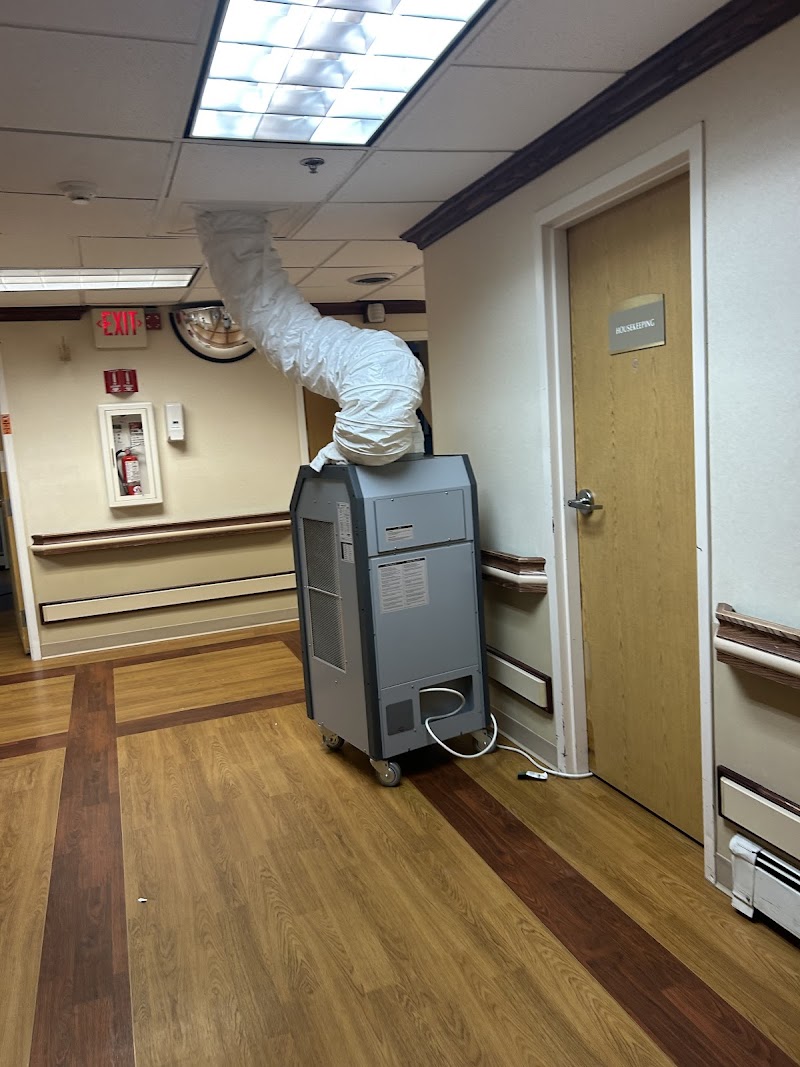
How Does Divine Rehabilitation And Nursing At Sylvania Compare to Other Ohio Nursing Homes?

Compared to the 100 nursing homes in Ohio, DIVINE REHABILITATION AND NURSING AT SYLVANIA's overall rating (2 stars) is below the state average of 3.2, staff turnover (72%) is significantly higher than the state average of 46%, and health inspection rating (1 stars) is much below the national benchmark.

What Should Families Ask When Visiting Divine Rehabilitation And Nursing At Sylvania?

Based on this facility's data, families visiting should ask: "What changes have been made since the serious inspection findings, and how are you preventing similar issues?" "How do you ensure continuity of care given staff turnover, and what is your staff retention strategy?" "Can you walk me through typical staffing levels on day, evening, and night shifts?" "Can I visit during a mealtime to observe dining assistance and food quality?" These questions are particularly relevant given the facility's Immediate Jeopardy citations, the facility's high staff turnover rate, and the below-average staffing rating.

Is Divine Rehabilitation And Nursing At Sylvania Safe?

Based on CMS inspection data, DIVINE REHABILITATION AND NURSING AT SYLVANIA has documented safety concerns. Inspectors have issued 3 Immediate Jeopardy citations (the most serious violation level indicating risk of serious injury or death). The facility has a 2-star overall rating and ranks #100 of 100 nursing homes in Ohio. Families considering this facility should ask detailed questions about what corrective actions have been taken since these incidents.

Do Nurses at Divine Rehabilitation And Nursing At Sylvania Stick Around?

Staff turnover at DIVINE REHABILITATION AND NURSING AT SYLVANIA is high. At 72%, the facility is 26 percentage points above the Ohio average of 46%. Registered Nurse turnover is particularly concerning at 85%. RNs handle complex medical decisions and coordinate care — frequent RN changes can directly impact care quality. High turnover means new staff may not know residents' individual needs, medications, or preferences. It can also be disorienting for residents, especially those with dementia who rely on familiar faces. Families should ask: What is causing the turnover? What retention programs are in place? How do you ensure care continuity during staff transitions?

Was Divine Rehabilitation And Nursing At Sylvania Ever Fined?

DIVINE REHABILITATION AND NURSING AT SYLVANIA has been fined $213,989 across 4 penalty actions. This is 6.1x the Ohio average of $35,219. Fines at this level are uncommon and typically indicate a pattern of serious deficiencies, repeated violations, or failure to correct problems promptly. CMS reserves penalties of this magnitude for facilities that pose significant, documented risk to resident health or safety. Families should request specific documentation of what issues led to these fines and what systemic changes have been implemented.

Is Divine Rehabilitation And Nursing At Sylvania on Any Federal Watch List?

DIVINE REHABILITATION AND NURSING AT SYLVANIA is not on any federal watch list. The most significant is the Special Focus Facility (SFF) program, which identifies the bottom 1% of nursing homes nationally based on persistent, serious quality problems. Not being on this list means the facility has avoided the pattern of deficiencies that triggers enhanced federal oversight. This is a positive indicator, though families should still review the facility's inspection history directly.