LAKES OF SYLVANIA, THE
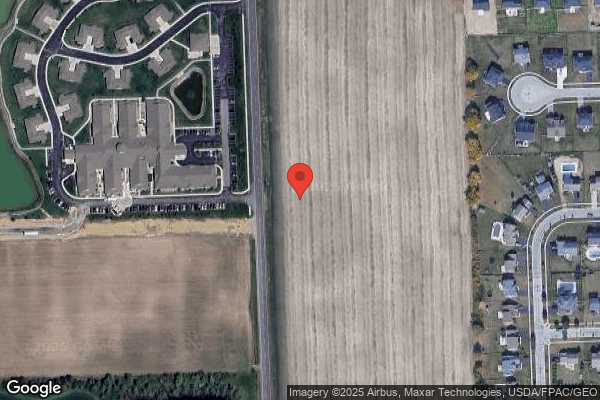
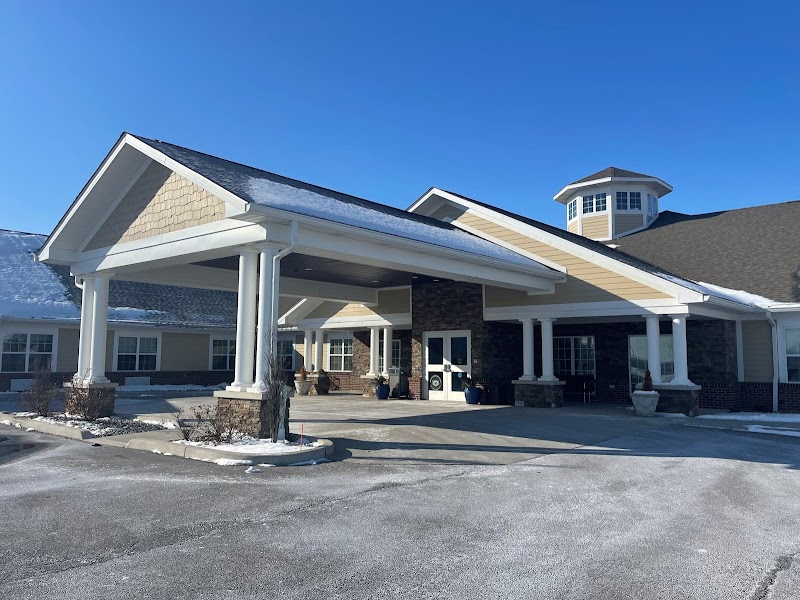
5351 MITCHAW ROAD, SYLVANIA, OH 43560 (419) 824-6699
For profit - Corporation 62 Beds TRILOGY HEALTH SERVICES Data: November 2025 1 Immediate Jeopardy citation
Trust Grade
46/100
#486 of 913 in OH
Last Inspection: November 2023

Within standard 12-15 month inspection cycle. Federal law requires annual inspections.

Overview

Lakes of Sylvania in Sylvania, Ohio, has a Trust Grade of D, which means it is below average and has some concerning issues that families should consider. It ranks #486 out of 913 facilities in Ohio, placing it in the bottom half, while locally it is #10 out of 33 in Lucas County, indicating only nine other options are better. The facility is on an improving trend, having decreased from 11 issues in 2021 to 7 in 2023, but it still has a poor staffing rating of 1 out of 5 stars and a turnover rate of 48%, which is concerning. The facility has faced fines totaling $24,164, suggesting ongoing compliance problems, and while RN coverage is average, specific incidents, such as failing to initiate CPR for an unresponsive resident and insufficient staff for timely medication and care, highlight serious deficiencies. Overall, while there are some strengths in quality measures, the weaknesses in staffing and critical incidents warrant careful consideration by families researching this home.

Trust Score
D
46/100
In Ohio
#486/913
Bottom 47%
Safety Record
High Risk
Review needed
Inspections
Getting Better
11 → 7 violations
Staff Stability
⚠ Watch
48% turnover. Above average. Higher turnover means staff may not know residents' routines.
Penalties
⚠ Watch
$24,164 in fines. Higher than 95% of Ohio facilities. Major compliance failures.
Skilled Nurses
○ Average
Each resident gets 33 minutes of Registered Nurse (RN) attention daily — about average for Ohio. RNs are the most trained staff who monitor for health changes.
Violations
⚠ Watch
21 deficiencies on record. Higher than average. Multiple issues found across inspections.
★★★☆☆
3.0
Overall Rating
★☆☆☆☆
1.0
Staff Levels
★★★★★
5.0
Care Quality
★★★☆☆
3.0
Inspection Score
Stable
2021: 11 issues
2023: 7 issues

The Good

  • 5-Star Quality Measures · Strong clinical quality outcomes
  • Full Sprinkler Coverage · Fire safety systems throughout facility
  • No fines on record

Facility shows strength in quality measures, fire safety.

The Bad

3-Star Overall Rating

Near Ohio average (3.2)

Meets federal standards, typical of most facilities

Staff Turnover: 48%

Near Ohio avg (46%)

Higher turnover may affect care consistency

Federal Fines: $24,164

Below median ($33,413)

Minor penalties assessed

Chain: TRILOGY HEALTH SERVICES

Part of a multi-facility chain

Ask about local staffing decisions and management

The Ugly 21 deficiencies on record

1 life-threatening
Nov 2023 1 deficiency
CONCERN (D)

Potential for Harm - no one hurt, but risky conditions existed

Dental Services (Tag F0791)

Could have caused harm · This affected 1 resident

**NOTE- TERMS IN BRACKETS HAVE BEEN EDITED TO PROTECT CONFIDENTIALITY** Based on observation, resident interview, staff interview and record review, the facility failed to ensure a resident received d...

Read full inspector narrative →
**NOTE- TERMS IN BRACKETS HAVE BEEN EDITED TO PROTECT CONFIDENTIALITY** Based on observation, resident interview, staff interview and record review, the facility failed to ensure a resident received dental services in a timely manner. This affected one (Resident #33) of one reviewed for dental services. The facility census was 50. Findings include Review of the medical record for Resident #33 revealed an admission date of 01/15/23. Diagnoses included kidney disease, emphysema, bipolar disorder and muscle weakness. Review of the Minimum Data Set (MDS) assessment dated [DATE] revealed Resident #33 was cognitively intact with a BIMS of 15 and required limited assistance of one staff member and for mobility and transfers. Review of the baseline care plan dated 01/15/23 revealed Resident #33 was noted to have broken teeth with intervention to ensure lighting in resident room was appropriate. Review of the progress notes dated 02/22/23 revealed Resident #33 was seen by the 360 care dentist and was found to need all top teeth (quantity of eight) extracted. The dental group recommended resident to be seen by an oral surgeon. The resident and family was provided the information to review. Review of the progress note dated 03/01/23 revealed social services spoke with the resident and daughter regarding dental follow up and the resident and family were interested in her getting scheduled for the oral surgeon to have teeth extracted with the possibility of getting dentures. Social Services informed family of process in getting dentures with Medicaid insurance and timeline of taking potentially several months for authorization. Social Services agreed to call around for a local oral surgeon who would accept the resident's insurance and be able to provide her services and confirmed family and the resident were unable to pay privately for dental extractions. Review of the progress note dated 03/07/23 revealed multiple dental offices were contacted and did not accept the resident's insurance. 360 dental service was contacted requesting a list of oral surgeons that accept Medicaid. Review of the progress note dated 03/14/23 revealed 360 dental provider sent list of possible providers further outside of [NAME] and resident and family were agreeable to offices being contacted for possible services. Review of the progress note dated 03/16/23 revealed social services contacted the four locations provided by 360 dental and they did not accept the resident's insurance. Social Services contacted the county health department (about an hour from facility) and learned they did accept the insurance but were booked out through June and not taking any new patients at that time. Offices in further away were contacted and stated they would not accept resident from so far away. The resident and daughter were updated. No additional documentation was done from 03/17/23 to 11/22/23 related to finding a follow-up related to the dental services and resident was not seen for services since this. Observation and interview on 11/20/23 at 2:32 P.M. with Resident #33 revealed the dentist informed her she needed to have teeth pulled several months ago but had not heard follow up related to having an appointment or a provider able to perform the service. She revealed staff had looked at options but was unsure if they were still trying to find assistance for her. Interview on 11/22/23 at 9:30 A.M. with Social Services #569 revealed she checked into the resources that she knew about and was unable to find any providers that would accept Medicaid for dental services/surgery. She revealed she found online a resource with a county health department but they were unable to accept the resident until after June. Social Services revealed she did not document any follow up since 03/2023 and revealed she did not contact the local counties to see what services they offered. She revealed she did not reach out to the hospitals to see if they had any services or knowledge of services. Interview on 11/22/23 at 9:45 A.M. with staff at Dental Clinic #700 revealed they accepted Medicaid and had an oral surgeon come weekly. Staff revealed they were currently not scheduling appointments for new patients but could see Resident #33 same-day for any urgent or acute needs such as pain. Staff revealed they were hoping to re-open appointments for new patients in January. Staff revealed they had an open enrollment system throughout the year and the facility would need to keep checking in to check the status, but revealed they have had openings off and on this past year. Interview on 11/22/23 at 9:55 A.M. with the Director of Nursing (DON) revealed the facility was completing no follow up or monitoring related Resident #33's dental concerns and needing teeth extracted.
Apr 2023 3 deficiencies
CONCERN (D) 📢 Someone Reported This

A family member, employee, or ombudsman was alarmed enough to file a formal complaint

Potential for Harm - no one hurt, but risky conditions existed

ADL Care (Tag F0677)

Could have caused harm · This affected 1 resident

Based on observation, staff interview, record review, and review of the facility policy, the facility failed to ensure dependent residents were turned and repositioned every two hours per plan of care...

Read full inspector narrative →
Based on observation, staff interview, record review, and review of the facility policy, the facility failed to ensure dependent residents were turned and repositioned every two hours per plan of care. This affected one (Resident #11) of four residents reviewed for turning and repositioning. The facility census was 57. Findings include: Review of the medical record for Resident #11 revealed an admission date of 01/10/18 with diagnoses of psychosis, epilepsy, and morbid obesity. Review of the quarterly Minimum Data Set (MDS) assessment, dated 01/12/23, revealed Resident #11 had impaired cognition and required extensive assistance of two people for bed mobility. Review of the care plan initiated 04/03/20 for Resident #11 revealed she required staff assistance to complete activities of daily life (ADL) tasks completely. Interventions included turning and repositioning every two hours. Observation on 03/29/23 at 5:24 A.M. revealed Licensed Practical Nurse (LPN) #202 in the room with Resident #11 waiting for State Tested Nurse Aide (STNA) #101. Interview on 03/29/23 at 5:24 A.M. with STNA #101 revealed she was the only aide in the facility, along with two LPNs. STNA #101 revealed Resident #11 required two staff to assist with repositioning and incontinence care. STNA #101 stated she previously provided care for Resident #11 at approximately 1:00 A.M. Review of the Point of Care (POC) History on 03/29/23 at 1:02 P.M. for Resident #11 revealed the resident was turned and repositioned on 03/29/23 at 12:44 A.M. No additional entries for care were entered in the POC at the time of review. Observation 04/03/23 at 5:20 A.M. revealed LPN #201 and LPN #207 conducting checks and repositioning rounds for Resident #11. A concurrent interview with LPN #201 revealed Resident #11 was last checked and repositioned at 1:00 A.M. LPN #207 revealed residents were checked and changed twice during the eight-hour shift, usually every three to four hours. Interview on 04/03/23 at 1:00 P.M. with the Director of Nursing confirmed the care plan for Resident #11 revealed she should be turned and repositioned every two hours. Review of the facility policy titled Turning and Repositioning, reviewed 12/31/22, revealed residents requiring assistance to reposition while in bed should be assisted with turning and repositioning as needed to maintain skin integrity, decrease pain and maintain proper body alignment. Further review revealed turning and reposition was a standard of practice that will be performed in accordance with the resident's care plan. This represents non-compliance investigated under Master Complaint Number OH00141638 and Complaint Number OH00141225.
CONCERN (D) 📢 Someone Reported This

A family member, employee, or ombudsman was alarmed enough to file a formal complaint

Potential for Harm - no one hurt, but risky conditions existed

Deficiency F0760 (Tag F0760)

Could have caused harm · This affected 1 resident

Based on observation, record review, staff interview, review of prescribing information website, and review of the facility policy, the facility failed to ensure residents were free from significant m...

Read full inspector narrative →
Based on observation, record review, staff interview, review of prescribing information website, and review of the facility policy, the facility failed to ensure residents were free from significant medication errors. This affected two (#11 and #13) of three residents reviewed for medication administration. The facility census was 57. Findings include: 1. Review of the medical record for Resident #11 revealed an admission date of 01/10/18 with diagnoses of psychosis, epilepsy, and morbid obesity. Review of the quarterly Minimum Data Set (MDS) assessment, dated 01/12/23, revealed Resident #11 had impaired cognition. Review of a physician order dated 12/30/22 revealed Resident #11 received levothyroxine tablet 50 micrograms (mcg) one tablet daily by mouth for hypothyroidism. Review of the Medication Administration Record (MAR) for March 2023 revealed Resident #11 received levothyroxine after breakfast on 03/02/23 at 11:17 A.M., on 03/03/23 at 11:19 A.M., on 03/04/23 at 11:02 A.M., on 03/05/23 at 10:00 A.M., on 03/16/23 at 11:00 A.M., and on 03/19/23 at 10:32 A.M. Review of the meal intake for Resident #11 revealed she consumed breakfast on 03/02/23, 03/03/23, 03/04/23, 03/05/23, 03/16/23, and 03/19/23. Review of the prescribing guidelines at https://www.accessdata.fda.gov/drugsatfda_docs/label/2017/021402s024s028lbl.pdf for levothyroxine (generic for Synthroid) reveal it should be administered once daily, preferably on an empty stomach, one-half to one hour before breakfast. Interview on 03/29/23 at 8:42 A.M. with State Tested Nurse Aide (STNA) #105 revealed breakfast was served between 7:00 A.M. and 9:00 A.M. Interview on 03/29/23 at approximately 1:00 P.M. with the Administrator confirmed the documentation in the MAR for Resident #11 revealed levothyroxine was provided after the scheduled breakfast time on 03/02/23, 03/03/23, 03/04/23, 03/05/23, 03/16/23, and 03/19/23. Interviews on 03/29/23 at 2:25 P.M. with STNA #106, Medication Technician (MT) #102, and Registered Nurse (RN) #203 confirmed Resident #11 ate breakfast daily. Continued interview with RN #203 confirmed late levothyroxine medication administration was a concern as it should be given before breakfast. 2. Review of the medical record for Resident #13 revealed an admission date of 07/15/19 with diagnoses of Parkinson's disease and dementia. Review of the comprehensive MDS assessment, dated 01/13/23, revealed Resident #13 had intact cognition. Review of a physician order dated 08/17/21 revealed Resident #13 was to receive the medication for Parkinson's disease carbidopa-levodopa 25-100 milligrams (mg) 2.5 tablets three times daily with specifications to provide the first dose prior to 6:00 A.M. Doses were scheduled at 5:00 A.M., 10:00 A.M. and 2:00 P.M. Review of an additional physician order dated 08/17/21 revealed Resident #13 received carbidopa-levodopa 25-100 mg, one tablet three times daily, with specifications to provide the first dose prior to 6:00 A.M. Doses were scheduled at 5:00 A.M., 10:00 A.M. and 2:00 P.M. Review of the MAR for 03/01/23 revealed Resident #13 received both doses of carbidopa-levodopa, scheduled for 5:00 A.M., at 6:35 A.M. Review of the MAR for 03/02/23 revealed Resident #13 received both doses of carbidopa-levodopa, scheduled for 10:00 A.M., at 11:58 A.M. Review of the MAR for 03/23/23 revealed Resident #13 received both doses of carbidopa-levodopa, scheduled for 10:00 A.M., at 11:47 A.M. Interview on 03/29/23 at approximately 1:00 P.M. with the Administrator confirmed the documentation in the MAR for Resident #13 revealed the carbidopa-levodopa was not given as ordered on 03/01/23, 03/02/23, and 03/23/23. Review of the policy titled Medication Administration, dated November 2018, revealed medications are to be administered in accordance with written orders, and are to be administered within 60 minutes of the scheduled time, except before with or after meal orders which are administered based on mealtimes. This is an incidental citation of non-compliance discovered during the complaint investigation.
CONCERN (F) 📢 Someone Reported This

A family member, employee, or ombudsman was alarmed enough to file a formal complaint

Potential for Harm - no one hurt, but risky conditions existed

Deficiency F0725 (Tag F0725)

Could have caused harm · This affected most or all residents

Based on observation, staff interview, review of facility schedules, and record review, the facility failed to ensure adequate staff was available to timely administer medications and timely turn and ...

Read full inspector narrative →
Based on observation, staff interview, review of facility schedules, and record review, the facility failed to ensure adequate staff was available to timely administer medications and timely turn and reposition dependent residents. This affected two (#11 and #13) of five residents reviewed for timely care and treatment. Findings include: 1. Review of the medical record for Resident #11 revealed an admission date of 01/10/18 with diagnoses of psychosis, epilepsy, and morbid obesity. Review of the quarterly Minimum Data Set (MDS) assessment, dated 01/12/23, revealed Resident #11 had impaired cognition and required extensive assistance of two people for bed mobility. Review of the current care plan for Resident #11 revealed she required staff assistance to complete activities of daily life (ADL) tasks completely. Interventions included turning and repositioning very two hours. Observation on 03/29/23 at 5:24 A.M. revealed Licensed Practical Nurse (LPN) #202 in the room with Resident #11 waiting for State Tested Nurse Aide (STNA) #101. Interview on 03/29/23 at 5:24 A.M. with STNA #101 revealed she was the only aide in the facility, along with two LPNs. STNA #101 stated she was responsible for two halls for a total of approximately 44 residents. STNA #101 revealed Resident #11 required two staff to assist with repositioning and incontinence care. Observation at that time revealed LPN #202 in the room with Resident #11 waiting for STNA #101. STNA #101 revealed she previously provided care for Resident #11 at approximately 1:00 A.M. Interview on 03/29/23 at 5:36 A.M., LPN #202 stated two STNAs called off for third shift. Interview on 03/29/23 at 11:55 A.M. with Scheduler #301 confirmed two aides called off the previous night for third shift. Review of the staff schedule for third shift on 03/28/23 revealed one STNA called off for the shift, and another staff left the shift at 2:00 A.M. on 03/29/23. Further review revealed two nurses and one STNA were the only staff during third shift between 2:00 A.M. and 6:00 A.M. Review of the Point of Care (POC) History on 03/29/23 at 1:02 P.M. for Resident #11 revealed was turned and repositioned on 03/29/23 at 12:44 A.M. No additional entries for care were entered in the POC at the time of review. 2. Review of the medical record for Resident #13 revealed an admission date of 07/15/19 with diagnoses of Parkinson's disease and dementia. Review of the comprehensive MDS assessment, dated 01/13/23, revealed Resident #13 had intact cognition. Review of a physician order dated 08/17/21 revealed Resident #13 was to receive the medication for Parkinson's disease carbidopa-levodopa 25-100 milligrams (mg) 2.5 tablets three times daily with specifications to provide the first dose prior to 6:00 A.M. Doses were scheduled at 5:00 A.M., 10:00 A.M. and 2:00 P.M. Review of an additional physician order dated 08/17/21 revealed Resident #13 received carbidopa-levodopa 25-100 mg, one tablet three times daily, with specifications to provide the first dose prior to 6:00 A.M. Doses were scheduled at 5:00 A.M., 10:00 A.M. and 2:00 P.M. Review of the Medication Administration Record (MAR) for 03/02/23 revealed Resident #13 received both doses of carbidopa-levodopa scheduled for 10:00 A.M. at 11:58 A.M. The documented reason for the late dose was Resident care. Review of the MAR for 03/23/23 revealed Resident #13 received both doses of carbidopa-levodopa scheduled for 10:00 A.M., at 11:47 A.M. The documented reason for the late dose was Patient care. Observation on 03/29/23 at 10:07 A.M. revealed Medication Technician (MT) #102 was still passing morning medications after 10:00 A.M. Interview at the time of the observation MT #102 revealed all morning medications should be passed by 10:00 A.M. MT #102 stated she was still passing morning medications after 10:00 A.M. because she had helped the STNA provide care to residents on the hall, including mechanical lifts requiring two staff to operate. Interview on 03/29/23 at 10:08 A.M. with Registered Nurse (RN) #203 revealed she was still passing morning medications. RN #203 confirmed the doses were late because she assisted the STNAs with resident care and assisted in passing meal trays, which included repositioning residents so they could eat breakfast. Observation on 03/29/23 at 10:29 A.M. revealed LPN #205 passing medications to residents. Interview at that time with LPN #205 revealed she was late passing morning medications because she was assigned to assist staff on another hall. She assisted residents with breakfast and assisted the STNA with mechanical lifts. This represents non-compliance investigated under Master Complaint Number OH00141638 and Complaint Number OH00141225.
Jan 2023 3 deficiencies 1 IJ
CRITICAL (J) 📢 Someone Reported This

A family member, employee, or ombudsman was alarmed enough to file a formal complaint

Immediate Jeopardy (IJ) - the most serious Medicare violation

Deficiency F0678 (Tag F0678)

Someone could have died · This affected 1 resident

**NOTE- TERMS IN BRACKETS HAVE BEEN EDITED TO PROTECT CONFIDENTIALITY** Based on medical record review, staff interviews, review of the facility investigation, review of the facility policy for Emerge...

Read full inspector narrative →
**NOTE- TERMS IN BRACKETS HAVE BEEN EDITED TO PROTECT CONFIDENTIALITY** Based on medical record review, staff interviews, review of the facility investigation, review of the facility policy for Emergency Procedure - Cardiopulmonary Resuscitation, review of the American Heart Association Journal, review of a job description for Licensed Practical Nurses (LPN), and review of personnel files, the facility failed to timely initiate Cardiopulmonary Resuscitation (CPR) or contact Emergency Medical Services (EMS) for one resident (Resident #01) found unresponsive, with no pulse oximeter registering, and who was identified as a Full Code status. This resulted in Immediate Jeopardy, serious life-threatening harm, and ultimate death when Resident #01 did not receive CPR after he was discovered with absent readings on the pulse oximetry and EMS was not contacted for assistance. This affected one (#01) of three residents (#01, #02, and #03) who expired unexpectedly at the facility. The facility census was 52. On [DATE] at 3:52 P.M., the Interim Executive Director, Administrator in Training (AIT) #600, Clinical Support Nurse #800, Regional Minimum Data Set (MDS) Nurse #810, and the Director of Health Services (DHS) were notified Immediate Jeopardy began on [DATE] at approximately 3:05 A.M. when Resident #01, who was a Full Code resuscitation status, was found unresponsive by LPN #200. LPN #200 entered the resident's room and noticed him to be unresponsive after calling out his name. The nurse turned on the light and found his pulse oximeter to be absent of a reading. At 3:15 A.M., LPN #200 contacted the DHS to inform her Resident #01 was unresponsive and direction was given to begin chest compressions immediately and contact the family regarding their wishes. During the investigation on [DATE] it was confirmed by witnesses that LPN #200 responded with the decision to not initiate CPR or call EMS. LPN #200 notified the family of the resident's death at 3:20 A.M. and notified the funeral home, who picked up Resident #01's body on [DATE] at 4:44 A.M. The facility failed to notify the physician of Resident #01's death until 10:00 A.M. on [DATE] when it was completed by the DHS. The Immediate Jeopardy was removed on [DATE] when the facility completed education for all staff on the proper response when finding an unresponsive resident. The deficiency remained at a Severity Level 2 (no actual harm with potential for more than minimal harm that is not Immediate Jeopardy) until it was corrected on [DATE] at 4:00 P.M. when the facility completed the following corrective actions: • On [DATE] at 3:16 P.M., LPN #200 was suspended pending investigation. On [DATE] at 7:39 P.M., LPN #200 was terminated. • On [DATE], Clinical Support Nurse #800 completed an audit on all in house resident's code status. • On [DATE], the Executive Director completed Code Education with all staff through a virtual platform. The Code Education defined the proper response when finding an unresponsive individual at the facility. • Beginning [DATE], the DHS/designee audited new admissions to compare the resident's advance directives to the physician orders for accuracy. • On [DATE], the Quality Assurance and Performance Improvement (QAPI) committee reviewed the plan of correction, including education and audits. • On [DATE], the facility-initiated CPR quizzes to be given to all employees twice a week for four weeks, then twice a month for three months, then every month for two months, then as recommended by the QAPI committee. These will be completed by AIT #600. • On [DATE], the facility-initiated audits of new admission/readmission charts to verify resident code status five times a week for one month, then three times a week for three months, then weekly for two months, then as recommended by the QAPI committee. This will be completed by the DHS. • On [DATE], the DHS completed an audit of all nursing staff for CPR certifications. • On [DATE], the medical record for Resident #02 and Resident #03, who expired unexpectedly at the facility, were reviewed, and found staff responded appropriately. • Staff interviews on [DATE] at 10:52 A.M. with Certified Resident Care Associate (CRCA) #510, on [DATE] at 8:56 A.M. with CRCA #500, and on [DATE] at 8:25 A.M. with Registered Nurse (RN) #500 verified they had been educated by the facility on the proper response when finding an unresponsive individual at the facility. • On [DATE] a review of the audits of new admission/readmission charts, audits of residents' records for residents who expired at the facility, and review of the facility-initiated CPR quizzes to be given to all employees verified the auditing and monitoring had been completed for four weeks with no identified concerns. Findings include: Review of Resident #01's medical record revealed an admission date of [DATE]. Diagnoses included atrial fibrillation, congestive heart failure, atrioventricular block, left bundle branch black, and pacemaker placement. Review of a physician order dated [DATE] revealed Resident #01 had a Full Code resuscitation status. Review of a progress note dated [DATE] at 3:05 A.M. revealed LPN #200 went into Resident #01's room and called out his name but received no response. The nurse turned on the light and found him to be pale in color, but his skin remained warm. The pulse oximetry machine had no reading. Chest compressions were initiated. At 3:20 A.M., LPN #200 reached out to Resident #01's daughter-in-law and explained his change in condition. The daughter-in-law instructed for staff to stop compressions, that her father-in-law was a Do Not Resuscitate (DNR), and she would be coming to the facility. At 4:05 A.M., Resident #01's daughter-in-law arrived and stated she planned to bring in paperwork regarding his code status in the morning. The daughter-in-law then requested LPN #200 contact a local funeral home to pick up the body. The funeral home picked up Resident #01 at 4:44 A.M. There was no documentation of the physician being notified of the resident's death. Review of the facility investigation related to Resident #01's death, initiated on [DATE], revealed the AIT #600 obtained statements via an interview from staff working the night Resident #01 expired. The statement from LPN #200 revealed on [DATE] she was notified that Resident #01 had vomited on his gown and was complaining of shortness of breath. Oxygen was applied and suction was obtained from a RN at bedside. Continuous pulse oximetry was applied to his finger while LPN #200 contacted the physician for additional orders. Orders were received for a chest x-ray, aerosol treatments, and a decongestant. The aerosol treatment was administered. RN #300 contacted Resident #01's family to assess his code status. The family stated they believed he was a DNR and they would bring the paperwork to the facility in the morning. On [DATE] at 12:05 A.M., a respiratory treatment was administered, and his pulse oximeter read in the low 90's and no distress was noted. LPN #200 went in to check on the resident at 3:05 A.M. and when she called him by name no response was noted and no pulse oximeter reading could be obtained. Chest compressions were started. The residents' daughter was called to verify wishes and the daughter ordered to stop chest compressions because Resident #01 was a DNR. When the daughter arrived at the facility, she requested a local funeral home be contacted. The funeral home picked up Resident #01's body at 4:44 A.M. Review of the documented interview statement from LPN #210, dated [DATE], revealed at 3:00 A.M. LPN #210 was asked by LPN #200 to look at Resident #01 because he was noted to be unresponsive. LPN #210 asked if they needed to start CPR and LPN #200 stated she was uncertain and wanted to clarify the code status. LPN #210 then left the resident's room. Review of the documented interview statement from CRCA #500, dated [DATE], revealed the CRCA was at a nearby nurses' station when LPN #200 asked for assistance with Resident #01. LPN #210 and CRCA #500 followed LPN #200 to Resident #01's room where he had expired. CRCA #500 and CRCA #510 proceeded to clean up the resident. CRCA #500 revealed she was unaware if anyone performed CPR. Review of the documented interview statement from RN #500, dated [DATE], revealed LPNs #200 and #210 asked the RN for assistance with Resident #01 as he had passed away and they were not sure what to do at that time. The RN informed them to call the DON or 911. LPN #200 proceeded to make a phone call, but the RN was unsure of who she was speaking with or the conversation. LPN #200 instructed RN #500 to go into Resident #01's room and tell CRCA #500 and CRCA #510 to stop. RN #500 assumed it meant to stop chest compressions, but when he entered the resident's room the aides were cleaning Resident #01 and were not performing chest compressions. Review of the documented interview statement from CRCA #510, dated [DATE], revealed LPN #200 came to a neighboring nurse's station where the aide was and asked LPN #210 what to do as Resident #01 was unresponsive. The LPNs went to the resident's room. LPN #210 returned to the nurse's station after approximately 10 minutes and asked CRCA #510 to assist in changing Resident #01's brief and to get him cleaned up and repositioned. RN #500 came into the room, and they all walked out at the same time. Review of the documented interview statement from the DHS, dated [DATE], revealed she received a phone call from LPN #200 at approximately 3:10 A.M. on [DATE]. The LPN informed her Resident #01 was found without vital signs. The DHS instructed LPN #200 to start CPR and call the family to confirm their wishes. Review of a second documented interview statement from the DHS, dated [DATE], revealed she was called on [DATE] at approximately 3:30 A.M. by LPN #200 and informed Resident #01 was found to be without vital signs. The DHS stated she told someone to contact the family to verify code status and to initiate CPR. The DHS revealed when she followed up with LPN #200, the LPN stated the family said to stop CPR and they would be into the facility. The DHS denied knowledge of CPR not being initiated and stated she told LPN #200 to start compressions at the time of the first phone call. The DHS reported the physician was not notified until [DATE] later in the day of Resident #01's death. Interview with CRCA #510 on [DATE] at 10:52 A.M. revealed she was not caring for Resident #01 on the night of [DATE] but was asked to assist in postmortem care. She denied seeing a crash cart in his room and as far as she knew, CPR failed to be initiated. Interview with the Executive Director on [DATE] at 11:02 A.M. revealed after investigation it was found that Resident #01 had a Full Code status and was found unresponsive on [DATE]. Further interview revealed LPN #200 no longer worked at the facility. The Executive Director revealed LPN #200's employment was terminated for multiple reasons, and ultimately for failure to follow physician orders. It was also found that LPN #200 falsified records by documenting CPR was initiated when during the investigation it was found that chest compressions were never performed. Telephone interview on [DATE] at 8:56 A.M. with CRCA #500 revealed on [DATE] she was at the nurse's station with LPN #210 when LPN #200 approached and stated Resident #01 was unresponsive, and she did not know what to do. CRCA #500 revealed she followed the nurses to Resident #01's room and no one was observed performing CPR, nor were emergency medical services contacted. She and CRCA #510 prepped the body for the funeral home to pick up. Review of the facility policy titled Cardiopulmonary Resuscitation (CPR), revised [DATE], revealed if the resident is a Full Code and is found to be in cardiopulmonary arrest campus staff will: a. Assess for viable signs of life, measure blood pressure, skin temperature, skin color/cyanosis, pulse (absence, rhythm, and quality), respirations (absence, rhythm, quality, level of consciousness). b. Initiate CPR. c. Call 911 to have emergency medics transport the resident to the nearest hospital. d. Notify the attending physician or medical director for instructions. Review of the American Heart Association Journal, Vol. 122, No.18, found at https://www.ahajournals.org/doi/10.1161/CIRCULATIONAHA.110.970905, revealed the goals of resuscitation are to preserve life. Criteria for not starting CPR would include: Situations where attempts to perform CPR would place the rescuer at risk of serious injury or mortal peril; Obvious clinical signs of irreversible death (e.g., rigor mortis, dependent lividity, decapitation, transection, or decomposition); or a valid, signed, and dated advance directive indicating that resuscitation is not desired, or a valid, signed, and dated do not resuscitate order. This deficiency demonstrates non-compliance with Complaint Number OH00138669.
CONCERN (D) 📢 Someone Reported This

A family member, employee, or ombudsman was alarmed enough to file a formal complaint

Potential for Harm - no one hurt, but risky conditions existed

Notification of Changes (Tag F0580)

Could have caused harm · This affected 1 resident

**NOTE- TERMS IN BRACKETS HAVE BEEN EDITED TO PROTECT CONFIDENTIALITY** Based on review of the medical record, staff interview, review of documented staff statements, and facility policy, the facility...

Read full inspector narrative →
**NOTE- TERMS IN BRACKETS HAVE BEEN EDITED TO PROTECT CONFIDENTIALITY** Based on review of the medical record, staff interview, review of documented staff statements, and facility policy, the facility failed to timely notify the physician of the death of one resident (#01) out of three resident reviewed. The facility census was 52. Findings include: Review of Resident #01's medical record revealed an admission date of [DATE]. Diagnoses included atrial fibrillation, congestive heart failure, atrioventricular block, left bundle branch black, and pacemaker placement. Review of a progress note dated [DATE] at 3:05 A.M. revealed Licensed Practical Nurse (LPN) #200 went into Resident #01's room and called out his name but received no response. The nurse turned on the light and found him to be pale in color, but his skin remained warm. The pulse oximetry machine had no reading. Chest compressions were initiated. At 3:20 A.M. LPN #200 reached out to Resident #01's daughter-in-law and explained his change in condition. The daughter-in-law instructed for staff to stop compressions, that her father-in-law was a Do Not Resuscitate (DNR), and she would be coming to the facility. At 4:05 A.M. Resident #01's daughter-in-law arrived and stated she planned to bring in paperwork regarding his code status in the morning. The daughter-in-law then requested LPN #200 contact a local funeral home to pick up the body. The funeral home picked up Resident #01 at 4:44 A.M. There was no documentation of the physician being notified of the resident's death. Review of a documented interview statement from the Director of Health Services (DHS), dated [DATE], revealed she was called on [DATE] at approximately 3:30 A.M. by LPN #200 and informed Resident #01 was found to be without vital signs. The DHS reported the physician was not notified until [DATE] later in the day of Resident #01's death. Review of the facility policy titled Cardiopulmonary Resuscitation (CPR), revised [DATE], revealed if the resident is a Full Code and is found to be in cardiopulmonary arrest campus staff will notify the attending physician or medical director for instructions. This is an incidental deficiency discovered during the investigation.
CONCERN (D) 📢 Someone Reported This

A family member, employee, or ombudsman was alarmed enough to file a formal complaint

Potential for Harm - no one hurt, but risky conditions existed

Medical Records (Tag F0842)

Could have caused harm · This affected 1 resident

**NOTE- TERMS IN BRACKETS HAVE BEEN EDITED TO PROTECT CONFIDENTIALITY** Based on record review, facility policy review, and staff interview, the facility failed to ensure nursing staff did not falsify...

Read full inspector narrative →
**NOTE- TERMS IN BRACKETS HAVE BEEN EDITED TO PROTECT CONFIDENTIALITY** Based on record review, facility policy review, and staff interview, the facility failed to ensure nursing staff did not falsify documentation in the medical record regarding the initiation of cardiopulmonary resuscitation for one (#01) of three residents reviewed. The facility had 26 residents designated with a Full Code resuscitation status. The facility census was 52. Findings include Review of Resident (#01's medical record revealed an admission date of [DATE]. Diagnoses included atrial fibrillation, congestive heart failure, atrioventricular block, left bundle branch black, and pacemaker placement. Review of a physician order dated [DATE] revealed Resident #01 had a Full Code resuscitation status. Review of a progress note dated [DATE] at 3:05 A.M. revealed LPN #200 went into Resident #01's room and called out his name but received no response. The nurse turned on the light and found him to be pale in color, but his skin remained warm. The pulse oximetry machine had no reading. Chest compressions were initiated. At 3:20 A.M. LPN #200 reached out to Resident #01's daughter-in-law and explained his change in condition. The daughter-in-law instructed for staff to stop compressions, that her father-in-law was a Do Not Resuscitate (DNR), and she would be coming to the facility. At 4:05 A.M. Resident #01's daughter-in-law arrived and stated she planned to bring in paperwork regarding his code status in the morning. The daughter-in-law then requested LPN #200 contact a local funeral home to pick up the body. The funeral home picked up Resident #01 at 4:44 A.M. Review of the facility investigation related to Resident #01's death, initiated on [DATE], revealed the Administrator in Training (AIT) obtained statements via an interview from staff working the night Resident #01 expired. The statement from LPN #200 revealed on [DATE] at 3:05 A.M. LPN #200 went in to check on the resident and when she called him by name no response was noted and no pulse oximeter reading could be obtained. Chest compressions were started. The resident's daughter was called to verify wishes and the daughter ordered to stop chest compressions because Resident #01 was a DNR. Review of the documented interview statement from LPN #210, dated [DATE], revealed at 3:00 A.M. LPN #210 was asked by LPN #200 to look at Resident #01 because he was noted to be unresponsive. LPN #210 asked if they needed to start CPR and LPN #200 stated she was uncertain and wanted to clarify the code status. LPN #210 then left the resident's room. Review of the documented interview statement from Certified Resident Care Associate (CRCA) #500, dated [DATE], revealed the CRCA was at the a nearby nurses' station when LPN #200 asked for assistance with Resident #01. LPN #210 and CRCA #510 followed LPN #200 to Resident #01's room where he had expired. The CRCAs proceeded to clean up the resident. CRCA #500 revealed she was unaware if anyone performed CPR. Review of the documented interview statement from RN #500, dated [DATE], revealed LPNs #200 and #210 asked the RN for assistance with Resident #01 as he had passed away and they were not sure what to do at that time. The RN informed them to call the Director of Health Services (DHS) or 911. LPN #200 proceeded to make a phone call, but the RN was unsure of who she was speaking with or the conversation. LPN #200 instructed RN #500 to go into Resident #01's room and tell the CRCAs to stop. RN #500 assumed it meant to stop chest compressions, but when he entered the resident's room the aides were cleaning Resident #01 and were not performing chest compressions. Review of the documented interview statement from CRCA #510, dated [DATE], revealed LPN #200 came to a neighboring nurse's station where the aide was and asked LPN #210 what to do as Resident #01 was unresponsive. The LPNs went to the resident's room. LPN #210 returned to the nurse's station after approximately 10 minutes and asked CRCA #510 to assist in changing Resident #01's brief and get him cleaned up and repositioned. Interview with CRCA #510 on [DATE] at 10:52 A.M. revealed she was not caring for Resident #01 on the night of [DATE] but was asked to assist in postmortem care. She denied seeing a crash cart in his room and as far as she knew CPR failed to be initiated. Interview with the Executive Director on [DATE] at 11:02 A.M. revealed after investigation it was found that Resident #01, who had a Full Code status and was found unresponsive on [DATE], was failed to be administered CPR. It was also found that LPN #200 falsified records by documenting CPR was initiated when during the investigation it was found that chest compressions were never performed. Telephone interview on [DATE] at 8:56 A.M. with CRCA #500 revealed on [DATE] she was at the nurse's station with LPN #210 when LPN #200 approached and stated Resident #01 was unresponsive, and she did not know what to do. CRCA #500 revealed she followed the nurses to Resident #01's room and no one was viewed performing CPR nor were emergency medical services contacted. She and another CRCA prepped the body for the funeral home to pick up. Interview with the DHS on [DATE] at 2:23 P.M. verified LPN #200 falsified medical documentation regarding performing CPR for Resident #01 on [DATE]. Review of the facility policy titled Cardiopulmonary Resuscitation (CPR), revised [DATE], revealed the attending nurse shall document using the CPR event in the health electronic record or nursing progress note: Resident condition and assessment results before CPR was initiated. Assessment results after completion of CPR, if applicable. Resident condition and assessment results if CPR was not initiated and reason why it was not initiated. This is an incidental violation citation discovered during the complaint investigation.
Aug 2021 11 deficiencies
CONCERN (D)

Potential for Harm - no one hurt, but risky conditions existed

Resident Rights (Tag F0550)

Could have caused harm · This affected 1 resident

Based on observation, medical record review, staff interview and review of facility policy, the facility failed to treat residents with dignity by hanging signs in resident rooms indicating care needs...

Read full inspector narrative →
Based on observation, medical record review, staff interview and review of facility policy, the facility failed to treat residents with dignity by hanging signs in resident rooms indicating care needs. This affected two (#13 and #39) of three residents reviewed for dignity. The facility census was 56. Findings include: 1. Review of Resident #39's medical record revealed an admission date of 01/23/21. Diagnoses included hemiplegia and hemiparesis affecting left non-dominant side, spinal stenosis, and dementia. Review of the quarterly Minimum Data Set (MDS) assessment, dated 07/07/21, revealed Resident #39 was severely cognitively impaired and required extensive two person assistance with bed mobility. Review of the plan of care revealed a resident profile intervention, implemented 08/09/21, to place a sign in the resident room as a reminder to put resident's right hip in straight/neutral alignment when seated in chair and in laying position. Observation on 08/09/21 at 9:58 A.M. of Resident #39's room revealed a sign hanging on the outside of the cabinet door, next to the resident's bed, which read Please put patient in straight neutral alignment when seated in chair and in laying position-Therapy. Interview on 08/09/21 at 2:58 P.M. with Licensed Practical Nurse (LPN) #449 verified the sign hanging on Resident #39's cabinet door. LPN #449 stated therapy placed the sign as a reminder on how to appropriately position Resident #39. 2. Review of Resident #13's medical record revealed an admission date of 04/20/17 and a readmission date of 07/10/17. Diagnoses included unspecified dementia, repeated falls, and unsteadiness on feet. Review of the quarterly MDS assessment, dated 05/28/21, revealed Resident #13 was moderately cognitively impaired and required extensive one person assistance with dressing. Review of the plan of care, initiated 05/02/17, revealed Resident #13 was at risk for falling related to muscle weakness, difficulty walking, impaired cognition, polypharmacy and absence of right ear drum. Interventions, initiated 04/28/20, included note in room to remind resident to keep shoes off the floor. Observation on 08/09/21 at 2:44 P.M. of Resident #13's room revealed a sign hanging on the resident's shelves, visible from the hall, which read SHOES Please keep shoes off floor so [resident] can reach. Interview on 08/09/21 at 2:58 P.M. with Licensed Practical Nurse (LPN) #449 verified the sign in Resident #13's room. LPN #449 stated the sign was placed by therapy to remind staff to keep Resident #13's shoes up because the resident would lean over to pick them up and fall. Interview on 08/10/21 at 2:02 P.M. with Clinical Support Resident Assessment (CSRA) #488 revealed signs placed in resident rooms were provided as reminders to residents for various reasons, such as to use their walker. The signs were discussed with residents and representatives and were care planned. CSRA #488 verified the signs in Residents #39 and #13 were written as instructions to staff on care needs of residents and not as reminders to residents. Review of facility policy titled Resident Rights Guidelines, revised 05/11/17, revealed residents have a right to be treated with dignity, respect and privacy.
CONCERN (D)

Potential for Harm - no one hurt, but risky conditions existed

Deficiency F0554 (Tag F0554)

Could have caused harm · This affected 1 resident

Based on observation, resident and staff interview, and review of facility policy, the facility failed to complete a self-administration of medication assessment, and failed to obtain a physician orde...

Read full inspector narrative →
Based on observation, resident and staff interview, and review of facility policy, the facility failed to complete a self-administration of medication assessment, and failed to obtain a physician orders for a resident who preferred to have medications left at bedside. This affected one (#9) resident reviewed for self-administration of medication. The facility census was 56. Findings include: Review of Resident #9's medical record revealed an admission date of 04/06/18 and a readmission date of 01/22/21. Diagnoses included hypertensive heart disease, end stage renal disease, and type II diabetes mellitus. Review of the quarterly Minimum Data Set (MDS) assessment, dated 05/10/21, revealed Resident #9 was cognitively intact. Additional review of Resident #9's medical record revealed no evidence of a self-administration of medication assessment, a physician order for self-administration of medication, and there was no plan of care interventions for self-administration of medication. Observation on 08/09/21 at 10:13 A.M. of Resident #9's room revealed a medication cup on the resident's tray table with four pills in the cup. Interview with Resident #9 at the time of the observation revealed the pills were prescription medications that were left on her tray table by the nurse. Resident #9 stated the nurse was called away before she was able to take them all. Resident #9 picked up the medications and took them. Interview on 08/09/21 at 10:16 A.M., Licensed Practical Nurse (LPN) #449 verified she left Resident #9's medications in her room. LPN #449 stated Resident #9 did not like to take all of her medications at one time because they caused her to have an upset stomach. LPN #449 stated she always went back to the resident's room to make sure she took them. Interview on 08/10/21 at 10:47 A.M., the Director of Nursing (DON) revealed the facility did not have any residents who self-administered medications. The DON stated a self-medication assessment would be completed in the resident's medical record if they were able to self-administer medications. The DON verified Resident #9's medical record did not contain a self-medication assessment. Interview on 08/12/21 at 7:25 A.M. with Resident #9 revealed she preferred to have nursing leave her medications in her room so she could take them one or two at a time. Resident #9 stated taking too many medications at once upset her stomach and the nurses would frequently leave her medications with her in her room. Review of facility policy titled Guidelines for Self-Administration of Medications, revised 05/22/18, revealed residents requesting to self-medicate or has self-medication as part of their plan of care shall be assessed using the observation Trilogy-Self Administration of Medication within the electronic health record (EHR). Results of the assessment will be presented to the physician for evaluation and an order for self-medication. Additionally, medication will be kept in a locked drawer in the resident's room, the self-medication plan of care will be initiated and updated as indicated and the assessment will be documented in the EHR.
CONCERN (D)

Potential for Harm - no one hurt, but risky conditions existed

ADL Care (Tag F0677)

Could have caused harm · This affected 1 resident

Based on observation, medical record review, and resident and staff interview the facility failed to assist residents with shaving. This affected two (#2 and #50) of two residents reviewed for groomin...

Read full inspector narrative →
Based on observation, medical record review, and resident and staff interview the facility failed to assist residents with shaving. This affected two (#2 and #50) of two residents reviewed for grooming. The facility census was 56. Findings include: 1. Review of Resident #2's medical record revealed an admission date of 12/18/20 and a readmission date of 07/09/21. Diagnoses included fracture of neck of right femur, chronic obstructive pulmonary disease, schizophrenia, bipolar disorder, macular degeneration; and disorientation. Review of the significant change in status Minimum Data Set (MDS) assessment, dated 07/19/21, revealed Resident #2 was moderately cognitively impaired, rejection of care occurred one to three days of the seven day look back period and the resident required extensive two person assistance with personal hygiene. Review of the plan of care, initiated 12/29/20, revealed Resident #2 required staff assistance to complete activities of daily living (ADL) tasks completely and safely. Review of the Point of Care (POC) documentation and progress notes in the electronic health record (EHR) from 07/13/21 to 08/10/21 revealed Resident #2 had no refusals of care documented Observation on 08/09/21 at 9:49 A.M. of Resident #2 revealed significant hair growth on her chin. Interview of Resident #2 at the time of the observation revealed she required assistance with shaving and would like to have her chin shaved. Resident #2 was unsure when she was last assisted with shaving and stated staff told her they would assist her today. Interview on 08/09/21 at 3:38 P.M. with Licensed Practical Nurse (LPN) #449 verified Resident #2 had not been assisted to shave and had significant hair growth on her chin. LPN #449 stated she was unsure when the resident was last assisted to complete this task and Resident #2 sometimes refused care. Observations on 08/10/21 from 7:02 A.M. to 11:59 A.M. of Resident #2 revealed she still had significant hair growth on her chin. Interview on 08/10/21 at 11:29 A.M. with the Director of Nursing (DON) verified Resident #2's electronic health record (EHR) was silent for documentation of refusals of care. Interview on 08/10/21 at 11:59 A.M. of LPN #404 verified Resident #2 had not been assisted with shaving. LPN #404 stated Resident #2 sometimes refused care but, generally, if staff re-approached later, the resident may accept assistance. LPN #404 stated she was unsure when Resident #2 was last assisted to shave. Interview on 08/10/21 at 4:09 P.M. with State Tested Nurse Aide (STNA) #441 revealed Resident #2 could be resistive to care but usually if re-approached, even a couple of hours later, she was more accepting of assistance with care. STNA #441 stated any refusals of care should be documented in the comments section of the POC STNA documentation in the Resident's EHR. 2. Review of Resident #50's medical record revealed an admission date of 04/15/21. Diagnoses included type two diabetes mellitus, Parkinson's disease, heart failure, chronic kidney disease stage 3, major depressive disorder, and altered mental status. Review of the quarterly MDS assessment, dated 07/17/21, revealed Resident #50 was moderately cognitively impaired. Resident #50 was an extensive, one person assist with personal hygiene. Observation on 08/09/21 at 9:51 A.M. of Resident #50 revealed facial hair on the face and neck. Interview on 08/09/21 at 9:54 A.M. with Resident #50 revealed the facial hair was itching him and would like for it to be shaved. He stated it has been a few weeks since his facial hair had been trimmed or shaved. Interview on 08/10/21 at 11:29 A.M. with Resident #50 revealed no one has offered to shave or trim his facial hair. Interview on 08/10/21 at 11:36 A.M. with LPN #486 verified Resident #50 required assistance with shaving. Interview on 08/10/21 at 11:41 A.M. with STNA #442 verified Resident #50 required assistance with shaving. STNA #442 revealed shaving Resident #50 a few weeks ago and did not know if Resident #50 had been shaved since that time. Interview on 08/10/21 at 11:45 A.M. with STNA #442 and Resident #50 verified his facial hair is long and over due to be shaved or trimmed. Resident #50 stated it had been a few weeks or longer. Interview on 08/11/21 at 9:29 A.M. with Resident #50 again revealed no one has offered to shave or trim his facial hair. Interview on 08/11/21 at 1:02 P.M. with STNA #472 verified Resident #50 required extensive assistance with shaving facial hair. Observation on 08/12/21 at 9:50 A.M. of Resident #50 revealed no changes to the facial hair on the face and neck. Interview on 08/12/21 at 9:52 A.M. with Resident #50 revealed no one has offered to shave or trim his facial hair. Resident #50 reported the facial hair is very itchy and he wanted to be shaved.
CONCERN (D)

Potential for Harm - no one hurt, but risky conditions existed

Deficiency F0685 (Tag F0685)

Could have caused harm · This affected 1 resident

Based on medical record review, observation, and resident and staff interviews, the facility failed to provide assistance to repair or replace broken glasses for one (Resident #50) of one resident rev...

Read full inspector narrative →
Based on medical record review, observation, and resident and staff interviews, the facility failed to provide assistance to repair or replace broken glasses for one (Resident #50) of one resident reviewed for vision. The facility census was 56. Findings include: Review of Resident #50's medical record revealed an admission date of 04/15/21. Diagnoses included type two diabetes mellitus, Parkinson's disease, heart failure, chronic kidney disease stage 3, major depressive disorder single episode, and altered mental status. Review of the quarterly Minimum Data Set (MDS) assessment, dated 07/17/21, revealed Resident #50 was moderately cognitively impaired. Resident #50's vision was highly impaired. Observation on 08/09/21 at 9:51 A.M. of Resident #50 wearing broken eyeglasses with the left lens completely missing. Interview on 08/09/21 at 9:54 A.M. with Resident #50 revealed his eyeglasses had been broken for a long time, possibly prior to admission to the facility. Resident #50 was not aware of having access to an optometrist or having his eyeglasses fixed. Resident #50 reported no one had inquired regarding his vision needs. Interview on 08/12/21 at 12:59 P.M. with Clinical Support Resident Assessment (CSRA) #488 revealed the facility does not have information whether Resident #50 was admitted with broken glasses, if the glasses broke recently or if the resident had refused vision services.
CONCERN (D)

Potential for Harm - no one hurt, but risky conditions existed

Pressure Ulcer Prevention (Tag F0686)

Could have caused harm · This affected 1 resident

Based on medical record review, observation, staff interview, and review of the facility policy, the facility failed to ensure an air mattress was in place and functioning for a resident with a pressu...

Read full inspector narrative →
Based on medical record review, observation, staff interview, and review of the facility policy, the facility failed to ensure an air mattress was in place and functioning for a resident with a pressure ulcer. The affected one (#7) of one resident reviewed for pressure ulcers. The facility census was 56. Findings include: Review of the medical record for the Resident #7 revealed an admission date of 04/16/21. Diagnoses included gastro paresis, chronic obstructive pulmonary disease, and type II diabetes. Resident #7 had an unstageable pressure ulcer to the left hip present upon admission. Review of the minimum data set (MDS) assessment, dated 08/03/21, revealed has unhealed pressure, pressure reducing device to bed. Review of the order dated 04/16/21 revealed order for air mattress. On 05/04/21 the resident readmitted from the hospital with pressure wound to the left hip and right heel ulcer. Review of the care plan 05/14/21 revealed Resident #7 has left hip pressure ulcer. Interventions included the use of pressure reducing mattress. Review of the current skin assessments revealed the left hip ulcer to be improving and the right heel ulcer to be healed. This was verified with Registered Nurse (RN) #425. RN #425 revealed the air mattress is to be on at all times. Observation of Resident #7's wound care on 08/11/21 7:53 A.M. revealed the resident lying in bed with the air mattress deflated. This was verified with Registered Nurse (RN) #425. RN #425 revealed the air mattress is to be on at all times. She didn ' t know how it got turned off but could have been when he was last changed and repositioned. Review of the facility policy titled Guidelines for General Wound and Skin Care, dated 08/01/16, revealed to provide measures to promote and maintain good skin integrity.
CONCERN (D)

Potential for Harm - no one hurt, but risky conditions existed

Deficiency F0692 (Tag F0692)

Could have caused harm · This affected 1 resident

Based on medical record review, staff interview, and review of facility policy, the facility failed to follow physician orders for obtaining a resident's weekly weight to monitor nutritional status. T...

Read full inspector narrative →
Based on medical record review, staff interview, and review of facility policy, the facility failed to follow physician orders for obtaining a resident's weekly weight to monitor nutritional status. This affected one (#9) resident reviewed for physician orders. The facility census was 56. Findings include: Review of Resident #9's medical record revealed an admission date of 04/06/18 and a readmission date of 01/22/21. Diagnoses included hypertensive heart disease with heart failure, end stage renal disease, and type II diabetes mellitus. The resident received hemodialysis three times a week. Review of the quarterly Minimum Data Set (MDS) assessment, dated 05/10/21, revealed Resident #9 was cognitively intact. Review of the plan of care, initiated 02/13/20, revealed Resident #9 was malnourished/at risk for malnutrition related to diagnoses, inadequate nutrient/energy intakes, and or/metabolic demands. Interventions included obtain weight as ordered/needed. Review of a physician order, dated 02/28/20, for Resident #9 revealed an order for weekly weight on Tuesdays, 6:00 A.M. to 6:00 P.M. Review of Medication Administrator Record (MAR) from June 2021 to August 2021 revealed Resident #9 was unavailable for the weekly weight on the following dates and times: 06/08/21 at 7:08 A.M.; 06/15/21 at 8:25 A.M.; 06/29/21 at 8:07 A.M.; 07/06/21 at 8:00 A.M.; 07/13/21 at 7:57 A.M.; 07/27/21 at 7:27 A.M.; and 08/03/21 at 7:24 A.M. Interview on 08/10/21 at 11:35 A.M. with Licensed Practical Nurse (LPN) #404 verified Resident #9 was out of the facility on Tuesdays, Thursdays and Saturdays from approximately 7:45 A.M. to 12:00 P.M. each week for dialysis. Interview on 08/12/21 at 7:00 A.M. with the Director of Nursing (DON) verified Resident #9 had an order for weekly weights. Documentation on the MAR indicated the Resident was unavailable on Tuesdays for the weekly weight and weights were not done as ordered. The DON verified Resident #9 was out of the facility at the time of the documentation on the MAR but the order was written for weights to be completed on the day shift and could have been taken at anytime from 6:00 A.M. to 6:00 P.M. The DON verified there was no documentation weights were attempted at any other time on the indicated Tuesdays except during the early morning when Resident #9 was out of the facility for dialysis. Review of facility policy titled Guidelines for Weight Tracking, revised 05/22/18, revealed the purpose was to ensure resident weight is monitored for weight gain and/or loss to prevent complications arising from compromised nutrition/hydration. Additionally, resident weights would be taken and recorded monthly or as indicated or ordered by the physician.
CONCERN (D)

Potential for Harm - no one hurt, but risky conditions existed

Deficiency F0790 (Tag F0790)

Could have caused harm · This affected 1 resident

Based on medical record review, resident and staff interviews, and review of facility policy, the facility failed to ensure residents were educated and offered access to routine dental care. This affe...

Read full inspector narrative →
Based on medical record review, resident and staff interviews, and review of facility policy, the facility failed to ensure residents were educated and offered access to routine dental care. This affected one (Resident #15) of one residents reviewed for dental care in a skilled nursing facility. The facility census was 56. Findings include: Review of Resident #15 medical record revealed an admission date of 06/03/21. Diagnoses included Parkinson's disease, hypertensive heart disease with heart failure, hypothyroidism, hyperlipidemia, dysarthria and anarthria, and major depressive disorder. Review of the admission Minimum Data Set (MDS) assessment, dated 06/06/21, revealed Resident #15 was cognitively intact. No dental concerns were identified. Interview on 08/09/21 at 3:30 P.M. with Resident #15 revealed the resident had a desire to schedule with a dentist and did not know there was access to a dentist through the facility. Resident #15 revealed for a variety of reasons she had not been to the dentist for a couple of years and would like to have her natural teeth checked. Resident #15 indicated the facility had not informed her of the availability of dental services. Interview on 08/12/21 at 12:59 P.M. with Clinical Support Resident Assessment (CSRA) #488 revealed the facility does not have any information that Resident #15 was educated and either offered or declined dental services following admission. Review of facility policy titled Dental Services Including Repair and Replacement, effective 11/08/17, verified the facility will assist residents in obtaining routine and emergency dental care.
CONCERN (D)

Potential for Harm - no one hurt, but risky conditions existed

Dental Services (Tag F0791)

Could have caused harm · This affected 1 resident

Based on medical record review, resident and staff interviews, and review of facility policy, the facility failed to ensure residents were educated and offered access to replace missing dentures. This...

Read full inspector narrative →
Based on medical record review, resident and staff interviews, and review of facility policy, the facility failed to ensure residents were educated and offered access to replace missing dentures. This affected one (Resident #50) of one residents reviewed for dental care in a nursing facility. The facility census was 56. Findings include: Review of Resident #50's medical record revealed an admission date of 04/15/21. Diagnoses included type two diabetes mellitus, Parkinson's disease, stage 3 chronic kidney disease, major depressive disorder, gastro-esophageal reflux disease, altered mental status, and dysphagia oropharyngeal phase. Review of the quarterly Minimum Data Set (MDS) assessment, dated 07/17/21, revealed Resident #50 was moderately cognitively impaired. Interview on 08/09/21 at 9:54 A.M. with Resident #50 revealed he had dentures but had lost them prior to entering the facility. Resident #50 was not aware a dentist came to the facility and does not recall having been informed or provided the opportunity to have his dentures replaced. Interview on 08/12/21 at 12:59 P.M. with Clinical Support Resident Assessment (CSRA) #488 revealed the facility does not have information whether Resident #50 ever had dentures. The facility does not have documentation of Resident #15 being educated and either offered or declined dental services to aid in replacing his missing dentures. Review of facility policy titled Dental Services Including Repair and Replacement, effective 11/08/17, verified the facility will assist residents in obtaining routine and emergency dental care.
CONCERN (E)

Potential for Harm - no one hurt, but risky conditions existed

Accident Prevention (Tag F0689)

Could have caused harm · This affected multiple residents

**NOTE- TERMS IN BRACKETS HAVE BEEN EDITED TO PROTECT CONFIDENTIALITY** Based on observation, medical record review, resident and staff interview and review of facility policy, the facility failed to ...

Read full inspector narrative →
**NOTE- TERMS IN BRACKETS HAVE BEEN EDITED TO PROTECT CONFIDENTIALITY** Based on observation, medical record review, resident and staff interview and review of facility policy, the facility failed to ensure medications were not left unattended at resident bedside and failed to maintain a safe environment as care planned for fall prevention. This affected three residents (#11, #13 and #29) who were identified by the facility as being cognitively impaired, independently mobile, and one (#2) of two residents reviewed for fall precautions. The facility census was 56. Findings include: 1. Observation on 08/09/21 at 10:13 A.M. of Resident #9's room revealed a medication cup on the resident's tray table with four pills in the cup. Interview Resident #9 at the time of the observation revealed the pills were prescription medications that were left on her tray table by the nurse. Resident #9 stated the nurse was called away before she was able to take them all. Resident #9 picked up the medications and took them. Interview on 08/09/21 at 10:16 A.M. with Licensed Practical Nurse (LPN) #449 verified she left Resident #9's medications in her room. LPN #449 stated Resident #9 did not like to take all of her medications at one time because they caused her to have an upset stomach. LPN #449 stated she always went back to the resident's room to make sure she took them. The facility identified three residents (#11, #13 and #29) who as being cognitively impaired, independently mobile and resided on the same unit as Resident #9. 2. Review of Resident #2's medical record revealed an admission date of 12/18/20 and a readmission date of 07/09/21. Diagnoses included fracture of right femur, spinal stenosis, schizophrenia, bipolar disorder, orthostatic hypotension; macular degeneration; and disorientation. Review of the Minimum Data Set (MDS) assessment, dated 07/19/21, revealed Resident #2 was moderately cognitively impaired. The resident required extensive two person assistance with bed mobility, transfers and personal hygiene and extensive one person assistance with dressing and toilet use. There was a history of a fall with injury. Review of the plan of care, initiated 12/29/20, revealed Resident #2 was at risk for falling related to weakness, incontinence, history of falls, psychotropic medication use, orthostatic hypotension and recent right femur fracture. Interventions, with the initiated dates, included: 12/29/20 ensure the floor is free of liquids and foreign objects, 03/09/21 room was rearranged for increased mobility, 06/29/21 Resident's recliner was decluttered to allow her to sit in it, and 07/20/21 re-arrange the room. Observation on 08/09/21 at 9:49 A.M. of Resident #2's room revealed a fall mat next to the resident's bed. Next to the fall mat, pushed against the front of the resident's recliner, were three boxes, a pillow and two grocery store bags with items in them. There was approximately a six inch space between the fall mat and the boxes in order to walk through the area. Interview of Resident #2 at the time of the observation revealed she was not able to safely get out of her bed. Resident #2 stated the mat and boxes were ridiculous and the nursing staff were not able to walk through without tripping. Interview on 08/09/21 at 3:38 P.M. with Licensed Practical Nurse (LPN) #449 verified the boxes, pillow and grocery store bags with items in them pushed against Resident #2's recliner. LPN #449 stated Resident #2's family brought the boxes, containing personal items, and dropped them off without organizing the contents. LPN #449 stated she was not sure how long the boxes had been in the room or when they were going to be moved. Interview on 08/10/21 at 11:29 A.M. of the Director of Nursing (DON) revealed Resident #2 had a fall on 07/06/21, resulting in a fractured hip. Upon the Resident's return from the hospital on [DATE], Resident #2 was moved to a room where staff could provide closer supervision. The DON stated the boxes were items that had been moved from the resident's previous room. The family had been contacted to pick them up, but the resident's son was unresponsive to the request. Interview on 08/10/21 at 11:59 A.M. LPN #404 revealed Resident #2 often attempted to get out of bed unassisted and walk or crawl on the floor in her room. Review of facility policy titled Fall Management Program Guidelines, revised 05/31/17, revealed the purpose was to maintain a hazard free environment, mitigate fall risk factors and implement preventative measures. In addition, care plan interventions should be implemented that address the resident's risk factors.
CONCERN (F)

Potential for Harm - no one hurt, but risky conditions existed

Food Safety (Tag F0812)

Could have caused harm · This affected most or all residents

Based on observation and staff interview, the facility failed to change contaminated gloves before touching food items when serving resident meals. This had the potential to affect all residents who r...

Read full inspector narrative →
Based on observation and staff interview, the facility failed to change contaminated gloves before touching food items when serving resident meals. This had the potential to affect all residents who received food from the kitchen. Resident #7 was identified by the facility as receiving nothing by mouth. The facility census was 56. Findings include: Observations on 08/09/21 from 11:40 A.M. to 11:55 A.M. of lunch service revealed Dietary Aide (DA) #478 plating resident meals. DA #478 gloved her hands, picked up a plate, touched the serving utensils for the chopped steak, mashed potatoes and California blend vegetables. Then without changing the gloves, picked up a dinner roll with a gloved hand and placed the roll on a plate. DA #478 repeated this process ten times without changing her gloves. In addition, observation of DA #464 revealed she donned gloves and proceeded to touch serving tongs, french fries, a metal pan, opened a refrigerated drawer, and then picked up a hot dog and placed it on the grill. DA #464 then removed her gloves and donned a new pair. DA #464 picked up a loaf of bread, reached inside and removed two slices of bread, buttered the bread and placed the bread on the grill on the grill. Without changing her gloves DA #464 opened a refrigerated drawer and removed slices of deli meat with her gloved hand, placed the deli meat on the grill, opened a refrigerator and removed a package of sliced cheese and a bottle of salad dressing. DA #464 then opened the package of cheese and removed a slice. DA #464 then removed her soiled gloves and donned a clean pair. DA #464 placed the cheese slice on the deli meat on the grill, opened a refrigerated drawer, picked up fish fillets and placed them on the grill and then removed her gloves and donned a new pair. Interview, at the time of the observation with Dietary Manager (DM) #461 and Assistant Dietary Manager (ADM) #490 verified DAs #478 and #464 touched food and non-food items using the same gloves.
CONCERN (F)

Potential for Harm - no one hurt, but risky conditions existed

Infection Control (Tag F0880)

Could have caused harm · This affected most or all residents

Based on observation, review of the COVID-19 screening log, staff interview, and review of the facility policy, the facility failed to ensure proper screening procedures were in place for to assess vi...

Read full inspector narrative →
Based on observation, review of the COVID-19 screening log, staff interview, and review of the facility policy, the facility failed to ensure proper screening procedures were in place for to assess visitors entering the facility for signs and symptoms of COVID-19. This had the potential to affect all 56 residents residing in the facility. Additionally, the facility failed to properly clean, sanitize and, store bed pans in resident bathrooms. This affected two (#33 and #41) residents, who reside in the same resident room. The facility census was 56. Findings include: 1. Observation on 08/12/21 at 8:15 A.M. revealed the front entrance door was unlocked, allowing outside persons entrance to the building. Once inside, a posted sign indicated visitors are to be screened for signs and symptoms of COVID-19. No staff were available to provide visitor screening for signs and symptoms of COVID-19, allowing visitors to enter building unscreened. Review of the COVID-19 screening log revealed four visitor entries without initials, indicating screening was completed by staff. Interview on 08/12/21 at 8:50 A.M., with Director of Nursing (DON) revealed the business office staff screen visitors for signs and symptoms of COVID-19 upon entrance. Review of facility policy titled Guidelines for COVID-19, dated 03/11/20, revealed precautionary measures taken in all campuses included complete infection control education and screening questionnaires for all employees, visitors, outpatients, and contractors who attempt to enter the campus. The screening will include temperature monitoring. The facility should have designated campus employee at main entrance providing education and screening. 2. Observation on 08/09/21 at 11:00 A.M., of Resident #33 and #41's bathroom revealed two soiled bed pans filled with fluid stacked on top of each other on the bathroom floor. This was verified at the time of the observation with State Tested Nursing Assistant (STNA) #410. STNA #410 revealed bed pans were to be sanitized and placed in a plastic bag.
May 2019 3 deficiencies
CONCERN (D)

Potential for Harm - no one hurt, but risky conditions existed

Deficiency F0679 (Tag F0679)

Could have caused harm · This affected 1 resident

**NOTE- TERMS IN BRACKETS HAVE BEEN EDITED TO PROTECT CONFIDENTIALITY** Based on observation, medical record review, family interview, staff interview and review of facility policy, the facility faile...

Read full inspector narrative →
**NOTE- TERMS IN BRACKETS HAVE BEEN EDITED TO PROTECT CONFIDENTIALITY** Based on observation, medical record review, family interview, staff interview and review of facility policy, the facility failed to ensure dependent residents were able to participate in activities outside of their rooms. This affected one resident, (Resident #3), of four residents reviewed for activities. The facility identified 17 residents who were dependent on staff for mobility and transfer. The facility census was 45. Findings include: Review of Resident #3's medical record revealed an admission date of 01/09/19. Diagnoses included complete traumatic amputation of left great toe subsequent encounter, acquired absence of right leg above the knee, dysphagia, neuromuscular dysfunction of the bladder, type II diabetes, moderate protein calorie malnutrition, major depressive disorder, dementia, hypertension, chronic kidney disease, hyperlipidemia hyperlipidemia, convulsions, and cellulitis. Review of Resident #3's Minimum Data Set (MDS) dated [DATE] revealed a Brief Interview for Mental Status (BIMS) score of zero indicating Resident #3 was rarely or never understood. Resident #3 was totally dependent on staff for bed mobility, transfer, locomotion, dressing, eating, toilet use and personal hygiene. Resident #3 displayed no behaviors during the review period. Review of Resident #3's care plan revised 03/27/19 revealed supports and interventions for dementia and not being able to verbally communicate his needs, seizure disorder, risk for falls, risk for skin breakdown, limited verbal communication, impaired cognition, required staff assistance for activities of daily living (ADL) and activities. Specific interventions for Resident #3's activity supports, goals, and interventions included; Resident #3 would not exhibit boredom/isolation as evidenced by attending one to two group programs weekly. Review of Resident #3's Life Enrichment Report since admission revealed activities were provided but the report did not indicate where Resident #3's activities took place. Interview on 04/29/19 at 11:09 A.M. with Resident #3's wife revealed Resident #3 was not taken out of his room for activities. Resident #3's wife reported she visited often and had only ever found Resident #3 in bed or up in his wheelchair in his room. Resident #3's wife reported it had been a long time since he was taken by staff down for activities. Resident #3's wife stated she didn't want Resident #3 to be in his room every day all the time. Resident #3's wife stated she would like to see Resident #3 taken out of his room for activities like they talked about. Observation on 04/29/19 at 3:12 P.M. of Resident #3 found Resident #3 in his room, seated in his wheelchair with the television on. Observation on 04/30/10 at 11:29 A.M. of Resident #3 found Resident #3 in his room seated in his wheelchair. Resident #3 was dressed in different clothes and was clean and alert. Resident #3 was observed fidgeting with his touch pad call light. Resident #3's television was on but Resident #3 was looking at the door and not the television. An interview was attempted with Resident #3 and he was not able to respond. Observation on 04/30/19 at 2:25 P.M. of Resident #3 found Resident #3 seated in his wheelchair in his room with his television on. Resident #3's eyes were closed. Interview on 04/30/19 at 2:27 P.M. with State Tested Nursing Assistant (STNA) #110 revealed Resident #3 required total assistance with activities of daily living. STNA #110 reported Resident #3 was not able to verbally respond but appeared to understand things. STNA #110 verified they did not take Resident #3 out of his room. STNA #110 stated they would transfer him out of his bed, into his wheelchair, and turn the television on, but Resident #3 was not taken out of his room for activities. STNA #110 stated Resident #3 was nonverbal following a stroke so he was not able to say if he wanted to do anything else. Interview on 05/01/19 at 9:28 A.M. with Activities Director (AD) #220 verified Resident #3 received in room activities. AD #220 reported they provided one on one interaction, turned on music for him, and turned on television shows Resident #3 enjoyed. AD #220 stated Resident #3 would be taken out of his room approximately once a month or so when he was up in his wheelchair for Length of Life Enrichment activities. Interview on 05/01/19 at 1:40 P.M. with Licensed Practical Nurse (LPN) #550 revealed Resident #3 was attached to his continuous tube feeding on a 24 hour basis and Resident #3 had been on a continuous tube feed since admission. LPN #550 stated Resident #3 was disconnected when he went out of the building for appointments and when medications were administered. LPN #550 reported Resident #3 was connected to his tube feeding at all other times. LPN #550 reported an activity staff asked LPN #550 today if Resident #3 could be transported down to the activity area with his tube feeding attached. LPN #550 reported she educated the staff on the portability of Resident #3 with his tube feeding and Resident #3 was taken down to the activity area. Review of the facility policy titled, Independent Program Planning, dated 06/03/16 revealed resident's individual participation in chosen leisure pursuits will be assessed and continuously promoted. Review of the facility policy titled, Resident Choice, dated 06/02/16 revealed residents had the right to make choices regarding their care, daily routine, religious practices, and activity participation. Residents will be invited to attend activities and will be provided the opportunity to participate in structured and individual program.
CONCERN (D)

Potential for Harm - no one hurt, but risky conditions existed

Pressure Ulcer Prevention (Tag F0686)

Could have caused harm · This affected 1 resident

**NOTE- TERMS IN BRACKETS HAVE BEEN EDITED TO PROTECT CONFIDENTIALITY** Based on observation, staff interview, and medical record review, the facility failed to ensure pressure reduction interventions...

Read full inspector narrative →
**NOTE- TERMS IN BRACKETS HAVE BEEN EDITED TO PROTECT CONFIDENTIALITY** Based on observation, staff interview, and medical record review, the facility failed to ensure pressure reduction interventions were maintained as ordered by the physician. This affected one (#22) of two residents reviewed for pressure ulcers. The facility identified three residents identified by the facility with pressure ulcers. The census was 45. Findings include: Review of Resident #22's medical record revealed an admission date of 04/03/17 with diagnoses including multiple sclerosis, other chronic pain, spondalosis, major depression, neuromuscular dysfunction of bladder, diabetes mellitus type II, hyperlipidemia, and encephalopathy. Review of a significant change Minimum Data Set (MDS) assessment completed 03/25/19 revealed Resident #22 was moderately cognitively impaired, required extensive two person plus assistance with bed mobility, was totally dependent on staff for transfers, and was assessed at risk for pressure ulcer development. Review of a pressure ulcer care plan dated 01/14/19, and revised on 04/30/19, revealed an intervention for Resident #22 to have padded boots to bilateral lower extremities daily as Resident #22 allowed. Review of the most recent assessment for pressure ulcer predictability completed on 02/28/19 revealed Resident #22 was a high risk for pressure ulcer development. Review of a physician order dated 03/01/19 revealed Resident #22 was ordered padded boots to bilateral lower extremities as tolerated and staff should check skin for any areas of breakdown. A physician order was written on 03/16/19 for Resident #22 be admitted to hospice care. Review of a wound assessment dated [DATE] revealed Resident #22 developed an unstageable pressure ulcer (obscured full-thickness skin and tissue loss) to her right heel measuring four centimeters (cm) long by six cm wide with no depth. Resident #22's right heel pressure ulcer was measured weekly, and most recently was assessed on 04/26/19 and remained an unstageable pressure ulcer measuring three cm long by two cm wide with no depth. Review of an unavoidable pressure ulcer assessment dated [DATE] revealed Resident #22's right heel pressure ulcer was unavoidable do to her terminal illness, advanced multiple sclerosis, and noncompliance with turning and repositioning. Review of a wound assessment dated [DATE] revealed Resident #22 developed an unstageable pressure ulcer to her left heel measuring 2.3 cm long by 6.8 cm wide with no depth. Resident #22's left heel pressure ulcer was also assessed weekly, and as of the most recent assessment dated [DATE] remained unstageable and measured two cm long by 3.2 cm wide with no depth. Review of an unavoidable pressure ulcer assessment dated [DATE] revealed Resident #22's left heel pressure ulcer was unavoidable do to her terminal illness and noncompliance with turning and repositioning, treatments, pressure relieving devices, and use of positioning equipment. Observation on 04/30/19 at 11:24 A.M., revealed Resident #22 laying in bed on her back with eyes closed. Resident #22 was noted to have a padded boot on her right foot; however, her left foot was observed with a gauze dressing around the heel but no padded boot was in place. A subsequent observation was made on 04/30/19 at 3:35 P.M. and Resident #22's left foot remained without a padded boot. Review of a treatment administration record (TAR) for April 2019 revealed documentation that Resident #22's bilateral padded boots were in place on 04/30/19. Observations on 05/01/19 at 8:43 A.M.,11:01 A.M., and 3:18 P.M., revealed Resident #22 laying in bed with her eyes closed and was free from distress. Resident #22 was, again, noted to have a padded boot to her right foot, but no padded boot to her left foot. A gauze dressing was observed in place on Resident #22's left heel during these observations. Review of a TAR for May 2019 revealed documentation that Resident #22's bilateral padded boots were in place on 05/01/19. Observation on 05/01/19 at 4:20 P.M., of Resident #22's feet, with Licensed Practical Nurse (LPN) #540, revealed the right heel to have a padded boot, and the left heel with no padded boot in place. LPN #540 located the other padded boot on the floor in the bedroom and Resident #22 agreed to have the padded boot put in place. LPN #540 verified Resident #22's padded boots were not on both feet as ordered. Interview on 05/01/19 at 4:25 P.M., with LPN #510 stated she performed wound care on Resident #22's heel wound that day. LPN #510 stated Resident #22 had a padded boot on her right foot, but not on her left foot while she provided care. LPN #510 stated Resident #22 does not wear a padded boot on her left foot and it was to be off-loaded instead. LPN #510 verified Resident #22 did not refuse any care on 05/01/19 and no other staff member who provided care to Resident #22 reported any refusal of care. Interview on 05/02/19 at approximately 8:30 A.M., with LPN #510 verified she was incorrect in off-loading Resident #22's left heel, and verified a padded boot should have been in place on both feet. Observation on 05/02/19 at 12:03 P.M. of Resident #22's left and right heel during wound care, with LPN #510, revealed both wounds remained unstageable with no drainage, no odor, and no depth or increase in size noted to either wound. The surrounding tissue appeared pink and healthy. Interview on 05/02/19 at 3:40 P.M., with Assessment Support Staff #1 stated while the facility has a policy that addressed wound care and assessments, the facility did not have a policy that contained pressure reduction interventions.
CONCERN (F)

Potential for Harm - no one hurt, but risky conditions existed

Food Safety (Tag F0812)

Could have caused harm · This affected most or all residents

Based on observation and staff interview the facility failed to maintain the kitchen in a clean manner. This had the potential to affect 44 of 45 residents, Resident #3 was identified as not receiving...

Read full inspector narrative →
Based on observation and staff interview the facility failed to maintain the kitchen in a clean manner. This had the potential to affect 44 of 45 residents, Resident #3 was identified as not receiving food from the kitchen. The census was 45. Findings include: During the initial tour of the kitchen on 04/29/19 at 9:40 A.M. conducted with Dietary Manager (DM) #500 revealed the dry storage room floor had a moderate amount of debris. A shelf with jugs of home brew revealed a sticky substance on the wire rack. Two microwave ovens in the kitchen had moderate amounts of dried food particles both on the door and inside. The char-broiler had a heavy amount of charcoal-like substance on the grates. The front of the char-broiler had a moderate amount of a dried substance on the surface. The racks above the heat lamps and above a two-sink area had a moderate amount of a build-up of grease and dust. The drawers had food crumbs observed in the front and dried substance on the small ledge of the drawers. Three empty, black, rolling, two-shelf carts, and one holding plastic storage containers, in the clean storage area, all had a moderate amount of food particles. The room service cart had a moderate amount of a dried, orange substance on the floor of the cart. A plastic container stored above the ice cream cart contained three scoops, all had dried substances on them. The refrigerator shelves and floor had dried food substances, a tray containing individual portions of applesauce, had four dishes uncovered and one had spilled onto the tray. The rolling trash can, near the service door, had a large amount of a dried substance on the outside. The prep table held a square container of mayonnaise, uncovered with areas that had dried out. All of the findings were verified by DM #500 on 04/29/19 at 10:00 A.M.
Understanding Severity Codes (click to expand)
Life-Threatening (Immediate Jeopardy)
J - Isolated K - Pattern L - Widespread
Actual Harm
G - Isolated H - Pattern I - Widespread
Potential for Harm
D - Isolated E - Pattern F - Widespread
No Harm (Minor)
A - Isolated B - Pattern C - Widespread

Questions to Ask on Your Visit

  • "What changes have you made since the serious inspection findings?"
  • "Can I speak with families of current residents?"
  • "What's your RN coverage like on weekends and overnight?"

Our Honest Assessment

Strengths
  • • Licensed and certified facility. Meets minimum state requirements.
Concerns
  • • Multiple safety concerns identified: 1 life-threatening violation(s). Review inspection reports carefully.
  • • 21 deficiencies on record, including 1 critical (life-threatening) violation. These warrant careful review before choosing this facility.
  • • $24,164 in fines. Higher than 94% of Ohio facilities, suggesting repeated compliance issues.
  • • Grade D (46/100). Below average facility with significant concerns.
Bottom line: Trust Score of 46/100 indicates significant concerns. Thoroughly evaluate alternatives.

About This Facility

What is Lakes Of Sylvania, The's CMS Rating?

CMS assigns LAKES OF SYLVANIA, THE an overall rating of 3 out of 5 stars, which is considered average nationally. Within Ohio, this rating places the facility higher than 0% of the state's 100 nursing homes. This mid-range rating indicates the facility meets federal standards but may have areas for improvement.
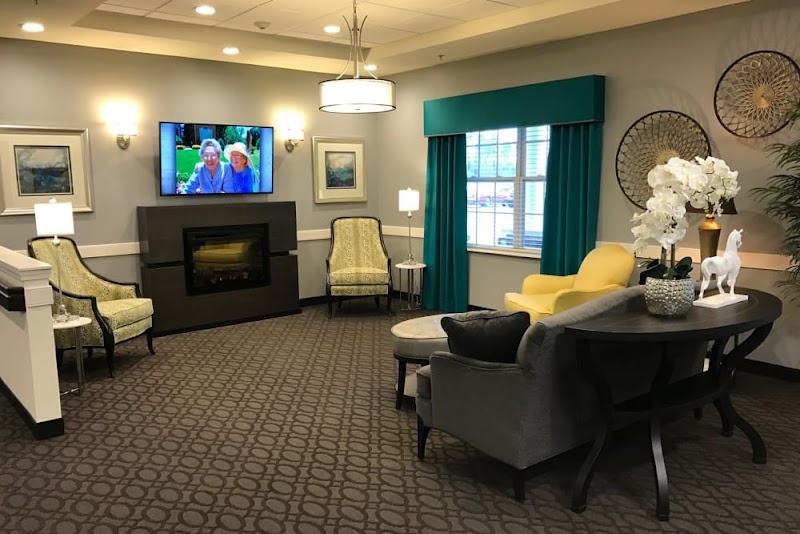
How is Lakes Of Sylvania, The Staffed?

CMS rates LAKES OF SYLVANIA, THE's staffing level at 1 out of 5 stars, which is much below average compared to other nursing homes. Staff turnover is 48%, compared to the Ohio average of 46%. RN turnover specifically is 57%, which is notably high. RNs provide skilled clinical oversight, so turnover in this role can affect medical care quality.

What Have Inspectors Found at Lakes Of Sylvania, The?

State health inspectors documented 21 deficiencies at LAKES OF SYLVANIA, THE during 2019 to 2023. These included: 1 Immediate Jeopardy (the most serious level, indicating potential for serious harm or death) and 20 with potential for harm. Immediate Jeopardy findings are rare and represent the most serious regulatory concerns. They require immediate corrective action.
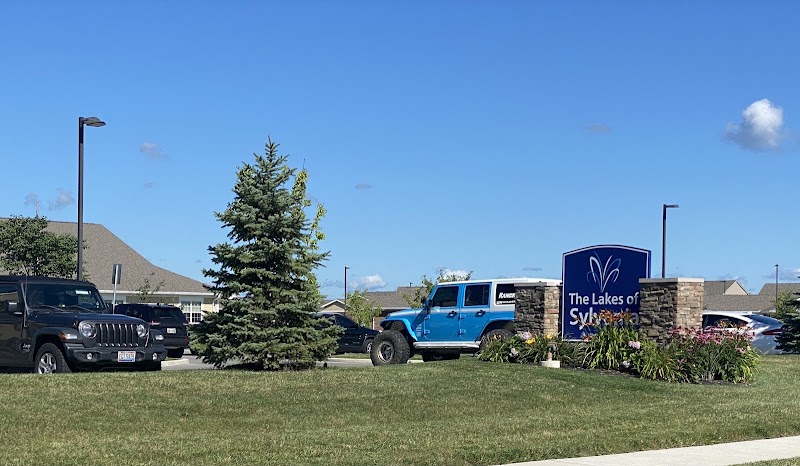
Who Owns and Operates Lakes Of Sylvania, The?

LAKES OF SYLVANIA, THE is owned by a for-profit company. For-profit facilities operate as businesses with obligations to shareholders or private owners. The facility is operated by TRILOGY HEALTH SERVICES, a chain that manages multiple nursing homes. With 62 certified beds and approximately 58 residents (about 94% occupancy), it is a smaller facility located in SYLVANIA, Ohio.
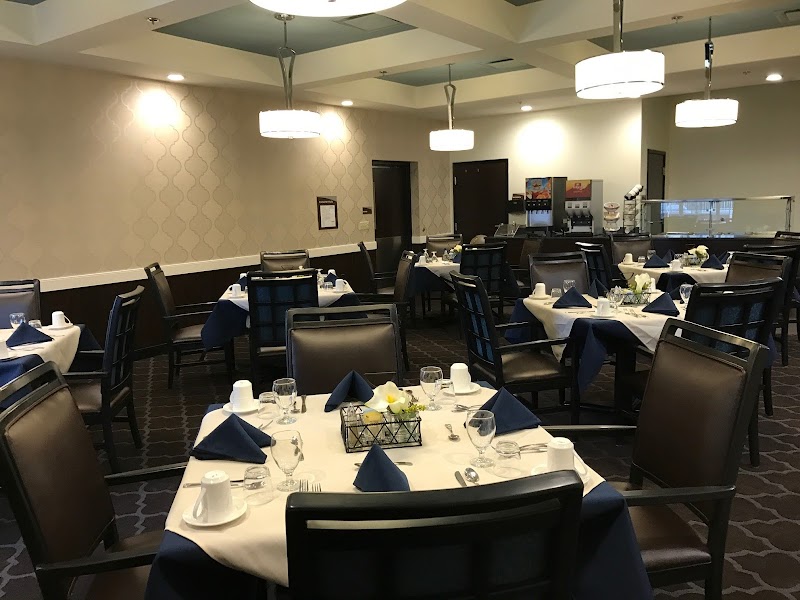
How Does Lakes Of Sylvania, The Compare to Other Ohio Nursing Homes?

Compared to the 100 nursing homes in Ohio, LAKES OF SYLVANIA, THE's overall rating (3 stars) is below the state average of 3.2, staff turnover (48%) is near the state average of 46%, and health inspection rating (3 stars) is at the national benchmark.

What Should Families Ask When Visiting Lakes Of Sylvania, The?

Based on this facility's data, families visiting should ask: "What changes have been made since the serious inspection findings, and how are you preventing similar issues?" "Can you walk me through typical staffing levels on day, evening, and night shifts?" "Can I visit during a mealtime to observe dining assistance and food quality?" "How do you handle medical emergencies, and what is your hospital transfer rate?" These questions are particularly relevant given the facility's Immediate Jeopardy citations and the below-average staffing rating.

Is Lakes Of Sylvania, The Safe?

Based on CMS inspection data, LAKES OF SYLVANIA, THE has documented safety concerns. Inspectors have issued 1 Immediate Jeopardy citation (the most serious violation level indicating risk of serious injury or death). The facility has a 3-star overall rating and ranks #100 of 100 nursing homes in Ohio. Families considering this facility should ask detailed questions about what corrective actions have been taken since these incidents.

Do Nurses at Lakes Of Sylvania, The Stick Around?

LAKES OF SYLVANIA, THE has a staff turnover rate of 48%, which is about average for Ohio nursing homes (state average: 46%). Moderate turnover is common in nursing homes, but families should still ask about staff tenure and how the facility maintains care continuity when employees leave.

Was Lakes Of Sylvania, The Ever Fined?

LAKES OF SYLVANIA, THE has been fined $24,164 across 1 penalty action. This is below the Ohio average of $33,321. While any fine indicates a compliance issue, fines under $50,000 are relatively common and typically reflect isolated problems that were subsequently corrected. Families should ask what specific issues led to these fines and confirm they've been resolved.

Is Lakes Of Sylvania, The on Any Federal Watch List?

LAKES OF SYLVANIA, THE is not on any federal watch list. The most significant is the Special Focus Facility (SFF) program, which identifies the bottom 1% of nursing homes nationally based on persistent, serious quality problems. Not being on this list means the facility has avoided the pattern of deficiencies that triggers enhanced federal oversight. This is a positive indicator, though families should still review the facility's inspection history directly.