OTTERBEIN SUNSET VILLAGE
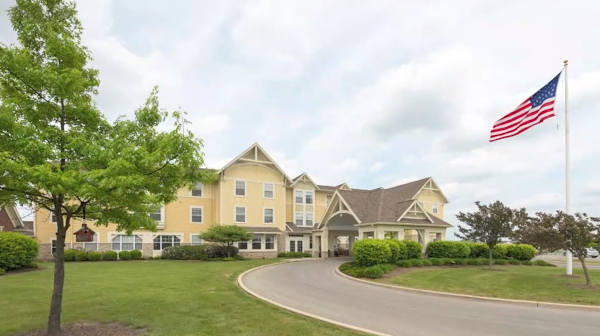
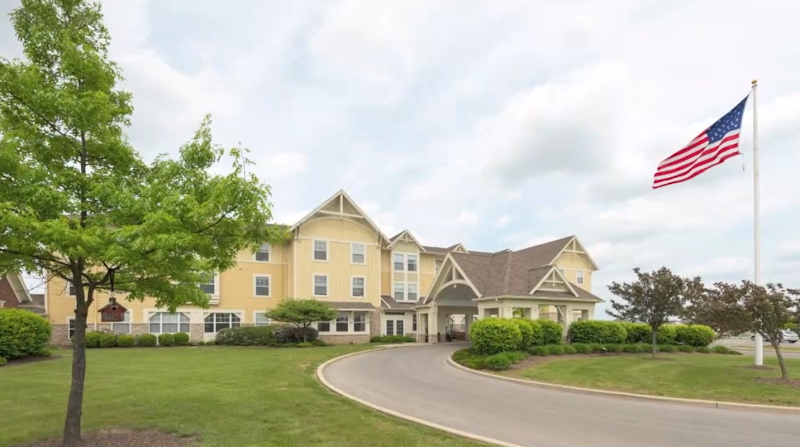
9640 SYLVANIA-METAMORA ROAD, SYLVANIA, OH 43560 (419) 724-1200
Non profit - Corporation 50 Beds OTTERBEIN SENIORLIFE Data: November 2025
Trust Grade
50/100
#756 of 913 in OH
Last Inspection: October 2024

Within standard 12-15 month inspection cycle. Federal law requires annual inspections.

Overview

Otterbein Sunset Village has a Trust Grade of C, which means it is average and falls in the middle of the pack among nursing homes. It ranks #756 out of 913 facilities in Ohio, placing it in the bottom half, and #29 out of 33 in Lucas County, indicating that there are better local options available. However, the facility is showing a positive trend, improving from 10 issues in 2024 to just 3 in 2025. Staffing is a strength, with a rating of 4 out of 5 stars and a turnover rate of 43%, which is better than the state average, suggesting that staff are dedicated and familiar with residents. While there have been no fines, which is a good sign, there are concerning incidents, such as staff not properly handling linens, which could lead to contamination risks, and some staff not being fully trained on available services, potentially impacting resident care.

Trust Score
C
50/100
In Ohio
#756/913
Bottom 18%
Safety Record
Low Risk
No red flags
Inspections
Getting Better
10 → 3 violations
Staff Stability
○ Average
43% turnover. Near Ohio's 48% average. Typical for the industry.
Penalties
✓ Good
No fines on record. Clean compliance history, better than most Ohio facilities.
Skilled Nurses
✓ Good
Each resident gets 52 minutes of Registered Nurse (RN) attention daily — more than average for Ohio. RNs are trained to catch health problems early.
Violations
⚠ Watch
36 deficiencies on record. Higher than average. Multiple issues found across inspections.
★★☆☆☆
2.0
Overall Rating
★★★★☆
4.0
Staff Levels
★★★★☆
4.0
Care Quality
★★☆☆☆
2.0
Inspection Score
Stable
2024: 10 issues
2025: 3 issues

The Good

  • 4-Star Staffing Rating · Above-average nurse staffing levels
  • 4-Star Quality Measures · Strong clinical quality outcomes
  • Full Sprinkler Coverage · Fire safety systems throughout facility
  • No fines on record
  • Staff turnover below average (43%)

    5 points below Ohio average of 48%

Facility shows strength in staffing levels, quality measures, fire safety.

The Bad

2-Star Overall Rating

Below Ohio average (3.2)

Below average - review inspection findings carefully

Staff Turnover: 43%

Near Ohio avg (46%)

Typical for the industry

Chain: OTTERBEIN SENIORLIFE

Part of a multi-facility chain

Ask about local staffing decisions and management

The Ugly 36 deficiencies on record

Sept 2025 2 deficiencies
CONCERN (D) 📢 Someone Reported This

A family member, employee, or ombudsman was alarmed enough to file a formal complaint

Potential for Harm - no one hurt, but risky conditions existed

Deficiency F0687 (Tag F0687)

Could have caused harm · This affected 1 resident

**NOTE- TERMS IN BRACKETS HAVE BEEN EDITED TO PROTECT CONFIDENTIALITY** Based on medical record review, observation, staff interview, and review of facility policy the facility failed to monitor a res...

Read full inspector narrative →
**NOTE- TERMS IN BRACKETS HAVE BEEN EDITED TO PROTECT CONFIDENTIALITY** Based on medical record review, observation, staff interview, and review of facility policy the facility failed to monitor a residents wound and implement wound interventions. This affected one (#30) of three residents reviewed for wounds. The facility census was 42.Findings Include:Review of the medical record revealed Resident #30 was admitted on [DATE]. Diagnoses included hemiplegia affecting right dominant side, type two diabetes mellitus with foot ulcer, non-pressure chronic ulcer of other part of unspecified foot with unspecified severity, neuromuscular dysfunction of bladder, diabetes mellitus due to underlying condition with foot ulcer, atherosclerotic heart disease of native coronary artery without angina pectoris, malignant neoplasm of head (face and neck), and cerebral infarction. Review of the Minimum Data Set (MDS) assessment, dated 08/01/25, revealed the resident was severely cognitively impaired. The resident was dependent for showering, personal hygiene, lower body dressing, and footwear. Resident #30 had a diabetic foot ulcer. Review of the care plan, dated 04/25/24, revealed Resident #30 was care planned for activities of daily living self-care and mobility performance due to diabetes with foot ulcer, Alzheimer's, and hemiplegia. Interventions included to apply boots bilaterally in the morning and remove at night and float legs with pillows. Review of the care plan, revised on 12/29/24, revealed Resident #30 had a history of non-pressure ulcers to feet due to diabetes, lack of sensation to affected area, and vascular insufficiency. Interventions include to ensure appropriate protective devices are applied to affected areas, monitor wound size, depth, margins and document progress in wound healing on an ongoing basis, and treatment documentation include measurement of each area of skin breakdown (width, length, depth, type of tissue and exudate and any other notable changes or observations). Review of physician orders, dated 01/10/25, revealed an order to apply [NAME] green boots bilaterally in the morning and remove at night and float legs with pillows two times a day left plantar foot wound. Review of weekly skin assessment tools, dated the last 12 weeks, revealed on 07/28/25, 08/13/25, and 09/03/25 Resident #30's left foot diabetic ulcer was measured but did not include characteristics or descriptions of the wound bed. Weekly skin assessments dated 06/20/25, 06/24/25, 07/02/25, 07/09/25, 08/05/25, 08/27/25, and 08/21/25, revealed no documented measurements of Resident #30's left foot diabetic ulcer. Review of hospice visit notes, dated the last year, revealed the hospice agency provided the facility with brief written notes after each visit with Resident #30. The notes do not include detailed weekly wound documentation.Interview on 09/04/25 at approximately 8:20 A.M. with the Director of Nursing (DON) verified she had obtained weekly wound record reports from the hospice agency. DON verified she had not previous reviewed the wound reports and if she had would have addressed it as the notes identified Resident #30 diabetic foot ulcer as a stage two pressure ulcer. DON verified the facility skin assessments did not include weekly wound measures and wound characteristics. Interview via telephone on 09/04/25 at 9:39 A.M. with Hospice Registered Nurse (RN) #300 verified the hospice agency completed Resident #30's weekly wound assessments and overall the wound has had improvement. Observation on 09/04/25 at 11:10 A.M. of Resident #30 revealed the resident was in bed with no boots applied. Interview on 09/04/25 at 11:23 A.M. with Certified Nursing Assistant (CNA) #170 verified Resident #30's bilateral boots were not applied and the resident's heels and legs were directly on the air mattress. CNA #170 stated she was told the boots were applied at night and taken off in the morning and would not have applied them during her shift. Review of the policy, Skin Care Management Procedure, revised 12/09/22, verified with each dressing change or at lease weekly at a minimum documentation should include the date observed, location and staging, size, depth, the presence, location, and the extent of any undermining or tunneling/sinus tract, exudates (if present the type, color, odor, and approximate amount), pain (if present the nature and frequency), wound bed (color and type of tissue/character including evidence of healing or necrosis and percentage of tissue, and description of wound edges and surrounding tissue. This deficiency represents non-compliance investigated under Complaint Number 2593574.
CONCERN (D) 📢 Someone Reported This

A family member, employee, or ombudsman was alarmed enough to file a formal complaint

Potential for Harm - no one hurt, but risky conditions existed

Medical Records (Tag F0842)

Could have caused harm · This affected 1 resident

**NOTE- TERMS IN BRACKETS HAVE BEEN EDITED TO PROTECT CONFIDENTIALITY** Based on medical record review, observation, and staff interview, the facility failed to ensure accurate resident medical record...

Read full inspector narrative →
**NOTE- TERMS IN BRACKETS HAVE BEEN EDITED TO PROTECT CONFIDENTIALITY** Based on medical record review, observation, and staff interview, the facility failed to ensure accurate resident medical records. This affected one (#30) of three residents reviewed for accurate medical records. The facility census was 42. Findings Include:Review of the medical record revealed Resident #30 was admitted on [DATE]. Diagnoses included hemiplegia affecting right dominant side, type two diabetes mellitus with foot ulcer, non-pressure chronic ulcer of other part of unspecified foot with unspecified severity, neuromuscular dysfunction of bladder, diabetes mellitus due to underlying condition with foot ulcer, atherosclerotic heart disease of native coronary artery without angina pectoris, malignant neoplasm of head (face and neck), and cerebral infarction. Review of the Minimum Data Set (MDS) assessment, dated 08/01/25, revealed the resident was severely cognitively impaired. The resident was dependent for showering, personal hygiene, lower body dressing, and footwear. Resident #30 had a diabetic foot ulcer. Review of the care plan, dated 04/25/24, revealed Resident #30 was care planned for activities of daily living self-care and mobility performance due to diabetes with foot ulcer, Alzheimer's, and hemiplegia. Interventions included to apply boots bilaterally in the morning and remove at night and float legs with pillows. Review of physician orders, dated 01/10/25, revealed an order to apply [NAME] green boots bilaterally in the morning and remove at night and float legs with pillows two times a day left plantar foot wound. Review of the Medication Administration Review (MAR), dated September 2025, revealed Resident #30's [NAME] green boots were applied in the morning. Observation on 09/04/25 at 11:10 A.M. of Resident #30 revealed the resident was in bed with no boots applied. Interview on 09/04/25 at 11:17 A.M. with Licensed Practical Nurse (LPN) #178 verified Resident #30's bilateral boots were not applied and had been marked in the MAR as applied. Interview on 09/04/25 at 11:23 A.M. with Certified Nursing Assistant (CNA) #170 verified Resident #30's bilateral boots were not applied and the resident's heels and legs were directly on the air mattress. CNA #170 stated she was told the boots were applied at night and taken off in the morning and would not have applied them during her shift.
Jan 2025 1 deficiency
CONCERN (D) 📢 Someone Reported This

A family member, employee, or ombudsman was alarmed enough to file a formal complaint

Potential for Harm - no one hurt, but risky conditions existed

Medical Records (Tag F0842)

Could have caused harm · This affected 1 resident

Based on medical record review, resident family interviews, facility staff interview, hospice staff interview, and review of facility policy, the facility failed to ensure a complete and accurate medi...

Read full inspector narrative →
Based on medical record review, resident family interviews, facility staff interview, hospice staff interview, and review of facility policy, the facility failed to ensure a complete and accurate medical record was maintained for Resident #30. This affected one resident (#30) of three residents reviewed to accurate medical record. The facility census was 43. Findings Include: Review of the facility electronic medical record for Resident #30 revealed an admission date of 03/27/24 with diagnoses including hemiplegia, other signs and symptoms involving the nervous system, type two diabetes mellitus (DM2), non-pressure chronic ulcer of other part of unspecified foot, neuromuscular dysfunction of bladder, unspecified convulsions, non-pressure chronic ulcer of unspecified heel and midfoot, atherosclerotic heart disease, depression, fatigue, pure hypercholesterolemia, hypertension (HTN), pain in unspecified ankle and joints of unspecified severity, peripheral vascular disease (PVD), Charcot's joint-right ankle and foot, malignant neoplasm of head, face, and neck, neoplasm of unspecified behavior of digestive system, other signs and symptoms involving cognitive functions and awareness, myopia, bilateral astigmatism, presbyopia, combined forms of age related cataract, squamous cell carcinoma of skin of unspecified parts of face, transient ischemia attack (TIA), cerebral infarction, personal history of venous thrombosis and embolism, personal history of pulmonary embolism, benign prostatic hyperplasia (BPH), retention of urine, disorder of urinary system, nontoxic single thyroid nodule, and long-term use of insulin. Review of the most recent quarterly Minimum Data Set (MDS) assessment, dated 10/29/24, revealed a Brief Interview of Mental Status (BIMS) score of 99, indicating Resident #30 was unable to complete the interview. Resident #30 required substantial/maximal assistance for all functional abilities and was dependent for transfers. Review of the Medicare 5-Day MDS assessment dated , dated 03/31/24, revealed a BIMS score of 07, indicating Resident #30 was severely cognitively impaired. An interview on 12/31/24 at 10:34 A.M. with Resident #30's daughter revealed Resident #30 had orders to have dressing on his left foot changed Monday, Wednesday, Friday, and Saturday. Concurrent interview with Resident #30's daughter revealed the facility nurse is supposed to change the dressing every Wednesday and Saturday, and the hospice nurse is supposed to change the dressing every Monday and Friday. Further interview with Resident #30's daughter revealed Resident #30's dressing was not changed on Saturday, 12/28/24 by the facility nurse. Review of Resident #30's electronic treatment administration record (eTAR) revealed Licensed Practical Nurse (LPN) #107 documented completion of Resident #30's dressing change on 12/28/24. An interview on 12/31/24 at 11:05 A.M. with the Director of Nursing (DON) revealed LPN #107 did not change Resident #30's dressing on 12/28/24, despite documentation in the facility eMAR that she did. Further interview with the DON revealed she was made aware by Hospice Registered Nurse (RN) #177 on 12/30/24 that the facility nurse had not changed Resident #30's dressing on 12/28/24. An interview on 01/02/24 at 11:07 A.M. with Hospice RN #177 revealed she changed Resident #30's left foot dressing on 12/27/24 and the dressing she placed on the resident on 12/27/24 was still in place when she provided care to the resident on 12/30/24. Hospice RN #177 states she knows the dressing she removed on 12/30/24 was the dressing she placed on 12/27/24, as the dressing had the date of 12/27/24 and her initials on it. Review of the facility policy titled, Skin Care Management Procedure, with a revision date of 12/09/22, revealed determination of the need for a dressing for an ulcer is based upon the individual practitioner's clinical judgement and facility protocols based upon current professional standards of practice. This deficiency represents non-compliance investigated under Complaint Number OH00160460.
Oct 2024 10 deficiencies
CONCERN (D)

Potential for Harm - no one hurt, but risky conditions existed

Resident Rights (Tag F0550)

Could have caused harm · This affected 1 resident

Based on medical record review, observations, staff interview and review of facility policy, the facility failed to ensure residents were cleaned up after meals to promote dignity. This affected one r...

Read full inspector narrative →
Based on medical record review, observations, staff interview and review of facility policy, the facility failed to ensure residents were cleaned up after meals to promote dignity. This affected one resident (#33) reviewed for dignity. The facility census was 47. Findings include: Review of the medical record for Resident #33 revealed an admission date of 02/01/24. Diagnoses included dementia, cerebral vascular accident (CVA) (stroke) and aphasia (unable to speak). Review of the quarterly Minimum Data Set (MDS) assessment, dated 07/31/24, revealed Resident #33 was cognitively impaired and was (staff) dependent for personal hygiene. Review of the care plan, initiated February 2024, revealed Resident #33 required total assistance for personal care and hygiene. Observation on 10/21/24 at 10:52 at A.M. revealed Resident #33 was sitting at a dining room table in her wheelchair, with her eyes closed, and no food in front of her. Resident #33 was wearing a shirt saver and had a lap blanket across her lap. Both the shirt saver and the lap blanket had food spilled on them. Continued observation revealed an unknown nursing student standing at the nurses' station, located directly in front of the breakfast table where Resident #33 was sitting with the soiled shirt saver and blanket. Further observation revealed the unknown nursing student did not provide care for Resident #33 to remove the soiled shirt saver or soiled blanket. Observation on 10/21/24 at 10:54 A.M. revealed State Tested Nursing Assistant (STNA) #527 walked past Resident #33 sitting at the dining room table with food spilled on shirt saver and lap blanket and did not address the food on the shirt saver or the lap blanket. Observation on 10/21/24 at 10:55 A.M. revealed another unknown nursing student arrived to the unit, stopped at the nurses' station, spoke to the other unknown nursing student and did not address the spilled food on Resident #33's shirt saver or lap blanket. Observation on 10/21/24 at 10:55 A.M. revealed an unknown STNA arrived on the unit, went to the nursing station and did not address the spilled food on Resident #33's shirt saver or lap blanket. Observation on 10/21/24 at 10:57 A.M. revealed STNA #527 went from a resident's room to the common area, walking past Resident #33, to wash her hands and proceeded to another resident's room. STNA #527 did not address the spilled food on Resident #33's shirt saver or the lap blanket. Resident #33 continue sitting in her wheelchair at the dining table with her eyes closed. Observation on 10/21/24 at 10:57 A.M. revealed an unknown STNA left the nurses station, walking past Resident #33, and did not address the spilled food on her shirt saver or the lap blanket. Observation on 10/21/24 at 10:59 A.M. revealed the same unknown STNA returned to the nurses' station, walking past Resident #33 to and from the nurses' station, and did not address the spilled food on the resident's shirt saver or lap blanket. Observation on 10/21/24 11:00 A.M. revealed STNA #527 walked by Resident #33 and did not address the spilled food on shirt saver or lap blanket. Resident #33 remained at the dining table in her wheelchair with her eyes closed. Observation on 10/21/24 at 11:01 A.M. revealed STNA #527 removed the shirt saver and lap blanket from Resident #33. STNA #527 moved Resident #33 from the dining table to the common area in front of the television. Interview on 10/21/24 at 11:01 A.M. with STNA #527 verified Resident #33 was sitting at the dining room table with a shirt saver and lap blanket that had food spilled on it. Interview on 10/21/24 at 11:09 A.M. with Resident #33 was unsuccessful. Concurrent observation, while next to Resident #33, revealed she had a quarter sized glob of oatmeal in her hair, food on her headband and dried food on her face and right hand. Observations on 10/21/24 at 11:38 A.M. and 12:10 P.M. revealed Resident #33 was in common area, in front of the television. Resident #33 still had the quarter sized glob of oatmeal in her hair, food on her headband and dried food on her face and right hand. Observation on 10/21/24 at 12:15 P.M. revealed STNA #527 moved Resident #33 from the common area to the dining table for lunch. Resident #33 still had the quarter sized glob of oatmeal remained in her hair, food on her headband and dried food on her face and right hand. Interview on 10/21/24 at 12:21 P.M. with Licensed Practical Nurse (LPN) #473 verified Resident #33 had a quarter sized glob of oatmeal in her hair, food on her headband and dried food on her face and right hand. Review of the facility policy titled Federal and Ohio Residents Rights and Facility Responsibilities dated October 2019, revealed a facility must treat each resident with respect and dignity and care for each resident in a manner and in an environment that promotes maintenance or enhancement of his or her quality of life.
CONCERN (D)

Potential for Harm - no one hurt, but risky conditions existed

Deficiency F0558 (Tag F0558)

Could have caused harm · This affected 1 resident

Based on medical record review, observation and staff interview the facility to ensure call lights were with resident's reach. This affected one resident (#9) of one resident reviewed for call lights....

Read full inspector narrative →
Based on medical record review, observation and staff interview the facility to ensure call lights were with resident's reach. This affected one resident (#9) of one resident reviewed for call lights. The facility census was 47. Findings include: Review of the medical record for Resident #9 revealed an admission date of 07/27/17. Diagnoses included bipolar disorder, panic disorder, anxiety and epilepsy. Review of the care plan, revised October 2024, revealed Resident #9 was care planned for assistance with activities of daily living (ADLs) and fall risk with an identified intervention of call light in reach. Observation on 10/23/24 at 8:37 A.M. revealed Resident #9 was resting in bed and the call light was laying at the bottom of the bed, near the resident's feet, and not in reach of the resident. Interview on 10/23/24 at 8:48 A.M. with State Tested Nursing Assistant (STNA) #430 verified the call light was located at the foot of the bed by Resident #9's feet not in reach of the resident. STNA #430 further stated Resident #9 was able to use the call light and make her needs known. Interview on 10/23/24 at 12:09 P.M. with the Administrator revealed the facility did not have a policy for call lights.
CONCERN (D)

Potential for Harm - no one hurt, but risky conditions existed

Notification of Changes (Tag F0580)

Could have caused harm · This affected 1 resident

Based on medical record review, staff interview and review of facility policy, the facility failed to ensure the physician and responsible party were notified when medications were not administered as...

Read full inspector narrative →
Based on medical record review, staff interview and review of facility policy, the facility failed to ensure the physician and responsible party were notified when medications were not administered as ordered by the physician. This affected one (#30) of one residents reviewed for notification of change of condition. The facility census was 47. Findings include: Review of Resident #30's medical record revealed an admission date of 01/10/24. Diagnoses included type II diabetes mellitus, non-pressure chronic ulcer of the heel and midfoot, neuromuscular dysfunction of bladder, benign prostatic hyperplasia, seizure disorder, coronary artery disease, depression, hypertension, peripheral vascular disease, malignant neoplasm of the head, face and neck, cerebral infarction, transient cerebral ischemic attack and history of venous thrombus and embolism. Review of the Minimum Data Set (MDS) assessment, dated 07/29/24, revealed Resident #30 was moderately cognitively impaired, had impaired range of motion to one upper extremity and required substantial to maximum (staff) assistance with activities of daily living (ADLs). Review of Resident #30's physician orders revealed the following orders: Hyoscyamine Sulfate Oral Tablet Disintegrating 0.125 milligrams (mg) give one tablet by mouth at bedtime for for overactive bladder may repeat one time after four hours if symptoms reappear; Lantus SoloStar Subcutaneous Solution Pen injector (Insulin Glargine) inject 10 units subcutaneously at bedtime for diabetes mellitus type II; Apixaban Oral Tablet 5 mg give one tablet by mouth two times a day for atrial fibrillation related transient cerebral ischemic attack, unspecified venous thrombosis and embolism and history of pulmonary embolism; Humalog Kwik Pen Subcutaneous Solution Pen injector (Insulin Lispro) inject as per sliding scale: if 0 - 249 = 0 units; 250 - 300 = 2 units; 301 - 350 = 4 units; 351 - 400 = 6 units; 401 - 450 = 8 units two times a day (morning and bedtime) for diabetes mellitus type II with further instructions to call Hospice for blood glucose over 450; Namenda Oral Tablet 10 mg give one tablet by mouth two times a day for Alzheimer's disease; Tamsulosin Oral Capsule 0.4 mg give one capsule by mouth two times a day for Benign Prostatic Hypertrophy; and Buspirone Oral Tablet 5 mg by mouth three times a day for depression. Review of the Medication Administration Record (MAR) for October 2024 revealed Licensed Practical Nurse (LPN) #551 documented 8 for the bedtime administration doses of Buspirone, Tamsulosin, Namenda , Humalog insulin sliding scale and Apixaban on 10/12/24, 10/13/24, 10/16/24 and 10/21/24. Additional review of the MAR revealed 8 indicated nauseated or vomiting. Further review of the medical record revealed no evidence the physician or responsible party were notified of the missed medications. Interview on 10/22/24 at 6:25 A.M. with LPN #551 revealed Resident #30 refused the bedtime doses of medications on 10/12/24, 10/13/24, 10/16/24 and 10/21/24. LPN #551 confirmed the medications refused during the identified evenings included insulin, an anticoagulant and mood disorder medications. LPN #551 also verified the physician and family were not notified of the medication refusals. Review of the facility policy titled Notification of Change of Condition, revised 11/22/21, revealed the facility will immediately inform the resident; consult with the residents physician and notify the residents representative when there is a need to alter treatment significantly (example: a need to discontinue an existing form of treatment due to adverse consequences, or commence a new form of treatment).
CONCERN (D)

Potential for Harm - no one hurt, but risky conditions existed

Accident Prevention (Tag F0689)

Could have caused harm · This affected 1 resident

Based on observation, medical record review, staff interview and review of facility policy, the facility failed to ensure fall interventions were implemented. This affected one resident (#9) of three ...

Read full inspector narrative →
Based on observation, medical record review, staff interview and review of facility policy, the facility failed to ensure fall interventions were implemented. This affected one resident (#9) of three residents reviewed for falls. The facility census was 47. Findings include: Review of the medical record for Resident #9 revealed an admission date of 07/27/17. Diagnoses included osteoarthritis, dementia, anxiety and bipolar disorder. Review of the most recent quarterly Minimum Data Set (MDS) assessment revealed Resident #9 had some cognitive impairment. Review of the comprehensive fall risk assessment, dated 10/01/24, revealed Resident #9 was at risk for falls and had no falls in the past 90 days. Review of the care plan, revised October 2024, revealed Resident #9 was at risk for falls. Interventions included a fall mat. Observation on 10/21/24 at 10:23 A.M. of Resident #9 revealed she was in bed. A fall mat was leaning against the wall. Observation on 10/22/24 at 9:31 A.M. of Resident #9 revealed she was in bed. A fall mat was leaning against the wall. Interview on 10/22/24 at 10:32 A.M. with Licensed Practical Nurse (LPN) #473 revealed Resident #9 was to have a fall mat next to the bed when she was in bed. LPN #473 verified Resident #9 was in bed and the fall mat was leaning against the wall and not in place. Review of the facility policy titled Falls Management, revised December 2019, revealed the care plan will be reviewed and dated to assure it has been updated to reflect the current needs of the resident to prevent further falls.
CONCERN (D) 📢 Someone Reported This

A family member, employee, or ombudsman was alarmed enough to file a formal complaint

Potential for Harm - no one hurt, but risky conditions existed

Unnecessary Medications (Tag F0759)

Could have caused harm · This affected 1 resident

Based on observation, medical record review, staff interview and review of facility procedure, the facility failed to ensure medications were administered in a form as ordered by the physician, result...

Read full inspector narrative →
Based on observation, medical record review, staff interview and review of facility procedure, the facility failed to ensure medications were administered in a form as ordered by the physician, resulting in a medication error rate above five percent (%). This affected one (#37) of three residents observed during medication administration. A total of eight medication errors were observed out of 32 opportunities for a medication administration error rate of 25.00%. The facility census was 47. Findings include: Observation on 10/22/24 at 7:29 A.M. of medication administration revealed Licensed Practical Nurse (LPN) #550 prepared medications for Resident #37. LPN #550 obtained the following medications from the medication cart: Amlodipine five milligram (mg), half tablet; Cholecalciferol 50 micrograms (mcg) tablet; Citalopram 40 mg tablet; Famotidine 20 mg tablet; Ferrous Sulfate 325 mg tablet; Magnesium Oxide 400 mg tablet; Senna-Docusate Sodium 8.6-50 mg, two tablets; and Calcium Citrate 950/200 mg, two tablets. LPN #550 proceeded to crush the tablets and placed them in applesauce, mixing them together. The Amlodipine 5 mg half tablet was crushed separate, placed into a medication cup and mixed with with applesauce. LPN #550 proceeded into Resident #37's room, with the medications, obtained vital signs and administered the medications to the resident. Review of Resident #37's physician orders revealed the following: Amlodipine 5 mg half tablet by mouth in the morning for hypertension; Citalopram 40 mg tablet by moth one time a day for depression; Cholecalciferol 50 mcg tablet one time a day; Famotidine 20 mg tablet one time a day for Gastroesophageal reflux disease (GERD); Ferrous Sulfate 325 mg tablet one time a day for anemia; Magnesium Oxide 400 mg tablet one time a day; Senna-Docusate Sodium 8.6-50 mg two tablets two times a day for constipation; Calcium Citrate 950/200 mg two tablets three times daily for GERD. Further review of the physician orders revealed no order to crush Resident #37's medications. Interview 10/22/24 at 7:58 A.M. with LPN #550 confirmed she crushed Resident #37's medications prior to administration. LPN #550 verified there was no physician order to crush the resident's medications. Review of the facility document titled Medication Administration Procedure, revised 11/09/21, revealed medications are to be administered in accordance with written orders of the attending physician or physician extender. If safe to do so, medication tablets may be crushed or capsules emptied out when a resident has difficulty swallowing or tube-fed. Further review revealed the need for crushing medications is indicated on the resident's orders and the Medication Administration Record (MAR) so all personnel administering medications are aware of the need and the consultant pharmacist can advise on safety issues and alternatives during medication regimen reviews. This deficiency represents non-compliance investigated under Complaint Number OH00158467.
CONCERN (D)

Potential for Harm - no one hurt, but risky conditions existed

Deficiency F0804 (Tag F0804)

Could have caused harm · This affected 1 resident

Based on observation, resident interview, staff interview and review of the Resident Council meeting minutes, the facility failed to ensure residents were provided with meals at an appetizing temperat...

Read full inspector narrative →
Based on observation, resident interview, staff interview and review of the Resident Council meeting minutes, the facility failed to ensure residents were provided with meals at an appetizing temperature. This affected two residents (#98 of #3) of seven residents who received food from the secured memory care unit serving kitchen but did not reside on the secured unit. The facility census was 47. Findings Include: Interview on 10/21/24 at 9:58 A.M. with Resident #98 revealed the resident was alert and aware. Resident #98 revealed she ate her meals in her room and by the time her meals got to her they were cold. Resident #98 stated the food did not taste good when it was cold. Interview on 10/21/24 at 10:06 A.M. with Resident #3 revealed the resident was alert and aware. Resident #3 revealed her only concern was the food served to residents in their rooms was always cold. Observation on 10/21/24 at 11:30 A.M. revealed the lunch meal cart was delivered to the serving kitchen on the secured memory care unit. Food temperatures were taken at 11:34 A.M. and the burger temperature was 150 degree Fahrenheit (F), the soup was 166 degrees F, the pureed green beans were 151 degrees F and the mashed potatoes were 146 degrees F. Continued observation revealed the lunch plates were removed from the overhead cupboard. The plates were not heated/warmed, and there were no insulated bases or lids to help maintain food temperatures. The plate covers were clear plastic covers, which had holes in the center. Observation on 10/21/24 at 12:02 P.M. revealed Dietary Staff (DS) #342 started plating food. An uncovered cart was observed with serving trays on it. Coinciding interview with DS #342 verified the open cart was used to transport the room trays to the seven residents who resided outside of the secured memory care unit. Observation on 10/21/24 at 12:22 P.M. of the lunch meal service revealed seven meals were plated and placed on the open cart. There were only five clear plastic covers for the seven meals. The meals remained on the open cart until 12:35 P.M., when Dietary Manager (DM) #478 returned with two additional clear plastic covers. Approximately 30 minutes after the seven meals were plated, the cart was then taken for meal delivery. Interview on 10/21/24 at 12:52 P.M. with Resident #3 revealed the burger was cold and the soup was lukewarm. Resident #3 stated the burger was not even warm enough to melt the cheese and lifted the bun to show unmelted cheese on top of the burger patty. Resident #3 stated the food was almost always cold. Interview on 10/21/24 12:54 P.M. with Resident #98 revealed the burger was terrible as it was cold and the soup was lukewarm. Observation on 10/21/24 at 1:00 P.M. of a lunch test tray revealed food items included chicken and rice soup, mashed potatoes and pureed green beans. There were no burger patties left to test. Temperatures were taken and the mashed potatoes were 113 degrees F, the pureed green beans were 100 degrees and the soup temperature was 110. The soup was flavorful, but the temperature was lukewarm. The pureed green beans were cold and bland and the mashed potatoes were slightly warm. Coinciding interview with DS #342 verified the cool food temperatures. DS #342 stated food items cooled quickly once they were taken off the steam table. Review of the Resident Council Meeting Minutes dated 05/20/24 and 06/24/24 revealed residents had concerns for the temperatures of food, hot foods were cold and cold foods were warm.
CONCERN (D)

Potential for Harm - no one hurt, but risky conditions existed

Deficiency F0883 (Tag F0883)

Could have caused harm · This affected 1 resident

**NOTE- TERMS IN BRACKETS HAVE BEEN EDITED TO PROTECT CONFIDENTIALITY** Based on medical record review, review of immunization records, review of electronic mail (e-mail) communication, staff intervie...

Read full inspector narrative →
**NOTE- TERMS IN BRACKETS HAVE BEEN EDITED TO PROTECT CONFIDENTIALITY** Based on medical record review, review of immunization records, review of electronic mail (e-mail) communication, staff interview, review of facility policy and review of the Centers for Disease Control and Prevention (CDC) guidance, the facility failed to ensure residents were offered or administered pneumococcal vaccinations per CDC recommendations. This affected two (#22 and #30) of five residents reviewed for pneumococcal vaccination. The facility census was 47. Findings include: 1. Review of the medical record revealed Resident #22 was admitted on [DATE]. Diagnoses included unspecified diastolic heart failure, chronic kidney disease stage three, type two diabetes mellitus without complications and lymphedema. Review of the Minimum Data Set (MDS) assessment, dated 07/14/24, revealed the resident was cognitively intact and the pneumococcal vaccine was not up to date. Review of the immunization record revealed Resident #22 last received the pneumococcal vaccine (PCV13) on 09/15/17. Review of vaccine consent documentation, dated 05/30/23, revealed Resident #22 provided verbal consent to receive the pneumococcal vaccine PCV20. Review of the nursing progress note, dated 06/02/23, revealed Resident #22 stated she does not have to have the pneumococcal due to her doctor providing the last dose in 2017. Resident #22 refused Prevnar 20. Review of vaccine consent documentation, dated 09/28/23, revealed Resident #22 declined pneumococcal consent citing the previously received PCV13 on 09/15/17. Further review revealed no evidence Resident #22 was educated on different pneumococcal vaccinations and CDC recommendations. Interview on 10/23/24 at 1:48 P.M. with the Director of Nursing (DON) verified Resident #22 had initially agreed to the pneumococcal vaccine then declined per the progress note on. A follow-up interview on 10/23/24 at approximately 3:00 P.M. with the DON revealed Resident #22 had been under the belief that the pneumococcal vaccine was not due for ten years and now agreed to the receiving the vaccine. The DON verified the facility had no evidence Resident #22 had been educated on pneumococcal vaccinations prior to today. 2. Resident #30 admitted to the facility on [DATE] with the diagnosis including, type II diabetes mellitus, non-pressure chronic ulcer of heel and midfoot, neuromuscular dysfunction of bladder, benign prostatic hyperplasia, seizure disorder, coronary artery disease, depression, hypertension, peripheral vascular disease, malignant neoplasm of head, face and neck, cerebral infarction, transient cerebral ischemic attack, and history of venous thrombus and embolism. Review of the MDS assessment, dated 07/29/24, revealed the resident was moderately cognitively impaired. Review of the immunization record revealed no evidence Resident #30 had been offered or received pneumococcal vaccination. Review of the vaccination consent form revealed Resident #30's resident representative consented to the influenza and COVID-19 vaccine; however, the pneumococcal vaccination was blank. The vaccination signature read emailed consent. Review of an electronic mail (e-mail) dated 10/02/24 revealed the facility e-mailed Resident #30's representative to inquire about the seasonal flu and the latest COVID-19 vaccines. There was no mention of the pneumococcal vaccine. Interview on 10/23/24 1:54 P.M. with the DON verified Resident #30's vaccination consent did not address pneumococcal vaccination and further verified the facility did not have record of previous vaccination and had not offered or administered a pneumococcal vaccination to Resident #30. Review of the facility policy titled Influenza and Pneumococcal Immunization, revised 06/19/19, verified each resident, upon admission, will be offered the pneumococcal immunization. The resident or their legal representative will receive education regarding the benefits and potential side effects of the immunization prior to administration. The resident or their representatives have the right to refuse the immunization. Review of the CDC guidance titled Pneumococcal Vaccination: Summary of Who and When to Vaccinate, reviewed 09/17/24 and located at https://www.cdc.gov/vaccines/vpd/pneumo/hcp/who-when-to-vaccinate.html, revealed the CDC recommended pneumococcal vaccination for all adults over 65. For adults over 65 who had not previously received any pneumococcal vaccine, the CDC recommended to administer PCV15, PCV20, or PCV21. If PCV15 is used, administer a dose of PPSV23 one year later, if needed. If PCV20 or PCV21 is used a dose of PPSV23 is not indicated.
CONCERN (E)

Potential for Harm - no one hurt, but risky conditions existed

Food Safety (Tag F0812)

Could have caused harm · This affected multiple residents

Based on observation and staff interview, the facility failed to maintain a clean and sanitary serving kitchen. This had the potential to affect 18 residents (#3, #4, #5, #7, #8, #15, #16, #22, #23, #...

Read full inspector narrative →
Based on observation and staff interview, the facility failed to maintain a clean and sanitary serving kitchen. This had the potential to affect 18 residents (#3, #4, #5, #7, #8, #15, #16, #22, #23, #24, #26, #29, #32, #35, #36, #40, #46 and #98) who received food from the secured memory care unit serving kitchen. The facility census was 47. Findings include: Observation on 10/21/24 at 11:30 A.M. of the serving kitchen on the secured memory care unit revealed the floor was sticky and covered in food debris and splatters. There was a build-up of food debris in the corners and along the bottom of the cabinets and equipment. The floor was sticky enough in areas where a shoe became stuck and was pulled partially off. Continued observation revealed splatters and a build-up of dried food on the front of the lower cabinets and on the wall behind the kitchen sink and steam table. The juice machine had a build-up of a sticky substance behind the nozzles and along the wall next to the juice machine. Interview on 10/21/24 at 11:37 A.M. with Dietary Staff (DS) #342 verified there was build-up of food on floor, the floor was sticky, the juice machine needed to be cleaned, the cabinets had dried food residue and dried food was on the walls behind the steam table and kitchen sink. DS #342 stated she was not aware of the last time the serving kitchen had been cleaned. DS #342 stated she tried to clean the serving kitchen once a week when she worked dinner service. DS #342 could not recall the last time she worked the dinner shift and cleaned the kitchen. Observation on 10/23/24 at 10:32 A.M. of the secured memory care unit serving kitchen revealed the floors had been swept and mopped and the juice machine had been wiped down. However, dried food remained on the lower cupboards, the walls behind serving steam table, the wall next to the juice machine and the wall behind the sink.
CONCERN (E) 📢 Someone Reported This

A family member, employee, or ombudsman was alarmed enough to file a formal complaint

Potential for Harm - no one hurt, but risky conditions existed

Safe Environment (Tag F0921)

Could have caused harm · This affected multiple residents

**NOTE- TERMS IN BRACKETS HAVE BEEN EDITED TO PROTECT CONFIDENTIALITY** 3. Observation on 10/22/24 at 10:15 A.M. revealed a chunk of breadlike substance with pink tinge and unidentifiable food crumbs ...

Read full inspector narrative →
**NOTE- TERMS IN BRACKETS HAVE BEEN EDITED TO PROTECT CONFIDENTIALITY** 3. Observation on 10/22/24 at 10:15 A.M. revealed a chunk of breadlike substance with pink tinge and unidentifiable food crumbs on the floor underneath the table and alongside the table in the dining room. Further observation on 10/22/24 at 10:18 A.M. revealed an unknown kitchen staff sweeping the floor after breakfast and the unknown kitchen staff did not sweep under or around the table where the food was left on the floor. Interview on 10/22/24 at 10:23 A.M. with Dietary Aide (DA) #463 verified there was food on the floor under and alongside the table. DA #463 stated the food was from dinner the previous night because she did not service it during breakfast that morning. Based on observation and staff interview, the facility failed to ensure Resident #4's wheelchair was maintained in a clean and sanitary manner. In addition, the facility failed to ensure Resident #15's room was free from prevasive odors. This affected two (#4 and #15) of 12 residents reviewed for environment. The facility census was 47. Findings include: 1. Review of the medical record revealed Resident #4 was admitted on [DATE]. Diagnoses included unspecified dementia with other behavioral disturbance, major depressive disorder severe with psychotic symptoms, heart failure, hyperlipidemia, essential primary hypertension, hypothyroidism and dysphagia. Review of the Minimum Data Set (MDS) assessment, dated 07/22/24, revealed the resident was severely cognitively impaired with impairment on to both sides of the body and required the use of a wheelchair. Observation on 10/21/24 at 10:21 A.M. revealed Resident #4 in a wheelchair with a heavy amount of dirt and food crumbs on the wheelchair frame, including an intact pretzel. Observation on 10/22/24 at 11:00 A.M. revealed Resident #4 in a wheelchair with dirt and food crumbs on the wheelchair frame and on the visible area of the seat cushion. Interview on 10/22/24 at 11:01 A.M. with State Tested Nursing Assistant (STNA) #506 revealed wheelchairs were cleaned by third shift staff on the resident's shower days and as needed. STNA #506 verified Resident #4's wheelchair was dirty with a thick layer of food and debris. 2. Observation on 10/21/24 at 9:54 A.M. of Resident #15's room revealed the resident's room was malodorous with an unidentified smell. Additional random observations on 10/22/24, 10/23/24 and 10/24/24 revealed Resident #15's room continued to have an unpleasant odor. Interview on 10/22/24 at 2:18 P.M. with STNA #437 revealed Resident #15's room always had a smell. Interview on 10/24/24 8:59 A.M. with the Director of Nursing (DON) verified Resident #15's room had an unpleasant odor. This deficiency represents non-compliance investigated under Complaint Number OH00158467.
CONCERN (F) 📢 Someone Reported This

A family member, employee, or ombudsman was alarmed enough to file a formal complaint

Potential for Harm - no one hurt, but risky conditions existed

Infection Control (Tag F0880)

Could have caused harm · This affected most or all residents

Based on observation, staff interview, review of the Legionella (bacteria that can cause a severe type of pneumonia) Risk Assessment, review of facility policy and review of the Centers for Disease Co...

Read full inspector narrative →
Based on observation, staff interview, review of the Legionella (bacteria that can cause a severe type of pneumonia) Risk Assessment, review of facility policy and review of the Centers for Disease Control and Prevention (CDC) guidance, the facility failed to ensure appropriate handling of linen to prevent contamination. In addition, the facility failed to have an appropriate Legionella water management program in place. This had the potential to affect all 47 residents of the facility. The facility census was 47. Findings include: 1. Observation on 10/21/24 at 2:41 P.M. revealed State Tested Nursing Assistant (STNA) #437 carried two large stacks of linens, with one stack of linens in each arm and pressed against the top half of her body. STNA #437 walked through the locked double doors of the unit and to the linen closet. STNA #437 pressed the linens against the door and her body while entering the code to unlock the doors. Interview on 10/21/24 at 2:44 P.M. with STNA #437 verified she transported the clean linens uncovered and pressed against her body and the door. Observation on 10/22/24 at 1:49 P.M. of the laundry room washing machine area revealed no gowns were observed. Interview on 10/22/24 at 1:50 P.M. with Laundry Aide (LA) #489 verified gloves were worn when handling soiled linens but gowns were not worn to prevent possible cross-contamination. 2. Review of the facility's undated Legionella Risk Assessment revealed three of the fist four questions were answered Yes. Interview on 10/23/24 at approximately 3:15 P.M. with the Administrator revealed answering Yes to any of the first four questions on the facility's Legionella Risk Assessment indicated the facility was at high risk for Legionella. While the Administrator was identified as part of the water management team, he was uncertain of elements of the plan and referred the surveyor to Director of Environmental Services (DES) #508 for additional information related to the facility's Legionella plan. Interview on 10/23/24 at 4:32 P.M. with DES #508 revealed he was responsible for the facility's Legionella prevention plan. DES #508 stated he was not very familiar with Legionella and was not certain of the monitoring requirements. DES #508 stated an external company recently conducted a cooling tower water treatment report, temperatures of faucets and hot water heaters. DES #508 was unable to articulate control measures implemented on a routine basis, stated there was no regular monitoring of facility water temperatures and the faucets in empty rooms were not flushed to ensure no Legionella growth. Review of the facility policy titled Legionnaires Policy, dated 09/07/17, revealed the facility will identify and assess potential sources of Legionella bacteria, determine the correct operation of water systems and will ensure that necessary maintenance/monitoring is carried out by competent personnel. Additionally, the Quality Assurance Performance Improvement (QAPI) Committee will review the water management program elements annually and as needed, to include deciding where control measures should be applied and how to monitor them. Review of the CDC guidance titled Overview of Water Management Programs, dated 03/15/24, revealed water management programs identify hazardous conditions and take steps to minimize the growth and transmission of Legionella and other waterborne pathogens in building water systems. Developing and maintaining a water management program is a multi-step process that requires continuous review. Further review revealed the seven key elements of a Legionella water management program included: • Establish a water management program team • Describe the building water systems • Identify areas where Legionella could grow and spread • Decide where control measures should be applied and how to monitor them • Establish ways to intervene when control limits are not met • Ensure the program runs as designed and is effective • Document and communicate all the activities This deficiency represents non-compliance investigated under Complaint Number OH00158467.
Dec 2023 2 deficiencies
CONCERN (D) 📢 Someone Reported This

A family member, employee, or ombudsman was alarmed enough to file a formal complaint

Potential for Harm - no one hurt, but risky conditions existed

Deficiency F0805 (Tag F0805)

Could have caused harm · This affected 1 resident

**NOTE- TERMS IN BRACKETS HAVE BEEN EDITED TO PROTECT CONFIDENTIALITY** Based on observation, staff interview, medical record review, and review of the Diet Manual, the facility failed to provide a me...

Read full inspector narrative →
**NOTE- TERMS IN BRACKETS HAVE BEEN EDITED TO PROTECT CONFIDENTIALITY** Based on observation, staff interview, medical record review, and review of the Diet Manual, the facility failed to provide a mechanically altered diet as ordered. This affected one (#15) of four residents (#12, #15, #16, and #17) who receive a mechanical soft diet. The facility census was 42. Findings include: Review of the medical record for Resident #15 revealed an admission date of 02/23/22, with diagnoses of dementia and dysphagia (difficulty swallowing). Review of the quarterly Minimum Data Set (MDS) assessment dated [DATE] revealed Resident #15 had severely impaired cognition. Review of a physician order dated 09/06/22 revealed Resident #15 received a regular diet with mechanical soft textures and thin liquids. Review of the current care plan for Resident #15 she was at possible nutrition risk due to cognitive impairments, swallowing difficulty related to dysphagia, with need for altered texture diet. Interventions included providing the diet as ordered. Observation on 12/28/23 at 12:15 P.M., revealed Resident #15 sitting at the dining table in the common area of the secured unit. State Tested Nurse Aide (STNA) #102 placed a plate in front of Resident #15 with a chicken sandwich and a bowl of canned fruit. Observation of the chicken sandwich revealed an untoasted hamburger bun with pieces of chicken inside. The chicken was breaded, and was cut up and appeared to be large pieces of meat. Interview and observation on 12/28/23 at 12:17 P.M., with Speech Therapist (ST) #502 confirmed Resident #15's chicken appeared chopped. After further inspection, ST #502 stated the texture of the chicken was not appropriate for a mechanical soft diet due to the texture of the breading and the size of the pieces. Follow-up observation on 12/28/23 at approximately 12:20 P.M., with ST #502 revealed ST #502 asked the nurse to call the kitchen to send ground meat for Resident #14's sandwich. Interview on 12/28/23 at 12:40 P.M., with Dietary Aide #300 revealed she did not prepare the mechanical soft food, it was sent already prepared from the main kitchen. Interview on 12/28/23 at 1:49 P.M., with Dietary Manager #500 confirmed the cook did not prepare the mechanical soft chicken appropriately for lunch. Dietary Manager #500 stated he believed it was an oversight by the cook. Review of the facility's Diet Manual, dated 2006, revealed a mechanical soft diet included meats prepared in a soft, tender, ground, shredded, or chopped form.
CONCERN (D) 📢 Someone Reported This

A family member, employee, or ombudsman was alarmed enough to file a formal complaint

Potential for Harm - no one hurt, but risky conditions existed

Infection Control (Tag F0880)

Could have caused harm · This affected 1 resident

**NOTE- TERMS IN BRACKETS HAVE BEEN EDITED TO PROTECT CONFIDENTIALITY** Based on observation, medical record review, staff interview, and review of policy, the facility failed to ensure staff wore app...

Read full inspector narrative →
**NOTE- TERMS IN BRACKETS HAVE BEEN EDITED TO PROTECT CONFIDENTIALITY** Based on observation, medical record review, staff interview, and review of policy, the facility failed to ensure staff wore appropriate personal protective equipment (PPE) when providing care to residents in Enhanced Barrier Precautions (EBP). This affected one (#14) of three residents reviewed for infection control. The facility identified ten current residents in EBP. The facility census was 42. Findings include: Review of medical record for Resident #14 revealed an admission date of 04/26/23 with a readmission on [DATE]. Diagnoses included hemiparesis (one-sided muscle weakness) and ulcer of the foot. Review of the quarterly Minimum Data Set (MDS) assessment dated [DATE] revealed Resident #14 had intact cognition and required substantial/maximal assistance with bathing and dressing. Review of a physician order dated 09/22/23 revealed Enhanced Barrier Precautions - gloves and gown with treatment and/or care two times a day for open wound area related to ulcer of foot. Review of a physician order dated 12/28/23 revealed Enhanced Barrier Precautions - gloves and gown with treatment and/or care every shift. Review of the current care plan for Resident #14 revealed he had a surgical wound to his right heel. Interventions included enhanced barrier precautions. Observation on 12/28/23 at 10:09 A.M., revealed Resident #14's call light was lit. On the frame to his door was a sign identifying him as requiring EBP. Interview on 12/28/23 at 10:24 A.M., with Occupational Therapist (OT) #503 revealed a State Tested Nurse Aide (STNA) asked for his assistance in providing care to Resident #14. OT #503 stated he planned to clean and change Resident #14 before getting him out of bed. Observation on 12/28/23 at approximately 10:25 A.M., revealed OT #503 closing the door to Resident #14's room. Observation on 12/28/23 at 10:37 A.M., revealed STNA #100 entering Resident #14's room. Continued observation revealed OT #503 at Resident #14's bedside providing care, not wearing a gown. OT #503 left Resident #14's beside with two basins and entered the bathroom. Interview with OT #503 confirmed he was providing personal care to Resident #14 and was not wearing a gown. OT #503 stated he understood EBP to be in place due to risk of infection. Interview on 12/28/23 at approximately 4:00 P.M., with the Administrator confirmed the facility's policy revealed gloves and gowns should be worn during bathing, providing hygiene, and dressing residents in EBP. Review of the policy titled, Isolation Precautions Process, revised 08/01/22, revealed Enhanced Barrier Precautions include wearing gloves and gowns during high-contact resident care, including dressing, bathing/showering, and hygiene. This deficiency represents non-compliance investigated under Complaint Number OH00149254.
Nov 2023 2 deficiencies
CONCERN (D) 📢 Someone Reported This

A family member, employee, or ombudsman was alarmed enough to file a formal complaint

Potential for Harm - no one hurt, but risky conditions existed

Medical Records (Tag F0842)

Could have caused harm · This affected 1 resident

**NOTE- TERMS IN BRACKETS HAVE BEEN EDITED TO PROTECT CONFIDENTIALITY** Based on medical record review, review of an Emergency Medical Services (EMS) Run Report and staff interview, the facility faile...

Read full inspector narrative →
**NOTE- TERMS IN BRACKETS HAVE BEEN EDITED TO PROTECT CONFIDENTIALITY** Based on medical record review, review of an Emergency Medical Services (EMS) Run Report and staff interview, the facility failed to ensure timely and accurate documentation in the resident medical record. This affected one (#46) of of three reviewed for change in condition. The facility census was 42. Findings include: Review of Resident #46's medical record revealed an admission date of [DATE] and a discharge date of [DATE]. Diagnoses included metabolic encephalopathy, respiratory failure, Chronic Obstructive Pulmonary Disease (COPD), diabetes, atrial fibrillation, and dysphagia. Review of the Minimum Data Set (MDS) assessment, dated [DATE], revealed Resident #46 was cognitively impaired and required moderate partial assistance for mobility. Review of a nursing progress note, dated [DATE], revealed resident expired at 6:45 P.M. at the facility. The family, management staff and on-call Nurse Practitioner (NP) were informed and Resident #46's body was released to the funeral home. No additional information related to Resident #46's death was documented on [DATE]. Further review of a late entry nursing progress note, entered [DATE] for [DATE], revealed at 5:05 P.M., Licensed Practical Nurse (LPN) administered dinner medications and obtained the resident's blood sugar. The resident was sitting on the edge of the bed at that time with no complaints. At 5:40 P.M., State Tested Nurse Aide (STNA) informed the LPN the resident was not feeling well and wanted to see the nurse. The LPN was in the process of administering medications to another resident and stated she would be in shortly to see Resident #46. At 5:45 P.M., the LPN entered the resident's room. The resident was sitting in her reclining chair, leaning over to the left side. The nurse called out to the resident, without response, touched the resident's shoulder, without her becoming alert, and felt for a pulse at her wrist and throat, with no pulse noted. The LPN called a code. Unable to physically move Resident #46 from the recliner to the floor, the LPN pulled the resident into a flat position in the recliner and began to administer Cardiopulmonary Resuscitation (CPR). A second nurse arrived with the crash cart and assisted with moving the resident to the floor to continue CPR while the STNA contacted 911. CPR continued until EMS arrived at 6:05 P.M. and took over the resident's care. At 6:45 P.M., EMS informed staff they were discontinuing CPR and called time of death. Review of the EMS Run Report, dated [DATE], revealed dispatch received the call from the facility at 6:02 P.M., arrived to the facility at 6:11 P.M. and arrived to Resident #46's room at 6:12 P.M. The report revealed Resident #46 was found laying on the floor, receiving CPR from facility staff. Per facility staff, Resident #46 was last seen at 5:30 P.M. and found unresponsive at 6:00 P.M. Staff had been performing CPR for about 15 minutes. Resident #46 remained pulseless and apneic (not breathing) for the remainder of the code. Time of death was 6:42 P.M. Interview on [DATE] at 2:21 P.M., and follow-up interview at 5:50 P.M., with LPN #101 revealed she was Resident #46's assigned nurse on [DATE]. LPN #101 verified she did not enter a nursing progress note detailing the resident's change in condition and care provided on [DATE] until [DATE]. Additionally, LPN #101 verified the note entered on [DATE] for [DATE] was an estimated timeline of events, as best as she could remember, from the previous week. Interview on [DATE] at 4:35 P.M. with the Director of Nursing (DON) revealed she noticed the nurse had not documented the details of Resident #46's change in condition on [DATE] and requested she enter a note on her next shift. The DON verified progress notes should be entered timely to ensure an accurate timeline of events and the timeline provided in the progress note dated [DATE], five days after the event, did not match the time-stamped timeline in the EMS report. This was an incidental finding discovered during the course of the investigation for Master Complaint Number OH00148499.
CONCERN (F) 📢 Someone Reported This

A family member, employee, or ombudsman was alarmed enough to file a formal complaint

Potential for Harm - no one hurt, but risky conditions existed

Deficiency F0726 (Tag F0726)

Could have caused harm · This affected most or all residents

Based on medical record review and staff interview, the facility failed to ensure all staff working in the facility were aware of and trained on all available services, resources and treatment opportu...

Read full inspector narrative →
Based on medical record review and staff interview, the facility failed to ensure all staff working in the facility were aware of and trained on all available services, resources and treatment opportunities. This affected one (#45) of three residents reviewed for falls, with the potential to affect all residents of the facility. The facility census was 42. Findings include: Review of Resident #45's medical record revealed an admission date of 11/15/23 and discharge date of 11/27/23. Diagnoses included femur fracture, compression fracture of T5-T6 vertebra, osteoporosis and dementia. Review of the Minimum Data Set (MDS) assessment, dated 11/21/23, revealed Resident #45 was cognitively impaired and required substantial/maximum assistance for bed mobility. Review of the plan of care, dated 11/16/23, revealed Resident #45 was at risk for falls. Interventions included to keep the bed low to the floor. Further review revealed on 11/15/23, a new intervention was added to place mats on the floor. Review of a nursing progress note, dated 11/15/23, revealed Resident #45 was found on the floor, face down, in her room near her bed. The bed was in a low position and the resident appeared to have rolled out of bed to use the bathroom. Review of a Nurse Practitioner (NP) progress note dated 11/15/23 revealed Resident #45 had a fall and was found on the floor. The NP had offered a telehealth visit as resident was post-surgery from fractures of the femur and vertebra after a fall at home and then fell out of bed onto her face at the facility. Further review revealed the facility nurse declined the telehealth visit, stating she was an agency/travel nurse and did not have access to the telehealth software. Interview on 11/30/23 at 12:20 P.M. with NP #200 confirmed she had offered a telehealth visit following Resident #45's fall due to the previous injuries the resident had sustained. NP #200 verified the nurse declined the telehealth visit as she was unable to access the software and was not trained on the telehealth software. Interview on 11/30/23 at 4:35 P.M. with the Executive Director (ED) revealed regular staff had been trained on the telehealth software system. The ED verified agency staff did not have access to this resource. The ED declined to acknowledge agency staff should have access to the same care and treatment resources, such as telehealth services, as facility staff. Interview on 11/30/23 at 4:49 P.M. with Licensed Practical Nurse (LPN) #150 confirmed she contacted NP #200 following Resident #45's fall. LPN #150 verified NP #200 offered a telehealth visit due to the resident's previous fall injuries, but she did not have access to the telehealth software, had received no training on the telehealth software, and was unable to facilitate the visit. As a result, LPN #150 stated she declined the telehealth visit for NP #200 to assess Resident #45 after falling out of bed. LPN #150 stated she would appreciate the same treatment resources being available to agency staff as available to facility staff. This was an incidental finding discovered during the investigation of Complaint Number OH00148457.
Jul 2023 2 deficiencies
CONCERN (D) 📢 Someone Reported This

A family member, employee, or ombudsman was alarmed enough to file a formal complaint

Potential for Harm - no one hurt, but risky conditions existed

Report Alleged Abuse (Tag F0609)

Could have caused harm · This affected 1 resident

**NOTE- TERMS IN BRACKETS HAVE BEEN EDITED TO PROTECT CONFIDENTIALITY** Based on observation, medical record review, staff interview, review of the Certification and Licensure System (CALS), and revie...

Read full inspector narrative →
**NOTE- TERMS IN BRACKETS HAVE BEEN EDITED TO PROTECT CONFIDENTIALITY** Based on observation, medical record review, staff interview, review of the Certification and Licensure System (CALS), and review of facility policy, the facility failed to report and injury of unknown origin to the Ohio Department of Health (ODH). This affected one (Resident #44) of three residents reviewed for injuries. The facility census was 43. Findings include: Review of Resident #44's medical record revealed an admission date of 01/08/21. Diagnoses included Alzheimer's disease, contracture right knee, contracture left knee, dysphagia, muscle weakness, atrial fibrillation, hypertension, chronic kidney disease, chronic obstructive pulmonary disease (COPD), osteoporosis, and anxiety disorder. Review of the annual Minimum Data Set (MDS) assessment dated [DATE], revealed Resident #44 was severely cognitively impaired, required extensive assistance with bed mobility, locomotion, dressing, and personal hygiene and required total dependence for transfers and toilet use. In addition, Resident #44 had no falls. Review of a plan of care focus area, revised 06/24/23, revealed Resident #44 was at risk for falls. Interventions included mat to floor next to bed, ensure the resident was wearing proper footwear, wheelchair for mobility, standing lift for transfers, call light in reach, and if resident falls, assess, treat any injury, and notify family and physician. Review of Fall Risk Screenings dated 04/03/23 and 07/04/23 revealed Resident #44 was at risk for falls with no falls during each of the previous 90 days. Review of a nursing progress note dated 06/08/23 at 8:43 A.M. revealed during morning care, a State Tested Nurse Aide (STNA) notified nursing of a large bruise to the resident's left shoulder, left top of hand, and bruising to her right thumb. Bruising was significant and from unknown origin. The resident stated she did not know how it happened and it was painful. The Director of Nursing (DON), family, and physician notified. Review of a nursing progress note dated 06/08/23 at 5:34 P.M. revealed a head-to-toe assessment was completed. Areas of concern were documented under new skin assessment. Review of a Nurse Practitioner (NP) progress note dated 06/08/23 revealed Resident #44 was seen for an acute visit due to new bruises and need to be evaluated for possible injuries. The resident had left palm dorsal surface bruise, right thumb bruise, and left shoulder bruise. No falls or injuries were reported. The resident denied pain and there were no signs of bone fractures. Review of a New Skin Observation Tool dated 06/08/23 revealed new bruising to left front shoulder, left top of hand, and right thumb. Cause is unknown. The resident was unable to tell writer cause. Will continue to monitor. All parties notified. Review of an Interdisciplinary Team (IDT) note dated 06/09/23 revealed on 06/08/23, Resident #44 presented with bruising and abrasions consistent with rolling out of bed. New intervention included mat to floor next to bed. Family and physician notified. Observation on 07/10/23 at 9:24 A.M. of Assistant Director of Nursing (ADON) #198 and STNA #108 assisting Resident #44 with transfer from bed to wheelchair, revealed STNA #108 assisted the resident with moving her legs over the side of the bed. ADON #198 and STNA #108 placed the lift sling around Resident #44 and connected the sling to the sit to stand lift. Utilizing the lift, STNA #108 provided Resident #44 with verbal cues to stand and STNA #108 guided the lift to the wheelchair while ADON #198 provided physical support to Resident #44. Interview at the time of the observation of ADON #198 and STNA #108 confirmed STNA #108 was the staff who noticed bruising on Resident #44 on the morning of 06/08/23. The source of the bruising was unknown. ADON #198 and STNA #108 were unaware of any falls or injuries that would have caused the bruising. Interview on 07/10/23 at 9:24 A.M. of the DON revealed bruising discovered on Resident #44 on 06/08/23 was consistent with the resident rolling out of bed and a new intervention to place a fall mat bedside was implemented. The DON confirmed, to the best of her knowledge, Resident #44 would have required assistance with getting up off the floor had she rolled out of bed and there were no reports the resident had fallen or rolled out of bed. Interview on 07/10/23 at 11:14 A.M. of Licensed Practical Nurse (LPN) #190 confirmed Resident #44 had bruising to her left hand, right thumb, and left shoulder. LPN #190 stated the bruise to the right thumb was bad. LPN #190 verified the source of the bruising was unknown. While LPN #190 stated it was possible Resident #44 could have rolled out of bed, she would not have been able to get herself off the floor without staff assistance. LPN #190 confirmed there was no documentation related to Resident #44 falling or rolling out of bed. Interview on 07/10/23 at 3:04 P.M. of the Administrator and DON confirmed the bruising discovered on 06/08/23 was not reported to the Ohio Department of Health (ODH) as an injury of unknown origin because the facility conducted an investigation and concluded the bruising was consistent with the resident falling out of bed. The Administrator stated the facility did not believe the bruising met criteria for an injury of unknown origin because they believed Resident #44 had an unreported fall, which explained the cause of the injuries. While staff who had worked on the memory care unit in the 24 to 48 hours prior to the discovery of the bruises were interviewed, there was no evidence Resident #44 had a fall or rolled out of bed. The Administrator and DON stated the facility conducted an investigation and on 06/21/23, provided staff education on falls. Review of CALS (system for facility reporting of incidents) on 06/10/23 confirmed the facility did not report an injury of unknown origin for Resident #44. Review of facility policy titled, Abuse, Mistreatment, Neglect, Exploitation, and Misappropriation of Resident Property, revised 10/25/22, revealed an injury is classified as an injury of unknown source when all the following conditions are met: the source of the injury was not observed by any person, the source of the injury could not be explained by the resident, and the injury is suspicious because of the extent of the injury, the location of the injury, the number of injuries observed at one particular point in time, or the incidence of injuries over time. Allegations involving neglect, exploitation, mistreatment, misappropriation of resident property, and injuries of unknown source will be reported to the Ohio Department of Health immediately, but in no event later than 24 hours from the time the incident/allegation was made known to the staff member. This deficiency represents non-compliance investigated under Complaint Number OH00144354.
CONCERN (D) 📢 Someone Reported This

A family member, employee, or ombudsman was alarmed enough to file a formal complaint

Potential for Harm - no one hurt, but risky conditions existed

Investigate Abuse (Tag F0610)

Could have caused harm · This affected 1 resident

**NOTE- TERMS IN BRACKETS HAVE BEEN EDITED TO PROTECT CONFIDENTIALITY** Based on medical record review, observation, staff interview, and review of the facility investigation, the facility failed to o...

Read full inspector narrative →
**NOTE- TERMS IN BRACKETS HAVE BEEN EDITED TO PROTECT CONFIDENTIALITY** Based on medical record review, observation, staff interview, and review of the facility investigation, the facility failed to obtain sufficient evidence to support the outcome of an investigation involving an injury of unknown origin. This affected one (Resident #44) of three residents reviewed for injuries. The facility census was 43. Findings include: Review of Resident #44's medical record revealed an admission date of 01/08/21. Diagnoses included Alzheimer's disease, contracture right knee, contracture left knee, dysphagia, muscle weakness, atrial fibrillation, hypertension, chronic kidney disease, chronic obstructive pulmonary disease (COPD), osteoporosis, and anxiety disorder. Review of the annual Minimum Data Set (MDS) assessment dated [DATE], revealed Resident #44 was severely cognitively impaired, required extensive assistance with bed mobility, locomotion, dressing, and personal hygiene and required total dependence for transfers and toilet use. In addition, Resident #44 had no falls. Review of a plan of care focus area, revised 06/24/23, revealed Resident #44 was at risk for falls. Interventions included mat to floor next to bed, ensure the resident was wearing proper footwear, wheelchair for mobility, standing lift for transfers, call light in reach, and if resident falls, assess, treat any injury, and notify family and physician. Review of Fall Risk Screenings dated 04/03/23 and 07/04/23 revealed Resident #44 was at risk for falls with no falls during each of the previous 90 days. Review of a nursing progress note dated 06/08/23 at 8:43 A.M. revealed during morning care, a State Tested Nurse Aide (STNA) notified nursing of a large bruise to the resident's left shoulder, left top of hand, and bruising to her right thumb. Bruising was significant and from unknown origin. The resident stated she did not know how it happened and it was painful. The Director of Nursing (DON), family, and physician notified. Review of a nursing progress note dated 06/08/23 at 5:34 P.M. revealed a head-to-toe assessment was completed. Areas of concern were documented under new skin assessment. Review of a Nurse Practitioner (NP) progress note dated 06/08/23 revealed Resident #44 was seen for an acute visit due to new bruises and need to be evaluated for possible injuries. The resident had left palm dorsal surface bruise, right thumb bruise, and left shoulder bruise. No falls or injuries were reported. The resident denied pain and there were no signs of bone fractures. Review of a New Skin Observation Tool dated 06/08/23 revealed new bruising to left front shoulder, left top of hand, and right thumb. Cause is unknown. The resident was unable to tell writer cause. Will continue to monitor. All parties notified. Review of an Interdisciplinary Team (IDT) note dated 06/09/23 revealed on 06/08/23, Resident #44 presented with bruising and abrasions consistent with rolling out of bed. New intervention included mat to floor next to bed. Family and physician notified. Observation on 07/10/23 at 9:24 A.M. of Assistant Director of Nursing (ADON) #198 and STNA #108 assisting Resident #44 with transfer from bed to wheelchair, revealed STNA #108 assisted the resident with moving her legs over the side of the bed. ADON #198 and STNA #108 placed the lift sling around Resident #44 and connected the sling to the sit to stand lift. Utilizing the lift, STNA #108 provided Resident #44 with verbal cues to stand and STNA #108 guided the lift to the wheelchair while ADON #198 provided physical support to Resident #44. Interview at the time of the observation of ADON #198 and STNA #108 confirmed STNA #108 was the staff who noticed bruising on Resident #44 on the morning of 06/08/23. The source of the bruising was unknown. ADON #198 and STNA #108 were unaware of any falls or injuries that would have caused the bruising. Interview on 07/10/23 at 9:24 A.M. of the DON revealed bruising discovered on Resident #44 on 06/08/23 was consistent with the resident rolling out of bed and a new intervention to place a fall mat bedside was implemented. The DON confirmed, to the best of her knowledge, Resident #44 would have required assistance with getting up off the floor had she rolled out of bed and there were no reports the resident had fallen or rolled out of bed. Interview on 07/10/23 at 11:14 A.M. of Licensed Practical Nurse (LPN) #190 confirmed Resident #44 had bruising to her left hand, right thumb, and left shoulder. LPN #190 stated the bruise to the right thumb was bad. LPN #190 verified the source of the bruising was unknown. While LPN #190 stated it was possible Resident #44 could have rolled out of bed, she would not have been able to get herself off the floor without staff assistance. LPN #190 confirmed there was no documentation related to Resident #44 falling or rolling out of bed. Interview on 07/10/23 at 3:04 P.M. of the Administrator and DON confirmed the bruising discovered on 06/08/23 as an injury of unknown origin. The facility conducted an investigation and concluded the bruising was consistent with the resident falling out of bed. The Administrator stated the facility did not believe the bruising met criteria for an injury of unknown origin because they believed Resident #44 had an unreported fall, which explained the cause of the injuries. While staff who had worked on the memory care unit in the 24 to 48 hours prior to the discovery of the bruises were interviewed, there was no evidence Resident #44 had a fall or rolled out of bed. The Administrator and DON stated the facility conducted an investigation and on 06/21/23, provided staff education on falls. Review of the facility investigation, including five (STNA #181, STNA #108, LPN #193, LPN #190, and LPN #154) staff statements dated 06/08/23, revealed no evidence Resident #44 sustained a fall or had rolled out of bed. There were no additional investigations completed. This deficiency represents non-compliance investigated under OH00144354.
Oct 2022 7 deficiencies
CONCERN (D)

Potential for Harm - no one hurt, but risky conditions existed

Resident Rights (Tag F0550)

Could have caused harm · This affected 1 resident

**NOTE- TERMS IN BRACKETS HAVE BEEN EDITED TO PROTECT CONFIDENTIALITY** Based on medical record review, observations, resident interview, staff interview, and review of the facility's policy, the faci...

Read full inspector narrative →
**NOTE- TERMS IN BRACKETS HAVE BEEN EDITED TO PROTECT CONFIDENTIALITY** Based on medical record review, observations, resident interview, staff interview, and review of the facility's policy, the facility failed to ensure residents were treated with respect and dignity and had their care needs kept private. This affected one (Resident #15) of two residents reviewed for dignity. The facility census was 45. Findings include: Review of Resident #15's medical record revealed an admission date of 05/24/22. Diagnoses included kidney failure, anxiety disorder, and brief psychotic disorder. Review of Resident #15's Minimum Data Set (MDS) assessment dated [DATE] revealed Resident #15 was moderately cognitively impaired. Resident #15 required extensive assistance with bed mobility, transfer, toilet use and personal hygiene. Resident #15 displayed no behaviors during the review period. Observations on 10/11/22 at 8:22 A.M. of Resident #15's door to her room found a sign taped to the outside of the door alerting staff to Resident #15's hand washing care needs. The sign said Please remind resident to wash their hands before and after eating and after using the restroom. You must provide assistance to resident if needed. Subsequent observations on 10/11/22 at 1:28 P.M. on 10/12/22 at 8:07 A.M. of Resident #15's door to her room found the sign was still posted. Interview on 10/12/22 at 8:42 A.M. with State Tested Nursing Assistant (STNA) #266 verified Resident #15 had a sign posted on the outside of her bedroom door instructing staff to remind her to wash her hands before and after eating and after using the restroom. STNA #266 stated she was not sure why it was posted there but stated it was a reminder for staff. Interview on 10/12/22 at 8:55 A.M. with Resident #15 revealed she was alert and aware. Resident #15 stated she was not aware there was a sign on the outside of her door reminding staff to remind her to wash her hands. Resident #15 stated she didn't want the sign on her door. She said people walking by didn't need to know her business. Resident #15 asked for the sign to be taken down. Resident #15's request was communicated to Dietary Aide (DA) #340 who was assisting with collecting hall trays. DA #340 stated she would let STNA #266 know of Resident #15's request to have the sign removed. Review of the facility's policy titled Ohio Resident Rights and Facility Responsibilities, revised 01/22/20, revealed the residents had the right to be treated at all times with courtesy, respect and full recognition of dignity and individuality. The residents had the right to confidential treatment of their personal and medical record.
CONCERN (D)

Potential for Harm - no one hurt, but risky conditions existed

ADL Care (Tag F0677)

Could have caused harm · This affected 1 resident

**NOTE- TERMS IN BRACKETS HAVE BEEN EDITED TO PROTECT CONFIDENTIALITY** Based on medical record review, observations, family and resident interview, and staff interview, the facility failed to ensure ...

Read full inspector narrative →
**NOTE- TERMS IN BRACKETS HAVE BEEN EDITED TO PROTECT CONFIDENTIALITY** Based on medical record review, observations, family and resident interview, and staff interview, the facility failed to ensure residents who required assistance from staff with activities of daily living received adequate and timely personal hygiene to promote promote proper hygiene and cleanliness. This affected two (Residents #3 and #36) of three residents reviewed for activities of daily living. The facility identified all 45 residents required assistance from staff with bathing and 44 residents required assistance from staff with dressing. The facility census was 45. Findings include: 1. Record review for Resident #3 revealed an original admission date of 09/03/21 and a readmission on [DATE]. Diagnoses included hemiplegia and hemiparesis following a cerebral infarct, severe protein-calorie malnutrition, gastrostomy tube, and dysphagia. Review of the Minimum Data Set (MDS) assessment dated [DATE] revealed Resident #3 was moderately cognitively impaired. Resident #3 required limited assistance from staff with personal hygiene and was totally dependent on staff for eating. Review of Resident #3's care plan dated 09/21/21 revealed staff were to provide oral care and to monitor for dental problems needing attention. Observations of Resident #3 on 10/11/22 at 10:36 A.M. revealed a gray film noted on Resident #3's front of teeth. Observation on 10/12/22 at 9:22 A.M. revealed a white flaky film on the front of Resident #3's teeth and on his lips. Interview with Licensed Practical Nurse (LPN) #395 on 10/12/22 at 9:25 A.M. verified Resident #3 had dry, flaky lips and a dry mouth. Interview on 10/12/22 at 9:58 A.M. with State Tested Nursing Assistant (STNA) #256 stated she started her shift at 6:00 A.M. and was unaware of the last time oral care had been completed for Resident #3, and further added she had not provided oral care during her shift. Additional observation on 10/12/22 at 1:33 P.M. revealed Resident #3's white and flaky parts on his lips, and the white film on teeth peeled off during oral care that was being provided by STNA #256. Observation and interview on 10/13/22 at 4:30 P.M. with Resident #3 and the family member at the bedside revealed a thick white film stuck between the upper and lower lips of Resident #3 when the resident opens his mouth to talk. At the time of the observation, Resident #3 verified he had a dry mouth. Interview with STNA #323 on 10/13/22 at 4:45 P.M. verified Resident #3 had consistent film on his lips and teeth. STNA #323 stated her shift had started at 2:00 P.M. and stated she had not provided oral care to Resident #3 and further stated she was unaware of the last time oral care had been provided to Resident #3. 2. Review of the medical record for Resident #36 revealed an admission date of 05/22/20 and readmission date of 08/16/20. Diagnoses included chronic kidney disease, anxiety disorder, chronic obstructive pulmonary disease (COPD), hemiplegia and hemiparesis following cerebral infarction. Review of the Medicare five-Day Minimum Data Set (MDS) assessment dated [DATE] revealed Resident #36 was moderately cognitively impaired and was dependent on staff for personal hygiene. Review of the plan of care focus area last revised on 06/16/22 revealed Resident #36 had an activities of daily living (ADLs) self-care and/or physical mobility performance deficit related to activity intolerance, dementia, hemiplegia, range of motion impairments, contractures and stroke. Interventions included up to total assistance of one staff for personal hygiene and oral care. Observation and interview on 10/11/22 at 9:16 A.M. of Resident #36 revealed his fingernails were long, jagged and dirty. Resident #36 stated he preferred his fingernails to be shorter and his nails needed cut. Resident #36 was unable to recall when his fingernails were last trimmed. Observation on 10/12/22 at 11:56 A.M. revealed Resident #36 was sitting in the dining room eating lunch. Resident #36's fingernails were long, jagged and dirty. Interview on 10/12/22 at 1:35 P.M. with Resident #36's family member revealed Resident #36's son used to trim his nails when he visited, but the family member stated the son no longer did that because he wanted to spend time with Resident #36 while he was there and not provide care for him. The family member stated Resident #36's fingernails really needed trimmed and cleaned. Interview on 10/12/22 at 1:53 P.M. with State Tested Nurse Aide (STNA) #293 revealed Resident #36 sometimes ate with his hands and food got under his fingernails. STNA #293 stated sometimes Resident #36's family trimmed his nails but he was unsure if family still did that or when they last did it. STNA #293 verified Resident #36's fingernails were long, jagged, and dirty. STNA #293 stated he believed it was food under the Resident #36's fingernails.
CONCERN (D)

Potential for Harm - no one hurt, but risky conditions existed

Deficiency F0692 (Tag F0692)

Could have caused harm · This affected 1 resident

**NOTE- TERMS IN BRACKETS HAVE BEEN EDITED TO PROTECT CONFIDENTIALITY** Based on medical record review, staff interview, and review of the facility's policy, the facility failed to ensure resident wei...

Read full inspector narrative →
**NOTE- TERMS IN BRACKETS HAVE BEEN EDITED TO PROTECT CONFIDENTIALITY** Based on medical record review, staff interview, and review of the facility's policy, the facility failed to ensure resident weights were monitored according to dietician recommendations. This affected two (Resident #6 and #7) of three residents reviewed for nutrition. The facility identified five residents with a recent significant weight loss. The facility census was 45. Findings include: 1. Review of the medical record for Resident #6 revealed an admission date of 11/08/21. Diagnoses included Alzheimer's disease, major depressive disorder, and schizoaffective disorder. Review of the Medicare five-day Minimum Data Set (MDS) assessment dated [DATE] revealed Resident #6 was severely cognitively impaired for daily decision making, rejected care, and had a wandering behavior. Resident #6 required limited assistance from staff with eating and had no significant weight loss. Review of the plan of care focus area, last revised on 09/29/22, revealed Resident #6 was at risk for changes to nutrition and hydration status due to dementia and cognitive impairment, depression and difficulty communicating dietary needs. Interventions included to encourage to drink all fluid provided with medications, encourage to drink fluids and eat snacks between meals and during activities as appropriate, encourage to eat and drink by offering preferred foods and fluids, assist at meals and snacks by cueing or assisting as needed, offer ordered diet, offer ordered medications, review weights and intakes routinely and as available and report changes as needed, serve supplements ordered and record amount of consumption. Review of Resident #6's weight history revealed Resident #6 weighed the following: 154.2 pounds on 09/05/22, 143.9 pounds on 09/30/22 and 10/01/22. This indicated a significant weight loss of 6.7% in one month. No weights after 10/01/22 were available for review. Review of the quarterly nutrition progress note dated 09/29/22 revealed Resident #6 had some decline in oral intake, likely due to COVID-19 positive but intakes had returned to above 50% at meals. Resident #6's skin was intact and there were no signs or symptoms of chewing or swallowing difficulty. No significant weight change was noted at the time, however, Resident #6 had a gradual trend down in weight over the last year. The Registered Dietitian (RD) recommended to add Boost (a high calorie nutritional supplement) one time daily and would continue to monitor. Review of a physician order dated 09/29/22 revealed Resident #6 was ordered Boost one time daily for weight loss and was on a regular diet, regular texture and regular consistency. Review of a late entry nutrition progress note, effective 10/04/22, confirmed Resident #6 had a significant weight loss of 6.5% in one month, representing a significant weight loss. The dietitian noted a supplement had been added a few days prior and recommended Resident #6 be added to weekly weights. Review of a late entry nursing progress note, effective date of 10/06/22, revealed the physician was notified of Resident #6's significant weight loss, Boost was in place, and was awaiting dietitian recommendations. Interview on 10/12/22 at 9:16 A.M. with Registered Nurse (RN) #394 revealed weights were documented on a paper weight sheet and entered into the electronic medical record (EMR) by Wednesday each week in order for the weights to be available for dietitian review. If a resident had a significant weight loss, the dietitian would review and make recommendations. Interview on 10/12/22 at 12:09 P.M. with Registered Dietitian (RD) #400 revealed she typically ran weight reports weekly from the electronic medical record (EMR) system to review resident weights. If a significant weight loss was noted, RD #400 stated she would review and make recommendations. During Resident #6's quarterly review, completed 09/29/22, RD #400 stated she had noted a trend of weight loss and added a supplement one time daily, with the most recent weight available during that review obtained on 09/05/22. RD #400 confirmed Resident #6 had a significant weight loss of approximately 6.5% in one month when she reviewed the weight report on 10/04/22. Since a supplement had been added on 09/29/22, RD #400 recommended Resident #6 be added to weekly weights to closely monitor his weight to determine if the supplement one time daily was beneficial, but stated she discovered the recommendation sheet she created on 10/07/22 was not emailed to the facility as she thought. RD #400 confirmed her recommendations were not communicated to the facility until today, 10/12/22. Additionally, RD #400 did not have any updated weights available since 10/01/22 to assist with assessing Resident #6's weight loss. Interview on 10/12/22 at 1:31 P.M. with RN #394 confirmed dietitian recommendations for weekly weights to monitor Resident #6's significant weight loss were not received until today (10/12/22) and Resident #6 had not been weighed since 10/01/22. Observation on 10/12/22 at 2:18 P.M. of State Tested Nurse Aide (STNA) #264 obtain a current weight on Resident #6 revealed the Resident #6 weighed 142.6 pounds, indicating Resident #6 had lost 1.3 pounds since the previous weight was obtained on 10/01/22. Review of the facility's policy titled Weight Policy, dated 12/02/21, revealed the purpose was to identify person(s) who may be at risk nutritionally. If a significant weight change is noted, the dietitian and or diet technician would proceed with the following as appropriate: review current diet order, request weekly weights, observe person regarding weight change, evaluate above data, make recommendations for interventions, update the plan of care and document the above in the medical record. 2. Review of Resident #7's medical record revealed an admission date of 03/02/16. Diagnoses included hemiplegia and hemiparesis, insomnia, type I diabetes, major depressive disorder, dementia, cerebral infarction, dysphagia, and chronic obstructive pulmonary disease. Review of the Minimum Data Set (MDS) assessment dated [DATE] revealed Resident #7 was moderately cognitively impaired. Resident #7 was totally dependent on staff for transfer. Resident #7 displayed no behaviors during the review period. Review of Resident #7's Nutrition/Dietary Note, dated 09/12/22, revealed Resident #7 had a non-significant weight loss of nine pounds (lbs) equal to a 4.9% weight loss. It was noted Resident #7's weight loss was very close to the significant weight loss threshold of 5.0%. The dietitian recommended to add weekly weights to monitor. Review of Resident #7's care plan, last revised on 09/28/22, revealed supports and interventions for risk for nutritional complications related to inconsistent intakes. Interventions included to monitor and record food intake with each meal and diet as ordered. On 09/28/22 the care plan was updated to weigh Resident #7 weekly for four weeks then return to monthly weights as appropriate. Review of Resident #7's weight monitoring revealed only two weights were taken between 09/02/22 (176 lbs) and 10/01/22 (178 lbs). After surveyor intervention, an additional weight was recorded on 10/13/22 and Resident #7 weighed 181 lbs. This weight was completed twelve days after the 10/01/22 weight. There was no evidence of weekly weights per the dietitian's recommendation and Resident #7's care plan. Interview on 10/12/22 at 7:58 A.M. with State Tested Nursing Assistant (STNA) #266 revealed Resident #7 was able to make his needs known, was cooperative with care and was independent with eating. STNA #266 reported Resident #7's meal intakes varied but he had been doing better recently. Interview on 10/12/22 at 9:30 A.M. with Register Nurse (RN) #394 revealed the dietitian made the recommendation to increase to weekly weights for Resident #7. Otherwise, the facility only completed monthly weights on residents. Interview on 10/13/22 at 2:03 P.M. with the Director of Nursing (DON) verified Resident #7's electronic medical record had one weight collected since the 09/12/22 dietitian recommendation for weekly weights for monitoring. The DON stated they had paper weight records for some of the residents' weights. The DON said she would look to see if there were any additional documentation with weights. Review of the facility's policy titled Weight Policy, revised 12/02/21, revealed if weekly weights were requested they would be done on a daily basis or weekly basis based on the day the initial weight was obtained. The weight would be recorded in the electronic medical record. A copy of the report would be shared with the dietician to review, assess, make recommendations where necessary, and document on a person needing follow up.
CONCERN (D)

Potential for Harm - no one hurt, but risky conditions existed

Medication Errors (Tag F0758)

Could have caused harm · This affected 1 resident

**NOTE- TERMS IN BRACKETS HAVE BEEN EDITED TO PROTECT CONFIDENTIALITY** Based on medical record review, staff interview, and review of the facility's policy, the facility failed to ensure anti-anxiety...

Read full inspector narrative →
**NOTE- TERMS IN BRACKETS HAVE BEEN EDITED TO PROTECT CONFIDENTIALITY** Based on medical record review, staff interview, and review of the facility's policy, the facility failed to ensure anti-anxiety medications that were ordered as needed did not exceed the fourteen day limitation without physician rationale to continue the medication. This affected one (Resident #19) of five residents reviewed for unnecessary medications. The facility census was 45. Findings include: Review of the medical record for Resident #19 revealed an admission date of 08/08/22 and a re-admission date of 09/08/22. Diagnoses included major depressive disorder and morbid obesity. Review of the admission Minimum Data Set (MDS) assessment dated [DATE] revealed Resident #19 was moderately cognitively impaired. Review of a physician order dated 08/18/22 revealed Resident #19 was ordered Ativan (medication used to treat anxiety) 0.5 milligrams (mg) one tablet by mouth every eight hours as needed for agitation. The order did not have an end date and was subsequently discontinued on 09/08/22, upon Resident #19's return from the hospital. On 09/14/22, a current physician orders for Resident #19 to receive Ativan 0.5 mg one tablet by mouth every eight hours as needed for agitation. The order end date was listed as indefinite. Review of the Medication Administration Record (MAR) for September 2022 revealed Ativan was administered to Resident #19 on 09/04/22 and 09/05/22. The MAR for October 2022 revealed Ativan was administered to Resident #19 on 10/02/22, 10/09/22, and 10/10/22. Interview on 10/13/22 at 11:34 A.M. with Registered Nurse (RN) #394 revealed orders for as needed psychotropic medications, including Ativan, were to be limited to 14 days unless the physician reviewed and provided rationale to continue the medication. RN #394 verified Ativan was administered to Resident #19 on 09/04/22, 09/05/22, 10/02/22, 10/09/22, and 10/10/22 and each of those administrations were outside of the 14 day limitation for an as needed medication. RN #394 verified the Ativan order dated 09/14/22 listed the order end date as indefinite and stated it was appropriate for an as needed medication to be continued beyond 14 days if the physician provided rationale to continue the medication. RN #394 stated the physician completed paper notes that were then scanned into the electronic medical record (EMR). RN #394 confirmed Resident #19's EMR did not contain any physician notes providing rationale to continue Ativan past 14 days. Review of Resident #19's hard chart medical record, with RN #394, confirmed Resident #19 was last seen by the physician on 09/12/22 and the hard chart medical record contained no information the physician had provided rationale to continue the order for Ativan beyond 14 days. Review of the facility's policy titled Gradual Dose Reduction (GDR) Policy and Procedure, dated 11/29/17, revealed as needed orders for psychotropic medications was limited to 14 days. Order limitation could extend beyond 14 days if the attending physician or prescribing practitioner believed it was appropriate to extend the order. Required action of the attending physician to extend the order included documentation of the rationale for the extended time period included in the medical record and to indicate a specific duration.
CONCERN (D)

Potential for Harm - no one hurt, but risky conditions existed

Medical Records (Tag F0842)

Could have caused harm · This affected 1 resident

**NOTE- TERMS IN BRACKETS HAVE BEEN EDITED TO PROTECT CONFIDENTIALITY** Based on medical record review, observation, and staff interview, the facility failed to ensure accurate medical records were ke...

Read full inspector narrative →
**NOTE- TERMS IN BRACKETS HAVE BEEN EDITED TO PROTECT CONFIDENTIALITY** Based on medical record review, observation, and staff interview, the facility failed to ensure accurate medical records were kept for residents receiving dialysis. This affected one (Resident #15) of one resident reviewed for dialysis. The facility identified one resident who received dialysis. The facility census was 45. Findings include: Review of Resident #15's medical record revealed an admission date of 05/24/22. Diagnoses included kidney failure. Review of Resident #15's Minimum Data Set (MDS) assessment dated [DATE] revealed Resident #15 was moderately cognitively impaired. Resident #15 was receiving dialysis at the time of the review. Review of Resident #15's care plan revised 05/05/22 revealed supports and interventions for self-care deficit, risk for pain, and dialysis. Interventions for dialysis included to check/monitor for bruit and thrill each shift. Review of Resident #15's physician orders dated 08/20/22 revealed an order to complete pre-dialysis Communication Form in the electronic medical record one time a day on Tuesday, Thursday, and Saturday for dialysis. On 08/27/22, an order to complete post dialysis form every evening shift Tuesday, Thursday, and Saturday for dialysis. Review or Resident #15's assessments revealed Pre-Dialysis Communication Forms were completed on 09/10/22, 09/15/22, and 09/29/22 by Licensed Practical Nurse (LPN) #281 and indicated Resident #15's dialysis fistula was checked for thrill and bruit and both were present. Review of Resident #15's assessments revealed Post Dialysis Forms were completed on 09/01/22, 09/10/22, 09/13/22, 09/15/22, 09/27/22, 09/29/22, and 10/11/22 by Registered Nurse (RN) #345 and indicated Resident #15's dialysis fistula was checked for thrill and bruit and both were present. Interview on 10/12/22 at 11:59 A.M. with LPN #283 revealed Resident #15 had a port for dialysis and not a fistula. The nurses monitored the area for any redness or drainage and documented that in the electronic medical record. LPN #283 reported dialysis ports were not checked for thrill and bruit, only fistulas would be checked. Observation on 10/13/22 at 8:13 A.M. of Resident #15 and her dialysis site found Resident #15 had a port and not a fistula. Corresponding interview with State Tested Nursing Assistant (STNA) #288 verified Resident #15 had a port and not a fistula. Interview on 10/13/22 at 10:45 A.M. with LPN #281 verified she completed Resident #15's pre-dialysis assessments on 09/10/22, 09/15/22, and 09/29/22 and should not have documented a thrill and bruit as Resident #15 had a port and not a fistula. A port was checked for redness and infection and a fistula was checked for thrill and bruit. Interview on 10/13/22 at 2:45 P.M. with RN #345 verified she completed the post dialysis forms on 09/01/22, 09/10/22, 09/13/22, 09/15/22, 09/27/22, 09/29/22, and 10/11/22 and indicated Resident #15 had thrill and bruit present for her fistula. LPN #345 verified this was inaccurate documentation as Resident #15 had a port and not a fistula. RN #345 reported Resident #15's port was checked for infection and would not be checked for thrill and bruit as blood did not run through the port. LPN #345 reported Resident #15 may have had a fistula a long time ago but as long as she had worked with Resident #15 she only had a port.
CONCERN (E)

Potential for Harm - no one hurt, but risky conditions existed

Accident Prevention (Tag F0689)

Could have caused harm · This affected multiple residents

**NOTE- TERMS IN BRACKETS HAVE BEEN EDITED TO PROTECT CONFIDENTIALITY** Based on record review, observations, staff interview, review of the facility's policy, and review of Safety Data Sheets (SDS), ...

Read full inspector narrative →
**NOTE- TERMS IN BRACKETS HAVE BEEN EDITED TO PROTECT CONFIDENTIALITY** Based on record review, observations, staff interview, review of the facility's policy, and review of Safety Data Sheets (SDS), the facility failed to ensure potentially hazardous chemicals were properly secured. This had the potential to affect nine residents (#2, #6, #8, #9, #14, #30, #33, #38, and #145) identified by the facility as being cognitively impaired and independently mobile and residing on the secured memory care unit. The facility census was 45. Findings include: Observation on 10/11/22 at 9:14 A.M. of the janitor closet on the secured memory care unit revealed the door was unlocked. Inside the closet was a 19-ounce can of furniture polish, approximately half full, with warnings indicating can be harmful and fatal; a full 42-ounce container of antibacterial hand wash; a 16-ounce half full container of laundry pre-spotter with warnings including caused severe skin burns and serious eye damage, may be corrosive to metal and keep out of reach; and lastly, a 32-ounce, one-third full, bottle of glass and plastic cleaner with warnings including caused eye irritation and keep out of reach. Additional observations on 10/11/22 at 9:41 A.M., 10:37 A.M., 11:41 A.M., 12:02 P.M., 12:22 P.M. and 12:32 P.M. revealed the janitor closet remained unlocked with the above noted chemicals in the closet. Observation and interview on 10/11/22 at 3:58 P.M. of the janitor closet revealed the closet remained unlocked. Interview with State Tested Nurse Aide (STNA) #355 verified the janitor closet should be kept locked and confirmed the furniture polish, hand wash, laundry pre-spotter and glass and plastic cleaner were unsecured in the closet. STNA #355 stated she observed this surveyor open the janitor closet door and had commented to another staff that the door should have been locked. Review of the facility's resident list of residents who resided on the memory care unit revealed Resident 2, #6, #8, #9, #14, #30, #33, #38, and #145 resided on the memory care unit and were independently mobile. Review of the Safety Data Sheet (SDS) for the Array Lemon Oil Furniture Polish, undated, revealed the product caused eye irritation and precautionary statements included avoid contact with eyes, skin and clothing. Additionally, if swallowed, contact a physician or poison control center. Review of the SDS for the Array Ready to Use Glass and Plastic Cleaner, undated, revealed the product caused eye irritation and precautionary statements included avoid contact with eyes, skin and clothing. Review of the SDS for the Array [NAME] Scent Antibacterial Foam Handwash, revised 01/08/19, revealed precautionary statements included caused severe eye irritation. Additionally, if swallowed, do not induce vomiting, rinse mouth with water and seek medical attention. Review of the SDS for the Array Ready to Use Laundry Pre-Spotter, undated, revealed precautionary statements included wear chemical-splash safety goggles, chemical-resistant protective gloves and protective footwear, avoid contact with eyes, skin and clothing, do not breath vapors or mist, do not eat or drink when using the product and absorb spillage to prevent material damage. If swallowed, rinse mouth, do not induce vomiting, dilute by drinking up to a cupful of milk or water if conscious and immediately call a poison control center or physician. Lastly, store locked up. Review of the facility policy's titled Storage and Use of Poisonous Substances Policy and Procedure (Cleaning Supplies, Pesticides, Etc), revised May 2013, revealed the three categories of poisonous substances were pesticides, detergents, sanitizers, corrosives and other chemicals and flammables. Additionally, each of the above categories should be stored in locked cabinets.
CONCERN (E)

Potential for Harm - no one hurt, but risky conditions existed

Food Safety (Tag F0812)

Could have caused harm · This affected multiple residents

Based on observation, staff interview, and review of the facility's policy, the facility failed to ensure foods and beverages were properly stored, labeled and dated in the serving kitchen on the secu...

Read full inspector narrative →
Based on observation, staff interview, and review of the facility's policy, the facility failed to ensure foods and beverages were properly stored, labeled and dated in the serving kitchen on the secured memory care unit. This had the potential to affect 19 of 19 residents residing on the secured memory care unit who received beverages from the kitchen. The facility census was 45. Findings include: Observation on 10/11/22 at 9:28 A.M. of the reach-in refrigerator in the serving kitchen on the secured memory care unit revealed an opened and undated half-full 46 ounce container of ready thickened cranberry juice cocktail; three squeeze bottles of various salad dressings, uncapped with dried salad dressing covering the openings, undated and unlabeled; one opened and undated 46 ounce container, approximately three - quarters full of apple juice; two opened and undated 46-ounce containers, each approximately one-third full, of apple juice; and a full half-gallon pitcher of an unknown liquid, unlabeled and undated. Additional observation of the reach in freezer revealed a slice of pie placed on a Styrofoam container, uncovered, undated and unlabeled. Interview on 10/11/22 at 9:33 A.M. with Dietary Aide (DA) #289 verified the above findings. DA #289 stated the unlabeled pitcher of liquid was likely a mixture of juices and carbonated lemon-lime drink made by staff for the residents. DA #289 confirmed all food and beverage items placed in the refrigerator and freezer were to be properly covered, dated with the discard by date and labeled with what the food or beverage was. DA #289 stated foods were to be used or disposed of within seven days of opening and she would have to dispose of the unlabeled and undated food and beverages because she was unsure of when they had been opened. Additionally, DA #289 state the pie should have been covered, dated, and labeled prior to being placed in the freezer. Review of the facility's policy titled Food Storage and Procurement, dated 05/11/22, revealed once a package was opened, any remaining food must be placed in sealed containers or bags and marked to identify what was in the container. Food in the freezer shall be placed in sealed containers or bags and marked to identify what is in the container and must be labeled with the date the food item was opened and the use by date. If the item was placed in a refrigerator, a production or opened date and a use by date must be placed on the item. The use by date was seven days from the date that the food item was prepared or opened. Condiments must be dated with the open or production date and the use by date of three months.
Oct 2019 10 deficiencies
CONCERN (D)

Potential for Harm - no one hurt, but risky conditions existed

Notification of Changes (Tag F0580)

Could have caused harm · This affected 1 resident

**NOTE- TERMS IN BRACKETS HAVE BEEN EDITED TO PROTECT CONFIDENTIALITY** Based on review of medical record, review of facility policy, observation, staff interview, and physician interview, the facilit...

Read full inspector narrative →
**NOTE- TERMS IN BRACKETS HAVE BEEN EDITED TO PROTECT CONFIDENTIALITY** Based on review of medical record, review of facility policy, observation, staff interview, and physician interview, the facility failed to timely notify the physician of a fall with a head injury for one (#22) out of two residents reviewed for falls. The facility census was 48. Findings include; Review of the medical record revealed Resident #22 admitted to the facility on [DATE]. Diagnoses included dementia, hypertension, osteoarthritis, Parkinson's disease, dysphagia, lack of coordination, and muscle weakness. Review of the Minimum Data Set (MDS) assessment, dated 08/21/19, identified the resident with mild cognitive impairment. The resident requires extensive physical assistance of one person for transfer, bed mobility and toileting and limited assistance of one person for mobility using a walker or wheelchair. The assessment also indicated the resident experienced a fall within the last month, with a history of falls, and fracture related to a fall in the six months prior to admission. Review of the fall risk assessment dated [DATE] identified Resident #22 to be at high risk for falls. Review of the care plan dated 08/22/19 addressed the resident to be high risk for falls. Interventions included to inform doctor of any falls. Review of the nursing notes dated 10/4/19 at 4:48 P.M. revealed a late entry was made in the record indicating at 1:45 P.M. Registered Nurse (RN) #305 entered the resident's room to administer medications. The nurse noticed the recliner chair was in the reclined position and the resident's walker was next to it. The resident was on other side of the room sitting in a chair next to the window. The nurse noted a large fist sized goose egg on the left forehead which was blue in color with small, quarter sized abrasion draining clear fluid. The resident stated she fell and it was very hard to get up, but could not specify what she was doing or how she fell. No documentation indicated the physician was contacted immediately for further instruction. Review of the fall reassessment summary, dated 10/04/19 at 1:45 P.M., identified Resident #22 was found sitting in an arm chair, anxious, with a small quarter sized bruise on the left forehead. The resident's walker was across the room next to the recliner. Immediate safety approaches included walker brought to side of chair. Reoriented to call light and the physician was faxed to review and see the resident on 10/07/19. Review of a fax confirmation report noted the physician was notified by fax on 10/04/19 (Friday) at 4:54 P.M. with a comment reporting Resident #22 fell at 1:45 P.M. and was found sitting in her chair with a large goose egg bump on the right side of her forehead. Observation on 10/06/19 at 10:19 A.M. noted Resident #22 sitting in her room. The resident had periorbital ecchymosis to the face with an abrasion and hematoma to the forehead. The residents walker was folded and placed across the room. Interview on 10/07/19 at 9:35 A.M., RN #305 stated she discovered Resident #22 with the bump on her head on 10/04/19 at 1:45 P.M. RN#305 confirmed she faxed the physician regarding the incident and made no telephone call to obtained further instruction from the physician regarding the resident's head injury. Interview on 10/07/19 at 11:40 A.M., Physician #1, Resident #22's physician, revealed any head injury should result in a telephone call to the physician to obtain further direction. Physician #1 stated the fax sent on Friday 10/04/19 at 5:00 P.M. would not reach the physician until the next business day. Review of the facility policy titled Fall Assessment and Prevention, dated 10/13/11, revealed after a fall the staff will notify the physician immediately.
CONCERN (D)

Potential for Harm - no one hurt, but risky conditions existed

Abuse Prevention Policies (Tag F0607)

Could have caused harm · This affected 1 resident

**NOTE- TERMS IN BRACKETS HAVE BEEN EDITED TO PROTECT CONFIDENTIALITY** Based on medical record review, observation, staff and resident interview, review of facility Self-Reported Incident, review of ...

Read full inspector narrative →
**NOTE- TERMS IN BRACKETS HAVE BEEN EDITED TO PROTECT CONFIDENTIALITY** Based on medical record review, observation, staff and resident interview, review of facility Self-Reported Incident, review of a facility investigation, and review of a facility policy, the facility failed to follow their abuse policy for investigating and reporting allegations of misappropriation and injuries of unknown origin. This affected three (#8, #9, and #41) of three reviewed for abuse. The census was 48. Findings include: 1. Review of Resident #8's medical record revealed an admission date of 07/23/18. Diagnoses included essential hypertension,. weakness, major depression, anxiety, malignant neoplasm of female breast, lymphedema, and unspecified macular degeneration. Review of the Minimum Data Set (MDS) assessment completed 07/19/19 revealed Resident #8 had moderate cognitive impairment. Review of Resident #9's medical record revealed an admission date of 07/23/18. Diagnoses included unspecified dementia without behavioral disturbances, weakness, unspecified convulsions, chronic obstructive pulmonary disease, and major depression. Review of the MDS assessment completed 07/17/19 revealed Resident #9 was severely cognitively impaired. Resident #8 and #9 were husband and wife Interview on 10/06/19 at approximately 2:00 P.M., Resident #8 stated Resident #9 was missing his wedding ring and it had been missing for a couple of weeks. Resident #8 stated she and Resident #9 were married over seventy years and she was concerned about the wedding rings. Resident #8 stated an unnamed night shift nurse aide found the wedding ring and was not giving the wedding ring back to her. Resident #8 stated another nurse aide (State Tested Nurse Aide (STNA) #151) called the unnamed nurse aide and asked to bring the wedding ring back, but the unnamed nurse aide was refusing to return it. Review of a facility investigation initiated on 09/25/19, revealed staff were made aware Resident #9 was missing his wedding ring. A search was completed for Resident #9's wedding ring and it was not found. Review of an undated written statement by STNA #151 revealed Resident #8 notified her of Resident #9's missing wedding ring on 09/24/19 and a search was conducted with the ring not found. Further review of the written statement revealed Resident #8's stories were different each time she discussed the missing ring, indicating the ring was stolen and needing to call the police. Additional review of the facility investigation revealed no follow up related to the allegation of the ring being stolen. Interview on 10/08/19 at 10:10 A.M., Social Service Director (SSD) #191 stated she was made aware that Resident #9's wedding ring was missing on 09/26/19. SSD #191 stated staff looked for the ring and were not able to locate it. SSD #191 stated she had heard after the initial report that Resident #8 was stating a facility staff member had found the wedding ring and was refusing to return it to her. SSD #191 stated she did not reach out to any staff members or follow up with Resident #8 or Resident #9 regarding the allegation of a staff member having the wedding ring. Interview on 10/08/19 at 3:15 P.M. with Resident #8 restated a night shift nurse aide had Resident #9's wedding ring and was not returning it to her. Interview on 10/09/19 at 7:30 A.M., STNA #151 stated a couple of days after Resident #8 reported Resident #9's wedding ring missing on 09/24/19, Resident #8 changed her story and stated a night shift aide was in possession of the ring. Interview on 10/09/19 at 10:54 A.M., Human Resource Manager #259 stated she took the initial report of of the missing wedding ring when Resident #8 reported it missing to staff on 09/24/19. Human Resource Manager #259 stated he gathered the initial staff statements during the investigation but was not aware of STNA #151's written statement that indicated Resident #8 later felt Resident #9's ring was stolen. Human Resource Manager #259 confirmed she heard from another staff member on 10/08/19 that Resident #8 now was stating a nurse aide was in possession of Resident #9's wedding ring. Review of facility SRIs revealed no evidence the facility submitted the allegation of misappropriation to the state agency. Interview on 10/09/19 at 11:05 A.M., the Administrator stated she was initially notified Resident #9's ring was missing, and verified no staff members had reported to her that Resident #8 changed her story and was indicating a night shift staff member found Resident #9's wedding ring and was not returning it. Administrator #118 verified the allegation that a nurse aide had the ring was not investigated and was not reported to the state agency. Review of a facility policy titled Abuse, Neglect, Misappropriation of Funds, and Quick Reference Sheet, revised 08/02/16, revealed the facility will report and investigate all incidents involving unusual deaths, misappropriation of resident property or exploitation, and, or the mistreatment, neglect, abuse, or injuries of unknown source of any resident by facility staff, other residents, volunteers, consultants, families, etc. Any person aware of an alleged violation of residents' rights relating to misappropriation of resident property must report this immediately to the administrator, director of nursing, resident services mentor, vice president of operations or the appropriate designee. 2. Review of the medical record for Resident #41 revealed and admission to the facility on [DATE]. Diagnoses included dementia with behavioral disturbance, cognitive communication deficit, muscle weakness, acute kidney failure, history of sepsis, anxiety disorder, peripheral vascular disease, major depression, osteoarthritis, and osteoporosis. Review of the MDS assessment, dated 09/13/19, revealed Resident #41 was identified with the ability to understand/understood and severe cognitive impairment. The resident was dependent on staff for the completion of activities of daily living and ambulatory with supervision. Observation on 10/07/19 at 2:35 P.M. identified Resident #41 standing in the common area with State Tested Nurse Aides (STNA) #306 and STNA #115. Resident #41 had a silver dollar size purple/red bruise to the left mid arm. Interview at this time with STNA #306, and STNA #115 revealed they were unaware of the bruise. Resident #41 was unable to indicate the origin of the bruise. Further review of Resident #41's medical record on 10/07/19 found no notations of the bruise. Interview on 10/07/19 at 2:39 P.M., Registered Nurse (RN) #305 stated she was unaware of the origin of the bruise. Further review of Resident #41's medical record on 10/08/19 at 7:00 A.M. revealed no documentation recording the bruise. Interview on 10/08/19 at 7:45 A.M., Licensed Practical Nurse (LPN) #143 revealed she was unaware of the bruise. Interview on 10/08/19 at 8:00 A.M., the Administrator and the Director of Nursing verified they were unaware of the bruise on Resident #41's arm. Review of a facility policy titled Abuse, Neglect, Misappropriation of Funds, and Quick Reference Sheet, revised 08/02/16, indicated any person aware of an injury of unknown source must report immediately to the administrator, director or nursing, vice president of operations or appropriate designee. A concern report must be signed and completed in writing.
CONCERN (D)

Potential for Harm - no one hurt, but risky conditions existed

Report Alleged Abuse (Tag F0609)

Could have caused harm · This affected 1 resident

**NOTE- TERMS IN BRACKETS HAVE BEEN EDITED TO PROTECT CONFIDENTIALITY** Based on review of medical record, observation, staff and resident interview, review of a facility investigation, review of faci...

Read full inspector narrative →
**NOTE- TERMS IN BRACKETS HAVE BEEN EDITED TO PROTECT CONFIDENTIALITY** Based on review of medical record, observation, staff and resident interview, review of a facility investigation, review of facility Self-Reported Incidents (SRI)s, and review of a facility policy, the facility failed to report allegations of misappropriation and injuries of unknown origin to the appropriate staff member or designee, and failed to report such allegations to the state agency. This affected three (#8, #9, and #41) of three resident reviewed for abuse. The census was 48. Findings include: 1. Review of Resident #8's medical record revealed an admission date of 07/23/18. Diagnoses included essential hypertension,. weakness, major depression, anxiety, malignant neoplasm of female breast, lymphedema, and unspecified macular degeneration. Review of the most recently completed Minimum Data Set (MDS) assessment completed 07/19/19 revealed Resident #8 had moderate cognitive impairment. Review of Resident #9's medical record revealed an admission date of 07/23/18. Diagnoses included unspecified dementia without behavioral disturbances, weakness, unspecified convulsions, chronic obstructive pulmonary disease, and major depression. Review of the most recently completed MDS assessment completed 07/17/19 revealed Resident #9 was severely cognitively impaired. Resident #8 and #9 were husband and wife Interview on 10/06/19 at approximately 2:00 P.M., Resident #8 stated Resident #9 was missing his wedding ring and it had been missing for a couple of weeks. Resident #8 stated she and Resident #9 were married over seventy years and she was concerned about the wedding rings. Resident #8 stated an unnamed night shift nurse aide found the wedding ring and was not giving the wedding ring back to her. Resident #8 stated State Tested Nurse Aide (STNA) #151 called the unnamed nurse aide and asked them to bring the wedding ring back, but the unnamed nurse aide was refusing to return it. Review of a facility investigation initiated on 09/25/19 revealed staff were made aware Resident #9 was missing his wedding ring. A search was completed for Resident #9's wedding ring and it was not found. Review of an undated written statement by STNA #151 revealed Resident #8 notified her of Resident #9's missing wedding ring on 09/24/19 and a search was conducted with the ring not found. Further review of the written statement revealed Resident #8's stories were different each time she discussed the missing ring indicating the ring was stolen and needing to call the police. Interview on 10/08/19 at 10:10 A.M., Social Service Director (SSD) #191 stated she was made aware Resident #9's wedding ring was missing on 09/26/19. SSD #191 stated staff looked for the ring and were not able to locate it. SSD #191 stated she had heard after the initial report that Resident #8 was stating a facility staff member had found the wedding ring and was refusing to return it to her. SSD #191 stated she did not reach out to any staff members or follow up with Resident #8 or Resident #9 regarding the allegation of a staff member having the wedding ring. Interview on 10/08/19 at 3:15 P.M. with Resident #8 restated a night shift nurse aide had Resident #9's wedding ring and was not returning it to her. Interview on 10/09/19 at 7:30 A.M., STNA #151 stated a couple of days after Resident #8 reported Resident #9's wedding ring missing on 09/24/19, Resident #8 changed her story and stated a night shift aide was in possession of the ring. Interview on 10/09/19 at 10:54 A.M., Human Resource Manager #259 stated she took the initial report of of the missing wedding ring when Resident #8 reported it to staff on 09/24/19. Human Resource Manager #259 stated he gathered the initial staff statements during the investigation but was not aware of STNA #151's written statement that indicated Resident #8 later felt Resident #9's ring was stolen. Human Resource Manager #259 confirmed she heard from another staff member on 10/08/19 that Resident #8 now was stating a nurse aide was in possession of Resident #9's wedding ring. Review of the facility SRIs revealed no evidence the allegation of misappropriation of Resident #9's wedding ring was reported to the state survey agency. Interview on 10/09/19 at 11:05 A.M., the Administrator stated she was initially notified Resident #9 was missing his wedding ring and verified no staff members had reported to her that Resident #8 changed her story and was indicating a night shift staff member found Resident #9's wedding ring and was not returning it. Administrator #118 verified the allegation was not reported to the state agency. Review of a facility policy titled Abuse, Neglect, Misappropriation of Funds, and Quick Reference Sheet, revised 08/02/16, revealed the facility will report and investigate all incidents involving unusual deaths, misappropriation of resident property or exploitation, and, or the mistreatment, neglect, abuse, or injuries of unknown source of any resident by facility staff, other residents, volunteers, consultants, families, etc. Any person aware of an alleged violation of residents' rights relating to misappropriation of resident property must report this immediately to the administrator, director of nursing, resident services mentor, vice president of operations or the appropriate designee. Incidents shall be reported to the Ohio Department of Health immediately after the alleged incident is discovered. The community builder or designee will complete the investigation and make a final report electronically with the results to the Ohio Department of Health and other state officials as mandated within five working days of the incident or its discovery. 2. Review of the medical record for Resident #41 revealed and admission to the facility on [DATE]. Diagnoses included dementia with behavioral disturbance, cognitive communication deficit, muscle weakness, acute kidney failure, history of sepsis, anxiety disorder, peripheral vascular disease, major depression, osteoarthritis, and osteoporosis. Review of the MDS assessment, dated 09/13/19, revealed Resident #41 was identified with the ability to understand/understood and severe cognitive impairment. The resident was dependent on staff for the completion of activities of daily living and ambulatory with supervision. Observation on 10/07/19 at 2:35 P.M. identified Resident #41 standing in the common area with State Tested Nurse Aides (STNA) #306 and STNA #115. Resident #41 had a silver dollar size purple/red bruise to the left mid arm. Interview at this time with STNA #306, and STNA #115 revealed they were unaware of the bruise. Resident #41 was unable to indicate the origin of the bruise. Further review of Resident #41's medical record on 10/07/19 found no notations of the bruise. Interview on 10/07/19 at 2:39 P.M., Registered Nurse (RN) #305 stated she was unaware of the origin of the bruise. Further review of Resident #41's medical record on 10/08/19 at 7:00 A.M. revealed no documentation recording the bruise. Interview on 10/08/19 at 7:45 A.M., Licensed Practical Nurse (LPN) #143 revealed she was unaware of the bruise. Interview on 10/08/19 at 8:00 A.M., the Administrator and the Director of Nursing verified they were unaware of the bruise on Resident #41's arm. Review of a facility policy titled Abuse, Neglect, Misappropriation of Funds, and Quick Reference Sheet, revised 08/02/16, indicated any person aware of an injury of unknown source must report immediately to the administrator, director or nursing, vice president of operations or appropriate designee. A concern report must be signed and completed in writing.
CONCERN (D)

Potential for Harm - no one hurt, but risky conditions existed

Investigate Abuse (Tag F0610)

Could have caused harm · This affected 1 resident

Based on medical record review, staff and resident interview, review of a facility investigation, and review of a facility policy, the facility failed to thoroughly investigate allegations of misappro...

Read full inspector narrative →
Based on medical record review, staff and resident interview, review of a facility investigation, and review of a facility policy, the facility failed to thoroughly investigate allegations of misappropriation. This affected two (#8 and #9) of three residents reviewed for abuse. This census was 48. Findings include: Review of Resident #8's medical record revealed an admission date of 07/23/18. Diagnoses included essential hypertension,. weakness, major depression, anxiety, malignant neoplasm of female breast, lymphedema, and unspecified macular degeneration. Review of the Minimum Data Set (MDS) assessment completed 07/19/19 revealed Resident #8 had moderate cognitive impairment. Review of Resident #9's medical record revealed an admission date of 07/23/18. Diagnoses included unspecified dementia without behavioral disturbances, weakness, unspecified convulsions, chronic obstructive pulmonary disease, and major depression. Review of the MDS assessment completed 07/17/19 revealed Resident #9 was severely cognitively impaired. Resident #8 and #9 were husband and wife Interview on 10/06/19 at approximately 2:00 P.M., Resident #8 stated Resident #9 was missing his wedding ring and it had been missing for a couple of weeks. Resident #8 stated she and Resident #9 were married over seventy years and she was concerned about the wedding rings. Resident #8 stated an unnamed night shift nurse aide found the wedding ring and was not giving the wedding ring back to her. Resident #8 stated another nurse aide (State Tested Nurse Aide (STNA) #151) called the unnamed nurse aide and asked to bring the wedding ring back, but the unnamed nurse aide was refusing to return it. Review of a facility investigation initiated on 09/25/19, revealed staff were made aware Resident #9 was missing his wedding ring. A search was completed for Resident #9's wedding ring and it was not found. Review of an undated written statement by STNA #151 revealed Resident #8 notified her of Resident #9's missing wedding ring on 09/24/19 and a search was conducted with the ring not found. Further review of the written statement revealed Resident #8's stories were different each time she discussed the missing ring, indicating the ring was stolen and needing to call the police. Additional review of the facility investigation revealed no follow up related to the allegation of the ring being stolen. Interview on 10/08/19 at 10:10 A.M., Social Service Director (SSD) #191 stated she was made aware that Resident #9's wedding ring was missing on 09/26/19. SSD #191 stated staff looked for the ring and were not able to locate it. SSD #191 stated she had heard after the initial report that Resident #8 was stating a facility staff member had found the wedding ring and was refusing to return it to her. SSD #191 stated she did not reach out to any staff members or follow up with Resident #8 or Resident #9 regarding the allegation of a staff member having the wedding ring. Interview on 10/08/19 at 3:15 P.M. with Resident #8 restated a night shift nurse aide had Resident #9's wedding ring and was not returning it to her. Interview on 10/09/19 at 7:30 A.M., STNA #151 stated a couple of days after Resident #8 reported Resident #9's wedding ring missing on 09/24/19, Resident #8 changed her story and stated a night shift aide was in possession of the ring. Interview on 10/09/19 at 10:54 A.M., Human Resource Manager #259 stated she took the initial report of of the missing wedding ring when Resident #8 reported it missing to staff on 09/24/19. Human Resource Manager #259 stated he gathered the initial staff statements during the investigation but was not aware of STNA #151's written statement that indicated Resident #8 later felt Resident #9's ring was stolen. Human Resource Manager #259 confirmed she heard from another staff member on 10/08/19 that Resident #8 now was stating a nurse aide was in possession of Resident #9's wedding ring. Interview on 10/09/19 at 11:05 A.M., the Administrator stated she was initially notified Resident #9's ring was missing, and verified no staff members had reported to her that Resident #8 changed her story and was indicating a night shift staff member found Resident #9's wedding ring and was not returning it. Administrator #118 verified the allegation that a nurse aide had the ring was not investigated and was not reported to the state agency. Review of a facility policy titled Abuse, Neglect, Misappropriation of Funds, and Quick Reference Sheet, revised 08/02/16, revealed the facility will report and investigate all incidents involving unusual deaths, misappropriation of resident property or exploitation, and, or the mistreatment, neglect, abuse, or injuries of unknown source of any resident by facility staff, other residents, volunteers, consultants, families, etc. Any person aware of an alleged violation of residents' rights relating to misappropriation of resident property must report this immediately to the administrator, director of nursing, resident services mentor, vice president of operations or the appropriate designee.
CONCERN (D)

Potential for Harm - no one hurt, but risky conditions existed

Accident Prevention (Tag F0689)

Could have caused harm · This affected 1 resident

**NOTE- TERMS IN BRACKETS HAVE BEEN EDITED TO PROTECT CONFIDENTIALITY** Based on observation, medical record review, staff interview, and resident interview, the facility failed to ensure fall prevent...

Read full inspector narrative →
**NOTE- TERMS IN BRACKETS HAVE BEEN EDITED TO PROTECT CONFIDENTIALITY** Based on observation, medical record review, staff interview, and resident interview, the facility failed to ensure fall prevention interventions were consistently implemented for one (#22) of two residents reviewed for falls. The facility census was 48. Findings include: Review of the medical record revealed Resident #22 admitted to the facility on [DATE]. Diagnoses included dementia, hypertension, osteoarthritis, Parkinson's disease, dysphagia, lack of coordination, and muscle weakness. Review of the Minimum Data Set (MDS) assessment, dated 08/21/19, identified the resident with mild cognitive impairment. The resident requires extensive physical assistance of one person for transfer, bed mobility and toileting and limited assistance of one person for mobility using a walker or wheelchair. The assessment also indicated the resident experienced a fall within the last month, with a history of falls, and fracture related to a fall in the six months prior to admission. Review of the fall risk assessment dated [DATE] identified Resident #22 to be at high risk for falls. Review of the care plan dated 08/22/19 addressed the resident to be high risk for falls. Interventions included; member of the falling star program, help getting to the bathroom, do not leave alone in the bathroom, if resident experiences a fall, assess, treat injury, and investigate what caused fall, inform doctor and family of any falls, and keep personal items in reach. Review of the nursing notes dated 10/4/19 at 4:48 P.M. revealed a late entry was made in the record indicating at 1:45 P.M. Registered Nurse (RN) #305 entered the resident's room to administer medications. The nurse noticed the recliner chair was in the reclined position and the resident's walker was next to it. The resident was on other side of the room sitting in a chair next to the window. The nurse noted a large fist sized goose egg on the left forehead which was blue in color with small, quarter sized abrasion draining clear fluid. The resident stated she fell and it was very hard to get up, but could not specify what she was doing or how she fell. Review of a fall occurrence worksheet dated 10/04/19 at 1:45 P.M. identified Resident #22 to sustain a unwitnessed fall with an abrasion and large bump to the right forehead. Resident #22 stated she fell on floor and it was very hard to get up. Immediate intervention added to the care plan included giving the resident a call light and walker within reach at all times. Review of the fall reassessment summary, dated 10/04/19 at 1:45 P.M., identified Resident #22 was found sitting in an arm chair, anxious, with a small quarter sized bruise on the left forehead. The resident's walker was across the room next to the recliner. Immediate safety approaches included walker brought to side of chair and reoriented to the call light. Observation on 10/06/19 at 10:19 A.M. noted Resident #22 sitting in her room. The resident had periorbital ecchymosis to the face with an abrasion and hematoma to the forehead. The resident stated she fell in her room. The residents walker was folded and placed across the room. Observations on 10/07/19 at 6:55 A.M. noted Resident #22 in her recliner with the walker across her room. On 10/07/19 at 2:30 P.M. the resident was in her room sitting in recliner with feet elevated, eyes closed, and her walker across the room. On 10/08/19 at 11:17 A.M. Resident #22 was sitting in her recliner with her walker placed across the room from her, out of reach. On 10/08/19 at 2:55 P.M. the resident was in her room sitting on the edge of her recliner with the foot rest partially lowered. The walker was across the room. Interview on 10/08/19 at 2:59 P.M., State Tested Nurse Aide (STNA) #306 verified Resident #22's walker was across the room from the resident. STNA #306 was unaware the walker was to be within reach. Interview on 10/08/19 at 03:03 P.M., the Director of Nursing verified the intervention post fall for Resident #22 was to ensure the walker was in place and not out of reach of the resident.
CONCERN (D)

Potential for Harm - no one hurt, but risky conditions existed

Deficiency F0712 (Tag F0712)

Could have caused harm · This affected 1 resident

**NOTE- TERMS IN BRACKETS HAVE BEEN EDITED TO PROTECT CONFIDENTIALITY** Based on medical record review and staff interview, the facility failed to ensure physician visits were completed by a physician...

Read full inspector narrative →
**NOTE- TERMS IN BRACKETS HAVE BEEN EDITED TO PROTECT CONFIDENTIALITY** Based on medical record review and staff interview, the facility failed to ensure physician visits were completed by a physician following admission and alternated between the physician and a nurse practitioner thereafter. This affected one (#29) of five residents reviewed for unnecessary medications. The census was 48. Findings include: Review of Resident #29's medical record revealed an admission date of 11/28/18. Diagnoses included unspecified dementia without behavioral disturbances, unspecified abnormality of gait and mobility, primary generalized arthritis, major depression, and anxiety. Review of the Minimum Data Set (MDS) assessment dated [DATE] revealed Resident #29 had severely impaired cognition. Review of physician and nurse practitioner visit notes revealed Resident #29 was initially seen by a nurse practitioner on 11/29/18. Subsequent visit notes dated 12/26/18, 01/09/19, 02/07/19, 02/20/19, 03/13/19, 04/17/19, 05/16/19, 06/13/19, and 07/11/19 revealed Resident #29 was only seen by a nurse practitioner on these visits. Review of all available visit notes in the medical record revealed Resident #29 was not seen by the physician until 08/05/19. Interview on 10/09/19 at approximately 9:00 A.M., the Director of Nursing (DON) verified Resident #29 did not have a physician visit until 08/05/19 following her admission on [DATE].
CONCERN (D)

Potential for Harm - no one hurt, but risky conditions existed

Menu Adequacy (Tag F0803)

Could have caused harm · This affected 1 resident

Based on observation, review of the dietary spreadsheet, and staff interview, the facility failed to follow the menu for pureed diets by not serving bread to two (#10 and #18) of two residents receivi...

Read full inspector narrative →
Based on observation, review of the dietary spreadsheet, and staff interview, the facility failed to follow the menu for pureed diets by not serving bread to two (#10 and #18) of two residents receiving a puree diet. The facility census was 48. Findings include: Review of the dietary spreadsheet for a cheeseburger lunch meal for 10/07/19 lunch, revealed the puree diets were to receive a red scoop of pureed bread. Observation on 10/07/19 at 10:02 A.M. with [NAME] #218 revealed preparation of the pureed lunch. There was no pureed bread prepared. Observation on 10/07/19 from approximately 12:15 P.M. to 12:45 P.M. of the serving line revealed there was no bread option for residents with a pureed diet. Pureed diets were served to Resident #10 and Resident #18. Interview on 10/07/19 at 12:50 P.M., State Tested Nurse Aide (STNA) #233 verified Resident #10 and Resident #18 received the substitute cheeseburger meal and did not receive bread as indicated on the menu spreadsheet. STNA #233 stated the kitchen did not provide pureed bread and there was no substitute.
CONCERN (E)

Potential for Harm - no one hurt, but risky conditions existed

Deficiency F0924 (Tag F0924)

Could have caused harm · This affected multiple residents

**NOTE- TERMS IN BRACKETS HAVE BEEN EDITED TO PROTECT CONFIDENTIALITY** Based on observation and staff interview, the facility failed to ensure corridors were equipped with secured handrails on both s...

Read full inspector narrative →
**NOTE- TERMS IN BRACKETS HAVE BEEN EDITED TO PROTECT CONFIDENTIALITY** Based on observation and staff interview, the facility failed to ensure corridors were equipped with secured handrails on both side of the corridors. This had potential to affect 28 residents in the facility excluding 20 (#6, #10, #18, #20, #21, #22, #23, #24, #25, #29, #32, #33, #34, #38, #41, #42, #44, #45, #46, and #47) residents who reside on the secured unit. The census was 48. Findings include: Observation on 10/06/19 between 8:00 A.M. and 9:00 A.M., during the initial tour, revealed exit corridors throughout the facility. Observed on [NAME] Court revealed handrails were missing in the corridor outside room [ROOM NUMBER] and #27. Observation on [NAME] Court revealed hadrails were missing in the corridor outside room [ROOM NUMBER] and #25. Additionally, a handrail installed in the exit corridor leading from [NAME] Court to the therapy area was loose from the wall in three of the four installation points. On 10/09/19 between 7:30 A.M. and 8:00 A.M. measurements were obtained of the walls in the corridor on [NAME] and [NAME] Court lacking handrails, and were measured at approximately seven feet on one wall and approximately 16 feet on the other wall leading to the exit doors on both halls. Measurement of the loose handrail in the exit corridor leading from [NAME] to the therapy area measured at approximately 15 feet. Interview on 10/07/19 at 3:00 P.M., Maintenance Director #203 stated he had only been at the facility for a couple of months and was not here when the handrails were installed. Maintenance Director #203 verified the corridor on [NAME] Court near Rooms #26 and #27 and the corridor on [NAME] Court near Rooms #24 and #25 lacked handrails on both sides of the corridor. Additionally, Maintenance Director #203 verified the loose handrail in the exit corridor leading from [NAME] Court to the therapy area and stated no one had informed him the handrail was loose. The facility identified 20 (#6, #10, #18, #20, #21, #22, #23, #24, #25, #29, #32, #33, #34, #38, #41, #42, #44, #45, #46, and #47) residents to reside on the secured unit and not be affected by the missing and loose handrails.
CONCERN (F)

Potential for Harm - no one hurt, but risky conditions existed

Food Safety (Tag F0812)

Could have caused harm · This affected most or all residents

**NOTE- TERMS IN BRACKETS HAVE BEEN EDITED TO PROTECT CONFIDENTIALITY** Based on observation, staff interview, review of kitchen guidelines, and facility policy review, the facility failed to ensure h...

Read full inspector narrative →
**NOTE- TERMS IN BRACKETS HAVE BEEN EDITED TO PROTECT CONFIDENTIALITY** Based on observation, staff interview, review of kitchen guidelines, and facility policy review, the facility failed to ensure hair restraints were worn appropriately, food surfaces were maintained in a sanitary manner, and food in the neighborhood kitchens were labeled and dated. This had the potential to affect 48 out of 48 residents who received meals from the kitchen or food items from neighborhood refrigerators. The facility census was 48. Findings include: 1. Observation on 10/07/19 at 10:02 A.M. revealed Culinary Staff #245 cutting fresh vegetables with a hair restraint covering only the top of the staff's head. The hair restraint was a disposable hairnet and the hairnet was placed at the hairline of the forehead to the top of the head covering less than a quarter of the staff's hair. The majority of Culinary Staff #245's hair was uncovered. Additional observation on 10/07/19 at 11:30 A.M. and 1:30 P.M. revealed Culinary Staff #245 in the kitchen with the hair restraint continued to be placed from the hairline of the forehead to the top of the head with the majority of hair uncovered. Interview on 10/07/19 at 1:30 P.M. with Culinary Staff #245 verified the hairnet was incorrectly placed and not fully covering hair. Culinary Staff #245 stated usually his/her hair is styled in a bun but he/she did not have time today. Review of Dining Services Kitchen Guidelines, dated 08/29/16, verified all associates in any kitchen must wear a hair restraint when exposed food is present. 2. Observation on 10/07/19 at 12:03 P.M. revealed State Tested Nurse Aide (STNA) #233 temping food at the steam table in a neighborhood kitchen. A kitchen towel fell from the counter on to the floor. After one to two minutes STNA #233 picked up the kitchen towel, folded the towel, and placed the towel back on the counter next to the food. Interview on 10/07/19 at 12:50 P.M. with STNA #233 verified he/she did place the towel back on the counter after it had fallen on the floor. 3. Observation on 10/07/19 at 12:20 P.M. revealed the [NAME] Court refrigerator/freezer contained one open package of unlabeled and undated waffles, two bagels in a clear plastic bag unlabeled and undated, and a three gallon tub of vanilla ice cream opened and undated. Interview on 10/07/19 at 12:40 P.M. with STNA #233 verified the waffles and bagels were unlabeled and undated. Interview on 10/07/19 at 12:42 P.M. with STNA #161 verified the three gallons of vanilla ice cream was opened and undated. 4. Observation on 10/07/19 at 1:35 P.M. revealed the [NAME] Court refrigerator/freezer contained a three gallon tub of vanilla ice cream and a three gallon tub of chocolate ice cream which were open and updated, one opened package of waffles unlabeled and undated, and a brown Taco Bell bag containing food with no label or date. Interview on 10.07/19 at 1:41 P.M. with Dietary Aide #229 verified the above findings. 5. Observation on 10/07/19 at 1:46 P.M. revealed the [NAME] Court refrigerator/freezer contained a coffee shop iced coffee with a straw, undated and unlabeled deli meat, and a three gallon tub of opened and undated chocolate ice cream. Interview on 10/0719 at 1:52 P.M. with Dietary Aide #104 and STNA #110 verified the above findings. Dietary Aide #104 stated the coffee shop iced coffee was his/hers and should not have been stored in the resident neighborhood refrigerator. Review of the facility policy titled Food Storage and Procurement, dated 06/20/17, verified food placed in the family kitchen refrigerators must be securely covered with plastic wrap or placed in a freezer bag/container and labeled with users name and dated with a used by date not to exceed three days after being placed in the refrigerator or not to exceed thirty days after being placed in the freezer.
MINOR (C)

Minor Issue - procedural, no safety impact

Staffing Information (Tag F0732)

Minor procedural issue · This affected most or all residents

Based on observation and staff interview the facility failed to post daily nurse staffing. This had the potential to affect 48 residents residing in the facility. Findings include: Observation on 10/0...

Read full inspector narrative →
Based on observation and staff interview the facility failed to post daily nurse staffing. This had the potential to affect 48 residents residing in the facility. Findings include: Observation on 10/09/19 at 11:08 A.M. revealed the facility did not post staffing information readily available to residents and visitors at any given time. Interview on 10/09/19 at 11:15 A.M., Staff Development Coordinator #135 verified the facility did not have the daily nurse staffing information posted. Staff Development Coordinator #135 reported the facility used to provide this information but over the course of time stopped.
Understanding Severity Codes (click to expand)
Life-Threatening (Immediate Jeopardy)
J - Isolated K - Pattern L - Widespread
Actual Harm
G - Isolated H - Pattern I - Widespread
Potential for Harm
D - Isolated E - Pattern F - Widespread
No Harm (Minor)
A - Isolated B - Pattern C - Widespread

Questions to Ask on Your Visit

  • "Can I speak with families of current residents?"
  • "What's your RN coverage like on weekends and overnight?"

Our Honest Assessment

Strengths
  • • No major safety red flags. No abuse findings, life-threatening violations, or SFF status.
  • • No fines on record. Clean compliance history, better than most Ohio facilities.
  • • 43% turnover. Below Ohio's 48% average. Good staff retention means consistent care.
Concerns
  • • 36 deficiencies on record. Higher than average. Multiple issues found across inspections.
  • • Grade C (50/100). Below average facility with significant concerns.
Bottom line: Mixed indicators with Trust Score of 50/100. Visit in person and ask pointed questions.

About This Facility

What is Otterbein Sunset Village's CMS Rating?

CMS assigns OTTERBEIN SUNSET VILLAGE an overall rating of 2 out of 5 stars, which is considered below average nationally. Within Ohio, this rating places the facility higher than 0% of the state's 100 nursing homes. A rating at this level reflects concerns identified through health inspections, staffing assessments, or quality measures that families should carefully consider.
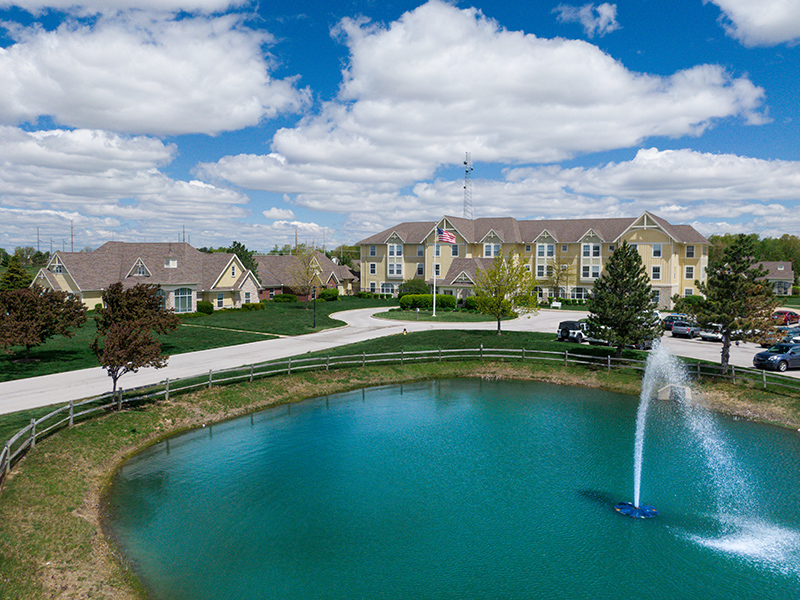
How is Otterbein Sunset Village Staffed?

CMS rates OTTERBEIN SUNSET VILLAGE's staffing level at 4 out of 5 stars, which is above average compared to other nursing homes. Staff turnover is 43%, compared to the Ohio average of 46%. This relatively stable workforce can support continuity of care.

What Have Inspectors Found at Otterbein Sunset Village?

State health inspectors documented 36 deficiencies at OTTERBEIN SUNSET VILLAGE during 2019 to 2025. These included: 35 with potential for harm and 1 minor or isolated issues.
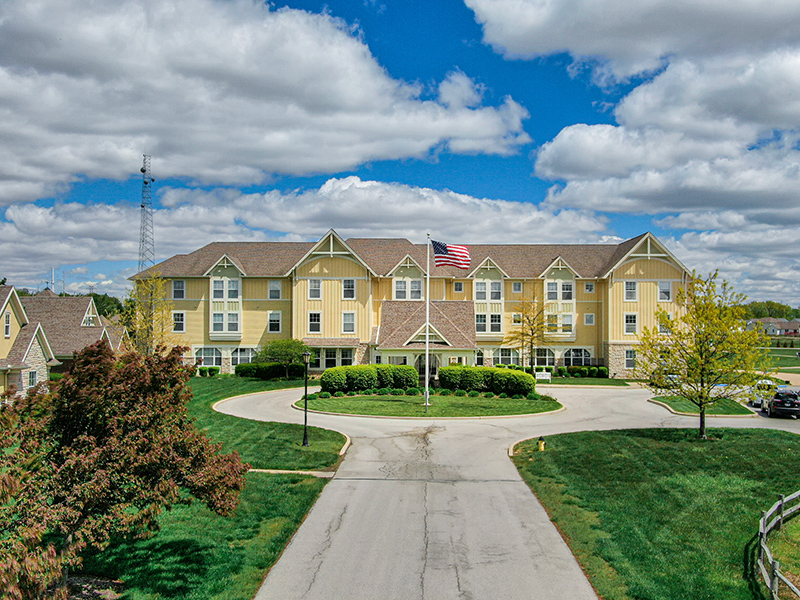
Who Owns and Operates Otterbein Sunset Village?

OTTERBEIN SUNSET VILLAGE is owned by a non-profit organization. Non-profit facilities reinvest revenue into operations rather than distributing to shareholders. The facility is operated by OTTERBEIN SENIORLIFE, a chain that manages multiple nursing homes. With 50 certified beds and approximately 45 residents (about 90% occupancy), it is a smaller facility located in SYLVANIA, Ohio.
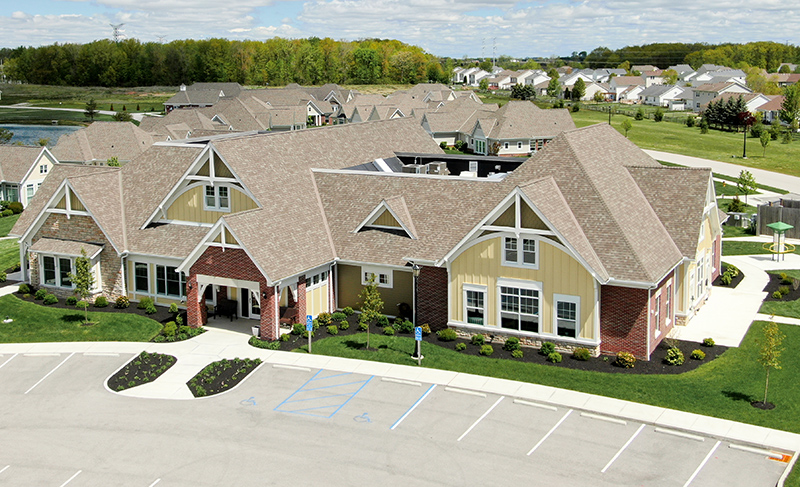
How Does Otterbein Sunset Village Compare to Other Ohio Nursing Homes?

Compared to the 100 nursing homes in Ohio, OTTERBEIN SUNSET VILLAGE's overall rating (2 stars) is below the state average of 3.2, staff turnover (43%) is near the state average of 46%, and health inspection rating (2 stars) is below the national benchmark.

What Should Families Ask When Visiting Otterbein Sunset Village?

Based on this facility's data, families visiting should ask: "Can I visit during a mealtime to observe dining assistance and food quality?" "How do you handle medical emergencies, and what is your hospital transfer rate?" "Can I speak with family members of current residents about their experience?"

Is Otterbein Sunset Village Safe?

Based on CMS inspection data, OTTERBEIN SUNSET VILLAGE has a clean safety record: no substantiated abuse findings (meaning no confirmed cases of resident harm), no Immediate Jeopardy citations (the most serious violation level indicating risk of serious injury or death), and is not on the Special Focus Facility watch list (a federal program monitoring the lowest-performing 1% of nursing homes). The facility has a 2-star overall rating and ranks #100 of 100 nursing homes in Ohio. While no facility is perfect, families should still ask about staff-to-resident ratios and recent inspection results during their visit.

Do Nurses at Otterbein Sunset Village Stick Around?

OTTERBEIN SUNSET VILLAGE has a staff turnover rate of 43%, which is about average for Ohio nursing homes (state average: 46%). Moderate turnover is common in nursing homes, but families should still ask about staff tenure and how the facility maintains care continuity when employees leave.

Was Otterbein Sunset Village Ever Fined?

OTTERBEIN SUNSET VILLAGE has no federal fines on record. CMS issues fines when nursing homes fail to meet care standards or don't correct problems found during inspections. The absence of fines suggests the facility has either maintained compliance or corrected any issues before penalties were assessed. This is a positive indicator, though families should still review recent inspection reports for the full picture.

Is Otterbein Sunset Village on Any Federal Watch List?

OTTERBEIN SUNSET VILLAGE is not on any federal watch list. The most significant is the Special Focus Facility (SFF) program, which identifies the bottom 1% of nursing homes nationally based on persistent, serious quality problems. Not being on this list means the facility has avoided the pattern of deficiencies that triggers enhanced federal oversight. This is a positive indicator, though families should still review the facility's inspection history directly.