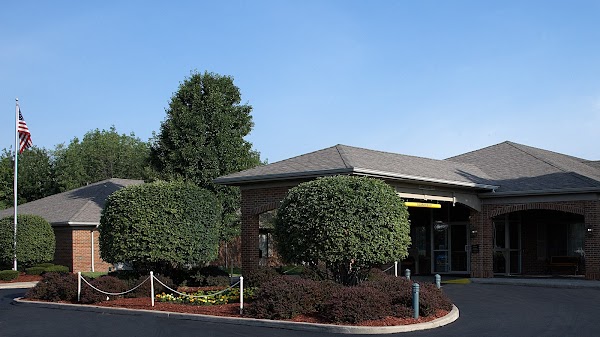
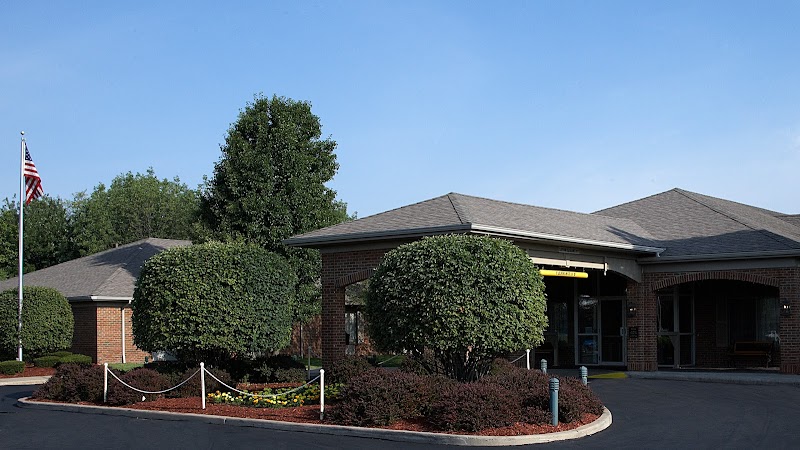
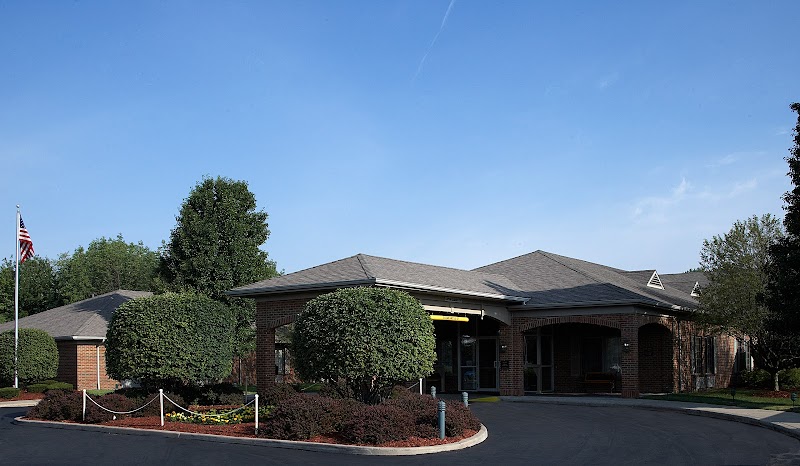
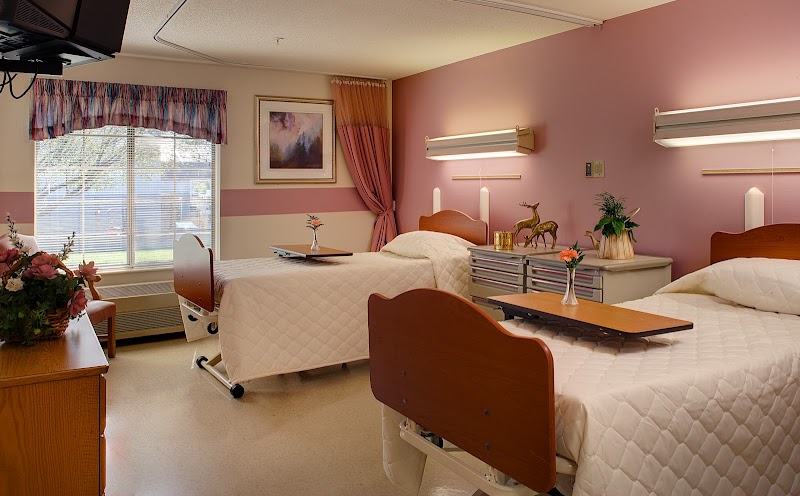
ARBORS AT SYLVANIA

7120 PORT SYLVANIA DRIVE, TOLEDO, OH 43617 (419) 841-2200
For profit - Corporation 77 Beds ARBORS AT OHIO Data: November 2025
Trust Grade
55/100
#397 of 913 in OH
Last Inspection: April 2025

Within standard 12-15 month inspection cycle. Federal law requires annual inspections.

Overview

Arbors at Sylvania has a Trust Grade of C, which means it is average and falls in the middle of the pack among nursing homes. It ranks #397 out of 913 facilities in Ohio, placing it in the top half, and #7 out of 33 in Lucas County, indicating there are only six local options that are better. Unfortunately, the facility is worsening, with reported issues increasing from 3 in 2024 to 11 in 2025. Staffing is rated below average with a 2/5 star rating and a 57% turnover rate, which is concerning as it suggests a lack of stability among caregivers. While there have been no fines reported, the facility has less RN coverage than 95% of Ohio facilities, which may affect the quality of care provided. Specific incidents highlighted by inspectors include a failure to ensure proper infection control practices, impacting numerous residents, and inadequate texture in pureed foods served to residents on specialized diets. Additionally, concerns were raised about call lights being turned off without staff responding, which could lead to unmet needs for residents. Overall, while the facility has strengths in its ranking and lack of fines, these weaknesses in staffing and care practices should be carefully considered by families.

Trust Score
C
55/100
In Ohio
#397/913
Top 43%
Safety Record
Low Risk
No red flags
Inspections
Getting Worse
3 → 11 violations
Staff Stability
⚠ Watch
57% turnover. Above average. Higher turnover means staff may not know residents' routines.
Penalties
✓ Good
No fines on record. Clean compliance history, better than most Ohio facilities.
Skilled Nurses
⚠ Watch
Each resident gets only 20 minutes of Registered Nurse (RN) attention daily — below average for Ohio. Fewer RN minutes means fewer trained eyes watching for problems.
Violations
⚠ Watch
31 deficiencies on record. Higher than average. Multiple issues found across inspections.
★★★☆☆
3.0
Overall Rating
★★☆☆☆
2.0
Staff Levels
★★★★☆
4.0
Care Quality
★★★☆☆
3.0
Inspection Score
Stable
2024: 3 issues
2025: 11 issues

The Good

  • 4-Star Quality Measures · Strong clinical quality outcomes
  • Full Sprinkler Coverage · Fire safety systems throughout facility
  • No fines on record

Facility shows strength in quality measures, fire safety.

The Bad

3-Star Overall Rating

Near Ohio average (3.2)

Meets federal standards, typical of most facilities

Staff Turnover: 57%

11pts above Ohio avg (46%)

Frequent staff changes - ask about care continuity

Chain: ARBORS AT OHIO

Part of a multi-facility chain

Ask about local staffing decisions and management

Staff turnover is elevated (57%)

9 points above Ohio average of 48%

The Ugly 31 deficiencies on record

Jun 2025 2 deficiencies
CONCERN (D) 📢 Someone Reported This

A family member, employee, or ombudsman was alarmed enough to file a formal complaint

Potential for Harm - no one hurt, but risky conditions existed

Deficiency F0692 (Tag F0692)

Could have caused harm · This affected 1 resident

**NOTE- TERMS IN BRACKETS HAVE BEEN EDITED TO PROTECT CONFIDENTIALITY** Based on record review, interview, and policy review, the facility failed to ensure interventions were in place for significant ...

Read full inspector narrative →
**NOTE- TERMS IN BRACKETS HAVE BEEN EDITED TO PROTECT CONFIDENTIALITY** Based on record review, interview, and policy review, the facility failed to ensure interventions were in place for significant weight loss. This affected one (Resident #274) of four reviewed for significant weight loss. The facility census was 77. Findings include: Review of the medical record revealed Resident #274 was admitted on [DATE]. Diagnoses include myasthenia gravis, benign prostatic hyperplasia, dementia, gastroparesis, anxiety disorder, depression, paraplegia (paraparesis), and muscle weakness. Review of the Minimum Data Set (MDS) dated [DATE], revealed the resident had mild cognitive impairment and required partial to moderate assistance for toileting and showering. Further, the resident required setup assistance for eating and personal hygiene. Review of Resident #274's weight record revealed a significant weight loss noted between the dates of 01/30/25 (admission) and 06/10/25. On 01/30/25 Resident #274 weighed 165 lbs. On 05/03/25 (prior to hospitalizations) Resident #274 weighed 147.3 lbs (-10.91% since admission) and on 06/10/25 the resident weighed 133 lbs (-19.39% since admission). Review of Resident #274's medical record revealed no interventions were in place to address the resident's weight loss. Additionally, no progress notes or assessments by the dietician or nursing staff were noted in the medical records. Interview with Unit Manager (UM) #368 on 06/10/25 at 10:57 A.M. revealed Certified Nursing Aides (CNAs) are responsible for obtaining residents weights and if any changes were noted, then the resident would be weighed more often. If there are any significant weight loss noted the dietician would be contacted for interventions. Interview with the Director of Nursing (DON) on 06/10/25 at 11:05 A.M. revealed the dietician is responsible for monitoring residents weight. The DON was not aware of Resident #274's significant weight loss. Interview with Dietician #410 on 06/10/25 at 11:31 A.M. revealed that she is in facility every Wednesday and reviews all residents weights and they are also reviewed in meetings. If weight loss is noted, then a supplemental nutrition drink is offered and medications that may cause weight loss are reviewed. Additionally, if any significant weight loss is noted, the DON is notified. Dietician #410 also stated that she didn't know why interventions were not put in place for Resident #274. Interview with Resident #274 on 06/10/25 at 11:54 A.M. revealed he doesn't get enough food to eat and he doesn't like the food the facility serves. Resident #274 also indicated that he was concerned with his weight loss but doesn't know if he expressed that to the facility. Interview with Physician #400 on 06/10/25 at 2:15 A.M. revealed he was aware of the weight loss and the dietician should have been aware. Furthermore, Physician #400 revealed the dietician will give nutrition recommendations and the physician will sign off on them. Interview with Licensed Practical Nurse (LPN) #350 on 06/10/25 at 4:22 A.M. revealed that on 05/16/25 LPN #350 had filled out a therapy referral slip indicating weight loss for Resident #274. LPN #350 indicated that she noticed Resident #274's weight loss and that he hadn't been eating much. The therapy referral slip was given to the therapy department but LPN #350 doesn't know if the dietician ever got the referral slip. Interview with Lead Dietician #418 on 06/11/25 at 1:16 P.M. verified significant weight loss for Resident #274 and from what she knows, the facility was encouraging food intake and the resident would order from Uber Eats. Additionally, Lead Dietician #418 did not know why interventions for Resident #274 were not in place. Review of a policy titled, Weight Monitoring Policy, dated 10/30/20 revealed that based on the resident's comprehensive assessment, the facility will ensure that all residents maintain acceptable parameters of nutritional status, such as usual body weight or desirable body weight range unless the resident's clinical condition demonstrates that this is not possible or resident's preference indicate otherwise. This deficiency represents non-compliance under Complaint Number OH00165990.
CONCERN (D) 📢 Someone Reported This

A family member, employee, or ombudsman was alarmed enough to file a formal complaint

Potential for Harm - no one hurt, but risky conditions existed

Deficiency F0760 (Tag F0760)

Could have caused harm · This affected 1 resident

**NOTE- TERMS IN BRACKETS HAVE BEEN EDITED TO PROTECT CONFIDENTIALITY** Based on interview, medical record review, and policy review, the facility failed to obtain and administer ordered medication fo...

Read full inspector narrative →
**NOTE- TERMS IN BRACKETS HAVE BEEN EDITED TO PROTECT CONFIDENTIALITY** Based on interview, medical record review, and policy review, the facility failed to obtain and administer ordered medication for Resident #274 in a timely manner. This affected one (#274) of four residents reviewed for medication administration. The facility census was 77. Findings include: Review of the medical record revealed Resident #274 was admitted on [DATE]. Diagnoses include myasthenia gravis, benign prostatic hyperplasia, Dementia, gastroparesis, anxiety disorder, depression, paraplegia (paraparesis), and muscle weakness. Review of the Minimum Data Set (MDS) dated [DATE], revealed the resident had mild cognitive impairment and required partial to moderate assistance for toileting and showering. Further, the Resident required setup assistance for eating and personal hygiene. Further review of the medical record for Resident #274 revealed upon admission, the resident had a medication order for Pyridostigmine Bromide 30 milligrams (mg) three times a day. Pyridostigmine is a medication ordered to treat a condition called mysthenia gravis which affects muscle control. The medication omission was not discovered until a hospital admission on [DATE]. Upon Resident #274's discharge on [DATE] the medication was ordered again to be dispensed to resident at the facility. Review of the Medication Administration Record (MAR) dated May 2025 and June 2025 revealed the medication Pyridostigmine Bromide was not given due to unavailability between 05/30/25 and 06/02/25 for a total of nine missed doses. Review of document titled Pharmacy Packing Slip dated 06/02/25 revealed the medication was delivered, but next to the medication on the packing slip, a hand written note indicated the medication was returned due to the resident being admitted to the hospital. Additionally, a pharmacy packaging slip dated 06/06/25 indicated the medication was delivered. Interview with Physician #400 on 06/10/25 at 2:15 P.M. revealed the physician was not aware of the of the order for the medication until Resident #274 came back from the hospital on [DATE]. Physician #400 further stated that without the medication Resident #274 could have muscle decline and fatigue and it is possible that could be part of the reason for the resident's decline. Interview with the Director of Nursing (DON) on 06/10/25 at 2:43 P.M. revealed when a hospital discharges a resident back to the facility, any medications orders would be put in by the nurses. Unit managers are responsible for doing the chart audits on all residents and part of the audit is medication orders. Further, the DON was not aware of the medication error and believes the order was just missed. The DON also indicated that the facility gets two shipments a day from pharmacy so no drop shipment for this medication would have been necessary. Review of policy titled, Medication Administration, dated 10/30/20 revealed that medications are to be administered as ordered by the physician. Additionally, any discrepancies should be corrected and reported to the nurse manager. This deficiency represents non-compliance investigated under Complaint Number OH00165123.
Apr 2025 9 deficiencies
CONCERN (D) 📢 Someone Reported This

A family member, employee, or ombudsman was alarmed enough to file a formal complaint

Potential for Harm - no one hurt, but risky conditions existed

Deficiency F0558 (Tag F0558)

Could have caused harm · This affected 1 resident

**NOTE- TERMS IN BRACKETS HAVE BEEN EDITED TO PROTECT CONFIDENTIALITY** Based on observation, medical record review, resident interview and staff interview the facility failed to ensure a comfortable ...

Read full inspector narrative →
**NOTE- TERMS IN BRACKETS HAVE BEEN EDITED TO PROTECT CONFIDENTIALITY** Based on observation, medical record review, resident interview and staff interview the facility failed to ensure a comfortable mattress was provided following a request. This affected one (#53) of 24 residents reviewed for reasonable accommodation of needs and requests. The facility census was 73. Findings include: Review of the medical record revealed Resident #53 was admitted to the facility on [DATE] with diagnoses including cervical disc disorder with myelopathy, chronic venous hypertension with ulcer of bilateral lower extremity, chronic obstructive pulmonary disorder, type 2 diabetes mellitus, spinal stenosis, benign prostatic hyperplasia, neuromuscular dysfunction of bladder, mood disorder, chronic kidney disease stage 4, hypertension, coronary artery disease, congestive heart failure, and muscle weakness. According to the most current Minimum Data Set (MDS) assessment dated [DATE], Resident #53 had intact cognition, had range of motion impairment to upper and lower bilateral extremities, was dependent on staff for the completion of activities of daily living including bed mobility, was incontinent of bowel and bladder, and was at risk for pressure ulcer development with no skin breakdown. On 02/14/25 a skin risk assessment completed for Resident #53 revealed score of 14, indicating moderate risk for developing skin breakdown. According to a physician order dated 12/27/24 a low air loss mattress was to be placed in use, instructions included to monitor function and settings every shift. Observation on 04/14/25 at 9:09 A.M. noted Resident #53 in bed with the air mattress in place. Resident #53 stated the air mattress was partially inflated and his buttock was resting against the bed frame. The resident stated he requested a new mattress in December and one had not been provided. On 04/15/25 at 9:18 A.M. observation with Licensed Practical Nurse (LPN) #527 assessed Resident #53 while in the bed with the air mattress in place. LPN #527 verified Resident #53 buttock in contact with the bed frame. Additional observation noted Resident #53 had no current skin breakdown, however, scaring was identified from previously healed skin breakdown. On 04/16/25 at 7:40 A.M. interview with LPN #532 revealed nursing staff are to check Resident #53's air mattress setting each shift. LPN #532 was aware Resident #53 had reported concerns with the comfort of the mattress. LPN #532 stated the air mattress settings were determined appropriate and no attempts to obtained a replacement air mattress had occurred. This deficiency represents non-compliance investigated under Complaint Number OH00163310.
CONCERN (D)

Potential for Harm - no one hurt, but risky conditions existed

Quality of Care (Tag F0684)

Could have caused harm · This affected 1 resident

**NOTE- TERMS IN BRACKETS HAVE BEEN EDITED TO PROTECT CONFIDENTIALITY** Based on observation, medical record review, and staff interview, the facility failed to ensure interventions to address edema w...

Read full inspector narrative →
**NOTE- TERMS IN BRACKETS HAVE BEEN EDITED TO PROTECT CONFIDENTIALITY** Based on observation, medical record review, and staff interview, the facility failed to ensure interventions to address edema were initiated. This affected one (#01) of two residents reviewed for edema prevention and monitoring. The facility census was 73. Findings include: Review of the medical record revealed Resident #01 admitted to the facility on [DATE] with diagnoses including anoxic brain damage, anxiety disorder, contracture to bilateral hands, elbows and shoulders, localized edema, and chronic pain. According to the most current Minimum Data Set (MDS) assessment dated [DATE], Resident #01 had severely impaired cognition, no refusals of care, bilateral upper and lower extremity range of motion impairment, was dependent on staff for all activities of daily living, was incontinent of bowel and bladder, and was at risk for pressure ulcer development with no skin breakdown. Observation on 04/14/25 at 8:55 A.M. noted Resident #01 seated in a specialized wheelchair with bilateral arms resting dependent at her sides. Resident #01's left hand was observed with edema and a closed fist. Observations on 04/15/25 at 5:46 A.M., 11:43 A.M., 12:42 P.M., 04/16/25 at 5:37 A.M., 11:43 A.M., and 12:42 P.M. noted Resident #01 in bed with bilateral arms resting dependently at each side and hands with closed fists. On 04/17/25 at 8:35 A.M. observation with Licensed Practical Nurse (LPN) #523 assessed Resident #01 with one plus pitting edema to the left hand and middle forearm. LPN #523 verified no interventions were contained in the medical record to address Resident #01 history of edema. On 04/17/25 at 8:40 A.M. interview with LPN #529 during review of Resident #01's medical record verified Resident #01 with dependent edema to left hand and forearm. LPN #529 verified Resident #01 did not have interventions in place to address the edema.
CONCERN (D)

Potential for Harm - no one hurt, but risky conditions existed

Deficiency F0688 (Tag F0688)

Could have caused harm · This affected 1 resident

**NOTE- TERMS IN BRACKETS HAVE BEEN EDITED TO PROTECT CONFIDENTIALITY** Based on observation, medical record review, and staff interview, the facility failed to ensure interventions were implemented t...

Read full inspector narrative →
**NOTE- TERMS IN BRACKETS HAVE BEEN EDITED TO PROTECT CONFIDENTIALITY** Based on observation, medical record review, and staff interview, the facility failed to ensure interventions were implemented to prevent deterioration of contractures. This affected one (#01) of two residents reviewed for range of motion and positioning. The facility census was 73. Findings include: Review of the medical record revealed Resident #01 admitted to the facility on [DATE] with diagnoses including anoxic brain damage, anxiety disorder, contracture to bilateral hands, elbows and shoulders, localized edema, and chronic pain. According to the most current Minimum Data Set (MDS) assessment dated [DATE], Resident #01 had severely impaired cognition, no refusals of care, bilateral upper and lower extremity range of motion impairment, was dependent on staff for all activities of daily living, was incontinent of bowel and bladder, and at risk for pressure ulcer development with no skin breakdown. On 08/27/21 a physician order was written to place a washcloth in each of Resident #01's hands to keep fingers from clenching into palms of hands every shift due to bilateral hand contractors. On 08/09/23 a nursing plan of care was implemented to address Resident #01's impaired musculoskeletal status related to contractures with interventions to include for Resident #01 to be free of complications related to altered musculoskeletal status through the next review, administer treatments as ordered, observe for and report to nurse any pain or skin integrity issues related to use of the washcloth in hands, cleanse hands and dry completely prior to application of washcloths in hands, and to provide range of motion (ROM) as indicated prior to use of washcloth in hands to keep fingers from clenching into palms of hands. In addition, on 02/25/24 a nursing plan of care was implemented to address Resident #01's inability to participate in a restorative programs related to the distress it caused her. Resident #01 does not tolerate passive range of motion (PROM) to her bilateral hands as they are severely contracted and when doing PROM Resident #01 has facial grimacing and and starts to cry and scream, and pulling hands away. Interventions included to clean bilateral hands with A.M. and P.M. care, as tolerated. If distress is noted (crying or facial expressions) stop and reapproach as needed. Monitor for signs and symptoms of skin breakdown to bilateral hands. Observation on 04/14/25 at 8:55 A.M. noted Resident #01 seated in a specialized wheelchair with bilateral arms resting dependently at her sides. No washcloths were in place to either hand and both hands fists were closed. Observations on 04/15/25 at 5:46 A.M., 11:43 A.M., 12:42 P.M., 04/16/25 at 5:37 A.M. revealed no washcloths were in place and Resident #01's hands were closed fisted. On 04/16/25 at 10:16 A.M. interview with Certified Nurse Aide (CNA) #569 revealed she assumed care at 6:00 A.M. for Resident #01 and verified no washcloths had been in place to either hand since the beginning of the shift. On 04/16/25 at 11:45 A.M. interview with Licensed Practical Nurse (LPN) #508 verified washcloth rolls had not been in place as ordered by the physician for Resident #01.
CONCERN (D)

Potential for Harm - no one hurt, but risky conditions existed

Accident Prevention (Tag F0689)

Could have caused harm · This affected 1 resident

**NOTE- TERMS IN BRACKETS HAVE BEEN EDITED TO PROTECT CONFIDENTIALITY** Based on observation, medical record review, staff interview, and facility policy, the facility failed to ensure fall interventi...

Read full inspector narrative →
**NOTE- TERMS IN BRACKETS HAVE BEEN EDITED TO PROTECT CONFIDENTIALITY** Based on observation, medical record review, staff interview, and facility policy, the facility failed to ensure fall interventions were implemented as indicated. This affected one (#24) of three residents reviewed for fall management. The facility census was 73. Findings include: Resident #24's medical record review revealed the resident admitted to the facility on [DATE] with diagnoses including type 2 diabetes mellitus, cerebral infarction, [NAME] lymphoma, hypertension, seizure disorder, abnormal posture, chronic kidney disease stage 3, coronary artery disease, anemia, traumatic subdural hemorrhage without loss of consciousness, and cardiac arrhythmia. According to the most current Minimum Data Set (MDS) assessment dated [DATE] Resident #24 was assessed with severe cognitive impairment, no recorded refusal of care, utilized a wheelchair for mobility, required substantial to maximal assistance with activities of daily living, incontinent of bowel and bladder. Review of the fall assessment dated [DATE] at 8:06 P.M. noted Resident #24 was found on the floor on the side of the bed. On 03/02/25 at 10:33 P.M. a follow-up fall assessment was completed and indicated new interventions to prevent further injury from falls was implemented. According to progress note dated 03/02/25 at 3:07 A.M., Resident #24 fell out of bed trying to ambulate to the restroom on 03/01/25 and was found sitting on the floor on the side of bed. Resident #24 had no complaints of pain and was assisted with transfer back into bed. Nursing interventions in place included keeping bed in low position, and the call light within reach for assistance. On 03/03/25 at 10:55 A.M. the Interdisciplinary Team progress note documented Resident #24 was found sitting on the floor next to her bed after attempting to ambulate to the bathroom. No injuries were noted and both the physician and family were notified. A new intervention to apply hipsters was implemented. On 03/26/25 a nursing plan of care was revised to address Resident #24's risk for falls/injury related to decreased strength and endurance, generalized weakness, poor balance, and seizures. Interventions included hipsters as tolerated, toileting and repositioning every two hours, taking the resident to the common area when increased anxiety was identified, and encourage the resident to use the call light. Observation on 04/17/25 at 6:37 A.M. noted Resident #24 seated in a wheelchair with her eyes closed. No hipsters were in place. Interview with Licensed Practical Nurse (LPN) #529 at the time of observation verified Resident #24 did not have hipsters applied as indicated. According to facility Accidents and Supervision policy revised 12/27/2023. Each resident will be assessed for accident risk and will receive care and services in accordance with their individualized care plan. This included implementing interventions to reduce hazards or risk. Using specific interventions to try to reduce a residents risk from hazards in the environment. Interventions are based on the results of the evaluation and analysis of information about the hazards or risks and are consistent with relevant standards, including evidence-based practice. Monitoring is the process of evaluating the effectiveness of care plan interventions. Modification is the process of adjusting interventions as needed to make them more effective in addressing hazards and risks.
CONCERN (D) 📢 Someone Reported This

A family member, employee, or ombudsman was alarmed enough to file a formal complaint

Potential for Harm - no one hurt, but risky conditions existed

Incontinence Care (Tag F0690)

Could have caused harm · This affected 1 resident

**NOTE- TERMS IN BRACKETS HAVE BEEN EDITED TO PROTECT CONFIDENTIALITY** Based on observation, medical record review, resident interview, staff interview, and facility policy the facility failed to ens...

Read full inspector narrative →
**NOTE- TERMS IN BRACKETS HAVE BEEN EDITED TO PROTECT CONFIDENTIALITY** Based on observation, medical record review, resident interview, staff interview, and facility policy the facility failed to ensure timely care and treatment was provided to address incontinence. This affected two (#40 and #63) of five residents reviewed for bowel and bladder incontinence services. The facility census was 73. Findings include: 1. Review of the medical record revealed Resident #40 admitted to the facility on [DATE] with the diagnoses including metabolic encephalopathy, severe protein-calorie malnutrition, depressed mood, stage 2 pressure ulcer to sacral region and left buttock. dysphagia, and anemia. According to the most current Minimum Data Set (MDS) assessment dated [DATE], Resident #40 was assessed with moderately impaired cognition, range of motion impairments to the bilateral upper and lower extremities, dependency on staff for the completion of activities of daily living including bed mobility and incontience care as Resident #40 was always incontinent of bowel and bladder. Resident #40 was at risk for pressure ulcer development and admitted with two stage two pressure ulcers. On 03/24/25 the nursing plan of care was revised to address Resident #40's episodes of bladder and bowel incontinence. Interventions included to assist Resident #40 with toileting needs, check at regular intervals and change as needed, provide disposable incontinence products, provide peri-care after each incontinence episode and apply house barrier cream after incontinence care. No specific interval of incontinence monitoring was contained in the medical record. Review of the task documentation between 03/19/25 and 04/15/25 recorded Resident #40 to be incontinent daily. However, no frequency of check and change was identified. Observation on 04/15/25 at 5:52 A.M. noted Resident #40 in bed positioned to the right. Continued observation between 5:52 A.M. and 9:14 A.M. noted Resident #40 remained in bed on the right side without repositioning or incontinence checks. On 04/15/25 at 6:04 A.M. interview with Certified Nurse Aide (CNA) #537 revealed she assumed the care for Resident #40 on 04/14/25 at 10:00 P.M. and continued care until 04/15/25 at 6:00 A.M. CNA #537 stated Resident #40 required every two-hour incontinence checks and repositioning and was last provided incontinence care and repositioning at 4:30 A.M. Interview on 04/15/25 at 9:14 A.M. with CNA #554 verified she assumed the care for Resident #40 at 6:00 A.M. and had not checked Resident #40 for incontinence or provided repositioning since assuming care at 6:00 A.M. CNA #554 stated she was unaware when Resident #40 was last checked for incontinence or repositioning. Observation on 04/15/25 at 9:31 A.M. with CNA #554 noted Resident #40 was heavily soiled with urine through an adult brief onto linen covering (chux). Two wound dressings were observed to Resident #40 left upper thigh and left sacrum. 2. Review of the medical record for Resident #63 revealed the resident was admitted to the facility on [DATE] with diagnoses including, dorsopathy, chronic obstructive pulmonary disease, obstructive sleep apnea, abnormal posture, anxiety disorder, depression, hypertension, and fibromyalgia. According to the most current MDS assessment dated [DATE], Resident #63 was cognitively intact, had the ability to make needs known, and had no history of refusing care. Resident #63 had limited range of motion to bilateral lower extremities, required substantial to maximal assistance with activities of daily living, was dependent on staff for bed mobility, was always incontinent of bowel and bladder, and was at risk for pressure ulcer development with no current skin breakdown. On 12/04/24 a nursing plan of care was revised to address Resident #63 risk for episodes of bowel and bladder incontinence. Interventions included to assist the resident with toileting needs, provide disposable incontinence products, provide peri-care after each incontinence episode and apply in-house barrier cream after each incontinence care. Review of skin assessment dated [DATE] identified a new abnormal skin area with redness and excoriation to the groin. Observation on 04/14/25 at 9:56 A.M. noted Resident #63 in bed. Resident #63 stated she requires every two hour incontinence checks and repositioning and the staff is not providing the care. As a result of not receiving care, Resident #63 stated she developed excoriation and a rash. On 04/15/25 at 5:57 A.M. Resident #63 was observed positioned on her back with eyes closed. Continued observation on 04/15/25 between 5:57 A.M. and 8:04 A.M. noted Resident #63 in bed positioned on her back with no repositioning or incontinence checks or care attempted. On 04/15/25 at 6:07 A.M. an interview with Certified Nurse Aide (CNA) 537 revealed she had provided Resident #63 with incontinence care and repositioning at 4:25 A.M. CNA #537 stated Resident #63 is unaware when she is incontinent and needed to be checked and repositioned every two hours. On 04/15/25 at 8:04 A.M. an interview with Resident #63 revealed she had been incontinent of urine and no checks or repositioning had occurred since night shift. On 04/15/25 at 8:41 A.M. an interview with CNA #554 revealed she was looking for incontinent wipes due to Resident #63 being excoriated. CNA #554 stated she did not want to use rough washcloths. At 09:02 A.M. CNA #554 proceeded to check Resident #63 for incontinence. Resident #63 was observed with excoriated perineum including the pan and groin. Resident #63 was incontinent of a large amount of urine and small formed bowel movement. CNA #554 right upper thigh was also excoriated. Two adult incontinence briefs were discovered under the resident and both were soiled. On 04/15/25 at 9:14 A.M. following resident care, interview with CNA #554 verified the check and change at 9:02 A.M. was the first contact CNA #554 had with Resident #63 since assuming care at 6:00 A.M. CNA #554 was unaware when Resident #63 was last checked, changed or repositioned. CNA #554 verified the resident is to be checked and changed every two hours with repositioning. According to the facility policy titled Incontinence, revised 10/26/2023, stated based on the resident's comprehensive assessment, all residents that are incontinent will receive appropriate treatment and services. Residents that are incontinent of bladder and bowel will receive appropriate treatment to prevent infections and to restore continence to the extent possible. This deficiency represents non-compliance investigated under Complaint Number OH00163310.
CONCERN (D)

Potential for Harm - no one hurt, but risky conditions existed

Respiratory Care (Tag F0695)

Could have caused harm · This affected 1 resident

**NOTE- TERMS IN BRACKETS HAVE BEEN EDITED TO PROTECT CONFIDENTIALITY** Based on observation, record review, staff interview, and review of the facility policy, the facility failed to ensure oxygen wa...

Read full inspector narrative →
**NOTE- TERMS IN BRACKETS HAVE BEEN EDITED TO PROTECT CONFIDENTIALITY** Based on observation, record review, staff interview, and review of the facility policy, the facility failed to ensure oxygen was running at the prescribed rate. This affected one resident (#29) reviewed for oxygen therapy. The facility identified 15 residents required the use of oxygen therapy. The facility census was 73. Findings include: Review of the medical record for Resident #29 revealed an admission date of 12/09/22 with admitting diagnoses of heart failure and end stage renal disease. Review of the quarterly Minimum Data Set (MDS) assessment dated [DATE] for Resident #29 revealed he was cognitively intact and required the use of oxygen. Review of the care plan revised 02/25 for Resident #29 revealed he was care planned for impaired cardiovascular stated related to heart failure with an intervention for oxygen therapy as ordered. Review of the current physician orders for 04/25 revealed Resident #29 was ordered oxygen at two liters per minute continuously via nasal cannula. Observation on 04/14/25 at 11:51 A.M. of Resident #29 revealed he was sitting in his wheelchair with a portable oxygen tank running at three liters per minute. Interview on 04/14/25 at 11:54 A.M. with Licensed Practical Nurse (LPN) #526 verified oxygen for Resident #29 was running on the portable oxygen tank at three liters per minute and verified the order from the physician was for the oxygen to be running at two liters per minute. Review of the facility policy titled Oxygen Administration, revised 10/23 revealed oxygen is administered under orders of physician.
CONCERN (D) 📢 Someone Reported This

A family member, employee, or ombudsman was alarmed enough to file a formal complaint

Potential for Harm - no one hurt, but risky conditions existed

Deficiency F0697 (Tag F0697)

Could have caused harm · This affected 1 resident

**NOTE- TERMS IN BRACKETS HAVE BEEN EDITED TO PROTECT CONFIDENTIALITY** Based on observation, medical record review, staff interview, and facility policy, the facility failed to ensure alternative and...

Read full inspector narrative →
**NOTE- TERMS IN BRACKETS HAVE BEEN EDITED TO PROTECT CONFIDENTIALITY** Based on observation, medical record review, staff interview, and facility policy, the facility failed to ensure alternative and non-pharmacologic interventions were implemented to address pain in accordance with physician orders. This affected one (#177) of two residents reviewed for pain control interventions. The facility census was 73. Findings include: Review of the medical record revealed Resident #177 admitted to the facility on [DATE] with diagnoses including cauda equina syndrome, spinal stenosis lumbar region, abnormal posture, chronic venous hypertension, chronic pain, chronic fatigue, allergy status to unspecified drugs, medications and biological substances, and lumbago with sciatica. According to the most current Minimum Data Set (MDS) assessment dated [DATE], Resident #177 was cognitively intact, was able to make needs known, had limited bilateral lower extremity range of motion, required substantial to maximal assistance with activities of daily living, received scheduled and as needed (PRN) pain medications and had non-medication interventions in place for pain. Review of hospital community referral physician orders dated 04/01/25 noted non-pharmacological wound care instructions to include the application of an ice pack to the surgical incision to help with pain. The ice pack was to be applied 15 to 20 minutes at a time, five to six times daily. On 04/02/25 a nursing plan of care was implemented to address Resident #177 pain related to back surgery, surgical incision, and verbal complaints of pain. Interventions included the following: administer medications as ordered and observe for effectiveness. Offer non-pharmacological interventions to relieve pain and observe for effectiveness. Further review of the plan of care lacked documentation describing specific non-pharmacological interventions. Review of physician orders lacked documentation indicating the ice packs and lacked where and when the ice packs were to be applied. Review of the administration records for Resident #177 lacked documentation regarding the ice packs. Observation on 04/14/25 at 10:00 A.M. noted Resident #177 seated in a wheelchair at the bedside. Interview with Resident #177 stated she was experiencing a pain level of 8 (level zero, no pain and level 10 indicating severe pain) in back, hips, legs. Resident #177 described the pain as a burning sensation. Resident #177 stated she had multiple medication allergies and would like non-pharmacological interventions between scheduled pain medication administrations. The resident stated she had not had any non-pharmacological interventions provided the past two nights. Additional interview on 04/15/25 at 5:54 A.M. with Resident #177 stated she spoke with her surgeon and indicated she was to receive ice applications five to seven times daily for 20 minutes and increased the dose of gabapentin. Resident #177 reported a pain level of 5 at the time of the interview. Resident #177 verified no alternative methods of pain relief were being provided, adding only pain medications have been provided. On 04/15/25 at 2:34 PM Resident #177 was observed in bed requesting an ice pack. Observation on 04/16/25 at 12:50 P.M. of Resident #177 revealed the resident was in bed and reported a pain level of 5 to low back, bilateral hips and lower extremities. Interview with Resident #177 at the time of the observation revealed the resident had not been receiving ice packs between scheduled pain medication to control pain as requested. Continued observation noted disposable ice pack warm to touch at Resident #177 bedside. On 04/16/25 at 12:55 P.M. interview with Certified Nurse Aide (CNA) #551 verified Resident #177 was given an ice pack at 7:00 A.M. CNA #551 confirmed Resident #177 was required to request an ice pack. On 04/16/25 at 1:00 P.M. interview with the Director of Nursing (DON) during review of the medical record for Resident #177 verified the record lacked evidence of ice packs being provided as ordered. In addition, the DON verified no non-pharmacologic intervention related to the application of an ice pack was listed on pain care plan. According to the Pain Management policy revised 10/26/2023. The facility will ensure that pain management is provided to residents who require such services, consistent with professional standards of practice, the comprehensive person-centered care plan, and the residents' goals and preferences. The interventions for pain management will be incorporated into the components of the comprehensive care plan, addressing conditions or situations that may be associated with pain or may be included as a specific pain management need or goal. If re-assessment findings indicate pain is not adequately controlled, revise the pain management regimen and plan of care as indicated. This deficiency represents non-compliance investigated under Complaint Number OH00164044.
CONCERN (D)

Potential for Harm - no one hurt, but risky conditions existed

Safe Environment (Tag F0921)

Could have caused harm · This affected 1 resident

**NOTE- TERMS IN BRACKETS HAVE BEEN EDITED TO PROTECT CONFIDENTIALITY** Based on observation, staff interview, and review of the facility policy, the facility failed to keep the privacy curtain clean ...

Read full inspector narrative →
**NOTE- TERMS IN BRACKETS HAVE BEEN EDITED TO PROTECT CONFIDENTIALITY** Based on observation, staff interview, and review of the facility policy, the facility failed to keep the privacy curtain clean in the residents room. This affected one resident (#5) of 24 reviewed for environment. The facility census was 73. Findings include: Review of the medical record for Resident #5 revealed an admission date of 04/12/21 and an admission diagnosis of dementia. Review of the annual Minimum Data Set (MDS) dated [DATE] for Resident #5 revealed he was cognitively impaired and was dependent for all care. Review of the care plan revised 02/25 for Resident #5 revealed he was care planned for behaviors related to dementia of taking his brief off in bed. Observation on 04/15/25 at 1:28 P.M. revealed Resident #5's privacy curtain had several brown stains that were unidentifiable along the bottom of the privacy curtain approximately one third up the privacy curtain and approximately two feet in length. Interview on 04/15/25 at 1:37 P.M. with Certified Nursing Assistant (CNA) #569 verified the unidentified brown stains on the privacy curtain of Resident #5. Review of the facility policy titled, Routine Cleaning and Disinfection, revised 02/22 revealed privacy curtains in resident rooms will be changed with visibly dirty by laundering or cleaning with registered disinfectant per managers instructions.
CONCERN (E)

Potential for Harm - no one hurt, but risky conditions existed

Infection Control (Tag F0880)

Could have caused harm · This affected multiple residents

**NOTE- TERMS IN BRACKETS HAVE BEEN EDITED TO PROTECT CONFIDENTIALITY** Based observation, staff interview and review of facility policy, the facility failed to ensure adequate infections control prac...

Read full inspector narrative →
**NOTE- TERMS IN BRACKETS HAVE BEEN EDITED TO PROTECT CONFIDENTIALITY** Based observation, staff interview and review of facility policy, the facility failed to ensure adequate infections control practices were carried out. This had the potential to affect the 38 residents (#55, #37, #4, #33, #50, #5, #29, #47, #17, #11, #35, #28, #26, #9, #44, #42, #41, #18, #51, #43, #67, #7, #15, #25, #30, #6, #277, #52, #24, #12, #22, #8, #36, #54, #13, #27, #1, and #49) who resided on the 100 and 200 hallways. The facility census was 73. Findings include: 1. Observation on 04/14/25 at 9:18 A.M. of the 200 hallway found four rooms identified as being on droplet isolation. Personal Protective Equipment (PPE) including gowns, gloves, respirators (N-95s), and a face shields were available for each room on the over the door organizer. Signs with directions for donning personal protective equipment (PPE) were posted on the doors. Observation on 04/14/25 at 9:21 A.M. found Certified Nursing Assistant (CNA) #562 donned a gown, N-95, gloves and face shield and entered room [ROOM NUMBER]. Observation on 04/14/25 at 9:24 A.M. found CNA #562 had removed gown, gloves inside the room and placed the face shield back in the over the door organizer. CNA #562 did not disinfect the face shield after use. Interview on 04/14/25 at 9:25 A.M. with CNA #562 verified the face shields were reused and he had placed the used face shield back in the over door organizer after exiting the room. Observation on 04/14/25 at 9:26 A.M. of CNA #562 found CNA #562 donned a gown, gloves, a N-95, and the face shield from the over the door organizer from room [ROOM NUMBER]. CNA #562 did not disinfect the face shield prior to applying the face shield and entering room [ROOM NUMBER]. Observation on 04/14/25 at 9:29 A.M. of CNA #562 found CNA #562 exited room [ROOM NUMBER] having doffed gown and gloves. CNA #562 removed his face shield and placed it back into the over the door organizer without disinfecting the face shield. Coinciding interview with CNA #562 verified there were bleach wipes available at the nurses station for disinfecting surfaces and had not been used on the face shields. Review of the undated posted signage with the steps for removing personal protective equipment (PPE) revealed in step two of the process it stated the outside of the goggles or face shield were contaminated. If the item was reusable, it was to be placed in designated receptacle for reprocessing, or otherwise discard in the waste container. Review of the facility policy titled, Infection Prevention and Control Program, revised 10/24/22 revealed all reusable items and equipment requiring special cleaning, disinfection, or sterilization shall be cleaned in accordance with out current procedure governing the cleaning and sterilization of soiled or contaminated equipment. Single use devices must be discarded after use and are never used for more than one resident. 2. Observation on 04/15/25 at 7:48 A.M. revealed Certified Nurse Assistant (CNA) #562 delivered a breakfast tray into room [ROOM NUMBER] without performing hand hygiene. CNA #562 then exited room without performing hand hygiene and proceeded to room [ROOM NUMBER] which was a Covid isolation room. CNA #562 then proceeded to don all required PPE including gown, N-95, face shield, and gloves and entered the Covid isolation room without performing hand hygiene. CNA #562 then delivered a morning breakfast tray into room. Upon exiting the room and removing PPE CNA #562 did not perform hand hygiene and walked down the hall towards nursing station. Interview on 04/15/25 at 7:55 A.M. with CNA #562 confirmed no hand hygiene was performed before or after entering neither room [ROOM NUMBER] or 207. Review of the undated posted signage with the steps for removing PPE revealed that step four is to wash hands or use an alcohol-based hand sanitizer immediately after removing all PPE. Review of policy titled, Hand Hygiene with a revised date of 12/13/2023 revealed that all staff will perform hand hygiene procedures to prevent the spread of infection to other personnel, residents, and visitors. This applies to all staff working in all locations within the facility.
Mar 2024 3 deficiencies
CONCERN (D) 📢 Someone Reported This

A family member, employee, or ombudsman was alarmed enough to file a formal complaint

Potential for Harm - no one hurt, but risky conditions existed

Report Alleged Abuse (Tag F0609)

Could have caused harm · This affected 1 resident

**NOTE- TERMS IN BRACKETS HAVE BEEN EDITED TO PROTECT CONFIDENTIALITY** Based on medical record review, staff interview, facility documentation review, and facility policy review, the facility failed ...

Read full inspector narrative →
**NOTE- TERMS IN BRACKETS HAVE BEEN EDITED TO PROTECT CONFIDENTIALITY** Based on medical record review, staff interview, facility documentation review, and facility policy review, the facility failed to ensure an allegation of medication diversion was reported to the Administrator in a timely manner. This affected one (#71) of three sampled residents reviewed for misappropriation. The facility census was 66. Findings include: Review of Resident #71's medical record revealed the resident was admitted to the facility on [DATE]. Diagnoses included Parkinson's disease, type II diabetes mellitus, coronary artery disease, protein calorie malnutrition, mild dementia, heart failure, anemia, bipolar disorder, major depression, dysphagia, anxiety disorder, hypertension, and dysphonia. Review of the Minimum Data Set (MDS) assessment dated [DATE] revealed Resident #71 was assessed with intact cognition, required substantial assistance to full dependence for completion of activities of daily living, received scheduled and as needed pain medication, and received antianxiety, antidepressant, opioid medications. Review of a facility document dated 02/19/24 revealed Licensed Practical Nurse (LPN) #324 took a chewable baby aspirin from the over the counter bottle located in the top drawer of medication cart. LPN #324 forgot to take morning aspirin before work. LPN #324 was talked to by the Director of Nursing (DON) as soon as the incident was reported and was instructed to not take over the counter medication off the medication cart again. Further review revealed LPN #324 was very sorry about this mistake and promised to never repeat the mistake again. LPN #324 did not think about how the act could be perceived, and LPN #324 was embarrassed and very sorry. The documented was signed by LPN #324. A telephone interview with LPN #324 on 03/07/24 at 10:37 A.M. stated on 02/19/24 at approximately 9:00 A.M., while preparing medications for Resident #71, she placed a chewable 81 milligram (mg) aspirin tablet in a medication cup and a second chewable aspirin tablet in a second medication cup. LPN #324 verified she proceeded to consume the 81 mg chewable aspirin at the medication cart. When taking the aspirin, Student Nurse (SN) #442 was exiting a resident room behind her and observed LPN #324 take the medication. As a result, later that morning, LPN #324 was counseled by the DON not to take over the counter medications from the medication cart for personal use. No further investigation was conducted and LPN #324 continued to work the remaining shift. Interview with the DON on 03/07/24 at 12:15 P.M. revealed on 02/19/24 an allegation of LPN #324 taking medication from the medication cart was reported to her by Clinical Nurse Instructor Registered Nurse (CNIRN) #438. The DON interviewed LPN #324 on 02/19/24 and was informed by LPN #324 she took a chewable baby aspirin from the over the counter bottle in the top drawer of the medication cart. The DON instructed LPN #324 to not take over the counter medication off the medication cart again. The DON stated no further information was obtained regarding the incident, including an investigation. The DON verified the incident was not reported to the Administrator. Interview with the Administrator on 03/07/24 at 12:17 P.M. revealed no knowledge of the incident on 02/19/24 between Resident #71 and LPN #324. A telephone interview with CNIRN #438 on 03/07/24 at 1:09 P.M. revealed on 02/19/24 at approximately 9:30 A.M., SN #442 reported observing LPN #324 place a pill in a medication cup for a resident and another pill into a second cup. LPN #324 was observed to consume the second cup of medication while standing at the cart. CNIRN #438 reported the incident to the DON and was informed the DON would look into the incident. CNIRN #438 stated no statements were obtained from CNIRN #438 or SN #442. CNIRN #438 also indicated SN #442 did not report the container from which the medication was taken from. No further interactions with the facility occurred regarding the incident. Review of the abuse, neglect, and exploitation policy, revised 01/10/2024, revealed an immediate investigation is warranted when suspicion of abuse, neglect, or exploitation, or reports of abuse, neglect or exploitation occur. Written procedures for investigations include identifying staff responsible for the investigation, exercising caution in handling evidence that could be use in a criminal investigation, investigating different types of alleged violations, identifying and interviewing all involved persons, including the alleged victim, alleged perpetrator, witnesses, and others who might have knowledge of the allegations, providing complete and thorough documentation of the investigation, and reporting of alleged violations to the administrator within specified timeframes. This deficiency represents non-compliance investigated under Complaint Number OH00151001.
CONCERN (D) 📢 Someone Reported This

A family member, employee, or ombudsman was alarmed enough to file a formal complaint

Potential for Harm - no one hurt, but risky conditions existed

Investigate Abuse (Tag F0610)

Could have caused harm · This affected 1 resident

**NOTE- TERMS IN BRACKETS HAVE BEEN EDITED TO PROTECT CONFIDENTIALITY** Based on medical record review, staff interview, facility documentation, and facility policy, the facility failed to ensure an a...

Read full inspector narrative →
**NOTE- TERMS IN BRACKETS HAVE BEEN EDITED TO PROTECT CONFIDENTIALITY** Based on medical record review, staff interview, facility documentation, and facility policy, the facility failed to ensure an allegation of medication diversion was thoroughly investigated. This affected one (#71) of three sampled residents reviewed for misappropriation. The facility census was 66. Findings include: Review of Resident #71's medical record revealed the resident was admitted to the facility on [DATE]. Diagnoses included Parkinson's disease, type II diabetes mellitus, coronary artery disease, protein calorie malnutrition, mild dementia, heart failure, anemia, bipolar disorder, major depression, dysphagia, anxiety disorder, hypertension, and dysphonia. Review of the Minimum Data Set (MDS) assessment dated [DATE] revealed Resident #71 was assessed with intact cognition, required substantial assistance to full dependence for completion of activities of daily living, received scheduled and as needed pain medication, and received antianxiety, antidepressant, opioid medications. Review of a facility document dated 02/19/24 revealed Licensed Practical Nurse (LPN) #324 took a chewable baby aspirin from the over the counter bottle located in the top drawer of medication cart. LPN #324 forgot to take morning aspirin before work. LPN #324 was talked to by the Director of Nursing (DON) as soon as the incident was reported and was instructed to not take over the counter medication off the medication cart again. Further review revealed LPN #324 was very sorry about this mistake and promised to never repeat the mistake again. LPN #324 did not think about how the act could be perceived, and LPN #324 was embarrassed and very sorry. The documented was signed by LPN #324. A telephone interview with LPN #324 on 03/07/24 at 10:37 A.M. stated on 02/19/24 at approximately 9:00 A.M., while preparing medications for Resident #71, she placed a chewable 81 milligram (mg) aspirin tablet in a medication cup and a second chewable aspirin tablet in a second medication cup. LPN #324 verified she proceeded to consume the 81 mg chewable aspirin at the medication cart. When taking the aspirin, Student Nurse (SN) #442 was exiting a resident room behind her and observed LPN #324 take the medication. As a result, later that morning, LPN #324 was counseled by the DON not to take over the counter medications from the medication cart for personal use. No further investigation was conducted and LPN #324 continued to work the remaining shift. Interview with the DON on 03/07/24 at 12:15 P.M. revealed on 02/19/24 an allegation of LPN #324 taking medication from the medication cart was reported to her by Clinical Nurse Instructor Registered Nurse (CNIRN) #438. The DON interviewed LPN #324 on 02/19/24 and was informed by LPN #324 she took a chewable baby aspirin from the over the counter bottle in the top drawer of the medication cart. The DON instructed LPN #324 to not take over the counter medication off the medication cart again. The DON stated no further information was obtained regarding the incident, including an investigation. Interview with the Administrator on 03/07/24 at 12:17 P.M. revealed no knowledge of the incident on 02/19/24 between Resident #71 and LPN #324. A telephone interview with CNIRN #438 on 03/07/24 at 1:09 P.M. revealed on 02/19/24 at approximately 9:30 A.M., SN #442 reported observing LPN #324 place a pill in a medication cup for a resident and another pill into a second cup. LPN #324 was observed to consume the second cup of medication while standing at the cart. CNIRN #438 reported the incident to the DON and was informed the DON would look into the incident. CNIRN #438 stated no statements were obtained from CNIRN #438 or SN #442. CNIRN #438 also indicated SN #442 did not report the container from which the medication was taken from. No further interactions with the facility occurred regarding the incident. Review of the abuse, neglect, and exploitation policy, revised 01/10/2024, revealed an immediate investigation is warranted when suspicion of abuse, neglect, or exploitation, or reports of abuse, neglect or exploitation occur. Written procedures for investigations include identifying staff responsible for the investigation, exercising caution in handling evidence that could be use in a criminal investigation, investigating different types of alleged violations, identifying and interviewing all involved persons, including the alleged victim, alleged perpetrator, witnesses, and others who might have knowledge of the allegations, providing complete and thorough documentation of the investigation, and reporting of alleged violations to the administrator within specified timeframes. This deficiency represents non-compliance investigated under Complaint Number OH00151001.
CONCERN (D) 📢 Someone Reported This

A family member, employee, or ombudsman was alarmed enough to file a formal complaint

Potential for Harm - no one hurt, but risky conditions existed

Quality of Care (Tag F0684)

Could have caused harm · This affected 1 resident

**NOTE- TERMS IN BRACKETS HAVE BEEN EDITED TO PROTECT CONFIDENTIALITY** Based on medical record review, staff interview, and review of facility policy, the facility failed to ensure wound treatments w...

Read full inspector narrative →
**NOTE- TERMS IN BRACKETS HAVE BEEN EDITED TO PROTECT CONFIDENTIALITY** Based on medical record review, staff interview, and review of facility policy, the facility failed to ensure wound treatments were completed per physician order. This affected one (#24) of three residents reviewed for wounds. The facility census was 66. Findings Include: Review of the medical record revealed Resident #24 admitted to the facility on [DATE]. Diagnoses included hypertension, dementia, anemia, depression, dysphagia, and muscle weakness. Review of the annual Minimum Data Set (MDS) 3.0 assessment, dated 01/16/24, revealed Resident #24 was cognitively intact. The resident required assistance from staff for activities of daily living. Review of an interdisciplinary team progress note dated 01/05/24 revealed the wound to the bridge of Resident #24's nose was an area that began as a small open area that the resident continually picked at. Review of Resident #24's physician orders revealed an order dated 08/28/23 through 03/05/24 to cleanse the bridge of the nose with saline, pat dry, and apply the antibiotic Troleandomycin (TAO) topically every day and evening shift. Review of Resident #24's treatment administration record (TAR) for December 2023 through February 2024 revealed the resident did not receive treatment to the bridge of the nose on the evening shift as indicated on 12/02/23, 12/03/23, 12/16/23, 12/17/23, 12/21/23, 12/26/23, 12/30/23, 01/01/24, 01/08/24, 01/09/24, 01/13/24, 01/14/24, 01/18/24, 01/19/24, 01/23/24, 01/27/24, 02/06/24, 02/10/24, 02/13/24, 02/15/24, 02/25/24, or 02/29/24. Interview on 03/07/24 between 11:00 A.M. and 12:30 P.M. with the Director of Nursing (DON) verified Resident #24's treatments were not completed to the bridge of the nose as ordered. The DON confirmed there was no other evidence the treatments were completed. The DON also verified any treatment refusals would have been documented on the TARs. Review of the facility policy titled, Wound Treatment Management, revised 10/26/23, revealed wound treatments would be provided in accordance with physician orders. This deficiency represents non-compliance investigated under Complaint Number OH00151001.
Dec 2023 1 deficiency
CONCERN (D) 📢 Someone Reported This

A family member, employee, or ombudsman was alarmed enough to file a formal complaint

Potential for Harm - no one hurt, but risky conditions existed

Accident Prevention (Tag F0689)

Could have caused harm · This affected 1 resident

**NOTE- TERMS IN BRACKETS HAVE BEEN EDITED TO PROTECT CONFIDENTIALITY** Based on medical record review, staff interview, and facility policy review, the facility failed to provide proper bed mobility ...

Read full inspector narrative →
**NOTE- TERMS IN BRACKETS HAVE BEEN EDITED TO PROTECT CONFIDENTIALITY** Based on medical record review, staff interview, and facility policy review, the facility failed to provide proper bed mobility assistance to a dependent resident resulting in a avoidable fall. This affected one (#19) of three resident falls reviewed. Facility census was 66. Findings include: Review of Resident #19's medical record revealed the resident was admitted to the facility on [DATE]. Diagnoses include multiple sclerosis, type II diabetes, pseudobulbar affect, major depressive disorder, mild cognitive impairment, osteoarthritis, dementia, hypertension, attention and concentration deficit, difficulty walking, and anxiety disorder. Review of Resident #19's Minimum Data Set (MDS) assessment, dated 11/01/23, revealed she had a severe cognitive impairment. Resident #19 required partial/moderate assistance with rolling from left to right. Review of Resident #19 fall incident report and progress notes, dated 11/23/23, revealed State Tested Nursing Aide (STNA) #101 was assisting Resident #19 with moving in bed by herself. STNA #101 informed the nurse that she was rolling Resident #19 in bed and her arm went over the side of the bed and she then rolled off the bed. Resident #19 fell and hit her head against the wall, before falling to the floor. She was sent to the hospital for evaluation; the only injury was a bump above her left eye. Review of Resident #19 care plan, dated 07/31/23 to 12/22/23, revealed she was to have one person assistance for bed mobility. Interview with Administrator on 12/22/23 at 12:45 P.M. confirmed STNA #101 was assisting Resident #19 in her bed when Resident #19 fell from her bed. The Administrator confirmed when they did an investigation related to this fall, STNA #101 admitted she had been drinking until very late the night before, and then came to work still hungover. She stated she was not drunk, but was not herself either. Review of facility Fall Prevention Program, dated 01/01/22, revealed each resident will be assessed for the risks of falling and will receive care and services in accordance with the level of risk to minimize the likelihood of falls. A fall was defined as an event in which an individual unintentionally comes to rest on the ground, floor, or other level, but not as a result of an overwhelming external force. The facility utilizes a standardized risk assessment for determining a resident's fall risk. Upon admission, the nurse will complete a fall risk assessment along with the admission assessment to determine the resident's level of fall risk. Each resident's risk factors and environmental hazards will be evaluated when developed the resident;s comprehensive plan of care. Interventions will be monitored for effectiveness and the plan of care will be revised as needed. When any resident experiences a fall, the facility will assess the resident, complete a post fall assessment, complete an incident report, notify the physician and family, review the resident's care plan and update as indicated, document all assessments and actions, and obtain witness statements in the case of injury. This deficiency represents non-compliance investigated under Master Complaint Number OH00148996 and Complaint Number OH00148867.
Aug 2023 2 deficiencies
CONCERN (D) 📢 Someone Reported This

A family member, employee, or ombudsman was alarmed enough to file a formal complaint

Potential for Harm - no one hurt, but risky conditions existed

Incontinence Care (Tag F0690)

Could have caused harm · This affected 1 resident

**NOTE- TERMS IN BRACKETS HAVE BEEN EDITED TO PROTECT CONFIDENTIALITY** THE FOLLOWING DEFICIENCY REPRESENTS AN INCIDENT OF PAST NONCOMPLIANCE THAT WAS SUBSEQUENTLY CORRECTED PRIOR TO THIS SURVEY. Base...

Read full inspector narrative →
**NOTE- TERMS IN BRACKETS HAVE BEEN EDITED TO PROTECT CONFIDENTIALITY** THE FOLLOWING DEFICIENCY REPRESENTS AN INCIDENT OF PAST NONCOMPLIANCE THAT WAS SUBSEQUENTLY CORRECTED PRIOR TO THIS SURVEY. Based on medical record review, staff interview, review of facility corrective action documentation, and policy review, the facility failed to ensure a resident with an indwelling urinary catheter had orders for the placement and received associated care with maintenance of the drainage system. This affected one (#1) of three residents reviewed for indwelling urinary catheters. The census was 70. Finding include: Review of Resident #1's medical record revealed the resident admitted to the facility on [DATE] with the diagnoses including, metabolic encephalopathy, acute lymphadenitis, autoimmune encephalitis, muscle weakness, depression, hypertension, dysphagia, anxiety disorder, and Alzheimer's disease. Review of a nursing admission assessment dated [DATE] revealed Resident #1 was dependent with toileting and elimination with assistance. There was no documentation an indwelling urinary catheter was in place. Review of a nursing admission evaluation completed on 06/08/23 revealed Resident #1 was documented with a Foley catheter (indwelling urinary catheter) in place. Review of a Minimum Data Set (MDS) assessment dated [DATE] revealed Resident #1 was assessed with severe cognitive impairment and was sometimes understood, was totally dependent on staff for the completion of activities of daily living, and was always incontinent of bowel and bladder. There was no documentation an indwelling urinary catheter was in place. Review of a urinary continence evaluation dated 06/14/23 revealed Resident #1 was incontinent of bladder since admission. Further review revealed there was no indwelling urinary catheter in place. Review of the MDS assessment dated [DATE] revealed Resident #1 was assessed with severe cognitive impairment and was sometimes understood, was totally dependent on staff for the completion of activities of daily living, and utilized an indwelling urinary catheter. Further review of Resident #1's medical record lacked a physician order, a supporting diagnosis, or documentation of urinary catheter care and maintenance for the placement of an indwelling urinary catheter. On 08/25/23 at 9:06 A.M., interview with Licensed Practical Nurse (LPN) #200 stated, on 07/16/23, a state tested nurse aide (STNA) made notification Resident #1 was non-responsive and had a elevated pulse rate. LPN #200 contacted emergency medical services (EMS), and the resident was subsequently sent to the hospital emergency room for evaluation. LPN #200 confirmed Resident #1 had a urinary indwelling catheter in place at the time of discharge which had been in place during the resident's admission to the facility. On 08/25/23 at 9:45 A.M., interview with the Director of Nursing (DON), during review of Resident #1's medical record, confirmed the resident had an indwelling urinary catheter in place at the time of admission and until discharge on [DATE]. The DON confirmed there was no documentation contained in the medical record which indicated the indwelling urinary catheter was in place, a supporting diagnosis or physician order for the use of the indwelling catheter, or documentation of maintenance and care. The DON indicated the facility discovered the missing documentation and initiated corrective action. Review of the facility catheterization policy, dated 01/01/22, revealed the use of an indwelling urinary catheter will be in accordance with physician orders, which will include the diagnosis or clinical condition making the use of the catheter necessary, size of the catheter and balloon, and frequency of change (if applicable). As a result of the deficient practice the facility has implemented corrective action as of 08/18/23 as follows: • On 07/18/23, the DON conducted a visual room to room audit for indwelling (Foley) urinary catheters. • On 07/20/23, all nurses were in-serviced by staff development on the facility policy for Foley catheters to include residents with Foley catheters have orders with type, size, and an appropriate diagnosis, have Foley catheter care orders each shift, and tasks for Foley catheter care each shift. • On 07/24/23, weekly audits were completed by the DON or designee on admissions and readmissions to the facility Monday through Friday for four weeks to validate if a resident admitted with a Foley catheter had orders with type, size, and diagnosis, and Foley catheter care each shift. The audits concluded on 08/18/23 with no concerns noted. • On 08/25/23 at 10:25 A.M., interview with LPN #200 and at 10:35 A.M. with Registered Nurse (RN) #300 confirmed attending indwelling catheter in-service training and were knowledgeable of the in-service topics. • On 08/25/23, review of two (#2 and #3) current resident's medical records and observation of catheter care and maintenance verified effectiveness of the corrective action. This deficiency represents non-compliance investigated under Complaint Number OH00144734.
CONCERN (D) 📢 Someone Reported This

A family member, employee, or ombudsman was alarmed enough to file a formal complaint

Potential for Harm - no one hurt, but risky conditions existed

Medical Records (Tag F0842)

Could have caused harm · This affected 1 resident

**NOTE- TERMS IN BRACKETS HAVE BEEN EDITED TO PROTECT CONFIDENTIALITY** Based on medical record review and staff interview, the facility failed to ensure there was documented evidence contained in the...

Read full inspector narrative →
**NOTE- TERMS IN BRACKETS HAVE BEEN EDITED TO PROTECT CONFIDENTIALITY** Based on medical record review and staff interview, the facility failed to ensure there was documented evidence contained in the medical record to include the placement and care of an indwelling urinary catheter. This affected one (#1) of three residents reviewed for indwelling urinary catheters. The census was 70. Finding include: Review of Resident #1's medical record revealed the resident admitted to the facility on [DATE] with the diagnoses including, metabolic encephalopathy, acute lymphadenitis, autoimmune encephalitis, muscle weakness, depression, hypertension, dysphagia, anxiety disorder, and Alzheimer's disease. Review of a nursing admission assessment dated [DATE] revealed Resident #1 was dependent with toileting and elimination with assistance. There was no documentation an indwelling urinary catheter was in place. Review of a nursing admission evaluation completed on 06/08/23 revealed Resident #1 was documented with a Foley catheter (indwelling urinary catheter) in place. Review of a Minimum Data Set (MDS) assessment dated [DATE] revealed Resident #1 was assessed with severe cognitive impairment and was sometimes understood, was totally dependent on staff for the completion of activities of daily living, and was always incontinent of bowel and bladder. There was no documentation an indwelling urinary catheter was in place. Review of a urinary continence evaluation dated 06/14/23 revealed Resident #1 was incontinent of bladder since admission. Further review revealed there was no indwelling urinary catheter in place. Review of the MDS assessment dated [DATE] revealed Resident #1 was assessed with severe cognitive impairment and was sometimes understood, was totally dependent on staff for the completion of activities of daily living, and utilized an indwelling urinary catheter. Further review of Resident #1's medical record lacked a physician order, a supporting diagnosis, or documentation of urinary catheter care and maintenance for the placement of an indwelling urinary catheter. On 08/25/23 at 9:06 A.M., interview with Licensed Practical Nurse (LPN) #200 stated, on 07/16/23, a state tested nurse aide (STNA) made notification Resident #1 was non-responsive and had a elevated pulse rate. LPN #200 contacted emergency medical services (EMS), and the resident was subsequently sent to the hospital emergency room for evaluation. LPN #200 confirmed Resident #1 had a urinary indwelling catheter in place at the time of discharge which had been in place during the resident's admission to the facility. On 08/25/23 at 9:45 A.M., interview with the Director of Nursing (DON), during review of Resident #1's medical record, confirmed the resident had an indwelling urinary catheter in place at the time of admission and until discharge on [DATE]. The DON confirmed there was no documentation contained in the medical record which indicated the indwelling urinary catheter was in place, a supporting diagnosis or physician order for the use of the indwelling catheter, or documentation of maintenance and care.
Dec 2022 9 deficiencies
CONCERN (D)

Potential for Harm - no one hurt, but risky conditions existed

Deficiency F0645 (Tag F0645)

Could have caused harm · This affected 1 resident

Based on staff interview and record review, the facility failed to ensure a Level 2 Pre admission Screen and Resident Review (PASRR) was completed for one (Resident #10) resident of four reviewed for ...

Read full inspector narrative →
Based on staff interview and record review, the facility failed to ensure a Level 2 Pre admission Screen and Resident Review (PASRR) was completed for one (Resident #10) resident of four reviewed for a Level 2 PASRR. The facility census was 62. Findings include: Review of the medical record for Resident #10 revealed an admission date of 04/12/21 with diagnoses of transient ischemic attack, dementia with other behavioral disturbance, altered mental status, and schizoaffective disorder. Review of the quarterly Minimum Data Set (MDS) assessment revealed Resident #10 had impaired cognition and required extensive assistance of two people for bed mobility and toileting, extensive assistance of one person for hygiene, and total dependence on two people for transfers. Further review revealed he received an antipsychotic and an antidepressant. Antipsychotics were received on a routine basis only. Review of a letter from the Ohio Department of Medicaid titled Preadmission Screening and Resident Review Result, dated 07/11/22, revealed a referral had been made for a Level II evaluation. Review of the Ohio Summary of Findings Preadmission Screening and Resident Review report dated 07/30/22 revealed a Level II assessment had not been completed at that time. Interview on 12/20/22 at approximately 9:45 A.M. with the Licensed Social Worker (LSW) #350 confirmed the documentation showed a Level 2 PASRR was required and was not completed.
CONCERN (D)

Potential for Harm - no one hurt, but risky conditions existed

ADL Care (Tag F0677)

Could have caused harm · This affected 1 resident

**NOTE- TERMS IN BRACKETS HAVE BEEN EDITED TO PROTECT CONFIDENTIALITY** Based on medical record review, resident observation and staff interview, the facility failed to ensure residents that required ...

Read full inspector narrative →
**NOTE- TERMS IN BRACKETS HAVE BEEN EDITED TO PROTECT CONFIDENTIALITY** Based on medical record review, resident observation and staff interview, the facility failed to ensure residents that required assistance with oral care were provided adequate care and services. This affected one resident (#1) of four residents reviewed for activities of daily living. The facility identified 29 residents that required staff assistance with activities of daily living. The census was 62. Findings include: Review of Resident #1's medical record revealed an admission date of 08/30/19. Diagnoses included anoxic brain damage, anogenital herpes viral infection, anxiety disorder, pseudobulbar affect, contracture of the left and right hands, dysphagia, localized edema, and contracture of the left and right shoulders. Review of the quarterly Minimum Data Set (MDS) dated [DATE] revealed Resident #1 was assessed with impaired cognition and did not speak. The activities of daily living (ADLs) Care Area Assessment (CAA) as part of the annual MDS assessment revealed Resident #1 required the totally dependence of the physical assistance of two people for ADLs. Review of the care plan initiated on 08/31/19 with a revision date of 07/21/21 revealed Resident #1 was dependent upon staff for all ADL needs. ADL personal hygiene was identified as a deficit in the care plan and revealed an intervention that Resident #1 was dependent on one staff for personal hygiene and oral care and stated the residents ADLs will be completed daily by staff and all daily needs will be met. Review of the dental progress note dated 11/06/22 stated Resident #1 had heavy calculus and heavy plaque and recommended assistance from staff for daily oral hygiene. Observation on 12/19/22 at 3:03 P.M. of Resident #1 revealed an oily facial complexion with dry, white crusted lips. At the time of the observation when entering Resident #1's room a foul odor was noted. An additional observation made of Resident #1 on 12/20/22 at 11:58 A.M. revealed oily skin, dry cracked lips, and a foul odor coming from Resident #1. Interview with Licensed Practical Nurse (LPN) #315 at 12:00 P.M. on 12/20/22 verified the foul odor in the room of Resident #1 and stated the odor was from Resident #1. Review of nurse aide documentation for oral care from November 23, 2022, to December 22, 2022 revealed Resident #1 received oral care on 11/23/22, 11/24/22, 11/29/22, 11/30/22, 12/07/22, 12/09/22, 12/12/22, 12/13/22 and 12/18/22. Interview on 12/21/22 at 9:56 A.M. with State Tested Nurse Aide (STNA) #324 verified Resident #1 did not have daily documentation of oral care and stated if the oral care is not documented then oral care was not completed. STNA #324 further stated daily documentation of care is required. Interview with the Administrator on 12/22/22 at 8:30 A.M. verified the facility did not have a policy on activities of daily living and the ADL care required for each resident is identified in the care plan. Review of the facilities admission packet revealed the resident's daily needs will be attended to by the dedicated staff.
CONCERN (D)

Potential for Harm - no one hurt, but risky conditions existed

Accident Prevention (Tag F0689)

Could have caused harm · This affected 1 resident

**NOTE- TERMS IN BRACKETS HAVE BEEN EDITED TO PROTECT CONFIDENTIALITY** Based on observation, resident interview, staff interview, record review, and review of the facility policy, the facility failed...

Read full inspector narrative →
**NOTE- TERMS IN BRACKETS HAVE BEEN EDITED TO PROTECT CONFIDENTIALITY** Based on observation, resident interview, staff interview, record review, and review of the facility policy, the facility failed to ensure fall interventions were implemented for one (Resident #49) of two residents reviewed for fall interventions. The facility census was 62. Findings include: Review of the medical record for Resident #49 revealed an admission date of 04/23/21 with diagnoses of history of falling, difficulty in walking, and unsteadiness on feet. Review of the quarterly minimum data set (MDS) assessment dated [DATE] revealed Resident #49 had impaired cognition and required supervision of one person for bed mobility and hygiene, was independent with setup help for transfers and eating, required limited assistance of one person for dressing, extensive assistance of one person for toileting. Review of the Fall Risk Assessment completed 05/20/22 revealed Resident #49 had a score of 17.0 indicating fall interventions were required. Review of the physician order dated 05/25/22 revealed Resident #49 required a mat to floor next to bed. Review of a nursing progress note dated 05/20/22 revealed Resident #49 slid out of bed and was observed laying on her buttocks next to her bed. Further review revealed Resident #49 stated this happens all the time. No injuries were reported. Review of a nursing progress note dated 10/27/22 revealed Resident #49 slid out of her bed onto the floor. She denied injury at that time. Review of a nursing progress note dated 11/20/22 revealed Resident #49 was found on her back on the floor by her bed. Resident #49 thought she fell out of bed in her sleep. Resident #49 denied injuries. Review of a nursing progress note dated 12/08/22 revealed Resident #49 reported she had slid out of bed overnight and had a skin tear. Review of the current care plan for Resident #49 revealed she was at risk for falls related to sleeping on the edge of the bed. Interventions included encouraging her to sleep in the middle of the bed and a floor mat on the exit side of the bed. Interview on 12/20/22 at 11:45 A.M. with Resident #49 revealed she had fallen out of bed seven times and felt the facility had not developed any interventions to help her. Concurrent observation revealed a fall mat in her room. Resident #49 stated the fall mat was not placed next to her bed when she went to bed at night. Observation and interview on 12/22/22 at 5:57 A.M. with State Tested Nurse Aide #346 confirmed Resident #49 was in bed and her floor mat was not on the floor next to her bed. Further observation revealed the floor mat was rolled up and propped on the wall. Interview on 12/22/22 at approximately 10:00 A.M. with the Director of Nursing confirmed no additional interventions were in place to deter Resident #49 from falling out of bed. Review of the facility policy Fall Prevention Program, revised 01/01/22, revealed no guidance regarding implementing ordered interventions to prevent falls.
CONCERN (D)

Potential for Harm - no one hurt, but risky conditions existed

Deficiency F0692 (Tag F0692)

Could have caused harm · This affected 1 resident

**NOTE- TERMS IN BRACKETS HAVE BEEN EDITED TO PROTECT CONFIDENTIALITY** Based on observation, staff interview, record review, and review of the facility policy, the facility failed to ensure enteral n...

Read full inspector narrative →
**NOTE- TERMS IN BRACKETS HAVE BEEN EDITED TO PROTECT CONFIDENTIALITY** Based on observation, staff interview, record review, and review of the facility policy, the facility failed to ensure enteral nutrition (tube feeding) was provided per physician orders for one (Resident #6) of two residents reviewed for enteral nutrition. The facility census was 62. Findings include: Review of the medical record for Resident #6 revealed an admission date of 09/10/22 with diagnoses of unspecified intracranial injury with loss of consciousness of unspecified duration, acute kidney failure, history of urinary tract infections. Review of the comprehensive minimum data set (MDS) assessment dated [DATE] revealed Resident #6 was rarely/never understood and was totally dependent on staff for all activities of daily life. Review of a physician order dated 12/01/22 revealed Resident #6 received enteral nutrition at 100 milliliters (ml) per hour for 12 hours daily from 6:00 P.M. to 6:00 A.M. Review of Resident #6's weight history revealed a significant weight loss of 19.9% over six months from 157.4 pounds on 06/07/22 to 134.1 pounds on 12/08/22. Additional review of Resident #6's weight revealed a further weight loss on 12/20/22 of 131.4 pounds. Review of a Nutrition assessment dated [DATE] revealed the enteral nutrition ordered provided adequate kilocalories and protein to meet Resident #49's estimated nutrition needs. Further review revealed Resident #49 should received 1200 ml volume of enteral nutrition daily. Review of the medication administration record (MAR) for December 2022 for Resident #49 revealed the volume of enteral nutrition infused nightly was inconsistently documented. Observation on 12/21/22 at 6:34 A.M. revealed Resident #6 in bed. The enteral nutrition bottle and tubing were already removed from his room. Interview on 12/21/22 at approximately 6:40 A.M. with Licensed Practical Nurse (LPN) #327 revealed she was the night shift nurse for Resident #6. Further interview confirmed his enteral nutrition infusion was already completed. Continued interview revealed LPN #327 did not change the enteral nutrition bottle during her shift, stating it works out that when the bottle finishes, he's done. Observation at that time of the enteral nutrition bottle Resident #49 received revealed the bottle contained one liter of fluid (1000 ml). Observation on 12/21/22 at 6:12 P.M. of LPN #330 revealed she hung the enteral nutrition bottle and connected the tubing to provide nutrition to Resident #6. The enteral nutrition pump was set to run at 100 ml per hour and the total volume was cleared to begin at zero to track the volume of enteral nutrition Resident #6 received. LPN #330 labeled the bottle with the date and time: 12/21/22 at 6:00 P.M. Observation on 12/22/22 at 5:58 A.M. revealed Resident #6 lying in bed. The enteral nutrition was no longer running and Resident #6 was disconnected from the tubing. Further observation revealed the bottle was labeled with the date 12/21/22. Interview at that time with LPN #348 confirmed she had not changed the bottle of enteral nutrition during the night shift. LPN #348 stated the volume administered from the pump was 1063 ml, though she had already cleared the pump and the volume could not be observed. Further interview and observation confirmed the bottle still contained 200 ml of formula. Continued interview revealed LPN #348 worked nights and when having worked with Resident #6 in the past she could not recall changing his enteral nutrition bottle. Telephone interview on 12/22/22 at 9:04 A.M. with Registered Dietitian (RD) #378 confirmed Resident #6 should receive 1200 ml of enteral nutrition daily. Further interview confirmed the enteral nutrition bottles contained 1000 ml and a second bottle would need to be hung for Resident #6 to receive the full volume required. RD #378 further revealed he was unaware whether nursing staff tracked the volume infused by the pump. Further interview revealed the RD #378 was unaware Resident #6 only received one bottle of enteral nutrition. Interview on 12/22/22 at approximately 10:00 A.M. with the Director of Nursing confirmed a second bottle would need to be hung to provide a total volume of 1200 ml daily. Review of the facility policy Feeding Tubes, dated 06/30/22, revealed feeding tubes will be utilized according to physician orders.
CONCERN (D)

Potential for Harm - no one hurt, but risky conditions existed

Respiratory Care (Tag F0695)

Could have caused harm · This affected 1 resident

**NOTE- TERMS IN BRACKETS HAVE BEEN EDITED TO PROTECT CONFIDENTIALITY** Based on observation, resident interview, staff interview, medical record review, and review of facility policy, the facility fa...

Read full inspector narrative →
**NOTE- TERMS IN BRACKETS HAVE BEEN EDITED TO PROTECT CONFIDENTIALITY** Based on observation, resident interview, staff interview, medical record review, and review of facility policy, the facility failed to ensure physician orders were in place for oxygen use. This affected one (#24) of two residents reviewed for oxygen administration. The facility census was 62. Findings include: Review of the medical record for Resident #24 revealed an admission date of 11/23/22 and a readmission date of 12/14/22 with medical diagnoses of chronic obstructive pulmonary disease and chronic respiratory failure. Review of the 5-day minimum data set (MDS) assessment dated [DATE] revealed Resident #24 had intact cognition and received oxygen. Review of the current physician orders revealed no orders for oxygen. Review of the current care plan revealed Resident #24 received oxygen via nasal cannula at 3 liters per minute. Observation on 12/19/22 at 10:44 A.M. revealed Resident #24 wearing a nasal cannula and receiving oxygen at 3 liters per minute. Interview at that time with Resident #24 confirmed she required oxygen and had no concerns with her care. Observation on 12/20/22 at 11:38 A.M. revealed Resident #24 wearing a nasal cannula and receiving oxygen at 3 liters per minute. Interview and observation on 12/20/22 12:44 P.M. with the Medication Technician #307 confirmed Resident #24 received oxygen, but no oxygen in use sign was posted outside her room. Interview on 12/20/22 at 2:01 P.M. with the Director of Nursing (DON) confirmed Resident #24 did not have an active order for oxygen since her readmission on [DATE]. Further interview confirmed the DON was aware Resident #24 received oxygen since returning to the facility on [DATE]. Review of the facility policy Oxygen Administration, revised 01/01/22, revealed oxygen is administered under orders of a physician. Further review revealed oxygen warning signs must be placed on the door of the resident's room where oxygen is in use.
CONCERN (D)

Potential for Harm - no one hurt, but risky conditions existed

Unnecessary Medications (Tag F0759)

Could have caused harm · This affected 1 resident

Based on observation, staff interview, medical record review, review of facility policies, and review of manufacturer instructions ,the facility failed to ensure medications were administered as order...

Read full inspector narrative →
Based on observation, staff interview, medical record review, review of facility policies, and review of manufacturer instructions ,the facility failed to ensure medications were administered as ordered. This resulted in three medication errors of 25 total opportunities for a medication error rate of 12%. This affected three (#17, #30 and #60) of nine residents observed during medication administration. The census was 62. Findings include: 1. Review of Resident #17's record revealed an admission date of 11/23/21. Diagnoses included acute kidney failure, chronic obstructive pulmonary disease, diabetes mellitus type II, vitamin D deficiency, gastroesophageal reflux, atrial flutter, cerebral infarction, osteoarthritis, and dementia. Review of a physician order dated 12/13/22 revealed Resident #17 was ordered Insulin Detemir, 100 units per milliliter, with 15 units ordered to be injected subcutaneously each morning. Observation of Registered Nurse (RN) #300 on 12/20/22 at 8:13 A.M. revealed RN #300 completed hand hygiene, removed the individual bag labeled for Resident #17 from the top drawer of the medication cart, RN #300 then removed the insulin pen labeled for Resident #17 from the individualized bag, dialed the insulin pen to 15 units, removed a needle from the top right drawer of the medication cart and attached the needle to the insulin pen. RN #300 removed an alcohol wipe from the medication cart and proceeded into Resident #17's room. Continued observation of RN #300 revealed RN #300 entered Resident #17's room, completed hand hygiene and prepared Resident #17 for the subcutaneous injection. RN #300 cleaned the left lower abdomen with alcohol, allowed the alcohol prep to dry and proceeded to administer the subcutaneous injection of 15 units of Detemir insulin into the left lower abdomen. 2. Review of Resident #30's record revealed an admission date of 08/18/22. Diagnoses included diabetes mellitus type II, gastro-esophageal reflux disease, dementia, and multiple sclerosis. Review of a physician order dated 09/28/22 revealed Resident #30 was ordered Insulin Detemir, 100 units per milliliter with 40 units ordered to be injected subcutaneously each morning. Observation of Registered Nurse (RN) #300 on 12/20/22 at 8:19 A.M. revealed RN #300 completed hand hygiene, removed the individual bag labeled for Resident #30 from the top drawer of the medication cart, RN #300 then removed the insulin pen labeled for Resident #30 from the individualized bag, dialed the insulin pen to 40 units, removed a needle from the top right drawer of the medication cart and attached the needle to the insulin pen. RN #300 then removed an alcohol wipe from the medication cart and proceeded into Resident #30's room. Continued observation of RN #300 revealed RN #300 entered Resident #30's room, completed hand hygiene, inquired with Resident #30 as to where the insulin was to be injected. RN #300 cleaned the left lower abdomen of Resident #30 with alcohol, allowed the alcohol prep to dry and proceeded to administer the subcutaneous injection of 40 units of Detemir insulin into the left lower abdomen. 3. Review of Resident #60's record revealed an admission date of 09/30/22. Diagnoses included diabetes mellitus type II, hypertension, depressive disorder, and anemia. Review of a physician order dated 10/11/22 revealed Resident #60 was ordered Glargine insulin 100 units per milliliter, 35 units each morning, injected subcutaneously. Observation of Registered Nurse (RN) #300 on 12/20/22 at 8:24 A.M. revealed RN #300 completed hand hygiene, removed the individual bag labeled for Resident #60 from the top drawer of the medication cart, RN #300 then removed the insulin pen labeled for Resident #60 from the individualized bag, dialed the insulin pen to 35 units, removed a needle from the top right drawer of the medication cart and attached the needle to the insulin pen. Continued observation of RN #300 revealed RN #300 entered Resident #60's room, completed hand hygiene, inquired with Resident #60 as to where the insulin was to be injected. RN #300 lifted the shirt of Resident #60 and proceeded to administer the subcutaneous injection of 35 units of Detemir insulin into the left middle abdomen. RN #300 stated Resident #60 requested alcohol not be used to prep skin prior to the administration of insulin. Interview with Resident #60 at the time of the observation revealed the injection stings when alcohol is used. Resident #60 verified the request of staff not to use alcohol to prep the skin prior to the administration of insulin. Interview with RN #300 on 12/20/22 at 8:30 A.M. verified the insulin pens for Residents #17, #30 and #60 were not primed. Interview with RN #357 at 8:50 A.M. on 12/20/22 revealed insulin pens are not primed when needles are attached to the insulin pen prior to the administration of insulin. Interview with RN #300 on 12/20/22 at 10:35 A.M. verified insulin pens are to be primed, RN #300 stated she was unaware of the need to prime insulin pens. Interview with the Director of Nursing (DON) on 12/20/22 at 11:34 A.M. verified insulin pens required priming. The DON further verified the nurses did not know when needles are applied to the insulin pen the needle needed to be primed. The DON stated education had been provided. Review of the education provided stated insulin pens are to be primed before each injection. Priming the pen means removing the air from the needle and cartridge to ensure the pen is working correctly. If the pen is not primed before each injection, too much or too little insulin may be administered. Review of the undated facility policy titled Administering Medications, stated medications are administered in accordance with prescribers' orders. Review of insulin glargine manufacturer's instructions, revised November 2018, revealed the user should always perform a safety test before each injection by selecting two units of insulin on the dosage selector and pressing the administration button all the way in to ensure insulin comes out of the needle tip. The safety test ensures the pen, and the needle are working correctly and removes all air bubbles.
CONCERN (D)

Potential for Harm - no one hurt, but risky conditions existed

Deficiency F0760 (Tag F0760)

Could have caused harm · This affected 1 resident

Based on observation, staff interview, medical record review, review of drug manufacturer's instructions, and review of facility policies, the facility failed to ensure insulin was administered as ord...

Read full inspector narrative →
Based on observation, staff interview, medical record review, review of drug manufacturer's instructions, and review of facility policies, the facility failed to ensure insulin was administered as ordered. This affected three (#17, #30 and #60) of nine residents observed during medication administration and three (#17, #30 and #60) of three residents reviewed for insulin usage. The facility census was 62. Findings include: 1. Review of Resident #17's record revealed an admission date of 11/23/21. Diagnoses included acute kidney failure, chronic obstructive pulmonary disease, diabetes mellitus type II, vitamin D deficiency, gastroesophageal reflux, atrial flutter, cerebral infarction, osteoarthritis, and dementia. Review of a physician order dated 12/13/22 revealed Resident #17 was ordered Insulin Detemir, 100 units per milliliter, with 15 units ordered to be injected subcutaneously each morning. Observation of Registered Nurse (RN) #300 on 12/20/22 at 8:13 A.M. revealed RN #300 completed hand hygiene, removed the individual bag labeled for Resident #17 from the top drawer of the medication cart, RN #300 then removed the insulin pen labeled for Resident #17 from the individualized bag, dialed the insulin pen to 15 units, removed a needle from the top right drawer of the medication cart and attached the needle to the insulin pen. RN #300 removed an alcohol wipe from the medication cart and proceeded into Resident #17's room. Continued observation of RN #300 revealed RN #300 entered Resident #17's room, completed hand hygiene and prepared Resident #17 for the subcutaneous injection. RN #300 cleaned the left lower abdomen with alcohol, allowed the alcohol prep to dry and proceeded to administer the subcutaneous injection of 15 units of Detemir insulin into the left lower abdomen. 2. Review of Resident #30's record revealed an admission date of 08/18/22. Diagnoses included diabetes mellitus type II, gastro-esophageal reflux disease, dementia, and multiple sclerosis. Review of a physician order dated 09/28/22 revealed Resident #30 was ordered Insulin Detemir, 100 units per milliliter with 40 units ordered to be injected subcutaneously each morning. Observation of Registered Nurse (RN) #300 on 12/20/22 at 8:19 A.M. revealed RN #300 completed hand hygiene, removed the individual bag labeled for Resident #30 from the top drawer of the medication cart, RN #300 then removed the insulin pen labeled for Resident #30 from the individualized bag, dialed the insulin pen to 40 units, removed a needle from the top right drawer of the medication cart and attached the needle to the insulin pen. RN #300 then removed an alcohol wipe from the medication cart and proceeded into Resident #30's room. Continued observation of RN #300 revealed RN #300 entered Resident #30's room, completed hand hygiene, inquired with Resident #30 as to where the insulin was to be injected. RN #300 cleaned the left lower abdomen of Resident #30 with alcohol, allowed the alcohol prep to dry and proceeded to administer the subcutaneous injection of 40 units of Detemir insulin into the left lower abdomen. 3. Review of Resident #60's record revealed an admission date of 09/30/22. Diagnoses included diabetes mellitus type II, hypertension, depressive disorder, and anemia. Review of a physician order dated 10/11/22 revealed Resident #60 was ordered Glargine insulin 100 units per milliliter, 35 units each morning, injected subcutaneously. Observation of Registered Nurse (RN) #300 on 12/20/22 at 8:24 A.M. revealed RN #300 completed hand hygiene, removed the individual bag labeled for Resident #60 from the top drawer of the medication cart, RN #300 then removed the insulin pen labeled for Resident #60 from the individualized bag, dialed the insulin pen to 35 units, removed a needle from the top right drawer of the medication cart and attached the needle to the insulin pen. Continued observation of RN #300 revealed RN #300 entered Resident #60's room, completed hand hygiene, inquired with Resident #60 as to where the insulin was to be injected. RN #300 lifted the shirt of Resident #60 and proceeded to administer the subcutaneous injection of 35 units of Detemir insulin into the left middle abdomen. RN #300 stated Resident #60 requested alcohol not be used to prep skin prior to the administration of insulin. Interview with Resident #60 at the time of the observation revealed the injection stings when alcohol is used. Resident #60 verified the request of staff not to use alcohol to prep the skin prior to the administration of insulin. Interview with RN #300 on 12/20/22 at 8:30 A.M. verified the insulin pens for Residents #17, #30 and #60 were not primed. Interview with RN #357 at 8:50 A.M. on 12/20/22 revealed insulin pens are not primed when needles are attached to the insulin pen prior to the administration of insulin. Interview with RN #300 on 12/20/22 at 10:35 A.M. verified insulin pens are to be primed, RN #300 stated she was unaware of the need to prime insulin pens. Interview with the Director of Nursing (DON) on 12/20/22 at 11:34 A.M. verified insulin pens required priming. The DON further verified the nurses did not know when needles are applied to the insulin pen the needle needed to be primed. The DON stated education had been provided. Review of the education provided stated insulin pens are to be primed before each injection. Priming the pen means removing the air from the needle and cartridge to ensure the pen is working correctly. If the pen is not primed before each injection, too much or too little insulin may be administered. Review of the undated facility policy titled Administering Medications, stated medications are administered in accordance with prescribers' orders. Review of insulin glargine manufacturer's instructions, revised November 2018, revealed the user should always perform a safety test before each injection by selecting two units of insulin on the dosage selector and pressing the administration button all the way in to ensure insulin comes out of the needle tip. The safety test ensures the pen, and the needle are working correctly and removes all air bubbles.
CONCERN (D)

Potential for Harm - no one hurt, but risky conditions existed

Smoking Policies (Tag F0926)

Could have caused harm · This affected 1 resident

**NOTE- TERMS IN BRACKETS HAVE BEEN EDITED TO PROTECT CONFIDENTIALITY** Based on observation, staff interview, and review of the facility policy, the facility failed to ensure smoking safety for one r...

Read full inspector narrative →
**NOTE- TERMS IN BRACKETS HAVE BEEN EDITED TO PROTECT CONFIDENTIALITY** Based on observation, staff interview, and review of the facility policy, the facility failed to ensure smoking safety for one resident (#10) of one reviewed for smoking. The facility identified eight residents who smoked. The facility census was 62. Findings include: Review of the medical record for Resident #49 revealed an admission date of 04/23/21 with diagnoses of history of falling, difficulty in walking, and unsteadiness on feet. Review of the quarterly minimum data set (MDS) assessment dated [DATE] revealed Resident #49 had impaired cognition and required supervision of one person for bed mobility and hygiene, was independent with setup help for transfers and eating, required limited assistance of one person for dressing, extensive assistance of one person for toileting. Review of the Nursing Quarterly/Significant Change Evaluation dated 12/01/22 revealed a Safe Smoking Evaluation was completed on Resident #49 and the evaluation concluded Resident #49 was safe to smoke unsupervised in designated smoking areas. Observation on 12/19/22 at 10:25 A.M. revealed Resident #49 sitting outside the dining room door in front of a garbage can with a posted sign No smoking except in designated areas. The door from the dining room was propped open with a towel. A sign posted on the door stated Do not prop door. Further observation revealed multiple cigarette butts scattered along the walkway just outside the dining room door. No ashtray was visible. Interview at that time with the Director of Rehab (DOR) #379 confirmed Resident #49 was not in the designated smoking area. The DOR #379 identified the designated smoking area was approximately 20 feet away under a shelter. Further interview confirmed the door was propped open and should not be. Interview on 12/19/22 at 10:30 A.M. with State Tested Nurse Aide #304 confirmed cigarette butts were scattered around the walkway outside the dining room door. Review of the undated facility policy Resident Smoking Policy revealed residents were required to smoke only in designated smoking areas.
CONCERN (E)

Potential for Harm - no one hurt, but risky conditions existed

Deficiency F0805 (Tag F0805)

Could have caused harm · This affected multiple residents

Based on observation, staff interview, and review of the facility recipe, the facility failed to ensure pureed foods were the correct texture. This affected four residents (#3, #4, #8, and #27) the fa...

Read full inspector narrative →
Based on observation, staff interview, and review of the facility recipe, the facility failed to ensure pureed foods were the correct texture. This affected four residents (#3, #4, #8, and #27) the facility identified on a pureed diet. The facility census was 62. Findings include: Observation of dining on 12/19/22 at 11:45 A.M. revealed residents in the dining room eating lunch. Further observation of the pureed chicken pot pie revealed concerns regarding appropriate texture due to the varied appearance of the texture. Tasting on 12/19/22 at 11:56 A.M. of the pureed chicken pot pie by the surveyor and the Dietary Account Manager #367 confirmed it was not fully pureed. The surveyor suggested the skins of corn were still intact while the Dietary Account Manager #367 suggested it was skins of beans that were still intact. Continued interview at that time confirmed the texture was inappropriate to be served as a pureed texture. Review of the recipe for Pot Pie Filling, Chicken revealed For Pureed: Measure desired number of servings into food processor. Blend until smooth.
Feb 2020 5 deficiencies
CONCERN (D)

Potential for Harm - no one hurt, but risky conditions existed

Accident Prevention (Tag F0689)

Could have caused harm · This affected 1 resident

Based on observation, medical record review, review of list of supervised smoking residents, staff interview, and review facility policy, the facility failed to ensure residents who required supervisi...

Read full inspector narrative →
Based on observation, medical record review, review of list of supervised smoking residents, staff interview, and review facility policy, the facility failed to ensure residents who required supervision with smoking were not in possession of cigarettes and lighters. This affected one (#23) of one residents reviewed for smoking at the facility. The census was 59. Findings include: Review of Resident #23's medical record revealed an admission date of 04/23/19. Diagnoses included encephalopathy, hemiplegia and hemiparesis following other cerebrovascular disease affecting left dominant side, antisocial personality disorder, major depressive disorder, schizoaffective disorder bipolar type, hypertension, hyperlipidemia, heart failure, and diabetes type 2. Review of the last Minimum Data Set (MDS) assessment, dated 01/02/20, revealed Resident #23 was cognitively intact. Review of the care plan revealed Resident #23 was a supervised smoker. Review of list of residents who smoke provided by the facility revealed Resident #23 was a supervised smoking resident. Interview on 02/24/20 at 10:08 A.M. with Resident #23 revealed the resident maintains cigarettes and lighter in his personal possession. Observation on 02/24/20 at 10:19 A.M. revealed Resident #23 to be in possession of cigarettes and a lighter without supervision. Interview on 02/24/20 at 10:19 A.M. with Licensed Practical Nurse (LPN) # 402 verified Resident #23 was a supervised smoker. LPN #402 did not know if Resident #23 possessed cigarettes and lighter or not. Review of facility policy titled Smoking Policy, dated July 2017, verified residents with smoking privileges shall not be permitted to retain types of smoking articles, to include lighter, matches, etc. either on his or her person or within his/her living or sleep area.
CONCERN (D)

Potential for Harm - no one hurt, but risky conditions existed

Deficiency F0772 (Tag F0772)

Could have caused harm · This affected 1 resident

**NOTE- TERMS IN BRACKETS HAVE BEEN EDITED TO PROTECT CONFIDENTIALITY** Based on medical record review, staff interview, and review of facility policy, the facility failed to obtain laboratory tests a...

Read full inspector narrative →
**NOTE- TERMS IN BRACKETS HAVE BEEN EDITED TO PROTECT CONFIDENTIALITY** Based on medical record review, staff interview, and review of facility policy, the facility failed to obtain laboratory tests as ordered by the physician and at the appropriate times to monitor therapuetic drug levels for one (#48) of one resident reviewed for intravenous antibiotic therapy. The facility census was 59. Findings include; Review of the medical record revealed Resident #48 admitted to the facility on [DATE]. Diagnoses included type 1 diabetes mellitus, vascular dementia with behavioral disturbance, benign prostatic hyperplasia, epilepsy, major depression, peripheral vascular disease, hypertension, atrial fibrillation, osteomyelitis, acute kidney failure, and history of transient cerebral attack. Review of the physician orders dated 02/04/20 revealed an order for the antibiotic Vancomycin 1250 milligrams (mg) to be administered intravenously (IV) every day shift for osteomylitis with the pharmacy to dose. Review of the February 2020 Medication Administration Record (MAR) revealed a physician order dated 02/12/20 for the pharmacy to dose a trough level for Vancomycin in the morning. This was signed off as being completed daily. The Vancomycin was documented as administered at 9:00 A.M. daily. Review of laboratory blood testing noted a Vancomycin trough level obtained on 02/13/20 at 6:33 A.M. There was no evidence of any further Vancomycin trough level obtained until 02/16/20 at 8:40 A.M. The next trough level was not obtained until 02/20/20 at 8:20 A.M. No further trough levels were in the record. Interview on 02/25/20 at 2:30 P.M. with Registered Nurse (RN) #300 revealed the laboratory had just obtained a trough. Review of the laboratory tests revealed on 02/25/20 at 4:00 P.M. a trough level was recorded in the medical record drawn at 2:00 P.M. Review of the facility policy titled Therapeutic Drug Monitoring, dated 11/01/19, revealed a Vancomycin trough draw should be drawn 15-30 minutes prior to the next dose or with the morning pick ups if the if the antibiotic was administered between 7:00 A.M. and 12:00 P.M. Interview with the Administrator on 02/26/20 at 12:55 P.M. verified the Vancomycin trough level's are drawn 15-30 minutes prior to the next dose or with the morning pick ups if the if the antibiotic was administered between 7:00 A.M. and 12:00 P.M.
CONCERN (D)

Potential for Harm - no one hurt, but risky conditions existed

Infection Control (Tag F0880)

Could have caused harm · This affected 1 resident

Based on observation, medical record review, and staff interview, the facility failed to wear clean gloves during medication administration for one (#45) resident. This had the potential to affect all...

Read full inspector narrative →
Based on observation, medical record review, and staff interview, the facility failed to wear clean gloves during medication administration for one (#45) resident. This had the potential to affect all 59 residents in the facility. Findings include: Review of Resident #45's medical record revealed an admission date of 12/31/19. Diagnoses included dysthymic disorder, chronic diastolic heart failure, obstructive sleep apnea, type 2 diabetes mellitus without complications, hypertension, major depressive disorder, hyperlipidemia, chronic kidney disease, and muscle weakness. Review of the admission Minimum Data Set (MDS) assessment, dated 01/08/20, revealed the resident was cognitively intact. Observation on 02/24/20 at 11:20 A.M. revealed Licensed Practical Nurse (LPN) #402 entered Resident #45's room for medication administration, which included an injection. LPN #402 dropped one disposable glove on the resident's floor, picked up the glove off the floor, and put it on. LPN #402 then administered medication, including an injection. Interview on 02/24/20 at 11:22 A.M. with LPN #402 verified the disposable of glove was dropped on the resident's floor and was worn during medication administration.
CONCERN (E)

Potential for Harm - no one hurt, but risky conditions existed

Grievances (Tag F0585)

Could have caused harm · This affected multiple residents

Based on observation, review of Resident Council meeting minutes, staff interview, resident interview, and a resident group interview, the facility failed to address resident concerns regarding call l...

Read full inspector narrative →
Based on observation, review of Resident Council meeting minutes, staff interview, resident interview, and a resident group interview, the facility failed to address resident concerns regarding call lights being turned off by staff and needs not being met. This affected thirteen residents (#2, #5, #12, #21, #22 #26, #31, #33, #34, #47, #50, #57, and #60) who attended Resident Council during the months of December 2019, January 2020, and February 2020 and one resident (#23) whose light was turned off twice without care. This had the potential to affect all 59 residents in the facility. Findings include: Review of Resident Council minutes from 12/20/19, 01/17/20, and 02/19/20 revealed residents had a concern of call lights being turned off and staff not coming back. Thirteen residents (#2, #5, #12, #21, #22 #26, #31, #33, #34, #47, #50, #57, and #60) were in attendance over the three months. Observation on 02/24/20 at 8:58 A.M. revealed Resident #23's call light was activated. State Tested Nurse Aide (STNA) #400 was observed to exit the resident's room and the call light was turned off. Interview on 02/24/20 at 9:14 A.M. to 9:22 A.M. with Resident #23 revealed staff do not answer call lights quickly and will turn off the call light without providing care. Resident #23 verified he pressed his call light, staff came in, stated they were busy, and would return. Resident #23 verified staff had not returned. Observation on 02/24/20 at 9:22 A.M. revealed Resident #23 initiated the call light again. STNA #401 entered the room, turned off the call light, and stated she was finishing up with another resident, and would return. Observation at 02/24/20 at 9:43 A.M. revealed STNA #401 entered Resident #23's room and shut the door to provide care. Resident waited from 8:58 A.M. to 9:43 A.M. to receive personal care and the call light was turned off twice during this timeframe. On 02/25/20 at 10:30 A.M. in a group interview with seven current residents (#5, #12, #21, #22, #47, #57, #60) revealed the residents have reported staff for turning call lights off and not returning to assist with resident concerns. They stated this had been reported at the December 2019, January 2020, and February 2020 Resident Council meetings and no resolution has occurred. Interview on 02/26/20 at 2:06 PM with Activities Director #403 verified residents' concern regarding call lights being turned off without care continues to be remain unresolved. Review of the facility policy titled Quality Assistance Procedure, dated July 2018, verified the facility will consider the views of a resident or family group and act upon the assistance request and recommendations of such groups concerning issues of resident care and life in the facility.
CONCERN (E)

Potential for Harm - no one hurt, but risky conditions existed

Deficiency F0761 (Tag F0761)

Could have caused harm · This affected multiple residents

Based on observation, staff interview, review of a daily medication refrigerator temperature log, and review of manufacturers' storage recommendations, the facility failed to store medication requirin...

Read full inspector narrative →
Based on observation, staff interview, review of a daily medication refrigerator temperature log, and review of manufacturers' storage recommendations, the facility failed to store medication requiring refrigeration at the proper temperature in accordance with manufacturer recommendations. This had the potential to affect seven residents (#10, #17, #33, #47, #48, #50, and #61) identified by the facility as having orders for medications being stored in the refrigerator. The census was 59. Findings include: Observation on 02/27/20 at 9:42 A.M., revealed the medication refrigerator located in the Subacute East Unit medication room had an internal temperature of 30 degrees Fahrenheit (F). Resident medication found to be stored in the refrigerator included six unopened Humalog insulin pens, three unopened Lantus insulin pens, 10 unopened Novolog insulin pens, two unopened Basaglar insulin pens, three unopened Levemier insulin pens, and an unopened vial of Novolog insulin. Review of February 2020 daily medication refrigerator temperatures located in the Subacute East Unit medication room revealed an internal temperature of 28 degrees F on 02/02/20, 02/04/20, 02/06/20 through 02/09/20, 02/15/20, 02/23/20, and 02/24/20; an internal temperature of 30 degrees F on 02/01/20, 02/03/20, 02/05/20, 02/16/20 through 02/18/20, 02/20/20, 02/22/20, 02/25/20, and 02/26/20; an internal temperature of 31 degrees F on 02/11/20 and 02/14/20; an internal temperature of 32 degrees F on 02/12/20 and 02/13/20; and an internal temperature of 34 degrees F on 02/21/20. Review of the manufacturer's recommendations, dated 2015, for storage of unused Basaglar insulin revealed not in-use (unopened) pens should be refrigerated at a temperature between 36 degrees F and 46 degrees F. Review of the manufacturer's recommendations, dated 2007, for storage of Humalog insulin pens revealed unopened Humalog should be stored in a refrigerator between 36 degrees F and 46 degrees F, but not in the freezer. Review of the manufacturer's recommendations, dated 2007, for storage of Lantus insulin pens revealed unopened Lantus should be stored in a refrigerator between 36 degrees F and 46 degrees F. Review of the manufacturer's recommendations, dated 2005, for storage of Levemier insulin revealed unused insulin should be stored between 36 degrees F and 46 degrees F. Review of the manufacturer's recommendations, dated February 2015, for storage of Novolog insulin revealed unused insulin should be stored in a refrigerator between 36 degrees F and 46 degrees F. Interview on 02/27/20 at 9:48 A.M. at Licensed Practical Nurse (LPN) #594 verified the refrigerated medications were stored at temperatures below the manufacturers' recommendations. LPN #594 also stated it was the third shift nurses' responsibility to check and record the temperature, and verified the documentation on the February 2020 refrigerator log revealed multiple entries below 36 degrees F. The facility identified seven residents (#10, #17, #33, #47, #48, #50, and #61) with physician orders for medications being stored in the Subacute East Unit medication refrigerator.
Understanding Severity Codes (click to expand)
Life-Threatening (Immediate Jeopardy)
J - Isolated K - Pattern L - Widespread
Actual Harm
G - Isolated H - Pattern I - Widespread
Potential for Harm
D - Isolated E - Pattern F - Widespread
No Harm (Minor)
A - Isolated B - Pattern C - Widespread

Questions to Ask on Your Visit

  • "Why is there high staff turnover? How do you retain staff?"
  • "Can I speak with families of current residents?"
  • "What's your RN coverage like on weekends and overnight?"

Our Honest Assessment

Strengths
  • • No major safety red flags. No abuse findings, life-threatening violations, or SFF status.
  • • No fines on record. Clean compliance history, better than most Ohio facilities.
Concerns
  • • 31 deficiencies on record. Higher than average. Multiple issues found across inspections.
  • • Grade C (55/100). Below average facility with significant concerns.
  • • 57% turnover. Above average. Higher turnover means staff may not know residents' routines.
Bottom line: Mixed indicators with Trust Score of 55/100. Visit in person and ask pointed questions.

About This Facility

What is Arbors At Sylvania's CMS Rating?

CMS assigns ARBORS AT SYLVANIA an overall rating of 3 out of 5 stars, which is considered average nationally. Within Ohio, this rating places the facility higher than 0% of the state's 100 nursing homes. This mid-range rating indicates the facility meets federal standards but may have areas for improvement.

How is Arbors At Sylvania Staffed?

CMS rates ARBORS AT SYLVANIA's staffing level at 2 out of 5 stars, which is below average compared to other nursing homes. Staff turnover is 57%, which is 11 percentage points above the Ohio average of 46%. High turnover can affect care consistency as new staff learn residents' individual needs.

What Have Inspectors Found at Arbors At Sylvania?

State health inspectors documented 31 deficiencies at ARBORS AT SYLVANIA during 2020 to 2025. These included: 31 with potential for harm.

Who Owns and Operates Arbors At Sylvania?

ARBORS AT SYLVANIA is owned by a for-profit company. For-profit facilities operate as businesses with obligations to shareholders or private owners. The facility is operated by ARBORS AT OHIO, a chain that manages multiple nursing homes. With 77 certified beds and approximately 74 residents (about 96% occupancy), it is a smaller facility located in TOLEDO, Ohio.

How Does Arbors At Sylvania Compare to Other Ohio Nursing Homes?

Compared to the 100 nursing homes in Ohio, ARBORS AT SYLVANIA's overall rating (3 stars) is below the state average of 3.2, staff turnover (57%) is significantly higher than the state average of 46%, and health inspection rating (3 stars) is at the national benchmark.

What Should Families Ask When Visiting Arbors At Sylvania?

Based on this facility's data, families visiting should ask: "How do you ensure continuity of care given staff turnover, and what is your staff retention strategy?" "Can you walk me through typical staffing levels on day, evening, and night shifts?" "Can I visit during a mealtime to observe dining assistance and food quality?" "How do you handle medical emergencies, and what is your hospital transfer rate?" These questions are particularly relevant given the facility's high staff turnover rate and the below-average staffing rating.

Is Arbors At Sylvania Safe?

Based on CMS inspection data, ARBORS AT SYLVANIA has a clean safety record: no substantiated abuse findings (meaning no confirmed cases of resident harm), no Immediate Jeopardy citations (the most serious violation level indicating risk of serious injury or death), and is not on the Special Focus Facility watch list (a federal program monitoring the lowest-performing 1% of nursing homes). The facility has a 3-star overall rating and ranks #100 of 100 nursing homes in Ohio. While no facility is perfect, families should still ask about staff-to-resident ratios and recent inspection results during their visit.

Do Nurses at Arbors At Sylvania Stick Around?

Staff turnover at ARBORS AT SYLVANIA is high. At 57%, the facility is 11 percentage points above the Ohio average of 46%. High turnover means new staff may not know residents' individual needs, medications, or preferences. It can also be disorienting for residents, especially those with dementia who rely on familiar faces. Families should ask: What is causing the turnover? What retention programs are in place? How do you ensure care continuity during staff transitions?

Was Arbors At Sylvania Ever Fined?

ARBORS AT SYLVANIA has no federal fines on record. CMS issues fines when nursing homes fail to meet care standards or don't correct problems found during inspections. The absence of fines suggests the facility has either maintained compliance or corrected any issues before penalties were assessed. This is a positive indicator, though families should still review recent inspection reports for the full picture.

Is Arbors At Sylvania on Any Federal Watch List?

ARBORS AT SYLVANIA is not on any federal watch list. The most significant is the Special Focus Facility (SFF) program, which identifies the bottom 1% of nursing homes nationally based on persistent, serious quality problems. Not being on this list means the facility has avoided the pattern of deficiencies that triggers enhanced federal oversight. This is a positive indicator, though families should still review the facility's inspection history directly.