AYDEN HEALTHCARE OF TOLEDO
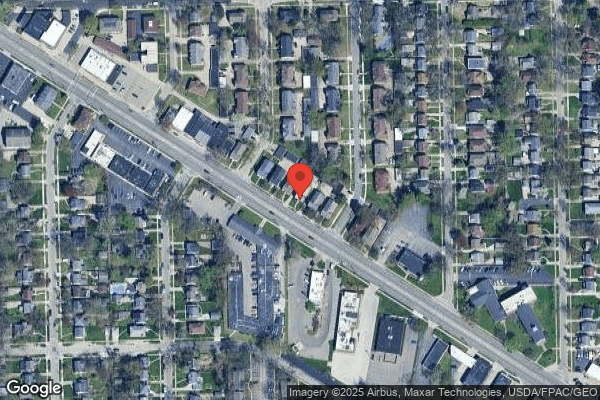
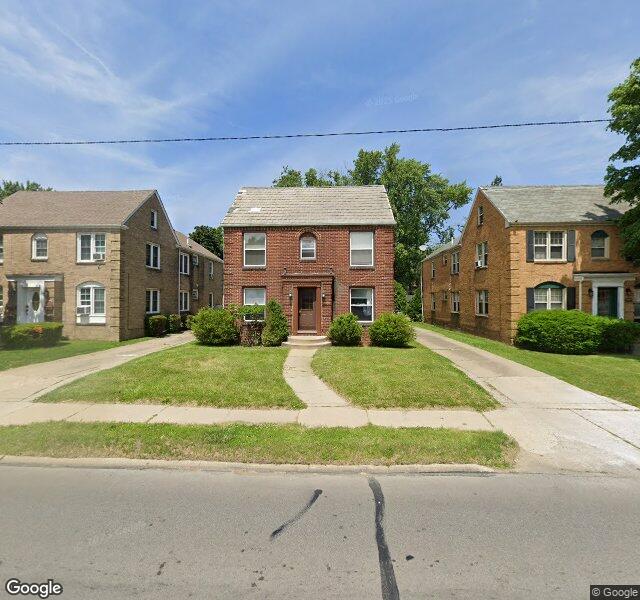
4293 MONROE ST, TOLEDO, OH 43606 (419) 474-6021
For profit - Limited Liability company 98 Beds AYDEN HEALTHCARE Data: November 2025
Trust Grade
40/100
#617 of 913 in OH
Last Inspection: July 2024

Within standard 12-15 month inspection cycle. Federal law requires annual inspections.

Overview

Ayden Healthcare of Toledo has received a Trust Grade of D, indicating below-average quality and some concerns about care. It ranks #617 out of 913 nursing homes in Ohio, placing it in the bottom half of facilities statewide, and #20 out of 33 in Lucas County, meaning only a few options are better. The facility is improving, having reduced its issues from 31 in 2024 to 5 in 2025, but it still reports a concerning staff turnover rate of 61%, which is higher than the state average of 49%. While there are no fines on record, which is a positive sign, there have been serious incidents, such as a resident falling from the bed during a bath due to inadequate staff assistance, resulting in a fracture. Additionally, there were failures in ensuring staff received proper training and in safely storing medications, which raises concerns about overall care quality.

Trust Score
D
40/100
In Ohio
#617/913
Bottom 33%
Safety Record
Moderate
Needs review
Inspections
Getting Better
31 → 5 violations
Staff Stability
⚠ Watch
61% turnover. Above average. Higher turnover means staff may not know residents' routines.
Penalties
✓ Good
No fines on record. Clean compliance history, better than most Ohio facilities.
Skilled Nurses
○ Average
Each resident gets 30 minutes of Registered Nurse (RN) attention daily — about average for Ohio. RNs are the most trained staff who monitor for health changes.
Violations
⚠ Watch
58 deficiencies on record. Higher than average. Multiple issues found across inspections.
★★☆☆☆
2.0
Overall Rating
★★★☆☆
3.0
Staff Levels
★★★★★
5.0
Care Quality
★☆☆☆☆
1.0
Inspection Score
Stable
2024: 31 issues
2025: 5 issues

The Good

  • 5-Star Quality Measures · Strong clinical quality outcomes
  • Full Sprinkler Coverage · Fire safety systems throughout facility
  • No fines on record

Facility shows strength in quality measures, fire safety.

The Bad

2-Star Overall Rating

Below Ohio average (3.2)

Below average - review inspection findings carefully

Staff Turnover: 61%

15pts above Ohio avg (46%)

Frequent staff changes - ask about care continuity

Chain: AYDEN HEALTHCARE

Part of a multi-facility chain

Ask about local staffing decisions and management

Staff turnover is elevated (61%)

13 points above Ohio average of 48%

The Ugly 58 deficiencies on record

1 actual harm
Mar 2025 5 deficiencies
CONCERN (D) 📢 Someone Reported This

A family member, employee, or ombudsman was alarmed enough to file a formal complaint

Potential for Harm - no one hurt, but risky conditions existed

ADL Care (Tag F0677)

Could have caused harm · This affected 1 resident

**NOTE- TERMS IN BRACKETS HAVE BEEN EDITED TO PROTECT CONFIDENTIALITY** Based on medical record review, observation, resident interview, staff interview, interview with the local health department, an...

Read full inspector narrative →
**NOTE- TERMS IN BRACKETS HAVE BEEN EDITED TO PROTECT CONFIDENTIALITY** Based on medical record review, observation, resident interview, staff interview, interview with the local health department, and review of facility policy the facility failed to assist dependent residents with activities of daily living (ADL) care. This affected three (#26, #78, and #94) of four residents reviewed for ADL care. The facility census was 86. Findings include: 1. Review of the medical record revealed Resident #26 was admitted on [DATE]. Diagnoses included nontraumatic subarachnoid hemorrhage, dementia in other diseases, hyperlipidemia, and major depressive disorder. Review of the Minimum Data Set (MDS) assessment, dated 02/21/25, revealed the resident was severely cognitively impaired and required partial/moderate assistance with personal hygiene. Review of the care plan, dated 09/09/22, revealed Resident #26 required one person assist with bathing/showers and supervision to one person assist with dressing. Review of progress note, dated 02/20/25, revealed the nurse was informed by Certified Nursing Assistant (CNA) that Resident #26 asked for help stating something was biting her. The CNA assisted the resident in getting ready for bed and as the staff was taking off the resident's shirt stated there were bites all over the resident as the resident started itching herself. The CNA continued to assist the resident by taking off her bra and saw multiple small bugs in the resident's bra. Resident #26 was assessed and observed multiple bug bites on the resident's arms, chest, underneath her breast, back, legs, and feet. Redness and bite marks were observed to bilateral hips. The marks appeared reddened and discolored and some appeared healed over. Resident #26 was showered and all linen was bagged. The physician was notified. Resident #26 was placed in a new room for isolation as the bugs appeared to be body lice. Review of progress note, dated 02/20/25, revealed notification to the resident's Power of Attorney (POA) of the room move for isolation due to signs and symptoms of body lice. Review of Skin Alteration Assessment, dated 02/20/25, revealed Resident #26 had multiple bug bites, and scattered scratches from the resident itching on her chest, arms, legs, back, and underneath breast. Areas appeared reddened and some scabbed over. Review of progress note, dated 02/23/25, revealed Resident #26 had dead nets in her hair. Review of progress note, dated 02/24/24, revealed Resident #26's skin is noted to have some red marks and areas noted to be in different stages of healing that have scabbed over. Review of Weekly Wound Round Assessment, dated 02/25/25, revealed a rash due to lice infestation on the chest and upper-mid vertebrae. Interview on 03/26/25 at 10:43 A.M. with CNA #224 revealed she had assisted Resident #26 when the lice was discovered. CNA #224 stated Resident #26 had her bra in her hand, stated something was biting her, and asked for help. CNA #226 stated she picked up the bra and saw a whole lot of bugs in the bra and also on the floor. CNA #224 stated once the bedding was removed there were dead bugs in a perimeter around the bed. CNA #224 confirmed there were bites on the resident's ankles, back, and under the breast. Interview on 03/26/25 at 12:30 P.M. with Registered Nurse (RN) Unit Manager #262 verified Resident #26 would often refuse showers and the CNA's would accept the first no. RN Unit Manager #262 verified prior to finding the lice it had been a while since Resident #26 received a bath or a shower. The timeframe was unknown and stated again that it had been a while. Interview on 03/27/25 at 4:48 P.M. with Health Department Epidemiologist #500 verified it would take six to nine days for lice eggs to hatch and if there were nits on the hair and bites on the body it was most likely combination of head and body lice that affected the resident. 2. Review of the medical record revealed Resident #78 was admitted on [DATE]. Diagnoses included diffuse traumatic brain injury without loss of consciousness, major depressive disorder recurrent, essential hypertension, quadriplegia, and bipolar disorder. Review of the MDS assessment, dated 02/16/25, was cognitively intact and required partial/moderate assistance with eating. Review of the care plan, dated 12/10/24, revealed Resident #78 required assistance with ADL care due to weakness, non-ambulatory, contractures, and limited range of motion. Resident #78 required one person assistance with eating. Observation on 03/26/25 at 12:42 P.M. revealed the lunch meal served in the dining room with thirteen residents present. Resident #78 was observed to have two hot dogs in a bun on the lunch tray. CNA #206 passed trays and assisted other residents. While walking by Resident #78, CNA #206 would offer him a bite of the hotdog. Resident #78 was observed to watch CNA #206 deliver trays and assist other residents while waiting for his next bite of food. Resident #78's tablemate, Resident #50 was observed to take approximately one-third of a hotdog in a bun from Resident #78's plate and lob it in the Resident #78's mouth. Resident #78 leaned his head back to take in the food and was observed chewing with with a full mouth of food. Resident #50 was observed to continue to feed Resident #78 when CNA #206 was assisting other residents in the dining room. Interview on 03/26/25 at 12:50 P.M. with Resident #50 stated she assists Resident #78 with his meals at lunch and dinner when they are in the dining room. Resident #50 and Resident #78 stated they have never been informed another resident cannot not feed him. Resident #50 stated aides will often ask if she plans to feed him and count on her to do it. Interview on 03/26/25 at 12:56 P.M. with CNA #206 verified Resident #50 fed Resident #78 when she was assisting other residents. CNA #206 stated she has never told Resident #50 to not assist Resident #78 with eating and has never been told Resident #50 could not assist Resident #78. Interview on 03/26/25 at 2:15 P.M. with the Administrator and Director of Nursing (DON) verified no residents are approved or trained to feed other residents. 3. Review of the medical record revealed Resident #94 was admitted on [DATE]. Diagnoses included acquired fibrokeratoma, cellulitis of the right lower leg, opioid use, cerebral infarction, asthma, and epilepsy. Review of the MDS assessment, dated 12/27/24, revealed the resident was cognitively intact. Resident #94 required substantial/maximal assistance with bathing/showering. Review of the care plan, dated 12/23/24, revealed Resident #94 was at risk for ADL self-performance deficit due to weakness, difficulty ambulating, spasticity, cognitive deficits, asthma, pain, fall risks, anxiety, and history of stroke. The resident required one person assistance with bathing/showering and personal hygiene. Interview on 03/25/25 at 9:15 A.M. with Resident #94 revealed she is not always receiving showers. Resident #94 states she stinks. Resident #94 stated she did receive a shower on Saturday (3 days ago) however they did not use any shampoo on her hair or deodorant on her body. Interview on 03/25/25 at 9:21 A.M. with CNA #206 revealed Resident #94's hair does appear greasy. CNA #206 began to assist Resident #94 and stated that she does have a body odor. CNA #206 stated aides do not use soap and shampoo even though it is available. Observation on 03/25/24 at 9:25 A.M. revealed Resident #94 did have body odor under her armpits and her hair appeared greasy and unkempt. Review of policy, Support Activities of Daily Living, dated March 2018, revealed residents will be provided with care, treatment, and services as appropriate to maintain or improve their ability to carry out ADL's. Residents who are unable to carry out ADL care independently will receive the services necessary to maintain good nutrition, grooming, and personal and oral hygiene. Review of policy titled Food and Nutrition Services, dated October 2017, verified food and nutrition staff will be available and adequately staffed to assist residents with eating as needed. Nurse aides and feeding assistants will provide support to enhance the resident experience, but not as a critical component to the functioning of the department. This deficiency represents non-compliance investigated under Complaint Number OH00163959, Complaint Number OH00163167, Complaint Number OH00162850, and Complaint Number OH00163858.
CONCERN (D) 📢 Someone Reported This

A family member, employee, or ombudsman was alarmed enough to file a formal complaint

Potential for Harm - no one hurt, but risky conditions existed

Pressure Ulcer Prevention (Tag F0686)

Could have caused harm · This affected 1 resident

**NOTE- TERMS IN BRACKETS HAVE BEEN EDITED TO PROTECT CONFIDENTIALITY** 2. Review of Former Resident (FR) #9 revealed an admission date of 01/26/25. Diagnoses included paraplegia, alcohol use with wit...

Read full inspector narrative →
**NOTE- TERMS IN BRACKETS HAVE BEEN EDITED TO PROTECT CONFIDENTIALITY** 2. Review of Former Resident (FR) #9 revealed an admission date of 01/26/25. Diagnoses included paraplegia, alcohol use with withdraw, and myocardial infarction. Review of FR # 9's admission MDS dated [DATE] revealed the resident had impairment on both upper and lower extremities. He was dependent on staff for all activities of daily living. Review of FR #9's care plan revealed the resident was at risk for impaired skin integrity related to weakness, paraplegia, alcoholism, numbness, urinary catheter, incontinence, dermatitis, cognitive deficits, behaviors, and smoking. Interventions included inspecting skin daily during routine care, apply barrier cream/ointment after each incontinent episode as needed, dietary evaluation, explain all procedures prior to care, and to provide a pressure reducing mattress. Review of FR #9's facility wound care note dated 03/04/25 revealed the note was absent regarding wounds of the heel and foot. Review of FR #9's progress note revealed on 03/05/25 the resident went out to a physician's appointment and demanded to be sent to the emergency room instead of back to the facility. The record was absent regarding the reason for the hospital admission. Review of FR #9's Wound Ostomy Continence Nursing Consult Note from the local hospital dated 03/05/25 revealed the resident was admitted with a pressure injury to the left lateral heel. The wound measured 3.8 centimeters (cm) long by 3.1 cm wide by 0.3 cm deep and had serosanguinous drainage. The wound was described as subcutaneous, pink/red in color with devitalized tissue, dusky in color and with slough. The peri-wound was hypopigmented. The patient also had a pressure injury to the right ankle. The wound measured 0.9 cm long by 0.5 cm wide by 0.3 cm deep. The wound was pink/red with serosanguinous drainage. The peri-wound was hyperpigmented and edematous. Both wounds were described as painful. Review of FR #9's hospital physician's note dated 03/13/25 revealed he developed a stage three pressure ulcer to the left lateral heel. The wound was present on admission to the hospital. Review of FR #9's after visit summary dated 03/13/25 revealed treatment to the left lateral heel and right ankle which were stage 3 pressure ulcers. Treatment included applying a foam dressing. Review of FR # 9's facility physician assistant note dated 03/13/25 revealed the resident was readmitted from the hospital. The resident had a left heel and right ankle pressure wound. Continue local wound care. Review of FR #9's medical record dated 03/13/25 revealed the Physician Assistant ordered wound care for the resident's left heel and right ankle wounds per hospital after visit summary (AVS). The order was incomplete as to treatment. Review of FR # 9's physician note dated 03/18/25 revealed the resident was disoriented and being sent out to the hospital. The resident had chronic pressure ulcers. Review of FR # 9's treatment administration record dated March 2025 revealed the record was absent of wound care to the left lateral heel and the right ankle. Telephone interview with the Corporate Nurse #400 and the DON on 03/26/25 at 11:07 A.M. verified the facility failed to obtain orders for FR #9's wounds to the left lateral heel and right ankle after his return from the hospital on [DATE]. Corporate Nurse #400 stated she knew the staff completed wound care on the resident even though there were no orders nor documentation regarding care. Review of the facility policy titled Skin Management Program undated revealed initial admission assessment included review of hospital records, transfer documents, etc., to understand the resident's history of or risk factors for pressure injuries. Assess resident for other skin conditions. If an alteration in skin integrity is identified the charge nurse will do the following: notify/document the physician and obtain order for treatment. This deficiency represents non-compliance investigated under Master Complaint Number OH00164030, Complaint Number OH00163959 and Complaint Number OH00162616. Based on medical record review, resident interview, staff interview, and review of policy the facility failed to provide treatment for pressure ulcers. This affected two (Resident #43 and Former Resident #9) of three residents reviewed for pressure ulcers. The facility census was 86. Findings include: 1. Review of the medical record revealed Resident #43 was admitted on [DATE]. Diagnoses included paraplegia, chronic osteomyelitis, pressure ulcer right buttock stage 4, pressure ulcer sacral region stage 4. Review of the Minimum data Set (MDS) assessment, dated 03/18/25, revealed the resident was cognitively intact, always incontinent of urine and stool, and two stage four pressure ulcers. Review of wound care notes, dated 03/14/25, revealed Resident #43 has a stage four sacral decubitus ulcer and right buttock ulcer with bone exposure, no necrotic tissue or purulent drainage. Review of physician order, dated 03/11/25, revealed an order for wound care to the right thigh with instructions to cleanse with liquid antibacterial soap and water rinse well, apply collagen then silver alginate cover with tape, assess for pain prior to wound treatment and medicate per order as indicated. Observation on 03/25/25 at 11:26 A.M. revealed the wound care treatment cart outside Resident #43's resident room. Interview on 03/25/25 at 12:03 P.M. with Resident #43 revealed since approximately 3:30 A.M. that morning he did not have a wound dressing on his thigh wound and there was fecal matter in his wound. Resident #43 stated the dressing came off during incontinence care, the aide reportedly informed the nurse, however the dressing was not reapplied. Resident #43 stated the wound care nurse just applied a new dressing. Interview on 03/25/25 at 12:20 P.M. with Licensed Practical Nurse (LPN) #205 verified when completing wound care rounds today Resident #43 did not have dressing to his right thigh and there was fecal matter in the wound.
CONCERN (D) 📢 Someone Reported This

A family member, employee, or ombudsman was alarmed enough to file a formal complaint

Potential for Harm - no one hurt, but risky conditions existed

Deficiency F0687 (Tag F0687)

Could have caused harm · This affected 1 resident

**NOTE- TERMS IN BRACKETS HAVE BEEN EDITED TO PROTECT CONFIDENTIALITY** Based on medical record review, observation, resident interview, and staff interview, the facility failed to ensure adequate toe...

Read full inspector narrative →
**NOTE- TERMS IN BRACKETS HAVE BEEN EDITED TO PROTECT CONFIDENTIALITY** Based on medical record review, observation, resident interview, and staff interview, the facility failed to ensure adequate toenail care. This affected two (#15 and #94) of four residents reviewed for activities of daily living. The facility census was 86. Findings include: 1. Review of the medical record revealed Resident #15 was admitted on [DATE]. Diagnoses included lymphedema, venous insufficiency, myiasis, essential hypertension, personal history of transient ischemic attack and cerebral infarction without residual deficits, paroxysmal atrial fibrillation, heart failure, non-pressure chronic ulcer of other part of right and left lower leg with necrosis of muscle. Review of the Minimum Data Set (MDS) Assessment, dated 01/28/25, revealed the resident was cognitively intact and required set-up/clean up assistance with personal hygiene and partial/moderate assistance with footwear. Review of the care plan, dated 10/25/24, verified Resident #15 was at risk for activities of daily living (ADLs) self-performance due to weakness, difficulty ambulating, fall risk, and wounds. Resident #15 required one person assist with bathing/showering, dressing, and personal hygiene. Review of request for services documentation, signed 03/24/25, revealed signed consent for eye care and podiatry care. The checkbox for the reason for a podiatry visit was listed as thickened, dystrophic, and/or painful nails with increased risk of infection. Observation on 03/25/25 at 2:40 P.M. of Resident #15 revealed resident was in her resident room and her toes were exposed. The toe nails were observed to be long, thick, and discolored. Interview on 03/25/25 at 2:42 P.M. with Licensed Practical Nurse (LPN) #221 verified Resident #15's toe nails were too long and overdue to be trimmed. 2. Review of the medical record revealed Resident #94 was admitted on [DATE]. Diagnoses included acquired fibrokeratoma, cellulitis of the right lower leg, opioid use, cerebral infarction, asthma, and epilepsy. Review of the MDS assessment, dated 12/27/24, revealed the resident was cognitively intact. Resident #94 required substantial/maximal assistance with bathing/showering. Review of the care plan, dated 12/23/24, revealed Resident #94 was at risk for ADL self-performance deficit due to weakness, difficulty ambulating, spasticity, cognitive deficits, asthma, pain, fall risks, anxiety, and history of stroke. The resident required one person assistance with bathing/showering and personal hygiene. Review of request for services documentation, signed 03/25/25, revealed signed consent for eye care and podiatry care. Observation on 03/25/25 at 9:14 A.M. revealed Resident #94 in the resident room with no socks on. Resident #94 toe nails were all long and jagged with rough edges. Interview on 03/25/25 at 9:15 A.M. with Resident #94 verified her toe nails are uncomfortable and snag on everything. Interview on 03/25/25 at 9:21 A.M. with Certified Nursing Assistant (CNA) #206 verified Resident # 94's toe nails were long and stated she should be on the podiatry list. Interview on 03/26/25 at 12:23 P.M. with Social Services #309 verified Resident #15 and Resident #94 have not been on the podiatry list. The residents were approved for podiatry services effective 03/24/25 and 03/25/25. Review of the Podiatry List, scheduled 04/10/25, revealed Resident #15 had been add to the list by hand and Resident #94 had not been added to the list. This deficiency represents non-compliance investigated under Complaint Number OH00163817, Complaint Number OH00162850, and Complaint Number OH00163167.
CONCERN (D) 📢 Someone Reported This

A family member, employee, or ombudsman was alarmed enough to file a formal complaint

Potential for Harm - no one hurt, but risky conditions existed

Medical Records (Tag F0842)

Could have caused harm · This affected 1 resident

**NOTE- TERMS IN BRACKETS HAVE BEEN EDITED TO PROTECT CONFIDENTIALITY** Based on record review, staff interview, and policy review the facility failed to ensure medical records were properly documente...

Read full inspector narrative →
**NOTE- TERMS IN BRACKETS HAVE BEEN EDITED TO PROTECT CONFIDENTIALITY** Based on record review, staff interview, and policy review the facility failed to ensure medical records were properly documented. This affected one resident (#73) of three reviewed for skin issues. The facility census was 86. Findings include: Review of Resident #73's medical record revealed an admission date of 12/27/22. Diagnoses included schizophrenia and metabolic disorders. Review of Resident #73's Minimum Data Set, dated [DATE] revealed he had an intact cognition. He was independent for dressing and required supervision or touch assistance for hygiene. No skin conditions were noted. Review of Resident #73's most recent care plan revealed he was at risk for impaired skin integrity related to weakness, difficulty ambulating, refusing showers, refusing to take off layers of clothing, refusing skin checks, schizophrenia, and cognitive deficits. Interventions included to inspect the skin during routine daily care. The resident was non-compliant related to refusals of personal care/showers, refusing to change clothing, layering clothing, and refusing skin checks. Review of Resident #73's weekly body audits dated 02/03/25, 02/07/25, 02/14/25, 02/21/25, 03/01/25, 03/08/25, and 03/15/25 revealed the resident's skin was intact and there were no new concerns. Review of Resident #73's progress note dated 02/04/25 revealed the resident refused weekly showers and skin sweeps. The provider was made aware. Review of Resident #73's progress note dated 02/20/25 revealed the physician's assistant gave a verbal order for Permethrin (antiparasitic) to be used for lice and possible scabies. Review of Resident #73's progress note dated 03/25/25 revealed the resident continued refusal to comply with treatment for body lice. The resident continued to refuse treatments and to bathe. Telephone interview with the Corporate Nurse #400 the Director of Nursing (DON) on 03/26/25 at 11:07 A.M. revealed Resident #73 had continually refused bathing and skin assessments for quite a while and failed to comply with treatment of bedbugs and scabies. Interview on 03/27/25 at 2:40 P.M. with the Administrator and Director of Nursing (DON) revealed facility staff declined to verify inaccurate skin assessments for Resident #73. Review of the facility policy titled Skin Management Plan undated revealed skin evaluations will be completed on a weekly basis for all residents. The results will be documented in the electronic medical record using the weekly skin assessment documentation tool. Any new skin alterations will be followed up on as described in this guide. This deficiency represents non-compliance investigated under Complaint Number OH00163858.
CONCERN (D) 📢 Someone Reported This

A family member, employee, or ombudsman was alarmed enough to file a formal complaint

Potential for Harm - no one hurt, but risky conditions existed

Infection Control (Tag F0880)

Could have caused harm · This affected 1 resident

**NOTE- TERMS IN BRACKETS HAVE BEEN EDITED TO PROTECT CONFIDENTIALITY** Based on observation, staff interview, and review of facility policy, the facility failed to ensure infection control standards ...

Read full inspector narrative →
**NOTE- TERMS IN BRACKETS HAVE BEEN EDITED TO PROTECT CONFIDENTIALITY** Based on observation, staff interview, and review of facility policy, the facility failed to ensure infection control standards were maintained during medication administration. This affected one resident (#60) of four residents (#16, #37, #40, and #60) observed for medication administration. The facility census was 86. Findings include: Review of the medical record for Resident #60 revealed an admission date of 03/13/23 with diagnoses of chronic respiratory failure, cerebral vascular accident (CVA), quadriplegia, and chronic kidney disease. Review of the quarterly Minimum Data Set (MDS) assessment dated [DATE] for Resident #60 revealed he was cognitively intact. Observation on 03/27/25 at 8:10 A.M. of Licensed Practical Nurse (LPN) # 221 completed medication administration for Resident #63. Concurrent observation during medication observation revealed LPN #221 moved her medication cart across the hall and began medication preparation for Resident #60 without performing hand hygiene. Continued observation of LPN #221 during medication administration revealed she prepared the prescribed oral medication for Resident #60 which included 11 pills. Observation on 03/27/25 at 8:15 A.M. of LPN #221 revealed she counted the number of pills by dumping the entire medication cup of 11 pills into her ungloved hand, counted the pills for administration and returned them to the medication cup for administration. Observation on 03/27/25 at 8:17 A.M. Resident #60 was presented with his medication cup of pills and he consumed all the medication. Interview on 03/27/25 at 8:18 A.M. with LPN #221 verified she did not complete hand hygiene following medication administration to Resident #63 and prior to preparing medication for Resident #60. Concurrent interview with LPN #221 verified she dumped the medication cup of pills into her ungloved, uncleaned, hand and counted the pills and then administered them to Resident #60. Review of the facility policy titled Medication Administration and General Guidelines dated 2022 revealed medications are administered as prescribed, in accordance with state regulations using good nursing principles and practices. The person administering medications adheres to universal precautions, using proper hand hygiene, gloves when appropriate, before beginning a medication pass, prior to handling any medication, and after coming into direct contact with a resident.
Jul 2024 26 deficiencies
CONCERN (D)

Potential for Harm - no one hurt, but risky conditions existed

Deficiency F0561 (Tag F0561)

Could have caused harm · This affected 1 resident

**NOTE- TERMS IN BRACKETS HAVE BEEN EDITED TO PROTECT CONFIDENTIALITY** Based on review of the medical record, review of hospital documentation, resident and staff interview, and review of email corre...

Read full inspector narrative →
**NOTE- TERMS IN BRACKETS HAVE BEEN EDITED TO PROTECT CONFIDENTIALITY** Based on review of the medical record, review of hospital documentation, resident and staff interview, and review of email correspondence, the facility failed to ensure meal accommodations were made to honor religious fasting preferences. This affected one (#21) of one resident reviewed for religious preferences. The facility census was 67. Findings include: Review of the medical record for Resident #21 revealed an admission date of 02/06/23 with diagnoses of choric obstructive pulmonary disease, type II diabetes mellitus, and nutritional deficiency. Review of the Minimum Data Set (MDS) assessment dated [DATE] revealed Resident #21 had intact cognition and required setup and clean-up assistance for eating. Review of Resident #21's weight history revealed weights were obtained on 03/05/24, 04/04/24, 04/26/24, 05/02/24, and 06/03/24. No significant weight loss occurred between 03/05/24 and 06/03/24. Review of a nutrition progress note dated 04/16/24 revealed Dietetic Technician (ST) #261 recommended weekly weights for four weeks and a nutritional supplement twice daily due to decreased meal intake putting Resident #50 at risk for malnutrition. Review of a provider note dated 04/22/24 revealed Resident #21 had a decline over the past few days and was no longer able to feed herself. Resident #21 seemed very weak and fatigued and would be sent to the emergency room for a proper work up. Review of a hospital history and physical dated 04/22/24 revealed Resident #21 was admitted to the hospital on [DATE] for hyponatremia (low sodium in the blood). Additionally, the document revealed Resident #21 was noted to have hyponatremia and hypokalemia (low potassium in the blood) due to poor oral intake. Review of a provider's progress note/readmission assessment, after her hospitalization, dated 04/30/24, revealed Resident #21 had been fasting for [NAME] and could not eat at proper times. Review of a progress note dated 07/10/24 revealed Resident #21 fasted for [NAME] from the beginning of April 2024 until the end of May 2024. Review of the current care plan for Resident #21 revealed no guidance regarding her preference to fast during [NAME] or any interventions the facility would do to accommodate her religious preference. Interview on 07/11/24 at 8:28 A.M. with Resident #21 revealed she fasted for [NAME]. Resident #21 stated it meant she did not eat from sun up until sun down. Resident #21 stated she honored [NAME] during the month of May. Resident #21 stated she was not offered food or meals after dark. Interview on 07/11/24 at 8:57 A.M. with Dietary Supervisor (DS) #149 revealed she was aware Resident #21 fasted for [NAME]. DS #149 stated Resident #21 was not consistent about fasting for [NAME] and would eat during the daylight hours some days. DS #149 stated the kitchen always sent Resident #21's meal trays for breakfast, lunch, and dinner during the regular meal service. DS #149 stated she did not provide meals to Resident #21 after dark, but stated the staff were aware Resident #21 could receive snacks or nutrition supplements at any time of the day. Review of an email dated 07/17/24 at 1:26 P.M. from Corporate Registered Nurse #260 confirmed Resident #21's care plan did not include interventions for addressing adequate nutrition while fasting during [NAME].
CONCERN (D)

Potential for Harm - no one hurt, but risky conditions existed

MDS Data Transmission (Tag F0640)

Could have caused harm · This affected 1 resident

**NOTE- TERMS IN BRACKETS HAVE BEEN EDITED TO PROTECT CONFIDENTIALITY** Based on medical record review and staff interview, the facility failed to ensure completed Minimum Data Set (MDS) assessments w...

Read full inspector narrative →
**NOTE- TERMS IN BRACKETS HAVE BEEN EDITED TO PROTECT CONFIDENTIALITY** Based on medical record review and staff interview, the facility failed to ensure completed Minimum Data Set (MDS) assessments were completed and transmitted within required timeframes. This affected two (#43 and #61) of two residents reviewed for MDS assessment submission. The facility census was 67. Findings include: 1. Review of the medical record for Resident #43 revealed an admission date of 02/07/24 and discharge date of 02/27/24. Diagnoses included human immunodeficiency virus (HIV), malignant neoplasm of the rectum and anal canal, rectal polyp, Alzheimer's disease, Parkinson's disease, and neoplasm of the colon. Review of Resident #43's MDS assessments revealed no MDS was completed for a death in the facility on 02/27/24. Further review of the resident's MDS assessments revealed the last completed MDS assessment was on 02/14/24 for admission. 2. Review of the medical record for Resident #61 revealed an admission date of 01/16/24 and discharge date of 01/25/24. Diagnoses included acute kidney failure, elevated white blood cell count, congestive heart failure, hypertension, ventricular premature depolarization, insomnia, cognitive communication deficit, and altered mental status. Review of Resident #61's MDS assessment dated [DATE] for death in facility revealed the MDS assessment was completed, however, it was not transmitted. Interview on 07/09/24 at 3:55 P.M. with MDS Nurse #164 verified Resident #43's and Resident #61's MDS assessments for death in the facility were not completed or transmitted within required timeframes. MDS Nurse #164 verified the last MDS assessment completed for Resident #43 was the admission MDS assessment, and verified Resident #61's death in facility MDS was completed but never transmitted.
CONCERN (D)

Potential for Harm - no one hurt, but risky conditions existed

Assessment Accuracy (Tag F0641)

Could have caused harm · This affected 1 resident

**NOTE- TERMS IN BRACKETS HAVE BEEN EDITED TO PROTECT CONFIDENTIALITY** Based on medical record review and staff interview, the facility failed to ensure Minimum Data Set (MDS) assessments accurately ...

Read full inspector narrative →
**NOTE- TERMS IN BRACKETS HAVE BEEN EDITED TO PROTECT CONFIDENTIALITY** Based on medical record review and staff interview, the facility failed to ensure Minimum Data Set (MDS) assessments accurately reflected the resident's status. This affected one (#33) of 26 residents reviewed for MDS assessments. The facility census was 67. Findings include: Review of the medical record for Resident #33 revealed an admission date of 05/16/24 with diagnoses of chronic obstructive pulmonary disease and chronic respiratory failure. Review of the admission nursing observation dated 05/18/24 revealed Resident #33 received oxygen therapy at three liters per minute via nasal cannula. Review of the provider progress note dated 05/20/24 revealed Resident #33 required oxygen via nasal cannula and was receiving oxygen at the time of the provider's visit. Review of the comprehensive admission MDS assessment dated [DATE] revealed Resident #33 had intact cognition and indicated Resident #33 was not on oxygen therapy. Review of a physician order dated 07/08/24 revealed Resident #33 received oxygen via nasal cannula at three liters per nasal cannula. Interview on 07/15/24 at 9:50 A.M. with Corporate Registered Nurse (RN) #260 confirmed Resident #33 was coded incorrectly in the 05/23/24 MDS assessment for not using oxygen.
CONCERN (D)

Potential for Harm - no one hurt, but risky conditions existed

Comprehensive Care Plan (Tag F0656)

Could have caused harm · This affected 1 resident

**NOTE- TERMS IN BRACKETS HAVE BEEN EDITED TO PROTECT CONFIDENTIALITY** Based on medical record review, staff interview, and policy review the facility failed to implement a care plan to address the r...

Read full inspector narrative →
**NOTE- TERMS IN BRACKETS HAVE BEEN EDITED TO PROTECT CONFIDENTIALITY** Based on medical record review, staff interview, and policy review the facility failed to implement a care plan to address the resident's desire to smoke. This affected one (#64) of four residents reviewed for smoking. The facility census was 67. Findings include: Review of the medical record for Resident #64 revealed a most recent re-admission date of 05/25/24 with diagnoses including intestinal obstruction, anterior dislocation of the right humerus, retroperitoneal hematoma, fracture of the right fibula, fracture of the shaft of the right tibia, hypertension, cognitive communication deficit, and post-traumatic stress disorder. Review of an admission smoking assessment dated [DATE] revealed Resident #64 was a current smoker and assessed as safe to smoke with supervision. Further review of the smoking assessment revealed a notation the smoking plan of care was updated. Review of Resident #64's care plan dated 04/16/24 revealed no smoking care plan as of 07/09/24. Interview on 07/09/24 at 10:15 A.M. with Director of Nursing (DON) verified Resident #64 did not have a smoking care plan in place. Review of policy titled, Care Plans, Comprehensive Person-Centered, dated October 2018, revealed the comprehensive, person-centered care plan will include measurable objectives and timeframe's, incorporate identified problem areas, reflect the resident's expressed wishes regarding care and treatment goals, and reflect treatment goals, timetables, and objectives in measurable outcomes.
CONCERN (D) 📢 Someone Reported This

A family member, employee, or ombudsman was alarmed enough to file a formal complaint

Potential for Harm - no one hurt, but risky conditions existed

Quality of Care (Tag F0684)

Could have caused harm · This affected 1 resident

**NOTE- TERMS IN BRACKETS HAVE BEEN EDITED TO PROTECT CONFIDENTIALITY** Based on medical record review and staff interview, the facility failed to ensure consulted wound care specialist orders were co...

Read full inspector narrative →
**NOTE- TERMS IN BRACKETS HAVE BEEN EDITED TO PROTECT CONFIDENTIALITY** Based on medical record review and staff interview, the facility failed to ensure consulted wound care specialist orders were completed. This affected one (#175) of three residents reviewed for wounds. The facility census was 67. Findings include: Review of the medical record for Resident #175 revealed an admission date of 04/26/24 and a discharge date to home on [DATE]. Diagnoses included type II diabetes mellitus and cutaneous abscess of the left foot. Review of the comprehensive admission Minimum Data Set (MDS) assessment dated [DATE] revealed Resident #175 had intact cognition and displayed no rejection of care. Resident #175 required substantial /maximal assistance for toileting. Further review revealed Resident #175 had an infection of a diabetic foot ulcer, a surgical wound, and moisture associated skin damage. Review of a consultant wound care physician progress note dated 04/30/24 revealed an initial assessment was completed on Resident #175 and identified she had irritant dermatitis from body fluid to her buttocks. The physician ordered a zinc oxide barrier cream three times per day for at least ten days. Review of Resident #175's physician orders and treatment administration records (TARs) for April and May 2024 revealed the treatment orders for zinc oxide barrier cream were not initiated. Interview on 07/11/24 at 7:48 A.M. with the Director of Nursing (DON) confirmed the treatment orders were not initiated and stated the facility used their own barrier cream, but could not provide any documentation the barrier cream was applied. This deficiency represents continued non-compliance investigated under Complaint Number OH00154935. This deficiency is a recite to the complaint survey completed 06/06/24.
CONCERN (D)

Potential for Harm - no one hurt, but risky conditions existed

Deficiency F0685 (Tag F0685)

Could have caused harm · This affected 1 resident

**NOTE- TERMS IN BRACKETS HAVE BEEN EDITED TO PROTECT CONFIDENTIALITY** Based on medical record review, observation, resident interview, staff interview, and facility policy review, the facility faile...

Read full inspector narrative →
**NOTE- TERMS IN BRACKETS HAVE BEEN EDITED TO PROTECT CONFIDENTIALITY** Based on medical record review, observation, resident interview, staff interview, and facility policy review, the facility failed to ensure residents had timely access to vision services. This affected one (#17) of two residents reviewed for vision services. The facility census was 67. Findings include: Review of the medical record revealed Resident #17 was admitted on [DATE]. Diagnoses included other sequelae of cerebral infarction, chronic combined systolic and diastolic heart failure, chronic obstructive pulmonary disease, diabetes mellitus, major depressive disorder recurrent, and schizoaffective disorder. Review of the Minimum Data Set (MDS) assessment dated [DATE] revealed Resident #17 was cognitively intact and had corrective lenses. Interview on 07/09/24 at 7:59 A.M. with Resident #17 revealed his glasses had been broke for at least a month or two and indicated the glasses needed a screw replaced. Resident #17 stated he was unable to wear his glasses in the current condition. Observation on 07/09/24 at 8:00 A.M. of Resident #17's glasses revealed the glasses were on top of the bedside table with one temple (arms of the frames that extend behind the ears) missing and a screw missing from the hinge. Interview on 07/10/24 at 7:57 A.M. with Social Services Director (SSD) #210 revealed the optometrist was just in the facility earlier that week and Resident #17 was not on the list to be seen. Follow-up interview on 07/10/24 at 10:40 A.M. with Resident #17 stated Activities Director (AD) #101 was present when his glasses broke and was aware. Interview on 07/10/24 at 10:47 A.M. with AD #101 denied knowledge of Resident #17's glasses breaking, and stated Resident #17 previously wore glasses and was not sure when he stopped. Review of a policy titled, Sensory Impairments, revised March 2018, revealed the staff and physician will identify approaches to help the resident improve or compensate for sensory deficits. For example, they may refer visually impaired individuals for a vision evaluation and/or corrective lenses. Review of a policy titled, Social Services Referrals, revised December 2008, revealed social services personnel shall coordinate most resident referrals with outside agencies.
CONCERN (D) 📢 Someone Reported This

A family member, employee, or ombudsman was alarmed enough to file a formal complaint

Potential for Harm - no one hurt, but risky conditions existed

Pressure Ulcer Prevention (Tag F0686)

Could have caused harm · This affected 1 resident

**NOTE- TERMS IN BRACKETS HAVE BEEN EDITED TO PROTECT CONFIDENTIALITY** Based on observation, staff interview, medical record review, review of a mattress manual, and review of the facility policy, th...

Read full inspector narrative →
**NOTE- TERMS IN BRACKETS HAVE BEEN EDITED TO PROTECT CONFIDENTIALITY** Based on observation, staff interview, medical record review, review of a mattress manual, and review of the facility policy, the facility failed to ensure pressure wound treatments were completed as ordered and wound care interventions were in place and functioning appropriately. This affected two (#16 and #56) of three residents reviewed for wounds and pressure reducing interventions. The facility census was 67. Findings include: 1. Review of the medical record for Resident #16 revealed an admission date of 01/28/21 with diagnoses of bullous pemphigoid and type II diabetes mellitus. Review of the comprehensive Minimum Data Set (MDS) assessment dated [DATE] revealed Resident #16 had intact cognition and a stage four pressure ulcer (Full-thickness skin and tissue loss). Review of Resident #16's current care plan revealed he had a pressure ulcer to the left heel due to immobility. Interventions included to administer treatments as ordered. Additionally, Resident #16 had potential/actual impairment to skin integrity with blisters noted on the body due to an autoimmune disorder bullous pemphigoid. Interventions included applying bilateral heel boots to protect the skin while in bed. Review of Resident #16's physician order dated 06/25/24 revealed treatment directions to cleanse the wounds with wound cleanser, pat dry, apply blue foam to the left heel, and wrap with kerlix every other day. Observation on 07/15/24 at 9:10 A.M. of wound care completed on Resident #16 with Assistant Director of Nursing (ADON) #109 revealed Resident #16 was lying in bed on his back watching television and his heel boots were lying on the dresser across the room from his bed. The left heel wound dressing was intact and dated 07/12/24. Interview with ADON #109 on 07/15/24 at 9:16 A.M. verified Resident #16's pressure relieving boots were not in place and Resident #16's wound care was not completed as ordered on 07/14/24 as evidence by the wound dressing currently on the resident dated 07/12/24. Review of the policy, Skin Management Program, dated April 2023, revealed interventions identified in the care plan will be implemented. 2. Review of Resident #56's medical record revealed an admission date of 12/14/22. Diagnoses included atrial fibrillation, tachycardia, rheumatoid arthritis with multiple sites, alkalosis, hypokalemia, and a history of falling. Review of Resident #56's quarterly MDS assessment dated [DATE] revealed the resident's cognition was intact. She had an impairment on both sides of upper extremity and required substantial/maximal assistance for lying to sitting. Review of Resident #56's care plan revealed she was at risk for impaired skin integrity related to difficulty ambulating, infection, and cardiac impairments. Intervention included a pressure reducing mattress. Review of Resident #56's wound evaluation and management summary dated 11/07/23 revealed a recommendation for a low air loss mattress. Interview with Resident #56 on 07/08/24 at 9:56 A.M. revealed she was equipped with an air mattress but it had not been working for over a week she was lying in a hole. Observation of the mattress control panel at the foot of the bed on 07/08/24 at 10:02 A.M. revealed the power was on and the control was set at the highest level, 350, with static off. Interview with Licensed Practical Nurse (LPN) #218 on 07/08/24 11:13 A.M. verified that Resident #56's mattress had no air and was flat. LPN #218 verified she was unaware of the situation. Interview with ADON #109 on 07/08/24 at 12:10 P.M. verified Resident #56's therapeutic mattress was broken and had no air. ADON #109 was unaware of how long the mattress had been defective. Review of the mattress manual revealed to ensure a firm mattress place one hand between the mattress and the foam base and feel the patient's buttocks. Review of the facility policy titled, Assistive Devices and Equipment, dated July 2017, revealed our facility provides, maintains, trains and supervises the use of assistive devices and equipment for residents. Staff and volunteers will be trained and will demonstrate competency on the use of devices and equipment prior to assisting or supervising residents. This deficiency represents non-compliance investigated under Complaint Number OH00154935.
CONCERN (D) 📢 Someone Reported This

A family member, employee, or ombudsman was alarmed enough to file a formal complaint

Potential for Harm - no one hurt, but risky conditions existed

Incontinence Care (Tag F0690)

Could have caused harm · This affected 1 resident

**NOTE- TERMS IN BRACKETS HAVE BEEN EDITED TO PROTECT CONFIDENTIALITY** Based on observation, staff interview, resident interview, and policy review the facility failed to ensure residents received ti...

Read full inspector narrative →
**NOTE- TERMS IN BRACKETS HAVE BEEN EDITED TO PROTECT CONFIDENTIALITY** Based on observation, staff interview, resident interview, and policy review the facility failed to ensure residents received timely and adequate assistance with incontinence care. This affected one (#62) of two residents reviewed for incontience. The facility census was 67. Findings Included: Review of Resident #62's medical record revealed an admission date of 01/25/24. Diagnoses included osteomyelitis the right femur, liver cancer, lung cancer, malnutrition, tachycardia, absence of the right leg below the knee, bone cancer, and a pressure ulcer on admission. Review of Resident #62's quarterly Minimum Data Set (MDS) assessment dated [DATE] revealed the resident had a high cognitive function and required substantial/maximal assistance for toileting and rolling. Review of Resident #62's most recent care plan revealed he was at risk for impaired skin integrity related to weakness, difficulty ambulating, current wounds, cancer which metastasized, incontinence, cognitive deficits, pain, and depression. Interview with Resident #62 on 07/09/24 at 8:43 A.M. revealed the resident had not been checked nor received a brief change since the night before. He stated he was wet and called for assistance, but did not receive assistance. Interview with Resident #62 on 07/10/24 at 9:18 A.M. revealed he had not been checked or changed for incontinence the previous night. He had been offered to receive morning care at approximately 8:30 A.M., but was eating breakfast and asked staff to return after eating. Review of Resident #62's intervention/tasks for bowel and bladder care revealed on 07/10/24 he was checked at 1:51 P.M. and at 4:26 A.M. it was marked non-applicable. Observation of incontinence care was completed on 07/10/24 at 9:20 A.M. with Licensed Practical Nurse (LPN) #215 and State Tested Nurse Aide (STNA) #255. The Administrator and Unit Manager #109 were also present in the room. Resident #62 started with washing his own chest and private area with washcloths provided by staff. There was a strong odor in the room. When the staff rolled the resident to his right side there was a large amount of urine and dark liquid on the resident, and on his bed pad and bottom bed sheet from his thighs up to his neck. The stain was approximately 12 inches wide. Interview with the Administrator on 07/10/24 during the observation revealed Resident #62 did refuse care at times. The Administrator verified the resident had not been changed for a long period of time. Interview with the Director of Nursing (DON) on 07/15/24 at 2:22 P.M. verified Resident #62 failed to be checked and changed for incontinence throughout the night on 07/09/24 to 07/10/24. Review of the facility policy titled, Urinary Continence and Incontinence - Assessment and Management, dated September 2010, revealed incontinence care should be individualized at night in order to maintain comfort and skin integrity, and minimize sleep disruption. This deficiency represents non-compliance investigated under Complaint Number OH00155573.
CONCERN (D)

Potential for Harm - no one hurt, but risky conditions existed

Deficiency F0692 (Tag F0692)

Could have caused harm · This affected 1 resident

**NOTE- TERMS IN BRACKETS HAVE BEEN EDITED TO PROTECT CONFIDENTIALITY** Based on review of the medical record, hospital document review, and staff interview, the facility failed to ensure physician or...

Read full inspector narrative →
**NOTE- TERMS IN BRACKETS HAVE BEEN EDITED TO PROTECT CONFIDENTIALITY** Based on review of the medical record, hospital document review, and staff interview, the facility failed to ensure physician orders and dietitian recommendations were implemented to address weight changes. This affected one (#21) of two residents reviewed for nutrition. The facility census was 67. Findings include: Review of the medical record for Resident #21 revealed an admission date of 02/06/23 with diagnoses of choric obstructive pulmonary disease, type II diabetes mellitus, and nutritional deficiency. Review of the Minimum Data Set (MDS) assessment dated [DATE] revealed Resident #21 had intact cognition and required setup and clean-up assistance for eating. Review of Resident #21's weight history revealed weights were obtained on 03/05/24, 04/04/24, 04/26/24, 05/02/24, and 06/03/24. No significant weight loss or trend occurred between 03/05/24 and 06/03/24. Review of a nutrition progress note dated 04/16/24 revealed Dietetic Technician (DT) #261 recommended weekly weights for four weeks and a nutritional supplement twice daily due to decreased meal intake putting Resident #21 at risk for malnutrition. Review of a provider note dated 04/22/24 revealed Resident #21 had a decline over the past few days and was no longer able to feed herself. Resident #21 seemed very weak and fatigued and would be sent to the emergency room for a proper workup. Review of a hospital history and physical dated 04/22/24 revealed Resident #21 was admitted to the hospital on [DATE] for hyponatremia (low sodium in the blood). Additionally, the record revealed Resident #21 was noted to have hyponatremia and hypokalemia (low potassium in the blood) due to poor oral intake. Review of a progress note dated 04/26/24 revealed Resident #21 returned from the hospital with a significant weight gain, the physician was notified who ordered weekly weights for four weeks. Review of a provider's progress note/readmission assessment after Resident #21's hospitalization, dated 04/30/24, revealed Resident #21 had been fasting for [NAME] and could not eat at proper times. Review of a nutrition progress note dated 06/17/24 revealed a recommendation for Ensure Plus nutrition supplement for Resident #21. Review of the current and discontinued orders for Resident #21 revealed no orders for a nutrition supplement in April 2024, no orders for weekly weights in April 2024, and no order for Ensure Plus or equivalent nutritional supplement in June 2024. Interview on 07/11/24 at 7:48 A.M. with the Director of Nursing (DON) confirmed the nutrition supplements were not ordered for Resident #21 per the recommendations on 04/16/24 or 06/17/24. Additionally, the DON confirmed the weekly weight orders were not completed as requested by the DT #261 on 04/16/24 or by the physician on 04/26/24. Interview on 07/15/24 at approximately 8:15 A.M. with Corporate Registered Nurse (RN) #260 confirmed recommendations from the consulted dietetic technician should be implemented.
CONCERN (D)

Potential for Harm - no one hurt, but risky conditions existed

Respiratory Care (Tag F0695)

Could have caused harm · This affected 1 resident

**NOTE- TERMS IN BRACKETS HAVE BEEN EDITED TO PROTECT CONFIDENTIALITY** Based on observation, staff interview, medical record review, and review of the facility policy, the facility failed to ensure p...

Read full inspector narrative →
**NOTE- TERMS IN BRACKETS HAVE BEEN EDITED TO PROTECT CONFIDENTIALITY** Based on observation, staff interview, medical record review, and review of the facility policy, the facility failed to ensure physician orders for oxygen administration were in place prior to administering oxygen to residents. This affected two (#26 and #33) of two residents reviewed for oxygen administration. The facility census was 67. Findings include: 1. Review of the medical record for Resident #26 revealed an admission date of 04/06/23 with diagnoses of chronic respiratory failure with hypoxia and asthma. Review of the quarterly Minimum Data Set (MDS) assessment dated [DATE] revealed Resident #26 had intact cognition. Review of the medical record for Resident #26 revealed she discharged to the hospital on [DATE] and returned to the facility on [DATE]. Review of the physician orders on 07/08/24 at 1:30 P.M. revealed no current order for oxygen via nasal cannula. Further review revealed a physician order dated 06/09/23 and discontinued on 03/17/24 for continuous three liters of oxygen via nasal cannula. Observation on 07/08/24 at 10:52 A.M. revealed Resident #26 was lying in bed wearing a nasal cannula and receiving oxygen at five liters per minute. Continued observation revealed Central Supply Staff #165 entered the room to exchange Resident #26's oxygen tubing and nasal cannula. Interview on 07/08/24 at 10:54 A.M. with Central Supply Staff #165 confirmed Resident #26 was receiving oxygen via nasal cannula at five liters per minute. Review of the electronic medical record and concurrent interview with Licensed Practical Nurse (LPN) #224 on 07/08/24 at 1:32 P.M. confirmed Resident #26 did not have a current physician order for oxygen. Interview on 07/08/24 at approximately 3:00 P.M. with the Director of Nursing (DON) confirmed she updated Resident #26's physician orders to include an order for oxygen at five liters per minute via nasal cannula continuously. The DON stated Resident #26 had always been on oxygen and the order was not resumed after her last hospitalization. Interview on 07/11/24 at 7:48 A.M. with the DON confirmed Resident #26 had no physician order for oxygen administration since her return to the facility on [DATE] until an order was entered on 07/08/24. 2. Review of the medical record for Resident #33 revealed an admission date of 05/16/24 with diagnoses of chronic obstructive pulmonary disease and chronic respiratory failure. Review of the comprehensive admission MDS dated [DATE] revealed Resident #33 had intact cognition. Review of the provider progress note dated 05/20/24 revealed Resident #33 required oxygen via nasal cannula and was receiving oxygen at the time of the provider's visit. Review of the admission nursing observation dated 05/18/24 revealed Resident #33 received oxygen therapy at three liters per minute via nasal cannula. Review of the physician orders on 07/08/24 at 2:40 P.M. revealed no current order for oxygen administration. Observation of Resident #33 and concurrent interview with LPN #223 on 07/08/24 at 2:42 P.M. confirmed Resident #33 was receiving oxygen via nasal cannula at four liters per minute. Continued interview and concurrent review of the electronic medical record on 07/08/24 at 2:44 P.M. with LPN #223 confirmed Resident #33 did not have a physician order for oxygen administration. Follow-up interview on 07/08/24 at 2:50 P.M. with LPN #223 revealed she called the physician and obtained an order for Resident #33 to receive oxygen at three liters per minute. Interview on 07/11/24 at 7:48 A.M. with the DON confirmed Resident #33 had no physician order for oxygen administration since his admission [DATE] until an order was entered on 07/08/24. Review of the policy titled, Oxygen Administration, revised October 2010, revealed a physician's order for oxygen should be verified prior to providing oxygen.
CONCERN (D) 📢 Someone Reported This

A family member, employee, or ombudsman was alarmed enough to file a formal complaint

Potential for Harm - no one hurt, but risky conditions existed

Pharmacy Services (Tag F0755)

Could have caused harm · This affected 1 resident

**NOTE- TERMS IN BRACKETS HAVE BEEN EDITED TO PROTECT CONFIDENTIALITY** Based on observation, medical record review, staff interview, and review of the facility policy, the facility failed to ensure m...

Read full inspector narrative →
**NOTE- TERMS IN BRACKETS HAVE BEEN EDITED TO PROTECT CONFIDENTIALITY** Based on observation, medical record review, staff interview, and review of the facility policy, the facility failed to ensure medications were administered with a physician's order and were available for administration. This affected two (#55 and #175) of six residents reviewed for medications. The census was 67. Findings include: 1. Review of Resident #55's medical record revealed an admission date of 05/05/23. Diagnoses included human immunodeficiency virus (HIV) and bacteremia. Review of Resident #55's quarterly Minimum Data Set (MDS) assessment dated [DATE] revealed the resident had intact cognition. The resident did not receive as needed pain medication. Review of Resident #55's care plan revealed the resident was at risk for alteration in comfort and was to be administered medications as ordered. Review of Resident #55's nursing progress note dated 02/04/24 revealed the resident complained of leg pain which was rated a seven on a 10-point pain scale with 10 indicating the highest pain level. On examination the leg was red and swollen and the resident was given the pain medication Tylenol. Review of Resident #55's medication administration record (MAR) dated February 2024 revealed there was no documentation of Tylenol being administered. Review of Resident #55's medical records revealed the chart was absent of a physician order for Tylenol. Interview with the Director of Nursing (DON) and Corporate Registered Nurse #260 on 07/15/24 at 1:25 P.M. verified Resident #55 was administered Tylenol without a physician's order. 2. Review of Resident #175's medical record revealed an admission date of 04/26/24. Diagnoses included diabetes mellitus, a cutaneous abscess of the left foot, hyperlipidemia, hypertension, and depression. Review of Resident #175's admission MDS assessment dated [DATE] revealed the resident had a high cognitive function. Review of Resident #175's nursing progress note dated 04/26/24 revealed the resident was alert, oriented, verbally responsive, and could make her needs known. She had a peripherally inserted central catheter (PICC) on her left upper arm and received vancomycin (antibiotic) intravenously. She was also on Flagyl (antibiotic). Review of Resident #175's admission orders dated 04/27/24 revealed Lisinopril five (5) milligrams (mg) was to be administered by mouth one time a day for hypertension, Zoloft (serotonin reuptake inhibitor) 50 mg was to be administered by mouth one time a day for depression, Synthroid (hormone) 50 micrograms (mcg) was to be administered one time a day for hypothyroidism, Flagyl 500 mg was order to be given by mouth every eight hours for an infection until 05/17/24, and vancomycin intravenous (IV) solution 1000 mg IV was to be administered three times a day for Methicillin resistant Staphylococcus aureus (MRSA). Review of Resident #175's progress note dated 04/27/24 at 4:34 P.M. revealed Flagyl 500 mg was not administered due to the medication not being delivered. Review of Resident #175's progress note dated 04/27/24 at 4:35 P.M. revealed Lisinopril 5 mg and Synthroid 50 mg were not administered because the medications were not delivered. Review of Resident #175's progress note dated 04/27/24 at 9:33 A.M., 2:32 P.M. and 4:35 P.M., and on 04/28/24 at 8:03 A.M. revealed vancomycin IV solution was not administered due to the medication not being delivered. Review of Resident #175's medication administration record (MAR) dated April 2024 revealed the medications failed to be administered on the above dates. Interview with the Director of Nursing (DON) on 07/10/24 at 10:04 A.M. verified Resident #175's medications were not available timely and doses were missed. Review of the facility policy titled, Administering Medications, dated April 2019, revealed medications are administered in accordance with prescriber orders, including required time frame. This deficiency represents non-compliance investigated under Complaint Number OH00154935.
CONCERN (D)

Potential for Harm - no one hurt, but risky conditions existed

Drug Regimen Review (Tag F0756)

Could have caused harm · This affected 1 resident

**NOTE- TERMS IN BRACKETS HAVE BEEN EDITED TO PROTECT CONFIDENTIALITY** Based on medical record review, staff interview, and facility policy the facility failed to ensure pharmacy recommendations were...

Read full inspector narrative →
**NOTE- TERMS IN BRACKETS HAVE BEEN EDITED TO PROTECT CONFIDENTIALITY** Based on medical record review, staff interview, and facility policy the facility failed to ensure pharmacy recommendations were timely reviewed and implemented. This affected two (#14 and #17) of five residents reviewed for unnecessary medications. The facility census was 67. Findings include: 1. Review of the medical record revealed Resident #14 was admitted on [DATE]. Diagnoses included type two diabetes mellitus with diabetic neuropathy, atherosclerotic heart disease of native coronary artery, heart failure, major depressive disorder, acquired absence of the right leg above the knee, chronic atrial fibrillation, and essential (primary) hypertension. Review of the Minimum Data Set (MDS) assessment dated [DATE] revealed Resident #14 was cognitively intact. Review of Resident #14's pharmacy medication regimen review dated 10/22/23 revealed an order clarification request for the anticoagulant Eliquis tablet 2.5 milligram (mg) with instructions to give one tablet by mouth one time a day for atrial fibrillation and to monitor for signs and symptoms of bleeding. The pharmacy recommendations revealed Eliquis was dosed twice daily in all indications including renal dose adjustments and questioned if it was correct and if it should be changed to twice daily. The physician reviewed the recommendation on 12/12/23 and agreed with the recommendation indicating to increase the medication to twice daily. The pharmacy recommendation also addressed a current order for hemorrhoidal cream with instructions to clarify the frequency of the as needed orders. Review of Resident #14's physician order dated 12/29/20 revealed an order for Eliquis tablet 2.5 mg with instructions to give one tablet by mouth one time a day for atrial fibrillation. Review of Resident #14's physician order dated 01/04/24 revealed an order for Eliquis tablet 2.5 mg with instructions to give one tablet by mouth two times a day for atrial fibrillation. Review of Resident #14's physician order dated 10/19/20 revealed an order for hemorrhoidal cream with instructions to apply to rectum topically as needed for hemorrhoids. Review of Resident #14's physician order dated 01/08/24 revealed an order for hemorrhoidal cream with instructions to apply to the rectum topically as needed twice daily as needed. Interview on 07/10/24 at 3:36 P.M. with the Director of Nursing (DON) verified Resident #14's pharmacy recommendation for changes and clarification of physician orders for Eliquis and hemorrhoidal cream were not timely implemented. 2. Review of the medical record revealed Resident #17 was admitted on [DATE]. Diagnoses included other sequelae of cerebral infarction, chronic combined systolic and diastolic heart failure, chronic obstructive pulmonary disease, diabetes mellitus, major depressive disorder recurrent, and schizoaffective disorder. Review of the MDS assessment dated [DATE] revealed Resident #17 was cognitively intact. Review of Resident #17's medication regimen review dated 06/13/23 revealed a review of an order for the pain medication tramadol 50 mg and recommended to consider adding an order for the pain medication acetaminophen as needed to be used for less severe pain. The physician responded on 07/12/23 and agreed with orders for tramadol 50 mg and recommended to consider adding an order for the pain medication acetaminophen as needed to be used for less severe pain. Review of Resident #17's physician order dated 11/15/23 revealed an order for acetaminophen tablet 325 mg with instructions to give two tablets by mouth every four hours as needed for general discomfort not to exceed three grams in 24 hours from all sources. Review of Resident #17's medical regimen review dated 12/18/23 revealed a gradual dose reduction attempt for the antidepressant duloxetine hydrochloride 30 mg with instructions to give three capsules by mouth one time a day for depression. The pharmacy recommendation asked if a dose deduction could be attempted. There was no physician response. In addition, a gradual dose reduction attempt was recommended for risperidone tablet 0.5 mg with instructions to give one tablet by mouth in the morning for schizoaffective disorder. The pharmacy recommendation asked if a dose reduction could be attempted at this time. There was no physician response Review of Resident #17's physician orders dated 12/23/20 through current revealed an order for duloxetine hydrochloride 30 mg with instructions to give three capsules by mouth one time a day for depression Interview on 07/10/24 at 3:36 P.M. with the Director of Nursing (DON) verified the physician order for the gradual dose reduction of risperidone and the order for acetaminophen were not implemented timely. The DON verified the gradual dose reductions recommended on 12/18/23 did not have a physician response or change in order. Review of a policy for drug regimen review, 2022 edition, revealed the physician provides a written response of the report to the facility within one month after the report is sent. Review of policy for physician services, revised April 2013, revealed physician orders and progress notes shall be maintained in accordance with current regulations and facility policy.
CONCERN (D)

Potential for Harm - no one hurt, but risky conditions existed

Medication Errors (Tag F0758)

Could have caused harm · This affected 1 resident

**NOTE- TERMS IN BRACKETS HAVE BEEN EDITED TO PROTECT CONFIDENTIALITY** Based on medical record review and staff interview, the facility failed to ensure physician orders for gradual dose reductions o...

Read full inspector narrative →
**NOTE- TERMS IN BRACKETS HAVE BEEN EDITED TO PROTECT CONFIDENTIALITY** Based on medical record review and staff interview, the facility failed to ensure physician orders for gradual dose reductions of psychotropic medications implemented in a timely manner. This affected one (#17) of five residents reviewed for unnecessary medications. The facility census was 67. Findings include: Review of the medical record revealed Resident #17 was admitted on [DATE]. Diagnoses included other sequelae of cerebral infarction, chronic combined systolic and diastolic heart failure, chronic obstructive pulmonary disease, diabetes mellitus, major depressive disorder recurrent, and schizoaffective disorder. Review of the Minimum Data Set (MDS) assessment dated [DATE] revealed Resident #17 was cognitively intact. Review of Resident #17's medication regimen review dated 06/13/23 revealed a gradual dose reduction for the antipsychotic risperidone tablet 0.5 milligram (mg) with instructions to give one tablet by mouth in the morning for schizoaffective and an order for risperidone one (1) mg tablet give one tablet by mouth at bedtime for schizoaffective disorder. The recommendation questioned if a reduction could be attempted on the medication. The physician responded on 07/12/23 and agreed with a gradual dose reduction writing to decrease the bedtime dose to 0.5 mg. Review of Resident #17's physician order started 12/27/22 and discontinued 11/15/23 revealed an order for risperidone tablet 1 mg at bedtime. Review of Resident #17's physician order dated 11/15/23 revealed an order for risperidone tablet 1 mg with instructions to give 0.5 mg at bedtime. Interview on 07/10/24 at 3:36 P.M. with the Director of Nursing (DON) verified the physician order for the gradual dose reduction of risperidone was not implemented timely.
CONCERN (D)

Potential for Harm - no one hurt, but risky conditions existed

Deficiency F0773 (Tag F0773)

Could have caused harm · This affected 1 resident

**NOTE- TERMS IN BRACKETS HAVE BEEN EDITED TO PROTECT CONFIDENTIALITY** Based on medical record review and staff interview, the facility failed to ensure consulted wound care specialist laboratory ord...

Read full inspector narrative →
**NOTE- TERMS IN BRACKETS HAVE BEEN EDITED TO PROTECT CONFIDENTIALITY** Based on medical record review and staff interview, the facility failed to ensure consulted wound care specialist laboratory orders were completed. This affected one (#175) of three residents reviewed for wounds. The facility census was 67. Findings include: Review of the medical record for Resident #175 revealed an admission date of 04/26/24 and a discharge date to home on [DATE]. Diagnoses included type II diabetes mellitus and cutaneous abscess of the left foot. Review of the comprehensive admission Minimum Data Set (MDS) assessment dated [DATE] revealed Resident #175 had intact cognition and displayed no rejection of care. Resident #175 required substantial /maximal assistance for toileting. Further review revealed Resident #175 had an infection of a diabetic foot ulcer, a surgical wound, and moisture associated skin damage. Review of a consultant wound care physician progress note dated 05/07/24 revealed orders for laboratory testing, complete blood count, basic metabolic panel, c-reactive protein, and vancomycin trough on Mondays and laboratory testing of blood urea nitrogen/creatinine and vancomycin trough on Thursdays. Interview on 07/15/24 at approximately 11:00 A.M. with Corporate Regional Nurse (RN) #260 confirmed the facility did not complete the laboratory tests as ordered by the consultant wound care physician on 05/20/24, 05/27/24, 05/30/24, 06/03/24, 06/06/24, and 06/10/24. Further interview with Corporate RN #260 confirmed consultant physician orders should be implemented.
CONCERN (D)

Potential for Harm - no one hurt, but risky conditions existed

Medical Records (Tag F0842)

Could have caused harm · This affected 1 resident

Based on medical record review, resident interview, staff interview, and review of a facility policy, the facility failed to keep accurate medical records. This affected one (#56) of 26 resident's med...

Read full inspector narrative →
Based on medical record review, resident interview, staff interview, and review of a facility policy, the facility failed to keep accurate medical records. This affected one (#56) of 26 resident's medical records reviewed. The facility census was 67. Findings include: Review of Resident #56's medical record revealed an order dated 06/03/24 for the resident to obtain a Velcro wrist brace/splint to the left wrist/hand for comfort. Interview with Resident #56 on 07/08/24 at 9:56 A.M. revealed she was ordered a brace/splint for her left hand due to arthritis, but it was uncomfortable so she refused to wear the brace. Observation revealed the brace was in a drawer in the bedside table. Interview with Licensed Practical Nurse (LPN) #215 on 07/09/24 at 2:08 P.M. revealed Resident #56 had her splint in place to the left hand. The resident had a gauze bandage on her right hand from surgery. LPN #215 stated she was confused with the surgery bandage and splint, and LPN #215 stated she had been signing off that the splint was in place when it was not including on 07/09/24. Review of Resident #56's treatment administration record (TAR) for July 2024 revealed the Velcro wrist brace/splint to the left wrist/hand was signed off as being in place on on 07/09/24 at rising. Review of the facility policy titled, Charting and Documentation, dated July 2017, revealed documentation in the medical record will be objective (not opinionated or speculative), complete, and accurate.
CONCERN (D)

Potential for Harm - no one hurt, but risky conditions existed

Antibiotic Stewardship (Tag F0881)

Could have caused harm · This affected 1 resident

**NOTE- TERMS IN BRACKETS HAVE BEEN EDITED TO PROTECT CONFIDENTIALITY** Based on medical record review, staff interview, and review of the facility policy, the facility failed to ensure antibiotic ste...

Read full inspector narrative →
**NOTE- TERMS IN BRACKETS HAVE BEEN EDITED TO PROTECT CONFIDENTIALITY** Based on medical record review, staff interview, and review of the facility policy, the facility failed to ensure antibiotic stewardship was practiced when treating residents with urinary tract infections (UTIs). This affected three (#12, #18, and #50) of three residents reviewed for UTIs. The facility census was 67. Findings include: 1. Review of the medical record for Resident #12 revealed an admission date of 02/02/21 with diagnoses of type II diabetes mellitus and morbid obesity. Review of the quarterly Minimum Data Set (MDS) assessment dated [DATE] revealed Resident #12 had intact cognition, was frequently incontinent of bladder, and required partial/moderate assistance for toileting hygiene. Review of the June 2024 medication administration record (MAR) revealed Resident #12 received cephalexin (antibiotic) capsule 500 milligrams (mg) with instructions to give one capsule by mouth three times a day for infection, presumed UTI for seven days until finished. Further review revealed Resident #12 received cephalexin from 06/14/24 through 06/20/24. Review of the urinalysis laboratory result dated 06/18/24 revealed Resident #12 had few bacteria in her urine. Interview on 07/15/24 at 10:26 A.M. with the Director of Nursing (DON) confirmed no culture of the bacteria or sensitivity testing was completed for Resident #12 to determine what type of infectious agent was present or what type of antibiotic was appropriate to treat it. Additionally, the DON confirmed the urine was not collected until four days after the antibiotic treatment started. 2. Review of the medical record for Resident #18 revealed an admission date of 04/15/24 with diagnoses of rhabdomyolysis and obstructive and reflux uropathy. Review of the comprehensive MDS assessment dated [DATE] revealed Resident #18 had intact cognition, had an indwelling catheter, and required substantial/maximal assistance for toileting hygiene. Review of the urinalysis laboratory results dated [DATE] revealed Resident #18 had few bacteria in his urine. Review of the June 2024 MAR revealed Resident #18 received Keflex (antibiotic) oral capsule 500 mg one capsule by mouth four times daily for UTI for seven days from 06/17/24 through 06/24/24. Interview on 07/15/24 at 10:26 A.M. with the DON confirmed no culture or sensitivity testing was completed to determine what type of infectious agent was present or what type of antibiotic was appropriate to treat Resident #18's UTI. 3. Review of the medical record for Resident #50 revealed an admission date of 10/20/23 with diagnoses of anxiety and fibromyalgia. Review of the quarterly MDS assessment dated [DATE] revealed Resident #50 had slightly impaired cognition, was frequently incontinent of bladder and required substantial/maximal assistance for toileting hygiene. Review of the urinalysis laboratory results dated [DATE] revealed Resident #18 had moderate bacteria in her urine. Review of the June 2024 MAR revealed Resident #50 received Keflex oral capsule 500 mg one capsule by mouth four times daily for UTI for 10 days from 06/20/24 through 06/30/24. Interview on 07/15/24 at 10:26 A.M. with the DON revealed no culture or sensitivity testing was completed for Resident #50 to determine what type of infectious agent was present in the urinalysis completed 06/18/24 or what type of antibiotic was appropriate to treat it. Review of an email dated 07/17/24 at 2:21 P.M. from the DON revealed the symptoms indicating a UTI for Resident #12, Resident #18, and Resident #50 were dysuria (pain with urination). The facility could provide no evidence cultures or sensitivity were ordered for Resident #12, Resident #18, or Resident #50 prior to initiating an antibiotic. Review of the policy titled, Infection Prevention and Control Program, dated June 2021, revealed the facility would implement McGeer criteria or the National Healthcare Safety Network (NHSN) criteria when defining infections.
CONCERN (D)

Potential for Harm - no one hurt, but risky conditions existed

Deficiency F0883 (Tag F0883)

Could have caused harm · This affected 1 resident

**NOTE- TERMS IN BRACKETS HAVE BEEN EDITED TO PROTECT CONFIDENTIALITY** Based on medical record review, review of immunization records, staff interview, review of policy, and review of the Centers for...

Read full inspector narrative →
**NOTE- TERMS IN BRACKETS HAVE BEEN EDITED TO PROTECT CONFIDENTIALITY** Based on medical record review, review of immunization records, staff interview, review of policy, and review of the Centers for Disease Control and Prevention (CDC) guidance, the facility failed to ensure residents were offered pneumococcal and influenza vaccinations per CDC recommendations. This affected two (#14 and #30) of five residents reviewed for influenza and pneumococcal vaccinations. The facility census was 67. Findings include: 1. Review of the medical record revealed Resident #14 was admitted on [DATE]. Diagnoses included type two diabetes mellitus and heart disease. Review of the Minimum Data Set (MDS) assessment dated [DATE] revealed Resident #14 was cognitively intact. Interview on 07/15/24 at approximately 9:00 A.M. with the Director of Nursing (DON) revealed the facility could provide no documentation to verify Resident #14 was offered the pneumococcal vaccine. 2. Review of the medical record revealed Resident #30 was admitted on [DATE]. Diagnoses included schizophrenia and depression. Review of the MDS assessment dated [DATE] revealed Resident #30 was cognitively intact. Review of the medical record revealed Resident #30 last received the influenza vaccine on 10/07/22 and refused the pneumococcal vaccine. Review of the nursing progress note dated 04/18/24 revealed the facility attempted to contact Resident #30's responsible party regarding immunizations needed. Interview on 07/15/24 at approximately 11:00 A.M. with the DON revealed there was no further documented refusals or attempts to provide Resident #30 the influenza or pneumococcal vaccines. Review of the policy titled, Influenza Vaccine, revised October 2019, revealed the influenza vaccine shall be offered to residents between October 1st and March 31st each year. Review of the policy titled, Pneumococcal Vaccine, revised October 2019, revealed all residents will be offered pneumococcal vaccines to aid in preventing pneumonia/pneumococcal infections. Review of the policy titled, Vaccination of Residents, revised 2019, revealed all residents will be offered vaccines that aid in preventing infectious disease. Refusal of vaccines shall be documented in the medical record. Review of CDC guidance titled, Pneumococcal Vaccination: Summary of Who and When to Vaccinate, reviewed 09/22/23 and located at https://www.cdc.gov/vaccines/vpd/pneumo/hcp/who-when-to-vaccinate.html, revealed the CDC recommended pneumococcal vaccination for all adults over 65. For adults over 65 who had not previously received any pneumococcal vaccine, the CDC recommended on dose of PCV15 or PCV20. If PCV15 was used, follow up with one dose of PPSV23 at least one year later. For adults 65 or older who previously received a dose of PPSV23, the CDC recommended a follow up dose of PCV15 or PCV20 at least one year after the most recent dose of PPSV23. Lastly, for adults 65 or older who previously received a dose of PCV13, the CDC recommended a follow up dose of PCV20 or PPSV23 at least one year after receiving PCV13.
CONCERN (D)

Potential for Harm - no one hurt, but risky conditions existed

Deficiency F0887 (Tag F0887)

Could have caused harm · This affected 1 resident

**NOTE- TERMS IN BRACKETS HAVE BEEN EDITED TO PROTECT CONFIDENTIALITY** Based on medical record review, review of immunization records, staff interview, review of a policy, and review of the Centers f...

Read full inspector narrative →
**NOTE- TERMS IN BRACKETS HAVE BEEN EDITED TO PROTECT CONFIDENTIALITY** Based on medical record review, review of immunization records, staff interview, review of a policy, and review of the Centers for Disease Control and Prevention (CDC) guidance, the facility failed to ensure COVID-19 vaccinations were offered per CDC recommendations. This affected two (#14 and #30) of five residents reviewed for COVID-19 vaccinations. The facility census was 67. Findings include: 1. Review of the medical record revealed Resident #14 was admitted on [DATE]. Diagnoses included type two diabetes mellitus and heart disease. Review of the Minimum Data Set (MDS) assessment dated [DATE] revealed the Resident #14 was cognitively intact. Review of the immunization record revealed Resident #14 last received the COVID-19 vaccine on 08/11/22. Interview on 07/11/24 at 3:42 P.M. with the Director of Nursing (DON) revealed there was no further documented refusals or attempts to provide Resident #14 the COVID-19 vaccination booster. 2. Review of the medical record revealed Resident #30 was admitted on [DATE]. Diagnoses included schizophrenia and depression. Review of the MDS assessment dated [DATE] revealed Resident #14 was cognitively intact. Review of the medical record revealed Resident #30 did not have documentation of the COVID-19 vaccine booster. Review of the nursing progress note dated 04/18/24 revealed the facility attempted to contact the responsible party regarding immunizations needed. Interview on 07/11/24 at 3:42 P.M. with the DON revealed there were no further documented refusals or attempts to provide Resident #30 the COVID-19 vaccine booster. Review of the policy titled, Vaccination of Residents, revised 2019, revealed all residents will be offered vaccines that aid in preventing infectious disease. Refusal of vaccines shall be documented in the medical record. Review of CDC guidance titled, Interim Clinical Considerations for Use of COVID-19 Vaccines in the United States, updated 04/04/24 and located at https://www.cdc.gov/vaccines/covid-19/clinical-considerations/interim-considerations-us.html, revealed the CDC recommended special situations for people ages 65 and older include to receive one additional dose of any updated (2023-2024 formula) COVID-19 vaccine.
CONCERN (E)

Potential for Harm - no one hurt, but risky conditions existed

Deficiency F0565 (Tag F0565)

Could have caused harm · This affected multiple residents

Based on resident interview, staff interview, review of Resident Council minutes, review of call light audits, and policy review, the facility failed to thoroughly address Resident Council concerns in...

Read full inspector narrative →
Based on resident interview, staff interview, review of Resident Council minutes, review of call light audits, and policy review, the facility failed to thoroughly address Resident Council concerns in a timely manner. This had the potential to affect 18 (#1, #8, #9, #11, #12, #17, #22, #24, #29, #33, #35, #41, #44, #45, #49, #52, #53, and #65) residents who regularly attended Resident Council meetings. The facility census was 67. Findings include: Review of Resident Council minutes dated 09/29/23 revealed nursing concerns regarding food sitting too long on the food cart. Review of Resident Council minutes dated 11/27/23 revealed nursing concerns regarding, on the weekends, first shift food carts are passed slower. Review of Resident Council minutes dated 12/27/23 revealed nursing concerns regarding call light response times were slow on all shifts and weekends, and food/meal pass took too long at times. Review of Resident Council minutes dated 01/25/24 revealed nursing concerns regarding call lights, medication administration, meal carts, staffing, noise levels, and smoking times. Review of Resident Council minutes dated 02/22/24 revealed nursing concerns that residents wanted to continue to monitor call lights and smoking times starting on time. Review of Resident Council minutes dated 03/22/24 revealed food carts on first and second shift need to be passed faster to prevent food from getting cold. Review of Resident Council minutes dated 04/19/24 revealed call lights were slow to be answered and food carts on the hall sit too long on first and second shift. Review of Resident Council minutes dated 05/24/24 revealed call light response times on second and third shift need observation and food temperatures need observed while on carts. Review of Resident Council concern forms revealed no follow up of resident concerns was provided for the months prior to January 2024 or after March 2024. Review of a Resident Council concern form dated 01/25/24 revealed leadership was performing periodic call light audits and leadership explained that meal carts come up at different times. Review of a Resident Council concern form dated 02/22/24 revealed managers assessed and communicated with their partners and monitoring was completed with call light observations. Review of a Resident Council concern form dated 03/22/24 revealed management was to monitor state tested nurse aides (STNAs) passing trays for meals and assisting if needed. Review of audits for call lights provided by the Director of Nursing (DON) revealed call lights were monitored in four rooms on 07/17/23 and 0721/23, one room was monitored on 11/06/23 and 11/09/23, two rooms were monitored on 11/10/23, and one room was monitored on 02/15/24. No other audits were provided for call light monitoring or meal tray pass on the hallways. Interview on 07/11/24 at 9:11 A.M. with Resident #9 revealed the facility did not always act on the concerns of the Resident Council and there was not much follow through. Interview on 07/15/24 at 8:35 A.M. with Activities Director (AD) #101 verified Resident Council had many repeated concerns at each meeting, and was not aware of what the follow up to the concerns was. AD #101 stated she took the resident concerns from the meetings to the Administrator. Review of policy titled, Resident Council, dated April 2017, revealed a Resident Council Response form will be utilized to track issues and their resolution. The facility department related to any issues will be responsible for addressing the item(s) of concern. The Quality Assurance and Performance Improvement (QAPI) committee will review information and feedback from the Resident Council as part of their quality review. Issues documented on council response forms may be referred to the Quality Assurance and Performance Improvement (QAPI) committee, if applicable, with examples such as the issue is of serious nature or if there is a pattern.
CONCERN (E)

Potential for Harm - no one hurt, but risky conditions existed

Deficiency F0657 (Tag F0657)

Could have caused harm · This affected multiple residents

**NOTE- TERMS IN BRACKETS HAVE BEEN EDITED TO PROTECT CONFIDENTIALITY** Based medical record review, resident interview, staff interview, and policy review, the facility failed to conduct care confere...

Read full inspector narrative →
**NOTE- TERMS IN BRACKETS HAVE BEEN EDITED TO PROTECT CONFIDENTIALITY** Based medical record review, resident interview, staff interview, and policy review, the facility failed to conduct care conferences as required. This affected eight (#9, #14, #17, #30, #34, #57, #59, and #62) of 26 residents reviewed for care conferences. The facility census was 67. Findings Included: 1. Review of Resident #9's medical record revealed an admission date of 09/28/23. Diagnoses included infection/inflammatory reaction due to internal left hip prosthesis, chronic obstructive pulmonary disease, peripheral vascular disease, alcoholic cardiomyopathy, chronic kidney disease, alcoholic hepatitis, alcohol abuse, and femur fracture. Review of Resident #9's quarterly Minimum Data Set (MDS) assessment dated [DATE] revealed she had a high cognitive function. Review of Resident #9's most recent care plan revealed the resident was at risk for alteration in activity participation related to a significant health change. The resident tired easy and her pain level may hinder participating in activities she enjoyed in the past. Review of Resident #9's care plan conference summaries revealed the resident received a quarterly care plan conference 04/27/23, 08/10/23, and 05/07/24. Interview with Resident #9 on 07/08/24 at 10:54 A.M. revealed care conferences were not held timely and she would like to have them quarterly. 2. Review of Resident #34's medical record revealed an admission date of 04/21/22. Diagnoses included congestive heart failure, hemiplegia, alcohol abuse, and bipolar disorder. Review of Resident #34's annual MDS assessment dated [DATE] revealed he had a high cognitive function. Review of Resident #34's care conference summary revealed the last meetings were 05/11/23, 08/03/23, and 01/16/24. 3. Review of Resident #57's medical record revealed an admission date of 12/22/22. Diagnoses included cerebral infarction, anxiety, bipolar disorder, cocaine abuse, aphasia, and schizoaffective disorder. Review of Resident #57's quarterly MDS assessment dated [DATE] revealed he was rarely understood due to a speech deficit but could understand others. Review of Resident #57's care conference summary revealed his last care conferences were held 08/09/23 and 02/05/24. 4. Review of Resident #62's medical record revealed an admission date of 01/25/24. Diagnoses included osteomyelitis of the right femur, liver cancer, lung cancer, malnutrition, tachycardia, absence of the right leg below the knee, bone cancer, and a pressure ulcer on admission. Review of Resident #62's quarterly MDS assessment dated [DATE] revealed the resident had a high cognitive function. Review of Resident #62's care conference summary revealed the resident had only one conference on 01/30/24. Interview with Resident #62 on 07/09/24 at 8:05 A.M. revealed he had only one care conference and he wished to have them quarterly. 5. Review of the medical record revealed Resident #14 was admitted on [DATE]. Diagnoses included type two diabetes mellitus with diabetic neuropathy, atherosclerotic heart disease of native coronary artery, heart failure, major depressive disorder, acquired absence of right leg above knee, chronic atrial fibrillation, and essential (primary) hypertension. Review of the MDS assessment dated [DATE] revealed Resident #14 was cognitively intact. Review of care conference documentation revealed the most recent care conference was held on 12/09/20. 6. Review of the medical record revealed Resident #17 was admitted on [DATE]. Diagnoses included other sequelae of cerebral infarction, chronic combined systolic and diastolic heart failure, chronic obstructive pulmonary disease, diabetes mellitus, major depressive disorder recurrent, and schizoaffective disorder. Review of the MDS assessment dated [DATE] revealed Resident #17 was cognitively intact. Review of care conference documentation, dated the last two years, revealed Resident #17 had care conferences on 06/30/22, 08/04/22, 07/20/23, 10/20/23, and 01/29/24. Interview on 07/09/24 at 7:57 A.M. with Resident #17 revealed he had not had regular care plan conferences while in the facility. 7. Review of the medical record revealed Resident #30 was admitted on [DATE]. Diagnoses included schizophrenia, major depressive disorder recurrent, generalized anxiety disorder, and cognitive communication deficit. Review of the MDS assessment dated [DATE] revealed Resident #30 was cognitively intact. Review of care conference documentation, dated the last two years, revealed Resident #30 had care conferences on 07/12/22, 08/31/23, and 12/07/23. 8. Review of the medical record for Resident #59 revealed an admission date of 02/02/24 with diagnoses including cerebral infarction, acute kidney failure, hemiplegia/hemiparesis following cerebral infarction affecting the non-dominant side, type two diabetes, gastrointestinal hemorrhage, major depressive disorder, chronic hepatitis C, hypertension, unspecified convulsions, and chronic metabolic acidosis. Review of the MDS assessment dated [DATE] revealed Resident #59 was cognitively intact. Resident #59 required partial to moderate assistance for activities of daily living. Review of a care conference summary dated 02/06/24 revealed the initial care conference was completed on this date. Interview on 07/10/24 at 8:43 A.M. with Social Services Director (SSD) #210 verified Resident #14, Resident #17, and Resident #30 did not have timely care conferences scheduled. Follow-up interview with SSD #210 on 07/11/24 at 8:16 A.M. verified care conferences should have been held in November 2023 and February 2024 for Resident #9, should have been held in November 2023 and April 2024 for Resident #34, should have been held in November and May 2023 for Resident #57, should have been held in April 2024 for Resident #62, and should have been held in May 2024 for Resident #59; however, the facility failed to due so. SSD #210 verified care conferences are to be held quarterly; however, the care conferences were not populating with the MDS assessment for some reason and were missed. Review of policy titled, Care Plans, Comprehensive Person-Centered, dated October 2018 revealed the interdisciplinary team (IDT), in conjunction with the resident and their family or legal representative, develops and implements a comprehensive, person-centered care plan for each resident. The care planning progress will facilitate the resident and/or representative and be completed at least quarterly in conjunction with the required quarterly MDS assessment.
CONCERN (E) 📢 Someone Reported This

A family member, employee, or ombudsman was alarmed enough to file a formal complaint

Potential for Harm - no one hurt, but risky conditions existed

Accident Prevention (Tag F0689)

Could have caused harm · This affected multiple residents

**NOTE- TERMS IN BRACKETS HAVE BEEN EDITED TO PROTECT CONFIDENTIALITY** Based on observation, medical record review, resident interview, staff interview, and policy review the facility failed to ensur...

Read full inspector narrative →
**NOTE- TERMS IN BRACKETS HAVE BEEN EDITED TO PROTECT CONFIDENTIALITY** Based on observation, medical record review, resident interview, staff interview, and policy review the facility failed to ensure the facility maintained safe smoking practices as care planned and per the facility smoking policy. This directly affected four (#33, #59, #64, and #328) of four residents reviewed for smoking with the potential to affect all 15 (#1, #6, #7, #27, #28, #29, #33, #34, #41, #45, #46, #47, #59, #64, and #328) residents who smoke. Additionally, the facility failed to ensure fall interventions were in place as care planned. This affected one (#14) of three residents reviewed for falls. The facility census was 67. Findings include: 1. Review of the medical record for Resident #59 revealed an admission date of 02/02/24 with diagnoses including cerebral infarction, acute kidney failure, hemiplegia/hemiparesis following cerebral infarction affecting the left non-dominant side, type two diabetes, gastrointestinal hemorrhage, major depressive disorder, chronic viral hepatitis C, hypertension, unspecified convulsions, and chronic metabolic acidosis. Review of a smoking assessment dated [DATE] revealed Resident #59 could light his own cigarette and was safe to smoke with supervision. Review of the Minimum Data Set (MDS) assessment dated [DATE] revealed Resident #59 was cognitively intact. Resident #59 required partial/moderate assistance for activities of daily living. Review of the care plan dated 05/21/24 revealed Resident #59 was at risk for injury related to smoking cigarettes. Interventions included to provide supervision at all times for smoking and smoking items to be kept at the nurse's station. Review of the smoking policy signed by Resident #59, with no date, revealed two cigarettes are allotted during each smoke break. All cigarettes and lighters will be placed in smoke bags and given to staff. Interview on 07/10/24 at 10:04 A.M. with Resident #59 verified he had his own cigarettes and he did not give them to the nurse when he comes back inside from smoking. 2. Review of the medical record for Resident #64 revealed a re-admission date of 05/25/24 with diagnoses including intestinal obstruction, anterior dislocation of the right humerus, retroperitoneal hematoma, nondisplaced fracture of the coracoid process of the right shoulder, fracture of the right fibula, fracture of the shaft of the right tibia, hypertension, cognitive communication deficit, dislocation of the right shoulder joint, and post-traumatic stress disorder. Review of a smoking policy signed by Resident #64 dated 04/15/24 revealed two cigarettes are allotted during each smoke break. All cigarettes and lighters will be place in smoke bags and given to staff. Review of the MDS assessment dated [DATE] revealed Resident #64 was cognitively intact. Resident #64 required extensive assist for activities of daily living with the exception of eating, oral hygiene, and personal hygiene which was supervision/touching assistance. Review of the care plan dated 07/10/24 revealed Resident #64 was at risk for injury related to smoking cigarettes. Interventions included to provide supervision at all times for smoking and smoking items were to be kept at the nurse's station. Review of a smoking assessment dated [DATE] revealed Resident #64 was safe to smoke with supervision and the smoking care plan was updated. Interview on 07/10/24 at 7:46 A.M. with Resident #64 verified he kept his cigarettes and lighter in his room. Observation at the time of the interview revealed a pack of cigarette on his over the bed table in his room. 3. Review of the medical record for Resident #328 revealed an admission date of 07/04/24 with diagnoses including displaced comminuted fracture of the right tibia, displaced [NAME] fracture of the right tibia, low back pain, schizophrenia, psychoactive substance abuse, and hypertension. Review of a care plan dated 07/04/24 revealed Resident #328 was at risk for injury related to smoking cigarettes. Interventions include to provide supervision at all times for smoking and smoking items were to be kept at the nurse's station. Review of a smoking assessment dated [DATE] revealed Resident #328 could light his own cigarette and required supervision. Review of a smoking agreement signed on 07/05/24 revealed Resident #328 consented to the smoking policy and to have cigarettes and lighters secured at the nurse's station. The resident also consented to follow the smoking schedule posted with supervision from a staff member. Interview on 07/10/24 at 3:07 P.M. with Resident #328 verified he kept his cigarettes and lighter in his nightstand drawer. The resident verified he did not give his cigarettes or lighter to the nurse. Observation on 07/08/24 at 1:22 P.M. of residents waiting to go outside to smoke revealed one unidentified resident with a pack of cigarettes he took out of a black grocery bag. Two other unidentified residents were observed with a single cigarette in their hand. There were a total of 10 residents observed lined up to go outside to smoke at 1:29 P.M. One unidentified female resident was observed with a pack of cigarettes in her bra. Resident #328 came out to smoke after the other residents were outside and obtained three cigarettes from another resident. Resident #328 was observed to smoke one cigarette and take the other two cigarettes back into the facility in his right hand. Resident #328 was not observed giving the cigarettes to any staff member. One staff member in the smoking area observing the smoke break. One unidentified female resident in a wheelchair placed her pack of cigarettes in the pocket on the back of her wheelchair. Staff was not observed collecting any cigarettes from the residents to place back in the toolbox that was brought outside. Interview on 07/08/24 at 1:45 P.M. with Activities Director (AD) #101 verified the residents take their cigarettes and lighters back with them. AD#101 identified there were four residents who who smoke that have their cigarettes in the toolbox, but all the rest of the residents that smoke had their cigarettes and lighters in their possession. Interview on 07/09/24 at 10:15 A.M. with the Director of Nursing (DON) stated that it was in the admission policy if a resident was deemed safe to keep their own cigarettes and lighters on their person. The DON verified that Resident #59 and Resident #328's care plans included interventions that cigarettes are to be kept at the nurse's station. The DON verified the facility was a supervised smoking facility and no resident was deemed independent for smoking. 4. Review of the medical record for Resident #33 revealed an admission date of 05/16/24 with a diagnosis of chronic obstructive pulmonary disease. Review of the comprehensive admission MDS assessment dated [DATE] revealed Resident #33 had intact cognition. Review of the smoking assessment completed 05/17/24 revealed Resident #33 was safe to smoke with supervision. The smoking assessment included a smoking care plan with an intervention for smoking items to be kept at the nurse's station. Observation and interview on 07/08/24 at 10:25 A.M. revealed Resident #33 sitting in his room with a lighter and cigarettes in his pocket. Resident #33 stated he was allowed to keep his smoking materials with him, and kept them in his pocket at night. Review of policy titled, Smoking Policy-Residents, dated July 2017, revealed resident's without independent smoking privileges may not have or keep any smoking articles, including cigarettes, tobacco, etc., except when they are under direct supervision. 5. Review of the medical record revealed Resident #14 was admitted on [DATE]. Diagnoses included type two diabetes mellitus with diabetic neuropathy, atherosclerotic heart disease of native coronary artery, heart failure, major depressive disorder, acquired absence of right leg above knee, chronic atrial fibrillation, and essential (primary) hypertension. Review of the MDS assessment dated [DATE] revealed Resident #14 was cognitively intact and required substantial assistance with toileting, hygiene, showering, and lower body dressing. Resident #14 had one fall with no injury. Review of the most recent care plan revealed Resident #14 was at risk for falls and potential injury. Interventions included bed against the wall, mat to the floor, and a perimeter mattress. Observation on 07/09/24 at 9:15 A.M. revealed Resident #14 in bed. The bed was not against the wall, did not have a perimeter mattress, and did not have a floor mat. Interview on 07/09/24 at 2:53 P.M. with State Tested Nurse Aide (STNA) #178 verified Resident #14's bed was not against the wall and no floor mat was in place. STNA #178 stated she was unaware what a perimeter mattress was but agreed the mattress was a regular air mattress with no sides. Continued observations throughout the survey from 07/09/24 to 07/11/24 revealed all three identified failed interventions continued to not be in place. Review of a policy titled, Managing Falls and Fall Risk, revised March 2018, revealed based on previous evaluations and current data, the staff will identify interventions related to the resident's specific risks and causes to try to prevent the resident from falling and try to minimize complications from falling. The staff will implement a resident-centered fall prevention plan to reduce the specific risk factors of falls for each resident at risk or with a history of falls. This deficiency represents non-compliance investigated under Complaint Number OH00154935.
CONCERN (E)

Potential for Harm - no one hurt, but risky conditions existed

Safe Environment (Tag F0921)

Could have caused harm · This affected multiple residents

**NOTE- TERMS IN BRACKETS HAVE BEEN EDITED TO PROTECT CONFIDENTIALITY** Based on observation, staff interview, and policy review, the facility failed to maintain a safe and homelike environment. This ...

Read full inspector narrative →
**NOTE- TERMS IN BRACKETS HAVE BEEN EDITED TO PROTECT CONFIDENTIALITY** Based on observation, staff interview, and policy review, the facility failed to maintain a safe and homelike environment. This had the potential to affect all 67 residents residing in the facility. The facility census was 67. Findings Included: 1. Observation on 07/10/24 at 2:28 P.M. revealed water was running out of the fire dampers from the ceiling onto the floor in the South halls of the facility. Buckets and wet floor signs were in place on four of the areas, but three additional areas had water sitting on the floor. Interview with Maintenance Assistant (MA) #162 on 07/10/24 at 2:30 P.M. revealed the rain water was coming down the vents from the duct work. MA #162 also confirmed the fire dampers contained a black substance on them. Interview with Maintenance Supervisor (MS) #163 on 07/10/24 at 3:03 P.M. revealed the water was coming in through the fire dampers from the roof. MS #163 stated she had been caulking them, but it was not containing the issue. MS #163 also stated it was not connected to the heating, ventilating, and air conditioning (HVAC) system. Tour of the facility on 07/11/24 at 1:36 P.M. with MS #163 revealed the the hallway fire dampers contained a black substance outside of room [ROOM NUMBER] and room [ROOM NUMBER]. 2. Observation of the bathroom between room [ROOM NUMBER] and room [ROOM NUMBER] revealed the wall contained a large portion (approximately 12 inches long by eight (8) inches wide) of wall paper missing with broken drywall exposed. Tour with MS #163 on 07/11/24 at 1:36 P.M. verified the bathroom wall was in need of repair. Review of the facility policy titled, Quality of Life - Homelike Environment, dated May 2017, revealed the facility staff and management shall maximize, to the extent possible, the characteristics of the facility that reflect personalized, homelike setting. These characteristics include clean, sanitary, and orderly environment.
CONCERN (F)

Potential for Harm - no one hurt, but risky conditions existed

Deficiency F0730 (Tag F0730)

Could have caused harm · This affected most or all residents

Based on review of personnel files, staff interview, review of the employee handbook, and review of facility policy, the facility failed to ensure state tested nurse aides (STNAs) received twelve hour...

Read full inspector narrative →
Based on review of personnel files, staff interview, review of the employee handbook, and review of facility policy, the facility failed to ensure state tested nurse aides (STNAs) received twelve hours of training annually and performance reviews were completed at least once every 12 months. This had the potential to affect all 67 residents in the facility. The census was 67. Findings include: 1. Review of the personnel file for STNA #113 revealed a hire date of 02/09/23 and had seven hours of annual training. 2. Review of the personnel file for STNA #116 revealed a hire date of 08/02/22 and had seven hours of annual training. The personnel file was absent of a performance evaluation. 3. Review of the personnel file for STNA #119 revealed a hire date of 02/21/23 and had five hours of annual training. STNA #119 had a performance evaluation completed on 06/17/24. Interview on 07/11/24 at 2:12 P.M. with Human Resource Director (HRD) #160 verified STNA #113, STNA #116, and STNA #119 did not have the required twelve hours of annual training, and verified STNA #116 and STNA #119 did not have annual performance reviews completed within required timeframes. Review of the Employee Handbook, dated January 2021, revealed the job description forms the bases of each employee's annual performance evaluation to review job performance. Employees will also be evaluated following their introductory/probationary period. An employee that provides direct patient care will be required to have at a minimum an annual skills evaluation and competency check. Review of the policy titled, Nurse Aide In-Service Training Program, revised October 2017, revealed all nurse aide personnel shall participate in regularly scheduled in-service training classes. The annual in-service must be no less than 12 hours per employment year. In addition, the facility will complete a performance review of nurse aides at least every twelve months. In-service training will be based on the outcome of the annual performance reviews, addressing weaknesses identified in the reviews.
CONCERN (F)

Potential for Harm - no one hurt, but risky conditions existed

Deficiency F0761 (Tag F0761)

Could have caused harm · This affected most or all residents

**NOTE- TERMS IN BRACKETS HAVE BEEN EDITED TO PROTECT CONFIDENTIALITY** Based on observation, staff interview, and policy review, the facility failed to store medications in a safe and sanitary manner...

Read full inspector narrative →
**NOTE- TERMS IN BRACKETS HAVE BEEN EDITED TO PROTECT CONFIDENTIALITY** Based on observation, staff interview, and policy review, the facility failed to store medications in a safe and sanitary manner and failed to ensure medications were not able to be used after expiration dates. This had the ability to affect all 67 residents residing in the facility. The facility census was 67. Findings Included: 1. Observation of the South hall medication refrigerator on [DATE] at 8:59 A.M. with Licensed Practical Nurse (LPN) #250 revealed the refrigerator contained a brown liquid substance on the bottom shelf. Located on that shelf, soaked in brown liquid, was an expired vial of influenza vaccine. The expiration dated was [DATE]. Interview with LPN #250 on [DATE] at 9:04 A.M. verified the refrigerator contained a brown liquid substance and contained expired influenza vaccine. 2. Inspection of the North medication storage refrigerator on [DATE] at 9:19 A.M. with LPN #226 revealed a bottle of the neurotransmitter epinephrine was found with an expiration date of [DATE]. Interview with LPN #226 on [DATE] at 9:23 A.M. verified the expired epinephrine in the North medication refrigerator. Review of the facility policy titled, Medication Storage in the Facility, dated 2022, revealed outdated, contaminated, or deteriorated medications and those in containers that are cracked, soiled, or without secure closures are immediately removed from stock, disposed of according to the procedures for medication destruction, and reordered from the pharmacy, if a current order exists. Medication storage areas are to be kept clean, well lit, and free of clutter.
CONCERN (F)

Potential for Harm - no one hurt, but risky conditions existed

Food Safety (Tag F0812)

Could have caused harm · This affected most or all residents

Based on observation, staff interview, and policy review, the facility failed to ensure the refrigerators at the nurses stations for resident food was kept clean and food labeled and dated. This has t...

Read full inspector narrative →
Based on observation, staff interview, and policy review, the facility failed to ensure the refrigerators at the nurses stations for resident food was kept clean and food labeled and dated. This has the potential to affect all 67 residents residing in the facility. The facility census was 67. Findings include: 1. Observation on 07/15/24 at 8:20 A.M. of the refrigerator in the North nurse's station revealed seven sandwiches in plastic wrap not dated and one baggy of lettuce, tomato, meat, and onion that appeared to be watered down with soggy and was not dated. There was also one carton of oat milk that was not labeled or dated. Interview on 07/15/24 at 8:23 A.M. with Unit Manager (UM) #109 verified the seven sandwiches were not dated and the baggy with lettuce, tomato, meat, and onions was not dated. UM #109 stated the food in the resident refrigerators should be dated. 2. Observation of the refrigerator in the South nurse's station on 07/15/24 at approximately 8:30 A.M. revealed six sandwiches wrapped in plastic wrap, one bowl of chili, and two take out bags containing Chinese food all undated with no labels to indicate which resident the food belonged to. The freezer portion of the refrigerator had a towel lying in the bottom of the freezer with a brown substance on it. The refrigerator had a foul odor when the door was opened. Interview on 07/15/24 8:31 A.M. with UM #245 verified the six sandwiches were not dated in the South refrigerator for residents and the Chinese food and chili was not labeled or dated. UM #245 verified there was a foul odor coming from the refrigerator. Review of a policy titled, Foods Brought by Family/Visitors, dated October 2017, revealed perishable foods must be stored in re-sealable containers with tightly fitting lids in a refrigerator. Containers will be labeled with the residents name, the item, and the use by date.
MINOR (C)

Minor Issue - procedural, no safety impact

Deficiency F0577 (Tag F0577)

Minor procedural issue · This affected most or all residents

Based on observation, resident interview, and staff interview the facility failed to post a notice of the availability of survey results from the preceding three years is areas of the facility that ar...

Read full inspector narrative →
Based on observation, resident interview, and staff interview the facility failed to post a notice of the availability of survey results from the preceding three years is areas of the facility that are prominent and accessible to the public. This had the potential to affect all 67 residents. The facility census was 67. Findings include: Observation on 07/15/24 at 8:57 A.M. of all hallways revealed no signage noted regarding the location of the survey results binder or how to access the survey results. Interview on 07/11/24 at 9:11 A.M. with Resident #9 revealed the resident did not know where the survey results binder was located. Interview on 07/11/24 at 9:59 A.M. with State Tested Nurse Aide (STNA) #121 revealed the survey binder was located on the bookshelf outside of the locked doors as you enter the facility. STNA #121 verified there was not a posting as to where to find the survey results. STNA #121 stated the residents could see the binder if they went out and families could see it when they came in the facility. Observation on 07/11/24 at 10:04 A.M. of the survey binder in the front lobby revealed no signage revealing the survey binder location. The survey binder was observed standing up and the front of the binder had a white sheet which indicated it contacted survey results. Interview on 07/11/24 at 10:07 A.M. with Receptionist #248 verified there was no posting placed for where the survey results binder was located. Receptionist #248 stated that people would ask where the binder was if they wanted to see it. Interview on 07/11/24 at 10:39 A.M. with Resident #6 revealed the resident did not know where the survey results were located. Interview on 07/11/24 at 10:43 A.M. with Resident #325 revealed the resident denied knowing or hearing about any survey results that residents could view. Interview on 07/11/24 at 10:46 A.M. with Resident #38 revealed the resident denied knowing where the survey results were located. Interview on 07/11/24 at 10:59 A.M. with Resident #40 revealed the resident denied knowing where the survey results are posted and did not know that the facility had such a binder. Interview on 07/11/24 at 1:59 A.M. with Administrator verified the survey results were located at the front entrance, and verified there was no signage or posting to let residents or the public know where to locate the survey binder.
Jun 2024 2 deficiencies
CONCERN (D) 📢 Someone Reported This

A family member, employee, or ombudsman was alarmed enough to file a formal complaint

Potential for Harm - no one hurt, but risky conditions existed

Quality of Care (Tag F0684)

Could have caused harm · This affected 1 resident

Based on medical record review, staff interview, and policy review, the facility failed to ensure monitoring of a medication included obtaining blood sugar levels as ordered by the physician. This aff...

Read full inspector narrative →
Based on medical record review, staff interview, and policy review, the facility failed to ensure monitoring of a medication included obtaining blood sugar levels as ordered by the physician. This affected one (#2) of three residents reviewed for administration of medications and associated monitoring. The facility census was 75. Findings include: Review of Resident #2's medical record revealed an admission date of 03/13/21,with the diagnoses including: type 2 diabetes mellitus, morbid obesity, chronic obstructive pulmonary disease, schizoaffective disorder, anemia, adjustment disorder with mixed anxiety and depressed mood, hypertension, psychoactive substance abuse and non-pressure chronic ulcer of back. Review of the most current minimum data set assessment, dated 02/01/24, assessed Resident #2 with intact cognition, required supervision/touch assistance with activities of daily living, occasionally incontinent of urine and continent of bowel, received antipsychotic, antidepressant and opioid medications. Review of a nursing plan of care implemented on 03/21/21 to address Resident #2 risk for hyper/hypoglycemic episodes related to non-insulin dependent diabetes mellitus. Interventions included: Be alert to medications that may cause changes in blood sugar, blood sugar as needed for symptoms of hypo/hyperglycemia that is (i.e.) change in hunger, thirst, anxiety, changes in level of consciousness, fruity breath and alterations in urinary patterns. Review of a physician order obtained on 11/15/23, for the administration of Mounjaro to inject 7.5 milligrams (mg) per(/) 0.5 milliliters (ml) subcutaneously once every seven days for Diabetes. On 03/28/24, the diagnosis for Mounjaro was changed to weight loss with the same dosage and once every seven days. According to Medication Administration Records (MAR) between 03/01/24 and 04/08/24, the medication was administered as ordered with the last dose on 04/04/24. Review of the physician order dated 01/16/23, revealed the physician ordered blood sugar monitoring while the resident was receiving the medication Mounjaro every Monday and Thursday. Review of the medical record discovered documentation contained in the MAR revealing nurse initials which indicated Resident #2 blood sugar was obtained twice weekly on every Monday and Thursday between 03/01/24 and 04/08/24. However, no documented evidence was listed indicating the blood sugar result levels. Interview on 06/05/24 at 2:25 P.M., with the Director of Nursing (DON), during a review of the medical record confirmed Resident #2's MAR noted nurse initials which indicated Resident #2 blood sugar was obtained twice weekly on every Monday and Thursday. However, no documented evidence was provided indicating the blood sugar results were documented in the medical record to monitor blood sugar levels as ordered by the physician. Review of the policy titled, Nursing Care of the Resident with Diabetes Mellitus, dated Revised December 2015, revealed the physician will order the frequency of glucose monitoring. Residents whose blood sugar is poorly controlled or those taking insulin may require more frequent monitoring, depending on the situation. Documentation should reflect the carefully assessed diabetic resident and include the following: blood sugar results and other pertinent laboratory studies. This deficiency represents non-compliance investigated under Complaint Number OH00154139.
CONCERN (D) 📢 Someone Reported This

A family member, employee, or ombudsman was alarmed enough to file a formal complaint

Potential for Harm - no one hurt, but risky conditions existed

Deficiency F0760 (Tag F0760)

Could have caused harm · This affected 1 resident

**NOTE- TERMS IN BRACKETS HAVE BEEN EDITED TO PROTECT CONFIDENTIALITY** Based on observation, medical record review, staff interview, policy review, and manufacturer instructions for use review, the f...

Read full inspector narrative →
**NOTE- TERMS IN BRACKETS HAVE BEEN EDITED TO PROTECT CONFIDENTIALITY** Based on observation, medical record review, staff interview, policy review, and manufacturer instructions for use review, the facility failed to ensure medications were administered as ordered by the physician and within prescribed time frames, resulting in delay in administration of insulin, and antidepressant medication. This affected one (#1) of three residents observed during medication administration. The facility census was 75. Findings include: Observation on 06/05/24 at 9:45 A.M., noted Licensed Practical Nurse ( LPN) #300 obtain a blood glucose monitor from the medication cart and proceed into Resident #1 room. Upon entry Resident #1 had concluded the breakfast meal consuming between 50-75% of the meal. LPN #300 obtained a blood sample from Resident #1 left index finger which resulted at a blood sugar level of 286. LPN #300 returned back to the medication cart and obtained a Insulin Lispro pen, placed a needle to the pen and returned to the room. At 10:00 A.M., LPN #300 dialed six (6) units to the indicator window and injected the insulin into the resident. No prime of the pen was conducted. Once the needle was injected, LPN #300 pressed the injection button for two (2) seconds and removed the needle. No count for 10 seconds was conducted. LPN #300 then provided Resident #1 with additional morning medications including a dose of Paxil 20 milligrams (mg). Interview on 06/05/24 at 10:11 A.M., Resident #1 stated she frequently receives blood sugar monitoring and associated insulin coverage after meals. The resident also stated she had not received her antidepressant Paxil. The resident indicated she felt a change in mood and lack of tolerance with staff due to not receiving the Paxil 20 mg. Interview on 06/05/24 at 10:19 A.M., with LPN #300 verified Resident #1 blood sugar monitoring and insulin sliding scale administration were past prescribed time frames. LPN #300 confirmed Resident #1 had consumed 50-75% of the breakfast meal before obtaining blood sugar. LPN #300 also confirm she was unaware the Insulin Lispro pen required a prime before administration and stated she was unaware to inject the needle for slow count of ten seconds before removing the injection needle. Review of Resident #1's medical record revealed an admission date of 05/18/24, with the diagnoses including: chronic obstructive pulmonary disease, cerebral infarction, occlusion and stenosis of basilar artery, myocardial infarction, chronic ischemic heart disease, morbid obesity, type 2 diabetes mellitus, polyneuropathy, bipolar personality disorder, borderline personality disorder, and major depression. Review of the most current minimum data set assessment dated [DATE], assessed Resident #1 with moderate cognitive impairment, required substantial/maximal assistance with activities of daily living, utilized a wheelchair and walker for mobility, incontinent of bowel and bladder, received antianxiety, diuretic, opioid, antiplatelet, hypoglycemic medications. Review of a nursing plan of care was implemented on 05/18/24 and revised on 05/21/24, to address Resident #1 risk for hyper/hypoglycemic episodes related to diabetes mellitus type II. Interventions included blood sugar testing as ordered/as needed, insulin as ordered, medications as ordered. On 05/21/24, a nursing plan of care was implemented to address Resident #1 mood problem related to bipolar, borderline personality disorder, depression with interventions to administer medications as ordered. Monitor/document for side effects and effectiveness. Review of Hospital Discharge physician orders dated 05/17/24 noted an order Paroxetine (Paxil) 20 milligrams (mg) one tablet at bedtime. Review of the medication administration record (MAR) from 05/17/24 to 05/30/24 was silent to the administration of Paxil 20 mg. On 05/31/24, a physician order was obtained for Paxil 20 mg give one tablet once daily for Major Depressive Disorder scheduled to be given upon rising between 7:00 A.M. and 10:00 A.M. Review of Resident #1 medical record revealed a physician order dated 05/19/24 for the administration of Insulin Lispro (1 Unit Dial) Subcutaneous Solution Pen-injector 100 units per (/) milliliter (Insulin Lispro) to Inject as per sliding scale: if blood sugar (BS) level 151 - 200 = 2 units notify physician for BS <70; 201 - 250 = 4 units; 251 - 300 = 6 units; 301 - 350 = 8 units; 351 - 400 = 10 units; 401 - 450 = 12 units; 451 - 500 = 14 units notify physician if BS >451, administer subcutaneously before meals related to type 2 diabetes mellitus. Prescribed administration times were listed for before meals at 7:30 A.M., 11:00 A.M., and 4:00 P.M. Interview on 06/05/24 at 11:45 A.M., with the Administrator and Director of Nursing verified Resident #1 insulin pen is to be primed before administration and Resident #1 blood sugar monitoring and associated insulin coverage was given outside of prescribed timeframe's. Interview on 06/06/24 at 1:55 P.M., with the Director of Nursing revealed no documentation could be provided indicating Resident #1 Paxil 20 mg was administered or discontinued between admission on [DATE] and 05/31/24. Review of the Paxil (Paroxetine) manufacturer indications for use revised September 22, 2022 all dose changes should be gradual, including discontinuation. Review of the policy titled, Administering Medications, dated Revised December 2012, revealed medications must be administered in accordance with physician orders, including any required time frame. Medications must be administered within one (1) hour of their prescribed time, unless otherwise specified for example before and after meals. Review of policy titled, Medication Administration Subcutaneous Insulin, dated January 2022 indicates to prepare syringe/pen and safety needle. (See pen example). Performing the safety test ensures an accurate dose by: ensuring that pen and needle work properly, removing air bubbles. Hold the pen with the needle pointing upwards. Tap the insulin reservoir so that any air bubbles rise up towards the needle. Press the injection button all the way in. Check if insulin comes out of the needle tip. You may have to perform the safety test several times before insulin is seen. If no insulin comes out, the needle may be blocked. Change the needle and try again. If no insulin comes out after changing the needle, the pen may be damaged. Do not use this pen. Insert the needle into the skin at a 90 degree angle. Deliver the dose by pressing the injection button in all the way. The number in the dose window will return to 0 as you inject. Keep the injection button pressed all the way in. Slowly count to 10 before you withdraw the needle from the skin. This ensures that the full dose was delivered. Review of policy titled, Nursing Care of the Resident with Diabetes Mellitus, policy dated Revised December 2015 revealed the physician will order the frequency of glucose monitoring. Residents whose blood sugar is poorly controlled or those taking insulin may require more frequent monitoring, depending on the situation. Documentation should reflect the carefully assessed diabetic resident and include the following: Blood sugar results and other pertinent laboratory studies. Review of Humalog KwikPen (insulin lispro) instructions for use revised July 2023 priming pen which removes the air from the needle and cartridge that may collect during normal use and ensures the pen is working correctly. If pen is not primed before each injection, this may result in the patient receiving too much or too little insulin. To prime pen, turn the dose knob to select 2 units. Hold pen with needle pointing up. Tap cartridge holder gently to collect air bubbles at the top. Continue holding pen with needle pointing up. Push the dose knob in until it stops, and 0 is seen in the dose window. Hold the dose knob in and count to five slowly. Insulin should be seen at tip of needle. If insulin is not seen, repeat priming no more than four times. If still no insulin is observed, change the needle and repeat priming. This deficiency represents non-compliance investigated under Complaint Number OH00154139.
Mar 2024 2 deficiencies
CONCERN (D) 📢 Someone Reported This

A family member, employee, or ombudsman was alarmed enough to file a formal complaint

Potential for Harm - no one hurt, but risky conditions existed

ADL Care (Tag F0677)

Could have caused harm · This affected 1 resident

**NOTE- TERMS IN BRACKETS HAVE BEEN EDITED TO PROTECT CONFIDENTIALITY** Based on observation, medical record review, staff interview, and facility policy, the facility failed to ensure a dependent rec...

Read full inspector narrative →
**NOTE- TERMS IN BRACKETS HAVE BEEN EDITED TO PROTECT CONFIDENTIALITY** Based on observation, medical record review, staff interview, and facility policy, the facility failed to ensure a dependent received bathing and associated grooming. This affected one (#3) of three sampled residents reviewed for the provision of activities of daily living in a facility census of 73. Findings include: Review of the medical record revealed Resident #3 admitted to the facility on [DATE]. Diagnoses included myocardial infarction, coronary artery disease, hypertension, chronic obstructive pulmonary disease, obesity, anxiety disorder, and chronic kidney disease stage 3. Review of the Minimum Data Set assessment dated [DATE] documented Resident #3 was assessed with moderate cognitive impairment, no occurrence regarding refusal of care, required substantial to maximal assistance for the completion of activities of daily living. Review of the 02/19/24 nursing plan of care addressed Resident #3 at risk for activity of daily living (ADL) self-care performance deficit related to (r/t) weakness, difficulty ambulating, cardiac impairments, fall risk, incontinence, chronic obstructive pulmonary disease, shortness of breath, cognitive deficits, and chronic pain. Interventions included encourage participation to the fullest extent possible with each interaction, provide one person assist with bathing or showering and dressing. The care plan did not identify any resident refusals of care. Observation on 03/27/24 at 7:38 A.M. noted Resident #3 awake and alert in bed. The resident's hair was with a greasy appearance and the female resident had a large amount of facial growth. Interview with the resident at the time of the observation revealed she did not like having hair on her face. The resident was unable to indicate when a shower or bath was last provided and was unable to describe how she felt about her hair condition. Interview on 03/27/24 at 7:46 A.M. with State Tested Nurse Aide (STNA) #200 and Licensed Practical Nurse (LPN) #300 confirmed the presence of hair growth to the resident face and condition of her hair. STNA #200 stated the resident was confused and frequently refuses showering. STNA #200 and LPN #300 were unable to state if alternative strategies or underlying cause of refusals had been attempted or determined. Interview on 03/27/24 at 10:50 A.M. with the Director of Nursing (DON) and Assistant Director of Nursing (ADON) verified Resident #3 refuses to complete ADLs. However, no attempts were documented in the medical record to determine the cause of the refusals or attempts to reapproach the resident. The DON also verified a nursing plan of care was not contained in the medical record to address refusal of ADLs. Review of task documentation noted Resident #3's showers were scheduled to be provided on Wednesday and Saturday evenings. Review of shower documentation completed between 03/02/24 and 03/28/24 noted Resident #3 to receive a bed bath on 03/02/24 at 9:30 P.M., and 03/16/24 at 9:59 P.M. On 03/09/24 the resident was recorded to receive a shower. The resident was documented with refusals on 03/06/24, 03/13/24, 03/20/24, 03/23/24, 03/27/24. No documentation was contained in the medical record stating the resident was re-approached or attempts were made to determine the cause of the refusals. Review of the facility policy titled Activities of Daily Living (ADLs), revised March 2018, noted residents will be provided with care, treatment, and services as appropriate to maintain or improve their ability to carry out ADLs. Residents who are unable to carry out ADLs independently will receive the services necessary to maintain good nutrition, grooming, and personal care and oral hygiene. If residents with cognitive impairment or dementia resist care, staff will attempt to identify the underlying cause of the problem and not just assume the resident is refusing or declining care. Approaching the resident in a different way or at a different time, or having another staff member speak with the resident may be appropriate. The resident's response to interventions will be monitored, evaluated and revised as appropriate. This deficiency represents non-compliance investigated under Complaint Number OH00151745.
CONCERN (D) 📢 Someone Reported This

A family member, employee, or ombudsman was alarmed enough to file a formal complaint

Potential for Harm - no one hurt, but risky conditions existed

Incontinence Care (Tag F0690)

Could have caused harm · This affected 1 resident

**NOTE- TERMS IN BRACKETS HAVE BEEN EDITED TO PROTECT CONFIDENTIALITY** Based on observation, medical record review, staff interview, and review of facility policy, the facility failed to ensure incon...

Read full inspector narrative →
**NOTE- TERMS IN BRACKETS HAVE BEEN EDITED TO PROTECT CONFIDENTIALITY** Based on observation, medical record review, staff interview, and review of facility policy, the facility failed to ensure incontinence care was provided timely to a dependent resident. This affected one (#3) of three sampled residents reviewed for the provision of urinary incontinence care in a facility census of 73. Findings include: Review of the medical record revealed Resident #3 admitted to the facility on [DATE]. Diagnoses included myocardial infarction, coronary artery disease, hypertension, chronic obstructive pulmonary disease, obesity, anxiety disorder, and chronic kidney disease stage 3. Review of the Minimum Data Set assessment dated [DATE] documented Resident #3 was assessed with moderate cognitive impairment, no occurrence regarding refusal of care, required substantial to maximal assistance for the completion of activities of daily living including bed mobility and was incontinent of bowel and bladder. Review of the 02/19/24 nursing plan of care addressed Resident #3 had bladder incontinence related to (r/t) diuretic use and mobility. Plan of care goal noted the resident will decrease frequency of urinary incontinence. Interventions included to clean peri-area with each incontinence episode. Monitor/document/report as needed (PRN) any possible causes of incontinence: bladder infection, constipation, loss of bladder tone, weakening of control muscles, decreased bladder capacity, medication side effects. In addition, on 02/21/24 a nursing plan of care was revised to address risk for impaired skin integrity r/t weakness, difficulty ambulating, chronic pain, cardiac impairments, chronic kidney disease (CKD), cognitive deficits, incontinence, and edema. Goal was skin will be free of breakdown. Interventions included to assist resident to turn and reposition at routine intervals and as needed. Barrier cream/ointment after each incontinent episode as needed. No interventions contained in the plans of care or medical record indicated an established urinary frequency specific to the resident, type of incontinence, or interval to check and change the resident for incontinence. Interview on 03/27/24 at 7:46 A.M. with State Tested Nurse Aide (STNA) #200 revealed Resident #3 required incontinence checks every two hours. STNA #200 stated the resident was last checked and changed for incontinence after assuming care of the resident between approximately 6:35 A.M. and 6:40 A.M. Observations on 03/27/24 between 7:27 A.M. to 10:07 A.M. revealed Resident #3 to remain in bed. No attempts were observed by staff to check the resident for incontinence. Obsrvation on 03/27/24 at 10:07 A.M. revealed STNA #200 was at Resident #3's bedside to initiate a bed bath and removed the front of the incontinence brief. The incontinence brief contained a second incontinence pad. Both pads were heavily soiled. STNA #200 provided perineal care and proceeded to turn the resident to the side. Resident #3 was noted with both incontinence pads saturated with a heavy amount of urine soaking through to the linen pad under the resident. The resident was also observed to be incontinent of moderate amount of bowel. Interview on 03/27/24 immediately following the observation, STNA #200 verified checking Resident #3 between approximately 6:35 A.M. or 6:40 A.M. with no additional incontinence checks being provided until the 10:07 A.M. observation. Interview on 03/27/24 at 10:50 A.M. with the Director of Nursing (DON) confirmed no established or specific urinary frequency had been determined for Resident #3. Review of the facility policy titled Urinary Continence and Incontinence Assessment and Management, revised September 2010, revealed the staff and practitioner will appropriately screen for and manage individuals with incontinence. Management of incontinence will follow relevant clinical guidelines. As part of assessment, nursing staff will seek and document details related to continence. Relevant details include: voiding patterns, associated pain or discomfort, types of incontinence. The nursing staff and physician will identify risk factors for becoming incontinent or for worsening of current incontinence. If the resident does not respond and does not try to toilet, or those with such severe cognitive impairment that they cannot either point to an object or say their own name, staff will use a check and change strategy. A check and change strategy involves checking the resident's continence status at regular intervals and using incontinence devices or garments. The primary goal is to maintain dignity and comfort and to protect the skin. The staff and physician will evaluate the effectiveness of interventions and implement additional pertinent interventions as indicated. This deficiency represents non-compliance investigated under Complaint Number OH00151745.
Jan 2024 1 deficiency
CONCERN (D) 📢 Someone Reported This

A family member, employee, or ombudsman was alarmed enough to file a formal complaint

Potential for Harm - no one hurt, but risky conditions existed

Pharmacy Services (Tag F0755)

Could have caused harm · This affected 1 resident

**NOTE- TERMS IN BRACKETS HAVE BEEN EDITED TO PROTECT CONFIDENTIALITY** Based on medical record review and staff interview, the facility failed to ensure residents received ordered medications upon ad...

Read full inspector narrative →
**NOTE- TERMS IN BRACKETS HAVE BEEN EDITED TO PROTECT CONFIDENTIALITY** Based on medical record review and staff interview, the facility failed to ensure residents received ordered medications upon admission. This affected two residents (#15 and #71) of three residents reviewed for admission medications. The facility census was 70. Findings include: 1. Review of the medical record for Resident #71 revealed an admission date of 12/28/23 and discharge date of 01/19/24 with diagnoses including but not limited to metabolic encephalopathy, altered mental status, acute respiratory failure with hypoxia, fluid overload, congestive heart failure, type two diabetes, unspecified convulsions, chronic kidney disease stage three, and cognitive communication deficit. Review of the Minimum Data Set (MDS) assessment dated [DATE] revealed a Brief Interview of Mental Status (BIMS) score of five which indicated Resident #71 had severely impaired cognition. Resident #71 required extensive assistance for Activities of Daily Living (ADLs). Review of physician orders dated 12/28/23 revealed divalproex (Depakote - used to treat seizures) 500 milligrams (mg) twice daily, gabapentin (pain medication) 300 mg three times daily, carvedilol (used heart failure) 25 mg twice daily, and voltaren gel (pain gel) one percent three times daily. Review of the December Medication Administration Record (MAR) revealed resident did not receive Depakote 500 mg in the evening, gabapentin 300 mg at 2:00 P.M. and 9:00 P.M., carvedilol 25 mg at 4:00 P.M. and voltaren gel to knee at 5:00 P.M. on 12/28/23 upon admission. Further review of the medical record revealed no documentation that the medication missed was on hold. Interview on 01/24/24 at 2:40 P.M. with the Director of Nursing (DON) and Licensed Practical Nurse (LPN) #622 verified Resident #71 did not receive medications upon admission due to medications not being available from the pharmacy. LPN #622 stated the Nurse Practitioner (NP) was in the facility that day and stated it was okay to hold the medication until received by the pharmacy. It was further verified there was no documentation available regarding the NP approving medications to be held. 2. Review of medical record for Resident #15 revealed an admission date of 11/27/23 with diagnoses including but not limited to metabolic encephalopathy, altered mental status, Alzheimer's disease, dementia, epilepsy, and hypertension. Review of the MDS assessment dated [DATE] revealed the resident had severely impaired cognition. Resident #15 was dependent for ADLs. Review of physician orders dated 11/27/23 revealed orders for latanoprost ophthalmic solution (eye drops) 0.005 percent (%), lacosamide (used for seizures) 10 mg/milliliters (ml): 10 ml every 12 hours, levetiracetam oral solution (antiepileptic) 100 mg/ml: 15 ml at bedtime. Review of the MAR for November revealed the resident did not receive latanoprost ophthalmic solution, lacosamide 10 ml, and levetiracetam 15 ml at bedtime on 11/27/23. Interview on 01/24/24 at 2:40 P.M. with the Director of Nursing (DON) verified that Resident #15 did not receive medications due to waiting on the pharmacy to deliver. Review of policy titled, Administering Medications, revised December 2012 revealed medications must be administered in accordance with the orders, including any required time frame. This deficiency represents non-compliance investigated under Complaint Number OH00149677.
Dec 2023 2 deficiencies 1 Harm
SERIOUS (G) 📢 Someone Reported This

A family member, employee, or ombudsman was alarmed enough to file a formal complaint

Actual Harm - a resident was hurt due to facility failures

Accident Prevention (Tag F0689)

A resident was harmed · This affected 1 resident

**NOTE- TERMS IN BRACKETS HAVE BEEN EDITED TO PROTECT CONFIDENTIALITY** THIS DEFICIENCY REPRESENTS AN INCIDENCE OF PAST NON-COMPLIANCE THAT WAS SUBSEQUENTLY CORRECTED PRIOR TO THIS SURVEY. Based on o...

Read full inspector narrative →
**NOTE- TERMS IN BRACKETS HAVE BEEN EDITED TO PROTECT CONFIDENTIALITY** THIS DEFICIENCY REPRESENTS AN INCIDENCE OF PAST NON-COMPLIANCE THAT WAS SUBSEQUENTLY CORRECTED PRIOR TO THIS SURVEY. Based on observation, record review, staff interview, and facility investigation review, the facility failed to ensure appropriate staff supervision/assistance was provided when Resident #6 was rolled out of bed by an State Tested Nursing Assistant (STNA) during bathing. Actual harm occurred when STNA #400 completed a bed bath for Resident #6, who was totally dependent on staff for bathing with two person physical assist, and Resident #6 fell from the bed and sustained a closed fracture of the right tibial plateau and fractured the right sixth tooth. This affected one (Resident #6) of three sampled residents reviewed for bed mobility and transfer assistance. The facility census was 70. Findings include: Resident #6 was admitted to the facility on [DATE] with diagnoses including chronic respiratory failure, paralytic syndrome following cerebral infarction, quadriplegia, dysphagia, urinary retention, hypertension, chronic kidney disease stage 3, anemia, and left elbow contracture. Review of the Minimum Data Set (MDS) assessment, dated 09/27/23 revealed Resident #6 was cognitively intact and required the extensive assistance of two plus staff for bed mobility and personal hygiene. Resident #6 was dependent on staff for bathing with two person physical assist and functional limitation in range of motion impairment affecting upper and lower extremities bilaterally. Review of the plan of care, dated 03/14/23, documented Resident #6 was at risk for activities of daily living (ADL) self-care performance related to weakness, limited mobility, quadriplegia, cardiac impairments, respiratory failure, and cerebral vascular accident (CVA). Interventions included requires one person assist with bathing/showering and bed mobility requires two person assist. On 10/04/23, the plan of care was updated to require two staff members at all times when providing care. Review of the [NAME] care detail noted on 10/04/23 the resident required the assistance of two persons for bed mobility and transfers. The transfer required a Hoyer lift. Review of the nursing notes dated 10/31/23 at 5:32 A.M. documented Licensed Practical Nurse (LPN) #800 was standing at the nursing cart and heard someone yell help. LPN #800 and an STNA began to run down the hall. Upon entering Resident #6's room, LPN #800 noticed Resident #6 laying on his side next to the bed. STNA #400 was kneeling down next to Resident #6. LPN #800 noticed blood was coming from the resident's mouth. LPN #800 applied a cold towel to the resident's mouth and began to assess vital signs. Resident #6's blood pressure was 122/82 millimeters of mercury (mm/Hg), pulse 78 beats per minute and oxygen saturation of 100 percent on room air. More staff entered the room to assist. Resident #6 was safely transferred back into bed via Hoyer lift with the assistance of four other staff members. LPN #800 noticed the resident was bleeding from his gums at the top of his mouth and was missing a tooth. The tooth was found on the floor. Resident #6 stated when he fell he hit his mouth on the garbage can. Resident #6 also complained of right knee pain with some swelling noted. Staff got the resident dressed and LPN #800 called 911 at approximately 5:10 A.M. Emergency Medical Services (EMS) arrived about 5:20 A.M. and Resident #6 left the facility via EMS at 5:30 A.M. The physician and family were notified. According to hospital emergency room documentation dated 10/31/23 Resident #6 was evaluated for fall from bed. A Computed Tomography (CT) Scan of the right knee discovered a closed fracture of right tibial plateau and irregularity in right anterior maxilla with absent right sixth tooth and associated fracture of tooth. Review of the facility investigation noted a dictated statement dated 11/01/23 from Resident #6 that documented STNA #400 was providing care alone. STNA #400 rolled Resident #6 to the side and he rolled out of the bed. Review of the statement from STNA #400 documented she was washing Resident #6's back while he was in bed. He slipped from the bed and fell to the floor. STNA #400 indicated she looked at the care plan and it said Resident #6 was a one person assist with bathing and two person assist with transfers. Review of a corrective action form dated 10/31/23 documented STNA #400 was suspended pending investigation for creating and contributing to unsafe working conditions. On 11/07/23, a second corrective action resulted in STNA #400 being terminated. from employment. During an observation on 12/06/23 at 2:15 P.M., Resident #6 was in bed on an air mattress with a splint to the left upper and lower extremity. Resident #6 stated in late October he was getting a bed bath by STNA #400 and was turned to the side. He slid from the bed and sustained a fractured left leg and lost a tooth. Resident states at that time he was one assist with bathing; however, two staff when being transferred. During interview on 12/07/23 at 11:04 A.M., the Administrator and Director of Nursing (DON) confirmed STNA #400 failed to follow Resident #6's plan of care and associated [NAME] related to supervision and support. Resident #6 required two staff members with all care and bed mobility as of 10/04/23. On 10/31/23, STNA #400 provided Resident #6 with a bed bath and associated bed mobility alone. This resulted in Resident #6 falling from the bed and sustaining a fractured tooth and right tibial fracture. Review of the facility's corrective action plan revealed the following actions were implemented and the deficiency corrected as of 11/27/23: • On 10/31/23, STNA #400 was suspended by the Administrator pending investigation and subsequently terminated employment on 11/07/23. • On 10/31/23, the facility obtained a larger bed for Resident #6. • On 11/02/23, the DON assessed all residents to ensure two assists with ADL care as required. • On 11/02/23, the DON verified plans of care and [NAME] information were correct and updated regarding required supervision during ADLs. • Beginning on 10/31/23, nurses and state tested nurse aides received education from the DON regarding [NAME] information for assistance status with ADL care beginning each shift. Education was completed on 11/03/23. • Beginning 11/07/23, the DON and/or designee conducted audits including two residents with ADL care, twice a week for 4 weeks to ensure they were following the plan of care and [NAME] information. This was completed by 11/27/23. • The DON and/or designee will bring completed audits to the Quality Assurance Performance Improvement (QAPI) committee for review and recommendations. This was completed 11/28/23. • During interviews on 12/07/23, STNAs #402 and #403, and LPN #802 confirmed knowledge of corrective action and in-service education content. This deficiency represents non-compliance investigated under Master Complaint Number OH00148208 and Complaint Number OH00147975.
CONCERN (D) 📢 Someone Reported This

A family member, employee, or ombudsman was alarmed enough to file a formal complaint

Potential for Harm - no one hurt, but risky conditions existed

Incontinence Care (Tag F0690)

Could have caused harm · This affected 1 resident

**NOTE- TERMS IN BRACKETS HAVE BEEN EDITED TO PROTECT CONFIDENTIALITY** Based on observation, record review, and staff interview, the facility failed to provide incontinence care. This affected two (R...

Read full inspector narrative →
**NOTE- TERMS IN BRACKETS HAVE BEEN EDITED TO PROTECT CONFIDENTIALITY** Based on observation, record review, and staff interview, the facility failed to provide incontinence care. This affected two (Residents #4 and #5) of three sampled residents reviewed for incontinence care. The facility census was 70. Findings include: 1. Resident #4 was admitted to the facility on [DATE] with diagnoses including, a non-pressure chronic ulcer on the buttock and a history of urinary tract infection. Review of the bowel and bladder assessment, dated 02/15/23, documented Resident #4 was to void appropriately without incontinence but less than daily and incontinent of stool one to three times weekly. Resident #4 was assessed as immobile or required two person assistance with toileting, never aware of need to toilet. Review of the Minimum Data Set (MDS) assessment, dated 10/23/23, revealed Resident #4 was cognitively intact. The resident required maximum/substantial staff assistance with activities of daily living including toileting and bed mobility and was frequently incontinent of bowel and bladder. On 02/06/23 a nursing plan of care was developed to address Resident #4 bladder incontinence related to immobility and diuretic use. Intervention included clean peri-area after each incontinence episode and monitor for urinary tract infection. During an observation on 12/06/23 at 1:05 P.M., Resident #4 was in bed and stated she was last checked for incontinence at 9:00 A.M. by State Tested Nursing Assistant (STNA) #404. Resident #4 stated she and her roommate, Resident #5, did not receive incontinence bed checks during the previous night 12/05/23 and early morning hours of 12/06/23. Resident #4 stated she was currently incontinent of urine. During an observation on 12/06/23 at 1:43 P.M., Resident #4 activated the call light and STNA #405 responded. During interview at this time, STNA #405 stated an attempt was made to check Resident #4 for incontinence at 11:30 A.M. however, Resident #4 was asleep. STNA #405 removed Resident #4's incontinence brief revealing a heavy amount of urine with excess urine soiling the bath blanket under the resident. STNA #405 could not state when Resident #4 was last checked for incontinence. 2. Resident #5 was admitted to the facility on [DATE] with the diagnoses including morbid obesity. The MDS assessment, dated 09/05/23, documented Resident #5 was cognitively intact, and dependent on staff for transfers, repositioning, bed mobility, toileting, dressing and grooming and was incontinent of bowel and bladder. There was the presence of moisture associated skin damage. Review of the bowel and bladder assessment dated [DATE] documented Resident #5 to never void appropriately without incontinence and incontinent of stool daily. Resident #5 was assessed as immobile or required two person assist with toileting, never aware of need to toilet. A plan of care dated 04/07/23 documented Resident #5 had incontinence due to weakness, difficulty ambulating, diuretic use. Interventions included cleaning peri-area with each incontinence episode, and monitor for signs and symptoms of urinary tract infection. During an observation on 12/06/23 at 1:07 P.M., Resident #5 was in bed and stated at that time, she did not receive incontinence checks during the previous night 12/05/23 and early morning hours of 12/06/23. During interview on 12/06/23 at 1:42 P.M., STNA #404 stated she assumed care of Residents #4 and #5 at 6:00 A.M. STNA #404 stated first interactions with the two residents was between approximately 7:45 A.M. and 9:00 A.M. Both residents were heavily soiled with urine. STNA #404 indicated at 10:00 A.M., the care of Residents #4 and #5 was assumed by STNA #405. During interview on 12/07/23 at 5:13 A.M., STNA #406 confirmed being assigned to Resident #4 and Resident #5 the previous night of 12/05/23 and early morning of 12/06/23. STNA #406 stated he checked the residents on 12/06/23 at 2:00 A.M. and finished the shift at 6:00 A.M. without checking the two residents During interview on 12/07/23 at 5:21 A.M., the Director of Nursing (DON) stated the facility standard of care is to check residents every two hours. This is an incidental deficiency discovered during the course of this complaint investigation.
Sept 2022 11 deficiencies
CONCERN (D)

Potential for Harm - no one hurt, but risky conditions existed

Deficiency F0558 (Tag F0558)

Could have caused harm · This affected 1 resident

**NOTE- TERMS IN BRACKETS HAVE BEEN EDITED TO PROTECT CONFIDENTIALITY** Based on observation, medical record review, and staff interview, the facility failed to ensure residents were provided with whe...

Read full inspector narrative →
**NOTE- TERMS IN BRACKETS HAVE BEEN EDITED TO PROTECT CONFIDENTIALITY** Based on observation, medical record review, and staff interview, the facility failed to ensure residents were provided with wheelchairs that were appropriately fitting. This affected one (Resident #44) of 24 residents observed for assistive devices. The facility census was 56. Findings include: Review of Resident #44's medical record revealed the resident was admitted to the facility on [DATE]. Diagnoses included epilepsy and morbid obesity. Review of the Minimum Data Set (MDS) assessment dated [DATE] revealed Resident #44 was identified as alert with intact cognition and required extensive physical assistance from one staff for bed mobility and transfers. Resident #44 weighed 370 pounds, utilized a walker and wheelchair for mobility, and was at risk for pressure ulcer development with no current skin breakdown. Review of the care plan dated 08/01/22 revealed Resident #44 was at risk for for pressure ulcers due to weakness, difficulty ambulating, obesity, diabetes mellitus type II, and congestive heart failure. The plan of care goal was the resident will have intact skin, free of redness, blisters or discoloration by/through review date. Interventions included follow facility policies/protocols for the prevention/treatment of skin breakdown, monitor/document/report as needed any changes in skin status: appearance, color, wound healing, signs and symptoms of infection, wound size, and stage. Review of the Occupational Therapy treatment encounter notes dated 08/01/22 revealed Resident #44 was evaluated for transfer from chair to wheelchair with stand by assistance. Resident #44 displayed sit to standing function from the wheelchair and was noted to remove the cushion with the resident reporting the wheelchair fits better without the cushion. No documentation indicated the wheelchair was determined to be the proper size or fit. The assessment was indicated to be initiated to determine the resident's ability to increase activities of daily living. Observation on 08/29/22 at 10:04 A.M. revealed Resident #44 seated in a wheelchair propelling herself in the corridor. The wheelchair sides and arm rest were pressed against the resident's thighs and hips and appeared to fit tightly. On 08/30/22 at 9:25 A.M., an observation with Licensed Practical Nurse (LPN) #453 confirmed Resident #44 and was seated in the wheelchair with buttocks and hips pressed against the sides and armrest of the wheelchair. Observation of the resident's skin at the time identified bilateral impressions into Resident #44's skin to both upper lateral thighs. The areas measured approximately 10 centimeters long by 2 centimeters wide and the skin was red in color. On 08/30/22 at 10:28 A.M., an interview with the Regional Nurse #497 and Administrator confirmed Resident #44's wheelchair was smaller than the resident required. On 08/30/22 at 12:10 P.M., the Administrator revealed no documentation was available indicating the wheelchair was evaluated for proper fit for Resident #44.
CONCERN (D)

Potential for Harm - no one hurt, but risky conditions existed

Deficiency F0561 (Tag F0561)

Could have caused harm · This affected 1 resident

**NOTE- TERMS IN BRACKETS HAVE BEEN EDITED TO PROTECT CONFIDENTIALITY** Based on medical record review, resident interview, observation, staff interview and review of the facility's policy, the facili...

Read full inspector narrative →
**NOTE- TERMS IN BRACKETS HAVE BEEN EDITED TO PROTECT CONFIDENTIALITY** Based on medical record review, resident interview, observation, staff interview and review of the facility's policy, the facility failed to ensure residents were transferred out of bed and provided showers as requested by the resident. This affected one (Resident #6) of four residents reviewed for choices. The facility census was 56. Findings include: Review of Resident #6's medical record revealed an admission date of 10/29/20. Diagnoses included hemiplegia, epilepsy, major depressive disorder, and stroke. Review of Resident #6's Minimum Data Set (MDS) dated [DATE] revealed a Brief Interview for Mental Status (BIMS) score of 12 indicating Resident #6 was moderately cognitively impaired. Resident #6 was totally dependent on staff for transfer. Resident #6 required extensive assistance with bed mobility, dressing, toilet use, and personal hygiene. Resident #6 displayed no behaviors during the review period. Review of Resident #6's care plan revised 08/29/22 revealed support and interventions for self-care deficit. Interventions included to assist to shower as needed, total mechanical lift with two staff assist, bathing total assistance of one staff, and assist to bathe/shower as needed. Review of Resident #6's State Tested Nursing Assistant (STNA) Tasks for the last 30 days revealed Resident #6 was to be bathed on Mondays and Thursdays of each week. Resident #6 received one shower on 08/18/22 and received a bed bath on on 08/01/22, 08/04/22, 08/11/22, 08/22/22, 08/25/22, and 08/29/22. Resident #6 was not available on 08/15/22 and was marked as not applicable on 08/08/22. Review of Resident #6's STNA Task for Transfer Assistance revealed Resident #6 was transferred once on 08/02/22, twice on 08/09/22, twice on 08/18/22, twice on 08/19/22, four times on 08/20/22, twice on 08/24/22, twice on 08/25/22, and three times on 08/26/22. Resident #6 went six days without being transferred out of bed and then went eight days without being transferred out of bed. One refusal to be transferred was found on 08/22/22. Interview on 08/29/22 at 10:31 A.M. with Resident #6 revealed Resident #6 was alert and aware. Resident #6 reported the staff were not getting him up and out of bed when he wanted them to and were not giving him the showers he wanted. Resident #6 reported he required a two person assist with a hoyer lift for transfer and that got in the way of staff getting him up even into his recliner or down to the shower room like he wanted. Resident #6 pointed out the dry erase board note written by his daughter. The note said provide Real Showers. Resident #6 stated they gave him bed baths but he wanted to actually go in the shower. Resident #6 stated he just wanted up out of bed to relax in his recliner a few times a week and to go down to the shower room so his hair could be washed in the shower room. Interview on 08/31/22 at 8:30 A.M. with the Administrator and Corporate Nurse (CN) #497 verified Resident #6 was provided one shower in the last 30 days. Interview on 08/31/22 at 8:42 A.M. with State Tested Nursing Assistant (STNA) #433 verified Resident #6 was not transferred out of bed or showered as he chose. STNA #433 reported Resident #6 required a two person hoyer lift for transfer and he was the only male staff available. He reported the female aides were not typically comfortable with transferring Resident #6 even with two of them because it was harder for them. STNA #433 reported he floated around the building when he was working to help with two assist transfers. STNA #433 reported when Resident #6 was not transferred for a shower the aides would give him a very thorough bed bath. STNA #433 reported he would make sure Resident #6 got up out of bed and showered when he was working and Resident #6's shower was on his shift but he was not always assigned to him and he didn't work every day. STNA #433 reported all resident refusals were documented in the electronic medical record. Interview on 08/31/22 at 3:02 P.M. with CN #497 verified Resident #6's Transfer documentation matched what was Resident #6 reported and on two occasions in the last 30 days he went close to a week at a time without being transferred out of bed. No refusals were noted. Review of the facility's policy titled Resident Rights, revised December 2016, revealed resident's had the right to self-determination.
CONCERN (D)

Potential for Harm - no one hurt, but risky conditions existed

Safe Environment (Tag F0584)

Could have caused harm · This affected 1 resident

**NOTE- TERMS IN BRACKETS HAVE BEEN EDITED TO PROTECT CONFIDENTIALITY** Based on observations, medical record review, and staff interview, the facility failed to ensure a resident's wheelchair armrest...

Read full inspector narrative →
**NOTE- TERMS IN BRACKETS HAVE BEEN EDITED TO PROTECT CONFIDENTIALITY** Based on observations, medical record review, and staff interview, the facility failed to ensure a resident's wheelchair armrest were maintained and intact. This affected one (Resident #11) of 24 residents reviewed for medical equipment. The facility census was 56. Findings include: Review of Resident #11's medical record revealed the resident was admitted to the facility on [DATE]. Diagnoses included schizophrenia and dementia. Review of the Minimum Data Set (MDS) assessment dated [DATE] Resident #11 was assessed with intact cognition and required supervision with staff assistance with ambulation. Review of the nursing plan of care dated 01/17/22 revealed the care plan addressed Resident #11's activity in daily living (ADL) self care deficit related to schizophrenia (delusional psychotic paranoia), bipolar disorder, anxiety, depression, dementia, and generalized weakness. Interventions included uses assistive/adaptive equipment including as wheelchair, hemi-walker and cane. Observations on 08/29/22 at 9:48 A.M. and 4:02 P.M., and on 08/30/22 at 7:53 A.M. revealed Resident #11 was seated in a wheelchair with bilateral armrest were heavily tattered and had torn upholstery. The upholstery edges were jagged with concealed padding exposed. Observation and interview on 08/30/22 at 11:46 A.M. with Regional Nurse #497 and the Administrator verified Resident #11's wheelchair armrest were worn and tattered with jagged edges of upholstery.
CONCERN (D)

Potential for Harm - no one hurt, but risky conditions existed

Pressure Ulcer Prevention (Tag F0686)

Could have caused harm · This affected 1 resident

**NOTE- TERMS IN BRACKETS HAVE BEEN EDITED TO PROTECT CONFIDENTIALITY** Based on observations, medical record review, staff interview, and review of the facility's skin management program policy, the ...

Read full inspector narrative →
**NOTE- TERMS IN BRACKETS HAVE BEEN EDITED TO PROTECT CONFIDENTIALITY** Based on observations, medical record review, staff interview, and review of the facility's skin management program policy, the facility failed to ensure pressure relief devices were placed in use for a resident identified with a pressure ulcer to the hip. This affected one (Resident #55) of two residents reviewed for pressure ulcer relief interventions. The facility identified five current residents with pressure ulcers. The facility census was 56. Findings include: Review of Resident #55's medical record revealed Resident #55 was admitted to the facility on [DATE]. Diagnoses included acute kidney failure, adult failure to thrive, alcohol abuse, schizophrenia, and bipolar disorder. Review of the Minimum Data Set (MDS) assessment dated [DATE] revealed Resident #55 had severe cognitive impairment and was dependent on staff for the completion of activities of daily living. Resident #55 was incontinent of bowel and bladder, received nutrition via tube feeding, was at risk for pressure ulcer development with one stage III pressure ulcer (Full thickness tissue loss. Subcutaneous fat may be visible but bone, tendon or muscle is not exposed), and one unstageable deep tissue injury (Purple or maroon area of discolored intact skin due to damage of underlying soft tissue). The assessment revealed pressure relief was applied to the bed and chair. Review of the skin risk assessment dated [DATE] revealed Resident #55 was at moderate risk for pressure ulcer development. On 08/30/22, a skin risk assessment was completed and revealed Resident #55 was now at a high risk for pressure ulcer development. Review of the skin grid pressure documentation dated 08/04/22 revealed Resident #55 was admitted with a right hip stage III pressure ulcer measuring 1.8 centimeters (cm) long by (x) 2.0 cm wide x 0.1 cm deep and a left heel deep tissue injury measuring 0.2 cm long x 0.2 cm wide. Review of Resident #55's plan of care dated 08/05/22 revealed a nursing plan of care was initiated to address the resident's risk for pressure ulcers due to failure to thrive, difficulty ambulating, nothing taken by mouth (NPO), incontinence, and dementia/cognitive deficits. Interventions included to administer medications as ordered, monitor/document for side effects and effectiveness, administer treatments as ordered and monitor for effectiveness, follow facility policies/protocols for the prevention/treatment of skin breakdown. Resident #55's plan of care was revised on 08/15/22 to address the resident being admitted with pressure ulcer to left heel due to immobility and malnutrition. Interventions included a pressure reducing device to the wheelchair and bed, and treatment as ordered. Additionally, a plan of care was implemented on the same date to address Resident #55 was admitted with a pressure ulcer to right lateral trochanter due to immobility and malnutrition. Interventions included to administer medications as ordered, assist resident to turn and reposition at routine intervals and as needed, and wound care treatments as ordered by provider. Observation on 08/29/22 at 10:12 A.M. revealed Resident #55 was laying in bed with a standard pressure relief mattress, and a wheelchair in the room without a pressure relief cushion. Observations on 08/30/22 at 12:47 P.M. revealed Resident #55 sitting in a wheelchair on the patio. No cushion or pressure relief was applied to the seat. On 08/31/22 at 6:23 A.M., Resident #55 was in a low bed with with a standard pressure relief mattress in place and a wheelchair without pressure relief to the seat inside the room. Additionally, a geriatric reclining chair (broda) chair was discovered in the room with no pressure relief device to the seat. At 10:39 A.M., Resident #55 was observed seated in the broda chair with his head and feet elevated. Seated on a pillow. No pressure relief cushion was placed to the seat. At 11:50 A.M., Resident #55 was observed to remain seated in the broda chair with a pillow to the seat. No cushion was applied to the seat. Observation and interview on 08/30/22 at 10:58 A.M. with Wound Physician #1 during a weekly wound evaluation revealed Wound Physician #1 described the wound to the right hip as a stage III pressure ulcer, healing with no exudate, 100% dermis tissue, healing and improved. The wound measured 1.0 cm long x 0.5 cm wide with no measurable depth. Interview with Wound Physician #1 stated Resident #55 required a pressure relief device or cushion to the wheelchair/chair due to history of pressure ulcer development and a high risk of skin breakdown. Observation and interview on 09/01/22 at 9:54 A.M. with LPN #496 revealed Resident #55 was up in the broda chair with a pillow placed to the seat. No cushion was in place. Further observation confirmed no pressure relief seat cushion was located in Resident #55's room. Interview on 09/01/22 at 10:00 A.M. with Regional Nurse #497 confirmed a pressure relief cushion was to be applied to Resident #55's broda chair. Review of the facility's policy titled Skin Management Program, revised June 2022, revealed an initial admission assessment for skin conditions or risk of pressure injuries is completed upon admission. Upon completing a Braden Scale, the nurse will initiate/review the resident's skin alteration plan of care and verify the plan of care recognizes interventions to assist in reducing the residents risk of skin breakdown.
CONCERN (D)

Potential for Harm - no one hurt, but risky conditions existed

Unnecessary Medications (Tag F0759)

Could have caused harm · This affected 1 resident

Based on observation, staff interview, medical record review, and review of the facility's medication administration policy, the facility failed to ensure the residents received medications as physici...

Read full inspector narrative →
Based on observation, staff interview, medical record review, and review of the facility's medication administration policy, the facility failed to ensure the residents received medications as physician ordered resulting in a medication error rate above five percent (%). There were four medications errors out of 36 opportunities, resulting in a medication rate of 11.11%. This affected two (#32 and #111) of three residents reviewed for medication administration. The facility census was 56. Findings include: 1. Observations on 08/30/22 at 8:00 A.M. revealed Licensed Practical Nurse (LPN) #496 obtained the glucose monitor and proceeded to Resident #32's room. Resident #32 had concluded eating his breakfast meal. LPN #496 proceeded to obtain a blood sugar reading which resulted in error and at 8:02 A.M. obtained a second blood sugar reading of 235. LPN #496 returned to the medication cart and obtained the residents medications including lispro insulin four international units (IU) via syringe, proair hydrofluoroalkane (HFA) aerosol inhaler, and fluticasone furoate-vilanterol aerosol powder inhalation. At 8:14 A.M., LPN #496 returned to Resident #32's room and administered the lispro insulin via subcutaneous injection. LPN #496 then obtained the proair hydrofluoroalkane (HFA) aerosol inhaler and Resident #32 inhaled two puffs followed by immediately inhaling one puff of the fluticasone furoate-vilanterol aerosol powder inhalation. No pause between inhalers was observed and LPN #496 did not confirm Resident #32 rinsed his mouth with water following the administration of the fluticasone furoate-vilanterol aerosol powder inhalation. Interview on 08/30/22 at 8:21 A.M. with LPN #496 revealed she was unaware a pause was required between administration of different inhalers or visualizing the resident rinse his mouth after the administration of the fluticasone furoate-vilanterol aerosol powder inhalation. LPN #496 also confirmed obtaining Resident #32's blood sugar after Resident #32 had consumed his entire breakfast and not before consumption. Review of Resident #32's medical record revealed a physician order dated 05/12/21 for Fluticasone Furoate-Vilanterol Aerosol Powder Breath Activated 200-25 microgram (mcg) per inhalation (INH) one puff orally one time daily. Rinse mouth after use of fluticasone furoate-vilanterol aerosol powder inhalation. An order, dated 09/14/21, revealed to administer ProAir hydrofluoroalkane (HFA) aerosol solution two puff inhaled orally every four hours while awake. Additionally, on 08/11/22, a physician order for insulin lispro three times daily before meals. Sliding scale administration included blood sugar between 150-200 inject two units, 201-250 inject four units, 251-300 inject six units, 301-350 inject eight units, and 351-400 inject 10 units. Review of the facility's policy titled 'Nursing Care of Resident with Diabetes Mellitus, revised December 2015, revealed glucose monitoring frequency will be ordered by the physician. Review of the facility's policy titled Administering Medications through a Metered Dose Inhaler, revised October 2010, revealed if repeat inhalation is ordered, allow at least one minute between inhalations of the same medication and at least two minutes between inhalations of different medications. 2. Observation on 08/30/22 at 8:29 A.M. revealed LPN #453 administering medications from the south medication cart. Located on the cart identified an intravenous piggyback (IVPB) antibiotic cefepime reconstituted and mixed. Posted on the IVPB label in all capital letters noted- ACTIVATE AND USE WITHIN ONE HOUR OF ACTIVATION. Interview with LPN #453 at the time of observation revealed she was waiting for Resident #111 to finish breakfast before administering the IVPB antibiotic. Additional observation noted LPN #453 to proceed administration of resident medications located in two facility corridors with the IVPB antibiotic remaining on the medication cart. Observation at 10:00 A.M. revealed LPN #453 attempted to spike the IVPB bag and prime tubing with the antibiotic. Surveyor intervention at the time called LPN #453's attention to the warning posted on the IVPB bag. LPN #453 indicated she was unaware of the warning and proceeded to obtain a new un-constituted IVPB bag for administration. On 08/30/22 at 12:21 P.M., a telephone interview with the facility's Pharmacist #500 revealed the IVPB antibiotic was to be infused in accordance with instructions contained on the IVPB bag. Review of Resident #111's medical record revealed a physician order for the administration of the IV medication Cefepime Solution two grams (gm) per 100 milliliters (ml) every twelve hours for seven days. The physician ordered times were noted to be at 8:00 A.M. and 8:00 P.M. Review of the facility's policy titled Administering of Medications, revised December 2012, revealed medications must be administered in accordance with physician orders, including any required time frame. Medications must be administered within one hour of their prescribed time, unless otherwise specified.
CONCERN (D)

Potential for Harm - no one hurt, but risky conditions existed

Deficiency F0810 (Tag F0810)

Could have caused harm · This affected 1 resident

**NOTE- TERMS IN BRACKETS HAVE BEEN EDITED TO PROTECT CONFIDENTIALITY** Based on medical record review, observations, resident interview, and staff interview, the facility failed to ensure residents w...

Read full inspector narrative →
**NOTE- TERMS IN BRACKETS HAVE BEEN EDITED TO PROTECT CONFIDENTIALITY** Based on medical record review, observations, resident interview, and staff interview, the facility failed to ensure residents were provided adaptive devices to support independence during meals. This affected one (Resident #6) of six residents reviewed for meals and dining. The facility identified there were no residents who required adaptive equipment to assist at meal time. The facility census was 56. Findings include: Review of Resident #6's medical record revealed an admission date of 10/29/20. Diagnoses included hemiplegia, epilepsy, major depressive disorder, and stroke. Review of Resident #6's Minimum Data Set (MDS) dated [DATE] revealed a Brief Interview for Mental Status (BIMS) score of 12 indicating Resident #6 was moderately cognitively impaired. Resident #6 displayed no behaviors during the review period. Review of Resident #6's care plan revised 08/29/22 revealed support and interventions for potential for altered nutrition and hydration. Interventions included a sipper (two handled lidded) cup and divided plate, Resident #6's food preferences were to be honored. Additionally, Resident #6 was identified as having a self-care deficit. Interventions included use of a divided plate with two handled cups with meals. Observation on 08/29/22 at 11:45 A.M. of Resident #6 revealed he was provided a regular plate with goulash and peas. Resident #6 was provided a regular cup for his beverage. Resident #6 was observed having difficulty getting the peas onto his spoon to feed himself. Observation on 08/30/22 at 8:10 A.M. of Resident #6 revealed he was provided a regular plate with eggs and toast. Resident #6 was provided a regular cup for his beverages. Resident #6 was observed having trouble getting the eggs onto his fork to feed himself. Interview on 08/30/22 at 8:14 AM. with Stated Tested Nursing Assistant (STNA) #465 revealed Resident #6 required total assistance with his daily care, but was able to feed himself with set up. Resident #6 was able to make his needs known and was cooperative with care. STNA #465 reported Resident #6 chose to eat in his room and had no adaptive equipment for eating. Interview on 08/30/22 at 4:09 P.M. with Resident #6 revealed he was alert and aware. Resident #6 reported he had not been getting a divided plate with any meals. Resident #6 stated it would be helpful, he was supposed to have one but he never had been provided one. Resident #6 stated the two handled cup wasn't something he wanted any more. Interview on 08/31/22 at 8:30 A.M. with the Administrator, Director of Rehabilitation (DR) #476, and Corporate Nurse (CN) #497 verified Resident #6's divided plate was documented in his care plan as a support and should have been implemented if it was helpful for Resident #6.
CONCERN (D)

Potential for Harm - no one hurt, but risky conditions existed

Deficiency F0888 (Tag F0888)

Could have caused harm · This affected 1 resident

Based on staff interview, review of personnel records, review of Staff Vaccination COVID-19 log and infection control log, review of the facility's policy, and review of the Centers for Medicare and M...

Read full inspector narrative →
Based on staff interview, review of personnel records, review of Staff Vaccination COVID-19 log and infection control log, review of the facility's policy, and review of the Centers for Medicare and Medicaid Services (CMS) memorandum QSO-22-09-ALL, the facility failed to ensure staff were fully COVID-19 vaccinated, had an approved exemption, or had been identified as appropriate for a temporary delay per Center for Disease Control and Prevention (CDC) guidance. The vaccination rate for the facility was calculated at 98.0%. The facility census was 56. Finding included: Review of the Staff Vaccination COVID-19 log, provided 08/29/22, revealed the facility had 99 employees with 69 employees vaccinated and 30 employees with a religious exemption. The Staff Vaccination COVID-19 log indicated 100% of staff were vaccinated or had an approved religious exemption. However, State Tested Nursing Assistant (STNA) #432 and #466 did not have completed religious exemption forms available during the survey. This revealed 28 employees with a religious exemption indicating a 98% of staff were vaccinated or had an approved religious exemption. Review of STNA #432's personnel file revealed STNA #432 was hired on 08/11/22 and had no discipline. STNA #432's COVID-19 Religious Accommodation/Exemption Request Form revealed the box next to denied was checked and there was no administrator signature. Review of STNA #466's personnel file revealed STNA #466 was hired on 02/10/22 and there was no COVID-19 Religious Accommodation/Exemption Request Form completed or maintained by the facility. Interview on 08/31/22 at 1:43 P.M. with Licensed Practical Nurse (LPN) #484, Human Resource (HR) Director #408, and Corporate Infection Control #499 revealed staff COVID-19 exemption approval forms were maintained in personnel files and could provide verification the religious exemption forms were completed. Follow-up interview on 08/31/22 at 1:50 P.M. with LPN #484, HR Director #408, and Corporate Infection Control #499 verified STNA #432's form was checked as denied and had not been provided to the Administrator for approval or denial. HR Director #408 also verified STNA #466 did not have an exemption request form completed. Review of the facility's infection control log revealed there were no COVID-19 cases at the time of the survey. Review of the facility's policy titled COVID-19 Vaccine Policy, dated January 2022, verified all employees shall have completed the doses of COVID-19 vaccine requirement or have an approved medical or religious exemption. Review of the Centers for Medicare & Medicaid Services (CMS) memorandum, QSO-22-09-ALL regarding COVID-19 health care staff vaccination, dated 01/14/22, revealed CMS expected all providers' and suppliers' staff to have received the appropriate number of doses by the time frames specified in the QSO-22-07 unless exempted as required by law, or delayed as recommended by the CDC. Facility staff vaccination rates under 100% constitute non-compliance under this rule. Within 30 days after issuance of this memorandum, less than 100% of all staff have received at least one dose of COVID-19 vaccine, or have a pending request for, or have been granted a qualifying exemption, or identified as having a temporary delay as recommended by the CDC, the facility is non-compliant under the rule.
CONCERN (E)

Potential for Harm - no one hurt, but risky conditions existed

Deficiency F0565 (Tag F0565)

Could have caused harm · This affected multiple residents

Based on staff and resident interviews, observations, review of the facility's policy, and record review, the facility failed to ensure the resident's concerns regarding activities were addressed time...

Read full inspector narrative →
Based on staff and resident interviews, observations, review of the facility's policy, and record review, the facility failed to ensure the resident's concerns regarding activities were addressed timely after the issue was identified during resident council meetings. This affected the four residents who attended the resident council meetings regularly, Residents #11, #39, #47, and #51). The facility census was 56. Findings include: Review of the Resident Council Meeting Minutes revealed there were meeting held monthly from January 2022 to June 2022. There were no minutes found by the facility for July 2022 or August 2022. Resident #11, #38, #47 and #51 attended resident council meetings regularly. On 06/29/22, it was noted the residents expressed concerns regarding lack of activities such as going outside and bingo. There was no evidence there was any follow up to the resident's concerns regarding activities. Interview during the Resident Council Review on 08/30/22 at 10:59 A.M. with the Resident Council President, Resident #47, revealed the facility had no scheduled activities since the activity staff quit a few months ago. The concern for lack of activities was brought up in the June meeting. Resident #47 stated nothing was done to address this concern until very recently. Resident #47 stated they were told by the new Administrator the facility was now working on trying to hire someone for activities. Interview on 08/30/22 at 2:58 P.M. with the Administrator and Corporate Nurse (CN) #479 verified there was no activity staff since May of 2022 when the last activities staff left. The Administrator and CN #479 verified the concerns brought up in the June 2022 Resident Council Meeting were not yet addressed. CN #479 reported they were starting to work on organizing volunteers and encouraging other staff to assist with activities while they work to hire someone new. The Administrator reported they were working on paying off the library fines so the mobile library would be available to residents again. Observations throughout the annual survey from 08/29/22 through 08/31/22 revealed there were no scheduled group activities or outings scheduled or implemented. Review of the facility's policy titled Resident Council, revised April 2017, revealed a Resident Council Response Form would be utilized to track issues and their resolution. The facility department related to any issues was responsible for addressing the items of concern.
CONCERN (E)

Potential for Harm - no one hurt, but risky conditions existed

Deficiency F0679 (Tag F0679)

Could have caused harm · This affected multiple residents

**NOTE- TERMS IN BRACKETS HAVE BEEN EDITED TO PROTECT CONFIDENTIALITY** Based on medical record review, resident interview, observations, staff interviews, and review of the facility's policy, the fac...

Read full inspector narrative →
**NOTE- TERMS IN BRACKETS HAVE BEEN EDITED TO PROTECT CONFIDENTIALITY** Based on medical record review, resident interview, observations, staff interviews, and review of the facility's policy, the facility failed to ensure activity programs were designed, scheduled, and implemented to meet the interests and needs of the residents. This affected four (Residents #6, #7, #10, and #159) of four residents reviewed for activities. The facility census was 56. Findings include: 1. Review of Resident #6's medical record revealed an admission date of 10/29/20. Diagnoses included hemiplegia, epilepsy, major depressive disorder, and stroke. Review of Resident #6's Minimum Data Set (MDS) assessment dated [DATE] revealed a Brief Interview for Mental Status (BIMS) score of 12 indicating Resident #6 was moderately cognitively impaired. Resident #6 was totally dependent on staff for transfer. Resident #6 displayed no behaviors during the review period. Review of Resident #6's care plan revised 08/29/22 revealed support and interventions for his preference to stay in his room daily and relax in his chair or his bed, self-care deficit, and suicidal risk due to prior attempt. Interventions for suicidal risk included to encourage participation in social activities of interest. Interview on 08/29/22 at 10:33 A.M. with Resident #6 revealed he was alert and orientated. Resident #6 reported there was no activities person so there were no activities. Resident #6 reported he missed someone going shopping for him the most. Resident #6 reported he had money and liked to get extra things from the store and they no longer went out and no one went for them anymore. Resident #6 reported it had been at least two months with no activities. 2. Review of Resident #159's medical record revealed an admission date of 04/22/22. Diagnoses included alcohol abuse, anxiety disorder, epilepsy, and depression. Review of Resident #159's Minimum Data Set (MDS) assessment dated [DATE] revealed a Brief Interview for Mental Status (BIMS) score of six indicating Resident #159 was severely cognitively impaired. Resident #159 required extensive assistance with personal hygiene and required supervision, set up only for all other activities of daily of living. Review of Resident #159's care plan revised 07/06/22 revealed supports and interventions for self-care deficit and Resident #159 was dependent on staff for activities. Interventions for activities included to familiarize the resident with nursing home environment and provide the resident with a calendar of scheduled activities, and provided activity programs on a regular basis. Interview on 08/29/22 at 9:55 A.M. with Resident #159 revealed there were no activities at the facility and he was frustrated and bored. 3. Review of Resident #10's medical record revealed an admission date of 03/14/12. Diagnoses included pain, major depressive disorder, and type II diabetes mellitus. Review of Resident #10's Minimum Data Set (MDS) assessment dated [DATE] revealed a Brief Interview for Mental Status (BIMS) score of 13 indicating Resident #10 was cognitively intact. Resident #10 required extensive assistance with personal hygiene and was supervision with all other activities of daily living. Resident #10 displayed no behaviors during the review period. Review of Resident #10's care plan revised 07/20/22 revealed supports and interventions for depression and preference to not attend group activities. Interventions for preference to not attend group activities included encourage participation in group activities of interested and respect choice in regard to activity participation. Interview on 08/29/22 at 11:53 A.M. with Resident #10 revealed she was alert and aware. Resident #10 reported she did activities on her own but the facility had not had activities staff in a few months. She reported there were no calendar and no scheduled activities taking place at all and she didn't like not having a choice of activities. 4. Review of Resident #7's medical record revealed an admission date of 06/21/18. Diagnoses included lymphedema, morbid obesity, and major depressive disorder. Review of Resident #7's Minimum Data Set (MDS) assessment dated [DATE] revealed a Brief Interview for Mental Status (BIMS) score of 15 indicating Resident #7 was cognitively intact. Resident #7 required extensive assistance with bed mobility, transfer, dressing and personal hygiene. Resident #7 displayed no behaviors during the review period. Review of Resident #7's care plan, revised 02/23/22, revealed supports and interventions for enjoying favorite activities such as playing bingo, cards, scrabble and watching movies with other residents. Interventions included offering activities consistent with resident's known interest, physical and intellectual capabilities. Interview on 08/29/22 at 10:12 A.M. with Resident #7 revealed she was alert and aware. Resident #7 reported there were no activities taking place and there had not been any for several months. Resident #7 reported there was no activities staff so there was no one to set activities up. Resident #7 reported she suffered from depression and getting out for activities helped her socialize and feel better. Interview on 08/30/22 at 8:14 A.M. with Stated Tested Nursing Assistant (STNA) #465 verified there were no organized activities taking place in the facility. STNA #465 reported the activity staff quit a few months back and since then there were no activities. STNA #465 reported the posted activity calendar was for May 2022 and none of those activities were taking place. Interview during the Resident Council Review on 08/30/22 at 10:59 A.M. with the Resident Council President, Resident #47, revealed the facility had no scheduled activities since the activity staff quit a few months ago. The concern for lack of activities was brought up in the June meeting. Resident #47 stated nothing was done to address this concern until very recently. Resident #47 stated they were told by the new Administrator the facility was now working on trying to hire someone for activities. Interview on 08/30/22 at 2:58 P.M. with the Administrator and Corporate Nurse (CN) #479 verified there was no activity staff since May of 2022 when the last activities staff left. The Administrator and CN #479 verified the concerns brought up in the June 2022 Resident Council Meeting were not yet addressed. CN #479 reported they were starting to work on organizing volunteers and encouraging other staff to assist with activities while they work to hire someone new. The Administrator reported they were working on paying off the library fines so the mobile library would be available to the residents again. Observations throughout the annual survey from 08/29/22 through 08/31/22 revealed there were no scheduled group activities or outings scheduled or implemented. Review of the facility's policy titled Activity Programs, revised August 2006, revealed activities programs designed to meet the needs of each resident were to be available on a daily basis. Activities were to be scheduled seven days a week.
CONCERN (F)

Potential for Harm - no one hurt, but risky conditions existed

Food Safety (Tag F0812)

Could have caused harm · This affected most or all residents

Based on record review, observations, staff interview, and review of the facility's policy, the facility failed to ensure a clean and sanitary kitchen and utilized the appropriate hand hygiene when se...

Read full inspector narrative →
Based on record review, observations, staff interview, and review of the facility's policy, the facility failed to ensure a clean and sanitary kitchen and utilized the appropriate hand hygiene when serving food. This had the potential to affect all residents, except Resident #55 and Resident #59, who the facility identified as not receiving food by mouth. The facility census was 56. Findings include: 1. Observation on 08/29/22 at 9:00 A.M. of the kitchen revealed a thick, heavy buildup of dirt, bugs, and an unidentifiable sawdust like substance on top of the dishwasher and on the windowsill next to the dishwasher. Interview on 08/29/22 at 9:08 A.M. with Dietary Supervisor #452 verified the buildup of debris on top of the dishwasher and windowsill next to the dishwasher. Observation on 08/31/22 at 11:00 A.M. of the kitchen revealed a thick layer of dust and grime on the kitchen exhaust hood, piping along the wall, and on the windowsill. Interview on 08/31/22 at 11:16 A.M. with Corporate Dietary Manager #498 verified the buildup of dust and grime stating they had cleaned some of it earlier that day and would need a degreaser. 2. Observation on 08/29/22 at 9:02 A.M. of the low temperature sanitation dishwasher revealed the sanitation test strip was spotted indicating low sanitation levels. Interview on 08/29/22 at 9:07 A.M. with Dietary Manager #498 stated she had inquired if the facility was using the correct test strips and was told they were. Interview on 09/01/22 at 3:32 P.M. with the Administrator revealed the facility does not have the correct test strips for the dishwasher to ensure proper sanitation. 3. Observation on 08/29/22 at 9:00 A.M. of the dry storage area revealed a one-gallon jug of soy sauce that was approximately four-fifths full. The labeled instructions stated to refrigerate after opening for quality. Additional observation revealed a one-gallon jug of teriyaki marinade and sauce approximately two-thirds full. The labeled instructions stated to refrigerate after opening. Interview on 08/29/22 at 9:26 A.M. with Corporate Dietary Manager #498 verified the soy sauce and teriyaki marinade were not refrigerated and should have been refrigerated after opening. 4. Observation on 08/31/22 at 11:49 P.M. revealed [NAME] #487 serving the lunch meal of barbeque baked chicken, au gratin potatoes, butter carrots and a roll. While serving the meal, [NAME] #487 took off the disposable gloves and reapplied new disposable gloves without washing his hands. No garbage can was observed and [NAME] #487 placed the dirty gloves and a used paper towel on a empty cart. [NAME] #487 then continued serving. At 11:53 A.M. [NAME] #487 used the dirty paper towel next to the used gloves to wipe his gloved hands. Interview on 08/31/22 at 11:59 A.M. with Corporate Dietary Manager #498 and [NAME] #487 verified no hand washing between changing gloves and wiping gloved hands on a used towel. Review of the facility's list of resident diets revealed Resident #55 and #59 were nothing by mouth. Review of the facility's policy titled Sanitization, revised October 2008, revealed kitchen and dining room surfaces not in contact with food shall be cleaned on a regular schedule and frequently enough to prevent accumulation of grime. Review of the facility's policy titled Food Receiving and Storage, revised October 2017, revealed food services will maintain clean food and storage areas at all times, refrigerated foods must be stored below 41 degrees Fahrenheit. Review of the facility's policy titled Food Preparation and Service, revised October 2017, revealed food and nutrition services employees shall prepare and serve food in a manner that complies with safe food handling practices.
CONCERN (F)

Potential for Harm - no one hurt, but risky conditions existed

Infection Control (Tag F0880)

Could have caused harm · This affected most or all residents

**NOTE- TERMS IN BRACKETS HAVE BEEN EDITED TO PROTECT CONFIDENTIALITY** Based observation, medical record review, staff interview, review of the facility's policy, and review of the Centers for Diseas...

Read full inspector narrative →
**NOTE- TERMS IN BRACKETS HAVE BEEN EDITED TO PROTECT CONFIDENTIALITY** Based observation, medical record review, staff interview, review of the facility's policy, and review of the Centers for Disease Control and Prevention (CDC) guidelines, the facility failed to ensure staff wore Personal Protective Equipment (PPE) as required. This affected Residents #109, #110, and #111 and had the potential to affect all 56 residents residing in the facility. Findings include: Review of Resident #109's medical record revealed Resident #109 was admitted to the facility on [DATE] with no known COVID-19 vaccination status. On 08/26/22, the physician ordered for Resident #109 to be placed in New admission COVID-19 Quarantine; May discontinue after seven days with a negative test on day five-to-seven of quarantine. Review of Resident #110's medical record revealed the resident was admitted to the facility on [DATE] with no known COVID-19 vaccination status. On 08/26/22, the physician ordered for Resident #110 to be placed in New admission COVID-19 Quarantine; May discontinue after seven days with a negative test on day five-to-seven of quarantine. Review of Resident #111's medical record revealed the resident admitted to the facility on [DATE] with no known COVID-19 vaccination status. On 08/26/22, the physician ordered for Resident #111 to be placed in New admission COVID-19 Quarantine; May discontinue after seven days with a negative test on day five-to-seven of quarantine. Observation on 08/29/22 at 3:42 P.M. revealed Resident #111, #110, and #109's rooms with the room doors closed and a sign on each door reading, stop see nurse before entering. No specific type of isolation indicated or specific personal protective equipment (PPE) was posted. Outside each room noted plastic three drawer cabinets (isolation cart) containing isolation gowns, shoe coverings, disposable surgical mask and plastic gloves. No N95 mask or micro-bacterial cleanser was placed on the isolation carts. Inteview on 08/29/22 at 3:50 P.M. with Licensed Practical Nurse (LPN) Unit Manager #475 stated the three residents (#109, #110, and #111) were placed into isolation due to being new admissions and not up to date on COVID-19 vaccines. LPN #475 stated the residents were in contact isolation with droplet precautions. Observation on 08/29/22 at 3:52 P.M. revealed Physical Therapy Assistant (PTA) #483 walking out of Resident #109's room. Resident #109 was wearing surgical mask, and PTA #483 was wearing surgical mask and a face shield. PTA #483 did not have a gown, gloves, or N95 mask applied. Interview on 08/29/22 at 3:56 P.M. with PTA #483 verified he did not wear a N95 while in Resident #109's room and removed the gown before ambulating in the hall with the resident. Observation on 08/29/22 at 3:55 P.M. revealed State Tested Nurse Aide (STNA) #442 was observed exiting Resident #111's room and doffing PPE in the corridor outside the room in the common corridor. STNA #442 proceeded to walk in the corridor to the dirty linen room located past the south nurse's station to discard the PPE. STNA #442 did not cleanse her face shield. Interview on 08/29/22 at 4:00 P.M. with STNA #442 confirmed doffing soiled PPE in the corridor. STNA #442 stated no trash receptacle was inside the room to doff soiled PPE and verified she did not clean her face shield. Interview on 08/30/22 at 10:14 A.M. with LPN #484 North Unit Manager verified no hand sanitizer was available at doffing and exits of rooms. LPN #484 Unit Manager confirmed staff were to wear full PPE including N95, gloves, gown, and face shield or goggles when going into droplet isolation. Observation on 08/30/22 at 8:34 A.M. revealed STNA #401 and #410 inside Resident #111's room and standing at the bedside. The STNAs did not have N95 mask or gloves applied. Interview on 08/30/22 at 8:37 A.M. with STNA #401 revealed the signs posted to the resident doors does not direct staff on the type of mask to apply. Additional observation at the time noted STNA #410 with a surgical mask applied not covering her nose. Observation at the time with STNA #401 and STNA #410 confirmed the isolation cart outside resident rooms (#109, #110, and #111) were equipped with N95, gowns, and gloves. However, no cleanser/antimicrobial wipes were available for goggles or face shields. Interview on 08/30/22 at 10:18 A.M. with the Regional Nurse #497 verified staff were to wear all PPE when entering droplet isolation rooms including N95. When staff exit rooms, they were to doff soiled PPE into approved receptacles inside isolation rooms, cleanse hands, and wipe face shields or goggles with approved sanitizer. Review of the facility's Admissions, Re-admissions, Frequently Out of Center policy, updated February 2022, revealed newly admitted residents and readmissions whose COVID-19 status is unknown shall be admitted to a COVID-19 observation room. Staff shall wear all recommended PPE during care, which includes use of an N95 or higher level respirator, eye protection, gloves, and gown. Residents are to remain in their rooms as they are not permitted to leave the observation unit during the 10 day period of observation. The quarantined period may be shortened, and the resident may be removed from quarantine after day seven with a negative test on day five. Review of the CDC SARS-CoV-2 Infection (COVID-19) guidelines, updated 02/02/22, regarding Manage Residents with Suspected or Confirmed SARS-CoV-2 Infection health care personnel caring for residents with suspected or confirmed SARS-CoV-2 infection should use full PPE (gowns, gloves, eye protection, and a NIOSH-approved N95 or equivalent or higher-level respirator).
Sept 2019 9 deficiencies
CONCERN (D)

Potential for Harm - no one hurt, but risky conditions existed

Deficiency F0582 (Tag F0582)

Could have caused harm · This affected 1 resident

Based on record review, staff interview, and review of facility policy, the facility failed to issue appropriate notifications of the ending of skilled Medicare Part A services. This affected one resi...

Read full inspector narrative →
Based on record review, staff interview, and review of facility policy, the facility failed to issue appropriate notifications of the ending of skilled Medicare Part A services. This affected one resident (48B) of three reviewed for liability notices. The facility identified six residents with Medicare as their primary payer source and discharged from skilled services in the last six months. The total facility census was 47. Findings Include: Review of Resident #48B's Beneficiary Protection Notification Review revealed Medicare Part A skilled services started on 07/09/19 and last day of covered services was 08/16/19. An Advanced Beneficiary Notice of Non-coverage form was provided and signed 08/13/19. Resident #48B chose Option 3 I don't want the therapies listed above. I understand with this choice I am not responsible for payment and cannot appeal to see if Medicare would pay. No Notice of Medicare Non-Coverage (NOMNC) was found. Interview on 09/19/19 at 12:37 P.M. with the Administrator verified the NOMNC form was not provided to Resident #48B and the wrong notification had been provided. The facility was unable to provide evidence a policy was in place for Beneficiary Notification.
CONCERN (D)

Potential for Harm - no one hurt, but risky conditions existed

Transfer Notice (Tag F0623)

Could have caused harm · This affected 1 resident

**NOTE- TERMS IN BRACKETS HAVE BEEN EDITED TO PROTECT CONFIDENTIALITY** Based on medical record review, staff interview and policy review, the facility failed to provide a written notice of transfer/d...

Read full inspector narrative →
**NOTE- TERMS IN BRACKETS HAVE BEEN EDITED TO PROTECT CONFIDENTIALITY** Based on medical record review, staff interview and policy review, the facility failed to provide a written notice of transfer/discharge for one (Resident #25) of three residents reviewed for hospitalization. The facility census was 47. Findings include: Review of the medical record for Resident #25 revealed an admission date of 11/21/18. Diagnoses included malignant neoplasm of unspecified site of right breast, anemia, constipation, lymphedema, major depressive disorder, single episode, dementia in other diseases classified elsewhere without behavioral disturbance, hyperlipidemia, unspecified injury at unspecified level of cervical spinal cord, and essential hypertension. Review of the residents medical record revealed the resident was discharged to the hospital on [DATE] for pitting edema to the right arm, the resident was readmitted on [DATE]. On 06/10/19, the resident was at a lymphedema clinic, was admitted to the hospital from there for bleeding from right arm and readmitted to the facility on [DATE]. Further review revealed the resident was discharged to the hospital on [DATE] due to a large amount of blood and clots from the right posterior shoulder and was readmitted on [DATE]. On 08/21/19, the resident was discharged to the hospital for having profuse bleeding from the right arm that had clots in it and was readmitted on [DATE]. Review of Resident #25's medical record revealed, no documented evidence of written notice of transfer/discharge was given to Resident #25 or their representative on 05/25/19, 06/10/19, 08/01/19 and 08/21/19. Review of the significant change Minimum Data Set (MDS) assessment dated [DATE] revealed Resident #25 was rarely/never understood. Interview on 09/19/19 at 7:50 A.M., with the Administrator verified the facility had not given Resident #25 or their representative a written notice for transfer/discharge from the facility on 05/25/19, 06/10/19, 08/01/19 and 08/21/19. The facility was unable to provide a policy for transfers/discharges.
CONCERN (D)

Potential for Harm - no one hurt, but risky conditions existed

Deficiency F0625 (Tag F0625)

Could have caused harm · This affected 1 resident

**NOTE- TERMS IN BRACKETS HAVE BEEN EDITED TO PROTECT CONFIDENTIALITY** 2. Review of the medical record for Resident #25 revealed an admission date of 11/21/18. Diagnoses included malignant neoplasm o...

Read full inspector narrative →
**NOTE- TERMS IN BRACKETS HAVE BEEN EDITED TO PROTECT CONFIDENTIALITY** 2. Review of the medical record for Resident #25 revealed an admission date of 11/21/18. Diagnoses included malignant neoplasm of unspecified site of right breast, anemia, constipation, lymphedema, major depressive disorder, single episode, dementia in other diseases classified elsewhere without behavioral disturbance, hyperlipidemia, unspecified injury at unspecified level of cervical spinal cord, and essential hypertension. Review of the residents medical record revealed the resident was discharged to the hospital on [DATE] for pitting edema to the right arm, the resident was readmitted on [DATE]. On 06/10/19, the resident was at a lymphedema clinic, was admitted to the hospital from there for bleeding from right arm and readmitted to the facility on [DATE]. Further review revealed the resident was discharged to the hospital on [DATE] due to a large amount of blood and clots from the right posterior shoulder and was readmitted on [DATE]. On 08/21/19, the resident was discharged to the hospital for having profuse bleeding from the right arm that had clots in it and was readmitted on [DATE]. Review of the medical record revealed, no documentation of providing Resident #25 or their representative of the bed hold policy on 05/25/19, 06/10/19, 08/01/19 and 08/21/19 when they were transferred to the hospital. Review of the significant change Minimum Data Set (MDS) dated [DATE] revealed Resident #25 was rarely/never understood. Interview on 09/19/19 at 7:50 A.M., with the Administrator verified the facility had not been giving bed hold notices from the facility to the residents upon transfer/discharge from the facility. 3. Review of the medical record for Resident #13 revealed for an admission date of 06/21/19. Diagnoses included constipation, type 2 diabetes mellitus without complications, major depressive disorder, recurrent, essential hypertension, chronic obstructive pulmonary disease, dysphagia, chronic kidney disease stage three, metabolic encephalopathy and personal history of transient ischemic attack. Review of the quarterly MDS assessment dated [DATE] revealed Resident #13 was rarely/never understood. Review of the medical record revealed no notice of the bed hold policy was provided to Resident #13 and her representative when she was transferred the the hospital on [DATE]. Interview on 09/19/19 at 7:50 A.M., with the Administrator verified the facility had not been giving bed hold notices from the facility to the residents upon transfer/discharge from the facility. Interview on 09/16/19 at 2:28 P.M. with Resident #13's husband revealed he does not think he ever received a notice about the bed hold policy when his wife was transferred to the hospital on [DATE]. Review of the facility policy titled, Bed-Holds and Returns revised December 2018 revealed prior to transfers and therapeutic leaves, residents or resident representatives will be informed in writing of the bed-hold and return policy. Based on medical record review, staff interview and review of facility policy, the facility failed to provide bed-hold policy information to residents at the time of hospital transfer. This affected three (Resident #48A, Resident #13 and Resident #25) of three reviewed for hospitalization. The facility census was 47. Findings include: 1. Review of Resident #48A's medical record revealed an admission date of 05/15/19 and a discharge date of 06/28/19. Diagnoses included chronic respiratory failure, insomnia, acute embolism and thrombosis of deep vein of right lower extremity, type II diabetes, sleep apnea, anemia, major depressive disorder, hyperlipidemia, pain, fibromyalgia, COPD, anxiety disorder, obesity, heart failure, and gout. Review of Resident #48A's Minimum Data Set (MDS) assessment revealed an Entry MDS was completed 05/15/19 and a Discharge Return Not Anticipated MDS was completed 06/21/19. Review of Resident #48A's progress notes revealed Resident #48A was transferred to the hospital on [DATE]. Review of Resident #48A's Hospital Transfer Information revealed Resident #48A was informed in writing of her transfer to the hospital. Resident #48A was her own responsible party. No evidence was found indicating Resident #48A was provided bed hold notification information when she was transferred to the hospital. Interview on 09/18/19 at 1:20 P.M. with the Director of Nursing (DON) verified Resident #48A was not provided a bed hold notification when transferred to the hospital on [DATE].
CONCERN (D)

Potential for Harm - no one hurt, but risky conditions existed

Assessment Accuracy (Tag F0641)

Could have caused harm · This affected 1 resident

**NOTE- TERMS IN BRACKETS HAVE BEEN EDITED TO PROTECT CONFIDENTIALITY** Based on observation, medical record review, staff interview and review of facility policy, the facility failed to assess reside...

Read full inspector narrative →
**NOTE- TERMS IN BRACKETS HAVE BEEN EDITED TO PROTECT CONFIDENTIALITY** Based on observation, medical record review, staff interview and review of facility policy, the facility failed to assess residents for risk of unsafe wandering and continued use of wander guard ankle bracelet alarms as an intervention. This affected one (Resident #18) of one reviewed for wandering and elopement. The facility identified three residents with wander guards in place. The facility census was 47. Findings Include: Review of Resident #18's medical record revealed an admission date of 12/18/15. Diagnoses included heart disease, hypokalemia, dementia, major depressive disorder, hyperlipidemia, hypothyroidism, hypertension, calculus of kidney, and anxiety disorder. Review of Resident #18's physician's order revealed an order dated 05/24/18 for an alert bracelet to the left ankle and to check placement every shift. Check function on night shift for the diagnosis of dementia. Review of Resident #18's Minimum Data Set (MDS) assessments dated 08/07/18, 11/01/18, and 01/29/19, indicated the resident used a wander/elopement alarm daily. Resident #18's 05/18/19 MDS indicated Resident #18 used a wander/elopement alarm less than daily. Resident #18's 04/23/19 MDS indicated Resident #18 did not use a wander/elopement alarm at the time of the review. Review of Resident #18's MDS dated [DATE] revealed a Brief Interview for Mental Status (BIMS) score of zero indicating Resident #18 was rarely or never understood. Resident #18 had short and long term memory problems. Resident #18 was independent with bed mobility, locomotion, dressing, eating, toilet use, personal hygiene, required supervision with transfers, and walking. Resident #18 displayed no behaviors during the review period. Resident #18 displayed no wandering behaviors during the review period. No wander guards or alarms were documented used at the time of the review. Review of Resident #18's care plan revised 09/03/19 revealed supports and interventions for self-care deficit, nutritional risk, difficulty communicating, risk for falls, cognitive loss, risk for alteration in skin integrity, wandering/pacing related to cognitive deficit, elopement risk (alert bracelet as of 10/05/17), risk for changes in mood, anxiety, resistive/non-compliant with care, risk for adverse effects, and support following daughter passing away. Review of Resident #18's behavior tracking for the last 30 days revealed daily tracking was completed. Review of Resident #18's behaviors for the last 30 days revealed four days of frequent crying. No wandering behaviors were noted. Review of Resident #18's progress notes for the last three months revealed no concerns related to wandering or elopement. Review of Resident #18's assessments revealed no elopement risk assessment was completed for ongoing wander guard use. Review of Resident #18's Treatment Administration Record (TAR) for August 2019 and September 2019 revealed Resident #18's wander guard was checked every night shift for function and every shift for placement as ordered. Observation on 09/16/19 at 1:38 P.M. of Resident #18 found the resident walking back from the dining room to her bedroom. Resident #18 had a wander guard applied to her left ankle. An interview was attempted with Resident #18 but Resident #18 was confused and unable to understand and respond to interview questions. Resident #18 was not wandering and walked directly to her room, and closed the door. Observation on 09/16/19 at 4:25 P.M. of Resident #18 found the resident lying in bed on top of her blankets. Resident #18's wander guard was in place on her left ankle. Resident #18 was awake and confused turning her over-bed light on and off. Observation on 09/17/19 at 10:04 A.M. of Resident #18 found the resident clean, alert, confused, dressed in night clothes, walking around her room adjusting her personal items and muttering to herself. Resident #18 was not exit seeking and was not wandering around the facility. Interview on 09/17/19 at 1:32 P.M. with Licensed Practical Nurse (LPN) #301 revealed Resident #18 displayed no behaviors and wore a wander guard alarm on her left ankle. LPN #301 reported he had not observed Resident #18 wandering or trying to leave the building in the three years LPN #301 had worked at the facility. Interview on 09/17/19 at 1:44 P.M. with State Tested Nursing Assistant (STNA) #103 revealed Resident #18 was cooperative with care and displayed no wandering or exit seeking behaviors. Interview on 09/17/19 at 3:18 P.M. with the Director of Nursing (DON) verified no current wandering risk assessment was completed for Resident #18 for the continued use of the wander guard alarm. Observation on 09/17/19 at 4:50 P.M. of Resident #18 found the resident seated in the dining room waiting for dinner. Resident #18 was dressed, clean, alert and confused. Resident #18 had a wander guard in place on her left ankle. Resident #18 was not wandering or exit seeking. Observation on 09/18/19 at 8:15 A.M. of Resident #18 found the resident eating breakfast in her room. Resident #18 was seated on the side of her bed with her tray table pulled up next to her. Resident #18 was clean, dressed, alert, confused and feeding herself her breakfast. Resident #18's door was partially open and Resident #18 was not wandering or exit seeking. Resident #18 had her wander guard in place on her left ankle. Review of the undated facility policy titled, Elopement/Unsafe Wandering Risk Assessment, revealed Elopement/Unsafe Wandering Risk Assessments would be completed on admission, quarterly, and as needed for a change in resident status.
CONCERN (D)

Potential for Harm - no one hurt, but risky conditions existed

Deficiency F0679 (Tag F0679)

Could have caused harm · This affected 1 resident

**NOTE- TERMS IN BRACKETS HAVE BEEN EDITED TO PROTECT CONFIDENTIALITY** Based on observation, medical record review, and staff interview, the facility failed to ensure ongoing individualized activitie...

Read full inspector narrative →
**NOTE- TERMS IN BRACKETS HAVE BEEN EDITED TO PROTECT CONFIDENTIALITY** Based on observation, medical record review, and staff interview, the facility failed to ensure ongoing individualized activities were provided. This affected one (Resident #34) of twelve residents reviewed for activity involvement in a facility census of 47. Findings include; Review of Resident #34's medical record revealed the resident was admitted to the facility on [DATE] with diagnoses including, dementia, dysphagia, chronic kidney disease, low back pain, muscle weakness, major depression, osteoarthritis, and history of venous thrombosis and embolism. Review of the most current minimum data set assessment (MDS) assessment dated [DATE] revealed Resident #34 had adequate hearing, ability to understand/understood, visual impairment without the use of corrective lenses, severely impaired cognition, no behavioral symptoms including refusal of care, and total dependence on staff for the completion of activities of daily living. Review of the residents plan of care dated 05/25/18 revealed plan of care was developed to address the residents need for redirection related to the diagnosis of Alzheimer's Disease, and dementia. Interventions included, display appropriate response to situation, recognize persons with whom routinely have contact, respond to questions and statements with appropriate verbalization, will be able to follow simple instructions, would be able to make decisions about activities of daily living and activity choices or preferences, allow adequate time to respond, approach/speak in a calm, positive/reassuring manner, encourage low stress activities such as music, small group activities, provide cueing and prompting for such things as activities, personal care, or room location. Further review of the medical record lacked individualized activity preferences listed. Review of care conference notes from 08/06/19 noted Social Services and Activities to indicate a review of plan of care, and activity schedule noted the resident preferred to do self recreation activities such as watching TV and 1:1 visits. No specifics of individualized activity, TV programming, or 1:1 visit content was documented. Observation on 09/17/19 at 10:25 A.M., revealed Activity Director (AD) #1 was observed reading facility content(chronicle) news paper. At 10:27 A.M., AD #1 left the resident sitting in the room without ongoing activity engagement. Observation on 09/16/19 at 10:57 A.M., 2:15 P.M., 4:12 P.M., 09/17/19 at 10:05 A.M., 10:35 A.M., 1:40 P.M. 4:05 P.M., 5:23 P.M., and 6:02 P.M., the resident was observed in bed or sitting in a reclined geriatric (broda) chair in his room. The television was on at intervals with day time programming. The resident was frequently noted with eyes closed and on interview unaware of television content. On 09/18/19 at 11:37 A.M., the resident was noted in his room with eyes closed sitting in the broda chair with a tv game show. Interview on 09/17/19 at 5:55 P.M., with State Tested Nurse Assistant (STNA) #101 and Assessment Nurse (AN) #200 verified they were unaware of Resident #34's interest and confirmed no there was not a plan of care listing individualized activities. Interview on 09/17/19 at 5:52 P.M., with the Administrator and AD #1 verified there was no specific plan of care developed to address Resident #34's activity interest and confirmed no specific ongoing activity programming was being provided to Resident #34.
CONCERN (D)

Potential for Harm - no one hurt, but risky conditions existed

Quality of Care (Tag F0684)

Could have caused harm · This affected 1 resident

**NOTE- TERMS IN BRACKETS HAVE BEEN EDITED TO PROTECT CONFIDENTIALITY** Based on medical record review and staff interview, the facility failed to provide care and services as ordered and care planned...

Read full inspector narrative →
**NOTE- TERMS IN BRACKETS HAVE BEEN EDITED TO PROTECT CONFIDENTIALITY** Based on medical record review and staff interview, the facility failed to provide care and services as ordered and care planned for constipation. This affected one (Resident #25) of five resident's reviewed for unnecessary medications. The facility census was 47. Findings include: Review of the medical record for Resident #25 revealed an admission date of 11/21/18. Diagnoses included malignant neoplasm of unspecified site of right breast, anemia, constipation, lymphedema, major depressive disorder, single episode, dementia in other diseases classified elsewhere without behavioral disturbance, hyperlipidemia, unspecified injury at unspecified level of cervical spinal cord, and essential hypertension. Review of the care plan dated 08/19/19 revealed Resident #25 was on pain medication therapy related to breast cancer, surgical wounds, and lymphedema. Resident #25 was at risk for communication and cognitive deficits in the areas of receptive and expressive language impacting resident's ability to effectively communicate needs and wants, orientation, short term memory, problem solving and sequencing. Cognitive loss as evidenced by poor short term memory and poor judgement related to dementia. Resident #25 was at risk for constipation related to decreased mobility. Goal was resident would pass soft, formed stool at the preferred frequency through the review date. Interventions included follow facility bowel protocol for bowel management. Review of current physician orders revealed there was an order for Milk of Magnesia (laxative) 400 milligram (mg)/five milliliters (ml), take 30 ml daily as needed for constipation and dulcolax suppository 10 mg daily as needed for constipation. Review of the significant change Minimum Data Set (MDS) assessment dated [DATE] revealed Resident #25 was rarely/never understood. Resident #25 received antidepressant and opioids medications seven days and antibiotics three days during the assessment period. Resident #25 was always incontinent of bowel and bladder. Review of the Activities of Daily Living (ADL) log for Resident #25 revealed there was documentation indicating Resident #25 had a bowel movement on 09/09/19. The documentation further revealed Resident #25 did not have a bowel movement from 09/10/19 to 09/19/19. Review of the Medication Administration Record (MAR) revealed there were no doses of Milk of Magnesia or Dulcolax suppository administered from 09/10/19 to 09/19/19. Interview and Observation on 09/19/19 at 12:00 P.M. with Licensed Practical Nurse (LPN) #302 verified the documentation in the medical record revealed Resident #25 did not have a bowel movement from 09/10/19 to 09/19/19. LPN #302 assessed Resident #25 and revealed she had active bowel sounds and her abdomen was soft. Resident #25 denied pain. LPN #302 administered a dose of Milk of Magnesia at 12:25 P.M. on 09/19/19. Interview on 09/19/19 at 2:00 P.M. with the Director of Nursing (DON) verified the facility does not have a bowel protocol and Resident #25 had care plan interventions to follow the facility bowel protocol.
CONCERN (D)

Potential for Harm - no one hurt, but risky conditions existed

Accident Prevention (Tag F0689)

Could have caused harm · This affected 1 resident

**NOTE- TERMS IN BRACKETS HAVE BEEN EDITED TO PROTECT CONFIDENTIALITY** Based on observation, medical record review, resident interview, staff interview and review of facility policy, the facility fai...

Read full inspector narrative →
**NOTE- TERMS IN BRACKETS HAVE BEEN EDITED TO PROTECT CONFIDENTIALITY** Based on observation, medical record review, resident interview, staff interview and review of facility policy, the facility failed to ensure residents' smoking materials were kept secured. This affected two residents, (Resident #9 and #199) of two reviewed for smoking. The facility identified nine residents who smoked. The facility census was 47. Findings Include: 1. Review of Resident #199's medical record revealed an admission date of 09/04/19. Diagnosis included type II diabetes, bipolar disorder, major depressive disorder, hypertension, tachycardia, heart disease, hyperlipidemia, fibromyalgia, lupus, and anxiety. Review of Resident #199's smoking assessment dated [DATE] revealed Resident #199 smoked ten or more times per days. Resident #199 was able to light her own cigarettes. Resident #199 needed the facility to store the lighter and cigarettes and had a plan of care in use to assure the resident was safe while smoking. Review of Resident #199's Minimum Data Set (MDS) dated [DATE] revealed a Brief Interview for Mental Status (BIMS) score of 15 indicating Resident #199 was cognitively intact. Resident #199 was independent with bed mobility, transfer, locomotion, dressing, eating, toilet use and personal hygiene. Resident #199 required limited assistance with locomotion. Resident #199 displayed hallucinations during the review period. Resident #199 displayed verbal behavioral symptoms directed toward others one to three days during the review period. Review of Resident #199's care plan revised 09/13/19 revealed supports and interventions for smoking which included smoking supervision to be provided at all times and smoking items to be kept at the nurses' station, risk for allergic reaction, potential for impaired skin integrity, potential for altered nutrition, risk for self-care deficit, diabetes, risk for falls, and risk for pain. Observation and interview on 09/16/19 at 11:08 A.M. with Resident #199 revealed the resident had her cigarettes and a lighter lying out on her wheelchair seat. Resident #199 was lying in bed and reported she knew the facility was supposed to keep her smoking materials. Resident #199 reported the staff never asked her for her materials so she didn't give them to them. Resident #199 reported she knew the rules and said she wasn't supposed to have them but she didn't want anyone else to smoke them so she kept them in her room. Resident #199 had nine cigarettes and a lighter in her cigarette box lying on her wheelchair. Resident #199 stated she took her cigarettes and lighter out with her for smoke breaks so the facility knew she had her supplies with her. Interview on 09/16/19 at 11:20 A.M. with State Tested Nursing Assistant (STNA) #105 verified Resident #199 had her cigarettes and lighter and Resident #199's smoking supplies were supposed to be kept locked in the smoking cart. Observation on 09/17/19 at 1:00 P.M. of the smoking process found the nurse unlocked the room and STNA #102 distributed cigarettes to two residents. STNA #102 asked the group who had a lighter because she didn't have one in the cart. None of the residents responded. STNA #102 located a lighter and went out with the residents to supervise the smoking break. STNA #102 was observed lighting cigarettes for all the residents. Resident #199 was observed smoking cigarettes she had in her possession. Resident #199's cigarettes were not distributed from the smoking cart. Interview on 09/17/19 at 1:17 P.M. with STNA #102 verified Resident #199 brought out her own cigarettes and they were not kept in the locked smoking cart. Observation on 09/18/19 at 9:43 A.M. of Resident #199 found Resident #199 propelling herself from her room, down the hall, and outside to smoke. Resident #199 was observed holding a cigarette. Once outside, Resident #199 got a lighter from the supervising staff and lit the cigarette she had brought out with her. 2. Review of Resident #9's medical record revealed an admission date of 06/15/19. Diagnoses included acute osteomyelitis of left ankle and foot, hyperlipidemia, insomnia, hypertension, tobacco use, type II diabetes, cellulitis of left lower limb, peripheral vascular disease, gangrene, psychoactive substance abuse, atherosclerosis, and absence of left lower limb. Review of Resident #9's smoking assessment completed 06/16/19 revealed Resident #9 smoked one to two times per day. Resident #9 was able to light his own cigarettes and needed the facility to store his lighter and cigarettes. Resident#9's care plan was used to assure Resident #9 was safe while smoking. Review of Resident #9's Minimum Data Set (MDS) dated [DATE] revealed a Brief Interview for Mental Status (BIMS) score of 15 indicating Resident #9 was cognitively intact. Resident #9 required supervision with bed mobility, transfer,walking, locomotion, dressing, toilet use and personal hygiene. Resident #9 displayed behaviors of rejection of care one to three days during the review period. Review of Resident #9's care plan revised 08/30/19 revealed supports and interventions for skin integrity, insomnia, risk for side effects from medications, self-care deficit, resistive to care, peripheral vascular disease, risk for drug addiction, smoking including Resident #9 would have supervision at all times while smoking and smoking items were to be kept at the nurses station. Interview and observation on 09/16/19 at 10:34 A.M. with Resident #9 revealed Resident #9 smoked and kept his cigarettes and lighter on the bedside table. Resident #9 reported he went out to smoke at the smoking times and he was independent with smoking. Interview on 09/16/19 at 10:39 A.M. with Registered Nurse (RN) #300 verified Resident #9 had his box of cigarettes and lighter unsecured on his bedside table. RN #300 disposed of the cigarette remnants and lighter. RN #300 reported education on securing smoking items was provided to Resident #9. Observation on 09/17/19 at 1:00 P.M. of the smoking process found the nurse unlocked the room and STNA #102 distributed cigarettes to two residents. STNA #102 asked the group who had a lighter because she didn't have one in the cart. None of the residents responded. STNA #102 located a lighter and went out with the residents to supervise the smoking break. STNA #102 was observed lighting cigarettes for all the residents. Resident #9 was observed smoking a cigarette he had in his possession. Resident #9's cigarettes were not distributed from the smoking cart. Interview on 09/17/19 at 1:17 P.M. with STNA #102 verified Resident #9 brought out his own cigarettes and they were not kept in the locked smoking cart. Review of the facility policy titled, Smoking Policy and Procedures dated 01/29/19 revealed the facility would supervise all residents while smoking whose assessment showed the need. The facility staff would light all smoking products and provide other assistance and protective devices as needed for supervised smokers. All smoking materials for supervised smokers would be kept in a secured area and distributed by facility staff. No resident would be permitted to carry or have in their possession cigarettes, cigars, pipe tobacco, lighters, matches or other smoking materials if after assessment it was determined they required supervision.
CONCERN (D)

Potential for Harm - no one hurt, but risky conditions existed

Deficiency F0692 (Tag F0692)

Could have caused harm · This affected 1 resident

**NOTE- TERMS IN BRACKETS HAVE BEEN EDITED TO PROTECT CONFIDENTIALITY** Based on observation, medical record review, staff interview, and dietary menu spreadsheet, the facility failed to ensure reside...

Read full inspector narrative →
**NOTE- TERMS IN BRACKETS HAVE BEEN EDITED TO PROTECT CONFIDENTIALITY** Based on observation, medical record review, staff interview, and dietary menu spreadsheet, the facility failed to ensure residents were provided with adequate nutrition and therapeutic diets. This affected one (Resident #28) of three residents reviewed for nutrition in a facility census of 47. Findings include: Resident #28 admitted to the facility on [DATE] with the diagnoses including, congestive heart failure, dysphagia, depression, acute respiratory failure, history of pulmonary edema, gastrointestinal hemorrhage, anemia, type II diabetes mellitus with neuropathy, end stage renal disease receiving hemodialysis, atrial fibrillation, metabolic encephalopathy, coronary artery disease, arteriovenous fistula, and fibromyalgia. On 02/04/19, a plan of care was implemented to address the residents need for dialysis related to renal failure, hyperlipidemia, proteinuria and adenoma. Interventions included daily weights, diagnostic test as ordered, and attends dialysis on Monday, Wednesday, and Friday. On 03/29/19, a plan of care was developed to address the residents potential for alteration in nutrition. Interventions included assist resident with meals as needed, honor food preferences, and provide diet as ordered. According to dietary communication documentation on 05/29/19, the dietitian made a diet change to a potassium restricted diet. Review of a Hemodialysis communication form dated 08/02/19 noted the dialysis center to indicate nutritional concern of hyperkalemia (elevated potassium blood level). The form indicated the resident must be on a low potassium diet. Post dialysis instructions indicated for dietitians to collaborate on the residents potassium levels. According to the most current Minimum Data Set (MDS) assessment dated [DATE] identified the resident as alert, oriented, able to make needs known, and required limited assistance of one person for the completion of activities of daily living. The assessment also indicated Resident #28 received a therapeutic diet and dialysis. On 09/06/19 a dietary communication form noted to please send early breakfast on dialysis days including Monday, Wednesday, and Friday due to the resident being picked up at 5:45 A.M. Review of Resident #28's diet card notes indicated the resident was to receive a mechanical soft, renal diet, nectar thick liquids, and double portions. Special instructions included juice apple nectar thick and double meat at each meal. Observation on 09/17/19 at 11:43 A.M., discovered the resident sitting at the bedside eating lunch provided by the facility. The meal included ground meat, mash potatoes with cheese and lemon meringue pie. Interview with Resident #28 at the time revealed she was not suppose to have potatoes due to being on a special renal diet and the high potassium of the potatoes. According to the dietary spreadsheet for the lunch meal the renal diet was to include mashed cauliflower in place of mashed potatoes. On 09/17/19 at 11:49 A.M., observation and interview with State Tested Nurse Aide (STNA) #101 verified Resident #28 was not to have potatoes served at meals due to the high level of potassium contained in the food. Additional observation on 09/18/19 at 5:14 A.M. noted the resident sitting at the bedside preparing to attend dialysis. The resident was observed to consume her medications with a strawberry yogurt. No breakfast was observed to be provided. Interview with Resident #28 at the time revealed each dialysis morning no breakfast was provided. On 09/18/19 at 5:30 A.M., interview with the Director of Nursing (DON) verified no breakfast had been provided to the resident prior to departing for dialysis. On 09/19/19 at 10:35 A.M., interview with the Dietary Manager (DM) #1 revealed the most current communication regarding Resident #28 indicated the resident attended dialysis on Monday, Wednesday, and Fridays. Dietary staff were to provide a meal at 10:00 A.M. DM #1 was unaware an early breakfast meal was to be provided due to the resident being picked-up for dialysis at 5:45 A.M. No dietary communication form had been obtained.
CONCERN (D)

Potential for Harm - no one hurt, but risky conditions existed

Unnecessary Medications (Tag F0759)

Could have caused harm · This affected 1 resident

Based on observation, medical record review, staff interview, and facility medication administration via enteral tube policy review, the facility failed to ensure medications administered via Gastrost...

Read full inspector narrative →
Based on observation, medical record review, staff interview, and facility medication administration via enteral tube policy review, the facility failed to ensure medications administered via Gastrostomy tube (G-tube) were provided in accordance with facility policy which resulted in a medication error rate of greater than five percent (5%). A total of 28 opportunities were observed with six medication errors for a medication error rate of 21.43 %. This affected one (Resident #13) of four residents reviewed for medication administration. The facility census was 47. Findings include: Review of the medical record for Resident #13 noted the following physician orders; 05/07/19, lexapro 10 milligrams (mg) daily via G-tube, 06/21/19, norvasc 5 mg daily via-G-tube, aspirin 81 mg chewable via G-tube, eliquis 2.5 mg twice daily via G-tube, lisinopril 10 mg once daily via G-tube, and lopressor (metoprolol) 25 mg twice daily via G-tube. On 09/02/19, give 20 milliequivalents (meq) per(/) 15 milliliters (ml) liquid potassium daily via G-tube. No physician order for crushing or cocktailing medications was contained in the medical record. Observation on 09/18/19 at 9:45 A.M. revealed Licensed Practical Nurse (LPN) #204 prepared for the administration of Resident #13's medications via G-tube. LPN #204 obtained liquid suspension potassium 20 meq/15 ml and placed a total dose of 15 ml into a medication cup (cup #1). In a separate medication cup (cup #2), LPN #204 crushed and placed the following medications into the same cup; lopressor 25 mg one tablet, norvasc 5 mg one tablet, chewable aspirin 81 milligrams one tablet, eliquis 2.5 mg one tablet, lexapro 10 mg one tablet, lisinopril 10 mg one tablet. LPN #204 proceeded to Resident #13's room and administered the 15 ml of liquid suspension potassium through the G-tube first. LPN #204 then placed approximately 15 ml of water into cup #2 and administered the medications via the G-tube. Interview on 09/18/19 at 9:57 A.M., with LPN #204 verified Residents#13's medications via G-tube were crushed and placed together as a cocktail. The medications were then administered together. Interview on 09/18/19 at 9:58 A.M, with the Certified Nurse Practitioner (CNP) verified medications provided to Resident #13 should be provided individually and not placed together as a cocktail. Review of the facility general guideline for administering medications via enteral tube policy (revised November 2018) revealed crushed medications are not mixed together unless an order was obtained from the prescriber. Each medication was administered separately to avoid interaction and clumping when possible.
Understanding Severity Codes (click to expand)
Life-Threatening (Immediate Jeopardy)
J - Isolated K - Pattern L - Widespread
Actual Harm
G - Isolated H - Pattern I - Widespread
Potential for Harm
D - Isolated E - Pattern F - Widespread
No Harm (Minor)
A - Isolated B - Pattern C - Widespread

Questions to Ask on Your Visit

  • "Why is there high staff turnover? How do you retain staff?"
  • "Can I speak with families of current residents?"
  • "What's your RN coverage like on weekends and overnight?"

Our Honest Assessment

Strengths
  • • No fines on record. Clean compliance history, better than most Ohio facilities.
Concerns
  • • 58 deficiencies on record, including 1 serious (caused harm) violation. Ask about corrective actions taken.
  • • Grade D (40/100). Below average facility with significant concerns.
  • • 61% turnover. Above average. Higher turnover means staff may not know residents' routines.
Bottom line: Trust Score of 40/100 indicates significant concerns. Thoroughly evaluate alternatives.

About This Facility

What is Ayden Healthcare Of Toledo's CMS Rating?

CMS assigns AYDEN HEALTHCARE OF TOLEDO an overall rating of 2 out of 5 stars, which is considered below average nationally. Within Ohio, this rating places the facility higher than 0% of the state's 100 nursing homes. A rating at this level reflects concerns identified through health inspections, staffing assessments, or quality measures that families should carefully consider.

How is Ayden Healthcare Of Toledo Staffed?

CMS rates AYDEN HEALTHCARE OF TOLEDO's staffing level at 3 out of 5 stars, which is average compared to other nursing homes. Staff turnover is 61%, which is 15 percentage points above the Ohio average of 46%. High turnover can affect care consistency as new staff learn residents' individual needs.

What Have Inspectors Found at Ayden Healthcare Of Toledo?

State health inspectors documented 58 deficiencies at AYDEN HEALTHCARE OF TOLEDO during 2019 to 2025. These included: 1 that caused actual resident harm, 56 with potential for harm, and 1 minor or isolated issues. Deficiencies causing actual harm indicate documented cases where residents experienced negative health consequences.

Who Owns and Operates Ayden Healthcare Of Toledo?

AYDEN HEALTHCARE OF TOLEDO is owned by a for-profit company. For-profit facilities operate as businesses with obligations to shareholders or private owners. The facility is operated by AYDEN HEALTHCARE, a chain that manages multiple nursing homes. With 98 certified beds and approximately 78 residents (about 80% occupancy), it is a smaller facility located in TOLEDO, Ohio.

How Does Ayden Healthcare Of Toledo Compare to Other Ohio Nursing Homes?

Compared to the 100 nursing homes in Ohio, AYDEN HEALTHCARE OF TOLEDO's overall rating (2 stars) is below the state average of 3.2, staff turnover (61%) is significantly higher than the state average of 46%, and health inspection rating (1 stars) is much below the national benchmark.

What Should Families Ask When Visiting Ayden Healthcare Of Toledo?

Based on this facility's data, families visiting should ask: "How do you ensure continuity of care given staff turnover, and what is your staff retention strategy?" "Can I visit during a mealtime to observe dining assistance and food quality?" "How do you handle medical emergencies, and what is your hospital transfer rate?" "Can I speak with family members of current residents about their experience?" These questions are particularly relevant given the facility's high staff turnover rate.

Is Ayden Healthcare Of Toledo Safe?

Based on CMS inspection data, AYDEN HEALTHCARE OF TOLEDO has a clean safety record: no substantiated abuse findings (meaning no confirmed cases of resident harm), no Immediate Jeopardy citations (the most serious violation level indicating risk of serious injury or death), and is not on the Special Focus Facility watch list (a federal program monitoring the lowest-performing 1% of nursing homes). The facility has a 2-star overall rating and ranks #100 of 100 nursing homes in Ohio. While no facility is perfect, families should still ask about staff-to-resident ratios and recent inspection results during their visit.

Do Nurses at Ayden Healthcare Of Toledo Stick Around?

Staff turnover at AYDEN HEALTHCARE OF TOLEDO is high. At 61%, the facility is 15 percentage points above the Ohio average of 46%. High turnover means new staff may not know residents' individual needs, medications, or preferences. It can also be disorienting for residents, especially those with dementia who rely on familiar faces. Families should ask: What is causing the turnover? What retention programs are in place? How do you ensure care continuity during staff transitions?

Was Ayden Healthcare Of Toledo Ever Fined?

AYDEN HEALTHCARE OF TOLEDO has no federal fines on record. CMS issues fines when nursing homes fail to meet care standards or don't correct problems found during inspections. The absence of fines suggests the facility has either maintained compliance or corrected any issues before penalties were assessed. This is a positive indicator, though families should still review recent inspection reports for the full picture.

Is Ayden Healthcare Of Toledo on Any Federal Watch List?

AYDEN HEALTHCARE OF TOLEDO is not on any federal watch list. The most significant is the Special Focus Facility (SFF) program, which identifies the bottom 1% of nursing homes nationally based on persistent, serious quality problems. Not being on this list means the facility has avoided the pattern of deficiencies that triggers enhanced federal oversight. This is a positive indicator, though families should still review the facility's inspection history directly.