CONCORD CARE CENTER OF TOLEDO
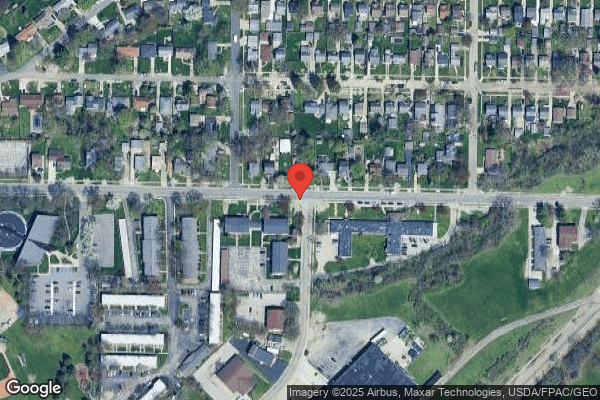
3121 GLANZMAN RD, TOLEDO, OH 43614 (419) 385-6616
For profit - Corporation 84 Beds AOM HEALTHCARE Data: November 2025 3 Immediate Jeopardy citations
Trust Grade
0/100
#640 of 913 in OH
Last Inspection: July 2025

Inspected within the last 6 months. Data reflects current conditions.

Overview

Concord Care Center of Toledo has received a Trust Grade of F, indicating significant concerns about the quality of care provided. This facility ranks #640 out of 913 in Ohio, placing it in the bottom half of nursing homes in the state, and #21 out of 33 in Lucas County, meaning there are better options nearby. While the facility is showing an improving trend, with issues decreasing from 18 to 17 over the past year, it still faces serious challenges, including $78,400 in fines, which is higher than 90% of other Ohio facilities. Staffing is somewhat concerning, with a rating of 2 out of 5 stars and only 19% of facilities having less RN coverage, which means residents may not receive the close monitoring they need. Notably, there have been critical incidents reported, including a resident's death due to a failure to notify a physician of a significant change in condition and the delay in initiating life-saving CPR. Overall, while there are some strengths, such as a low staff turnover rate, the facility's serious deficiencies and the concerning incidents warrant careful consideration.

Trust Score
F
0/100
In Ohio
#640/913
Bottom 30%
Safety Record
High Risk
Review needed
Inspections
Getting Better
18 → 17 violations
Staff Stability
○ Average
44% turnover. Near Ohio's 48% average. Typical for the industry.
Penalties
✓ Good
$78,400 in fines. Lower than most Ohio facilities. Relatively clean record.
Skilled Nurses
⚠ Watch
Each resident gets only 23 minutes of Registered Nurse (RN) attention daily — below average for Ohio. Fewer RN minutes means fewer trained eyes watching for problems.
Violations
⚠ Watch
58 deficiencies on record. Higher than average. Multiple issues found across inspections.
★★☆☆☆
2.0
Overall Rating
★★☆☆☆
2.0
Staff Levels
★★★★★
5.0
Care Quality
★☆☆☆☆
1.0
Inspection Score
Stable
2024: 18 issues
2025: 17 issues

The Good

  • 5-Star Quality Measures · Strong clinical quality outcomes
  • Full Sprinkler Coverage · Fire safety systems throughout facility
  • No fines on record
  • Staff turnover below average (44%)

    4 points below Ohio average of 48%

Facility shows strength in quality measures, fire safety.

The Bad

2-Star Overall Rating

Below Ohio average (3.2)

Below average - review inspection findings carefully

Staff Turnover: 44%

Near Ohio avg (46%)

Typical for the industry

Federal Fines: $78,400

Well above median ($33,413)

Moderate penalties - review what triggered them

Chain: AOM HEALTHCARE

Part of a multi-facility chain

Ask about local staffing decisions and management

The Ugly 58 deficiencies on record

3 life-threatening 3 actual harm
Sept 2025 1 deficiency
CONCERN (E) 📢 Someone Reported This

A family member, employee, or ombudsman was alarmed enough to file a formal complaint

Potential for Harm - no one hurt, but risky conditions existed

Deficiency F0925 (Tag F0925)

Could have caused harm · This affected multiple residents

Based on observation, staff interview, and policy review, the facility failed to ensure the facility was pest free. This had the potential to affect 29 residents (#14, #15, #16, #17, #18, #19, #20, #2...

Read full inspector narrative →
Based on observation, staff interview, and policy review, the facility failed to ensure the facility was pest free. This had the potential to affect 29 residents (#14, #15, #16, #17, #18, #19, #20, #21, #22, #23, #24, #25, #27, #28, #29, #30, #31, #32, #33, #34, #35, #36, #37, #38, #39, #40, #41, #42, and #43) who used the 100-hall shower. The facility identified one (#26) resident on the 100-hall who did not use the shower room. This deficient practice also affected four residents (#13, #44, #45, and #46) who shared a bathroom. The facility census was 78.1. Interview on 09/02/25 at 9:37 A.M. with Housekeeping Supervisor (HS) #501 confirmed she was aware of cockroaches and pests in the facility, particularly on the 100-hall. HS #501 stated the base of the toilet in the shower room on the 100-hall leaked and staff kept towels around the base of the toilet to contain the water. HS #501 stated bugs came from under the towel. Continued interview and observation on 09/02/25 at 9:41 A.M. in the 100-hall shower room revealed the toilet had a towel around the base and when the towel was moved by HS #501's shoe, two bugs crawled out from under it and crawled to the baseboard at the wall. The type of bugs could not be identified. 2. Interview on 09/02/25 at 11:25 A.M. with Housekeeper #512 revealed the bathroom shared by Resident #13, Resident #44, Resident #45, and Resident #46 had several bugs. Continued interview and concurrent observation of the bathroom revealed five to seven fruit flies around the base of the toilet. Housekeeper #512 stated the base of the toilet was not sealed and therefore attracted fruit flies. Additional observation revealed five to seven fruit flies flying around the room. Further observation of the ceiling revealed five to seven fruit flies on the ceiling and the water pipes hanging just below the ceiling. Housekeeper #512 stated the condition of the ceiling, which appeared to have suffered water damage, also attracted fruit flies. Housekeeper #512 confirmed there were fruit flies near the floor, flying around her head, and on the ceiling. Continued observation with Housekeeper #12, upon exiting the bathroom, revealed Resident #46 lying on his bed with his back facing the door. Housekeeper #512 confirmed two house flies were on the seat of Resident #46's pants. An attempt to interview Resident #46 was unsuccessful. Interview on 09/02/25 at 11:31 A.M. with Resident #13 revealed the bugs in the bathroom bothered him. Resident #13 stated he believed they were mosquitoes. Interview on 09/02/25 at approximately 1:35 P.M. with the Administrator revealed the facility was aware of the bathroom ceiling in need of repair. The facility planned to ensure the roof was repaired prior to fixing the bathroom shared by Resident #13, Resident #44, Resident #45, and Resident #46. Interview on 09/02/25 at 3:21 P.M. with HS #501 with concurrent observation of the ceiling in the bathroom shared by Resident #13, Resident #44, Resident #45, and Resident #46 revealed about one quarter of the ceiling appeared to have suffered water damage with the drywall paper layers hanging from the ceiling and discoloration of beige and dark grey throughout the damaged area. Review of the policy Pest Control Policy, dated 06/19/24, revealed the facility recognized the important of pest and vermin control in providing a living environment of adequate health and safety for its residents. This violation represents non-compliance investigated under Complaint Number 2602025.
Jul 2025 12 deficiencies 1 Harm
SERIOUS (G) 📢 Someone Reported This

A family member, employee, or ombudsman was alarmed enough to file a formal complaint

Actual Harm - a resident was hurt due to facility failures

Accident Prevention (Tag F0689)

A resident was harmed · This affected 1 resident

**NOTE- TERMS IN BRACKETS HAVE BEEN EDITED TO PROTECT CONFIDENTIALITY** THIS IS AN INCIDENCE OF PAST NON-COMPLIANCE THAT WAS SUBSEQUENTLY CORRECTED PRIOR TO THIS SURVEY.Based on medical record review,...

Read full inspector narrative →
**NOTE- TERMS IN BRACKETS HAVE BEEN EDITED TO PROTECT CONFIDENTIALITY** THIS IS AN INCIDENCE OF PAST NON-COMPLIANCE THAT WAS SUBSEQUENTLY CORRECTED PRIOR TO THIS SURVEY.Based on medical record review, resident interview, staff interview, review of the facility's investigation, and review of facility policy, the facility failed to provide adequate supervision to prevent resident elopement. Actual Harm occurred on 06/26/25 at 11:15 P.M. when Resident #07 eloped from the facility without staff knowledge. Resident #07 was missing until 06/29/25 at 3:45 P.M. when Resident #07 called the resident representative for assistance. This affected one (#07) of four residents reviewed for elopement. The facility identified 32 (#2, #4, #7, #11, #13, #15, #17, #20, #21, #22, #24, #26, #28, #34, #36, #37, #40, #42, #45, #52, #53, #56, #57, #60, #63, #65, #66, #67, #68, #69, #74, and #78) residents at risk of elopement. The facility census was 78.Review of the medical record revealed Resident #07 was admitted on [DATE]. Diagnoses included schizoaffective disorder, bipolar type, major depressive disorder, recurrent, post-traumatic stress disorder, schizoaffective disorder, obsessive compulsive, kleptomania, and cognitive communication deficit. Review of the Minimum Data Set (MDS) assessment, 05/11/25, revealed the resident was moderately cognitively impaired. Review of the care plan, initiated on 8/05/19, revealed Resident #07 was at risk for elopement due to schizoaffective bipolar, depression, post-traumatic stress disorder, obsessive compulsive disorder, delusions, and history of elopement. Review of nursing progress note dated 06/27/25 at 12:30 A.M. revealed at approximately 12:30 A.M. staff notified the writer Resident #07 was not in her bed. A code brown was immediately called and a resident head count completed. The staff searched the entire facility. The protocol was initiated while staff continued to search inside and outside the premises and the surrounding neighborhood. The management, power of attorney, and physician were notified. Review of a nursing progress note dated 06/29/25 at 4:56 P.M. revealed Resident #07's family called to notify the facility a call was just received from Resident #07, requesting a ride, Resident #07 provided the family her location. The DON and Administrator immediately drove to the location that was provided, and Resident #07 was standing on the corner with a bag in hand. Resident #07 was assisted into the car and stated she was tired. The Administrator asked if she was hungry and the resident stated she had sausage and pancakes at the church. The Administrator asked if she was thirsty and noted a bottle of water in the bag. Resident #07 stated she wanted some cold water. The resident reported her feet hurt due to walking. Resident was taken back to the facility and a head-to-toe assessment was completed, Resident #07 complained of pain to bilateral feet but no other areas. Redness noted to bilateral arms and face, no noted peeling areas. Resident #07 stated the church provided sunscreen. Resident was showered and offered dinner. Resident #07 ate approximately half of the dinner, and stated she was not hungry. The guardian, family, and physician were provided an update. Ibuprofen was provided due to complaints of bilateral feet pain. Resident #07 placed on a one-on-one until further notice.Review of the social services note, dated 06/29/25, revealed the resident was observed and assessed for safety and overall well-being. No signs of distress, harm, or discomfort noted. The Resident was alert and oriented, stable mood, and affect. The resident denied any concerns or complaints at the time. No negative psychosocial effects or issues observed or reported. Review of the skin check evaluation, dated 06/29/25, revealed redness to the face, left arm, and right arm. Resident #07 had filled blisters to the right heel, left heel, left great toe, right lateral foot, and right great toe. There were non-filled blisters to the right toe and right foot back of toes. Review of wound assessment report, dated 06/30/25, revealed a right heel blister measuring 2.20 centimeters (cm), a right plantar foot blister measuring 1.5 cm x 1.7 cm, a left heel blister measuring 1.4 cm x 2 cm, left great toe blister measuring 2.5 cm x 2.6 cm, and left mid plantar foot blister 1.7 cm x 2.3 cm. Treatment orders were provided. Review of physician skin and wound note, dated 07/01/25, revealed the service was provided on 06/30/25. Resident #07 was readmitted back to the facility and presents with multiple nonthermal blisters to her feet. Review of wound assessment report, dated 07/09/25, revealed the right heel blister, right plantar foot blister, and left great toe blister all resolved. The left heel blister measured 1.0 cm x 1.9 cm and the left mid plantar foot blister measured 1.6 cm x 1.8 cm. Both were identified to be improving without complications. Review of the wound assessment report, dated 07/16/25, revealed the left mid planter foot blister measured 1.6 cm x 1.8 cm and the left heel blister measured 1.0 cm x 1.8 cm. The blisters were noted to be improving without complications. Review of the wound assessment report, dated 07/23/25, revealed the left mid plantar foot and left heel resolved. Review of the elopement incident, dated 06/27/25 at 12:30 A.M., revealed at approximately 12:30 A.M. LPN #246 was notified by CNA #247 that Resident #07 was not in her bed. A code brown was called immediately. Head count was completed, and the entire unit/facility was searched. The elopement protocol was initiated. Staff continued to search inside and outside the premises and surrounding neighborhood. Notification was made to management, the medical director, and the resident's guardian. Interview on 07/28/25 at 4:39 P.M. with Resident #07 revealed she had left the facility by foot and spent time in the downtown area (approximately five to six miles from the facility). Resident #07 stated she went out to smoke and was locked out of the building. Resident #07 claimed she knocked on the door but was unable to alert the staff. Resident #07 revealed she rode a city bus, and they had allowed her to ride for free. Resident #07 stated she received clothing, food, and water from a local church and had also found scissors and cut her hair. Someone had provided her a bag of coins and Resident #07 stated she bought a single cigarette, lighter, and a vape. Resident #07 stated she was not harmed or scared, but her feet hurt. Resident #07 stated she remembered her family members' phone number and called for a ride.Interview on 07/28/25 at 5:13 P.M. with Resident #07's family member stated Resident #07 had a history prior to admission to the facility of eloping and living in the downtown area for short periods at a time. The family member stated she had not had any elopement attempts and had been doing so well she received permission to take the resident out for her birthday the weekend of the elopement. Resident #07's family member stated Resident #07 has her phone number memorized and believes her feet began to hurt bad enough that she decided to call to return to the facility. The family member verified going to the facility to see the resident the day she returned and stated her feet were swollen and wrapped, but otherwise looked good. Interview on 07/29/25 at 6:12 A.M. with Certified Nursing Assistant (CNA) #233 verified on 06/26/25 slightly before 11:00 P.M. taking Resident #07 and three other residents out for the 11:00 P.M. resident supervised smoking time. CNA #223 verified supervising the residents the entire time during the smoking time and after all residents had one cigarette they went inside. CNA #233 verified the last time she saw Resident #07 was when they were coming inside from the smoke break at approximately 11:15 P.M. CNA #233 stated upon entering the facility she continued her routine duties. On 06/27/25 at approximately 12:30 A.M., an aide giving an orientation tour discovered Resident #07 was not in bed. CNA #233 stated she was sitting near Resident #07's door at the time and believed she was in bed. Interview on 07/29/25 at 6:32 A.M. with LPN #246 revealed on 06/26/25 she had worked from 11:00 P.M. to 7:00 A.M. Upon the beginning of the shift, she observed Resident #07 standing in the hall waiting to smoke. Resident #07 had asked her for a coat and LPN #246 had told the resident it was hot outside, and a coat would not be needed. Resident #07 was determined to wear coat, so she went to her room and obtained a coat. When Resident #07 went out to smoke she wore a pair of jeans, a nightgown, shoes, a coat, and a hat. When the residents were taken out to smoke by CNA #233 the nurse was completing medication count. LPN #246 stated she was notified at approximately 12:30 P.M. that Resident #07 was not in her room. LPN #246 stated she called a code brown (missing resident), and all facility staff began searching the inside and outside of the facility. The management staff were notified, and the Administrator, DON, and unit manager came in to search for the resident. Interview on 07/29/25 at 11:58 A.M. with the DON revealed on 06/26/25 sometime after 11:00 P.M. Resident #07 eloped, possibly on her way back into the building from the last smoking time. During the interview with CNA #233 she had stated she thought all the residents were in. The DON verified she was notified timely upon discovery and both she and the Administrator came in. The police were notified and came to the facility to take report. The facility had paid staff to work extra shifts for staff to drive around the area and into downtown as they suspected Resident #07 would be. On Sunday, 06/29/25 at approximately 3:45 P.M. Resident #07's family representative called to report Resident #07 had called her asking for a ride and provided the location that she was at in the downtown area. The DON and Administrator went to the location and picked up the resident. Resident #07 was observed to be in different clothing. Resident #07 reported she had received new clothing from the church and thrown away her clothes in addition to cutting her hair. The DON stated the resident reported she had not slept much because she was outside and excited. The resident could not state exactly where she had been other than to the church and baseball field and at times her story would change. Resident #07 was found to have a bag with two bottles of water. There were blisters to her feet and her skin was slightly pink but not red. The DON stated overall the resident was in good condition and did not need to go to the hospital. Review of policy, Resident Right to Freedom from Abuse, Neglect, and Exploitation policy and procedure, dated 2025, verified the facility's residents have the right to be free from abuse, neglect, and misappropriation of their property and exploitation as defined in the policy. The deficiency was corrected on 07/13/25 when the facility implemented the following corrective actions: On 06/27/25 at 12:30 A.M. Licensed Practical Nurse (LPN) #246 called a code brown (missing resident). On 06/27/25 at 12:30 A.M. facility staff searched the facility. On 06/27/25 at 12:35 A.M. facility staff searched the facility grounds. On 06/27/25 at 12:40 A.M. facility staff searched the surrounding community. On 06/27/25 at 1:06 A.M. the Administrator was notified. On 06/27/25 at approximately 2:00 A.M. the guardian, resident representative, and physician were notified. On 06/27/25 at 2:15 P.M. the local police were notified and took report. On 06/27/25 the Director of Nursing (DON) completed facility-wide elopement reassessments of all residents to identify the at-risk residents. The facility wide elopement reassessment identified 32 residents who are at risk for elopement. Beginning 06/27/25, identified residents were placed on safety checks. On 06/27/25, the elopement binder was updated with any resident identified as an elopement risk. On 06/27/25, the Medical Director was notified by the DON of the results of the assessments. On 06/27/25, the identified at-risk resident care plans were reviewed and revised by the DON/designee. On 06/27/25, the Administrator and DON reviewed the facility's policies related to elopement and supervision. The policy was determined to meet the standards of practice, and no revision was necessary. On 06/27/25, the Administrator and DON provided education to the nursing staff. The education provided was related to the policy with emphasis on redirecting wandering or exit seeking residents, to consult the residents care plan, and notify the DON/Administrator/Care Plan Nurse/Social Worker of any new worsening wandering or exit-seeking behaviors. The training included but was not limited to the staff's responsibility to provide adequate supervision to prevent elopement for a resident with a history of wandering, exit seeking, and assessed to be at risk for elopement. During smoking times, all staff were educated that a head count and environment check needed to be completed at each smoke assignment. On 06/27/25, the Administrator, DON, or designee provided the training identified above to all staff in the non-clinical departments. Any member of the staff who was not available at the time of the training was to be educated upon return to work. Agency staff not currently working in the facility will receive education upon return to work. The DON will ensure compliance. All staff hired after 06/27/25 would be educated at orientation on the elopement risk, what to report, and to whom. On 06/27/25, the Administrator and DON completed a root cause analysis using the fishbone diagram. It was identified that Resident #07 indicated that she wanted to smoke on 06/26/25. On 06/27/25, the DON or designee reviewed resident smoking assessments. On 06/27/25, an Ad-Hoc Quality Assurance Performance Improvement meeting was held with the interdisciplinary team (IDT) and Medical Director to discuss the alleged deficiency and corrective actions. On 06/27/25, the Administrator completed an elopement drill on every shift.o Elopement drills will be conducted weekly for four weeks and then quarterly. On 06/27/22, the Administrator, Maintenance Director, or designee checked all doors to ensure all doors were locked, secured, and functioning appropriately. No concerns were identified. o All doors will be checked daily, Monday through Friday, by the Administrator, Maintenance Director, or designee.o The manager on duty will complete door checks on the weekends. o Any concerns will immediately be addressed and reported to the Administrator or Maintenance Director. On 06/29/25 at approximately 3:45 P.M. the Administrator was notified of Resident #07's whereabouts and at approximately 4:10 P.M. the Administrator and DON located the resident. On 06/29/25 at 4:35 P.M. Resident #07 arrived at the facility. A full head-to-one assessment was completed in addition to receiving a shower and a meal. On 06/29/25, the Administrator completed a smoking assessment for Resident #07. On 06/29/25, Resident #07 was placed on a one-on-one observation with a plan to monitor for three days, if there are no exit seeking behaviors will be placed on fifteen-minute checks. On 06/29/25, the Administrator completed a trauma assessment and psycho-social assessment for Resident #07. On 06/30/25, the DON or designee ensured all units completed a resident head count for each smoking time daily for each smoke break. This will continue ongoing. On 06/30/25, the DON reviewed all elopement assessmentso The DON, or designee will review elopement assessments monthly for the three months, and then quarterly, and as needed, thereafter, to ensure any subtle resident changes are identified. Any new admits starting on 06/30/25 will be assessed for elopement risk upon admission, and then quarterly. On 06/30/25, the DON reviewed care planso Care plans will be reviewed by the DON, or designee monthly for three months. On 06/30/25, the DON reviewed the electronic medical record for three residentso The DON, or designee will review three residents weekly and will rotate residents weekly for four weeks, and then monthly for three months to identify new or worsening behaviors to include wandering/exit seeking behaviors. o Any concern will be addressed immediately. On 07/02/25, Resident #07 was placed on every 15-minute checks. On 07/03/25, a Quality-of-Life meetings was conducted by the IDT to discuss high risk residents, including but is not limited to residents with wandering and/or exit seeking behaviors. Quality of Life meetings will be weekly and continue ongoing.Review of the correction action from 06/27/25 through 07/13/25 verified actions had been taken; audits were completed and education conducted. Staff interviewed verified knowledge of residents at risk for elopement and further verified the recent education and steps implemented to adequately supervise residents identified at risk for elopement. This deficiency represents non-compliance investigated under Complaint Number 1254637.
CONCERN (D)

Potential for Harm - no one hurt, but risky conditions existed

Deficiency F0558 (Tag F0558)

Could have caused harm · This affected 1 resident

**NOTE- TERMS IN BRACKETS HAVE BEEN EDITED TO PROTECT CONFIDENTIALITY** Based on record review, observation, interview, and policy review, the facility failed to ensure residents could reach their cal...

Read full inspector narrative →
**NOTE- TERMS IN BRACKETS HAVE BEEN EDITED TO PROTECT CONFIDENTIALITY** Based on record review, observation, interview, and policy review, the facility failed to ensure residents could reach their call lights. This affected three residents (#51, #69, and #70) of three residents reviewed for call lights. The facility census was 78. 1. Review of Resident #51's medical record revealed an admission date of 01/21/21. Diagnoses included borderline personality disorder, major depressive disorder, bipolar disorder, and insomnia. Review of Resident #51's quarterly Minimum Data Set (MDS) assessment dated [DATE] revealed Resident #51 had intact cognition. Observation on 07/28/25 at 9:52 A.M. of Resident #51's call light revealed the call light to be tangled underneath Resident #51's bed which was out of reach for Resident #51. Interview on 07/28/25 at 9:59 A.M. with Licensed Practical Nurse (LPN) #239 verified the call light was tangled under the resident's bed. 2. Review of Resident #69's medical record revealed an admission date of 03/14/25. Diagnoses included schizophrenia, asthma, and major depressive disorder. Review of Resident #69's quarterly Minimum Data Set (MDS) assessment dated [DATE] revealed Resident #69's cognition was moderately impaired. Observation on 07/30/25 at 7:50 A.M. of Resident #69's call light revealed it was underneath Resident #69's bed which was out of reach for Resident #69. Concurrent interview with Certified Nurse Assistant (CNA) #263 verified the call light to be underneath of Resident #69's bed and out of reach for Resident #69. 3. Review of Resident #70's medical record revealed an admission date of 04/01/22. Diagnoses included schizophrenia, major depressive disorder, and chronic obstructive pulmonary disease (COPD). Review of Resident #70's quarterly Minimum Data Set (MDS) assessment dated [DATE] revealed Resident #70 had moderately impaired cognition. Observation on 07/30/25 at 7:50 A.M. of Resident #70's call light revealed it was underneath Resident #70's bed which was out of reach for Resident #70. Concurrent interview with Certified Nurse Assistant (CNA) #263 verified the call light to be underneath of Resident #69's bed and out of the resident's reach. Review of the facility policy titled Call System, Residents with a last revision date of September 2022 revealed each resident is provided with a means to call staff directly for assistance from his/her bed or from the bathing/toileting facilities.
CONCERN (D)

Potential for Harm - no one hurt, but risky conditions existed

Report Alleged Abuse (Tag F0609)

Could have caused harm · This affected 1 resident

**NOTE- TERMS IN BRACKETS HAVE BEEN EDITED TO PROTECT CONFIDENTIALITY** Based on medical record review, review of self-reported incidents (SRI), staff interview, and review of facility policy the faci...

Read full inspector narrative →
**NOTE- TERMS IN BRACKETS HAVE BEEN EDITED TO PROTECT CONFIDENTIALITY** Based on medical record review, review of self-reported incidents (SRI), staff interview, and review of facility policy the facility failed to report incidents of resident elopement. This affected two (#7 and #13) of two residents reviewed for actual elopements. The facility census was 78. 1. Review of the medical record revealed Resident #7 was admitted on [DATE]. Diagnoses included schizoaffective disorder bipolar type, major depressive disorder recurrent, post-traumatic stress disorder, schizoaffective disorder, obsessive compulsive disorder, kleptomania, and cognitive communication deficit.Review of the Minimum Data Set (MDS) assessment, 05/11/25, revealed the resident was moderately cognitively impaired. Review of nursing progress note, dated 06/27/25 at 12:30 A.M., revealed at approximately 12:30 A.M. staff notified the writer Resident #07 was not in her bed. A code brown was immediately called and head count completed. The staff searched the entire unit and facility. The elopement protocol was initiated. Staff continued to search inside and outside the premises and the surrounding neighborhood. Management, power of attorney, and physician were notified. Resident #07 returned to the facility on [DATE] at 4:35 P.M. after being picked up by facility staff in the downtown area (approximately five to six miles away) after being notified by family of Resident #07's location. 2. Review of the medical record revealed Resident #13 was admitted on [DATE] with re-entry on 11/25/24. Diagnoses included schizoaffective disorder depressive type, delusional disorders, mood disorder due to known physiological condition, chronic kidney disease stage 3, auditory hallucinations, essential hypertension, type two diabetes mellitus without complications, schizophrenia, chronic obstructive pulmonary disease, and unspecified systolic heart failure.Review of the Minimum Data Set (MDS) assessment, dated 06/04/25, revealed the resident was cognitively intact. The influenza vaccine was documented as offered and declined. Review of the nursing progress notes, dated 05/28/25 at 9:43 A.M., revealed during the morning change of shift staff noted during rounds Resident #13 was not in her room. A code brown was called and a facility search occurred. Resident #13 was found to be outside in front of the building attempting to cross the street. Review of self-reported incidents dated since 05/28/25 revealed no alleged neglect incidents had been reported for either resident elopement.Interview on 07/29/25 at 11:01 A.M. with the Administrator verified no Self-Reported Incident was completed for resident elopements.Review of policy, Resident Right to Freedom from Abuse, Neglect, and Exploitation policy and procedure, dated 2025, verified the facility's residents have the right to be free from abuse, neglect, and misappropriation of their property and exploitation as defined in the policy. The facility will ensure alleged violations of neglect are reported in the proper time frame pursuant to the policy.
CONCERN (D)

Potential for Harm - no one hurt, but risky conditions existed

Deficiency F0645 (Tag F0645)

Could have caused harm · This affected 1 resident

**NOTE- TERMS IN BRACKETS HAVE BEEN EDITED TO PROTECT CONFIDENTIALITY** Based on record review, staff interview, and policy review, the facility failed to obtain Preadmission Screening and Resident Re...

Read full inspector narrative →
**NOTE- TERMS IN BRACKETS HAVE BEEN EDITED TO PROTECT CONFIDENTIALITY** Based on record review, staff interview, and policy review, the facility failed to obtain Preadmission Screening and Resident Review (PASARR) results for Resident #06. Furthermore, the facility failed to obtain a level two PASARR as indicated for Resident #21. This affected two residents (#06 and #21) of two residents reviewed for PASARR. The facility census was 78. 1. Review of Resident #06's medical record revealed an admission date of 01/14/25. Diagnoses included dementia, cognitive communication deficit, schizoaffective disorder, chronic viral hepatitis C, and major depressive disorder. Review of the quarterly Minimum Data Set (MDS) assessment dated [DATE] revealed Resident #06 had severe cognitive impairment. Review of Resident #06's medical record revealed the results from the Preadmission Screening and Resident Review (PASARR) were not present in the chart. Interview on 07/30/25 at 9:48 A.M. with Human Resources (HR) #228 verified the results from the PASARR were not present in the medical chart. 2. Review of Resident #21's medical record revealed an admission date of 01/16/23. Diagnoses included bipolar disorder, depression, schizoaffective disorder, and hypertension. Review of the quarterly MDS assessment dated [DATE] revealed Resident #21 had intact cognition. Review of Resident #21's medical record revealed Resident #21 required a level two PASARR to be completed. Interview on 07/30/25 at 9:48 A.M. with Human Resources (HR) #228 verified the level two PASARR was not completed for Resident #21. Review of the undated facility policy titled Resident Assessment Policy and Procedure revealed residents with an intellectual disability should have a PASARR completed to determine the level of services needed.
CONCERN (D)

Potential for Harm - no one hurt, but risky conditions existed

ADL Care (Tag F0677)

Could have caused harm · This affected 1 resident

**NOTE- TERMS IN BRACKETS HAVE BEEN EDITED TO PROTECT CONFIDENTIALITY** Based on record review, observation, resident interview, staff interview, and policy review, the facility failed to provide the ...

Read full inspector narrative →
**NOTE- TERMS IN BRACKETS HAVE BEEN EDITED TO PROTECT CONFIDENTIALITY** Based on record review, observation, resident interview, staff interview, and policy review, the facility failed to provide the necessary services related to grooming and personal hygiene. This affected one resident (#28) of two residents reviewed for grooming and personal hygiene. The facility census was 78. Review of Resident #28's medical record revealed an admission date of 12/27/24. Diagnoses included paranoid schizophrenia, anxiety, hypertension, and insomnia. Review of the quarterly Minimum Data Sat (MDS) assessment dated [DATE] revealed Resident #28 had severely impaired cognition. Further review of the MDS assessment revealed Resident #28 needed setup or clean-up assistance for personal hygiene. Review of Resident #28's care plan dated 07/01/25 revealed Resident #28's functional abilities were impaired as well as a self-care and mobility deficit. Furthermore Resident #28 required staff intervention to complete self-care and mobility activities. Observation on 07/28/25 at 10:52 A.M. revealed Resident #28 had a large amount of hair on her chin. Concurrent interview with Resident #28 revealed it bothered her to have facial hair. Resident #28 stated a staff person who she could not identify told her they would shave her face today if they had time. Observation on 07/28/25 at 2:05 P.M. revealed Resident #28's facial hair remained unshaven. Interview on 07/28/25 at 2:08 P.M. with Certified Nurse Aide (CNA) #275 verified Resident #28 had a large amount of hair on her chin and stated she would shave it. Review of the facility policy titled Activities of Daily Living (ADL), Supporting with a last revision date of March 2018 revealed appropriate care and services will be provided for residents who are unable to carry out ADLs independently which included grooming and personal hygiene.
CONCERN (D)

Potential for Harm - no one hurt, but risky conditions existed

Deficiency F0685 (Tag F0685)

Could have caused harm · This affected 1 resident

**NOTE- TERMS IN BRACKETS HAVE BEEN EDITED TO PROTECT CONFIDENTIALITY** Based on observations, staff interviews, resident interviews, and review of facility policy, the facility failed to ensure resid...

Read full inspector narrative →
**NOTE- TERMS IN BRACKETS HAVE BEEN EDITED TO PROTECT CONFIDENTIALITY** Based on observations, staff interviews, resident interviews, and review of facility policy, the facility failed to ensure residents received services and equipment to adequately maintain vision. This affected two (Resident #09 and Resident #62) of two residents reviewed for vision. The facility census was 78. 1. Review of the medical record for Resident #62 revealed an admission date of 07/02/20. Diagnoses included glaucoma, alcohol-induced dementia, altered mental status, and major depressive disorder. Interview on 07/28/25 at 9:35 A.M. with Resident #62 revealed he had two pairs of glasses that were both broken. Concurrent observation revealed one pair of silver glasses had a missing temple arm on the left side and were ill-fitting due to being bent at the right temple arm. A second pair of black glasses was missing the left lens. Interview on 07/31/25 at 12:25 P.M. with the Director of Nursing confirmed there was no documentation available to confirm Resident #62 had seen an eye doctor. Continued interview revealed Resident #62 was not on the patient list as being seen at the last facility visit made by the eye doctor. The Director of Nursing declined to provide a copy of the patient list stating this was a directive from corporate. Interview on 07/31/25 at 2:15 P.M. with the Director of Nursing confirmed Resident #62 had two pairs of glasses that were broken. 2. Review of the medical record revealed Resident #09 was admitted on [DATE]. Diagnoses included schizoaffective disorder, bipolar disorder, muscle weakness, unspecified psychosis, essential hypertension, type two diabetes mellitus without complications, and muscle wasting and atrophy. Review of the MDS assessment, dated 06/23/25, revealed the resident was cognitively intact. Review of optical services documentation, dated 04/25/19, revealed Resident #09 received glasses. Interview on 07/28/25 at 10:57 A.M. with Resident #09 revealed he had previously had glasses but does not have them anymore. Resident #09 stated he needs glasses. Interview on 07/31/25 at 11:32 A.M. with Licensed Practical Nurse (LPN) #239 and Certified Nursing Assistant (CNA) #263 verified familiarity with Resident #09 and stated they have not seen him with glasses. Interview on 07/31/25 at 12:35 P.M. with the DON verified Resident #09 was not on the list to see the optometrist and did not see them at the last visit to the facility approximately six months ago. Review of policy, Hearing and Vision Services, dated 2025, verified all residents shall have access to hearing and vision services and receive adaptive equipment as indicated.
CONCERN (D)

Potential for Harm - no one hurt, but risky conditions existed

Respiratory Care (Tag F0695)

Could have caused harm · This affected 1 resident

**NOTE- TERMS IN BRACKETS HAVE BEEN EDITED TO PROTECT CONFIDENTIALITY** Based on record review, observation, staff interview, and policy review, the facility failed to administer oxygen per physician ...

Read full inspector narrative →
**NOTE- TERMS IN BRACKETS HAVE BEEN EDITED TO PROTECT CONFIDENTIALITY** Based on record review, observation, staff interview, and policy review, the facility failed to administer oxygen per physician orders. This affected one resident (#37) of one resident reviewed for oxygen administration. The facility census was 78. Review of Resident #37's medical record revealed an admission date of 10/08/24. Diagnoses included chronic obstructive pulmonary disease, anemia in chronic kidney disease, and dependence on supplemental oxygen. Review of the quarterly Minimum Data Set (MDS) assessment dated [DATE] revealed Resident #37 had intact cognition. Review of Resident #37's physician's orders revealed an order for oxygen at two to three liters per minute via nasal canula as needed for shortness of breath. Observation on 07/28/25 at 11:25 A.M. of Resident #37's oxygen concentrator revealed her oxygen to be running at four liters per minute via nasal cannula. Observation on 07/28/25 at 3:17 P.M. of Resident #37's oxygen concentrator revealed her oxygen to be running at four liters per minute via nasal cannula. Interview on 07/28/25 at 3:22 P.M. with Licensed Practical Nurse (LPN) #276 verified Resident #37's oxygen concentrator was running at four liters per minute via nasal cannula and the physician order is for three liters per minute via nasal cannula. Review of the undated facility policy titled Oxygen Safety revealed Licensed staff using oxygen will be trained upon hire regarding usage requirements.
CONCERN (D)

Potential for Harm - no one hurt, but risky conditions existed

Laboratory Services (Tag F0770)

Could have caused harm · This affected 1 resident

Based on medical record review, staff interview, and review of facility policy the facility failed to obtain laboratory testing as ordered. This affected one (Resident #62) of one resident reviewed fo...

Read full inspector narrative →
Based on medical record review, staff interview, and review of facility policy the facility failed to obtain laboratory testing as ordered. This affected one (Resident #62) of one resident reviewed for laboratory testing. The facility census was 78. Review of the medical record for Resident #62 revealed an admission date of 07/02/20. Diagnoses included glaucoma, alcohol-induced dementia, altered mental status, and major depressive disorder. Continued review of this medical record revealed provider orders dated 05/08/25 for laboratory testing in January and June.Interview on 07/31/25 at 12:00 P.M. with [NAME] President of Clinical Services #301 confirmed Resident #62 had provider orders for laboratory testing to be completed in June and the testing had not been processed.Review of facility policy dated November 2018 titled Lab and Diagnostic Test Results - Clinical Protocol revealed staff would arrange for ordered laboratory testing.
CONCERN (D)

Potential for Harm - no one hurt, but risky conditions existed

Dental Services (Tag F0791)

Could have caused harm · This affected 1 resident

**NOTE- TERMS IN BRACKETS HAVE BEEN EDITED TO PROTECT CONFIDENTIALITY** Based on medical record review, observation, resident interview, staff interview, and review of facility policy the facility fai...

Read full inspector narrative →
**NOTE- TERMS IN BRACKETS HAVE BEEN EDITED TO PROTECT CONFIDENTIALITY** Based on medical record review, observation, resident interview, staff interview, and review of facility policy the facility failed to ensure residents had access to dental services. This affected one (#09) of two residents reviewed for dental services. The facility census was 78.Review of the medical record revealed Resident #09 was admitted on [DATE]. Diagnoses included schizoaffective disorder, bipolar disorder, muscle weakness, unspecified psychosis, essential hypertension, type two diabetes mellitus without complications, and muscle wasting and atrophy.Review of the Minimum Data Set (MDS) assessment, dated 06/23/25, revealed the resident was cognitively intact. Review of care plan, revised on 03/22/21, revealed Resident #09 has some/all missing natural teeth due to poor dental hygiene. The Resident wears upper and lower dentures. Interventions included to coordinate arrangements for dental care, transportation as needed and as ordered.Interview on 07/28/25 at 10:55 A.M. with Resident #09 revealed all of his teeth were missing and he would like to have dentures. Observation on 07/28/25 at 10:56 A.M. revealed Resident #09 opened his mouth to show that he had no teeth. Interview on 07/31/25 at 12:35 P.M. with the Director of Nursing (DON) verified Resident #09 had not seen the dentist and was not on the list to see the dentist. Review of policy, Dental Services, dated 2025, verified the facility shall assist residents in obtaining routine (to the extent covered under the State plan) and emergency dental care. The facility will, if necessary or requested, assist the resident with making dental appointments and arranging transportation to and from the dental services location.
CONCERN (D)

Potential for Harm - no one hurt, but risky conditions existed

Medical Records (Tag F0842)

Could have caused harm · This affected 1 resident

Based on medical record review, resident interview, staff interviews, and review of facility policy, the facility failed to accurately document in the medical record. This affected one (Resident #03) ...

Read full inspector narrative →
Based on medical record review, resident interview, staff interviews, and review of facility policy, the facility failed to accurately document in the medical record. This affected one (Resident #03) of one resident reviewed for accuracy of documentation. The facility census was 78. Review of the medical record for Resident #03 revealed an admission date of 06/03/25, diagnoses included hemiplegia and hemiparesis affecting the left side following cerebral infarction (stroke), depression, anxiety, heart disease, and bone density disorders.Further review of the medical record for Resident #03 revealed progress notes dated 06/03/25, 06/04/25, 06/06/25, 06/08/25, and 06/27/25 indicating Resident #03 participated in physical therapy. Review of provider orders for Resident #03 revealed there were no orders for physical therapy on admission, nor had physical therapy orders been initiated since admission.Interview on 07/28/25 at 10:00 A.M. with Resident #03 revealed she was not receiving physical therapy services.Interview on 07/30/25 at 10:35 A.M. with Physical Therapist #300 revealed Resident #03 had not received physical therapy.Interview on 07/30/25 at approximately 3:00 P.M. with [NAME] President of Clinical Services #301 confirmed the progress notes for Resident #03 dated 06/03/25, 06/04/25, 06/06/25, 06/08/25, and 06/27/25 indicated the resident participated in physical therapy. Continued interview confirmed Resident #03 did not have orders for physical therapy on admission, nor had physical therapy orders been initiated since admission.Review of facility policy dated July 2017 titled Charting and Documentation indicated documentation in the medical record would be accurate.
CONCERN (D)

Potential for Harm - no one hurt, but risky conditions existed

Deficiency F0883 (Tag F0883)

Could have caused harm · This affected 1 resident

**NOTE- TERMS IN BRACKETS HAVE BEEN EDITED TO PROTECT CONFIDENTIALITY** Based on medical record review, staff interview, resident interview, review of the admission packet and review of facility polic...

Read full inspector narrative →
**NOTE- TERMS IN BRACKETS HAVE BEEN EDITED TO PROTECT CONFIDENTIALITY** Based on medical record review, staff interview, resident interview, review of the admission packet and review of facility policy the facility failed to offer influenza vaccines as required. This affected one (#13) of five residents reviewed for influenza vaccinations. The facility census was 78.Review of the medical record revealed Resident #13 was admitted on [DATE] with re-entry on 11/25/24. Diagnoses included schizoaffective disorder depressive type, delusional disorders, mood disorder due to known physiological condition, chronic kidney disease stage 3, auditory hallucinations, essential hypertension, type two diabetes mellitus without complications, schizophrenia, chronic obstructive pulmonary disease, and unspecified systolic heart failure.Review of the Minimum Data Set (MDS) assessment, dated 06/04/25, revealed the resident was cognitively intact. The influenza vaccine was documented as offered and declined. Review of immunization documentation, dated 10/14/24, revealed the influenza vaccine was marked as refused. Review of Resident #13 census documentation revealed the resident was out to the hospital from [DATE] to 11/25/24. Review of Informed Consent for Influenza Vaccine, no date, revealed Resident #13 provided consent for the facility to administer the influenza vaccine. Review of Informed Consent for Influenza Vaccine, 11/26/23, revealed Resident #13 provided consent for the facility to administer the influenza vaccine. Interview on 07/31/25 at 8:35 A.M. with Assistant Director of Nursing (ADON) #226 revealed Resident #13 was manic at the time the influenza vaccine was offered in the fall and did not receive the vaccine. The ADON #226 verified there is no evidence it was offered again after readmission. Interview on 07/31/25 at 8:55 A.M. with Resident #13 revealed she would want the annual influenza vaccine. Review of the Resident admission Packet, dated, revealed the informed consent for influenza vaccine was included. The informed consent stated the resident is being offered the influenza vaccine because it is recommended by the Advisory Committee on Immunization Practices for your age group to prevent influenza. Vaccine Information Statement for influenza vaccine was also included. Review of the policy, Influenza Vaccine, dated March 2022, verified all residents and employees who have no medical contraindications to the vaccine will be offered the influenza vaccine annually to encourage and promote the benefits associated with vaccinations against influenza.
CONCERN (E) 📢 Someone Reported This

A family member, employee, or ombudsman was alarmed enough to file a formal complaint

Potential for Harm - no one hurt, but risky conditions existed

Safe Environment (Tag F0584)

Could have caused harm · This affected multiple residents

**NOTE- TERMS IN BRACKETS HAVE BEEN EDITED TO PROTECT CONFIDENTIALITY** Based on record review, observation, staff interview, resident interview, and policy review, the facility failed to ensure a saf...

Read full inspector narrative →
**NOTE- TERMS IN BRACKETS HAVE BEEN EDITED TO PROTECT CONFIDENTIALITY** Based on record review, observation, staff interview, resident interview, and policy review, the facility failed to ensure a safe, clean, homelike environment. This affected 16 residents (#3, #4, #6, #13, #14, #16, #27, #28, #31, #35, #37, #56, #65, #58, #64, and #74) of 16 residents reviewed for a safe, clean, homelike environment. The facility census was 78. Review of Resident #28's medical chart revealed an admission date of 12/27/24. Diagnoses included paranoid schizophrenia, anxiety, hypertension, and insomnia. Review of the quarterly Minimum Data Sat (MDS) assessment dated [DATE] revealed Resident #28 had severely impaired cognition. Further review of the MDS assessment revealed Resident #28 needed setup or clean-up assistance for personal hygiene. Review of Resident #28's care plan dated 07/01/25 revealed Resident #28's functional abilities were impaired as well as a self-care and mobility deficit. Furthermore Resident #28 required staff intervention to complete self-care and mobility activities. Observation on 07/28/25 at 10:54 A.M. of Resident #28's bathroom revealed the toilet in the shared bathroom contained urine, feces, and toilet paper that accumulated to the height of the toilet seat. Feces were noted to be on the back of the toilet seat in multiple areas. Urine and an adult brief were also noted to be on the bathroom floor. Furthermore, there was a small hole that was approximately four inches in width and height in the base of the door to the shared bathroom. Observation on 07/28/25 at 2:05 P.M. of Resident #28's bathroom revealed the toilet in the shared bathroom contained more feces, toilet paper, and urine. Resident #28's bedroom had a strong foul odor. Interview on 07/28/25 at 2:08 P.M. with Certified Nurse Assistant (CNA) #275 verified the feces, urine, and toilet paper in the toilet, the brief and urine on the bathroom floor, and the hole in the shared bathroom door. 2. Review of Resident #37's medical record revealed an admission date of 10/08/24. Diagnoses included generalized anxiety disorder, schizoaffective disorder, and hypertension. Review of the quarterly Minimum Data Sat (MDS) assessment dated [DATE] revealed Resident #37 had intact cognition. Observation on 07/30/25 at 8:32 A.M. of Resident #37's bedroom revealed a black substance on the windowsill. Furthermore, the wall was opened and the wood behind the wall was showing through. There was also a black substance on the exposed wood. Plaster was applied to the ceiling in an unsightly manner. Concurrent interview with Resident #37 revealed that the wall and windowsill bothered her as she thought it was unsightly. Interview on 07/30/25 at 8:35 A.M. with Housekeeper #222 verified the exposed wood with a black substance and the windowsill to have a black substance. She also verified the plaster to the ceiling to be unsightly. 3. Residents #31 and #4 are roommates. Review of the medical record revealed Resident #31 was admitted on [DATE]. Diagnoses included major depressive disorder severe with psychotic features, Parkinson’s disease with dyskinesia, mixed hyperlipidemia, epilepsy, and bipolar disorder. Review of the MDS assessment, dated 05/23/25, revealed the resident was moderately cognitively impaired. Review of the medical record revealed Resident #4 was admitted on [DATE]. Diagnoses included other specified intracranial injury without loss of consciousness, chronic obstructive pulmonary disease, hypoxic ischemic encephalopathy, dysphagia, muscle weakness, unspecified dementia, and other schizoaffective disorder. Review of the MDS assessment, dated 05/30/25, revealed the resident was moderately cognitively impaired. Observation on 07/28/25 at 2:36 P.M. of Resident #4 laying in bed and the room felt warm in temperature. The air conditioner unit in the room was above the resident’s bed and the cord was observed to be unplugged. Interview on 07/28/25 at 2:38 P.M. with the Administrator verified the air conditioner unit electrical cord was unplugged and did not appear to be long enough to plug into the wall. Upon taking temperature of the room the room tempted at 81.1 degrees Fahrenheit. The Administrator verified the temperature of the room. 4. Review of the medical record revealed Resident #6 was admitted on [DATE]. Diagnoses included unspecified dementia, cognitive communication deficit, chronic obstructive pulmonary disease, schizoaffective disorder, and major depressive disorder recurrent. Review of the MDS assessment, dated 08/16/18, revealed the resident was severely cognitively impaired. Observation on 07/28/25 at 2:40 P.M. of Resident #6’s room revealed the temperature was 81.9 degrees Fahrenheit. Subsequent interview with Resident #6 verified his room is always hot. Interview on 07/28/25 at 2:41 P.M. with the Administrator verified Resident #6’s room temperature. 5. Resident #14 and #56 are roommates. Review of the medical record revealed Resident #14 was admitted on [DATE]. Diagnoses included paranoid schizophrenia, chronic obstructive pulmonary disease, and muscle weakness. Review of the Minimum Data Set (MDS) assessment, dated 07/12/25, revealed Resident #14 was severely cognitively impaired. Review of the medical record revealed Resident #56 was admitted on [DATE]. Diagnoses included metabolic encephalopathy, chronic obstructive pulmonary disease, type two diabetes mellitus without complications, atherosclerotic heart disease of native coronary artery without angina pectoris, generalized anxiety disorder, major depressive disorder, essential hypertension, and hyperlipidemia. Review of the MDS assessment, dated 05/07/25, revealed the resident was moderately cognitively impaired. Observation on 07/28/25 at 2:43 P.M. of Resident #14 and Resident #56’s room revealed the resident room tempted at 77.9 degrees Fahrenheit. Resident #14 and Resident #56 were in the resident room and the air conditioner unit was on and the door had been closed. Subsequent interview with the Administrator verified the temperature of the room was 77.9 degrees Fahrenheit. Interview on 07/28/25 at 2:44 P.M. with Resident #56 stated his room is always hot. 6. Review of the medical record revealed Resident #65 was admitted on [DATE]. Diagnoses included heart failure, personality disorder, type two diabetes mellitus without complications, chronic obstructive pulmonary disease, dysphagia, major depressive disorder recurrent, and schizoaffective disorder. Review of the MDS assessment, dated 07/07/25, revealed the resident was cognitively intact. Review of the physician order, dated 04/25/24, revealed an order for oxygen at 2 liters per minute as needed to keep peripheral oxygen saturation (Sp02) above 90%. Observation on 07/28/25 at 2:48 P.M. of Resident #65 walking down hall calling out the Administrator. Resident #65 was observed telling the Administrator that her room is so hot and that she has respiratory issues and needs a cooler room. Observation on 07/28/25 at 2:50 P.M. of Resident #65’s room revealed the room tempted at 81.1 degrees Fahrenheit. Interview on 07/28/25 at 2:51 P.M. with the Administrator verified Resident #65’s room tempted at 81.1 degrees Fahrenheit. 7. Observation on 07/28/25 at 9:20 A.M. of the bathroom for room [ROOM NUMBER], shared by two residents (#16 and #35), revealed a brown substance scattered on the front of the raised toilet seat, rusty baseboards, and rust at the bottom of the door frame extending from the floor up approximately 12 inches. Observation on 07/28/25 at 9:50 A.M. of the bathroom between rooms numbered 31 and 32, shared by four residents (#13, #27, #64 and #74), revealed brown splatters on the front rim of the toilet bowl and rust at the bottom of both door frames extending from the floor up approximately 12 inches. Additionally, there was a missing section of door frame with a jagged rusted metal edge at floor level, approximately two inches by four inches, leading to room [ROOM NUMBER]. Interview on 07/28/25 at 11:23 A.M. with Resident #27 revealed the rust at the bottom of her bathroom door frame was unsightly and not homelike. Observation and interview on 07/28/25 at 5:00 P.M. with the Director of Nursing verified of the bathroom for room [ROOM NUMBER], shared by two residents contained a brown substance scattered on the front of the raised toilet seat, rusty baseboards, and rust at the bottom of the door frame extending from the floor up approximately 12 inches. Observation and concurrent interview on 07/28/25 at 5:07 P.M. with the Director of Nursing verified the bathroom between rooms numbered 31 and 32, shared by four residents contained brown splatters on the front rim of the toilet bowl and rust at the bottom of both door frames extending from the floor up approximately 12 inches. Additionally, there was a missing section of door frame with a jagged rusted metal edge at floor level, approximately two inches by four inches, leading to room [ROOM NUMBER]. Review of facility policy dated February 2021 and titled “Homelike Environment” revealed the facility would maintain a safe, comfortable, sanitary, and homelike environment for residents. This includes comfortable and safe temperatures (71 degrees Fahrenheit to 81 degrees Fahrenheit). This deficiency represents non-compliance investigated under Complaint Number 2570409.
Feb 2025 3 deficiencies
CONCERN (D) 📢 Someone Reported This

A family member, employee, or ombudsman was alarmed enough to file a formal complaint

Potential for Harm - no one hurt, but risky conditions existed

Notification of Changes (Tag F0580)

Could have caused harm · This affected 1 resident

Based on record review and staff interview, the facility failed to ensure a physician was notiifed of a resident not receiving antipsychotic medications as ordered by the physician. This affected two ...

Read full inspector narrative →
Based on record review and staff interview, the facility failed to ensure a physician was notiifed of a resident not receiving antipsychotic medications as ordered by the physician. This affected two (#36 and #53) of four residents reviewed for notification. The facility census was 79. Findings include: 1. Review of Resident #36's medical revealed an admission date of 12/09/19, with diagnoses of schizophrenia, obesity, pseudobulbar affect (PBA), vitamin D deficiency, asthma, bipolar disorder, difficulty in walking, hypokalemia, constipation, and weakness. Review of Resident #36's orders revealed Clozapine (an antipsychotic medication) 100 milligrams (mg) was ordered by the physician to be administered two times a day (BID) by mouth (PO) beginning 01/15/19. Review Resident #36's electronic medication administration record (eMAR) for November 2024 revealed Resident #36 did not receive her physician-ordered dose of Clozapine 100 mg in the evening on 11/08/24, 11/09/24, or 11/10/24. Review of a progress note dated 11/15/24 at 4:24 P.M., which revealed the physician and guardian were aware that Clozapine 100 mg cannot be dispensed until a Patient Services Form (PSF) is completed. (A PSF is a form that is completed in the Clozapine Risk Evaluation and Mitigation (REMS) system to link a patient who is prescribed Clozapine with their prescribing provider to reduce the risk of occurrence or severity of an adverse event. If a resident is linked to a different prescribing provider in the REMS system, the pharmacy will not fill the prescription.) Review of the Pharmacy Manifest of Delivery, dated 11/27/24, revealed Resident #36 had 60 tablets (30-day supply) of Clozapine 100 mg delivered. Review of the eMAR for December 2024 revealed Resident #36 did not receive any of her physician-ordered doses of Clozapine 100 mg on 12/29/24, 12/30/24, and 12/31/24. Review of the eMAR for January 2025 revealed Resident #36 did not receive her ordered evening doses of Clozapine 100 mg on 01/01/25, 01/02/25, and 01/03/25. Concurrent review of the eMAR revealed Resident #36 did not receive her ordered morning doses of Clozapine 100 mg on 01/02/24 and 01/03/24. Review of the medical record revealed no evidence of the physician being notified of the medication not being administered per orders. Interview on 01/30/25 at 10:10 A.M., with Regional Director of Clinical Services (RDNC) #200 verified Resident #36 did not receive the missing doses of Clozapine listed above for the months of November 2024, December 2024, and January 2025. Interview on 02/05/25 at 1:00 P.M., with RDNC #200 verified there was no documentation of physician notification of Resident #53's not receiving medications as ordered. 2. Review of Resident #53's medical record revealed an admission date of 08/11/23 with diagnoses including: cognitive social or emotional deficit following unspecified cerebrovascular disease, benign prostatic hyperplasia (BPH), vitamin D deficiency, tachycardia, morbid obesity, hypertension (HTN), pulmonary embolism, dysphagia, bipolar disorder, violent behavior, mild intellectual disabilities, other sexual dysfunction, anemia, personal history of diseases of the skin and subcutaneous tissues, personal history of COVID-19, paranoid schizophrenia, unspecified psychosis not due to a substance or known physiological condition, anxiety, and insomnia. Review of Resident #53's monthly physician orders for November, December 2024 and January 2025 revealed physician orders for Clozapine 100 mg by mouth every morning, for psychosis and Clozapine 200 mg by mouth every evening, for psychosis. Review of the eMAR for Resident #53 for November 2024 revealed he did not receive his physician-ordered 100 mg dose of Clozapine on 11/23/24 or 11/26/24. Concurrent review revealed he did not receive his physician-ordered 200 mg dose of Clozapine on 11/08/24, 11/09/24, and 11/10/24. Review of the eMAR for Resident #53 for December 2024 revealed he did not receive is physician-ordered 100 mg dose of Clozapine on 12/16/14 and 12/30/24. Concurrent review revealed he did not receive his physician-ordered 200 mg dose of Clozapine on 12/28/24, 12/29/24, and 12/30/24. Review of the eMAR for Resident #53 for January 2025 revealed he did not receive his physician-ordered 100 mg dose of Clozapine on 01/06/25 and 01/07/25. Review of the medical record revealed no evidence of the physician being notified of the medication not being administered per orders. Interview on 02/04/25 at 10:19 A.M. with RDNC #200 verified the medication was not administered per orders and there was no documentation of physician notification of Resident #53's not receiving medications as ordered.
CONCERN (D) 📢 Someone Reported This

A family member, employee, or ombudsman was alarmed enough to file a formal complaint

Potential for Harm - no one hurt, but risky conditions existed

Deficiency F0740 (Tag F0740)

Could have caused harm · This affected 1 resident

**NOTE- TERMS IN BRACKETS HAVE BEEN EDITED TO PROTECT CONFIDENTIALITY** Based on record review, review of policies, review of hospital records, and staff interviews, the facility failed to ensure the ...

Read full inspector narrative →
**NOTE- TERMS IN BRACKETS HAVE BEEN EDITED TO PROTECT CONFIDENTIALITY** Based on record review, review of policies, review of hospital records, and staff interviews, the facility failed to ensure the mental health of a resident was met when antipsychotic medications were not administered per physician orders. This affected two (#36 and #53) of four residents reviewed for behavioral services. The facility census was 79. Findings include: 1. Review of Resident #36's medical revealed an admission date of 12/09/19, with diagnoses of schizophrenia, obesity, pseudobulbar affect (PBA), vitamin D deficiency, asthma, bipolar disorder, difficulty in walking, hypokalemia, constipation, and weakness. Review of the most recent Quarterly Minimum Data Set (MDS) assessment, dated 10/29/24, revealed a Brief Interview of Mental Status (BIMS) Score of 15, indicating Resident #36 was cognitively intact. Review of the most recent care plan for revealed Resident #36 used psychotropic medications related to schizophrenia. The goal was for the resident to remain free of psychotropic-related drug complications. Interventions include administering psychotropic medications as ordered by the physician. a. Review of Resident #36's orders revealed Clozapine (an antipsychotic medication) 100 milligrams (mg) was ordered by the physician to be administered two times a day (BID) by mouth (PO) beginning 01/15/19. Review Resident #36's electronic medication administration record (eMAR) for November 2024 revealed Resident #36 did not receive her physician-ordered dose of Clozapine 100 mg in the evening on 11/08/24, 11/09/24, or 11/10/24. Review of the electronic medical record (EMR) revealed no documentation on why the evening doses of Clozapine 100 mg for 11/08/24, 11/09/24, and 11/10/24 for Resident #36 was not administered. Review of the EMR for Resident #36 revealed a progress note dated 11/15/24, at 4:24 P.M. which revealed the physician and guardian were aware that Clozapine 100 mg cannot be dispensed until a Patient Services Form (PSF) is completed. (A PSF is a form that is completed in the Clozapine Risk Evaluation and Mitigation (REMS) system to link a patient who is prescribed Clozapine with their prescribing provider to reduce the risk of occurrence or severity of an adverse event. If a resident is linked to a different prescribing provider in the REMS system, the pharmacy will not fill the prescription.) rems Review of the eMAR for December 2024 revealed Resident #36 did not receive any of her physician-ordered doses of Clozapine 100 mg on 12/29/24, 12/30/24, and 12/31/24. Review of a progress note for Resident #36, dated 12/29/24 at 11:01 A.M., revealed Resident #36's morning dose of physician-ordered Clozapine 100 mg was not administered due to not having medication and medication will need to be ordered. Review of a progress note for Resident #36, dated 12/29/24 at 7:47 P.M., revealed Resident #36's evening dose of physician-ordered Clozapine 100 mg was not administered due to being on order. Review of a progress note for Resident #36, dated 12/30/24 at 11:08 A.M., revealed Resident #36's morning dose of physician-ordered Clozapine 100 mg was not administered due to waiting on pharmacy to fill the prescription. Review of a progress note for Resident #36, dated 12/30/24 at 8:39 P.M., revealed Resident #36's evening dose of physician ordered Clozapine 100 mg was not administered due to being on back order. Review of a progress note for Resident #36, dated 12/31/24 at 10:01 A.M., revealed Resident #36's morning dose of physician ordered Clozapine 100 mg was not administered as it had been re-ordered from the pharmacy and the facility was awaiting delivery. Review of a progress note for Resident #36, dated 12/31/24 at 7:58 P.M., revealed Resident #36's evening dose of physician ordered Clozapine 100 mg was not administered due to being on back order. Review of the eMAR for January 2025 revealed Resident #36 did not receive her ordered evening doses of Clozapine 100 mg on 01/01/25, 01/02/25, and 01/03/25. Concurrent review of the eMAR revealed Resident #36 did not receive her ordered morning doses of Clozapine 100 mg on 01/02/24 and 01/03/24. Review of a progress note for Resident #36, dated 01/01/25 at 11:49 A.M., Resident #36 is experiencing alter mental status, cannot answer what her name is or where she is. Review of the progress note for Resident #36, dated 01/01/25 at 7:36 P.M., revealed Resident #36's evening dose of physician-ordered Clozapine 100 mg was not administered due to being on back order. Review of the progress note for Resident #36, dated 01/02/25 at 1:02 P.M., revealed Resident #36's morning dose of physician-ordered Clozapine was not administered due to her having altered mental status and does not understand how to take this medication. Review of the progress note for Resident #36, dated 01/03/25 at 9:21 A.M. revealed Resident #36's morning dose of physician-ordered Clozapine 100 mg, was not administered due to not being available. Review of the progress note for Resident #36, dated 01/03/2/5 at 7:17 P.M., revealed Resident #36's evening dose of physician-ordered Clozapine 100 mg, was anticipated to be delivered to the facility on [DATE]. Review of Resident #36's EMR revealed no documentation the facility notified the physician on 01/01/25, 01/02/25 and 01/03/25, the doses of Clozapine 100 mg were not administered. b. Review of Resident #36's orders revealed Nuedexta (a medication used to treat PBA) 20-10 mg was ordered by the physician to be administered two times a day (BID) by mouth (PO) beginning on 01/15/19. Review of Resident #36's EMR revealed no documentation the facility notified the physician on 11/08/24, 11/09/24, or 11/10/24, the doses of Nuedexta 20-10 mg were not administered. Review Resident #36's eMAR for January 2025 revealed Resident #36 did not receive her physician-ordered dose of Nuedexta 20-10 mg in the evening on 01/02/25, and she did not receive any doses of this medication on 01/08/25. The MAR does not have any documentation for the evening of 01/02/25 and there are no progress notes as to why it was not administered. On 01/08/25, the morning dose was documented in the MAR as refused and there are no progress notes as to why this dose was not administered. On 01/08/25, the MAR does not have any documentation for the evening dose and there are no progress notes as to why it was not administered. Review of Resident #36's EMR revealed no documentation the facility notified the physician on 01/01/25, or 01/08/25, the doses of Nuedexta 20-10 mg were not administered. Review of a progress note, dated 01/02/25 at 11:49 A.M., revealed Resident #36 had altered mental status and was transported to the emergency room (ER) for further evaluation. Review of a progress note, dated 01/02/25 at 10:13 P.M., revealed Resident #36 would be returning from the ER at that time. Review of the hospital discharge records for Resident #36, dated 01/02/25, revealed at 6:42 P.M., the consulting neurologist determined the cause of Resident #36's current state was her not receiving her medications at the facility. At 9:24 P.M., psychiatry evaluated Resident #36 who was showing improvement after medications were administered, and at this time she was able to speak a few words at the time. At this time, psychiatry stated Resident #36's AMS and dystonia were secondary to PBA and her not having her medications. At 9:28 P.M., Resident #36's medication dosing was reviewed with the pharmacies who recommended titrating Resident #36's Clozapine 25 mg twice a day for the first three days; then 50 mg twice a day for the next three days; then 75 mg twice a day for three days and finally back to 100 mg twice a day. Review of a progress note, dated 01/02/25 at 11:28 P.M., revealed Resident #36 returned to the facility via stretcher with a flat facial effect and stated she was glad to be home. Review of the eMAR for January 2025 revealed Clozapine administration was documented in the eMAR as follows: on 01/03/25: both doses were not available; on 01/04/25: AM dose: spit out meds, PM dose: refused; on 01/05/25: both doses were administered; on 01/06/25: AM dose: refused, PM dose: administered on 01/07/25: AM dose: administered, PM dose: refused; and on 01/08/25: AM dose: refused, PM dose: no documentation of administration. Review of progress note for Resident #36 dated 01/06/25 at 4:20 P.M., documented Resident #36 is confused and walking around, and she had never been like this before. Review of progress note, dated 01/08/25 at 5:30 P.M., revealed Resident #36 was refusing to take her medications and is currently taking off her clothes, yelling, and standing on one leg in the hall with no clothes in a statues position staring. Due to Resident #36's changing mental status, causing these behaviors, it was decided at this time to send Resident #36 to the ER again for evaluation. At 6:26 P.M., the progress notes documented transportation arrived to pick up Resident #36 to go to the ER. Review of hospital Discharge summary dated [DATE] revealed Resident #36 was admitted due to not eating or drinking, carrying for herself and appeared internally stimulated. Resident #36 was observed to be exit seeking, disrobing and non-verbal. Resident #36 has history of Catatonia. Resident #36 was seen a week ago, stabilized and discharged . It was noted Resident #36 progressively decompensated, due to non-availability of her medications for being on back order. At this time of this interview, Resident #36 presents as disorganized, irritable, notably nonverbal and uncooperative with assessment, noted that Resident #36 was nonsensical, yelling and screaming out loud at the emergency department. She was very incoherent, and noncompliance with evaluation. Resident #36 paces the hallway appears somewhat lethargic and irritable. Unable to fully assess due to Resident #36's refusal to engage. Requested medical consultation and a higher level of care to evaluate possible neurological co-mobility. Interview on 01/20/25 at 7:30 A.M., with the Regional Director of Nursing Compliance (RDNC) #200 revealed the facility has a plan for Resident #36's missing doses of Clozapine. Concurrent interview with RDNC #200 verified Resident #36 was transferred to the ER and returned to the facility on [DATE] and was again transferred to the ER [DATE]. Further interview with RDNC #200 revealed Resident #36 had not returned to the facility after her transfer to the ER on [DATE]. Interview on 01/30/25 at 10:10 A.M., with RDNC #200 verified Resident #36 did not receive the missing doses of Clozapine and Nuedexta listed above for the months of November 2024, December 2024, and January 2025. Interview on 01/30/25 at 11:35 A.M., with Registered Nurse (RN) #202 revealed he worked the morning shift (6:30 A.M. - 2:30 P.M.) on 01/08/25 and verified Resident #36 was sent to the ER that day as she was walking around the halls naked and was unable to be redirected. Interview on 01/30/25 at 11:50 A.M., via telephone, with the Director of Nursing (DON) revealed that on 01/08/25 Resident #36 was not behaving at her baseline. Concurrent interview with the DON revealed Resident #36 had not returned to her baseline since 01/02/25 ER encounter. Interview on 01/30/25 at 1:07 P.M., with the Administrator revealed Resident #36 was no longer at The University of [NAME] Medical Center (UTMC) and was at an inpatient psychiatric facility in Lorain, OH. Interview on 01/30/25 at 3:04 P.M., with Physician Assistant (PA) #205 was revealed at the time of the mix-up with Resident #36's Clozapine, there was disorganization due to a new DON, Assistant DON (ADON), and psychiatry provider. Concurrent interview with PA #205 revealed he was not aware of the ER's discharge order to titrate Resident #36's Clozapine and she was started on her baseline physician-ordered dose of 100 mg twice a day. Resident #36 was still registered to the previous prescribing provider in the REMS system, so the pharmacy was unable to refill her Clozapine prescriptions that he wrote for. Interview on 02/04/25 at 3:32 P.M., with Regional Director of Clinical Operations (RDCO) #206 verified Resident #36 returned to the facility on [DATE]. RDCO #206 states she spoke to the Nurse Practitioner (NP) with the admitting group on 01/03/25 who stated she did not want to implement the titration orders from the ER for Resident #36's Clozapine. Concurrent interview with RDCO #206 revealed she spoke to PA #205 on 01/04/25 and he stated to resume Resident #36's Clozapine at 100 mg by mouth and twice and did not want to implement the ER recommendations. Interview on 02/04/25 at 3:38 P.M., with PA #205 revealed he spoke to RDCO #206 on 01/04/25 but was not aware of the ER's discharge order to titrate Resident #36's Clozapine. 2. Review of the electronic medical record for Resident #53 revealed an admission date of 08/11/23, with diagnoses including cognitive social or emotional deficit following unspecified cerebrovascular disease, benign prostatic hyperplasia (BPH), vitamin D deficiency, tachycardia, morbid obesity, hypertension (HTN), pulmonary embolism, dysphagia, bipolar disorder, violent behavior, mild intellectual disabilities, other sexual dysfunction, anemia, personal history of diseases of the skin and subcutaneous tissues, paranoid schizophrenia, unspecified psychosis not due to a substance or known physiological condition, anxiety, and insomnia. Review of the most recent quarterly MDS assessment dated [DATE] revealed a BIMS Score of 10, indicating Resident #53's cognition was moderately impaired. Review of Resident #53's orders revealed physician orders for Clozapine 100 mg by mouth every morning, for psychosis and Clozapine 200 mg by mouth every evening, for psychosis. Review of the eMAR for Resident #53 for November 2024 revealed he did not receive his physician-ordered 100 mg dose of Clozapine on 11/23/24 or 11/26/24. Concurrent review revealed he did not receive his physician-ordered 200 mg dose of Clozapine on 11/08/24, 11/09/24, and 11/10/24. Review of a progress note for Resident #53, dated 11/26/24 at 5:22 A.M., revealed the medication (Clozapine 100 mg) was not available. Review of the eMAR for Resident #53 for December 2024 revealed he did not receive his physician-ordered 100 mg dose of Clozapine on 12/16/14 and 12/30/24. Concurrent review revealed he did not receive his physician-ordered 200 mg dose of Clozapine on 12/28/24, 12/29/24, and 12/30/24. Review of a progress note for Resident #53, dated 12/16/24 at 5:04 A.M., revealed Clozapine 100 mg has not arrived from the pharmacy. The medication was not available, and the facility was awaiting drop ship (expedited delivery) of this medication. Review of a progress note for Resident #53, dated 12/28/24 at 3:31 P.M., revealed Clozapine 200 mg was on order. Review of a progress note for Resident #53, dated 12/29/24 at 3:35 P.M., revealed Clozapine 200 mg was on order. Review of the progress note for Resident #53, dated 12/30/24 at 6:00 A.M., revealed Clozapine 100 mg was on order. Review of the progress note for Resident #53, dated 12/30/24 at 6:55 P.M., revealed Clozapine 100 mg was on order. Review of the eMAR for Resident #53 for January 2025 revealed he did not receive his physician-ordered 100 mg dose of Clozapine on 01/06/25 and 01/07/25. Review of Resident #36's EMR revealed no documentation the facility notified the physician on 11/08/24, 11/09/24, 11/10/24, 11/23/24, 11/26/24, 12/16/24, 12/28/24, 12/29/24, 12/30/24, 01/06/25 and 101/07/25, the doses of Clozapine were not administered as ordered. Interview on 02/04/25 at 10:19 A.M., with RDNC #200 verified Resident #53's physician-ordered Clozapine 100 mg was not administered on 11/23/24, 11/26/24, 12/16/24, 12/30/24, 01/06/24, and 01/07/24. Concurrent interview with RDNC #200 verified Resident #53's physician-ordered Clozapine 200 mg was not administered on 11/08/24, 11/09/24, 11/10/24, 12/28/24, 12/29/24, and 12/30/24. Interview on 02/04/25 at 10:19 A.M., with RDNC #200 verified there was no documentation of physician notification for Resident #53's physician ordered Clozapine 100 mg on 11/23/24, 11/26/24, 12/16/24, 12/20/24, 01/06/25, and 01/07/25; and no documentation of physician notification for Resident #53's physician ordered Clozapine 200 mg on 11/08/24, 11/09/24, 11/10/24, 12/28/24, 12/29/24, and 12/30/24, were not administered. Review of the facility policy titled, Administering Medications, revised December 2012, revealed medications shall be administer in a safe and timely manner, and as prescribed. Review of the policy titled, Adverse Consequences and Medication Errors, revised February 2023, revealed the interdisciplinary team monitors medication usage. An interview on 02/05/25 at 8:29 A.M. with RDNC #200 verified there was no documentation of physician notification for Resident #36's physician-ordered Clozapine 100 mg PO BID not being administered on the evenings of 11/08/24, 11/09/24, 11/10/24, 12/29/24, 12/30/24, 12/31/24, 01/01/25, 01/02/25, 01/03/25, and the mornings of 12/29/24, 12/20/24, 12/31/24, and 01/02/25.
CONCERN (D) 📢 Someone Reported This

A family member, employee, or ombudsman was alarmed enough to file a formal complaint

Potential for Harm - no one hurt, but risky conditions existed

Pharmacy Services (Tag F0755)

Could have caused harm · This affected 1 resident

**NOTE- TERMS IN BRACKETS HAVE BEEN EDITED TO PROTECT CONFIDENTIALITY** Based on m medical records review, review of pharmacy records, and staff interviews, the facility failed to ensure that physicia...

Read full inspector narrative →
**NOTE- TERMS IN BRACKETS HAVE BEEN EDITED TO PROTECT CONFIDENTIALITY** Based on m medical records review, review of pharmacy records, and staff interviews, the facility failed to ensure that physician-ordered medications were available and administered per physcian orders. This affected two residents (#36 and #53) of four residents reviewed for pharmaceutical services. The facility census was 79. Findings include: 1. Review of Resident #36's medical revealed an admission date of 12/09/19, with diagnoses of schizophrenia, obesity, pseudobulbar affect (PBA), vitamin D deficiency, asthma, bipolar disorder, difficulty in walking, hypokalemia, constipation, and weakness. Review of Resident #36's orders revealed Clozapine (an antipsychotic medication) 100 milligrams (mg) was ordered by the physician to be administered two times a day (BID) by mouth (PO) beginning 01/15/19. Review of the Pharmacy Manifest of Delivery, dated 10/21/24, revealed Resident #36 had 60 tablets (30-day supply) of Clozapine 100 mg delivered. Review Resident #36's electronic medication administration record (eMAR) for November 2024 revealed Resident #36 did not receive her physician-ordered dose of Clozapine 100 mg in the evening on 11/08/24, 11/09/24, or 11/10/24. Review of a progress note dated 11/15/24 at 4:24 P.M., which revealed the physician and guardian were aware that Clozapine 100 mg cannot be dispensed until a Patient Services Form (PSF) is completed. (A PSF is a form that is completed in the Clozapine Risk Evaluation and Mitigation (REMS) system to link a patient who is prescribed Clozapine with their prescribing provider to reduce the risk of occurrence or severity of an adverse event. If a resident is linked to a different prescribing provider in the REMS system, the pharmacy will not fill the prescription.) Review of the Pharmacy Manifest of Delivery, dated 11/27/24, revealed Resident #36 had 60 tablets (30-day supply) of Clozapine 100 mg delivered. Review of the eMAR for December 2024 revealed Resident #36 did not receive any of her physician-ordered doses of Clozapine 100 mg on 12/29/24, 12/30/24, and 12/31/24. Review of a progress note for Resident #36, dated 12/29/24 at 11:01 A.M., revealed Resident #36's morning dose of physician-ordered Clozapine 100 mg was not administered due to not having medication and medication will need to be ordered. Review of a progress note for Resident #36, dated 12/29/24 at 7:47 P.M., revealed Resident #36's evening dose of physician-ordered Clozapine 100 mg was not administered due to being on order. Review of a progress note for Resident #36, dated 12/30/24 at 11:08 A.M., revealed Resident #36's morning dose of physician-ordered Clozapine 100 mg was not administer due to waiting on pharmacy to fill the prescription. Review of a progress note for Resident #36, dated 12/30/24 at 8:39 P.M., revealed Resident #36's evening dose of physician ordered Clozapine 100 mg was not administered due to being on back order. Review of a progress note for Resident #36, dated 12/31/24 at 10:01 A.M., revealed Resident #36's morning dose of physician ordered Clozapine 100 mg was not administered as it had been re-ordered from the pharmacy and the facility was awaiting delivery. Review of a progress note for Resident #36, dated 12/31/24 at 7:58 P.M., revealed Resident #36's evening dose of physician ordered Clozapine 100 mg was not administered due to being on back order. Review of the eMAR for January 2025 revealed Resident #36 did not receive her ordered evening doses of Clozapine 100 mg on 01/01/25, 01/02/25, and 01/03/25. Concurrent review of the eMAR revealed Resident #36 did not receive her ordered morning doses of Clozapine 100 mg on 01/02/24 and 01/03/24. Review of the progress note for Resident #36, dated 01/01/25 at 7:36 P.M., revealed Resident #36's evening dose of physician-ordered Clozapine 100 mg was not administered due to being on back order. Review of the progress note for Resident #36, dated 01/02/25 at 1:02 P.M., revealed Resident #36's morning dose of physician-ordered Clozapine was not administered due to her having altered mental status and does not understanding how to take this medication. Review of the progress note for Resident #36, dated 01/03/25 at 9:21 A.M., revealed Resident #36's morning dose of physician-ordered Clozapine 100 mg, was not administered due to not being available. Review of the progress note for Resident #36, dated 01/03/2/5 at 7:17 P.M., revealed Resident #36's evening dose of physician-ordered Clozapine 100 mg, was anticipated to be delivered to the facility on [DATE]. Review of the Pharmacy Manifest of Delivery, dated 01/03/25, revealed Resident #36 had 60 tablets (30-day supply) of Clozapine 100 mg delivered. Interview on 01/30/25 at 10:10 A.M., with Regional Director of Clinical Services (RDNC) #200 verified Resident #36 did not receive the missing doses of Clozapine listed above for the months of November 2024, December 2024, and January 2025. Interview on 01/30/25 at 3:04 P.M., with Physician Assistant (PA) #205 revealed at the time of the mix-up with Resident #36's Clozapine, there was disorganization due to a new DON, Assistant DON (ADON), and psychiatry provider. Interview on 02/05/25 at 1:00 P.M., with RDNC #200 verified a delivery of 60 tablets of Clozapine 100 mg on 11/27/24, which is enough for 30 days for Resident #36. Further interview with RDNC #200 verified Resident #36 did not receive any more deliveries of Clozapine 100 mg until 01/03/25. 2. Review of Resident #53's medical record revealed an admission date of 08/11/23 with diagnoses including: cognitive social or emotional deficit following unspecified cerebrovascular disease, benign prostatic hyperplasia (BPH), vitamin D deficiency, tachycardia, morbid obesity, hypertension (HTN), pulmonary embolism, dysphagia, bipolar disorder, violent behavior, mild intellectual disabilities, other sexual dysfunction, anemia, personal history of diseases of the skin and subcutaneous tissues, personal history of COVID-19, paranoid schizophrenia, unspecified psychosis not due to a substance or known physiological condition, anxiety, and insomnia. Review of Resident #53's monthly physician orders for November, December 2024 and January 2025 revealed physician orders for Clozapine 100 mg by mouth every morning, for psychosis and Clozapine 200 mg by mouth every evening, for psychosis. Review of the Pharmacy Manifest of Delivery, dated 11/02/24 revealed Resident #53 had 30 tablets (30-day supply) of Clozapine 200 mg delivered. Review of the eMAR for Resident #53 for November 2024 revealed he did not receive his physician-ordered 100 mg dose of Clozapine on 11/23/24 or 11/26/24. Concurrent review revealed he did not receive his physician-ordered 200 mg dose of Clozapine on 11/08/24, 11/09/24, and 11/10/24. Review of a progress note for Resident #53, dated 11/26/24 at 5:22 A.M., revealed the medication (Clozapine 100 mg) was not available. Review of the Pharmacy Manifest of Delivery, dated 11/26/24, revealed Resident #53 had 30 tablets (30-day supply) of Clozapine 100 mg delivered. Review of the eMAR for Resident #53 for December 2024 revealed he did not receive is physician-ordered 100 mg dose of Clozapine on 12/16/14 and 12/30/24. Concurrent review revealed he did not receive his physician-ordered 200 mg dose of Clozapine on 12/28/24, 12/29/24, and 12/30/24. Review of a progress note for Resident #53, dated 12/16/24 at 5:04 P.M., revealed Clozapine 100 mg has not arrived from the pharmacy. Review of a progress note for Resident #53, dated 12/28/24 at 3:31 P.M., revealed Clozapine 200 mg was on order. Review of a progress note for Resident #53, dated 12/29/24 at 3:35 P.M., revealed Clozapine 200 mg was on order. Review of the progress note for Resident #53, dated 12/30/24 at 6:00 A.M., revealed Clozapine 100 mg was on order. Review of the progress note for Resident #53, dated 12/30/24 at 6:55 P.M., revealed Clozapine 100 mg was on order. Review of the eMAR for Resident #53 for January 2025 revealed he did not receive his physician-ordered 100 mg dose of Clozapine on 01/06/25 and 01/07/25. Review of the Pharmacy Manifest of Delivery, dated 01/03/25, revealed Resident #54 had 30 tablets (30-day supply) of Clozapine 100 mg delivered and had 30 tablets (30-day supply) of Clozapine 200 mg delivered. Interview on 02/04/25 at 10:19 A.M., with RDNC #200 verified Resident #53's physician-ordered Clozapine 100 mg was not administered on 11/23/24, 11/26/24, 12/16/24, 12/30/24, 01/06/24, and 01/07/24. Concurrent interview with RDNC #200 verified Resident #53's physician-ordered Clozapine 200 mg was not administered on 11/08/24, 11/09/24, 11/10/24, 12/28/24, 12/29/24, and 12/30/24. Interview on 02/05/25 at 1:00 P.M., with RDNC #200 verified a delivery of 30 tablets of Clozapine 200 mg enough for 30 days, for Resident #53 on 11/02/24 and 100 mg 30 day supply delivered on 11/26/24. Further interview with RDNC #200 verified Resident #53 did not receive any further deliveries of this medication until 01/03/25. Review of the policy titled, Administering Medications, revised December 2012, revealed medications shall be administered in a safe and timely manner, and as prescribed. This deficiency represents non-compliance investigated under Complaint Number OH00161721.
Jan 2025 1 deficiency
CONCERN (D) 📢 Someone Reported This

A family member, employee, or ombudsman was alarmed enough to file a formal complaint

Potential for Harm - no one hurt, but risky conditions existed

Unnecessary Medications (Tag F0759)

Could have caused harm · This affected 1 resident

**NOTE- TERMS IN BRACKETS HAVE BEEN EDITED TO PROTECT CONFIDENTIALITY** Based on observation, staff interview, medical record review, and policy review, the facility failed to administer medications a...

Read full inspector narrative →
**NOTE- TERMS IN BRACKETS HAVE BEEN EDITED TO PROTECT CONFIDENTIALITY** Based on observation, staff interview, medical record review, and policy review, the facility failed to administer medications as ordered to ensure a medication error rate of not greater than five (5) percent (%). A total of three medication errors were observed out of 37 opportunities for a medication error rate of 8.11%. This affected one (#60) of three residents reviewed for medication administration. The census was 78. Findings include: Review of the medical record for Resident #60 revealed the resident was admitted on [DATE] and had diagnoses that included major depressive disorder and alcohol-induced dementia. Review of the quarterly Minimum Data Set (MDS) assessment for Resident #60, dated [DATE], revealed the resident had intact cognition. Review of physician orders dated [DATE] revealed Resident #60 was ordered dorzolamide hydrochloride two (2) % solution with instructions to instill one drop in both eyes two times daily for glaucoma and was ordered a multivitamin one tablet once daily for supplementation. Review of a physician order dated [DATE] revealed Resident #60 was ordered an anticonvulsant medication Lamictal 25 milligrams (mg) with instructions to give 2 tablets by mouth two times daily for mood or behaviors. Observation on [DATE] at 8:35 A.M. revealed Registered Nurse (RN) #20 prepared and administered 5 medications to Resident #60 which included including one multivitamin tablet and one 25 mg tablet of Lamictal in addition to other medications. During preparation, it was observed the bottle of multivitamins from which one tablet was given to Resident #60 included a manufacturer's expiration date of [DATE]. Interview during the observation of RN #20 preparing Resident #60's medications, the nurse stated a second type of eye drop, dorzolamide hydrochloride 2% solution, should have also been administered, but the drops were unavailable. Following administration of the other medications, RN #20 reordered the dorzolamide eye drops from the pharmacy after the nurse found no indication a refill had been requested up to that point. Throughout the medication administration observation on [DATE] between 8:20 A.M. and 8:50 A.M., a total of 37 opportunities for medications errors were observed between three (#32, #60, and #77) residents with three medication errors identified for Resident #60 resulting in a medication error rate of 8.11%. Interview on [DATE] at 2:40 P.M. with RN #20 confirmed the nurse administered an expired multivitamin to Resident #60. The nurse confirmed, in accordance with Resident #60's orders, two 25 mg tablets of Lamictal should have been given, but only one tablet was administered. Further, RN #20 confirmed Resident #60 did not receive the dorzolamide eye drops as ordered, because nursing staff had failed to reorder more drops. Review of a policy titled, Administering Medications, last revised [DATE], confirmed all medication shall be administered in accordance with orders. The policy further stated the individual administering the medication should check the label for the expiration date prior to administering the medication. This deficiency represents noncompliance investigated under Complaint Number OH00160845.
Dec 2024 6 deficiencies
CONCERN (E) 📢 Someone Reported This

A family member, employee, or ombudsman was alarmed enough to file a formal complaint

Potential for Harm - no one hurt, but risky conditions existed

Free from Abuse/Neglect (Tag F0600)

Could have caused harm · This affected multiple residents

**NOTE- TERMS IN BRACKETS HAVE BEEN EDITED TO PROTECT CONFIDENTIALITY** Based on medical record review, staff interview, self-reported incident (SRI) review, witness statement review, employee file re...

Read full inspector narrative →
**NOTE- TERMS IN BRACKETS HAVE BEEN EDITED TO PROTECT CONFIDENTIALITY** Based on medical record review, staff interview, self-reported incident (SRI) review, witness statement review, employee file review, and policy review, the facility failed to ensure a resident was free physical and verbal abuse from staff. This affected one (#39) of eleven residents reviewed for abuse,with the potential to affect 49 of residents on Unit 1 and 3. The facility census was 80. Findings include: Review of the facility electronic medical record revealed Resident #39 was admitted on [DATE], with diagnoses of: malignant neuroleptic syndrome, anxiety, chronic pain syndrome, urinary incontinence, unspecified lack of coordination, schizophrenia, difficulty in walking, pseudobulbar affect (PBA), delusional disorders, hypertension (HTN), bipolar disorder, psychological and behavioral factors associated with disorders or diseases classified elsewhere, altered mental status, major depressive disorder, other impulse disorder, borderline personality disorder, cognitive communication deficit, unspecified intellectual disabilities, antisocial personality disorder, chromosomal abnormality, schizoaffective disorder, and attention deficit hyperactivity disorder (ADHD) unspecified type. Review of the most recent quarterly Minimum Data Set (MDS) assessment dated [DATE] revealed a Brief Interview of Mental Status (BIMS) score of 15, indicating Resident #39 was cognitively intact. Review of the MDS revealed no abnormal cognitive patterns, moods, or behaviors were assessed. Review of the SRI tracking number 253667 and investigation dated 11/04/24 revealed that on 11/01/24 Certified Nursing Assistant (CNA) #132 was in the employee restroom. While CNA #132 was in the employee restroom, Resident #39 was banging on the door. CNA #132 remained in the employee restroom until Resident #39 stopped banging on the door. When CNA #132 exited the restroom, Resident #39 forcibly approached her. Upon Resident #39 forcibly approaching her, CNA #132 pushed Resident #39, and he fell. After the fall, Resident #39 continued to grab the legs of CNA #139 and was subsequently pulled off by Licensed Practical Nurse (LPN) #138. Review of the SRI revealed Resident #39 was assessed by a nurse and was found to have a skin tear to his left shin and his face was red. There was no treatment required. The investigation was inconclusive as to the cause of the skin tear to his left shin and reddened face. In a written stated from the Director of Nursing (DON), LPN #138 is quoted as stating how Resident #39 became injured was: he must have gotten them from rolling around on the floor, further stating, he must have gotten them when he threw himself on the floor or on the sink in his bedroom, when he threw himself on the floor. Further review of the written statement from the DON revealed that Resident #39 did not complain of any discomfort from the skin tear or reddened face. Resident #39 threatened to spit on CNA #125. Upon receiving the threat of being spat upon, CNA #125 stated, if you spit on me, I will kick your [explicit term] teeth in. Review of an undated written statement by CNA #125 verified she made this statement to Resident #39 in response to Resident #39 threats of spitting on her. Interview on 11/19/24 at 1:30 P.M., with the Regional Director of Operations (RDO) and the Administrator revealed on 11/01/24, CNA #132 was in the employee restroom and Resident #39 was banging on the door for her to come out. CNA #132 stayed in the restroom until the banging stopped; when CNA #132 opened the door Resident #39 forcefully approached CNA #132; and CNA pushed Resident #39 causing him to fall backwards. CNA #132 was suspended immediately upon discovery of this incident pending the results of the facilities investigation. RDO and the Administrator stated on 11/01/24, CNA #125 told Resident #39 if you spit on me, I will kick your [explicit term] teeth in. in response to the resident threatening to spit on her. CNA #125's employment was terminated from the facility on 11/03/24 in response to the substantiating evidence for the event that occurred on 11/01/24. Review of the employee file for CNA #125 revealed a hire date of 06/14/03, her last date of work in the facility was 11/03/24, and a termination date of 11/11/24. Prior to her suspension that began on 11/04/24, CNA #125 had no documented discipline. CNA #125 participated in the facility provided abuse, neglect, and exploitation training. Review of the employee file for CNA #132 revealed a hire date of 06/06/16 and is currently employed by the tactility. CNA #132 was suspended on 11/05/24 and her last day of work between 11/01/24 and 11/05/24 was 11/04/24 and she did not come back to work until 11/15/24. Prior to the suspension on 11/05/24, the only documented discipline for CNA #132 was for attendance on 11/14/16. CNA #132 participated in the facility provided abuse, neglect, and exploitation training. Interview on 12/02/24 at 12:00 P.M., with the Regional Director of Operations (RDO) revealed the facility was not made aware of the unsubstantiated physical abuse or the verbal abuse until 11/04/24. CNA #125 was placed on suspension on 11/04/24 and her employment was terminated on 11/11/24. Between the dates of 11/01/24 and 11/04/24, she worked 11/03/24 and 11/04/24 with her last dated of work being 11/04/24. The unsubstantiated physical abuse was discovered by the facility after the verbal abuse. CNA #132 was placed on suspension on 11/05/24 and her last day of work between 11/01/24 and 11/05/24 was 11/04/24 and she did not come back to work until 11/15/24. Review of the policy titled, Resident Abuse, Neglect, and Mistreatment of Belongings, revised July 2017, revealed each resident has a right to a dignified existence and to be free from verbal, sexual, physical, or mental abuse; corporal punishment; and involuntary seclusion. This deficiency represents non-compliance investigated under Master Complaint Number OH00160324 and Complaint Numbers OH00159771.
CONCERN (E) 📢 Someone Reported This

A family member, employee, or ombudsman was alarmed enough to file a formal complaint

Potential for Harm - no one hurt, but risky conditions existed

Report Alleged Abuse (Tag F0609)

Could have caused harm · This affected multiple residents

**NOTE- TERMS IN BRACKETS HAVE BEEN EDITED TO PROTECT CONFIDENTIALITY** Based on record review, self-reported incident review, staff interview, and review of policy, the facility failed to timely repo...

Read full inspector narrative →
**NOTE- TERMS IN BRACKETS HAVE BEEN EDITED TO PROTECT CONFIDENTIALITY** Based on record review, self-reported incident review, staff interview, and review of policy, the facility failed to timely report an alleged verbal abuse. This affected one (#39) of eleven residents reviewed for abuse, with a potential to affect 32 residents residing on Unit 1. The facility census was 80. Findings include: Review of the facility electronic medical record revealed Resident #39 was admitted on [DATE], with diagnoses of: malignant neuroleptic syndrome, anxiety, chronic pain syndrome, urinary incontinence, unspecified lack of coordination, schizophrenia, difficulty in walking, pseudobulbar affect (PBA), delusional disorders, hypertension (HTN), bipolar disorder, psychological and behavioral factors associated with disorders or diseases classified elsewhere, altered mental status, major depressive disorder, other impulse disorder, borderline personality disorder, cognitive communication deficit, unspecified intellectual disabilities, antisocial personality disorder, chromosomal abnormality, schizoaffective disorder, and attention deficit hyperactivity disorder (ADHD) unspecified type. Review of the most recent quarterly Minimum Data Set (MDS) assessment dated [DATE] revealed a Brief Interview of Mental Status (BIMS) score of 15, indicating Resident #39 was cognitively intact. Review of the MDS revealed no abnormal cognitive patterns, moods, or behaviors were assessed. Review of facility Self-Reported Incident (SRI) Number (#) 253667 revealed that the Administrator received a report of verbal abuse that occurred on 11/01/24. The allegation alleged on 11/01/24, Certified Nursing Assistant (CNA) #125 stated to Resident #39, if you spit on me, I will kick your [expletive] teeth in. Interview on 12/02/24 at 11:38 A.M., with the Regional Director of Operations (RDO) revealed the facility was not aware of the allegation of verbal abuse until 11/04/24. Further interview with RDO revealed the facility was provided an audio recording from a staff member on 11/04/24 that substantiated the allegation of verbal abuse. Interview on 12/03/24 at 10:01 A.M., with Housekeeper #159 revealed she did not intentionally make the audio recording of the incident of verbal abuse that occurred on 11/01/24. Housekeeper #159 stated she was not aware of the audio recording until she randomly discovered the audio on her phone a couple of days after the incident, while going through her phone. Upon discover of the audio recording, Housekeeper #159 provided it the facility on 11/04/24. Concurrent interview with Housekeeper #159 revealed on 11/01/24, she overheard CNA #125 tell Resident #39, if you spit on me, I will kick your [expletive] teeth in. but did not report it to the facility at that time. Further interview with Housekeeper #159 revealed she did not report the verbal abuse until 11/04/24. Review of the policy titled, Abuse Investigation and Reporting, revised July 2017, revealed an alleged violation of abuse, neglect, exploitation or mistreatment (including injuries of unknown source and appropriation of resident property) will be reported immediately, but not later than two (2) hours if the alleged violation involves abuse or has resulted in serious bodily injury. This deficiency represents the noncompliance investigated under Master Complaint Number OH00160324 and Complaint Number OH00159771.
CONCERN (E) 📢 Someone Reported This

A family member, employee, or ombudsman was alarmed enough to file a formal complaint

Potential for Harm - no one hurt, but risky conditions existed

Safe Environment (Tag F0921)

Could have caused harm · This affected multiple residents

**NOTE- TERMS IN BRACKETS HAVE BEEN EDITED TO PROTECT CONFIDENTIALITY** Based on observation, policy review, and staff interview, the facility failed to maintain a safe, functional, sanitary, and comf...

Read full inspector narrative →
**NOTE- TERMS IN BRACKETS HAVE BEEN EDITED TO PROTECT CONFIDENTIALITY** Based on observation, policy review, and staff interview, the facility failed to maintain a safe, functional, sanitary, and comfortable environment for residents and staff. This had the potential to affect 30 (#7, #12, #13, #15, #17, #22, #24, #27, #29, #33, #34, #35, #40, #46, #47, #49, #50, #53, #54, #57, #62, #66, #67, #69, #70, #72, #74, #75, #78, and #79) residents, who reside on the first floor. The facility census was 80. Findings include: An environmental tour was conducted with Certified Nursing Assistant (CNA) #139 between 9:31 A.M. and 10:06 A.M. The following was verified at the time of observation by CNA #139: • room [ROOM NUMBER] contained a blanket hanging in the window in place of a curtain. • The first-floor resident shower room had black mold like substance growing on the wall by the shower, a broken radiator cover, and there was a foul odor throughout the first-floor resident shower room. • The first-floor dining room contained peeling paint on multiple walls throughout, a blanket hanging in the window in place of a curtain, an approximately 10-foot section of wall where the baseboard was missing and the drywall was breaking where the wall meets the floor, and a hole in the ceiling by the air conditioning unit. • room [ROOM NUMBER] contained a broken overbed light with exposed wires. • room [ROOM NUMBER] contained a blanket hanging in the window in place of a curtain. • The resident restroom shared by residents in rooms [ROOM NUMBERS] contained a broken radiator cover, no soap dispenser, and no toilet paper holder. • room [ROOM NUMBER] contained an area on the wall by the window that was plastered over and never smoothed and repainted. • room [ROOM NUMBER] contained a built-in dresser with a missing drawer, a broken outlet cover, with sharp edges, and the door into the restroom contained multiple holes. • The resident restroom shared by the residents in rooms [ROOM NUMBERS] contained an area approximately 3 feet by 3.5 feet rectangular hole in the ceiling, dried feces in the bowl of the toilet, a hole in the door between the shared restroom and room [ROOM NUMBER], no handle on the door between the shared restroom and room [ROOM NUMBER], and a broken toilet paper holder. • room [ROOM NUMBER] contained a hole in the wall by the door with plaster that was not finished or painted and a broken and chipping wall by the air-conditioning unit. • The resident restroom shared by the residents in rooms [ROOM NUMBERS] contained black mold like substance on the ceiling, dried feces in the bowl of the toilet, an unidentified brown substance on the wall behind the toilet, a broken radiator cover, a hole in the door behind the handle between the shared restroom and room [ROOM NUMBER], and dried blood on the handle of the door between the shared restroom and room [ROOM NUMBER]. • room [ROOM NUMBER] contained a restroom with no door, multiple holes in the wall behind the reclining chair the resident was sitting in, a broken outlet cover with sharp edges, two screws on the ground, and multiple pieces of cardboard and wood of varying sizes. The restroom in room [ROOM NUMBER] contained a broken radiator cover and multiple holes in the wall behind the soap dispenser. • room [ROOM NUMBER] contained a missing thermostat cover, missing bulbs in overbed light, the door to the restroom was hung upside down, an unidentified brown substance on the wall by the entry door, and a broken radiator cover. • The resident restroom shared by the residents in rooms [ROOM NUMBERS] contained a missing radiator cover, no toilet paper holder, an unidentified brown substance on the wall behind the toilet, and a broken door between the restroom and room [ROOM NUMBER]. • room [ROOM NUMBER] contained a curtain blanket? hanging in the window in place of a curtain, black mold like substance growing on the floor, two areas where the ceiling had previously leaked and the plaster was falling, and two holes in the ceiling. • Throughout the environmental tour, multiple brown ceiling tiles were noted in the first-floor resident area. Interview on 01/19/24 at 9:32 A.M., with CNA #139 revealed the foul odor was always present in the first-floor resident shower room and was being emitted from the drain. CNA #139 revealed the dried feces in the bowl of the toilet in the resident restroom shared by the residents in room [ROOM NUMBER] and 43 had been present since 11/18/24. Interview on 11/19/24 at 2:31 P.M., with the Regional Director of Operations revealed the facility is aware of the environmental issues observed at the facility. Review of the policy titled, Homelike Environment, with a revision date of February 2021, revealed residents are provided with a safe, clean, comfortable, and homelike environment. This deficiency represents the continued non-compliance from the survey dated 10/29/24 and the non-compliance investigated under Complaint Number OH00159549.
CONCERN (E) 📢 Someone Reported This

A family member, employee, or ombudsman was alarmed enough to file a formal complaint

Potential for Harm - no one hurt, but risky conditions existed

Deficiency F0925 (Tag F0925)

Could have caused harm · This affected multiple residents

**NOTE- TERMS IN BRACKETS HAVE BEEN EDITED TO PROTECT CONFIDENTIALITY** Based on observation, pest control report review, policy review, and staff interview, the facility failed to ensure the first fl...

Read full inspector narrative →
**NOTE- TERMS IN BRACKETS HAVE BEEN EDITED TO PROTECT CONFIDENTIALITY** Based on observation, pest control report review, policy review, and staff interview, the facility failed to ensure the first floor was free from gnats and ants. This had the potential to affect 30 (#7, #12, #13, #15, #17, #22, #24, #27, #29, #33, #34, #35, #40, #46, #47, #49, #50, #53, #54, #57, #62, #66, #67, #69, #70, #72, #74, #75, #78, and #79) residents, who reside on the first floor. The facility census was 80. Findings include: Observations conducted during the facility tour of the first floor on 11/19/24 beginning at 9:31 A.M., revealed approximately 15-20 gnats flying throughout the first-floor resident area located in the hallway, kitchen, and resident rooms. Observation on 11/19/24 at 9:39 A.M., revealed ants in the resident restroom shared by residents in rooms [ROOM NUMBERS]. Observation on 11/19/24 at 9:45 A.M., revealed ants the resident restroom shared by residents in rooms [ROOM NUMBERS]. Interview on 11/19/24 at 9:45 A.M., with Certified Nursing Assistant (CNA) #139 verified these findings. Review of the facility's pest control documentation from 08/12/24, 09/16/24, 10/14/24, and 11/11/24 revealed no evidence of addressing the gnats and ants. Review of the policy titled, Pest Control Policy, dated 06/19/24, revealed the importance of pest and vermin control in providing a living environment of adequate health and safety for its residents.
CONCERN (E) 📢 Someone Reported This

A family member, employee, or ombudsman was alarmed enough to file a formal complaint

Potential for Harm - no one hurt, but risky conditions existed

Smoking Policies (Tag F0926)

Could have caused harm · This affected multiple residents

Based on observation, staff interview, and review of policy, the facility failed to ensure the smoking area was maintained in a clean and safe manner. This had this potential to affect 40 (#2, #3, #4,...

Read full inspector narrative →
Based on observation, staff interview, and review of policy, the facility failed to ensure the smoking area was maintained in a clean and safe manner. This had this potential to affect 40 (#2, #3, #4, #5, #6, #9, #11, #13, #15, #17, #18, #19, #21, #25, #26, #30, #36, #37, #38, #40, #41, #42, #44, #47, #48, #49, #54, #57, #58, #60, #61, #63, #64, #72, #73, #76, #78, #79, #80, and #81) who smoke. The facility census was 80. Findings include: Observation during the tour of the facility on 11/19/24 at 8:59 A.M., revealed four restaurant-style flammable booths constructed of a wooden frame, cloth and vinyl covering, and foam for cushion in the smokers area, one booth by the metal waste can, was being utilized for disposing of cigarettes with approximately 75 cigarette butts under it; two metal ash trays lined with aluminum foil; a cigarette butt in the seat of one restaurant-style booth located against the exterior wall of the building; a trash can with cigarette butts and trash contained inside located next to the exterior wall of the facility; cigarette butts under the edge of the exterior wall of the building; leaves and trash around containers containing trash and cigarette butts; and a towel on the ground with two cigarette butts located approximately four inches from it. Interview on 11/19/24 at 9:20 A.M., with Certified Nursing Assistant (CNA) #102, who was present in the smoking area with residents, verified these findings. Review of policy titled Smoking, dated July 2023 stated the facility accommodates supervised smoking opportunities with safety of the utmost concern. The policy also stated smoking is not permitted on the premises at any other times than listed smoking times, and smoking without staff supervision is prohibited. Smoking may only occur with facility staff present with direct observation. This deficiency represents the continued non-compliance from the survey dated 10/29/24.
CONCERN (F) 📢 Someone Reported This

A family member, employee, or ombudsman was alarmed enough to file a formal complaint

Potential for Harm - no one hurt, but risky conditions existed

Deficiency F0949 (Tag F0949)

Could have caused harm · This affected most or all residents

Based on review of facility education documentation, review of facility assessment, review of employee files, review of self-reported incidents (SRI), and staff interview, the facility failed to provi...

Read full inspector narrative →
Based on review of facility education documentation, review of facility assessment, review of employee files, review of self-reported incidents (SRI), and staff interview, the facility failed to provide adequate behavioral health training to care for residents with mental and psychosocial disorders. This had the potential to affect all residents residing in the facility. The facility census was 80. Findings include: Review of the facility assessment, revised 11/25/24, revealed the facility competency staff on caring for residents with mental and psychosocial disorders, as well as residents with a history of trauma and/or post traumatic stress disorder (PTSD), and implementing nonpharmacological interventions. Review of the facility provided education documentation, the facility provided one in-service in the previous 12 months, on 07/10/24, for employees that covered de-escalation tips. This training did not meet the criteria in the regulation as it did not assess staff competency on caring for residents with mental and psychosocial disorders, as well as residents with a history of trauma and/or PTSD, and implementing nonpharmacological interventions. There were 25 employees in attendance (Activities Staff #100, Certified Nursing Assistant (CNA) #102, Dietary #105, Housekeeping #110, CNA #117, Staffing #128, CNA #131, CNA #132, Licensed Practical Nurse (LPN) #138, CNA #139, CNA #140, Social Worker (SW) #145, CNA #149, CNA #154, Housekeeping #161, Dietary #162, Activities #164, Dietary #172, Registered Nurse (RN) #400, RN #401, LPN #402, LPN #403, CNA #404, Dietary #405, and Business Office Manager (BOM) #406). Of the 25 staff members in attendance, seven are no longer employed by the facility (RN #400, RN #401, LPN #402, LPN #403, CNA #404, Dietary #405, BOM #406). Review of the facility provided with the current employee list reveals the facility has 74 current employees. Review of the employee files for 13 employees CNA #111, CNA #125, CNA #132, CNA #134, LPN #135, CNA #136, Licensed Practical Nurse (LPN) #152, Former Assistant Director of Nursing (ADON) #201, Former Director of Nursing (DON) #202, Former Administrator #203, Registered Nurse (RN) #204, the Administrator, and the DON) revealed no evidence that they received any behavioral health training during orientation. The employee files included one CNA who had been employed at the facility for less than one year, two Licensed Practical Nurses (LPNs) who had been employed at the facility for longer than one year, two CNAs who had been employed at the facility for longer than one year, the current DON who has been employed at the facility for less than one year, the current administrator who has been employed at the facility for less than one year, the former DON who was employed at the facility for less than one year, the former Administrator who was employed at the facility for less than one year, and the former ADON who was employed at the facility for less than one year, one CNA who has been employed at the facility for more than a year, and one former CNA who was employed at the facility longer than one year. Review of SRIs revealed in the previous six months there have been four SRIs filed (#248068, #248040, #248663, and #248687) that involve staff to resident incidents. Interview on 11/19/24 at 9:50 A.M., with CNA #117 and CNA #131 revealed they do not feel safe at work as the facility has not provided adequate behavioral health training to staff and residents often physically attack staff members. Interview on 11/19/24 at 2:31 P.M., with the Administrator and Regional Director of Operations revealed the facility is working on establishing and implementing a crisis prevention and de-escalation / intervention (CPI) training program for facility staff at this time and there is currently no CPI training program that is offered by the facility for staff members. Interview on 11/19/24 at 3:10 P.M., with the Director of Nursing (DON) revealed the only behavioral health training the facility provided to employees in the previous year was the in-service that was given on 07/10/24. She stated the facility is working on establishing and implementing a crisis prevention and de-escalation / intervention (CPI) training program for facility staff at this time and there is currently no CPI training program that is offered by the facility for staff members. Interview on 11/20/24 at 7:45 A.M., with CNA #140 revealed she attended the in-service on 07/10/24. Further interview revealed this is the only in-service she is aware the facility has conducted for behavioral health in the previous 12 months. Interview on 11/20/24 at 8:02 A.M., with CNA #147 revealed she did not attend the in-service held on 07/10/24. Further interview revealed this is the only in-service she is aware the facility has conducted for behavioral health in the previous 12 months. Interview on 12/02/24 at 11:45 P.M., with the RDO verified CNA #125 and CNA #132 did not participate in behavioral health training. This deficiency represents non-compliance investigated under Master Complaint Number OH001597775.
Oct 2024 2 deficiencies
CONCERN (E) 📢 Someone Reported This

A family member, employee, or ombudsman was alarmed enough to file a formal complaint

Potential for Harm - no one hurt, but risky conditions existed

Smoking Policies (Tag F0926)

Could have caused harm · This affected multiple residents

Based on observation, staff interview and review of policy, the facility failed to ensure smoking safety was maintained. This affected seven (#18, #31, #32, #33, #34, #37 and #38) of seven residents o...

Read full inspector narrative →
Based on observation, staff interview and review of policy, the facility failed to ensure smoking safety was maintained. This affected seven (#18, #31, #32, #33, #34, #37 and #38) of seven residents observed for smoking safety. The facility census was 77. Findings include: Observation on 10/28/24 at 9:00 A.M., revealed State Tested Nursing Assistant (STNA) #135 opened an exterior door of the building and entered the fenced courtyard off Station 1 hallway. Seven residents (#18, #31, #32, #33, #34, #37 and #38) went out the door. STNA #135 then closed the exterior door, handed each resident a cigarette, and lighted each cigarette. At 9:03 A.M., STNA #135 opened the exterior door, returned inside the building and closed the exterior door. STNA #135 stood inside the door in the hallway talking with other staff and residents. At 9:10 A.M., STNA #135 opened the exterior door and in a single file, each of the seven residents, (#18, #31, #32, #33, #34, #37 and #38) came back into the building. Continuous observation on 10/28/24 from 9:00 A.M. until 9:10 A.M., revealed Residents #18, #31, #32, #33, #34, #37 and #38 were smoking cigarettes in the fenced courtyard unattended by facility staff. Interview on 10/28/24 at 9:12 A.M., with STNA #135 verified the seven residents were outside smoking unsupervised, STNA #135 stated it was too cold outside. Interview on 10/28/24 at 12:00 P.M., with the Administrator revealed residents are to be supervised at all times during smoking and further verified the facility has no independent smokers. Review of policy titled Smoking, dated July 2023 stated the facility accommodates supervised smoking opportunities with safety of the utmost concern. The policy also stated smoking is not permitted on the premises at any other times than listed smoking times, and smoking without staff supervision is prohibited. Smoking may only occur with facility staff present with direct observation. This deficiency represents non-compliance investigated under Complaint Number OH00158800.
CONCERN (F) 📢 Someone Reported This

A family member, employee, or ombudsman was alarmed enough to file a formal complaint

Potential for Harm - no one hurt, but risky conditions existed

Safe Environment (Tag F0921)

Could have caused harm · This affected most or all residents

**NOTE- TERMS IN BRACKETS HAVE BEEN EDITED TO PROTECT CONFIDENTIALITY** Based on observation, staff interview, review of housekeeping check list, review of facility assessment, and review of policy, t...

Read full inspector narrative →
**NOTE- TERMS IN BRACKETS HAVE BEEN EDITED TO PROTECT CONFIDENTIALITY** Based on observation, staff interview, review of housekeeping check list, review of facility assessment, and review of policy, the facility failed to maintain a clean and safe environment. This directly affected eight (#16, #54, #55, #56, #63, #64, #65, and #90) residents with the potential to affect all 77 residents in the facility. The census was 77. Findings include: Observation on 10/28/24 at 7:05 A.M., upon entering the facility revealed the ceiling light with missing a cover, brown stained and bowing ceiling tiles, carpeting pulled away from the wall, dark brown streaks and various odd, shaped areas of black discoloration on the tan colored bench and the two blue and white chairs, brown colored carpeting with dark colored staining and worn, thinning paths in front of the facility locked entry door, and spider webs and dust hanging from the ceiling where the wall and ceiling join. Additional observations during the facility tour on 10/28/24 from 9:00 A.M. until 11:30 A.M. revealed: • The ceiling vent in the hallway outside rooms 37, 38 and 39 covered with a thick layer of dust; • A thick layer of dust on the wall behind the hallway handrails; • A thick layer of dust on the fire alarm boxes; • Missing ceiling tiles exposing wires and the metal drop ceiling framing outside the lower-level dining room; • Hole approximately 12 inches in diameter in the ceiling with of Resident #16's room; • Metal cord cover hanging off the wall next to Resident #54's bed with exposed wires with black electrical tape wrapped around a portion of the wires; • In use and open electrical outlet with cover partially bent off next to Resident #54's bed; • room [ROOM NUMBER], occupied by Residents #55 and #56 with broken white wall plate exposing white wires; • Missing toilet bowl tank cover from the bathroom shared by Residents #63. #64 and #65; • Round hole approximately 6 inches in diameter in the wall above Resident #63's bed with two capped wires sticking straight out of the center of the hole; • Resident #90 bathroom missing a door; • Three of three shower rooms with foul musty urine odor, missing and cracked tiles, black substance on the tile, grout and around the base of each toilet; Interview while on tour on 10/28/24 at 3:23 P.M., with the Housekeeping Supervisor #1 and Maintenance Director #104, verified the above findings. Review of the policy titled Resident Rights, dated February 2021, stated residents have the right to a safe and clean-living environment. Review of the Facility Assessment, stated the physical resources of the facility should be adequate and functioning to meet the needs and promote the health and safety of the residents. Review of the undated Daily Housekeeping Checklist, revealed resident rooms, bathrooms, and hallways are to be cleaned daily with any spots or stains removed. Bathrooms are to have the toilet and around the toilet cleaned daily and hallways are to have handrails dusted daily. This deficiency represents non-compliance investigated under Complaint Number OH00158800.
May 2024 1 deficiency
CONCERN (D) 📢 Someone Reported This

A family member, employee, or ombudsman was alarmed enough to file a formal complaint

Potential for Harm - no one hurt, but risky conditions existed

Unnecessary Medications (Tag F0759)

Could have caused harm · This affected 1 resident

Based on observation of medication administration, staff interview, record review, and review of a policy for administering medications, the facility failed to ensure a medication error rate of less t...

Read full inspector narrative →
Based on observation of medication administration, staff interview, record review, and review of a policy for administering medications, the facility failed to ensure a medication error rate of less than five percent. 27 opportunities were observed with two medication errors, resulting in a 7.41 percent error rate. This affected one (Resident #15) of three residents observed for medication administration. The facility census was 76. Findings include: Review of Resident #15's medical record revealed a physician order dated 08/24/22 for guaifenesin (antihistamine) 600 milligram (mg) tablets, two tablets (1,200 mg) every 12 hours by mouth for allergies. There was also a physician order dated 07/16/22 for fluticasone propionate suspension 50 micrograms (mcg) per actuation, one spray in each nostril two times per day for rhinitis (allergies). Observation on 05/29/24 at 8:50 A.M. revealed Licensed Practical Nurse (LPN) #30 administered the 17 medications to Resident #15, in the form of oral, topical, and inhaled medications. Among these medications, LPN #30 administered two guaifenesin 400 mg extended-release tablets (equating to 800 mg), orally to Resident #15. In addition, during the observation LPN #30 handed a container to Resident #15 containing fluticasone propionate suspension (Flonase) 50 mcg per actuation (spray) nasal spray. Resident #15 administered two sprays in each nostril as LPN #30 observed and supervised. Immediately after this administration, the surveyor asked Resident #15 about the number of sprays, to which the resident stated she always takes two sprays in each nostril. The surveyor pointed out the package label that included the prescriber's order for one spray in each nostril. Both LPN #30 and Resident #15 stated they were unaware of the order for one spray per nostril. Interview on 05/29/24 at 2:12 P.M. with LPN #30 confirmed they administered 800 mg of guaifenesin rather than the prescribed 1,200 mg, and Resident #15 received two sprays of fluticasone propionate in each nostril rather than the prescribed one spray per nostril. Review of the facility policy titled Administering Medications, last revised April 2019, revealed medications shall be administered in accordance with prescriber orders. This deficiency represents noncompliance investigated under Complaint Number OH00153921.
Apr 2024 4 deficiencies
CONCERN (D) 📢 Someone Reported This

A family member, employee, or ombudsman was alarmed enough to file a formal complaint

Potential for Harm - no one hurt, but risky conditions existed

Deficiency F0567 (Tag F0567)

Could have caused harm · This affected 1 resident

Based on staff interview, record review, and review of the facility policy, the facility failed to obtain written authorizations by the resident or resident representative to open a Resident Trust acc...

Read full inspector narrative →
Based on staff interview, record review, and review of the facility policy, the facility failed to obtain written authorizations by the resident or resident representative to open a Resident Trust account. This affected three (#3, #37 and #74) of ten residents reviewed for Resident Trust accounts. The facility census was 80. Findings include: 1. Review of the medical record for Resident #3 revealed an admission date of 07/16/21. Review of the quarterly statement documentation, Resident #3 had an established trust account with transactions dating between 01/01/24 and 03/31/24. The current balance was $0.34. No written authorization was provided stating Resident #3 authorized the facility to manage a resident trust account. Interview on 04/24/24 at 2:00 P.M. with Business Office Manager (BOM) #300 confirmed no written authorizations were available showing Resident #3 authorized the facility to manage a resident trust account. 2. Review of the medical record for Resident #37 revealed an admission date of 05/03/18. Review of the quarterly statement documentation, Resident #37 had an established trust account with transactions dating between 01/10/24 and 03/31/24. The current balance was $0.36. No written authorization was provided stating Resident #37 authorized the facility to manage a resident trust account. Interview on 04/24/24 at 2:00 P.M. with Business Office Manager (BOM) #300 confirmed no written authorizations were available showing Resident #37 authorized the facility to manage a resident trust account. 3. Review of the medical record for Resident #74 revealed an admission date of 11/16/20. Review of the quarterly statement documentation, Resident #74 had an established trust account with transactions dating between 01/01/24 and 03/31/24. The current balance was $228.72. No written authorization was provided stating Resident #74 authorized the facility to manage a resident trust account. Interview on 04/24/24 at 2:00 P.M. with Business Office Manager (BOM) #300 confirmed no written authorizations were available showing Resident #74 authorized the facility to manage a resident trust account. Review of the admission packet revealed the facility may manage the personal funds of residents only upon written authorization of the resident or resident representative. Review of the facility policy titled Resident Funds Policy and Procedure, dated 2023, revealed if a resident chooses to deposit their personal funds with the facility, upon written authorization of a resident, the facility shall act as a fiduciary of the residents funds and hold, safeguard, manage, and account for the personal funds of the resident deposited with the facility. This deficiency represents non-compliance investigated under Complaint Number OH00152252.
CONCERN (D) 📢 Someone Reported This

A family member, employee, or ombudsman was alarmed enough to file a formal complaint

Potential for Harm - no one hurt, but risky conditions existed

Deficiency F0760 (Tag F0760)

Could have caused harm · This affected 1 resident

**NOTE- TERMS IN BRACKETS HAVE BEEN EDITED TO PROTECT CONFIDENTIALITY** Based on observation, record review, staff interview, and review of the facility policy, the facility failed to ensure medicatio...

Read full inspector narrative →
**NOTE- TERMS IN BRACKETS HAVE BEEN EDITED TO PROTECT CONFIDENTIALITY** Based on observation, record review, staff interview, and review of the facility policy, the facility failed to ensure medications were administered to the residents without any significant medication errors. This affected one (#77) of five residents observed for medication administration. The facility census was 80. Finding include: Review of the medical record for Resident #77 revealed an admission date of 03/24/23, Diagnoses included type II diabetes mellitus. Review of the Minimum Data Set (MDS) assessment dated [DATE] revealed Resident #77 had moderate cognitive impairment and received insulin injections daily. Review of the physician order dated 04/13/24 Resident #77 was to receive insulin Lispro (100 units per milliliter (u/ml) subcutaneously per sliding scale before meals and at bedtime. Observation of medication administration on 04/24/24 at 8:56 A.M. of Licensed Practical Nurse (LPN) #306 for Resident #77 revealed LPN #306 removed a vial of Novolog insulin from the top drawer of the medication administration cart. The Novolog insulin vial was dated as opened on 04/02/24 and had an expiration date of 04/26/24. LPN #306 cleansed the top of the vial with alcohol swab, also removed from the top drawer of the medication cart. LPN #306 then removed an insulin syringe from the top drawer of the medication cart, removed the orange cap, pulled the plunger back to 2, inserted the needle into the insulin vial, injected the 2 units of air into the vial, and proceeded to withdrawal two units of insulin, removed the needle from the Novolog vial, placed the orange cap back on the syringe, returned the insulin vial to the top drawer of the medication cart, removed an alcohol swab, closed the drawer, and locked the medication cart. At 8:58 A.M. LPN #306 proceeded to Resident #77 room, knocked on the door, and entered. LPN #306 asked Resident #77 where the insulin was to be administered, Resident #77 stated left arm. LPN #306 opened the alcohol swab, cleansed the left upper outer arm of Resident #77, after which the two units of Novolog insulin was administered into the left upper arm. Additional observation at the time of the insulin administration revealed Resident #77 had eaten breakfast as the plate on the tray in front of Resident #77 was empty. Interview on 04/24/24 at 9:00 A.M. with LPN #306 verified Resident #77 received two units of Novolog insulin and further verified the insulin should have been administered prior to Resident #77 eating. LPN #77 stated Resident #77's blood sugar was checked prior to the resident eating breakfast but she got behind and was unable to administer the insulin prior to Resident #77 eating. Interview on 04/24/24 at 3:30 P.M. with the Director of Nursing verified Novolog insulin is not Lispro insulin, and the Director of Nursing further verified Resident #77 has Lispro insulin ordered to be administered per sliding scale before meals and at bedtime. Review of the facility undated policy titled Administering Medications, revealed medications will be administered in a safe and timely manner, and as prescribed. Medications must be administered in accordance with the orders, including any required timeframe. This deficiency represents non-compliance investigated under Complaint Number OH00152519.
CONCERN (D) 📢 Someone Reported This

A family member, employee, or ombudsman was alarmed enough to file a formal complaint

Potential for Harm - no one hurt, but risky conditions existed

Deficiency F0761 (Tag F0761)

Could have caused harm · This affected 1 resident

**NOTE- TERMS IN BRACKETS HAVE BEEN EDITED TO PROTECT CONFIDENTIALITY** Based on record review, resident and staff interview, observations, and review of the facility policy, the facility failed to en...

Read full inspector narrative →
**NOTE- TERMS IN BRACKETS HAVE BEEN EDITED TO PROTECT CONFIDENTIALITY** Based on record review, resident and staff interview, observations, and review of the facility policy, the facility failed to ensure medications were stored, labeled, and kept secure at all times. This affected five (#34, #44, #63, and two residents who were not identified) of five residents reviewed for medication storage. The facility census was 80. Findings include: 1. Review of the medical record for Resident #44 revealed an admission date of 02/12/19. Diagnoses included schizoaffective disorder and bipolar disease. Review of the quarterly Minimum Data Set (MDS) assessment dated [DATE] revealed Resident #44 was cognitively intact. Interview on 04/24/24 at 9:40 A.M. with Resident #44 verified he has entered the medication storage room number two and removed an orange medication box from the medication room for Licensed Practical Nurse (LPN) #301. Resident #44 stated he did this upon LPN #301's request due to the orange medication box being too heavy for LPN #301 to move. Interview on 04/24/24 at 10:00 A.M. with the Assistant Director of Nursing (ADON) #500 stated at no time should a resident be in the medication storage room, with or without a nurse. Interview on 04/24/24 at 3:30 P.M. with the Director of Nursing verified knowledge of Resident #44 being in the medication storage room and obtaining an orange medication box for LPN #301. The DON verified residents were not to be in the medication storage room. Observation of the medication storage room number two on 04/24/24 at 10:00 A.M. with ADON #500 revealed an orange medication tote inside a cupboard to the left of the room upon entering. The orange medication tote was unlocked and contained a variety of stock medications. Review of the undated facility policy titled Medication Storage revealed only persons authorized to prepare and administer medications shall have access to the medication room, including any keys to the medication room. 2. Continuous observation of medication administration on 04/24/24 from 9:22 A.M. to 9:44 A.M. completed by Registered Nurse (RN) #305 revealed at 9:22 A.M., RN #305 removed two plastic medication cups from the side of the medication cart. The two medication cups were labeled with Resident #63's room number and the other cup with Resident #34's room number. RN #305 sat the two medications cups on the top of the medication cart. From 9:23 A.M. to 9:25 A.M., medications for Resident #63 were removed one at time and placed into the medication cup labeled with Resident #63's room number that sat on the top of the medication cart. The medications removed for Resident #63 were Aricept (cognition-enhancing medication) 10 milligrams (mg), lamotrigine (anticonvulsant) 25 mg, sertraline (antidepressant) 25 mg, sertraline 50 mg, and a multivitamin. The medication cup of pills for Resident #63 sat on the top of the medication cart as RN #305 started to prepare medications for Resident #34. Continuous observation of medication administration on 04/24/24 from 9:25 A.M. to 9:30 A.M. revealed RN #306 removed ability (antipsychotic) 5.0 mg, Lipitor (treats high cholesterol) 10 mg, Remeron (antidepressant) 15 mg, prednisone (steroid) one mg, sertraline 50 mg, Flomax (treats urinary retention) 0.5 mg, buspirone (treats anxiety) 10 mg, Norvasc (treats high blood pressure) 10 mg, Latuda (antipsychotic) 40 mg, Lopressor (treats high blood pressure) 25 mg, memantine hydrochloride extended release (treats dementia) 28 mg, Aldactone (treats high blood pressure) 25 mg and a multivitamin placed each pill in the medication cup labeled with Resident #34's room number on the top of the medication cart. At 9:30 A.M., RN #305 picked up the medication cups labeled with Resident #63's and #34's room number and placed them in a bin in the top drawer of the medication cart. Locked the medication cart and wheeled the medication cart to the doorway of Resident #63 and #34's room. At 9:34 A.M., RN #305 unlocked the medication cart, removed the cup of pills labeled Resident #63's room number and proceeded to the bedside of Resident #63, handed the resident the cup of pills along with a cup of water from Resident #63's table. At 9:36 A.M., RN #305 returned to the medication cart, removed the cup of pills labeled with Resident #34's room number and proceeded to Resident #34's bedside and handed Resident #34 the cup of pills. Interview on 04/24/24 at 10:50 A.M. with the Assistant Director of Nursing #500 verified medications were to be prepared and administered one resident at a time. 3. Additional observation on 04/24/24 at 11:00 A.M. with Assistant Director of Nursing #500 of RN #305 administering medications in the dining room to two unidentified residents revealed medications were prepared as medication cups with pills inside were pulled from the top drawer of the medication cart upon RN #305 entering the dining room. Interview with the Assistant Director of Nursing #500 at the time of the observation revealed medications were prepared ahead of time and should not have been to prevent the potential for medication errors. Review of the facility undated policy titled Administering Medications, revealed medications will be administered in a safe and timely manner, and as prescribed. Medications must be administered in accordance with the orders, including any required timeframe. This deficiency represents non-compliance investigated under Complaint Number OH00152519.
CONCERN (E) 📢 Someone Reported This

A family member, employee, or ombudsman was alarmed enough to file a formal complaint

Potential for Harm - no one hurt, but risky conditions existed

Deficiency F0569 (Tag F0569)

Could have caused harm · This affected multiple residents

**NOTE- TERMS IN BRACKETS HAVE BEEN EDITED TO PROTECT CONFIDENTIALITY** Based on record review and staff interview, the facility failed to ensure funds were conveyed timely upon death for one resident...

Read full inspector narrative →
**NOTE- TERMS IN BRACKETS HAVE BEEN EDITED TO PROTECT CONFIDENTIALITY** Based on record review and staff interview, the facility failed to ensure funds were conveyed timely upon death for one resident (#100); and failed to notify five residents (#2, #4, #30, #51, and #71) when their personal funds account balance was within two hundred dollars of the state allowed limit. This affected six (#2, #4, #30, #51, #71, and #100) of ten residents reviewed for funds conveyance and notices. The facility census was 80. Findings Include: 1. Review of the medical record for Resident #100 revealed Resident #100 expired in the facility on [DATE]. Review of the resident account list dated [DATE] revealed Resident #100 had ninety-three dollars and thirty-six cents in the personal funds account. Interview on [DATE] at 2:00 P.M. with Business Office Manager #300 verified Resident #100 had current funds in the account and the funds should have been conveyed within 30 days to social security. 2. Review of the medical record for Resident #2 revealed an admission date of [DATE]. Review of the quarterly statement dated [DATE] revealed Resident #2 had a balance of $1,923.88. Review of the resident account list dated [DATE] revealed Resident #2 had a balance of $1,848.80. Review of the business office file revealed no evidence a spend down letter was issued to Resident #2, or their representative as required. Interview on [DATE] at 2:00 P.M. with Business Office Manager #300 verified she had no evidence of spend down notifications being sent to either Resident #2 or the resident representative. 3. Review of the medical record for Resident #4 revealed an admission date of [DATE]. Review of the quarterly statement dated [DATE] revealed Resident #4 had a balance of $3,286.47. Review of the resident account list dated [DATE] revealed Resident #4 had a balance of $2,458.04. Review of the business office file revealed no evidence a spend down letter was issued to Resident #4, or their representative as required. Interview on [DATE] at 2:00 P.M. with Business Office Manager #300 verified she had no evidence of spend down notifications being sent to either Resident #4 or the resident representative. 4. Review of the medical record for Resident #30 revealed an admission date of [DATE]. Review of the quarterly statement dated [DATE] revealed Resident #30 had a balance of $2,824.59. The quarterly statement dated [DATE] revealed Resident #30 had a balance of $3,079.44. Review of the resident account list dated [DATE] revealed Resident #30 had a balance of $3,063.42. Review of the business office file revealed no evidence a spend down letter was issued to Resident #30, or their representative as required. Interview on [DATE] at 2:00 P.M. with Business Office Manager #300 verified she had no evidence of spend down notifications being sent to either Resident #30 or the resident representative. 6. Review of the medical record for Resident #51 revealed an admission date of [DATE]. Review of the quarterly statement dated [DATE] revealed Resident #51 had a balance of $1,988.75. Review of the resident account list dated [DATE] revealed Resident #51 had a balance of $1,926.75. Review of the business office file revealed no evidence a spend down letter was issued to Resident #51, or their representative as required. Interview on [DATE] at 2:00 P.M. with Business Office Manager #300 verified she had no evidence of spend down notifications being sent to either Resident #51 or the resident representative. 7. Review of the medical record for Resident #71 revealed an admission date of [DATE]. Review of the quarterly statement dated [DATE] revealed Resident #71 had a balance of $3,772.96. Review of the resident account list dated [DATE] revealed Resident #71 had a balance of $1,830.36. Review of the business office file revealed no evidence a spend down letter was issued to Resident #71, or their representative as required. Interview on [DATE] at 2:00 P.M. with Business Office Manager #300 verified she had no evidence of spend down notifications being sent to either Resident #71 or the resident representative. This deficiency represents non-compliance investigated under Complaint Number OH00152252.
Feb 2024 2 deficiencies
CONCERN (D) 📢 Someone Reported This

A family member, employee, or ombudsman was alarmed enough to file a formal complaint

Potential for Harm - no one hurt, but risky conditions existed

Notification of Changes (Tag F0580)

Could have caused harm · This affected 1 resident

Based on medical record review, staff interview and review of facility policy, the facility failed to notify the physician of unavailable treatment supplies for ordered wound care. This affected one (...

Read full inspector narrative →
Based on medical record review, staff interview and review of facility policy, the facility failed to notify the physician of unavailable treatment supplies for ordered wound care. This affected one (#8) of three residents reviewed for wound care. The facility census was 80. Findings include: Review of the medical record for Resident #8 revealed an admission date of 06/09/23 with diagnoses including non-pressure chronic ulcer of left lower leg. Review of the plan of care, initiated 06/10/23, revealed Resident #8 had potential/actual skin impairment related to fragile skin. Interventions included to follow facility protocols for treatment of injury. Review of the physician orders for November 2023 and December 2023 revealed an order to cleanse bilateral lower legs with soap and water, pat dry, and apply unna boots (compression dressings) to bilateral lower legs from toes to below the knee and change every Tuesday and Friday. Review of the Medication Administration Record (MAR) for 12/23 revealed Resident #8's unna boots treatment was not completed on 12/01/23, 12/05/23, 12/08/23 and 12/12/23 due to treatment supplies being unavailable. Review of the nurses notes dated 12/01/23, 12/05/23, 12/08/23 and 12/12/23 revealed Resident #8's wound care treatment was not completed as ordered due to treatment supplies being unavailable. Interview on 01/30/24 at 10:00 A.M. with the Director of Nursing (DON) revealed she was not made aware of the supplies not being available and verified the physician was not notified of the unavailability of the treatment supplies to complete treatment as ordered. Review of the facility policy titled Change in a Resident's Condition or Status, dated November 2015 revealed the facility will promptly notify the attending physician of a need to alter the resident's medical treatment significantly.
CONCERN (D) 📢 Someone Reported This

A family member, employee, or ombudsman was alarmed enough to file a formal complaint

Potential for Harm - no one hurt, but risky conditions existed

Quality of Care (Tag F0684)

Could have caused harm · This affected 1 resident

Based on medical record review, staff interview and review of facility policy, the facility failed to complete wound care treatments per physician orders. This affected one (#8) of three residents rev...

Read full inspector narrative →
Based on medical record review, staff interview and review of facility policy, the facility failed to complete wound care treatments per physician orders. This affected one (#8) of three residents reviewed for wound care. The facility census was 80. Findings include: Review of the medical record for Resident #8 revealed an admission date of 06/09/23 with diagnoses including non-pressure chronic ulcer of left lower leg. Review of the plan of care, initiated 06/10/23, revealed Resident #8 had potential/actual skin impairment related to fragile skin. Interventions included follow facility protocols for treatment of injury. Review of the physician orders for November 2023 and December 2023 revealed an order to cleanse bilateral lower legs with soap and water, pat dry, and apply unna boots (compression dressing) to bilateral lower legs from toes to below the knee and change every Tuesday and Friday. Review of the Medication Administration Record (MAR) for November 2023 revealed no documentation Resident #8 was provided unna boots treatment on 11/10/23, 11/17/23, 11/21/23 and 11/28/23. Further review of the MAR for December 2023 revealed Resident #8's unna boots treatments were not completed on 12/01/23, 12/05/23, 12/08/23 and 12/12/23 due to treatment supplies being unavailable. Interview on 01/30/24 at 10:00 A.M. with the Director of Nursing (DON) verified Resident #8's unna boots treatments were not completed on the dates identified in November 2023 and December 2023. Review of the facility policy titled Wound Care, dated October 2010, revealed the purpose of the procedure is to provide guidelines for care of wounds to promote healing. This deficiency represents non-compliance investigated under Complaint Number OH00150267.
Jan 2024 3 deficiencies
CONCERN (E) 📢 Someone Reported This

A family member, employee, or ombudsman was alarmed enough to file a formal complaint

Potential for Harm - no one hurt, but risky conditions existed

Accident Prevention (Tag F0689)

Could have caused harm · This affected multiple residents

**NOTE- TERMS IN BRACKETS HAVE BEEN EDITED TO PROTECT CONFIDENTIALITY** Based on record review, staff interview, and review of the facility policy, the facility failed to ensure neurological checks we...

Read full inspector narrative →
**NOTE- TERMS IN BRACKETS HAVE BEEN EDITED TO PROTECT CONFIDENTIALITY** Based on record review, staff interview, and review of the facility policy, the facility failed to ensure neurological checks were completely accurately after an unobserved fall. This affected three (#57, #66, and #84) of three residents reviewed for falls. Additionally, the facility failed to ensure neurological checks were completed after a resident alleged being struck in the head. This affected one (#85) of two residents reviewed for potential head injuries. The facility census was 80. Findings include: 1. Review of the medical record for Resident #57 revealed an admission date of 08/24/22 with diagnoses of epilepsy and anxiety. Review of the quarterly Minimum Data Set (MDS) assessment dated [DATE] revealed Resident #57 had impaired cognition, had two or more falls without injury since the previous assessment and was independent for walking up to 150 feet. Review of the Fall Risk assessment dated [DATE] revealed Resident #57 was at moderate risk for falls. Review of the facility's incident log revealed Resident #57 had an alleged fall on 12/23/23. Interview and review of the fall investigation on 01/11/24 at 4:25 P.M. with the DON revealed Resident #57 was found on the floor in her room. Resident #57 stated she tripped over her own foot. The DON confirmed the fall was unwitnessed by staff and neurological checks should be completed. Review of the document titled Neurological Assessment Flow Sheet revealed no guidance regarding the frequency and duration of neurological assessments to be completed. Neurological checks were documented for Resident #57 from 12/23/23 at 5:45 P.M. until 12/24/23 at 4:30 A.M. (less than 12 hours). 2. Review of the medical record for Resident #66 revealed an admission date of 08/22/14 with diagnoses of Parkinson's disease, schizoaffective disorders, chronic obstructive pulmonary disease, and difficulty in walking. Review of the quarterly MDS assessment dated [DATE] revealed Resident #66 had intact cognition and was independent for transitioning from sitting to standing and walked independently up to 150 feet. Resident #66 had two or more falls without injury since the previous assessment dated [DATE]. Review of the Fall Risk Assessment completed 08/03/23 revealed Resident #66 was at moderate risk for falls. Review of a progress note dated 01/03/24 revealed Resident #66 was found on his knees on the floor in his room. Interview and review of the fall investigation with the DON on 01/11/24 at 4:25 P.M. confirmed Resident #66's fall was unwitnessed. Further interview revealed Resident #66 was assessed after the fall and found to have low oxygen levels. Resident #66 refused to go to the hospital. Staff provided frequent checks on Resident #66 throughout the night on 01/03/04 and into the morning of 01/04/04 to monitor his oxygen level. The DON confirmed neurological checks were not documented on Resident #66. 3. Review of the medical record for Resident #84 revealed an admission date of 03/09/17 with diagnoses of schizoaffective disorder and depression. Review of the quarterly MDS assessment dated [DATE] revealed Resident #84 had impaired cognition. Review of a progress note dated 01/06/24 revealed Resident #84 had a witnessed fall and hit her head on the floor. Review of the document titled Neurological Assessment Flow Sheet revealed Resident #84 was monitored on 01/06/24 seven times. No times of the observations were documented. Additionally, no observations were documented on 01/07/24, and observations resumed on 01/08/24 at 8:00 A.M. Interview with the DON on 01/16/24 at approximately 5:15 P.M. confirmed no times were documented for the neurological checks on 01/06/24, and no observations were documented on 01/07/24. 4. Review of the medical record for Resident #85 revealed an admission date of 11/16/20 with diagnoses of schizophrenia and dementia. Review of the comprehensive MDS assessment for Resident #85 revealed she had impaired cognition and ambulated independently for up to 150 feet. Review of a progress note dated 11/23/23 at 3:16 P.M. revealed Resident #85 reported another resident hit her in the head twice. Resident #85 stated her head felt sore but was not seriously hurt. The nurse was informed who stated she would provide an ice pack for Resident #85's head. Further review of the medical record revealed no further concerns regarding changes in condition related to the incident. Interview on 01/16/24 at 8:40 A.M. with the Administrator and DON during a review of the facility's self-reported incident regarding this altercation revealed staff did not witness this event; however, another resident witnessed the incident and confirmed Resident #85 was struck in the head by another resident. Interview on 01/16/24 at 3:50 P.M. with the DON confirmed a neurological assessment should have been initiated for Resident #85 and further confirmed no evidence was available to show neurological assessments were performed for Resident #85 after the alleged incident on 11/23/23. Further the DON confirmed the facility policy and the form used to complete neurological checks provided no guidance regarding frequency or duration of monitoring. Interview on 01/16/24 at approximately 4:45 P.M. with Director of Clinical Services (DCS) #505 revealed a new form titled Neurological Flow Sheet would be used by the facility to document neurological checks. Further interview, alongside review of the document, revealed neurological checks would be completed every 15 minutes for one hour, every 30 minutes for one hour, every hour for four hours, and every four hours for 24 hours, for a total monitoring time of 30 hours. Review of the policy Neurological Assessment, revised 10/2010, revealed a neurological assessment should be completed following an unwitnessed fall, and following a fall or other accident/injury involving head trauma. This deficiency represents non-compliance investigated under Master Complaint Number OH00149901.
CONCERN (E) 📢 Someone Reported This

A family member, employee, or ombudsman was alarmed enough to file a formal complaint

Potential for Harm - no one hurt, but risky conditions existed

Medical Records (Tag F0842)

Could have caused harm · This affected multiple residents

**NOTE- TERMS IN BRACKETS HAVE BEEN EDITED TO PROTECT CONFIDENTIALITY** Based on record review, staff interview, and review of the staff schedule, the facility failed to ensure nurses charted and init...

Read full inspector narrative →
**NOTE- TERMS IN BRACKETS HAVE BEEN EDITED TO PROTECT CONFIDENTIALITY** Based on record review, staff interview, and review of the staff schedule, the facility failed to ensure nurses charted and initiated physician orders with their own credentials. This affected one (#84) of one residents reviewed for an accurate medical record and had the potential to affect all other residents (#11, #17, #22, #33, #35, #37, #43, #49, #50, #58, #59, #69, #70, #74, #77,#80, and #91) on the first floor. The facility identified 18 residents on the first floor. The facility census was 80. Findings include: Review of the medical record for Resident #84 revealed an admission date of 03/09/17 with diagnoses of schizoaffective disorder, depression, and kleptomania. Review of the quarterly Minimum Data Set (MDS) assessment dated [DATE] revealed Resident #84 had impaired cognition. Resident #84 resided on the first floor of the facility. Review of a progress note written by LPN #205 dated 12/20/23 at 2:15 P.M. revealed Resident #84 exhibited agitation and verbal behaviors. LPN #205 documented she administered an as-needed dose of intramuscular Geodon (a schizophrenia medication) of 20 milligrams (mg) to Resident #84's right deltoid (shoulder). Review of a physician order dated 12/20/23 at 1:56 P.M. revealed LPN #205 entered a verbal order from the Medical Director for Geodon Intramuscular Solution 20 mg, inject 20 mg intramuscularly every 12 hours as needed for agitation/aggression until 01/03/24. Review of discontinued physician orders for Resident #84 revealed several previous orders for intramuscular Geodon 20 mg to be provided as needed, the most recent order was dated 11/20/23 through 12/04/23. Review of the staff schedule dated 12/20/23 revealed LPN #210 was assigned to the first floor in the facility during the first shift scheduled 6:30 A.M. through 2:30 P.M. Interview on 01/11/24 at approximately 3:30 P.M. with the Administrator, the Director of Nursing (DON) and Scheduler #503 revealed they were unfamiliar with LPN #205's name. Scheduler #503 then recalled LPN #205 as an agency nurse the facility used a while ago. Further, the DON and Scheduler #503 confirmed LPN #210 worked on the first floor during first shift on 12/20/23 and LPN #205's name was not on the schedule for 12/20/23. Interview on 01/11/24 at approximately 4:45 P.M. with the DON revealed the facility determined LPN #210 must have used LPN #205's badge to chart and enter a physician order on 12/20/23. The DON stated the facility deactivated LPN #205's badge the afternoon of 01/11/24. The DON confirmed nurses should only document in the medical record using their own credential and identification. The nursing licenses for LPN #205 and LPN #210 were active when reviewed at https://nursing.ohio.gov/licensing-and-certification/look-up-a-license on 01/11/24. The facility was unable to provide a policy regarding accuracy of the medical record. This was an incidental finding during the course of the complaint investigation.
CONCERN (E) 📢 Someone Reported This

A family member, employee, or ombudsman was alarmed enough to file a formal complaint

Potential for Harm - no one hurt, but risky conditions existed

Infection Control (Tag F0880)

Could have caused harm · This affected multiple residents

**NOTE- TERMS IN BRACKETS HAVE BEEN EDITED TO PROTECT CONFIDENTIALITY** Based on observations, staff interviews, record review, review of the COVID-19 door postings, and review of the facility policy,...

Read full inspector narrative →
**NOTE- TERMS IN BRACKETS HAVE BEEN EDITED TO PROTECT CONFIDENTIALITY** Based on observations, staff interviews, record review, review of the COVID-19 door postings, and review of the facility policy, the facility failed to ensure staff implemented infection control procedures regarding donning (putting on) and doffing (taking off) of Personal Protective Equipment (PPE) before entering and after exiting a room with an active case of COVID-19. This had the potential to affect 11 residents on the first floor who were not diagnosed with COVID-19 during the current outbreak (#17, #22, #35, #37, #43, #50, #59, #69, #70, #77, and #84). The facility census was 80. Findings include: Review of the medical record for Resident #33 revealed an admission date of 04/13/21 with diagnoses of schizophrenia, depression, and bipolar. Review of the quarterly Minimum Data Set (MDS) assessment dated [DATE] revealed Resident #33 had intact cognition. Review of the medical record for Resident #80 revealed an admission date of 12/27/23 with diagnoses of anxiety and schizoaffective disorder. Review of the comprehensive MDS assessment dated [DATE] revealed Resident #80 had impaired cognation. Review of the facility COVID-19 tracking documentation revealed Resident #33 tested positive for COVID-19 on 01/02/24 and would remain in isolation through 01/13/24 and Resident #80 tested positive for COVID-19 on 01/05/24 and would remain in isolation through 01/16/24. Interview on 01/10/24 at 12:11 P.M. with State Tested Nurse Aide (STNA) #101 revealed she provided care for Resident #80. STNA #101 confirmed Resident #80 tested positive for COVID-19 and was in isolation. STNA #101 stated she provided care for Resident #80 on 01/09/24 and 01/10/24. STNA #101 further stated she did not wear a gown when providing care for Resident #80 and did not change her N95 mask or clean her goggles when leaving his room. STNA #101 stated she was unsure what the expectations were regarding PPE when providing care to residents with COVID-19. Observation on 01/10/24 at 12:20 P.M. outside Resident #33's room revealed a 3-drawer container with gowns, gloves, and masks. Further observation revealed a sign taped to Resident #33's closed door indicating she was in isolation for COVID-19. Additionally taped to the door was a document titled How to Safely Remove Personal Protective Equipment (PPE) Example 1 with verbal and visual guidelines for removing gloves, goggles, gowns, and masks. The document further guided staff to wash hands or use an alcohol-based hand sanitizer immediately after removing all PPE. Continued observation on 01/10/24 at 12:20 P.M. revealed STNA #102 entered Resident #33's room wearing a grey KN95 mask and a pair of goggles. STNA #102 then exited Resident #33's room carrying a meal tray and wearing a grey KN95 mask and a pair of goggles. Interview on 01/10/24 at 12:33 P.M. with STNA #102 confirmed she did not put on a gown or gloves before entering Resident #33's room, and further, did not change her mask or clean her goggles upon exiting the room and before gathering trays from other resident rooms on the hall. Interview on 01/10/24 at 12:45 P.M. with the Director of Nursing (DON) along with a review of the facility's COVID-19 policy, revealed staff should change their PPE per the guidelines posted on the door every time they enter a COVID-19 isolation room, regardless of the task to be performed in the room. Specifically, staff should don (put on) a gown and gloves before entering the room; and staff should remove the gown, gloves, and N95 masks before exiting the room. Upon exit, staff should clean or replace their goggles and don a clean N95 mask. Additionally, the DON confirmed staff should be wearing N95 masks, not KN95. Interview with the DON on 01/16/24 at approximately 8:15 A.M. revealed the facility most recently tested all residents on 01/14/24 and no additional residents tested positive for COVID-19 since 01/05/24. Review of the undated policy titled COVID-19 Alerts revealed all staff needed to wear an N95 throughout the resident areas when there are confirmed cases of COVID-19 in the facility. Additionally, all staff need to wear an N95 mask and eye protection with full PPE when providing care for a COVID positive resident. This was an incidental finding during the course of the investigation.
Nov 2023 1 deficiency
CONCERN (D) 📢 Someone Reported This

A family member, employee, or ombudsman was alarmed enough to file a formal complaint

Potential for Harm - no one hurt, but risky conditions existed

Report Alleged Abuse (Tag F0609)

Could have caused harm · This affected 1 resident

**NOTE- TERMS IN BRACKETS HAVE BEEN EDITED TO PROTECT CONFIDENTIALITY** Based on review of the medical record, staff interview, resident interview, review of the self-reported incidents (SRI), and pol...

Read full inspector narrative →
**NOTE- TERMS IN BRACKETS HAVE BEEN EDITED TO PROTECT CONFIDENTIALITY** Based on review of the medical record, staff interview, resident interview, review of the self-reported incidents (SRI), and policy review, the facility failed to ensure an allegation of verbal abuse was reported to the state agency. This affected one (#79) of three residents reviewed for abuse. The facility census was 80. Findings include: Review of the medical record for Resident #79 revealed an admission date of 03/24/23. Diagnoses included hypertension, cerebral palsy, diabetes mellitus type two, and depression. Review of the quarterly Minimum Data Set (MDS) assessment dated [DATE] revealed the resident was independent with activities of daily living. The resident had intact cognition. Review of the nurse's notes dated 10/18/23 at 5:30 P.M., revealed an incident note revealed the resident had reported an allegation of verbal abuse. Review of the facility self-reported incidents (SRI) revealed no SRI for verbal abuse had been reported for Resident #79. Review of a nurse's note dated 10/19/23 at 4:17 P.M., revealed Resident #79 had verbalized the nursing assistant the resident had said was abusive, was not. Interview on 11/21/23 at 8:30 A.M., the Director of Nursing (DON) revealed Resident #79 had said staff were calling him names, then reported staff were not calling him names. The DON revealed a nursing assistant was placed on leave until the incident investigation was complete. The DON initially revealed an SRI was filed regarding the verbal abuse allegation. Further interview on 11/21/23 at 11:11 A.M., with the DON verified a self-reported incident (SRI) was not filed with the state agency. The DON revealed the resident initially reported a nursing assistant was verbally abusive. The DON revealed the resident was angry and was unable to get more information out of him. The DON revealed the following day the resident indicated the aide was not verbally abusive, but the resident had not liked the tone of the nursing assistant's voice. Interview on 11/21/23 at 2:05 P.M., with Licensed Practical Nurse (LPN) #107 revealed Resident #79 reported a staff member was verbally abusive on 10/18/23. LPN #107 revealed she immediately reported the allegation of abuse to DON. Review of the policy titled, Resident Right to Freedom from Abuse, Neglect, and Exploitation Policy and Procedure, dated 2017, revealed in response to allegation of abuse the facility would ensure all alleged violations involving abuse were reported in the proper timeframe pursuant to this policy.
Sept 2023 1 deficiency 1 Harm
SERIOUS (G) 📢 Someone Reported This

A family member, employee, or ombudsman was alarmed enough to file a formal complaint

Actual Harm - a resident was hurt due to facility failures

Accident Prevention (Tag F0689)

A resident was harmed · This affected 1 resident

**NOTE- TERMS IN BRACKETS HAVE BEEN EDITED TO PROTECT CONFIDENTIALITY** Based on medical record review, review of a Self-Reported Incident (SRI) investigation, review of a police report, staff intervi...

Read full inspector narrative →
**NOTE- TERMS IN BRACKETS HAVE BEEN EDITED TO PROTECT CONFIDENTIALITY** Based on medical record review, review of a Self-Reported Incident (SRI) investigation, review of a police report, staff interviews, and policy review, the facility failed to provide appropriate supervision to residents who were smoking. This resulted in actual harm when Resident #3 and Resident #8 were unsupervised in the smoking room when an argument took place leading to a physical altercation, causing Resident #3 to sustain a bruised left eye and a broken finger. This affected two (Residents #3 and #8) of three residents reviewed for resident-to-resident altercations. The facility census was 81. Findings include: Review of the medical record for Resident #3 revealed an admission date of 02/02/19. Diagnoses included schizoaffective disorder, schizophrenia, and type two diabetes mellitus. Review of the Minimum Data Set (MDS) assessment dated [DATE] revealed Resident #3 had impaired cognition. The resident was independent with bed mobility, transfers, walking, locomotion on the unit, eating and toileting. Review of a smoking assessment completed 02/04/21 revealed the resident was safe to smoke without supervision. There were no additional smoking assessments included in the medical record. Review of the care plan initiated 10/17/19 revealed the resident required supervision to smoke. Review of a nurse's note dated 09/11/23 at 1:22 P.M. revealed the nurse was notified by housekeeping of two residents fighting in the smoke room. The nurse and the Director of Nursing (DON) walked to the area and noted Resident #3 yelling at Resident #8. Resident #3 said he went to the smoke area and Resident #8 had his feet on Resident #3's chair. Resident #3 sat down and asked Resident #8 to move his feet. Resident #8 said no. Resident #3 stood up and told Resident #8 to give him the chair and Resident #8 started punching Resident #3 in the head. Resident #8 punched Resident #3 ten times and then once right here pointing above his left eye. Resident #3 stated he pushed Resident #8 off himself two times before Resident #8 stopped coming at him, then Resident #3 walked out into the dining room. The nurse checked Resident #3's vitals and completed a skin and pain assessment. The physician was notified and ordered x-rays of the left hand and a computed tomography (CT) of the brain STAT. The resident representative was also notified. Resident #3 and Resident #8 were separated for safety measures. Review of a nurse's note dated 09/11/23 at 7:00 P.M. revealed Resident #3's fifth metacarpal (finger) was fractured. The resident refused to go to the hospital. An orthopedic appointment was scheduled for the following morning. Review of a nurse's note dated 09/12/23 at 11:03 A.M. revealed the resident refused the CT scan. Review of a radiology report dated 09/11/23 revealed Resident #3 had soft tissue swelling and an acute fracture of the fifth metacarpal of the left hand. Review of an orthopedics progress note dated 09/13/23 revealed Resident #3 had mild swelling, ecchymosis, and a fracture to the fifth metacarpal region of the left hand. The resident was placed in an ulnar gutter splint. Review of the medical record for Resident #8 revealed a readmission date of 08/14/23. Diagnoses included schizoaffective disorder, hypertension, depressive disorder, anxiety, and alcoholic cirrhosis of liver with ascites. Review of the annual MDS assessment completed 06/27/23 revealed the resident had intact cognition. The resident was independent with bed mobility, transfers, walking, locomotion of the unit, eating and toileting. Review of a smoking assessment dated [DATE] revealed the resident was safe to smoke with supervision. No smoking assessment had been completed prior to 09/20/23. Review of a care plan initiated 09/20/23 revealed the resident required supervision to smoke. There was no care plan for smoking prior to 09/20/23. Review of the care plan initiated 05/08/23 revealed Resident #8 had physically aggressive behavior as evidence by initiating aggression toward male peers. Interventions included assessing triggers to behaviors, encouraging coping skills, deep breathing, listening to music and providing diversional activities. Also, to increase the level of observation as needed for safety. Refer to psych services. Review of a nurse's note dated 09/11/23 at 2:42 P.M., Resident #8 reported his feet were on a chair because no one was sitting there. Resident #8 reported Resident #3 walked in the room and pushed Resident #8's feet out of the chair and started yelling. Resident #8 reported Resident #3 grabbed him and he reacted. Resident #8 stated he stood up and swung at Resident #3. Resident #8 reported they naturally stopped fighting. Resident #8 denied pain. Resident #8 had red/purple bruises on the front and back of his left shoulder, right upper inner arm and right side of neck. The physician was notified. No new orders were received. The resident's representative was also notified. Review of a nurse's note dated 09/11/23 at 3:00 P.M., revealed Resident #8 was chuckling and smirking about how he beat up his peer. Review of a police report dated 09/11/23 at 1:00 P.M. revealed the unit responded to the facility for an assault. Resident #3 and Resident #8 stated the argument started over a chair. Resident #3 stated Resident #8 had his feet on a chair and refused to move them. Resident #8 stated Resident #3 pulled the chair away from him completely. This caused an argument in which both Resident #3 and Resident #8 attacked one another in some type of manner, causing bruises on both victims. Victims were advised of follow up procedures. Review of a SRI investigation dated 09/11/23 revealed staff heard two residents arguing in the breakroom. A staff member entered the room and saw Resident #3 and Resident #8 hitting each other. The staff member tried to break up the altercation but was unsuccessful. The staff member got other staff to help separate the two residents and take them to different areas of the unit. The residents were assessed. Resident #8 sustained red marks and possibly bruising to his face. Resident #3 sustained a hand fracture and a black eye. Resident #3 and Resident #8 each said the other started the fight. No other staff was in the room to witness the origin of the altercation. Each resident's physician and representative were notified. Other residents in the area at the time were interviewed and said they were not aware of who started the altercation. Review of a written statement dated 09/11/23 by State Tested Nursing Assistant (STNA) #100 revealed while down by the smoke room, residents were smoking. STNA #100 had not seen anything but heard the two residents arguing and going at it with one another. STNA #100 also heard Resident #3 telling Resident #8 that he punched or hit him in the head ten times. Review of statement dated 09/12/23 by the Director of Nursing (DON) revealed speaking with STNA #100 for clarification of statement regarding the altercation between Resident #3 and Resident #8. STNA #100 clarified while she was getting a cigarette for another resident, she heard a commotion. STNA #100 and Housekeeper #120 responded immediately to see what was happening and could not get the residents to separate. Housekeeper #120 went to get assistance. STNA #100 stated she remained in the area in observation. Review of an undated statement by Housekeeper #120 revealed hearing arguing in the smoke room. Upon arrival to the smoking room, Resident #3 and Resident #8 were both throwing punches, and when told to stop, they would not. Housekeeper #120 went to the office and told other staff what was happening, and they came and broke it up. Observation on 09/20/23 at 10:37 A.M. revealed Resident #3 had bruising around his left eye and wore a splint on his left hand. Interview on 09/20/23 at 10:37 A.M. with Resident #3 revealed there was one chair left in the smoking room and Resident #8 had his feet on the chair. Resident #3 reported asking Resident #8 to move his feet off the chair but Resident #8 would not move his feet. Resident #3 stated Resident #8 hit him on the head and head butted him in the left eye. Resident #3 revealed he pushed Resident #8 off himself. Resident #3 stated he had bruising around his left eye and a broken finger. Interview on 09/20/23 at 1:34 P.M. STNA #100 revealed there was no supervision in the smoking room. STNA #100 stated she had a medical condition and was unable to be around cigarette smoke. STNA #100 revealed the facility was provided a physician note for her to not be around cigarette smoke. STNA #100 stated she was sitting across from the smoking room and heard Resident #3 tell Resident #8 he got hit ten times in the head. STNA #100 revealed she yelled for help, and it took less than 30 seconds for Housekeeper #120 to go in the smoking room and tell the residents to stop. STNA #100 stated Housekeeper #120 then went to get additional help. STNA #100 revealed she had not told the residents to stop fighting while Housekeeper #120 went to get help. STNA #100 revealed the fight was over and Resident #3 came out of the smoking room before Housekeeper #120 arrived back to the smoking room with help from the Director of Nursing. Interview on 09/20/23 at 2:11 P.M. with the Director of Nursing (DON) revealed nursing assistants were allowed to trade tasks if they could not do a task. The DON revealed STNA #100 should have approached leadership if she was not able to find someone else to supervise smoking residents. The DON verified STNA #100 provided a physician note for her to not to be around secondhand smoke. The DON revealed the staff assigned to supervise smoking should be standing at the door to see what was going on and should be able to view the residents. Further interview on 09/20/23 at 12:00 P.M., the DON revealed the facility required supervised smoking for all residents. The DON verified Resident #8 had no smoking assessment or smoking care plan completed until 09/20/23. Interview on 09/20/23 at 2:50 P.M. with Housekeeper #120 revealed she heard residents yelling and STNA #100 yelled for help. Housekeeper #120 revealed STNA #100 was sitting outside the smoking room. Housekeeper #120 revealed she told Resident #3 and Resident #8 to stop fighting but they would not, so she went to get help. Housekeeper #120 stated it took less than two minutes to get help and get back to the smoking room, at which time Resident #3 was exiting the smoking room. Interview on 09/20/23 at 5:05 P.M. with Resident #8 revealed Resident #3 pulled a chair out from his feet and they got caught in the chair. Resident #8 stated Resident #3 wanted to sit in the chair. Resident #8 stated a fight happened and it was a big blur. Resident #8 would not say who started the fight. Review of the policy, Smoking Policy-Residents, revised 12/2011, revealed any resident with restricted smoking privileges requiring monitoring shall have the direct supervision of a staff member, family member, visitor, or volunteer worker at all times while smoking. Further review of the policy revealed staff would review the status of a resident's smoking privileges periodically and consult as needed with the Director of Nursing Services and the Attending Physician. This deficiency represents non-compliance investigated under OH00146478.
Jun 2023 1 deficiency
CONCERN (D) 📢 Someone Reported This

A family member, employee, or ombudsman was alarmed enough to file a formal complaint

Potential for Harm - no one hurt, but risky conditions existed

Resident Rights (Tag F0550)

Could have caused harm · This affected 1 resident

**NOTE- TERMS IN BRACKETS HAVE BEEN EDITED TO PROTECT CONFIDENTIALITY** Based on observation, resident interview, staff interview, record review, and review of facility policy, the facility failed to ...

Read full inspector narrative →
**NOTE- TERMS IN BRACKETS HAVE BEEN EDITED TO PROTECT CONFIDENTIALITY** Based on observation, resident interview, staff interview, record review, and review of facility policy, the facility failed to ensure residents were treated with dignity and respect. This affected one (#15) of one residents reviewed for dignity. The facility census was 79. Findings include: Review of Resident #15's medical record revealed an admission date of 10/01/03 and a readmission date of 06/10/13. Diagnoses included schizophrenia, bipolar disorder, dementia, difficulty in walking, chronic obstructive pulmonary disease (COPD), osteoporosis, major depressive disorder, and hypertension. Review of the quarterly Minimum Data Set (MDS) assessment dated [DATE] revealed Resident #15 was cognitively intact, required extensive assistance with toilet use, and was frequently incontinent of bowel and bladder. Review of a plan of care focus area revised 06/12/23 revealed Resident #15 had a plan of care focus area revised 05/13/21 revealed Resident #15 had a communication problem related to hearing deficit and inability to understand others at times. Observation on 06/22/23 at 2:50 P.M. revealed a raised voice could be heard yelling It's your fault. Further observation revealed State Tested Nurse Aide (STNA) #252 was in Resident #15's room. A large liquid puddle was observed on the resident's floor. STNA #252 continued in a raised voice, with angry tone, to ask Resident #15 Why are you saying she did this? You did this. It's your fault. STNA #252 exited the room and returned with a mop. With the same raised voice and tone STNA #252 stated to Resident #15 Now you have your feet in it. It's your fault. STNA #252 remained in Resident #15's room providing assistance. At the time of the observation STNA #203 was standing at the nurse's station. Interview with STNA #203 at the time of the observation verified, while Resident #15 was hard of hearing, STNA #252's voice was raised and the tone she was using with Resident #15 sounded angry. Interview on 06/22/23 at 3:02 P.M., Resident #15 revealed STNA #252 was yelling at her for urinating on the floor. Resident #15 stated she had purchased a pop from the vending machine and it was an accident. Resident #15 pointed to a pile of towels laying on the floor and stated STNA #252 had brought those to her and told her to clean it up herself. Resident #15 stated she did not like STNA #252 and she was not nice. Interview on 06/22/23 at 3:08 P.M., the Director of Nursing (DON) confirmed STNA #252 was sent home pending the outcome of a facility investigation. Follow up interview on 06/22/23 at 3:10 P.M., STNA #203 confirmed Resident #15 was hard of hearing but the tone STNA #252 used with the resident was not appropriate. Interview on 06/22/23 at 4:14 P.M., Resident #5 revealed she was Resident #15's roommate. Resident #5 stated STNA #252 was yelling at Resident #15 because she was blaming her for urinating on the floor. Review of undated facility policy titled Resident Rights Policy and Procedure revealed all owners, directors, officers, clinical staff, employees, independent contractors, consultants, and others currently or potentially working for the facility must treat each resident with respect and dignity and care for each resident in a manner and in an environment that promotes maintenance or enhancement of his or her quality of life, recognizing each resident's individuality. This was an incidental cite discovered during the complaint investigation.
May 2023 1 deficiency 1 Harm
SERIOUS (G) 📢 Someone Reported This

A family member, employee, or ombudsman was alarmed enough to file a formal complaint

Actual Harm - a resident was hurt due to facility failures

Deficiency F0742 (Tag F0742)

A resident was harmed · This affected 1 resident

**NOTE- TERMS IN BRACKETS HAVE BEEN EDITED TO PROTECT CONFIDENTIALITY** Based on medical record review, observation, resident interview, staff interview, and review of a Self-Reported Incident (SRI), ...

Read full inspector narrative →
**NOTE- TERMS IN BRACKETS HAVE BEEN EDITED TO PROTECT CONFIDENTIALITY** Based on medical record review, observation, resident interview, staff interview, and review of a Self-Reported Incident (SRI), the facility failed to provide adequate services to de-escalate a verbal altercation between Residents #4 and #83, which resulted in Actual Harm when the altercation progressed to a physical altercation and Resident #4 suffered a right-hand fracture. This affected two residents (#4 and #83) of three residents reviewed for behavioral health services. The facility census was 80. Findings include: Review of Resident #4's medical record revealed an admission date of 03/03/16 with diagnoses including schizophrenia, delusional disorder, and cognitive communication deficit. Review of a plan of care focus area initiated 11/07/19 revealed Resident #4 resided on a secured unit related to refusal of medications with a history of physical aggression towards others at times. Interventions included engaging in activities as needed and as allowed, move to less stimulating area as needed, and redirect as needed. Review of the significant change in status Minimum Data Set (MDS) assessment dated [DATE] revealed Resident #4 was moderately cognitively impaired, was independent with bed mobility, eating, toilet use, and personal hygiene and required supervision for dressing, transfers, and ambulation on the unit. Review of the physician orders for April and May 2023 revealed Resident #4 had orders for Ativan solution two milligrams/milliliters (mg/ml) inject one ml intramuscularly every 12 hours as needed for anxiety and/or agitation. Resident #4 required a secured behavior unit related to medication non-adherent and aggressive behaviors due to exacerbation of disease process schizophrenia resulting in impulse control difficulties with poor safety awareness and judgement. Review of the Medication Administration Record (MAR) for 04/30/23 revealed Resident #4 was not administered as needed medications for anxiety or agitation on this date. Review of the nursing progress notes revealed on 04/30/23, Resident #4 was in an altercation with his roommate, Resident #83. An assessment was completed, and the physician and guardian were notified. The resident was placed on one-on-one supervision and the note indicated staff would continue to monitor. Review of a skin assessment dated [DATE] revealed Resident #4 had scratches. No other skin issues noted. Review of a pain assessment dated [DATE] revealed Resident #4 voiced no pain. Further review of the nursing progress notes revealed on 05/01/23, the interdisciplinary team met regarding the altercation last night and the guardian was again made aware of the incident and constant observation continued. Additionally, on 05/01/23, Resident #4 complained of right-hand pain and swelling with bruising noted to the area near the fifth digit. The guardian and physician were notified, and the physician gave an order for right hand x-ray. Mobile x-ray notified and the technician would be out today or tomorrow. On 05/02/23, a message was left for the physician notifying of the x-ray revealing a fifth digit metacarpal fracture to the base, awaiting response. Guardian notified with update of condition. Resident #4 did not complain of pain and refused as needed pain medication and ice pack. The physician returned the call and wanted Resident #4 to be referred to an orthopedic specialist. Lastly, review of a progress note dated 05/03/23 revealed Resident #4 returned from the emergency room (ER) regarding his closed fracture of right hand. The resident was referred to orthopedic surgeon with an appointment scheduled for 05/12/23. Review of a radiology report dated 05/02/23 revealed Resident #4 had an acute avulsion fracture of the fifth metacarpal base. Review of Resident #83's medical record revealed an admission date of 08/23/22, a re-admission date of 11/07/22, and a discharge date of 05/04/23. Diagnoses included Parkinson's disease, muscle weakness, major depressive disorder, dementia, delusional disorder, and schizoaffective disorder. Review of a plan of care focus area initiated 12/19/23 revealed Resident #83 had potential to be physically aggressive as evidenced by displayed violence toward female peer and physical threats toward staff. On 04/16/23, the resident struck a male peer and on 04/30/23, the resident struck a male peer. Interventions included adjust voice tone, administer medications as ordered, analyze triggers and what de-escalated the behavior and document, assess and anticipate resident needs, provide physical and verbal cues to alleviate anxiety, engage in activities, and psychiatric consult as indicated. A revision, dated 05/01/23, revealed one-on-one supervision. Review of Resident #83's quarterly Minimum Data Set (MDS) assessment dated [DATE] revealed the resident was cognitively impaired and was independent with activities of daily living (ADLs). Review of a psychiatric progress note dated 04/25/23 revealed Resident #83 continued to be violent toward other residents, unprovoked. The residents' insight and judgment remain severely impaired. It was described and intermittent and worsening. Pertinent findings include agitation, difficulty concentrating, irritability, and oppositional. The symptoms were alleviated by activity and medication. The frequency of episodes was increasing. The resident complained of aggression, agitation/behavior change, depression, disturbance of thinking, and psychosis but denied hallucinations and suicidally. The resident's condition was currently unstable or worsened and to continue current and as needed medications as prescribed. Review of Resident #83's physician orders revealed the following as needed medications: Zyprexa 10 milligrams (mg) ever 24 hours as needed for increased agitation related to schizoaffective disorder, Ativan one mg every eight hours as needed for anxiety/aggression, Ativan injection solution two mg/ml inject 0.5 mg intramuscularly every 12 hours as needed for agitation and increased anxiety, and Haldol solution five mg/ml inject one ml intramuscularly as needed for increased anxiety/agitation. Review of the medication administration record (MAR) revealed on 04/30/23, Resident #83 was not administered any as needed medications for anxiety, aggression, or agitation. Review of a nursing progress note dated 04/30/23 revealed Resident #83 was in an altercation with his roommate. The physician was notified, and Resident #83 was his own guardian. Assessment was completed and the resident was on 15-minute safety checks and one-on-one. The note indicated staff would continue to monitor. Review of the facility SRI investigation, completed 05/04/23, revealed the following timeline on 04/30/23: at approximately 7:15 P.M. Residents #4 and #83 were at the nursing station discussing Resident #83 throwing away his water cup from near the phone. State Tested Nurse Aide (STNA) #273 was in the hall, heard Resident #4 asking Resident #83 to wipe drool from the cart and throw away his cup. At approximately 7:30 P.M., both residents were in the dining room/lounge area. Resident #4 stated Resident #83 unplugged the air conditioner (AC) and he told him not to do so. Resident #83 attacked Resident #4. STNA #208 reported being in the shower room and hearing a commotion in the dining room and responded. STNA #273 was down the hall, heard another resident scream, and responded to the area. The residents were separated, assessed for pain and injury, and placed on continuous observation. Further review of the investigation revealed a statement written by STNA #273. STNA #273's statement indicated Resident #83 was using the phone and had drooled on the phone and cart and left a water cup on the cart. Resident #4 asked Resident #83 to wipe up the drool. Resident #83 stated he could not because he had Parkinson's disease. Resident #4 stated please move your cup, I don't know what you have. Resident #83 stated I will hurt you and Resident #4 stated I am not scared of you. Resident #83 went down the hall, Resident #4 used the phone and then went down to the dining room, and STNA #273 went to assist another resident. STNA #273 then heard a commotion, stepped out, and saw the resident's fighting. Observation and interview on 05/24/23 at 9:14 A.M. of Resident #4 revealed the resident ambulating independently throughout the secured unit. Resident #4 stated a few weeks ago, it was really warm in his room, so he opened the window. Resident #83, who was Resident #4's roommate, did not like the window open and began yelling. Resident #4 stated he left his room. Later, in the dining room, Resident #83 unplugged the AC. Resident #4 stated Resident #83 was acting unusual. Resident #4 stated Resident #83 began punching him and he fell to the ground. Resident #83 stomped on his head, chest, and hand. Resident #4 confirmed his right hand was fractured, but he did not want to wear the splint that had been given to him and denied any significant pain. Resident #4 had full range of motion of his right hand and formed a fist. Resident #4 stated he was moved to another room across the hall after the incident. Interview on 05/24/23 at 10:50 A.M. with the Director of Nursing (DON) revealed on 04/30/23, there was an issue between Residents #4 and #83 related to the phone. Resident #83 felt Resident #4 was picking on him. Resident #83 went to the lounge area first, with Resident #4 then going to the area. The STNAs were providing care to other residents at the time. The DON stated Resident #4 was getting on Resident #83 about unplugging the AC. A fight broke out between the two residents and the staff responded to break up the physical altercation. Some scratches were noted on both residents following the altercation. On 05/01/23, bruising and swelling were noted to Resident #4's right hand and an x-ray was ordered. On 05/02/23, the x-ray was completed, and a fracture was identified. The facility physician referred Resident #4 to an orthopedic specialist and the resident sent to the ER on [DATE] just to have it splinted until Resident #4 was able to get into the orthopedic specialist. That appointment was scheduled for 05/12/23. The resident refused to go to the appointment and refused to keep his hand splinted. Resident #4 had full range of motion of his right hand. The DON stated Resident #83 signed himself out against medical advise (AMA) on 05/04/23. Additionally, the DON stated Resident #83 had been talking about leaving the facility for some time, but with his behaviors, including aggression and paranoia, there were no options available. Interview on 05/24/23 at 11:09 A.M. with STNA #208 revealed she was working on the secured unit on 04/30/23. STNA #208 stated Resident #83 wanted to leave, he did not want to be at the facility. STNA #208 stated she had been in the shower room with a resident when she heard a lot of commotion, like a loud thump. STNA #208 opened the shower room door to see what was happening and that was when she saw the residents on the floor and Resident #83 had Resident #4 in a choke hold. STNA #208 stated she was able to pry Resident #83's fingers apart so he would let Resident #4 go. At the time of the incident, STNA #208 stated STNA #273 had been in the break room getting something for another resident and the nurse was in the back hall, away from the dining room/lounge area. STNA #208 stated Resident #83 was yelling he wanted to leave and was getting out of here. Following the incident, supervision was increased for both residents. Interview on 05/24/23 at 11:19 A.M. with STNA #273 revealed the altercation between Residents #4 and #83 was all about the AC and window. STNA #273 stated Resident #4 wanted the window open and Resident #83 did not like the air on him. Staff suggested the residents switch beds in their room, which would have placed Resident #4 near the window, but Resident #83 refused to move. STNA #273 stated Resident #83 did not like any suggestions staff made to help make things better. STNA #273 stated Resident #83 was on the phone and Resident #4 was waiting to use it. Resident #83 had drooled on the phone and cart the phone was on. Resident #4 asked Resident #83 to clean up the drool. Resident #83 started yelling at Resident #4 and then went to the dining room. Someone turned the AC on in the dining room and STNA #273 stated she was with another resident when she heard Resident #83 yell I'm going to beat your ass. STNA #273 stated she was with another resident when she saw Resident #83 run toward Resident #4 and hit him. Resident #4 fell, and they were on the floor, on top of each other. STNA #208 came out of the shower room and they were able to get the residents separated. STNA #273 stated Resident #83 did not want to be at the facility and had been aggressive toward other residents and staff. STNA #273 confirmed after Resident #83 walked away from the phone, stating he was going to hurt Resident #4, no increased supervision or activity was provided to decrease Resident #83's anxiety or agitation. Interview on 05/24/23 at 12:12 P.M. with Licensed Practical Nurse (LPN) #234 revealed she did not have much information related to the incident that occurred between the two residents. LPN #234 stated she was passing medication in the back hall and all she knew was Resident #83 had been using the phone, he had a limit on how long he could use the phone and was told he had to get off the phone so others could use it. Resident #83 was drooling on the phone and Resident #4 wanted him to clean up the drool. LPN #234 stated the next thing she knew, they were down the hall fighting. LPN #234 stated both residents had some small scratches as a result of the fight, and it was not until the next day Resident #4 complained of pain in his right hand. LPN #234 stated she did not know how the situation escalated to a physical altercation, but Resident #83 did not want to be at the facility and had been aggressive toward roommates, resulting in room moves, and toward staff. LPN #234 confirmed no as needed medication had been provided to either resident to assist with decreasing anxiety and aggression prior to this incident. Interview on 05/24/23 at 2:34 P.M. with the Administrator and DON revealed Resident #83 had voiced he did not want to be at the facility. However, due to his behavior challenges, they had not been able to secure alternative placement for Resident #83. The DON confirmed Resident #83 had a history of aggression toward staff and residents, including physical altercations with roommates on 03/21/23 and 04/17/23. Resident #4 was Resident #83's third roommate since 03/21/23 due to physical altercations. The Administrator stated the facility did not have any private rooms and it was not possible for Resident #83 to have his own room to prevent conflict between the resident and his roommates. The DON stated psychiatric services had been seeing Resident #83 regularly and had reviewed medications. The DON and Administrator stated the psychiatric services progress notes indicated medication and activity worked best to alleviate Resident #83's aggression and anxiety. The DON confirmed Resident #83 was not administered any as needed medications on 04/30/23, even after the verbal altercation between the residents began, and stated the facility attempted to utilize non-pharmacological interventions to alleviate symptoms prior to administering medications. The DON verified there was no documentation of non-pharmacological interventions implemented in between the verbal and physical altercations between Resident #4 and Resident #83 on 04/30/23. This deficiency represents non-compliance investigated under Complaint Number OH00143028.
Jan 2023 3 deficiencies 3 IJ
CRITICAL (J) 📢 Someone Reported This

A family member, employee, or ombudsman was alarmed enough to file a formal complaint

Immediate Jeopardy (IJ) - the most serious Medicare violation

Notification of Changes (Tag F0580)

Someone could have died · This affected 1 resident

**NOTE- TERMS IN BRACKETS HAVE BEEN EDITED TO PROTECT CONFIDENTIALITY** Based on closed medical record review, staff interviews, physician interview, review of the facility investigation, review of an...

Read full inspector narrative →
**NOTE- TERMS IN BRACKETS HAVE BEEN EDITED TO PROTECT CONFIDENTIALITY** Based on closed medical record review, staff interviews, physician interview, review of the facility investigation, review of an emergency medical services (EMS) report, review of the United States National Library of Medicine, National Institute of Health website, and review of facility policy regarding a change in a resident's condition, the facility failed to notify the physician of a significant change in condition for one resident (Resident #140). This resulted in Immediate Jeopardy, serious life-threatening harm, and ultimate death when Resident #140 experienced a low pulse oximetry (pulse-ox) level (a measure of the oxygen saturation of the blood) without physician notification of the change in status and that EMS assessed the resident at the facility and declined transport to the hospital. Resident #140 was found unresponsive with an absence of vital signs five hours after EMS left the facility. The lack of physician notification resulted in Resident #140 not receiving treatment for the low pulse-ox levels and subsequently Resident #140 expired in the facility. This affected one (#140) of five residents (#02, #10, #11, #135, and #140) reviewed for physician notification. The facility census was 81 residents. On [DATE] at 3:01 P.M., Interim Executive Director #700, Interim Executive Director #702, the Director of Nursing (DON), and Regional Director of Clinical Services (RDCS) #504 were notified Immediate Jeopardy began on [DATE] at 2:28 P.M. when Registered Nurse (RN) #202 called 911 due to identifying Resident #140 to have a low pulse-ox levels between 75 and 84 percent (normal levels are 95 to 100 percent, levels below 94 percent are considered low, and levels below 92 percent are considered critical) and failed to notify the physician of Resident #140's change in condition with a low pulse-ox level. EMS assessed and treated Resident #140 on-site without transporting the resident to a hospital when leaving the facility at 3:00 P.M. RN #202 failed to notify the physician EMS left the facility without transporting Resident #140 to a hospital. Resident #140 was found unresponsive with no pulse-ox, pulse, or respirations at approximately 8:00 P.M. The Immediate Jeopardy was removed on [DATE] when the facility implemented the following corrective actions: • On [DATE] at approximately 8:00 P.M., RN #202 notified Medical Director #872 of Resident #140's condition, including his death. • On [DATE], Corporate Traveling DON #510 obtained witness statements and interviews with staff who provided care for Resident #140. • On [DATE], the DON reviewed resident medical records to ensure physician notification occurred with no other incidents noted. • On [DATE], the DON began daily audits of resident records for any changes in condition, including physician notification. This will be done daily for three weeks, followed by five times per week indefinitely. • On [DATE], the DON obtained a witness statement and clarification on events from RN #202. • On [DATE], a root-cause analysis was completed with the interdisciplinary team (IDT) and approved by RDCS #504. The root-cause analysis was discussed with Medical Director #872 during an ad-hoc Quality Assurance and Performance Improvement (QAPI) meeting to review the facility's action plan and to discuss any areas which needed changed or altered. Audits would be submitted to the QAPI committee for further review and recommendations. • On [DATE], the DON completed education for all nursing staff regarding notifying the physician when a resident has a change in condition • On [DATE] the medical record for three current residents (#02, #10, and #11) and one closed record (#135) were reviewed for physician notification of a change of condition with no concerns identified. Although the Immediate Jeopardy was removed on [DATE], the facility remained out of compliance at Severity Level 2 (no actual harm with potential for more than minimal harm that is not Immediate Jeopardy) as the facility was in the process of implementing their corrective action plan and monitoring to ensure on-going compliance. Findings include: Review of Resident #140's medical record revealed the resident was admitted to the facility on [DATE]. Diagnoses included COVID-19, unspecified sequelae of unspecified cerebrovascular disease, type II diabetes mellitus without complications, depression, and insomnia. The resident expired in the facility on [DATE]. Review of Resident #140's quarterly Minimum Data Set (MDS) 3.0 assessment, dated [DATE], revealed the resident had impaired cognition. The resident did not receive hospice services and did not utilize oxygen at the time of the assessment. Review of Resident #140's nursing progress notes for [DATE], revealed the resident was diagnosed with COVID-19 on [DATE]. The resident's attending physician, Medical Director #872, was notified and new orders were received and implemented. Review of Resident #140's physician orders for [DATE], identified an order dated [DATE] for oxygen via nasal canula at two liters per minute for pulse-ox less than 94 percent, and an order dated [DATE] to check pulse-ox daily for seven days. Review of Resident #140's vital sign record for [DATE] revealed the resident's oxygen level was 94 percent on room air on [DATE] at 5:30 A.M. and was 96 percent on oxygen via nasal canula on [DATE] at 11:31 A.M. No additional pulse-ox levels were documented within the vital sign record on [DATE]. Review of Resident #140's nursing progress notes dated [DATE] and timed 2:48 P.M. revealed Resident #140 was unresponsive to verbal commands and his pulse-ox level was 84 percent on five liters of oxygen. Nine-one-one (911) was contacted, and the nurse obtained the resident's vital signs. There was no documentation the physician was notified of Resident #140's change in condition. Review of the EMS report, dated [DATE], revealed EMS was contacted on [DATE] at 2:28 P.M. regarding a resident with a low pulse-ox level. EMS assessed Resident #140's pulse-ox level to be 84-percent at 2:42 P.M. and 86-percent at 2:46 P.M. The resident was assessed with decreased breath sounds to the left lung. The report revealed the EMS encouraged the facility to continue oxygen therapy and monitor patient. The patient was left in the care of the nursing facility staff and the case was closed at 3:00 P.M. without transporting the resident from the facility. Review of Resident #140's nursing progress notes dated [DATE] and timed 2:53 P.M. revealed the emergency medical technician (EMT) stated Resident #140's symptoms were reflective to those who had COVID-19, they felt taking him to the hospital would not increase chances, and hospital care would not be beneficial. The EMT told staff to keep the resident on oxygen via nasal canula, monitor symptoms, and if (pulse-ox) decreased below 80-percent on rebreather to call 911. There was no documentation the physician was notified of EMS being contacted and not transporting Resident #140. Review of the next nursing progress notes dated [DATE] and timed 8:00 P.M. revealed an unidentified aide checked Resident #140's pulse-ox with no reading observed. Registered Nurse (RN) #280 checked breaths and pulse with none found. Resident #140's body was cold to the touch and cardio-pulmonary resuscitation (CPR) was not started. The physician, Director of Nursing (DON), family, and funeral home were contacted. Review of the facility investigation related to Resident #140's death contained a documented interview statement from RN #202, dated [DATE]. The statement revealed on [DATE] at approximately 3:00 P.M., Resident #140's pulse-ox level was between 75 percent and 80 percent on five liters per minute of oxygen via nasal canula. Nine-one-one (911) was contacted requesting transfer to hospital. The EMT leader stated Resident #140's pulse-ox level was at 90 percent on five liters per minute of oxygen via rebreather mask. RN #202 advocated for Resident #140 to go to the hospital and the EMT leader reported lower oxygen levels were expected with COVID-19 and Resident #140 would not receive better treatment at the hospital. RN #202 ultimately agreed to keep Resident #140 at the facility but would call EMS if he could not keep Resident #140's oxygen level up. At around 8:30 P.M., RN #202 was notified by an unidentified STNA that upon attempting to check Resident #140's pulse-ox there was no reading. RN #202 assessed Resident #140 who was not breathing, and no pulse was found. Resident #140 was cold to touch. RN #202 then contacted Physician #872 who was upset and said RN #202 had messed up and should have sent the resident to the emergency room. Continued review of RN #202's witness statement revealed RN #202 felt guilty that he failed to send Resident #140 to the emergency room. RN #202's statement revealed no documentation or evidence the physician was contacted regarding Resident #140's change in condition, that 911 was called, or that the resident was not sent to the hospital. Review of the documented interview statement from Physician #872, dated [DATE], indicated the nurse called the physician to make aware the patient was not doing well and had a low pulse-ox. The nurse did not call when EMS refused to transport patient. Interviews on [DATE] from 3:42 P.M. to 4:12 P.M. with Interim Administrator #710, and QARN #504 verified RN #202 should have called the physician to notify him when Resident #140 experienced a change in condition and when EMS did not take Resident #140 to the hospital. A telephone interview on [DATE] at 1:35 P.M. with RN #202 revealed 911 was contacted on the afternoon of [DATE] due to Resident #140's oxygen level being low. EMS came to the facility and felt Resident #140's symptoms were consistent with COVID-19 and the hospital wouldn't be able to provide any additional care or services to Resident #140. RN #202 ultimately agreed to keep Resident #140 at the facility, to monitor oxygen levels and to call 911 again if the resident's oxygen level reached below 80 percent while on oxygen. RN #202 stated he should have made EMS take the resident to the hospital and verified he had not contacted the physician regarding Resident #140's status. RN #202 reported on the evening of [DATE], STNA #104 had requested to check Resident #140's pulse-ox. STNA #104 returned stating the resident was not breathing. RN #202 went to Resident #140's room to assess the resident and found the resident was cold to touch. RN #202 verified he did not monitor Resident #140's pulse-ox level or complete an assessment of his condition in between when EMS left the facility at around 3:00 P.M. and when the resident was found unresponsive at around 8:00 P.M., aside from when he went in the resident's room on one occasion at approximately 3:30 P.M. RN #202 also verified he did not contact the physician to notify him of Resident #140's change in condition, that 911 was called, or of EMS not taking Resident #140 to the hospital. RN #202 reported he contacted Physician #872 after Resident #140 expired. RN #202 reported Physician #872 yelled at him, stating he probably deserved it as he should have sent Resident #140 to the hospital. A telephone interview on [DATE] at 2:36 P.M. with Physician #872 verified the physician was not contacted on [DATE] until Resident #140 had already expired. Physician #872 reported he should have been contacted regarding Resident #140's change in condition, as well as when Resident #140 was not sent to the hospital. Physician #872 reported if he had been contacted, he would have made EMS take the resident to the hospital. Physician #872 also reported if a resident was experiencing low or questionable pulse-ox levels, staff would have been instructed/expected to monitor pulse-ox at least every 90 minutes and to call 911 if the pulse-ox level was below 90 percent. Physician #872 reported Resident #140 should have been sent out to the hospital while EMS was at the facility. Interview on [DATE] at 11:43 A.M. with RN #202 revealed facility staff put oxygen up to 5 liters via nasal canula on Resident #140 because he was having trouble. The facility doesn't have any rebreather masks. When the EMS arrived, they placed the rebreather mask on the resident. Review of the facility policy titled Change in a Resident's Condition or Status, revised February 2021, revealed the resident's attending physician would be notified when there has been a significant change in the resident's condition, when there was a need to alter the resident's medical treatment significantly, and when there was a need to transfer the resident to a hospital. Prior to notifying the physician or healthcare provider, the nurse would make detailed observations and gather relevant and pertinent information for the provider, including (for example) information prompted by the Interact Situation Background Assessment Recommendation (SBAR) Communication Form. Review of the United States National Library of Medicine, National Institute of Health website at www.ncbi.nlm.nih.gov/pub/med/28351240, titled Pulse Oximetry: What the Nurse Needs to Know, an SpO2 less than 94 percent is considered hypoxic. If the SpO2 is less than 90-percent, it is considered a clinical emergency. This deficiency represents non-compliance discovered during the investigation of Complaint Number OH00138813.
CRITICAL (J) 📢 Someone Reported This

A family member, employee, or ombudsman was alarmed enough to file a formal complaint

Immediate Jeopardy (IJ) - the most serious Medicare violation

Deficiency F0678 (Tag F0678)

Someone could have died · This affected 1 resident

**NOTE- TERMS IN BRACKETS HAVE BEEN EDITED TO PROTECT CONFIDENTIALITY** Based on closed medical record review, staff interviews, physician interview, review of the facility investigation, review of th...

Read full inspector narrative →
**NOTE- TERMS IN BRACKETS HAVE BEEN EDITED TO PROTECT CONFIDENTIALITY** Based on closed medical record review, staff interviews, physician interview, review of the facility investigation, review of the facility's policy for Emergency Procedure - Cardiopulmonary Resuscitation, and review of the American Heart Association Journal, the facility failed to timely initiate Cardiopulmonary Resuscitation (CPR) or contact emergency medical services (EMS) for one resident (Resident #140) found unresponsive, without a pulse, respirations, or pulse-oximetry (pulse ox) reading, and who was identified as a Full Code status. This resulted in Immediate Jeopardy, serious life-threatening harm, and ultimate death when Resident #140 did not receive CPR after she was discovered with no pulse, respirations, or pulse-ox and EMS was not contacted for assistance. This affected one (#140) of one resident who expired unexpectedly at the facility. The facility census was 81. On [DATE] at 3:01 P.M., Interim Executive Director #700, Interim Executive Director #702, the Director of Nursing (DON), and Regional Director of Clinical Services (RDCS) #504. #504 were notified Immediate Jeopardy began on [DATE] at approximately 8:00 P.M. when Resident #140, who was a Full Code resuscitation status, was found unresponsive by State Tested Nurse Aide (STNA) #104. STNA #104 notified Registered Nurse (RN) #202 of Resident #140 being unresponsive. RN #202 assessed Resident #140 with no pulse, respirations, or pulse ox, and Resident #140 was cold to the touch. RN #202 chose to not initiate CPR or call EMS. RN #202 contacted Resident #140's physician, the DON, and Resident #140's family to notify them of Resident #140's death. The Immediate Jeopardy was removed on [DATE] when the facility implemented the following corrective actions: • On [DATE], at approximately 8:00 P.M., RN #202 notified Medical Director #872 of the incident. • On [DATE], Corporate Traveling DON #510 obtained witness statements and interviews with staff who provided care for Resident #140. • On [DATE], Business Office Manager (BOM) #600 completed an audit of CPR status and expiration for all nurses. • On [DATE], the DON and Executive Director #700 identified there were no other residents who expired in • the facility within the past six months. • On [DATE], the DON obtained a witness statement and clarification on events from RN #202. • On [DATE], Corporate Traveling DON #510 audited all resident charts to identify like-residents with a full code status, for accuracy of the code status. • On [DATE], the DON began education to all nurses and STNAs on when to administer CPR per the facility policy. A post-test for validation was completed by staff following the education. On [DATE], the DON completed CPR process education with all nursing staff. • On [DATE], a root-cause analysis was completed with the interdisciplinary team (IDT) and approved by RDCS #504. The root-cause analysis was discussed with Medical Director #872 during an ad-hoc Quality Assurance and Performance Improvement (QAPI) meeting to review the facility's action plan and to discuss any areas which needed changed or altered. • Beginning on [DATE], a mock code was completed on every shift for one week with evaluation of the mock code and educated after the mock code and results submitted to the QAPI committee. Weekly mocks would then be completed for four weeks with outcomes submitted to the QAPI committee. • Interviews on [DATE] with STNA #104 and STNA #218 verified they had been educated in the proper procedure for initiating CPR. • On [DATE], the DON began interviewing five staff members, three times per week for five weeks to validate CPR administration understanding. Although the Immediate Jeopardy was removed on [DATE], the facility remains out of compliance at a Severity Level 2 (no actual harm with potential for more than minimal harm that is not Immediate Jeopardy) as the facility was still in the process of implementing their corrective action plan and monitoring to ensure on-going compliance. Findings include: Review of Resident #140's medical record revealed the resident was admitted to the facility on [DATE]. Diagnoses included COVID-19, cerebrovascular disease, type II diabetes mellitus, depression, and insomnia. The resident expired in the facility on [DATE]. Review of Resident #140's quarterly Minimum Data Set (MDS) 3.0 assessment, dated [DATE], revealed the resident was cognitively impaired. The resident required extensive assistance of one staff for a majority of the activities of daily living. The resident did not receive hospice services and did not utilize oxygen at the time of the assessment. Review of Resident #140's plan of care, dated [DATE], revealed the resident/responsible party wished for advanced directives and the resident's wishes would be honored. Interventions included full code band worn on wrist. No other interventions were listed. Review of Resident #140's physician orders for [DATE] identified an order for full code status. Review of Resident #140's nursing progress notes, dated [DATE] and timed 8:00 P.M., revealed an unidentified aide checked Resident #140's pulse ox with no reading observed. RN #202 checked respirations and pulse with none found. Resident #140's body was cold to the touch and CPR was not started. The physician, Director of Nursing (DON), and family were contacted. Review of the facility investigation related to Resident #140's death, initiated on [DATE], revealed the DON and Corporate Traveling DON #510 obtained statements from staff working the day Resident #140 expired. Review of the documented interview statement from RN #202, dated [DATE], revealed he was notified by STNA #104 that upon attempting to check Resident #140's pulse ox, there was no reading. RN #202 assessed Resident #140 who was not breathing, and no pulse was found. Resident #140 was cold to touch. RN #202 and the STNA discussed initiating CPR, but since the resident was cold agreed CPR would not be effective. RN #202 called the DON, and the Assistant Director of Nursing (ADON) #508 and left messages. RN #202 then contacted Physician #872. RN #202 then contacted Resident #140's family to inform them of the resident's death. Resident #140's body was picked up by a funeral home representative around 10:00 P.M. Interview on [DATE] at 9:42 A.M. with STNA #104 revealed on [DATE] STNA #104 was not assigned to care for Resident #140 but assisted in attempting to obtain his pulse ox the evening of [DATE]. Resident #140's pulse ox was reading as zero. STNA #104 informed RN #202 who assessed the resident and found the resident wasn't breathing and did not have a pulse. CPR was not performed as the resident had started getting cold. STNA #104 stated she now knew staff should have performed CPR anyway. STNA #104 reported she did not believe 911 was called after Resident #140 was found unresponsive and without a pulse or breathing. STNA #104 reported Resident #140 was pronounced expired by RN #202. A telephone interview on [DATE] at 1:35 P.M. with RN #202 revealed the evening of [DATE], STNA #104 was requested to check Resident #140's pulse ox. STNA #104 returned stating the resident was not breathing. RN #202 went to Resident #140's room to assess the resident and found the resident was cold to touch. RN ##202 verified he did not attempt to perform CPR or call 911 because he believed Resident #140 was already expired. RN #202 reported ultimately no one pronounced Resident #140 as deceased . RN #202 reported he contacted Physician #872, who yelled at him for not sending Resident #140 to the hospital earlier. A telephone interview on [DATE] at 2:36 P.M. with Physician #872 revealed the physician was not contacted until it was obvious Resident #140 had expired. Physician #872 reported if a resident who had a full code status was found unresponsive, CPR should be performed unless there were obvious signs of death such as rigor mortis. Physician #872 reported he could not speculate on whether Resident #140 should have received CPR since he was not there at the facility when the resident was found. Interview on [DATE] at 3:42 P.M. with Interim Executive Director #700 confirmed RN #202 should have initiated CPR on Resident #140, who had a full code status and was found unresponsive on [DATE]. Interview on [DATE] at 9:25 A.M. with the DON verified RN #202 knew Resident #140 was a full code and should have performed CPR. Review of the facility policy titled Emergency Procedure - Cardiopulmonary Resuscitation, revised February 2018, revealed if an individual (resident, visitor, or staff member) is found unresponsive and not breathing normally, a licensed staff member who is certified in CPR, Basic Life Support (BLS) shall initiate CPR unless: a. it is known that a Do Not Resuscitate (DNR) order that specifically prohibits CPR and/or external defibrillation exists for that individual; or b. there are obvious signs of irreversible death (e.g., rigor mortis). Review of the American Heart Association Journal, Vol. 122, No.18, found at https://www.ahajournals.org/doi/10.1161/CIRCULATIONAHA.110.970905, revealed the goals of resuscitation are to preserve life. Criteria for not starting CPR would include: Situations where attempts to perform CPR would place the rescuer at risk of serious injury or mortal peril; Obvious clinical signs of irreversible death (e.g., rigor mortis, dependent lividity, decapitation, transection, or decomposition); or a valid, signed, and dated advance directive indicating that resuscitation is not desired, or a valid, signed, and dated do not resuscitate order. This deficiency represents non-compliance discovered during the investigation of Complaint Number OH00138813.
CRITICAL (J) 📢 Someone Reported This

A family member, employee, or ombudsman was alarmed enough to file a formal complaint

Immediate Jeopardy (IJ) - the most serious Medicare violation

Quality of Care (Tag F0684)

Someone could have died · This affected 1 resident

**NOTE- TERMS IN BRACKETS HAVE BEEN EDITED TO PROTECT CONFIDENTIALITY** Based on closed medical record review, staff interviews, physician interview, review of the facility investigation, review of th...

Read full inspector narrative →
**NOTE- TERMS IN BRACKETS HAVE BEEN EDITED TO PROTECT CONFIDENTIALITY** Based on closed medical record review, staff interviews, physician interview, review of the facility investigation, review of the emergency medical services (EMS) report, review of the United States National Library of Medicine, National Institute of Health website, and review of facility policy regarding change in a resident's condition, the facility failed to provide assessments and monitoring of a resident with a significant change in condition, send the resident to the hospital when needed, and failed to notify the physician of the change of condition and lack of transport to the hospital for one resident (#140). This resulted in Immediate Jeopardy, serious life-threatening harm, and ultimately resulted in death, when Resident #140 experienced low pulse oximetry (pulse-ox) levels (a measure of the oxygen saturation of the blood), was not transported to the hospital by the EMS staff and was not provided ongoing monitoring of his pulse-ox levels and respiratory status. Resident #140 was found unresponsive with an absence of vital signs five hours after EMS left the facility. This affected one (#140) of five residents (#02, #10, #11, #135, and #140) reviewed for change in condition. The facility census was 81 residents. On [DATE] at 3:01 P.M., Interim Executive Director #700, Interim Executive Director #702, the Director of Nursing (DON), and Regional Director of Clinical Services (RDCS) #504 were notified Immediate Jeopardy began on [DATE] at 2:28 P.M. when Registered Nurse (RN) #202 called 911 due to identifying Resident #140 to have low pulse-ox levels between 75 and 84 percent (normal levels are 95 to 100 percent, levels below 94 percent are considered low, and levels below 92 percent are considered critical). EMS assessed and treated Resident #140 on-site without transporting the resident to a hospital when leaving the facility at 3:00 P.M. EMS directed RN #202 to continue oxygen and monitor Resident #140. RN #202 checked Resident #140's pulse-ox level at approximately 3:30 P.M. There was no evidence of any assessment of Resident #140's condition or that any pulse-ox level was checked until Resident #140 was found unresponsive with no pulse-ox, pulse or respiration at approximately 8:00 P.M. The Immediate Jeopardy was removed on [DATE] when the facility implemented the following corrective actions: • On [DATE] at approximately 8:00 P.M., RN #202 notified Medical Director #872 of Resident #140's condition. • On [DATE], Corporate Traveling DON #510 obtained witness statements and interviews with staff who provided care for Resident #140. • On [DATE], the DON reviewed resident medical records for any changes in condition with no other incidents of not providing assessments and monitoring noted. • On [DATE], the DON began daily audits of the resident records for changes in condition. This will be done daily for three weeks, followed by five times per week indefinitely. • On [DATE], the DON obtained a witness statement and clarification on events from RN #202. • On [DATE], a root-cause analysis was completed with the interdisciplinary team (IDT) and approved by RDCS #504. The root-cause analysis was discussed with Medical Director #872 during an ad-hoc Quality Assurance and Performance Improvement (QAPI) meeting to review the facility's action plan and to discuss any areas which needed changed or altered. Audits would be submitted to the QAPI committee for further review and recommendations. • On [DATE], the DON completed education for all nursing staff regarding assessing and monitoring residents with a change of condition. • On [DATE], the medical record for three current residents (#02, #10, and #11) and one closed record (#135) were reviewed for change of condition with no concerns identified. Although the Immediate Jeopardy was removed [DATE], the facility remained out of compliance at Severity Level 2 (no actual harm with potential for more than minimal harm that is not Immediate Jeopardy) as the facility was in the process of implementing their corrective action plan and monitoring to ensure on-going compliance. Findings include: Review of Resident #140's medical record revealed the resident was admitted to the facility on [DATE]. Diagnoses included COVID-19, unspecified sequelae of unspecified cerebrovascular disease, type II diabetes mellitus without complications, depression, and insomnia. The resident expired in the facility on [DATE]. Review of Resident #140's quarterly Minimum Data Set (MDS) 3.0 assessment, dated [DATE], revealed the resident had impaired cognition. The resident did not receive hospice services and did not utilize oxygen at the time of the assessment. Review of Resident #140's nursing progress notes for [DATE], revealed the resident was diagnosed with COVID-19 on [DATE]. The resident's attending physician, Medical Director #872, was notified, and new orders were received and implemented. Review of Resident #140's physician orders for [DATE], identified an order dated [DATE] for oxygen via nasal canula at two liters per minute for pulse-ox less than 94 percent, and an order dated [DATE] to check pulse-ox daily for seven days. Review of Resident #140's vital sign record for [DATE] revealed the resident's oxygen level was 94 percent on room air on [DATE] at 5:30 A.M. and was 96 percent on oxygen via nasal canula on [DATE] at 11:31 A.M. No additional pulse-ox levels were documented within the vital sign record on [DATE]. Review of Resident #140's nursing progress notes dated [DATE] and timed 2:48 P.M. revealed Resident #140 was unresponsive to verbal commands and his pulse-ox level was 84 percent on five liters of oxygen. Nine-one-one (911) was contacted, and the nurse obtained the resident's vital signs. Review of the EMS report, dated [DATE], revealed EMS was contacted on [DATE] at 2:28 P.M. regarding a resident with a low pulse-ox level. EMS assessed Resident #140's pulse-ox level to be 84-percent at 2:42 P.M. and 86-percent at 2:46 P.M. The resident was assessed with decreased breath sounds to the left lung. The report revealed the EMS encouraged the facility to continue oxygen therapy and monitor patient. The patient was left in the care of the nursing facility staff and the case was closed at 3:00 P.M. without transporting the resident from the facility. Review of Resident #140's nursing progress notes dated [DATE] and timed 2:53 P.M. revealed the emergency medical technician (EMT) stated Resident #140's symptoms were reflective to those who had COVID-19, they felt taking him to the hospital would not increase chances, and hospital care would not be beneficial. The EMT told staff to keep the resident on oxygen via nasal canula, monitor symptoms, and if (pulse-ox) decreased below 80-percent on rebreather to call 911. There was no documentation the physician was notified of EMS being contacted and not transporting Resident #140. The record contained no additional documentation of any assessment of Resident #140's condition or of Resident #140's pulse-ox level being monitored. Review of the next nursing progress notes dated [DATE] and timed 8:00 P.M. revealed an unidentified State Tested Nurse Aide (STNA) checked Resident #140's pulse-ox with no reading observed. Registered Nurse (RN) #280 checked breaths and pulse with none found. Resident #140's body was cold to the touch and cardio-pulmonary resuscitation (CPR) was not started. The physician, Director of Nursing (DON), family, and funeral home were contacted. Review of the facility investigation related to Resident #140's death, initiated on [DATE], revealed the DON and Corporate Traveling DON #510 obtained statements from staff working the day Resident #140 expired. Review of the documented witness statement from RN #205 revealed Resident #140 was in bed during RN #205's shift on [DATE] from 6:30 A.M. to 1:15 P.M. and was sleeping except when he awoke to take scheduled medications. Resident #140 did not eat breakfast or lunch that day. Resident #140's vital signs were within normal limits and the resident was checked on periodically. RN #205 reported Resident #140's condition to the oncoming nurse. Review of the documented interview statement from STNA #115 revealed the STNA checked on Resident #140 at 2:30 P.M. and continued checking on him approximately every 30 minutes until providing incontinence care at approximately 4:00 P.M. Following this interaction, STNA #115 went to the dining area and then to lunch break. Upon returning from lunch break, which began at 7:30 P.M., STNA #115 was informed Resident #140 had expired. Review of the documented interview statement from RN #202, dated [DATE], revealed on [DATE] at approximately 3:00 P.M., Resident #140's pulse-ox level was between 75 percent and 80 percent on five liters per minute of oxygen via nasal canula. Nine-one-one (911) was contacted requesting transfer to hospital. The EMT leader stated Resident #140's pulse-ox level was at 90 percent on five liters per minute of oxygen via rebreather mask. RN #202 advocated for Resident #140 to go to the hospital and the EMT leader reported lower oxygen levels were expected with COVID-19 and Resident #140 would not receive better treatment at the hospital. RN #202 ultimately agreed to keep Resident #140 at the facility but would call EMS if he could not keep Resident #140's oxygen level up. Approximately 30 minutes after EMS left, RN #202 checked on Resident #140, who was not wearing his rebreather mask. Resident #140's pulse-ox level was around 80 percent, the rebreather mask was replaced on the resident, and his oxygen level was rising. At around 8:30 P.M., RN #202 was notified by an unidentified STNA that upon attempting to check Resident #140's pulse-ox there was no reading. RN #202 assessed Resident #140 who was not breathing, and no pulse was found. Resident #140 was cold to touch. RN #202 contacted Physician #872 who was upset and said RN #202 had messed up and should have sent the resident to the emergency room earlier. RN #202's witness statement revealed RN #202 felt guilty that he failed to send Resident #140 to the emergency room. Resident #140's body was picked up by a funeral home representative around 10:00 P.M. Review of the documented interview statement from Physician #872, dated [DATE], indicated the nurse called the physician to make aware the patient was not doing well and had a low pulse-ox. The nurse did not call when EMS refused to transport patient. Interview on [DATE] at 9:42 A.M. with STNA #104 revealed on [DATE] STNA #104 was not assigned to care for Resident #140 but assisted in checking the resident's pulse-ox. Resident #140's pulse-ox was low and 911 was contacted. Later that evening, STNA #104 assisted in attempting to obtain Resident #140's pulse-ox but it was reading as zero. STNA #104 informed RN #202 who assessed the resident and found the resident wasn't breathing and did not have a pulse. STNA #104 reported Resident #140 was pronounced expired by RN #202. A telephone interview on [DATE] at 1:35 P.M. with RN #202 revealed 911 was contacted on the afternoon of [DATE] due to Resident #140's oxygen-level being low. EMS came to the facility and felt Resident #140's symptoms were consistent with COVID-19 and that the hospital wouldn't be able to provide any additional care or services to Resident #140. RN #202 ultimately agreed to keep Resident #140 at the facility, to monitor oxygen, and to call 911 again if the resident's oxygen level reached below 80 percent while on oxygen. RN #202 stated he should have made EMS take the resident to the hospital and verified he had not contacted the physician regarding Resident #140's status. RN #202 reported he went into Resident #140's room on one occasion (possibly around 3:30 P.M.) and Resident #140 had his rebreather off. RN #202 assisted the resident in putting the rebreather back on. On the evening of [DATE], STNA #104 had requested to check Resident #140's pulse-ox. RN #202 agreed. STNA #104 returned stating that the resident was not breathing. RN #202 went to Resident #140's room to assess the resident and found the resident was cold to touch. RN #202 verified he did not monitor Resident #140's pulse-ox level or complete an assessment of his condition in between when EMS left the facility at around 3:00 P.M. and when the resident was found unresponsive at around 8:00 P.M., aside from when he went in the resident's room on one occasion at approximately 3:30 P.M. RN #202 also verified he did not contact the physician to notify him of Resident #140's change in condition, that 911 was called, or of EMS not taking Resident #140 to the hospital. RN #202 reported he contacted Physician #872 after Resident #140 expired. RN #202 reported Physician #872 yelled at him, stating he probably deserved it as he should have sent Resident #140 to the hospital. A telephone interview on [DATE] at 2:36 P.M. with Physician #872 verified the physician was not contacted on [DATE] until Resident #140 had already expired. Physician #872 reported he should have been contacted regarding Resident #140's change in condition, as well as when Resident #140 was not sent to the hospital. Physician #872 reported if he had been contacted, he would have made EMS take the resident to the hospital. Physician #872 also reported if a resident was experiencing low or questionable pulse-ox levels, staff would have been instructed/expected to monitor pulse-ox at least every 90 minutes and to call 911 if the pulse-ox level was below 90 percent. Physician #872 reported Resident #140 should have been sent out to the hospital while EMS was at the facility. Interview on [DATE] at 11:43 A.M. with RN #202 revealed facility staff put oxygen up to 5 liters via nasal canula on Resident #140 because he was having trouble. The facility doesn't have any rebreather masks. When the EMS arrived, they placed the rebreather mask on the resident. Review of the facility policy titled Change in a Resident's Condition or Status, revised February 2021, revealed a significant change of condition is a major decline in the resident's condition. The resident's attending physician would be notified when there has been a significant change in the resident's condition, when there was a need to alter the resident's medical treatment significantly, and when there was a need to transfer the resident to a hospital. Prior to notifying the physician or healthcare provider, the nurse would make detailed observations and gather relevant and pertinent information for the provider, including (for example) information prompted by the Interact Situation Background Assessment Recommendation (SBAR) Communication Form. Review of United States National Library of Medicine, National Institute of Health website at www.ncbi.nlm.nih.gov/pub/med/28351240, titled Pulse Oximetry: What the Nurse Needs to Know, an SpO2 less than 94 percent is considered hypoxic. If the SpO2 is less than 90 percent, it is considered a clinical emergency. This deficiency represents non-compliance discovered during the investigation of Complaint Number OH00138813.
Dec 2022 12 deficiencies
CONCERN (D)

Potential for Harm - no one hurt, but risky conditions existed

Comprehensive Assessments (Tag F0636)

Could have caused harm · This affected 1 resident

Based on medical record review and staff interview, the facility failed to complete a discharge Minimum Data Set (MDS) 3.0 assessment for Resident #70 as required. This affected one resident (Resident...

Read full inspector narrative →
Based on medical record review and staff interview, the facility failed to complete a discharge Minimum Data Set (MDS) 3.0 assessment for Resident #70 as required. This affected one resident (Resident #70) of two discharged residents reviewed. The facility census was 80. Findings Include: Medical record review for Resident #70 revealed an admission date of 03/02/18. Diagnoses included seizures, cirrhosis of the liver, chronic obstructive pulmonary disease, anemia, schizoaffective disorder, major depressive disorder, dementia, hypertension, chronic viral Hepatitis C, and hyperlipidemia. Review of the progress notes for Resident #70 revealed the resident was discharged to another facility on 07/13/22 at 12:02 P.M. Review of Resident #70's MDS assessment history revealed the most recent MDS was completed on 06/26/22, which was a quarterly assessment. There was no evidence a discharge MDS assessment was completed. Interview on 12/07/22 at 1:15 P.M. with the Corporate [NAME] President of Clinical Operations verified the discharge MDS was not completed for Resident #70 and the electronic medical record indicated the MDS was 133 days over due.
CONCERN (D)

Potential for Harm - no one hurt, but risky conditions existed

Deficiency F0687 (Tag F0687)

Could have caused harm · This affected 1 resident

**NOTE- TERMS IN BRACKETS HAVE BEEN EDITED TO PROTECT CONFIDENTIALITY** Based on medical record review, observation, resident interview, and staff interviews, and review of facility policy, the facili...

Read full inspector narrative →
**NOTE- TERMS IN BRACKETS HAVE BEEN EDITED TO PROTECT CONFIDENTIALITY** Based on medical record review, observation, resident interview, and staff interviews, and review of facility policy, the facility failed to ensure skin assessments were completed accurately and failed to ensure physician ordered devices were available for Resident #49. This affected one (Resident #49) of one resident reviewed for foot care. The facility census was 80. Findings include: Review of Resident #49's medical record revealed the resident was admitted to the facility on [DATE]. Diagnoses included type II diabetes mellitus, hypertension, schizoaffective disorder, depression, and impulse disorder, insomnia. Review of Resident #49's quarterly Minimum Data Set (MDS) 3.0 assessment, dated 10/04/22, revealed the resident was cognitively intact. Resident #19 was independent for the majority of activities of daily living (ADL). Review of Resident #49's physician orders identified an order dated 11/15/22 for Darco shoe to be worn on right foot, and an order dated 11/16/22 to wash right foot with normal saline, pat dry, apply Bactroban to the right fifth digit (pinky toe) wound daily. Review of skin assessments completed on 11/16/22 and 11/23/22 revealed Resident #49's skin was intact with no noted areas. There was no mention of the wound to the right fifth digit (pinky toe). Review of skin assessments completed during the annual survey on 12/05/22 revealed Resident #49 had a diabetic ulcer on his right fifth digit (pinky toe). Review of Resident #49's Treatment Administration Records (TAR) for 11/15/22 through 12/04/22 revealed the resident was documented as wearing the Darco shoe on 11/15/22, 11/16/22, 11/17/22, 11/18/22, 11/19/22, 11/20/22, 11/21/22, 11/22/22, 11/23/22, 11/24/22, 11/25/22, 11/26/22, 11/27/22, 11/28/22, 11/29/22, 11/30/22, 12/01/22, 12/02/22, 12/03/22, and 12/04/22. Interview on 12/04/22 at 9:51 A.M. with Resident #49 revealed the resident was ordered the Darco shoe on 11/15/22 and still did not have it. Observation and interview on 12/05/22 at 10:33 A.M. revealed the Director of Nursing (DON) was counting money to send staff to the pharmacy to purchase the Darco boot for Resident #49. Interview on 12/05/22 at 12:59 P.M. with the DON verified Resident #49 did not have a Darco boot prior to 12/05/22. Observation on 12/05/22 at 12:57 P.M. of Resident #49's right foot, revealed Resident #49 had a pea-sized diabetic ulcer with a small, reddened area surrounding the ulcer located on the top of his right fifth digit. Interview on 12/05/22 at 12:45 P.M. with the DON verified Resident #49's skin assessments completed on 11/16/22 and 11/23/22 did not mention Resident #49's diabetic ulcer and should have. Review of the facility policy titled, Resident Skin Assessment, revised February 2014 revealed skin assessments were meant to examine and assess the resident's skin for any abnormalities.
CONCERN (D)

Potential for Harm - no one hurt, but risky conditions existed

Deficiency F0692 (Tag F0692)

Could have caused harm · This affected 1 resident

**NOTE- TERMS IN BRACKETS HAVE BEEN EDITED TO PROTECT CONFIDENTIALITY** Based on medical record review, observation, review of meal tickets, and staff interview, the facility failed to provide supplem...

Read full inspector narrative →
**NOTE- TERMS IN BRACKETS HAVE BEEN EDITED TO PROTECT CONFIDENTIALITY** Based on medical record review, observation, review of meal tickets, and staff interview, the facility failed to provide supplements with meals as ordered. Additionally, the facility failed to have ordered supplements available. This affected three (Residents #65, #18, and #53) of three residents reviewed for nutritional supplements. The facility census was 80. Findings include: 1. Review of Resident #65's medical record revealed an admission date of 11/30/20 and a readmission date of 12/21/20. Diagnoses included anxiety disorder, mild protein-calorie malnutrition, rheumatoid arthritis, hypertension, major depressive disorder, syncope and collapse and muscle weakness. Review of the quarterly Minimum Data Set (MDS) assessment dated [DATE] revealed Resident #65 was moderately cognitively impaired, required supervision and set up assistance with eating, and had no significant weight loss. Review of the plan of care focus area revised 12/02/22 revealed Resident #65 had a potential nutritional problem related to protein calorie malnutrition related to low weight status, inadequate oral intake and fat and muscle loss. Interventions included provide and serve supplements as ordered. Review of the Nutritional Comprehensive assessment dated [DATE] revealed Resident #65 received a magic cup two times daily. Additionally, the goal was to continue weight gain, plan of care goals remained appropriate and there were no new recommendations at the time. Review of current physician orders revealed an order for a magic cup with lunch and dinner. Observation on 12/04/22 at 12:30 P.M. of Resident #65's lunch meal tray revealed the resident did not receive a magic cup. Interview at the time of the observation with State Tested Nurse Aide (STNA) #176 verified Resident #65 did not receive a magic cup with her lunch. Observation on 12/05/22 at 11:53 A.M. of Resident #65's lunch meal tray revealed the resident did not receive a magic cup. Interview at the time of the observation with STNA #160 confirmed Resident #65 was supposed to receive a magic cup at lunch and it was not provided on her meal tray. STNA #160 stated the kitchen may have been out of them. Interview on 12/05/22 at 12:44 P.M. of Dietary Aide (DA) #144 verified a magic cup was not provided on Resident #65's meal tray. DA #144 stated the kitchen had magic cups available, they just did not put them on the resident's meal tray. Additionally, DA #144 confirmed the kitchen was responsible for providing supplements, such as magic cups, if the meal ticket indicated they were to be provided with meals. Review of Resident #65's lunch meal tickets dated 12/04/22 and 12/05/22 confirmed the resident was to have a magic cup at each of the meals. 2. Review of Resident #18's medical record revealed an admission date of 03/21/06 and a readmission date of 11/24/10. Diagnoses included Alzheimer's disease, difficulty in walking, atherosclerotic heart disease, dementia, unspecified protein-calorie malnutrition, muscle wasting and atrophy, history of falling and retention of urine. Review of the annual Minimum Data Set (MDS) assessment dated [DATE] revealed Resident #18 was moderately cognitively impaired, was independent with eating and had significant weight loss. Review of a plan of care focus area revised 10/07/22 revealed Resident #18 had a nutritional problem or potential nutritional problem related to diagnosis of Alzheimer's, received a therapeutic diet due to type II diabetes and heart failure, had variable intakes and weight loss. Interventions included provide and serve supplements as ordered. Review of a Nutritional Comprehensive assessment dated [DATE] revealed Resident #18 was on a carbohydrate controlled diet with thin liquids and ensure in place three times daily. Resident #18 had a significant weight loss and was not on a physician prescribed weight-loss regimen. Resident #18's weight was noted to be stable with body mass index (BMI) within normal limits and weight was improving following the significant weight loss. Review of current physician orders revealed an order for ensure three times daily, with ensure being placed on hold 12/01/22. Review of the Medication Administration Record (MAR) for November 2022 revealed ensure was not administered two times on 11/30/22. Further review of the December MAR confirmed it was placed on hold on 12/01/22. Review of nursing progress note dated 11/30/22 revealed ensure was not available for administration. Additional review of a nursing progress note dated 12/01/22 revealed ensure was on backorder. Interview on 12/05/22 at 3:12 P.M. with the Director of Nursing (DON) verified the facility did not have ensure available for administration for residents from approximately 11/30/22 until 12/04/22. The DON explained ensure was on backorder with the facility's supplier and ensure was subsequently purchased at a store on 12/04/22. The DON stated Resident #18's ensure should have been restarted yesterday (12/04/22), after it was purchased at the store, and the nurses were not communicating with each other that it was available. Interview on 12/06/22 at 5:53 P.M. with Registered Dietitian (RD) #179 confirmed Residents #18 had a history of significant weight loss and was ordered supplements to maintain their weight. 3. Review of Resident #53's medical record revealed an admission date of 08/22/14. Diagnoses included chronic obstructive pulmonary disease (COPD), hypoxic ischemic encephalopathy, dysphagia, muscle weakness, difficulty walking, dementia, schizoaffective disorder and hypertension. Review of the quarterly MDS assessment dated [DATE] revealed Resident #53 was moderately cognitively impaired, required extensive assistance with eating and had no significant weight loss. Review of a plan of care focus area revised 09/02/22 revealed Resident #53 had a nutritional problem or potential nutritional problem related to diagnosis of intracranial injury, received a mechanically altered diet related to diagnosis of dysphagia, poor oral intakes and significant weight loss. Interventions included provide and serve supplements as ordered. Review of a Nutritional Quarterly assessment dated [DATE] revealed Resident had no significant weight changes, dietary plan of care remained appropriate and no new recommendations at that time. Review of current physician orders revealed and order for ensure four times daily for weight monitoring. Review of the Medication Administration Record (MAR) for November 2022 revealed Resident #53 did not receive two administrations of ensure on 11/30/22. Further review of the MAR from 12/01/22 through 12/04/22 revealed the resident did not receive ensure for four administrations on 12/01/22, one administration on 12/03/22 and three administrations on 12/04/22. Review of nursing progress notes dated 11/30/22, 12/01/22 and 12/04/22 revealed ensure was not available and was on order. Interview on 12/05/22 at 3:12 P.M. with the Director of Nursing (DON) verified the facility did not have ensure available for administration for residents from approximately 11/30/22 until 12/04/22. The DON explained ensure was on backorder with the facility's supplier and ensure was subsequently purchased at a store on 12/04/22. Interview on 12/06/22 at 5:53 P.M. with Registered Dietitian (RD) #179 confirmed Residents #53 had a history of significant weight loss and was ordered supplements to maintain their weight. Interview on 12/07/22 at 2:45 P.M. with Regional Nurse (RN) #177 revealed the facility did not order supplements from their pharmacy and the facility did not have a policy related to the ordering of supplements.
CONCERN (D)

Potential for Harm - no one hurt, but risky conditions existed

Respiratory Care (Tag F0695)

Could have caused harm · This affected 1 resident

**NOTE- TERMS IN BRACKETS HAVE BEEN EDITED TO PROTECT CONFIDENTIALITY** Based on medical record review, observation, resident interview, staff interview, and review of facility policy, the facility fa...

Read full inspector narrative →
**NOTE- TERMS IN BRACKETS HAVE BEEN EDITED TO PROTECT CONFIDENTIALITY** Based on medical record review, observation, resident interview, staff interview, and review of facility policy, the facility failed to ensure oxygen was administered as ordered. This affected one (Resident #14) of one resident reviewed for oxygen administration. The facility identified seven residents who had physician orders for oxygen. The facility census was 80. Findings include: Review of Resident #14's medical record revealed an admission date of 01/12/10 and a readmission date of 04/20/18. Diagnoses included schizophrenia, morbid obesity, hypertension, type II diabetes, bipolar disorder, chronic obstructive pulmonary disease (COPD), asthma, atherosclerotic heart disease, post-traumatic stress disorder (PTSD) and major depressive disorder. Review of the quarterly Minimum Data Set (MDS) assessment dated [DATE] revealed Resident #14 was cognitively intact, required supervision for eating and personal hygiene, was independent with toilet use, dressing, and required limited assistance with bed mobility and transfers. Review of a plan of care focus area revised 03/24/21 revealed Resident #14 had COPD related to smoking and oxygen supplementation was ordered. Interventions included remind resident not to push beyond endurance, monitor for signs and symptoms of acute respiratory insufficiency, and oxygen settings via nasal cannula at 2 liters (L) per minute as needed to maintain oxygen above 92 percent (%). Review of current physician orders revealed orders to check oxygen (O2) saturation every shift and as needed and apply oxygen at 2 L per minute as needed and directed to keep O2 greater than 92%. Observation on 12/04/22 at 9:27 A.M. revealed Resident #14 in bed with a nasal cannula positioned in her nose. Continued observation of the O2 concentrator revealed it was set at 4.5 L per minute. Interview with Resident #14 revealed she required oxygen to assist her with breathing. Observation on 12/05/22 at 7:51 A.M. of Resident #14 revealed the resident was in bed with a nasal cannula positioned in her nose. The O2 concentrator was set at 4.5 L per minute. Interview on 12/05/22 at 9:10 A.M. with Licensed Practical Nurse (LPN) #175 verified Resident #14's O2 concentrator was set at 4.5 L per minute. LPN #175 stated she was an agency nurse and was not familiar with Resident #14. Interview on 12/07/22 at 1:59 P.M. with State Tested Nurse Aide (STNA) #128 revealed Resident #14 typically used oxygen daily, when she was sleeping. Review of the undated facility policy titled, Oxygen Administration, revealed to verify physician orders for oxygen administration and, unless otherwise ordered, start the flow of oxygen at the rate of 2 to 3 L per minute and adjust the oxygen delivery and ensure the proper flow of oxygen was being administered.
CONCERN (D)

Potential for Harm - no one hurt, but risky conditions existed

Deficiency F0760 (Tag F0760)

Could have caused harm · This affected 1 resident

**NOTE- TERMS IN BRACKETS HAVE BEEN EDITED TO PROTECT CONFIDENTIALITY** Based on observation, staff interview, medical record review, review of drug manufacturer's instructions, and review of facility...

Read full inspector narrative →
**NOTE- TERMS IN BRACKETS HAVE BEEN EDITED TO PROTECT CONFIDENTIALITY** Based on observation, staff interview, medical record review, review of drug manufacturer's instructions, and review of facility policies, the facility failed to ensure insulin was administered as ordered. This affected one (Resident #47) of four residents reviewed for insulin administration. The facility census was 80. Findings include: Review of Resident #47's record revealed an admission date of 04/22/22. Diagnoses included Hallervorden-[NAME] disease, diabetes mellitus type II, chronic obstructive pulmonary disease, schizoaffective disorder, panic disorder, metabolic encephalopathy, major depressive disorder and hypotension. Review of a physician order dated 04/22/22 revealed Resident #47 was ordered insulin glargine 23 units subcutaneously (SQ) twice a day, in the morning and in the evening. Observation on 12/06/22 at 8:06 A.M. revealed Licensed Practical Nurse (LPN) #181 prepared to administer Resident #47 her morning medications. LPN #181 removed Resident #47's insulin glargine pen from the medication cart, affixed the needle to the insulin pen and turned the dial to 23 units, LPN #181 set the insulin pen aside and continued gathering Resident #47's medications. Observation on 12/06/22 at 8:10 A.M. revealed LPN #181 administered Resident #47 her oral medications. LPN #179 picked up the insulin glargine pen and injected the 23 units into Resident #47's right middle abdomen without priming the needle. Interview on 12/06/22 at 9:15 A.M. with LPN #181 verified she did not prime the insulin pen prior to selecting the ordered dose and administering it to Resident #47. LPN #181 stated she was aware insulin pens needed to be primed before use. Review of the facility policy titled, Administering Medications, dated April 2019 stated medications are administered in accordance with prescriber's orders. The individual administering the medication checks the label three times to verify the right resident, right medication, right dosage, right time, and right method of administration before giving the medication. Review of insulin glargine manufacturer's instructions revised November 2018 revealed the user should always perform a safety test before each injection by selecting two units of insulin on the dosage selector and pressing the administration button all the way in to ensure insulin comes out of the needle tip. The safety test ensures the pen, and the needle are working correctly and removes all air bubbles.
CONCERN (D)

Potential for Harm - no one hurt, but risky conditions existed

Medical Records (Tag F0842)

Could have caused harm · This affected 1 resident

**NOTE- TERMS IN BRACKETS HAVE BEEN EDITED TO PROTECT CONFIDENTIALITY** Based on medical record review, observation, and resident and staff interview, the facility failed to maintain accurate medical ...

Read full inspector narrative →
**NOTE- TERMS IN BRACKETS HAVE BEEN EDITED TO PROTECT CONFIDENTIALITY** Based on medical record review, observation, and resident and staff interview, the facility failed to maintain accurate medical records. This affected one (Resident #49) of two residents reviewed for maintaining medical records. The facility census was 80. Findings include: Review of Resident #49's medical record revealed the resident was admitted to the facility on [DATE]. Diagnoses included type II diabetes mellitus, hypertension, schizoaffective disorder, depression, and impulse disorder, insomnia. Review of Resident #49's quarterly Minimum Data Set (MDS) 3.0 assessment, dated 10/04/22, revealed the resident was cognitively intact. Resident #19 was independent for a majority of the activities of daily living (ADL). Review of Resident #49's physician orders identified an order dated 11/15/22 for Darco shoe to be worn on the right foot. Review of Resident #49's Treatment Administration Records (TAR) for 11/15/22 through 12/04/22 revealed the resident was documented as wearing the Darco shoe on 11/15/22, 11/16/22, 11/17/22, 11/18/22, 11/19/22, 11/20/22, 11/21/22, 11/22/22, 11/23/22, 11/24/22, 11/25/22, 11/26/22, 11/27/22, 11/28/22, 11/29/22, 11/30/22, 12/01/22, 12/02/22, 12/03/22, and 12/04/22. Interview on 12/04/22 at 9:51 A.M. with Resident #49 revealed the resident was ordered the Darco shoe on 11/15/22 and still did not have it. Observation and interview on 12/05/22 at 10:33 A.M. revealed the Director of Nursing (DON) was counting money to send staff to the pharmacy to purchase the Darco boot for Resident #49. Interview on 12/05/22 at 12:59 P.M. with the DON verified Resident #49 did not have a Darco boot prior to 12/05/22 but that it was being signed off as in place on the resident's TARs.
CONCERN (E)

Potential for Harm - no one hurt, but risky conditions existed

Deficiency F0578 (Tag F0578)

Could have caused harm · This affected multiple residents

**NOTE- TERMS IN BRACKETS HAVE BEEN EDITED TO PROTECT CONFIDENTIALITY** 9. Review of Resident #72's medical record revealed the resident was admitted to the facility on [DATE]. Diagnoses included deme...

Read full inspector narrative →
**NOTE- TERMS IN BRACKETS HAVE BEEN EDITED TO PROTECT CONFIDENTIALITY** 9. Review of Resident #72's medical record revealed the resident was admitted to the facility on [DATE]. Diagnoses included dementia, schizophrenia, major depressive disorder, cognitive communication disorder, hypertension, vitamin D deficiency. Review of Resident #72's quarterly Minimum Data Set (MDS) 3.0 assessment dated [DATE] revealed the resident was cognitively impaired. Resident #72 was independent with bed mobility, transfers, walking, and locomotion and was totally dependent on staff for dressing, toilet use and personal hygiene, and required extensive assistance with eating. Review of both the paper and electronic medical record for Resident #72 revealed there was no documentation to identify the residents code status. Interview on [DATE] at 4:06 P.M. with Registered Nurse (RN) #164 verified Resident #72's code status was not listed on the face sheet of the paper medical record and RN #164 further verified the electronic medical record did not indicate Resident #72's code status. Review of the facility policy titled, Advanced Directives, revised [DATE], revealed information about whether or not residents had executed an advance directive would be displayed prominently in the medical record. Review of the facility policy titled, Advance Directives-Full Code/CPR, revised [DATE], revealed when residents had a code status of Full Code/CPR, Full Code would be displayed in the medical record. Based on medical record review, staff interview, and review of the facility policy, the facility failed to ensure residents wishes for life-sustaining treatment was clearly reflected in the medical record. This affected nine (Residents #18, #19, #47, #48, #64, #72, #77, #80, #82) of 24 residents reviewed for advanced directives. The facility census was 80. Findings include: 1. Review of Resident #19's medical record revealed the resident was admitted to the facility on [DATE]. Diagnoses included emphysema, hypokalemia, type II diabetes mellitus, and hypertension. Review of Resident #19's quarterly Minimum Data Set (MDS) 3.0 assessment dated [DATE] revealed the resident was cognitively intact. Resident #19 was independent for the activities of daily living (ADL). Review of Resident #19's physician orders, identified an order dated [DATE] for cardiopulmonary resuscitative (CPR). Review of Resident #19's medical record revealed Resident #19 was identified as having a CPR code status. Interview on [DATE] at 2:48 P.M. with Registered Nurse (RN) #153 verified Resident #19's code status was listed as CPR. RN #153 reported being unsure of what that meant and assumed it meant to perform CPR if needed. RN #153 reported being unsure of whether a code status of CPR meant the same as full code. Interview on [DATE] at 2:54 P.M. with Agency Licensed Practical Nurse (LPN) #174 revealed the staff member was unsure of what the code status of CPR meant. Agency LPN #174 reported it may mean the same as full code status but was not sure of what it meant. 2. Review of Resident #47's medical record revealed the resident was admitted to the facility on [DATE]. Diagnoses included Hallervorden-[NAME] disease, type II diabetes mellitus, and unspecified convulsions. Review of Resident #47's quarterly Minimum Data Set (MDS) 3.0 assessment dated [DATE] revealed the resident was moderately cognitively impaired. Resident #47 was independent for the activities of daily living (ADL). Review of Resident #19's physician orders, identified an order dated [DATE] for cardiopulmonary resuscitative (CPR). Review of Resident #47's medical record revealed Resident #47 was identified as having a CPR code status. Interview on [DATE] at 2:48 P.M. with Registered Nurse (RN) #153 verified Resident #47's code status was listed as CPR. RN #153 reported being unsure of what that meant and assumed it meant to perform CPR if needed. RN #153 reported being unsure of whether a code status of CPR meant the same as full code. Interview on [DATE] at 2:54 P.M. with Agency Licensed Practical Nurse (LPN) #174 revealed the staff member was unsure of what the code status of CPR meant. Agency LPN #174 reported it may mean the same as full code status but was not sure of what it meant. 3. Review of Resident #77's medical record revealed the resident was admitted to the facility on [DATE]. Diagnoses included borderline personality disorder, schizophrenia, and unspecified psychosis. Review of Resident #77's quarterly Minimum Data Set (MDS) 3.0 assessment dated [DATE] revealed the resident was moderately cognitively impaired. Resident #47 was independent for the activities of daily living (ADL). Review of Resident #77's physician orders, identified an order dated [DATE] for cardiopulmonary resuscitative (CPR). Review of Resident #77's medical record revealed Resident #77 was identified as having a CPR code status. Interview on [DATE] at 2:48 P.M. with Registered Nurse (RN) #153 verified Resident #77's code status was listed as CPR. RN #153 reported being unsure of what that meant and assumed it meant to perform CPR if needed. RN #153 reported being unsure of whether a code status of CPR meant the same as full code. Interview on [DATE] at 2:54 P.M. with Agency Licensed Practical Nurse (LPN) #174 revealed the staff member was unsure of what the code status of CPR meant. Agency LPN #174 reported it may mean the same as full code status but was not sure of what it meant. 4. Review of Resident #82's medical record revealed the resident was admitted to the facility on [DATE]. Diagnoses included asthma and catatonic schizophrenia. Review of Resident #82's quarterly Minimum Data Set (MDS) 3.0 assessment dated [DATE] revealed the resident was moderately cognitively impaired. Resident #47 was independent for a majority of the activities of daily living (ADL). Review of Resident #82's physician orders, identified an order dated [DATE] for cardiopulmonary resuscitative (CPR). Review of Resident #82's medical record revealed Resident #82 was identified as having a CPR code status. Interview on [DATE] at 2:48 P.M. with Registered Nurse (RN) #153 verified Resident #82's code status was listed as CPR. RN #153 reported being unsure of what that meant and assumed it meant to perform CPR if needed. RN #153 reported being unsure of whether a code status of CPR meant the same as full code. Interview on [DATE] at 2:54 P.M. with Agency Licensed Practical Nurse (LPN) #174 revealed the staff member was unsure of what the code status of CPR meant. Agency LPN #174 reported it may mean the same as full code status but was not sure of what it meant. 5. Review of Resident #18's medical record revealed an admission date of [DATE] and a readmission date of [DATE]. Diagnoses included Alzheimer's disease, difficulty in walking, atherosclerotic heart disease, dementia, unspecified protein-calorie malnutrition, muscle wasting and atrophy, history of falling and retention of urine. Review of the annual Minimum Data Set (MDS) assessment dated [DATE] revealed Resident #18 was moderately cognitively impaired. Review of a plan of care focus area revised [DATE] revealed Resident #18 wished for full code status. Interventions included document code status in chart and implement code status when appropriate. Review of current physician orders, located in the electronic medical record (EMR), revealed Resident #18's code status was cardiopulmonary resuscitation (CPR). Review of Resident #18's paper medical record (PMR) revealed a full code status. 6. Review of Resident #80's medical record revealed an admission date of [DATE] and a readmission date of [DATE]. Diagnoses included muscle wasting and atrophy, dysphagia, other abnormalities of gait and mobility, major depressive disorder, and insomnia due to other mental disorder. Review of the quarterly MDS assessment dated [DATE] revealed Resident #80 was cognitively intact. Review of a plan of care focus area initiated [DATE] revealed Resident #80 wished for full code status. Review of physician orders, located in the EMR revealed Resident #80's code status was cardiopulmonary resuscitation (CPR). Review of Resident #80's PMR revealed a full code status. Interview on [DATE] at 7:53 A.M. of Licensed Practical Nurse (LPN) #169 verified Resident #18 and #80's EMR indicated each resident's code status was CPR and the PMR indicated a full code status. LPN #169 stated her understanding was CPR was chest compressions and breaths and full code meant to implement any and all life saving interventions to attempt to save the resident's life. LPN #169 stated in a situation like this, she would implement full code status because she would not have time to figure it out. 7. Review of Resident #48's medical record revealed an admission date of [DATE] and a readmission date of [DATE]. Diagnoses included malignant neuroleptic syndrome, anxiety disorder, dysphagia, muscle wasting and atrophy, schizophrenia, pseudobulbar affect, hypertension, bipolar disorder, delusional disorder, major depressive disorder and borderline personality disorder. Review of the quarterly MDS assessment dated [DATE] revealed Resident #48 was moderately cognitively impaired. Review of a plan of care focus area revised [DATE] revealed Resident #48 wished for advanced directives and the resident was full code status. Interventions included code status was documented in the chart. Review of current physician orders, located in the EMR, revealed Resident #48's code status was cardiopulmonary resuscitation (CPR). Review of Resident #48's PMR revealed no code status was documented. Interview on [DATE] at 8:15 A.M. of Licensed Practical Nurse (LPN) #178 revealed she would look in a resident's PMR for the code status, if needed. LPN #178 verified Resident #48's physician orders indicated the resident's code status was CPR. LPN #178 stated she was not sure what that meant and stated she guessed she would just do CPR and nothing else. 8. Review of Resident #64's medical record revealed an admission date of [DATE] and a readmission date of [DATE]. Diagnoses included Parkinson's disease dysphagia, muscle weakness, major depressive disorder, dementia, delusional disorders, hypertension, bipolar disorder anxiety disorder and schizoaffective disorder. Review of the Medicare 5-Day MDS assessment revealed Resident #64 was cognitively intact. Review of a plan of care focus area revised on [DATE] revealed Resident #64 wished for advanced directives. Interventions included full code. Review of current physician orders, located in the EMR, revealed Resident #64 had no code status identified. Review of Resident #64's PMR also revealed no code status was identified. Interview on [DATE] at 8:34 A.M. of the Director of Nursing (DON) confirmed Resident #48's code status was not documented in the PMR. The DON confirmed the resident's physician orders indicated Resident #48 was a CPR code status. The DON stated with a CPR code status, she would expect chest compressions to be initiated but she was surprised the physician orders stated CPR and not full code status. Additionally, the DON verified no code status was identified in Resident #64's physician orders or PMR. The DON stated a resident's code status should be identified in physician orders and identified in the PMR for quick access for nursing staff.
CONCERN (E)

Potential for Harm - no one hurt, but risky conditions existed

Menu Adequacy (Tag F0803)

Could have caused harm · This affected multiple residents

Based on observation, review of the facility menu, and staff interview, the facility failed to follow the approved menu. This affected 12 (Residents #11, #13, #17, #30, #32, #36, #41, #43, #44, #46 #6...

Read full inspector narrative →
Based on observation, review of the facility menu, and staff interview, the facility failed to follow the approved menu. This affected 12 (Residents #11, #13, #17, #30, #32, #36, #41, #43, #44, #46 #65 and #76) of 12 residents observed for dining. The facility census was 80. Findings include: Observation on 12/04/22 at 11:15 A.M. of lunch tray line service revealed the lunch meal consisted of sliced ham, stuffing and mixed vegetables. Dietary Aide #180 plated the meal and placed the meals in carts for transport to the designated areas. Carts one and two left the kitchen for delivery to residents. No other food was on the meal trays. Review of the dietary menu dated 12/04/22 revealed the approved lunch meal was baked ham, stuffing, green beans and pears. Interview on 12/04/22 at 11:35 A.M. of Dietary Manager (DM) #163 verified residents were not served pears on their meal carts. DA #180 stated it was the responsibility of other dietary staff to ensure resident meal trays included pears. DM #163 went to the dry storage room and returned to the kitchen with applesauce cups and began placing applesauce on the remaining trays being prepared in the kitchen. DM #163 thanked the surveyor for catching that. Observation on 12/04/22 at 12:32 P.M. of the dining room near station two revealed Residents #11, #13, #17, #30, #32, #36, #41, #43, #44, #46 #65 and #76 eating lunch. Continued observation revealed none of the residents had a fruit with their meal. Interview of State Tested Nurse Aide (STNA) #176 verified the residents were not served a fruit with their meal.
CONCERN (E)

Potential for Harm - no one hurt, but risky conditions existed

Safe Environment (Tag F0921)

Could have caused harm · This affected multiple residents

Based on observation and staff interview, the facility failed to maintain a clean and sanitary environment. This affected five (Residents #6, #14, #25, #33 and #73) of five residents reviewed for envi...

Read full inspector narrative →
Based on observation and staff interview, the facility failed to maintain a clean and sanitary environment. This affected five (Residents #6, #14, #25, #33 and #73) of five residents reviewed for environment with the potential to affect all residents residing in the facility. The facility census was 80. Findings include: 1. Observation on 12/04/22 at 8:03 A.M. of Resident #73's room revealed a round hole approximately two and half inches in diameter in the wall, even with the height of resident's bed. Interview on 12/05/22 at 8:16 A.M. with Licensed Practical Nurse (LPN) # 181 verified the hole in the wall in Resident #73's room. 2. Observation on 12/04/22 at 11:57 A.M. revealed dust and debris on the flat surfaces of the red fire alarm box, call light boxes outside of rooms, and white carbon monoxide boxes in the hallways. Additional observations revealed a thick layer of dust on the grates of the ceiling vents outside Resident #13 and Resident #60's room and Resident #80 and Resident #69's room. Interview on 12/05/21 at 8:21 A.M. of Housekeeper #158 revealed all flat services in resident rooms and in commons spaces are to be cleaned daily. Housekeeper #158 verified the dust and debris on the fire alarm box, call light boxes, carbon monoxide box and the ceiling grates outside Resident #13 and Resident #60's room and Resident #80 and Resident #69's room. 3. Observation on 12/04/22 at 9:51 A.M. of Resident #25's room revealed the window glass was cracked. In addition, the room door stuck on the floor and only opened approximately half-way. Observation on 12/04/22 at 10:16 A.M. of Resident #33's room revealed a dark substance splattered on the privacy curtain, an approximately three inch, rectangle shaped, hole in wall near the resident's bed and the curtain rod was bent and curtains were sagging. Interview on 12/05/22 at 8:20 A.M. with Licensed Practical Nurse (LPN) #178 verified the findings in Resident #25 and #33's rooms. 5. Observation on 12/04/22 at 10:40 A.M. of Resident #14's room revealed the resident's bed was pushed against the wall with a brown substance splattered on the wall. In addition, there was cracked and peeling plaster on the lower left corner of the wall near the window. Interview on 12/05/22 at 9:22 A.M. with Laundry Aide (LA) #147 verified the findings in Resident #14's room. 6. Observation on 12/04/22 at 10:00 A.M. of Resident #6's room revealed peeling paint on wall near the bed, paint chips on floor under the peeling paint, the curtain rod bent and the curtains were sagging. Interview on 12/05/22 08:16 AM with State Tested Nurse Aide (STNA) #143 verified the findings in Resident #6's room.
CONCERN (E)

Potential for Harm - no one hurt, but risky conditions existed

Smoking Policies (Tag F0926)

Could have caused harm · This affected multiple residents

Based on observation, staff interview, and review of facility policy, the facility failed to ensure smoking safety was maintained. This affected 14 individuals observed for smoking and had the potenti...

Read full inspector narrative →
Based on observation, staff interview, and review of facility policy, the facility failed to ensure smoking safety was maintained. This affected 14 individuals observed for smoking and had the potential to affect all residents residing at the facility. The facility census was 80. Findings include: Observation on 12/05/22 at 4:05 P.M. of Residents #12, #13, #17, #18, #32, #35, #39, #51, #53, #60, #69, #74, #75 and #80 lined up in the hallway of Station 2 to the dining room revealed each resident approached a table to the right of the door upon entering the dining room, were provided a cigarette. State Tested Nursing Assistant (STNA) #180 proceeded to use a lighter and lit each resident's cigarettes (inside the facility). Each of the resident, with a lit cigarette in their mouth, walked approximately 15 feet and entered the Station 2 smoking room. The smoking room door was opened to the dining room and remained open throughout the duration of the residents smoking. STNA #180 did not enter the smoking room to supervise smoking residents. Interview with STNA #180 at the time of the observation verified the residents' cigarettes were lit within the facility and STNA #180 stated, I do not smoke and will not go into the smoking room. Interview on 12/07/22 at 1:00 P.M. with the Corporate [NAME] President of Clinical Operations verified the facility did not have any residents independent with smoking. Review of facility undated policy titled, Resident Smoking Policy and Procedure, revealed the purpose of the policy is to accommodate the individual needs and preferences while still protecting the safety and health of individuals residing in the facility, and to ensure compliance with regulatory guidelines and safety protocols, the facility prohibits smoking in the facility except for specifically designated areas. Procedurally, each resident should be individually assessed to determine whether he or she can safely smoke without supervision.
CONCERN (F)

Potential for Harm - no one hurt, but risky conditions existed

Food Safety (Tag F0812)

Could have caused harm · This affected most or all residents

Based on observation, staff interview, review of the dishwasher manufacturer manual, review of an email from the chemical supplier, review of food temperature logs, and review of facility policy, the ...

Read full inspector narrative →
Based on observation, staff interview, review of the dishwasher manufacturer manual, review of an email from the chemical supplier, review of food temperature logs, and review of facility policy, the facility failed to ensure foods were properly labeled and stored, failed to ensure the milk cooler was monitored for appropriate cooling temperature, failed to maintain food temperature logs, failed to ensure the dishwasher properly sanitized dishes, and failed to maintain a clean and sanitary kitchen. This had the potential to affect all 80 residents of the facility. The facility census was 80. Findings include: 1. Observation on 12/04/22 at 8:31 A.M. of the kitchen revealed Dietary Aide (DA) #180 washing dishes using the facility dishwasher. Interview with DA #180 at the time of the observation revealed she was unsure if the dishwasher used high temperature or chemical sanitizing. Continued observation confirmed the dishwasher utilized chlorine chemical sanitizing. DA #180 was uncertain where the chlorine test strips were located, had to look for them and returned with test strips and asked if they were the right ones. Review of the instructions on the container of the test strips confirmed they were for testing chlorine sanitizer. Further observation revealed DA #180 was uncertain of how to test the chlorine sanitation level. This surveyor tested the chlorine level and observed no chlorine sanitizer was detected. DA #180 verified no chlorine sanitizer was detected on the chlorine test strip. DA #180 stated she had worked in the kitchen a little over one month and had never tested the sanitizer level. Continued observation revealed the chlorine sanitizer bucket connected to the dishwasher was empty. DA #180 stated it must have just emptied this morning, but confirmed she had never checked to ensure there was a supply of chlorine sanitizer running to the dishwasher. A full bucket of chlorine sanitizer was observed to be sitting on the floor, against the wall next to the dishroom door. DA #180 stated she did not know how to change the sanitizer and would have to get help to do so. DA #180 confirmed she would re-wash the dishes once the sanitizer was changed. Review of facility email correspondence with the facility's chemical supplier confirmed chlorine sanitizer should be set to read 50 parts per million (ppm) on the chlorine test strip with 50 ppm to 100 ppm being acceptable parameters. Review of the dishwashing machine manual, undated, revealed all machines required detergent and sanitizer for proper operation. Additionally, sanitization should be checked regularly with a chlorine test kit and chlorine should be 50 ppm to 100 ppm. 2. Observation on 12/04/22 at 8:39 A.M. of the reach in refrigerator revealed grease and debris build up on the outside of the unit. Continued observation revealed an undated plastic container, covered with aluminum foil, with chicken and noodles. Additionally, there was an opened and undated bag of diced green peppers, an opened and undated bag of shredded mozzarella cheese, and an undated, unlabeled plastic container of an unknown food item. Continued observation of the reach in freezer located next to the stove revealed grease and debris build up on the outside of the unit. Further observation revealed an open box of hamburger patties, unlabeled and undated. Interview on 12/04/22 at 8:44 A.M. with DA #162 verified the above findings. DA #162 stated the unknown food item in the plastic container was tuna salad and the chicken and noodles was from the previous day. Review of facility policy titled, Food Storage, undated, revealed all foods would be labeled with a use by date when opened and stored in the appropriate manner. 3. Observations on 12/04/22 from 11:15 A.M. to 11:35 A.M. with Dietary Manager (DM) #163 of the kitchen revealed debris build up on the shelving units and on the lower shelves of the prep tables. Additional observations revealed dried food splatter and grease build up on the walls, debris build up around the burners of the gas stove and dried food splatter and debris build up on the stand mixer. Further observation of the milk cooler revealed two milk crates with cartons of chocolate milk. The interior of the milk cooler had debris build up and a black, wet, slimy substance on the interior bottom of the unit. In addition, ice build up was observed along the bottom of all four sides of the cooler. Lastly, there was no thermometer to monitor the cooling temperature of the milk cooler unit. DM #163 left the kitchen and returned with a new thermometer and placed it in the milk cooler. Additional observation revealed an air conditioner unit in the kitchen. A white plastic pipe was observed to come out of the side of the unit and was draining into a pan. The pan was full of standing water. Observation of DM #163 complete lunch meal temperatures revealed no alcohol wipes, or other sanitizing supplies, were available in the kitchen to clean the thermometer between each food item to be tested. DA #180 directed DM #163 to paper towels and stated she would sometimes get alcohol wipes from the nurse. DM #163 left the kitchen and returned with alcohol wipes and a new food temperature log. DM #163 proceeded to take and record each food temperature. Interview with DM #163 at the time of the observations verified the above findings. DM #163 stated she just started in her position and the previous dietary manager had not properly trained and educated the dietary staff. DM #163 stated she needed to degrease the kitchen and clean all surfaces. Additionally, DM #163 verified staff had not been documenting food temperatures and was unable to confirm food temperatures were being monitored. DM #163 verified a food temperature log had not been completed for the month of December until she took the temperatures during lunch service today and there were no food temperature logs for the month of November. Lastly, DM #163 stated she needed to contact maintenance regarding the water draining into a pan from the air conditioner unit. Review of the December 2022 food temperature log revealed 12/04/22 lunch service was the only food temperatures documented for the month. Review of facility policy titled Environment, undated, revealed all food preparation areas, food service areas, and all dining areas will be maintained in a clean and sanitary condition. Additionally, the Dining Services Director will ensure the kitchen is maintained in a clean and sanitary manner, all employees were knowledgeable in proper procedures for cleaning and sanitizing of all food service equipment and surfaces, all food contact surfaces would be cleaned and sanitized after each use and a routine cleaning schedule was in place for all cooking equipment, food storage areas and surfaces. Review of facility policy titled, Food Temperatures, undated, revealed all hot food items must be cooked to appropriate temperatures, held and served at a temperature of at least 135 degrees Fahrenheit (F). Staff were to take temperatures often to monitor for safe temperature ranges of 41 degrees F for cold foods and at or above 135 degrees F for hot foods. Finally, unit refrigerators would be monitored for temperatures to maintain foods at or below 41 degrees F.
CONCERN (F)

Potential for Harm - no one hurt, but risky conditions existed

Deficiency F0925 (Tag F0925)

Could have caused harm · This affected most or all residents

Based on observation, staff interview, and review of facility policy the facility failed to ensure effective pest control was maintained. This has the potential to affect all residents residing at the...

Read full inspector narrative →
Based on observation, staff interview, and review of facility policy the facility failed to ensure effective pest control was maintained. This has the potential to affect all residents residing at the facility. The facility census was 80. Findings include: Observations on 12/04/22 at 12:00 P.M., on 12/05/22 at 1:00 P.M. and again on 12/06/22 at 12:00 P.M. revealed small black bugs flying in the beauty shop and several black bugs, which appeared to be dead on the white window seal and on the grey window ledge. Observation on 12/06/22 at 12:00 P.M. revealed the Administrator swatting away the black bugs flying near their face. Interview on 12/06/22 at 12:00 P.M. with the Administrator verified the flying small black bugs in the beauty shop and further verified the window seal and grey window ledge were covered in what appeared to be dead bugs. The Administrator also verified all residents use the beauty shop either to be weighed or to get hair done. Review of the facility policy titled, Pest Control Program, dated 08/14/20 stated the facility was to maintain an effective pest control program that eradicates and contains common household pests and rodents.
Oct 2019 4 deficiencies
CONCERN (D)

Potential for Harm - no one hurt, but risky conditions existed

Deficiency F0578 (Tag F0578)

Could have caused harm · This affected 1 resident

Based on medical record review, staff interview, and policy review the facility failed to ensure the resident's advance directives were accurate in the medical record. This affected one (#30) of 27 re...

Read full inspector narrative →
Based on medical record review, staff interview, and policy review the facility failed to ensure the resident's advance directives were accurate in the medical record. This affected one (#30) of 27 residents reviewed for advance directives. The facility census was 84. Findings include: Review of Resident #30's medical record revealed an admission date of 10/28/14. Diagnoses included schizophrenia, abnormal posture, heart failure, vitamin D deficiency, anxiety, bipolar disorder, chronic obstructive pulmonary disease, and diabetes mellitus type II. Review of a Do Not Resuscitate Identification form, dated 11/25/17, revealed Resident #30's advance directives were for a Do Not Resuscitate, Comfort Care (DNRCC). The DNRCC was further explained as the comfort care protocol would be activated immediately. Review of a physician ordered dated 02/04/19 revealed Resident #30's code status was a DNRCC-Arrest indicating the comfort care protocol was not implemented unless there was a cardiac or a respiratory arrest. Interview on 10/30/19 at 11:54 A.M., Licensed Practical Nurse (LPN) #200 verified Resident #30's with code status orders did not match the DNR identification form. Review of an undated facility policy titled Advanced Directives, revealed the facility and the resident's physician will clearly document ordered for withholding or withdrawing treatment, including DNR orders in the resident's medical record. Such orders must be signed by the attending physician and indicate the person(s) who participated in the decision making. A copy of any advance directive executed by the resident will be kept in the resident's permanent medical record.
CONCERN (D)

Potential for Harm - no one hurt, but risky conditions existed

Deficiency F0582 (Tag F0582)

Could have caused harm · This affected 1 resident

**NOTE- TERMS IN BRACKETS HAVE BEEN EDITED TO PROTECT CONFIDENTIALITY** Based on medical record review and staff interview, the facility failed to ensure residents were provided with timely advanced n...

Read full inspector narrative →
**NOTE- TERMS IN BRACKETS HAVE BEEN EDITED TO PROTECT CONFIDENTIALITY** Based on medical record review and staff interview, the facility failed to ensure residents were provided with timely advanced notices of Medicare skilled services being discontinued. This affected two (#70 and #282) of three residents reviewed for beneficiary notices. The facility identified four residents who were discharged from Medicare skilled services in the last 90 days. The facility census was 84. Findings include: 1. Review of the medical record for Resident #70 revealed the resident was admitted to the facility on [DATE]. Diagnoses included schizoaffective disorder, diabetes mellitus type II, chronic atrial fibrillation, heart failure, acute kidney failure, muscle weakness, hypertension, anemia, history of heart attack, chronic obstructive pulmonary disease, obesity and depression. Review of a Notice of Medicare Non Coverage form revealed the resident began receiving skilled services on 02/10/19 and the last coved day would by 05/20/19. The form was signed by the resident on 05/20/19. Interview with Social Service Director #130 on 10/30/19 at 3:00 P.M. verified per the date on the form, Resident #70 was not provided the required two-day advance of the change in Medicare coverage. 2. Review of the medical record for Resident #282 revealed the resident was admitted to the facility on [DATE] and discharged on 06/07/19. Diagnoses included kidney failure, osteoarthritis, hypertension, chronic obstructive pulmonary disease, thoracic aortic aneurysm, insomnia, cerebrovascular disease, anemia, anxiety, cocaine dependence and prostate disorder. Review of a Notice of Medicare Non-Coverage form revealed the resident began receiving skilled services on 02/12/19 and the last covered day was to be 05/22/19. The form was signed by the resident on 05/22/19. Interview with Social Service Director #130 on 10/30/19 at 3:00 P.M. verified per the date on the form, Resident #282 was not provided the required two-day advance of the change in Medicare coverage. She further stated the facility did not have a policy on beneficiary notices and used the state regulations as a guide.
CONCERN (D)

Potential for Harm - no one hurt, but risky conditions existed

Tube Feeding (Tag F0693)

Could have caused harm · This affected 1 resident

**NOTE- TERMS IN BRACKETS HAVE BEEN EDITED TO PROTECT CONFIDENTIALITY** Based on observation, medical record review, staff interview, and review of a facility policy, the facility failed to verify pla...

Read full inspector narrative →
**NOTE- TERMS IN BRACKETS HAVE BEEN EDITED TO PROTECT CONFIDENTIALITY** Based on observation, medical record review, staff interview, and review of a facility policy, the facility failed to verify placement of an gastrostomy tube prior to administering medications. This affected one (#14) of three residents observed during medication administration. The facility verified Resident #14 was the only resident who received medications via a gastrostomy tube. The census was 84. Findings include: Review of Resident #14's medical record revealed an admission date of 06/04/13. Diagnoses included Huntington's disease, contracture of muscle, dysphagia, constipation, anxiety, and unspecified convulsions. Review of the most recently completed Minimum Data Set (MDS) assessment dated [DATE] revealed Resident #14 had severely impaired cognitive skills for daily decision making and was assessed with a gastrostomy feeding tube (a tube that is placed directly into the stomach). Review of a physician order dated 08/07/19 revealed nurses should check Resident #14's gastrostomy tube for residual tube feeding prior to medication and food administration. Observation on 10/30/19 at 5:09 P.M. revealed Licensed Practical Nurse (LPN) #300 preparing Resident #14's medications to administer via her gastrostomy tube. LPN #300 administered the muscle relaxant Baclofen, the pain medication ibuprofen, the laxative lactulose, and the anxiolytic Valium via the gastrostomy tube, however, did not check for residual tube feeding prior to administering the medications. Resident #14 did not appear to be in any distress or discomfort during this observation. Interview on 10/30/19 at 5:38 P.M. with LPN #300 verified she did not check for residual tube feeding prior to administering Resident #14's medications via the gastrostomy tube. Review of a facility policy titled Administering Medications: Enteral Tube, revised 10/01/18, revealed the nurse should verify placement of the feeding tube as ordered prior to administering medications, and if there is suspicion of improper tube placement the nurse should not administer the medications.
CONCERN (D)

Potential for Harm - no one hurt, but risky conditions existed

Deficiency F0917 (Tag F0917)

Could have caused harm · This affected 1 resident

Based on observation, resident and staff interviews, and medical record review, the facility failed to provide a comfortable mattress. This affected one (#30) of 27 resident's beds observed. The censu...

Read full inspector narrative →
Based on observation, resident and staff interviews, and medical record review, the facility failed to provide a comfortable mattress. This affected one (#30) of 27 resident's beds observed. The census was 84. Findings include: Review of Resident #30's medical record revealed an admission date of 10/28/14. Diagnoses included schizophrenia, abnormal posture, heart failure, vitamin deficiency, anxiety, bipolar disorder, chronic obstructive pulmonary disease, and diabetes mellitus type II. Review of the most recently completed Minimum Data Set (MDS) assessment, dated 08/31/19, revealed Resident #30 was severely cognitively impaired and assessed with no pressure related skin conditions. Review of Resident #30's current physician orders dated between 02/04/19 and 10/31/19 revealed no physician order for an air mattress. Review of Resident #30's comprehensive care care plan with a revision date of 09/25/19 revealed no focus areas or interventions indicating the use of an air mattress. Review of Resident #30's most recent assessment to determine pressure sore risk revealed Resident #30 had a mild risk for developing pressure ulcers. Review of the most recent skin assessments dated 09/29/19, 10/12/19, 10/16/19, and 10/22/19 revealed Resident #30 had no skin impairments. Observation on 10/28/19 at 11:08 A.M. revealed Resident #30 sitting in her room in a wheelchair and her bed frame tight against the wall. Further observation of Resident #30's mattress revealed it was an air mattress, however, the air mattress was only partially inflated and the device used to keep the air mattress inflated was off and lacked a power cord to turn the device on. When the air mattress was compressed with the surveyors hand, and using very little force, the metal bed frame could be felt under the air mattress. Interview on 10/28/19 at 3:11 P.M. with Resident #30 stated her mattress was too soft and uncomfortable for her. Resident #30 stated she did not have any current skin impairments and refused to allow the surveyor to assess her skin with staff present. Observation on 10/29/19 A.M. at 11:00 A.M. revealed Resident #30's air mattress remained partially inflated and the inflation device was not powered on and lacked the power cord. Observation on 10/29/19 at 3:16 P.M. revealed Resident #30 laying on her left side in her bed sleeping with her body noticeably sunken into the mattress. Observation on 10/30/19 at 8:47 A.M. revealed Resident #30's air mattress remained partially inflated with the inflation device not powered on and lacking the power cord. Interview on 10/30/19 at 11:56 A.M., Licensed Practical Nurse (LPN) #200 verified Resident #30's air mattress was partially inflated and could feel the metal bed frame by lightly compressing the mattress. Interview on 10/30/19 at 3:03 P.M., Director of Nursing (DON) #110 stated when Resident #30 was on hospice she had an air mattress, but had recently been removed from hospice services. DON #110 stated because Resident #30 already had the air mattress the facility decided to keep an air mattress in place, but was not aware Resident #30's air mattress was not appropriately inflated.
Understanding Severity Codes (click to expand)
Life-Threatening (Immediate Jeopardy)
J - Isolated K - Pattern L - Widespread
Actual Harm
G - Isolated H - Pattern I - Widespread
Potential for Harm
D - Isolated E - Pattern F - Widespread
No Harm (Minor)
A - Isolated B - Pattern C - Widespread

Questions to Ask on Your Visit

  • "What changes have you made since the serious inspection findings?"
  • "Can I speak with families of current residents?"
  • "What's your RN coverage like on weekends and overnight?"

Our Honest Assessment

Strengths
  • • 44% turnover. Below Ohio's 48% average. Good staff retention means consistent care.
Concerns
  • • Multiple safety concerns identified: 3 life-threatening violation(s), 3 harm violation(s), $78,400 in fines. Review inspection reports carefully.
  • • 58 deficiencies on record, including 3 critical (life-threatening) violations. These warrant careful review before choosing this facility.
  • • $78,400 in fines. Extremely high, among the most fined facilities in Ohio. Major compliance failures.
  • • Grade F (0/100). Below average facility with significant concerns.
Bottom line: This facility has 3 Immediate Jeopardy findings. Serious concerns require careful evaluation.

About This Facility

What is Concord Of Toledo's CMS Rating?

CMS assigns CONCORD CARE CENTER OF TOLEDO an overall rating of 2 out of 5 stars, which is considered below average nationally. Within Ohio, this rating places the facility higher than 0% of the state's 100 nursing homes. A rating at this level reflects concerns identified through health inspections, staffing assessments, or quality measures that families should carefully consider.

How is Concord Of Toledo Staffed?

CMS rates CONCORD CARE CENTER OF TOLEDO's staffing level at 2 out of 5 stars, which is below average compared to other nursing homes. Staff turnover is 44%, compared to the Ohio average of 46%. This relatively stable workforce can support continuity of care. RN turnover specifically is 88%, which is notably high. RNs provide skilled clinical oversight, so turnover in this role can affect medical care quality.

What Have Inspectors Found at Concord Of Toledo?

State health inspectors documented 58 deficiencies at CONCORD CARE CENTER OF TOLEDO during 2019 to 2025. These included: 3 Immediate Jeopardy (the most serious level, indicating potential for serious harm or death), 3 that caused actual resident harm, and 52 with potential for harm. Immediate Jeopardy findings are rare and represent the most serious regulatory concerns. They require immediate corrective action.

Who Owns and Operates Concord Of Toledo?

CONCORD CARE CENTER OF TOLEDO is owned by a for-profit company. For-profit facilities operate as businesses with obligations to shareholders or private owners. The facility is operated by AOM HEALTHCARE, a chain that manages multiple nursing homes. With 84 certified beds and approximately 76 residents (about 90% occupancy), it is a smaller facility located in TOLEDO, Ohio.

How Does Concord Of Toledo Compare to Other Ohio Nursing Homes?

Compared to the 100 nursing homes in Ohio, CONCORD CARE CENTER OF TOLEDO's overall rating (2 stars) is below the state average of 3.2, staff turnover (44%) is near the state average of 46%, and health inspection rating (1 stars) is much below the national benchmark.

What Should Families Ask When Visiting Concord Of Toledo?

Based on this facility's data, families visiting should ask: "What changes have been made since the serious inspection findings, and how are you preventing similar issues?" "Can you walk me through typical staffing levels on day, evening, and night shifts?" "Can I visit during a mealtime to observe dining assistance and food quality?" "How do you handle medical emergencies, and what is your hospital transfer rate?" These questions are particularly relevant given the facility's Immediate Jeopardy citations and the below-average staffing rating.

Is Concord Of Toledo Safe?

Based on CMS inspection data, CONCORD CARE CENTER OF TOLEDO has documented safety concerns. Inspectors have issued 3 Immediate Jeopardy citations (the most serious violation level indicating risk of serious injury or death). The facility has a 2-star overall rating and ranks #100 of 100 nursing homes in Ohio. Families considering this facility should ask detailed questions about what corrective actions have been taken since these incidents.

Do Nurses at Concord Of Toledo Stick Around?

CONCORD CARE CENTER OF TOLEDO has a staff turnover rate of 44%, which is about average for Ohio nursing homes (state average: 46%). Moderate turnover is common in nursing homes, but families should still ask about staff tenure and how the facility maintains care continuity when employees leave.

Was Concord Of Toledo Ever Fined?

CONCORD CARE CENTER OF TOLEDO has been fined $78,400 across 3 penalty actions. This is above the Ohio average of $33,863. Fines in this range indicate compliance issues significant enough for CMS to impose meaningful financial consequences. Common causes include delayed correction of deficiencies, repeat violations, or care failures affecting resident safety. Families should ask facility leadership what changes have been made since these penalties.

Is Concord Of Toledo on Any Federal Watch List?

CONCORD CARE CENTER OF TOLEDO is not on any federal watch list. The most significant is the Special Focus Facility (SFF) program, which identifies the bottom 1% of nursing homes nationally based on persistent, serious quality problems. Not being on this list means the facility has avoided the pattern of deficiencies that triggers enhanced federal oversight. This is a positive indicator, though families should still review the facility's inspection history directly.