CONTINUING HEALTHCARE OF TOLEDO
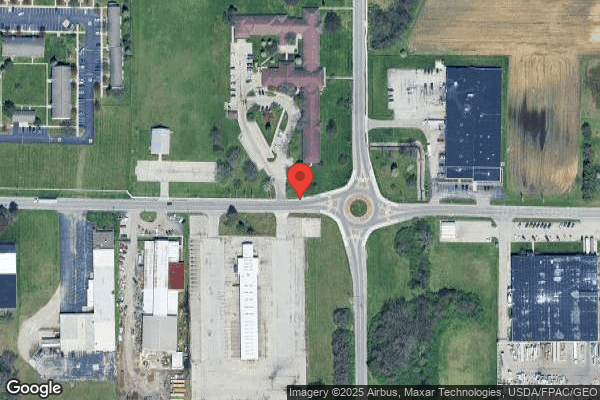
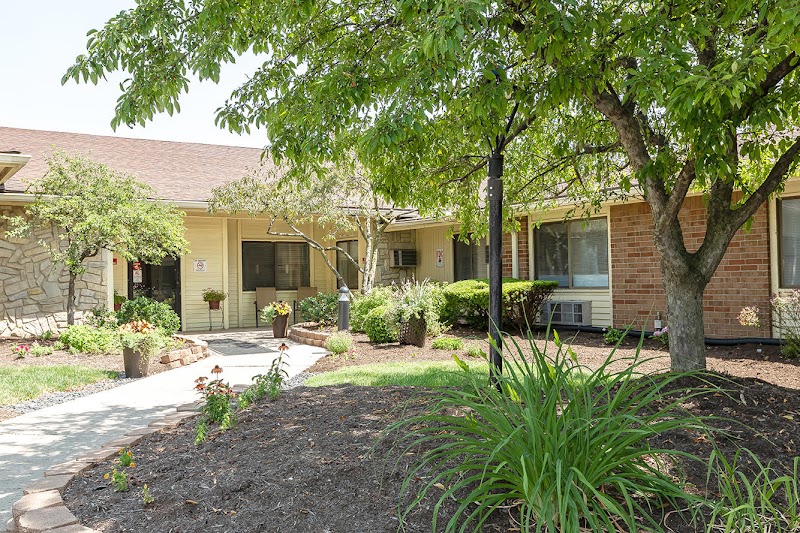
4420 SOUTH AVENUE, TOLEDO, OH 43615 (419) 531-4201
For profit - Limited Liability company 75 Beds DIVINE HEALTHCARE MANAGEMENT Data: November 2025
Trust Grade
33/100
#645 of 913 in OH
Last Inspection: August 2024

Within standard 12-15 month inspection cycle. Federal law requires annual inspections.

Overview

Continuing Healthcare of Toledo has received a Trust Grade of F, indicating poor performance with significant concerns regarding care. They rank #645 out of 913 facilities in Ohio, placing them in the bottom half of the state, and #22 out of 33 in Lucas County, meaning only one local option is worse. While the facility shows an improving trend in issues reported, dropping from 15 in 2024 to 4 in 2025, there are still serious shortcomings. Staffing is rated poorly at 1 out of 5 stars, with a 39% turnover rate that is below the state average of 49%, but this still raises concerns about consistency in care. Notably, the facility has been fined $21,598, which is higher than 77% of Ohio facilities, indicating ongoing compliance problems. Specific incidents include failing to implement necessary pressure ulcer treatments for a resident, resulting in further skin deterioration, and not transporting a resident experiencing a critical change in condition to the hospital as ordered, delaying essential medical intervention. While the facility does excel in quality measures with a 5 out of 5 star rating, the overall picture reveals considerable weaknesses that families should carefully consider.

Trust Score
F
33/100
In Ohio
#645/913
Bottom 30%
Safety Record
High Risk
Review needed
Inspections
Getting Better
15 → 4 violations
Staff Stability
○ Average
39% turnover. Near Ohio's 48% average. Typical for the industry.
Penalties
✓ Good
$21,598 in fines. Lower than most Ohio facilities. Relatively clean record.
Skilled Nurses
○ Average
Each resident gets 32 minutes of Registered Nurse (RN) attention daily — about average for Ohio. RNs are the most trained staff who monitor for health changes.
Violations
⚠ Watch
59 deficiencies on record. Higher than average. Multiple issues found across inspections.
★★☆☆☆
2.0
Overall Rating
★☆☆☆☆
1.0
Staff Levels
★★★★★
5.0
Care Quality
★★☆☆☆
2.0
Inspection Score
Stable
2024: 15 issues
2025: 4 issues

The Good

  • 5-Star Quality Measures · Strong clinical quality outcomes
  • Full Sprinkler Coverage · Fire safety systems throughout facility
  • No fines on record
  • Staff turnover below average (39%)

    9 points below Ohio average of 48%

Facility shows strength in quality measures, fire safety.

The Bad

2-Star Overall Rating

Below Ohio average (3.2)

Below average - review inspection findings carefully

Staff Turnover: 39%

Near Ohio avg (46%)

Typical for the industry

Federal Fines: $21,598

Below median ($33,413)

Minor penalties assessed

Chain: DIVINE HEALTHCARE MANAGEMENT

Part of a multi-facility chain

Ask about local staffing decisions and management

The Ugly 59 deficiencies on record

3 actual harm
Aug 2025 1 deficiency
CONCERN (D) 📢 Someone Reported This

A family member, employee, or ombudsman was alarmed enough to file a formal complaint

Potential for Harm - no one hurt, but risky conditions existed

Incontinence Care (Tag F0690)

Could have caused harm · This affected 1 resident

**NOTE- TERMS IN BRACKETS HAVE BEEN EDITED TO PROTECT CONFIDENTIALITY** Based on observation, medical record review, staff interview and facility policy review, the facility failed to maintain and mon...

Read full inspector narrative →
**NOTE- TERMS IN BRACKETS HAVE BEEN EDITED TO PROTECT CONFIDENTIALITY** Based on observation, medical record review, staff interview and facility policy review, the facility failed to maintain and monitor a resident's urinary catheter system. This affected one (#1) of two residents reviewed for a urinary catheter. The facility identified two residents (#1 and #3) with an indwelling urinary catheter. The facility census was 61. Review of the medical record revealed Resident #1 admitted to the facility on [DATE] with diagnoses including, quadriplegia, seizure disorder, mood disorder, neuromuscular dysfunction of bladder, protein calorie malnutrition, tracheostomy, gastrostomy, supra pubic catheter, urinary tract infection, and a tibia fracture. Review of the most current minimum data set assessment dated [DATE] revealed Resident #1 was cognitively intact and had no behaviors, had impaired range of motion to bilateral upper and lower extremities, was dependent on staff for the completion of activities of daily living including bed mobility, was incontinent of bowel, had a suprapubic catheter, received regular diet, and was at risk for pressure ulcer with no skin break down. Review of the nursing plan of care revealed the care plan was revised 04/11/25 to address Resident #1's use of a suprapubic urinary catheter due to neurogenic bladder. Interventions included positioning the catheter bag and tubing below the bladder, when providing assistance, check the tubing to ensure there is urine present and collecting in the catheter bag, empty the catheter drainage bag and as needed, notify the nurse if there is only a small amount or urine or none present in the drainage bag, or if the urine appears cloudy or dark yellow/brown. The care plan did not contain interventions to monitor the suprapubic stoma (catheter insertion site) or to record the amount of urine collected in the catheter drainage bag. Review of physician orders noted on 08/03/25 an order was initiated to cleanse suprapubic catheter with wound cleanser and apply dry dressing every day. According to the medical record no documentation indicated the suprapubic catheter site was cleansed with a dressing applied on 08/04/25, 08/05/25, 08/06/25, 08/19/25, 08/23/25, 08/24/25. The medical record also lacked assessment of the suprapubic catheter stoma site. Observation on 08/27/25 at 9:47 A.M. with Licensed Practical Nurse (LPN) #300 and Certified Nurse Aide (CNA) #200 noted Resident #1 in bed. CNA #200 exposed Resident #1 suprapubic insertion site (stoma) and verified no dressing was in place as ordered by the physician. Review of electronic task documentation lacked urinary output recorded each shift or for a 24-hour period on the following days; 07/30/25- None, 08/04/25 recorded once at 12:55 P.M.- 400 cubic centimeters (cc), 08/06/25- None, 08/16/25 at 6:29 A.M.- 1300 cc, 08/18/25 at 6:11 A.M.- 50 cc, 08/20/25- None, 08/21/25- None, 08/22/25 at 6:29 A.M.- 500 cc, 08/24/25- None, 08/26/25 at 9:38 P.M.-200 cc. On 08/27/25 at 2:40 P.M. interview with the Director of Nursing (DON) during a review of the medical record confirmed the lack of documentation regarding Resident #1 suprapubic catheter stoma condition, stoma site treatment application, and urinary output. Review of the facilities undated Catheter Care policy stated catheter care will be performed every shift and as needed by nursing personnel. Privacy bags will be changed out when soiled, and with a catheter change or as needed. Empty drainage bags when bag is half full or every three to six hours. This deficiency represents non-compliance investigated under Complaint Number 2594947.
Jul 2025 3 deficiencies
CONCERN (D) 📢 Someone Reported This

A family member, employee, or ombudsman was alarmed enough to file a formal complaint

Potential for Harm - no one hurt, but risky conditions existed

Notification of Changes (Tag F0580)

Could have caused harm · This affected 1 resident

**NOTE- TERMS IN BRACKETS HAVE BEEN EDITED TO PROTECT CONFIDENTIALITY** Based on medical record review, staff interview, and review of facility policy, the facility failed to ensure the physician was ...

Read full inspector narrative →
**NOTE- TERMS IN BRACKETS HAVE BEEN EDITED TO PROTECT CONFIDENTIALITY** Based on medical record review, staff interview, and review of facility policy, the facility failed to ensure the physician was notified when the resident refused their anti-seizure medications. This affected one (Resident #10) of three residents reviewed for notification of change. Findings include: Review of the medical record for Resident #10 revealed an admission date of 05/25/25. Diagnoses included epilepsy. Review of the Medicare five-Day Minimum Data Set (MDS) assessment dated [DATE] revealed Resident #10 was cognitively intact. Review of Resident #10's physician order for July 2025 revealed an order for 1,000 milligrams (mg) of Keppra (a medication used to treat seizure disorders) to be administered orally (PO) twice a day (BID) for seizures. Review of the July 2025 medication administration record (MAR) for Resident #10 revealed on 07/19/25 Resident #10 refused her physician ordered dose of Keppra in the morning (AM) as well at bedtime (HS). On 07/20/25, Resident #10 refused her physician ordered dose of Keppra in the AM. The medical record including the MAR and progress notes did not indicate the physician was notified of Resident #10's refusal to take Keppra for three consecutive doses. Interview on 07/29/25 at 2:24 P.M. with the Director of Nursing (DON) verified there was no documentation the facility notified the physician of Resident #10's refusals of three consecutive doses of Keppra. Review of the facility policy titled Change in a Resident's Condition or Status dated February 2021 revealed the nurse will notify the resident's attending physician or physician on call when there has been a refusal or treatment or medications two or more consecutive times. This was an incidental finding discovered during the course of the complaint investigation.
CONCERN (F) 📢 Someone Reported This

A family member, employee, or ombudsman was alarmed enough to file a formal complaint

Potential for Harm - no one hurt, but risky conditions existed

Deficiency F0804 (Tag F0804)

Could have caused harm · This affected most or all residents

Based on observation, test tray review, resident interview, staff interview, review of facility policy, and review of Food and Drug Administration (FDA) guidelines, the facility failed to ensure foods...

Read full inspector narrative →
Based on observation, test tray review, resident interview, staff interview, review of facility policy, and review of Food and Drug Administration (FDA) guidelines, the facility failed to ensure foods were served at a proper temperature and were palatable. This affected four residents (#32, #51, #54, and #62) of seven residents reviewed for food and had the potential to affect an additional 64 residents who received meals prepared by the kitchen. The facility identified Resident #66 as receiving no food from the kitchen. The facility census was 69. Findings included:Interview on 07/28/25 at 9:28 A.M. with Resident #62 revealed she eats all of her meals in her room and her meals were always cold when delivered and were typically not palatable. Interview on 07/28/25 at 9:30 A.M. with Resident #54 revealed she eats all of her meals in her room and while the quality of the food was acceptable, her meals were never warm when they were delivered to her. Interview on 07/28/25 at 9:39 A.M. with Certified Nursing Assistant (CNA) #201 revealed when resident food was delivered to resident rooms, it was typically room temperature.Interview on 07/28/25 at 9:45 A.M. with Resident #32 revealed the food served in the facility was not palatable. Interview on 07/28/25 at 11:15 A.M. with Dietary Manager #130 revealed there have been concerns voiced in Resident Council regarding the temperature of food and as a result of these concerns, the dietary department has instituted a new process of warming plates in the plate warmer and placing them on an insulated base and covering them with an insulated cover in an attempt to keep food warmer. Interview on 07/29/25 at 6:32 A.M. with Licensed Practical Nurse (LPN) #205 revealed she has received complaints from residents the food was not palatable.Interview on 07/29/25 at 7:54 A.M. with Registered Nurse (RN) #206 revealed he has received complaints from residents regarding the palatability and temperature of facility food. Observation on 07/29/25 from 12:15 P.M. through 12:22 P.M. of tray delivery to the 200-hall revealed all of the Jell-O on the trays was not appropriately set up and were in a liquid state.Interview on 07/29/25 at 12:25 P.M. with Dietary Manager #130 verified the Jell-O served was not adequately congealed and was in a liquid state. She stated the Jell-O was made the evening of 07/28/25 and she feels that it was not prepared with hot enough water to allow the gelatin to melt and congeal properly. Review of the test tray with Dietary Manager #130 and conducted on 07/29/25 at 12:27 P.M. revealed the contents of the tasting tray included a fish sandwich with American cheese, carrots, green beans, pears, and a carton of one-percent milkfat milk. Temperatures of the food on the test tray was conducted with a kitchen thermometer, the surveyor, and Dietary Manager #130 and the readings were as followed: Fish sandwich with American cheese 123 degrees Fahrenheit (F), carrots 110 degrees F, green beans 108 degrees F, and a the milk was 53 degrees F. The fish sandwich was cold, had a mushy texture, and was overwhelmingly salty, making it not palatable. Interview on 07/29/25 at 12:29 P.M. with Dietary Manager #130 verified the fish sandwich was served cold, had a mushy texture, was overwhelmingly salty, and unpalatable. Interview on 07/29/25 at 1:16 P.M. with Resident #51 stated she didn't like the fish sandwich and it was cold when it was delivered to her room. Interview on 07/29/25 at 1:26 P.M. with Residents #54 and #62 stated their lunch was cold and was not palatable. Review of the FDA Food Safety and Inspection Service Guidelines for Safe Food Temperatures, dated 07/18/17, revealed hot foods are to be served at temperatures of 140 degrees F or above and cold foods are to be served at temperatures of 40 degrees F or below. The temperature range between 40 degrees F and 140 degrees F is known as the danger zone and this temperature range allows for bacteria in food to grow. Review of the facility policy titled Food and Nutrition Services dated October 2017 revealed each resident is provided with a nourishing, palatable, well-balanced diet that meets his or her daily nutritional and special dietary needs, taking into considerate the preferences of each resident. This deficiency represents non-compliance investigated under Complaint Number OH00164298.
CONCERN (F) 📢 Someone Reported This

A family member, employee, or ombudsman was alarmed enough to file a formal complaint

Potential for Harm - no one hurt, but risky conditions existed

Safe Environment (Tag F0921)

Could have caused harm · This affected most or all residents

Based on observation, staff interview, and review of a facility policy, the facility failed to provide a clean, well-maintained, and homelike environment. This had the potential to affect all 69 resid...

Read full inspector narrative →
Based on observation, staff interview, and review of a facility policy, the facility failed to provide a clean, well-maintained, and homelike environment. This had the potential to affect all 69 residents residing in the facility. Findings included: 1.) Observation on 07/28/25 at 9:14 A.M. of Resident #44's room revealed large spots on the floor by the resident bed, scuffs on the wall throughout the room, and two gouges on the floor each approximately three inches in diameter. Interview on 07/30/25 at 3:03 P.M. with the Administrator verified the large spots by the bed, scuff marks on the walls, and the two gouges on the floor. 2.) Observation on 07/28/25 at 10:03 A.M. of the common area in the 200-hall revealed dirt and debris coating the floor by the nurse's station. Interview on 07/30/25 at 3:03 P.M. with the Administrator verified the dirt and debris coating on the floor by the 200-hall nurse's station. 3.) Observation on 07/30/35 at 6:15 A.M. of the hall by four resident (#4, #5, #3, and #50) rooms revealed the wall to the left of Resident #50's rooms entry door was soiled with an unidentified black substance, the hallway flooring had eight cracked tiles, and the wall next to the entry to Resident #4's room was splattered with an unidentified brown substance. Interview on 07/20/25 at 6:18 A.M. with Licensed Practical Nurse (LPN) #208 verified there was an unidentifiable black substance by Resident #50's room, the hallway flooring had eight cracked tiles, and the wall next to the entry to Resident #4's room was splattered with an unidentified brown substance. 4.) Observation on 07/30/25 at 6:15 A.M. of the dining room in the 200-hall with Licensed Practical Nurse (LPN) #208 verified 14 spots of unidentified food on the floor, a cigarette butt by the scale, and the floor under the air filter was coated with an unidentified black substance and debris. Review of the facility policy titled Homelike Environment dated February 2021 revealed residents are provided with a safe, clean, comfortable, and homelike environment. This was an incidental finding discovered during the course of the complaint investigation.
Nov 2024 2 deficiencies
CONCERN (D) 📢 Someone Reported This

A family member, employee, or ombudsman was alarmed enough to file a formal complaint

Potential for Harm - no one hurt, but risky conditions existed

Pressure Ulcer Prevention (Tag F0686)

Could have caused harm · This affected 1 resident

**NOTE- TERMS IN BRACKETS HAVE BEEN EDITED TO PROTECT CONFIDENTIALITY** Based on observation, medical record review, staff interview, and facility policy, the facility failed to ensure residents were ...

Read full inspector narrative →
**NOTE- TERMS IN BRACKETS HAVE BEEN EDITED TO PROTECT CONFIDENTIALITY** Based on observation, medical record review, staff interview, and facility policy, the facility failed to ensure residents were provided with interventions to prevent skin breakdown in accordance with physician orders and nursing plans of care. This affected three (#1, #2, #3) of three sampled residents reviewed for skin integrity. Facility census was 69. Findings include: 1. Resident #1 admitted to the facility on [DATE] with diagnoses including, polyosteoarthritis, anemia, chronic fatigue, polyneuropathy, congestive heart failure, peripheral vascular disease, spondylosis, absence right leg above knee, and covid-19. According to the most current Minimum Data Set (MDS) assessment dated [DATE] revealed Resident #1 had severe cognitive impairment, was dependent on staff for the completion of activities of daily living including bed mobility, always incontinent of bowel and bladder, and was at risk for pressure ulcer development with no skin breakdown. Review of nursing plans of care noted on 07/07/23 a care plan was developed to address Resident #1's potential/actual impairment to skin integrity related to fragile skin. Interventions included, follow facility protocols for treatment of injury, the resident needs low air loss mattress to protect the skin while in bed, and offloading boots to foot while in bed. Further review of the medical record discovered an additional plan of care dated 01/24/23 addressing Resident #1's bowel incontinence related to immobility with interventions including, check resident every two hours and assist with toileting as needed. On 08/30/24 a Braden scale for predicting pressure sore risk scored Resident #1 at risk for pressure sore development. According to weekly wound evaluation documentation dated 10/30/24 Resident #1 was assessed with a healed stage two pressure ulcer to the sacrum that was acquired on 10/09/24. Instructions included continued application of zinc. On 11/04/24 weekly skin observation documentation noted the resident with intact skin. Risk factors for impaired skin integrity were incontinence and limited mobility with interventions including check and change and low air loss mattress. Observation on 11/05/24 at 7:34 A.M. with Certified Nurse Aide (CNA) #201 discovered Resident #1 in bed with two incontinence briefs applied. Resident #1 was unable to indicate when last checked for incontinence or repositioning. CNA #201 stated she assumed care of Resident #1 at 7:00 A.M. and this was her first observation of the resident. CNA #201 went on to state CNA #202 provided care for the resident on the previous shift and had left the facility before CNA #201 received a report regarding the last incontinence check or repositioning for Resident #1. Resident #1 was also discovered without the offloading boot in place and Resident #1 left foot resting on the mattress surface. CNA #201 was unaware the offloading boot was to be applied and was unable to locate the boot in Resident #1's room. According to task, bowel and bladder monitoring documentation, Resident #1 was documented as incontinent on 11/04/24 at 9:23 P.M. with repositioning documented as taking place at 9:24 P.M. No further bowel and bladder tracking was documented in the medical record. On 11/05/24 at 7:45 A.M. interview with the Director of Nursing (DON) revealed residents are not to be double briefed due to creating an increased potential for skin breakdown and infections. CNA's are to document incontinence checks and repositioning in the medical record under tasks. The DON also stated resident skin breakdown interventions are contained in the nursing plan of care and also included incontinence frequency checks for the specific resident. 2. Resident #2 admitted to the facility on [DATE] with diagnoses including, rheumatoid arthritis, major depressive disorder, dysphagia, congestive heart failure, muscle wasting and atrophy, protein calorie malnutrition, anxiety disorder, hypertension, atrial fibrillation, type 2 diabetes mellitus, right eye blindness and atrioventricular septal defect. According to the most current MDS assessment dated [DATE] revealed Resident #2 had severe cognitive impairment, was dependent on staff for the completion of activities of daily living including bed mobility, always incontinent of bowel and bladder, and was at risk for pressure ulcer development with no current skin breakdown. On 09/19/24 Braden scale for predicting pressure sore risk scored Resident #2 at moderate risk for pressure sore development. On 09/21/24 a Bladder Incontinence Data Collection Tool was completed and Resident #2 was assessed as incontinent of bladder requiring staff to complete incontinence care. Resident does not verbalize the need to use toilet. A nursing plan of care was developed on 09/30/24 to address Resident #2's Activity of Daily Living (ADL) self-care performance deficit related to fatigue, impaired balance, limited mobility, vision loss, osteoarthritis, and episodes of pain. Resident transfers extensive assist of one but Hoyer lift with assist of two is often needed. Interventions included, the resident is totally dependent on one to two staff to provide bath/shower as necessary, for bed mobility, the resident requires extensive to dependent assistance by two staff, the resident is bedfast all or most of the time, the resident requires skin inspection with care, observe for redness, open areas, scratches, cuts, bruises and report changes to the nurse, the resident is totally dependent on two staff for toilet use, and the resident is totally dependent on two staff for transferring. On 09/23/24 to address Resident #2's potential alteration in elimination frequently incontinent of bowel and bladder, interventions included the following: monitor for skin redness and irritation and provide incontinent care as needed (PRN). No frequency was indicated related to providing turning or repositioning or checking the resident for incontinence episodes. On 11/04/24 weekly skin observation documentation noted the resident with intact skin. Risk factors for impaired skin integrity were incontinence and limited mobility with interventions including check and change and low air loss mattress. According to task, bowel and bladder monitoring and repositioning documentation, Resident #2 was documented as incontinent on 11/04/24 at 11:48 P.M. No further bowel and bladder tracking or reposition was documented in the medical record. Observation on 11/05/24 at 7:02 A.M. noted Resident #2 in bed. Certified Nurse Aide (CNA) #203 entered the room and proceeded to complete an incontinence check. CNA #203 discovered Resident #2 had two adult incontinence briefs applied and the resident was soiled of a moderate amount of urine. CNA #203 indicated she had just assumed the shift at 7:00 A.M. and was unaware when the resident was last provided with an incontinence care. CNA #203 stated CNA's were informed by nurses not to place two briefs on residents. On 11/05/24 at 7:08 A.M. interview with Licensed Practical Nurse (LPN) #301 revealed she was unaware Resident #2 was placed in two incontinence briefs and was unaware when the resident was last provided repositioning or observed for incontinence episodes. On 11/05/24 at 8:40 A.M., telephone interview with CNA #204 confirmed providing care to Resident #2 between 11/04/24 at 10:30 P.M. and 11/05/24 at approximately 12:30 A.M. CNA #204 stated she turned care over to CNA #205 at that time. CNA #204 also confirmed oncoming staff was not at the facility at the end of the shift and no report was provided. CNA #204 ended the shift on 11/05/24 at 6:30 A.M. On 11/05/24 at 8:46 A.M., telephone interview with CNA #205 denied assuming care of Resident #2 during the shift on 11/05/24. CNA #205 verified she did not check Resident #2 for incontinence or provide turning with repositioning during her shift on 11/05/24 between 12:30 A.M. and 6:30 A.M. On 11/05/24 at 7:45 A.M., interview with the Director of Nursing (DON) revealed residents are not to be double briefed due to creating a increased potential for skin breakdown and infections. CNA's are to document incontinence checks and repositioning in the medical record under task. The DON also stated resident skin breakdown interventions are contained in the nursing plan of care and also included incontinence frequency checks for the specific resident. 3. Resident #3 admitted to the facility on [DATE] with diagnoses including, cerebral infarction, type 2 diabetes mellitus, protein calorie malnutrition, hypertension, anemia, dysphagia, acute kidney failure, and muscle disorder. According to the most current MDS assessment dated [DATE] revealed Resident #3 with the inability to make needs known, severe cognitive impairment, dependent on staff for the completion of ADLs including bed mobility, always incontinent of bowel and bladder, and at risk for pressure ulcer development with no current skin breakdown. Review of nursing plans of care revealed on 05/18/24 a plan of care was developed to address Resident #3's ADL self-care performance deficit related to disease process. Interventions included the following; for bed mobility, the resident is able to complete task with limited to extensive assist of one to two staff members, for toilet use, the resident is able to complete task with extensive to total assist of one to two staff members, for transfers, the resident is able to complete task with extensive to total assist of one to two staff members, monitor/document/report PRN any changes, any potential for improvement, reasons for self-care deficit, expected course, and declines in function. No turning or repositioning frequency was indicated in the nursing plans of care. On 09/03/24 a Braden scale for predicting pressure sore risk scored Resident #3 at high risk for pressure sore development. On 09/03/24 a Bladder Incontinence Data Collection Tool was completed and noted resident is incontinent of bladder all or most of the time. A physician order was initiated on 10/10/24 to provide additional ADL assistance related to diagnosis of Hemiplegia and Cerebral Infarction. Please refer to plan of care. On 11/04/24, weekly skin observation documentation noted risk factors for impaired skin integrity were due to impaired mobility and incontinence of bowel and bladder. Interventions to preserve skin integrity included weekly skin assessment and two hour turns per facility protocol. Observation on 11/05/24 at 7:13 A.M with Certified Nurse Aide (CNA) #201 discovered Resident #3 in bed with two incontinence briefs applied. Resident #3 was unable to indicate when last checked for incontinence and was observed to require total dependence of care from CNA #201. CNA #201 stated she assumed care of Resident #3 at 7:00 A.M. and the observation was her first observation of the resident. CNA #201 went on to state the previous CNA identified to provide care to Resident #3 left the facility before giving report regarding the last turning and repositioning or incontinence check for Resident #3. CNA #201 stated Resident #3 required two hour incontinence episode checks with repositioning. According to task bowel and bladder monitoring documentation Resident #3 was documented to be checked and found incontinent on 11/04/24 at 8:22 A.M. No further bowel and bladder tracking or documentation of incontinence monitoring was documented in the medical record. Review of repositioning documentation noted on 11/04/24 at 11:57 P.M. Resident #3 was provided with repositioning. No further repositioning was noted in the medical record. On 11/05/24 at 7:45 A.M. interview with the Director of Nursing (DON) revealed residents are not to be double briefed due to creating a increased potential for skin breakdown and infections. CNA's are to document incontinence checks and repositioning in the medical record under task. The DON also stated resident skin breakdown interventions are contained in the nursing plan of care and also included incontinence frequency checks for the specific resident. Review of facility undated Pressure Injury Prevention and Management policy revealed the facility shall establish and utilize a systematic approach for pressure injury prevention and management. The approach will include prompt assessment and treatment; intervening to stabilize, reduce or remove underlying risk factors: monitoring the impact of the interventions; modifying the interventions as appropriate. Interventions for prevention and to promote healing included the development of a care plan to include measurable goals with appropriate interventions. Basic or routine care interventions include redistribution of pressure, minimize exposure to moisture. Review of facility undated Turing and Repositioning policy instructed that all residents at risk of or with existing pressure injuries, will be turned and repositioned, unless it is contraindicated due to a medical condition. Turning and repositioning is a primary responsibility of nursing assistants. The frequency of turning and repositioning will be documented in the residents plan of care. Repositioning while in the chair directed every one hour repositioning for a resident unable to reposition or make position changes.
CONCERN (D) 📢 Someone Reported This

A family member, employee, or ombudsman was alarmed enough to file a formal complaint

Potential for Harm - no one hurt, but risky conditions existed

Incontinence Care (Tag F0690)

Could have caused harm · This affected 1 resident

**NOTE- TERMS IN BRACKETS HAVE BEEN EDITED TO PROTECT CONFIDENTIALITY** Based on observation, medical record review, and staff interview, the facility failed to ensure incontinence interventions were ...

Read full inspector narrative →
**NOTE- TERMS IN BRACKETS HAVE BEEN EDITED TO PROTECT CONFIDENTIALITY** Based on observation, medical record review, and staff interview, the facility failed to ensure incontinence interventions were implemented in a timely manner and in accordance with nursing plans of care. This affected three (#1, #2, #3) of three sampled residents reviewed for incontinence care and treatment. Facility census was 69. Findings include: 1. Resident #1 admitted to the facility on [DATE] with diagnoses including, polyosteoarthritis, anemia, chronic fatigue, polyneuropathy, congestive heart failure, peripheral vascular disease, spondylosis, absence right leg above knee, and covid-19. According to the most current Minimum Data Set (MDS) assessment dated [DATE] revealed Resident #1 with severe cognitive impairment, dependent on staff for the completion of activities of daily living including bed mobility, always incontinent of bowel and bladder, and at risk for pressure ulcer development with no skin breakdown. On 09/20/24, a Bladder Incontinence Data Collection Tool was completed and noted resident was incontinent of bladder requiring staff to complete incontinence care. Resident does wet through brief and pants when urinating. Resident does not verbalize the need to use the toilet. Review of Resident #1's nursing plan of care dated 01/24/23 revealed Resident #1 had bladder incontinence. Interventions included, clean peri-area with each incontinence episode. No documentation indicated a frequency to monitor Resident #1 for urinary incontinence. On 01/24/23 a plan of care was implemented to address Resident #1 bowel incontinence related to immobility with interventions including; check resident every two hours and assist with toileting as needed. Observation on 11/05/24 at 7:34 A.M. with Certified Nurse Aide (CNA) #201 discovered Resident #1 in bed with two incontinence briefs applied. Resident #1 was unable to indicate when last checked for incontinence. CNA #201 stated she assumed care of Resident #1 at 7:00 A.M. and this was her first observation of the resident. CNA #201 went on to state CNA #202 provided care for the resident on the previous shift and had left the facility before CNA #201 received a report regarding the last incontinence check for Resident #1. According to task bowel and bladder monitoring documentation Resident #1 was documented as incontinent on 11/04/24 at 9:23 P.M. with repositioning documented as taking place at 9:24 P.M. No further bowel and bladder tracking was documented in the medical record. On 11/05/24 at 7:45 A.M. interview with the Director of Nursing (DON) revealed residents are not to be double briefed due to creating a increased potential for skin breakdown and infections. CNAs are to document incontinence checks in the medical record under task and resident incontinence frequency checks are indicated in the nursing plan of care. 2. Resident #2 admitted to the facility on [DATE] with diagnoses including, rheumatoid arthritis, major depressive disorder, dysphagia, congestive heart failure, muscle wasting and atrophy, protein calorie malnutrition, anxiety disorder, hypertension, atrial fibrillation, type 2 diabetes mellitus, right eye blindness and atrioventricular septal defect. According to the most current MDS assessment dated [DATE] assessed Resident #2 with severe cognitive impairment, dependent on staff for the completion of activities of daily living including bed mobility, always incontinent of bowel and bladder, at risk for pressure ulcer development with no current skin breakdown. On 09/21/24 a Bladder Incontinence Data Collection Tool was completed and Resident #2 was assessed as incontinent of bladder requiring staff to complete incontinence care. Resident does not verbalize the need to use toilet. A nursing plan of care was developed on 09/23/24 to address Resident #2's potential alteration in elimination frequently incontinent of bowel and bladder. Interventions included the following: monitor for skin redness and irritation and provide incontinent care as needed (PRN). No frequency was indicating related to checking the resident for incontinence episodes. According to task bowel and bladder monitoring documentation Resident #2 was documented as incontinent on 11/04/24 at 11:48 P.M. No further bowel and bladder tracking was documented in the medical record. Observation on 11/05/24 at 7:02 A.M. noted Resident #2 in bed. Certified Nurse Aide (CNA) #203 entered the room and proceeded to complete an incontinence check. CNA #203 discovered Resident #2 had two adult incontinence briefs applied and the resident was soiled of a moderate amount of urine. CNA #203 indicated she had just assumed the shift at 7:00 A.M. and was unaware when the resident was last provided with an incontinence observation. CNA #203 stated CNA's were informed by nurses not to place two briefs on residents. On 11/05/24 at 7:08 A.M. interview with Licensed Practical Nurse #301 revealed she was unaware Resident #2 was placed into two incontinence briefs and was unaware when the resident was last observed for incontinence episode. On 11/05/24 at 8:40 A.M. telephone interview with CNA #204 confirmed providing care to Resident #2 between 11/04/24 at 10:30 P.M. and 11/05/24 at approximately 12:30 A.M. CNA #204 stated she turned care over to CNA #205 at that time. CNA #204 also confirmed oncoming staff was not at the facility at the end of the shift and no report was provided. CNA #204 ended the shift on 11/05/24 at 6:30 A.M. On 11/05/24 at 8:46 A.M. telephone interview with CNA #205 denied assuming care of Resident #2 during the shift on 11/05/24. CNA #205 verified she did not check Resident #2 for incontinence or provide turning with repositioning during her shift between 11/05/24 at 12:30 A.M. and 6:30 A.M. According to task bowel and bladder monitoring documentation Resident #2 was documented to be checked and found incontinent on 11/04/24 at 11:48 P.M. No further bowel and bladder tracking or documentation of incontinence monitoring was documented in the medical record. On 11/05/24 at 7:45 A.M. interview with the Director of Nursing (DON) revealed residents are not to be double brief due to creating a increased potential for skin breakdown and infections. CNAs are to document incontinence checks in the medical record under task and resident incontinence frequency checks are indicated in the nursing plan of care. 3. Resident #3 admitted to the facility on [DATE] with diagnoses including, cerebral infarction, type 2 diabetes mellitus, protein calorie malnutrition, hypertension, anemia, dysphagia, acute kidney failure, and muscle disorder. According to the most current MDS assessment dated [DATE] revealed Resident #3 with the inability to make needs known, severe cognitive impairment, dependent on staff for the completion of activities of daily living (ADL) including bed mobility, always incontinent of bowel and bladder, at risk for pressure ulcer development with no current skin breakdown. Review of nursing plans of care revealed on 05/18/24 a plan of care was developed to address Resident #3's ADL self-care performance deficit related to disease process. Interventions included for toilet use, the resident is able to complete task with extensive to total assist of one to two staff members. On 09/03/24 a Bladder Incontinence Data Collection Tool was completed and noted resident is incontinent of bladder all or most of the time. A physician order was initiated on 10/10/24 to provide additional ADL assistance related to diagnoses of Hemiplegia and Cerebral Infarction. Please refer to plan of care. Observation on 11/05/24 at 7:13 A.M. with Certified Nurse Aide (CNA) #201 discovered Resident #3 in bed with two incontinence briefs applied. Resident #3 was unable to indicate when last checked for incontinence and was observed to require total dependence of care from CNA #201. CNA #201 stated she assumed care of Resident #3 at 7:00 A.M. and the observation was her first observation of the resident. CNA #201 went on to state the previous CNA identified to provide care to Resident #3 left the facility before giving report regarding the last incontinence check for Resident #3. CNA #201 stated Resident #3 required two hour incontinence episode checks with repositioning. According to task bowel and bladder monitoring documentation Resident #3 was documented to be checked and found incontinent on 11/04/24 at 8:22 A.M. No further bowel and bladder tracking or documentation of incontinence monitoring was documented in the medical record. On 11/05/24 at 7:45 A.M. interview with the Director of Nursing (DON) revealed residents are not to be double brief due to creating a increased potential for skin breakdown and infections. CNAs are to document incontinence checks in the medical record under task and resident incontinence frequency checks are indicated in the nursing plan of care. This deficiency represents non-compliance investigated under Complaint Number OH00159047.
Aug 2024 13 deficiencies 1 Harm
SERIOUS (G)

Actual Harm - a resident was hurt due to facility failures

Pressure Ulcer Prevention (Tag F0686)

A resident was harmed · This affected 1 resident

**NOTE- TERMS IN BRACKETS HAVE BEEN EDITED TO PROTECT CONFIDENTIALITY** Based on observation, medical record review, staff interview, and review of a facility policy, the facility failed to ensure int...

Read full inspector narrative →
**NOTE- TERMS IN BRACKETS HAVE BEEN EDITED TO PROTECT CONFIDENTIALITY** Based on observation, medical record review, staff interview, and review of a facility policy, the facility failed to ensure interventions and treatments were implemented for a resident assessed at risk for pressure ulcers to prevent deterioration of an existing stage four pressure ulcer (full-thickness skin and tissue loss) and the development of additional pressure ulcers and failed to ensure pressure ulcer treatments were applied as ordered by the physician. Actual harm occurred to Resident #31 when the facility failed to initiate an alternative pressure relieving cushion or additional pressure reliving intervention to the resident's wheelchair after an existing cushion was damaged and removed and treatments were not administered as ordered. This resulted in Resident #31 developing two stage three in-house acquired pressure ulcers (full-thickness skin loss) with related worsening and drainage. This affected one (#31) of two sampled residents reviewed for pressure ulcer prevention and care in a facility census of 61. Findings include: Review of Resident #31's medical record revealed the resident admitted to the facility on [DATE] with diagnoses including, cervical cord syndrome, paraplegia, traumatic brain injury, type II diabetes mellitus, poly neuropathy, atrial fibrillation, venous thrombosis and embolism, respiratory failure, chronic obstructive pulmonary disease, ulcerative pancolitis, and spinal stenosis. Review of the most current Minimum Data Set (MDS) assessment dated [DATE] assessed Resident #31 with intact cognition. The resident was dependent on staff for the completion of activities of daily living (ADLs) including bed mobility and repositioning. The resident utilized an indwelling catheter and colostomy, and was assessed at risk for pressure ulcer development with one or more unhealed pressure ulcers/injuries including a stage three pressure ulcer not present at the time of admission, one stage four present on admission, and one unstageable pressure injury (obscured full-thickness skin and tissue loss) present upon admission. Review of a nursing plan of care initiated on 10/11/21 revealed Resident #31 had actual impairment to skin integrity related to paraplegia including a stage four pressure ulcer to the right ischium. Interventions included to follow facility protocols for treatment of the injury; identify and document potential causative factors and eliminate and resolve where possible; monitor and document the location, size, and treatment of the skin injury, and report abnormalities, failure to heal, signs or symptoms of infection, or maceration to the physician; and weekly treatment documentation to include measurement of each area of skin breakdown with width, length, depth, type of tissue and exudate, and any other notable changes or observations. Review of the wound specialist physician evaluation documentation on 05/01/24 revealed a chronic stage four right ischium pressure ulcer present greater than 761 days. Further review revealed the wound evaluation description was noted with moderate serous exudate (drainage) and measured 3.3 centimeters (cm) long by (x) 1.8 cm wide x 1.1 cm deep. The recommended interventions included to off-load the wound, turn side to side and front to back in bed every one to two hours if able when in bed, lay flat in wheelchair for one hour every three hours, reposition per facility protocol, and continue application of specialized cushion (ROHO, pressure-reliving cushion) to the specialized wheelchair. On 05/02/24 the physician modified a treatment to the right ischium to cleanse Resident #31's wound with wound cleanser (Vashe), pat dry, apply a collagen sheet, then apply calcium alginate/AG to the wound bed, and cover with bordered gauze once daily and as needed every day shift for a pressure injury. Review of the pressure risk assessment dated [DATE] Resident #31 was assessed at moderate risk of pressure ulcer development. Review of wound specialist physician evaluation documentation on 07/19/24 noted a chronic stage four right ischium pressure ulcer. Further review of the wound evaluation description noted moderate serous exudate and measured 3.0 cm long x 1.9 cm wide x 0.5 cm deep. The recommended interventions included to off-load the wound, turn side to side and front to back in bed every one to two hours if able when in bed, lay flat in wheelchair for one hour every three hours, reposition per facility protocol, and continue application of ROHO cushion to specialized wheelchair. The primary dressing for the wound included the application of a collagen sheet apply once daily for 30 days, and alginate calcium with silver apply once daily for 30 days. On 07/31/24 a weekly wound evaluation noted Resident #31's stage four right ischium pressure ulcer was documented as worsening due to resident non-compliance with wound care and broken ROHO cushion. The wound description revealed there was moderate serous exudate, and the wound measured 4.2 cm long x 3.0 wide x 0.7 cm deep. No additional intervention was implemented to replace the broken ROHO cushion. In addition, two in-house pressure ulcers were discovered. Documentation indicated wound #1, which was a right buttock stage three pressure ulcer, was noted on 07/30/24 and was described with a small amount of serous exudate and measured 7.5 cm long x 4.0 cm wide x 0.1 cm deep. Treatment of the wound included to cleanse with soap and water apply Triad paste every shift and as needed. Wound #2, which was identified as left ischium moisture associated skin damage (MASD), measured 4.0 cm long x 7.5 cm wide x 0.1 cm deep with no drainage. The same treatment was applied as wound #1. Review of a wound specialist evaluation dated 07/31/24 noted the physician indicated Resident #31's custom ROHO cushion was taken to see if a repair could be made. The document continued that the resident continued to stay in his chair for 14-plus hours per day without getting up to off-load and had caused a quick breakdown of his skin. Resident #31 was encouraged to get back into bed or at least lay on his side when he got back into bed. The wound specialist documented the facility will also see if physical therapy might have a ROHO cushion available to use until they find out what was happening with the resident's personal ROHO cushion. Resident #31's wound progress was documented as exacerbated due to patient non-compliant with wound care and broken ROHO cushion. Wound measurement to the right ishium was 4.2 cm long x 3.0 cm wide x 0.7 cm deep with moderate serous drainage. Recommendations included to off-load the wound, reposition per facility protocol, and therapy consultation for ROHO cushion options. On 08/07/24 the wound specialist documented Resident #31's ROHO cushion was being repaired and his wounds and skin are breaking down further. The resident's right ischium was assessed with moderate serous drainage and measured 4.0 cm long x 2.7 cm wide x 1.0 cm deep with a new treatment to apply Methylene blue foam once daily for 30 days. The right buttock was assessed with moderate serous exudate and measured 3.5 cm long x 4.5 cm wide x 0.2 cm deep with wound treatment to apply Methylene blue foam apply once daily for 30 days. The left ischium MASD measured 0.5 cm long x 1.0 cm wide x 0.1 cm deep with continued application of Triad paste apply twice daily. In addition, a third in-house acquired wound was discovered to the posterior scrotum described as a stage three pressure wound measuring 2.0 cm long x 5.0 cm wide x 0.1 cm deep with no drainage. Treatment for this wound included application of Triad paste to be applied twice daily. Review of the medical record lacked documentation of additional interventions to address pressure relief while the resident was in the wheelchair, or a therapy evaluation related to temporary replacement of the ROHO cushion. Review of Resident #31's wound treatment orders dated 08/07/24 included, for the right buttock, right ischium, and left ischium, to cleanse with wound cleanser (Vashe), pat dry, apply Methylene Blue (Hydrofera Blue) to the wound bed, and cover with bordered gauze once daily and as needed every day shift for the pressure injuries. The treatment order for the posterior scrotal wound was to cleanse with soap and water and apply Triad paste every shift and as needed. Observation on 08/12/24 at 10:49 A.M. with State Tested Nurse Aide (STNA) #409 noted Resident #31 in his room after being transferred with a mechanical lift. Resident #31 was placed in a specialized electric wheelchair, dressed, and groomed. Interview with Resident #31 at the time of the observation stated he was waiting on repair of his ROHO cushion for four weeks. STNA #409 stated Resident #31 developed an open area to his buttock with no treatment applied for two weeks. Observation at that time revealed Resident #31's wheelchair was noted without a pressure relief cushion to the seat. On 08/13/24 at 10:38 A.M. observation with STNA #409 and STNA #450, during morning activities of daily living with Resident #31, noted the resident was positioned to the left side and revealed exposed wounds to the bilateral ischium, right buttock, and posterior scrotum. There was no dressing or treatment applied to the wounds and blood-tinge drainage was identified contained in the incontinence brief under the resident. Interview with STNA #409 at the time of the observation verified no dressing was in place since assuming care of Resident #31 at 7:00 A.M. Interview on 08/13/24 at 10:43 A.M. with Licensed Practical Nurse (LPN) #422 revealed she was unaware Resident #31 required a dressing application to wounds on the ischium or buttock. LPN #422 indicated she thought a wound barrier cream was to be applied. Observation at that time revealed LPN #422 proceeded to obtain dressing treatment supplies following review of Resident #31's medical record and went to Resident #31's room. Interview with LPN #422 during observation of the resident confirmed no treatment was applied to the resident's wounds. Further observation revealed LPN #422 cleansed the resident's right ischium, right buttock, posterior scrotum, and left ischium with wound cleanser (Vashe) and patted them dry. LPN #422 applied Methylene Blue (Hydrofera Blue) to the wound bed of the bilateral ischium and right buttock, applied barrier cream to the posterior scrotum and peri-wounds, and covered all of the wounds with two absorbent dressings (ABD). Observations on 08/13/24 at 11:00 A.M., 12:20 P.M., 1:03 P.M., 08/14/24 at 12:10 P.M., and 2:00 P.M. noted Resident #31 seated in the wheelchair without a pressure relieving cushion to the seat. On 08/14/24 at 6:45 A.M. interview with the Director of Nursing (DON), during a review of the medical record, confirmed Resident #31 specialized pressure relief cushion (ROHO) to the wheelchair was removed approximately two weeks ago and no intervention was implemented in place of the cushion. The DON verified Resident #31 remained in the wheelchair for extended periods and was unable to reposition himself. Interview on 08/14/24 at 7:20 A.M. with Wound Specialist Physician (WSP) #503 confirmed Resident #31 had a ROHO cushion in place until a couple weeks ago when the cushion was broken, and no current intervention was placed in the chair to replace the missing cushion while being repaired. WSP #503 stated since the cushion had been removed the resident had developed new skin breakdown and deterioration of an existing wound. Observation on 08/14/24 at 9:08 A.M. with WSP #503 and LPN #500 noted Resident #31 in bed. LPN #500 positioned Resident #31 to the left and exposed the dressings. WSP #503 removed the dressings and noted a moderate amount of serous drainage. WSP #503 obtained wound descriptions with measurements to the right ischium wound as measuring 5.0 cm long x 2.0 cm wide x 1.4 cm deep, measurements to the right buttock wound were 5.0 cm long x 3.6 cm wide x 0.1 cm deep, the wound to the left buttock was noted as healed, and the wound to the posterior scrotum measured 5.0 cm long x 1.5 cm wide x 0.2 cm deep. Observation noted Resident #31 to exhibit verbal pain with evaluation of the right ischium wound and indicated the pain was a level of eight on a 10-point scale, with 10 being the worse pain. WSP #503 stated Resident #31 did not express pain when this wound was evaluated previously and indicated the wound appeared more tender and sensitive. Review of the undated pressure injury prevention and management policy revealed interventions will be based on specific factors identified in the risk assessment, skin assessment, and any pressure injury assessment. Evidence-based interventions for prevention will be implemented for all residents at risk or who have pressure injury present. Evidence-based treatments in accordance with current standards of practice will be provided for all residents who have pressure injury present. Review of the undated clean dressing change policy revealed the facility will provide wound care in a manner to decrease potential for infection and/or cross-contamination. Physician's orders will specify type of dressing and frequency of changes.
CONCERN (D)

Potential for Harm - no one hurt, but risky conditions existed

Assessment Accuracy (Tag F0641)

Could have caused harm · This affected 1 resident

**NOTE- TERMS IN BRACKETS HAVE BEEN EDITED TO PROTECT CONFIDENTIALITY** Based on medical record review, resident interview, and staff interview, the facility failed to ensure Minimum Data Set (MDS) as...

Read full inspector narrative →
**NOTE- TERMS IN BRACKETS HAVE BEEN EDITED TO PROTECT CONFIDENTIALITY** Based on medical record review, resident interview, and staff interview, the facility failed to ensure Minimum Data Set (MDS) assessments were completed accurately. This affected two (#47 and #155) of 30 residents reviewed for MDS assessments. The facility census was 61. Findings include: 1. Review of the medical record for Resident #47 revealed an admission date of 06/30/22 with diagnoses of neoplasm of the brain and anxiety. Review of the annual MDS assessment dated [DATE] revealed Resident #47 had intact cognition and no functional limitations in range of motion to his upper extremity (shoulder, elbow, wrist, hand). Review of the physical therapy progress report and updated therapy plan dated 07/08/24 through 08/06/24 revealed Resident #47 was assessed on 07/07/24 and 07/08/24 and was found to have left shoulder range of motion from zero to 90 degrees, with standard range of motion defined as zero to 120 degrees. Interview and observation on 08/12/24 at 2:25 P.M. with Resident #47 revealed he had pain in his left shoulder and demonstrated he could not lift his arm any higher than the level of his shoulder while holding it straight out in front of him. Interview on 08/15/24 at 3:10 P.M. with Rehabilitation Services Director #404, along with concurrent review of Resident #47's physical therapy progress note, confirmed a range of motion of 90 degrees was considered a limited range of motion to Resident #47's left shoulder. 2. Review of the medical record for Resident #155 revealed an admission date of 07/26/24 with a diagnosis of a wound to the right forearm. Review of the MDS assessment dated [DATE] revealed Resident #155 had intact cognition and had a pressure ulcer/injury, a scar over bony prominence, or a non-removable dressing/device. Review of the weekly wound evaluation dated 07/31/24 revealed Resident #155 was admitted with a trauma injury to her right forearm. Review of the skin observation tool, dated 08/02/24, revealed Resident #155 had a right forearm trauma/injury. Interview on 08/15/24 at 4:04 P.M. with the Director of Nursing (DON) confirmed Resident #47's range of motion was documented incorrectly in the MDS assessment dated [DATE] and Resident #155's trauma wound was documented incorrectly in the MDS assessment dated [DATE].
CONCERN (D)

Potential for Harm - no one hurt, but risky conditions existed

ADL Care (Tag F0677)

Could have caused harm · This affected 1 resident

**NOTE- TERMS IN BRACKETS HAVE BEEN EDITED TO PROTECT CONFIDENTIALITY** Based on observation medical record review, resident interview, and staff interview, the facility failed to adequate ensure nail...

Read full inspector narrative →
**NOTE- TERMS IN BRACKETS HAVE BEEN EDITED TO PROTECT CONFIDENTIALITY** Based on observation medical record review, resident interview, and staff interview, the facility failed to adequate ensure nail care was provided to residents dependent on staff for care. This affected two (#24 and #44) of three residents reviewed for assistance with activities of daily life (ADLs). The facility census was 61. Findings include: 1. Review of the medical record for Resident #24 revealed an admission date of 05/28/24 with diagnoses of type II diabetes mellitus and anxiety. Review of the modified admission Minimum Data Set (MDS) assessment dated [DATE] revealed Resident #24 had intact cognition and was dependent for personal hygiene. Review of the current care plan for Resident #24 revealed she had an ADL self-care performance deficit. Interventions included checking nail length and trimming and cleaning on bath day and as necessary. Observation and interview on 08/12/24 at 10:33 A.M. with Resident #24 revealed the nails on her left hand were long and had dark debris under them. Resident #24 stated she tried to clean them every day and she wanted her nails trimmed. Resident #24 heard someone came to the facility once a month to do nails. Observation on 08/13/24 at 3:57 P.M. revealed staff transferred Resident #24 from the chair to the bed. Continued observation when Resident #24 was settled in bed revealed the fingernails on her left hand continued to be long and have dark debris under them. Interview and observation on 08/14/24 at 3:20 P.M. revealed Resident #24 lying in bed. Her nails on the left hand remained long and had some dark debris under them. Additionally, the thumbnail on her right hand and dark debris under it. Resident #24 stated her sister visited earlier in the day and helped clean under her fingernails. Interview on 08/14/24 at approximately 3:21 P.M. with State Tested Nurse Aide (STNA) #412 revealed Resident #24's showers were scheduled for Mondays and Thursdays on first shift. Interview and observation on 08/14/24 at 3:23 P.M. with Licensed Practical Nurse (LPN) #446 confirmed Resident #24's nails on her left and right hands were dirty. LPN #446 stated STNAs were responsible for nail care. Interview on 08/14/24 at 3:27 P.M. with STNA #469 revealed residents' nails were usually cleaned and trimmed on shower days; however, if she saw dirty nails she would clean them. 2. Resident #44 admitted to the facility on [DATE] with the diagnoses including, pervasive developmental disorder, schizoaffective disorder, moderate intellectual disorder, vascular dementia, depression, and obstructive and reflux uropathy. Review of the most current MDS assessment dated [DATE] revealed Resident #44 was assessed with moderately impaired cognition and was dependent on staff for the completion of activities of daily living. Review of Resident #44's plan of care dated 06/20/24 revealed a focus area was initiated to address Resident #44's ADL self-care performance deficit related to disease process and impaired balance. Interventions included the resident was dependent on one to two staff for bathing, was dependent of one to two staff to assist with dressing, and was dependent on one staff with personal hygiene and oral care. Observation on 08/12/24 at 9:34 A.M. noted Resident #44 was seated in a wheelchair in his room. The resident was observed with long jagged finger nails with black/brown debris under the nails and heavy facial hair growth. On 08/13/24 at 9:14 A.M. interview with STNA #450 verified Resident #44 with heavy facial hair growth and jagged fingernails with debris under them.
CONCERN (D)

Potential for Harm - no one hurt, but risky conditions existed

Quality of Care (Tag F0684)

Could have caused harm · This affected 1 resident

**NOTE- TERMS IN BRACKETS HAVE BEEN EDITED TO PROTECT CONFIDENTIALITY** Based on observation, resident and staff interviews, review of the medical record, review of a bowel protocol, and review of a f...

Read full inspector narrative →
**NOTE- TERMS IN BRACKETS HAVE BEEN EDITED TO PROTECT CONFIDENTIALITY** Based on observation, resident and staff interviews, review of the medical record, review of a bowel protocol, and review of a facility policy, the facility failed to ensure wound dressings were completed per physician orders and failed to implement the facility bowel protocol as indicated. This affected one (#155) of two residents reviewed for wounds and two (#24 and #49) of two residents review for bowel movements. The facility census was 61. Findings include: 1. Review of the medical record for Resident #155 revealed an admission date of 07/26/24 with a diagnosis of a wound to the right forearm. Review of the Minimum Data Set (MDS) assessment dated [DATE] revealed Resident #155 had intact cognition. Review of a physician order dated 07/26/24 revealed wound care orders to wash Resident #155's right forearm with normal saline, pat dry, cover the wound bed with collagen, then place adaptic over collagen, cover with foam, and change daily and as needed to be completed every day shift and as needed for wound care. Review of Resident #155's treatment records for August 2024 revealed no wound care documentation dated 08/11/24. Observation and interview on 08/12/24 at 2:47 P.M. with Resident #155 revealed she had a bandage on her right forearm. Resident #155 stated the bandage was not changed since 08/10/24. Observation of the bandage revealed it was dated 08/10/24. Interview on 08/12/24 at 2:53 P.M. with Licensed Practical Nurse (LPN) #426 with concurrent observation of Resident #155's bandage on her right forearm confirmed the bandage was dated 08/10/24. LPN #426 further confirmed the order for Resident #155's dressing change was once daily on day shift. Observation on 08/14/24 at 8:34 A.M. with Wound Specialist Physician (WSP) #503 revealed Resident #155 was not wearing a bandage on her right forearm upon WSP #503's arrival to assess the wound. Resident #155 stated the bandage had peeled off some and she pulled the whole thing off earlier in the morning. WSP #503 stated the wound was improving drastically and she had no concerns with the facility's treatment of Resident #155's wound. Interview on 08/14/24 at 1:18 P.M. with Regional Director of Clinical Reimbursement (RDCR) #501 confirmed Resident #155's August 2024 treatment records contained no evidence her wound dressing was completed to the right forearm on 08/11/24. Review of the policy titled, Clean Dressing Change, copyright 2023, revealed the physician's order for wound care will specify the type of dressing and frequency of changes. 2. Review of the medical record for Resident #24 revealed an admission date of 05/28/24 with diagnoses of type II diabetes mellitus and anxiety. Review of the modified admission MDS assessment dated [DATE] revealed Resident #24 had intact cognition, was always continent of bowel and bladder, and was dependent for toileting and personal hygiene. Review of the current care plan for Resident #24 revealed she received pain medication and to monitor for adverse reactions, including constipation. Review of Resident #24's the physician orders revealed an order dated 05/29/24 for the narcotic pain medication Percocet oral tablet 5-325 milligrams (mg), with instructions to give one tablet by mouth in the morning for pain. Further review revealed an order dated 05/28/24 for the stool softeners docusate sodium oral tablet 100 mg, with instructions to give one tablet by mouth every 12 hours as needed for constipation, an order dated 05/28/24 for Bisacodyl rectal suppository 10 mg, with instructions to insert one suppository rectally every 24 hours as needed for constipation, and an order dated 05/28/24 for Senna S oral tablet 8.6-50 mg, with instructions to give two tablets by mouth every 24 hours as needed for constipation, take at bedtime as needed. Review of the Documentation Survey Report dated May 2024 revealed Resident #24 had no documented bowel movements (BMs) on 05/29/24, 05/30/24, and 05/31/24. Review of the Documentation Survey Report dated June 2024 revealed Resident #24 had no documented BMs from 06/01/24 through 06/06/24. Further review revealed Resident #24 had routine BMs through the remainder of the month. Review of the May 2024 and June 2024 medication administration record (MAR) revealed no as-needed stool softening medications were given to Resident #24 to address lack of bowel movements. Interview on 08/12/24 at 10:33 A.M. with Resident #24 revealed she was concerned her pain medications were causing her to be constipated. Interview on 8/14/24 at 9:00 A.M. with the Director of Nursing (DON) revealed the facility did not have a bowel policy but followed a protocol with standing orders to provide as-needed medications after 72 hours without a BM. The DON stated nurses could implement the protocol without having to notify the physician. Interview on 08/14/24 at 12:49 P.M. with RDCR #501 confirmed the bowel protocol should be implemented after 72 hours without a BM. Follow up interview with RDCR #501 on 08/14/24 at 1:18 P.M., with concurrent review of Resident #24's medical record, confirmed Resident #24 had no documented BM from 05/29/24 through 06/06/24. Further interview confirmed no as-needed medications to treat constipation were administered between 05/29/24 and 06/06/24 for Resident #24. 3. Review of the medical record for Resident #49 revealed an admission date of 05/25/24 with diagnoses of irritable bowel syndrome and hypertension. Review of the quarterly MDS assessment dated [DATE] revealed Resident #49 had intact cognition, required supervision or touching assistance for personal hygiene, required partial/moderate assistance for showering/bathing, and was frequently incontinent of bowel and bladder. Review of a physician order dated 05/25/24 revealed Resident #49 received the laxative Milk of Magnesia suspension 400 milligrams (mg) per 5 milliliters (ml), with instructions to give 30 ml by mouth every 24 hours as needed for constipation if the resident did not have a BM after three days with nursing to administer. Further review revealed an order dated 05/31/24 for the laxative Glycolax Powder, with instructions to give 17 grams (g) by mouth every 24 hours as needed for constipation if no BM in three days give daily until BM, and orders for a saline laxative Fleet enema, with instructions to insert one dose rectally every 24 hours as needed, to give rectally if no BM in three days. Review of a physician order initiated 05/31/24, and discontinued 06/03/24, revealed Resident #49 received Senna S oral tablet 8.6-50 mg, with instructions to give one tablet by mouth two times daily for constipation. Review of a nursing progress note dated 05/31/24 revealed a state tested nurse aide (STNA) was notified by the nurse that Resident #49 was on BM monitoring. Review of a progress note written by NP #502, dated 06/03/24, revealed Resident #49's constipation continued and NP #502 ordered to increase Senna S to two tablets twice daily, monitor BMs, and encourage increased fluids. Review of a physician order initiated 06/03/24 revealed Resident #49 received Senna S oral tablet 8.6-50 mg, with instructions to give two tablets by mouth two times a day for constipation. Review of a progress note written by Nurse Practitioner (NP) #502, dated 05/31/24, revealed Resident #49 had constipation and NP #502 ordered Senna S, one tablet twice daily and Fleets enema if no BM in three days. Review of the Documentation Survey Report dated June 2024 revealed Resident #49 had no documented BMs from 06/01/24 through 06/07/24. Review of the June 2024 MAR revealed Resident #49 received Senna S oral tablet as ordered. Further review revealed no additional as-needed medication for constipation was provided to Resident #49 between 06/01/24 and 06/07/24. Review of the current care plan revealed a care area was added 08/14/24 to indicate Resident #49 was at risk for episodes of pain. Interventions included monitoring for side effects of pain medication, such as constipation. Interview on 08/14/24 at 8:31 A.M. with STNA #403 revealed STNAs notify the nurse if a resident had no BM for three days. STNA #403 stated BMs were something she consistently monitored and documented for all residents. Interview on 08/14/24 at 8:46 A.M. with STNA #409 revealed STNAs should let nurses know when residents do not have a BM after three days. Interview on 08/15/24 at 8:39 A.M. with the DON, and concurrent review of the medical record, revealed Resident #49 had no documented BM between 06/01/24 and 06/07/24. Resident #49's dose of Senna S was increased from one tablet twice daily to two tablets twice daily on 06/03/24; however, no additional medications or interventions were implemented when Resident #49 continued to have no BM. Review of the bowel protocol order set revealed bowel protocol #1 was Milk of Magnesia, bowel protocol #2 was a suppository, bowel protocol #3 was a Fleet enema, and bowel protocol #4 was physician notification.
CONCERN (D)

Potential for Harm - no one hurt, but risky conditions existed

Accident Prevention (Tag F0689)

Could have caused harm · This affected 1 resident

**NOTE- TERMS IN BRACKETS HAVE BEEN EDITED TO PROTECT CONFIDENTIALITY** Based on observation, medical record review, staff interview, and review of the facility policy, the facility failed to ensure r...

Read full inspector narrative →
**NOTE- TERMS IN BRACKETS HAVE BEEN EDITED TO PROTECT CONFIDENTIALITY** Based on observation, medical record review, staff interview, and review of the facility policy, the facility failed to ensure residents were adequately supervised while smoking and failed to ensure smoking materials were maintained in a safe manner. This affected two (#21 and #156) of two residents reviewed for smoking. The facility census was 61. Findings include: 1. Review of the medical record for Resident #21 revealed an admission date of 04/09/24 with diagnoses of bipolar disorder, dementia, and schizophrenia. Review of the quarterly Minimum Data Set (MDS) assessment, dated 07/19/24, revealed Resident #21 had impaired cognition. Review of the smoking safety screen document, dated 04/10/24, revealed Resident #21 required supervision while smoking. Observation on 08/13/24 at 10:43 A.M. revealed five residents in the smoking area, including Resident #21, and no facility staff. Resident #21 was smoking two cigarettes at the same time, with one in each hand. Resident #21 was sitting in a wheelchair wearing shorts and a t-shirt. Continued observation revealed Resident #21 dropped a finished cigarette on the concrete and continued to smoke the other cigarette. Further observation revealed Resident #21 had cigarette ashes on his shorts. No burn holes were observed. Observation and interview on 08/13/24 at 10:51 A.M. with MDS Coordinator #456 confirmed Resident #21 had ashes on his shorts and confirmed cigarette butts were on the concrete, in the grass, and in the rocks around the ash trays. Further interview with MDS Coordinator #456 confirmed no facility staff was present in the smoking area while Resident #21 was outside. Interview on 08/13/24 at 11:08 A.M. with Licensed Practical Nurse (LPN) #480 confirmed Resident #21 should be supervised while he smoked. Interview on 08/15/24 at 9:45 A.M. with the Director of Nursing (DON) verified Resident #21 required supervision while smoking. 2. Review of the medical record for Resident #156 revealed an admission date of 07/20/24 with diagnoses of chronic obstructive pulmonary disease and hypertension. Review of the comprehensive admission MDS assessment dated [DATE] revealed Resident #156 had intact cognition and used tobacco. Review of the smoking safety screen document, dated 07/26/24, revealed Resident #156 was safe to smoke without supervision. Observation on 08/12/24 at 11:21 A.M. revealed Resident #156 was not in his room. Further observation revealed a half-smoked extinguished cigarette sitting on top of a cardboard pizza box on Resident #156's overbed table. An unopened pack of cigarettes was also on the table. Interview on 08/12/24 at 11:22 A.M. with LPN #426 revealed Resident #156 was out of the facility at a doctor's appointment. During the continued interview and concurrent observation of Resident #156's room, LPN #426 confirmed the half-smoked, extinguished cigarette was lying on top of a cardboard pizza box. Review of the policy titled, Resident Smoking, copyright 2024, revealed supervision will be provided as indicated on each resident's care plan. Further review revealed smoking materials of residents requiring supervision with smoking will be maintained by nursing staff.
CONCERN (D)

Potential for Harm - no one hurt, but risky conditions existed

Incontinence Care (Tag F0690)

Could have caused harm · This affected 1 resident

**NOTE- TERMS IN BRACKETS HAVE BEEN EDITED TO PROTECT CONFIDENTIALITY** Based on observation, medical record review, staff interview, and facility policy review, the facility failed to ensure timely i...

Read full inspector narrative →
**NOTE- TERMS IN BRACKETS HAVE BEEN EDITED TO PROTECT CONFIDENTIALITY** Based on observation, medical record review, staff interview, and facility policy review, the facility failed to ensure timely incontinence care and interventions were provided following an episode of urinary incontinence. This affected one (#36) of three residents reviewed for urinary tract infections in a facility census of 61. Findings include: Review of the medical record noted Resident #36 admitted to the facility on [DATE] with diagnoses including, epilepsy, extended spectrum beta lactamase resistance, type II diabetes mellitus, hypertension, acute kidney failure, anxiety disorder, hypothyroidism, muscle wasting and atrophy, and dysphagia. Review of the most current Minimum Data Set (MDS) assessment dated [DATE] revealed Resident #36 was assessed with moderately impaired cognition, required partial to moderate assist with activities of daily living (ADLs) including toileting, and was frequently incontinent of bowel and bladder. Review of Resident #36's care plan revealed on 09/10/21 a nursing plan of care was revised to address the resident's risk for alteration in elimination related to being occasionally incontinent of bowel and bladder, and acute kidney injury. Interventions included to administer medications as ordered, monitor for signs and symptoms of urinary tract infections (UTIs) including elevated temperature, dysuria, flank pain, hematuria, foul smelling urine, and report to a physician to seek diagnosis and treatment promptly, monitor for skin redness and irritation, and provide incontinent care as needed. Review of an additional nursing plan of care dated 05/05/23 was initiated to address Resident #36's risk for an ADL self-care performance deficit related to dementia, impaired balance, limited mobility, and pain. The care plan identified ADL support may fluctuate related to the resident's cognition. Interventions included the resident required limited assistance by one staff with bathing/showering as necessary, required limited to extensive assistance by one to two staff to turn and reposition in bed as necessary, required limited assistance by one staff to dress, required limited assistance by one staff with personal hygiene and oral care, required skin inspection with care to observe for redness, open areas, scratches, cuts, bruises and report changes to the nurse, required limited to extensive assistance by one to two staff for toileting, and required limited assistance by one staff to move between surfaces as necessary. On 08/15/24 at 6:16 A.M. interview with State Tested Nurse Aide (STNA) #405 stated she assumed care of Resident #36 during the night shift from 10:30 P.M. on 08/14/24 to 6:30 A.M. on 08/15/24. During the shift STNA #405 went into Resident #36's room to ask if the resident needed to use the restroom and she would not wake. STNA #405 was unaware Resident #36 had a history of urinary incontinence, and also stated she did not check under the resident's sheets to determine if the resident was soiled of urine. Observation on 08/15/24 at 6:20 A.M. with STNA #405 noted Resident #36 in bed and covered with sheets. STNA #405 woke Resident #405 and observed the resident to be incontinent of a heavy amount of urine. The resident was assisted out of bed and it was noted the resident's pants and lift pad (cloth chux) bed linen were also saturated with urine with a strong urinary odor. STNA #405 assisted the resident to the restroom and placed the resident on the toilet. Resident #36 indicated she was done using the restroom and STNA #405 obtained a clean brief (pull-up) and pair of pants. STNA #405 reminded the resident to use a portion of toilet tissue to wipe herself and proceeded to assist the resident with placing the clean brief and pants on. No opportunity was provided to cleanse the resident of the residual urine on the resident's perineum or buttock. No perineal care was provided. On 08/15/24 at 6:34 A.M. interview with STNA #405 confirmed Resident #36 was heavily soiled of urine and was not observed for urinary incontinence during the night shift (10:30 P.M. to 6:30 P.M.). STNA #405 was unaware the resident was incontinent and indicated she thought the resident would take herself to the restroom when needed. STNA #405 also verified the resident was not cleansed of the soiled urine following the incontinence episode, and placed into a clean incontinence brief and pants. Interview with the Director of Nursing (DON) on 08/15/24 at 6:50 A.M. confirmed Resident #36 was identified as incontinent of bladder and required assistance with incontinence needs, and stated following an incontinence episode residents are to be thoroughly cleansed of urinary soiling. The DON stated a resident's bowel and bladder status are assessed on admission and quarterly. On 08/15/24 at 7:18 A.M. additional interview with the DON revealed the facility lacks a policy of procedure to assess resident bowel and bladder needs. Review of the facility perineal care policy, implemented 2022, revealed the facility practice was to provide perineal care to all incontinence residents during routine bath and as needed in order to promote cleanliness and comfort, prevent infection to the extent possible, and prevent and assess for skin breakdown.
CONCERN (D)

Potential for Harm - no one hurt, but risky conditions existed

Infection Control (Tag F0880)

Could have caused harm · This affected 1 resident

**NOTE- TERMS IN BRACKETS HAVE BEEN EDITED TO PROTECT CONFIDENTIALITY** Based on observation, staff interview, medical record review, and review of the facility policy, the facility failed to ensure e...

Read full inspector narrative →
**NOTE- TERMS IN BRACKETS HAVE BEEN EDITED TO PROTECT CONFIDENTIALITY** Based on observation, staff interview, medical record review, and review of the facility policy, the facility failed to ensure enhanced barrier precautions (EBP) were followed during personal care and failed to ensure appropriate infection control procedures were practiced. This affected one (#24) of one residents reviewed for enhanced barrier precautions. The facility census was 61. Findings include: Review of the medical record for Resident #24 revealed an admission date of 05/28/24 with diagnoses of type II diabetes mellitus and anxiety. Review of the modified admission Minimum Data Set (MDS) assessment dated [DATE] revealed Resident #24 had intact cognition and was always continent of bowel and bladder and was dependent for toileting and personal hygiene. Review of the current care plan for Resident #24 revealed she had an activities of daily living (ADL) self-care performance deficit and was dependent on staff for toileting and personal hygiene. Review of Resident #24's care plan dated 05/30/24, and current at the time of the survey, indicated Resident #24 had a stage four pressure ulcer (full-thickness skin and tissue loss) to the coccyx. Review of the physician order initiated 07/02/24 revealed Resident #24 had EBP ordered and directed staff to wear gown and gloves during high contact activities. Observation on 08/12/24 at 10:33 A.M., on 08/13/24 at 3:57 P.M., and on 08/14/24 at 3:18 P.M. revealed Resident #24 had an orange sign on her door indicating to, See Nurse Before Entering, and had signage for EBP advising staff to wear a gown and gloves when changing briefs or assisting with toileting. Observation on 08/14/24 at 3:10 P.M. revealed State Tested Nurse Aide (STNA) #412 entered Resident #24's room to answer her call light. Interview on 08/14/24 at 3:18 P.M. with STNA #412, as she exited Resident #24's room, revealed she changed Resident #24's brief. STNA #412 stated she did not wear a gown while providing care and was not sure if she needed to wear a gown when providing incontinence care to Resident #24. Observation revealed STNA #412 wearing gloves and carrying an unbagged brief in her hand. Continued observation revealed STNA #412 carried the brief past two resident rooms and past the nurses' station before entering the soiled utility room. Follow-up interview on 08/14/24 at 3:30 P.M. with STNA #412 confirmed she carried Resident #24's brief from her room to the soiled utility room without putting it in a bag because there was only one bag remaining in Resident 24's room and STNA #412 did not want to take the last bag. Interview on 08/15/24 at 10:08 A.M. with the Director of Nursing (DON) revealed she updated Resident #24's physician order to include the reason for EBP was methicillin-resistant Staphylococcus aureus (MRSA) bacteremia and stated the MRSA was in her back. The DON further clarified it was in Resident #24's coccyx wound. Review of the policy, Enhanced Barrier Precautions,copyright 2022, revealed Enhanced barrier precautions referred to the use of gown and gloves for use during high-contact resident care activities for residents. Further review revealed high-contact resident care activities included changing briefs or assisting with toileting. Review of the Infection Prevention and Control Policy, copyright 2023, revealed soiled linens should be collected at the bedside and placed in a bag. The bag should be closed securely and placed in the soiled utility room.
CONCERN (D)

Potential for Harm - no one hurt, but risky conditions existed

Deficiency F0887 (Tag F0887)

Could have caused harm · This affected 1 resident

Based on medical record review of vaccinations, staff interview, review of a facility policy, and review of the Centers for Disease Control and Prevention (CDC) website, the facility failed to offer C...

Read full inspector narrative →
Based on medical record review of vaccinations, staff interview, review of a facility policy, and review of the Centers for Disease Control and Prevention (CDC) website, the facility failed to offer COVID-19 booster vaccines for residents as indicated. This affected three (#12, #15, and #34) of five reviewed for COVID-19 vaccinations. The facility census was 61. Findings include: 1. Review of the medical record for Resident #12 revealed the last administration of COVID-19 vaccination was 08/19/22. Review of the immunization record for Resident #12 revealed no education or consent for acceptance or refusal of a COVID-19 booster vaccine following the administration in 2022. 2. Review of the medical record for Resident #15 revealed the last administration of COVID-19 vaccination was 08/19/22. Review of the immunization record for Resident #15 revealed no education or consent for acceptance or refusal of a COVID-19 booster vaccine following the administration in 2022. 3. Review of the medical record for Resident #34 revealed the last administration of COVID-19 vaccination was 08/19/22. Review of the immunization record for Resident #34 revealed no education or consent for acceptance or refusal of a COVID-19 booster vaccine following the administration in 2022. Interview on 08/13/24 at 4:46 P.M. with the Director of Nursing (DON) verified Resident #12, Resident #15, and Resident #34 were not offered COVID-19 vaccinations since 2022. Review of the facility policy titled, Infection Prevention and Control Program, dated 05/23, revealed residents and staff will be offered the COVID-19 vaccine when vaccine supplies are available to the facility. Residents and staff will be screened prior to offering the vaccination for prior immunization, medical precautions, and contraindications to determine candidacy for the vaccination. Education about the vaccine, risks, benefits, and potential side affects will be given to the resident or resident representative prior to offering the vaccine. Review of CDC website located at https://www.cdc.gov/vaccines/covid-19/clinical-considerations/interim-considerations-us.html, titled, Interim Clinical Considerations for Use of COVID-19 Vaccines in the United States, updated 04/04/24, revealed COVID-19 vaccination is recommended for everyone ages six (6) months and older in the United States for the prevention of COVID-19. The CDC recommended special situations for people ages 65 and older include to receive one additional dose of any updated (2023-2024 formula) COVID-19 vaccine.
CONCERN (D)

Potential for Harm - no one hurt, but risky conditions existed

Deficiency F0925 (Tag F0925)

Could have caused harm · This affected 1 resident

**NOTE- TERMS IN BRACKETS HAVE BEEN EDITED TO PROTECT CONFIDENTIALITY** Based on observation, medical record review, and staff interview, the facility failed to ensure the facility had an effective pe...

Read full inspector narrative →
**NOTE- TERMS IN BRACKETS HAVE BEEN EDITED TO PROTECT CONFIDENTIALITY** Based on observation, medical record review, and staff interview, the facility failed to ensure the facility had an effective pest control program to promote an environment that was free from pests. This affected one (#36) of five residents reviewed for the environment. The census was 61. Findings include: Review of the medical record noted Resident #36 was admitted to the facility on [DATE] with diagnoses including, epilepsy, extended spectrum beta lactamase resistance, type II diabetes mellitus, hypertension, acute kidney failure, anxiety disorder, hypothyroidism, muscle wasting and atrophy, and dysphagia. Review of the most current Minimum Data Set (MDS) assessment dated [DATE] assessed Resident #36 with moderately impaired cognition, required partial to moderate assist with activities of daily living including toileting, and was frequently incontinent of bowel and bladder. Observation on 08/12/24 at 11:15 A.M. noted Resident #36's room with a lift pad (cloth chux) bed linen with 16 gnats on the surface with multiple house flies in the room. On 08/12/24 at 11:20 A.M. observation and interview with Licensed Practical Nurse (LPN) #446 verified Resident #36's room condition. Observation on 08/15/24 at 6:20 A.M. with State Tested Nurse Aide (STNA) #405 noted Resident #36 in bed and covered with sheets. STNA #405 woke Resident #405 and observed the resident to be incontinent of a heavy amount of urine. Multiple gnats and house flies were observed in the room and restroom. STNA #405 was noted to swat at the insects while interacting with the resident. On 08/15/24 at 6:34 A.M. interview with STNA #405 confirmed the presence of gnats and house flies in Resident #36's room. Observation and interview on 08/15/24 at 8:42 A.M. with Maintenance Director (MD) #406 confirmed the gnats with house flies throughout Resident #36's room. MD #406 indicated he was unaware of the insects and was unable to provide documentation of house fly/gnat prevention treatments.
CONCERN (E)

Potential for Harm - no one hurt, but risky conditions existed

Safe Environment (Tag F0584)

Could have caused harm · This affected multiple residents

**NOTE- TERMS IN BRACKETS HAVE BEEN EDITED TO PROTECT CONFIDENTIALITY** Based on observation, medical record review, resident and staff interview, and facility policy review, the facility failed to e...

Read full inspector narrative →
**NOTE- TERMS IN BRACKETS HAVE BEEN EDITED TO PROTECT CONFIDENTIALITY** Based on observation, medical record review, resident and staff interview, and facility policy review, the facility failed to ensure the facility environment was maintained in a safe and sanitary manner. This affected five (#35, #36, #43, #46, and #47) of five residents reviewed for physical environment. The census was 61. Findings include: 1. Review of the medical record noted Resident #36 was admitted to the facility on [DATE] with the diagnoses including epilepsy, extended spectrum beta lactamase resistance, type II diabetes mellitus, hypertension, acute kidney failure, anxiety disorder, hypothyroidism, muscle wasting and atrophy, and dysphagia. Review of the current Minimum Data Set (MDS) assessment dated [DATE] assessed Resident #36 with moderately impaired cognition, and the resident required partial to moderate assist with activities of daily living including toileting, and was frequently incontinent of bowel and bladder. Observation on 08/12/24 at 11:15 A.M. noted Resident #36 room with a strong urine odor. A four-foot section of drywall at the baseboard next to the shower was pealing paint, at the room entry a five-foot section of wall was identified with paint removed and exposed drywall, and at the head of the bed were large gouges were discovered in the wall with drywall exposed. On 08/12/24 at 11:20 A.M. observation with Licensed Practical Nurse (LPN) #446 verified Resident #36's room condition. Observation and interview on 08/15/24 at 8:42 A.M. with Maintenance Director (MD) #406 confirmed Resident #36's room condition. 2. Observation on 08/13/24 at 9:28 A.M. in Resident #43's room identified a foul odor and two soiled incontinence briefs were placed on the floor next to the bed with soiled clothing and linen. The room floor had scattered debris throughout. Located inside the bathroom discovered two soiled towels on the floor next to the toilet with brown stains, soiled toilet paper with a brown substance on floor next to the toilet, and the toilet seat also with a brown substance. On 08/13/24 at 10:32 A.M. interview with Housekeeper #495, during observation, verified the condition of Resident #43's room. Housekeeper #495 stated the room was frequently discovered in soiled condition when attempting to complete daily housekeeping. 3. Review of the medical record noted Resident #35 admitted to the facility on [DATE] with the diagnoses including hemiplegia and hemiparesis following cerebral infarction affecting left side, coronary artery disease, chronic obstructive pulmonary disease, type II diabetes mellitus, cardiomyopathy, hypertension, major depression, vascular dementia, muscle wasting and atrophy, and congestive heart failure. Review of the most current MDS assessment dated [DATE] assessed Resident #35 with moderate cognitive impairment, and was dependent on staff for the completion of activities of daily living including bed and wheelchair mobility. Observation on 08/13/24 at 11:47 A.M., 12:09 P.M., and 1:21 P.M., and on 08/14/24 at 12:20 P.M. and 3:09 P.M. discovered Resident #35 seated in a wheelchair. The chair was not equipped with an armrest pad to the left side and Resident #35's left arm was resting on a thin pipe without padding. On 08/14/24 at 12:20 P.M. interview with State Tested Nurse Aide (STNA) #454 verified no arm rest was applied to the left side of Resident #35's wheelchair, and STNA #454 was unaware the armrest was missing. 4. Review of the medical record for Resident #46 revealed an admission dated of 06/10/22. Interview on 08/12/24 at 12:59 P.M. with Resident #46 stated her room air conditioning unit had dirt inside the cover. Observation of Resident #46's room on 08/12/24 at 12:59 P.M. revealed the air conditioning unit and the filters had dust on it that was rolling up when taken out of the filter holder on the air conditioning unit. Interview on 08/14/24 at 4:28 P.M. with STNA #443 verified the dust rolled in the filters and the dirty air conditioning unit in Resident #46's room. Interview on 08/14/24 at 4:48 P.M. with Activities Director (AD) #467 verified maintenance was responsible for cleaning the air conditioning unit filters. 5. Review of the medical record for Resident #47 revealed an admission date of 06/30/22 with diagnoses of neoplasm of brain and anxiety. Review of the annual MDS assessment dated [DATE] revealed Resident #47 had intact cognition. Interview and observation on 08/12/24 at 2:25 P.M. with Resident #47 revealed his air conditioning unit vents in his room were coated with a brown substance along the front and top of the unit. The substance appeared stuck to the vents and was not removable with a swipe of the finger. Additionally, the window blinds had a heavy buildup of dust. Resident #47 stated the facility had not cleaned the air conditioning unit in three years although he stated he had cleaned it himself once. Resident #47 stated the dirty appearance of his air conditioner and blinds bothered him. Observation and interview on 08/12/24 at 2:55 P.M. with LPN #426 confirmed there was heavy dirty buildup and possible staining on all vent blades of the the air conditioning unit and there was heavy dust building on the window blinds in Resident #47's room. Observation on 08/15/24 at 10:35 A.M. revealed Resident #47 was cleaning out his room and a large chair was blocking the entrance, waiting for maintenance to remove it. Observation and interview with Resident #47 from his doorway revealed the air conditioning unit remained coated and discolored. Resident #47 stated the window blinds remained dusty. Resident #47 stated staff came in and cleaned the blades inside the unit. Observation and interview on 08/15/24 at 10:42 A.M. with Housekeeper #417, from the doorway of Resident #47's room, confirmed Resident #47's air conditioning unit was visibly dirty and Housekeeper #417 confirmed he planned to deep-clean Resident #47's room later in the day. Review of the policy titled, Safe and Homelike Environment, copyright 2024, revealed the facility, in accordance with residents' rights, will provide a safe, clean, comfortable, and homelike environment.
CONCERN (E)

Potential for Harm - no one hurt, but risky conditions existed

Food Safety (Tag F0812)

Could have caused harm · This affected multiple residents

Based on observation, staff interview, and review of the facility policy, the facility failed to ensure hand hygiene was practiced during meal service. This affected six (#24, #155, #160, #161, #162, ...

Read full inspector narrative →
Based on observation, staff interview, and review of the facility policy, the facility failed to ensure hand hygiene was practiced during meal service. This affected six (#24, #155, #160, #161, #162, and #154) of six residents observed during meal service. The facility census was 61. Findings include: Observation on 08/12/24 at 12:17 P.M. revealed a cart with lunch trays was delivered to the 300 hall. Observation on 08/12/24 at approximately 12:18 P.M. revealed Licensed Practical Nurse (LPN) #426 pushing Resident #40 in a wheelchair to the scale in the lounge. LPN #426 assisted Resident #40 by touching his sleeve while he stood on the scale and she obtained his weight. LPN #426 then assisted Resident #40 back into his wheelchair and pushed him back to his room. LPN #426 did not practice hand hygiene before opening the meal cart and removing Resident #24's meal tray. LPN #426 entered Resident #24's room, moved items from her overbed table, and set down Resident #24's meal on the table. Interview on 08/12/24 at 12:24 P.M. with LPN #426 confirmed she did not clean her hands after assisting Resident #40 and providing Resident #24's meal. Continuous observation on 08/12/24 beginning at 12:24 P.M. revealed State Tested Nurse Aide (STNA) #469 entered Resident #155's room and came out with her dirty breakfast tray. STNA #469 placed the dirty tray on top of the tray cart, then, without cleaning her hands, reached inside the cart and picked up Resident #155's lunch tray and delivered it. STNA #469 returned to the cart and picked up Resident #160's tray and delivered it to her. STNA #469 moved Resident #160's wheelchair and overbed table to make Resident #160 more comfortable to eat her meal. STNA #469 then closed Resident #155's door, then picked up and provided Resident #161's tray. STNA #469 returned to the tray cart and picked up Resident #162's tray and upon entering his room, picked up his fall mat from the floor, moved his tray table, set the tray down and removed the lid from his tray. STNA #469 did not clean her hands after touching Resident #162's personal items. Continued observation revealed Resident #160 asked for some salt and STNA #469 reached into the tray cart, found a salt packet and attempted to hand it to Resident #160. The salt packet fell on the floor and STNA #160 picked the salt packet up off the floor and handed it to Resident #160 who proceeded to open it and sprinkle salt on her meal. STNA #469 then returned to the tray cart to get Resident #154's lunch tray and provided it to him. At no time during this continuous observation was STNA #469 observed to perform hand hygiene. Interview on 08/12/24 at 12:31 P.M. with STNA #469 confirmed she touched several personal items and picked items up from the floor while delivering meal trays to multiple residents. STNA #469 confirmed she did not perform hand hygiene at any time while she was passing meal trays. STNA #469 believed she was expected to perform hand hygiene before she passed the first meal tray, and after she passed the final meal tray. Concurrent interview with LPN #426, who interjected into the interview, advised STNA #469 hand hygiene should be performed after contact with each resident. Review of the policy titled, Hand Hygiene, with the accompanying document titled, Hand Hygiene Table, copyright 2023, revealed staff should perform hand hygiene between resident contacts.
CONCERN (F)

Potential for Harm - no one hurt, but risky conditions existed

QAPI Program (Tag F0867)

Could have caused harm · This affected most or all residents

**NOTE- TERMS IN BRACKETS HAVE BEEN EDITED TO PROTECT CONFIDENTIALITY** Based on staff interview, record review, and review of the Certification and Survey Provider Enhanced Reporting system (CASPER) ...

Read full inspector narrative →
**NOTE- TERMS IN BRACKETS HAVE BEEN EDITED TO PROTECT CONFIDENTIALITY** Based on staff interview, record review, and review of the Certification and Survey Provider Enhanced Reporting system (CASPER) Report, the facility failed to have an effective quality assurance program to address repeated quality concerns identified during three consecutive annual surveys. This affected all 61 residents in the facility. The census was 61. Findings include: Review of the CASPER Report dated 08/02/24 revealed the facility received deficiencies for failing to provide activities of daily life (ADL) care to dependent residents during the annual surveys conducted in August 2019 and August 2022. 1. Review of the medical record for Resident #24, during the current annual survey, revealed an admission date of 05/28/24. Review of the Minimum Data Set (MDS) assessment dated [DATE] revealed Resident #24 had intact cognition and was dependent on staff for personal hygiene. Observations on 08/12/24 at 10:33 A.M., 08/13/24 at 3:57 P.M. and 08/14/24 at 3:20 P.M. revealed Resident #24's fingernails and thumbnails on her right and left hands had dark debris under them. Interview and observation on 08/14/24 at 3:23 P.M. with Licensed Practical Nurse (LPN) #446 confirmed Resident #24's nails on her left and right hands were dirty. 2. Review of Resident #44's medical record, during the current annual survey, revealed the resident admitted to the facility on [DATE] with a diagnosis of vascular dementia. Review of the MDS assessment dated [DATE] revealed Resident #44 had moderately impaired cognition, and was dependent on staff for the completion of activities of daily living. Observation on 08/12/24 at 9:34 A.M. noted Resident #44 seated in a wheelchair in his room. The resident was observed with long, jagged finger nails with black/brown debris under the nails, and heavy facial hair growth. On 08/13/24 at 9:14 A.M. interview with State Tested Nurse Aide (STNA) #450 verified the resident with heavy facial hair growth and fingernails jagged with debris. Review of the policy titled, Quality Assurance and Performance Improvement (QAPI), copyright 2024, revealed the effectiveness of performance improvement activities will be monitored in QAA (Quality Assessment and Assurance) Committee meetings in accordance with the QAPI plan, but no less than annually to ensure improvements are sustained.
MINOR (C)

Minor Issue - procedural, no safety impact

Deficiency F0947 (Tag F0947)

Minor procedural issue · This affected most or all residents

Based on review of personnel files and staff interviews, the facility failed to ensure state tested nurse aides (STNAs) completed training on dementia care and completed 12 hours of continuing educati...

Read full inspector narrative →
Based on review of personnel files and staff interviews, the facility failed to ensure state tested nurse aides (STNAs) completed training on dementia care and completed 12 hours of continuing education annually. This had the potential to affect all 61 residents in the facility. The census was 61. Findings include: 1. Review of the personnel file for STNA #409 revealed a hire date of 09/20/18. Review of STNA #409's continuing education revealed all documents were on paper and the facility could not provide evidence of 12 hours of continuing education was conducted for STNA #409. Additionally, the file contained no evidence STNA #409 received training on caring for residents with dementia. 2. Review of the personnel file for STNA #479 revealed a hire date of 02/24/23. Review of STNA #479's new hire paperwork and continuing education revealed no evidence STNA #479 received training on caring for residents with dementia. 3. Review of the personnel file for STNA #419 revealed a hire date of 08/02/23. Review of STNA #419's new hire paperwork revealed no evidence STNA #419 received training on caring for residents with dementia. 4. Review of the personnel file for STNA #449 revealed a hire date of 08/23/23. Review of STNA #449's new hire paperwork revealed no evidence STNA #449 received training on caring for residents with dementia. Interview on 08/15/24 at 11:05 A.M. with Human Resources Director (HRD) #489 confirmed the facility could not provide evidence STNA #409 received 12 hours annually of continuing education. HRD #489 confirmed the facility did not provide dementia training to staff because the facility did not have a designated dementia unit. Interview on 08/15/24 at 11:10 A.M. with STNA #454 confirmed she had not received dementia education.
May 2023 1 deficiency
CONCERN (E) 📢 Someone Reported This

A family member, employee, or ombudsman was alarmed enough to file a formal complaint

Potential for Harm - no one hurt, but risky conditions existed

Deficiency F0883 (Tag F0883)

Could have caused harm · This affected multiple residents

**NOTE- TERMS IN BRACKETS HAVE BEEN EDITED TO PROTECT CONFIDENTIALITY** Based on medical record review, staff interview, review of facility policy, and review of the Centers for Disease Control (CDC) ...

Read full inspector narrative →
**NOTE- TERMS IN BRACKETS HAVE BEEN EDITED TO PROTECT CONFIDENTIALITY** Based on medical record review, staff interview, review of facility policy, and review of the Centers for Disease Control (CDC) recommendations, the facility failed to ensure residents were offered all recommended doses of the pneumococcal vaccine and failed to ensure the medical record indicated education was provided on the benefits, potential side effects, and the resident's or representative's acceptance or refusal of the vaccination. This affected four (#3, #8, #32, and #45) of five residents reviewed for vaccination status. The facility census was 54. Findings include: 1. Review of Resident #3's medical record revealed an admission date of 12/23/22. Diagnoses included diabetes mellitus type II, repeated falls, arthritis, bipolar disorder, schizoaffective disorder, cerebral infarction, chronic obstructive pulmonary disease (COPD), and chronic hepatitis Review of the quarterly Minimum Data Set (MDS) assessment dated [DATE] revealed Resident #3 was cognitively intact and the pneumococcal vaccine was not offered. Further review of Resident #3's medical record revealed no information related to Resident #3 being offered or receiving a pneumococcal vaccine, and no documentation the facility provided education on the benefits and potential side effects, or refusal of the pneumococcal vaccine. 2. Review of Resident #8's medical record revealed an admission date of 07/21/21. Diagnoses included schizophrenia, diabetes mellitus type II, epilepsy, and hypertension. Review of the quarterly MDS assessment dated [DATE] revealed Resident #8 was moderately cognitively impaired and the pneumococcal vaccine was not offered. Further review of Resident #8's medical record revealed the resident received a pneumococcal polysaccharide vaccine (PPSV23) on 10/07/19. The medical record contained no evidence Resident #8 was offered, received, provided education on the benefits and potential side effects, or refusal of a 15-valent pneumococcal conjugate vaccine (PCV15) or 20-valent pneumococcal conjugate vaccine (PCV20) pneumococcal vaccine. 3. Review of Resident #32's medical record revealed an admission date of 08/07/19. Diagnoses included Wernicke's encephalopathy, bipolar disorder, hypertension, nicotine dependence, COPD, and vascular dementia. Review of the quarterly MDS assessment dated [DATE] revealed Resident #32 was severely cognitively impaired and was up to date on pneumococcal vaccination. Further review of Resident #32's medical record revealed the resident received Pneumovac 23 pneumococcal vaccine on 10/29/20. The medical record contained no evidence Resident #32 was offered, received, was provided education on the benefits and potential side effects, or refusal of a PCV15 or PCV20 pneumococcal vaccine. 4. Review of Resident #45's medical record revealed an admission date of 12/12/19. Diagnoses included diabetes mellitus type II, personal history of traumatic brain injury, hypertension, vascular dementia, and schizoaffective disorder. Review of the quarterly MDS assessment dated [DATE] revealed Resident #45 was moderately cognitively impaired and was up to date on pneumococcal vaccination. Further review of Resident #45's medical record revealed the resident received a Pneumovac 23 pneumococcal vaccine on 10/27/20. The medical record contained no evidence Resident #45 was offered, received, was provided education on the benefits and potential side effects, or refusal of a PCV15 or PCV20 pneumococcal vaccine. Interview on 05/23/23 at 2:40 P.M. with the Administrator stated she received education today from the corporate office related to recommended pneumococcal vaccination doses and was unaware there were four different pneumococcal vaccines. The Administrator verified the medical records for Resident #3, Resident #8, Resident #32, and Resident #45 contained no information that the residents or their representatives were offered and educated on the benefits and potential side effects of immunization, or documentation the residents received or refused immunization. Additionally, the Administrator verified each of the residents were under [AGE] years of age and had chronic medical conditions. The Administrator was unaware if nursing staff reviewed the resident's pneumococcal vaccination status following admission to determine if additional doses were needed. Review of CDC guidance titled, Pneumococcal Vaccination: Summary of Who and When to Vaccinate, reviewed 02/13/23 and located at, https://www.cdc.gov/vaccines/vpd/pneumo/hcp/who-when-to-vaccinate.html#adults-19-64, revealed the CDC recommended pneumococcal vaccination for adults 19 to [AGE] years old who have certain chronic medical conditions, including, but not limited to, COPD, cigarette smoking, and diabetes mellitus. Further review revealed those adults who had never received a vaccination should receive one dose of PCV15 or PCV20 and, if PCV15 is given, an additional dose of PPSV23 administered at least one year later. For those adults who received a dose of PPSV23 only, the CDC recommended a dose of PCV15 or PCV20 at least one year after receiving the dose of PPSV23. Review of facility policy titled, Pneumococcal Vaccine (Series), dated August 2022, revealed each resident or the resident's representative will receive education regarding the benefits and potential side effects of the immunization. In addition, for adults 19 to [AGE] years old who have certain chronic medical conditions including, but not limited to, chronic lung disease (COPD, emphysema and asthma), cigarette smoking, and diabetes mellitus, a pneumococcal vaccination was recommended. For those adults 19 to [AGE] years old who had not previously received any pneumococcal vaccine, give one dose of PCV15 or PCV20, followed by one dose of PPSV23 at least one year later if PCV15 is used. If an adult 19 to [AGE] years old only received a dose of PPSV23, give one dose of PCV15 or PCV20 at least one year after the most recent PPSV23 vaccination. Lastly, the resident's medical record shall include documentation that indicates, at a minimum, the following: the resident or resident's representative was provided education regarding the benefits and potential side effects of pneumococcal immunization and the resident received the pneumococcal immunization or did not receive due to medical contraindication or refusal.
Apr 2023 2 deficiencies 1 Harm
SERIOUS (G) 📢 Someone Reported This

A family member, employee, or ombudsman was alarmed enough to file a formal complaint

Actual Harm - a resident was hurt due to facility failures

Quality of Care (Tag F0684)

A resident was harmed · This affected 1 resident

**NOTE- TERMS IN BRACKETS HAVE BEEN EDITED TO PROTECT CONFIDENTIALITY** Based on medical record review, review of hospital records, review of a 911 Incident Detail Report, guardian interview, and staf...

Read full inspector narrative →
**NOTE- TERMS IN BRACKETS HAVE BEEN EDITED TO PROTECT CONFIDENTIALITY** Based on medical record review, review of hospital records, review of a 911 Incident Detail Report, guardian interview, and staff interview, the facility failed to follow the healthcare provider's orders to transport a resident to the hospital when a resident experienced a change in condition. This resulted in Actual Harm when Resident #03's healthcare provider's orders to transport the resident to the hospital when experiencing a low oxygen (O2) saturation level were not immediately followed, delaying transport of the resident to the hospital for several hours, which delayed medical interventions to improve the resident's respiratory status, including mechanical ventilation. This affected one (#03) of three residents reviewed for change in condition. The facility census was 54. Findings include: Review of Resident #03's medical record revealed an admission date of 09/28/16 with a readmission date of 04/24/23. Diagnoses included metabolic encephalopathy, chronic obstructive pulmonary disease (COPD), morbid obesity, anxiety disorder, major depressive disorder, schizophrenia, hypertension, dysphagia, diabetes, and acute and chronic respiratory failure. Review of the quarterly Minimum Data Set (MDS) assessment, dated 03/15/23, revealed Resident #03 was cognitively intact. Review of a plan of care focus area, revised on 07/23/19, revealed Resident #03 had an alteration in respiratory function related to COPD. Interventions included administer medication as ordered. Review of a nursing progress note dated 04/19/23 at 4:29 P.M., revealed the Director of Nursing (DON) was called into Resident #03's room by the nurse on duty due to the resident's O2 saturation being in the 70s. The DON applied a non-rebreather mask with oxygen at 15 liters (L) per minute while another nurse call Certified Nurse Practitioner (CNP) #400 to provide an update on Resident #03's condition. With the non-breather mask in place Resident #03's O2 saturation was 88 percent (%). CNP #400 gave orders for an immediate (STAT) chest x-ray, prednisone 40 milligrams (mg) now and daily for five days, breathing treatment every six hours and send Resident #03 to the emergency department (ED) for further evaluation if O2 saturation was not maintained at 88% or higher. Resident #03's guardian was contacted and updated on the resident's condition with a request to be updated throughout the remainder of the day. Review of physician orders dated 04/19/23 revealed orders for a STAT chest x-ray one time for shortness of breath, prednisone oral tablet 20 mg two tablets by mouth one time for shortness of breath, ipratropium-albuterol solution one applicator inhale orally every six hours for shortness of breath, vitals every three hours for 24 hours for monitoring, and send to the hospital for O2 less than 88%. Review of a nursing progress note dated 04/19/23 at 5:54 P.M. revealed Resident #03 tested negative for COVID-19. Resident #03 was currently sitting up in bed with O2 saturation at 87%. There is no evidence the physician or CNP was notified of the O2 saturation less than 88%. Review of the Medication Administration Record (MAR) dated April 2023 revealed on 04/19/23 at 6:00 P.M., Resident #03 was administered ipratropium-albuterol solution one applicator (breathing treatment) and the resident's O2 saturation was 85%. There is no evidence the physician or CNP was notified of the O2 saturation less than 88%. Review of a nursing progress note dated 04/19/23 at 7:47 P.M. revealed Resident #03's O2 saturation was rechecked and was at 82%. Per CNP order Resident #03 was sent to the ED. Review of a hospital History and Physical,dated 04/19/23,revealed Resident #03 was hypoxic (inadequate oxygenation) with O2 saturations in the 70s at the nursing home and was not normally on O2. Upon presentation to the ED the resident had O2 saturations in the 70's. Her O2 was increased to 8 L with failure to improve significantly. Respiratory therapy identified the resident was absent of breath sounds on the left. Resident #03 was intubated shortly after arrival to the ED and sedated. The chest x-ray revealed opacity and volume loss to the left lung. The electrocardiogram (EKG) revealed sinus tachycardia. Further review of the exam revealed lung sounds were absent on the left and rhonchi (gurgling and bubbling) on the right. Diagnoses included acute hypoxic and hypercapnic respiratory failure and white out of the left lung, suspect secondary to a large mucous plug. Review of the record revealed Resident #03 was readmitted to the facility on [DATE] with a physician order for O2 2 L continuous. Review of a 911 Incident Detail Report revealed the facility called 911 to transport Resident #03 on 04/19/23 at 7:19 P.M. Interview on 04/27/23 at 10:18 A.M. with Resident #03's guardian revealed she had been contacted on 04/19/23 regarding the resident having low O2 saturation levels. The guardian was informed CNP #400 had given orders and Resident #03 was being monitored. Later that evening another family member went to visit the resident. During the visit the guardian was on the phone with the family member. The family member requested Resident #03's O2 saturation be checked. The nurse stated it had been checked an hour ago and it was fine. At the insistence of the guardian and family member, the guardian stated the nurse did check it and it was 82%. The guardian stated the nurse did not believe Resident #03 needed to be sent to the ED and the resident was sent only at her insistence. The guardian stated soon after her arrival to the ED Resident #03 was intubated and placed on a ventilator because her O2 saturation was so low and she was unable to breathe adequately. Interview on 04/27/23 at 10:57 A.M. with Licensed Practical Nurse (LPN) #142 confirmed she was the nurse working with Resident #03 on 04/19/23. LPN #142 stated the resident had seemed fine and stated as much throughout the day. LPN #142 stated around 4:00 P.M. Resident #03's color was funny and her eyes were watery and red, which prompted LPN #142 to check the resident's vitals. LPN #142 stated Resident #03's O2 saturation was in the 70s. LPN #142 requested assistance from the DON and a non-breather mask was applied to the resident and oxygen was administered at 15 L. CNP #400 was contacted and gave orders for a breathing treatment, a STAT chest x-ray, and prednisone. LPN #142 stated she believed Resident #03 was stable. Around 7:00 P.M., a family member came to the facility to visit Resident #03 and requested LPN #142 check the resident's O2 saturation. LPN #142 stated she believed it was around 86%. At that time, the family member was on the phone with the resident's guardian and the guardian insisted Resident #03 be sent to the hospital. LPN #142 stated they were still waiting for the mobile x-ray company to come to do the STAT chest x-ray but the guardian did not want to wait for that to occur and insisted Resident #03 be sent to the hospital. LPN #142 stated she did not believe Resident #03 needed to be sent to the hospital at that time and her condition probably could have been managed in the facility. Interview on 04/27/23 at 12:40 P.M. with the DON confirmed on 04/19/23 LPN #142 called her to Resident #03's room due to the resident experiencing a low O2 saturation. The DON confirmed she applied a non-breather mask and O2 at 15 L, which raised the resident's O2 saturation to 88%. In the meantime the Assistant Director of Nursing (ADON) contacted CNP #400 for orders. The DON stated she left the facility for the day a little after 5:00 P.M. and Resident #03 appeared stable at that time. At approximately 7:15 P.M., the DON called the facility to check on the resident's condition and was told Resident #03 was being sent out to the ED. The DON verified the O2 saturation documented in Resident #03's medical record on 04/19/23 were 87% at 5:54 PM. and 85% at 6:00 P.M These O2 saturation levels would have required Resident #03 be sent to the ED based on orders given by CNP #400 at approximately 4:29 P.M. Interview on 04/27/23 at 1:02 P.M. with CNP #400 confirmed she was contacted on 04/19/23 related to Resident #03's O2 saturation being low. CNP #400 verified she would have expected Resident #03 to have been sent to the ED sooner than she was if her O2 saturation was not maintained above 88%. In addition, CNP #400 stated Resident #03 had whiteout lung and would have needed to be placed on a ventilator. This deficiency represents non-compliance investigated under Master Complaint Number OH00142244.
CONCERN (E) 📢 Someone Reported This

A family member, employee, or ombudsman was alarmed enough to file a formal complaint

Potential for Harm - no one hurt, but risky conditions existed

Safe Environment (Tag F0584)

Could have caused harm · This affected multiple residents

Based on observation, resident interview, and staff interview, the facility failed to ensure a clean and sanitary environment. This affected one (#1) of three residents reviewed for clean and sanitary...

Read full inspector narrative →
Based on observation, resident interview, and staff interview, the facility failed to ensure a clean and sanitary environment. This affected one (#1) of three residents reviewed for clean and sanitary environment and 32 residents (#4, #5, #7, #9, #10, #11, #12, #13, #15, #16, #21, #23, #24, #25, #26, #27, #28, #30, #31, #32, #33, #34, #36, #41, #43, #44, #45, #46, #48, #51, #52, and #55) who resided on the 100 Hall. The facility census was 54. Findings include: Observation on 04/27/23 at 10:00 A.M. of the 100-Hall revealed black dirt build up along the baseboards and on the transition strips from the hall into resident rooms. There was also a build up of dust on the baseboards. In addition, a brown splatter was observed on the corridor wall, near the floor, in between Residents #10 and #30's rooms and on the wall between Residents #12 and #23's rooms. Interview at the time of the observation on 04/27/23 at 10:00 A.M. with State Tested Nurse Aide (STNA) #161 verified the findings. STNA #161 stated she was not sure who was responsible for cleaning the baseboards and walls, noting housekeeping staff cleaned resident rooms every day and swept and mopped the halls. Interview on 04/27/23 at 10:05 A.M. with Resident #1 revealed there were some areas that still needed housekeeping attention, including her bathroom. Observation of Resident #1's bathroom at the time of the interview revealed an area, approximately six inches high by six inches wide, patched and unpainted below the sink and to the right. In addition, a brown splatter was observed behind the toilet and a build up of a black substance was present around the baseboards. Interview on 04/27/23 at 2:27 P.M. with Dietary Manager (DM) #138 revealed, in addition to dietary, she was also responsible for housekeeping. DM #138 verified the findings in Resident #1's bathroom, stating she was aware of it and stating the facility was old. In addition, DM #138 verified the dirt and debris build up in the 100 Hall corridors. DM #138 stated the facility had a staff member responsible for floor care who utilized a scrapper to clean those areas and now that winter was over the staff could get back to cleaning the corridor floors. Lastly, DM #138 verified the brown splatter on the corridor walls and the dust build up on the baseboards. DM #138 stated she would need to have housekeeping staff get back to cleaning those areas. The facility identified 32 residents (#4, #5, #7, #9, #10, #11, #12, #13, #15, #16, #21, #23, #24, #25, #26, #27, #28, #30, #31, #32, #33, #34, #36, #41, #43, #44, #45, #46, #48, #51, #52, and #55) who resided on the 100 Hall. This deficiency represents non-compliance investigated under Complaint Number OH00140015.
Aug 2022 15 deficiencies
CONCERN (D)

Potential for Harm - no one hurt, but risky conditions existed

Deficiency F0561 (Tag F0561)

Could have caused harm · This affected 1 resident

**NOTE- TERMS IN BRACKETS HAVE BEEN EDITED TO PROTECT CONFIDENTIALITY** Based on record review, resident interview, and staff interview, the facility failed to ensure Resident #44 received showers per...

Read full inspector narrative →
**NOTE- TERMS IN BRACKETS HAVE BEEN EDITED TO PROTECT CONFIDENTIALITY** Based on record review, resident interview, and staff interview, the facility failed to ensure Resident #44 received showers per his preference. This affected one (Resident #44) of three residents reviewed for choices. The facility census was 53. Findings include: Review of Resident #44's medical record revealed the resident was admitted to the facility on [DATE]. Diagnoses included type II diabetes mellitus, chronic obstructive pulmonary disease, and hypertension. Review of Resident #44's admission Minimum Data Set (MDS) 3.0 assessment, dated 06/17/22, revealed the resident was cognitively intact. Resident #44 was totally dependent on the assistance of one staff for bathing. Resident #44 did not refuse or resist care. Review of Resident #44's plan of care, dated 07/08/22, revealed the resident had an activities of daily living (ADL) self-care performance deficit due to limited mobility and dependent status. Interventions included the resident was totally dependent on staff to provide bath/shower two times weekly and as necessary. The care plan was updated on 07/26/22 stating at times Resident #44 was resistive to care, would refuse showers, and preferred bed baths. Review of the shower schedule revealed Resident #44's room number was on the shower schedule and it indicated the showers were day shift on Sundays and Tuesdays. The shower schedule did not specify what resident would would receive showers, it only stated the room number. Review of the facility's bathing records for 06/10/22 through 07/26/22 revealed Resident #44 did not receive any showers within this time period. Resident #44 received bed baths on 06/29/22, 06/30/22, 07/01/22, 07/04/22, 07/05/22, 07/07/22, 07/09/22, 07/10/22, 07/13/22, 07/14/22, 07/15/22, 07/18/22, 07/19/22, 07/21/22, 07/22/22, 07/23/22, and 07/24/22. Interview on 07/25/22 at 10:35 A.M. with Resident #44 verified he had not had a shower since he was admitted to the facility. Resident #44 reported he had received bed baths but preferred showers. Resident #44 reported bed baths were completed as a part of routine care and he was unaware of having any scheduled shower/bathing days. Interview on 07/27/22 at 8:59 A.M. with State Tested Nurse Assistant (STNA) #41 stated STNA #41 was assigned to caring for Resident #44 on a daily basis. STNA #41 reported she gave Resident #44 a bed bath often but had never given or offered the resident a shower since he was not scheduled to receive a shower on day shift. STNA #41 reported Resident #44's room used to be in a private room so his roommate was assigned a shower day. STNA #41 further reported the shower schedule was not updated to reflect Resident #44 residing in the room, therefore he had no assigned showers. Interview on 07/27/22 at 11:15 A.M. with Licensed Practical Nurse (LPN) #38 revealed LPN #38 was regularly assigned to Resident #44 and was unaware of the resident ever refusing a shower. LPN #38 reported if a resident refused a shower the nurse on duty was notified. Interview on 07/27/22 at 9:20 A.M. with the Administrator revealed Resident #44 had a care plan for sometimes refusing showers and had been receiving bed baths because of this. Subsequent interview on 07/27/22 at 10:56 A.M. with the Administrator verified there was no evidence Resident #44 had ever refused a shower prior to when the care plan was created during the survey on 07/26/22. Interview on 07/27/22 at 12:27 P.M. with LPN #12 verified all bathing documentation for Resident #44 was included within the medical record and there was no evidence of the resident having received or refused any showers since his admission to the facility on [DATE].
CONCERN (D)

Potential for Harm - no one hurt, but risky conditions existed

Deficiency F0569 (Tag F0569)

Could have caused harm · This affected 1 resident

**NOTE- TERMS IN BRACKETS HAVE BEEN EDITED TO PROTECT CONFIDENTIALITY** Based on record review, review of resident funds, staff interview, and review of the facility's policy, the facility failed to e...

Read full inspector narrative →
**NOTE- TERMS IN BRACKETS HAVE BEEN EDITED TO PROTECT CONFIDENTIALITY** Based on record review, review of resident funds, staff interview, and review of the facility's policy, the facility failed to ensure a resident's funds was returned to the estate within 30 days of the resident's death. This affected one (Resident #256) of three residents reviewed for funds. The facility census was 53. Findings include: Review of Resident #256's medical record revealed she expired in the facility on [DATE]. Review of Resident #256's Resident Fund Management Service authorization and agreement dated [DATE] revealed in th event of Resident #256's death, Resident #256 directs that any funds owed or advanced to Resident #256 by the facility prior to my death were to be paid to the facility with any remaining balance in the resident fund account to become part of my estate. Review of the facility's account statement dated [DATE] revealed Resident #256 had funds in the account totaling $3,829.25. Interview with Human Resource Manager #76 on [DATE] at 3:11 P.M. verified Resident #256's funds remained in the facility's account and the facility failed to return them to the estate or funeral home in a timely manner. Review of the facility's policy titled Resident Personal Funds, dated [DATE], revealed upon discharge, eviction, or death of a resident with a personal fund deposited with the facility, the facility will convey within 30 days the resident's funds and a final account of those funds to the resident, or in the case of death, the individual or probate jurisdiction administering the resident's estate, in accordance with State law.
CONCERN (D)

Potential for Harm - no one hurt, but risky conditions existed

Deficiency F0578 (Tag F0578)

Could have caused harm · This affected 1 resident

**NOTE- TERMS IN BRACKETS HAVE BEEN EDITED TO PROTECT CONFIDENTIALITY** Based on record review and staff interview, the facility failed to ensure Resident 26's advance directive information was comple...

Read full inspector narrative →
**NOTE- TERMS IN BRACKETS HAVE BEEN EDITED TO PROTECT CONFIDENTIALITY** Based on record review and staff interview, the facility failed to ensure Resident 26's advance directive information was complete. This affected one (Resident #26) of nine residents reviewed for advanced directives. The facility census was 53. Findings include: Review of the medical record revealed Resident #26 was admitted to the facility on [DATE] with diagnoses including chronic obstructive pulmonary disease and depression. Review of the quarterly Minimum Data Set (MDS) 3.0 assessment dated [DATE] revealed Resident #26 was cognitively intact. Review of the physician's order dated [DATE] revealed Resident #26 had an order for Do Not Resuscitate Comfort Care (DNRCC) code status signifying cardiopulmonary resuscitative (CPR) measures were not to be conducted in case of cardiac or respiratory arrest. Review of Resident #26's paper medical record revealed a Do Not Resuscitate form dated [DATE]. The form indicated Do Not Resuscitate Comfort Care-Arrest (DNRCC-A) or DNRCC should be marked and neither code status was marked. The form was signed by the physician. Interview on [DATE] at 11:15 A.M. with Licensed Practical Nurse (LPN) #38 verified Resident #26's DNR form was incomplete and did not match the physician's order dated [DATE].
CONCERN (D)

Potential for Harm - no one hurt, but risky conditions existed

Deficiency F0625 (Tag F0625)

Could have caused harm · This affected 1 resident

**NOTE- TERMS IN BRACKETS HAVE BEEN EDITED TO PROTECT CONFIDENTIALITY** Based on record review and staff interview, the facility failed to ensure bed hold notices were given to residents upon discharg...

Read full inspector narrative →
**NOTE- TERMS IN BRACKETS HAVE BEEN EDITED TO PROTECT CONFIDENTIALITY** Based on record review and staff interview, the facility failed to ensure bed hold notices were given to residents upon discharge to the hospital. This affected one (Resident #31) of two residents reviewed for hospitalization. The facility census was 53. Findings include: Review of Resident #31's medical record revealed the resident was admitted to the facility on [DATE]. Diagnoses included type II diabetes mellitus, hepatitis b, chronic obstructive pulmonary disease, and congestive heart failure. Review of the census records for Resident #31 revealed the resident was discharged to a local hospital on [DATE] and returned to the facility on [DATE]. Resident #31 was discharged to the hospital again on 06/09/22 and returned to the facility on [DATE]. Review of both the electronic and hard charts revealed no evidence Resident #31 was given a bed hold notice for the discharges to the hospital on [DATE] and 06/09/22. Interview on 07/27/22 at 12:07 P.M. with the Administrator verified there was no evidence Resident #31 was given a bed hold notice as required on 04/12/22 and 06/09/22.
CONCERN (D)

Potential for Harm - no one hurt, but risky conditions existed

Assessment Accuracy (Tag F0641)

Could have caused harm · This affected 1 resident

**NOTE- TERMS IN BRACKETS HAVE BEEN EDITED TO PROTECT CONFIDENTIALITY** Based on record review, staff interview, and review of the facility's policy, the facility failed to ensure Minimum Data Set (MD...

Read full inspector narrative →
**NOTE- TERMS IN BRACKETS HAVE BEEN EDITED TO PROTECT CONFIDENTIALITY** Based on record review, staff interview, and review of the facility's policy, the facility failed to ensure Minimum Data Set (MDS) 3.0 assessments were completed accurately for Residents #25 and #57. This affected two (#25 and #57) of nineteen residents whose MDS assessments were reviewed. The facility census was 53. Findings include: 1. Review of the medical record for Resident #25 revealed an admission date of 09/03/20. Diagnoses included type II diabetes mellitus, depression, anxiety, respiratory failure, and heart failure. Review of Resident #25's physician orders dated 02/10/22 revealed an order for oxygen at four liters per minute via nasal cannula continuously. Review of the Treatment Administration Record (TAR) for July 2022 revealed Resident #25 received oxygen throughout the month per physician order. Review of the quarterly MDS assessment dated [DATE] and the significant change MDS assessment dated [DATE], revealed Resident #25 did not utilize oxygen. Interview on 07/27/22 at 12:27 P.M. with Licensed Practical Nurse (LPN) #12 verified Resident #25's use of oxygen was not accurately reflected on the MDS assessments dated 05/19/22 and 07/22/22. 2. Review of the medical record for Resident #57 revealed an admission date of 04/05/22. Diagnoses included chronic obstructive pulmonary disease, alcohol abuse, and hypertension. Review of the discharge MDS 3.0 assessment for Resident #57, dated 04/25/22, revealed the resident discharged to an acute hospital. Review of the nursing progress notes for April 2022 for Resident #57 revealed the resident discharged home with his daughter-in-law. Interview on 07/27/22 at 2:14 P.M. with Social Service Designee #67 verified Resident #57 was discharged home and the discharge was not accurately reflected on the discharge MDS assessment dated [DATE]. Review of the facility's undated policy titled Conducting an Accurate Resident Assessment revealed the purpose of the policy was to assure all residents received an accurate assessment reflective of the resident's status at the time of the assessment.
CONCERN (D)

Potential for Harm - no one hurt, but risky conditions existed

ADL Care (Tag F0677)

Could have caused harm · This affected 1 resident

**NOTE- TERMS IN BRACKETS HAVE BEEN EDITED TO PROTECT CONFIDENTIALITY** Based on record review, resident interview, staff interview, and policy review, the facility failed to complete activities of da...

Read full inspector narrative →
**NOTE- TERMS IN BRACKETS HAVE BEEN EDITED TO PROTECT CONFIDENTIALITY** Based on record review, resident interview, staff interview, and policy review, the facility failed to complete activities of daily living (ADL) for residents who required assistance on staff for assistance with bathing/showering. This affected two (#14 and #24) of three residents reviewed for ADLs. The facility identified 44 residents who required assistance from staff with bathing/showering. The facility census was 53. Findings include: 1. Review of Resident #14's medical record revealed an admission date of 08/29/19. Diagnoses included coronary artery disease, congestive heart failure, diabetes mellitus, chronic obstructive pulmonary disease, cerebral vascular accident, chronic kidney disease, and hemiplegia and hemiparesis of the right side. Review of the quarterly Minimum Data Set assessment dated [DATE] revealed Resident #14 had a high cognitive function. He required a one person physical assist for bathing and personal hygiene. Review of the care plan revealed Resident #14 required total assistance by one staff with bathing, showering, personal hygiene, and oral care. Staff were to use short, simple instructions such as hold your washcloth in your hand, put soap on your washcloth, or wash your face to promote independence. Review of the 100-Hall Shower List revealed Resident #14 was to receive showers on second shift every Monday and Thursday. Review of the shower sheets from 05/01/22 to 06/29/22 revealed Resident #14 received assistance with a shower on 05/02/22, 05/06/22, and on 05/09/22. Resident #14 was documented as asking for a shower and received one on 06/24/22. Shower sheets were rquested for 05/01/22 through 07/28/22 and no further shower sheets were provided during this time frame. Review of the electronic medical records from 06/30/22 to 07/25/22 revealed on 06/30/22 the resident's shower did not occur and was mark non-applicable on 07/07/22, 07/18/22, and on 07/25/22. There was no other documentation Resident #14 received a shower or bath during this time. Review of Resident #14's nurses notes dated 06/15/22 through 07/27/22 revealed no issues pertaining to refusing showers or bathes. Interview with Resident #14 on 07/26/22 at 3:15 P.M. stated he wished to take a shower but staff never assisted him. Resident #14 stated he had to give himself a sponge bath in the sink and stated once staff knew you could care for yourself, they would not offer to assist with showers again. Interview with State Tested Nursing Aide (STNA) #40 on 07/28/22 at 10:05 A.M. stated Resident #14 gave himself sponge bathes and did not require assistance from staff. STNA #40 stated she was unaware if Resident #14 ever requested a shower. 2. Review of Resident #24's medical record revealed an admission date of 05/23/21. Diagnoses included hemiplegia and hemiparesis left side due to a cerebral vascular accidents, chronic kidney disease, and renal dialysis dependence. Review of the annual MDS assessment dated [DATE] revealed Resident #24 had a high cognitive function. He required a one-person physical assist for bathing. Review of Resident #24's most recent care plan revealed he had an activity for daily living (ADL) self-care performance deficit related to coronary artery disease, myocardial infarction, cerebral vascular accident with left sided deficit and hemiplegia. Resident #24 required an extensive assistance by one to two staff with bathing/showering as necessary. Resident #24 required extensive assistance by one staff with personal hygiene. Review of the facility's shower schedule revealed Resident #24 was to receive a shower on Sundays and Thursdays on the afternoon shift. Review of Resident #24's shower sheets revealed the resident received assistance with bathing/showers on 07/03/22 and 07/05/22. Shower sheets were requested for 06/01/22 through 07/28/22 and no further shower sheets were provided during this time frame. Interview with Resident #24 on 07/26/22 at 3:52 P.M. revealed because he can wash himself up in the sink the staff do not assist him with showers. Resident #24 would like to have a shower but no one offers one. He would like assistance with bathing/showering twice a week. Interview with STNA #40 on 07/28/22 at 11:52 A.M. stated Resident #24 was self sufficient in bathing and he did not ask to receive a shower. Review of the facility's undated policy titled Resident Showers revealed it was the practice of this facility to assist residents with bathing to maintain proper hygiene, stimulate circulation and help prevent skin issues as per current standards of practice. Residents will be provided showers as per request or as per facility schedule protocols and based upon resident safety.
CONCERN (D)

Potential for Harm - no one hurt, but risky conditions existed

Unnecessary Medications (Tag F0759)

Could have caused harm · This affected 1 resident

Based on observations, record review, staff interview, and policy review, the facility failed to administer medication as physician ordered resulting in medication errors exceeding five percent. There...

Read full inspector narrative →
Based on observations, record review, staff interview, and policy review, the facility failed to administer medication as physician ordered resulting in medication errors exceeding five percent. There were five medication errors out of 29 medications opportunities or a medication error rate of 17.24%. This affected two (Residents #48 and #52) of six residents reviewed observed for medication administration. The facility census was 53. Findings include: 1. Review of Resident #48's medical record revealed an admission date of 06/17/19. Diagnoses included schizophrenia, epilepsy, diabetes mellitus, acute kidney failure, and paranoid personality disorder. Review of Resident #48's physician order dated 06/28/22 revealed an order for Risperdal (antipsychotic) one milligram (mg) to be administered by mouth two times a day for schizophrenia. An order dated 06/17/22 for sodium chloride (salt supplement) one gram was to be administered three times a day for muscle contractions. Review of Resident #48's Medication Administration Record (MAR) dated July 2022 revealed the medications were to be administered in the AM. Observation of medication administration on 07/25/22 at 12:04 P.M. with Licensed Practical Nurse #90 revealed Resident #48 was being administered his morning medications. 2. Review of Resident #52's medical record revealed an admission date of 03/18/21. Diagnoses included multiple sclerosis, cauda equina syndrome, vision loss, schizoaffective disorder bipolar type, hemiplegia, and cerebral infarction. Review of Resident #52's physician's order dated 08/22/21 revealed an order for Neurontin (anticonvulsant/nerve pain) was ordered on 03/18/21 for 300 mg to be given three times a day to treat neuropathy. Depakote (anticonvulsant) extended release for 250 mg to be given three times a day to treat schizoaffective bipolar disorder was ordered on 12/20/21. Cymbalta (antidepressant) delayed release particles 60 mg was to be administered in the mornings to treat depression was ordered on 10/13/21. Review of Resident #52's MAR dated July 2022 revealed all medications were to be administered in the A.M. Observation of medication administration on 07/25/22 revealed Resident #52's Neurontin, Depakote, and Cymbalta were not administered until 12:13 P.M. Interview with LPN #90 on 07/25/22 at 12:06 P.M. revealed morning medications were running very late because she had to transfer a resident to the hospital. The nurse verified the medications should have been administered between approximately 8:00 A.M. to 10:00 A.M. Review of the facility's undated policy titled Medication Administration Schedule revealed morning medications were to be administered between 6:00 A.M. and 10:00 A.M. Medication order for three times a day were to be administered at 9:00 A.M., 1:00 P.M. and 5:00 P.M.
CONCERN (D)

Potential for Harm - no one hurt, but risky conditions existed

Deficiency F0761 (Tag F0761)

Could have caused harm · This affected 1 resident

Based on staff interview, observation of the medication cart, review of the facility's policy for medication storage, and review of insulin manufacturer instructions, the facility failed to ensure ins...

Read full inspector narrative →
Based on staff interview, observation of the medication cart, review of the facility's policy for medication storage, and review of insulin manufacturer instructions, the facility failed to ensure insulin products were marked with open dates. This affected two of the three medication carts observed for drug storage. This affected three residents (Residents #00, #22 and #29). The facility census was 53. Findings include: Observation of the medication cart on 07/28/22 at 10:25 A.M. revealed seven insulin pens with three of the insulin pens without an open date. Three vials of insulin, one insulin vial without an open date. Interview during this observation with Licensed Practical Nurse (LPN) #71 confirmed the insulin products, three insulin pens and one insulin vial were open and in use, but not marked with open dates for Residents #00, #22 and #29. LPN #71 stated an insulin product should be marked with an open date at the time it was initially opened for use and discarded after one month. Review of an undated facility policy titled Medication Storage confirmed medications shall be stored in a manner that ensures maintenance of both the integrity of the medication and the safety of all residents. Review of the manufacturer's guidelines for Humalog insulin, found at www.humalog.com, revealed an open Humalog Kwikpen should be discarded after 28 days. Review of the manufacturer's guidelines for Lantus insulin, found at www.lantus.com, revealed an open Lantus insulin vial or pen should be discarded after 28 days.
CONCERN (D)

Potential for Harm - no one hurt, but risky conditions existed

Medical Records (Tag F0842)

Could have caused harm · This affected 1 resident

**NOTE- TERMS IN BRACKETS HAVE BEEN EDITED TO PROTECT CONFIDENTIALITY** Based on record review and staff interview, the facility failed to ensure there was documentation of completion of physician's o...

Read full inspector narrative →
**NOTE- TERMS IN BRACKETS HAVE BEEN EDITED TO PROTECT CONFIDENTIALITY** Based on record review and staff interview, the facility failed to ensure there was documentation of completion of physician's orders. This affected one (Resident #36) of nineteen residents review accuracy of medical records. The facility census was 53. Findings include: Review of Resident #36's medical record revealed the resident was admitted to the facility on [DATE]. Diagnoses included acute chronic respiratory failure with hypoxia, tracheostomy, and disorder of the muscle. Review of the Minimum Data Set (MDS) 3.0 assessment dated [DATE] revealed Resident #36 had problems with long- and short-term memory, difficulty communicating and was hard to understand. Resident #36 required total assistance with all care, included was oral care, tracheostomy care and suctioning. Review of the physician's order dated 03/28/22 revealed an order for Resident #36's head of bed to elevated at least thirty degrees. Review of Resident #36's treatment administration record for July 2022 revealed no evidence the head of the bed being elevated to at least thirty degrees on 07/05/22, 07/08/22, 07/14/22, 07/19/22, 07/21/22, 07/22/22 and 07/25/22 on the day shift. Review of the physician's order dated 07/01/20 revealed an order for air compressor to be set at twenty-five pounds per square inch (psi), a large volume nebulizer to be set at eighty and concentrator to be set at four liter per minute with oxygen to be infused via mask to tracheostomy every shift. Review of Resident #36's treatment administration record for July 2022 revealed no documentation of the air compressor set at twenty-five pounds per square inch (psi), or the large volume nebulizer set at eighty and the concentrator set at four liters per minute or the administration of oxygen via mask on the day shift on 07/05/22,07/08/22, 07/14/22, 07/19/22, 07/21/22, 07/22/22, and 07/25/22. Interview with Registered Nurse #16 on 07/26/22 at 4:15 P.M. verified there was no documentation the head of the bed for Resident #36 being elevated to at least thirty degrees and further verified there was no evidence Resident #36 received oxygen as ordered on 07/05/22, 07/08/22, 07/14/22, 07/19/22, 07/21/22, 07/22/22, and 07/25/22.
CONCERN (D)

Potential for Harm - no one hurt, but risky conditions existed

Infection Control (Tag F0880)

Could have caused harm · This affected 1 resident

Based on observation, staff interview and review of the facility's policy, the facility failed to ensure proper infection control practices and procedures were in place when administering medications ...

Read full inspector narrative →
Based on observation, staff interview and review of the facility's policy, the facility failed to ensure proper infection control practices and procedures were in place when administering medications to residents. This affected three (Residents #37, #49 and #50) of 29 residents observed for medication administration. The facility census was 53. Findings include: Observations on 07/28/22 from 10:28 A.M. to 10:52 A.M. of medication administration completed by Licensed Practical Nurse (LPN) #71 revealed the following: • At 10:28 A.M. medications for Resident #49 were removed from pill cards by LPN #71. LPN #71 did not remove the pill cards from the drawer in the medication cart. LPN #71 pushed each pill from each of the pill cards with the right hand and caught each pill between the bare first finger and bare thumb of the left hand then placed each pill into the medication cup sitting on top of the medication cart. LPN #71 then walked with medication cup of pills into Resident #49's room, administered the medications to Resident #49 and walked back to the medication cart, unlocked the medication cart, and proceeded to remove the medications for Resident #50. Hand hygiene was not completed. • At 10:40 A.M. the medications for Resident #50 were removed from pill cards by LPN #71. LPN #71 did not remove the pill cards from the drawer in the medication cart. LPN #71 pushed each pill from each of the pill cards with the right hand and caught each pill between the bare first finger and bare thumb of the left hand then placed each pill into the medication cup sitting on top of the medication cart. LPN #71 then walked with medication cup of pills into Resident #50's room, administered the medications to Resident #50 and walked back to the medication cart, unlocked the medication cart, and proceeded to remove the medications for Resident #37. Hand hygiene was not completed. • At 10:46 A.M., the medications for Resident #37 were removed from pill cards by LPN #71. LPN #71 did not remove the pill cards from the drawer in the medication cart. LPN #71 pushed each pill from each of the pill cards with the right hand and caught each pill between the bare first finger and bare thumb of the left hand then placed each pill into the medication cup sitting on top of the medication cart. LPN #71 then walked with medication cup of pills to Resident #37 who was sitting in the hallway outside the dining room, administered the medications to Resident #37 and walked back to the medication cart, unlocked the medication cart. Hand hygiene was not completed. Interview with LPN #71 on 07/28/22 at 10:52 A.M. verified pill cards were not removed from the medication cart and the pills for Residents #37, #49 and #50 were touched by LPN #71's bare hands. LPN #71 also confirmed hand hygiene had not been completed between administering medications to each of the three residents. Review of the undated facility policy titled Medication Administration stated hand hygiene is to be completed before and after administering medication to each resident and further stated medications are taken from the source, and medications are not to be touched with bare hands.
CONCERN (E)

Potential for Harm - no one hurt, but risky conditions existed

Safe Environment (Tag F0921)

Could have caused harm · This affected multiple residents

**NOTE- TERMS IN BRACKETS HAVE BEEN EDITED TO PROTECT CONFIDENTIALITY** Based on observations, resident and staff interview, and policy review, the facility failed to maintain a homelike and clean env...

Read full inspector narrative →
**NOTE- TERMS IN BRACKETS HAVE BEEN EDITED TO PROTECT CONFIDENTIALITY** Based on observations, resident and staff interview, and policy review, the facility failed to maintain a homelike and clean environment for residents. This affected 20 resident rooms (#103, #109, #110, #111, #114, #115, #116, #117, #118, #119, #121, #122, #123, #125, #126, #127, #208, #210, #216, and #221) of 51 resident rooms. The facility census was 53. Findings included: 1. Observations on 07/25/22 at 10:41 A.M. of room [ROOM NUMBER] revealed the resident's bathroom door had an approximate three-inch round hole, the walls were scuffed and missing paint, and the floor strip between the bathroom and main area was missing. Observation on 07/25/22 at 11:10 A.M. of room [ROOM NUMBER] revealed the walls were scuffed with black marks along the floor and half-way up the wall. There were towels laying on top of the sheets on the resident's bed and the towels were stained with a dark brown oval area approximately 12 inches by five inches. The wall to the left of the bathroom had vinyl trim which was dirty and coming loose from the wall. All four walls were scuffed and in need of fresh paint. Observation on 07/25/22 at 11:13 A.M. of room [ROOM NUMBER] revealed the resident had a soft chair and behind the chair, there was a large piece of drywall missing. Observation of the bathroom revealed the drainpipe under the sink was leaking and there was a black, plastic garbage can under the sink which was catching dirty water. The garbage can was three-fourths full of dirty water. Observation on 07/25/22 at 11:24 A.M. of room [ROOM NUMBER] revealed the walls were found to be scuffed with black marks approximately one foot above the floor level and halfway up the wall on all four walls. The vinyl trim at the floor was found to be dirty and loose from the wall at near the bathroom door and on the window wall. Observation on 07/25/22 at 11:44 A.M. of room [ROOM NUMBER] revealed four floor tiles were missing beside the resident's bed. The vinyl trim on the wall along the floor was dirty, scuffed, and coming loose from the wall in many places around the room. Observation and interview with Maintenance Director #82 on 07/27/22 at 11:15 A.M. verified Resident #16, #13, #33, #30, #21, and #22's room needed repaired. Maintenance Director #82 stated due to low census the facility had no assistant maintenance and he could not get the work completed. Facility tour with Maintenance Director #82 on 07/27/22 at 11:15 A.M. verified rooms 103, 109, 110, 111, 112, 114, and 208 needed repaired. The Maintenance Director stated due to low census the facility had no assistant maintenance and he could not get the work completed. 2. Observations of resident's rooms on 07/25/22 between 9:22 A.M. and 10:44 A.M. and on 07/26/22 between 8:50 A.M. and 9:01 A.M. revealed the following: 2a. room [ROOM NUMBER] had large food crumbles located under a tray table, unknown debris on the floor near the foot of the bed. 2b. room [ROOM NUMBER] had food and debris located under a tray table, and a used alcohol pad near the doorway. 2c. room [ROOM NUMBER] had three shreds of paper located under the bed, a red wrapper on the floor near the foot of the bed, a disposable plastic lid near the doorway of the room, and debris located under a blue chair located in the room. Observation and interview on 07/26/22 at 4:10 P.M. of room [ROOM NUMBER] revealed the debris had been swept up. A resident residing in the room reported housekeeping had not been in to clean the room on 07/25/22 or on 07/26/22 so the resident went ahead and swept their own room on 07/26/22. Interview on 07/26/22 at 4:18 P.M. with the Administrator revealed the facility shared dietary and housekeeping staff. 3. A tour of the facility was conducted with Housekeeper #78 on 07/26/22 at 4:30 P.M. Housekeeper #78 verified the following observations of the resident's rooms concerns: 3a. room [ROOM NUMBER] had dirt built up on and around the trim leading into the room. There was wallpaper peeling on the lower left wall leading into the room. 3b. room [ROOM NUMBER] still had some crumbles of food located under the tray table. There was also chipped paint on the trim located around the doorway of the room. 3c. room [ROOM NUMBER] had an excessive amount of dirt built up on and around the trim leading into the room. A rectangular patch located directly inside the doorway was missing out of the floor and was patched with three smaller rectangular strips creating an uneven surface and there was no tile/flooring in the upper left corner of the patched rectangle. 3d. room [ROOM NUMBER] had a brown substance splattered along the left wall of the room, where the television was hanging, where greater than 78 droplets were counted. There was also chipped paint on the trim located around the doorway of the room. 3e. room [ROOM NUMBER], #117, #118, #122, #123, and #125 also had an excessive amount of dirt built up on and around the doorway leading into each room. 3f. room [ROOM NUMBER], #118, #119, #123, and #127 had chipped paint located on the trim around the doorway leading into each room. 4. Observation and interview on 07/27/22 at 11:11 A.M. revealed a protective strip located several inches above the ground across the front of the nurse station located on the 100-hall was not secured and screws were seen loosely coming out of the wall. Dirt ran across the protective strip and along the trim located directly between the protective strip and the floor. Licensed Practical Nurse (LPN) #38 verified the loose and visibly dirty protective strip. 5. Observation on 07/25/22 at 9:34 A.M. of room [ROOM NUMBER] revealed eight visible deep scratches of various width and length in the wall above the resident's bed and table. Interview with the resident in room [ROOM NUMBER] at the time of the observation revealed the deep scratches of various width and length had been present when the resident admitted to the facility on [DATE]. 6. Observation on 07/25/22 at 9:55 A.M. of room [ROOM NUMBER] revealed a broken closet door. The brown wooden folding closet door was pulled open in the middle of the closet with the right-side roller off the metal track at the top of the folding door. Interview with Maintenance Director #82 on 07/27/22 at 11:15 A.M. verified the brown wooden folding closet door was broken and off the track and further verified the closet door could not be opened and closed and the resident in room [ROOM NUMBER] had personal items in the closet. 7. Observation on 07/26/22 at 11:10 A.M. of room [ROOM NUMBER] revealed an orange crayon wrapper under the head of the resident's bed and a broken, crumbled orange crayon, ground into the floor under the resident's bed near the bottom right wheel. An additional observation on 07/27/22 at 7:22 A.M. revealed the orange crayon wrapper and the crumbled orange crayon remained under the bed. Interview with Maintenance Director #82 on 07/27/22 at 11:20 A.M. verified the orange crayon wrapper and the crumbled orange crayon was ground into the floor under the bed of the resident in room [ROOM NUMBER]. Review of the facility's policy titled Routine Cleaning and Disinfection dated November 2017 revealed it was the policy of this facility to ensure the provision of routine cleaning and disinfection to provide a safe, sanitary environment and to prevent the development and transmission of infections to the extent possible. Review of the facility's policy titled Resident Environmental Quality, dated November 2017, revealed the facility shall preventive maintenance schedules for the maintenance of the building and equipment, should be followed to maintain a safe environment. All facility personnel are responsible for reporting broken, defective malfunctioning equipment or furnishings immediately upon identification of the issue. Functional furniture appropriate to the resident's needs, and private closet space in the resident's bedroom with clothes rack and shelves accessible to the resident.
MINOR (C)

Minor Issue - procedural, no safety impact

Deficiency F0730 (Tag F0730)

Minor procedural issue · This affected most or all residents

Based on record review and staff interview, the facility failed to complete evaluations for two of eight employees reviewed for evaluations. This had the potential to affect all 53 residents residing ...

Read full inspector narrative →
Based on record review and staff interview, the facility failed to complete evaluations for two of eight employees reviewed for evaluations. This had the potential to affect all 53 residents residing in the facility. Findings include: Review of the employee personnel record for State Tested Nursing Assistant (STNA) #40 revealed STNA #40 was hired on 04/15/19. The personnel file was silent for completed annual evaluations for 2021 and 2022. Review of the employee personnel record for STNA #75 revealed a hire date of 01/17/05. The personnel file was silent for completed annual evaluations for 2021 or 2022. Interview on 07/28/22 at 4:00 P.M. with the Human Resources #76 confirmed STNAs #40 and #75 had not had annual evaluations completed for 2021 or 2022.
MINOR (C)

Minor Issue - procedural, no safety impact

Staffing Information (Tag F0732)

Minor procedural issue · This affected most or all residents

Based on observation, staff interview, and review of the facility's policy, the facility failed to ensure the daily posted nursing staff information was updated timely as required. This had the potent...

Read full inspector narrative →
Based on observation, staff interview, and review of the facility's policy, the facility failed to ensure the daily posted nursing staff information was updated timely as required. This had the potential to affect all 53 residents residing in the facility. Findings include: Observation of the daily posted nursing staff information on 07/25/22 at 3:35 P.M. revealed the posted information including the facility name, the census, and the total number and actual hours worked by licensed and unlicensed nursing staff for resident care each shift was dated 07/05/22. Observation and interview on 07/25/22 at 3:35 P.M. with Receptionist #36 verified the daily posted nursing staff information was not up to date. Subsequent observation on 07/28/22 at 10:22 A.M. revealed no daily posted staffing information was posted. Interview and observation on 07/28/22 at 10:22 A.M. with Receptionist #36 verified daily posted nursing staff information was not posted. Review of the facility's undated policy titled Nurse Staffing Posting Information, revealed it was the facility's policy to make nurse staffing information readily available in a readable format to residents and visitors at any given time. The policy also stated the facility would post the nurse staffing information at the beginning of each shift.
MINOR (C)

Minor Issue - procedural, no safety impact

Deficiency F0838 (Tag F0838)

Minor procedural issue · This affected most or all residents

Based on record review and staff interview, the facility failed to ensure the assessment used to determine what resources were necessary to care for its residents competently during both day-to-day op...

Read full inspector narrative →
Based on record review and staff interview, the facility failed to ensure the assessment used to determine what resources were necessary to care for its residents competently during both day-to-day operations and emergencies was reviewed and updated at least annually. This had the potential to affect all 53 residents residing in the facility. Findings include: Review of the facility assessment tool, dated 08/18/17, revealed the assessment included within the tool was not up-to-date. Review of the assessment also revealed the following: a. The assessment had the incorrect name listed for the Administrator. b. The assessment did not address the facility's use of contract (agency) nursing staff to provide services. Interview on 07/28/22 at 2:42 P.M. with the Administrator verified the facility assessment was not up-to-date. The Administrator reported she was new to the facility and was unsure of the difference between the facility assessment and the emergency preparedness plan.
MINOR (C)

Minor Issue - procedural, no safety impact

Deficiency F0888 (Tag F0888)

Minor procedural issue · This affected most or all residents

Based on the unprecedented global pandemic that resulted in the Presidential declaration of a State of National Emergency dated 03/13/20, review of Centers for Medicare and Medicaid Services (CMS) mem...

Read full inspector narrative →
Based on the unprecedented global pandemic that resulted in the Presidential declaration of a State of National Emergency dated 03/13/20, review of Centers for Medicare and Medicaid Services (CMS) memorandum QSO-22-09-ALL, record review, review of an employee COVID-19 vaccination matrix, staff interview, and review of the facility's COVID-19 vaccination policy, the facility failed to implement the facility's COVID-19 vaccination policy and grant exemptions for the staff qualifying for an exemption. The vaccination rate for the facility was calculated at 100%. The facility census was 53. Findings include: Review of the employee COVID-19 vaccination matrix revealed 73 total staff, 61 of the staff had received the COVID-19 vaccination and 12 staff had a requested an accommodation for an exemption. Three of the twelve staff who requested an accommodation for exemption had incomplete accommodation requests. Review of Licensed Practical Nurse (LPN) #12's personnel file revealed LPN #12 declined the COVID-19 vaccination and submitted an accommodation request on 01/26/22. The accommodation request remained silent and had not indicated if the accommodation was either accepted or rejected. The attestation statement for staff with a vaccination exemption remained silent for LPN #12 and the Administrator or Human Resource's signatures. Review of LPN #17's personnel file revealed LPN #17 declined the COVID-19 vaccination and submitted an accommodation request on 09/10/21. The accommodation request remained silent and had not indicated if the accommodation was either accepted or rejected. The signature of the Administrator or Human Resources remained absent on the attestation statement for staff with a vaccination exemption. Review of Registered Nurse (RN) #39's personnel file revealed RN #39 declined the COVID-19 vaccination and submitted an accommodation request on 05/20/22. The accommodation request remained silent and had not indicated if the accommodation was either accepted or rejected. The attestation statement for staff with a vaccination exemption was signed by RN #39 but was not dated. The signature of the Administrator or Human Resources remained absent on the attestation statement for staff with a vaccination exemption. Interview on 07/28/22 at 4:00 P.M. with the Human Resources Manager #76 verified LPN #12, LPN #17, and RN #39's requests for accommodation per the COVID-19 vaccination mandate had not been completed per the facility policy. Review of the Centers for Medicare & Medicaid Services (CMS) memorandum, QSO-22-09-ALL regarding COVID-19 health care staff vaccination, dated 04/05/22, revealed facilities must have a process by which staff may request exemption from COVID-19 vaccination based on an applicable Federal law. This process should clearly identify how an exemption is requested, and to whom the request must be made. Additionally, facilities must have a process for collecting and evaluating such requests, including the tracking and secure documentation of information provided by those staff who have requested exemption, the facility's determination of the request, and any accomodation that are granted. Review of the facility's policy titled COVID-19 Vaccination Mandate policy dated 02/2022 stated any eligible staff that declined to be vaccinated against COVID-19 must sign the COVID-19 attestation form and provide the exemption paperwork to Human Resources or to the facility Administrator to request an exemption. The policy further stated the Administrator or Human Resources will review the accommodation submitted and either accept or deny the request and inform the employee of the determination. A copy of the determination remained in the employee's personnel file.
Aug 2019 22 deficiencies 1 Harm
SERIOUS (G)

Actual Harm - a resident was hurt due to facility failures

Pressure Ulcer Prevention (Tag F0686)

A resident was harmed · This affected 1 resident

**NOTE- TERMS IN BRACKETS HAVE BEEN EDITED TO PROTECT CONFIDENTIALITY** Based on medical record review, observation, staff interview, and review of a facility policy, the facility failed to remove a b...

Read full inspector narrative →
**NOTE- TERMS IN BRACKETS HAVE BEEN EDITED TO PROTECT CONFIDENTIALITY** Based on medical record review, observation, staff interview, and review of a facility policy, the facility failed to remove a brace to the left lower extremity which was causing pressure to areas of the skin. This resulted in actual harm when Resident #43 had a brace applied to the left lower extremity, the facility staff never contacted the prescribing physician for directions for removing the device, the device was left in place for an extended period of time and Resident #43 developed three unstageable pressure ulcers on her left leg as a result. This affected one (#43) of three (#10, #38, #43) residents reviewed for pressure ulcers. The facility census was 53. Findings include: Medical record review revealed Resident #43 admitted to the facility on [DATE]. Diagnoses included heart failure, morbid obesity, muscle weakness, diabetes mellitus type two, and a fractured left tibia. Review of the quarterly Minimum Data Set assessment, dated 07/28/19, revealed Resident #43 was cognitively intact. The resident was dependent on two staff for bed mobility. The resident had one unstageable pressure ulcer due to a non-removable dressing/device and two unstageable pressure ulcers with slough and/or eschar. Review of Resident #43's nurses notes dated 05/19/19 at 12:00 A.M., revealed the resident returned from an acute care hospital with a cast on her left leg. A nursing note dated 06/05/19 at 4:25 P.M., revealed the resident returned from an orthopedic appointment with orders for non-weight bearing on her left lower extremity. Review of a physician progress noted dated 06/05/19, revealed the resident was to wear a hinged knee brace (removable brace worn to provide support to the extremity) locked in full extension and was to continue to not bear weight on her left lower extremity. Review of Resident #43's physician orders revealed an order dated 06/06/19 for the resident to be non-weight bearing to her left lower extremity. Review of the resident's shower sheet, dated 06/08/19, revealed no new skin issues on the resident's left leg. Review of a weekly skin assessment, dated 06/07/19, revealed the resident did not have any pressure or non-pressure skin issues. Review of a shower sheet, dated 06/12/19, revealed the resident had multiple reddened areas to both of her legs. Review of a nursing note dated 06/13/19 at 12:08 P.M., revealed the resident had two new pressure ulcer areas to her left lower extremity. Review of a pressure ulcer skin grid dated 06/13/19, revealed the resident had a new stage three pressure ulcer, measuring 3.1 centimeters (cm) long by 1.0 cm wide by 0.1 cm deep, on the left rear thigh (wound identifier #136). Wound #136 had 75% granulated tissue, 25% slough, a scant amount of serous (thin and clear) drainage, and had no signs or symptoms of infection. The original date of wound #136 was 06/13/19. Review of a physician order dated 06/19/19, revealed the physician requested for staff to do local wound care and offload the resident's left heel. Further review revealed the resident's hinged knee brace was able to be removed except while in active therapy. An order dated 06/19/19 was written to apply a hinged knee brace for Resident #43 while in therapy. On 06/20/19 a physician order was written for wound care consultation for the resident. Review of a pressure ulcer skin grid dated 06/20/19, revealed the resident had an unstageable pressure ulcer on her left rear calf (wound identifier #44). The original date of wound #44 was 06/13/19. Wound #44 measured 4.0 cm long by 1.8 cm wide by 0.1 cm deep, was covered 100% with slough, had moderate serosanguinous (pale red or pink colored) drainage, and had no signs or symptoms of infection. Review of a pressure ulcer skin grid dated 06/25/19, revealed the resident had a stage three pressure ulcer on her left knee (wound identifier #38). Wound #38 measured 0.2 cm long by 1.6 cm wide by 0.1 cm deep, there was 100% granulated tissue, a scant serosanguinous drainage, no signs or symptoms of infection and there was scar tissue surrounding the wound. A pressure ulcer skin grid dated 07/23/19 revealed wound #38 was healed. Wound #38 was identified to be a pressure ulcer obtained secondary to placement of a medical device. Review of wound care notes from Certified Nurse Practitioner (CNP) #400, revealed on 06/25/19 the resident was treated for an unstageable pressure ulcer on her posterior left thigh that measured 1.3 cm long by 1.0 cm wide by 0.1 cm deep. The resident was also treated for an unstageable pressure ulcer on her left calf that measured 1.3 cm long by 2.5 cm wide by 0.1 cm deep and a stage three pressure ulcer on her left knee that measured 0.2 cm long by 1.6 cm wide by 0.1 cm deep. The etiology of the three pressure ulcers was they were caused by a medical device. A wound care note, dated 07/09/19, revealed the pressure ulcer on the resident's left knee was healed. CNP #400's wound care notes, dated 08/06/19, revealed the resident continued to have an unstageable pressure ulcer on her posterior left thigh and left calf. The ulcer on her posterior left thigh measured 0.6 cm long by 0.4 cm wide by 0.1 cm deep and was unchanged from the previous assessment. The ulcer on her left calf measured 0.9 cm long by 0.9 cm wide by 0.1 cm deep and was unchanged from the previous assessment. Review of a pressure ulcer skin grid dated 08/06/19 revealed wound #136 measured 0.6 cm long by 0.4 cm wide by 0.1 cm deep and was unstageable. The wound was covered with 100% slough, had a scant amount of serous drainage, had no signs or symptoms of infection, was unchanged from the prior week's assessment and there was scar tissue surrounding the wound. Wound #136 was identified to be from a medical device. Review of a pressure ulcer skin grid dated 08/06/19 revealed wound #44 measured 0.9 cm long by 0.9 cm wide by 0.1 cm deep and was covered 100% by slough, had scant serosanguinous drainage, no signs or symptoms of infection and was unchanged from the prior week's assessment. Wound #44 was identified to be from a medical device. Observation of Resident #43's dressing changes on 08/06/19 at 9:27 A.M., with Assistant Director of Nursing (ADON) #123, CNP #400, Licensed Practical Nurse (LPN) #132, and State Tested Nursing Assistant #129, revealed the resident continued to have two pressure ulcers on her left lower extremity; wound #136 and wound #44. Wound #136 measured 0.6 cm long by 0.4 cm wide by 0.1 cm deep and was unstageable due to 100% coverage of slough. The wound had scant amounts of serous drainage with no signs or symptoms of infection. Wound #44 measured 0.9 cm long by 0.9 cm wide by 0.1 cm deep and was unstageable due to 100% slough, scant amounts of serosanguinous drainage with no signs or symptoms of infection. Interview on 08/06/19 at 7:31 A.M., ADON #123 confirmed on 06/13/19, the resident was found to have two pressure ulcers. ADON #123 revealed, on 06/06/19 Resident #44 went to an orthopedic appointment and had a soft cast removed from her left lower leg. The physician placed a removable hinge brace on the leg and gave an order for the resident to not bear weight on her left leg. ADON #123 stated there was no order indicating when or if the brace could be removed for care and confirmed the facility staff did not call the physician to have the order verified. ADON #123 confirmed the resident remained in the hinged brace until 06/13/19, when the resident was noted to have skin breakdown. ADON #123 stated at that point she called the physician herself to clarify when the brace could be removed. ADON #123 verified wound #136, wound #44, and wound #38 were pressure ulcers caused by the resident's removable hinged brace. ADON #123 further stated nursing staff should have clarified when the brace should have been removed when the resident returned from her appointment on 06/06/19. Interview on 08/06/19 at 10:17 A.M., CNP #400 confirmed she started treating Resident #43 on 06/25/19 for pressure wounds. CNP #400 confirmed the pressure wounds were caused from a removable medical device. Review of an undated facility policy titled Pressure Ulcer Prevention and Risk Identification, revealed the facility would establish measures to prevent the development of pressure ulcers and/or prevent further decline of already existing pressure ulcers.
CONCERN (D)

Potential for Harm - no one hurt, but risky conditions existed

Notification of Changes (Tag F0580)

Could have caused harm · This affected 1 resident

Based on medical record review, observation, resident interview, staff interview, and review of facility policy, the facility failed to notify the physician of a change in skin condition for one (#38)...

Read full inspector narrative →
Based on medical record review, observation, resident interview, staff interview, and review of facility policy, the facility failed to notify the physician of a change in skin condition for one (#38) of two residents reviewed for skin conditions. The facility identified five resident's with non-pressure skin conditions. The facility census was 53. Findings include: Review of the medical record for Resident #38 revealed an admission date of 12/05/18. Diagnoses include type 2 diabetes mellitus, hypertension, cerebral infarction, major depressive disorder, muscle weakness, altered mental status, and chronic ischemic heart disease. Review of the Minimum Data Set assessment, dated 07/06/19, revealed Resident #38 was cognitively intact. Resident #38 had an unhealed unstageable pressure ulcer, a pressure reducing device for chair, and a pressure reducing device for the bed. Resident #38 required extensive assistance of two person for bed mobility and transfers. Resident #38 required extensive assistance of one person for personal hygiene and toilet use. Review of the care plan, dated 04/19/17, revealed Resident #38 was at risk for impaired skin integrity related to fragile skin, impaired mobility, incontinence, underlying disease, moisture associate skin damage (MASD) to the left thigh, and preventative dressing to right heel callus. Resident had an actual unstageable wound to left sacrum and documented pressure ulcer to right gluteal and left gluteal fold, coccyx, and two stage two pressure ulcers to the buttocks. Review of the physician orders revealed an order dated 07/25/19 for skin inspection/nursing weekly assessment on Thursdays third shift. Observation on 08/06/19 at 10:23 A.M. of Resident #38 revealed a MASD to her left abdominal fold. The Assistant Director of Nursing (ADON) was changing a dressing to Resident #38's pressure ulcer on her buttock when Resident #38 revealed she had a new wound on her left abdomen under the fold. The ADON looked under Resident #38's left abdominal fold and revealed an area of MASD. The skin was pink and measured 0.3 cm by 3.7 cm by less than 0.1 cm. Resident #38 stated State Tested Nurse Aide (STNA) #104 found it on 08/04/19 during her bath. Interview on 08/06/19 at 10:41 A.M. with STNA #104 verified she told Licensed Practical Nurse (LPN) #165 she found a new wound to the left abdominal fold on Resident #38 on 8/04/19. Review of the physician order dated 08/06/19 revealed apply Interdry AG textile to the left pannus topically every night shift every five days for excoriation, may change if soiled until resolved. An order dated 08/06/19 revealed nystatin-triamcinolone cream apply to underside of the left abdomen three times a day for excoriated area until resolved. The nystatin-triamcinolone cream was discontinued on 08/06/19. Interview on 08/06/19 at 10:45 A.M. with LPN #165 revealed STNA #104 had told her Resident #38 had a new wound to her left abdominal fold on 08/04/19 and she already had a powder ordered so they used it to the area. LPN #165 verified she did not notify the physician of the change in Resident #38's skin condition. Interview on 08/07/19 at 11:38 A.M., Regional Nurse #650 verified the MASD was not reported to the physician and was not assessed by LPN #165, when reported to her by STNA #104 on 08/04/19 when it was discovered during Resident #38's bath. Review of the policy titled Change in Condition Notification, dated 07/2016, revealed the facility will immediately or at least within 24 hours, inform the resident, consult with the resident's physician, and if known, notify the resident's legal representative or an interested family member when there is a significant change in the resident's physical, mental, or psychosocial status and a need to alter treatment significantly.
CONCERN (D)

Potential for Harm - no one hurt, but risky conditions existed

Safe Environment (Tag F0584)

Could have caused harm · This affected 1 resident

Based on medical record review, observation, resident interview, staff interview, and review of facility policy, the facility failed to maintain the environment free from offensive odors for one (Resi...

Read full inspector narrative →
Based on medical record review, observation, resident interview, staff interview, and review of facility policy, the facility failed to maintain the environment free from offensive odors for one (Resident #26) of 22 resident bathrooms in the final sample. In addition the facility failed to follow their policy to locate missing personal property for one (#14) of three sampled residents. The facility census was 53. Findings include: 1) Review of the medical record for Resident #26 reveals an admission date of 04/20/18. Diagnoses included hypertension, muscle weakness, atrial fibrillation, anxiety disorder, hemiplegia and hemiparesis following cerebral infarction, major depressive disorder, neuromuscular dysfunction of bladder, encephalopathy, schizophrenia, anemia, constipation, and chronic obstructive pulmonary disease. Review of the quarterly Minimum Data Set (MDS) assessment, dated 07/29/19, revealed Resident #26 was cognitively intact. Resident #26 was on a toileting program for bowel and bladder and was always continent of urine and was occasionally incontinent of bowel. Observation on 08/05/19 at 1:32 P.M. revealed Resident #26's room had an odor of urine as you walk into the room with the urine odor strongest in the bathroom. Observation on 08/05/19 at 5:22 P.M. revealed Resident #26's room still had an odor of urine. Observation on 08/06/19 at 8:05 A.M. revealed Resident #26's room had a scent of orange air freshener, however there was still a strong odor of urine. Interview on 08/05/19 at 1:33 P.M., Housekeeping/Dietary Aide #100 revealed she had cleaned Resident #26's bathroom already in the morning and will probably have to clean it again before she leaves. Housekeeping/Dietary Aide #100 said when Resident #26 urinates, he misses the toilet frequently and the urine smell is hard to get out of the flooring. Housekeeping/Dietary Aide #100 said they have tried different sprays and cleaner to try to get the urine smell out of the bathroom, they deep clean the floors with the scrubber around the baseboards twice a week, and clean the bathroom twice a day. Housekeeping/Dietary Aide #100 verified Resident #26's bathroom smells like urine even after cleaning it. 2) Review of the medical record for Resident #14 revealed an admission date of 04/11/19. Diagnoses include major depressive disorder, atrial fibrillation, peripheral vascular disease, surgical amputation, secondary hyperparathyroidism of renal origin, chronic obstructive pulmonary disease, muscle weakness, type 2 diabetes mellitus with hyperglycemia, pressure ulcer of right heel, metabolic encephalopathy, end stage renal disease and non-pressure chronic ulcer of left lower leg with fat layer exposed. Review of the quarterly MDS assessment, dated 07/22/19, revealed Resident #14 was cognitively intact. Interview on 08/04/19 at 11:17 A.M., Resident #14 revealed she had been missing a pair of purple prescription sunglasses. Resident #14 stated she had told the facility, and the facility staff looked for them, but did not find them. Resident #14 stated the facility has not replaced her sunglasses and has not heard anything else regarding her sunglasses. Interview on 08/06/19 at 8:08 A.M., Resident #14 revealed she still hadn't heard back about her sunglasses. Interview on 08/07/19 at 12:10 P.M., Social Services #124 revealed she does not have a concern form for Resident #14's missing purple prescription sunglasses and was not made aware of the missing sunglasses until yesterday. Interview on 08/07/19 at 12:22 P.M., Activity Director #137 revealed about two and a half months ago Resident #14 was sitting in the activity room next to another resident, who she thought had her purple sunglasses and reported this to Activity Director #137. Activity Director #137 showed Resident #14 the sunglasses and Resident #14 indicated they were not hers. Activity Director #137 said she looked all over for the sunglasses and could not find them. Activity Director #137 verified she did not tell anyone else about the missing sunglasses and should have. Review of the undated policy titled Missing Item revealed all missing items will be reported to Social Services and/or the Administrator. Social Services will be responsible for tracking. Social Services will communicate item description to the interdisciplinary team. A missing item form will be completed. A thorough investigation will be conducted. Results of the investigation will be reviewed with the resident and/or resident representative.
CONCERN (D)

Potential for Harm - no one hurt, but risky conditions existed

Abuse Prevention Policies (Tag F0607)

Could have caused harm · This affected 1 resident

**NOTE- TERMS IN BRACKETS HAVE BEEN EDITED TO PROTECT CONFIDENTIALITY** Based on medical record review, resident interview, review of Self-Reported Incidents (SRI), staff interview, review of facility...

Read full inspector narrative →
**NOTE- TERMS IN BRACKETS HAVE BEEN EDITED TO PROTECT CONFIDENTIALITY** Based on medical record review, resident interview, review of Self-Reported Incidents (SRI), staff interview, review of facility investigations, and review of facility policy, the facility failed to implement their abuse policy to investigate allegations of abuse and injuries of unknown origin and failed to report these allegations to the State Survey Agency. This affected three (#19, #15, #53), of four residents reviewed for abuse. The facility census was 53. Findings include: 1. Review of Resident #19's medical record revealed an admission date of 02/12/13. Diagnoses included atrial fibrillation, bacteremia, edema, osteomyelitis, shortness of breath, heart disease, diabetes, hypertension, cerebral infarction, anemia, acquired absence of leg below the right knee, spinal stenosis, chronic hepatitis, and major depressive disorder. Review of Resident #19's Minimum Data Set (MDS) assessment, dated 06/21/19, revealed Resident #60 was cognitively intact. Interview on 08/04/19 at 1:43 P.M., Resident #19 revealed the previous Friday night, 08/02/19, Resident #19 had an incident with a staff member. Resident #19 stated the staff member was physically aggressive with him. Resident #19 revealed he had been out of the facility with some friends and had a couple alcoholic drinks and did feel tipsy. When he had returned to the facility, he told staff he had drank some alcohol and would not be taking his evening medication that night. Resident #19 stated the nurse came in and asked him to take off his glasses and he told her wasn't going to take them off. Resident #19 stated the nurse then snatched his glasses off his face in an aggressive way. Resident #19 said he reported the incident to the Director of Nursing (DON). Interview on 08/04/19 at 2:42 P.M., the DON said the incident alleged by Resident #19 was not reported to her. Interview on 08/04/19 at 2:53 P.M., the Administrator stated Resident #19 told her the nurse lifted up his glasses to check his eyes and did not say report the resident took the glasses off aggressively. Administrator revealed she did not feel the incident was abuse and did not do an investigation or report it to the State Survey Agency. Interview on 08/04/19 at 2:53 P.M. with Resident #19 in the presence of the Administrator revealed Resident #19 again stated the nurse snatched the glasses off his face aggressively after he told her he was not going to take them off. The Administrator then stated she would start an investigation and file a report to the State Survey Agency. Review of the State Survey Agency SRIs revealed there was no report filed for Resident #19's alleged abuse. 2. Review of the medical record for Resident #15 revealed an admission date of 05/29/19. Diagnoses included abnormal gait and balance, heart failure and displaced fracture of the surgical neck of her left humorous bone. Review of the quarterly Minimum Data Set (MDS) assessment, dated 06/05/19, revealed the resident had intact cognition. Review of Resident #15's nurses progress note dated 07/23/19 at 4:46 P.M., revealed Social Service Director (SSD) #124, who is a Licensed Practical Nurse, was asked to assess the resident for complaints of pain. Upon entering the resident's room, SSD #124 noticed her left arm was discolored with marbling and she was holding the arm in a protective manner. Resident #15 stated the arm was painful. The resident took her right arm and used it to extend her left arm out. SSD #124 noticed a bruise measuring four centimeters by two centimeters on her inner arm. SSD #124 notified the resident's nurse on shift to call the physician and obtain an order for a x-ray. A note dated 07/24/19 at 9:48 A.M revealed the resident's nurse notified the physician of the x-ray results and transportation was made to take the resident to an acute care hospital. A note dated 07/24/19 at 11:23 P.M., revealed the resident returned to the facility at 10:50 P.M. The resident's final diagnosis was a left humeral fracture and a left ulna dislocation. Review of an undated facility investigation revealed on 07/23/19 at 4:00 P.M., SSD #124 assessed the resident and found the resident had pain and observed discoloration to the resident's left arm. SSD #124 instructed the resident's nurse to contact the physician and obtain an order for a x-ray. On 07/23/19 at 4:25 P.M., the resident's nurse contacted the physician and obtained a verbal order for a x-ray. On 07/24/19 at 9:48 P.M., the physician was notified of the x-ray results which showed the resident had an acute fracture of the proximal humeral neck and the physician gave a verbal order to send the resident to an acute care hospital to be evaluated. On 07/24/19 at 11:23 P.M., the resident returned to the facility with a hard cast on her left arm and was diagnosed with a left humeral fracture and left ulna dislocation. Review of the facility SRIs revealed no SRI related to the resident's bruising on her left arm, dislocated left ulnar bone and/or her fractured left humorous had been provided to the State Survey Agency. Interview on 08/07/19 at 5:06 P.M., SSD #124 revealed when she assessed the resident's arm on 07/23/19 at 4:00 P.M., she asked Resident #15 how her arm was injured and the resident stated she did not know. Interview on 08/05/19 at 4:56 P.M., 4:38 P.M., and 5:12 P.M., the Administrator revealed she was with SSD #124 when she assessed the resident's left arm and interviewed the resident about how the injury happened. The Administrator confirmed Resident #15 stated she did not know how her left arm was injured. The Administrator revealed an investigation was initiated because the resident had bruising and did not know where it came from. The Administrator revealed injuries of unknown source were required to be reported to the State Survey Agency. The Administrator confirmed the resident's bruising, ulnar dislocation and fractured humorous were injuries of unknown source because the resident was not able to say how the injury occurred nor did the investigation reveal a cause for the injuries. The Administrator confirmed the resident's injuries of unknown source were not reported to the State Survey Agency. 3. Review of Resident #53's medical record revealed she admitted to the facility on [DATE]. Diagnoses included cerebral infarction, epilepsy, gout, major depressive disorder, type two diabetes and dementia without behavioral disturbance. Resident #53 discharged from the facility on 05/09/19. Review of Resident #53's discharge MDS assessment, dated 05/09/19, revealed Resident #53 was cognitively intact. Review of a nursing note dated 05/04/19 revealed Resident #53 was intoxicated and was in the hallway cussing at the nurses. Resident #53 was then observed entering other resident rooms, demanding they eat the food on their tray, or else. Resident #53 continued yelling and cussing down the hallway at the nurses. The local law enforcement was called and Resident #53 was removed from the facility for the evening. The on-call nurse was notified. Interview on 08/06/19 at 3:38 P.M., the DON stated an investigation in Resident #53 threatening residents to eat or else was not initiated or completed. The DON stated this incident had not been reported to State Survey Agency. Review of a facility policy titled Abuse, Neglect, and Exploitation of Residents and Misappropriation of Property, dated 05/2018, revealed residents will not be subjected to abuse by anyone. The policy stated the facility would identify possible incidents or allegations which need investigation, investigate incidents and allegations, and report incidents, investigations and the facility response of the results of the investigation. The policy defined mental abuse as including but not limited to: humiliation, harassment, or threats of punishment. The policy defined verbal abuse as the use of oral, written, or gestured language that willfully includes disparaging and derogatory terms to residents or their families, or within their hearing distance, regardless of their age, ability to comprehend, or disability. Any alleged allegation was to be communicated immediately to the Administrator and the investigation procedure would begin immediately by the Administrator or facility designee. The resident would be assessed by the Director of Nursing or designee. The attending physician would be notified and may be requested to examine the resident. Family or the responsible party would be notified. The resident would be interviewed if cognitively able to communicate. After the investigation was complete, a determination would be made as to whether or not abuse, neglect, mistreatment, or misappropriation of resident property is substantiated. The policy stated all allegations that involved abuse or result in serious bodily injury would be reported to the Ohio Department of Health as soon as possible, but no more than two hours after the alleged incident is discovered. This is an example of continued non-compliance from the survey completed on 07/26/19.
CONCERN (D)

Potential for Harm - no one hurt, but risky conditions existed

Report Alleged Abuse (Tag F0609)

Could have caused harm · This affected 1 resident

**NOTE- TERMS IN BRACKETS HAVE BEEN EDITED TO PROTECT CONFIDENTIALITY** Based on medical record review, resident interview, review of Self-Reported Incidents (SRI), staff interview, review of facility...

Read full inspector narrative →
**NOTE- TERMS IN BRACKETS HAVE BEEN EDITED TO PROTECT CONFIDENTIALITY** Based on medical record review, resident interview, review of Self-Reported Incidents (SRI), staff interview, review of facility investigations, and review of facility policy, the facility failed to report these allegations of abuse and injuries of unknown origirn to the State Survey Agency. This affected three (#19, #15, #53), of four residents reviewed for abuse. The facility census was 53. Findings include: 1. Review of Resident #19's medical record revealed an admission date of 02/12/13. Diagnoses included atrial fibrillation, bacteremia, edema, osteomyelitis, shortness of breath, heart disease, diabetes, hypertension, cerebral infarction, anemia, acquired absence of leg below the right knee, spinal stenosis, chronic hepatitis, and major depressive disorder. Review of Resident #19's Minimum Data Set (MDS) assessment, dated 06/21/19, revealed Resident #60 was cognitively intact. Interview on 08/04/19 at 1:43 P.M., Resident #19 revealed the previous Friday night, 08/02/19, Resident #19 had an incident with a staff member. Resident #19 stated the staff member was physically aggressive with him. Resident #19 revealed he had been out of the facility with some friends and had a couple alcoholic drinks and did feel tipsy. When he had returned to the facility, he told staff he had drank some alcohol and would not be taking his evening medication that night. Resident #19 stated the nurse came in and asked him to take off his glasses and he told her wasn't going to take them off. Resident #19 stated the nurse then snatched his glasses off his face in an aggressive way. Resident #19 said he reported the incident to the Director of Nursing (DON). Interview on 08/04/19 at 2:42 P.M., the DON said the incident alleged by Resident #19 was not reported to her. Interview on 08/04/19 at 2:53 P.M., the Administrator stated Resident #19 told her the nurse lifted up his glasses to check his eyes and did not say report the resident took the glasses off aggressively. Administrator revealed she did not feel the incident was abuse and did not do an investigation or report it to the State Survey Agency . Interview on 08/04/19 at 2:53 P.M. with Resident #19 in the presence of the Administrator revealed Resident #19 again stated the nurse snatched the glasses off his face aggressively after he told her he was not going to take them off. The Administrator then stated she would start an investigation and file a report to the State Survey Agency. Review of the State Survey Agency SRIs revealed there was no report filed for Resident #19's alleged abuse. 2. Review of the medical record for Resident #15 revealed an admission date of 05/29/19. Diagnoses included abnormal gait and balance, heart failure and displaced fracture of the surgical neck of her left humorous bone. Review of the quarterly Minimum Data Set (MDS) assessment, dated 06/05/19, revealed the resident had intact cognition. Review of Resident #15's nurses progress note dated 07/23/19 at 4:46 P.M., revealed Social Service Director (SSD) #124, who is a Licensed Practical Nurse, was asked to assess the resident for complaints of pain. Upon entering the resident's room, SSD #124 noticed her left arm was discolored with marbling and she was holding the arm in a protective manner. Resident #15 stated the arm was painful. The resident took her right arm and used it to extend her left arm out. SSD #124 noticed a bruise measuring four centimeters by two centimeters on her inner arm. SSD #124 notified the resident's nurse on shift to call the physician and obtain an order for a x-ray. A note dated 07/24/19 at 9:48 A.M revealed the resident's nurse notified the physician of the x-ray results and transportation was made to take the resident to an acute care hospital. A note dated 07/24/19 at 11:23 P.M., revealed the resident returned to the facility at 10:50 P.M. The resident's final diagnosis was a left humeral fracture and a left ulna dislocation. Review of an undated facility investigation revealed on 07/23/19 at 4:00 P.M., SSD #124 assessed the resident and found the resident had pain and observed discoloration to the resident's left arm. SSD #124 instructed the resident's nurse to contact the physician and obtain an order for a x-ray. On 07/23/19 at 4:25 P.M., the resident's nurse contacted the physician and obtained a verbal order for a x-ray. On 07/24/19 at 9:48 P.M., the physician was notified of the x-ray results which showed the resident had an acute fracture of the proximal humeral neck and the physician gave a verbal order to send the resident to an acute care hospital to be evaluated. On 07/24/19 at 11:23 P.M., the resident returned to the facility with a hard cast on her left arm and was diagnosed with a left humeral fracture and left ulna dislocation. Review of the facility SRIs revealed no SRI related to the resident's bruising on her left arm, dislocated left ulnar bone and/or her fractured left humorous had been provided to the State Survey Agency. Interview on 08/07/19 at 5:06 P.M., SSD #124 revealed when she assessed the resident's arm on 07/23/19 at 4:00 P.M., she asked Resident #15 how her arm was injured and the resident stated she did not know. Interview on 08/05/19 at 4:56 P.M., 4:38 P.M., and 5:12 P.M., the Administrator revealed she was with SSD #124 when she assessed the resident's left arm and interviewed the resident about how the injury happened. The Administrator confirmed Resident #15 stated she did not know how her left arm was injured. The Administrator revealed an investigation was initiated because the resident had bruising and did not know where it came from. The Administrator revealed injuries of unknown source were required to be reported to the State Survey Agency. The Administrator confirmed the resident's bruising, ulnar dislocation and fractured humorous were injuries of unknown source because the resident was not able to say how the injury occurred nor did the investigation reveal a cause for the injuries. The Administrator confirmed the resident's injuries of unknown source were not reported to the State Survey Agency. 3. Review of Resident #53's medical record revealed she admitted to the facility on [DATE]. Diagnoses included cerebral infarction, epilepsy, gout, major depressive disorder, type two diabetes and dementia without behavioral disturbance. Resident #53 discharged from the facility on 05/09/19. Review of Resident #53's discharge MDS assessment, dated 05/09/19, revealed Resident #53 was cognitively intact. Review of a nursing note dated 05/04/19 revealed Resident #53 was intoxicated and was in the hallway cussing at the nurses. Resident #53 was then observed entering other resident rooms, demanding they eat the food on their tray, or else. Resident #53 continued yelling and cussing down the hallway at the nurses. The local law enforcement was called and Resident #53 was removed from the facility for the evening. The on-call nurse was notified. Interview on 08/06/19 at 3:38 P.M., the DON stated this incident had not been reported to State Survey Agency. Review of a facility policy titled Abuse, Neglect, and Exploitation of Residents and Misappropriation of Property, dated 05/2018, revealed residents will not be subjected to abuse by anyone. The policy stated the facility would report incidents, investigations and the facility response of the results of the investigation. The policy stated all allegations that involved abuse or result in serious bodily injury would be reported to the Ohio Department of Health as soon as possible, but no more than two hours after the alleged incident is discovered.
CONCERN (D)

Potential for Harm - no one hurt, but risky conditions existed

Investigate Abuse (Tag F0610)

Could have caused harm · This affected 1 resident

**NOTE- TERMS IN BRACKETS HAVE BEEN EDITED TO PROTECT CONFIDENTIALITY** Based on medical record review, resident interview, review of Self-Reported Incidents (SRI), staff interview, review of facility...

Read full inspector narrative →
**NOTE- TERMS IN BRACKETS HAVE BEEN EDITED TO PROTECT CONFIDENTIALITY** Based on medical record review, resident interview, review of Self-Reported Incidents (SRI), staff interview, review of facility investigations, and review of facility policy, the facility failed to investigate allegations of abuse. This affected two (#19 and #53), of four residents reviewed for abuse. The facility census was 53. Findings include: 1. Review of Resident #19's medical record revealed an admission date of 02/12/13. Diagnoses included atrial fibrillation, bacteremia, edema, osteomyelitis, shortness of breath, heart disease, diabetes, hypertension, cerebral infarction, anemia, acquired absence of leg below the right knee, spinal stenosis, chronic hepatitis, and major depressive disorder. Review of Resident #19's Minimum Data Set (MDS) assessment, dated 06/21/19, revealed Resident #60 was cognitively intact. Interview on 08/04/19 at 1:43 P.M., Resident #19 revealed the previous Friday night, 08/02/19, Resident #19 had an incident with a staff member. Resident #19 stated the staff member was physically aggressive with him. Resident #19 revealed he had been out of the facility with some friends and had a couple alcoholic drinks and did feel tipsy. When he had returned to the facility, he told staff he had drank some alcohol and would not be taking his evening medication that night. Resident #19 stated the nurse came in and asked him to take off his glasses and he told her wasn't going to take them off. Resident #19 stated the nurse then snatched his glasses off his face in an aggressive way. Resident #19 said he reported the incident to the Director of Nursing (DON). Interview on 08/04/19 at 2:42 P.M., the DON said the incident alleged by Resident #19 was not reported to her. Interview on 08/04/19 at 2:53 P.M., the Administrator stated Resident #19 told her the nurse lifted up his glasses to check his eyes and did not say report the resident took the glasses off aggressively. Administrator revealed she did not feel the incident was abuse and did not do an investigation. Interview on 08/04/19 at 2:53 P.M. with Resident #19 in the presence of the Administrator revealed Resident #19 again stated the nurse snatched the glasses off his face aggressively after he told her he was not going to take them off. The Administrator then stated she would start an investigation. 2. Review of Resident #53's medical record revealed she admitted to the facility on [DATE]. Diagnoses included cerebral infarction, epilepsy, gout, major depressive disorder, type two diabetes and dementia without behavioral disturbance. Resident #53 discharged from the facility on 05/09/19. Review of Resident #53's discharge MDS assessment, dated 05/09/19, revealed Resident #53 was cognitively intact. Review of a nursing note dated 05/04/19 revealed Resident #53 was intoxicated and was in the hallway cussing at the nurses. Resident #53 was then observed entering other resident rooms, demanding they eat the food on their tray, or else. Resident #53 continued yelling and cussing down the hallway at the nurses. The local law enforcement was called and Resident #53 was removed from the facility for the evening. The on-call nurse was notified. Interview on 08/06/19 at 3:38 P.M., the DON stated an investigation in Resident #53 threatening residents to eat or else was not initiated or completed. Review of a facility policy titled Abuse, Neglect, and Exploitation of Residents and Misappropriation of Property, dated 05/2018, revealed residents will not be subjected to abuse by anyone. The policy stated the facility would identify possible incidents or allegations which need investigation, investigate incidents and allegations. The policy defined mental abuse as including but not limited to: humiliation, harassment, or threats of punishment. The policy defined verbal abuse as the use of oral, written, or gestured language that willfully includes disparaging and derogatory terms to residents or their families, or within their hearing distance, regardless of their age, ability to comprehend, or disability. Any alleged allegation was to be communicated immediately to the Administrator and the investigation procedure would begin immediately by the Administrator or facility designee. The resident would be assessed by the Director of Nursing or designee. The attending physician would be notified and may be requested to examine the resident. Family or the responsible party would be notified. The resident would be interviewed if cognitively able to communicate. After the investigation was complete, a determination would be made as to whether or not abuse, neglect, mistreatment, or misappropriation of resident property is substantiated.
CONCERN (D)

Potential for Harm - no one hurt, but risky conditions existed

Assessment Accuracy (Tag F0641)

Could have caused harm · This affected 1 resident

**NOTE- TERMS IN BRACKETS HAVE BEEN EDITED TO PROTECT CONFIDENTIALITY** Based on review of medical records and staff interview, the facility failed to accurately assess behaviors on the Minimum Data S...

Read full inspector narrative →
**NOTE- TERMS IN BRACKETS HAVE BEEN EDITED TO PROTECT CONFIDENTIALITY** Based on review of medical records and staff interview, the facility failed to accurately assess behaviors on the Minimum Data Set (MDS) assessment for one (#53) of 22 residents reviewed for accurate MDS assessments. The census was 53. Findings include: Review of Resident #53's medical record revealed she admitted to the facility on [DATE]. Diagnoses included cerebral infarction, epilepsy, gout, major depressive disorder, type two diabetes and dementia without behavioral disturbance. Resident #53 discharged [DATE]. Review of a nursing note dated 05/04/19 revealed Resident #53 was intoxicated and was in the hallway cussing at the nurses. Resident #53 was then observed entering other resident rooms and demanding they eat the food on their tray or else. Resident #53 continued yelling and cussing down the hallway at the nurses. The local law enforcement was called and Resident #53 was removed from the facility for the evening. The on-call nurse was notified. Review of the discharge Minimum Data Set (MDS) assessment, dated 05/09/19, Resident #53 was cognitively intact. Review of section E of the MDS identified no behaviors in the 7-day look-back period. Interview on 08/06/19 at 3:35 P.M., the Director of Nursing (DON) verified Resident #53 had been verbally aggressive on 05/04/19. The DON verified the discharge MDS was coded inaccurately for Resident #53's behavior.
CONCERN (D)

Potential for Harm - no one hurt, but risky conditions existed

Deficiency F0676 (Tag F0676)

Could have caused harm · This affected 1 resident

**NOTE- TERMS IN BRACKETS HAVE BEEN EDITED TO PROTECT CONFIDENTIALITY** Based on observation, resident interview, and staff interview, the facility failed to ensure residents with impaired verbal comm...

Read full inspector narrative →
**NOTE- TERMS IN BRACKETS HAVE BEEN EDITED TO PROTECT CONFIDENTIALITY** Based on observation, resident interview, and staff interview, the facility failed to ensure residents with impaired verbal communication had assistive devices available to assist with communicating their wants and needs. This affected one (#47) of one resident reviewed for communication. The facility identified one resident with tracheostomy status and impaired communication. In addition, the facility failed to provide necessary services to prevent a decline in activities of daily living (ADL) for one (#3) of 22 residents reviewed for a decline in ADLs. The facility census was 53. Findings include: 1. Review of Resident #47's medical record revealed an admission date of 09/30/16. Diagnoses included muscular dystrophy, respiratory failure with hypoxia, dependence on respirator, disorder of muscle, anxiety disorder, aphasia, anemia, motor and sensory neuropathy, dysphasia, tracheostomy, hyperlipidemia, schizoaffective disorder, and major depressive disorder. Review of Resident #47's Minimum Data Set (MDS) assessment, dated 07/16/19, revealed Resident #47 was severely cognitively impaired, was understood, had unclear speech and usually understood others. Resident #47 had a tracheostomy. Review of Resident #47's care plan revised 06/28/19 revealed supports and interventions alteration in communication. Supports and interventions included Resident #47 would be able to make needs known to caregivers and therapy would be provided as ordered. The care plan indicated Resident #47 would maintain her current level of communication function. Examples of communication function included making sounds, using gestures, responding to yes and no questions, and using communication board. Resident #47 was to be allowed adequate time to respond. Staff were to repeat as necessary. The staff were not to rush and were to request clarification from the Resident #47 to ensure understanding. Staff were to face Resident #47 when speaking, make eye contact, turn off TV/radio to reduce environmental noise, and ask yes/no questions if appropriate. Staff were to use simple, brief, consistent words/cues and use alternative communication tools as needed. It was noted Resident #47 was able to point to items she wanted and was to be encouraged to continue stating thoughts even if resident was having difficulty. Interview on 08/04/19 at 11:39 A.M. revealed Resident #47 was cognitively intact. Resident #47 was able to understand all questions asked but had trouble forming words to respond. Resident #47 used a combination of sign language, mouthing words, and nonverbal gestures to communicate her responses. Resident #47 reported staff would not communicate with her, could not understand her, and she did not have a communication board or tool. Resident #47 stated she wanted one so she would be able to communicate with the staff who couldn't understand. Observation on 08/05/19 at 1:45 P.M. revealed Resident #47 was sitting in lounge in the 200 Hall area. Resident #47 was trying to speak to the Administrator and the Administrator was observed asking the resident what she wanted. The Administrator was not able to understand and called State Tested Nursing Assistant (STNA) #145 over to assist. The STNA #145 was observed asking Resident #47 what she wanted. STNA #145 asked multiple questions in an attempt to determine what Resident #47 was trying to communicate. Resident #47 appeared frustrated and could not get her point across. Interview on 08/05/19 at 2:45 P.M., STNA #101 verified Resident #47 was not able communicate with all staff and did not have a communication board or tool available to her. STNA #101 reported Resident #47 used to have a communication board with pictures and some words on it to help her express herself, but STNA #101 stated she was not sure what happened to it. STNA #101 reported Resident #47 was able to understand everything that was said to her. She was just no longer able to verbally express herself. STNA #101 reported she had worked with Resident #47 since Resident #47 was admitted so she was able to communicate with her. However, other staff were often not able to understand what Resident #47 was trying to say. Interview on 08/06/19 at 9:49 A.M., the Administrator revealed residents with communication impairments had supports and interventions set up in their care plans. 2. Review of Resident #3's medical chart revealed he admitted to the facility on [DATE]. Diagnoses included quadriplegia, muscle spasm, shortness of breath, muscle weakness, and chronic pain. Review of the MDS assessment, dated 10/20/18, revealed Resident #3 required extensive assistance with bed mobility and limited assistance with eating. Review of the MDS assessment, dated 07/29/19, revealed Resident #3 was cognitively intact. The MDS revealed he required total assistance from staff with bed mobility and extensive assistance with eating. Interview with Resident #3 on 08/04/19 at 12:00 P.M., he stated the facility does not have a restorative program and that he wanted to work on his range of motion and to strengthen his upper body. Interview on 08/05/19 at 11:27 A.M., the Director of Nursing (DON) stated the facility did not have a restorative program. Interview on 08/05/19 at 11:36 A.M., MDS Coordinator #132 verified the facility did not have a restorative program and Resident #3 has never received restorative and has had a decline in bed mobility and eating.
CONCERN (D)

Potential for Harm - no one hurt, but risky conditions existed

ADL Care (Tag F0677)

Could have caused harm · This affected 1 resident

**NOTE- TERMS IN BRACKETS HAVE BEEN EDITED TO PROTECT CONFIDENTIALITY** Based on observation, resident interview, review of the medical record, and staff interview, the facility failed to provide fing...

Read full inspector narrative →
**NOTE- TERMS IN BRACKETS HAVE BEEN EDITED TO PROTECT CONFIDENTIALITY** Based on observation, resident interview, review of the medical record, and staff interview, the facility failed to provide fingernail care for two(#3 and #49) of 22 residents reviewed for activities of daily living (ADL) care. The facility census was 53. 1. Review of Resident #3's medical chart revealed he admitted to the facility on [DATE]. Diagnoses included quadriplegia, muscle spasm, shortness of breath, muscle weakness, and chronic pain. Review of Resident #3's Minimum Data Set (MDS) assessment, dated 07/29/19, revealed he was cognitively intact and dependent on staff for ADLs. Observations on 08/04/19 at 11:59 A.M., and 08/05/19 at 11:57 A.M., revealed Resident #3 had extremely long fingernails with dirt under them. Interview on 08/04/19 at 11:59 A.M., Resident #3 stated staff helps him with his nails if they notice they are long. Interview on 08/05/19 at 11:57 A.M., State-Tested Nursing Assistant (STNA) #129 stated the STNAs are responsible for cutting nails unless the resident is diabetic. She verified Resident #3's fingernails were long and dirty and stated she would clip them. 2. Review of Resident #49's care plan revealed he admitted to the facility on [DATE]. Diagnoses included hypertension, constipation, prostatic hyperplasia, major depressive disorder, shortness of breath, dementia without behavioral disturbance, anxiety disorder and chronic obstructive pulmonary disease. Review of Resident #49's MDS assessment, dated 07/17/19, revealed he had severe cognitive impairment and required extensive assistance with ADLs. Observations on 08/04/19 at 10:03 A.M., 08/04/19 at 10:04 A.M., 08/05/19 at 9:31 A.M., 08/05/19 at 1:14 P.M., 08/05/19 at 3:30 P.M., and 08/05/19 at 5:40 P.M. revealed Resident #49 had very long fingernails. Interview on 08/06/19 at 9:56 A.M., Activity Assistant #159 verified Resident #49's fingernails were very long and needed cut.
CONCERN (D)

Potential for Harm - no one hurt, but risky conditions existed

Quality of Care (Tag F0684)

Could have caused harm · This affected 1 resident

Based on medical record review, observation, resident interview, and staff interview, the facility failed to apply compression stockings per physician order for one (#26) of one sampled residents for ...

Read full inspector narrative →
Based on medical record review, observation, resident interview, and staff interview, the facility failed to apply compression stockings per physician order for one (#26) of one sampled residents for edema. The facility census was 53. Findings include: Review of the medical record for Resident #26 revealed an admission date of 04/20/18. Diagnoses included hypertension, muscle weakness, atrial fibrillation, anxiety disorder, hemiplegia and hemiparesis following cerebral infarction, major depressive disorder, encephalopathy, schizophrenia, and chronic obstructive pulmonary disease. Review of the quarterly Minimum Data Set (MDS) assessment, dated 07/29/19, revealed Resident #26 was cognitively intact. Resident #26 had a diagnosis of hemiplegia and hemiparesis coded. Resident #26 extensive assistance with one person staff for dressing. Review of the physician orders revealed an order dated 04/04/19 for 20-30 medium/large full toe below knee compression stockings. Resident to wear daily and may remove at bedtime. Review of the care plan dated 04/20/18 revealed Resident #26 had a self-care deficit as evidenced by needing one assist with activities of daily living (ADL) related to decreased mobility. Interventions included compression hose on in the morning and remove in the evening. Review of the Treatment Administration Record (TAR) for June 2019, July 2019 and August 2019 revealed no documentation of the compression stockings being applied. Review of the physician orders revealed an order dated 08/04/19 for a two view chest x-ray related to three plus pitting edema was ordered. Observation on 08/04/19 at 10:41 A.M. revealed Resident #26's bilateral legs were swollen with three plus pitting edema. Staff removed Resident #26's socks after he was placed in bed and the elastic on the socks left marks that were indented into his legs. Observation and interview on 08/05/19 at 10:06 A.M., revealed Resident #26 was sitting up in his wheelchair, with no compression stockings on. Resident #26 stated the staff say it was too much trouble to put them on. Observation on 08/05/19 at 1:00 P.M. Resident #26 was sitting in the dining room with no compression stockings on. Observation on 08/05/19 at 1:32 P.M. revealed Resident #26 now lying in bed with no compression stockings on. Interview on 08/05/19 at 2:29 P.M., State Tested Nurse Aide (STNA) #129 revealed Resident #26 was supposed to get new compression stockings, but she was not sure if he received them yet. STNA #129 verified Resident #26 had not had compression stockings on yet that day.
CONCERN (D)

Potential for Harm - no one hurt, but risky conditions existed

Deficiency F0685 (Tag F0685)

Could have caused harm · This affected 1 resident

**NOTE- TERMS IN BRACKETS HAVE BEEN EDITED TO PROTECT CONFIDENTIALITY** Based on medical record review and staff interview, the facility failed to follow recommendations by the optometrist for one (#4...

Read full inspector narrative →
**NOTE- TERMS IN BRACKETS HAVE BEEN EDITED TO PROTECT CONFIDENTIALITY** Based on medical record review and staff interview, the facility failed to follow recommendations by the optometrist for one (#49) of 22 residents reviewed for appropriate assistive devices. The facility census was 53. Findings include: Review of Resident #49's medical record revealed he admitted to the facility on [DATE]. Diagnoses included hypertension, constipation, prostatic hyperplasia, major depressive disorder, shortness of breath, dementia without behavioral disturbance, anxiety disorder and chronic obstructive pulmonary disease. Review of Minimum Data Set assessment, dated 07/17/19, revealed Resident #49 had a severe cognitive impairment. Review of a vision consult, dated 05/02/19, the optometrist had written a referral for Resident #49 to have his cataracts removed. The note indicated if the resident does not go through with the procedure to order eye glasses. The prescription was included in the consultation. Review of a nursing note date 06/14/19 revealed Resident #49 refused to have his scheduled eye surgery. Interview on 08/06/19 at 9:05 A.M., Social Worker #124 verified Resident #49 declined his cataract surgery. She also stated she had not ordered Resident #49's glasses. Interview on 08/06/19 at 10:20 A.M., Social Worker #124 stated she asked Resident #49 if he would like glasses to which he had responded he did. She stated she would be ordering them on this date.
CONCERN (D)

Potential for Harm - no one hurt, but risky conditions existed

Deficiency F0687 (Tag F0687)

Could have caused harm · This affected 1 resident

**NOTE- TERMS IN BRACKETS HAVE BEEN EDITED TO PROTECT CONFIDENTIALITY** Based on review of medical record, observation, resident interview, physician interview, and staff interview, the facility faile...

Read full inspector narrative →
**NOTE- TERMS IN BRACKETS HAVE BEEN EDITED TO PROTECT CONFIDENTIALITY** Based on review of medical record, observation, resident interview, physician interview, and staff interview, the facility failed to provide appropriate foot care for one (Resident #20) of 22 residents reviewed for appropriate foot care. The census was 53. Findings include: Review of Resident #20's medical record revealed she admitted to the facility on [DATE]. Diagnoses included Alzheimer's disease, major depressive disorder, chronic obstructive pulmonary disease, arthritis, and type two diabetes. Review of the Minimum Data Set assessment, dated 06/23/19, revealed Resident #20 was cognitively intact and required extensive assistance with activities of daily living. Review of Resident #20's care plan, last revised 01/28/19, revealed she should have podiatry consults as needed. Review of admission documentation revealed Resident #20 consented to podiatry services. Observation on 08/04/19 at 1:03 P.M. revealed Resident #20's right great toe was very thick and discolored and her toenails were very long. Interview with Resident #20 on 08/04/19 at 2:12 P.M., she revealed she cannot put a shoe on because of her toenail. She stated she has asked nursing staff four to five times to put her on the podiatry list, but when the podiatrist came last, she still was not on the list. She stated she had been very upset because she needed her toenails cut very badly. Interview on 08/06/19 at 10:18 A.M., Social Worker #124 stated upon admission the resident is asked if they would like podiatry services and then she adds them to the list if they consent. Observation and subsequent interview with Physician #600 on 08/06/19 at 10:28 A.M., he stated he had never been notified Resident #20 was having concerns with her toenails. Physician #600 stated she had a fungal infection on her right great big toe and discussed treatment options with Resident #20. Physician #600 also stated her toenails were very long and needed to be trimmed by the podiatrist as she was a diabetic.
CONCERN (D)

Potential for Harm - no one hurt, but risky conditions existed

Respiratory Care (Tag F0695)

Could have caused harm · This affected 1 resident

**NOTE- TERMS IN BRACKETS HAVE BEEN EDITED TO PROTECT CONFIDENTIALITY** Based on medical record review, observation, resident interview, staff interview, and review of facility policy, the facility fa...

Read full inspector narrative →
**NOTE- TERMS IN BRACKETS HAVE BEEN EDITED TO PROTECT CONFIDENTIALITY** Based on medical record review, observation, resident interview, staff interview, and review of facility policy, the facility failed to ensure proper infections control procedures were used during tracheostomy care. In addition, the facility failed to ensure tracheostomy care was provided as ordered. This affected one resident (#47) of one reveiwed for tracheostomy care. The facility census was 53. Findings include: 1. Review of Resident #47's medical record revealed an admission date of 09/30/16. Diagnoses included muscular dystrophy, respiratory failure with hypoxia, dependence on respirator, and major depressive disorder. Review of Resident #47's care plan revised 06/28/19 revealed supports and interventions for alteration in respiratory function related to oxygen use, tracheostomy, muscular dystrophy, schizophrenia, anxiety, and depression, and tracheostomy. Interventions for tracheostomy care included elevate head of bed for easier breathing, tracheostomy ties are secured at all times, monitor respiratory rate, suction as necessary, and tracheostomy care as ordered. Review of Resident #47's Minimum Data Set (MDS) dated [DATE] revealed the resident was severely cognitively impaired. Resident #47 received oxygen, suctioning, and tracheostomy care. Observation on 08/07/19 at 12:17 P.M. revealed Licensed Practical Nurse (LPN) #150 provided Resident #47's tracheostomy care. When Resident #47's oxygen was disconnected from her tracheostomy, phlegm drained out onto Resident #47's lower neck and upper chest. Resident #47 then made a rattling sound, coughed, and projected more phlegm through her tracheotomy tube across her lower neck and upper chest. LPN #150 used proper hand hygiene and set up the necessary equipment for the suctioning process. LPN #150 was then observed taking the suctioning tube and suctioning Resident #47's phlegm off her lower neck and upper chest prior to inserting the suctioning tube into Resident #47's tracheostomy. Interview on 08/07/19 at 12:31 P.M. with LPN #150 verified she was not supposed to suction the phlegm off Resident #47's chest prior to suctioning Resident #47's tracheotomy. Review of the undated facility policy titled, Tracheostomy Care, revealed tracheostomy care should be performed every shift and as needed (PRN) to minimize the risk of infection. Universal precautions were to be used. 2. Review of Resident #47's physician orders revealed an order dated 03/16/19 for Resident #47's tracheostomy dressing drain sponge to be changed every shift. An order dated 03/16/19 for Resident #47's connecting suctioning tubing to be changed every night shift. An order dated 03/18/19 for Resident #47's tracheostomy tie to be changed every night shift every seven days. An order dated 03/18/19 for Resident #47's disposable inner cannula to be changed and every night shift. Review of Resident #47's Medication Administration Record (MAR) and Treatment Administration Record (TAR) for June 2019, July 2019, and August 2019 revealed Resident #47's tracheostomy care was not provided as ordered during the night shift on 06/03/19, 06/09/19, 06/12/19, 06/13/19, 06/17/19, 06/19/19, 06/20/19, 06/23/19, 06/26/19, 06/27/19, 07/01/19, 07/02/19, 07/03/19, 07/04/19, 07/06/19, 07/07/19, 07/08/19, 07/12/19, 07/13/19, 07/14/19, 07/15/19, 07/16/19, 07/17/19, 07/18/19, 07/19/19, 07/20/19, 07/21/19, 07/23/19, 07/24/19, 07/25/19, 07/26/19, 07/27/19, 07/28/19, 07/29/19, 07/30/19, 07/31/19, 08/01/19 08/02/19, and 08/03/19. In addition Resident #47's weekly tracheostomy tie changes were not changed as ordered on 06/03/19, 06/17/19, 07/01/19, 07/08/19, 07/15/19, or 07/29/19. Interview on 08/04/19 at 11:39 A.M. with Resident #47 revealed the resident used a combination of sign language, mouthing words, and nonverbal gestures to communicate her responses. Resident #47 reported the facility was not providing proper tracheostomy care mostly on night shift. Resident #47 was observed having phlegm in her tracheostomy which Resident #47 reported she was not able to suction herself. Resident #47 put her call light on for assistance. Interview on 08/05/19 at 2:45 P.M. with State Tested Nursing Assistant (STNA) #101 revealed Resident #47 was able to understand everything said to her, however was not able to communicate verbally her responses. STNA #101 verified Resident #47 was not getting the respiratory care she required. STNA #101 reported Resident #47 often had phlegm and a rattle in her throat. STNA #101 reported she would report the concern to the nurse on staff and at times they would refuse to assist. STNA #101 reported there were nursing staff that would say it was too gross and their stomachs were not able to handle doing the suctioning. Interview on 08/06/19 at 8:17 A.M. with the Director of Nursing (DON) verified Resident #47's tracheostomy care was not provided on night shift as ordered. Review of the undated facility policy titled, Tracheostomy Care, revealed tracheostomy care should be performed every shift and as needed (PRN) to minimize the risk of infection.
CONCERN (D)

Potential for Harm - no one hurt, but risky conditions existed

Deficiency F0698 (Tag F0698)

Could have caused harm · This affected 1 resident

Based on medical record review, resident interview, staff interview, and review of facility policy, the facility failed to ensure residents who received dialysis treatments had their dialysis fistulas...

Read full inspector narrative →
Based on medical record review, resident interview, staff interview, and review of facility policy, the facility failed to ensure residents who received dialysis treatments had their dialysis fistulas monitored and weights completed as ordered. This affected two (#14, and #39) of two residents reviewed for dialysis. The facility identified four residents who received dialysis treatments. The facility census was 53. Findings include: 1. Review of the medical record for Resident #14 revealed an admission date of 04/11/19. Diagnoses included major depressive disorder, atrial fibrillation, peripheral vascular disease, orthopedic aftercare following surgical amputation, secondary hyperparathyroidism of renal origin, chronic obstructive pulmonary disease, muscle weakness, unspecified type 2 diabetes mellitus with hyperglycemia, pressure ulcer of right heel, unspecified stage, metabolic encephalopathy, and hypertensive chronic kidney disease with end stage renal disease. Resident #14 received dialysis three times per week. Review of the quarterly Minimum Data Set (MDS) assessment, dated 07/22/19, revealed Resident #14 was cognitively intact. Review of physician orders revealed order dated 07/16/19 to monitor the resident's weight daily and notify physician of a gain two to three pounds in a day or five pounds in a week. Dialysis three times a week on Monday, Wednesday and Friday via left arm arteriovenous (av) shunt. Check av access site to left upper extremity every shift for active thrill and bruit. If not present contact physician immediately. Review of the Treatment Administration Record (TAR) for July and August 2019 revealed no weights were completed on 07/16/19, 07/17/19, 07/18/19, 07/19/19, 07/20/19, 07/21/19, 07/24/19, 07/25/19, 07/26/19, 07/27/19, 07/28/19, 07/29/19, 07/30/19, 07/31/19, 08/01/19, 08/02/19, 08/03/19, and 08/04/19. Review of the July and August TARs revealed the dialysis av shunt check access for bruit and thrill every shift were not completed on night shift on 07/16/19, 07/18/19, 07/20/19, 07/21/19, 07/23/19, 07/24/19, 07/25/19, 07/26/19, 07/27/19, 07/28/19, 07/29/19, 07/31/19, 08/01/19, 08/02/19, 08/03/19, 08/04/19 and 08/06/19. The bruit and thrill were not checked on day shift on 07/22/19, 07/24/19, 07/27/19, and 07/30/19, or the evening shift on 08/02/19 and 08/06/19. Interview on 08/04/19 at 11:33 A.M.,Resident #14 revealed staff check her bruit and thrill in her left upper arm fistula sometimes, but not all the time. Resident #14 also stated that the staff does not weight her everyday. Interview on 08/07/19 at 11:10 A.M., the Director of Nursing (DON) verified daily weights and checking the av shunt every shift were not checked on the dates listed in the above paragraph. 2. Review of Resident #39's medical record revealed an admission date of 01/29/19. Diagnoses included chronic obstructive pulmonary disease, hypertension, dependence on renal dialysis, atrial fibrillation, peripheral vascular disease, neuropathy, end stage renal disease, acquired absence of left leg below the knee, acquired absence of right leg below the knee, schizoaffective disorder depressive type, anxiety disorder, seizures, major depressive disorder, and type II diabetes. Review of Resident #39's MDS assessment, dated 07/08/19, revealed Resident #39 was cognitively intact. Resident #39 was on dialysis at the time of the review. Review of Resident #39's care plan revised 08/04/19 revealed supports and interventions for hemodialysis. Supports and interventions for hemodialysis included checking Resident #39's access site in the right arm every shift for active thrill and bruit. If not present the physician was to be contacted immediately. Review of Resident #39's physicians orders revealed an order dated 02/12/19 for Resident #39's bruit and thrill to be checked every shift for dialysis access. Review of Resident #39's June, July, and August 2019 TAR revealed Resident #39's dialysis access site was not checked for thrill and bruit on the night shift on 06/03/19, 06/05/19, 06/08/19, 06/09/19, 06/12/19, 06/13/19, 06/17/19, 06/19/19, 06/20/19, 06/23/19, 06/26/19, 06/27/19, 07/02/19, 07/03/19, 07/04/19, 07/07/19, 07/08/19, 07/09/19, 07/10/19, 07/11/19, 07/12/19, 07/13/19, 07/14/19, 07/15/19, 07/15/19, 07/16/19, 07/17/19, 07/18/19, 07/19/19, 07/20/19, 07/21/19, 07/23/19, 07/24/19, 07/25/19, 07/26/19, 07/27/19, 07/28/19, 07/29/19, 07/30/19, 07/31/19, 08/01/19, 08/02/19, 08/03/19, and 08/04/19. Interview on 08/04/19 at 2:24 P.M.,Resident #39 revealed she went to dialysis three days a week on Mondays, Wednesdays, and Saturdays. Resident #39 reported she had a graft over her dialysis site and facility staff didn't check it. Interview on 08/07/19 at 1:26 P.M., the DON verified Resident #39's thrill and bruit were not completed as ordered on night shift. Review of the facility policy titled, Care of the Dialysis Resident, dated 04/17/13 revealed the facility was to assure daily assessment and documentation of fistula or graft site was completed. Staff were to check fistula/graft site function by palpating thrill and listening for bruit daily and upon return, post dialysis and document on the TAR. Staff were to document post dialysis (dry weights) obtained from the dialysis center in the medical record after each dialysis treatment or as determined by the interdisciplinary team in collaboration with the dialysis center.
CONCERN (D)

Potential for Harm - no one hurt, but risky conditions existed

Unnecessary Medications (Tag F0759)

Could have caused harm · This affected 1 resident

Based on medical record review, observation, staff interview, and policy review, the facility failed to prevent a medication error rate of less than five percent (%). This affected two residents (#7 a...

Read full inspector narrative →
Based on medical record review, observation, staff interview, and policy review, the facility failed to prevent a medication error rate of less than five percent (%). This affected two residents (#7 and #39)of four observed for medication administration. There were 27 opportunities observed with four errors resulting in a 14.81% medication error rate. The facility census was 53. Findings include: Observation and interview on 08/06/19 at 8:25 A.M. of Licensed Practical Nurse (LPN) #165 revealed the LPN was administering medications to Resident #39. Medications administered included Flonase nasal spray 50 microgram (mcg) 0.05% one spray each nostril, Symbicort 80 mcg/4.5 mcg inhaler two puffs, and Levemir (insulin) via flex pen. LPN #165 did not prime the insulin pen prior to administering the 10 units of insulin, administered two sprays to each nostril, and the ordered the inhaler was unavailable for administration. The LPN verified the above errors. Observation and interview on 08/06/19 at 9:37 A.M. of LPN #302 during administration of medications to Resident #7 revealed the resident's Multivitamin with minerals was not available for administration. This was verified with LPN #302 on 08/06/19 at 2:52 P.M. Review of the policy titled Medication Administration, dated 09/2018, revealed prior to administration, review and confirm medication orders for each individual resident on the Medication Administration Record (MAR). Compare the medication and dosage schedule on the resident's MAR with the medication label. If the label and MAR are different, and the container is not flagged indicating a change in directions, or if there is any other reason to question the dosage or directions, the prescriber's orders re checked for the correct dosage schedule. Apply a direction change sticker to the label if directions have changed from the current label.
CONCERN (D)

Potential for Harm - no one hurt, but risky conditions existed

Deficiency F0760 (Tag F0760)

Could have caused harm · This affected 1 resident

Based on observation, staff interview and facility policy review, the facility failed to ensure residents were free of any significant medication error. This affected one resident (#39) of one residen...

Read full inspector narrative →
Based on observation, staff interview and facility policy review, the facility failed to ensure residents were free of any significant medication error. This affected one resident (#39) of one resident observed to receive insulin from an insulin pen. The facility identified five residents that receive insulin by an insulin pen. The facility census was 53. Findings include: Observation and interview on 08/06/19 at 8:25 A.M. revealed Licensed Practical Nurse (LPN) #165 verified an insulin pen with the medication order and dialed the insulin pen to ten units. LPN #165 did not prime the insulin pen with two units. LPN #165 preceded to administer ten units of Levemir insulin to Resident #39. The LPN verified she did not prime the insulin pen with two units prior to administering the ten units to Resident #39. Review of the policy titled Medication Administration dated 05/2016, revealed to always perform a safety test before each injection. Performing a safety test ensures that you get an accurate dose by ensuring the needle and pen work properly and removing air bubbles. Then select the dose of units by turning the dosage selector.
CONCERN (D)

Potential for Harm - no one hurt, but risky conditions existed

Infection Control (Tag F0880)

Could have caused harm · This affected 1 resident

**NOTE- TERMS IN BRACKETS HAVE BEEN EDITED TO PROTECT CONFIDENTIALITY** Based on medical record review, observation, and staff interview, the facility failed to identify conjunctivitis (pink eye)in on...

Read full inspector narrative →
**NOTE- TERMS IN BRACKETS HAVE BEEN EDITED TO PROTECT CONFIDENTIALITY** Based on medical record review, observation, and staff interview, the facility failed to identify conjunctivitis (pink eye)in one resident (#49) of three residents reviewed for infections. The facility census was 53. Findings include: Review of Resident #49's medical record revealed the resident was admitted to the facility on [DATE] with diagnoses including: hypertension, prostatic hyperplasia, and dementia without behavioral disturbance. Review of Resident #49's MDS, dated [DATE] revealed the resident had severe cognitive impairment and required extensive assistance with activities of daily living (ADLs). Review of Resident #49's care plan, last revised 07/18/19 revealed staff should monitor his eyes for signs and symptoms of infection. Observations of Resident #49 on 08/04/19 at 10:04 A.M., 08/05/19 at 9:31 A.M., 08/05/19 at 1:14 P.M., 08/05/19 at 5:40 P.M., and 08/06/19 at 7:25 A.M. revealed he had reddened eyes with drainage and his eyelashes were crusted together with drainage. Review of a physician order dated 08/06/19 revealed Resident #49 received a new order for an antibiotic eye drop, Tobramycin .3% four times a day for 10 days related to an eye infection. During an interview on 08/06/19 at 9:27 A.M., with the Director of Nursing (DON) verified Resident #49 had red and irritated eyes with his eyelashes crusted. The DON further revealed Physician #600 diagnosed Resident #42 with conjunctivitis and ordered antibiotic eye drops for 10 days.
CONCERN (E)

Potential for Harm - no one hurt, but risky conditions existed

Deficiency F0657 (Tag F0657)

Could have caused harm · This affected multiple residents

**NOTE- TERMS IN BRACKETS HAVE BEEN EDITED TO PROTECT CONFIDENTIALITY** Based on medical record review, resident interview, staff interview, and review of facility policy, the facility failed to ensur...

Read full inspector narrative →
**NOTE- TERMS IN BRACKETS HAVE BEEN EDITED TO PROTECT CONFIDENTIALITY** Based on medical record review, resident interview, staff interview, and review of facility policy, the facility failed to ensure residents were provided the opportunity to participate in the care planning process and have their care plans reviewed and revised for accuracy. This affected 14 (#2, #3, #14, #15, #16, #20, #26, #36, #38, #39, #43, #44, #49, and #50) of 22 residents reviewed for care plans. The facility census was 53. Findings include: 1. Review of the medical record for Resident #26 revealed an admission date of 04/20/18. Diagnoses included hypertension, muscle weakness, atrial fibrillation, anxiety disorder, hemiplegia and hemiparesis following cerebral infarction, major depressive disorder, gastro-esophageal reflux disease without esophagitis, neuromuscular dysfunction of bladder, encephalopathy, schizophrenia, anemia, constipation, and chronic obstructive pulmonary disease. Review of the quarterly Minimum Data Set (MDS) assessment, dated 07/29/19, revealed Resident #26 was cognitively intact. Review of the medical record revealed Resident #26 only had one care conference documented on 11/21/18. Interview on 08/06/19 at 8:43 A.M., Social Service Designee (SSD) #124 revealed she was responsible for scheduling and holding resident care conferences. SSD #124 revealed at the current time she was focused on holding care conferences for short term residents only. SSD #124 confirmed she was not holding care conferences with long term residents unless there was a problem or if a family member requested one. 2. Review of the medical record for Resident #44 revealed an admission date of 11/13/18. Diagnoses included Parkinson's disease, contracture right knee, dementia with Lewy body, osteoarthritis, and difficulty in walking. Review of the quarterly MDS assessment, dated 07/12/19, revealed Resident #44 had severe cognitive impairment. Resident #44 required extensive assistance of two person for bed mobility and transfers. Resident #44 was dependent with two person assist for dressing and toilet use and one assist for personal hygiene. Resident #44 required extensive assistance of one person for eating. Review of the medical record revealed Resident #44 only had one care conference on 11/21/18. Interview on 08/06/19 at 8:43 A.M., SSD #124 confirmed she was not holding care conferences with long term residents unless there was a problem or if a family member requested one. 3. Review of the medical record for Resident #14 revealed an admission date of 04/11/19. Diagnoses included major depressive disorder, atrial fibrillation, peripheral vascular disease, orthopedic aftercare following surgical amputation, secondary hyperparathyroidism of renal origin, chronic obstructive pulmonary disease, muscle weakness, type 2 diabetes mellitus with hyperglycemia, pressure ulcer of right heel, metabolic encephalopathy, hypertensive chronic kidney disease with end stage renal disease, and non-pressure chronic ulcer of left lower leg with fat layer exposed. Review of the quarterly MDS assessment, dated 07/22/19, revealed Resident #14 was cognitively intact. Review of the medical record revealed Resident #14 had a care conference held on 05/02/19. There was no evidence a care conference was held after the last assessment completed on 07/22/19. Interview on 08/06/19 at 8:43 A.M., SSD #124 confirmed she was not holding care conferences with long term residents unless there was a problem or if a family member requested one. 4. Review of the medical record for Resident #38 revealed an admission date of 12/05/18. Diagnoses included type 2 diabetes mellitus, hypertension, gastro-esophageal reflux disease, cerebral infarction, major depressive disorder, muscle weakness, altered mental status, chronic ischemic heart disease, and constipation. Review of the MDS assessment, dated 07/06/19, revealed Resident #38 was cognitively intact. Review of the medical record for Resident #38 revealed a care conference was held on 03/13/19 only. Interview on 08/06/19 at 8:43 A.M., SSD #124 confirmed she was not holding care conferences with long term residents unless there was a problem or if a family member requested one. 5. Medical record review revealed Resident #43 admitted to the facility on [DATE]. Diagnoses included heart failure, morbid obesity, muscle weakness and diabetes mellitus type two. Review of the quarterly MDS assessment, dated 07/28/18, revealed the resident was cognitively intact. The record contained no documented evidence a care conference was held for the resident. Interview on 08/04/19 at 10:26 A.M., Resident #43 revealed she did not remember being invited to any care conference since her admission to the facility on [DATE]. Interview on 08/06/19 at 8:43 A.M., SSD #124 confirmed Resident #43 had not had a care conference since her admission on 04/06//18. 6. Medical record review revealed Resident #15 admitted to the facility on [DATE]. Diagnoses included systolic heart failure, polyneuropathy and major depressive disorder. Review of the comprehensive MDS assessment, dated 06/05/19, revealed the resident was cognitively intact. The record contained no documented evidence a care conference was held for the resident. Interview on 08/07/19 at 1:32 P.M., Corporate Quality Assurance Nurse (CQAN) #650 verified there was no documented evidence a care conference was held for Resident #15. 7. Medical record review revealed Resident #16 admitted to the facility on [DATE]. Diagnoses included dementia with behaviors, psychosis, anxiety and major depressive disorder. Review of the comprehensive MDS assessment, dated 06/16/19, revealed the resident's cognition was severely impaired. The record contained no documented evidence a care conference was held for the resident. Interview on 08/07/19 at 1:32 P.M., CQAN #650 verified there was no documented evidence a care conference was held for Resident #16. 8. Medical record review revealed Resident #50 admitted to the facility on [DATE]. Diagnoses included heart failure, diabetes mellitus and muscle weakness. Review of the quarterly Minimum Data Sets assessment, dated 07/19/19, revealed the resident was cognitively intact. Review of Interdisciplinary Care Conference assessment, dated 12/19/18, revealed a care conference was held this date for Resident #50. No further documentation of a care conference for the resident was found. Interview on 08/07/19 at 1:32 P.M., CQAN #650 verified there was no documented evidence a care conference was held for Resident #50 after 12/19/18. 9. Review of Resident #2's medical record revealed she admitted to the facility on [DATE]. Diagnoses included osteoarthritis, gastro-esophageal disease, bipolar disorder, major depressive disorder, and anxiety disorder. Review of the MDS assessment, dated 07/20/19, revealed Resident #2 was cognitively intact. Review of the medical record lacked evidence a care conference had been held. Additionally, review of Resident #2's care plan noted she was at risk for falls and potential injury related to cerebral vascular accident (CVA) and dementia. Review of Resident #2's diagnoses lacked evidence she had been diagnosed with CVA or dementia. Interview on 08/05/19 at 4:21 P.M., the Director of Nursing (DON) verified Resident #2's fall care plan documented she was at risk for falls related to CVA and dementia, and verified Resident #2 had neither diagnoses. Interview 08/06/19 at 8:43 A.M., SSD #124 confirmed she was not holding care conferences with long term residents unless there was a problem or if a family member requested one. During an interview on 08/07/19 at 1:21 P.M., Northern Regional Minimum Data Set Licensed Practical Nurse #700 confirmed Resident #2 has never had a care conference. 10. Review of Resident #3's medical chart revealed he admitted to the facility on [DATE]. Diagnoses included quadriplegia, muscle spasm, shortness of breath, muscle weakness, and chronic pain. Review of the MDS assessment, dated 07/29/19, revealed Resident #3 was cognitively intact. Review of the medical record lacked evidence a care conference had been held. Additionally, review of Resident #3's care plan revealed he had a potential for alteration in nutrition and hydration related to quadriplegia. The interventions included fluid restriction as ordered and flushes as ordered. Review of Resident #3's physician orders lacked evidence he was on a fluid restriction or receiving flushes. Interview on 08/05/19 at 11:29 A.M., the DON verified Resident #3's care plan had orders for fluid restriction and flushes per physician orders, but that he does not have orders for either. Interview on 08/06/19 at 8:43 A.M., SSD #124 confirmed she was not holding care conferences with long term residents unless there was a problem or if a family member requested one. Interview on 08/07/19 at 1:21 P.M., Northern Regional Minimum Data Set Licensed Practical Nurse #700 confirmed Resident #3 had never had a care conference. 11. Review of Resident #20's medical record revealed she admitted to the facility on [DATE]. Diagnoses included Alzheimer's disease, major depressive disorder, chronic obstructive pulmonary disease, arthritis, dysphagia and type two diabetes. Review of the MDS assessment, dated 06/23/19, revealed she was cognitively intact. Review of Resident #20's medical record lacked evidence a care plan conference had been held. Interview on 08/06/19 at 8:43 A.M., SSD #124 confirmed she was not holding care conferences with long term residents unless there was a problem or if a family member requested one. Interview on 08/07/19 at 1:21 P.M., Northern Regional Minimum Data Set Licensed Practical Nurse #700 confirmed Resident #20 has never had a care conference. 12. Review of Resident #36's medical record revealed she admitted to the facility on [DATE]. Diagnoses included type two diabetes, Chrohn's disease, hypertension, hyperlipidemia, heart failure and pulmonary hypertension. Review of the MDS assessment, dated 07/06/19, revealed she she was cognitively intact. Review of Resident #36's care plan stated she was at risk for hypo/hyperglycemic episode and required daily insulin. The care plan revealed she had a problem with constipation, cardiac function, and an alteration in comfort with no evidence of goals or interventions. Review of Resident #36's physician orders lacked evidence she was on daily insulin. Interview on 08/05/19 at 3:54 P.M., the DON verified Resident #36 was at risk for hypo/hyperglycemic episodes but does not require daily insulin as her care plan stated. The DON verified the interventions and goals for Resident #36's problem with constipation, cardiac function and alteration in comfort were not put into place until 08/05/19. 13. Review of Resident #49's medical record revealed he admitted to the facility on [DATE]. Diagnoses included hypertension, constipation, prostatic hyperplasia, major depressive disorder, shortness of breath, dementia without behavioral disturbance, anxiety disorder and chronic obstructive pulmonary disease. Review of Resident #49's MDS assessment, dated 07/17/19, revealed the resident had severe cognitive impairment. Review of the medical record revealed no evidence a care conference had been held. Review of Resident #49's care plan, last revised 07/18/19, revealed he was at risk for hypo/hyperglycemic episodes related to requiring sliding scale insulin. Review of Resident #49's diagnosis list and physician orders revealed he des not have a diagnosis of diabetes or orders for sliding scale insulin. Further review of Resident #49's care plan, revised 02/09/18, revealed he was at risk for abnormal bruising or bleeding related to anticoagulant therapy as evidenced by the use of Lovenox. Review of Resident #49's physician orders lacked evidence Resident #49 was on an anti-coagulant. Interview on 08/06/19 at 8:43 A.M., SSD #124 confirmed she was not holding care conferences with long term residents unless there was a problem or if a family member requested one. Interview on 08/06/19 at 9:12 A.M., the DON confirmed Resident #49 does not have diabetes nor an order for sliding scale insulin. The DON also verified Resident #49 has a care plan for anti-coagulant therapy but is not currently receiving anti-coagulant therapy. Interview on 08/07/19 at 1:21 P.M., Northern Regional Minimum Data Set Licensed Practical Nurse #700 confirmed Resident #49 has never had a care conference. 14. Review of Resident #39's medical record revealed an admission date of 01/29/19. Diagnoses included chronic obstructive pulmonary disease, hypertension, dependence on renal dialysis, atria fibrillation, peripheral vascular disease, neuropathy, end stage renal disease, acquired absence of left leg below the knee, acquired absence of right leg below the knee, schizocarp disorder depressive type, anxiety disorder, seizures, major depressive disorder, and type II diabetes. Review of the MDS assessment, dated 07/08/19, revealed Resident #39 was cognitively intact. Review of Resident #39's progress notes and documents found no evidence care conferences were held quarterly. Interview on 08/06/19 at 8:43 A.M., SSD #124 confirmed she was not holding care conferences with long term residents unless there was a problem or if a family member requested one. Interview on 08/07/19 at 9:42 A.M. with Resident #39 revealed Resident #39 was not familiar with what a care conference was. Interview on 08/07/19 at 12:30 P.M.,the Administrator verified there was no evidence Resident #39's care conferences were held quarterly. Review of an undated policy titled Plan of Care Meetings revealed a plan of care meeting would be held on each resident upon admission, quarterly, and as needed.
CONCERN (E)

Potential for Harm - no one hurt, but risky conditions existed

Deficiency F0761 (Tag F0761)

Could have caused harm · This affected multiple residents

Based on observations, interview with facility staff, and review of facility policy, the facility failed to properly store and label medications in the 100 and 200 hall carts. This affected two of two...

Read full inspector narrative →
Based on observations, interview with facility staff, and review of facility policy, the facility failed to properly store and label medications in the 100 and 200 hall carts. This affected two of two medication carts observed. The facility census was 53. Findings include: Observation and simultaneous interview on 08/06/19 at 2:16 P.M. with Licensed Practical Nurse (LPN) #165 revealed the following medications unlabeled and not in their prescribed containers inside the medication cart: three 20 milligram (mg) Atorvastin (a lipid-lowering agent) pills, two 40 mg Atorvastatin pills, one 40 mg Furosemide (a diuretic), one 500 mg Metformin (an anti-diabetic), three 5mg Flexeril (a muscle relaxant), one 2 mg Glimepiride (an anti-diabetic), two 50 mg Mirtazapine (an anti-depressant), one Metoprolol (a beta-blocker) at an unknown dosage, and one Protonix (a proton pump inhibitor). Observation and simultaneous interview on 08/06/19 at 2:27 P.M. with Agency LPN #302 revealed revealed the following medications unlabeled and not in their prescribed containers inside the medication cart: two unidentifiable white pills, one 30 mg Mirtazapine, one 10 mg Buspirone (an anti-anxiety medication), and one 10 mg Donepezil (an acetylcholinesterase inhibitor). Review of a facility policy titled, Medication Storage, dated 12/15/2012, revealed medications are to remain in containers that meet state and federal labeling requirements and stored in a controlled environment. The policy also revealed outdated, contaminated, or deteriorated medications and those in containers that are cracked, soiled, or without secure closures are immediately removed from stock, disposed of according to procedures for medication disposal. The policy further revealed medication storage should be kept clean and free of clutter.
CONCERN (E)

Potential for Harm - no one hurt, but risky conditions existed

Food Safety (Tag F0812)

Could have caused harm · This affected multiple residents

Based on observation and staff interview, the facility failed to ensure food was stored properly when staff failed to cover 40 slices of cheesecake that was stored in the walk-in cooler. This had the ...

Read full inspector narrative →
Based on observation and staff interview, the facility failed to ensure food was stored properly when staff failed to cover 40 slices of cheesecake that was stored in the walk-in cooler. This had the potential to affect all residents in the facility except for 17 (#43, #48, #29, #25, #53, #50, #44, #14, #47, #2, #46, #31, #39, #106, #104, #103, and #33) residents identified by the facility who did not receive a piece of cheesecake. The facility census was 53. Findings include: Observation of the facility kitchen on 08/04/19 at 8:46 A.M., revealed there were 40 individual plates of cheesecake sitting on a rack in a walk-in cooler. The pieces of cheesecake were exposed and not covered nor was the rack covered. Interview on 08/04/19 at 9:02 A.M., Dietary [NAME] (DC) #153 revealed all food items were supposed to be covered when stored in the walk-in cooler. DC #153 verified there were 40 individual plates of cheesecake sitting on a rack in the walk-in cooler, uncovered.
CONCERN (F)

Potential for Harm - no one hurt, but risky conditions existed

Deficiency F0727 (Tag F0727)

Could have caused harm · This affected most or all residents

Based on review of facility staffing schedules, staff interview and review of a facility policy, the facility failed to ensure they were adequately staffed when the facility failed to schedule a Regis...

Read full inspector narrative →
Based on review of facility staffing schedules, staff interview and review of a facility policy, the facility failed to ensure they were adequately staffed when the facility failed to schedule a Registered Nurse (RN) for a minimum of eight consecutive hours, seven days a week. This had the potential to affect all 53 residents of the facility. Findings include: Review of facility staffing schedules revealed the facility did not have a RN scheduled for a minimum of eight consecutive hours on 07/04/19. Interview on 08/07/19 at 8:33 A.M., with the Medical Records (MR) #106, revealed she was responsible for the nursing staff scheduling, and confirmed the facility did not schedule a RN to work on 07/04/19. Interview on 08/07/19 at 9:20 A.M., with the Administrator confirmed the facility did not have a RN work for eight consecutive hours on 07/04/19. Review of the facility's undated policy titled Staffing Policy revealed the facility will provide sufficient nursing staff.
CONCERN (F)

Potential for Harm - no one hurt, but risky conditions existed

Deficiency F0730 (Tag F0730)

Could have caused harm · This affected most or all residents

Based on personnel file review, and staff interview, the facility failed to ensure two State Tested Nursing Assistants (STNAs)( #129 and #145) of five reveiwed received 12 hours of inservice education...

Read full inspector narrative →
Based on personnel file review, and staff interview, the facility failed to ensure two State Tested Nursing Assistants (STNAs)( #129 and #145) of five reveiwed received 12 hours of inservice education annually. This had the potential to affect all 53 residents of the facility. Findings include: 1. Review of STNA #129's personnel file revealed the STNA was hired on 01/24/04. There was no evidence the STNA received any inservice education from 01/2018 and 09/2018. The STNAs signature of attendance was noted on six inservice sign-in sheets between 10/2018 and 01/2019, for a total of 5.25 hours of inservice education in the STNA's employment year. 2. Review of STNA #145's personnel file revealed the STNA was hired on 06/18/79. There was no evidence the STNA received any inservice education between 06/2018 and 09/2018. STNA #145's signature of attendance was noted on 10 inservice sign-in sheets between 10/2018 and 06/2019, for a total of 10 hours of inservice education in the STNA's employment year. The Human Resource Manager (HRM) #119 was interviewed on 08/07/19 at 10:27 A.M., 12:20 P.M. and 12:48 P.M. She confirmed the facility had no inservice records prior to 10/2018 and verified there was no evidence of additional inservice hours in the employment year for STNA #129 and STNA #145.
Understanding Severity Codes (click to expand)
Life-Threatening (Immediate Jeopardy)
J - Isolated K - Pattern L - Widespread
Actual Harm
G - Isolated H - Pattern I - Widespread
Potential for Harm
D - Isolated E - Pattern F - Widespread
No Harm (Minor)
A - Isolated B - Pattern C - Widespread

Questions to Ask on Your Visit

  • "Can I speak with families of current residents?"
  • "What's your RN coverage like on weekends and overnight?"

Our Honest Assessment

Strengths
  • • 39% turnover. Below Ohio's 48% average. Good staff retention means consistent care.
Concerns
  • • Multiple safety concerns identified: 3 harm violation(s), Payment denial on record. Review inspection reports carefully.
  • • 59 deficiencies on record, including 3 serious (caused harm) violations. Ask about corrective actions taken.
  • • $21,598 in fines. Higher than 94% of Ohio facilities, suggesting repeated compliance issues.
  • • Grade F (33/100). Below average facility with significant concerns.
Bottom line: Trust Score of 33/100 indicates significant concerns. Thoroughly evaluate alternatives.

About This Facility

What is Continuing Healthcare Of Toledo's CMS Rating?

CMS assigns CONTINUING HEALTHCARE OF TOLEDO an overall rating of 2 out of 5 stars, which is considered below average nationally. Within Ohio, this rating places the facility higher than 0% of the state's 100 nursing homes. A rating at this level reflects concerns identified through health inspections, staffing assessments, or quality measures that families should carefully consider.

How is Continuing Healthcare Of Toledo Staffed?

CMS rates CONTINUING HEALTHCARE OF TOLEDO's staffing level at 1 out of 5 stars, which is much below average compared to other nursing homes. Staff turnover is 39%, compared to the Ohio average of 46%. This relatively stable workforce can support continuity of care. RN turnover specifically is 78%, which is notably high. RNs provide skilled clinical oversight, so turnover in this role can affect medical care quality.

What Have Inspectors Found at Continuing Healthcare Of Toledo?

State health inspectors documented 59 deficiencies at CONTINUING HEALTHCARE OF TOLEDO during 2019 to 2025. These included: 3 that caused actual resident harm, 51 with potential for harm, and 5 minor or isolated issues. Deficiencies causing actual harm indicate documented cases where residents experienced negative health consequences.

Who Owns and Operates Continuing Healthcare Of Toledo?

CONTINUING HEALTHCARE OF TOLEDO is owned by a for-profit company. For-profit facilities operate as businesses with obligations to shareholders or private owners. The facility is operated by DIVINE HEALTHCARE MANAGEMENT, a chain that manages multiple nursing homes. With 75 certified beds and approximately 61 residents (about 81% occupancy), it is a smaller facility located in TOLEDO, Ohio.

How Does Continuing Healthcare Of Toledo Compare to Other Ohio Nursing Homes?

Compared to the 100 nursing homes in Ohio, CONTINUING HEALTHCARE OF TOLEDO's overall rating (2 stars) is below the state average of 3.2, staff turnover (39%) is near the state average of 46%, and health inspection rating (2 stars) is below the national benchmark.

What Should Families Ask When Visiting Continuing Healthcare Of Toledo?

Based on this facility's data, families visiting should ask: "Can you walk me through typical staffing levels on day, evening, and night shifts?" "Can I visit during a mealtime to observe dining assistance and food quality?" "How do you handle medical emergencies, and what is your hospital transfer rate?" "Can I speak with family members of current residents about their experience?" These questions are particularly relevant given the below-average staffing rating.

Is Continuing Healthcare Of Toledo Safe?

Based on CMS inspection data, CONTINUING HEALTHCARE OF TOLEDO has a clean safety record: no substantiated abuse findings (meaning no confirmed cases of resident harm), no Immediate Jeopardy citations (the most serious violation level indicating risk of serious injury or death), and is not on the Special Focus Facility watch list (a federal program monitoring the lowest-performing 1% of nursing homes). The facility has a 2-star overall rating and ranks #100 of 100 nursing homes in Ohio. While no facility is perfect, families should still ask about staff-to-resident ratios and recent inspection results during their visit.

Do Nurses at Continuing Healthcare Of Toledo Stick Around?

CONTINUING HEALTHCARE OF TOLEDO has a staff turnover rate of 39%, which is about average for Ohio nursing homes (state average: 46%). Moderate turnover is common in nursing homes, but families should still ask about staff tenure and how the facility maintains care continuity when employees leave.

Was Continuing Healthcare Of Toledo Ever Fined?

CONTINUING HEALTHCARE OF TOLEDO has been fined $21,598 across 1 penalty action. This is below the Ohio average of $33,295. While any fine indicates a compliance issue, fines under $50,000 are relatively common and typically reflect isolated problems that were subsequently corrected. Families should ask what specific issues led to these fines and confirm they've been resolved.

Is Continuing Healthcare Of Toledo on Any Federal Watch List?

CONTINUING HEALTHCARE OF TOLEDO is not on any federal watch list. The most significant is the Special Focus Facility (SFF) program, which identifies the bottom 1% of nursing homes nationally based on persistent, serious quality problems. Not being on this list means the facility has avoided the pattern of deficiencies that triggers enhanced federal oversight. This is a positive indicator, though families should still review the facility's inspection history directly.