DIVINE REHABILITATION AND NURSING AT TOLEDO
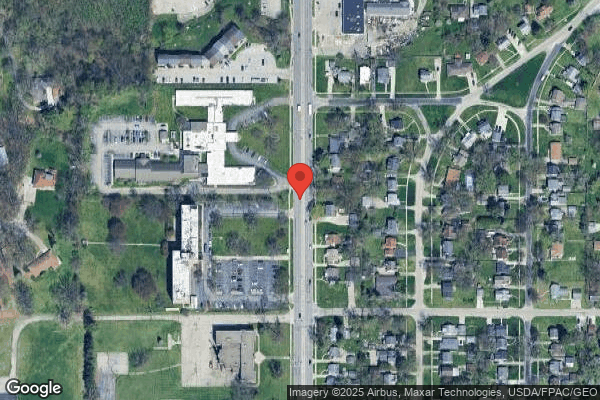
1011 NORTH BYRNE ROAD, TOLEDO, OH 43607 (419) 536-7600
For profit - Corporation 93 Beds DIVINE HEALTHCARE MANAGEMENT Data: November 2025 2 Immediate Jeopardy citations
Trust Grade
0/100
#661 of 913 in OH
Last Inspection: May 2024

Within standard 12-15 month inspection cycle. Federal law requires annual inspections.

Overview

Divine Rehabilitation and Nursing at Toledo has a Trust Grade of F, indicating significant concerns about the quality of care provided. They rank #661 out of 913 facilities in Ohio, placing them in the bottom half, and #24 out of 33 in Lucas County, meaning there are only a few local options that are worse. While the facility is showing an improving trend in overall issues, decreasing from 40 in 2024 to 29 in 2025, the staffing situation is troubling, with a low rating of 1 out of 5 stars and a high turnover rate of 62%, well above the Ohio average. Additionally, the nursing home has incurred $107,740 in fines, which is higher than 92% of facilities in the state, raising concerns about repeated compliance problems. Specific incidents include a failure to initiate CPR for an unresponsive resident, leading to their death, and a serious oversight that allowed a resident with a history of elopement to exit the facility unsupervised. Overall, while there are some strengths in quality measures, the numerous critical issues and poor staffing ratings suggest families should proceed with caution.

Trust Score
F
0/100
In Ohio
#661/913
Bottom 28%
Safety Record
High Risk
Review needed
Inspections
Getting Better
40 → 29 violations
Staff Stability
⚠ Watch
62% turnover. Above average. Higher turnover means staff may not know residents' routines.
Penalties
⚠ Watch
$107,740 in fines. Higher than 83% of Ohio facilities, suggesting repeated compliance issues.
Skilled Nurses
⚠ Watch
Each resident gets only 26 minutes of Registered Nurse (RN) attention daily — below average for Ohio. Fewer RN minutes means fewer trained eyes watching for problems.
Violations
⚠ Watch
112 deficiencies on record. Higher than average. Multiple issues found across inspections.
★★☆☆☆
2.0
Overall Rating
★☆☆☆☆
1.0
Staff Levels
★★★★★
5.0
Care Quality
★☆☆☆☆
1.0
Inspection Score
Stable
2024: 40 issues
2025: 29 issues

The Good

  • 5-Star Quality Measures · Strong clinical quality outcomes
  • Full Sprinkler Coverage · Fire safety systems throughout facility
  • No fines on record

Facility shows strength in quality measures, fire safety.

The Bad

2-Star Overall Rating

Below Ohio average (3.2)

Below average - review inspection findings carefully

Staff Turnover: 62%

16pts above Ohio avg (46%)

Frequent staff changes - ask about care continuity

Federal Fines: $107,740

Well above median ($33,413)

Significant penalties indicating serious issues

Chain: DIVINE HEALTHCARE MANAGEMENT

Part of a multi-facility chain

Ask about local staffing decisions and management

Staff turnover is elevated (62%)

14 points above Ohio average of 48%

The Ugly 112 deficiencies on record

2 life-threatening 6 actual harm
Aug 2025 3 deficiencies 1 Harm
SERIOUS (G) 📢 Someone Reported This

A family member, employee, or ombudsman was alarmed enough to file a formal complaint

Actual Harm - a resident was hurt due to facility failures

Deficiency F0805 (Tag F0805)

A resident was harmed · This affected 1 resident

**NOTE- TERMS IN BRACKETS HAVE BEEN EDITED TO PROTECT CONFIDENTIALITY** Based on medical record review, personnel file review, family interview, staff interview, and policy review, the facility failed...

Read full inspector narrative →
**NOTE- TERMS IN BRACKETS HAVE BEEN EDITED TO PROTECT CONFIDENTIALITY** Based on medical record review, personnel file review, family interview, staff interview, and policy review, the facility failed to ensure a resident who was dependent on tube feeding and ordered nothing by mouth (NPO) was not served food to eat by a staff member. This resulted in actual harm when Resident #34 who was found choking on food after being served a dish of watermelon at the bedside and left alone to consume the watermelon. Subsequently, Resident #34 was sent to the hospital for invasive procedure to dislodge the food from the esophagus. Resident #34 was admitted to the hospital with aspiration pneumonia from choking and aspirating (breathing food into the lungs) on food. This affected one (Resident #34) of three residents reviewed for altered needs for dietary. The facility census was 78. Findings include:Review of the medical record for Resident #34 revealed the resident was admitted to the facility on [DATE]. Diagnoses included sepsis, heart failure, dysphagia, sepsis due to enterococcus, gastritis with a gastric ulcer, and encounter for palliative care. Review of Resident #34's comprehensive Minimum Data Set (MDS) assessment, dated 08/06/25, revealed the resident had impaired cognition and was receiving parental nutrition via a feeding tube. Review of Resident #34's physician ordered diet revealed as of 04/29/25 the resident was ordered to receive nothing by mouth (NPO). The physician order dated 06/03/25 documented the resident was to receive a bolus of Jevity 1.5, via the feeding tube with 75 milliliters (ml) flush before and after bolus five times a day for feeding. Review of Resident #34's care plans, dated 08/18/25, revealed a focus for oral/swallowing risk. Interventions include serving diet per order and consult speech therapy for swallowing issues. Resident #34 required a feeding tube related to weight loss and increased needs. Goals were to be free from aspiration and maintain adequate nutritional status. Interventions for the focus include monitor and report as needed signs of aspiration, infections, and tube dysfunction. Review of Resident #34's progress notes, dated 08/11/25 at 4:18 P.M., revealed Resident #34 was having a choking episode and was transferred to the hospital for treatment. The resident was coughing and yelling while choking. Her vital signs were within normal limits. The resident's family and physician were notified. The medical record documented on 08/11/25, Resident #34 had been admitted to the hospital for a primary diagnosis of a foreign body in esophagus. Review of the hospital records documented on 08/12/25, Resident #34 underwent an esophagogastroduodenoscopy (EGD) procedure to remove the food bolus accumulating in her esophagus. The resident was ordered to remain NPO and continue to receive nutrition via the feeding tube. Resident #34 was discharged back to the facility on [DATE] with a diagnosis of aspiration pneumonia. Review of Resident #34's Computed Tomography (CT) scan, dated 08/11/25 at 8:35 P.M., revealed a finding of a food bolus seen within the distal esophagus, lower in position though more distal compared to prior exam but smaller in size. There was improved aeration (oxygen exchange) in the distal airways involving the lower left lobe, however, cannot rule out aspiration. During an interview on 08/18/25 at 10:21 A.M., Resident #34's family representative stated on 08/11/25, the family was contacted by the facility and was told a staff member in the activities department had given Resident #34 some watermelon. The family stated the nurse informed them the activities aide was not educated on Resident #34's dietary order. The facility nurse stated they called 911 and Resident #34 was transported to the hospital to receive emergency treatment. The family representative stated the hospital informed the family Resident #34 required an upper endoscopy to remove two pieces watermelon lodged in her esophagus and one piece of watermelon was moving into her lungs. While admitted to the hospital, Resident #34 was diagnosed with aspiration pneumonia from choking on the watermelon. During an interview on 08/18/25 at 11:03 A.M., Registered Nurse (RN) #216 stated on 08/11/25 a new aide from activities, Recreation Assistant (RA) #125 was passing out food to residents and RA #125 heard the resident coughing and yelling for help. RA #125 got the nurse, who assessed Resident #34 and found her coughing and drooling, with pieces of watermelon on her shirt. RN #216 stated she took the resident's vitals and called for emergency services to transport the resident to the hospital for treatment. During an interview on 08/18/25 at 11:17 A.M, RA #250 stated she was not the aide who passed the watermelon to Resident #34; however, she was working the day of the incident. The recreation aides are not educated on the resident's dietary restrictions. During an interview on 08/18/25 at 11:25 A.M., Director of Recreation (DOR) #123 stated on 08/11/25, RA #125 was newly hired to the facility and on 08/11/25, RA #125 was passing watermelon during activities. DOR #123 uses the dietary restriction sheet provided to know the resident's diet orders and restrictions. DOR #123 stated she instructed RA #125 to pass snacks on the 100 and 200 halls. DOR #123 stated RA #125's mother was working on the 100 hall on 08/11/25. DOR #123 stated she assumed RA #125's mother would instruct her on how to pass snacks to the residents on the hall she was working. DOR #123 stated she instructed RA #125 to pass snacks and then go back to the kitchen after she was done on 100 and 200 halls. DOR #123 stated RA #125 did not return to the kitchen after she was done passing the watermelon to the 100 and 200 halls and had left over watermelon. RA #125 continued to pass the watermelon to the residents in the 400-hall, including Resident #34. DOR #123 stated RA #125 received education after the incident. During an interview on 08/18/25 at 11:54 A.M. and on 08/19/25 at 10:00 A.M., the Administrator verified Resident #34 was served watermelon by RA #125 even though her diet order was NPO. All activity staff have been educated to review all residents dietary restrictions prior to providing any food the residents. Attempts to contact RA #125 on 08/18/25 and 08/19/25 were unsuccessful. Review of RA #125's personnel file revealed she was hired on 08/10/25. There was no evidence RA #125 had been educated on resident dietary restrictions to ensure safety when eating. Review of the policy titled, Therapeutic Diet Order , undated, revealed the facility will provide all resident with food the appropriate consistency in accordance with physician orders and plans of care. This deficiency represents non-compliance investigated under Complaint Number 2589259.
CONCERN (D) 📢 Someone Reported This

A family member, employee, or ombudsman was alarmed enough to file a formal complaint

Potential for Harm - no one hurt, but risky conditions existed

Pharmacy Services (Tag F0755)

Could have caused harm · This affected 1 resident

**NOTE- TERMS IN BRACKETS HAVE BEEN EDITED TO PROTECT CONFIDENTIALITY** Based on record review, review of hospital documentation, and staff interview, the facility failed to administer medications as ...

Read full inspector narrative →
**NOTE- TERMS IN BRACKETS HAVE BEEN EDITED TO PROTECT CONFIDENTIALITY** Based on record review, review of hospital documentation, and staff interview, the facility failed to administer medications as ordered by the physician. This affected one (#34) of four residents reviewed for medication administration. The current census is 78.Findings include:Record review for Resident #34 revealed the resident was admitted to the facility on [DATE]. Diagnoses for Resident #34 include sepsis, heart failure, dysphagia, sepsis due to enterococcus, gastritis with a gastric ulcer, and encounter for palliative care. Review of Resident #34's comprehensive Minimum Data Set, (MDS) date 08/06/25 revealed the resident had impaired cognition and was receiving parental nutrition via a feeding tube. Review of Resident #34's progress notes dated from 08/11/2025 to 08/19/2025 revealed by the note dated 08/11/25 at 4:18 P.M. Resident #34 was having a choking episode and was transferred to the hospital for treatment. Review of Resident #34's hospital paperwork for discharge back to the facility on [DATE] revealed the resident was ordered to start taking Augmentin (antibiotic) 400-57 milligrams/ 5 milliliters (mg/ml) give 10.9 ml daily orally for 9 days for aspiration pneumonia. Review of Resident #34's progress notes dated 08/13/25 at 3:30 P.M. the resident returned to the facility with a new order for Augmentin oral suspension 10.9 milliliters (m1) oral solution every 12 hours for 9 days for aspiration pneumonia. Further review of Resident #34's physician ordered medication list dated August 2025 revealed the resident was not ordered to start the antibiotic until 08/17/25. No order for the Augmentin antibiotic dated 08/13/25 was noted in the orders. The order dated 08/17/25, revealed Resident #34 was ordered to receive Amoxicillin (antibiotic) 10.9 mls oral solution every 12 hours for 5 days. Review of Resident #34's Medication Administration Record (MAR) dated August 2025 revealed the resident did not receive any oral antibiotic from 08/13/25 to 08/17/25. Interviews on 08/18/25 at 3:30 P.M. and on 08/19/25 at 2:15 P.M., with the Director of Nursing, (DON) verified when Resident #34 returned to the facility the receiving nurse did not include the hospital discharge orders for the Augmentin oral antibiotics. The DON verified the Augmentin oral antibiotic started to be given as physician order on 08/17/25 for 5 days and the resident had missed 8 doses of the medication from 08/13/25 to 08/17/25. This deficiency represents non-compliance discovered during the investigation for Complaint Number 2589259
CONCERN (E) 📢 Someone Reported This

A family member, employee, or ombudsman was alarmed enough to file a formal complaint

Potential for Harm - no one hurt, but risky conditions existed

Food Safety (Tag F0812)

Could have caused harm · This affected multiple residents

Based on observed, review of facility's temperature log, review of facility policy, and staff interview, the facility failed to ensure all food was stored at appropriate temperatures. This has the pot...

Read full inspector narrative →
Based on observed, review of facility's temperature log, review of facility policy, and staff interview, the facility failed to ensure all food was stored at appropriate temperatures. This has the potential to affect all residents with the exception of Resident #34 and Resident #19 (two residents identified as not receiving any food from the kitchen). The current census is 78. Findings include: Review of the facility's temperature logs dated August 2025 for the refrigerator revealed the lowest temperature for the refrigerator was recorded as 50 degrees with the highest temperature recorded was 65 degrees. Observation on 08/18/25 at 7:16 A.M. during a kitchen tour revealed the walk-in refrigerator temperature gauge read 50 degrees. During the observation there was no internal thermometer observed in the walk-in refrigerator. The walk-in freezer was in the back of the walk-in refrigerator and the outside temperature gauge for the freezer section was noted as -10 degrees. Ice was observed accumulating in the freezer around the fan. Interview on 08/18/25 at 7:16 A.M. with [NAME] #184 verified the walk-in refrigerator was not working properly and the temperature was at 50 degrees. Per [NAME] #184 the staff have been opening the freezer door to cool down the refrigerator portion of the refrigerator section. Interview on 08/19/25 at 2:15 P.M. with Director of Maintenance (DOM) #217 verified since the beginning of August 2025 the refrigerator in the front of the walk-in section was not cooling and keeping the food stored at a temperature below 42 degrees. DOM #217 stated the maintenance staff have put in requests for repairs and are waiting for funding and bids to be approved to repair the refrigerator. DOM #217 stated the kitchen staff have been opening the freezer doors to keep the refrigerator portion cool. DOM #217 verified the temperature of the refrigerator does not stay below 42 degrees during the evening and at times during the day when no staff are available to monitor the temperatures and keep the freezer door open. DOM #217 verified there was ice accumulation in the freezer due to condensation from times when the door is open to the refrigerator. Interview on 08/19/25 at 3:33 P.M. with Director of Dietary (DD) # 219 verified the refrigerator has not been working since July 2025 and the kitchen staff are continuously monitoring the temperatures but can only open the freezer door for short time periods to keep the temperatures in the freezer at appropriate levels. DD #219 stated the kitchen staff have been instructed not to keep eggs, raw meat, or dairy in the refrigerator but inside the freezer to keep food safer. DD #219 verified there were items in the refrigerator that could potentially spoil due to not being kept at a constant temperature. DD #219 stated the maintenance department has had several reports regarding the refrigerator but there is no plan in place for repairs. Interview on 08/20/25 at 10:00 A.M. with the Regional Administrator verified the refrigerator was not maintaining the appropriate temperatures for food storage according to the facility's temperature logs and observations. Per the Administrator, there have been no residents exhibiting signs and symptoms of gastero-intestinal issues relating to food born illnesses. This deficiency represents non-compliance discovered during the investigation for Complaint Number 2578247
Jul 2025 4 deficiencies
CONCERN (D) 📢 Someone Reported This

A family member, employee, or ombudsman was alarmed enough to file a formal complaint

Potential for Harm - no one hurt, but risky conditions existed

Free from Abuse/Neglect (Tag F0600)

Could have caused harm · This affected 1 resident

**NOTE- TERMS IN BRACKETS HAVE BEEN EDITED TO PROTECT CONFIDENTIALITY** Based on review of a facility submitted Self-Reported Incident (SRI), resident and staff interview, review of the facility inves...

Read full inspector narrative →
**NOTE- TERMS IN BRACKETS HAVE BEEN EDITED TO PROTECT CONFIDENTIALITY** Based on review of a facility submitted Self-Reported Incident (SRI), resident and staff interview, review of the facility investigation, medical record review and review of the facility policy, the facility failed to ensure residents were free from neglect when Resident #01 was left outside overnight. This affected one (#01) of three residents reviewed for abuse and neglect. The facility census was 73. Findings include:Review of the medical record revealed Resident #01 was admitted on [DATE]. Diagnoses included cerebral infarction (stroke), traumatic hemorrhage of cerebrum, difficulty in walking, anxiety disorder, unspecified urinary incontinence, parkinsonism (movement disorder), cognitive communication deficit, and nicotine dependence.Review of the Minimum Data Set (MDS) assessment, dated 04/25/25, revealed Resident #01 was moderately cognitively impaired. Resident #01 was always incontinent of bowel and bladder and was (staff) dependent for toileting and chair to bed transfers. Review of the July 2025 Medication Administration Record (MAR) revealed on the nightshift on 07/12/25, the following medications were documented as administered via gastrostomy tube (g-tube - tube inserted through the abdominal wall and into the stomach, used to deliver nutrition, fluids, and medications) to Resident #01: atorvastatin calcium (hyperlipidemia) 10 milligram (mg), buspirone (anxiety) 10 mg, losartan potassium (hypertension) 100 mg, mirtazapine (depression) 15 mg, carvedilol (hypertension)12.5 mg, levetiracetam solution (seizure disorder) 5 milliliters (ml), magnesium supplement 400 mg, polyethylene glycol packet (constipation), senna tablet (constipation), sodium chloride (hyponatremia), and baclofen (muscle relaxer) 15 mg. Additional review of the MAR for 07/12/25 revealed that Resident #01 received an enteral feed after meals if the resident consumed less than 50% of the meal offered. Jevity (nutritional supplement) was documented as administered at 6:00 P.M. Further review of the MAR revealed Resident #01's g-tube was to be flushed every 12 hours with 60 ml of water to maintain patency. This was documented on the MAR as completed at 8:00 P.M. Additionally, a house supplement was ordered and marked as received, an order for Zyprexa (behaviors/mood affective disorder) 5 mg was documented as refused. Lastly, the MAR included documented blood pressure and pulse for Resident #01 on 07/12/25 nightshift. Review of a nursing progress note, dated 07/13/25 at 6:59 A.M., revealed Resident #01 was not in his room at the time the writer attempted to administer his medications. On inquiry, another resident stated he was outside in the smoke area where he had been all night. Facility staff were immediately sent to bring the resident inside the facility. The writer (Registered Nurse [RN] #241) inquired from the resident as to why he remained outside during the night and he replied that he was cleaning. The note further stated Resident #01 could have periods of confusion. Review of a facility submitted SRI, dated 07/15/25, revealed the facility substantiated an allegation of neglect when Resident #01 was left outside for an extended period, without supervision and personal care provided. On 07/13/25 at 6:12 A.M., it was reported Resident #01 had been left outside on the facility smoking patio all night. Resident #01 was brought back into the facility on [DATE] at 5:53 A.M. Review of the facility timeline, based on review of facility video footage, revealed on 07/12/25 at 6:09 P.M., another resident was observed taking Resident #01 outside to the smoking patio. Resident #01 was observed outside on the patio either by himself or with other residents present throughout the evening. At 10:48 P.M. an unidentified nurse was observed assisting another resident on the smoking patio. Further review of the timeline revealed on 07/13/25 at 12:00 A.M., 1:13 A.M., 2:00 A.M., 3:00 A.M., 4:00 A.M., and 5:00 A.M., Resident #01 was outside (on the smoking patio) with no staff present. At 5:51 A.M., CNA #133 retrieved Resident #01 from the patio. Review of an additional facility timeline document, dated 07/12/25 to 07/13/25, revealed on 07/12/25 at 5:21 P.M., Licensed Practical Nurse (LPN) #154 passed medications at dinnertime. No medications were administered to Resident #01. Medications, which were due at 6:00 P.M., 9:00 P.M., and 10:00 P.M., were signed out (as administered) by RN #241 for Resident #01 at 1:32 A.M. According to the facility timeline, multiple residents continued in and out of the patio until 1:45 A.M. At 6:29 A.M., Certified Nursing Assistant (CNA) #243 marked Resident #01 as unavailable for incontinence care in tasks (CNA documentation system). Review of a witness statement, dated 07/13/25, revealed CNA #243 began work on 07/12/25 at 10:33 P.M. and did not receive report from the nurse or the aide that Resident #01 had moved rooms. CNA #243 stated she had been off for three days and during her previous shift Resident #01 was on a different hall. Review of an electronic mail (email) witness statement, dated 07/16/25, revealed RN #242 reported Resident #01 did not received medication on her scheduled shift (07/12/25 6:00 P.M. to 10:00 P.M.) due to the report that he had eaten more than 50% of his dinner meal, therefore, a bolus feeding was not required and the next medication administration would have been at 10:00 P.M. RN #242 stated she had informed the next nurse of the situation. Review of an email witness statement, dated 07/14/25, revealed RN #241 stated Resident #01 received his medication while in the dining room watching a card game. Review of a written witness statement, dated 07/15/25, revealed CNA #189 worked on 07/12/25 beginning at 2:30 P.M. and completed the first rounds at 3:00 P.M. CNA #189 stated Resident #01 was in the dining room and at the next rounds, he was in the smoking area (outside patio). When in the dining room, CNA #189 had asked if he wanted to use the bathroom and Resident #01 had declined. Review of text message witness statement, unknown date, revealed CNA #133 worked on 07/12/25 beginning at 10:30 P.M. and was not assigned to Resident #01. At the time of the last rounds, she was notified by a nurse that Resident #01 was not in his room and had been sitting outside for the entirety of the night. CNA #133 retrieved the resident from outside and took him back to the resident's room. CNA #133 stated Resident #01 required a Hoyer lift for transfers and the nurse instructed her to wait until the assigned aide came to provide care. Review of resident witness statements, dated 07/15/25, revealed Residents #21, #32, #47, #50, and #77 were outside on the smoking patio at times throughout the evening of 07/12/25. The residents reported Resident #01 remained to himself. Resident #21 reported the only time he spoke to Resident #01 was when he gave him a cigarette. Interview on 07/21/25 at 9:30 A.M. with the Administrator verified Resident #01 was left outside all night on 07/12/25 and into the morning of 07/13/25, without staff supervision. The Administrator revealed Resident #01 could maneuver himself (in a wheelchair) for short distances but would not be able to transport himself from inside the facility to the smoking area or from the smoking patio back into the facility due to the small lip (bump) in the flooring at the doorway. A follow-up interview at 10:43 A.M. with the Administrator verified, based on review of the facility's video camera footage, Resident #01's medications were signed off and not passed during the evening of 07/12/25. The Administrator verified the resident had not received incontinence care or medication administration from at least 07/12/25 at 6:09 P.M. to 07/13/25 at 5:53 A.M. Interview on 07/21/25 at 10:45 A.M. with Resident #01 verified he had been left outside all night on 07/12/25, stating they had forgotten about him. Resident #01 stated he was not scared and he watched the cats and slept a little in his wheelchair. Resident #01 denied any pain, skin breakdown, or any other negative outcome as a result of the incident. Interview on 07/21/25 at 4:14 P.M. with the Director of Nursing (DON) revealed that through the facility investigation, they were able to verify Resident #01's physician ordered g-tube flush and medications were documented as completed on the MAR on the evening shift of 07/12/25; however, the g-tube flush and medications were not administered as ordered. A telephone interview on 07/22/25 at 11:48 A.M. with CNA #189 verified working on 07/12/25 from 2:00 P.M. to 10:00 P.M. and being assigned to Resident #01. CNA #189 stated she had not previously provided care for Resident #01 and had thought he was more independent than he was. CNA #189 believed the resident could verbalize his needs and could propel himself in his wheelchair. CNA #189 stated she had asked him if he needed to use the restroom shortly after 3:00 P.M. and he had stated no. CNA #189 stated she had observed Resident #01 on the smoking patio and had thought he wheeled himself outside. CNA #189 verified she did not provided incontinence care to Resident #01 during her shift from 2:00 P.M. to 10:00 P.M. on 07/12/25. CNA #189 revealed she had since learned that Resident #01 could not propel himself and did not verbalize his needs. A telephone interview on 07/22/25 at 2:11 P.M. with RN #242 verified working on 07/12/25 from 6:00 P.M. to 10:00 P.M. RN #242 further confirmed she did not administer any medications or treatments to Resident #01. RN #242 stated she observed Resident #01 sitting outside (on the smoking patio) at approximately 8:30 P.M. or 9:00 P.M RN #242 stated she provided report to the oncoming nurse (RN #241), stating she told her where he was and what he needed. Review of the facility policy titled, Routine Resident Checks, dated July 2013, revealed to ensure the safety and well-being of residents, nursing staff shall make a routine resident checks on each unit at least once per each eight hour shift. Routine resident checks involved identifying if the resident needs were being met.Review of the facility policy titled, Accidents and Supervision, dated 2024, revealed the resident environment would remain as free from accident hazards as possible. Each resident would receive adequate supervision and assistive devices to prevent accidents. Supervision was an intervention and a means of mitigating accident risk. The facility would provide adequate supervision to prevent accidents. Review of the facility policy titled, Abuse, Neglect, and Exploitation, dated 2024, revealed the facility would implement policies and procedures to prevent and prohibit all types of abuse, neglect, and misappropriation. This deficiency represents non-compliance investigated under Complaint Number 2565468.
CONCERN (D) 📢 Someone Reported This

A family member, employee, or ombudsman was alarmed enough to file a formal complaint

Potential for Harm - no one hurt, but risky conditions existed

Report Alleged Abuse (Tag F0609)

Could have caused harm · This affected 1 resident

**NOTE- TERMS IN BRACKETS HAVE BEEN EDITED TO PROTECT CONFIDENTIALITY** Based on medical record review, review of facility Self-Reported Incidents (SRI), staff interview and review of facility policy,...

Read full inspector narrative →
**NOTE- TERMS IN BRACKETS HAVE BEEN EDITED TO PROTECT CONFIDENTIALITY** Based on medical record review, review of facility Self-Reported Incidents (SRI), staff interview and review of facility policy, the facility failed to report allegations of neglect timely to the State Survey Agency (SSA). This affected one (#01) of three residents reviewed for abuse and neglect. The facility census was 73. Findings include: Review of the medical record review revealed Resident #01 was admitted on [DATE]. Diagnoses included cerebral infarction (stroke), traumatic hemorrhage of cerebrum, difficulty in walking, anxiety disorder, unspecified urinary incontinence, parkinsonism, cognitive communication deficit, and nicotine dependence.Review of the Minimum Data Set (MDS) assessment, dated 04/25/25, revealed the resident was moderately cognitive impaired. Resident #01 was always incontinent of bowel and bladder and dependent on care for toileting and chair to bed transfers. Review of a nursing progress note, dated 07/13/25 at 6:59 A.M., revealed Resident #01 was not in his room at the time the writer attempted to administer his medications. On inquiry, another resident stated he was outside in the smoke area where he had been all night. Facility staff were immediately sent to bring the resident inside the facility. The writer (Registered Nurse [RN] #241) inquired from the resident as to why he remained outside during the night and he replied that he was cleaning. The resident could have periods of confusion. Review of a facility submitted SRI, created on 07/15/25, revealed an allegation of neglect was discovered on 07/13/25 when Resident #01 was left outside on the smoking patio for an extended period of time, without staff supervision or personal care provided. Review of the facility summary investigation, dated 07/17/25, revealed the investigation was ongoing through 07/15/25 and reported untimely to the SSA. Interview on 07/21/25 at 9:30 A.M. with the Administrator verified the incident involving Resident #01 was discovered on 07/13/25 and not reported to the SSA until 07/15/25. Review of the facility policy titled, Abuse, Neglect, and Exploitation, dated 2024, revealed the facility would report all alleged violations immediately, but not later than two hours after the allegation was made if the events that caused the allegation involved abuse or resulted in bodily injury or not later than 24 hours if the events that caused the allegation did not involve abuse and did not result in bodily injury. This deficiency represents non-compliance investigated under Complaint Number 2568168.
CONCERN (D) 📢 Someone Reported This

A family member, employee, or ombudsman was alarmed enough to file a formal complaint

Potential for Harm - no one hurt, but risky conditions existed

Accident Prevention (Tag F0689)

Could have caused harm · This affected 1 resident

**NOTE- TERMS IN BRACKETS HAVE BEEN EDITED TO PROTECT CONFIDENTIALITY** Based on medical record review, staff interview and review of facility policy, the facility failed to ensure smoking assessments...

Read full inspector narrative →
**NOTE- TERMS IN BRACKETS HAVE BEEN EDITED TO PROTECT CONFIDENTIALITY** Based on medical record review, staff interview and review of facility policy, the facility failed to ensure smoking assessments were completed for residents who smoked. This affected one (Resident #01) of three residents reviewed for smoking. The facility census was 73. Findings include:Review of the medical record revealed Resident #01 was admitted on [DATE]. Diagnoses included cerebral infarction (stroke), traumatic hemorrhage of cerebrum, difficulty in walking, anxiety disorder, unspecified urinary incontinence, parkinsonism, cognitive communication deficit, and nicotine dependence.Review of the Minimum Data Set (MDS) assessment, dated 04/25/25, revealed the resident was moderately cognitive impaired. Resident #01 was always incontinent of bowel and bladder and dependent on care for toileting and chair to bed transfers. Review of the care plan, dated 07/15/25, revealed Resident #01 was a smoker and interventions included to determine if the resident had a desire to quit, instruct resident on the facility smoking policy, educate on risks and health effects, provide support, and if the resident would like to quit, contact provider. Review of the Smoking Safety Screen, dated 07/15/25, revealed Resident #01 smoked one to two cigarettes a day, typically in the evening, and could not light his own cigarette. Resident #01 was determined to be safe to smoke without supervision. Resident #01 states he only smokes occasionally.Further review of Resident #01's medical record revealed no evidence a Smoking Safety Screen had been completed prior to 07/15/25.Interview on 07/22/25 at 10:47 A.M. with the Administrator verified a smoking assessment had not been completed for Resident #01 until 07/15/25. The Administrator stated the facility was unaware Resident #01 was a smoker until she watched facility camera footage on 07/13/25, related to an investigation she was conducting regarding Resident #01 being left on the smoking patio overnight, and observed him smoking outside. Review of the facility policy titled, Resident Smoking, dated 2024, revealed all residents would be asked about tobacco use during the admission process, and during each quarterly or comprehensive MDS assessment process. Residents who smoked would be further assessed, using the Resident Safe Smoking Assessment, to determine whether or not supervision was required for smoking, or if the resident was safe to smoke at all. This deficiency is an example of continued non-compliance from the surveys dated 05/22/25 and 07/02/25.
CONCERN (D) 📢 Someone Reported This

A family member, employee, or ombudsman was alarmed enough to file a formal complaint

Potential for Harm - no one hurt, but risky conditions existed

Medical Records (Tag F0842)

Could have caused harm · This affected 1 resident

**NOTE- TERMS IN BRACKETS HAVE BEEN EDITED TO PROTECT CONFIDENTIALITY** Based on medical record review, review of facility submitted Self-Reported Incidents (SRI), staff interview and review of facili...

Read full inspector narrative →
**NOTE- TERMS IN BRACKETS HAVE BEEN EDITED TO PROTECT CONFIDENTIALITY** Based on medical record review, review of facility submitted Self-Reported Incidents (SRI), staff interview and review of facility policy, the facility failed to ensure accurate medical records. This affected two (Resident #01 and #21) of three residents reviewed medical record documentation. The facility census was 73. Findings include:1) Review of the medical record revealed Resident #01 was admitted on [DATE]. Diagnoses included cerebral infarction (stroke), traumatic hemorrhage of cerebrum, difficulty in walking, anxiety disorder, unspecified urinary incontinence, parkinsonism, cognitive communication deficit, and nicotine dependence.Review of the Minimum Data Set (MDS) assessment, dated 04/25/25, revealed the resident was moderately cognitive impaired. Resident #01 was always incontinent of bowel and bladder and dependent on care for toileting and chair to bed transfers. Review of the July 2025 Medication Administration Record (MAR) revealed on the nightshift on 07/12/25, the following medications were documented as administered via gastrostomy tube (g-tube - tube inserted through the abdominal wall and into the stomach, used to deliver nutrition, fluids, and medications) to Resident #01: atorvastatin calcium (hyperlipidemia) 10 milligram (mg), buspirone (anxiety) 10 mg, losartan potassium (hypertension) 100 mg, mirtazapine (depression) 15 mg, carvedilol (hypertension)12.5 mg, levetiracetam solution (seizure disorder) 5 milliliters (ml), magnesium supplement 400 mg, polyethylene glycol packet (constipation), senna tablet (constipation), sodium chloride (hyponatremia), and baclofen (muscle relaxer) 15 mg. Additional review of the MAR for 07/12/25 revealed that Resident #01 received an enteral feed after meals if the resident consumed less than 50% of the meal offered. Jevity (nutritional supplement) was documented as administered at 6:00 P.M. Further review of the MAR revealed Resident #01's g-tube was to be flushed every 12 hours with 60 ml of water to maintain patency. This was documented on the MAR as completed at 8:00 P.M. Additionally, a house supplement was ordered and marked as received, an order for Zyprexa (behaviors/mood affective disorder) 5 mg was documented as refused. Lastly, the MAR included documented blood pressure and pulse for Resident #01 on 07/12/25 nightshift. Interview on 07/21/25 at 9:30 A.M. with the Administrator verified Resident #01 was not administered any medication or treatments from at least 07/12/25 at 6:09 P.M. to 07/13/25 at 5:53 A.M. and further confirmed the nurse had falsified the MAR. Interview on 07/21/25 at 4:14 P.M. with the Director of Nursing (DON) verified that through the facility's investigation into a neglect allegation, it was found that Resident #01's physician ordered g-tube flush and medications were documented as completed; however, the facility determined the treatment and medication had not been provided as ordered. 2) Review of the medical record revealed Resident #21 was admitted on [DATE]. Diagnoses included Type II diabetes mellitus without complications, chronic obstructive pulmonary disease (COPD), unspecified dementia, essential hypertension, and hyperglycemia. Review of the MDS assessment, dated 04/30/25, revealed the resident was cognitively intact. Review of the MAR, dated July 2025, revealed an order for a weekly skin assessment every night shift, every Saturday was signed off as completed on 07/05/25, 07/12/25, and 07/19/25.Review of skin assessments from June 2025 and July 2025 revealed no evidence Resident #21 had a skin assessment completed since 06/21/25. Interview on 07/21/25 at 4:14 P.M. with the DON verified Resident #21's skin assessment had not been completed as documented as completed on the MAR. Interview on 07/22/25 at 10:47 A.M. with the Administrator verified Resident #21 had not had a skin assessment completed since 06/21/25 and the documentation on the MAR indicated it was completed on 07/05/25, 07/12/25, and 07/19/25. This deficiency represents non-compliance investigated under Complaint Number 2568168.
Jul 2025 3 deficiencies 1 Harm
SERIOUS (G) 📢 Someone Reported This

A family member, employee, or ombudsman was alarmed enough to file a formal complaint

Actual Harm - a resident was hurt due to facility failures

Accident Prevention (Tag F0689)

A resident was harmed · This affected 1 resident

**NOTE- TERMS IN BRACKETS HAVE BEEN EDITED TO PROTECT CONFIDENTIALITY** Based on record review, resident and staff interviews, observations, review of the facility's investigation and incident reports...

Read full inspector narrative →
**NOTE- TERMS IN BRACKETS HAVE BEEN EDITED TO PROTECT CONFIDENTIALITY** Based on record review, resident and staff interviews, observations, review of the facility's investigation and incident reports, hospital record review, policy review, and review of an instruction manual, the facility failed to ensure a resident requiring transfers with a mechanical lift was transferred safely. This resulted in Actual Harm on 05/15/25 when Resident #01 fell from a Hoyer lift during a transfer sustaining a fractured lumbar vertebral compression fracture. In addition, the facility failed to ensure Resident #61 received adequate supervision and assistance with bathing to prevent the resident from falling and failed to investigate Resident #61's falls which placed the resident at potential risk for more than minimal harm that was not Actual Harm. This affected two (#01 and #61) of three residents reviewed for falls. The facility census was 73. Findings include: 1. Review of the medical record for Resident #01 revealed an admission date of 09/18/20 with diagnoses of morbid obesity, heart disease, and osteoporosis. Review of the care plan updated 10/09/23 revealed Resident #01 had an activity of daily living (ADL) self-care performance deficit and was dependent on two staff for transfers and a mechanical lift. Review of the quarterly Minimum Data Set (MDS) assessment, dated 03/31/25, revealed Resident #01 had intact cognition and was dependent on staff for bed mobility and bed to chair transfers. Review of a nursing progress note dated 05/15/25 revealed a loud noise was heard coming from Resident #01's room. Resident #01 was on the ground lying on her back next to her bed in a towel with the mechanical lift above her with a ripped sling pad. Two Certified Nursing Assistants (CNAs) were next to the resident and the mechanical lift. Resident #01 complained of pain in her lower back and shoulder. The CNAs stated they were transferring Resident #01 from the shower bed to Resident #01's bed and the sling pad broke. Emergency rescue services were called, and Resident #01 was taken to the hospital. Review of the hospital records dated 05/15/25 revealed Resident #01 received a computed tomography (CT) scan of the lumbar spine without intravenous contrast and Resident #01 was found to have a second lumbar (L2) vertebrae fracture (likely hyperextension injury in the setting of rigid spine), without significant height loss and no evidence of retropulsed fragment (a piece of bone or disc material that has been displaced backward), favored acute. There was no plan to surgically repair the fracture. Review of the facility's investigation, initiated 05/15/25, revealed undated witness statements from the two CNAs (#202 and #230) who were present during Resident #01's fall on 05/15/25. Review of the statement from CNA #202 revealed she was assisting CNA #230, who was Resident #01's assigned CNA, in using a mechanical lift to transfer Resident #01 from her bed to a shower bed. CNA #202 stated she would not use the straps on the sling pad to transfer Resident #01 because she could see evidence the straps had been in the dryer. CNA #202 stated CNA #230 could not find another pad and used the one in the room to transfer Resident #01 to the shower bed. CNA #202 stated she put her hands under Resident #01 while transferring her to the shower bed. CNA #202 then assisted CNA #230 when transferring Resident #01 from the shower bed back to her bed after the shower. CNA #202 stated she could not keep her hands under Resident #01 during the transfer because she had to move the shower bed and that was when CNA #202 heard Resident #01 scream and CNA #202 saw three of the straps dangling from the mechanical lift and Resident #01 on the ground. Review of the undated witness statement from CNA #230 revealed when staff were moving Resident #01 back to bed, two of the sling pad straps snapped and Resident #01 slid out to the floor. CNA #230 stated it was the two straps by her legs that snapped. Review of the nursing progress note dated 05/16/25 (created on 05/18/25 and marked as late entry) revealed the interdisciplinary team met to discuss Resident #01's fall on 05/15/25 wherein the sling pad tore during a transfer causing Resident #01 to fall to the floor. The facility-initiated staff education on equipment usage for mechanical lifts and sling pads were checked for wear. The nursing progress note dated 05/16/25 at 8:30 P.M. revealed the facility was notified with an update on Resident #01 from the hospital indicating Resident #01 had an L2 compression fracture and it was non-operable. The nursing progress note dated 05/16/25 at 11:13 P.M. revealed Resident #01 returned to the facility from the hospital. Interview on 06/30/25 at 9:22 A.M. with Resident #01 stated staff were putting her to bed when the green straps broke on the sling pad and she fell to the floor. Resident #01 stated she was sent to the hospital and found to have a crack in her vertebrae and was told it would heal on its own. Resident #01 stated the pain was improving but it continued. Resident #01 also stated after the fall, her whole left side was black and blue, and it was very painful. Resident #01 stated she had noticed straps on the sling pads were broken for several days before the fall and Resident #01 stated she had told several staff but could not remember who she told. Interview on 06/30/25 at 2:20 P.M. with the Administrator, along with a review of CNA #202's statement, confirmed sling pads should not be dried in the dryer. Telephone interview on 06/30/25 at 3:10 P.M. with CNA #202 confirmed she was present during Resident #01's fall from the mechanical lift due to broken sling straps. CNA #202 stated she saw distressed straps, saw little hairs sticking out from the loops on the sling pad used to transfer Resident #01. CNA #202 stated she advised CNA #230 to get another sling and CNA #230 stated she could not find another one. CNA #202 stated when she assisted in transferring Resident #01 from the bed to the shower bed, CNA #202 placed her hands on Resident #01's bottom and assisted in supporting her weight. However, when she and CNA #230 were transferring Resident #01 back to her bed after the shower, CNA #230 raised Resident #01 with the mechanical lift from the shower bed and CNA #202 had to move the shower bed out from under Resident #01. CNA #202 stated she was unable to help support Resident #01's weight and that was when Resident #01 fell from the mechanical lift. Telephone interview on 06/30/25 at 3:40 P.M. with CNA #230 confirmed she was present during Resident #01's fall from the mechanical lift due to broken sling straps. CNA #230 stated she did not observe any concerns with the sling before using it to transfer Resident #01 on 05/15/25. CNA #230 stated she assumed Resident #01's weight and the wetness from the shower caused the straps to snap. Interview and observation on 07/01/25 at 8:34 A.M. with Central Supply (CS) #400 revealed she was given the task of inspecting the facility's sling pads on 05/15/25 for defects after Resident #01's fall. CS #400 stated she found slings with fraying near the loops and on the stitching, and some pads with loose, floppy loops without structural integrity. CS #400 confirmed the loops were used when attaching the sling pad to the mechanical lift and the loops should be stiff and intact. CS #400 stated she also found some sling pads with cut loops. CS #400 stated she could tell the loops were cut because of the clean cut across the fabric. CS #400 stated she did not determine why staff were cutting loops on the sling pads. CS #400 stated she observed the sling pad used to transfer Resident #01 on 05/15/25 and she could see where the loops were frayed after they ripped. CS #400 stated the straps were worn all the way through. CS #400 confirmed the facility determined laundry staff were putting sling pads in the commercial dryer with other linens. CS #400 stated the sling pads should not be put in the dryer because they wore out the material. Observation of a sling pad revealed evidence of the pad being dried in the dryer included white lint debris on the loops, and shrinkage of the sewn-in label. CS #400 confirmed the shrinkage of the label indicated the pad had been dried in the dryer. CS #400 recalled she had not ordered sling pads since the current Administrator began working at the facility in November 2024. CS #400 could not recall when she had previously ordered sling pads. Interview on 07/01/25 at 9:06 A.M. with Laundry Aide (LA) #401 revealed he worked in the facility for over a year and always washed and dried sling pads with linens until he was recently educated to hang dry all sling pads. A follow-up telephone interview on 07/01/25 at 1:49 P.M. with CNA #230 revealed she could not recall CNA #202 advising her not to use the sling pad for Resident #01's transfer on 05/15/25. Review of the email correspondence received on 07/01/25 at 3:02 P.M. from the Administrator revealed she could provide no evidence of historical sling pad purchases prior to the sling pads ordered after Resident #01's fall on 05/15/25. During an interview on 07/01/25 at approximately 3:15 P.M. with the Administrator she revealed she became aware sling pads should only be used for six months before replacement on 07/01/25, after reviewing the Instruction Manual. Review of the label affixed to the sling pad revealed a warning: Inspect patient slings for wear prior to each use. If signs of tearing, fraying or wear are found, discard the sling immediately; worn-out slings are not safe for use and may result in injury or death. Review of the undated Full Body Sling Instruction Manual revealed slings should be washed in warm or cold water and air dried, or tumble dried at cool or very low temperature. The useful life of the product was six months from the date of purchase under normal use; however, heavy use or excessive washing may reduce the useful life of the product. 2. Review of the medical record for Resident #61 revealed an admission date of 01/26/25 with diagnoses of bipolar disorder, spinal stenosis, and Parkinsonism. Review of the quarterly Minimum Data Set (MDS) assessment dated [DATE] revealed Resident #61 had intact cognition and required substantial/maximal assistance for bed mobility and was dependent on staff for bathing. Review of the Fall Risk Evaluation, dated 01/27/25, revealed Resident #61 was at risk for falls. Review of the care plan initiated 03/05/25 revealed Resident #61 had an activity of daily living (ADL) self-care performance deficit and required staff assistance for bed mobility and bathing/showering. Review of a nurse's progress note dated 05/13/25 revealed CNA #241 came to the writer stating Resident #61 was on the floor. Resident #61 was observed in the room lying on the left side next to the bed close to the wall. CNA #241 told the writer that she was cleaning up Resident #61 and stepped away to wet a towel in the bathroom and Resident #61 fell out of bed. CNA #241 stated she forgot to lock the bed. Resident #61 stated he was trying to get his arm comfortable and next thing you know he was on the floor. Resident #61 complained of hip pain and was sent to the hospital for evaluation. Review of the hospital records dated 05/13/25 revealed Resident #61 did not have any acute fractures. Review of the facility's incident report, dated 05/13/25, revealed Resident #61 was on his side with the bed high in the air and the bed wheels were not locked before the fall. Licensed Practical Nurse (LPN) #300 educated CNA #241 on the importance of locking the bed for safety reasons. Telephone interview on 06/30/25 at 3:01 P.M. with CNA #241 confirmed she was the CNA who was providing care to Resident #61 at the time of his fall on 05/13/25. CNA #241 confirmed she unlocked the wheels on Resident #61's bed while she was providing a bed bath. CNA #241 further confirmed Resident #61 was lying on his right side, facing the wall, when CNA #241 stepped away from him to wet a towel in the bathroom. CNA #241 stated Resident #61 fell between the bed and the wall while she was in the bathroom. CNA #241 confirmed she should have locked the bed wheels before leaving Resident #61 unattended. An interview on 07/01/25 at 10:16 A.M. with Resident #61 stated he recalled falling from the bed between the wall and the bed; however, Resident #61 could not recall whether he was aware the bed wheels were unlocked. Interview on 07/01/25 at 11:00 A.M. with the Administrator confirmed bed wheels should always be locked. Upon review of the fall on 05/13/25, the Administrator could not provide evidence CNA #241 was interviewed, provided a witness statement or received formal education, beyond that documented by LPN #300 at the time of the incident. Review of the care plan initiated 03/05/25, and most recently updated 06/17/25, revealed Resident #61 was at moderate risk for falls due to gait/balance problems. Interventions included keeping the call light in reach and encouraging the resident to use it, a perimeter mattress, keeping frequently used items within reach (added 04/16/25), providing a reacher [an assistive device designed to help people reach and grasp objects that are difficult to access] (added 05/06/25), staff education (added 05/14/25), and labs and medical work up (added 06/17/25). There were no interventions for a low bed or fall mat. Review of the facility's incident logs, dated 03/30/25 through 06/30/25, revealed Resident #61 fell on [DATE], 05/04/25, 05/13/25, 06/16/25, and 06/17/25. Review of the facility's incident report for the fall on 04/16/25 at 3:33 A.M. revealed Resident #61 had an unwitnessed fall and was found on the floor in his room. Resident #61 stated he was trying to get a phone that fell on the floor. The medical record did not indicate where Resident #61 was prior to the fall, whether in bed or a chair, if the call light was within reach and if it was used, and if the perimeter mattress was in place. Review of the facility's incident report for the fall on 05/04/25 at 10:40 P.M. revealed Resident #61 had an unwitnessed fall and was found on the floor in his room. Resident #61 stated he was trying to get a cord off the floor. The medical record did not state where Resident #61 was prior to the fall, whether in bed or a chair, if the call light was within reach and if it was used, and if the perimeter mattress was in place. Review of the facility's incident report for the fall on 05/13/25 at 9:40 A.M. revealed Resident #61 fell from the bed while being left unattended in an unlocked bed by the CNA while being cleaned. Resident #61 stated he was lying on his side and tried to get more comfortable and before he knew it, he was on the floor. The bed was high up, Resident #61 was on his side and the bed was not locked. Review of the facility's incident report for the fall on 06/16/25 at 11:25 A.M. revealed Resident #61 had an unwitnessed fall in his room and was on the floor wearing an adult brief only. Resident #61 stated he was getting up to go to the bathroom. Some confusion was noted as Resident #61 did not normally walk. Resident #61 was educated on the importance of using a call light for help. The medical record did not state where Resident #61 was prior to the fall, whether in bed or a chair and if the perimeter mattress was in place. Review of the facility incident report for the fall on 06/17/25 at 10:30 P.M. revealed Resident #61 had an unwitnessed fall in his room and was found on the floor in front of his bed. Resident #61 stated he was trying to walk. The contributing factors were confusion and a current urinary tract infection. The medical record did not state where Resident #61 was prior to the fall, whether in bed or a chair, if the call light was within reach and if it was used, and if the perimeter mattress was in place. Observation on 06/30/25 at 8:40 A.M. revealed Resident #61 lying on a perimeter mattress with a fall mat on the floor beside his bed. Interview on 06/30/25 at 3:21 P.M. with the Administrator confirmed the facility reviewed falls with an interdisciplinary team and would further investigate to gather additional information if all the information was not complete in the incident report. The Administrator stated the additional information would be documented, usually as a progress note, by the nurse who created the incident report. The Administrator further confirmed a thorough investigation was important to determine an appropriate intervention for each resident to prevent similar types of falls. Interview on 07/01/25 at approximately 10:30 A.M. with LPN #300 and concurrent observation of Resident #61 confirmed a floor mat was next to Resident #61's bed. LPN #300 said the fall mat had been there for a while and she assumed it was an intervention because of Resident #61's history of falls. Interview on 07/01/25 at 11:00 A.M. with the Administrator revealed Resident #61's fall mat was a fall intervention and should be included in his care plan. Further interview and concurrent review of Resident #61's falls revealed the previous Director of Nursing (DON) was tasked with completing fall investigations. The Administrator stated she could provide no evidence Resident #61's falls were investigated beyond the creation of an incident report. Upon review of the falls on 04/16/25, 05/04/25, 06/16/25 and 06/17/25 the Administrator could not determine where Resident #61 was prior to the fall, whether in bed or a chair, whether the fall mat was in place, and whether Resident #61 used a call light prior to the falls on 04/16/25, 05/04/25, and 06/17/25. Review of the Fall Prevention Program policy, copyright 2024, revealed the facility would, after each fall, complete a post-fall assessment, complete an incident report, and document all assessments and actions. Fall interventions should be implemented to address unique risk factors for each resident. The policy provided no specific guidance regarding a thorough investigation after a fall. This deficiency represents non-compliance investigated under Complaint Number OH00166353. This deficiency is an example of continued non-compliance from the survey dated 05/22/25.
CONCERN (D) 📢 Someone Reported This

A family member, employee, or ombudsman was alarmed enough to file a formal complaint

Potential for Harm - no one hurt, but risky conditions existed

Incontinence Care (Tag F0690)

Could have caused harm · This affected 1 resident

**NOTE- TERMS IN BRACKETS HAVE BEEN EDITED TO PROTECT CONFIDENTIALITY** Based on medical record review, resident interview, staff interview, observation, and review of facility policy, the facility fa...

Read full inspector narrative →
**NOTE- TERMS IN BRACKETS HAVE BEEN EDITED TO PROTECT CONFIDENTIALITY** Based on medical record review, resident interview, staff interview, observation, and review of facility policy, the facility failed to ensure timely incontinence care was provided and perineal care was provided to promote cleanliness. This affected one (#1) of three residents reviewed for the provision of incontinence care in a facility census of 73. Findings include: Medical record review revealed Resident #1 admitted to the facility on [DATE] with the diagnoses including, coronary artery disease, congestive heart failure, peripheral vascular disease, morbid obesity, and chronic kidney disease stage III. Review of the plan of care dated 10/01/20 revealed Resident #1 was incontinent of bladder and bowel related to decreased mobility and diuretic medications. Interventions included the resident utilized x-large disposable briefs. Change every two hours and as needed (PRN). Check every two hours and PRN for incontinence. Wash, rinse and dry perineum. Change clothing after incontinence care as needed. Provide incontinent care with moisture barrier as needed after incontinent episodes. Review of the Minimum Data Set (MDS) assessment dated [DATE] revealed Resident #1 had intact cognition, dependent on staff for the completion of activities of daily living, incontinent of bowel and bladder, and at risk for pressure ulcer development. Review of certified nurse aide (CNA) task documentation revealed Resident #1 was checked and changed for incontinence on 06/30/25 at 4:55 A.M. Observation and interview on 06/30/25 at 8:14 A.M. revealed Resident #1 was alert and resting in bed. Resident #1 stated she was soiled of urine and had not been checked for incontinence since approximately 5:00 A.M. Interview on 06/30/25 at 8:41 A.M. with CNA #200 revealed she assumed care of Resident #1 at 6:30 A.M. and was unaware when the resident was last checked for incontinence. CNA #200 went on to state her care assignment included a couple residents that required immediate care and she had not checked Resident #1 for incontinence since assuming care. CNA #200 verified Resident #1 required incontinence checks every two hours due to frequent episodes of incontinence. Observation on 06/30/25 at 8:49 A.M. revealed CNA #200 and CNA #201 entered Resident #1's room and prepared to provide the resident with a bed bath and incontinence care. CNA #200 opened the front of the residents adult incontinence brief and cleansed the resident's torso. CNA #201 proceeded to assist Resident #1 to the right side without cleansing the resident's perineum. Resident #1's adult brief was soiled with a large amount of urine and a small amount of bowel movement. CNA #200 cleansed Resident #1 buttocks, applied barrier cream and placed a new brief on the resident. Interview on 06/30/35 at 9:09 A.M. with CNA #200 verified she did not provide Resident #1 with cleansing of her perineum following an episode of bowel and urinary incontinence. Review of the facility's undated incontinence policy revealed residents that are incontinent of bladder or bowel will receive appropriate treatment to prevent infections and to restore continence to the extent possible. Review of facility's undated perineal care policy revealed for a female resident, separate the resident's labia with one hand, and cleanse the perineum with the other hand by wiping in direction front to back (from pubic area towards anus). Repeat on opposite side using separate section of washcloth or new disposable wipe. Clean urethral meatus and vaginal orifice using clean portion of washcloth or new disposable wipe with each stroke. Pat dry with towel. Turn resident on her side. Clean and dry anal area, starting at the posterior vaginal opening and wiping from front to back. This deficiency represents non-compliance investigated under Complaint Number OH00166800. This deficiency is an example of continued non-compliance from the survey dated 05/22/25.
CONCERN (F) 📢 Someone Reported This

A family member, employee, or ombudsman was alarmed enough to file a formal complaint

Potential for Harm - no one hurt, but risky conditions existed

Deficiency F0727 (Tag F0727)

Could have caused harm · This affected most or all residents

Based on staff interview and review of facility staffing documentation, the facility failed to ensure a registered nurse (RN) worked for eight hours daily in the facility. This affected all 77 residen...

Read full inspector narrative →
Based on staff interview and review of facility staffing documentation, the facility failed to ensure a registered nurse (RN) worked for eight hours daily in the facility. This affected all 77 residents residing in the facility on 06/03/25. Findings include: Review of the facility staffing schedules dated 06/02/25 through 06/08/25 revealed the facility lacked a RN for eight consecutive hours on 06/03/25. Staffing schedules noted the lack of RN staffing coverage from the beginning of third shift on 06/02/25 until second shift on 06/04/25. Review of facility timekeeping daily staff punches on 06/03/25 lacked evidence indicating an RN was staffed in the facility. Review of the nursing staff information posting from 06/03/25 revealed the facility census was 77 residents. No RN coverage was listed on the nursing staff information posting during all three shifts. On 07/01/25 at 10:25 A.M., an interview with the Administrator verified there was no RN working eight hours consecutively in the facility on 06/03/25. This deficiency represents non-compliance investigated under Complaint Number OH00166415.
May 2025 16 deficiencies 2 IJ
CRITICAL (J) 📢 Someone Reported This

A family member, employee, or ombudsman was alarmed enough to file a formal complaint

Immediate Jeopardy (IJ) - the most serious Medicare violation

Deficiency F0678 (Tag F0678)

Someone could have died · This affected 1 resident

**NOTE- TERMS IN BRACKETS HAVE BEEN EDITED TO PROTECT CONFIDENTIALITY** Based on closed medical record review, family interview, staff interview, review of staff statements and review of the facility ...

Read full inspector narrative →
**NOTE- TERMS IN BRACKETS HAVE BEEN EDITED TO PROTECT CONFIDENTIALITY** Based on closed medical record review, family interview, staff interview, review of staff statements and review of the facility policy, the facility failed to initiate Cardiopulmonary Resuscitation (CPR) or call 911 for Emergency Medical Services (EMS) assistance for Resident #100, who was found unresponsive, absent of breaths, without a pulse/heartbeat and was identified to have advance directives reflecting the resident was a Full Code (full life-saving measures to be taken in the event of cardiac/respiratory arrest) status. This resulted in Immediate Jeopardy and serious life-threatening harm/death on [DATE] when Licensed Practical Nurse (LPN) #300 responded to Resident #100's room and assessed the resident to be unresponsive and absent of vital signs. LPN #300 called for former LPN #501 to verify Resident #100 was absent of all vital signs and neither nurse initiated CPR nor called 911 for EMS assistance. Resident #100 subsequently passed away in the facility, without life-saving measures being implemented, without 911 being called, and LPN #300 and LPN #501 called the resident's time of death without the direction of a physician or other qualified health professional (for example, a Nurse Practitioner [NP]). This affected one (#100) of three residents reviewed for death in the facility. The facility census was 79. On [DATE] at 12:07 P.M., the Administrator, Director of Nursing (DON), and Regional Executive Director (RED) #502 were notified Immediate Jeopardy began on [DATE] at 1:11 A.M. when LPN #300 was informed by Certified Nursing Assistant (CNA) #339 that Resident #100, who had an advanced directive for a Full Code status, appeared to not be breathing. LPN #300 responded to Resident #100's room and assessed the resident and called for another nurse, LPN #501. LPN #300 and LPN #501 found the resident was not breathing and was absent of vital signs, including a pulse/heartbeat and blood pressure. Without initiating CPR, calling 911, or seeking direction from a physician, LPN #300 and LPN #501 called Resident #100's time of death at 1:11 A.M., stating the family at bedside refused life-saving measures. The Immediate Jeopardy was removed on [DATE] when the facility implemented the following corrective actions: • On [DATE] at 1:11 A.M., LPN #300 and LPN #501 assessed Resident #100 and found he was absent of vital signs. LPN #300 and LPN #501 called the resident's time of death in the facility at 1:11 A.M. • On [DATE] at 2:02 A.M., LPN #300 notified the DON, who was the on-call nurse, of Resident #100's passing. • On [DATE] at 2:02 A.M., LPN #300 notified the on-call physician of Resident #100's passing in the facility. • On [DATE] at 5:12 A.M., the Administrator educated all licensed nurses on the facility CPR protocol; to initiate any time a resident was a Full Code status. • On [DATE] at 7:49 A.M., the Administrator educated all licensed nurses on Ohio Law and Administrative Code regarding who can pronounce a time of death. • On [DATE] at 6:11 A.M., the DON provided individual educational consultation to LPN #300 and LPN #501 that the pronouncement of death by two LPNs on a Full Code resident was out of their scope of practice and the implementation of the facility CPR protocol and policy for all residents with a Full Code status. Additionally, LPN #300 and LPN #501 were educated that family refusal of CPR for a resident with a Full Code status still required the initiation of CPR. • On [DATE] at 9:00 A.M., the DON audited all residents to ensure accurate code status. Any identified concerns were addressed immediately. • On [DATE] at 9:00 A.M., LPN #503 audited all resident care plans to ensure code statuses were accurate. Any identified concerns were immediately addressed. • On [DATE] at 9:30 A.M., Human Resources Director (HRD) #314 audited all licensed nurses to ensure CPR certifications were up to date, with no concerns identified. • On [DATE], an Ad Hoc Quality Assurance and Performance Improvement (QAPI) meeting was held to discuss CPR and code status for all residents. The facility policies and procedures related to the initiation of CPR and code status were reviewed, with no needed changes identified. The meeting also addressed the root cause of LPN #300 and LPN #501 not initiating CPR. In attendance at the meeting were the Administrator, DON, Unit Manager (UM) #302, UM #304, Wound Nurse (WN) #396, Business Office Manager (BOM) #336, Social Service Director (SSD) #373, HRD #314, LPN #503, and Activities Director (AD) #504. • By [DATE] at 5:30 A.M., the DON completed a code blue (indicating a medical emergency, typically cardiac or respiratory arrest) drill on all three shifts to ensure appropriate staff responses, with no concerns identified. • On [DATE] at 12:00 P.M., a QAPI meeting was held, and CPR was discussed as an area of performance improvement. Those in attendance were the Administrator, DON, Dietary Manager (DM) #505, HRD #314, BOM #336, Staffing Coordinator (SC) #328, WN #396, Director of Maintenance (DOM) #369, Therapy Director (TD) #506, and Medical Director (MD) #520. • On [DATE] at 9:38 A.M., the Administrator reported LPN #300 and LPN #501 to the Ohio Board of Nursing for not initiating CPR per physician ordered code status and for working outside of their scope of practice for calling Resident #100's time of death without physician direction. • On [DATE], the Administrator completed a post emergency code blue audit for [DATE] and [DATE] to ensure appropriate staff response. No additional emergency codes occurred in [DATE] or [DATE]. The Administrator will continue to audit all code blue situations for the next six months to ensure on-going compliance. Any areas of concern will be addressed with QAPI to ensure appropriate follow-up. • Review of two (#11 and #27) additional residents, reviewed for appropriate implementation of code status, revealed no additional concerns. • Interviews from [DATE] through [DATE] with Registered Nurse (RN) #304, LPN #300, LPN #302, LPN #406 and LPN #503 verified education was provided on initiating CPR on all residents with a Full Code status and qualified personnel to pronounce a resident's time of death. Additionally, each staff member confirmed mock emergency code drills were completed. Although the Immediate Jeopardy was removed on [DATE], the facility remains out of compliance at Severity Level 2 (the potential for more than minimal harm that is not Immediate Jeopardy) as the facility is in the process of implementing their corrective actions and monitoring for effectiveness and on-going compliance. Findings include: Review of the closed medical record for Resident #100 revealed an admission date of [DATE]. Diagnoses included chronic obstructive pulmonary disease (COPD), dementia, prostate cancer, hypertension (high blood pressure), congestive heart failure, and orthostatic hypotension. Resident #100 passed away in the facility on [DATE]. Review of the Power of Attorney (POA) documents, dated [DATE], revealed Resident #100's daughter was his POA. Review of the annual Minimum Data Set (MDS) assessment, dated [DATE], revealed Resident #100 was moderately cognitively impaired. Review of a plan of care, initiated on [DATE], revealed Resident #100 had Full Code advanced directives. Interventions included call 911 for transportation to the local hospital, initiating CPR in the absence of a pulse, notify family and physician of changes in condition, and provide privacy during code situation. Review of a physician order dated [DATE] revealed Resident #100 had an order for Full Code status. Review of a nursing progress note dated [DATE] at 2:02 A.M. and written by LPN #300, revealed she was notified by CNA #339 that Resident #100 was not breathing. LPN #300 assessed the resident and called for another nurse to verify. Family was present at bedside and refused Full Code procedures. Resident #100 was pronounced (deceased ) at 1:11 A.M. The on-call nurse and physician were notified. Review of LPN #300's written statement, dated [DATE], revealed she was called to Resident #100's room by CNA #339 to check on the resident as he appeared to not be breathing. LPN #300 called another nurse to verify Resident #100's death. Family was in the room and did not want CPR to start, so CPR was not initiated. Resident #100's daughter was called to get the body moved. LPN #300 notified the on-call nurse by way of text and phoned the on-call physician at 1:24 A.M. Review of LPN #501's written statement, dated [DATE], revealed she was called to Resident #100's room to verify signs of life. No heartbeat or pulse were noted. Per family, CPR was not started. Review of the DON's statement, dated [DATE], revealed she inquired with Resident #100's daughter if she was present the previous night due to the nurse notification indicating the granddaughter was present. According to the statement, Resident #100's daughter indicated she was present, as well as her niece (Resident #100's granddaughter), the night of the resident's passing. The statement further stated Resident #100's daughter was at the facility and made arrangements for her father to be transferred to the funeral home of his choice. A telephone interview on [DATE] at 11:22 A.M. with Resident #100's daughter verified she was the resident's POA. Further interview with Resident #100's daughter revealed she was contacted by the facility on [DATE] to discuss possible hospice care for the resident. Resident #100's daughter stated she went to the facility but the staff member who called her was already gone for the day. Resident #100's daughter stated she did not discuss hospice care or a change in code status with anyone at the facility. Additionally, Resident #100's daughter verified she was not present at the time the resident was found unresponsive and without vital signs and did not give direction to facility staff to withhold CPR. Resident #100's daughter stated her niece, the resident's granddaughter, was at bedside at the time of the resident's death. Resident #100's daughter denied her niece would have directed facility staff to withhold CPR. A telephone interview on [DATE] at 1:19 P.M. with Resident #100's granddaughter verified she was at bedside with the resident when he passed away. She denied any other family being present at the facility. Resident #100's granddaughter stated she traveled from another state to visit Resident #100 and arrived at the facility on [DATE] at approximately 12:00 A.M. Resident #100's granddaughter stated she read to the resident from the bible and then laid her head down to try to get a small nap before she had to get back on the road. She reported the nurses came in and told her he was gone (deceased ). Resident #100's granddaughter confirmed nursing did not attempt to perform CPR and she did not direct any staff to not perform CPR. Resident #100's granddaughter confirmed the resident's daughter was not present at the time of his death and she did not arrive until after he had passed away. A telephone interview on [DATE] at 12:23 P.M. with LPN #300 revealed she began her shift on [DATE] with duties to collect a urine sample and to get laboratory (lab) draws done for Resident #100. LPN #300 stated she obtained the urine sample and called the lab to let them know it was ready to pick up and to get the blood draws completed. LPN #300 further stated that at an unknown time, a family member arrived and prayed over Resident #100. LPN #300 stated she was alerted by CNA #339 that Resident #100 did not appear to be breathing, so she went and got another nurse and they both verified Resident #100 was not breathing and did not have a heartbeat. LPN #300 stated she informed the family member she needed to perform CPR, and the family member directed her not to. LPN #300 further stated the family member at bedside called the POA (Resident #100's daughter), who stated, that's ok (to not perform CPR). LPN #300 stated she then called Resident #100's daughter and notified her of his passing. LPN #300 confirmed Resident #100's daughter was not at bedside when he passed away and did not arrive at the facility until after she notified her of his passing. LPN #300 stated Resident #100's daughter came to the facility to make arrangements because the resident's funeral home of choice was out of state. LPN #300 stated this incident taught her that when a resident was a Full Code status, even if family says not to do CPR, she must initiate CPR to comply with the advanced directive. An interview on [DATE] at 8:00 A.M. with the Administrator revealed she learned of the code situation while reading the 24-hour report in the early morning hours on [DATE]. After reading the information, the Administrator stated she immediately sent out education to all licensed nurses regarding Full Code status and the requirement to initiate CPR. The Administrator verified the education on performing CPR and code status was sent on [DATE] at 5:12 A.M. and an additional education was sent to all licensed nurses related to the personnel qualified to pronounce a time of death on [DATE] at 7:49 A.M. The Administrator verified LPN #300 and LPN #501 did not initiate CPR and called the resident's time of death, which was outside of the scope of practice for an LPN. A follow-up telephone interview on [DATE] at 8:35 A.M. with Resident #100's daughter revealed the only phone call she received on the night her father passed away was from the nurse who called to inform her he had passed away. Resident #100's daughter denied being on the phone with the resident's granddaughter and authorizing the withholding of CPR. Resident #100's daughter stated she went to the facility after she received the call to see him and make the funeral arrangements. Resident #100's daughter stated she never changed the resident's code status because she wanted the extra time with him. Review of the facility policy titled, Cardiopulmonary Resuscitation, undated, revealed it was the policy of the facility to adhere to residents' rights to formulate advanced directives. In accordance with these rights, this facility would implement guidelines regarding CPR. If a resident experienced cardiac arrest, facility staff would provide basic life support, including CPR, prior to the arrival of emergency medical services in accordance with the residents advanced directives. This deficiency represents non-compliance investigated under Complaint Number OH00165258.
CRITICAL (J) 📢 Someone Reported This

A family member, employee, or ombudsman was alarmed enough to file a formal complaint

Immediate Jeopardy (IJ) - the most serious Medicare violation

Accident Prevention (Tag F0689)

Someone could have died · This affected 1 resident

**NOTE- TERMS IN BRACKETS HAVE BEEN EDITED TO PROTECT CONFIDENTIALITY** Based on medical record review, staff interview, Carryout Attendant (CA) interview, review of facility video surveillance, and r...

Read full inspector narrative →
**NOTE- TERMS IN BRACKETS HAVE BEEN EDITED TO PROTECT CONFIDENTIALITY** Based on medical record review, staff interview, Carryout Attendant (CA) interview, review of facility video surveillance, and review of the facility policy, the facility failed to provide adequate supervision to ensure Resident #53, who had a diagnosis of schizoaffective disorder (a severe mental illness characterized by symptoms of schizophrenia, such as hallucinations and delusions, and a mood disorder), was assessed to be at risk for elopement, had a history of numerous elopement attempts, had a WanderGuard (wearable bracelet that triggers alarms at the doors to alert when a resident attempts to exit) applied to her wheelchair, and who was on 15-minute staff supervision checks, did not elope from the facility without staff knowledge. This resulted in Immediate Jeopardy and the potential for serious harm, injury and/or death when a visitor used a code to enter the locked front door of the facility, and Resident #53 was able to exit through the front door before the door was securely closed. The facility staff were unaware Resident #53 was missing until Certified Nursing Assistant (CNA) #301, who was on a lunch break, happened to enter a local carryout and found the resident sitting on the floor, approximately 35 minutes after the resident had eloped. This affected one (#53) of two (#53 and #08) residents reviewed for elopement. The facility identified two residents (#53 and #08) to be at risk for elopement. Additionally, the facility failed to complete admission and quarterly smoking assessments for two residents (#48 and #58), that placed the residents at risk for the potential for more than minimal harm that was not Immediate Jeopardy, to ensure they were safe to smoke unsupervised or if safe smoking measures were needed, in accordance with facility policy. This affected two (#48 and #58) of three residents reviewed for smoking. The facility identified 16 (#08, #12, #14, #22, #24, #26, #33, #34, #48, #58, #65, #66, #67, #68, #72, and #77) residents who smoked cigarettes. The facility census was 79. On 05/06/25 at 12:05 P.M., the Administrator, the Director of Nursing (DON), and Regional Executive Director (RED) #502 were notified Immediate Jeopardy began on 04/21/25 at 6:56 P.M. when a visitor entered the code to the locked front door, entered the facility, and Resident #53 was able to exit out of the front door without staff knowledge. Resident #53 ambulated through the open door, leaving her wheelchair with the attached WangerGuard inside the lobby area. Resident #53 walked approximately 0.2 miles from the facility to a carryout. The route traveled included a sidewalk with broken concrete and rocks along a five-lane road with posted speed limits of 45 miles per hour (MPH). Staff were unaware the resident had eloped from the facility until approximately 7:31 P.M., when CNA #301 incidentally discovered the resident sitting on the floor of the carryout. At the time, Resident #53 was actively hallucinating and stating the facility kidnapped her. CNA #301 notified the DON, who sent UM #302 and LPN #300 to assist with returning the resident to the facility at 7:59 P.M. The Immediate Jeopardy was removed on 05/06/25, when the facility implemented the following corrective actions: • On 04/21/25, UM #302 and LPN #300 assisted with returning Resident #53 to the facility. • On 04/22/25, LPN #305 ensured CNAs completed every 15-minute supervision checks for Resident #53 to ensure safety. • On 04/28/25, Registered Nurse (RN) #317 completed a skin observation for Resident #53, with no concerns identified. • By 05/05/25, the Administrator or designee educated all facility staff members on elopement prevention and missing resident policy. • On 05/05/25, an Ad Hoc Quality Assessment and Performance Improvement (QAPI) meeting was held to review the incident and identify corrective action. In attendance were the Administrator, the DON, Director of Maintenance (DOM) #369, Medical Records (MR) #333, Human Resource Director (HRD) #314, Social Services Designee (SSD) #373, LPN #503, UM #304, Director of Therapy (DOT) #522, and Wound Care Nurse (WCN) #396. • On 05/05/25, the DON reassessed Resident #53 for elopement risk to ensure accuracy. Additionally, Resident #08, the only identified like resident, was reassessed by the DON for elopement risk. Both residents remained at risk for elopement. • On 05/05/25, the Administrator reviewed and revised the elopement book to include information for residents who were identified to be at risk for elopement. • On 05/05/25, the DON reviewed all residents' elopement risk care plans to ensure accuracy. Any areas of concern were addressed immediately. • On 05/05/25, the DON completed a pain evaluation for Resident #53, with no concerns identified. • On 05/05/25, the Administrator and/or SSD #373 continued to seek a more appropriate alternative placement for Resident #53's safety and well-being. • On 05/06/25, the Administrator or designee educated all staff on how to complete fifteen-minute supervision checks and how to document the checks. • On 05/06/25, the Administrator conducted an elopement drill on each shift to ensure staff knowledge and comprehension of the elopement and missing resident policy and procedure. • On 05/06/25, the Administrator completed a Root Cause Analysis and determined Resident #53 eloped without staff knowledge due to the CNAs providing care for other residents, leaving Resident #53 without supervision. • On 05/06/25, the DON, UM #302 and UM #304 reassessed all facility residents for elopement risk, with no new residents identified to be at risk. • On 05/06/25, RN #523 and LPN #503 reviewed Resident #53's care plan to ensure accuracy. • On 05/06/25, the Administrator and DON reviewed elopement policies and procedures and determined no changes were needed. • On 05/06/25, Resident #53 was placed on an on-going one-on-one staff supervision to ensure safety. The Administrator, or designee will be responsible for ensuring sufficient staff coverage to provide the supervision. This will continue until a more appropriate, alternative placement is found for the resident. • On 05/06/25, the Administrator or designee moved Resident #53's room to a less stimulating, more visible area of the building. • On 05/06/25, the Administrator placed signage on the front entry door to remind visitors to ensure no residents exited the facility upon entrance and the door closed securely behind them. • Beginning on 05/06/25, the DON or designee will complete a headcount on every resident, three times a week for four weeks then weekly for two months, then as determined by the Quality Assessment and Assurance (QAA) committee to ensure no missing residents. • Beginning on 05/06/25, the Administrator or designee will conduct random elopement drills on each shift weekly for four weeks to ensure staff knowledge and comprehension of elopement and missing resident policy and procedure, then as determined by the QAA committee. • The results of audits will be reviewed by the QAPI committee to ensure on-going compliance. • Review of one additional resident (#08), identified as the only other resident assessed to be at risk for elopement, revealed no concerns. Although the Immediate Jeopardy was removed on 05/06/25, the facility remains out of compliance at Severity Level 2 (no actual harm with potential for more than minimal harm that is not Immediate Jeopardy) as the facility is in the process of implementing their corrective action plan and monitoring to ensure on-going compliance. Findings include: 1) Review of the medical record revealed Resident #53 was admitted on [DATE]. Diagnoses included angina pectoris, depression, schizoaffective disorder, anxiety disorder, unspecified osteoarthritis, iron deficiency anemia secondary to blood loss, and unspecified hearing loss. Review of the Minimum Data Set (MDS) assessment, dated 04/09/25, revealed the resident was cognitively intact. Review of the elopement risk assessment, dated 02/01/25, revealed Resident #53 was at risk for elopement and a WanderGuard was placed to the right leg. Review of the care plan, dated 02/05/25, revealed Resident #53 was at risk for elopement. Interventions included to assess for fall risk, check device (WanderGuard) for function and location every shift, distract resident from wandering by offering pleasant diversions (structured activities, food, conversation, television, and books), monitor for fatigue and weight loss, provide structured activities (toileting, walking inside and outside, reorientation strategies including signs, pictures, and memory boxes), and wander alert (WanderGuard). Review of a nursing progress note, dated 02/17/25, revealed Resident #53 was outside without a coat, stating she wanted to see the police so they could take her to NorthStar (unknown what this is). Resident #53 stated she was attempting to go to NorthStar because that was where the voice told her she needed to go to be in the morgue. Resident #53 stated the voice told her to remove the WanderGuard. Review of a nursing progress note, dated 02/21/25, revealed Resident #53 had followed another resident out the front door. The WanderGuard alarmed; however, the doors did not lock due to another resident going out at the same time. Review of a nursing progress note, dated 02/25/25, revealed Resident #53 went outside and sat in a chair out front with her wheelchair next to her. The WanderGuard had alarmed, and Resident #53 had two bags of clothes packed and stated she was waiting for her son. Review of a physician order dated 03/03/25 revealed an order for Resident #53 to have every fifteen-minute safety checks, every day and night shift for monitoring. Review of a nursing progress note, dated 03/05/25, revealed Resident #53 was in a cab and would not exit. Resident #53 was upset about wanting to go to the bank. Resident #53 stated President [NAME] gave her authorization to go to the bank. Resident #53 admitted to having auditory hallucinations of voices telling her to leave and go to New York and had visual hallucinations of Italian females telling her it was ok to go. Review of an additional nursing progress note dated 03/05/25 revealed Resident #53 was noted to have elopement behaviors and required extensive monitoring. Resident #53 was on every 15-minute checks 24-hours a day, seven days a week. Review of an Interdisciplinary Team (IDT) progress note, dated 03/06/25, revealed Resident #53 had a history of schizoaffective disorder. Resident #53 had a WanderGuard applied to her wheelchair due to cutting it off from her ankle on previous occasions. Intervention in place to maintain fifteen-minute safety checks until further notice. Review of the elopement risk assessment, dated 03/25/25, revealed Resident #53 was at risk for elopement and every 15-minute supervision checks were implemented. Review of a behavior note, dated 04/07/25, revealed Resident #53 was outside of the facility doors. Review of a nursing progress note, dated 04/08/25, revealed Resident #53 was observed standing from her wheelchair, pressing the handicapped access button to open the front doors. Resident #53 was convinced to sit back down and not go outside due to the cold weather. The WanderGuard remained intact on the resident ' s wheelchair due to the resident cutting the WanderGuard off her leg numerous times. Review of a behavior note, dated 04/08/25, revealed Resident #53 was sitting out front this morning when staff arrived at work. Resident #53 was redirected back into the building. Review of a nursing progress note, dated 04/21/25, revealed Resident #53 exited the building around 5:30 P.M. and went to the carryout store. Resident #53 sat on the floor and refused to get up and stated she was being kidnapped. Extensive effort required as the resident refused until the store clerk told her she had to leave. Emergency services (911) were called to help. Resident #53 was delusional and stated she wanted to take a cab to [NAME] Road (a heavily traveled four-lane road). Resident #53 was encouraged to talk to her doctor that helped her with her voices and behaviors, who would assist her if she returned to the facility. Resident #53 finally got into the car with staff and returned to the facility. Emergency services were canceled due to prolonged wait. Facility management was aware; the physician was notified and attempted to call family three times with no answer. Psychiatric Nurse Practitioner (PNP) #500 to visit with resident this week. Review of the Resident Location Visual Check logs from 03/03/25 to 05/05/25 revealed visual checks were only documented as completed on 03/18/25, 03/19/25, 03/26/25, 03/27/25, 03/28/25, 03/30/25, 03/31/25, 04/01/25, and 04/02/25. There was no evidence 15-minute supervision checks were completed on 04/21/25, the date Resident #53 eloped from the facility. Review of the facility video surveillance from 04/21/25 revealed at 6:55 P.M., Resident #53 was seated in her wheelchair in the front lobby. At 6:56 P.M., an unknown visitor entered the door code from outside of the facility, unlocking the door, and entered the building. The visitor passed Resident #53, who abruptly stood up and walked out the front doors, leaving her wheelchair and attached WanderGuard in the lobby. No staff were seen on the video at the time of the elopement. Further review revealed Resident #53 returned to the facility at 7:59 P.M. with UM #302 and LPN #300. Review of CNA #301 ' s written statement revealed he took his lunch break at 7:31 P.M. (on 04/21/25). He went to the carryout to get something to drink and, upon entrance, saw Resident #53 sitting on the floor of the carryout. CNA #301 notified the DON, and two nurses arrived to assist with the resident. Review of CNA #319 ' s written statement, dated 05/06/25, revealed on 04/21/25, following dinner and after trays were picked up, she began rounds (checking on residents). After providing care to a resident, LPN #300 notified her that Resident #53 had left the building, went to the carryout and sat on the floor. One of the facility staff walked into the carryout to get something to drink and called the facility to inform them Resident #53 was at the carryout. An interview on 05/05/25 at 8:58 A.M. with LPN #305 confirmed Resident #53 had a WanderGuard placed on her wheelchair instead of her person due to the resident removing it from her body. An interview on 05/05/25 at 10:48 A.M. with UM #302 revealed Resident #53 was on 15-minute supervision checks for at least a month or more prior to the elopement on 04/21/25. UM #302 stated Resident #53 was not safe to leave the facility by herself and had been fixated on going outside. UM #302 stated Resident #53 walked well independently and had previously cut the WanderGuard off of her ankle. UM #302 confirmed that on 04/21/25, Resident #53 walked from the facility to the carryout. UM #302 was uncertain if CNA #301 had followed the resident to the carryout or if he found her there. UM #302 stated she responded to the carryout and found Resident #53 sitting on the floor. UM #302 stated it took extensive effort to get the resident into a car and back to the facility. A telephone interview 05/05/25 at 11:05 A.M. with CNA #301 revealed on 04/21/25 he was on his break and went to a pizza shop then to the carryout, located in the same plaza, to get something to drink. Upon entering the carryout, he saw Resident #53 sitting on the floor. CNA #301 reported the resident was stating the facility had kidnapped her. CNA #301 stated he called the DON, who had two facility nursing staff come to the carryout to assist with returning the resident to the facility. CNA #301 confirmed he was not with the resident when she left the facility. An interview on 05/05/25 at 11:17 A.M. with the DON revealed Resident #53 found ways to cut the WanderGuard from her person but would not remove it from the wheelchair, so the facility decided to place the WanderGuard on the wheelchair. The DON stated the WanderGuard had been replaced at least five times after the resident had found ways to remove it from her wrists and ankles. Upon approaching the doors, the DON stated the WanderGuard should lock the doors to prevent exit. The DON reported Resident #53 had schizophrenia and the voices would tell her to leave. The DON verified Resident #53 left the faciity on [DATE] and went to the carryout, but her understanding was that a staff member (CNA #301) was right behind her. An interview on 05/05/25 at 4:30 P.M. with CA #521 revealed on 04/21/25, a woman (Resident #53) had come into the carryout, stated she was waiting for a ride, and sat on the floor. CA #521 verified the resident was alone and no one was with her. CA #521 reported a short time later, a male entered the carryout and appeared surprised to see her. Shortly after, two women came in and finally convinced her to return to the facility. An interview on 05/06/25 at 8:07 A.M. with MR #333 verified no 15-minute supervision checks had been documented as completed on 04/21/25. MR #333 verified the copies of the visual checks provided (03/18/25, 03/19/25, 03/26/25, 03/27/25, 03/28/25, 03/30/25, 03/31/25, 04/01/25, and 04/02/25) were all that she had. An interview on 05/06/25 at 8:09 A.M. with the DON revealed she was unaware Resident #53 eloped from the facility on 04/21/25 until 05/05/25, as she thought CNA #301 had been with the resident. The DON verified the facility had no evidence that 15-minute supervision checks were completed for Resident #53 on 04/21/25. An interview on 05/07/25 at 3:05 P.M. with CNA #319 verified she was assigned to Resident #53 ' s hall on 04/21/25 when the resident eloped. CNA #319 stated she did not know they were still doing 15-minute checks on Resident #53 at that time and was unaware the resident had eloped until she was informed by LPN #300, after the resident returned to the facility. Review of the facility policy titled, Elopements and Wandering Residents, dated 2024, revealed the facility ensured residents who exhibit wandering behavior and/or were at risk for elopement received adequate supervision to prevent accidents, and received care in accordance with their person-centered plan of care addressing the unique factors contributing to wandering or elopement risk. In addition, adequate supervision would be provided to help prevent accidents or elopements. Charge nurses and unit managers would monitor the implementation of interventions, response of interventions, and document accordingly. The effectiveness of interventions would be evaluated, and changes would be made as needed. Any changes or new interventions would be communicated to relevant staff. 2) Review of the medical record for Resident #48 revealed an admission date of 06/06/24 with a diagnosis of nicotine dependence. Review of the quarterly MDS assessment, dated 04/05/25, revealed Resident #48 was cognitively intact. Review of the care plan, initiated 08/11/24, revealed Resident #48 was care planned for smoking. Interventions included instruct resident on facility smoking policy for smoking location, time, and safety. Further review of the medical record revealed no evidence of a Smoking Safety Screen (assessment to determine supervision and safety needs while smoking) was completed until 03/25/25, approximately eight months after admission, when the resident was assessed to require no supervision. An interview on 05/13/25 at 12:03 P.M. with the Administrator verified Resident #48 was not assessed for smoking safety upon admission or quarterly thereafter. 3) Review of the medical record for Resident #58 revealed an admission date of 12/19/24. Diagnoses included hemiplegia and hemiparesis affecting the right side, assault by a sharp object, burns on head, face, neck, and trunk, and history of cocaine abuse. Resident #58 discharged from the facility on 05/05/25. Review of the quarterly MDS assessment dated [DATE] for Resident #58 revealed he was cognitively intact. Review of the care plan, initiated 12/19/24, revealed Resident #58 was care planned for smoking and to conduct a Smoking Safety Evaluation upon admission and as needed. Further review of the medical record revealed no evidence that a Smoking Safety Screen was completed upon admission. On 03/25/25, approximately three months after admission, Resident #58 was assessed to be able to smoke without supervision. An interview on 05/13/25 at 12:03 P.M. with the Administrator verified Resident #58 was not assessed for smoking safety upon admission. Review of the facility policy titled, Resident Smoking, undated, revealed all residents would be asked about tobacco use during the admission process, and during each quarterly or comprehensive MDS assessment process. Residents who smoked would be further assessed, using the Resident Safe Smoking Assessment, to determine whether or not supervision was required for smoking, or if a resident was safe to smoke at all, and all safe smoking measures would be documented on each resident's care plan and communicated to all staff, visitors, and volunteers who would be responsible for supervising residents while smoking. This deficiency represents non-compliance investigated under Master Complaint Number OH00165791 and Complaint Numbers OH00165258 and OH00164697.
SERIOUS (G) 📢 Someone Reported This

A family member, employee, or ombudsman was alarmed enough to file a formal complaint

Actual Harm - a resident was hurt due to facility failures

Quality of Care (Tag F0684)

A resident was harmed · This affected 1 resident

**NOTE- TERMS IN BRACKETS HAVE BEEN EDITED TO PROTECT CONFIDENTIALITY** Based on medical record review, staff interview, review of radiology results, radiology vendor interview, review of electronic m...

Read full inspector narrative →
**NOTE- TERMS IN BRACKETS HAVE BEEN EDITED TO PROTECT CONFIDENTIALITY** Based on medical record review, staff interview, review of radiology results, radiology vendor interview, review of electronic mail (e-mail) correspondence, review of hospital records and review of the facility policy, the facility failed to ensure X-ray results were received timely to prevent a delay in treatment. This resulted in Actual Harm to Resident #49 on 05/05/25 at approximately 9:58 A.M. when the radiology vendor faxed stat (immediate) X-ray results to the facility, showing the resident had a right hip fracture, the facility did not receive the results, and then failed to follow up with the radiology vendor to verify the outcome until 05/06/25. Consequently, Resident #49 experienced a pain level of 10 on a scale of zero to 10 (with 10 being the worst pain) and was not transferred to the hospital for evaluation and treatment for approximately 24 hours after the X-ray results were initially faxed to the facility. Resident #49 was subsequently admitted to the hospital, where he received surgical repair for the fractured right hip. This affected one (#49) of three residents reviewed for falls. Additionally, the facility failed to ensure weekly wound monitoring and assessments were completed for one resident (#19), that placed the resident at risk for the potential for more than minimal harm that was not actual harm. This affected one (#19) of three residents reviewed for wound care. The facility identified 10 residents (#1, #19, #20, #29, #44, #51, #65, #67, #71, and #72) who required wound care at the facility. The facility census was 79. Findings include: 1) Review of the medical record revealed Resident #49 was admitted to the facility on [DATE]. Diagnoses included acute on chronic systolic (congestive) heart failure, malignant neoplasm of the prostate, cocaine use, major depressive disorder, and nonrheumatic aortic stenosis. Review of the Minimum Data Set (MDS) assessment, dated 02/08/25, revealed Resident #49 was moderately cognitively impaired and required supervision assistance with toileting, shower/baths, upper and lower body dressing, applying footwear, and personal hygiene. Review of a nursing progress note, dated 05/04/25 at 9:56 P.M., revealed Resident #49 was found lying on his right side on the floor of his bedroom. The resident was assessed, including range of motion (ROM), vital signs and pain, and assisted into bed. Resident #49 denied hitting his head, was provided the call light and necessities in reach. The physician and the on-call manager, Registered Nurse (RN) #304, were notified. Resident #49 complained of pain to the right knee and an order was given for a stat X-ray of the right knee. Review of a nursing progress note dated 05/05/25 revealed Resident #49 complained of right hip pain when he moved. Resident #49 rated the pain as a 10 on a zero to 10 pain scale. The physician was notified, and a new order was received for an X-ray of the right hip. The X-ray was completed. Review of the radiology report results on 05/05/25 at 9:55 A.M., revealed Resident #49 was diagnosed with an acute non-displaced right femoral neck (hip) fracture. Review of a nursing progress note, dated 05/06/25 at 9:15 A.M., revealed X-ray results were received, the physician was notified, and an order was received to transport Resident #49 to the emergency room (ER) for evaluation. Transportation was arranged at 8:50 A.M. and Resident #49 was transported at 9:15 A.M. Review of an Interdisciplinary Team (IDT) progress note, dated 05/07/25 at 2:40 P.M., revealed the IDT met to discuss the resident ' s fall on 05/04/25. Resident #49 was observed on the floor in his room, lying on the right side. Resident #49 complained of right knee pain to the nurse at the time of the fall. An X-ray of the right knee was ordered and the following morning the resident complained of hip pain and stated the knee pain had resolved. A hip X-ray was ordered, and the results revealed the resident had a non-displaced fracture of the right femur neck. Resident #49 was transported to the ER for evaluation and was admitted to the hospital. Review of the hospital records, dated 05/06/25 at 9:47 A.M., revealed Resident #49 presented to the ER with an X-ray obtained on 05/05/25 that was positive for a femoral fracture. Further review of an orthopedic surgery note, dated 05/08/25, revealed Resident #49 ' s femoral fracture was surgically repaired on 05/06/25 with the insertion of an intramedullary (a metal rod inserted into the hollow center of a long bone to stabilize and support fractures to promote healing) rod. Review of e-mail correspondence from the Administrator, received on 05/08/25 at 12:28 P.M., verified a stat X-ray of Resident #49 ' s right hip was ordered on 05/05/25 at 9:09 A.M. The X-ray technician arrived on 05/05/25 at 9:33 A.M., the X-ray was completed on 05/05/25 at 9:34 A.M., the X-ray was verified on 05/05/25 at 9:36 A.M., and the final report was completed on 05/05/25 at 9:55 A.M. An interview on 05/07/25 at 11:25 A.M. with the Director of Nursing (DON) verified Resident #49 had a stat X-ray of the right hip on the morning of 05/05/25 and the results were not received by the facility until the morning of 05/06/25. A follow-up interview on 05/07/25 at 2:27 P.M. with the DON revealed on 05/06/25, she reviewed the facility ' s 24-hour report and saw that the X-ray results for the right hip X-ray completed on 05/05/25 had not been received. The DON stated she accessed the radiology vendor ' s system and reviewed the results, which showed Resident #49 had a right hip fracture. The DON stated the results should have been faxed to the nurses ' station and to the primary fax in the copy room. The DON verified the nurse on shift would have been expected to follow-up with the radiology vendor if the results had not been received within four to six hours after the X-ray was taken. The DON confirmed there was no evidence the facility followed up on the results of Resident #49 ' s X-ray until 05/06/25, approximately 24 hours after the X-ray was completed. An interview on 05/12/25 at 9:10 A.M. with Registered Nurse (RN) #317 revealed she cared for Resident #49 during the day shift on 05/05/25. RN #317 stated she was informed during report that the resident had complained of knee pain; however, upon assessing the resident, he reported the knee pain had resolved but he had significant pain in the right hip. Around the same time, the X-ray technician was there to complete the order for the right knee X-ray. RN #317 stated she contacted the physician to change the order to an X-ray of the right hip, which was completed at that time. RN #317 confirmed she did not receive the results of the X-ray during her shift and reported to the oncoming shift nurse that the results were pending. RN #317 stated she knew it was a hip fracture and had been curious about the results all day. RN #317 stated she checked the radiology tab in the facility ' s medical record system throughout the day and did not see a report. RN #317 stated she did not know where else to look for the X-ray results. Interview on 05/12/25 at 9:29 A.M. with Customer Support (CS) #524 with the radiology vendor verified Resident #49 ' s hip X-ray was completed on 05/05/25 at 9:35 A.M. and the results were faxed to the facility on [DATE] at 9:58 A.M. 2) Review of the medical record for Resident #19 revealed an admission date of 03/25/21 with diagnoses of diabetes mellitus and peripheral vascular disease (PVD). Review of the annual Minimum Data Set (MDS) assessment, dated 04/06/25, revealed Resident #19 was cognitively impaired and had one venous ulcer (these types of ulcers are considered chronic and they tend to heal and re-open frequently, the result of PVD). Review of the physician orders for May 2025 revealed Resident #19 had an order to cleanse the right ankle wound with normal saline, pat dry and apply collagen alginate, cover with an abdominal (ABD) pad, and apply an Unna boot (boot for reduction of venous fluid to help with vascular circulation) from the toes to two fingers below the knee. Change the dressing three times per week on Monday, Wednesday, and Friday and as needed. Review of the wound assessment dated [DATE] revealed the area on Resident #19's right ankle was previously healed and re-opened on this date. The assessment indicated the area measured 4 centimeters (cm) by (x) 3.6 cm x 0.1 cm and was a venous ulcer. Further review of the medical record from 04/09/25 through 05/13/25 revealed no evidence weekly wound assessments or monitoring was completed for Resident #19 ' s venous ulcer. Interview on 05/13/25 at 10:24 A.M. with Licensed Practical Nurse (LPN) #396 revealed she had all of the wound measurements for Resident #19 ' s venous ulcer and would obtain them, adding she had not uploaded all of the information into the electronic medical record (EMR) yet. Further interview with LPN #396 revealed the facility policy was to complete weekly monitoring and measurements of wounds. LPN #396 further stated that Resident #19 was followed by an outside wound care provider, and on the weeks he had an appointment there (generally every two weeks), she utilized the measurements from the appointment and entered them into the resident's EMR for continued monitoring of the wound. A follow-up interview on 05/13/25 at 11:03 A.M. with LPN #396 verified there was no evidence that wound monitoring and/or assessments had been completed for Resident #19 ' s venous ulcer since 04/09/25, including any assessments from the outside wound care provider. LPN #396 stated she had been on vacation for approximately one month and she was unable to locate any documentation related to the resident's wound assessments. Review of the facility policy titled, Documentation of Wound Treatments, undated, revealed the facility completed accurate documentation of wound assessments and treatments, including response to treatment, change in condition, and changes in treatment. Wound assessments were documented upon admission, weekly, and as needed if the resident or wound condition deteriorated. The following elements were documented as part of a complete wound assessment: type of wound, stage of the wound, measurements to include height, width, depth, undermining and tunneling, and wound characteristics. Additionally, documentation should include weekly progress towards healing and effectiveness of the current intervention. This deficiency represents non-compliance investigated under Complaint Number OH00165492 and Complaint Number OH00165258.
CONCERN (D) 📢 Someone Reported This

A family member, employee, or ombudsman was alarmed enough to file a formal complaint

Potential for Harm - no one hurt, but risky conditions existed

Notification of Changes (Tag F0580)

Could have caused harm · This affected 1 resident

Based on closed medical record review, staff interview, and review of facility policy the facility failed to notify the provider of a missed dose of total parenteral nutrition (TPN - intravenous deliv...

Read full inspector narrative →
Based on closed medical record review, staff interview, and review of facility policy the facility failed to notify the provider of a missed dose of total parenteral nutrition (TPN - intravenous delivery of nutrition) to a resident that required nutritional needs to be met by methods other than oral intake. This affected one (#101) of one resident reviewed for notification of change. The facility census was 79. Findings include: Review of the closed medical record for Resident #101 revealed an admission date of 04/17/25 and a discharge date of 05/04/25. Diagnoses included intestinal blockage, intestinal fistula (abnormal opening between the intestines and either the stomach or other parts of the body), colon cancer, hypertension (high blood pressure), and chronic kidney disease. Review of the admission Minimum Data Set (MDS) assessment revealed it was not yet submitted. Review of the admission Assessment, dated 04/17/25, revealed Resident #101 was alert and oriented to person, place, time, and situation. Further review revealed the resident was admitted for TPN therapy from an intestinal blockage. Review of the physician orders, dated 04/17/25, revealed Resident #101 had a NPO (nothing by mouth) diet. Further review revealed an order for TPN Electrolytes Solution, use 1480 milliliter (ml) intravenously one time a day for TPN 14 hours, the first hour to infuse at 55 ml/hour (hr), 12 hours to infuse at 110 ml/hr, and the last hour to infuse at 55 ml/hr. Review of the Medication Administration Record (MAR) for April 2025 revealed on 04/18/25, the TPN Electrolytes Solution administration for Resident #101 was documented as an eight, indicating to see nursing progress notes. Review of a nursing progress note dated 04/18/25 revealed the TPN was not administered due to medication on order; per pharmacy, Registered Nurse (RN) needed for administration, on-call aware. Further review of the nursing progress notes revealed no documentation that Resident #101's physician was notified of the missed dose of TPN on 04/18/25. Interview on 05/07/25 at 2:30 P.M. with Licensed Practical Nurse (LPN) #302 revealed she was on-call for after hours concerns on 04/18/25. LPN #302 stated she received a call from LPN #320 requesting to clarify the TPN orders for Resident #101. LPN #302 stated she directed LPN #320 to consult with the RNs that were in the building because the RNs were responsible for administering the TPN and were to clarify TPN orders with the on-call physician or the pharmacy if they had questions. Interview on 05/08/25 at 12:57 P.M. with the Director of Nursing (DON) verified Resident #101 was not administered the ordered TPN dose on 04/18/25. The DON stated on 04/18/25, the senior RN (RN #391) was responsible for the TPN and requested LPN #320 verify the TPN orders. LPN #320 called the on-call manager, LPN #302, to clarify the orders and LPN #320 was directed to consult with the RN on duty to clarify orders with the on-call physician or the pharmacy. The DON further stated there were two RNs (#346 and #391) in the building that night and the RNs were responsible to administer the TPN per the physicians orders. A follow-up interview on 05/08/25 at 2:33 P.M. with the DON verified Resident #101's physician was not notified of the missed dose of the TPN on 04/18/25. Review of the facility policy titled, Notification of Changes, undated, revealed the purpose of the policy was to ensure the facility promptly informed the resident, consulted the resident's physician, and notified when there was a change requiring notification. This was an incidental finding discovered during the complaint investigation.
CONCERN (D) 📢 Someone Reported This

A family member, employee, or ombudsman was alarmed enough to file a formal complaint

Potential for Harm - no one hurt, but risky conditions existed

Safe Environment (Tag F0584)

Could have caused harm · This affected 1 resident

Based on observation, staff interview, resident interview and review of the facility policy, the facility failed to ensure residents had working lights in their rooms. This affected two residents (#3 ...

Read full inspector narrative →
Based on observation, staff interview, resident interview and review of the facility policy, the facility failed to ensure residents had working lights in their rooms. This affected two residents (#3 and #11) of three residents reviewed for functional lights. The facility census was 79. Findings include: 1. Review of the medical record for Resident #3 revealed an admission date of 11/13/19 with diagnoses of cerebral vascular accident (CVA-stroke), glaucoma, peripheral vascular disease (PVD), and heart disease. Review of the quarterly Minimum Data Set (MDS) assessment, dated 02/21/25, revealed Resident #3 was cognitively intact and staff dependent for toileting and personal hygiene. Review of the care plan, initiated 10/28/20, revealed Resident #3 had impaired vision function related to glaucoma. Interventions included to place items in field of vision, orient to surroundings, place personal items in a consistent location to ensure they are easy to find, and provide the resident with large print books or books on tape. Review of an optometry note, dated 05/29/24, revealed Resident #3 required glasses for full time use for distance and reading. Observation on 05/05/25 at 8:42 A.M. revealed Resident #3 was laying in bed, her television was, but the resident did not have a light on. Further observation revealed Resident #3's overbed light did not work. Concurrent interview with Resident #3 revealed her light had not worked for about three weeks. The resident stated she was moved out of the room due to her bed not working, but she was moved back and the light still did not work. 2. Review of the medical record for Resident #11 revealed an admission date of 12/02/19 with a diagnosis of legal blindness. Review of the quarterly MDS assessment, dated 01/13/25, revealed Resident #11 was cognitively intact. Review of the care plan, revised 11/10/22, revealed Resident #11 had impaired visual function related to age related visual decline, legally blind. Interventions included notify resident where you are placing her items, be consistent and monitor, report, and document any acute eye problems as needed. Observation on 05/05/25 at 8:41 A.M. revealed Resident #11 was laying in bed with no lights on. Further observation revealed the resident's overbed light did not work. Concurrent interview with Resident #11 revealed the lights in the room had not worked for three weeks, and further stated the only light that worked was in the bathroom. Interview on 05/05/25 at 8:45 A.M. with Certified Nursing Assistant (CNA) #363 verified the overbed lights in the room were not working. CNA #363 stated she was unsure how long it had been since the lights stopped working in Resident #3 and Resident #11's room. Interview on 05/06/25 at 2:55 P.M. with Director of Maintenance (DOM) #369 verified he was aware Resident #3 and Resident #11 did not have working lights in their room. DOM #369 stated the electrician that had come out to the facility identified an issue with broken electrical wires underground and the plan was to rewire the resident's room. DOM #369 further stated he reached out for quotes for work and he was waiting for the third work quote to come in to get the work completed to fix the problem. A follow-up interview on 05/06/25 at 3:58 P.M. with DOM #369 verified the overbed lights had not worked in Resident #3 and Resident #11's room since 04/14/25, and further confirmed the resident's did not have working lights in their room. After the surveyor inquired about lamps being placed in the residents' room, DOM #369 stated I don't know why I didn't think about purchasing lights before you mentioned it, that's on me, that's my fault. Review of the facility policy titled, Safe and Homelike Environment, dated 2024, revealed in accordance with residents rights, the facility would provide a safe, clean, comfortable and homelike environment. This included ensuring that the resident can receive care and services safely. Further review revealed the facility would provide and maintain adequate and comfortable lighting levels in all areas, with adequate lighting defined as the level of illumination suitable to tasks the resident chose to perform or the facility staff must perform. The maintenance director would perform periodic rounds to ensure functioning lights. This deficiency represents non-compliance investigated under Complaint Number OH00165258.
CONCERN (D) 📢 Someone Reported This

A family member, employee, or ombudsman was alarmed enough to file a formal complaint

Potential for Harm - no one hurt, but risky conditions existed

Report Alleged Abuse (Tag F0609)

Could have caused harm · This affected 1 resident

**NOTE- TERMS IN BRACKETS HAVE BEEN EDITED TO PROTECT CONFIDENTIALITY** 2. Review of the medical record for Resident #100 revealed an admission date of [DATE] and a discharge date of [DATE]. Diagnoses...

Read full inspector narrative →
**NOTE- TERMS IN BRACKETS HAVE BEEN EDITED TO PROTECT CONFIDENTIALITY** 2. Review of the medical record for Resident #100 revealed an admission date of [DATE] and a discharge date of [DATE]. Diagnoses included chronic obstructive pulmonary disease (COPD), dementia, prostate cancer, and hypertension with congestive heart failure. Review of the annual MDS assessment, dated [DATE], revealed Resident #100 had mild cognitive impairment. Further review of the MDS assessments revealed on [DATE], an assessment was completed for Resident #100's death in the facility. Review of a physician order dated [DATE] revealed Resident #100 had an order for Full Code status. Review of the care plan initiated [DATE] revealed Resident #100 had a Full Code status. Interventions included to call 911 for transport to a local hospital, initiate Cardiopulmonary Resuscitation (CPR) in the absence of a pulse, notify family and physician of changes in condition. Interview on [DATE] at 12:23 P.M. with LPN #300 verified she did not initiate CPR on Resident #100 when he was found to be not breathing and did not have a pulse. Interview on [DATE] at 8:00 A.M. with the Administrator verified CPR was not initiated for Resident #100 when he was found not breathing and without a pulse. Review of the EIDC for the past three months revealed no evidence the facility submitted an SRI to the SSA related to staff failing to initiate CPR for Resident #100, who was a Full Code status. Review of the facility policy titled, Abuse, Neglect, and Exploitation, dated 2024, revealed neglect was defined as failure of the facility, its employees, or service providers to provide goods and services to a resident that were necessary to avoid physical harm, pain, mental anguish, or emotional distress. The facility would report all alleged violations to the Administrator, state agency, adult protective services, and to all other required agencies immediately, but not later than two hours after the allegation was made, if the event that cause the allegation involve abuse or result in serious bodily harm or not later than 24 hours if the events that caused the allegation did not involved abuse and did not result in bodily injury. This deficiency represents non-compliance investigated under Complaint Number OH00165258 and Complaint Number OH00164697. Based on medical record review, staff interview, review of the Enhanced Information Dissemination and Collection (EIDC - system for reporting information) and review of the facility policy, the facility failed to report incidents of resident elopement to the State Survey Agency (SSA). This affected one (#53) of two residents reviewed for elopement. Additionally, the facility failed to report an incident of resident death related to staff failure to implement life-saving measures for a resident with a Full Code status. This affected one (#100) of three residents reviewed for code status implementation. The facility census was 79. Findings include: 1. Review of the medical record revealed Resident #53 was admitted on [DATE]. Diagnoses included angina pectoris, depression, schizoaffective disorder, anxiety disorder, unspecified osteoarthritis, iron deficiency anemia secondary to blood loss, and unspecified hearing loss. Review of the Minimum Data Set (MDS) assessment, dated [DATE], revealed the resident was cognitively intact. Review of a nursing progress note, dated [DATE], revealed Resident #53 exited the building around 5:30 P.M. and went to the carryout store. Resident #53 sat on the floor and refused to get up, stated she was being kidnapped. Extensive effort was required as the resident refused to get up until store clerk told her she had to leave. Emergency services (911) were called to help. Resident #53 was delusional and stated she wanted to take a cab to [NAME] Road. Resident #53 was encouraged to talk to her doctor that helped her with her voices and behaviors. Resident #53 finally got into the car with staff and returned to the facility. Emergency services were canceled due to prolonged wait. Facility management was aware, the physician was notified, and attempted to call family three times with no answer. Psychiatric Nurse Practitioner (PNP) to visit with the resident this week. Review of the facility video surveillance, dated [DATE], revealed at 6:55 P.M. Resident #53 was seated in her wheelchair in the front lobby. At 6:56 P.M. an unknown visitor entered the code from outside of the facility and entered. Upon the visitor passing, Resident #53 abruptly stood up and walked out the front doors, without staff present with her. Review of the EIDC system from [DATE] through [DATE] revealed no evidence the facility submitted a self-reported incident (SRI) to the SSA related to Resident #53's elopement on [DATE]. Interview on [DATE] at 11:48 A.M. with the Administrator revealed she was not notified Resident #53 had eloped on [DATE] and verified an SRI was not completed to report Resident #53's elopement to the SSA.
CONCERN (D) 📢 Someone Reported This

A family member, employee, or ombudsman was alarmed enough to file a formal complaint

Potential for Harm - no one hurt, but risky conditions existed

Investigate Abuse (Tag F0610)

Could have caused harm · This affected 1 resident

**NOTE- TERMS IN BRACKETS HAVE BEEN EDITED TO PROTECT CONFIDENTIALITY** Based on medical record review, staff interview and review of the facility policy, the facility failed to investigate an inciden...

Read full inspector narrative →
**NOTE- TERMS IN BRACKETS HAVE BEEN EDITED TO PROTECT CONFIDENTIALITY** Based on medical record review, staff interview and review of the facility policy, the facility failed to investigate an incident of resident elopement. This affected one (#53) of three residents reviewed for elopement. The facility census was 79. Findings include: Review of the medical record revealed Resident #53 was admitted on [DATE]. Diagnoses included angina pectoris, depression, schizoaffective disorder, anxiety disorder, unspecified osteoarthritis, iron deficiency anemia secondary to blood loss, and unspecified hearing loss. Review of the Minimum Data Set (MDS) assessment, dated 04/09/25, revealed the resident was cognitively intact. Review of the care plan, dated 02/05/25, revealed Resident #53 was an elopement risk/wanderer. Interventions included to assess for fall risk, check device (WanderGuard) for function and location every shift, distract resident from wandering by offering pleasant diversions (structured activities, food, conversation, television, and books), monitor for fatigue and weight loss, provide structured activities (toileting, walking inside and outside, reorientation strategies including signs, pictures, and memory boxes), and wander alert (WanderGuard). Review of the elopement risk assessment, dated 03/25/25, revealed Resident #53 was at risk of elopement. Review of a nursing progress note, dated 04/21/25, revealed Resident #53 exited the building around 5:30 P.M. and went to the carryout store. Resident #53 sat on the floor, refused to get up, and stated she was being kidnapped. Extensive effort was required as the resident refused to get up until the store clerk told her she had to leave. Emergency services (911) was called to help. Resident #53 was delusional and stated she wanted to take a cab to [NAME] Road. Resident #53 was encouraged to talk to her doctor that helped with her voices and behaviors. Resident #53 finally got into the car with staff and came back to the facility. Emergency services were canceled due to prolonged wait. Facility management was aware, the physician was notified, and attempted to call family three times with no answer. Psychiatric Nurse Practitioner (PNP) to visit with resident this week. Review of video surveillance, dated 04/21/25, revealed at 6:55 P.M. Resident #53 was seated in her wheelchair in the front lobby. At 6:56 P.M., an unknown visitor entered the code from outside of the facility and entered. Upon the visitor passing, Resident #53 abruptly stood up and walked out the front doors, without staff. Resident #53 returned to the facility at 7:59 P.M. with staff. Interview on 05/05/25 at 11:17 A.M. with the Director of Nursing (DON) revealed Resident #53 heard voices that told her to leave the facility; however, it was not safe for her to leave without supervision. The DON stated Resident #53 recently made it to the carryout and her understanding was that a staff member was right behind her. The DON stated she may have a typed investigation of the incident. A follow up interview on 05/06/25 at 8:09 A.M. with the DON revealed she was not aware until 05/05/25 that Resident #53 had eloped from the facility without staff knowledge on 04/21/25. The DON verified an investigation was not initiated until 05/05/025. Review of the facility policy titled, Abuse, Neglect, and Exploitation, dated 2024, revealed the facility would complete an immediate investigation when there was suspicion or reports of abuse, neglect, or exploitation. This deficiency represents non-compliance investigated under Complaint Number OH00165258 and OH00164697.
CONCERN (D) 📢 Someone Reported This

A family member, employee, or ombudsman was alarmed enough to file a formal complaint

Potential for Harm - no one hurt, but risky conditions existed

ADL Care (Tag F0677)

Could have caused harm · This affected 1 resident

**NOTE- TERMS IN BRACKETS HAVE BEEN EDITED TO PROTECT CONFIDENTIALITY** Based on medical record review, resident interview, staff interview, and review of the facility policy, the facility failed to e...

Read full inspector narrative →
**NOTE- TERMS IN BRACKETS HAVE BEEN EDITED TO PROTECT CONFIDENTIALITY** Based on medical record review, resident interview, staff interview, and review of the facility policy, the facility failed to ensure dependent residents received showers as scheduled and further failed to ensure dependent residents received assistance with all activities of daily living (ADLs) timely. This affected three (#39, #45, and #53) of five residents reviewed for ADLs. The facility census was 79. Findings include: 1. Review of the medical record revealed Resident #39 was admitted on [DATE]. Diagnoses included chronic obstructive pulmonary disease (COPD) with acute exacerbation, chronic respiratory failure, chronic diastolic heart failure, essential hypertension, pure hypercholesterolemia, and paroxysmal atrial fibrillation. Review of the Minimum Data Set (MDS) assessment, dated 04/04/25, revealed Resident #39 was cognitively intact and staff dependent for toileting, showering, lower body dressing, footwear, and personal hygiene. Review of the care plan, revised 02/17/25, revealed Resident #39 was totally dependent on one to two staff to provide showers two times a week and as necessary. Review of shower/bathing documentation for the past 30 days (04/07/25 through 05/07/25) revealed Resident #39 was scheduled for showers on second shift on Tuesday and Fridays. Within the last 30 days Resident #39 received one shower, two bed baths, and had refused twice. Resident #39 had a documented shower on 04/22/25 and the next bathing event (including refusals) was a bed bath on 05/02/25 (9 days). Further review revealed no evidence of any additional showers or refusals of care. Interview on 05/06/25 at 3:41 P.M. with Certified Nursing Assistant (CNA) #338 revealed on Easter Sunday (04/21/25) she worked half a shift from 2:30 P.M. to 6:30 P.M. At approximately 8:00 P.M. she received a call from Unit Manager (UM) #302 asking her to speak with CNA #319, who was refusing to care for Resident #39. CNA #338 reluctantly spoke with CNA #319 regarding providing nighttime care for Resident #39, including assisting the resident to bed. CNA #319 stated CNA #338 was upset and complaining about always being stuck providing care for Resident #39. CNA #338 told CNA #319 to not provide care to Resident #39 due to her attitude and told her she would come back into work to do it. CNA #338 verified she returned to the facility to ensure Resident #39 received appropriate care. Interview on 05/06/25 at 4:02 P.M. with UM #302 verified CNAs have refused to provide care for Resident #39 because the CNAs were frustrated with the resident and would refuse to provide care. UM #302 stated the resident was particular and could be mean. UM #302 stated the nurse would notify her that no one was available to provide care for Resident #39, adding it happened so frequently that the CNAs refused to provide care for Resident #39 that she could not track it. UM #302 verified that on 04/21/25, she called CNA #338 to talk her co-worker, CNA #319, into providing nighttime care for Resident #39, which resulted in CNA #338 coming back to the facility after her shift and providing the resident with care. UM #302 stated she notified the Director of Nursing (DON) regarding the situation. UM #302 verified second shift staff often left Resident #39 up for third shift to provide her care. Interview on 05/06/25 at 1:25 P.M. with Licensed Practical Nurse (LPN) #399 revealed Resident #39 was particular and difficult to provide care for. LPN #399 stated, over time, CNAs have refused to provide care for the resident because they do not like how she talks to them. Interview on 05/07/25 at 12:57 P.M. with the Director of Nursing (DON) verified Resident #39 was not offered or provided showers. Interview on 05/07/25 at 1:40 P.M. with Resident #39 revealed on 04/21/25, none of the staff would put her to bed, stating they did not know who her aide was. Resident #39 confirmed CNA #338 came in to assist her with her nighttime care and assisted her to bed. Resident #39 stated she often had to wait an hour to go to bed because the staff would tell her they did not know who her aide was. 2. Review of the medical record revealed Resident #45 was admitted on [DATE]. Diagnoses included unspecified dementia, hypothyroidism, hyperlipidemia, essential hypertension, and generalized anxiety disorder. Review of the MDS assessment, dated 03/01/25, revealed the resident was severely cognitively impaired and staff dependent for showers/bathing. Review of the care plan, revised 09/10/24, revealed Resident #45 was (staff) dependent for bathing/showering two times a week and as needed. Review of shower documentation for the past 30 days (04/07/25 through 05/07/25) revealed Resident #45 received a bed bath or shower on 04/09/25, 04/12/25, 04/16/25, 04/19/25, 04/30/25, 05/03/25, and 05/07/25. Resident #45 did not receive a shower/bath from 04/19/25 until 04/30/25 (11 days). Further review revealed no evidence of additional showers or refusals of care. Interview on 05/07/25 at 12:57 P.M. with the DON verified Resident #45 was not offered or provided showers. 3. Review of the medical record revealed Resident #53 was admitted on [DATE]. Diagnoses included angina pectoris, depression, schizoaffective disorder, anxiety disorder, unspecified osteoarthritis, iron deficiency anemia secondary to blood loss, and unspecified hearing loss. Review of the MDS assessment, dated 04/09/25, revealed Resident #53 was cognitively intact and required partial/moderate staff assistance for showering/bathing. Review of the care plan, dated 10/09/24, revealed Resident #53 was able to complete the bathing/showering task with (staff) assistance. Review of shower/bath documentation for the past 30 days (04/07/25 through 05/07/25) revealed Resident #53 refused a shower on 04/16/25 and 05/08/25 and received showers on 04/19/25 and 05/03/25. Further review revealed no evidence of additional showers or refusals of care. Interview on 05/07/25 at 12:57 P.M. with the DON verified Resident #52 was not offered or provided showers. Review of the facility policy titled, Activities of Daily Living, dated 2024, revealed the care and services would be provided for ADLs, including bathing, dressing, grooming, oral care, transfers and ambulation, toileting, eating, and communication systems. This deficiency represents non-compliance investigated under Complaint Numbers OH00165571, OH00164178, and OH00163870.
CONCERN (D) 📢 Someone Reported This

A family member, employee, or ombudsman was alarmed enough to file a formal complaint

Potential for Harm - no one hurt, but risky conditions existed

Incontinence Care (Tag F0690)

Could have caused harm · This affected 1 resident

Based on resident interview, staff interview, observation, review of the medical record and review of facility policy, the facility failed to ensure timely incontinence care. This affected one (#1) of...

Read full inspector narrative →
Based on resident interview, staff interview, observation, review of the medical record and review of facility policy, the facility failed to ensure timely incontinence care. This affected one (#1) of three residents reviewed for incontinence care. The facility census was 79. Findings include: Review of the medical record for Resident #1 revealed an admission date of 09/18/20 with diagnoses of congestive heart failure (CHF), diabetes mellitus, and chronic kidney disease. Review of the quarterly MDS assessment, dated 03/31/25, revealed Resident #1 was cognitively intact and was dependent on staff for toileting and was incontinent of bowel and bladder. Review of the care plan, revised 11/24/20, revealed Resident #1 was incontinent of bowel and bladder. Interventions included resident used disposable briefs and check and change every two hours and as needed. Interview on 05/08/25 at 9:59 A.M. with Resident #1 revealed she was incontinent of urine and relied on the staff to change her. Resident #1 reported the last time she received incontinence are was at approximately at 5:00 A.M., when the aide changed her before the end of her shift. Resident #1 stated she was soiled with urine, had not been checked on by staff since 5:00 A.M., and had not received incontinence care. Interview on 05/08/25 at 10:07 A.M. with Certified Nursing Assistant (CNA) #365 revealed she was responsible for the care of residents on the 200-Hall (the hall Resident #1 resided on). CNA #365 stated her shift began at 6:30 A.M. and verified she had not provided any care for Resident #1 since the beginning of her shift. CNA #365 confirmed the facility policy was to check residents every two hours for incontinence and change if needed. Observation on 05/08/25 at 10:33 A.M. of incontinence care provided to Resident #1, provided by CNA #347, revealed the resident had a heavily saturated incontinence brief. Concurrent interview with CNA #347 verified Resident #1's incontinence brief was heavily saturated with urine. CNA #347 stated if Resident #1 reported she had not been checked since third shift, she would believe her because the resident had a very sharp mind. Interview on 5/8/25 at 11:57 A.M. with CNA #328 revealed there had been a call off on the morning shift and she assisted with resident care from 6:30 A.M. until 9:00 A.M., until another CNA came in. CNA #328 verified she did not check Resident #1 for incontinence care while she assisted with covering resident care on the floor. Interview on 05/08/25 at 12:53 P.M. with CNA #333 revealed she arrived to work after 7:30 A.M. today. CNA #333 stated she was directed to assist with covering the call-off and the only thing she did was assist with passing breakfast trays. CNA #333 verified she did not provide incontinence care for Resident #1. Review of the facility policy titled, Activities of Daily Living (ADLs), dated 2024, revealed a resident that was unable to carry out ADLS would receive the necessary services to maintain good nutrition, grooming, and personal and oral hygiene. This deficiency represents non-compliance investigated under Complaint Numbers OH00165492 and OH00163870.
CONCERN (D) 📢 Someone Reported This

A family member, employee, or ombudsman was alarmed enough to file a formal complaint

Potential for Harm - no one hurt, but risky conditions existed

Deficiency F0692 (Tag F0692)

Could have caused harm · This affected 1 resident

Based on closed medical record review, staff interview and review of the facility policy, the facility failed to ensure total parenteral nutrition (TPN - intravenous nutrition) was administered per ph...

Read full inspector narrative →
Based on closed medical record review, staff interview and review of the facility policy, the facility failed to ensure total parenteral nutrition (TPN - intravenous nutrition) was administered per physician orders. This affected one (#101) of two residents review for TPN. The facility identified two (#101 and #102) residents who required TPN administration for nutritional support. The facility census was 79. Findings include: Review of the closed medical record for Resident #101 revealed an admission date of 04/17/25 and a discharge date of 05/04/25. Diagnoses included intestinal blockage, intestinal fistula (abnormal opening between the intestines and either the stomach or other parts of the body), colon cancer, hypertension (high blood pressure), and chronic kidney disease. Review of the admission Minimum Data Set (MDS) assessment for Resident #101 revealed it had not been submitted yet by the facility. Review of the admission Assessment, dated 04/17/25, revealed Resident #101 was alert and oriented to person, place, time, and situation. Resident #101 admitted for TPN therapy from intestinal blockage. Review of the physician orders for April 2025 revealed Resident #101 was ordered TPN Electrolytes Solution, use 1480 milliliter (ml) intravenously (IV) one time a day for 14 hours, the first hour to infuse at 55 ml/hour (hr), 12 hours to infuse at 110 ml/hr, and the last hour to infuse at 55 ml/hr. Review of the Medication Administration Record (MAR) for April 2025 revealed on 04/18/25, the documentation for the TPN Electrolytes Solution administration was indicated as an eight. Further review of the MAR revealed an eight indicated to see see nursing progress notes. Review of the nursing progress note dated 04/18/25 revealed Resident #101's TPN Electrolytes Solution was not administered due to medication on order; per pharmacy, Registered Nurse (RN) needed for administration, on-call aware. Interview on 05/07/25 at 2:30 P.M. with Licensed Practical Nurse (LPN) #302 revealed she was the on-call for after hours concerns on 04/18/25. LPN #302 stated she received a call from LPN #320 requesting to clarify the TPN orders for Resident #101. LPN #302 stated she directed LPN #320 to consult with the RNs who were in the building as the RNs were responsible for administering the TPN. LPN #302 stated the RNs were to clarify the TPN order if they had questions and they need to do so by contacting the on-call physician or the pharmacy. Interview on 05/08/25 at 12:57 P.M. with the Director of Nursing (DON) verified the missed dose of TPN Electrolytes Solution on 04/18/25 for Resident #101. The DON stated on 04/18/25 the senior RN (RN #391) was responsible for the TPN administration and requested LPN #320 verify the TPN orders. LPN #320 called the on-call manager, LPN #302, to clarify the orders and was directed to consult with the RN on duty to clarify the orders with the on-call physician or the pharmacy. The DON further stated there were two RNs (#346 and #391) in the building that night and the RNs responsibility was to administer the TPN per the physicians orders. A follow-up interview on 05/08/25 at 2:33 P.M. with the DON verified the TPN was available and in the facility for administration to Resident #101 on 04/18/25. Review of the pharmacy inventory sheet, with the DON, confirmed the pharmacy delivered a total volume of 2960 ml of TPN, which was equal to two, 1480 ml bags of TPN for Resident #101's administration on 04/17/25 and 04/18/25. Review of the facility policy titled, Total Parenteral Nutrition (TPN), undated, revealed the facility may administer and monitor residents receiving TPN consistent with current standards of practice. TPN was a solution administered to provide nutritional support to a resident whose nutritional needs could not be met by oral or enteral feedings in order to manage and treat malnourishment. The nurse will verify the practitioners orders for the TPN. This deficiency represents non-compliance investigated under Complaint Number OH00165258.
CONCERN (D) 📢 Someone Reported This

A family member, employee, or ombudsman was alarmed enough to file a formal complaint

Potential for Harm - no one hurt, but risky conditions existed

Deficiency F0726 (Tag F0726)

Could have caused harm · This affected 1 resident

**NOTE- TERMS IN BRACKETS HAVE BEEN EDITED TO PROTECT CONFIDENTIALITY** Based on medical record review, staff interview, review of job descriptions, review of educational consultation forms and review...

Read full inspector narrative →
**NOTE- TERMS IN BRACKETS HAVE BEEN EDITED TO PROTECT CONFIDENTIALITY** Based on medical record review, staff interview, review of job descriptions, review of educational consultation forms and review of facility policy, the facility failed to ensure staff were competent related to the implementation of advanced directives and acted within their scope of practice. Additionally, the facility failed to ensure staff were knowledgeable of facility procedures related to radiology results. This affected two (#100 and #49) of four residents reviewed for staff compentancies. The facility census was 79. Findings include: 1. Review of the closed medical record for Resident #100 revealed an admission date of [DATE] and a discharge date of [DATE]. Diagnoses included chronic obstructive pulmonary disease (COPD), dementia, prostate cancer, hypotension (low blood pressure), and hypertension (high blood pressure) with congestive heart failure. Review of a physician order dated [DATE] revealed Resident #100 was a Full Code status (implement life-saving measures if a person's heart stops beating). Review of the annual Minimum Data Set (MDS) assessment, dated [DATE], revealed Resident #100 was moderately cognitively impaired. Review of a nursing progress note dated [DATE] at 2:02 A.M. and completed by Licensed Practical Nurse (LPN) #300 revealed Resident #100 was absent of vital signs. This was verified by LPN #300 and LPN #501. Resident #100's time of death was 1:11 A.M. Review of the Educational Consultation form for LPN #300 and LPN #501, dated [DATE], revealed an incident for education related to the pronouncement of death by two LPNs on a Full Code resident and CPR protocol and policy not followed. Further education provided included Full Code residents must have CPR started and 911 notification, and two LPNs cannot pronounce a death. Review of the CPR certification for LPN #300 revealed she had a current CPR certification card that expired in [DATE]. Review of the CPR certification for LPN #501 revealed she had a current CPR certification card that expired in [DATE]. Interview on [DATE] at 12:23 P.M. with LPN #300 verified she did not perform CPR on Resident #100 when he was found to be not breathing and did not have a pulse. LPN #300 stated, I learned that even though a family says to not perform CPR, I cannot do that. I have to do it since they are a Full Code. Interview on [DATE] at 8:00 A.M. with the Administrator verified two LPNs were not able to declare the time of death for a resident with a Full Code status. The Administrator confirmed LPN #300 and LPN #501 called Resident #100's time of death, which was outside of their scope of practice, and further failed to initiate CPR for Resident #100, who was a Full Code status, when he was found not breathing and absent of a pulse/heartbeat. Review of the facility policy titled, Cardiopulmonary Resuscitation, undated, revealed it was the policy of the facility to adhere to residents' rights to formulate advanced directives. In accordance to these rights, the facility would implement guidelines regarding CPR. If a resident experienced cardiac arrest, facility staff would provide basic life support, including CPR, prior to the arrival of emergency medical services in accordance with the residents advanced directives. Review of the Ohio Administrative Code (OAC) 4731-14-01 titled, Pronouncement of Death, dated [DATE], revealed only an individual holding one of the following current certificates or licenses may pronounce a person dead: certificate to practice medicine and surgery or osteopathic medicine and surgery, license to practice as a certified nurse practitioner or clinical nurse specialist, license to practice as a Registered Nurse, license to practice as a physician assistant, or a certificate to practice podiatric medicine and surgery. A physician holding a current certificate to practice medicine or surgery may pronounce a person dead without personally examining the body of the deceased only if a competent observer has recited the facts of the deceased 's present medical conditions. A competent observer is identified as licensed practical nurse, emergency medical technician (EMT) holding a basic, intermediate, and paramedic. 2. Review of the medical record revealed Resident #49 was admitted on [DATE]. Diagnoses included acute chronic systolic (congestive) heart failure, malignant neoplasm of prostate, cocaine use, major depressive disorder, and nonrheumatic aortic stenosis. Review of the MDS assessment, dated [DATE], revealed the resident was moderately cognitively impaired and required supervision assistance with toileting, shower/bathes, upper and body lower dressing, applying footwear, and personal hygiene. Review of a nursing progress note, dated [DATE] at 9:56 A.M., revealed Resident #49 complained of right hip pain when he moved. Resident #49 rated the pain as a 10 on a zero to 10 pain scale. The physician was notified and received an X-ray order for the right hip. An X-ray was completed. Review of a nursing progress note, dated [DATE] at 9:15 A.M., revealed X-ray results were received, the physician was notified, and an order was received to transport Resident #49 to the emergency room for evaluation. Review of the radiology results report, dated [DATE] at 9:55 A.M., revealed Resident #49 was diagnosed with an acute nondisplaced right femoral neck fracture. Review of electronic mail (e-mail) correspondence from the Administrator, received on [DATE] at 12:28 P.M., verified a stat X-ray was ordered for Resident #49 on [DATE] at 9:09 A.M. The technician arrived on [DATE] at 9:33 A.M., the X-ray was completed on [DATE] at 9:34 A.M., the X-ray was verified on [DATE] at 9:36 A.M., and the final report was completed on [DATE] at 9:54 A.M. Interview on [DATE] at 11:25 A.M. with the Director of Nursing (DON) verified Resident #49 had a stat X-ray of the right hip on the morning of [DATE] and the results were not received by the facility until the morning of [DATE]. A follow up interview on [DATE] at 2:27 P.M. with the DON revealed she had reviewed the facility's 24-hour report on [DATE], which showed that a stat X-ray to Resident #49's hip was completed on [DATE] and the facility had not received the results. The DON stated she accessed the radiology vendor's system and reviewed the results on [DATE]. The DON stated the results should have been faxed to the nurse's station and the primary fax in the copy room. The DON verified the nurse on shift would have been expected to follow-up on the results of a stat X-ray no later than four to six hours after the x-ray. Interview on [DATE] at 9:10 A.M. with Registered Nurse (RN) #317 verified providing care to Resident #49 on the day shift on [DATE]. RN #317 stated she never received the X-ray results on her shift and reported to the on-coming shift that the results were pending. RN #317 stated she knew the resident had a hip fracture and had been curious about the results all day. RN #317 stated she checked the radiology tab in the facility's medical record system throughout the day, with no findings. RN #317 stated she did not know where else to receive the results. Review of the facility job description titled, Charge Nurse, dated 2023, revealed the purpose of the charge nurse was to provide direct nursing care to the residents and supervise the day-to-day nursing activities performed by the certified nursing assistants in accordance with the current federal, state, and local regulations and guidelines and established facility policies and procedures. Requirements for the charge nurse included a nursing degree from an accredited college or university or a graduate of an approved Licensed Practical Nurse (LPN)/Licensed Vocational Nurse (LVN) program, current unrestricted license as a RN or LPN in practicing state. This deficiency was an incidental finding discovered during the complaint investigation.
CONCERN (D) 📢 Someone Reported This

A family member, employee, or ombudsman was alarmed enough to file a formal complaint

Potential for Harm - no one hurt, but risky conditions existed

Deficiency F0740 (Tag F0740)

Could have caused harm · This affected 1 resident

**NOTE- TERMS IN BRACKETS HAVE BEEN EDITED TO PROTECT CONFIDENTIALITY** Based on medical record review, resident interview and staff interview, the facility failed to ensure adequate services were ava...

Read full inspector narrative →
**NOTE- TERMS IN BRACKETS HAVE BEEN EDITED TO PROTECT CONFIDENTIALITY** Based on medical record review, resident interview and staff interview, the facility failed to ensure adequate services were available to treat substance use disorders. This affected three (#49, #43, and #33) of three residents reviewed for substance use. The facility census was 79. Findings include: Review of the medical record revealed Resident #49 was admitted on [DATE]. Diagnoses included acute chronic systolic (congestive) heart failure, malignant neoplasm of the prostate, cocaine use, major depressive disorder, and nonrheumatic aortic stenosis. Review of the MDS assessment, dated 02/08/25, revealed the resident was moderately cognitively impaired. Review of the care plan, dated 12/03/24, revealed Resident #49 had a history of substance use disorder as evidence by the use of cocaine. Interventions included administer medications as prescribed, assist in attending support groups, educate the resident on the risks of leaving the facility to seek out substances, encourage and allow the resident to express feelings, encourage frequent contact with family and friends that are supportive of recovery, and encourage family to be an active part of care and discharge planning. Review of a nursing progress note, dated 11/01/24, revealed Resident #49 was caught smoking and it smelled of burnt plastic. The resident's nose was clamped with a clamp used for hair, and the room was suffocating because of the burnt plastic smell throughout the room. When asked, the aides reported they had observed the resident smoking something inside the room earlier. A plastic tube and lighter were confiscated when the resident tried to hide it in the trash and confiscated it while he was in the restroom. Review of a nursing progress note, dated 11/29/24, revealed an aide reported an odor coming from Resident #49's room and the roommate complained of the smell as well. The DON was notified. Review of nursing progress notes, dated 03/26/25, revealed the resident was found in his room by an aide smoking an unknown substance. Two staff completed a room check with no results, the DON was notified, and the resident stated he was smoking a cigarette. Review of a nursing progress note, dated 03/27/25, revealed the smell of smoke was in the air and the resident's room was checked. Upon entering, Resident #49 was sitting on his bed, surrounded by smoke and smoking an unknown substance. Resident #49 placed an object inside of his pocket and stated he was smoking a cigarette. The DON was notified, and statements were completed. Resident #49 was informed to smoke in designated areas. Review of an untitled facility provided document, dated 03/27/25, revealed a report was received on 03/27/25 regarding Resident #49 smoking in his room. Per the nurse and aide, it was unknown what was being smoked as it did not smell like cigarettes. Resident #49 stated it was a cigarette and the resident's roommate stated he did not smell anything. Resident #49 did not have anything on his person and refused a room search. The resident was re-educated regarding smoking in the facility. Review of a physician progress note, dated 04/01/25, revealed Resident #49 had a history of back pain and current concerns for back pain. Resident #49 was prescribed acetaminophen 650 milligrams (mg) every six hours as needed and a lidocaine patch for the left shoulder. Resident #49 was not prescribed narcotics due to concerns for illicit drug use and, after discussion with the resident, he continued to decline drug testing. Interview on 05/06/25 at 9:44 A.M. with CNA #363 revealed Resident #49 smoked crack in the building every day. CNA #363 stated it was known by facility staff and Administration that the resident smoked crack, both outside in the smoking area and in his room. Interview on 05/06/25 at 10:30 A.M. with Resident #31, who was Resident #49's roommate, verified Resident #49 used crack in their room. Resident #31 declined to elaborate further. Interview on 05/06/25 at 12:03 P.M. with the DON verified crack cocaine paraphernalia had been found in Resident #49's room, but never the drugs. The DON confirmed the resident's room had smelled of burning plastic, consistent with the odor produced by smoking crack, further adding she had a history of working in substance abuse and was familiar with the smell of crack. The DON stated the facility provided education to the resident and removed paraphernalia when they found it, but no other interventions had been implemented. Interview on 05/06/25 at 3:41 P.M. with CNA #338 verified Resident #49 has smoked crack in his room and bathroom. CNA #338 reported it was known that the resident smoked crack in the facility and the smell from the crack gave her a headache. A telephone interview on 05/07/25 at 5:47 A.M. with RN #346 revealed he had removed a hard tube from Resident #49's possession approximately two months ago. RN #346 stated the inside of the tube looked like it had black smoke in it, like it had been burnt, and smelled like burning plastic. RN #346 stated he did not recall who was on-call at the time but notified the on-call nurse of the incident. RN #346 stated he did not feel well after finding the tube as he was not used to smelling burning plastic. 2. Review of the medical record revealed Resident #43 was admitted on [DATE]. Diagnoses included dysarthria following unspecified cerebrovascular disease, acute kidney failure, cerebral infarction (stroke), heart failure, hypothyroidism, hyperlipidemia, anemia, and acute kidney failure. Review of the MDS assessment, dated 03/10/25, revealed Resident #43 was moderately cognitively impaired. Review of the care plan, revised 10/09/24, revealed Resident #43 hid alcohol. Interventions included to administer medications as ordered, anticipate the resident's needs, caregivers to provide opportunity for positive interaction and attention, educated the resident on successful coping and interaction strategies, and to explain all procedures to the resident before starting and allow the resident to adjust to the change. Review of a nursing progress note, dated 11/01/25, revealed Resident #43 was observed near the vending machine and was attempting to receive another resident ' s bottle of alcohol. Review of a nursing progress note, dated 11/03/24, revealed alcohol was sitting on the resident's bedside table while giving medication. The alcohol was confiscated and the resident was educated. Review of a nursing progress note, dated 12/12/24, revealed Resident #43 was noted to have alcohol in her possession. The alcohol was removed and the resident was re-educated on the policy regarding drinking as well as dangers of drinking on medications. Review of a nursing progress note, dated 04/17/25, revealed an aide reported the resident had alcohol and was drinking it. The alcohol was confiscated and the Director of Nursing (DON) was made aware. Review of a nursing progress note, dated 05/06/25, revealed the resident was observed with a bottle of [NAME] Peach (whiskey) in her wheelchair pouch. The resident was educated regarding not drinking at the facility. The alcohol was removed from the resident's wheelchair with her approval and the provider was notified. No new orders at this time. Interview on 05/06/25 at 3:41 P.M. with CNA #338 revealed Resident #43 had a bottle of liquor in a pouch on the side of her wheelchair. Observation on 05/06/25 at 4:10 P.M. of Resident #43 revealed the resident was in her wheelchair in the hallway. Continued observation revealed a bottle of alcohol in a pouch on her wheelchair, with approximately one-fourth of the alcohol gone, as she moved about the facility. Interview on 05/06/25 at 4:13 P.M. with Unit Manager (UM) #302 verified Resident #43 had an open bottle of alcohol in her wheelchair. 3. Review of the medical record revealed Resident #33 was admitted on [DATE]. Diagnoses included muscle wasting and atrophy, cerebral infarction due to embolism of right middle cerebral artery, dysphagia following cerebral infarction, hemiplegia and hemiparesis following nontraumatic subarachnoid hemorrhage affecting left non-dominant side, hyperlipidemia, major depressive disorder moderate, schizophrenia, and type two diabetes mellitus without complications. Review of the MDS assessment, dated 04/07/25, revealed the resident was moderately cognitively impaired. Review of Alcohol, Illegal Drugs, and Weapons Policy, signed 03/08/23, revealed while alcohol was not an illegal substance it did create a risk to individuals taking certain medications. It was the policy of the facility that alcohol should not be consumed on the premises on a routine basis. The physician would be notified, and the residents may be ordered a random alcohol/drug screen at the discretion of the provider. Review of the care plan, dated 07/24/24, revealed Resident #33's drug of choice was alcohol use of/addiction to illegal substances. Interventions included to encourage and allow me to openly express my feeling and express to fears and worries, encourage frequent contact with family and friends that are supportive of my recovery and do not encourage substance use. Observation on 05/05/25 at 4:15 P.M. revealed Resident #33 was on the back patio smoking area with a tall can of beer opened and next to him. Interview on 05/05/25 at 4:17 P.M. with UM #302 verified Resident #33 had an opened tall can of beer next to him while smoking outside. Review of a nursing progress note, dated 05/06/25, revealed the resident was observed drinking a tall boy can of beer in the resident smoking area. When the writer approached, the resident had one sip left in the can and approved the writer to dispose of the beer. The provider was notified and no new orders at this time. Interview on 05/13/25 at 12:03 P.M. with the Administrator revealed the facility was working on trying to get a local substance abuse treatment agency to come to the facility to conduct meetings, such as support groups, to help address concerns identified with substance use within the facility. This deficiency represents non-compliance investigated under Complaint Number OH00165258.
CONCERN (D) 📢 Someone Reported This

A family member, employee, or ombudsman was alarmed enough to file a formal complaint

Potential for Harm - no one hurt, but risky conditions existed

Deficiency F0760 (Tag F0760)

Could have caused harm · This affected 1 resident

Based on medical record review, staff interview and review of facility policy, the facility failed to ensure insulin medications were administered per physician orders. This affected one resident (#27...

Read full inspector narrative →
Based on medical record review, staff interview and review of facility policy, the facility failed to ensure insulin medications were administered per physician orders. This affected one resident (#27) of three residents reviewed for medication administration. The facility census was 79. Findings include: Review of the medical record for Resident #27 revealed an admission date of 10/04/21 with a diagnosis of diabetes mellitus. Review of the quarterly Minimum Data Set (MDS) assessment, dated 01/12/25, revealed Resident #27 was cognitively intact and received insulin injections. Review of the care plan, initiated 10/22/21, revealed Resident #27 had type II diabetes mellitus. Interventions included diabetes medication as ordered by the physician. Review of the current physician orders revealed Resident #27 was ordered insulin glargine (long acting insulin to treat diabetes) subcutaneous solution pen-injector 100 unit (U)/ milliliter (ml), inject 50 U twice daily; insulin lispro (fast acting insulin, used to cover carbohydrates at mealtime, must eat with this insulin) injection solution 100 U/ml, inject 14 U with meals, do not hold unless resident does not eat, scheduled at 7:30 A.M., 12:00 P.M., and 5:00 P.M.; and insulin lispro injection (fast acting insulin, used as sliding scale coverage to cover blood sugar prior to mealtime) solution 100 U/ml inject per sliding scale, if blood sugar 151-200 give two units of insulin, if blood sugar 201-300 give four units of insulin, if blood sugar 301-400 give eight units of insulin three times daily. Review of the Medication Administration Record (MAR) for March 2025 revealed Resident #27 was not administered insulin glargine solution 50 units on 03/12/25; insulin lispro injection 14 units three times daily was not administered on 03/11/25 at 5:00 P.M., 03/12/25 at 8:00 A.M., 12:00 P.M. and 5:00 P.M., 03/24/25 at 5:00 P.M., and 03/28/24 at 5:00 P.M.; insulin lispro sliding scale coverage at mealtime was not administered on 03/11/25 at 5:00 P.M., 03/12/25 at 8:00 A.M., 12:00 P.M. and 5:00 P.M., 03/24/25 at 5:00 P.M., and 03/28/24 at 5:00 P.M Review of the nursing progress notes for March 2025 revealed no documentation Resident #27 refused the administration of insulin. Interview on 05/07/25 at 2:27 P.M. with Registered Nurse (RN) #304 verified the missing nursing initials for Resident #27's insulin administration, including insulin glargine the morning dose on 03/11/25 and the evening dose at 5:00 P.M.; for insulin lispro 14 U and sliding scale coverage on 03/11/25; insulin lispro 14 U and lispro sliding scale coverage for all three doses at 7:30 A.M., 12:00 P.M., and 5:00 P.M. on 03/12/25; insulin lispro 14 U and insulin lispro sliding scale coverage for the 5:00 P.M. dose on 03/24/25; and insulin lispro 14 U and insulin lispro sliding scale coverage for the 5:00 P.M. dose on 03/28/25. RN #304 stated missing initials on the MAR indicated the medication was not administered. Review of the facility policy title, Medication Administration, undated, revealed medications were administered by licensed nurses or other staff who were legally authorized to do so in the state, as ordered by the physician and in accordance with professional standards of practice. This deficiency represents non-compliance investigated under Complaint Number OH00164417 and OH00164178.
CONCERN (E) 📢 Someone Reported This

A family member, employee, or ombudsman was alarmed enough to file a formal complaint

Potential for Harm - no one hurt, but risky conditions existed

Deficiency F0558 (Tag F0558)

Could have caused harm · This affected multiple residents

**NOTE- TERMS IN BRACKETS HAVE BEEN EDITED TO PROTECT CONFIDENTIALITY** Based on observation, staff interview, resident interview, and review of the facility policy the facility failed to ensure call ...

Read full inspector narrative →
**NOTE- TERMS IN BRACKETS HAVE BEEN EDITED TO PROTECT CONFIDENTIALITY** Based on observation, staff interview, resident interview, and review of the facility policy the facility failed to ensure call lights were within residents' reach. This affected two (#3 and #11) of three residents reviewed for call lights. Additionally, the facility failed to ensure a sufficient supply of clean linens were available for resident use. This affected Resident #41 with the potential to affect all residents, except for 14 (#6, #23, #28, #35, #36, #38, #44, #45, #50, #51, #52, #60, #71, and #76) residents identified as residing on the secured memory care unit. The facility census was 79. Findings include: 1. Review of the medical record for Resident #3 revealed an admission date of 11/13/19 with diagnoses of cerebral vascular accident (CVA - stroke), glaucoma, peripheral vascular disease (PVD), and heart disease. Review of the quarterly Minimum Data Set (MDS) assessment dated [DATE] revealed Resident #3 was cognitively intact and was dependent for toileting and personal hygiene. Review of the care plan focus area, revised 10/28/20, revealed Resident #3 was at risk for fall related injury and falls related to weakness, impaired mobility incontinence, history of falls, CVA, seizure disorder, osteoarthritis, and impaired vision. Further review revealed a care plan focus area, revised 06/14/22, indicating Resident #3 had an Activities of Daily Living (ADL) self-care deficit and required assistance with ADLs and mobility related to weakness, impaired mobility, incontinence, history of falls, CVA, seizure disorder, osteoarthritis and contractures. Interventions for both focus areas included to have the call light within reach. Observation on 05/05/25 at 8:42 A.M. of Resident #3 revealed she was laying in bed and her call light was laying on the floor, underneath her bed. Concurrent interview with Resident #3 revealed she was not able to reach her call light. Interview on 05/05/25 at 8:45 A.M. with Certified Nursing Assistant (CNA) #363 verified Resident #3's call light was laying on the floor, underneath the bed, and not within her reach. 2. Review of the medical record for Resident #11 revealed an admission date of 12/02/19 with a diagnosis of legal blindness. Review of the quarterly MDS assessment, dated 01/13/25, revealed Resident #11 was cognitively intact. Review of the care plan focus area, revised 12/11/19, revealed Resident #11 was at risk for fall related injury and falls related to weakness, impaired mobility and contractures. Interventions included to have call light within reach. Observation on 05/05/25 at 8:41 A.M. of Resident #11 revealed she was laying in bed and the call light was draped across the chair that was sitting next to her bed. Concurrent interview with Resident #11 revealed she did not know where her call light was. Resident #11, who was legally blind, felt around her bed and stated she did not have her call light. Resident #11 was advised her call light was draped on the chair next to her bed and the resident verified she was not able to reach the call light. Interview on 05/05/25 at 8:45 A.M. with CNA #363 verified Resident #11's call light was draped over the chair and not within her reach. Observation on 05/06/25 at 8:39 A.M. of Resident #11 revealed her call light was pinned to the top of her bed, above her head, and not in the resident's reach. Concurrent interview with Resident #11 revealed she did not know where her call light was and began to feel around for her call light. Resident #11 was advised her call light was pinned above her head and she verified she could not reach it. Coinciding interview with CNA #328 verified Resident #11's call light was not within the resident's reach. Review of the facility policy titled, Call Light Accessibility and Timely Response, undated, revealed the facility would assure all residents were equipped with a call light at each resident's bedside to allow for residents to call for assistance. 3. Interview on 05/21/25 at 10:00 A.M. with CNA #365 revealed there was a lack of clean towels and washcloths available for resident care. Observation on 05/21/25 at 10:00 A.M. of the 100 hall shower room/linen supply revealed there was one hand towel available, and no regular towels or washcloths. Observation on 05/21/25 at 10:05 A.M. of the 200 hall shower room/linen supply revealed there was one bath towel, two hand towels, and no washcloths available. Interview on 05/21/25 at 10:35 A.M. with Resident #41 revealed her morning care had been delayed. Resident #41 stated staff told her the delay was due to there being no clean towels available. Interview on 05/21/25 at 12:03 P.M. with Unit Manager (UM) #525 revealed she was unaware there was a sufficient supply of clean linen available, resulting in resident care being delayed. Interview on 05/21/25 at 1:45 P.M. with Laundry Attendant (LA) #322 revealed there were laundry staff in the facility from 9:00 A.M. to 11:00 P.M. daily. LA #322 stated it was the responsibility of the CNAs to bring soiled linen to the laundry room. Once the linens were processed, LAs filled the shower rooms with clean towels and linens. LA #322 was unaware there was insufficient clean linen available for residents. This deficiency represents non-compliance investigated under Complaint Numbers OH00165786 and OH00163870.
CONCERN (E) 📢 Someone Reported This

A family member, employee, or ombudsman was alarmed enough to file a formal complaint

Potential for Harm - no one hurt, but risky conditions existed

Safe Environment (Tag F0921)

Could have caused harm · This affected multiple residents

Based on observation, staff interview, and review of facility policy, the facility failed to ensure the environment was maintained in good repair. This had the potential to affect all residents, excep...

Read full inspector narrative →
Based on observation, staff interview, and review of facility policy, the facility failed to ensure the environment was maintained in good repair. This had the potential to affect all residents, except 14 (#6, #23, #28, #35, #36, #38, #44, #45, #50, #51, #52, #60, #71, and #76) residents who resided on the secured memory care unit. The facility census was 79. Findings include: Observations on 05/06/25 at 2:10 P.M. of the hallways throughout the facility revealed a water stained ceiling tile surrounding a sprinkler head, wall paper peeling off the walls throughout the hallway, dirty stained flooring, and patches of flooring worn and discolored from use. Interview on 05/06/25 at 2:17 P.M. with Director of Maintenance (DOM) #369 verified the above findings. DOM #369 reported the sprinkler was no longer leaking, but the water stained ceiling tile could not be replaced until the sprinkler company replaced it. DOM #369 stated the date of service for the ceiling tile repair was unknown and further added it had been that way since he started at the facility approximately one and a half months ago. Review of the facility policy titled, Safe and Homelike Environment, dated 2024, verified the facility would provide a safe, clean, and comfortable homelike environment, including housekeeping and maintenance services provided as necessary to maintain a sanitary, orderly, and comfortable environment. This deficiency represents non-compliance investigated under Complaint Number OH00165258, OH00164697, and OH00163870.
CONCERN (F) 📢 Someone Reported This

A family member, employee, or ombudsman was alarmed enough to file a formal complaint

Potential for Harm - no one hurt, but risky conditions existed

Administration (Tag F0835)

Could have caused harm · This affected most or all residents

**NOTE- TERMS IN BRACKETS HAVE BEEN EDITED TO PROTECT CONFIDENTIALITY** Based on observation, staff interview, resident interview, medical record review, review of personnel job descriptions, review o...

Read full inspector narrative →
**NOTE- TERMS IN BRACKETS HAVE BEEN EDITED TO PROTECT CONFIDENTIALITY** Based on observation, staff interview, resident interview, medical record review, review of personnel job descriptions, review of self-reported incidents (SRIs) and review of facility policies, the facility failed to be administered in a manner that enabled it to use its resources effectively and efficiently to attain or maintain the highest practicable physical, mental, and psychosocial well-being of each resident. This had the potential to affect all 79 residents residing in the facility. The facility census was 79. Findings include: 1) Review of Resident #100's medical record revealed the resident had a Full Code status. On [DATE], Resident #100 was found absent from vital signs. Licensed Practical Nurse (LPN) #300 did not initiate cardiopulmonary resuscitation (CPR), did not call for emergency medical services (EMS) assistance, and LPN #300 and LPN #501 subsequently called the resident's time of death without contacting the physician or any other provider qualified to call a resident's time of death. Interview on [DATE] at 8:35 A.M., with the Administrator confirmed LPN #300 and LPN #501 should have initiated CPR for Resident #100 when he was found without vital signs. The Administrator further confirmed LPN #300 and LPN #501 acted outside of their scope of practice when they called the resident's time of death without contacting the physician. The Administrator stated LPN #300 and LPN #501 reported the resident's family was at bedside and refused the initiation of life-saving measures. The Administrator stated she had the Director of Nursing (DON) contact the resident's Power of Attorney (POA) to verify she was at the facility at the time of Resident #100's death. The Administrator confirmed that the DON reported to her that the POA was present. During the investigation of complaint, it was discovered the POA was not present, and the Administrator stated she had taken what was reported to her from the DON. Review of the undated facility policy titled, Cardiopulmonary Resuscitation, revealed it was the policy of the facility to adhere to residents' rights to formulate advanced directives. In accordance with these rights, this facility would implement guidelines regarding CPR. If a resident experienced cardiac arrest, facility staff would provide basic life support, including CPR, prior to the arrival of emergency medical services in accordance with the residents advanced directives. 2) Review of Resident #53's medical record revealed the resident had a history of elopement attempts, with interventions including a WanderGuard applied to her wheelchair (the resident was ambulatory) and 15-minute staff supervision checks. Further review revealed the resident eloped from the facility on [DATE], without staff knowledge. At the time of Resident #53's elopement, the resident left her wheelchair, with the attached WanderGuard, in the lobby area so that it did not activate the door alarm and ambulated through the front door. On [DATE], staff failed to provide 15-minute supervision checks and stated they were unaware the 15-minute supervision checks were still being done. Review of the facility submitted SRIs revealed Resident #53's elopement was not reported to the State Survey Agency (SSA) as potential neglect. Interview on [DATE] at 8:09 A.M., with the DON revealed she was unaware Resident #53 eloped from the facility on [DATE], until the complaint investigation was initiated on [DATE]. The DON had previously thought a staff member had been with the resident. The DON verified Resident #53's elopement was not reported to the SSA, the facility had not conducted an investigation, and no additional interventions had been implemented at the time of the elopement to ensure the resident's safety. Review of the facility policy titled, Elopements and Wandering Residents, dated 2024, revealed the facility ensured residents who exhibit wandering behavior and/or were at risk for elopement received adequate supervision to prevent accidents, and received care in accordance with their person-centered plan of care addressing the unique factors contributing to wandering or elopement risk. In addition, adequate supervision would be provided to help prevent accidents or elopements. Charge nurses and unit managers would monitor the implementation of interventions, response of interventions, and document accordingly. The effectiveness of interventions would be evaluated, and changes would be made as needed. Any changes or new interventions would be communicated to relevant staff. Review of the facility policy titled, Abuse, Neglect, and Exploitation, dated 2024, revealed neglect was defined as failure of the facility, its employees, or service providers to provide goods and services to a resident that were necessary to avoid physical harm, pain, mental anguish, or emotional distress. The facility would report all alleged violations to the Administrator, state agency, adult protective services, and to all other required agencies immediately, but not later than two hours after the allegation was made, if the event that cause the allegation involve abuse or result in serious bodily harm or not later than 24 hours if the events that caused the allegation did not involve abuse and did not result in bodily injury. Additionally, the facility would complete an immediate investigation when there was suspicion or reports of abuse, neglect, or exploitation. 3) Review of Resident #39's medical record revealed she was cognitively intact and was dependent on staff for toileting, showering, lower body dressing, and personal hygiene. Interview on [DATE] at 3:41 P.M., with Certified Nursing Assistant (CNA) #338 revealed staff refused to provide care for Resident #39 and on [DATE]. CNA #338 received a telephone call, after her shift had ended, from Unit Manager (UM) #302. CNA #338 requested UM #302 to speak with CNA #319, who was responsible for providing care for Resident #39 but was refused. CNA #338 revealed she had to return to the facility to provide care for Resident #39 because CNA #319 refused. Interview on [DATE] at 4:02 P.M., with UM #302 verified the aides refused to provide care for Resident #39, adding it occurred so often that she could not track it. UM #302 confirmed Resident #39's care was delayed due to the aides' refusals. UM #302 verified the DON was aware of the concerns with CNAs refusing to provide care for Resident #39. 4) Review of Resident #49's medical record revealed the resident had a history of crack cocaine use, both inside and outside of the facility. Interview on [DATE] at 9:44 A.M., with CNA #363 revealed Resident #49 smoked crack in the building every day. CNA #363 confirmed facility administration was aware of the resident's substance use in the facility. Interview on [DATE] at 10:30 A.M., with Resident #31, Resident #49's roommate, verified Resident #49 used crack in the residents' room. Interview on [DATE] at 12:03 P.M., with the DON verified crack paraphernalia had been found in Resident #49's room, but never the drugs. The DON confirmed Resident #49's room had smelled of burning plastic, consistent with the odor produced by smoking crack, further adding she had a history of working in substance abuse and was familiar with the smell of crack. The DON stated the facility provided education to Resident #49 and removed the paraphernalia when they found it, but no other interventions had been implemented. 5) Review of Resident #43's medical record revealed a history of having hidden alcohol and used it out in the open. Observation during the complaint investigation revealed Resident #43 had a bottle of alcohol in a pouch on her wheelchair as she moved about the facility. Interview on [DATE] at 4:13 P.M., with UM #302 verified Resident #43 had an open bottle of alcohol in her wheelchair. 6) Review of Resident #33's medical record revealed the resident had a history of alcohol use. The resident signed a document titled, Alcohol, Illegal Drugs, and Weapons Policy on [DATE], which stated it was the policy of the facility that alcohol should not be consumed on the premises on a routine basis. Resident #33's care plan indicated the resident's drug of choice was alcohol with interventions including encourage frequent contact with family and friend that were supportive of recovery and did not encourage substance use. Observation on [DATE] at 4:15 P.M., revealed Resident #33 was on the back patio smoking area with a tall opened can of beer. Interview on [DATE] at 4:17 P.M., with UM #302 verified Resident #33 had an open can of beer while smoking on the smoking patio. Interview on [DATE] at 12:03 P.M., with the Administrator revealed the facility was working on trying to get a local substance abuse treatment agency to come to the facility to conduct meetings, such as support groups, to help concerns identified with substance use within the facility. Review of the facility document titled, Administrator, revealed the Administrator signed the job description on [DATE]. The job summary indicated the purpose of the position was to establish and maintain systems that were effective and efficient to operate the facility in a manner to safely meet residents' needs in compliance with federal, state and local requirements. Additionally, the purpose of the position was to ensure that the facility remained compliant with all policies and procedures as stated, including but not limited to operational, clinical, financial and integrity. Responsibilities and major duties included, but not limited to: ensure compliance with written policies regarding responsibilities and activities of individuals employed or acquired under arrangement; establish and/or maintain and comply with systems to enforce the facility policies and procedures; establish and/or maintain and comply with written personnel policies and individual job descriptions, supervise all department supervisors, administrative staff, the recruitment, employment, performance, evaluation, promotion and discharge of all staff; develop relationships with community agencies providing services of benefit to the facility; and establish and/or maintain and comply with systems to ensure compliance with all federal, state and local regulations. The Administrator was responsible for the direction and management of all processes and employees within the facility and was expected to display responsibility for the overall growth and management of the facility. Review of the facility document titled, Director of Nursing, revealed the DON signed the job description on [DATE]. The job summary indicated the DON was responsible for providing nursing management, set resident care standards for all direct care providers and provide complete supervision and management for the nursing department. Responsibilities and major duties included, but not limited to: direct, evaluate and supervise all resident care and initiate corrective action as necessary; direct and implement nursing service educational programs; assume responsibility for nursing service compliance with federal, state and local regulations; consistently work cooperatively with administration, all facility staff, ancillary personnel and consultants; demonstrate consistent management of nursing service problems, emergency situations, and initiate life-saving measures in the absence of a physician; and adhere to all facility policies and procedures and ensure they are adhere to by all responsible parties and carry out disciplinary action for non-compliance as appropriate. The DON was responsible for the direction and management of the clinical team. This deficiency represents non-compliance investigated under Master Complaint Number OH00165791 and Complaint Numbers OH00165258 and OH00164697.
Jan 2025 3 deficiencies 1 Harm
SERIOUS (G) 📢 Someone Reported This

A family member, employee, or ombudsman was alarmed enough to file a formal complaint

Actual Harm - a resident was hurt due to facility failures

Free from Abuse/Neglect (Tag F0600)

A resident was harmed · This affected 1 resident

**NOTE- TERMS IN BRACKETS HAVE BEEN EDITED TO PROTECT CONFIDENTIALITY** THE FOLLOWING DEFICIENCY REPRESENTS AN INCIDENT OF PAST NON-COMPLIANCE THAT WAS SUBSEQUENTLY CORRECTED PRIOR TO THIS SURVEY Base...

Read full inspector narrative →
**NOTE- TERMS IN BRACKETS HAVE BEEN EDITED TO PROTECT CONFIDENTIALITY** THE FOLLOWING DEFICIENCY REPRESENTS AN INCIDENT OF PAST NON-COMPLIANCE THAT WAS SUBSEQUENTLY CORRECTED PRIOR TO THIS SURVEY Based on observation, medical record review, resident interview, staff interview, review of facility self-reported incident, and review of the facility investigation report, the facility failed to ensure the safety and psychosocial health of a dependent resident. This resulted in actual harm when Resident #46 experienced sexual abuse while receiving a shower from facility staff. This deficient practice affected one (#46) of three residents reviewed for physical abuse. The facility census was 73. Findings include: Review of Resident #46's medical record revealed an admission date of 10/04/21. Diagnoses included morbid obesity, congestive heart failure, asthma, and diabetes mellitus. Review of Resident #46's annual Minimum Data Set (MDS) assessment dated [DATE] revealed the resident had intact cognition. Resident #46 was dependent on staff for bathing/showers, toileting, lower body dressing and personal hygiene. Review of Resident #46's shower/bath record revealed he received showers on 12/14/24 and 12/21/24. Review of the nurse progress note dated 12/26/24 revealed a Certified Nursing Assistant (CNA) informed the Director of Nursing (DON) and Administrator of a resident's (#46) concern. An investigation was immediately started and an interview of Resident #46 was conducted by the Administrator. Resident #46 was tearful, distraught, and upset throughout the interview. Review of a facility self-reported incident, dated 12/26/24, revealed sexual abuse by a facility staff member was reported from the victim, Resident #46. On 12/26/24 at 2:15 P.M. it was reported to the Administrator by CNA #200 that Resident #46 stated CNA #100 had allegedly been sexually inappropriate with him while providing personal care. Review of the facility investigation notes revealed a witness statement from CNA #200 dated 12/26/24. On 12/23/24, CNA #200 noticed Resident #46 had a shower on 12/21/24 and inquired about the shower on 12/21/24 as CNA #200 worked all week and usually gave Resident #46 a shower or bed bath each morning. CNA#100 overheard CNA #200 ask about Resident #46's shower and replied, I worked on 12/21/24 and scrubbed Resident #46 hard; he should be fine. On 12/26/24, CNA #200 began Resident #46's bath and Resident #46 informed CNA #200 she was being a bit rough; CNA #200 apologized and told the resident she was just trying to do a good job at getting him clean. During care CNA #200 noticed Resident #46 was nervous and in talking with the resident, Resident #46 informed CNA #200 that CNA #100 had violated him by inserting her gloved fingers into his anus. Resident #46 showed CNA #200 with his hands how he was violated four or five times in the month of December 2024. Resident #46 told CNA #200 that he thought it was an accident at first, but it continued to occur. CNA #200 immediately reported the conversation to the Administrator and Director of Nursing. Further review of the medical record for Resident #46 revealed a physician progress note dated 12/27/24 which stated Resident #46 was a [AGE] year-old male in long term care with a previous medical history of heart failure, morbid obesity, diabetes mellitus type 2, and arthritis who was being seen after the resident reported being assaulted while receiving personal care. The resident reported feelings of anxiety and anger following the episode. A skin assessment was performed with the Unit Manager and no bruising or breaks in the skin were noted. The patient initially requested to be transferred to a local hospital for assessment; however, after the Unit Manager contacted the hospital and learned a sexual assault exam must be completed within 72 hours of the assault, Resident #46 declined transfer. Review of Resident #46's care plan updated on 12/27/24 revealed the resident had the potential risk for trauma related to physical and sexual violence. Review of Resident #46's shower/bath record revealed he received showers on 12/14/24 and 12/21/24. Interview with Resident #46 on 01/07/25 at 9:20 A.M. revealed when given a shower the resident laid on the shower bed on his side so the staff could clean his backside. Resident #46 stated he informed CNA #200 that CNA #100 was rough with him four or five times in the month of December, and he did not like the treatment. Resident #46 stated during care CNA #100 would thrust hard on his bottom and would put her gloved finger into his rectum. Resident #46 confirmed CNA #200 asked him on 12/26/24 if something happened to him and he informed her of the incidents involving CNA #100 and that was when he learned from CNA #200 that CNA #100 had bragged to other staff members that she fisted him. Resident #46 stated all the staff were talking about him and third shift staff have refused to provide care due to being afraid he would report them for sexual abuse. Observation of Resident #46 during the interview revealed the resident was tearful and anxious. Interview on 01/07/25 at 10:03 A.M. with CNA #200 revealed a month prior to 12/26/24 she had overheard CNA #100 state she had placed her fist into Resident #46's rectum, and he enjoyed the act. CNA #200 thought it was a rumor, and no one believed CNA #100, so nothing was reported. CNA #200 verified on 12/26/24 when providing a bed bath to Resident #46, the resident began to give her hints that CNA #100 was rough and hurt him during care. CNA #200 stated when she asked Resident #46 about her concerns, he informed her that every time CNA #100 touched his bottom she slipped a gloved finger into his anus, adding this occurred five to six times. CNA #200 stated she informed the resident she was going to report the incidents to the Administrator, and the resident was in agreement. Interview with the Administrator on 01/07/25 at 11:10 A.M. revealed CNA #100 was terminated for insubordination after getting into a verbal argument with a Unit Manager in front of a resident earlier in the day on 12/26/24, prior to knowledge of the sexual abuse allegation. The Administrator stated the DON attempted to contact CNA #100, but the phone was out of service. The Administrator added the police were contacted immediately and they have started an investigation. Review of the local law enforcement information revealed on 12/26/24 a police report was filed, and an investigation is ongoing. Review of facility policy titled Abuse, Neglect, and Exploitation undated, revealed abuse meant the willful infliction of injury, unreasonable confinement, intimidation, or punishment with resulting physical harm, pain or mental anguish, which can include staff to resident abuse. Sexual abuse is non-consensual sexual contact of any type with a resident. The deficient practice was corrected on 12/28/24 when the facility implemented the following corrective actions: • On 12/26/24, The Administrator filed a Self-Reported Incident for sexual abuse to the State of Ohio. • On 12/26/24, resident interviews for abuse concerns were conducted by the Unit Manager on all residents with a Brief Interview for Mental Status (BIMS) score of 10 or higher. • On 12/26/24, skin assessments were completed by the Unit Manager for residents with a BIMS score of less than 10. • On 12/26/24, the Medical Director was notified of the abuse incident. • On 12/26/24, staff interviews were completed by the DON. • On 12/27/24, staff education on abuse completed by the Administrator. • On 12/27/24, head to toe assessments were completed on all residents with a BIMS of less than 10 by the Unit Manager and the Nurse Practitioner. • On 12/27/24, 12/30/24 and 12/31/24, psychosocial interviews with Resident #46 were completed by the Social Worker. • On 12/27/24, an ad hoc Quality Assurance Performance Improvement (QAPI) meeting was held with the Medical Director, DON, Unit Manager and Administrator to review the incident and the corrective action plan. • On 12/28/24, ongoing monitoring was implemented with the Unit Manager or designee to complete weekly audits for six weeks on five residents with BIMS score of 10 and above to ensure residents are free from abuse. These results will be reported to the QAPI committee. Observations of Resident care and staff to resident interaction on 01/07/25 and 01/08/25 throughout the survey revealed residents were treated with dignity and respect. Interviews on 01/07/25 and 01/08/25 with Register Nurses (RN) #110 and #156, Licensed Practical Nurse (LPN) #150 Certified Nursing Assistants (CNA's) #112, #131, #153, #162 and #173 and Laundry Aide #200 were able to identify types of abuse and procedures for escalating behaviors and abuse allegations. They reported they received training on abuse policies and procedures, and reporting allegations of abuse. On 01/08/25, two (#71 and #75) additional residents were sampled and reviewed for abuse. No concerns were identified. On 01/08/25, review of the facilities self-reported incidents revealed there were no further concerns identified regarding abuse. Interviews on 01/07/25 and 01/08/25 with Residents (#23, #33, #48, #71 and #75), revealed no concerns related to abuse. Residents reported feeling safe at the facility. This violation represents non-compliance investigated under Master Complaint Number OH00161152 and OH00160931.
CONCERN (D) 📢 Someone Reported This

A family member, employee, or ombudsman was alarmed enough to file a formal complaint

Potential for Harm - no one hurt, but risky conditions existed

Report Alleged Abuse (Tag F0609)

Could have caused harm · This affected 1 resident

**NOTE- TERMS IN BRACKETS HAVE BEEN EDITED TO PROTECT CONFIDENTIALITY** THE FOLLOWING DEFICIENCY REPRESENTS AN INCIDENT OF PAST NON-COMPLIANCE THAT WAS SUBSEQUENTLY CORRECTED PRIOR TO THIS SURVEY Base...

Read full inspector narrative →
**NOTE- TERMS IN BRACKETS HAVE BEEN EDITED TO PROTECT CONFIDENTIALITY** THE FOLLOWING DEFICIENCY REPRESENTS AN INCIDENT OF PAST NON-COMPLIANCE THAT WAS SUBSEQUENTLY CORRECTED PRIOR TO THIS SURVEY Based on observation, medical record review, resident interview, staff interview, review of a self-reported incident, review of the facility investigation, review of staff schedules, an employee personnel file and training log, the facility staff failed to report suspected sexual abuse timely. This deficient practice affected one (#46) of three residents reviewed for physical abuse. The facility census was 73. Findings include: Review of Resident #46's medical record revealed an admission date of 10/04/21. Diagnoses included morbid obesity, congestive heart failure, asthma, and diabetes mellitus. Review of Resident #46's annual Minimum Data Set (MDS) assessment dated [DATE] revealed the resident had intact cognition. Resident #46 was dependent on staff for bathing/showers, toileting, lower body dressing and personal hygiene. Review of Resident #46's shower/bath record revealed he received showers on 12/14/24 and 12/21/24. Review of the nurse progress note dated 12/26/24 revealed a Certified Nursing Assistant (CNA) #200 informed the Director of Nursing (DON) and Administrator of a resident's (#46) concern. An investigation was immediately started and an interview of Resident #46 conducted by Administrator. Resident #46 was tearful, distraught, and upset throughout the interview. Review of a facility self-reported incident, dated 12/26/24, revealed sexual abuse by a facility staff member was reported from the victim, Resident #46. On 12/26/24 at 2:15 P.M. it was reported to the Administrator by CNA #200 that Resident #46 stated CNA #100 had allegedly been sexually inappropriate with him while providing personal care. Review of the facility investigation notes revealed a witness statement from CNA #200 dated 12/26/24. On 12/23/24 CNA #200 noticed Resident #46 had a shower on 12/21/24 and inquired about the shower on 12/21/24 as CNA #200 worked all week and usually gave Resident #46 a shower or bed bath each morning. CNA#100 overheard CNA #200 ask about Resident #46's shower and replied, I worked on 12/21/24 and scrubbed Resident #46 hard; he should be fine. On 12/26/24 CNA #200 began Resident #46's bath and Resident #46 informed CNA #200 she was being a bit rough; CNA #200 apologized and told the resident she was just trying to do a good job at getting him clean. During care CNA #200 noticed Resident #46 was nervous and in talking with the resident, Resident #46 informed CNA #200 that CNA #100 had violated him by inserting her gloved fingers into his anus. Resident #46 showed CNA #200 with his hands how he was violated four or five times in the month of December 2024. Resident #46 told CNA #200 that he thought it was an accident at first, but it continued to occur. CNA #200 immediately reported the conversation to the Administrator and Director of Nursing. Review of the investigation staff interviews conducted on 12/26/24 staff reported CNA #100 had announced on 12/22/24 she had placed her fist into Resident #46's rectum, and he enjoyed the act. Interview with Resident #46 on 01/07/25 at 9:20 A.M. revealed when given a shower the resident laid on the shower bed on his side so the staff could clean his backside. Resident #46 stated he informed CNA #200 that CNA #100 was rough with him four or five times in the month of December, and he did not like the treatment. Resident #46 stated during care CNA #100 would thrust hard on his bottom and would put her gloved finger into his rectum. Resident #46 confirmed CNA #200 asked him on 12/26/24 if something happened to him and he informed her of the incidents involving CNA #100 and that was when he learned from CNA #200 that CNA #100 had bragged to other staff members that she fisted him. Resident #46 stated all the staff were talking about him and third shift staff have refused to provide care due to being afraid he would report them for sexual abuse. Observation of Resident #46 during the interview revealed the resident was tearful and anxious. Interview on 01/07/25 at 10:03 A.M. with CNA #200 revealed a month prior to 12/26/24 she had overheard CNA #100 state she had placed her fist into Resident #46's rectum, and he enjoyed the act. CNA #200 thought it was a rumor, and no one believed CNA #100, so nothing was reported. CNA #200 verified on 12/26/24 when providing a bed bath to Resident #46, the resident began to give her hints that CNA #100 was rough and hurt him during care. CNA #200 stated when she asked Resident #46 about his concerns, he informed her that every time CNA #100 touched his bottom she slipped a gloved finger into his anus, adding this occurred five to six times. CNA #200 stated she informed the resident she was going to report the incidents to the Administrator, and he was in agreement. Interview with the Administrator on 01/07/25 at 11:10 A.M. revealed CNA #100 was terminated for insubordination after getting into a verbal argument with a Unit Manager in front of a resident earlier in the day on 12/26/24, prior to knowledge of the sexual abuse allegation. The Administrator stated the DON attempted to contact CNA #100, but the phone was out of service. The Administrator added the police were contacted immediately and they have started an investigation. Review of the local law enforcement information revealed on 12/26/24 a police report was filed, and an investigation is ongoing. Review of the staff schedules for 12/14/24 and 12/21/24, CNA #100 was assigned to care for Resident #46. Review of the personnel record for CNA #100 revealed a hire date of 08/14/24. Background checks were completed prior to the hire date. CNA #100's Ohio Nurse Aide Registry was in good standing and expires on 10/01/26. CNA #100 was educated on Resident Abuse and acknowledged it on the day of hire. Review of facility policy titled Abuse, Neglect, and Exploitation undated, revealed abuse meant the willful infliction of injury, unreasonable confinement, intimidation, or punishment with resulting physical harm, pain or mental anguish, which can include staff to resident abuse. Sexual abuse is non-consensual sexual contact of any type with a resident. The deficient practice was corrected on 12/28/24 when the facility implemented the following corrective actions: • On 12/26/24, The Administrator filed a Self-Reported Incident for sexual abuse to the State of Ohio. • On 12/26/24, resident interviews for abuse concerns were conducted by the Unit Manager on all residents with a Brief Interview for Mental Status (BIMS) score of 10 or higher. • On 12/26/24, skin assessments were completed by the Unit Manager for residents with a BIMS score of less than 10. • On 12/26/24, the Medical Director was notified of the abuse incident. • On 12/26/24, staff interviews were completed by the DON. • On 12/27/24, staff education on abuse completed by the Administrator. • On 12/27/24, head to toe assessments were completed on all residents with a BIMS of less than 10 by the Unit Manager and the Nurse Practitioner. • On 12/27/24, 12/30/24 and 12/31/24, psychosocial interviews with Resident #46 were completed by the Social Worker. • On 12/27/24, an ad hoc Quality Assurance Performance Improvement (QAPI) meeting was held with the Medical Director, DON, Unit Manager and Administrator to review the incident and the corrective action plan. • On 12/28/24, ongoing monitoring was implemented wtih the Unit Manager or designee to complete weekly audits for six weeks on five residents with BIMS score of 10 and above to ensure residents are free from abuse. These results will be reported to the QAPI committee. Observations of Resident care and staff to resident interaction on 01/07/25 and 01/08/25 throughout the survey revealed residents were treated with dignity and respect. Interviews on 01/07/25 and 01/08/25 with Register Nurses (RN) #110 and #156, Licensed Practical Nurse (LPN) #150 Certified Nursing Assistants (CNA's) #112, #131, #153, #162 and #173 and Laundry Aide #200 were able to identify types of abuse and procedures for escalating behaviors and abuse allegations. They reported they received training on abuse policies and procedures, and reporting allegations of abuse. On 01/08/25, two (#71 and #75) additional residents were sampled and reviewed for abuse. No concerns were identified. On 01/08/25, review of the facilities self-reported incidents revealed there were no further concerns identified regarding abuse. Interviews on 01/07/25 and 01/08/25 with Residents (#23, #33, #48, #71 and #75), revealed no concerns related to abuse. Residents reported feeling safe at the facility. This violation represents non-compliance investigated under Master Complaint Number OH00161152 and OH00160931.
CONCERN (D) 📢 Someone Reported This

A family member, employee, or ombudsman was alarmed enough to file a formal complaint

Potential for Harm - no one hurt, but risky conditions existed

ADL Care (Tag F0677)

Could have caused harm · This affected 1 resident

**NOTE- TERMS IN BRACKETS HAVE BEEN EDITED TO PROTECT CONFIDENTIALITY** Based on resident interview, staff interview, and record review the facility failed to ensure a dependent resident received time...

Read full inspector narrative →
**NOTE- TERMS IN BRACKETS HAVE BEEN EDITED TO PROTECT CONFIDENTIALITY** Based on resident interview, staff interview, and record review the facility failed to ensure a dependent resident received timely incontinence care. This affected one (Resident #46) with the ability to affect the 48 incontinent residents identified by the facility. The facility census was 73. Findings include: Review of Resident #46's medical record revealed an admission date of 10/04/21. Diagnoses included morbid obesity, congestive heart failure, asthma, and diabetes mellitus. Review of Resident #46's annual Minimum Data Set (MDS) assessment dated [DATE] revealed the resident had intact cognition, was dependent on staff for bathing/showers, toileting, lower body dressing and personal hygiene. Review of Resident #46's care plan updated on 12/27/24 revealed the resident had the risk potential for trauma related to physical/sexual violence. Review of Self-Reported Incident dated 12/26/24 revealed sexual abuse by a facility staff member was reported by the victim, Resident #46 and was being investigated. Review of Resident #46's physician progress note dated 12/27/24 revealed the resident was a [AGE] year-old male in long term care with a previous medical history of heart failure, morbid obesity, diabetes mellitus type 2, and arthritis who was seen for patient reported being assaulted while receiving personal care. Resident #46 stated he had filed a police report, and the facility was performing an investigation. Observation of Resident #46 on 01/07/25 at 8:00 A.M. revealed his room had a strong odor of feces and his sheets were soiled. Staff were in the process of completing resident care. Interview with Resident #46 on 01/07/25 at 9:20 A.M. revealed staff were talking about him and the third shift staff refused to provide care for fear that Resident #46 would report them for sexual abuse. Resident #46 revealed he had a bowel movement at 12:15 A.M. on 01/07/25 and was not changed until first shirt arrived at 8:00 A.M. on 01/07/25. Resident #46 stated he had accessed his call light throughout the night and staff would open the room door and tell him they could not care for him and then close the door. Interview on 01/08/25 at 10:03 A.M. with Certified Nursing Assistant (CNA) #200 revealed third shift CNAs had refused to provide care for Resident #46 on night shift because they were worried the resident would accuse them of sexual assault. CNA #200 verified she cared for Resident #46 the morning of 01/07/25 and the soiled brief had not been changed all night. Interview with Registered Nurse (RN) #110 on 01/08/25 at 1:15 P.M. revealed on 01/07/25 Resident #46 had concerns that the night shift staff refused to care for him and left him in a soiled brief throughout the night. Review of the facility policy titled Activities of Daily Living (ADLs) undated, revealed a resident who is unable to carry out activities of daily living will receive the necessary services to maintain good nutrition, grooming, and personal and oral hygiene. This violation represents non-compliance investigated under Master Complaint Number OH00161152 and OH00160931.
Nov 2024 1 deficiency
CONCERN (F) 📢 Someone Reported This

A family member, employee, or ombudsman was alarmed enough to file a formal complaint

Potential for Harm - no one hurt, but risky conditions existed

Deficiency F0729 (Tag F0729)

Could have caused harm · This affected most or all residents

**NOTE- TERMS IN BRACKETS HAVE BEEN EDITED TO PROTECT CONFIDENTIALITY** Based on personnel record review, staff interview, and policy review, the facility failed to ensure employed State Tested Nursin...

Read full inspector narrative →
**NOTE- TERMS IN BRACKETS HAVE BEEN EDITED TO PROTECT CONFIDENTIALITY** Based on personnel record review, staff interview, and policy review, the facility failed to ensure employed State Tested Nursing Aides (STNA) were properly licensed with the State of Ohio. This had the ability to affect all 77 residents. The facility census was 77. Findings included: Review of STNA #200's personnel file revealed a hire date of [DATE]. The STNA file contained a copy of STNA's Nursing Assistant Registration from the State of [NAME] which expired on [DATE]. A search on the State of Ohio Nurse Aide Registry website revealed STNA #200 had no current nor expired licensure. Review of STNA #200's clock in/out report revealed eight hour shifts were worked on [DATE], [DATE], [DATE], [DATE], [DATE], [DATE], [DATE], [DATE], [DATE], [DATE], [DATE], [DATE], [DATE], and [DATE]. A four hour shift was completed on [DATE]. Interview with the Administrator on [DATE] at 12:55 P.M., verified STNA #200 was hired and caring for residents without being certified with the State of Ohio Nurse Aide Registry and has an expired out of state certificate. Review of the facility policy titled Required Training, Certification and Continuing Education of Nurse Aides undated revealed this facility will employ nurse aides that have successfully completed a State approved nurse aide training or competency evaluation program (NATCEP) and are awaiting certification results. They may be employed as a full-time and permanent but must provide documentation of certification within 4 months of their hire date. Facility will verify certification through the appropriate state's nurse aide registry. If an individual has not successfully completed a NATCEP at the time of employment, that individual may only function as a nurse aide if the individual has been verified to be currently enrolled in a State approved nurse aide training or competency evaluation program (NATCEP) and is a permanent employee in his/her first four months of employment in the facility.
Oct 2024 7 deficiencies
CONCERN (D) 📢 Someone Reported This

A family member, employee, or ombudsman was alarmed enough to file a formal complaint

Potential for Harm - no one hurt, but risky conditions existed

Report Alleged Abuse (Tag F0609)

Could have caused harm · This affected 1 resident

**NOTE- TERMS IN BRACKETS HAVE BEEN EDITED TO PROTECT CONFIDENTIALITY** Based on medical record review, facility policy review, facility investigation, and staff interviews, the facility failed to rep...

Read full inspector narrative →
**NOTE- TERMS IN BRACKETS HAVE BEEN EDITED TO PROTECT CONFIDENTIALITY** Based on medical record review, facility policy review, facility investigation, and staff interviews, the facility failed to report a resident elopement to the state agency as required. This affected one resident (Resident #3) of three residents reviewed for wandering and elopement risk. The facility census was 68. Findings include: Review of the medical record for Resident #3 revealed an admission date of 07/31/24, diagnoses included chronic obstructive pulmonary disease, heart disease, hypertension, dementia and type II diabetes mellitus. Review of the admission Minimum Data Set (MDS) assessment dated [DATE] revealed Resident #3 was cognitively impaired and independently mobile with supervision for mobility required. Review of the hospital history and physical for Resident #3 completed on 07/03/24 and timed 8:35 A.M. revealed Resident #3 was brought to the hospital per emergency services from home due to increase wandering, frequent falls and family concern for safety. According to family, Resident #3 was insistent people were trying to get into the house causing Resident #3 to wander outside the home. The family was concerned Resident #3 would wander outside and get lost as Resident #3 had previously been found five miles from the home. Resident #3's family unable to continue to care for the resident at home. Resident #3 arrived at the facility on 07/31/24 at 7:45 P.M. by stretcher and was accompanied by two emergency medical service personnel. Resident #3 was alert and oriented to person and can walk independently. Review of the nursing admission assessment completed 07/31/24 at 10:56 P.M. revealed Resident #3 was confused, with aggressive behaviors and was independently mobile. Review of the elopement assessment dated [DATE] at 1:56 A.M. revealed Resident #3 was identified at risk for elopement due to cognitive impairment with a diagnosis of dementia, ambulated independently, and verbally expressed desire to go home. Review of the progress note dated 08/02/24 and timed 8:20 P.M. revealed a wander bracelet was placed on Resident #3's left leg. Review of the progress note dated 08/03/24 and timed 2:54 P.M. written by Registered Nurses (RN) #336 stated Resident #3 went outside the building through the back, fire safety door, Wanderguard did alarm. Resident #3 was escorted back into the building by staff that saw Resident #3 walking outside. The Director of Nursing (DON), physician, and family were notified. Resident #3 was assessed with no injuries noted. Review of the care plan dated 08/19/24 revealed Resident #3 was an elopement risk, and a wanderer related to attempts to leave the facility unattended and impaired safety awareness. Interventions included for staff to redirect resident from wandering, offer diversion and structured activities, identify patterns of wandering, monitor fatigue, and monitor the resident's location. Review of the facility investigation dated 08/05/24 regarding Resident #3's elopement on 08/03/25 stated Resident #3 was found walking outside of the building in the parking lot by a staff nurse, was brought back into the facility, assessed and the Wanderguard monitor was checked. Interview on 10/01/24 at 1:55 P.M. with RN #336 verified Resident #3 had gotten outside the building on 08/03/24 at roughly 11:45 A.M. and another staff member brought Resident #3 back into the building. RN #336 stated she was assigned to work both the 400 hall and 500 hall (Memory Care) and at the time of Resident #3 exited the building she was not in Memory Care and was unaware of Resident #3 getting outside until someone called. Interview on 10/02/24 at 1:30 P.M. with Licensed Practical Nurse (LPN) #235 revealed on 08/03/24 sometime between 11:00 A.M. and 12:00 P.M. LPN #235 went outside for break and when driving car from the front parking lot to the back parking lot, LPN #235 saw someone walking toward the front of the building from the back of the building. The person was walking in the grass to the left side of the car, as LPN #235 drove down the driveway to the rear parking lot, LPN #235 stated she did not think anything about it as there are people frequently walking in that area. LPN #235 stated she went to the back parking lot, parked the car and was finishing a phone conversation at which time LPN #235 again noticed the same man walking in the grass, walking back around the building toward the back parking lot. LPN #235 stated she had never seen this person before and wondered what he was doing and while watching noticed a wander guard. LPN #235 stated she called into the facility as she did not recognize Resident #3, and the unit manager came out and assisted to bring Resident #3 back into the building. LPN #235 verified no one was with Resident #3 and Resident #3 was not within eyesight the entire time during the episode that took between three and five minutes. LPN #235 also denied hearing an alarm sounding as Resident #3 had a wander guard on the left lower extremity. Interview on 10/02/24 at 2:45 P.M. with the DON verified she had been notified on 08/03/24 at 11:54 A.M. by a Unit Manager, that no longer works at the facility, that Resident #3 had gotten outside the building on 08/03/24 and at the time of the notification the Unit Manager was working on getting statements and providing staff education for those on duty. The DON at the time of the interview revealed the staff statements were unable to be found. Review of self-reported incidents revealed no self-reported incident related to the Resident #3's elopement. Interview on 10/02/24 at 2:50 P.M. with the Administrator verified no self-reported incident was submitted to the state agency as required. Review of the undated facility policy titled, Elopements and Wandering Residents, stated the facility is equipped with locks and alarms to help avoid elopement and residents at risk for elopement and unsafe wandering will have adequate supervision to help prevent an elopement. Any staff member that becomes aware of a missing resident will alert personnel. If the resident is found the Director of Nursing, the physician and the family will be notified of the outcome and a post elopement assessment will be completed and appropriate reporting requirements to the State Survey agency shall be conducted. This deficiency represents non-compliance investigated under Compliant Number OH00157187.
CONCERN (D) 📢 Someone Reported This

A family member, employee, or ombudsman was alarmed enough to file a formal complaint

Potential for Harm - no one hurt, but risky conditions existed

Investigate Abuse (Tag F0610)

Could have caused harm · This affected 1 resident

**NOTE- TERMS IN BRACKETS HAVE BEEN EDITED TO PROTECT CONFIDENTIALITY** Based on staff interviews, review of the medical record, and review of the facility investigation, the facility failed to ensure...

Read full inspector narrative →
**NOTE- TERMS IN BRACKETS HAVE BEEN EDITED TO PROTECT CONFIDENTIALITY** Based on staff interviews, review of the medical record, and review of the facility investigation, the facility failed to ensure a complete and thorough investigation was conducted for a resident elopement. This affected one resident (Resident #3) of three residents reviewed for wandering and elopement risk. The facility census was 68. Findings include: Review of the medical record for Resident #3 revealed an admission date of 07/31/24, diagnoses included chronic obstructive pulmonary disease, heart disease, hypertension, dementia and type II diabetes mellitus. Review of the admission Minimum Data Set (MDS) assessment dated [DATE] revealed Resident #3 was cognitively impaired, and independently mobile with supervision for mobility required. Review of the hospital history and physical for Resident #3 completed on 07/03/24 and timed 8:35 A.M. revealed Resident #3 was brought to the hospital per emergency services from home due to increase wandering, frequent falls and family concern for safety. According to family Resident #3 was insistent people were trying to get into the house causing Resident #3 to wander outside the home. The family was concerned Resident #3 would wander outside and get lost as Resident #3 had previously been found five miles from the home. Resident #3's family unable to continue to care for the resident at home. Resident #3 arrived at the facility on 07/31/24 at 7:45 P.M. by stretcher and was accompanied by two emergency medical service personnel. Resident #3 was alert and oriented to person, can walk independently and can follow simple commence. Review of the nursing admission assessment completed 07/31/24 at 10:56 P.M. revealed Resident #3 was confused, with aggressive behaviors and was independently mobile. Review of the elopement assessment dated [DATE] at 1:56 A.M. revealed Resident #3 was identified at risk for elopement due to cognitive impairment with a diagnosis of dementia, ambulated independently, and verbally expressed desire to go home. Review of the care plan dated 08/19/24 indicated Resident #3 was an elopement risk, and a wanderer related to attempts to leave the facility unattended and impaired safety awareness. Interventions included for staff to redirect resident from wandering, offer diversion and structured activities, identify patterns of wandering, monitor fatigue, and monitor the resident's location. Review of the progress note dated 08/02/24 and timed 8:20 P.M. a wander bracelet was placed on Resident #3's left leg. Review of the progress note dated 08/03/24 and timed 2:54 P.M. written by Registered Nurses (RN) #336 stated Resident #3 went outside the building through the back, fire safety door, Wanderguard did alarm. Resident #3 was escorted back into the building by staff that saw Resident #3 walking outside. The director of nursing, physician and family were notified. Resident #3 was assessed with no injuries noted. Interview on 10/01/24 at 1:55 P.M. with RN #336 verified Resident #3 had gotten outside the building on 08/03/24 at roughly 11:45 A.M. and another staff member brought Resident #3 back into the building. RN #336 stated she was assigned to work both the 400 hall and 500 hall (Memory Care) and at the time of Resident #3 exited the building RN #336 was not in Memory Care and was unaware of Resident #3 getting outside until someone called. Review of the staffing for 08/03/24 for the Memory Care unit revealed the one aide assigned to the unit called off and another aide came in at 10:30 A.M. to cover. One nurse (RN #336) was assigned to both the Memory Care and the 400 hall. Interview on 10/02/24 at 1:30 P.M. with Licensed Practical Nurse (LPN) #235 revealed on 08/03/24 sometime between 11:00 A.M. and 12:00 P.M. LPN #235 went outside for break and when driving car from the front parking lot to the back parking lot, LPN #235 saw someone walking toward the front of the building from the back of the building. The person was walking in the grass to the left side of the car, as LPN #235 drove down the driveway to the rear parking lot, LPN #235 stated she did not think anything about it as there are people frequently walking in that area. LPN #235 stated she went to the back parking lot, parked the car and was finishing a phone conversation at which time LPN #235 again noticed the same man scene walking in the grass, walking back around the building toward the back parking lot. LPN #235 stated she had never seen this person before and wondered what he was doing and while watching noticed a wander guard. LPN #235 stated she called into the facility as she did not recognize Resident #3, and the unit manager came out and assisted to bring Resident #3 back into the building. LPN #235 verified no one was with Resident #3 and Resident #3 was not within eyesight the entire time during the episode that took between three and five minutes. LPN #235 also denied hearing an alarm sounding which LPN #235 thought was odd because Resident #3 had a Wanderguard on the left lower extremity. LPN #235 verified there was no further discussion with anyone about what happened. LPN #235 stated that this is first time anyone has asked her anything about the incident. Interview on 10/02/24 at 4:58 P.M. with State Tested Nursing Assistant (STNA) #262 verified she came in to assist in Memory Care on 08/03/24 due to a call off, remembered being the only person in unit providing care. STNA #262 stated the nurse was back and forth between memory care and another unit. STNA #262 stated she received a phone call later in the day inquiring about Resident #3 eloping and revealed she had no knowledge of a resident eloping and further verified no knowledge of a door alarming. Review of the facility investigation dated 08/05/24 regarding Resident #3's elopement on 08/03/25 stated Resident #3 was found walking outside of the building in the parking lot by a staff nurse, was brought back into the facility, assessed and the wander guard monitor was checked. The investigation contained no staff interviews regarding the incident and no indication of when Resident #3 was last seen prior to the elopement. Interview 10/02/24 at 2:45 P.M. with the Director of Nursing (DON) verified she had been notified on 08/03/24 at 11:54 A.M. by a Unit Manager, that no longer works at the facility, that Resident #3 had gotten outside the building on 08/03/24 and at the time of the notification the Unit Manager was working on getting statements and providing staff education on elopement for those on duty. The DON at the time of the interview revealed the staff statements were unable to be found. Interview on 10/02/24 at 2:50 P.M. with the Administrator revealed knowledge of Resident #3 eloping, however, was unable to provide any specifics related to the incident or the investigation. This deficiency represents non-compliance investigated under Compliant Number OH00157187.
CONCERN (D) 📢 Someone Reported This

A family member, employee, or ombudsman was alarmed enough to file a formal complaint

Potential for Harm - no one hurt, but risky conditions existed

ADL Care (Tag F0677)

Could have caused harm · This affected 1 resident

**NOTE- TERMS IN BRACKETS HAVE BEEN EDITED TO PROTECT CONFIDENTIALITY** Based on record review, resident interview, staff interview, and policy review, the facility failed to timely assist dependent r...

Read full inspector narrative →
**NOTE- TERMS IN BRACKETS HAVE BEEN EDITED TO PROTECT CONFIDENTIALITY** Based on record review, resident interview, staff interview, and policy review, the facility failed to timely assist dependent residents with showers. This affected three of three residents (#8, #57, #22) reviewed for showers. The facility census was 68. Findings included: 1. Review of Resident #8's medical record revealed an admission date of 03/28/24. Diagnoses included dementia, diabetes mellitus, urinary retention, and panic disorder. Review of Resident #8's five-day Minimum Data Set (MDS) assessment dated [DATE] revealed she had low cognitive function. The resident was dependent on staff for showers and toileting. Review of Resident #8's care plan revealed she had a self-care deficit related to dementia. Review of Resident #8's medical record revealed she was scheduled to have showers every Tuesday and Friday on first shift. Review of Resident #8's electronic medical record dated September 2024 revealed the resident received a shower on 09/06/24 and 09/17/24. A bed bath was received on 09/10/24 and 09/20/24. This indicated that Resident #8 failed to receive a shower or bath on 09/03/24, 09/13/24, 09/24/24, and 09/27/24. Review of Resident #8's nurses notes revealed there was no documentation regarding why the showers were not given. Resident #8 was not able to be interviewed due to her cognitive decline. 2. Review of Resident #57's medical record revealed an admission date of 04/29/23. Diagnoses included morbid obesity, congestive heart failure, lymphedema, epilepsy, and chronic kidney disease. Review of Resident #57's quarterly MDS assessment dated [DATE] revealed the resident had intact cognition. The resident was dependent on staff for showers and bathing. Review of Resident #57's care plan revealed she had an activity of daily living self-care deficit and required extensive assistance with bathing and showering. Review of Resident #57's medical record revealed she was scheduled for showers/baths on the evening shift every Monday and Thursday. Review of Resident #57's electronic medical record dated September 2024 revealed the resident received a bed bath on 09/02/24 and 09/05/24. The resident refused bathes on 09/12/24, 09/14/24, and 09/16/24. This resulted in Resident #57 not being offered nor receiving a bath on 09/09/24, 09/19/24, 09/23/24, 09/26/24, and 09/30/24. Review of Resident #57's nurses notes revealed there was no documentation regarding why the showers were not given. Interview with Resident #57 on 10/01/24 at 7:56 A.M. revealed only one bed bath was received in the previous month. She stated that she was unable to shower or get the bath supplies by herself and required assistance. At times she had to wait until family visited to receive bathing care. 3. Review of the medical record for Resident #22 revealed an admission date of 10/04/21, diagnoses include heart failure, anemia, morbid obesity hypertension and type II diabetes mellitus. Review of the quarterly MDS assessment completed on 07/14/24 revealed Resident #22 was cognitively intact, and was dependent on staff for showers, dressing and personal hygiene. Review of the care plan dated 10/22/21 revealed Resident #22 had an activities of daily living self-care deficit related to shortness of breath, weakness, activity intolerance, fatigue and limited mobility. Resident #22 requested showers. Interventions included total dependence for transfers with use of mechanical lift, one to two staff extensive assistance for showering twice weekly and for a bed bath to be provided when a shower cannot be. Review of the bathing record indicated Resident #22 was to have a shower or bed bath if shower unable to be provided on the day shift each Wednesday and Saturday. Review of the bathing record with a look back period of thirty days from 09/28/24 revealed Resident #22 received a shower on 09/11/24, 09/18/24 and 09/28/24. This resulted in Resident #22 not being offered nor receiving a shower or bath on 09/04/24, 09/07/24, 09/14/24, 09/21/24, and 09/25/24. Review of the nurses progress notes from 09/02/24 to 09/30/24 revealed Resident #22 had not refused a shower or bed bath and contained no documentation related to why showers were not provided. Interview on 09/30/24 at 11:00 A.M. with Resident #22 revealed showers are preferred as the resident likes to be clean. Resident #22 verified showers are hit and miss and further verified bed baths are also not provided in place of the missing shower. Interviews with Licensed Practical Nurse (LPN) #281 and State Tested Nursing Aides (STNA) #202 and #286 on 10/01/24 between 3:23 P.M. and 3:35 P.M. and on 10/02/24 between 10:10 A.M. and 10:25 A.M. with LPN #281 and #273 revealed showers were not being completed timely. Reasons included a lack of staff or staff not willing to do the work. Interview with the Director of Nursing (DON) on 10/01/24 at 2:38 P.M. verified Residents #8, #22, and #57's showers and bathes were failed to be given timely. She stated showers are completed approximately 40% of the time. The showers were to be documented in the electronic medical record. Review of the facility policy titled, Resident Showers, undated revealed it was the practice of the facility to assist residents with bathing to maintain proper hygiene, stimulate circulation and help prevent skin issues as per current standards of practice. Residents will be provided showers as per request or as per facility schedule protocols and based upon resident safety.
CONCERN (D) 📢 Someone Reported This

A family member, employee, or ombudsman was alarmed enough to file a formal complaint

Potential for Harm - no one hurt, but risky conditions existed

Quality of Care (Tag F0684)

Could have caused harm · This affected 1 resident

**NOTE- TERMS IN BRACKETS HAVE BEEN EDITED TO PROTECT CONFIDENTIALITY** Based on record review, resident interview, staff interview, and policy review, the facility failed to complete weekly skin asse...

Read full inspector narrative →
**NOTE- TERMS IN BRACKETS HAVE BEEN EDITED TO PROTECT CONFIDENTIALITY** Based on record review, resident interview, staff interview, and policy review, the facility failed to complete weekly skin assessments per physician order. This affected two residents (#8, #57) of three residents reviewed for skin assessments. The facility census was 68. Findings included: 1. Review of Resident #8's medical record revealed an admission date of 03/28/24. Diagnoses included dementia, diabetes mellitus, urinary retention, and panic disorder. Review of Resident #8's five-day Minimum Data Set (MDS) assessment dated [DATE] revealed she had a low cognitive function. The resident was dependent on staff for showers and toileting. Review of Resident #8's care plan revealed she had the potential/actual impairment to skin integrity related to fragile skin and had a self-care deficit. Interventions included the resident required skin inspections to observe for redness, open areas, scratches, cuts, bruises, and report changes to the nurse. Review of Resident #8's Weekly Skin Observation Sheets dated August 2024 and September 2024 revealed the resident received skin checks on 08/13/24, 08/21/24, and 08/29/24. No skin checks were performed in September 2024. Review of Resident #8's nurses notes revealed the record was silent of documentation regarding why the skin checks were not received. 2. Review of Resident #57's medical record revealed an admission date of 04/29/23. Diagnoses included morbid obesity, congestive heart failure, lymphedema, epilepsy, and chronic kidney disease. Review of Resident #57's quarterly MDS assessment dated [DATE] revealed the resident had intact cognition. The resident was dependent on staff for showers and bathing. Review of Resident #57's care plan revealed the resident required skin inspections every shift and as needed. Staff were to observe for redness, open areas, scratches, cuts, bruises, and report any changes to the nurse. Review of Resident #57's electronic medical record revealed a physician's order dated 09/11/24 to complete skin observation assessment under assessment tab every Thursday evening shift. Review of Resident #57's medical record revealed the resident was scheduled for showers/bathes on the evening shift every Monday and Thursday. Review of Resident #57's Skin Observation Sheets dated August 2024 and September 2024 revealed the resident received skin checks on 08/17/24 and 09/01/24. Review of Resident #57's nurses notes revealed there was no documentation regarding why the weekly skin checks were not performed. Interview with Licensed Practical Nurse (LPN) #281 on 10/01/24 at 3:23 P.M. and on 10/02/24 between 10:10 A.M. and 10:25 A.M. with LPNs #281 and #273 verified skin assessments were not being completed timely. Interview with the Director of Nursing (DON) on 10/01/24 at 2:38 P.M. verified Residents #8 and #57's skin evaluations were failed to be given timely. She stated all Weekly Skin Observation forms were to be completed in the electronic medical record. Review of the facility policy titled, Skin Assessment, undated, revealed it was the policy to perform a full body skin assessment as part of the systematic approach to pressure injury prevention and management. A full body, or head to toe, skin assessment will be conducted by a licensed or registered nurse upon admission/re-admission, daily for three days, and weekly thereafter. The assessment may also be performed after a change of condition or after any newly identified pressure injury.
CONCERN (D) 📢 Someone Reported This

A family member, employee, or ombudsman was alarmed enough to file a formal complaint

Potential for Harm - no one hurt, but risky conditions existed

Deficiency F0760 (Tag F0760)

Could have caused harm · This affected 1 resident

**NOTE- TERMS IN BRACKETS HAVE BEEN EDITED TO PROTECT CONFIDENTIALITY** Based on observation, staff interview, record review, review of facility policy, and review of manufacturer's instruction for us...

Read full inspector narrative →
**NOTE- TERMS IN BRACKETS HAVE BEEN EDITED TO PROTECT CONFIDENTIALITY** Based on observation, staff interview, record review, review of facility policy, and review of manufacturer's instruction for use the facility failed to ensure insulin pens were primed prior to administration resulting in a significant medication error. This affected two residents (Resident #42 and #38) of three residents observed for insulin administration. The facility census was 68. Findings include: 1. Review of the medical record for Resident #42 revealed an admission date of 10/14/22 with diagnoses including dementia, anxiety, and type II diabetes mellitus. Review of the quarterly Minimum Data Set (MDS) assessment revealed Resident #42 was cognitively intact and received insulin injections. Review of physician orders for Resident #42 revealed an order for insulin Lispro, 100 units per milliliter per sliding scale before meals and at bedtime. The sliding scale included two units of insulin to be administered using a pen injector for a blood sugar of 151 to 200, four units for a blood sugar of 201 to 250, six units for a blood sugar of 251 to 300, eight units for a blood sugar between 301 and 350, and 10 units for a blood sugar between 351 and 400. Observation on 09/30/24 at 11:18 A.M. of RN #208 preparing to administer Lispro insulin to Resident #42. RN #208 removed the cap from the insulin pen, inverted the pen, inspected the tip, attached the needle cap, and dialed the pen to four units. RN #208 opened the alcohol pad, cleaned the right lower quadrant of Resident #42's stomach, placed the injector pen against the skin of Resident #42 and pressed the dose button. RN #208 did not prime the insulin pen prior to administration. 2. Review of the medical record for Resident #38 revealed an admission date of 10/15/20, diagnoses included hypertension, type II diabetes mellitus, and hypothyroidism. Review of the quarterly MDS assessment dated [DATE] revealed Resident #38 was cognitively intact. Review of the physician order dated 01/09/24 revealed Resident #38 was ordered blood sugars before meals and at bedtime with coverage using Insulin Aspart per Novolog Flex Pen 100 units per milliliter (u/ml) per sliding scale. The sliding scale included two units of insulin to be administered using a Flex Pen for a blood sugar of 151 to 200, four units for a blood sugar of 201 to 250, six units for a blood sugar of 251 to 300, eight units for a blood sugar between 301 and 350, and 10 units for a blood sugar between 351 and 400. Observation on 09/30/24 at 11:31 A.M. revealed RN #208 preparing to administer insulin to Resident #38. RN #208 verified the order and the dose of insulin, turned the dose selector on the pen to display four. RN #208 pulled up Resident #38's sleeve, opened the alcohol pad, cleansed the lateral left arm, waited a few seconds to allow the alcohol to dry and then placed the injector pen against the skin of the of Resident #38's left arm and pressed the dose button. RN #208 did not prime the insulin pen prior to administration of insulin. Interview on 09/30/24 at 11:35 A.M. with RN #208 revealed RN #208 was unaware of the need to prime insulin pens prior to use. Interview on 10/01/24 at 10:00 A.M. with the Director of Nursing (DON) verified insulin pens require priming after the needle is applied and before dialing the prescribed dose into the pen for administration to a resident. The DON verified nurses are provided education upon hire on medication administration including the use of insulin pens. Review of the manufacturer's instructions for use for the Novolog Flex Pen revealed after the needle is in place, prime the needle before taking the injection. To prime the needle, dial the pen to two units, and holding the pen with the needle pointing upward, press the push button until insulin appears at the tip of the needle. Once the priming is complete, make sure the dose selector is set at zero and then dial the number of units needed to inject. Review of the Lispro Kwik Pen instructions for use dated July 2023 revealed priming the pen before each injection removes the air from the needle and cartridge that may collect during normal use and ensures the pen is working correctly. Also, if the pen is not primed before each injection the resident may get too much or too little insulin. Review of the undated facility policy titled, Administration and Documentation of Medications, stated every resident receives medication by a licensed nurse as prescribed by a licensed physician safely, properly and in a timely manner and that medications shall be accurately completed and documented. The policy also stated nurses are responsible for proper administration of all medications scheduled during their shift. This deficiency represents non-compliance investigated under Compliant Number OH00157187.
CONCERN (D) 📢 Someone Reported This

A family member, employee, or ombudsman was alarmed enough to file a formal complaint

Potential for Harm - no one hurt, but risky conditions existed

Deficiency F0773 (Tag F0773)

Could have caused harm · This affected 1 resident

**NOTE- TERMS IN BRACKETS HAVE BEEN EDITED TO PROTECT CONFIDENTIALITY** Based on record review, staff interview, and review of facility policy, the facility failed to ensure the timely physician notif...

Read full inspector narrative →
**NOTE- TERMS IN BRACKETS HAVE BEEN EDITED TO PROTECT CONFIDENTIALITY** Based on record review, staff interview, and review of facility policy, the facility failed to ensure the timely physician notification of laboratory results affecting one Resident (#57) of three residents reviewed for physician laboratory services. The facility census was 68. Findings include: Review of the medical record for Resident #47 revealed an admission date of 02/17/22, diagnoses included major depressive disorder, lymphedema, chronic kidney disease, congestive heart failure, and morbid obesity. Review of the quarterly Minimum Data Set (MDS) dated [DATE] revealed Resident #47 was cognitively intact, was dependent on staff to meet activities of daily living and was incontinent of bowel and bladder. Review of the physician order dated 08/09/24 revealed a urinalysis with culture and sensitivity to be completed once due to confusion. An additional physician order was placed for a urinalysis with culture and sensitivity on 08/17/24 and included may straight catheterize if needed. Review of the Laboratory Results Report dated 08/15/24 revealed Resident #47 had urine collected for a urinalysis on 08/11/24 at 5:00 P.M., the urine was received in the laboratory on 08/12/24 and resulted on 08/15/24. Review of the laboratory results for the urinalysis revealed positive blood (normal is negative), greater than 50 white blood cells and a few bacteria with the urine culture results showing Klebsiella pneumoniae with the medications listed for the organism sensitivity. Review of the medical record and the nurse progress notes for Resident #46 revealed the urinalysis results were called to the provider on 08/19/24 at 1:54 P.M. (four days later) with an order for Cipro 500 milligrams (mg) once a day for three days obtained. Interview on 10/01/24 at 10:30 A.M. with Licensed Practical Nurse (LPN) #235 verified LPN #235 had collected the urine on 08/11/24. LPN #235 further stated she was off for a few days and upon returning noted the urinalysis results had not been reviewed and on 08/19/24 LPN #235 called the provider with the results and obtained the antibiotic order. Review of the undated facility policy titled, Laboratory Services and Reporting, stated the facility must provide laboratory services to meet the needs of residents. Nurses are required to promptly notify the ordering physician of laboratory results that fall outside the clinical reference range. This deficiency represents non-compliance investigated under Compliant Number OH00157792.
CONCERN (E) 📢 Someone Reported This

A family member, employee, or ombudsman was alarmed enough to file a formal complaint

Potential for Harm - no one hurt, but risky conditions existed

Accident Prevention (Tag F0689)

Could have caused harm · This affected multiple residents

**NOTE- TERMS IN BRACKETS HAVE BEEN EDITED TO PROTECT CONFIDENTIALITY** Based on review of the medical record, staff interview, and review of the facility policy, the facility failed to conduct timely...

Read full inspector narrative →
**NOTE- TERMS IN BRACKETS HAVE BEEN EDITED TO PROTECT CONFIDENTIALITY** Based on review of the medical record, staff interview, and review of the facility policy, the facility failed to conduct timely fall reviews for three residents (#5, #70 and #71) and further failed to complete a quarterly fall assessment for a resident identified as a high fall risk (Resident #62). This affected four (#5, #70, #62 and #71) of four residents reviewed for falls. The facility census was 68. Findings include: 1. Review of the medical record for Resident #70 revealed an admission date of 08/30/24. Diagnoses included dementia, chronic obstructive pulmonary disease, type II diabetes mellitus and metabolic encephalopathy. Review of the quarterly Minimum Data Set (MDS) assessment revealed low cognitive function. Resident #70 required the extensive assistance of staff for transfers, toilet hygiene, and mobility. Review of the progress note dated 09/05/24 and timed 5:34 P.M. revealed Resident #70 was observed sitting on the floor with the wheelchair next to him while holding a tissue to the forehead. A laceration was observed with a moderate amount of serous drainage. Review of the post fall evaluation completed 09/13/24 at 10:46 P.M. revealed Resident #70 experienced a fall on 09/05/24, had one to two falls in the last 90 days, was a high risk for falls, had a history of falls. 2. Review of the medical record for Resident #71 revealed an admission date of 09/06/24 with a diagnosis of dementia. Resident #71 had low cognitive function. Review of the post fall evaluation dated 09/27/24 and timed 10:51 A.M. revealed Resident #71 experienced a fall on 09/14/24 at 12:00 P.M. with no injuries. 3. Review of Resident #5's medical record revealed an admission date of 09/05/24. Diagnoses included metabolic encephalopathy, dementia, chronic obstructive pulmonary disease, and malnutrition. Review of Resident #5's MDS assessment dated [DATE] revealed low cognitive function. The resident required substantial assistance rolling left to right and toileting. Supervision was required when going from sit to lying, lying to sitting, and walking 10 to 50 feet. Review of Resident #5's Fall Risk Evaluation dated 09/14/24 revealed the resident was at high risk for falls. Review of Resident #5's care plan revealed she was at a high risk for falls related to confusion, deconditioning, gait/balance problems, and recent falls. Interventions included to follow the facility fall protocol and review information on past falls and attempt to determine the cause of falls. Record possible root causes and remove any potential causes. Review of Resident #5's progress note revealed on 09/06/24 at 1:20 A.M. the resident was found yelling for help and was seen on the floor next to her bed with the wheelchair at the foot of the bed. Review of Resident #5's progress note dated 09/06/24 at 7:56 P.M. revealed the resident was found on the floor near her bed and stated she was making her bed before she fell. Review of Resident #5's medical record revealed post fall Internal Disciplinary Team (IDT) notes failed to be completed within 72 hours. The notes were dated 09/16/24 and 09/17/24 which reviewed the falls from 09/06/24. 4. Review of the medical record for Resident #62 revealed an admission date of 08/07/19, diagnoses included chronic kidney disease and dementia. Review of the MDS assessment dated [DATE] revealed Resident #62 had moderate cognitive impairment, had no functional impairments and utilized a wheelchair. Resident #62 required the assistance of staff for mobility. Review of the care plan dated 08/08/19 revealed Resident #62 was a risk for falls related to weakness, bowel and bladder incontinence and impaired cognition. Interventions included observation for fatigue or unsteadiness, encourage the use of appropriate footwear and provide assistive devices as needed. Additional interventions added 01/03/24 included frequent checks, complete fall risk assessment per facility protocol, keep call light within reach and utilize two wheeled walker. Review of the fall risk assessments revealed a quarterly assessment was completed on 02/06/24 and two post fall risk assessments were completed on 06/01/24 and 06/16/24. Interview with the Director of Nursing on 10/03/24 at 3:34 P.M. verified post fall evaluations are required to be completed within 72 hours of a fall and fall risk assessments are to be completed at least quarterly. The DON also verified that the 72 hour Fall Evaluations for Residents #5, #70 and #71 failed to be completed timely and further verified Resident #62 was past due for a quarterly fall risk assessment as the last fall risk assessment was completed on 06/16/24. Review of the undated facility policy titled, Fall Prevention Program, stated each resident will be assessed for fall risk and will receive care and services in accordance with their individualized level of risk to minimize the likelihood of falls. A fall risk assessment will be completed upon admission to determine fall risk protocols for low, moderate fall risk and high risk. When a resident experiences a fall, the facility will assess the resident, complete a post fall assessment, complete an incident report, notify physician and family, review the resident's care plan, document assessment and actions and obtain witness statements in the case of injury. Residents at identified as a fall risk will have fall risk assessments completed every 90 days and when any resident experiences a fall, the facility will complete a 72 hour post fall assessment. This deficiency represents non-compliance investigated under Compliant Number OH00157187.
Jul 2024 3 deficiencies
CONCERN (D) 📢 Someone Reported This

A family member, employee, or ombudsman was alarmed enough to file a formal complaint

Potential for Harm - no one hurt, but risky conditions existed

Accident Prevention (Tag F0689)

Could have caused harm · This affected 1 resident

**NOTE- TERMS IN BRACKETS HAVE BEEN EDITED TO PROTECT CONFIDENTIALITY** Based on medical record review, staff interview, and review of the facility policies, the facility failed to ensure fall investi...

Read full inspector narrative →
**NOTE- TERMS IN BRACKETS HAVE BEEN EDITED TO PROTECT CONFIDENTIALITY** Based on medical record review, staff interview, and review of the facility policies, the facility failed to ensure fall investigations were completed, and failed to ensure post-fall assessments were completed. This affected two (#12 and #14) of three residents reviewed for falls. The facility census was 68. Findings include: 1. Review of the medical record for Resident #12 revealed an admission date of 08/07/19 with diagnoses of dementia and congestive heart failure. Review of the quarterly Minimum Data Set (MDS) assessment dated [DATE] revealed Resident #12 had impaired cognition, required substantial/maximal assistance for chair to bed transfers and was dependent for toileting hygiene. Further review revealed Resident #12 had no falls since the previous assessment. Review of the Fall Risk Evaluation dated 02/06/24 revealed Resident #12 was at risk for falls. Review of the Incident Log revealed Resident #12 had unwitnessed falls on 06/01/24 and 06/16/24. Review of the facility's incident report for the fall on 06/01/24 at 12:30 A.M. revealed Resident #12 fell from his wheelchair in his room. Resident #12 was assessed for injury and found to have no injuries. However, Resident #12 complained of a pain level of 3 (on a scale of 1-10) and received medication for pain. Review of the facility's incident report for the fall on 06/16/24 at 9:35 P.M. revealed Resident #12 fell in the smoking area while attempting to transfer himself from a chair to his wheelchair. Resident #12 was found to be without injury. Interview on 06/24/24 at 3:57 P.M. with the Director of Nursing (DON) confirmed no additional fall investigation including a root cause analysis was completed for Resident #12's falls beyond the information contained in the incident report. 2. Review of the medical record for Resident #14 revealed an admission date of 04/27/22 with diagnoses of alcohol abuse, epilepsy, and spinal stenosis. Further review revealed Resident #14 was admitted to the hospital during the course of this investigation. Review of the quarterly MDS assessment dated [DATE] revealed Resident #14 had intact cognition, used a wheelchair for ambulation and was independent for chair to bed transfers. Review of the current care plan for Resident #14 revealed he preferred not to wear shoes or socks. Additionally, Resident #14 had an activities of daily life self-care performance deficit and his care plan included an intervention to encourage the use of a call light for assistance. Review of the Fall Risk Evaluation dated 05/10/24 revealed Resident #14 was at risk for falls. Review of the Incident Log revealed Resident #14 fell on [DATE] at 6:22 A.M., on 06/06/24 at 4:15 P.M., on 06/10/24 at 10:30 P.M., on 06/13/24 at 1:50 P.M., on 06/13/24 at 4:02 P.M., on 06/16/24 at 7:00 P.M., on 06/17/24 at 5:00 P.M., on 06/21/24 at 6:40 P.M., on 06/21/24 at 7:27 P.M., and on 06/22/24 at 3:45 P.M. Review of the incident report and investigation for the unwitnessed fall on 05/30/24 revealed Resident #14 fell in his room while attempting to transfer himself from his wheelchair to the bed. No additional information regarding lighting in the room, footwear, or accessibility to the call light were available. Review of the incident report and investigation for the unwitnessed fall on 06/06/24 revealed Resident #14 came back from back and was lying on his back on the floor in his room. Resident #14 stated he fell while trying to get into his wheelchair. No additional information regarding footwear or the accessibility of the call light was available. Review of the incident report and investigation for the unwitnessed fall on 06/10/24 revealed Resident #14 was found on the floor in his room with an abrasion on his right temple. No additional information was available regarding lighting in the room, call light availability, or the potential cause of the abrasion. Review of the incident report and investigation for the unwitnessed fall on 06/13/24 at 1:50 P.M. revealed Resident #14 was found on the floor in his room next to the bed. Resident #14 stated he was attempting to get into his wheelchair. No additional information was included regarding footwear, accessibility to call light, or the position of the resident when he was found. Review of the incident report and investigation for the unwitnessed fall on 06/13/24 at 4:02 P.M. revealed Resident #14 was found on the floor in his room. Resident #14 stated he slipped out of bed while attempting to get into his wheelchair. No additional information, such as footwear or accessibility to the call light were included. Review of the incident report for the unwitnessed fall on 06/16/24 revealed Resident #14 was found on the ground outside with his wheelchair behind him. Resident #14 had a superficial abrasion to his right knee and a contusion on his forehead. Review of the incident report for the unwitnessed fall on 06/17/24 revealed Resident #14 was found in his room on the floor with another resident. Resident #14 stated he asked another resident for assistance to get up to use the restroom and they both fell to the floor. Resident #14 had abrasions to his left and right arms. Review of the incident report for the unwitnessed fall on 06/21/24 at 6:40 P.M. revealed Resident #14 was found lying on the floor in his room. Resident #14 stated he was attempting to transfer from the bed to his wheelchair. Review of the incident report and medical record for the unwitnessed fall on 06/21/24 at 7:27 P.M. revealed Resident #14 was returned to the facility by firefighters with abrasions to the bridge of his nose, his right upper eyebrow and skin abrasion and contusion to his upper forehead. Review of the incident report for the unwitnessed fall on 06/22/24 revealed Resident #14 was found on the ground at the front entrance to the facility. Resident #14 was bleeding from the head. Staff took Resident #14 to his room and cleaned him up, then called Emergency Medical Services (EMS) to transport Resident #14 to the hospital. Interviews on 06/24/24, 07/01/24, and 07/02/24 with the DON confirmed the fall investigations were incomplete for Resident #14's falls on 05/30/24, 06/06/24, 06/10/24 and both falls on 06/13/24. Additionally, the DON confirmed the fall investigations were initiated and ongoing at the time of the investigation for the falls on 06/16/24, 06/17/24, 06/21/24 and 06/22/24. Further, the DON confirmed neurological checks should be performed for any unwitnessed falls and confirmed no neurological checks were performed per protocol for Resident #14's nine unwitnessed falls from 05/30/24 through 06/21/24. Additionally, the DON confirmed a Fall Risk Assessment should be completed after each fall, and none were completed for the nine falls from 05/30/24 through 06/21/24. The facility was unable to provide a policy regarding fall investigation processes or procedures. Review of the policy Fall Prevention Program, copyright 2023, revealed when a resident experiences a fall, the facility will complete a post-fall assessment, complete an incident report, obtain witness statements in the case of injury, and review the resident's care plan and update as indicated. Review of the policy Head Injury, copyright 2023, revealed the facility would implement interventions after a known, suspected, or verbalized head injury. Interventions would include neurological checks as indicated or as specified by the physician. This deficiency represents non-compliance investigated under Complaint Number OH00155086.
CONCERN (D) 📢 Someone Reported This

A family member, employee, or ombudsman was alarmed enough to file a formal complaint

Potential for Harm - no one hurt, but risky conditions existed

Antibiotic Stewardship (Tag F0881)

Could have caused harm · This affected 1 resident

**NOTE- TERMS IN BRACKETS HAVE BEEN EDITED TO PROTECT CONFIDENTIALITY** Based on medical record review and staff interview, the facility failed to ensure antibiotics were prescribed appropriately to t...

Read full inspector narrative →
**NOTE- TERMS IN BRACKETS HAVE BEEN EDITED TO PROTECT CONFIDENTIALITY** Based on medical record review and staff interview, the facility failed to ensure antibiotics were prescribed appropriately to treat Urinary Tract Infections (UTI). This affected one (#12) of two residents reviewed for treatment of UTIs. The facility census was 68. Findings include: Review of the medical record for Resident #12 revealed an admission date of 08/07/19 with diagnoses of dementia and congestive heart failure. Review of the quarterly Minimum Data Set (MDS) assessment dated [DATE] revealed Resident #12 had impaired cognition, required substantial/maximal assistance for chair to bed transfers and was dependent for toileting hygiene. Review of a progress note dated 06/13/24 revealed Resident #12 was seen by hospice who ordered Bactrim ds (antibiotic) 800 mg for 10 days and to collect urine and send for a urinalysis and culture and sensitivity (UA C&S). Review of a physician order dated 06/14/24 revealed a UA C&S were ordered for Resident #12. Review of a progress note dated 06/15/24 revealed Resident #12 continued on oral antibiotic for pain and burning during urination. Review of the lab results dated 06/19/24 revealed Resident #12's urine specimen leaked in the transport container and a new specimen should be obtained. There was no evidence a new specimen was obtained. Review of the June 2024 MAR revealed Resident #12 received Bactrim ds as ordered. Interview on 07/01/24 at 12:15 P.M. with Infection Preventionist (IP) #502 confirmed the facility could provide no evidence a UA C&S was completed for Resident #12 to determine what bacteria was present in the resident's urine, and which antibiotic would be appropriate. IP #502 confirmed the facility did not follow the Antibiotic Stewardship Protocol by not obtaining a UA C&S. This was an incidental finding discovered over the course of the complaint investigation.
CONCERN (E) 📢 Someone Reported This

A family member, employee, or ombudsman was alarmed enough to file a formal complaint

Potential for Harm - no one hurt, but risky conditions existed

Menu Adequacy (Tag F0803)

Could have caused harm · This affected multiple residents

Based on observation, staff interview, and review of the planned menu, the facility failed to ensure vegetables were provided per the planned menu. This affected seven (#15, #16, #17, #18, #19, #20, a...

Read full inspector narrative →
Based on observation, staff interview, and review of the planned menu, the facility failed to ensure vegetables were provided per the planned menu. This affected seven (#15, #16, #17, #18, #19, #20, and #71) of 66 residents who received the noon meal. The facility identified two (#35 and #69) residents received nothing from the kitchen. The facility census was 68. Findings include: Observation during the noon meal service 06/24/24 from approximately 12:00 P.M. until 12:16 P.M. revealed [NAME] #301 plating meals. Interview with [NAME] #301 during the observation confirmed a regular meal would consist of a chicken sandwich with fries and a side of cooked vegetables. Continued observation revealed [NAME] #301 did not have enough vegetables to provide a side of vegetables on the last few meal trays. Interview on 06/24/24 at 12:16 P.M. with [NAME] #301 verified she did not have enough vegetables for the last few meal trays. [NAME] #301 did not provide an explanation regarding why there was not enough vegetable or why she did not prepare more. Observation of meal trays during meal service on 06/24/24 between 12:23 P.M. and approximately 12:35 P.M. revealed seven resident trays (#15, #16, #17, #18, #19, #20, and #71) did not have a serving of vegetables on them. State Tested Nurse Aide #102 confirmed no vegetable serving was on each of the identified resident trays. Interview on 07/01/24 at 10:45 A.M. with Dietary Manager (DM) #302 revealed [NAME] #301 should have made a side salad when she ran out of vegetables during the noon meal service on 06/24/24. DM #302 stated [NAME] #301 was new and probably did not know she should make a salad to provide a vegetable after the cooked vegetables ran out. Review of the facility menu dated 06/24/24 revealed residents should receive a one-half cup portion of Italian blend mixed vegetables with their noon meal. This deficiency represents non-compliance investigated under Complaint Number OH00154416. Additionally, this deficiency represents continued non-compliance from the annual survey completed 05/23/24.
May 2024 21 deficiencies
CONCERN (D)

Potential for Harm - no one hurt, but risky conditions existed

Deficiency F0569 (Tag F0569)

Could have caused harm · This affected 1 resident

**NOTE- TERMS IN BRACKETS HAVE BEEN EDITED TO PROTECT CONFIDENTIALITY** Based on medical record review, review of resident fund account documentation, and staff interview, the facility failed to provi...

Read full inspector narrative →
**NOTE- TERMS IN BRACKETS HAVE BEEN EDITED TO PROTECT CONFIDENTIALITY** Based on medical record review, review of resident fund account documentation, and staff interview, the facility failed to provide notification of a spend down when residents reached $200.00 less than their maximum Supplemental Security Income (SSI) benefit. This affected three (#18, #13, and #28) of five residents reviewed for resident funds in a facility census of 67. Findings include: 1. According to the medical record, Resident #18 was admitted to the facility on [DATE]. Review of Resident #18's current fund account balance as of 05/23/24 was $3,590.32 and exceeded the total SSI limit by $1,790.32. Further review revealed no documentation contained in the medical record indicated Resident #18 received a notice when reaching $200.00 less than the benefit limit. 2. According to the medical record, Resident #13 was admitted to the facility on [DATE]. Review of Resident #13's current fund account balance as of 05/23/24 was $2,399.27 and exceeded the total SSI limit by $599.27. Further review revealed no documentation contained in the medical record indicated Resident #13 received a notice when reaching $200.00 less than the benefit limit. 3. According to the medical record, Resident #28 was admitted to the facility on [DATE]. Review of Resident #28's current fund account balance as of 05/23/24 was $1,910.00 and exceeded the total SSI limit by $310.00. Further review revealed no documentation contained in the medical record indicated Resident #28 received a notice when reaching $200.00 less than the benefit limit. On 05/23/24 at 12:22 P.M., interview with the Administrator verified Resident #13, Resident #18, and Resident #28 lacked spend down notification when exceeding the SSI benefit allowable balance.
CONCERN (D)

Potential for Harm - no one hurt, but risky conditions existed

Assessment Accuracy (Tag F0641)

Could have caused harm · This affected 1 resident

**NOTE- TERMS IN BRACKETS HAVE BEEN EDITED TO PROTECT CONFIDENTIALITY** Based on medical record review and staff interview, the facility failed to ensure Minimum Data Set (MDS) assessments were comple...

Read full inspector narrative →
**NOTE- TERMS IN BRACKETS HAVE BEEN EDITED TO PROTECT CONFIDENTIALITY** Based on medical record review and staff interview, the facility failed to ensure Minimum Data Set (MDS) assessments were completed accurately for two (#7 and #56) of three residents reviewed for urinary catheters. The facility census was 67. Findings include: 1. Review of the medical record for Resident #7 revealed an admission date of 11/22/21 with a diagnosis of neuromuscular dysfunction of the bladder. Review of a physician order dated 01/09/24 revealed Resident #7 had an indwelling urinary (Foley) catheter. Review of the quarterly MDS assessment dated [DATE] revealed Resident #7 had intact cognition and did not have an indwelling urinary catheter. Observation on 05/21/24 at 7:52 A.M. revealed Resident #7 was sleeping in bed with a covered Foley catheter hanging from the bed frame. Interview on 05/23/24 at approximately 4:30 P.M. with Licensed Practical Nurse (LPN) #372 confirmed Resident #7 had a urinary catheter and confirmed the MDS assessment dated [DATE] indicated Resident #7 did not have a urinary catheter. 2. Review of the medical record for Resident #56 revealed an admission date of 09/01/21 with a diagnosis of obstructive and reflux uropathy. Review of the quarterly MDS assessment dated [DATE] revealed Resident #56 had impaired cognition and did not have a urinary catheter. Observation on 05/21/24 at 1:05 P.M. revealed Resident #56 was ambulating in the hallway with a urinary catheter collection bag affixed to the wheelchair. Interview on 05/23/24 at 2:07 P.M. with MDS Coordinator #392 confirmed Resident #56 had a urinary catheter and the MDS assessment dated [DATE] was completed in error.
CONCERN (D)

Potential for Harm - no one hurt, but risky conditions existed

Deficiency F0679 (Tag F0679)

Could have caused harm · This affected 1 resident

**NOTE- TERMS IN BRACKETS HAVE BEEN EDITED TO PROTECT CONFIDENTIALITY** Based on observation, medical record review, and staff interview, the facility failed to provide resident-centered activity oppo...

Read full inspector narrative →
**NOTE- TERMS IN BRACKETS HAVE BEEN EDITED TO PROTECT CONFIDENTIALITY** Based on observation, medical record review, and staff interview, the facility failed to provide resident-centered activity opportunities. This affected one (#35) of 24 residents reviewed for the provision of activities in a facility census of 67. Findings include: Review of Resident #35's medical record revealed an admission date to the facility on [DATE] with the diagnoses including dementia with mood disturbance, generalized anxiety disorder, type two diabetes mellitus, chronic obstructive pulmonary disease, panic disorder, retention of urine, major depressive disorder, peripheral vascular disease, and hypertension. Review of the most current Minimum Data Set (MDS) assessment dated [DATE] assessed Resident #35 with severe cognitive impairment, no behaviors exhibited, required partial to moderate assistance with activities of daily living, was incontinent of bowel and bladder, received a therapeutic diet, had no risk for pressure ulcer development, and received antianxiety, antidepressant, antiplatelet and hypoglycemic medications. Review of the medical record revealed a plan of care developed on 02/21/24 to address Resident #35's placement on a memory care unit due to impaired cognitive function secondary to a diagnosis of dementia or impaired thought processes. Interventions included for staff to ask yes/no questions in order to determine the resident's needs, communicate with the resident/family/caregivers regarding the resident's capabilities and needs, cue, reorient, and supervise as needed, discuss concerns about confusion, disease process, nursing home placement with resident/family/caregivers, and the resident will receive specialized programing based of her cognitive ability and physical limitation. Further review of the medical record noted an additional plan of care dated 02/27/24 to address Resident #35 having little or no activity involvement related to anxiety, depression, disinterest, immobility, physical limitations, poor adjustment to the facility/unit, and the resident wishes not to participate. Interventions included the resident will participate in activities of choice two to three times per week by review date, invite and encourage the resident's family members to attend activities with resident in order to support participation, remind the resident that the resident may leave activities at any time and was not required to stay for entire activity, and the resident preferred to socialize with staff and family. Observation on 05/20/24 at 12:03 P.M. noted Resident #35 residing on a secured memory care unit with six additional residents. Resident #35 was propelling throughout the unit in a wheelchair. The resident was tearful at times and attempted to exit the facility by pulling on exit doors. Interview with Licensed Practical Nurse (LPN) #261 at the time of observation revealed no additional staff was working on the memory care unit. LPN #261 indicated she was unable to provide activities to the residents due to being busy with providing care. LPN #261 was unaware regarding Resident #35 activity interest. On 05/21/24 at 6:05 A.M. interview with State Tested Nurse Aide (STNA) #368 revealed she assumed care of the residents residing on the memory care unit the previous evening (05/20/24) at approximately 8:00 P.M. STNA #368 stated during the evening Resident #35 attempted to exit the facility through the exit doors. STNA #368 attempted to give verbal prompts to the resident to gain the resident's attention and the resident became aggressive. STNA #368 stated she had no specific training to work on memory care unit including specific resident interest for activities or training to address resident behaviors. Observations continued on 05/21/24 at 7:30 A.M., 9:02 A.M., 10:25 A.M., and 11:25 A.M. with no resident specific activity engagement offered or provided to Resident #35. On 05/21/24 at 10:35 A.M. interview with STNA #340 confirmed there were no specific activities or programs to addressed memory care placement for Resident #35. On 05/21/24 at 10:41 A.M. interview with LPN #261, during review of Resident #35 medical record, confirmed there were no specific or specialized programing to address Resident #35 cognitive ability and physical limitations. Resident# 35 was noted sitting in a wheelchair with no activity engagement at that time. On 05/21/24 at 11:11 A.M. interview with Licensed Practical Nurse (LPN) #501, during a review of Resident#35 plan of care, revealed the entry related to program plan, and LPN #501 confirmed there was no specific program contained in the medical record. Observation on 05/21/24 at 12:54 P.M. and on 05/21/24 at 1:02 P.M., revealed Resident #35 was noted to be tearful and attempting to exit facility. LPN #264 was attempting to redirect and the resident became more verbally agitated. On 05/21/24 at 1:05 P.M. interview with LPN #264, during review of medical record, confirmed there were no specific intervention or activities were listed to assist with de-escalating the resident's exit-seeking behavior. On 05/22/24 at 5:50 A.M. interview with Licensed Social Worker (LSW) #385 requested protocol, policy, criteria, service plan for residents residing on memory care unit. LSW #385 verified Resident #35's plan of care indicated there were resident specific program interventions; however, no resident specific program interventions or activities were contained in the medical record as being completed. On 05/22/24 06:05 A.M., interview with STNA #365 stated she assumed care of Resident #35 and residents residing on the memory care unit on 05/21/24 at 10:30 P.M. through 05/22/24 at 6:30 A.M. STNA #365 stated no specific interventions were provided to her to address resident behaviors or activity needs. STNA #365 was informed Resident #35 was exit-seeking when assuming care from the previous shift; however, no interventions were provided to address the behavior. STNA #365 verified no specific plan of care or program activity was available as a resource when Resident #35 or other residents needed behavioral or psychosocial support. At approximately 5:00 A.M., STNA #365 observed Resident #35 in her room seated in her chair with no clothing from the waist down and clothing on the floor. STNA #365 asked if she could assist Resident #35 with removing the clothing from the floor and Resident #35 became agitated and began yelling at STNA #365. STNA #365 proceeded to exit the room and did not return. There was no opportunity to assist the resident with toileting or potential incontinence care was not provided during the shift due to potential behaviors and Resident #35 becoming aggressive or agitated with the staff interactions. Review of facility activity calendar for 05/20/24 noted at 11:00 A.M. exercise and at 2:00 P.M. bowling activities were to occur. On 05/21/24 at 11:00 A.M. coffee and donuts and at 2:00 P.M. memory game activities were to occur. On 05/22/24 at 1:45 P.M. interview with Activity Director #170, during a review of the facility activity calendar, revealed she attempted to complete the same scheduled activities for the resident residing outside the memory care unit. AD #170 indicated there were no assigned activity staff to provide activities specific to the level of the residents residing on the memory care unit, and many times the nursing staff are responsible for providing activities when not providing resident care.
CONCERN (D)

Potential for Harm - no one hurt, but risky conditions existed

Deficiency F0685 (Tag F0685)

Could have caused harm · This affected 1 resident

**NOTE- TERMS IN BRACKETS HAVE BEEN EDITED TO PROTECT CONFIDENTIALITY** Based on medical record review, observation, resident interview, and staff interview, the facility failed to ensure ancillary se...

Read full inspector narrative →
**NOTE- TERMS IN BRACKETS HAVE BEEN EDITED TO PROTECT CONFIDENTIALITY** Based on medical record review, observation, resident interview, and staff interview, the facility failed to ensure ancillary services were provided to residents with hearing impairments. This affected one (#170) of one residents reviewed for hearing. The facility census was 67. Findings include: Review of the medical record identified Resident #170 was admitted to the facility on [DATE]. Diagnoses included heart failure, hypertension, hyperlipidemia, and depression. Review of the quarterly Minimum Data Set assessment dated [DATE] identified Resident #170 was cognitively intact and was dependent on staff assistance for a majority of the activities of daily living. Resident #170 did not use hearing aids. Review of the social service progress notes dated 12/22/22 identified Resident #170 was seen by audiology who reported a physician consult for wax removal and for a medical consult to obtain medical clearance for hearing aids. Review of the hearing instrument medical clearance form dated 12/22/22 identified Resident #170 had severe to profound hearing loss in the right ear and moderate to profound hearing loss in the left ear. Hearing aids were recommended for both ears to allow the resident to enjoy attending activities more frequently; to help the resident to hear and understand nursing staff, therapists, family, religious services, or staff better; to help increase the resident's level of social interaction; and to help the resident to become as independent as possible through improved understanding and safety. Review of Resident #170's medical record, including audiology provider notes, on 05/21/24 identified no evidence the resident was ever referred for or received hearing aids. Resident #170 had a physician order dated 04/03/24 for an audiology consult for hearing aids. During an observation and interview on 05/20/24 at 9:18 A.M., Resident #170 had difficulty responding to interview questions due to difficulty hearing. Resident #170 reported being at the facility for years and had not had an examination for hearing aids although the resident felt there was a need for them. Resident #170 reported being able to communicate with staff but it was difficult not being able to hear well and that people had to yell for the resident to hear. During an interview on 05/22/24 at 11:38 A.M., Social Services Director (SSD) #385 confirmed the facility was unaware of Resident #170's medical clearance and recommendation for hearing aids dated 12/22/22 and were also unaware of the physician's order dated 04/03/24 for an audiology consult for hearing aids until identified during the survey. SSD #385 also confirmed Resident #170 had not been referred, seen, or evaluated for hearing aids since the recommendation was made on 12/22/22.
CONCERN (D)

Potential for Harm - no one hurt, but risky conditions existed

Pressure Ulcer Prevention (Tag F0686)

Could have caused harm · This affected 1 resident

**NOTE- TERMS IN BRACKETS HAVE BEEN EDITED TO PROTECT CONFIDENTIALITY** Based on observation, medical record review, resident and staff interview, and review of the facility wound treatment policy, th...

Read full inspector narrative →
**NOTE- TERMS IN BRACKETS HAVE BEEN EDITED TO PROTECT CONFIDENTIALITY** Based on observation, medical record review, resident and staff interview, and review of the facility wound treatment policy, the facility failed to ensure resident pressure ulcer treatments were applied in accordance with physician orders. This affected two (#25 and #65) of two sampled residents reviewed for pressure ulcer treatment in a facility census of 67. Findings include: 1. Review of the medical record revealed Resident #25 admitted to the facility on [DATE] with the diagnoses including osteomyelitis of the right ankle and foot, cerebral infarction, chronic embolism and thrombosis of the deep veins in the lower extremity, chronic hepatitis, hypertension, encephalopathy, and osteoarthritis. Review of the most current Minimum Data Set (MDS) assessment dated [DATE] Resident #25 was assessed with severe cognitive impairment, was dependent on staff for the completion of activities of daily living, was incontinent of bowel and bladder, received nutrition via tube feeding, and was on a mechanically altered diet. Review of a pressure sore risk assessment dated [DATE] revealed Resident #25 at very high risk of pressure sore development. Review of a weekly wound evaluation documented on 03/26/24 revealed Resident #25 had a pressure ulcer to the buttock assessed as present on admission. The wound was described as a stage four wound (full-thickness skin and tissue loss) measuring 1.8 centimeters (cm) long by(x) 1.9 cm wide x 0.3 cm deep. A small amount of blood tinged (serosanguinous) drainage was noted. On 03/26/24 Resident #25 received a physician order for the treatment of the wound to be cleansed with normal saline, pat dry, apply hydrofera blue, cover with foam adhesive dressing, and change every three days and as needed for soiling. Review of wound physician wound evaluation and management summary documentation on 04/23/24 recorded the right buttock wound as a healing stage four pressure ulcer measuring 0.2 cm long x 0.3 cm wide x 0.1 cm deep with moderate serous drainage. According to wound physician orders the dressing was to be continued with no changes. Observation on 05/21/24 at 10:47 A.M., during wound evaluation with Licensed Practical Nurse (LPN) #372, the nurse removed Resident #25's adult brief and discovered no dressing was applied to the buttock wound. Wound Center Physician #1 proceeded to assess and measured the right buttock stage four pressure ulcer at 0.2 cm long x 0.3 cm wide x 0.1 cm deep with moderate serous exudate. LPN #372 was unaware the dressing had been removed and was not in place as ordered by the physician. On 05/21/24 at 11:12 A.M. interview with State Tested Nurse Aide (STNA) #308 revealed Resident #25 was provide morning activities of daily living by a hospice nurse aide. STNA #308 was not informed the resident did not have the dressing applied to the buttock wound. 2. Review of the medical record for Resident #65 revealed an admission date of 02/20/24 with diagnoses of severe protein-calorie malnutrition, anxiety, and depression. Further review revealed Resident #65 was admitted to the facility under the care of hospice. Review of the admission MDS assessment completed 02/27/24 revealed Resident #65 had intact cognition. Resident #65 was not at risk for developing pressure injuries, no pressure injury was present on admission, and a pressure reducing mattress was in place. Review of the quarterly Braden Scale for predicting pressure sore risk assessment dated [DATE] revealed Resident #65 was at risk for developing pressure sores. Review of the skin observation tool completed on 04/25/24 revealed Resident #65's skin was intact. Review of a progress note dated 04/29/24 revealed Resident #65 was found with an open area on her coccyx and two areas on the left buttocks, one area measuring 1.0 cm long x 1.0 cm wide and the other area measuring 0.5 cm long x 0.5 cm wide. Depth of the wounds was not included in the progress note. Review of a Wound Care Physician progress note dated 05/01/24 revealed Resident #65 was found with two stage three pressure ulcers (full thickness skin loss) to her left buttock. One pressure ulcer (Site #1) measured 0.4 cm long x 0.3 cm wide x 0.1 cm deep with moderate serous exudate and 40 percent (%) granulation tissue. The other pressure ulcer (Site #2) measured 1.0 cm long x 0.5 cm wide x 0.1 cm deep with moderate serous exudate and 40% granulation tissue. Review of the physician orders for Resident #65 dated 05/04/24 revealed treatment orders for the left buttock to cleanse both wounds with normal saline, pat dry, apply hydrofera blue to the wound bed, cover with foam dressing, and change three times per week and as needed. Review of a nursing treatment progress note dated 05/18/24 revealed Resident #65 was found with no dressing on her left buttock wounds. Review of wound measurements provided by Wound Care LPN #372 revealed both stage three pressure ulcers were measured on 05/01/24, 05/08/24, and 05/15/24, and both wounds decreased in size. Interview on 05/20/24 at 10:46 A.M. with Resident #65 revealed she had no concerns with her care and treatment and further stated her buttock wounds were healed. Interview on 05/21/24 at 3:46 P.M. with Wound Care LPN #372 confirmed she performed wound care and took weekly measurements on Resident #65's wounds. Wound Care LPN #372 stated the wound care physician rounded once monthly to observe the wounds and conduct measurements as Resident #65 was under hospice care. Interview on 05/22/24 at 11:19 A.M. with State Tested Nurse Aide (STNA) #344 revealed Resident #65 wore pull-up briefs and usually used the restroom independently. Observation of Resident #65's wound care on 05/22/24 at 2:05 P.M. with Wound Care LPN #372 revealed Resident #65 had no dressing in place on her left buttock. Concurrent interview with Wound Care LPN #372 confirmed no dressing was in place. Further observation revealed the left buttock wounds were healing and no concerns were identified during wound care. Measurements obtained during the observation for Site #1 revealed 0.5 cm long x 0.3 cm wide x 0.1 cm deep and for Site #2 revealed 0.3 cm long x 0.4 cm wide x 0.1 cm deep. Review of the policy Wound Treatment Management, dated 2023, revealed wound treatments will be provided in accordance with physician orders, including the cleansing method, type of dressing, and frequency of dressing change. Dressings may be provided outside the frequency parameters in certain situations such as the following; feces has seeped underneath the dressing; the dressing has dislodged; or the dressing is soiled otherwise or is wet.
CONCERN (D)

Potential for Harm - no one hurt, but risky conditions existed

Incontinence Care (Tag F0690)

Could have caused harm · This affected 1 resident

**NOTE- TERMS IN BRACKETS HAVE BEEN EDITED TO PROTECT CONFIDENTIALITY** Based on observation, medical record review, staff interview, and facility policy review, the facility failed to ensure resident...

Read full inspector narrative →
**NOTE- TERMS IN BRACKETS HAVE BEEN EDITED TO PROTECT CONFIDENTIALITY** Based on observation, medical record review, staff interview, and facility policy review, the facility failed to ensure residents received sufficient services to promote incontinence needs were provided suprapubic catheter care and maintenance as needed. This affected two (#11 and #65) of five sampled residents reviewed for incontinence and urinary bladder needs in a facility census of 67. Findings include: 1. Review of Resident #11's medical record revealed the resident admitted to the facility on [DATE] with diagnoses including chronic obstructive pulmonary disease, type two diabetes mellitus, coronary artery disease, paranoid schizophrenia, neuromuscular dysfunction of bladder, retention of urine, benign prostatic hyperplasia with lower urinary tract symptoms, supra-pubic urinary catheter, history of urinary tract infection, bipolar disorder, anxiety disorder, hypertension, and anemia. Review of the most current Minimum Data Set (MDS) assessment dated [DATE] assessed Resident #11 with intact cognition, was dependent on staff for the completion of activities of daily living, utilized an indwelling catheter related to urination, was continent of bowel, and received no specialized or modified diet. On 04/01/24 a physician order was implemented for Resident #11's suprapubic catheter with an 18 french 10 cubic centimeter (cc) balloon to dependent drainage. Instructions were to change the catheter if dislodged or plugged and unable to clear with irrigation. There was no documentation contained in the medical record to address maintenance and care of the suprapubic catheter or insertion site. On 04/10/24 a nursing plan of care was initiated to address Resident #11 impaired immunity related to the suprapubic catheter. Interventions included the resident will not display any complications related to immune deficiency, provide care separately from roommate, and staff dispose of my trash in regular containers or as visibly soiled. There were no interventions listed addressing maintenance and care of the suprapubic catheter. According to physician progress notes dated 04/25/24 at 11:59 P.M. Resident #11 was evaluated due to staff reporting blood in the urine. Resident #11 had an indwelling urinary catheter and blood was noted in the collection bag last night. The resident stated that he has had small amounts of blood in his catheter in the past as well. The resident denied fever, chills, burning, abdominal pain, chest pain, and dyspnea. There was no blood noted in the resident's collection bag nor tubing that morning, and the urine was yellow and clear. Resident #11 did not have a leg strap on holding the catheter tubing from getting pulled. The resident stated the catheter did get pulled at times. The physician requested a nurse to put a leg strap on the resident and ensure adequate amount of slack in tubing to prevent from pulling. Review of nurses notes dated 05/17/24 at 2:14 P.M. revealed Resident #11 arrived from hospital following treatment for urinary tract infection. Observation on 05/21/24 at 7:14 A.M. with Licensed Practical Nurse (LPN) #281 noted Resident #11 suprapubic insertion site was exposed without a dressing and the catheter tubing unsecured with no leg strap in place. The insertion site was discovered with a small amount of yellow drainage with site tissue red in color. LPN #281 proceeded to cleanse the site, applied a dressing, and secured the catheter tubing to the resident's leg. On 05/21/24 at 8:00 A.M. interview with LPN #281, during review of the medical record, verified no physician orders were contained in the record related to care or treatment of Resident #11 suprapubic catheter system or insertion site. Review of the undated facility suprapubic catheterization policy the care and maintenance of suprapubic catheters shall be in accordance with physician orders and secure the catheter to the abdomen. 2. Review of the medical record for Resident #65 revealed an admission date of 02/20/24 with diagnoses of severe protein-calorie malnutrition, anxiety, and depression. Further review revealed Resident #65 was admitted under the care of hospice. Review of the admission MDS assessment completed 02/27/24 revealed Resident #65 had intact cognition. Further review revealed Resident #65 was always continent of bowel and bladder and was independent for all activities of daily life (ADLs) including transfers and mobilized independently using a manual wheelchair. Review of the bladder incontinence data collection tool dated 02/23/24 revealed Resident #65 was wet less than daily during the daytime and nighttime and used absorbent products. Further review revealed Resident #65 was independent for transfers and ambulation. No teaching or training was provided to Resident #65. Review of the current care plan for Resident #65 revealed no guidance regarding the amount of assistance she required for toileting. Observation on 05/22/24 at 10:50 A.M. revealed Resident #65 was sleeping in bed and a strong smell of urine was noticeable in the doorway. Interview on 05/22/24 at 11:17 A.M. with State Tested Nurse Aide (STNA) #304 revealed she was not assigned to Resident #65 and had not provided any care, but was aware Resident #65 was recently declining and staff was offering the resident more assistance with ADLs. Interview on 05/22/24 at 11:19 A.M. with STNA #344 revealed she was assigned to care for Resident #65. STNA #344 stated she was familiar with Resident #65 who wore pull-up briefs and usually went to the bathroom herself. STNA #344 stated Resident #65 would use the call light if she wanted assistance and had not asked for assistance that day. STNA #344 stated she provided no personal care for Resident #65 during her shift on 05/22/24. Interview and observation of wound care for Resident #65 on 05/22/24 at 1:59 P.M. with Wound Care LPN #372 revealed a strong urine odor in Resident #65's room. During care, Resident #65 was noted to be heavily soiled of urine per adult pull-up brief. Wound Care LPN #372 confirmed Resident #65 was heavily soiled with urine, and further stated Resident #65 was declining in her ADLs and not asking for assistance. Further observation of Resident #65's wheelchair revealed the seat contained a folded blanket, wash cloths, and a thin pillow. The items appeared soiled with a yellow tint. Follow-up interview on 05/22/24 at 2:29 P.M. with STNA #344 verified did not provide any personal care to Resident #65 and stated she was just educated that Resident #65 required increased checks for incontinence and was not aware prior to that afternoon Resident #65 had an increased need to be checked. Interview on 05/23/24 at approximately 4:00 P.M. with Registered Nurse Chief Operating Officer #391 verified Resident #65's care plan contained no care area for ADLs or incontinence needs.
CONCERN (D)

Potential for Harm - no one hurt, but risky conditions existed

Deficiency F0692 (Tag F0692)

Could have caused harm · This affected 1 resident

**NOTE- TERMS IN BRACKETS HAVE BEEN EDITED TO PROTECT CONFIDENTIALITY** Based on medical record review, staff interview, and review of the facility policy, the facility failed to ensure nutrition asse...

Read full inspector narrative →
**NOTE- TERMS IN BRACKETS HAVE BEEN EDITED TO PROTECT CONFIDENTIALITY** Based on medical record review, staff interview, and review of the facility policy, the facility failed to ensure nutrition assessments were completed upon admission and quarterly. This affected one (#22) of two residents reviewed for nutrition. The facility census was 67. Findings include: Review of the medical record for Resident #22 revealed an admission date of 11/30/23 with diagnoses of chronic kidney disease, type two diabetes mellitus, delusional disorders, hyperlipidemia, and a body mass index indicating the resident was overweight. Review of the quarterly Minimum Data Set (MDS) assessment dated [DATE] revealed Resident #22 had intact cognition. Review of the current care plan revealed Resident #22 was at risk for malnutrition related to a diagnoses of chronic kidney disease, diabetes mellitus, and bipolar disorder. Interventions included to update food preferences and provide supplement as ordered. Review of the weight history for Resident #22 revealed non-significant weight gain of five pounds over five months. Review of the medical record revealed no nutritional assessment was completed for Resident #22 since admission. Interview on 05/21/24 at 9:39 A.M. with Regional Registered Dietitian (RRD #388) stated initial nutritional assessments should be completed within 72 hours of admission and quarterly nutritional assessments should be completed quarterly thereafter. Further interview with RRD #388 confirmed no nutritional assessments were completed for Resident #22. RRD #388 stated Resident #22 went to the hospital shortly after admission and the brief discharge to the hospital disrupted the way nutritional assessments were assigned in her chart. RRD #388 confirmed Resident #22 was not at nutrition risk. Review of the undated policy titled, Nutritional Management, revealed a comprehensive nutritional assessment will be completed by a dietitian within 72 hours of admission and follow-up assessments will be completed as needed.
CONCERN (D)

Potential for Harm - no one hurt, but risky conditions existed

Deficiency F0744 (Tag F0744)

Could have caused harm · This affected 1 resident

**NOTE- TERMS IN BRACKETS HAVE BEEN EDITED TO PROTECT CONFIDENTIALITY** Based on observation, medical record review, staff interview, personnel file review, and memory care unit criteria documentation...

Read full inspector narrative →
**NOTE- TERMS IN BRACKETS HAVE BEEN EDITED TO PROTECT CONFIDENTIALITY** Based on observation, medical record review, staff interview, personnel file review, and memory care unit criteria documentation review, the facility failed to ensure residents with diagnosis of dementia received appropriate care and services and staff working with those resident were provided sufficient education to ensure those care and services needs were met to ensure the residents maintained their highest practicable physical, mental, and psychosocial well-being. This affected one (#35) of one residents reviewed for dementia related behavioral services in a facility census of 67. Findings include: Review of the medical record revealed Resident #35 admitted to the facility on [DATE] with the diagnoses including dementia with mood disturbance, generalized anxiety disorder, type two diabetes mellitus, chronic obstructive pulmonary disease, panic disorder, retention of urine, major depressive disorder, peripheral vascular disease, and hypertension. Review of the most current Minimum Data Set (MDS) assessment dated [DATE] assessed Resident #35 with severe cognitive impairment, no behaviors exhibited, required partial to moderate assistance with activities of daily living, was incontinent of bowel and bladder, received a therapeutic diet, was at no risk for pressure ulcer development, and received antianxiety, antidepressant, antiplatelet and hypoglycemic medications. On 02/21/24 a physician order was obtained to admit Resident #35 to the memory care unit. Review of the medical record revealed a plan of care developed on 02/21/24 to address Resident #35 placement on a memory care unit due to diagnosis of impaired cognitive function secondary to diagnosis of dementia or impaired thought processes. Interventions included to ask yes/no questions in order to determine the resident's needs, communicate with the resident/family/caregivers regarding residents capabilities and needs, cue, reorient, and supervise as needed, discuss concerns about confusion, disease process, and nursing home placement with resident/family/caregivers, and the resident received specialized programing based of her cognitive ability and physical limitation. Further review of the medical record noted an additional plan of care dated 02/27/24 to address Resident #35 having little or no activity involvement related to anxiety, depression, disinterest, immobility, physical limitations, poor adjustment to the facility/unit, and the resident wished not to participate. Interventions included the resident will participate in activities of choice two to three times per week by the review date, invite/encourage the resident's family members to attend activities with resident in order to support participation, remind the resident that the resident may leave activities at any time and is not required to stay for entire activity, and the resident preferred to socialize with staff and family. On 05/11/24 at 8:37 P.M. transfer form documentation noted Resident #35 had been having a behavioral meltdown since the beginning of the shift and tried to attack one of the other residents. The physician was notified and agreed to send Resident #35 to a geriatric psychiatric hospital evaluation. According to the medical record Resident #35 was returned to the facility the same evening with no new orders or interventions. On 05/13/24 physician progress notes revealed staff to report Resident #35 was having increased anxiety and agitation for the last week. The resident was wandering into other resident's rooms, lashing out verbally, pacing up and down the hallway, and was crying/tearful. A new order to increase the antianxiety medication hydroxyzine to 50 milligrams (mg) twice daily due to increased agitation and anxiety. No non-pharmacological intervention was indicated. Observation on 05/20/24 at 12:03 P.M. noted Resident #35 residing on a secured memory care unit with six additional residents. Resident #35 was propelling throughout the unit in a wheelchair. The resident was tearful at times and attempted to exit the facility by pulling on exit doors. Interview with Licensed Practical Nurse (LPN) #261 at the time of observation revealed no additional staff were working on the memory care unit. LPN #261 indicated she was unable to provide activities to the residents due to being busy with providing care. LPN #261 was unaware regarding Resident #35 activity interest. On 05/21/24 at 6:05 A.M. interview with State Tested Nurse Aide (STNA) #368 revealed she assumed care of the residents residing on the memory care unit the previous evening (05/20/24) at approximately 8:00 P.M. STNA #368 stated during the evening Resident #35 attempted to exit the facility through the exit doors. STNA #368 attempted to give verbal prompts to the resident to gain the resident's attention and the resident became aggressive. STNA #368 stated no specific training to work on memory care unit, including specific resident interest for activities was provided to her as well as no specific interventions to address behaviors. STNA #368 indicated she observed the resident during the night; however, no interactions occurred due to fear of causing Resident #35 to become aggressive. Observations continued on 05/21/24 at 7:30 A.M., 9:02 A.M., 10:25 A.M., and 11:25 A.M. no resident specific engagement was offered or provided to Resident #35. On 05/21/24 at 10:35 A.M. interview with STNA #340 confirmed no specific programs or interventions to addressed memory care placement for Resident #35. On 05/21/24 at 10:41 A.M. interview with LPN #261, during review of Resident #35 medical record, confirmed no specific or specialized programing to address Resident #35 cognitive ability and physical limitation. Resident# 35 was noted sitting in wheelchair with no activity engagement. On 05/21/24 at 11:11 A.M. interview with Licensed Practical Nurse (LPN) #501, during a review of Resident #35 plan of care, revealed the entry related to program plan. LPN #501 confirmed there was no specific program contained in the resident's medical record. Observation on 05/21/24 at 12:54 P.M. and on 05/21/24 at 1:02 P.M. revealed Resident #35 was noted to be tearful and attempting to exit facility. LPN #264 was attempting to redirect and the resident became more verbally agitated. On 05/21/24 at 1:05 P.M. interview with LPN #264, during review of medical record, confirmed no specific interventions or activities were listed to assist with de-escalating the exit seeking behavior. On 05/22/24 at 5:50 A.M. interview with Licensed Social Worker (LSW) #385 requested protocol, policy, criteria, and service plan for residents residing on the memory care unit. LSW #385 verified Resident #35's plan of care indicated resident specific program interventions; however, no resident specific program interventions were noted as completed the medical record. On 05/22/24 6:05 AM interview with STNA #365 stated care of Resident #35 and residents residing on the memory care unit was assumed on 05/21/24 at 10:30 P.M. through 05/22/24 at 6:30 A.M. STNA #365 stated no specific interventions were provided to her to address resident behaviors or activity needs. STNA #365 was informed Resident #35 was exit seeking when assuming care from staff on the previous shift; however, no interventions were provided to address the behavior. STNA #365 verified no specific plan of care or program activity was available as a resource when Resident #35 or other residents needed behavioral or psychosocial support. At approximately 5:00 A.M., STNA #365 observed Resident #35 in her room seated in her chair with no clothing from the waist down and clothing on the floor. STNA #365 asked if she could assist Resident #35 with removing the clothing from the floor and Resident #35 became agitated and began yelling at STNA#365. STNA #365 proceeded to exit the room and did not return as there was no opportunity to assist the resident with toileting or potential incontinence care due to potential behaviors and Resident #35 becoming aggressive or agitated with the interaction from staff. Review of facility Memory Care Unit (MCU) documentation noted the secure unit was designed to serve those with specific memory impairment related to dementia. The unit differs from other units due to being secure, and most residents are at risk for elopement and wear a wandering device to alert staff if they come to close to an exit or attempt to leave the unit unattended. There is limited access of others to the unit making for a restful and calmer environment. The staffing on the unit differs as the needs of the individuals with dementia require more interaction, diversion, and redirection to maintain not only safety by contentment. Each resident has their own special box which contains items that help to calm, allowing reminiscing, or bring joy. Items of meaning. The box is used when a resident is upset, showing signs of frustration and staff needs to offer one on one time to assist the resident in obtaining a non-distressed demeanor. Medications are usually limited to essential medications only. Review of STNA #368's personnel file noted a hire date of 04/25/24 as a State Tested Nurse Aide. No information or documentation contained in the medical record revealed specific training or orientation to work on the memory care unit (MCU) or with the residents residing on the MCU. On 05/23/24 at 10:08 A.M. interview with the Administrator, during a review of STNA #368's personnel file, confirmed no information or documentation contained in the medical record revealed STNA #368 received specific training or orientation to work with residents on the MCU.
CONCERN (D)

Potential for Harm - no one hurt, but risky conditions existed

Deficiency F0773 (Tag F0773)

Could have caused harm · This affected 1 resident

**NOTE- TERMS IN BRACKETS HAVE BEEN EDITED TO PROTECT CONFIDENTIALITY** Based on review of the pharmacy recommendations, review of the medical record, and staff interview, the facility failed to ensur...

Read full inspector narrative →
**NOTE- TERMS IN BRACKETS HAVE BEEN EDITED TO PROTECT CONFIDENTIALITY** Based on review of the pharmacy recommendations, review of the medical record, and staff interview, the facility failed to ensure laboratory tests were completed per pharmacist recommendations or physician orders. This affected three (#7, #10, and #35) of five residents reviewed for unnecessary medications. The facility census was 67. Findings include: 1. Review of the medical record for Resident #7 revealed an admission date of 11/22/21 with diagnoses of quadriplegia, type two diabetes mellitus, depression, and venous thrombosis (blood clots). Review of the quarterly Minimum Data Set (MDS) assessment dated [DATE] revealed Resident #7 had intact cognition. Review of a pharmacy recommendation dated 03/28/24 revealed Resident #7 should have laboratory tests drawn for a basic metabolic panel (BMP), complete blood count (CBC), and Hemoglobin A1C upon receipt of the recommendation and every six months. Review of a physician order dated 04/24/24 revealed Resident #7 should have laboratory tests drawn for Hemoglobin A1c, BMP, and CBC on 04/25/23 and every six months. Review of a physician order dated 04/24/24 revealed Resident #7 should have a laboratory test drawn for a fasting lipid panel. The facility was unable to provide evidence of laboratory tests results or refusals for Resident #7 since 04/24/24. Interview on 05/23/24 at approximately 3:30 P.M. with MDS Coordinator #392 confirmed she could find no results or refusal of laboratory blood draws for Resident #7 since 04/24/24. 2. Review of the medical record revealed Resident #10 was admitted to the facility on [DATE]. Diagnoses included type II diabetes mellitus with diabetic neuropathy, major depressive disorder, paranoid schizophrenia, hypertension, and encephalopathy. Review of the quarterly MDS assessment dated [DATE] identified Resident #10 was cognitively intact. Review of pharmaceutical recommendation made to the attending physician for Resident #10 on 09/12/23 stated to please monitor glycated Hemoglobin A1C on the next convenient laboratory day and every six month if meeting goals, or every three months if therapy has changed or goals are not being met. The physician signed, accepting the recommendation on 09/21/23 with an order to complete the Hemoglobin A1C with the next laboratory draw, and if none scheduled to complete in one week. A second copy of the recommendation noted the facility lost their phlebotomy services and replacement services were being sought. Review of Resident #10's medical record revealed there was no laboratory work including Hemoglobin A1C levels completed until 12/13/23. During an interview on 05/22/24 at 8:42 A.M., Regional Registered Nurse #390 verified Resident #10's Hemoglobin A1C levels were not checked timely per the recommendation and physician order. 3. Review of the medical record revealed Resident #35 admitted to the facility on [DATE] with the diagnoses including dementia with mood disturbance, generalized anxiety disorder, type two diabetes mellitus, chronic obstructive pulmonary disease, panic disorder, retention of urine, major depressive disorder, peripheral vascular disease, and hypertension. Review of the most current MDS assessment dated [DATE] assessed Resident #35 with severe cognitive impairment, no behaviors exhibited, required partial to moderate assistance with activities of daily living, was incontinent of bowel and bladder, received a therapeutic diet, had no risk for pressure ulcer development, and received antianxiety, antidepressant, antiplatelet and hypoglycemic medications. Review of the medical record revealed Resident #35 was ordered a urinalysis with culture and sensitivity (U/A C&S), CBC, and BMP on time for increased agitation and verbal aggression towards staff on 02/22/24, on 02/24/24 the resident was to have Hemoglobin A1C laboratory values now and every six months, on 03/13/24 Resident #35 was to have a U/A C&S completed one time for dysuria, on 03/27/24 the resident was to have Hemoglobin A1C obtained with instructions to please print requisition and place in laboratory book or the laboratory would not draw it for diabetes mellitus (DM), on 04/28/24 the resident was ordered a lipid panel now and every year, Hemoglobin A1C, CBC, and complete metabolic profile (CMP) now and every six months, and was ordered a UA C&S one time only to collect on Sunday, 5/12/24, for Monday pick-up. Further review of Resident #35's medical record lacked documentation indicating the laboratory testing was obtained as ordered. On 05/22/24 at 1:38 P.M. interview with Licensed Practical Nurse (LPN) #501, during record review, confirmed no laboratory results for Resident #35 were available for review or contained in the medical record.
CONCERN (D)

Potential for Harm - no one hurt, but risky conditions existed

Deficiency F0825 (Tag F0825)

Could have caused harm · This affected 1 resident

**NOTE- TERMS IN BRACKETS HAVE BEEN EDITED TO PROTECT CONFIDENTIALITY** Based on observation, medical record review, and staff interview, the facility failed to provide ongoing rehabilitation services...

Read full inspector narrative →
**NOTE- TERMS IN BRACKETS HAVE BEEN EDITED TO PROTECT CONFIDENTIALITY** Based on observation, medical record review, and staff interview, the facility failed to provide ongoing rehabilitation services or restorative services to address range of motion and contracture prevention. This affected one (#43) of one residents reviewed for rehabilitation and range of motion in a facility census of 67. Findings include: Review of the medical record revealed Resident #43 admitted to the facility on [DATE] with diagnoses including hemiplegia and hemiparesis following cerebral infarction affecting the right dominant side, hypertension, aphasia, urinary retention, dysphagia, cerebral atherosclerosis, delirium, and major depressive disorder. Review of the most current Minimum Data Set assessment dated [DATE] revealed Resident #43 was assessed with severe cognitive impairment, was dependent on staff for the completion of activities of daily living, had no behaviors or mood disturbance, was always incontinent, received nutrition via feeding tube, and received speech, physical, and occupational therapy. Review of Resident #43's medical record revealed a plan of care was initiated on 04/03/24 addressing activity of daily living (ADL) self-care performance deficit related to hemiplegia and stroke with a goal to improve the current level of function. Interventions included Resident #43 was totally dependent on staff to provide bath/shower twice weekly and as necessary; use short, simple instructions such as hold washcloth in hand, put soap on washcloth, wash face to promote independence; the resident was totally dependent for bed mobility; Resident #43 had contractures of the right side with staff too provide skin care routinely to keep clean and prevent skin breakdown; and physical therapy (PT)/occupational therapy (OT) evaluation and treatment as per physician (MD) orders. Review of a PT Discharge summary dated between 03/19/24 and 04/05/24 revealed Resident #43 was discharged per physician or case manager. The resident reached maximum potential with skilled services. A restorative program or functional maintenance was not indicated at that time. On 04/05/24 the resident was recorded as dependent with wheelchair mobility with flaccid right hemiplegia. There was no documentation indicating Resident #43 was evaluated for contractures or related preventative treatment to promote extremity range of motion. Review of an OT Discharge summary dated between 03/19/24 and 04/06/24 noted Resident #43 was discharged from therapy due to exhausted benefits, and the patient/responsible party declined treatment. Discharge recommendations included long term care with staff assistance. A restorative program or functional maintenance was not indicated at this time. A prognosis was given to maintain current level of function good with consistent staff follow-through. Resident #35 progress and response to treatment noted the resident made consistent progress with skilled interventions and consistent progress throughout the plan of treatment. Resident #43's right arm, hand, leg was assessed as dependent. There was no documentation indicating Resident #43 was evaluated for contractures or related preventative treatment to promote extremity range of motion. Observation on 05/21/24 at 6:24 A.M., on 05/22/24 at 5:43 A.M. and 7:45 A.M., and on 05/23/24 at 6:25 A.M. noted Resident #43 in bed with the right upper extremity in the flexed position across the resident's chest. Resident #43's right wrist was flexed and fifth finger of right hand (little finger) in the flexed position. On 05/21/24 at 12:02 P.M. interview with State Tested Nurse Aide (STNA) #308 stated Resident #43 does not have a specific range of motion (ROM) program. STNA #308 stated the resident reported some pain in the wrist as time went by following the stroke. STNA #308 confirmed the resident's right wrist was remaining in the flexed position. Additional observation on 05/22/24 at 9:03 A.M. discovered Resident #43 in bed with right leg movement from the edge of the mattress to the center of the bed. On 05/21/24 at 12:15 P.M. interview with Physical Therapy Director (PTD) #401 was unaware Resident #43 reported pain in the right arm. PTD #401 confirmed Resident #43 right upper and lower extremities were flaccid due to a cerebral vascular accident (CVA) when discharged from therapy between 04/05/24 and 04/06/24 with no recommendations for maintenance including the promotion of range of motion. PTD #401 stated she was unaware Resident #43 was reporting feeling and associated pain in the right arm. PTD #401 stated with the reported change the resident would be evaluated by therapy to determine a potential treatment.
CONCERN (D)

Potential for Harm - no one hurt, but risky conditions existed

Medical Records (Tag F0842)

Could have caused harm · This affected 1 resident

**NOTE- TERMS IN BRACKETS HAVE BEEN EDITED TO PROTECT CONFIDENTIALITY** Based on observation, medical record review, resident and staff interviews, and review of a facility policy, the facility failed...

Read full inspector narrative →
**NOTE- TERMS IN BRACKETS HAVE BEEN EDITED TO PROTECT CONFIDENTIALITY** Based on observation, medical record review, resident and staff interviews, and review of a facility policy, the facility failed to ensure each resident's electronic medical record was complete and accurate. This affected two (#19 and #220) of 19 resident records reviewed. The facility census was 67. Findings include: 1. Review of the medical record for Resident #19 revealed an admission date of 10/15/20 with diagnoses of type two diabetes mellitus and peripheral vascular disease. Review of the quarterly Minimum Data Set (MDS) assessment dated [DATE] revealed Resident #19 had intact cognition and had no wounds at the time of the assessment. Review of a wound care service provider note dated 04/30/24 revealed Resident #19 had a skin tear on the left foot, second toe. Review of a provider note dated 05/07/24 revealed the skin tear on the left foot, second toe was scabbed. Further review of the provider notes from 05/14/24 and 05/21/24 revealed the wound on the left foot, second toe continued to be monitored by wound care. Review of discontinued physician orders dated 05/02/24 to 05/14/24 and 05/16/24 to 05/21/24 revealed Resident #19 received treatment to a wound on the right toe, second digit. Review of a current physician order dated 05/22/24 revealed Resident #19 received treatment to a wound on the right toe, second digit. Review of the treatment administration record (TAR) dated May 2024 for Resident #19 revealed staff were signing off treatment was completed to the right toe, second digit. Interview and observation on 05/22/24 at 7:43 A.M. with Licensed Practical Nurse (LPN) #260 confirmed Resident #19's wound was on her left foot, the second toe. LPN #260 confirmed the order was incorrect as it indicated it was for the right toe. LPN #260 was familiar with the wound and had provided treatment to the second toe on the left foot. 2. Review of the medical record for Resident #220 revealed an admission date of 05/15/24 with diagnoses of paraplegia, chronic obstructive pulmonary disease, congestive heart failure and chronic respiratory failure, and neuromuscular dysfunction of the bladder. Review of the nursing assessment completed 05/16/24 revealed Resident #220 was alert and oriented to person, place, time, and situation and had intact cognition. Further review revealed Resident #220 had a diagnoses of neurogenic bladder and had an indwelling urinary (Foley) catheter. Review of Resident #220's progress notes on 05/22/24 at 3:47 P.M. revealed the most recent progress note was dated 05/20/24. Interview with Resident #220 on 05/20/24 at 10:24 A.M. revealed Resident #220 was satisfied with her care and had no concerns. Concurrent observations also revealed no concerns regarding care. Interview on 05/22/24 at approximately 9:30 A.M. with LPN #260 revealed Resident #220 went to the hospital the previous evening. Interview on 05/22/24 at 10:01 A.M. with the Interim Director of Nursing (DON) confirmed Resident #220's record did not include any information regarding Resident #220's transfer to the hospital the previous evening. Interview on 05/22/24 at 10:26 A.M. with LPN #372 revealed the medical record should include nursing documentation of a change in condition and an e-interact transfer-out form. LPN #372 confirmed the documents were not completed for Resident #372. Review of the policy titled, Documentation in Medical Record, dated 2024, revealed each resident's medical record shall contain an accurate representation of the actual experiences of the resident through complete, accurate, and timely documentation.
CONCERN (D)

Potential for Harm - no one hurt, but risky conditions existed

Deficiency F0849 (Tag F0849)

Could have caused harm · This affected 1 resident

**NOTE- TERMS IN BRACKETS HAVE BEEN EDITED TO PROTECT CONFIDENTIALITY** Based on observation, record review, staff interview, hospice staff interview, and review of the facility policy, the facility f...

Read full inspector narrative →
**NOTE- TERMS IN BRACKETS HAVE BEEN EDITED TO PROTECT CONFIDENTIALITY** Based on observation, record review, staff interview, hospice staff interview, and review of the facility policy, the facility failed to ensure communication and coordination of care occurred between the facility and the hospice provider. This affected one (#65) of one residents reviewed for hospice care. The facility census was 67. Findings include: Review of the medical record for Resident #65 revealed an admission date of 02/20/24 with diagnoses of severe protein-calorie malnutrition, anxiety, and depression. Further review revealed Resident #65 was admitted under the care of hospice. Review of the admission Minimum Data Set (MDS) assessment completed 02/27/24 revealed Resident #65 had intact cognition. Resident #65 was not at risk for developing pressure injuries, no pressure injury was present on admission, and a pressure reducing mattress was in place. Review of the quarterly Braden Scale for predicting pressure sore risk assessment dated [DATE] revealed Resident #65 was at risk for developing pressure sores. Review of the skin observation tool completed on 04/25/24 revealed Resident #65's skin was intact. Review of a progress note dated 04/29/24 revealed Resident #65 was found with an open area on her coccyx and two areas on the left buttocks, one measuring 1.0 centimeters (cm) long by 1.0 cm wide and the other measuring 0.5 cm long by 0.5 cm wide. Review of a wound care physician progress note dated 05/01/24 revealed Resident #65 was found with two stage three pressure ulcers (full-thickness skin loss) to her left buttock. One of the pressure ulcers measured 0.4 cm long by 0.3 cm wide by 0.1 cm deep with moderate serous exudate and 40 percent (%) granulation tissue The other pressure ulcer measured 1.0 cm long by 0.5 cm wide by 0.1 cm deep with moderate serous exudate and 40% granulation tissue. Recommendations included the addition of a Group-2 mattress (non-powered pressure-reducing mattress), upgrade the offloading chair cushion, offload the wounds, and reposition per facility protocol. Review of a progress note dated 05/02/24 revealed Resident #65's wounds on her left buttock were assessed as stage three pressure ulcers and the area on her left buttock was moisture-associated skin damage (MASD). Further review revealed Resident #65 required a low-air-loss mattress and a cushion to her wheelchair to be supplied by hospice. Review of the physician orders for Resident #65 dated 05/04/24 revealed treatment orders for the left buttock to cleanse both wounds with normal saline, pat dry, apply hydrofera blue to the wound bed, cover with foam dressing, and change three times per week and as needed. Further review of physician orders revealed there were no orders for a specialty mattress or a cushion to Resident #65's wheelchair were entered at the time of review on 05/22/24. Review of the current care plan revealed Resident #65 was at risk for potential/actual skin impairment related to fragile skin. Interventions included monitoring and documenting location, size, and treatment of skin injury. Interview on 05/20/24 at 10:46 A.M. with Resident #65 revealed she had no concerns with her care and treatment and further stated her buttock wounds were healed. Observation of Resident #65's bed and wheelchair with Wound Care Licensed Practical Nurse (LPN) #372 revealed Resident #65 had a standard mattress and in her wheelchair was a folded bed blanket, white washcloths, and a thin pillow. There was no cushion observed in the chair. Interview with LPN #372 confirmed the special pressure-reducing mattress and gel cushion were not in place for Resident #65. Interview on 05/22/24 at 11:23 A.M. with Hospice Triage Nurse (HTN) #393 revealed hospice received communication from the facility on 05/03/24 requesting an alternating cushion for Resident #65's wheelchair. HTN #393 stated hospice was able to provide a wheelchair cushion but not an alternating one. HTN #393 further stated hospice did not provide a mattress for Resident #65, but had an order dated 05/03/24 for a gel cushion to be sent to the facility. Review of the policy titled, Coordination of Hospice Services, dated 2023, revealed the facility will coordinate and provide care in cooperation with hospice staff to the resident's highest practicable physical, mental, and psychosocial well-being. The facility will monitor for medical supplies to ensure they are provided by hospice as indicated in the place of care.
CONCERN (E)

Potential for Harm - no one hurt, but risky conditions existed

Safe Environment (Tag F0584)

Could have caused harm · This affected multiple residents

**NOTE- TERMS IN BRACKETS HAVE BEEN EDITED TO PROTECT CONFIDENTIALITY** Based on observation, resident and staff interview, and review of the facility policy, the facility failed to maintain a homelik...

Read full inspector narrative →
**NOTE- TERMS IN BRACKETS HAVE BEEN EDITED TO PROTECT CONFIDENTIALITY** Based on observation, resident and staff interview, and review of the facility policy, the facility failed to maintain a homelike environment for four (#7, #34, #51, and #54) of four residents reviewed for environmental concerns. The facility census was 67. Findings include: 1. Review of the medical record for Resident #7 revealed an admission date of 11/22/21 with diagnoses of quadriplegia and type two diabetes mellitus. Review of the quarterly Minimum Data Set (MDS) assessment dated [DATE] revealed Resident #7 had intact cognition. Observation on 05/20/24 at 8:14 A.M. of Resident #7, who was lying in his bed, revealed a bed rail on the right side of his bed, none on the left, and a crooked headboard. Concurrent interview with Resident #7 revealed he appreciated using the bed rails and wished the right bed rail (against the wall) was replaced. Additionally, he was concerned his headboard was crooked and wished it was fixed. Interview and observation on 05/20/24 at 10:55 A.M. with Licensed Practical Nurse (LPN) #281, in Resident #7's room, confirmed the bed rail on the wall side was hanging down below the bed, out of reach of Resident #7, and confirmed the headboard was crooked. 2. Review of the medical record for Resident #34 revealed an admission date of 04/15/23 with a diagnosis of depression. Review of the comprehensive MDS assessment dated [DATE] revealed Resident #34 had intact cognition. Observation and interview on 05/20/24 at 10:03 A.M. with Resident #34, who was lying in his bed, revealed a large brownish-colored stain on his privacy curtain. Resident #34 was in the bed furthest from the door and interview confirmed the resident used the privacy curtain frequently and Resident #34 stated the stain bothered him. Further observation revealed the stain was observed to be approximately 10 inches in diameter. Interview and observation on 05/22/24 at 1:58 P.M. with Housekeeper #226 confirmed the soiled privacy curtain in Resident #34's room. 3. Review of the medical record for Resident #51 revealed an admission date of 05/01/22 with a diagnosis of chronic kidney disease. Review of the comprehensive MDS assessment dated [DATE] revealed Resident #51 had intact cognition. Interview and observation on 05/20/24 at approximately 9:10 A.M. with Resident #51, in his room, revealed surface level paint was scraped off the wall alongside his bed. Resident #51 stated the lack of paint and scraped wall bothered him. Interview and observation on 05/22/24 at 3:58 P.M. with Director of Maintenance #219, in Resident #51's room, confirmed the wall alongside Resident #51's bed was scraped and the paint was scraped off down to the drywall. Director of Maintenance #219 stated the disrepair was not brought to his attention. 4. Review of the medical record for Resident #54 revealed an admission date of 03/01/21 with a diagnosis of depression. Review of the quarterly MDS assessment dated [DATE] revealed Resident #54 had impaired cognition. Observation on 05/20/24 at approximately 8:10 A.M. revealed Resident #54 sleeping in bed. There were two holes visible in the resident's fitted sheet that were approximately both two inches in diameter. Observation on 05/21/24 at 7:57 A.M. revealed staff entered Resident #54's room to provide his breakfast tray. Resident #54 was lying in bed and stated he was not ready for breakfast at that time. Further observation revealed the two holes remained in the fitted sheet to the resident's bed. Observation and interview on 05/22/24 at 7:35 A.M. with Housekeeper #226 confirmed the two holes in Resident #54's fitted sheet were visible from the hallway. Housekeeper #226 stated she was in the room earlier in the week to deep clean and did not noticed the holes. Review of the policy, Safe and Homelike Environment, dated 2023, revealed housekeeping and maintenance services will be provided as necessary to maintain a sanitary, orderly, and comfortable environment.
CONCERN (E)

Potential for Harm - no one hurt, but risky conditions existed

ADL Care (Tag F0677)

Could have caused harm · This affected multiple residents

**NOTE- TERMS IN BRACKETS HAVE BEEN EDITED TO PROTECT CONFIDENTIALITY** Based on observation, staff and resident interview, medical record review, and policy review, the facility failed to ensure resi...

Read full inspector narrative →
**NOTE- TERMS IN BRACKETS HAVE BEEN EDITED TO PROTECT CONFIDENTIALITY** Based on observation, staff and resident interview, medical record review, and policy review, the facility failed to ensure residents received timely and adequate assistance with activities of daily living tasks. This affected four (#10, #19, #26, and #43) of five residents reviewed for activities of daily living. The facility census was 67. Findings include: 1. Review of the medical record for Resident #10 revealed an admission date of 10/02/20 with diagnoses of encephalopathy and paranoid schizophrenia. Review of the quarterly Minimum Data Set (MDS) assessment dated [DATE] revealed Resident #10 was cognitively intact and required supervision or touching assistance for personal hygiene. Review of the current care plan revealed Resident #10 had an activities of daily living (ADLs) self care performance deficit. Interventions included Resident #10 required extensive assistance with personal hygiene. Further review of the care plan revealed Resident #10 was at risk for impaired skin integrity with an intervention to observe finger and toe nails on shower days to see if the nails need to be trimmed. Observation at the nurses' desk on 05/22/24 at 11:09 A.M. revealed all of Resident #10's finger nails were long and the finger nails on the resident's right hand had a dark substance under them. Observation on 05/22/24 at 1:59 P.M. revealed Resident #10 was at the nurses' desk and the resident's finger nails continued to be long with a dark substance under the finger nails on her right hand. Interview with Resident #10 on 05/22/24 at 1:59 P.M., at the time of the observation, revealed she did not like her finger nails long or dirty. Concurrent interview with State Tested Nurse Aide (STNA) #304 on 05/22/24 at the time of the interview with Resident #10 confirmed Resident #10's finger nails were dirty and the finger nails on her right hand had a dark substance under them. STNA #304 could not verify what the substance under the resident's finger nails was. 2. Review of the medical record identified Resident #26 was admitted to the facility on [DATE]. Diagnoses included malignant neoplasm of the colon, chronic kidney disease, heart failure, and dementia. Review of the quarterly MDS assessment dated [DATE] identified Resident #26 was assessed as cognitively impaired and was dependent on staff assistance for ADLs. Resident #26 had no refusals of care. Review of a plan of care dated 08/08/19 identified Resident #26 had an ADLs self-care performance deficit and required assistance with ADLs and mobility related to weakness, impaired mobility, impaired cognition, colon cancer, bowl/bladder incontinence, and diagnoses. Interventions included checking nail length and trimming and cleaning on bathing days and as necessary. Review of the STNA task documentation from 04/22/24 through 05/20/24 identified Resident #26 was scheduled to receive assistance with bathing and finger nail care on Tuesdays and Fridays during the day shift. There was one documented refusal on 04/26/24. There were no other documented offerings, refusals, or assistance within this time period. During an observation on 05/20/24 at 9:52 A.M., Resident #26's finger nails were nearly one-half inch past the resident's fingertips with debris noted under the nails. Resident #26 also had some finger nails which were beginning to curl and some which were jagged. During an interview on 05/21/24 at 1:51 P.M., Resident #26's family member reported the facility did not offer to trim the resident's finger nails and that they needed trimmed. During an observation on 05/22/24 at approximately 1:34 P.M., Licensed Practical Nurse (LPN) #261 confirmed the condition of Resident #26's finger nails. LPN #261 asked Resident #26 if staff could cut Resident #26's finger nails and the resident agreed. 3. Resident #43 admitted to the facility on [DATE] with diagnoses including hemiplegia and hemiparesis following cerebral infarction affecting the right dominant side, hypertension, aphasia, urinary retention, dysphagia, cerebral atherosclerosis, delirium, and major depressive disorder. According to the most current MDS assessment dated [DATE] revealed Resident #43 was assessed with severe cognitive impairment, was dependent on staff for the completion of ADLs, had no behaviors or mood disturbance, was always incontinent of bowel and bladder, received nutrition via feeding tube, received speech, physical, and occupational therapy. On 05/21/24, a brief interview for mental status (BIMS) assessment was completed and assessed the resident with moderately impaired cognition. On 04/03/24 a nursing plan of care was implemented to address Resident #43's ADLs self-care performance deficit related to hemiplegia and stroke. Interventions included the resident was totally dependent on staff to provide bath/shower twice weekly and as necessary and totally dependent on one staff for personal hygiene and oral care. Observation on 05/20/24 at 9:40 A.M. noted Resident #43 in bed with heavy facial hair. Interview with Resident #43 at the time of the observation revealed he preferred to be clean shaven and wanted the facial hair removed. Additional observations on 05/21/24 at 6:24 A.M. and 9:55 A.M. noted Resident #43 in bed with heavy facial hair growth. On 05/21/24 at 9:56 A.M. interview with STNA #308 revealed she provided Resident #43 with a shower on Friday, 05/17/24; however, no razor was available in facility to shave the resident. STNA #308 verified Resident #43 had heavy facial growth and preferred to be clean shaven. 4. Review of the medical record for Resident #19 revealed an admission date of 10/15/20 with a diagnosis of cerebral infarction (stroke). Review of the quarterly MDS assessment dated [DATE] revealed Resident #19 had intact cognition. Review of a physician order dated 01/09/24 revealed Resident #19 should wear a palm protector on her left hand daily to maintain skin integrity. Review of the current care plan revealed Resident #19 had limited physical mobility related to a contracture of the left hand. Interview on 05/22/24 at 9:31 A.M. with Licensed Practical Nurse (LPN) #260, during observation of Resident #19's left hand, revealed there was dried skin and debris inside the palm of Resident #19's left hand. Resident #19's skin was intact. LPN #260 confirmed it appeared Resident #19's palm was not free of dried skin build-up. Review of the facility policy titled, Activities of Daily Living (ADLs), dated February 2023, revealed care and services would be provided for ADLs including but not limited to bathing, dressing, and grooming. Residents who were unable to carry out activities of daily living would receive the necessary services to maintain good nutrition, grooming, and personal and oral hygiene.
CONCERN (E)

Potential for Harm - no one hurt, but risky conditions existed

Deficiency F0761 (Tag F0761)

Could have caused harm · This affected multiple residents

**NOTE- TERMS IN BRACKETS HAVE BEEN EDITED TO PROTECT CONFIDENTIALITY** Based on observation, resident and staff interview, medical record review, and policy review, the facility failed to ensure resi...

Read full inspector narrative →
**NOTE- TERMS IN BRACKETS HAVE BEEN EDITED TO PROTECT CONFIDENTIALITY** Based on observation, resident and staff interview, medical record review, and policy review, the facility failed to ensure resident medications were properly labeled and stored. This affected five (#2, #32, #35, #41, and #52) of 15 residents reviewed for medication storage in a facility census of 67. Findings include: 1. Observation on [DATE] at 11:41 A.M. with Licensed Practical Nurse (LPN) #261, during review of the 500 hall medication storage cart, revealed Resident #35's Lispro insulin pen was dispensed on [DATE] with no date marked when it was opened and Resident #32's Lantus insulin pen was open lacking a open date. In addition Resident #32 had a Lispro insulin opened with no date and a second pen open on [DATE] that expired on [DATE]. Interview with LPN #261 at the time of observation verified insulin pens are to have appropriate date marking when open and verified Resident #35 and Resident #32's insulin was not properly stored 2. Observation on [DATE] at 1:58 P.M. with Registered Nurse (RN) #297, during review of the 400 Hall medication storage cart, discovered two Admelog/Lispro insulin pens open with no date for Resident #41. Interview with RN #297 at the time of the observation verified Resident #41's insulin was not stored properly and stated insulin pens are to be marked when opened and after opening expire in 28 days. On [DATE] at 2:05 P.M. observation with LPN #258 identified a brimonidine tartrate ophthalmic solution 0.2% bottle prescribed to Resident #52 on [DATE]. The bottle was not marked when open. A second bottle of the ophthalmic solution was discovered for Resident #52 prescribed on [DATE] and was open but not marked or dated when open. Interview with LPN #258 at the time verified Resident #52's ophthalmic solution was not properly stored and stated ophthalmic solutions are to be marked with a date when opened. According to facility labeling of medication and biological policy, dated 2024, all medications and biologicals will be labeled in accordance with applicable federal and state requirements and current accepted pharmaceutical principles and practices. Review of facility undated pharmacy medication storage guidance noted ophthalmic products indicated products are to be dated when opened. Review of facility undated pharmacy storage recommendations for injectable diabetes medications noted Lispro, Lantus, and Admelog Insulin Pens to expire unopened or opened in 28 days. On [DATE] at 11:55 A.M. interview with Regional Registered Nurse (RRN) #390, during review of the facility policy and associated pharmacy guidance, confirmed the insulin pens and ophthalmic solutions were not properly stored. 3. Review of the medical record for Resident #2 revealed an admission date of [DATE] with diagnoses of cerebral infarction, hemiplegia, and paraplegia. Review of the quarterly Minimum Data Set (MDS) assessment dated [DATE] revealed Resident #2 had intact cognition. Review of the most recent medication self-administration safety screen, dated [DATE], revealed Resident #2 was determined to be unsafe to self-administer medications. Review of the current care plan revealed no guidance regarding Resident #2 self-administrating of medication. Observation on [DATE] at 11:36 A.M. revealed Resident #2 lying in bed with his overbed table within reach. Upon his overbed table was a medicine cup containing six tablets at bedside in the cup. Concurrent interview with Resident #2 revealed he had not yet taken his medication because he was waiting for the pain medication Tylenol. Interview and observation on [DATE] at approximately 11:37 A.M. with Housekeeper #226 confirmed Resident #2 had six tablets in a medicine cup on his overbed table and a nurse was not in the room. Interview on [DATE] at 11:45 A.M. with Licensed Practical Nurse (LPN) #281 confirmed she provided medications to Resident #2 but believed he had consumed the medications. LPN #281 stated Resident #2 lifted the medicine cup toward his mouth and then asked LPN #281 to bring him Tylenol. Observation on [DATE] at 8:20 A.M. revealed Resident #2 lying in bed eating breakfast from a plate on his overbed table. Also observed on the table was a medicine cup with seven tablets in it. Concurrent interview with Resident #2 revealed he planned to eat more of the meal before taking his medications. Observation and interview on [DATE] at approximately 8:21 A.M. with Registered Nurse (RN) #290 confirmed Resident #2 had a medicine cup on his overbed table with seven tablets it in. RN #290 confirmed he left the medication at bedside and closed Resident #2's door. RN #290 stated Resident #2 asked to eat some breakfast before he took his medication and RN #290 left the medications unattended at bedside. RN #290 stated standard of practice in the facility was to wait at bedside and watch residents consume their medications.
CONCERN (E)

Potential for Harm - no one hurt, but risky conditions existed

Menu Adequacy (Tag F0803)

Could have caused harm · This affected multiple residents

Based on observation, staff interview, and review of the menu, spreadsheet, and facility recipe, the facility failed to ensure pureed meals were prepared according to the recipe. This affected four (#...

Read full inspector narrative →
Based on observation, staff interview, and review of the menu, spreadsheet, and facility recipe, the facility failed to ensure pureed meals were prepared according to the recipe. This affected four (#25, #42, #44, and #62) of four residents ordered a pureed texture diet. The facility census was 67. Findings include: Review of the menu for the lunch meal on 05/21/24 revealed residents on a regular textured diet received chicken enchiladas, mexican rice, roasted corn, and pudding. Further review revealed residents on a pureed diet would receive pureed enchiladas, pureed rice, pureed lima beans, and pudding. Observation and interview on 05/21/24 at 10:00 A.M. revealed [NAME] #195 preparing pureed food for the lunch meal. [NAME] #195 placed 10 chicken breasts into the food processor and pureed them until smooth. [NAME] #195 added an unmeasured amount of chicken broth to thin the chicken. [NAME] #195 stated four (#25, #42, #44, and #62) residents received pureed diets and some received double portions, so she consistently made extra portions of pureed foods. Continued observation revealed [NAME] #195 placed an unmeasured amount of cooked green beans into the food processor and blended until smooth. Further interview with [NAME] #195 confirmed the residents who received puree foods would receive only chicken and green beans for the lunch meal. Observation during meal service on 05/21/24, beginning at 11:35 A.M. revealed residents who received the pureed meal received chicken, green beans, and pudding for dessert. Interview on 05/21/24 at 12:58 P.M. with Dietary Manager #216, during concurrent review of the lunch menu spreadsheet, confirmed [NAME] #195 should have pureed the prepared chicken enchiladas and the rice and provided all food items to residents on a pureed diet. Interview on 05/22/24 at 1:44 P.M. with [NAME] #195 confirmed she was aware there were recipes and directions on how to puree the meals for residents. [NAME] #195 confirmed she did not follow the recipe for pureed enchiladas on 05/21/24 and pureed only chicken breasts. [NAME] #195 stated it was a very busy day and could provide no further explanation why she did not follow the recipe. Review of the recipe/procedure for preparing for pureed chicken enchiladas revealed staff should place prepared chicken enchiladas in the food processor and add fluid and blend until smooth.
CONCERN (E)

Potential for Harm - no one hurt, but risky conditions existed

Deficiency F0805 (Tag F0805)

Could have caused harm · This affected multiple residents

**NOTE- TERMS IN BRACKETS HAVE BEEN EDITED TO PROTECT CONFIDENTIALITY** Based on observation, resident and staff interview, medical record review, and review of a facility policy, the facility failed ...

Read full inspector narrative →
**NOTE- TERMS IN BRACKETS HAVE BEEN EDITED TO PROTECT CONFIDENTIALITY** Based on observation, resident and staff interview, medical record review, and review of a facility policy, the facility failed to ensure pureed foods were served at an appropriate texture and failed to ensure residents received diets at an appropriate texture to meet their needs. This affected four (#25, #42, #44, and #62) of four residents ordered a a pureed texture diet and one (#11) of two residents reviewed for nutrition. The facility census was 67. Findings include: 1. Observation and interview on 05/21/24 at 10:00 A.M. revealed [NAME] #195 was preparing pureed food for the lunch meal. [NAME] #195 placed 10 chicken breasts into the food processor and pureed them until smooth. [NAME] #195 added an unmeasured amount of chicken broth to thin the chicken. [NAME] #195 stated four (#25, #42, #44, and #62) residents received pureed diets and some received double portions, so she consistently made extra portions of pureed foods. Observation during meal service on 05/21/24, beginning at 11:35 A.M. revealed [NAME] #195 serving pureed chicken covered in enchilada sauce. The texture of the chicken appeared firm and crumbly. Interview on 05/21/24 at 12:09 P.M. with Regional Registered Dietitian (RRD) #388 revealed the kitchen staff was recently educated on preparation of pureed foods. Interview at the end of meal service on 05/21/24 at approximately 12:35 P.M. with [NAME] #195 revealed she identified no concerns with the pureed chicken texture and further stated she added enchilada sauce to the chicken for additional moisture. Review of a pureed test tray on 05/21/24 at 12:40 P.M. with RRD #388 confirmed the pureed chicken crumbled and did not have a uniform, cohesive texture, even after mixing with the provided enchilada sauce. RRD #388 confirmed the pureed chicken was not an appropriate texture to provide to residents on a pureed diet. 2. Review of the medical record revealed Resident #11 admitted to the facility on [DATE] with the diagnoses including chronic obstructive pulmonary disease, type two diabetes mellitus, coronary artery disease, paranoid schizophrenia, neuromuscular dysfunction of bladder, retention of urine, benign prostatic hyperplasia with lower urinary tract symptoms, suprapubic urinary catheter, history of urinary tract infection, bipolar disorder, anxiety disorder, hypertension, and anemia. Review of the most current Minimum Data Set (MDS) assessment dated [DATE] assessed Resident #11 with intact cognition, was dependent on staff for the completion of activities of daily living, utilized an indwelling catheter related to urination, was continent of bowel, and received no specialized or modified diet. Review of physician orders revealed on 04/01/24 Resident #11 was ordered a regular diet, regular texture, and thin consistency. On 04/10/24 a nursing plan of care was implemented to address Resident #11 potential/actual impairment to skin integrity related to fragile skin. Interventions also included nutritional support to encourage good nutrition and hydration in order to promote healthier skin. Observation and interview on 05/20/24 at 12:38 P.M. noted Resident #11 attempting to eat lunch. Resident #11 was noted without teeth or dentures. The resident was unable to eat the slice of pork tenderloin due to having no teeth. The resident stated since his admission he was leaving his dentures with his son due to not wanting to loose them in the facility. Observation and interview on 05/21/24 at 7:50 A.M. noted Resident #11 was seated in the unit lounge and eating breakfast independently. The resident ate scrambled eggs and hot cereal; however, Resident #11 stated he was unable to eat a slice of ham during interview. On 05/21/24 at 7:52 A.M. interview with State Tested Nurse Aide (STNA) #308 during observation noted Resident #11's with a sliced portion of ham remaining on plate and unable to consume due to lack of teeth or dentures. STNA #308 confirmed the resident was not able to eat the piece of ham. On 05/21/24 at 12:45 P.M. interview with RRD #388 stated she was unaware Resident #11 was not wearing dentures and had requested a diet texture modification. RRD#388 also indicated the speech and language pathologist was not aware of the resident's diet texture status. Review of the policy titled, Puree Food Preparation, dated 2024, revealed the goal texture for pureed foods is a soft, homogenous (uniform) consistency similar to soft mashed potatoes.
CONCERN (E)

Potential for Harm - no one hurt, but risky conditions existed

Infection Control (Tag F0880)

Could have caused harm · This affected multiple residents

**NOTE- TERMS IN BRACKETS HAVE BEEN EDITED TO PROTECT CONFIDENTIALITY** Based on observation, staff interview, medical record review, review of a facility policy, and review of the Centers for Disease...

Read full inspector narrative →
**NOTE- TERMS IN BRACKETS HAVE BEEN EDITED TO PROTECT CONFIDENTIALITY** Based on observation, staff interview, medical record review, review of a facility policy, and review of the Centers for Disease Control and Prevention (CDC) guidance, the facility failed to ensure infection control procedures were followed regarding enhanced barrier precautions (EBP) and failed to ensure urinary catheter drainage bags were maintained in a manor to prevent infection. This affected eight (#7, #11, #16, #25, #56, #65, #171, and #220) of eight residents reviewed for infection control. The facility census was 67. Findings include: 1. Review of the medical record for Resident #7 revealed an initial admission date of 11/22/21 with diagnoses including dysphagia, hypertension, and hyperlipidemia. Review of physician orders revealed Resident #7 had an order in place dated 01/09/24 for an indwelling (Foley) catheter. The resident also had a physician order initiated for EBP during the survey on 05/20/24 with a start date of 05/21/24. The resident had no previous orders for EBP. Review of the medical record for Resident #11 revealed an admission date of 04/01/24 with diagnoses including type II diabetes mellitus, bipolar disorder, and heart failure. Review of physician orders revealed Resident #11 had an order in place dated 04/01/24 for a suprapubic catheter. The resident also had a physician order initiated for EBP during the survey on 05/20/24 with a start date of 05/21/24. The resident had no previous orders for EBP. Review of the medical record for Resident #16 revealed an admission date of 04/27/22 with diagnoses including retention of urine, spinal stenosis, and hypertension. Review of physician orders revealed Resident #16 had an order in place dated 05/07/24 for a Foley catheter. The resident also had a physician order initiated for EBP during the survey on 05/20/24 with a start date of 05/21/24. The resident had no previous orders for EBP. Review of the medical record for Resident #25 revealed an admission date of 12/04/23 with diagnoses including hypertension, spinal stenosis, and osteoarthritis. Review of physician orders revealed Resident #25 had an order in place dated 03/29/24 to cleanse a wound with normal saline, pat dry, apply hydrofera blue, cover with foam adhesive dressing. change every three days and as needed for soiling. The resident also had a physician order initiated for EBP during the survey on 05/20/24 with a start date of 05/21/24. The resident had no previous orders for EBP. Review of the medical record for Resident #56 revealed an admission date of 09/01/21 with a diagnosis of obstructive and reflux uropathy. Review of a physician order dated 01/08/24 revealed Resident #56 had a urinary catheter. Resident #56 also had a physician order initiated during the survey on 05/20/24 with a start date of 05/21/24 for EBP. The resident had no previous orders for EBP. Review of the medical record for Resident #65 revealed an admission date of 02/20/24 with diagnoses of severe protein-calorie malnutrition, anxiety, and depression. Review of a physician order dated 05/02/24 revealed Resident #65 had scheduled wound treatments. Review of the physician order initiated during the survey on 05/20/24 with a start date of 05/21/24 revealed Resident #65 was on EBP. Review of the medical record for Resident #171 revealed an admission date of 04/29/24 with diagnoses including malignant neoplasm of urinary organ, encounter for palliative care, and malignant neoplasm. Review of physician orders revealed Resident #171 had an order in place dated 04/29/24 for a Foley catheter and change as needed if dislodged, plugged, or unable to clear with irrigation. The resident also had an order dated 05/01/24 to cleanse a coccyx wound with normal saline, pat dry, hydrofera blue to the wound bed, cover with boarder foam, change three times per week and as needed. The resident also had a physician order initiated for EBP during the survey on 05/20/24 with a start date of 05/21/24. The resident had no previous orders for EBP. Review of the medical record for Resident #220 revealed an admission date of 05/15/24 with a diagnosis of neuromuscular dysfunction of bladder Review of physician orders revealed Resident #220 had an order dated 05/15/24 for a Foley catheter. Resident #220 also had a physician order initiated during the survey on 05/20/24 with a start date of 05/21/24 for EBP. The resident had no previous orders for EBP. Observation during a tour of the facility on 05/20/24 from 7:00 A.M. to 8:24 A.M. revealed there were no residents with EBP signage on the doors of their rooms or with personal protective equipment (PPE) readily available for use in resident rooms. Interview on 05/20/24 at approximately 2:15 P.M. with State Tested Nurse Aide (STNA) #344 verified the staff member provided care for Resident #220 without wearing any PPE. Additionally, STNA #344 confirmed no PPE was available near the room and no signage was posted on the door. Observations on 05/21/24 from approximately 7:30 A.M. through approximately 8:15 A.M. revealed Resident #7, Resident #11, Resident #16, Resident #56, Resident #65, and Resident #220 had carts containing PPE outside of their rooms and no signage indicating whether they were on infection control precautions. Resident #25 and Resident #171 had carts containing PPE outside of their rooms and signage posted on their doors indicating they were on EBP. Interview on 05/21/24 at approximately 8:40 A.M. with Licensed Practical Nurse (LPN) #255 verified Resident #7, Resident #11, Resident #16, Resident #56, Resident #65, and Resident #220 were on EBP and confirmed none of the rooms had signage on the doors indicating what type of precautions were in place. LPN #255 also confirmed there had been no residents in the facility on EBP prior to 05/20/24 or 05/21/24 during the survey. Interview on 05/23/24 at 10:54 A.M. with Wound Care Manager #372 verified EBP had not been implemented for residents as required or per facility policy. Review of the facility policy titled Enhanced Barrier Precautions, not dated, revealed it was the facility's policy to implement EBP for the prevention of transmission of multi-resistant organisms. EBP referred to the use of gown and gloves for use during high-contact resident care activities for residents known to be colonized or infected with a multi-resistant organism as well as those at increased risk of multi-resistant organism acquisition such as residents with wounds or indwelling medical devices. An order for EBP would be obtained for any residents with wounds and/or indwelling medical devices (including urinary catheters). Gowns and gloves would be made available immediately outside of the resident's room. EBP would be used for the duration of the affected resident's stay in the facility or until the wound healed or the indwelling medical device was removed. Review of the CDC Guidance titled, Implementation of Personal Protective Equipment (PPE) Use in Nursing Homes to Prevent Spread of Multi-resistant Organisms (MDROs), dated 04/02/24, revealed EBP expanding the use of gown and gloves for high-contact resident care activities was indicated when contact precautions did not otherwise apply, for all nursing home residents with wounds and/or indwelling medical devices regardless of MDRO colonization as well as for residents with MDRO infection or colonization. When implementing contact precautions or EBP, clear signage should be posted on the door or wall outside of the resident room indicating the type of precautions and required PPE. EBP signage should also clearly indicate the high-contact resident care activities that require the use of gown and gloves. PPE including gowns and gloves should be made available immediately outside of the resident room. 2. Additional review of Resident #56's medical record revealed a quarterly Minimum Data Set (MDS) assessment dated [DATE] which indicated the resident had impaired cognition. Observation on 05/21/24 at 1:05 P.M. revealed Resident #56 was in a manual wheelchair propelling himself down the hallway. An uncovered catheter drainage bag was dragging on the floor between the wheels of the resident's wheelchair. Interview and observation on 05/21/24 at approximately 1:07 P.M. with LPN #255 confirmed Resident #56's uncovered catheter drainage bag was dragging on the floor. LPN #255 picked Resident #56's bag from the floor and hung it under the seat of his wheelchair and proceeded to propel Resident #56 outside to smoke. LPN #255 further stated the catheter drainage bag should not be in contact with the floor. Interview on 05/23/24 at approximately 4:30 P.M. with Registered Nurse Chief Operating Officer #391 confirmed the facility's policy stated catheter bags should be maintained in a clean, safe manner, including not touching the floor.
CONCERN (F)

Potential for Harm - no one hurt, but risky conditions existed

Food Safety (Tag F0812)

Could have caused harm · This affected most or all residents

Based on observation, staff interview, and review of a facility policy, the facility failed to use appropriate hand hygiene while preparing and serving food items. This directly affected all residents...

Read full inspector narrative →
Based on observation, staff interview, and review of a facility policy, the facility failed to use appropriate hand hygiene while preparing and serving food items. This directly affected all residents with the exception of two (#5 and #43) residents who were identified to receive no food from the kitchen. The facility census was 67. Findings include: 1. Observation on 05/21/24 at 11:28 A.M. at the beginning of meal service revealed [NAME] #195 washed her hands and put on disposable gloves. [NAME] #195 then removed lids from the steam table and put on oven mitts to remove food from the oven. [NAME] #195 removed the oven mitts, picked up a food thermometer, and took the temperature of a pan of enchilada sauce. [NAME] #195 then used a towel to pick the pan of sauce back up, opened the oven door, and placed the pan inside the oven. Continued observation revealed [NAME] #195, wearing the same pair of disposable gloves, sat out meal tickets and beginning to plate food. [NAME] #195 touched the spatula for the enchiladas and the scoops for beans, rice, and enchilada sauce. Continued observation on 05/21/24 at 11:36 A.M. revealed [NAME] #195, wearing the same pair of disposable gloves, and using her fingers to help slide the enchilada off the spatula and onto the plate, then [NAME] #195 scooped rice, corn, and enchilada sauce onto the plate. [NAME] #195 then picked up a new plate, used her gloved hand to slide the enchilada onto another plate, and served rice, corn, and enchilada sauce. Interview on 05/21/24 at approximately 11:38 A.M. with Dietary Aide #198 revealed the two residents whose meals [NAME] #195 just plated were for Resident #29 and Resident #59. Interview on 05/21/24 at 11:38 A.M. with [NAME] #195 confirmed she had not changed her gloves since the beginning of meal service, touched the steam table lids, touched the serving utensils, and put her gloved hands into the oven mitts before touching the enchiladas during plating. [NAME] #195 stated the enchilada was about to fall off the plate and therefore she was trying to keep the food in place. 2. Observation on 05/21/24 at approximately 11:55 A.M. revealed Dietary Manager (DM) #216 telling kitchen staff Resident #38 requested a turkey sandwich. Observation on 05/21/24 at 12:03 P.M. revealed [NAME] #193 was wearing disposable gloves and opened the walk-in refrigerator using a gloved hand on the handle. [NAME] #193 came out from the walk-in refrigerator carrying a large container of mayonnaise. [NAME] #193 opened the mayonnaise jar then used a knife to spread mayonnaise on a piece of bread while holding the bread with the other hand. [NAME] #193 then picked up a slice of cheese, placed it on the sandwich, picked up the bread, put the slice on top of the turkey sandwich, and held the sandwich it place while he cut it in half before placing it on a plate. [NAME] #193, wearing the same disposable gloves, then walked to a large bag of chips and reached inside for a handful of chips and placed them on the plate with the sandwich. Interview on 05/21/24 at 12:09 P.M. with [NAME] #193 confirmed he did not change his gloves at any time after entering the walk-in refrigerator, touching the mayonnaise, touching the knife, and before he touched the sandwich and chips for Resident #38. [NAME] #193 was not aware he should not handle foods with the same gloves used to touch unsanitized kitchen items. 3. Observation on 05/22/24 at 1:43 P.M. revealed [NAME] #192 was preparing side salads and chef salads. [NAME] #192 was observed to reach her bare hand into a large container of shredded cheese and sprinkle the cheese onto the salads. Interview at that time with [NAME] #192 revealed she felt it was safe and appropriate to touch the cheese with her bare hands. Interview on 05/22/24 at 1:45 P.M. with Dietary Manager #216 confirmed staff should not be using bare hands when preparing ready-to-eat food for residents. Review of the policy titled, Dietary Employee Personal Hygiene, dated 2024, revealed hands must be washed after engaging in activities that contaminate the hands, and further revealed gloves were to be worn and changed appropriately to reduce the spread of infection. Additionally, employees should never use bare hand contact with any foods, ready-to-eat or otherwise.
CONCERN (F)

Potential for Harm - no one hurt, but risky conditions existed

QAPI Program (Tag F0867)

Could have caused harm · This affected most or all residents

Based on review of previous survey results, medical record review, and staff interview, the facility failed to established an effective Quality Assessment and Assurance committee to identify quality d...

Read full inspector narrative →
Based on review of previous survey results, medical record review, and staff interview, the facility failed to established an effective Quality Assessment and Assurance committee to identify quality deficiencies and take action to ensure these deficiencies were properly reviewed and acted upon. This had the potential to affect all 67 residents in the facility. The facility census was 67. Findings include: Review of the facility's previous survey results revealed the facility received a deficiency for failing to provide residents with the necessary assistance with activities of daily living (ADLs) during complaint surveys completed on 10/13/22, 02/14/23, 04/14/23, 09/06/23, 02/22/24, and 03/25/24. Review of the medical records for four (#10, #19, #26, and #43) residents during the annual survey conducted 05/20/24 through 05/23/24 revealed the facility failed to provide timely and adequate assistance with ADLs which was confirmed through observation and interviews. During an interview on 05/23/24 at 4:21 P.M., the Administrator verified the facility had received deficiencies for not providing necessary assistance with resident ADLs on numerous occasions since the previous annual survey.
CONCERN (F)

Potential for Harm - no one hurt, but risky conditions existed

Deficiency F0868 (Tag F0868)

Could have caused harm · This affected most or all residents

Based on review of Quality Assessment and Assurance (QAA) committee sign-in sheets and staff interview, the facility failed to ensure all required members of the QAA committee attended meetings at lea...

Read full inspector narrative →
Based on review of Quality Assessment and Assurance (QAA) committee sign-in sheets and staff interview, the facility failed to ensure all required members of the QAA committee attended meetings at least quarterly. This had the potential to affect all 67 residents residing in the facility. The facility census was 67. Findings include: Review of the QAA committee meeting sign-in sheets for 2023 revealed the Medical Director or designee did not attend any meetings for the second quarter between April and June 2023. During an interview on 05/23/24 at 2:19 P.M., the Administrator verified there was no evidence the Medical Director or designee attended any QAA committee meetings in the second quarter between April and June 2023.
Apr 2024 4 deficiencies
CONCERN (D) 📢 Someone Reported This

A family member, employee, or ombudsman was alarmed enough to file a formal complaint

Potential for Harm - no one hurt, but risky conditions existed

Accident Prevention (Tag F0689)

Could have caused harm · This affected 1 resident

**NOTE- TERMS IN BRACKETS HAVE BEEN EDITED TO PROTECT CONFIDENTIALITY** Based on observation, resident and staff interview, record review, and review of the facility policy, the facility failed to ens...

Read full inspector narrative →
**NOTE- TERMS IN BRACKETS HAVE BEEN EDITED TO PROTECT CONFIDENTIALITY** Based on observation, resident and staff interview, record review, and review of the facility policy, the facility failed to ensure residents were safely transferred using a mechanical lift. This affected one (#17) of one resident reviewed for transfers. The facility census was 68. Findings include: Review of the medical record for Resident #17 revealed an admission date of 03/18/24 with diagnoses of hemiplegia and hemiparesis and history of stroke. Review of the five-day Minimum Data Set (MDS) assessment dated [DATE] revealed Resident #17 had impaired cognition and was dependent on staff for bed-to-chair transfers. Review of the current physician orders for Resident #17 revealed no orders for using a mechanical lift to transfer Resident #17. Review of the current care plan revealed Resident #17 was totally dependent on one to two people for transfers. The care plan did not indicate how Resident #17 should be transferred. Observation on 04/11/24 at 1:31 P.M. revealed Resident #17 sitting in a recliner chair and State Tested Nurse Aide (STNA) #101 entered Resident #17's room pushing a mechanical overhead lift into his room. Continuous observation on 04/11/24 between 1:31 P.M. and 1:37 P.M. revealed no additional staff entered Resident #17's room. At 1:37 P.M., Resident #17 was in bed, and STNA #101 was exiting the room with the mechanical overhead lift. Interview at that time with STNA #101 revealed she transferred Resident #17 from the chair to the bed using the mechanical lift by herself. STNA #101 stated she would need to check Resident #17's care plan to determine whether two staff were required to assist him during transfers. STNA #101 was unable to verify whether an overhead mechanical lift always required two staff during resident transfers. Interview on 04/11/24 at 5:05 p.m. with Resident #17 stated he felt staff treated him well and he felt safe when staff transferred him with the mechanical lift. Interview on 04/11/24 at 5:18 P.M. with the Administrator confirmed the facility's policy regarding transfers indicated two staff members must be used when transferring residents with a mechanical lift. Subsequent interview on 04/11/24 at 6:19 P.M. with the Administrator, after a review with Unit Manager #301, confirmed Resident #17's medical record did not clarify the method by which Resident #17 should be transferred. Review of the policy titled Safe Resident Handling/Transfers, copyright 2023, revealed two staff members must be utilized when transferring residents with a mechanical lift. This was an incidental finding during the complaint investigation.
CONCERN (D) 📢 Someone Reported This

A family member, employee, or ombudsman was alarmed enough to file a formal complaint

Potential for Harm - no one hurt, but risky conditions existed

Incontinence Care (Tag F0690)

Could have caused harm · This affected 1 resident

**NOTE- TERMS IN BRACKETS HAVE BEEN EDITED TO PROTECT CONFIDENTIALITY** Based on medical record review, observation, staff interview, resident interview, and review of facility policy, the facility fa...

Read full inspector narrative →
**NOTE- TERMS IN BRACKETS HAVE BEEN EDITED TO PROTECT CONFIDENTIALITY** Based on medical record review, observation, staff interview, resident interview, and review of facility policy, the facility failed to ensure the residents received timely incontinence care. This affected two (#13 and #14) of three residents observed for incontinence care. The facility census was 68. Findings include: 1. Review of the medical record for Resident #13 revealed an admission date of 07/13/22. Diagnoses included chronic obstruction pulmonary disease, chronic kidney disease, and major depressive disorder. Review of the Minimum Data Set (MDS) assessment dated [DATE] revealed Resident #13 was cognitively impaired and was dependent on staff for toilet hygiene and bathing and was incontinent of bowel and bladder. Review of the care plan for Resident #13 revealed the resident had an activities of daily living performance deficit related to impaired balance, shortness of breath secondary to chronic obstructive pulmonary disease. Interventions included one staff assistant for bathing and toilet use, with transfers requiring the assistance of one to two staff. Observation and interview on 04/11/24 at 9:45 A.M. of inconvenience care for Resident #13 performed by State Tested Nursing Assistant (STNA) #501 revealed Resident #13 had a saturated brief and when turning Resident #13 to clean and remove the soiled brief both the lift pad and the fitted sheet covering the mattress under the lift sheet were wet. Interview with STNA #501 at the time of the observation verified this was the first time STNA #501 had provided care to Resident #13 since starting the 6:30 A.M. shift. STNA #501 verified Resident #13 had a saturated brief and needed a total bed change due to the linens being soiled of urine. Interview on 04/11/24 at 9:50 A.M. with Resident #15 revealed the last time staff had been in the room to assist with care was between 5:00 A.M. and 5:30 A.M. 2. Review of the medical record for Resident #14 revealed an admission date of 09/03/20. Diagnoses included neurocognitive disorder with Lewy bodies, epilepsy, anxiety disorder, major depressive disorder, bipolar disorder, chronic kidney disorder, and dementia. Review of the quarterly Minimum Data Set (MDS) assessment dated [DATE] revealed Resident #14 was cognitively impaired and was dependent on staff for all activities of daily living and was incontinent of bowel and bladder. Review of the care plan for Resident #14 revealed incontinence of bladder and bowel related to dementia, weakness, and impaired mobility. Interventions included the use of disposable briefs, check, and change frequently and as needed for incontinence with the perineum washed, rinsed, and dried and clothing changed as needed if soiled, moisture barrier to skin. Observation of incontinence care on 04/11/24 at 9:58 A.M. for Resident #14 performed by State Tested Nursing Aide (STNA) #501 revealed a bulging brief with crystals present on the brief upon removing from the front of Resident #14. Interview with STNA #501 at the time of the observation verified Resident #14 was heavy wetter and this was the first time STNA #501 had checked and changed Resident #14 since the beginning of the 6:30 A.M. shift. Review of the undated facility policy titled Incontinence, revealed residents that are incontinent of bladder or bowel will receive appropriate care and treatment for incontinence. This deficiency represents non-compliance investigated under Complaint Number OH00152841.
CONCERN (D) 📢 Someone Reported This

A family member, employee, or ombudsman was alarmed enough to file a formal complaint

Potential for Harm - no one hurt, but risky conditions existed

Pharmacy Services (Tag F0755)

Could have caused harm · This affected 1 resident

Based on record review, staff and pharmacist interview, observation, review of the manufacturer instructions, and review of the facility policy, the facility failed to procure an insulin pen needle to...

Read full inspector narrative →
Based on record review, staff and pharmacist interview, observation, review of the manufacturer instructions, and review of the facility policy, the facility failed to procure an insulin pen needle to properly administer insulin via an insulin pen to the resident according to manufacturer instructions. This affected two (#15 and #16) of two residents reviewed for insulin administration. Findings include: 1. Review of the medical record for Resident #16 revealed an admission date of 10/14/22. Diagnosis included type II diabetes mellitus. Review of the physician order dated 02/22/24 revealed Resident #16 was to receive 45 units of insulin glargine (100 units per milliliter) subcutaneously once a day. Observation on 04/11/24 from 9:23 A.M. to 9:37 A.M. of medication administration for Resident #16 revealed Licensed Practical Nurse (LPN) #502 removed an unopened glargine insulin pen from the medication refrigerator. LPN #502 dialed the insulin pen to 45, cleansed the tip of insulin pen with alcohol, picked up the insulin syringe from the top of the medication cart, picked up the insulin pen, stuck the insulin syringe into the tip of the insulin pen and withdrew the 45 units of insulin. At 9:37 A.M., LPN #502 took the insulin syringe and injected the insulin into Resident #16's right lower abdomen. LPN #502 did not utilize the insulin pen to administer insulin into Resident #16's abdomen. Interview with LPN #502 immediately following the administration insulin to Resident #16 verified LPN #502 pulled the insulin out of the insulin pen with an insulin syringe due to the nurse not having a needle cap for the insulin pen. 2. Review of the medical record for Resident #15 revealed an admission date of 11/13/23. Diagnosis included type II diabetes mellitus. Review of a physician order for Resident #15 dated 02/12/24 revealed Fiasp (insulin) 100 units per milliliter was to be administered subcutaneously per sliding scale. Observation on 04/11/24 at 11:14 A.M. revealed Licensed Practical Nurse (LPN) #201 was preparing to administer sliding scale coverage to Resident #15 for a blood sugar of 293. LPN #201 removed an insulin Fiasp pen and an insulin syringe from the medication cart for the 100-hall. LPN #201 picked up the insulin syringe and stuck the needle of the syringe into the tip of the insulin pen and withdrew six units of insulin. LPN #201 took the insulin syringe and injected the insulin into Resident #15's left thigh. LPN #201 did not utilize the insulin pen to administer insulin into Resident #15's thigh. Interview with LPN #201 at the time of the observation revealed the facility did not have insulin needle caps for the insulin pens and insulin has been withdrawn from the insulin syringes for about a week. Interview on 04/11/24 at 11:36 A.M. with the Consulting Pharmacist #510 revealed no knowledge of the facility using insulin syringes to withdrawal insulin from pens. Consulting Pharmacist #510 stated a needle cap should be attached to the insulin pen to ensure the proper dose of insulin administration. Review of the undated facility policy titled Timely Administration of Insulin, stated insulin will be administered in accordance with physician orders to meet the needs of each resident and prevent adverse effects on a resident's condition. Review of the manufacturer's recommendations for the proper use of insulin pens dated 2022 revealed to never use a syringe and never withdraw insulin from a pen with a syringe. This was an incidental finding discovered during the course of the complaint investigation.
CONCERN (E) 📢 Someone Reported This

A family member, employee, or ombudsman was alarmed enough to file a formal complaint

Potential for Harm - no one hurt, but risky conditions existed

Food Safety (Tag F0812)

Could have caused harm · This affected multiple residents

Based on observations, staff interviews, review of product information, and review of the facility policy, the facility failed to ensure food was cooked to the proper temperature before serving to res...

Read full inspector narrative →
Based on observations, staff interviews, review of product information, and review of the facility policy, the facility failed to ensure food was cooked to the proper temperature before serving to residents. This affected all residents in the facility except 14 residents identified by the facility who did not consume the fish ( #13, #17, #19, #20, #21, #22, #23, #24, #25, #26, #27, #28, #29, and #30). The facility census was 68. Findings include: Observation of meal service on 04/15/24 at 11:24 A.M. with Dietary Manager (DM) #300 revealed she prepared baked fish sticks for the noon meal. DM #300 checked the temperature of the fish sticks and determined they were 151 degrees Fahrenheit (F). Interview on 04/15/24 at 11:32 A.M. with DM #300 revealed the fish sticks should be 160 degrees F and confirmed they only reached 151 degrees F. DM #300 progressed with meal service and did not reheat the fish sticks. Observation during dining on 04/15/24 between 11:30 A.M. and 12:30 P.M. revealed residents in the dining room consumed fish sticks and voiced no concerns. Interview on 04/15/24 at 3:17 P.M. with Registered Dietitian #515 confirmed the fish sticks should have been cooked to 165 degrees F. Review of the product information for the fish sticks revealed they should be cooked to an internal temperature of 165 degrees F. Review of the policy titled Food Safety Requirements, copyright 2024, revealed foods shall be prepared as directed until recommended temperatures for the specific foods are reached. This deficiency represents non-compliance investigated under Complaint Number OH00152948.
Mar 2024 2 deficiencies
CONCERN (D) 📢 Someone Reported This

A family member, employee, or ombudsman was alarmed enough to file a formal complaint

Potential for Harm - no one hurt, but risky conditions existed

Deficiency F0558 (Tag F0558)

Could have caused harm · This affected 1 resident

**NOTE- TERMS IN BRACKETS HAVE BEEN EDITED TO PROTECT CONFIDENTIALITY** Based on observation, resident interview, staff interview, and review of Resident Council meeting minutes, the facility failed t...

Read full inspector narrative →
**NOTE- TERMS IN BRACKETS HAVE BEEN EDITED TO PROTECT CONFIDENTIALITY** Based on observation, resident interview, staff interview, and review of Resident Council meeting minutes, the facility failed to ensure resident call lights were answered in a timely manner. This affected one (Resident #05) of one resident reviewed for call lights. The facility census was 67. Findings include: Review of Resident #05's medical record revealed the resident was admitted to the facility on [DATE]. Diagnoses included heart failure, asthma, weakness, and hypertension. Review of Resident #05's quarterly Minimum Data Set 3.0 assessment dated [DATE] revealed the resident was assessed as cognitively intact and dependent on staff assistance for showering/bathing and personal hygiene. No behaviors were noted within the assessment. Observation on 03/25/24 from 10:29 A.M. to 10:58 A.M. revealed Resident #05's call light had been activated for at least 29 minutes. At 10:58 A.M., State Tested Nurse Aide (STNA) #156 entered Resident #05's room and stated they would retrieve supplies to assist Resident #05 in getting washed up for the day. Resident #05 reactivated his call light prior to 11:13 A.M., as STNA #156 had not yet returned to the resident's room. STNA #156 returned to the resident's room at 11:24 A.M. with the necessary supplies. Interview with Resident #05 at the time of observation revealed Resident #05 had spoken with STNA #156 on 03/25/24 at approximately 6:45 A.M. and STNA #156 was going to assist Resident #05 in getting washed up for the day after breakfast, which took place at 7:30 A.M. After waiting for a couple of hours, Resident #05 activated his call light and had since been waiting for a response. Resident #05 reported STNA #156 took fantastic care of him, but that staffing and call light response time was an issue. Interview on 03/25/24 at 11:56 A.M. with STNA #156 verified Resident #05's call light had been activated for a prolonged period of time and the resident had been waiting for assistance to get washed up since after breakfast. STNA #156 reported the facility was short-staffed, and the staff member was unable to assist the resident in a timely manner. Review of Resident Council meeting minutes dated 03/19/24 revealed a concern of call light response time was noted. This deficiency was an incidental finding discovered during the course of this complaint investigation.
CONCERN (D) 📢 Someone Reported This

A family member, employee, or ombudsman was alarmed enough to file a formal complaint

Potential for Harm - no one hurt, but risky conditions existed

ADL Care (Tag F0677)

Could have caused harm · This affected 1 resident

**NOTE- TERMS IN BRACKETS HAVE BEEN EDITED TO PROTECT CONFIDENTIALITY** Based on record review, resident interview, staff interview, and review of facility policy, the facility failed to ensure reside...

Read full inspector narrative →
**NOTE- TERMS IN BRACKETS HAVE BEEN EDITED TO PROTECT CONFIDENTIALITY** Based on record review, resident interview, staff interview, and review of facility policy, the facility failed to ensure residents received assistance with bathing as scheduled. This affected one (Resident #05) of three residents reviewed for activities of daily living. The facility census was 67. Findings include: Review of Resident #05's medical record revealed the resident was admitted to the facility on [DATE]. Diagnoses included heart failure, asthma, weakness, and hypertension. Review of Resident #05's quarterly Minimum Data Set 3.0 assessment dated [DATE] revealed the resident was assessed as cognitively intact and dependent on staff assistance for showering/bathing and personal hygiene. No behaviors were noted within the assessment. Review of Resident #05's plan of care revised 08/23/23, revealed the resident had an activities of daily living self-care performance deficit related to activity intolerance, fatigue, limited mobility, shortness of breath, and weakness. Interventions included the resident required extensive assistance of between one and two staff with bathing/showering twice weekly and as necessary. Review of Resident #05's bathing task documentation revealed the resident was scheduled for bathing on Wednesdays and Saturdays during the day shift. Review of the bathing documentation from 03/09/24 through 03/24/24 revealed the resident did not receive assistance on three of five scheduled days (03/09/24, 03/13/24, and 03/23/24). The medical record contained no evidence the resident was offered or refused assistance with bathing on these dates. Interview on 03/25/24 at 10:29 A.M. with Resident #05 revealed the resident often did not receive assistance with bathing as scheduled and/or requested. The resident reported receiving assistance bathing as scheduled on 03/20/24 and reported requesting and not receiving assistance bathing on 03/23/24. An interview on 03/25/24 at 5:19 P.M. with the Administrator and Director of Nursing verified there was no evidence Resident #05 was offered, refused, or received assistance bathing on 03/09/24, 03/13/24, and 03/23/24. Review of the facility policy titled, Resident Showers, dated 03/13/24 revealed it was the practice of the facility to assist residents with bathing to maintain proper hygiene, stimulate circulation and help prevent skin issues as per current standards of practice. The policy further stated residents would be provided showers as per request or as per facility schedule protocols and based upon resident safety. This deficiency represents non-compliance investigated under Complaint Number OH00151955.
Feb 2024 2 deficiencies
CONCERN (D) 📢 Someone Reported This

A family member, employee, or ombudsman was alarmed enough to file a formal complaint

Potential for Harm - no one hurt, but risky conditions existed

ADL Care (Tag F0677)

Could have caused harm · This affected 1 resident

**NOTE- TERMS IN BRACKETS HAVE BEEN EDITED TO PROTECT CONFIDENTIALITY** Based on observation, record review, and staff interview, the facility failed to ensure residents received baths and/or showers ...

Read full inspector narrative →
**NOTE- TERMS IN BRACKETS HAVE BEEN EDITED TO PROTECT CONFIDENTIALITY** Based on observation, record review, and staff interview, the facility failed to ensure residents received baths and/or showers as scheduled. This affected two (Residents #3 and #19) of five sampled residents reviewed activities of daily living. The census was 65. Findings include: 1. Record review revealed Resident #3 was admitted to the facility on [DATE] with diagnoses including, generalized arthritis, chronic obstructive pulmonary disease, cerebral infarction, hemiplegia affecting right side, morbid obesity, anxiety disorder, major depression, bipolar disorder, and fibromyalgia. Review of the Minimum Data Set (MDS) assessment, dated 12/05/23, documented Resident #3 was cognitively intact. Resident #3 required supervision or touching assist with activities of daily living and was incontinent of bowel and bladder. Review of the plan of care dated 04/12/23 revealed Resident #3 had an activity of daily living (ADL) self-care performance deficit related to disease process, and additional ADL assistance related to diagnosis of hemiplegia. Interventions include to provide showers two times a week and as necessary. Review of bathing task documentation revealed Resident #3 scheduled for bathing/shower on Tuesday and Friday during day shift. Review of the bathing documentation from 01/23/24 and 02/21/24 noted one shower provided on 01/26/24 at 2:29 P.M. No further showers were documented to be provided and no documentation contained in the medical record indicated the resident refused. On 02/21/24 at 11:32 A.M. interview with the Administrator during a review of the medical record and shower documentation confirmed showers were not given as scheduled and refusals were not followed up with additional opportunities. 2. Resident #19 admitted to the facility on [DATE] with the diagnosis including, dislocated cervical vertebrae, spondylolisthesis, transient ischemic attack, coronary artery disease, second degree burn of head, face and neck, pressure ulcer stage 3 sacral region, Parkinson disease, chronic obstructive pulmonary disease, chronic viral hepatitis c, human immunodeficiency virus, dysphagia, hypertension, schizoaffective disorder bipolar type, and major depression. Review of Resident #19 medical record census noted he was hospitalized between 02/02/24 and 02/06/24. On 02/06/24 Resident #19 was readmitted to the facility from the hospital and a nursing readmission assessment assessed Resident #19 to require staff assistance with activities of daily living and utilize a wheelchair for mobility. According to brief interview for mental status assessment dated [DATE] Resident #19 was assessed with moderately impaired cognition. On 11/15/23 a nursing plan of care was implemented to address Resident #19 activity of daily living (ADL) self-care performance deficit related to Impaired balance. Interventions included the following, provide resident preferred dressing/grooming routine, check nail length and trim and clean on bath day and as necessary, use short, simple instructions such as hold your washcloth in your hand; Put soap on your washcloth; Wash your face; to promote independence. Review of bathing task documentation noted Resident #2 scheduled for bathing/shower on Wednesday and Saturday during day shift. Review of the shower task documentation between 01/21/24 to 02/21/24 revealed eight opportunities (not including days of hospitalization) for showers. Three showers were documented as provided on 02/10/24 at 2:29 P.M. and 10:29 P.M., and 02/14/24 at 1:02 P.M. One shower on 02/21/24 at 11:25 A.M. was refused. No further documentation recorded Resident #19 received a shower as scheduled. During an observation on 02/21/24 at 11:56 A.M., Resident #19 was in his room. His fingernails were extremely long, jagged, and curling under. Resident #19 stated he was not receiving bathing or grooming as scheduled and has not refused. The resident stated he prefers his fingernails to be trimmed. According to fingernail trimming documentation Resident #19 fingernails were trimmed on 02/10/24 at 10:29 P.M. Resident #19 stated his fingernails had not been trimmed since admission to the facility. On 02/21/24 at 1:05 P.M. interview with the Director of Nursing (DON) confirmed the lack of documentation indicating shower and bathing completed as scheduled for Resident #2, #3, #19. The DON also verified lack of fingernail grooming for Resident #19. This deficiency represents non-compliance investigated under Complaint Number OH00151078.
CONCERN (E) 📢 Someone Reported This

A family member, employee, or ombudsman was alarmed enough to file a formal complaint

Potential for Harm - no one hurt, but risky conditions existed

Safe Environment (Tag F0921)

Could have caused harm · This affected multiple residents

**NOTE- TERMS IN BRACKETS HAVE BEEN EDITED TO PROTECT CONFIDENTIALITY** Based on observation, record review and interview, the facility failed to ensure corridor floor tile was maintained free of dama...

Read full inspector narrative →
**NOTE- TERMS IN BRACKETS HAVE BEEN EDITED TO PROTECT CONFIDENTIALITY** Based on observation, record review and interview, the facility failed to ensure corridor floor tile was maintained free of damage, debris, heavy stains and extensive tracking. This affected 62 residents residing in the north and south nursing units, excluding three residents (#20, #21, #22) residing in the dementia unit. Facility census 65. Findings include: On 02/21/24 at 5:45 A.M. observation of facility floor conditions were as follows; 1. The north hall between administrator office and north nurses station discovered heavily worn floor tiles with wax residue removed from surface and wax build-up residue in doorway thresholds. Floor tiles were identified with black stains and scattered paper debris, including two extinguished cigarettes. Interview with State Tested Nurse Aide (STNA) #300 at 5:50 A.M. verified and stated a resident had discarded them after coming inside from smoking. 2. The north halls between the nurses station and exit door near room [ROOM NUMBER] Flooring and flooring tiles from the cross corridor doors next to the north lounge leading to exit door near room [ROOM NUMBER] were heavily soiled tiles with wax finish heavily worn and black staining throughout the corridor. Heavy debris and existing wax buildup was observed on floor tiles in resident room entry door thresholds and Multiple articles of paper and random debris materials were scattered on the floors throughout the corridors. 3. Outside administrator office and near room [ROOM NUMBER], floor tiles were broken exposing concrete sub flooring surrounding metal drain cover. 4. Next to north lounge at the cross corridor door, flooring tile was missing with exposed concrete sub flooring. The concrete sub flooring was also worn away leaving a hole or divot in the floor. 5. Observation in north unit lounge discovered nine floor tiles located under television with a black substance. 6. Located behind north nurses station discovered a missing area of broken floor tile measuring approximately 10 inches by five inches exposing concrete sub flooring. 7. Observation of the south unit corridors noted heavy excess floor wax residue appearing black and brown in color built up along base boards and entry door thresholds. Review of Facility floor waxing maintenance documentation revealed no evidence indicating when the north nursing unit had been stripped, cleaned or waxed. On 02/21/24 at 7:20 A.M. interview with the administrator during observation confirmed the compromised condition of the flooring tiles and debris. On 02/22/24 between 6:10 A.M. and 6:35 A.M. tour of facility with Environmental Director (ED) #1 confirmed flooring conditions. ED #1 stated there was no documentation to provide indicating when the corridor floors on the North unit were last deep cleaned or waxed. This is an incidental deficiency discovered during the course of this complaint investigation.
Sept 2023 4 deficiencies
CONCERN (D) 📢 Someone Reported This

A family member, employee, or ombudsman was alarmed enough to file a formal complaint

Potential for Harm - no one hurt, but risky conditions existed

ADL Care (Tag F0677)

Could have caused harm · This affected 1 resident

**NOTE- TERMS IN BRACKETS HAVE BEEN EDITED TO PROTECT CONFIDENTIALITY** Based on medical record review, observation, resident interview and staff interview, and review of facility policy, the facility...

Read full inspector narrative →
**NOTE- TERMS IN BRACKETS HAVE BEEN EDITED TO PROTECT CONFIDENTIALITY** Based on medical record review, observation, resident interview and staff interview, and review of facility policy, the facility failed to ensure residents were provided assistance with nail care and shaving. This affected one (#14) of three residents reviewed for activities of daily living. The facility census was 57. Findings include: Review of Resident #14's medical record revealed an admission date of 02/13/23. Diagnoses included anemia, moderate protein-calorie malnutrition, alcoholic cirrhosis of liver with ascites, atrial fibrillation, viral hepatitis B, benign prostatic hyperplasia, hypertension, chronic obstructive pulmonary disease (COPD), and osteoarthritis. Review of the annual Minimum Data Set (MDS) assessment dated [DATE] revealed Resident #14 was severely cognitively impaired and required extensive assistance with dressing, toilet use, and personal hygiene. Additionally, Resident #14 had no refusals of care. Review of a plan of care focus area, revised on 02/21/23, revealed Resident #14 had an activities of daily living (ADLs) self-care performance deficit related to disease process. Interventions included the resident required staff assistance with bathing/showering two times weekly, was dependent for dressing, required extensive staff assistance for toileting, and required staff assist to maximize independence for personal hygiene. Review of state tested nurse aide (STNA) task documentation from 08/07/23 through 09/05/23 revealed Resident #14 required limited to total dependence for personal hygiene. Observation on 09/05/23 at 9:30 A.M. of Resident #14 revealed the resident had long fingernails, with debris under the nails, and was unshaven. Concurrent interview with Resident #14 revealed he complained to staff about his fingernails, but had not received assistance with trimming them. In addition, Resident #14 stated he preferred to be clean shaven, but the staff did not do shave him. Interview on 09/05/23 at 10:27 A.M. with Registered Nurse (RN) #136 verified Resident #14 had long fingernails, with debris under the nails, and was unshaven. RN #136 stated nail care and shaving should be offered on shower days but residents have the right to refuse care. RN #136 was unaware of Resident #14 refusing care. Interview on 09/05/23 at 1:50 P.M. with STNA #168 revealed Resident #14 did not refuse care and required assistance with nail care and shaving. STNA #168 stated she just returned from vacation and she was unsure why Resident #14 had not received nail care or assistance with shaving. Review of an undated facility policy titled, Activities of Daily Living, revealed care and services will be provided for the following ADLs: bathing, dressing, grooming, oral care, transfer and ambulation, toileting, and eating. Additionally, a resident who is unable to carry out activities of daily living will receive the necessary services to maintain good nutrition, grooming, and personal and oral hygiene. This deficiency represents non-compliance investigated under Complaint Number OH00145603.
CONCERN (E) 📢 Someone Reported This

A family member, employee, or ombudsman was alarmed enough to file a formal complaint

Potential for Harm - no one hurt, but risky conditions existed

Accident Prevention (Tag F0689)

Could have caused harm · This affected multiple residents

Based on observation, staff interview, and review of a facility policy, the facility failed to ensure residents utilized non-combustible containers to extinguish smoking materials. This had the potent...

Read full inspector narrative →
Based on observation, staff interview, and review of a facility policy, the facility failed to ensure residents utilized non-combustible containers to extinguish smoking materials. This had the potential to affect 18 (#1, #4, #6, #7, #11, #15, #16, #20, #26, #29, #30, #35, #36, #38, #42, #48, #55, and #56) residents identified by the facility as residents who smoke. The facility census was 57. Findings include: Observation on 09/05/23 at 10:44 A.M., revealed the designated resident smoking area was located on a covered patio in a courtyard area outside the dining room. Further observation of the smoking area revealed two uncovered metal buckets, two plastic flower pots, and a small plastic garbage can containing cigarette butts. Continued observation revealed Resident #7 dropped a lit cigarette butt onto the ground. Additionally, nine cigarette butts were observed laying under the bushes next to the smoking patio. Observation and interview on 09/05/23 at 2:47 P.M., with the Administrator verified the cigarette butts laying around the bushes on the smoking patio, and verified the plastic garbage can, the two uncovered metal buckets, and two plastic flower pots containing multiple cigarette butts. The Administrator pointed out there were two fire safe receptacles for cigarette butts, but noted the residents were using one as a table for a radio. The Administrator stated appropriate fire safe containers were available but residents continued to use unapproved containers. Review of a facility policy titled, Smoking Policy/Procedure, updated November 2021, revealed safe designated smoking areas will include appropriate safety ashtrays, which included quantity appropriate for volume of smokers, safety features such as non-combustible material, and heavy to avoid tipping. This deficiency represents non-compliance investigated under Complaint Number OH00144911.
CONCERN (F) 📢 Someone Reported This

A family member, employee, or ombudsman was alarmed enough to file a formal complaint

Potential for Harm - no one hurt, but risky conditions existed

Food Safety (Tag F0812)

Could have caused harm · This affected most or all residents

Based on observation, staff interview, and review of a kitchen cleaning schedule, the facility failed to maintain the kitchen in a clean and sanitary manner. This had the potential to affect all 57 re...

Read full inspector narrative →
Based on observation, staff interview, and review of a kitchen cleaning schedule, the facility failed to maintain the kitchen in a clean and sanitary manner. This had the potential to affect all 57 residents identified by the facility as receiving food from the kitchen. The facility census was 57. Findings include: Observation on 09/05/23 at 8:30 A.M. of the kitchen revealed a black substance on the ceiling over the dishwasher, on the walls to the left and right of the dishwasher, and on the wall over the single sink in the dish room. Observation and interview on 09/05/23 at 8:40 A.M. with Dietary Manager (DM) #110 confirmed the black substance on the walls and the ceiling in the kitchen dish room and stated she believed it to be mildew. DM #110 explained the exhaust system over the dishwasher did not work, resulting in moisture being contained in the areas. While dietary staff turned on the exhaust system in the main kitchen area, DM #110 stated it was not helpful in the dish room. DM #110 stated the facility had someone come out and clean the dish room walls and ceiling a couple of months ago, but the cause of the mildew had not been addressed. Interview on 09/05/23 at 12:53 P.M. with the Administrator revealed she had the dish room walls professionally cleaned a couple of months ago. The Administrator was unaware the mildew concern was still present, and stated she was unaware the exhaust system over the dishwasher did not work. Follow-up interview on 09/06/23 at 10:23 A.M. with the Administrator revealed DM #110 added to spray and wipe areas of mold or mildew to the monthly and weekly cleaning schedule as of today. Review of an undated Monthly/Weekly Kitchen Cleaning Schedule revealed the schedule did not address the cleaning of soiled walls or ceilings. This deficiency represents non-compliance investigated under Complaint Number OH00144911.
CONCERN (F) 📢 Someone Reported This

A family member, employee, or ombudsman was alarmed enough to file a formal complaint

Potential for Harm - no one hurt, but risky conditions existed

Deficiency F0925 (Tag F0925)

Could have caused harm · This affected most or all residents

Based on observation, resident and staff interview, review of pest control services reports, and review of a facility policy, the facility failed to maintain an effective pest control program. This ha...

Read full inspector narrative →
Based on observation, resident and staff interview, review of pest control services reports, and review of a facility policy, the facility failed to maintain an effective pest control program. This had the potential to affect all 57 residents of the facility. The facility census was 57. Findings include: Observation on 09/05/23 at 8:30 A.M. of the kitchen revealed several gnats flying around the kitchen. Observation and interview on 09/05/23 at 8:40 A.M. with Dietary Manager (DM) #110 verified the gnats in the kitchen and stated she did not know why the facility could not get rid of them. Random observations on 09/05/23 from 8:45 A.M. through 8:50 A.M. revealed gnats in the facility hallways, bathrooms, and resident rooms. Interview on 09/05/23 at 8:51 A.M. with Unit Manager (UM) #155 verified the gnats in the facility. UM #155 stated they kept coming up with different ways to catch them, but it was not working. UM #155 stated the gnats were all over, not just at the facility, but all over. Interview and observation on 09/05/23 at 9:14 A.M. with Resident #56 revealed the resident was sitting on the side of her bed. Interview with Resident #56 stated she saw flying bugs in the facility, and stated there was a flying bug flying near her at the time of the interview. Observation at that time revealed what appeared to be a gnat flying around Resident #56's head. Observation on 09/05/23 at 1:35 P.M. of the television room, located near the dining room, revealed several gnats flying in the room. Interview with Resident #21 during the observation stated there were gnats everywhere in the facility and the facility needed to do something about them. Interview on 09/06/23 at 8:55 A.M. with Maintenance Director (MD) #130 confirmed the facility had an issue with gnats. MD #130 stated the facility received routine pest control services monthly and gnats was something they had been working on, noting the product provided to him by the pest control company was ineffective. MD #130 stated the facility had a new chemical supplier as of last week, and MD #130 spoke with a sales representative yesterday and ordered a new product to use to treat for gnats. MD #130 stated most of the calls he received were related to gnats. Review of a pest control service report dated 07/24/23 revealed the facility was provided with a one gallon size chemical for treatment of gnats. Review of a pest control service report dated 08/11/23 revealed no service provided to address gnats in the facility. Review of an undated facility policy titled, Pest Control Program, revealed the facility would maintain an effective pest control program that eradicates and contains common household pests and rodents. This deficiency represents non-compliance investigated under Complaint Number OH00144911.
Jun 2023 1 deficiency
CONCERN (D) 📢 Someone Reported This

A family member, employee, or ombudsman was alarmed enough to file a formal complaint

Potential for Harm - no one hurt, but risky conditions existed

Quality of Care (Tag F0684)

Could have caused harm · This affected 1 resident

**NOTE- TERMS IN BRACKETS HAVE BEEN EDITED TO PROTECT CONFIDENTIALITY** Based on medical record review, resident and staff interview and review of the facility policy, the facility failed to ensure re...

Read full inspector narrative →
**NOTE- TERMS IN BRACKETS HAVE BEEN EDITED TO PROTECT CONFIDENTIALITY** Based on medical record review, resident and staff interview and review of the facility policy, the facility failed to ensure residents had daily weights taken and recorded as physician ordered. This affected one (Resident #21) of three residents reviewed for weights. The facility census was 60. Findings include: Review of Resident #21's medical record revealed an admission date of 05/18/23. Diagnoses included congestive heart failure, mild protein calorie malnutrition, and dementia. Review of the admission Minimum Data Set (MDS) assessment dated [DATE] revealed Resident #21 was moderately cognitively impaired. Resident #21 was totally dependent on staff for bed mobility and transfers. Resident #21 displayed no behaviors during the review period. Resident #21 had no significant weight changes during the review period. Review of Resident #21's physician orders revealed an order dated 05/25/23 for daily weights every day shift related to congestive heart failure. Review of Resident #21's weights from 05/25/23 to 06/12/23 revealed Resident #21's weight was not documented as being completed on 05/26/23, 05/27/23, 05/29/23, 06/04/23, 06/05/23, 06/07/23, 06/09/23, 06/10/23 or 06/11/23. Resident #21 was not weighed nine times out of 19 opportunities. Interview on 06/13/23 at 2:33 P.M. with State Tested Nursing Assistant (STNA) #374 revealed Resident #21 was able to make her needs known and was cooperative with care. STNA #374 reported Resident #21 was to have her weight taken every day. Interview on 06/13/23 at 2:38 P.M. with Resident #21 found her to be alert and aware. Resident #21 reported she was not getting weighed every day. Interview on 06/13/23 at 2:54 P.M. with the Director of Nursing (DON) verified Resident #21's weights were not documented daily as physician ordered. The DON reported she was unable to find any refusals for the missing days. Review of the facility policy titled Weight Monitoring, revised October 2022, revealed a weight monitoring schedule would be developed upon admission for all residents. Weights were to be recorded at the time they were obtained. Newly admitted residents were to have their weights monitored weekly for four weeks, residents with weight loss were to be monitored weekly, and if clinically indicated residents were to have their weights monitored daily. All other residents were to have their weights monitored monthly. This deficiency represents non-compliance investigated under Complaint Number OH00143344.
May 2023 1 deficiency
CONCERN (D) 📢 Someone Reported This

A family member, employee, or ombudsman was alarmed enough to file a formal complaint

Potential for Harm - no one hurt, but risky conditions existed

Pharmacy Services (Tag F0755)

Could have caused harm · This affected 1 resident

**NOTE- TERMS IN BRACKETS HAVE BEEN EDITED TO PROTECT CONFIDENTIALITY** Based on record review and interview, the facility failed to ensure the pharmacy supplied all the resident's medications in a ti...

Read full inspector narrative →
**NOTE- TERMS IN BRACKETS HAVE BEEN EDITED TO PROTECT CONFIDENTIALITY** Based on record review and interview, the facility failed to ensure the pharmacy supplied all the resident's medications in a timely manner upon admission. This affected one (Resident #3) of six residents reviewed for medications. The facility census was 67. Findings include: Record review revealed Resident #3 was admitted to the facility on [DATE], readmitted on [DATE] and discharged on 04/13/23. Diagnoses for Resident #3 included acute kidney failure, altered mental status, pain in hip, obesity, asthma, migraines, and chronic pain syndrome. Review of the comprehensive Minimum Data Set (MDS) assessment, dated 04/05/23, revealed the resident had intact cognition and required the assistance of one person for activities of daily living. Review of Resident #3's Medication Administration Record (MAR) dated March 2023 revealed the resident was ordered to receive Hydrocodone-Acetaminophen 5/325 milligrams (mg) one tablet every four hours as needed for left hip pain to start on 03/11/23 at 2:30 P.M. The MAR indicated the resident's first dose of pain medication was not administered until two days later on 03/13/23 at 5:21 A.M. Resident #3 had a documented pain level of eight out of 10, 10 being the highest pain. Review of the resident's MAR for March 2023 revealed the resident was to receive Clonazepam (Klonopin) 0.5 mg two times a day for anxiety for 15 days starting on 03/11/23 at 9:00 P.M. Per the MAR, the first dose was not received until one day later on 03/12/23 at 9:00 P.M. During interview on 05/18/23 at 9:20 A.M., Resident #3 revealed the resident stated she was to receive her pain medications on a schedule to prevent break through pain every four hours. Resident #3 stated she was told when she arrived at the facility her medications would be filled, and she would be receiving her medications per order. Resident #3 stated she was comfortable the first day she was in the facility but stated her pain was still controlled from the medications she had received at the hospital prior to admission to the facility. Resident #3 denied any issues with completing her ADLs while waiting for her pain medications and her Klonopin. Resident #3 stated on the second day she was at the facility when she asked for her medications she again was told her medications were not filled by the pharmacy and she would have to wait. Resident #3 stated she was uncomfortable by this time and was getting anxious but continued to wait until her medications were available. On day three, she finally demanded her pain and anxiety medications and was told again her medications were not filled by pharmacy but the nurse could get them from either another patient or the emergency box and she received her first dose of Klonopin and Hydrocodone. The resident denied any further missed doses. During an interview on 05/18/23 at 11:33 A.M., the Director of Nursing (DON) verified the missed doses of medications in the MAR for the Hydrocodone and the Klonopin. The DON verified both of the medications were in the emergency supply and could have been administered per physician order to the resident at the time they were ordered. The DON stated the pharmacy did not supply the correct pain and anti-anxiety medications for Resident #3 in a timely manner. This deficiency represents non-compliance investigated under Complaint Number OH00142286.
Apr 2023 1 deficiency
CONCERN (D) 📢 Someone Reported This

A family member, employee, or ombudsman was alarmed enough to file a formal complaint

Potential for Harm - no one hurt, but risky conditions existed

ADL Care (Tag F0677)

Could have caused harm · This affected 1 resident

**NOTE- TERMS IN BRACKETS HAVE BEEN EDITED TO PROTECT CONFIDENTIALITY** Based on medical record review, resident and staff interview, and policy review, revealed the facility failed to complete reside...

Read full inspector narrative →
**NOTE- TERMS IN BRACKETS HAVE BEEN EDITED TO PROTECT CONFIDENTIALITY** Based on medical record review, resident and staff interview, and policy review, revealed the facility failed to complete residents showers in a timely manner. This affected two (#38 and #75) of three residents reviewed for bathing. The census was 68. Findings include: 1. Review of Resident #38's medical record revealed an admission date of 03/13/22. Diagnoses included cerebral vascular accident, hemiplegia and hemiparesis, dysphasia, nicotine dependence, mental and behavior disorders, congestive heart failure. Review of Resident #38's quarterly Minimum Data Set (MDS) dated [DATE] revealed the resident was assessed with intact cognition and required an extensive assistance with transfers and personal hygiene. Review of Resident #38's most recent care plan revealed the resident had an activity of daily living deficiency and self-care performance deficit related to an impaired balance and stroke. Resident #38 required an assistance by one staff with bathing and showering twice weekly and as necessary. Review of Resident #38's shower schedule revealed he was to be provided a showered every Tuesday and Friday on day shift. Review of Resident #38's shower documentation for the previous 30 days revealed the resident received a shower or bed bath on 03/14/23, 03/31/23, and 04/11/23. The resident's electronic medical record was documented as not applicable on 03/23/23, 03/26/23, 04/01/23, 04/02/23, 04/06/23, and 04/08/23. Resident #38 refused a shower on 03/17/23, 03/21/23, 03/24/23, 04/04/23, and 04/07/23. Review of Resident #38's progress notes dated 03/13/23 through 04/12/23 revealed the only mention of bathing refusals were documented on 04/04/23 and 04/06/23. 2. Review of Resident #75's medical record revealed an admission date of 11/12/17 with diagnoses of cerebral infarction, hemiplegia and hemiparesis, chronic obstructive pulmonary disease, chronic kidney disease, dementia, congestive heart failure, and hydrocephalus. Review of Resident #75's quarterly MDS dated [DATE] revealed the resident had an intact cognition. He required extensive assistance for bed mobility, transfers, dressing, toilet use, personal hygiene, and bathing. Review of Resident #75 most recent care plan revealed he had a self-care deficit and required assistance with activities of daily living and mobility. The resident required a two person assist for all care. He was to be encouraged to shower twice weekly and as needed. Review of Resident #75's medical record revealed he was to be provided a shower every Monday and Thursday on day shift. Review of Resident #75's shower documentation for the previous 30 days revealed he was given a bed bath or shower on 03/16/23, 03/20/23, 03/27/23, 03/30/23, 04/06/23, 04/10/23. He refused on 04/01/23. The resident's electronic medical record was documented as not applicable on 03/23/23, 03/26/23, 04/06/23, and 04/08/23. No documentation was provided for bathing on 03/23/23 and 04/03/23. Review of Resident #75's progress notes dated 03/13/23 through 04/12/23 revealed there was no mention of missing or refusal of showers. Interview with Resident #75 on 04/12/23 at 2:10 P.M. stated he would like to receive more baths and showers than were offered to him. He stated he used to bath daily at home. Interview with the Director of Nursing (DON) on 04/12/23 at 2:17 P.M. verified Resident #38 and Resident #75 were not bathed per their care plan and bathing schedule. The DON stated the nursing staff were not to used not applicable when charting showers and there was to be a progress note regarding any missing showers or refusals. Review of the facility shower instruction sheet revealed showers must be completed as charted. A shower sheet must be completed and staff should inform the nurse of any new skin issues. If a resident refused a shower, staff should notify the nurse and have them attempt to get the resident to agree to the shower. If the resident still refused then the nurse and the state tested nurse aide (STNA) both must document the refusal. Changes to the shower schedule are only to be made by a unit manager, assistant director of nursing, or DON. Review of the facility policy titled, Resident Showers, dated 2022, revealed it was the practice of the facility to assist residents with bathing to maintain proper hygiene, stimulate circulation, and help prevent skin issues as per current standards of practice. This deficiency represents non-compliance investigated under Master Complaint Number OH00141736 and Complaint Number OH00141526 and is an example of continued noncompliance from the survey dated 02/14/23.
Mar 2023 2 deficiencies
CONCERN (D) 📢 Someone Reported This

A family member, employee, or ombudsman was alarmed enough to file a formal complaint

Potential for Harm - no one hurt, but risky conditions existed

Deficiency F0688 (Tag F0688)

Could have caused harm · This affected 1 resident

**NOTE- TERMS IN BRACKETS HAVE BEEN EDITED TO PROTECT CONFIDENTIALITY** Based on observation, resident and staff interview, and medical record review, the facility failed to ensure interventions were ...

Read full inspector narrative →
**NOTE- TERMS IN BRACKETS HAVE BEEN EDITED TO PROTECT CONFIDENTIALITY** Based on observation, resident and staff interview, and medical record review, the facility failed to ensure interventions were implemented to prevent further decline in mobility and related range of motion. This affected one (#2) of three residents reviewed for mobility and range of motion maintenance. The census was 70. Findings include: Review of Resident #2's medical record revealed and admission dated of 02/23/21. Diagnoses included muscle wasting and atrophy, morbid obesity, congestive heart failure, acute and chronic respiratory failure with hypoxia, lymphedema, atrial fibrillation, state three chronic kidney disease, major depression, metabolic encephalopathy, hypertension, epilepsy, and urinary retention. Review of the Minimum Data Set (MDS) assessment dated [DATE] revealed Resident #2 was assessed with moderately impaired cognition, was dependent on staff for the completion of activities of daily living, required the extensive physical assistance of two staff for transfer and physical assistance of one staff for bed mobility, and utilized a wheelchair for mobility. Review of Resident #2's nursing plan of care developed on 03/09/21 to address activities of daily living (ADL) self-care performance deficit revealed interventions to include extensive assistance by two staff members to turn and reposition in bed every two hours and as necessary, extensive assistance by one staff member for dressing, extensive assistance by one staff member with personal hygiene and oral care, and extensive assistance by one or two staff members for toileting. Further review of the interventions revealed Resident #2 required dependent assistance by two staff members to move between surfaces as necessary with a mechanical lift for transfers. Staff were to encourage Resident #2 to participate to the fullest extent possible with each interaction and physical therapy or occupational therapy would evaluate and treat per physician orders. Review of a physical therapy (PT) Discharge summary dated [DATE] revealed services provided to Resident #2 between 06/01/22 and 07/27/22. The PT goal included the resident will safely ambulate on level surfaces using parallel bars with stand by assistance with continuous steps and with even step length 95 percent (%) of the time to facilitate increased participation in functional activity. Prior to the onset of therapy, Resident #2 ambulated 25 feet 85% of the time, and on discharge of 07/27/22, Resident #2 ambulated five feet 80% of the time. PT discharge recommendations included continuation of safety deficits and measures in order to restore mobility to prior level of function. There were no interventions or instructions provided to staff or Resident #2 to prevent further decline or promote the resident's mobility or range of motion. Review of PT evaluation and plan of treatment documentation dated 12/21/22 revealed Resident #2 diagnoses description as muscle wasting and atrophy. Resident #2 was referred to PT services secondary to dizziness. Resident #2's lower extremity bearing status was weight bearing as tolerated. Resident #2 was also referred due to decrease in independence with functional mobility tasks, warranting PT service to increase independence and restore mobility to prior level of function. Resident #2's most recent prior PT services were on 06/01/22. The clinical impression noted the PT evaluation for dizziness was completed, and due to body habitus (physical build), Resident #2 was unable to tolerate it. There was a recommendation for a medication review due to new onset of dizziness with medical change. There was no additional documentation contained in the medical record to include the additional delivery of treatment to address Resident #2's mobility or range of motion. Review of Resident #2's medical record electronic task tracking documentation between 02/21/23 and 03/21/23 revealed the resident walked in the corridor with one person physical assist eleven times. Further review of the documentation revealed Resident #2 walking in the corridor was documented as not applicable 27 times during the same time frame. According to documentation on how Resident #2 walked in the corridor task tracking revealed Resident #2 walked with total dependence twice, extensive assistance six times, limited assistance twice, and supervision once during the same time frame. On 03/22/23 at 7:57 A.M., Resident #2 was observed in bed with a wheelchair located at the foot of the bed. State Tested Nurse Aide (STNA) #201 was observed to provide Resident #2 with assistance repositioning in bed and related incontinence care. Resident #2 was alert and actively participating. Interview on 03/22/23 at 9:15 A.M., with Resident #2 confirmed receiving therapy in late December 2022 and experienced dizziness; however, had not received therapy, range of motion, or strengthening exercises since that time. Interview on 03/22/23 at 9:17 A.M., with STNA #201 confirmed being assigned to Resident #2's for daily care. STNA #201 verified no instruction or interventions were available or provided to direct staff regarding the delivery of Resident #2's specific exercises, range of motion, or mobility. Interview on n 03/22/23 at 10:05 A.M. with Rehabilitation Director (RD) #1, during a review of Resident #2's most current physical therapy evaluation dated 12/21/22, confirmed the resident was experiencing dizziness and therapy recommendations were for Resident #2 to have a medication review due to new onset of dizziness with medical change. There was no further therapy provided since 12/21/22. Further interview with RD #1 confirmed no specific maintenance exercises, range of motion, mobility instruction, or interventions to promote Resident #2's strengthening were established or recommended. Interview on 03/22/23 at 1:15 P.M. with the Director of Nursing (DON) and Regional Registered Nurse #1, during a review of Resident #2's medical record, verified no current interventions were contained in the medical record promoting Resident #2 maintenance of mobility or range of motion. The DON indicated the resident's task documentation regarding walking in the corridor was marked in error and no attempts had been initiated to ambulate Resident #2 since the 12/21/22 PT evaluation. This deficiency represents non-compliance investigated under Complaint Number OH00140821.
CONCERN (D) 📢 Someone Reported This

A family member, employee, or ombudsman was alarmed enough to file a formal complaint

Potential for Harm - no one hurt, but risky conditions existed

Deficiency F0825 (Tag F0825)

Could have caused harm · This affected 1 resident

**NOTE- TERMS IN BRACKETS HAVE BEEN EDITED TO PROTECT CONFIDENTIALITY** Based on observation, resident and staff interview, and medical record review, the facility failed to ensure rehabilitation and ...

Read full inspector narrative →
**NOTE- TERMS IN BRACKETS HAVE BEEN EDITED TO PROTECT CONFIDENTIALITY** Based on observation, resident and staff interview, and medical record review, the facility failed to ensure rehabilitation and specialized therapy services were provided including interventions and or instruction to prevent further decline in mobility and related range of motion. This affected one (#2) of three residents reviewed for interventions to promote mobility and range of motion maintenance. The census was 70. Findings include: Review of Resident #2's medical record revealed and admission dated of 02/23/21. Diagnoses included muscle wasting and atrophy, morbid obesity, congestive heart failure, acute and chronic respiratory failure with hypoxia, lymphedema, atrial fibrillation, state three chronic kidney disease, major depression, metabolic encephalopathy, hypertension, epilepsy, and urinary retention. Review of the Minimum Data Set (MDS) assessment dated [DATE] revealed Resident #2 was assessed with moderately impaired cognition, was dependent on staff for the completion of activities of daily living, required the extensive physical assistance of two staff for transfer and physical assistance of one staff for bed mobility, and utilized a wheelchair for mobility. Review of Resident #2's nursing plan of care developed on 03/09/21 to address activities of daily living (ADL) self-care performance deficit revealed interventions to include extensive assistance by two staff members to turn and reposition in bed every two hours and as necessary, extensive assistance by one staff member for dressing, extensive assistance by one staff member with personal hygiene and oral care, and extensive assistance by one or two staff members for toileting. Further review of the interventions revealed Resident #2 required dependent assistance by two staff members to move between surfaces as necessary with a mechanical lift for transfers. Staff were to encourage Resident #2 to participate to the fullest extent possible with each interaction and physical therapy or occupational therapy would evaluate and treat per physician orders. Review of a physical therapy (PT) Discharge summary dated [DATE] revealed services provided to Resident #2 between 06/01/22 and 07/27/22. The PT goal included the resident will safely ambulate on level surfaces using parallel bars with stand by assistance with continuous steps and with even step length 95 percent (%) of the time to facilitate increased participation in functional activity. Prior to the onset of therapy, Resident #2 ambulated 25 feet 85% of the time, and on discharge of 07/27/22, Resident #2 ambulated five feet 80% of the time. PT discharge recommendations included continuation of safety deficits and measures in order to restore mobility to prior level of function. There were no interventions or instructions provided to staff or Resident #2 to prevent further decline or promote the resident's mobility or range of motion. Review of PT evaluation and plan of treatment documentation dated 12/21/22 revealed Resident #2 diagnoses description as muscle wasting and atrophy. Resident #2 was referred to PT services secondary to dizziness. Resident #2's lower extremity bearing status was weight bearing as tolerated. Resident #2 was also referred due to decrease in independence with functional mobility tasks, warranting PT service to increase independence and restore mobility to prior level of function. Resident #2's most recent prior PT services were on 06/01/22. The clinical impression noted the PT evaluation for dizziness was completed, and due to body habitus (physical build), Resident #2 was unable to tolerate it. There was a recommendation for a medication review due to new onset of dizziness with medical change. There was no additional documentation contained in the medical record to include the additional delivery of treatment to address Resident #2's mobility or range of motion. On 03/22/23 at 7:57 A.M., Resident #2 was observed in bed with a wheelchair located at the foot of the bed. State Tested Nurse Aide (STNA) #201 was observed to provide Resident #2 with assistance repositioning in bed and related incontinence care. Resident #2 was alert and actively participating. Interview on 03/22/23 at 9:15 A.M., with Resident #2 confirmed receiving therapy in late December 2022 and experienced dizziness; however, had not received therapy, range of motion, or strengthening exercises since that time. Interview on 03/22/23 at 9:17 A.M., with STNA #201 confirmed being assigned to Resident #2's for daily care. STNA #201 verified no instruction or interventions were available or provided to direct staff regarding the delivery of Resident #2's specific exercises, range of motion, or mobility. Interview on n 03/22/23 at 10:05 A.M., with Rehabilitation Director (RD) #1, during a review of Resident #2's most current physical therapy evaluation dated 12/21/22, confirmed the resident was experiencing dizziness and therapy recommendations were for Resident #2 to have a medication review due to new onset of dizziness with medical change. There was no further therapy provided since 12/21/22. Further interview with RD #1 confirmed no specific maintenance exercises, range of motion, mobility instruction, or interventions to promote Resident #2's strengthening were established or recommended. RD #1 stated Resident #2 was to receive therapy services once medically stable; however, no follow-up had been completed since 12/21/22 to determine whether Resident #2 was able to complete the PT evaluation. Interview on 03/22/23 at 1:15 P.M. with the Director of Nursing (DON) and Regional Registered Nurse #1, during a review of Resident #2's medical record, verified Resident #2 did not receive PT services following medical evaluation for dizziness as recommended by therapy. This deficiency represents non-compliance investigated under Complaint Number OH00140821.
Feb 2023 7 deficiencies 1 Harm
SERIOUS (G) 📢 Someone Reported This

A family member, employee, or ombudsman was alarmed enough to file a formal complaint

Actual Harm - a resident was hurt due to facility failures

Accident Prevention (Tag F0689)

A resident was harmed · This affected 1 resident

**NOTE- TERMS IN BRACKETS HAVE BEEN EDITED TO PROTECT CONFIDENTIALITY** Based on medical record review, staff and family interview, review of the hospital documentation, and policy review, the facilit...

Read full inspector narrative →
**NOTE- TERMS IN BRACKETS HAVE BEEN EDITED TO PROTECT CONFIDENTIALITY** Based on medical record review, staff and family interview, review of the hospital documentation, and policy review, the facility failed to ensure care was provided to prevent an avoidable fall with injury and was thoroughly investigated to determine the root cause analysis to identify potential hazards to reduce and/or eliminate falls with major injury. This resulted in Actual Harm when State Tested Nursing Assistant (STNA) #245 rolled Resident #70 away from her during care and the resident held onto the nightstand next to the bed. Subsequently, the night stand moved and Resident #70 shifted, fell onto the floor, and had complaints of hip and back pain. Resident #70 was sent to the hospital four days later after having continued pain with a left femoral neck fracture and a Thoracic (T)12 compression fracture which required surgical intervention. This affected one (#70) out of three residents reviewed for falls. The facility census was 65. Findings include: Review of the medical record revealed Resident #70 was admitted to the facility on [DATE] and discharged on 01/23/23. Diagnoses included muscle wasting and atrophy, hemiplegia and hemiparesis following cerebrovascular disease, muscle weakness, fracture of part of the neck of the left femur, fracture of the thoracic (T)11 and T12 vertebra, fracture of the lower end of the left femur, cerebral infarction, and wedge compression fracture of the thoracic vertebra. Review of the minimum data set (MDS) assessment dated [DATE], prior to the fall with injury, revealed Resident #70 had moderate impaired cognition, required two-person extensive assistance for bed mobility and transfers. The resident required one-person extensive assistance for personal hygiene, toilet use, and dressing. Review of the plan of care dated 08/23/22 revealed Resident #70 had a plan in place for falls due to deconditioning and gait/balance problems. Interventions included grab bars to both sides of the bed, updated 11/22/22, educate resident to be careful when assisting with activities of daily living, anticipate and meet the resident needs, follow the facility protocol, evaluate, and treat the resident needs. A plan dated 09/14/22 revealed Resident #70 was totally dependent on one staff for repositioning and turning in bed, set up assistance for personal hygiene, and totally dependent on one staff for dressing. Review of the physician orders dated from November 2022 through discharge date [DATE] revealed Resident #70 had a low air loss mattress and there were no orders documented for assist/grab bars for both sides of the bed. Review of the fall documentation dated 11/22/22 revealed State Tested Nursing Assistant (STNA) stated Resident #70 was turned onto the right side as she was changing the bed sheets on the other side, the resident stated she was going to fall and the STNA helped the resident to the floor as she started to fall slowly out of the bed. Licensed Practical Nurse (LPN) #219 was at the nurse's station at the time of the incident. A head-to-toe assessment was initiated, and no bruising, bleeding, or abrasions were noted at the time. Only a small superficial tear to the right knee was noted. Resident #70 rated pain a 10 out of 10 with 10 being the worst pain and Tylenol was due again in one hour. Resident #70 had vital signs assessed, the physician and the resident representative were notified and were to monitor the resident. The Interdisciplinary team (IDT) met regarding Resident #70's fall with injury. The root cause analysis was completed showing compliance with care. An intervention of bilateral side rails during patient care was implemented. Intervention in place would prevent the resident from pushing off furniture and allowing resident to participate in positioning with care. Resident #70 was a part of the intervention decision. Review of the pain evaluation dated 11/22/22 at 1:30 P.M. revealed Resident #70 complained of pain rated at a 10 to the right hip and the right knee. Review of the hospital documentation dated 11/26/22 revealed Resident #70 presented to the emergency room (ER) from the nursing facility with complaint of hip and back pain after a fall in the facility two days ago. Resident #70 reported limited short-term memory and does not recall the initial time of the injury. The nursing facility reported radiological exams obtained at their facility due to complaints of pain with findings of a left femoral neck fracture and a T12 compression fracture. Imaging has been completed at the hospital with confirmation of an impacted left femoral neck fracture on the computerized tomography (CT) scan of the left hip and a T12 wedging and compression fracture as well as a small retro pulsed fragment into the spinal canal superiorly at T12 but without canal stenosis or evidence of cord compression visualized on the thoracic spine CT. Interview on 01/30/23 at 2:43 P.M. with STNA #245 verified she was familiar with Resident #70 and had regularly provided care for the resident. STNA #245 verified she had provided care for the resident the date she had a fall with injury. STNA #245 reported she was the only aide in the room and was providing incontinence care to Resident #70. STNA #245 stated the resident was rolled to the right side with the left leg hanging over the right leg. The nightstand was against the bed and Resident #70 used her hands on the nightstand to support herself. STNA #245 stated the resident appeared stable and not at risk of falling. The aide left the side of the bed to bag the brief and believes the resident then shifted applying pressure to the nightstand causing it to move and Resident #70 fell out of the bed. STNA #245 stated she was in the room when it occurred but could not reach the resident in time. STNA #245 called for help and an additional aide and nurse came to assist and they used a mechanical lift to transfer Resident #70 from the floor back to the bed. Telephone interview on 01/31/23 at 9:18 A.M. with Resident #70's family representative revealed she believed the facility dropped the resident in November 2022 although the facility reported to her, Resident #70 had inched out of the bed on her own. During an interview on 02/14/23 at 10:37 A.M. with the Director of Nursing (DON) she stated STNA #245 was not doing anything improper during care for Resident #70 at the time of her fall. The DON stated no corrective action was taken and education was provided to STNA #245. The DON stated she had STNA #245 show her in the resident's room after the resident went to hospital what happened during the fall. Follow up interview on 02/14/23 at 11:12 A.M. with the DON, after requesting the root cause analysis, she stated she had not kept her root cause analysis; therefore, it could not be provided. Follow up interview on 02/14/23 at 11:16 A.M. with STNA #245 revealed Resident #70's bed was mid-way in the air up to her waist and she had an air mattress. She rolled the resident away from her and onto her right side with her left leg over her right. STNA #245 said the nightstand slowed her fall; however, the resident was heavy set, so the resident hit the ground with some force. STNA #245 said Resident #70 had used the nightstand before to hold onto and the resident did not have a side rail on the right side at the time of the incident. STNA #245 said the trash bag was on the end of the bed and she just turned to place the linens in the bag when the fall occurred. After the nurse came in and assessed the resident she had complained of pain in her hip and back. During a follow up interview on 02/14/23 at 1:55 P.M. the DON said the Quality Assurance and Performance Improvement (QAPI) will discuss falls/falls with injury in the February QAPI. The DON stated she used her incident logs as auditing tools for falls. She verified nursing should turn residents towards them, not away from them while providing care. The DON stated she verbally educated STNA #245 after the fall and was unable to produce any written education for the staff regarding falls. No specific information related to Resident #70's fall after it had been requested was provided. Review of the policy titled Fall Risk Assessment, undated revealed it is the policy of this facility to provide an environment that is free from accident hazards over which the facility has control and provides supervision and assistive devices to each resident to prevent avoidable accidents. This deficiency represents noncompliance in Complaint Number OH00139660.
CONCERN (D) 📢 Someone Reported This

A family member, employee, or ombudsman was alarmed enough to file a formal complaint

Potential for Harm - no one hurt, but risky conditions existed

Deficiency F0558 (Tag F0558)

Could have caused harm · This affected 1 resident

Based on observation, resident and staff interview, and policy review, the facility failed to ensure call lights were accessible to residents. This affected three residents (#35, #46, and #52) out of ...

Read full inspector narrative →
Based on observation, resident and staff interview, and policy review, the facility failed to ensure call lights were accessible to residents. This affected three residents (#35, #46, and #52) out of three residents reviewed for call lights. The facility census was 65. Findings include: Observation on 01/31/23 at 9:08 A.M. to 9:15 A.M. revealed Resident #52's call light was hooked to the blanket at the foot of the bed and out of reach of the resident. Resident #46's call light was observed in a pop can box on the nightstand out of reach of the resident. Interview on 01/31/23 at 9:14 A.M., with Licensed Practical Nurse (LPN) #255 verified Resident #46 and #52's call lights were out of reach. Observation and interview on 01/31/23 at approximately 9:18 P.M. of Resident #35's call light revealed the call light was hooked to a sheet at the head of the bed out of reach. Resident #35 verified she was unable to reach her call light. Interview on 01/31/23 at 9:21 A.M., with the State Tested Nursing Assistant (STNA) #212 verified Resident #35's call light was out of reach. Review of the policy titled Call Lights: Accessibility and Timely Response, revised October 2022 revealed staff will ensure the call light is within reach of the resident and secure as needed. This deficiency represents non-compliance investigated under Complaint Number OH00139250. This is an example of continued non-compliance from the survey dated 12/13/22.
CONCERN (D) 📢 Someone Reported This

A family member, employee, or ombudsman was alarmed enough to file a formal complaint

Potential for Harm - no one hurt, but risky conditions existed

Deficiency F0655 (Tag F0655)

Could have caused harm · This affected 1 resident

**NOTE- TERMS IN BRACKETS HAVE BEEN EDITED TO PROTECT CONFIDENTIALITY** Based on medical record review and staff interview, the facility failed to ensure baseline care plans included necessary care fo...

Read full inspector narrative →
**NOTE- TERMS IN BRACKETS HAVE BEEN EDITED TO PROTECT CONFIDENTIALITY** Based on medical record review and staff interview, the facility failed to ensure baseline care plans included necessary care for each resident. This affected two residents (#72 and #73) out of four residents reviewed for baseline care plans. The facility census was 65. Findings include: 1. Review of the medical record for Resident #72 revealed an admission date of 12/24/22 and a discharge date of 01/04/23. Diagnoses included COVID-19, depression, chronic kidney disease, and pressure ulcers of the right buttock and sacral region. Review of Resident #72's Minimum Data Set (MDS) dated [DATE] revealed Resident #72 was severely cognitively impaired. The resident was totally dependent on staff for bed mobility, transfer, and bathing. Resident #72 required extensive assistance with dressing and personal hygiene. Resident #72 had an indwelling catheter and was always incontinent of bowels and displayed no behaviors during the review period. Review of the baseline care plan for Resident #72 revealed no plan was initiated for wounds. 2. Review of the medical record for the Resident #73 revealed an admission date of 11/23/22 and a discharge date of 12/24/22. Diagnoses included multiple sclerosis, colostomy status and COVID-19. Review of the baseline care plan dated 11/23/22 revealed no care plan for Resident #73's ileostomy. Review of Resident #73's MDS dated [DATE] revealed Resident #73 was cognitively intact. The resident was totally dependent on staff for transfer, dressing, toilet use, personal hygiene and bathing. Resident #73 required extensive assistance with eating. Resident #73 had an indwelling catheter and ostomy. She was noted to be occasionally incontinent of urine and always incontinent of bowel. Resident #73 displayed no behaviors during the review period. Interview on 02/01/23 at 2:31 P.M., with the Director of Nursing (DON) verified Resident #72 had no care plan for pressure wounds and Resident #73 had no care plan for her ileostomy. The DON verified both residents had the issues upon admission and should have been included in baseline care plan. This deficiency represents non-compliance investigated under Complaint Number OH00139087.
CONCERN (D) 📢 Someone Reported This

A family member, employee, or ombudsman was alarmed enough to file a formal complaint

Potential for Harm - no one hurt, but risky conditions existed

Comprehensive Care Plan (Tag F0656)

Could have caused harm · This affected 1 resident

**NOTE- TERMS IN BRACKETS HAVE BEEN EDITED TO PROTECT CONFIDENTIALITY** Based on medical record review and staff interview, the facility failed to ensure the comprehensive care plan included resident ...

Read full inspector narrative →
**NOTE- TERMS IN BRACKETS HAVE BEEN EDITED TO PROTECT CONFIDENTIALITY** Based on medical record review and staff interview, the facility failed to ensure the comprehensive care plan included resident specific care needs. This affected one resident (#73) out of three residents reviewed for comprehensive care plans. The facility census was 65. Findings include: Review of the medical record for the Resident #73 revealed an admission date of 11/23/22 and a discharge date of 12/24/22. Diagnoses included multiple sclerosis, colostomy status and COVID-19. Review of the baseline care plan dated 11/23/22 revealed no care plan for Resident #73's ileostomy. Review of Resident #73's MDS dated [DATE] revealed Resident #73 was cognitively intact. The resident was totally dependent on staff for transfer, dressing, toilet use, personal hygiene and bathing. Resident #73 required extensive assistance with eating. Resident #73 had an indwelling catheter and ostomy. She was noted to be occasionally incontinent of urine and always incontinent of bowel. Resident #73 displayed no behaviors during the review period. Review of the comprehensive care plan revealed Resident #73 had no plan for her ileostomy. Interview on 02/01/23 at 2:31 P.M., with the Director of Nursing (DON) verified Resident #73 had no care plan for her ileostomy. This deficiency represents non-compliance investigated under Complaint Number OH00138975.
CONCERN (D) 📢 Someone Reported This

A family member, employee, or ombudsman was alarmed enough to file a formal complaint

Potential for Harm - no one hurt, but risky conditions existed

ADL Care (Tag F0677)

Could have caused harm · This affected 1 resident

**NOTE- TERMS IN BRACKETS HAVE BEEN EDITED TO PROTECT CONFIDENTIALITY** Based on medical record review, observation, resident and staff interview, and policy review, the facility failed to ensure resi...

Read full inspector narrative →
**NOTE- TERMS IN BRACKETS HAVE BEEN EDITED TO PROTECT CONFIDENTIALITY** Based on medical record review, observation, resident and staff interview, and policy review, the facility failed to ensure residents who required staff assistant were provided timely incontinence care and personal hygiene. This affected one resident (#20) out of three residents reviewed for incontinence care. The facility census was 65. Findings include: Review of the medical record revealed Resident #20 was admitted on [DATE]. Diagnosis included quadriplegia, type two diabetes mellitus without complications, dysphagia, neuromuscular dysfunction of bladder, hyperlipidemia, hypertension, and muscle wasting and atrophy. Review of the Minimum Data Set (MDS) assessment dated [DATE] revealed the resident was moderately cognitively impaired. Resident #20 required extensive two person assistance for bed mobility and transfers and extensive one person assistance for toilet use and dressing. Resident #20 had an indwelling catheter and was always incontinent of bowel. Review of the care plan dated 12/08/22 revealed Resident #20 had bowel incontinence due to decreased mobility and required extensive assistance by one to two staff with toilet use. Observation and interview on 01/30/23 at 10:04 A.M. Resident #20 was in bed without clothing with an incontinence pad under the brief. The incontinence pad appeared to be saturated in liquid stool. Resident #20 stated he was waiting for a shower. Observation and interview on 01/30/23 at 11:23 A.M. revealed State Tested Nursing Assistant (STNA) #275 entered Resident #20's room. The STNA #275 verified Resident #20 had diarrhea earlier that morning and last received incontinence care between 7:00 and 7:30 A.M. that morning. The STNA #275 verified the incontinence pad was soiled in stool and stated she was assisting Resident #20 to the shower at this time. Review of the facility policy titled Activities of Daily Living, dated 2022 revealed residents who are unable to carry out activities of daily living will receive the necessary services to maintain good nutrition, grooming, and personal and oral hygiene. Review of the facility policy titled Incontinence Care, dated 2022 revealed based on the resident's comprehensive assessment, all residents that are incontinent will receive appropriate treatment and services. Residents that are incontinent of bladder or bowel will receive appropriate treatment to prevent infections and to restore continence to the extent possible. This deficiency represents non-compliance investigated under Complaint Number OH00139660.
CONCERN (E) 📢 Someone Reported This

A family member, employee, or ombudsman was alarmed enough to file a formal complaint

Potential for Harm - no one hurt, but risky conditions existed

Pressure Ulcer Prevention (Tag F0686)

Could have caused harm · This affected multiple residents

**NOTE- TERMS IN BRACKETS HAVE BEEN EDITED TO PROTECT CONFIDENTIALITY** Based on medical record review, staff interview, review of the hospital discharge and referral records, and policy review, the f...

Read full inspector narrative →
**NOTE- TERMS IN BRACKETS HAVE BEEN EDITED TO PROTECT CONFIDENTIALITY** Based on medical record review, staff interview, review of the hospital discharge and referral records, and policy review, the facility failed to ensure treatments were completed per physician orders. This affected four residents (#72, #70, #16, and #09) out of four reviewed for wounds. In addition the facility failed to ensure wound assessments were completed upon admission. This affected one resident (#72) out of four residents reviewed for wounds. The facility census was 65. Findings include: 1. Review of the medical record for Resident #72 revealed an admission date of 12/24/22 and a discharge date of 01/04/23. Diagnoses included COVID-19, depression, chronic kidney disease, and pressure ulcers of the right buttock and sacral region. Review of the baseline care plan revealed pressure ulcers were not initiated for Resident #72. Review of Resident #72's Minimum Data Set (MDS) dated [DATE] revealed Resident #72 was severely cognitively impaired. Resident #72 was totally dependent on staff for bed mobility, transfer, and bathing. The resident required extensive assistance with dressing and personal hygiene. Resident #72 had an indwelling catheter and was always incontinent of bowels. Review of Resident #72's nurses notes dated 12/24/22 at 4:44 PM revealed the resident was admitted due to atrial fibrillation, kidney disease stage four, diabetes, hypertension, congestive heart failure, amputation right below knee. The resident was alert and oriented to self only. Was a Full Code. Had no known allergies. The resident required two-person extensive assistance with rolling and transfers. Needed assistance with meals. The resident had a wound on the coccyx, scrotum scabs, a left lower leg/thigh skin tear. The resident was living at home with grandchildren but was found uncared for and soiled by Emergency Medical Service (EMS). Review of the nursing admission dated 12/24/22 for Resident #72 revealed a pressure wound to the coccyx with no measurements or description of the wound. The resident had wounds to the right hip, the right lateral thigh, and the sacrum with no measurements or type of wound and no description. Review of the physician orders dated December 2022 revealed treatment orders dated 12/29/22 for Resident #72 to cleanse the coccyx with normal saline, pat dry, apply triad past, cover with bordered foam to change every other day and as needed. The right distal thigh leave open to air. The right hip and the right lateral leg, cleanse with normal saline, pat dry, apply adaptic, cover with border foam every Monday, Wednesday, and Friday (M-W-F) and as needed. The Right posterior thigh cleanse with normal saline, pat dry, apply acetic acid five percent wet to moist gauze, cover with abdominal pad (ABD) and medi fix tape to change daily and as needed. Apply triad hydrophilic wound dress paste to scrotum every shift. Review of the Treatment Administration Record (TAR) dated January 2023 for Resident #72 revealed treatments not completed on 01/01/23 day shift to scrotum, and right posterior thigh. Review of the discharge instructions from hospital revealed Resident #72 had a pressure injury to coccyx first assessed on 12/14/22, a pressure injury to the right lower back assessed on 12/14/22, a pressure injury posterior leg/proximal right upper assessed on 12/14/22, a wound to right upper posterior distal leg assessed on 12/14/22, and a pressure injury to the scrotum assessed on 12/14/22. Wound orders included coccyx border foam to be changed M-W-F, right hip and right lateral leg adaptic, foam M-W-F. Review of the hospital referral note for Resident #72 revealed right posterior thigh ulcer had progressed as expected to necrosis. Necrosis is firmly adherent, non-boggy, no pain demonstration on palpation. No purulence. No odor. Drainage is serosanguineous, scant amount. Surrounding areas are with lightly adherent yellow slough and hyper granular tissue. The coccyx area with what appeared to be a ruptured bullae, non-necrotic without surrounding erythema edema or induration, no purulence. Scrotum very edematous with open area anteriorly with yellow slough and distally with red viable tissue. Does have scattered scabs. Also has skin breakdown extending towards perineum. Review of the weekly wound evaluation for Resident #72 dated 12/29/22 revealed a coccyx deep tissue injury with slough and necrotic tissue visible. The wound measured 14.2 centimeters in length by 12.2 centimeters in width by 0.1 centimeters in depth. Orders for triad cream and foam daily. Review of the weekly wound evaluation for Resident #72 dated 12/30/22 revealed right proximal thigh acquired on 12/24/22 had necrotic tissue present, blue/green drainage, measured nine centimeters in length, 20 centimeters in width, and 0.2 centimeters in depth. Peri-wound tissue red. Wound edges well defined. Interview on 01/31/23 at 1:58 P.M., with the Director of Nursing (DON) verified treatments were not documented on 01/01/23 for Resident #72. The DON verified no measurements or description of Resident #72's wounds were obtained on admission. The DON said nursing staff were to measure and evaluate wounds on admission. The DON stated the nurse who completed the admission assessment was no longer employed at the facility due to progressively not signing off on medications and treatments. 2. Review of the medical record for Resident #09 revealed an admission date of 05/27/21. Diagnoses included hemiplegia and hemiparesis, history of COVID-19, dysphagia, major depressive disorder, mild protein malnutrition, and displaced fracture of the left ulna. Review of Resident #09's MDS dated [DATE] revealed Resident #9 was moderately cognitively impaired. The resident required extensive assistance with bed mobility transfer, dressing, toilet use and personal hygiene. Review of the TAR dated January 2023 for Resident #09 revealed a treatment to the left lateral ankle cleanse with normal saline, pat dry, apply skin prep to the peri-wound, apply santyl (debridement agent) to the wound bed and cover with border gauze daily was not completed on day shift on 01/11/23, 01/12/23 and 01/23/23. Review of the wound note dated 01/30/23 revealed the wound to the left lateral ankle is improving. Interview on 01/31/23 at 1:58 P.M., with the DON verified treatments were not documented on 01/11/23, 01/12/23, and 01/23/23 for Resident #09. 3. Review of the medical record for Resident #70 revealed an admission date of 08/23/22 and a discharge date of 01/23/23. Diagnoses included muscle wasting, memory deficit, hemiplegia and hemiparesis, fracture of neck of the left femur, chronic ulcer of left ankle, fracture of thoracic T11-T12 vertebra, vulva cancer, major depressive disorder, anxiety disorder, and epilepsy. Review of Resident #70's MDS dated [DATE] revealed #70 was moderately cognitively impaired. The resident required extensive assistance with bed mobility, toilet use and personal hygiene. Resident #70 required limited assistance with eating and was totally dependent on staff for transfer. Review of the TAR for Resident #70 dated December 2022 revealed irrigate left lateral ankle with normal saline, apply mupirocin two percent ointment, cover with abdominal (ABD) padding then wrap with dry gauze roll daily was not completed day shift on 12/27/22 and 12/29/22. Further review of the TAR for Resident #70 dated December 2022 revealed a left femur surgical incision cleanse, pat dry, dry dressing daily was not completed on day shift 12/27/22 and 12/29/22 and mupirocin calcium ointment two percent to the left ankle topically every day shift was not completed on 12/27/22 and 12/29/22. Review of the Physician Progress note dated 01/11/23 revealed the left ankle wound healed with no signs of infection. Interview on 01/31/23 at 1:58 P.M. with the DON verified treatments were not documented on 12/27/22 and 12/29/22 for Resident #70. 4. Review of the medical record for Resident #16 revealed and admission date of 07/13/22. Diagnoses included chronic obstructive pulmonary disease, pressure ulcer of left buttock unstageable, pressure ulcer of the sacral region unstageable, panic disorder, major depressive disorder, schizoaffective disorder bipolar type, and retention of urine. Review of Resident #16's MDS dated [DATE] revealed the resident was cognitively intact. Resident #16 required extensive assist of one for bed mobility, dressing, and personal hygiene. Resident #16 required total dependence of two for transfers. The resident required total dependence of one for toilet use and bathing. Resident #16 required supervision of one for locomotion in wheelchair and eating. Resident #16 had two unstageable pressure ulcers due to coverage of the wound bed by slough and/or eschar. Review of the wound care note dated 01/23/23 revealed the wounds to the sacrum and the ischium were stable. Review of the TAR for Resident #16 dated January 2023 revealed a sacral pressure ulcer treatment included cleanse with normal saline, pat dry, apply acetic acid 0.25 percent wet to moist dressing, cover with dry dressing twice daily was not completed on day shift 01/01/23 and 01/03/23 and on night shift on 01/02/23. Further review of the TAR for Resident #16 dated January 2023 revealed a treatment to the left ischium to cleanse with normal saline, pat dry, apply hydrofera blue rope for tunneling, cover with bordered gauze three times daily was not completed at 6:00 A.M. on 01/14/23, 01/15/23, 01/22/23, 2:00 P.M. on 01/15/23, 01/22/23, and 01/26/23, 10:00 P.M. on 01/22/23. Interview on 01/31/23 at 1:58 P.M., with the DON verified treatments were not documented at 6:00 A.M. on 01/14/23, 01/15/23, and 01/22/23 for ischium. The treatments were not documented at 2:00 P.M. on 01/15/23, 01/22/23, and 01/26/23 for ischium. The treatment to the ischium was not documented on 01/22/23 at 10:00 P.M., and the treatment was not documented for the sacral pressure ulcer on day shift on 01/01/23 and 01/03/23 and night shift on 01/02/23. Review of facility policy titled Pressure Injury Prevention and Management, dated October 2022 revealed the facility is committed to the prevention of avoidable pressure injuries, unless clinically unavoidable, and to provide treatment and services to heal the pressure ulcer/injury, prevent infection and the development of additional pressure ulcers/injuries. Evidence based treatments in accordance with current standards of practice will be provided for all residents who have a pressure injury present. Interventions will be documented in the care plan and communicated to all relevant staff. Compliance with interventions will be documented in the weekly summary charting. This deficiency represents non-compliance investigated under Complaint Number OH00139087.
CONCERN (E) 📢 Someone Reported This

A family member, employee, or ombudsman was alarmed enough to file a formal complaint

Potential for Harm - no one hurt, but risky conditions existed

Infection Control (Tag F0880)

Could have caused harm · This affected multiple residents

**NOTE- TERMS IN BRACKETS HAVE BEEN EDITED TO PROTECT CONFIDENTIALITY** Based on medical record review, observation, staff interview, policy review, and review of Center for Disease Control and Preven...

Read full inspector narrative →
**NOTE- TERMS IN BRACKETS HAVE BEEN EDITED TO PROTECT CONFIDENTIALITY** Based on medical record review, observation, staff interview, policy review, and review of Center for Disease Control and Prevention (CDC) guidelines, the facility failed to ensure COVID-19 positive residents were isolated for the required timeframe and facility staff wore personal protective equipment properly during a COVID-19 outbreak in the facility. This had the potential to affect 16 residents (#04, #05, #06, #07, #08, #10, #11, #12, #13, #14, #15, #16, #17, #18, #19, and #20) who resided on the hall and were not positive for COVID-19. The facility census was 65. Findings Include: 1. Review of the medical record revealed Resident #09 was admitted on [DATE]. Diagnoses included hemiplegia and hemiparesis, history of COVID-19, dysphagia, major depressive disorder, mild protein malnutrition, and displaced fracture of left ulna. Review of Resident #09's Minimum Data Set (MDS) dated [DATE] revealed Resident #09 was moderately cognitively impaired. Review of the physician order dated 01/18/23 revealed an order for Resident #09 to maintain standard and transmission based-precautions (TBP) due to positive for COVID-19 every day and night shift for ten days. The order was dated to end on 01/28/23. Review of the physician order dated 01/25/23 revealed a discontinued physician order for Resident #09's standard and TBP due to COVID-19 with the reason for discontinuation documented as resident tested for covid, results negative. Interview on 02/01/23 at approximately 12:00 P.M., with the Director of Nursing (DON) verified Resident #09 tested positive for COVID-19 on 01/18/23 and verified the order to discontinue isolation early. The DON verified Resident #09 should have remained on TBP for a full ten days. 2. Observation and interview on 01/25/23 at 8:50 A.M. of Licensed Practical Nurse (LPN) #547 passing medications on the 100 hallway. The LPN #547 had an N95 mask on her neck under her chin and not covering her mouth or her nose. The LPN #547 verified she was not wearing her N95 properly. She stated she had just returned to work from having COVID and wearing the N95 over her mouth and nose made it hard for her to breath. LPN #547 verified staff were to wear N95 respirators and eye protection in all areas of the facility. Interview on 01/25/23 at 8:55 A.M., with the Administrator and the DON verified the facility was in outbreak status and all staff were required to wear N95 respirators and eye protection regardless of having recently having had COVID or not. Review of the facility policy titled Coronavirus (COVID-19) Prevention and Management, revised 01/03/23 revealed one of the core principles of COVID-19 infection prevention was use of a face covering or mask covering mouth and nose. Review of the CDC guidance, Interim Infection Prevention and Control Recommendations for Healthcare Personnel During the Coronavirus Disease 2019 (COVID-19) Pandemic, updated 09/23/22, verified healthcare professionals who enter the room of a patient with suspected of confirmed SARS-CoV-2 infection should adhere to standard precautions and use a NIOSH-approved particulate respirator with N95 filters or higher, gown, gloves, and eye protection. The CDC guidelines also verified the duration of transmission-based precautions for patients with SARS-CoV-2 Infection for at least ten days for patients with mild to moderate illness who are not moderately to severely immunocompromised and also ten days patients who were asymptomatic through their infection and not moderately to severely immunocompromised. This deficiency represents non-compliance investigated under Complaint Number OH00139660 and Complaint Number OH00139507.
Dec 2022 2 deficiencies
CONCERN (D) 📢 Someone Reported This

A family member, employee, or ombudsman was alarmed enough to file a formal complaint

Potential for Harm - no one hurt, but risky conditions existed

Deficiency F0551 (Tag F0551)

Could have caused harm · This affected 1 resident

**NOTE- TERMS IN BRACKETS HAVE BEEN EDITED TO PROTECT CONFIDENTIALITY** Based on record review, visitation logs, email correspondence,and interview the facility failed to honor guardians request to re...

Read full inspector narrative →
**NOTE- TERMS IN BRACKETS HAVE BEEN EDITED TO PROTECT CONFIDENTIALITY** Based on record review, visitation logs, email correspondence,and interview the facility failed to honor guardians request to restrict visitors. This affected one (Resident #63) of three residents reviewed for visitation. The facility census was 71. Findings include: Review of medical record for Resident #63 revealed resident was admitted on [DATE] with diagnoses including but not limited to hemiplegia and hemiparesis following cerebral infarction affecting left side, dysphagia, emphysema, depression, anemia, malignant neoplasm of prostate, bronchus, and lung, and gastrostomy status. Review of Quarterly Minimum Data Set (MDS) dated [DATE] for Resident #63 revealed resident was cognitively intact. Resident #63 required extensive assist of one for Activities of Daily Living (ADL's). Review of Guardianship paperwork revealed Resident #63's daughter was placed as guardian on 10/30/20 for person only. Interview on 12/27/22 at 12:50 PM with Resident #63 stated he has had one visitor lately and it was his sister. States she visited yesterday. Stated his daughter has not come in to visit him lately. Phone interview on 12/27/22 at 1:40 P.M. with admission Coordinator (AC #448) stated Resident #63's guardian left a voicemail roughly three months ago stating they did not want residents sister to have anything to do with their care. AC #448 stated they received a voicemail last week or the week before that the guardian did not want Resident #63's sister to visit. Review of email sent to Administrator by AC #448 on 10/19/22 stated AC #448 had received a call from Resident #63's guardian and the guardian stated they had told everyone at the facility that Resident #63's sister is not to visit or talk with the resident. AC #448 requested that the Administrator reach out to the daughter as soon as possible. Review of text message sent to Administrator on 12/19/22 from AC #448 revealed voice mail message was forwarded to the Administrator on this date and Administrator responded to text message. Interview on 12/27/22 at 3:48 P.M. with Administrator verified the email was sent to her on 10/19/22. Administrator verified receipt of forwarded voicemail via text message on 12/19/22. Review of visitation logs revealed Resident #63's sister signed in on 09/08/22, 09/12/22, 10/03/22, 10/07/22, and 11/10/22. This deficiency represents non-compliance investigated under Complaint Number OH00138569.
CONCERN (D) 📢 Someone Reported This

A family member, employee, or ombudsman was alarmed enough to file a formal complaint

Potential for Harm - no one hurt, but risky conditions existed

Report Alleged Abuse (Tag F0609)

Could have caused harm · This affected 1 resident

Based on record review, interview, self-reported incident review, and policy review the facility failed to timely report allegation of abuse. This affected two (Resident #23 and Resident #74) of four ...

Read full inspector narrative →
Based on record review, interview, self-reported incident review, and policy review the facility failed to timely report allegation of abuse. This affected two (Resident #23 and Resident #74) of four residents reviewed for abuse. The facility census was 71. Findings include: Review of Medical Record for Resident #23 revealed admission date 08/23/22 with diagnoses including but not limited to major depressive disorder, schizophrenia, anxiety disorder, and unspecified psychosis not due to a substance or known physiological condition. Review of Minimum Data Set (MDS) for Resident #23 dated 12/05/22 revealed resident was cognitively intact. Resident required extensive assist of one for bed mobility, transfers, dressing, toileting, personal hygiene, and bathing. Supervision for meals. Review of Care Plan for Resident #23 revision on 12/12/22 revealed resident is/has potential to be physically aggressive (hit another resident) related to history of harm to others. Interventions included but not limited to administer medications as ordered, analyze times of day, places, circumstances, triggers, and what de-escalates behavior and document, anticipate resident ' s needs: food, thirst, toileting needs, comfort levels, body positioning, assess and address for contributing sensory deficits, give the resident as many choices as possible about care and activities. Further review of Care Plan dated 12/09/22 for Resident #23 revealed resident has behavior problem (stealing money from staff and residents, continues to ask for money and attempts to go to the store and was educated on unsafe practices but continued to repeat same behavior). Will often refuse to wear his splint to his left hand/wrist. Interventions included but not limited to anticipate and meet resident ' s needs, explain all procedures to the resident before starting and allow resident to adjust to changes if reasonable, discuss resident ' s behavior, explain/reinforce why behavior is inappropriate and/or unacceptable to the resident. Review of Nurses Note for Resident #23 dated 12/11/22 at 6:59 P.M. revealed dietary came to nurse and said two residents were fighting in the smoking area. Writer went to smoking area to see what was happening. Residents were no longer fighting. Writer assessed resident who was hit. Writer asked what happened. Director of Nursing was notified. Family was notified. Resident is alert and oriented and is not in any pain. Residents are separated and are in separate rooms. Resident in bed comfortable with call light in reach. Review of Medical Record for Resident #74 revealed admission of 06/17/22 with diagnoses including but not limited to major depressive disorder, bipolar disorder, and schizoaffective disorder. Review of MDS for Resident #74 dated 10/26/22 revealed resident was cognitively intact. Resident required limited assist of one for bed mobility, transfers, eating, and personal hygiene. Extensive assist of one for toileting and dressing. Supervision for locomotion on and off the unit. Review of Care Plan for Resident #74 revision on 12/12/22 revealed resident is/has potential to be physically aggressive (punch another resident) related to history of harm to others. Interventions included but not limited to anticipate resident ' s needs: food, thirst, toileting needs, comfort level, body positioning, assess and address contributing deficits, communication, provide physical and verbal cues to alleviate anxiety, give positive feedback, assist verbalization of source of agitation, assist to set goals for more pleasant behavior, encourage seeking out staff member when agitated, and give resident as many choices as possible about care and activities. Review of Self-Reported Incident (SRI) revealed date of discovery as 12/11/22 at 3:15 P.M. and SRI was submitted on 12/12/22. Interview on 12/20/22 at 3:50 P.M. with Administrator verified SRI was submitted after the two hours as required per facility policy. Review of policy titled Abuse, Neglect, and Exploitation revised October 2022 revealed reporting of all alleged violations to the administrator, state agency, adult protective services and to all other required agencies within specified timeframe's: immediately, but not more than two hours after the allegation is made, if the events that cause the allegation involve abuse, or result in serious bodily injury, or not later than 24 hours if the events that cause the allegation do not involve abuse and do not result in serious bodily injury. This deficiency represents non-compliance investigated under Complaint Number OH00138521.
Dec 2022 1 deficiency
CONCERN (E) 📢 Someone Reported This

A family member, employee, or ombudsman was alarmed enough to file a formal complaint

Potential for Harm - no one hurt, but risky conditions existed

Deficiency F0558 (Tag F0558)

Could have caused harm · This affected multiple residents

Based on observation, staff and resident interviews, and policy review, the facility failed to ensure call lights were within reach of the residents. This affected six residents (#37, #43, #52, #72, #...

Read full inspector narrative →
Based on observation, staff and resident interviews, and policy review, the facility failed to ensure call lights were within reach of the residents. This affected six residents (#37, #43, #52, #72, #86, and #96) of six residents reviewed for call lights. The facility census was 73. Findings include: Observation on 12/12/22 from 10:20 A.M. to 11:00 A.M. revealed call lights were lying on the floor in Resident #86, #96, #37, and #43's room and were out of reach of the resident. Resident #52 and #72's call lights were observed draped over the nightstand facing away from the residents. Resident #86, #96, #37, #43, #52, and #72 were all lying in their respective beds and were unable to reach their call light. Interview on 12/12/22 at 10:28 A.M. with State Tested Nursing Assistant (STNA) #525 verified the call lights on the floor for Resident #86, #96, and #37. STNA #525 verified Resident #86, #96, and #37 could not reach their call lights. Interview on 12/12/22 at 10:40 A.M. with Resident #72 stated she could not reach her call light. Interview on 12/12/22 at 10:59 A.M. with the Director of Nursing (DON) verified the call lights were out of reach for Resident #72, #52, and #43. Interview on 12/13/22 at 3:09 P.M. with the Administrator verified the facility did not have any residents who could not utilize a call light. Review of the policy titled Call Lights: Accessibility and Timely Response, revised October 2022, revealed staff will ensure the call light was within reach of resident and secured as needed. This deficiency represents non-compliance investigated under Complaint Number OH00136623.
Oct 2021 15 deficiencies 1 Harm
SERIOUS (G)

Actual Harm - a resident was hurt due to facility failures

Pressure Ulcer Prevention (Tag F0686)

A resident was harmed · This affected 1 resident

**NOTE- TERMS IN BRACKETS HAVE BEEN EDITED TO PROTECT CONFIDENTIALITY** Based on medical record review, observation, staff interview, resident interview, and review of information from the National Pr...

Read full inspector narrative →
**NOTE- TERMS IN BRACKETS HAVE BEEN EDITED TO PROTECT CONFIDENTIALITY** Based on medical record review, observation, staff interview, resident interview, and review of information from the National Pressure Injury Advisory Panel (NPIAP) the facility failed to timely implement interventions and treatments to prevent and promote pressure ulcer healing. This resulted in Actual Harm when Resident #283 was admitted to the facility with an open area observed to the left and right buttock, assessed as a partial thickness wound, and preventative treatment was not initiated as ordered. The wound declined and was assessed as an unstageable pressure ulcer five days later and developed a new deep tissue injury to the right heel. In addition, the facility failed to give nutritional supplements to aid in wound healing as ordered for Resident #37 and Resident #49 and had not provided ordered pressure ulcer treatments for Resident #49. This affected three residents (#283, #37, and #49) of three residents reviewed for pressure ulcers. The facility identified six residents in the facility with pressure ulcers. The facility census was 83. Findings include: Review of the medical record for Resident #283 revealed an admission date of 10/01/21. Diagnoses included multiple sclerosis, repeated falls, neuromuscular dysfunction of bladder. Review of the admission nursing assessment for skin dated 10/02/21 revealed the Resident #238 had a right buttock partial thickness wound which measured 4.2 centimeter (cm) by 3.8 cm by less than 0.1 cm. The left buttock had a partial thickness wound which measured 2.4 cm by 1.4 cm by less than 0.1 cm. Review of the immediate needs care plan dated 10/02/21 revealed Resident #283 had nutritional problem or potential nutritional problem related to multiple sclerosis, Urinary Tract Infection (UTI), urinary retention, anxiety, gastro-esophageal reflux disease, chronic kidney disease, anemia, diarrhea, and major depressive disorder. Interventions included: Administer medications as ordered. The registered dietician would evaluate and make diet change recommendations as needed (PRN). There was no immediate needs care plan related to pressure ulcer care. Review of the physician orders dated 10/02/21 revealed to cleanse the excoriating area to both buttocks with normal saline (NS), pat dry, and cover with a foam dressing. An order dated 10/06/21 revealed to apply skin prep to bilateral heels every shift and apply a Prafo (an orthotic to reduce pressure) boot to the right foot. An order dated 10/07/21 revealed an alternating low air loss mattress should be placed on the bed. An order dated 10/19/21 was initiated for Prostat (a protein supplement) two times a day to promote healing after the dietician recommendation dated 10/05/21 was brought to the facilities attention through surveyor intervention. Review of the Treatment Administration Record (TAR) dated October 2021 revealed Resident #283 had no documented treatment to the bilateral buttock's wounds on 10/02/21 and 10/03/21 as ordered. Review of the Medication Administration Record (MAR) dated October 2021 revealed Resident #283 had no protein supplements administered or recorded on the MAR. Review of the nutritional risk assessment dated [DATE] revealed Resident #283 had a moderate decrease in food intake over the past three months due to loss of appetite, digestive problems, chewing or swallowing difficulties. Resident #283 had pressure sores stage one and stage two. Recommended Prostat (a protein supplement) 30 milliliters (ml) twice daily to provide increased protein needs related to wound healing. Review of the weekly wound assessment notes dated 10/05/21 by the wound nurse Licensed Practical Nurse (LPN) #449 and the Nurse Practitioner (NP) #530 revealed the bilateral buttocks wound was acquired 10/01/21, unstageable at original and unstageable currently with epithelial tissue, granulation tissue, and slough tissue present. Deep Tissue Injury (DTI) of the surrounding tissue with 80 percent of necrosis and/or slough was in the wound bed. A moderate amount of serosanguinous drainage with no odor, measured 7.2 cm by 21.2 cm by 0.2 cm and no tunneling. The peri-wound DTI was Moisture Associated Skin Damage (MASD) with irregular wound edges. A new treatment order was put in place to cleanse with NS, pat dry, apply calcium alginate (a debriding treatment) to the wound bed, cover with foam dressing, change daily and PRN. There was also a new wound to the right posterior heel assessed as a DTI, a scabbed area to the left dorsal foot, and an abrasion to the right great toe. Observations on 10/18/21 at 3:00 P.M. and 10/19/21 at 2:30 P.M. revealed Resident #283 was lying on her back in bed and had the Prafo boots on both feet and the right Prafo boot was on sideways allowing the right heel to rest on the mattress. Interview on 10/18/21 at 3:00 P.M., the Resident #283 revealed she was admitted to the facility with a wound on her coccyx and a wound to one of her heels and she had acquired a couple more pressure sores since she has been here. Resident #283 stated the staff had not helped her off of her bottom and they had not obtained the air mattress until after she was at the facility for a week. Resident #283 stated she had not received any nutritional supplements to aid in wound healing and was unsure if all her dressings were being changed as ordered. Interview on 10/18/21 at 3:15 P.M. with LPN #529 verified Resident #283 the Prafo boot applied to the right foot was on sideways and the right heel was resting on the mattress. The LPN #529 removed the boot and propped the right leg up on a pillow to float the heel. Interview on 10/19/21 at 3:15 P.M. with Registered Nurse (RN) #405 revealed Resident #283 had multiple pressure ulcers, one on her coccyx, one on the right heel, the fifth toe on the left foot, one on the left ischium and had a wound on her right posterior calf. RN #405 verified she had not administered any type of protein supplement to Resident #283. Interview on 10/20/21 at 10:59 A.M. with LPN #449, who was also the wound nurse, revealed Resident #283 was admitted to the facility with a stage two pressure ulcer to the coccyx and sacrum. Interview on 10/21/21 at 2:09 P.M. with the Director of Nursing (DON) verified she was unsure why an order for the low air loss mattress was not put in place until 10/07/21, when the Resident #283 was admitted to the facility with a stage two pressure ulcer to her buttocks, a protein supplement was not ordered until 10/19/21 and had been recommended on 10/05/21 by the dietician to start Prostat 30 ml twice a day. The Resident #283 had no documentation of wound care for the bilateral buttocks on 10/02/21 and 10/03/21. The DON also verified that a baseline care plan was not initiated for Resident #283 for pressure ulcers and the plan was not initiated until 10/06/21 for skin breakdown. Review of the National Pressure Injury Advisory Panel Stages revealed a Stage 2 Pressure Injury was described as: Partial-thickness skin loss with exposed dermis Partial-thickness loss of skin with exposed dermis. The wound bed is viable, pink or red, moist, and may also present as an intact or ruptured serum-filled blister. Adipose (fat) is not visible and deeper tissues are not visible. Granulation tissue, slough and eschar are not present. These injuries commonly result from adverse microclimate and shear in the skin over the pelvis and shear in the heel. This stage should not be used to describe moisture associated skin damage (MASD) including incontinence associated dermatitis (IAD), intertriginous dermatitis (ITD), medical adhesive related skin injury (MARSI), or traumatic wounds (skin tears, burns, abrasions). An Unstageable Pressure Injury: Obscured full-thickness skin and tissue loss Full-thickness skin and tissue loss in which the extent of tissue damage within the ulcer cannot be confirmed because it is obscured by slough or eschar. If slough or eschar is removed, a Stage 3 or Stage 4 pressure injury will be revealed. Stable eschar (i.e. dry, adherent, intact without erythema or fluctuance) on the heel or ischemic limb should not be softened or removed. A Deep Tissue Pressure Injury: Persistent non-blanchable deep red, maroon or purple discoloration Intact or non-intact skin with localized area of persistent non-blanchable deep red, maroon, purple discoloration or epidermal separation revealing a dark wound bed or blood-filled blister. Pain and temperature change often precede skin color changes. Discoloration may appear differently in darkly pigmented skin. This injury results from intense and/or prolonged pressure and shear forces at the bone-muscle interface. The wound may evolve rapidly to reveal the actual extent of tissue injury or may resolve without tissue loss. If necrotic tissue, subcutaneous tissue, granulation tissue, fascia, muscle, or other underlying structures are visible, this indicates a full thickness pressure injury (Unstageable, Stage 3 or Stage 4). Do not use DTPI to describe vascular, traumatic, neuropathic, or dermatologic conditions. 2. Review of the medical record for Resident #49 revealed the resident was admitted to the facility on [DATE]. Diagnoses include deep vein thrombosis (blood clot) to the left lower extremity, diverticulosis, hypertension, diabetes mellitus type II, protein calorie malnutrition, acute kidney failure, pressure ulcer of sacral region stage II ( partial thickness, shallow open ulcer), dehydration, hypotension, heart failure, depression, dementia, muscle wasting, and non- pressure chronic ulcer left foot. Review of a quarterly Minimum Data Set assessment dated [DATE] revealed the resident had no cognitive issues, abnormal behaviors or rejection of care. Extensive assistance was required for bed mobility, locomotion, dressing, toileting and personal hygiene and the resident was totally dependent for transfers, walking and bathing. the assessment further revealed the resident was frequently incontinent of both bowel and bladder. There was no terminal prognosis or issues with chewing, but the resident was on a mechanically altered and therapeutic diet. An in house acquired stage II pressure ulcer was present and three venous ulcers which were present on admission. Review of physician orders dated 10/13/21 revealed the left foot was not to be wrapped. It further revealed the left lateral and left medial foot were to have skin prep applied each shift. The left lateral heel and ankle wounds were to be cleansed with 0.125 percent Dakins, patted dry and have silver alginate to the wound bed, and covered with a foam dressing. The dressing was to be changed daily and as needed. the coccyx and sacral wound was to he cleansed with 0.9 Normal Saline and patted dry, with house barrier cream, covered with a foam dressing and changed three times weekly and as needed. The orders further revealed the resident was admitted to Hospice on 09/30/21. Physician orders dated 08/31/21 revealed the resident was to receive Glucerna shakes three times daily between meals. Review of a Nutritional risk assessment dated [DATE] revealed the dietician recommended Glucerna eight ounces by mouth three times daily to supplement intake related to wound healing. Review of Treatment Administration Records dated 09/2021 revealed the left ankle treatment to cleanse with 0.9 Normal Saline, pat dry, apply Gentamycin 0.1 percent to wound bed, apply silver alginate, cover with ABD and secure with Kling wrap was not documented on 09/15/21 and 09/29/21. The left lateral third toe treatment to cleanse with 0.9 Normal Saline, pat dry, apply small pieces of silver alginate to the wound bed between the third and fourth toes, covered with gauze was not provided on 09/15/21 and 09/29/21. Review of Treatment Administration Records dated 10/2021 revealed the left lateral third toe was area was to be cleansed with 0.9 Normal Saline, patted dry, apply silver alginate to the wound bed between the third and fourth toes, cover with gauze and kling wrap was not documented on 10/05/21. Eucerin Plus cream 2.5 percent-10 percent was to be applied to legs topically twice daily. This was not documented on 10/01/21, 10/03/21, 10/04/21 and 10/05/21. The left lateral and left medial foot were to have skin prep applied every shift. This was not documented on 10/14/21. Review of the Medication Administration Record dated 10/2021 revealed the Glucerna supplement was marked as not available at 6:00 A.M. on 10/06/21, 10/07/21, 10/13/21 and 10/14/21 at 6:00 A.M., at 2:00 P.M. on 10/03/21 nor 10:00 P.M. on 10/05/21, 10/12/21, 10/13/21, 10/14/21 and 10/17/21. Observation of Resident #49 on 10/21/21 at 9:00 A.M. revealed the resident's left foot was covered with Kerlix wrap, which was removed by Registered Nurse #514. The old dressing to the left ankle was removed and had a large amount of serosanguinous (watery, with blood in it) drainage. The treatment was provided as ordered and the dressing was replaced, but not covered with a wrap. The dressing to the coccyx area was removed and showed a healed area where the one open area had been. RN #514 applied house barrier cream to the area and covered it with a protective foam dressing. Interview on 10/19/21 at 9:30 A.M., Resident #49 revealed the staff had not always changed her dressing on her bottom and she had not received her Glucerna like she should. Interview on 10/20/21 at 5:00 P.M., Unit Manager #468 revealed the family did bring in most of the Glucerna and they did not always have it. Interview with Licensed Practical Nurse (LPN) #401 on 10/20/21 at 5:40 P.M. revealed the family did supply the Glucerna but she could also obtain it from the kitchen. She stated the resident usually got it on her shift, but she had seen there were times of the other shifts the resident had not received the supplement. Interview with Licensed Practical Nurse #449 on 10/21/21 at 9:35 A.M. verified the left foot was not to be wrapped with kerlix at this time and should not have had the kerlix on it when they walked into the room. Interview with Director of Nursing (DON) on 10/20/21 at 1:30 P.M. revealed the Glucerna was not always available. She stated the resident's family brought it in and they sometimes had issues getting it. A follow-up interview with the DON on 10/25/21 at 10:30 A.M. verified there was no documentation on the dressings that were not documented on the Treatment Administration Record nor of the Glucerna being provided. 3. Review of the medical record for Resident #37 revealed the resident was admitted to the facility on [DATE]. Diagnoses include aftercare following surgery on skin and subcutaneous tissue, non-pressure chronic ulcer of the lower leg, pressure ulcer of the buttock, erythema intertrigo (caused by skin on skin friction and has mild redness that may progress to erosions, oozing and maceration), cerebral palsy, abdominal pain, paraplegia ( limitation of all extremities), [NAME] chiari syndrome (condition in which the brain tissue extends into the spinal canal, present at birth), hypertension, and fluid drainage. Review of a five-day Minimum Data Set 2.0 assessment dated [DATE] revealed the resident had no cognitive deficits. It further revealed the resident required extensive assistance with bed mobility, locomotion, dressing, toileting, personal hygiene and was totally dependent with transfers and bathing. An indwelling catheter was present as was a stage IV pressure ulcer (deep, open area that extends to the muscle and bone) and four unstageable ulcers. Review of physician orders dated 08/13/21 revealed the resident was to receive magic cup supplement by mouth twice daily for wounds. Review of a Braden skin risk assessment dated [DATE] revealed the resident was at risk for skin breakdown. Review of a skin observation tool dated 10/14/21 revealed the resident had a stage II ( partial skin thickness ulcer) pressure ulcer to the coccyx. Review of Medication Administration Records dated 09/2021 revealed the resident had not received the magic cup at 9:00 A.M. on 09/09/21, 09/10/21 or 09/13/21, or at 9:00 P.M. on 09/08/20, 09/20/20. Review of the MAR dated 10/2021 revealed the resident additionally had not received the magic cup on 10/05/21, 10/08/21, 10/14/21, 10/18/21. Review of a Dietary Communication form dated 08/12/21 revealed the resident was to receive the supplement Boost supplement between meals. No further forms were available for review. Review of a nutritional note dated 08/13/21 revealed the dietician recommended magic cups twice daily to supplement protein and calorie intake. Review of Nutritional status update dated 10/14/21 revealed the resident received magic cups twice daily to supplement his intake. Review of progress notes dated 09/09/21 revealed the magic cup was not available. Dietary was notified of the need for it to be ordered. Review of progress notes dated 09/10/21 revealed the magic cup was not in the nourishment refrigerator. Dietary was notified of the need to have it stocked in the nourishment refrigerator. Interview with Licensed Practical Nurse (LPN) #401 on 10/19/21 at 10:50 A.M. revealed the resident did not get his magic cup that day but she did mark it as given on the MAR. She stated she did not know how often the resident actually received the supplement because she thought it came on the meal tray. Interview with Dietary Aide #430 and [NAME] #501 on 10/19/21 between 10:55 A.M. and 11:00 A.M. revealed the magic cup was not listed on the meal ticket for Resident #37 so they had not been providing it. Interview with Director of Dietary #415 on 10/19/21 at 11:00 A.M. revealed he was not aware of the order for a magic cup for Resident #37 so it had not been provided. Interview with Resident #37 on 10/19/21 at 10:50 A.M. revealed he had not received his magic cup supplement today. He further added he was lucky if he received it once a week, and that was only if he begged for it. Observation of the breakfast tray on 10/19/21 at 9:00 A.M. revealed no magic cup was provided on the meal tray. Review of facility policy Snacks (Between Meal and Bedtime), Serving dated 09/2010 revealed the snack was to be provided and documented in the medical record after it was served.
CONCERN (D)

Potential for Harm - no one hurt, but risky conditions existed

Deficiency F0558 (Tag F0558)

Could have caused harm · This affected 1 resident

**NOTE- TERMS IN BRACKETS HAVE BEEN EDITED TO PROTECT CONFIDENTIALITY** 2. Review of the medical record for Resident #238 revealed an admission date of 10/01/21. Diagnoses included multiple sclerosis,...

Read full inspector narrative →
**NOTE- TERMS IN BRACKETS HAVE BEEN EDITED TO PROTECT CONFIDENTIALITY** 2. Review of the medical record for Resident #238 revealed an admission date of 10/01/21. Diagnoses included multiple sclerosis, repeated falls, neuromuscular dysfunction of bladder. Observation on 10/18/21 at 3:12 P.M. revealed Resident #238's call light hung over the back of her bed not within reach of the resident. Interview on 10/18/21 at 3:18 P.M., with LPN #529 verified Resident #238's call light was not within reach of the resident. Review of the policy titled Answering Call Lights, revised 05/02/20, revealed when existing a resident's room always place the call light within the resident's reach. This deficiency substantiates complaint OH00113858. Based on observation, resident interview, staff interview and policy review the facility failed to ensure dependent resident's call lights and resident rooms were adapted for independence. This affected two residents (#46 and #283) of three reviewed for accommodation of needs. The facility census was 83. Findings Include: 1. Review of Resident #46's medical record revealed an admission date of 01/05/21. Diagnoses included cerebral infarction, cortical blindness, major depressive disorder, and communication deficit. Review of the Minimum Data Set (MDS) dated [DATE] revealed Resident #46 had a Brief Interview of Mental Status (BIMS) score of 13 indicating Resident #46 was cognitively intact. Resident #46 required extensive assistance with bed mobility, transfer, dressing, toilet use, and personal hygiene. Resident #46 displayed no behaviors during the review period. Review of the care plan revised 03/16/21 revealed Resident #46 required supports and interventions for dependence on staff for meeting needs, impaired cognitive function, risk for falls related to vision problem, impaired visual function, and a self-care deficit. Interventions included encouraging Resident #46 to use a bell to call for assistance and Resident #46 should be told where items were placed. The staff were directed to be consistent with placement of items. Observation on 10/18/21 at 10:36 A.M. Resident #46 was found seated in his recliner with his call light attached to the bed on the other side of the room. Resident #46 had a cup of water on the raised bedside table approximately four feet away from him. Interview on 10/18/21 at 10:37 A.M., with Resident #46 revealed he was alert and orientated. Resident #46 reported he was blind and relied on staff to assist him with care and accessing things he needed. Resident #46 stated he was thirsty and wanted a drink and a snack however his call light was not near him to get help. Resident #46 repeated he was blind and required staff to make sure his call light was near him so he could get help when he needed. Resident #46 was not aware he had a water cup on the bedside table. Resident #46 reported if the staff did not tell him and position the water cup near him he had no way of knowing it was there. Interview on 10/18/21 at 10:39 A.M., with Licensed Practical Nurse (LPN) #437 verified Resident #46's call light and water were not in reach. LPN #437 was observed un-attaching Resident #46's call light from his bed and moving it to his recliner within his reach. Resident #46 stated he was hungry and thirsty. LPN #437 was observed moving Resident #46's side table closer to him and orientating him to the table and his drink. LPN #436 stated lunch would be coming soon and she would bring him a snack. Review of the facility policy titled, Accommodation of Needs, revised January 2020 revealed it was the facility policy to ensure the environment and staff behaviors were directed toward assisting residents in maintaining and/or achieving safe independent functioning. Individual needs and preferences were to be accommodated to the extent possible. In order to accommodate individual needs and preferences adaptations may be made to physical environment and staff attitudes and behaviors must be directed towards assisting the residents in maintaining independence. Staff were to arrange toiletries and personal items so they were in easy reach of the resident. Review of the facility policy titled, Answering Call Lights, revised 05/02/20 revealed when exiting a resident room staff were to always place the call light within the resident's reach.
CONCERN (D)

Potential for Harm - no one hurt, but risky conditions existed

Deficiency F0637 (Tag F0637)

Could have caused harm · This affected 1 resident

**NOTE- TERMS IN BRACKETS HAVE BEEN EDITED TO PROTECT CONFIDENTIALITY** Based on medical record review, staff interview, and policy review the facility failed to ensure a comprehensive resident assess...

Read full inspector narrative →
**NOTE- TERMS IN BRACKETS HAVE BEEN EDITED TO PROTECT CONFIDENTIALITY** Based on medical record review, staff interview, and policy review the facility failed to ensure a comprehensive resident assessment was completed after a change in condition. This affected one resident (#49) of 19 residents reviewed for potential change in condition. The facility census was 83. Findings Include: Review of the medical record for Resident #49 revealed the resident was admitted to the facility on [DATE]. Diagnoses include deep vein thrombosis (blood clot) to the left lower extremity, hypertension, diabetes mellitus type II, protein calorie malnutrition, acute kidney failure, dehydration, hypotension, heart failure, depression, dementia, and muscle wasting. Review of a quarterly Minimum Data Set assessment dated [DATE] revealed the resident had no cognitive issues, abnormal behaviors or rejection of care. There was no terminal prognosis or issues with chewing, however the resident was on a mechanically altered and therapeutic diet. Review of physician orders dated 09/30/21 revealed the resident was admitted to hospice. Interview on 10/25/21 at 9:30 A.M., with the Director of Nursing verified the resident had a significant change and was admitted to hospice and was now terminal. She verified the MDS was not updated within 14 days to reflect the change in condition. Review of facility policy titled Change in a Resident's Condition or Status dated 02/2021 revealed if a significant change in the resident's physical or mental condition occurred, a comprehensive assessment of the resident's condition would be conducted as required by current regulations governing resident assessments.
CONCERN (D)

Potential for Harm - no one hurt, but risky conditions existed

Deficiency F0655 (Tag F0655)

Could have caused harm · This affected 1 resident

Based on medical record review, staff interview and policy review the facility failed to implement a baseline care plan for a resident who had pressure ulcers on admission. This affected one resident ...

Read full inspector narrative →
Based on medical record review, staff interview and policy review the facility failed to implement a baseline care plan for a resident who had pressure ulcers on admission. This affected one resident (#283) of 19 residents reviewed for care plans. The facility census was 83. Findings include: Review of the medical record for Resident #283 revealed an admission date of 10/01/21. Diagnoses included multiple sclerosis, repeated falls, neuromuscular dysfunction of bladder. Review of the Minimum Data Set (MDS) revealed it was not yet completed. Review of the baseline care plan revealed there was no plan related to pressure ulcers. Review of the admission nursing assessment for skin dated 10/02/21 revealed Resident #283 had a right buttock partial thickness wound which measured 4.2 centimeter (cm) by 3.8 cm by less than 0.1 cm. Left buttock partial thickness 2.4 cm by 1.4 cm by less than 0.1 cm and a treatment was recommended. Review of the physician orders dated 10/02/21 revealed Resident #283 had an order to cleanse the excoriating area to both buttocks with normal saline and cover with a foam dressing. Resident interview on 10/18/21 at 3:00 P.M., with Resident #283 revealed she was admitted to the facility with a wound on her coccyx and a wound to one of her heels and she has acquired a couple more pressure sores since she has been here. Resident #283 stated the staff had not given her a care plan including details of her care since she has been admitted . Interview on 10/21/21 at 2:09 P.M., with the Director of Nursing (DON) verified a baseline care plan was not initiated for Resident #283 for pressure ulcers and the care plan was not initiated until 10/06/21 for skin breakdown with interventions that included encourage good nutrition and hydration in order to promote healthier skin. The DON verified Resident #283 was admitted to the facility with pressure ulcers. Review of the policy titled Baseline Care Plan revised 12/2016, revealed a baseline plan of care to meet the resident's immediate needs shall be developed for each resident within 48 hours of admission.
CONCERN (D)

Potential for Harm - no one hurt, but risky conditions existed

Deficiency F0657 (Tag F0657)

Could have caused harm · This affected 1 resident

**NOTE- TERMS IN BRACKETS HAVE BEEN EDITED TO PROTECT CONFIDENTIALITY** Based on record review, resident and staff interview and policy review the facility failed to invite and offer quarterly care pl...

Read full inspector narrative →
**NOTE- TERMS IN BRACKETS HAVE BEEN EDITED TO PROTECT CONFIDENTIALITY** Based on record review, resident and staff interview and policy review the facility failed to invite and offer quarterly care plan conferences. This affected two residents (#19 and #23) of two residents reviewed for comprehensive care plan conferences. The facility census was 83. Findings include: 1. Review of the medical record for Resident #19 revealed an admission date of 04/23/21. Diagnosis included moderate intellectual disabilities, gastro-esophageal reflux disease without esophagitis, supraventricular tachycardia palpitations, hypomagnesemia, essential (primary) hypertension, hyperlipidemia, chronic obstructive pulmonary disease, type two diabetes mellitus without complications, personal history of other mental and behavioral disorders, tobacco use, syncope and collapse, acute cystitis without hematuria, hyperkalemia, retention of urine, type two diabetes mellitus with diabetic polyneuropathy, type two diabetes mellitus with hyperglycemia, hypoxemia, cardiomyopathy, benign prostatic hyperplasia without lower urinary tract symptoms, unspecified atrial fibrillation, unspecified right bundle-branch block, acute on chronic diastolic (congestive) heart failure, undifferentiated schizophrenia, major depressive disorder recurrent, and insomnia due to other mental disorders. Review of the Minimum Data Set (MDS) assessment dated [DATE] revealed the resident was cognitively intact. The medical record had no documentation of care plan conference invites and resident participation in care plan conferences. Interview on 10/18/21 at 4:05 P.M., with Resident #19 revealed she had not been invited or participated in a care plan conference. Interview on 10/20/21 at 5:04 P.M. with Licensed Practical Nurse (LPN) #481 verified not holding an official care plan conference for Resident #19. LPN #481 reported Resident #19 was often in her office and ensured her needs were met. 2. Review of the medical record for Resident #23 revealed an admission date of 04/23/21. Diagnosis included moderate intellectual disabilities, gastro-esophageal reflux disease without esophagitis, supraventricular tachycardia, palpitations, hypomagnesemia, essential (primary) hypertension, hyperlipidemia, chronic obstructive pulmonary disease, type two diabetes mellitus without complications, personal history of other mental and behavioral disorders, tobacco use, acute cystitis without hematuria, hyperkalemia, type two diabetes mellitus with diabetic polyneuropathy, hypoxemia, cardiomyopathy, undifferentiated schizophrenia, and major depressive disorder recurrent. Review of the MDS assessment dated [DATE] revealed the resident was cognitively intact. The medical record had no documentation of care plan conference invites and resident participation in care plan conferences. Interview on 10/18/21 at 11:06 A.M., with Resident #23 revealed the resident had not been invited or attended care plan conferences. Interview on 10/21/21 at 11:55 A.M., with Social Services #445 revealed quarterly care conference invites and meeting had not been held with the resident. Social Services #445 reported the facility is trying to get caught up but has not been able too. Review of facility policy titled Comprehensive Person- Centered Care Plans revised December 2016 revealed the interdisciplinary team, in conjunction with the resident and his/her legal representative, develops and implements a comprehensive, person- centered care plan. the care planning process includes facilitate resident and/or representative involvement. The interdisciplinary team must review and update the care plan at least quarterly.
CONCERN (D)

Potential for Harm - no one hurt, but risky conditions existed

Quality of Care (Tag F0684)

Could have caused harm · This affected 1 resident

**NOTE- TERMS IN BRACKETS HAVE BEEN EDITED TO PROTECT CONFIDENTIALITY** Based on medical record review, resident interview, staff interview and policy review the facility failed to ensure resident blo...

Read full inspector narrative →
**NOTE- TERMS IN BRACKETS HAVE BEEN EDITED TO PROTECT CONFIDENTIALITY** Based on medical record review, resident interview, staff interview and policy review the facility failed to ensure resident blood sugars were monitored according to physician orders. This affected one resident (#36) of one reviewed for blood sugar monitoring of seven residents reviewed for unnecessary medications. The facility census was 83. Findings Include: Review of of the medical record revealed Resident #36 was admitted to the facility on [DATE]. Diagnoses included type II diabetes, anxiety disorder, muscle wasting, cognitive communication deficit, and anxiety disorder. Review of the Minimum Data Set (MDS) dated [DATE] revealed Resident #36 had a Brief Interview for Mental Status (BIMS) score of 13 indicating Resident #36 was cognitively intact. Resident #36 required limited assistance with transfer and extensive assistance with dressing, toilet use, and personal hygiene. Resident #36 displayed no behaviors during the review period. Review of the physician orders dated 08/12/21 revealed Resident #36 had an order for insulin Lispro 100 unit per milliliter (ml) pen. Inject sliding scale per blood glucose readings before meals and at bedtime as follows: 150 milligram per deciliter (mg/dL) to 200 mg/dL give 2 units, 201 mg/dL to 250 give 4 units, 251 mg/dL to 300 mg/dL give 6 units, 301 mg/dL to 350 mg/dL give 8 units, 351 mg/dL to 400 mg/dL give 10 units. For a blood glucose over 400 mg/dL call the physician. Review of the Medication Administration Record (MAR) from August 2021 to October 2021 revealed Resident #36 blood glucose levels were not obtained and insulin was not given as ordered on 08/06/21 at 4:30 P.M., on 10/05/21 at 4:30 P.M., on 10/07/21 at 4:30 P.M., and on 10/15/21 at 4:30 P.M. Review of the care plan revised 09/02/21 revealed supports and interventions for self-care deficit, resistive to care, limited physical mobility, impaired cognitive function, and type II diabetes. Interventions for diabetes included medications as ordered by the doctor and fasting serum blood sugar as ordered by the doctor. Interview on 10/18/21 at 11:25 A.M., with Resident #36 revealed he had diabetes and took insulin including sliding scale insulin which the dosage was based on his blood sugar level. Resident #36 reported the facility staff had not checked his blood sugar levels like they were supposed to. Interview on 10/20/21 at 8:33 A.M., with Registered Nurse (RN) #459 verified Resident #36 blood sugar was not checked and he had not received his sliding scale insulin as ordered. Review of the facility policy titled Diabetes- Clinical Protocol revised November 2020 revealed blood sugar monitoring was to be completed three to four times a day if on intensive insulin therapy or sliding scale insulin. Monitoring frequency was to be adjusted depending on glucose control, resident preference, and physician order. Review of the facility policy titled Management of Hypoglycemia revised November 2020 revealed documentation of blood glucose levels before the intervention, and after the administration of rapid-acting glucose. This deficiency substantiates complaint number OH00113858.
CONCERN (D)

Potential for Harm - no one hurt, but risky conditions existed

Deficiency F0692 (Tag F0692)

Could have caused harm · This affected 1 resident

**NOTE- TERMS IN BRACKETS HAVE BEEN EDITED TO PROTECT CONFIDENTIALITY** Based on medical record review, observation, and resident and staff interview the facility failed to ensure residents had adequa...

Read full inspector narrative →
**NOTE- TERMS IN BRACKETS HAVE BEEN EDITED TO PROTECT CONFIDENTIALITY** Based on medical record review, observation, and resident and staff interview the facility failed to ensure residents had adequate fluids, of the appropriately ordered texture, available for consumption. This affected one resident (#129) of two residents reviewed for hydration. The facility census was 83. Findings include: Review of Resident #129's medical record revealed and admission date of 10/16/21. Diagnoses included schizoaffective disorder, unspecified convulsions, altered mental status, and acute cystitis without hematuria. Review of an admission nursing assessment dated [DATE] revealed Resident #129 was alert and oriented to person and place and was independent with eating. Review of a physician order dated 10/18/21 revealed Resident #129 was ordered a pureed diet, pureed texture, with nectar consistency. Observation on 10/18/21 at 10:12 A.M. revealed Resident #129 laying in bed with no pitcher or cup of fluids for consumption noted in his bed room. Observation on 10/18/21 at 10:53 A.M. revealed Resident #129 remained in bed with no fluids in the room for consumption and the room call light was activated. Interview on 10/18/21 at 10:54 A.M., with Resident #129 stated he needed to use the bathroom and wanted some coffee to drink. Resident #129 was observed to have no outward signs of dehydration at this time. Interview on 10/18/21 at 11:14 A.M., with State Tested Nurse Aide (STNA) #432 verified Resident #129 had no fluids available in his room to drink. Observation on 10/19/21 at 3:36 P.M. revealed Resident #129 laying in bed with white Styrofoam cup full of ice cubes and thin consistency water and Resident #129 was actively drinking from the cup. Interview on 10/19/21 at 3:40 P.M., with Licensed Practical Nurse (LPN) #401 verified Resident #129 was on nectar thickened liquids. Observation on 10/19/21 at 3:42 P.M., with LPN #401, revealed Resident #401 actively drinking and eating ice cubes from the cup in his room. LPN #401 verified a second shift staff member must have given it to him during the most recent water pass. LPN #401 removed the cup from Resident #129's room at this time. Review of a nursing progress note date 10/19/21 at 4:13 P.M., written by LPN #401, revealed Resident #129 was given a cup of ice by a nursing assistant. Resident #129 denied any adverse chest discomfort and assessment of Resident #129's lungs were negative for adverse findings. This deficiency substantiates Complaint Number OH00113858.
CONCERN (D)

Potential for Harm - no one hurt, but risky conditions existed

Pharmacy Services (Tag F0755)

Could have caused harm · This affected 1 resident

**NOTE- TERMS IN BRACKETS HAVE BEEN EDITED TO PROTECT CONFIDENTIALITY** Based on medical record review, observation, resident and staff interview, and policy review the facility failed to ensure medic...

Read full inspector narrative →
**NOTE- TERMS IN BRACKETS HAVE BEEN EDITED TO PROTECT CONFIDENTIALITY** Based on medical record review, observation, resident and staff interview, and policy review the facility failed to ensure medications were received as ordered. This affected two residents (#43 and #55) of 19 reviewed. The facility census was 83. Findings include: 1. Review of the medical record for Resident #43 revealed an admission date of 08/18/21. Diagnosis included multiple fractures of ribs right side subsequent encounter for fracture with routine healing, repeated falls, end stage renal disease, dependence on renal dialysis, hypothyroidism, hyperlipidemia, essential (primary) hypertension, anemia in chronic kidney disease, hypotension, varicose veins of bilateral lower extremities, anxiety disorder, major depressive disorder recurrent severe without psychotic features, paroxysmal atrial fibrillation. Review of the quarterly Minimum Data Set (MDS) assessment dated [DATE] revealed the resident was cognitively intact. Observation on 10/20/21 at 4:10 P.M. revealed a medication cup with four pills on the bedside table of Resident #43. Interview on 10/20/21 at 4:15 P.M., with Resident #43 revealed he prefers to take his medications with his dinner meal and told the nurse to leave them for him to take later. Interview on 10/20/21 at 4:37 P.M., with Licensed Practical Nurse (LPN) #481 verified the medication cup with four medications on Resident #43's bedside table. Three pills were identified as PhosLo (a mineral or electrolyte) Capsule 667 milligram (mg) and Methocarbamol (a muscle relaxer) 500 mg. 2. Review of Resident #55's medical record revealed an admission [DATE]. Diagnoses included chronic obstructive pulmonary disease, diabetes mellitus type II, major depression, end stage renal disease, and old myocardial infarction. Review of the physician orders dated 10/05/21 revealed Resident #55 was ordered the pain medication aspirin 81 milligrams (mg) by mouth daily and the vitamin supplement folic acid 1 mg by mouth daily. Review of the October 2021 medication administration record (MAR) revealed Resident #55's aspirin and folic acid were both scheduled to be given at 9:00 A.M. daily and were documented as given on time on 10/20/21. Observation on 10/20/21 at 12:44 P.M. revealed Resident #55's lunch tray was sitting on the bedside table in his room and had not been eaten. Located on the tray was a plastic medication cup that contained two yellowish colored tablets. Resident #55 was not in his room at this time. Interview on 10/20/21 at 12:53 P.M., with Licensed Practical Nurse (LPN) #528 verified she administered Resident #55 his medication in the morning and verified the medication in the cup in his room were his ordered aspirin 81 mg and folic acid 1 mg tablets. LPN #528 stated she did not know why Resident #55 had not taken those two medications when she gave him his other morning medications on 10/20/21 and stated she had not seen Resident #55 in his room or on the hall for the last hour. Review of a facility policy titled, Administering Oral Medications revised October 2010, revealed the person administering the medication to a resident should remain with the resident until all medications have been taken. This deficiency substantiates Complaint Number OH00114310 and Complaint Number OH00113858.
CONCERN (E)

Potential for Harm - no one hurt, but risky conditions existed

Deficiency F0565 (Tag F0565)

Could have caused harm · This affected multiple residents

Based on review of resident council minutes and staff and resident interview the facility failed to ensure resident concerns were resolved and/or documented in the resident council meeting minutes. Th...

Read full inspector narrative →
Based on review of resident council minutes and staff and resident interview the facility failed to ensure resident concerns were resolved and/or documented in the resident council meeting minutes. This affected four residents (#19, #22, #53, and #67) who regularly attended the resident council meetings. The facility census was 83. Findings include: Review of Resident Council meeting minutes dated 10/05/21, 08/03/21, 07/20/21, 07/06/21, 03/12/21 and 02/05/21 revealed no documentation on follow-up from the previous month's meeting. Interview with four residents (#19, #22, #53, and #67) on 10/20/21 at 11:45 A.M. revealed had not felt their concerns were addressed by the facility and they rarely talked about the previous month's concerns or resolutions at the monthly meeting. Interview on 10/20/21 at 12:50 P.M., the Recreation Director #519 verified resident concerns from the previous month's meetings were briefly discussed but were not documented on a regular basis. She further stated there was no policy regarding resident council.
CONCERN (E)

Potential for Harm - no one hurt, but risky conditions existed

Deficiency F0572 (Tag F0572)

Could have caused harm · This affected multiple residents

Based on review of the resident council minutes and staff and resident interview the facility failed to ensure resident rights were discussed in monthly resident council meeting. This affected four re...

Read full inspector narrative →
Based on review of the resident council minutes and staff and resident interview the facility failed to ensure resident rights were discussed in monthly resident council meeting. This affected four residents (#19, #22, #53, and #67) who regularly attended the resident council meetings. The facility census was 83. Findings include: Review of Resident Council meeting minutes dated 02/05/21,03/12/21, 04/6/21, 05/11/21, 06/04/21, 07/06/21, 07/20/21. 08/03/21, 09/07/21, 10/05/21 revealed no documentation on discussion of resident rights. Interview on 10/20/21 at 11:45 A.M., with Resident #19, #22, #53, and #67 revealed resident rights were not discussed during resident council meetings. Interview on 10/20/21 at 12:50 P.M., with Recreation Director #519 verified resident rights were not formally and regularly discussed during resident council meetings. She further verified there was no policy concerning resident rights.
CONCERN (E)

Potential for Harm - no one hurt, but risky conditions existed

Accident Prevention (Tag F0689)

Could have caused harm · This affected multiple residents

**NOTE- TERMS IN BRACKETS HAVE BEEN EDITED TO PROTECT CONFIDENTIALITY** 3. Review of the medical record revealed Resident #19 was admitted on [DATE]. Diagnosis included peripheral vascular disease, an...

Read full inspector narrative →
**NOTE- TERMS IN BRACKETS HAVE BEEN EDITED TO PROTECT CONFIDENTIALITY** 3. Review of the medical record revealed Resident #19 was admitted on [DATE]. Diagnosis included peripheral vascular disease, anemia, type two diabetes mellitus, and chronic obstructive pulmonary disease. Review of the Minimum Data Set (MDS) assessment, dated 10/13/21, revealed the resident was cognitively intact. Review of the Smoking Safety Screen dated 05/24/21 revealed Resident #19 was approved to smoke unsupervised and the facility was store the lighter and cigarettes. Interview on 10/18/21 at 4:07 P.M., with Resident #19 reported she had her cigarettes in her possession and presented them. Resident #19 reported she does not have a lighter however any resident's outside would light it for her. Interview on 10/20/21 at 9:43 A.M., with Resident #19 reported the facility was now making her lock up the cigarettes at the nurses station. 4. Medical record review of Resident #43 revealed an admission date of 08/18/21. Diagnosis included multiple fractures of ribs right side subsequent encounter for fracture with routine healing, repeated falls, end stage renal disease, dependence on renal dialysis, hypothyroidism, hyperlipidemia, essential (primary) hypertension, anemia in chronic kidney disease, hypotension, and varicose veins of bilateral lower extremities. Review of the quarterly MDS assessment dated [DATE] revealed the resident was cognitively intact. Observation on 10/18/21 at 10:56 A.M. revealed Resident #43 had a pack of cigarettes and a lighter. Observation on 10/20/21 at 4:15 P.M. revealed a single cigarette and lighter on Resident #43's bedside table. Interview on 10/20/21 at 4:16 P.M., with Resident #43 revealed he was planning on going outside to smoke shortly. Interview on 10/20/21 at 5:04 P.M., with Licensed Practical Nurse (LPN) #481 verified the cigarette and lighter on Resident #43's bedside table. Based on medical record review, observation, resident interview, staff interview and policy review the facility failed to ensure residents smoked safely and ensured resident smoking materials were kept secured. This affected eight residents (#62, #12, #31, #40, #35, #43, #19 and #04) who were reviewed for smoking. The facility census was 83. Findings Include: 1. Observation on 10/18/21 3:00 P.M. three residents were smoking in the designated smoking area. No staff were observed in the area. Two residents #40 and #31 were observed smoking with surgical masks connected to their ears and pulled under their chins. Interview on 10/18/21 at 3:01 P.M., with Activities Staff (AS) #519 verified Resident #40 and Resident #31 were smoking while wearing masks. AS #519 was observed going out to the smoking patio and educating Resident #40 and #31 on smoking safety and not wearing masks while smoking. Resident #40 and #31 removed their masks. Interview on 10/18/21 at 3:05 P.M., with State Tested Nursing Assistant (STNA) #516 verified residents should not wear masks while they smoked. STNA #516 also verified residents were supposed to keep their cigarettes' and smoking materials secured at the nurses station and not on their person or in their rooms. STNA #516 reported they educated residents on the proper smoking practices but a number of residents were non-compliant. Observation on 10/19/21 at 9:51 A.M. of the outdoor smoking area six residents were smoking. Resident #12 was observed smoking while wearing a surgical mask connected to his ears and pulled under his chin. Observation on 10/19/21 at 9:52 A.M. Resident #62 propelled himself out the door to the smoking area. Resident #62 was holding a cigarette, pulled a lighter out of his shirt pocket, pulled his surgical mask under his chin, and lit his cigarette. Interview on 10/19/21 at 9:53 A.M., with Corporate Nurse (CN) #526 verified two residents were wearing their surgical masks while smoking. CN #526 was observed going out to the smoking area and reminded Resident #12 and #62 to remove their masks while smoking. 2. Interview on 10/18/21 at 3:21 P.M. with Resident #35 revealed she smoked cigarettes and was independent with smoking. Resident #35 reported residents were supposed to keep their cigarettes' and lighters locked up at the nurses station but she kept hers on her person or in her drawer in her room. Resident #35 reported if she turned her cigarettes in they would come up missing. She stated she felt safer keeping them with her. Observation revealed Resident #35 had her cigarettes and lighter in her sweatshirt side pocket. Observation on 10/20/21 at 8:57 A.M. Resident #35 was with one other resident out in the designated smoking area. Resident #35 was observed with her cigarettes and lighter. Resident #35 verified she had her smoking materials with her and they had not been secured at the nurses station. Interview on 10/20/21 at 9:06 A.M. with Licensed Practical Nurse (LPN) #401 verified she had not given Resident #35 her cigarettes or lighter that morning from the secured smoking box. LPN #401 reported Resident #35 was often non-compliant with turning in her cigarettes and they would educate her. 5. Review of the medical record revealed Resident #04 was admitted to the facility on [DATE] and readmitted on [DATE]. Diagnoses include atherosclerotic heart disease (coronary artery disease), hemiplegia ( weakness to one side of the body) following cerebral infarction (stroke) affecting left non-dominant side, diabetes mellitus type II, unstable angina (chest pain), cardiomyopathy (swelling of the heart), heart failure, hyperparathyroidism, depression, chronic obstructive pulmonary disease, and nicotine dependence. Review of a quarterly MDS dated [DATE] revealed the resident had moderately impaired cognitive skills and required extensive assistance with bed mobility, transfers, locomotion, dressing, toileting, personal hygiene and bathing. Impairment was present on one side of upper and lower extremities. The resident was always incontinent of bowel and bladder and received a scheduled pain regimen. Antipsychotic medications were received all seven days of the assessment period. Review of a Smoking Assessment dated 08/19/21 revealed the resident had no cognitive loss, smoked five to 10 cigarettes per day and could light his own cigarette. The resident needed the facility to store the lighter and cigarettes but was safe to smoke without supervision. It further revealed the facility was to use the plan of care to assure the resident was safe while smoking. Review of the plan of care for Resident #04 revealed smoking was not identified. Interview on 10/19/21 at 12:45 P.M., with STNA #525 revealed Resident #04 was allowed to smoke whenever he wanted and his family member, who also lived here, went with him and also kept his cigarettes with her at all times. Interview on 10/20/21 at 12:00 P.M., STNA #524 revealed smoking supplies should be kept in a locked area at the nurses' station, but Resident #04 kept his in his room. Observation on 10/20/21 at 12:05 P.M. of the locked drawer in the nurses' station revealed only one partial pack of cigarettes which did not belong to Resident #04. Interview on 10/20/21 at 1:30 P.M., with Resident #04 revealed he had his family member who shared the room with him, kept his cigarettes and lighter, as well as his vaping supplies. Interview on 10/20/21 at 1:35 P.M., with the family member of Resident #04 revealed she kept the smoking supplies for Resident #04 in her bag, which she kept with her at all times. The family member declined to allow the surveyor to see what she had in the bag. Interview on 10/20/21 at 1:45 P.M., with LPN #447 revealed Resident #04 had not kept his cigarettes stored in the locked drawer where they were supposed to be. She stated the resident's family member was also a resident here and kept his cigarettes and lighter in her personal bag. Observation on 10/19/21 at 1:15 P.M. revealed Resident #04 sat in the smoking area with his family member. The family member reached into her personal bag and retrieved his cigarettes and lighter and gave them to the resident. Upon completion of the resident smoking, the family member put the cigarettes and lighter back into her purse and returned back inside the facility. Review of the facility policy titled, Smoking Policy and Procedure revised February 2021 revealed the facility was to provide safe and healthy environment for residents, visitors, and employees including safety equipment related to smoking. All smokers were required to have their smoking items locked up and smoking materials would be returned to the facility staff upon completion of smoking.
CONCERN (E)

Potential for Harm - no one hurt, but risky conditions existed

Food Safety (Tag F0812)

Could have caused harm · This affected multiple residents

Based on observation, staff interview, and policy review the facility failed to ensure a clean and sanitary kitchen and sanitary meal distribution. This had the potential to affect 82 residents of 83 ...

Read full inspector narrative →
Based on observation, staff interview, and policy review the facility failed to ensure a clean and sanitary kitchen and sanitary meal distribution. This had the potential to affect 82 residents of 83 residents who receive nutrition from the kitchen. The facility identified one Resident (#7) who received no oral intake. The facility census was 83. Findings include: 1. Observation on 10/18/21 at 8:45 A.M. of the facility kitchen revealed the ice machine contained a layer of black colored debris, which appeared to be mold, across the inside top of the ice machine and on the outside of the ice machine where the lid opens. Additional observation on 10/18/21 at 8:50 A.M. of the walk-in freezer revealed approximately three feet by three feet wide and up to six inches in depth of ice accumulated on the floor in addition to ice covered cardboard boxes and plastic bags of food. Interview on 10/18/21 at 9:02 A.M., with Dietary Manager #415 verified the mold like substance in the ice machine and ice build up in the walk-in freezer. Dietary Manager #415 reported the ice machine cleaning was not on a regular schedule and does not know when it was last cleaned. 2. Observation on 10/20/21 at 12:07 P.M. revealed [NAME] #501 taking temperatures of the lunch menu items with long acrylic like nails with no gloves. [NAME] #501 used the cloth in the sanitizer bucket to clean the thermometer between uses and clean the surface preparation serving area. The water in the sanitizer bucket appeared to be a brown color. Interview on 10/20/21 at 12:08 P.M. with [NAME] #501 verified having unnatural nails with no gloves while taking temperatures of the lunch meal. Interview on 10/20/21 at 12:16 P.M., with Dietary Manager #415 verified the water in the sanitization bucket had not tested at an acceptable level and needed to be changed. Dietary Manager #415 was unaware of the time the water was changed and stated it had been around the breakfast meal. 3. Observation on 10/20/21 at 12:20 P.M. revealed the high temperature dishwasher reached 140 degrees Fahrenheit. Observation on 10/20/21 at 2:06 P.M. revealed high temperature dishwasher reached 124 degrees Fahrenheit. Interview with the Dietary Manager #415 revealed the dishwasher repair company repaired the dishwasher 3-4 days ago due to a broken conveyor belt and was not aware of a temperature concern. Interview on 10/20/21 at 2:40 P.M., with [NAME] #496 report the dishwasher had not been reaching the required temperature for two days. Interview on 10/21/21 at 3:05 P.M. with Contract Dishwasher Repairman #800 verified the dishwasher was a high temperature machine and was not operating correctly. Review of the dish machine temperature log, dated October 2021, revealed no dishwasher temperature had been documented on 10/18/21 afternoon, on 10/19/21, or on 10/20/21. 4. Observation on 10/21/21 at 11:58 A.M. revealed Dietary Aide #410 standing next to the food service line with long braided hair past the hip with a hair net placed on top of her head. Interview on 10/21/21 at 12:02 P.M. with Dietary Aide #410 verified the hair net on top of the head was not enclosing the hair. Review of facility policy titled, Sanitation dated June 2014 verified the food service area will be maintained in a clean and sanitary manner. In addition, ice which is used in connection with food or drink shall be from a sanitary source and shall be handled and dispensed in a sanitary manner. Review of facility policy titled, Food Storage dated June 2014 verified food storage areas shall be maintained in a clean, safe, and sanitary manner. 5. Observation on 10/18/21 at 12:06 P.M. revealed Social Services (SS) #445 adjusted his blue surgical mask and then took a tray off the hall cart and delivered the meal tray to Resident #09 and assisted her with removing lids and cutting up her meat. SS # 445 did not perform hand hygiene after touching his face mask and before delivering the food tray to Resident #09. Interview on 10/18/21 at 12:10 P.M., with SS #445 verified he adjusted his blue surgical mask and delivered a hall tray to Resident #09 and assisted her with setting up her meal and had not performed hand hygiene after adjusting his mask.
CONCERN (E)

Potential for Harm - no one hurt, but risky conditions existed

Infection Control (Tag F0880)

Could have caused harm · This affected multiple residents

Based on medical record review, observation, resident and staff interview, and policy review the facility failed to ensure proper infection control for resident's respiratory devices and urinary cathe...

Read full inspector narrative →
Based on medical record review, observation, resident and staff interview, and policy review the facility failed to ensure proper infection control for resident's respiratory devices and urinary catheter. This affected two residents (#23 and #283) of two residents. The census was 83. Findings include: 1. Review of the medical record for Resident #23 revealed an admission date of 04/23/21. Diagnosis included moderate intellectual disabilities, gastro-esophageal reflux disease without esophagitis, supraventricular tachycardia, palpitations, hypomagnesemia, essential (primary) hypertension, hyperlipidemia, chronic obstructive pulmonary disease, type two diabetes mellitus without complications, personal history of other mental and behavioral disorders, tobacco use, acute cystitis without hematuria, hyperkalemia, type two diabetes mellitus with diabetic polyneuropathy, hypoxemia, cardiomyopathy, undifferentiated schizophrenia, and major depressive disorder recurrent. Review of the MDS assessment, dated 10/15/21, revealed the resident was cognitively intact and was ordered oxygen. Review of physician order, dated 08/12/21, verified Resident #23 should apply the continuous positive airway pressure (CPAP)/bi-level positive airway pressure (BiPAP) nightly and while napping throughout the day. Observation on 10/18/21 at 12:23 P.M. revealed Resident #23's CPAP/BiPAP machine hose and disconnected face piece laying on the floor under the resident's bed. Interview on 10/18/21 at 12:30 P.M., with State Tested Nursing Assistant (STNA) #460 verified the CPAP/BiPAP oxygen tubing and face mask should be in a plastic bag. Observation on 10/19/21 at 1:37 P.M. revealed Resident #23 CPAP/BiPAP face piece laying on the floor under the resident's bed face down. Interview on 10/19/21 at 2:04 P.M., with Licensed Practical Nurse (LPN) #527 verified the face piece was laying on the floor unbagged and face down. Review of facility policy titled, Prevention of Infection Departmental Respiratory Therapy revised September 2017, verified the oxygen cannula and tubing used as needed (prn) in a plastic bag when not in use. 2. Observation on 10/19/21 at 3:12 P.M. revealed STNA #516 and STNA #433 were sitting at the scheduler's desk sitting two feet apart and were talking. STNA #433 was not wearing a mask or eye protection and STNA #516 was not wearing eye protection. Interview on 10/19/21 at 3:12 P.M., with STNA #516 and STNA #433 verified they were not wearing eye protection and STNA #433 verified she was not wearing a mask while they were conversing with each other sitting two feet apart. 3. Review of the medical record for Resident #283 revealed an admission date of 10/01/21. Diagnoses included multiple sclerosis, repeated falls, neuromuscular dysfunction of bladder. Review of the care plan revealed it had no documentation for a urinary catheter. Observation and interview on 10/18/21 at 3:18 P.M. revealed Resident #283's urinary catheter bag was lying on the floor. Licensed Practical Nurse #529 verified Resident #283's urinary catheter bag was lying on the floor. Review of the policy titled, Urinary Catheter Care revised 09/2014 revealed the purpose of this procedure is to prevent catheter-associated urinary tract infections. Infection Control; use standard precautions when handling or manipulating the drainage system. Maintain clean technique when handling or manipulating the catheter, tubing, or drainage bag. Be sure the drainage tubing and drainage bag are kept off the floor.
CONCERN (F)

Potential for Harm - no one hurt, but risky conditions existed

Deficiency F0886 (Tag F0886)

Could have caused harm · This affected most or all residents

Based on observation, staff interview, review of a facility staff roster, review of employee testing logs and forms, review of an employee COVID-19 vaccination status log, review of an employee COVID-...

Read full inspector narrative →
Based on observation, staff interview, review of a facility staff roster, review of employee testing logs and forms, review of an employee COVID-19 vaccination status log, review of an employee COVID-19 positivity rates tracking log, review of employee and resident COVID-19 positive test log, review of the Centers for Disease Control and Prevention (CDC) website, and review of a facility COVID-19 policy, the facility failed to ensure employees unvaccinated against COVID-19 were tested for COVID-19 infection at appropriate intervals. This had potential to affect all 83 residents residing in the facility. The census was 83. Findings include: Review of an employee COVID-19 vaccination status log present to the survey team on 10/18/21 revealed a total of 39 facility staff refused the COVID-19 vaccination including Licensed Practical Nurse (LPN) #401 and State Tested Nurses Aide (STNA) #414. Further review revealed STNA #431 received a single dose of Pzifer COVID-19 vaccine on 10/15/21. Review of a staff roster revealed LPN #401 was hired on 06/11/21, STNA #414 was hired on 05/29/20, and STNA #431 was hired on 07/21/21. Review of COVID-19 employee testing logs dated between 09/13/21 and 10/21/21 revealed LPN #401 was tested for COVID-19 on 09/21/21 and 10/21/21 with negative results and both STNA #414 and STNA #431 had no documentation of COVID-19 testing during this time frame. Further review revealed the large majority of staff members testing for COVID-19 were tested using Point of Care testing on-site. Observation on 10/18/21 at approximately 10:45 A.M. revealed STNA #431 was providing direct resident care, observation on 10/19/21 at 3:40 P.M. revealed LPN #401 was providing direct resident care, and observation 10/20/21 at 3:48 P.M. revealed STNA #414 was providing direct resident care. Review of a COVID-19 viral laboratory 7-day test positivity rates by U.S. county log maintained by the facility revealed the county positivity rates where the facility was located were in the Red category, indicating high community spread, each of the last four entries made during the time frame between 09/13/21 and 10/21/21 when LPN #401, STNA #414, and STNA #431 was not adequately tested for COVID-19. The entry for dates between 09/13/21 and 09/19/21 revealed the facility's county has a 13.1% positivity rate, for the dates between 09/20/21 and 09/27/21 the facility's county had a 13.9% positivity rate, for the dates between 09/27/21 and 10/04/21 the facility's county had a 13.7% positivity rate, and for the dates between 10/02/21 and 10/08/21 the facility's county positivity rate was 13.0%. Review of the CDC website at, https://covid.cdc.gov/covid-data-tracker/#county-view|Ohio|39095|Risk|community_transmission_level, on 10/21/21 at 2:48 P.M., revealed the facility's county positivity rate for date range between 10/14/21 and 10/21/21 was 13.09% placing them in the Red category and indicating a high level of community transmission. Interview on 10/21/21 at 1:20 P.M. with Director of Nursing (DON) stated multiple staff members shared the responsibility of the COVID-19 program in the facility but verified she was responsible for the oversight of employee COVID-19 testing. DON stated the majority of staff member utilized Point of Care COVID-19 testing and were testing prior to the start of their working shift during the week. DON verified the facility had ample supply of the COVID-19 Point of Care test for staff testing. DON verified all documentation of employee COVID-19 tests were provided to the Surveyor on 10/21/21 and there were no pending tests. DON verified there was no additional documentation to show all unvaccinated staff members were testing for COVID-19 twice weekly as required while the facility's county was in a high level of community transmission including LPN #401, STNA #431, and STNA #414. Review of a facility employee COVID-19 positive test log revealed STNA #431 and LPN #401 had no positive COVID-19 tests documented; however, STNA #414 did test positive for COVID-19 on 11/19/20. Review of a facility resident COVID-19 positive test log revealed the facility had no residents with a positive COVID-19 test since 01/09/21. Review of a facility policy titled, Coronavirus (COVID-19), last updated 10/14/21, revealed routine testing of unvaccinated staff should be based on the extent of the virus in the community. Fully vaccinated staff do not have to be routinely testing. The facility should test all unvaccinated staff at the frequency prescribed in the routine testing table based on the level of community transmission reported in the past week. Based on a high (Red) level of COVID-19 community transmission the minimum testing frequency of unvaccinated staff should be twice a week presuming the availability of Point of Care testing on-site at the nursing home. Review of the CDC website at, https://www.cdc.gov/coronavirus/2019-ncov/hcp/long-term-care.html#anchor_1631031062858, under the title, Interim Infection Prevention and Control Recommendations to Prevent SARS-CoV-2 Spread in Nursing Homes, last updated 09/10/21, under the subtitle, Testing, revealed facilities should create a plan for testing residents and healthcare professionals (HCP) for SARS-CoV-2 including; expanded screening testing of asymptomatic HCP should be as follows: fully vaccinated HCP may be exempt from expanded screening testing. In nursing homes, unvaccinated HCP should continue expanded screening testing based on the level of community transmission as follows: in nursing homes located in counties with substantial to high community transmission, unvaccinated HCP should have a viral test twice a week. If unvaccinated HCP work infrequently at these facilities, they should ideally be tested within the three days before their shift (including the day of the shift). This deficiency substantiates Complaint Number OH00114895, Complaint Number OH00113858, and Complaint Number OH00111617.
CONCERN (F)

Potential for Harm - no one hurt, but risky conditions existed

Deficiency F0925 (Tag F0925)

Could have caused harm · This affected most or all residents

Based on observation, staff and resident interview, pest control logs, and policy review the facility failed to ensure proper pest control when flies were in the facility. This had the potential to af...

Read full inspector narrative →
Based on observation, staff and resident interview, pest control logs, and policy review the facility failed to ensure proper pest control when flies were in the facility. This had the potential to affect all 83 residents who reside in the facility. The facility census was 83. Findings include: Observation on 10/18/21 at 12:30 P.M. in Resident #57's room revealed a fly. Observation on 10/18/21 at 3:14 P.M. of Resident #35 found a fly flying around the room and landing on Resident #35's bedside table. Interview on 10/18/21 at 3:16 P.M. with Resident #35 revealed the flies in the facility were a horrible issue. Resident #35 reported she slept with her mouth open due to breathing issues. Resident #35 reported a few days ago she was awoken by a fly landing on her tongue. Observation on 10/19/21 at 1:50 P.M. revealed two flies at the nurse's station in the 100 and 200 hall. Observation on 10/19/21 at 2:00 P.M. in Resident #23 revealed two flies in the resident room with one fly on the resident. Interview on 10/19/21 at 2:04 P.M. with Licensed Practical Nurse (LPN) #527 verified the flies have been present at the facility reporting there had previously been many more. LPN #527 verified a fly on Resident #23 and flies at the nurses station. Interview on 10/20/21 at 9:06 A.M. with Licensed Practical Nurse (LPN) #401 verified flies were an issue in the facility. LPN #401 reported a large number of residents in the facility smoked and with them going in an out of the building flies would get in. LPN #401 reported things have been improving but there were still flies. Observation on 10/20/21 at 9:50 A.M. with Resident #48 revealed two flies in the room. Interview with Residents #19, #22, #53, #67 on 10/20/21 at 11:50 A.M. during the Resident council Meeting revealed they were very concerned with the large amount of flies in the building. They stated the flies got on their food and were a nuisance in their rooms. They further stated they had asked the facility to do something about the flies and were told they could not do anything more due to not being able to use chemicals. Review of the facility's pest control service log revealed on 06/16/20 and 06/25/20 fly light glue boards were placed. On 07/17/20 fly bait was applied at both ends of the hallways and above door frames between hallways. Treatment was applied to the floor and sink drains in dishwashing. On 07/28/20 no pests were noted. On 08/19/20 insect light trap glue boards were applied to address flies. No treatment or monitoring information was found from September 2020 until April 2021. The pest control company was changed and began service on 04/16/21. Dates of treatment were 04/16/21, 04/30/21, 05/03/21, 05/21/21, 06/07/21, 06/18/21, 06/29/21, 07/16/21, 08/06/21 08/13/21, 08/20/21, 08/30/21, 09/17/21, 09/21/21, and 10/04/21. House flies were noted and fly light glue boards were applied 05/21/21, 06/18/21, 06/29/21, 07/16/21, 08/20/21, 08/30/21, 09/17/21, and 10/04/21. No treatment changes were found with the ongoing fly concerns. Review of the facility policy titled, Pest Control revised March 2021 revealed the facility would maintain an effective pest control program. This deficiency substantiates complaint number OH00110670.
Apr 2019 9 deficiencies
CONCERN (D)

Potential for Harm - no one hurt, but risky conditions existed

Resident Rights (Tag F0550)

Could have caused harm · This affected 1 resident

**NOTE- TERMS IN BRACKETS HAVE BEEN EDITED TO PROTECT CONFIDENTIALITY** Based on medical record review, observations and staff interview, the facility failed to ensure urinary drainage bags were cover...

Read full inspector narrative →
**NOTE- TERMS IN BRACKETS HAVE BEEN EDITED TO PROTECT CONFIDENTIALITY** Based on medical record review, observations and staff interview, the facility failed to ensure urinary drainage bags were covered in a manner to maintain dignity for one (#50) of three residents reviewed for dignity. The facility census was 77. Findings include: Review of the medical record revealed Resident #50 was admitted to the facility on [DATE]. Diagnoses included quadriplegia, diabetes, pressure ulcer, neuromuscular dysfunction of bladder, colostomy status, seizures and chronic obstructive pulmonary disease. Review of the annual Minimum Data Set assessment, dated 03/03/19, revealed Resident #50 was dependent on staff for all his activities of daily living. Resident #50 had an indwelling catheter and a colostomy. Observation on 04/10/19 at 6:39 P.M. revealed Resident #50 was in his room in his bed. His Foley catheter bag was hanging from the left side of his bed, not covered, and visible from the hall. Interview with Licensed Practical Nurse (LPN) #97 on 04/10/19 at 6:40 P.M. verified Resident #50's Foley catheter bag was not covered and visible from the hall. She verified it was supposed to be covered with a dignity bag, which was hanging right next to the exposed Foley catheter bag.
CONCERN (D)

Potential for Harm - no one hurt, but risky conditions existed

Deficiency F0582 (Tag F0582)

Could have caused harm · This affected 1 resident

Based on review of documents provided to residents discharged from a Medicare covered Part A services, medical record review, and staff interview, the facility failed to issue the appropriate notices ...

Read full inspector narrative →
Based on review of documents provided to residents discharged from a Medicare covered Part A services, medical record review, and staff interview, the facility failed to issue the appropriate notices to residents upon discharge from skilled Medicare part A services. This affected two (#45 and #77) of three residents reviewed. The facility identified 36 residents discharged from Medicare covered Part A services with benefit days remaining in the last six months. The census was 77. Findings include: 1. Review of Resident #45's medical record revealed an admission date of 02/07/19. Diagnoses included chronic obstructive pulmonary disease, hairy cell leukemia, Parkinson's disease, and chronic kidney disease. Review of a Notice of Medicare Non-Coverage document issued to Resident #45 revealed Medicare covered Part A services would end on 02/27/19. There were no further notices provided to Resident #45. Interview on 04/11/19 at 3:50 P.M., Business Office Manager (BOM) #1 stated Resident #45 was admitted to the facility with 100 skilled days available and when his Medicare Part A covered services ended he still had benefit days remaining. BOM #1 also stated Resident #45 remained in the facility after he was cut from services. BOM #1 verified Resident #45 was not issued a Skilled Nursing Facility Advance Beneficiary Notice of Non-coverage (SNF ABN) and should have been provided that document. 2. Review of Resident #77's medical record revealed an admission date of 12/14/18. Diagnoses included hypotension, anemia, diabetes mellitus type II, major depression, and end stage renal disease. Review of a Notice of Medicare Non-Coverage document issued to Resident #77 revealed Medicare covered Part A services would end on 02/03/19. There were no further notices provided to Resident #77. Interview on 04/11/19 at 3:55 P.M., BOM #1 stated Resident #77 was admitted to the facility with 98 skilled days available and when her Medicare Part A covered services ended she still had benefit days remaining. BOM #1 also stated Resident #77 remained in the facility after she was cut from services. BOM #1 verified Resident #77 was not issued a SNF ABN and should have been provided that document.
CONCERN (D)

Potential for Harm - no one hurt, but risky conditions existed

Abuse Prevention Policies (Tag F0607)

Could have caused harm · This affected 1 resident

**NOTE- TERMS IN BRACKETS HAVE BEEN EDITED TO PROTECT CONFIDENTIALITY** Based on medical record review, resident and staff interview, review of the Self-Reported Incidents and facility policy review, ...

Read full inspector narrative →
**NOTE- TERMS IN BRACKETS HAVE BEEN EDITED TO PROTECT CONFIDENTIALITY** Based on medical record review, resident and staff interview, review of the Self-Reported Incidents and facility policy review, the facility failed to follow their policy to protect residents and to report an allegation of abuse to the state survey agency within 24 hours. This affected one (#31) of two residents reviewed for abuse. The facility census was 77. Findings include: Review of the medical record for Resident #31 revealed he was admitted to the facility on [DATE]. Diagnoses included hypertension, history of transient ischemic attack and cerebral infarction without residual deficits, heart failure, antisocial personality disorder, major depressive disorder and schizoaffective disorder of bipolar type. Resident #31 was his own responsible party. Review of the quarterly Minimum Data Set (MDS) assessment, dated 01/30/19, revealed he was cognitively intact. Resident #31 displayed verbal behavior symptoms directed toward others such as screaming, threatening and cussing on one to three days during the assessment period and physical behaviors symptoms directed toward others such as hitting, kicking, pushing, scratching, grabbing and/or abusing others sexually on one to three days during the assessment period. Resident #31 used a wheelchair for mobility and required staff assistance with his Activities of Daily Living (ADLs). Review of the nurse progress note dated 04/10/19 at 4:55 P.M. revealed Resident #31 was placed on one-on-one supervision with staff on 04/09/19 after an altercation with Resident #76 and the initiation of an investigation. While Resident #31 was outside smoking, accompanied by Medical Records Coordinator (MRC) #130, at approximately 3:00 P.M. the Family Member (FM) #600 of Resident #76 came out to the smoking area and attempted to approach Resident #31 in a threatening manner. Staff intervened and FM #600 returned inside the building. The note documented that later in the evening, FM #600 was again making comments to Resident #31. Interview on 04/11/19 at 4:14 P.M., MRC #130 stated she was present in the smoking area with Resident #31 on 04/09/19. While she was with Resident #31 in the smoking area outside, a man she later learned was FM #600, came out to the smoking area looking for Resident #31, yelling you hit my momma. MRC #130 got in between FM #600 and Resident #31. FM #600 was moving aggressively toward Resident #31. MRC #130 verified FM #600 had threatened Resident #31 sometime between 2:00 P.M. to 3:00 P.M. while she was one-on-one with Resident #31. MRC #130 verified did not report the incident to the Assistant Director of Nursing (ADON) #210, Director of Nursing (DON), and Administrator around 6:00 P.M. to 6:30 P.M. MRC #130 verified FM #600 was allowed to remain in the facility after he threatened Resident #31. MRC #130 stated she had observed FM #600 in Resident #76's room time at about 4:30 P.M. and he had not left the facility. Interview on 04/11/19 at 7:38 A.M., Scheduler and Central Supply person (SCS) #106 stated on 04/09/19 between 5:30 P.M. and 6:00 P.M. she was one-on-one with Resident #31 and he was coming out of his room and she was going to take him outside to smoke. FM #600 was in the hall near the nurse station and by the double fire doors of the 100 halls. SCS #106 stated FM #600 told Resident #31 I'll smack the shit out of you. SCS #106 took Resident #31 back to his room and attempted to calm him down. SCS #106 verified FM #600 went into Resident #76's room which was directly across the hall from Resident #31's room and he was allowed to remain in the facility again at this time. Interview on 04/10/19 at 2:00 P.M. Licensed Practical Nurse (LPN) #300 stated on 04/09/19 FM #600 was on the 100-Hall and Resident #31 told FM #600 that's right I hit your mom and I'll hit her again. Resident #31 was redirected to his room and continued to yell from his room. LPN #300 verified she had tried to contact the management during the incident which occurred around 6:00 P.M. but was not able to reach anyone because they were in a meeting. Interview on 04/11/19 at 8:03 A.M., Resident #31 stated he was outside to smoke around 2:00 P.M. or 3:00 P.M. when FM #600 had made threats to him. FM #600 had stated he was going smack the shit out of him and that he had someone outside that anted to see him. Resident #31 verified FM #600 threatened him. Interview on 04/11/19 at 11:35 A.M., ADON #210 stated the management team was in a meeting on 04/09/19 around 6:00 P.M. The Administrator and DON came out from the meeting when they heard FM #600 outside the office being loud and cussing. ADON #210 verified FM #600 was still in the facility at around 6:30 P.M. Interview on on 04/10/19 at 4:35 P.M. with the Administrator and DON revealed the DON stated she was aware Resident #31 was outside in the smoking area with MRC #130 around 2:00 or 3:00 P.M. when FM #600 began to approach Resident #31 in an aggressive manner. MRC #130 reported it to her at a later time. The Administrator verified she had spoken with FM #600 at around 6:20 P.M. on 04/09/19 and he was still in the facility and had not been removed. The Administrator verified the facility had not reported the incident to the state survey agency as of that time. Review of the Self-Reported Incidents (SRIs) revealed the allegation of verbal abuse by FM #600 towards Resident #31 was not submitted until 04/10/19 at 7:03 P.M. Review of the facility policy titled Abuse Prohibition, Investigation and Reporting, revised 12/17, revealed it was the policy of the facility to prohibit mistreatment, neglect and abuse of the residents. The facility shall not allow verbal, mental, sexual, or physical abuse. The facility will not condone guest abuse by anyone including family members. All facility staff will promptly report any incident or suspected incident of abuse. Appropriate actions must be taken immediately to protect guests. Accused individuals will be denied unsupervised access to the guest. If the allegation involves a visitor, visits may only be made in designated areas approved by the Administrator. Reports of alleged abuse will be immediately reported to the Administrator and reported to the appropriate State regulatory agency.
CONCERN (D)

Potential for Harm - no one hurt, but risky conditions existed

Report Alleged Abuse (Tag F0609)

Could have caused harm · This affected 1 resident

**NOTE- TERMS IN BRACKETS HAVE BEEN EDITED TO PROTECT CONFIDENTIALITY** Based on medical record review, resident and staff interview, review of the Self-Reported Incidents and facility policy review, ...

Read full inspector narrative →
**NOTE- TERMS IN BRACKETS HAVE BEEN EDITED TO PROTECT CONFIDENTIALITY** Based on medical record review, resident and staff interview, review of the Self-Reported Incidents and facility policy review, the facility failed to timely report an allegation of abuse to the state survey agency. This affected one (#31) of two residents reviewed for abuse. The facility census was 77. Findings include: Review of the medical record for Resident #31 revealed he was admitted to the facility on [DATE]. Diagnoses included hypertension, history of transient ischemic attack and cerebral infarction without residual deficits, heart failure, antisocial personality disorder, major depressive disorder and schizoaffective disorder of bipolar type. Resident #31 was his own responsible party. Review of the quarterly Minimum Data Set (MDS) assessment, dated 01/30/19, revealed he was cognitively intact. Resident #31 displayed verbal behavior symptoms directed toward others such as screaming, threatening and cussing on one to three days during the assessment period and physical behaviors symptoms directed toward others such as hitting, kicking, pushing, scratching, grabbing and/or abusing others sexually on one to three days during the assessment period. Resident #31 used a wheelchair for mobility and required staff assistance with his Activities of Daily Living (ADLs). Review of the nurse progress note dated 04/10/19 at 4:55 P.M. revealed Resident #31 was placed on one-on-one supervision with staff on 04/09/19 after an altercation with Resident #76 and the initiation of an investigation. While Resident #31 was outside smoking, accompanied by Medical Records Coordinator (MRC) #130, at approximately 3:00 P.M. the Family Member (FM) #600 of Resident #76 came out to the smoking area and attempted to approach Resident #31 in a threatening manner. Staff intervened and FM #600 returned inside the building. The note documented that later in the evening, FM #600 was again making comments to Resident #31. Interview on 04/11/19 at 4:14 P.M., MRC #130 stated she was present in the smoking area with Resident #31 on 04/09/19. While she was with Resident #31 in the smoking area outside, a man she later learned was FM #600, came out to the smoking area looking for Resident #31, yelling you hit my momma. MRC #130 got in between FM #600 and Resident #31. FM #600 was moving aggressively toward Resident #31. MRC #130 verified FM #600 had threatened Resident #31 sometime between 2:00 P.M. to 3:00 P.M. while she was one-on-one with Resident #31. MRC #130 verified did not report the incident to the Assistant Director of Nursing (ADON) #210, Director of Nursing (DON), and Administrator around 6:00 P.M. to 6:30 P.M. MRC #130 verified FM #600 was allowed to remain in the facility after he threatened Resident #31. MRC #130 stated she had observed FM #600 in Resident #76's room time at about 4:30 P.M. and he had not left the facility. Interview on 04/11/19 at 7:38 A.M., Scheduler and Central Supply person (SCS) #106 stated on 04/09/19 between 5:30 P.M. and 6:00 P.M. she was one-on-one with Resident #31 and he was coming out of his room and she was going to take him outside to smoke. FM #600 was in the hall near the nurse station and by the double fire doors of the 100 halls. SCS #106 stated FM #600 told Resident #31 I'll smack the shit out of you. SCS #106 took Resident #31 back to his room and attempted to calm him down. SCS #106 verified FM #600 went into Resident #76's room which was directly across the hall from Resident #31's room and he was allowed to remain in the facility again at this time. Interview on 04/10/19 at 2:00 P.M. Licensed Practical Nurse (LPN) #300 stated on 04/09/19 FM #600 was on the 100-Hall and Resident #31 told FM #600 that's right I hit your mom and I'll hit her again. Resident #31 was redirected to his room and continued to yell from his room. LPN #300 verified she had tried to contact the management during the incident which occurred around 6:00 P.M. but was not able to reach anyone because they were in a meeting. Interview on 04/11/19 at 8:03 A.M., Resident #31 stated he was outside to smoke around 2:00 P.M. or 3:00 P.M. when FM #600 had made threats to him. FM #600 had stated he was going smack the shit out of him and that he had someone outside that anted to see him. Resident #31 verified FM #600 threatened him. Interview on 04/11/19 at 11:35 A.M., ADON #210 stated the management team was in a meeting on 04/09/19 around 6:00 P.M. The Administrator and DON came out from the meeting when they heard FM #600 outside the office being loud and cussing. ADON #210 verified FM #600 was still in the facility at around 6:30 P.M. Interview on on 04/10/19 at 4:35 P.M. with the Administrator and DON revealed the DON stated she was aware Resident #31 was outside in the smoking area with MRC #130 around 2:00 or 3:00 P.M. when FM #600 began to approach Resident #31 in an aggressive manner. MRC #130 reported it to her at a later time. The Administrator verified she had spoken with FM #600 at around 6:20 P.M. on 04/09/19 and he was still in the facility and had not been removed. The Administrator verified the facility had not reported the incident to the state survey agency as of that time. Review of the Self-Reported Incidents (SRIs) revealed the allegation of verbal abuse by FM #600 towards Resident #31 was not submitted until 04/10/19 at 7:03 P.M. Review of the facility policy titled Abuse Prohibition, Investigation and Reporting, revised 12/17, revealed it was the policy of the facility to prohibit mistreatment, neglect and abuse of the residents. The facility shall not allow verbal, mental, sexual, or physical abuse. The facility will not condone guest abuse by anyone including family members. All facility staff will promptly report any incident or suspected incident of abuse. Reports of alleged abuse will be immediately reported to the Administrator and thoroughly investigated and reported to the appropriate State regulatory agency.
CONCERN (D)

Potential for Harm - no one hurt, but risky conditions existed

Deficiency F0698 (Tag F0698)

Could have caused harm · This affected 1 resident

Based on medical record review, staff interview and review of facility policy, the facility failed to monitor the hemodialysis access fistula for patency for one (#10) of two residents who receive dia...

Read full inspector narrative →
Based on medical record review, staff interview and review of facility policy, the facility failed to monitor the hemodialysis access fistula for patency for one (#10) of two residents who receive dialysis. The facility census was 77. Findings Include: Review of Resident #10's medical record revealed an admission date of 01/02/19. Diagnoses included end stage renal disease, hemiplegia, dementia, heart failure, hyperlipidemia, hypertension, and depressive disorder. Review of Resident #10's Minimum Data Set (MDS) assessment, dated 01/09/19, listed the resident as receiving dialysis. Review of the resident's current care plan revealed the resident needed dialysis due to end stage renal disease. Interventions included to check for bruit and thrill every shift and notify the physician if not detected. Review of Resident #10's monthly physician orders dated April 2019 revealed an order for hemodialysis on Monday, Wednesday and Friday. Review of the medical record revealed no documentation of the resident's hemodialysis fistula being monitored for bruit and thrill. Interview on 04/11/19 at 12:12 P.M., Licensed Practical Nurse (LPN) #305 verified Resident #10 had no documentation of the resident's hemodialysis fistula being monitored for bruit and thrill. Review of facility policy titled Assessing Patency of A Fistula or Shunt, dated June 2009, revealed vascular access checks will be preformed every shift by the licensed nurse to assess the patency of the fistula or shunt, or more frequently if ordered by the physician.
CONCERN (D)

Potential for Harm - no one hurt, but risky conditions existed

Deficiency F0745 (Tag F0745)

Could have caused harm · This affected 1 resident

**NOTE- TERMS IN BRACKETS HAVE BEEN EDITED TO PROTECT CONFIDENTIALITY** Based on medical record review, physician interview, and staff interview, the facility failed to initiate a guardianship for one...

Read full inspector narrative →
**NOTE- TERMS IN BRACKETS HAVE BEEN EDITED TO PROTECT CONFIDENTIALITY** Based on medical record review, physician interview, and staff interview, the facility failed to initiate a guardianship for one (#31) of one resident reviewed for provision of social services. the facility census was 77. Findings include: Review of the medical record for Resident #31 revealed he was admitted to the facility on [DATE]. Diagnoses included hypertension, history of transient ischemic attack and cerebral infarction without residual deficits, heart failure, antisocial personality disorder, major depressive disorder, and schizoaffective disorder; bipolar type. Resident #31 was identified as his own responsible party. Review of the quarterly Minimum Data Set (MDS) assessment, dated 01/30/19, revealed he was cognitively intact. Resident #31 displayed verbal behaviors symptoms directed toward others such as screaming, threatening and cussing on one to three days during the assessment period and physical behaviors symptoms directed toward others such as hitting, kicking, pushing, scratching, grabbing and/or abusing others sexually on one to three days during the assessment period. Review of the physician progress note dated 03/06/2019 at 11:56 A.M. revealed Resident #31 was a longtime patient and has been evaluated repeatedly since his admission to the facility. Resident #31 had cognitive impairment due to a stroke that left him with hemiplegia. The resident also had a long history of social maladjustment in the form of a history of criminal behaviors which included: pimping, gang involvement, drug dealing, and other crimes he appears pleased to discuss. His aggressive, arrogant personality survived his stroke and he has continued to exhibit social maladjustment in the form of intimidation, threats, hostility, and sexually inappropriate behaviors. The note documented it was the opinion of the physician that Resident #31 was incapable of complex decision-making or providing informed consent. After completion of the evaluation the physician recommended the facility pursue a guardianship. Review of Resident #31's medical record revealed no evidence the facility attempted to initiate a guardianship for Resident #31. Telephone interview on 04/10/19 at 3:57 P.M., Physician #100 verified he recently completed an expert evaluation of Resident #31 and recommended the facility seek guardianship over him. Physician #100 stated he did not think the facility has done anything to initiate that recommendation. Interview on 04/10/19 at 06:56 P.M., Licensed Social Worker (LSW) #99 verified she spoke with Physician #100 about the request for guardianship for Resident #31 and Physician #100 did not feel Resident #31's family could provide the needed guardianship. LSW #99 stated Certified Nurse Practitioner (CNP) #101 had requested a cognitive evaluation for Resident #31 and that was the reason Physician #100 did the evaluation and made the recommendation for guardianship. Interview on 04/11/19 at 8:37 A.M., LSW #99 stated the Attorney had never been contacted regarding guardianship for Resident #31. She verified she had made no attempt to establish guardianship for Resident #31.
CONCERN (D)

Potential for Harm - no one hurt, but risky conditions existed

Pharmacy Services (Tag F0755)

Could have caused harm · This affected 1 resident

**NOTE- TERMS IN BRACKETS HAVE BEEN EDITED TO PROTECT CONFIDENTIALITY** Based on medical record review, observation, staff interview and review of facility policies, the facility failed to ensure medi...

Read full inspector narrative →
**NOTE- TERMS IN BRACKETS HAVE BEEN EDITED TO PROTECT CONFIDENTIALITY** Based on medical record review, observation, staff interview and review of facility policies, the facility failed to ensure medications were available to be given as ordered for one (#77) of four residents observed during medication administration. The facility identified all 77 residents received medications from the facility. Findings include: Review of the medical record for Resident #77 revealed the resident was admitted to the facility on [DATE]. Diagnoses included hypotension, anemia, pressure ulcer, ileostomy, diabetes mellitus type II, end stage renal disease, hypomagnesemia, vitamin D deficiency, depression, and dependence on renal dialysis. Review of a quarterly Minimum Data Set (MDS) assessment, dated 03/23/19, revealed the resident had no cognitive deficits. The resident received dialysis for end stage renal disease. Review of physician orders dated 02/25/19 revealed the resident was to receive the multivitamin Nephrocaps Capsule one milligram (mg) by mouth daily. Review of Medication Administration Record (MAR) dated Apriol 2019 revealed the resident did not receive the Nephrocaps Capsule on 04/06/19, 04/08/19 or 04/09/19. The MAR was coded as Hold-See Nurses' Notes on those dates. Review of progress notes dated 04/02/19 through 04/10/19 revealed no documentation regarding the reason the medications were held, nor of the physician being notified of the resident not receiving the medications. Observation of medication administration for Resident #77 on 04/10/19 at 8:35 A.M. revealed Licensed Practical Nurse (LPN) #200 was unable to administer the resident's ordered Nephrocaps scheduled for 8:00 A.M. Interview with LPN #200 on 04/10/19 at 8:35 A.M. revealed the Nephrocaps were re-ordered by the facility on 04/03/19 but were unavailable for administration. She stated the medication had to be authorized by management before the pharmacy would send the medications. She verified the resident did not receive the Nephrocaps medication on 04/06/19, 04/08/19, 04/09/19, or yet on 04/10/19. Interview on 04/10/19 at 8:40 A.M., Assistant Director of Nursing stated she was unaware of the Nephrocaps needing to be authorized. She immediately went to the phone, contacted the facility pharmacy and requested the medication. Interview with the ADON #210 on 04/10/19 at 9:20 A.M. revealed she had found a bottle of Nephrocaps in the medication storage room and it could be given to the resident today. She stated the physician had been contacted and the administration time had been changed to 8:00 P.M. and it would be given at that time today. Interview with the Director of Nursing (DON) on 04/10/19 at 9:30 A.M. revealed the management team had not been notified by nursing staff of the need to authorize the Nephrocaps for the medication to be filled. Review of facility policy titled Medication Administration, revised 07/2009, revealed all medications and treatments were to be administered in accordance with written physician orders. Review of undated facility policy titled Medication Not Available revealed if a medication was not available due to a high cost or non-covered issue, the nurse manager was to be contacted to obtain approval for the pharmacy to send. The physician was to be notified if the medication was still unable to be obtained and a request was to be made for an alternative medication therapy or order to hold the medication. The resident and/or responsible party were also to be notified. Attempts to obtain medication, the resolution and notifications were to be documented in the nurses' notes.
CONCERN (D)

Potential for Harm - no one hurt, but risky conditions existed

Menu Adequacy (Tag F0803)

Could have caused harm · This affected 1 resident

Based on observation, resident interview, family interview, staff interview, medical record review, review of facility menus, and review of a facility policy, the facility failed to provide an alterna...

Read full inspector narrative →
Based on observation, resident interview, family interview, staff interview, medical record review, review of facility menus, and review of a facility policy, the facility failed to provide an alternative nutritional source for residents with food allergies. This affected one (#62) of one residents reviewed with food concerns. The census was 77. Findings include: Review of Resident #62's medical record revealed an admission date of 02/14/19. Diagnoses included chronic kidney disease, cognitive communication deficit, unspecified protein-calorie malnutrition, and congestive heart failure. Review of a nutritional evaluation dated 02/22/19 revealed Resident #62 had an allergy to milk. Review of a nutritional care plan dated 02/22/19 revealed Resident #62 had an allergy to milk with an intervention to provide diet preferences and offer substitutes as needed. Review of a physician order, dated 04/10/19, revealed Resident #62 was ordered a no added salt diet with regular texture and regular consistency. Review of facility menus dated between 04/07/19 and 04/13/19 revealed milk and a beverage of choice was provided for residents for all meals. Interview on 04/09/19 at 9:42 A.M., Resident #62 verified she had an allergy to milk. Resident #62 stated she liked to eat cream of wheat with her breakfast and at times liked to put lactose-free milk on it. Resident #62 stated she also likes to drink lactose-free milk with her meals on occasion. Resident #62 stated she has asked multiple staff members for lactose-free milk, but they have all told her the facility does not have any. Interview on 04/09/19 at 9:42 A.M., Resident #62's husband verified they asked the staff for lactose-free milk before and were told them the facility did not have any. Observation on 04/09/19 at 11:57 A.M. revealed Resident #62 eating lunch in her room. No milk or a milk substitute was noted on her tray. Interview on 04/10/19 at 3:13 P.M., Director of Nursing (DON) #1 verified Resident #62 did not have any milk with her meals on 04/10/19. Interview on 04/10/19 at 3:22 P.M., Food and Nutritional Supervisor #1 stated all residents can get any kind of drink they want within guidelines of dietary orders. Food and Nutritional Supervisor #1 verified Resident #62 does have an allergy to milk, and stated the facility does not currently have any milk substitutes available to offer residents who have milk allergies. Review of a facility policy titled Food Allergies, dated April 2010, revealed appropriate food substitutions shall be provided by the staff for a guest with a known food allergen that is on the planned menu.
CONCERN (E)

Potential for Harm - no one hurt, but risky conditions existed

Accident Prevention (Tag F0689)

Could have caused harm · This affected multiple residents

Based on observation, staff and resident interview, medical record review, and review of facility policies, the facility failed to ensure residents followed safe smoking practices for two (#31 and #46...

Read full inspector narrative →
Based on observation, staff and resident interview, medical record review, and review of facility policies, the facility failed to ensure residents followed safe smoking practices for two (#31 and #46) of 21 total residents who smoke in the facility. Additionally, the facility failed to ensure medications were not left unattended in a resident room. This affected one (#282) resident and had the potential to affect five (#4, #11, #13, #59, and #76) residents identified by the facility who were assessed as cognitively impaired and independently mobile who reside on the 100, 200, and 300 Halls. The census was 77. Findings include: 1. Review of Resident #282's medical record revealed an admission date of 04/01/19. Diagnoses included myocardial infarction, cardiomyopathy, and atrial fibrillation. Review of Resident #282's Medication Administration Record (MAR) dated April 2019 revealed the following medications were provided on 04/09/19 at 8:00 A.M.; aspirin 81 milligrams (mg), digoxin 125 micrograms (mcg) (antiarrythmic), omeprazole 20 mg (gastro-intestinal medication), Bumex 1 mg (diuretic), ferrous sulfate 325 mg (iron supplement), and metoprolol 25 mg (antihypertensive). Observation on 04/09/19 at 9:20 A.M. of Resident #282's room revealed a medication cup full of medications on the resident's bedside table. The resident was in bed with his eyes closed. Interview on 04/09/19 at 9:30 A.M., Licensed Practical Nurse (LPN) #300 verified Resident #282 had medications left at his bedside unsupervised. Review of facility policy titled Medication Administration dated July 2009 revealed, the nurse will remain with the guest while administering oral medications to verify their consumption. The facility identified five (#4, #11, #13, #59, and #76) residents who were assessed as cognitively impaired and independently mobile who reside on the 100, 200, and 300 Halls. 2. Review of Resident #31's medical record revealed an admission date of 11/08/18. Diagnoses included encephalopathy, hemiplegia and hemiparesis following cerebrovascular disease, antisocial personality disorder, heart failure, and bipolar type schizoaffective disorder. Review of the most recently completed Minimum Data Set (MDS) assessment, dated 01/30/19, revealed Resident #31 had intact cognition. Review of a care plan dated 03/20/19 revealed Resident #31 wished to smoke while in the facility. Interventions included to instruct to smoke in the designated smoking area. Review of the most recently completed smoking assessment, dated 04/06/19, revealed Resident #31 was an unsupervised smoker. Review of a nursing progress note, dated 02/17/19, revealed Resident #31 lit a cigarette in the South Hall as he was wheeling himself outside. A facility staff member extinguished the cigarette and properly disposed of it. Review of a nursing progress note dated 02/22/19 revealed Resident #31 was caught smoking in his room. A facility staff member extinguished the cigarette and notified the unit manager. Interview on 04/11/19 at 9:32 A.M., Resident #31 verified he kept his cigarettes and lighter in his room, but denied ever smoking in the facility. Observation of Resident #31's bedroom during the interview revealed an opened pack of cigarettes in front of Resident #31 on the side table. There was also an open pack of cigarettes with a lighter lying on top present on a shelf unit in the corner of his room. Observation of Resident #31's bedroom on 04/11/19 at 9:44 A.M. with Licensed Practical Nurse (LPN) #200, revealed Resident #31 was still in possession of his cigarettes and lighter. Interview with LPN #200 verified Resident #31 was in possession of his smoking materials. Review of a facility policy titled Guest Smoking, revised June 2017, revealed all lighters, matches, electronic cigarettes, and electronic vapor devices are to be kept at the nurses' station for all smokers regardless of how they have been assessed for supervision. An independent smoker may request his or her lighter, electronic cigarette, or electronic vapor device from a staff member at any time, but may not keep them in his or her room or on his or her person when not smoking in the designated smoking area. Resident #31 gave verbal consent to adhere to the facility smoking policy on 03/19/19. 3. Review of Resident #46's medical record revealed an admission date of 07/11/16. Diagnoses included chronic obstructive pulmonary disease, major depression, hypokalemia, and chronic pain syndrome. Review of the most recently completed MDS assessment completed on 02/28/19 revealed Resident #46 had severe cognitive impairment. Review of the most recently completed smoking assessment, dated 06/27/18, revealed Resident #46 needs to be supervised when smoking due to a decline in strength and health. Review of a smoking care plan revealed Resident #46 was a supervised smoker with an interventions to keep the lighter and cigarettes, cigars, or pipes at the nursing station. Observation on 04/11/19 at 9:46 A.M. revealed Resident #46 was sitting in his bedroom in his wheelchair and had three cigarettes and a lighter sitting on his bedside table. A single cigarette was observed in his pocket. Observation on 04/11/19 at 9:57 A.M. with LPN #200 revealed Resident #46 was in possession of a lighter and cigarettes. Interview with LPN #200 during the observation verified Resident #46 was in possession of his smoking materials and should not have been. Review of a facility policy titled Guest Smoking, revised June 2017, revealed all lighters, matches, electronic cigarettes, and electronic vapor devices are to be kept at the nurse's station for all smokers regardless of how they have been assessed for supervision. All smoking materials for guests who require supervision must be kept at the nurse's station, and only a staff member, family member, or visitor may request them. Resident #46 signed the document, agreeing to adhere to the smoking policy, on 04/16/18.
Understanding Severity Codes (click to expand)
Life-Threatening (Immediate Jeopardy)
J - Isolated K - Pattern L - Widespread
Actual Harm
G - Isolated H - Pattern I - Widespread
Potential for Harm
D - Isolated E - Pattern F - Widespread
No Harm (Minor)
A - Isolated B - Pattern C - Widespread

Questions to Ask on Your Visit

  • "What changes have you made since the serious inspection findings?"
  • "What safeguards are in place to prevent abuse and neglect?"
  • "Why is there high staff turnover? How do you retain staff?"
  • "Can I speak with families of current residents?"
  • "What's your RN coverage like on weekends and overnight?"

Our Honest Assessment

Strengths
  • • Licensed and certified facility. Meets minimum state requirements.
Concerns
  • • Multiple safety concerns identified: Federal abuse finding, 2 life-threatening violation(s), Special Focus Facility, 6 harm violation(s), $107,740 in fines, Payment denial on record. Review inspection reports carefully.
  • • 112 deficiencies on record, including 2 critical (life-threatening) violations. These warrant careful review before choosing this facility.
  • • $107,740 in fines. Extremely high, among the most fined facilities in Ohio. Major compliance failures.
  • • Grade F (0/100). Below average facility with significant concerns.
Bottom line: This facility has a substantiated abuse finding. Extreme caution advised. Explore alternatives.

About This Facility

What is Divine Rehabilitation And Nursing At Toledo's CMS Rating?

CMS assigns DIVINE REHABILITATION AND NURSING AT TOLEDO an overall rating of 2 out of 5 stars, which is considered below average nationally. Within Ohio, this rating places the facility higher than 0% of the state's 100 nursing homes. A rating at this level reflects concerns identified through health inspections, staffing assessments, or quality measures that families should carefully consider.
How is Divine Rehabilitation And Nursing At Toledo Staffed?

CMS rates DIVINE REHABILITATION AND NURSING AT TOLEDO's staffing level at 1 out of 5 stars, which is much below average compared to other nursing homes. Staff turnover is 62%, which is 16 percentage points above the Ohio average of 46%. High turnover can affect care consistency as new staff learn residents' individual needs.

What Have Inspectors Found at Divine Rehabilitation And Nursing At Toledo?

State health inspectors documented 112 deficiencies at DIVINE REHABILITATION AND NURSING AT TOLEDO during 2019 to 2025. These included: 2 Immediate Jeopardy (the most serious level, indicating potential for serious harm or death), 6 that caused actual resident harm, and 104 with potential for harm. Immediate Jeopardy findings are rare and represent the most serious regulatory concerns. They require immediate corrective action.
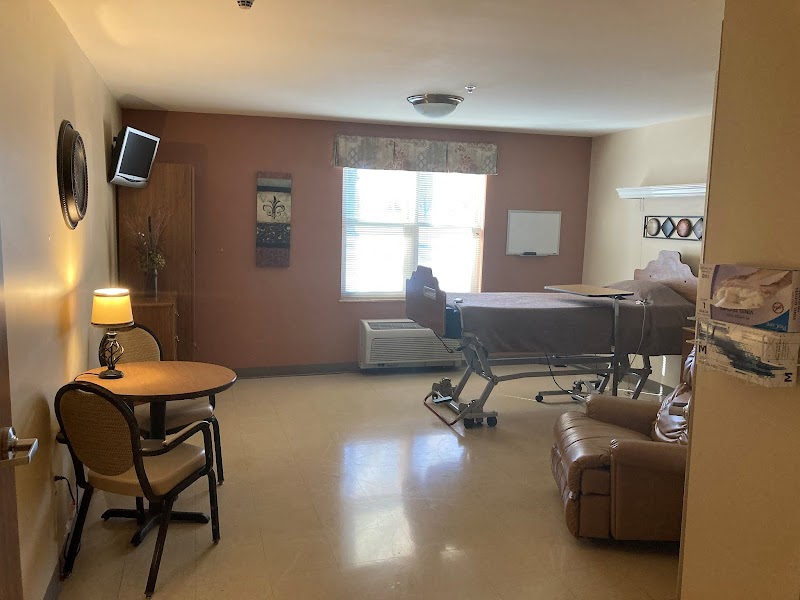
Who Owns and Operates Divine Rehabilitation And Nursing At Toledo?

DIVINE REHABILITATION AND NURSING AT TOLEDO is owned by a for-profit company. For-profit facilities operate as businesses with obligations to shareholders or private owners. The facility is operated by DIVINE HEALTHCARE MANAGEMENT, a chain that manages multiple nursing homes. With 93 certified beds and approximately 76 residents (about 82% occupancy), it is a smaller facility located in TOLEDO, Ohio.
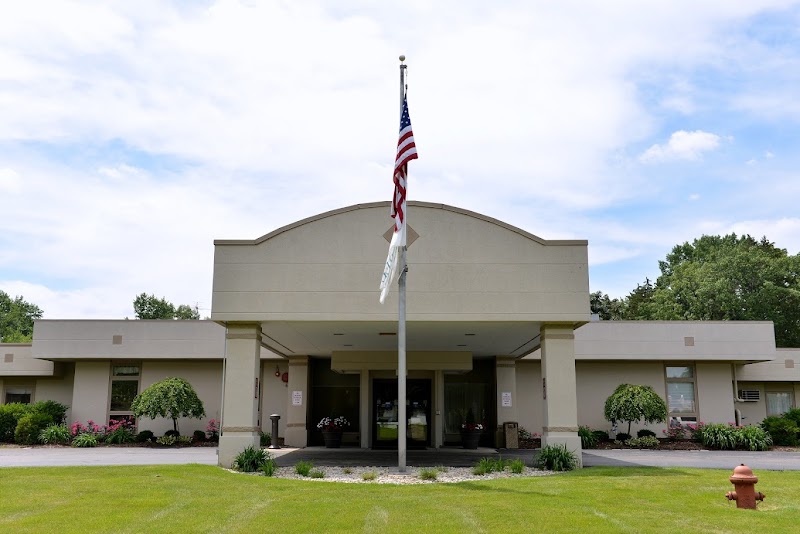
How Does Divine Rehabilitation And Nursing At Toledo Compare to Other Ohio Nursing Homes?

Compared to the 100 nursing homes in Ohio, DIVINE REHABILITATION AND NURSING AT TOLEDO's overall rating (2 stars) is below the state average of 3.2, staff turnover (62%) is significantly higher than the state average of 46%, and health inspection rating (1 stars) is much below the national benchmark.

What Should Families Ask When Visiting Divine Rehabilitation And Nursing At Toledo?

Based on this facility's data, families visiting should ask: "What changes have been made since the serious inspection findings, and how are you preventing similar issues?" "What safeguards and monitoring systems are in place to protect residents from abuse or neglect?" "How do you ensure continuity of care given staff turnover, and what is your staff retention strategy?" "Can you walk me through typical staffing levels on day, evening, and night shifts?" These questions are particularly relevant given the facility's Immediate Jeopardy citations, the substantiated abuse finding on record, the facility's high staff turnover rate, and the below-average staffing rating.

Is Divine Rehabilitation And Nursing At Toledo Safe?

Based on CMS inspection data, DIVINE REHABILITATION AND NURSING AT TOLEDO has documented safety concerns. The facility has 1 substantiated abuse finding (meaning confirmed case of resident harm by staff or other residents). Inspectors have issued 2 Immediate Jeopardy citations (the most serious violation level indicating risk of serious injury or death). The facility is currently on the Special Focus Facility watch list (a federal program monitoring the lowest-performing 1% of nursing homes nationwide). The facility has a 2-star overall rating and ranks #100 of 100 nursing homes in Ohio. Families considering this facility should ask detailed questions about what corrective actions have been taken since these incidents.

Do Nurses at Divine Rehabilitation And Nursing At Toledo Stick Around?

Staff turnover at DIVINE REHABILITATION AND NURSING AT TOLEDO is high. At 62%, the facility is 16 percentage points above the Ohio average of 46%. High turnover means new staff may not know residents' individual needs, medications, or preferences. It can also be disorienting for residents, especially those with dementia who rely on familiar faces. Families should ask: What is causing the turnover? What retention programs are in place? How do you ensure care continuity during staff transitions?

Was Divine Rehabilitation And Nursing At Toledo Ever Fined?

DIVINE REHABILITATION AND NURSING AT TOLEDO has been fined $107,740 across 3 penalty actions. This is 3.2x the Ohio average of $34,156. Fines at this level are uncommon and typically indicate a pattern of serious deficiencies, repeated violations, or failure to correct problems promptly. CMS reserves penalties of this magnitude for facilities that pose significant, documented risk to resident health or safety. Families should request specific documentation of what issues led to these fines and what systemic changes have been implemented.

Is Divine Rehabilitation And Nursing At Toledo on Any Federal Watch List?

DIVINE REHABILITATION AND NURSING AT TOLEDO is currently an SFF Candidate, meaning CMS has identified it as potentially qualifying for the Special Focus Facility watch list. SFF Candidates have a history of serious deficiencies but haven't yet reached the threshold for full SFF designation. The facility is being monitored more closely — if problems continue, it may be added to the official watch list. Families should ask what the facility is doing to address the issues that led to this status.