FOUNDATION PARK CARE CENTER
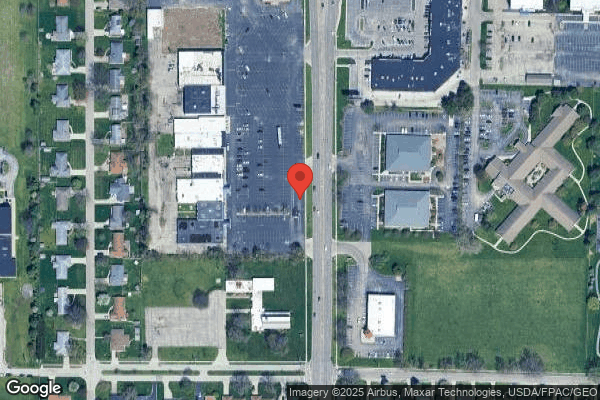
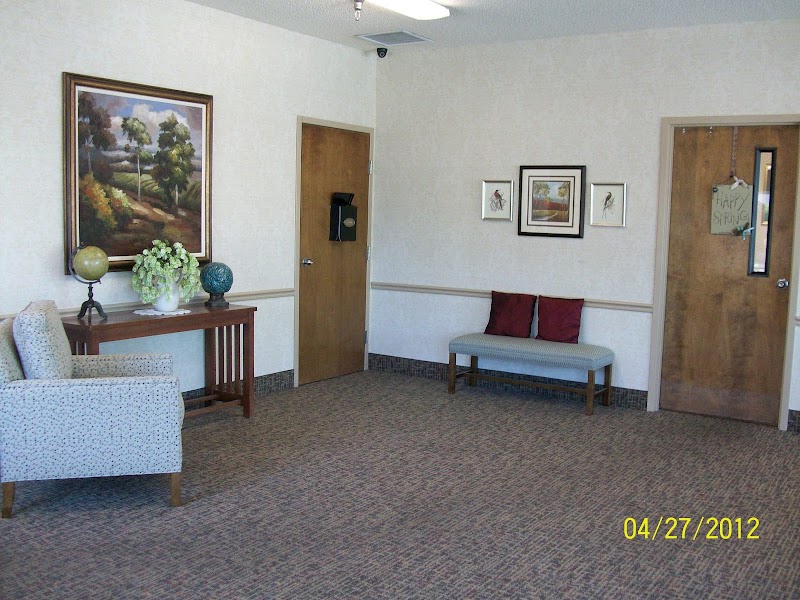
1621 S BYRNE RD, TOLEDO, OH 43614 (419) 385-3958
For profit - Limited Liability company 109 Beds NURSING CARE MANAGEMENT OF AMERICA Data: November 2025 1 Immediate Jeopardy citation
Trust Grade
26/100
#678 of 913 in OH
Last Inspection: May 2024

Within standard 12-15 month inspection cycle. Federal law requires annual inspections.

Overview

Foundation Park Care Center in Toledo, Ohio, has received a Trust Grade of F, indicating significant concerns about the quality of care provided. It ranks #678 out of 913 facilities in Ohio and #25 out of 33 in Lucas County, placing it in the bottom half for both state and county rankings. The facility is showing some improvement, with issues decreasing from 9 in 2024 to 6 in 2025, but it still has a long way to go. Staffing is relatively stable, with a 3/5 star rating and a turnover rate of 37%, which is better than the state average. However, the facility has faced serious incidents, including a failure to provide CPR for a resident who was found unresponsive and a lack of supervision for another resident, resulting in multiple fractures. While the quality measures star rating is excellent, the overall health inspection score is concerning at just 1/5.

Trust Score
F
26/100
In Ohio
#678/913
Bottom 26%
Safety Record
High Risk
Review needed
Inspections
Getting Better
9 → 6 violations
Staff Stability
○ Average
37% turnover. Near Ohio's 48% average. Typical for the industry.
Penalties
✓ Good
$14,680 in fines. Lower than most Ohio facilities. Relatively clean record.
Skilled Nurses
○ Average
Each resident gets 35 minutes of Registered Nurse (RN) attention daily — about average for Ohio. RNs are the most trained staff who monitor for health changes.
Violations
⚠ Watch
41 deficiencies on record. Higher than average. Multiple issues found across inspections.
★★☆☆☆
2.0
Overall Rating
★★★☆☆
3.0
Staff Levels
★★★★★
5.0
Care Quality
★☆☆☆☆
1.0
Inspection Score
Stable
2024: 9 issues
2025: 6 issues

The Good

  • 5-Star Quality Measures · Strong clinical quality outcomes
  • Full Sprinkler Coverage · Fire safety systems throughout facility
  • No fines on record
  • Staff turnover below average (37%)

    11 points below Ohio average of 48%

Facility shows strength in quality measures, fire safety.

The Bad

2-Star Overall Rating

Below Ohio average (3.2)

Below average - review inspection findings carefully

Staff Turnover: 37%

Near Ohio avg (46%)

Typical for the industry

Federal Fines: $14,680

Below median ($33,413)

Minor penalties assessed

Chain: NURSING CARE MANAGEMENT OF AMERICA

Part of a multi-facility chain

Ask about local staffing decisions and management

The Ugly 41 deficiencies on record

1 life-threatening 2 actual harm
Aug 2025 4 deficiencies 1 IJ
CRITICAL (J) 📢 Someone Reported This

A family member, employee, or ombudsman was alarmed enough to file a formal complaint

Immediate Jeopardy (IJ) - the most serious Medicare violation

Deficiency F0678 (Tag F0678)

Someone could have died · This affected 1 resident

**NOTE- TERMS IN BRACKETS HAVE BEEN EDITED TO PROTECT CONFIDENTIALITY** Based on closed medical record review, staff interview, review of a written staff statement and review of the facility policy, t...

Read full inspector narrative →
**NOTE- TERMS IN BRACKETS HAVE BEEN EDITED TO PROTECT CONFIDENTIALITY** Based on closed medical record review, staff interview, review of a written staff statement and review of the facility policy, the facility failed to initiate Cardiopulmonary Resuscitation (CPR) or call nine-one-one (911) for Emergency Medical Services (EMS) assistance for Resident #100, who was found unresponsive, absent of breaths, without a pulse/heartbeat and was identified to have advance directives reflecting the resident was a Full Code (full life-saving measures to be taken in the event of cardiac/respiratory arrest) status. This resulted in Immediate Jeopardy and serious life-threatening harm/death on [DATE] when Licensed Practical Nurse (LPN) #400 went to Resident #100's room to check his blood sugar levels and found the resident to be unresponsive and absent of vital signs. LPN #400 called for the shift supervisor, LPN #410, who confirmed Resident #100 was absent of vital signs and neither nurse initiated CPR, called 911 for EMS assistance, or contacted the physician for direction. Resident #100 subsequently passed away in the facility, without life-saving measures being implemented, without 911 being called, and without the physician being contacted. This affected one (#100) of five residents reviewed for death in the facility. The facility census was 86. On [DATE] at 2:13 P.M., the Administrator and Director of Nursing (DON) were notified Immediate Jeopardy began on [DATE] at 5:35 A.M. when LPN #400 entered Resident #100's room to obtain his morning blood sugar level and found the resident was absent of vital signs. LPN #400 called for LPN #410 to confirm Resident #100, who was a Full Code status, was not breathing and did not have a pulse/heartbeat. LPN #400 and LPN #410 failed to initiate life-saving measures, including CPR, did not contact 911 for assistance, and further failed to seek direction from a physician. Resident #100 passed away in the facility. The Immediate Jeopardy was removed on [DATE] when the facility implemented the following corrective actions: On [DATE], the Unit Manager LPN #445, provided verbal educational counseling to LPN #400 and LPN #410 on how to respond to a Full Code status. On [DATE], the DON reviewed all resident code statuses to verify physician orders for residents with a Full Code status were up to date. On [DATE], the DON or designee educated all licensed nursing staff on reviewing code status and initiating CPR for residents who required such care prior to the arrival of EMS. The education was provided via in-person, text message, and phone. On [DATE], the DON completed an audit of all in-facility deaths for the past 60 days, with no negative findings. On [DATE], the DON placed a list of all residents who have a Full Code status at the nurses' stations. The DON will ensure the list is updated as needed. On [DATE], an Ad-hoc Quality Assurance Performance Improvement (QAPI) meeting was held to identify issues and help prevent this incident from recurring. Members present included the Administrator, DON, Registered Nurse (RN) #460, Business Office Manager (BOM) #500, Activities Director (AD) #501, Dietary Manager (DM) #502, Maintenance Director (MD) #503, Therapy Director (TD) #504, Medical Records Clerk (MRC) #505, Social Service Director (SSD) #420, RN #506, LPN #450, LPN #507, and LPN #508. On [DATE], as identified by the Ad Hoc QAPI meeting, RN #460 performed an audit of CPR certifications for all licensed nurses. Any nurse identified to not have current CPR certification will be offered CPR certification by the facility. Beginning on [DATE], the DON will ensure all licensed nurses sign a staff education confirming receipt and understanding of education prior to their next scheduled shift related to identifying code status, verifying vital signs, initiating CPR and calling 911 for residents with a Full Code status, and continuing CPR until EMS arrives and assumes care of the resident. Beginning on [DATE], Human Resources (HR) #700 will verify CPR verification for all licensed nurses upon hire and a yearly CPR course will be offered to maintain certification. Beginning on [DATE], the DON or designee will audit all full code statuses three times a week for four weeks, then weekly for eight weeks to ensure resident code statuses are accurate. Beginning on [DATE], the DON or designee will provide education two times weekly on each shift for four weeks to ensure nursing staff understand how to verify resident code status and that residents with a Full Code must have CPR initiated and EMS called. Beginning on [DATE], the Administrator or designee will audit, upon occurrence for four months, all Full Code residents who experience an event in the facility that requires CPR to ensure advanced directives are followed, CPR was performed, and EMS was notified. Any identified issues will be corrected immediately and reported to the QAPI committee monthly for further review. Telephone interviews on [DATE] with LPN #400 and LPN #410 verified education was received on Full Code status, initiation of CPR, and notifying EMS when a resident with a Full Code status experienced cardiac or respiratory arrest. On [DATE] at 7:35 A.M., the DON reported LPN #400 and LPN #410 to the Ohio Board of Nursing for failing to initiate CPR for Resident #100. Review of four (#101, #102, #103, and #104) additional closed resident medical records, reviewed for death in the facility, revealed no additional concerns. Although the Immediate Jeopardy was removed on [DATE], the facility remains out of compliance at Severity Level 2 (the potential for more than minimal harm that is not Immediate Jeopardy) as the facility is in the process of implementing their corrective actions and monitoring for effectiveness and on-going compliance. Findings include: Review of the closed medical record for Resident #100 revealed an admission date of [DATE] and a discharge date of [DATE]. Diagnoses included dementia with behaviors, diabetes mellitus (DM), peripheral vascular disease (PVD), chronic heart failure, chronic kidney disease (CKD) stage four, atrial fibrillation (A-fib) [abnormal heart rhythm], and atherosclerotic heart disease. Review of the quarterly Minimum Data Set (MDS) assessment, dated [DATE], revealed Resident #100 was cognitively impaired. Review of the plan of care, initiated on [DATE], revealed Resident #100 had an advanced directive for Full Code status. Interventions included: if the resident was found unresponsive, staff were to call a stat (immediate assistance) to the room, initiate CPR and call 911, and notify the family of changes of condition. Review of the physician orders for [DATE] revealed Resident #100 had an order for a Full Code Status. Review of a nursing progress note dated [DATE] at 7:26 A.M. and authored by LPN #400 revealed LPN #400 went to obtain Resident #100's morning blood sugar and found him to be absent of vital signs. Further review of Resident #100's medical record revealed no additional information related to an assessment or action taken by facility staff when the resident was found unresponsive. An interview on [DATE] at 9:06 A.M. with the DON verified Resident #100 was a Full Code status and staff failed to initiate CPR or call 911 when the resident was found without vital signs on [DATE]. A telephone interview on [DATE] at 9:36 A.M. with LPN #400 verified she worked on [DATE] (night shift) into the morning of [DATE] and was assigned to care for Resident #100. LPN #400 stated she went into the resident's room at approximately 5:35 A.M. to complete his morning blood sugar check and found that Resident #100 appeared to have passed away in his sleep. LPN #400 further stated she called her supervisor, LPN #410, to check on Resident #100, and it was LPN #410 who confirmed the resident had no vital signs. LPN #400 stated she then went to check the code status for Resident #100 and discovered he was a Full Code and asked LPN #410 what she should do since the resident had no vital signs. LPN #400 stated she was advised by LPN #410 to call Resident #100's family and notify them he had passed and ask what funeral home to use. LPN #400 verified CPR was not initiated for Resident #100 and 911 was not called for emergency medical services to be provided. LPN #400 stated this was her first encounter with a resident having a Full Code status and being found without any vital signs and she was unsure of what to do. A telephone interview on [DATE] at 10:21 A.M. with LPN #410 verified she worked the night shift on [DATE], into the morning of [DATE]. LPN #410 stated LPN #400 called her for assistance with Resident #100 because he was found to be absent of vital signs. LPN #410 stated she assessed Resident #100 and confirmed he did not have any vital signs. LPN #410 verified CPR was not performed and 911 was not called for Resident #100. LPN #410 stated the protocol for a resident with a Full Code status who was found without vital signs would have been to get the crash cart, start CPR, and call 911. A telephone interview on [DATE] at 9:49 A.M. with Registered Nurse (RN) #415 revealed she worked the night shift on [DATE], into the morning of [DATE]. RN #415 stated she did not have knowledge at the time of Resident #100 being found unresponsive but, had she been aware, she would have initiated CPR and called 911 because the resident was a Full Code Status. Review of LPN #410's written statement, dated [DATE], confirmed CPR was not initiated for Resident #100. Further review revealed LPN #410 asked LPN #400 what she was going to do being's he was a full code. The statement revealed LPN #400 gave permission to the Certified Nursing Assistant (CNA) to provide post-mortem care and LPN #410 gave direction to LPN #400 to notify the family and physician. Review of the facility policy titled, Policy and Procedure: CPR/Advanced Directives, undated, revealed it was the policy of the facility that each resident would have an advanced directive in place at admission and the staff would provide basic life support, including CPR, to him/her in an emergency prior to the arrival of emergency medical personnel according to the physician's order and the resident's advanced directives. The facility would ensure and maintain records that licensed staff were trained and certified/recertified in CPR and were available immediately, 24 hours per day, to provide basic life support, including CPR, in an emergency before emergency personnel arrived. All licensed staff must be aware of a resident's code status and immediately act accordingly. This deficiency represents non-compliance investigated under Complaint Number 2571943.
CONCERN (D) 📢 Someone Reported This

A family member, employee, or ombudsman was alarmed enough to file a formal complaint

Potential for Harm - no one hurt, but risky conditions existed

Report Alleged Abuse (Tag F0609)

Could have caused harm · This affected 1 resident

**NOTE- TERMS IN BRACKETS HAVE BEEN EDITED TO PROTECT CONFIDENTIALITY** Based on open and closed medical record review, staff interview, review of a facility incident report, review of the Enhanced In...

Read full inspector narrative →
**NOTE- TERMS IN BRACKETS HAVE BEEN EDITED TO PROTECT CONFIDENTIALITY** Based on open and closed medical record review, staff interview, review of a facility incident report, review of the Enhanced Information Dissemination and Collection (EIDC) system (system for reporting information) and review of the facility policy, the facility failed to report incidents of potential abuse and/or neglect to the State Survey Agency (SSA). This affected two (#100 and #68) of five residents reviewed for abuse. The facility census was 86. Findings include:1. Review of the closed medical record for Resident #100 revealed an admission date of [DATE] and a discharge date of [DATE]. Diagnoses included dementia with behaviors, diabetes mellitus (DM), peripheral vascular disease (PVD), chronic heart failure, chronic kidney disease (CKD) stage four, atrial fibrillation (A-fib) (abnormal heart rhythm), and atherosclerotic heart disease. Review of the plan of care, initiated on [DATE], revealed Resident #100 was care planned for advanced directives of Full Code (full life-saving measures to be taken in the event of cardiac/respiratory arrest) status. Interventions included: if resident was found unresponsive, staff were to call a stat (immediate assistance) to the room, initiate cardiopulmonary resuscitation (CPR) and call 911, and notify family of changes in condition.Review of the quarterly Minimum Data Set (MDS) assessment, dated [DATE], revealed Resident #100 was cognitively impaired.Review of the physician orders for [DATE] revealed Resident #100 had an order for a Full Code status. Review of a nursing progress note dated [DATE] at 7:26 A.M. and authored by LPN #400, revealed LPN #400 went to obtain Resident #100's morning blood sugar and found him to be absent of vital signs.Further review of Resident #100's medical record revealed no additional information related to an assessment or action taken by facility staff when the resident was found unresponsive. Review of the EIDC system from [DATE] through [DATE] revealed no evidence the facility submitted a Self-Reported Incident (SRI) to the SSA related to Resident #100's death. An interview on [DATE] at 9:06 A.M. with the Director of Nursing (DON) revealed Resident #100 was a Full Code status and staff failed to initiate CPR or call 911 when the resident was found without vital signs on [DATE]. Further interview with the DON verified the facility did not submit an SRI to the SSA to report potential neglect of Resident #100 when staff failed to initiate life-saving measures.2. Review of the medical record for Resident #68 revealed an admission date of [DATE] with diagnoses of dementia, congestive heart failure (CHF), anxiety, and CKD stage three.Review of the significant change MDS assessment, dated [DATE], revealed Resident #68 was cognitively intact and was (staff) dependent for transfers and utilized a wheelchair.Review of the care plan, initiated [DATE], revealed Resident #68 had an activities of daily living (ADLs) self-care performance deficit related to cognitive impairment, mobility deficits, weak gait and required staff assistance. Resident #68 was also care planned to be at risk for falls due to decreased safety awareness, cognitive impairment, required assistive device for balance and mobility, and weak gait with an invention to use the stand up lift (lift used to assist residents with standing when they are experiencing weakness) for transfers due to weakness and unsteadiness, every shift.Review of the Kardex (information sheet specific to the resident's direct care for the Certified Nursing Assistance [CNA] to provide daily care, this will include things such has how a resident transfers) for Resident #68 revealed he may use a stand up lift for transfers due to weakness/unsteadiness every shift.Review of a nursing progress note, dated [DATE] and authored by Licensed Practical Nurse (LPN) #435, revealed Resident #68 complained of pain to his left foot. Resident #68 stated that the CNA that put him to bed didn't take her time and tossed him into bed. LPN #435 assessed Resident #68's foot and found his left foot was painful to touch and did not have any swelling or discoloration noted. The physician was notified and an order for an X-ray of the left foot was obtained.Review of a nursing progress note, dated [DATE], revealed Resident #68's left foot X-ray was obtained the evening prior and resulted as unremarkable plain radiograph of the left foot.Review of a facility incident report dated [DATE] and titled alleged abuse, and filed by LPN #435, revealed she received report from CNA #510 that Resident #68 complained of pain to his left foot from being transferred to rough by the staff the night before. Resident #68 stated they hurt his foot due to the rough transfer. The incident report further stated that LPN #435 reported the incident to the supervisor as well as the DON. The DON stated she would advise the Administrator. LPN #435 indicated in the incident report the physician was notified and an order was obtained for an X-ray to the left foot for Resident #68 to rule out any injury, and as needed (PRN) pain medication was administered to Resident #68.Review of the EIDC system from [DATE] through [DATE] revealed no evidence the facility submitted an SRI to the SSA related to the allegation of physical abuse for Resident #68.Interview on [DATE] at 11:34 A.M. with the DON verified the facility did not submit an SRI to the SSA related to the allegation of physical abuse for Resident #68. The DON stated she completed an incident report and titled it under non-fall, non-pressure wound and was not aware LPN #435 completed an incident report indicating alleged abuse. Review of the facility policy titled, Abuse, Mistreatment, Neglect, Exploitation and Misappropriation of Resident Property, dated 2017, revealed residents had the right to be free from abuse, neglect, exploitation, and misappropriation of resident property. It was the facility's policy to investigate all alleged violations involving abuse, neglect, misappropriation of resident property, exploitation or mistreatment, including injuries of unknown source, in accordance with the policy. Staff should report immediately all such allegations to the Administrator and to the Ohio Department of Health (ODH) in accordance with the procedures in the policy. Timing: all incident and allegations of abuse, neglect, exploitation, mistreatment and misappropriation should be reported immediately to the Administrator or designee. The Administrator or his/her designee would notify the ODH of all allegations. If the event that caused the allegation involved an allegation of abuse or serious bodily injury, it should be reported to ODH immediately, but no later than two hours after the allegation is made.This deficiency was an incidental finding identified during the compliant investigation.
CONCERN (D) 📢 Someone Reported This

A family member, employee, or ombudsman was alarmed enough to file a formal complaint

Potential for Harm - no one hurt, but risky conditions existed

Investigate Abuse (Tag F0610)

Could have caused harm · This affected 1 resident

**NOTE- TERMS IN BRACKETS HAVE BEEN EDITED TO PROTECT CONFIDENTIALITY** Based on open and closed medical record review, staff interview, review of a facility investigation and review of facility polic...

Read full inspector narrative →
**NOTE- TERMS IN BRACKETS HAVE BEEN EDITED TO PROTECT CONFIDENTIALITY** Based on open and closed medical record review, staff interview, review of a facility investigation and review of facility policy, the facility failed to initiate and thoroughly investigate potential neglect and physical abuse. This affected two (#100 and #68) of five residents reviewed for abuse. The facility census was 86.Findings include: 1. Review of the closed medical record for Resident #100 revealed an admission date of [DATE] and a discharge date of [DATE]. Diagnoses included dementia with behaviors, diabetes mellitus (DM), peripheral vascular disease (PVD), chronic heart failure, chronic kidney disease (CKD) stage four, atrial fibrillation (A-fib) (abnormal heart rhythm), and atherosclerotic heart disease. Review of the plan of care, initiated on [DATE], revealed Resident #100 was care planned for advanced directives of Full Code (full life-saving measures to be taken in the event of cardiac/respiratory arrest) status. Interventions included: if resident was found unresponsive, staff were to call a stat (immediate assistance) to the room, initiate cardiopulmonary resuscitation (CPR) and call 911, and notify family of changes in condition.Review of the quarterly Minimum Data Set (MDS) assessment, dated [DATE], revealed Resident #100 was cognitively impaired.Review of the physician orders for [DATE] revealed Resident #100 had an order for a Full Code status. Review of a nursing progress note dated [DATE] at 7:26 A.M. and authored by LPN #400, revealed LPN #400 went to obtain Resident #100's morning blood sugar and found him to be absent of vital signs.Further review of Resident #100's medical record revealed no additional information related to an assessment or action taken by facility staff when the resident was found unresponsive. Interview on [DATE] at 9:06 A.M. with the Director of Nursing (DON) verified the facility did not complete an investigation related to staff failing to initiate CPR for Resident #100 when he was found without vital signs and had a Full Code status. 2. Review of the medical record for Resident #68 revealed an admission date of [DATE] with diagnoses of dementia, congestive heart failure (CHF), anxiety, and CKD stage three.Review of the significant change MDS assessment, dated [DATE], revealed Resident #68 was cognitively intact and was (staff) dependent for transfers and utilized a wheelchair.Review of the care plan, initiated [DATE], revealed Resident #68 had an activities of daily living (ADLs) self-care performance deficit related to cognitive impairment, mobility deficits, weak gait and required staff assistance. Resident #68 was also care planned to be at risk for falls due to decreased safety awareness, cognitive impairment, required assistive device for balance and mobility, and weak gait with an invention to use the stand up lift (lift used to assist residents with standing when they are experiencing weakness) for transfers due to weakness and unsteadiness, every shift.Review of the Kardex (information sheet specific to the resident's direct care for the Certified Nursing Assistance [CNA] to provide daily care, this will include things such has how a resident transfers) for Resident #68 revealed he may use a stand up lift for transfers due to weakness/unsteadiness every shift.Review of a nursing progress note, dated [DATE] and authored by Licensed Practical Nurse (LPN) #435, revealed Resident #68 complained of pain to his left foot. Resident #68 stated that the CNA that put him to bed didn't take her time and tossed him into bed. LPN #435 assessed Resident #68's foot and found his left foot was painful to touch and did not have any swelling or discoloration noted. The physician was notified and an order for an X-ray of the left foot was obtained.Review of a facility incident report dated [DATE] and titled alleged abuse, and filed by LPN #435, revealed she received report from CNA #510 that Resident #68 complained of pain to his left foot from being transferred to rough by the staff the night before. Resident #68 stated they hurt his foot due to the rough transfer. The incident report further stated that LPN #435 reported the incident to the supervisor as well as the DON. The DON stated she would advise the Administrator. LPN #435 indicated in the incident report the physician was notified and an order was obtained for an X-ray to the left foot for Resident #68 to rule out any injury, and as needed (PRN) pain medication was administered to Resident #68.Review of the facility's investigation for alleged abuse for Resident #68 revealed a statement from LPN #435, dated [DATE], stating that she was notified by Certified Nursing Assistant (CNA) #510 that Resident #68 complained of pain from being roughly transferred by the night shift. Further review of the facility investigation revealed an undated written statement from CNA #510 that stated she went to give a shower to Resident #68, and he complained of a broken foot after he was transferred roughly the evening prior. Additionally, a telephone statement from CNA #520, dated [DATE], revealed she transferred Resident #68 per the usual transfer method with her hands around his waist and her leg between his knees, asked Resident #68 to stand, and he was pivoted into bed. CNA #520 stated Resident #68 then told her she hurt his leg once he was in bed. Further review of the facility investigation revealed no evidence of a statement from Resident #68, like resident interviews and/or assessments or evidence of any staff education related to the incident being completed. Interview on [DATE] at 2:25 P.M. with the DON verified the facility investigation did not include interviews and/or assessments of residents or other staff and further confirmed no staff education was completed related to the incident. Review of the facility policy titled, Abuse, Mistreatment, Neglect, Exploitation and Misappropriation of Resident Property, dated 2017, revealed residents had the right to be free from abuse, neglect, exploitation, and misappropriation of resident property. It was the facility's policy to investigate all alleged violations involving abuse, neglect, misappropriation of resident property, exploitation or mistreatment, including injuries of unknown source, in accordance with the policy. Investigation protocol included interview of the resident, the accused, and all witnesses. Witnesses included any direct witnesses or anyone that heard of the incident (including other residents and family if applicable). If there were no direct witnesses, then the interviews could be expanded to employees of shifts, units, as appropriate, as well as residents on the unit. Evidence of the investigation should be documented.This deficiency was an incidental finding identified during the complaint survey.
CONCERN (D) 📢 Someone Reported This

A family member, employee, or ombudsman was alarmed enough to file a formal complaint

Potential for Harm - no one hurt, but risky conditions existed

Deficiency F0726 (Tag F0726)

Could have caused harm · This affected 1 resident

**NOTE- TERMS IN BRACKETS HAVE BEEN EDITED TO PROTECT CONFIDENTIALITY** Based on closed medical record review, staff interview, review of facility job descriptions, review of staff cardiopulmonary res...

Read full inspector narrative →
**NOTE- TERMS IN BRACKETS HAVE BEEN EDITED TO PROTECT CONFIDENTIALITY** Based on closed medical record review, staff interview, review of facility job descriptions, review of staff cardiopulmonary resuscitation (CPR) certifications and review of facility policy, the facility failed to ensure staff were competent and compliant with with implementing CPR per the physician orders and further failed to ensure nurse supervisors were qualified per the facility job description qualifications. This affected one (#100) of three residents reviewed for Advanced Directives. The facility census was 86.Findings include:Review of the closed medical record for Resident #100 revealed an admission date of [DATE] and a discharge date of [DATE]. Diagnoses included dementia with behaviors, diabetes mellitus (DM), peripheral vascular disease (PVD), chronic heart failure, chronic kidney disease (CKD) stage four, atrial fibrillation (A-fib) (abnormal heart rhythm), and atherosclerotic heart disease. Review of the plan of care plan, initiated on [DATE], revealed Resident #100 was care planned for advanced directives of Full Code (full life-saving measures to be taken in the event of cardiac/respiratory arrest) status. Interventions included: if resident was found unresponsive, staff were to call a stat (immediate assistance) to the room, initiate CPR and call 911, and notify family of changes in condition.Review of the quarterly Minimum Data Set (MDS) assessment, dated [DATE], revealed Resident #100 was cognitively impaired. Review of the physician orders for [DATE] revealed Resident #100 had an order for Full Code status. Review of a nursing progress note dated [DATE] at 7:26 A.M. revealed Licensed Practical Nurse (LPN) #400 went to obtain the morning blood sugar for Resident #100 and found him to be absent of vital signs.Further review of Resident #100's medical record revealed no additional information related to an assessment or action taken by facility staff when the resident was found unresponsive. A telephone interview on [DATE] at 9:36 A.M. with LPN #400 confirmed she was responsible for Resident #100's care on the morning of [DATE] and found the resident in bed without vital signs. LPN #400 revealed this was the first time she had found a resident, who was a Full Code status, unresponsive and she was uncertain of what to do and requested assistance from LPN #410, the shift nursing supervisor. LPN #400 verified she did not initiate CPR or call 911 for Resident #100. A telephone interview on [DATE] at 10:21 A.M. with LPN #410 revealed she was the nursing supervisor for the night shift on [DATE], into the morning of [DATE]. LPN #410 stated LPN #400 called her to Resident #100's room on the morning of [DATE] due to the resident not having vital signs. LPN #410 verified she did not initiate CPR or call 911 for Resident #100 and the protocol for a resident with a Full Code status would have been to initiate CPR and call 911. LPN #410 confirmed a Registered Nurse (RN) was in the facility at the time Resident #100 was found; however, the nursing supervisor's decisions superseded the RN, even when the nursing supervisor was an LPN.A telephone interview on [DATE] at 9:49 A.M. with RN #415 revealed she worked night shift on [DATE] into [DATE]. RN #415 stated she did not have knowledge of Resident #100 being found unresponsive at the time he was discovered by LPN #400. RN #415 stated if she had known of the situation, she would have initiated CPR and called 911. RN #415 stated LPN #410 was the nursing supervisor on that shift and the nursing supervisor's decisions superseded an RN, even when the nursing supervisor was and LPN.Review of LPN #400's CPR certification revealed a valid certification, with an expiration date of [DATE]. Review of LPN #410's CPR certification revealed a valid certification, with an expiration date off [DATE]. Review of the facility policy titled, Policy and Procedure: CPR/Advanced Directives, undated, revealed it was the policy of the facility that each resident would have an advanced directive in place at admission and the staff would provide basic life support, including CPR, to him/her in an emergency prior to the arrival of emergency medical personnel according to the physician's order and the resident's advanced directives. The facility would ensure and maintain records that licensed staff were trained and certified/recertified in CPR and were available immediately, 24 hours per day, to provide basic life support, including CPR. All licensed staff must be aware of a resident's code status and immediately act accordingly.Review of the facility job description titled, Treatment Nurse, dated 2003 and used for all staff nurses, revealed the purpose of the charge nurse was to provide direct nursing care to the residents under the medical direction and supervision of the residents' attending physician, the (DON), or the Medical Director of the facility. Additionally, the charge nurse would assist in the modification of treatment regimen to meet the physical and psychosocial needs of the resident in accordance with established medical practices and the requirements of the policies and goals of the facility. Specific requirements included the ability to make independent decisions when circumstances warranted such action; knowledgeable of nursing and medical practices and procedures, as well as laws, regulations, and guidelines that pertain to long-term care; and be able to relate information concerning a resident's condition. Duties and responsibilities included giving direct physical and psychological nursing care in emergencies, as well as in the presence of illness or disability in order to maintain life, provide comfort, reduce stress, and enhance the resident's ability to cope.Review of the facility job description titled Nurse Supervisor, dated 2003, revealed the primary purpose was to supervise the day-to-day nursing activities of the facility. Such supervision must be in accordance with current federal, state, and local standards, guidelines, and regulations that govern the facility, and as may be required by the Director of Nursing (DON) Services, to ensure the highest degree of quality care was maintained at all times. The Nurse Supervisor was delegated the administrative authority, responsibility, and accountability necessary for carrying out assigned duties. Further review revealed the Nurse Supervisor must possess a current, unencumbered, active license to practice as an RN in the state.This deficiency was an incidental finding identified during the complaint investigation.
Mar 2025 2 deficiencies
CONCERN (D) 📢 Someone Reported This

A family member, employee, or ombudsman was alarmed enough to file a formal complaint

Potential for Harm - no one hurt, but risky conditions existed

Abuse Prevention Policies (Tag F0607)

Could have caused harm · This affected 1 resident

**NOTE- TERMS IN BRACKETS HAVE BEEN EDITED TO PROTECT CONFIDENTIALITY** Based on record review, staff interview, and facility policy review the facility failed to implement the facility policy regardi...

Read full inspector narrative →
**NOTE- TERMS IN BRACKETS HAVE BEEN EDITED TO PROTECT CONFIDENTIALITY** Based on record review, staff interview, and facility policy review the facility failed to implement the facility policy regarding the requirement to report a resident to resident altercation to the state agency. This affected one resident (#15) reviewed for abuse. The facility census was 92. Findings include: Review of Resident #15's medical record revealed an admission date of 01/08/19. Diagnoses included Alzheimer's disease, chronic obstructive pulmonary disease and atrial fibrillation. Review of Resident #15's quarterly Minimum Data Set (MDS) dated [DATE] revealed she had an impaired cognition and behaviors included wandering and rejection of care. Review of Resident #15's nurses note dated 02/20/25 revealed the resident was in the dining room sitting at the table eating lunch. An altercation between two other residents happened and in the process Resident #15 was hit in the face with a plate receiving a cut to her forehead. The nurse separated residents. Resident #15 was assessed by staff and received wound care. Neurological checks were begun. Review of Resident #15's health status note dated 02/20/25 revealed the resident had a small laceration to the forehead. The resident removed the dressing which resulted in bleeding. The site was cleaned and antibiotic ointment applied with a clean dressing. Review of Resident #15's nurses note dated 02/21/25 revealed the resident had a large hematoma to the forehead. Observation on 03/04/25 at 10:25 A.M. revealed Resident #15 was ambulating through the facility with the assistance of a walker. Observation of her forehead revealed a healing bruise the size of a coffee saucer along with an approximate 1 1/2 inch healing cut in the center of the bruising. Interview with the Director of Nursing (DON) on 03/04/25 at 11:01 A.M. verified Resident #15 was hit with a dinner plate on accident. The DON stated it really was not an altercation involving Resident #15. The altercation was between two other residents when one resident attempted to leave the dining room holding the plate in the air and when a second resident attempted to pull the plate away, the plate hit Resident #15 in the forehead. Interview with Registered Nurse #120 on 03/05/25 at 7:25 A.M. verified Resident #15 did get hit in the face with a dinner plate and suffered a laceration to her forehead. The nurse stated that Resident #31 was upset with another resident in the dining room and when Resident #31 was asked to leave the dining room she became upset and swung the plate and accidentally hit Resident #15 in the forehead. Resident #15 suffered a laceration and large bruise to the forehead. Interview with the Administrator on 03/05/25 at 1:10 P.M. verified the facility did not implement its policy regarding the abuse and mistreatment of Resident #15 when Resident #15 was hit in the forehead with a plate. Review of the facility policy titled Abuse, Mistreatment, Neglect, Exploitation, and Misappropriation of Resident Property dated 2017 revealed the Administrator or his/her designee will notify the Ohio Department of Health (ODH) of all alleged violations involving mistreatment, neglect, abuse, exploitation, misappropriation of resident property and injuries of unknown source as soon as possible, but in no event later than 24 hours from the time the incident/allegation was made known to the staff member.
CONCERN (D) 📢 Someone Reported This

A family member, employee, or ombudsman was alarmed enough to file a formal complaint

Potential for Harm - no one hurt, but risky conditions existed

Report Alleged Abuse (Tag F0609)

Could have caused harm · This affected 1 resident

**NOTE- TERMS IN BRACKETS HAVE BEEN EDITED TO PROTECT CONFIDENTIALITY** Based on record review, staff interview, and facility policy review the facility failed to report a resident to resident alterca...

Read full inspector narrative →
**NOTE- TERMS IN BRACKETS HAVE BEEN EDITED TO PROTECT CONFIDENTIALITY** Based on record review, staff interview, and facility policy review the facility failed to report a resident to resident altercation. This affected one resident (#15) reviewed for abuse. The facility census was 92. Findings include: Review of Resident #15's medical record revealed an admission date of 01/08/19. Diagnoses included Alzheimer's disease, chronic obstructive pulmonary disease and atrial fibrillation. Review of Resident #15's quarterly Minimum Data Set (MDS) dated [DATE] revealed she had an impaired cognition and behaviors included wandering and rejection of care. Review of Resident #15's nurses note dated 02/20/25 revealed the resident was in the dining room sitting at the table eating lunch. An altercation between two other residents happened and in the process Resident #15 was hit in the face with a plate receiving a cut to her forehead. The nurse separated residents. Resident #15 was assessed by staff and received wound care. Neurological checks were begun. Review of Resident #15's health status note dated 02/20/25 revealed the resident had a small laceration to the forehead. The resident removed the dressing which resulted in bleeding. The site was cleaned and antibiotic ointment applied with a clean dressing. Review of Resident #15's nurses note dated 02/21/25 revealed the resident had a large hematoma to the forehead. Observation on 03/04/25 at 10:25 A.M. revealed Resident #15 was ambulating through the facility with the assistance of a walker. Observation of her forehead revealed a healing bruise the size of a coffee saucer along with an approximate 1 1/2 inch healing cut in the center of the bruising. Interview with the Director of Nursing (DON) on 03/04/25 at 11:01 A.M. verified Resident #15 was hit with a dinner plate on accident. The DON stated it really was not an altercation involving Resident #15. The altercation was between two other residents when one resident attempted to leave the dining room holding the plate in the air and when a second resident attempted to pull the plate away, the plate hit Resident #15 in the forehead. Interview with Registered Nurse #120 on 03/05/25 at 7:25 A.M. verified Resident #15 did get hit in the face with a dinner plate and suffered a laceration to her forehead. The nurse stated that Resident #31 was upset with another resident in the dining room and when Resident #31 was asked to leave the dining room she became upset and swung the plate and accidentally hit Resident #15 in the forehead. Resident #14 suffered a laceration and large bruise to the forehead. Interview with the Administrator on 03/05/25 at 1:10 P.M. verified Resident #15's injury nor the resident to resident altercation was reported to the state agency as required. Review of the facility policy titled Abuse, Mistreatment, Neglect, Exploitation, and Misappropriation of Resident Property, dated 2017 revealed the Administrator or his/her designee will notify the Ohio Department of Health (ODH) of all alleged violations involving mistreatment, neglect, abuse, exploitation, misappropriation of resident property and injuries of unknown source as soon as possible, but in no event later than 24 hours from the time the incident/allegation was made known to the staff member.
Aug 2024 1 deficiency
CONCERN (D) 📢 Someone Reported This

A family member, employee, or ombudsman was alarmed enough to file a formal complaint

Potential for Harm - no one hurt, but risky conditions existed

Deficiency F0760 (Tag F0760)

Could have caused harm · This affected 1 resident

**NOTE- TERMS IN BRACKETS HAVE BEEN EDITED TO PROTECT CONFIDENTIALITY** Based on record review, staff interview, and review of the facility policy, the facility failed to ensure treatments were provid...

Read full inspector narrative →
**NOTE- TERMS IN BRACKETS HAVE BEEN EDITED TO PROTECT CONFIDENTIALITY** Based on record review, staff interview, and review of the facility policy, the facility failed to ensure treatments were provided with a physician's order. This affected one (#14) of four residents reviewed for physician orders. The facility census was 88. Findings include: Review of the medical record for Resident #14 revealed an admission date of 05/18/23 with a readmission date of 04/1/24 with diagnoses of Alzheimer's disease and dementia. Review of the quarterly Minimum Data Set assessment dated [DATE] revealed Resident #14 had impaired cognition. Review of the physician orders dated 07/01/24 through current revealed no orders for Nystatin powder (a powder used to treat fungal or yeast infections on the skin). Review of the Medication Administration Record and Treatment Administration Record dated August 2024 revealed no documentation Resident #14 received Nystatin powder. Review of the Shower/Skin Assessment completed 08/01/24 revealed Resident #14 had dry/flaky skin and redness with excoriation and imprint made to bilateral shoulders, back and underneath both breasts from bra. Resident #14's bra was removed. Review of the Shower/Skin Assessment completed 08/05/24 revealed no skin areas of concern. Review of a progress note dated 08/01/24 revealed Resident #14 had an imprint to her shoulders, back and under both breasts from her bra. Nystatin powder was applied and the bra was removed. Interview on 08/29/24 at 10:03 A.M. with State Tested Nursing Assistant (STNA) #101 revealed she was providing care to Resident #14 when she found marks on her shoulders and under her breasts. STNA #101 stated she felt Resident #14's bra had been on too long or was too small. STNA #101 reported the skin concerns to the nurse who provided treatment to the area. STNA #101 stated it occurred approximately two or three weeks previously and the area was resolved. Interview on 08/29/24 at 2:45 P.M. with the Director of Nursing (DON) with concurrent review of Resident #14's electronic medical record confirmed the nurse documented Nystatin powder was applied, and further confirmed no physician order was entered for Resident #14 to receive Nystatin powder. The DON stated a physician order should be in place before providing Nystatin powder. Continued interview with the DON revealed Resident #14 had gained weight since arriving at the facility and the facility was in the process of purchasing Resident #14 larger bras. Review of the policy Medication and Treatment Orders, revised April 2014, revealed medications shall be administered only upon the written order of a person duly licensed and authorized to prescribe such medications in this state. This deficiency was an incidental finding during the complaint investigation completed 08/29/24.
May 2024 8 deficiencies
CONCERN (D)

Potential for Harm - no one hurt, but risky conditions existed

Deficiency F0578 (Tag F0578)

Could have caused harm · This affected 1 resident

**NOTE- TERMS IN BRACKETS HAVE BEEN EDITED TO PROTECT CONFIDENTIALITY** Based on medical record review, staff interview and review of facility policy, the facility failed to ensure a copy of the advan...

Read full inspector narrative →
**NOTE- TERMS IN BRACKETS HAVE BEEN EDITED TO PROTECT CONFIDENTIALITY** Based on medical record review, staff interview and review of facility policy, the facility failed to ensure a copy of the advanced directives were in the resident's medical record. This affected two (#59 and #236) of three residents reviewed for advanced directives. The facility census was 83. Findings include: 1. Review of the medical record revealed Resident #59 revealed an admission date of [DATE]. Diagnoses included type II diabetes mellitus, dementia, iron deficiency anemia, long term use of insulin, hypomagnesemia, atrial fibrillation, personal history of other diseases of the musculoskeletal system and connective tissue, stage III chronic kidney disease, heart disease, and cellulitis of face. Review of the Minimum Data Set (MDS) assessment, dated [DATE], revealed Resident #59 was severely cognitively impaired. Review of a physician order, dated [DATE], revealed Resident #59's advanced directives were Do Not Resuscitate Comfort Care - Arrest (DNRCC-Arrest). Review of the care plan, dated [DATE], revealed Resident #59 had chosen advanced directive of DNRCC-Arrest. The medical record did not include a signed copy of the Advanced Directive. Interview on [DATE] at 12:50 P.M. with Registered Nurse (RN) #522 verified Resident #59's medical record did not include a signed copy of the resident's Advanced Directives. 2. Review of the medical record revealed Resident #236 was admitted on [DATE] with a diagnoses of dementia. Review of the MDS assessment for Resident #236, dated [DATE], revealed it was in progress at the time of review. Review of the Nursing admission Screening, dated [DATE], revealed Resident #236 was alert and oriented to herself. Review of the physician orders on [DATE] for Resident #236 revealed no order for code status or advance directives. Interview on [DATE] at 3:10 P.M. with Licensed Practical Nurse (LPN) #534 confirmed no advance directive order was entered in Resident #236's electronic medical record. LPN #534 further confirmed no paper copy of an advance directive or code status was available for Resident #236. Review of an undated facility policy titled Policy and Procedure: CPR/Advance Directives, revealed each resident will have an advance directive in place at admission and resident (or resident representative) wishes (advanced directives) are to be honored and documented in the medical record.
CONCERN (D)

Potential for Harm - no one hurt, but risky conditions existed

Quality of Care (Tag F0684)

Could have caused harm · This affected 1 resident

**NOTE- TERMS IN BRACKETS HAVE BEEN EDITED TO PROTECT CONFIDENTIALITY** Based on observation, staff interview, review of a hospital referral and medical record review, the facility failed to ensure ac...

Read full inspector narrative →
**NOTE- TERMS IN BRACKETS HAVE BEEN EDITED TO PROTECT CONFIDENTIALITY** Based on observation, staff interview, review of a hospital referral and medical record review, the facility failed to ensure accurate skin assessments were completed upon admission. This affected one (#236) of two residents reviewed for skin conditions. The facility census was 83. Findings include: Review of the medical record revealed Resident #236 was admitted on [DATE] with a diagnosis of dementia. Review of the Minimum Data Set (MDS) assessment for Resident #236, dated 05/09/24, revealed it was in progress at the time of review. Review of the hospital Community Referral Form, scanned to the facility on [DATE], revealed a traumatic face superior wound was first assessed on 04/27/24. A wound assessment dated [DATE] indicated the area had edema, ecchymosis (bruising), was red, dry, and intact. Review of the Nursing admission Screening, dated 05/09/24, revealed Resident #236 was alert and oriented to herself. Further review revealed Resident #236 had no identified skin concerns. Review of a Shower/Skin Assessment, dated 05/14/24, revealed Resident #236 was noted to have a discolored area with a description of old bruising on face and arm from when the resident arrived. Review of a progress note dated 5/13/2024 at 9:06 P.M. by Licensed Practical Nurse (LPN) #534 revealed Resident #236 had old yellow bruising on/around her face and the resident denied any pain. Observation and concurrent interview on 05/13/24 at approximately 11:00 A.M. with Resident #236 revealed bruising to her forehead and around her right eye. The bruising was yellowish in color. Resident #236 stated she was not aware she had a bruise to her face. Interview on 05/13/24 at 11:47 A.M. with LPN #536 verified Resident #236 had bruising to her face and forehead. LPN #536 stated Resident #236 had to have arrived with the bruises to her face based on the color and condition of her skin. Interview on 05/14/24 at 4:13 P.M. with Registered Nurse (RN) #514 revealed she completed the Nursing admission Screening for Resident #236 upon admission on [DATE]. RN #514 stated she completed a head-to-toe assessment of Resident #236 and did not observe any bruising to her face. Concurrent observation of Resident #236 with RN #514 confirmed Resident #236 had bruising with a yellow hue between her eyebrows, around the bridge of her nose, along the right eye and on her left upper cheek. RN #514 confirmed she did not observe or document the discoloration on Resident #236 upon admission. Interview on 05/16/24 at 8:10 A.M. with LPN #526 confirmed she worked with Resident #236 the morning after her admission. LPN #526 stated she noted the bruising on Resident #236's face the morning after her admission and stated she interviewed Resident #236 who stated she had previously fallen. Review of the undated facility policy titled Assessment, revealed a nursing assessment will be completed upon admission by the admitting nurse and abnormalities should be reflected and placed into the medical record.
CONCERN (D)

Potential for Harm - no one hurt, but risky conditions existed

Deficiency F0698 (Tag F0698)

Could have caused harm · This affected 1 resident

Based on medical record review, observation, staff interview and review of the facility policy, the facility failed to maintain appropriate physician orders, failed to accurately assess a dialysis acc...

Read full inspector narrative →
Based on medical record review, observation, staff interview and review of the facility policy, the facility failed to maintain appropriate physician orders, failed to accurately assess a dialysis access sites and further failed to ensure a dialysis catheter site was covered. This affected one (#17) of one resident reviewed for dialysis. The facility identified one resident on dialysis. The facility census was 83. Findings include: Review of the medical record for Resident #17 revealed an admission date of 10/04/23. Diagnoses included dementia, end stage renal disease, and dependence on renal dialysis. Review of the quarterly Minimum Data Set (MDS) assessment, dated 03/20/24, revealed Resident #17 was rarely/never understood and received dialysis. Review of the physician orders for Resident #17 revealed an order dated 02/15/23 to check thrill and bruit every shift, an order dated 02/15/23 to 05/15/24 to assess and document in progress notes the upper right chest central line catheter site for dressing condition, redness, pain, drainage and swelling. An order dated 09/29/23 stated to use a sterile dressing kit for dialysis port site if dressing becomes wet of comes off as needed and on order on 10/02/23 stated dialysis was on Tuesday, Thursday, and Saturday at 11:00 A.M., with pick up at 10:00 A.M. Further review revealed an order dated 05/15/24 to assess and document in progress notes the upper left chest central line catheter site for dressing condition, redness, pain, drainage and swelling. Review of the medication administration record (MAR) from 03/01/24 through 03/15/24 revealed Resident #17's right upper chest central line catheter site was assessed each day on the evening and night shifts. Review of the treatment administration record (TAR) from 03/01/24 to 05/15/24 revealed Resident #17's fistula was checked for a thrill and bruit each day, evening, and night shift. Further review of both the medication and treatment records from 03/10/24 to 05/15/24 revealed no documentation of a sterile dressing change for Resident #17's dialysis catheter site. Review of the progress notes dated 04/01/24, 04/11/24, and 04/26/24 revealed thrill and bruit was present and the fistula site was within normal limits. Review of the care plan dated 02/15/23 revealed Resident #17 had renal failure related to end stage renal disease. Interventions included dialysis every Tuesday, Thursday, and Saturday; to give blood pressure medications before dialysis; and to monitor, document and report signs and symptoms of acute failure, edema, and weight gain over two pounds. An update to the care plan dated 05/16/24 included the left upper chest central line catheter to be assessed and documentation placed in the progress notes regarding the dressing condition, redness, pain, drainage and swelling every shift. Observation and interview on 05/15/24 at 4:36 P.M. of Resident #17 with State Tested Nurse Aide (STNA) #588 and Certified Occupational Therapy Assistant (COTA) #615 confirmed Resident #17's chest catheter was on his upper left chest, the catheter was uncovered, and his fistula was to his left upper arm. Further interview with STNA #588 revealed Resident #17's chest catheter was frequently uncovered because Resident #17 would pick off the bandage. Further observation at that time by Registered Nurse (RN) Surveyor revealed no thrill or bruit in Resident #17's fistula. Interview on 05/15/24 at 5:09 P.M. with the Director of Nursing (DON) confirmed, after checking herself, Resident #17's fistula did not have a thrill or bruit. The DON also confirmed the left chest catheter did not have a dressing in place to cover the insertion site. Additionally, the DON confirmed no knowledge of what staff were assessing and documenting when checking Resident #17's thrill and bruit. Further, the DON confirmed the MAR and physician order reflected Resident #17 had a right upper chest catheter. Interview on 05/16/24 at 8:47 A.M. with Registered Nurse (RN) #483 confirmed Resident #17's order dated 09/29/23 to use a sterile dressing kit for dialysis port site if dressing becomes wet or comes off as needed did not populate on the MAR/TAR and it should populate somewhere for the nurse to address. Review of the facility policy titled Non-Sterile, Clean Dressing Change, dated 10/18/23, stated dressing changes are completed per physician order. Documentation of the dressing change is noted in the medical record. Review of the undated facility policy titled Physician Orders, revealed it is the responsibility of the charge nurse to obtain, process and transcribe all physician orders. Physician orders are completed in the electronic medical record. Review of the undated facility policy titled Intravenous Catheters, stated all intravenous catheters are evaluated and documented daily for signs and symptoms of infection. All dressing changes are to be dated with dressing changes performed every two days for gauze dressings and every seven days for transparent dressings. Dressings will be replaced if damp, lose or visibly soiled.
CONCERN (D)

Potential for Harm - no one hurt, but risky conditions existed

Deficiency F0740 (Tag F0740)

Could have caused harm · This affected 1 resident

**NOTE- TERMS IN BRACKETS HAVE BEEN EDITED TO PROTECT CONFIDENTIALITY** Based on observation, medical record review and staff interview, the facility failed to ensure non-pharmacological behavioral in...

Read full inspector narrative →
**NOTE- TERMS IN BRACKETS HAVE BEEN EDITED TO PROTECT CONFIDENTIALITY** Based on observation, medical record review and staff interview, the facility failed to ensure non-pharmacological behavioral interventions were assessed or implemented to address resistance to care resulting in lack of timely care and/or treatment. This affected one (#46) of four residents reviewed for behavioral services. The facility census was 83. Findings include: Resident #46 admitted to the facility on [DATE] with diagnoses including dementia, type II diabetes mellitus, hypertension, dysphagia, depression, and anxiety. Review of the Minimum Data Set (MDS) assessment, dated 04/17/24, Resident #46 was moderately cognitively impaired, sometimes understood/understands, rejected care daily, required partial to moderate assistance with activities of daily living (ADLs), was frequently incontinent of bowel and bladder, was at risk for pressure ulcer development with no skin breakdown and received antianxiety, antidepressant and antibiotic medications. Review of the plan of care (POC) revealed the following: on 10/05/23 the POC was revised to to address Resident #46 had dementia with behavioral symptoms related to cognitive impairment/poor decision making, refused medications/treatments/laboratory work, yelled at times and talked sexually to care workers during care. Interventions included the following: when the resident was speaking sexually during care, educate him on the importance of working with staff appropriately to get ADLs completed, administer medications as ordered by the physician, notify physician of any adverse reactions, consult behavioral care for daily mood symptoms and/or behavioral symptoms, allow the resident to make decisions about treatment regime and to provide sense of control. If the resident refused medications, treatments, labs, and/or ADL assistance, educate the resident on how completing the task helps well being and health. Minimize potential for the resident's disruptive behaviors by offering activities and tasks which divert attention. On 08/14/23, a POC area identified Resident #46 had potential to be verbally and/or physically aggressive related to cognitive impairment/poor decision making, impaired safety awareness/judgement, poor impulse control and anger. Interventions included: when the resident becomes agitated, intervene before agitation escalates, guide away from source of distress and engage calmly in conversation. If the resident's response was aggressive, staff to walk calmly away and approach later, assist resident to an area with reduced noise and dim lights to help calm resident, administer medications as ordered and monitor/document for side effects and effectiveness, provide physical and verbal cues to alleviate anxiety, give positive feedback, assist verbalization of source of agitation, assist to set goals for more pleasant behavior, encourage seeking out of staff member when agitated, give the resident as many choices as possible about care and activities. Review of behavioral health service progress notes dated 01/22/24 and 03/25/24 revealed the administration of medications Zoloft 25 milligrams (mg) once daily for depression and buspirone 5 mg twice daily for anxiety continued to be administered with no dosage adjustments or non-pharmacological interventions recommended. Review of a quarterly activity progress note dated 04/16/24 revealed Resident #46 could not answer the activity assessment questions appropriately. The resident was verbal during the interview. Resident #46 was alert to name, had facial expressions with some eye contact, utilized a wheelchair and his speech was clear but sometimes hard to understand due to his accent. Resident #46 liked to stay in his room, listen to music and watch television. The resident would propell himself short distances from his room and watch what was going on. Staff invited the resident to activities and provided one on one visits. Resident #46 liked to reminisce about his home country and how he helped people there. The resident's family visited often. Review of nursing progress notes revealed Resident #46 refused the following care and treatment: 04/17/24 at 8:42 P.M. refused medications three times this evening, explained the need for them and continued to refuse; 04/18/24 at 7:31 P.M. resident threatening to throw urinal with urine in it at State Tested Nurse Aide (STNA) because she took the Hoyer lift in the room to assist roommate in bed, yelling at staff and swearing for staff to the leave room; 04/21/24 at 9:22 A.M. refused care three times; 04/23/24 at 12:46 P.M. refused three times, agitated with other staff lead to refusal of medications; 4/26/24 at 12:44 P.M. Zoloft 25 mg, Omeprazole 40 mg and Buspirone 5 mg refused; 04/28/24 at 1:27 P.M. and 04/30/24 at 1:27 P.M. medications refused; 05/05/24 7:26 P.M. medications refused; 05/09/24 at 7:08 P.M. refused medication this evening and insisted he was not taking it; 05/11/24 8:35 P.M. refused shower and skin assessment; and 05/13/24 at 10:19 A.M. combative with care. The nursing progress notes did not indicate any non-pharmacological interventions were attempted to assist with providing care to Resident #46. Further review of Resident #46's medical record revealed no resident specific interventions were included and no indication of staff success with care, treatment compliance or assessment to determine underlying cause of resistance. Observation on 05/13/24 at 9:59 A.M. revealed Resident #46 in bed refusing care. The room was noted with a strong urine odor. Concurrent interview with Registered Nurse (RN) #512 revealed Resident #46 resisted care and confirmed the resident was heavily soiled with urine. Further observation on 05/13/24 at 4:56 P.M. revealed Resident #46 was seated at bedside in a wheelchair. Resident #46 proceeded to expose his left posterior thigh and revealed approximately one inch of blistered tissue. The room continued with a strong urine odor. Interview on 05/14/24 at 5:55 A.M. with STNA #584 revealed she was assigned to provide care for Resident #46 from 10:00 P.M. on 05/13/24 until 6:30 A.M. on 05/14/24. STNA #584 stated she assisted the resident to bed at 2:00 A.M. and returned to check him at approximately 5:00 A.M. STNA #584 stated Resident #46 was soiled and refused care. STNA #584 informed the nurse; however, she did not return to attempt to provide care for Resident #46. Observation 05/14/24 at 6:05 A.M. with STNA #583 revealed Resident #46 was sitting on his bed. Concurrent interview with STNA #583 confirmed the resident was sitting on heavily soiled, yellow/brown stained bed linen. Interview on 05/14/24 at 6:19 A.M. with STNA #583 revealed Resident #46 frequently refused care and treatment. STNA #583 verified the resident's room had a strong urine odor for two days. STNA #583 stated some staff were able to get the resident to accept care and treatment; however, STNA #583 stated she had not been provided any specific interventions for Resident #46. Interview on 05/14/24 at 11:25 A.M. with STNA #586 revealed she had traded an assignment with STNA #583 due to STNA #586 being successful in providing care for Resident #46 without resistance. STNA #586 confirmed successful interventions utilized to provide care for the resident had not be made available to other caregivers. Observation on 05/14/24 at 12:08 P.M. revealed Resident #46 was out of his room. The resident's room had a strong urine odor. Observation on 05/14/24 at 1:56 P.M. revealed Resident #46 in the corridor outside his room, seated in a wheelchair. Resident #46 had blisters to the left posterior thigh. No treatment application was observed on the blisters. Interview on 05/15/24 at 5:50 A.M. with STNA #584 revealed she was assigned to Resident #46 from 10:00 P.M. on 05/14/24 to 6:30 A.M. on 05/15/24. STNA #584 stated Resident #46 had behaviors and refused care. STNA #584 discovered blisters to his left thigh during the night and when she reported to work, she found Resident #46 with a puddle of urine on the floor next to his bed. STNA #584 stated the staff reported the resident had been resistant to care. STNA #584 confirmed no resident specific interventions or strategies had been established to address Resident #46 behaviors or refusals. Interview on 05/15/24 at 6:11 A.M. with Licensed Practical Nurse (LPN) #538 revealed she was unaware Resident #46 had blisters to the posterior left thigh. LPN #538 also confirmed no specific interventions established to maintain continuity when the resistant resisted care. Observation at 6:29 A.M. with LPN #538 confirmed the blisters to the resident's left thigh and proceeded to apply barrier cream. LPN #538 also verified the resident's room had a strong urine odor. Observation on 05/15/24 at 2:05 P.M. revealed Resident #46 was in his room, seated in a wheelchair with a large amount of urine puddling to the floor under his feet and wheelchair. Interview on 05/15/24 at 2:07 P.M. with the Director of Nursing (DON) verified Resident #46 was heavily soiled with a puddle of urine on the floor under the resident. Interview on 05/16/24 at 7:02 A.M. with Licensed Social Worker (LSW) #482 verified Resident #46's plan of care lacked specific and individualized interventions to promote acceptance of care and the medical record contained no specific non-pharmacological interventions for direct care staff to be successful in providing care to Resident #46 and de-escalating behaviors.
CONCERN (D)

Potential for Harm - no one hurt, but risky conditions existed

Deficiency F0801 (Tag F0801)

Could have caused harm · This affected 1 resident

**NOTE- TERMS IN BRACKETS HAVE BEEN EDITED TO PROTECT CONFIDENTIALITY** Based on staff interview and record review, the facility failed to ensure an accurate Nutritional Assessment was completed. This...

Read full inspector narrative →
**NOTE- TERMS IN BRACKETS HAVE BEEN EDITED TO PROTECT CONFIDENTIALITY** Based on staff interview and record review, the facility failed to ensure an accurate Nutritional Assessment was completed. This affected one (#50) of four residents reviewed for nutrition. The facility census was 83. Findings include: Review of the medical record for Resident #50 revealed an admission date of 06/29/22 with diagnoses of dementia and congestive heart failure. Review of the quarterly Minimum Data Set (MDS) assessment dated [DATE] revealed Resident #50 had intact cognition and was on a therapeutic diet. Review of a diet order dated 04/09/24 revealed Resident #50 should receive a no added salt (NAS) diet, with regular textures and thin liquid consistency. The order additionally noted low fat, 2000 milligram (mg) sodium and low cholesterol. Review of a diet order dated 04/09/24 through 05/01/24 revealed Resident #50 was on a 1500 milliliter (ml) fluid restriction and should receive 800 ml on first shift, 500 ml on second shift, and 200 ml on third shift. Review of a diet order dated 04/10/24 revealed Resident #50 should receive a custom diet with regular textures and thin liquid consistency. Notes included to give one small cup of water and milk and a half cup of coffee at breakfast, one small cup of water and juice at lunch, and one small cup of water and juice at dinner. Additionally, no ice should be given and no extra fluids from the kitchen, unless approved by the nurse. Review of the Nutritional Assessment, completed 04/12/24, revealed Resident #50 was not on a fluid restriction and fluid was encouraged with meals, a hydration cart three times per day and ad lib (as much and as often as desired). Further review revealed Resident #50's estimated fluid needs were more than 1800 ml per day. Review of the physician order dated 05/01/24 revealed Resident #50 had an order for 1800 ml fluid restriction with 900 ml provided on first shift, 600 ml on second shift, and 300 on ml third shift. The order further noted Resident #50 could have one eight ounce cup of coffee every morning. Interview on 05/15/24 at 8:20 A.M. with Registered Nurse (RN) #512 confirmed Resident #50 was on an 1800 ml fluid restriction beginning 05/01/24. RN #512 stated Resident #50 had an order from 04/09/24 to 05/01/24 for a 1500 ml fluid restriction. Further interview confirmed Resident #50 was on a fluid restriction due to his diagnosis of congestive heart failure and his risk for weight gain due to fluid intake. Interview on 05/15/24 at 11:17 A.M. with the Director of Nursing (DON) confirmed Resident #50 had two diet orders, one dated 04/09/24 and another dated 04/10/24. Interview on 05/16/24 at 9:48 A.M. with Registered Dietitian (RD) #501 confirmed the Nutritional Assessment she completed on 04/12/24 did not accurately reflect Resident #50's order for a fluid restriction and did not reflect Resident #50 had two diet orders, one of which included parameters for fluid restriction. RD #501 could provide no explanation why she was not aware of Resident #50's fluid restriction.
CONCERN (E)

Potential for Harm - no one hurt, but risky conditions existed

Deficiency F0761 (Tag F0761)

Could have caused harm · This affected multiple residents

**NOTE- TERMS IN BRACKETS HAVE BEEN EDITED TO PROTECT CONFIDENTIALITY** 2. Review of the medical record revealed Resident #36 was admitted on [DATE]. Diagnoses included Alzheimer's disease, hypertensi...

Read full inspector narrative →
**NOTE- TERMS IN BRACKETS HAVE BEEN EDITED TO PROTECT CONFIDENTIALITY** 2. Review of the medical record revealed Resident #36 was admitted on [DATE]. Diagnoses included Alzheimer's disease, hypertension (HTN), hypothyroidism, generalized anxiety disorder, major depressive disorder, dementia, stage III chronic kidney disease, abnormal weight loss, restlessness and agitation, iron deficiency anemia, atrial fibrillation (a. fib), bilateral osteoarthritis of the knee, bilateral age-related cataracts and hearing loss (unspecified ear). Review of the MDS assessment, dated 02/28/24, revealed Resident #36 was severely cognitively impaired. Review of the physician orders revealed Resident #36 was ordered Levothyroxine (used to treat hypothyroidism) 112 micrograms (mcg) by mouth one time daily. Observation on 05/13/24 at 9:01 A.M. of Resident #36's room revealed a pink, oblong pill laying on the floor. Interview on 05/13/24 at 9:01 A.M. with LPN #533 verified the pill laying on the floor of Resident #36's room was Levothyroxine. Based on observation, resident interview, staff interview, medical record review and review of facility policy, the facility failed to ensure medications were secure at all times and further failed to ensure medications were stored in approved and labeled containers. This affected thirteen (#5, #8, #12, #13, #23, #24, #36, #38, #52, #58, #61, #69 and #71) residents of thirteen residents observed for the storage of medication. The facility census was 83. Findings include: 1. Review of the medical record for Resident #69 revealed an admission date of 05/30/23. Diagnoses included neurocognitive disorder with Lewy bodies, emphysema, lymphedema, depression, epilepsy and insomnia. Review of the quarterly Minimum Data Set (MDS) assessment, dated 04/17/24, revealed Resident #69 was cognitively intact, with no behavioral symptoms, was independent with activities of daily living (ADLs) and mobility and used antidepressant medication. Review of the care plan dated 06/01/23 revealed Resident #69 had dementia with behavioral symptoms related to cognitive impairment evidenced by poor decision making. Interventions included for medications to be administered as ordered by the physician, and, if medications were refused, the resident was to be educated on the importance of the medication for health and well being. Review of the physician orders for Resident #69 revealed an order written on 01/10/24 for amitriptyline hydrochloride 100 milligrams (mg) by mouth at bedtime for depression. Review of the May 2024 medication administration record (MAR) for Resident #69 revealed amitriptyline hydrochloride 100 mg was administered daily at 8:00 P.M. Observation on 05/13/24 at 10:09 A.M. of Resident #69's room revealed a red pill sitting in the center of plastic cup lid on the night stand next to Resident #69's bed. Concurrent interview with Resident #69 revealed the red pill was a sleeping pill from the previous night. Interview on 05/13/24 at 10:15 A.M. with Licensed Practical Nurse (LPN) #512 verified the red pill sitting on the plastic lid on the night stand next to Resident #69's bed. LPN #512 stated residents were to be observed taking medications. Observation on 05/13/24 at 10:20 A.M. of Resident #69's medications in the medication cart with LPN #512 verified the medication found at the bedside of Resident #69 was amitriptyline hydrochloride 100 mg. 3. Observation on 05/14/24 at 7:58 A.M. revealed Registered Nurse (RN) #522 administering medications to residents from the A hall cart. A clear plastic medication cup was observed in the upper drawer of the cart. The cup contained several oval white tablets. No pharmaceutical labeling was applied to the clear plastic 30 cubic centimeter (cc) medication cup. Interview on 05/14/24 at 8:02 A.M. with RN #522 verified the cup of white oval tablets in the medication cart. RN #522 indicated the cup was in place prior to assuming her shift at 6:30 A.M. RN #522 verified the medications were not in an approved pharmaceutical container with appropriate identification. RN #522 proceeded to obtain a large house stock bottle of acetaminophen and indicated she would place the tablets into the container. RN #522 began to return the tablets to the house stock bottle of acetaminophen. Upon Surveyor intervention, RN #522 proceeded to discard the tablets. Interview on 05/14/24 at 8:54 A.M. with the Director of Nursing (DON) verified facility policy indicated medications were not to be removed from original, approved pharmacy containers until administered. According to the facility policy titled Administration Procedures for all Medications, reviewed 01/03/23, revealed once medications are removed from the package or container, unused medications should be disposed of in accordance with facility policy. Review of the facility policy titled Administration Procedures for All Medications, dated 01/02/23, revealed medications shall be administered in a safe and effective manner, after medication administration, documentation of the administration should occur on the medication administration record and if a resident refuses medication the refusal should be documented on the medication administration record.
CONCERN (F)

Potential for Harm - no one hurt, but risky conditions existed

Menu Adequacy (Tag F0803)

Could have caused harm · This affected most or all residents

Based on observation, staff interview and review of the facility's recipes, the facility failed to ensure portion sizes were followed when serving all diet textures. This affected 83 residents identif...

Read full inspector narrative →
Based on observation, staff interview and review of the facility's recipes, the facility failed to ensure portion sizes were followed when serving all diet textures. This affected 83 residents identified by the facility as receiving food from the kitchen. Additionally, the facility failed to ensure recipes were followed during preparation of pureed foods. This affected five (#18, #20, #21, #38, and #287) of five residents identified by the facility as having a physician ordered pureed diet. The facility census was 83. Findings include: Interview on 05/14/24 at 10:57 A.M. with [NAME] #506 revealed the facility had 14 residents who received mechanical soft diets and five residents who received a pureed diet. Observations on 05/14/24, beginning at 10:57 A.M., revealed [NAME] #506 used a utensil to portion 15 scoops of baked turkey crunch to process for residents on a mechanical soft diet. Continued observation revealed [NAME] #506 used a utensil to portion six scoops of baked turkey crunch to process for residents on a pureed diet. While processing the pureed turkey, [NAME] #506 added five slices of white bread to the mixer and pureed the bread along with the turkey. [NAME] #506 also added an unmeasured amount of water to the mixer while pureeing the turkey and bread. Interview on 05/14/24 at 11:12 A.M. with [NAME] #506 revealed she always added one extra scoop of food to the mixer when preparing altered-texture foods to ensure enough food was available for residents. Further interview and concurrent observation revealed [NAME] #506 used a size 16 scoop for the baked turkey crunch. Follow-up interview on 05/14/24 at 11:27 A.M. with [NAME] #506 confirmed she added five slices of bread to the mixer while pureeing the baked turkey crunch. Additionally, [NAME] #506 confirmed she added an unmeasured amount of hot water to the pureed turkey and bread to ensure it was the appropriate texture. Observations of meal service on 05/14/24, beginning at 11:29 A.M., revealed Dietary Manager (DM) #501 used a size 16 scoop to serve one scoop of the baked turkey crunch for residents on a regular diet. Additionally, DM #501 also used a size 16 scoop to serve one scoop of the mechanical soft baked turkey crunch. Interview on 05/14/24 at approximately 12:00 P.M. with DM #501 revealed she used a two ounce scoop to serve the pureed baked turkey crunch. Interview and observation on 05/14/24 at approximately 12:00 P.M. with [NAME] #506 confirmed the size 16 scoop was two ounces. Review of the recipe for baked turkey crunch revealed a portion size serving was 5 1/3 ounces. Review of the recipe for ground (mechanical soft) baked turkey crunch revealed a portion size serving was four ounces. Review of the recipe for pureed baked turkey crunch revealed a portion size serving was four ounces. Further review of the pureed baked turkey crunch recipe revealed instructions for pureeing included mixing baked turkey crunch with chicken broth only. Additionally, the instructions stated if product needs thinning, gradually add an appropriate amount of liquid (NOT WATER) to achieve a smooth pudding or soft mashed potato consistency. Interview on 05/14/24 at 3:40 P.M. with DM #501 confirmed the appropriate serving sizes were not provided during the lunch meal. DM #501 verified the scoop size used to serve baked turkey crunch to residents on a regular diet was two ounces rather than the required 5 1/3 ounces, the scoop used to serve the mechanical soft baked turkey crunch was two ounces rather than the required four ounces, and the scoop used to portion the pureed baked turkey crunch was two ounces rather than the required four ounces. Additionally, DM #501 confirmed bread and water should not have been used during the preparation of pureed baked turkey crunch.
CONCERN (F)

Potential for Harm - no one hurt, but risky conditions existed

Safe Environment (Tag F0921)

Could have caused harm · This affected most or all residents

**NOTE- TERMS IN BRACKETS HAVE BEEN EDITED TO PROTECT CONFIDENTIALITY** Based on observation, staff interview, review of the medical record and review of the facility policy, the facility failed to en...

Read full inspector narrative →
**NOTE- TERMS IN BRACKETS HAVE BEEN EDITED TO PROTECT CONFIDENTIALITY** Based on observation, staff interview, review of the medical record and review of the facility policy, the facility failed to ensure floors were adequately maintained. This had the potential to affect all 83 residents of the facility. Additionally, the facility failed to ensure resident rooms were free from odors. This affected one (#43) one one resident reviewed for room odors. The facility census was 83. Findings include: 1. Observation on 05/13/24 at approximately 7:30 A.M. of the Bayview Dining Room revealed a sticky substance covering the floor throughout the dining room, which caused shoes to stick to the floor, become tacky, and make a squeaking noise while walking. Shoes remained tacky after leaving the dining room. Interview on 05/13/24 at approximately 7:30 A.M. with State Tested Nursing Assistant (STNA) #569 verified the floors were sticky in Bayview Dining Room and this occurred yearly when the air conditioning was turned off in the facility. 2. Observation on 05/13/24 from 8:57 A.M. to 9:07 A.M. of the B Hall revealed floors covered in a sticky substance, causing shoes to become tacky and adhere to the floor when walking in resident rooms. Interview on 05/14/24 at 6:37 A.M. with STNA #568 verified the floors were sticky. 3. Observation on 05/13/24 at 10:00 A.M. of the C Hall revealed a sticky substance, causing shoes to become tacky and adhere to the floor when walking. Additional observation on 05/13/24 at 2:00 P.M. of the C Hall revealed the floors appeared to be clean; however, they remained tacky with shoes sticking to the floor when walking. Concurrent interview with Monitor #492 verified the floors were sticky. Interview on 05/14/24 at 2:09 P.M. with Registered Nurse (RN) #484 verified the sticky floors throughout the facility. RN #484 stated housekeeping staff had been re-educated regarding the correct dilution for the chemicals used to clean the floors. Interview on 05/15/24 at 7:00 A.M. with the Administrator verified the floors were not cleaned with the walk behind auto floor scrubber on 05/13/24 as the staff member called off on Monday, 05/13/24. 4. Review of the medical record for Resident #43 revealed an admission date of 03/16/21, with a readmission date of 05/08/23 and a diagnosis of dementia with behavioral disturbance. Review of the comprehensive Minimum Data Set (MDS) assessment dated [DATE] revealed Resident #43 had severely impaired cognition. Further review revealed Resident #43 was frequently incontinent of urine and always incontinent of bowel. Review of the current care plan revealed Resident #43 had an activities of daily living (ADLs) self-care performance deficit related to incontinence. Resident #43 required staff assistance for toilet use and personal hygiene. Observation on 05/13/24 at 3:07 P.M. of Resident #43's room revealed a strong urine odor. Resident #43 was not in the room a the time of the observation. Concurrent interview with State Tested Nurse Aide (STNA) #561 confirmed Resident #43's room smelled of urine. Interview on 05/13/24 at 3:10 P.M. with Licensed Practical Nurse (LPN) #534 confirmed Resident #43's room smelled of urine. LPN #534 stated, at times, Resident #43 urinated in bed. Observation on 05/14/24 at approximately 3:00 P.M. revealed Resident #43 was not in his room. The resident's room had a strong urine odor. Observation on 05/15/24 at 8:55 A.M. revealed Resident #43 seated in his wheelchair in his room. The resident's room had a strong urine odor. Concurrent interview with Monitor #492 verified the room smelled of urine. Review of facility policy entitled Foundation Park Care Center (FPCC) Policy for Daily Cleaning of Care Areas, dated 10/2023, revealed housekeeping, laundry, and maintenance staff had the primary responsibility for maintaining the facility in a safe, functional, sanitary, and comfortable condition on a daily basis.
Oct 2023 2 deficiencies
CONCERN (D) 📢 Someone Reported This

A family member, employee, or ombudsman was alarmed enough to file a formal complaint

Potential for Harm - no one hurt, but risky conditions existed

Grievances (Tag F0585)

Could have caused harm · This affected 1 resident

**NOTE- TERMS IN BRACKETS HAVE BEEN EDITED TO PROTECT CONFIDENTIALITY** Based on medical record review, family interview, and staff interview, the facility failed to ensure resident/family concerns we...

Read full inspector narrative →
**NOTE- TERMS IN BRACKETS HAVE BEEN EDITED TO PROTECT CONFIDENTIALITY** Based on medical record review, family interview, and staff interview, the facility failed to ensure resident/family concerns were resolved timely. This affected one resident (#65) of three residents reviewed for grievances. The facility census was 84. Findings include: Review of the medical record for Resident #65 revealed the resident was admitted to the facility on [DATE]. Diagnoses included unspecified dementia, delusional disorders, essential (primary) hypertension, and major depressive disorder. Review of the Minimum Data Set (MDS) assessment 3.0 dated 09/06/23 revealed the resident was rarely understood. Review of a communication progress note for Resident #65 completed by Social Services #207, dated 09/21/23, revealed the family was in for a scheduled care conference. The note detailed the family's concern related to continued missing clothing including warm up pants black in color with light blue stripe down the side, a set black hoodie with black pants with gray camouflage stripe down the side. It was reported the concerns would be documented in the resident progress notes and addressed in the morning meeting on 09/22/23 with the management team. Interview on 10/02/23 at 12:14 P.M. with Resident #65's family member and Power of Attorney (POA) revealed she had provided a list of missing clothing to the facility with no follow-up. Interview on 10/02/23 at 1:55 P.M. with Resident #65's other family member revealed the family has bought her socks and labeled them only to find them gone the next week. Interview on 10/02/23 at 3:15 P.M. with the Administrator revealed Resident #65's family had called him twice regarding lost clothing. The Administrator verified there was no concern form completed. Interview on 10/02/23 at 3:58 P.M. with Social Services #207 verified she had not followed up or talked further regarding Resident #65's missing clothing but stated that Registered Nurse (RN) #208 had. Interview on 10/02/23 at 4:05 P.M. with RN #208 verified Resident #65's family concerns, including missing clothing, was discussed in morning meeting and the clothing concerns would have been investigated by Environmental Services Director #203. Interview on 10/02/23 at 4:09 P.M. with Environmental Services Director #203 verified he had not followed up on Resident #65's missing clothing and did not have a list of what was missing. This deficiency represents non-compliance investigated under Complaint Number OH00146336.
CONCERN (D) 📢 Someone Reported This

A family member, employee, or ombudsman was alarmed enough to file a formal complaint

Potential for Harm - no one hurt, but risky conditions existed

Safe Environment (Tag F0921)

Could have caused harm · This affected 1 resident

Based on observation, staff interview, and review of facility policy the facility failed to ensure resident rooms and resident equipment were appropriately clean. This affected three residents (#10, #...

Read full inspector narrative →
Based on observation, staff interview, and review of facility policy the facility failed to ensure resident rooms and resident equipment were appropriately clean. This affected three residents (#10, #65 and #79) of four residents reviewed for a clean environment. The facility census was 84. Findings include: Observation on 10/02/23 at 9:42 A.M. of Resident #65's room revealed the air conditioning unit vents had a thick layer of dust, the floor of the corners of the room had dead bugs, debris, and cobwebs, and the base of the bedside table had a thick layer of dirt. Interview on 10/02/23 at 9:52 A.M. with Registered Nurse (RN) #200 verified Resident #65's room condition and stated housekeeping does not thoroughly clean the resident's rooms. Observation on 10/02/23 at 10:00 A.M. revealed resident's (#10 and #79) room had cobwebs with dirt and debris in the corners near the floor and the air conditioning vents had a thick layer of dust. Interview on 10/02/23 at 10:01 A.M. with State Tested Nursing Assistant (STNA) #201 verified the cobwebs in the corners of the room with dirt and debris in addition to the air conditioning being dirty. Review of facility document Job Specifications, dated 02/14/20, verified once every 24 hours resident rooms are to be completely cleaned including to dust and damp mop floors daily and damp dust nightstands and tables. Once per month clean all ceiling vents and blinds. This deficiency represents non-compliance investigated under Complaint Number OH00146336.
Aug 2023 1 deficiency 1 Harm
SERIOUS (G) 📢 Someone Reported This

A family member, employee, or ombudsman was alarmed enough to file a formal complaint

Actual Harm - a resident was hurt due to facility failures

Accident Prevention (Tag F0689)

A resident was harmed · This affected 1 resident

**NOTE- TERMS IN BRACKETS HAVE BEEN EDITED TO PROTECT CONFIDENTIALITY** Based on observations, medical record review, staff interview, and review of facility policy, the facility failed to ensure a vi...

Read full inspector narrative →
**NOTE- TERMS IN BRACKETS HAVE BEEN EDITED TO PROTECT CONFIDENTIALITY** Based on observations, medical record review, staff interview, and review of facility policy, the facility failed to ensure a visually impaired resident who was at risk for falls, was provided a proper room set up to prevent falls. This resulted in actual harm when Resident #10 had a room change on 08/03/23 at 11:45 A.M., fell in the new room on 08/03/23 at approximately 3:50 P.M., was transported to the hospital and found to have a fracture of the right humerus (shoulder). This affected one (Resident #10) of three residents reviewed for falls. The facility census was 88. Finding include: Review of the medical record for Resident #10 revealed an admission date of 04/09/18. Diagnoses included dementia with behavioral disturbance, skin cancer, fracture of right arm humerus (08/03/23), fracture of lower end of left radius (07/27/23), fracture of left ulna styloid process (07/27/23), paranoid schizophrenia, bilateral cataracts, and macular degeneration. Review of Resident #10's most recent Minimum Data Set (MDS) dated [DATE] revealed a Brief Interview for Mental Status (BIMS) score was not able to be completed. Staff assessment for mental status was completed and indicated Resident #10 had memory impairment and had short and long-term memory problems. Resident #10 was totally dependent on staff for bed mobility, dressing, eating, toilet use, and personal hygiene. Resident #10's vision was severely impaired. Resident #10 displayed verbal behavioral symptoms directed toward others four to six days during the review period and rejection of care behaviors daily during the review period. Resident #10 had two or more falls since admission with major injury. Review of Resident #10's Minimum Data Set (MDS) dated [DATE] revealed Resident #10 was cognitively impaired and required supervision set up only with walking in her room, walking in the corridor, and locomotion on and off the unit. It was noted Resident #10 required supervision with toilet use. Resident #10 was noted to be steady (at all times) with moving from the seated to standing position, walking, turning around and facing the opposite direction, moving on and off the toilet and transferring surface to surface. Resident #10 utilized a walker. Review of Resident #10's Care Plan revised 08/30/23 revealed supports and interventions for seeing smoke everywhere related to cataracts, self-care deficit, resistive to care, potential for verbal and physical aggression, impaired cognitive function, and risk for falls. Resident #10's risk for falls was related to her cognitive impairment, decreased safety awareness, decreased judgement, impulsiveness, visual deficits, and terminal condition. Review of Resident #10's Fall Risk Assessments completed 04/24/23, 07/24/23, 07/26/23, 08/06/23, and 08/08/23 revealed Resident #10 was at high risk for falls. It was noted Resident #10 over estimated or forgot her limits and had an impaired gait. Review of Resident #10's progress notes revealed on 07/31/23 the Administrator noted he spoke with Resident #10's daughter about moving Resident #10 to a private room as Resident #10 had not been able to have a roommate for years due to her behaviors and paranoia. Resident #10's daughter was in agreement but wanted a room that was the same as Resident #10's prior room due to Resident #10's vision impairment. Review of Resident #10's Census Information revealed Resident #10 resided in the same room since 2018 and moved rooms two times on 08/03/23. Further review of Resident #10's medical record revealed Resident #10 had a fall on 08/03/23, which resulted in a fracture. Review of Resident #10's Fall Investigation dated 08/03/23 revealed Resident #10 had an unwitnessed fall in her new room at approximately 3:15 P.M. Resident #10 was found on the floor in her room with her right hand extended against her back. Resident #10 was assisted up from the floor and she complained of pain in her right shoulder. Range of motion was performed, and Resident #10 continued to complain of pain in her right shoulder. Resident #10's Power of Attorney (POA) and physician were notified. The Assistant Director of Nursing (ADON) called Emergency Medical Services (EMS) to transport Resident #10 to the hospital for proper evaluation. When interviewed, Resident #10 stated she fell. Resident #10 had been assessed and helped from the floor. Resident #10 reported pain to her right shoulder and her vitals were within normal limits. Resident #10 was transferred to the hospital for evaluation. Resident #10 was orientated to person only. Predisposing factors included confusion, impaired memory, and recent room change. Resident #10's care plan was reviewed and updated. Review of Resident #10's 08/03/23 hospital visit documentation revealed Resident #10 was diagnosed with a closed fracture of proximal end of the right humerus (shoulder). It was noted Resident #10 presented to the hospital following a fall. Resident #10 declined any labs or medications. Resident #10 was only agreeable to an x-ray of her shoulder. Resident #10 declined any further interventions, and a sling was placed. Resident #10's daughter was present and agreed with the current treatment plan. At the time of discharge, Resident #10 was stable. Resident #10 was to take over the counter Tylenol as needed and wear the sling for comfort. Interview on 08/29/23 at 2:06 P.M. with Resident #10's family (Family Member #500) verified Resident #10 had a fall resulting in a fracture due to the resident's recent room change. Family Member #500 reported the family requested and had the impression the resident's new room would be the exact same set up as the original room, which is the only reason the family was agreeable to the room change. Observation on 08/30/23 between 10:35 A.M. and 10:43 A.M. of Resident #10's original room and new room Resident #10 was moved to on 08/03/23, revealed upon entering the original room, the bathroom was located on the right side and the closet was on the left. Upon entering the new room, the bathroom was located on the left side and the closet was on the right. Coinciding interview with Floor Monitor (FM) #208 verified the rooms were different, stating the closets and bathrooms were located on different sides of the room. Observation on 08/30/23 at 10:43 A.M. of Resident #10 found her in a room with the same set up as her original room (with the bathroom located on the right side of the room). An interview was attempted with Resident #10, but she was unable to be interviewed. Interview on 08/30/23 at 10:49 A.M. with the Assistant Director of Nursing (ADON) verified Resident #10 had an unwitnessed fall in her room on 08/03/23. The ADON verified factors that contributed to Resident #10's fall were confusion and a recent room change. The ADON reported Resident #10 was found in the entry area between the bathroom and closet and the bathroom was on the opposite side of the room from her previous room. Resident #10 was transferred to the hospital and returned to a different room, which had the same layout as her original room. Resident #10 returned from the hospital with a fractured right arm. Interview on 08/30/23 at 11:01 A.M. with the Administrator revealed Resident #10's daughter provided permission for Resident #10 to be moved from a semi-private room to a private room. Resident #10's daughter agreed with the move but requested the room be the same as the room her mom had resided in for the last few years. The Administrator verified the room Resident #10 was moved to was a mirror image of the room Resident #10 had resided in with the bathroom on the opposite side. The Administrator reported the room was on the same hallway and had the same staff Resident #10 had been used to having. The Administrator verified after Resident #10 returned from the hospital she was moved to a room at the end of the hallway which had the bathroom on the same side as her original room. The Administrator verified Resident #10 had vision impairment. Follow up interview on 08/30/23 at 1:56 P.M. with the Administrator revealed the Maintenance Director reported to him Resident #10's room change was completed on 08/03/23 at approximately 11:45 P.M. Resident #10 was then found on the floor on 08/03/23 at approximately 3:45 P.M. Review of the undated facility policy titled, Free of Accidents/Hazards/Supervision, Devices, revealed the facility would assess the environment to ensure it remained free from accident hazards to which the facility had control including identifying risks and implementing resident-centered interventions to reduce hazards and risk. This deficiency represents non-compliance investigated under Complaint Number OH00145574.
Jun 2023 1 deficiency 1 Harm
SERIOUS (G) 📢 Someone Reported This

A family member, employee, or ombudsman was alarmed enough to file a formal complaint

Actual Harm - a resident was hurt due to facility failures

Accident Prevention (Tag F0689)

A resident was harmed · This affected 1 resident

**NOTE- TERMS IN BRACKETS HAVE BEEN EDITED TO PROTECT CONFIDENTIALITY** Based on medical record review, staff interview, review of the facility's incident report, review of the hospital record, and re...

Read full inspector narrative →
**NOTE- TERMS IN BRACKETS HAVE BEEN EDITED TO PROTECT CONFIDENTIALITY** Based on medical record review, staff interview, review of the facility's incident report, review of the hospital record, and review of a personnel file, the facility failed to ensure a resident was provided with sufficient staff supervision when positioned in bed during direct care. This resulted in Actual Harm when Resident #74 sustained multiple fractures, when State Tested Nursing Assistant (STNA) #117 rolled the resident away from the STNA during care, the resident rolled off the bed, landed on the floor, and was subsequently sent to the local hospital where the resident was diagnosed with a fractured right hip, pelvis, and right knee. This affected one resident (#74) of five residents reviewed. The facility census was 80. Findings include: Review of the medical record for Resident #74 revealed an admission date of 06/15/15. Diagnoses included Alzheimer's disease, fractured neck of the right femur (02/27/23), fracture of the right tibia (03/03/23), multiple fractures of the pelvis (03/03/23), and a displaced fracture of right femur (03/03/23). Review of the quarterly Minimum Data Set (MDS) assessment dated [DATE] revealed Resident #74 required total assistance of one person for bed mobility. Review of the comprehensive MDS assessment dated [DATE] revealed Resident #74 was rarely/never understood and was totally dependent on one person for bed mobility, transfers, toilet use, and hygiene. Review of the current care plan for Resident #74 revealed she had an activities of daily life (ADL) self-care performance deficit and was dependent for bed mobility. Review of a progress note dated 02/25/23 at 6:00 P.M. revealed Resident #74 was receiving care from staff when Resident #74 tumbled out of the bed onto the floor and sustained a hematoma (bruise) on the back of her head. Resident #74 was alert and gave no indication of pain at that time. Review of a progress note dated 02/26/23 at 4:48 A.M. revealed Resident #74 was grimacing during care. Review of a progress note dated 02/26/23 at 8:47 P.M. revealed an X-Ray of Resident #74 was ordered. Review of a progress note dated 02/27/23 at 2:00 P.M. revealed Resident #74 continued to show facial grimacing during care and staff were still awaiting an X-Ray. Review of a progress note dated 02/27/23 at 3:08 P.M. revealed Resident #74's right leg and hip were turned facing inward, and Resident #74 was grimacing and moaning upon touch. The right hip was swollen without bruising. Non-emergency transportation was called and Resident #74 was transported to the hospital. Review of the hospital progress note dated 03/02/23 revealed X-Ray and computed tomography (CT) records, revealed Resident #74 had a right hip fracture, a right femur fracture, a right knee fracture, a right tibia fracture, and a pelvic fracture. Review of the facility's incident report created by Registered Nurse (RN) #116, dated 02/25/23 at 6:00 P.M., revealed State Tested Nurse Aide (STNA) (#117) was providing personal care to Resident #74 when STNA #117 rolled Resident #74 onto her right side and Resident #74 tumbled out of bed hitting the right side of her head on the floor. No bleeding or loss of consciousness occurred. Further review revealed STNA #117 was educated to keep the bed next to the wall instead of pulling it out from the wall. Interview on 06/15/23 at 12:29 P.M., with the Administrator revealed STNA #117 was educated after the fall with Resident #74. The Administrator terminated STNA #117's employment after the hospital determined Resident #74 suffered fractures. Telephone interview on 06/15/23 at 2:01 P.M., with RN #116 revealed she was the shift supervisor at the time of Resident #74's fall on 02/25/23. RN #116 stated STNA #117 was providing care alone to Resident #74 and pulled her bed away from the wall so STNA #117 could access Resident #74 from both sides. RN #116 stated STNA #117 was providing a bed bath and changing Resident #74's sheets while Resident #74 laid in bed. RN #116 stated STNA #117 rolled Resident #74 away from her and Resident #74 continued to roll and STNA #117 could not catch her. Resident #74 fell off the bed toward the open room and did not fall between the bed and the wall. RN #116 educated STNA #117 to either have one person on each side of the bed when providing care, or to not pull the bed away from the wall. Review of the personnel file for STNA #117 revealed a hire date of 11/02/22 as an activities monitor and the facility completed background checks for STNA #117. The file revealed STNA #117 became an STNA on 12/09/22 and was in good standing. Review of the competency check-off sheet dated 01/17/23 revealed STNA #117 was observed to perform shower/bath/foot care, range of motion and positioning, and bed making. Further review revealed STNA #117 was terminated on 03/03/23 for causing a resident to roll off the bed and onto the floor resulting in a broken hip, pelvis, and knee. Interview on 06/15/23 at approximately 5:15 P.M., with the Director of Nursing revealed the facility did not have a policy or procedure guidance for how to turn and reposition residents while providing care. This was an incidental finding during the complaint investigation completed on 06/20/23.
Dec 2022 16 deficiencies
CONCERN (D)

Potential for Harm - no one hurt, but risky conditions existed

Deficiency F0569 (Tag F0569)

Could have caused harm · This affected 1 resident

**NOTE- TERMS IN BRACKETS HAVE BEEN EDITED TO PROTECT CONFIDENTIALITY** Based on record review and staff interview, the facility failed to ensure residents were notified when their personal funds acco...

Read full inspector narrative →
**NOTE- TERMS IN BRACKETS HAVE BEEN EDITED TO PROTECT CONFIDENTIALITY** Based on record review and staff interview, the facility failed to ensure residents were notified when their personal funds account balance was within $200.00 of the Medicaid resource limit. This affected three (#8, #15 and #23) of five residents reviewed for personal funds. The facility census was 73. Findings include: Record review revealed Resident #8 was admitted to the facility on [DATE]. Diagnoses included Alzheimer's disease, major depressive disorder, cerebrovascular disease, hypothyroidism, and vitamin D deficiency. Review of the current account statement for Resident #8 revealed a balance of $5,429.01. Review of both the medical and financial record for Resident #8 revealed no evidence Resident #8 or the representative were notified the personal account balance was above the $2,000.00 state Medicaid resource limit as required. Interview on 12/14/22 at 2:20 P.M. with Business Office Manager (BOM) #401 verified the resource limit notification had not been provided. 2. Record review revealed Resident #15 was admitted to the facility on admitted [DATE]. Diagnoses included Alzheimer's disease, Parkinson's disease, osteoarthritis, and epilepsy. Review of the current account statement for Resident #15 revealed a balance of $2,256.80. Review of both the medical and financial record for Resident #15 revealed no evidence Resident #15 or the representative were notified the personal account balance was above the $2,000.00 state Medicaid resource limit as required. Interview on 12/14/22 at 2:20 P.M. with BOM #401 verified the resource limit notification had not been provided. 3. Record review revealed Resident #23 was admitted on [DATE]. Diagnoses included dementia, iron deficiency anemia, hypokalemia, heart disease and hypertension. Review of the current account statement for Resident #23 revealed a balance of $5,274.91. Review of both the medical and financial record for Resident #23 revealed no evidence Resident #23 or the representative were notified the personal account balance was above the $2,000.00 state Medicaid resource limit as required. Interview on 12/14/22 at 2:20 P.M. with BOM #401 verified the resource limit notification had not been provided.
CONCERN (D)

Potential for Harm - no one hurt, but risky conditions existed

Notification of Changes (Tag F0580)

Could have caused harm · This affected 1 resident

Based on medical record review, staff interview, and review of facility policy, the facility failed to notify the physician of a significant medication error. This affected one (#59) of five residents...

Read full inspector narrative →
Based on medical record review, staff interview, and review of facility policy, the facility failed to notify the physician of a significant medication error. This affected one (#59) of five residents reviewed for unnecessary medications. The facility census was 73. Findings include: Review of Resident #59's medical record revealed an admission date of 04/19/22. Diagnoses included dementia, hypertension, benign prostatic hyperplasia, post-traumatic stress disorder (PTSD), anxiety disorder, osteoarthritis, major depressive disorder, type II diabetes, restlessness, and unspecified mood disorder. Review of the annual Minimum Data Set (MDS) assessment, dated 12/07/22, revealed Resident #59 was severely cognitively impaired, had no mood symptoms, no behaviors, and no hallucinations or delusions. Additionally, active diagnoses included unspecified dementia, anxiety, depression and PTSD. Lastly, Resident #59 received anti-psychotic and anti-depressant medications on a routine basis. Review of a psychiatric progress note dated 09/12/22 revealed a gradual dose reduction for Risperdal was to be trialed. The dose of Risperdal was to be decreased from 0.5 milligrams (mg) to 0.25 mg one time daily at bedtime. Review of a physician order dated 09/14/22 revealed Resident #59's dosage of Risperdal increased from 0.5 mg to 2.5 mg one time daily at bedtime. Review of Resident #59's physician orders revealed on 10/05/22 Risperdal 2.5 mg one time daily at bedtime was discontinued and Risperdal 0.25 mg one time daily at bedtime was ordered. Review of the September 2022 Medication Administration Record (MAR) from 09/14/22 through 09/30/22 revealed Risperdal 2.5 mg was administered 16 times to Resident #59. Review of the October 2022 MAR from 10/01/22 through 10/05/22 revealed Risperdal 2.5 mg was administered four times to Resident #59. Further review of Resident #59's medical record revealed no evidence the physician had been notified of the medication error. Interview on 12/19/22 at 9:54 A.M. of the Director of Nursing (DON) stated she remembered the situation in which Resident #59's dosage for Risperdal was entered incorrectly as 2.5 mg instead of 0.25 mg. The DON stated she entered the ordered and she made the error in the dose. The DON stated she did not recall how the error was discovered, but when it was she checked the medication cart and Resident #59 was being administered Risperdal 0.25 mg and not 2.5 mg as the order was entered. The DON confirmed the facility had no evidence Resident #59 was administered the correct Risperdal dosage of 0.25 mg since the physician's order and MAR both revealed Resident #59 was being administered Risperdal 2.5 mg. Additionally, the DON verified there was no evidence Resident #59's physician was notified of the medication error. Interview on 12/19/22 at 10:04 A.M. with Pharmacist (RPh) # 403 confirmed on 09/13/22, the pharmacy filled an order for Risperdal 2.5 mg for Resident #59. RPh #403 stated this was provided as a 2 mg and a 0.5 mg tablets to meet the dosage ordered. RPh #402 stated on 10/17/22 an order for Risperdal 0.25 mg was filled. RPh #403 confirmed the facility did have Risperdal 0.25 mg in their contingency box (c-box) but stated only four tablets were in the c-box and there were no requests from the facility to replenish their supply of Risperdal 0.25 mg during the time Resident #59 should have received the Risperdal dosage of 0.25 mg and the time it was actually delivered to the facility. Review of facility policy titled Notify of Changes, undated, revealed the facility would immediately notify the physician when there is a change in treatment, accident, significant change in status or the decision to transfer or discharge the resident.
CONCERN (D)

Potential for Harm - no one hurt, but risky conditions existed

Deficiency F0583 (Tag F0583)

Could have caused harm · This affected 1 resident

Based on observation, medical record review and staff interview, the facility failed to ensure privacy for residents dependent for care. This affected two (#1 and #13) of two residents reviewed for pr...

Read full inspector narrative →
Based on observation, medical record review and staff interview, the facility failed to ensure privacy for residents dependent for care. This affected two (#1 and #13) of two residents reviewed for privacy. The facility census was 73. Findings include: 1. Review of Resident #1's medical record revealed an admission date of 04/20/10. Diagnoses included Alzheimer's disease, chronic kidney disease, anxiety disorder, chronic obstructive pulmonary disease (COPD), atherosclerotic heart disease and osteoarthritis. Review of the quarterly Minimum Data Set (MDS) assessment, dated 12/07/22, revealed Resident #1 was severely impaired for decision making and required total dependence bed mobility, transfers, dressing, toilet use and personal hygiene. Additionally, Resident #1 was always incontinent of bowel and bladder. 2. Review of Resident #13's medical record revealed an admission date of 04/26/17. Diagnoses included unspecified dementia, type II diabetes, chronic kidney disease, major depressive disorder, heart failure, hypertension and atherosclerotic heart disease. Review of the quarterly MDS assessment, dated 11/08/22, revealed Resident #13 was moderately cognitively impaired and required extensive assistance with bed mobility, transfers, dressing, toilet use and personal hygiene. Additionally, Resident #13 was always incontinent of bladder and frequently incontinent of bowel. Observation on 12/12/22 at 9:21 A.M. of Resident #1 and Resident #13's room revealed there was no curtain or other barrier to provide privacy between the residents. Observation on 12/12/22 at 4:55 P.M. revealed State Tested Nurse Aide (STNA) #344 assisting Resident #13 to her room. Continued observation revealed Resident #1 was positioned on her back in bed, with full visual view of Resident #13's bed. Interview of STNA #344 at the time of the observation revealed STNA #344 was going to assist Resident #13 into bed to provide incontinence care. STNA #344 verified there was no privacy curtain in the room and STNA #344 confirmed he had no way of providing privacy to Residents #1 and #13 when he was providing care in the room. Observation on 12/13/22 at 7:21 A.M. with the Administrator verified there was no privacy curtain in Resident #1 and #13's room. The Administrator stated the facility had a recent issue with a transmissible skin rash and it was likely the privacy curtain had been taken down to be cleaned.
CONCERN (D)

Potential for Harm - no one hurt, but risky conditions existed

Accident Prevention (Tag F0689)

Could have caused harm · This affected 1 resident

**NOTE- TERMS IN BRACKETS HAVE BEEN EDITED TO PROTECT CONFIDENTIALITY** Based on observation, medical record review, staff interview, manufacturer instructions for use, and facility policy, the facili...

Read full inspector narrative →
**NOTE- TERMS IN BRACKETS HAVE BEEN EDITED TO PROTECT CONFIDENTIALITY** Based on observation, medical record review, staff interview, manufacturer instructions for use, and facility policy, the facility failed to transport residents in the hallway utilizing the appropriate device in a safe manner. This affected one (#44) of four residents reviewed for accidents in a facility census of 73. Findings include: Review of the medical record revealed Resident #44 admitted to the facility on [DATE]. Diagnoses included dementia, hypertension, major depression, obsessive compulsive disorder, anxiety disorder, and osteoarthritis of right knee. Review of the Minimum Data Set (MDS) assessment, dated 11/08/22, revealed Resident #44 with severe cognitive impairment, dependent on the extensive assistance of one staff for the completion of activities of daily living including transfer, and dependent on staff for mobility utilizing a wheelchair. Review of the plan of care developed on 10/26/22 addressed the residents activity of daily living (ADL) self-care performance deficit related to cognitive impairment, communication deficits, will not initiate and complete ADLs on own without staff assistance,mobility, balance deficits, weak gait, deficits upper extremities left hand. Interventions included Mobility via wheelchair and transfer using stand-up lift. Observation on 12/14/22 at 6:34 A.M. noted State Tested Nurse Side (STNA) #308 transporting Resident #44 in the corridor using a stand-up lift. STNA #308 was alone with Resident #44 sitting dependent in the lift sling. The resident was transported approximately 25 feet from her room to the common shower. Interview on 12/14/22 at 6:40 A.M. with Licensed Practical Nurse (LPN) #316 verified Resident #44 was transported down the hall with the stand up lift by STNA #308. LPN #316 confirmed the stand-up lift is not to be used for transport and only used for transfers from a short distance. LPN #316 confirmed the resident was transported approximately 25 feet from the room to the common shower. Interview on 12/14/22 at 7:25 A.M., STNA #308 stated she was unaware a lift was not to be use for transport. STNA #308 stated this has been a practice when transporting residents from rooms to the common shower. Review of facility undated policy titled Free of Accidents/Hazards/Supervision/Devices, revealed assistive devices must be used in accordance with manufacturer recommendations. Including mechanical lifts. Review of the stand-up lift manufacturer safety instructions, dated 11/2014, the intended use is on a horizontal surface for raising to standing position and short transfer of residents (raising from bed and transit to wheelchair, or from wheelchair to toilet). The resident shall not be transferred over long distances.
CONCERN (D)

Potential for Harm - no one hurt, but risky conditions existed

Incontinence Care (Tag F0690)

Could have caused harm · This affected 1 resident

**NOTE- TERMS IN BRACKETS HAVE BEEN EDITED TO PROTECT CONFIDENTIALITY** Based on observation, medical record review, resident interview, and staff interview, the facility failed to ensure the care and...

Read full inspector narrative →
**NOTE- TERMS IN BRACKETS HAVE BEEN EDITED TO PROTECT CONFIDENTIALITY** Based on observation, medical record review, resident interview, and staff interview, the facility failed to ensure the care and management and continued need for an indwelling urinary catheter for Resident #63. This affected one resident (Resident #63) of one resident reviewed for having an indwelling urinary catheter. The facility census was 73. Findings include: Record review revealed Resident #63 was admitted to the facility on [DATE]. Diagnoses included congestive heart failure, diabetes mellitus type II, benign prostatic hyperplasia with lower urinary tract symptoms, hypertension, acute and chronic respiratory failure, atrial fibrillation, chronic obstructive pulmonary disease, cardiomyopathy, dementia, and chronic kidney disease, stage 3. Review of the medical record reviewed Resident #63 had a scheduled Cardiologist appointment on 10/26/22. At the appointment Resident #63 was admitted to the hospital for a diagnosis of right sided heart failure. Resident #63 returned to the facility on [DATE]. Further review of the medical record revealed an additional admission to the hospital on [DATE] for shortness of breath. Resident #63 was again admitted for heart failure and returned to the facility on [DATE] with an indwelling urinary catheter for urine output to be monitored due to right sided heart failure and fluid overload. Review of the physician's orders for Resident #63 revealed no orders to address the management of the indwelling catheter and no orders to monitor the resident's urinary output. Review of the care plan with a revision date of 11/28/22, revealed an indwelling urinary catheter, interventions included to change the indwelling catheter monthly, change to a leg bag when ambulating, change drainage bag monthly, the collection bag was to be covered at all times, and catheter care every shift which included to wash the insertion site with warm soap and water, rinse and dry. Review of the medical record for Resident #63 revealed no documentation related to the care and management of the indwelling urinary catheter or the need for the continued use of the urinary catheter. Observation on 12/13/22 at 10:08 A.M. of Resident #63 revealed clear tubing with clear yellow urine coming out of left pant leg connected to a covered drainage bag attached to the walker Resident #63 was using to ambulate the hallway. Interview with Resident #63 on 12/13/22 at the time of the observation verified Resident #63 had an indwelling urinary catheter. Interview with State Tested Nursing Assistant (STNA) #384 on 12/15/22 at 12:00 P.M. verified Resident #63 did have an indwelling urinary catheter and further verified the nursing assistants provide urinary catheter care. Interview on 12/15/22 at 12:15 P.M. with Licensed Practical Nurse (LPN) #395 verified Resident #63 did have an indwelling urinary catheter and verified there are no orders for the care or management of the indwelling urinary catheter. Interview on 12/15/22 at 12:20 P.M. with Director of Nursing (DON) verified there are standing orders to change the urinary catheter and drainage bag once a month and to provide catheter care each shift. The DON verified Resident #63 did not have the indwelling urinary catheter orders entered.
CONCERN (D)

Potential for Harm - no one hurt, but risky conditions existed

Deficiency F0694 (Tag F0694)

Could have caused harm · This affected 1 resident

Based on observation, medical record review, resident interview, staff interview, and review of facility pharmacy policies, the facility failed to ensure intravenous (IV) administration tubing was cha...

Read full inspector narrative →
Based on observation, medical record review, resident interview, staff interview, and review of facility pharmacy policies, the facility failed to ensure intravenous (IV) administration tubing was changed every 24 hours and failed to change dressings at IV cites per the policy. This had the potential to affect two (#224 and #12) out of two residents reviewed for IV medications. The facility census was 73. Findings include: Review of Resident #224's record revealed an admission date of 12/07/22. Diagnoses included acute cystitis, sepsis without acute organ dysfunction, Escherichia coli (e-coli), bacteremia and neoplasm of the bladder. Review of a physician order dated 12/07/22 revealed Resident #224 was ordered the antibiotic ceftriaxone sodium 2000 milligrams in 50 milliliters of 0.9% normal saline intravenously once daily for cystitis for ten days. Review of the medical record for Resident #224 revealed a midline single lumen catheter in the left basilic vein. Observation on 12/13/22 at 8:19 A.M. revealed a bag of ceftriaxone 2 grams in 100 milliliters labeled for Resident #224 dated 12/13/22 and timed at 7:15 A.M. The antibiotic was infusing per gravity and was attached to the resident's left midline catheter via tubing dated 12/12/22 connected to the infusion bag. Resident #224's undated midline catheter dressing was observed to be clean, dry and intact. Observation on 12/13/22 at 8:56 A.M. of the Director of Nursing (DON) entering Resident #224's room and complete hand hygiene. The DON then approached the resident clamped the intravenous line, clamped the midline, removed the tubing dated 12/12/22 from the midline catheter, and hung the tubing over the intravenous pole. Interview with the DON at the time of the observation verified the infusion tubing should be changed every 24 hours and the tubing was dated 12/12/22. Interview with Resident #224 on 12/13/22 at 8:22 A.M. revealed the midline dressing had not been changed since arriving to the facility. Interview on 12/13/22 at 8:56 A.M. with the Director of Nursing (DON) verified the infusion tubing is to be changed every 24 hours and the tubing used for Resident #224's infusion was dated 12/12/22. The DON also verified the dressing had no date. Review of the medical record for Resident #224 was silent for a dressing change to the midline catheter. 2. Review of Resident #12's record revealed an admission date of 11/25/22. Diagnoses included peripheral vascular disease, diabetes mellitus, type II and a nonhealing left toe surgical wound. Review of a physician order dated 11/28/22 revealed Resident #12 was ordered the antibiotic cefepime hydrochloride intravenous solution one gram per 50 milliliters twice a day at 6:00 A.M. and 6:00 P.M. Review of the medical record for Resident #12 revealed a peripherally inserted central catheter (PICC) in the right medial arm. Observation on 12/13/22 at 12:29 P.M. revealed Registered Nurse (RN) #382 administered Resident #12 the intravenous antibiotic medication. The peripherally inserted central catheter (PICC) in Resident 12's right arm had a loose and undated dressing. The PICC single catheter was without a cap. Interview with RN #382 at the time of the observation verified the PICC line dressing was not dated and the PICC line catheter did not have a cap. RN #382 stated the dressings are to be changed every week and should be dated. RN #382 stated the facility did not have the required caps for Resident #12's PICC line. Interview with the DON on 12/14/22 at 4:15 P.M. verified the facility did not have an intravenous therapy policy. The DON stated she called the facility pharmacy for the policy and procedure book for central lines. Review of undated pharmacy facility policy titled Catheter Care and Insertion, revealed central line dressing changes are every seven days and as needed if dirty, soiled or loose. Dressings are to be dated and timed. Review of the undated pharmacy facility policy titled Midline Dressing Changes, revealed central line dressings are to be changed every five to seven days dressing are to be dated and timed. Review of undated pharmacy facility policy titled Administration Set and Tubing Changes' revealed for intermittent infusions tubing changes are required every 24 hours.
CONCERN (D)

Potential for Harm - no one hurt, but risky conditions existed

Deficiency F0740 (Tag F0740)

Could have caused harm · This affected 1 resident

**NOTE- TERMS IN BRACKETS HAVE BEEN EDITED TO PROTECT CONFIDENTIALITY** Based on observation, medical record review, resident interview, and staff interview, the facility failed to implement intervent...

Read full inspector narrative →
**NOTE- TERMS IN BRACKETS HAVE BEEN EDITED TO PROTECT CONFIDENTIALITY** Based on observation, medical record review, resident interview, and staff interview, the facility failed to implement interventions for the treatment of depressed mood. This affected one (#65) of one resident reviewed for mood and behavioral interventions. The facility census was 73. Findings include: Review of the medical record revealed Resident #65 admitted to the facility on [DATE]. Diagnoses included schizoaffective disorder, encephalopathy, chronic obstructive pulmonary disease, chronic kidney disease stage 3, hypothyroidism, hypertension, seizure disorder, mild intellectual disability, restlessness, and agitation. Review of the Minimum Data Se (MDS) assessment, dated 11/16/22, assessed the resident with the ability to make needs known, cognitively intact, resistive to care daily, requires supervision assistance with activities of daily living, continent of bowel and bladder, and receives an antianxiety medication daily. Review of a nursing plan of care developed on 11/07/22 address the resident having a psychosocial well-being problem related to schizophrenia personality disorder. Interventions included the following; Monitor/record/report as needed hallucinations, delusional thinking, agitation, anxiety, hyper-activity, depression, and behavioral disturbances. Notify/consult physician and psychiatric services for psychosocial problems identified. Allow the resident time to answer questions and to verbalize feelings perceptions, and fears. Provide resident emotional support when feeling sad, unhappy, angry, lonely. Encourage participation from resident who depends on others to make own decisions. When anxiety, behavioral disturbances, or conflict arises, remove resident to a calm safe environment and allow to vent/share feelings. Review of physician orders on 11/04/22 Resident #65 was to have the following psychoactive medications administered; antianxiety medication clonazepam 0.5 milligrams (mg) once daily at bedtime for treatment of schizoaffective disorder, and antipsychotic medication haldol decanoate 100 mg intramuscularly once daily for 21 days for the treatment of schizoaffective disorder. On 11/17/22 the antipsychotic seroquel 12.5 mg twice daily was ordered for the treatment of agitation for one week. On 11/25/22 the seroquel dose was changed to 25 mg twice daily for agitation. On 12/06/22 the order for haldol decanoate 100 mg intramuscularly once daily for 21 days was ordered for the treatment of psychosis. Review of psychiatric services progress notes dated 11/17/22 and 11/28/22 revealed psychoactive medications were ordered. The notes recorded the resident to report symptoms of depression. No interventions or monitoring was documented in the medical record related to the residents having any reports of depressed mood. Interview on 12/12/22 at 11:50 A.M. Resident #65 stated she was feeling down and depressed. The resident further stated having no one to talk with about depressed feelings. Observation on 12/13/22 at 8:34 A.M. revealed the resident was observed in her room, in bed, covered, with eyes closed. The lights were off in the room. Interview at 1:21 P.M. Resident #65 reported missing her mother at the time of holidays. The resident stated the nurses dismiss her concerns with depressed mood. Observations and interview on 12/14/22 at 2:56 P.M. revealed the resident was observed to remain in her room and in bed. Resident #65 continued to state feelings of depressed mood. Interview on 12/14/22 2:55 P.M. with Licensed Practical Nurse (LPN) #369 verified the medical record contained no documentation indicating Resident #65 had treatments or interventions related to depressed mood. Continued interview with both LPN #369 and Licensed Social Worker (LSW) #318 at this time revealed they were unaware of the resident feeling depressed.
CONCERN (D)

Potential for Harm - no one hurt, but risky conditions existed

Pharmacy Services (Tag F0755)

Could have caused harm · This affected 1 resident

Based on medical record review, staff interview and review of facility policy, the facility failed to ensure medications were administered per physician order. This affected one (#62) of five resident...

Read full inspector narrative →
Based on medical record review, staff interview and review of facility policy, the facility failed to ensure medications were administered per physician order. This affected one (#62) of five residents reviewed for unnecessary medications. The facility census was 73. Findings include: Review of Resident #62's medical record revealed an admission date of 06/20/22. Diagnoses included anxiety disorder, post-traumatic stress disorder (PTSD), spinal stenosis, major depressive disorder, unspecified dementia, benign prostatic hyperplasia, unspecified mood disorder and unspecified psychosis. Review of the quarterly Minimum Data Set (MDS) assessment, dated 11/01/22, revealed Resident #62 was severely cognitively impaired, required extensive assist with activities of daily living (ADLs), and had active diagnoses including Alzheimer's disease, anxiety disorder, depression, psychotic disorder, and unspecified mood disorder. In addition, Resident #62 received antipsychotic, anti-anxiety and anti-depressant medications daily. Review of a plan of care focus area initiated 06/20/22 revealed Resident #62 was prescribed psychotropic medication. Interventions included administer psychotropic medications as ordered. Review of physician orders revealed Resident #62 was ordered trazodone 50 milligrams (mg), give 0.5 tablet by mouth two times daily for mood. Review of the Medication Administration Record (MAR) for December 2022 revealed the morning doses of trazodone were not administered on 12/09/22, 12/10/22, and 12/11/22. Review of nursing progress notes dated 12/09/22 at 9:57 A.M., 12/10/22 at 10:21 A.M., and 12/11/22 at 9:05 A.M. revealed trazodone 50 mg, give 0.5 tablet was not available for administration. Interview on 12/13/22 at 4:08 P.M. with the Director of Nursing (DON) verified trazodone was documented as not being available for the scheduled morning doses on 12/09/22, 12/10/22 and 12/11/22. The DON was uncertain why the evening dose was documented as being administered, while the morning nursing staff documented it was not available. The DON was uncertain if the medication was available in the facility's contingency box (c-box - medications kept at the facility for administration when pharmacy services are unavailable). Follow up interview on 12/14/22 at 10:54 A.M. of the DON confirmed trazodone 50 mg was in the facility's c-box. The DON verified evening shift nurses were pulling the medication from the c-box for administration while the day shift nursing staff were not. The DON was uncertain why day shift nurses were not pulling trazodone for administration to Resident #62. Review of the facility policy titled Medication and Treatment Pass Times dated March 2011 revealed medication pass times were determined for a resident's safety, comfort and well-being.
CONCERN (D)

Potential for Harm - no one hurt, but risky conditions existed

Deficiency F0760 (Tag F0760)

Could have caused harm · This affected 1 resident

**NOTE- TERMS IN BRACKETS HAVE BEEN EDITED TO PROTECT CONFIDENTIALITY** Based on observation, staff interview, and medical record review, the facility failed to ensure residents were free from signifi...

Read full inspector narrative →
**NOTE- TERMS IN BRACKETS HAVE BEEN EDITED TO PROTECT CONFIDENTIALITY** Based on observation, staff interview, and medical record review, the facility failed to ensure residents were free from significant medication errors. This affected one (#224) resident observed during medication administration and two (#224 and #59) residents reviewed for medication administration. The facility census was 73. Findings include: 1. Review of Resident #224's record revealed an admission date of 12/07/22. Diagnoses included acute cystitis, sepsis without acute organ dysfunction, Escherichia coli (e-coli), bacteremia and neoplasm of the bladder. Review of a physician order dated 12/07/22 revealed Resident #224 was ordered the antibiotic ceftriaxone sodium 2000 milligrams in 50 milliliters of 0.9% normal saline intravenously once daily for cystitis for ten days. Review of the medical record for Resident #224 revealed a midline single lumen catheter in the left basilic vein. Observation on 12/13/22 at 8:19 A.M. revealed a bag of the antibiotic ceftriaxone 2 grams in 100 milliliters labeled for Resident #224 dated 12/13/22 and timed at 7:15 A.M. The glass vial attached to the bag had approximately a quarter of an inch of fluid in the bottom of the glass vial. Observation on 12/13/22 at 8:56 A.M. of the Director of Nursing (DON) entering Resident #224's room and complete hand hygiene. The DON then approached the resident clamped the intravenous line, clamped the midline, removed the tubing from the midline catheter, and hung the tubing over the intravenous pole. The 100-milliliter bag hanging on the pole had approximately one eighth of an inch of fluid above the spike port of the bag. Interview with the DON at the time of the observation verified the remaining fluid in the intravenous bag and stated the administration was close enough to being completed. Additionally, the DON verified the intravenous infusion bag was 100 milliliters of normal saline and the order was for 50 milliliters of normal saline. Interview with Registered Nurse (RN) #365 on 12/14/22 at 7:05 A.M. verified intravenous infusions are completed when the infusion bag is empty to ensure the resident receives the entire dose of medication ordered. 2. Review of Resident #59's medical record revealed an admission date of 04/19/22. Diagnoses included dementia, hypertension, benign prostatic hyperplasia, post-traumatic stress disorder (PTSD), anxiety disorder, osteoarthritis, major depressive disorder, type II diabetes, restlessness, and unspecified mood disorder. Review of the annual MDS assessment dated [DATE] revealed Resident #59 was severely cognitively impaired, had no mood symptoms, no behaviors, and no hallucinations or delusions. Additionally, active diagnoses included unspecified dementia, anxiety, depression and PTSD. Lastly, Resident #59 received anti-psychotic and anti-depressant medications on a routine basis. Review of a plan of care focus area initiated 04/20/22 revealed Resident #59 was prescribed psychotropic medications. Interventions included monitor, document and report as needed any adverse reactions, administer psychotropic medications as ordered by the physician and monitor for side effects and effectiveness every shift. Review of a psychiatric progress note dated 09/12/22 revealed a gradual dose reduction for Risperdal was to be trialed. The dose of Risperdal was to be decreased from 0.5 milligrams (mg) to 0.25 mg one time daily at bedtime. Review of a physician order dated 09/14/22 revealed Resident #59's dosage of Risperdal increased from 0.5 mg to 2.5 mg one time daily at bedtime. Review of Resident #59's physician orders revealed on 10/05/22 Risperdal 2.5 mg one time daily at bedtime was discontinued and Risperdal 0.25 mg one time daily at bedtime was ordered. Review of the September 2022 Medication Administration Record (MAR) from 09/14/22 through 09/30/22 revealed Risperdal 2.5 mg was administered 16 times to Resident #59. Review of the October 2022 MAR from 10/01/22 through 10/05/22 revealed Risperdal 2.5 mg was administered four times to Resident #59. Interview on 12/19/22 at 9:54 A.M. of the Director of Nursing (DON) stated she remembered the situation in which Resident #59's dosage for Risperdal was entered incorrectly as 2.5 mg instead of 0.25 mg. The DON stated she entered the ordered and she made the error in the dose. The DON stated she did not recall how the error was discovered, but when it was she checked the medication cart and Resident #59 was being administered Risperdal 0.25 mg and not 2.5 mg as the order was entered. The DON confirmed the facility had no evidence Resident #59 was administered the correct Risperdal dosage of 0.25 mg since the physician's order and MAR both revealed Resident #59 was being administered Risperdal 2.5 mg. Interview on 12/19/22 at 10:04 A.M. with Pharmacist (RPh) # 403 confirmed on 09/13/22, the pharmacy filled an order for Risperdal 2.5 mg for Resident #59. RPh #403 stated this was provided as a 2 mg and a 0.5 mg tablets to meet the dosage ordered. RPh #402 stated on 10/17/22 an order for Risperdal 0.25 mg was filled. RPh #403 confirmed the facility did have Risperdal 0.25 mg in their contingency box (c-box) but stated only four tablets were in the c-box and there were no requests from the facility to replenish their supply of Risperdal 0.25 mg during the time Resident #59 should have received the Risperdal dosage of 0.25 mg and the time it was actually delivered to the facility.
CONCERN (E)

Potential for Harm - no one hurt, but risky conditions existed

Medication Errors (Tag F0758)

Could have caused harm · This affected multiple residents

**NOTE- TERMS IN BRACKETS HAVE BEEN EDITED TO PROTECT CONFIDENTIALITY** Based on observation, medical record review, resident interview, and staff interview, the facility failed to ensure residents re...

Read full inspector narrative →
**NOTE- TERMS IN BRACKETS HAVE BEEN EDITED TO PROTECT CONFIDENTIALITY** Based on observation, medical record review, resident interview, and staff interview, the facility failed to ensure residents receiving psychoactive medications and psychiatric symptoms were consistently monitored for effective treatment and potential side effects of treatment medications, and the presence of adequate behaviors to warrant the use of psychotropic medications. This affected four (#17,#59, #62, #65) of five residents reviewed for the administration of unnecessary medications. The facility identified 38 residents who received psychotropic medications. The facility census was 73. Findings include: 1. Review of the medical record revealed Resident #65 admitted to the facility on [DATE]. Diagnoses included schizoaffective disorder, encephalopathy, chronic obstructive pulmonary disease, chronic kidney disease stage 3, hypothyroidism, hypertension, seizure disorder, mild intellectual disability, restlessness, and agitation. Review of the Minimum Data Set (MDS) assessment, dated 11/16/22, assessed the resident with the ability to make needs known, cognitively intact, resistive to care daily, and receives an antianxiety medication daily. Review of a nursing care plan dated 11/07/22 to address the resident being prescribed psychotropic medications revealed interventions included monitor/document/report as needed (PRN) any adverse reactions of psychotropic medications such as: unsteady gait, tardive dyskinesia, shuffling gait, rigid muscles, shaking, frequent falls, refusal to eat, difficulty swallowing, dry mouth, depression, suicidal ideations, social isolation, blurred vision, diarrhea, fatigue, insomnia, loss of appetite, weight loss, muscle cramps nausea, vomiting, behavior symptoms not usual to the person. Monitor for side effects and effectiveness each shift. Consult with pharmacy and physician to consider dosage reduction when clinically appropriate. Notify physician/social service if identify new or worsening extrapyramidal symptoms. Review of the physician orders dated 11/04/22 revealed the resident was ordered the antianxiety medication clonazepam 0.5 milligrams (mg) once daily at bedtime for treatment of schizoaffective disorder, and the antipsychotic medication haldol decanoate 100 mg intramuscularly once daily for 21 days for the treatment of schizoaffective disorder. On 11/17/22 the antipsychotic seroquel 12.5 mg twice daily was ordered for the treatment of agitation for one week. On 11/25/22 the seroquel dose was changed to 25 mg twice daily for agitation. On 12/06/22 the order for haldol decanoate 100 mg intramuscularly once daily for 21 days was ordered for the treatment of psychosis. There was no documentation contained in the medical record of the medications being monitored for effectiveness or potential side effects. On 12/14/22 at 2:55 P.M. interview with Licensed Practical Nurse (LPN) #369 verified there was no documentation related to the administration of psychoactive medications for the monitoring of effectiveness or side effects. On 12/15/22 at 11:20 A.M. interview with the Director of Nursing (DON) revealed the facility does not have a procedure or policy in place to ensure the effective use of psychoactive medications or monitoring for potential side effects. 2. Review of Resident #17's medical record revealed an admission date of 05/24/22. Diagnoses included dementia, hypertension, hyperlipidemia, diabetes mellitus type II, gastroesophageal reflux disease, heart disease, chronic kidney disease, major depressive disorder, and a vitamin B12 deficiency. Review of the MDS assessment dated [DATE] revealed Resident #17 had moderate cognitive impairment. No behaviors were noted. Review of Mood Assessments dated 10/01/22 and 10/26/22 for Resident #17 revealed a severity score of one. The Mood Assessment completed on 07/01/22 revealed a score of zero. Review of Resident #17's progress notes revealed one note dated 08/03/22 which stated the resident was acting more depressed and withdrawn lately, had a poor appetite and at times was refusing meals with weight loss noted. Review of physician orders for Resident #17 revealed an order dated 08/03/22 for the antidepressant Remeron 15 milligrams once a day at bedtime. Review Resident #17's weights revealed an admission weight of 240 pounds, a weight of 241 pounds on both 07/08/22 and 08/03/22 and a weight of 243 pounds on 09/07/22. Review of Resident #17's revised care plan dated 10/25/22 revealed psychotropic drug use will remain the same or reduced. Interventions included to monitor and document adverse reactions, consult social services, administration of medications as ordered, and to consult with pharmacy and physician to consider dose reductions. Review of the medical record For Resident #17 from 08/04/22 to 12/15/22 revealed no documentation related to the presence of any additional behaviors that warranted the use of the antidepressant or for the monitoring of effectiveness or side effects for the psychoactive medication. Review of the pharmacy monthly medication reviews from August 2022 to November 2022 revealed monthly pharmacy reviews for Resident #17 were completed with no recommendations. Interview on 12/13/22 at 4:37 P.M. Resident #17 denied feeling down or depressed. Interview on 12/14/22 at 7:00 A.M. with Licensed Practical Nurse (LPN) #316 verified no documentation related to the monitoring of effectiveness or side effects for the administration of psychoactive medications. 3. Review of Resident #59's medical record revealed an admission date of 04/19/22. Diagnoses included dementia, hypertension, benign prostatic hyperplasia, post-traumatic stress disorder (PTSD), anxiety disorder, osteoarthritis, major depressive disorder, type II diabetes, restlessness, and unspecified mood disorder. Review of the annual MDS assessment dated [DATE] revealed Resident #59 was severely cognitively impaired, had no mood symptoms, and no behaviors, hallucinations or delusions. Additionally, active diagnoses included unspecified dementia, anxiety, depression and PTSD. Lastly, Resident #59 received anti-psychotic and anti-depressant medications on a routine basis. Review of a plan of care focus area initiated 04/20/22 revealed Resident #59 was prescribed psychotropic medications. Interventions included monitor, document and report as needed any adverse reactions, administer psychotropic medications as ordered by the physician and monitor for side effects and effectiveness every shift. Review of physician orders revealed Resident #59 was ordered the antipsychotic risperdal 0.25 mg at bedtime for mood stabilizer and the antidepressant sertraline 150 mg one time daily for depression. Additional review of Resident #59's medical record from 10/06/22 through 12/13/22 revealed no documentation of monitoring related to the effectiveness or side effects of psychotropic medication use. 4. Review of Resident #62's medical record revealed an admission date of 06/20/22. Diagnoses included anxiety disorder, post-traumatic stress disorder (PTSD), spinal stenosis, major depressive disorder, unspecified dementia, benign prostatic hyperplasia, unspecified mood disorder and unspecified psychosis. Review of the quarterly MDS assessment dated [DATE] revealed Resident #62 was severely cognitively impaired, had no mood symptoms, and no behaviors, hallucinations or delusions. Resident #62 had active diagnoses including Alzheimer's disease, anxiety disorder, depression, psychotic disorder, and unspecified mood disorder. In addition, Resident #62 received antipsychotic, anti-anxiety and anti-depressant medications on a routine basis. Review of a plan of care focus area initiated 06/20/22 revealed Resident #62 was prescribed psychotropic medication. Interventions included administer psychotropic medications as ordered and monitor for side effects and effectiveness each shift. Review of physician orders revealed Resident #62 was ordered the antidepressant trazodone 50 mg two times daily for mood, sertraline 100 mg two tablets one time daily for depression, the antianxiety ativan 0.5 mg one time daily for anxiety, and the antipsychotic seroquel 37.5 mg three times daily for psychosis. Further review of Resident #62's medical record revealed no documentation of monitoring for side effects or the effectiveness of psychotropic medication use. Interview on 12/14/22 at 3:47 P.M. of Registered Nurse (RN) #365 verified there was no documentation in the electronic medical record (EMR) related to the monitoring of side effects or effectiveness of psychotropic medication use for Residents #59 and #62. RN #365 stated unless there was a problem, nursing staff did not typically document behaviors. Additionally, RN #365 stated if a resident had a medication change, the supervisor would typically indicate skilled nursing charting needed to be completed, which would be communicated by listing the resident on a skilled nursing report sheet. RN #365 confirmed the documentation would be completed in the EMR and not included in the resident's hard chart. Interview on 12/14/22 at 3:57 P.M. of RN #349 revealed the facility ensured any behavior concerns were care planned but confirmed the facility did not conduct on-going documentation of a residents response to psychotropic medications. RN #349 stated the staff were very familiar with each of the residents and were aware of any behaviors that were out of the ordinary. Additionally, RN #349 stated what may seem like unusual behavior to someone from the outside, the staff just knew was typical behavior for the resident.
CONCERN (E)

Potential for Harm - no one hurt, but risky conditions existed

Menu Adequacy (Tag F0803)

Could have caused harm · This affected multiple residents

Based on observation, staff interview, and menu review, the facility failed to ensure all items listed on the menu were provided to residents. This affected 15 residents (#23, #46, #124, #1, #4, #15, ...

Read full inspector narrative →
Based on observation, staff interview, and menu review, the facility failed to ensure all items listed on the menu were provided to residents. This affected 15 residents (#23, #46, #124, #1, #4, #15, #19, #20, #25, #27, #37, #41, #47, #50, and #52 ) receiving altered texture diets. The facility census was 73 Findings include: Review of the menu for the noon meal on 12/13/22 revealed all diet types were to rereceive dinner roll and a pat of butter. Observation on 12/13/22 at 10:55 A.M. noted Dietary Helper (DH) #312 to obtain and prepare the lunch puree meal items. DH #312 placed canned pears to a blender and pureed the food item. Once the pears were pureed the pears were removed from the blender and placed to a serving pan. DH #312 cleansed the blender and proceeded to place slices of pork loin into the blender with ladles of gravy added to the puree. Once the pork loin was mixed to a puree it was placed to a serving pan and the blender was cleansed. DH#312 then obtained boiled/cooked sliced green beans and proceeded to puree followed by placing to a serving pan. At no time did DH#312 include bread or a dinner roll to the puree food items. Observation on 12/13/22 at 11:20 A.M. noted DH #312 began plating the lunch meal and placing food items to plates. Three residents (#23, #46, #124) receiving mechanical texture diets in bowls and twelve residents (#1, #4, #15, #19, #20, #25, #27, #37, #41, #47, #50, #52) receiving puree texture diets were provided no dinner roll or bread. Interview with DH #312 on 12/13/22 at 11:52 A.M. verified no bread item or roll was provided to the three residents receiving mechanical texture diets in bowls and the twelve puree texture diets. Interview on 12/13/22 at 11:55 A.M. with Dietary Manager (DM) #323 confirmed all resident textures were to receive a dinner roll and pad of butter. DM #323 indicated the puree textured diets should have had bread added to the meat (pork loin).
CONCERN (E)

Potential for Harm - no one hurt, but risky conditions existed

Antibiotic Stewardship (Tag F0881)

Could have caused harm · This affected multiple residents

Based on medical record review, staff interview, review of Situation, Background, Assessment Recommendation (SBAR) documents and review of facility policy and procedure, the facility failed to ensure ...

Read full inspector narrative →
Based on medical record review, staff interview, review of Situation, Background, Assessment Recommendation (SBAR) documents and review of facility policy and procedure, the facility failed to ensure residents met criteria prior to the initiation of antibiotics. This affected four (#5, #34, #67 and #70) of four residents reviewed for antibiotic use. The facility identified seven residents ordered antibiotics. The facility census was 73. Findings include: 1. Review of Resident #5's medical record revealed an admission date of 03/21/22. Diagnoses included Alzheimer's disease, hypertension, atrial fibrillation, unspecified mood disorder, venous insufficiency, depression and cellulitis of left lower limb. Review of a plan of care focus area revised 12/09/22 revealed Resident #5 had a left shin wound and infection. Interventions included the antibiotic Bactrim DS oral tablet 800-160 milligram (mg) one tablet by mouth two times a day for cellulitis. Review of a physician order dated 12/08/22 revealed Resident #5 was ordered Bactrim DS oral tablet 800-160 mg one tablet by mouth two times daily. Review of the Medication Administration Record (MAR) from 12/08/22 through 12/15/22 confirmed Bactrim DS was administered to Resident #5 as ordered. Review of a Suspected Skin and Soft Tissue (SST) Situation, Background, Assessment, Recommendation (SBAR) dated 12/08/22 revealed Resident #5 was ordered Bactrim DS 800-160 mg one tablet two times daily for seven days for cellulitis. Continued review of the document revealed the assessment was not completed in its entirety, including assessment input which indicated minimum criteria needed for initiating an antibiotic. 2. Review of Resident #34's medical record revealed an admission date of 02/21/20. Diagnoses included unspecified dementia, chronic viral hepatitis C, hypertension, acute kidney failure, hemiplegia and hemiparesis following cerebral infarction and dysphagia. Review of a physician order dated 12/01/22 and discontinued 12/06/22 revealed Resident #34 was ordered the antibiotic doxycycline 20 milliliters (ml) via gastrostomy tube (g-tube) two times daily for pneumonia. Review of a physician order dated 12/06/22 revealed Resident #34 was ordered doxycycline oral suspension reconstituted 25 milligrams(mg)/5 ml 20 ml via g-tube two times a day for pneumonia. The order had an end date of 12/10/22. Review of the MAR from 12/01/22 through 12/10/22 revealed doxycycline was administered to Resident #34 as ordered. Review of a Suspected Lower Respiratory Infection (LRI) SBAR dated 12/06/22 revealed Resident #34 was ordered doxycycline 100 mg two times daily indefinitely. Continued review of the document revealed the assessment was not completed in its entirety, including assessment input which indicated minimum criteria needed for initiating an antibiotic. Further review revealed page two of the document appeared to be the assessment criteria for a urinary tract infection (UTI) and not for a LRI. Interview on 12/15/22 at 11:20 A.M. of Registered Nurse (RN) #382 confirmed Resident #34's SBAR was for a LRI but page two of the assessment appeared to be criteria for a UTI. RN #382 stated they would have to get that fixed. Additionally, RN #382 confirmed on 12/06/22 the order for doxycycline was discontinued and reordered because the initial order did not have an end date. 3. Review of Resident #67's medical record revealed an admission date of 10/27/22. Diagnoses included unspecified dementia, Parkinson's disease, major depressive disorder, urinary tract infection (UTI) and unspecified mood disorder. Review of a plan of care focus area initiated 12/12/22 revealed Resident #67 had an UTI. Interventions included give antibiotic therapy as ordered. Review of a physician order dated 12/10/22 revealed Resident #67 was ordered the antibiotic amoxicillin oral tablet 500 mg three times daily for UTI for seven days. Review of the MAR from 12/10/22 through 12/14/22 confirmed Resident #67 received amoxicillin three times daily as ordered. Review of a Suspected UTI SBAR dated 12/10/22 revealed Resident #67 was ordered amoxicillin 500 mg three times daily. Continued review of the document revealed the assessment was not completed in its entirety, including assessment input which indicated minimum criteria needed for initiating an antibiotic. 4. Review of Resident #70's medical record revealed an admission date of 11/18/22. Diagnoses included unspecified dementia, hypertension, anxiety disorder, type II diabetes, spinal stenosis, unspecified mood disorder and UTI. Review of a physician order dated 12/10/22 revealed Resident #70 was ordered macrobid oral capsule 100 mg one by mouth two times daily for UTI until 12/14/22. Review of the MAR from 12/10/22 through 12/14/22 confirmed the antibiotic macrobid was administered to Resident #70 as ordered. Review of a Suspected UTI SBAR dated 12/10/22 revealed Resident #70 was started on macrobid 100 mg two times daily. Continued review of the document revealed the assessment was not completed in its entirety, including assessment input which indicated minimum criteria needed for initiating an antibiotic. Interview on 12/14/22 at 9:27 A.M. of RN #382 confirmed she was the facility's infection preventionist and was responsible for antibiotic stewardship. RN #382 stated her position had been vacant for a period of time prior to her starting on 10/04/22 and she was trying to get the infection control program together. RN #382 stated there was no clear process in place to ensure the appropriateness of antibiotic use and it was on the facility's agenda for the January 2023 Quality Assurance and Performace Improvement (QAPI) meeting. RN #382 confirmed nurses were supposed to complete the SBAR appropriate for the suspected infection prior to contacting the physician for any orders. RN #382 verified the assessments were not being completed and she was going back and completing the SBAR after antibiotics had been initiated. However, RN #382 confirmed she did not have or know what criteria the residents met for antibiotic initiation at the time the antibiotics were ordered. RN #382 confirmed Residents #5, #34, #67 and #70 did not have completed assessments to indicate the appropriateness of antibiotic initiation. RN #382 stated she had provided education to the nursing staff to complete the assessments but they just were not doing it. Review of facility policy titled Antibiotic Stewardship Program, undated, revealed the facility would assess residents for any infection using standardized tools and criteria (for example, SBAR tool for urinary tract infection assessment for initiation of antibiotics). Review of facility procedure titled Protocol for Indication of Antibiotics, dated May 2018, revealed when using the antibiotic indication for criteria, the facility would communicate with the medical provider by using the SBAR communication forms.
CONCERN (E)

Potential for Harm - no one hurt, but risky conditions existed

Deficiency F0886 (Tag F0886)

Could have caused harm · This affected multiple residents

Based on medical record review, staff interview, and review of the facility COVID-19 testing line list, the facility failed to ensure resident's COVID-19 testing was documented in the medical record. ...

Read full inspector narrative →
Based on medical record review, staff interview, and review of the facility COVID-19 testing line list, the facility failed to ensure resident's COVID-19 testing was documented in the medical record. This affected two (#29 and #62) of two residents reviewed for COVID-19, with the potential to affect all residents of the facility. The facility census was 73. Findings include: 1. Review of Resident #29's medical record revealed an admission date of 10/09/20. Diagnoses included hypertension, malignant neoplasm of unspecified right female breast, hypertensive chronic kidney disease, type II diabetes, rheumatoid arthritis, chronic obstructive pulmonary disease (COPD) and Alzheimer's disease. Review of a plan of care focus area initiated 12/12/22 revealed Resident #29 had COVID-19 infection. Interventions included assess per orders, document and notify the physician of changes, good hand hygiene for all direct care staff and isolate in a single occupancy room. Review of a nursing progress note dated 12/12/2022 revealed Resident #29's COVID-19 outbreak testing results came back positive. Resident #29 was asymptomatic and was moved to isolation. Further review of Resident #29's medical record from 11/03/22 through 12/11/22 revealed no COVID-19 test results were documented in the resident's medical record. 2. Review of Resident #62's medical record revealed an admission date of 06/20/22. Diagnoses included anxiety disorder, post-traumatic stress disorder (PTSD), spinal stenosis, major depressive disorder, unspecified dementia, benign prostatic hyperplasia, unspecified mood disorder and unspecified psychosis. Review of a plan of care focus area initiated 12/12/22 revealed Resident #62 had COVID-19 infection. Interventions included assess symptoms, isolate in a single occupancy room, hand hygiene, and document and notify the physician of changes Review of a nursing progress note dated 12/11/22 revealed Resident #62 was not feeling well. A COVID-19 test was administered and the resident tested positive. Resident #62 was moved to isolation. Further review of Resident #62's medical record from 11/03/22 through 12/10/22 revealed no previous COVID-19 test results were documented. Interview on 12/14/22 at 8:30 A.M. of Registered Nurse (RN) #382 confirmed the facility had been in outbreak testing for COVID-19 since 11/03/22. RN #382 stated all residents and staff were tested on Mondays and Thursdays utilizing polymerase chain reaction (PCR) testing that was sent to the lab for resulting. Due to wandering behaviors of residents at the facility, contract tracing was challenging and facility wide outbreak testing was conducted. Follow up interview on 12/14/22 at 9:27 A.M. of RN #382 verified COVID-19 test results for Residents #29 and #62 were not documented in their medical records prior to their positive test results. RN #382 stated resident's COVID-19 test results were not documented in the resident's medical record unless the resident tested positive for COVID-19. In addition, RN #382 confirmed a copy of COVID-19 testing lab results were not placed in the resident's medical record. Additionally, RN #382 stated all lab results were stored in boxes, not affiliated with the resident's medical record, and kept in her office until they were sent to the facility's medical records storage facility. Review of the facility COVID-19 testing line list from 11/03/22 through 12/12/22 confirmed the facility had a positive COVID-19 test result on 11/03/22.
CONCERN (F)

Potential for Harm - no one hurt, but risky conditions existed

Food Safety (Tag F0812)

Could have caused harm · This affected most or all residents

Based on observation, staff interview, and sanitizer manufacturer instructions for use, the facility failed to maintain the facility food service kitchen environment, equipment and cleaning solution i...

Read full inspector narrative →
Based on observation, staff interview, and sanitizer manufacturer instructions for use, the facility failed to maintain the facility food service kitchen environment, equipment and cleaning solution in a sanitary manner. This affected all 72 residents who received food from the facility. One resident (#34) was identified by the facility to receive nothing by mouth. The facility census was 73 Findings include: Observation on 12/12/22 at 8:00 A.M. a tour of the facility kitchen discovered the kitchen ceiling with peeling paint and ceiling overlayment material was breaking free above the food preparation table, steam table, tray line, and above the clean dishwasher discharge side. Located inside the microwave on the steam table was a heavy amount of food debris clinging to the walls inside. The food mixer was observed with food debris splatter on the surface. Inside the walk-in freezer was a case of mixed vegetables, case of pies and bag of rolls covered in frozen ice leading from refrigeration plumbing. Observation on 12/12/22 at 8:15 A.M. noted Dietary Helper (DH) #312 using a bucket filled with sanitizer to cleanse kitchen food preparation surfaces and equipment. DH #312 tested the contents of quaternary ammonia sanitizer solution and revealed a result of 100 parts per million (ppm). Further interview with DH #312 confirmed the required amount of PPM for the specified sanitizer solution is required to test at 200 ppm. Interview on 12/12/22 at 8:25 A.M. with Dietary [NAME] (DC) #390 verified the compromised condition of the kitchen ceiling, soiled food preparation equipment, and food stored in the freezer with a heavy layer of ice covering the contents. Interview on 12/13/22 at 9:20 A.M. with Maintenance Director #1 revealed being aware of conditions in kitchen related to the peeling paint. However, he has not been able to address due to other tasks. Review of manufacturer instructions for the sanitizer (Oasis 146 Multi-Quat Sanitizer) revealed it was to be mixed in a solution and tested to ensure effectiveness between 150 and 400 parts per million (ppm).
CONCERN (F)

Potential for Harm - no one hurt, but risky conditions existed

Safe Environment (Tag F0921)

Could have caused harm · This affected most or all residents

Based on observation and staff interview, the facility failed to maintain a clean and sanitary environment. This affected all residents residing in the facility. The facility census was 73. Findings ...

Read full inspector narrative →
Based on observation and staff interview, the facility failed to maintain a clean and sanitary environment. This affected all residents residing in the facility. The facility census was 73. Findings include: Observation on 12/12/22 at 8:18 A.M. of Resident #33's room revealed deep scratches in the drywall above the bed and a round hole approximately one and half inches in diameter in the plaster in the corner above the baseboard behind the bed. There were two additional oblong holes in the plaster above the round hole in the wall behind the head of bed, both approximately one and half inches in length. Observation on 12/12/22 at 8:30 A.M. of Resident #10's room revealed a half moon shaped tear in the drywall above the baseboard in the hallway as you enter the room. The baseboard in the closet to the left as you enter the room was sitting face down on the floor. Observation on 12/12/22 at 8:33 A.M. of Resident #34 and Resident #69's room revealed splintering of the wood on the door around the lock with blond colored wood exposed on the dark brown door. Observation on 12/12/22 at 8:38 A.M. of Resident #2 and Resident #16's room revealed the laminate on the window ledge to the left side of the window was torn and bare wood was exposed. Observation on 12/12/22 at 8:39 A.M. of the room for Resident #6 revealed a large hole in the wall with plaster caved in behind bed. Observation on 12/12/22 at 8:40 A.M. of Resident # 42's room revealed peeling and cracked paint on the wall next to the bed. Observation on 12/12/22 at 8:42 A.M. of Resident #4's room revealed a long narrow crack, approximately one quarter inch in width, down the corner seam of wall from above the bed to the floor. The baseboard in the corner was pulled away from the wall. Observation on 12/12/22 at 8:48 A.M. of Resident #45's room revealed the bed bumper hanging sideways off the wall above the bed with a large caved in hole in the wall just above the baseboard. Observation on 12/12/22 at 8:53 A.M. of the Shower and Bathroom B revealed the wall cracking and falling forward where the shower head comes out of wall. The shower had a black slimy substance along the base of the wall and the length of the shower wall corners. Interview with Housekeeper #359 on 12/12/22 at 12:26 P.M. stated work orders are to be entered for maintenance to repair any damage observed in resident rooms. Tour of hall B with Housekeeper #359 from 12:28 P.M. to 12:40 P.M. verified the above findings. Observation on 12/13/22 at 4:21 P.M. of Bath A revealed the corner of the room across from the shower door and diagonally across from the toilet had peeling wallpaper and exposed drywall. The wall bedside the toilet with measurements written on wall was down to bare drywall. Interview on 12/13/22 at 4:22 P.M. with State Tested Nursing Assistant (STNA) #335 verified the exposed drywall in Shower A and stated the shower room looked bad and had looked like this for a couple of months. Interview with Maintenance Supervisor #375 on 12/14/22 at 4:00 P.M. revealed he had no work orders nor was he aware of the deep scratches and the hole in the wall of Resident #33's room, the tear in the drywall in Resident #10's room, the splintering wood of the door entering Residents #34 and #69 room, the peeling laminate on the window ledge in Residents #2 and #16 room, the large hole in the wall of Resident #6's room, the peeling and cracking pain next to the bed of Resident #42, the crack down the corner of Resident #4's room, the hanging bed bumper and hole in the wall in the room of Resident #45 and the cracking and falling wall near the shower head and the black slimy substance on the walls in the Shower B and the exposed bare drywall in Shower A. Interview with STNA #384 on 12/15/22 at 12:00 P.M. verified all residents in the facility use either Shower room A or Shower room B.
CONCERN (F)

Potential for Harm - no one hurt, but risky conditions existed

Deficiency F0925 (Tag F0925)

Could have caused harm · This affected most or all residents

Based on observation, staff interview, and local health inspection documentation, the facility failed to maintain the facility food service kitchen environment free of pests. This affected all 72 resi...

Read full inspector narrative →
Based on observation, staff interview, and local health inspection documentation, the facility failed to maintain the facility food service kitchen environment free of pests. This affected all 72 residents who received food from the kitchen. One resident (#34) identified by the facility to receive nothing by mouth. The facility census was 73. Findings include: Observation on 12/12/22 at 8:00 A.M. a tour of the kitchen discovered the juice dispensing machine identified with multiple flying gnats on the dispensing nozzle and holder. Interview on 12/13/22 9:20 A.M. with Maintenance Director #1 revealed being unaware of the gnats in the area of the kitchen juice dispensing machine. Review of facility pest control contractor treatments dated 11/23/22, 10/26/22, and 09/26/22 revealed the last treatment applied for small fruit flies in the kitchen was applied on 09/26/22. Review of the local health department inspection results, dated 11/15/22, revealed a lot of gnats were discovered flying in the area of the dish machine. Interview on 12/12/22 at 11:55 A.M. with Dietary Manager (DM) #323 confirmed the presence of gnats in the kitchen in the area of the juice dispensing machine. DM #323 verified no current treatment was in place to eradicate the gnats.
Jan 2020 6 deficiencies
CONCERN (D)

Potential for Harm - no one hurt, but risky conditions existed

Resident Rights (Tag F0550)

Could have caused harm · This affected 1 resident

**NOTE- TERMS IN BRACKETS HAVE BEEN EDITED TO PROTECT CONFIDENTIALITY** Based on medical record review, observation, staff interview, and facility policy review, the facility failed to provide dignity...

Read full inspector narrative →
**NOTE- TERMS IN BRACKETS HAVE BEEN EDITED TO PROTECT CONFIDENTIALITY** Based on medical record review, observation, staff interview, and facility policy review, the facility failed to provide dignity in dining for one (#47) of nine residents identified by the facility who were dependent on staff for eating. The facility census was 102. Findings include: Review of the medical record revealed Resident #47 was admitted to the facility on [DATE]. Diagnoses included Alzheimer's dementia, chronic kidney disease and hypertension. Review of the quarterly Minimum Data Set assessment, dated 12/09/19, revealed Resident #47 required one staff person to provide her with extensive physical assistance with eating. Observation on 01/14/20 at 11:38 A.M. revealed Resident #47 was in the Dayroom dining room for lunch. State Tested Nurse Aid (STNA) #203 was standing next to Resident #47 while feeding her. Interview at the time of the observation revealed STNA #203 verified she was standing while assisting Resident #47 with eating. STNA #203 stated she doesn't normally stand while assisting residents with eating but she didn't have a chair. Observation revealed there were empty chairs available on the other side of the dining room. Review of the facility policy titled Feeding Residents, revised 06/18, revealed all staff are responsible for providing assistance to residents who are unable to feed themselves. Sit next to the resident at the table. Feed the resident from the tip of the fork or spoon, offering a small amount that can be easily chewed and swallowed.
CONCERN (D)

Potential for Harm - no one hurt, but risky conditions existed

Deficiency F0578 (Tag F0578)

Could have caused harm · This affected 1 resident

Based on medical record review, staff interview, and facility policy, the facility failed to ensure a resident's code status was accurate based on the resident and responsible party's wishes. This aff...

Read full inspector narrative →
Based on medical record review, staff interview, and facility policy, the facility failed to ensure a resident's code status was accurate based on the resident and responsible party's wishes. This affected one resident (#8) of 35 residents reviewed for code status. The facility census was 102. Findings Include: Review of Resident #8's medical record revealed an admission date of 01/10/19. Diagnoses included dementia with behavioral disturbance, hypertension, cerebrovascular disease, osteoarthritis, and hyperlipidemia. Review of Resident #8's Minimum Data Set (MDS ) assessment, dated 01/12/20, revealed the resident to have moderately intact cognition. Review of Resident #8's physician order dated 11/20/19 revealed an order for Do Not Resuscitate Comfort Care (DNRCC) -Arrest (A). Review of Resident #8's care plan dated 11/21/19 revealed the care plan listed the resident as DNRCC-Arrest. Review of Resident #8's DNRCC identification form dated 01/10/19 and 04/20/19 revealed a physician signed form indicating the resident as DNRCC-A. Review of Resident #8's social services notes dated 07/10/19, 10/09/19, and 01/09/20 revealed the resident was listed as a Full Code with the responsible party being the resident's husband. Interview on 01/14/20 at 4:41 P.M. with the Director of Nursing (DON) verified the facility did not have Resident #8's code status accurate in the medical record. DON stated a telephone call was made to the resident's husband and he wants the resident to be a Full Code. Review of facility policy titled Code Status, dated February 2018, revealed the resident's code status will be determined upon admission and routinely reviewed during their stay.
CONCERN (D)

Potential for Harm - no one hurt, but risky conditions existed

Transfer Notice (Tag F0623)

Could have caused harm · This affected 1 resident

**NOTE- TERMS IN BRACKETS HAVE BEEN EDITED TO PROTECT CONFIDENTIALITY** Based on medical record review, staff interview, and review of facility policy, the facility failed to notify the resident and ...

Read full inspector narrative →
**NOTE- TERMS IN BRACKETS HAVE BEEN EDITED TO PROTECT CONFIDENTIALITY** Based on medical record review, staff interview, and review of facility policy, the facility failed to notify the resident and the resident's representative in writing of the reason for transfer to the hospital. This affected one (#59) of two reviewed for hospitalization. The facility census was 102. Findings include: Review of Resident #59's medical record revealed an admission date of 11/30/19 and a hospital discharge date of 11/22/19. Resident #59 was readmitted to the facility on [DATE]. Diagnoses included vascular dementia, type II diabetes, major depressive disorder, Alzheimer's disease, adjustment disorder, and psychosis. Review of Resident #59's progress notes revealed on 11/22/19 Resident #59 was noted to be perspiring. Resident #59 had a blood pressure of 78/45 and a pulse of 86. Resident #59's skin color was pale and Resident #59 had three large loose stools. Resident #59 was very confused and stool tested positive for blood. Resident #59 was transferred to the hospital and his power of attorney was notified. On 11/22/19 it was noted Resident #59 was admitted to the hospital for the diagnoses of hypotension. Review of Resident #59's assessments and documents found no evidence Resident #59 or his representative were provided a written notice of hospital transfer. Interview on 01/15/20 at 8:04 A.M. with the Director of Nursing (DON) verified the hospital transfer notice was not provided to Resident #59 or his representative for his 11/22/19 hospitalization. Review of the facility policy titled Notice Requirements Before Transfer/Discharge, revised November 2018, revealed the facility would notify the resident and the resident's representative of the transfer or discharge and the reasons for the move in writing and in a language and manner they understand.
CONCERN (D)

Potential for Harm - no one hurt, but risky conditions existed

Deficiency F0657 (Tag F0657)

Could have caused harm · This affected 1 resident

**NOTE- TERMS IN BRACKETS HAVE BEEN EDITED TO PROTECT CONFIDENTIALITY** Based on medical record review, resident interview, staff interview, and facility policy, the facility failed to ensure a quarte...

Read full inspector narrative →
**NOTE- TERMS IN BRACKETS HAVE BEEN EDITED TO PROTECT CONFIDENTIALITY** Based on medical record review, resident interview, staff interview, and facility policy, the facility failed to ensure a quarterly care conference meeting was completed for one (#21) of nine residents reviewed for care conferences. The facility census was 102. Findings Include: Review of Resident #21's medical record revealed an admission date of 03/22/12. Diagnoses included Alzheimer's disease, depressive disorder, anxiety, chronic pain, and opioid dependence. Review of Resident #21's Minimum Data Set (MDS) assessment dated [DATE] revealed the resident to have intact cognition. Interview on 01/13/20 at 11:48 A.M. with Resident #21 stated he has not had a care conference meeting with the facility staff. Interview on 01/14/20 at 12:14 P.M. with Registered Nurse (RN) #401 revealed a letter was sent out to Resident #21's family regarding scheduling of a care conference meeting in October 2019. RN #401 verified Resident #21 had not been notified of the care conference scheduled for 10/31/19. Interview on 01/14/20 at 4:44 P.M. with the Director of Nursing (DON) verified care conference meetings had not taken place with Resident #21. Review of facility policy titled Comprehensive Care Plan, dated November 2018, revealed the interdisciplinary team will meet as often as required to meet the needs of establishing a resident care plan. The family or legal representative will be invited to the care plan meeting by the social services department via written communication and documentation placed in the medical record.
CONCERN (D)

Potential for Harm - no one hurt, but risky conditions existed

Accident Prevention (Tag F0689)

Could have caused harm · This affected 1 resident

**NOTE- TERMS IN BRACKETS HAVE BEEN EDITED TO PROTECT CONFIDENTIALITY** Based on medical record review, observation, staff interview, and review of facility policy, the facility failed to ensure inter...

Read full inspector narrative →
**NOTE- TERMS IN BRACKETS HAVE BEEN EDITED TO PROTECT CONFIDENTIALITY** Based on medical record review, observation, staff interview, and review of facility policy, the facility failed to ensure interventions to prevent falls and injuries were in place non-skid footwear was in place for two (#8 and #77) out of four residents reviewed for falls. The facility census was 102. Findings include: 1. Review of Resident #77's medical record revealed an admission date of 06/14/19. Diagnoses included dementia with behavioral disturbance, restlessness and agitation, hallucinations, insomnia, chronic kidney disease, and anemia. Review of the Minimum Data Set (MDS) assessment, dated 01/12/20, revealed Resident #77 had cognitive impairment. Resident #77 required extensive assistance with bed mobility, transfer, and walking. Resident #77 was dependent on staff for personal hygiene. Resident #77 displayed rejection of care behaviors four to six days out of the review period and displayed wandering behaviors daily during the review period. Review of the Fall Risk assessment dated [DATE] revealed Resident #77 was at high risk for falls. Review of Resident #77's care plan, revised 01/13/20, revealed the resident was at risk for falls. Interventions included staff were to make sure Resident #77 was wearing shoes when up and ensuring Resident #77 wore appropriate non-skid footwear when ambulating or mobilizing in his wheelchair. Observation on 01/13/20 at 8:52 A.M. found Resident #77 wandering around the hallways around the nurses station. Resident #77 was observed sitting in a hallway chair, Resident #77 got up, walked down the hallway and sat in a different chair. Resident #77 was found to have regular white socks on his feet without grippers and wore no shoes. Observation on 01/13/20 at 9:57 A.M. found Resident #77 seated in a hallway chair wearing regular white socks with no grippers and no shoes. Interview on 01/13/20 at 9:58 A.M. with Licensed Practical Nurse (LPN) #300 verified Resident #77 was not wearing proper non-skid footwear. LPN #300 ran her hand along the bottom of Resident #77's socks to ensure there there were no grips. LPN #300 verified there were no grips, the socks were just plain regular socks and Resident #77 should have shoes or non-skid socks on. LPN #300 contacted State Tested Nursing Assistant (STNA) #201 and had her get Resident #77 proper non-skid socks. Interview on 01/14/20 at 11:28 A.M. with STNA #202 revealed Resident #77 was not able to make his needs known and was reliant on staff for dressing, changing, and personal care. 2. Review of Resident #8's medical record revealed an admission date of 01/10/19. Diagnoses included dementia with behavioral disturbance, hypertension, cerebrovascular disease, osteoarthritis, and hyperlipidemia. Review of Resident #8's Minimum Data Set (MDS ) assessment dated [DATE] revealed the resident to have moderately intact cognition. The resident was identified as requiring limited assistance of one person physical assist with walking in corridor. The resident was listed as not steady with walking and utilizes a wheelchair. Review of Resident #8's care plan revealed the resident was to wear protective helmet at all times except for skin checks every shift. Review of Resident #8's physician order dated 01/15/19 revealed the resident was to wear protective skull helmet at all times. Can remove helmet every shift to check skin for redness/irritation every shift. Observation on 01/15/20 at 11:30 A.M. of Resident #8 revealed the resident sitting in the dining room eating lunch without her helmet in place. The resident's wheelchair was found sitting in the hallway by the nurse's station with the helmet hanging on the back of the wheelchair. Observation on 01/15/20 at 8:15 A.M. of Resident #8 revealed the resident sitting in her wheelchair in the dining room eating breakfast. The resident's helmet was observed hanging on the back of the wheelchair. Interview on 01/15/20 at 11:45 A.M. with Director of Nursing (DON) verified Resident #8 should have her helmet on at all times. Review of the facility policy titled Fall Management Process, revised February 2019, revealed the facility would implement appropriate fall interventions based on the pre-fall assessment findings.
CONCERN (D)

Potential for Harm - no one hurt, but risky conditions existed

Deficiency F0692 (Tag F0692)

Could have caused harm · This affected 1 resident

**NOTE- TERMS IN BRACKETS HAVE BEEN EDITED TO PROTECT CONFIDENTIALITY** Based on medical record review, interview and facility policy review revealed the facility failed to maintain acceptable paramet...

Read full inspector narrative →
**NOTE- TERMS IN BRACKETS HAVE BEEN EDITED TO PROTECT CONFIDENTIALITY** Based on medical record review, interview and facility policy review revealed the facility failed to maintain acceptable parameters of nutritional for one (#80) of two residents reviewed for nutrition. The facility identified five residents with weight loss greater than five pounds. The facility census was 102. Findings include: Review of the medical record for Resident #80 revealed he was admitted to the facility on [DATE]. Diagnoses included dementia, cerebrovascular disease, gastro-esophageal reflux disease, hypertension and iron deficiency anemia. Review of the quarterly Minimum Data Set (MDS) assessment, dated 01/01/20, revealed Resident #80 was independent with eating. There was no weight loss was noted in the MDS. Review of the physician orders revealed Resident #80 was on a regular diet dated 01/24/18. Review of the weights for Resident #80 revealed on 12/01/19 he weighed 137 pounds. On 01/02/20 he weighed 130 pounds, a weight loss of seven pounds or 5.11 % in one month. Resident #80's weight on 01/07/20 was 127 pounds for another weight loss of three pounds in five days. This weight loss represented an additional weight loss of 2.31% in five days and a total weight loss of ten pounds and 7.3% in 38 days. Resident #80's weight remained at 127 pounds on 01/14/20. Review of the Nurse Aid Task documentation for eating revealed Resident #80 had multiple refusals of meals in the prior 30 days. Review of the intake also revealed multiple refusals and low meal intakes for Resident #80. Review of the physician orders revealed an order on 12/27/19 for Boost pudding (a nutritional supplement) two times a day. Review of both the Medication Administration Record (MAR) and the Treatment Administration Record (TAR) for December 2019 and for January 2020 revealed there was no documentation of the Boost pudding two times a day being administered for Resident #80. Review of the nurse progress notes revealed on 12/27/19 at 10:01 A.M. Registered Dietician (RD) #402 documented a progress note indicating Resident #80's oral intake was fair, weight was stable, he was receiving Boost pudding twice daily. The record contained no assessment of the resident's nutritional status since 11/20/18 and no assessment of the resident following the significant weight loss of 5.11 % in one month. Interview on 01/14/20 at 3:57 P.M. with RD #402 verified Resident #80 had weight loss and was being followed by the facility for weight loss in the nutrition meetings since 01/02/20. RD #402 verified the resident currently had a ten pound weight loss. RD #402 stated Resident #80 had an order for Boost Pudding, a high calorie nutritional supplement and he was also ordered 206 Juice, which was a fortified, high protein, high calorie nutritional supplement. RD #402 verified there was no nutritional assessment completed for Resident #80 in regard to his significant weight loss from 12/01/19 to 01/02/20 and his continued weight loss from 01/02/20 to 01/07/20, she had only written a progress note on 12/27/19. Interview with Director of Nursing (DON) on 01/15/20 at 10:47 A.M. verified there was no documentation of the Boost supplement being administered. The DON verified the facility did not have any way to know if the nutritional supplement was given to or accepted by Resident #80. Additional interview with the DON on 01/15/20 at 6:35 P.M. verified there was no nutritional assessment in the medical record for Resident #80 since 11/20/18. Review of the facility policy titled Nutrition/Hydration Status Maintenance, revised 2018, revealed it was the facility policy to maintain acceptable parameters of nutrition and hydration status for the residents. The facility will complete a nutritional assessment on all residents upon admission, quarterly and with any significant change in status and as needed. The facility will recognize evaluate and address the needs of residents including residents at risk or already experiencing impaired nutrition and hydration.
Understanding Severity Codes (click to expand)
Life-Threatening (Immediate Jeopardy)
J - Isolated K - Pattern L - Widespread
Actual Harm
G - Isolated H - Pattern I - Widespread
Potential for Harm
D - Isolated E - Pattern F - Widespread
No Harm (Minor)
A - Isolated B - Pattern C - Widespread

Questions to Ask on Your Visit

  • "What changes have you made since the serious inspection findings?"
  • "Can I speak with families of current residents?"
  • "What's your RN coverage like on weekends and overnight?"

Our Honest Assessment

Strengths
  • • 37% turnover. Below Ohio's 48% average. Good staff retention means consistent care.
Concerns
  • • Multiple safety concerns identified: 1 life-threatening violation(s), 2 harm violation(s), Payment denial on record. Review inspection reports carefully.
  • • 41 deficiencies on record, including 1 critical (life-threatening) violation. These warrant careful review before choosing this facility.
  • • $14,680 in fines. Above average for Ohio. Some compliance problems on record.
  • • Grade F (26/100). Below average facility with significant concerns.
Bottom line: Trust Score of 26/100 indicates significant concerns. Thoroughly evaluate alternatives.

About This Facility

What is Foundation Park's CMS Rating?

CMS assigns FOUNDATION PARK CARE CENTER an overall rating of 2 out of 5 stars, which is considered below average nationally. Within Ohio, this rating places the facility higher than 0% of the state's 100 nursing homes. A rating at this level reflects concerns identified through health inspections, staffing assessments, or quality measures that families should carefully consider.

How is Foundation Park Staffed?

CMS rates FOUNDATION PARK CARE CENTER's staffing level at 3 out of 5 stars, which is average compared to other nursing homes. Staff turnover is 37%, compared to the Ohio average of 46%. This relatively stable workforce can support continuity of care.

What Have Inspectors Found at Foundation Park?

State health inspectors documented 41 deficiencies at FOUNDATION PARK CARE CENTER during 2020 to 2025. These included: 1 Immediate Jeopardy (the most serious level, indicating potential for serious harm or death), 2 that caused actual resident harm, and 38 with potential for harm. Immediate Jeopardy findings are rare and represent the most serious regulatory concerns. They require immediate corrective action.

Who Owns and Operates Foundation Park?

FOUNDATION PARK CARE CENTER is owned by a for-profit company. For-profit facilities operate as businesses with obligations to shareholders or private owners. The facility is operated by NURSING CARE MANAGEMENT OF AMERICA, a chain that manages multiple nursing homes. With 109 certified beds and approximately 88 residents (about 81% occupancy), it is a mid-sized facility located in TOLEDO, Ohio.

How Does Foundation Park Compare to Other Ohio Nursing Homes?

Compared to the 100 nursing homes in Ohio, FOUNDATION PARK CARE CENTER's overall rating (2 stars) is below the state average of 3.2, staff turnover (37%) is near the state average of 46%, and health inspection rating (1 stars) is much below the national benchmark.

What Should Families Ask When Visiting Foundation Park?

Based on this facility's data, families visiting should ask: "What changes have been made since the serious inspection findings, and how are you preventing similar issues?" "Can I visit during a mealtime to observe dining assistance and food quality?" "How do you handle medical emergencies, and what is your hospital transfer rate?" "Can I speak with family members of current residents about their experience?" These questions are particularly relevant given the facility's Immediate Jeopardy citations.

Is Foundation Park Safe?

Based on CMS inspection data, FOUNDATION PARK CARE CENTER has documented safety concerns. Inspectors have issued 1 Immediate Jeopardy citation (the most serious violation level indicating risk of serious injury or death). The facility has a 2-star overall rating and ranks #100 of 100 nursing homes in Ohio. Families considering this facility should ask detailed questions about what corrective actions have been taken since these incidents.

Do Nurses at Foundation Park Stick Around?

FOUNDATION PARK CARE CENTER has a staff turnover rate of 37%, which is about average for Ohio nursing homes (state average: 46%). Moderate turnover is common in nursing homes, but families should still ask about staff tenure and how the facility maintains care continuity when employees leave.

Was Foundation Park Ever Fined?

FOUNDATION PARK CARE CENTER has been fined $14,680 across 1 penalty action. This is below the Ohio average of $33,226. While any fine indicates a compliance issue, fines under $50,000 are relatively common and typically reflect isolated problems that were subsequently corrected. Families should ask what specific issues led to these fines and confirm they've been resolved.

Is Foundation Park on Any Federal Watch List?

FOUNDATION PARK CARE CENTER is not on any federal watch list. The most significant is the Special Focus Facility (SFF) program, which identifies the bottom 1% of nursing homes nationally based on persistent, serious quality problems. Not being on this list means the facility has avoided the pattern of deficiencies that triggers enhanced federal oversight. This is a positive indicator, though families should still review the facility's inspection history directly.