HEATHERDOWNS REHAB & RESIDENTIAL CARE CENTER
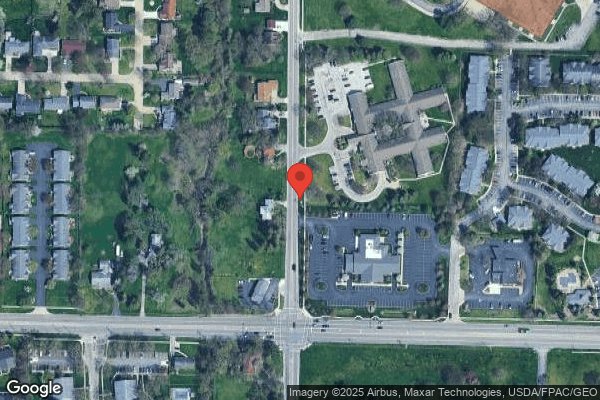

2401 CASS RD, TOLEDO, OH 43614 (419) 382-5050
For profit - Limited Liability company 84 Beds LIONSTONE CARE Data: November 2025
Trust Grade
40/100
#696 of 913 in OH
Last Inspection: February 2025

Within standard 12-15 month inspection cycle. Federal law requires annual inspections.

Overview

Heatherdowns Rehab & Residential Care Center has received a Trust Grade of D, indicating that it is below average and has some concerns regarding its operations. It ranks #696 out of 913 facilities in Ohio, placing it in the bottom half of all nursing homes in the state, and #26 out of 33 in Lucas County, meaning there are only a few local options that are better. The facility's trend is worsening, with issues increasing from 7 in 2024 to 9 in 2025, indicating a decline in care quality. Staffing is a significant concern, with a poor rating of 1 out of 5 stars and a high turnover rate of 62%, which is above the state average of 49%, suggesting instability among staff. On a positive note, the facility has no fines on record, which is a good sign of compliance with regulatory standards. However, there are serious issues to consider, such as a resident suffering a fall and a fracture due to improper use of a mechanical lift that had a known defective pad. Additionally, there were failures in maintaining proper hand hygiene and infection control practices, which could put all residents at risk. Overall, while there are some strengths, the concerning staffing situation and recent incidents highlight significant weaknesses that families should weigh carefully when considering this facility for their loved ones.

Trust Score
D
40/100
In Ohio
#696/913
Bottom 24%
Safety Record
Moderate
Needs review
Inspections
Getting Worse
7 → 9 violations
Staff Stability
⚠ Watch
62% turnover. Above average. Higher turnover means staff may not know residents' routines.
Penalties
✓ Good
No fines on record. Clean compliance history, better than most Ohio facilities.
Skilled Nurses
⚠ Watch
Each resident gets only 20 minutes of Registered Nurse (RN) attention daily — below average for Ohio. Fewer RN minutes means fewer trained eyes watching for problems.
Violations
⚠ Watch
54 deficiencies on record. Higher than average. Multiple issues found across inspections.
★★☆☆☆
2.0
Overall Rating
★☆☆☆☆
1.0
Staff Levels
★★★★★
5.0
Care Quality
★★☆☆☆
2.0
Inspection Score
Stable
2024: 7 issues
2025: 9 issues

The Good

  • 5-Star Quality Measures · Strong clinical quality outcomes
  • Full Sprinkler Coverage · Fire safety systems throughout facility
  • No fines on record

Facility shows strength in quality measures, fire safety.

The Bad

2-Star Overall Rating

Below Ohio average (3.2)

Below average - review inspection findings carefully

Staff Turnover: 62%

16pts above Ohio avg (46%)

Frequent staff changes - ask about care continuity

Chain: LIONSTONE CARE

Part of a multi-facility chain

Ask about local staffing decisions and management

Staff turnover is elevated (62%)

14 points above Ohio average of 48%

The Ugly 54 deficiencies on record

1 actual harm
Feb 2025 9 deficiencies
CONCERN (D)

Potential for Harm - no one hurt, but risky conditions existed

Resident Rights (Tag F0550)

Could have caused harm · This affected 1 resident

**NOTE- TERMS IN BRACKETS HAVE BEEN EDITED TO PROTECT CONFIDENTIALITY** Based on observation, staff interview, medical record review and review of facility policy, the facility failed to ensure reside...

Read full inspector narrative →
**NOTE- TERMS IN BRACKETS HAVE BEEN EDITED TO PROTECT CONFIDENTIALITY** Based on observation, staff interview, medical record review and review of facility policy, the facility failed to ensure resident dignity was maintained. This affected two (#42 and #43) of two residents reviewed for dignity. The facility census was 71. Findings include: 1. Review of the medical record for Resident #42 revealed an admission date of 11/13/20 with diagnoses including dementia, traumatic brain injury, and encephalopathy. Review of the quarterly Minimum Data Set (MDS) assessment dated [DATE] revealed Resident #42 had mild cognitive impairment and was continent of bladder. Review of the current care plan revealed Resident #42 was independent with toileting, required one staff supervision with personal hygiene, and required staff set up assistance for eating and meals. Observation on 02/03/25 at 9:11 A.M. revealed Resident #42 was in bed. Sitting on the overbed table was a urinal full of dark colored urine. Continued observation revealed staff delivered Resident #42's breakfast tray and placed it on the overbed table, next to the full urinal. Concurrent interview with Resident #42 revealed it bothered him that the full urinal was on the table where he ate his breakfast. Interview on 02/03/25 at 9:16 A.M. with Certified Nursing Assistant (CNA) #711 verified Resident #42's the full urinal of dark colored urine and the breakfast tray both sitting the overbed table for Resident #42. 2. Review of the medical record for Resident #43 revealed an admission date of 12/01/23 with a diagnosis of Alzheimer's disease. Review of the annual MDS assessment dated [DATE] revealed Resident #43 was cognitively impaired and dependent on staff for dressing. Review of the current care plan revealed Resident #43 was dependent on staff for dressing. Observation on 02/03/25 at 9:23 A.M. revealed CNA #654 was sitting at Resident #43's bedside, providing feeding assistance to the resident. Continued observation, which lasted approximately five minutes, revealed Resident #43 was wearing a purple sweatshirt and her left breast was exposed. Further observation revealed Resident #43 was in a semi-private room and her roommate was in bed. The privacy curtain was not pulled between Resident #43 and her roommate and the resident's exposed breast was visible to her roommate. Interview on 02/03/25 at 9:28 A.M. with CNA #654 verified Resident #43's breast was exposed during breakfast and she did not cover her up. Review of the facility policy titled Dignity, revised August 2024, revealed the facility would treat each resident with respect and dignity and care for each resident in a manner and in an environment that promoted maintenance or enhancement of his or her quality of life. The facility would protect and promote the rights of the resident.
CONCERN (D)

Potential for Harm - no one hurt, but risky conditions existed

Abuse Prevention Policies (Tag F0607)

Could have caused harm · This affected 1 resident

Based on resident interview, staff interview, medical record review, and review of facility policy, the facility failed to ensure policies and procedures related to reporting and investigating allegat...

Read full inspector narrative →
Based on resident interview, staff interview, medical record review, and review of facility policy, the facility failed to ensure policies and procedures related to reporting and investigating allegations of misappropriation were implemented. This affected one (#16) of three residents reviewed for misappropriation. The facility census was 71. Findings include: Review of the medical record for Resident #16 revealed an admission date of 12/23/19. Diagnoses included: hypertension, hyperlipidemia, chronic kidney disease, gastroesophageal reflux disease (GERD), schizoaffective disorder, psychotic disorder with delusions to own physiological condition, dysphagia, protein calorie malnutrition, muscle wasting, and localized osteoporosis. Review of the quarterly Minimum Data Set (MDS) assessment, dated 11/15/24, revealed Resident #16 was cognitively intact. Interview on 02/03/25 at 12:15 P.M. with Resident #16 revealed the resident reported $2.00 was stolen from her room within the past six months. Resident #16 stated she informed Certified Nursing Assistant (CNA) #614 about the stolen $2.00 but stated no resolution was offered and the money was not returned to her. Interview on 02/03/25 at 2:27 P.M. with the Director of Nursing (DON) revealed she was not aware Resident #16 reported $2.00 had been stolen from her room. Further interview confirmed there was no evidence CNA #614, or any other staff, reported the allegation to administration or that the allegation was investigated. A follow-up interview on 02/03/25 at 5:20 P.M. with the DON revealed, after the survey team reported the allegation of misappropriation, an investigation was initiated. The DON confirmed she verified CNA #614 and Licensed Practical Nurse (LPN) #630 were aware of the allegation and did not report it to administration for investigation. Review of the facility policy titled, Abuse, Neglect and Exploitation, dated 07/01/20, revealed upon hire and annually, staff received education regarding misappropriation including the definition, identification, and the reporting process. Further review revealed alleged violations of misappropriation should be reported to the administrator within 24 hours and the administrator should report final investigation results within five business days. .
CONCERN (D)

Potential for Harm - no one hurt, but risky conditions existed

ADL Care (Tag F0677)

Could have caused harm · This affected 1 resident

Based on observation, staff interview, medical record review and review of facility policy, the facility failed to provide adequate hygiene assistance for a dependent resident. This affected one (#31)...

Read full inspector narrative →
Based on observation, staff interview, medical record review and review of facility policy, the facility failed to provide adequate hygiene assistance for a dependent resident. This affected one (#31) of one resident reviewed for activities of daily living (ADLs) care. The facility census was 71. Findings include: Review of the medical record for Resident #31 revealed an admission date of 07/15/24. Diagnoses included paraplegia. Review of the quarterly Minimum Data Set (MDS) assessment, dated 11/15/24, revealed Resident #31 was cognitively intact, was always incontinent of bowel and bladder, and was staff dependent for for toileting and personal hygiene. Review of the current care plan revealed Resident #31 had an ADL self-care deficit related to paraplegia. Interventions included staff assistance with cleaning following toilet use. Interview on 02/03/25 at 9:43 A.M. with Resident #31 revealed he had been incontinent of urine and soaked through his bedding. Resident #31 stated when staff brought in his breakfast, they changed his brief and his chux pad (incontinence pad), but left all of the bedding wet underneath him. Concurrent observation revealed the pad and bottom sheet underneath Resident #31 were wet. The bottom sheet had a yellow stain extending out from under the resident toward the edge of the bed. Interview on 02/03/25 at 9:50 A.M. with Licensed Practical Nurse (LPN) #630 verified the wet pad and bottom sheet, and the yellow stain on the bottom sheet. Review of the facility policy titled, Activities of Daily Living (ADLs), Supporting, revised August 2024, revealed appropriate care and services would be provided for residents who were unable to carry out ADLs independently in accordance with the care plan, including appropriate support and assistance with elimination (toileting, incontinence care.)
CONCERN (D)

Potential for Harm - no one hurt, but risky conditions existed

Deficiency F0687 (Tag F0687)

Could have caused harm · This affected 1 resident

**NOTE- TERMS IN BRACKETS HAVE BEEN EDITED TO PROTECT CONFIDENTIALITY** Based on medical record review, resident interview, staff interview and review of facility policy, the facility failed to ensure...

Read full inspector narrative →
**NOTE- TERMS IN BRACKETS HAVE BEEN EDITED TO PROTECT CONFIDENTIALITY** Based on medical record review, resident interview, staff interview and review of facility policy, the facility failed to ensure podiatry needs were met. This affected one (#33) of one resident reviewed for podiatry services. The facility census was 71. Findings include: Review of the medical record revealed Resident #33 was admitted on [DATE]. Diagnoses included acute kidney failure, essential hypertension, bipolar disorder, anxiety disorder, bilateral primary osteoarthritis of hip, and muscle weakness. Review of the quarterly Minimum Data Set (MDS) assessment, dated 12/13/24, revealed Resident #33 was cognitively intact. Interview on 02/03/25 at 4:47 P.M. with Resident #33 revealed her toenails were long and thick with fungus, causing her pain. Resident #33 reported she was unable to trim them herself and staff were aware of the condition of her toenails. Concurrent observation revealed all ten of Resident #33's toenails were long, thick and yellowed. Interview on 02/04/25 at 12:24 P.M. with the Director of Nursing (DON) verified Resident #33's toenails were long and need to be trimmed by a podiatrist. The DON instructed the resident to not attempt to trim them herself and she would schedule her an appointment as soon as possible. Review of policy, Ancillary Services, revised August 2024, verified the facility will assist residents in obtaining prompt podiatry care.
CONCERN (D)

Potential for Harm - no one hurt, but risky conditions existed

Unnecessary Medications (Tag F0759)

Could have caused harm · This affected 1 resident

Based on observation, medical record review, staff interview and review of facility policy, the facility failed to ensure a medication error rate of less than five percent. Observation of 26 medicatio...

Read full inspector narrative →
Based on observation, medical record review, staff interview and review of facility policy, the facility failed to ensure a medication error rate of less than five percent. Observation of 26 medication administration opportunities revealed two medication errors, resulting in a medication error rate of seven percent. This affected two residents (#1 and #51) of three observed for medication administration. The facility census was 71. Findings include: 1. Review of the medical record for Resident #1 revealed an admission date of 06/24/22. Diagnoses included hypertension (high blood pressure). Review of the quarterly Minimum Data Set (MDS) assessment, dated 11/08/24, revealed Resident #1 was cognitively intact. Review of the current physicians orders for February 2025 revealed Resident #1 was ordered lasix 40 milligrams (mg), give one tablet by mouth one time daily related to essential hypertension. Observation on 02/05/25 at 8:18 A.M. of medication administration for Resident #1 revealed Licensed Practical Nurse (LPN) #668 dispensed and administered lasix 20 mg to the resident. Interview on 02/05/25 at 10:23 A.M. with LPN #668 verified Resident #1's current physician order was for lasix 40 mg and further confirmed she only administered 20 mg of lasix. 2. Review of the medical record for Resident #51 revealed an admission date of 05/27/24. Diagnoses included osteoarthritis of the right knee. Review of the quarterly MDS assessment, dated 11/09/24, revealed Resident #51 was cognitively intact and had frequent pain. Review of the current physician orders for February 2025 revealed Resident #1 had an order for Tylenol eight hour arthritis pain oral tablet extended release 650 mg, give two tablets two times a day for osteoarthritis. Observation on 02/05/25 at 7:30 A.M. of medication administration for Resident #51 revealed LPN #634 dispensed and administered Tylenol 500 mg, two tablets, to the resident. Interview on 02/05/25 at 9:54 A.M. with LPN #634 verified Resident #51's current physician order was for Tylenol 650 mg, two tablets, and she administered Tylenol 500 mg, two tablets, to the resident. Review of the undated facility policy titled, Medication Dispensing System, revealed prior to medication administration, verify each medication is the right drug at the right dose, the right route, the right time, and the right customer.
CONCERN (E)

Potential for Harm - no one hurt, but risky conditions existed

Deficiency F0761 (Tag F0761)

Could have caused harm · This affected multiple residents

**NOTE- TERMS IN BRACKETS HAVE BEEN EDITED TO PROTECT CONFIDENTIALITY** Based on observation, staff interview, medical record review and review of facility policy, the facility to label multiuse insul...

Read full inspector narrative →
**NOTE- TERMS IN BRACKETS HAVE BEEN EDITED TO PROTECT CONFIDENTIALITY** Based on observation, staff interview, medical record review and review of facility policy, the facility to label multiuse insulin pens and vials with the date opened to ensure medication integrity. This affected four (#5, #39, #62, and #137) of four residents reviewed for medication storage. The facility census was 71. Findings include: 1. Review of the medical record for Resident #5 revealed an admission date of 06/02/23. Diagnoses included diabetes mellitus (DM). Review of the quarterly Minimum Data Set (MDS) assessment, dated 01/09/25, revealed Resident #5 was cognitively impaired. Review of the current physician orders for February 2025 revealed Resident #5 was ordered insulin glargine (Lantus) 35 units at bedtime. 2. Review of the medical record for Resident #39 revealed an admission date of 01/05/24. Diagnoses included DM. Review of the quarterly MDS assessment, dated 12/26/24, revealed Resident #39 was cognitively intact. Review of the current physician orders for February 2025 revealed Resident #39 was ordered Humalog KwikPen (multiuse insulin pen) to be administered per sliding scale (dependent on blood sugar value): blood sugar zero to 150 equaled no insulin; blood sugar 151-200, give two units of insulin; blood sugar 201-250, give four units of insulin; blood sugar 251-300, give six units of insulin; blood sugar 301-350, give eight units of insulin; blood sugar 351-400 give 10 units of insulin; and blood sugar 401-450 give 12 units of insulin and notify the physician. 3. Review of the medical record for Resident #62 revealed an admission date of 12/20/23. Diagnoses included DM. Review of the quarterly MDS assessment dated [DATE] revealed Resident #62 was cognitively intact. Review of the current physician orders for February 2025 revealed Resident #62 was ordered insulin glargine 20 units two times daily. 4. Review of the medical record for Resident #137 revealed an admission date of 01/24/25. Diagnoses included DM. Review of the admission MDS assessment, dated 01/30/25, revealed Resident #137 was cognitively impaired. Review of the current physician orders for February 2025 revealed Resident #137 was ordered Humalog Subcutaneous Solution Cartridge (used with a reusable insulin pen), to be administered based on a sliding scale: for blood sugar zero to 150 equaled no insulin; blood sugar 151-200 give one unit of insulin, for blood sugar 201-250 give two units of insulin, for blood sugar 251-300 give three units of insulin, for blood sugar 301-350 give four units of insulin, for blood sugar 351-400 give five units of insulin and notify the physician. Observation on 02/05/25 at 7:30 A.M. of the medication cart on the back north unit revealed an opened, undated Lantus insulin pen for Resident #62, an opened, undated Humalog insulin pen for Resident #137, and an opened, undated Lantus multiuse vial for Resident #5. Interview at the time of the observation with LPN #634 verified the opened and undated insulin pens and insulin vial. Observation on 02/05/25 at 8:50 A.M. of the medication cart on the back south unit revealed an opened, undated Humalog insulin pen for Resident #39. Concurrent interview with Licensed Practical Nurse (LPN) #668 verified the opened, undated Humalog insulin pen for Resident #39. Review of the undated facility policy titled, Medication Storage, revealed medications would be stored in a manner that maintained the integrity of the product, to ensure the safety of the residents, and is in accordance with Ohio Department of Health guidelines.
CONCERN (E)

Potential for Harm - no one hurt, but risky conditions existed

Menu Adequacy (Tag F0803)

Could have caused harm · This affected multiple residents

Based on observation, review of the menu, review of the menu spreadsheet, staff interview and review of the United States Department of Agriculture (USDA) resources, the facility failed to ensure adeq...

Read full inspector narrative →
Based on observation, review of the menu, review of the menu spreadsheet, staff interview and review of the United States Department of Agriculture (USDA) resources, the facility failed to ensure adequate meal portions were served. Additionally, the facility failed to ensure all components of a meal were provided. This had the potential to affect all residents in the facility except one (#137) resident identified by the facility as receiving no nutrition from the kitchen. The facility census was 71. Findings include: Review of the menu for the lunch meal on 02/04/25 revealed residents would be served pork vegetable stir fry, white rice, and wheat bread. Review of the menu spreadsheet for the pork vegetable stir fry revealed the serving portion was a #6 scoop (approximately five and one-third ounces). Further review revealed mechanical soft and pureed diets would be served a #6 scoop of pork chops, instead of the pork and vegetable stir fry. Observation on 02/04/25 at 10:44 A.M. revealed [NAME] #620 pureed six pork chops for six residents on a pureed diet. Observation during meal service on 02/04/25, beginning at 11:30 A.M., revealed [NAME] #620 plating trays for the lunch meal. [NAME] #620 provided residents on a regular diet with a four-ounce scoop of pork vegetable stir fry and a four-ounce scoop of rice. Additional observation revealed [NAME] #620 provided residents on a mechanical soft diet two, two-ounce scoops of mechanical soft pork chops (four-ounces total), a four-ounce scoop of mashed potatoes, and used a slotted spoon to serve broccoli. Further observation revealed [NAME] #620 provided residents on a pureed diet one two-ounce scoop of pureed pork chops, a four-ounce scoop of mashed potatoes and a slotted spoon was used to serve pureed broccoli. Interview on 02/04/25 at approximately 1:00 P.M. with [NAME] #620 confirmed she used a four-ounce scoop for the pork vegetable stir fry, used two two-ounce scoops for mechanical soft pork chops (for a total of a four-ounce serving), and served one two-ounce scoop of pureed pork chops to the six residents on a pureed diet. Continued interview with [NAME] #620, and coinciding observation, confirmed at least two two-ounce scoops of pureed pork chops remained in the pan at the conclusion of meal service. [NAME] #620 further confirmed the slotted spoons used for the broccoli and pureed broccoli were serving utensils with no measurement lines and, therefore, [NAME] #620 could not measure the portion of broccoli provided to residents. Interview on 02/05/25 at 1:25 P.M. with Dietary Manager (DM) #609 confirmed the facility did not provide wheat bread with the lunch meal served on 02/04/25. DM #609 could provide no explanation why the menu was not followed. A follow-up interview on 02/06/25 at 11:03 A.M. with DM #609 confirmed the spreadsheet for the lunch meal served on 02/04/25 indicated staff should have used a #6 scoop for the pork vegetable stir fry and the mechanical soft and pureed pork chops. DM #609 was unable to determine the number of ounces in a #6 scoop. Further interview with DM #609 verified residents on a regular diet did not receive an adequate portion of pork vegetable stir fry and residents on a mechanical soft and pureed diets did not receive an adequate portion of pork chops. Review of the USDA Food and Nutrition Service documented titled Food Buying Guide, last updated 09/19/24 and located at https://foodbuyingguide.fns.usda.gov/Home/ResourceCenter#:~:text=Scoops%20(sometimes%20called%20dishers%20or,weight%2C%20use%20a%20scale.), revealed a #6 scoop is 2/3 cup (approximately 5 and 1/3 ounces).
CONCERN (E)

Potential for Harm - no one hurt, but risky conditions existed

Infection Control (Tag F0880)

Could have caused harm · This affected multiple residents

Based on observation, staff interview, medical record review and review of facility policy, the facility failed to ensure open wounds were covered during food preparation and meal service. This had th...

Read full inspector narrative →
Based on observation, staff interview, medical record review and review of facility policy, the facility failed to ensure open wounds were covered during food preparation and meal service. This had the potential to affect all residents, except one (#137) resident identified by the facility as receiving no food from the kitchen. Additionally, the facility failed to ensure appropriate hand hygiene during wound care. This affected one (#53) of one resident reviewed for wound care. The facility census was 71. Findings include: 1. Observation during meal preparation and service on 02/04/25, beginning at approximately 11:45 A.M., revealed [NAME] #620 was not wearing disposable gloves and prepared to portion cooked broccoli to puree. Continued observation revealed [NAME] #620's right hand was actively bleeding and blood was on the serving utensil being used to portion the broccoli. Concurrent interview with [NAME] #620 revealed she was aware she had cut her hand but did not realize she was bleeding. [NAME] #620 proceeded to wash her hands and applied a bandage. [NAME] #620 then returned to the broccoli and began to pick up the handle of the utensil, which had blood on it, to continue with the preparation of pureed broccoli. At this point, the surveyor intervened and [NAME] #620 removed the utensil from service, washed her hands, donned disposable gloves and used a new utensil to portion the broccoli. Further observation during the lunch meal service on 02/04/25 at 12:11 P.M. revealed [NAME] #620 portioning prepared salad from a large pan onto a dinner plate using tongs in her right hand. [NAME] #620 was not wearing disposable gloves and her right hand had a bandage covering the area previously observed bleeding during preparation of pureed broccoli. Interview with [NAME] #620 confirmed the bandage covering her thumb was not covered by a disposable glove while she plated food. Review of the undated facility policy titled, Personal Hygiene revealed employees with open sores shall wear appropriate personal protective equipment. 2. Review of the medical record for Resident #53 revealed and admission date of 06/01/24. Diagnoses included Alzheimer's disease and fractured acetabulum (part of the hip joint). Review of the quarterly Minimum Data Set (MDS) assessment, dated 01/14/25, revealed Resident #53 was cognitively impaired and had an unhealed pressure ulcer. Review of the current physician orders for February 2025 for Resident #53 revealed he had an order for wound care to the left heel to cleanse with wound cleaner, pat dry, apply skin prep to peri wound, apply silver alginate, and cover with a border foam. Review of the current care plan revealed Resident #53 had care plan interventions for skin alterations to the left heel, which included heel protective boots. Observation of wound care on 02/05/25 at 9:35 A.M., provided by Licensed Practical Nurse (LPN) #662, revealed LPN #662 donned gloves to remove the old, soiled dressing from Resident #53's left heel and discarded the dressing. Without removing or changing her gloves, LPN #662 obtained wound cleaner and cleansed the resident's left heel wound. LPN #662 then, without removing or changing her gloves, obtained the new treatment supplies, including silver alginate and new, clean border foam and applied the new dressing to Resident #53's left heel wound. Interview on 02/05/25 at 9:51 A.M. with LPN #662 verified she did not change her gloves between removing the old, soiled dressing, cleansing Resident #53's heel wound, and applying the new, clean dressing. Review of the facility policy titled, Wound Care, revised August 2024, revealed the purpose of the procedure was to provide guidelines for the care of wounds to promote healing. Procedure steps included: don gloves, loosen tape, remove dressing and discard, wash and dry hands thoroughly, put on gloves, cleanse the wound, and apply the treatment as ordered. Review of the facility policy titled, Standard Precautions, revised August 2024, revealed staff must perform hand hygiene before performing an aseptic task, after contact with blood, body fluids, visibly contaminated surfaces, or after contact with objects in the resident's room.
CONCERN (F)

Potential for Harm - no one hurt, but risky conditions existed

Food Safety (Tag F0812)

Could have caused harm · This affected most or all residents

Based on observation, staff interview, review of the dishwasher monitoring logs and review of facility policy, the facility failed to practice proper hand hygiene during meal service. Additionally, th...

Read full inspector narrative →
Based on observation, staff interview, review of the dishwasher monitoring logs and review of facility policy, the facility failed to practice proper hand hygiene during meal service. Additionally, the facility failed to label and date food items in the resident refrigerators. Lastly, the facility failed to test and monitor proper sanitation of the dishwasher. This had the potential to affect all residents in the facility except one (#137) resident identified by the facility as receiving no nutrition by mouth. The facility census was 71. Findings include: 1. Observation on 02/03/25 at approximately 12:25 P.M. in the dining room revealed Certified Nursing Assistant (CNA) #611 providing assistance to Resident #237 who stood up from his wheelchair at the table. CNA #611 held Resident #237's arm, put an arm around his waist, and guided him back to his wheelchair. CNA #611 touched Resident #237's wheelchair to return him to the dining table. CNA #611 then walked directly to sit with Resident #18 and picked up silverware and began to assist Resident #18 with eating. Interview on 02/03/25 at 12:28 P.M. with CNA #611 confirmed she did not perform hand hygiene between providing hands-on assistance to Resident #237 and before beginning to feed Resident #18. CNA #611 confirmed she should have performed hand hygiene and identified a hand sanitizer dispenser in the dining room. 2. Observations on 02/04/25 beginning at 11:35 A.M. revealed [NAME] #620 preparing peanut butter and jelly sandwiches for meal service. [NAME] #620 put on disposable gloves, opened a cabinet and removed a loaf of bread. [NAME] #620 opened the loaf of bread, pulled out two slices of bread, opened a drawer and pulled out a knife, then opened the peanut butter jar and the jelly jar wearing the same disposable gloves. [NAME] #620 then picked up one slice of bread and used the knife to spread peanut butter on the piece of bread. [NAME] #620 then wore the same gloves to turn on the faucet and rinse the knife under hot water before she turned off the faucet, shook the water off the knife, and put the knife into the jelly jar. [NAME] #620 picked up the other slice of bread and spread jelly on the piece of bread. [NAME] #620 placed the sandwich into a baggy, then reached into the loaf of bread and took out two additional pieces of bread. [NAME] #620, wearing the same pair of gloves, then returned to the sink, turned on the faucet and rinsed the knife under hot water to remove the jelly. [NAME] #620 turned off the faucet, put the knife into the peanut butter and picked up a slice of bread and spread the peanut butter on it. [NAME] #620 returned to the sink, turned on the faucet, rinse the knife under hot water again, turned off the faucet, put the knife into the jelly jar, picked up the other slice of bread, and spread jelly on it. Interview on 02/04/25 at 11:40 A.M. with [NAME] #620 confirmed she did not wash her hands before donning gloves, touched multiple unsanitary surfaces (the cabinet handle, the drawer handle, and the faucet) with the same pair of gloves she used to touch the ready-to-eat peanut butter and jelly sandwiches. [NAME] #620 further confirmed she did not properly clean or sanitize the knife before putting it into the jelly, back into the peanut butter, or back into the jelly. [NAME] #620 was not aware of any residents with a peanut allergy. Additional observation during meal service on 02/04/25 at approximately 12:05 P.M. revealed [NAME] #620, with bare hands, entered the walk-in refrigerator and collected lunch meat and cheese. [NAME] #620 then donned gloves, opened the package of lunch meat, removed the plastic wrap from the cheese, reached into a loaf of bread, pulled out two slices of bread, and began to make a lunch meat and cheese sandwich. Interview with [NAME] #620 confirmed she wore the same pair of gloves while unwrapping the lunch meat and cheese and before touching the bread or preparing the sandwich by picking up individual slices of meat and cheese with the same gloves she used to touch the packaging taken from the walk-in refrigerator. Review of the facility policy titled, Handwashing During Meal Service, reviewed August 2024, revealed nursing and caregiver staff must wash hands before assisting residents with meals, feeding, or helping with personal care during meal times. Additional review revealed hands should be washed after touching potentially contaminated surfaces (for example, door handles and equipment). Further review revealed gloves do not replace handwashing. Hands must be washed before putting on gloves and immediately after removing them and gloves should be changed between tasks. 3. Observation on 02/06/25 at 10:48 A.M. of the North Hall residents' refrigerator revealed food items, which were undated and unlabeled, including an unlabeled leftover container, two bags of unlabeled hard boiled eggs, undated chicken strips on a paper plate, a leftover fast-food bag with no name, undated and unlabeled orange juice, and undated prune juice. Coinciding interview with Medical Records Director (MRD) #666 verified the unlabeled and undated items in the refrigerator. Observation on 02/06/25 at 10:51 A.M. of the South Hall residents' refrigerator revealed unlabeled rice, honey ham dated 01/18/25, an unlabeled grilled cheese sandwich, undated bologna, and an opened jar of undated and unlabeled black eyed peas. Concurrent interview with Licensed Practical Nurse (LPN) #668 confirmed the undated and unlabeled items. Further interview with LPN #668 confirmed items should be labeled and dated and that refrigerators were cleaned out every Monday. Review of the facility policy titled, Food Brought in from Outside Sources and Personal Food Storage, dated 2021, revealed foods and beverages brought in from outside sources that required refrigeration or freezing should be labeled with the patient/resident's name and date. 4. Observation on 02/04/25 at 2:15 P.M. revealed the facility's dishwasher (dish machine) was a low temperature dishwasher (meaning dishes were sanitized with a chlorine solution rather than hot water). Review of the dish machine monitoring logs dated January 2025 and February 2025 revealed staff should document the water temperature and the chlorine concentration in PPM (parts per million). Further review revealed the only documentation on the logs were temperatures. Continued observation, upon request to determine the chlorine concentration, revealed Dietary Manager (DM) #609 retrieved a brand new chlorine test strip container from her desk. DM #609 obtained the chlorine solution concentration three times, after consecutive running of the dish machine. DM #609 confirmed the concentration of the chlorine solution was 10 PPM. DM #609 confirmed the dish machine log indicated the PPM should be at least 50. Further interview at that time with DM #609 revealed she had not yet trained staff on how to use the strips to monitor and document the chlorine concentration of the dish machine and confirmed the dish machine logs for January 2025 and February 2025 only reflected water temperatures, not chlorine concentration, and there was no evidence the chlorine levels were monitored to ensure adequate sanitization. Review of the facility policy titled, Dish Machine Temperature/Sanitizer Records, revised August 2008, revealed all employees shall be trained on the appropriate method of completing the Low Temperature Dish Machine log.
Dec 2024 1 deficiency
CONCERN (D) 📢 Someone Reported This

A family member, employee, or ombudsman was alarmed enough to file a formal complaint

Potential for Harm - no one hurt, but risky conditions existed

Accident Prevention (Tag F0689)

Could have caused harm · This affected 1 resident

**NOTE- TERMS IN BRACKETS HAVE BEEN EDITED TO PROTECT CONFIDENTIALITY** Based on medical record review, resident interview, staff interview and review of facility policy the facility failed to ensure ...

Read full inspector narrative →
**NOTE- TERMS IN BRACKETS HAVE BEEN EDITED TO PROTECT CONFIDENTIALITY** Based on medical record review, resident interview, staff interview and review of facility policy the facility failed to ensure residents were repositioned in bed in a safe manner to prevent falls. This affected one resident (#11) of three residents reviewed for falls. The facility census was 77. Findings include: Review of Resident #11's medical record revealed an admission date of 07/15/24. Diagnoses included paraplegia, chronic osteomyelitis, stage four pressure ulcer of sacral region, stage four pressure ulcer of right buttock, depression, insomnia, and osteoarthritis. Review of Resident #11's Minimum Data Set (MDS) assessment dated [DATE] revealed a Brief Interview for Mental Status (BIMS) score of 15 indicating Resident #11 was cognitively intact. Resident #11 required extensive assistance with bed mobility and was totally dependent on staff for transfers and toilet use. Resident #11 displayed no behaviors during the review period. Review of Resident #11's care plan revised 11/20/24 revealed supports and interventions for nutritional problem, insomnia, potential for alteration in comfort, self-care deficit, and risks for alteration in mood and behaviors and falls Fall interventions included anticipate and meet my needs, ensure call light was within reach, encourage use of call light, turning and repositioning with two caregivers (11/20/24), and follow the fall protocol. Review of Resident #11's Fall Risk Evaluations revealed on 11/11/24 Resident #11 scored a three indicating Resident #11 was at risk for falls. Resident #11 had no falls in the last three months and was alert and orientated. Resident #11 required the use of assistive devices and was incontinent which increased his risk for falls. Review of Resident #11's Fall Risk Evaluation completed 11/21/24 revealed a fall risk score of nine indicating Resident #11 was at a higher risk for falls. Resident #11 had one to two falls in the last three months, was alert and orientated, and continued to be incontinent and required the use of assistive devices. Review of Resident #11's post fall evaluation dated 11/20/24 revealed Resident #11 had a witnessed fall in his room. It was noted Resident #11 was being assisted by the aide when he lost his balance. Resident #11 was lowered to the floor by the help of the bar that was on the bed. Resident #11, in bed, was being assisted by the aide, and when the aide turned him to his right side, Resident #11 lost his balance and was lowered to the floor using the bar on the bed. Resident #11's vitals were taken and were within normal limits. Resident #11 reported no pain and had no observed injuries. Notifications were made and Resident #11's care plan was updated to include a two person assist. Review of the Resident #11's fall investigation dated 11/20/24 revealed Resident #11 had a witnessed fall in his room. It was noted Resident #11 was being taken care of by the aide. The aide was turning Resident #11 on his right side when his weak leg gave out on him. Resident #11 was able to grab hold of the bar on the side of the bed and slide himself down to the floor. It was noted Resident #11 was paralyzed and his legs went over the side of the bed. Resident #11 was assessed and no injuries were observed at the time of the incident. Notifications were made. Review of Resident #11's progress notes revealed on 11/22/24 the facility's Interdisciplinary Team (IDT) met and discussed Resident 11's fall that occurred on 11/20/24 at 9:16 P.M. The Certified Nursing Assistant (CNA) was providing care to Resident #11 when the fall occurred. Resident #11 was rolled onto his right side and his feet went over too far on the bed. Resident #11 was able to lower himself to the floor by holding onto the enabler bars. Resident #11 was assessed for injuries none were noted at the time. Resident #11 was assisted up from the floor back into the bed. Upon further evaluation it was noted Resident #11 had no control from waist down due to being a paraplegic. Due to Resident #11's paraplegia diagnosis he required additional assistance with bed mobility. A new fall intervention was implemented for bed mobility to be performed with two caregivers at all times. Interview on 12/31/24 at 9:00 A.M. with CNA #112 revealed Resident #11 required assistance with bed mobility and transfer. CNA #112 reported one person assistance was required for Resident #11 being repositioned and being provided care in the bed and two staff were needed for transfer. CNA #112 reported Resident #11 was cooperative with care. CNA #112 reported she was not working at the time of Resident #11's fall but reported she had been informed Resident #11 was receiving care and fell off the side of the bed. CNA #112 stated she was not aware of what care was being provided but was aware the CNA who was providing care was currently off on maternity leave. Interview on 12/31/24 at 9:06 A.M. with Resident #11 found him to be alert and aware. Resident #11 reported the CNA assisted him into the bed and was turning him to provide incontinence care. Resident #11 reported CNA had not made sure he was positioned properly in the bed and when he was turned, he was too far to the side of the bed. Resident #11 stated when the CNA flopped his leg over for him to be turned, he rolled right out of the bed toward the window. Resident #11 reported he hung on to his mobility bar and was able to hold himself up, so he didn't fall all the way down, but stated it was the CNA who was responsible for him rolling out of bed. Resident #11 also reported the aides continued to provide repositing and care with one staff other than when he was transferred using the mechanical lift device (Hoyer). Resident #11 reported two staff assisted him with transfer in the lift. Interview on 12/31/24 at 10:17 A.M. with the Director of Nursing (DON) revealed the CNA who was witness to Resident #11's fall on 11/20/24 was no longer working. The DON reported she had taken her statement during the fall review. The CNA reported she had been providing care to Resident #11, who was paraplegic, when the momentum of his top leg being moved over his bottom leg caused Resident #11 to go over the side of the bed. The DON verified Resident #11 went over the side of the bed and had caught himself using his mobility bar so he did not fall to the floor. The DON reported Resident #11 then lowered himself to the floor and was transferred back to bed by two staff using a mechanical lift device (Hoyer). Resident #11 was examined and had no injuries at the time. Follow up interview on 12/31/24 at 10:37 A.M. with the DON verified Resident #11 had been documented as being repositioned 63 times in the last thirty days by one staff person when he should have been repositioned by two staff. Review of the facility policy titled, Managing Falls and Fall Risk, revised August 2024 revealed the facility would identify interventions related to the resident's risk and try to prevent the resident from falling. This deficiency represents non-compliance investigated under Complaint Number OH00160604.
Nov 2024 1 deficiency
CONCERN (D) 📢 Someone Reported This

A family member, employee, or ombudsman was alarmed enough to file a formal complaint

Potential for Harm - no one hurt, but risky conditions existed

Deficiency F0624 (Tag F0624)

Could have caused harm · This affected 1 resident

**NOTE- TERMS IN BRACKETS HAVE BEEN EDITED TO PROTECT CONFIDENTIALITY** Based on medical record review, staff interview and home health agency interview, the facility failed to ensure adequate prepara...

Read full inspector narrative →
**NOTE- TERMS IN BRACKETS HAVE BEEN EDITED TO PROTECT CONFIDENTIALITY** Based on medical record review, staff interview and home health agency interview, the facility failed to ensure adequate preparation and coordination of services prior to Resident #1's discharge to home. This affected one resident (#1) of three residents reviewed for discharge. The facility census was 81. Findings include: Resident #1 admitted to the facility on [DATE] with diagnoses including cellulitis left lower limb, type II diabetes mellitus with diabetic neuropathy, embolism and thrombosis to arteries of lower extremities, non-pressure chronic ulcer of left heel and midfoot, non-pressure chronic ulcer left ankle, arteriosclerosis left leg with ulceration of left foot, unstageable pressure ulcer sacral region, major depressive disorder, right below knee amputation, phantom limb syndrome with pain, hemiplegia and hemiparesis following cerebrovascular disease, cerebral infarction, chronic obstructive pulmonary disease, hypertension, and heart failure. Review of the Minimum Data Set (MDS) assessment, dated 08/24/24, revealed Resident #1 was cognitively intact, required partial to moderate assistance with activities of daily living (ADLs), required substantial to maximal assistance with transfers, was incontinent of bowel and bladder and was assessed with five diabetic foot ulcers. Review of the plan of care initiated on 07/29/24 revealed discharge planning was initiated for Resident #1 with an undetermined discharge plan to return home versus long-term care. Interventions included the following: resident will be discharged to a safe environment of his/her choice; allow resident choices regarding routine care and dressing; assess residents understanding and ability in safety during transfers, mobility and ADLs; contact physician to notify of planned discharge and obtain discharge orders. Review of the physician discharge orders dated 10/09/24 revealed the following: negative pressure wound therapy: if unable to continue negative pressure wound therapy, discontinue treatment, notify physician and remove dressing; apply wet to dry dressing until negative pressure wound therapy unit is restored to operational capabilities or new dressing order can be obtained; wound vacuum (vac): dressing change three times per week on Tuesday, Thursday and Saturday; cleanse left heel with vashe wound solution, pat dry, apply skin prep to peri-wound, cut black granufoam (a negative pressure wound therapy dressing) to size and gently place in wound bed, attach wound vac at wound site and cover with transparent dressing wrap with kerlix. No hissing should be heard when wound vac is initiated. Negative pressure wound therapy: set at (negative pressure setting) 75 millimeters of mercury (mmHg) of continuous negative pressure therapy to left heel. Additional order for left toe wounds included change dressing daily, clean with wound wash, pack with xeroform (petrolatum-based gauze dressing), cover with four by four gauze and abdominal (abd) pad and wrap with kerlix and ace wrap in the morning for wound care. Review of discharge summary documentation, dated 10/11/24, revealed a planned discharge to home. The summary indicated home health services (HHS) were to be arranged for physical therapy, occupational therapy and nursing and durable medical equipment (DME) included a wound vac to be ordered. Further review revealed no instructions or supplies related to wound care treatments were provided and see physician's orders was referenced related to treatments. Additional review of the medical record revealed no evidence the home health agency was notified of Resident #1's discharge on [DATE]. A telephone interview on 11/19/24 at 11:50 A.M. with Team Leader Registered Nurse (TLRN) #44 with the home health agency revealed Resident #1 was not contacted for an initial visit following discharge from the facility until 10/16/24 at 2:50 P.M. TLRN #44 stated Resident #1 was required to have a physician evaluation by his community primary care physician (PCP) before being evaluated by the home health agency. The PCP visit did not occur until 10/15/24 and Resident #1 was observed without the wound vac in place and wet to dry wound treatments were subsequently continued to the residents heel wound. Interview on 11/19/24 at 12:05 P.M. with the Director of Nursing (DON) confirmed Resident #1 was discharged from the facility to home on [DATE] and no education or supplies were provided to the resident or representative to complete required wound dressing changes to the left lower extremity at the time of discharge. The DON also verified the facility had no evidence the home health agency was notified Resident #1 discharged home at the time of discharge. This deficiency represents non-compliance investigated under Master Complaint Number OH00159151 and Complaint Number OH00159099.
Oct 2024 1 deficiency
CONCERN (D) 📢 Someone Reported This

A family member, employee, or ombudsman was alarmed enough to file a formal complaint

Potential for Harm - no one hurt, but risky conditions existed

Pressure Ulcer Prevention (Tag F0686)

Could have caused harm · This affected 1 resident

**NOTE- TERMS IN BRACKETS HAVE BEEN EDITED TO PROTECT CONFIDENTIALITY** Based on observation, resident and staff interviews, review of the medical record, and review of facility policy, the facility f...

Read full inspector narrative →
**NOTE- TERMS IN BRACKETS HAVE BEEN EDITED TO PROTECT CONFIDENTIALITY** Based on observation, resident and staff interviews, review of the medical record, and review of facility policy, the facility failed to ensure pressure ulcer treatments were provided as ordered for Residents #60 and #64 and further failed to ensure preventive interventions were in place to prevent the development of a pressure ulcer for Resident #8 identified at risk for developing a pressure ulcer. This affected three (#8, #60 and #64) of three residents reviewed for pressure. The facility identified three residents (#8, #60 and #64) currently in the facility with pressure ulcers. The facility census was 75. Findings include: 1. Review of the medical record for Resident #60 revealed an admission date of 08/09/24, diagnoses included dementia, hallucinations, right sided heart failure, unstageable pressure ulcers to the right and left heels. Review of the comprehensive Minimum Data Set (MDS) assessment completed on 08/15/24 revealed Resident #60 had severe cognitive impairment, was dependent for all activities of daily living and for mobility including transfers. Resident #60 had two unhealed pressure ulcers and required pressure reducing mattress and a pressure reducing cushion for chair. Review of the care plan dated 08/09/24 revealed a pressure injury to the left heel due to immobility. Interventions included for medications and treatments to be administered as ordered, monitor and record healing, monitoring dressings to ensure intact, monitor nutritional status, and to monitor pain. Review of the physician orders revealed an order written on 08/21/24 and discontinued o 09/24/24 for both the left and right heel pressure wounds to be cleaned with wound cleanser, patted dry, an application of calcium alginate to the wound bed and for the right heel to be covered with border foam dressing every day on the day shift and as needed. A new order was written on 09/25/24 for the right heel pressure wound to be completed every day on the night shift. Review of the treatment record for September 2024 revealed the right heel pressure treatment was not completed as ordered on 09/01/24, 09/13/24, 09/16/24, 09/22/24, 09/24/24, 09/25/24, 09/27/24, and 09/28/24. The left heel pressure wound treatment was not completed on 09/13/24, 09/16/24, 09/22/24 and 09/24/24. Review of the treatment record for October 2024 revealed the right heel pressure treatment was not completed on 10/01/24, 10/08/24, 10/09/24, 10/10/24 and 10/14/24. The left heel pressure treatment was not completed as ordered on 10/08/24, 10/10/24 and 10/14/24. Interview on 10/16/24 at 10:30 A.M. with the Director of Nursing verified treatments orders need to be followed as written and further verified if the treatments are not documented as completed then they were not completed. The Director of Nursing further verified treatments were not completed to the right heel pressure wound on 09/01/24, 09/13/24, 09/16/24, 09/22/24, 09/24/24, 09/25/24, 09/27/24, 09/28/24, 10/01/24, 10/08/24, 10/09/24, 10/10/24 and 10/14/24 to the left heel pressure wound on 09/13/24, 09/16/24, 09/22/24, 09/24/24, 10/08/24, 10/10/24, and 10/14/24 for Resident #60. 2. Review of the medical record for Resident #64 revealed an admission date of 07/15/24, diagnoses included paraplegia, pressure ulcer stage 4 (sacral region) pressure ulcer right buttock, stage 4, depression, osteomyelitis, and hypertension. Review of the comprehensive MDS dated [DATE] revealed Resident #64 was cognitively intact, had functional impairment to bilateral lower extremities, was dependent for toilet hygiene, bathing, dressing and transfers. Resident #64 was incontinent of bladder and bowel and had two stage 4 unhealed pressure ulcers requiring the application of dressings. Review of the care plan dated 07/18/24 revealed Resident #64 had a pressure injury, interventions included for medications and treatments to be administered as ordered, assess, record and monitor wound healing, monitor nutritional status, pressure reducing mattress to bed and cushion to chair, and to treat pain. Review of a physician order dated 07/18/24 required the right thigh pressure wound to cleansed with wound wash, collagen to be applied to wound bed and the wound was to be covered with Silver Alginate and drainage pad daily. The order was discontinued on 10/16/24 and new order for the right thigh pressure wound to be cleansed with wound wash, apply collagen, cover with silver alginate and a border foam dressing daily. Resident #64 also had a treatment order written on 07/18/24 for the coccyx pressure wound to be cleansed with wound wash, collagen applied and for the pressure wound to be covered with silver alginate and a drainage pad daily. This order was also discontinued on 10/16/24 with a new order to cover with a border gauze rather than the drainage pad. Review of the treatment administration records for Resident #64 revealed in July 2024 the pressure wound treatment to the right thigh was not completed as ordered on 07/22/24, 07/24/24, 07/25/24, 07/27/24, 07/28/24, 07/29/24 an 07/31/24. For August 2024 treatments were not provided on 08/01/24, 08/02/24, 08/04/24, 08/08/24, 08/09/24, and 08/17/24. Review of the September 2024 treatment record, treatments were missed on 09/01/24, 09/02/24, 09/19/24, 9/22/24, 09/27/24, and 09/30/24 and for October 2024 treatments were not provided on 10/01/24 and 10/02/24. Review of the treatment records for July 2024, August 2024, September 2024 and October 2024 for the management of the pressure wound to the coccyx of Resident #64 revealed missing treatments on the following dates: 07/27/24, 07/28/24, 07/29/24, 07/31/24, 08/01/24, 08/02/24, 08/04/24, 08/08/24, 08/09/24, 08/18/24, 09/01/24, 09/02/24, 09/22/24, 09/27/24, 09/31/24, 10/01/24, and 10/02/24. Interview on 10/16/24 at 8:45 A.M. with Resident #64 revealed concerns related to the care and treatment of the pressure wounds. Resident #64 stated the treatments being provided do not match the wound care physician orders. Observation on 10/16/24 at 9:32 A.M. of Unit Manager #157 completing Resident #64's dressing changes to the right thigh and coccyx revealed the wounds were cleansed with wound wash, patted dry followed by an application of collagen to the wound beds and each of the wounds were covered with silver alginate and border foam. Interview with Unit Manager #157 on 10/16/24 at 10:10 A.M. verified Resident #64 has an order for a drainage pad to be placed over the wounds and Unit Manager #157 used border gauze. Unit Manager #157 stated the drainage pads hold moisture, and the border gauze does not and due to Resident #64 being incontinent, border foam is used to pull the moisture away from the wounds. Interview on 10/16/24 at 10:30 A.M. with the Director of Nursing verified treatments orders need to be followed as written and further verified if the treatments are not documented as completed then they were not completed. 3. Review of the medical record for Resident #8 revealed an admission date of 06/19/24 with a readmission on [DATE], diagnoses included a fracture of the right acetabulum, neuromuscular dysfunction of bladder, atrial fibrillation, and Alzheimer's disease. Review of the comprehensive MDS dated [DATE] revealed Resident #8 was cognitively impaired, was at risk for pressure injuries and had no unhealed pressure wounds. Review of the care plan dated 07/01/24 revealed Resident #8 was at risk for skin alteration with potential for pressure ulcer development related to disease process and immobility. Interventions included to administer medications, treatments and preventative treatments as ordered, follow facility policies and procedures for the prevention of skin breakdown and to monitor, document and report and changes in skin condition. Review of the physician orders for Resident #8 revealed orders written on 07/09/24 for preventive skin preparation to be applied to bilateral heels every morning and at bedtime, weekly skin review every Tuesday and on 08/06/24 an order for preventative heel boots were ordered. Review of the treatment administration records for July 2024 and August 2024 for Resident #8 revealed preventative skin preparation was not applied as ordered on 07/12/24, 07/17/24, 07/24/24, 08/12/24, and 08/13/24. Review of the weekly nursing skin assessment completed on 08/06/24 revealed an unstageable pressure wound to the left heel of Resident #8 measuring 3.1 centimeters (cm) in length by 1.9 cm in width and 0.1 cm in depth. The care plan updated on 08/06/24 at 3:53 P.M. revealed Resident #8 had an unstageable left heel injury related to immobility, end stage cardiovascular disease and dementia. Interventions included administer medications and treatments as ordered, heel boots, and pain management. Further review of the treatment administration record for August 2024 revealed Resident #8 did not have heel boots in place on 08/16/24, 08/18/24 and 08/21/24. Interview on 10/16/24 at 10:30 A.M. with the Director of Nursing verified Resident #8 was at risk for pressure ulcers and preventative treatments were not documented as being implemented on 07/12/24, 07/17/24, 07/24/24, 08/12/24, and 08/13/24. The Director of Nursing verified if treatments are not documented then they were not completed. The Director of Nursing further verified Resident #8 developed a facility acquired pressure wound to the left heel on 08/06/24. Additionally, the Director of Nursing verified a physician ordered intervention for heel boots were not implemented on 08/16/24, 08/18/24 and 08/21/24. Review of the undated facility policy titled, Physician Order System, stated orders are implemented as written. Review of the undated facility policy titled, Skin Care, stated the facility will provide the care necessary to decrease the risk of a resident developing a pressure injury. Review of the facility policy titled, Wound Care, dated 08/2022 provided guidelines for the care of wounds to promote healing and included the verification of the physician order and documentation of the completed treatment in the electronic medical record. This deficiency represents non-compliance investigated under Complaint Number OH00158518.
May 2024 1 deficiency
CONCERN (D) 📢 Someone Reported This

A family member, employee, or ombudsman was alarmed enough to file a formal complaint

Potential for Harm - no one hurt, but risky conditions existed

Pharmacy Services (Tag F0755)

Could have caused harm · This affected 1 resident

Based on review of the medical record, review of controlled substance administration records, review of medication administration records, staff interview, and policy review, the facility failed to en...

Read full inspector narrative →
Based on review of the medical record, review of controlled substance administration records, review of medication administration records, staff interview, and policy review, the facility failed to ensure medications were administered per physician orders and failed to ensure an accurate system of dispensing and administering controlled substances. This affected three (#77, #26, #18) of three residents reviewed for medication administration. The facility census was 76. Finding include: 1. Review of the medical record for Resident #77 revealed an admission date on 06/21/23, a readmission date of 10/06/23, and a discharge date of 04/20/24. Diagnoses included acute on chronic respiratory failure with hypoxia, atrial fibrillation, congestive heart failure, chronic obstructive pulmonary disease, dysphagia, obstructive sleep apnea, hypertension, and chronic pain syndrome. Review of the physician's orders dated 04/13/24 revealed the resident had orders for lorazepam tablet 0.5 milligrams (mg) by mouth every four hours as needed. Review of a physician order dated 04/14/24, revealed orders for morphine sulfate solution 20 mg/milliliter (ml), give two mg by mouth every two hours as needed for pain, and a physician order dated 04/11/24, for hydrocodone/acetaminophen 5/325 mg every four hours as needed for pain. Review of the controlled substance administration record (CSAR) revealed five doses of lorazepam were removed as follows: on 04/13/24 at 3:35 P.M. and 10:30 P.M.; on 04/14/24 at 11:00 A.M., on 04/17/24 at 4:00 P.M.; and on 04/18/24 at 2:45 P.M.; however, the medications were not documented as administered on the medication administration record (MAR). Further review of the CSAR revealed 0.1 ml of morphine was removed as follows: on 04/13/24 at 7:43 A.M.; on 04/14/24 at 10:00 A.M. and 3:35 P.M.; on 04/15/24 at 8:53 P.M.; and on 04/18/24 at 8:00 P.M.; however, not documented as administered on the MAR. Further review of the MAR revealed one dose of morphine was administered on 04/14/24 but was never documented on the CSAR. Continued review of the CSAR revealed 16 doses of hydrocodone/acetaminophen 5/325 mg were removed as follows: on 04/01/24 at 1:00 P.M., 8:00 P.M.; on 04/02/24 at 1:00 A.M.; on 04/04/24 at 9:00 A.M., and 3:36 P.M.; on 04/05/24 at 12:00 A.M.; on 04/06/24 at 3:42 P.M.; on 04/07/24 at 7:00 P.M.; on 04/08/24 at 6:00 P.M.; on 04/09/24 at 4:00 A.M., 9:00 A.M., and 7:00 P.M.; on 04/10/24 at 4:00 P.M. and 10:00 P.M.; on 04/11/24 at 8:00 P.M.; and on 04/12/24 at 4:00 P.M. These medications were never documented as administered on the MAR. 2. Review of the medical record for Resident #26 revealed an admission date of 04/19/19. Diagnoses included chronic obstructive pulmonary disease, hypertension, and peripheral vascular disease. Review of the monthly physician orders for April 2024 revealed an order for lorazepam 0.5 mg every fours as needed for agitation until 07/31/24; morphine sulfate 20 mg/ml, give two mg every two hours as needed for pain or shortness of breath; and tramadol 50 mg, one tablet by mouth every six hours for pain. Review of the CSAR for tramadol 50 mg revealed doses were removed from the card as follows: on 04/01/24 at 4:30 P.M. and 04/09/24, 04/10/24, and 04/11/24, and the medications were not documented as administered on the MAR. Additional review of the MAR revealed there was documentation that 20 doses of tramadol were administered: on 04/14/24 at 12:00 P.M.; on 04/21/24 at 6:00 P.M.; on 05/03/24 at 12:00 A.M. and 6:00 A.M.; on 05/04/24 at 12:00 A.M., on 6:00 A.M. and 6:00 P.M.; on 05/06/24 at 6:00 P.M.; on 05/07/24 at 12:00 A.M. and 12:00 P.M.; on 05/09/24 at 12:00 P.M.; on 05/12/24 at 12:00 A.M., 6:00 A.M., 12:00 P.M.; on 05/14/24 at 12:00 P.M.; on 05/15/24 at 6:00 P.M.; on 05/16/24 at 12:00 P.M.; on 05/17/24 at 12:00 P.M.; and on 05/20/24 at 12:00 A.M. and 6:00 P.M. The 20 medication doses were not documented on the CSAR to be administered. Review of the CSAR revealed one dose of morphine sulfate 100 mg/5 ml was removed on 05/06/24 at 9:00 P.M., and the medication was never documented as administered on the MAR. Review of the CSAR revealed 11 doses of lorazepam 0.5 mg was removed to be administered as follows: on 04/18/24 at 4:00 P.M.; on 04/22/24 at 12:00 P.M.; on 04/23/24 at 7:00 P.M.; on 04/26/24 at 4:00 P.M. and 7:00 P.M.; on 05/02/24 at 6:00 P.M.; on 05/04/24 at 6:00 P.M.; on 05/06/24 at 4:00 A.M.; on 05/07/24 at 8:00 A.M.; and on 05/13/24 at 6:00 P.M. The medications were not documented as administered on the MAR. 3. Review of the medical record for Resident #18 revealed an admission date of 05/16/24. Diagnoses included type two diabetes mellitus, hypertension, stage four pressure ulcer of the right hip, and chronic pain. Review of the admission physician orders for Resident #18 revealed an order for morphine sulfate oral solution 20 mg/ml, give 0.25 ml by mouth every one hour as needed for pain. Review of a physician order dated 05/19/24 revealed an order for lorazepam tablet one (1) mg every four hours as needed for restlessness and anxiety. Review of the CSAR revealed there were five doses of morphine sulfate solution 100 milligrams (mg)/five milliliters (ml) removed and only two of the doses had a nurse signature. The doses signed out on 05/18/24 and 05/19/24 were not recorded as administered on the MAR. Review of the CSAR for lorazepam tablet one milligram revealed on 05/17/24 one dose was signed out on the CSAR but not documented as administered on the MAR. Interview on 05/22/24 at 12:03 P.M., with Licensed Practical Nurse (LPN) #109 revealed when giving a narcotic medication: the count should be verified, then pull the medication from the drawer and sign out the medication on both the MAR and the CSAR. LPN #109 revealed she was recently in-service on correct procedures for pulling and administering controlled substances along with proper documentation in the MAR and CSAR. Interview on 05/23/24 beginning at 9:50 A.M., with the Director of Nursing (DON) verified nine nurses had not documented narcotic medications as administered on the MAR and/or had documented narcotic medications as administered but were never removed from the CSAR to be administered for Resident #77, Resident #26, and Resident #18. Review of the policy titled, Medication Administration, dated 06/21/17, revealed medication would be administered by legally authorized and trained persons in accordance to applicable State, Local and Federal laws and consistent with accepted standards of practice. Further review of the policy revealed after administering medications, return to the medication cart and document medication administration with initials on the Medication Administration Record (MAR) immediately after administering medication to each resident. This deficiency represents non-compliance investigation under Master Complaint Number OH00153619, Complaint Number OH00153565, and Complaint Number OH00153605.
Apr 2024 1 deficiency
CONCERN (D) 📢 Someone Reported This

A family member, employee, or ombudsman was alarmed enough to file a formal complaint

Potential for Harm - no one hurt, but risky conditions existed

Quality of Care (Tag F0684)

Could have caused harm · This affected 1 resident

**NOTE- TERMS IN BRACKETS HAVE BEEN EDITED TO PROTECT CONFIDENTIALITY** Based on record review, observations, resident and staff interviews, and review of the facility policy, the facility failed eval...

Read full inspector narrative →
**NOTE- TERMS IN BRACKETS HAVE BEEN EDITED TO PROTECT CONFIDENTIALITY** Based on record review, observations, resident and staff interviews, and review of the facility policy, the facility failed evaluate, provide care and treatment, and conduct ongoing assessments to treat a resident's skin alteration. This affected one (Resident #4) of two residents reviewed for skin care and treatment. The facility census was 69. Findings include: Review of the medical record for Resident #4 revealed an admission date of 01/22/23. Diagnoses included congestive heart failure, chronic kidney disease, type II diabetes mellitus, and dementia. Review of the quarterly Minimum Data Set (MDS) assessment dated [DATE] revealed Resident #4 was cognitively intact, was independent with activities of daily living, was incontinent of urine, and had no skin breakdown with no skin alterations. However, Resident #4 was at risk for skin breakdown and received the application of nonsurgical dressing. Review of the care plan dated 03/31/24 revealed Resident #4 was at risk for skin alterations due to disease process, immobility, incontinence, diabetes, heart failure and kidney failure. There was a second care plan, dated 03/31/24, for actual skin alteration to the right lower extremity due to an open blister from cellulitis. The goal for Resident #4 was to show sign of healing without complication. Interventions included to administer medications and treatments as ordered, assess, record, and monitor wound healing, obtaining measurements to include length, width, depth, the status of the wound perimeter, wound bed and healing process, monitor dressing daily to ensure intact and adhering, change as needed and enhanced barrier precautions. Review of the weekly wound care care notes from 02/27/24 to 04/01/24 revealed the resident's right lower extremity had cellulitis with an open area to the right shin, with rolled edges, with a moderate amount of serosanguineous drainage. The measurements on 04/01/24 were seven centimeters (cm) long by three cm wide by 0.1 deep. Review of the weekly skin assessments from 03/04/24 to 04/15/24 revealed Resident #4 had an open area to the right upper outer shin. The assessment on 04/15/24 revealed no signs or symptoms of infection, measurements were 2.0 cm long by 1.0 cm wide by 0.2 cm deep. Review of the current physician orders revealed an order dated 03/02/24 for weekly skin assessments every day shift on Mondays for monitoring and an order on 04/01/24 to cleanse the right lower extremity with wound cleanser, pat dry, apply border gauze, and cover with ace wrap every day and as needed. There was no mention of skin issues on Resident #4's left leg in the medical record including the weekly wound care notes, weekly skin assessments, physician orders, or progress notes. Observation on 04/18/24 at 8:00 A.M. of Resident #4 revealed there was redness and swelling to both of the lower extremities. The right lower leg had an intact clean and dry gauze wrap in place, dated 04/17/24 and a nonskid sock. The left leg, had an irregular shaped scab to the front of the shin, approximately two cm in length by one cm in width. Interview on 04/18/24 at 8:00 A.M. with Resident #4 revealed the scabbed area to the left lower leg had been present for a while. Resident #4 denied any no treatments being completed to the area. Resident #4 stated no one has looked or inquired about the scab on left lower leg. Resident #4 verified daily treatments were occurring to the open area on the right leg. Observation and interview on 04/18/24 at 1:55 P.M. of Resident #4's lower extremities with the Director of Nursing (DON) verified Resident #4 had a scabbed area to the left lower extremity. The DON reviewed Resident #4's medical record and verified the medical record contained no information regarding the scabbed area to Resident #4's left lower extremity. The DON verified the scab to the left lower extremity should have been captured and recorded in Resident #4's medical record in both the nurse's weekly skin assessments and in the wound care notes to ensure ongoing monitoring and any needed treatment. Review of the facility policy titled Skin Care, dated 06/02/23, revealed the policy was developed to ensure skin care and skin assessments are provided to residents. Skin evaluations will be completed upon admission and the weekly to identify new and or evaluate existing skin alterations. This deficiency represents non-compliance investigated under Complaint Number OH00152567.
Feb 2024 2 deficiencies
CONCERN (D) 📢 Someone Reported This

A family member, employee, or ombudsman was alarmed enough to file a formal complaint

Potential for Harm - no one hurt, but risky conditions existed

Deficiency F0624 (Tag F0624)

Could have caused harm · This affected 1 resident

Based on medical record review, physician office visit notes, staff interview, and review of the facility policy, the facility failed to ensure a sufficient supply of medical supplies and equipment we...

Read full inspector narrative →
Based on medical record review, physician office visit notes, staff interview, and review of the facility policy, the facility failed to ensure a sufficient supply of medical supplies and equipment were provided at the time of resident discharge from the facility. This affected one (Resident #01) of three residents reviewed for discharge. The facility census was 76 residents. Findings include: Review of the medical record for Resident #01 revealed an admission date of 12/04/23 with diagnoses including osteomyelitis left ankle and foot, amputation left great toe, protein calorie malnutrition, necrotizing fasciitis, polyneuropathy, sepsis, type two diabetes mellitus, hypertension, and pulmonary embolism. Review of physician orders for Resident #01 revealed an order dated 12/04/23 for insulin glargine inject 18 units subcutaneous every morning and at bedtime for diabetes mellitus type two. Review of the physician orders for Resident #01 revealed an order dated 12/06/23 for insulin aspart inject per sliding scale: if 0 - 150 = 0 units, 151 - 200 = 2 units, 201 - 250 = 4 units, 251 - 300 = 6 units, 301 - 350 = 8 units, 351 - 400 = 10 units, 401 - 450 = 12 units, 451 - 500 = 14 units, call provider if less than 70 or greater than 500. Review of the Minimum Data Set (MDS) assessment for Resident #01 dated 12/10/23 revealed the resident was cognitively intact and received insulin injections and oral diabetic medications. Review of the care plan for Resident #01 dated 12/26/23 revealed the resident had a diagnosis of type two diabetes mellitus. Interventions included providing diabetes medication and obtaining fasting serum blood sugar as ordered by the physician. Review of the multidisciplinary discharge summary for Resident #01 dated 01/15/24 revealed the resident was given a three-day supply of medication and provided with education and copy of the medication list upon discharge. The discharge summary did not include facility provision of a glucose meter, insulin syringes, or pen needles to the resident on the date of discharge, 01/15/24. Further review of the discharge summary revealed Resident #01 was scheduled for a follow up office visit with the physician on 01/18/24. Review of physician office visit note for Resident #01 dated 01/18/24 revealed the facility did not prescribe or provide insulin pen needles, insulin syringes or a home blood glucose meter upon the resident's discharge from the facility on 01/15/24. Interview on 02/28/24 at 1:25 P.M. with the Director of Nursing (DON) confirmed the facility did not provide Resident #01 with insulin pen needles, insulin syringes or a home blood glucose meter upon the resident's discharge from the facility on 01/15/24. Review of the facility policy titled Discharge Summary undated revealed the facility should complete a reconciliation of pre-discharge medications with the resident's post discharge medications. The facility should make arrangements for the resident's follow up care and any post discharge medical and non-medical services. This deficiency represents non-compliance investigated under Complaint Number OH00150799.
CONCERN (D) 📢 Someone Reported This

A family member, employee, or ombudsman was alarmed enough to file a formal complaint

Potential for Harm - no one hurt, but risky conditions existed

ADL Care (Tag F0677)

Could have caused harm · This affected 1 resident

**NOTE- TERMS IN BRACKETS HAVE BEEN EDITED TO PROTECT CONFIDENTIALITY** Based on medical record review, staff interview, and review of the facility shower schedule, the facility failed to provide resi...

Read full inspector narrative →
**NOTE- TERMS IN BRACKETS HAVE BEEN EDITED TO PROTECT CONFIDENTIALITY** Based on medical record review, staff interview, and review of the facility shower schedule, the facility failed to provide residents with assistance to complete scheduled showers. This affected two (Residents #01 and #05) of three residents reviewed for the provision of activities of daily living (ADLs). The facility census was 76 residents. Findings include: 1. Review of the medical record for Resident #01 revealed an admission date of 12/04/23 with diagnoses including osteomyelitis left ankle and foot, amputation left great toe, protein calorie malnutrition, necrotizing fasciitis, polyneuropathy, sepsis, type two diabetes mellitus, hypertension, and pulmonary embolism and a discharge date of 01/15/24. Review of the care plan for Resident #01 dated 12/06/23 revealed the resident was at risk for decline in activities of daily living (ADLs.) Interventions included the following: staff to assist resident with ADLS, encourage resident to participate in ADLs, maintain non-weight bearing status to the resident's left lower extremity. Review of the Minimum Data Set (MDS) assessment for Resident #01 dated 12/10/23 revealed the resident was cognitively intact and required partial to moderate assistance per staff with bathing. Review of bathing records for Resident #01 dated 12/04/23 to 01/15/24 revealed the resident received a shower on 01/11/24. Interview on 02/28/24 at 9:55 A.M. with the Director of Nursing (DON) confirmed Resident #01 required staff assistance with bathing and only receive one shower during their stay at the facility from 12/04/23 to 01/15/24. 2. Review of the medical record for Resident #05 revealed an admission date of 12/28/23 with the diagnoses including necrotizing fasciitis, chronic obstructive pulmonary disease, anemia, peritoneal abscess, hypertension, epilepsy, depression, and adjustment disorder with anxiety. Review of the care plan for Resident #05 dated 01/11/24 revealed the resident had an ADL self-care deficit related to weakness, decreased endurance, impaired mobility/gait secondary to necrotizing fasciitis with recent debridement of lower abdominal/groin area, and other comorbidities. Interventions included the following: provide extensive assistance with bed mobility, encourage the resident to participate to the fullest extent possible with each interaction, provide extensive assistance with bathing. Review of the MDS assessment for Resident #05 dated 02/14/24 revealed the resident was mildly cognitively impaired and requiring supervision and hands-on assistance with ADLs. Review of the bathing records for Resident #05 dated 12/28/23 to 02/28/24 revealed the resident received a shower on 02/06/24 and 02/27/24. Review of the shower schedule dated 02/12/24 revealed Resident #05 was scheduled to receive a shower on Tuesday and Friday during the first shift. Interview on 02/28/24 at 9:55 A.M. with the DON confirmed Resident #05 required staff assistance with bathing and the facility had documentation of only two showers provided to the resident since admission to the facility on [DATE]. Further interview with the DON confirmed the facility did not have a bathing policy but residents should be provided with a bath or shower twice weekly at a minimum. This deficiency represents non-compliance investigated under Complaint Number OH00150799.
Dec 2023 3 deficiencies
CONCERN (D) 📢 Someone Reported This

A family member, employee, or ombudsman was alarmed enough to file a formal complaint

Potential for Harm - no one hurt, but risky conditions existed

Deficiency F0883 (Tag F0883)

Could have caused harm · This affected 1 resident

Based on medical record review, staff interview, review of facility policy, and review of the Centers for Disease Control and Prevention (CDC) guidelines, the facility failed to ensure pneumococcal va...

Read full inspector narrative →
Based on medical record review, staff interview, review of facility policy, and review of the Centers for Disease Control and Prevention (CDC) guidelines, the facility failed to ensure pneumococcal vaccines were offered to residents per CDC guidelines. This affected two (#15 and #40) of five residents reviewed for vaccinations. The facility census was 75. Findings include: 1. Review of the medical record for Resident #15 revealed an admission date of 11/01/23 with a diagnosis of end stage renal disease. Review of the comprehensive Minimum Data Set (MDS) assessment, dated 11/08/23, revealed Resident #15 had intact cognition. Review of the faxed information provided by the hemodialysis clinic, faxed on 12/11/23 at 3:58 P.M., revealed Resident #15 received the Prevnar 13 pneumococcal vaccination on 09/30/20. Review of CDC recommendations for pneumococcal vaccine timing for adults, dated 02/16/22, revealed based on the Resident #15's age and risk factors, Resident #15 should have been offered one dose of the pneumococcal 20-valent conjugate vaccine immunization at least one year after the Prevnar 13 dose. 2. Review of the medical record for Resident #40 revealed an admission date of 11/01/22 with diagnoses of chronic kidney disease and sickle cell disease. Review of the 5-day MDS assessment completed 11/14/23, revealed Resident #40 had intact cognition. Review of the electronic medical record for immunizations revealed Resident #40 declined the pneumococcal vaccination. Review of CDC recommendations for pneumococcal vaccine timing for adults, dated 02/16/22, revealed based on Resident #40's age and risk factors, Resident #40 should have been offered one dose of the pneumococcal 15-valent conjugate vaccine (PCV 15) or PCV20 immunization. Interview on 12/11/23 at 2:02 P.M. with the Director of Nursing (DON) confirmed Resident #15 should have been offered the pneumococcal vaccine by the facility. Further interview with the DON revealed she could find no documentation Resident #40 was offered or declined the pneumococcal vaccine and further confirmed Resident #40 should have been offered the pneumococcal vaccine. Review of the policy Influenza and Pneumococcal Disease Prevention, dated 01/31/22, revealed residents should be offered a pneumococcal vaccine in accordance with the CDC recommended immunization schedule unless it was contraindicated or refused.
CONCERN (D) 📢 Someone Reported This

A family member, employee, or ombudsman was alarmed enough to file a formal complaint

Potential for Harm - no one hurt, but risky conditions existed

Deficiency F0887 (Tag F0887)

Could have caused harm · This affected 1 resident

Based on medical record review, resident interview, staff interview, review of the facility policy, and review of the Centers for Disease Control and Prevention (CDC) guidelines, the facility failed t...

Read full inspector narrative →
Based on medical record review, resident interview, staff interview, review of the facility policy, and review of the Centers for Disease Control and Prevention (CDC) guidelines, the facility failed to ensure residents were offered COVID-19 booster vaccinations. This affected one (#40) of five residents reviewed for COVID-19 vaccinations. The facility census was 75. Findings include: Review of the medical record for Resident #40 revealed an admission date of 11/01/22 with diagnoses of chronic kidney disease and sickle cell disease. Review of the 5-day Minimum Data Set (MDS) assessment completed 11/14/23, revealed Resident #40 had intact cognition. Review of the COVID-19 immunizations for Resident #40 revealed he most recently received a COVID-19 booster vaccination on 02/10/22. Interview on 12/11/23 at 4:10 P.M. with Resident #40 revealed he could not recall if he was offered the COVID-19 bivalent booster vaccine; however, he would have accepted it if the facility offered it. Review of the Centers for Disease Control (CDC) guidelines for COVID-19 booster, found at https://www.cdc.gov/media/releases/2022/s0901-covid-19-booster.html and https://www.cdc.gov/coronavirus/2019-ncov/vaccines/stay-up-to-date.html, revealed the bivalent booster (for COVID-19 vaccination and to protect against variants Omicron BA.4 and BA.5) was available and recommended from 09/01/22 until 09/11/23. Interview on 12/11/23 at 2:02 P.M. with the Director of Nursing (DON) revealed the facility could provide no evidence Resident #40 was offered the bivalent COVID-19 booster vaccination. Review of the untitled facility policy regarding COVID vaccinations, dated 02/20/22, revealed the facility will offer COVID-19 vaccines when available.
CONCERN (F) 📢 Someone Reported This

A family member, employee, or ombudsman was alarmed enough to file a formal complaint

Potential for Harm - no one hurt, but risky conditions existed

Infection Control (Tag F0880)

Could have caused harm · This affected most or all residents

Based on observation, staff interview, and review of the facility policy, the facility failed to ensure staff practiced proper infection control practices when entering and exiting rooms under transmi...

Read full inspector narrative →
Based on observation, staff interview, and review of the facility policy, the facility failed to ensure staff practiced proper infection control practices when entering and exiting rooms under transmission based precautions. This had the potential to affect all 75 residents residing in the facility. The facility census was 75. Findings include: Observation on 12/11/23 at 8:58 A.M. revealed State Tested Nurse Aide (STNA) #101 donned an isolation gown to enter Resident #71's room, who was positive for COVID-19. STNA #101 was wearing an N95 respirator and goggles. Signage on the door to the room indicated Resident #71 was under transmission-based precautions (TBP) and staff were required to wear personal protective equipment (PPE) including an N95 respirator, a face shield, a isolation gown, and gloves upon entering the room. Additional signage indicated the N95 respirator and eye protection should be discarded upon exit from the room. STNA #101 did not put on gloves. STNA #101 carried in a meal tray for Resident #71, then before exiting the room, removed and disposed of the isolation gown. Once outside the room, STNA #101 performed hand hygiene but did not remove her N95 respirator or goggles. Continued observation revealed STNA #101 state she needed to go to the kitchen and STNA #101 was observed leaving the floor. Observation on 12/11/23 at 9:01 A.M. revealed Licensed Practical Nurse (LPN) #205 exited Resident #69's room, who was positive for COVID-19 and was identified as under TBP and staff were required to wear PPE including an N95 respirator, a face shield, a isolation gown, and gloves upon entering the room. LPN #205 was wearing an N95 respirator and goggles and began walking down the hall, away from the PPE cart outside of the room. Interview with LPN #205 at that time confirmed she did not change her N95 respirator or clean her goggles after leaving Resident #69's room. Observation on 12/11/23 at 9:03 A.M. revealed STNA #101 returned to the hall and entered the room of Resident #44, whose room was not identified as requiring PPE before entering. STNA #101 was in Resident #44's room for less than a minute before returning to the hall. Interview on 12/11/23 at 9:05 A.M. with STNA #101 revealed she did not wear gloves when entering Resident #71's room, and she did not change her N95 respirator or clean her goggles upon exit from Resident #71's room. STNA #101 stated she was not sure whether she was supposed to change her N95 respirator. Interview on 12/11/23 at 9:59 A.M. with LPN #201 revealed she was aware of appropriate PPE practices when entering and exiting a room with TBP precautions and staff were required to wear PPE including an N95 respirator, a face shield, a isolation gown, and gloves upon entering the room. However, LPN #201 stated there were only personal sized trash cans in some rooms under TBP and she did not want to overfill the resident's personal trash can with PPE, so LPN #201 stated she rolled her PPE up in a ball, left the resident's room with the dirty PPE, and disposed of it in the trash bag on her medication cart. Observation at that time with LPN #201 revealed there were three blue disposable PPE isolation gowns in the trash on her cart. LPN #201 stated she had not reported the lack of large trash cans in resident rooms under TBP to anyone. Observation on 12/11/23 at 10:14 A.M. revealed STNA #104 exited Resident #43 and Resident #55's shared room, who were both positive for COVID-19 and had signs indicating they were under TBP and staff were required to wear PPE including an N95 respirator, a face shield, a isolation gown, and gloves upon entering the room. STNA #104 exited the room wearing an N95 respirator and goggles. STNA #104 sprayed her hands and clothing with an alcohol sanitizer and left the hall. STNA #104 did not change her N95 respirator or clean her goggles. STNA #104 was observed to enter the non-TBP room of Resident #38 and Resident #46 for less than a minute before returning to the hall. Interview on 12/11/23 at approximately 10:17 A.M. with STNA #104 confirmed she did not change her N95 respirator or clean her goggles after leaving a TBP room because there were no masks in the cart directly outside Resident #43 and Resident #55's room. Observation of the cart outside Resident #43 and Resident #55's room confirmed no there were no N95 respirators in the cart. STNA #104 did not attempt to look in other carts. STNA #104 stated she would request new PPE supplies from the Unit Manager or Central Supply. Observation on 12/11/23 at 10:36 A.M. revealed Housekeeper #301 was cleaning a room under TBP precautions and staff were required to wear PPE including an N95 respirator, a face shield, a isolation gown, and gloves upon entering the room. Housekeeper #301 was wearing an N95 respirator and goggles. Prior to exiting the room, Housekeeper #301 removed her isolation gown and gloves and disposed of them in the room. Housekeeper #301 did not change her N95 respirator or clean her goggles. Continued observation revealed Housekeeper #301 pushed her cart across the hall and prepared to enter Resident #11's room, who was not in TBP when the state surveyor asked for an interview. Interview at that time with Housekeeper #301 confirmed she did not change her N95 respirator after exiting a TBP room, and was prepared to enter a non-TBP room. Housekeeper #301 stated she always tried to keep her goggles clean and could not confirm whether or not she cleaned her goggles after leaving the TBP room. Observation on 12/11/23 at 2:45 P.M. revealed STNA #106 was wearing an N95 respirator, no eye protection, no gown, and no gloves, and entered Resident #13's room, who was positive for COVID-19 and identified as TBP and staff were required to wear PPE including an N95 respirator, a face shield, a isolation gown, and gloves upon entering the room. STNA #106 adjusted Resident #13's bed then exited the room and stated she would return. Interview with STNA #106 confirmed she did not don eye protection, an isolation gown, or gloves before entering Resident #13's room because she was not sure if he was still under TBP. STNA #106 confirmed the signs were posted on the door into his room, but stated she was not sure if the signs were always updated. STNA #106 further confirmed she was not wearing goggles and did not change her N95 after leaving Resident #13's room. STNA #106 stated she planned to ask the nurse whether Resident #13 remained under TBP. Review of the undated facility policy COVID Testing Protocol revealed an employee entering a positive resident room needs to wear full PPE consisting of an N95, eyewear, gown, and gloves. Upon leaving a positive resident room, the employee needs to put on a clean N95 mask and clean their eyewear. This deficiency represents non-compliance investigated under Complaint Number OH00148966.
Nov 2023 3 deficiencies 1 Harm
SERIOUS (G) 📢 Someone Reported This

A family member, employee, or ombudsman was alarmed enough to file a formal complaint

Actual Harm - a resident was hurt due to facility failures

Accident Prevention (Tag F0689)

A resident was harmed · This affected 1 resident

**NOTE- TERMS IN BRACKETS HAVE BEEN EDITED TO PROTECT CONFIDENTIALITY** Based on medical record review, resident interview, staff interview, hospital documentation review, review of an incident report...

Read full inspector narrative →
**NOTE- TERMS IN BRACKETS HAVE BEEN EDITED TO PROTECT CONFIDENTIALITY** Based on medical record review, resident interview, staff interview, hospital documentation review, review of an incident report, review of witness statements, review of a facility policy, and review of facility corrective action, the facility failed to ensure resident transferring equipment was maintained and utilized in a safe and appropriate manner to ensure proper checks and safety measures were taken when assisting a resident with a mechanical lift transfer resulting in a fall. This resulted in actual harm when Resident #21 was transferred by a Hoyer (mechanical) lift while staff members utilized a lift pad that was known to be defective by previous shift staff members. The defective lift pad was not removed from use, was utilized for Resident #21's transfer, and Resident #21 subsequently fell to the ground when the lift pad strap broke causing a fracture to the right femur which required hospitalization and surgical intervention as well as a bruised scalp and right shoulder pain. This deficient practice affected one (#21) of three residents reviewed for mechanical lift transfers. The census was 72. Findings include: Review of Resident #21's medical record revealed an admission date of 12/08/22. Diagnoses included morbid obesity, spondylosis with myelopathy, monoplegia of the lower limb, and sickle-cell disease. Review of the Minimum Data Set (MDS) assessment dated [DATE] revealed Resident #21 was assessed with a high cognitive function. The resident was assessed to be dependent on two staff members for mechanical lift transfers. Review of the most recent care plan revealed Resident #21 was at risk of falls and fall related injuries related to impaired mobility, impaired vision, anemia, sickle cell disease, and morbid obesity. Interventions included for two staff members to utilize a mechanical lift for all transfers. Staff were provided with education on use of the proper sling size with the mechanical (Hoyer) lift. Review of Resident #21's fall risk assessment dated [DATE] revealed the resident was at moderate risk for falls. Review of an incident report dated 10/30/23 revealed a nurse was called into Resident #21's room after being notified by a nurse aide that the resident had fallen. Three nurse aides indicated that while transferring the resident from his wheelchair to the bed using the Hoyer lift, the lift pad sling ripped, and the resident fell to the ground and hit his head. Resident #21 was seen by the nurse and the resident was noted on the ground on his side. The resident remained alert and oriented. Resident #21 indicated he fell out of the Hoyer lift and was assessed for injury with no visible injury noted. The resident's head and neck were stabilized, and emergency medical services (EMS) were called for hospital evaluation. The nurse practitioner and Resident #21's emergency contact were updated with new orders to send Resident #21 to the emergency room (ER) for evaluation and treatment. The incident report further revealed the predisposing environmental factors were charted as other, and the incident happened during a transfer due to a faulty Hoyer lift pad. Review of Resident #21's hospital documents dated 10/30/23 revealed the resident was being moved by a Hoyer lift which malfunctioned resulting in the resident falling three to four feet backwards on his head. Resident #21 denied a loss of consciousness. Upon arrival, the patient had severe kyphosis (forward rounding of the back) and was complaining of right arm, right hip, neck, and back pain. Review of radiological imaging revealed Resident #21 sustained an angulated fracture of the proximal right femur and distal aspects of the right femur. Resident #21 also sustained a parietal (back area of the skull) scalp hematoma (bruise) and right shoulder pain. Review of Resident #21's hospital progress note dated 11/06/23 revealed the resident presented to the ER after falling from a Hoyer lift at his nursing home. Resident #21 sustained a right proximal and distal femur fracture. On 11/01/23, Resident #21 underwent a surgical procedure of a cephalomedullary nail insertion and open reduction and internal fixation (ORIF) of the distal femur fracture. Review of State Tested Nurse Aide (STNA) #410's witness statement dated 10/31/23 revealed at approximately 10:00 A.M. on 10/30/23 she went to assist STNA #400 with transferring Resident #21 out of bed. When she entered the room, the Hoyer lift pad was already under the resident. Resident #21 was transferred into his wheelchair without any difficulty; however, STNA #410 noticed a small area on the lift pad that looked like it was starting to fray. STNA #410 informed STNA #400 to let the second shift STNAs know to remove the lift pad and replace it with another one, and STNA #400 agreed. Review of STNA #400's witness statement dated 10/31/23 revealed on 10/30/23 at approximately 10:00 A.M. she was getting Resident #21 up and put the Hoyer lift pad under him. STNA #410 indicated the lift pad looked too small, and Resident #21 stated it was not too small and they had been using it for the past three days. STNA #410 noted the lift pad did not have any frayed or torn areas at that time. Resident #21 was transferred into his wheelchair without any difficulty; however, once the resident was transferred into his wheelchair, STNA #410 noticed one of the lift pad straps looked like it might pop. STNA #400 indicated she failed to inform any staff members about the damaged lift pad and did not remove the lift pad from under Resident #21 or take it out of service. Review of STNA #430's witness statement dated 10/30/23 revealed at approximately 7:00 P.M. Resident #21 requested to go to bed, and STNA #420 and STNA #440 were asked to assist with the transfer. STNA #430 indicated the lift pad was attached to the Hoyer lift properly, and STNA #420 pulled the Hoyer lift backward while STNA #430 moved Resident #21's legs to the right. The nurse aides moved the Hoyer lift between the resident's wheelchair and bed, then an audible snap or crack was heard, and Resident #21 fell headfirst to the floor. STNA #430 documented the Hoyer lift pad snapped during the transfer. Review of STNA #420's witness statement dated 11/01/23 revealed she was Resident #21's primary caregiver on 10/30/23. When she arrived on her shift the resident was in his chair with the lift pad under him. At 7:02 P.M., STNA #420 went to transfer Resident #21 into his bed with the assistance of STNA #430 and STNA #440. The resident removed his shirt as he always did and put his mechanical wheelchair in reverse to position himself so the nurse aides could get him on the lift. The nurse aides started to connect the pad to the Hoyer lift with STNA #440 at the head of the bed waiting to guide. STNA #420 documented the nurse aides did not notice anything wrong with the lift pad at that time. After connecting the lift pad to the Hoyer lift, the nurse aides began to lift the resident with no issues. STNA #420 then noted the top loop of the Hoyer lift pad near Resident #21's left shoulder snapped, and the resident fell to the floor toward his bed landing on his right side. Resident #21 yelled out for STNA #440 to get him off the floor. STNA #420 called for the nurse, who came to the room and assessed the resident. STNA #420 denied any other employee reported concerns about the lift pad being damaged. Review of STNA #440's witness statement dated 11/02/23 revealed on 10/30/23 he was asked to assist with Resident #21's mechanical lift transfer. STNA #440 noted there were two STNAs in the room and had already attached the lift pad to the Hoyer lift. Once Resident #21 was up to the top of the lift to transfer him, the STNAs started to move him to the bed when the loop on the lift pad snapped abruptly at the resident's shoulder. Resident #21 fell out of the lift pad and landed on his right shoulder followed by his head and torso. STNA #440 had not noticed the lift pad was tattered, frayed, or torn. Interview with Central Supply Coordinator (CSC) #600 on 11/14/23 at 10:21 A.M. stated she was aware that Resident #21 fell from a Hoyer lift during a transfer on 10/30/23 due to a torn lift pad. CSC #600 stated no staff member reported to her on 10/30/23 that Resident #21's lift pad was damaged or needed replaced. CSC #600 stated all mechanical lift pads have since been inspected and a new supply had been ordered. Interview on 11/13/23 at 2:25 P.M. with Resident #21 verified he fell from the mechanical lift when the lift pad tore during a transfer. Resident #21 stated he sustained a fracture which was repaired and required an increase in pain medications as a result. Interview with the Director of Nursing (DON) on 11/13/23 at 2:52 P.M. stated Resident #21 was in the process of being transferred by three STNAs on 10/30/23 when the loop snapped on the mechanical lift pad and he fell to the floor. Resident #21 was immobilized, and EMS was called. The resident received a distal and proximal right femur fracture. The DON stated on the morning of 10/30/23 nurse aides transferred the resident from his bed to the wheelchair and one of the nurse aides informed STNA #400 that the lift pad was frayed and to inform the afternoon shift to take it out of service. Resident #21 was sitting on the pad at that time which was why the pad was not taken out of service. The DON stated STNA #400 failed to inform second shift of the defective pad. Interview with the Administrator on 11/14/23 at 8:34 A.M. verified Resident #21's mechanical lift sling was defective, and she stated the sling was thrown away. Review of the facility policy titled, Mechanical Lift Transferring, reviewed 08/2023, revealed mechanical lift slings need to be appropriate for the mechanical lift and the resident's weight. Prior to placing the mechanical lift complete a visual inspection for tears and frays, and prior to attaching the sling to the mechanical lift, complete a visual inspection for tears and frays. If there are tears or frays get a new sling. If you do not have an appropriate sling to use, get the nurse immediately. The nurse should call the Director of Nursing (DON) or Assistant Director of Nursing (ADON) for further guidance. The facility implemented the following corrective actions to correct the deficient practice by 11/16/23: • On 10/30/23 at approximately 7:00 P.M., Resident #21 fell while being transferred with a mechanical lift from his wheelchair to his bed. Resident #21 was taken to the hospital for evaluation and returned to the facility on [DATE]. The Director of Nursing (DON) was notified of the fall on 10/31/23 and reported the incident to the Administrator. • On 10/30/23, an investigation was initiated, and written statements were obtained from direct care staff to obtain information regarding Resident #21's fall. A total of 15 staff members' written statements were obtained by 11/02/23. • On 10/31/23, CSC #600 and Housekeeping Assistant Supervisor #01 examined all mechanical lift pads for frays, tears, and to ensure all were in good working condition. All lift pads were noted to be free from any issues. • On 10/31/23, Maintenance Director (MD) #01 checked all mechanical lifts for proper functioning with no concerns noted. • On 10/31/23, all direct care staff were educated on facility guidelines for mechanical lift transfers, mechanical lift slings education, and mechanical lift sling integrity. All nurses and STNAs were educated by the Administrator and the DON by 11/01/23. • On 10/31/23, the facility held a Quality Assurance and Performance Improvement (QAPI) meeting to discuss Resident #21's fall. Review of a QAPI plan dated 10/31/23, revealed Resident #21 fell to the floor while being transferred from the wheelchair to bed with a root cause of the wrong size sling was utilized and the mechanical lift sling was frayed. • On 11/01/23, South Unit Manager Licensed Practical Nurse (LPN) #300 evaluated all residents who required a mechanical lift for transfers to ensure proper size and lift was utilized and all interventions were in place. • On 11/01/23, education was provided to all laundry staff by Environmental Service Director #800 on mechanical lift sling integrity and laundering of slings. • On 11/01/23, the DON will audit nursing staff utilizing mechanical lifts to ensure the mechanical lift sling integrity policy is followed three times a week for two weeks and then monthly. The findings will be reviewed by the QAPI committee to ensure compliance was maintained. Audits were completed on 11/01/23, 11/02/23, 11/03/23, 11/06/23, 11/08/23, and 11/10/23 with no concerns observed. • On 11/02/23, the facility ordered 19 new mechanical lift slings for residents who required mechanical lifts for transfers. • On 11/13/23, observation and interview with three (#400, #495, and #500) STNAs and three (#300, 340, and #360) LPNs confirmed they were educated on mechanical lift policies and procedures, and to check integrity of lift pads prior to transfers. All observations of resident mechanical lift transfers and lift pads noted no concerns. This deficiency represents non-compliance investigated under Master Complaint Number OH00148254.
CONCERN (D) 📢 Someone Reported This

A family member, employee, or ombudsman was alarmed enough to file a formal complaint

Potential for Harm - no one hurt, but risky conditions existed

Resident Rights (Tag F0550)

Could have caused harm · This affected 1 resident

Based on observation and staff and resident interview, the facility failed to maintain resident dignity by utilizing disposable eating utensils and cups for meal service. This affected two (#25 and #2...

Read full inspector narrative →
Based on observation and staff and resident interview, the facility failed to maintain resident dignity by utilizing disposable eating utensils and cups for meal service. This affected two (#25 and #26) of 12 residents observed eating on the 100 Hall. The census was 72. Findings included: Observation of meal service on 11/14/23 at 8:24 A.M. revealed staff were delivering meal trays to resident rooms on the 100 Hall. Observation of Resident #25 and Resident #26's meal tray revealed the residents received white plastic eating utensils and their beverages were in a Styrofoam cup. Interview with Dietary Manager #1 on 11/14/23 at 8:29 A.M. stated the disposable cups and eating utensils were provided to residents at times because residents were throwing away or hoarding the silverware. Dietary Manager #1 stated periodic sweeps of resident rooms were completed, and most of the silverware would be found and then used again. Dietary Manager #1 verified Resident #25 and Resident #26 received plastic eating utensils and disposable cups for the breakfast meal on 11/14/23. Interview with Resident #25 and Resident #26 on 11/14/23 at 8:35 A.M. stated the disposable cups and eating utensils were utilized at all meals. This deficiency represents non-compliance investigated under Master Complaint Number OH00148254.
CONCERN (D) 📢 Someone Reported This

A family member, employee, or ombudsman was alarmed enough to file a formal complaint

Potential for Harm - no one hurt, but risky conditions existed

Deficiency F0760 (Tag F0760)

Could have caused harm · This affected 1 resident

**NOTE- TERMS IN BRACKETS HAVE BEEN EDITED TO PROTECT CONFIDENTIALITY** Based on observation, staff interview, medical record review, and facility policy review, the facility failed to ensure medicati...

Read full inspector narrative →
**NOTE- TERMS IN BRACKETS HAVE BEEN EDITED TO PROTECT CONFIDENTIALITY** Based on observation, staff interview, medical record review, and facility policy review, the facility failed to ensure medication was administered per physician orders. This affected one (#17) of three residents reviewed for medications. The census was 72. Findings included: Review of Resident #17's medical record revealed an admission date of 10/24/23. Diagnoses included diabetes mellitus type two, chronic kidney disease, and malnutrition. Review of Resident #17's admission Minimum Data Set (MDS) assessment dated [DATE] revealed the resident had an intact cognitive function. Review of Resident #17's admission orders dated 10/24/23 revealed and order for Levemir insulin 10 units to be administered subcutaneously (SQ) in the morning for diabetes. Review of Resident #17's October 2023 medication administration record (MAR) revealed Levemir 25 units SQ was to be administered daily. Further review revealed Resident #17 was administered Levemir 25 units SQ on 10/25/23. The order entered for Levemir 25 units was discontinued on 10/25/23 and a new order was started for Levemir 10 units SQ daily. Review of nursing progress notes and blood glucose levels for Resident #17's on 10/25/23 revealed no change in condition and no low blood glucose levels were noted. Interview with the Director of Nursing (DON) on 10/14/23 at 10:58 A.M. revealed Resident #17's Levemir orders were put into the electronic medical record incorrectly on admission, and verified the resident incorrectly received Levemir 25 units SQ for the first dose on 10/25/23. The DON stated the order was reviewed by a unit manager and the order was corrected to administered Resident #17 Levemir 10 units SQ daily. Review of the facility policy titled, Medication Administration, dated 06/21/17, revealed medications will be administered by legally-authorized and trained persons in accordance to applicable State, Local, and Federal laws and consistent with accepted standards of practice. This deficiency represents non-compliance investigated under Complaint Number OH00148128.
Oct 2023 1 deficiency
CONCERN (D) 📢 Someone Reported This

A family member, employee, or ombudsman was alarmed enough to file a formal complaint

Potential for Harm - no one hurt, but risky conditions existed

Quality of Care (Tag F0684)

Could have caused harm · This affected 1 resident

**NOTE- TERMS IN BRACKETS HAVE BEEN EDITED TO PROTECT CONFIDENTIALITY** Based on record review, observation, staff interviews, resident interviews, and review of facility policy the facility failed to...

Read full inspector narrative →
**NOTE- TERMS IN BRACKETS HAVE BEEN EDITED TO PROTECT CONFIDENTIALITY** Based on record review, observation, staff interviews, resident interviews, and review of facility policy the facility failed to provide preventative skin care treatments as ordered. This affected three residents (#28, #71 and #75) of the four residents reviewed for skin care and treatment. The facility census was 75. Findings include: 1 Review of the medical record for Resident #28 revealed an admission date of 11/01/22. Diagnoses included encephalopathy, chronic viral hepatitis C, anemia, acute respiratory failure, morbid obesity, sickle cell disease, major depressive disorder, hypertensive heart and chronic kidney disease, and heart failure. Review of the quarterly Minimum Data Set (MDS) assessment 3.0 dated 08/04/23 revealed Resident #28 was cognitively intact. The assessment revealed the resident had no skin breakdown; however, the resident was identified as being at risk for skin breakdown with interventions of barrier creams, ointments and pressure reducing devices for bed and wheelchair. Review of the care plan revised on 05/16/23 for Resident #28 revealed the resident had a potential for pressure ulcer development related to impaired mobility, incontinence, morbid obesity, and anemia. Interventions included administering medications and treatments as ordered, and document and monitor side effects with medications and treatments. Review of the active physician orders dated 11/06/22 for Resident #28 revealed the resident was ordered to receive for Ammonium Lactate lotion (dry, scaly skin treatment) 12 percent (%) to be applied to both legs topically twice a day for dry skin and an order dated 06/02/23 for skin prep to be applied to the tip of left great toe twice a day. Review of the August 2023, September 2023, and October 2023 treatment administration records (TARs) for Resident #28 revealed the resident did not receive Ammonium Lactate lotion as ordered on 08/07/23, 08/09/23, 08/10/23, 08/19/23, 08/20/23, 08/22/23, 09/09/23, 09/10/23, 09/14/23, 09/15/23, 09/27/23, 10/06/23, 10/07/23 and 10/08/23. The TAR also revealed the skin prep treatments were not completed on 08/07/23, 08/09/23, 08/10/23, 08/19/23, 08/20/23, 08/22/23, 09/09/23, 09/10/23, 09/15/23, 09/18/23, 09/25/23, 09/27/23, 10/06/23, 10/07/23, and 10/08/23. Interview on 10/10/23 at 9:40 A.M. with Resident #28 stated the preventative skin care treatments were not provided on a regular basis. 2. Review of the medical record for Resident #71 revealed an admission date of 12/31/22, diagnoses included polyneuropathy, morbid obesity, major depressive disorder, anxiety disorder, type II diabetes mellitus, hyperlipidemia, hypertension, hypothyroidism, asthma, calculus of ureter, bipolar disorder, and insomnia. Review of the quarterly MDS assessment 3.0 dated 07/30/23 revealed Resident #71 was cognitively intact. Resident #71 was identified as being at risk for skin breakdown due to immobility, morbid obesity, and incontinence with interventions of pressure reducing devices for the bed and the application of creams and lotions. Review of the active physician orders dated 02/25/23 for Resident #71, revealed the resident was ordered to receive povidone iodine solution (lotion to decrease infections) 10 % applied to bilateral great toes topically every evening shift for ingrown toenails and a physician's order dated 01/10/23 for Ammonium Lactate 12 % applied to upper and lower extremities, torso and back twice a day for dry skin. Review of the care plan dated 04/17/23 revealed Resident #71 was identified as being at risk for skin breakdown due to decreased mobility, resident choice to not get out of bed, morbid obesity, diabetes mellitus and incontinence. Interventions included barrier cream ointment after each episode of incontinence, inspect skin daily during care, provide assistance for repositioning and powder to the right thigh twice daily. Review of the August 2023 TARs for Resident #71 revealed missing povidone iodine treatments on 08/07/23, 08/11/23, 08/11/23, 08/13/23, 08/14/23, 08/22/23, 08/23/23, and 08/31/23. Further review revealed the bedtime Ammonium Lactate cream application had not been provided to the resident on 8/07/23, 08/11/23, 08/13/23, 08/14/23, 08/22/23, 08/23/23, or 08/31/23 and the scheduled morning application of the Ammonium Lactate cream was not provided on 08/09/23, 08/19/23, or 08/20/23. Review of the September 2023 TARs for Resident #71 revealed the resident missed povidone iodine treatments on 09/09/23, 09/10/23, 09/14/23, and 09/15/23. Further review revealed the Ammonium Lactate cream scheduled morning dose on 09/01/23, 09/18/23, and 09/25/23 had not been completed, neither the morning nor the bedtime scheduled application had been completed on 09/09/23, 09/10/23, 09/15/23 and the bedtime application of Ammonium Lactate cream had not been completed on 09/14/23 or 09/27/23. Review of the October 2023 TARs revealed the povidone iodine had not been completed to the great toes on 10/06/23, 10/07/23, 10/08/23. Further review revealed the Ammonium Lactate cream had not been applied as ordered at bedtime on 10/06/23, 10/07/23, and 10/08/23. Interview on 10/10/23 at 9:00 A.M. with Resident #71 revealed the skin treatments were not being completed as ordered. 3. Review of the medical record for Resident #75 revealed an admission date of 10/06/21. Diagnoses included lymphedema, hypertension, depression, sleep apnea, edema, morbid obesity, and hypothyroidism. Review of the comprehensive MDS assessment dated [DATE] revealed Resident #75 was cognitively intact, had no unhealed pressure or skin conditions but was at risk for skin breakdown. Review of the care plan dated 01/03/21, revised on 07/26/23 and 09/12/23 revealed Resident #75 had a potential for skin breakdown due to decreased mobility, incontinence, history of left groin maceration, cellulitis of the lower extremities, edema, and history of lymphedema. Interventions included to administer treatments as ordered and complete skin assessments. Review of the active physician orders dated 07/18/23 for Resident #75 revealed the resident was ordered to receive Ammonium Lactate lotion 12 % to be applied to bilateral legs and feet topically twice a day for dry skin. Review of the August 2023 TARs for Resident #75 revealed the resident had not received Ammonium Lactate lotion treatments in the morning on 08/01/23, 08/06/23, 08/15/23, 08/16/23, 08/23/23, 08/29/23, 08/30/23, at bedtime on 08/03/23, 08/07/23, 08/08/23, 08/10/23, 08/11/23, 08/13/23, 08/17/23, 08/21/23, 0822/23, 08/26/23, 08/27/23, and neither the morning nor bedtime treatment on 08/23/23. Review of the September 2023 TARs for Resident #75 revealed missing Ammonium Lactate lotion treatments for Resident #75 on 09/01/23, 09/04/23, 09/11/23, 09/13/23, 09/14/23, 09/15/23, 09/18/23, 09/21/23, 09/22/23, 09/25/23, and 09/26/23. Review of the October 2023 TARs for Resident #75 revealed no Ammonium Lactate treatment was provided to Resident #75 on 10/02/23. Interview on 10/10/23 at 8:45 A.M. with Resident #75 verified the Ammonium Lactate lotion had not been applied twice a day and more than not Resident #75 has to ask for the lotion to be applied. Observation of Resident #75 at the time revealed bilateral lower leg edema with large patches of brown colored, dry scaly skin surrounded by redness on the top and on the lateral aspects of both lower extremities. Interview on 10/10/23 at 1:45 P.M. with the Director of Nursing (DON) verified Residents (#28, #71 and #78) had the numerous missing skin treatments in August, September, and October 2023. Interview with the Administrator on 10/10/23 at 5:15 P.M. verified if the skin treatments for Residents (#28, #71 and #78) were not documented, then they did not occur. Review of the facility policy titled Skin Care, dated 06/02/23 stated the policy was developed to ensure skin assessments and care to reduce the risk of a resident developing a pressure injury with a preventive care plan developed and implemented. This deficiency represents non-compliance investigated under Complaint Number OH00146627.
Mar 2023 7 deficiencies
CONCERN (D) 📢 Someone Reported This

A family member, employee, or ombudsman was alarmed enough to file a formal complaint

Potential for Harm - no one hurt, but risky conditions existed

Deficiency F0558 (Tag F0558)

Could have caused harm · This affected 1 resident

**NOTE- TERMS IN BRACKETS HAVE BEEN EDITED TO PROTECT CONFIDENTIALITY** Based on medical record review, observation, and staff interview, the facility failed to ensure a dependent resident had access ...

Read full inspector narrative →
**NOTE- TERMS IN BRACKETS HAVE BEEN EDITED TO PROTECT CONFIDENTIALITY** Based on medical record review, observation, and staff interview, the facility failed to ensure a dependent resident had access to their call light. This affected one (Resident #32) of three residents reviewed for call lights. The facility census was 78. Findings include: Review of the medical record revealed Resident #32 was admitted on [DATE]. Diagnoses included acute and chronic respiratory failure with hypoxia, shortness of breath, encephalopathy, pneumonia, hyperlipidemia, unspecified convulsions, acute kidney failure, anxiety disorder, essential (primary) hypertension, unspecified abnormalities of gait and mobility, and type two diabetes mellitus without complications. Review of the Minimum Data Set (MDS) assessment dated [DATE], revealed the resident was severely cognitively impaired. Resident #32 required extensive assistance with transfers and total dependence with toilet use. Review of the care plan updated 01/13/23, revealed Resident #32 required one person assistance with care and utilized a broda chair. Observation on 02/28/23 at 2:20 P.M. revealed Resident #32 sitting in her broda chair in the middle of her room with the call light near the bed approximately eight to ten feet from the resident. The call light was not within reach to the resident and the resident was unable to ambulate her broda chair on her own, to gain access to the call light. Interview on 02/28/23 at 2:23 P.M. with Resident #32 verified she was unable to access her call light. Interview and observation on 02/28/23 at 2:41 P.M. with Social Services #239 verified Resident #23 did not have access to her call light. This deficiency represents non-compliance investigated under Master Complaint Number OH00140383.
CONCERN (D) 📢 Someone Reported This

A family member, employee, or ombudsman was alarmed enough to file a formal complaint

Potential for Harm - no one hurt, but risky conditions existed

Deficiency F0655 (Tag F0655)

Could have caused harm · This affected 1 resident

**NOTE- TERMS IN BRACKETS HAVE BEEN EDITED TO PROTECT CONFIDENTIALITY** Based on medical record review and staff interview, the facility failed to complete a person-centered baseline care plan in a th...

Read full inspector narrative →
**NOTE- TERMS IN BRACKETS HAVE BEEN EDITED TO PROTECT CONFIDENTIALITY** Based on medical record review and staff interview, the facility failed to complete a person-centered baseline care plan in a thorough and timely manner. This affected one (Resident #9) of three residents reviewed for baseline care plans. The facility census was 78. Findings include: Review of the medical record revealed Resident #9 was admitted to the facility on [DATE] and discharged on 02/02/23. Diagnoses included stage three pressure ulcer of the sacral region, asthma, nutritional anemia, chronic kidney disease, vascular dementia, essential (primary) hypertension, and hyperlipidemia. Review of the Minimum Data Set (MDS) assessment dated [DATE], revealed Resident #9 was severely cognitively impaired. Resident #9 had physical, verbal, other behavioral, and rejection of care occur one to three days of the review period. Resident #9 required extensive two person assistance with bed mobility and toileting, extensive one person assistance with dressing and personal hygiene and limited one person assistance with eating. The resident was always incontinent of bladder and frequently incontinent of bowel. Upon admission, Resident #9 had one stage three pressure ulcer. Review of the fall risk assessment dated [DATE], revealed Resident #9 scored a nine on the fall risk assessment. The assessment did not indicate if a score of nine was low, moderate, or high risk for falls. Review of nurse progress note dated 01/13/23, revealed Resident #9 had a coccyx wound measuring 7.4 centimeters (cm) x 5.5 cm x 3 cm, with a wound vac in place. Review of the baseline care plan, dated 01/17/23 (four days after admission) revealed the baseline care plan did not address Resident #9's stage three pressure ulcer or identify the resident to be at risk for developing pressure ulcers. Further review revealed there were no goals or interventions in place to prevent, maintain, and/or heal pressure ulcers. Further review of the baseline care plan revealed the plan did not address if Resident #9 was at risk for falls, and did not include goals or interventions to potentially prevent falls. Review of the physician progress note dated 01/23/23, revealed Resident #9 had a history of falls and weakness. Resident #9's family had taken the resident to the hopsital due to frequesnt falls, worsening weakness, and needing assistance with all activities of daily living. Interview on 03/02/23 at approximately 11:45 A.M. with the Director of Nursing (DON) verified Resident #9's baseline care plan was not completed timely and did not address Resident #9's stage three pressure ulcer. The DON also verified the baseline care plan did not address if Resident #9 was at risk for falls, and did not contain interventions to potentially prevent falls.
CONCERN (D) 📢 Someone Reported This

A family member, employee, or ombudsman was alarmed enough to file a formal complaint

Potential for Harm - no one hurt, but risky conditions existed

Pressure Ulcer Prevention (Tag F0686)

Could have caused harm · This affected 1 resident

**NOTE- TERMS IN BRACKETS HAVE BEEN EDITED TO PROTECT CONFIDENTIALITY** Based on medical record review, staff interview, and review of facility policy, the facility failed to regularly monitor and ass...

Read full inspector narrative →
**NOTE- TERMS IN BRACKETS HAVE BEEN EDITED TO PROTECT CONFIDENTIALITY** Based on medical record review, staff interview, and review of facility policy, the facility failed to regularly monitor and assess a resident's pressure ulcer. Additionally, the facility failed to provide ordered treatments to a resident's pressure ulcer. This affected one (Resident #9) of four residents reviewed for pressure ulcers. The facility census was 78. Findings include: Review of the medical record revealed Resident #9 was admitted to the facility on [DATE] and discharged on 02/02/23. Diagnoses included a stage three pressure ulcer of the sacral region, asthma, nutritional anemia, chronic kidney disease, vascular dementia, essential (primary) hypertension, and hyperlipidemia. Review of the Minimum Data Set (MDS) assessment dated [DATE], revealed the resident was severely cognitively impaired. Upon admission, Resident #9 had one stage three pressure ulcer. Review of the baseline care plan dated 01/17/23, revealed the baseline care plan did not address Resident #9's stage three pressure ulcer or identify the resident to be at risk for developing pressure ulcers. Further review revealed there were no goals or interventions in place to prevent, maintain, and/or heal pressure ulcers. Additionally, the baseline care plan did not address the resident's behaviors, including rejection of care. Review of the physician order dated 01/13/23 to 01/30/23, revealed an order to clean the coccyx with normal saline, pat dry, wound vac, apply black foam to base of wound, run continuously at 125 millimeters of mercury (mm Hg). Bridge as needed for comfort and change canister with each dressing and as needed. The order was updated on 01/18/23 to change the canister weekly and as needed. Review of the physician order dated 01/30/23 to start 02/01/23, revealed an updated order for the coccyx wound. Hydrofera blue, foam three times a week and as needed. Silver alginate until hydrofera or equivalent, derma blue, is delivered as needed for wound care. Review of the Treatment Administrative Record dated January 2023 to February 2023, revealed Resident #9 was scheduled to have coccyx wound care completed every Monday, Wednesday, and Friday. The order was marked as completed (completed at wound care) on 01/13/23, 01/18/23, 01/25/23, 01/27/23, and 01/30/23. Three treatments were noted as not completed on 01/16/23 (no note), 01/20/23 (resident refused), and 01/23/23 (wound care scheduled in morning of 01/24/23 per progress note). However, review of the physician progress note dated 01/25/23, Resident #9's daughter reported the resident did not attend wound care on 01/24/23 due to refusing to get out of bed. Review of nurse's progress note dated 01/13/23, revealed the wound vac was placed, and the coccyx wound measured 7.4 centimeters (cm) x 5.5 cm x 3 cm. There was no tunneling or undermining noted. No odor noted and the skin was intact, dry, and clean. Resident #9 had no drainage noted due to having a wet to dry treatment placed before transportation to the facility. The wound vac was applied per order at 125 millimeters of mercury (mm hg). Further review of Resident #9's medical record revealed no additional wound measurements or skin assessments completed. The only wound assessment on file was the progress note dated 01/13/23. Interview on 03/02/23 at approximately 11:45 A.M. with the Director of Nursing (DON) verified the only wound measurements for Resident #9 was completed on 01/13/23. Additionally, the DON verified there were no skin assessments documented in the resident's medical record. The DON verified the missed wound treatments on 01/16/23, 01/20/23, and 01/23/23. Review of the facility policy, Wound Care and Skin Program, undated, revealed upon admission, each resident will have a full skin assessment conducted by the admitting nurse and a subsequent skin assessment conducted by a licensed nurse on the proceeding shift. These skin assessments will be documented in point click care (electronic medical record) utilizing weekly skin observation. Skin Integrity will be monitored weekly through skin observations performed by licensed nurses. Each wound will be evaluated at minimum every seven days to determine need for treatment and intervention re-evaluation. Routine evaluations will be documented on the weekly wound assessment or through the wound clinic documentation. This deficiency represents non-compliance investigated under Master Complaint Number OH00140383.
CONCERN (D) 📢 Someone Reported This

A family member, employee, or ombudsman was alarmed enough to file a formal complaint

Potential for Harm - no one hurt, but risky conditions existed

Deficiency F0692 (Tag F0692)

Could have caused harm · This affected 1 resident

**NOTE- TERMS IN BRACKETS HAVE BEEN EDITED TO PROTECT CONFIDENTIALITY** Based on review of the medical record, observation, staff interview, and review of facility policy, the facility failed to ensur...

Read full inspector narrative →
**NOTE- TERMS IN BRACKETS HAVE BEEN EDITED TO PROTECT CONFIDENTIALITY** Based on review of the medical record, observation, staff interview, and review of facility policy, the facility failed to ensure residents received nutritional supplements as ordered. This affected two (Residents #17 and #84) of three residents reviewed for nutritional supplements. The facility census was 78. Finding include: 1. Review of the medical record revealed Resident #17 was initially admitted to the facility on [DATE] and readmitted from the hospital on [DATE]. Diagnoses included acute respiratory failure with hypoxia, essential (primary) hypertension, muscle weakness, unspecified difficulties in gait and mobility, chronic obstructive pulmonary disease, bipolar disorder, and hypothyroidism. Review of the Minimum Data Set (MDS) assessment dated [DATE], revealed the resident was cognitively intact, dependent on staff for activities of daily living, incontinent of bowel and bladder, and received a mechanically altered diet. Review of the physician order dated 02/28/23, revealed Resident #17 was to receive a magic cup two times a day for nutrition and to record intake percentage consumed. Observation of the lunch meal on 03/01/23 at 12:45 P.M., revealed Resident #17's lunch tray did not have a magic cup as ordered. Interview on 03/01/23 at 12:46 P.M. with State Tested Nursing Assistant (STNA) #501 verified Resident #17 was not provided a magic cup for lunch. STNA #501 further verified the resident should have a magic cup on her lunch tray, and verified kitchen staff serve the magic cups during meals. 2. Review of the medical record revealed Resident #84 was admitted on [DATE]. Diagnoses included Peripheral vascular disease, hyperlipidemia, insomnia, edema, unspecified protein calorie malnutrition, essential primary hypertension, chronic obstructive pulmonary disease, primary generalized osteo arthritis, other specified symptoms and signs involving the circulatory and respiratory symptoms. Review of the MDS assessment dated [DATE], revealed the resident was severely cognitively impaired and required extensive one person assistance with eating. Review of the physician order dated 07/26/21 revealed an order for magic cup to be provided with every meal. Observation on 03/01/23 at 1:11 P.M. revealed Resident #84 receiving assistance with eating from STNA #260. At the time of the observation, nearly 95% of the meal had been eaten. The meal tray did not contain the ordered magic cup. Interview on 03/01/23 at 1:13 P.M. with STNA #260 verified Resident #84 did not receive a magic cup with the lunch meal. Review of policy, Nourishments and Oral Nutritional Supplements, dated 2021, revealed assigned food and nutrition services staff will prepare nourishments and oral nutritional supplements according to the nourishments and oral nutritional supplements list. This deficiency represents non-compliance investigated under Master Complaint Number OH00140383.
CONCERN (D) 📢 Someone Reported This

A family member, employee, or ombudsman was alarmed enough to file a formal complaint

Potential for Harm - no one hurt, but risky conditions existed

Unnecessary Medications (Tag F0759)

Could have caused harm · This affected 1 resident

Based on observation, staff interview, medical record review, manufacturer instructions, and medication administration policy, the facility failed to ensure the administration of medications were prov...

Read full inspector narrative →
Based on observation, staff interview, medical record review, manufacturer instructions, and medication administration policy, the facility failed to ensure the administration of medications were provided in accordance with physician orders and manufacturer instructions which resulted in 3 of 27 medications being administered in error. These medication errors calculated as a medication error rate of 11.11%. This affected one (Resident #80) of four residents reviewed for medication administration. The facility census was 78. Findings include: Observation on 03/01/23 at 7:32 A.M. noted Licensed Practical Nurse (LPN) #207 to obtain Resident #80's blood glucose level utilizing a portable glucometer. The result recorded a blood glucose level of 91. LPN #207 returned to the medication administration cart and obtained the resident's medications including the following; aspirin 81 milligrams (mg) enteric coated, gabapentin 100 mg, metformin 1000 mg, oxybutynin 5 mg two tablets, duloxetine sprinkle 20 mg two tablets, multiple vitamin with mineral, and symbicort 80 microgram (mcg)/4.5 mcg inhalation aerosol. LPN #207 reviewed the electronic medication administration record (EMAR) for the administration of sliding scale insulin of aspart flex pen administration, and held the medication due to blood glucose parameter below 150. LPN #207 obtained a second insulin pen basaglar qwikpen, placed the single use needle on the pen and dialed 15 units. No prime of the pen was attempted. Observation of the EMAR at the time identified a physician directive indicating, do not administer if blood glucose is below 100. LPN #207 gathered the medications and proceeded to Resident #80's room. LPN #207 handed Resident #80 the tablets and the resident consumed the medications with water. LPN #207 then placed the symbicort inhalation aerosol in the residents mouth and administered two puffs one immediately after another. No attempts to pause between puffs or offer the resident with a oral rinse were attempted. LPN #207 then obtained the basaglar kwikpen and wiped the residents right upper quadrant of the abdomen with an alcohol pad. Surveyor intervention was initiated and stopped the insulin administration as LPN #207 proceeded to motion administration of the injection prior to placing to the basaglar kwikpen to the residents abdomen. At 7:45 A.M. interview with LPN #207 while reviewing the EMAR for Resident #80 confirmed the instructions for the basaglar kwikpen indicating to hold administration if the residents blood glucose level is below 100. Additional interview at the time verified LPN #207 was unaware the basaglar insulin kwikpen was to be primed prior to administering and the symbicort aerosol inhalation required an oral cleanse following administration. Interview on 03/01/23 at 7:48 A.M. with unit Manager LPN #246 verified the basaglar insulin kwikpen was to be primed prior to administration and the symbicort aerosol inhalation required an oral cleanse following administration. Interview and observation on 03/01/23 at 12:01 P.M. with LPN #207 and unit Manager LPN #246 of inside the medication cart, revealed a box identified as Symbicort Aerosol 160-4.5 MCG/ACT (Budesonide-Formoterol Fumarate) on the outside. Inside the box was a Symbicort Aerosol 80-4.5 MCG/ACT (Budesonide-Formoterol Fumarate) aerosol inhaler. Additional interview verified the resident received the wrong dose and an additional puff of the aerosol inhaler, which was not prescribed by the physician. According to the basaglar insulin kwikpen manufacturer instructions for use, revised 11/2022, revealed priming the pen before each injection was required. Priming means removing the air from the needle and cartridge that may collect during normal use. It is important to prime the pen before each injection so that it will work correctly. If you do not prime before each injection, you may get too much or too little insulin. To prime the pen, turn the dose knob to select two (2) units. Hold the pen with the needle pointing up. Tap the cartridge holder gently to collect air bubbles at the top. Continue holding the pen with needle pointing up. Push the dose knob in until it stops, and 0 is seen in the dose window. Hold the dose knob in, and count to 5 slowly. You should see insulin at the tip of the needle. If you do not see insulin, repeat the priming steps, but not more than 4 times. If you still do not see insulin, change the needle and repeat the priming steps. According to symbicort inhaler manufacturer instructions for use revised December 2017 revealed to rinse mouth with water, without swallowing, after use to help prevent thrush. Review of facility specific medication administration procedure effective 07/01/21 for steroid inhalers, revealed to provide resident with cup of water and instruct him/her to rinse mouth and spit water back into cup. This deficiency represents non-compliance investigated under Master Complaint Number OH00140383 and Complaint Number OH00140334.
CONCERN (D) 📢 Someone Reported This

A family member, employee, or ombudsman was alarmed enough to file a formal complaint

Potential for Harm - no one hurt, but risky conditions existed

Deficiency F0760 (Tag F0760)

Could have caused harm · This affected 1 resident

Based on observation, staff interview, medical record review, manufacturer instructions, and medication administration policy, the facility failed to provide medications in accordance with physicians ...

Read full inspector narrative →
Based on observation, staff interview, medical record review, manufacturer instructions, and medication administration policy, the facility failed to provide medications in accordance with physicians orders resulting in significant medication errors. This affected one of four (#80) residents reviewed for medication administration. The facility census was 78. Findings include: Observation on 03/01/23 at 7:32 A.M. noted Licensed Practical Nurse (LPN) #207 to obtain Resident #80's blood glucose level utilizing a portable glucometer. The result recorded a blood glucose level of 91. LPN #207 returned to the medication administration cart and obtained the resident's medications including the following; aspirin 81 milligrams (mg) enteric coated, gabapentin 100 mg, metformin 1000 mg, oxybutynin 5 mg two tablets, duloxetine sprinkle 20 mg two tablets, multiple vitamin with mineral, and symbicort 80 microgram (mcg)/4.5 mcg inhalation aerosol. LPN #207 reviewed the electronic medication administration record (EMAR) for the administration of sliding scale insulin of aspart flex pen administration, and held the medication due to blood glucose parameter below 150. LPN #207 obtained a second insulin pen basaglar qwikpen, placed the single use needle on the pen and dialed 15 units. No prime of the pen was attempted. Observation of the EMAR at the time identified a physician directive indicating, do not administer if blood glucose is below 100. LPN #207 gathered the medications and proceeded to Resident #80's room. LPN #207 handed Resident #80 the tablets and the resident consumed the medications with water. LPN #207 then placed the symbicort inhalation aerosol in the residents mouth and administered two puffs one immediately after another. No attempts to pause between puffs or offer the resident with a oral rinse were attempted. LPN #207 then obtained the basaglar kwikpen and wiped the residents right upper quadrant of the abdomen with an alcohol pad. Surveyor intervention was initiated and stopped the insulin administration as LPN #207 proceeded to motion administration of the injection prior to placing to the basaglar kwikpen to the residents abdomen. At 7:45 A.M. interview with LPN #207 while reviewing the EMAR for Resident #80 confirmed the instructions for the basaglar kwikpen indicating to hold administration if the residents blood glucose level is below 100. Additional interview at the time verified LPN #207 was unaware the basaglar insulin kwikpen was to be primed prior to administering and the symbicort aerosol inhalation required an oral cleanse following administration. Interview on 03/01/23 at 7:48 A.M. with unit Manager LPN #246 verified the basaglar insulin kwikpen was to be primed prior to administration and the symbicort aerosol inhalation required an oral cleanse following administration. Interview and observation on 03/01/23 at 12:01 P.M. with LPN #207 and unit Manager LPN #246 of inside the medication cart, revealed a box identified as Symbicort Aerosol 160-4.5 MCG/ACT (Budesonide-Formoterol Fumarate) on the outside. Inside the box was a Symbicort Aerosol 80-4.5 MCG/ACT (Budesonide-Formoterol Fumarate) aerosol inhaler. Additional interview verified the resident received the wrong dose and an additional puff of the aerosol inhaler, which was not prescribed by the physician. According to the basaglar insulin kwikpen manufacturer instructions for use, revised 11/2022, revealed priming the pen before each injection was required. Priming means removing the air from the needle and cartridge that may collect during normal use. It is important to prime the pen before each injection so that it will work correctly. If you do not prime before each injection, you may get too much or too little insulin. To prime the pen, turn the dose knob to select two (2) units. Hold the pen with the needle pointing up. Tap the cartridge holder gently to collect air bubbles at the top. Continue holding the pen with needle pointing up. Push the dose knob in until it stops, and 0 is seen in the dose window. Hold the dose knob in, and count to 5 slowly. You should see insulin at the tip of the needle. If you do not see insulin, repeat the priming steps, but not more than 4 times. If you still do not see insulin, change the needle and repeat the priming steps. According to symbicort inhaler manufacturer instructions for use revised December 2017 revealed to rinse mouth with water, without swallowing, after use to help prevent thrush. Review of facility specific medication administration procedure effective 07/01/21 for steroid inhalers, revealed to provide resident with cup of water and instruct him/her to rinse mouth and spit water back into cup. This deficiency represents non-compliance investigated under Master Complaint Number OH00140383 and Complaint Number OH00140334.
CONCERN (D) 📢 Someone Reported This

A family member, employee, or ombudsman was alarmed enough to file a formal complaint

Potential for Harm - no one hurt, but risky conditions existed

Deficiency F0761 (Tag F0761)

Could have caused harm · This affected 1 resident

**NOTE- TERMS IN BRACKETS HAVE BEEN EDITED TO PROTECT CONFIDENTIALITY** Based on observation, medical record review, staff interview, and facility medication storage policy, the facility failed to ens...

Read full inspector narrative →
**NOTE- TERMS IN BRACKETS HAVE BEEN EDITED TO PROTECT CONFIDENTIALITY** Based on observation, medical record review, staff interview, and facility medication storage policy, the facility failed to ensure narcotic medications were maintained in a secure manner. This affected one (Resident #16) of four residents reviewed for containment of narcotic medications in a facility census of 78. Findings include: Medical record review revealed Resident #16 admitted to the facility 10/12/22 and readmitted from the hospital on [DATE], with diagnoses including chronic obstructive pulmonary disease, protein calorie malnutrition, obstructive and reflux uropathy, systemic inflammatory response syndrome, anemia, right and left ischial pressure ulcers, coccyx pressure ulcer, type II diabetes mellitus, depression, hypertension, colostomy, gastrostomy, paraplegia, peripheral vascular disease, and schizoaffective disorder. Review of the Minimum Data Set assessment dated [DATE], revealed the resident was assessed with moderate cognitive impairment. Resident #16 was dependent on staff for the completion of activities of daily living, at risk for pressure ulcer development and admitted with one stage III, one stage IV, and one unstageable pressure ulcer, and received an opioid medication three days during the assessment period. On 12/26/22, the physician ordered the administration of tramadol 50 milligrams (mg) one tablet as needed every six hours for pain management. Observation on 03/01/23 at 6:31 A.M. noted Registered Nurse (RN) #208 and Licensed Practical Nurse (LPN) #256 conducting narcotic storage count and reconciliation from shift to shift on the North Front medication cart. RN #208 was noted to read from the controlled substance narcotic count pharmaceutical inventory sheet of each resident receiving a narcotic on the cart. LPN #256 removed each blister pack card containing the narcotic medications and counted the tablets contained inside the card. Continued observation discovered Resident #16's narcotic medication card containing Tramadol 50 milligram tablets individual tablet blister pack #10 had the seal broken on the back of the card. The back of the card on tablet #10 had transparent tape covering the broken seal with a unidentified tablet contained inside. On 03/01/23 at 6:37 A.M. interview with LPN #256 revealed she had assumed the previous evening shift at 10:00 P.M. and counted the North Front medication cart narcotics. LPN #256 stated she had not observed the back of the narcotic tablet cards for tampering or broken seals and was unaware the seal had been broken and covered with transparent tape. On 03/01/23 at 6:40 A.M. interview with RN #208 and LPN #220 revealed during narcotic shift to shift reconciliation it was not procedure to look at the narcotic medication cards to inspect for tampering or compromised packaging. According to the controlled substance storage policy dated 07/01/21, at each shift change, or when keys are transferred, a physical inventory of all controlled substances including refrigerated items is conducted by two licensed nurses and documented. Any discrepancy in controlled substance counts is reported to the director of nursing immediately. The director or designee investigates and makes every reasonable effort to reconcile all reported discrepancies. The director of nursing documents irreconcilable discrepancies in a report to the administrator. On 03/01/23 at 8:25 A.M. interview with the Director of Nursing (DON) revealed when staff conduct shift to shift controlled substance inventory, they are to inspect each medication for damage or tampering. If a medication is discovered to be disturbed, or the seal is broken, the medication is to be discarded with two nurses witnessing. The DON went on to confirm Tramadol is a scheduled controlled substance and is to be secured in accordance with the controlled substance storage policy. This deficiency represents non-compliance investigated under Complaint Number OH00140334.
Sept 2022 14 deficiencies
CONCERN (D)

Potential for Harm - no one hurt, but risky conditions existed

Deficiency F0625 (Tag F0625)

Could have caused harm · This affected 1 resident

**NOTE- TERMS IN BRACKETS HAVE BEEN EDITED TO PROTECT CONFIDENTIALITY** Based on medical record review, staff interview, and policy review, the facility failed to ensure residents received bed hold no...

Read full inspector narrative →
**NOTE- TERMS IN BRACKETS HAVE BEEN EDITED TO PROTECT CONFIDENTIALITY** Based on medical record review, staff interview, and policy review, the facility failed to ensure residents received bed hold notifications upon hospitalization. This affected two residents (#14 and #44) out of five residents reviewed for hospitalization. The facility census was 66. Findings include: 1. Review of Resident #44's medical record was admitted to the facility on [DATE], diagnoses included fracture right ischium, gastrointestinal hemorrhage, chronic kidney disease, anemia, type II diabetes mellitus, atrial fibrillation, and malnutrition. Further review of the medical record revealed Resident #44 was discharged to a local hospital on [DATE]. Review of both the electronic and hard charts revealed no evidence Resident #44 was given a bed hold notice by the facility as required. 2. Review of Resident #14's medical records revealed an original admission date of 11/23/18 and a re-admission date of 09/30/22. Diagnoses included diabetes mellitus type II, unspecified protein-calorie malnutrition, essential hypertension, major depression, and vitamin D deficiency. Review of the most recent Minimum Data Set (MDS) assessment dated [DATE] revealed Resident #14 was assessed with moderate impaired cognition. Review of a nursing progress note dated 09/04/22 revealed Resident #14 was sent to the hospital due to shaking, incoherent speech, and low blood sugar. Review of Resident #14's MDS assessments revealed a Discharge Return Anticipated MDS assessment was completed on 09/04/22. Review of a nursing progress note dated 09/06/22 revealed Resident #14 returned to the facility. Review of Resident #14's MDS assessments revealed an Entry MDS assessment was completed on 09/06/22. Review of Resident #14's entire paper and electronic medical record revealed no documentation of Resident #14 or a representative being notified of the facility's bed hold policy. Interview on 09/21/22 at 1:29 P.M., with the Business Office Manager #500 verified the lack of bed hold notice given to Resident #14 and Resident #44, or to the resident's representative. Review of facility policy titled Nursing Home Bed Hold Policy with a revision date of 11/27/17 stated at the time of transfer the facility will complete the bed hold notice, document that a copy of the bed hold notification was provided to the resident or to the resident representative and a copy of the bed hold notification will be filed in the resident's electronic medical record.
CONCERN (D)

Potential for Harm - no one hurt, but risky conditions existed

Comprehensive Care Plan (Tag F0656)

Could have caused harm · This affected 1 resident

**NOTE- TERMS IN BRACKETS HAVE BEEN EDITED TO PROTECT CONFIDENTIALITY** Based on medical record review, observation, and interview, the facility failed to implement a person-centered care plan for a r...

Read full inspector narrative →
**NOTE- TERMS IN BRACKETS HAVE BEEN EDITED TO PROTECT CONFIDENTIALITY** Based on medical record review, observation, and interview, the facility failed to implement a person-centered care plan for a resident who was unable to speak English. This affected one resident (#47) out of one resident reviewed for communication. The facility identified two residents who do not speak the predominant language of the facility. The facility census was 66. Findings include: Review of Resident #47's medical record revealed an admission date of 12/10/19. Diagnoses included Parkinson's disease, COVID-19, protein-calorie malnutrition, type II diabetes, hyperlipidemia, anxiety, major depressive disorder, and hypertension. Review of the quarterly Minimum Data Set (MDS) dated [DATE] revealed Resident #47 was cognitively impaired, and does not need or want an interpreter to communicate with a doctor or health care staff. The assessment revealed the resident had unclear speech, was usually understood, and usually understood instructions. Review of Resident #47's care plan revised 09/20/22 revealed supports and interventions for mood and behaviors, nutrition, and Activities of Daily Living (ADLs), and communication. Interventions for communication included availability and function of an adaptive communication device. Observation on 09/19/22 at 2:38 P.M., Resident #47 was seated upright in his wheelchair in the doorway of his room. Resident #47 was unable to understand or communicate his wants and needs. Resident #47's roommate was observed trying to exit the room but was unable to get Resident #47 to understand. On 09/19/22 at 2:41 P.M., after informing staff the cohabitating resident was attempting to leave the room, an observation was made of Licensed Practical Nurse (LPN) #543 moving Resident #47 out of the doorway of his room without speaking to him. LPN #543 was not trying to determine what Resident #47 wanted or was trying to do, and not speaking to the resident to inform him of why she was moving him down the hallway. LPN #543 was informed of the situation while walking down the hallway and was not observed retrieving any device to communicate with Resident #47, nor was she observed utilizing a device to communicate with Resident #47. During an interview on 09/19/22 at 3:47 P.M. with Licensed Practical Nurse (LPN) #533 it was revealed Resident #47 only spoke Spanish and the staff were unable to communicate with him. During an interview on 09/20/22 at 8:45 A.M., with LPN #543 reported there was a translator device used by staff to communicate with Resident #47. LPN #543 verified the device was normally kept at the nurse's station on the South unit where Resident #47 resided and verified she was unable to locate the device. During a follow-up interview on 09/21/22 at 8:07 A.M. LPN#543 was asked about the location of the translator device for the South unit. LPN #543 verified she was not able to locate the device on the South unit. She left the unit to search for the second facility translator device from the North unit. LPN #543 returned and informed the translator device for the South unit was broken and produced the translator device from the North unit. On 09/21/22 at 11:40 A.M., in an interview with the Regional Nurse #566 reported staff do utilize a translator device to communicate with Resident #47. When Regional Nurse #566 was informed there was only one functioning translator device for staff to utilize for the facility, Region Nurse #566 said staff could take the translator device back and forth between units to use for communication with Resident #47 because another resident who utilizes the translator device on the North unit does not need the device that often.
CONCERN (D)

Potential for Harm - no one hurt, but risky conditions existed

Deficiency F0657 (Tag F0657)

Could have caused harm · This affected 1 resident

**NOTE- TERMS IN BRACKETS HAVE BEEN EDITED TO PROTECT CONFIDENTIALITY** Based on medical record review, staff interview, and policy review, the facility failed to ensure the resident care plans were r...

Read full inspector narrative →
**NOTE- TERMS IN BRACKETS HAVE BEEN EDITED TO PROTECT CONFIDENTIALITY** Based on medical record review, staff interview, and policy review, the facility failed to ensure the resident care plans were revised to reflect current resident medical/behavioral conditions. This affected one resident (#48) out of three residents reviewed for activities of daily living. The facility census was 66. Findings Include: Review of the medical record revealed Resident #48 was admitted to the facility on [DATE], and re-admitted to the facility on [DATE]. Diagnoses included COVID on 08/23/22, and pneumonia on 08/26/22, muscle weakness, type II diabetes mellitus, unspecified protein-calorie malnutrition, cerebrovascular disease, dementia, hypertension and obesity. Review of the Minimum Data Set assessment dated [DATE] revealed Resident #48 was cognitively impaired, was totally dependent for bed mobility, dressing, and toilet use and required extensive assistance with personal hygiene with one person assistance for bathing. Review of the revised care plan dated 08/25/22 revealed interventions for personal hygiene, bathing, toilet use and dressing encouraged independent level of functioning. The goals and interventions for the activities of daily living focus area were dated 04/22/20 and remained without revisions. Interview with the Unit Manager #543 on 09/22/22 at 7:21 A.M., verified Resident #48's care plan was not updated to reflect the current level of assistance required for activities of daily living and further verified the care area related to activities of daily living had not been updated since the care plan was initiated on 04/22/20. Review of the facility policy titled Plan of Care Meeting, undated revealed the interdisciplinary care team will meet quarterly and the care plan will be reviewed and revised.
CONCERN (D)

Potential for Harm - no one hurt, but risky conditions existed

Deficiency F0676 (Tag F0676)

Could have caused harm · This affected 1 resident

**NOTE- TERMS IN BRACKETS HAVE BEEN EDITED TO PROTECT CONFIDENTIALITY** Based on medical record review, observation, and interview, the facility failed to ensure residents who spoke only a foreign lan...

Read full inspector narrative →
**NOTE- TERMS IN BRACKETS HAVE BEEN EDITED TO PROTECT CONFIDENTIALITY** Based on medical record review, observation, and interview, the facility failed to ensure residents who spoke only a foreign language had an effective form of daily communications to express their wants and needs. This affected one resident (#47) out of one resident reviewed for communication. The facility identified two residents who do not speak the predominant language of the facility. In addition, the facility failed to ensure residents Activities of Daily Living (ADLs) planned care was implemented to prevent decline. This affected one resident (#48) out of four resident reviewed for ADLs. The facility census was 66. Findings include: 1. Review of Resident #47's medical record revealed an admission date of 12/10/19. Diagnoses included Parkinson's disease, COVID-19, protein-calorie malnutrition, type II diabetes, hyperlipidemia, anxiety, major depressive disorder, and hypertension. Review of the quarterly Minimum Data Set (MDS) dated [DATE] revealed Resident #47 was cognitively impaired, and does not need or want an interpreter to communicate with a doctor or health care staff. The assessment revealed the resident had unclear speech, was usually understood, and usually understood instructions. Review of Resident #47's care plan revised 09/20/22 revealed supports and interventions for mood and behaviors, nutrition, and Activities of Daily Living (ADLs), and communication. Interventions for communication included availability and function of an adaptive communication device. Observation on 09/19/22 at 2:38 P.M. found Resident #47 seated upright in his wheelchair in the doorway of his room. Resident #47 was unable to understand or communicate his wants and needs. Resident #47's roommate was observed trying to exit the room but was unable to get Resident #47 to understand. On 09/19/22 at 2:41 P.M., after informing staff the cohabitating resident was attempting to leave the room, an observation was made of Licensed Practical Nurse (LPN) #543 moving Resident #47 out of the doorway of his room without speaking to him. LPN #543 was observed not trying to determine what Resident #47 wanted or was trying to do, and not speaking to resident to inform him of why she was moving him down the hallway. LPN #543 was informed of the situation while walking down the hallway and was not observed retrieving any device to communicate with Resident #47, nor was she observed utilizing a device to communicate with Resident #47. During an interview on 09/19/22 at 3:47 P.M., with Licensed Practical Nurse (LPN) #533 it was revealed Resident #47 only spoke Spanish and the staff were unable to communicate with him. During an interview on 09/20/22 at 8:45 A.M., with LPN #543 reported there was a translator device used by staff to communicate with Resident #47. LPN #543 verified the device was normally kept at the nurse's station on the South unit where Resident #47 resided and verified she was unable to locate the device at the time of the interview. On 09/21/22 at 8:07 A.M., an interview was attempted with Resident #47. Resident #47 did respond to some questions by nodding head to signify a yes or no response, then nodded off to sleep. Basic Spanish was spoken by the surveyor during the attempted interview such as good morning, if the resident spoke or understood English, asked if the resident was experiencing pain. During an interview on 09/21/22 at 8:07 A.M., LPN#543 was asked about the location of the translator device for the South unit. LPN #543 verified she was not able to locate the device on the South unit. She left the unit to search for the second facility translator device from the North unit. LPN #543 returned and informed the translator device for the South unit was broken and produced the translator device from the North unit. During a telephone interview on 09/21/22 at 11:31 A.M., with Laundry Worker #521 verified Resident #47 could not understand and spoke very little English. On 09/21/22 at 11:40 A.M. in an interview with Regional Nurse #566 it was reported staff utilized a translator device to communicate with Resident #47. When Regional Nurse #566 was informed there was only one functioning translator device for staff to utilize for the facility, Region Nurse #566 said staff could take the translator device back and forth between units to use for communication with Resident #47 because another resident who utilized the translator device on the North unit does not need the device often. Observation on 09/21/22 at 3:16 P.M., Resident #47 was sitting in his wheelchair on the South unit next to the nurse's station. Resident #47 was not interacting with any of the other residents also positioned near the South unit nurse's station. Staff members, LPN #543 and Social Worker #501, were observed passing out a snack of either a small bag of popcorn or a small bag of cheese puff balls, to residents on the South unit. Resident #47 was given a small bag of popcorn. Resident #47 began to cough at the first attempt to eat the popcorn. LPN #543 was observed taking the bag of popcorn away from the resident. LPN #543 then placed a small cup of water with a straw into Resident #47's hand, and when the resident was unable to drink from the straw, the LPN took the straw from Resident #47's mouth, removed the straw from the cup, then placed the cup directly at the resident's mouth. LPN #543 then placed a small bag of cheese puff balls into the resident's hand. This care was provided without any communication between LPN #543 and Resident #47. The resident remained stationary in his wheelchair. This surveyor spoke basic Spanish to Resident #47 (saying hello and asking how the resident was doing today) who reacted with direct eye contact and attempted to communicate. Resident #47 was observed with tremors in his hands and his mouth. LPN #543 and Social Worker #566 were observed communicating with other residents in the area, asking if residents wanted a snack. 2. Resident #48 was admitted to the facility on [DATE], and re-admitted to the facility on [DATE]. Diagnoses included COVID on 08/23/22, and pneumonia on 08/26/22, muscle weakness, type II diabetes mellitus, unspecified protein-calorie malnutrition, cerebrovascular disease, dementia, hypertension and obesity. Review of the MDS assessment dated [DATE] revealed Resident #48 had cognitive impairment, required extensive assistance with bed mobility, transfers, dressing, toilet use, personal hygiene, limited assistance with locomotion and one person physical assistance for bathing. Review of the MDS assessment dated [DATE] revealed Resident #48 was cognitively impaired and required extensive assistance with bed mobility, dressing and was totally dependent for toilet use, personal hygiene, transfers and locomotion. One person physical assistance for bathing. Review of the MDS assessment dated [DATE] revealed Resident #48 was cognitively impaired, was totally dependent for bed mobility, dressing, and toilet use and required extensive assistance with personal hygiene with one person assistance for bathing. Review of the care plan dated 04/22/20 included interventions to assist Resident #48 up to the wheelchair daily as tolerated and assistance with transfers with daily monitoring, document/report to the physician decreased mobility, changes in activities of daily living (ADLs), and functional ability. Review of the transfer documentation for Resident #48 from 08/01/22 to 09/20/22 revealed Resident #48 had not been transferred or out of bed on 08/01/22, 08/06/22, 08/07/22, 08/08/22, 08/09/22, 08/10/22, 08/11/22, 08/12/22, 08/13/22, 08/14/22, 08/15/22, 08/16/22, 08/17/22, 08/19/22, 08/20/22, 08/22/22, 08/27/22, 08/28/22, 08/29/22, 08/31/22, 09/01/22, 09/03/22, 09/04/22, 09/05/22, 09/06,22, 09/07/22, 09/09/22, 09/10/22, 09/11/22, 09/13/22, 09/18/22 and 09/20/22. Interview with the Unit Manager #543 on 09/22/22 at 7:21 A.M., verified Resident #48 had not been out of bed daily and further verified if there was not documentation of a transfer on a given date then a transfer had not occurred. Review of facility policy titled Activities of Daily Living, undated revealed the facility will ensure a residents abilities in ADLS do not deteriorate unless deterioration is unavoidable. Support will be provided to meet care deficits related to ADL needs including bath, dress and groom, transfer and ambulate, toilet, eat and use speech, language or other functional communication. Residents unable to carry out activities of daily living will receive the necessary services to maintain good nutrition, grooming and personal and oral hygiene. The policy also stated the facility will identify resident triggers through the Care Area Assessment (CAA) process to assess casual factors for decline, potential decline or lack of improvement.
CONCERN (D)

Potential for Harm - no one hurt, but risky conditions existed

ADL Care (Tag F0677)

Could have caused harm · This affected 1 resident

**NOTE- TERMS IN BRACKETS HAVE BEEN EDITED TO PROTECT CONFIDENTIALITY** Based on medical record review, observation, resident and staff interview, and policy review, the facility failed to ensure depe...

Read full inspector narrative →
**NOTE- TERMS IN BRACKETS HAVE BEEN EDITED TO PROTECT CONFIDENTIALITY** Based on medical record review, observation, resident and staff interview, and policy review, the facility failed to ensure dependent residents were transferred out of bed as desired. This affected two residents (#26, and #23) of four reviewed for activities of daily living. The facility census was 66. Findings Include: 1. Review of Resident #26's medical record revealed an admission date of 05/21/21. Diagnoses included multiple sclerosis, hemiplegia and hemiparesis, paraplegia, and bipolar disorder. Review of Resident #26's Minimum Data Set (MDS) dated [DATE] revealed Resident #26 was cognitively intact. Resident #26 was totally dependent on staff for bed mobility, transfer, and toilet use. The resident required extensive assistance with personal hygiene and dressing. Resident #26 displayed no behaviors during the review period. Review of Resident #26's care plan revised 09/13/22 revealed supports and interventions for self-care deficit, and mobility limitations. Interventions included staff to assist up to the motorized wheelchair daily as tolerated, and provide two person transfer with a mechanical lift out of the bed daily. Review of Resident #26's State Tested Nursing Assistant (STNA) tasks for the last 50 days revealed no refusals for transfer. Resident #26 was not transferred out of bed on 08/04/22, 08/05/22, 08/06/22, 08/08/22, 08/09/22, 08/10/22, 08/11/22, 08/12/22, 08/13/22, 08/14/22, 08/15/22, 08/16/22, 08/18/22, 08/20/22, 08/21/22, 08/22/22, 08/23/22, 08/27/22, 08/28/22, 09/01/22, 09/05/22, 09/09/22, 09/10/22, 09/11/22, 09/15/22, and 09/19/22. In the last 50 days Resident #26 was not transferred out of bed on 26 days. Observation on 09/19/22 at 1:44 P.M. revealed Resident #26 was lying in bed with no shirt on under a white sheet. Observation and interview on 09/19/22 at 5:52 P.M. revealed Resident #26 was lying in bed with no shirt on under a white sheet. Coinciding interview with Resident #26 revealed he relied on staff for transfer and they had not gotten him up and out of bed today. Resident #26 reported he wanted to get up every day but staff didn't get him up and he couldn't do it himself. Interview on 09/21/11 at 7:00 A.M., with State Tested Nursing Assistant (STNA) #559 revealed Resident #26 was totally dependent on staff for transfer. Resident #26 required a mechanical lift and two staff to transfer him out of the bed. STNA #559 reported when Resident #559 was transferred out of the bed it was documented in the electronic medical record. Refusals were also documented but STNA #559 reported Resident #26 had not refused care. Interview on 09/21/22 at 8:05 A.M., with the Regional Nurse #566 verified the care plan indicated Resident #26 was supposed to be transferred out of the bed daily and the STNA documentation showed he was not transferred out of the bed daily as desired or care planned. Observation on 09/21/22 at 10:33 A.M. revealed Resident #26 was lying in bed. Observation on 09/21/22 at 3:34 P.M. revealed Resident #26 was dressed and lying in bed on his side, holding on to his mobility bar with both arms watching television. Coinciding interview with Resident #26 revealed he was upset because the staff on first shift had gotten him dressed but had not gotten him out of the bed. Resident #26 reported he had asked second shift to get him out of the bed and they had not gotten him up either. 2. Review of Resident #23's medical record revealed an admission date of 10/06/21. Diagnoses included lymphedema, edema, dysphagia, muscle weakness, and difficulty in walking. Review of the most recent MDS assessment dated [DATE] revealed Resident #23 was assessed with intact cognition, required extensive one person physical assistance with bed mobility, the activity of transfers did not occur during the assessment period, and Resident #23 was assessed with no rejection of care. Review of a care plan dated 07/26/22 revealed Resident #23 had mobility limitations with an intervention to provide a two person assist and using a mechanical lift for transfers in and out of the bed daily and as needed. Interview on 09/19/22 at 2:42 P.M. with Resident #23 stated he would like to get up out of the bed and sit down in a chair once in a while and explained he had not been out of the bed for other than for therapy in several weeks. Review of the nursing progress notes dated 08/23/22 and 09/20/22 revealed no documentation of Resident #23 being transferred from the bed or refusing to get up from the bed. Review of the nurse aide documentation dated between 08/23/22 and 09/20/22 revealed no documentation of Resident #23 being transferred from the bed. There was documentation of one refusal to be transferred on 09/13/22. Observation on 09/19/22 at 2:42 P.M., during the interview with Resident #23, and at 3:49 P.M. revealed Resident #23 remained in his bed. Observation on 09/20/22 at 10:36 A.M., 2:07 P.M. and at 4:24 P.M. revealed Resident #23 remained in his bed. Observation on 09/21/22 at 8:24 A.M., 11:00 A.M., and 12:07 P.M. revealed Resident #23 remained in bed. Interview on 09/21/22 at 11:36 A.M. with State Tested Nurse Aide (STNA) #551 verified Resident #23 was not able to get up from bed on his own and stated he had not been out of bed in a long time. STNA #551 stated the facility rented a mechanical lift to accommodate Resident #34's size, but it was very hard to work and maneuver. STNA #551 stated Resident #23 had not been out of bed for at least a month. Observation on 09/22/22 at 8:49 A.M. revealed Resident #23 lying in bed. Observation on 09/22/22 at approximately 9:30 A.M., with Regional Nurse #566, revealed Resident #23 lying in bed with a male visitor present in the room. Interview on 09/22/22 during the observation at 9:30 A.M. with Resident #23, and with Regional Nurse #566 present, verified he wanted to get up from his bed. Review of the facility policy titled Activities of Daily Living (ADLs), undated revealed support would be provided to meet care need deficits related to ADL needs. ADL needs included the residents ability to transfer and ambulate.
CONCERN (D)

Potential for Harm - no one hurt, but risky conditions existed

Pressure Ulcer Prevention (Tag F0686)

Could have caused harm · This affected 1 resident

**NOTE- TERMS IN BRACKETS HAVE BEEN EDITED TO PROTECT CONFIDENTIALITY** Based on medical record review, staff interview, and policy review, the facility failed to ensure timely wound assessments were ...

Read full inspector narrative →
**NOTE- TERMS IN BRACKETS HAVE BEEN EDITED TO PROTECT CONFIDENTIALITY** Based on medical record review, staff interview, and policy review, the facility failed to ensure timely wound assessments were completed. This affected one resident (#03) out of four residents reviewed of pressure ulcers. The facility census was 66. Findings include: Review of Resident #03's medical record identified an admission date of 06/13/22 and a readmission date of 09/19/22. Diagnoses included osteomyelitis, stage IV pressure ulcer to the right heel, iron deficiency anemia, chronic obstructive pulmonary disease, hypertension, peripheral vascular disease, dementia. Review of the Minimum Data Set (MDS) assessment dated [DATE] revealed Resident #03 was cognitively intact, had clear speech, usually understands and was usually understood, required supervision with bed mobility, transfers and toilet use and extensive assistance with dressing, and personal hygiene with one person physical assist for bathing. Resident #03 had two unhealed pressure ulcers, a stage III pressure ulcer to the left heel and a stage IV pressure ulcer to the right heel. Review of weekly wound specialty physician documentation from 06/24/22 to 08/08/22 revealed improvement of pressure ulcers. On 08/08/22 the left heel pressure ulcer was resolved and the order written on 08/10/22 discontinued the left heel treatment. Review of weekly wound documentation from 08/15/22 to 09/19/22 revealed no left heel wound assessments. Review of orders revealed an order written on 09/02/22 to cleanse left heel with normal saline and pat dry, apply collagen, apply silver alginate and cover with border dressing. Change dressing daily and as needed. Review of the progress notes from 08/08/22 through 09/02/22 had no documentation for skin breakdown to the left heel. Review of the only two nurse weekly skin observations completed on 07/25/22 and 09/19/22 revealed no new areas. Observation on 09/21/22 at 7:41 A.M. revealed intact dressings on the right and the left heel of Resident #03 dated 09/20/22. A dressing change to the left heel was completed by Assistant Director of Nursing (ADON) #522. Observation of the left heel at the time of dressing change revealed intact skin and white in color. Interview with ADON #522 at the time of the observation on 09/21/22 at 7:41 A.M., verified the current treatment ordered for the left heel. Review of the facility policy titled Wound and Skin Care Program, undated revealed guidance for the prevention and optimal treatment of skin impairment. The Wound and Skin Program consists of protocols that promote skin integrity and wound healing with skin integrity monitored once weekly thorough skin observation by a nurse as well as routine observations performs by nursing assistants.
CONCERN (D)

Potential for Harm - no one hurt, but risky conditions existed

Accident Prevention (Tag F0689)

Could have caused harm · This affected 1 resident

**NOTE- TERMS IN BRACKETS HAVE BEEN EDITED TO PROTECT CONFIDENTIALITY** Based on observation, staff interview, medical record review, and policy review, the facility failed to ensure fall intervention...

Read full inspector narrative →
**NOTE- TERMS IN BRACKETS HAVE BEEN EDITED TO PROTECT CONFIDENTIALITY** Based on observation, staff interview, medical record review, and policy review, the facility failed to ensure fall interventions were in place as care planned and ordered. This affected one resident (#34) out of three residents reviewed for falls. The facility census was 66. Finding included: Review of Resident #34's medical record revealed an admission date of 07/15/21. Diagnoses included congestive heart failure, protein-calorie malnutrition, diabetes mellitus type II, major depression, and muscle weakness. Review of the most recent Minimum Data Set (MDS) assessment dated [DATE] revealed Resident #34 was assessed with severely impaired cognition and required extensive one person physical assistance for bed mobility and transfers. Review of the fall risk assessment completed on 10/14/21, 01/14/22, 04/12/22, 06/18/22, and 08/09/22 revealed Resident #34 was assessed at risk for falls. Review of a nursing progress note dated 06/18/22 revealed Resident #34 was found on the floor beside her bed not on the side with the fall mat. Resident #34 had no injuries and neurological assessments were negative. Review of a fall risk care plan updated 08/16/22 revealed Resident #34 was at risk for falls with a history of recurrent falls, and an unsteady gait. Resident #34 was noted to crawl out of her chair and bed and become restless at times related to altered cognition. Review of an intervention dated 06/20/22 revealed Resident #34 was to have a mat to both sides of the bed. Review of a physician order dated 06/20/22 revealed Resident #34 was to have a mat on both sides of the bed with the bed in the lowest position while occupied. Observation on 09/19/22 at 1:21 P.M. revealed Resident #34 was in her room laying in bed with a male visitor present. Resident #34's bed was in the lowest position with a mat to the floor on the left side of the bed and no mat on the right side of the bed. There was space between the wall and on the right side of Resident #34's bed to accommodate a mat. Subsequent observations on 09/20/22 at 8:23 A.M., at 2:05 P.M., at 4:22 P.M., on 09/21/22 at 8:17 A.M., and at 10:58 A.M. revealed Resident #34 was laying in bed during each observation with the bed in the lowest position, a mat to the floor on the left side of the bed, but no mat to the right side of the bed. Interview on 09/21/22 at 11:20 A.M., with State Tested Nurse Aide (STNA) #557 and at 11:34 A.M. with STNA #551 both stated Resident #34 was a high risk for falls and when she became agitated would try to climb out of the bed and a floor mat was always on the left side of Resident #34's bed. STNA #557 and STNA #551 verified they never saw a mat on both sides of Resident #34's bed while she was in the bed. Observation on 09/21/22 at 11:36 A.M. with STNA #557 and STNA #551 both verified Resident #34 only had one mat to the floor on the left side of Resident #34's bed. Interview on 09/21/22 at 12:11 P.M., with Assistant Director of Nursing (ADON) #522 verified Resident #34 had an active order for mats to be on the floor on both sides of Resident #34's bed when she was in the bed and was not aware if the mat was supplied by the facility or by hospice. A follow-up interview on 09/21/22 at 1:12 P.M. with ADON #522 stated she found an additional mat in Resident #34's closet. Review of the facility policy titled Falls Policy and Procedures, undated revealed residents will be assessed for fall risk and based on the assessment the interdisciplinary team will develop interventions based upon the resident risk factors and individual needs and implement a falls care plan in the electronic medical record.
CONCERN (D)

Potential for Harm - no one hurt, but risky conditions existed

Deficiency F0692 (Tag F0692)

Could have caused harm · This affected 1 resident

**NOTE- TERMS IN BRACKETS HAVE BEEN EDITED TO PROTECT CONFIDENTIALITY** Based on observation, medical record review, resident and staff interview, and policy review, the facility failed to implement n...

Read full inspector narrative →
**NOTE- TERMS IN BRACKETS HAVE BEEN EDITED TO PROTECT CONFIDENTIALITY** Based on observation, medical record review, resident and staff interview, and policy review, the facility failed to implement nutritional interventions as recommended by the dietician. This affected one resident (#14) out of four residents reviewed for nutrition. The facility census was 66. Findings include: Review of Resident #14's medical records revealed an original admission date of 11/23/18 and a re-admission date of 09/30/22. Diagnoses included diabetes mellitus type II, unspecified protein-calorie malnutrition, essential hypertension, major depression, and vitamin D deficiency. Review of the Minimum Data Set (MDS) assessment dated [DATE] revealed Resident #14 was assessed with moderately impaired cognition and required supervision and set up assistance only for eating. Review of a dietary progress note dated 09/07/22 revealed Resident #14 returned to the facility following a transfer to the hospital on [DATE]. Resident #14's meal intakes were between 50 percent (%) and 100% and Resident #14 was independent with supervision at meals. The nursing staff noted no significant change in Resident #14's appetite or intakes. Resident #14 was noted at risk for malnutrition related to chronic disease and overweight body mass index. Resident #14's most current weight was 167.0 pounds on 08/23/22. The dietician recommended to monitor Resident #14's weights weekly as Resident #14 had a recent hospitalization and a history of weight loss prior to the hospitalization with no significant cause for the weight loss. Review of Resident #14's weight obtained on 09/12/22 revealed Resident #14 weighed 166.0 pounds. Review of a dietary progress note dated 09/13/22 revealed the dietician recommended to add a daily oral nutritional supplement (magic cup) for Resident #14 for additional nutrition as Resident #14 continued to have gradual weight loss with the cause of the weight loss unknown. Review of Resident #14's weight obtained on 09/19/22 revealed Resident #14 weighed 166.0 pounds. Review of a dietary progress note dated 09/20/22 revealed Resident #14's meal intakes remained between 50% and 100% and Resident #14 continued to be independent with supervision at meals. Resident #14 indicated to the dietician she was eating fairly well, with only a handful of times where she may not eat as much as she usually did. The dietician continued to recommend adding the additional daily oral nutritional supplement for Resident #14 as Resident #14 previous accepted it well. Review of a nutrition care plan dated 11/27/18 revealed Resident #14 was at risk for altered nutrition. Review of the most recent reviewed interventions dated 09/13/22 revealed staff were to provide Resident #14 with the nutritional supplement as ordered. Review of active physician orders as of 09/20/22 revealed Resident #14 had no current order for the oral nutritional supplement recommended once daily by the dietician. Review of the September 2022 medication administration record (MAR) and treatment administration record (TAR) revealed no documentation Resident #14 received the nutritional supplement. Review of the nurse aide documentation dated between 08/23/22 and 09/20/22 revealed Resident #14 was independent with eating or required supervision only with eating. Resident #14's meal intakes during this time frame were largely between 51% and 100% with the exception of on 09/08/22 the meal intakes were between 26% and 50%, and on 09/16/22 meal intakes were between 0% and 25%. There was no documentation of Resident #14 receiving the nutritional supplement. Observation on 09/21/22 at 8:48 A.M. revealed Resident #14 sitting up in bed eating breakfast. Resident #14 was observed eating and drinking independently with no feeding, chewing, or swallowing difficulties. Observation at approximately 9:15 A.M. revealed Resident #14 consumed greater than 50% of her food and drinks. Resident #14 was observed again on 09/21/22 at 1:02 P.M. sitting in her room eating lunch. Resident #14 ate her food and drink independently with no concerns. Resident #14 did not have a nutritional supplemental with either meal consumed. A telephone interview on 09/21/22 at 9:22 A.M. with Dietician #566 and stated Resident #14 had a history of weight loss and with a recent hospitalization had become more of a risk to lose weight. Dietician #566 stated she implemented weekly weight monitoring for Resident #14 to be more alerted to weight changes. Dietician #566 verified she recommended an additional nutritional supplement daily for Resident #14 on 09/13/22 to treat gradual weight loss with no known cause. Dietician #566 verified the facility had not implemented the additional nutritional supplement for Resident #14 as she recommended on 09/13/22, and when she was in the facility on 09/20/22 to review Resident #14's weight, made the recommendation a second time. Dietician #566 stated she would have expected the facility to implement Resident #14's nutritional supplement right away to avoid any further weight loss. Dietician #566 verified she provided the facility with the recommendation; however, as of the interview on 09/21/22, the nutritional supplement had not been ordered for Resident #14. Interview on 09/21/22 at 1:03 P.M. with Resident #14 stated she had a good appetite and ate and drank what she wanted during her meals. Resident #14 verified the facility provided her with all her meals and she felt the quantity of food and drink was sufficient for her needs. Resident #14 stated she had no changes in her meal intakes and could not tell if she lost any weight. Resident #14 denied receiving any additional nutritional supplements from the staff and also denied any concerns with her nutrition or weight. Review of the facility policy titled Weight Management program and Weight Loss Policy, undated revealed all residents will have their weight and nutritional status monitored and addressed as indicated. Dietary intake of residents will be monitored and documented in the medical record. The dietician will review all residents on the electronic monthly weight report as well as the exceptions report during the weight committee meeting. Any issues or trends in the resident's weights will be discussed and documented. The interdisciplinary team will meet weekly to discuss all resident weight issues, including dietician recommendations. The team will ensure all recommendations have been implemented.
CONCERN (D)

Potential for Harm - no one hurt, but risky conditions existed

Pharmacy Services (Tag F0755)

Could have caused harm · This affected 1 resident

**NOTE- TERMS IN BRACKETS HAVE BEEN EDITED TO PROTECT CONFIDENTIALITY** Based on medical record review, staff interview, review of a hospital document, and review of a pharmacy document, the facility ...

Read full inspector narrative →
**NOTE- TERMS IN BRACKETS HAVE BEEN EDITED TO PROTECT CONFIDENTIALITY** Based on medical record review, staff interview, review of a hospital document, and review of a pharmacy document, the facility failed to administer medications as ordered. This affected one resident (#14) out of five residents reviewed for unnecessary medications. The facility census was 66. Findings include: Review of Resident #14's medical records revealed an original admission date of 11/23/18 and a re-admission date of 09/30/22. Diagnoses included diabetes mellitus type II, unspecified protein-calorie malnutrition, essential hypertension, major depression, and vitamin D deficiency. Review of the Minimum Data Set (MDS) assessment dated [DATE] revealed Resident #14 was assessed with moderately impaired cognition. Review of a hospital document dated 08/27/22 revealed Resident #14 was ordered the antibiotic Keflex 500 milligrams (mg) by mouth every 12 hours for five days. Review of a pharmacy document titled New Prescription Summary, dated 08/27/22 revealed Resident #14 was prescribed Keflex 500 mg by mouth every 12 hours for a urinary tract infection (UTI) for five days until finished. The medication start date was set as 08/28/22 and the end date was 09/02/22. Review of a physician order dated 08/28/22 revealed Resident #14 was ordered Keflex 500 mg one capsule by mouth every 12 hours for UTI for five days until finished. Review of the August 2022 medication administration record (MAR) revealed Resident #14 received the ordered Keflex beginning on 08/29/22 and received both doses daily as ordered between 08/29/22 and 08/31/22 which accounted for three days of the five day order. Review of the September 2022 MAR reviewed Resident #14 received the ordered Keflex on 09/01/22 through 09/04/22. Resident #14 received both doses between 09/01/22 and 09/03/22 and one dose on 09/04/22 which accounted for six full days Resident #14 received Keflex and one dose on the seventh day. Interview on 09/21/22 at 3:39 P.M., with the Regional Nurse #566 verified Resident #14 received Keflex twice daily beginning 08/29/22 through 09/03/22 and received one dose on 09/04/22. Regional Nurse #566 stated the physician order was not followed and Resident #14 should not have received the medication after 09/02/22. A follow-up interview on 09/22/22 at 10:38 A.M., with the Regional Nurse #566 stated the facility did not have a policy related to medication administration.
CONCERN (D)

Potential for Harm - no one hurt, but risky conditions existed

Drug Regimen Review (Tag F0756)

Could have caused harm · This affected 1 resident

**NOTE- TERMS IN BRACKETS HAVE BEEN EDITED TO PROTECT CONFIDENTIALITY** Based on review of the monthly pharmacy reviews, medical record review, staff interview, and policy review, the facility failed ...

Read full inspector narrative →
**NOTE- TERMS IN BRACKETS HAVE BEEN EDITED TO PROTECT CONFIDENTIALITY** Based on review of the monthly pharmacy reviews, medical record review, staff interview, and policy review, the facility failed to complete monthly reviews of resident's medication regimen and failed to report irregularities to the facility. This affected one resident (#14) out of five residents reviewed for unnecessary medications. The facility census was 66. Findings include: Review of Resident #14's medical records revealed an original admission date of 11/23/18 and a re-admission date of 09/30/22. Diagnoses included diabetes mellitus type II, unspecified protein-calorie malnutrition, essential hypertension, major depression, and vitamin D deficiency. Review of the Minimum Data Set (MDS) assessment dated [DATE] revealed Resident #14 was assessed with moderately impaired cognition. Review of the monthly pharmacy reviews dated between September 2021 and August 2022 revealed no documentation Resident #14's medication regimen was reviewed by the pharmacy in February 2022. Additionally, Resident #14's medication regimen was reviewed in March and June 2022 with recommendations made; however, there was no documentation of what the recommendations were in those months. Interview on 09/21/22 at 4:40 P.M., with the Regional Nurse #566 verified the facility had no documentation of Resident #14's medications being reviewed in February 2022. Regional Nurse #566 verified Resident #14's medication regimen was reviewed in March and June 2022, with recommendations made; however, there was no documentation the facility ever received the recommendations and Regional Nurse #566 had no knowledge of what was recommended by the pharmacy. Review of a facility policy titled Medication Regimen, undated revealed the consultant pharmacist performs medication regimen review for each resident in compliance with Federal, State, and Local regulations and contractual requirements. A written report of all irregularities and recommendations resulting from the medication regimen review are provided to a facility designee for the Attending Physician, Director of Nursing, and Medical Director. At minimum, the written report will contain the resident's name, relevant drug, and irregularity that was identified. The report will be submitted within 72 hours of the actual review.
CONCERN (D)

Potential for Harm - no one hurt, but risky conditions existed

Medication Errors (Tag F0758)

Could have caused harm · This affected 1 resident

**NOTE- TERMS IN BRACKETS HAVE BEEN EDITED TO PROTECT CONFIDENTIALITY** Based on review of monthly pharmacy reviews, medical record review, staff interview, and policy review, the facility failed to r...

Read full inspector narrative →
**NOTE- TERMS IN BRACKETS HAVE BEEN EDITED TO PROTECT CONFIDENTIALITY** Based on review of monthly pharmacy reviews, medical record review, staff interview, and policy review, the facility failed to recommend gradual dose reductions of a psychotropic medication. This affected one resident (#14) out of five residents reviewed for unnecessary medications. The facility identified 29 residents in the facility who received antidepressant medications. The facility census was 66. Findings include: Review of Resident #14's medical records revealed an original admission date of 11/23/18 and a re-admission date of 09/30/22. Diagnoses included diabetes mellitus type II, unspecified protein-calorie malnutrition, essential hypertension, major depression, and vitamin D deficiency. Review of the Minimum Data Set (MDS) assessment dated [DATE] revealed Resident #14 was assessed with moderately impaired cognition. Review of a physician order dated 07/19/21 revealed Resident #14 was ordered the antidepressant medication mirtazapine (Remeron) 7.5 milligrams (mg) one tablet by mouth at bedtime related to major depressive disorder, single episode, unspecified. Review of the medication administration records (MARs) between April and September 2022 revealed Resident #14 received the scheduled mirtazapine 7.5 mg by mouth as scheduled with no dose changes. Review of a dietary note dated 08/09/22 revealed Resident #14 was ordered mirtazapine for psychiatric purposes, however, the medication may promote increased appetite and intakes. Review of the monthly pharmacy reviews and recommendations dated between September 2021 and August 2022 revealed no documentation Resident #14's mirtazapine was reviewed for appropriateness or recommended for a gradual dose reduction (GDR). Interview on 09/21/22 at 3:26 P.M., with the Regional Nurse #566 verified the facility had no documentation of Resident #14's mirtazapine being reviewed for appropriateness or recommended for a GDR. Review of a facility policy titled Medication Regimen, undated revealed the consultant pharmacist performs medication regimen review for each resident in compliance with Federal, State, and Local regulations and contractual requirements. A written report of all irregularities and recommendations resulting from the medication regimen review are provided to a facility designee for the Attending Physician, Director of Nursing, and Medical Director. At minimum, the written report will contain the resident's name, relevant drug, and irregularity that was identified. The report will be submitted within 72 hours of the actual review.
CONCERN (D)

Potential for Harm - no one hurt, but risky conditions existed

Infection Control (Tag F0880)

Could have caused harm · This affected 1 resident

**NOTE- TERMS IN BRACKETS HAVE BEEN EDITED TO PROTECT CONFIDENTIALITY** Based on medical record review, staff interview, and policy review, the facility failed to ensure residents who tested positive ...

Read full inspector narrative →
**NOTE- TERMS IN BRACKETS HAVE BEEN EDITED TO PROTECT CONFIDENTIALITY** Based on medical record review, staff interview, and policy review, the facility failed to ensure residents who tested positive for COVID-19 were quarantined separately from their roommates who were not COVID-19 positive. This affected one resident (#49) out of seven residents reviewed for infection control. The facility census was 66. Findings Include: 1. Review of Resident #47's medical record revealed an admission date of 12/10/19. Diagnoses included Parkinson's disease and COVID-19 added 08/23/22. Review of Resident #47's census information revealed Resident #47 resided the same room since 03/04/22. No room changes were found. Review of Resident #47's COVID-19 testing and notifications revealed on 08/21/22 Resident #47 tested positive for COVID-19. On 08/28/22 Resident #47 was retested and was still positive. On 08/31/22, 09/06/22, 09/13/22, and 09/19/22 Resident #47 tested negative for COVID-19. Review of Resident #47's progress notes revealed on 08/23/22 a dietary noted indicated Resident #47 should be monitored for any intake changes due to being COVID-19 positive. There was no indication of Resident #47 being put on quarantine separate from his roommate. 2. Review of Resident #49's medical record revealed an admission date of 01/13/22. Diagnoses included schizoaffective disorder and personal history of COVID-19 added 02/04/22. Review of Resident #49's census information revealed Resident #49 resided in the same room as Resident #47 on 05/11/22 until current. No room changes were found. Review of Resident #49's COVID-19 notifications found on 08/21/22 Resident #49's brother was notified of Resident #49's exposure to COVID-19. Review of the Notice of Room Change form dated 08/21/22 revealed Resident #49 was named as being provided notice a room change was necessary to promote resident safety, health or well being due his roommate testing positive for COVID-19. It was written in at the bottom Resident #49 refused the room change. The form was signed by Social Services but not by Resident #49 or his representative. Review of Resident #49's COVID-19 testing results found Resident #49 was tested on [DATE], 08/28/22, 08/31/22, 09/06/22, 09/13/22, and on 09/19/22 for COVID-19. Resident #49 tested negative for COVID-19 on all tests. Review of Resident #49's progress notes revealed on 08/23/22 revealed Resident #49 was evaluated by the physician from the hallway by the door of Resident #49's room due to Resident #49 being quarantined to his room due to his roommate testing positive for COVID-19. Resident #49 continued to test negative for COVID-19. Interview on 09/20/22 at 2:40 P.M., with Licensed Practical Nurse (LPN) #543 revealed typically when a resident tested positive for COVID-19 they were quarantined separately from their roommates. She was not on staff when Resident #47 tested positive for COVID-19 so she was not able to say if they were separated or quarantined together. Interview on 09/21/22 at 2:04 P.M., with Regional Nurse #566 revealed she would look into what happened when Resident #47 tested positive for COVID-19 and he was residing in a room with Resident #49. Regional Nurse #566 reported Resident #49 may have refused to leave and it was not their policy to make the roommate move. Regional Nurse #566 stated they would have pulled the curtain between the beds and not permitted the staff to care for Resident #49 if they were in the room providing care for Resident #47. Regional Nurse #566 reported she would find out for sure what happened and would let us know. She stated some times resident rooms were changed and they were not officially moved in the electronic system because it was a temporary change for COVID-19. Interview on 09/21/22 3:38 P.M. with State Tested Nursing Assistant (STNA) #552 revealed she was on staff when Resident #47 tested positive with COVID-19. STNA #552 verified Resident #47 and Resident #49 were quarantined together. Interview on on 09/21/22 at 3:40 P.M., with Resident #49 revealed he was alerted and aware. Resident #49 reported when his roommate tested positive for COVID last month he was not able to leave the room. Resident #49 reported he was not offered a room change and they had to stay in the same room together. He said he went out to the nurses station during the time and he got in trouble for leaving his room. Resident #49 stated he needed his inhaler and had just gone down there to get it. Resident #49 reported he was positive before back in the winter and had all his vaccinations. He reported the facility tested him and he was not positive again. Review of the facility policy titled Novel Coronavirus Prevention and Response, revised 11/19/21 revealed when COVID-19 was suspected or confirmed the resident was to be placed in a private room, containing a bathroom, with the door closed.
CONCERN (E)

Potential for Harm - no one hurt, but risky conditions existed

Transfer Notice (Tag F0623)

Could have caused harm · This affected multiple residents

**NOTE- TERMS IN BRACKETS HAVE BEEN EDITED TO PROTECT CONFIDENTIALITY** Based on medical record review and staff interviews, the facility failed to notify the resident and the resident's representativ...

Read full inspector narrative →
**NOTE- TERMS IN BRACKETS HAVE BEEN EDITED TO PROTECT CONFIDENTIALITY** Based on medical record review and staff interviews, the facility failed to notify the resident and the resident's representative in writing the reason for transfer. This affect five residents (#03, #14, #37, #44 and #48) out of five residents reviewed for hospitalization. In addition, the facility failed to send notification of transfer to the State Ombudsman for three residents (#37, #44, and #48) out of five residents reviewed for hospitalization. The facility census was 66. Findings include: 1. Review of Resident #03's medical record identified an admission date of 06/13/22 and a readmission date of 09/19/22. Diagnoses included osteomyelitis, stage IV pressure ulcer to the right heel, iron deficiency anemia, chronic obstructive pulmonary disease, hypertension, peripheral vascular disease, dementia. Review of the medical record revealed Resident #03 was discharged to the hospital on [DATE]. Review of both the electronic and hard charts revealed no evidence Resident #03 or the representative for Resident #03 were provided a written discharge notice. Interview with the Business Office Manager #500 on 09/21/22 at 4:30 P.M., stated the facility had not provided written notification of discharge to Resident #03 or to the representative for Resident #03. 2. Review of Resident #37's medical record identified an admission date of 11/02/13 and a readmission date of 07/28/22. Diagnoses included chronic obstructive pulmonary disease, heart failure, morbid obesity, osteoarthritis, anxiety disorder, major depressive disorder, atrial fibrillation, cardiomyopathies, gastroesophageal reflux disease, spinal stenosis, hypertension and insomnia. Review of the medical record revealed Resident #37 was discharged to the hospital on [DATE]. Review of both the electronic and hard charts revealed no evidence Resident #37 was provided a written discharge notice. Interview with the Business Office Manager #500 on 09/21/22 at 4:30 P.M., stated the facility had not provided written notification of discharge to Resident #37. Interview with the Social Work Director #501 on 09/22/22 at 7:01 A.M., verified the State Ombudsman was not notified of Resident #37's hospital transfer which occurred on 07/21/22. 3. Review of Resident #44's medical record was admitted to the facility on [DATE], diagnoses included fracture right ischium, gastrointestinal hemorrhage, chronic kidney disease, anemia, type II diabetes mellitus, atrial fibrillation, and malnutrition. Review of the medical record revealed Resident #44 was discharged to a local hospital on [DATE]. Review of both the electronic and hard charts revealed no evidence Resident #44 or the representative for Resident #44 were provided written notification of transfer. Interview with the Business Office Manager #500 on 09/21/22 at 4:30 P.M., stated the facility had not provided Resident #44 or the representative for Resident #44 written notification of discharge. Interview with Social Work Director #501 on 09/22/22 at 7:01 A.M., verified the State Ombudsman were not notified of Resident #44's hospital transfer which occurred on 08/21/22. 4. Review of Resident #48's medical record was admitted to the facility on [DATE], and re-admitted to the facility on [DATE]. Diagnoses included COVID on 08/23/22, and pneumonia on 08/26/22, muscle weakness, type II diabetes mellitus, unspecified protein-calorie malnutrition, cerebrovascular disease, dementia, hypertension and obesity. Review of the medical record revealed Resident #48 was discharged to a local hospital on [DATE]. Review of both the electronic and hard charts revealed no evidence Resident #48 or the representative for Resident #48 were provided written notification of transfer. Interview with the Business Office Manager #500 on 09/21/22 at 4:30 P.M. stated the facility had not provided written notification of discharge to Resident #48 or to the representative for Resident #48. Interview with Social Work Director #501 on 09/22/22 at 7:01 A.M., verified the State Ombudsman was not notified of Resident #48's hospital transfer which occurred on 08/24/22. 5. Review of Resident #14's medical records revealed an original admission date of 11/23/18 and a re-admission date of 09/30/22. Diagnoses included diabetes mellitus type II, unspecified protein-calorie malnutrition, essential hypertension, major depression, and vitamin D deficiency. Review of the most recent Minimum Data Set (MDS) assessment dated [DATE] revealed Resident #14 was assessed with moderate impaired cognition. Review of a nursing progress note dated 09/04/22 revealed Resident #14 was sent to the hospital due to shaking, incoherent speech, and low blood sugar. Review of Resident #14's MDS assessments revealed a Discharge Return Anticipated MDS assessment was completed on 09/04/22. Review of a nursing progress note dated 09/06/22 revealed Resident #14 returned to the facility. Review of Resident #14's MDS assessments revealed an Entry MDS assessment was completed on 09/06/22. Review of Resident #14's entire paper and electronic medical record revealed no documentation of Resident #14 or a representative being notified of the reason for Resident #14's transfer. Interview on 09/21/22 at 4:30 P.M., with the Business Office Manager #500 stated the facility had not provided Resident #14 or the representative for Resident #14 written notification of discharge.
CONCERN (F)

Potential for Harm - no one hurt, but risky conditions existed

Deficiency F0727 (Tag F0727)

Could have caused harm · This affected most or all residents

Based on review of the nursing staff information and staff schedules and staff interview, the facility failed to ensure the services of a registered nurse for at least eight consecutive hours a day, s...

Read full inspector narrative →
Based on review of the nursing staff information and staff schedules and staff interview, the facility failed to ensure the services of a registered nurse for at least eight consecutive hours a day, seven days a week as required. This had the potential to affect all 66 residents currently residing in the facility. Findings include: Review of the nursing staff information and staff schedule for 09/17/22 revealed no registered nurse (RN) was present working in the facility. Further review of the schedule for 09/18/22 revealed there was only a RN for four hours. During an interview on 09/22/22 at 9:35 A.M., with the Scheduler #505 verified the facility had no RN on duty in the facility on 09/17/22 and only had an RN for four hours on 09/18/22.
Sept 2019 10 deficiencies
CONCERN (D)

Potential for Harm - no one hurt, but risky conditions existed

Deficiency F0578 (Tag F0578)

Could have caused harm · This affected 1 resident

**NOTE- TERMS IN BRACKETS HAVE BEEN EDITED TO PROTECT CONFIDENTIALITY** Based on medical record review, staff interviews and policy review, the facility failed to ensure the resident's advance directi...

Read full inspector narrative →
**NOTE- TERMS IN BRACKETS HAVE BEEN EDITED TO PROTECT CONFIDENTIALITY** Based on medical record review, staff interviews and policy review, the facility failed to ensure the resident's advance directives were accurate in the medical record. This affected three (Resident #8, #14 and #41) of 24 residents reviewed for advance directives. The facility census was 78. Findings include: 1. Review of Resident #8's medical record revealed an admission date of [DATE]. Diagnoses included stage five chronic kidney disease, muscle weakness, altered mental status, anxiety, diabetes mellitus type II, and cerebral palsy. Review of the paper medical record revealed a document that indicated Resident #8 wished to have a Do Not Resuscitate Comfort Care (DNRCC) code status, indicating the DNR Comfort Care protocol would be activated immediately. This documented was signed on [DATE]. Review of monthly physician orders for [DATE] revealed an ordered dated [DATE] under the advanced directives section indicating Resident #8 was a full code status (the use of all life-saving measures if a person's heart or breathing stopped, including cardiopulmonary resuscitation (CPR) resuscitation measures). These monthly physician orders were reviewed by a facility nurse and signed on [DATE], and signed by a physician on [DATE]. The physician orders incorrectly identified Resident #8's code status to be full code. Interview on [DATE] at 6:15 P.M. with Regional Nurse #100 confirmed Resident #8's signed physician orders from [DATE] identified Resident #8's code status to be full code when it should have been ordered as DNRCC. 2. Review of the medical record revealed Resident #41 was admitted to the facility on [DATE]. Diagnoses included cachexia, dysphagia, muscle weakness, dehydration, essential hypertension, acute cystitis without hematuria, chronic obstructive pulmonary disease, unspecific severe protein calorie malnutrition, major depressive disorder, difficulty walking, and unspecific abnormalities of gait and mobility. Review of the electronic physician note, dated [DATE], revealed Resident #41's code status was DNRCC. The electronic physician note dated [DATE] revealed Resident #41's code status was full code. Review of the Do Not Resuscitate (DNR) Identification order form with no date revealed Resident #41 had chosen DNRCC. Review of Resident #41's physician orders with a print date of [DATE] and a review date of [DATE] revealed no code status was provided. Interview on [DATE] at 4:42 P.M. with the Director of Nursing (DON) verified the physician's progress notes on [DATE] and [DATE] provided inconsistent information, the physician's order lacked advanced directives, and Resident #41 had chosen DNRCC. 3. Review of the medical record for Resident #14 revealed the resident was admitted to the facility on [DATE] and had a re-admission date of [DATE]. Diagnoses included intermittent atrial fibrillation, hypertension, difficulty waking, muscle weakness, obesity, depression, heart failure, asthma, gastroesophageal reflux disease, osteoarthritis, trigger thumb and carpal tunnel syndrome repair. Review of a Do Not Resuscitate Identification form, dated [DATE], revealed the resident's advance directives were for a DNRCC-Arrest (Do not resuscitate, comfort care arrest). The DNRCC-Arrest was further explained as comfort care protocol was not to be implemented unless their was a cardiac or respiratory arrest. Review of the monthly physician orders signed by the physician on [DATE] revealed the resident's code status was a DNRCC as of [DATE]. Interview with Regional Nurse #100 on [DATE] at 3:00 P.M. verified the resident's code status orders did not match the DNR identification form. Review of facility's policy Advance Directive Policy, dated 08/2016, revealed an advance directive was a written or verbal statement of a person's wishes regarding the use of life prolonging treatment should the resident be diagnoses with a terminal condition or be in a permanently unconscious state. A resident could document their wishes to specifically withhold CPR, by including this provision in their living will or by obtaining a specific DNR identification form. Once the resident's decision was determined it must be clearly and concisely documented in their chart and reviewed quarterly.
CONCERN (D)

Potential for Harm - no one hurt, but risky conditions existed

Deficiency F0625 (Tag F0625)

Could have caused harm · This affected 1 resident

**NOTE- TERMS IN BRACKETS HAVE BEEN EDITED TO PROTECT CONFIDENTIALITY** Based on medical record review, review of facility policy and staff interview, the facility failed to offer and document residen...

Read full inspector narrative →
**NOTE- TERMS IN BRACKETS HAVE BEEN EDITED TO PROTECT CONFIDENTIALITY** Based on medical record review, review of facility policy and staff interview, the facility failed to offer and document resident and responsible party choices of bed hold options upon transfer to the hospital. This affected three residents (#3, #7 and #8) of four residents reviewed for hospitalization. The facility identified 23 residents that had been transferred from the facility in the last 90 days. The facility census was 78. Findings include: 1. Review of the medical record revealed Resident #3 was with an initial admission date of 08/24/18. Diagnoses included heart failure, acute respiratory failure with hypoxia, muscle weakness, difficulty walking, signs and symptoms involving cognitive functions and awareness, chronic atrial fibrillation, anemia, nontoxic single thyroid nodule, type two diabetes mellitus with diabetic chronic kidney disease, major depressive disorder, sleep apnea, disorder of the brain unspecified, essential hypertension, chronic obstructive pulmonary disease, chronic kidney disease, end stage renal disease and dyspnea. Further review of the medical record revealed the resident was sent to the hospital on [DATE] and readmitted back to the facility on [DATE]. Then, the resident went back to the hospital on [DATE] and returned back to the facility on [DATE]. Review of Resident #3's record review revealed the Notice of Bed Hold When Leaving the Facility did not offer and document the resident a choice of bed hold upon transfer. Interview on 09/12/19 at 3:00 P.M. with Regional Administrator #200 verified the facility did not document that the resident received bed hold information or provided the resident the opportunity to change their decision since admission to the facility. 2. Review of Resident #8's medical record revealed an admission date of 07/17/15. Diagnoses included stage five chronic kidney disease, muscle weakness, altered mental status, anxiety, diabetes mellitus type two and cerebral palsy. Review of a nursing progress note and review of a hospital document revealed Resident #8 was at a dialysis treatment when she experienced a change in condition and was sent to the hospital for treatment on 08/16/19. Further review of the nursing progress notes revealed an entry on 08/20/19 which indicated Resident #8 returned to the facility. Review of a Minimum Data Set (MDS) assessment completed 08/16/19 revealed Resident #8 was discharged from the facility with anticipated return. Review of a document titled, Notice of Bed Hold When Leaving The Facility, dated 08/17/19, revealed the bed hold notice indicated bed hold days remaining for the year and the daily rate to hold the bed. The document identified it was delivered in person to Resident #8 and her sister. The document further revealed a statement indicating Resident #8 was provided a copy of the bed hold policy and made a choice whether she wanted to pay to have the bed held when she was absent from the facility. The document did not, however, contain Resident #8's or her sister's choice to pay bed hold days on her transfer to the hospital on [DATE]. Review of Resident #8's entire paper and electronic medical record revealed no documentation of Resident #8's or her sister's choice of paying for bed hold days with her transfer to the hospital on [DATE]. Interview on 09/12/19 at 3:00 P.M. with Regional Administrator #200 stated residents make a decision on what they want to do with bed hold days upon admission, and then with any absences from the facility the bed hold notice was presented in person, by telephone or sent through the mail. Regional Administrator #200 stated a resident's choice to pay for bed hold days was documented on admission, however, the option to choose to pay for bed hold days or decline was not always documented with subsequent absences from the facility. 3. Review of the medical record for Resident #7 revealed the resident was admitted to the facility on [DATE]. Diagnoses included seizures, multiple sclerosis, low back pain, dysphagia (difficulty swallowing), colostomy (opening in the abdominal wall that's made during surgery in which the end of the large intestine is brought through the opening to form a stoma), gastrostomy (procedure in which a feeding tube is inserted into the stomach for nutritional support), stage four sacral (area between the bottom of the spine and the tail bone) pressure ulcer, neuromuscular dysfunction of bladder. Review of a nurses notes and a note from the local hospital revealed the resident had been admitted to the hospital from [DATE] to 08/14/19 due to seizures and respiratory failure. Further review of the medical record revealed no documentation of a choice of the bed hold policy options was provided to the responsible party at the time of or in a timely manner after the transfer to the hospital. Review of a Notice of Bed Hold When leaving the facility, revised 05/2018, revealed the form was completed by Business Office Manager #325 on 08/05/19. The policy revealed upon admission to the facility, the resident/responsible party made a choice regarding whether they wanted to pay to have the facility hold a bed for the resident then the resident was absent from the facility. It revealed the resident had 30 days eligible to be held during 2019. It included information of what it would mean if they chose not to hold a bed. There was no area on the policy for the resident or responsible party to choose if they wanted the facility to hold the bed or not. It further did not have any documentation to verify it had been provided to the resident and/or responsible party. Interview with Business Office Manager #325 on 09/12/19 at 9:00 A.M. revealed she would normally go to the hospital and provide the bed hold policy to the resident. She stated if they did not want a bed hold, she would write it on the form. She verified there was no consistent documentation to verify the form had been provided to the resident and responsible party and that they had been provided the choice of the bed hold option at the time of each transfer from the facility. Interview with Regional Administrator #200 on 09/1219 at 3:00 P.M. verified the bed hold policy that residents and responsible parties were given at the time of transfer from the facility did not provide the option to utilize or decline the use of a a bed hold. He stated this option was documented only on admission. Review of the facility's policy titled Bed Hold Days Procedure and Requirements, dated 02/2018, revealed each non-Medicaid resident had the choice of selecting whether or not to hold and pay for a bed while absent from the facility for personal or medical reasons. It further revealed Medicaid residents received 30 paid leave days per year and once those were exhausted, the resident could choose to pay privately to hold the bed for additional days.
CONCERN (D)

Potential for Harm - no one hurt, but risky conditions existed

Deficiency F0657 (Tag F0657)

Could have caused harm · This affected 1 resident

**NOTE- TERMS IN BRACKETS HAVE BEEN EDITED TO PROTECT CONFIDENTIALITY** Based on medical record review, staff interview, and review of a facility policy, the facility failed to timely and accurately r...

Read full inspector narrative →
**NOTE- TERMS IN BRACKETS HAVE BEEN EDITED TO PROTECT CONFIDENTIALITY** Based on medical record review, staff interview, and review of a facility policy, the facility failed to timely and accurately revise comprehensive care plans. This affected two (#31 and #36) of 23 residents reviewed for care plans. The facility census was 78. Findings include: 1. Review of Resident #36's medical record revealed an admission date of 11/20/18. Diagnoses included chronic obstructive pulmonary disease, muscle weakness, osteoarthritis, major depression, anxiety, insomnia, chronic pain, and chronic kidney disease. Review of Resident #36's most recent comprehensive Minimum Data Set (MDS) revealed an admission MDS was completed on 11/25/18. Review of Resident #36's Care Area Assessment (CAA) Summary Worksheet revealed Resident #36 triggered for activities of daily living (ADL)/rehabilitation potential indicating Resident #36 required assistance with ADLs related to decreased mobility and weakness. Resident #36 triggered for urinary incontinence and indwelling catheter indicating Resident #36 was continent of bowel and bladder but does require assistance from staff for transfers and toileting which placed him at increased risk of incontinence. Resident #36 triggered for falls indicating he was at increased risk for falls due to medication side effects, decreased mobility, and weakness. Resident #36 triggered for pain indicating he had pain currently during the assessment and was receiving pain medications. All of the aforementioned CAAs triggered from Resident #8's assessment were recommended to proceed with a plan of care. Review of subsequent quarterly MDS assessments were completed for Resident #36 on 02/04/19, 05/02/19, 06/27/19 and 07/18/19. Review of Resident #36's care plans for mobility limitations, potential urinary incontinence, risk for falls, and potential pain management issues were all created on 02/19/19, with a revision date of 02/19/19, and a target date of 05/25/19. There was no evidence in the care plan to indicate Resident #36's care plans for mobility limitations, potential for urinary incontinence, risk for falls, and potential pain management issues were reviewed with any of the quarterly MDS assessments completed on 05/02/19, 06/27/19 or 07/18/19. Interview on 09/11/19 at 4:02 P.M. with MDS Nurse #275 verified Resident #36's care plans were not reviewed and updated with any quarterly MDS assessment completed after 02/19/19. 2. Review of the medical record for Resident #31 revealed the resident was admitted to the facility on [DATE]. Diagnoses include intestinal adhesions, lack of coordination, dysphagia, abnormal posture, hypertension, rheumatoid arthritis, dementia, cerebral palsy, hallucinations, gastro-esophageal reflux disease, muscle spasm, urine retention, Parkinson's disease, intervertebral disc degeneration thoracic region, muscle weakness and unsteadiness on feet. Review of a quarterly Minimum Data Set (MDS) assessment, dated 07/12/19, revealed Resident #31 had no cognitive deficits and no functional limitations in range of motion were documented. Review of physician progress notes, dated 04/19/19, 05/21/19, 06/18/19, 07/16/19 and 08/27/19, revealed the resident had left hand pain due to contractures. Corrective surgery had been considered but refused by the resident. It further revealed nursing staff had told the physician they were placing a wash cloth as a preventative measure while the resident was working with therapy. Review of on occupational therapy Discharge summary, dated [DATE], revealed orthotic management was recommended for the resident to wear a resting hand splint on the right hand and a palmar guard on the left, in the evening/night so function would not be impeded during the day, the resident's prognosis was excellent with participation in a restorative nursing program. Instructions were provided to the resident and care givers in splinting and range of motion in order to prevent decline from the current level of skill performance. Review of the physician orders, dated 07/03/19, revealed the resident was to wear a right hand splint four hours in the evening and a left palm protector four to six hours as tolerated. Review of the resident's plan of care initiated on 03/12/19 with revisions up to 06/17/19 revealed an activity of daily living deficit. No contractures were identified as a concern. It further revealed no splinting was included as interventions in any area of the plan of care. Interview with Minimum Data Set (MDS) nurse #275 on 09/12/19 at 1:45 P.M. verified there was no use of splints or contractures included in the resident's plan of care. She further stated the plan of care should have been updated to include the use of splints to assist staff with implementation of the splint program. Review of the facility policy titled Care Planning Policy, dated 11/2017, revealed each resident was to have a comprehensive plan of care developed within 21 days of admission. The plan of care was to be reviewed upon admission, quarterly, annually, for significant changes and as part of discharge planning. It revealed therapy was to be included under the mobility or activity of daily living areas.
CONCERN (D)

Potential for Harm - no one hurt, but risky conditions existed

Deficiency F0661 (Tag F0661)

Could have caused harm · This affected 1 resident

**NOTE- TERMS IN BRACKETS HAVE BEEN EDITED TO PROTECT CONFIDENTIALITY** Based on medical record review, policy review and staff interview, the facility failed to complete a discharge summary for a res...

Read full inspector narrative →
**NOTE- TERMS IN BRACKETS HAVE BEEN EDITED TO PROTECT CONFIDENTIALITY** Based on medical record review, policy review and staff interview, the facility failed to complete a discharge summary for a resident that was a planned discharge from the facility. This affected one (resident #77) of two residents reviewed for discharge. The facility census was 78. Finding include: Review of medical record reveal Resident #77 was admitted on [DATE] and discharged on 06/19/19. Diagnosis included essential hypertension and edema. Review of the most recent Minimum Data Set (MDS) assessment dated [DATE] revealed Resident #77 was cognitively intact. Record review for Resident #77 revealed there was no discharge summary or post-discharge plan of care with discharge instructions. Interview on 09/12/19 at 10:55 A.M. with Regional Nurse #100 verified the facility did not develop a discharge summary or post-discharge plan of care with discharge instructions. Regional Nurse #100 reported Resident #77 was admitted to the facility's assisted living unit and communication was verbal. Review of the facility's policy titled Discharge Planning Policy, dated April 2017, revealed when a discharge is anticipated the facility will develop a discharge summary that includes at minimum a final summary of stay, medication reconciliation, and post-discharge plan of care.
CONCERN (D)

Potential for Harm - no one hurt, but risky conditions existed

Deficiency F0676 (Tag F0676)

Could have caused harm · This affected 1 resident

**NOTE- TERMS IN BRACKETS HAVE BEEN EDITED TO PROTECT CONFIDENTIALITY** Based on medical record review, review of facility policy, staff interview, resident interview and observation, the facility fai...

Read full inspector narrative →
**NOTE- TERMS IN BRACKETS HAVE BEEN EDITED TO PROTECT CONFIDENTIALITY** Based on medical record review, review of facility policy, staff interview, resident interview and observation, the facility failed to follow up on range of motion recommendation from therapy services. This affected one (Resident #14) of two residents reviewed for restorative services. The facility identified 11 residents who currently received restorative services. The facility census was 78. Findings include: Review of the medical record for Resident #14 revealed the resident was admitted to the facility on [DATE] and had a readmission date of 06/05/18. Diagnoses include intermittent atrial fibrillation, hypertension, difficulty waking, muscle weakness, obesity, depression, heart failure, asthma, gastro-esophageal reflux disease, osteoarthritis, trigger thumb and carpal tunnel syndrome repair. Review of the quarterly Minimum Data Set (MDS) assessment, dated 07/03/19, revealed the resident had no cognitive deficits and was totally dependent on staff for all activities of daily living except for eating. Review of a physical therapy Discharge summary, dated [DATE], revealed the resident was referred to a restorative nursing program/functional maintenance program for lower extremity strengthening and had a good prognosis to maintain her current level of functioning with consistent staff follow through. Review of theRestorative Rehabilitation Program Recommendations, dated 03/08/19, revealed Resident #14 was referred to nursing for a restorative program. The recommendation included bilateral hip, knees, ankles and feet were to be started on active range of motion program to include 20 repetitions seated or supine to the lower extremities. Further review of the medical record, from 03/08/19 to 09/09/19, revealed there was no evidence the resident was receiving a restorative nursing program for her bilateral lower extremities. Observation of Resident #14 throughout the survey between 09/09/19 and 09/12/19 revealed the resident did not get out of bed and had limited movement of her lower extremities. Interview with Resident #14 on 09/09/19 at 2:50 P.M. revealed she had not been offered any range of motion services after her physical therapy ended on 03/08/19. Interview with Therapy Program Manager #450 on 09/12/19 at 11:25 A.M. revealed when therapy recommended a restorative program, it was given to the MDS nurse who was in charge of the nursing restorative programs to determine if the nursing department would implement the program. Interview with MDS Nurse #275 on 09/12/19 at 1:20 P.M. revealed she did not get the recommendation form for Resident #14 for the 03/08/19 recommendation and the range of motion form was never followed up on and a program was not implemented. Review of facility policy Restorative Nursing Policy dated 08/2016 revealed restorative nursing referred to nursing interventions that promoted the resident's ability to adapt and adjust to living as independently and safely as possible. A resident could be started on a restorative nursing program when he/she were admitted with restorative needs but not a candidate for formalized rehabilitative therapy or during when the need would arise during a longer stay. Most often, it was utilized when formalized rehabilitation therapy was discontinued. The programs were organized, planned, documented, monitored and evaluated by nursing. The programs did not required a physician's order unless they were skilled rehab low residents. Range of motion programs were to maintain flexibility and useful motion in the joints of the body. The policy further revealed each resident was to receive and the facility was to provide the necessary care and services to attain or maintain the highest practical physical, mental and psychosocial well-being in accordance with the comprehensive assessment and plan of care. Each resident was to be given the appropriate treatment and services to maintain or improve their abilities.
CONCERN (D)

Potential for Harm - no one hurt, but risky conditions existed

Deficiency F0688 (Tag F0688)

Could have caused harm · This affected 1 resident

**NOTE- TERMS IN BRACKETS HAVE BEEN EDITED TO PROTECT CONFIDENTIALITY** Based on medical record review, review of facility policy, staff and resident interview and observation, the facility failed to ...

Read full inspector narrative →
**NOTE- TERMS IN BRACKETS HAVE BEEN EDITED TO PROTECT CONFIDENTIALITY** Based on medical record review, review of facility policy, staff and resident interview and observation, the facility failed to implement a physician ordered and therapy recommended splinting program/functional program for a resident upon discharge from skilled therapy services. This affected one (#31) of three residents revealed for range of motion services. The facility identified four residents with splints. The facility census was 78. Findings include: Review of the medical record for Resident #31 revealed the resident was admitted to the facility on [DATE]. Diagnoses included intestinal adhesions, lack of coordination, dysphagia, abnormal posture, hypertension, rheumatoid arthritis, dementia, cerebral palsy, hallucinations, gastro-esophageal reflux disease, muscle spasm, urine retention, Parkinson's disease, intervertebral disc degeneration thoracic region, muscle weakness and unsteadiness on feet. Review of the quarterly Minimum Data Set (MDS) assessment, dated 07/12/19, revealed Resident #31 had no cognitive deficits and no rejection of care. The resident required extensive assistance with bed mobility, transfer, walking, dressing, toileting and personal hygiene. No functional limitations in range of motion were documented and the resident had received physical therapy services. Review of physician progress notes, dated 04/19/19, 05/21/19, 06/18/19, 07/16/19 and 08/27/19, revealed the resident had left hand pain due to contractures. Corrective surgery had been considered but refused by the resident. It further revealed nursing staff had told the physician they were placing a wash cloth as a preventative measure while the resident was working with therapy. Review of the occupational therapy Discharge summary, dated [DATE], revealed orthotic management was recommended for the resident to wear a resting hand splint on the right hand and a palmar guard on the left, in the evening/night so function would not be impeded during the day, and the resident's prognosis was excellent with participation in a restorative nursing program. Instructions were provided to the resident and care givers in splinting and range of motion in order to prevent decline from the current level of skill performance. Review of the physician orders, dated 07/03/19, revealed the resident was to wear a right hand splint four hours in the evening and a left palm protector four to six hours as tolerated. Review of the treatment administration records (TAR), dated 07/2019, 08/2019 and 09/2019, revealed it was not signed as completed for the right hand splint or left palm protector had been applied. Interview with Resident #31 on 09/10/19 at 2:40 P.M. revealed he was aware he had splints to use, but was not aware of any certain times her wore them. He stated no staff reminded him to use the splints, but he would use the splints on occasion when he thought about it. Interview with Licensed Practical Nurse (LPN) #327 on 09/11/19 at 1:35 P.M. revealed she was unaware of a splinting program the staff was to follow. She stated she had seen splints in the resident's room but did not see the resident use the splints. Interview with LPN #418 on 09/11/19 at 5:35 A.M. revealed she was not aware of any splinting program for the resident. She stated she worked on the second and third shift and had not seen it on either shift. Interview with State Tested Nursing Assistant (STNA) #432 on 09/11/19 at 5:40 A.M. revealed she was not aware of a splinting program for Resident #31. Interview with the Director of Nursing on 09/11/19 at 1:30 P.M. verified splinting and palm protectors were ordered by the physician but were never implemented. Observation of Resident #31 throughout the survey between 09/09/19 and 09/12/19, on all three shifts, revealed no splints were observed in use. A palmar guard and hand splint were observed to be in the room. Review of facility policy Restorative Nursing Policy, dated 08/2016, revealed restorative nursing referred to nursing interventions that promoted the resident's ability to adapt and adjust to living as independently and safely as possible. A resident could be started on a restorative nursing program when he/she were admitted with restorative needs but not a candidate for formalized rehabilitative therapy or during when the need would arise during a longer stay. Most often, it was utilized when formalized rehabilitation therapy was discontinued. The programs were organized, planned, documented , monitored and evaluated by nursing. The programs did not require a physician's order unless they were skilled rehab low residents. A Splint/Brace assistance program was to teach the resident how to apply, manipulate and care for a brave or splint or a schedule program of applying and removing a splint or brace. The program was appropriate for residents who were alert and oriented but had a degree of physical impairment. Residents with splints need to be on a restorative program unless inappropriate. The policy further revealed each resident was to receive and the facility was to provide the necessary care and services to attain or maintain the highest practical physical, mental and psychosocial well-being in accordance with the comprehensive assessment and plan of care. Each resident was to be given the appropriate treatment and services to maintain or improve their abilities.
CONCERN (D)

Potential for Harm - no one hurt, but risky conditions existed

Respiratory Care (Tag F0695)

Could have caused harm · This affected 1 resident

**NOTE- TERMS IN BRACKETS HAVE BEEN EDITED TO PROTECT CONFIDENTIALITY** Based on observation, record review, policy review and staff interview, the facility failed to apply supplemental oxygen as orde...

Read full inspector narrative →
**NOTE- TERMS IN BRACKETS HAVE BEEN EDITED TO PROTECT CONFIDENTIALITY** Based on observation, record review, policy review and staff interview, the facility failed to apply supplemental oxygen as ordered. This affected one (Resident #33) of 26 residents identified by the facility with a physician order for supplemental oxygen. The facility census was 78. Findings include: Review of the medical record for Resident #33 revealed the resident was admitted to the facility on [DATE]. Diagnoses included chronic obstruction pulmonary disease, essential hypertension, unspecific dementia without behavioral disturbance, congestive heart failure and pneumonia. Review of the Minimum Data Set (MDS) assessment, dated 07/03/19, revealed Resident #33 was cognitively impaired. Review of physician's orders for Resident #33 revealed supplemental oxygen was to be applied continuously. Observation on 09/11/19 at 2:06 P.M. and 09/11/19 at 3:41 P.M. revealed Resident #33 was sitting in a wheelchair in the resident's room without supplemental oxygen applied. The oxygen tubing and nasal cannula were observed to be wrapped and placed on the back of the wheelchair. Interview on 09/11/19 at 4:05 P.M. with Registered Nurse (RN) #586 verified Resident #33 did not have oxygen applied for an unknown amount of time. Review of the facility policy titled Physician Orders Policy, dated August 2016, revealed qualified nursing personnel will take and implement telephone and verbal orders according to practice guidelines.
CONCERN (D)

Potential for Harm - no one hurt, but risky conditions existed

Deficiency F0808 (Tag F0808)

Could have caused harm · This affected 1 resident

Based on observation, staff interview, medical record review, and review of a facility policy, the facility failed to follow a physician's order for a mechanical soft diet. This affected one (#28) of ...

Read full inspector narrative →
Based on observation, staff interview, medical record review, and review of a facility policy, the facility failed to follow a physician's order for a mechanical soft diet. This affected one (#28) of three residents reviewed for nutrition. The facility identified 12 residents with mechanically altered diets. The facility census was 78. Findings include: Review of Resident #28's medical record revealed an admission date of 09/07/16. Diagnoses included essential hypertension, oral phase dysphagia and muscle weakness. Review of a physician order, dated 02/25/19, revealed Resident #28 was ordered a regular diet with mechanical soft consistency. Review of the Minimum Data Set (MDS) assessment, dated 07/10/19, revealed Resident #28 was severely cognitively impaired, was on a mechanically altered diet, and was independent for eating with set up only help needed. Review of the nutritional assessment, completed on 07/12/19, revealed Resident #28 was on a mechanical soft diet. Observation on 09/12/19 at approximately 7:40 A.M. revealed Resident #28 was sitting by the South Hall nurses' station when a nurse aide retrieved a small unopened bag of animal crackers from a room and handed them to Resident #28. Resident #28 proceeded to bite and chew the crackers with an audible crunch heard from behind the South Hall nurses' station where the incident was observed. The animal crackers were not altered in any fashion prior to Resident #28 receiving them and were eaten straight from the bag. Resident #28 continued to eat and chew the animal crackers with no fluids provided and was under no direct supervision. Resident #28 did not cough, choke, or experience any distress while eating the animal crackers. Interview on 09/12/19 at approximately 7:50 A.M. with Licensed Practical Nurse (LPN) Unit Manager #400 verified Resident #28 was eating the animal crackers. Observation on 09/12/19 at approximately 10:15 A.M., revealed Regional Nurse #100 provided Dietitian #350 with the same type of animal crackers given to Resident #28 to see if they would be considered part of a mechanical soft diet. With Regional Nurse #100 present, Dietitian #350 opened the bag of animal crackers and took a bite from a cracker. An audible cracking sound was heard when Dietitian #350 took the first bite, and as she continued to chew the animal cracker, a crunching sound could be heard. Interview on 09/12/19 at 10:17 A.M. with Dietitian #350 confirmed the animal crackers given to Resident #28 on 09/12/19 were too hard and crunchy, and would not be considered acceptable with a mechanical soft diet. Review of a facility policy titled, Mechanically Altered Diets, revised August 2008, revealed mechanically altered diets shall be prepared and served as prescribed by the physician. A mechanically altered diet includes a mechanical soft diet. All residents with physician's orders for a mechanical soft diet shall receive foods of nearly regular textures with the exception of very hard, sticky, or crunchy foods.
CONCERN (E)

Potential for Harm - no one hurt, but risky conditions existed

Transfer Notice (Tag F0623)

Could have caused harm · This affected multiple residents

**NOTE- TERMS IN BRACKETS HAVE BEEN EDITED TO PROTECT CONFIDENTIALITY** Based on medical record review, review of facility policy and staff interview, the facility failed to provide a notice of transf...

Read full inspector narrative →
**NOTE- TERMS IN BRACKETS HAVE BEEN EDITED TO PROTECT CONFIDENTIALITY** Based on medical record review, review of facility policy and staff interview, the facility failed to provide a notice of transfer to residents and responsible parties upon transfer/discharge from the facility. This affected four residents (#3, #7, #8 and #75) of four residents reviewed for hospitalization. The facility identified 23 residents that had been transferred from the facility in the last 90 days. The facility census was 78. Findings include: 1. Review of the medical record revealed Resident #3 was admitted to the facility on [DATE]. Diagnoses included heart failure, acute respiratory failure with hypoxia, muscle weakness, difficulty walking, signs and symptoms involving cognitive functions and awareness, chronic atrial fibrillation, anemia, nontoxic single thyroid nodule, type two diabetes mellitus with diabetic chronic kidney disease, major depressive disorder, sleep apnea, disorder of the brain unspecified, essential hypertension, chronic obstructive pulmonary disease, chronic kidney disease, end stage renal disease and dyspnea. Further review of the medical record revealed the resident was sent to the hospital on [DATE] and readmitted back to the facility on [DATE]. Then, the resident went back to the hospital on [DATE] and returned back to the facility on [DATE]. Review of Resident #3's record review revealed no documentation of notification to the resident and the resident's representative of the transfer in writing. Interview on 09/12/19 at 3:10 P.M. with Administrator #201 verified the facility did not provide written notification of the transfer to the resident or their representative. 2. Review of the medical record revealed Resident #75 was admitted to the facility on [DATE] and discharged on 08/16/19. Diagnoses included hypertension, viral hepatitis, non-Alzheimer's dementia, anxiety disorder, unspecific dementia with behavioral disturbance, unsteadiness on feet, other abnormalities of gait and mobility, incontinence without sensory awareness, hypothyroidism, osteoarthritis, pain in left hip and edema. Review of the Minimum Data Set (MDS) discharge assessment, dated 08/16/19, revealed Resident #75 was cognitively intact. Review of Resident #75's record review revealed no documentation of notification to the resident and the resident's representative of the discharge in writing. Interview on 09/12/19 at 3:10 P.M. with Administrator #201 verified the facility did not provide written notification of the discharge to the resident or their representative. 3. Review of Resident #8's medical record revealed an admission date of 07/17/15. Diagnoses included stage five chronic kidney disease, muscle weakness, altered mental status, anxiety, diabetes mellitus type II, and cerebral palsy. Review of a nursing progress note and review of a hospital document revealed Resident #8 was at a dialysis treatment when she experienced a change in condition and was sent to the hospital for treatment on 08/16/19. Review of a Minimum Data Set (MDS) assessment completed 08/16/19 revealed Resident #8 was discharged from the facility with anticipated return. Review of Resident #8's entire paper and electronic medical record revealed no documentation a transfer notice provided to Resident #8 or a family representative with her transfer on 08/16/19. Interview on 09/12/19 at 3:10 P.M. with Administrator #201 verified the facility was not issuing transfer notices to residents or family representatives with transfers from the facility. 4. Review of the medical record for Resident #7 revealed the resident was admitted to the facility on [DATE]. Diagnoses included seizures, multiple sclerosis, low back pain, dysphagia (difficulty swallowing), colostomy (opening in the abdominal wall that was made during surgery in which the end of the large intestine was brought through the opening to form a stoma), gastrostomy (procedure in which a feeding tube is inserted into the stomach for nutritional support), stage four sacral (area between the bottom of the spine and the tail bone) pressure ulcer, neuromuscular dysfunction of bladder. Review of a nurses notes and a note from the local hospital revealed the resident had been admitted to the hospital from [DATE] to 08/14/19 due to seizures and respiratory failure. Further review of the medical record revealed no documentation of a notice of transfer was provided to the responsible party at the time of or in a timely manner after the transfer to the hospital. Interview with Business Office Manager #325 on 09/12/19 at 9:00 A.M. verified she did not provide a notice of transfer to residents or responsible parties at the time of discharge or transfer from the facility. Interview with the Administrator on 09/12/19 at 3:00 P.M. verified the facility had not provided a notice of transfer to any residents or responsible party and was unaware this needed to be completed. Review of the facility policy Skilled Nursing Facility Transfer and Discharge Required Notices Policy, dated 02/2018, revealed the facility was to provide a transfer notice that provided appeal rights to the resident and representative at the time of transfer or as soon as practical, the resident was transferred to the hospital for an inpatient stay.
CONCERN (F)

Potential for Harm - no one hurt, but risky conditions existed

Food Safety (Tag F0812)

Could have caused harm · This affected most or all residents

Based on observation, staff interview and review of a facility policy, the facility failed to store foods in a safe and sanitary manner. This had potential to affect 77 out of 78 residents in the faci...

Read full inspector narrative →
Based on observation, staff interview and review of a facility policy, the facility failed to store foods in a safe and sanitary manner. This had potential to affect 77 out of 78 residents in the facility. This did not affect Resident #41 who did not eat food from the kitchen. The facility census was 78. Findings include: Observation on 09/09/19 at 9:03 A.M. of facility's walk-in refrigerator revealed a cardboard box labeled two ten pound packages of ground beef which was stored on a shelf above a cardboard box with oranges. Interview on on 09/09/19 at 9:04 A.M. with Dietary Manager #291 verified in the walk-in refrigerator raw meat was stored on a shelf above oranges. Review of the facility policy titled Storage of Perishable Foods, dated November 2005, revealed meats shall be stored on the bottom shelf.
Understanding Severity Codes (click to expand)
Life-Threatening (Immediate Jeopardy)
J - Isolated K - Pattern L - Widespread
Actual Harm
G - Isolated H - Pattern I - Widespread
Potential for Harm
D - Isolated E - Pattern F - Widespread
No Harm (Minor)
A - Isolated B - Pattern C - Widespread

Questions to Ask on Your Visit

  • "Why is there high staff turnover? How do you retain staff?"
  • "Can I speak with families of current residents?"
  • "What's your RN coverage like on weekends and overnight?"

Our Honest Assessment

Strengths
  • • No fines on record. Clean compliance history, better than most Ohio facilities.
Concerns
  • • 54 deficiencies on record, including 1 serious (caused harm) violation. Ask about corrective actions taken.
  • • Grade D (40/100). Below average facility with significant concerns.
  • • 62% turnover. Above average. Higher turnover means staff may not know residents' routines.
Bottom line: Trust Score of 40/100 indicates significant concerns. Thoroughly evaluate alternatives.

About This Facility

What is Heatherdowns Rehab & Residential's CMS Rating?

CMS assigns HEATHERDOWNS REHAB & RESIDENTIAL CARE CENTER an overall rating of 2 out of 5 stars, which is considered below average nationally. Within Ohio, this rating places the facility higher than 0% of the state's 100 nursing homes. A rating at this level reflects concerns identified through health inspections, staffing assessments, or quality measures that families should carefully consider.

How is Heatherdowns Rehab & Residential Staffed?

CMS rates HEATHERDOWNS REHAB & RESIDENTIAL CARE CENTER's staffing level at 1 out of 5 stars, which is much below average compared to other nursing homes. Staff turnover is 62%, which is 16 percentage points above the Ohio average of 46%. High turnover can affect care consistency as new staff learn residents' individual needs.

What Have Inspectors Found at Heatherdowns Rehab & Residential?

State health inspectors documented 54 deficiencies at HEATHERDOWNS REHAB & RESIDENTIAL CARE CENTER during 2019 to 2025. These included: 1 that caused actual resident harm and 53 with potential for harm. Deficiencies causing actual harm indicate documented cases where residents experienced negative health consequences.

Who Owns and Operates Heatherdowns Rehab & Residential?

HEATHERDOWNS REHAB & RESIDENTIAL CARE CENTER is owned by a for-profit company. For-profit facilities operate as businesses with obligations to shareholders or private owners. The facility is operated by LIONSTONE CARE, a chain that manages multiple nursing homes. With 84 certified beds and approximately 78 residents (about 93% occupancy), it is a smaller facility located in TOLEDO, Ohio.

How Does Heatherdowns Rehab & Residential Compare to Other Ohio Nursing Homes?

Compared to the 100 nursing homes in Ohio, HEATHERDOWNS REHAB & RESIDENTIAL CARE CENTER's overall rating (2 stars) is below the state average of 3.2, staff turnover (62%) is significantly higher than the state average of 46%, and health inspection rating (2 stars) is below the national benchmark.

What Should Families Ask When Visiting Heatherdowns Rehab & Residential?

Based on this facility's data, families visiting should ask: "How do you ensure continuity of care given staff turnover, and what is your staff retention strategy?" "Can you walk me through typical staffing levels on day, evening, and night shifts?" "Can I visit during a mealtime to observe dining assistance and food quality?" "How do you handle medical emergencies, and what is your hospital transfer rate?" These questions are particularly relevant given the facility's high staff turnover rate and the below-average staffing rating.

Is Heatherdowns Rehab & Residential Safe?

Based on CMS inspection data, HEATHERDOWNS REHAB & RESIDENTIAL CARE CENTER has a clean safety record: no substantiated abuse findings (meaning no confirmed cases of resident harm), no Immediate Jeopardy citations (the most serious violation level indicating risk of serious injury or death), and is not on the Special Focus Facility watch list (a federal program monitoring the lowest-performing 1% of nursing homes). The facility has a 2-star overall rating and ranks #100 of 100 nursing homes in Ohio. While no facility is perfect, families should still ask about staff-to-resident ratios and recent inspection results during their visit.

Do Nurses at Heatherdowns Rehab & Residential Stick Around?

Staff turnover at HEATHERDOWNS REHAB & RESIDENTIAL CARE CENTER is high. At 62%, the facility is 16 percentage points above the Ohio average of 46%. High turnover means new staff may not know residents' individual needs, medications, or preferences. It can also be disorienting for residents, especially those with dementia who rely on familiar faces. Families should ask: What is causing the turnover? What retention programs are in place? How do you ensure care continuity during staff transitions?

Was Heatherdowns Rehab & Residential Ever Fined?

HEATHERDOWNS REHAB & RESIDENTIAL CARE CENTER has no federal fines on record. CMS issues fines when nursing homes fail to meet care standards or don't correct problems found during inspections. The absence of fines suggests the facility has either maintained compliance or corrected any issues before penalties were assessed. This is a positive indicator, though families should still review recent inspection reports for the full picture.

Is Heatherdowns Rehab & Residential on Any Federal Watch List?

HEATHERDOWNS REHAB & RESIDENTIAL CARE CENTER is not on any federal watch list. The most significant is the Special Focus Facility (SFF) program, which identifies the bottom 1% of nursing homes nationally based on persistent, serious quality problems. Not being on this list means the facility has avoided the pattern of deficiencies that triggers enhanced federal oversight. This is a positive indicator, though families should still review the facility's inspection history directly.