MAJESTIC CARE OF POINT PLACE
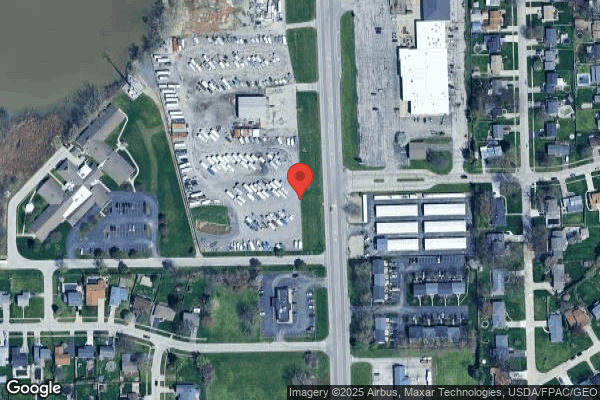
6101 N SUMMIT ST, TOLEDO, OH 43611 (419) 727-7870
For profit - Corporation 82 Beds MAJESTIC CARE Data: November 2025 2 Immediate Jeopardy citations
Trust Grade
1/100
#724 of 913 in OH
Last Inspection: March 2024

Within standard 12-15 month inspection cycle. Federal law requires annual inspections.

Overview

Majestic Care of Point Place has received a Trust Grade of F, indicating significant concerns about the quality of care provided. In Ohio, it ranks #724 out of 913 facilities, placing it in the bottom half, and #27 out of 33 in Lucas County, meaning there are many better options nearby. While the facility is showing improvement, reducing issues from 12 in 2024 to just 1 in 2025, it still has troubling aspects, including $63,606 in fines, which is higher than 88% of Ohio facilities, suggesting repeated compliance problems. Staffing is a weak point, with a below-average rating of 2 out of 5 and a turnover rate of 58%, which is concerning for continuity of care, though RN coverage is better than 82% of facilities, providing some reassurance. Specific incidents of neglect were noted, such as failing to ensure a resident received adequate nutrition and hydration through enteral feeding, and not monitoring a resident's deteriorating condition, resulting in actual harm.

Trust Score
F
1/100
In Ohio
#724/913
Bottom 21%
Safety Record
High Risk
Review needed
Inspections
Getting Better
12 → 1 violations
Staff Stability
⚠ Watch
58% turnover. Above average. Higher turnover means staff may not know residents' routines.
Penalties
○ Average
$63,606 in fines. Higher than 61% of Ohio facilities. Some compliance issues.
Skilled Nurses
✓ Good
Each resident gets 46 minutes of Registered Nurse (RN) attention daily — more than average for Ohio. RNs are trained to catch health problems early.
Violations
⚠ Watch
75 deficiencies on record. Higher than average. Multiple issues found across inspections.
★★☆☆☆
2.0
Overall Rating
★★☆☆☆
2.0
Staff Levels
★★★★★
5.0
Care Quality
★☆☆☆☆
1.0
Inspection Score
Stable
2024: 12 issues
2025: 1 issues

The Good

  • 5-Star Quality Measures · Strong clinical quality outcomes
  • Full Sprinkler Coverage · Fire safety systems throughout facility
  • No fines on record

Facility shows strength in quality measures, fire safety.

The Bad

2-Star Overall Rating

Below Ohio average (3.2)

Below average - review inspection findings carefully

Staff Turnover: 58%

12pts above Ohio avg (46%)

Frequent staff changes - ask about care continuity

Federal Fines: $63,606

Above median ($33,413)

Moderate penalties - review what triggered them

Chain: MAJESTIC CARE

Part of a multi-facility chain

Ask about local staffing decisions and management

Staff turnover is elevated (58%)

10 points above Ohio average of 48%

The Ugly 75 deficiencies on record

2 life-threatening 2 actual harm
Jun 2025 1 deficiency
CONCERN (D) 📢 Someone Reported This

A family member, employee, or ombudsman was alarmed enough to file a formal complaint

Potential for Harm - no one hurt, but risky conditions existed

Comprehensive Assessments (Tag F0636)

Could have caused harm · This affected 1 resident

**NOTE- TERMS IN BRACKETS HAVE BEEN EDITED TO PROTECT CONFIDENTIALITY** Based on medical record review, staff interview, review of the facility Self-Reported Incident (SRI) and review of the facility ...

Read full inspector narrative →
**NOTE- TERMS IN BRACKETS HAVE BEEN EDITED TO PROTECT CONFIDENTIALITY** Based on medical record review, staff interview, review of the facility Self-Reported Incident (SRI) and review of the facility policy, the facility failed to ensure comprehensive person center care plans were updated to include identified resident needs and appropriate interventions. This affected two (#48 and #60) of three residents reviewed for comprehensive care plans. The facility census was 64. Findings include: 1. Review of the medical record revealed Resident #48 was admitted on [DATE]. Diagnoses included unspecified dementia, major depressive disorder, atherosclerotic heart disease of native coronary artery without angina pectoris, cerebrovascular disease, essential hypertension, and anxiety disorder. Review of the Minimum Data Set (MDS) assessment, dated 05/02/25, revealed the resident was severely cognitively impaired. Review of a facility SRI, completed on 06/05/25, revealed on 05/30/25 at 6:15 P.M. a Certified Nursing Assistant (CNA) was picking up dinner trays and entered Resident #60's room and found Resident #48 and Resident #60 in bed together, naked. The facility initiated an investigation for resident to resident sexual abuse. At the end of the investigation, the facility unsubstantiated sexual abuse. All staff were re-educated on the facility's sexual expression policy and Resident #48's care plan was reviewed and updated. Review of the care plan, revised on 06/11/25, revealed Resident #48 had impaired cognitive function or impaired thought processes due to dementia. Interventions included the resident would reach out to people to hold and kiss hands and faces. Further review revealed no additional interventions or information to address Resident #48's reaching out to people to hold and kiss hands and faces, including any needs related to sexual behavior/expression. Interview on 06/12/25 at 2:15 P.M. with the Administrator verified the investigation stated Resident #48's care plan was updated and further confirmed the resident's care plan did not include any information specific to the resident's sexual behavior/expression or interventions related to behavior identified in the SRI. 2. Review of the medical record revealed Resident #60 was admitted on [DATE]. Diagnoses included chronic obstructive pulmonary disease (COPD), Type II diabetes mellitus with diabetic polyneuropathy, essential primary hypertension, chronic diastolic congestive heart failure (CHF), major depressive disorder, neoplasm of prostate, and hyperlipidemia. Review of the MDS assessment, dated 03/18/25, revealed Resident #60 was cognitively intact. Review of a facility SRI, completed on 06/05/25, revealed on 05/30/25 at 6:15 P.M. a CNA was picking up dinner trays and entered Resident #60's room and found Resident #48 and Resident #60 in bed together, naked. The facility initiated an investigation for resident to resident sexual abuse. At the end of the investigation, the facility unsubstantiated sexual abuse. All staff were re-educated on the facility's sexual expression policy and Resident #60's care plan was reviewed and updated. Review of the care plan, revised on 06/02/25, revealed Resident #60 subjected behavior symptoms of verbal aggression, refusing medication, argumentative behaviors, inappropriate sexual comments related to inadequate coping skills. Interventions included to redirect the resident when he made inappropriate sexual comments. Further review revealed no additional information or interventions related to the resident's behaviors, including sexual behavior/expression. Interview on 06/12/25 at 2:15 P.M. with the Administrator verified the investigation stated Resident #60's care plan of care was updated following the facility investigation and further confirmed the resident's care plan did not include any information specific to the resident's sexual behaviors or interventions related to the incident identified in the SRI. Review of the policy, Comprehensive Care Plan, dated 11/01/24, verified the facility would develop and implement a comprehensive person-centered care plan for each resident, consistent with resident rights, including measurable objectives and timeframes. The care planning process would include an assessment of the resident's strengths and needs and will incorporate the resident's personal and cultural preferences in developing goals of care. This deficiency was an incidental finding identified during the complaint investigation.
Aug 2024 1 deficiency
CONCERN (F) 📢 Someone Reported This

A family member, employee, or ombudsman was alarmed enough to file a formal complaint

Potential for Harm - no one hurt, but risky conditions existed

Infection Control (Tag F0880)

Could have caused harm · This affected most or all residents

Based on observation, staff interview and review of the facility policy, the facility failed to ensure staff practiced proper hand hygiene. This had the potential to affect all 62 residents in the fac...

Read full inspector narrative →
Based on observation, staff interview and review of the facility policy, the facility failed to ensure staff practiced proper hand hygiene. This had the potential to affect all 62 residents in the facility. Findings include: 1. Observation on 08/05/24 at 9:09 A.M. revealed Registered Nurse (RN) #203 was taking Resident #14's blood pressure at the medication cart. RN #203 removed the cuff from Resident #14's arm, documented the data, and handed Resident #14 a medicine cup with pills. After Resident #14 consumed the pills, he handed the cup to RN #203 to throw away. RN #203 then proceeded to chart and document at her medication cart. RN #203 was not observed to perform hand hygiene after providing care to Resident #14. Continued observation revealed RN #203 pushed the medication cart to the outside of Resident #15's room. RN #203 opened her medication cart and pulled out a medication push-card and pushed a pill into a medicine cup. RN #203 then opened a bottle and extracted one pill and put it into the medicine cup. Concurrent interview with RN #203 confirmed she did not perform hand hygiene after providing care and medication to Resident #14 and before she started the medication pass for Resident #15. RN #203 confirmed no hand sanitizer was on her medication cart, as she walked to a wall dispenser and dispensed hand sanitizer into her hands. 2. Observation on 08/05/24 at approximately 10:35 A.M. of the 200-hall revealed State Tested Nurse Aide (STNA) #104 wearing a pair of disposable gloves and carrying a bag of trash down the hall. STNA #104 used the keypad to unlock the shower room door, entered the shower room, and very quickly returned to the hallway without trash or disposable gloves. Interview with STNA #104 at the time of the observation revealed she had just finished providing incontinence care to a resident and did not like to carry a dirty bag down the hall with her bare hands. Further interview confirmed STNA #104 provided incontinence care to a resident, removed soiled gloves, did not perform hand hygiene, then put on a new pair of gloves before leaving the resident's room and carrying the trash to the shower room. Additionally, STNA #104 confirmed she did not wash her hands in the shower room but came back out to use the bathroom at the nurses' station. Further observation revealed the bathroom was occupied and STNA #104 used the keypad, with uncleansed hands, to unlock the shower room door and wash her hands. Review of the facility policy titled Hand Washing, revised May 2021, revealed hands should be washed before and after each resident contact and after touching a resident or handling his/her belongings. This deficiency represents non-compliance investigated under Complaint Number OH00156012
May 2024 2 deficiencies
CONCERN (D) 📢 Someone Reported This

A family member, employee, or ombudsman was alarmed enough to file a formal complaint

Potential for Harm - no one hurt, but risky conditions existed

Accident Prevention (Tag F0689)

Could have caused harm · This affected 1 resident

**NOTE- TERMS IN BRACKETS HAVE BEEN EDITED TO PROTECT CONFIDENTIALITY** Based on observation, medical record review, staff interview, review of facility fall investigations and review of facility poli...

Read full inspector narrative →
**NOTE- TERMS IN BRACKETS HAVE BEEN EDITED TO PROTECT CONFIDENTIALITY** Based on observation, medical record review, staff interview, review of facility fall investigations and review of facility policy, the facility failed to ensure fall prevention interventions were implemented as ordered and care planned. This affected one (#1) of three residents reviewed for falls. The facility census was 61. Findings include: Review of the medical record revealed Resident #1 was admitted on [DATE]. Diagnoses included dementia, protein-calorie malnutrition, major depression, polyneuropathy, anxiety disorder, and benign prostatic hyperplasia. Review of the Minimum Data Set (MDS) assessment, dated 02/11/24, revealed Resident #1 was cognitively intact, was able to make needs known, required substantial or maximal assistance with activities of daily living (ADLs), required partial to moderate assistance with transfers and repositioning, was incontinent of bowel and bladder, had no weight loss, received a mechanically altered diet, and was at risk for pressure ulcer development with no skin breakdown. Review of a physician order, dated 09/13/23, revealed Resident #1 was ordered a low air loss (LAL) mattress with perimeter edges to bed and to verify function and inflation every shift. Review of the plan of care, revised 02/12/24, revealed Resident #1 was at risk of falling due to decline in functional mobility, diagnosis of dementia, malnutrition, depression, polyneuropathy, anxiety, benign prostatic hyperplasia, visual and auditory hallucinations, insomnia, incontinence, use of psychotropic medications, and weakness. Interventions included an air mattress with perimeter edges to help define edges. Review of an incident and accident investigation form revealed on 04/12/24 at 2:28 P.M., Resident #1 sustained a fall in his room with no injury. All previous interventions were in place at the time of the fall. Review of a nursing progress note, dated 04/12/24 at 6:12 P.M., revealed Resident #1 was on the floor when writer walked into room. Writer asked the resident what happened and the resident stated he was reaching for his bed remote when he fell out of the bed. The nurse assessed the resident and the nurse and an aide assisted the resident up off the floor. The nurse obtained vitals for resident. Resident #1 had no signs of injury and no complaints of pain. Review of a fall risk assessment, dated 04/19/24, revealed Resident #1 was at moderate risk of falling. Review of an incident and accident investigation form revealed on 04/19/24 at 9:05 A.M. Resident #1 sustained an unwitnessed fall in his room with no injury. All previous interventions were in place at the time of the fall. Medical considerations noted resident returned from a hospital stay with a urinary tract infection (UTI). Safety interventions in use at the time included call light and perimeter mattress. Review of incident audit report documentation dated 04/19/24 at 8:32 P.M. revealed Resident #1 notified his roommate he had fallen out of bed. Resident #1 was found lying with his back against the floor, next to the bed. Observations on 05/06/24 at 7:08 A.M., 8:05 A.M., 8:47 A.M., and 9:03 A.M., revealed Resident #1 in bed. A LAL mattress was applied to the bed; however, no perimeter edges were in place. Interview on 05/06/24 at 9:29 A.M. with Licensed Practical Nurse (LPN) #200 confirmed Resident #1 was in bed without the perimeter edges applied to the LAL mattress. LPN #200 verified Resident #1 was at risk of falling and previously fallen from the bed. Interview on 05/06/24 at 9:32 A.M. with Assistant Director of Nursing (ADON) #201 verified no perimeter edges were applied to Resident #1's LAL mattress as ordered by the physician and as indicated on the fall prevention plan of care. Review of the facility policy titled Fall Policy, revised April 2021, revealed an intervention will be put into place after a fall unless the Interdisciplinary Team (IDT) determines all appropriate interventions are in place. An intervention put in place after a fall will be reviewed by the IDT to determine if the intervention put in place is the most appropriate or if it should be changed. Care Plans will be updated with new and discontinued interventions following a fall as appropriate. This deficiency represents non-compliance investigated under Complaint Number OH00153377.
CONCERN (D) 📢 Someone Reported This

A family member, employee, or ombudsman was alarmed enough to file a formal complaint

Potential for Harm - no one hurt, but risky conditions existed

Incontinence Care (Tag F0690)

Could have caused harm · This affected 1 resident

**NOTE- TERMS IN BRACKETS HAVE BEEN EDITED TO PROTECT CONFIDENTIALITY** Based on observation, medical record review, staff interview and review of facility policy, the facility failed to ensure incont...

Read full inspector narrative →
**NOTE- TERMS IN BRACKETS HAVE BEEN EDITED TO PROTECT CONFIDENTIALITY** Based on observation, medical record review, staff interview and review of facility policy, the facility failed to ensure incontinence care was properly administered to prevent infection. This affected one (#1) of three residents reviewed for the provision of incontinence care. The facility census was 61. Findings include: Review of the medical record revealed Resident #1 was admitted on [DATE]. Diagnoses included dementia, protein-calorie malnutrition, major depression, polyneuropathy, anxiety disorder, and benign prostatic hyperplasia. Review of the Minimum Data Set (MDS) assessment, dated 02/11/24, revealed Resident #1 was cognitively intact, was able to make needs known, required substantial or maximal assist with activities of daily living (ADLs), required partial to moderate assistance with transfers and repositioning, was incontinent of bowel and bladder, had no weight loss, received a mechanically altered diet, and was at risk for pressure ulcer development with no skin breakdown. Review of the plan of care, revised on 02/12/24, revealed Resident #1 was frequently incontinent of bowel and bladder and was at risk for skin breakdown and urinary tract infection (UTI). Interventions included: apply barrier cream to perineal area as needed; may use incontinence management products as needed and desired; change per protocol, preference, and as needed; clean peri-area with each incontinence episode; check at routine intervals and as required for incontinence; wash, rinse and dry perineum; and change clothing as needed (PRN) after incontinence episodes. Review of hospital discharge instructions and associated documentation dated 04/19/24 revealed Resident #1 was diagnosed with a UTI and prescribed an antibiotic for the treatment. Review of a bowel and bladder assessment, dated 05/02/24, revealed Resident #1 had mixed incontinence, was occasionally incontinent of bowel, and was continent of bladder with occasional incontinent episodes. Additionally, comments documented stated Resident #1 was continent and incontinent and to check and change and offer toileting. Observation on 05/06/24 at 9:03 A.M. of State Tested Nurse Aide (STNA) #300 provide care for Resident #1 revealed STNA #300 placed two basins, one basin with clean water and one basin with soap and water, at the resident's bedside. STNA #300 proceeded to provided Resident #1 with a bed bath. STNA #300 removed Resident #1's adult brief and noted the resident was incontinent of a small amount of urine and stool. STNA #300 obtained a washcloth from the soap basin and wiped Resident #1's perineal area in a circular motion. No soap was observed. STNA #300 turned the resident to the side and cleansed a small amount of stool with the same washcloth. There was no attempt to retract Resident #1 foreskin or rinse with clean water. STNA #300 proceeded to place a clean adult brief, bed linens and clothing to the resident and concluded the procedure. Interview on 05/06/24 at 9:32 A.M. with STNA #300 verified she did not properly cleanse Resident #1's perineal area during incontinence care. Interview on 05/06/24 at 9:40 A.M. with Assistant Director of Nursing (ADON) #201 confirmed Resident #1 had returned from the hospital on [DATE], following treatment for a UTI, and was at risk for further development of UTI's. Additionally, ADON #201 stated Resident #1 attempted to use the urinal at times but also had episodes of incontinence and used adult briefs. ADON #210 verified, during incontinence care, male resident's foreskin was to be retracted to ensure thoroughness of cleansing and infection prevention. Review of the facility policy titled Incontinent Care, dated March 2015, revealed the male resident procedure was to begin at the tip of the penis, retract foreskin, cleanse from tip downward, place washcloth to the side, obtain a clean washcloth and proceed to scrotum followed by anal area. This deficiency represents non-compliance investigated under Complaint Number OH00153377.
Mar 2024 4 deficiencies
CONCERN (D)

Potential for Harm - no one hurt, but risky conditions existed

Resident Rights (Tag F0550)

Could have caused harm · This affected 1 resident

Based on observation, staff interview, and review of facility policy, the facility failed to ensure residents who required assistance with eating were provided a dignified dining experience. This affe...

Read full inspector narrative →
Based on observation, staff interview, and review of facility policy, the facility failed to ensure residents who required assistance with eating were provided a dignified dining experience. This affected two residents (#44 and #35) of nine residents observed eating lunch in the main dining room. The facility census was 65. Findings Included: Observation on 03/04/24 at 11:18 A.M., of the main dining room, found nine residents seated at four tables. Two residents, Resident #44 and Resident #35, were seated at a square table. The Director of Nursing (DON) was observed standing over Resident #44 and spooning bites of his lunch into his mouth. Interview on 03/04/24 at 11:22 A.M. with the DON verified she was standing to feed Resident #44. The DON reported she was feeding him chicken and dumplings, green beans, a roll, and a cream dessert. Continued observation on 03/04/24 at 11:23 A.M. found the DON asked Resident #35 if he needed help eating. A response was not heard, but the DON was observed standing between Resident #44 and #35 and providing both residents bites of their meals while standing over them. Review of the facility policy titled, Food Service to Residents/Snacks, revised April 2022, revealed residents who were unable to feed themselves would be fed with attention to safety, comfort, and dignity.
CONCERN (D)

Potential for Harm - no one hurt, but risky conditions existed

Notification of Changes (Tag F0580)

Could have caused harm · This affected 1 resident

**NOTE- TERMS IN BRACKETS HAVE BEEN EDITED TO PROTECT CONFIDENTIALITY** Based on medical record review, staff interview, and facility policy review, the facility failed to ensure the physician was not...

Read full inspector narrative →
**NOTE- TERMS IN BRACKETS HAVE BEEN EDITED TO PROTECT CONFIDENTIALITY** Based on medical record review, staff interview, and facility policy review, the facility failed to ensure the physician was notified when blood glucose levels were outside of established parameters as ordered. This affected one (#36) of three residents reviewed for insulin. The facility census was 65. Findings include: Review of the medical record revealed Resident #36 was admitted on [DATE]. Diagnoses included end stage renal disease, type two diabetes mellitus with diabetic nephropathy and polyneuropathy, chronic diastolic (congestive) heart failure, muscle weakness, difficulty walking, delirium due to known physiological condition, essential hypertension, alcohol abuse, and major depressive disorder recurrent severe with psychotic symptoms. Review of the Minimum Data Set (MDS) assessment, dated 02/21/24, revealed Resident #36 was cognitively intact. Review of Resident #36's physician orders, dated 02/03/24 through 02/08/24, revealed an order for Novolog insulin to inject as per sliding scale subcutaneously before meals. Further review of the order revealed for blood sugars between 401 milligrams per deciliter (mg/dL) and 500 mg/dL, staff were instructed to provide 10 units of Novolog and notify the physician. Review of Resident #36's physician order, dated 02/22/24, revealed an order to check blood sugar every night at bedtime and to notify the physician if below 60 mg/dL or above 400 mg/dL. Review of the February 2024 medication administration record (MAR) revealed Resident #36 had a blood glucose level of 443 mg/dL at dinner time on 02/03/24, a blood glucose level of 493 mg/dL on at night time on 02/22/24, and a blood glucose level of 408 mg/dL at night time on 02/28/24. There was no documentation any of the three blood glucose levels above 400 mg/dL were notified to the physician as ordered. Review of Resident #36's nursing progress noted from February 2024 revealed no documentation of physician notification for blood glucose levels above 400 mg/dL on 02/03/24, 02/22/24, and 02/28/24. Interview on 03/06/24 at approximately 3:15 P.M. with Registered Nurse (RN) [NAME] President (VP) of Clinical #406, with review of Resident #36's February MAR and progress notes, verified there was no notification to the physician when Resident #36's blood glucose levels were above 400 mg/dL on 02/03/24, 02/22/24, and 02/28/24. Interview on 03/07/24 at 2:10 P.M. with Assistant Director of Nursing (ADON) #359 revealed the nurses on duty reported the physician notification was made and physicians were aware of Resident #36's unstable blood glucose levels, but could not provide evidence to verify the physician was notified for Resident #36's blood glucose levels when they were above 400 mg/dL on 02/03/24, 02/22/24, and 02/28/24. Review of a policy titled, Diabetes-Clinical Protocol, dated May 2023, verified the physician will establish desired parameters for monitoring and reporting information related to diabetes or blood sugar management.
CONCERN (D)

Potential for Harm - no one hurt, but risky conditions existed

Medication Errors (Tag F0758)

Could have caused harm · This affected 1 resident

**NOTE- TERMS IN BRACKETS HAVE BEEN EDITED TO PROTECT CONFIDENTIALITY** Based on medical record review, staff interview, and review of facility policy, the facility failed to ensure orders to disconti...

Read full inspector narrative →
**NOTE- TERMS IN BRACKETS HAVE BEEN EDITED TO PROTECT CONFIDENTIALITY** Based on medical record review, staff interview, and review of facility policy, the facility failed to ensure orders to discontinue psychotropic medications were followed according to the physician order. This affected one resident (#44) of five residents reviewed for unnecessary medications. The facility census was 65. Findings Include: Review of Resident #44's medical record revealed an admission date of 12/01/22. Diagnoses included neurocognitive disorder with lewy bodies (dementia), schizoaffective disorder, chronic kidney disease, cognitive communication deficit, muscle weakness, chronic pain, depressive episodes, and anxiety disorder. Review of Resident #44's Minimum Data Set (MDS) assessment dated [DATE] revealed a Brief Interview for Mental Status (BIMS) score of three indicating Resident #44 was severely cognitively impaired. Resident #44 was dependent on staff for activities of daily living including toilet use, bathing, dressing, transfer, and eating. Resident #44 displayed no behaviors at the time of the review. Review of Resident #44's care plan revised 02/26/24 revealed supports and interventions for self-care deficit, limited mobility, impaired cognitive function, hallucinations, behavioral concerns, and risk for pain. Review of Resident #44's physician orders revealed an order dated 02/02/24 for the antipsychotic Risperdal one (1) milligram (mg) to give 0.5 tablets at bed time for physical aggression, visual hallucinations; and give one tablet in the morning for visual hallucinations and physical aggression. Review of Resident #44's monthly pharmacy reviews revealed on 01/21/24 the pharmacist recommended considering a dose reductions of one drug, either Risperdal 0.5 mg at night or the mood stabilizer valproic acid 125 mg in the morning. The physician reviewed the recommendation on 02/06/24 and agreed to consider a dose reduction for Resident #44's Risperdal. The physician order was to decrease Resident #44's Risperdal to every other day for one week and then discontinue. Further review of Resident #44's physician orders revealed an order dated 02/06/24 and discontinued 02/29/24 for Risperdal 1 mg give one tablet in the morning every other day for schizophrenia every other day for one week and then discontinue. Review of Resident #44's February 2024 medication administration record (MAR) revealed Resident #44 received Risperdal 1 mg on 02/07/24, 02/09/24, 02/11/24, 02/13/24, 02/15/24, 02/17/24, 02/19/24, 02/21/24, 02/23/24, 02/25/24, and 02/27/24. Resident #44 was administered seven additional dosages of Risperdal 1 mg beyond what was ordered. Interview on 03/05/24 at 1:54 P.M. with the Registered Nurse (RN) [NAME] President (VP) of Clinical #406 verified Resident #44 was administered Risperdal 1 mg for about two weeks beyond the ordered one week discontinuation date. Review of the facility policy titled,Administration and Documentation of Medications, revised May 2021, revealed medications ordered for a specific number of days or for specific days were to be indicated on the medication administration record. Nurses were responsible for the proper administration of all medications scheduled during their shifts.
CONCERN (D)

Potential for Harm - no one hurt, but risky conditions existed

Medical Records (Tag F0842)

Could have caused harm · This affected 1 resident

**NOTE- TERMS IN BRACKETS HAVE BEEN EDITED TO PROTECT CONFIDENTIALITY** Based on medical record review, staff interview, and review of a facility policy, the facility failed to maintain a complete and...

Read full inspector narrative →
**NOTE- TERMS IN BRACKETS HAVE BEEN EDITED TO PROTECT CONFIDENTIALITY** Based on medical record review, staff interview, and review of a facility policy, the facility failed to maintain a complete and accurate medical record. This affected one (#51) of 16 resident medical records reviewed. The facility census was 65. Findings include: Review of the medical record for Resident #51 revealed the resident was admitted on [DATE] and had diagnoses that included chronic kidney disease and cognitive communication deficit. Review of the quarterly Minimum Data Set (MDS) 3.0 assessment for Resident #51, dated 12/14/23, revealed the resident was assessed with moderately impaired cognition and renal disease. Review of a nursing progress note for Resident #51, dated 02/23/24, revealed the nurse practitioner ordered a transfer to the hospital for evaluation and treatment. Further review of the progress note revealed it did not include a reason for Resident #51's transfer, such as the signs or symptoms exhibited by Resident #51 to necessitate a hospital transfer, nor any indication of the events leading up to the notification made to the nurse practitioner. Review of a nursing progress note for Resident #51, dated 02/24/24, revealed the resident returned from the hospital (just after midnight), with a diagnosis of acute cystitis (inflammation of the bladder typically caused by infection) with hematuria (blood in the urine). The record indicated Resident #51 was treated with a five-day course of antibiotics. Interview on 03/06/24 at 4:20 P.M. with Assistant Director of Nursing (ADON) #359 revealed Resident #51 complained of pain and urinary frequency on 02/23/24 which prompted the nurse on duty to notify the nurse practitioner who then ordered the hospital transfer. ADON #359 confirmed the medical record documentation for Resident #51 did not include a reason for, nor the signs and/or symptoms exhibited by the resident, leading up to this hospital transfer. Review of a policy titled, Documentation Guidelines: All Departments, last revised December 2021, confirmed the medical record shall include all relevant information, including assessment data, pertaining to a resident interaction.
Jan 2024 5 deficiencies
CONCERN (D) 📢 Someone Reported This

A family member, employee, or ombudsman was alarmed enough to file a formal complaint

Potential for Harm - no one hurt, but risky conditions existed

Deficiency F0635 (Tag F0635)

Could have caused harm · This affected 1 resident

**NOTE- TERMS IN BRACKETS HAVE BEEN EDITED TO PROTECT CONFIDENTIALITY** Based on medical record review, observations, resident interview, and staff interviews, the facility failed to ensure admission ...

Read full inspector narrative →
**NOTE- TERMS IN BRACKETS HAVE BEEN EDITED TO PROTECT CONFIDENTIALITY** Based on medical record review, observations, resident interview, and staff interviews, the facility failed to ensure admission orders were obtained to provide care and treatment to a resident with a suprapubic urinary catheter. This affected one (#8) of one resident identified with a suprapubic catheter. The facility census was 67. Findings include: Review of Resident #8's medical record revealed an admission date of 01/01/24, with diagnoses including, gastroparesis, chronic obstructive pulmonary disease, infection, and inflammatory reaction due to indwelling urethral catheter, neuromuscular dysfunction of bladder, methicillin resistant staphylococcus aureus infection, colostomy, stage 4 pressure ulcer left buttock, sepsis, anemia, chronic respiratory failure, paraplegia, schizophrenia, bipolar disorder, major depressive disorder, and type 2 diabetes mellitus. Review of the minimum data set assessment dated [DATE], revealed Resident #8 was assessed with intact cognition, ability to make needs known, dependent on staff for the provision of activities of daily living, utilized an indwelling urinary catheter and colostomy, urinary tract infection last 30 days, and admitted with one stage 4 pressure ulcer. Review of the admission assessment dated [DATE] noted Resident #8 admitted from the hospital with a suprapubic urinary catheter in place. No documentation recorded the catheter stoma or insertion site. Further review of the medical record lacked physician orders or a nursing plan of care addressing the maintenance and treatment regarding the suprapubic catheter. Review of hospital discharge summary information dated 01/01/24 noted a pelvis pericystostomy wound with old drainage, cleansed with saline and dry dressing. wound length 1 centimeter (cm) by (x) 7 cm wide x 0.8 cm deep. Wound assessment recorded pink/red and bleeding, scant amount of moist serosanguinous drainage with fragile tissue to peri-wound. No physician treatment instructions were included in the discharge information. Review of physician orders from admission to 01/10/24 revealed no orders for the care and treatment of the suprapubic catheter or pericystostomy wound. Review of treatment administration records and medication administration records dated between 01/01/24 and 01/09/24 were silent to the treatment or care related to the suprapubic catheter or pericystostomy wound. Observation on 01/10/24 at 6:00 A.M., observed Resident #8 alert and awake in bed. An indwelling urinary catheter bag was hanging from the bed frame and draining straw colored urine with sedimentation in the tubing. Interview at the time of the observation, Resident #8 stated the supra-pubic catheter insertion site had been draining since admission to the facility and the site had not been cleansed since the previous morning (01/09/24) during a shower. Resident #8 went on to state the suprapubic catheter had not been consistently cared for or cleansed since admission. Interview on 01/10/24 at 6:06 A.M., with LPN #200 revealed she had assumed care of Resident #8 on 01/09/24 at 6:45 P.M. until 01/10/24 at 7:15 A.M. LPN #200 stated she did not observe Resident #8 supra-pubic catheter site and was told by State Tested Nurse Aide (STNA) #400 catheter care was completed at an unspecified time. No report of the catheter or insertion site (stoma) was obtained. At 6:08 A.M., observation with LPN #200 during assessment of Resident #8 catheter stoma discovered a moderate amount of thick yellow/green purulent drainage, red tissue surrounding the site edges and tubing soiled. LPN #200 indicated the stoma site appeared without a dressing or treatment and lacked sufficient cleaning. LPN #200 proceeded to cleanse the site and Resident #8 displayed facial grimacing. Resident #8 reporting a pain level of 10 indicating severe pain. The resident again reported the catheter and insertion site had not been cared for since the previous morning during shower. Interview on 01/11/24 at 8:25 A.M., with Regional Registered Nurse (RRN) #1 during review of medical record confirmed Resident #8 admitted to facility on 01/01/24 with supra-pubic catheter. RNN #1 verified no physician orders or care plan were developed to address the care or treatment of the supra-pubic catheter stoma site. This deficiency represents non-compliance investigated under Complaint Number OH00149720.
CONCERN (D) 📢 Someone Reported This

A family member, employee, or ombudsman was alarmed enough to file a formal complaint

Potential for Harm - no one hurt, but risky conditions existed

Pressure Ulcer Prevention (Tag F0686)

Could have caused harm · This affected 1 resident

**NOTE- TERMS IN BRACKETS HAVE BEEN EDITED TO PROTECT CONFIDENTIALITY** Based on observation, medical record review, and staff interview, the facility failed to ensure wound treatments were applied as...

Read full inspector narrative →
**NOTE- TERMS IN BRACKETS HAVE BEEN EDITED TO PROTECT CONFIDENTIALITY** Based on observation, medical record review, and staff interview, the facility failed to ensure wound treatments were applied as ordered by the physician. This affected one (#9) of three residents reviewed for the application of wound treatments. The facility census was 67. Findings include: Review of Resident #9's medical record revealed an admission date of 10/19/23, with the diagnoses including: acute respiratory failure, chronic coronary microvascular dysfunction, type 2 diabetes mellitus, dysphagia, hypertensive heart and chronic kidney disease, dementia, autoimmune hepatitis, and stage 3 pressure ulcer to right and left buttock. Review of the minimum data set assessment dated [DATE] assessed Resident #9 with intact cognition, required substantial or maximal assistance with activities of daily living, dependent on staff for bed mobility and transfer, frequently incontinent of bowel and bladder, and at risk for pressure ulcer development. Review of a nursing plan of care, revealed it was revised 12/11/23 to address Resident #9 actual alteration in skin integrity due to decreased mobility. Interventions included, complete daily monitoring pressure ulcer report, consult and treatment by Certified Wound Physician as needed, and follow physician orders for skin care and treatment. Review of physician orders noted on 12/27/23, the wound physician ordered a treatment to Resident #9 left buttock. Orders included cleanse wound with normal saline, apply medihoney to wound bed, cover with clean dry dressing complete every night shift every Tuesday, Thursday, Saturday for wound care. Review of Wound Physician #1 wound assessment documentation dated 01/02/24 noted the left buttock pressure injury assessed as unstageable with wound measurements 3.1 centimeters (cm) long by (x) 1.5 cm wide with a depth unable to be determined. Treatment order included cleanse wound with normal saline or sterile water, apply medical honey gel to wound bed and cover with dry clean dressing. Observation on 01/09/24 at 9:57 A.M., noted Licensed Practical Nurse (LPN) #201 remove Resident #9 incontinence brief and exposed the residents left buttock pressure ulcer. No dressing treatment was in place. LPN #201 was unaware the dressing was not applied as ordered. Additional observation noted Wound Physician #1 to assess and measure the wound. Measurements were 1.5 centimeters (cm) long by (x) 1.5 cm wide with a depth unable to be determined. The wound status was described as healing. Wound Physician #1 confirmed a dressing had been ordered and was to be applied to the left buttock pressure ulcer. Observation on 01/10/24 at 5:00 A.M., observed Resident #9 in bed, State Tested Nurse Aide (STNA) #404 removed Resident #9 incontinence brief and positioned the resident to the right. No dressing to the left buttock was in place. Interview with STNA #404 revealed she assumed Resident #9 care at 10:00 P.M. on 01/09/24 and checked the resident for incontinence every two hours. No dressing was applied, and she was instructed to apply zinc oxide cream. Interview on 01/10/24 at 5:06 A.M., with Registered Nurse (RN) #300 verified Resident #9 was to have a wound dressing covering the left buttock wound. RN #300 stated they assumed Resident #9 care at 6:45 P.M. on 01/09/24 and had not assessed the resident to ensure the dressing was applied. RN #300 was unaware the wound dressing was not in place as ordered by the physician. This deficiency represents non-compliance investigated under Complaint Number OH00149720, and Complaint Number OH00149690.
CONCERN (D) 📢 Someone Reported This

A family member, employee, or ombudsman was alarmed enough to file a formal complaint

Potential for Harm - no one hurt, but risky conditions existed

Incontinence Care (Tag F0690)

Could have caused harm · This affected 1 resident

**NOTE- TERMS IN BRACKETS HAVE BEEN EDITED TO PROTECT CONFIDENTIALITY** Based on observation, medical record review, staff and resident interview, and policy review, the facility failed to provide con...

Read full inspector narrative →
**NOTE- TERMS IN BRACKETS HAVE BEEN EDITED TO PROTECT CONFIDENTIALITY** Based on observation, medical record review, staff and resident interview, and policy review, the facility failed to provide consistent care and treatment to a resident identified with a suprapubic catheter. This affected one (#8) of one resident identified with a suprapubic catheter. The facility census was 67. Findings include: Review of Resident #8's medical record revealed an admission date of 01/01/24 with diagnoses including, gastroparesis, chronic obstructive pulmonary disease, infection, and inflammatory reaction due to indwelling urethral catheter, neuromuscular dysfunction of bladder, methicillin resistant staphylococcus aureus infection, colostomy, stage 4 pressure ulcer left buttock, sepsis, anemia, chronic respiratory failure, paraplegia, schizophrenia, bipolar disorder, major depressive disorder, and type 2 diabetes mellitus. Review of the minimum data set assessment dated [DATE], revealed Resident #8 was assessed with intact cognition, ability to make needs known, dependent on staff for the provision of activities of daily living, utilized an indwelling urinary catheter and colostomy, urinary tract infection last 30 days, and admitted with one stage 4 pressure ulcer. Review of the admission assessment dated [DATE] noted Resident #8 admitted from the hospital with a suprapubic urinary catheter in place. No documentation recorded the catheter stoma or insertion site. Further review of the medical record lacked physician orders or a nursing plan of care addressing the maintenance and treatment regarding the suprapubic catheter. Review of the hospital discharge summary information dated 01/01/24 noted a pelvis pericystostomy wound with old drainage, cleansed with saline and dry dressing. The wound length was documented as 1 centimeter (cm) by (x) 7 cm wide x 0.8 cm deep. The wound assessment recorded pink/red and bleeding, scant amount of moist serosanguinous drainage with fragile tissue to peri-wound. No physician treatment instructions were included in the discharge information. Review of physician orders from admission to 01/10/24 revealed no orders for the care and treatment of the suprapubic catheter or pericystostomy wound. Review of treatment administration records and medication administration records dated between 01/01/24 and 01/09/24 lacked any evidence to the treatment or care related to the suprapubic catheter or pericystostomy wound. Review of skilled documentation dated 01/10/24 at 4:03 A.M. revealed Licensed Practical Nurse (LPN) #200 assessed Resident #8's abdomen as non-tender, continent of bowel and urine, with no catheter. Interview on 01/10/24 at 5:05 A.M., with State Tested Nurse Aide (STNA) #400 revealed she assumed care of Resident #8 on 01/09/24 at 10:00 P.M. until 01/10/24 at 6:00 A.M. STNA #400 stated she performed catheter care during the shift. STNA #400 was unable to describe the condition of the catheter insertion site or whether a dressing was applied to the site. Observation on 01/10/24 at 6:00 A.M. revealed Resident #8 was alert and awake in bed. An indwelling urinary catheter bag was hanging from the bed frame and draining straw colored urine with sedimentation in the tubing. Interview at the time of the observation Resident #8 stated the supra-pubic catheter insertion site had been draining since admission to the facility and the site had not been cleansed since the previous morning (01/09/24) during a shower. Resident #8 went on to state the suprapubic catheter had not been consistently cared for or cleansed since admission. Interview on 01/10/24 at 6:06 A.M. with LPN #200 revealed she had assumed care of Resident #8 on 01/09/24 at 6:45 P.M. until 01/10/24 at 7:15 A.M. LPN #200 stated she did not observe Resident #8's supra-pubic catheter site and was told by STNA #400 catheter care was completed at an unspecified time. No report of the catheter or insertion site (stoma) was obtained. At 6:08 A.M., observation with LPN #200 during assessment of Resident #8's catheter stoma discovered a moderate amount of thick yellow/green purulent drainage, red tissue surrounding the site edges and tubing soiled. LPN #200 indicated the stoma site appeared without a dressing or treatment and lacked sufficient cleaning. LPN #200 proceeded to cleanse the site and Resident #8 displayed facial grimacing. Resident #8 reported a pain level of 10 indicating severe pain. The resident again reported the catheter and insertion site had not been cared for since the previous morning during a shower. Review of general progress notes dated 01/10/24 at 7:52 A.M. documented during care it was noted resident has red area around suprapubic site. Area was assessed as red with moderate drainage, measuring 7.0 cm x 1.8 cm. Area cleaned with normal saline, zinc barrier cream and drain sponge applied. Wound physician updated and new treatment obtained. At 10:57 A.M., Resident #8 was complaining of chest pain and subsequently was sent to the hospital for evaluation. Review of hospital emergency room documentation dated 01/10/24, revealed Resident #8 was diagnosed with a urinary tract infection associated with cystostomy catheter. Interview on 01/11/24 at 8:25 A.M. with Regional Registered Nurse (RRN) #1 during review of the medical record confirmed Resident #8 admitted to the facility on [DATE] with supra-pubic catheter. RRN #1 verified no physician orders or care plan were developed to address the care or treatment of the supra-pubic catheter stoma site. RRN #1 verified the observation on 01/10/24 when Licensed Practical Nurse #200 assessed the stoma cite with moderate yellow/green drainage, peri wound red, soiled tubing and Resident #8 grimacing with slight manipulation of the tubing. Resident #8 reported a pain level of 10 indicating severe. Review of the policy titled, Supra Pubic Catheter: Guidance for Care, revised October 2022, revealed the skin around the catheter should be cleansed at least daily with warm water or warm soap and water and gently padded dry. If using soap rinse the area well to minimize irritation. Assess the skin for signs of irritation and possible infection: redness, drainage, and/or pain to the site. If noted, notify physician. This deficiency represents non-compliance investigated under Complaint Number OH00149720, OH00149860 and continued non-compliance from the 12/28/23 survey.
CONCERN (D) 📢 Someone Reported This

A family member, employee, or ombudsman was alarmed enough to file a formal complaint

Potential for Harm - no one hurt, but risky conditions existed

Laboratory Services (Tag F0770)

Could have caused harm · This affected 1 resident

**NOTE- TERMS IN BRACKETS HAVE BEEN EDITED TO PROTECT CONFIDENTIALITY** Based on medical record review, staff interview, and laboratory contract review and policy review, the facility failed to obtain...

Read full inspector narrative →
**NOTE- TERMS IN BRACKETS HAVE BEEN EDITED TO PROTECT CONFIDENTIALITY** Based on medical record review, staff interview, and laboratory contract review and policy review, the facility failed to obtain laboratory blood testing within physician ordered timeframes. This affected one (#6) of three sampled residents reviewed for laboratory blood testing. The facility census was 67. Findings include: Review of Resident #6's medical record revealed an admission date of 11/14/23, with the diagnoses including: acute kidney failure, chronic kidney disease stage 3, epilepsy, lupus, paraplegia, severe protein calorie malnutrition, hyperkalemia, metabolic acidosis, neuromuscular dysfunction of bladder, colostomy, pulmonary hypertension, anemia, and hypertension. Review of the minimum data set assessment dated [DATE] assessed Resident #6 with intact cognition, dependent on staff for the completion of activities of daily living, utilized an indwelling catheter and ostomy. Review of a physician order dated 01/01/24 at 5:15 P.M., revealed an order was initiated for STAT (immediately) laboratory (labs) to include a complete blood count (CBC) and basic metabolic profile (BMP). Review of the lab results dated as obtained on 01/02/24 at 8:01 A.M., Resident #6 was noted with a low hemoglobin (HGB) of 6.9 grams/deciliter (g/dL) with normal range 12.0-15.0 g/dL. No documentation contained in the medical record indicated the physician was informed of the results. Further review of the lab results noted the Certified Nurse Practitioner (CNP) #1 to initial the labs as reviewed on 01/04/24 with no time indicated. Review of a second lab test revealed it was obtained on 01/04/24 at 5:37 A.M. The results noted Resident #6 with a critical low HGB of 6.6 g/dL. No documentation indicated the physician was notified of the results. Review of nurses notes dated 01/04/24 at 5:55 P.M., documented Nurse Practitioner (CNP) #1 into see patient order to send to emergency room (ER). On 01/04/24 a late entry for 2:57 P.M., noted resident picked up by ambulance to transport to ER. Telephone interview on 01/10/24 at 2:41 P.M., with CNP #1 during review of documentation and laboratory values revealed labs were ordered STAT on 01/01/24. CNP #1 confirmed they did not receive communication of the lab results until 01/04/24 and Resident #6's HGB was low at 6.9 g/dL. CNP #1 reordered the lab and resulted in a critical HGB level of 6.6. Resident #6 was subsequently ordered to ER for evaluation and treatment of osteomyelitis. CNP #1 stated if the 01/02/24 lab results were received timely the resident would have been sent to the ER evaluation sooner on 01/01/24 due to concerns with health history. Interview on 01/10/23 at 2:56 P.M., the Director of Nursing (DON) confirmed the delay in receiving Resident #6 STAT labs on 01/01/24 and lack of communication with abnormal labs. Interview on 01/11/24 at 11:34 A.M., with Administrator during a review of laboratory documentation and policy confirmed when laboratory blood test is ordered as STAT, they are to be obtained within 4-5 hours. Interview on 01/11/24 at 11:45 A.M., with Licensed Practical Nurse (LPN) #202 revealed when STAT labs are ordered the results should be reported back to the facility within 4 hours of specimen being obtained. Review of facility laboratory services agreement signed 10/11/23, revealed testing ordered on an urgently sensitive basis (STAT Testing) incurs an additional fee of $45.00 per patient visit. STAT testing is based on the laboratory standard testing fee schedule set forth on Schedule I. Review of the undated policy titled Laboratory revealed STAT is defined as 4-5 hours. This deficiency represents non-compliance investigated under Complaint Number OH00149720.
CONCERN (D) 📢 Someone Reported This

A family member, employee, or ombudsman was alarmed enough to file a formal complaint

Potential for Harm - no one hurt, but risky conditions existed

Deficiency F0773 (Tag F0773)

Could have caused harm · This affected 1 resident

**NOTE- TERMS IN BRACKETS HAVE BEEN EDITED TO PROTECT CONFIDENTIALITY** Based on medical record review, staff interview, and policy review, the facility failed to notify physician timely of critical l...

Read full inspector narrative →
**NOTE- TERMS IN BRACKETS HAVE BEEN EDITED TO PROTECT CONFIDENTIALITY** Based on medical record review, staff interview, and policy review, the facility failed to notify physician timely of critical laboratory blood testing results. This affected one (#6) of three sampled residents reviewed for laboratory blood testing. The facility census was 67. Findings include: Review of Resident #6's medical record revealed an admission date of 11/14/23, with the diagnoses including: acute kidney failure, chronic kidney disease stage 3, epilepsy, lupus, paraplegia, severe protein calorie malnutrition, hyperkalemia, metabolic acidosis, neuromuscular dysfunction of bladder, colostomy, pulmonary hypertension, anemia, and hypertension. Review of the minimum data set assessment dated [DATE] assessed Resident #6 with intact cognition, dependent on staff for the completion of activities of daily living, utilized an indwelling catheter and ostomy. Review of a physician order dated 01/01/24 at 5:15 P.M., revealed an order was initiated for STAT (immediately) laboratory (labs) to include a complete blood count (CBC) and basic metabolic profile (BMP). Review of the lab results dated as obtained on 01/02/24 at 8:01 A.M., Resident #6 was noted with a low hemoglobin (HGB) of 6.9 grams/deciliter (g/dL) with normal range 12.0-15.0 g/dL. No documentation contained in the medical record indicated the physician was informed of the results. Further review of the lab results noted the Certified Nurse Practitioner (CNP) #1 to initial the labs as reviewed on 01/04/24 with no time indicated. Review of a second lab test revealed it was obtained on 01/04/24 at 5:37 A.M. The results noted Resident #6 with a critical low HGB of 6.6 g/dL. No documentation indicated the physician was notified of the results. Review of nurses notes dated 01/04/24 at 5:55 P.M., documented Nurse Practitioner (CNP) #1 into see patient order to send to emergency room (ER). On 01/04/24 a late entry for 2:57 P.M., noted resident picked up by ambulance to transport to ER. Telephone interview on 01/10/24 at 2:41 P.M., with CNP #1 during review of documentation and laboratory values revealed labs were ordered STAT on 01/01/24. CNP #1 confirmed they did not receive communication of the lab results until 01/04/24 and Resident #6's HGB was low at 6.9 g/dL. CNP #1 reordered the lab and resulted in a critical HGB level of 6.6. Resident #6 was subsequently ordered to ER for evaluation and treatment of osteomyelitis. CNP #1 stated if the 01/02/24 lab results were received timely the resident would have been sent to the ER evaluation sooner on 01/01/24 due to concerns with health history. Interview on 01/10/23 at 2:56 P.M., the Director of Nursing (DON) confirmed the delay in receiving Resident #6 STAT labs on 01/01/24 and lack of communication with abnormal labs. Interview on 01/11/24 at 11:45 A.M., with Licensed Practical Nurse (LPN) #202 revealed when STAT labs are ordered the results should be reported back to the facility within 4 hours of specimen being obtained. Review of policy tilted Notification of Change in Condition, revised 02/2022, indicated the purpose of the policy is to outline the actions of notification in timely manner to physician/physician extender in the event of a resident change in orders, acute situations, lab results, significant change in status, incidents that effect a residents status or transfer from the facility to hospital. This deficiency represents non-compliance investigated under Complaint Number OH00149720.
Dec 2023 4 deficiencies
CONCERN (D) 📢 Someone Reported This

A family member, employee, or ombudsman was alarmed enough to file a formal complaint

Potential for Harm - no one hurt, but risky conditions existed

Deficiency F0558 (Tag F0558)

Could have caused harm · This affected 1 resident

**NOTE- TERMS IN BRACKETS HAVE BEEN EDITED TO PROTECT CONFIDENTIALITY** Based on observations, medical record review, staff interview, and resident interviews, the facility failed to ensure timely res...

Read full inspector narrative →
**NOTE- TERMS IN BRACKETS HAVE BEEN EDITED TO PROTECT CONFIDENTIALITY** Based on observations, medical record review, staff interview, and resident interviews, the facility failed to ensure timely response to call lights and providing care per personal preference. This affected two (#30 and #61) of three residents reviewed for call light responses. Facility census was 69. Findings include 1. Review of the medical record for Resident #30 revealed an admission date of 06/21/23. Diagnoses included chronic obstructive pulmonary disease, atrial fibrillation, muscle weakness, dysphasia, chronic pain, anxiety, and chronic pain. Review of the Minimum Data Set (MDS) assessment dated [DATE] revealed Resident #30 was cognitively intact and required substantial/maximum assist for toileting transfers and mobility. Review of the plan of care dated 10/18/23 revealed resident had an activity of daily living (ADL) self-care deficit related to memory loss, mobility, and cognitive loss with interventions resident requires one to two person assist for repositioning and turning in bed, encourage use of call light and was an extensive/dependant assist for transferring, toileting, and personal hygiene. The care plan also revealed resident had bowel and bladder incontinence with interventions to assist with being clean, dry and comfortable as needed, assist with toileting as needed, check resident as needed and as required for incontinence care and change clothing as needed after incontinence episodes. Observation on 12/27/23 from 10:00 to 10:20 A.M., revealed Resident #30 had her call light activated and two separate staff walked into resident room and turned off the call light. Interview and observation on 12/27/23 at 10:20 A.M., with Resident #30 revealed she had turned her call light on at 10:00 A.M. and staff had walked in and asked what she needed. When she told them she was wet and needed incontinence care, they turned off the light and said they will get the State Tested Nurse Aide (STNA). After about 15 minutes of waiting, the resident revealed she put her call light back on and a second staff member walked in and turned off her call light. She reported she informed the second staff member of her need for incontinence care and they informed her they would get the STNA. Resident #30's revealed she was wet at the time of the interview and confirmed her call light was off as staff had turned it off. Resident #30 activated her call light for the third time at 10:25 A.M. Licensed Practical Nurse (LPN) #191 responded with the surveyor present at 10:29 A.M. Resident #30's outfit was also visible soiled with food stains and crumbs present. Resident #30 revealed she would like to get cleaned up as her family was visiting later in the day. Resident #30 stated that she prefers to receive incontinence care at 10:00 P.M. and then again around 9:30 A.M.-10:00 A. M., as she does not want to be woken up or disrupt staff when they are busing passing breakfast trays and medications. Interview on 12/27/23 at 10:29 A.M., LPN #191 confirmed she turned off Resident #30's call light without providing care and revealed that was typical practice at the facility. LPN #191 revealed she would inform the STNA that resident needed incontinence care. Observation on 12/27/23 at 10:38 A.M., with LPN #191 and a second staff member came to Resident #30's room to provide incontinence care. Interview on 12/27/23 at 10:48 A.M., with STNA #137 revealed she had only seen Resident #30 one time so far during her shift when she passed her the breakfast tray around 8:00 A.M. She reported she had had not preformed incontinence care or toileting of Resident #30, so far this date and revealed she came in around 6:00 A.M. STNA #137 also revealed no staff had informed her the resident's call light had been going off. STNA #137 denied that any staff informed her of the need to provide incontinence care. Interview and observation on 12/27/23 at 11:00 A.M., with Resident #30 revealed staff did completed incontinence care but did not change her visibly soiled clothing. Resident #30 revealed she will just put her call light on in a little bit and she if she could get someone to help her get dressed before her family was coming to visit later in the evening. Resident #30 revealed staff do not offer extra things and only do the basics of what was requested. 2. Review of the medical record for the Resident #61 revealed an admission date of 08/12/21. Diagnoses included lymphedema, asthma, diabetes, atrial fibrillation, muscle weakness, cognitive communication deficit, epilepsy and cognitive communication deficit. Review of the Minimum Data Set (MDS) assessment dated [DATE] revealed Resident #61 was cognitively intact and was dependent for showering dressing and require maximum assist for personal hygiene. Review of the plan of care dated 10/13/22 revealed resident was at risk for pain with interventions to provide pain medication as ordered and respond timely to needs of pain. Resident was also mentioned to be at risk for shortness of breath related to asthma and chronic obstructive pulmonary disease. Review of physician orders dated 05/29/23 for Oxycodone-Acetaminophen oral tablet 7.5-325 milligram (mg) with instructions to give one tablet by mouth every six hours as needed for pain. Review of physician orders dated 10/05/23 for Ipratropium Albuterol Inhalation Solution 0.5-2.5 (3) mg/milliliter (ml) with instructions to take 3 ml inhale orally every six hours as needed. Interview and observation on 12/27/23 at 11:02 A.M., with Resident #61 revealed she put her call light on for a breathing treatment and a pain pill. Resident #61 reported she was having pain in her legs and can get pain pills every six hours. Resident #61 revealed sometimes she has to wait 30 minutes to an hour to get pain medications after putting on her call light and requesting it. The resident did not appear to be having any difficulty breathing during the conversation and was able to effectively communicate. Observation and interview on 12/27/23 at 11:16 A.M., with STNA #119 revealed the STNA responded to the call light and informed LPN #191 of Resident #61's request. STNA #119 revealed the resident had requested pain medication and a breathing treatment and STNA #119 confirmed he turned off the resident's call light. Observation on 12/27/23 at 11:35 A.M., with LPN #191 revealed she entered Resident #61's room and provided the requested pain medication and breathing treatment. Interviews on 12/27/23 from 12:20 P.M. to 4:00 P.M., with Administrator revealed call lights should be addressed timely and she would want them answered within five minutes and also timely addressed their after. Administrator revealed residents should not have have to wait over 30 minutes or have to put their call light on numerous times to get care. Administrator also confirmed facility did not have a policy related to call lights. She revealed it had been brought up at the October 2023 and November 2023 resident council minutes and the facility had been doing auditing. This deficiency represents non-compliance investigated under Complaint Number OH00149229.
CONCERN (D) 📢 Someone Reported This

A family member, employee, or ombudsman was alarmed enough to file a formal complaint

Potential for Harm - no one hurt, but risky conditions existed

Incontinence Care (Tag F0690)

Could have caused harm · This affected 1 resident

**NOTE- TERMS IN BRACKETS HAVE BEEN EDITED TO PROTECT CONFIDENTIALITY** Based on observations, medical record review, staff interview, and resident interview, the facility failed to provide timely inc...

Read full inspector narrative →
**NOTE- TERMS IN BRACKETS HAVE BEEN EDITED TO PROTECT CONFIDENTIALITY** Based on observations, medical record review, staff interview, and resident interview, the facility failed to provide timely incontinence care to a dependent resident. This affected one (#30) of three residents reviewed for assistance with care and treatment. The facility census was 69. Findings include Review of the medical record for Resident #30 revealed an admission date of 06/21/23. Diagnoses included chronic obstructive pulmonary disease, atrial fibrillation, muscle weakness, dysphasia, chronic pain, anxiety, and chronic pain. Review of the Minimum Data Set (MDS) assessment dated [DATE] revealed Resident #30 was cognitively intact and required substantial/maximum assist for toileting transfers and mobility. Review of the plan of care dated 10/18/23 revealed resident had an activity of daily living (ADL) self-care deficit related to memory loss, mobility, and cognitive loss with interventions resident requires one to two person assist for repositioning and turning in bed, encourage use of call light and was an extensive/dependant assist for transferring, toileting, and personal hygiene. The care plan also revealed resident had bowel and bladder incontinence with interventions to assist with being clean, dry and comfortable as needed, assist with toileting as needed, check resident as needed and as required for incontinence care and change clothing as needed after incontinence episodes. Observation on 12/27/23 from 10:00 to 10:20 A.M., revealed Resident #30 had her call light activated and two separate staff walked into resident room and turned off the call light. Interview and observation on 12/27/23 at 10:20 A.M., with Resident #30 revealed she had turned her call light on at 10:00 A.M. and staff had walked in and asked what she needed. When she told them she was wet and needed incontinence care, they turned off the light and said they will get the State Tested Nurse Aide (STNA). After about 15 minutes of waiting, the resident revealed she put her call light back on and a second staff member walked in and turned off her call light. She reported she informed the second staff member of her need for incontinence care and they informed her they would get the STNA. Resident #30's revealed she was wet at the time of the interview and confirmed her call light was off as staff had turned it off. Resident #30 activated her call light for the third time at 10:25 A.M. Licensed Practical Nurse (LPN) #191 responded with the surveyor present at 10:29 A.M. Resident #30's outfit was also visible soiled with food stains and crumbs present. Resident #30 revealed she would like to get cleaned up as her family was visiting later in the day. Resident #30 stated that she prefers to receive incontinence care at 10:00 P.M. and then again around 9:30 A.M.-10:00 A. M., as she does not want to be woken up or disrupt staff when they are busing passing breakfast trays and medications. Interview on 12/27/23 at 10:29 A.M., LPN #191 confirmed she turned off Resident #30's call light without providing care and revealed that was typical practice at the facility. LPN #191 revealed she would inform the STNA that resident needed incontinence care. Observation on 12/27/23 at 10:38 A.M., with LPN #191 and a second staff member came to Resident #30's room to provide incontinence care. Interview on 12/27/23 at 10:48 A.M., with STNA #137 revealed she had only seen Resident #30 one time so far during her shift when she passed her the breakfast tray around 8:00 A.M. She reported she had had not preformed incontinence care or toileting of Resident #30, so far this date and revealed she came in around 6:00 A.M. STNA #137 also revealed no staff had informed her the resident's call light had been going off. STNA #137 denied that any staff informed her of the need to provide incontinence care. Interview and observation on 12/27/23 at 11:00 A.M., with Resident #30 revealed staff did completed incontinence care. Interviews on 12/27/23 from 12:20 P.M. to 4:00 P.M., with Administrator revealed call lights should be addressed timely and she would want them answered within five minutes and also timely addressed their after. Administrator revealed residents should not have have to wait over 30 minutes or have to put their call light on numerous times to get care. This deficiency represents non-compliance investigated under Complaint Number OH00149229.
CONCERN (E) 📢 Someone Reported This

A family member, employee, or ombudsman was alarmed enough to file a formal complaint

Potential for Harm - no one hurt, but risky conditions existed

Infection Control (Tag F0880)

Could have caused harm · This affected multiple residents

Based on observation, medical record review, staff interview, and policy review, the facility failed to ensure staff wore proper personal protective equipment (PPE) in a COVID positive environment and...

Read full inspector narrative →
Based on observation, medical record review, staff interview, and policy review, the facility failed to ensure staff wore proper personal protective equipment (PPE) in a COVID positive environment and changed PPE after exposure. This had the potential to affect 11 (#57, #58, #60, #62, #63, #64, #65, #66, #67, #68, and #69) non infected residents of the 12 residents on Resident #59's hall. The facility census was 69. Findings include Review of the medical record for the Resident #59 revealed an admission date of 08/28/23. Diagnoses included chronic obstructive pulmonary disease, hemiplegia and hemiparesis, osteomyelitis, respiratory failure, diabetes, heart disease and COVID-19. Review of physician orders for 12/23/23 for transmission based isolation due to COVID-19 positive diagnosis until 01/03/24. Observation and interview on 12/27/23 at 11:16 A.M., revealed Licensed Practical Nurse (LPN) #191 walked into a COVID-19 positive Resident #59's room wearing only a leopard print surgical mask. Upon her exit, LPN #191 confirmed Resident #59 had tested positive for COVID-19 and confirmed when entering a COVID positive environment staff should be wearing an N-95 mask, gown, gloves, and eye protection. LPN #191 confirmed a PPE cart was outside of Resident #59's room and was readily available for use. LPN #191 revealed she would check with a supervisor regarding isolation status. Observation and interview on 12/27/23 at 11:35 A.M., with LPN #191, revealed LPN #191 entered Resident #61's room and provided a pain pill and a breathing treatment. LPN #191 was wearing the same leopard print surgical mask. LPN #191 verified she had been in several resident's rooms passing afternoon medications and is wearing the same mask. Interview on 12/27/23 from 12:20 P.M., with the Administrator revealed staff should be wearing the appropriate PPE when caring for residents with COVID-19 diagnosis. Administrator also confirmed LPN #191 was sent home as an exposure precaution. Review of the policy titled, Infection Control Isolation dated March 2023 revealed isolation status may be instituted by a physician's order and may be discontinued only with a physician's order. Signs instructing what type of PPE must be worn before entering the room would be placed at the door. When entering a transmission-based isolation room appropriate PPE is required (N-95 mask, protective eyewear, gloves and gown).
MINOR (C) 📢 Someone Reported This

A family member, employee, or ombudsman was alarmed enough to file a formal complaint

Minor Issue - procedural, no safety impact

Investigate Abuse (Tag F0610)

Minor procedural issue · This affected most or all residents

Based on Self-Reported Incident (SRI) review, in-service record review, policy review, and staff interview, the facility failed to ensure the completion of preventative and corrective action measures ...

Read full inspector narrative →
Based on Self-Reported Incident (SRI) review, in-service record review, policy review, and staff interview, the facility failed to ensure the completion of preventative and corrective action measures after a verbal abuse allegation was substantiated including staff education. This has the potential to affect 69 of 69 residents residing in the facility. The facility census was 69. Findings include: Review of the SRI investigation dated 12/11/23 revealed State Tested Nursing Aide (STNA) #250 had been providing Resident #30 care when she came out of resident's room and in the doorway made a comment that she was not going to clean Resident #30's fat butt. Several staff were at the nursing station and overheard the comment and staff informed management who pulled STNA #250 off the floor, asked her what happened, sent her home, and suspended her pending the outcome of the investigation. After speaking with Resident #30 and the witness staff members, the facility determined the incident did happen and they substantiated the allegation of verbal abuse and terminated STNA #250. The facility completed the investigation and revealed a plan to complete training with all staff regarding the abuse policy, resident rights, and customer service. Review of the training logs dated 12/12/23 revealed several staff had not received training on the abuse policy, customer service and resident rights. When cross reference with the December 2023 schedule seven of 19 nurses who worked from 12/12/23 to 12/27/23 were not trained; including: Registered Nurse (RN) #96, #179, and #219, and Licensed Practical Nurse (LPN) #85, #119, #121, and #147. Review of December 2023 schedule of STNAs working from 12/12/23 to 12/27/23, found 13 of 35 STNAs did not receive training: including STNA's #127, #150, #154, #177, #182, #197, #199, #203, #242, #248, #249, #252 and #255. Interview on 12/27/23 at 3:39 P.M., with the Administrator confirmed several staff were missing from the training logs. Administrator revealed she checked with both Assistant Director of Nursing, and they have turned in all training logs and sign in sheets. Administrator acknowledged not all staff who have worked since training began had been trained as planned for the corrective action plan for the substantiated verbal abuse allegation. Review of the policy titled Abuse, Neglect and Misappropriation, dated June 2021, revealed an employee would receive abuse training as needed or indicated. If an allegation was substantiated, appropriate corrective action would be taken by the facility. This deficiency represents non-compliance investigated under Complaint Number OH00149229.
Oct 2023 2 deficiencies
CONCERN (D) 📢 Someone Reported This

A family member, employee, or ombudsman was alarmed enough to file a formal complaint

Potential for Harm - no one hurt, but risky conditions existed

Accident Prevention (Tag F0689)

Could have caused harm · This affected 1 resident

**NOTE- TERMS IN BRACKETS HAVE BEEN EDITED TO PROTECT CONFIDENTIALITY** Based on observation, resident and staff interviews, medical record review, and policy review, the facility failed to ensure a r...

Read full inspector narrative →
**NOTE- TERMS IN BRACKETS HAVE BEEN EDITED TO PROTECT CONFIDENTIALITY** Based on observation, resident and staff interviews, medical record review, and policy review, the facility failed to ensure a resident who was self-administering medications was safely disposing of used syringes. This affected one (#27) of one resident who self-administers injectable medication. The facility identified nine residents (#4, #12, #20, #22, #26, #29, #33, and #35), who resided on the 200 hall, who were cognitively impaired and independently mobile. The facility census was 66. Findings include: Review of Resident #27's medical record revealed an admission date of 01/07/22, with diagnosis including multiple sclerosis (MS). Review of Resident #27's quarterly Minimum Data Set (MDS) 3.0 assessment dated [DATE] revealed the resident was cognitively intact. Review of Resident #27's physician's orders for October 2023 revealed an order for interferon beta-1b subcutaneous kit 0.3 milligram (mg) (used for treatment of MS) to be given every other day in the evening. Review of Resident #27's assessment for self-administration assessment for medication dated 07/17/23 revealed Resident #27 is approved for self-administration of her injectable medication for MS. Review of the care plan for Resident #27 revealed she is care planned for self-administration of her medication for MS. Observation on 10/12/23 at 3:55 P.M., revealed a used and recapped needle laying on Resident #27's overbed table. Interview on 10/12/23 at 3:55 P.M., with Resident #27 revealed she was approved to self-administer her medication for multiple sclerosis. Resident #27 stated the medication was brought to her, she administered it and recapped the needle. Resident #27 stated she placed the used needle on the overbed table for someone to put in the sharps container as Resident #27 pointed to the sharp's container (rigid container to place used needles) in her room. Resident #27 stated she is not able to reach the sharps container, so she relies on others to place it in the container for her. Resident #27 stated she administered her injectable MS medication on the evening of 10/11/23 as it is ordered every other day in the evening. Interview on 10/12/23 at 4:07 P.M., with Licensed Practical Nurse (LPN) #307 verified a used and recapped needle laying on Resident #27's overbed table. Interview on 10/16/23 at 10:01 A.M., with the Director of Nursing revealed nine residents (#4, #12, #20, #22, #26, #29, #33, and #35) residing on the 200 hall, were identified as being cognitively impaired and independently mobile. Review of the policy titled Administration and Documentation of Medications revised October 2022 revealed it is the policy of this facility that every resident receives medication by a licensed nurse as prescribed by a licensed physician or other healthcare provider legally permitted to prescribes medications, safely, properly and in a timely manner and that medications shall be accurately and completely documented. Nurses must give medications directly to each resident and may not leave them at the bedside or other location. Nurses are responsible for ensuring residents take medications and do not keep or dispose of prescribed medications.
CONCERN (D) 📢 Someone Reported This

A family member, employee, or ombudsman was alarmed enough to file a formal complaint

Potential for Harm - no one hurt, but risky conditions existed

Deficiency F0761 (Tag F0761)

Could have caused harm · This affected 1 resident

**NOTE- TERMS IN BRACKETS HAVE BEEN EDITED TO PROTECT CONFIDENTIALITY** Based on observation, resident and staff interviews, medical record review, and policy review, the facility failed to ensure med...

Read full inspector narrative →
**NOTE- TERMS IN BRACKETS HAVE BEEN EDITED TO PROTECT CONFIDENTIALITY** Based on observation, resident and staff interviews, medical record review, and policy review, the facility failed to ensure medications were secured and not left at the beds side unattended. This affected one (#27) of one resident who self-administers injectable medication. The facility identified nine residents (#4, #12, #20, #22, #26, #29, #33, and #35), who resided on the 200 hall, who were cognitively impaired and independently mobile. The facility census was 66. Finding include: Review of Resident #27's medical record revealed an admission date of 01/07/22, with diagnoses including multiple sclerosis (MS) and history of urinary tract infection (UTI). Review of Resident #27's quarterly Minimum Data Set (MDS) 3.0 assessment dated [DATE] revealed the resident was cognitively intact. Review of Resident #27's physician's orders for October 2023 revealed an order for interferon beta-1b subcutaneous kit 0.3 milligram (mg) (used for multiple sclerosis) to be given daily every other day in the evening and cefepime two grams (gm) intravenously (IV) twice a day for bacterial infection with a start date of 10/02/23 and an end date of 10/05/23. Observation on 10/12/23 at 3:55 P.M., revealed an IV pole in Resident #27's room with two IV bags, with a pharmacy label of cefepime two gm with the resident's name and date on the vial dated 10/02/23. The two IV bags or IV tubing were not dated or labeled. One of the IV bags contained an orange solution in the IV chamber (a part of the IV tubing) and throughout the IV tubing and the end of the IV tubing was stuck to the floor. Observation at the same time revealed a plastic medication cup containing half of a white pill on the overbed table. Interview on 10/12/23 at 3:55 P.M., with Resident #27 revealed she is unaware of what the half white pill was and thought it might be a supplement since it was cut in half. Resident #27 stated the antibiotics were completed several days ago. Interview on 10/12/23 at 4:07 P.M., with Licensed Practical Nurse (LPN) #307 verified the IV bags and tubing remained hanging despite being discontinued and not labeled or dated with date of administration. LPN #307 verified the IV bags and tubing contained old medications and a white, unidentified half of pill left on the overbed table. Interview on 10/16/23 at 10:01 A.M., with the Director of Nursing revealed nine residents (#4, #12, #20, #22, #26, #29, #33, and #35) residing on the 200 hall, were identified as being cognitively impaired and independently mobile. Review of the policy titled Administration and Documentation of Medications revised October 2022 revealed it is the policy of this facility that every resident receives medication by a licensed nurse as prescribed by a licensed physician or other healthcare provider legally permitted to prescribes medications, safely, properly and in a timely manner and that medications shall be accurately and completely documented. Nurses must give medications directly to each resident and may not leave them at the bedside or other location. Nurses are responsible for ensuring residents take medications and do not keep or dispose of prescribed medications.
Oct 2023 1 deficiency
CONCERN (D) 📢 Someone Reported This

A family member, employee, or ombudsman was alarmed enough to file a formal complaint

Potential for Harm - no one hurt, but risky conditions existed

Deficiency F0740 (Tag F0740)

Could have caused harm · This affected 1 resident

**NOTE- TERMS IN BRACKETS HAVE BEEN EDITED TO PROTECT CONFIDENTIALITY** Based on medical record review and staff interview, the facility failed to ensure behavioral health needs were appropriately add...

Read full inspector narrative →
**NOTE- TERMS IN BRACKETS HAVE BEEN EDITED TO PROTECT CONFIDENTIALITY** Based on medical record review and staff interview, the facility failed to ensure behavioral health needs were appropriately addressed or monitored. This affected one (Resident #1) of three residents reviewed for behavioral health services. The facility census was 66. Findings include: Review of the closed medical record revealed Resident #1 was admitted on [DATE] with a diagnosis of major depressive disorder, severe without psychotic features. The resident was discharged on 06/10/23. Review of the Minimum Data Set (MDS) assessment dated [DATE] revealed Resident #1 was cognitively intact, showed minimal signs of depression and had no behaviors. The resident received antianxiety, antidepressant, hypnotic, antibiotic, and opioid medications. Review of the care plan initiated on 05/01/23, revealed Resident #1 was care planned for depression with appropriate interventions. The care plan did not identify if the resident had suicidal ideations or history of suicide attempts. Review of the social service progress note dated 05/19/23, revealed Resident #1 asked his daughter to bring him medication so he could commit suicide. The daughter refused to bring medication. Social Services contacted the Director of Nursing (DON) and Licensed Practical Nurse (LPN) #200 who accompanied Social Services into the resident room. Social Services asked Resident #1 if he asked his daughter for medication and the resident stated he was joking and that he did not want to kill himself. The resident denied a plan and denied having any plan or interest in committing suicide. Review of the progress note dated 05/22/23, revealed Resident #1 often refused meals, prostat, and therapy. Resident #1 was educated on the importance of maintaining a healthy diet, the added protein to aid in proper wound healing and building strength in therapy. The resident continued to refuse often. Resident #1 preferred not to open the bedroom blinds or turn on lights and preferred not to participate in any activities. Resident #1 enjoyed smoking cigarettes and reminiscing about past events. Resident #1 denied any suicidal ideations and mood was pleasant. Review of the Patient Healthcare Interview note dated 05/29/23, revealed symptoms of depression included frequent little interest or pleasure in doing things, frequent feeling down or depressed, frequent trouble falling/staying asleep or sleeping too much, and frequent feeling down or dressed, poor appetite/overeating. Resident #1 denied feeling bad about himself, trouble concentrating, feeling restless or moving/speaking slowly, or thoughts he would be better off dead. Further review of the medical record revealed no documentation Resident #1 was referred to psychiatric services. Additionally, there was no documentation the facility initiated safety checks after the resident asked his daughter to bring in medication. Interview on 10/03/23 at 8:24 A.M. with the DON revealed Resident #1 was obviously depressed and would make comments such as, This is just awful, I don't want to live this way. Interview on 10/03/23 at 8:34 A.M. with LPN #200 revealed Resident #1 never wanted to do anything and stayed in bed in the dark. LPN #200 reported he wanted pain medication. Staff would encourage the resident to get sunlight and he would go outside to smoke. LPN #200 reported she and the resident had long talks. LPN #200 stated he wanted to die and would make comments that he would be better off dead. LPN #200 stated she directly asked him if he had a plan and he would deny any plans and he would state he is not going to off himself. LPN #200 stated she once looked through his room with his permission when his daughter reported he had asked her to bring in medication. Interview on 10/03/23 at 9:30 A.M. with Physical Therapist #202 revealed Resident #1 was very withdrawn and had stated he was depressed. Physical Therapist #202 stated she had conversations regarding Resident #1 receiving psychiatric services and psychiatric medication to nursing. Interview on 10/03/23 at 10:03 A.M. the DON verified monitoring such as 15 minute checks, room searches (with permission), or suicide precautions were not initiated for Former Resident #1 The DON verified the facility did not have documentation Resident #1 was offered psychiatric services. This deficiency represents non-compliance investigated under Master Complaint Number OH00146995 and Complaint Number OH00146940.
Sept 2023 11 deficiencies
CONCERN (D)

Potential for Harm - no one hurt, but risky conditions existed

Deficiency F0561 (Tag F0561)

Could have caused harm · This affected 1 resident

**NOTE- TERMS IN BRACKETS HAVE BEEN EDITED TO PROTECT CONFIDENTIALITY** Based on observation, resident and staff interview, and medical record review, the facility failed to honor a resident's prefere...

Read full inspector narrative →
**NOTE- TERMS IN BRACKETS HAVE BEEN EDITED TO PROTECT CONFIDENTIALITY** Based on observation, resident and staff interview, and medical record review, the facility failed to honor a resident's preference to be transferred to bed. This affected one (#38) of one residents reviewed for choices. The facility census was 59. Findings include: Review of Resident #38's medical record revealed an admission date of 07/27/22. Diagnoses included cerebral infarction, hemiplegia and hemiparesis, dysphagia, chronic obstructive pulmonary disease (COPD), human immunodeficiency virus (HIV), type II diabetes, chronic viral hepatitis C, atherosclerosis, and acquired absence of left leg above the knee. Review of the annual Minimum Data Set (MDS) assessment dated [DATE] revealed Resident #38 was moderately cognitively impaired, required extensive assistance with bed mobility and total dependence for locomotion, toileting, dressing, eating, and personal hygiene. Review of the plan of care reviewed 07/12/23, revealed Resident #38 had an activities of daily living (ADLs) self-care performance deficit related to a cardiovascular accident (a stroke) and COPD. Interventions included the resident was totally dependent on one staff member for bathing, extensive assist of one staff with personal hygiene, extensive assistance of one to two staff for toileting, and required two staff members for transfers. Observation on 09/11/23 at 12:31 P.M. of Resident #38 revealed the resident sitting in a wheelchair near the 200 hall nurses' station. Resident #38 was observed expressing a desire to lay down, and Stated Tested Nurse Aide (STNA) #241 was observed to tell Resident #38 she had to make his bed first and walked away. Observation on 09/11/23 at 12:42 P.M. of Resident #38 revealed the resident sitting in his wheelchair near the 200 hall nurses' station. Resident #38 was again observed requesting to go to bed, and STNA #241 was observed to inform Resident #38 she had to wait to get sheets that fit his bed so she could make it before she could assist him back to bed. Continued observation on 09/11/23 at 12:50 P.M. of Resident #38 revealed the resident was moved from the hall near the 200 hall nurses' station to the 200 hall dining room. On 09/11/23 at 1:01 P.M., Resident #38 was still in his wheelchair in the 200 hall dining room. At 1:04 P.M., Resident #38 was observed stating to an unidentified facility staff member he wanted to go to bed, and Resident #38 was taken for a walk around the facility. Interview on 09/11/23 at 1:07 P.M. with STNA #241 verified Resident #38 requested to go back to bed and had not been assisted as requested. STNA #241 stated there were no clean bariatric sheets for her to make his bed. STNA #241 stated some staff would use a flat sheet for the mattress, but those did not fit properly, so the resident had to wait until fitted sheets were washed. Observation on 09/11/23 at 2:13 P.M. of Resident #38 revealed the resident was still in his wheelchair in the 200 hall dining room. Interview with Resident #38 at the time of the observation stated he asked to go back to bed, but had not been assisted with his request. Observation on 09/11/23 at 2:33 P.M., revealed Resident #38 was still in the 200 hall dining room requesting to go to bed.
CONCERN (D)

Potential for Harm - no one hurt, but risky conditions existed

Deficiency F0578 (Tag F0578)

Could have caused harm · This affected 1 resident

Based on medical record review, staff interview, and policy review, the facility failed to ensure a resident's advance directives for code status were consistent throughout the medical record. This af...

Read full inspector narrative →
Based on medical record review, staff interview, and policy review, the facility failed to ensure a resident's advance directives for code status were consistent throughout the medical record. This affected one (#25) of nine residents reviewed for advance directives. The facility census was 59. Findings include: Review of Resident #25's medical record revealed and admission date of 09/06/19. Diagnoses included a contusion of the head, cerebral infarction, diabetes mellitus type two, dysphagia, chronic pain, and atrial fibrillation. Review of the annual Minimum Data Set (MDS) assessment revealed Resident #25 was cognitively impaired. Review of the plan of care last revised 08/04/23 revealed Resident #25 established a Do Not Resuscitate Comfort Care (DNRCC) advanced directive meaning no life-saving measures would be implemented in the event of cardiac or respiratory arrest. Review of a physician order dated 09/06/23 revealed Resident #25 had and order for a DNRCC code status. Review of a divider tab in Resident #25's paper chart revealed a hand written note which indicated the resident had a full code status and would receive life-sustaining treatment in the event of cardiac or respiratory arrest. Located behind the divider tab was a DNRCC form signed by the physician. Interview on 09/13/23 at 2:58 P.M., with Licensed Practical Nurse (LPN) #226 verified Resident #25's paper chart contained documentation for both a full code status and a DNRCC code status. LPN #226 revealed, in the event of a cardiac or respiratory arrest, she would use her report sheet on Resident #25 which indicated the resident had a DNRCC code status. Review of the policy titled, Code Status Policy, dated 01/2018, revealed in accordance with the state of Ohio DNR Comfort Care Protocol the facility will ensure a resident's wishes are carried out as they desire. Every effort to maintain a resident's wishes and dignity will be carried out as requested by the resident and/or resident representative or family. Further review of the policy revealed no guidance where to document a resident's code status.
CONCERN (D)

Potential for Harm - no one hurt, but risky conditions existed

ADL Care (Tag F0677)

Could have caused harm · This affected 1 resident

**NOTE- TERMS IN BRACKETS HAVE BEEN EDITED TO PROTECT CONFIDENTIALITY** Based on medical record review, observation, resident and staff interview, and review of a facility policy, the facility failed ...

Read full inspector narrative →
**NOTE- TERMS IN BRACKETS HAVE BEEN EDITED TO PROTECT CONFIDENTIALITY** Based on medical record review, observation, resident and staff interview, and review of a facility policy, the facility failed to ensure a resident dependent for care received assistance with shaving and nail care. This affected one (#38) of four residents reviewed for activities of daily living. The facility census was 59. Findings include: Review of Resident #38's medical record revealed an admission date of 07/27/22. Diagnoses included cerebral infarction, hemiplegia and hemiparesis, dysphagia, chronic obstructive pulmonary disease (COPD), human immunodeficiency virus (HIV), type II diabetes, chronic viral hepatitis C, atherosclerosis, and acquired absence of left leg above knee. Review of the annual Minimum Data Set (MDS) assessment dated [DATE] revealed Resident #38 was moderately cognitively impaired, required extensive assistance with bed mobility, and total dependence for locomotion, toileting, dressing, eating, and personal hygiene. Review of the plan of care reviewed 07/12/23 revealed Resident #38 had an activities of daily living (ADLs) self-care performance deficit related to cardiovascular accident (a stroke) and COPD. Interventions included the resident was totally dependent on one staff member for bathing, required extensive assist of one staff with personal hygiene, extensive assistance of one to two staff for toileting, and required two staff members for transfers. Observation and concurrent interview on 09/11/23 at 9:54 A.M. with Resident #38 revealed the resident had full facial hair and long fingernails with a brown substance under the nails. Resident #38 stated he preferred to be shaved as long as the staff did not cut him. In addition, Resident #38 stated he preferred his fingernails to be shorter. Resident #38 could not recall the last time his nails were trimmed or he received assistance with shaving. Additional observation on 09/12/23 at 8:12 A.M. of Resident #38 revealed the resident was in bed and remained unshaven with long fingernails. Interview on 09/12/23 at 10:44 A.M. with State Tested Nurse Aide (STNA) #330 stated shaving and nail care should be offered on shower days, and verified Resident #38's shower days were on Monday and Thursday evenings. STNA #330 stated Resident #38 required total assistance for all care needs and the resident did not refuse care. STNA #330 verified Resident #38's face was unshaven, and verified the presence of the brown substance under the fingernails and the need for Resident #38's fingernails to be trimmed. Observation on 09/14/23 at 9:04 A.M. of Resident #38 revealed the resident was in bed and remained unshaven and continued to have untrimmed fingernails. Review of a facility policy titled, Activities of Daily Living Policy, revised January 2022, revealed staff were to follow the resident's ADLs care plan.
CONCERN (D) 📢 Someone Reported This

A family member, employee, or ombudsman was alarmed enough to file a formal complaint

Potential for Harm - no one hurt, but risky conditions existed

Incontinence Care (Tag F0690)

Could have caused harm · This affected 1 resident

**NOTE- TERMS IN BRACKETS HAVE BEEN EDITED TO PROTECT CONFIDENTIALITY** Based on medical record review, observation, and resident and staff interview, and review of a facility policy, the facility fai...

Read full inspector narrative →
**NOTE- TERMS IN BRACKETS HAVE BEEN EDITED TO PROTECT CONFIDENTIALITY** Based on medical record review, observation, and resident and staff interview, and review of a facility policy, the facility failed to provide timely incontinence care for a resident. This affected one (#38) of three residents reviewed for incontinence care. The facility census was 59. Findings include: Review of Resident #38's medical record revealed an admission date of 07/27/22. Diagnoses included cerebral infarction, hemiplegia and hemiparesis, dysphagia, chronic obstructive pulmonary disease (COPD), human immunodeficiency virus (HIV), type II diabetes, chronic viral hepatitis C, atherosclerosis, and acquired absence of left leg above the knee. Review of the annual Minimum Data Set (MDS) assessment dated [DATE] revealed Resident #38 was moderately cognitively impaired, required extensive assistance with bed mobility and required total dependence for locomotion, toileting, dressing, eating, and personal hygiene. Additionally, Resident #38 was assessed as always incontinent of bowel and bladder. Review of the plan of care reviewed 07/12/23 revealed Resident #38 had an activities of daily living (ADLs) self-care performance deficit related to cardiovascular accident (a stroke) and COPD. Interventions included totally dependent on one staff member for bathing, extensive assist of one staff with personal hygiene, extensive assistance of one to two staff for toileting, and assist of two staff members for transfers. In addition, Resident #38 was incontinent of bladder and at risk for urinary tract infections (UTIs) and skin breakdown. Interventions included the resident used disposable briefs, staff were to clean the peri-area with each incontinence episode, check at routine intervals and as needed and as required for incontinence, and monitor for signs and symptoms of UTIs. Observations on 09/12/23 at 2:10 P.M. of Resident #38 revealed the resident was in bed, and the resident was wearing an incontinence brief that appeared soiled with a yellow substance. Additional observations on 09/12/23 at 2:30 P.M., at 2:59 P.M., at 3:20 P.M., and at 3:42 P.M. revealed Resident #38 remained in an incontinence brief that appeared soiled with a yellow substance. Observation and concurrent interview on 09/12/23 at 4:18 P.M. of Resident #38 confirmed the incontinence brief was soiled with urine. Resident #38 stated he had not been checked on by staff in a while. Interview on 09/12/23 at 4:30 P.M. with State Tested Nurse Aide (STNA) #211 revealed the shift began at 2:00 P.M. that day, and STNA #211 stated Resident #38 was last checked on at approximately 2:15 P.M. STNA #211 verified incontinence care had not been provided to Resident #38 since the beginning of the shift at 2:00 P.M., and it was unknown when Resident #38 last received incontinence care. Observation on 09/12/23 at 4:31 P.M., revealed STNA #211 and STNA #301 provided incontinence care to Resident #38. Resident #38's incontinence brief was observed to be heavily saturated with urine, and interview with STNA #211 during the observation verified Resident #38's brief was soaked with urine. Review of a facility policy titled, Activities of Daily Living Policy, revised January 2022, revealed staff were to follow the resident's ADLs care plan. This deficiency represents non-compliance investigated under Complaint Number OH00146148.
CONCERN (D)

Potential for Harm - no one hurt, but risky conditions existed

Tube Feeding (Tag F0693)

Could have caused harm · This affected 1 resident

**NOTE- TERMS IN BRACKETS HAVE BEEN EDITED TO PROTECT CONFIDENTIALITY** Based on medical record review, observation, and staff interview, the facility failed to ensure a resident's tube feeding was ad...

Read full inspector narrative →
**NOTE- TERMS IN BRACKETS HAVE BEEN EDITED TO PROTECT CONFIDENTIALITY** Based on medical record review, observation, and staff interview, the facility failed to ensure a resident's tube feeding was administered per physician order. This affected one (#38) of one residents reviewed for tube feeding. The facility census was 59. Findings include: Review of Resident #38's medical record revealed an admission date of 07/27/22. Diagnoses included cerebral infarction, hemiplegia and hemiparesis, dysphagia, chronic obstructive pulmonary disease (COPD), human immunodeficiency virus (HIV), type II diabetes, chronic viral hepatitis C, atherosclerosis, and acquired absence of left leg above the knee. Review of the annual Minimum Data Set (MDS) assessment dated [DATE] revealed Resident #38 was moderately cognitively impaired, required extensive assistance with bed mobility, required and total dependence for locomotion, toileting, dressing, eating, and personal hygiene. Additionally, Resident #38 was assessed with a feeding tube and received 51 percent (%) or more of total calories through the feeding tube. Review of the plan of care reviewed 07/12/23 revealed Resident #38 required tube feedings related to dysphagia. Interventions included the resident was dependent with tube feedings and water flushes, and to see physician orders for current feeding orders. Review of current physician orders revealed Resident #38 received the supplement DiabetiSource AC via percutaneous endoscopic gastrostomy (PEG) tube (a feeding tube inserted directly into the stomach) and enteral pump at 85 milliliters/hour (ml/hr) for 24 hours per day, and to flush the enteral tube with an additional 120 ml of water every four hours. Review of a dietary note dated 09/08/23 revealed Resident #38's weight had risen and fallen within the past couple of months with a baseline weight of approximately 140 pounds, and the current enteral order was for DiabetiSource AC at 85 ml/hr for 24 hours per day. Observation on 09/11/23 at 12:31 P.M., at 12:42 P.M., at 12:50 P.M., at 1:01 P.M., at 2:13 P.M., at 2:33 P.M., and at 3:09 P.M. of Resident #38 revealed the resident's tube feeding was not connected and running. Interview on 09/11/23 at 3:09 P.M., with Licensed Practical Nurse (LPN) #287 verified Resident #38's tube feeding was not running per physician order. LPN #287 was uncertain what time she had disconnected the resident's tube feeding, but stated she did it when therapy came to assist Resident #38 out of bed. LPN #287 stated she would connect the resident's tube feeding now. Interview on 09/11/23 at 3:13 P.M., with Certified Occupational Therapy Assistant (COTA) #210 stated she assisted Resident #38 with getting out of bed on 09/11/23, and confirmed Resident #38's tube feeding was disconnected around noon that day. Observation on 09/12/23 at 8:12 A.M., with LPN #287 and State Tested Nurse Aide (STNA) #221, revealed Resident #38's current weight was 141.6 pounds. Review of Resident #38's weights between 08/01/23 through 09/12/23 revealed the resident did not have significant weight loss. Observation on 09/12/23 at 4:31 P.M. with STNA #211 and STNA #301, during incontinence care, revealed STNA #301 shut Resident #38's tube feeding off to perform care. STNA #211 and STNA #301 completed care and exited Resident #38's room without restarting the tube feed. Interview on 09/12/23 at 4:49 P.M. with Registered Nurse (RN) #273 verified Resident #38's tube feeding was turned off. RN #273 stated STNAs should not be turning off a tube feed. Interview on 09/13/23 at 2:14 P.M. with Regional Clinical Support (RCS) #325 confirmed only licensed nursing staff should be turning off a resident's tube feeding.
CONCERN (D)

Potential for Harm - no one hurt, but risky conditions existed

Deficiency F0697 (Tag F0697)

Could have caused harm · This affected 1 resident

**NOTE- TERMS IN BRACKETS HAVE BEEN EDITED TO PROTECT CONFIDENTIALITY** Based on medical record review, resident and staff interview, and review of a facility policy, the facility failed to timely res...

Read full inspector narrative →
**NOTE- TERMS IN BRACKETS HAVE BEEN EDITED TO PROTECT CONFIDENTIALITY** Based on medical record review, resident and staff interview, and review of a facility policy, the facility failed to timely respond to a request for pain medication changes. This affected one (#11) of one residents reviewed for pain management. The facility census was 59. Findings include: Review of Resident #11's medical record revealed an admission date of 07/25/20 and a readmission date of 05/16/23. Diagnoses included chronic obstructive pulmonary disease (COPD), alcoholic cirrhosis, pulmonary hypertension, chronic cystitis without hematuria, spondylosis, osteoarthritis, anxiety disorder, gout, and congestive heart failure (CHF). Review of the annual Minimum Data Set (MDS) assessment dated [DATE] revealed Resident #11 had frequent pain and was on scheduled pain medication. Review of the plan of care, reviewed 09/12/23, revealed Resident #11 had pain related to osteoporosis, osteoarthritis, gout, spondylosis, and thoracic and lumbar hernia. Interventions included to administer analgesia per physician orders and notify the physician if interventions are unsuccessful or if current complaint was a significant change from resident's past experience of pain. Review of current physician orders revealed Resident #11 was prescribed the narcotic pain medication Percocet 5-325 milligrams (mg), two tablets by mouth every six hours as needed for low back pain with a numerical level of six to 10 on a 10-point scale; Percocet 5-325 mg, one tablet every six hours as needed for lower back pain with a numerical level of one to five on a 10-point scale. Review of the medication administration record (MAR) from 08/01/23 through 08/31/23 revealed Resident #11 received Percocet on 08/24/23, 08/25/23, 08/26/23, 08/27/23, 08/28/23, 08/29/23, and 08/30/23. Additional review of the MAR from 09/01/23 through 09/13/23 revealed Resident #11 was administered Percocet on 09/01/23 with no additional administration of Percocet after that date. Review of a nursing progress note dated 09/06/23 revealed a staff member attempted to contact the physician and make him aware that Resident #11 had not taken anything as needed (PRN) for pain since 09/01/23 due to complaints of constipation from the PRN pain medications. A voicemail was left to call the facility and speak with the night nurse. The night nurse was made aware of phone call and staff continued to monitor. Additional review of nursing progress notes revealed no contact with the pain management physician or additional attempts to follow-up with the physician. Interview on 09/11/23 at 10:15 A.M. with Resident #11 revealed she had chronic pain related to spina bifida and rheumatoid arthritis. Resident #11 stated she used to take the narcotic pain medication Norco, but pain management discontinued it, and started her on Percocet. Resident #11 stated she became constipated on the Percocet and could not take it due to concerns with constipation. Resident #11 stated she needed Norco prescribed again to help manage her pain. Resident #11 stated she told a nurse or two about it, but they just ignored her and told her she would have to wait until pain management was in again to see her. Resident #11 stated she believed she would be seen by pain management next week. Interview on 09/13/23 at 11:21 A.M. with Licensed Practical Nurse (LPN) #287 stated Resident #11 frequently complained of pain. LPN #287 confirmed Resident #11 was not taking per PRN Percocet because it caused constipation. Additionally, LPN #287 stated she was unaware of anyone attempting follow-up with the pain management physician before or after the phone call documented on 09/06/23. Interview on 09/13/23 at 2:40 P.M. with Physician Assistant (PA) #329 revealed he provided pain management services for the facility and he followed Resident #11 due to a history of years of chronic pain. PA #329 stated he was usually at the facility once weekly and saw each resident once monthly. PA #329 confirmed in August 2023, he changed Resident #11's pain medication from Norco to Percocet. PA #329 denied knowledge the resident had constipation from the Percocet and was not taking the medication as needed for pain. PA #329 stated he did not recall any communication from the facility regarding Resident #11's pain medication regimen. PA #329 stated Resident #11 was not scheduled to be seen on 09/13/23, but he would see the resident to ensure she received needed pain management. Review of a facility policy titled, Pain Assessment and Management, revised August 2022, revealed pain management was defined as the process of alleviating the resident's pain to a level that is acceptable to the resident and is based on his or her clinical condition and established treatment goals. Additionally, pain management is a multidisciplinary care process that included monitoring for the effectiveness of intervention and modifying approaches as necessary. Lastly, if pain has not been adequately controlled, the multidisciplinary team, including the physician, shall reconsider approaches and make adjustments as indicated.
CONCERN (D)

Potential for Harm - no one hurt, but risky conditions existed

Deficiency F0757 (Tag F0757)

Could have caused harm · This affected 1 resident

**NOTE- TERMS IN BRACKETS HAVE BEEN EDITED TO PROTECT CONFIDENTIALITY** Based on medical record review and staff interview, the facility failed to ensure pharmacy recommendations were addressed by the...

Read full inspector narrative →
**NOTE- TERMS IN BRACKETS HAVE BEEN EDITED TO PROTECT CONFIDENTIALITY** Based on medical record review and staff interview, the facility failed to ensure pharmacy recommendations were addressed by the physician in a timely manner. This affected one (#14) of five residents reviewed for unnecessary medication. The facility census was 59. Findings include: Review of the medical record for Resident #14 revealed the resident was admitted on [DATE]. Diagnoses included schizoaffective disorder, type two diabetes mellitus with foot ulcer, chronic kidney disease stage III, muscle weakness, essential (primary) hypertension, ventricular tachycardia, major depressive disorder peripheral vascular disease, acute diastolic (congestive) heart failure, and hyperlipidemia. Review of the Minimum Data Set (MDS) assessment dated [DATE] revealed the resident was cognitively intact. Review of the physician order dated 11/12/22 revealed Resident #14 was prescribed the antihistamine Allegra allergy tablet 180 milligram (mg) to give one tablet by mouth one time a day for itching. Review of the physician order,dated 02/11/23 revealed Resident #14 was prescribed the antihistamine Xyzal tablet five (5) mg. Review of the pharmacy recommendations dated 03/23/23 revealed a possible duplication of therapy indicating Resident #14 was receiving therapy with Xyzal and Allegra with instructions to indicate which should be continued and which should be discontinued. Further review of the pharmacy recommendation revealed it was not signed. Interview on 09/13/23 at 3:36 P.M., with Nurse Practitioner (NP) #328 verified the NP did not receive the pharmacy review for Resident #14 dated 03/23/23, verified it was unsigned, and would have recommended discontinuing one of the medications.
CONCERN (D)

Potential for Harm - no one hurt, but risky conditions existed

Dental Services (Tag F0791)

Could have caused harm · This affected 1 resident

**NOTE- TERMS IN BRACKETS HAVE BEEN EDITED TO PROTECT CONFIDENTIALITY** Based on medical record review, observation, resident and staff interview, resident guardian interview, and review of a facility...

Read full inspector narrative →
**NOTE- TERMS IN BRACKETS HAVE BEEN EDITED TO PROTECT CONFIDENTIALITY** Based on medical record review, observation, resident and staff interview, resident guardian interview, and review of a facility policy, the facility failed to ensure timely dental care. This affected one (#26) of one residents reviewed for dental care. The facility census was 59. Findings include: Review of Resident #26's medical record revealed an admission date of 01/24/23. Diagnoses included other intervertebral disc degeneration lumbosacral region, chronic obstructive pulmonary disease (COPD), spinal stenosis, adult failure to thrive, osteoarthritis, hypertension depression, benign prostatic hyperplasia, and alcohol abuse. Review of the quarterly Minimum Data Set (MDS) assessment dated [DATE] revealed Resident #26 was moderately cognitively impaired, required extensive assistance with personal care, and had no mouth or facial pain, no discomfort, or difficulty with chewing. Review of a plan of care intervention revised 06/23/23 revealed Resident #26 had oral and dental health problems related to the natural teeth were present in poor condition. Interventions included to coordinate arrangements for dental care and transportation as needed or as ordered. Observation and concurrent interview on 09/11/23 at 10:38 A.M. revealed Resident #26 had several missing teeth and the remaining teeth were discolored and crooked. Resident #26 stated he was supposed to have dental surgery years ago while living in another state, but something came up at the time, and he was unable to have the needed surgery. Resident #26 stated he had not been offered dental services since his admission a the facility. Interview on 09/13/23 at 12:33 P.M. with Corporate Activities Support (CAS) #327 confirmed there was no evidence Resident #26 received dental services while at the facility. Follow-up interview on 09/13/23 at 12:56 P.M. with CAS #327 verified Resident #26 had not received dental services since his admission to the facility. CAS #327 stated she spoke with the dental provider and confirmed the resident was on the list to be seen, but there was no date on when those services would be provided. CAS #327 stated the dental provider stated they were only required to see a resident once yearly. Additional interview on 09/13/23 at 1:51 P.M. with CAS #327 revealed the resident had no complaints of dental pain documented, his meal intakes were good, and the resident had no weight loss. CAS #327 stated they were still trying to determine when Resident #26 signed consent for dental services, and was placed on the list to be seen by the dental provider. During a subsequent interview on 09/13/23 at 2:54 P.M., CAS #327 provided an unsigned form titled, Attending Physician Request for Services/Consultation, with a note on the top of the form which read, 01/27/23 - declined, for all ancillary services, including dental. CAS #327 was uncertain who made the notation on the document and verified there was no legal guardian signature declining the services. CAS #327 also provided a copy of a form titled, Attending Physician Request for Services/Consultation, signed 07/06/23 by the Director of Nursing (DON) for ancillary services, including dental. CAS #327 stated there was no legal guardian consent for dental services and stated the dental provider indicated guardian consent for treatment was not necessary due to the facility being obligated to provide the service. Interview on 09/13/23 at 3:07 P.M. with Resident #26's Legal Guardian stated he likely declined dental services for the resident upon admission in January 2023, due to the resident's insurance status being unknown. However, the guardian stated he would have provided consent in a heartbeat once the resident's Medicaid became effective in March 2023. The guardian stated he never was contacted by the facility regarding dental services since the resident's admission and was unaware the resident would have been able to receive services under Medicaid until this surveyor's contact. Follow-up interview on 09/14/23 at 7:53 A.M. with Resident #26 revealed he did not necessarily have dental pain, but the resident indicated everything was all jumbled up in his mouth, and it was just uncomfortable. Review of facility policy titled, Resident Healthcare Appointments/Ancillary Services, revised February 2022, revealed upon admission, or shortly thereafter, ancillary services such as optometry, podiatry, dental, audiology, and psychological/mental health services will be offered and consent accepted or declined. Periodically throughout the residents stay they will be asked if they give consent to ancillary services. A resident may sign consent for ancillary services at any time during their stay.
CONCERN (D)

Potential for Harm - no one hurt, but risky conditions existed

Deficiency F0800 (Tag F0800)

Could have caused harm · This affected 1 resident

Based on observation and resident and staff interview, the facility failed to ensure substitutions of similar nutritional value were offered timely to residents. This affected one (#18) of one residen...

Read full inspector narrative →
Based on observation and resident and staff interview, the facility failed to ensure substitutions of similar nutritional value were offered timely to residents. This affected one (#18) of one residents reviewed for food preferences. The facility census was 59. Findings include: Observation on 09/12/23 at 11:05 A.M., of lunch service revealed a meal of fried chicken, mashed potatoes and gravy, and green beans was being served. Each resident had a meal ticket which indicated allergies and preferences. Dietary [NAME] (DC) #260 reviewed each meal ticket as the meal was plated. DC #260 plated one serving of fried chicken and one serving of mashed potatoes and gravy for Resident #18. Interview at this time with DC #260 stated Resident #18 did not like green beans. Continued observation revealed the meal was placed on a tray, covered, and placed on the cart to be delivered to Resident #18's room. Interview with DC #260 at the time of the observation confirmed there was no vegetable substitution available for Resident #18. DC #260 stated she had no idea of a resident's likes or dislikes until she was plating a meal, noting she did not review meal tickets until tray line service, so she was not aware of any alternatives that may have been needed to ensure residents were offered substitutes of similar nutritional value. Interview with Corporate Dietary Support (CDS) #331 at the time of the observation on 09/12/23 at 11:05 A.M., stated the facility used to have selective menus. With this, activities staff would take each resident's meal orders daily, ensuring they were provided alternatives. Due to changes in dietary management, the facility was not utilizing that process, but hoped to get back to it. CDS #331 stated while there was an alternative menu available, dietary staff may not know of preferences before meals were served. Observation and concurrent interview on 09/12/23 at 11:35 A.M. of Resident #18 revealed the resident finished eating his fried chicken, mashed potatoes and gravy, and banana cream pie. Resident #18 confirmed he was not served a vegetable, and stated he did not like green beans. Resident #18 stated he liked to have vegetables with his meals because they are nutritious. During the interview with Resident #18, CDS #331 entered the room and stated Resident #18 would receive corn as a substitute for the green beans on today's lunch menu. Interview on 09/12/23 at 3:17 P.M. with Registered Dietitian (RD) #350 stated she had been covering at the facility for approximately three weeks. RD #350 stated dietitians review menus to ensure residents were served a full and balanced diet. RD #350 verified the expectation was for the facility to replace food items with something of similar nutritive value.
CONCERN (D)

Potential for Harm - no one hurt, but risky conditions existed

Deficiency F0883 (Tag F0883)

Could have caused harm · This affected 1 resident

**NOTE- TERMS IN BRACKETS HAVE BEEN EDITED TO PROTECT CONFIDENTIALITY** Based on medical record review, staff interview, facility policy, and review of the Centers for Disease Control and Prevention (...

Read full inspector narrative →
**NOTE- TERMS IN BRACKETS HAVE BEEN EDITED TO PROTECT CONFIDENTIALITY** Based on medical record review, staff interview, facility policy, and review of the Centers for Disease Control and Prevention (CDC) guidance the facility failed to ensure pneumococcal vaccinations were offered and administered per recommendations. This affected two (#33 and #34) of five residents reviewed for immunizations. The facility census was 59. Findings include: 1. Review of the medical record for Resident #33 revealed the resident was admitted on [DATE]. Diagnoses included acquired absence of left great toe and right leg above knee, type two diabetes mellitus with foot ulcer, chronic obstructive pulmonary disease, muscle weakness, dysphagia, major depressive disorder, and chronic kidney disease. Review of the Minimum Data Set (MDS) assessment completed 07/17/23 revealed the resident was moderately cognitively impaired. According to the assessment, Resident #33 was up to date with the pneumococcal vaccine. Review of the vaccine record dated 09/14/23 revealed Resident #33 last had the Pneumococcal conjugate PCV 13 immunization on 09/24/15. No other pneumococcal vaccinations were recorded in Resident #33's medical record. Interview on 09/14/23 at 10:55 A.M., with Assistant Director of Nursing (ADON) #223 verified Resident #33 was not up to date with the pneumococcal polysaccharide vaccine and should have been offered the vaccine. 2. Review of the medical record for Resident #34 revealed the resident was admitted on [DATE]. Diagnoses included chronic obstructive pulmonary disease, chronic respiratory failure with hypoxia, and malignant neoplasm of frontal lobe. Review of the MDS assessment dated [DATE] revealed the resident was moderately cognitively impaired. According the assessment, the resident refused the pneumococcal vaccine. Review of a form titled, Resident Vaccine Consent, dated 10/27/21, revealed Resident #34 refused the pneumococcal polysaccharide vaccine. Further review of Resident #34's medical record revealed no further attempts were made to offer the pneumococcal vaccine. Interview on 09/14/23 at 10:55 A.M. with ADON #223 verified the most recent pneumococcal vaccine refusal documented for Resident #34 was on 10/27/21. Review of a policy titled, Resident Pneumococcal Vaccine, dated July 2022, verified residents in the facility will be offered education regarding pneumococcal pneumonia and will be offered the pneumococcal pneumonia vaccine unless medically contraindicated or the resident has already been immune. In the event newly admitted residents received a pneumonia vaccine in the past, the nurse will review past medical records for evidence of previous vaccinations. Review of CDC guidance titled, Pneumococcal Vaccination: Summary of Who and When to Vaccinate, reviewed 02/13/23, and located at, https://www.cdc.gov/vaccines/vpd/pneumo/hcp/who-when-to-vaccinate.html, revealed the CDC recommended pneumococcal vaccination for all adults over 65. For adults over 65 who had not previously received any pneumococcal vaccine, the CDC recommended one dose of PCV15 or PCV20. If PCV15 was used, follow up with one dose of PPSV23 at least one year later. For adults 65 or older who previously received a dose of PPSV23, the CDC recommenced a follow up dose of PCV15 or PCV20 at least one year after the most recent dose of PPSV23. Lastly, for adults 65 or older who previously received a dose of PCV13, the CDC recommenced a follow up dose of PCV20 or PPSV23 at least one year after receiving PCV13.
CONCERN (E)

Potential for Harm - no one hurt, but risky conditions existed

Food Safety (Tag F0812)

Could have caused harm · This affected multiple residents

Based on observation, staff interview, and review of facility policies, the facility failed to ensure foods stored in the refrigerator and freezer were stored in a safe and sanitary manner. This had t...

Read full inspector narrative →
Based on observation, staff interview, and review of facility policies, the facility failed to ensure foods stored in the refrigerator and freezer were stored in a safe and sanitary manner. This had the potential to affect all residents with the exception of three (#38, #102, and #156) residents identified by the facility as receiving no food from the kitchen. The facility census was 59. Findings include: Observation and concurrent interview on 09/11/23 beginning at 8:20 A.M., during a tour of the kitchen with interim Dietary Manager (DM) #341, revealed seven cucumbers in the walk-in refrigerator were uncovered on a metal pan, and the cucumbers had soft spots and a white substance on them. DM #341 touched the cucumbers and verified the white substance was mold, removed the pan, and stated the cucumbers would be thrown away. Additional observation of the walk-in refrigerator revealed an opened three pound container of apple pie filling, dated 08/02/23, and approximately half-full. Observation of the container with DM #341 revealed no indication of a use by date after opening. DM #341 stated he believed the shelf life of the apple pie filling after opening to be two months. Observation of the of the walk-in freezer during the kitchen tour on 09/11/23 with DM #341 revealed an opened, undated bag of bread sticks that were open to the air. DM #341 verified this finding and twisted the bag closed. Additionally, there were opened, undated, and unlabeled bags of garlic bread and chicken nuggets. Lastly, there was a package wrapped in plastic wrap with a date of 09/08/23. DM #341 identified the package wrapped in plastic as chicken, and verified all the opened and unlabeled food items in the walk-in freezer. DM #341 stated all of the food items were just delivered the previous Friday, but he could not specify when the foods were opened. Review of a facility policy titled, Storage of Refrigerated Foods, reviewed 08/19/23, revealed refrigerated items must have a label showing the name of the food, the date it should be consumed, or discarded. Foods which are not potentially hazardous may be stored for seven days (the date opened counts as the first day). Review of an undated facility a policy titled, Storage of Frozen Foods, revealed food stored in the freezer shall be covered, labeled, and dated.
Aug 2023 1 deficiency
CONCERN (D) 📢 Someone Reported This

A family member, employee, or ombudsman was alarmed enough to file a formal complaint

Potential for Harm - no one hurt, but risky conditions existed

Tube Feeding (Tag F0693)

Could have caused harm · This affected 1 resident

**NOTE- TERMS IN BRACKETS HAVE BEEN EDITED TO PROTECT CONFIDENTIALITY** Based on medical record review, staff interview, and review of facility policy, the facility failed to ensure accurate tube feed...

Read full inspector narrative →
**NOTE- TERMS IN BRACKETS HAVE BEEN EDITED TO PROTECT CONFIDENTIALITY** Based on medical record review, staff interview, and review of facility policy, the facility failed to ensure accurate tube feeding orders were implemented. This affected one (Resident #1) of three residents reviewed for tube feedings. The facility identified four residents who received tube feedings. The facility census was 52. Findings included: Review of Resident #1's medical record revealed an admission date of 12/16/22, a readmission date of 12/30/22, and a discharge date of 07/31/23. Diagnoses included pneumonia, acute respiratory failure with hypoxia, chronic obstructive pulmonary disease (COPD), type II diabetes, dysphagia, dementia, severe protein-calorie malnutrition, metabolic encephalopathy, epilepsy, and encounter for attention to gastrostomy. Review of the quarterly Minimum Data Set (MDS) assessment dated [DATE] revealed Resident #1 was moderately cognitively impaired, required extensive assistance with Activities of Daily Living (ADLs) and received 51% or more of total calories through tube feeding. Review of a plan of care focus area initiated 01/03/23 revealed Resident #1 required tube feeding related to aspiration, dysphagia, and malnutrition. Interventions included see physician orders for current feeding orders. Review of a physician order dated 07/25/23 revealed enteral (tube) feed Diabetisource AC at 95 milliliters/hour (ml/hr) 24 hour continuous per PEG tube per pump. Additional review of a physician order dated 07/26/23 revealed enteral feed Diabetisource AC at 75 ml/hr 24 hour continuous per PEG tube per pump. Review of a re-admission Nutrition assessment dated [DATE] revealed Resident #1's returning hospital orders were insufficient to meet Resident #1's needs. He had one unstageable pressure ulcer to his coccyx and was underweight, the facility would be increasing his nutritional needs. His tube feed rate was 95 ml/hr prior to leaving the facility. The plan was to increase tube feed to 75 ml/hr from 50 ml/hr per hospital orders. Review of the Medication Administration Record (MAR) from 07/26/23 through 07/31/23 revealed both enteral feeding orders were active. Further review revealed nursing staff documented Diabetisource AC at 95 ml/hr continuous was administered on the night shift on 07/25/23, both the day and night shift on 07/26/23, 07/27/23, 07/28/23, 07/29/23, 07/30/23, and on the day shift on 07/31/23. Additionally, nursing staff documented Diabetisource AC at 75 ml/hr was administered on the night shift on 07/26/23, both the day and night shift on 07/27/23, 07/28/23, 07/29/23, and 07/30/23, and the day shift on 07/31/23. Interview on 08/08/23 at 8:48 A.M. of the Director of Nursing (DON) and Regional Registered Nurse (RRN) #100 verified from 07/26/23 through 07/31/23, Resident #1 had two active tube feeding orders and nursing staff were documenting both were being administered. The DON stated nursing staff probably did not discontinue Diabetisource AC at 95 ml/hr when the order was updated. The DON was unable to confirm which order nursing staff were following and stated she would have to look into it further. Follow-up interview on 08/08/23 at 9:51 A.M. of the DON revealed she spoke with two nurses who confirmed Resident #1 received the correct tube feeding at 75 ml/hr and staff had forgotten to discontinue the tube feeding at 95 ml/hr. The DON again confirmed nursing staff documented both feedings were documented as provided and the medical record did not accurately reflect which tube feeding Resident #1 was receiving. Interview on 08/08/23 at 9:51 A.M. of Registered Nurse (RN) #106 revealed she administered Resident #1's tube feeding at the correct rate of 75 ml/hr. RN #106 stated nurses have to weed out discontinued orders and it was an oversight the tube feeding at 95 ml/hr was not discontinued. RN #106 confirmed there was no way to verify Resident #1 received the correct tube feeding. RN #106 stated that is clearly an oversite on us and verified she documented providing both tube feedings, one at 75 ml/hr and one at 95 ml/hr and. Telephone interview on 08/08/23 at 11:39 A.M. of Licensed Practical Nurse (LPN) #108 confirmed she provided care for Resident #1. LPN #108 stated she would have administered Resident #1's tube feeding based on physician order. While LPN #108 confirmed she documented both tube feedings as being administered, she stated she could not recall which tube feeding order she followed and further stated, I'm not going to lie and make something up. I guess I would have followed the most recent physician order for his tube feed. I really don't know. Interview on 08/08/23 at 11:59 A.M. of LPN #105 revealed she was the nurse who readmitted Resident #1 to the facility on [DATE] and confirmed she completed the resident's readmission assessments. LPN #105 stated the resident returned from the hospital with no tube feeding orders. During report from the hospital nurse, LPN #105 stated she was told the resident had been receiving his tube feeding at 50 ml/hr 24 hour continuous. LPN #105 stated she went to the pump used by Resident #1 prior to his hospitalization and it was set at 95 ml/hr so she put in a tube feeding order at 95 ml/hr. LPN #105 stated the Nurse Practitioner (NP) was due in on 07/26/23 and she figured she would review the orders and make changes if needed. LPN #105 stated before the NP came in, the dietitian assessed Resident #1 and changed the order to 75 ml/hr continuous. LPN #105 confirmed there was no actual physician order for Diabetisource AC at 95 ml/hr on 07/25/23. LPN #105 stated she did not notice the order was still active and verified she documented providing both tube feedings. LPN #105 stated she knew the order was for the tube feeding to run at 75 ml/hr and just clicked through and documented all enteral feed orders without noticing what she was documenting. Review of facility policy titled, Enteral Nutritional Therapy, (Tube Feeding), dated April 2018, revealed for pump ordered continuous feeding, adjust rate of flow as prescribed. In addition, documentation guidelines may include type and amount of feeding and water administered. This deficiency demonstrates non-compliance investigated under Complaint Number OH00145125.
Jun 2023 1 deficiency
CONCERN (F) 📢 Someone Reported This

A family member, employee, or ombudsman was alarmed enough to file a formal complaint

Potential for Harm - no one hurt, but risky conditions existed

Deficiency F0919 (Tag F0919)

Could have caused harm · This affected most or all residents

Based on resident interview, staff interview, and review of facility policy, the facility failed to ensure a back-up call light system was in place during a power outage. This had the potential to aff...

Read full inspector narrative →
Based on resident interview, staff interview, and review of facility policy, the facility failed to ensure a back-up call light system was in place during a power outage. This had the potential to affect all 59 residents of the facility. The facility census was 59. Findings include: Interview on 06/21/23 at 10:35 A.M., Resident #13 revealed the facility lost power following a tornado on 06/15/23. Resident #13 stated the only concern he had was the call lights did not work and residents were not provided any alternative call light system. Resident #13 stated he had to yell for someone if he needed assistance, but the staff did not always hear him. Interview on 06/21/23 at 11:28 A.M., Resident #49 revealed the facility did not have a back-up call light system during the power outage. Resident #49 stated he had no way to call for staff assistance. Interview on 06/21/23 at 11:30 A.M., Resident #44 revealed the facility had no operating call light system during the power outage following the tornado on 06/15/23. Resident #44 denied being provided any back-up system to call for staff assistance. Interview on 06/21/23 at 11:31 A.M., Resident #10 revealed the facility did not have an operational call light system following the tornado on 06/15/23. Resident #10 stated he was not provided with an alternative system to call for assistance, such as bells, therefore he had no way to call for staff assistance until the power was restored on 06/17/23. Interview on 06/21/23 at 11:31 A.M., the Director of Nursing (DON) confirmed the facility did not have an operating call light system during a power outage that occurred on 06/15/23 from approximately 6:15 P.M. until 06/17/23 at approximately 4:30 P.M. The DON verified residents were not provided with a back-up call light system, such as bells or any other device, to call for assistance as needed. The DON stated the nurses and state tested nurse aides (STNA) were aware they needed to round every 15-minutes to make sure residents did not have any needs. The DON confirmed no specific staff were assigned to complete rounding. The nurses and STNAs knew the rounding was expected while they were still responsible for performing other resident care tasks. While there was no continuous management present in the facility through the duration of the power outage, management assisted with rounding when they were present. Review of the undated Emergency Response Plan for loss of electrical power revealed in the absence of power for the call bell/light system the center uses bells or other methods to alert staff to their needs. This deficiency represents noncompliance investigated under Complaint Number OH00142779.
Feb 2023 13 deficiencies 2 IJ
CRITICAL (J) 📢 Someone Reported This

A family member, employee, or ombudsman was alarmed enough to file a formal complaint

Immediate Jeopardy (IJ) - the most serious Medicare violation

Free from Abuse/Neglect (Tag F0600)

Someone could have died · This affected 1 resident

**NOTE- TERMS IN BRACKETS HAVE BEEN EDITED TO PROTECT CONFIDENTIALITY** Based on medical record review, hospital medical record reviews, review of the facility ' s daily staffing review, interviews wi...

Read full inspector narrative →
**NOTE- TERMS IN BRACKETS HAVE BEEN EDITED TO PROTECT CONFIDENTIALITY** Based on medical record review, hospital medical record reviews, review of the facility ' s daily staffing review, interviews with facility staff, the physician, the nurse practitioner, the physician, review of the emergency squad run sheet, review of facility self-imposed action plan, review of the Enhanced Information Dissemination and Collection (EIDC) electronic reporting system, review of the facility's policies for Enteral Nutrition Therapy ,admission Assessment and Follow Up: The Role of the Nurse, and Abuse, Mistreatment, Neglect, Exploitation and Misappropriation of Resident Property, the facility failed to ensure Resident #70 was free from neglect, when the facility staff failed to provide appropriate services to ensure the resident received sufficient nutrition and hydration via enteral tube feeding. Resident #70 was not assessed by a dietitian for nutritional and hydration needs, no physician orders were obtained for nutrition, and no interventions were implemented for the care and treatment of the gastrostomy tube. This resulted in Immediate Jeopardy and the potential for serious life-threatening harm, injuries, and/or negative health outcomes for one (#70) resident who was newly admitted to the facility on [DATE] and whose only means of nutritional intake was via gastrostomy tube (g-tube), when physician orders were not obtained for nutrition and this resident was not provided sufficient enteral nutrition and fluids for five days, from 01/05/23 to 01/10/23. Consequently, Resident #70 suffered an acute change in condition and was sent by emergency squad to the hospital. The resident was admitted to the hospital in critical care for acute hypernatremia (elevated sodium) with dehydration, acute hypoxic (low oxygen levels) respiratory failure and acute metabolic encephalopathy multi-factorial due to vascular dementia, severe protein-calorie malnutrition with anorexia and cachexia (loss of body weight, muscle mass and weakness), and acute mucositis (inflammation of the mouth). This affected one (#70) of six residents reviewed for potential neglect. The facility identified a total of five (#07, #09, #21, #23 and #37) residents currently receiving enteral nutrition. The facility census was 64. On 02/09/23 at 3:19 P.M., Corporate Administrator #903, the facility Administrator, Director of Nursing (DON), Regional Director of Clinicals (RDC) #701, and Chief Nursing Officer (CNO) of Clinical Services #802, were notified Immediate Jeopardy began on 01/05/23 when staff failed to assess a newly admitted resident (#70) for nutrition and hydration, who required enteral tube feeding for nutrition, failed to obtain dietary orders, failed to provide sufficient enteral nutrition for five days, failed to provide sufficient fluids to prevent dehydration, failed to facilitate interdisciplinary communication between the Doctor, RD #106, and direct care staff regarding Resident #70's nutritional needs and failed to initiate an acute care plan with interventions to address nutritional requirements. Resident #70 was transferred to the hospital per family request on 01/10/23. Review of emergency department assessment dated [DATE], did not reference tube feeding and the preadmission medication list had no reference of a feeding tube or nutrition in the physical assessment. Review of the emergency department attending physician assessment dated [DATE], revealed Resident #70 was assessed as appearing chronically ill, cachectic (loss of body weight and muscle mass and weakness) with multiple issues that included tachycardia, hypoxia, and hyperglycemia. Resident #70 was admitted to critical care for altered mental status, hypernatremia (elevated sodium level), and hyperammonemia (elevated ammonia level). Review of the hospital admission assessment dated [DATE], referenced a gastrostomy tube and remained silent for tube feeding. Review of the hospital admitting diagnoses included: acute hypernatremia with dehydration, acute hypoxic respiratory failure and acute metabolic encephalopathy, multi-factorial due to vascular dementia, severe protein-calorie malnutrition with anorexia and cachexia, and acute mucositis (inflammation of the mouth). The Immediate Jeopardy was removed on 02/14/23 when the facility implemented the following corrective actions: • On 01/10/23, Resident #70 was transferred out of the facility to the hospital. • On 01/12/23, a facility-wide audit was completed to ensure accuracy of residents receiving tube feed orders were documented in the residents ' medical records. • On 01/12/2023, the CNO #802 and RDC #701 reviewed the policies and procedures related to enteral nutrition and documentation. There was no revision to the policy made. • Beginning on 01/12/23, the DON began weekly audits of medical records for accuracy of diet orders and will continue until 03/09/23 and randomly after. • On 02/09/23, the consulting Nurse Practitioner (NP)#105 was made aware by the RDC #701 verbally, the Immediate Jeopardy citations and the systemic actions that were starting to be implemented. • On 02/09/23, the DON added Intake and Output orders on resident ' s medical records who receive enteral nutritional orders. • On 02/10/23, the interdisciplinary team (IDT) with Registered Dietitian (RD) #106 reviewed all residents for nutritional and hydration (at risk) status. All care plans were validated as being current and correct. • On 02/10/23, the IDT, the DON and the RD #106 reviewed all residents ' diets to validate all residents have current diet orders and are correctly listed on the medical record. • On 02/10/23, the Administrator and DON provided the agency nurse who admitted and took care of Resident#70 with a do not return to clip board agency human resource (HR) director. • On 02/10/23, a Root Cause Analysis using a Fishbone diagram was completed to review the alleged deficiency. This was completed by the CNO #802 and RDC #701 with other members of the Quality Assurance Performance Improvement (QAPI) Team. • Beginning on 02/10/23, all staff will be in-serviced on the policies and procedures related to Abuse, Mistreatment, Neglect, Exploitation and Misappropriation of Resident Property. This was provided by the DON. • Beginning on 02/14/23, an agency binder for all licensed nursing placed on both units all education for current survey(s). The daily schedule will have a notice for agency staff to see Agency Binder. The binder will be reviewed daily at staffing meeting per Administrator, the DON and HR director for completion. • Beginning on 02/10/23, the DON will discuss and review all changes in condition of the resident with RD #106 during weekly Quality of Life meeting, that is an IDT meeting currently taking place. • Beginning on 02/10/23, the facility will discuss results of the audits during a weekly Ad-Hoc QAPI meeting for the next four (4) weeks to ensure compliance. • On 02/13/23 and 02/14/23, random staff interviews with Registered Nurse (RN) #107, Licensed Practical Nurse (LPNs) #114, #115, #116 and #117, Housekeeper #113 and State Tested Nurse Aides (STNA) #112 were completed to verify in-service on Abuse and Neglect and was able to verbalize the education. • Beginning on 02/14/23, an agency binder for all licensed nursing staff was placed on both units all education for current survey(s). The daily schedule will have a notice for agency staff to see Agency Binder. The binder will be reviewed daily at staffing meeting per Administrator, the DON and HR director for completion. • On 02/14/23, review of the daily schedule revealed a statement for agency staff to review the agency staff binder for the education on the facility ' s policy on abuse and neglect before the beginning of their shift. • On 02/14/23, random interviews with agency STNAs (#118, #120 and #121) revealed they had reviewed the agency binder and was able to verbalize the facility ' s education. • On 02/14/23, review of the agency binder sign in sheet revealed agency staff had been reviewing the binder and they were acknowledging the facility corrective action. Although the Immediate Jeopardy was removed on 02/14/23, the facility remained out of compliance at Severity Level 2 (no actual harm with potential for more than minimal harm that is not Immediate Jeopardy) as the facility is still in the process of implementing their corrective action plan and monitoring to ensure on-going compliance. Findings include: Review of the closed medical record for Resident #70 revealed an admission date of 01/05/23. Admitting diagnoses for Resident #70 included: hemiplegia, hemiparesis and aphasia following a cerebral infarct (stroke) April 2022, severe protein calorie malnutrition, vascular dementia, chronic obstructive pulmonary disease, traumatic brain injury, epilepsy, hypertension, hypothyroidism, and osteoarthritis. Resident #70 had three wounds: one Stage II to the right hip and two unstageable wounds, to the left hip and left heel. Resident #70 was discharged on 01/10/23 to the hospital. Review of the hospital inpatient record dated 12/28/22 revealed Resident #70 had a diagnoses of severe protein calorie malnutrition and had received enteral nutrition for a continuous feed for 23 hours a day with 150 milliliters (ml) water flushes every 4 hours, with intake of 2100 (ml) the previous 24 hours. Review of the hospital discharge summary with a print date of 01/04/23 at 3:16 P.M., from the acute hospital revealed there was no orders for enteral feedings. Review of the admission physician orders dated 01/05/23, revealed the resident was ordered to admit to SNF (skilled nursing facility and for long-term care and skilled care) and DNRCC-A (Do Not Resuscitate Comfort Care -Arrest) code status. There were no orders to address the resident ' s nutritional status. Review of diet order changes and communication form dated 01/05/23 revealed Resident #70 was a new admit with a diet order of NPO (nothing by mouth) and did not state how Resident #70 was to receive nutrition. Review of physician orders from 01/06/23 to 01/10/23 revealed no physician orders to address the nutritional status. On 01/08/23, an order to flush enteral tube with 150 ml of water every four hours providing 900 ml per day. Review of the history and physical dated 01/07/23, revealed there was no documentation to address the g-tube or nutritional needs of the resident. This was completed by Nurse Practitioner (NP) #105. Review of the January 2023 Medication Administration Record (MAR) and Treatment Administration Record (TAR) for Resident #70 revealed medications administered via g-tube were documented as given per orders. Water flushes of the g-tube tube for 150 ml were documented as being completed beginning on 01/08/23 at 12:00 P.M., 4:00 P.M. and 8:00 P.M., on 01/09/23 at 12:00 A.M., 4:00 A.M., 8:00 A. M., 12:00 P.M., 4:00 P.M. and 8:00 P.M. and on 01/10/23 at 12:00 A.M., 4:00 A.M., 8:00 A.M., 12:00 P.M. and 4:00 P.M. There was no documentation of any tube feeding being administered. Review of the speech therapy evaluation dated 01/09/23, revealed the referral was made due to feeding tube placement due to dysphagia and malnutrition. The evaluation listed the resident as NPO and with significant weight loss. Review of the progress note dated 01/09/23 at 4:55 A.M., documented this nurse was called to the resident ' s room, State Tested Nurse Aide (STNA) stated heard something from his room and found him on the floor, with his head under the bed lying on his left side. This nurse assessed resident ' s vital signs, with in normal limits for resident. Blood pressure 114/80, oxygen not on, replaced oxygen, respirations 20, temperature 97.6 degrees Fahrenheit. Oxygen levels went up to 95% after 15 minutes. Assessed for injuries, with bruise noted to left scapula of red/purple color, redness starting to form over left hip, small skin tear 0.5 by 0.5 centimeters to back of right hand, with treatment initiated. Family notified and voice mail left for nurse practitioner. Review of the medical record revealed no return call received from the nurse practitioner. Review of the neurological assessment form post fall, dated and timed from 01/09/23 at 4:55 A.M. to 01/10/23 at 11:40 A.M., revealed vitals and neurological checks were completed every fifteen minutes times four, then every 30 minutes for two hours, every one hour for four hours and then every eight hours. Neurological assessment stated the resident was alert with pupil response, equal hand grasps and moved all extremities and had an appropriate response to pain. Blood pressure ranged from 114/80 on 01/09/23 at 4:55 A.M. to 149/86 on 01/09/23 at 10:40 A.M. Heart rate ranged from 97 beats per minute on 01/09/23 at 7:10 A.M. to 117 beats per minute on 01/10/23 at 11:40 A.M. Respirations ranged from 18-20 breaths per minute and the resident remained afebrile (without temperature). Review of Resident #70's weights in the electronic health record (EHR) and paper medical record revealed there were no weights documented as being obtained by the facility. Review of the progress notes throughout the admission for Resident #70, lacked any documented evidence for nutrition or for the resident eating. Review of the progress note dated 01/10/23 at 6:07 P.M., documented the writer noted resident with increased respirations of 42 breaths a minute. Resident not responding to brother as usual, noted lethargic, pulse oximetry 90% with oxygen via nasal cannula at 3 liters, temperature 97.8 degrees Fahrenheit, and blood pressure 100/62. Writer notified on call (physician); orders were given to send resident to emergency room. Emergency 911 was called and arrived about 5:50 P.M. Resident #70 noted with elevated blood sugar of 432. Resident #70 transferred out of facility at 6:07 P.M. Family at bedside aware of it all. Writer called hospital to give report. Review of the complete medical record from admission to discharge revealed no evidence of the physician being contacted for physician orders to address the nutritional need. There was no assessments and treatment plan to address Resident #70 ' s nutritional needs addressed by the Registered Dietitian #106. Review of the emergency squad run sheet dated 01/10/23, reveals no documentation of the resident having any enteral tube feeding being administered. The report documented the chief complaint was for respiratory distress lasting for three days. The level of distress was listed as severe acute respiratory distress. The injury listed was from a fall from the bed at the nursing home on [DATE]. Review of the hospital record dated 01/10/23 revealed Resident #70 arrived at the emergency department at 6:23 P.M., upon arrival the resident had tachycardia (elevated heart rate) was hyperglycemic (elevated blood sugar) and hypoxic (low oxygen levels) with oxygen saturation in the 80 ' s. Review of the emergency department laboratory test results dated 01/10/23, revealed a blood sugar of 294 (normal range 70 to 99), blood urea nitrogen was elevated at 95 (normal range 8 to 23), creatinine level was 1.19 (normal range 0.7 to 1.2) and the ammonia level was 75 (normal range 11 to 32). Review of the emergency department assessment dated [DATE], did not reference tube feeding and the preadmission medication list had no reference of a feeding tube or nutrition in the physical assessment. Review of the emergency department attending physician assessment dated [DATE], revealed Resident #70 was assessed as appearing chronically ill, cachectic (loss of body weight and muscle mass and weakness) with multiple issues that included tachycardia, hypoxia, and hyperglycemia. Resident #70 was admitted to critical care for altered mental status, hypernatremia (elevated sodium level), and hyperammonemia (elevated ammonia level) Review of the hospital admission assessment dated [DATE], referenced a gastrostomy tube and remained silent for tube feeding. Review of the hospital admitting diagnoses included: acute hypernatremia with dehydration, acute hypoxic respiratory failure and acute metabolic encephalopathy, multi-factorial due to vascular dementia, severe protein-calorie malnutrition with anorexia and cachexia, and acute mucositis (inflammation of the mouth). Review of the daily staffing for nurses assigned to care for Resident #70 revealed: on 01/05/23 and 01/06/23, for the 6:45 A.M. to 7:15 P.M. shift and the 6:45 P.M. to 7:15 A.M. shift, revealed agency nurses were assigned; on 01/07/23 and 01/08/23, for the 6:45 A.M. to 7:15 P.M. shift, Registered Nurse (RN) #107 was assigned and for the 6:45 P.M. to 7:15 A.M. shift, an agency nurse was assigned; on 01/09/23, for the 6:45 A.M. to 7:15 P.M. shift, LPN #109 was assigned and for the 6:45 P.M. to 7:15 A.M. shift, an agency nurse was assigned; on 01/10/23, for the 6:45 A.M. to 7:15 P.M. shift, LPN #110 was assigned and for the 6:45 P.M. to 7:15 A.M. shift, an agency nurse was assigned to the care. Review of the facility ' s self- imposed action plan dated 01/12/23, revealed under the area of identified practice there was no area of concern listed. The next category was addressing how corrective action will be accomplished for the residents found to be affected by the identified practice: What did you do for the Resident affected? Resident #70 was transferred to the emergency department on 01/10/23. Review of the Enhanced Information Dissemination and Collection (EIDC) electronic reporting system for the potential neglect being reported to the state agency revealed there was no incidents of potential neglect reported by the facility from January 2023 to February 13, 2023. Interview on 02/07/23 at 7:30 A.M., with LPN #110 verified she had cared for Resident #70. LPN #110 was unable to state if the resident had a feeding tube and was unsure about tube feeding. Interview on 02/07/23 at 10:17 A.M., with the Registered Dietitian (RD) #106 revealed RD #106 did not receive a call when Resident #70 was admitted to the facility and had not seen the resident. RD #106 verified she had not completed a nutritional assessment and did not order tube feeding. When asked about the process for a new admission with a feeding tube, RD #106 stated I am to be notified to ensure a timely assessment and recommendations for those residents at high nutritional risk are made. RD #106 stated I am clueless on what happened and again stated she had not seen the resident. Interview on 02/07/23 at 11:42 A.M., with the Director of Nursing (DON) verified Resident #70 did not have enteral feeding ordered, verified documentation did not exist for any type of feeding in the medical record for Resident #70 and further verified no proof existed for enteral feeding was provided. Interview on 02/07/23 at 3:19 P.M., with LPN #109 verified Resident #70 was transferred to the hospital per family request on 01/10/23. LPN #109 had only provided care to the resident on 01/10/23 and remembered providing water flushes through the g- tube, however, was unable to verify Resident #70 received tube feedings. Interview on 02/08/23 at approximately 10:20 A.M., with Resident #70's NP #105, revealed NP #105 stated she was unfamiliar with the resident and had only seen the resident once after the fall on 01/09/23. NP #105 verified no feeding was ordered for Resident #70 and further verified the history and physical review completed by herself on 01/07/23, did not address the diet or nutritional status of Resident #70. Interview on 02/08/23 at approximately 11:00 A.M., with Registered Nurse (RN) #107 verified Resident #70 had a g-tube; however, RN #107 could not recall if the resident received an enteral feeding and stated, I will have to check the orders. Review of the physician orders by RN #107 verified no enteral feeding formula had been ordered for Resident #70. Interview on 02/08/23 at 4:05 P.M., with RN #108 verified she completed the nutritional section of the admission assessment. RN #108 stated she does not remember if Resident #70 had tube feeding. Interview on 02/08/23 at 5:00 P.M., with the Administrator, the DON, and the RDC #701, verified the electronic medical record for Resident #70 contained no orders for enteral tube feeding and further verified the medical record provided no evidence Resident #70 received feeding while at the facility from 01/05/23 to 01/10/23. Interview on 02/13/23 at 2:32 P.M., with Physician #01 revealed he was unfamiliar with Resident #70 and had only seen him once. Physician #01 stated he knew the resident had a feeding tube. Physician #01 verified the resident did not have an enteral tube feeding order in the record. Interview on 02/13/23 at 3:00 P.M., with the Administrator and the RDC #701 revealed their concern related to the care of residents due to the number of agency staff used by the facility, both nurses and aides. The Administrator stated their hands are tied due to the facility staff being a union as they cannot get staff hired based on the wage offered. The RDC #701 stated the agency staff just do not care and are not vested in the facility, and added it is hard to get consistent care. Review of the policy and procedure titled, Enteral Nutrition Therapy dated April 2018 and revised March 2022, revealed the purpose of the policy was to provide liquid nourishment through a tube inserted into the stomach and to provide hydration through a tube inserted into the stomach. Review of the policy titled, admission Assessment and Follow Up: The Role of the Nurse, dated April 2018, revealed the policy indicated the nurse is to gather information about the resident ' s physical, emotional, cognitive, and psychosocial condition upon admission for the purposes of managing the resident, initiating the care plan, and completing required assessment instruments, including the MDS. The nurse is required to reconcile the list of medications from the medication history, admitting orders, the previous medication administration record (if available), and the discharge summary from the previous institution, contact the attending physician to communicate and review the findings of the initial assessment and any other pertinent information and obtain admission orders that are based on these findings and notify other disciplines and departments of the resident ' s admission. The nurse is also responsible to for reporting immediate needs of the resident to the supervisor and the attending physician. Review of the policy titled, Abuse, Mistreatment, Neglect, Exploitation and Misappropriation of Resident Property, dated October 2022, indicated residents have the right to be free from neglect and further revealed neglect is the failure of the facility, its employees or facility services providers to provide goods and services to a resident necessary to avoid physical harm, pain, mental anguish, or emotional distress. This deficiency demonstrates non-compliance related to the allegations in Master Complaint OH00139917, and Complaint Numbers OH00139754 and OH00139691.
CRITICAL (J) 📢 Someone Reported This

A family member, employee, or ombudsman was alarmed enough to file a formal complaint

Immediate Jeopardy (IJ) - the most serious Medicare violation

Deficiency F0692 (Tag F0692)

Someone could have died · This affected 1 resident

**NOTE- TERMS IN BRACKETS HAVE BEEN EDITED TO PROTECT CONFIDENTIALITY** Based on medical record review, hospital medical records review, review of the facility's daily staffing, interviews with facili...

Read full inspector narrative →
**NOTE- TERMS IN BRACKETS HAVE BEEN EDITED TO PROTECT CONFIDENTIALITY** Based on medical record review, hospital medical records review, review of the facility's daily staffing, interviews with facility staff, the physician, the nurse practitioner, and the fire captain, review of the emergency squad run sheet, review of the facility's policies for Enteral Nutrition Therapy, admission Assessment and Follow Up: The Role of the Nurse, Weight Policy, Care Plan Policy, Dietary Communication Pathway and review of the job description of the Registered Dietitian, the facility failed to assess a newly admitted resident for nutrition and hydration who required enteral tube feeding for nutrition, failed to obtain dietary orders, failed to provide sufficient fluids to prevent dehydration, failed to facilitate interdisciplinary communication between the Doctor, Registered Dietitian (RD) #106 and direct care staff regarding Resident #70's nutritional needs and failed to initiate an acute care plan with interventions to address the resident's nutritional requirements. This resulted in Immediate Jeopardy and the potential for serious life-threatening harm, injuries, and/or negative health outcomes for one (#70) resident who was newly admitted to the facility on [DATE] and whose only means of nutritional and hydration intake was via gastrostomy tube (g-tube), when physician orders were not obtained for enteral nutrition needs, no assessment was completed for nutritional requirements and no documented evidence of this resident being provided sufficient enteral nutrition for five days, from 01/05/23 to 01/10/23. Consequently, Resident #70 suffered an acute change in condition and was sent by emergency squad to the hospital. The resident was admitted to the hospital in critical care for acute hypernatremia (elevated sodium) with dehydration, acute hypoxic (low oxygen levels) respiratory failure and acute metabolic encephalopathy multi-factorial due to vascular dementia, severe protein-calorie malnutrition with anorexia and cachexia (loss of body weight, muscle mass and weakness), and acute mucositis (inflammation of the mouth). This affected one (#70) of six residents reviewed for nutrition and hydration needs. Additionally, the facility failed to ensure two (#21 and #23) of six residents reviewed were receiving the care and treatment to meet their hydration and nutritional needs that placed the residents at risk for potential for more than minimal harm that is not Immediate Jeopardy. The facility identified a total of five (#07, #09, #21, #23 and #37) residents currently receiving enteral nutrition. The facility census was 64. On 02/09/23 at 3:19 P.M., Corporate Administrator #903, the facility Administrator, Director of Nursing (DON), Regional Director of Clinicals (RDC) #701, and Chief Nursing Officer (CNO) of Clinical Services #802, were notified Immediate Jeopardy began on 01/05/23 when staff failed to assess a newly admitted resident (#70) for nutrition and hydration, who required enteral tube feeding for nutrition, failed to obtain dietary orders, failed to provide sufficient enteral nutrition for five days, failed to provide sufficient fluids to prevent dehydration, failed to facilitate interdisciplinary communication between the Doctor, RD #106, and direct care staff regarding Resident #70's nutritional needs and failed to initiate an acute care plan with interventions to address nutritional requirements. Resident #70 was transferred to the hospital per family request on 01/10/23. Review of emergency department assessment dated [DATE], did not reference tube feeding and the preadmission medication list had no reference of a feeding tube or nutrition in the physical assessment. Review of the emergency department attending physician assessment dated [DATE], revealed Resident #70 was assessed as appearing chronically ill, cachectic (loss of body weight and muscle mass and weakness) with multiple issues that included tachycardia, hypoxia, and hyperglycemia. Resident #70 was admitted to critical care for altered mental status, hypernatremia (elevated sodium level), and hyperammonemia (elevated ammonia level). Review of the hospital admission assessment dated [DATE], referenced a gastrostomy tube and remained silent for tube feeding. Review of the hospital admitting diagnoses included: acute hypernatremia with dehydration, acute hypoxic respiratory failure and acute metabolic encephalopathy, multi-factorial due to vascular dementia, severe protein-calorie malnutrition with anorexia and cachexia, and acute mucositis (inflammation of the mouth). The Immediate Jeopardy was removed on 02/14/22 when the facility implemented the following corrective actions: • On 01/10/23, Resident #70 was transferred out of the facility to the hospital. • On 01/12/23, a facility-wide audit was completed to ensure accuracy of residents receiving tube feed orders were documented in the residents ' medical records. • On 01/12/23, CNO #802 of Clinical Services and RDC #701 reviewed the policies and procedures related to enteral nutrition and documentation. There were no revisions made to the policy and procedures. • Beginning on 01/12/23, the DON began weekly audits of medical record of physician orders for diet orders and will continue until 03/09/23 and randomly after. • On 02/09/23, the consulting Nurse Practitioner (NP) #105 was made aware by RDC #701 verbally, of the Immediate Jeopardy citations and the systemic actions that were starting to be implemented. • On 02/09/23, the DON added Intake and Output orders on resident's medical records who receive enteral nutritional orders. • On 02/10/23, the interdisciplinary team (IDT) with the Registered Dietitian (RD) #106 reviewed all residents for nutritional and hydration (at risk) status. All care plans were validated as being current and correct. • On 02/10/23, the IDT, the DON and the RD #106 reviewed all residents ' diets to validate all residents have current diet orders and are correctly listed on the medical record. • On 02/10/23, the Administrator and DON provided the agency nurse who admitted and took care of Resident#70 with a do not return to the clip board agency human resource (HR) director. • On 02/10/23, a Root Cause Analysis using a Fishbone diagram was completed to review the alleged deficiency. This was completed by CNO #802 of Clinical Services and RDC #701 with other members of the Quality Assurance Performance Improvement (QAPI) Team. • Beginning on 02/10/23, all licensed nursing staff will be in-serviced on the policies and procedures related to enteral nutrition and documentation. In addition, the policies for notice for change in condition to the physician and implementing admission orders upon admit was also addressed. This was provided by the DON. • Beginning on 02/10/23, the DON will discuss and review all changes in condition of residents with the RD #106 during weekly Quality of Life meeting, that is an IDT meeting currently taking place. • Beginning on 02/10/23, the facility will discuss results of the audits during a weekly Ad-Hoc QAPI meeting for the next four (4) weeks to ensure compliance. • On 02/13/23 and 02/14/23, random staff interviews with Registered Nurse (RN) #107, Licensed Practical Nurses (LPNs) #114, #115, #116 and #117, and State Tested Nurse Aide (STNA) #112 were completed to verify in-service on enteral nutrition, documentation and change in condition had been completed and staff were able to verbalize the education. • On 02/14/23, review of in-service records revealed all facility staff had received education on the on enteral nutrition, documentation and change in condition. • Beginning on 02/14/23, an agency binder for all licensed nursing staff was placed on both units with phone numbers to call for admission orders and change in condition and all education for current survey(s). The daily schedule will have a notice for agency staff to see Agency Binder. The binder will be reviewed daily at staffing meeting per Administrator, the DON and HR director for completion. • On 02/14/23, review of the daily schedule revealed a statement for the agency staff to review the agency education binder on the enteral nutrition and documentation, and change in condition. • On 02/14/23, random interviews with agency STNAs (#118, #120 and #121) revealed they had reviewed the agency binder and they were able to verbalize the facility's education. • On 02/14/23, review of the agency binder sign in sheet revealed agency staff had been reviewing the binder and acknowledging the facility corrective action. Although the Immediate Jeopardy was removed on 02/14/22, the facility remained out of compliance at Severity Level 2 (no actual harm with potential for more than minimal harm that is not Immediate Jeopardy) as the facility is still in the process of implementing their corrective action plan and monitoring to ensure on-going compliance. Findings include: 1) Review of the closed medical record for Resident #70 revealed an admission date of 01/05/23. Admitting diagnoses for Resident #70 included hemiplegia, hemiparesis and aphasia following a cerebral infarct (stroke) April 2022, severe protein calorie malnutrition, vascular dementia, chronic obstructive pulmonary disease, traumatic brain injury, epilepsy, hypertension, hypothyroidism, and osteoarthritis. Resident #70 had three wounds: one Stage II to the right hip and two unstageable wounds to the left hip and left heel. Resident #70 was discharged on 01/10/23 to the hospital. Review of the hospital inpatient record dated 12/28/22 revealed Resident #70 had a diagnoses of severe protein calorie malnutrition and had received enteral nutrition for a continuous feed for 23 hours a day with 150 milliliters (ml) water flushes every 4 hours, with intake of 2100 (ml) the previous 24 hours. Review of the hospital discharge summary with a print date of 01/04/23 at 3:16 P.M., from the acute hospital, revealed under the area Nursing/Mobility and Activities of Daily Living revealed a subcategory of feeding: medication delivery g-tube. Under the area of Nutrition Therapy revealed a subcategory of Current Nutrition Therapy: oral diet: general; subcategory of Routes of Feeding: g-tube and subcategory of Liquids: no restrictions. The last weight documented as obtained on 01/02/23, was 116 pounds 13.5 ounces (53 kilograms), with a height of five foot ten inches and a body mass index of 16.77. Resident #70's prognosis at discharge was listed as fair; condition at discharge was listed as stable and rehabilitation potential as fair. Review of the admission physician orders dated 01/05/23, revealed the resident was ordered to admit to SNF (skilled nursing facility and for long-term care and skilled care), DNRCC-A (Do Not Resuscitate Comfort Care -Arrest) code status, verbal order for I approve the plan of care and discharge, may crush meds (medications) as appropriate, may crush meds or open capsules and mix with food if not contraindicated, may have annual flu vaccine, may substitute generics unless otherwise indicated, may use OTC (over the counter) meds from house supply, may use liberal medication administration times, Tiotropium Bromide Monohydrate capsule 18 micrograms (mcg), one inhalant each morning and at bedtime, pain evaluation every shift for monitoring of patient's pain level, POC (point of care) testing PRN (as needed) per regulation until further notice, physical therapy two to five times a week and prescriber written order for overall plan of care approved. There were no orders to address the nutritional status. Review of diet order changes and communication form dated 01/05/23 revealed Resident #70 was a new admit with a diet order of NPO (nothing by mouth). Review of the admission assessment dated [DATE], and started 01/06/23, revealed the nutrition section listed the resident as NPO or un supplemented clear liquid (without enteral total parental nutrition support) for greater than forty-eight hours. Further review of the medical record revealed there was no evidence of a nutrition assessment, or the resident being evaluated by the dietitian. Review of the care plan initiated on 01/05/23, revealed no interventions to address the type or method of enteral nutrition provided. The facility revised the resident's care plan on 01/10/23 (date of discharge) to include encouraged good nutrition and hydration to promote healthy skin due to Resident #70 identified with the potential and actual skin impairments and due to the risk for pain staff were to monitor, record and report to the nurse loss of appetite, refusal to eat and weight loss. Review of additional physician orders dated 01/06/23, revealed Resident #70 was ordered occupational therapy two to five times a week for 30 days. There were no orders to address the nutritional status. Review of physician orders dated 01/07/23, revealed the resident was ordered oxygen at two liters minute to keep oxygen saturation above 90 percent, Aspirin 81 milligrams (mg) once daily administered per gastrostomy tube (g-tube), Carbidopa-Levodopa 25-100 mg tablet twice a day administered per g-tube, Clopidogrel Bisulfate 75 mg twice daily administered per g-tube, Ferrous Sulfate Liquid 5.4 milliliters (ml) via g-tube once a day, Pantoprazole Sodium, delayed release 40 mg once daily via g-tube, Quetiapine Fumarate 25 mg once daily via g-tube, Lacosamide Solution (10 mg per ml) with 20 ml administered per g-tube once daily. There were no orders to address the nutritional status for Resident #70. Review of the history and physical dated 01/07/23, revealed Resident #70 was admitted from the hospital after being found down and suffering a laceration to the left side of head and was diagnosed with a heart attack. Past medical history of chronic obstructive pulmonary disease, dementia, cardiovascular accident, falls, hypothyroid, hyperlipidemia, osteoarthritis seizure disorder and trans ischemic attack, and a developmental delay related to traumatic brain injury. Surgical history revealed a right carotid stent and a left aneurysm clipping. Social history stated resident was single, had a history of smoking, alcohol, and marijuana use. Advance directive was reviewed and indicated, do not resuscitate, if arrest. Allergies to codeine and Keppra. There was no documentation to address the g-tube or nutritional needs of the resident. This was completed by Nurse Practitioner (NP) #105. Additional review of physician orders dated 01/08/23, included Midodrine Hydrochloride 5 mg, three times a day administered via g-tube and an order to flush enteral tube with 150 ml of water every four hours. There were no orders to address the nutritional status. Review of physician orders dated 01/09/23, included a diet order for nothing by mouth (NPO), speech therapy evaluation and treatment one to three times a week for thirty days. Review of the January 2023 Medication Administration Record (MAR) and Treatment Administration Record (TAR) for Resident #70 revealed medications administered via g-tube were documented as given per orders. Water flushes of the g-tube tube for 150 ml were documented as being completed beginning on 01/08/23 at 12:00 P.M., 4:00 P.M. and 8:00 P.M., on 01/09/23 at 12:00 A.M., 4:00 A.M., 8:00 A.M., 12:00 P.M., 4:00 P.M. and 8:00 P.M. and on 01/10/23 at 12:00 A.M., 4:00 A.M., 8:00 A.M., 12:00 P.M. and 4:00 P.M. There was no documentation of any tube feeding being administered. Review of the speech therapy evaluation dated 01/09/23, revealed the referral was made due to feeding tube placement due to dysphagia and malnutrition. The evaluation listed the resident as NPO and with significant weight loss. Review of the progress note dated 01/09/23 at 4:55 A.M., documented this nurse was called to the resident's room, State Tested Nurse Aide (STNA) stated heard something from his room and found him on the floor, with his head under the bed lying on his left side. This nurse assessed resident's vital signs, with in normal limits for resident. Blood pressure 114/80, oxygen not on, replaced oxygen, respirations 20, temperature 97.6 degrees Fahrenheit. Oxygen levels went up to 95% after 15 minutes. Assessed for injuries, with bruise noted to left scapula of red/purple color, redness starting to form over left hip, small skin tear 0.5 by 0.5 centimeters to back of right hand, with treatment initiated. Family notified and voice mail left for nurse practitioner. Review of the discharge Minimum Data Set (MDS) assessment dated [DATE] revealed Resident #70 had total dependence for feeding and had a feeding tube. Review of Resident #70's weights in the electronic health record (EHR) and paper medical record revealed there were no weights documented as being obtained by the facility. Review of the progress notes throughout the admission for Resident #70, lacked any documented evidence for nutrition or for the resident eating. Review of the progress note dated 01/10/23 at 6:07 P.M., documented the writer noted resident with increased respirations of 42 breaths a minute. Resident not responding to brother as usual, noted lethargic, pulse oximetry 90% with oxygen via nasal cannula at 3 liters, temperature 97.8 degrees Fahrenheit, and blood pressure 100/62. Writer notified on call (physician); orders were given to send resident to emergency room. Emergency 911 was called and arrived about 5:50 P.M. Resident #70 noted with elevated blood sugar of 432. Resident #70 transferred out of facility at 6:07 P.M. Family at bedside aware of it all. Writer called hospital to give report. Review of the emergency squad run sheet dated 01/10/23, reveals no documentation of the resident having any enteral tube feeding being administered. The report documented the chief complaint was for respiratory distress lasting for three days. The level of distress was listed as severe acute respiratory distress. The injury listed was from a fall from the bed at the nursing home on [DATE]. Review of the hospital record dated 01/10/23 revealed Resident #70 arrived at the emergency department at 6:23 P.M. Upon arrival, the resident had tachycardia (elevated heart rate) was hyperglycemic (elevated blood sugar) and hypoxic (low oxygen levels) with oxygen saturation in the 80's. Review of the emergency department laboratory test results dated 01/10/23, revealed a blood sugar of 294 (normal range 70 to 99), blood urea nitrogen was elevated at 95 (normal range 8 to 23), creatinine level was 1.19 (normal range 0.7 to 1.2) and the ammonia level was 75 (normal range 11 to 32). Review of emergency department assessment dated [DATE], did not reference tube feeding and the preadmission medication list had no reference of a feeding tube or nutrition in the physical assessment. Review of the emergency department attending physician assessment dated [DATE], revealed Resident #70 was assessed as appearing chronically ill, cachectic (loss of body weight and muscle mass and weakness) with multiple issues that included tachycardia, hypoxia, and hyperglycemia. Resident #70 was admitted to critical care for altered mental status, hypernatremia (elevated sodium level), and hyperammonemia (elevated ammonia level). Review of the hospital admission assessment dated [DATE], referenced a gastrostomy tube and remained silent for tube feeding. Review of the hospital admitting diagnoses included: acute hypernatremia with dehydration, acute hypoxic respiratory failure and acute metabolic encephalopathy, multi-factorial due to vascular dementia, severe protein-calorie malnutrition with anorexia and cachexia, and acute mucositis (inflammation of the mouth). Review of the daily staffing for nurses assigned to care for Resident #70 revealed on 01/05/23 and 01/06/23, for the 6:45 A.M. to 7:15 P.M. shift and the 6:45 P.M. to 7:15 A.M. shift, revealed agency nurses were assigned; on 01/07/23 and 01/08/23, for the 6:45 A.M. to 7:15 P.M. shift, Registered Nurse (RN) #107 was assigned and for the 6:45 P.M. to 7:15 A.M. shift, an agency nurse was assigned; on 01/09/23, for the 6:45 A.M. to 7:15 P.M. shift, LPN #109 was assigned and for the 6:45 P.M. to 7:15 A.M. shift, an agency nurse was assigned; on 01/10/23, for the 6:45 A.M. to 7:15 P.M. shift, LPN #110 was assigned and for the 6:45 P.M. to 7:15 A.M. shift, an agency nurse was assigned to the care. Interview on 02/07/23 at 7:30 A.M. with LPN #110 verified she had cared for Resident #70. LPN #110 was unable to state if the resident had a feeding tube and was unsure about tube feeding. Interview on 02/07/23 at 10:17 A.M. with Registered Dietitian (RD) #106 revealed RD #106 did not receive a call when Resident #70 was admitted to the facility and had not seen the resident. RD #106 verified she had not completed a nutritional assessment and did not order a tube feeding. When asked about the process for a new admission with a feeding tube, RD #106 stated I am to be notified to ensure a timely assessment and recommendations for those residents at high nutritional risk are made. RD #106 stated I am clueless on what happened and again stated she had not seen the resident. Interview on 02/07/23 at 11:42 A.M., with the DON verified Resident #70 did not have enteral feeding ordered, verified documentation did not exist for any type of feeding in the medical record for Resident #70, and further verified no proof existed for enteral feeding was provided. Interview on 02/07/23 at 3:19 P.M., with LPN #109 verified Resident #70 was transferred to the hospital per family request on 01/10/23. LPN #109 had only provided care to the resident on 01/10/23 and remembered providing water flushes through the g- tube; however, was unable to verify Resident #70 received tube feedings. Interview on 02/08/23 at approximately 10:20 A.M., with Resident #70's NP #105, revealed NP #105 stated she was unfamiliar with the resident and had only seen the resident once after the fall on 01/09/23. NP #105 verified no feeding was ordered for Resident #70 and further verified the history and physical review completed by herself on 01/07/23, did not address the diet or nutritional status of Resident #70. Interview on 02/08/23 at approximately 11:00 A.M., with RN #107 verified Resident #70 had a g-tube; however, RN #107 could not recall if the resident received an enteral feeding and stated, I will have to check the orders. Review of the physician orders by RN #107 verified no enteral feeding formula had been ordered for Resident #70. Interview on 02/08/23 at 4:05 P.M., with RN #108 verified she completed the nutritional section of the admission assessment. RN #108 stated she does not remember if Resident #70 had a tube feeding. Interview on 02/08/23 at 5:00 P.M., with the Administrator, the DON, and RDC #701, verified the electronic medical record for Resident #70 contained no orders for enteral tube feeding and further verified the medical record provided no evidence Resident #70 received feeding while at the facility from 01/05/23 to 01/10/23. Interview on 02/13/23 at 11:47 A.M., with Fire Captain #111 revealed the run sheet for 01/10/23 for Resident #70 contained no information regarding the resident having a tube feeding and would be on there if the resident had one. Interview on 02/13/23 at 2:32 P.M., with Physician #01 revealed he was unfamiliar with Resident #70 and had only seen him once. Physician #01 stated he knew the resident had a feeding tube. Physician #01 verified the resident did not have an enteral tube feeding order in the record. Interview on 02/13/23 at 3:00 P.M., with the Administrator and RDC #701, revealed their concern related to the care of residents due to the number of agency staff used by the facility, both nurses and aides. The Administrator stated their hands are tied due to the facility staff being a union as they cannot get staff hired based on the wage offered. RDC #701 stated the agency staff just do not care and are not vested in the facility, and added it is hard to get consistent care. 2) Review of the medical record for Resident #21 revealed an admission date of 12/30/22 with diagnoses including pericardial effusion, type II diabetes mellitus, severe protein-calorie malnutrition, acute respiratory failure, emphysema, hypertension, atrial fibrillation, and epilepsy. Review of the hospital continuation of care instructions printed on 12/30/22 at 3:39 P.M. revealed Resident #21 had a gastrostomy tube, was to have nothing by mouth, and received tube feedings at 45 ml per hour continuously for 20 hours and received a water flush of 200 ml every six hours. Review of the comprehensive MDS assessment dated [DATE], revealed Resident #21 had moderate cognitive impairment, required total dependence for eating and had a gastrostomy tube and received more than 51% of total calories through the feeding tube with an average fluid intake of 501 milliliters (ml) or more per day via the feeding tube. Review of the admission physician orders written on 12/31/22 revealed a nothing by mouth diet, tube feeding administered via pump at 45 ml per hour 24 hours a day. Review of the nutrition assessment completed on 01/02/23, revealed Resident #21 was severely underweight and it was recommended for the tube feeding to be increased to 75 ml per hour at 10 ml increments as tolerated and 100 ml water flushes to be administered every four hours. Review of the physician orders dated 01/02/23 revealed Resident #21 was not to receive anything by mouth, tube feeding at 45 ml per hour and advanced by 10 ml per hour as tolerated to a goal rate of 75 ml per hour, six times a day flush the feeding tube with 100 ml water. Review of the medication administration record for January 2023 revealed the first bolus of water was received by Resident #21 via the feeding tube at 5:00 P.M. on 01/02/23. Interview on 02/14/23 at 11:25 A.M. with the DON verified the recommended continuation of care order for water flushes were not followed and the DON further verified Resident #21 admitted to the facility on [DATE] and had not received the recommended water flushes per feeding tube until 01/02/23. 3) Review of the medical record for Resident #23 revealed an admission date of 01/13/23 with diagnoses including nontraumatic intracerebral hemorrhage, dysphagia, acute respiratory failure, moderate protein-calorie malnutrition, seizures, hypertension, bipolar disorder, pulmonary hypertension, substance abuse, alcohol dependence, heart failure, Vitamin D deficiency, and depression. Review of the comprehensive MDS assessment dated [DATE], revealed resident had a feeding tube and received 51% or more of total calories from enteral nutrition and 501 ml or more of fluid intake per day via the feeding tube. Review of the current physician orders for February 2023 revealed Resident #23 had an order written on 02/09/23 for enteral tube nutrition at 90 ml hour for twenty hours a day from 1:00 P.M. to 9:00 A.M. per pump and record every shift the amount of enteral intake. An order dated 02/11/23 revealed the enteral feeding tube to be flushed with 65 ml of water every hour while the continuous enteral nutrition formula was running for twenty hours. Observation on 02/13/23 at 7:49 A.M. of the feeding pump for Resident #23 revealed enteral nutrition infusing at 90 ml per hour with 65 ml of water programmed to be infused every zero hours. The water flush bag was dated 02/12/23 and timed 5:50 A.M. and contained approximately 400 ml. Review of the intake for the 65 ml an hour water flush, every hour for 20 hours while the tube feeding was running, revealed an intake on 02/12/23 from 7:00 A.M. to 7:00 P.M. of 130 ml and from 7:00 P.M. to 7:00 A.M. of zero ml. Observation on 02/13/23 at 9:59 A.M. of the feeding pump for Resident #23 revealed the enteral feeding infusing at 90 ml per hour with the total volume infused at 347 ml and the water flush programmed at 65 ml every zero hours with zero volume infused. The water flush bag was observed with approximately 400 ml of fluid and was dated 02/12/23 timed 5:50 A.M. Interview on 02/13/23 at 9:59 A.M. with the DON revealed the water flush was programmed incorrectly for Resident #23 on the pump and verified the total volume for the water infused read zero. The DON further verified Resident #23 had not received water flushes as ordered for an unknown amount of time. Review of the policy and procedure titled Enteral Nutrition Therapy dated April 2018 and revised March 2022, revealed the purpose of the policy was to provide liquid nourishment through a tube inserted into the stomach and to provide hydration through a tube inserted into the stomach. Review of the policy titled, admission Assessment and Follow Up: The Role of the Nurse, dated April 2018, revealed the policy indicated the nurse is to gather information about the resident's physical, emotional, cognitive, and psychosocial condition upon admission for the purposes of managing the resident, initiating the care plan, and completing required assessment instruments, including the MDS. The nurse is required to reconcile the list of medications from the medication history, admitting orders, the previous medication administration record (if available), and the discharge summary from the previous institution, contact the attending physician to communicate and review the findings of the initial assessment and any other pertinent information and obtain admission orders that are based on these findings and notify other disciplines and departments of the resident's admission. The nurse is also responsible to for reporting immediate needs of the resident to the supervisor and the attending physician. Review of the policy titled, Weight Policy, revised May 2021, revealed weights will be obtained within 72 hours of admission then weekly for four weeks. If a resident experiences a significant change in weight, nursing staff will complete a re-weigh within four days. In addition, this policy denoted if a significant weight change is verified, the resident may be weighed on a weekly basis until the weight is stabilized. Review of the policy titled, Care Plan Policy, dated October 2022, revealed a baseline care plan to identify key areas such as diagnoses, medications, care needs, treatments, risks, and other areas of immediate concern will be developed with input from the resident and/or the identified resident representative and implemented within 48 hours of admission. Review of the policy titled Dietary Communication Pathway, dated February 2021 revealed in a healthcare setting such as long-term care, it is very important for the clinical team to have a clear means of communication with the Registered Dietitian. The attending can address any nutritional concerns until the registered dietitian can be present to access. Review of the undated job description for the Registered Dietitian (RD) stated the RD is responsible for the cli[TRUNCATED]
CONCERN (D) 📢 Someone Reported This

A family member, employee, or ombudsman was alarmed enough to file a formal complaint

Potential for Harm - no one hurt, but risky conditions existed

Notification of Changes (Tag F0580)

Could have caused harm · This affected 1 resident

**NOTE- TERMS IN BRACKETS HAVE BEEN EDITED TO PROTECT CONFIDENTIALITY** Based on medical record review, staff interview and review of policy, the facility failed to ensure timely notification to a phy...

Read full inspector narrative →
**NOTE- TERMS IN BRACKETS HAVE BEEN EDITED TO PROTECT CONFIDENTIALITY** Based on medical record review, staff interview and review of policy, the facility failed to ensure timely notification to a physician was made of a significant change in condition. This affected two (#64 and #75) of three residents reviewed for change in condition. The facility census was 64. Findings include: 1. Review of Resident #64's medical record revealed an admission date of [DATE] and a discharge date of [DATE]. Diagnoses included schizoaffective disorder, bipolar, dementia with moderate behavioral disturbances, chronic obstructive pulmonary disease, type II diabetes mellitus, moderate protein-calorie malnutrition, osteoarthritis, heart failure, acute kidney failure, blindness, hypertension, peripheral vascular disease, malignant neoplasm of the ovary, ischemic cardiomyopathy, and major depressive disorder. Review of the quarterly Minimum Data Set (MDS) assessment dated [DATE], revealed Resident #64 had impaired cognition, required extensive assistance with bed mobility, locomotion, eating, transfers, dressing and personal hygiene and required the total dependence of the assistance of two for transfers. Review of the progress notes dated [DATE] at 5:04 P.M., revealed Resident #64 was lethargic. Review of the progress note date [DATE] at 5:40 P. M., the Nurse Practitioner (NP) #105 was notified by Registered Nurse (RN) #107 of the resident being lethargic and an order was provided to taper Depakote over the next five day and then to discontinue. Interview on [DATE] at 6:40 A.M., with State Tested Nursing Assistant (STNA) #119 revealed at 3:00 P.M. on [DATE], Resident #64 was standing next the bed, responded but was not her normal self. At dinner time STNA #119 stated assistance with eating was provided to Resident #64, but the liquids would run out of the resident's mouth. STNA #119 stated she immediately alerted the nurse. Interview on [DATE] at 7:02 A.M., with Licensed Practical Nurse (LPN) #122, confirmed she was responsible for the primary care of Resident #64 from 6:45 P.M. on [DATE] until 7:15 A.M. on [DATE]. LPN #122 verified the nursing assistant had communicated concerns regarding Resident #64 being lethargic and unable to take liquids. LPN #122 added she did not provide Resident #64 evening medications because the resident was too lethargic, and the pills would fall out of the residents mouth. LPN #122 stated Resident #64 was last checked on around midnight and found to be really sleepy. LPN #122 stated no notification was made to the provider regarding the ongoing lethargy or the inability of Resident #64 to take evening oral medications as prescribed. Review of an additional progress not dated [DATE] at 5:28 A.M., revealed Resident #64 was found at 2:04 A.M. not be breathing and unresponsive. Cardiopulmonary resuscitation was started, and emergency services notified. The resident died at 2:55 A.M. Review of the code note for Resident #64 revealed the resident was found unresponsive and without a pulse at approximately 2:04 A.M. on [DATE], cardiopulmonary resuscitation started emergency services were called. Interview on [DATE] at 10:20 A.M., with NP #105, revealed RN #105 had contacted her on [DATE] regarding Resident #64 being lethargic and orders were provided. NP #105 denied having any other communication with the facility regarding Resident #64, until a call was received for the death notification. NP #105 stated interventions could have been provided, but not sure if this would change the outcome and prevented the death of Resident #64. 2. Review of the medical record for Resident #75 revealed an admission date of [DATE] and a discharge from the facility due to death on [DATE]. Diagnoses included chronic obstructive pulmonary disease, hyperkalemia, hypertension, type II diabetes mellitus, hypothyroidism, acute pulmonary edema, obstructive sleep apnea, paraplegia, osteoarthritis, iron deficiency anemia, and moderate protein calorie malnutrition. Review of the comprehensive MDS assessment dated [DATE] revealed Resident #75 had intact cognition and required extensive assistance for bed mobility, dressing, toilet use, and personal hygiene. Review of the progress note dated [DATE] at 8:44 A.M., revealed Resident #75 had complaints of nausea, oxygen saturations were 84 percent on three liters of oxygen per nasal cannula and when the resident was repositioned in bed the oxygen saturation increased to 88 percent, a breathing treatment was also provided and the provider was notified. Review of the oxygen saturation levels for Resident #75 revealed fluctuations between 84 and 94 percent on three liters of oxygen dependent on how the resident was positioned in the bed. Review of the medication administration record for [DATE] revealed on [DATE] medications were held due to nausea. Review of the progress note dated [DATE] and timed 7:44 A.M., revealed Resident #75 was found unresponsive with no rise and fall of the chest and was without a pulse at approximately 6:15 A.M. cardiopulmonary resuscitation was started and emergency services were called. The resident died at 6:58 A.M. Review of the death certificate signed [DATE] revealed the cause of death for Resident #75 was acute on chronic hypoxic respiratory failure (for weeks), chronic obstructive pulmonary disease and kidney disease. Interview with NP #105 on [DATE] at 10:20 A.M., revealed notification had been received from the day shift nurse regarding Resident #75 being nauseated. The resident had medications already ordered to assist with nausea. NP #105 stated no further communication was received from the facility regarding Resident #75 not receiving medications nor of the continued nausea. NP #105 stated not surprised by the resident's death and not sure new interventions would change the outcome. Review of the policy titled Change in Condition, dated [DATE] stated the facility will consult the resident's physician when a significant change (deterioration) in a resident's physical, mental or psychosocial status in either life threatening or clinical complications. Review of the policy titled Administration and Documentation of Medications dated [DATE] stated documentation must be completed of medications not administered as ordered with the reason why, notification completed and negative outcome to a resident, if any. This deficiency demonstrates non-compliance related to the allegations in Complaint Numbers OH 00139754 and OH00139691.
CONCERN (D) 📢 Someone Reported This

A family member, employee, or ombudsman was alarmed enough to file a formal complaint

Potential for Harm - no one hurt, but risky conditions existed

Deficiency F0635 (Tag F0635)

Could have caused harm · This affected 1 resident

**NOTE- TERMS IN BRACKETS HAVE BEEN EDITED TO PROTECT CONFIDENTIALITY** Based on record review, staff interviews and review of the policy, the facility failed to ensure timely admission orders were re...

Read full inspector narrative →
**NOTE- TERMS IN BRACKETS HAVE BEEN EDITED TO PROTECT CONFIDENTIALITY** Based on record review, staff interviews and review of the policy, the facility failed to ensure timely admission orders were received to meet the essential needs of residents. This affected two (#21 and #70) of ten residents reviewed for timely admission orders. The facility census was 64. Findings include: 1. Review of Resident #21's medical record revealed an admission date of 12/30/22. Diagnoses included pericardial effusion, type II diabetes mellitus, severe protein - calorie malnutrition, acute respiratory failure, emphysema, hypertension, atrial fibrillation, and epilepsy. Review of the hospital discharge instructions for the continuation of care printed on 12/30/22 at 3:39 P.M., stated Resident #21 had a gastrostomy tube, was to have nothing by mouth and received tube feedings at 45 ml per hour continuously for 20 hours and received a water flush of 200 ml every six hours. Review of the comprehensive [NAME] Data Set (MDS) assessment dated [DATE] revealed Resident #21 had moderate cognitive impairment, required total dependence for eating and had a gastrostomy tube and received more than fifty-one percent of total calories through the feeding tube with an average fluid intake of 501 milliliters (ml) or more per day via the feeding tube. Review of the admission orders written on 12/31/22 revealed a nothing by mouth diet, tube feeding administered via pump at 45 ml per hour 24 hours a day. Review of the physician orders dated 01/02/23 revealed Resident #21 was not to receive anything by mouth, tube feeding at 45 ml per hour and advanced by 10 ml per hour as tolerated to a goal rate of 75 ml per hour, six times a day flush the feeding tube with 100 ml water. Review of the nutrition assessment completed on 01/02/23 at 1:51 P.M., revealed Resident #21 was severely underweight, and it was recommended for the tube feeding to be increased to 75 ml per hour at 10 ml increments as tolerated and 100 ml water flushes to be administered every four hours. Review of the medication administration record for January 2023 revealed the first bolus of water received by Resident #21 via the feeding tube was at 5:00 P.M. on 01/02/23. Interview on 02/14/23 at 11:25 A.M., with the Director of Nursing (DON) verified the recommended continuation of care order for water flushes were not followed and the DON further verified Resident #21 admitted to the facility on [DATE] and had not received the recommended water flushes per feeding tube until 01/02/23. 2. Review of the closed medical record for Resident #70 revealed an admission date of 01/05/23. Admitting diagnoses for Resident #70 included: hemiplegia, hemiparesis and aphasia following a cerebral infarct (stroke) April 2022, severe protein calorie malnutrition, vascular dementia, chronic obstructive pulmonary disease, traumatic brain injury, epilepsy, hypertension, hypothyroidism, and osteoarthritis. Resident #70 had three wounds: one Stage II to the right hip and two unstageable wounds, to the left hip and left heel. Resident #70 was discharged on 01/10/23 to the hospital. Review of the hospital inpatient record dated 12/28/22 revealed Resident #70 had a diagnoses of severe protein calorie malnutrition and had received enteral nutrition for a continuous feed for 23 hours a day with 150 milliliters (ml) water flushes every 4 hours. With intake of 2100 (ml) the previous 24 hours. Review of admission physician orders dated 01/05/23, revealed the resident was ordered to admit to SNF (skilled nursing facility and for long-term care and skilled care), DNRCC-A (Do Not Resuscitate Comfort Care -Arrest) code status, verbal order for I approve the plan of care and discharge, may crush meds (medications) as appropriate, may crush meds or open capsules as mix with food if not contraindicated, may have annual flu vaccine, may substitute generics unless otherwise indicated, may use OTC (over the counter) meds from house supply, may use liberal medication administration times, Tiotropium Bromide Monohydrate capsule 18 micrograms (mcg), one inhalant each morning and at bedtime, pain evaluation every shift for monitoring of patient's pain level, POC (point of care) testing PRN (as needed) per regulation until further notice, physical therapy two to five times a week and prescriber written order for overall plan of care approved. There were no orders to address the nutritional status. Review of diet order changes and communication form dated 01/05/23 revealed Resident #70 was a new admit with a diet order of NPO (nothing by mouth). Review of the admission assessment dated [DATE], and started 01/06/23, the nutrition section listed the resident as NPO or un supplemented clear liquid (without enteral total parental nutrition support) for greater than forty-eight hours. Further review of the medical record revealed there was no evidence of a nutrition assessment, or the resident being evaluated by the dietitian. Review of the care plan initiated on 01/05/23, revealed no interventions to address the type or method of enteral nutrition provided. The facility revised the resident's care plan on 01/10/23 (date of discharge) to include encouraged good nutrition and hydration to promote healthy skin due to Resident #70 identified with the potential and actual skin impairments and due to the risk for pain staff were to monitor, record and report to the nurse loss of appetite, refusal to eat and weight loss. Review of additional physician orders dated 01/06/23, revealed Resident #70 was ordered occupational therapy two to five times a week for 30 days. There were no orders to address the nutritional status. Review of physician orders dated 01/07/23, revealed the resident was ordered oxygen at two liters minute to keep oxygen saturation above 90 percent, Aspirin 81 milligrams (mg) once daily administered per gastrostomy tube (g-tube), Carbidopa-Levodopa 25-100 mg tablet twice a day administered per g-tube, Clopidogrel Bisulfate 75 mg twice daily administered per g-tube, Ferrous Sulfate Liquid 5.4 milliliters (ml) via g-tube once a day, Pantoprazole Sodium, delayed release 40 mg once daily via g-tube, Quetiapine Fumarate 25 mg once daily via g-tube, Lacosamide Solution (10 mg per ml) with 20 ml administered per g-tube once daily. There were no orders to address the nutritional status. Interview on 02/07/23 at 11:42 A.M., with Director of Nursing (DON) verified Resident #70 did not have enteral feeding ordered, verified documentation did not exist for any type of feeding in the medical record for Resident #70 and further verified no proof existed for enteral feeding was provided. Interview on 02/08/23 at 5:00 P.M., with the Administrator, the DON, and the Regional Nurse, verified the electronic medical record for Resident #70 contained no admission orders for enteral tube feeding. Review of the policy titled, admission Assessment and Follow Up: The Role of the Nurse, dated April 2018, revealed the policy indicated the nurse is to gather information about the resident's physical, emotional, cognitive, and psychosocial condition upon admission for the purposes of managing the resident, initiating the care plan, and completing required assessment instruments, including the MDS. The nurse is required to reconcile the list of medications from the medication history, admitting orders, the previous medication administration record (if available), and the discharge summary from the previous institution, contact the attending physician to communicate and review the findings of the initial assessment and any other pertinent information and obtain admission orders that are based on these findings and notify other disciplines and departments of the resident's admission. The nurse is also responsible to for reporting immediate needs of the resident to the supervisor and the attending physician. This deficiency demonstrates non-compliance related to the allegations in Master Complaint OH00139917, and Complaint Numbers OH00139754 and OH00139691.
CONCERN (D) 📢 Someone Reported This

A family member, employee, or ombudsman was alarmed enough to file a formal complaint

Potential for Harm - no one hurt, but risky conditions existed

Tube Feeding (Tag F0693)

Could have caused harm · This affected 1 resident

**NOTE- TERMS IN BRACKETS HAVE BEEN EDITED TO PROTECT CONFIDENTIALITY** Based on record reviews, observations, staff interviews and review of the policies, the facility failed to follow written physic...

Read full inspector narrative →
**NOTE- TERMS IN BRACKETS HAVE BEEN EDITED TO PROTECT CONFIDENTIALITY** Based on record reviews, observations, staff interviews and review of the policies, the facility failed to follow written physician orders for the appropriate care of residents receiving enteral nutrition to ensure adequate nutrition, hydration and care and services to prevent complications. This affected three (#7, #9, and #37) of five residents reviewed with tube feedings. The facility census was 64. Findings included: 1. Review of the medical record revealed Resident #7 was admitted to the facility on [DATE]. Diagnoses included cerebral infarct due to an occlusion or stenosis of the right anterior cerebral artery, hemiplegia and hemiparesis, dysphagia, chronic obstructive pulmonary disease, human immunodeficiency virus, chronic viral hepatitis c, iron deficiency anemia, left above the knee ambulation, and deficiency of B group vitamins. Review of the quarterly Minimum Data Set (MDS) assessment dated [DATE] revealed Resident #7 had moderate cognitive impairment and had total dependence for eating, feeding tube in place with 51 percent or more of the residents total calories coming from enteral nutrition with the average of 501 milliliters (ml) or more of fluid coming from the enteral nutrition. Review of the physician orders written on 02/09/23, revealed Resident #7 was to get nothing by mouth, enteral feed orders included Nutren 1.5 via gastrostomy tube per pump to be infused at 105 ml per hour for 20 hours, up at 6:00 P.M. and down at 2:00 P.M., the feeding bag is to be labeled with the resident name, dated and timed, for every night shift to change enteral feeding tubing and flushing syringe, keep head of bed elevate to at least 45 degrees, every day and night shift flush tube with at least five milliliters (ml) of water with each medication administration. Additional orders written on 02/09/23 included every day and night shift flush tube with at least 30 ml of water before and after each medication pass and feeding, every day and night shift flush enteral tube with 60 ml of water every one hour for 20 hours (6:00 P.M. to 9:00 A.M.) while tube feeding is running and each shift record the total intake. Review of the medication administration record for February 2023 revealed the intake shift amounts of 300 ml for nights on 02/09/23, for 02/10/23, 690 ml intake recorded for days and 550 ml for the night shift, on 02/11/23 the intake on days was 840 ml and for nights was 550 ml, on 02/12/23 the intake on days was 840 ml and 500 ml on nights, and for 02/13/23 intake on days was 1277 ml and 840 ml on nights. Review of the nutrition assessment for Resident #7 dated 02/09/23, timed at 9:20 A.M., revealed Resident #7 was underweight but has started to gain weight and the enteral feeding infusion was titrated to continue to achieve a two to four pound weight gain each week. Total enteral nutrition intake titrated to 2100 ml with total water intake at 1801 ml plus medication passes every twenty - four hours. Observation on 02/13/23 at 7:51 A.M., revealed Resident #7 had Nutren 1.5 infusing per pump via gastrostomy tube at 105 ml per hour with the feeding pump programmed to infuse 60 ml of water every 1 hour. The enteral feeding bag and the water flush bag were silent for a resident name, date, and time. Additional observation on 02/13/23 at 10:00 A.M., revealed the enteral feeding bag and water flush bag remained silent for a resident name, date and time. Interview on 02/13/23 at 10:00 A.M., with the Director of Nursing (DON) verified the enteral feeding bag and the water flush bags are to be labeled with the resident name, and dated, and timed when hung to ensure communication between shifts and to ensure a way to verify the resident received the correct volume of enteral feeding and water. 2. Review of the medical record for Resident #9 revealed an admission date of 06/24/21. Diagnoses included acute chronic respiratory failure with hypoxia, acute respiratory distress, dysphagia, hemiparesis, hemiplegia, schizophrenia, chronic obstructive pulmonary disease, major depressive, anemia, and hypertension. Review of the quarterly MDS assessment dated [DATE] revealed Resident #9 was cognitively impaired, had a total dependence for eating and had a feeding tube in place. Review of the physician orders for Resident #9 revealed the resident was not to receive anything by mouth and enteral nutrition orders written on 01/27/23 for tube feeding to be turned on at 6:00 P.M. and off at 2:00 P.M., Nutren 1.5 was to be infused per gastrotomy tube via feeding pump at 90 ml per hour with a 75 ml of water each hour for 20 hours between 6:00 P.M. and 2:00 P.M. Physician orders written on 02/08/23 for the resident to have enteral feeding residuals checked every eight hours, every shift to record intake, every day and night shift to flush the gastrostomy tube with at least 30 ml of water before each medication pass and feeding and physician orders dated 02/09/23 for every night shift to change enteral feed tubing and flushing syringe, date, time and initial. Review of the medication administration record for February 2022 revealed enteral intake of 500 ml for the night shift on 02/09/23, for 02/10/23 the intake for days was 748 ml and 700 ml for nights, on 02/11/23 the intake for days was 720 ml and 750 ml on nights, for 02/12/23, the intake for days was 720 ml and nights was 720. On 02/13/23 the intake for days was recorded as 970 ml and 720 ml for nights. Observation on 02/13/23 at 7:53 A.M., revealed Resident #9 had Nutren 1.5 infusing per pump via gastrostomy tube at 90 ml per hour with the feeding pump programmed to infuse 750 ml of water every one hour. The enteral feeding bag and the water flush bag were silent for a resident name, date, and time. Additional observation at 10:05 A.M. on 02/13/23 revealed the enteral feeding bag and water flush bag remained silent for a resident name, date and time as ordered. Interview on 02/13/23 at 10:00 A.M., with the Director of Nursing (DON) verified the enteral feeding bag and the water flush bags were not labeled with the resident's name or the date and time the bags were hung and should be per order. 4. Review of the medical record for Resident #37 revealed an admission date of 06/02/17. Diagnoses included Alzheimer's disease, chronic obstructive pulmonary disease, moderate protein calorie malnutrition, anxiety, and major depressive. Review of the quarterly MDS assessment dated [DATE] revealed Resident #37 was impaired cognitively, had a feeding tube and received fifty one percent or more of total calories were received from enteral nutrition and 501 ml or more of fluid intake per day was via the feeding tube. Review of the physician orders for Resident #37 revealed orders written on 02/08/23 for the resident to have enteral feeding residuals checked every eight hours, every shift to record intake, every day and night shift to flush the gastrostomy tube with at least 30 ml of water before each medication pass and feeding and physician orders dated 02/09/23 for every night shift to change enteral feed tubing and flushing syringe, date, time and initial. Observation on 02/13/23 at 7:47 A.M., revealed Resident #37 had an enteral bag of nutrition with approximately 400 ml of feeding in the bag and a water flush bag with approximately 800 ml hanging on a pole with the feeding pump. Neither the enteral formula bag or the water flush bag were label with the resident name or a date and time. Interview on 02/13/23 at 10:11 A.M., with the DON verified the enteral feeding bag and the water flush bags were not labeled with the resident's name or the date and time the bags were hung and should be per order. Review of the policy and procedure titled Enteral Nutrition Therapy dated April 2018 and revised March 2022, revealed the purpose of the policy was to provide liquid nourishment through a tube inserted into the stomach and to provide hydration through a tube inserted into the stomach. Review of the policy titled Administration and Documentation of Medications, dated October 2022 revealed residents are to receive medications safely, properly, and in a timely manner according to physician order and medications shall be accurately and completely documented. The nurse is responsible for the proper administration of all medications scheduled during their shift. Review of the policy titled Documentation, dated December 2021 revealed documentation should reflect a true picture of the care and services provided and any interaction or observation made that reflects the true picture of the resident. This deficiency demonstrates non-compliance related to the allegations in Master Complaint OH00139917, and Complaint Numbers OH00139754 and OH00139691.
CONCERN (D) 📢 Someone Reported This

A family member, employee, or ombudsman was alarmed enough to file a formal complaint

Potential for Harm - no one hurt, but risky conditions existed

Deficiency F0745 (Tag F0745)

Could have caused harm · This affected 1 resident

**NOTE- TERMS IN BRACKETS HAVE BEEN EDITED TO PROTECT CONFIDENTIALITY** Based on record review and staff interview, the facility failed to ensure transportation was arranged to allow a resident to att...

Read full inspector narrative →
**NOTE- TERMS IN BRACKETS HAVE BEEN EDITED TO PROTECT CONFIDENTIALITY** Based on record review and staff interview, the facility failed to ensure transportation was arranged to allow a resident to attend a schedule medical appointment. This affected one (#75) of one resident reviewed for attending scheduled appointments. The facility census was 64. Findings include: Review of the medical record for Resident #75 revealed an admission date of 01/16/23, with a discharge date of 01/26/23. Diagnoses included chronic obstructive pulmonary disease, hyperkalemia, hypertension, type II diabetes mellitus, hypothyroidism, acute pulmonary edema, obstructive sleep apnea, paraplegia, osteoarthritis, iron deficiency anemia, and moderate protein calorie malnutrition. Review of the comprehensive Minimum Data Set assessment dated [DATE], revealed Resident #75 had intact cognition and required extensive assistance for bed mobility, dressing, toilet use, and personal hygiene. Review of the hospital discharge paperwork dated 01/14/23 and timed 10:43 A.M., revealed in the continuation of care Resident #75 was to be scheduled to the Infectious Disease doctor as soon as possible due to reoccurring urinary tract infections with Extended Spectrum Beta-Lactamase (ESBL) bacterial infections. Review of the physician order dated 01/16/23, revealed Resident #75 was to be scheduled to see Infectious Disease. Review of the undated Professional Care Visit note, revealed Resident #75 was scheduled to see Infectious Disease on 01/24/23. Review of the medical record was silent for an Infectious Disease progress note. Review of the progress notes remained silent for Resident #75 being out of the facility on 01/24/23. Interview on 02/07/23 at 1:50 P.M., with the Director of Nursing (DON) revealed the appointment with Infectious Disease was scheduled on 01/17/23 for 01/24/23, however, transportation needed to be arranged. The DON verified transportation was not arranged and further verified Resident #75 did not attend the scheduled doctors appointment. Review of the policy titled, admission Assessment and Follow Up: The Role of the Nurse, dated April 2018, revealed the policy indicated the nurse is to gather information about the resident's physical, emotional, cognitive, and psychosocial condition upon admission for the purposes of managing the resident, initiating the care plan, and completing required assessment instruments, including the MDS. The nurse is required to reconcile the list of medications from the medication history, admitting orders, the previous medication administration record (if available), and the discharge summary from the previous institution, contact the attending physician to communicate and review the findings of the initial assessment and any other pertinent information and obtain admission orders and to contact outside services as needed. This deficiency demonstrates non-compliance related to the allegations in Master Complaint OH00139917, and Complaint Numbers OH00139754 and OH00139691.
CONCERN (D) 📢 Someone Reported This

A family member, employee, or ombudsman was alarmed enough to file a formal complaint

Potential for Harm - no one hurt, but risky conditions existed

Laboratory Services (Tag F0770)

Could have caused harm · This affected 1 resident

**NOTE- TERMS IN BRACKETS HAVE BEEN EDITED TO PROTECT CONFIDENTIALITY** Based on record reviews, staff interviews, and review of the policies, the facility failed to obtain an physician ordered labora...

Read full inspector narrative →
**NOTE- TERMS IN BRACKETS HAVE BEEN EDITED TO PROTECT CONFIDENTIALITY** Based on record reviews, staff interviews, and review of the policies, the facility failed to obtain an physician ordered laboratory work. This affected two (#16 and #64) of four residents reviewed for laboratory services. The facility census was 64. Findings include: 1. Review of the medical record for Resident #16 revealed an admission date of 12/15/22. Diagnoses included paranoid schizophrenia, depressions, biventricular heart failure, hypertension, acute kidney failure, thrombocytopenia and status post orthochorea bypass graft, with bypass surgery completed on 12/05/22. Review of the comprehensive Minimum Data Set (MDS) assessment dated [DATE] revealed Resident #16 had intact cognition, required extensive assistance with the physical help of one for toilet use and was occasionally incontinent of urine. Review of the physician orders dated 01/11/23 revealed an order to collect urine for a urinalysis with culture and sensitivity, the order was written as every shift until urine collected. Review of the medication administration record revealed the urine for Resident #16 was signed off as obtained on 01/16/23. Review of the medical record for laboratory results remained silent for a urinalysis results for Resident #16. Interview on 02/08/23 at 11:00 A.M., with the Director of Nursing (DON) verified the medical record was silent for a urinalysis result for the 01/11/23 order. Upon further review and after a call was made to the laboratory the DON stated the urinalysis was never completed as the laboratory never received a urine sample for Resident #16. 2. Review of the medical record for Resident #64 revealed an admission date of 11/11/20. Diagnoses included schizoaffective disorder, bipolar, dementia with moderate behavioral disturbances, chronic obstructive pulmonary disease, type II diabetes mellitus, moderate protein-calorie malnutrition, osteoarthritis, heart failure, acute kidney failure, blindness, hypertension, peripheral vascular disease, malignant neoplasm of the ovary, ischemic cardiomyopathy, and major depressive disorder. Review of the Review of the quarterly MDS dated [DATE] revealed Resident #63 had impaired cognition, required extensive assistance with the physical help of one for bed mobility, locomotion, dressing eating, personal hygiene and was totally dependent for toilet use and required the physical assistance of two people for transfers. Review of the physician orders dated 02/03/23 revealed Resident #64 needed blood drawn for a complete blood count with differential, complete metabolic panel, valproic acid level and thyroid stimulating hormone. Review of the medical record remained silent for complete blood count with differential, complete metabolic panel, valproic acid level and thyroid stimulating hormone test results. Interview on 02/07/23 at 10:25 A.M., with the Administrator verified the complete blood count with differential, complete metabolic panel, valproic acid level and thyroid stimulating hormone for Resident #64 was not obtained. The Administrator verified the laboratory tests were ordered, however, the paperwork had not been put in the laboratory book, so when the laboratory came to the facility, the resident did not have the blood drawn to completed the laboratory tests as ordered. The Administrator further verified the complete blood count with differential, complete metabolic panel, valproic acid level and thyroid stimulating hormone had no test results. Review of the policy titled Laboratory Order Processing, dated June 2018 stated it is the responsibility of the nurse to process all laboratory orders for the residents in their care. Laboratory results will be reviewed, and appropriate actions taken regarding notification of laboratory results to the physician, the resident and or resident representative as appropriate. Review of the facility policy titled Documentation Guidelines, dated December 2021 stated nursing staff will document on the assigned resident they assisted in providing care and services. This deficiency demonstrates non-compliance related to the allegations in Complaint Numbers OH00139754 and OH00139691.
CONCERN (D) 📢 Someone Reported This

A family member, employee, or ombudsman was alarmed enough to file a formal complaint

Potential for Harm - no one hurt, but risky conditions existed

Deficiency F0773 (Tag F0773)

Could have caused harm · This affected 1 resident

Based on record review, staff interview and review of facility policy, the facility failed to notify the ordering physician of laboratory test results. This affected one (#75) of four residents record...

Read full inspector narrative →
Based on record review, staff interview and review of facility policy, the facility failed to notify the ordering physician of laboratory test results. This affected one (#75) of four residents records reviewed for notification of laboratory test results. The facility census was 64. Findings include: Review of the medical record for Resident #75 revealed an admission date of 01/16/23 and a discharge from the facility on 01/26/23. Diagnoses included chronic obstructive pulmonary disease, hyperkalemia, hypertension, type II diabetes mellitus, hypothyroidism, acute pulmonary edema, obstructive sleep apnea, paraplegia, osteoarthritis, iron deficiency anemia, and moderate protein calorie malnutrition. Review of physician orders dated 01/19/23 revealed laboratory tests for a lipid panel, complete blood count and a basic metabolic panel. Additional physician orders written on 01/24/23, revealed laboratory tests for a lipid panel, complete blood count, a basic metabolic panel and a glycated hemoglobin to be completed on 01/25/23. Review of the medical record for laboratory test results remained silent for results from the 01/19/23 and 01/24/23 orders. Review of the faxed copy dated 02/07/23 at 5:13 P.M., of the 01/19/23 ordered laboratory test results for the lipid panel, basic metabolic panel and the complete blood count revealed final result date of 01/22/23, timed 5:06 A.M. with a triglyceride level of 207, the reference range indicated less than 150 identified at low risk for cardiovascular disease and greater than 200 identified as high risk, a glucose level of 287 milligrams per deciliter (mg/dl) (70-100 mg/dl), a calcium of 7.6 mg/dl (8.6-10.3 mg/dl) and an anion gap of 6 millimoles per liter (mmol/L (7-20 mmol/L),a white blood count (WBC) of 3.68 microliters (ul) (4-10.6 ul), red blood cell 2.79 ul (3.8-5.0 ul), hemoglobin 8.5 grams per deciliter (g/dl) (12-15g/dl) and hematocrit of 27.7 percent (36-48 percent.) Review of the faxed copy dated 02/07/23 at 5:13 P.M., of the 01/24/23 orders laboratory test, resulted on 01/25/23 and timed 5:00 A.M. and a triglyceride level on 01/25/23 at 5:00 A.M. of 218, the reference range indicated less than 150 identified at low risk for cardiovascular disease and greater than 200 identified as high risk. The basic metabolic panel also results on 01/25/23 at 5:00 A.M. revealed a sodium of 133 mmol/L (136-145 mmol/L), glucose level of 233 milligrams per deciliter (mg/dl) (70-100 mg/dl), calcium 7.3 mg/dl (8.6-10.3 mg/dl) and an anion gap of 6 millimoles per liter (mmol/L (7-20 mmol/L), white blood count (WBC) of 3.17 microliters (ul) (4-10.6 ul), red blood cell 2.73 ul (3.8-5.0 ul), hemoglobin 8.3 grams per deciliter (g/dl) (12-15g/dl) and hematocrit of 27.0 percent (36-48 percent). Interview on 02/07/23 at 2:50 P.M., with the Director of Nursing revealed no test results were received by the facility. Interview on 02/08/23 at 10:20 A.M., with the Nurse Practitioner (NP) #105 revealed no knowledge of the laboratory tests results from 01/22/23 or 01/25/23 and further verified the facility had not contacted her about the results. Review of the policy titled Laboratory Order Processing, dated June 2018 stated it is the responsibility of the nurse to process all laboratory orders for the residents in their care. Laboratory results will be reviewed, and appropriate actions taken regarding notification of laboratory results to the physician, the resident and or resident representative as appropriate. This deficiency demonstrates non-compliance related to the allegations in Complaint Numbers OH00139754 and OH00139691.
CONCERN (D) 📢 Someone Reported This

A family member, employee, or ombudsman was alarmed enough to file a formal complaint

Potential for Harm - no one hurt, but risky conditions existed

Deficiency F0775 (Tag F0775)

Could have caused harm · This affected 1 resident

Based on record review, staff interview, and review of policy, the facility failed to ensure resident specific laboratory test results were available in the in the resident's medical record. This affe...

Read full inspector narrative →
Based on record review, staff interview, and review of policy, the facility failed to ensure resident specific laboratory test results were available in the in the resident's medical record. This affected one (#75) of four resident reviewed for laboratory services. The facility census was 64. Findings include: Review of the medical record for Resident #75 revealed an admission date of 01/16/23 and a discharge from the facility on 01/26/23. Diagnoses included chronic obstructive pulmonary disease, hyperkalemia, hypertension, type II diabetes mellitus, hypothyroidism, acute pulmonary edema, obstructive sleep apnea, paraplegia, osteoarthritis, iron deficiency anemia, and moderate protein calorie malnutrition. Review of physician orders dated 01/19/23 revealed laboratory tests for a lipid panel, complete blood count and a basic metabolic panel. Additional physician orders written on 01/24/23, revealed laboratory tests for a lipid panel, complete blood count, a basic metabolic panel and a glycated hemoglobin to be completed on 01/25/23. Review of the medical record for laboratory test results remained silent for results from the 01/19/23 and 01/24/23 orders. Review of the faxed copy dated 02/07/23 at 5:13 P.M., of the 01/19/23 ordered laboratory test results for the lipid panel, basic metabolic panel and the complete blood count revealed final result date of 01/22/23, timed 5:06 A.M. with a triglyceride level of 207, the reference range indicated less than 150 identified at low risk for cardiovascular disease and greater than 200 identified as high risk, a glucose level of 287 milligrams per deciliter (mg/dl) (70-100 mg/dl), a calcium of 7.6 mg/dl (8.6-10.3 mg/dl) and an anion gap of 6 millimoles per liter (mmol/L (7-20 mmol/L),a white blood count (WBC) of 3.68 microliters (ul) (4-10.6 ul), red blood cell 2.79 ul (3.8-5.0 ul), hemoglobin 8.5 grams per deciliter (g/dl) (12-15g/dl) and hematocrit of 27.7 percent (36-48 percent.) Review of the faxed copy dated 02/07/23 at 5:13 P.M., of the 01/24/23 orders laboratory test, resulted on 01/25/23 and timed 5:00 A.M. and a triglyceride level on 01/25/23 at 5:00 A.M. of 218, the reference range indicated less than 150 identified at low risk for cardiovascular disease and greater than 200 identified as high risk. The basic metabolic panel also results on 01/25/23 at 5:00 A.M. revealed a sodium of 133 mmol/L (136-145 mmol/L), glucose level of 233 milligrams per deciliter (mg/dl) (70-100 mg/dl), calcium 7.3 mg/dl (8.6-10.3 mg/dl) and an anion gap of 6 millimoles per liter (mmol/L (7-20 mmol/L), white blood count (WBC) of 3.17 microliters (ul) (4-10.6 ul), red blood cell 2.73 ul (3.8-5.0 ul), hemoglobin 8.3 grams per deciliter (g/dl) (12-15g/dl) and hematocrit of 27.0 percent (36-48 percent). Interview on 02/07/23 at 2:50 P.M., with the Director of Nursing revealed no test results were received by the facility and further verified the medical record (paper or electronic) for Resident #75 had not contained the laboratory results for testing completed on 01/19/23 or 01/24/23. Review of the policy titled Laboratory Order Processing, dated June 2018 stated it is the responsibility of the nurse to process all laboratory orders for the residents in their care. Laboratory results will be reviewed, and appropriate actions taken regarding notification of laboratory results to the physician, the resident and or resident representative as appropriate. Review of the policy titled Documentation Guidelines, dated December 2021 stated all relevant assessment data obtained during a procedure should be in the residents medical record. This deficiency demonstrates non-compliance related to the allegations in Complaint Numbers OH00139754 and OH00139691.
CONCERN (D) 📢 Someone Reported This

A family member, employee, or ombudsman was alarmed enough to file a formal complaint

Potential for Harm - no one hurt, but risky conditions existed

Deficiency F0777 (Tag F0777)

Could have caused harm · This affected 1 resident

Based on record review and physician and staff interviews, the facility failed to notify the ordering physician of chest radiology results, delaying treatment for pneumonia. This affected for one (#75...

Read full inspector narrative →
Based on record review and physician and staff interviews, the facility failed to notify the ordering physician of chest radiology results, delaying treatment for pneumonia. This affected for one (#75) of two residents records reviewed for radiology results. The facility census was 64. Findings include: Review of the medical record for Resident #75 revealed an admission date of 01/16/23 and a discharge date of 01/26/23. Diagnoses included chronic obstructive pulmonary disease, hyperkalemia, hypertension, type II diabetes mellitus, hypothyroidism, acute pulmonary edema, obstructive sleep apnea, paraplegia, osteoarthritis, iron deficiency anemia, and moderate protein calorie malnutrition. Review of physician order dated 01/19/23 revealed a chest radiography (x-ray) had been ordered for Resident #75 due to oxygen desaturation when in bed, diminished lung sounds, inability to have a productive cough to remove mucus and bilateral lower extremity edema. Review of the physician order dated 01/21/23 revealed a repeat chest x-ray was to be completed on 01/23/23. Review of the 01/19/23 chest x-ray results revealed the x-ray was completed and the result called on 01/19/23 at 11:17 P.M. The chest x-ray impression revealed opacity in the bilateral lower lungs with small bilateral pleural effusions. Likely secondary to edema, atelectasis and or pneumonia. Review of the chest x-ray ordered on 01/21/23 was completed and signed on 01/23/23 at 9:45 A.M. and transmitted on 01/23/23 at 9:47 A.M., revealed persistent perihilar infiltrated and congestion, persistent left basilar atelectasis, and pleural effusion. Review of the medical record progress notes remained silent for physician notification of either the 01/19/23 or the 01/23/23 chest x-ray result. Interview on 02/08/23 at 10:20 A.M., with the Nurse Practitioner (NP) #105 revealed no knowledge of either of the chest x-ray results. NP #105 stated the results of the 01/23/23 chest x-ray was reviewed when Resident #75 was seen by the NP #105 on 01/24/23. NP #105 stated Ceftin 500 milligrams (mg) twice a day was ordered on 01/24/23 for pneumonia. Interview on 02/13/23 at 2:32 P.M., with the Physician #01 , revealed no knowledge of either of the chest x-ray results. This deficiency demonstrates non-compliance related to the allegations in Complaint Numbers OH00139754 and OH00139691.
CONCERN (F) 📢 Someone Reported This

A family member, employee, or ombudsman was alarmed enough to file a formal complaint

Potential for Harm - no one hurt, but risky conditions existed

Administration (Tag F0835)

Could have caused harm · This affected most or all residents

**NOTE- TERMS IN BRACKETS HAVE BEEN EDITED TO PROTECT CONFIDENTIALITY** Based on observations, medical record review, staff interviews, review of the Administrator job description, review of the Medic...

Read full inspector narrative →
**NOTE- TERMS IN BRACKETS HAVE BEEN EDITED TO PROTECT CONFIDENTIALITY** Based on observations, medical record review, staff interviews, review of the Administrator job description, review of the Medical Director job description, review of previous survey results, review of facility assessment, review of Quality Assurance and Performance Improvement minutes, the facility failed to utilize resources including utilizing the facility assessment, hiring a medical director, establishing effective Quality Assurance and Performance Improvement plans, This resulted in repeated surveys of substandard quality of care in Quality of Care and Freedom from Abuse, Neglect and Exploitation. This affected 64 of 64 residents residing in the facility. The facility census was 64. Findings: 1. Record review revealed Resident #70 was neglected with serious life-threatening harm and negative health outcomes when the facility failed provide nutrition for five days, from 01/05/23 to 01/10/23. In addition, Resident #70 suffered a fall from bed with minor injuries, had changes in vital signs and continued to display an acute change in condition related to lack of nutrition and hydration from 01/05/23 to 01/10/23, when family requested the resident be sent out for lethargy. The resident was an emergent transport to the hospital on [DATE], where the resident was admitted to the hospital in critical care for acute hypernatremia (elevated sodium) with dehydration, acute hypoxic (low oxygen levels) respiratory failure and acute metabolic encephalopathy, multi-factorial due to vascular dementia, severe protein-calorie malnutrition with anorexia and cachexia (loss of body weight, muscle mass and weakness), and acute mucositis (inflammation of the mouth). 2. Record review revealed Resident #70 was not assessed for nutritional needs upon admission to the facility and throughout her five day stay at the facility from 01/05/23 to 01/10/23. Resident #70 was admitted to the facility with a via gastrostomy tube (g-tube), and a diet order of nothing by mouth. Resident #70 did not receive a diet nor any nutritional intake during the five days. Resident #70 suffered an acute change in condition on 01/10/23 and was sent by emergency squad to the hospital. The resident was admitted to the hospital in critical care for acute hypernatremia (elevated sodium) with dehydration, acute hypoxic (low oxygen levels) respiratory failure and acute metabolic encephalopathy, multi-factorial due to vascular dementia, severe protein-calorie malnutrition with anorexia and cachexia (loss of body weight, muscle mass and weakness), and acute mucositis (inflammation of the mouth). Record review revealed Residents #21 and #70 revealed admission orders were not received to meet the essential needs of the residents. The facility did not perform a root cause analysis for the falls to identify patterns or trends, thus not implementing appropriate interventions to prevent further falls. 3. Record review revealed Residents #64 and #75 changes in condition had not been timely communicated to the physician to provide continuity of care and delaying any treatments. 4. Record review revealed Residents #16 and #64 did not receive timely laboratory testing as physician ordered for continuity of care and delaying any treatments. 5. Record review revealed the radiology results for procedures completed for Resident #75 were not received by the facility. Chest x-rays completed on 01/19/23 and 01/23/23 were not reviewed and called to the provider in a timely manner delaying care and treatment for Resident #75, who did subsequently pass on 01/26/23. 6. Record review revealed Resident #75 did not attend a schedule immediately infection control appointment as scheduled on 01/24/23 as the facility had not arrange transportation. 7. Based on observation, record review and staff interview, the facility did not implement facility initiated action plans as identified for residents (#7, #9, #21, #23, and #37) with enteral nutrition. Tube feeding and water flush bags were not labeled, dated, or timed, accurate intakes were not documented. Additionally, Resident #23 per observation on 02/13/23 at 7:49 A.M., of the feeding pump for Resident #23 revealed enteral nutrition infusing at 90 ml per hour with 65 ml of water programmed to be infused every zero hours with zero volume infused. Interview with the Director of Nursing (DON), at the time of the additional observation, revealed the water flush was programmed incorrectly for Resident #23 on the pump and verified the total volume for the water infused read zero. The DON further verified Resident #23 had not received water flushes as ordered for an unknown amount of time. 8. Review of the current outstanding surveys from 11/28/22 and 02/02/22, revealed the facility has remained out of compliance for deficiencies at Code of Federal Regulations (CFR) 483.10 Resident Rights, CFR 483.25 Quality of Care, CFR 483.45 Pharmacy Services, CFR 483.42 Administration and CFR 483.80 Infection Control. The 02/02/22 survey resulted in Severity level three deficiencies in CFR 483.25 Quality of Care. 8. Review of Quality Assurance and Performance Improvement no medical director present for meetings dated 08/22/22, 10/27/22, 12/01/22, 12/29/22 and 02/09/23. 9. Review of the Facility Assessment, dated 02/13/23 stated standards of care and competencies necessary to provide the level and types of support and care needed for the resident population are developed by the medical director and corporation and are reviewed at a minimum annually or quarterly to ensure the highest quality of care is provided. 10. Review of the facilities job description for a Medical Director (MD) stated the MD is responsible for the implementation of resident care policies and coordination of medical care in the facility. Including but not limited to overall coordination, execution, and monitoring of physician services. The MD collaborates in the development and implementation of written policies, procedures, rules, and regulations to govern skilled nursing care and related medical care. The MD is responsible for seeing an awareness of and provisions for meeting the current clinical needs of the patients at the facility and provides oversight of attending physicians, compliance with state requirements for the physician services, actively participates in the facility's quality improvement process. Participation of MD shall include regular attendance at and reporting to the facility's quality assessment and assurance committee, participation exit conferences with any regulatory authority upon reasonable advance request and participation in appropriate facility committee projects and meeting concerning the clinical care and quality improvement that require a physician input including implementation of quality assessment and assurance recommendations concerning safety issues. 11. Review of the Administrator job description revealed duties as assigned were not completed to direct the day-to-day functions of the facility in accordance with current federal, state, and local standards, guidelines and regulations that govern long term care facilities and to ensure that an adequate number of appropriately trained professional and auxiliary personnel are on duty at all times to meet the needs of the residents, to ensure each resident receive care in manner and in an environment that maintains or enhances their quality of life with abridging the safety and rights of other residents and to ensure each resident received the necessary nursing, medical and psychosocial services to attain and maintain the highest possible mental and physical functional status, as defined by the comprehensive assessment and care plan. Interview with Administrator on 02/13/23 at 3:00 P.M., verified the role of Administrator/Executive Director is to ensure the safety and quality of care of all residents with all areas of concern brought to the monthly quality assurance and performance improvement meetings by the individual departments for review with action plans presented and approved by the committee to ensure concerns are addressed. The Administrator stated her role is to hold individuals accountable to the action plans set forth and agreed upon. The Administrator verified she is part of developing and implementing action plans to correct deficient practice. The Administrator verified she is aware there has not been a current Medical Director to attend QAA and QAPI meetings, review policies and procedures, and oversee the operations in the facility. Additional interview on 02/22/23 at 4:48 P.M., with the Administrator revealed the Facility Assessment had been updated twice since the Administrator started on 08/30/22, once to capture the use agency staff and the second time to update resident acuity and care needs. The Administrator stated the Facility Assessment is not a tool that had been used in quality and performance improvement projects and further stated the Facility Assessment had not been reviewed with a medical director. Per interview when the Administrator was asked directly how she used the Facility Assessment, the Administrator stated she had not used the Facility Assessment. This deficiency demonstrates non-compliance related to the allegations in Master Complaint OH00139917, and Complaint Numbers OH00139754 and OH00139691.
CONCERN (F) 📢 Someone Reported This

A family member, employee, or ombudsman was alarmed enough to file a formal complaint

Potential for Harm - no one hurt, but risky conditions existed

Deficiency F0841 (Tag F0841)

Could have caused harm · This affected most or all residents

Based on review of key personnel list, review of facility assessemnt, review of job description for Medical Director, review of the Quality Assurance and Performance Improvement meeting minutes physic...

Read full inspector narrative →
Based on review of key personnel list, review of facility assessemnt, review of job description for Medical Director, review of the Quality Assurance and Performance Improvement meeting minutes physician and staff interview, the facility failed to have a medical director employed. This affected 64 of 64 residents residing in the facility. Findings include: Review of the Facility Assessment, dated 02/13/23 stated standards of care and competencies necessary to provide the level and types of support and care needed for the resident population are developed by the medical director and corporation and are reviewed at a minimum annually or quarterly to ensure the highest quality of care is provided. Updates were made to the Facility Assessment on 08/15/22, 12/29/22 and 02/09/23 by the Quality Assessment and Assurance (QAA) and Quality Assurance and Performance Committee (QAPI) committee members. The Facility Assessment was silent for a Medical Director in the facility resources needed to provide competent support and care to the resident population every day and during emergencies. Interview on 02/13/23 at 7:55 A.M., with the Administrator stated Physician #01 was the medical director for the facility. Interview on 02/13/23 at 2:32 P.M., with Physician #01 stated he is not the medical director for Point Place Healthcare and Rehabilitation Center and has not been the medical director for a long time. Physician #01 was unable to speak to the quality and performance improvement at the facility and was unaware of the facility having harm citations. Physician #01 stated the facility administration has not had any formal meetings or discussions with him regarding resident care concerns. Interview on 02/13/23 at 3:00 P.M., with the Administrator verified the facility did not currently have a Medical Director. Review of the list of key personnel provided by the facility on 02/14/23 revealed there was no medical director listed. Interview on 02/15/23 at 12:52 P.M.,with the Administrator verified the last Medical Director resigned effective 10/28/22. Review of the Quality Assurance and Performance Improvement (APIA) meetings dated 08/22/22, 10/27/22, 12/01/22, 12/29/22 and 02/09/23 revealed no medical director in attendance. Attendance sheets were silent for a medical director signature. Review of the facilities job description for a Medical Director (MD) stated the MD is responsible for the implementation of resident care policies and coordination of medical care in the facility. Including but not limited to overall coordination, execution, and monitoring of physician services. The MD collaborates in the development and implementation of written policies, procedures, rules and regulations to govern skilled nursing care and related medical care. The MD is responsible for seeing an awareness of and provisions for meeting the current clinical needs of the patients at the facility and provides oversight of attending physicians, compliance with state requirements for the physician services, actively participates in the facility's quality improvement process. Participation of MD shall include regular attendance at and reporting to the facility's quality assessment and assurance committee, participation exit conferences with any regulatory authority upon reasonable advance request and participation in appropriate facility committee projects and meeting concerning the clinical care and quality improvement that require a physician input including implementation of quality assessment and assurance recommendations concerning safety issues. This deficiency demonstrates non-compliance related to the allegations in Master Complaint OH00139917, and Complaint Numbers OH00139754 and OH00139691.
CONCERN (F) 📢 Someone Reported This

A family member, employee, or ombudsman was alarmed enough to file a formal complaint

Potential for Harm - no one hurt, but risky conditions existed

Deficiency F0868 (Tag F0868)

Could have caused harm · This affected most or all residents

Based on review of the facility assessment, review of the Quality Assessment and Assurance Committee members, review of the Quality Assurance and Performance Improvement (QAPI) meeting minutes and att...

Read full inspector narrative →
Based on review of the facility assessment, review of the Quality Assessment and Assurance Committee members, review of the Quality Assurance and Performance Improvement (QAPI) meeting minutes and attendance records, review of the Medical Director job description, review of the list of key personnel, interview with physician and interview with Administrator, the facility failed to have the minimal required members to conduct effective Quality Assessment and Assurance (QAA) meetings. This affected 64 of 64 residents residing in the facility. Findings included: Review of the Facility Assessment, dated 02/13/23 stated standards of care and competencies necessary to provide the level and types of support and care needed for the resident population are developed by the medical director and corporation and are reviewed at a minimum annually or quarterly to ensure the highest quality of care is provided. Updates were made to the Facility Assessment on 08/15/22, 12/29/22 and 02/09/23 by the Quality Assessment and Assurance (QAA) and Quality Assurance and Performance Committee (QAPI) committee members. The Facility Assessment was silent for a Medical Director in the facility resources needed to provide competent support and care to the resident population every day and during emergencies. Review of the facilities job description for a Medical Director (MD) stated the MD is responsible for the implementation of resident care policies and coordination of medical care in the facility. Including but not limited to overall coordination, execution, and monitoring of physician services. The MD collaborates in the development and implementation of written policies, procedures, rules, and regulations to govern skilled nursing care and related medical care. The MD is responsible for seeing an awareness of and provisions for meeting the current clinical needs of the patients at the facility and provides oversight of attending physicians, compliance with state requirements for the physician services, actively participates in the facility's quality improvement process. Participation of MD shall include regular attendance at and reporting to the facility's quality assessment and assurance committee, participation exit conferences with any regulatory authority upon reasonable advance request and participation in appropriate facility committee projects and meeting concerning the clinical care and quality improvement that require a physician input including implementation of quality assessment and assurance recommendations concerning safety issues. Review of the list of key personnel provided by the facility on 02/14/23 revealed no Medical Director. Review of the Quality Assurance committee members was silent for a Medical Director. Review of the Quality Assurance and Performance Improvement (QAPI) meetings minutes dated 08/22/22, 10/27/22, 12/01/22, 12/29/22 and 02/09/23 revealed no medical director in attendance. Attendance sheets were silent for a medical director signature. Interview on 02/13/23 at 2:32 P.M., with Physician #01 stated he is not the medical director for Point Place Healthcare and Rehabilitation Center and has not been the medical director for a long time. Physician #01 was unable to speak to the quality and performance improvement at the facility and was unaware of the facility having harm citations. Physician #01 stated the facility administration has not had any formal meetings or discussions with him regarding resident care concerns. Interview on 02/13/23 at 3:00 P.M., with the Administrator verified a medical director has not attended quality assurance and performance improvement (QAPI) meetings since June 2022 and further verified other than the individuals present at the QAPI meetings there had not been any consulting or collaboration specific to the history of harm citations. The Administrator stated Nurse Practitioner #105 attended the QAPI meeting on 02/09/23 and was notified of the current survey harm citations. Interview on 02/15/23 at 12:52 P.M., with the Administrator verified the last Medical Director resigned effective 10/28/22 and further verified the Medical Director was not in attendance for the 08/22/22 and 10/27/22 QAPI meetings. This deficiency demonstrates non-compliance related to the allegations in Master Complaint OH00139917, and Complaint Numbers OH00139754 and OH00139691.
Feb 2023 8 deficiencies 2 Harm
SERIOUS (G) 📢 Someone Reported This

A family member, employee, or ombudsman was alarmed enough to file a formal complaint

Actual Harm - a resident was hurt due to facility failures

Quality of Care (Tag F0684)

A resident was harmed · This affected 1 resident

**NOTE- TERMS IN BRACKETS HAVE BEEN EDITED TO PROTECT CONFIDENTIALITY** Based on record review, staff interview, resident interview, review of hospital records, and review of facility policies, the fa...

Read full inspector narrative →
**NOTE- TERMS IN BRACKETS HAVE BEEN EDITED TO PROTECT CONFIDENTIALITY** Based on record review, staff interview, resident interview, review of hospital records, and review of facility policies, the facility failed to provide ongoing monitoring and assessment for a resident with a change of condition. This resulted in actual harm when Former Resident #73 experienced low blood pressure, with the Certified Nurse Practitioner (CNP) being contacted and providing orders for intravenous (IV) hydration and laboratory tests. There was no evidence of any ongoing monitoring or assessment of Former Resident #73's condition throughout the night until the day shift staff discovered the resident remained hypotensive with lethargy, was transferred to the hospital, and was admitted with a diagnosis of hypotension. This affected one (FR #73) of three residents reviewed for change of condition. Additionally, the facility failed to maintain the bed linens of a resident in a manner to prevent the attraction of ants which led to the presence of insects on the resident's body, which was not actual harm. This affected one resident (#57) reviewed for ant infestation. The facility also failed to complete non-pressure wound treatments per physician orders for two (#71 and #25) of three residents reviewed for non-pressure wound treatments, which was not actual harm. The facility census was 59. Findings include: 1. Review of Former Resident (FR) #73's medical record revealed an admission date of 12/19/22. Diagnoses included chronic obstructive pulmonary disease, diabetes mellitus, intracardiac thrombosis, lupus, chronic kidney disease, and congestive heart failure. Review of FR #73's medical record revealed a progress note dated 12/31/22 at 9:59 A.M. which revealed the nurse went in to administer medications and found the resident's blood pressure to be 66/45 and the heart rate was 116. When the nurse notified the CNP of the findings, the CNP inquired about the orders for IV fluids and immediate laboratory tests that were given to the night nurse. The day nurse did not note any orders in the electronic medical system and was not informed of these orders by night nurse in report. The day nurse followed through with the orders given on the previous shift and pulled the fluids. The CNP ordered midodrine to be given one time which the nurse administered. FR #73 was stating repeatedly that she did not feel good. The nurse asked her if she would like to go to the hospital, or receive fluids here and let the facility treat her low blood pressure. FR #73 stated Yes, hospital. The resident was transferred to the local hospital and did not return to the facility. Review of the medical record revealed no assessment or monitoring of the resident's change in condition which occurred the evening of 12/30/22. Review of the hospital record revealed FR #73 was admitted with the diagnosis of hypotension. Interview with Licensed Practical Nurse (LPN) #127 on 02/01/23 at 12:35 P.M. revealed on the morning of 12/31/22 she found FR #73 lethargic and hypotensive. The LPN contacted CNP #190 to inform her of the situation and the CNP was upset because the orders she gave to the night nurse were not carried out. It was decided to send FR #73 to a local hospital due to her condition. In addition, LPN #127 verified the night nurse failed to complete any documentation regarding the resident's condition throughout the night nor put orders into the electronic medical records. Telephone interview with CNP #190 on 02/01/23 at 12:51 P.M. revealed on 12/30/22 at approximately 10:30 P.M. she was alerted that FR #73 was hypotensive by the night staff. The CNP ordered immediate blood work which included a complete metabolic panel (CMP), a complete blood count (CBC), and a urinalysis. She also ordered 0.45% normal saline via IV for hydration. The CNP stated the following morning she received a call from LPN #127 who informed her the previous orders were never followed, and FR #73 continued to be hypotensive and lethargic. The CNP decided to send the resident out to be evaluated at the local hospital. CNP #190 revealed it was possible, but hard to say if the hospitalization was a result from FR #73 failing to received the ordered IV fluids. Interview with the Director of Nursing on 01/18/23 at 10:33 A.M. verified the night nurse on 12/31/22 failed to implement the orders provided from CNP #190. The DON stated The night nurse obviously did nothing. 2. Review of Resident #57's medical record revealed an admission date of 10/21/22. Diagnoses included multiple sclerosis, acute kidney failure, pressure ulcer stage three to the buttock, crohns disease with a colostomy, and peripheral vascular disease. Review of Resident #57's quarterly Minimum Data Set (MDS) dated [DATE] revealed she had a high cognitive function. The resident was dependent on staff for bathing and toilet use. An extensive two person assist was used for bed mobility. Review of Resident #57's Social Service note dated 12/23/22 revealed the social worker had spoke with the resident's sister who reported the resident having ants in her bed. The sister required the resident receive a bath and have the linens changed. The Director of Nursing and Unit Manager completed a bed bath and changed her gown and her linens. The resident was educated on not eating in her bed and asked if she would like to move to another room. Resident #57 refused either option choosing to stay in her current room and bed. Review of Resident #57's medical record revealed a nurses note dated 12/25/22 which stated the resident was difficult to arouse, not responding to questions, and only making moaning sounds. Vitals were assessed, the physician was notified and the resident was transported to a local hospital. Review of Resident #57's hospital emergency room note, dated 12/25/22, revealed the resident presented to the emergency room due to complaints of altered mental status. On examination the patient did have several dozen ants crawling on her abdomen and extremities. Review of the hospital Licensed Social Worker's note dated 12/25/22 revealed she was notified by the medical staff that Resident #57 returned to the hospital for altered mental status and sores/wounds to her body. Emergency Medical Services (EMS) staff reported they found the patient at the nursing facility with ants crawling on her. Adult Protective Services were notified and referred the case to the Ombudsman who was notified. Interview with the Ombudsman on 01/18/23 at 12:01 P.M. revealed she had been working with Resident #57 and the family regarding a lack of peri care and ants in the resident's bed. Interview with the Administrator and DON on 01/18/23 at 12:25 P.M. revealed Resident #57 was hospitalized and ants were found in her peri-area in the emergency room. The Administrator revealed the ants were due to the resident eating in bed and dropping crumbs. The room had since been treated by an extermination company and the problem was resolved. Interview with Resident #57 on 01/18/23 at 1:07 P.M. revealed the ants she recently had ants in her room. She reported she had only seen one ant recently. Review of the facility policy titled Pest Control dated 2018 revealed it was the policy of the center to maintain a routine pest control program that consisted of monthly visits from the pest control company and monthly visits would include the resident's rooms. 3. Review of Resident #71's medical record revealed an admission date of 12/26/20. Diagnoses included schizoaffective disorder, diabetes mellitus, chronic kidney disease, peripheral vascular disease, and congestive heart failure. Review of Resident #71's physician's order dated 12/13/22 revealed an order to treat the left gluteal fold by cleansing with soap and water, pat dry, and apply Triad wound paste every shift and as needed. Review of Resident #71's Treatment Administration Record (TAR) for December 2022 revealed there was no documentation showing completion of the treatment to the gluteal fold on 12/18/22, 12/21/22, 12/23/22, and 12/27/22 on the day shift and on 12/16/22, 12/23/22, 12/24/22 on the night shift. On 12/20/22 on the day shift, the TAR read 9 which indicated other/see progress note. Review of Resident #71's progress notes for 12/20/22 revealed no documentation regarding the missed dressing change for that day. Review of Resident #71's physician's orders revealed an order dated 11/08/22 to treat the right lower extremity by scrubbing the leg with dandruff shampoo, allow to sit for 10-20 minutes, rinse well, pat dry, apply thick layer of ammonium lactate lotion, apply Medi honey, cover with abdominal dressing, and wrap with kerlix from the base of the toes to below the knee every other night shift and as needed. Review of Resident #71's TAR dated December 2022 revealed the treatment to the right lower extremity was not documented as completed on 12/06/22, 12/12/22, 12/16/22, 12/24/22, and 12/26/22. Review of Resident #71's January 2023 TAR revealed staff were to apply Medi honey to the right lower extremity wound bed twice daily and as needed. The staff failed to complete the treatment on 01/02/23, 01/05/23, 01/09/23, and 01/12/23 in the morning and on 01/02/23 on the evening shift. Further review of Resident #71's physician's order revealed an order to apply Aquaphor ointment to open sores every shift for sores to the arms and legs. Review of Resident #71's TAR for December 2022 revealed staff failed to complete the Aquaphor ointment application on 12/02/22, 12/07/22, 12/08/22, 12/18/22, 12/121/22, 12/24/22, 12/27/22, and 12/31/22 on the day shift. The night shift failed to be completed on 12/06/22 and 12/28/22. Review of Resident #71's TAR dated January 2022 revealed the resident failed to have the Aquaphor treatment on 01/02/23, 01/05/23, and 01/09/23 on the day shift. It was also not completed on 01/02/23 on the night shift. Review of Resident #71's physician's orders revealed an order dated 10/25/22 for the left heel to be cleansed with wound wash, pat dry, filled with calcium alginate, cover with an abdominal pad and wrapped with kerlix every night shift every other day and as needed. Review of Resident #71's December 2022 TAR revealed staff failed to cleanse the left heel wound on 12/06/22, 12/12/22, 12/16,22, 12/24/22, and 12/26/22. Review of Resident #71's physician's orders revealed an order dated 12/30/22 to treat the left lower extremity by applying Dakin's 1/4 strength, apply a moist-to-moist dressing to wound bed, cover with an abdominal pad, and wrap with Kerlix, change twice daily every shift for wound care. Review of Resident #71's January 2023 TAR revealed staff failed to complete the treatment to the left lower extremity wound on 01/02/23 and 01/05/23 on the day shift and on 01/02/23 on the night shift. Additionally, Resident #71 had an order to cleanse the left lower extremity with dandruff shampoo and review of the TAR revealed this did not get completed on 12/06/22, 12/12/22, 12/16,22, 12/24/22, and 12/26/22. Review of Resident #71's physician's orders revealed an order dated 12/30/22 to apply Ace wraps in the morning and off at night one time a day for wound care. Further review of Resident #71's medical record and progress notes from November 2022 to January 2023 revealed no documentation as to why wound treatments were not completed as ordered. Observations of Resident #71 on 01/17/23 at 7:20 A.M. and 10:22 A.M. revealed the resident failed to have the ace wraps applied to his bilateral lower extremities. Interview with Resident #71 on 01/17/23 at 10:22 A.M. revealed the ace wraps had not been applied in over two weeks. Interview with Registered Nurse (RN) #173 on 01/17/22 at 10:25 A.M. revealed the night shift were to place the ace wraps on Resident #71 at 6:00 A.M. and it was not her responsibility. RN #173 verified the ace wraps were not applied regularly and she would place them on the resident after her medication pass. 4. Review of Resident #25's medical record revealed an admission date of 12/01/21. Diagnoses included congestive heart failure, epilepsy, acute kidney failure, pulmonary embolism, and myocardial infarction. Resident #25 was under the care of Hospice. Review of Resident #25's quarterly MDS assessment dated [DATE] revealed the resident had high cognition level. She required extensive two-person assistance for transfers and extensive one-person assistance for bed mobility, dressing, toilet use, and personal hygiene. Resident #25 was at risk for developing pressure ulcers but had none at the time of the assessment. It was noted Resident #25 had an open lesion. Review of Resident #25's most recent care plan revealed she had a cancerous lesion to the left scalp and was refusing a dermatology consult. Interventions were to consult with the physician, provide education to the resident of the need to not disturb the site, observe the skin daily, and to give showers/shampoo twice weekly. Other skin interventions were to document all refusals. Review of Resident #25's Wound Assessment and Plan dated 12/13/22 revealed the wound to the top of the head was a recurrent dermal lesion which began on 02/08/20. The wound was stable and measured 0.2 cm x 0.2 cm x less than 1 cm. Review of Resident #25's Wound Assessment and Plan dated 01/10/23 revealed the wound was healing. It measured 0.7 cm x 0.5 cm x less than 0.1 cm with a moderate amount of exudate. Review of Resident #25's physician's orders revealed an order dated 11/08/22 to treat the scalp lesion by cleansing with Dakin's, lightly scrub scabbed areas to loosen, pat dry, and cover with Vaseline (petroleum gauze) every shift. Review of Resident #25's December 2022 TAR revealed the treatments failed to be completed on 12/20/22, 12/29/22, 12/30/22, and 12/31/22 on the day shift and 12/04/22 and 12/23/22 on the night shift. Review of Resident #25's January 2022 TAR revealed the treatments failed to be completed on 01/03/23 and 01/04/23 on the day shift and 01/02/23 on the night shift. Further review of Resident #25's medical record and progress notes from November 2022 to January 2023 revealed no documentation explaining why the treatments were not completed as ordered. This is an example of non-compliance found during the investigation of Master Complaint Number OH00139199, and Complaint Number OH00139604.
SERIOUS (G) 📢 Someone Reported This

A family member, employee, or ombudsman was alarmed enough to file a formal complaint

Actual Harm - a resident was hurt due to facility failures

Deficiency F0694 (Tag F0694)

A resident was harmed · This affected 1 resident

Based on record review, staff interview, review of hospital records, and policy review the facility failed to follow a health practitioner order to administer intravenous (IV) fluids to a resident wit...

Read full inspector narrative →
Based on record review, staff interview, review of hospital records, and policy review the facility failed to follow a health practitioner order to administer intravenous (IV) fluids to a resident with a change of condition. This resulted in actual harm for one resident (#73) who was ordered IV hydration after being found hypotensive. The IV fluid orders were never written by the facility staff and were not administered. The following morning the resident remained hypotensive and was lethargic requiring transfer and admission to the hospital for hypotension. This affected one (#73) of three residents reviewed for IV therapy. The facility census was 59. Findings include: Review of Former Resident (FR) #73 revealed an admission date of 12/19/22. Diagnoses included chronic obstructive pulmonary disease, diabetes mellitus, intracardiac thrombosis, lupus, chronic kidney disease, and congestive heart failure. Review of FR #73's medical record revealed a progress note dated 12/31/22 at 9:59 A.M. which revealed the nurse went in to administer medications and found the resident's blood pressure to be 66/45 and the heart rate was 116. When the nurse notified the Certified Nurse Practitioner (CNP) of the findings, the CNP inquired about the orders for fluids that were given to the night nurse. The day nurse did not note any orders in the electronic medical system and was not informed of these orders by night nurse in report. The day nurse followed through with the orders given on the previous shift and pulled the fluids. FR #73 was stating repeatedly that she did not feel good. The nurse asked her if she would like to go to the hospital, or receive fluids here and let the facility treat her low blood pressure. FR #73 stated Yes, hospital. The resident was transferred to the local hospital and did not return to the facility. Review of the hospital record revealed FR #73 was admitted to the hospital for hypotension. The resident was transferred to a hospice facility from the hospital. Interview with the Director of Nursing on 01/18/23 at 10:33 A.M. verified the night nurse on 12/31/22 failed to follow the NP's order to administer IV fluids for FR #73. He stated The night nurse obviously did nothing. Interview with Licensed Practical Nurse (LPN) #127 on 02/01/23 at 12:35 P.M. revealed 0.45% normal saline was ordered for FR # about 11:00 P.M. on 12/30/22 by the CNP. LPN #127 revealed on the morning of 12/31/22 she found FR #73 lethargic and hypotensive. The LPN contacted CNP #190 to inform her of the situation and the CNP was upset because the orders she gave to the night nurse were not carried out. It was decided to send FR #73 to a local hospital due to her condition. Telephone interview with CNP #190 on 02/01/23 at 12:51 P.M. revealed on 12/30/22 at approximately 10:30 P.M. she was alerted that FR #73 was hypotensive by the night staff. Medications ordered included IV fluids of 0.45% normal saline for hydration. The following morning the CNP stated she received a call from LPN #127 who informed her that the previous orders were never followed and FR #73 continued to be hypotensive and lethargic. The CNP decided to send the resident out to be evaluated at the local hospital. CNP #190 revealed it was possible, but hard to say if the hospitalization was a result from FR #73 failing to received the ordered IV fluids. Review of the facility policy titled Infusion Therapy Responsibilities and Scope of Practice, undated, revealed the nurses' responsibilities included administering medications within specified times, starting treatments within a responsible time after order is written, and administering medications in a safe, responsible manner. This was non-compliance discovered during the investigation of Master Complaint Number OH00139199.
CONCERN (D) 📢 Someone Reported This

A family member, employee, or ombudsman was alarmed enough to file a formal complaint

Potential for Harm - no one hurt, but risky conditions existed

ADL Care (Tag F0677)

Could have caused harm · This affected 1 resident

**NOTE- TERMS IN BRACKETS HAVE BEEN EDITED TO PROTECT CONFIDENTIALITY** Based on resident record review, staff interview, resident interview, and review of facility policy, the facility failed to prov...

Read full inspector narrative →
**NOTE- TERMS IN BRACKETS HAVE BEEN EDITED TO PROTECT CONFIDENTIALITY** Based on resident record review, staff interview, resident interview, and review of facility policy, the facility failed to provide showers or bathing for dependent residents who required assistance with activities of daily living. This affected two (Residents #71 and 72) of three residents. The facility census was 59. Findings include: 1. Review of Resident #71's medical record revealed an admission date of 12/26/20. Diagnoses included schizoaffective disorder, diabetes mellitus, chronic kidney disease, peripheral vascular disease, and congestive heart failure. Review of Resident #71's quarterly Minimum Data Set (MDS) dated [DATE] revealed the resident had intact cognition. He required extensive one-person assist for bed mobility and supervision for dressing, transfers, and ambulation. Review of Resident #71's most recent care plan revealed he had a behaviorial concern as evidenced by self-inflicting wounds, making false allegations regarding care, items missing, meals, removing dressings, stated he was not receiving care, and calling emergency services with false allegations. Interview with Resident #71 on 01/12/23 at 1:13 P.M. revealed he admitted to refusing showers often, but wanted them when it was convenient for him. He stated there were residents in the facility that failed to be showered regularly. Review of the facility shower schedule revealed Resident #71 was to have showers every Tuesday and Friday on first shift. Review of Resident #71's shower sheets dated 10/20/22 through 01/17/23 revealed he received a shower on 10/22/22, 11/04/22, 11/12/22, 11/16/22, and 11/25/22. Showers were offered and refused on 10/21/22, 11/08/22, 11/15/22, 11/18/22, 11/21/22, 12/05/22, 12/10/22, and 12/13/22. Per the shower sheets the resident had not been offered a shower since 12/13/22. 2. Review of Resident #72's medical record revealed an admission date of 04/01/20. Diagnoses included dementia, hallucinations, and malnutrition. Review of Resident #72's quarterly MDS dated [DATE] revealed he had high cognitive function. Resident #72 required extensive assistance for all activities of daily living, except eating which required supervision. Review of Resident #72's most recent care plan revealed he had an activity of daily living self-care performance deficit related to dementia, neuropathy, severe protein calorie malnutrition, and weakness. He required extensive assistance of one staff member for bathing and showering. A sponge bath should be provided when a full bath or shower could not be tolerated. If he refused, reapproach later and if he continued to refuse, the charge nurse should be notified. He was noted to refuse showers occasionally. Showering and bathing per schedule or as needed. All refusals were to be documented. Interview with Resident #72 on 01/12/23 at 11:10 A.M. revealed he would like to receive showers more often, but they did not offer them on a regular basis. Review of Resident #72's shower schedule revealed the resident was to receive a shower/bath every Tuesday and Friday on second shift. Review of Resident #72's shower sheets dated 10/15/22 through 01/17/23 revealed he received showers on 11/08/22, 11/28/22, 12/20/22, and 01/05/23. The resident was documented as refusing showers on 10/15/22, 12/19/22, and 12/23/22. Interview with the Director of Nursing (DON) on 01/18/23 at 10:35 A.M. verified all shower sheets for Residents #71 and #72 had been provided to the surveyor and all showers were to be documented on the shower sheets. Review of the facility policy titled, Activities of Daily Living Policy, revised 01/2021 revealed bath/showers may be given at any time the resident chooses. They may be done in the morning, before bed, or any other time of the resident's preference. A shower is typically scheduled twice a week unless the resident requests additional showers. A bed bath should be offered/encouraged on days a resident doesn ot get a shower. This represents non-compliance discovered during the investigation of Master Complaint Number OH00139199 and Complaint Number OH00139064.
CONCERN (D) 📢 Someone Reported This

A family member, employee, or ombudsman was alarmed enough to file a formal complaint

Potential for Harm - no one hurt, but risky conditions existed

Pressure Ulcer Prevention (Tag F0686)

Could have caused harm · This affected 1 resident

**NOTE- TERMS IN BRACKETS HAVE BEEN EDITED TO PROTECT CONFIDENTIALITY** Based on medical record review, resident interview, staff interview, and review of facility policy, the facility failed to compl...

Read full inspector narrative →
**NOTE- TERMS IN BRACKETS HAVE BEEN EDITED TO PROTECT CONFIDENTIALITY** Based on medical record review, resident interview, staff interview, and review of facility policy, the facility failed to complete treatments to pressure ulcers per physician orders. This affected two (#71 and #69) of three residents reviewed for wound care. The facility's census was 59. Findings include: 1. Review of Resident #71's medical record revealed an admission date of 12/26/20. Diagnoses included schizoaffective disorder, diabetes mellitus, chronic kidney disease, peripheral vascular disease, and congestive heart failure. Review of Resident #71's quarterly Minimum Data Set (MDS) assessment dated [DATE] revealed the resident had intact cognition. He required extensive one-person assist for bed mobility. Supervision was needed for dressing, transfers, and ambulation. Review of Resident #71's Wound Assessment and Plan dated 12/13/22 revealed the resident had a pressure ulcer to the bilateral buttocks which measured 4 centimeters (cm) by (x) 6 cm, and the depth was unable to be determined (UTD). The wound showed 20% epithelial tissue, 20% granulation tissue, and 60% sloughing. The wound had declined and was macerated. There was a moderate amount of exudate. The physician discussed offloading and suggested not to spend a large amount of time in his wheelchair and the resident declined. It was also recommended the resident wear a brief, but he also declined. It was also discussed wearing a brief and Resident #71 declined. Review of Resident #71's physician's order dated 12/13/22 revealed an order to cleanse the bilateral buttocks with soap and water, pat dry, and apply Triad wound paste every shift and as needed. Review of Resident #71's Treatment Administration Record (TAR) for December 2022 revealed staff failed to complete the treatment to the bilateral buttocks on 12/18/22, 12/21/22, 12/23/22, 12/27/22, and 12/30/22 on the day shift and on 12/16/22, 12/23/22, 12/24/22 on the night shift. On 12/28/22 a '9' was charted which indicated other/see progress note. Review of Resident #71's progress notes revealed no documentation explaining why the treatment was not completed. 2. Review of Resident #69's medical record revealed an admission date of 06/08/22. Diagnoses included diabetes mellitus, chronic obstructive pulmonary disease, history of transient ischemic attack, hemiplegia left side, chronic kidney disease, coronary artery disease, peripheral vascular disease, and congestive heart failure. Review of Resident #69's quarterly Minimum Data Set (MDS) assessment dated [DATE] revealed the resident had high cognitive function. He required extensive assistance for bed mobility, transfers, dressing, toilet use, and personal hygiene. Review of Resident #69's most recent care plan revealed the resident was at risk for further skin alteration related to decreased mobility, a fall at home that resulted in a fracture, skin alterations, incontinent episodes, nutritional risk related to diet and fluid texture, diabetes, peripheral vascular disease, and he was dependent for daily needs. Review of Resident #69's Wound Assessment Plan dated 11/08/22 revealed the resident had a pressure ulcer to the great left toe measuring 0.3 cm x 0.4 cm and the depth was unable to be determined. It was 100% eschar and measured the same on 11/15/22. On 12/13/22 the wound was noted to have declined and measured 0.5 cm x 0.5 cm x 0.5 cm. The toenail was removed due to an infection. The wound was 80% granulation and 20% slough. Review of the Wound Assessment Plans dated 12/20/22 and 01/03/23 revealed the toe was healing. Review of Resident #69's physician's orders revealed an order dated 10/11/22 to cleanse the left great toe with wound wash, pat dry, and apply skin prep every shift and as needed. Review of Resident #69's November 2022 TAR revealed the order to the left great toe was not completed on 11/04/22 on day shift and on 11/01/22, 11/04/22, 11/13/22, 11/17/22, 11/19/22, 11/20/22, 11/21/22, 11/24/22 and 11/25/22 on night shift. According to the December 2022 TAR treatment failed to be completed on 12/02/22 and 12/06 22 on the day shift. Continued review of Resident #69's physician's orders revealed an updated order dated 12/06/22 to cleanse the great left toe with wound wash, pat dry, pack with iodoform strips, and cover with a dry dressing every day shift and as needed. Review of Resident #69's December 2022 TAR revealed the treatment to the great left toe failed to be completed on 12/07/22, 12/08/22, 12/16/22, 12/18/22, 12/21/22, 12/23/22, 12/27/22, and 12/31/22. Review of Resident #69's Wound Assessment Plan dated 12/20/22 revealed the resident had a pressure ulcer to the right knee, which had declined and measured 3.5 cm x 1.8 cm x 0.3 cm and was 80% granulation tissues and 20% slough. On 01/03/23 the wound was documented as healing and measured 3.3 cm x 1.8 cm x 0.3 cm. On 01/17/23 the physician documented the wound as declining, and it measured 3.0 cm x 3.1 cm x 0.3 cm and a stage four pressure ulcer. Review of Resident #69's physician's orders revealed an order dated 10/04/22 to treat the right knee by cleaning with wound wash, pat dry, and cover with a foam dressing every night shift every Tuesday, Thursday, Saturday, and as needed. Review of Resident #69's TAR for November 2022 revealed the resident's right knee treatment failed to be completed on 11/15/22, 11/17/22, 11/19/22, and 11/24/22. Further review of Resident #69's physician's orders revealed an updated order dated 11/29/22 to treat the right knee by cleansing the wound with wound wash, pat dry, apply collagen, apply silver alginate, and cover with a foam dressing every night shift every Tuesday, Thursday, Saturday and as needed. Review of Resident #69's TAR dated December 2022 revealed the resident's right knee treatment failed to be completed on 12/06/22, 12/15/22, 12/24/22, and 12/29/22. Further review of Resident #69's medical record and progress notes from November 2022 to January 2023 revealed no documentation explaining why wound treatments were missed for the resident's toe and knee wounds. Interview on 01/17/23 at 11:31 A.M. with the Director of Nursing (DON) verified Resident #71 and Resident #69's TARs reflected multiple missed treatments to pressure wounds. The DON further reported nurses should document why wound treatments are missed and verified there was no documentation explaining why wound treatments were not completed. Review of the facility policy titled Wound Care, revision date 10/21, revealed the purpose was to care for wounds and promote healing. This is an example of non-compliance found during the investigation of Master Complaint Number OH00139199, and Complaint Number OH00139604.
CONCERN (D) 📢 Someone Reported This

A family member, employee, or ombudsman was alarmed enough to file a formal complaint

Potential for Harm - no one hurt, but risky conditions existed

Deficiency F0760 (Tag F0760)

Could have caused harm · This affected 1 resident

Based on record review, staff interview, resident interview, and review of facility policy, the facility failed to administer medications without any significant errors. This affected one (Resident #6...

Read full inspector narrative →
Based on record review, staff interview, resident interview, and review of facility policy, the facility failed to administer medications without any significant errors. This affected one (Resident #66) of three residents reviewed for medication administration. The facility's census was 59. Findings include: Review of Resident #66's medical record revealed an admission date of 12/01/21. Diagnoses included lymphedema, asthma, pressure ulcers, and morbid obesity. Review of Resident #66's quarterly Minimum Data Set assessment, dated 12/31/22, revealed she had a high cognitive function. She required a one-person extensive assist for all activities of daily living except eating. Resident #66 had been administered opioid pain medication for the seven days prior to the review. Review of Resident #66's most recent care plan revealed she was at risk for pain related to a decrease in mobility, wounds, lymphedema, osteoarthritis, and cardiac disease. Interventions included to administer medication per physician orders. Staff were to anticipate the resident's need for pain relief and respond timely to any complaint of pain. Review of Resident #66's physician orders revealed an order dated 10/26/21 for Percocet (pain medication) tablet 7.5-325 milligram (mg) to be administered by mouth every six hours for pain. Review of Resident #66's January 2023 Medication Administration Record (MAR) revealed the Percocet failed to be administered on 01/03/23 and 01/08/23 at 6:00 A.M. Review of Resident #66's January 2023 MAR revealed on 01/07/23 at 12:00 P.M. and 6:00 P.M., on 01/08/23 at 12:00 A.M., and on 01/16/23 at 12:00 A.M., 6:00 A.M., and 12:00 P.M. the scheduled Percocet was marked 9 which indicated to see the progress notes. Review of Resident #66's progress notes dated 01/07/23, 01/08/23, 01/16/23 revealed there was no information regarding medication administration. Further review of Resident #66's medical record revealed on 01/15/23 the medication was reordered and on 01/16/23 the medication was on order. Interview on 01/11/23 at 12:30 P.M. with Resident #66 revealed she did not have her pain medication for one and a half days because the facility ran out of her pain medication. The resident stated her pain increased. Interview with the Director of Nursing (DON) on 1/17/23 at 11:21 A.M. verified if a resident refused their medication the staff nurse should be typing a 9 on the MAR which means see progress notes and also documenting on the resident's progress note why the medication failed to be administered. The DON also stated he was unaware the medications were not being delivered timely and he would discuss it with the pharmacy. The DON verified Resident #66's MAR indicated the resident was not administered ordered Percocet on 01/03/23, 01/07/23, 01/08/23, and 01/16/23. Review of the facility policy titled Pain Assessment and Management, revised 03/2022, revealed the facility should alleviate the resident's pain to a level that is acceptable to the resident and is based on his or her clinical condition and established treatment goals. Review of the facility policy titled Administering Medications, dated 04/2018, revealed if a drug was withheld, refused, or given at a time other than the scheduled time, the individual administering the medication shall initial and circle the Medication Administration Record (MAR) space provided for that drug and dose. This is an example of non-compliance found during the investigation of Master Complaint Number OH00139199, Complaint Number OH00139604, and Complaint Number OH00139128.
CONCERN (D) 📢 Someone Reported This

A family member, employee, or ombudsman was alarmed enough to file a formal complaint

Potential for Harm - no one hurt, but risky conditions existed

Medical Records (Tag F0842)

Could have caused harm · This affected 1 resident

Based on medical record review, staff interview, and review of facility policy, the facility failed to maintain an accurate medical record regarding the health status of a resident and failed to write...

Read full inspector narrative →
Based on medical record review, staff interview, and review of facility policy, the facility failed to maintain an accurate medical record regarding the health status of a resident and failed to write orders provided by a health care professional. This affected one (Former Resident #73) out of three residents reviewed for change of condition. The facility census was 59. Findings include: Review of Former Resident (FR) #73 revealed an admission date of 12/19/22. Diagnoses included chronic obstructive pulmonary disease, diabetes mellitus, intracardiac thrombosis, lupus, chronic kidney disease, and congestive heart failure. Review of FR #73's medical record revealed a progress note dated 12/31/22 at 9:59 A.M. which revealed the nurse went in to administer medications and found the resident's blood pressure to be 66/45 and the heart rate was 116. When the nurse notified the Certified Nurse Practitioner (CNP) of the findings, the CNP inquired about the orders for fluids that were given to the night nurse. The day nurse did not note any orders in the electronic medical system and was not informed of these orders by night nurse in report. The day nurse followed through with the orders given on the previous shift and pulled the fluids. FR #73 was stating repeatedly that she did not feel good. The nurse asked her if she would like to go to the hospital, or receive fluids here and let the facility treat her low blood pressure. FR #73 stated Yes, hospital. The resident was transferred to the local hospital and did not return to the facility. Review of the medical record did not contain an assessment of FR #73 for the evening of 12/30/22 which led to staff calling the CNP. The record did not contain any orders that were provided by the CNP. Review of the hospital record revealed FR #73 was admitted to the hospital for hypotension. The resident was transferred to a hospice facility from the hospital. Interview with the Director of Nursing on 01/18/23 at 10:33 A.M. verified the night nurse on 12/31/22 failed to write the orders that were provided by the CNP to administer IV fluids and obtain laboratory tests for FR #73. Interview with Licensed Practical Nurse (LPN) #127 on 02/01/23 at 12:35 P.M. revealed 0.45% normal saline was ordered for FR # about 11:00 P.M. on 12/30/22 by the CNP. LPN #127 revealed on the morning of 12/31/22 she found FR #73 lethargic and hypotensive. The LPN contacted CNP #190 to inform her of the situation and the CNP was upset because the orders she gave to the night nurse were not carried out. It was decided to send FR #73 to a local hospital due to her condition. LPN #127 verified the night nurse failed to complete any documentation regarding the resident's condition throughout the night nor put orders into the electronic medical records. LPN #127 stated nursing staff were to document all care and changes in resident conditions in the electronic medical record (EMR). All verbal orders were to be placed in the orders and followed through immediately. LPN #127 Telephone interview with CNP #190 on 02/01/23 at 12:51 P.M. revealed on 12/30/22 at approximately 10:30 P.M. she was alerted that FR #73 was hypotensive by the night staff. The CNP ordered immediate blood work which included a complete metabolic panel (CMP), a complete blood count (CBC), and a urinalysis. Medications ordered included IV fluids of 0.45% normal saline for hydration. The following morning the CNP stated she received a call from LPN #127 who informed her that the previous orders were never followed and FR #73 continued to be hypotensive and lethargic. The CNP decided to send the resident out to be evaluated at the local hospital. Review of the facility policy titled Change of Condition, revised 11/01, revealed upon notification of the resident, physician and if known the resident's legal representative or resident representative documentation will be entered in the resident's record reflecting exchange of information. This represents non-compliance discovered during the investigation of Master Complaint Number OH00139199.
CONCERN (E) 📢 Someone Reported This

A family member, employee, or ombudsman was alarmed enough to file a formal complaint

Potential for Harm - no one hurt, but risky conditions existed

Infection Control (Tag F0880)

Could have caused harm · This affected multiple residents

**NOTE- TERMS IN BRACKETS HAVE BEEN EDITED TO PROTECT CONFIDENTIALITY** Based on medical record review, observation, staff interview, review of facility policy, and review of Centers for Disease Contr...

Read full inspector narrative →
**NOTE- TERMS IN BRACKETS HAVE BEEN EDITED TO PROTECT CONFIDENTIALITY** Based on medical record review, observation, staff interview, review of facility policy, and review of Centers for Disease Control and Prevention (CDC) guidelines, the facility failed to ensure staff followed proper infection control precautions when caring for resident positive for Coronavirus 2019 (COVID-19). This had the potential to affect 24 (Residents #26, #28, #29, #30, #31, #32, #33, #34, #37, #41, #44, #46, #47, #48, #49, #50, #52, #53, #54, #56, #58, #59, #60, and #61) who were negative for COVID-19. The facility census was 59. Findings include: 1. Review of the medical record revealed Resident #42 was admitted on [DATE]. Diagnoses included occlusion and stenosis of right posterior cerebral artery, vascular dementia, type two diabetes mellitus without complications, COVID-19, chronic systolic (congestive) heart failure, essential (primary) hypertension, and hyperlipidemia. Review of the Minimum Data Set (MDS) assessment dated [DATE] revealed the resident was moderately cognitively impaired. Review of the nurse's notes dated 01/02/23 verified Resident #42 tested positive for COVID-19 on 01/02/23. Review of the medical record revealed Resident #43 was initially admitted on [DATE]. Diagnoses included acute and chronic respiratory failure with hypoxia, acute respiratory distress, unspecified bacterial pneumonia, dysphagia following cerebral infarction, schizophrenia, gastrostomy status, COVID-19, hypoxemia, tachycardia hyperlipidemia, contracture right hand, major depressive disorder recurrent, and essential primary hypertension. Review of the MDS assessment dated [DATE] revealed the resident was severely cognitively impaired. Resident #43 required one person extensive assistance with bed mobility, dressing, and personal hygiene. Review of the nurse's notes dated 01/02/23 verified Resident #43 tested positive for COVID-19 on 01/02/23. Observation on 01/11/23 at 3:08 P.M. revealed Resident #42 and Resident #43 were roommates and had appropriate infection control signage posted to their door alerting staff of precautions in place and a Personal Protective Equipment (PPE) cart with supplies was available outside the door. Upon knocking on the door and being invited in by Resident #42, an observation was made of State Tested Nurse Aide (STNA) #112 pulling the privacy curtain and fully stating he was assisting Resident #43. After approximately three minutes, STNA #112 stated he needed to get Resident #43 a gown and exited behind the privacy curtain. STNA #112 was observed to be wearing an N95 and eye protection but no gown or gloves. Interview on 01/11/23 at 3:12 P.M. with STNA #112 verified he was not wearing a gown or gloves while in a COVID-19 positive resident room. STNA #112 stated he did not know if the residents were still COVID-19 positive. STNA #112 verified the infection control droplet, airborne, and contact precaution signs posted outside the door. 2. Review of the medical record revealed Resident #71 was admitted on [DATE]. Diagnoses include schizoaffective disorder, type two diabetes mellitus with other specified complication, type two diabetes mellitus with foot ulcer, chronic kidney disease stage 3, pressure-induced deep tissue damage of right and left buttock, Morbid (severe) obesity due to excess calories, COVID-19, ventricular tachycardia, major depressive disorder recurrent, peripheral vascular disease, essential (primary) hypertension, and hyperlipidemia. Review of the MDS assessment dated [DATE] revealed the resident was cognitively intact. Review of the nursing note dated 01/03/23 revealed Resident #71 tested positive for COVID-19. Review of the physician order dated 01/03/23 revealed the resident was on strict single room droplet and respiratory isolation related to diagnosis of COVID-19. All services were to be provided in room. Observation on 01/11/23 at 4:30 P.M. revealed Resident #71 was in a wheelchair ambulating outside of his room in the hallway without a mask on. STNA #185 was approximately 20-30 feet away and within eye sight from the resident preparing a drink cart. STNA #185 did not direct Resident #71 back to his room. Interview on 01/11/23 at 4:32 P.M. with STNA #185 revealed STNA #185 was familiar with Resident #71 and commented on how he would occasionally come out in the hall. STNA #185 verified she did not know Resident #71 was COVID-19 positive. STNA #128 joined the conversation and stated Resident #71 was not compliant and came out of his room whenever. Observation on 01/11/23 at 4:34 P.M. revealed without intervention, Resident #71 returned to his room. Director of Rehabilitation #148 was observed to walk into Resident #71's room without applying PPE. The infection control signage and PPE bins were absent from the resident's room door. Observation on 01/11/23 at 4:37 P.M. Director of Rehabilitation #148 was observed talking closely (within three feet) of Resident #71. The only PPE worn was an N95 mask with the bottom strap not attached and eye protection. Subsequent interview with the Director of Rehabilitation #148 revealed she was not aware Resident #71 was still COVID-19 positive and on isolation. Director of Rehabilitation #148 reported Resident #71 would remove the sign alerting staff of precautions and what PPE to wear upon entering, as well as move the PPE supplies. Observation on 01/12/23/at 11:41 A.M. revealed Receptionist #102 exiting Resident #71's room wearing only a surgical mask. Interview on 01/12/23 at 11:42 A.M. with Receptionist #102 verified she just walked into Resident #71's room to deliver a meal. Receptionist #102 verified signage on the door and verified she knew better. Review of facility policy, Infection Control Guidelines, revised October 2022 verified staff caring for residents with suspected of confirmed COVID-19 infection should use full PPE including gowns, gloves, eye protection, and approved N-95 or equivalent or higher level respirator. Healthcare professionals who enter the room of a resident who is suspected or confirmed of COVID-19 infection should adhere to standard precautions and use a NIOSH-approved particulate respirator with N95 filters or higher, gown, gloves, and eye protection. Residents who are suspected or confirmed positive for COVID-19 will be placed in transmission-based precautions. Staff will done PPE outside of room and PPE will be doffed just inside of room and disposed of in the trash container located just inside the room door. Review of the CDC guidance, Interim Infection Prevention and Control Recommendations for Healthcare Personnel During the Coronavirus Disease 2019 (COVID-19) Pandemic, updated 09/23/22 verified healthcare professionals who enter the room of a patient with suspected of confirmed SARS-CoV-2 infection should adhere to standard precautions and use a NIOSH-approved particulate respirator with N95 filters or higher, gown, gloves, and eye protection. Place a patient with suspected or confirmed SARS-CoV-2 infection in a single-person room. The door should be kept closed (if safe to do so). The duration of transmission based precautions for a patient who is positive for COVID-19 is 10 days from the date of the positive test or from the date of the first symptom. This deficiency represents non-compliance investigated under Master Complaint Number OH00139199 and Complaint Number OH00139128.
CONCERN (E) 📢 Someone Reported This

A family member, employee, or ombudsman was alarmed enough to file a formal complaint

Potential for Harm - no one hurt, but risky conditions existed

Deficiency F0887 (Tag F0887)

Could have caused harm · This affected multiple residents

**NOTE- TERMS IN BRACKETS HAVE BEEN EDITED TO PROTECT CONFIDENTIALITY** Based on medical record review and staff interview, the facility failed to ensure residents were offered the Coronavirus 2019 (C...

Read full inspector narrative →
**NOTE- TERMS IN BRACKETS HAVE BEEN EDITED TO PROTECT CONFIDENTIALITY** Based on medical record review and staff interview, the facility failed to ensure residents were offered the Coronavirus 2019 (COVID-19) vaccine in a timely manner. This affected five (Residents #42, #43, #65, #71, and #75) of five residents reviewed for COVID-19 vaccination. The facility's census was 59. Findings include: 1. Review of the medical record revealed Resident #42 was admitted on [DATE]. Diagnoses included occlusion and stenosis of right posterior cerebral artery, vascular dementia, type two diabetes mellitus without complications, COVID-19, congestive heart failure, hypertension, and hyperlipidemia. Review of the Minimum Data Set (MDS) assessment, dated 12/20/22, revealed the resident was moderately cognitively impaired. Review of the immunization record revealed Resident #22 last received the COVID-19 vaccine on 11/09/21. 2. Review of the medical record revealed Resident #43 was initially admitted on [DATE]. Diagnoses included acute and chronic respiratory failure with hypoxia, acute respiratory distress, unspecified bacterial pneumonia, dysphagia following cerebral infarction, schizophrenia, gastrostomy status, COVID-19, hypoxemia, tachycardia hyperlipidemia, contracture right hand, major depressive disorder recurrent, and essential primary hypertension. Review of the MDS assessment, dated 10/27/22, revealed the resident was severely cognitively impaired. Review of the immunization record revealed Resident #43 no COVID-19 vaccine recorded. 3. Review of the medical record for Resident #65 revealed an initial admission date of 11/24/21. Diagnoses included unspecified psychosis not due to a substance or known physiological condition, vascular dementia mild with anxiety, chronic obstructive pulmonary disease, generalized anxiety, hypertension, chronic kidney disease, anemia, and hyperlipidemia. Review of the MDS assessment, dated 12/22/22, revealed the resident was cognitively intact. Review of the immunization record revealed Resident #65 last received the COVID-19 vaccine on 06/09/21. 4. Review of the medical record revealed Resident #71 was admitted on [DATE]. Diagnoses included schizoaffective disorder, type two diabetes mellitus with other specified complication, type two diabetes mellitus with foot ulcer, chronic kidney disease stage III, pressure-induced deep tissue damage of right and left buttock, morbid obesity, COVID-19, ventricular tachycardia, major depressive disorder recurrent, peripheral vascular disease, hypertension, and hyperlipidemia. Review of the MDS assessment dated , 12/22/22, revealed the resident was cognitively intact. Review of the immunization record revealed Resident #71 last received the COVID-19 vaccine on 10/13/21. 5. Review of the medical record revealed Resident #72 was admitted on [DATE]. Diagnoses included protein-calorie malnutrition, dementia, major depressive disorder recurrent severe with psychotic symptoms, polyneuropathy, benign prostatic hyperplasia, anxiety disorder, visual hallucinations, auditory hallucinations, and insomnia. Review of the MDS assessment, dated 11/17/22, revealed the resident was cognitively intact. Review of the immunization record revealed Resident #72 last received the COVID-19 vaccine on 11/09/21. Interview on 01/12/23 at 3:30 P.M. with the Director of Nursing (DON) and Licensed Practical Nurse (LPN) #164 verified a COVID-19 vaccination clinic had not been offered since the end of the year of 2021. LPN #164 stated the facility had four DON's since that time. The DON stated the facility was in the process of obtaining consents for COVID-19 vaccines through the pharmacy. Interview via telephone on 01/13/23 at 2:48 P.M. with the DON verified COVID-19 vaccines had not been offered to new admissions or current residents since the end of 2021. This deficiency represents non-compliance investigated under Master Complaint Number OH00139199 and Complaint Number OH00139128.
Nov 2022 1 deficiency
CONCERN (D) 📢 Someone Reported This

A family member, employee, or ombudsman was alarmed enough to file a formal complaint

Potential for Harm - no one hurt, but risky conditions existed

Pharmacy Services (Tag F0755)

Could have caused harm · This affected 1 resident

Based on medical record review, resident and staff interview, and facility policy review, the facility failed to administer medications as ordered by the physician for one resident (#2) of three revie...

Read full inspector narrative →
Based on medical record review, resident and staff interview, and facility policy review, the facility failed to administer medications as ordered by the physician for one resident (#2) of three reviewed for medications. The facility census was 52. Findings include: Review of the medical record of Resident #2 revealed an admission date of 11/24/21. Diagnoses included unspecified psychosis, mild vascular dementia with anxiety, chronic obstructive pulmonary disease, and generalized anxiety disorder. Review of the quarterly Minimum Data Set (MDS) assessment, dated 10/28/22, revealed Resident #2 was cognitively intact. Review of the physician orders revealed an order for the hormone based chemotherapy agent Femara tablet 2.5 milligrams by mouth daily for cancer prophylaxis. Review of the medication administration record for 10/22 and 11/22 revealed the Femara was not administered on 10/24/22, 10/25/22, 10/26/22, and 11/19/22 with a code of medication not available. Interview on 11/28/22 at 10:21 A.M. with Resident #2 revealed she had not received her cancer medications as ordered a couple of times in October and once in November, but she could not provide exact dates. Interview on 11/28/22 at 2:00 P.M. with Director of Nurses (DON) verified the medication was not administered on 10/24/22, 10/25/22, 10/26/22, and 11/19/22. The DON stated the pharmacy had been contacted and said they did not have the medication to send to the facility. Review of the facility policy titled Administering Medications, dated 04/18, revealed medications shall be administered as prescribed. This deficiency represents non-compliance investigated under Complaint Number OH00137807.
Jun 2022 20 deficiencies
CONCERN (D)

Potential for Harm - no one hurt, but risky conditions existed

Deficiency F0561 (Tag F0561)

Could have caused harm · This affected 1 resident

Based on medical record review, resident interview, staff interview, and review of Resident Council meeting minutes, the facility failed to offer meal choices to residents. This affected two (Resident...

Read full inspector narrative →
Based on medical record review, resident interview, staff interview, and review of Resident Council meeting minutes, the facility failed to offer meal choices to residents. This affected two (Resident #1 and #34) of two residents reviewed for choices. The facility census was 55. Findings included: 1. Review of the medical record for Resident #34 revealed an admission date of 11/24/21 and a readmission date of 12/14/21. Resident #34's diagnoses included unspecified psychosis, vascular dementia, chronic obstructive pulmonary disease (COPD), and malignant neoplasm of left breast. Review of the Minimum Data Set (MDS) assessment, dated 05/04/22, revealed Resident #34 was cognitively intact. Interview on 05/22/22 at 11:31 A.M. with Resident #34 revealed the facility used to provide residents with menus and residents were able to make a selection from two main entrees or choose an alternative menu items for each of the meals served. Resident #34 stated that was no longer the practice at the facility and residents did not know what they were getting until it showed up on the tray. 2. Review of the medical record for Resident #1 revealed an admission date of 11/29/15 and a readmission date of 02/16/22. Diagnoses included seizures, dementia, and personal history of transient ischemic attack (mini-stroke). Review of the quarterly MDS assessment, dated 05/04/22, revealed Resident #1 was cognitively intact. Interview on 05/22/22 at 11:56 A.M. with Resident #1 revealed she did not receive choices for meals. Resident #1 stated residents got whatever the facility brought to them. Resident #1 stated residents had no choices related to meals. Interview on 05/23/22 at 10:52 A.M. with State Tested Nurse Aide (STNA) #317 verified residents were not offered choices related to meals. STNA #317 stated, in the past, residents were provided with a menu with the meals that day and residents could select what they wanted for each meal, however that was no longer the practice at the facility. Interview on 05/23/22 at 11:47 A.M. with Dietary Manager (DM) #312 verified residents were not provided with choices for meals prior to the meal being served. DM #312 stated she was new to the position and the facility was hoping to get back to providing choices to residents. DM #312 stated an always available menu was available, but verified residents were not provided with the menu options prior to a meal being served and any request for an alternative meal would be made after the meal service. Review of the Resident Council meeting minutes, dated 05/02/22, revealed residents voiced a concern regarding wanting a choice in food.
CONCERN (D)

Potential for Harm - no one hurt, but risky conditions existed

Notification of Changes (Tag F0580)

Could have caused harm · This affected 1 resident

**NOTE- TERMS IN BRACKETS HAVE BEEN EDITED TO PROTECT CONFIDENTIALITY** Based on medical record review, staff interview, resident interview, and review of facility policy, the facility failed to ensur...

Read full inspector narrative →
**NOTE- TERMS IN BRACKETS HAVE BEEN EDITED TO PROTECT CONFIDENTIALITY** Based on medical record review, staff interview, resident interview, and review of facility policy, the facility failed to ensure the physician was notified when residents experienced significant weight loss. This affected one (Resident #33) of six residents reviewed for nutrition. The facility census was 55. Findings include: Review of Resident #33's medical record revealed he was admitted to the facility on [DATE] with diagnoses including chronic obstructive pulmonary disease, schizophrenia, major depressive disorder, a history of COVID-19, anxiety disorder, and malnutrition. Review of Resident #33's Minimum Data Set assessment dated [DATE] revealed Resident #33 had moderate cognitive impairment and had significant weight loss. Review of Resident #33's weight records revealed he weighed 147 pounds upon admission on [DATE]. On 11/01/21, Resident #33 weighed 126.8 pounds. On 05/06/22, Resident #33 weighed 114.2 pounds. Review of Registered Dietitian (RD) #401's progress note dated 04/07/22 revealed Resident #33 had a significant weight loss and was severely underweight. RD #401 recommended Frozen Nutritional Treats (high calorie/high protein ice cream) twice a day, as well as an appetite stimulant. Review of RD #401's progress note dated 05/19/22 revealed Resident #33 had a 12.6 pound weight loss over the last six months. RD #401 recommended an appetite stimulant. Review of the physician notes for Resident #33 from November 2021 to May 2022 revealed no mention of significant weight loss. Interview with Resident #33 on 05/22/22 at 9:23 A.M. revealed he had lost weight since admission to the facility. Interview with RD #401 on 05/23/22 at 5:04 P.M. revealed RD #401 completed recommendation forms, including a recommendation for Remeron (appetite stimulation), and provided them to the Director of Nursing (DON). RD #401 stated she did not provide the recommendations to the physician. Interview with the DON on 05/24/22 at 9:27 A.M. verified he/she received recommendations from RD #401. The DON was unable to provide documentation regarding physician notification for Resident #33's significant weight loss or RD #401's recommendation for Remeron to be started. Review of the facility's Change in Condition policy, revised 11/2021, revealed the resident's physician should be consulted following A significant change in the resident's physical, mental or psychosocial status. The policy also stated that upon notification of the physician, documentation will be entered in the resident's record.
CONCERN (D)

Potential for Harm - no one hurt, but risky conditions existed

Quality of Care (Tag F0684)

Could have caused harm · This affected 1 resident

**NOTE- TERMS IN BRACKETS HAVE BEEN EDITED TO PROTECT CONFIDENTIALITY** 3. Review of Resident #32's record revealed he was readmitted to the facility on [DATE] with diagnoses including cerebral infarc...

Read full inspector narrative →
**NOTE- TERMS IN BRACKETS HAVE BEEN EDITED TO PROTECT CONFIDENTIALITY** 3. Review of Resident #32's record revealed he was readmitted to the facility on [DATE] with diagnoses including cerebral infarction, dysphagia, type two diabetes, hemiplegia, and anxiety disorder. Review of Resident #32's Minimum Data Set (MDS) assessment dated [DATE] revealed the resident was receiving >51% of calories from their tube feeding, his cognition was intact, and he required extensive assistance with activities of daily living (ADLs). Review of Resident #32's care plan intervention dated 04/26/22 and revised on 05/22/22 stated Diabetes medication as ordered by doctor. Monitor/document for side effects and effectiveness. Review of Resident #32's blood sugar summary revealed the most recent blood sugar was taken on 03/18/22 and was 423 milligrams per deciliter (mg/dL). Review of Resident #32's physician orders revealed no order to monitor blood sugars. Interview with Licensed Practical Nurse (LPN) #342 on 05/24/22 at 9:05 A.M. verified Resident #32 received oral medication to manage his blood sugar. She also verified Resident #32 had no physician order for monitoring Resident #32's blood sugar and blood sugars were not taken. Interview with the Director of Nursing (DON) on 05/24/22 at 9:32 A.M. revealed in residents that are stable, the facility monitors hemoglobin A1c (a laboratory test used to determine average blood sugar levels over the past three months) instead of blood sugar. The DON verified there was no order to monitor Resident #32's hemoglobin A1C. Interview with Nurse Practitioner (NP) #411 on 05/24/22 at 9:39 A.M. revealed if the blood sugar of a resident on oral medication, were stable then the facility could stop monitoring the resident's blood sugar. When informed Resident #32's last blood sugar taken on 03/18/22 was over 400 mg/dL, NP #411 stated the facility should have been monitoring Resident #32's blood sugar. Based on observation, resident and staff interviews, medical record review, and review of facility policy, the facility failed to ensure dressing changes were completed as ordered by the physician. This affected two (Resident #10 and #30) of three residents reviewed for non-pressure related dressing changes. In addition, the facility failed to ensure blood sugar levels were monitored adequately. This affected one (Resident #32) of two residents reviewed for blood sugar monitoring. The facility census was 55. Findings include: 1. Review of the medical record for Resident #10 revealed an admission date of 09/06/19 and a readmission date of 05/15/22. Diagnoses included cerebral infarction, diabetes mellitus, urinary tract infection, and heart disease. Review of the quarterly Minimum Data Set (MDS) assessment dated [DATE] revealed Resident #10 was moderately cognitively impaired, required extensive assist for activities of daily living (ADLs), was at risk for pressure ulcers, and had no unhealed pressure ulcers. Review of the plan of care, revised 03/16/22, revealed Resident #10 had a potential for skin impairment to skin integrity related to fragile and thin skin, chronic skin injuries, impaired mobility, incontinence, psoriasis, self scratching, and declined air mattress to the bed. Interventions included keep skin clean and dry, observe skin daily during care activities, and report any changes to the nurse. Review of Resident #10's current physician orders revealed an order to apply mepilex foam to protect left heel scabbed area every three days. Review of Resident #10's Treatment Administration Record for May 2022 revealed the left heal skin treatment was not administered on 05/22/22. Observation on 05/23/22 at 3:15 P.M. of Resident #10's left heel treatment by Assistant Director of Nursing (ADON) #355 revealed the left heel dressing was dated 05/18/22. ADON #355 removed the dressing, revealing peeling skin around a small pin point scab. ADON #355 applied a new mepilex foam dressing to the area. Interview of ADON #355 at the time of the observation verified the removed dressing was dated 05/18/22 and the physician order was for the dressing to be changed every three days. 2. Review of the medical record for Resident #30 revealed an admission date of 12/04/19 and a readmission date of 05/06/22. Diagnoses included chronic obstructive pulmonary disease, type two diabetes, chronic respiratory failure, morbid obesity, and congestive heart failure. Review of the quarterly MDS assessment dated [DATE], revealed Resident #30 was cognitively intact. Review of the plan of care, revised 04/26/22, revealed Resident #30 was on intravenous (IV) antibiotics for a urinary tract infection. Interventions included change dressing to IV site as ordered, flush IV line as ordered, IV antibiotics as ordered and labs as ordered. Review of physician orders for Resident #30 revealed to change the midline catheter (small tube inserted into a vein for administering treatments) transparent dressing one time weekly and as needed. Review of the Treatment Administration Record (TAR) for May 2022 revealed no documentation the transparent dressing on Resident #30's midline catheter was changed. Observation on 05/22/22 at 10:04 A.M. of Resident #30's midline catheter dressing revealed the dressing was dated 05/12/22. Interview on 05/22/22 at 2:42 P.M. with Agency Licensed Practical Nurse (ALPN) #381 verified Resident #30's midline catheter dressing was dated 05/12/22. ALPN #381 stated she was an agency nurse and was not familiar with the facility's policy for changing midline catheter dressings but confirmed the dressing should be changed at least once every seven days. Review of facility policy titled Midline Dressing Changes, revised April 2016, revealed the purpose was to prevent catheter related infections. Additional review revealed midline catheter dressings should be changed every five to seven days, or if it is wet, dirty, not intact, or compromised in any way.
CONCERN (D)

Potential for Harm - no one hurt, but risky conditions existed

Deficiency F0685 (Tag F0685)

Could have caused harm · This affected 1 resident

**NOTE- TERMS IN BRACKETS HAVE BEEN EDITED TO PROTECT CONFIDENTIALITY** Based on observation, medical record review, review of the facility Welcome Guide, staff interviews, and resident interview, the...

Read full inspector narrative →
**NOTE- TERMS IN BRACKETS HAVE BEEN EDITED TO PROTECT CONFIDENTIALITY** Based on observation, medical record review, review of the facility Welcome Guide, staff interviews, and resident interview, the facility failed to ensure a resident received the proper treatment and assistive devices to maintain hearing abilities. This affected one (Resident #43) of one resident reviewed for communication and sensory needs. The facility census was 55. Findings include: Medical record review for Resident #43 revealed an admission date of 06/24/21. Medical diagnoses included cerebral infarct, aphasia, and conductive hearing loss. Review of Resident #43's admission Minimum Data Set (MDS) assessment dated [DATE] revealed Resident #43 had moderate difficulty hearing with hearing aid. Resident #43 was usually understood and did understand others with the assistive hearing aid device. Review of the quarterly MDS assessments dated 09/24/21, 11/04/21, and 02/02/22 revealed Resident #43 had minimal difficulty with hearing with the use of a hearing aid appliance. Review of the MDS assessment dated [DATE] revealed Resident #43 had minimal difficulty with hearing and was marked no for a hearing aid appliance. Resident #43's was able to understand others and to be understood. Resident #43 had severe cognitive impairment. Review of a progress note dated 10/20/21 revealed Resident #43 had bilateral cerumen impaction's removed. Resident #43 was ordered an Audiogram and hearing aid consult for a new hearing aid. Review of Resident #43's progress note dated 11/29/21 revealed cerumen impaction's were removed using instrumentation with Resident #43's right ear worse than the left ear. An additional progress note dated 11/29/21 recommended an audiogram and ear mold impressions for new hearing aids. Review of social service notes dated 02/22/22 through 04/19/22 revealed the need for ancillary services which included audiology due to no assistive hearing devices. Review of the identified residents on the audiology group schedule for the visit dated 03/16/22 and 03/17/22 revealed it was silent for Resident #43. Observation on 05/22/22 at 9:30 A.M. revealed Resident #43 pointed at his left ear and waved while he shrugged his shoulders. Interview on 05/22/22 at 11:18 A.M. with Resident #43's family member revealed Resident #43 had a hard time communicating as he could not hear. Interview on 05/25/22 at 10:07 A.M. with Resident #43 confirmed he used to have a hearing aid but no longer had a hearing aid. Resident #43 further added the hearing aid broke several months ago. Interview on 05/25/22 at 10:09 A.M. with Unit Manager #359 verified Resident #43 did not have a hearing aid and had a hearing aid on admission according to the admission personal property inventory sheet. Unit Manager #359 further added Resident #43 should have been scheduled for an audiogram and earmold impressions for new hearing aides. Review of the facility Welcome Guide revealed audiology services visited the facility regularly, were available for any need that arises, and a physician order was required.
CONCERN (D)

Potential for Harm - no one hurt, but risky conditions existed

Pressure Ulcer Prevention (Tag F0686)

Could have caused harm · This affected 1 resident

**NOTE- TERMS IN BRACKETS HAVE BEEN EDITED TO PROTECT CONFIDENTIALITY** Based on observation, resident interview, staff interview, medical record review, and review of facility policy, the facility fa...

Read full inspector narrative →
**NOTE- TERMS IN BRACKETS HAVE BEEN EDITED TO PROTECT CONFIDENTIALITY** Based on observation, resident interview, staff interview, medical record review, and review of facility policy, the facility failed to ensure residents with pressure ulcers had treatments applied as ordered. This affected two (Resident #48 and #37) of four residents reviewed for pressure ulcers. The facility census was 55. 1. Review of the medical record for Resident #48 revealed they were readmitted from the hospital on [DATE] with diagnoses including a history of sepsis, multiple sclerosis, depression, and altered mental status. Review of Resident #48's admission assessment dated [DATE] revealed Resident #48 was admitted with a stage four pressure ulcer to her left buttock. Review of Resident #48's Minimum Data Set (MDS) assessment dated [DATE] revealed Resident #48 had moderately impaired cognition and required extensive assistance with activities of daily living. Review of Resident #48's Wound/Skin Record revealed Resident #48 was first admitted to the facility on [DATE] with a stage four pressure ulcer to the left buttocks measuring 14.5 centimeters long and 10.5 centimeters wide with a depth of 0.2 centimeters. Upon readmission from the hospital on [DATE], the pressure ulcer measured 11 centimeters long by four centimeters wide with a depth of less than 0.1 centimeters. On 05/12/22, the pressure ulcer measured 10.5 centimeters long by six centimeters wide with a depth of less than 0.1 centimeters. On 05/19/22, the wound measured 12 centimeters long by six centimeters wide with a depth of less than 0.1 centimeters. Review of Resident #48's physician orders revealed an order dated 05/11/22 which stated Wound care for left buttock: cleanse with saline; pat dry; apply one layer of Calcium Alginate silver; cover with sacral foam; PRN (as needed) and every day shift for wound care. Review of Resident #48's Treatment Administration Record (TAR) for May 2022 revealed wound care was not completed from 05/13/22 to 05/15/22 or on 05/22/22. Interview with Resident #48 on 05/22/22 at 10:04 A.M. revealed her wound dressing was not changed regularly. Observation of wound care on 05/23/22 at 1:59 P.M. for Resident #48 with Registered Nurse (RN) #355 and the Director of Nursing (DON) revealed the old dressing removed was dated 05/21/22. The dressing was observed to be completely saturated with an odor present. The wound was large, covering one third of the left buttock. The wound was bright beefy red with 100 percent granulation. RN #355 cleansed the wound, and applied Calcium Alginate and foam to the wound. Interview with RN #355 and the DON on 05/23/22 at 1:59 P.M. verified Resident #48's wound dressing was not changed on 05/22/22 as ordered. 2. Review of Resident #37's medical record revealed an admission date of 08/18/18. Diagnoses included cerebral palsy, Crohn's disease, developmental disorder of speech and language, morbid obesity, pressure ulcer of sacral region stage four (on admission), epilepsy, and ileostomy status. Review of Resident #37's Minimum Data Set (MDS) assessment dated [DATE] revealed Resident #37 was moderately cognitively impaired. Resident #37 displayed no behaviors during the review period. Resident #37 had one stage four pressure ulcer at the time of the review. Review of Resident #37's care plan revised 04/07/22 revealed supports and interventions for a stage four pressure ulcer to coccyx and risk for further skin breakdown. Supports for Resident #37's stage four pressure ulcer to the coccyx included to administer treatments as ordered. Review of Resident #37's physician orders revealed an order dated 12/08/21 and discontinued on 03/04/22 to cleanse coccyx wound, wash and pat dry. Apply Calcium Alginate to wound bed, cover with border gauze daily and as needed. Review of Resident #37's physician orders revealed an order dated 03/05/22 and discontinued 03/12/22 to cleanse coccyx wound with wound wash and pat dry. Apply calcium alginate to wound bed, cover with dry four by four gauze folded into crevis every night shift for wound care. Review of Resident #37's physician orders revealed an order dated 03/12/22 and discontinued 03/21/22 to cleanse coccyx wound with wound wash and pat dry. Apply calcium alginate to wound bed, cover with dry four by four gauze folded into crevis every night shift for wound care. Review of Resident #37's physician orders revealed an order dated 03/21/22 and discontinued 04/11/22 for wound care to coccyx. Cleanse with dakins, apply calcium alginate to wound and cover with four by four gauze daily and as needed every night shift for wound care and as needed for wound care. Review of Resident #37's physician orders revealed an order dated 04/11/22 for wound care to coccyx. Cleanse with dakins, apply calcium alginate to wound; cover with four by four gauze daily and as needed every night shift for wound care and as needed for wound care. Review of Resident #37's Treatment Administration Record (TAR) revealed in February 2022, Resident #37 was not provided his coccyx wound treatments on 02/08/22, 02/15/22, and 02/18/22 (three missed treatments). In March 2022, Resident #37 was not provided coccyx wound treatments on 03/07/22, 03/15/22, 03/21/22, or 03/29/22 (four missed treatments). In April 2022, Resident #37 was not provided coccyx wound treatments on 04/05/22, 04/10/22, 04/13/22, 04/19/22, or 04/29/22 (five missed treatments). In May 2022, Resident #37 was not provided coccyx treatments on 05/08/22, 05/11/22, 05/16/22, 05/17/22, or 05/18/22 (five missed treatments). A total of 17 treatments were missed between February 2022 and May 2022. Review of Resident #37 Wound Monitoring revealed his coccyx wound was evaluated on 01/27/22, 02/03/22, 02/10/22, 02/17/22, 02/24/22, 03/03/22, 03/10/22, 03/17/22, 03/24/22, 03/31/22, 04/07/22, 04/14/22, 04/21/22, 04/28/22, 05/05/22, 05/12/22, and 05/19/22. During this time Resident #37's coccyx wound went from a stage four pressure ulcer measuring three centimeters (cm) length by 2.2 cm width by 1.1 cm depth on 01/27/22 to a stage four pressure ulcer measuring 2.5 cm length by 2 cm width by 0.1 depth on 05/19/22. The wound was noted to be improved with healthy wound edges and a granulated wound bed. Interview on 05/22/22 at 11:45 A.M. with Resident #37 revealed he was alert and aware. Resident #37 reported his wound treatments were not being completed as they were supposed to. Interview on 05/23/22 at 10:47 A.M. with Licensed Practical Nurse (LPN) #342 revealed Resident #37 was able to make his needs known and was cooperative with care. LPN #37 reported staff would document in the electronic medical record when wound care treatments were completed and they would document refusals in the electronic medical record as well. LPN #342 verified Resident #37 had no refusals documented that she could see in the last 30 days in his electronic medical record. Interview on 05/24/22 at 1:15 P.M. with the Director of Nursing (DON) revealed Resident #37's wound care should have been tracked in Resident #37's chart or on the wound assessment sheets. The DON verified Resident #37 had 17 missing wound treatments from February 2022 to May 2022. Observation on 05/24/22 at 2:35 P.M. of Resident #37's coccyx wound dressing change revealed the dressing was intact, clean, and dry. The dressing was dated 05/23/22 at 4:30 A.M. Interview with the DON at the time of the observation verified the dressing was dated 05/23/22 and there was an order for the dressing to be changed daily. The DON stated she was unsure of why the dressing had not been changed. Resident #37 stated he never refused to have his dressings changed. Resident #37 reported LPN #331 worked last night and she refused to do his dressing changes because she did not want to do them. Review of the facility policy titled Wound Care, dated April 2018, revealed the purposed of the procedure was to provide guidelines for wounds to promote healing. The staff person was to verify the physician order for the procedure. The date and time of the wound care was to be documented in the resident's medical record along with the name and title of the individual performing the care, all assessment data, and if the resident refused the treatment and the reason why.
CONCERN (D)

Potential for Harm - no one hurt, but risky conditions existed

Accident Prevention (Tag F0689)

Could have caused harm · This affected 1 resident

**NOTE- TERMS IN BRACKETS HAVE BEEN EDITED TO PROTECT CONFIDENTIALITY** Based on observation, medical record review, resident and staff interview, and review of manufacturers instructions, the facilit...

Read full inspector narrative →
**NOTE- TERMS IN BRACKETS HAVE BEEN EDITED TO PROTECT CONFIDENTIALITY** Based on observation, medical record review, resident and staff interview, and review of manufacturers instructions, the facility failed to ensure residents had safe bed equipment. This affected one (Resident #30) out of one resident reviewed for bed hazards. The facility census was 55. Findings include: Review of the medical record for Resident #30 revealed an admission date of 12/04/19 and a readmission date of 05/06/22. Diagnoses included morbid obesity, congestive heart failure, and spinal stenosis. Review of the quarterly Minimum Data Set assessment dated [DATE], revealed Resident #30 was cognitively intact and required extensive assistance with bed mobility. Interview on 05/22/22 at 10:12 A.M. with Resident #30 revealed she required extensive assistance with bed mobility. Resident #30 stated her mattress was not right and she wanted a bariatric bed. Observation of Resident #30's bed at the time of the interview revealed Resident #30 had a bariatric mattress. Continued observation revealed the bariatric mattress appeared to be placed on a standard hospital bed frame, with the mattress hanging over the right side of the frame by approximately 7.5 inches and hanging over the left side of the frame by approximately three to four inches. Resident #30 stated she felt the bed could not hold her when she rolled to the sides. Interview on 05/22/22 at 1:43 P.M. with State Tested Nurse Aide (STNA) #368 verified Resident #30's mattress did not fit on the bed frame, with approximately 7.5 inches on the right side and three to four inches on the left side hanging over the frame. STNA #368 stated Resident #30 probably moved the mattress when turning in bed. Interview on 05/23/22 at 7:28 A.M. with Maintenance Supervisor (MS) #326 verified Resident #30's mattress was a bariatric mattress and did not fit properly on the frame, causing the mattress to hang over the frame on both the right and left sides. MS #326 stated the bed frame had extenders to accommodate the bariatric mattress to ensure the mattress sat firmly on the bed frame. MS #326 expanded the extenders on each side of the bed frame, creating an appropriate fit for the mattress. MS #326 stated Resident #30 went out to the hospital a couple of weeks ago and the staff probably forgot to pull the extenders out when she returned. Review of the manufacturer's instructions revealed mattress retainers were designed to keep the mattress in place on the sleep surface. Additional review revealed mattress retainers should be installed on the sides of the bed in the appropriate holes for the mattress width being used.
CONCERN (D)

Potential for Harm - no one hurt, but risky conditions existed

Incontinence Care (Tag F0690)

Could have caused harm · This affected 1 resident

**NOTE- TERMS IN BRACKETS HAVE BEEN EDITED TO PROTECT CONFIDENTIALITY** Based on medical record review, observation, resident interview, and staff interview, the facility failed to provide timely inco...

Read full inspector narrative →
**NOTE- TERMS IN BRACKETS HAVE BEEN EDITED TO PROTECT CONFIDENTIALITY** Based on medical record review, observation, resident interview, and staff interview, the facility failed to provide timely incontinence care for two (#30 and #31) of two residents reviewed for incontinence care. Resident #30 was at risk for urinary tract infections and had an active infection. The facility census was 55. Findings include: 1. Review of the medical record for Resident #30 revealed an admission date of 12/04/19 and a readmission date of 05/06/22. Diagnoses included chronic obstructive pulmonary disease (COPD), type II diabetes, chronic respiratory failure, morbid obesity, bipolar disorder, congestive heart failure, spinal stenosis, bladder disorder, and fatty liver. Review of the quarterly Minimum Data Set (MDS) assessment dated [DATE], revealed Resident #30 was cognitively intact and required extensive assistance with toilet use and personal hygiene. Additionally, Resident #30 was always incontinent of bladder and frequently incontinent of bowel. Review of the care plan revised 04/26/22, revealed Resident #30 had an activities of daily living (ADLs) self-care performance deficit related to degenerative disc disease, spinal stenosis, impaired mobility, and morbid obesity. Resident #30 had bowel incontinence, refused to use the toilet, and preferred to use a bedpan. Interventions included utilize incontinence management products, change per protocol, preference, and as needed. Additionally, check Resident #30 every two hours and assist with toileting as needed and monitor/document for signs and symptoms of urinary tract infection (UTI). Lastly, Resident #30 was incontinent of bladder and at risk for UTIs. Interventions included disposable briefs, clean peri-area with each incontinence episode, check at routine intervals and as required for incontinence, and monitor for signs and symptoms of UTI. Review of physician orders revealed Resident #30 was prescribed cefazolin sodium solution reconstituted 1 gram (gm) intravenously (IV) every 12 hours for infection. Review of the Bowel and Bladder assessment dated [DATE] revealed Resident #30 was always incontinent of bowel and bladder and required staff assistance for toileting. Interview on 05/22/22 at 10:02 A.M. with Resident #30 revealed she had frequent UTIs and was on IV antibiotics for a UTI. Resident #30 stated staff did not provide timely incontinence care and believed that contributed to her getting UTIs. Resident #30 stated she had not received incontinence care that morning. Observation of Resident #30's bedding at the time of the interview revealed the sheets were saturated with urine. Interview on 05/22/22 at 10:10 A.M. of agency State Tested Nurse Aide (ASTNA) #382 stated her shift began at 6:00 A.M. and she was responsible for providing care to Resident #30 that day. ASTNA #382 verified she had not provided incontinence care to Resident #30 during her shift, stating Resident #30 was a hard sleeper. Observation on 05/22/22 at 10:24 A.M. of ASTNA #382 providing incontinence care to Resident #30 revealed the Resident's brief was completely saturated with urine, the flat sheet had urine on it, the fitted sheet and blanket were soaked with urine, as well as the mattress. A strong urine odor was noted in the room. Interview of ASTNA #382 at the time of the observation verified the brief, sheet and blanket were soaked with urine. Interview of Resident #30 at the time of the observation revealed she believed she last received incontinence care at 2:00 A.M. that morning. Interview on 05/24/22 at 7:26 A.M. with Unit Manager (UM) #359 revealed Resident #30 had a significant history of UTIs. UM #359 stated Resident #30 refused care at times, but that was not an excuse and staff needed to be more diligent with checking and changing Resident #30 every two hours. Interview on 05/31/22 at 9:20 A.M. with Assistant Director of Nursing (ADON) #355 revealed the facility did not have a policy related to prevention and management of UTIs and incontinence care. ADON #355 stated the expectation was for residents who were incontinent to be checked and changed at least every two hours. ADON #355 stated the check and change every two hours was part of the facility's UTI prevention. 2. Review of Resident #31's medical record revealed an admission date of 04/26/13. Diagnoses included Parkinson's disease, dementia, dysphagia, cerebral infarction, and progressive supranuclear ophthalmoplegia (degenerative brain disorder). Review of Resident #31's Minimum Data Set (MDS) assessment dated [DATE] revealed a Brief Interview for Mental Status (MDS) score of seven, indicating Resident #31 was moderately cognitively impaired. Resident #31 required extensive assistance with bed mobility, dressing, eating, toilet use, and personal hygiene. Resident #31 was totally dependent on staff for transfers and locomotion. Resident #31 displayed no behaviors during the review period. Review of Resident #31's care plan revised 04/25/22 revealed supports and interventions in place for a self-care deficit, including interventions for toileting. Resident #1 was dependent upon one staff member to provide incontinence care. Resident #1 was to be checked at routine intervals and provided with incontinence care after each incontinent episode. Observation on 05/22/22 at 10:36 A.M. revealed Resident #31 seated upright in his wheelchair in the 200-hall dining room, facing the television. Observation on 05/22/22 at 11:15 A.M. revealed Resident #31 was still seated in the same position in his wheelchair, in the dining room facing the television. Observation on 05/22/22 at 11:24 A.M. revealed Resident #31 was still seated in his wheelchair, in the dining room, facing the television. No staff were observed interacting with Resident #31 since he was in the dining room. Observation on 05/22/22 at 11:32 A.M. revealed Resident #31 was still seated in his wheelchair, in the dining room, facing the television. Resident #31 was served lunch by STNA #383. STNA #383 did not offer to assist Resident #31 with incontinence care, prior to lunch being served. Observation on 05/22/22 at 12:15 P.M. revealed Resident #31 was still seated in his wheelchair, in the dining room, facing the television. STNA #383 collected Resident #31's plate from lunch. STNA #383 did not offer to assist Resident #31 with incontinence care and did not reposition him. Resident #31 remained seated in his wheelchair facing the television at the table in the corner dining room. Continued observations on 05/22/22 from 12:15 P.M. to 2:51 P.M. Resident #31 still seated in his wheelchair, in the dining room, facing the television. No staff members offered to assist Resident #31 with incontinence care. Interview on 05/22/22 at 2:52 P.M. with Resident #31 revealed he had been waiting since lunch, for staff to take him back to his room. Resident #31 stated he was unable to move himself in his wheelchair to take himself to his room and no staff had checked on him. Resident #31 reported staff just left him there. Resident #31 said he should have been changed by now. Coinciding observation found Resident #31's incontinence brief appeared to be enlarged with urine. No odor or leakage was observed. Interview on 05/22/22 at 2:54 P.M. with STNA #336 verified Resident #31 had not been checked and changed as required. STNA #336 stated Resident #31 was incontinent and should be checked and changed every two hours and as needed. Resident #31 was then transported back to his room and provided incontinence care.
CONCERN (D)

Potential for Harm - no one hurt, but risky conditions existed

Deficiency F0692 (Tag F0692)

Could have caused harm · This affected 1 resident

**NOTE- TERMS IN BRACKETS HAVE BEEN EDITED TO PROTECT CONFIDENTIALITY** Based on medical record review, staff interview, and review of facility policy, the facility failed to implement interventions f...

Read full inspector narrative →
**NOTE- TERMS IN BRACKETS HAVE BEEN EDITED TO PROTECT CONFIDENTIALITY** Based on medical record review, staff interview, and review of facility policy, the facility failed to implement interventions for residents to prevent significant weight loss and failed to monitor residents for weight loss. This affected three (#33, #10 and #52) of six residents reviewed for weight loss. The facility census was 55. Findings include: 1. Review of Resident #33's medical record revealed the resident admitted to the facility on [DATE] with diagnoses including chronic obstructive pulmonary disease (COPD), schizophrenia, major depressive disorder, a history of COVID-19, anxiety disorder, and malnutrition. Review of Resident #33's Minimum Data Set (MDS) assessment dated [DATE], indicated Resident #33 had moderate cognitive impairment and significant weight loss. Review of Registered Dietitian (RD) #401's progress note dated 04/07/22, revealed Resident #33 had a significant weight loss and was severely underweight. RD #401 recommended Frozen Nutritional Treats (high calorie/high protein ice cream) twice a day, as well as an appetite stimulant. Review of RD #401's progress note dated 05/19/22, revealed Resident #33 had a 12.6-pound weight loss over the last six months. RD #401 recommended an appetite stimulant. Review of Resident #33's physician orders for April and May 2022 revealed no orders for an appetite stimulant. Interview on 05/22/22 at 9:23 A.M. Resident #33 reported concerns of weight loss and verified he had lost weight since admission. Interview on 05/24/22 at 9:04 A.M. Licensed Practical Nurse (LPN) #342 verified there was no order for Resident #33 to receive an appetite stimulant. Interview on 05/23/22 at 5:04 P.M. RD #401 verified she recommended Resident #33 be started on Remeron (appetite stimulant) on 04/07/22. Interview on 05/24/22 at 9:27 A.M. the Director of Nursing (DON) verified Resident #33 had no order for an appetite stimulant. The DON further verified they had no evidence the physician was notified of RD #401's recommendation. Review of Resident #33's weights revealed on 04/01/22, the resident weight 115.4 pounds, on 05/06/22 the resident weighed 114.2 pounds, and on 05/31/22 the resident weighed 116 pounds, indicating no significant weight loss. 2. Review of the medical record for Resident #52 revealed an admission date of 04/06/22. Diagnoses included schizophrenia, dementia, type II diabetes, hypertension, dysphagia, amnesia, and mixed hyperlipidemia. Review of the quarterly Minimum Data Set (MDS) assessment dated [DATE], revealed Resident #52 was severely cognitively impaired, required supervision for eating, and had no weight loss. Review of the care plan initiated 04/08/22, revealed Resident #52 had a nutritional problem or potential nutritional problem related to diagnoses of schizophrenia, dementia, and diabetes. Interventions included maintain adequate nutritional status by maintaining weight without significant change; monitor, document, and report signs and symptoms of dysphagia; and weigh as directed using consistent technique and time of day as able. Review of May 2022 physician orders revealed Resident #52 received a health shake in the afternoon for weight loss and was on a consistent carbohydrate diet (CCD) with dysphagia advanced texture (mechanically altered). Review of a nutrition progress note dated 05/12/22 revealed Resident #52 had an unplanned significant weight loss. Resident #52 experienced a 6.2 percent (%) weight loss in 30 days. The nutritional plan included the addition of a health shake at 2:00 P.M. and to monitor weights weekly. Review of Resident #52's weights revealed on 04/06/22, Resident #52 weighed 131.1 pounds and on 05/06/22, the Resident weighed 123.0 pounds. No additional weights were documented in Resident #52's medical record. Interview on 05/25/22 at 7:12 A.M. with Unit Manager (UM) #359 revealed all resident weights were documented in the Electronic Medical Record (EMR). UM #359 verified weights were not documented anywhere else and if they were not in the EMR, they were not done. UM #359 stated, while it was not an excuse, the facility did have some problems with their scale needing to be calibrated, which may have led to Resident #52 not being weighed per facility policy and dietician recommendations. UM #359 agreed to have Resident #52 weighed today. Follow up interview on 05/25/22 at 7:46 A.M. with UM #359 revealed Resident #52's weight was 122.4 pounds, with no additional significant weight loss was noted. 3. Review of the medical record for Resident #10 revealed an admission date of 09/06/19 and a readmission date of 05/15/22. Diagnoses included cerebral infarction, diabetes mellitus, urinary tract infection (UTI), atrial fibrillation, heart disease, personal history of COVID-19, hypertension, major depressive disorder, and osteoporosis. Review of the quarterly Minimum Data Set (MDS) assessment dated [DATE], revealed Resident #10 was moderately cognitively impaired, required extensive assistance with activities of daily living (ADLs) and had no weight loss. Review of the care plan revised 03/16/22, revealed Resident #10 had a nutritional problem or potential nutritional problem related to stroke, depression, anxiety, spinal stenosis, diabetes, and dysphagia. Interventions included monitor/record/report to physician as needed signs and symptoms of malnutrition, including emaciation, muscle wasting, and significant weight loss, defined as 5% weight loss in one month, 7.5% weight loss in three months, and 10% weight loss in six months and weigh resident as ordered. Review of physician orders revealed Resident #10 was on a regular diet, dysphagia advanced texture, and honey (moderately thick) consistency. Review of weights for Resident #10 revealed the following weights documented in the electronic medical record (EMR): 02/13/22 121.8 pounds, 03/04/22 122.8 pounds, and 04/01/22 123.8 pounds. No additional weights for Resident #10 were documented in the EMR. Interview on 05/25/22 at 7:12 A.M. of UM #359 revealed all resident weights were documented in the EMR and would not be recorded anywhere else. UM #359 verified Resident #10 had not been weighed to monitor for weight loss since 04/01/22, stating the resident would frequently refuse to be weighed. UM #359 verified no refusals for weight were documented for Resident #10 and, per facility policy, residents should be weighed at least monthly. UM #359 stated she would attempt to weigh Resident #10 today. Follow up interview on 05/25/22 at 7:46 A.M. of UM #359 revealed Resident #10 was weighed and current weight was 123.0 pounds, indicating no significant weight loss. Review of facility titled, Weight Policy, revised May 2021, revealed weights would be obtained in a timely and accurate manner, documented, and responded to in an appropriate manner. Additionally, all residents were to be weighted monthly, unless the interdisciplinary team, physician, or dietitian recommended it be done more often. Lastly, for residents being monitored on a weekly basis, weights were to be obtained each week. Re-weights should occur in a reasonable amount of time for weights varying 3% or more from the previous weight and available for review.
CONCERN (D)

Potential for Harm - no one hurt, but risky conditions existed

Respiratory Care (Tag F0695)

Could have caused harm · This affected 1 resident

**NOTE- TERMS IN BRACKETS HAVE BEEN EDITED TO PROTECT CONFIDENTIALITY** 2. Review of the medical record for Resident #45 revealed an admission date of 04/07/20. Medical diagnoses included schizoaffect...

Read full inspector narrative →
**NOTE- TERMS IN BRACKETS HAVE BEEN EDITED TO PROTECT CONFIDENTIALITY** 2. Review of the medical record for Resident #45 revealed an admission date of 04/07/20. Medical diagnoses included schizoaffective disorder, dementia, anxiety, bipolar disorder and chronic obstructive pulmonary disease. Review of physician order dated 04/21/22 revealed an order for oxygen as need to be applied at two liters per minute per nasal cannula for peripheral capillary oxygen saturation levels to be maintained at greater than 92%. Interview on 05/23/22 at 4:43 P.M. with Resident #45 revealed the resident did not wear oxygen all the time, only when short of breath. Observation on 05/24/22 at 08:30 A.M. revealed Resident #45's oxygen tubing and nasal cannula was dated 05/02/22. Interview on 05/24/22 at 8:50 A.M. Registered Nurse (RN) #371 stated oxygen tubing on the concentrators was to be changed weekly. Weekly defined as once every seven days. RN #371 verified the oxygen tubing for Resident #45 was dated 05/02/22. Review of facility policy titled, Oxygen Handling, revised 01/21, revealed the oxygen would be handled in a safe and responsible manner at all times and oxygen tubing and other equipment will be changed routinely. Based on medical record review, observation, staff interview, and review of facility policy, the facility failed to ensure oxygen was administered per physician order and failed to ensure oxygen tubing and equipment were changed, operational, and in accordance with physician order and policy. This affected two (#20 and #45) of two residents reviewed for oxygen use. The facility identified 19 residents who had orders for oxygen. The facility census was 55. Findings include: 1. Review of the medical record for Resident #20 revealed an admission date of 10/22/21. Diagnoses included cerebra infarction (stroke), hemiplegia and hemiparesis, type II diabetes, chronic obstructive pulmonary disease (COPD), feeding difficulties, cognitive communication deficit, benign prostatic hyperplasia, congestive heart failure, dysphagia, hypertension, and kidney failure. Review of the quarterly Minimum Data Set (MDS) assessment dated [DATE], revealed Resident #20 was severely cognitively impaired and received oxygen. Review of the plan of care revised 04/21/22, revealed Resident #20 had oxygen therapy. Interventions included oxygen via nasal cannula, continuous and humidified. Review of physician orders revealed Resident #20 was on oxygen at 4 liters per minute via nasal cannula to maintain oxygen saturation above 90%. In addition, Resident #20 had an order for oxygen equipment management, which included change out, date and label all tubing every Sunday. Observation on 05/24/22 at 8:38 A.M. of Resident #20 revealed the resident was in bed, with the oxygen cannula placed in his nostrils. Continued observation revealed the oxygen tubing ran along the floor and into the bathroom. The tubing was observed to be closed in the door frame, with a kink in the tubing where it was closed between the door and the door frame. Further observation revealed the oxygen's tubing was dated 05/15/22. Interview of Resident #20 at the time of the observation revealed the resident was uncertain if he was receiving any oxygen. Agency Licensed Practical Nurse (ALPN) #432 was observed outside of Resident #20's room and entered the room at the surveyor's request. ALPN #432 verified Resident #20's oxygen tank was located in the bathroom, with the tubing positioned between the closed door and the door frame. ALPN #432 stated Resident #20 could not be getting any oxygen through the tubing. ALPN #432 checked Resident #20's oxygen saturation and verified it was at 95%. Additionally, ALPN #432 verified Resident #20's oxygen tubing was dated 05/15/22.
CONCERN (D)

Potential for Harm - no one hurt, but risky conditions existed

Deficiency F0740 (Tag F0740)

Could have caused harm · This affected 1 resident

**NOTE- TERMS IN BRACKETS HAVE BEEN EDITED TO PROTECT CONFIDENTIALITY** Based on medical record review, resident and staff interviews, and review of facility policy, the facility failed to ensure resi...

Read full inspector narrative →
**NOTE- TERMS IN BRACKETS HAVE BEEN EDITED TO PROTECT CONFIDENTIALITY** Based on medical record review, resident and staff interviews, and review of facility policy, the facility failed to ensure residents received behavioral health services. This affected one (#30) of one resident reviewed for behavioral health services. The facility census was 55. Findings include: Review of the medical record for Resident #30 revealed an admission date of 12/04/19 and a readmission date of 05/06/22. Diagnoses included chronic obstructive pulmonary disease (COPD), type II diabetes, chronic respiratory failure, morbid obesity, bipolar disorder, congestive heart failure, spinal stenosis, bladder disorder, and fatty liver. Review of the quarterly Minimum Data Set (MDS) assessment dated [DATE], revealed Resident #30 was cognitively intact and had an active diagnosis of bipolar disorder. Review of the plan of care revised 04/26/22, revealed Resident #30 had a behavior concern related to psychiatric diagnosis. Interventions included psychiatric services as ordered. Additionally, Resident #30 was to receive ancillary services, such psychiatric services. Interventions included social services to set up ancillary services as needed and consented to. Resident #30 used antidepressant medication for depression. Interventions included psychiatric services as ordered. Lastly, Resident #30 had a mood concern related to debility. Interventions included psychiatric services as ordered. Review of physician orders revealed Resident #30 was prescribed divalproex sodium delayed release tablet 500 milligrams (mg) at bedtime for bipolar disorder, quetiapine tablet 25 mg two times daily for bipolar disorder, and trazadone 50 mg tablet at bedtime for for depression. Review of a behavioral care consent dated 08/26/21, revealed Resident #30 consented to psychiatric services. Additional review revealed Resident #30 was last seen by psychiatric services on 12/07/21. Interview on 05/22/22 at 10:07 A.M. with Resident #30 revealed she had a diagnosis of bipolar disorder. Resident #30 stated she had not seen a counselor or a psychiatrist and believed she should see someone due to her mental health diagnoses. Interview on 05/24/22 at 12:51 P.M. the Director of Nursing (DON) verified Resident #30 was not receiving psychiatric services and stated she would follow up to determine why services stopped. Follow up interview on 05/24/22 at 4:44 P.M. with the DON revealed psychiatric services were told by someone at the facility, unknown person, that Resident #30 went to the hospital and was not returning to the facility. The DON stated she started at the facility in January 2022 and Resident #30 had not received psychiatric services during her time at the facility. The DON stated there must have been some miscommunication when ownership of the facility changed in December 2021. The DON stated she would follow up with Resident #30 to restart services. Review of facility policy titled, Psychiatry/Psychosocial Services, revised April 2022, revealed the goal of the center was to make available mental health services that meet the mental and psychosocial needs of the residents we serve.
CONCERN (D)

Potential for Harm - no one hurt, but risky conditions existed

Deficiency F0757 (Tag F0757)

Could have caused harm · This affected 1 resident

**NOTE- TERMS IN BRACKETS HAVE BEEN EDITED TO PROTECT CONFIDENTIALITY** Based on medical record review, staff interview, review of pharmacy recommendations and review of facility policy, the facility ...

Read full inspector narrative →
**NOTE- TERMS IN BRACKETS HAVE BEEN EDITED TO PROTECT CONFIDENTIALITY** Based on medical record review, staff interview, review of pharmacy recommendations and review of facility policy, the facility failed to timely address pharmacy recommendations to complete lab work. This affected one (#1) of five residents reviewed for unnecessary medications. The facility census was 55. Findings include: Review of the medical record for Resident #1 revealed an admission date of 11/29/15 and a readmission [DATE]. Diagnoses included heart disease, abdominal aortic aneurysm, seizures, peripheral vascular disease, type II diabetes, major depressive disorder, hypertension, dementia, chronic kidney disease, and personal history of transient ischemic attack (mini-stroke). Review of the quarterly Minimum Data Set (MDS) assessment dated [DATE], revealed Resident #1 was cognitively intact and received insulin. Review of the plan of care revised 02/21/22, revealed Resident #1 was at risk for fluctuations in blood sugar and complications related to insulin dependent diabetes. Interventions included to obtain labs as ordered. Review of physician orders revealed Resident #1 was prescribed Lantus Solostar (insulin) 100 units/milliliters 25 units subcutaneously one time daily for diabetes and Tradjenta 5 milligram (mg) tablet one time daily for diabetes. Review of a pharmacy recommendation dated 01/13/22 revealed a recommendation to consider checking A1C (measures three-month average of blood sugar levels) with next lab draw. Resident #1's medical record revealed no evidence of physician response to the recommendation or an A1C being completed. Interview on 05/25/22 at 3:57 P.M. the Assistant Director of Nursing (ADON) #355 verified the facility had no evidence the pharmacy recommendation, dated 01/13/22, to check Resident #1's A1C was addressed by the physician. ADON #355 verified Resident #1 had no labs ordered to complete an A1C. Review of facility policy titled, Medication (Drug) Regimen Review, revised January 2021, revealed the physician accepts and acts upon a pharmacy suggestion or rejects and provides an explanation for disagreeing within 30 days. The Director of Nursing (DON) or designee is responsible for all pharmacy recommendations.
CONCERN (D)

Potential for Harm - no one hurt, but risky conditions existed

Medication Errors (Tag F0758)

Could have caused harm · This affected 1 resident

**NOTE- TERMS IN BRACKETS HAVE BEEN EDITED TO PROTECT CONFIDENTIALITY** Based on medical record review, review of pharmacy recommendations, staff interview, and review of facility policy, the facility...

Read full inspector narrative →
**NOTE- TERMS IN BRACKETS HAVE BEEN EDITED TO PROTECT CONFIDENTIALITY** Based on medical record review, review of pharmacy recommendations, staff interview, and review of facility policy, the facility failed to ensure pharmacy recommendations for as needed psychotropic medications were followed and/or addressed timely by the physician. This affected two (#1 and #34) of five residents reviewed for psychotropic medication use. The facility census was 55. Findings include: 1. Review of the medical record for Resident #1 revealed an admission date of 11/29/15 and a readmission [DATE]. Diagnoses included heart disease, abdominal aortic aneurysm, seizures, peripheral vascular disease, type II diabetes, major depressive disorder, hypertension, dementia, chronic kidney disease, and personal history of transient ischemic attack (mini-stroke). Review of the quarterly Minimum Data Set (MDS) assessment dated [DATE], revealed Resident #1 was cognitively intact, received antidepressants, and had an active diagnosis of depression. Review of the plan of care revised 02/21/22, revealed Resident #1 used antidepressant medication. Review of physician orders revealed Resident #1 was prescribed citalopram (used to treat depression) tablet 20 milligrams (mg) one time a day for depression. Review of a pharmacy recommendation dated 09/28/21, revealed a recommendation to consider a gradual dose reduction (GDR) for citalopram 20 mg. No physician response was indicated on the recommendation. Review of a pharmacy recommendation dated 03/08/22, revealed a recommendation to consider a GDR for citalopram 20 mg. No physician response was indicated on the recommendation. Interview on 05/25/22 at 3:02 P.M. with the Director of Nursing (DON) revealed she could not verify if a GDR was completed for Resident #1's citalopram or if the physician responded to the recommendation. The DON verified the facility had no documentation of physician review of GDR recommendations for citalopram or orders reflecting a reduction in citalopram dosage. 2. Review of the medical record for Resident #34 revealed an admission date of 11/24/21 and a readmission date of 12/14/21. Diagnoses included unspecified psychosis, vascular dementia, chronic obstructive pulmonary disease (COPD), heart disease, hypertension, kidney disease, and malignant neoplasm of left breast. Review of the quarterly Minimum Data Set (MDS) assessment dated [DATE], revealed Resident #34 was cognitively intact, received anti-anxiety medication, and had an active diagnosis of psychotic disorder. Review of the plan of care revised 02/27/22 revealed Resident #34 had a behavior concern related to vascular dementia. Interventions included to administer medications as ordered. Review of a physician order dated 02/08/22, revealed Resident #34 was prescribed alprazolam (medication used to treat anxiety) 0.25 milligrams (mg) every 12 hours as needed for anxiety. Review of the Medication Administration Record (MAR) from 02/08/22 through 04/27/22 revealed Resident #34 was administered alprazolam 0.25 mg 47 times and from 04/28/22 through 05/27/22 14 times. Review of a pharmacist recommendation dated 03/08/22, revealed Resident #34 was prescribed alprazolam 0.25 mg every 12 hours as needed. The recommendation included information related to a 14-day limitation on as needed medications and the medication could be extended beyond 14-days if the attending physician or prescriber documented the following: believed it was appropriate to extend the order and documented clinical rationale for the extension and provided specific duration of use. Additional review of the recommendation revealed no evidence the recommendation was addressed by the physician. Review of a pharmacy recommendation dated 04/26/22, revealed a second recommendation related to the as needed order for alprazolam 0.25 mg. Further review of the recommendation revealed the physician addressed the recommendation on 04/28/22 by checking, disagree on the recommendation. The physician did not provide clinical rationale for the extension of the as needed use and did not provide a specific duration for use. Interview on 05/25/22 at 7:55 A.M. the Director of Nursing (DON) verified the facility had no evidence the physician addressed the pharmacist recommendation dated 03/08/22. Follow up interview on 05/31/22 at 11:01 A.M. the DON verified Resident #34 was prescribed alprazolam 0.25 mg as needed in excess of 14 days without physician rationale for continued use or a duration for use of the medication specified. While the physician disagreed with the pharmacist recommendation on 04/28/22, the DON verified Resident #34 was currently prescribed, and being administered the medication as needed without rationale for use or a specified duration. Review of facility policy titled, Medication (Drug) Regimen Review, revised January 2021, revealed the physician accepts and acts upon recommendations or rejects and provides an explanation for disagreeing within 30 days of the recommendations. The DON or designee is responsible for follow through with all pharmacy recommendations.
CONCERN (D)

Potential for Harm - no one hurt, but risky conditions existed

Deficiency F0760 (Tag F0760)

Could have caused harm · This affected 1 resident

**NOTE- TERMS IN BRACKETS HAVE BEEN EDITED TO PROTECT CONFIDENTIALITY** Based on medical record review, resident and staff interview, and review of facility policy, the facility failed to ensure antib...

Read full inspector narrative →
**NOTE- TERMS IN BRACKETS HAVE BEEN EDITED TO PROTECT CONFIDENTIALITY** Based on medical record review, resident and staff interview, and review of facility policy, the facility failed to ensure antibiotic medication was available for administration, resulting in a significant medication error. This affected one (#30) of one resident reviewed for medication errors. The facility census was 55. Findings include: 1. Review of the medical record for Resident #30 revealed an admission date of 12/04/19 and a readmission date of 05/06/22. Diagnoses included chronic obstructive pulmonary disease (COPD), type II diabetes, chronic respiratory failure, morbid obesity, bipolar disorder, congestive heart failure, spinal stenosis, bladder disorder, and fatty liver. Review of the quarterly Minimum Data Set (MDS) assessment dated [DATE], revealed Resident #30 was cognitively intact. Review of the plan of care revised 04/26/22, revealed Resident #30 was on intravenous (IV) antibiotics for a urinary tract infection (UTI). Interventions included IV antibiotics as ordered and labs as ordered. Review of physician orders dated 05/12/22, revealed Resident #30 was prescribed cefazolin sodium solution reconstituted 1 gram (gm) intravenously every 12 hours for infection for seven days. Review of the Medication Administration Record (MAR) from 05/12/22 through 05/23/22 revealed Resident #30 received cefazolin sodium solution evening dose on 05/12/22 and the morning dose on 05/13/22. Additional review of the MAR revealed Resident #30 was not administered the medication evening dose on 05/13/22 or the morning and evening doses on 05/14/22 and 05/15/22. Review of a nursing progress note dated 05/12/22 revealed cefazolin sodium solution reconstituted 1 gm intravenously every 12 hours for infection for seven days was ordered. Additional review of nursing progress notes dated 05/13/22, 05/14/22 and 05/15/22 revealed cefazolin sodium solution was not available for administration and did not provide a reason for why the medication was available or evidence of staff reaching out to the pharmacy. Interview on 05/22/22 at 10:04 A.M. Resident #30 reported she was on IV antibiotics for a UTI. Resident #30 stated she did not receive the IV antibiotic for three days because the facility did not have the medication to administer. Interview on 05/24/22 at 10:04 A.M. the Director of Nursing (DON) verified Resident #30 was ordered cefazolin sodium solution on 05/12/22. The DON stated Resident #30 received the evening dose on 05/12/22 and the morning dose on 05/13/22 because the antibiotic was available in the contingency box. The DON stated those were the only doses available. The DON verified Resident #30 did not receive the scheduled doses of cefazolin sodium solution the evening of 05/13/22 or the morning and evening doses on 05/14/22 and 05/15/22. The DON verified the antibiotic was not available for administration, stating she did not know why it was not available and that was on the pharmacy. Review of facility policy titled, Pharmacy Services: CMS Guidelines for Pharmacy Services, undated, revealed the pharmacy would best assist the facility to comply with new CMS guidelines with ensuring the provider pharmacy delivers routine and emergency medications accurately and safely in order to meet the needs of each resident.
CONCERN (D)

Potential for Harm - no one hurt, but risky conditions existed

Deficiency F0925 (Tag F0925)

Could have caused harm · This affected 1 resident

**NOTE- TERMS IN BRACKETS HAVE BEEN EDITED TO PROTECT CONFIDENTIALITY** Based on observation, resident interview, staff interview, and review of pest control logs, the facility failed to maintain an e...

Read full inspector narrative →
**NOTE- TERMS IN BRACKETS HAVE BEEN EDITED TO PROTECT CONFIDENTIALITY** Based on observation, resident interview, staff interview, and review of pest control logs, the facility failed to maintain an effective pest control program to ensure the facility was free from insects. This affected one resident (#48) of three residents reviewed for physical environment concerns. The census was 55. Findings include: Review of the medical record for Resident #48 revealed the resident was readmitted from the hospital on [DATE] with diagnoses including a history of sepsis, multiple sclerosis, depression, and altered mental status. Review of Resident #48's Minimum Data Set (MDS) assessment dated [DATE] revealed the resident was moderately cognitively impaired and required extensive assistance with activities of daily living. Interview on 05/25/22 at 8:50 A.M. Resident #48 stated she had ants in her bed. Six live ants were observed on the bed to the right of the resident. Resident #48 stated she had notified the State Tested Nurse Aides (STNAs) of the ants. Interview on 05/25/22 at 8:55 A.M. STNA #383 verified the ants on Resident #48's bed. Interview on 05/25/22 at 11:10 A.M. Maintenance Director (MD) #326 stated he kept a list of rooms to be treated when the pest management company came in each month. Review of the list of resident rooms to be treated for pests for 2022 revealed a request for a room (other than Resident #48's room) with ants on 02/25/22, and a request on 03/28/22 due to spiders in the day room. Review of the pest management company logs revealed insect traps were placed in the kitchen on 02/28/22, and ants were found in the employee lounge on 04/28/22. Resident #48's room was not on the log as being treated for insects.
CONCERN (E)

Potential for Harm - no one hurt, but risky conditions existed

Deficiency F0569 (Tag F0569)

Could have caused harm · This affected multiple residents

Based on medical record review, review of resident fund account balances, staff interview, and review of facility policy, the facility failed to provide notification of spend down to residents and/or ...

Read full inspector narrative →
Based on medical record review, review of resident fund account balances, staff interview, and review of facility policy, the facility failed to provide notification of spend down to residents and/or resident families. This affected eight (Resident #1, #9, #11, #12, #15, #31, #36, and #38) of ten resident fund accounts reviewed. The facility identified 32 residents with personal funds accounts. The facility census was 55. Findings include: 1. Review of the medical record revealed Resident #38 had an admission date of 01/24/20. Review of the resident fund balance sheet dated 05/23/22 revealed Resident #38 had an account balance of 4395.27 dollars. 2. Review of the medical record revealed Resident #12 had an admission date of 07/07/15. Review of the resident fund balance sheet dated 05/23/22 revealed Resident #12 had an account balance of 2921.55 dollars. 3. Review of the medical record revealed Resident #15 had an admission date of 11/19/20. Review of the resident fund balance sheet dated 05/23/22 revealed Resident #15 had an account balance of 7373.70 dollars. 4. Review of the medical record revealed Resident #36 had an admission date of 07/18/19. Review of the resident fund balance sheet dated 05/23/22 revealed Resident #36 had an account balance of 2431.33 dollars. 5. Review of the medical record revealed Resident #31 had an admission date of 03/20/20. Review of the resident fund balance sheet dated 05/23/22 revealed Resident #31 had an account balance of 3420.72 dollars. 6. Review of the medical record revealed Resident #9 had an admission date of 11/07/14. Review of the resident fund balance sheet dated 05/23/22 revealed Resident #9 had an account balance of 5764.41 dollars. 7. Review of the medical record revealed Resident #11 had an admission date of 11/22/17. Review of the resident fund balance sheet dated 05/23/22 revealed Resident #11 had an account balance of 2816.38 dollars. 8. Review of the medical record revealed Resident #1 had an admission date of 02/16/22. Review of the resident fund balance sheet date 05/23/22 revealed Resident #1 had an account balance of 4119.79 dollars. Interview on 05/24/22 at 12:11 P.M. with the Business Office Manager (BOM) #376 revealed BOM #376 was not 100 percent sure but thought residents receiving Medicaid had until April 2022 to spend the economic stimulus checks they had received in April 2021. BOM #376 verified, prior to 05/23/22, there was no documentation eight residents (Resident #1, #09, #11, #12, #15, #31, #36, #38) had received a notification of spend down when they were within 200.00 dollars of the state limit. Review of the facility policy Managing Resident Personal Funds, last revised 01/2021, reveled the allowable limit set by the state for Medicaid Residents was 2000.00 dollars. The facility would notify the resident when they were within 200.00 dollars of the state limit.
CONCERN (E)

Potential for Harm - no one hurt, but risky conditions existed

Safe Environment (Tag F0584)

Could have caused harm · This affected multiple residents

Based on observation, resident interview, staff interview, and review of facility policy, the facility failed to have an adequate supply of clean washcloths. This affected three residents (Resident #1...

Read full inspector narrative →
Based on observation, resident interview, staff interview, and review of facility policy, the facility failed to have an adequate supply of clean washcloths. This affected three residents (Resident #1, #30, and #55) who required care while clean washcloths were not available. In addition, the facility failed to ensure room temperatures in dining areas were kept at comfortable levels. This affected one (Resident #31) of one resident observed in the secondary dining room. The facility census was 55. Findings include: 1. Interview on 05/22/22 at 10:00 A.M. with Resident #30 revealed the facility did not have a sufficient supply of washcloths to provide resident care. Resident #30 stated she had not received care yet this morning because staff were not able to locate clean washcloths. Interview on 05/22/22 at 10:10 A.M. with Agency State Tested Nurse Aide (ASTNA) #382 revealed her shift began at 6:00 A.M. ASTNA #382 verified she had been limited in providing resident care because clean washcloths were not available and the facility did not have wipes available. ASTNA #382 stated laundry staff were at the facility and clean linen was starting to be delivered to the halls. Observation on 05/22/22 at 10:20 A.M. of the 300 hall linen closet revealed no clean washcloths were available in the closet. Observation on 05/22/22 at 10:25 A.M. of the 200 hall linen closet revealed no clean washcloths were available. Interview at the time of the observation with ASTNA #400 verified there were no clean washcloths available in the 200 hall linen closet. ASTNA #400 stated washcloths would be available in the 300 hall linen closet for staff and resident use. ASTNA #400 proceeded to the 300 hall linen closet, with the state surveyor, and verified there were no clean washcloths available in the closet. ASTNA #400 stated residents would have to wait or use towels or some other linen if care was needed until the linen closets were restocked with clean washcloths. Interview on 05/22/22 at 11:17 A.M. with Resident #55 revealed the facility did not always have sufficient clean washcloths and towels to provide resident care. Resident #55 stated she sometimes had to wait for staff to find wipes or clean washcloths and towels before she received assistance with care. Interview on 05/22/22 at 10:59 A.M. with Housekeeping and Laundry Manager (LHM) #308 and Laundry Aide (LA) #363 revealed the facility had adequate washcloths and other linen. LHM #308 stated laundry staff worked from 6:00 A.M. until 2:00 P.M., seven days per week. In addition, LHM #308 stated she worked until 4:00 P.M. Monday through Friday and would do laundry prior to leaving, if needed. LA #363 stated she had made one clean linen delivery to the halls, including washcloths, at approximately 9:30 A.M. In addition to the 200 and 300 hall linen closets, LHM #308 stated a supply of washcloths and towels were kept in the shower room cabinet. LHM #308 and LA #363 stated the problem with clean linen was residents kept supplies in their rooms and the State Tested Nurse Aides (STNAs) were responsible for transporting soiled linen to the laundry room. LHM #308 and LA #363 stated if the STNAs did not take soiled linen to the laundry room, it would not be done timely. Observation on 05/22/22 at 11:05 A.M. of the shower room, with LHM #308, revealed approximately 10 clean washcloths in the cabinet. LHM #308 stated agency staff may not know some linen was kept in the shower room cabinet. Interview on 05/22/22 at 11:59 A.M. with Resident #1 revealed the facility did not have enough washcloths and towels to provide resident care and she sometimes had to wait for care until clean linen was available. Interview on 05/22/22 at 1:43 P.M. with STNA #368 verified the facility was short on washcloths that morning. STNA #368 stated washcloth shortages were only an issue when the facility was out of wipes because night shift staff had to use washcloths to provide incontinence care. STNA #368 stated once the laundry shift began at 6:00 A.M., facility laundry was caught up and an adequate supply of linen was not an issue. STNA #368 verified, until laundry staff started delivering clean linen to the halls, the facility did run out of washcloths. Interview on 05/23/22 at 11:16 A.M. with Central Supply (CS) #332 revealed she ordered all facility supplies by Wednesday afternoon each week. CS #332 stated she ordered wipes on 05/18/22 but she could not control the delivery of the items ordered. CS #332 stated some residents may have wipes available in their rooms, but verified the facility did not have a supply of wipes available. CS #332 stated it had never taken this long for wipes to be delivered and she would look into the delivery status of the wipes. Follow-up interview on 05/23/22 at 12:15 P.M. of CS #332 revealed she did not order wipes on 05/18/22. CS #332 stated she thought she had ordered them but must have forgotten. CS #332 stated the facility was not required to provide wipes and verified, in the absence of wipes, staff would have to use washcloths to provide resident care. 2. Observation on 05/22/22 at 11:15 A.M. of the secondary corner dining room on the 200 hallway revealed the area felt cold. One resident, Resident #31, was observed seated in his wheelchair at a table watching television. No thermostat or temperature gauge was found in the dining room. The thermostat in the hallway outside the dining room was blank and did not appear to be functioning. Observation on 05/22/22 at 11:46 A.M. of the secondary corner dining room on the 200 hallway revealed the area continued to feel cold. Resident #31 was observed eating his lunch meal at a table by the television. Resident #31 was observed to be wearing a short sleeve shirt and keeping his arms close to his body while he ate. Interview on 05/22/22 at 11:49 A.M. with Resident #31 verified the dining room was too cold. Interview on 05/22/22 at 2:18 P.M. with Maintenance Director (MD) #326 verified there was no thermostat in the corner dining room on the 200 hallway. MD #326 reported the working thermostat that controlled the temperature in the dining room was down by the 300 hallway. MD #326 used an infrared thermometer to take the temperature of the dining area. The room temperature was 68 degrees along the internal wall and 66 degrees in the center of the room. MD #326 verified the temperature of the dining area was colder than it should be. Review of the undated facility policy titled Temperature Policy, revealed the facility followed the administrative code which required the facility to maintain the facility at temperatures between 71 and 81 degrees Fahrenheit. The facility was to do rounds and complete temperature checks daily Monday through Friday and if the temperature was found to be out of range it would be adjusted to meet the requirements.
CONCERN (E)

Potential for Harm - no one hurt, but risky conditions existed

ADL Care (Tag F0677)

Could have caused harm · This affected multiple residents

**NOTE- TERMS IN BRACKETS HAVE BEEN EDITED TO PROTECT CONFIDENTIALITY** 4. Review of the medical record for Resident #48 revealed Resident #48 was readmitted from the hospital on [DATE] with diagnoses...

Read full inspector narrative →
**NOTE- TERMS IN BRACKETS HAVE BEEN EDITED TO PROTECT CONFIDENTIALITY** 4. Review of the medical record for Resident #48 revealed Resident #48 was readmitted from the hospital on [DATE] with diagnoses including a history of sepsis, multiple sclerosis, depression, and altered mental status. Review of Resident #48's MDS assessment dated [DATE] revealed Resident #48 had moderately impaired cognition and required extensive assistance with activities of daily living including transfer. Review of Resident #48's care plan revealed a task dated 05/05/22 and revised on 05/13/22, which stated Encourage to be out of bed daily. Notify charge nurse of all refusals and document all refusals. Review of Resident #48's State Tested Nursing Assistant (STNA) tasks revealed a task for Resident #48 to be transferred out of bed. Review of the transfer documentation revealed Resident #48 was not transferred and did not refuse transfer from 05/19/22 to 05/23/22. Interview with Resident #48 on 05/22/22 at 10:45 A.M. revealed she liked to get up in her wheelchair in the morning after breakfast. Resident #48 also stated she had not been out of bed on 05/21/22 or 05/22/22. Observation of Resident #48 on 05/22/22 at 10:45 A.M. revealed Resident #48 was lying in bed on her back. Observation of Resident #48 on 05/22/22 at 2:00 P.M. revealed Resident #48 was lying in bed on her back. Interview with STNA #336 and STNA #377 on 05/22/22 at 2:11 P.M. revealed both verified Resident #48 had not been out of bed yet that day. Interview with the DON on 05/25/22 at 11:25 A.M. verified no transfers or refusals to transfer were documented for Resident #48 from 05/19/22 to 05/23/22. Based on medical record review, observation, resident interview, staff interview, review of facility policy, and review of shower sheet documentation, the facility failed to ensure dependent residents were provided assistance with bathing, transfers, mobility, repositioning, and dining as needed. This affected six (Resident #48, #30, #28, #26, #1, and #31) of nine residents reviewed for activities of daily living. The facility census was 55. Findings include: 1. Review of the medical record for Resident #30 revealed an admission date of 12/04/19 and a readmission date of 05/06/22. Diagnoses included chronic obstructive pulmonary disease (COPD), type two diabetes, chronic respiratory failure, morbid obesity, bipolar disorder, congestive heart failure, spinal stenosis, and bladder disorder. Review of the quarterly Minimum Data Set (MDS) assessment, dated 04/12/22, revealed Resident #30 was cognitively intact and required extensive assistance with personal hygiene. Review of the plan of care, revised 04/26/22, revealed Resident #30 had an activities of daily living (ADLs) self-care performance deficit related to degenerative disc disease, spinal stenosis, impaired mobility and morbid obesity. Interventions included extensive one person assistance with bathing and showering/bathing per schedule or as needed and to document all shower/bathing refusals. Review of Resident #30's nursing progress notes from 04/01/22 through 05/25/22 revealed no refusals of showers. Review of the shower schedule revealed Resident #30 was scheduled for showers on Mondays and Thursdays on second shift. Review of State Tested Nurse Aide (STNA) bathing task documentation from 04/01/22 through 05/23/22, located in the electronic medical record (EMR), revealed Resident #30 received a shower on 04/18/22, a bed bath on 05/13/22 and a shower on 05/17/22. Additional review of Resident #30s' STNA shower sheet documentation from 04/01/22 through 05/23/22 revealed Resident #30 received a bed bath on 04/14/22 and a shower on 04/30/22. The STNA documentation verified Resident #30 received a bed bath or shower on five of 15 opportunities, with no refusals of care documented. Observation on 05/22/22 at 10:02 A.M. of Resident #30 revealed Resident #30's hair was greasy. Interview with Resident #30 at the time of the observation revealed she rarely received showers. Resident #30 stated she received a shower when she had enough and threw a fit. Interview on 05/24/22 at 2:42 P.M. with the Director of Nursing (DON) and Unit Manager (UM) #359 revealed resident showers were documented in the EMR and on shower sheets. The DON verified Resident #30 received five showers and/or bed baths from 04/01/22 to 05/23/22. The DON and UM #359 confirmed refusals of showers should be documented in the medical record or on shower sheets. The DON and UM #359 verified no additional documentation was available related to Resident #30 receiving or refusing showers. 5. Review of Resident #28's medical record revealed an admission date of 03/09/21. Resident #28's diagnoses included pressure ulcer of sacral region, morbid obesity, lymphedema, and peripheral vascular disease. Review of Resident #28's MDS assessment dated [DATE] revealed Resident #28 was cognitively intact. Resident #28 required extensive assistance with bed mobility and was totally dependent on staff for transfer (two person physical assist). Resident #28 displayed no behaviors during the review period. Review of Resident #28's STNA Tasks for the last 30 days revealed Resident #28 had no documented refusals of transfer. Resident #28 was documented as being transferred out of bed eleven times in the last 30 days. Resident #28 was not transferred out of bed on 05/15/22, 05/16/22, 05/17/22, 05/18/22, 05/20/22, 05/21/22, 05/22/22, or 05/23/22. Observations throughout the day on 05/22/22 all revealed Resident #28 was in bed. Interview on 05/22/22 at 4:39 P.M. with Resident #28 revealed she was not transferred out of bed as she had wanted. Resident #28 reported she would go to activities if they would just get her up. Resident #28 reported some of the aides would check with her but there were some who did not even ask. Resident #28 reported she had not got out of bed for a few weeks now and she had not refused. Observation on 05/23/22 from 7:32 A.M. to 10:23 A.M. of Resident #28 revealed she was in bed. Interview on 05/23/22 at 10:23 A.M. with Resident #28 revealed she had asked STNA #383 to get her out of bed that morning but she needed two staff to transfer her out of bed so STNA #383 said she would get back to her later. Interview on 05/23/22 at 10:51 A.M. with LPN #342 revealed Resident #28 was able to make her needs known and was not always cooperative with care and treatments. LPN #342 reported refusals were documented in Resident #28's electronic medical record. LPN #342 verified Resident #28 had not been transferred out of bed yet today. Observation on 05/23/22 at 11:15 A.M. of Resident #28 revealed she had not been transferred out of bed. Observation on 05/23/22 at 3:32 P.M. of Resident #28 revealed she had not been transferred out of bed. Interview with Resident #28 at the time of the observation revealed STNA #383 never came back with anyone to transfer her. Resident #28 stated it was too late in the day now and she no longer wanted to be transferred out of bed. Interview on 05/24/22 at 7:26 A.M. with State Tested Nursing Assistant (STNA) #383 revealed Resident #28 was able to make her needs known. STNA #383 reported Resident #28 would regularly refuse showers but she displayed no real behaviors and would accept most of the rest of her care. STNA #383 verified Resident #28 was dependent on staff for transfer, had not refused to be transferred, and had not been transferred out of bed on 05/22/22 or 05/23/22. Interview on 05/24/22 at 1:15 P.M. with the Director of Nursing (DON) verified Resident #28 was not documented as being transferred out of bed on 05/15/22, 05/16/22, 05/17/22, 05/18/22, 05/20/22, 05/21/22, 05/22/22, or 05/23/22, and no refusals were noted. 6. Review of Resident #31's medical record revealed an admission date of 04/26/13. Diagnoses included Parkinson's disease, dementia, dysphagia, cerebral infarction, and progressive supranuclear ophthalmoplegia (a degenerative brain disorder). Review of Resident #31's MDS assessment dated [DATE] revealed Resident #31 was moderately cognitively impaired. Resident #31 required extensive assistance with bed mobility, dressing, eating, toilet use, and personal hygiene. Resident #31 was totally dependent on staff for transfer and locomotion. Resident #31 displayed no behaviors during the review period. Review of Resident #31's care plan revised 04/25/22 revealed Resident #31 had a self-care deficit and had interventions which included Resident #31 was dependent on staff to propel for locomotion on and off the unit. Additional interventions included Resident #31 had limited physical mobility, Resident #31 used a custom built wheelchair for locomotion and was dependent on staff to propel and repositioning. Resident #31 was to have a mechanical soft diet, nectar thick liquids, a divided plate, and no straws with meals. Resident #31 was to be provided assistance as needed. Observation on 05/22/22 at 10:36 A.M. revealed Resident #31 was seated upright in his wheelchair in the corner dining room on the 200 hallway. Resident #31 was seated at a table facing the television. Observation on 05/22/22 at 11:15 A.M. revealed Resident #31 was still seated in the same position in his wheelchair in the dining room facing the television. Resident #31's eyes were closed. Observation on 05/22/22 at 11:24 A.M. of Resident #31 revealed he was still seated in his wheelchair in the corner dining room facing the television. No staff were observed interacting with Resident #31 since he was in the dining room. Resident #31 was observed in the same position in his wheelchair facing the television. Resident #31 continued to have his eyes closed. Observation on 05/22/22 at 11:32 A.M. revealed the first meal cart arrived on the 200 hallway. Resident #31 was provided his lunch meal on a divided plate at the table he was seated at in the corner dining room. STNA #383 encouraged Resident #31 to open his eyes and let him know his meal was in front of him and encouraged him to eat. Resident #31 was observed opening his eyes, taking a drink from his cup and picking up his utensils. STNA #383 was observed walking down the hallway. Resident #31 continued to be seated in the same position and had not been repositioned. Observation on 05/22/22 at 11:46 A.M. revealed Resident #31 was using a butter knife to try and eat his lunch. Resident #31 was observed with his eyes closed dipping his knife into his mechanical soft chicken. Resident #31 brought the knife up to his mouth and as it was raised up the chicken fell off. Interview on 05/22/22 at 11:47 A.M. with STNA #383 verified Resident #31 was trying to eat his lunch with a butter knife and he should not be. STNA #383 removed the knife from Resident #31's hand, prompted Resident #31 to open his eyes and eat with his spoon. STNA #383 did not offer Resident #31 assistance with eating. STNA #383 stated Resident #31 would close his eyes while he ate which, along with his Parkinson's, made it hard for him to eat. Interview on 05/22/22 at 11:49 A.M. with Resident #31 revealed he was alert and aware. Resident #31 reported the staff would usually assist him with eating but he was not being assisted today so he was doing the best he could. Observation on 05/22/22 at 12:15 P.M. revealed STNA #383 removed Resident #31's divided plate and lunch meal. Resident #31 was observed to have eaten a little over half of his meal. STNA #383 did not offer to assist Resident #31 with eating the remainder of his meal and did not reposition him. Resident #31 remained seated in his wheelchair facing the television at the table in the corner dining room. Continued observations on 05/22/22 from 12:15 P.M. to 2:51 P.M. revealed Resident #31 was seated in the corner dining room in his wheelchair in the same position at a table facing the television. Interview on 05/22/22 at 2:52 P.M. with Resident #31 revealed he had been waiting since lunch for someone to take him back to his room. Resident #31 stated he was not able to move himself in his wheelchair to take himself back and no one had checked on him. Resident #31 reported the staff just left him there. Interview on 05/22/22 at 2:54 P.M. with STNA #336 verified Resident #31 had not been repositioned or taken back to his room as he desired. STNA #336 stated Resident #31 was to be repositioned every two hours and taken back to his room after lunch. Review of the facility policy titled, Activities of Daily Living, revised 01/2022, revealed staff were to carry out the activities of daily living (ADL) care tasks according to the residents ADL care plan. Residents who had decreased ability to reposition themselves would be repositioned throughout the course of the day during activities of daily living when in bed or in the wheelchair. Staff were to frequently round on the unit at least every hour to observe residents. 2. Review of the medical record revealed Resident #1 had an admission date of 11/29/15. Diagnoses included peripheral vascular disease, type two diabetes mellitus, chronic kidney disease, and osteoarthritis. Review of the quarterly MDS assessment dated [DATE] revealed Resident #1 had intact cognition. Resident #1 required extensive assistance of one staff for transfers and toileting. Resident #1 required limited assistance of one staff for personal hygiene and physical help from one person for bathing. Review of shower schedule for the 200/300 unit revealed Resident #1 was scheduled for showers on Tuesdays and Fridays on second shift. Review of the shower sheets and the shower task documentation revealed Resident #1 received showers on 04/08/22, 04/12/22, 04/14/22, 04/23/22, 05/02/22, 05/07/22 and 05/12/22. Resident #1 received no showers on 04/05/22, 04/19/22, 04/26/22, 04/29/22, 05/10/22, 05/17/22, and 05/20/22. Review of Resident #1's nurses notes dated 04/05/22 through 05/20/22 revealed no documentation the resident had refused showers on 04/05/22, 04/19/22, 04/26/22, 04/29/22, 05/10/22, 05/17/22, and 05/20/22. Observation on 05/22/22 at 11:50 A.M. revealed Resident #1's hair was oily. Interview on 05/22/22 at 11:50 A.M. with Resident #1 revealed she had not had a shower for a week or two. Resident #1 stated you cannot get a shower here unless you beg. Interview on 05/24/22 at 5:18 P.M. with Licensed Practical Nurse (LPN) #359 verified there was no documentation Resident #1 was provided showers on 04/05/22, 04/19/22, 04/26/22, 04/29/22, 05/10/22, 05/17/22, and 05/20/22. 3. Review of the medical record revealed Resident #26 had an admission date of 02/02/21. Diagnoses included hypothyroidism and bilateral hearing loss. Review of the quarterly MDS assessment dated [DATE] revealed Resident #26 had impaired cognition. Resident #26 required extensive assistance of one staff for personal hygiene. Resident #26 was not assessed for bathing assistance during the look back period. Review of the shower schedule revealed Resident #26 was scheduled for showers on Wednesdays and Saturdays on second shift. Review of the shower task documentation revealed Resident #26 was bathed on 04/13/22, 05/09/22, 05/10/22, and 05/11/22. The documentation did not specify if Resident #26 received a shower or a bath. There was no documentation Resident #26 received a shower on 04/02/22, 04/06/22, 04/09/22, 04/16/22, 04/20/22, 04/23/22, 04/27/22, 04/30/22, 05/04/22, 05/07/22, 05/14/22, 05/18/22, and 05/21/22. Review of Resident #26's nurses notes dated 04/01/22 through 05/22/22 revealed no documentation the resident had refused a shower. Interview on 05/22/22 at 12:17 P.M. with Resident #26 revealed she wanted a shower and could not remember when she had last received a shower. Interview on 05/24/22 at 5:18 P.M. with LPN #359 verified there was no documentation Resident #26 received showers on 04/02/22, 04/06/22, 04/09/22, 04/16/22, 04/20/22, 04/23/22, 04/27/22, 04/30/22, 05/04/22, 05/07/22, 05/14/22, 05/18/22, and 05/21/22. Review of the Shower/Tub Bath policy, revised 10/2010, revealed showers given or refused would be documented in the resident's medical record.
CONCERN (E)

Potential for Harm - no one hurt, but risky conditions existed

Pharmacy Services (Tag F0755)

Could have caused harm · This affected multiple residents

Based on observation, resident and staff interview, and review of facility policy, the facility failed to ensure medications were not left unattended at bedside. This affected one Resident (#44) and h...

Read full inspector narrative →
Based on observation, resident and staff interview, and review of facility policy, the facility failed to ensure medications were not left unattended at bedside. This affected one Resident (#44) and had the potential to affect eight (Resident #2, #9, #14, #23, #26, #46, #50, and #52) residents identified by the facility as cognitively impaired and independently mobile. The facility census was 55. Findings include: Observation on 05/22/22 at 12:14 P.M. of Resident #44's room revealed a stop sign outside of his door. Upon entrance to the room, Resident #44 was observed to be sitting in his wheelchair, eating lunch at his tray table. Continued observation revealed a medication cup with approximately 10 pills sitting on the Resident's tray table. Interview at the time of the observation of Resident #44 confirmed the pills in the medication cup were prescription medications, left by the nurse, because the Resident stated he preferred to take his medication after eating lunch. During the interview with Resident #44, agency LPN (ALPN) #409 entered Resident #44's room to administer insulin. Interview with ALPN #409 verified she left the prescription medication on Resident #44's tray table, unattended, because the Resident preferred to take his medication after he finished eating. ALPN #409 stated Resident #44's roommate did not get out of bed, so she just left the medication and would come back to check on Resident #44. ALPN #409 left Resident #44's room again, leaving the prescription medication unattended on Resident #44's tray table. Continued interview of Resident #44 revealed he had a stop sign at his room door due to residents who wandered into his room, as a reminder to not enter. Resident #44 stated there was a resident who resided across the hall and another resident who resided on the opposite end of the hall who had wandered into his room and taken his belongings. Prior to the end of the interview, Resident #44 picked up the medication cup and took the medications. Interview on 05/25/22 at 9:20 A.M. with the Director of Nursing (DON) verified Resident #44 had not been assessed to self-administer medications and medications should not be left unattended in the Resident's room unattended. The DON confirmed the facility had residents who wandered into other residents rooms. Review of facility policy titled Medication Administration, dated 2015, revealed medications were never to be left with a resident to take later. Additionally, staff were to always observe the resident swallowing the medication then record that it was administered on the Medication Administration Record (MAR).
CONCERN (E)

Potential for Harm - no one hurt, but risky conditions existed

Infection Control (Tag F0880)

Could have caused harm · This affected multiple residents

Based on observation, staff interview, policy review and review of manufacturer's recommendations the facility failed to ensure proper infection control practices for cleaning the glucometer. This had...

Read full inspector narrative →
Based on observation, staff interview, policy review and review of manufacturer's recommendations the facility failed to ensure proper infection control practices for cleaning the glucometer. This had the potential to effect five residents (#6, #8, #11, #29, and #35) out of five residents who had blood sugars tested from the same glucometer. Facility census was 55. Findings include: Observation on 05/22/22 at 4:49 P.M. revealed Licensed Practical Nurse (LPN) #381 cleaned a blood glucose monitoring device with alcohol wipes after blood sugar testing was completed for Resident #29. Interview with LPN #381 at the time of the observation on 05/22/22 at 4:49 P.M. verified the blood glucose monitoring device was cleaned and disinfected with alcohol after the blood sugar was completed for Resident #29. LPN #381 verified she used alcohol wipes to clean the glucometer between residents. Interview on 05/23/22 at 9:30 A.M. the Director of Nursing (DON) verified five residents, Residents #6, #8, #11, #29 and #35 shared a blood glucose monitoring device, and further added the blood glucose monitoring device should not be cleaned and disinfected with alcohol wipes. Review of undated facility policy titled, Cleaning and Disinfecting Glucose Meter, verified blood glucometers should be cleaned and disinfected after each use with a high-level antimicrobial wipe approved per the manufacturer's recommendation. The policy further identified the Environmental Protection Agency (EPA) recommendation for a disinfectant does not include ethyl or isopropyl alcohol. Review of the user instruction manual dated 2021 for the blood glucose monitoring device, revealed the device may be used for testing multiple patients when standard precautions were used, and the manufacture's disinfection procedures were followed. Validated products for disinfecting the blood glucose monitoring device did not include ethyl or isopropyl alcohol. The manufacturer's disinfection procedure identified the blood glucose device to be cleaned with a disinfectant product with the following EPA registration numbers, 67619-12, 56392-8, 46781-13 and 9480-4.
CONCERN (F)

Potential for Harm - no one hurt, but risky conditions existed

Deficiency F0730 (Tag F0730)

Could have caused harm · This affected most or all residents

Based on review of employee files, staff interview, and review of facility policy, the facility failed to ensure State Tested Nursing Assistants (STNAs) had performance evaluations completed as requir...

Read full inspector narrative →
Based on review of employee files, staff interview, and review of facility policy, the facility failed to ensure State Tested Nursing Assistants (STNAs) had performance evaluations completed as required. This had the potential to affect all 55 residents in the facility. The facility census was 55. Findings Include: Review of the employee file for State Tested Nursing Assistant (STNA) #332 revealed the STNA was hired on 09/17/10 and no performance evaluations were completed in the past year. Review of the employee file for STNA #340 revealed the STNA was hired on 09/11/96 and no performance evaluations were completed in the past year. Review of the employee file for STNA #368 revealed the STNA was hired on 02/11/21 and no performance evaluations were completed in the past year. Review of the employee file for STNA #300 revealed the STNA was hired on 12/16/15 and no performance evaluations were completed in the past year. Review of the employee file for STNA #317 revealed the STNA was hired on 04/24/04 and no performance evaluations were completed in the past year. Interview on 05/25/22 at 9:23 A.M. Human Resources Manager (HRM) #311 verified STNA employee evaluations were not completed as required. Review of the facility policy titled, Performance Evaluations, dated 2021 revealed performance evaluations were to be completed 90 days after first employment and annually.
Understanding Severity Codes (click to expand)
Life-Threatening (Immediate Jeopardy)
J - Isolated K - Pattern L - Widespread
Actual Harm
G - Isolated H - Pattern I - Widespread
Potential for Harm
D - Isolated E - Pattern F - Widespread
No Harm (Minor)
A - Isolated B - Pattern C - Widespread

Questions to Ask on Your Visit

  • "What changes have you made since the serious inspection findings?"
  • "Why is there high staff turnover? How do you retain staff?"
  • "Can I speak with families of current residents?"
  • "What's your RN coverage like on weekends and overnight?"

Our Honest Assessment

Strengths
  • • Licensed and certified facility. Meets minimum state requirements.
Concerns
  • • Multiple safety concerns identified: 2 life-threatening violation(s), 2 harm violation(s), $63,606 in fines, Payment denial on record. Review inspection reports carefully.
  • • 75 deficiencies on record, including 2 critical (life-threatening) violations. These warrant careful review before choosing this facility.
  • • $63,606 in fines. Extremely high, among the most fined facilities in Ohio. Major compliance failures.
  • • Grade F (1/100). Below average facility with significant concerns.
Bottom line: Trust Score of 1/100 indicates significant concerns. Thoroughly evaluate alternatives.

About This Facility

What is Majestic Care Of Point Place's CMS Rating?

CMS assigns MAJESTIC CARE OF POINT PLACE an overall rating of 2 out of 5 stars, which is considered below average nationally. Within Ohio, this rating places the facility higher than 0% of the state's 100 nursing homes. A rating at this level reflects concerns identified through health inspections, staffing assessments, or quality measures that families should carefully consider.
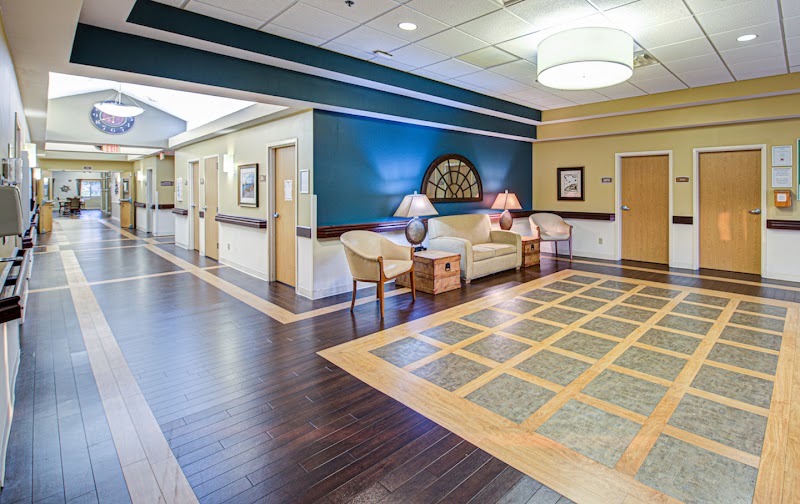
How is Majestic Care Of Point Place Staffed?

CMS rates MAJESTIC CARE OF POINT PLACE's staffing level at 2 out of 5 stars, which is below average compared to other nursing homes. Staff turnover is 58%, which is 12 percentage points above the Ohio average of 46%. High turnover can affect care consistency as new staff learn residents' individual needs. RN turnover specifically is 75%, which is notably high. RNs provide skilled clinical oversight, so turnover in this role can affect medical care quality.

What Have Inspectors Found at Majestic Care Of Point Place?

State health inspectors documented 75 deficiencies at MAJESTIC CARE OF POINT PLACE during 2022 to 2025. These included: 2 Immediate Jeopardy (the most serious level, indicating potential for serious harm or death), 2 that caused actual resident harm, 70 with potential for harm, and 1 minor or isolated issues. Immediate Jeopardy findings are rare and represent the most serious regulatory concerns. They require immediate corrective action.
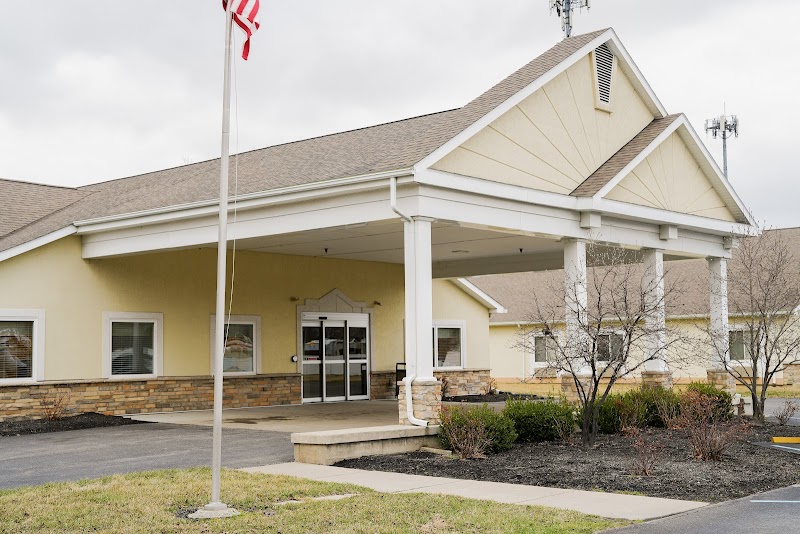
Who Owns and Operates Majestic Care Of Point Place?

MAJESTIC CARE OF POINT PLACE is owned by a for-profit company. For-profit facilities operate as businesses with obligations to shareholders or private owners. The facility is operated by MAJESTIC CARE, a chain that manages multiple nursing homes. With 82 certified beds and approximately 63 residents (about 77% occupancy), it is a smaller facility located in TOLEDO, Ohio.

How Does Majestic Care Of Point Place Compare to Other Ohio Nursing Homes?

Compared to the 100 nursing homes in Ohio, MAJESTIC CARE OF POINT PLACE's overall rating (2 stars) is below the state average of 3.2, staff turnover (58%) is significantly higher than the state average of 46%, and health inspection rating (1 stars) is much below the national benchmark.

What Should Families Ask When Visiting Majestic Care Of Point Place?

Based on this facility's data, families visiting should ask: "What changes have been made since the serious inspection findings, and how are you preventing similar issues?" "How do you ensure continuity of care given staff turnover, and what is your staff retention strategy?" "Can you walk me through typical staffing levels on day, evening, and night shifts?" "Can I visit during a mealtime to observe dining assistance and food quality?" These questions are particularly relevant given the facility's Immediate Jeopardy citations, the facility's high staff turnover rate, and the below-average staffing rating.

Is Majestic Care Of Point Place Safe?

Based on CMS inspection data, MAJESTIC CARE OF POINT PLACE has documented safety concerns. Inspectors have issued 2 Immediate Jeopardy citations (the most serious violation level indicating risk of serious injury or death). The facility has a 2-star overall rating and ranks #100 of 100 nursing homes in Ohio. Families considering this facility should ask detailed questions about what corrective actions have been taken since these incidents.

Do Nurses at Majestic Care Of Point Place Stick Around?

Staff turnover at MAJESTIC CARE OF POINT PLACE is high. At 58%, the facility is 12 percentage points above the Ohio average of 46%. Registered Nurse turnover is particularly concerning at 75%. RNs handle complex medical decisions and coordinate care — frequent RN changes can directly impact care quality. High turnover means new staff may not know residents' individual needs, medications, or preferences. It can also be disorienting for residents, especially those with dementia who rely on familiar faces. Families should ask: What is causing the turnover? What retention programs are in place? How do you ensure care continuity during staff transitions?

Was Majestic Care Of Point Place Ever Fined?

MAJESTIC CARE OF POINT PLACE has been fined $63,606 across 1 penalty action. This is above the Ohio average of $33,715. Fines in this range indicate compliance issues significant enough for CMS to impose meaningful financial consequences. Common causes include delayed correction of deficiencies, repeat violations, or care failures affecting resident safety. Families should ask facility leadership what changes have been made since these penalties.

Is Majestic Care Of Point Place on Any Federal Watch List?

MAJESTIC CARE OF POINT PLACE is not on any federal watch list. The most significant is the Special Focus Facility (SFF) program, which identifies the bottom 1% of nursing homes nationally based on persistent, serious quality problems. Not being on this list means the facility has avoided the pattern of deficiencies that triggers enhanced federal oversight. This is a positive indicator, though families should still review the facility's inspection history directly.