MAJESTIC CARE OF TOLEDO SNF
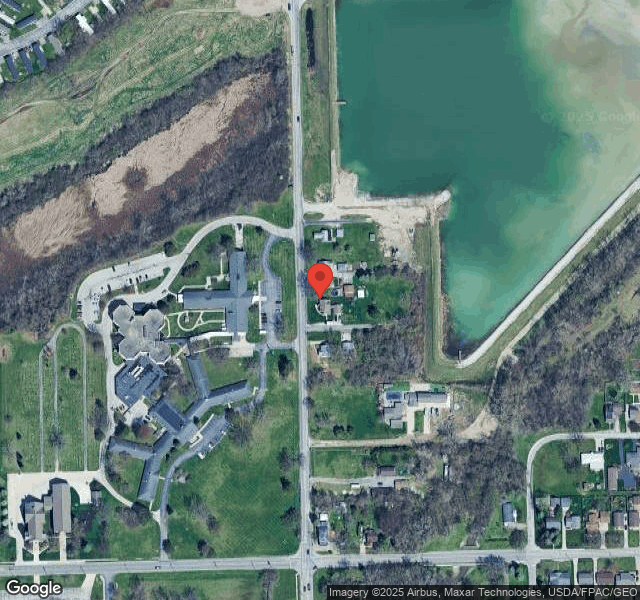

131 NORTH WHEELING STREET, TOLEDO, OH 43605 (419) 693-0751
For profit - Corporation 85 Beds MAJESTIC CARE Data: November 2025
Trust Grade
43/100
#725 of 913 in OH
Last Inspection: October 2023

Over 2 years since last inspection. Current conditions may differ from available data.

Overview

Majestic Care of Toledo SNF has a Trust Grade of D, which means it is below average with some significant concerns. It ranks #725 out of 913 facilities in Ohio, placing it in the bottom half, and #28 out of 33 in Lucas County, indicating that only a few local options are better. The facility's situation appears to be worsening, as the number of issues increased from 9 in 2021 to 12 in 2023. Staffing is a major weakness, rated at 1 out of 5 stars, with a turnover rate of 48%, which is slightly below the state average but still concerning. Additionally, the facility has faced $22,432 in fines, higher than 76% of Ohio facilities, suggesting ongoing compliance issues. On the positive side, the quality measures received a 5 out of 5 star rating, indicating some strengths in care quality. However, serious incidents have been reported, including a resident developing a stage three pressure ulcer due to inadequate assessment and treatment, and failures in proper hand hygiene during food service, which could risk infection. There was also a lack of monitoring for Legionella, potentially affecting all residents. Overall, while there are some areas of care that are strong, there are significant concerns that families should carefully consider.

Trust Score
D
43/100
In Ohio
#725/913
Bottom 21%
Safety Record
Moderate
Needs review
Inspections
Getting Worse
9 → 12 violations
Staff Stability
⚠ Watch
48% turnover. Above average. Higher turnover means staff may not know residents' routines.
Penalties
○ Average
$22,432 in fines. Higher than 72% of Ohio facilities. Some compliance issues.
Skilled Nurses
⚠ Watch
Each resident gets only 17 minutes of Registered Nurse (RN) attention daily — below average for Ohio. Fewer RN minutes means fewer trained eyes watching for problems.
Violations
⚠ Watch
28 deficiencies on record. Higher than average. Multiple issues found across inspections.
★★☆☆☆
2.0
Overall Rating
★☆☆☆☆
1.0
Staff Levels
★★★★★
5.0
Care Quality
★★☆☆☆
2.0
Inspection Score
Stable
2021: 9 issues
2023: 12 issues

The Good

  • 5-Star Quality Measures · Strong clinical quality outcomes
  • Full Sprinkler Coverage · Fire safety systems throughout facility
  • No fines on record

Facility shows strength in quality measures, fire safety.

The Bad

2-Star Overall Rating

Below Ohio average (3.2)

Below average - review inspection findings carefully

Staff Turnover: 48%

Near Ohio avg (46%)

Higher turnover may affect care consistency

Federal Fines: $22,432

Below median ($33,413)

Minor penalties assessed

Chain: MAJESTIC CARE

Part of a multi-facility chain

Ask about local staffing decisions and management

The Ugly 28 deficiencies on record

1 actual harm
Oct 2023 12 deficiencies 1 Harm
SERIOUS (G)

Actual Harm - a resident was hurt due to facility failures

Pressure Ulcer Prevention (Tag F0686)

A resident was harmed · This affected 1 resident

**NOTE- TERMS IN BRACKETS HAVE BEEN EDITED TO PROTECT CONFIDENTIALITY** Based on review of the medical record, observations, staff interview, policy review, and review of guidelines from the National ...

Read full inspector narrative →
**NOTE- TERMS IN BRACKETS HAVE BEEN EDITED TO PROTECT CONFIDENTIALITY** Based on review of the medical record, observations, staff interview, policy review, and review of guidelines from the National Pressure Ulcer Advisory Panel (NPUAP), the facility failed to assess newly identified skin breakdown, notify the physician of skin breakdown, and implement treatments to aid in the healing of skin breakdown. This resulted in Actual Harm when Resident #28 was found to have an open area that was not assessed or treated for two days and then was assessed as a stage three pressure ulcer to the coccyx. Additionally, the facility failed to assess a newly identified skin breakdown for Resident #7, which placed the resident at risk for more than minimal harm that did not result in actual harm. This affected two (#7 and #28) of two residents reviewed for pressure ulcers. The facility identified 11 residents with pressure ulcers. The facility census 80. Findings include: 1. Review of Resident #28's medical record revealed an admission date of 02/06/15. Diagnoses included malignant neoplasm of prostate, secondary malignant neoplasm of bone, major depressive disorder, type two diabetes mellitus, atrial fibrillation, chronic pain syndrome, and hypertensive heart disease with heart failure. Review of a significant change Minimum Data Set (MDS) assessment dated [DATE] revealed the resident had intact cognition. The resident required the extensive assistance of two staff for bed mobility and transfers and required the extensive assistance of one staff for toileting. The resident was identified with one stage three pressure ulcer. Review of the skin care plan initiated 06/07/23 revealed the resident was at risk for skin breakdown. Interventions included routine turning and repositioning, routine toileting, pressure reducing cushion to chair, pressure reducing mattress on bed, weekly skin inspections, and treatments as ordered. The resident had refused placement of an air mattress. Review of a skin risk assessment dated [DATE] revealed the resident was at risk for skin breakdown. Review of a nurse's note dated 09/05/23 at 6:45 P.M., revealed the resident was observed with a pin sized hole on the sacrum that bleeds upon touch. The hospice nurse was notified and advised staff to place dry dressing to area until they assisted him in the morning. Review of the medical record revealed no wound assessment was completed and there was no documentation that the physician was notified. There were no physician orders for treatment. Review of a hospice handwritten note dated 09/06/23 revealed the resident had a coccyx pinhole wound and asked staff to let the facility skin team know. No wound assessment or physician notification was documented. Review of a skin and wound note dated 09/07/23 at 10:01 A.M., revealed the resident had a new stage three pressure ulcer to the coccyx. The wound measured 0.5 centimeter (cm) in length, 0.3 cm in width, and 0.4 cm in depth with 100% granulation tissue and scant amount of serosanguineous drainage. The wound edges were unattached. The resident was noted with blanchable erythema to the entire buttocks with scar tissue present. The nurse practitioner ordered to cleanse with wound cleanser, apply collagen to base of the wound and secure with hydrocolloid. Review of a physician order dated 09/09/23 revealed to cleanse wound to coccyx with wound cleanser, collagen, and hydrocolloid every Tuesday, Thursday, and Saturday. The order was discontinued on 09/18/23. Review of a physician order dated 09/19/23 revealed to cleanse wound with wound cleanser, apply calcium alginate with border foam daily. Review of the treatment administration record (TAR) dated 09/01/23 through 10/10/23 revealed there was no documentation that the initial treatment of a dry dressing was administered on 09/05/23 or 09/06/23. Also, there was no documentation of wound treatments being completed on 09/14/23, 09/21/23, 09/23/23, 09/30/23 and 10/05/23. Review of a skin and wound note dated 10/09/23 at 3:23 A.M., revealed the resident spent a good amount of time up in wheelchair during day and does not return to bed to offload as often as recommended. The resident's wound was stable. The wound measured 0.8 cm in length, 0.3 cm in width, 0.2 cm in depth with 100% granulation tissue and a small amount of serosanguineous drainage. The wound had unattached edges and the peri wound was macerated and intact. New orders to cleanse the wound with wound cleanser, apply triad paste to base of wound and leave open to air twice daily and as needed. Observation on 10/17/23 at 1:29 P.M., of wound care for Resident #28 with Registered Nurse (RN) #369 revealed Resident #28 had a pressure area to his coccyx. The area was round, less than one cm in length and width. The wound bed was 100% granulation tissue with no drainage and no odor. The surrounding skin was intact, red, and blanched. The resident had a pressure reducing cushion in his wheelchair and a pressure reducing mattress in place. Interview on 10/18/23 at 2:31 P.M., with the Director of Nursing (DON) and Unit Manager (UM) #401 revealed the resident had a pin size hole on the sacrum on 09/05/23. The DON and UM #401 revealed on 09/05/23 and 09/06/23 the wound was not assessed, and the physician was not notified. The DON and UM #401 revealed no treatment orders were in place until 09/07/23 when the wound was assessed as a stage three pressure ulcer to the coccyx. UM #401 also verified there was no documentation wound treatments were completed on 09/14/23, 09/21/23, 09/23/23, 09/30/23 and 10/05/23. 2. Review of Resident #7's medical record revealed an admission date of 06/21/21. Diagnoses included chronic kidney disease stage 3B, paraplegia, neuromuscular dysfunction of bladder, dementia, and major depressive disorder. Review of the quarterly Minimum Data Set (MDS) assessment completed 08/11/23 revealed the resident had intact cognition. The resident required the extensive assistance of one staff for bed mobility, transfers, and toileting. The resident was at risk for pressure ulcers. The resident had no unhealed pressure ulcers. Review of the skin care plan initiated 03/17/22 revealed the resident was at risk for skin breakdown. Interventions included routine turning and repositioning, low air loss mattress to bed, pressure reducing cushion to chair, weekly skin inspection, and preventative skin care as ordered. Review of a skin risk assessment dated [DATE] revealed the resident was at risk for skin breakdown. Review of a weekly nursing summary dated 10/14/23 at 4:32 P.M., revealed the resident had a new open area to the sacrum and a treatment was in place. Review of the medical record revealed no wound assessment was completed. Review of a physician order dated 10/14/23 revealed to cleanse the resident's sacrum with wound cleaner, apply silver alginate, and border foam daily. Review of a skin and wound note dated 10/16/23 revealed the resident had a stage three pressure ulcer to the coccyx. The wound measured seven centimeters (cm) in length by 7.5 cm in width by 0.2 cm in depth. The wound was 100% granulation tissue with a moderate amount of serosanguineous drainage. The wound edges were attached. The surrounding skin was fragile with erythema. The resident was noted with chronic skin discoloration to the buttocks. The resident received new orders to cleanse with wound cleanser, apply calcium alginate to the base of the wound, secure with bordered foam dressing, change daily and as needed. Review of a physician order dated 10/17/23 revealed the treatment to the sacrum was changed to cleanse with wound cleaner, apply calcium alginate and border foam daily. Review of the medication administration record (MAR) dated 10/14/23 through 10/18/23 revealed the treatment to the sacrum was completed on 10/14/23, 10/15/23, and 10/16/23. There was no documentation of the wound being assessed until 10/16/23. Review of the treatment administration record (TAR) dated 10/14/23 through 10/18/23 revealed the treatment to the sacrum was completed on 10/17/23 and 10/18/23. Interview on 10/16/23 at 3:35 P.M., Unit Manager (UM) #401 revealed the resident had a recently healed wound that reopened over the weekend. UM #401 verified the wound found on 10/14/23 was not assessed until the nurse practitioner was in the facility on 10/16/23. Observation on 10/18/23 at 10:10 A.M., of wound care with UM #401 revealed the resident had a large pressure ulcer on his sacrum extending to the upper right and upper left buttocks. The wound bed was approximately 75% granulation tissue and 25% slough with no odor. The surrounding skin was excoriated, macerated, and discolored. The resident had a pressure reducing cushion in place for the wheelchair and an air mattress on the bed. Interview on 10/17/23 at 4:40 P.M., Regional Nurse Consultant (RNS) #439 revealed wounds should be assessed when found. Review of the policy titled Pressure Injury Prevention and Management, dated 2022, revealed the facility would establish and utilize a systemic approach for pressure injury prevention and management, including prompt assessment and treatment, intervening to stabilize, reduce or remove underlying risk factors, monitoring the impact of the interventions, and modifying the interventions as appropriate. Assessments of pressure injuries would be performed by a licensed nurse and documented in the medical record. The attending physician would be notified of the presence of a new pressure injury upon identification. Review of the policy titled, Wound Care, revised 10/2012, revealed the date, time and type of wound care given would be documented in the medical record. All assessment data including wound bed color, size, drainage, would also be documented in the medical record. Review of the NPUAP guidelines dated 2014 pages 70-71 at (https://npiap.com/general/custom.asp?page=2014Guidelines) revealed facilities should educate health professionals on how to undertake a comprehensive skin assessment that includes the techniques for identifying blanching response, localized heat, edema, and induration. Further review of the guidelines revealed ongoing assessment of the skin was necessary in order to detect early signs of pressure damage. Visual assessment for erythema (redness of the skin) was the first component of every skin inspection. Skin redness and tissue edema resulting from capillary occlusion was a response to pressure, especially over bony prominence. Staff should conduct a head-to-toe assessment with particular focus on skin overlying bony prominences including the sacrum, ischial tuberosities, greater trochanters and heels and each time the patient was repositioned was an opportunity to conduct a brief skin assessment.
CONCERN (D)

Potential for Harm - no one hurt, but risky conditions existed

Safe Environment (Tag F0584)

Could have caused harm · This affected 1 resident

**NOTE- TERMS IN BRACKETS HAVE BEEN EDITED TO PROTECT CONFIDENTIALITY** Based on observation, medical record review, resident interview, staff interview, and review of policy, the facility failed to m...

Read full inspector narrative →
**NOTE- TERMS IN BRACKETS HAVE BEEN EDITED TO PROTECT CONFIDENTIALITY** Based on observation, medical record review, resident interview, staff interview, and review of policy, the facility failed to maintain comfortable room temperatures in resident rooms. This affected one resident (#67) of three residents reviewed on the 100 hallway. The facility census was 80. Findings include: Review of the medical record for Resident #67 revealed an admission date of 06/29/23. Diagnoses included protein calorie malnutrition, chronic kidney disease, adjustment disorder, osteoarthritis, and prostate cancer. Review of Resident #67's Minimum Data Set (MDS) assessment dated [DATE] revealed a Brief Interview for Mental Status (BIMS) score of 15 indicating Resident #67 was cognitively intact. Resident #67 required extensive assistance with bed mobility, dressing, toilet use, and personal hygiene. Resident #67 displayed no behavior during the review period. Review of Resident #67's care plan revised 08/09/23 revealed supports and interventions for assistance with activities of daily living, risk for falls, and chronic pain. Observation on 10/16/23 at 9:41 A.M., of Resident #67 found him in bed in his room. The temperature of the room felt uncomfortably hot. Observation of the thermostat on the wall found the room temperature was 87 degrees Fahrenheit. Coinciding interview with Resident #67 found him to be alert and aware. Resident #67 stated it was way too hot in his room and he wanted it to be around 76 degrees. Resident #67 reported he had complained to the staff, and no one had been able to fix it. Resident #67 had been wanting it fixed since he got to the facility. Observation on 10/16/23 at 12:15 P.M., of Resident #67 found State Tested Nursing Assistant (STNA) #371 in Resident #67's room. STNA #371 asked Resident #67 if he wanted the temperature that warm. Resident #67 said it was too hot and he wanted the temperature turned down to 76 degrees. STNA #371 was observed going to the thermostat and attempting to turn the temperature down. STNA #371 stated the temperature was actually set at 77 degrees, but it was malfunctioning because the room temperature was 86 degrees. STNA #371 said she would let maintenance know. Interview on 10/16/23 at 12:19 P.M., with STNA #371 verified Resident #67 complained of it being too hot in his room and the current temperature was 86 degrees. Observation on 10/17/23 at 8:48 A.M. of Resident #67's room temperature found it to be 85 degrees. Coinciding interview with Resident #67 verified it was still too warm in his room. Review of the facility policy titled, Safe and Homelike Environment, revised February 2023 revealed the facility would maintain comfortable and safe temperature levels. The facility should strive to keep the temperatures in common areas between 71- and 81-degrees Fahrenheit. If a resident preferred to keep their room below 71 degrees or above 81 degrees, the facility would assess the safety of this practice on the resident.
CONCERN (D)

Potential for Harm - no one hurt, but risky conditions existed

ADL Care (Tag F0677)

Could have caused harm · This affected 1 resident

**NOTE- TERMS IN BRACKETS HAVE BEEN EDITED TO PROTECT CONFIDENTIALITY** Based on observation, medical record review, resident interview, staff interview and review of the policy, the facility failed t...

Read full inspector narrative →
**NOTE- TERMS IN BRACKETS HAVE BEEN EDITED TO PROTECT CONFIDENTIALITY** Based on observation, medical record review, resident interview, staff interview and review of the policy, the facility failed to ensure residents who required staff assistance with activities of daily living, received adequate and timely care to maintain good personal hygiene including nail care and shaving. This affected two residents (#67 and #10) of three residents reviewed for activities of daily living. The facility census was 80: Findings include: 1. Review of the medical record for Resident #67 revealed an admission date of 06/29/23. Diagnoses included protein calorie malnutrition, chronic kidney disease, adjustment disorder, osteoarthritis, and prostate cancer. Review of Resident #67's Minimum Data Set (MDS) dated [DATE] revealed a Brief Interview for Mental Status (BIMS) score of 15 indicating Resident #67 was cognitively intact. Resident #67 required extensive assistance with bed mobility, dressing, toilet use, and personal hygiene. Resident #67 was totally dependent on staff for bathing. Resident #67 displayed no behavior during the review period. Review of Resident #67's care plan revised 08/09/23 revealed supports and interventions for the need for assistance with activities of daily living, and chronic pain. Resident #67 was to have nail care provided on his bath days and as necessary. Review of Resident #67's shower sheets revealed Resident #67's received revealed Resident #67 refused all showers. Resident #67 received a bed bath on 09/21/23, 09/23/23, 09/27/23, 09/30/23, 10/11/23, and 10/14/23. Resident #67's nails were not documented as trimmed on any of the days he was bathed. Observation on 10/16/23 at 9:41 A.M., found Resident #67's fingernails to be long and untrimmed. Interview on 10/16/23 at 9:52 A.M., with Resident #67 found him to be alert and aware. Resident #67 reported he had been asking for his fingernails to be clipped and no one had done it. He said he felt like they just ignored him when he asked. He stated they were way too long, and he wanted them trimmed. Interview on 10/17/23 at 9:00 A.M., with State Tested Nursing Assistant (STNA) #388 verified Resident #67's fingernails were to be trimmed on his bathing days. STNA #388 verified Resident #67's fingernails had not been trimmed. Review of the policy titled, Fingernails/Toenails, Care of, revised 02/18 revealed the purpose of the policy was to keep nail beds clean and nails trimmed. Nail care included daily cleaning and regular trimming. 2. Review of Resident #10's medical record revealed an admission date of 02/12/23. Diagnoses included history of COVID-19, type II diabetes, dysphagia, generalized anxiety disorder, major depressive disorder, and spinal stenosis. Review of Resident #10's Minimum Data Set (MDS) dated [DATE] revealed a Brief Interview for Mental Status (BIMS) score of seven indicating Resident #10 was severely cognitively impaired. Resident #10 required extensive assistance with bed mobility, toilet use and personal hygiene. Resident #10 had delusions and displayed wandering behaviors one to three days during the review period. Review of Resident #10's care plan revised 09/25/23 revealed supports and interventions for the need for assistance with activities of daily living, behavioral symptoms, and risk for falls. Resident #10 required extensive assistance with personal hygiene and was dependent on staff for bathing and or showering. Observation on 10/16/23 at 10:31 A.M., found Resident #10 sitting up in her bed trying to feed herself breakfast. Resident #10 was observed to have a brown substance under the fingernails of both her hands and hair on her upper lip and chin approximately a quarter of an inch long. An interview was attempted with Resident #10, and it was found she was unable to be interviewed. Observation on 10/16/23 at 2:46 P.M., of Resident #10 found her fingernails continued to have a brown substance around them and she continued to have facial hair. Observation on 10/17/23 at 9:15 A.M., of Resident #10 found her fingernails continued to have a brown substance around them and she continued to have facial hair. Interview on 10/17/23 at 9:24 A.M., with State Tested Nursing Assistant (STNA) #360 verified Resident #10's fingernails were dirty and she had facial hair. STNA #360 reported she had been off but Resident #10 should have been shaven on her shower days and her nails cleaned whenever needed as Resident #10 would allow. STNA #360 stated she would make sure Resident #10 was cleaned up and shaven today. Observation on 10/17/23 at 2:28 P.M., of Resident #10 found her nails were cleaned and she had been shaven. Resident #10 nodded her head yes when she was asked if she was happy, she was cleaned up and shaven. Review of the policy titled, Fingernails/Toenails, Care of, revised 02/18 revealed the purpose of the policy was to keep nail beds clean and nails trimmed. Nail care included daily cleaning and regular trimming. Review of the policy titled, Activities of Daily Living, revised 10/22 revealed a resident who was unable to carry out activities of daily living will receive the necessary care and services to maintain good grooming and personal hygiene.
CONCERN (D)

Potential for Harm - no one hurt, but risky conditions existed

Accident Prevention (Tag F0689)

Could have caused harm · This affected 1 resident

**NOTE- TERMS IN BRACKETS HAVE BEEN EDITED TO PROTECT CONFIDENTIALITY** Based on observation, medical record review, resident interview, staff interview, and review of policy, the facility failed to e...

Read full inspector narrative →
**NOTE- TERMS IN BRACKETS HAVE BEEN EDITED TO PROTECT CONFIDENTIALITY** Based on observation, medical record review, resident interview, staff interview, and review of policy, the facility failed to ensure resident's smoking materials were kept in a secured area by staff. This affected one resident (#36) of two residents reviewed for smoking. The facility census was 80. Findings include: Review of Resident #36's medical record revealed an admission date of 08/31/22. Diagnoses included paraplegia, osteomyelitis, major depressive disorder, seizures, adjustment disorder with anxiety, mild intellectual disabilities, and sleep disorder. Review of Resident #36's Minimum Data Set (MDS) assessment dated [DATE] revealed a Brief Interview for Mental Status (BIMS) score of 15 indicating Resident #36 was cognitively intact. Resident #36 was totally dependent on staff for transfer. Resident #36 required extensive assistance with bed mobility, dressing, toilet use, and personal hygiene. Resident #36 displayed verbal behavioral symptoms directed toward others and behavioral symptoms not directed toward others one to three days during the review period. Review of Resident #36's care plan revised 08/18/23 revealed supports and interventions for self-care deficit, behaviors of noncompliance, and smoking. Interventions for smoking included to complete smoking assessment quarterly and as needed, instruct resident about smoking risks and hazards about smoking cessation aides, instruct resident regarding the facility policy on smoking including designated locations, times, and safety concerns, notify nurse of any violations of smoking policy, and smoking materials to be kept with facility staff. Review of Resident #36's Behavioral Contract dated 03/07/23 revealed there was absolutely no smoking in rooms or the facility. Resident #36 was permitted to smoke outside per the facility policy. Resident #36 signed the agreement indicating he would be complaint with the smoking policy of the facility and would not smoke in his room and would not carry or smoke any illegal substances on the facility property. Review of Resident #36's Quarterly Smoking Review dated 07/05/23 revealed Resident #36 had his memory intact, had fine motor skills needed to securely hold a cigarette, was able to communicate the risks to smoking, able to light a cigarette safely, utilized an ashtray safely, was able to extinguish a cigarette safely, and smoked safely. Interview on 10/16/23 at 4:15 P.M., with Resident #36 revealed he was alert and aware. Resident #36 reported he smoked and went out to smoke whenever he wanted. Resident #36 reported he kept his smoking materials in his room, so they were always available to him. Resident #36 stated he did not have any designated smoking times. He reported he would take himself out to the smoking area whenever he wanted to smoke and would ring the bell to be let back in when he was done. Interview on 10/17/23 at 9:21 A.M., with State Tested Nursing Assistant (STNA) #360 verified Resident #36 smoked when he wanted to and kept his own cigarettes and lighter. Interview on 10/17/23 at 12:48 P.M., with Licensed Practical Nurse (LPN) #405 verified Resident #36 kept his own smoking materials and would take himself out to smoke whenever he wanted. LPN #405 reported Resident #36 would ring the bell when he was done smoking, and they would let him back into the facility. Interview on 10/18/23 at 11:30 A.M., with Resident #36 revealed he had his cigarettes and lighter in the front pocket of his sweatshirt at the time of the interview. Resident #36 reported when he did not have his smoking materials on his person, he would store them in the drawer next to his bed or in an empty tissue box on his bedside table which was up against the wall. Resident #36 demonstrated how he would put his cigarettes in the tissue box so one end was sticking up. Resident #36 again reported he did not have scheduled smoking times and would just go outside whenever he wanted to smoke. Review of the policy titled, Smoking Policy - Residents, revised 06/22 revealed all residents would be supervised during smoking. All smoking materials will be kept in a secure area by staff. Residents were not permitted to have any smoking related materials.
CONCERN (D)

Potential for Harm - no one hurt, but risky conditions existed

Incontinence Care (Tag F0690)

Could have caused harm · This affected 1 resident

**NOTE- TERMS IN BRACKETS HAVE BEEN EDITED TO PROTECT CONFIDENTIALITY** Based on observation, medical record review, staff interview, resident interview, review of physician orders, and policy review,...

Read full inspector narrative →
**NOTE- TERMS IN BRACKETS HAVE BEEN EDITED TO PROTECT CONFIDENTIALITY** Based on observation, medical record review, staff interview, resident interview, review of physician orders, and policy review, the facility failed to ensure a urinary catheter anchor was in place for prevention of urinary catheter dislodgement. This affected one (#67) of one resident reviewed for urinary catheters. The facility identified five residents with urinary catheters. The facility census was 80. Findings include: Review of the medical record revealed Resident #67 had an admission date of 06/29/23. Diagnoses included benign prostatic hyperplasia, chronic kidney disease stage three, obstructive and reflux uropathy, hemiplegia and hemiparesis following cerebral infarction affecting right dominant side, and malignant neoplasm of the prostate. Review of Resident #67's Minimum Data Set (MDS) assessment dated [DATE] revealed a Brief Interview for Mental Status (BIMS) score of 15 indicating Resident #67 was cognitively intact. Resident #67 required extensive assistance with bed mobility, dressing, toilet use, and personal hygiene. Resident #67 had an indwelling catheter at the time of the review. Review of the care plan last revised 06/29/23 revealed no interventions for a urinary catheter anchor. Review of a physician order dated 06/30/23 revealed the resident had orders for a Foley catheter for obstruction uropathy. Review of a physician order dated 06/30/23 revealed the resident had an order to secure Foley catheter tubing with Foley catheter anchor to resident's leg; change weekly on Sundays on nightshift and as needed to prevent dislodgement. Observation on 10/18/23 at 9:03 A.M., of Foley catheter care for Resident #67 with State Tested Nursing Assistant (STNA) #388 revealed a catheter anchor was not in place to secure the resident's urinary catheter tubing. Interview on 10/18/23 at 9:08 A.M., STNA #388 verified the resident's urinary catheter anchor was not in place and she would notify the nurse. STNA #388 revealed she was unaware of where the urinary catheter anchors were located. Interview on 10/18/23 at 9:09 A.M., Resident #67 revealed the urinary catheter anchor came off and staff had not replaced the anchor. Review of the policy titled, Catheter Care, Urinary, revised 09/2014, revealed for staff to ensure the catheter remained secured with a leg strap to reduce friction and movement at insertion site. Catheter tubing should be strapped to the resident's inner thigh.
CONCERN (D)

Potential for Harm - no one hurt, but risky conditions existed

Deficiency F0692 (Tag F0692)

Could have caused harm · This affected 1 resident

**NOTE- TERMS IN BRACKETS HAVE BEEN EDITED TO PROTECT CONFIDENTIALITY** Based on observation, medical record review, resident interview, staff interview and policy review, the facility failed to ensur...

Read full inspector narrative →
**NOTE- TERMS IN BRACKETS HAVE BEEN EDITED TO PROTECT CONFIDENTIALITY** Based on observation, medical record review, resident interview, staff interview and policy review, the facility failed to ensure a resident received nutritional supplements as ordered. This affected one resident (#67) of three residents reviewed for nutrition. The facility census was 80. Findings include: Review of the medical record for Resident #67 revealed an admission date of 06/29/23. Diagnoses included protein calorie malnutrition, chronic kidney disease, adjustment disorder, osteoarthritis, and prostate cancer. Review of Resident #67's Minimum Data Set (MDS) assessment dated [DATE] revealed a Brief Interview for Mental Status (BIMS) score of 15 indicating Resident #67 was cognitively intact. Resident #67 required extensive assistance with bed mobility, dressing, toilet use, and personal hygiene. Resident #67 was totally dependent on staff for bathing. Resident #67 displayed no behavior during the review period. Resident #67 was independent with eating and was on a physician prescribed weight gain regimen. Review of Resident #67's care plan revised 08/09/23 revealed support and interventions for assistance with activities of daily living, and nutritional risk. Interventions for nutritional risk included honoring food preferences as much as possible and providing supplements as ordered. Review of Resident #67's physician orders revealed an order dated 08/10/23 for Ensure Clear three times a day. Review of Resident #67's Medication Administration Record (MAR) for August 2023, September 2023, and October 2023 revealed Resident #67's Ensure Clear was not provided for all three meals on 09/10/23, 09/11/23, 09/12/23, 09/13/23, 09/14/23, 09/16/23, 09/18/23, 09/20/23, 10/02/23, 10/03/23, 10/04/23, or 10/05/23. The missed supplements were not documented as refused. The documentation indicated the nurses notes should be reviewed for information. Corresponding nurses notes were not found for refusals. Interview on 10/16/23 at 9:44 A.M., with Resident #67 found him to be alert and aware. Resident #67 reported he was supposed to be receiving a nutritional supplement with every meal and he was not getting it all the time. Resident #67 reported due to his beliefs he had dietary restrictions and his supplement needed to be Kosher. He was prescribed Ensure Clear with all meals. Resident #67 reported he often did not get the supplement with his meals. Observation on 10/16/23 at 12:20 P.M., of Resident #67's meal tray delivery found no nutritional supplement provided. Interview on 10/16/23 at 12:25 P.M., with Resident #67 verified he was supposed to get his nutritional supplement with his meal, but he had not been provided one. Resident #67 reiterated his need for a dairy free supplement and his preference for mixed berry clear flavor. Interview on 10/16/23 at 12:31 P.M., with Unit Manager (UM) #401 verified Resident #67 had an order to receive Ensure clear three times a day and had not been provided one. UM #401 looked throughout the unit searching in cupboards and refrigerators at the two nurses stations. No Ensure clear was found. Interview on 10/16/23 at 12:34 P.M., with UM #401 verified there was not any of Resident #67's nutritional supplement available on the unit. On 10/16/23 at 12:37 P.M., three unopened boxes of Boost Breeze were found in the large storage closet on the opposite end of the facility. A box was transported back to Resident #67's unit. On 10/16/23 at 12:40 P.M., Resident #67 was provided with his nutritional supplement. Interview on 10/19/23 at 10:50 A.M., with the Director of Nursing (DON) verified there was no corresponding notations as to why Resident #67 had not been provided his nutritional supplement as ordered in September and October of 2023. There were two notations in October 2023 indicating the supplement was on order. Review of the policy titled, Supplement Use, revised July 2020 revealed supplement use had the purpose to provide additional nutrition support to residents with identified risk conditions.
CONCERN (D)

Potential for Harm - no one hurt, but risky conditions existed

Deficiency F0883 (Tag F0883)

Could have caused harm · This affected 1 resident

**NOTE- TERMS IN BRACKETS HAVE BEEN EDITED TO PROTECT CONFIDENTIALITY** Based on record review, staff interview, and review of the policy, the facility failed to ensure pneumococcal vaccines were offe...

Read full inspector narrative →
**NOTE- TERMS IN BRACKETS HAVE BEEN EDITED TO PROTECT CONFIDENTIALITY** Based on record review, staff interview, and review of the policy, the facility failed to ensure pneumococcal vaccines were offered to residents. This affected one (#1) of five residents reviewed for pneumococcal vaccines. The facility census was 80. Findings include: Review of the medical record for Resident #1 revealed an admission date of 09/01/22, with diagnoses of hemiplegia and hemiparesis affecting the right dominant side and repeated falls. Review of the quarterly Minimum Data Set (MDS) assessment dated [DATE] revealed Resident #1 had intact cognition. Review of the Informed Consent for Pneumococcal Vaccine form signed 09/02/22 revealed Resident #1 gave permission to receive the pneumococcal vaccine and had not received a pneumococcal vaccine in the past five years. Interview on 10/17/23 at 12:12 P.M., with the Director of Nursing (DON) confirmed Resident #1 was eligible to receive a pneumococcal vaccine and the facility did not offer her one. Review of the policy titled, Pneumococcal Vaccine, revised February 2018, revealed all residents will be offered the pneumococcal vaccine within 30 days of admission to the facility unless medically contraindicated.
CONCERN (D)

Potential for Harm - no one hurt, but risky conditions existed

Deficiency F0887 (Tag F0887)

Could have caused harm · This affected 1 resident

**NOTE- TERMS IN BRACKETS HAVE BEEN EDITED TO PROTECT CONFIDENTIALITY** Based on record review, staff interview, review of the Centers for Disease Control Prevention (CDC) guidelines, and review of th...

Read full inspector narrative →
**NOTE- TERMS IN BRACKETS HAVE BEEN EDITED TO PROTECT CONFIDENTIALITY** Based on record review, staff interview, review of the Centers for Disease Control Prevention (CDC) guidelines, and review of the policy, the facility failed to ensure COVID-19 vaccines were offered to residents. This affected two (#1 and #44) of five residents reviewed for COVID-19 vaccination. The facility census was 80. Findings include: 1. Review of the medical record for Resident #1 revealed an admission date of 09/01/22, with diagnoses of hemiplegia and hemiparesis and repeated falls. Review of the quarterly Minimum Data Set (MDS) assessment dated [DATE] revealed Resident #1 had intact cognition. Review of a form titled Coronavirus (COVID-19) Vaccination Acceptance Waiver revealed Resident #1 signed on 09/02/22 to accept the COVID-19 vaccine/booster. Review of Resident #1's vaccine record revealed no evidence of receiving a COVID -19 booster. 2. Review of the medical record for Resident #44 revealed an admission date of 04/06/22, with diagnoses of dementia and transient ischemic attack (stroke). Review of the quarterly MDS assessment dated [DATE] revealed Resident #44 had impaired cognition. Review of a form titled Coronavirus (COVID-19) Vaccination Acceptance Waiver revealed Resident #44 signed on 05/20/22 to accept the COVID-19 vaccine/booster. Review of Resident #44's vaccine record revealed no evidence of receiving a COVID -19 booster. Interview on 10/17/23 at 12:12 P.M., with the Director of Nursing (DON) confirmed Resident #1 and Resident #44 were eligible to receive a COVID-19 booster and were not offered one by the facility. Review of the Centers for Disease Control Prevention (CDC) guidelines for COVID-19 booster revealed the bivalent booster (for COVID-19 vaccination and to protect against variants Omicron BA.4 and BA.5) was available and recommended from 09/01/22 until 09/11/23. Websites accessed 10/12/23: https://www.cdc.gov/media/releases/2022/s0901-covid-19-booster.html and https://www.cdc.gov/coronavirus/2019-ncov/vaccines/stay-up-to-date.html. Review of the undated policy titled, SARS-CoV-2 Resident Vaccine revealed the facility would offer the COVID-19 vaccine and eligible booster doses to all residents who had no medical contraindications.
CONCERN (D)

Potential for Harm - no one hurt, but risky conditions existed

Safe Environment (Tag F0921)

Could have caused harm · This affected 1 resident

**NOTE- TERMS IN BRACKETS HAVE BEEN EDITED TO PROTECT CONFIDENTIALITY** Based on observation, medical record review, resident interview, staff interview, and review of policy, the facility failed to e...

Read full inspector narrative →
**NOTE- TERMS IN BRACKETS HAVE BEEN EDITED TO PROTECT CONFIDENTIALITY** Based on observation, medical record review, resident interview, staff interview, and review of policy, the facility failed to ensure a resident's room was maintained in a clean, homelike environment. This affected one (#44) of two residents reviewed for a clean, homelike environment. The facility census was 80. Findings include: Review of the medical record for Resident #44 revealed an admission date of 04/06/22 with diagnoses of dementia and transient ischemic attack (stroke). Review of the quarterly MDS assessment dated [DATE] revealed Resident #44 had impaired cognition. Review of the physician orders for Resident #44 revealed he received no food by mouth and received nutrition via gastrostomy tube since 04/06/22. Observations on 10/16/23 at 9:23 A.M., on 10/17/23 at 8:37 A.M., and on 10/18/23 at 8:17 A.M., revealed Resident #44 lying in bed with a tube feeding bottle hanging on a pole next to his bed. The pump dispensing the tube feeding was running. The color of the tube feeding was tan. Resident #44's head of the bed was placed against a wall. The wall at the head of the bed had droplets and spots of dried tan/brown liquid covering approximately three feet wide and approximately three and a half feet high. Interview on 10/18/23 at 8:17 A.M., with Housekeeper #302 revealed she worked at the facility for approximately six months and was assigned to the third floor. Continued interview with Housekeeper #302 with concurrent observation of Resident #44's room confirmed dried brown spots and droplets were on the wall at the head of his bed. Housekeeper #302 stated the wall was like that since she began working at the facility and stated she had tried to clean it several times without success. Observation at that time, revealed Housekeeper #302 scrubbed the spots with routine cleaner and her rag and the spots remained on the wall. Housekeeper #302 stated she never tried a different cleaner or a more aggressive rag or sponge. Additionally, Housekeeper #302 stated she never reported her concerns with the spots to her supervisor or maintenance. Housekeeper #302 also stated Resident #44's family complained about the spots recently. Observation on 10/18/23 at 11:33 A.M., in Resident #44's room revealed the wall at the head of his bed was noticeably cleaner with only a few dried stained spots visible. Interview at that time with Resident #44 revealed no concerns regarding the spots in his room, he stated he could not see them when he was in bed. Further, Resident #44 was not aware of any concerns from his family about the wall. A subsequent interview on 10/18/23 at approximately 11:40 A.M., with Housekeeper #302 revealed she was unaware anyone entered Resident #44's room to clean the wall and was unaware the wall was noticeably cleaner. Interview on 10/19/23 at 3:28 P.M., with Maintenance Director #414 verified the dried spots and drips on Resident #44's wall were food based and not chemical. Review of the policy titled Safe and Homelike Environment, revised February 2023, revealed housekeeping and maintenance services will be provided as necessary to maintain a sanitary, orderly, and comfortable environment.
CONCERN (F)

Potential for Harm - no one hurt, but risky conditions existed

Food Safety (Tag F0812)

Could have caused harm · This affected most or all residents

Based on observation, medical record review, staff interview, review of the facility policy, and review of the manufacturer's guidelines, the facility failed to ensure proper hand hygiene was performe...

Read full inspector narrative →
Based on observation, medical record review, staff interview, review of the facility policy, and review of the manufacturer's guidelines, the facility failed to ensure proper hand hygiene was performed during food service on the third floor. This affected Resident #30 and had the potential to affect all residents on the third floor except Resident #44 who received no food from the kitchen. The facility identified 31 residents on the third floor. Additionally, the facility failed to ensure the dishwasher in the main kitchen washed dishes at the appropriate temperature. This had the potential to affect all residents in the facility except Resident #44 who received no food from the kitchen. The facility identified Resident #44 as the only resident in the facility who did not receive food from the kitchen. The facility census was 80. Findings include: 1. Observations beginning on 10/16/23 at 12:16 P.M., revealed Dietary Aide (DA) #321 with her bare hands taking food temperatures, using a pen to write food temperatures on a paper log, using a hot pad to place pans of food into the steamer, and then putting on food-safe gloves for meal service without washing her hands. DA #321 then touched the rolling cart, a coffee cup, a thickened coffee packet, and the coffee dispenser before returning to the tray line to wait to serve food. Upon returning to the tray line, DA #321 rested her hands on the biscuits in the tray while she waited to begin serving food. Interview on 10/16/23 at approximately 12:20 P.M., with DA #321 confirmed she touched several non-food items with her gloved hands before resting them on the biscuit. DA #321 proceeded to change her gloves without washing her hands. Continued observations during meal service revealed DA #321 serving chicken pot pie using the serving utensil, touching salad tongs, and picking up biscuits with a gloved hand to place on plates. Further observation revealed DA #321 wearing the same gloves and picking up a wrapped pack of hamburger buns, untwisting the tie holding the bag closed, reaching into the bag, taking out a bun, opening the bun with both gloved hands and placing it on a plate. DA #321 then picked up a hamburger patty with her gloved hand and placed it on the bun. DA #321 then walked to the refrigerator and placed her left hand on the frame of the refrigerator and used her right hand to pull open the handle. DA #321 picked up a plastic-wrapped block of sliced cheese and returned to the tray line where she opened the plastic and picked up a piece of cheese with her gloved hand and placed it on the burger patty. DA #321 continued to assemble the burger using a combination of her gloved hands and serving utensils. The burger was then given to Resident #30. Interview on 10/16/23 at 12:35 P.M., with DA #321 confirmed she touched multiple non-food items, including the refrigerator, and also touched ready-to-eat food (the hamburger) without changing her gloves and washing her hands. Interview on 10/16/23 at approximately 12:36 P.M., with Dietary Manager #325 confirmed DA #321 should wash her hands and change her gloves before touching ready-to-eat food. 2. Observation on 10/18/23 at approximately 10:25 A.M., revealed the dishwasher machine in the main kitchen in use and displaying a wash temperature of 142 degrees Fahrenheit (F) and a rinse temperature of 190 degrees F. Interview on 10/18/23 at approximately 10:26 A.M., with DA #320 confirmed she had just run several loads through the dish machine. Further, DA #320 stated she had previously noted the washing temperature less than 150 degrees F and had mentioned it more than once to the representative from the chemical/service company who assured DA #320 that as long as the rinse temperature was above 180 degrees F, DA #320 did not need to worry about the wash temperature below 150 degrees F. Interview on 10/18/23 at 10:30 A.M., with District Manager #440 confirmed the dish machine wash temperature read 142 degrees F and further confirmed the company policy was to maintain wash temperatures between 150-160 degrees F. Further, District Manager #440 confirmed the dish machine was a high temperature machine. Continued observations revealed staff put away dishes as they dried and did not rewash dishes in a properly functioning machine. Review of the policy titled, Ware washing, revised September 2017, revealed all dish machine water temperatures will be maintained in accordance with manufacturer recommendations for high temperature machines. Review of the manufacturer's guidelines for the dish machine, provided by District Manager #440, confirmed the minimum wash temperature should be 150 degrees F. Review of the policy titled Food: Preparation, revised September 2017, revealed all staff would use serving utensils appropriately to prevent cross contamination.
CONCERN (F)

Potential for Harm - no one hurt, but risky conditions existed

Infection Control (Tag F0880)

Could have caused harm · This affected most or all residents

Based on staff interview, review of facility monitoring logs, Legionella Risk Assessment review, and review of the policy, the facility failed to ensure monitoring for Legionella was completed. This h...

Read full inspector narrative →
Based on staff interview, review of facility monitoring logs, Legionella Risk Assessment review, and review of the policy, the facility failed to ensure monitoring for Legionella was completed. This had the potential to affect all 80 residents in the facility. The facility census was 80. Findings include: Review of the facility's undated Legionella Risk Assessment revealed the facility identified the incoming water supply and the building's hot and cold-water distribution systems as areas at risk for Legionella growth. Review of the facility monitoring logs dated January 2023 through October 2023 revealed rooms throughout the facility were monitored weekly and vacant rooms were identified. The log did not identify whether the sink or shower faucets were tested. The log did not include water temperatures. Interview on 10/18/23 at 4:13 P.M., with the Maintenance Director (MD) #413 revealed the monitoring logs for Legionella documented the vacant rooms in which he ran water. Further interview revealed no additional monitoring for Legionella, including water temperatures, was completed. Review of an undated facility documented titled Procedure for Legionella revealed the facility's census was reviewed weekly for vacant rooms. Vacant rooms were monitored for Legionella by running the water for five to ten minutes once weekly until the room was occupied. No guidance was provided regarding the running of sink faucets or shower heads, and whether hot or cold water should be running for five to ten minutes.
CONCERN (F)

Potential for Harm - no one hurt, but risky conditions existed

Antibiotic Stewardship (Tag F0881)

Could have caused harm · This affected most or all residents

Based on staff interview, review of monitoring logs, review of the medical record, and review of policy, the facility failed to ensure an antibiotic stewardship program was implemented to ensure infec...

Read full inspector narrative →
Based on staff interview, review of monitoring logs, review of the medical record, and review of policy, the facility failed to ensure an antibiotic stewardship program was implemented to ensure infections and antibiotics were accurately being tracked. This had the potential to affect all 80 residents in the facility. The facility census was 80. Findings include: Review of the Infection Surveillance Monthly Report (ISMR) dated August 2023 revealed line items for 45 identified infections. Further review revealed the log did not include the type of infection for 30 infections and did not include the signs and symptoms of the infection for 37 infections. Review of the ISMR dated September 2023 revealed line items for 64 identified infections. Further review revealed the log did not include the type of infection for 29 infections and did not include the treatment for 20 infections. Further, review of a line item for Resident #67 revealed an infection onset date of 09/25/23 of a urinary tract infection (UTI). No signs and symptoms were included in the log. Review of a line item for Resident #69 revealed an infection onset date of 09/26/23 of a urinary tract infection with signs and symptoms of altered mental status. Interview and concurrent review of the ISMR and medical records for Resident #67 and Resident #69 on 10/17/23 at 2:31 P.M. with the Director of Nursing (DON), Assistant Director of Nursing (ADON), and Regional Clinical Support #439 revealed Resident #67's UTI symptoms began 09/23/23, two days earlier than indicated on the log. Additionally, Resident #69's UTI symptoms including burning and itching (symptoms not captured on the log) beginning 09/23/23, three days earlier than indicated on the log. An ongoing interview at that time revealed the ADON assumed responsibility as the Infection Preventionist in July 2023. The ADON confirmed she was still learning how to complete the log accurately. Further, the ADON confirmed she was not completing an electronic assessment of each infection, per the facility's standard of practice, to ensure each infection was reviewed for antibiotic use as part of the antibiotic stewardship program. An ongoing interview at that time with Regional Clinical Support #439 confirmed some line items on the August and September 2023 logs reflected resolved incidents of infections and those line items remained on the log in error. Further interview at that time with the DON, ADON, and Regional Clinical Support #439 confirmed the ISMR log was incomplete, and the facility was not following their process for antibiotic stewardship surveillance. Review of the policy titled Antibiotic Stewardship - Review and Surveillance of Antibiotic Use and Outcomes, revised 02/01/22, revealed the antibiotic surveillance tracking form would include twelve specific line items, including the date symptoms appeared, the name of the antibiotic, the start date of the antibiotic, and the identified pathogen (type of infection).
May 2021 9 deficiencies
CONCERN (D)

Potential for Harm - no one hurt, but risky conditions existed

Deficiency F0561 (Tag F0561)

Could have caused harm · This affected 1 resident

Based on record review, resident and staff interview, observation, and facility policy review, the facility failed to provide accommodations related to resident's smoking preferences. This affected on...

Read full inspector narrative →
Based on record review, resident and staff interview, observation, and facility policy review, the facility failed to provide accommodations related to resident's smoking preferences. This affected one (#46) of one resident reviewed for smoking. The facility identified seven residents who smoked. The facility census was 72. Findings include: Review of the medical record for Resident #46 revealed an admission date of 11/12/20. Diagnoses included chronic obstructive pulmonary disease (COPD), unspecified injury of head, nicotine dependence, cigarettes, dysphasia, and shortness of breath. Review of the quarterly Minimum Data Set (MDS) assessment, dated 04/08/21, revealed Resident #46 was moderately cognitively impaired and required extensive one-person assistance with Activities of Daily Living (ADLs). Review of the Resident Smoking Assessment, dated 05/25/21, revealed Resident #46 was not able to handle a lighter and Resident #46 exhibited the physical ability to smoke with minimal assistance as evidenced by the evaluation of motor skills. Review of Resident #46's care plan revealed no interventions for the resident related to smoking, including preferences. Interview on 05/24/21 at 2:30 P.M. with Resident #46 revealed the facility did not assist residents with smoking like they are supposed to. Resident #46 stated there were no designated smoking times and staff assisted residents when they wanted to. Interview on 05/25/21 at 8:00 A.M. with the Director of Nursing (DON) revealed the facility did not have designated smoking times. The DON stated she knew staff assisted residents with smoking because she had heard staff taking residents to the courtyard, which was the designated smoking area. Interview on 05/25/21 at 10:10 A.M. with Resident #46 revealed she was assisted outside to the courtyard this morning to smoke and just came back in. Resident #46 stated that was the first time she had been assisted today, even though she had requested to smoke earlier that morning. Resident #46 stated staff were supposed to assist residents with smoking about every two hours, if someone will take you. Resident #46 was unaware if any specific staff were designated to assist residents with smoking but stated staff will sit at the nurse's station talking and would refuse to assist residents outside if they requested. Interview on 05/25/21 at 11:02 A.M. with Stated Tested Nurse Aide (STNA) #160 revealed the facility did not have designated smoking times and Resident #46 was assisted whenever someone could take her out. STNA #160 stated staff were not designated to assist residents with smoking and staff would sometimes refuse to take residents to the smoking area just because they did not want to take them or think it was not their responsibility. Observation on 05/25/21 at 1:04 P.M. revealed Resident #46 requesting to go outside to smoke. STNA #200 was sitting at the nurse's station and stated to the resident that it was not time to smoke yet. Interview on 05/25/21 at 1:05 P.M. with STNA #200 revealed the activities department was responsible for providing assistance to residents with smoking. STNA #200 stated there were no designated smoking times and residents were able to smoke whenever activities could take them. While there was no designated time to smoke, STNA #200 stated residents were usually assisted outside after lunch at around 1:30 P.M. Interview on 05/25/21 at 1:55 P.M. with Resident #46 revealed she still had not been assisted to the smoking area to smoke. Resident #46 stated the only time she had been able to smoke today was around 10:00 A.M., even though she had requested to several times. Observation on 05/25/21 at 1:59 P.M. revealed Resident #46 asked STNA #200 if it was time to smoke yet. STNA #200 told Resident #46 someone would get her when it was time. Observations on 05/25/21 from 2:04 P.M. to 2:42 P.M. of the courtyard, identified as the designated smoking area, revealed no residents, including Resident #46, had been taken to smoke. Observation on 05/25/21 at 2:43 P.M. revealed Resident #46 was assisted to the courtyard to smoke by nursing staff. Interview on 05/25/21 at 4:45 P.M. with Activities Director (AD) #215 revealed all staff were responsible for assisting residents to smoke when they wanted to. AD #215 stated the facility did not have designated smoking times to allow residents to smoke based on their preferences. AD #215 stated not all residents wanted to smoke at the same time and any staff who was available were to assist residents when they requested to smoke. AD #215 stated if staff on the floor were not available to assist a resident to the smoking area when they requested, the staff were to call activities for assistance. Review of the facility's policy titled Resident Rights, revised 10/2019, revealed all facilities are to respect the rights of their residents and provide them reasonable and practicable services/accommodations that provide residents dignity without exploitation. Additionally, residents are entitled to exercise their rights and privileges to the fullest extent possible.
CONCERN (D)

Potential for Harm - no one hurt, but risky conditions existed

Comprehensive Care Plan (Tag F0656)

Could have caused harm · This affected 1 resident

Based on medical record review, staff interview and facility policy review, the facility failed to develop a comprehensive care plan for residents to identify individual service needs. This affected t...

Read full inspector narrative →
Based on medical record review, staff interview and facility policy review, the facility failed to develop a comprehensive care plan for residents to identify individual service needs. This affected two residents (#42 and #46) of three residents reviewed for care plans. The facility census was 72. Findings include: 1. Review of the medical record for Resident #42 revealed an admission date of 03/30/21. Diagnoses included emphysema, stage three chronic kidney disease, myasthenia gravis with (acute) exacerbation, difficulty walking, spondylosis, and other idiopathic peripheral autonomic neuropathy. Review of the Minimum Data Set (MDS) assessment, dated 04/30/21, revealed Resident #42 was cognitively intact; required extensive two-person assistance with bed mobility, transfers, dressing, toilet use, and personal hygiene. Review of the care plan for Resident #42 revealed a baseline, admission care plan had been completed on 03/30/21. The medical record was absent of a comprehensive care plan. Interview on 05/27/21 at 8:24 A.M. with Minimum Data Set (MDS) Nurse #195 verified a comprehensive care plan had not been completed for Resident #42, stating they had missed it. 2. Review of the medical record for Resident #46 revealed and admission date of 11/12/20. Diagnoses included chronic obstructive pulmonary disease (COPD), injury of head, nicotine dependence, cigarettes, dysphasia, shortness of breath, and localized swelling, mass and lump, lower limb, bilateral. Review of the quarterly Minimum Data Set (MDS) assessment, dated 04/08/21, revealed Resident #46 was moderately cognitively impaired, required extensive one-person assistance with Activities of Daily Living (ADLs), and received scheduled pain medication. Review of the Resident Smoking Assessment, dated 05/25/21, revealed Resident #46 was not able to handle a lighter and Resident #46 exhibited physical ability to smoke with minimal assistance as evidenced by the evaluation of motor skills. Review of the care plan revealed interventions for Resident #46 related to pain were included on the admission care plan on 11/12/20 and marked as resolved on 02/04/21. There were no identified pain management interventions for Resident #46 after 02/04/21. The care plan was silent for any smoking related interventions. Interview on 05/25/21 at 3:32 P.M. with the Director of Nursing (DON) verified there were no smoking related interventions identified in Resident #46's care plan. Interview on 05/27/21 at 8:27 A.M. with Minimum Data Set (MDS) Nurse #195 verified pain management interventions were not addressed in Resident #46's care plan. Review of the facility's policy titled Smoking-Residents, revised 11/22/17, revealed any smoking-related privileges, restrictions, and concerns (for example, need for close monitoring) shall be noted on the care plan, and all personnel caring for the resident shall be altered to these issues. Review of the facility's polity titled Care Plans, revised 09/2019, revealed the facility must develop a comprehensive, person-centered care plan, consistent with resident rights, that shall incorporate goals, objectives, and preferences that lead to the resident's highest obtainable level of independence. Additionally, care plans will be modified accordingly, and efforts will be made to inform the resident in advance of any modifications.
CONCERN (D)

Potential for Harm - no one hurt, but risky conditions existed

Incontinence Care (Tag F0690)

Could have caused harm · This affected 1 resident

Based on medical record review, staff interview, and review of the facility's policy, the facility failed to perform routine care for indwelling urinary catheters including cleaning the catheter inser...

Read full inspector narrative →
Based on medical record review, staff interview, and review of the facility's policy, the facility failed to perform routine care for indwelling urinary catheters including cleaning the catheter insertion site. This affected one (#232) of one resident reviewed for catheter care. The facility identified two residents with indwelling urinary catheters. The facility census was 72. Findings include: Review of the medical record for Resident #232 revealed an admission date of 05/20/21. Diagnoses included Alzheimer's Disease, anxiety disorder, and urinary retention. Review of the physician orders, dated 05/20/21, revealed an order to insert and maintain a indwelling catheter for urinary retention. There were no physician orders for performing routine catheter care. Review of the baseline care plan, dated 05/20/21, revealed there was no evidence for performing routine catheter care. Review of the Treatment Administration Records (TAR) and Medication Administration Records (MAR) from 05/20/21 through 05/25/21 revealed there was no evidence routine catheter care had been performed. Review of the State Tested Nursing Assistant (STNA) documentation from 05/20/21 through 05/25/21 revealed no evidence that routine catheter care had been performed. Interview on 05/25/21 at 11:41 A.M. with Hospice Registered Nurse (HRN) #110 revealed she had been seeing Resident #232 almost everyday since her admission. HRN #110 stated Resident #232 was admitted to the facility with an indwelling urinary catheter in place for a diagnosis of urinary retention. HRN #110 stated the hospice services team was not performing any routine care related to the catheter unless there was an issue and the facility staff requested them to. Interview on 05/26/21 at 10:12 A.M. with STNA #120 revealed she was caring for Resident #232 that day. STNA #120 stated she performs catheter care on Resident #232 once a shift by cleansing the tube and the perineal area with soap and water once a shift. STNA #120 stated there was not a place to document the care she performs with the catheter in the medical record. STNA #120 was unsure when catheter care had last been performed on the resident. Interview on 05/26/21 at 10:17 A.M. with Unit Manager (UM) #130 revealed any residents in the facility who have an indwelling urinary catheter should receive routine catheter care at least once per shift from the aide staff. UM #130 stated the routine catheter care should be documented when completed. UM #130 stated the routine catheter care included cleansing the catheter tube and the area around the insertion point. UM #130 could not verify if Resident #232 received any catheter care from 05/20/21 through 05/25/21. UM #130 verified there was no evidence the task was completed in the resident's medical record. UM #130 further revealed there should be a specific physician order for performing routine catheter care for residents with indwelling catheters. UM #130 further stated catheter care would also be a care plan intervention for residents who have indwelling catheters. UM #130 verified an order was never put in and the baseline care plan did not include any interventions for this task. Review of the facility's policy titled Standards for Catheters, dated 02/2000, revealed the urinary tract is a common site for infection. The policy stated that staff will manage indwelling catheters and provide appropriate care to help prevent urinary tract infections.
CONCERN (D)

Potential for Harm - no one hurt, but risky conditions existed

Pharmacy Services (Tag F0755)

Could have caused harm · This affected 1 resident

**NOTE- TERMS IN BRACKETS HAVE BEEN EDITED TO PROTECT CONFIDENTIALITY** Based on observation, staff interviews, medical record reviews, and review of facility policies, the facility failed to ensure m...

Read full inspector narrative →
**NOTE- TERMS IN BRACKETS HAVE BEEN EDITED TO PROTECT CONFIDENTIALITY** Based on observation, staff interviews, medical record reviews, and review of facility policies, the facility failed to ensure medications were administered in accordance with physician orders. This affected three (#9, #19, and #57) residents reviewed for pharmacy services. The census was 72. Findings include: 1. Review of Resident #57's medical record revealed and admission date of 04/12/21. Diagnoses included acute kidney failure; hyperkalemia; hepatic failure, unspecified without coma; essential (primary) hypertension; nonrheumatic aortic (valve) insufficiency; and type II diabetes mellitus without complications. Review of the Minimum Data Set (MDS), dated [DATE], revealed Resident #57 was severely cognitively impaired; required two person extensive assistance with transfers, dressing, toilet use, and personal hygiene and had a stage three pressure ulcer upon admission. Review of current physician orders for Resident #57 revealed the following order, with a start date of 05/14/21: Clotrimazole 1% cream (medication used to treat skin infections caused by fungus, such as yeast) every shift to groin area twice daily for 14 days if open skin area present for antifungal. Review of the care plan revealed Resident #57 had a stage three pressure ulcer due to poor bed mobility. Interventions included treatments as ordered, follow with wound care, and monitor skin during care, baths, weekly skin, and treatments. Review of the May 2021 Treatment Administration Record (TAR) for Resident #57 revealed Clotrimazole 1% cream was not administered as ordered on 05/15/21, 05/16/21, and 05/19/21 on the day shift and 05/16/21 and 05/17/21 on the evening shift. Interview on 05/27/21 at 7:54 A.M., with the Director of Nursing (DON) verified Clotrimazole 1% cream was not administered as ordered on 05/15/21, 05/16/21, and 05/19/21 on the day shift and 05/16/21 and 05/17/21 on the evening shift. Interview on 05/27/21 at 12:23 P.M., of Licensed Practical Nurse (LPN) #140 verified Resident #57 was being treated for a fungal infection in the groin area. 2. Review of the medical record for Resident #9 revealed an admission date of 02/20/21. Diagnoses included malignant neoplasm of colon, systemic lupus erythematosus, severe protein calorie malnutrition, asthma, depression, dysphagia, anemia, and muscle weakness. Review of the comprehensive Minimum Data Set (MDS) assessment for Resident #9, dated 02/20/21, revealed the resident had intact cognition, scoring a 15 out of 15 on the Brief Interview for Mental Status (BIMS). Review of the care plan for Resident #9 dated 02/20/21, revealed the resident had basic care needs. Interventions included administering medication per physician order. Review of the Medication Administration Record (MAR) for Resident #9 for 05/24/21 revealed medications that were tablets or capsules administered at the 8:00 A.M. hour included: Meclizine (antihistamine) 25 milligrams (mg) half tablet, Midodrine (blood pressure) 10 mg, zinc sulfate 220 mg, vitamin C 500 mg, Potassium Chloride 20 milliequivalents (mEq), ferrous sulfate (iron) 325 mg, folic acid 1 mg, magnesium 400 mg, Capecitabine (chemotherapy) 500 mg, Sertaline (antidepressant) 100 mg, Memantine (dementia) 10 mg, Senna 8.6 mg with Docusate Sodium 50 mg (constipation), and Omeprazole 20 mg (reflux). Interview and observation on 05/24/21 at 10:23 A.M., revealed Resident #9 resting in bed in his room. A medicine cup containing several pills was observed on Resident #9's bedside table. Resident #9 stated in an interview that the nurse brought them in earlier that morning, but he fell asleep before taking the pills. There were not any staff in the area of the resident's room at the time of the observation. Interview and observation on 05/24/21 at 10:30 A.M., with Licensed Practical Nurse (LPN) #100 revealed she had administered Resident #9's medication earlier that morning. LPN #100 stated that she administered all of Resident #9's morning medication around 7:45 A.M. LPN #100 stated she watched the resident for a moment and thought he was getting ready to take the medication and left the room. She could not verify if the resident took any of his medication at the time of administration. Observation with LPN #100 confirmed Resident #9's medication remained on his bedside table. LPN # 100 asked Resident #9 why he had not taken the medication yet and the resident stated he fell asleep. 3. Review of Resident #19 medical record revealed an admission date of 05/11/21. Diagnoses included fibromyalgia, disorder of the kidney and ureter, dysphagia, acidosis, diabetes mellitus type II, major depression, and unspecified dementia without behavioral disturbances. Observation on 05/26/21 at 8:00 A.M., revealed Resident #19 sleeping in bed with her eyes closed and a plastic medication cup with medications inside sitting on her bedside table to the left of the resident. Observation inside the medication cup revealed a small white round tablet and a half orange and half white capsule. Interview with on 05/26/21 at 8:13 A.M., Licensed Practical Nurse (LPN) #650 stated she had not administered any medications to Resident #19 on 05/26/21 and verified the medication cup with medications inside sitting on Resident #19's bedside table. Review of Resident #19's May 2021 medication administration record (MAR) with LPN #650 revealed the blood pressure medication amlodipine and and the acid reflux medication Prilosec were documented as administered to Resident #19 on 05/26/21 at 5:51 A.M. Review of Resident #19's medication cards in the medication cart at this time confirmed the medications in the medication cup left at Resident #19's bedside was an amlodipine 2.5 milligram (mg) tablet and a Prilosec 20 mg capsule. Review of the facility policy titled Medication Administration-Preparation and General Guidelines revised 08/2014, revealed medications are administered only by licensed nursing, medical, pharmacy, or other personnel authorized by state laws and regulations to administer medications, in accordance with written orders of the prescriber. Additionally, the policy stated the resident is always observed after administration to ensure that the dose was completely ingested. Review of the policy titled Pharmacy Services Overview, revised 10/26/17, revealed the facility shall develop, implement, evaluate, and revise (as necessary) the procedures for the provision of all aspects of pharmacy services, including ordering, delivery and acceptance, storage, distribution, preparation, dispensing, administration, disposal, document, and reconciliation of all medications and biologicals in the facility.
CONCERN (D)

Potential for Harm - no one hurt, but risky conditions existed

Deficiency F0760 (Tag F0760)

Could have caused harm · This affected 1 resident

Based on observation, staff interview, medical record review, and review of a drug manufacturer's administration instructions, the facility failed to prime an insulin pen prior to administration. This...

Read full inspector narrative →
Based on observation, staff interview, medical record review, and review of a drug manufacturer's administration instructions, the facility failed to prime an insulin pen prior to administration. This affected one (#72) of three residents observed during medication administration. The facility identified 17 residents with orders for insulin. The census was 72. Findings include: Review of Resident #72's medical record revealed an admission date of 02/16/21. Diagnoses included morbid obesity, diabetes mellitus type II, major depression, and essential hypertension. Review of a physician order dated 03/04/21 revealed Resident #72 was ordered Lantus insulin 20 units subcutaneously (SQ) daily. Observation on 05/26/21 at 8:42 A.M., revealed LPN #650 remove Resident #72's Lantus insulin pen from the medication cart and dialed 20 units of insulin on the dosage indicator and showed it to the Surveyor to verify the dosage. LPN #650 then entered Resident #72's bedroom with the rest of her morning medications and administered the insulin into the back of Resident #72's left upper arm without first priming the insulin pen. Interview on 05/26/21 at 8:50 A.M., with LPN #650 verified she did not prime the insulin pen prior to dialing up the correct 20 units dosage for Resident #72. LPN #650 verified she was not aware the insulin pen required to be primed before dialing the require units on the insulin pen to ensure the correct dosage was given. Observation on 05/26/21 at 1:12 P.M. and on 05/27/21 at 11:42 A.M., revealed Resident #72 was calm with no acute changes in condition. Review of a Lantus insulin pen manufacturer's instructions, dated 2020, revealed after attaching the needle to the insulin pen, the user should perform a safety test where the user dials a test dose of two units and press the button all the way to check and see if insulin comes out of the needle. If no insulin comes out, repeat the test two more times. After the insulin was verified to come out of the needle the user can then dial the required dose. A safety test should always be performed before each injection.
CONCERN (D)

Potential for Harm - no one hurt, but risky conditions existed

Medical Records (Tag F0842)

Could have caused harm · This affected 1 resident

**NOTE- TERMS IN BRACKETS HAVE BEEN EDITED TO PROTECT CONFIDENTIALITY** Based on observation, resident and staff interview, medical record review, and review of a facility policy, the facility failed ...

Read full inspector narrative →
**NOTE- TERMS IN BRACKETS HAVE BEEN EDITED TO PROTECT CONFIDENTIALITY** Based on observation, resident and staff interview, medical record review, and review of a facility policy, the facility failed to accurate document medication administration in the medical record. This affected one (#231) of four residents reviewed for medication administration. The census was 72. Findings include: Review of Resident #231's medical record revealed an admission date of 05/14/21. Diagnoses included acute kidney failure, diabetes mellitus type II, chronic obstructive pulmonary disease, dehydration, ventricular tachycardia, and ischemic cardiomyopathy. Review of an admission Minimum Data Set (MDS) assessment dated [DATE] revealed Resident #231 was cognitively intact. Review of a physician order dated 05/15/21 revealed Resident #231 was ordered the antibiotic ceftriaxone two grams intravenously (IV) once daily scheduled for 2:00 P.M. Interview on 05/26/21 at 11:33 A.M., with Licensed Practical Nurse (LPN) #784 stated she would be giving Resident #231 his IV antibiotic around 2:00 P.M., but had other things to do and would not hold the medication if the surveyor was not there to watch when she was ready. The Surveyor informed LPN #784 that he would be there before 2:00 P.M. in order to see the IV medication administered. Interview on 05/26/21 at 1:36 P.M., with LPN #784 stated she was not ready for the IV medication and did not know when she would be giving it. LPN #784 was approached again at 2:01 P.M. and LPN #784 stated she still was not ready, had a new resident admission to complete, and other resident care needs to attend to before she could give Resident #231 his IV medication. Review of the Resident #231's May 2021 medication administration record (MAR) on 05/26/21 at 2:06 P.M. revealed the IV medication was already documented as administered with an administration time of 05/26/21 at 1:08 P.M. Observation on 05/26/21 at 2:11 P.M., revealed Resident #231 laying in his bed with an IV medication connected and administering in his right arm. A closer observation was made of the medication revealed it was his ordered ceftriaxone which was administered. Interview on 05/26/21 at 2:12 P.M., with Resident #231 stated the nurse (LPN #784) had just hooked up his IV medication two minutes before the start of this interview. Interview on 05/26/21 at 2:36 P.M., with LPN #784, and with the Director of Nursing (DON) present, stated she documented in Resident #231's May 2021 MAR that the IV medication was administered on 05/26/21 at 1:08 P.M. but that was not truly when Resident #231 was administered the medication. LPN #784 stated she documented the time in the May 2021 MAR when she removed Resident #231's IV medication from the refrigerator to warm it up before administration. LPN #784 confirmed she administered Resident #231's IV medication on 05/26/21 after 2:01 P.M. when she last told the Surveyor she did not know when the medication was going to be administered. Review of the policy titled, Medication Administration-General Guidelines, revised August 2014, revealed the individual who administers the medication dose records the administration on the resident's MAR directly after the medication is given.
CONCERN (E)

Potential for Harm - no one hurt, but risky conditions existed

Pressure Ulcer Prevention (Tag F0686)

Could have caused harm · This affected multiple residents

**NOTE- TERMS IN BRACKETS HAVE BEEN EDITED TO PROTECT CONFIDENTIALITY** 2. Review of the medical record for Resident #53 revealed an admission date of 01/08/21. Diagnoses included acute kidney failure...

Read full inspector narrative →
**NOTE- TERMS IN BRACKETS HAVE BEEN EDITED TO PROTECT CONFIDENTIALITY** 2. Review of the medical record for Resident #53 revealed an admission date of 01/08/21. Diagnoses included acute kidney failure, heart failure, anemia, hypo-osmolality and hyponatremia and pulmonary hypertension due to lung diseases and hypoxia. Review of the care plan revealed Resident #53 was at risk for skin breakdown due to incontinence and needed help for bed mobility. Interventions included reposition frequently during the day when in bed or chair. Reposition as tolerated during the night. Monitor skin during baths and weekly and treatments as ordered. Review of the significant change Minimum Data Set (MDS) assessment, dated 04/26/21, revealed Resident #53 was severely cognitively impaired, required extensive two person assist with bed mobility, total dependence of two persons for transfers, personal hygiene, and toilet use. Resident #53 did not have a pressure ulcer and was under hospice care. Review of the skin assessment, dated 04/29/21, revealed Resident #53 had a stage three coccyx pressure ulcer. Review of the physician orders revealed Resident #53 had the following treatment orders: weekly skin assessment on day shift; observe wounds daily for signs and symptoms of infection, increased redness, swelling, pain, drainage or warm to touch or increased temperature, every shift; wash sacral/coccyx with soap and water, dry completely, and cover with foam dressing every three days and as needed until healed; and house barrier cream every shift and as needed for incontinence care, every shift for protection. Review of the Treatment Administration Record (TAR), dated April 2021, revealed Resident #53 did not receive the following treatments as ordered: observe wounds daily for signs and symptoms of infection, increased redness, swelling, pain, drainage or warm to touch or increased temperature on 04/15/21 and 04/25/21 on the day shift and 04/06/21, 04/13/21, and 04/23/21 on the evening shift. Resident #53 also did not receive house barrier cream on 04/15/21 and 04/25/21 on the day shift and 04/06/21, 04/13/21 and 04/23/21 on the evening shift. Review of the TAR, dated May 2021, revealed the following ordered treatments were not administered: weekly skin assessment on 05/03/21, 05/17/21 and 05/24/21; observe wound(s) daily for signs/symptoms of infection on 05/01/21, 05/02/21, 05/03/21, 05/05/21 and 05/21/21 on the day shift and on 05/01/21 on the evening shift; wash sacral/coccyx with soap and water, dry completely, and cover with foam dressing every three days on 05/06/21 and 05/12/21; and house barrier cream on 05/01/21, 05/02/21, 05/21/21 on the day shift and 05/01/21 on the evening shift. Interview on 05/27/21 at 8:04 A.M. with the Director of Nursing (DON) verified the TARs did not reflect treatments were provided as ordered. 3. Review of the medical record for Resident #57 revealed an admission date of 04/12/21. Diagnoses included acute kidney failure, hyperkalemia, hepatic failure, essential (primary) hypertension, nonrheumatic aortic (valve) insufficiency, and type II diabetes mellitus without complications. Review of the Minimum Data Set (MDS) assessment, dated 04/19/21, revealed Resident #57 was severely cognitively impaired, required two-person extensive assistance with transfers, dressing, toilet use, personal hygiene and had a stage three pressure ulcer upon admission. Review of the care plan revealed Resident #57 had a stage three pressure ulcer due to poor bed mobility. Interventions included treatments as ordered, follow with wound care, and monitor skin during care, baths, weekly skin, and treatments. Review of the physician orders, dated 05/12/21, revealed Resident #57 had a treatment order to apply Triad paste (used to promote wound healing) to cover wound twice daily. Review of the TAR, dated May 2021, revealed Resident #57 did not receive Triad paste to cover wound at breakfast on 05/13/21 and 05/19/21. Interview on 05/27/21 at 7:54 A.M. with the Director of Nursing (DON) verified the TAR did not reflect Resident #57 received Triad paste to cover wound at breakfast on 05/13/21 and 05/19/21 as ordered. Based on observation, staff interview, resident record review, and review of the facility's policies, the facility failed to complete weekly wound assessments and failed to complete wound treatments as physician ordered. This affected four (#8, #53, #57, and #69) of six residents reviewed for pressure ulcers. The facility identified eight residents with pressure ulcers. The facility census was 72. Findings include: 1. Review of medical record for Resident #69 revealed an admission date of 04/25/20. Diagnosis included acute respiratory failure with hypoxia, decreased white blood cell count, essential (primary) hypertension, moderate protein-calorie malnutrition, type two diabetes mellitus without complications, dementia without behavioral disturbance, muscle weakness, dysphasia, social exclusion and rejection, lack of coordination, and difficulty in walking. Review of the Minimum Data Set (MDS) assessment, dated 04/20/21, revealed the resident had significant cognitively impairment. Resident #69 had one Stage III pressure ulcer (Full thickness tissue loss. Subcutaneous fat may be visible but bone, tendon or muscle is not exposed). Review of the physician orders, dated 04/29/21, revealed orders for dressing changes to the resident right and left buttocks. Dressing change orders included, apply calcium alginate to wounds on left and right buttocks and cover with hydrocolloid. The orders were to change the dressing every other day and as needed if soiled. Review of the wound evaluation, dated 05/05/21, revealed Resident #69 had a full thickness pressure wound assessed as a Stage III. The wound measured 1.0 centimeters (cm.) long by 0.9 cm. wide by 0.1 cm. deep. The assessment indicated the wound was draining a moderate amount serosanguinous exudate. Review of the Treatment Administration Record (TAR) revealed Resident #69 received a dressing change on 05/23/21. Review of Resident #69's wound assessments revealed there were no wound assessments completed between the dates of 02/19/21 to 03/16/21 and 05/06/21 to 05/24/21. Observation and interview on 05/25/21 at 2:02 P.M. revealed Licensed Practical Nurse (LPN) #140 administering a wound treatment to Resident #69. The resident was undressed and turned to his left side. There was no dressing observed to be in place on the resident's buttocks/coccyx region. The resident's wounds were not visible at the time of observation due to the amount of dried cream in the area. LPN #140 attempted to cleanse the area but stopped due to the resident's discomfort. LPN #140 proceeded to complete the dressing change using hydrocolloid was applied to two small areas near the coccyx which LPN #140 described as the open areas. A foam dressing was placed over the area. LPN #140 verified a dressing should have been in place and was not. LPN #140 stated she had not been informed by any of the aide staff that Resident #69's dressing was no longer applied or needed changed. Interview on 05/25/21 at 2:16 P.M. with State Tested Nursing Assistant (STNA) #150 revealed she had been caring for Resident #69 on day shift. STNA #150 stated she changed Resident #69's brief when she first arrived around 7:00 A.M., around 12:00 P.M., and around 1:45 P.M. STNA #150 stated there were not any dressings in place on the resident's buttock area at the time she changed his brief. STNA #150 stated she cared for Resident #69 in the past and that he had dressings in place during her previous encounters. STNA #150 further explained that upon her first care with the resident at 7:00 A.M., she noted there was not a dressing in place, had assumed he was no longer requiring dressing changes, and completed incontinence care by applying barrier cream to the area. STNA #150 confirmed she did not report to the nurse that there was not a dressing in place because she thought the treatment had been discontinued. Interview on 05/26/21 at 9:03 A.M. with Director of Nursing (DON) verified there were no weekly wound assessments completed between the dates of 02/19/21 to 03/16/21 and 05/06/21 to 05/24/21. 4. Review of Resident #8's closed medical record revealed an admission date of 01/26/21. Diagnoses included hypertension, cellulitis, sciatica, cervical cancer, alcohol abuse, and chronic obstructive pulmonary disease. Resident #8 was discharged from the facility on 05/17/21. Review of an admission nursing assessment, dated 01/26/21, revealed Resident #8 was alert and oriented to person, place, and time and assessed with a deep tissue injury (DTI) (a persistent non-blanchable deep red, maroon or purple discoloration) to the left heel. There were no measurements of the DTI on the admission nursing assessment and no documentation of Resident #8 with any other pressure ulcers on admission. Review of an admission baseline care plan, dated 01/26/21, revealed Resident #8 had a care plan in place for pressure ulcers with interventions to follow wound care protocol, report skin breakdown and redness, measure open wounds at least weekly, and administer treatment as ordered. Review of Resident #8's comprehensive care plan, dated 02/09/21, revealed pressure ulcer interventions including wound care and dressing changes as ordered. Review of an admission Minimum Data Set (MDS) assessment, dated 02/05/21, revealed Resident #8 was cognitively intact, required extensive two-plus persons physical assistance with bed mobility, had no days in the look back period with care rejected, and was assessed with two unstageable pressure ulcers (slough and/or eschar: known but not stageable due to coverage of wound bed by slough and/or eschar). Review of the MDS assessment, dated 05/07/21, revealed Resident #8 was assessed as rejecting care on a daily basis and remained with two unstageable pressure ulcers. Review of the physician orders, dated between 01/26/21 and 01/28/21, revealed no wound dressing were ordered for Resident #8's bilateral leg wounds. The physician order, dated 01/29/21, revealed Resident #8 was ordered to have wraps applied to bilateral lower extremities during daytime and off at night daily. This order was discontinued on 02/08/21. Review of facility and wound care clinic wound assessments revealed Resident #8's wounds were not assessed again until 02/05/21. At this time Resident #8 was assessed with a DTI cluster to the right heel and posterior leg measuring 21.5 centimeters (cm.) long by 13.5 cm. wide by 0.1 cm. deep, a DTI to the left heel measuring 10.0 cm. long by 3.4 cm. wide by 0.1 cm. deep, a DTI to the left anterior ankle measuring 1.0 cm. long by 5.3 cm. wide by 0.1 cm. deep, a DTI cluster to the right anterior ankle measuring 4.2 cm. long by 6.2 cm. wide by 0.1 cm. deep, a DTI to the right medial foot measuring 5.3 cm. long by 1.4 cm. wide by 0.1 cm. deep, and a right lateral foot DTI measuring 8.0 cm. long by 2.5 cm. wide by 0.1 cm. deep. Further review of weekly wound assessments revealed Resident #8's wounds were not assessed weekly between 02/12/21 and 02/26/21 or between 02/26/21 and 03/12/21. Review of a physician order, dated 02/05/21, revealed Resident #8 was ordered to have her left posterior ankle covered with a gauze pad and wrapped with a bandage daily and have the right calf cleaned with normal saline, apply a medication ointment, cover with gauze, and wrap with a bandage daily. These orders were discontinued on 02/19/21. The physician order, dated 02/19/21, revealed Resident #8 was ordered to have the right and left lower extremity wounds cleaned with betadine soaked gauze, apply an absorbent pad to the wounds, and wrapped with a bandage daily. This order was continued until 03/29/21. On 03/26/21, a physician order was written for Resident #8 to have her bilateral legs cleaned with antibacterial soap and water, rinsed well, apply betadine to all wound areas, cover with an absorbent pad, and wrap with a cast pad and gauze wraps daily at bedtime. Review of the February, March, April, and [NAME] 2021 TARs revealed no documentation of Resident #8's wound being treated on 02/07/21, between 02/12/21 and 02/17/21, 02/28/21, 03/03/21, between 03/10/21 and 03/15/21, 03/17/21, 03/20/21, 03/25/21, 03/28/21, 03/30/21, 04/01/21, 04/08/21, 04/10/21, 04/12/21, 04/26/21, between 04/28/21 and 04/30/21, between 05/02/21 and 05/05/21, and 05/13/21. Review of the nursing progress notes and skilled nursing notes dated between 01/26/21 and 05/17/21 revealed no documentation of wound care provided for Resident #8 for the missing dates on the TARs. Review of a vascular surgeon assessment, dated 04/26/21, revealed Resident #8 stated the nursing home she was in did not change her dressings routinely. A telephone interview was completed on 05/26/21 at 12:58 P.M. with Assistant Director of Nursing (ADON) #1 verified Resident #8 was admitted to the facility with wounds to both her right and left legs. ADON #1 stated she assisted with making appointments for Resident #8's wound care clinic, and stated all of the documentation of Resident #8's wound care should be in the electronic health record. ADON #1 stated the documentation of Resident #8's wound care treatments should be in the TARs but may also be in the nursing progress notes. Interview on 05/27/21 at 12:48 P.M. with Director of Nursing (DON) #1 verified Resident #8's missing weekly wound assessments in February and March 2021 as well as the missing documentation of Resident #8's wound care being provided in February, March, April, and May 2021. Review of a facility policy titled, Skin Care and Wound Treatment Protocol, revised August 2019, revealed the facility will ensure the resident's skin and/or wound area(s) are treated and cared for in an attempt to keep area(s) from becoming open or worsening in the facility's care, and will monitor and document interventions and outcomes. Review of a facility policy titled, Dressing Change, revised October 2020, revealed dressing changes will occur according to physician or nurse practitioner order and as needed including documentation of wound measurements, discomfort with dressing change, and drainage. This deficiency substantiates Complaint Number OH00122585.
CONCERN (E)

Potential for Harm - no one hurt, but risky conditions existed

Safe Environment (Tag F0921)

Could have caused harm · This affected multiple residents

Based on observation and staff interview, the facility failed to ensure a resident's personal room and the dining room area (where the resident sat) were cleaned timely, after the resident repeatedly ...

Read full inspector narrative →
Based on observation and staff interview, the facility failed to ensure a resident's personal room and the dining room area (where the resident sat) were cleaned timely, after the resident repeatedly spits on the floor. This directly affected one (#49) and potentially affected fifteen (#7, #11, #16, #20, #24, #25, #27, #29, #32, #33, #40, #44, #62, #65, and #79) additional residents who eat in the 300 hall dining room. The facility census was 72. Findings include: Observation on 05/24/21 at 11:50 A.M., revealed Resident #49 sitting at a table in the 300 hall dining room. Resident #49 was observed to make a sound with his mouth and throat and proceeded to spit on the dining room floor. Interview on 05/24/21 at 11:55 A.M., with Housekeeping #180 revealed Resident #49 spits on his resident room floor and dining room floor often. Housekeeping #180 reported Resident #49 sits by himself in the dining room and staff have to watch where they step. Housekeeping #180 was informed Resident #49 spit on the dining room floor just prior to the conversation. Observation on 05/24/21 at 12:00 P.M., revealed dried phlegm like substance on Resident #49's resident room floor next to the bed closest to the window. The area of dried substance included numerous and undetermined amount of dried fluid substance measuring approximately 8 inches by 4 inches. Observation on 05/25/21 at 11:58 A.M., of Resident #49's resident room floor and the dining room near Resident #49's chair revealed the dried fluid like substance remained on the flooring with no apparent changes. Observation on 05/26/21 at 8:35 A.M., Resident #49's resident room floor and the dining room near Resident #49's chair revealed the dried fluid like substance remained on the flooring with no apparent changes. Interview on 05/26/21 at 8:38 A.M., with State Tested Nursing Assistant (STNA) #185 confirmed the dried fluid like substance on Resident #49's resident room floor and the dining room appeared to be phlegm and could not confirm how long it had been there.
CONCERN (F)

Potential for Harm - no one hurt, but risky conditions existed

Food Safety (Tag F0812)

Could have caused harm · This affected most or all residents

Based on observation, staff interviews, and review of facility policies, the facility failed to ensure the walk-in refrigerator was clean; food items in the upright kitchen refrigerator were properly ...

Read full inspector narrative →
Based on observation, staff interviews, and review of facility policies, the facility failed to ensure the walk-in refrigerator was clean; food items in the upright kitchen refrigerator were properly covered, labeled, and dated; and failed to cover food during transportation and distribution to residents. This had the potential to affect 71 of 72 residents who receive food from the kitchen. The facility identified one resident (#19) who did not receive food from the kitchen and directly affected six residents (#6, #21, #42, #45, #53, and #69) who received a lunch meal tray in their resident room. The facility census was 72. Findings include: 1. Observation on 05/24/21 at 9:23 A.M., revealed the upright kitchen refrigerator in the Labuhn Rehabilitation Center with seven grilled cheese sandwiches not labeled or dated, seventeen berry fruit cups with whipped topping not covered, labeled or dated, and egg salad like food not labeled or dated. Interview on 05/24/21 at 9:25 A.M., with Dietary Manager #175 verified the grilled cheese sandwiches were not labeled or dated, the fruit with whipped topping was not covered, labeled, or dated, and the egg salad was not labeled or dated. 2. Observation on 05/25/21 at 11:15 A.M., revealed the walk-in kitchen refrigerator had two storage shelves with thick dark green and black mold like substances on the shelves ranging in size from approximately half an inch to three inches. Interview on 05/25/21 at 11:35 A.M., with Dietary Manager #175 verified the substance on the kitchen shelving unit appeared to be mold. Dietary Manager #175 revealed she had cleaned one of the other shelves the previous week and reported there is a kitchen cleaning schedule but does not have information of the last time the walk-in refrigerator was cleaned. 3. Observation on 05/24/21 at 12:13 P.M., revealed an open meal cart with lunch meal trays which included uncovered berries with whipped cream topping served to six (#6, #21, #42, #45, #53, and #69) residents in their resident rooms. Interview on 05/24/21 at 12:17 P.M., with State Tested Nursing Assistant (STNA) #150 verified the berry fruit cup with whipped cream was uncovered during transportation and distribution to residents receiving meal trays. Review of the policy titled, Food Storage, revised 11/01/20, revealed food is stored, prepared, and transported by methods designed to prevent contamination or cross contamination. The food is stored in an area that is clean, dry, and free from contaminants. All foods should be covered, dated, and labeled. Review of the policy titled, Dietary Cleaning Policy, revised 11/01/20, revealed the food and nutrition services staff will maintain the cleanliness and sanitation of the dining and food service areas.
Mar 2019 7 deficiencies
CONCERN (D)

Potential for Harm - no one hurt, but risky conditions existed

Deficiency F0561 (Tag F0561)

Could have caused harm · This affected 1 resident

Based on resident interview, medical record review, staff interview and review of facility policy, the facility failed to honor resident's choices regarding dental and vision care and services. This a...

Read full inspector narrative →
Based on resident interview, medical record review, staff interview and review of facility policy, the facility failed to honor resident's choices regarding dental and vision care and services. This affected one resident (#24) of one residents reviewed for choices. The facility census was 68. Findings include: Review of Resident #24's medical record revealed an admission date of 03/23/15. Diagnoses included malignant tumor of the colon, hemorrhage of gastrointestinal tract, arthritis, heart failure, type II diabetes mellitus, hypertension, diabetic neuropathy, macular edema of the left eye, edema, edentulous (without teeth), non-prolific diabetic retinopathy right eye, retinal vascular proliferation, vitreous hemorrhage, and chronic kidney disease. Review of the Minimum Data Set (MDS) assessment, dated 01/04/19, revealed Resident #24 was cognitively intact. Resident #24 was independent with eating and required supervision only with personal hygiene. Resident #24 required limited assistance with bed mobility and transfer. Resident #24 displayed no behaviors during the review period. Resident #24 had no dental concerns at the time of the review. Review of Resident #24's care plan, updated 01/16/19, revealed supports and interventions for impaired vision function and oral/dental problems. Review of the Health Care Services Consent Form, dated 10/30/17, revealed Resident #24 declined in-house audiology, dentistry, and optometry services. Review of Resident #24's health care provision documentation revealed Resident #24 was seen by the facility's in-house optometrist on 05/30/18. Resident #24 was also seen by the facility's in-house dentist on 03/22/18 and 09/25/18. Resident #24 cooperated with the optometry visit but refused both the 03/22/18 and 09/25/18 dental visits. Interview on 03/11/19 at 8:06 A.M. with Resident #24 revealed Resident #24 did not want to use the facility dentist for her dental care needs. Resident #24 stated she was seeing a dentist outside the facility and was only two appointments away from getting her dentures replaced. Resident #24 stated she was told the facility would not provide transportation to an outside doctor and she had to see the dentist that came into the facility. Resident #24 reported she also did not want to use the facility optometrist for her eye care needs. Resident #24 stated she was seeing a retinal specialist and wanted to continue to go out and see this doctor. Resident #24 stated she was told the facility would not provide transportation to an outside doctor and she had to see the eye doctor that came into the facility. Interview on 03/14/14 at 9:16 A.M., Social Services Designee (SSD) #200 verified Resident #24's 10/30/17 Health Care Consent Form declined vision and dental services. SSD #200 stated she would contact the in-house medical provider to see if they had a more current consent permitting services. SSD #200 also reported she would contact Resident #24's outside dentist to determine if Resident #24 went out for dental services since refusals of in-house dental care was noted on 03/22/18 and 09/25/19. Interview on 03/14/19 12:48 P.M., SSD #200 verified the in-house medical group had Resident #24's 10/30/17 Health Care Services Consent Form on file indicating Resident #24 declined dental and optical care by the in-house doctors. SSD #200 verified dental and optical care was provided/attempted to be provided, by the in-house dentist and optometrist. Review of the facility policy titled Exercise of Rights, revised 11/13/17, revealed a resident of the facility is entitled to exercise his or her rights without interference, coercion, discrimination, or reprisal from the facility. The facility will support the resident in the exercising of his or her rights to assure the resident is treated with respect, kindness, and dignity.
CONCERN (D)

Potential for Harm - no one hurt, but risky conditions existed

Transfer Notice (Tag F0623)

Could have caused harm · This affected 1 resident

**NOTE- TERMS IN BRACKETS HAVE BEEN EDITED TO PROTECT CONFIDENTIALITY** Based on medical record review, staff interview and review of facility policy, the facility failed to provide written notificati...

Read full inspector narrative →
**NOTE- TERMS IN BRACKETS HAVE BEEN EDITED TO PROTECT CONFIDENTIALITY** Based on medical record review, staff interview and review of facility policy, the facility failed to provide written notification to the resident or resident representative when the resident was transferred to the hospital. This affected one resident (#21) of two residents reviewed for transfer/discharge. The facility census was 68. Findings Include: Review of Resident #21's medical record revealed an initial admission date of 11/10/15. Diagnoses included anemia, heart failure, hypertension, hyperlipidemia, dementia, depression, end stage renal disease, generalized abnormal pain, chronic kidney disease, and abnormal posture. Review of Resident #21's census information revealed Resident #21 was discharged from the facility on 12/24/18 and readmitted [DATE]. Review of Resident #21's nurses progress notes revealed on 12/24/18 at 6:11 A.M. Resident #21 pulled out his dialysis port. On 12/24/19 at 3:45 P.M. it was noted Resident #21 was transported to the hospital to interventional radiology for a port access to be placed. On 12/26/18 it was noted Resident #21 was discharged from the facility to the hospital on [DATE]. There was no evidence a written discharge notification was provided to Resident #21 or Resident #21's representative. Interview on 03/13/19 at 3:55 P.M., the Director of Nursing (DON) verified a written discharge notification was not provided to Resident #21 or Resident #21's representative for Resident #21's 12/24/18 discharge to the hospital. Review of the facility policy titled SNF Transfer and Discharge Procedure, revised 06/05/18, revealed when a resident was transferred to an acute care facility a discharge notice was required. A copy was to be provided to the resident and representative at the time of discharge or as soon as possible. The resident and representative were to be informed of the bed hold notice at the time of discharge or in case of emergency within 24 hours.
CONCERN (D)

Potential for Harm - no one hurt, but risky conditions existed

Deficiency F0625 (Tag F0625)

Could have caused harm · This affected 1 resident

**NOTE- TERMS IN BRACKETS HAVE BEEN EDITED TO PROTECT CONFIDENTIALITY** Based on medical record review, staff interview and review of facility policy, the facility failed to provide written notificati...

Read full inspector narrative →
**NOTE- TERMS IN BRACKETS HAVE BEEN EDITED TO PROTECT CONFIDENTIALITY** Based on medical record review, staff interview and review of facility policy, the facility failed to provide written notification of the facility's bed hold policy to the resident or resident representative when the resident was transferred to the hospital. This affected one resident (#21) of two residents reviewed for transfer/discharge. The facility census was 68. Findings Include: Review of Resident #21's medical record revealed an initial admission date of 11/10/15. Diagnoses included anemia, heart failure, hypertension, hyperlipidemia, dementia, depression, end stage renal disease, generalized abnormal pain, chronic kidney disease, and abnormal posture. Review of Resident #21's census information revealed Resident #21 was discharged from the facility on 12/24/18 and readmitted [DATE]. Review of Resident #21's signed bed hold policy revealed Resident #21's representative signed the bed hold policy form on 11/12/15. No bed hold notification was found for Resident #21's 12/24/18 hospital discharge. Interview on 03/13/19 at 3:55 P.M. with the Director of Nursing (DON) verified neither Resident #21 nor his representative were notified in writing of the facility's bed hold policy at the time of the 12/24/18 hospital transfer. Review of the facility policy titled SNF Transfer and Discharge Procedure, revised 06/05/18, revealed when a resident was transferred to an acute care facility a discharge notice was required. A copy was to be provided to the resident and representative at the time of discharge or as soon as possible. The resident and representative were to be informed of the bed hold notice at the time of discharge or in case of emergency within 24 hours.
CONCERN (D)

Potential for Harm - no one hurt, but risky conditions existed

MDS Data Transmission (Tag F0640)

Could have caused harm · This affected 1 resident

**NOTE- TERMS IN BRACKETS HAVE BEEN EDITED TO PROTECT CONFIDENTIALITY** Based on medical record review, staff interview, and review of facility policy, the facility failed to complete and submit a Dis...

Read full inspector narrative →
**NOTE- TERMS IN BRACKETS HAVE BEEN EDITED TO PROTECT CONFIDENTIALITY** Based on medical record review, staff interview, and review of facility policy, the facility failed to complete and submit a Discharge Minimum Data Set (MDS) assessment upon discharge from the facility for one (#1) of one reviewed for MDS records being over 120 days old. The facility census was 68. Findings include: Review of Resident #1's medical record revealed an admission date of 10/04/18 and a discharge date of 10/11/18. Diagnoses included heart failure, hypertension, hyperlipidemia, Barrett's esophagus, and gout. Review of Resident #1's census information revealed Resident #1 was admitted to the facility on [DATE] at 7:10 P.M. and discharged on 10/11/18 at 2:36 P.M. Review of Resident #1's Minimum Data Set (MDS) assessments revealed an Entry MDS assessment was completed on 10/04/18 and on 10/11/18 a five day scheduled MDS assessment was completed. No discharge MDS assessment was found. Interview on 03/13/19 at 2:02 P.M. with MDS Coordinator #300 verified Resident #1's Discharge MDS assessment was not completed when Resident #1 was discharged from the facility on 10/11/18. MDS Coordinator #300 completed Resident #1's Discharge MDS on 03/13/19. Review of the facility policy titled Electronic Transmission of the MDS, revised August 2010, revealed MDS electronic submissions shall be conducted in accordance with the current regulations governing the transmission of such data.
CONCERN (D)

Potential for Harm - no one hurt, but risky conditions existed

Accident Prevention (Tag F0689)

Could have caused harm · This affected 1 resident

Based on medical record review, observation, staff interview, and facility policy review, the facility failed to ensure a fall interventions were initiated and a resident was properly assessed after a...

Read full inspector narrative →
Based on medical record review, observation, staff interview, and facility policy review, the facility failed to ensure a fall interventions were initiated and a resident was properly assessed after a resident fell from the bed. This affected one resident (#27) of three residents reviewed for falls. The facility census was 68. Findings include: Review of Resident #27's medical record revealed an admission date of 09/07/17. Diagnoses included Friedreich ataxia, chronic obstructive pulmonary disease, depressive disorder, dysphagia, dysarthria, cognitive deficit, and muscle weakness. Review of Resident #27's Minimum Data Set (MDS) assessment, dated 01/10/19, listed the resident as cognitively intact. The resident required extensive assistance with bed mobility and was totally dependent for transfers. Review of Resident #27's nurse's note dated 12/11/18 revealed the resident was found on the bedroom floor. The resident was sent to the emergency room and had no injuries. Appropriate parties were notified. Review of Resident #27's Fall Investigation, dated 12/11/18, revealed upon return from the hospital staff removed waffle mattress from the bed for safety and to reduce the risk for further falls from the bed. The resident was educated on not raising the bed to highest level. Review of Resident #27's current care plan identified the resident to be at risk for falls. An intervention on the skin care plan dated 12/11/18 revealed no waffle mattress overlay on pressure reducing mattress. Observation on 03/13/19 at 2:34 P.M. of Resident #27's bed revealed a foam mattress pad was present over the pressure relieving mattress. Interview on 03/13/19 at 3:24 P.M., the Director of Nursing (DON) verified Resident #27 should not have a waffle mattress on her bed and stated one of the interventions after the resident's fall included the removal of the waffle mattress from the resident's bed. Review of facility policy titled Falls, dated September 2017, revealed the the facility will determine causative factors and to identify appropriate immediate interventions.
CONCERN (D)

Potential for Harm - no one hurt, but risky conditions existed

Medication Errors (Tag F0758)

Could have caused harm · This affected 1 resident

**NOTE- TERMS IN BRACKETS HAVE BEEN EDITED TO PROTECT CONFIDENTIALITY** Based on medical record review, staff interview and facility policy the facility failed to ensure a gradual dose reduction (GDR)...

Read full inspector narrative →
**NOTE- TERMS IN BRACKETS HAVE BEEN EDITED TO PROTECT CONFIDENTIALITY** Based on medical record review, staff interview and facility policy the facility failed to ensure a gradual dose reduction (GDR) was attempted for residents utilizing antidepressant and antipsychotic medications. This affected two residents (#15, #17) of five residents reviewed for unnecessary medications. The facility identified 42 residents receiving psychotropic medications. The facility census was 68. Findings include: Review of Resident #15's medical record revealed an admission date of 02/24/17. Diagnoses included Alzheimer's disease, anxiety, dementia without behavioral disturbance, attention deficit, hypertension, osteoarthritis, and depression. Review of Resident #15's Minimum Data Set (MDS) assessment dated [DATE] listed the resident as receiving an antidepressant medication. Review of Resident #15's current care plan addressed the resident as receiving antidepressant medication. Review of Resident #15's physician order dated 08/13/17 revealed an order for citalopram (antidepressant medication) 20 milligrams (mg) orally daily for depression. Resident #15' medical record contained no evidence of any attempt at a GDR for citalopram. Review of pharmacy consultation report dated 01/16/19 revealed a review of the citalopram and no GDR was recommended. Interview on 03/13/19 at 3:43 P.M., the Director of Nursing (DON) verified no GDR had been attempted for Resident #15's Citalopram. 2. Review of the medical record for Resident #17 revealed the resident was admitted to the facility on [DATE]. Diagnoses included cerebrovascular accident, chronic obstructive pulmonary disease, hypertension, congestive heart failure, dementia, thrombocytopenia, metabolic syndrome and gastric bleeding. Review of a quarterly MDS assessment, dated 01/02/19, revealed the resident had no cognitive deficits and fluctuating disorganized thinking. The resident received anti-psychotic medication all seven days of the assessment period. Review of physician orders revealed Seroquel (antipsychotic medication) 400 mg was ordered by mouth twice daily as of 01/31/18. There was no evidence of a GDR being completed. Review of the medication regimen reviews dated 03/2018 through 02/2019 revealed the use of Seroquel was not addressed. Review of pharmacy consultation reports dated 02/28/19 revealed only one consult report was generated between 03/2018 and 03/01/19 and it did not address the use of Seroquel or the need for a possible GDR. Interview with the Director of Nursing on 03/14/19 at 12:15 P.M. verified she had spoken with the pharmacist and there were no consultant reports to the physician regarding a gradual dose reduction for the use of Seroquel in the past year. Review of facility policy Antipsychotic/Psychotropic Medications and GDRs, dated 01/2019, revealed GDRs should be attempted within the first year after admission at least in two separate quarters, at least one month apart, unless contraindicated, then annually unless contraindicated. The attending physician must document why the GDR was contraindicated.
CONCERN (D)

Potential for Harm - no one hurt, but risky conditions existed

Dental Services (Tag F0791)

Could have caused harm · This affected 1 resident

**NOTE- TERMS IN BRACKETS HAVE BEEN EDITED TO PROTECT CONFIDENTIALITY** Based on medical record review, review of facility policy, residnet interview, staff interview, and observation, the facility fa...

Read full inspector narrative →
**NOTE- TERMS IN BRACKETS HAVE BEEN EDITED TO PROTECT CONFIDENTIALITY** Based on medical record review, review of facility policy, residnet interview, staff interview, and observation, the facility failed to ensure a dental recommendation to obtain an oral surgeon consult was completed for one (#33) of two residents reviewed for dental services. The facility census was 68. Findings include: Review of the medical record for Resident #33 revealed the resident was admitted to the facility on [DATE]. Diagnoses included hydronephrosis, dysphagia, dehydration, cognitive communication deficit, non-Hodgkin's lymphoma, hydronephrosis, congestive heart failure, and prostate cancer. Review of a Minimum Data Set (MDS) 3.0 quarterly assessment revealed the resident had no cognitive issues. Review of the plan of care dated 01/21/19 revealed the resident had no oral issues and few natural teeth. Review of dental visit form dated 09/25/18 revealed Resident #33 was seen by the facility dentist. The dentist wrote the resident was to have an oral surgeon referral for alveoplasty (surgical procedure to reshape the jaw bone to allow for proper fitting dentures) for the resident to have full upper and lower dentures. The dentist had previously written for this to be done on 02/23/17 and it had not been completed. A prior authorization for this had been completed on 03/02/17 and had not been updated after the repeated referral on 09/25/18. Interview with Resident #33 on 03/11/19 at 2:00 P.M. revealed he had seen the facility dentist and was told by the dentist he would require jaw reconstruction surgery and then he would be able to have dentures. The resident stated he only had four teeth and it did interfere with this ability to eat regular foods. Observation of Resident #33 on 03/11/19 at 2:00 P.M. revealed the resident had only four front teeth. Interview with Social Service Designee #200 on 03/14/19 at 9:30 A.M. verified she knew the resident was to have a consult with an oral surgeon. She stated she was not able to find a local surgeon due to the resident's insurance and verified she did not reach out to any oral surgeon outside of the local area. She further verified the physician had written for the oral surgeon consult two years in a row and it was not carried out. Review of facility policy Dental Services, dated 12/15/17, revealed dental services were to be provided to each resident. It revealed social services personnel was to assist the resident in making dental appointments and transportation arrangements as necessary. Social services was responsible for making necessary dental appointments.
Understanding Severity Codes (click to expand)
Life-Threatening (Immediate Jeopardy)
J - Isolated K - Pattern L - Widespread
Actual Harm
G - Isolated H - Pattern I - Widespread
Potential for Harm
D - Isolated E - Pattern F - Widespread
No Harm (Minor)
A - Isolated B - Pattern C - Widespread

Questions to Ask on Your Visit

  • "Can I speak with families of current residents?"
  • "What's your RN coverage like on weekends and overnight?"

Our Honest Assessment

Strengths
  • • Licensed and certified facility. Meets minimum state requirements.
Concerns
  • • 28 deficiencies on record, including 1 serious (caused harm) violation. Ask about corrective actions taken.
  • • $22,432 in fines. Higher than 94% of Ohio facilities, suggesting repeated compliance issues.
  • • Grade D (43/100). Below average facility with significant concerns.
Bottom line: Trust Score of 43/100 indicates significant concerns. Thoroughly evaluate alternatives.

About This Facility

What is Majestic Care Of Toledo Snf's CMS Rating?

CMS assigns MAJESTIC CARE OF TOLEDO SNF an overall rating of 2 out of 5 stars, which is considered below average nationally. Within Ohio, this rating places the facility higher than 0% of the state's 100 nursing homes. A rating at this level reflects concerns identified through health inspections, staffing assessments, or quality measures that families should carefully consider.
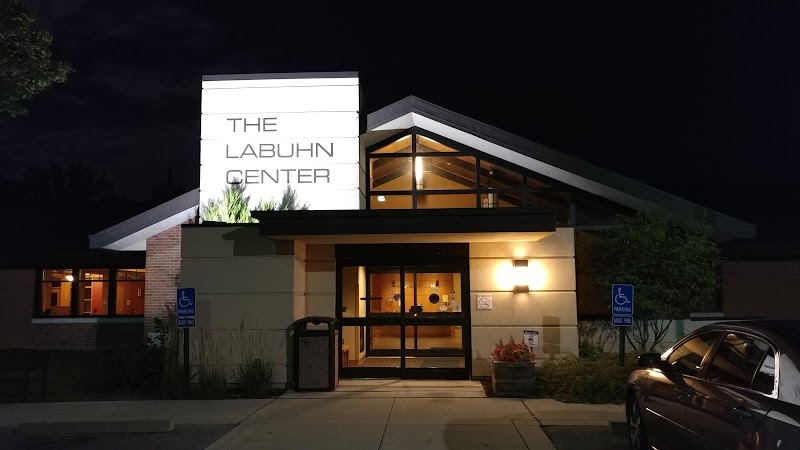
How is Majestic Care Of Toledo Snf Staffed?

CMS rates MAJESTIC CARE OF TOLEDO SNF's staffing level at 1 out of 5 stars, which is much below average compared to other nursing homes. Staff turnover is 48%, compared to the Ohio average of 46%. RN turnover specifically is 67%, which is notably high. RNs provide skilled clinical oversight, so turnover in this role can affect medical care quality.

What Have Inspectors Found at Majestic Care Of Toledo Snf?

State health inspectors documented 28 deficiencies at MAJESTIC CARE OF TOLEDO SNF during 2019 to 2023. These included: 1 that caused actual resident harm and 27 with potential for harm. Deficiencies causing actual harm indicate documented cases where residents experienced negative health consequences.

Who Owns and Operates Majestic Care Of Toledo Snf?

MAJESTIC CARE OF TOLEDO SNF is owned by a for-profit company. For-profit facilities operate as businesses with obligations to shareholders or private owners. The facility is operated by MAJESTIC CARE, a chain that manages multiple nursing homes. With 85 certified beds and approximately 77 residents (about 91% occupancy), it is a smaller facility located in TOLEDO, Ohio.
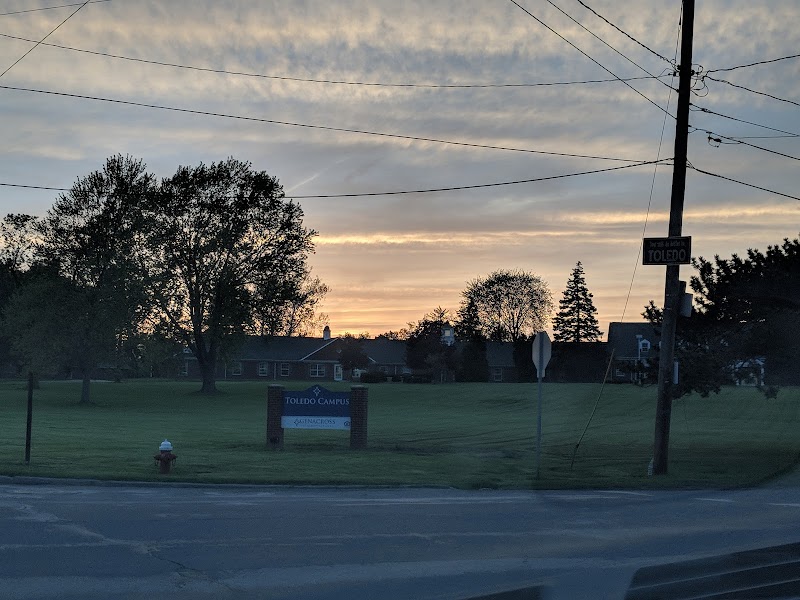
How Does Majestic Care Of Toledo Snf Compare to Other Ohio Nursing Homes?

Compared to the 100 nursing homes in Ohio, MAJESTIC CARE OF TOLEDO SNF's overall rating (2 stars) is below the state average of 3.2, staff turnover (48%) is near the state average of 46%, and health inspection rating (2 stars) is below the national benchmark.

What Should Families Ask When Visiting Majestic Care Of Toledo Snf?

Based on this facility's data, families visiting should ask: "Can you walk me through typical staffing levels on day, evening, and night shifts?" "Can I visit during a mealtime to observe dining assistance and food quality?" "How do you handle medical emergencies, and what is your hospital transfer rate?" "Can I speak with family members of current residents about their experience?" These questions are particularly relevant given the below-average staffing rating.

Is Majestic Care Of Toledo Snf Safe?

Based on CMS inspection data, MAJESTIC CARE OF TOLEDO SNF has a clean safety record: no substantiated abuse findings (meaning no confirmed cases of resident harm), no Immediate Jeopardy citations (the most serious violation level indicating risk of serious injury or death), and is not on the Special Focus Facility watch list (a federal program monitoring the lowest-performing 1% of nursing homes). The facility has a 2-star overall rating and ranks #100 of 100 nursing homes in Ohio. While no facility is perfect, families should still ask about staff-to-resident ratios and recent inspection results during their visit.

Do Nurses at Majestic Care Of Toledo Snf Stick Around?

MAJESTIC CARE OF TOLEDO SNF has a staff turnover rate of 48%, which is about average for Ohio nursing homes (state average: 46%). Moderate turnover is common in nursing homes, but families should still ask about staff tenure and how the facility maintains care continuity when employees leave.

Was Majestic Care Of Toledo Snf Ever Fined?

MAJESTIC CARE OF TOLEDO SNF has been fined $22,432 across 1 penalty action. This is below the Ohio average of $33,303. While any fine indicates a compliance issue, fines under $50,000 are relatively common and typically reflect isolated problems that were subsequently corrected. Families should ask what specific issues led to these fines and confirm they've been resolved.

Is Majestic Care Of Toledo Snf on Any Federal Watch List?

MAJESTIC CARE OF TOLEDO SNF is not on any federal watch list. The most significant is the Special Focus Facility (SFF) program, which identifies the bottom 1% of nursing homes nationally based on persistent, serious quality problems. Not being on this list means the facility has avoided the pattern of deficiencies that triggers enhanced federal oversight. This is a positive indicator, though families should still review the facility's inspection history directly.