MERIT HOUSE LLC

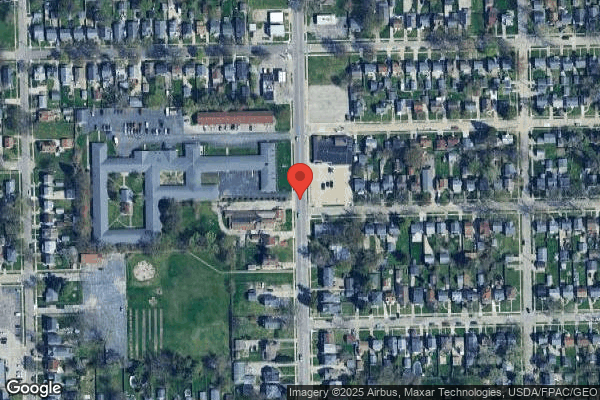
4645 LEWIS AVE, TOLEDO, OH 43612 (419) 478-5131
For profit - Limited Liability company 99 Beds Independent Data: November 2025
Trust Grade
40/100
#883 of 913 in OH
Last Inspection: September 2024

Within standard 12-15 month inspection cycle. Federal law requires annual inspections.

Overview

Merit House LLC in Toledo, Ohio has a Trust Grade of D, indicating below-average quality with some concerning issues. It ranks #883 out of 913 facilities in Ohio, placing it in the bottom half statewide, and #32 out of 33 in Lucas County, meaning there is only one facility in the county that is rated lower. The facility's performance has been improving, with incidents decreasing from 24 in 2024 to just 1 in 2025, but they still have a long way to go. Staffing is a strength here, with a turnover rate of 0% and a 3/5 star rating, suggesting that staff members are stable and familiar with the residents' needs. However, there are concerning findings, such as the improper handling of laundry that could lead to cross-contamination and serving meals in disposable dishware, which undermines the dignity of the dining experience for residents. Despite having no fines recorded, the facility has less RN coverage than 77% of others in Ohio, which could impact the quality of care provided.

Trust Score
D
40/100
In Ohio
#883/913
Bottom 4%
Safety Record
Low Risk
No red flags
Inspections
Getting Better
24 → 1 violations
Staff Stability
○ Average
Turnover data not reported for this facility.
Penalties
✓ Good
No fines on record. Clean compliance history, better than most Ohio facilities.
Skilled Nurses
○ Average
Each resident gets 33 minutes of Registered Nurse (RN) attention daily — about average for Ohio. RNs are the most trained staff who monitor for health changes.
Violations
⚠ Watch
37 deficiencies on record. Higher than average. Multiple issues found across inspections.
★☆☆☆☆
1.0
Overall Rating
★★★☆☆
3.0
Staff Levels
★★★☆☆
3.0
Care Quality
★☆☆☆☆
1.0
Inspection Score
Stable
2024: 24 issues
2025: 1 issues

The Good

  • Full Sprinkler Coverage · Fire safety systems throughout facility
  • No fines on record

Facility shows strength in fire safety.

The Bad

1-Star Overall Rating

Below Ohio average (3.2)

Significant quality concerns identified by CMS

The Ugly 37 deficiencies on record

Jan 2025 1 deficiency
CONCERN (D) 📢 Someone Reported This

A family member, employee, or ombudsman was alarmed enough to file a formal complaint

Potential for Harm - no one hurt, but risky conditions existed

Resident Rights (Tag F0550)

Could have caused harm · This affected 1 resident

**NOTE- TERMS IN BRACKETS HAVE BEEN EDITED TO PROTECT CONFIDENTIALITY** Based on resident interview, medical record review, staff interview and review of facility policy, the facility failed to ensure...

Read full inspector narrative →
**NOTE- TERMS IN BRACKETS HAVE BEEN EDITED TO PROTECT CONFIDENTIALITY** Based on resident interview, medical record review, staff interview and review of facility policy, the facility failed to ensure residents were provided opportunities and assistance with voting. This affected three (#4, #7 and #47) of three residents reviewed for voting, with the potential to affect all residents except one (#69) identified by the facility as voting by absentee ballot. The facility census was 91. Findings include: 1. Review of the medical record for Resident #4 revealed an admission date of 04/03/23. Diagnoses included Parkinson's disease. Review of the quarterly Minimum Data Set (MDS) assessment dated [DATE] revealed Resident #4 was cognitively intact. Interview on 01/27/25 at 3:21 P.M. with Resident #4 revealed the facility did not provide assistance or opportunities for her to vote in recent elections and it was important to her to vote. 2. Review of the medical record for Resident #7 revealed an admission date of 04/25/22. Diagnoses included diabetes mellitus, hypertension, and cerebral vascular accident (CVA). Review of the quarterly MDS assessment dated [DATE] revealed Resident #7 was cognitively intact. Interview on 01/27/25 at 3:50 P.M. with Resident #7 revealed voting was important to her and the facility did not provide assistance or opportunities for with voting in recent elections. 3. Review of the medical record for Resident #47 revealed an admission date of 12/22/22. Diagnoses included diabetes mellitus, hypertension, heart failure, and chronic obstructive pulmonary disease (COPD). Review of the annual MDS assessment dated [DATE] revealed Resident #47 was cognitively intact. Interview on 01/27/25 at 8:36 A.M. with Resident #47 revealed voting was important to her and the facility did not offer assistance or provide opportunities for voting in recent elections. Interview on 01/27/25 at 12:27 P.M. with Activity Coordinator (AC) #500 verified residents were not assisted or offered the opportunity to vote in recent elections. AC #500 reported she was unaware providing assistance to residents with voting was her duty and further stated she did not know the facility policy related to voting. Interview on 01/27/25 at 4:14 P.M. with AC #510 revealed an individual came to the facility in approximately September 2024 and requested entrance to assist residents with voting. The individual had credentials from the board of elections. AC #510 stated she was not sure if a non-employee could just walk around the building, so she discussed the situation with the previous facility Administrator, who denied the individual entrance into the facility. AC #510 confirmed residents were not provided any assistance or opportunities to vote, with the exception of one resident who sought out assistance with an absentee ballot. Review of the facility policy titled Federal and Ohio Residents Rights and Facility Responsibilities, dated October 2019, revealed residents had the right to exercise their civil rights and arrangements must be made to allow the residents to exercise their right to vote. This deficiency represents non-compliance investigated under Complaint Number OH00161624.
Dec 2024 6 deficiencies
CONCERN (D) 📢 Someone Reported This

A family member, employee, or ombudsman was alarmed enough to file a formal complaint

Potential for Harm - no one hurt, but risky conditions existed

Pressure Ulcer Prevention (Tag F0686)

Could have caused harm · This affected 1 resident

Based on resident interview, observation, medical record review, staff interview and review of facility policy, the facility failed to complete dressing changes according to physician orders. This aff...

Read full inspector narrative →
Based on resident interview, observation, medical record review, staff interview and review of facility policy, the facility failed to complete dressing changes according to physician orders. This affected one (#30) of three residents reviewed for wound care. The facility census was 81. Findings include: Review of the medical record for Resident #30 revealed an admission date of 12/06/24. Diagnoses included status post cardiac arrest, respiratory arrest, chronic obstructive pulmonary disease (COPD), diabetes mellitus type two, and congestive heart failure. Review of the admission Minimum Data Set (MDS) assessment, dated 12/12/24, revealed Resident #30 was cognitively intact and was admitted with no unhealed pressure or vascular ulcers. Review of a nursing progress note dated 12/27/24 revealed Resident #30 had an intact purple area noted to the right heel during her shower. A physician order was obtained to apply skin prep to the right heel, cover with abdominal (ABD) pad and wrap with kerlix for protection, to be done twice daily and as needed, and apply offloading heel boot. Review of the physician order dated 12/27/24 revealed Resident #30 had an order to apply skin prep to the right heel, let dry, cover with ABD pad and wrap with kerlix twice daily and as needed. Interview on 12/30/24 at 4:32 P.M. with Resident #30 revealed had a spot on her right heel and no dressing change had been completed for about a week. Resident #30 further stated she was not aware how she got the spot, it just showed up. Resident #30 stated she had been involved in therapy services and ambulating, with a goal to discharge home. Concurrent observation of Resident #30's right heel wound dressing revealed the dressing was dated 12/27/24. Interview on 12/30/24 at 4:36 P.M. with Registered Nurse (RN) #308 verified Resident #30's right heel dressing was dated 12/27/24. RN #308 further stated she placed that dressing on 12/27/24. Coinciding review of the Treatment Administration Record (TAR) for December 2024 revealed Resident #30's right heel wound treatment was documented as completed twice daily, per physician order, including 12/28/24 and 12/29/24. Further interview with RN #308 verified the physician order written for Resident #30's right heel was for twice daily dressing changes and further confirmed the TAR reflected the treatment had been signed off as being completed by the weekend nurse; however, the treatment had not been completed since 12/27/24. Interview on 12/31/24 at 10:20 A.M. with wound care RN #321 confirmed Resident #30's original physician order was for twice daily dressing changes for a suspected right heel deep tissue injury. RN #321 stated on 12/30/24, the order was changed to once daily as the usual treatment for this type of wound was daily, not twice daily. RN #321 stated she was made aware Resident #30's right heel dressing changes were not completed as ordered on 12/28/24 and 12/29/24. Review of the facility policy titled Wound Care, revised October 2010, revealed the purpose of the procedure was to provide guidelines for the care of wounds to promote healing. This deficiency represents non-compliance investigated under Complaint Number OH00160314.
CONCERN (D) 📢 Someone Reported This

A family member, employee, or ombudsman was alarmed enough to file a formal complaint

Potential for Harm - no one hurt, but risky conditions existed

Respiratory Care (Tag F0695)

Could have caused harm · This affected 1 resident

**NOTE- TERMS IN BRACKETS HAVE BEEN EDITED TO PROTECT CONFIDENTIALITY** Based on observation, resident interview, medical record review, staff interview and review of facility policy, the facility fai...

Read full inspector narrative →
**NOTE- TERMS IN BRACKETS HAVE BEEN EDITED TO PROTECT CONFIDENTIALITY** Based on observation, resident interview, medical record review, staff interview and review of facility policy, the facility failed to obtain a physician order for administration of oxygen therapy. This affected one (#30) of three residents reviewed for oxygen therapy. The facility identified 18 residents who received oxygen therapy. The facility census was 81. Findings include: Review of the medical record for Resident #30 revealed an admission date of 12/06/24. Diagnoses included status post cardiac arrest, respiratory arrest, chronic obstructive pulmonary disease (COPD), and congestive heart failure. Review of the admission Minimum Data Set (MDS) assessment, dated 12/12/24, revealed Resident #30 was cognitively intact and received oxygen therapy. Review of the physician orders for December 2024 revealed no order for oxygen therapy. Observation on 12/30/24 at 4:32 P.M. of Resident #30 revealed she was wearing oxygen via nasal cannula, running at two liters per minute (lpm). Concurrent interview with Resident #30 revealed she had been receiving oxygen therapy since admission. Resident #30 further stated she was on oxygen therapy at home, prior to her admission to the facility. Interview on 12/30/24 at 4:36 P.M. with Registered Nurse (RN) #308 confirmed Resident #30 had been on oxygen since her admission. RN #308 verified there was no physician order for Resident #30's oxygen therapy, despite having it since her admission on [DATE]. RN #308 further verified from the hospital referral records that Resident #30 should have had an order for oxygen therapy, as it was on the referral paperwork, and it must have been missed. Interview on 12/31/24 at 12:32 P.M. with the Administrator verified a physician order was not written until 12/30/24 for Resident #30's oxygen therapy. Review of the facility policy titled Oxygen Administration, revised October 2010, revealed to verify there was a physician order for this procedure and . Review the physician's order or the facility protocol for oxygen administration. This deficiency is an incidental finding discovered during the complaint investigation.
CONCERN (D) 📢 Someone Reported This

A family member, employee, or ombudsman was alarmed enough to file a formal complaint

Potential for Harm - no one hurt, but risky conditions existed

Pharmacy Services (Tag F0755)

Could have caused harm · This affected 1 resident

Based on observation, medical record review, staff interview, review of the emergency medication box (E-box) inventory and review of facility policy, the facility failed to administer medications per ...

Read full inspector narrative →
Based on observation, medical record review, staff interview, review of the emergency medication box (E-box) inventory and review of facility policy, the facility failed to administer medications per physician order. This affected one (#100) of three residents reviewed for medication administration. The facility census was 81. Findings include: Review of the medical record for Resident #100 revealed an admission date of 12/06/24 and a discharge date of 12/18/24. Diagnoses included chronic obstructive pulmonary disease (COPD), emphysema, and anxiety. Review of the admission Minimum Data Set (MDS) assessment, dated 12/13/24, revealed Resident #100 was cognitively intact. Review of the admission orders for Resident #100 revealed he was ordered Zithromax (antibiotic) 250 milligrams (mg) to give two tablets on day one for acute exacerbation of COPD and prednisone (oral steroid used to decrease inflammation) 20 mg to give one and a half tablets (30 mg total) for acute exacerbation of COPD. Review of the Medication Administration Record (MAR) for December 2024 revealed on 12/07/24 a code five, followed by the nurse's initials, was entered into the MAR for the administration of both Zithromax 250 mg two tablets and prednisone 20 mg one and a half tablets. Further review of the MAR revealed code five indicated a note was made in the nursing progress notes for any infraction of the medication administration. Review of the nursing progress note dated 12/07/24 at 3:37 A.M. for Resident #100 revealed the Zithromax 250 mg two tablets was not administered due to awaiting pharmacy. Review of the nursing progress notes dated 12/07/24 at 12:16 P.M. for Resident #100 revealed the prednisone 20 mg one and a half tablets was not administered due to meds (medication) on order. Interview on 12/26/24 at 4:46 P.M. with Licensed Practical Nurse (LPN) #327 revealed the facility had an E-box that common medications could be pulled from for immediate use. LPN #327 further stated the E-box did not have all medications, but a select variety to get the resident started, such as antibiotics, some insulin and some narcotic medications that would be needed. Further interview with LPN #327 revealed the contracted pharmacy was responsible for maintaining the E-box. Review of the undated E-box inventory sheet provided by the facility revealed Zithromax 250 mg (total of six tablets) and and prednisone (four 20 mg tablets and four five mg tablets) were available in the E-box for administration. Interview on 12/30/24 at 8:47 A.M. with the Director of Nursing (DON) revealed just because the facility had an E-box that did not mean the medication was in stock in the E-box. The DON declined to verify Resident #100's medications were available and not administered as ordered based on the documentation. The DON further stated she was not working as the floor nurse and could not determine if the medications were available in the E-box for administration. Interview on 12/20/24 at 10:57 A.M. with pharmacy Processing Manager (PM) #500 revealed the pharmacy contract provided an E-box of medications for use for new orders and newly admitted residents. Further interview with PM #500 revealed the pharmacy conducted an in-house audit on 12/04/24 the facility E-box and verified Zithromax 250 mg, prednisone 20 mg and prednisone five mg was fully stocked and available for use. PM #500 further verified there were no requests submitted to the pharmacy from 12/04/24, following the in-house audit, and 12/07/24 for the use of Zithromax 250 mg or prednisone for any resident, so the facility had a full stock available of Zithromax (six tablets) and prednisone (four 20 mg and four five mg tablets). PM #500 further confirmed no submission forms were sent to the pharmacy regarding any medications used from the E-box for Resident #100. Review of facility policy titled Administering Medications, revised April 2019, revealed medications were administered per prescriber orders, including any required time frame. This deficiency represents non-compliance investigated under Complaint Number OH00160314 and continued non-compliance to the surveys dated 09/23/24 and 11/06/24.
CONCERN (D)

Potential for Harm - no one hurt, but risky conditions existed

Infection Control (Tag F0880)

Could have caused harm · This affected 1 resident

Based on observation, staff interview and review of the facility policy, the facility failed to ensure soiled bedpans were cleaned and disinfected timely. This affected one (#22) of one resident revie...

Read full inspector narrative →
Based on observation, staff interview and review of the facility policy, the facility failed to ensure soiled bedpans were cleaned and disinfected timely. This affected one (#22) of one resident reviewed for bedpan use. The facility identified eight additional residents who utilized bedpans. The facility census was 81. Findings include: Review of the medical record for Resident #22 revealed an admission date of 03/01/24. Diagnoses included spinal stenosis, congestive heart failure (CHF), atrial fibrillation, and hypertension with heart disease. Review of the quarterly Minimum Data Set (MDS) assessment, dated 12/07/24, revealed Resident #22 was frequently incontinent and was staff dependent for toileting. Review of the Certified Nursing Assistant (CNA) documentation for the past 30 days revealed Resident #22 was both continent and incontinent. Observation on 12/26/24 at 8:45 A.M. of Resident #22's bathroom revealed a soiled bedpan on the floor of the bathroom. There was a pink substance on the bottom of the bedpan and the bedpan was left, uncovered, in the open. Concurrent interview with Resident #22 revealed she was both continent and incontinent and sometimes used the bedpan. Observation on 12/26/24 at 3:22 P.M. of Resident #22's bathroom revealed the soiled bedpan remained uncovered on the floor. Interview on 12/26/24 at 3:49 P.M. with Registered Nurse (RN) #420 verified the soiled and uncovered bedpan on Resident #22's bathroom floor. Review of the facility policy titled Infection Control, revised October 2018, revealed the infection control policies and practices were intended to facilitate maintaining a safe, sanitary, and comfortable environment and to help prevent and manage transmission of diseases and infections.
CONCERN (E) 📢 Someone Reported This

A family member, employee, or ombudsman was alarmed enough to file a formal complaint

Potential for Harm - no one hurt, but risky conditions existed

Resident Rights (Tag F0550)

Could have caused harm · This affected multiple residents

Based on observation, staff interview and review of facility policy, the facility failed to maintain a dignified dining experience for the residents by serving meals on disposable dishware. This had t...

Read full inspector narrative →
Based on observation, staff interview and review of facility policy, the facility failed to maintain a dignified dining experience for the residents by serving meals on disposable dishware. This had the potential to affect 79 of 81 residents who received meals from the kitchen. The facility identified two residents (#2 and #34) who received no food from the kitchen. The facility census was 81. Findings include: Observation on 12/26/24 at 1:15 P.M. of lunch trays being picked up by Certified Nursing Assistant (CNA) #502 revealed desserts for all of the trays were served in a Styrofoam bowl. Interview at the time of the observation with CNA #502 verified the desserts were served in a Styrofoam bowl. Further interview with CNA #501 revealed meals were sometimes served in Styrofoam containers. Observation on 12/26/24 at 4:54 P.M. of the dinner meal service revealed the meal was served to residents in a disposable, clear and green, carryout container. Interview on 12/26/24 at 4:55 P.M. with [NAME] #425 verified dinner was served in disposable carryout containers and further stated she decided to serve the meals in disposable containers as she did not want to dirty the dishes. Interview on 12/26/24 at 5:00 P.M. with Resident #10 revealed it bothered her when meals were served on disposable dishware instead of on regular plates. Interview on 12/30/24 at 4:50 P.M. with the Administrator revealed two (#2 and #34) residents were identified as NPO and did not receive meals from the kitchen. Interview on 12/31/24 at 12:10 P.M. with Dietary Technician (DT) #501 revealed she had observed residents being served meals on disposable dishware. Review of the facility policy titled Dignity, revised February 2021, revealed each resident shall be cared for in a manner that promotes and enhances his or her sense of well-being, level of satisfaction with life, and feelings of self-worth and self-esteem. This deficiency represents non-compliance investigated under Complaint Number OH00160314.
CONCERN (E) 📢 Someone Reported This

A family member, employee, or ombudsman was alarmed enough to file a formal complaint

Potential for Harm - no one hurt, but risky conditions existed

Menu Adequacy (Tag F0803)

Could have caused harm · This affected multiple residents

Based on observation, staff interview, review of the facility menu and review of facility policy, the facility failed to follow established menus and further failed to maintain a substitution log. Thi...

Read full inspector narrative →
Based on observation, staff interview, review of the facility menu and review of facility policy, the facility failed to follow established menus and further failed to maintain a substitution log. This had the potential to affect 79 of 81 residents who received food from the kitchen. The facility identified two residents (#2 and #34) who received no nutrition from the kitchen. The facility census was 81. Findings include: 1. Review of the facility menu cycle revealed the facility was on a five-week rotation for the winter menu. Further review of the menu revealed for week five, day five (12/26/24), the menu for breakfast was choice of cereal, scrambled eggs, bacon, wheat toast, jelly, butter, juice of choice, milk, and coffee or tea. Observation on 12/26/24 at 7:48 A.M. of the breakfast trayline revealed the meal consisted of two slices of french toast, two sausage links and hot cereal. The cereal was served from a white handled scoop. Concurrent interview with [NAME] #471 verified the breakfast served was french toast, sausage links, cereal of choice and beverage of choice and not the meal identified on the menu. [NAME] #471 was uncertain of the serving size of the white handled scoop used for serving the hot cereal. Further review of the menu for week one, day three (12/31/24), revealed lunch was maple mustard glazed pork tenderloin, baked potato with butter/sour cream/chives, carrots, choice of roll, angel food cake, and coffee/tea. Observation on 12/31/24 at 12:00 P.M. of the lunch trayline revealed the meal consisted of spaghetti, green beans, dinner roll, ice cream and beverage of choice. Coinciding interview with [NAME] # 471 verified the lunch meal served was spaghetti, green beans, dinner roll, and ice cream. [NAME] #471 stated she had to cook the meat that was defrosted and she sometimes made up her own menu. [NAME] #471 verified the lunch meal served was not what was on the menu and was a meal she made up on her own. Continued observation revealed the spaghetti was served using a white handled scoop. Further interview with [NAME] #471 revealed she was not able to identify the portion size of the spaghetti served from the white handled scoop but she stated she knew she needed three ounces of meet and approximately four to six ounces of noodles and, since it was spaghetti, the white handled scoop is what she used. [NAME] #471 confirmed she served four ounces of green beans, one dinner roll and one container of ice cream. Interview on 12/31/24 at 12:05 P.M. with Dietary Manager (DM) #455 confirmed the facility was on week one of the five week menu rotation and further verified the lunch meal served was not the planned menu meal. Interview on 12/31/24 at 12:10 P.M. with Dietary Technician (DT) #501 verified the menu for the day was not followed and, since the meal was not on the menu, she could not verify the serving sizes to be correct. Review of the facility policy titled Menu and Planning, undated, revealed nutritional needs of individuals would be provided in accordance with established national standards, adjusted for age, gender, activity level and disability, through nourishing well balanced diets, unless contraindicated by medical needs. Review of the facility policy titled Standardized Recipes undated, revealed standardized recipes will be used when preparing menu items. 2. Review of the facility menu for week one, day three (12/31/24) revealed the lunch meal was maple mustard glazed pork tenderloin, baked potato with butter/sour cream/chives, carrots, choice of roll, angel food cake, and coffee/tea. Observation on 12/31/24 at 12:00 P.M. of the lunch trayline revealed the meal served consisted of spaghetti, green beans, dinner roll, ice cream and beverage of choice. Concurrent interview with [NAME] # 471 verified the meal served was spaghetti, green beans, roll and ice cream and not the planned lunch menu meal. [NAME] #471 confirmed she made up the meal served on her own as she needed to use the meat that was defrosted. Interview on 12/31/24 at 12:05 P.M. with Dietary Manager #455 confirmed the lunch menu was to be maple mustard glazed pork tenderloin, baked potato with butter/sour cream/chives, carrots, choice of roll, angel food cake, and coffee/tea and verified the meal served was spaghetti, green beans, and ice cream. DM #455 further stated sometimes we have substitutes. When asked by the surveyor for the substitution log, DM #455 stated, I don't know what you're talking about. I have never filled out a log about substitutes. Interview on 12/31/24 at 12:10 P.M. with Dietary Technician (DT) #501 confirmed the menu for the day was not followed and a substitute meal was served. Further interview with DT #501 verified the facility did not maintain a substitution log. Review of the facility policy titled Menu Substitutions, undated, revealed all changes to the menu would be recorded. Records of menu substitutions should be retained for a period of time based on state regulations. This deficiency represents non-compliance investigated under Complaint Number OH00160314.
Nov 2024 2 deficiencies
CONCERN (D) 📢 Someone Reported This

A family member, employee, or ombudsman was alarmed enough to file a formal complaint

Potential for Harm - no one hurt, but risky conditions existed

Pharmacy Services (Tag F0755)

Could have caused harm · This affected 1 resident

**NOTE- TERMS IN BRACKETS HAVE BEEN EDITED TO PROTECT CONFIDENTIALITY** Based on medical record review, staff interview, and policy review, the facility failed to ensure medications were administered ...

Read full inspector narrative →
**NOTE- TERMS IN BRACKETS HAVE BEEN EDITED TO PROTECT CONFIDENTIALITY** Based on medical record review, staff interview, and policy review, the facility failed to ensure medications were administered as ordered. This affected one (#93) of three residents reviewed for medications. The facility census was 83. Findings included: Review of Resident #93's medical record revealed an admission ate of 10/02/24. Diagnoses included cellulitis of the left lower extremity, diabetes mellitus, ulcerative colitis, and schizophrenia. The resident was discharged on 10/09/24. Review of Resident #93's Minimum Data Set (MDS) assessment dated [DATE] revealed the resident had an intact cognitive function and was independent of most activities of daily living (ADLs). Review of Resident #93's nursing progress note dated 10/02/24 revealed the resident arrived to the facility at 2:00 P.M. from a local hospital. The resident's medications were reviewed and confirmed with the physician. Review of Resident #93's physician orders while in the facility included orders dated 10/02/24 for atorvastatin calcium tablet 40 milligrams (mg) one table by mouth at bedtime for hyperlipidemia, the antipsychotic medication quetiapine furnarate (Seroquel) oral tablet 150 mg at bedtime for schizophrenia, doxycycline monohydrate (antibiotic) 100 mg to be administered by mouth twice daily for a right toe infection/cellulitis for seven days, Fluticasone-Salmetrerol inhalation aerosol powder breath activated 150-50 micrograms to be administered twice daily for chronic obstructive pulmonary disease, and memantine five (5) mg to be administered twice daily for Alzheimer's disease. Review of Resident #93's medical record revealed a physician order dated 10/03/24 for mesalamine delayed release tablet 1.2 grams to be administered once daily for ulcerative colitis. Review of Resident #93's medical record revealed a physician order dated 10/04/24 for the anticoagulant warfarin sodium 10 mg to be administered every evening on Monday, Wednesday, Friday, Saturday, and Sunday. Review of Resident #93's medication administration record (MAR) for October 2024 revealed on 10/02/24 the resident was not administered atorvastatin calcium and Seroquel as ordered. Further review revealed Resident #93 was not administered Fluticasone-Salmeterol on 10/02/24 at 7:00 P.M. or 10/03/24 for the morning dose as ordered. On 10/03/24 and 10/05/24, mesalamine was not administered as ordered, on 10/05/24 warfarin was not administered as ordered, on 10/06/24 doxycycline monohydrate was not administered as ordered for the 8:00 A.M. dose, and on 10/02/24 at 7:00 P.M. and on 10/06/24 (the morning dose) memantine was not administered as ordered. Review of Resident #93's nursing progress notes dated 10/02/24 revealed the ordered memantine was not available. Review of subsequent nursing progress notes revealed Resident #93's Fluticasone-Salmeterol was not available on 10/03/24, mesalamine was not available on 10/04/24, warfarin was not available on 10/04/24 and 10/05/24, and doxycycline monohydrate was not available on 10/06/24. Interview on 11/06/24 at 8:16 A.M. with the Director of Nursing (DON) confirmed the missing doses of medication documented on the October 2024 MAR were not administer as ordered to Resident #93. The DON stated the medications were in the facility, but were not given to the resident. Review of the facility policy titled, Administering Medications, dated 10/03/24, revealed medications are administered in accordance with prescribers' orders, including any required time frame. This deficiency represents non-compliance investigated under Complaint Number OH00158933 and represents continued non-compliance from the survey dated 09/23/24.
CONCERN (D) 📢 Someone Reported This

A family member, employee, or ombudsman was alarmed enough to file a formal complaint

Potential for Harm - no one hurt, but risky conditions existed

Deficiency F0925 (Tag F0925)

Could have caused harm · This affected 1 resident

**NOTE- TERMS IN BRACKETS HAVE BEEN EDITED TO PROTECT CONFIDENTIALITY** Based on record review, staff interview, review of exterminator documents, and policy review, the facility failed maintain a pes...

Read full inspector narrative →
**NOTE- TERMS IN BRACKETS HAVE BEEN EDITED TO PROTECT CONFIDENTIALITY** Based on record review, staff interview, review of exterminator documents, and policy review, the facility failed maintain a pest free environment. This affected one (#84) of two residents reviewed for environmental concerns. The facility census was 83. Findings included: Review of Resident #84's medical record revealed an admission date of 01/01/20. Diagnoses included mild intellectual disabilities, congestive heart failure, and diabetes mellitus. Review of Resident #84's Minimum Data Set (MDS) assessment dated [DATE] revealed the resident had an intact cognition and was at risk for skin impairment related to weakness. Review of Resident #84's nursing progress note dated 10/08/24 revealed the resident was showered and staff noticed small bug bites all over the resident's legs and arms. The nurse practitioner was notified. Review of Resident #84's nursing progress note dated 10/11/24 revealed the resident was showered with assistance from a nurse aide and bite marks on her bilateral upper and lower extremities were found. Review of the exterminator service record and related documentation dated 10/10/24 revealed a lot of dead bed bugs were found in Resident #84's room on the mattress. Staff bagged everything so the exterminator could treat the room and bed bugs were vacuumed off the mattress and chair. The mattress, chair, dresser drawers, armoire, and perimeter baseboards were treated. Interview with the Director of Nursing on 11/06/24 at 9:52 A.M. verified Resident #84 suffered bed bug bites due to an infestation. Review of the undated facility policy titled, Preventing and Managing Infestations of Bed Bugs, revealed staff will employ infection control strategies to prevent and manage infestation of bed bugs. This deficiency represents non-compliance investigated under Complaint Number OH00158774.
Sept 2024 16 deficiencies
CONCERN (D)

Potential for Harm - no one hurt, but risky conditions existed

Resident Rights (Tag F0550)

Could have caused harm · This affected 1 resident

**NOTE- TERMS IN BRACKETS HAVE BEEN EDITED TO PROTECT CONFIDENTIALITY** Based on medical record review, observation, resident interview, and staff interview, the facility failed to ensure residents re...

Read full inspector narrative →
**NOTE- TERMS IN BRACKETS HAVE BEEN EDITED TO PROTECT CONFIDENTIALITY** Based on medical record review, observation, resident interview, and staff interview, the facility failed to ensure residents received the necessary services to maintain a dignified appearance. This affected one (Resident #62) of three residents reviewed for dignity. The facility census was 85. Findings include: Review of the medical record revealed Resident #62 was admitted to the facility on [DATE]. Diagnoses included chronic obstructive pulmonary disease, chronic kidney disease, heart failure, gout, hypertension, and type II diabetes mellitus. Review of the quarterly Minimum Data Set assessment dated [DATE] revealed Resident #62 had a moderate cognitive impairment. The resident was dependent on staff assistance for dressing and personal hygiene. Review of the physician progress notes dated 01/17/24 and 03/12/24 revealed Resident #62's right breast was surgically absent and an order for a prosthetic bra per patient request. Review of the social service progress notes dated 03/14/24 revealed Resident #62 mentioned her insurance previously covered two bras on a yearly basis and social services would check to see if the resident would qualify for two free bras. Review of the physician progress notes dated 04/03/24, 05/28/24 07/10/24, and 07/30/24 revealed Resident #62's right breast was surgically absent and an order for a prosthetic bra per patient request. Further review of the medical record revealed no evidence Resident #62's request for a prosthetic bra was followed up on. An interview on 09/16/24 at 9:30 A.M. with Resident #62 revealed the resident had a breast removed and needed a special bra. The resident reported the facility was aware she needed a bra but that she had not heard anything regarding this. Resident #62 reported she sometimes felt ashamed to go out due to not having an appropriate bra. An observation at the time of interview verified Resident #62 did not have a prosthetic bra. An interview on 09/17/24 at 4:01 P.M. with Licensed Social Worker #478 verified Resident #62's request for a prosthetic bra had not been followed up on.
CONCERN (D)

Potential for Harm - no one hurt, but risky conditions existed

Deficiency F0558 (Tag F0558)

Could have caused harm · This affected 1 resident

**NOTE- TERMS IN BRACKETS HAVE BEEN EDITED TO PROTECT CONFIDENTIALITY** 2. Review of the medical record revealed Resident #182 was admitted to the facility on [DATE]. Diagnoses included chronic destru...

Read full inspector narrative →
**NOTE- TERMS IN BRACKETS HAVE BEEN EDITED TO PROTECT CONFIDENTIALITY** 2. Review of the medical record revealed Resident #182 was admitted to the facility on [DATE]. Diagnoses included chronic destructive pulmonary disease, asthma, and heart failure. Review of the admission MDS assessment dated [DATE] revealed Resident #182 was cognitively intact. The resident required partial to moderate assistance from staff for bed mobility. Review of the physician orders for September 2024 identified an active order dated 09/05/24 for top bilateral siderails to aide in bed mobility and promote independence. Review of the plan of care dated 09/07/24 identified Resident #182 was at risk for an activities of daily living self-care performance deficit related to limited mobility. Interventions included half rails up as per physician orders for safety during care provision, to assist with bed mobility, and to observe for injury or entrapment related to siderail use. During an interview on 09/18/24, Resident #182's family member reported the resident was admitted to the facility weeks ago and was supposed to have siderails in place and still did not have them. An observation at the time of interview revealed Resident #182 was in their room, lying in bed. The resident's bed did not contain any siderails. An interview on 09/18/24 at 12:08 P.M. with Agency Licensed Practical Nurse #558 verified Resident #182 did not have any siderails on their bed. Based on review of the medical record, observation, staff interview, and policy review, the facility failed to ensure a call light was within reach and bed side rails were in place per physician orders. This affected two (Residents #182 and #128) of two reviewed for accommodation of needs. The facility census was 85. Findings include 1. Review of the medical record for Resident #128 revealed an admission date of 09/03/24. Diagnoses included type two diabetes mellitus, hypothyroidism, depressive disorder, and gangrene of the right leg. Review of the admission Minimum Data Set (MDS) assessment dated [DATE] revealed the resident had intact cognition. The resident required substantial/maximal assistance for toileting and transfers. Observation on 09/16/24 at 9:56 A.M. revealed the resident had no call light within reach. On the floor near the wall there was a rectangular box no longer attached to the wall with a pull cord attached. Interview on 09/16/24 at 9:56 A.M., Resident #128 asked if someone could get him a call light. Resident #128 revealed he had not had a working call light for a couple of weeks. Interview on 09/16/24 at 9:57 A.M., the Director of Nursing (DON) verified the resident had no call light within reach. The DON revealed she would go and find the resident a pendant call light. Review of the policy, Answering the Call Light, last revised 03/2021, revealed when the resident is in bed or confined to a chair be sure the call light was within each reach of the resident.
CONCERN (D)

Potential for Harm - no one hurt, but risky conditions existed

Notification of Changes (Tag F0580)

Could have caused harm · This affected 1 resident

**NOTE- TERMS IN BRACKETS HAVE BEEN EDITED TO PROTECT CONFIDENTIALITY** Based on medical record review, staff interview and facility policy review, the facility failed to notify the physician of resid...

Read full inspector narrative →
**NOTE- TERMS IN BRACKETS HAVE BEEN EDITED TO PROTECT CONFIDENTIALITY** Based on medical record review, staff interview and facility policy review, the facility failed to notify the physician of resident weight loss. This affected one (Resident #48) of three residents reviewed for nutrition. The facility census was 85. Findings include: Review of the medical record revealed Resident #48 was initially admitted to the facility on [DATE]. Diagnoses included severe protein-calorie malnutrition, nutritional deficiency, heart disease, heart failure, weakness, anxiety, depression, and bipolar disorder. Review of the quarterly Minimum Data Set assessment dated [DATE] revealed Resident #48 was cognitively intact. The resident was noted as having weight gain. Review of the plan of care revised 08/15/24 revealed Resident #48 was at risk for decline in nutrition/hydration status related to diagnoses, weight loss, and inadequate nutrition. The resident had weight gain over the past month, likely related to fluid retention, and also reported increased intakes while at the hospital. Interventions included providing supplements as ordered and reporting significant weight changes to the physician. Review of Resident #48's weight record revealed the resident weighed 143.7 pounds on 08/31/24 and 130.2 pounds on 09/01/24, which was a 13.5 pound loss. Review of Resident #48's medical record revealed no documentation the physician or dietitian were notified of the aforementioned weight loss. An interview on 09/18/24 at 4:41 P.M. with the Director of Nursing and the Assistant Director of Nursing verified there was no evidence the physician or dietitian were notified of Resident #48's weight loss prior to 09/18/24. Review of the facility policy titled, Weight Assessment and Intervention, revised September 2008, revealed any weight change of five-percent or more since the last weight assessment would be retaken. If the weight was verified, nursing staff would immediately notify the dietitian in writing.
CONCERN (D)

Potential for Harm - no one hurt, but risky conditions existed

Safe Environment (Tag F0584)

Could have caused harm · This affected 1 resident

**NOTE- TERMS IN BRACKETS HAVE BEEN EDITED TO PROTECT CONFIDENTIALITY** Based on observation, resident interview, and staff interview, the facility failed to provide a clean, comfortable, and homelike...

Read full inspector narrative →
**NOTE- TERMS IN BRACKETS HAVE BEEN EDITED TO PROTECT CONFIDENTIALITY** Based on observation, resident interview, and staff interview, the facility failed to provide a clean, comfortable, and homelike environment. This affected one (Resident #19) of one resident observed for room cleanliness. The facility census was 85. Findings include: Review of the medical record for Resident #19 revealed an admission date of 04/11/24, with diagnoses that include cerebral infarction, hyperlipidemia, type two diabetes (DM2), bipolar disorder, nutritional deficiency, hypertension (HTN), seborrheic dermatitis, unspecified intellectual disabilities, personal history of COVID-19, tinea unguium. Review of the most recent quarterly Minimum Data Set (MDS) assessment dated [DATE] revealed a Brief Interview for Mental Status (BIMS) score of eight, indicating the resident was moderately cognitively impaired. Observation on 09/16/24 at 3:14 P.M. of the restroom sink in Resident #19's restroom revealed it contained a brown liquid that filled to approximately four inches from the top of the sink, and was not draining. Interview on 09/16/24 at 3:14 P.M. with Resident #19 revealed the sink in her restroom had contained the brown liquid approximately four inches from the top for approximately four days. Interview on 09/16/24 at 3:14 with Medication Aide #434 verified the sink in Resident #19's restroom contained the brown liquid approximately four inches from the top and it was not draining. Observation on 09/17/24 at 1:13 P.M. revealed the sink in Resident #19's restroom still contained the brown liquid approximately four inches from the top and it was not draining. Interview on 09/17/24 at 1:13 P.M. with Housekeeping Aide #505 verified the sink in Resident #19's room contained the brown liquid approximately four inches from the top and it was not draining. Observation on 09/18/24 at 9:13 A.M. revealed the sink in Resident #19's restroom still contained the brown liquid approximately four inches from the top and it was not draining. Interview on 09/18/24 at 9:13 A.M. with Housekeeper #448 verified the sink in Resident #19's restroom contained the brown liquid approximately four inches from the top and it was not draining. Concurrent interview with Housekeeper #448 revealed she had noticed the sink was in this condition the week prior, but was unsure of the date, and reported to the nurse, but was unsure of the nurse. Observation on 09/18/24 at 11:56 A.M. revealed the sink in the restroom of Resident #19's room was free of the brown liquid, clean, and draining appropriately.
CONCERN (D)

Potential for Harm - no one hurt, but risky conditions existed

Report Alleged Abuse (Tag F0609)

Could have caused harm · This affected 1 resident

**NOTE- TERMS IN BRACKETS HAVE BEEN EDITED TO PROTECT CONFIDENTIALITY** Based on medical record review, staff interview, review of facility Self-Reported Incidents (SRIs), and review of the facility p...

Read full inspector narrative →
**NOTE- TERMS IN BRACKETS HAVE BEEN EDITED TO PROTECT CONFIDENTIALITY** Based on medical record review, staff interview, review of facility Self-Reported Incidents (SRIs), and review of the facility policy, the facility failed to report an allegation of verbal abuse to the state agency in a timely manner. This affected three (Resident #9, #42, and #54) of three residents reviewed for abuse. The facility census was 85. Findings include: 1. Review of the medical record revealed Resident #9 was admitted to the facility on [DATE]. Diagnoses included schizophrenia, depression, anxiety, bipolar disorder, and muscle weakness. Review of the quarterly Minimum Data Set assessment dated [DATE] revealed the resident was cognitively impaired. The resident required substantial/maximal assistance from staff for a majority of the activities of daily living. Review of the medical record revealed no evidence regarding an allegation of abuse. 2. Review of the medical record revealed Resident #42 was admitted to the facility on [DATE]. Diagnoses included cardiomyopathy, depression, hypertension, and facial weakness. Review of the quarterly Minimum Data Set assessment dated [DATE] identified the resident as cognitively impaired. The resident was dependent on staff for a majority of the activities of daily living. Review of the medical record revealed no evidence regarding an allegation of abuse. 3. Review of the medical record revealed Resident #54 was admitted to the facility on [DATE]. Diagnoses included dementia, hypertension, unsteadiness on feet, heart failure, anxiety, and depression. Review of the significant change Minimum Data Set assessment dated [DATE] identified Resident #54 was cognitively impaired. The resident received hospice services and was dependent on staff for a majority of the activities of daily living. Review of the medical record revealed no evidence regarding an allegation of abuse. Interview on 09/18/24 at 3:54 P.M. with State Tested Nurse Aide (STNA) #474 revealed that approximately 10 days prior, STNA #464 had threatened to hit Resident #42 and #54. STNA #474 stated the allegation was reported to management. Interview on 09/18/24 at 4:41 P.M. with the Director of Nursing (DON) revealed it was reported to her that STNA #464 had threatened to hit Resident #9 and #54. The DON reported completing an investigation and providing the investigative documentation to the previous Administrator. Interview on 09/19/24 at 11:33 A.M. with Administrator #2 revealed the facility was unable to find any investigative documentation related to the allegation. Administrator #2 also verified the allegation should have been reported to the state agency and was not. Review of the facility SRIs revealed there were no reports filed for the allegation of verbal abuse. Review of the facility policy titled, Abuse, Neglect, Exploitation & Misappropriation of Resident Property, revised June 2017, revealed staff should report all incidents/allegations immediately to the Administrator or designee. The policy also stated documentation in the nursing notes should include the results of the resident's assessment, notification of the physician and the resident representative, and any treatment provided. The policy further stated if the event that caused the allegation involves an allegation of abuse or serious bodily injury, it should be reported to the state agency immediately, but no later than two hours after the allegation was made.
CONCERN (D)

Potential for Harm - no one hurt, but risky conditions existed

Deficiency F0635 (Tag F0635)

Could have caused harm · This affected 1 resident

**NOTE- TERMS IN BRACKETS HAVE BEEN EDITED TO PROTECT CONFIDENTIALITY** Based on medical record review, observation, resident interview, and staff interview, the facility failed to ensure admission or...

Read full inspector narrative →
**NOTE- TERMS IN BRACKETS HAVE BEEN EDITED TO PROTECT CONFIDENTIALITY** Based on medical record review, observation, resident interview, and staff interview, the facility failed to ensure admission orders were obtained to provide care and treatment to a resident with a surgical incision. This affected one (#178) of one resident identified with a surgical incision. The facility census was 85. Findings include: Review of the medical record revealed Resident #178 was admitted to the facility on [DATE]. Diagnoses included occlusion and stenosis of left carotid artery, anesthesia of skin, paresthesia of skin, polyneuropathy, hyperlipidemia, and depression. Review of the hospital record dated 09/13/24 revealed Resident #178 was discharged with the recommendation to wash the surgical incision twice daily with soap and water. Review of the admission assessment dated [DATE] revealed Resident #178 was cognitively intact and utilized a walker for ambulation. The resident had a 6.5 centimeter surgical incision on his neck. Observation on 09/16/24 at 10:01 A.M. revealed Resident #178 had several pieces of clear tape covering an incision located on the right side of their neck. Interview at the time of observation revealed Resident #178 reported the incision was from a recent surgery and the facility did not perform any type of treatments on it. Review of the physician orders for September 2024 revealed there were no orders in place to wash Resident #178's neck incision until an order was initiated on 09/16/24 at 6:00 P.M. to wash the resident's neck incision with soap and water every shift for wound care. Review of the treatment administration record for September 2024 revealed Resident #178's neck incision was not washed until the evening/night shift on 09/16/24. An interview on 09/19/24 at 1:53 P.M. with the Assistant Director of Nursing (ADON) verified Resident #178 should have and an order in place to cleanse his surgical incision upon admission and did not.
CONCERN (D)

Potential for Harm - no one hurt, but risky conditions existed

ADL Care (Tag F0677)

Could have caused harm · This affected 1 resident

**NOTE- TERMS IN BRACKETS HAVE BEEN EDITED TO PROTECT CONFIDENTIALITY** Based on observation, medical record review, review of facility policy, staff interview, and resident interview, the facility fa...

Read full inspector narrative →
**NOTE- TERMS IN BRACKETS HAVE BEEN EDITED TO PROTECT CONFIDENTIALITY** Based on observation, medical record review, review of facility policy, staff interview, and resident interview, the facility failed to provide grooming services for a resident. This affected one resident (Resident #20) of three residents observed for ADLs. The facility census was 85. Findings include: Review of the medical record for Resident #20 revealed an admission date of 10/22/24 with diagnoses of polyosteoarthritis, acute respiratory failure, type two diabetes, asthma, pulmonary embolism, metabolic encephalopathy, schizoaffective disorder, stage four chronic kidney disease, major depressive disorder, nutritional deficiency, anxiety, bipolar disorder, hypothyroidism, restless osteoarthritis, and hypertension. Review of the most recent annual Minimum Data Set (MDS) assessment dated [DATE] revealed a Brief Interview for Mental Status (BIMS) score of seven, indicating Resident #20 was severely cognitively impaired. Review of the MDS revealed that Resident #20 required substantial or maximal assistance with personal hygiene. Observation on 09/16/24 at 9:33 A.M. revealed the nails on both of Resident #20's hands were long and dirty. Concurrent observation revealed Resident #20 had multiple long, coarse hairs present on both sides of her chin. Interview on 09/16/24 at 9:34 A.M. with Resident #20 revealed she does not like her nails long or dirty and would like them to be shorter and clean. Concurrent interview with Resident #20 revealed she also does not like the multiple long, coarse chin hairs that are present on her chin and would like them to be removed. Interview on 09/16/24 at 9:43 A.M. with State Tested Nursing Assistant (STNA) #467 verified Resident #20's long and dirty nails and facial hair. Review of the facility policy titled, Activities of Daily Living (ADLs), Supporting, with a revision date of March 2018, revealed residents who are unable to carry out ADLs independently will receive the services necessary to maintain good nutrition, grooming and personal and oral hygiene. Appropriate care and services will be provided for residents who are unable to carry out ADLs independently, with the consent of the resident and in accordance with the plan of care.
CONCERN (D)

Potential for Harm - no one hurt, but risky conditions existed

Deficiency F0685 (Tag F0685)

Could have caused harm · This affected 1 resident

**NOTE- TERMS IN BRACKETS HAVE BEEN EDITED TO PROTECT CONFIDENTIALITY** 2. Review of the medical record for Resident #46 revealed an admission date of 03/01/24 and diagnoses of cerebral infarction, co...

Read full inspector narrative →
**NOTE- TERMS IN BRACKETS HAVE BEEN EDITED TO PROTECT CONFIDENTIALITY** 2. Review of the medical record for Resident #46 revealed an admission date of 03/01/24 and diagnoses of cerebral infarction, congestive heart failure, heart disease, spinal stenosis, atrial fibrillation, hydronephrosis, sacral and sacrococcygeal stenosis, gastroesophageal reflux disease, anxiety, depressive disorder, colostomy, nutritional deficiency, and hyperlipidemia. Review of the quarterly Minimum Data Set (MDS) assessment dated [DATE] for Resident #46 revealed a Brief Interview of Mental Status (BIMS) score of 15, indicating Resident #46 was cognitively intact. Interview on 09/16/24 at 11:10 A.M. with Resident #46 revealed she would like to see an eye doctor but has not been provided with his opportunity since her admission. Review of the facility supplied list of dates the optometrist has been at the facility revealed that since Resident #46's admission to the facility on [DATE], the optometrist had been to the facility on [DATE]. Review of facility records revealed Resident #46 signed a request for service to see an optometrist on 03/08/24. Interview on 09/17/24 at 1:10 P.M. with Resident #46 revealed she was evaluated by the optometrist on 09/16/24. Interview on 09/19/24 at 11:49 A.M. with Licensed Social Worker (LSW) #478 revealed Resident #46 was admitted on [DATE] and signed her request for service to see an optometrist on 03/08/24. LSW #478 revealed the optometrist was in the facility to examine residents on 04/03/24, however Resident #46 was not evaluated at this time. Based on medical record review, staff interview and policy review, the facility failed to assist with vision services in a timely manner. This affected two (#32, #46) of two residents reviewed for vision services. The facility census was 85. Findings include: 1. Review of the medical record for Resident #32 revealed an admission date of 03/18/24. Diagnoses included dementia, epilepsy, anxiety and atrial fibrillation. Review of the admission Minimum Data Set (MDS) assessment dated [DATE] revealed the resident had adequate vision with no corrective lenses. Review of the medical record revealed no documentation Resident #32 had seen the provider for vision services. Review of a Request for Service form dated 06/13/24 revealed the resident had requested dental, eye care, and podiatry services. Review of facility documentation revealed the eye physician was last in the facility on 09/16/24. Interview on 09/16/24 at 10:55 A.M., Resident #32 stated since his admission, he had told many staff members he needed to see an eye doctor. Interview on 09/17/24 at 1:56 P.M., Licensed Social Worker (LSW) #478 revealed residents were added to the provider visit list when they signed up for services. LSW #478 verified Resident #32 was not added to the list to be seen by the vision provider on 09/16/24. Review of the policy, Care of the Visually Impaired Resident, last revised 03/2021, revealed it was the responsibility of the facility to assist residents in locating available resources to obtain needed services.
CONCERN (D)

Potential for Harm - no one hurt, but risky conditions existed

Deficiency F0692 (Tag F0692)

Could have caused harm · This affected 1 resident

**NOTE- TERMS IN BRACKETS HAVE BEEN EDITED TO PROTECT CONFIDENTIALITY** Based on medical record review, observation, resident interview, and staff interview, the facility failed to ensure dietary supp...

Read full inspector narrative →
**NOTE- TERMS IN BRACKETS HAVE BEEN EDITED TO PROTECT CONFIDENTIALITY** Based on medical record review, observation, resident interview, and staff interview, the facility failed to ensure dietary supplements were administered per the physician's order. This affected one (#48) of three residents reviewed for nutrition. The facility census was 85. Findings include: Review of the medical record revealed Resident #48 was initially admitted to the facility on [DATE]. Diagnoses included severe protein-calorie malnutrition, nutritional deficiency, heart disease, heart failure, weakness, anxiety, depression, and bipolar disorder. Review of the quarterly Minimum Data Set assessment dated [DATE] revealed Resident #48 was cognitively intact. Review of the plan of care revised 08/15/24 revealed Resident #48 was at risk for decline in nutrition/hydration status related to diagnoses, weight loss, and inadequate nutrition. The resident had weight gain over the past month, was likely related to fluid retention, and also reported increased intakes while at the hospital. Interventions included providing supplements as ordered. Review of the nutritional assessment dated [DATE] revealed the resident was prescribed a magic cup three times per day. Review of the physician orders for September 2024 identified an order for a magic cup (supplement) with meals. During an interview on 09/16/24 at 10:44 A.M., Resident #48 reported they were supposed to receive a magic cup with meals and it was a throw of the coin on whether they received it. Observation of the lunch meal on 09/16/24 at 12:17 P.M. revealed the resident did not receive a magic cup with their lunch meal. Interview on 09/17/24 at 2:19 P.M. with Resident #48 revealed the resident did not receive a magic cup with the breakfast or lunch meal. Observation and interview on 09/18/24 at 8:28 A.M., revealed Resident #48 did not receive a magic cup with the breakfast meal. Resident #48 reported they never received a magic cup for breakfast, only at times for lunch and dinner. Interview on 09/18/24 at 8:46 A.M. with Licensed Practical Nurse #445 verified Resident #48 was supposed to receive a magic cup with breakfast. Observation and interview on 09/18/24 at 8:47 A.M. with State Tested Nurse Aide #474 verified Resident #48 did not receive a magic cup with the breakfast meal.
CONCERN (D) 📢 Someone Reported This

A family member, employee, or ombudsman was alarmed enough to file a formal complaint

Potential for Harm - no one hurt, but risky conditions existed

Pharmacy Services (Tag F0755)

Could have caused harm · This affected 1 resident

Based on review of the medical record, review of physician orders, review of medication administration records, staff interview, and policy review, the facility failed to ensure medications were admin...

Read full inspector narrative →
Based on review of the medical record, review of physician orders, review of medication administration records, staff interview, and policy review, the facility failed to ensure medications were administered per physician orders. This affected one (#77) of six residents reviewed for medications. The facility census was 85. Findings include Review of the medical record for Resident #77 revealed an admission date of 09/09/24. Diagnoses included fracture of the left femur, type two diabetes mellitus, bipolar disorder, and epilepsy. Review of a physician order dated 09/10/24 revealed the resident was ordered lactulose oral solution 10 grams/15 milliliters (ml), give 45 ml by mouth three times a day for chronic hepatic failure. Review of the Medication Administration Record (MAR) from 09/09/24 through 09/19/24 revealed the resident had not received two doses of the lactulose per physician orders on 09/12/24 and had not received one dose on 09/13/24. Review of the medication orders administration note dated 09/12/24 at 12:30 P.M. revealed the lactulose medication not available and refused. Review of the medication orders administration note dated 09/12/24 at 3:14 P.M. revealed the lactulose was not available, the pharmacy stated it would be in the next delivery. Review of the medication orders administration note dated 09/13/24 at 9:57 A.M. revealed the lactulose was not available. Interview on 09/17/24 at 3:50 P.M., Licensed Practical Nurse (LPN) #445 revealed Resident #77's lactulose was not available when the resident first arrived because the pharmacy had not delivered the medication. Interview on 09/18/24 at 1:57 P.M., the Director of Nursing (DON) revealed Resident #77's lactulose was available on 09/12/24 and 09/13/24, however, the nurse could not find the medication as she had not looked in the side drawer of the medication cart. Review of the policy, Administering Medications, last revised 04/2019, revealed medications would be administered in a safe and timely manner, and as prescribed. This deficiency represents noncompliance investigated under Complaint Number OH00157910.
CONCERN (D)

Potential for Harm - no one hurt, but risky conditions existed

Unnecessary Medications (Tag F0759)

Could have caused harm · This affected 1 resident

**NOTE- TERMS IN BRACKETS HAVE BEEN EDITED TO PROTECT CONFIDENTIALITY** Based on observation, medical record review, staff interview, and policy review, the facility failed to ensure medications were ...

Read full inspector narrative →
**NOTE- TERMS IN BRACKETS HAVE BEEN EDITED TO PROTECT CONFIDENTIALITY** Based on observation, medical record review, staff interview, and policy review, the facility failed to ensure medications were administered in accordance with physician orders resulting in a medication error rate of five percent. 37 medications were observed with two medication errors, resulting in a medication error rate of five percent. This affected one (#17) of two residents reviewed for medication administration. The facility census was 85. Findings include Review of the medical record for Resident #17 revealed an admission date of 07/17/24. Diagnoses included malignant neoplasm of breast, type two diabetes mellitus, chronic obstructive pulmonary disease, and chronic kidney disease. Review of the admission Minimum Data Set (MDS) assessment dated [DATE] revealed the resident had intact cognition. Review of the physician order dated 07/18/24 revealed orders for fluticasone propionate suspension 50 micrograms/actuation (mcg/act), one spray in each nostril in the morning for allergic rhinitis. Review of a physician order dated 07/17/24 revealed orders for simethicone oral capsule 125 milligrams (mg), one capsule by mouth four times a day for gas. Review of the Medication Administration Record (MAR) dated 09/17/24 revealed Resident #17 was not administered the fluticasone or simethicone on 09/17/24. Observation on 09/17/24 at 8:24 A.M., Licensed Practical Nurse (LPN) #419 administered 24 medications to Resident #17. The resident was not administered the fluticasone 50 mcg/act or simethicone 125 mg. Interview on 09/17/24 at 8:31 A.M., LPN #419 revealed the fluticasone and simethicone were not available to administer to Resident #17. Review of the policy, Administering Medications, last revised 04/2019, revealed medications would be administered in a safe and timely.
CONCERN (D)

Potential for Harm - no one hurt, but risky conditions existed

Infection Control (Tag F0880)

Could have caused harm · This affected 1 resident

Based on observation, facility policy review, and staff interview, the facility failed to utilize proper Personal Protective Equipment (PPE) for a resident positive for COVID-19. This affected one (Re...

Read full inspector narrative →
Based on observation, facility policy review, and staff interview, the facility failed to utilize proper Personal Protective Equipment (PPE) for a resident positive for COVID-19. This affected one (Resident #4) of one resident observed for COVID-19 precautions. The facility census was 85. Findings include: Review of the medical record for Resident #4 revealed an admission date of 12/26/24 with diagnoses that include Alzheimer's disease, chronic obstructive pulmonary disease (COPD), pseudo-bulbar affect (PBA), type two diabetes (DM2), anxiety disorder, rheumatoid arthritis, osteoarthritis, hypertension, atherosclerotic heart disease, major depressive disorder, and hyperlipidemia. Observation on 09/16/24 at 10:41 A.M. revealed a COVID-19 isolation cart present outside of the room of Resident #4. Resident #4 was positive for COVID-19. The door to Resident #4's room was open. Further observation of State Tested Nursing Assistant (STNA) #503 revealed she doffed her gown and gloves in Resident #4's room exited the room wearing the surgical mask that she wore while in Resident #4's room. At no time did STNA #503 wear an N95 respirator or eye protection in Resident #4's room. Interview on 09/16/24 at 10:43 A.M. with STNA #503 verified there were no N95 masks or face shields present on the isolation cart outside of the room of Resident #4. Further interview with STNA #503 verified she changed her mask after she left Resident #4's room and she did not wear an N-95 or face shield while in Resident #4's room. Interview on 09/16/24 at 1:36 P.M. with the Director of Nursing (DON) revealed N95 masks and face shields are to be present on isolation carts outside of resident rooms that are COVID-19 positive. Review of the facility policy titled, Policy for Managing Viral Respiratory Pathogens, updated 02/13/24, revealed staff who enter the room of a resident with signs or symptoms of an unknown respiratory viral infection that is consistent with SARS-CoV-2 infection will adhere to Standard Precautions and use an N95 mask or higher, gown, gloves, and eye protection (i.e., goggles or a face shield that covers the front and sides of the face). This PPE usage may be adjusted once the cause of the infection is identified.
CONCERN (D)

Potential for Harm - no one hurt, but risky conditions existed

Deficiency F0887 (Tag F0887)

Could have caused harm · This affected 1 resident

**NOTE- TERMS IN BRACKETS HAVE BEEN EDITED TO PROTECT CONFIDENTIALITY** Based on review of facility electronic medical record, staff interview, and review of facility policy, the facility failed to re...

Read full inspector narrative →
**NOTE- TERMS IN BRACKETS HAVE BEEN EDITED TO PROTECT CONFIDENTIALITY** Based on review of facility electronic medical record, staff interview, and review of facility policy, the facility failed to residents were educated on and received the COVID-19 vaccination. This affected two residents (Resident #332 and Resident #46) of five residents reviewed. The facility census was 85. Findings include: 1. Review of the medical record for Resident #32 revealed an admission date of 03/18/24. Review of the most recent Minimum Data Set (MDS) assessment revealed a Brief Interview for Mental Status (BIMS) score of 13, indicating Resident #32 was cognitively intact. Further review of the medical record revealed no documentation of education of administration or refusal of the COVID-19 vaccination. Interview on 09/19/24 at 3:09 P.M. with Registered Nurse (RN) #484 revealed the facility had no documented of education of administration or refusal of the COVID-19 vaccine for Resident #32. 2. Review of the medical record for Resident #46 revealed an admission date of 03/01/24. Review of the most recent quarterly MDS assessment dated [DATE] revealed a BIMS score of 15, indicating Resident #46 was cognitively intact. Review of the medical record for Resident #46 revealed the only COVID-19 vaccination she received was dated 05/17/21. There was no documentation showing the resident was educated on or offered the COVID-19 vaccination upon admission or at any time thereafter. Interview on 09/19/24 at 3:09 P.M. with RN #484 verified Resident #46 has only received one COVID-19 vaccination on 05/17/21. Concurrent interview with RN #484 verified the facility has not provided education or offered the COVID-19 vaccination to Resident #46. Interview on 09/23/24 at 1:23 P.M. with RN #484 revealed the facility received the information on 09/20/24 regarding the offered COVID-19 vaccinations and their availability but they are not currently offering them to residents. Concurrent interview with RN #484 revealed she will discuss the COVID-19 vaccination options with the facility physician on 09/24/24 to determine the most appropriate vaccination option for residents. Further interview with RN #484 revealed the facility plans to begin offering COVID-19 vaccinations to residents on 09/25/24. Interview on 09/23/24 at 2:32 P.M. with Administrator #2 revealed the facility should be offering COVID-19 vaccinations and educating residents on the COVID-19 vaccination. Review of the facility policy titled, Policy for Managing Viral Respiratory Pathogens, with a revision date of 02/13/24, revealed Merit House will provide recommended vaccines to residents and staff and provide information (e.g., posted materials and letters) to families and other visitors encouraging them to be vaccinated. Residents and staff will be encouraged to receive all recommended vaccines. Recommended vaccines help prevent infection and complications such as severe illness and death. Merit House will utilize its contracted institutional pharmacy and medical practitioners to ensure access to indicated vaccines for residents and staff.
CONCERN (E)

Potential for Harm - no one hurt, but risky conditions existed

Investigate Abuse (Tag F0610)

Could have caused harm · This affected multiple residents

**NOTE- TERMS IN BRACKETS HAVE BEEN EDITED TO PROTECT CONFIDENTIALITY** Based on medical record review, staff interview, review of facility Self-Reported Incidents (SRIs), review of staff schedules, a...

Read full inspector narrative →
**NOTE- TERMS IN BRACKETS HAVE BEEN EDITED TO PROTECT CONFIDENTIALITY** Based on medical record review, staff interview, review of facility Self-Reported Incidents (SRIs), review of staff schedules, and review of the facility policy, the facility failed to thoroughly investigate an allegation of verbal abuse and failed to protect residents from potential abuse. This affected three (Resident #9, #42, and #54) of three residents reviewed for abuse. The facility census was 85. Findings include: 1. Review of the medical record revealed Resident #9 was admitted to the facility on [DATE]. Diagnoses included schizophrenia, depression, anxiety, bipolar disorder, and muscle weakness. Review of the quarterly Minimum Data Set assessment dated [DATE] identified the resident as cognitively impaired. The resident required substantial/maximal assistance from staff for a majority of the activities of daily living. Review of the medical record revealed no evidence regarding an allegation of abuse. 2. Review of the medical record revealed Resident #42 was admitted to the facility on [DATE]. Diagnoses included cardiomyopathy, depression, hypertension, and facial weakness. Review of the quarterly Minimum Data Set assessment dated [DATE] identified the resident as cognitively impaired. The resident was dependent on staff for a majority of the activities of daily living. Review of the medical record revealed no evidence regarding an allegation of abuse. 3. Review of the medical record revealed Resident #54 was admitted to the facility on [DATE]. Diagnoses included dementia, hypertension, unsteadiness on feet, heart failure, anxiety, and depression. Review of the significant change Minimum Data Set assessment dated [DATE] identified Resident #54 was cognitively impaired. The resident received hospice services and was dependent on staff for a majority of the activities of daily living. Review of the medical record revealed no evidence regarding an allegation of abuse. Interview on 09/18/24 at 3:54 P.M. with State Tested Nurse Aide (STNA) #474 revealed that approximately 10 days prior, STNA #464 had threatened to hit Resident #42 and #54. STNA #474 stated the allegation was reported to management. Interview on 09/18/24 at 4:41 P.M. with the Director of Nursing (DON) revealed it was reported to them that STNA #464 had threatened to hit Resident #9 and #54. The DON reported completing an investigation and providing the investigative documentation to the previous Administrator. The DON reported having no evidence regarding investigative documentation. Interview on 09/19/24 at 11:33 A.M. with Administrator #2 revealed the facility was unable to provide any investigative documentation related to the allegation. Review of the facility SRIs revealed there were no reports filed for the allegation of verbal abuse. Review of nursing staff schedules for 09/05/24 to 09/19/24 revealed STNA #464 worked at the facility on 09/05/24, 09/06/24, 09/07/24, 09/08/24, 09/10/24, 09/13/24, 09/16/24, 09/17/24, and 09/19/24. A follow-up interview on 09/19/24 at 12:45 P.M. with Administrator #2 revealed STNA #464 was sent home on [DATE] and was not allowed to return until the investigation was complete. Review of the facility policy titled, Abuse, Neglect, Exploitation & Misappropriation of Resident Property, revised June 2017, revealed staff should report all incidents/allegations immediately to the Administrator or designee. The policy also stated documentation in the nursing notes should include the results of the resident's assessment, notification of the physician and the resident representative, and any treatment provided. The policy also stated if a staff member was accused or suspected, the facility should immediately remove the staff member from the facility and the schedule pending the outcome of the investigation. The policy further stated once the Administrator and state agency were notified of the allegation, and investigation would be conducted and would include: interviewing the resident, the accused and all witnesses; obtaining statements from the resident, if possible, the accused, and each witness; reviewing the resident's record; if the accused was an employee, reviewing their employment records.
CONCERN (E) 📢 Someone Reported This

A family member, employee, or ombudsman was alarmed enough to file a formal complaint

Potential for Harm - no one hurt, but risky conditions existed

Safe Environment (Tag F0921)

Could have caused harm · This affected multiple residents

Based on observation, review of a facility investigation, staff interview, and policy review, the facility failed to maintain a safe environment free from an outdoor fire. This had the potential to af...

Read full inspector narrative →
Based on observation, review of a facility investigation, staff interview, and policy review, the facility failed to maintain a safe environment free from an outdoor fire. This had the potential to affect 11 residents (#5, #9, #14, #34, #38, #42, #46, #54, #61, #77, #181) with rooms in proximity to where the fire occurred. The facility census was 85. Findings include Review of an incident summary dated 09/13/24 about 3:50 P.M. by the Administrator revealed a nurse stated there was smoke outside of the 200 Hall lounge exit door on the sidewalk. When the Administrator arrived, there was a small flowerpot under a chair that staff put dirt and water on because it was smoking. There were no residents or staff witnessed sitting in the chair which had a hole. The Administrator reviewed the camera footage but the area was not in view of the camera. Observation on 09/16/24 at 3:15 P.M., with the Director of Maintenance (DM) #416 revealed a red fabric patio chair near the southwest doorway of the interior courtyard with a burn hole in the seat of the chair approximately six inches by four inches. There was black soot staining on the wall behind the chair which extended upward to approximately 18 inches below the vinyl soffit. Also on the wall were small pieces of burnt plastic. On the ground below the chair there was black potting soil intermixed with numerous cigarette butts. Interview on 09/16/24 at 3:15 P.M., DM #416 verified the burn hole in the chair and the black soot staining on the wall and the cigarette butts in the potting soil. During further interview, DM #416 revealed they believed the fire started when staff put out a cigarette in the flower planter. Interview on 09/18/24 at 2:41 P.M., Licensed Practical Nurse (LPN) #445 revealed there was a small fire in a flowerpot in the courtyard. LPN #445 revealed no staff or residents were in the courtyard at the time. LPN #445 revealed herself and another staff member threw potting soil on top of the fire. Review of the policy, Safety and Supervision of Residents, last revised 07/2017, revealed the facility would stive to make the environment as free from accident hazards as possible. Resident safety, supervision, and assistance to prevent accidents were facility-wide priorities. This deficiency represents noncompliance investigated under Complaint Number OH00157910.
MINOR (C)

Minor Issue - procedural, no safety impact

Deficiency F0730 (Tag F0730)

Minor procedural issue · This affected most or all residents

Based on record review and interview, the facility failed to complete a performance review of every nurse aide at least once every 12 months. This affected two State Tested Nursing Assistants (STNAs #...

Read full inspector narrative →
Based on record review and interview, the facility failed to complete a performance review of every nurse aide at least once every 12 months. This affected two State Tested Nursing Assistants (STNAs #402 and #475) of four STNAs reviewed. This had the potential to affect all residents residing in the facility. The facility census was 85. Findings include: 1. Review of facility personnel records for STNA #402 revealed a hire date of 08/24/23. Further review revealed no 90-day or annual employee evaluations were present in her employee file. 2. Review of facility personnel records for STNA #475 revealed a hire date of 03/28/24. Further review revealed no 90-day employee evaluation was present in her employee file. Interview on 09/23/24 at 11:50 A.M. with Administrator #2 verified that there was no 90-day employee evaluation present for STNA #402 and STNA #475.
Apr 2022 7 deficiencies
CONCERN (D)

Potential for Harm - no one hurt, but risky conditions existed

Safe Environment (Tag F0584)

Could have caused harm · This affected 1 resident

**NOTE- TERMS IN BRACKETS HAVE BEEN EDITED TO PROTECT CONFIDENTIALITY** Based on observation, resident and staff interview, medical record review, and review of a wheelchair cleaning schedule, the fac...

Read full inspector narrative →
**NOTE- TERMS IN BRACKETS HAVE BEEN EDITED TO PROTECT CONFIDENTIALITY** Based on observation, resident and staff interview, medical record review, and review of a wheelchair cleaning schedule, the facility failed to ensure wheelchairs were maintained in a safe and comfortable manner. This affected one (#16) of three reviewed for environmental concerns. The facility identified 36 residents who utilized wheelchairs. The census was 54. Findings include: Review of Resident #16's medical record revealed an admission date of 05/09/19. Diagnoses included chronic obstructive pulmonary disease, acute kidney failure, rhabdomyolysis, congestive heart failure, and altered mental status. Review of the most recently completed Minimum Data Set (MDS) assessment dated [DATE] revealed Resident #16 was assessed with moderately impaired cognition. Observation on 04/25/22 at 8:37 P.M., revealed Resident #16 was laying awake in bed, with his wheelchair located at the foot of the bed. Further observation of the wheelchair revealed the right arm rest was torn with foam padding exposed and hanging out the front portion of the arm rest. Upon further inspection, the right arm rest was noted to only be anchored in the back portion and the arm rest was able to pivot off the metal post it was to be anchored to. Interview on 04/25/22 at 8:39 P.M., with Resident #16 stated the arm rest of the wheelchair had been like that for some time and referred to the wheelchair as junk. Observation on 04/26/22 at 11:35 A.M. and 2:44 P.M., revealed the right arm rest of Resident #16's wheelchair remained ripped and loose from the post. Resident #16 was not observed in his wheelchair on 04/26/22. Observation on 04/27/22 at 10:43 A.M., revealed Resident #16 was up sitting in his wheelchair in his bedroom. The right arm rest of the wheelchair was observed turned in a 180 degree fashion and was pointing directly backwards on the anchor post. Resident #16's right forearm was observed resting directly on the bare metal post of the wheelchair. Observation on 04/27/22 at 11:44 A.M., revealed Resident #16 remained sitting in his wheelchair with his right forearm resting on bare metal and the arm rest was turned completely backwards. Interview on 04/27/22 at 11:45 A.M., with Resident #16 stated it was uncomfortable for his arm to be resting on the bare metal and he could not find the arm rest which was turned completely backwards on the right side of the wheelchair. Interview on 04/27/22 at 11:52 A.M., with Licensed Practical Nurse (LPN) #644 verified the right arm rest on Resident #16's wheelchair was ripped, exposing foam padding, and was completely backwards on his wheelchair requiring Resident #16 to rest his right forearm on bare metal. Observation of Resident #16's right forearm at this time with LPN #644 revealed no skin tears, ulcers, or redness. Review of an undated form titled Wheelchair Cleaning Schedule revealed Resident #16 was scheduled to have his wheelchair cleaned every Wednesday and Saturday.
CONCERN (D)

Potential for Harm - no one hurt, but risky conditions existed

Deficiency F0637 (Tag F0637)

Could have caused harm · This affected 1 resident

**NOTE- TERMS IN BRACKETS HAVE BEEN EDITED TO PROTECT CONFIDENTIALITY** Based on medical record review, staff interview, and review of facility policy, the facility failed to complete a significant ch...

Read full inspector narrative →
**NOTE- TERMS IN BRACKETS HAVE BEEN EDITED TO PROTECT CONFIDENTIALITY** Based on medical record review, staff interview, and review of facility policy, the facility failed to complete a significant change in status assessment. This affected one (#29) of 17 residents reviewed for assessments. The facility census was 54. Findings included: Review of the medical record for Resident #29 revealed an admission date of 03/12/18 and a readmission date of 02/11/22. Diagnoses included metabolic encephalopathy, protein calorie malnutrition, acute kidney failure, acute cystitis with hematuria, atrial fibrillation, morbid obesity, personal history of COVID-19, major depressive disorder, brief psychotic disorder, hypertension, [NAME] fever, malignant neoplasm of left breast, and malignant neoplasm of right breast. Review of the Medicare 5-Day Minimum Data Set (MDS) assessment dated [DATE] revealed Resident #29 was moderately cognitively impaired and required extensive two person assistance with transfers, dressing, toilet use. Additional review revealed a significant change in condition assessment was initiated on 04/11/22. Review of a nursing progress note dated 04/05/22 at 6:33 P.M. revealed Resident #29 was admitted to hospice services. Review of a social services progress note dated 04/06/22 at 12:43 P.M. revealed Resident #29 had a significant change and was on hospice services. Interview on 04/27/22 at 1:45 P.M., of MDS Coordinator #601 verified a significant change in status assessment was initiated on 04/11/22 due to Resident #29 enrolling on hospice services. MDS Coordinator #601 verified the significant change in status assessment had not been completed. Review of facility policy titled Resident Assessments, revised November 2019, revealed a significant change in status assessment was completed within 14 days of the interdisciplinary team determining that the resident met the guidelines for major improvement or decline. In addition, a significant change in status assessment was required when a resident enrolled onto a hospice program.
CONCERN (D)

Potential for Harm - no one hurt, but risky conditions existed

Comprehensive Care Plan (Tag F0656)

Could have caused harm · This affected 1 resident

**NOTE- TERMS IN BRACKETS HAVE BEEN EDITED TO PROTECT CONFIDENTIALITY** Based on medical record review, staff interview, and review of policy, the facility failed to revise resident's comprehensive ca...

Read full inspector narrative →
**NOTE- TERMS IN BRACKETS HAVE BEEN EDITED TO PROTECT CONFIDENTIALITY** Based on medical record review, staff interview, and review of policy, the facility failed to revise resident's comprehensive care plans to accurately reflect services provided. This affected two (#29 and #26) of 17 residents reviewed for care plans. Findings included: 1. Review of the medical record for Resident #29 revealed an admission date of 03/12/18 and a readmission date of 02/11/22. Diagnoses included metabolic encephalopathy, protein calorie malnutrition, acute kidney failure, acute cystitis with hematuria, atrial fibrillation, morbid obesity, personal history of COVID-19, major depressive disorder, brief psychotic disorder, hypertension, [NAME] fever, malignant neoplasm of left breast, and malignant neoplasm of right breast. Review of the Medicare 5-Day Minimum Data Set (MDS) assessment dated [DATE] revealed Resident #29 was moderately cognitively impaired and required extensive two-person assistance with transfers, dressing, toilet use. Additional review revealed a significant change in condition assessment, dated 04/11/22, was in progress. Review of a nursing progress note dated 04/05/22 at 6:33 P.M., revealed Resident #29 was admitted to hospice services. Review of a social services progress note dated 04/06/22 at 12:43 P.M., revealed Resident #29 had a significant change and was on hospice services. Review of the plan of care, initiated 12/02/19, revealed no care planned interventions for hospice services. Interview on 04/27/22 at 1:45 P.M., with MDS Coordinator #601, revealed hospice services should be included in a resident's plan of care. MDS Coordinator #601 verified Resident #29's plan of care was not revised to include hospice services. 2. Review of the medical record for Resident #26 revealed an admission date of 11/23/21. Diagnoses included end stage renal disease, dependence on renal dialysis, type II diabetes, chronic obstructive pulmonary disease (COPD), major depressive disorder, heart disease, atrial fibrillation, osteoarthritis, muscle wasting and atrophy, muscle weakness, and personal history of transient ischemic attack and cerebral infarction (stroke). Review of the quarterly Minimum Data Set (MDS) assessment dated [DATE] revealed Resident #26 was cognitively intact and required extensive two person assistance with transfers, toilet use, and personal hygiene and extensive one person assistance with bed mobility and dressing. Review of the plan of care initiated 11/24/21 and revised 01/28/22, revealed Resident #26 required assistance with Activities of Daily Living (ADLs) related to weakness, shortness of breath, pain, and muscle wasting. Interventions did not address assistance needed with transfers, bed mobility, dressing, toilet use, or personal care. Interview on 04/26/22 at 2:38 P.M., with State Tested Nurse Aide (STNA) #525 revealed Resident #26 required extensive assistance with transfers, dressing, toilet use, and personal care. STNA #525 stated Resident #26 required the use of a mechanical list for transfers. STNA #525 stated resident care needs and level of needed assistance was included in the plan of care. Interview on 04/27/22 at 4:54 P.M., with the Director of Nursing (DON) revealed the plan of care should be developed based on the results of the MDS assessment. The DON verified Resident #26's plan of care did not reflect interventions related to needed assistance related to transfers, toilet use, dressing, and personal hygiene. Additionally, the DON stated this should have been completed by the previous MDS nurse and there was a reason why she was no longer the MDS nurse. Review of policy titled Care Plans, Comprehensive Person-Centered, revised December 2016, revealed the comprehensive, person-centered care plan will describe the services that are to be furnished to attain or maintain the resident's highest practicable physical, mental, and psychological well-being. Additionally, the interdisciplinary team must review and update the care plan when there has been a significant change in the resident's condition.
CONCERN (D)

Potential for Harm - no one hurt, but risky conditions existed

ADL Care (Tag F0677)

Could have caused harm · This affected 1 resident

**NOTE- TERMS IN BRACKETS HAVE BEEN EDITED TO PROTECT CONFIDENTIALITY** Based on observation, medical record review, family and staff interviews, and review of policy, the facility failed to provide n...

Read full inspector narrative →
**NOTE- TERMS IN BRACKETS HAVE BEEN EDITED TO PROTECT CONFIDENTIALITY** Based on observation, medical record review, family and staff interviews, and review of policy, the facility failed to provide nail care to residents dependent for care. This affected one (#35) of 17 residents reviewed for activities of daily living. The facility census was 54. Finidngs include: Review of the medical record for Resident #35 revealed an admission date of 12/17/15. Diagnoses included dementia, heart failure, acute respiratory failure, chronic obstructive pulmonary disease (COPD), kidney disease, schizoaffective disorder, heart disease, anxiety disorder, bipolar disorder, and major depressive disorder. Review of the quarterly Minimum Data Set (MDS) assessment dated [DATE], revealed Resident #35 was moderately cognitively impaired and required extensive assistance with personal hygiene. Review of the plan of care, initiated 12/24/15, revealed Resident #35 required supervision up to extensive assistance, with activities of daily living (ADLs) related to depression, muscle weakness, dementia, anxiety, altered though process at times due to schizophrenia and bipolar disorder. Interventions included keep resident's nails clean and cut. Observation on 04/26/22 at 8:13 A.M., with Resident #35 revealed the Resident's fingernails were approximately 1/4 to 1/2 inch long, jagged, and had a black substance under the nails. Interview on 04/26/22 at 11:52 A.M., with Resident #35's family member revealed the only concern related to Resident #35's care was her nails were sometimes too long and dirty. The family member stated Resident #35 always kept her fingernails short. Interview on 04/27/22 at 7:55 A.M., with Licensed Practical Nurse (LPN) #619 verified Resident #35's fingernails were nails long, jagged, and dirty. LPN #619 stated activities staff generally provided nail care. LPN #619 was uncertain when the Resident last received nail care. Interview on 04/27/22 at 10:36 A.M., with Activities Director (AD) #680 revealed activities staff generally provide nail care and document in the Electronic Medical Record (EMR) when care was provided. AD #680 was unsure when Resident #35 last received nail care, stated she would have to check her records, and asked if Resident #35 needed nail care. Follow-up interview on 04/27/22 at 11:10 A.M., with AD #680 verified activities did not have any documentation of nail care provided to Resident #35. AD #680 stated she spoke with State Tested Nurse Aide (STNA) #600 who told her she provided nail care to Resident #35 last week. Interview on 04/27/22 at 11:15 A.M., with STNA #610 revealed she clipped Resident #35's fingernails last week. STNA #610 stated Resident #35 drinks several glasses of milk each day and that must help make the Resident's nails grow. STNA #610 stated Resident #35 preferred her nails long. Review of the policy titled Activities of Daily Living (ADLs), Supporting, revised March 2018, revealed residents who are unable to carry out activities of daily living independently will receive the services necessary to maintain good nutrition, grooming, and personal and oral hygiene.
CONCERN (E)

Potential for Harm - no one hurt, but risky conditions existed

Deficiency F0561 (Tag F0561)

Could have caused harm · This affected multiple residents

**NOTE- TERMS IN BRACKETS HAVE BEEN EDITED TO PROTECT CONFIDENTIALITY** Based on medical record reviews, staff and resident interviews, and policy review, the facility failed to allow residents to mak...

Read full inspector narrative →
**NOTE- TERMS IN BRACKETS HAVE BEEN EDITED TO PROTECT CONFIDENTIALITY** Based on medical record reviews, staff and resident interviews, and policy review, the facility failed to allow residents to make their own choices related to food options at meals. This affected five (#14, #28, #31, #40 and #45) of five residents interviewed and expressed concerns over the lack of food choices being offered. The census was 54. Findings include: 1. Review of the medical record for Resident #14 revealed an admission date of 06/29/17, with diagnoses including: nutritional deficiency, chronic heart failure, and a history of COVID-19. Review of the Minimum Data Set (MDS) assessment dated [DATE] revealed Resident #14 was cognitively intact. Interview on 04/25/22 at 7:33 P.M.,with Resident #14 stated in the past, dietary aides came to the resident's rooms to offer meal options, but they no longer offered those options. Interview on 04/26/22 at 2:33 P.M., with Dietary Manager #747 verified dietary aides used to bring the menu of alternate options around to residents but due to the COVID-19 pandemic they stopped offering additional options. Interview on 04/28/22 at 10:00 A.M., with Residents #28, #31, and #45 during the Resident Council meeting stated they are not offered food choices with meals. 2. Review of the medical record for Resident #40 revealed an admission date of 06/05/12 and a readmission date of 04/18/22. Diagnoses included chronic obstructive pulmonary disease (COPD), cellulitis, acute respiratory failure, acute kidney failure, congestive heart failure, morbid obesity, hypertension, type II diabetes, anxiety disorder, major depressive disorder, post-traumatic stress disorder, hemiplegia and hemiparesis, and cerebral infarction (stroke). Review of the annual Minimum Data Set (MDS) assessment dated [DATE] revealed Resident #40 was cognitively intact. Interview on 04/26/22 at 7:46 A.M., with Resident #40 revealed the facility did not ask about resident's food preferences for meals. Resident #40 denied the facility provided a menu and residents did not know what was being served until the meal arrived. Resident #40 denied alternative meal options were provided. Interview on 04/26/22 at 4:46 P.M., with the Director of Nursing (DON) revealed residents were provided a list of alternative menu items in a welcome packet during admission. The DON was unaware if the alternative menu was posted or provided to residents at any other time. Interview on 04/26/22 at 5:06 P.M., with [NAME] #656 revealed prior to COVID-19, staff would go room to room and ask residents for their meal selections. [NAME] #656 verified residents were not asked for their meal preferences and were served the main menu item. [NAME] #656 stated there was an alternative menu, which included hamburgers, meatloaf, salads, grilled cheese, and hot dogs. [NAME] #656 verified residents were provided the alternative menu list at admission but was not aware of it being posted or provided to residents at any other time. [NAME] #656 stated State Tested Nurse Aides (STNA) were supposed to let the kitchen staff know if a resident did not like what was served and an alternative menu item would be provided. [NAME] #656 verified this was dependent on residents knowing an alternative could be requested and STNA staff notifying the kitchen. Interview on 04/26/22 at 5:14 P.M., with STNA #540 revealed while alternative menu items were available, STNA #540 verified residents were not asked about their meal choices or preferences and alternatives were not offered unless a resident expressed they did not like the meal. Review of the undated policy titled Select Menus, revealed select menus will be provided to all individuals who choose to make their own menu selections. Assistance from family or staff is encouraged for those who cannot make their own choices.
CONCERN (E)

Potential for Harm - no one hurt, but risky conditions existed

Deficiency F0570 (Tag F0570)

Could have caused harm · This affected multiple residents

Based on review of the resident trust account balances, review of the surety bond, and staff interview, the facility failed to ensure the surety bond was sufficient to cover the total of resident trus...

Read full inspector narrative →
Based on review of the resident trust account balances, review of the surety bond, and staff interview, the facility failed to ensure the surety bond was sufficient to cover the total of resident trust accounts held at the facility. This affected 30 (#1, #3, #4, #6, #7, #8, #10, #13, #14, #16, #17, #18, #20, #21, #22, #23, #25, #28, #29, #30, #31, #35, #38, #40, #43, #44, #45, #48, and #49) of 30 residents identified by the facility as having a resident trust account. The facility census was 54. Findings included: Review of the resident trust account balances, dated 04/25/22, revealed the total of resident trust accounts, including the assisted living facility, totaled $51,050.65. Thirty (#1, #3, #4, #6, #7, #8, #10, #13, #14, #16, #17, #18, #20, #21, #22, #23, #25, #28, #29, #30, #31, #35, #38, #40, #43, #44, #45, #48, and #49) facility residents were listed as having money in the resident trust account. Review of the surety bond, dated 06/16/20, revealed coverage in the amount of $50,000.00. Interview on 04/28/22 at 10:43 A.M., with the Business Office Manager (BOM) #550 verified the facility's surety bond, in the amount of $50,000.00, was not sufficient to cover the total of resident trust accounts, totaling $51,050.65. BOM #550 verified the surety bond covered both the nursing home and assisted living resident trust accounts. BOM #550 stated she needed to discuss increasing the surety bond with the Administrator.
CONCERN (F)

Potential for Harm - no one hurt, but risky conditions existed

Infection Control (Tag F0880)

Could have caused harm · This affected most or all residents

Based on observation, staff interview, and review of facility policies, the facility failed to manage soiled and clean linen to potentially prevent cross-contamination. This had the potential to affec...

Read full inspector narrative →
Based on observation, staff interview, and review of facility policies, the facility failed to manage soiled and clean linen to potentially prevent cross-contamination. This had the potential to affect 54 of 54 residents who utilized laundry services at the facility. The facility census was 54. Findings included: Observation on 04/27/22 at 7:35 A.M., of the laundry area revealed laundry was located in the basement of the facility. There was one room for folding and hanging clean linen and a separate room where the washers and dryers were located. Interview on 04/27/22 at 7:38 A.M., of Housekeeper (HK) #581 revealed all laundry was transported down the stairway to the laundry rooms. Soiled linens were placed into the washers, dried, and then transported into a separate room to be folded. HK #581 stated since the facility did not have an elevator, staff had to carry armfuls of clean linen up the stairs to place on carts for delivery to resident care areas. Observation on 04/27/22 at 8:36 A.M., of laundry delivery revealed HK #725 pick up a stack of clean towels and hold them against her clothing and body. Interview at the time of the observation of HK #725 verified she picked up clean linen and held it against her body and clothing to carry it up the stairs from the basement of the facility. Continued interview of HK #725 and HK #581 revealed both worked in the laundry department. HK #725 and HK #581 verified laundry staff did not wear any protective barriers, such as a gown, when sorting and washing soiled laundry. Additionally, both HK #725 and #581 verified they did not wear any protective barrier when holding clean linens against their body while transporting the linen up the stairs for delivery to resident care areas. HKs #725 and #581 each stated they were unaware they should keep linens away from their body or wear a protective barrier when laundering soiled linens. Interview on 04/27/22 at 8:41 A.M., of Housekeeping Supervisor (HS) #736 verified staff did not wear a protective barrier, such as a gown, when doing laundry. HS #736 verified staff carried clean linen up the stairs from the basement and clean linen would be held against the staff's body. HS #736 stated she had never heard linen should be not be held against the body or a protective barrier should be worn when laundering soiled linens to prevent contamination of clean linen. While there was a supply of gowns in the laundry area, HS #736 stated she would ensure a sufficient supply was available for staff. Interview on 04/27/22 at 1:08 P.M., of Infection Preventionist (IP) #510 revealed facility staff received annual infection control training to prevent potential infection control concerns. IP #510 revealed all facility staff, including housekeeping and laundry, attended infection control trainings, which included the handling of linen. Review of policy titled Departmental (Environmental Services) - Laundry and Linen, revised January 2014, revealed staff sorting or washing linen must wear a gown and gloves, clean linen would remain hygienically clean through measures designed to protect it from environmental contamination, and barrier attire should be removed when leaving the soiled linen area. Review of policy titled Laundry and Bedding, Soiled, revised October 2018, revealed soiled laundry and bedding shall be handled, transported and processed according to best practices for infection prevention and control.
May 2019 5 deficiencies
CONCERN (D)

Potential for Harm - no one hurt, but risky conditions existed

Resident Rights (Tag F0550)

Could have caused harm · This affected 1 resident

Based on record review, observation, resident interview, staff interview, and review of job description, the facility failed to ensure clothing other than hospital gowns were obtained for daily wear f...

Read full inspector narrative →
Based on record review, observation, resident interview, staff interview, and review of job description, the facility failed to ensure clothing other than hospital gowns were obtained for daily wear for one (#140) out of one resident reviewed for choices. The facility census was 49. Findings include: Review of the medical record of Resident #140 revealed an admission date of 05/09/19. Diagnoses included systolic and diastolic heart failure, altered mental status, hypertension, and benign lipomatous neoplasm of skin and subcutaneous tissue of unspecified limb. Review of the admission Minimum Data Set assessment, dated 05/16/19, revealed Resident #140 had severe cognition impairment and it was very important to the resident to choose what clothes to wear. Random observations on 05/28/19, 05/29/19, and 05/30/19 revealed Resident #140 to be dressed in a hospital type gown and seated in a wheelchair or in his bed. Interview on 05/30/19 at 9:26 A.M., Resident #140 revealed he would like to have clothes to wear but has none. He denies anyone talking with him regarding clothes. He admits he would leave his room if he had clothes to wear. Interview on 05/30/19 at 9:38 A.M., the Social Service Director (SSD) #220 revealed she only received the telephone numbers yesterday to contact family members to obtain clothing. She added when residents arrive without clothing the facility will look at the extra clothing at the facility for a fit. If none, the facility will reach out to family for clothing and then ask the owners for assistance to purchase clothing. SSD #220 revealed she had not assisted Resident #140 to obtain any clothing while at this facility. Review of the facility document titled Social Worker Job Description, dated 01/23/18, revealed it is the responsibility of the Social Worker to maximize the well-being and quality of life of residents.
CONCERN (D)

Potential for Harm - no one hurt, but risky conditions existed

Deficiency F0558 (Tag F0558)

Could have caused harm · This affected 1 resident

**NOTE- TERMS IN BRACKETS HAVE BEEN EDITED TO PROTECT CONFIDENTIALITY** Based on medical record review, observation, resident interview, staff interview, and facility policy review, the facility faile...

Read full inspector narrative →
**NOTE- TERMS IN BRACKETS HAVE BEEN EDITED TO PROTECT CONFIDENTIALITY** Based on medical record review, observation, resident interview, staff interview, and facility policy review, the facility failed to ensure the call light was within reach for two (#34 and #4) of 42 residents identified by the facility to utilize call lights. The facility census was 49. Findings include: 1. Resident #34 was admitted to the facility on [DATE] with diagnoses including congestive heart failure, psychosis, anxiety disorder, hypertension, and morbid obesity. Review of the significant change in status Minimum Data Set (MDS) assessment, dated 05/06/19, revealed the resident had no cognitive deficits and was dependent on one staff member for bed mobility, transfers, and toileting. Review of the plan of care dated 05/01/19 noted the resident was incontinent of bowel and bladder. The interventions included to ask and encourage the resident to utilize the call light system to report the need to use the bathroom. Observation and interview on 05/28/19 at 11:01 A.M., Resident #34 asked the surveyor to get staff to put her on the bed pan. The resident's call light was draped over the center of the oxygen concentrator on the floor by her bed out of her reach. The resident verified she was unable to reach her call light Interview on 05/28/19 at 11:05 A.M., State Tested Nursing Assistant (STNA) #200 verified Resident #34's call light was draped over the oxygen concentrator and the resident was unable to reach it. 2. Review of the medical record for Resident #4 revealed she was admitted to the facility on [DATE]. Diagnoses included fracture of the left tibia, fracture of the right tibia, atrial fibrillation, heart failure and hypertension. Review of the quarterly MDS assessment, dated 02/27/19, revealed Resident #4 was cognitively intact. Resident #4 was dependent on two staff for bed mobility, transfers, locomotion, dressing, toileting, personal hygiene and bathing. Resident #4 had no impairment of her upper extremities. Review of the current plan of care revealed Resident #4 required extensive to total care assistance with Activities of Daily Living. Interventions included to remind and instruct resident to utilize call light and keep call light within reach while in her room. Observation and interview on 05/28/19 at 10:55 A.M. revealed upon entering Resident #4's room, she was sitting in her wheelchair. Resident #4 stated her leg was hurting and she wanted some help but she was not able to reach her call light to call for assistance. She stated the staff had not given it to her after they got her up into the wheelchair. Observation revealed her call light was clipped to the sheet at the head of the bed behind Resident #4 and not in with in her reach. Interview on 05/28/19 at 11:00 A.M., Registered Nurse (RN) #230 verified the call light was not in reach for Resident #4. Review of the undated facility policy titled Call Light Response revealed call lights must be within reach of the resident at all times.
CONCERN (D)

Potential for Harm - no one hurt, but risky conditions existed

Transfer Notice (Tag F0623)

Could have caused harm · This affected 1 resident

**NOTE- TERMS IN BRACKETS HAVE BEEN EDITED TO PROTECT CONFIDENTIALITY** Based on medical record review and staff interview, the facility failed to provide residents and their representative(s) with wr...

Read full inspector narrative →
**NOTE- TERMS IN BRACKETS HAVE BEEN EDITED TO PROTECT CONFIDENTIALITY** Based on medical record review and staff interview, the facility failed to provide residents and their representative(s) with written notice of the reason for the discharge to three (#37, #39 and #28) of three residents reviewed for hospitalization. The facility census was 49. Finding include: 1. Review of the medical record revealed Resident #37 was admitted to the facility on [DATE]. Diagnoses included multiple sclerosis, peripheral vascular disease, neurogenic bladder, flexion contracture of left lower leg, and amputation right lower leg. Review of the medical record revealed the resident was admitted to the hospital on [DATE] for an infection. She returned to the facility on [DATE]. There was no evidence in the resident's medical record indicating the resident and her representative were provided a written reason for the transfer to the hospital. Interview with Social Service Director (SSD) #220 on 05/28/19 at 2:00 P.M. she verified she did not give Resident #37 or her representative a written statement for reason for discharge to the hospital on [DATE]. 2. Review of the medical record for Resident #39 revealed an admission to the facility on [DATE]. Diagnoses included chronic obstructive pulmonary disease, chronic respiratory failure, osteoporosis, atrial fibrillation, hypertension, diabetes type II, and obstructive sleep apnea. Review of the medical record revealed the resident was admitted to the hospital on [DATE] for a respiratory infection. There was no evidence in the medical record indicating the resident and resident's representative was provided the reason for transfer to the hospital in writing. Interview on 05/30/19 at 12:15 P.M., SSD #20 verified she did not give Resident #39 or her representative the reason for transfer to the hospital in writing. 3. Review of the medical record for Resident #28 revealed she was admitted to the facility on [DATE]. Diagnoses included anxiety, insomnia, bladder disorder, hypothyroidism and dementia. Review of the nurse progress notes revealed Resident #28 was discharged to the hospital after a fall on 04/1/2019 at 11:33 A.M. Resident #28 returned from the hospital to the facility on [DATE] at 7:15 P.M. There was no evidence in the resident's medical record indicating the resident and her representative were provided a written reason for the transfer to the hospital. Interview on 05/29/19 at 2:03 P.M., SSD #20 stated she was not aware she was required to provide written notice of discharge to residents and their representatives. Interview on 05/30/19 at 8:44 A.M., SSD #20 verified no written notice of discharge was given to Resident #28 or her family/representative.
CONCERN (D)

Potential for Harm - no one hurt, but risky conditions existed

Deficiency F0657 (Tag F0657)

Could have caused harm · This affected 1 resident

Based on record review, resident interview, staff interview and review of the care conference documentation, the facility failed to hold care conferences with resident input for one (#2) out of three ...

Read full inspector narrative →
Based on record review, resident interview, staff interview and review of the care conference documentation, the facility failed to hold care conferences with resident input for one (#2) out of three residents reviewed for care plan participation. The facility census was 49. Findings include: Review of the medical record of Resident #2 revealed an admission date of 08/13/18. Diagnoses included chronic obstructive pulmonary disease, iron deficiency anemia, diabetes mellitus, major depression and chronic pulmonary edema. Review of the quarterly Minimum Data Set assessment, dated 02/20/19, revealed Resident #2 to have no cognitive deficit. Interview on 05/28/19 at 11:10 A.M., Resident #2 revealed she has not been invited nor has she attended a care plan conference since admission here. Review of the Care Plan Conference form for Resident #2, dated 03/28/19, revealed it to be blank except for the signatures on the last page. This was verified by the Director of Nursing at the time of review on 05/29/17 at 12:18 P.M. Interview on 05/29/19 at 2:35 P.M., Social Service Director (SSD) #220 revealed Resident #2 had been given a form to attend the care conference scheduled for 05/28/19 and had not responded. The care conference was held with the interdisciplinary team on 05/27/19. SSD #220 could not identify the exact date the scheduled meeting was given to Resident #2.
CONCERN (D)

Potential for Harm - no one hurt, but risky conditions existed

Infection Control (Tag F0880)

Could have caused harm · This affected 1 resident

**NOTE- TERMS IN BRACKETS HAVE BEEN EDITED TO PROTECT CONFIDENTIALITY** Based on medical record review, observation, resident interview, staff interview, and facility policy review, the facility faile...

Read full inspector narrative →
**NOTE- TERMS IN BRACKETS HAVE BEEN EDITED TO PROTECT CONFIDENTIALITY** Based on medical record review, observation, resident interview, staff interview, and facility policy review, the facility failed to address the use of signage to inform the public of a communicable disease requiring isolation and failed to provide signage for isolation for one resident (#19) of one resident reviewed for isolation. The facility identified one resident in the facility in isolation. The facility census was 49. Findings include: Review of the medical record revealed Resident #19 was admitted to the facility on [DATE]. Diagnoses included intellectual disabilities, depression, schizoaffective disorder, neuromuscular dysfunction of the bladder, a history of Methicillin Resistant Staphylococcus Aureus (MRSA) infection, hypertension and anxiety. Review of the physician order dated 05/16/19 revealed an order for a urinalysis with a culture and sensitivity (UA C&S) due to blood tinged sediment noted in his urine. On 05/16/19 the antibiotic Macrobid 100 milligrams (mg) twice daily for ten days was ordered with contact isolation due to isolate was Methicillin susceptible. Review of the UA C&S report dated 5/20/19 revealed the urine was positive for infection with an Methicillin susceptible isolate. Observations on 05/28/19 at 9:48 A.M. revealed there was an isolation cart outside Resident #19's door. There was no signage on the door for any information indicating to check with the nurse prior to entering the resident's room or of the resident's isolation status. Addition observations from 05/28/19 at 9:48 A.M. to 05/29/19 at 11:09 A.M. revealed Resident #19 continued to have the isolation cart beside his door and there was no signage on his door related to his isolation status. Interview on 05/28/19 at 9:48 A.M., Resident #19 verified he had a urinary tract infection (UTI) and he was in isolation. Interview with Licensed Practical Nurse (LPN) #210 on 05/29/19 at 11:10 A.M. she verified Resident #19 was in isolation for a UTI with contact precautions. LPN #210 verified there was no signage on Resident #19's door to indicate he was in isolation or provide direction to visitors. Interview with Director of Nursing (DON) on 05/28/19 at 4:37 P.M. she also verified Resident #19 was in contact isolation for UTI. He was on an antibiotic for UTI since 05/22/19. DON verified his UA C&S was completed and positive for Methicillin Sensitive Staphylococcus Aureus (MSSA). DON stated Resident #19 will stay in isolation until his antibiotic was complete. Review of the undated facility policy titled Infection Control and Prevention Plan revealed a discription of when Contact Precautions are applicable and steps to implement for contact precautions. The policy was silent to posting any signage providing information regarding the need to see staff or to identify steps to protect against transmission of disease when isolation was required.
Understanding Severity Codes (click to expand)
Life-Threatening (Immediate Jeopardy)
J - Isolated K - Pattern L - Widespread
Actual Harm
G - Isolated H - Pattern I - Widespread
Potential for Harm
D - Isolated E - Pattern F - Widespread
No Harm (Minor)
A - Isolated B - Pattern C - Widespread

Questions to Ask on Your Visit

  • "Can I speak with families of current residents?"
  • "What's your RN coverage like on weekends and overnight?"

Our Honest Assessment

Strengths
  • • No fines on record. Clean compliance history, better than most Ohio facilities.
Concerns
  • • 37 deficiencies on record. Higher than average. Multiple issues found across inspections.
  • • Grade D (40/100). Below average facility with significant concerns.
Bottom line: Trust Score of 40/100 indicates significant concerns. Thoroughly evaluate alternatives.

About This Facility

What is Merit House Llc's CMS Rating?

CMS assigns MERIT HOUSE LLC an overall rating of 1 out of 5 stars, which is considered much below average nationally. Within Ohio, this rating places the facility higher than 0% of the state's 100 nursing homes. A rating at this level reflects concerns identified through health inspections, staffing assessments, or quality measures that families should carefully consider.

How is Merit House Llc Staffed?

CMS rates MERIT HOUSE LLC's staffing level at 3 out of 5 stars, which is average compared to other nursing homes.

What Have Inspectors Found at Merit House Llc?

State health inspectors documented 37 deficiencies at MERIT HOUSE LLC during 2019 to 2025. These included: 36 with potential for harm and 1 minor or isolated issues.

Who Owns and Operates Merit House Llc?

MERIT HOUSE LLC is owned by a for-profit company. For-profit facilities operate as businesses with obligations to shareholders or private owners. The facility operates independently rather than as part of a larger chain. With 99 certified beds and approximately 81 residents (about 82% occupancy), it is a smaller facility located in TOLEDO, Ohio.

How Does Merit House Llc Compare to Other Ohio Nursing Homes?

Compared to the 100 nursing homes in Ohio, MERIT HOUSE LLC's overall rating (1 stars) is below the state average of 3.2 and health inspection rating (1 stars) is much below the national benchmark.

What Should Families Ask When Visiting Merit House Llc?

Based on this facility's data, families visiting should ask: "Can I visit during a mealtime to observe dining assistance and food quality?" "How do you handle medical emergencies, and what is your hospital transfer rate?" "Can I speak with family members of current residents about their experience?"

Is Merit House Llc Safe?

Based on CMS inspection data, MERIT HOUSE LLC has a clean safety record: no substantiated abuse findings (meaning no confirmed cases of resident harm), no Immediate Jeopardy citations (the most serious violation level indicating risk of serious injury or death), and is not on the Special Focus Facility watch list (a federal program monitoring the lowest-performing 1% of nursing homes). The facility has a 1-star overall rating and ranks #100 of 100 nursing homes in Ohio. While no facility is perfect, families should still ask about staff-to-resident ratios and recent inspection results during their visit.

Do Nurses at Merit House Llc Stick Around?

MERIT HOUSE LLC has not reported staff turnover data to CMS. Staff turnover matters because consistent caregivers learn residents' individual needs, medications, and preferences. When staff frequently change, this institutional knowledge is lost. Families should ask the facility directly about their staff retention rates and average employee tenure.

Was Merit House Llc Ever Fined?

MERIT HOUSE LLC has no federal fines on record. CMS issues fines when nursing homes fail to meet care standards or don't correct problems found during inspections. The absence of fines suggests the facility has either maintained compliance or corrected any issues before penalties were assessed. This is a positive indicator, though families should still review recent inspection reports for the full picture.

Is Merit House Llc on Any Federal Watch List?

MERIT HOUSE LLC is not on any federal watch list. The most significant is the Special Focus Facility (SFF) program, which identifies the bottom 1% of nursing homes nationally based on persistent, serious quality problems. Not being on this list means the facility has avoided the pattern of deficiencies that triggers enhanced federal oversight. This is a positive indicator, though families should still review the facility's inspection history directly.