OTTERBEIN SUNSET HOUSE
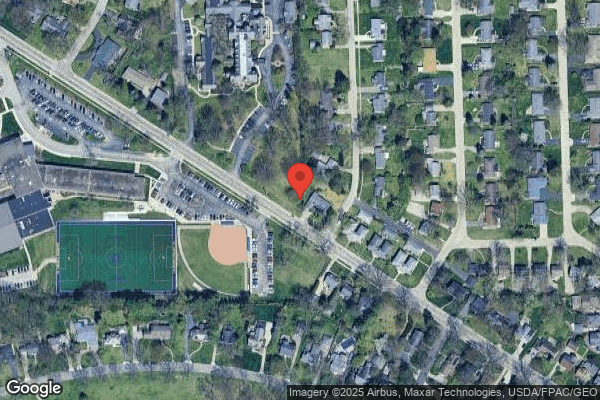
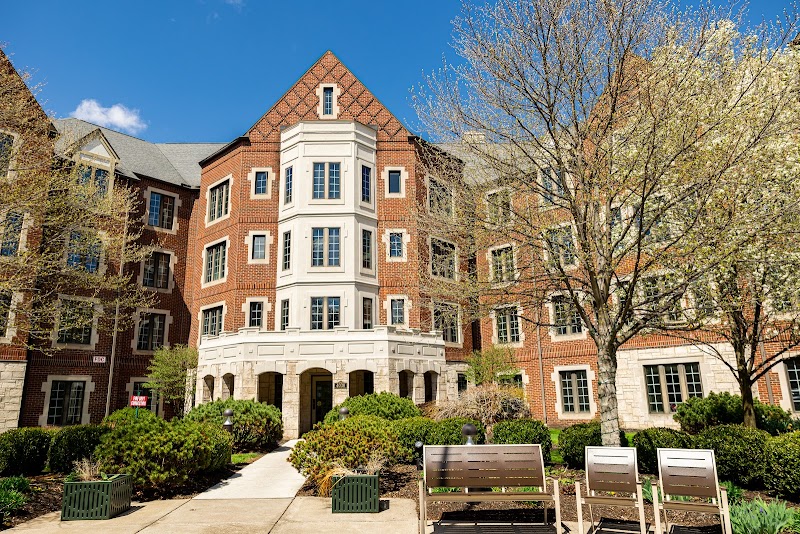
4020 INDIAN RD, TOLEDO, OH 43606 (419) 536-4645
Non profit - Corporation 24 Beds OTTERBEIN SENIORLIFE Data: November 2025
Trust Grade
55/100
#526 of 913 in OH
Last Inspection: May 2025

Inspected within the last 6 months. Data reflects current conditions.

Overview

Otterbein Sunset House in Toledo, Ohio has received a Trust Grade of C, indicating an average performance that places it in the middle of the pack among nursing homes. It ranks #526 out of 913 facilities in Ohio, meaning it is in the bottom half, and #13 out of 33 in Lucas County, suggesting that only a few local options are better. The facility's trend is worsening, as the number of issues identified doubled from 4 in 2024 to 8 in 2025. Staffing is a concern with a rating of 2 out of 5 stars and a high turnover rate of 67%, which is above the state average. However, it boasts good RN coverage, exceeding 99% of similar facilities, which is a positive aspect since registered nurses can catch problems that less experienced staff might miss. There have been specific incidents of concern, such as a lack of registered nursing staff on two consecutive days, potentially compromising resident care. Additionally, the facility failed to maintain an adequate water management program, which could pose health risks to residents. Lastly, fire drills were not conducted as required, raising safety concerns for all residents. While there are strengths in RN coverage, the overall picture reflects significant areas needing improvement.

Trust Score
C
55/100
In Ohio
#526/913
Bottom 43%
Safety Record
Low Risk
No red flags
Inspections
Getting Worse
4 → 8 violations
Staff Stability
⚠ Watch
67% turnover. Above average. Higher turnover means staff may not know residents' routines.
Penalties
✓ Good
No fines on record. Clean compliance history, better than most Ohio facilities.
Skilled Nurses
✓ Good
Each resident gets 64 minutes of Registered Nurse (RN) attention daily — more than 97% of Ohio nursing homes. RNs are the most trained staff who catch health problems before they become serious.
Violations
⚠ Watch
26 deficiencies on record. Higher than average. Multiple issues found across inspections.
★★★☆☆
3.0
Overall Rating
★★☆☆☆
2.0
Staff Levels
★★★☆☆
3.0
Care Quality
★★★☆☆
3.0
Inspection Score
Stable
2024: 4 issues
2025: 8 issues

The Good

  • Full Sprinkler Coverage · Fire safety systems throughout facility
  • No fines on record

Facility shows strength in fire safety.

The Bad

3-Star Overall Rating

Near Ohio average (3.2)

Meets federal standards, typical of most facilities

Staff Turnover: 67%

20pts above Ohio avg (46%)

Frequent staff changes - ask about care continuity

Chain: OTTERBEIN SENIORLIFE

Part of a multi-facility chain

Ask about local staffing decisions and management

Staff turnover is elevated (67%)

19 points above Ohio average of 48%

The Ugly 26 deficiencies on record

May 2025 8 deficiencies
CONCERN (D)

Potential for Harm - no one hurt, but risky conditions existed

Safe Environment (Tag F0584)

Could have caused harm · This affected 1 resident

**NOTE- TERMS IN BRACKETS HAVE BEEN EDITED TO PROTECT CONFIDENTIALITY** Based on observation and staff interview, the facility failed to ensure resident toilet facilities were maintained in a sanitary...

Read full inspector narrative →
**NOTE- TERMS IN BRACKETS HAVE BEEN EDITED TO PROTECT CONFIDENTIALITY** Based on observation and staff interview, the facility failed to ensure resident toilet facilities were maintained in a sanitary manner. This affected one of 14 residents (#125) reviewed for environmental and housekeeping services. Facility census was 14. Findings include: Resident #125 admitted to the facility on [DATE] with diagnoses including, nondisplaced right femur fracture, paranoid schizophrenia, type 2 diabetes mellitus, urinary tract infection, anemia, chronic kidney disease, hypertension, Alzheimer's disease, dementia, depression, coronary artery disease and heart failure. According to the functional abilities assessment dated [DATE] assessed Resident #125 to require substantial to maximal assistance with activities of daily living. On 04/26/25 skilled nursing charting assessed Resident #125 as alert and oriented to person and place, received oxygen via nasal cannula, continent of bowel and bladder, and unable to bear weight with unsteady gait. On 04/28/25 at 12:10 P.M. observation in Resident #125's private restroom located inside the resident room discovered a soiled bedpan placed on top of the toilet. The bedpan contained a yellow liquid substance pooling in the pan. The toilet had particles of brown substance clinging to the toilet bowl. Located on the floor of the restroom next to the toilet noted a brown substance on the floor tile. Interview with Housekeeper #211 on 04/29/25 at 7:58 A.M. verified the soiled restroom contained in Resident #125 room on 04/28/25. Housekeeper #211 further stated frequently following weekends the resident restrooms are discovered with soiled debris.
CONCERN (D)

Potential for Harm - no one hurt, but risky conditions existed

Drug Regimen Review (Tag F0756)

Could have caused harm · This affected 1 resident

**NOTE- TERMS IN BRACKETS HAVE BEEN EDITED TO PROTECT CONFIDENTIALITY** Based on medical record review and staff interview, the facility failed to ensure resident pharmacy medication regimen reviews w...

Read full inspector narrative →
**NOTE- TERMS IN BRACKETS HAVE BEEN EDITED TO PROTECT CONFIDENTIALITY** Based on medical record review and staff interview, the facility failed to ensure resident pharmacy medication regimen reviews were conducted monthly. This affected two of five sampled residents (#4, #1) reviewed for unnecessary medications and related pharmacy services in a facility census of 14. Findings include: 1. Resident #4 admitted to the facility on [DATE] with the diagnosis including, cerebral infarction resulting in hemiplegia and hemiparesis right side, dysphagia, abnormal posture, coronary artery disease, hypokalemia, congestive heart failure, glaucoma, atrial fibrillation, major depression, type 2 diabetes mellitus, and neuromuscular dysfunction of bladder. According to the most current Minimum Data Set (MDS) assessment dated [DATE] Resident #4 was assessed with severe cognitive impairment, no behaviors, dependent on staff for the completion of activities of daily living, incontinent of bowel and bladder, and received scheduled pain medications. Review of Resident #4's medical record noted current physician orders for 17 medications including oral, topical, eye, and inhalation. According to progress notes on 04/05/25 at 6:39 P.M. a pharmacy review was completed including the resident's medication regimen and have noted any irregularities and/or observations on a separate report to the Director of Nursing (DON) and prescriber. No documentation contained in the medical record indicated information related to the result of the medication regimen review. On 04/30/25 at 7:35 A.M. interview with the DON verified no documentation contained in the medical record was available indicating the results of the pharmacist monthly medication review or specific medication adjustments. 2. Review of Resident #1's record revealed an admission date of 01/17/19. Diagnoses include severe dementia with behavioral and mood disturbance, anxiety disorder, heart failure, morbid obesity, hyperlipidemia, osteoarthritis, hypothyroidism, insomnia, edema, major depressive disorder, type 2 diabetes mellitus with neuropathy, and hypertension. Resident #1 was admitted to hospice 08/15/24 based on the dementia diagnosis. Review of Resident #1's quarterly MDS assessment, dated 04/03/25, indicated the resident had severe cognitive impairment and received multiple medications including antianxiety medication, antidepressant medication, antibiotic medication, opioid medication, hypoglycemic medication, and anticonvulsant medication. Review of Resident #1's physician orders revealed they included orders for 20 medications, including oral, topical, eye, sublingual (under the tongue), and subcutaneous (under the skin). Review of Resident #1's progress notes revealed they included a monthly progress notes by the consulting pharmacist. Each progress note stated the resident's medication regimen was reviewed and any irregularities and/or observations were provided on a separate report provided to the Director of Nursing (DON) and prescriber. Review of the remaining record revealed no such reports were included. Interview on 04/30/25 at 12:55 P.M. with the DON confirmed the pharmacist's monthly medication regimen review reports, were not part of Resident #1's medical record or otherwise available. Review of a policy titled, Documentation and Communication of Consultant Pharmacist Recommendations, last revised December 2019, confirmed a record of the consultant pharmacist's observations and recommendations must be made available in an easily retrievable form to nurses, prescribers, medical directors, and the care planning team. The policy further stated the findings of the monthly medication regimen review should be included in the medical record. Additionally, the policy stated recommendations shall be acted upon and documented by the staff and/or prescriber within 30 days or the DON and/or consulting pharmacist will take appropriate action, including with the medical director.
CONCERN (D)

Potential for Harm - no one hurt, but risky conditions existed

Deficiency F0757 (Tag F0757)

Could have caused harm · This affected 1 resident

**NOTE- TERMS IN BRACKETS HAVE BEEN EDITED TO PROTECT CONFIDENTIALITY** Based on medical record review, and staff interview, the facility failed to ensure psychoactive medication recommendations were ...

Read full inspector narrative →
**NOTE- TERMS IN BRACKETS HAVE BEEN EDITED TO PROTECT CONFIDENTIALITY** Based on medical record review, and staff interview, the facility failed to ensure psychoactive medication recommendations were implemented as directed by the physician. This affected one of five sampled residents (#4) reviewed for the provision of unnecessary medication administration in a facility census of 14. Findings include: Resident #4 admitted to the facility on [DATE] with diagnoses including, cerebral infarction resulting in hemiplegia and hemiparesis right side, dysphagia, abnormal posture, coronary artery disease, hypokalemia, congestive heart failure, glaucoma, atrial fibrillation, major depression, type 2 diabetes mellitus, and neuromuscular dysfunction of bladder. According to the most current Minimum Data Set assessment dated [DATE] Resident #4 was assessed with severe cognitive impairment, no behaviors, dependent on staff for the completion of activities of daily living, incontinent of bowel and bladder, and received pain medications. On 12/13/16 a nursing plan of care was initiated to address Resident #4 risk for side effects from psychotropic medication use for diagnosis of depression. Interventions included the following; Administer Effexor medication as ordered by doctor. Discuss with resident and family potential side effects of the drug Venlafaxine. Monitor and record resident behaviors. Observe resident for adverse side effects, document if noted, notify resident physician. The pharmacy consultant will review medication every month, and make recommendations as needed. On 05/07/24 a physician order was initiated for the administration of Venlafaxine HCl ER 37.5 milligrams (mg) to be administered related to major depressive disorder. According to pharmacy recommendation note to attending physician/prescriber dated 01/10/25 Consultant Pharmacist listed current psychiatric medication to include the administration of Effexor ER 37.5 mg QD since at least 05/07/24. The Consultant Pharmacist requested the physician consider a possible gradual dose reduction (GDR). Please complete the form indicating any change in medication (med) orders or documentation as to why you (physician) consider a GDR is not indicated at this time. Physician response dated 01/31/25 documented to involve psych (psychiatry/psychology). No documentation contained in the medical record indicated the physician response was implemented. On 04/30/25 at 7:35 A.M. interview with the Director of Nursing (DON) during a review of pharmacy the recommendation 01/31/25 confirmed the physicians response had note been implemented.
CONCERN (D)

Potential for Harm - no one hurt, but risky conditions existed

Unnecessary Medications (Tag F0759)

Could have caused harm · This affected 1 resident

**NOTE- TERMS IN BRACKETS HAVE BEEN EDITED TO PROTECT CONFIDENTIALITY** Based on observation, medical record review, staff interview, and facility policy, the facility failed to ensure medications wer...

Read full inspector narrative →
**NOTE- TERMS IN BRACKETS HAVE BEEN EDITED TO PROTECT CONFIDENTIALITY** Based on observation, medical record review, staff interview, and facility policy, the facility failed to ensure medications were provided as ordered by the physician and without error. This resulted in three errors of 37 medications being administered with a 8.11% error rate. This affected one of three residents (#20) observed for medication administration in a facility census of 14. Findings include: Resident #20 admitted to the facility on [DATE] with diagnoses including, pneumonia, hypoxemia, fluid overload, type 2 diabetes mellitus, chronic obstructive pulmonary disease, long term use insulin, polyneuropathy, glaucoma, chronic kidney disease, hypertension and depression. According to the most current Minimum Data Set assessment dated [DATE] assessed Resident #20 with moderately impaired cognition, dependent on staff for the completion of activities of daily living, vision adequate with corrective lenses, and incontinent of urine. Review of physician orders noted the following; 03/18/25 Cilostazol Oral Tablet 100 milligrams (mg) (Cilostazol) Give 1 tablet by mouth every morning and at bedtime for claudication. On 03/18/25 Dorzolamide HCl Ophthalmic Solution 2 % (Dorzolamide HCl) Instill 1 drop in both eyes every morning and at bedtime for glaucoma. On 03/20/25 Brimonidine Tartrate Ophthalmic Solution 0.2 % (Brimonidine Tartrate) Instill 1 drop in left eye every 12 hours for glaucoma. Observation on 04/29/25 at 9:22 A.M. noted Registered Nurse (RN) #207 gathering medications for Resident #20. Medications included brimonidine 0.2% eye drops and dorzolamide 2% eye drops. At the time of observation RN #207 stated the medication cilostzol 100 milligrams (mg) was not available and would not be administered. RN #207 then proceeded to Resident #20's room and administered several medications mouth. At 9:31 A.M. RN #207 placed one drop of brimonidine 0.2% into Resident #30 left eye. After 30 seconds RN #207 placed one drop of dorzolamide 2% into each eye. No pause between eye drop medications was attempted. On 04/29/25 at 9:40 A.M. interview with RN #207 verified eye drops were given one after another with no pause between. In addition the medication cilostazol 100 mg was to be administered twice daily and the morning dose would be omitted due to not being available at the facility. According to medication administration procedure revised November 9, 2021. Medications are administered only by licensed nursing, medical, pharmacy or other personnel authorized by state laws and regulations to administer medications. Medications are administered in accordance with written orders of the attending physician or physician extender. Medications are administered within one hour before or one hour after scheduled time. According to facility medication administration procedure for eye drop administration dated May 2022. The time for optimal eye drop absorption is approximately 3 to 5 minutes. If another drop of the same or different medication is prescribed for administration in the same eye at the same time, wait 3 to 5 minutes. In the case of administering levobunolol, timolol, brinzolamide, or dorzolamide, wait 10 minutes before administering additional drops.
CONCERN (D)

Potential for Harm - no one hurt, but risky conditions existed

Deficiency F0760 (Tag F0760)

Could have caused harm · This affected 1 resident

**NOTE- TERMS IN BRACKETS HAVE BEEN EDITED TO PROTECT CONFIDENTIALITY** Based on observation, medical record review, staff interview, and facility policy, the facility failed to ensure medications wer...

Read full inspector narrative →
**NOTE- TERMS IN BRACKETS HAVE BEEN EDITED TO PROTECT CONFIDENTIALITY** Based on observation, medical record review, staff interview, and facility policy, the facility failed to ensure medications were administered to prevent the occurrences of significant medication errors. This affected two of four sampled residents (#20, #125) reviewed for the administration of medications in a facility census of 14. Findings include: 1. Resident #20 admitted to the facility on [DATE] with diagnoses including, pneumonia, hypoxemia, fluid overload, type 2 diabetes mellitus, chronic obstructive pulmonary disease, long term use insulin, polyneuropathy, glaucoma, chronic kidney disease, hypertension and depression. According to the most current Minimum Data Set assessment dated [DATE] assessed Resident #20 with moderately impaired cognition, dependent on staff for the completion of activities of daily living, vision adequate with corrective lenses, and incontinent of urine. Review of physician orders noted the following; 03/18/25 Cilostazol Oral Tablet 100 milligrams (mg) (Cilostazol) Give 1 tablet by mouth every morning and at bedtime for claudication. On 03/18/25 Dorzolamide HCl Ophthalmic Solution 2 % (Dorzolamide HCl) Instill 1 drop in both eyes every morning and at bedtime for glaucoma. On 03/20/25 Brimonidine Tartrate Ophthalmic Solution 0.2 % (Brimonidine Tartrate) Instill 1 drop in left eye every 12 hours for glaucoma. Observation on 04/29/25 at 9:22 A.M. noted Registered Nurse (RN) #207 gathering medications for Resident #20. Medications included brimonidine 0.2% eye drops and dorzolamide 2% eye drops. At there time of observation RN #207 stated the medication cilostzol 100 milligrams (mg) was not available and would not be administered. RN #207 then proceeded to Resident #20 room and administered several medications mouth. At 9:31 A.M. RN #207 placed one drop of brimonidine 0.2% into Resident #30 left eye. After 30 seconds RN #207 placed one drop of dorzolamide 2% into each eye. No pause between eye drop medications was attempted. On 04/29/25 at 9:40 A.M. interview with RN #207 verified eye drops were given one after another with no pause between. In addition the medication cilostazol 100 mg was to be administered twice daily and the morning dose would be omitted due to not being available at the facility. According to facility medication administration procedure for eye drop administration dated May 2022. The time for optimal eye drop absorption is approximately 3 to 5 minutes. If another drop of the same or different medication is prescribed for administration in the same eye at the same time, wait 3 to 5 minutes. In the case of administering levobunolol, timolol, brinzolamide, or dorzolamide, wait 10 minutes before administering additional drops. 2. Resident #125 admitted to the facility on [DATE] with diagnoses including, nondisplaced right femur fracture, paranoid schizophrenia, type 2 diabetes mellitus, urinary tract infection, anemia, chronic kidney disease, hypertension, alzheimer's disease, dementia, depression, coronary artery disease and heart failure. According to the functional abilities assessment dated [DATE] assessed Resident #125 to require substantial to maximal assistance with activities of daily living. On 04/26/25 skilled nursing charting assessed Resident #125 as alert and oriented to person and place, received oxygen via nasal cannula, continent of bowel and bladder, unable to bear weight with unsteady gait, and intact skin. Review of physician orders dated 04/26/25 noted Vilazodone 20 milligrams (mg) to be administered in the morning related to depression. Review of Medication Administration Records (MAR) between 04/26/25 and 04/28/25 noted the medication documented as not administered. No further documentation contained evidence indicating the medication was administered or the physician being notified of the omission. On 05/01/25 at 9:34 A.M. interview with Director of Nursing following medical record review verified Resident #125 did not receive Vilazodone 20 mg on 04/26/25, 04/27/25, 04/28/25 due to medication not available in facility. According to medication administration procedure revised November 9, 2021, medications are administered only by licensed nursing, medical, pharmacy or other personnel authorized by state laws and regulations to administer medications. Medications are administered in accordance with written orders of the attending physician or physician extender. Medications are administered within one hour before or one hour after scheduled time.
CONCERN (F)

Potential for Harm - no one hurt, but risky conditions existed

Deficiency F0727 (Tag F0727)

Could have caused harm · This affected most or all residents

Based on staff interview and review of facility staffing documentation, the facility failed to ensure the facility was staffed with sufficient Registered Nursing staff each day. This affected all resi...

Read full inspector narrative →
Based on staff interview and review of facility staffing documentation, the facility failed to ensure the facility was staffed with sufficient Registered Nursing staff each day. This affected all residents residing in the facility. Facility census was 14. Findings include: Review of facility nursing schedules between 04/21/25 and 04/27/25 revealed the schedule lacked documentation indicating a Registered Nurse (RN) was scheduled to work in the facility on 04/26/25 and 04/27/25. On 04/30/25 at 1:37 P.M. interview with the Administrator and Director of Nursing (DON) during a review of the nurse staffing scheduled between 04/21/25 and 04/27/25 verified the facility was not staffed with a Registered Nurse on 04/26/25 or 04/27/25. The Administrator stated the DON was on call on 04/26/25 and 04/27/25. However, the DON did not report to the facility on either date. On 05/01/25 at 7:50 A.M. review of facility weekly staffing sheet between 04/21/25 and 04/27/25 during interview with the DON confirmed no Registered Nurse was working in the facility on 04/26/25 and 04/27/25.
CONCERN (F)

Potential for Harm - no one hurt, but risky conditions existed

Infection Control (Tag F0880)

Could have caused harm · This affected most or all residents

Based on interview, facility documentation, and a policy for water management, the facility failed to ensure a sufficient water management program based on an accurate risk assessment. This had the po...

Read full inspector narrative →
Based on interview, facility documentation, and a policy for water management, the facility failed to ensure a sufficient water management program based on an accurate risk assessment. This had the potential to affect all residents. The census was 14. Findings include: Review of a document titled Legionnaire's Risk Assessment revealed the document was undated, unsigned, and did not include the name of the facility. Interview on 05/01/25 at 9:15 A.M. with Administrator and Environmental Services Director #233 confirmed the risk assessment did not include the date of the assessment, a signature, or the name of the facility. Both denied knowledge of when the risk assessment was completed and by whom. Review of policy titled, Water Management Program for Legionella Risk Reduction, dated 2017, revealed the facility shall conduct a risk assessment to identify where Legionella and other opportunistic waterborne pathogens could grow and spread.
CONCERN (F)

Potential for Harm - no one hurt, but risky conditions existed

Safe Environment (Tag F0921)

Could have caused harm · This affected most or all residents

**NOTE- TERMS IN BRACKETS HAVE BEEN EDITED TO PROTECT CONFIDENTIALITY** Based on staff interview and review of fire drill reports, corrective action plans, and a state fire marshal report, the facili...

Read full inspector narrative →
**NOTE- TERMS IN BRACKETS HAVE BEEN EDITED TO PROTECT CONFIDENTIALITY** Based on staff interview and review of fire drill reports, corrective action plans, and a state fire marshal report, the facility failed to conduct fire drills across all shifts during the twelve-month review period preceding the survey. This had the potential to affect all residents. The census was 14. Findings include: Interview on 05/01/25 at 9:15 A.M. with the Administrator and Environmental Services Director (ESD) #233 revealed fire drills were not conducted on first or third shift in the first quarter of 2024, and no fire drill was conducted on third shift in the third quarter of 2024. Follow-up interview on 05/01/25 at 1:15 P.M. with the Administrator revealed the state fire marshal issued a violation on 07/25/24 for failure to conduct fire drills across all shifts during each quarter. Review of the Emergency and Disaster Plan, last reviewed 11/26/24, confirmed fire drills are to be conducted monthly and rotated so drills are conducted on each shift at least once per quarter. The deficient practice was corrected on 12/24/24 when the facility implemented the following corrective actions: • On 08/22/24 and 08/23/24, the facility educated all staff, including maintenance staff, on fire safety. • On 10/01/24, the (former) Environmental Services Director was educated by the Administrator on conducting fire drills. This employee was later terminated for continued failure to perform job duties, including those pertaining to fire drills. • The facility conducted fire drills on 10/12/24 on third shift, on 11/12/24 on first and second shifts, on 12/12/24 on third shift, on 12/16/24 on first shift, and on 12/19/24 on second shift. These drills met the state fire marshal's required corrective actions. • The Administrator conducted audits of fire drill documentation on 10/12/24, 11/12/24, 12/16/24, and 12/19/24 and found no further deficiencies. • On 11/26/24, a representative from the [NAME] Fire Prevention Bureau and the Administrator reviewed the facility's Emergency and Disaster Plan and deemed it satisfactory. • On 12/24/24, the Division of State Fire Marshal Code Enforcement Bureau conducted an onsite inspection and determined the facility had corrected the drill violation, effective 12/24/24. Since the date of correction on 12/24/24, the facility conducted fire drills on 01/17/25, 02/27/25, 03/20/25, and 04/18/25. Review of the fire drill reports for drills conducted since the 12/24/24 correction, confirmed the facility has had no further deficiencies with fire drills.
Oct 2024 1 deficiency
CONCERN (D) 📢 Someone Reported This

A family member, employee, or ombudsman was alarmed enough to file a formal complaint

Potential for Harm - no one hurt, but risky conditions existed

Free from Abuse/Neglect (Tag F0600)

Could have caused harm · This affected 1 resident

THE FOLLOWING DEFICIENCY REPRESENTS AN INCIDENT OF PAST NON-COMPLIANCE THAT WAS SUBSEQUENTLY CORRECTED PRIOR TO THIS SURVEY. Based on record review, review of the facility policy, staff interview, and...

Read full inspector narrative →
THE FOLLOWING DEFICIENCY REPRESENTS AN INCIDENT OF PAST NON-COMPLIANCE THAT WAS SUBSEQUENTLY CORRECTED PRIOR TO THIS SURVEY. Based on record review, review of the facility policy, staff interview, and review of the facility self-reported incident, the facility failed to prevent staff-to-resident physical abuse. This affected one (Resident #1) of four residents reviewed for abuse. The facility census was 15. Findings include: Review of the medical record for Resident #1 revealed an admission date of 12/14/17. Diagnoses included peripheral venous insufficiency, polyarthritis, macular degeneration right and left eye, dementia, chronic kidney disease, hemiplegia and hemiparesis following a cerebral vascular accident. An additional diagnosis of cerebral atherosclerosis was added on 10/21/24. Review of the quarterly Minimum Data Set (MDS) assessment completed on 10/09/24 Resident #1 was highly impaired visually and had severe cognitive impairment. Resident #1 was dependent on staff for toilet hygiene, bathing and bed mobility and required the physical assistance of two people for transfers using a lift device. Resident #1 was also incontinent of bowel and bladder. Review of the care plan for Resident #1 revealed an activities of daily living (ADL) deficit due to impaired cognition and hemiparesis. Interventions included for caretakers to provide assistance without rushed care, anticipate needs, allow of rest periods with care and to ensure a safe environment. Review of the skin assessment completed on 09/18/24 at 4:35 P.M. revealed Resident #1 had bruising to the right hand and wrist. The skin assessment completed on 09/19/24 at 5:30 P.M. revealed Resident #1 had bruising to bilateral forearms. Additional skin assessments completed on 09/19/24 and 09/20/24 revealed bilateral forearm bruising. The provider progress note dated 09/19/24 revealed Resident #1 had bruising to the right and left arm and wrist. The left forearm bruise was darkening, and the right wrist continued to improve. Review of the facility self-reported incident (SRI) dated 09/18/24 revealed on 09/18/24 at approximately 4:00 P.M., a family member of Resident #1 reported to the Director of Nursing that State Tested Nursing Assistant (STNA) #75 was rough when providing care on the midnight shift. The facility's investigation revealed the family's video camera footage was reviewed and found STNA #75 did provide improper care and had disrespectful communication with Resident #1. Interview with the Executive Director (ED) on 10/30/24 at 11:00 A.M. stated Resident #1's family showed video footage from the video camera in Resident #1's room. The ED stated on 09/18/24, STNA #275 crossed Resident #1's across the resident's chest, pulled the resident's shirt up over the crossed arms of Resident #1 and secured the shirt over the resident's shoulders, limiting the resident's movement. Additionally, STNA #275 mocked Resident #1 when the resident was moaning during care. Review of the facility policy titled Abuse, Mistreatment, Neglect, Exploitation and Misappropriation of Resident Property, dated 10/25/22 revealed residents have the right to be free of abuse, including freedom from corporal punishment, involuntary seclusion and any physical or chemical restraint that is not required to treat the resident's medical symptoms. The policy defined a physical restraint as any manual method or physical or mechanical device, material, or equipment attached or adjacent to the resident's body that the individual cannot remove easily which restricts freedom of movement or normal access to one's body. The deficient practice was corrected on 10/11/24 when the facility implemented the following corrective actions: • On 09/18/24, the Executive Director notified the Medical Director of the abuse allegation. • On 09/18/24, a meeting with the family and a review of the situation, including a video the family had of the care revealed STNA #75 displayed disrespectful behavior and delivered poor resident care to Resident #1. • On 09/18/24, STNA #75 was immediately placed on administrative leave pending investigation. STNA #75 never returned back to work and the facility terminated STNA #75's employment. • On 09/18/24, the DON completed a head-to-toe assessment of Resident #1; no additional injuries were noted, the resident had no signs of psychosocial distress. Resident #1 at the time of the assessment was pleasant and unaware of the incident. • On 09/18/24, the DON and designee completed head to toe skin assessments on all residents with no abnormal findings. • On 09/19/24, an Ad Hoc Quality Assurance and Performance Improvement (QAPI) committee meeting was held to review internal action plan for the care concern of Resident #1. • On 09/19/24, Resident #1 was evaluated by Nurse Practitioner (NP) #215, with no concerns identified and no new orders given. • On 09/19/24, all residents were interviewed regarding care and roughness during care. All residents interviewed stated the care received was good, with no complaints regarding care. All residents denied having received rough care. • On 09/19/24, the DON and designee educated all nursing staff on duty on the abuse policy and peri care. On 09/20/24, the DON and designee educated all nursing staff on the abuse policy including, mistreatment, neglect, exploitation and misappropriation of resident property and reporting. As well staff were educated on peri care, customer service and respectful communication and restraints. • On 09/20/24 and 09/21/24, the DON and designee completed skin sweeps on all residents. There were no abnormal findings. • Beginning on 09/21/24, the DON or designee will observe and monitor resident care on third shift weekly for four weeks to ensure appropriate compassionate care, random audits thereafter. Review of the audits completed on 09/18/24, 09/27/24, 10/01/24 and 10/11/24 revealed no concerns. • Interviews on 10/30/24 with Therapist #200, Housekeeper #220, STNAs #58 and #60, LPN #51 confirmed staff were re-educated on the facility's abuse policy and reporting procedures and each staff were knowledgeable about the facility's procedures. This deficiency represents non-compliance investigated under Complaint Number OH00158626.
Jun 2024 1 deficiency
CONCERN (F) 📢 Someone Reported This

A family member, employee, or ombudsman was alarmed enough to file a formal complaint

Potential for Harm - no one hurt, but risky conditions existed

Food Safety (Tag F0812)

Could have caused harm · This affected most or all residents

Based on observation, staff interview, and review of the facility policy, the facility failed to seal and date opened food items in the freezer. This had to potential to affect all 19 residents residi...

Read full inspector narrative →
Based on observation, staff interview, and review of the facility policy, the facility failed to seal and date opened food items in the freezer. This had to potential to affect all 19 residents residing in the facility. Findings include: Observation on 06/24/24 of the kitchen's freezer from 7:20 A.M. to 7:45 A.M. revealed an opened, unsealed, undated bag of Alaskan polluck, an opened, unsealed, undated bag of turkey sausage, an opened, unsealed, undated bag of seasoned beef patties. Interview on 06/24/24 at 7:25 A.M. with Dietary [NAME] #202 verified the finding. Interview on 06/24/24 at 1:26 P.M. with the Administrator stated all residents were getting food from the kitchen and there were no residents nothing by mouth. Review of the facility's Food Storage and Policy and Procedure, last revised 05/2013, revealed all food is to be stored, labeled and dated properly to assure stock rotation and prevent food illness. This deficiency represents non-compliance investigated under Complaint Number OH00154237.
Apr 2024 1 deficiency
CONCERN (D) 📢 Someone Reported This

A family member, employee, or ombudsman was alarmed enough to file a formal complaint

Potential for Harm - no one hurt, but risky conditions existed

Deficiency F0620 (Tag F0620)

Could have caused harm · This affected 1 resident

**NOTE- TERMS IN BRACKETS HAVE BEEN EDITED TO PROTECT CONFIDENTIALITY** Based on medical record review, review of admissions documents, staff interview, and review of facility policy, the facility fai...

Read full inspector narrative →
**NOTE- TERMS IN BRACKETS HAVE BEEN EDITED TO PROTECT CONFIDENTIALITY** Based on medical record review, review of admissions documents, staff interview, and review of facility policy, the facility failed to ensure admission agreements were provided and signed timely for newly admitted residents. This affected three (#10, #11, and #12) of three residents reviewed for admissions. The facility census was 20. Finding Include: 1. Review of Resident #10's medical record revealed an admission date of 02/02/24 and a discharge date of 02/18/24. Diagnoses included sepsis, prostate cancer, type II diabetes, cognitive communication deficit, chronic kidney disease, hypertension, and acute respiratory infection. Review of Resident #10's admission agreement revealed Resident #10 was admitted to the facility on [DATE]. The admission agreement form contained the services the facility would provide, cost of services and payor sources, resident rights, bed hold notification, consent for ancillary services, and a consent to treat. Resident #10 was not provided his agreement for signature until 02/11/24, nine days after his admission to the facility. 2. Review of Resident #11's medical record revealed an admission date of 02/02/24 and a discharge date of 02/14/24. Diagnoses included fracture of the right clavicle subsequent encounter, urinary tract infection, anxiety disorder, heart disease, spinal stenosis, and cognitive communication deficit. Review of Resident #11's admission agreement revealed Resident #11 was admitted to the facility on [DATE]. The admission agreement form contained the services the facility would provide, cost of services and payor sources, resident rights, bed hold notification, consent for ancillary services, and a consent to treat. Resident #11 was not provided his agreement for signature until 02/11/24, nine days after his admission to the facility and three days prior to his discharge. 3. Review of Resident #12's medical record revealed an admission date of 02/05/24 and a discharge date of 02/13/24. Diagnoses included aftercare following joint replacement surgery, obesity, atrial fibrillation, ventral hernia, long term use of anticoagulants, and cognitive communication deficit. Review of Resident #12's admission agreement revealed Resident #12 was admitted to the facility on [DATE]. The admission agreement form contained the services the facility would provide, cost of services and payor sources, resident rights, bed hold notification, consent for ancillary services, and a consent to treat. Resident #11 was not provided his agreement for signature until 02/12/24, seven days after his admission to the facility and one day prior to his discharge. Interview on 04/01/24 at 10:02 A.M. with Admissions Director (AD) #237 revealed typically resident admission packets were signed within 72 hours of admission, though there was not defined timeframe for signature. AD #237 Verified Resident #10, #11, and #12 had not signed their admission agreements until seven to nine days after admission to the facility. AD #237 verified the agreements contained the consent to treat, cost of stay, services offered, photo release, Health Insurance Portability and Accountability Act (HIPAA) policy, resident rights, and consent for ancillary services. Review of the facility policy titled, admission Policy, revised 12/06/16, revealed potential residents must sign the facility's admission agreement and agree to abide by the facility's policies and procedures. Prospective residents would be given a copy of the facility's description of services, payment options, resident rights, and all other applicable prior to the signing of the admission agreement whenever practical. On admission the facility would explain to residents the special characteristics or services limitations of the facility which were also to be identified in the admission material. This deficiency represents non-compliance investigated under Complaint Number OH00152165.
Jan 2024 1 deficiency
CONCERN (D) 📢 Someone Reported This

A family member, employee, or ombudsman was alarmed enough to file a formal complaint

Potential for Harm - no one hurt, but risky conditions existed

Quality of Care (Tag F0684)

Could have caused harm · This affected 1 resident

Based on record review and staff interview, the facility failed to follow physician orders to obtain daily weights to monitor for fluid overload. This affected two (#20 and #1) of three residents revi...

Read full inspector narrative →
Based on record review and staff interview, the facility failed to follow physician orders to obtain daily weights to monitor for fluid overload. This affected two (#20 and #1) of three residents reviewed for daily weights. The facility census was 18. Findings include: 1. Review of the medical record for Resident #20 revealed an admission date of 10/12/23 and a discharge date of 12/18/23. Diagnosis included congestive heart failure (CHF). Review of the physician orders for Resident #20 revealed an order for daily weight and to notify the physician of a greater than two-pound weight gain in 24 hours, or greater than five pound weight gain in one week. Review of Resident' #20's Treatment Administration Record (TAR) for 10//23 revealed no daily weights were obtained for the following days: 10/17/23, 10/18/23, 1022/23, 10/24/23, 10/25/23, 10/27/23, 10/28/23, 10/29/23, 10/30/23, and 10/31/23. Review of the TAR for the month of 11/23 revealed revealed no daily weights were obtained for th following days: 11/02/23, 11/04/23, 11/05/23, 11/08/23, 11/09/23, 11/10/23, 11/12/23, and 11/13/23. Review of the TAR for the month of 12/23 revealed revealed no daily weights were obtained for th following days: 12/04/23, 12/07/23, 12/08/23, 12/09/23, 12/10/23, 12/11/23, and 12/17/23. 2. Review of the medical record for Resident #1 revealed an admission date of 01/17/19 with a diagnosis of heart failure. Review of the current physician orders for Resident #1 revealed an order to obtain a daily weight and notify the physician for weight gain of greater than two pounds in 24 hours or greater than five pounds in one week. Review of the TAR for Resident #1 for 11/23 revealed revealed no daily weights were obtained for the following days: 11/02/23, 11/03/23, 11/05/23, 11/06/23, 11/07/23, 11/08/23, 11/09/23, 11/10/23/11/11/23, 11/12/23, 11/15/23, 11/17/23, 11/20/23, and 11/26/23. Review of the TAR for Resident #1 for 12/23 revealed revealed no daily weights were obtained for the following days: 12/04/23, 12/09/23, 12/21/23, 12/23/23, 12/24/23, and 12/25/23. Interview on 01/22/24 at 12:45 P.M. with the Director of Nursing (DON) verified daily weights were missing for Resident #20 and Resident #1. This deficiency represents non-compliance investigated under Complaint Number OH00149536.
Mar 2023 2 deficiencies
CONCERN (D) 📢 Someone Reported This

A family member, employee, or ombudsman was alarmed enough to file a formal complaint

Potential for Harm - no one hurt, but risky conditions existed

Pharmacy Services (Tag F0755)

Could have caused harm · This affected 1 resident

**NOTE- TERMS IN BRACKETS HAVE BEEN EDITED TO PROTECT CONFIDENTIALITY** Based on medical record review, staff interview, and drug manufacturer indications for use, the facility failed to ensure medica...

Read full inspector narrative →
**NOTE- TERMS IN BRACKETS HAVE BEEN EDITED TO PROTECT CONFIDENTIALITY** Based on medical record review, staff interview, and drug manufacturer indications for use, the facility failed to ensure medications were obtained and administered as prescribed in a timely fashion. This affected one (#1) of five residents reviewed for the provision of medications. The census was 14. Findings include: Review of Resident #1's medical record revealed Resident #1 was admitted to the facility on [DATE]. Diagnoses included a right humerus fracture, COVID-19, coronary artery disease, carotid artery stenosis, hypertension, hyperlipidemia, malignant neoplasm of bladder, peripheral vascular disease, and cerebral infarction. Review of the Minimum Data Set (MDS) assessment dated [DATE] revealed Resident #1 was assessed with moderately impaired cognition and was dependent on staff for the completion of activities of daily living. Review of Resident #1's nursing progress notes on 02/16/23 at 8:12 A.M., Resident #1 tested positive for COVID-19. The Director of Nursing was notified and the resident was placed into droplet isolation. At 10:09 A.M., Resident #1's family member was notified of the positive COVID-19 test result. At 10:42 A.M., the physician was notified and no new orders were obtained. Further review of the nursing progress notes on 02/17/23 at 2:24 P.M. revealed Resident #1's family representative requested to call the physician to obtain a monoclonal (antiviral) medication to reduce COVID-19 symptoms and the nurse noted a voicemail was left for the physician. On 02/19/23 at 10:45 P.M., the nurse indicated the medication Paxlovid (150/100) oral tablet therapy pack give 150 milligrams (mg) by mouth every morning and at bedtime every five days was ordered, but the the medication was not in stock and the facility was awaiting arrival from pharmacy. The order was changed for Resident #1 to start the medication in the morning on 02/20/23. Review of a nursing progress note dated 02/20/23 at 7:54 A.M. revealed the nurse documented Resident #1's Paxlovid was not available. A nursing progress note was written on 02/20/23 at 1:47 P.M. that Resident #1's Paxlovid medication was delivered and was given after lunch. There was no further documentation contained in the medical record noted the medication was administered. Review of a a nursing progress note on 02/23/23 at 11:53 A.M. revealed the nurse noted having the Paxlovid in the computer, but it was not on the electronic medication administration record (EMAR) to allow for administration. The nurse communicated the concern with the Director of Nursing and updated the family that the medication was available; however, the medication could not be given until it was transcribed to the EMAR. Resident #1 received the medication during the evening medication administration of 02/23/23. Review of the February 2023 medication administration record (MAR) revealed Resident #1 did not receive the first dose of Paxlovid 150 milligrams (mg) until the evening of 02/20/23 and another dose was not given until 02/23/23 due to a transcription error. Interview with the Administrator and Director of Nursing(DON) on 03/03/23 at 11:35 A.M. confirmed Resident #1 did not receive the medication Paxlovid from the pharmacy in a timely manner. The physician was notified of the medication request on 02/17/23 and did not respond until 02/19/23. One dose of the medication was administered during the evening of 02/20/23 and not administered again until 02/23/23 in the evening due to a transcription error. The DON verified the primary pharmacy was unable to obtain the medication and attempted to contact a secondary pharmacy that was unable to obtain the medication. No communication from the pharmacy was provided to the facility until 02/19/23 regarding the status of the medication. Review of Paxlovid manufacturer indications for use, revised February 2023, instructed to initiate Paxlovid treatment as soon as possible after diagnosis of COVID-19 and within five days of symptom onset. This deficiency represents non-compliance investigated under Master Complaint Number OH00140774.
CONCERN (D) 📢 Someone Reported This

A family member, employee, or ombudsman was alarmed enough to file a formal complaint

Potential for Harm - no one hurt, but risky conditions existed

Deficiency F0760 (Tag F0760)

Could have caused harm · This affected 1 resident

**NOTE- TERMS IN BRACKETS HAVE BEEN EDITED TO PROTECT CONFIDENTIALITY** Based on medical record review, staff interview, and drug manufacturer indications for use, the facility failed to ensure medica...

Read full inspector narrative →
**NOTE- TERMS IN BRACKETS HAVE BEEN EDITED TO PROTECT CONFIDENTIALITY** Based on medical record review, staff interview, and drug manufacturer indications for use, the facility failed to ensure medications were obtained and administered as prescribed by the physician. This affected one (#1) of five residents reviewed for the provision of medications. The census was 14. Findings include: Review of Resident #1's medical record revealed Resident #1 was admitted to the facility on [DATE]. Diagnoses included a right humerus fracture, COVID-19, coronary artery disease, carotid artery stenosis, hypertension, hyperlipidemia, malignant neoplasm of bladder, peripheral vascular disease, and cerebral infarction. Review of the Minimum Data Set (MDS) assessment dated [DATE] revealed Resident #1 was assessed with moderately impaired cognition and was dependent on staff for the completion of activities of daily living. Review of Resident #1's nursing progress notes on 02/16/23 at 8:12 A.M., Resident #1 tested positive for COVID-19. The Director of Nursing was notified and the resident was placed into droplet isolation. At 10:09 A.M., Resident #1's family member was notified of the positive COVID-19 test result. At 10:42 A.M., the physician was notified and no new orders were obtained. Further review of the nursing progress notes on 02/17/23 at 2:24 P.M. revealed Resident #1's family representative requested to call the physician to obtain a monoclonal (antiviral) medication to reduce COVID-19 symptoms and the nurse noted a voicemail was left for the physician. On 02/19/23 at 10:45 P.M., the nurse indicated the medication Paxlovid (150/100) oral tablet therapy pack give 150 milligrams (mg) by mouth every morning and at bedtime every five days was ordered, but the the medication was not in stock and the facility was awaiting arrival from pharmacy. The order was changed for Resident #1 to start the medication in the morning on 02/20/23. Review of a nursing progress note dated 02/20/23 at 7:54 A.M. revealed the nurse documented Resident #1's Paxlovid was not available. A nursing progress note was written on 02/20/23 at 1:47 P.M. that Resident #1's Paxlovid medication was delivered and was given after lunch. There was no further documentation contained in the medical record noted the medication was administered. Review of a a nursing progress note on 02/23/23 at 11:53 A.M. revealed the nurse noted having the Paxlovid in the computer, but it was not on the electronic medication administration record (EMAR) to allow for administration. The nurse communicated the concern with the Director of Nursing and updated the family that the medication was available; however, the medication could not be given until it was transcribed to the EMAR. Resident #1 received the medication during the evening medication administration of 02/23/23. Review of the February 2023 medication administration record (MAR) revealed Resident #1 did not receive the first dose of Paxlovid 150 milligrams (mg) until the evening of 02/20/23 and another dose was not given until 02/23/23 due to a transcription error. Interview with the Administrator and Director of Nursing(DON) on 03/03/23 at 11:35 A.M. confirmed Resident #1 did not receive the medication Paxlovid from the pharmacy in a timely manner. The physician was notified of the medication request on 02/17/23 and did not respond until 02/19/23. One dose of the medication was administered during the evening of 02/20/23 and not administered again until 02/23/23 in the evening due to a transcription error. The DON verified the primary pharmacy was unable to obtain the medication and attempted to contact a secondary pharmacy that was unable to obtain the medication. No communication from the pharmacy was provided to the facility until 02/19/23 regarding the status of the medication. Review of Paxlovid manufacturer indications for use, revised February 2023, instructed to initiate Paxlovid treatment as soon as possible after diagnosis of COVID-19 and within five days of symptom onset. This deficiency represents non-compliance investigated under Master Complaint Number OH00140774.
Aug 2022 5 deficiencies
CONCERN (D)

Potential for Harm - no one hurt, but risky conditions existed

ADL Care (Tag F0677)

Could have caused harm · This affected 1 resident

**NOTE- TERMS IN BRACKETS HAVE BEEN EDITED TO PROTECT CONFIDENTIALITY** Based on medical record review, observation, and staff interview, the facility failed to ensure nail care and grooming was provi...

Read full inspector narrative →
**NOTE- TERMS IN BRACKETS HAVE BEEN EDITED TO PROTECT CONFIDENTIALITY** Based on medical record review, observation, and staff interview, the facility failed to ensure nail care and grooming was provided to a dependent resident. This affected one (Resident #7) of one resident reviewed for activities of daily living (ADLs). The facility census was 19. Findings include: Medical record review revealed Resident #7 admitted to the facility on [DATE] with the diagnoses including, hepatic failure, osteoarthritis, gastrostomy, dysphagia, dementia, protein calorie malnutrition, acute kidney failure, pancytopenia, glaucoma, depression, hypertension, and hypothyroidism. According to the Minimum Data Set (MDS) assessment dated [DATE], Resident #7 had severe cognitive impairment and was dependent on staff for the completion of ADLs. Review of the care plan dated 07/22/22 revealed Resident #7 had ADL self-care deficit and physical mobility deficit related to decrease in ability to perform ADLs, difficulty with mobility, and increase dependence for most ADLs. Interventions included the following: ensure glasses are clean, assistance with mobility as needed, check nail length, trim and clean on bath day and as necessary and report any changes to the nurse, requires total dependence of one person with bathing, totally dependent to reposition and move in bed with assistance of two persons, assist to choose simple comfortable clothing that enhances ability to dress self, totally dependent with dressing with the assistance of one person, brush teeth, rinse mouth with wash, requires total dependence with assistance of one person for toileting, and encourage to participate to the fullest extent possible with each interaction. Review of task completion documentation from 07/26/22 to 08/24/22 noted Resident #7 required full staff performance and was totally dependent upon staff for the completion of maintaining personal hygiene. Observations on 08/22/22 at 12:51 P.M. and 3:51 P.M. noted Resident #7 in bed wearing a hospital gown. The resident had matted hair to the back of her head, lips with pealing skin and oral cavity with dry mucous membranes, a dark substance under fingernails of both hands, and multiple grey hairs to her chin measuring approximately one inch. Observations on 08/23/22 at 8:55 A.M., 11:46 A.M., and 3:18 P.M. noted Resident #7 in bed a shirt with an adult brief without pants. The resident had matted hair to the back of her head, lips with pealing skin and oral cavity with dry mucous membranes, a dark substance under fingernails of both hands, multiple grey hairs to her chin measuring approximately one inch. Observations 08/24/22 at 6:10 A.M. and 9:16 A.M. noted Resident #7 in bed wearing hospital gown. The resident had matted hair to the back of her head, lips with pealing skin and oral cavity with dry mucous membranes, a dark substance under fingernails of both hands, and multiple grey hairs to her chin measuring approximately one inch. The resident had glasses on and the lenses had a film and debris to the lens surface. Interview and observation on 08/24/22 at 9:30 A.M. with State Tested Nurse Aide (STNA) #431 verified Resident #7 had long hair on her face, matted hair to her head, dark substance under fingernails to both hands, dry oral cavity with dry skin clinging to the lips and debris to glasses. STNA #431 verified providing care to Resident #7 on 08/23/22 and 08/24/22. STNA #431 stated the resident was resistant to personal care, however, she did not report the resistant interactions to the nurse for further guidance. Interview on 08/24/22 at 9:20 A.M. with the Director of Nursing verified Resident #7 was dependent upon staff for the completion of ADLs and confirmed the resident was not provided sufficient care to carry out ADLs.
CONCERN (D)

Potential for Harm - no one hurt, but risky conditions existed

Accident Prevention (Tag F0689)

Could have caused harm · This affected 1 resident

**NOTE- TERMS IN BRACKETS HAVE BEEN EDITED TO PROTECT CONFIDENTIALITY** Based on medical record review, observation, resident interview, staff interview, and review of facility policy, the facility fa...

Read full inspector narrative →
**NOTE- TERMS IN BRACKETS HAVE BEEN EDITED TO PROTECT CONFIDENTIALITY** Based on medical record review, observation, resident interview, staff interview, and review of facility policy, the facility failed to ensure fall interventions were in place as care planned. This affected one (Resident #10) of two residents reviewed for falls. The facility census was 19. Findings include: Review of Resident #10's medical record revealed an admission date of 07/22/22. Diagnoses included Parkinson's disease, heart disease, alcohol abuse, depression, protein calorie malnutrition, cognitive communication deficit, and repeated falls. Review of Resident #10's Minimum Data Set (MDS) dated [DATE] revealed a Brief Interview for Mental Status (BIMS) score of 13, indicating Resident #10 was cognitively intact. Resident #10 required extensive assistance with bed mobility, transfers, dressing, toilet use and personal hygiene. Resident #10 displayed no behaviors during the review period. Resident #10 was noted to have had a fall prior to admission but none at the time of the review. Review of Resident #10's care plan revised 08/01/22 revealed supports and interventions for self-care deficit and the resident was at risk for falls. Fall interventions included anticipating needs, ensuring his call light was in reach, and ensure he had access to a working and reachable call light. Review of Resident #10's Fall Risk assessment dated [DATE] revealed Resident #10 was at high risk for falls. Observation on 08/22/22 at 10:35 A.M. of Resident #10 found him in his room alone, seated on the front edge of the seat of his wheelchair, leaning forward out of his wheelchair, reaching down toward the floor. Resident #10 was unstable and appeared close to falling. Coinciding interview with Resident #10 revealed he was trying to reach his call light. Resident #10 reported he was looking for it and when he found it, it was stuck under the recliner. Resident #10 stated he was not sure how it got there or how long it was there but he needed to have it. A sign was noted on the wall of Resident #10's room reminding Resident #10 to use his call light for assistance. Closer inspection of the call light found it was stuck in the gears of the recliner. Interview on 08/22/22 at 10:40 A.M. with Physical Therapist (PT) #454 verified Resident #10 was at risk for falls, his call light was not in reach and the call light was stuck in the gears of his recliner. PT #454 dislodged the call light chord and provided the call light to Resident #10. Review of the facility policy titled, Falls Management revised 12/03/19 revealed the facility was to institute interventions to prevent a further fall.
CONCERN (D)

Potential for Harm - no one hurt, but risky conditions existed

Unnecessary Medications (Tag F0759)

Could have caused harm · This affected 1 resident

Based on observation, staff interview, medical record review and review of the medication administration policy, the facility failed to ensure two medications of 26 were provided within prescribed tim...

Read full inspector narrative →
Based on observation, staff interview, medical record review and review of the medication administration policy, the facility failed to ensure two medications of 26 were provided within prescribed timeframe's, resulting in a medication error rate of 7.69 percent (%). This affected one (Resident #7) of four residents reviewed for medication administration. The facility census was 19. Findings include: Observation on 08/23/22 at 11:40 A.M. noted Registered Nurse (RN) #429 obtained Resident #7's medications from the medication cart to prepare them for gastrostomy tube (G-tube) administration. Medications included omeprazole suspension two milligrams (mg) per (/) one milliliter (ml) equaling 10 ml in a medication cup and Lorazepam 0.5 mg crushed and placed into a medication cup. RN #429 proceeded to Resident #7's room and administered the medications via G-tube. Interview with with RN #429 revealed the medications were ordered twice daily by the physician and were scheduled for 10:00 A.M. However, RN #429 was running behind. Review of Resident #7's physician orders revealed an order dated 05/06/22 for omeprazole suspension two milligrams (mg) per (/) one milliliter (ml) equaling 10 ml to be administered every day shift between and evening shift. No specified times were included. Continued review revealed an order dated 08/16/22 for Lorazepam 0.5 mg administered two times a day for anxiety and restlessness. Scheduled times were 10:00 A.M. and 9:00 P.M. Review of the Medication Administration Record (MAR) revealed the omeprazole suspension was scheduled for 6:00 A.M. and 2:00 P.M. and Lorazepam was scheduled for 10:00 A.M. and 9:00 P.M. Interview on 08/24/22 at 3:05 P.M. with the Director of Nursing verified Resident #7's medications were not administered within established timeframes. According to medication administration policy revised on 08/30/16, medications ordered two times daily are administered at 9:00 A.M. and 5:00 P.M. with an hour time before and after the designated times.
CONCERN (F)

Potential for Harm - no one hurt, but risky conditions existed

Food Safety (Tag F0812)

Could have caused harm · This affected most or all residents

Based on observation, staff interview, and review of facility policy, the facility failed to ensure frozen food was stored in a safe and sanitary manner and ventilation ducts were kept clean. This had...

Read full inspector narrative →
Based on observation, staff interview, and review of facility policy, the facility failed to ensure frozen food was stored in a safe and sanitary manner and ventilation ducts were kept clean. This had the potential to affect all 19 residents in the facility. The facility census was 19. Findings include: Observation on 08/22/22 at 9:33 A.M. of the walk in freezer found ice build up along the edge of the door, preventing the door from closing properly. Ice was built up on the inside of the door and covered the bars and racks on the shelving unit along with the boxes of food items on the shelves. The food items were not able to be identified due to the ice build up. Removal of some of the ice crystals from the front of the boxes found they contained breadsticks, pretzel buns, burritos, strawberry rhubarb pie, cherry pie and whipped topping. Also, boxes were found being stored on the floor containing chicken and tiramisu desserts. In addition, a large box of frozen peas was found to be open, uncovered, and unlabeled. Interview on 08/22/22 at 9:36 A.M. with Dietary Manager (DM) #419 verified the peas were not in use and were most likely left open from the day before, the boxes of chicken and tiramisu were stored on the floor and there was ice built up on the side of the door, the shelves, and food boxes. DM #419 reported the seal on the door most likely needed to be replaced again or one of the staff did not ensure it was closed tightly. Observation on 08/23/22 at 9:56 A.M. of the walk in freezer found ice build up continued to be on the inside of the door, the shelves, and breadsticks, pretzel buns, burritos, strawberry rhubarb pie, cherry pie, and whipped topping. 2. Observation on 08/22/22 at 9:27 A.M. of the ceiling ducts above the preparation area in the kitchen and dishwashing area, found dusty-brown/gray buildup, consistent with the appearance of dust, on the ventilation slats of the duct work. Interview on 08/22/22 at 9:30 A.M. with DM #419 verified there was dust build up on the ventilation duct work. DM #419 reported the local health department had completed an inspection and noted the same concern. DM #419 reported maintenance completed the cleaning of the vents and she would make a report again to have them address the dust as she did not think it had been taken care of from the previous inspection. Interview on 08/25/22 at 12:15 P.M. with the Administrator revealed the walk in freezer was last serviced on 06/30/22. The Administrator showed photographs of the ventilation ducts having been cleaned of dust. The Administrator provided documented training that was held on 06/09/22 which included a server cleaning schedule and cook duties. None of the training included cleaning of the walk in cooler/freezer or the vents. The Administrator reported they had no food borne illnesses, and no complaints from resident council regarding food. Review of the Food Inspection Report dated 04/21/22 revealed the local health department had a non-critical finding of build up on the shelving in the the walk in cooler and observed build up on fan and ceiling in the dish wash area. Review of the facility policy titled, Food Storage and Procurement, revised 06/20/17 revealed foods should be stored, prepared and distributed in accordance with professional standards for food services safety. Once a package was opened any remaining food should be placed in a sealed container or bags and marked to identify what was in the container. If the items were placed in a freezer it must be labeled with the date the product/food item was opened.
CONCERN (F)

Potential for Harm - no one hurt, but risky conditions existed

Infection Control (Tag F0880)

Could have caused harm · This affected most or all residents

**NOTE- TERMS IN BRACKETS HAVE BEEN EDITED TO PROTECT CONFIDENTIALITY** Based on medical record review, observation, staff interview, review of facility policy, and review of Centers for Disease Contr...

Read full inspector narrative →
**NOTE- TERMS IN BRACKETS HAVE BEEN EDITED TO PROTECT CONFIDENTIALITY** Based on medical record review, observation, staff interview, review of facility policy, and review of Centers for Disease Control and Prevention (CDC) guidance, the facility failed to ensure facility staff wore proper Personal Protective Equipment (PPE) when in contact with a resident on Transmission-Based Precautions (TBP). This affected one (Resident #12) of two residents reviewed for TBP. The facility census was 19. Findings include: Medical record review revealed Resident #12 admitted to the facility on [DATE] with the diagnoses including, gangrene to right leg, right foot amputation, anxiety disorder, peripheral vascular disease, hypothyroidism, history of venous thrombosis and embolism, hypertension, chronic obstructive pulmonary disease, lymphedema, macular degeneration, and myocardial infarction. According to the Minimum Data Set (MDS) assessment dated [DATE], Resident #12 was alert, oriented, and able to make needs known. The resident was dependent on staff for the completion of activities of daily living. Further review of the medical record revealed no documentation indicating Resident #12 was vaccinated for COVID-19. Review of Resident #12's physician orders revealed an order dated 08/18/22 for Resident #12 to be placed in COVID-19 isolation per facility protocol due to unvaccinated status. Observation on 08/22/22 at 3:47 P.M. noted Resident #12 in their room with a sign posted on the door noting the resident was in droplet isolation. There was a cabinet with PPE placed outside the door. Observation on 08/23/22 at 1:10 P.M. revealed Registered Nurse (RN) #429 was observed in Resident #12's room, standing at the bedside. RN #429 was wearing a face shield and N95 mask. RN #429 was not wearing any additional PPE, including gloves or a gown. The droplet isolation sign was still posted to Resident #12's door. Interview on 08/23/22 at 3:50 P.M. with RN #429 confirmed when in Resident #12's room, staff were to wear full PPE due to the resident being in droplet isolation. RN #429 stated she was unaware full PPE was required when in the residents room. Interview on 08/24/22 at 8:03 A.M. with the Director of Nursing (DON) verified RN #429 was required to wear full PPE (gown, gloves, eye protection, and N95 mask) when entering and working with Resident #12. The DON indicated due to the resident being unvaccinated for COVID-19 and going out to appointments in a healthcare setting on 08/22/22, the resident was in droplet isolation for seven days. Additional observation on 08/25/22 at 6:14 A.M. noted State Tested Nurse Aide (STNA) #440 in Resident #12's room assisting the resident at the bedside. STNA #440 was wearing surgical gloves, an N95 mask, and a face shield applied. STNA #440 was not wearing a gown. Interview on 08/25/22 at 6:20 A.M. with the DON verified STNA #440 should have applied all PPE, including a gown due to Resident #12 being placed on droplet isolation. According to the facility's COVID-19 policy dated 02/07/22 revealed new residents or those that have been readmitted and are not up to date with vaccines, are required to quarantine in their private room with transmission based precautions on the appropriate unit, for 10 days or seven days with a negative test within 48 hours or longer if showing signs and symptoms. Place precaution signage on resident door. Personal Protective Equipment (PPE) required includes: Gloves, isolation gowns, facemask, respiratory protection N95 masks or equivalent are recommended, eye protection that covers both the front and sides of the face, hand hygiene using Alcohol Based Hand Sanitizer before and after all patient contact, contact with infectious material and before and after removal of PPE, including gloves if hands are soiled, washing hands with soap and water is required for at least 20 seconds. Review of CDC guidance titled, Interim Infection Prevention and Control Recommendations for Healthcare Personnel During the Coronavirus Disease 2019 (COVID-19) Pandemic, updated 02/02/22 revealed recommended infection prevention and control (IPC) practices when caring for a patient with suspected or confirmed SARS-CoV-2 infection included staff should wear an N95 mask, gown, gloves, and eye protection.
Sept 2019 7 deficiencies
CONCERN (D)

Potential for Harm - no one hurt, but risky conditions existed

Deficiency F0561 (Tag F0561)

Could have caused harm · This affected 1 resident

Based on observation, resident interview, staff interview, and review of facility training, the facility failed to ensure residents choices on when to arise for the day were honored. This affected one...

Read full inspector narrative →
Based on observation, resident interview, staff interview, and review of facility training, the facility failed to ensure residents choices on when to arise for the day were honored. This affected one (#2) of one resident reviewed for choices. The facility census was 18. Findings Include: Review of Resident #2's medical record revealed an admission date of 04/24/19. Diagnoses included atrial fibrillation, hypertension, anemia, lymphedema, moderate protein calorie malnutrition, chronic kidney disease, hypothyroidism, major depressive disorder, insomnia, anxiety disorder, gout, and muscle weakness. Review of the Minimum Data Set (MDS) assessment, dated 07/16/19, revealed Resident #2 was cognitively intact. Resident #2 required extensive assistance with bed mobility, locomotion, dressing, toilet use and personal hygiene. Resident #2 was dependent on staff for transfer. Resident #2 displayed the behavior of rejection of care one to three days out of the review period. Review of Resident #2's care plan, revised 06/14/19, revealed supports and interventions for self care deficit. Interview on 09/03/19 at 9:43 A.M., Resident #2 was upset the staff did not get her up when she wanted to get up and dressed for the day. Resident #2 reported she was awake at 7:00 A.M., put her call light on, and asked staff to get her up and dressed. Resident #2 reported she asked a State Tested Nursing Assistant (STNA) who left and didn't come back. Resident #2 stated she was reliant on staff for getting out of bed and getting dressed. Resident #2 pointed out it was after 9:00 A.M. so she had been waiting over two hours to get ready for the day. Observation on 09/03/19 at 10:01 A.M. of Resident #2 found STNA #100 entered Resident #2's room to get her ready for the day. Interview on 09/03/19 at 12:01 P.M., STNA #100 verified Resident #2 had asked to get up at 7:00 A.M. and STNA #100 got Resident #2 up and ready for the day at 10:00 A.M. STNA #100 reported she informed Resident #2 she would get her up when she was able to, which would be after breakfast and before Resident #2 needed to leave for her appointment. STNA #100 reported she was filling in for a call off and was not aware of Resident #2's preferences. Interview on 09/04/19 at 8:06 A.M., STNA #120 revealed Resident #2 was able to make her needs known and preferred to get up early. STNA #120 stated she usually got Resident #2 up between 6:00 A.M. and 7:00 A.M. when she worked. STNA #120 reported Resident #2 will let them know when she wants to get up and they will get her up and dressed when she chooses. Review of the undated facility orientation training titled Resident [NAME] of Rights, revealed residents have the right to get up and go to bed as the resident wished as long as it did not disturb others or posted meal schedules.
CONCERN (D)

Potential for Harm - no one hurt, but risky conditions existed

Deficiency F0582 (Tag F0582)

Could have caused harm · This affected 1 resident

Based on record review, staff interview, and review of facility policy, the facility failed to issue timely notifications of the ending of skilled Medicare Part A services for two (#168 and #169) of t...

Read full inspector narrative →
Based on record review, staff interview, and review of facility policy, the facility failed to issue timely notifications of the ending of skilled Medicare Part A services for two (#168 and #169) of three reviewed for liability notices. The facility identified four residents with Medicare as their primary payor source. The facility census was 18. Findings include: 1. Review of Resident #168 cut letter from Medicare part A services revealed the last day of covered services would end on 06/05/19. Resident #168's responsible party was informed on 06/04/19 of the resident's notice of Medicare non-coverage and their right to appeal. Interview on 09/05/19 at 10:24 A.M. with the Administrator verified Resident #168's last covered day for skilled services was on 06/05/19. The responsible party was notified on 06/04/19. 2. Review of Resident #169 cut letter from Medicare A skilled services for physical therapy and speech therapy (PT/ST) revealed the last covered day was 05/16/19. The resident's responsible party was informed via telephone on of the resident's last covered day and their right to appeal on 05/17/19. During the same telephone notification on 05/17/19 the residents responsible party was informed occupational therapy (OT) skilled services would end on 05/18/19 and that would be the last covered day. Interview on 09/05/19 at 10:32 A.M., the Administrator verified Resident #169's last covered date for PT/ST was on 05/16/19. Resident #169's responsible party was notified on 05/17/19 via telephone. Administrator further verified OT skilled serviced last day of coverage was on 05/18/19 and notification was on 05/17/19. Resident #169's responsible party signed the notification form on 5/20/19. Review of facility policy and procedure titled Medicare Non-Coverage CMS-12123, dated 04/01/2009 and updated 05/07/18, revealed the facility was to notify the guardian or responsible party no later than two days prior to the termination of services.
CONCERN (D)

Potential for Harm - no one hurt, but risky conditions existed

Deficiency F0679 (Tag F0679)

Could have caused harm · This affected 1 resident

**NOTE- TERMS IN BRACKETS HAVE BEEN EDITED TO PROTECT CONFIDENTIALITY** Based on observation, staff interview, and medical record review, the facility failed to ensure individualized activity involvem...

Read full inspector narrative →
**NOTE- TERMS IN BRACKETS HAVE BEEN EDITED TO PROTECT CONFIDENTIALITY** Based on observation, staff interview, and medical record review, the facility failed to ensure individualized activity involvement was provided for one (#1) of twelve residents reviewed for the provision of ongoing activities. The facility census was 18. Findings include; Review of the medical record revealed Resident #1 admitted to the facility on [DATE]. Diagnoses included Alzheimer's disease, peripheral vascular disease, major depressive disorder, dementia, anxiety, osteoarthritis, pain, and age related osteoporosis. Review of the most current Minimum Data Set assessment, dated 08/13/19, identified the resident with severe cognitive impairment, the ability to understand and be understood, dependent on staff for the completion of activities of daily living including transfer and transport, and receiving hospice services. Review of activity plan of care revised, on 06/05/19, focused on the residents need for reminders and transportation to attend activities. Interventions included enjoying bingo, enjoys attending music, entertainment, exercise (sometimes), and sing-a-longs, remind daily of scheduled programs, and provide an activity calendar monthly. Observations on 09/03/19 at 3:10 P.M. noted the resident in bed with eyes closed. A game show was playing on the television (TV) placed at the foot of the bed. At 4:37 P.M. the resident was placed to a reclining chair in her room sitting in front of the TV with daytime programming. On 09/04/19 at 11:38 A.M. the resident was reclined in a specialized chair (broda) in the room sitting in front of the TV with a western program. Interview on 09/04/19 11:55 A.M., Activity Assistant #202 revealed the resident floor staff are also responsible for engaging residents in activities. Additional observation on 09/04/19 at 1:30 P.M. found the resident in the room sitting in front of the TV with eyes closed and a western programing playing. At 2:30 P.M. the resident remained in the room watching TV western. Interview on 09/04/19 at 2:45 P.M., State Tested Nurse Aide (STNA) #300 revealed staff use the activity plan of care to determine the residents' interest. STNA #300 stated Resident #1 was known for watching, cowboy shows. On 09/04/19 at 3:20 P.M. additional interview with STNA #300 during review of the activity plan of care verified no current interest are listed on the plan. Observation on 09/04/19 at 4:13 P.M. revealed the resident remained in room watching western programs and sitting reclined in a broda chair. Review of the most current activity progress note contained in the medical record documented on 12/20/18 at 8:44 A.M. Resident #1 comes to activities of her choice. Some days she will come to all activities and other days she refuses everything. The resident has become more verbal and can sometimes say inappropriate things. No revision or additional activity provision is documented. Review of Resident #1's monthly resident activity participation records noted attendance to decrease between February 2019 and June 2019. Monthly documentation was as follows; February 2019 attended four activities, March attended four activities, April two activities, May one activity, and June two activities. No documentation was provided for July 2019 activity attendance. Interview on 09/05/19 at 4:10 P.M., with Activity Director #1, during a review of the activity plan of care, verified no specific individualized activities were listed. Further interview verified Resident #1's activity attendance had decreased during the past six months and no revision or attempts to promote activity participation were documented.
CONCERN (D)

Potential for Harm - no one hurt, but risky conditions existed

Unnecessary Medications (Tag F0759)

Could have caused harm · This affected 1 resident

Based on observation, staff interview, medical record review and manufacturer recommendations for use instructions, the facility failed to ensure the administration of insulin included the proper dosa...

Read full inspector narrative →
Based on observation, staff interview, medical record review and manufacturer recommendations for use instructions, the facility failed to ensure the administration of insulin included the proper dosage which resulted in a medication error rate of 6.25%. This affected two (#14, #5) of three residents reviewed for medication administration. The facility census was 18. Findings include;: 1. Observation on 09/04/19 at 7:22 A.M. noted Registered Nurse (RN) #101 to obtain a Toujeo SoloStar Solution Pen-injector 300 units (Insulin Glargine) per milliliter(ml) for administration to Resident #14. After entering the room and administering the resident's oral medications, RN#101 dialed the pen insulin indicator to 60 units, placed the injector tip to the pen, cleansed Resident #14's abdomen with a alcohol wipe and injected the 60 units of insulin. No prime of the pen was observed. RN#101 then discarded the soiled injector cap and placed a new injector cap on the pen followed by dialing a second dose of 60 units on the pen insulin indicator. Once RN#101 cleansed the abdomen the 60 units were then injected without priming the pen. Interview on 09/04/19 at 7:25 A.M. RN #101 revealed when insulin pens are used for the first time the nurse will prime the pen. Otherwise, after the first use the pen does not require priming. Review of Resident #14's medical record identified a physician order, initiated on 01/03/19, for Toujeo SoloStar Solution Inject 120 units subcutaneously one time a day for diabetes. Review of the Toujeo SoloStar Solution Pen-injector manufacturer instructions, dated 2002-2015, indicated a safety test should be performed before each injection. The procedure included selecting 3 units by turning the dose selector until the dose pointer is at the mark between 2 and 4. Then press the the injection button all the way in. When insulin comes out of the needle tip, the pen is working correctly. If no insulin appears repeat up to three times. 2. Observation during medication administration to Resident #5 on 09/04/19 at 8:49 A.M. noted RN #101 to obtain Tresiba FlexTouch Solution Pen-injector 100 UNIT/ML (Insulin Degludec). RN#101 dialed the pen insulin indicator to 12 units, placed the injector tip to the pen, cleansed Resident #5's right posterior arm with an alcohol wipe. No prime of the pen was observed. Review of the medical record for Resident #5 noted a physician order dated 12/02/18 for Tresiba FlexTouch Solution Pen-injector 100 UNIT/ML (Insulin Degludec) Inject 12 units subcutaneously one time a day. Interview on 09/04/19 at 8:53 A.M., RN #101 revealed when insulin pens are used for the first time the nurse will prime the pen. Otherwise, after the first use the pen does not require priming. Review of the Tresiba FlexTouch Solution Pen-injector 100 units per milliliter (Insulin Degludec) manufacturer instructions, dated December 2018, revealed priming the pen includes turning the dose selector to 2 units. Hold the Pen with the needle pointing up. Tap the top of the Pen gently a few times to let any air bubbles rise to the top. Hold the Pen with the needle pointing up. Press and hold in the dose button until the dose counter shows 0. The 0 must line up with the dose pointer. A drop of insulin should be seen at the needle tip. Interview on 09/04/19 at 2:15 P.M. the Director of Nursing revealed the facility did not possess a policy or procedure for the administration of insulin pens. The facility utilizes the manufacturer information. The Director of Nursing confirmed the insulin pens are required to be primed prior to administration each time to ensure the ordered amount of insulin is injected. During the medication observation a total of 32 opportunities were observed with two medication errors for a 6.25% error rate.
CONCERN (D)

Potential for Harm - no one hurt, but risky conditions existed

Deficiency F0760 (Tag F0760)

Could have caused harm · This affected 1 resident

Based on observation, staff interview, medical record review and manufacturer recommendations for use instructions, the facility failed to ensure the administration of insulin included the proper dosa...

Read full inspector narrative →
Based on observation, staff interview, medical record review and manufacturer recommendations for use instructions, the facility failed to ensure the administration of insulin included the proper dosage which resulted in a significant medication error for two (#14, #5) of three residents reviewed for medication administration. The facility census was 18. Findings include;: 1. Observation on 09/04/19 at 7:22 A.M. noted Registered Nurse (RN) #101 to obtain a Toujeo SoloStar Solution Pen-injector 300 units (Insulin Glargine) per milliliter(ml) for administration to Resident #14. After entering the room and administering the resident's oral medications, RN#101 dialed the pen insulin indicator to 60 units, placed the injector tip to the pen, cleansed Resident #14's abdomen with a alcohol wipe and injected the 60 units of insulin. No prime of the pen was observed. RN#101 then discarded the soiled injector cap and placed a new injector cap on the pen followed by dialing a second dose of 60 units on the pen insulin indicator. Once RN#101 cleansed the abdomen the 60 units were then injected without priming the pen. Interview on 09/04/19 at 7:25 A.M. RN #101 revealed when insulin pens are used for the first time the nurse will prime the pen. Otherwise, after the first use the pen does not require priming. Review of Resident #14's medical record identified a physician order, initiated on 01/03/19, for Toujeo SoloStar Solution Inject 120 units subcutaneously one time a day for diabetes. Review of the Toujeo SoloStar Solution Pen-injector manufacturer instructions, dated 2002-2015, indicated a safety test should be performed before each injection. The procedure included selecting 3 units by turning the dose selector until the dose pointer is at the mark between 2 and 4. Then press the the injection button all the way in. When insulin comes out of the needle tip, the pen is working correctly. If no insulin appears repeat up to three times. 2. Observation during medication administration to Resident #5 on 09/04/19 at 8:49 A.M. noted RN #101 to obtain Tresiba FlexTouch Solution Pen-injector 100 UNIT/ML (Insulin Degludec). RN#101 dialed the pen insulin indicator to 12 units, placed the injector tip to the pen, cleansed Resident #5's right posterior arm with an alcohol wipe. No prime of the pen was observed. Review of the medical record for Resident #5 noted a physician order dated 12/02/18 for Tresiba FlexTouch Solution Pen-injector 100 UNIT/ML (Insulin Degludec) Inject 12 units subcutaneously one time a day. Interview on 09/04/19 at 8:53 A.M., RN #101 revealed when insulin pens are used for the first time the nurse will prime the pen. Otherwise, after the first use the pen does not require priming. Review of the Tresiba FlexTouch Solution Pen-injector 100 units per milliliter (Insulin Degludec) manufacturer instructions, dated December 2018, revealed priming the pen includes turning the dose selector to 2 units. Hold the Pen with the needle pointing up. Tap the top of the Pen gently a few times to let any air bubbles rise to the top. Hold the Pen with the needle pointing up. Press and hold in the dose button until the dose counter shows 0. The 0 must line up with the dose pointer. A drop of insulin should be seen at the needle tip. Interview on 09/04/19 at 2:15 P.M. the Director of Nursing revealed the facility did not possess a policy or procedure for the administration of insulin pens. The facility utilizes the manufacturer information. The Director of Nursing confirmed the insulin pens are required to be primed prior to administration each time to ensure the ordered amount of insulin is injected.
CONCERN (F)

Potential for Harm - no one hurt, but risky conditions existed

Menu Adequacy (Tag F0803)

Could have caused harm · This affected most or all residents

Based on observation, staff interview, and review of facility guidelines, the facility failed to ensure residents were provided the proper portion sizes for meals. This affected all 18 residents who r...

Read full inspector narrative →
Based on observation, staff interview, and review of facility guidelines, the facility failed to ensure residents were provided the proper portion sizes for meals. This affected all 18 residents who received food from the kitchen. The facility census was 18. Findings Include: Observation 09/03/19 at 11:30 A.M. of tray line from the serving kitchen found Dietary Staff (DS) #205 using a #16 (two ounce) scoop for the scalloped potatoes and the pureed fish sticks. DS #205 was observed placing a single scoop of scalloped potatoes and a single scoop of pureed fish sticks on resident plates. DS #205 was observed placing varying amounts of French fries, soup, fish sticks, chicken salad, and mashed potatoes on residents' plates. Review of the spreadsheet being used by DS #205 revealed no portion sizes were present. Review of the resident meal tickets revealed the residents' order preferences were noted on the menu but no variation in amounts were noted. Interview on 09/03/19 at 11:38 A.M. with DS #205 revealed she chose the scoops and portion sizes for the meal items. DS #205 reported she had not been trained on scoop sizes. DS #205 reported the portion sizes were not indicated on the planned menu sheets so she would just fill the bowls and plates with what looked right. DS #205 verified she used the two ounce scoop for the scalloped potatoes and the pureed fish. Interview on 09/03/19 at 12:51 P.M. with Dietary Manager (DM) #200 verified there were no scoop or portion sizes listed on the serving kitchen menu. Interview on 09/03/19 at 1:12 P.M. with DM #200 revealed scoops sizes were found for the lunch food items. Residents were to receive four ounces (#8 scoop) of scalloped potatoes, four fish sticks or #10 scoop (three ounces) of pureed fish, three ounces (#10 scoop) of chicken salad on bread, and four ounces (#8 scoop) of mashed potatoes. DM #200 verified DS #205 did not provide the correct portion sizes for the lunch meal. Interview on 09/04/19 at 11:46 A.M. with Dietician #280 verified a #16 scoop (two ounces) was not the appropriate portion size for scalloped potatoes or the fish. Dietician #280 stated education would be provided to the dietary staff so they are aware of proper serving sizes. Review of the facility document titled Dining Services Kitchen Guidelines, revised 08/29/16 revealed four ounces (#8 scoop) was to be used for mashed potatoes, noodles, and casseroles. A three ounces (#10 scoop) was to be used for egg, chicken, tuna and ham salad. A #16 scoop (2 ounces) was to be used for pancakes or waffles.
CONCERN (F)

Potential for Harm - no one hurt, but risky conditions existed

Food Safety (Tag F0812)

Could have caused harm · This affected most or all residents

Based on observation, staff interview, and review of facility guidelines, the facility failed to ensure opened food items were stored properly and food thermometers were cleaned between use. This had ...

Read full inspector narrative →
Based on observation, staff interview, and review of facility guidelines, the facility failed to ensure opened food items were stored properly and food thermometers were cleaned between use. This had the potential to affect all 18 residents who received food from the kitchen. The facility census was 18. Findings include: Observation on 09/03/19 at 8:45 A.M. of the dry storage area of the kitchen found an opened, partially used, one gallon bottle of syrup on the dry storage shelf. The manufacturers label indicated, Refrigerate after opening. In addition, a dented can of navy beans was found in the dry storage room in line for use. Interview on 09/03/19 at 8:47 A.M. with Dietary Manager (DM) #200 verified the syrup was opened, partially used, and should have been stored in the refrigerator. DM #200 also verified the dented can of navy beans were in line for use. DM #200 removed and disposed of the syrup and beans. Observation on 09/03/19 at 11:30 A.M. of food temperatures being taken with Dietary Staff (DS) #205 found DS #205 used a regular white paper towel from the dispenser and wiped off the thermometer between each food temperature. No sanitizer was used. Interview on 09/03/19 at 11:33 A.M. with DS #205 verified she did not properly sanitize the thermometer between food temperatures. DS #205 reported she knows they had wipes she could use but had none currently available in the serving area. Review of the facility document titled Dining Services Kitchen Guidelines, revised 08/29/19, revealed refrigerated food must be kept at 41 degrees or below. Food thermometers were to be wiped off with the sanitizer wipe prior to taking the temperature of the next food item.
Understanding Severity Codes (click to expand)
Life-Threatening (Immediate Jeopardy)
J - Isolated K - Pattern L - Widespread
Actual Harm
G - Isolated H - Pattern I - Widespread
Potential for Harm
D - Isolated E - Pattern F - Widespread
No Harm (Minor)
A - Isolated B - Pattern C - Widespread

Questions to Ask on Your Visit

  • "Why is there high staff turnover? How do you retain staff?"
  • "Can I speak with families of current residents?"
  • "What's your RN coverage like on weekends and overnight?"

Our Honest Assessment

Strengths
  • • No major safety red flags. No abuse findings, life-threatening violations, or SFF status.
  • • No fines on record. Clean compliance history, better than most Ohio facilities.
Concerns
  • • 26 deficiencies on record. Higher than average. Multiple issues found across inspections.
  • • Grade C (55/100). Below average facility with significant concerns.
  • • 67% turnover. Above average. Higher turnover means staff may not know residents' routines.
Bottom line: Mixed indicators with Trust Score of 55/100. Visit in person and ask pointed questions.

About This Facility

What is Otterbein Sunset House's CMS Rating?

CMS assigns OTTERBEIN SUNSET HOUSE an overall rating of 3 out of 5 stars, which is considered average nationally. Within Ohio, this rating places the facility higher than 0% of the state's 100 nursing homes. This mid-range rating indicates the facility meets federal standards but may have areas for improvement.

How is Otterbein Sunset House Staffed?

CMS rates OTTERBEIN SUNSET HOUSE's staffing level at 2 out of 5 stars, which is below average compared to other nursing homes. Staff turnover is 67%, which is 20 percentage points above the Ohio average of 46%. High turnover can affect care consistency as new staff learn residents' individual needs.

What Have Inspectors Found at Otterbein Sunset House?

State health inspectors documented 26 deficiencies at OTTERBEIN SUNSET HOUSE during 2019 to 2025. These included: 26 with potential for harm.
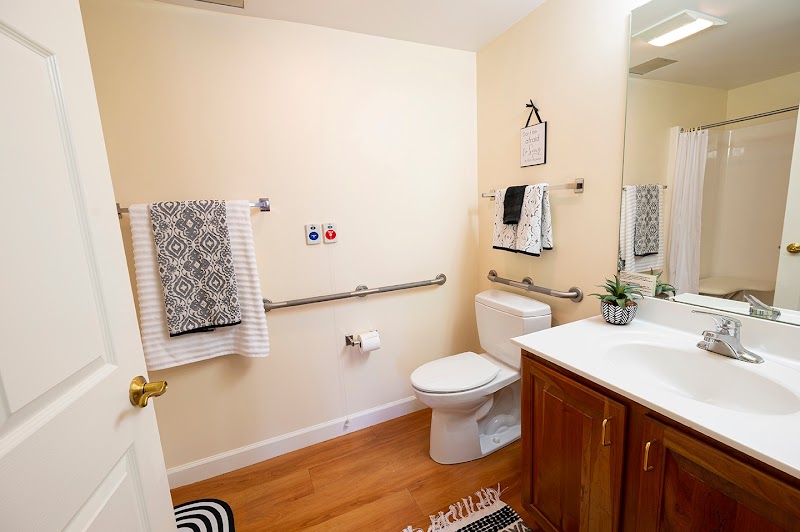
Who Owns and Operates Otterbein Sunset House?

OTTERBEIN SUNSET HOUSE is owned by a non-profit organization. Non-profit facilities reinvest revenue into operations rather than distributing to shareholders. The facility is operated by OTTERBEIN SENIORLIFE, a chain that manages multiple nursing homes. With 24 certified beds and approximately 24 residents (about 100% occupancy), it is a smaller facility located in TOLEDO, Ohio.

How Does Otterbein Sunset House Compare to Other Ohio Nursing Homes?

Compared to the 100 nursing homes in Ohio, OTTERBEIN SUNSET HOUSE's overall rating (3 stars) is below the state average of 3.2, staff turnover (67%) is significantly higher than the state average of 46%, and health inspection rating (3 stars) is at the national benchmark.

What Should Families Ask When Visiting Otterbein Sunset House?

Based on this facility's data, families visiting should ask: "How do you ensure continuity of care given staff turnover, and what is your staff retention strategy?" "Can you walk me through typical staffing levels on day, evening, and night shifts?" "Can I visit during a mealtime to observe dining assistance and food quality?" "How do you handle medical emergencies, and what is your hospital transfer rate?" These questions are particularly relevant given the facility's high staff turnover rate and the below-average staffing rating.

Is Otterbein Sunset House Safe?

Based on CMS inspection data, OTTERBEIN SUNSET HOUSE has a clean safety record: no substantiated abuse findings (meaning no confirmed cases of resident harm), no Immediate Jeopardy citations (the most serious violation level indicating risk of serious injury or death), and is not on the Special Focus Facility watch list (a federal program monitoring the lowest-performing 1% of nursing homes). The facility has a 3-star overall rating and ranks #100 of 100 nursing homes in Ohio. While no facility is perfect, families should still ask about staff-to-resident ratios and recent inspection results during their visit.

Do Nurses at Otterbein Sunset House Stick Around?

Staff turnover at OTTERBEIN SUNSET HOUSE is high. At 67%, the facility is 20 percentage points above the Ohio average of 46%. High turnover means new staff may not know residents' individual needs, medications, or preferences. It can also be disorienting for residents, especially those with dementia who rely on familiar faces. Families should ask: What is causing the turnover? What retention programs are in place? How do you ensure care continuity during staff transitions?

Was Otterbein Sunset House Ever Fined?

OTTERBEIN SUNSET HOUSE has no federal fines on record. CMS issues fines when nursing homes fail to meet care standards or don't correct problems found during inspections. The absence of fines suggests the facility has either maintained compliance or corrected any issues before penalties were assessed. This is a positive indicator, though families should still review recent inspection reports for the full picture.

Is Otterbein Sunset House on Any Federal Watch List?

OTTERBEIN SUNSET HOUSE is not on any federal watch list. The most significant is the Special Focus Facility (SFF) program, which identifies the bottom 1% of nursing homes nationally based on persistent, serious quality problems. Not being on this list means the facility has avoided the pattern of deficiencies that triggers enhanced federal oversight. This is a positive indicator, though families should still review the facility's inspection history directly.