PARK TERRACE REHABILITATION CENTER
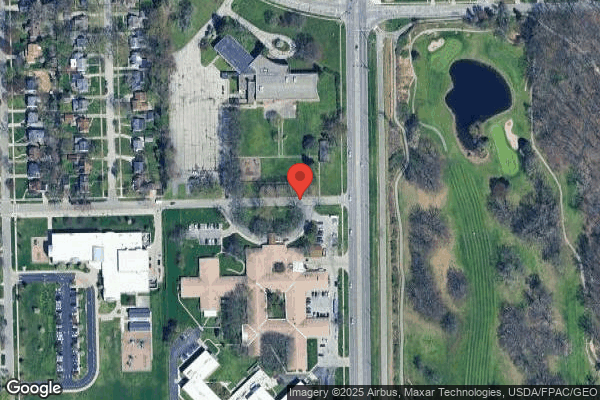

2735 DARLINGTON RD, TOLEDO, OH 43606 (419) 531-4465
For profit - Limited Liability company 99 Beds CCH HEALTHCARE Data: November 2025 3 Immediate Jeopardy citations
Trust Grade
0/100
#893 of 913 in OH
Last Inspection: March 2025

Within standard 12-15 month inspection cycle. Federal law requires annual inspections.

Overview

Park Terrace Rehabilitation Center has received a Trust Grade of F, indicating significant concerns about the quality of care provided. Ranking #893 out of 913 facilities in Ohio places it in the bottom half, and it is the lowest-ranked facility in Lucas County at #33. The facility's situation is worsening, with the number of issues increasing from 7 in 2024 to 48 in 2025. Staffing is a weakness, with a rating of only 2 out of 5 stars and a high turnover rate of 66%, which is concerning compared to the state average of 49%. There have been serious incidents, such as a resident experiencing a life-threatening medication error involving missing Fentanyl patches and another resident not having necessary emergency equipment available, both of which put residents at significant risk. Overall, while there are some aspects to consider, the facility's numerous deficiencies and critical incidents raise serious concerns for families considering care for their loved ones.

Trust Score
F
0/100
In Ohio
#893/913
Bottom 3%
Safety Record
High Risk
Review needed
Inspections
Getting Worse
7 → 48 violations
Staff Stability
⚠ Watch
66% turnover. Above average. Higher turnover means staff may not know residents' routines.
Penalties
✓ Good
$144,023 in fines. Lower than most Ohio facilities. Relatively clean record.
Skilled Nurses
⚠ Watch
Each resident gets only 28 minutes of Registered Nurse (RN) attention daily — below average for Ohio. Fewer RN minutes means fewer trained eyes watching for problems.
Violations
⚠ Watch
96 deficiencies on record. Higher than average. Multiple issues found across inspections.
★☆☆☆☆
1.0
Overall Rating
★★☆☆☆
2.0
Staff Levels
★☆☆☆☆
1.0
Care Quality
★☆☆☆☆
1.0
Inspection Score
Stable
2024: 7 issues
2025: 48 issues

The Good

  • Full Sprinkler Coverage · Fire safety systems throughout facility
  • No fines on record

Facility shows strength in fire safety.

The Bad

1-Star Overall Rating

Below Ohio average (3.2)

Significant quality concerns identified by CMS

Staff Turnover: 66%

20pts above Ohio avg (46%)

Frequent staff changes - ask about care continuity

Federal Fines: $144,023

Well above median ($33,413)

Significant penalties indicating serious issues

Chain: CCH HEALTHCARE

Part of a multi-facility chain

Ask about local staffing decisions and management

Staff turnover is elevated (66%)

18 points above Ohio average of 48%

The Ugly 96 deficiencies on record

3 life-threatening 2 actual harm
May 2025 4 deficiencies
CONCERN (D) 📢 Someone Reported This

A family member, employee, or ombudsman was alarmed enough to file a formal complaint

Potential for Harm - no one hurt, but risky conditions existed

Free from Abuse/Neglect (Tag F0600)

Could have caused harm · This affected 1 resident

**NOTE- TERMS IN BRACKETS HAVE BEEN EDITED TO PROTECT CONFIDENTIALITY** THE FOLLOWING DEFICIENCY REPRESENTS AN INCIDENT OF PAST NONCOMPLIANCE THAT WAS SUBSEQUENTLY CORRECTED PRIOR TO THIS SURVEY. Base...

Read full inspector narrative →
**NOTE- TERMS IN BRACKETS HAVE BEEN EDITED TO PROTECT CONFIDENTIALITY** THE FOLLOWING DEFICIENCY REPRESENTS AN INCIDENT OF PAST NONCOMPLIANCE THAT WAS SUBSEQUENTLY CORRECTED PRIOR TO THIS SURVEY. Based on medical record review, review of a facility self-reported incident (SRI), review of a facility investigation, resident and staff interview, review of a facility policy, and review of facility corrective action documents, the facility failed to ensure a resident was free from verbal abuse. This affected one (#5) of three residents reviewed for abuse. The facility census was 86. Findings include: Review of Resident #5's medical record revealed an admission date of 12/27/21. Diagnoses included central cord syndrome at cervical vertebra 5 (C5), severe protein calorie malnutrition, stroke, epilepsy, quadriplegia, post-traumatic seizures, muscle weakness, cognitive communication deficit, peripheral vascular disease, and major depressive disorder. Review of Resident #5's Minimum Data Set (MDS) assessment dated [DATE] revealed a Brief Interview for Mental Status (BIMS) score of 15 indicating Resident #5 was cognitively intact. Resident #5 was dependent on staff for toilet use, bathing, dressing, bed mobility, and transfer. Resident #5 displayed no behaviors during the review period. Review of Resident #5's care plan, revised 02/10/25, revealed supports and interventions for smoking, self-care deficit, behavioral disturbance, increased risk for falls, risk for impaired skin integrity, seizures, and quadriplegia. Review of the facility SRI created on 05/05/25, and review of related facility investigation documents, revealed on 05/05/25 at 9:00 A.M. Receptionist #490 became aware of an incident involving Resident #5. Resident #9 reported Certified Nurse Aide (CNA) #400 humiliated Resident #5 while out smoking on 05/03/25 at approximately 3:00 P.M. It was reported CNA #400 said he would, slap the (expletive) out of Resident #5, mocked him, and threatened to wipe Resident #5's behind with an alcohol wipe. The facility assessed Resident #5 and no injury or pain was found. The facility took statements from residents who were smoking. Social services staff completed ongoing and as needed psychosocial checks with Resident #5. The allegation was verified by the facility based on interviews with the victims and witnesses. Follow-up interview with Resident #5 revealed he did reported the incident immediately but would do so in the future if needed. Resident #5 stated CNA #400 told him he would slap the (expletive) out of him and teased him for his disabilities. Resident #9 was interviewed and stated he reported the incident to Receptionist #490 and reported he witnessed CNA #400 say he would slap the (expletive) out of Resident #5, mocked him, then threatened to wipe Resident #5's behind with an alcohol wipe. CNA #400's statement denied threatening Resident #5 and indicated they (he and the residents) were all joking around. Interview on 05/19/25 at 11:14 A.M. with Resident #9 verified he was witness to CNA #400 degrading and threatening Resident #5. Resident #9 stated he did not report the incident right away for fear of retaliation from CNA #400. Resident #9 stated when no one else said anything and he did not see CNA #400 working, he told the receptionist what happened. Resident #9 stated he had not seen CNA #400 before the incident and had not seen him since. Resident #9 reported he felt safe in the facility. Interview on 05/19/25 at 11:25 A.M. with Resident #5 verified CNA #400 threatened him during a smoke break and was disrespectful to him. Resident #5 stated he now knew to make a report if something like that happens again. Interview on 05/19/25 at 12:01 P.M. with the Administrator verified CNA #400 was terminated due to threatening to slap Resident #5 and threatening to use an alcohol wipe on his behind. The Administrator reported she had been on staff at the facility for approximately two days when the incident was reported. After learning CNA #400 had previously been terminated and rehired, and hearing verification of his misconduct from witnesses regarding the 05/05/25 incident with Resident #5, the facility terminated him and flagged CNA #400 as not eligible for rehire. Interview on 05/19/25 at 2:17 P.M. with Resident #10 verified she was a witness to the verbal abuse from CNA #400 to Resident #5. Resident #10 reported CNA #400 was not acting like himself and brought his bad day into the facility. CNA #400 threatened Resident #5 and made them all feel uncomfortable. Resident #10 reported she had not seen CNA #400 working in the facility since the incident and she felt safe living there. Review of the undated facility policy titled, Abuse, Neglect, and Exploitation, revealed it was the policy of the facility to provide protections for the health, welfare, and rights of each resident by developing and implementing policies and procedures that prohibit and prevent abuse. As a result of the incident, the facility took the following actions to correct the deficient practice by 05/12/25: • On 05/05/25, Residents #5 was assessed for injuries and psychosocial impact with no concerns noted. Director of Social Services (DSS) #443 continued with ongoing monitoring of Resident #5's psychosocial with no additional findings related to the incident on 05/03/25. • On 05/05/25, CNA #400 was terminated from employment for misconduct and abuse. • Beginning on 05/05/25, all staff were educated on abuse policies and procedures by the Director of Nursing (DON). All staff education was completed on 05/06/25. • On 05/09/25, Resident #5 and Resident #9 were interviewed regarding the incident with no additional findings identified. • On 05/12/25 interviews and assessments were completed with all residents who smoked. There were no other concerns identified regarding abuse. • Interviews conducted between 05/19/25 and 05/21/25 at random times with 11 licensed practical nurses (LPNs), seven CNAs, two housekeeping and laundry staff, two respiratory therapists, and one social services staff member confirmed they were provided abuse education and were able to identify types of abuse and recalled aspects of the educational content. • On 05/19/25, two additional residents (#9 and #10) were sampled and reviewed for abuse with no concerns identified. • On 05/19/25, review of additional facility SRIs and related investigation documentation revealed there were no further concerns identified regarding abuse. This deficiency represents non-compliance investigated under Master Complaint OH00165637.
CONCERN (D) 📢 Someone Reported This

A family member, employee, or ombudsman was alarmed enough to file a formal complaint

Potential for Harm - no one hurt, but risky conditions existed

Quality of Care (Tag F0684)

Could have caused harm · This affected 1 resident

**NOTE- TERMS IN BRACKETS HAVE BEEN EDITED TO PROTECT CONFIDENTIALITY** Based on observation, medical record review, review of hospital documentation, staff interview, and facility policy, the facilit...

Read full inspector narrative →
**NOTE- TERMS IN BRACKETS HAVE BEEN EDITED TO PROTECT CONFIDENTIALITY** Based on observation, medical record review, review of hospital documentation, staff interview, and facility policy, the facility failed to ensure wound treatments and dressing applications were applied in accordance with physician orders. This affected one (#7) of three residents reviewed for wound care and treatment services in a facility census of 86. Findings include: Review of the medical record for Resident #7 revealed the resident admitted to the facility on [DATE] with the diagnoses including, type II diabetes mellitus with a foot ulcer, chronic kidney disease stage four (4), atrial fibrillation, anemia, heart failure, depression, absence the left leg above the knee, non-pressure chronic ulcer part of the right foot, absence the right toes, and hypertension. Review of the most current Minimum Data Set (MDS) assessment dated [DATE] revealed Resident #7 was assessed with intact cognition, was dependent on staff for the completion of activities of daily living, was incontinent of bowel and bladder, was at risk for pressure ulcer development with two stage 4 pressure ulcers (full-thickness skin and tissue loss), and a diabetic foot ulcer. Review of the hospital community referral form physician orders dated 05/15/25 revealed Resident #7 was admitted to the hospital from the facility on 05/08/25 and discharged back to the facility on [DATE]. Wound care orders included a treatment to the right foot and heel to cleanse with normal saline, apply cavilon periwound, paint the heel with betadine, cover with abdominal dressing (ABD) pad, loosely secure with kerlix, and wrap loosely with all cotton elastic (ACE) from the base of the toes up toward the calf. The treatment was to be performed twice daily and as needed. Treatment of the resident's right calf wound revealed to cleanse with mild soap and water, rinse and pat dry, apply Triad paste thinly over the wound, cover with silicone boarder foam, and change every three (3) days and as needed. Review of Resident #7's medical record revealed physician orders dated 05/18/25 for a treatment to the right calf to include for staff to cleanse with mild soap and water, rinse well and pat dry, apply a thin layer of Triad cream, cover with silicone border foam, and change the dressing every 3 days. Further review also revealed on 05/18/25 a treatment was modified to the right foot and heel to cleanse the foot and heel with normal saline, apply skin prep to periwound areas, paint the heel with betadine, pack openings of the foot with 0.125% Dakins solution, cover all with ABDs pads, loosely secure with kerlix, and wrap with ACE wrap to the calf and complete the treatment every shift. Observation on 05/19/25 at 7:48 A.M. noted Resident #7 seated in a wheelchair with a gauze wrapped dressing and a fracture boot to the right lower extremity. Continued observation revealed the dressing was soiled with red and green drainage and no border foam dressing was in place to the right calf. On 05/19/25 at 11:20 A.M. observation and interview with the Wound Specialist Certified Nurse Practitioner (CNP) and Registered Nurse (RN) #499 verified no dressing was applied to Resident #7's right calf. RN #499 also verified the dressing was heavily soiled and no date was applied to the dressing indicating when the dressing was last changed. Continued observation of Resident #7's right calf wound was identified as a partial thickness venous ulcer with a moderate amount of serous drainage. The measurements of the wound were were 5.20 centimeters (cm) long by (x) 0.80 cm wide x 0.10 cm deep. Additional observation verified a gauze wrap dressing was heavily soiled to the resident's right foot and heel with red and green drainage. Resident #7's right lateral foot was described as a full thickness diabetic ulcer measuring 27.20 cm long x 21.50 cm wide x 1.30 cm deep and draining a moderate amount of serosanguineous exudate. The resident's right anterior foot was described as a full thickness diabetic ulcer measuring 24.30 cm long x 24.40 cm wide x 2.20 cm deep and draining a moderate amount of serosanguineous exudate. Review of Resident #7's medical record lacked documentation indicating the dressings were changed to the right calf since returning to the facility from the hospital on [DATE]. Review of the resident's treatment administration records noted the right foot dressing was last changed on 05/17/25. On 05/19/25 at 12:42 P.M. interview with the Director of Nursing (DON), during review of Resident #7's medical record, verified the dressing to the resident's right calf had not been changed since readmission to the facility and the right foot dressing had not been changed since 05/17/25. The DON confirmed the wound treatments were not completed as ordered. Review of an undated facility wound treatment management policy revealed wound treatments will be provided in accordance with physician orders, including the cleansing method, type of dressing, and frequency of dressing change. Dressing changes may be provided outside the frequency parameters in certain situations including the dressing is dislodged or the dressing is soiled otherwise, or is wet. This deficiency represents non-compliance investigated under Complaint Number OH00165335.
CONCERN (D) 📢 Someone Reported This

A family member, employee, or ombudsman was alarmed enough to file a formal complaint

Potential for Harm - no one hurt, but risky conditions existed

Incontinence Care (Tag F0690)

Could have caused harm · This affected 1 resident

**NOTE- TERMS IN BRACKETS HAVE BEEN EDITED TO PROTECT CONFIDENTIALITY** Based on observation, medical record review, staff interview, and facility policy, the facility failed to provide timely interve...

Read full inspector narrative →
**NOTE- TERMS IN BRACKETS HAVE BEEN EDITED TO PROTECT CONFIDENTIALITY** Based on observation, medical record review, staff interview, and facility policy, the facility failed to provide timely interventions to prevent urinary incontinence. This affected one (#22) of three residents reviewed for incontinence care and services in a facility census of 86. Findings include: Review of Resident #22's medical record revealed the resident admitted to the facility on [DATE] with the diagnoses including, chronic obstructive pulmonary disease, type II diabetes mellitus, schizoaffective bipolar type, thyroid disorder, irritable bowel syndrome, coronary artery disease, and mild dementia with psychotic disturbance. Review of the most current Minimum Data Set (MDS) assessment dated [DATE] assessed Resident #22 with severe cognitive impairment, no resistive behavior, utilized a walker for mobility, required supervision and touching assistance with ambulation and toileting, was always continent of bladder, and had no rated bowel continence. Review of a nursing plan of care dated 01/27/25 revealed it was revised to address Resident #22's activity of daily living (ADL) self-care deficit with an intervention for toileting requiring maximum assist of one staff for toileting. Review of nurses notes discovered on 04/04/25 at 5:20 P.M. Resident #22's daughter indicated the resident told her she had no knowledge of when she has to urinate or when she was, in fact, urinating. Review of social services progress notes on 04/07/25 at 12:28 P.M. revealed the Social Service Director (SSD) had approached Resident #22 multiple times to go and have her aide help her change when she was in the common areas and had a bowel movement. Resident #22 hesitates to ask for help and often her daughter was the one doing her changes, rinsing soiled clothing, and changing her linen. Resident #22's daughter asked the SSD to look into her aides helping more. Review of a nursing plan of care dated 04/08/25 revealed it was developed to address Resident #22's bowel incontinence due to irritable bowel syndrome and confusion. An intervention included to check the resident every two hours and assist with toileting as needed, and staff to encourage and assist the resident to toilet during night. On 04/08/25, a nursing plan of care was developed to address Resident #22's occasional bladder incontinence related to confusion and impaired mobility with interventions including to check as needed/required for incontinence. Review of Resident #22's electronic task documentation between 04/22/25 and 05/21/25 contained in the medical record lacked documentation indicating Resident #22 was checked every two hours for bladder elimination and documented the resident as mostly continent with two episodes of incontinence charted on 04/28/25 and 05/09/25. Observation on 05/21/25 at 7:27 A.M. discovered Resident #22 seated on the toilet in her room. The resident was incontinent of bladder through an adult brief onto her pants. No staff were observed assisting the resident. On 05/21/25 at 7:32 A.M., Licensed Practical Nurse (LPN) #326 was summonsed to Resident #22 room. LPN #326 stated she had assumed care of Resident #22 at 6:00 A.M.; however, LPN #326 had not observed the resident yet. LPN#326 stated Resident #22 was incontinent of bowel and bladder frequently during the day and required frequent clothing changes due to soiling. Continued observation verified Resident #22 was incontinent of bladder which was not contained in the adult brief and resulting in urine soiling through a folded bath blanket and top sheet onto the mattress. The top sheet was also observed with a brown stain on the surface. On 05/21/25 at 7:41 A.M. interview with Certified Nurse Aide (CNA) #479 revealed she assumed shift and Resident #22 care at 6:00 A.M. CNA #479 stated she did not provided notification regarding Resident #22 incontinence checks and verified the resident required two hour checks due to heavy incontinence. CNA #479 was unaware when Resident #22 was last checked for incontinence and had not observed Resident #22 since assuming care at 6:00 A.M. On 05/21/25 at 7:55 A.M. interview with the Director of Nursing (DON), during a review of Resident #22's medical record, verified the resident required two hour checks for incontinence. The DON confirmed Resident #22 required frequent incontinence checks due to having a history of heavy incontinence episodes. Review of facility's undated incontinence policy revealed based on the resident's comprehensive assessment, all residents that are incontinent will receive appropriate treatment and services. Residents that are incontinent of bladder or bowel will receive appropriate treatment to prevent infections and to restore continence to the extent possible. This deficiency represents non-compliance investigated under Complaint Number OH00165335.
CONCERN (D) 📢 Someone Reported This

A family member, employee, or ombudsman was alarmed enough to file a formal complaint

Potential for Harm - no one hurt, but risky conditions existed

Deficiency F0694 (Tag F0694)

Could have caused harm · This affected 1 resident

**NOTE- TERMS IN BRACKETS HAVE BEEN EDITED TO PROTECT CONFIDENTIALITY** Based on observation, medical record review, review of hospital documents, staff interview, and facility policy, the facility fa...

Read full inspector narrative →
**NOTE- TERMS IN BRACKETS HAVE BEEN EDITED TO PROTECT CONFIDENTIALITY** Based on observation, medical record review, review of hospital documents, staff interview, and facility policy, the facility failed to ensure peripherally inserted central catheters (PICC) were maintained in accordance with physician orders and dressing changes were completed using appropriate appropriate technique. This affected two (#7 and #8) of two residents reviewed for PICC line care and treatment in a facility census of 86. Findings include: 1. Review of Resident #7's medical record revealed the resident admitted to the facility on [DATE] with the diagnoses including type II diabetes mellitus with a foot ulcer, chronic kidney disease stage four (4), atrial fibrillation, anemia, heart failure, depression, absence of the left leg above the knee, non-pressure chronic ulcer of part of the right foot, absence right toes, and hypertension. Review of the most current Minimum Data Set (MDS) assessment dated [DATE] revealed Resident #7 was assessed with intact cognition, was dependent on staff for the completion of activities of daily living, was incontinent of bowel and bladder, was at risk for pressure ulcer development with two stage 4 pressure ulcers (full-thickness skin and tissue loss), and a diabetic foot ulcer. Review of a hospital community referral form (CRF) revealed Resident #7 was admitted to the hospital from the facility on 05/08/25 and discharged back to the facility on [DATE]. The CRF documented Resident #7 with a PICC single lumen in place to the right brachial vein originally placed on 04/10/25. On 05/15/25, site assessment documented an occlusive, transparent dressing to the PICC insertion site. There was no physician order indicated frequency of dressing changes to the PICC line site. Review of Resident #7's medical record revealed on 05/16/25 a physician order was initiated for a PICC line dressing change to the right arm weekly and as needed scheduled for every Friday on the night shift to maintain function and infection control. Observation and interview on 05/19/25 at 10:21 A.M. with Licensed Practical Nurse (LPN) #328, during observation of Resident #7's PICC line dressing, noted the dressing pealing away from the site. The dressing was dated 05/08/25. LPN #328 verified Resident #7's PICC dressing was dated 05/08/25 and stated the dressing was to be changed every week or as needed. Additional observation noted LPN #328 washed hands and applied a mask, clean gloves, and a disposable gown. LPN #328 opened a sterile central venous line dressing change kit and place the contents on the surface of a overbed table inside Resident #7's room. No clean field including a disposable cloth or linen saver was placed on the overbed table followed by a sterile drape. LPN #328, with gloved hands, placed a disposable mask to Resident #7. With non-sterile gloved hands, LPN #328 removed the existing dressing. LPN #328 proceeded to wash hands and donned non-sterile gloves, obtained a packet of chlorhexidine applicators, and cleansed the catheter insertion site. LPN #328 handled a sterile disposable measuring tape and measure the catheter from insertion site placing the measuring tape on the exposed catheter. LPN #328 handled the sterile kit contents after removing gloves and requested a second sterile kit. LPN #326 obtained a second kit and LPN #328 placed the kit to the overbed table surface. LPN #328 opened the kit and obtained sterile gloves while handling contents of the kit with non-sterile hands. LPN #328 donned the sterile gloves, obtained a skin protectant packet, opened the packet, and wiped the pad back and forth wiping toward the insertion site and exposed catheter. LPN #328 proceeded to obtain a catheter stabilizer applied it to the site and covered with an transparent dressing. On 05/19/25, immediately following the observation, interview with LPN #328 verified multiple occurrences of cross contamination to the PICC line insertion site and sterile central line catheter kit contents. 2. Review of Resident #8's medical record revealed the resident admitted to the facility on [DATE] with the diagnoses including, open wound to the lower back and pelvis, biliary cirrhosis, chronic obstructive pulmonary disease, cerebral infarction, type II diabetes mellitus, chronic kidney disease stage five (5), urinary tract infection, anemia, and hypertension. Review of the most current MDS assessment dated [DATE] assessed Resident #8 with intact cognition, substantial to maximal assistance with activities of daily living, incontinent of bowel and bladder, and at risk for pressure ulcer development admitted with an unstageable pressure ulcer (obscured full-thickness skin and tissue loss). Review of Resident #8's medical record revealed on 05/12/25 a physician order was initiated to change the midline dressing to the resident's right upper arm every seven (7) days and as needed. Observation on 05/19/25 at 8:06 A.M. revealed Resident #8 was observed in bed. Resident #8 was noted with a PICC line placed to the right upper arm. A transparent dressing was dislodged and pealing and the dressing was dated 05/06/25. On 05/19/25 at 8:57 A.M. interview with LPN #314, during observation of Resident #8, verified the PICC line dressing to the resident's right arm was dated 05/06/25. The site appeared with dried blood around perimeter of the insertion site. LPN #314 verified the PICC line dressing was to be changed weekly. Review of the undated facility PICC dressing change policy revealed the staff are to change peripherally inserted central catheter (PICC), midline, or central venous catheters dressing weekly or if soiled, in a manner to decrease potential infection and or cross-contamination. Physician's orders will specify type of dressing or frequency of changes. Compliance guidelines noted the following; 1. Perform hand hygiene and put on mask. Place mask on the resident if they cannot keep their head turned away. Perform hand hygiene. Set-up a clean field on the overbed table with needed supplies for the dressing change. Place a disposable cloth or linen saver on the overbed table. Perform hand hygiene. Open the sterile dressing change kit, lay out the sterile drape, and place supplies on the sterile field being careful not to contaminate them. Wash hands and put on clean gloves. Remove the old dressing beginning at device hub and pull dressing toward the insertion site. Remove and discard engineered stabilization device. Inspect the catheter and hub for any defects. Remove and discard gloves. Perform hand hygiene and put on sterile gloves. Use sterile measuring tape to measure external length of the catheter from the hub to skin entry to ensure that it has not migrated. Clean the insertion site with antiseptic. Apply chlorhexidine with an applicator using side to side motion for at least 30 seconds. Allow to dry completely. Apply skin barrier. Secure catheter with engineered stabilization device. Apply transparent semi-permeable dressing to insertion site. Discard used supplies and perform hand hygiene. This deficiency represents non-compliance investigated under Complaint Number OH00165335.
Apr 2025 4 deficiencies
CONCERN (D) 📢 Someone Reported This

A family member, employee, or ombudsman was alarmed enough to file a formal complaint

Potential for Harm - no one hurt, but risky conditions existed

Deficiency F0655 (Tag F0655)

Could have caused harm · This affected 1 resident

Based on medical record review, staff interview, and review of the facility policy, the facility failed to ensure baseline care plans were completed. This affected one (#53) of one resident reviewed f...

Read full inspector narrative →
Based on medical record review, staff interview, and review of the facility policy, the facility failed to ensure baseline care plans were completed. This affected one (#53) of one resident reviewed for baseline care plans. The facility census was 87. Findings include: Review of the medical record for Resident #53 revealed an admission date of 04/26/25 with diagnoses of acute respiratory failure, tracheostomy status, malignant neoplasm of the lung and supraglottis (upper part of the larynx), anxiety, and chronic obstructive pulmonary disease (COPD). Review of the admission assessment, dated 04/26/25, revealed Resident #53 was cognitively intact. Further review revealed a baseline care plan was not part of the admission assessment. Additional review of Resident #53's medical record revealed no evidence a baseline care plan was completed. Interview on 4/30/25 at 1:05 P.M. with the interim Director of Nursing (DON) verified a baseline care plan was not completed for Resident #53. Review of the facility policy titled Baseline Care Plan, undated, revealed the facility would develop and implement a baseline care plan for each resident that included the instructions needed to provide effective and person-centered care of the resident. The baseline care plan would be developed within 48 hours of the resident's admission. This deficiency was an incidental finding discovered during the complaint investigation.
CONCERN (D) 📢 Someone Reported This

A family member, employee, or ombudsman was alarmed enough to file a formal complaint

Potential for Harm - no one hurt, but risky conditions existed

Comprehensive Care Plan (Tag F0656)

Could have caused harm · This affected 1 resident

Based on medical record review, staff interview, and review of the facility policy, the facility failed to ensure person-centered care plans were completed. This affected one (#3) of four residents re...

Read full inspector narrative →
Based on medical record review, staff interview, and review of the facility policy, the facility failed to ensure person-centered care plans were completed. This affected one (#3) of four residents reviewed for care plans. The facility census was 87. Findings include: Review of the medical record for Resident #3 revealed an admission date of 03/28/25 with admitting diagnoses of senile degeneration of the brain, diabetes mellitus type II, and anxiety. Review of the admission Minimum Data Set (MDS) assessment dated , 04/04/25, revealed Resident #3 was cognitively impaired. Review of a nursing progress note dated 04/12/25 revealed Resident #3 was spotted in the parking lot, walking toward the street. Review of the physician orders revealed on 04/14/25, Resident #3 was admitted to the secure memory care unit. Review of Resident #3's plan of care revealed on 04/14/25, a focus area was initiated for the resident having a behavior problem as evidenced by elopement. Two interventions were implemented, medications as ordered and anticipate the resident's needs. Further review revealed no evidence of person-centered interventions or the resident's admission to the secured memory care unit. Interview on 04/29/25 at 4:27 P.M. with the Director of Nursing (DON) verified the elopement care plan for Resident #3 did not reflect a person-centered approach for appropriate interventions for elopement. Review of the facility policy titled, Elopements and Wandering Residents, dated January 2025, revealed the facility ensured that residents who exhibited wandering behavior and/or were at risk for elopement received adequate supervision to prevent accidents and received care in accordance with their person-centered plan of care addressing the unique factors contributing to wandering or elopement risk. Review of the facility policy titled, Comprehensive Care Plans, undated, revealed the policy of the facility was to develop and implement comprehensive person-centered care plans for each resident that included measurable objectives and timeframes to meet a resident's medical, nursing, mental and psychological needs, and all services that were identified in the resident's comprehensive assessment. This deficiency was an incidental finding discovered during the complaint investigation.
CONCERN (D) 📢 Someone Reported This

A family member, employee, or ombudsman was alarmed enough to file a formal complaint

Potential for Harm - no one hurt, but risky conditions existed

Accident Prevention (Tag F0689)

Could have caused harm · This affected 1 resident

**NOTE- TERMS IN BRACKETS HAVE BEEN EDITED TO PROTECT CONFIDENTIALITY** Based on review of the facility incident and accident log, staff interview, medical record review and review of the facility pol...

Read full inspector narrative →
**NOTE- TERMS IN BRACKETS HAVE BEEN EDITED TO PROTECT CONFIDENTIALITY** Based on review of the facility incident and accident log, staff interview, medical record review and review of the facility policy, the facility failed to provide adequate supervision to prevent resident elopement and further failed to timely implement interventions to ensure resident safety following an incident of elopement. This affected one (#3) of one resident reviewed for elopement. The facility census was 87. Findings include: Review of the incident and accident log for the past three months revealed an incident of elopement for Resident #3 on 04/12/25. Review of the medical record for Resident #3 revealed an admission date of 03/28/25 with diagnoses of senile degeneration of the brain, anxiety, and diabetes mellitus type II. Review of the admission Minimum Data Set (MDS) assessment, dated 04/04/25, revealed Resident #3 was cognitively impaired and had no behaviors of wandering. Review of the admission Wandering Risk Assessment, dated 03/28/25, revealed Resident #3 had no previous wandering, was cognitively impaired with poor decision-making skills, spoke of desire to go home, and talked about going on a trip or packing bags. Further review revealed the assessment did not reflect a score or other indication of what the resident's assessed risk was. Review of the nursing progress note dated 04/12/25 at 6:08 P.M. revealed Resident #3 was spotted in the parking lot of the facility, walking and heading toward [NAME] Road (a four-lane road). Staff were notified and Resident #3 was brought back into the facility and nurses and aides were informed of the situation and told to keep an eye on the patient. The Director of Nursing (DON) and Nurse Practitioner (NP) were notified. Review of the Wandering Risk Assessment, dated 04/12/25 and completed following Resident #3's elopement, revealed the resident was cognitively impaired with poor decision-making skills and wandering placed the resident at significant risk of getting to a potentially dangerous place (stairs, outside the facility). Further review revealed the assessment did not reflect a score or other indication of what the resident's assessed risk was. Review of a physician order dated 04/14/25 revealed Resident #3 was admitted to the secured memory care unit. unit. Review of a nursing progress note dated 04/14/25 at 4:42 P.M. revealed Resident #3 to be transferred to the secure memory care unit. Review of the care plan, revised 04/14/25, revealed Resident #3 had a behavior problem as evidenced by elopement. Interventions included to administer medications as ordered and anticipate resident's needs. Further review revealed no evidence the resident had care plan interventions related to elopement or wandering prior to 04/14/25. Further review of Resident #3's medical record revealed no evidence of increased supervision or other interventions implemented following the resident's elopement on 04/12/25 until 04/14/25. Interview on 4/29/25 at 2:40 P.M. with Licensed Practical Nurse (LPN) #354 revealed on 04/12/25, she was in the parking lot, attending to another resident who had fallen, when she saw Resident #3 heading toward the road. LPN #354 stated she alerted another staff member and Resident #3 was returned to the facility. Prior to the elopement, LPN #354 stated Resident #3 wandered all over the facility in his wheelchair but did not display any exit seeking behaviors. LPN #354 stated the incident occurred at the end of her shift and verified she did not implement any interventions to ensure the resident's safety. Interview on 04/29/25 at 4:27 P.M. with the DON revealed he was not notified of Resident #3's elopement at the time of the occurrence but stated the resident was immediately placed on one-to-one staff observation until he was moved to the secured memory care unit on 04/14/25. Review of Resident #3's medical record, with the DON, confirmed there was no evidence of one-to-one staff monitoring or other interventions implemented following the elopement to ensure the resident's safety and further verified the only monitoring documented in the resident's medical record was to keep eyes on patient. The DON further stated Resident #3 was moved to the secured memory care unit on the Monday following the elopement (elopement occurred on Saturday), when administration learned of the elopement. Review of the facility policy titled, Elopements and Wandering Residents, dated January 2025, revealed the facility ensured that residents who exhibited wandering behavior and/or were at risk for elopement received adequate supervision to prevent accidents and received care in accordance with their person-centered plan of care addressing the unique factors contributing to wandering or elopement risk. This deficiency was an incidental finding discovered during the complaint investigation.
CONCERN (E) 📢 Someone Reported This

A family member, employee, or ombudsman was alarmed enough to file a formal complaint

Potential for Harm - no one hurt, but risky conditions existed

Investigate Abuse (Tag F0610)

Could have caused harm · This affected multiple residents

**NOTE- TERMS IN BRACKETS HAVE BEEN EDITED TO PROTECT CONFIDENTIALITY** Based on review of the facility incident and accident log, review of the Electronic Information Dissemination and Collection (EI...

Read full inspector narrative →
**NOTE- TERMS IN BRACKETS HAVE BEEN EDITED TO PROTECT CONFIDENTIALITY** Based on review of the facility incident and accident log, review of the Electronic Information Dissemination and Collection (EIDC - system used by facilities to report incidents to the State Survey Agency [SSA]) system, review of the facility Self-Reported Incidents (SRI), staff interview and review of the facility policy, the facility failed to report an incident of resident elopement to the SSA for Resident #3 and further failed to ensure allegations of abuse were thoroughly investigated for four (#26, #28, #30, and #31) residents reviewed for abuse. The facility census was 87. Findings include: 1. Review of the incident and accident log for the past three months revealed an incident of elopement for Resident #3 on 04/12/25. Review of the medical record for Resident #3 revealed an admission date of 03/28/25 with diagnoses of senile degeneration of the brain, anxiety, and diabetes mellitus type II. Review of the admission Minimum Data Set (MDS) assessment, dated 04/04/25, revealed Resident #3 was cognitively impaired and had no wandering behaviors. Review of the nursing progress note dated 04/12/25 at 6:08 P.M. revealed Resident #3 was spotted in the parking lot of the facility, walking and heading toward [NAME] Road (a four-lane road). Staff were notified and Resident #3 was brought back into the facility and nurses and aides were informed of the situation and told to keep an eye on the patient. The Director of Nursing (DON) and Nurse Practitioner (NP) were notified. Interview on 4/29/25 at 2:40 P.M. with Licensed Practical Nurse (LPN) #354 verified Resident #3 eloped from the facility on 04/12/25. LPN #354 stated she was in the parking lot, attending to another resident, when she noticed Resident #3 heading toward the road. LPN #354 stated she alerted another staff member and Resident #3 was returned to the facility. Review of the EIDC system from 04/01/25 through 04/29/25 revealed the facility did not report Resident #3's elopement to the SSA. 2. Review of the medical record for Resident #26 revealed an admission date of 01/28/25 with diagnoses of acute respiratory failure, chronic obstructive pulmonary disease (COPD). Review of the quarterly MDS assessment, dated 03/21/25, revealed Resident #26 was cognitively intact. Review of the facility submitted SRI, created on 04/05/25 at 3:17 P.M. and completed on 04/11/25 at 3:32 P.M., revealed the facility reported an allegation of verbal abuse after Resident #26 alleged a facility Certified Nursing Assistant (CNA) was verbally abusive. Review of the facility investigation for the SRI revealed the file only included a copy of the SRI submitted to the SSA. Further review revealed no evidence a thorough investigation, including staff interviews or statements, resident statements, assessment of like residents, or staff education was completed. 3. Review of the medical record for Resident #28 revealed an admission date of 05/31/23 with a diagnosis of dementia. Review of the annual MDS assessment, dated 03/15/25, revealed Resident #28 was cognitively impaired. Review of the facility submitted SRI, created on 04/18/25 at 11:33 A.M. and completed on 04/28/25 (one day past the investigation due date) at 1:12 P.M., revealed the facility reported an injury of unknown source to the SSA when Resident #28 was found with a bump and a bruise to the eyebrow. Review of the facility investigation for the SRI revealed the file only included a copy of the SRI submitted to the SSA. Further review revealed no evidence a thorough investigation, including staff interviews or statements, resident statements, assessment of like residents, or staff education was completed. 4. Review of the medical record for Resident #30 revealed an admission date of 03/30/25 with diagnoses of Alzheimer's dementia and Parkinson's. Review of the admission MDS assessment, dated 04/06/25, revealed Resident #30 was cognitively intact. Review of the facility submitted SRI, created on 04/08/25 at 6:24 P.M. and completed on 04/18/25 (one day past the investigation due date) at 11:56 A.M., revealed the facility reported an allegation of physical abuse to the SSA when Resident #30 alleged another resident hit him with a cane. Request for the facility investigation related to the allegation revealed the facility had no documentation related to an investigation. 5. Review of the medical record for Resident #31 revealed an admission date of 03/31/23 with a diagnosis of Parkinson's and multiple sclerosis. Review of the quarterly MDS assessment, dated 03/19/25, revealed Resident #31 was cognitively intact. Review of the facility submitted SRI, created on 04/08/25 at 10:58 A.M. and completed on 04/18/25 (three days past the investigation due date) at 11:51 A.M. revealed Resident #31 alleged a facility Certified Nursing Assistant (CNA) did not treat her properly. Review of the facility investigation for the SRI revealed the file only included a copy of the SRI submitted to the SSA. Further review revealed no evidence a thorough investigation, including staff interviews or statements, resident statements, assessment of like residents, or staff education was completed. Interview on 4/29/25 at 3:20 P.M. with the Administrator revealed her first day in her role at the facility was the day prior. The Administrator stated that what was included in the investigation files for the SRIs was all of the information she had and. Further interview with the Administrator verified complete and thorough investigations were not completed for each of the SRIs and further confirmed she was unable to locate any file or documentation for the SRI created on 04/18/24 involving Resident #30's allegation of resident-to-resident physical abuse. Review of the facility policy titled, Abuse, Neglect, and Exploitation, dated January 2025, revealed investigation would occur immediately when suspicion of abuse, neglect, or exploitation or reports of abuse, neglect or exploitation occurred. Further review revealed the written procedure included identifying and interviewing all involved persons, including the alleged victim, alleged perpetrator, witnesses, and other who might have knowledge of the allegations and providing complete and thorough documentation of the investigation. Additionally, reporting of alleged violations to the Administrator, state agency, adult protective services, and all other required agencies would occur no later than 24 hours if the events that caused the allegation did not involve abuse and did not result in serious bodily injury. This deficiency represents non-compliance investigated under Complaint Number OH00164991 and is continued non-compliance from the survey dated 04/11/25.
Apr 2025 14 deficiencies 1 IJ
CRITICAL (J) 📢 Someone Reported This

A family member, employee, or ombudsman was alarmed enough to file a formal complaint

Immediate Jeopardy (IJ) - the most serious Medicare violation

Deficiency F0760 (Tag F0760)

Someone could have died · This affected 1 resident

**NOTE- TERMS IN BRACKETS HAVE BEEN EDITED TO PROTECT CONFIDENTIALITY** Based on observation, medical record review, review of a fire and rescue run report, review of hospital documentation, review of...

Read full inspector narrative →
**NOTE- TERMS IN BRACKETS HAVE BEEN EDITED TO PROTECT CONFIDENTIALITY** Based on observation, medical record review, review of a fire and rescue run report, review of hospital documentation, review of narcotic/controlled drug records, staff interviews, interview with the pharmacist, and review of the policy on controlled substances, the facility failed to ensure Resident #86 was free from a significant mediation error, failed to report missing Fentanyl medication patches, failed to accurately assess the resident, and failed to immediately investigate and implement immediate interventions to ensure an accurate system was in place for monitoring Fentanyl patch placement. This resulted in Immediate Jeopardy and potential serious life-threatening harm, injuries, negative health outcomes, and/or death for Resident #86 when on 03/29/25 at 9:47 A.M., Licensed Practical Nurse (LPN) #355 administered Resident #86 a Fentanyl 50 microgram (mcg) 72-hour patch (potent opioid medication used to treat pain) after not being able to locate or remove the resident's previously administered Fentanyl patch. LPN #355 had not reported the missing patch until after the resident overdosed. On 03/29/25 at approximately 1:30 P.M., Resident #86 was lethargic, and unable to walk or sit upright. LPN #242 checked the resident's vital signs but failed to complete a head-to-toe assessment. LPN #242 called Nurse Practitioner (NP) #359 who ordered to send the resident to the emergency room. Emergency Medical Services (EMS) arrived at 1:52 P.M. and after assessment, the resident was found wearing two Fentanyl patches requiring the administration of one milligram of Narcan (a medication which rapidly reverses an opioid overdose). Resident #86 was transferred to the hospital for further evaluation and diagnosed with an accidental overdose requiring laboratory testing, a computed tomography (CT) scan, and intravenous fluids. The resident returned to the facility on [DATE] after 5:30 P.M. This affected one (#86) of three residents (#42, #50, and #86) reviewed for controlled substance use. The facility identified one current resident (#86) with physician orders for Fentanyl. The facility census was 89. On 04/07/25 at 11:38 A.M., the Administrator, Director of Nursing (DON), and Registered Nurse Clinical Consultant (RNCC) #302 were notified Immediate Jeopardy began on 03/29/25 at 9:47 A.M. when LPN #355 administered Resident #86 a second Fentanyl pain patch without reporting the previously administered Fentanyl patch could not be located and was not reported. LPN #242 then failed to complete a thorough assessment of Resident #86 when the resident was found to be lethargic, and unable to walk or sit upright. LPN #242 called Nurse Practitioner (NP) #359 who ordered to send the resident to the emergency room. EMS arrived and found the resident unable to ambulate, drooling, with pinpoint pupils and unable able to sit up. EMS administered Narcan one milligram and removed a second Fentanyl patch found on the resident before transporting the resident to the hospital and diagnosed with an accidental overdose. The facility had not initiated an incident investigation or implemented immediate interventions to ensure an accurate monitoring system for Fentanyl patch placement was established. The Immediate Jeopardy was removed on 04/07/25 at 4:33 P.M., when the facility implemented the following corrective actions: • On 04/03/25, the DON completed a skin sweep on Resident #86 to ensure there were no additional patches applied. • On 04/03/25, the DON completed a review of Resident #86's care plan and verified to show chronic pain and potential side effects. • On 04/03/25, the DON completed a skin sweep on a like resident (Resident #50) who had discontinued orders for Fentanyl patches. The DON verified there were no patches present. • On 04/03/25, RNCC #302 educated the Administrator and DON on reporting risk events and initiating investigation and implementing interventions. • On 04/03/25, the Narcotic Pain Patch Policy was updated to include: Both nurses, oncoming and off going to check placement and document in medication administration record at shift change beginning on 04/06/25, and removal of Fentanyl pain patch to be completed by two nurses and documented in the controlled substance/narcotic log with two nurses for disposal beginning on 04/04/25. • On 04/04/25, the DON updated Resident #86's orders to include documentation of Fentanyl patch location. • On 04/04/25, the DON updated Resident #86's order to check Fentanyl patch placement every shift to also include location observed. • On 04/07/25, the DON provided a standard list of locations and abbreviations placed on the unit for staff reference to ensure correct abbreviation documentation. • On 04/06/25, the DON placed a reminder sheet in the narcotic book for the nurses to physically go to check narcotic placement at shift change. • On 04/06/25 and 04/07/25, the DON provided education on the narcotic pain patch policy to include: Checking patch physically during count and documenting in the record; disposal of patch with two nurses and to fold patch and dispose by flushing and both nurses to document on the controlled substances/narcotic log with both nurses signing the log; using the standard list of locations and abbreviations to ensure correct abbreviation of location of Fentanyl patch; and on call manager to be notified immediately if Fentanyl patch missing. • On 04/07/25, a root cause analysis was completed by the Interdisciplinary Team (IDT) including Medical Director (MD) #102, the Administrator, the DON, Assistant Director of Nursing (ADON) #208, and RNCC #302 with an ad hoc QAPI meeting on 04/07/25. • Auditing includes DON or designee to review shift to shift count with physical checking of patch placement is completed, validating placement of patch to match the medical record once daily for two weeks, then four times a week for four weeks. Initial audit date of 04/04/25. • Auditing to include DON or designee to audit removal of Fentanyl patch to be with two nurses and documented accurately in the narcotic log daily for two weeks, then four times a week for four weeks. • Interviews on 04/07/25 from 2:21 P.M. through 3:10 P.M., with LPN #248, LPN #244, LPN #242, and LPN #231 revealed education on the new policy and procedures had been provided. • On 04/08/25, the DON provided education to LPN #242 on completing head-to-toe assessments. • Interviews on 04/08/25 from 9:07 A.M. through 9:20 A.M., with LPN #233, LPN #311, and LPN #248 revealed education on anatomical location abbreviations had been provided and a list was observed in each controlled substance binder. Although the Immediate Jeopardy was removed on 04/07/25 at 4:33 P.M., the facility remained out of compliance at a Severity Level 2 (no actual harm with potential for more than minimal harm that is not Immediate Jeopardy) as the facility is still in the process of implementing their corrective action plan and monitoring to ensure on-going compliance. Findings include: Review of the medical record for Resident #86 revealed an admission dated of 07/10/23. Diagnoses included dementia, schizoaffective disorder, depression, anxiety, hypertension, Alzheimer's disease, and chronic pain. Review of the quarterly Minimum Data Set (MDS) assessment dated [DATE] revealed the resident had severe cognitive impairment. The resident required supervision with transfers, toileting, and set up assistance for ambulation. Review of the care plan initiated on 07/10/23 and last revised on 11/21/23 revealed the resident experienced chronic pain with an intervention to monitor and document side effects of pain medication. Observe for constipation, new onset or increased agitation, restlessness, confusion, hallucinations, dysphoria, nausea, vomiting, dizziness and falls. Report occurrences to the physician. Also, to observe/report changes in usual routine, sleep patterns, decreased in functional ability, decreased range of motion, and withdrawal or resistance to care. Review of a physician order dated 08/04/24 revealed an order for a Fentanyl transdermal patch 72-hour, 50 micrograms (mcg)/hour, apply 50 mcg transdermal every 72 hours for pain. Review of an order dated 05/21/24 revealed to verify placement of the Fentanyl patch every shift for patch placement. An order dated 03/23/25 revealed to remove the used Fentanyl patch prior to applying new patch in the morning every three days for patch disposal. There were no orders to remove and document the removal of the Fentanyl patch prior to 03/23/25. Review of the medication administration record (MAR) from 03/01/25 through 03/31/25 revealed no documentation of Fentanyl patch removal until 03/23/25. Further review of the MAR revealed Resident #86 was administered a Fentanyl 50 mcg 72-hour patch on 03/05/25 at 8:29 A.M. to the left front shoulder. Documented verification of patch placement on each shift from 03/05/25 through 03/08/25 at 6:00 A.M. revealed the patch was incorrectly documented as located on the right back shoulder or the right scapula. Review of the MAR on 03/08/25 at 12:20 P.M. revealed a new Fentanyl patch was administered on the left arm. Verification of patch placement from 03/08/25 through 03/11/25 at 6:00 A.M. revealed the patch was incorrectly documented as located either on the right shoulder or the right scapula. Review of the MAR on 03/11/25 at 7:01 A.M. revealed a new Fentanyl patch was administered to the left front shoulder. Verification of patch placement from 03/11/25 through 03/14/25 at 6:00 A.M. revealed the patch was located on the left chest, left scapula, and right scapula. Review of the MAR on 03/14/25 at 8:58 A.M. revealed a new Fentanyl patch was administered to the right forearm. Verification of placement from 03/14/25 through 03/17/25 at 6:00 A.M. revealed the patch was incorrectly documented as located on the right scapula, left arm, and left scapula. Review of the MAR on 03/17/25 at 9:56 A.M. revealed a new Fentanyl patch was administered to the right arm. Verification of patch placement from 03/17/25 through 03/20/25 at 6:00 A.M. revealed the patch was incorrectly documented as located on the left arm, and right scapula. There were two verifications of the patch located on the right upper arm. Review of the MAR on 03/20/25 at 8:04 A.M. revealed a new Fentanyl patch was administered to the left front shoulder. Verification of patch placement from 03/20/25 through 03/23/25 at 6:00 A.M. revealed the patch was incorrectly documented as located on the right scapula, left scapula, left chest, and right chest. Review of the MAR on 03/23/25 at 10:17 A.M., a new Fentanyl patch was administered to the right front shoulder and the prior patch had been removed. Verification of patch placement from 03/23/25 through 03/26/25 at 6:00 A.M. revealed the patch was located on the right chest, right scapula, left middle back and later was found not in place at 6:00 P.M. on 03/25/25. Review of an electronic medication administration record (EMAR) note dated 03/25/25 at 11:16 P.M. revealed no Fentanyl patch was found during verification of Fentanyl patch placement. There was no notification made to the physician or the Director of Nursing (DON). Further review of the nurses notes from 03/01/25 through 03/31/25 revealed there was no documentation the resident had any history of removing or relocating the Fentanyl patch. On 03/26/25 at 6:00 A.M. verification of patch placement was noted as yes with no location documented. Review of the MAR on 03/26/25 at 8:40 A.M., revealed a new Fentanyl patch was administered to the right front shoulder. Verification of patch placement from 03/26/25 through 03/29/25 revealed the patch was incorrectly documented as located on the left arm, right chest or right upper chest with one verification on 03/28/25 at 6:00 A.M. with no location documented. Review of the MAR dated 03/29/25 at 9:47 A.M. revealed a new Fentanyl patch was administered to the right front shoulder. Further review of the MAR revealed documentation stating not applicable indicating the previous Fentanyl patch had not been removed prior to applying the new patch. Review of a fire and rescue department patient care record dated 03/29/25 revealed the 911 called was received at 1:46 P.M. for stroke-like symptoms. EMS arrived at Resident #86 at 1:52 P.M. The primary impression was noted as an overdose. The resident signs and symptoms included altered mental status, stupor, drooling, and somnolence with pinpoint pupils with an onset time of 1:30 P.M. EMS arrived at the scene in a dining area with resident seated at a table, slumped over, drooling, responsive to verbal but disoriented and slurred speech following some commands. Per staff, the resident had his Fentanyl patch replaced, went outside for a walk, and upon coming back inside, could barely walk and progressed to current state, with no history of same. The resident was noted to have a new Fentanyl patch to his upper right chest, staff swears they removed the old one. The resident was checked from waist up while vitals obtained for additional patches, none found. Resident pupils pinpoint, presented more like overdose than stroke. One milligram Narcan given as diagnostic tool. Resident with some improvement after Narcan administration. Resident skin checked again; second Fentanyl patch found on right upper arm which was covered by the blood pressure cuff on initial assessment. Confirmed the other patch was present on the right upper chest as well. Patch removed from right upper arm and resident's mental status improving but transported to the emergency room at 2:25 P.M. for observation. The resident was noted as slightly combative at times during transport. Review of the hospital record dated 03/29/25 revealed the resident arrived at 2:23 P.M. from nursing home where he was found wearing two Fentanyl patches and then one Fentanyl patch was removed. One mg Narcan given and resident now alert and oriented to baseline. The resident was diagnosed with an accidental overdose. The resident received laboratory testing, a CT scan and was administered intravenous fluids. The resident was discharged at 5:07 P.M. and was awaiting transport back to the nursing home. Review of a nurses note dated 03/29/25 at 6:42 P.M. revealed the resident was sent to the emergency room. The resident was lethargic, could not walk or sit up and kept leaning to the left side. Nurse Practitioner (NP) #359 was notified and ordered to send the resident to the emergency room. EMS arrived and tried to start an intravenous line and removed the resident's sweater. Upon removing the sweater, EMS noticed there were two Fentanyl patches on the resident. EMS administered Narcan and the resident started to communicate. The resident's family was notified of transport to the emergency room. Review of the MAR revealed no verification of Fentanyl patch placement was completed on 03/29/25 on the 12-hour night shift. There was no verification of placement on 12-hour day shift or night shift on 03/30/25. On 03/31/25, the Fentanyl patch was noted on the right upper arm and right upper shoulder. Review of the MAR for Resident #86 revealed on 04/01/25 at 8:52 A.M., a new Fentanyl patch was administered to the left rear shoulder. On 04/01/25 verification of placement revealed the Fentanyl patch was incorrectly documented on the left upper arm. Observation on 04/02/25 at 9:42 A.M., with LPN #252 revealed Resident #86 had a Fentanyl patch dated 04/01/25 and initialed on his left upper back. There was tape in place over the Fentanyl patch. Interview on 04/02/25 at 9:53 A.M., Certified Nursing Assistant (CNA) #120 revealed on 03/29/25, Resident #86 had gone outside and came back in and could not sit up straight and the ambulance was called. Interview on 04/02/25 at 1:48 P.M., the Administrator revealed he was not sure he was aware of any specifics of Resident #86's overdose. The Administrator revealed he was not aware of an investigation, incident report or if anything was put in place. The Administrator revealed the DON should know and would be the one to investigate. Interview on 04/02/25 at 2:51 P.M., EMS Responder #301 revealed upon arrival to the facility, Resident #86 was sitting in a chair in the dining area drooling and nearly unresponsive. EMS Responder #301 revealed the resident was assessed. After about ten minutes they removed the blood pressure cuff and found a second Fentanyl patch on the resident's right upper arm. EMS Responder #301 revealed the resident was administered one milligram of Narcan intravenously and the resident perked right up. Interviews beginning on 04/02/25 at 12:50 P.M., the DON revealed Resident #86 was leaning to the side and the nurse questioned if the resident was having a cerebral vascular accident. The DON stated he told the nurse to assess the resident and to send to the emergency room if needed. The DON revealed the nurse notified him EMS arrived and found a second Fentanyl patch on the resident. The DON revealed the medication from the second patch should not have caused the overdose but then stated each patient metabolizes medications at different rates. The DON revealed he had not investigated the incident or implemented any new interventions because he had to work the floor over the weekend and was off work on Monday. The DON also verified he had not been notified of the Fentanyl patch missing on 03/25/25. Additional interview with the DON revealed the nursing staff were not accurately documenting the location of the resident's Fentanyl patch and education would be completed. The DON incorrectly stated documentation of the removal of the resident's patch would not require documentation by two nurses to dispose of a removed Fentanyl patch. Interview on 04/02/25 at 3:42 P.M., Assistant Director of Nursing (ADON) #208 revealed to administer a Fentanyl patch, first remove the old patch, apply the new patch with date and label and cover with Tegaderm. ADON #208 revealed the patch was to remain in the same location for 72 hours. ADON #208 revealed two nurses during shift change should witness disposal of the old patch but were not required to sign off on the disposal. ADON #208 revealed the physician, and DON should be notified when a Fentanyl patch was found missing during the verification of placement. Interview on 04/02/25 at 4:05 P.M., Staffing and Scheduling Coordinator (SSC) #266 revealed overhearing a resident on the locked unit was found wearing two or three Fentanyl patches. Review of the MAR revealed on 04/02/25, verification of the Fentanyl patch was completed at 6:00 A.M. and 6:00 P.M. The location placement was noted as back. Interview on 04/03/25 at 8:05 A.M., LPN #233 revealed before administering a Fentanyl patch, ensure there were no other patches on the resident. LPN #233 revealed nurses should have a witness when a new patch was administered and to sign and date the patch then place a clear adhesive dressing over the patch. LPN #233 revealed the location of the patch should be documented when applied and removed, and staff should sign with another nurse when the old patch was discarded. Review of the MAR dated 04/03/25 at 6:00 A.M., LPN #233 incorrectly documented the location of the Fentanyl patch as on the left shoulder. Observation on 04/03/25 at 8:14 A.M., with LPN #233 revealed Resident #86's Fentanyl patch was on his left upper back dated 04/01/25 and initialed. There was tape over the patch. Interview on 04/03/25 at 9:41 A.M., LPN #242 revealed a nursing assistant indicated Resident #86 was not acting his normal self. LPN #242 revealed there was an agency nurse working on the resident's behavioral unit. LPN #242 revealed she went and assessed Resident #86. LPN #242 revealed the resident was not with it, and was unable to stand. LPN #242 thought the resident could be having a stroke. LPN #242 revealed the resident's vital signs and blood sugar levels were within normal limits. LPN #242 revealed during the resident's assessment she had not looked over the skin on his body. LPN #242 revealed EMS was called. LPN #242 revealed she was unaware the resident was receiving Fentanyl during her assessment of the resident. LPN #242 revealed EMS removed the resident's shirt and the resident was wearing two Fentanyl patches, one on his front left chest and one on his back right shoulder. LPN #242 revealed EMS administered Narcan and the resident started to come to. LPN #242 revealed the agency nurse stated she had removed the resident's old Fentanyl patch before applying a new one. LPN #242 revealed two nurses should witness the removal and disposal of a Fentanyl patch and should make a progress note on who verified. LPN #242 revealed the location of the Fentanyl patch should be documented when administered and removed also during verification of placement. Further interview on 04/07/25 at 7:53 A.M., LPN #242 revealed the Fentanyl patch remained in place at the same location for 72 hours after it was administered. LPN #242 revealed incorrectly the anatomical location rsc refers to the right shoulder chest. Interview on 04/03/25 at 9:58 A.M., Pharmacist #303 revealed a patient wearing multiple Fentanyl patches could overdose if the old patch was not removed before administering a new patch. Interview on 04/03/25 at 2:44 P.M., LPN #241 revealed on 03/26/25 Resident #86 was administered a new Fentanyl patch. LPN #241 revealed she could not find the old Fentanyl patch to remove. LPN #241 revealed finding a Fentanyl patch in the resident's bed a couple of times. LPN #241 revealed she had not reported the missing patch on 03/26/25 or the patches previously found in the resident's bed to the physician or the nursing management team. LPN #241 revealed she had documented on 03/26/25 at 6:00 A.M. of the patch placement but not the location. LPN #241 revealed she was no longer employed by the facility. Interview on 04/07/25 at 1:41 P.M., RNCC #302 revealed the DON and Administrator had not notified her of Resident #86's overdose on 03/29/25 until 04/02/25. RNCC #302 revealed the DON should have reported the incident to the Administrator and the risk management team and immediately began an investigation and implemented interventions. Interview on 04/07/25 at 2:09 P.M., the DON revealed he was notified on 03/29/25 when Resident #86 was found wearing two Fentanyl patches. The DON revealed after Resident #86 overdosed, he found out LPN #355 could not locate the resident's previous Fentanyl patch and applied a new patch. The DON verified he notified the Administrator on 03/29/25 of the incident. The DON revealed the anatomical location rsc refers to the right scapula. The DON revealed the facility had no standard anatomical abbreviations in place for the nursing staff. Interview on 04/08/25 at 7:45 A.M., LPN #355 revealed she worked for agency and on 03/29/25 she was scheduled in the facility to work as a certified nursing assistant. LPN #355 revealed she had been a CNA for ten years and just received her nurse's license a couple weeks prior but had not yet worked as a nurse. LPN #355 revealed the facility needed a nurse on the secured behavioral unit and the DON told her she was going to be the nurse. LPN #355 revealed she had not trained in the facility as a nurse and felt pressured by the DON to take the assignment. LPN #355 revealed she told the DON she was not comfortable with the assignment. LPN #355 revealed it was a horrible day, just a nightmare. LPN #355 revealed she was handed the keys to the cart around 9:00 A.M. and had not received report from the previous nurse because she was upset about staying over. LPN #355 revealed Resident #86 was supposed to have a Fentanyl patch removed. LPN #355 revealed she looked up where the patch was last located in the electronic medical record. LPN #355 revealed she checked Resident #86, and the patch was not there. LPN #355 revealed she was unaware the missing patch needed to be reported. LPN #355 revealed Resident #86 was then administered a new Fentanyl patch. LPN #355 revealed later a nursing assistant notified her the resident had a change in condition. LPN #355 revealed she went and got LPN #242. LPN #355 revealed the resident had really small pupils. LPN #355 revealed LPN #242 took over the resident's care. Interview on 04/08/25 at 10:27 A.M., the DON revealed LPN #355 indicated she was licensed to work as a nurse but indicated she was scared but never said she had not wanted the assignment. The DON revealed LPN #355 was listed on the agency website as able to work as either a nurse or a nursing assistant. The DON revealed LPN #355 was competent to complete the assignment without additional training. Interview on 04/08/25 at 10:44 A.M. with Customer Service Representative (CSR) #360 from the staffing agency verified LPN #355 was approved to work as either a nurse or a nursing assistant. Review of the facility policy Controlled Substance Administration and Accountability, dated 2024, revealed the facility would have safeguards in place for controlled substances to prevent loss, diversion, or accidental exposure. All controlled drug patches removed from patients are disposed of in such a manner as to prevent diversion. Disposal of patches should be witnessed and cosigned in the MAR in the blanks provided with each controlled drug patch order. Two signatures are required for documentation of controlled drug patch disposal. Further review of the policy revealed no guidelines for the administration and verification of Fentanyl patch locations. This deficiency represents non-compliance investigated under Complaint Number OH00164275 and Complaint Number OH00164205.
CONCERN (D) 📢 Someone Reported This

A family member, employee, or ombudsman was alarmed enough to file a formal complaint

Potential for Harm - no one hurt, but risky conditions existed

Investigate Abuse (Tag F0610)

Could have caused harm · This affected 1 resident

Based on review of a self-reported incident (SRI), review of staff timecards, review of staff employment status documentation, staff interview, and review of a facility policy, the facility failed to ...

Read full inspector narrative →
Based on review of a self-reported incident (SRI), review of staff timecards, review of staff employment status documentation, staff interview, and review of a facility policy, the facility failed to ensure an allegation of verbal abuse was thoroughly investigated. This affected one (#22) of three residents reviewed for allegations of abuse. The census was 89. Findings include: Review of an SRI created 03/06/25 at 6:25 P.M. revealed an allegation of verbal abuse by Resident #22 against Certified Nurse Aide (CNA) #365 was submitted to the State Survey Agency through the Enhanced Information Dissemination Collection (EIDC) system . Further review of the SRI revealed the Administrator suspended CNA #365 and was asked to leave the building immediately. The SRI further revealed another unnamed resident had similar concerns a few weeks earlier, and while the facility did not feel the actions were verbal abuse, CNA #365 was terminated from employment due to violating the resident care policy. There were no attachments to the SRI in the EIDC system. Interview on 04/07/25 at approximately 2:00 P.M. with the Administrator confirmed he initiated and completed the investigation of abuse for the SRI dated 03/06/25. Further, the Administrator stated he could provide no evidence of an investigation into the allegation of abuse. The Administrator stated CNA #365 was suspended at the time of the allegation and her employment was subsequently terminated. The Administrator confirmed he could not provide any statements from residents or staff, any assessment of Resident #22 or of similar residents, and could not provide any evidence of staff education regarding identifying and reporting abuse. Review of the timecards for CNA #365 revealed she clocked out on 03/06/25 at 12:18 P.M. and did not return to the facility through 03/13/25. Review of the employment status for CNA #365 revealed her last day worked was 03/06/25 and her termination date was 03/12/25. Review of the policy titled, Abuse, Neglect and Exploitation, copyright 2025, revealed an immediate investigation was warranted when suspicion of abuse occurs. Procedures included identifying and interviewing all involved persons, including the alleged victim, alleged perpetrator, witnesses and others who might have knowledge of the allegations. Further, the policy indicated the facility would make all efforts to ensure all residents were protected from physical and psychosocial harm, including examining the alleged victim for any sign of injury, including a psychosocial assessment if needed. Additionally, the facility would provide complete and thorough documentation of the investigation. This deficiency represents an incidental finding discovered during the complaint investigations completed 04/11/25.
CONCERN (D) 📢 Someone Reported This

A family member, employee, or ombudsman was alarmed enough to file a formal complaint

Potential for Harm - no one hurt, but risky conditions existed

Deficiency F0620 (Tag F0620)

Could have caused harm · This affected 1 resident

**NOTE- TERMS IN BRACKETS HAVE BEEN EDITED TO PROTECT CONFIDENTIALITY** Based on review of the medical record, staff interview, and policy review, the facility failed to ensure a resident residing on ...

Read full inspector narrative →
**NOTE- TERMS IN BRACKETS HAVE BEEN EDITED TO PROTECT CONFIDENTIALITY** Based on review of the medical record, staff interview, and policy review, the facility failed to ensure a resident residing on a secured behavioral unit met the criteria for admission to the secured unit. This affected one (#90) of three residents reviewed for placement on the secured unit. The facility identified 22 residents as residing on the secured unit. The facility census was 89. Findings include: Review of the closed medical record for Resident #90 revealed an admission date of 12/10/24, a readmission date of 02/05/24, and a discharge date of 04/01/25. Diagnoses included subdural hemorrhage, intracranial injury, hypotension, generalized anxiety disorder, and difficulty walking. Review of the quarterly Minimum Data Set (MDS) assessment dated [DATE] revealed Resident #90 had impaired cognition. Review of the plan of care revised 03/18/25 revealed Resident #90 was at risk for elopement and wandering related to impaired safety awareness, traumatic brain injury, and impaired cognition. The resident resided on a secure unit for safety. Interventions included distracting the resident from wandering by offering pleasant diversions and structured activities. Review of the physician orders for March 2025 revealed there were no physician orders for the resident to reside on a secured unit. Further review of the medical record revealed the resident had not signed consent to reside on the secured unit. The resident had not been declared incompetent. The resident had no power of attorney or guardian. Interview on 04/07/25 at 9:23 A.M., Registered Nurse Clinical Consultant (RNCC) #302 revealed Resident #90 had not signed a consent form to reside in the secure behavioral unit and had no physician order to reside in the secure behavioral unit. RNCC #302 also verified the resident had no power of attorney or guardian and had not been deemed incompetent. RNCC #302 revealed the resident had a mental health diagnosis. Review of the undated facility policy admission Criteria, revealed the facility would admit only those residents who's medical and nursing care needs could be met. The facility would provide notice to residents and potential resident any service limitation or special characteristics of the facility. The acceptance of residents with certain conditions or needs may require authorization or approval by the Medical Director, Director of Nursing, and/or the Administrator. Residents admitted to the secure behavioral unit would meet additional criteria to ensure nursing and medical needs would be adequate in the unit. The additional requirements included a current mental health diagnosis, psychosocial, and/or behavioral disturbance, deemed incompetent by a physician, and have a current/active power of attorney or guardian. This deficiency represents an incidental finding discovered during the complaint investigations completed 04/11/25.
CONCERN (D) 📢 Someone Reported This

A family member, employee, or ombudsman was alarmed enough to file a formal complaint

Potential for Harm - no one hurt, but risky conditions existed

Transfer Notice (Tag F0623)

Could have caused harm · This affected 1 resident

**NOTE- TERMS IN BRACKETS HAVE BEEN EDITED TO PROTECT CONFIDENTIALITY** Based on review of the medical record, staff interview, resident representative review, and policy review, the facility failed t...

Read full inspector narrative →
**NOTE- TERMS IN BRACKETS HAVE BEEN EDITED TO PROTECT CONFIDENTIALITY** Based on review of the medical record, staff interview, resident representative review, and policy review, the facility failed to ensure a notice of transfer or discharge was provided to residents. This affected two (#90 and #9) of three residents reviewed for transfer and discharge notices. The facility census was 89. Findings include: 1. Review of the closed medical record for Resident #90 revealed an admission date of 12/10/24, a readmission date of 02/05/24, and a discharge date of 04/01/25. Diagnoses included subdural hemorrhage, intracranial injury, hypotension, generalized anxiety disorder, and difficulty walking. Review of the quarterly Minimum Data Set (MDS) assessment dated [DATE] revealed Resident #90 had impaired cognition. Review of a nurse's note dated 04/01/25 at 5:11 P.M. revealed Resident #90 exited the secured unit with staff remaining with the resident. The resident was transported to the hospital for evaluation. Further review of the nurses' notes from 04/01/25 through 04/07/25 revealed no documentation the resident was provided with a notice of transfer or discharge. Interview on 04/03/25 at 12:52 P.M., with Resident #90's family member revealed the resident had not received a transfer or discharge notice or a bed hold notice. Interview on 04/07/25 at 9:10 A.M., with Marketing Director (MD) #275 revealed he visited Resident #90 in the hospital on [DATE]. MD #275 revealed he had not provided the resident with a notice of transfer or discharge. 2. Review of the medical record for Resident #9 revealed an admission date of 04/26/24 with diagnoses of dependence on renal hemodialysis and tracheostomy status. Resident #9 discharged to an acute-care hospital on [DATE]. Review of the quarterly MDS assessment, dated 03/20/25, revealed Resident #9 had intact cognition. Review of a progress note dated 04/02/25 revealed Resident #9 was sent to the hospital for altered mental status and Resident #9's son was notified via telephone. Further review of the medical record for Resident #9 revealed no evidence Resident #9 or Resident #9's representative was notified in writing regarding the reason for Resident #9's transfer from the facility. Interview on 04/08/25 at 2:00 P.M. with Registered Nurse Clinical Consultant (RNCC) #302 confirmed the facility could provide no evidence a written notification was provided to Resident #9 or Resident #9's representative regarding Resident #9's discharge on [DATE]. Review of the facility policy titled, Transfer and Discharge, dated 2025, revealed in the event of an emergency transfer to an acute care facility, the facility transfer/discharge notice would be provided at the time of transfer. This deficiency represents an incidental finding discovered during the complaint investigations completed 04/11/25.
CONCERN (D) 📢 Someone Reported This

A family member, employee, or ombudsman was alarmed enough to file a formal complaint

Potential for Harm - no one hurt, but risky conditions existed

Deficiency F0625 (Tag F0625)

Could have caused harm · This affected 1 resident

**NOTE- TERMS IN BRACKETS HAVE BEEN EDITED TO PROTECT CONFIDENTIALITY** Based on review of the medical record, staff interview, resident representative review, and policy review, the facility failed t...

Read full inspector narrative →
**NOTE- TERMS IN BRACKETS HAVE BEEN EDITED TO PROTECT CONFIDENTIALITY** Based on review of the medical record, staff interview, resident representative review, and policy review, the facility failed to ensure a bed hold notice was provided to residents. This affected two (#90 and #9) of three residents reviewed for bed hold notices. The facility census was 89. Findings include: 1. Review of the closed medical record for Resident #90 revealed an admission date of 12/10/24, a readmission date of 02/05/24, and a discharge date of 04/01/25. Diagnoses included subdural hemorrhage, intracranial injury, hypotension, generalized anxiety disorder, and difficulty walking. Review of the quarterly Minimum Data Set (MDS) assessment dated [DATE] revealed Resident #90 had impaired cognition. Review of a nurse's note dated 04/01/25 at 5:11 P.M. revealed Resident #90 exited the secured unit with staff remaining with the resident. The resident was transported to the hospital for evaluation. Further review of the nurses' notes from 04/01/25 through 04/07/25 revealed no documentation the resident was provided a bed hold notice. Interview on 04/03/25 at 12:52 P.M., with Resident #90's family member revealed the resident had not been provided a bed hold notice. Interview on 04/07/25 at 9:10 A.M., Marketing Director (MD) #275 revealed he visited Resident #90 in the hospital on [DATE]. MD #275 revealed he had not provided the resident with a bed hold notice. 2. Review of the medical record for Resident #9 revealed an admission date of 04/26/24 with diagnoses of dependence on renal hemodialysis and tracheostomy status. Resident #9 discharged to an acute-care hospital on [DATE]. Review of the quarterly MDS assessment, dated 03/20/25, revealed Resident #9 had intact cognition. Review of a progress note dated 04/02/25 revealed Resident #9 was sent to the hospital for altered mental status and Resident #9's son was notified via telephone. Further review of the medical record for Resident #9 revealed no evidence Resident #9 or Resident #9's representative was notified regarding a bed hold. Interview on 04/07/25 at 10:12 A.M. with MD #275 confirmed a bed hold notification was not provided to Resident #9 or Resident #9's representative since discharge on [DATE]. Review of the facility policy titled, Transfer and Discharge, dated 2025, revealed in the event of an emergency transfer to an acute care facility, a notice of the bed hold policy would be provided to the resident and resident representative. This deficiency represents an incidental finding discovered during the complaint investigations completed 04/11/25, and continued non-compliance from the annual and complaint survey completed 03/20/25.
CONCERN (D) 📢 Someone Reported This

A family member, employee, or ombudsman was alarmed enough to file a formal complaint

Potential for Harm - no one hurt, but risky conditions existed

ADL Care (Tag F0677)

Could have caused harm · This affected 1 resident

**NOTE- TERMS IN BRACKETS HAVE BEEN EDITED TO PROTECT CONFIDENTIALITY** Based on resident interview, medical record review, review of shower schedules, review of shower documents, staff interview, and...

Read full inspector narrative →
**NOTE- TERMS IN BRACKETS HAVE BEEN EDITED TO PROTECT CONFIDENTIALITY** Based on resident interview, medical record review, review of shower schedules, review of shower documents, staff interview, and review of the facility policy, the facility failed to ensure showers were provided to residents who required assistance with showers. This affected three (#9, #34, and #88) of three residents reviewed for showers. The facility census was 89. Findings include: 1. Review of the medical record for Resident #9 revealed an admission date of 04/26/24 with diagnoses of dependence on renal hemodialysis and tracheostomy status. Resident #9 discharged to an acute-care hospital on [DATE]. Review of the quarterly Minimum Data Set (MDS) assessment, dated 03/20/25, revealed Resident #9 had intact cognition and was dependent on staff for showers. Review of the shower schedule revealed Resident #9 was scheduled for showers on Wednesdays and Saturdays during second shift. Review of the shower sheets for March 2025 and April 2025 revealed Resident #9 received a shower on 03/05/25, a bath on 03/16/25, and a shower on 03/26/25. Interview on 04/03/25 at approximately 3:45 P.M. with Assistant Director of Nursing (ADON) #208 confirmed Resident #9 received three showers or baths since 03/01/25. Further interview with ADON #208 revealed staff should complete a shower sheet every time a shower was offered and staff would document if the resident refused a shower when offered. Follow-up interview on 04/08/25 at 12:04 P.M. with ADON #208 confirmed no additional shower sheets were completed for Resident #9. 2. Review of the medical record for Resident #34 revealed an admission date of 03/07/25 with diagnoses of tracheostomy status and end stage renal disease. Review of the modified comprehensive admission MDS assessment, dated 03/18/25, revealed Resident #34 had intact cognition and required partial/moderate assistance for showers. Review of the shower schedule revealed Resident #34 was scheduled for showers on Wednesdays and Saturdays on first shift. Review of the shower sheets for March 2025 and April 2025 revealed Resident #34 received a bath on 03/17/25, a shower on 03/29/25, and a shower on 04/05/25. Interview on 04/03/25 at 11:07 A.M. with Resident #34 revealed she was admitted to the facility on [DATE] and the first time she was washed up was 03/29/25. Resident #34 stated she would prefer a shower to being cleaned up in bed. Interview on 04/03/25 at approximately 3:45 P.M. with ADON #208 confirmed staff should complete a shower sheet every time a shower was offered and staff would document if the resident refused a shower when offered. Interview on 04/08/25 at 12:04 P.M. with ADON #208 confirmed the documentation revealed Resident #34 received three baths or showers since admission on [DATE]. Further, ADON #208 confirmed no additional shower sheets were completed for Resident #34. 3. Review of the medical record for Resident #88 revealed an admission date of 02/12/24 with diagnoses of congestive heart failure, dependence on renal dialysis, and unsteadiness on feet. Review of the quarterly MDS assessment dated [DATE] revealed Resident #88 had intact cognition and required partial/moderate assistance for showers. Review of the shower schedule revealed Resident #88 was scheduled for showers on Wednesdays and Saturdays on second shift. Review of the shower sheets for March 2025 and April 2025 revealed Resident #88 received a shower on 03/12/25 and a shower on 03/20/25. Interview on 04/03/25 at 7:52 A.M. with Resident #88 revealed he wished he could get more showers. Resident #88 stated staff told him they were too busy to give him a shower, and he could not remember the last time he got a shower. Resident #88 stated he cleaned himself up in the sink and shaved his own beard. Interview on 04/03/25 at approximately 3:45 P.M. with ADON #208 confirmed staff should complete a shower sheet every time a shower was offered and staff would document if the resident refused a shower when offered. Interview on 04/08/25 at 12:04 P.M. with ADON #208 confirmed the documentation revealed Resident #88 received two showers since 03/01/25 and confirmed no additional shower sheets were completed for Resident #88. Review of the policy titled, Resident Showers, copyright 2024, revealed residents would be provided showers as per request or as per facility schedule protocols. This deficiency represents non-compliance investigated under Complaint Number OH00164263.
CONCERN (D) 📢 Someone Reported This

A family member, employee, or ombudsman was alarmed enough to file a formal complaint

Potential for Harm - no one hurt, but risky conditions existed

Respiratory Care (Tag F0695)

Could have caused harm · This affected 1 resident

Based on medical record review, staff schedules, resident and staff interviews, and policy review, the facility failed to ensure residents on a mechanical ventilator received adequate care to decrease...

Read full inspector narrative →
Based on medical record review, staff schedules, resident and staff interviews, and policy review, the facility failed to ensure residents on a mechanical ventilator received adequate care to decrease their need for ventilator dependence (wean from the ventilator). This affected one (#34) resident identified to require mechanical ventilation. The facility census was 89. Findings include: Review of the medical record for Resident #34 revealed an admission date of 03/07/25 with diagnoses of acute respiratory failure and tracheostomy status. Review of the modified comprehensive admission Minimum Data Set (MDS) assessment, dated 03/18/25, revealed Resident #34 had intact cognition, had a tracheostomy, and used an invasive mechanical ventilator. Review of the current physician order initiated 03/26/25 revealed Resident #34 should be weaned from the ventilator at night in two-hour increments with close supervision by respiratory therapy. Interview on 04/03/25 at 11:07 A.M. with Resident #34 revealed she was not aware whether she was making progress with weaning from the ventilator. Interview on 04/07/25 at 1:01 P.M. with Respiratory Therapist (RT) #352 confirmed Resident #34 used the ventilator at night. RT #352 stated the Respiratory Nurse Practitioner recently added an order for Resident #34 to be weaned from the ventilator at night. RT #352 stated there was not enough respiratory therapy staff to work every night and the floor nurses in the facility were not trained to wean residents from a ventilator. RT #352 stated Resident #34 was not making progress at being weaned from the ventilator because the facility did not have a respiratory therapist at night. Interview on 04/07/25 at 1:51 P.M. with Registered Nurse Clinical Consultant (RNCC) #302 confirmed the facility nurses would not be able to provide appropriate care to wean Resident #34 from the ventilator. Interview on 04/08/25 at approximately 10:00 A.M. with RNCC #302 and concurrent review of the respiratory therapy staff schedules for March and April 2025 confirmed no RT staff were scheduled the nights of 03/26/25, 03/29/25, and 04/03/25. Review of the policy titled, Mechanical Ventilation, copyright 2024, revealed appropriate staff will be trained and maintain competency in the use of mechanical ventilation. This deficiency represents non-compliance investigated under Complaint Number OH00163578, and continued non-compliance from the annual and complaint surveys completed 03/20/25.
CONCERN (D) 📢 Someone Reported This

A family member, employee, or ombudsman was alarmed enough to file a formal complaint

Potential for Harm - no one hurt, but risky conditions existed

Pharmacy Services (Tag F0755)

Could have caused harm · This affected 1 resident

Based on medical record review and staff interview, the facility failed to ensure medications were ordered with instructions for the correct indication of use. This affected one (#83) of three residen...

Read full inspector narrative →
Based on medical record review and staff interview, the facility failed to ensure medications were ordered with instructions for the correct indication of use. This affected one (#83) of three residents reviewed for medications. The census was 89. Findings include: Review of the medical record for Resident #83 revealed an admission date of 10/12/23 with diagnoses of hypotension and dependence on renal dialysis. Review of the quarterly Minimum Data Set (MDS) assessment, dated 02/15/25, revealed Resident #83 had intact cognition. Review of the current physician order, dated 03/30/24, revealed Resident #83 received Midodrine 10 milligrams (mg), one tablet by mouth three times daily for hypotension (low blood pressure) with instructions to hold for systolic blood pressure (SBP) less than 110 millimeters of mercury (mmHg). Interview on 04/07/25 at 10:04 A.M. with the Director of Nursing (DON) revealed Midodrine was used to treat low blood pressure. The DON further confirmed the physician order indicating the medication should be held for low SBP and did not reflect the way the medication was intended to work. The DON stated Midodrine should be given when SBP was low and should not be given when Resident #83's SBP was elevated. The DON stated he would correct the physician's order to reflect Midodrine should be held for SBP higher than 110. This deficiency represents an incidental finding discovered during the complaint investigations completed 04/11/25.
CONCERN (D) 📢 Someone Reported This

A family member, employee, or ombudsman was alarmed enough to file a formal complaint

Potential for Harm - no one hurt, but risky conditions existed

Deficiency F0825 (Tag F0825)

Could have caused harm · This affected 1 resident

**NOTE- TERMS IN BRACKETS HAVE BEEN EDITED TO PROTECT CONFIDENTIALITY** Based on resident interview, medical record review, staff interview, and policy review, the facility failed to ensure residents ...

Read full inspector narrative →
**NOTE- TERMS IN BRACKETS HAVE BEEN EDITED TO PROTECT CONFIDENTIALITY** Based on resident interview, medical record review, staff interview, and policy review, the facility failed to ensure residents were screened for therapy services, and failed to ensure therapy staff pursued authorization to provide therapy services. This affected two (#9 and #68) of three residents reviewed for therapy services. The facility census was 89. Findings include: 1. Review of the medical record for Resident #9 revealed an admission date of 04/26/24 with diagnoses of dependence on renal hemodialysis and tracheostomy status. Resident #9 discharged to an acute-care hospital on [DATE]. Review of the quarterly Minimum Data Set (MDS) assessment, dated 03/20/25, revealed Resident #9 had intact cognition and was dependent on staff for showers and toileting. Review of the multidisciplinary care conference documentation, dated 07/30/24, revealed Resident #9 and Resident #9's son attended the care conference. Further review revealed Resident #9 would be referred for rehabilitation services for strengthening, endurance, and ambulation. Review of the multidisciplinary care conference documentation, dated 03/20/25, revealed Resident #9 and Resident #9's son attended the care conference. Further review revealed a special request for Resident #9 to strengthen her muscles by being up in a wheelchair in the hall to use leg muscles. Interview on 04/07/25 at 3:10 P.M. with Director of Rehabilitation (DOR) #150 revealed he started the DOR position in February 2025. Further interview revealed he had no awareness of Resident #9 having a wheelchair. DOR #150 stated the facility attempted twice to request therapy for Resident #9 but she was denied by insurance both times. DOR #150 stated he could not access the denial records because it occurred prior to him taking the position. Follow-up interview on 04/08/25 at 9:58 A.M. with DOR #150 revealed Resident #9 was evaluated by physical therapy (PT) on 08/22/24 and discharged from PT on 09/20/24 without receiving any treatments because no authorization was received from insurance. Further, DOR #150 stated Resident #9 was evaluated by occupational therapy (OT) on 08/23/24 and discharged from OT on 10/21/24 without receiving any treatments because no authorization was received from insurance. DOR #150 stated no denial letter was received, and he could not verify whether anyone followed up with the insurance company to pursue services. DOR #150 stated his process was to follow up with insurance companies if no response was received, but DOR #150 could not speak to what process was followed prior to him taking the position in February 2025. Continued interview with DOR #150 on 04/08/25 at 9:58 A.M. revealed residents should be screened quarterly by each therapy, PT, OT, and speech therapy (ST) to determine any changes or needs for each resident. DOR #150 could not provide evidence of Resident #9 being screened by therapy since the evaluations in August 2024. Observation and interview on 04/08/25 at 10:25 A.M. with PT Assistant (PTA) #278 verified a wheelchair was folded and stored in Resident #9's closet. Follow-up interview with DOR #150 on 04/08/25 at 10:58 A.M. confirmed he had no knowledge of Resident #9's wheelchair. Interview on 04/08/25 at 11:39 A.M. with Social Services Director (SSD) #268 revealed she was present during Resident #9's care conference. SSD #268 stated Resident #9 wanted to transfer to another facility and was told the best way to improve her breathing was to exercise. Resident #9 and her family requested Resident #9 be helped into the wheelchair where she could use her legs to move herself up and down the hall and therefore gain strength. SSD #268 stated she notified the therapy department, but could provide no evidence of the notification. 2. Review of the medical record for Resident #68 revealed an admission date of 07/20/23 with diagnoses of gout, chronic obstructive pulmonary disease, and right foot drop. Review of the quarterly MDS assessment dated [DATE] revealed Resident #68 had intact cognition and was receiving no therapy. Resident #68 was independent for all activities of daily life except for setup/cleanup for shower/bathing. Interview and observation on 04/07/25 at 2:30 P.M. revealed Resident #68 lying in bed on his stomach and was able to reposition himself in bed. Resident #68 stated he was supposed to start therapy but did not know why therapy never started. Interview on 04/07/25 at 3:10 P.M. with DOR #150 revealed Resident #68 was evaluated by PT on 12/11/24 and PT recommended services to provide for bilateral lower extremity strengthening, standing balance, and to relieve pain. Resident #68 was discharged from PT services on 12/30/24 without receiving treatment because no approval was received from the insurance company. Additionally, DOR #150 confirmed he could find no evidence Resident #68 was screened by OT since 07/01/24, nor any evidence Resident #68 was screened by PT since 12/30/24. DOR #150 confirmed screening by therapy should be completed quarterly. Follow-up interview on 04/08/25 at 9:58 A.M. with DOR #150 revealed DOR #150 could find no evidence Resident #68 was denied by insurance and further verified DOR #150 could find no evidence any staff followed up with the insurance company to pursue coverage for Resident #68's therapy services. Review of the undated policy titled, Therapy Screen, revealed therapy screens will be completed quarterly on all residents when time permits. If time restricts the therapist from completing the screen quarterly, a screen will be completed as soon as time permits. This deficiency represents non-compliance investigated under Complaint Number OH00164263.
CONCERN (D) 📢 Someone Reported This

A family member, employee, or ombudsman was alarmed enough to file a formal complaint

Potential for Harm - no one hurt, but risky conditions existed

Medical Records (Tag F0842)

Could have caused harm · This affected 1 resident

**NOTE- TERMS IN BRACKETS HAVE BEEN EDITED TO PROTECT CONFIDENTIALITY** Based on review of the medical record, staff and resident interview, and policy review, the facility failed to ensure accurate d...

Read full inspector narrative →
**NOTE- TERMS IN BRACKETS HAVE BEEN EDITED TO PROTECT CONFIDENTIALITY** Based on review of the medical record, staff and resident interview, and policy review, the facility failed to ensure accurate documentation was in the medical record and failed to ensure the medical record reflected care and services provided. This affected three (#21, #74, and #42) of nine residents reviewed for accuracy of the medical record. The facility census was 89. Findings include: 1. Review of the medical record for Resident #21 revealed an admission date of 08/15/23. Diagnoses included depression and dementia. Review of the quarterly Minimum Data Set (MDS) assessment dated [DATE] revealed Resident #21 had intact cognition. Review of the physician orders for March 2025 revealed the resident had orders for supplemental vitamin D 2000 units at bedtime, lamotrigine 75 milligrams (mg) twice daily for seizures, and Miralax 17 grams twice a day for constipation. Review of Resident #21's medication administration record (MAR) for 03/30/25 revealed no documentation the resident was administered vitamin D, lamotrigine or Miralax on 03/30/25 at 7:00 P.M. 2. Review of the medical record for Resident #74 revealed an admission date of 01/11/19. Diagnoses included schizophrenia, cirrhosis of liver, heart failure, major depressive disorder, and anxiety disorder. Review of the quarterly MDS assessment dated [DATE] revealed Resident #74 had intact cognition. Review of the physician orders for March 2025 revealed the resident had orders for metoprolol 75 mg twice a day, latanoprost 0.005 percent (%) with instructions for one drop in each eye at bed time, trihexyphenidyl two (2) mg twice daily, hydralazine 50 mg for hypertension, atropine one (1) % with instructions for two drops sublingually at bedtime for excessive salivation, Clozaril 100 mg twice a day for schizophrenia, trazadone 75 mg at bed time for major depressive disorder, hydroxyzine 25 mg three times a day for schizophrenia, cyclobenzaprine 10 mg at bedtime for muscle spasms, and Lexapro 15 mg at bedtime for depression/anxiety. Review of Resident #74's MAR dated 03/30/25 revealed there was no documentation the resident was administered the metoprolol, latanoprost, trihexyphenidyl, hydralazine, atropine, Clozaril, trazodone, cyclobenzaprine, and Lexapro as scheduled at 7:00 P.M. Interview on 04/07/25 at 7:55 A.M. with Resident #74 revealed he received his medications on 03/30/25. 3. Review of the medical record for Resident #42 revealed an admission date of 04/04/22. Diagnoses included anxiety, dementia, type two diabetes mellitus, schizoaffective disorder, and major depressive disorder. Review of the quarterly MDS assessment dated [DATE] revealed Resident #42 had intact cognition. Review of the physician orders for March 2025 revealed orders for lorazepam 1 mg three times a day for anxiety, clozapine 200 mg with instructions for 2 tables at bedtime for schizoaffective disorder, divalproex extended release 250 mg 2 tablets twice daily for mood disturbance, metoprolol 25 mg at bedtime for hypertension, metformin 1000 mg twice daily for type two diabetes mellitus, trazodone 100 mg at bedtime for insomnia, potassium chloride 20 milliequivalents twice daily for hypokalemia, tamsulosin 0.4 mg at bedtime for urinary retention, docusate 100 mg twice daily for stool softener, and rivastigmine 1.5 mg twice daily for mood disturbance. Review of Resident #74's MAR dated 03/30/25 revealed no documentation the resident was administered lorazepam, clozapine, divalproex, metoprolol, metformin, trazodone, potassium chloride, tamsulosin, docusate, and rivastigmine as scheduled at 7:00 P.M. Interview on 04/03/25 at 3:57 P.M., the Director of Nursing (DON) verified there was no documentation on 03/30/25 the residents on the secured locked behavioral unit were administered evening medications, including Resident #21, Resident #42, and Resident #74. The DON revealed the medication aide forgot her badge and was unable to document the administration of the medications in the electronic record. The DON also verified there was also no documentation on a paper MAR the medications were administered. Interview on 04/07/25 at 7:44 A.M., Resident #42 revealed he usually received his medications but was unable to recall if his medications were administered on 03/30/25. Review of a medication administration audit report dated 03/30/25 revealed on 03/30/25 there was no documentation Resident #21, Resident #42, and Resident #74 were administered evening medications on 03/30/25. Review of the facility policy, Documentation in Medical Record, dated 2024, revealed each resident's record would contain an accurate representation of the actual experiences of the resident and include enough information to provide a picture of the resident's progress through complete, accurate, and timely documentation. This deficiency represents non-compliance investigated under Complaint Number OH00164275.
CONCERN (F) 📢 Someone Reported This

A family member, employee, or ombudsman was alarmed enough to file a formal complaint

Potential for Harm - no one hurt, but risky conditions existed

Deficiency F0725 (Tag F0725)

Could have caused harm · This affected most or all residents

**NOTE- TERMS IN BRACKETS HAVE BEEN EDITED TO PROTECT CONFIDENTIALITY** Based on medical record review, resident and staff interview, review of staff schedules, review of dialysis schedules, review of...

Read full inspector narrative →
**NOTE- TERMS IN BRACKETS HAVE BEEN EDITED TO PROTECT CONFIDENTIALITY** Based on medical record review, resident and staff interview, review of staff schedules, review of dialysis schedules, review of resident treatment tracker information, review of staff postings, review of shower schedules and shower sheets, review of the Facility Assessment, and policy review, the facility failed to ensure adequate staffing to meet the needs of the residents. This had the potential to affect all 89 residents in the facility. The facility census was 89. Findings include: 1. Review of the medical record for Resident #4 revealed an admission date of 11/11/24 with a readmission date of 01/23/25. Diagnoses included of end stage renal disease and dependence on renal dialysis. Review of the quarterly Minimum Data Set (MDS) assessment, dated 02/14/25, revealed Resident #4 was rarely/never understood and received dialysis. Review of the current physician order dated 03/15/25 revealed Resident #4 received in-house hemodialysis on Mondays, Tuesdays, Wednesdays, and Fridays. Review of the medical record for Resident #6 revealed an admission date of 05/13/24 with a diagnosis of end stage renal disease. Review of the quarterly MDS assessment, dated 02/17/25, revealed Resident #6 had intact cognition and received dialysis. Review of the current physician order dated 10/15/24 revealed Resident #6 received in-house hemodialysis on Mondays, Tuesdays, Thursdays, and Fridays. Review of the medical record for Resident #21 revealed an admission date of 01/08/25 with a diagnosis of chronic kidney disease, stage five. Review of the quarterly MDS assessment dated [DATE] revealed Resident #21 had intact cognition and received dialysis. Review of the current physician order initiated 03/05/25 revealed Resident #21 received dialysis on Mondays, Tuesdays, Thursdays, and Fridays in the facility. Review of the medical record for Resident #50 revealed an admission date of 03/20/25 with diagnoses of end stage renal disease and dependence on renal dialysis. Review of the comprehensive admission MDS assessment dated [DATE] revealed Resident #50 had intact cognition and received dialysis. Review of the physician order dated 03/21/25 revealed Resident #50 received dialysis on-site on Mondays, Tuesdays, Wednesdays, Thursdays, and Fridays. Review of the medical record for Resident #83 revealed an admission date of 10/12/23 with diagnoses of hypotension and dependence on renal dialysis. Review of the quarterly MDS assessment, dated 02/15/25, revealed Resident #83 had intact cognition and was dependent on staff for transfers and mobility. Review of the physician order dated 03/10/25 revealed Resident #83 received dialysis on-site on Mondays, Tuesdays, Thursdays, and Fridays. Review of the posted dialysis schedule revealed Resident #4 was scheduled at 8:45 A.M., Resident #6 was scheduled at 9:00 A.M., Resident #21 was scheduled at 8:30 A.M., Resident #50 was scheduled at 12:30 p.m., Resident #68 was scheduled at 8:30 A.M., and Resident #83 was scheduled at 8:00 A.M. Review of the Patient Treatment Arrival/Departure Tracker, dated 03/24/25, revealed Resident #21 arrived three hours and five minutes late for her treatment; Resident #36 arrived one hour and ten minutes late for his treatment, and Resident #50 arrived one hour and nine minutes late for her treatment. Review of the Patient Treatment Arrival/Departure Tracker, dated 03/25/25, revealed Resident #21 was two hours and 38 minutes late for her treatment, Resident #36 was two hours and eight minutes late for his treatment, and Resident #83 was one hour and two minutes late for his treatment. Review of the Patient Treatment Arrival/Departure Tracker, dated 03/27/25, revealed Resident #21 was two hours and 45 minutes late for her treatment, and Resident #36 was two hours and eight minutes late for his treatment. Review of the Patient Treatment Arrival/Departure Tracker, dated 03/28/25, revealed Resident #6 was one hour and 55 minutes late for his treatment, and Resident #21 was one hour and 22 minutes late for her treatment. Interview on 04/02/25 at 9:56 A.M. with Dialysis Center Registered Nurse (DCRN) #364 revealed four residents were very late to dialysis on 03/25/25; including Resident #4, Resident #21, Resident #68, and Resident #83. DCRN #364 stated residents were usually late to dialysis because of staff, and stated he felt the facility was understaffed. DCRN #364 stated the residents who arrive late receive their full treatments, and the dialysis staff would stay late to ensure treatments were completed. Further interview, and review of the Patient Treatment Arrival/Departure Tracker forms dated 03/24/25 through 03/28/25, confirmed the accuracy of late resident arrival times. Interview on 04/02/25 at approximately 10:05 A.M. with Dialysis Center Technician (DCT) #370 confirmed no residents were receiving treatment during the time of the interview, though four (Resident #4, Resident #9, Resident #34, and Resident #50) residents were scheduled at 8:45 A.M. DCT #370 stated two residents refused, one resident was in the hospital, and Resident #4 was still in bed and not dressed. Observation and interview on 04/02/25 at 10:08 A.M. with Resident #4 revealed he was in bed and not dressed. Resident #4 stated he was often late to dialysis. Interview on 04/02/25 at 10:10 A.M. with Assistant Director of Nursing (ADON) #208 stated Resident #4 was not at dialysis yet because staff was running behind. Interview on 04/02/25 at 10:51 A.M. with Resident #83 revealed he was late to dialysis three times in March 2025. Resident #83 stated the staff did not arrive to get him up and take him to dialysis. Resident #83 stated he felt the facility was always short-staffed which caused him to be late getting to dialysis. Interview on 04/02/25 at 12:10 P.M. with Certified Nurse Aide (CNA) #122 stated normally the dialysis staff would let her know what time residents needed to be at dialysis. CNA #122 stated she did not look at the posted dialysis times at the nurses station. Interview on 04/07/25 at 2:30 P.M. with Resident #68 revealed he was late to dialysis some days and stated it was his own choice to remain in bed. Review of the daily posted staffing information revealed 18 CNAs worked on 03/24/25, 19 CNAs worked on 03/25/25, 18 CNAs worked on 03/27/25, and 17 CNAs worked on 03/28/25. Review of the Facility Assessment Tool, updated 07/17/24, revealed the average facility census was 86 and the facility required 28 CNAs daily to meet residents' needs. Interview on 04/07/25 at 3:40 P.M. with Registered Nurse Clinical Consultant (RNCC) #302 confirmed the current Facility Assessment indicated 28 CNAs were required daily, working eight hour shifts, to meet the needs of the residents. Further interview, with review of the posted staffing information, confirmed less than 28 CNAs worked the days during which at least two residents were late for dialysis. 2. Review of the medical record for Resident #9 revealed an admission date of 04/26/24 with diagnoses of dependence on renal hemodialysis and tracheostomy status. Resident #9 discharged to an acute-care hospital on [DATE]. Review of the quarterly MDS assessment, dated 03/20/25, revealed Resident #9 had intact cognition and was dependent on staff for showers. Review of the shower schedule revealed Resident #9 was scheduled for showers on Wednesdays and Saturdays during second shift. Review of the shower sheets for March 2025 and April 2025 revealed Resident #9 received a shower on 03/05/25, a bath on 03/16/25, and a shower on 03/26/25. Interview on 04/03/25 at approximately 3:45 P.M. with Assistant Director of Nursing (ADON) #208 confirmed Resident #9 received three showers or baths since 03/01/25. Further interview with ADON #208 revealed staff should complete a shower sheet every time a shower was offered and staff would document if the resident refused a shower when offered. Follow-up interview on 04/08/25 at 12:04 P.M. with ADON #208 confirmed no additional shower sheets were completed for Resident #9. Review of the medical record for Resident #34 revealed an admission date of 03/07/25 with diagnoses of tracheostomy status and end stage renal disease. Review of the modified comprehensive admission MDS assessment, dated 03/18/25, revealed Resident #34 had intact cognition and required partial/moderate assistance for showers. Review of the shower schedule revealed Resident #34 was scheduled for showers on Wednesdays and Saturdays on first shift. Review of the shower sheets for March 2025 and April 2025 revealed Resident #34 received a bath on 03/17/25, a shower on 03/29/25, and a shower on 04/05/25. Interview on 04/08/25 at 12:04 P.M. with ADON #208 confirmed the documentation revealed Resident #34 received three baths or showers since admission on [DATE]. Review of the medical record for Resident #88 revealed an admission date of 02/12/24 with diagnoses of congestive heart failure, dependence on renal dialysis, and unsteadiness on feet. Review of the quarterly MDS assessment dated [DATE] revealed Resident #88 had intact cognition and required partial/moderate assistance for showers. Review of the shower schedule revealed Resident #88 was scheduled for showers on Wednesdays and Saturdays on second shift. Review of the shower sheets for March 2025 and April 2025 revealed Resident #88 received a shower on 03/12/25 and a shower on 03/20/25. Interview on 04/08/25 at 12:04 P.M. with ADON #208 confirmed the documentation revealed Resident #88 received two showers since 03/01/25 and confirmed no additional shower sheets were completed for Resident #88. Interview on 04/08/25 at 8:18 A.M. with Licensed Practical Nurse (LPN) #242 confirmed there were times showers did not get completed because of inadequate staffing. Interview on 04/08/25 at 9:22 A.M. with CNA #380 revealed staffing occasionally caused difficulty with getting showers completed. Review of the posted staffing information for Wednesdays and Saturdays from 03/05/25 through 03/29/25 revealed 26 CNAs worked on 03/05/25, 22 CNAs worked on 03/08/25, 24 CNAs worked on 03/12/25, 20 CNAs worked on 03/15/25, 18 CNAs worked on 03/19/25, 18 CNAs worked on 03/22/25, 18 CNAs worked on 03/26/25, and 18 CNAs worked on 03/29/25. 3. Review of the medical record for Resident #34 revealed an admission date of 03/07/25 with diagnoses of acute respiratory failure and tracheostomy status. Review of the modified comprehensive admission MDS assessment, dated 03/18/25, revealed Resident #34 had intact cognition, had a tracheostomy, and used an invasive mechanical ventilator. Review of the current physician order initiated 03/26/25 revealed Resident #34 should be weaned from the ventilator at night in two-hour increments with close supervision by respiratory therapy. Interview on 04/07/25 at 1:01 P.M. with Respiratory Therapist (RT) #352 confirmed Resident #34 used the ventilator at night. RT #352 stated the Respiratory Nurse Practitioner recently added an order for Resident #34 to be weaned from the ventilator at night. RT #352 stated there was not enough respiratory therapy staff to work every night and the floor nurses in the facility were not trained to wean residents from a ventilator. RT #352 stated Resident #34 was not making progress at being weaned from the ventilator because the facility did not have a respiratory therapist at night. Interview on 04/07/25 at 1:51 P.M. with Registered Nurse Clinical Consultant (RNCC) #302 confirmed the facility nurses would not be able to provide appropriate care to wean Resident #34 from the ventilator. Interview on 04/08/25 at approximately 10:00 A.M. with RNCC #302 and concurrent review of the respiratory therapy staff schedules for March and April 2025 confirmed no RT staff was scheduled the nights of 03/26/25, 03/29/25, and 04/03/25. Review of the policy titled, Nursing Services and Sufficient Staff, copyright 2025, revealed the facility will supply services by sufficient numbers of each of the following personnel types on a 24-hour basis to provide nursing care to all residents in accordance with resident care plans: a. Licensed nurses; and b. Other nursing personnel, including but not limited to nurse aides. This deficiency represents non-compliance investigated under Complaint Number OH00164263, Complaint Number OH00164158, and Complaint Number OH00163578.
CONCERN (F) 📢 Someone Reported This

A family member, employee, or ombudsman was alarmed enough to file a formal complaint

Potential for Harm - no one hurt, but risky conditions existed

Deficiency F0730 (Tag F0730)

Could have caused harm · This affected most or all residents

Based of review of personnel records, review of staff training, and staff interview, the facility failed to ensure certified nurse aides (CNAs) received no less than 12 hours of annual in-service trai...

Read full inspector narrative →
Based of review of personnel records, review of staff training, and staff interview, the facility failed to ensure certified nurse aides (CNAs) received no less than 12 hours of annual in-service training. This affected five (#107, #115, #134, #130, and #107) of five CNAs reviewed and had the potential to affect all 89 residents. The facility census was 89. Findings include 1. Review of the personnel record for CNA #107 revealed a hire date of 10/20/22. Further review of personnel file revealed no documentation of the required 12 hours of annual inservice training. 2. Review of the personnel record for CNA #115 revealed a hire date of 11/23/22. Further review of personnel file revealed no documentation of the required 12 hours of annual inservice training. 3. Review of the personnel record for CNA #134 revealed a hire date of 01/19/23. Further review of personnel file revealed no documentation of the required 12 hours of annual inservice training. 4. Review of the personnel record for CNA #130 revealed a hire date of 05/31/23. Further review of personnel file revealed no documentation of the required 12 hours of annual inservice training. 5. Review of the personnel record for CNA #107 revealed a hire date of 05/31/23. Further review of personnel file revealed no documentation of the required 12 hours of annual inservice training. Review of records provided by the facility included an undated list of CNAs with a description after each name with documentation of, Message received, and copies of several facility policies. There was no documentation of dates of in-services, description of in-services, or documentation of attendance to an in-service. Interview on 04/08/25 at 11:57 A.M., with Director of Human Resources (DHR) #187 revealed the facility had no documentation of in-service dates, in-service times, in-service topics, or in-service attendance. DHR #187 revealed the CNAs were provided policies to read. This deficiency represents an incidental finding discovered during the complaint investigations completed 04/11/25.
CONCERN (F) 📢 Someone Reported This

A family member, employee, or ombudsman was alarmed enough to file a formal complaint

Potential for Harm - no one hurt, but risky conditions existed

Administration (Tag F0835)

Could have caused harm · This affected most or all residents

Based on medical record review, review of a self-reported incident (SRI), review of hospital documentation, review of a fire and rescue report, review of dialysis resident tracking records, review of ...

Read full inspector narrative →
Based on medical record review, review of a self-reported incident (SRI), review of hospital documentation, review of a fire and rescue report, review of dialysis resident tracking records, review of the Facility Assessment, review of daily posted staffing documentation, review of personnel job descriptions, and staff interview, the administration team failed to use its resources effectively and efficiently to maintain the highest practicable physical, mental, and psychosocial well-being of each resident when the facility failed to ensure measures were in place to prevent a medication overdose and investigation and put follow-up interventions in place to be prevent recurrence, failed to ensure allegations of staff-to-resident verbal abuse were thoroughly investigated, failed to ensure medical records were accurate, and failed to ensure adequate staffing to meeting resident needs for ventilators, bathing, and dialysis services. This deficient practice had the potential to affect all 89 residents residing in the facility. The facility census was 89. Findings include: 1. Review of the medical record including hospital documentation and a fire and rescue report for Resident #86 revealed on 03/29/25 the resident had an accidental overdose after discovering the resident was wearing two Fentanyl (narcotic) pain patches and had physician orders to remove one patch before administering a new patch. The Administrator and Director of Nursing (DON) failed to ensure an immediate investigation of the incident was completed and to implement immediate interventions. Interview on 04/02/25 at 12:50 P.M., the DON revealed the incident had not been investigated and no interventions had been put in place to ensure a similar situation would not happen again. The DON revealed he had to work on the floor over the weekend then had Monday off. Interview on 04/02/25 at 1:48 P.M., with the Administrator revealed he was not sure he was aware of any specifics of Resident #86's overdose. The Administrator revealed he was not aware of an investigation, incident report, or if anything was put in place. The Administrator revealed the DON should know and would be the one to investigate. Interview on 04/07/25 at 1:41 P.M., Registered Nurse Clinical Consultant (RNCC) #302 revealed the DON was responsible to ensure the medical record was accurate and to follow up on any concerns and discrepancies. RNCC #302 revealed the DON should have immediately investigated the overdose incident for Resident #86 and implemented interventions. RNCC #302 revealed the incident should have been immediately reported to the Administrator and the risk management team. RNCC #302 revealed the Administrator should have ensured the investigation was completed and reported to his supervisor. 2. Review of the medical record for Resident #83 revealed physician orders for the medication midodrine had been entered incorrectly into the medical record, and was ordered to be held when the systolic blood pressure was low. Interview on 04/07/25 at 10:04 A.M., with the DON verified Resident #83's physician orders for midodrine were not correct to ensure the medication was administered for the intended effects. Interview on 04/07/25 at 1:41 P.M., Registered Nurse Clinical Consultant (RNCC) #302 revealed the DON was responsible to ensure the medical record was accurate and to follow up on any concerns and discrepancies. 3. Review of an SRI dated 03/06/26 at 6:25 P.M. revealed Resident #22 alleged verbal abuse by Certified Nurse Aide (CNA) #365. Interview on 04/07/25 at approximately 2:00 P.M. with the Administrator confirmed he initiated and completed the investigation of abuse dated 03/06/25. Further, the Administrator stated he could provide no evidence of an investigation into the allegation of abuse. The Administrator stated CNA #365 was suspended at the time of the allegation and her employment was subsequently terminated. The Administrator confirmed he could not provide any statements from residents or staff, any assessment of Resident #22 or of similar residents, and could not provide any evidence of staff education regarding identifying and reporting abuse. 4. Review of the medical records for Resident #34 revealed physician orders to wean the resident from the ventilator at night with close supervision of respiratory therapy. Interview on 04/07/25 at 1:01 P.M., Respiratory Therapist (RT) #352 revealed there were not enough respiratory staff to work every night and the nursing staff were not trained to wean residents from a ventilator. RT #352 revealed Resident #34 was not making progress at being weaned from the ventilator as there was not always a respiratory therapist working at night. Interview on 04/07/25 at 1:51 P.M. with RNCC #302 confirmed the facility nurses would not be able to provide appropriate care to wean Resident #34 from the ventilator. Follow-up interview with RNCC #302 revealed during concurrent review the respiratory therapy staff schedules for March and April 2025 confirmed no RT staff was scheduled the nights of 03/26/25, 03/29/25, and 04/03/25. Review of the medical records including dialysis patient tracking forms for Resident #4, Resident #6, Resident #21, Resident #50, and Resident #83 revealed the residents were one to three hours late to dialysis on 03/24/25, 03/25/25, 03/27/25, 03/28/25, and 04/02/25. Review of the daily posted staffing information on revealed 18 CNAs worked on 03/24/25, 19 CNAs worked on 03/25/25, 18 CNAs worked on 03/27/25, and 17 CNAs worked on 03/28/25. Review of the Facility Assessment Tool, updated 07/17/24, revealed the average facility census was 86 and the facility required 28 CNAs daily to meet residents' needs. Interview on 04/02/25 at 9:56 A.M. with Dialysis Center Registered Nurse (DCRN) #364 revealed four residents were very late to dialysis on 03/25/25 including Resident #4, Resident #21, Resident #68, and Resident #83. DCRN #364 stated residents were usually late to dialysis because of staff, and stated he felt the facility was understaffed. DCRN #364 confirmed the late arrivals of the residents on 03/24/25, 03/25/25, 03/27/25, 03/28/25, and 04/02/25. Interview on 04/02/25 at 10:10 A.M. with Assistant Director of Nursing (ADON) #208 stated Resident #4 was not at dialysis yet because staff were running behind. Interview on 04/02/25 at 10:51 A.M. with Resident #83 revealed he was late to dialysis three times in March 2025. Resident #83 stated the staff did not arrive to get him up and take him to dialysis. Resident #83 stated he felt the facility was always short-staffed which caused him to be late getting to dialysis. Interview on 04/07/25 at 3:40 P.M. with RNCC #302 confirmed the current Facility Assessment indicated 28 CNAs were required daily, working eight hour shifts, to meet the needs of the residents. Further interview, with review of the posted staffing information, confirmed less than 28 CNAs worked the days during which at least two residents were late for dialysis. 5. Review of the medical records for Resident #9, Resident #34, Resident #88 revealed the resident were not given showers or bathed as scheduled. Review of the posted staffing information for Wednesdays and Saturdays from 03/05/25 through 03/29/25 revealed 26 CNAs worked on 03/05/25, 22 CNAs worked on 03/08/25, 24 CNAs worked on 03/12/25, 20 CNAs worked on 03/15/25, 18 CNAs worked on 03/19/25, 18 CNAs worked on 03/22/25, 18 CNAs worked on 03/26/25, and 18 CNAs worked on 03/29/25. Per the facility assessment 28 certified nurse aides were required daily to meet the needs of the residents. Interview on 04/08/25 at 8:18 A.M. with Licensed Practical Nurse (LPN) #242 confirmed there were times showers did not get completed because of inadequate staffing. LPN #242 could not provide any specifics. Interview on 04/08/25 at 9:22 A.M. with CNA #380 revealed staffing occasionally caused difficulty with getting showers completed. CNA #380 could provide no specific resident concerns. Review of the facility job description titled, Director of Nursing, signed by the DON on 02/17/25, revealed the DON would plan, develop, organize, implement, evaluate, and direct the overall operations of the nursing services department, as well as its programs, and activities, in accordance with current state and federal laws and regulations. Also, to interpret and communicate policies and procedures to nursing staff, and monitors staff practices and implementation including discipline according to operational polices. Additionally, the DON would oversee resident incidents and concerns daily to identify any unusual occurrences and report them promptly to the Administrator and/or state agency for appropriate action. Review of the facility job description titled, Administrator, signed by the Administrator on 03/05/25, revealed the administrator evaluates work performance of department heads and maintains accountability across all departments for expected performance outcomes. The Administrator would lead, guide, and direct the operations of the healthcare facility in accordance with local, state and federal regulations, standards, and establish facility policies and procedures to provide appropriate care and services to residents. This deficiency represents an incidental finding discovered during the complaint investigations completed 04/11/25.
MINOR (C) 📢 Someone Reported This

A family member, employee, or ombudsman was alarmed enough to file a formal complaint

Minor Issue - procedural, no safety impact

Staffing Information (Tag F0732)

Minor procedural issue · This affected most or all residents

Based on observation and staff interview, the facility failed to ensure the nursing staffing information was printed and posted daily. This affected all 89 residents in the facility. The census was 89...

Read full inspector narrative →
Based on observation and staff interview, the facility failed to ensure the nursing staffing information was printed and posted daily. This affected all 89 residents in the facility. The census was 89. Findings include: Observation on 04/03/25 at approximately 10:00 A.M. revealed the facility nursing staffing information was posted inside a glass-fronted cabinet near the main entrance to the facility. Further observation revealed the posted nursing staffing information was dated 04/01/25. Observation on 04/07/25 at approximately 8:00 A.M. revealed the facility posted nursing staffing information remained dated 04/01/25. Interview on 04/08/25 at 2:14 P.M. with Receptionist #279, and concurrent observation of the posted nursing staffing information, revealed the posted information was dated 04/07/25. Receptionist #279 verified the nursing staffing information was not updated and posted daily and no staffing information was available for 04/02/25 through 04/06/25. This deficiency represents an incidental finding discovered during the complaint investigations completed 04/11/25.
Mar 2025 12 deficiencies
CONCERN (D) 📢 Someone Reported This

A family member, employee, or ombudsman was alarmed enough to file a formal complaint

Potential for Harm - no one hurt, but risky conditions existed

Deficiency F0625 (Tag F0625)

Could have caused harm · This affected 1 resident

**NOTE- TERMS IN BRACKETS HAVE BEEN EDITED TO PROTECT CONFIDENTIALITY** Based on medical record review, staff and resident interview, and facility policy review, the facility failed to ensure a bed ho...

Read full inspector narrative →
**NOTE- TERMS IN BRACKETS HAVE BEEN EDITED TO PROTECT CONFIDENTIALITY** Based on medical record review, staff and resident interview, and facility policy review, the facility failed to ensure a bed hold notice was issued for two (#61 and #78) of three sampled residents reviewed for hospitalization in a facility census of 91. Findings included: 1. Review of an admission record revealed the facility admitted Resident #61 on 01/30/25. The resident had a diagnosis of critical illness myopathy. Resident #61 was their own responsible party. Review of a quarterly Minimum Data Set (MDS) assessment, with an assessment reference date (ARD) of 02/07/25, revealed Resident #61 had a Brief Interview for Mental Status (BIMS) score of 12, which indicated the resident had moderate cognitive impairment. Review of a discharge MDS assessment, with an ARD of 02/15/25, revealed Resident #61 discharged to a short-term general hospital on [DATE]. Review of Resident #61's progress notes dated 02/15/25 at 7:02 A.M. revealed the resident's family requested the resident be sent to the hospital as the resident did not feel well. Review of Resident #61's progress notes dated 03/06/25 at 5:29 P.M. revealed the resident arrived back in the facility from the hospital. During an interview on 03/11/25 at 11:23 A.M., Resident #61 stated no one spoke with them regarding a bed hold when they went to the hospital and they were not provided a bed hold notice. During an interview on 03/12/25 at 8:50 A.M., the Admissions Coordinator (AC) stated she was not involved in the bed hold process. Per the AC, the business office should issue the bed hold information when a resident was transferred out of the facility. The AC stated she did not know if Resident #61 was issued a bed hold notice, but the resident should have. During an interview on 03/12/25 at 9:03 A.M., the Business Office Manager (BOM) stated the business office issued bed hold noticed. The BOM stated the bed hold notice should be issued to the resident and/or their responsible party within 24 hours of the resident being transferred/discharged to the hospital. The BOM stated Resident #61 was not issued a bed hold notice when they went out of the facility to the hospital. During an interview on 03/19/25 at 12:28 P.M., the Director of Nursing (DON) stated bed hold information must be sent with the resident when a resident went to the hospital. The DON acknowledged the facility did not have evidence a bed hold notice was issued to Resident #61. During an interview on 03/19/25 at 4:12 P.M., the Administrator stated the expectation was that when a resident left the facility, the BOM would issue the resident a bed hold notice. 2. Review of an admission record the facility admitted Resident #78 on 11/01/23. The resident had a diagnosis of quadriplegia. Review of a quarterly MDS assessment, with an ARD of 02/04/25, revealed Resident #78 had a BIMS score of 15, which indicated the resident had intact cognition. Review of Resident #78's progress notes dated 02/18/25 at 11:39 A.M. revealed Resident #78 was picked up by emergency medical services and transported to the hospital per the resident's family request. Review of a document titled Transfer Form, dated 02/18/25, revealed Resident #78 was transferred to the hospital at on 02/18/25 at 12:23 P.M. per the resident's family request. During an interview on 03/18/25 at 11:57 A.M., the DON stated the facility was unable to find a bed hold notice for Resident #78 when the resident discharged to the hospital on [DATE]. During an interview on 03/19/25 at 12:22 P.M., Unit Manager (UM) #74 stated the business office handled all the bed holds. UM #74 stated Resident #78 was provided a bed-hold notice when they discharged to the hospital, but she did not make a copy of it. During an interview on 03/19/25 at 1:06 P.M., the BOM stated she sent the notice of bed hold out by way of certified mail to the resident's responsible party once she found out that the resident had been discharged to the hospital. The BOM did not know what time frame the bed hold notice should be completed. According to the BOM, she did not send the notice of bed hold for Resident #78 because the resident's family indicated that they were going to have the resident sent to another facility from the hospital. The BOM stated she was told a bed hold notice still should have been sent for Resident #78. During a follow-up interview on 03/19/25 at 1:59 P.M., the DON stated bed hold notices were issued when a resident was sent out of the facility. The DON stated the AC and BOM were responsible to issue the notice of bed hold. According to the DON, a bed hold notice was not done for Resident #78 but should have been. The DON stated the BOM was notified by the resident's family that the resident was not coming back to the facility, but the bed hold notice should still have been issued. During an interview on 03/19/25 at 3:06 P.M., the Administrator stated bed hold notices were issued when a resident went to the hospital. The Administrator stated the BOM was responsible to present the bed hold notice, and it should be done within 24 hours. Review of a facility policy titled, Bed Hold Policy, dated 04/15/16, revealed information and notice prior to leave included (1) Prior to a resident's use of NF (nursing facility) bed-hold days, a NF provider shall furnish the resident and their family member or legal representative written information about the facility's bed-hold policies, which shall be consistent with paragraphs (F) of this rule. (2) At the time a resident is scheduled for a temporary leave of absence, a NF provider shall furnish the resident and their family member or legal representative a written notice that specifies all of the following: (a) The maximum duration of medicaid coverage NF bed-hold days as described in this rule; and (b) The duration of bed-hold status during which the resident is permitted to return to the NF; and (c) Whether medicaid payment will be made to hold a bed and if so, for how many days; and (d) The resident's option to make payments to hold a bed beyond the medicaid bed-hold day limit, and the amount of such payments. (H) Emergency hospitalization. (1) In the case of emergency hospitalization, a NF provider shall furnish the resident and a family member or legal representative a written notice as described in paragraph (G) of this rule within twenty-four hours of hospitalization. (2) This requirement is met is the resident's copy of the notice is sent to the hospital with other documents that accompany the resident. This deficiency represents non-compliance investigated under Complaint Number OH00163445.
CONCERN (D) 📢 Someone Reported This

A family member, employee, or ombudsman was alarmed enough to file a formal complaint

Potential for Harm - no one hurt, but risky conditions existed

Deficiency F0635 (Tag F0635)

Could have caused harm · This affected 1 resident

**NOTE- TERMS IN BRACKETS HAVE BEEN EDITED TO PROTECT CONFIDENTIALITY** Based on medical record review and staff interview, the facility failed to ensure the licensed nursing staff notified the physic...

Read full inspector narrative →
**NOTE- TERMS IN BRACKETS HAVE BEEN EDITED TO PROTECT CONFIDENTIALITY** Based on medical record review and staff interview, the facility failed to ensure the licensed nursing staff notified the physician of a resident's readmission to the facility and to obtain medication and/or treatment orders to direct staff how to care for one (#61) of 19 sampled residents in a facility census of 91. Findings included: Review of an admission record revealed the facility admitted Resident #61 on 01/30/25. The resident had a diagnosis of critical illness myopathy. Per the admission record, the resident was their own responsible party. Review of a quarterly Minimum Data Set (MDS) assessment, with an Assessment Reference Date (ARD) of 02/07/25, revealed Resident #61 had a Brief Interview for Mental Status (BIMS) score of 12, which indicated the resident had moderate cognitive impairment. Review of a discharge MDS assessment, with an ARD of 02/15/25, revealed Resident #61 discharged to a short-term general hospital on [DATE]. Review of Resident #61's progress notes dated 02/15/25 at 7:02 A.M. revealed the resident's family requested the resident be sent to the hospital as the resident did not feel well. Review of Resident #61's progress notes dated 03/06/25 at 5:29 P.M. revealed the resident arrived back in the facility from the hospital. Review of Resident #61's medical record revealed no evidence to indicate physician orders were in place for medications and/or treatments to direct staff how to care for the resident on the date of readmission to the facility, 03/06/25. During an interview on 03/18/25 at 9:14 A.M., Licensed Practical Nurse (LPN) #56 stated she worked on the unit Resident #61 returned to on 03/06/25. LPN #56 stated she did not have any orders for the resident, so she was not able to properly care for Resident #61 on the day they readmitted to the facility (03/06/25). LPN #56 stated she was really concerned that she had a resident and did not have any orders to properly care for the resident. During an interview on 03/19/25 at 3:23 P.M., the Medical Director (MD) stated he was not notified on 03/06/25 that Resident #61 had been readmitted to the facility. During an interview on 03/19/25 at 3:24 P.M., Nurse Practitioner (NP) #57 stated the provider (MD) was not notified of Resident #61's return to the facility on [DATE] to review medications and reconcile physician orders. During an interview on 03/19/25 at 3:34 P.M., the Director of Nursing (DON) stated there was no reason Resident #61's medication and treatment orders were not transcribed on the date of readmission to the facility (03/06/25). The DON stated both the day shift and night shift nurses should have entered the resident's orders into the electronic medical record and contacted the provider (MD) to reconcile any orders from the hospital. During an interview on 03/19/25 at 4:50 P.M., the Administrator stated he expected all orders to be entered on admission (readmission) and for the staff to notify the provider (MD) immediately upon a resident's admission (readmission) to the facility so that orders could be reconciled for medications and treatments. During a follow-up interview on 03/20025 at 8:44 A.M., LPN #56 stated she did not notify the NP or the MD on 03/06/25 that Resident #61 had arrived back in the facility from the hospital.
CONCERN (D)

Potential for Harm - no one hurt, but risky conditions existed

Assessment Accuracy (Tag F0641)

Could have caused harm · This affected 1 resident

Based on medical record review, staff interview, and review of the Centers for Medicare and Medicaid Services (CMS) Resident Assessment Instrument (RAI) manual, the facility failed to ensure Minimum D...

Read full inspector narrative →
Based on medical record review, staff interview, and review of the Centers for Medicare and Medicaid Services (CMS) Resident Assessment Instrument (RAI) manual, the facility failed to ensure Minimum Data Set assessments were coded accurately for two (#38 and #65) of three residents reviewed for resident assessments in a facility census of 91. Findings included: 1. Review of an admission record revealed the facility admitted Resident #38 on 01/19/18. The resident had diagnoses of anxiety disorder, dementia, schizoaffective disorder, and major depressive disorder. Review of an annual Minimum Data Set (MDS) assessment, with an Assessment Reference Date (ARD) of 01/06/24, revealed Resident #38 had a Brief Interview for Mental Status (BIMS) score of 15, which indicated the resident had intact cognition. The MDS assessment indicated the resident was not currently considered by the state level II Preadmission Screening and Resident Review (PASRR) process to have a serious mental illness and/or intellectual disability or a related condition. The MDS indicated the resident had active diagnoses to include anxiety disorder, depression, and schizophrenia. Review of an annual MDS assessment, with an ARD of 01/06/25, revealed Resident #38 had a BIMS score of 15, which indicated the resident had intact cognition. The MDS assessment indicated the resident was not currently considered by the state level II PASRR process to have a serious mental illness and/or intellectual disability or a related condition. The MDS indicated the resident had active diagnoses to include anxiety disorder, depression, and schizophrenia. Review of Resident #38's care plan report document included a focus area initiated 01/14/25, and revised 02/04/25, revealed the resident had a positive Level II PASRR due to serious mental illnesses. 2. Review of an admission record indicated the facility admitted Resident #65 on 08/11/23. The resident had a medical history to include diagnoses of schizoaffective disorder, anxiety disorder, and adjustment disorder with mixed anxiety and depressed mood. Review of the significant change in status MDS assessment, with an ARD of 11/12/24, revealed Resident #65 had a BIMS score of nine (9), which indicated the resident had moderate cognitive impairment. The MDS assessment indicated the resident was not currently considered by the state level II PASRR process to have a serious mental illness and/or intellectual disability or a related condition. The MDS assessment indicated the resident had active diagnoses to include anxiety disorder and schizophrenia. During an interview on 03/19/25 at 9:37 A.M., the MDS Coordinator stated the MDS assessments for Resident #38 and Resident #65 were coded incorrectly. Per the MDS Coordinator, both Resident #38 and Resident #65 should have indicated yes, the residents had serious mental illnesses. The MDS Coordinator stated she just missed coding the MDS assessment correctly. According the MDS Coordinator, it was important for the MDS assessment to be accurate as it gave a picture of the residents and for reimbursement purposes. During an interview on 03/19/25 at 10:16 A.M., the Director of Nursing (DON) stated he had nothing to do with the MDS assessment process but would expect all MDS assessments to be coded accurately for proper reimbursement. During an interview on 03/19/2025 at 10:40 AM, the Administrator stated he was not involved in the MDS assessment process but would expect the MDS assessments to be coded as accurately. Review of the CMS Long-Term Care Facility RAI 3.0 User's Manual, dated October 2024, revealed, to code yes if PASRR Level II screening determined that the resident has a serious mental illness and/or ID/DD (intellectual disability/developmental disability) or related condition, and continue to A1510, Level II Preadmission Screening and Resident Review Conditions.
CONCERN (D) 📢 Someone Reported This

A family member, employee, or ombudsman was alarmed enough to file a formal complaint

Potential for Harm - no one hurt, but risky conditions existed

Tube Feeding (Tag F0693)

Could have caused harm · This affected 1 resident

Based on observation, staff interview, medical record review, and facility policy review, the facility failed to ensure a resident received their tube feeding as ordered by the physician for one (#68)...

Read full inspector narrative →
Based on observation, staff interview, medical record review, and facility policy review, the facility failed to ensure a resident received their tube feeding as ordered by the physician for one (#68) of three sampled residents reviewed for tube feeding in a facility census of 91. Findings included: Review of an admission record revealed the facility admitted Resident #68 on 10/25/23. The resident had diagnoses of cerebral infarction, chronic respiratory failure with hypoxia, tracheostomy status, dependence on respiratory (ventilator) status, protein-calorie malnutrition, and gastrostomy status. Review of a quarterly Minimum Data Set (MDS) assessment, with an Assessment Reference Date (ARD) of 03/11/25, revealed Resident #68 had a Staff Assessment for Mental Status (SAMS) that indicated the resident was severely impaired with cognitive skills for daily decision-making and had short-term and long-term memory problems. The MDS assessment indicated the resident had a feeding tube and received 51 percent (%) or more of their total calories through the feeding tube and 501 cubic centimeters (cc) a day or more of fluids through the feeding tube. Review of Resident #68's care plan included a focus area initiated 10/31/23, and revised 02/21/25, that indicated the resident required a tube feeding related to oropharyngeal dysphagia (impairment in the ability to swallow). Interventions indicated the resident was dependent with tube feeding and water flushes (initiated 10/31/23). Review of Resident #68's order summary report revealed an order dated 02/08/25, for Vital AF 1.2 continuous enteral feed by way of a gastrostomy tube at 75 milliliters (ml) per hour and 150 ml water flushes every six hours every shift for nutritional supplements. There was also an order dated 02/11/25, for a nothing by mouth (NPO) texture diet, continuous tube feed by way of a gastrostomy tube. During an observation on 03/13/25 at 11:19 P.M., Resident #68's tube feeding pump was off and the bottle, which was dated 03/13/25 at 9:00 A.M., was empty. During an interview on 03/19/25 at 12:22 P.M., Unit Manager (UM) #74 stated the date and time on the tube feeding bottle indicated the time the bottle of feeding was hung. UM #74 stated a resident should not have their feeding off if it was supposed to be a continuous feeding unless there was residual, and then the physician should be notified. UM #74 stated it should be documented if the feeding was not able to be started timely. During an interview on 03/19/25 at 12:46 P.M., Licensed Practical Nurse (LPN) #10 stated if a resident was supposed to receive a continuous tube feeding, then it should not be off for more than 20 minutes. LPN #10 stated the date and time on the bottle label was the time it was hung. During an interview on 03/19/25 at 1:59 P.M., the Director of Nursing (DON) stated if a resident received a continuous tube feeding, then the feeding should only be paused long enough to perform a certain task, such as a shower or perineal care or if the head of the bed needed to be lowered, the feeding needed to be paused to prevent aspiration. The DON stated the date and time on the tube feeding bottle should be completed when it was hung. Per the DON, once a bottle was empty, it should be changed immediately. The DON stated it was not appropriate to leave the resident for that long time without a feeding and would expect it to be documented if the resident's feeding tube was left off for any amount of time. During an interview on 03/19/25 at 3:06 P.M., the Administrator stated there was no excuse for the tube feeding to not be hung as soon as it was required. The Administrator stated that if the order was for continuous, it needed to be continuous. Review of a facility policy titled, Flushing a Feeding Tube, with a copyright date of 2024, revealed it is the policy of this facility to ensure that staff providing care and services to the resident via [by way of, through] a feeding tube are aware of, competent in and utilize facility protocols regarding feeding nutrition and care. Feeding tube care and services will be provided in accordance with resident needs and professional standards of practice.
CONCERN (D) 📢 Someone Reported This

A family member, employee, or ombudsman was alarmed enough to file a formal complaint

Potential for Harm - no one hurt, but risky conditions existed

Respiratory Care (Tag F0695)

Could have caused harm · This affected 1 resident

Based on medical record review, resident and staff interview, and facility policy review, the facility failed to provide physician-ordered respiratory care and services for three (#4, #78, and #291) o...

Read full inspector narrative →
Based on medical record review, resident and staff interview, and facility policy review, the facility failed to provide physician-ordered respiratory care and services for three (#4, #78, and #291) of four residents reviewed for respiratory care in a facility census of 91. Findings included: 1. Review of an admission record revealed the facility admitted Resident #4 on 04/26/24. The resident had a medical history that included diagnoses of chronic obstructive pulmonary disease (COPD), acute respiratory failure with hypoxia, obstructive sleep apnea, and tracheostomy status with dependence on respirator (ventilator). Review of an annual Minimum Data Set (MDS) assessment, with an Assessment Reference Date (ARD) of 12/18/24, revealed Resident #4 had a Brief Interview for Mental Status (BIMS) score of 15, which indicated the resident had intact cognition. The MDS assessment indicated the resident received oxygen therapy, suctioning, and tracheostomy care and used an invasive mechanical ventilator. Review of Resident #4's care plan included a focus area, initiated 05/17/24, that indicated the resident had a tracheostomy. Interventions directed staff to ensure tracheostomy ties were secured at all times (initiated 05/17/24); provide oxygen as ordered (initiated 05/17/24); monitor and document for restlessness, agitation, confusion, and increased or decreased heart rate (initiated 05/17/24); monitor and document level of consciousness, mental status, and lethargy as needed (initiated 05/17/24); monitor respiratory rate, depth, and quality and check and document every shift as ordered (initiated 05/17/24); and an keep extra tracheostomy tube and obturator at the resident's bedside (initiated 05/17/24). Review of Resident #4's care plan included a focus area, initiated 05/17/24, that indicated the resident was using prolonged mechanical ventilation around the clock. Interventions directed staff to administer aerosol treatments as ordered (revised 06/28/24), monitor for tube misplacement at least every two hours and as needed (initiated 05/17/24), observe for indications of tube obstruction and suction as needed (initiated 05/17/24), and provide routine tracheostomy change by respiratory care staff (initiated 05/17/24). During an interview on 03/12/25 at 2:10 P.M., Resident #4 stated if there was not a respiratory therapist at the facility during the night, a nurse would assist with their ventilator. The resident stated they were not sure if they received all their breathing treatments and stated they had to wait at times when they needed suctioning. Review of Resident #4's order summary report included orders to place artificial nose (AFN) at night and remove Passy Muir Valve (PMV). Document if the resident wears the AFN or if the resident refused, ordered on 12/04/24; provide 28 percent (%) continuous automatic tube compression (CATC) every night shift, ordered on 02/18/25; administer oxygen at one (1) to 10 liters per minute (L/min) via PMV/AFN around the clock with the Respiratory Therapist (RT) to titrate as needed to maintain oxygen saturation greater or equal to 90% every shift, ordered on 08/22/24; change inner cannula daily every shift and as needed (PRN), ordered on 09/17/24; oral care every shift and PRN, ordered on 08/22/24; oxygen saturation check every shift and PRN, keep greater or equal to 90%, ordered on 08/22/24; suction tracheostomy every shift as needed and PRN, ordered on 08/22/24; tracheostomy care every shift and PRN, ordered on 08/22/24; tracheostomy check every six hours and to verify if the tracheostomy was patent, midline, and secure and ties are intact, ordered on 08/22/24; and budesonide inhalation suspension (an inhaled corticosteroid) 0.5 milligrams (mg)/2 milliliters (ml), one unit inhaled orally every 12 hours for shortness of breath related to COPD, ordered on 08/21/24. Review of Resident #4's respiratory administration record for the timeframe from 02/01/25 through 02/28/25 revealed staff did not document completion of placing AFN at night and remove PMV at 9:00 P.M. on 02/12/25, 02/15/25 through 02/19/25, 02/22/25, and 02/26/25; maintaining 28% CATC on night shift on 02/18/25, 02/19/25, and 02/26/25; providing budesonide inhalation suspension 0.5 mg/2 ml at 8:00 A.M. on 02/20/25 and 8:00 P.M. on 02/12/25, 02/13/25, 02/15/25 through 02/19/25, and 02/26/25; administered oxygen at 1 to 10 L/min for night shift (6:00 P.M. to 6:00 A.M.) on 02/12/25, 02/15/25 through 02/19/25, and 02/26/25; change inner cannula from 7:00 A.M. to 7:00 P.M. on 02/20/25 and from 7:00 P.M. to 11:00 P.M. on 02/12/25, 02/15/25 through 02/19/25, 02/26/25, and 02/27/25; oral care during day shift (6:00 A.M. to 6:00 P.M.) on 02/20/25 and 02/23/25 and night shift (6:00 P.M. to 6:00 A.M.) on 02/12/25, 02/15/25 through 02/19/25, and 02/26/25; check oxygen saturation during day shift on 02/20/25 and night shift on 02/12/25, 02/15/25 through 02/19/25, and 02/26/25; suction tracheostomy during day shift on 02/19/25 and 02/20/25, and night shift on 02/12/25, 02/15/25 through 02/19/25, and 02/26/25; tracheostomy care during day shift on 02/20/25 and night shift on 02/12/25, 02/15/25 through 02/19/25, and 02/26/25; tracheostomy check at 2:00 A.M. on 02/10/25, 02/13/25, 02/16/25 through 02/20/25, 02/22/25, 02/23/25, and 02/27/25; at 8:00 A.M. and 2:00 P.M. on 02/20/25; and at 8:00 P.M. on 02/12/25, 02/15/25 through 02/19/25, and 02/26/25. Review of Resident #4's progress notes revealed electronic medication administration record progress notes, dated 02/23/25, indicated there was no staff to administer the budesonide (11:50 P.M.), complete a tracheostomy check (11:50 P.M.), and to place the AFN (11:51 P.M.). Review of Resident #4's March 2025 respiratory administration record for the timeframe from 03/01/25 through 03/11/25 revealed staff did not document completion of placing AFN at night and remove PMV at 9:00 P.M. on 03/04/25, 03/05/25, 03/08/25, and 03/09/25 maintaining 28% CATC on night shift on 03/04/25, 03/05/25, 03/08/25, and 03/09/25; budesonide inhalation suspension 0.5 mg/2 ml at 8:00 P.M. on 03/04/25, 03/05/25, 03/08/25, and 03/09/25; administering oxygen at 1 to 10 L/min for night shift on 03/04/25, 03/05/25, 03/08/25, and 03/09/25; change inner cannula from 7:00 A.M. to 7:00 P.M. on 03/06/25 and from 7:00 P.M. to 11:00 P.M. on 03/04/25, 03/05/25, 03/08/25, and 03/09/25; oral care during day shift (6:00 A.M. to 6:00 P.M.) on 03/04/25 and 03/06/25 and night shift (6:00 P.M. to 6:00 A.M.) on 03/04/25, 03/05/25, 03/08/25, and 03/09/25; check oxygen saturation during night shift on 03/04/25, 03/05/25, 03/08/25, and 03/09/25; suction tracheostomy during day shift on 03/06/25 and night shift on 03/04/25, 03/05/25, 03/08/25, and 03/09/25; tracheostomy care during day shift on 03/06/25 and night shift on 03/04/25, 03/05/25, 03/08/25, and 03/09/25; tracheostomy check at 2:00 A.M. on 03/05/25, 03/06/25, 03/09/25, and 03/10/25, at 8:00 A.M. and 2:00 P.M. on 03/06/25, and at 8:00 P.M. on 03/04/25, 03/05/25, 03/08/25, and 03/09/25. Review of Resident #4's progress notes revealed a respiratory therapy note, dated 03/08/25, that indicated the resident would be placed on the CATC by the night nurse. Review of Resident #4's respiratory therapy progress note dated 03/09/25 at 6:26 P.M. indicated report was to be given to the night shift nurse to place the resident on their CATC 28% at bedtime. During an interview on 03/19/25 at 1:59 P.M., the Director of Nursing (DON) stated he was told that the staff did not feel competent or comfortable with the tasks related to respiratory care. He stated there was nothing that the nurse should not be able to do if there was not an RT available. He stated that they should be able to do all the tasks to provide care to residents with a ventilator or tracheostomy. He reviewed the respiratory documentation for Resident #4 and confirmed there were blanks in the documentation and stated that if it was not documented, then it was not completed. During an interview on 03/19/25 at 3:06 P.M., the Administrator stated respiratory services should be completed according to the physician orders. He stated there was not a reason for services to not be provided. 2. Review of Resident #78's admission record revealed the facility admitted the resident on 11/01/23. The resident had a medical history that included diagnoses of quadriplegia, chronic respiratory failure with hypoxia, and tracheostomy status with dependence on respirator (ventilator). The admission record indicated the facility discharged the resident on 02/18/25. Review of a quarterly MDS assessment, with an ARD of 02/04/25, revealed Resident #78 had a BIMS score of 15, which indicated the resident had intact cognition. The MDS assessment indicated the resident was dependent on staff for all activities of daily living (ADLs). Per the MDS assessment, the resident required an invasive mechanical ventilator, tracheostomy care, oxygen therapy, and suctioning. Review of Resident #78's care plan included a focus area, initiated 11/21/23, that indicated the resident had a tracheostomy related to respiratory failure. Interventions directed staff to ensure tracheostomy ties were secured at all times (initiated 11/21/23); monitor and document respiratory rate, depth, and quality every shift or as ordered (initiated 11/21/23); provide tracheostomy care as ordered (initiated 02/28/24); suction as necessary (initiated 11/21/23); and keep an extra tracheostomy tube and obturator at the resident's bedside (initiated 02/28/24). Review of Resident #78's care plan included another focus area, initiated 11/21/23, that indicated the resident was ventilator-dependent related to respiratory failure. Interventions directed staff to administer aerosol treatments using an in-line nebulizer (initiated 11/21/23), maintain the ventilator settings as ordered (initiated 02/28/24), observe for indications of tube obstruction and suction as needed (initiated 11/21/23), obtain and monitor laboratory/diagnostic work as ordered by the physician and report results to the physician and follow up as indicated (initiated 11/21/23), provide routine tracheostomy change by respiratory care (initiated 11/21/23), provide tracheostomy care twice in a 24-hour period, and change the inner cannula one time in a 24-hour period or more as necessary (initiated 02/28/24). Review of Resident #78's care plan included a focus area, initiated 11/13/23, that indicated the resident was resistive to care/medications/treatments including having their tracheostomy collar changed and respiratory care. Interventions directed staff to allow the resident to make self-determination and have freedom of choice (initiated 03/05/24), educate the resident about the importance of adhering to treatment regimen (initiated 11/13/23), give clear explanation of all care activities (initiated 11/13/23), and try to determine the reason for non-compliance with care/treatment (initiated 11/13/23). Review of Resident #78's order summary report for active orders as of 02/18/2025, included obtain pulse oximetry every shift and record, maintain oxygen saturation at greater than 90%, ordered on 09/07/24; change inner cannula twice daily and PRN, ordered on 09/17/24; oral care every shift and PRN, ordered on 09/07/24; oxygen at 1 to five (5) L/min via ventilator with RT to titrate to keep oxygen saturation greater than or equal to 90%, ordered on 09/09/24; suction tracheostomy every shift and PRN, ordered on 09/07/24; tracheostomy care every shift and PRN, ordered on 09/07/24; tracheostomy check every shift, verify tracheostomy was patent, midline, secure, and that the ties are intact, ordered on 09/07/24; verify ventilator settings every shift, ordered on 09/07/24; provide manual respirations, lavage (wash out) and suction the tracheostomy every six hours, ordered on 01/22/25; ventilator check every four hours, ordered on 09/07/24; and check diaphragmatic pacer every six hours, must remain on at all times with respirations set at 17, ordered on 09/07/24. Review of Resident #78's February 2025 respiratory administration record revealed staff did not document completion of pulse oximetry for night shift on 02/12/25 and 02/15/25 through 02/17/25; changing inner cannula at 7:00 P.M. to 11:00 P.M. on 02/12/25 and 02/15/25 through 02/17/25; oral care for night shift on 02/12/25 and 02/15/25 through 02/17/25; oxygen at 1 to 5 L/min at 7:00 P.M. to 11:00 P.M. on 02/12/25 and 02/15/25 through 02/17/25; suction tracheostomy on night shift on 02/12/25 and 02/15/25 through 02/17/25; tracheostomy care on night shift on 02/12/25 and 02/15/25 through 02/17/25; tracheostomy check on night shift on 02/12/25 and 02/15/25 through 02/17/25; verify ventilator settings on night shift on 02/12/25 and 02/15/25 through 02/17/25; manual respirations, lavage, and suction at 2:00 A.M. on 02/13/25, 02/14/25, 02/16/25 through 02/18/25; and at 8:00 P.M. on 02/12/25 and 02/15/25 through 02/17/25; check pacer at 2:00 A.M. on 02/10/25, 02/13/25, 02/14/25, 02/16/25, and 02/17/25; and at 8:00 P.M. on 02/12/25 and 02/15/25 through 02/17/25; ventilator check at 12:00 A.M. on 02/13/25, 02/14/25, and 02/16/25 through 02/17/25; at 4:00 A.M. on 02/10/25, 02/13/25, 02/14/25, and 02/16/25 through 02/17/25; and at 8:00 P.M. on 03/12/25 and 03/15/25 through 03/17/25. During an interview on 03/13/25 at 11:16 P.M., Registered Nurse (RN) #31 stated it was impossible to do the regular nursing and medication duties and the respiratory/ventilator/tracheostomy care at the same time for all the residents. She stated if there were blanks in the respiratory documentation, then that meant there was not a RT in the building, and she stated she did not provide any respiratory care unless it was needed immediately, such as suctioning, including for Resident #78. During an interview on 03/19/25 at 1:59 P.M., the DON stated he was told that the staff did not feel competent or comfortable with the respiratory tasks. He stated there was nothing that a nurse should not be able to do if there was not an RT available. He stated that the nurses should be able to do all the tasks to provide care to residents with a ventilator or tracheostomy. The DON reviewed the respiratory documentation for Resident #78 and confirmed there were blanks in the documentation and stated that if it was not documented, then it was not completed. During an interview on 03/19/25 at 3:06 P.M., the Administrator stated respiratory services should be completed according to the physician orders. He stated there was not a reason for services to not be provided. 3. Review of a medical record revealed the facility admitted Resident #291 on 02/11/25. The resident had a medical history that included diagnoses of acute respiratory failure and tracheostomy status. Re view of an admission MDS assessment, with an ARD of 02/17/25, revealed Resident #291 had a Staff Assessment for Mental Status (SAMS) that indicated the resident was severely impaired in cognitive skills for daily decision making. The MDS assessment indicated the resident was dependent on staff for all ADLs. Review of Resident #291's care plan included a focus area initiated 02/20/25, that indicated the resident had a tracheostomy related to impaired breathing mechanics. Interventions directed staff to ensure that tracheostomy ties were secured at all times (initiated 02/20/25); suction as necessary (initiated 02/20/25); oxygen settings by way of a tracheostomy as ordered (initiated 02/20/25); monitor/document respiratory rate, depth and quality, check and document every shift as ordered (initiated 02/20/25); and provide good oral care daily and as needed (initiated 02/20/25). Review of Resident #291's respiratory treatment administration record for the timeframe 02/01/25 through 02/28/25, revealed no evidence to indicate the resident's suction equipment was changed on 02/18/25; no evidence to indicate the resident's tracheostomy ties were changed on 02/27/25; no evidence to indicate the resident's inner cannula was changed on 02/12/25 at 10:00 P.M., 02/15/25 through 02/19/25 at 10:00 P.M., and 02/26/25 at 10:00 P.M.; no evidence to indicate oral care was provided on 02/12/25 at 6:00 P.M., 02/15/25 through 02/19/25 at 6:00 P.M., 02/20/25 at 6:00 A.M., and 02/26/25 at 6:00 P.M.; and no evidence to indicate tracheostomy care was provided on 02/12/25 at 6:00 P.M., 02/15/25 through 02/19/25 at 6:00 P.M., 02/20/25 at 6:00 A.M., and 02/26/25 at 6:00 P.M. During a telephone interview on 03/17/25 at 1:58 P.M., Agency Licensed Practical Nurse (LPN) #48 said she was the 6:00 P.M. to 6:00 A.M. shift nurse on the tracheostomy/ventilator unit on 02/18/25. Agency LPN #48 stated she did not change Resident #291's suction equipment or inner cannula on 02/18/25. During a telephone interview on 03/17/25 at 2:44 P.M., LPN #49 said she was the 6:00 P.M. to 6:00 A.M. shift nurse on the tracheostomy/ventilator unit on 02/19/25. LPN #49 stated she did not change Resident #291's inner cannula or provide suction or tracheostomy care to the resident on 02/19/25. During a telephone interview on 03/18/25 at 10:47 A.M., Agency LPN #50 said she was the 6:00 P.M. to 6:00 A.M. shift nurse on the tracheostomy/ventilator unit on 02/17/25. Agency LPN #50 stated she did not change Resident #291's inner cannula during her shift. on 02/17/25. During an interview on 03/19/25 at 3:04 P.M., the DON stated his expectation was that physician orders were to be followed completely, and care and treatment should be provided as ordered. During an interview on 03/19/25 at 1:13 P.M., the Administrator stated the expectation was that physician orders be followed and care provided to residents as ordered by the physician. Review of a facility policy titled, Mechanical Ventilation, copyright 2024, revealed residents who require mechanical ventilation will be cared for in accordance to [sic] Federal, State and local guidance and with current standards of practice. The facility will ensure that there are sufficient numbers of trained, competent, qualified staff, consistent with State practice acts/laws when providing mechanical ventilation. The facility will identify who is responsible for the following: a. Monitoring, oversight, and supervision of a resident on mechanical ventilation; b. Tracheostomy care and suctioning; c. Setting of the ventilator; d. Monitoring of the ventilator; e. Response to ventilator alarms; f. Emergency care. The policy specified, appropriate staff will be trained and maintain competency in the use of mechanical ventilation to include, which included a. Use and maintenance of the ventilator system according to manufacturer's instructions, and f. Tracheostomy care and suctioning. The policy specified, 11. Documentation, based on current professional standards of practice, should reflect the assessment and monitoring of the resident's respiratory condition, dependent upon the type of respiratory services received, physician's orders and the resident's individualized respiratory care plan. Review of a facility policy titled, Tracheostomy Care, with a copyright date of 2024, indicated the facility will ensure that residents who need respiratory care, including tracheostomy care and tracheal suctioning, is provided such care consistent with professional standards of practice, the comprehensive person-centered care plan and resident goals and preferences. The policy indicated, 3. Tracheostomy care will be provided according to the physician's orders. Review of a facility policy titled, Tracheostomy Care-Suctioning, copyright 2024, indicated, the facility will ensure that residents who need respiratory care, including tracheal suctioning, are provided such care consistent with professional standards of practice, the comprehensive person-centered care plan and resident goals and preferences. Tracheal suctioning is performed by a licensed nurse to clear the throat and upper respiratory tract of secretions that may block the airway. This deficiency represents non-compliance investigated under Complaint Numbers OH00162930 and OH00162121.
CONCERN (D) 📢 Someone Reported This

A family member, employee, or ombudsman was alarmed enough to file a formal complaint

Potential for Harm - no one hurt, but risky conditions existed

Deficiency F0698 (Tag F0698)

Could have caused harm · This affected 1 resident

**NOTE- TERMS IN BRACKETS HAVE BEEN EDITED TO PROTECT CONFIDENTIALITY** Based on staff interview, record review, and policy review, the facility failed to provide coordination of treatment to ensure m...

Read full inspector narrative →
**NOTE- TERMS IN BRACKETS HAVE BEEN EDITED TO PROTECT CONFIDENTIALITY** Based on staff interview, record review, and policy review, the facility failed to provide coordination of treatment to ensure medications were administered as ordered for a dialysis resident. This affected one (#61) of two sampled residents reviewed for dialysis. The facility census was 91. Findings included: Review of the admission record indicated Resident #61 was admitted on [DATE]. According to the admission Record, the resident had a medical history that included a diagnosis of critical illness myopathy. Per the admission Record, the resident was their own responsible party. Review of Resident #61's Progress Notes, dated 03/06/25 at 5:29 P.M., revealed the resident arrived back in the facility from the hospital. Review of Resident #61's hospital Discharge summary dated [DATE], revealed Discharge Orders, that specified an order Cefazolin (an antibiotic used to treat many different kinds of bacterial infections) 2 grams (gm) intravenously piggyback every Monday and Wednesday after hemodialysis and 3 gm every Friday after hemodialysis until 03/30/25. Review of Resident #61's Order Summary Report, revealed an order dated 03/09/25, for dialysis on Mondays, Tuesdays, Wednesdays, Thursdays, and Fridays. The resident also had an order dated 03/07/25, for Cefazolin sodium injection solution reconstituted 2 gm intravenously in the afternoon after hemodialysis every Monday and Wednesday for internal abdominal abscess until 03/30/25 and 3 gm intravenously in the afternoon after hemodialysis every Friday for internal abdominal abscess until 03/30/25. Review of Resident #61's electronic medication administration record (EMAR) for the timeframe 03/01/25 - 03/21/25, revealed for the administration of the Cefazolin on 03/10/25 (Monday), 03/12/25 (Wednesday), and 03/14/25 (Friday), staff documented 11 which indicated dialysis staff to administer. Review of Resident #61's dialysis notes for the timeframe 03/01/25 - 03/31/25, revealed no evidence to indicate the dialysis staff administered Cefazolin to the resident on 03/10/25, 03/12/25, or 03/14/25. Interview on 03/17/25 at 3:30 P.M., with the dialysis Registered Nurse (RN) stated he was only responsible to administer Mircera (a synthetic drug used to treat anemia caused by chronic kidney disease) and Venofer (an iron replacement product used to treat iron deficiency anemia in people with kidney disease) to Resident #61; however, if he was asked to administer a medication by the nursing staff, he could do so at his discretion if he had the time. The dialysis RN stated the nursing staff would sometimes ask him to administer a medication for them, but he had no way to document that the medication was administered and this was communicated to the nursing and administrative staff. According to the dialysis RN, it was up to nursing to order the medication and document its administration. The dialysis RN stated on 03/17/25, nursing asked him to administer Resident #61's intravenous Cefazolin, which he stated he would administer after the resident's dialysis treatment. The dialysis RN stated he had no way to view the EMAR to verify the medication order and he went off what the nurse brought him. Review of the policy titled, Hemodialysis, with a copyright date of 2024, indicated This facility will provide the necessary care and treatment, consistent with professional standards of practice, physician orders, the comprehensive person-centered care plan, and the resident's goals and preferences, to meet the special medical, nursing, mental, and psychosocial needs of residents receiving hemodialysis. The policy specified, 3. The facility will coordinate and collaborate with the dialysis facility to assure that: a. The resident's needs related to dialysis treatments are met; b. The provision of the dialysis treatments and care of the residents meets current standards of practice for the safe administration of the dialysis treatments; c. Documentation requirements are met to assure that treatments are provided as ordered by the nephrologist, attending practitioner and dialysis team.
CONCERN (D) 📢 Someone Reported This

A family member, employee, or ombudsman was alarmed enough to file a formal complaint

Potential for Harm - no one hurt, but risky conditions existed

Drug Regimen Review (Tag F0756)

Could have caused harm · This affected 1 resident

**NOTE- TERMS IN BRACKETS HAVE BEEN EDITED TO PROTECT CONFIDENTIALITY** Based on staff interview, record review, and policy review, the facility failed to ensure pharmacy recommendations were implemen...

Read full inspector narrative →
**NOTE- TERMS IN BRACKETS HAVE BEEN EDITED TO PROTECT CONFIDENTIALITY** Based on staff interview, record review, and policy review, the facility failed to ensure pharmacy recommendations were implemented timely for one (#65) of five sampled residents reviewed for unnecessary medications. The facility census was 91. Findings included: Review of the admission record indicated Resident #65 admitted on [DATE]. According to the admission record, the resident had a medical history that included diagnoses of paranoid personality disorder, schizoaffective disorder, adjustment disorder with mixed anxiety and depressed mood, and anxiety disorder. Review of the quarterly Minimum Data Set (MDS), with an Assessment Reference Date (ARD) of 02/12/25, revealed Resident #65 had a Brief Interview for Mental Status (BIMS) score of 5, which indicated the resident had severe cognitive impairment. The MDS indicated the resident took antipsychotic, antidepressant, hypoglycemic, and anticonvulsant medication during the seven-day look-back period. Review of Resident #65's Care Plan Report, included a focus area initiated 11/06/24, that indicated the resident used anti-anxiety medications related to an anxiety disorder. Interventions directed staff to administer anti-anxiety medications as ordered by physician and monitor for side effects and effectiveness every shift (initiated 11/06/24). Review of Resident #65's Note to Attending Physician/Prescriber, from the pharmacy consultant, dated 11/18/24 revealed a recommendation to discontinue as needed (pro re nata, PRN) use of lorazepam 0.5 milligram (mg) every four hours as needed for anxiety or reorder for a specific number of days per federal guideline. The physician/prescriber response section was blank. Review of Resident #65's Note to Attending Physician/Prescriber, from the pharmacy consultant, dated 12/13/2024 revealed a recommendation to discontinue PRN use of lorazepam 0.5 mg every four hours as needed for anxiety or reorder for a specific number of days per federal guideline. The physician/prescriber response section was blank. Review of Resident #65's Note to Attending Physician/Prescriber, from the pharmacy consultant, dated 01/14/25 revealed a recommendation to discontinue PRN use of lorazepam 0.5 mg every four hours as needed for anxiety or reorder for a specific number of days per federal guideline. The physician/prescriber response section was blank. Review of Resident #65's Note to Attending Physician/Prescriber, from the pharmacy consultant, dated 02/07/25 revealed a recommendation to discontinue PRN use of lorazepam 0.5 mg every four hours as needed for anxiety or reorder for a specific number of days per federal guideline. The physician/prescriber response section was blank. Review of Resident #65's Physician Order Recap Report for orders dated from 09/01/24 through 03/31/25, revealed an order entry dated 11/02/24, for Ativan (lorazepam) 0.5 mg, give one tablet by mouth every four hours as needed for anxiety. The Physician Order Recap Report indicated an end date for the Ativan of 02/18/25 with the reason listed as following pharmacy recommendation. Review of Resident #65's November 2024 EMAR [electronic medication administration record] revealed documentation the resident received Ativan 0.5 mg 1 tablet on 11/13/24 at 9:10 P.M. Resident #65's December 2024, January 2025, and February 2025, EMAR revealed no documentation to indicate the Ativan was given. Telephone interview on 03/18/25 at 12:30 P.M., with the Pharmacy Consultant stated any PRN psychotropic medication should have a 14-day stop date, then be reevaluated and either discontinued, continued PRN with rationale documented by the physician, or the medication should be scheduled. The Pharmacy Consultant stated she came into the facility monthly and made recommendations that she expected the facility to address by the time she returned the next month. The Pharmacy Consultant stated she had put in the recommendations for Resident #65 month after month with no response. The Pharmacy Consultant stated that since the new administration started it had gotten better. Interview on 03/19/25 at 12:22 P.M., with Unit Manager (UM) #74 stated that when she got pharmacy recommendations, she gave them to the physician then followed up on the recommendations in the electronic health record; notified the pharmacy, the resident, and responsible party; and documented. She stated she expected the recommendations to be followed up on in a few days. UM #74 stated psychotropic medications needed to have a 14-day stop date and then be reevaluated. Interview on 03/19/25 at 1:59 P.M., with the Director of Nursing (DON) stated that when he started at the facility there were several pharmacy recommendations that were not completed. The DON stated he had the pharmacy print out the February 25 recommendations and he reviewed them with the Nurse Practitioner (NP). The DON stated the pharmacy recommendations should be completed within 48 to 72 hours, especially since the NP was in the building daily. The DON stated the UM and he were responsible to ensure they were completed. The DON stated PRN psychotropic drugs needed a stop date. The DON stated that after the timeframe, the medication needed to be discontinued or made routine with the appropriate diagnosis. Interview on 03/19/25 at 3:06 P.M., with the Administrator stated he expected pharmacy recommendations to be followed up on immediately. The Administrator stated the previous DON and other managers did not complete those duties. Review of an undated policy titled, Medication Regimen Review, indicated, 7. Timelines and responsibilities for Medication Regimen Review: a. The consultant pharmacist shall schedule at least one monthly visit to the facility and shall allow for sufficient time to complete all required activities. b. The pharmacist shall communicate any recommendations and identified irregularities via written communication within 10 working days of the review. The policy continued, f. Facility staff shall act upon all recommendations according to procedures for addressing medication regimen review irregularities.
CONCERN (D) 📢 Someone Reported This

A family member, employee, or ombudsman was alarmed enough to file a formal complaint

Potential for Harm - no one hurt, but risky conditions existed

Unnecessary Medications (Tag F0759)

Could have caused harm · This affected 1 resident

Based on observation, staff interview, record review, and policy review, the facility failed to ensure there was a medication error rate of five percent (%) or less. There were 10 errors out of 26 opp...

Read full inspector narrative →
Based on observation, staff interview, record review, and policy review, the facility failed to ensure there was a medication error rate of five percent (%) or less. There were 10 errors out of 26 opportunities observed, which yielded a medication error rate of 38.5%, This affected two (#68 and #57) of two residents observed for medication administration. Findings included: 1. Review of Resident #68's Physician Order Summary Report included the following orders: - an order dated 02/08/25, for docusate sodium oral liquid 50 milligrams (mg)/ 5 milliliters (ml), give 5 ml by way of gastrostomy tube in the morning for bowel regimen. - an order dated 02/08/25, for potassium chloride oral packet 20 milliequivalents, give one packet by way of gastrostomy tube in the morning for prevention of hypokalemia (low potassium). - an order dated 02/08/25, for sertraline hydrochloride (HCL) oral tablet 25 mg, give one tablet by way of gastrostomy tube in the morning for depression. - an order dated 02/08/25, for alprazolam oral tablet 0.25 mg, give one tablet by way of gastrostomy tube two times a day for anxiety. - an order dated 02/08/25, for Baclofen oral tablet 20 mg, give one tablet by way of gastrostomy tube two times a day for muscle spasm pain. - an order dated 02/08/25, for buspirone HCL oral tablet 15 mg, give one tablet by way of gastrostomy tube two times a day for anxiety. - an order dated 02/08/25, for Robinul oral tablet 1 mg, give one tablet by way of gastrostomy tube tow times a day for secretions. -an order dated 02/08/25, for Senna-Time S oral tablet 8.6-50 mg, give two tablets by way of gastrostomy tube two times a day to aid elimination. - an order dated 02/08/25, for simethicone oral tablet chewable 125 mg, give one tablet by way of gastrostomy tube two times a day for gas. - an order dated 02/11/25, that directed staff to flush the resident's gastrostomy tube with 30 ml of water before and after each medication administration every shift to maintain patency. -an order dated 02/11/25, that directed staff to flush the resident's gastrotomy tube with 5 ml of water between each medication administration every shift to maintain patency. Observation of the medication administration on 03/17/25 at 8:34 A.M., with Registered Nurse (RN) #42 prepared medications to administer to Resident #68. RN #42 crushed all the medication together, mixed them in a cup of water that contained potassium chloride and docusate sodium, and administered them through the resident's gastrostomy tube. Interview on 03/17/25 at 4:24 P.M., with RN #42 reviewed Resident #68's medication orders and stated that he did not give the medications according to the orders. RN #42 stated it took so much time to do each medication individually and in order to spend enough time and get everything done for all the residents, he combined all the resident's medications. RN #42 stated he should have followed the physician orders and gave each medication individually. Interview on 03/19/25 at 1:59 P.M., with the Director of Nursing stated Resident #68 did not have an order to cocktail their medications, so the nurse should have crushed and administered each medication individually. Interview on 03/19/25 at 3:06 P.M., the Administrator stated medications should be given according to the physician orders. 2. Review of Resident #57's Physician Order Summary Report for active orders as of 03/10/25, revealed an order dated 02/28/25, for Spiriva Respimat 2.5 micrograms/ actuation aerosol solution, inhale two puffs orally in the morning for chronic obstructive pulmonary disease. Observation of the medication administration on 03/17/25 at 9:17 A.M., Licensed Practical Nurse (LPN) #43 prepared medications to administer to Resident #57, to include a Spiriva inhaler. LPN #43 handed the Spiriva inhaler to Resident #57, and the resident inhaled one puff of the medication then handed the inhaler back to LPN #43. LPN #43 did not ensure Resident #57 inhaled two puffs of the Spiriva. Interview on 03/17/25 at 11:31 A.M., with LPN #43 stated she did not realize Resident #57 was supposed to inhale two puffs of the Spiriva. LPN #43 stated she should have had the resident take another puff after waiting a minute. Interview on 03/19/25 at 3:06 P.M., with the Administrator stated medications should be given according to the physician orders. Review of the policy titled, Medication Administration via Enteral Tube, with a date of 2024, indicated, 6. Each medication will be administered separately, not combined or added to an enteral feeding formula. Review of the policy titled, Medication Administration, with a date of 2024, indicated, Medications are administered by licensed nurses, or other staff who are legally authorized to do so in this state, as ordered by the physician and in accordance with professional standards of practice, in a manner to prevent contamination or infection. The policy specified, 10. Ensure that the six rights of medication administration are followed: a. Right resident b. Right drug c. Right dosage d. Right route e. Right Time f. Right documentation. This deficiency represents the noncomplaince investigated under Complaint Number OH00163446.
CONCERN (D) 📢 Someone Reported This

A family member, employee, or ombudsman was alarmed enough to file a formal complaint

Potential for Harm - no one hurt, but risky conditions existed

Infection Control (Tag F0880)

Could have caused harm · This affected 1 resident

**NOTE- TERMS IN BRACKETS HAVE BEEN EDITED TO PROTECT CONFIDENTIALITY** 2. Review of the admission record indicated Resident #190 admitted on [DATE]. According to the admission record, the resident ha...

Read full inspector narrative →
**NOTE- TERMS IN BRACKETS HAVE BEEN EDITED TO PROTECT CONFIDENTIALITY** 2. Review of the admission record indicated Resident #190 admitted on [DATE]. According to the admission record, the resident had a medical history that included diagnoses of acute and chronic respiratory failure with hypercapnia (elevated carbon dioxide levels in bloodstream). Review of Resident #190's Care Plan Report included a focus area, initiated 07/05/25, that indicated the resident had functional bladder incontinence. The Care Plan Report also included a focus area, initiated 05/16/24, that indicated the resident had bowel incontinence. An intervention dated 10/25/23 directed staff to provide perineal care after each incontinent episode. Review of the quarterly Minimum Data Set (MDS), with an Assessment Reference Date (ARD) of 01/25/25, revealed Resident #190 had a Brief Interview for Mental Status (BIMS) score of 15, which indicated the resident had intact cognition. According to the MDS, the resident was always incontinent of urine, frequently incontinent of bowel, and was dependent on staff for toileting hygiene and toilet transfers. Observation on 03/17/25 at 2:58 P.M., Agency Certified Nurse Aide (CNA) #44 and Agency CNA #45 entered Resident #190's room and put on gowns, gloves, and surgical masks. The CNAs introduced themselves to the resident and explained that they were going to provide incontinence care. CNA #44 removed the brief from the front and, using wipes, cleaned from front to back on each side and down the middle, using a different part of the cloth or a new cloth with each wipe. The resident was turned onto their right side, and the resident's buttocks were cleaned using clean wipes. Barrier cream was applied to the buttocks and then two clean briefs were placed under the resident (per the resident's request). Resident #190 was turned back onto their back, and the brief was pulled up in the front and attached. CNA #44 pulled the sheet and the blanket up over the resident, pulled the over-the-bed table in front of the resident, moved the non-invasive mechanical ventilator tubing to the side, pulled the fan over by the resident, and then grabbed the trash can and walked over to the door. The CNAs took off their gowns, gloves, and masks at the doorway of the resident's room and used hand sanitizer. They did not change gloves or perform hand hygiene until incontinence care was complete and they were ready to leave the resident's room. Interview on 03/17/25 at 3:13 P.M., with CNA #44 stated they were to do hand hygiene before and after providing care, when entering the room and before exiting the room. She stated she had not been taught to change gloves from a dirty area to a clean area. Interview on 03/19/25 at 12:22 P.M., with Unit Manager #74 stated hand hygiene and glove changes should occur before and after perineal care. She stated staff should not touch other items in the room with the same gloves used to provide perineal care. Interview on 03/19/25 at 12:46 P.M., with Licensed Practical Nurse (LPN) #10 stated hand hygiene and glove changes should occur before providing perineal care and after completing perineal care, then staff should take off their gloves, perform hand hygiene, and put on new gloves to finish applying a clean brief and adjusting the resident and their covers. Interview on 03/19/25 at 1:59 P.M., with the Director of Nursing (DON) stated that during perineal care, staff should perform hand hygiene when entering the room prior to the procedure, complete the dirty portion of perineal care, such as touching any bodily fluids, then change gloves when going to the clean portion of the process. The DON stated hand hygiene should occur with all glove changes. Review of the policy titled, Perineal Care, copyright 2024, revealed the policy directed staff to, 6. Perform hand hygiene and put on gloves. Apply other personal protective equipment as appropriate, and 16. Remove gloves and discard. Perform hand hygiene. Review of the policy titled, Hand Hygiene, copyright 2024, revealed section, 6. Additional considerations specified, a. The use of gloves does not replace hand hygiene. If your task requires gloves, perform hand hygiene prior to donning gloves, and immediately after removing gloves. The policy included a table titled, Hand Hygiene Table that specified, When, during resident care, moving from a contaminated body site to a clean body site, staff should use either soap and water or an alcohol-based hand rub. Based on observation, record review, staff interview, and policy review, the facility failed to ensure staff donned recommended personal protective equipment (PPE) in a room labeled as requiring enhanced barrier precautions (EPB) for one (Resident #6) of five residents reviewed for transmission-based precautions or EBP. The facility further failed to ensure staff performed proper hand hygiene and glove changes during the provision of incontinence care for one (Resident #190) of two residents reviewed for bladder and bowel incontinence. The facility census was 91. Findings included: 1. Review of the admission record indicated Resident #6 admitted on [DATE]. According to the admission record, the resident had a medical history that included diagnoses of peripheral vascular disease, osteomyelitis (bone infection), and non-pressure chronic ulcer of other part of right foot with unspecified severity. Review of Resident #6's Physician Order Summary Report contained an active order dated 06/11/24 for EBP for a chronic wound and history of MDRO. Review of Resident #6's Care Plan Report included a focus area, initiated 09/04/24, that indicated the resident required EBP related to a surgical wound and ulcer on their right foot. An intervention dated 09/04/24 directed staff to implement EBP. Observation on 03/10/25 at 12:25 P.M., revealed Resident #6's room was labeled with signage that indicated the resident required EBP. Certified Nurse Aide (CNA) #4 provided incontinence care to Resident #6 while wearing gloves but no gown. Interview on 03/10/25 at 12:35 P.M., with CNA #4 stated she provided incontinence care and transferred Resident #6 to a wheelchair while in the resident's room. CNA #4 stated she did not notice the posted signage that indicated Resident #6 required EBP prior to entering the resident's room, so therefore did not don a gown to provide care to the resident. CNA #4 stated she should have worn gloves and a gown while providing care to Resident #6. Interview on 03/19/25 at 4:34 P.M.,with the Director of Nursing stated he expected staff to don a gown before providing high-contact care to a resident requiring EBP, including before incontinence care and before transferring a resident. Interview on 03/19/25 at 4:50 P.M., with the Administrator stated he expected all staff to don the recommended PPE according to the posted signage when a resident required EBP. Review of the policy titled, Enhanced Barrier Precautions, dated August 2022, revealed, 1. Enhanced barrier precautions (EBPs) are used as an infection prevention and control intervention to reduce the spread of multi-drug-resistant organisms (MDROs) to residents. 2. EBPs employ targeted gown and glove use during high contact resident care activities when contact precautions do not otherwise apply. a. Gloves and gown are applied prior to performing the high contact resident care activity (as opposed to before entering the room). The policy further specified, 3. Examples of high contact resident care activities requiring the use of gowns and gloves for EBPs include: a. dressing; b. bathing showering; c. transferring; d. providing hygiene; e. changing linens; f. changing briefs or assisting with toileting.
CONCERN (E)

Potential for Harm - no one hurt, but risky conditions existed

Accident Prevention (Tag F0689)

Could have caused harm · This affected multiple residents

Based on observation, medical record review, staff and resident interview, and facility policy review, the facility failed to ensure residents who were assessed by the facility to require supervision ...

Read full inspector narrative →
Based on observation, medical record review, staff and resident interview, and facility policy review, the facility failed to ensure residents who were assessed by the facility to require supervision while smoking were supervised by staff when they went out to smoke, failed to ensure residents did not keep their smoking materials in their possession, failed to ensure residents smoked in the designated smoking area of the facility, and failed to ensure resident smoking evaluations were accurate. This affected four (#79, #70, #39, and #244) of six sampled residents reviewed for accidents in a facility census of 91. Findings included: 1. Review of a admission record revealed the facility admitted Resident #79 on 09/08/23. The resident had a medical history that included a diagnosis of chronic obstructive pulmonary disease. Review of a quarterly Minimum Data Set (MDS) assessment, with an Assessment Reference Date (ARD) of 02/13/25, revealed Resident #79 had a Brief Interview for Mental Status (BIMS) score of 15, which indicated the resident had intact cognition. Review of Resident #79's care plan revealed a focus area initiated 01/13/25, that revealed the resident smoked. Interventions directed staff to inform the resident about smoking risks and hazards and about smoking cessation (initiated 01/13/25); inform the resident about the facility policy on smoking, including locations, times, and safety concerns (initiated 01/13/25); notify the charge nurse immediately if it was suspected the resident violated the facility smoking policy (initiated 01/13/25); observe the resident's clothing and skin for cigarette burns (initiated 01/13/25); and indicated the resident required supervision while smoking (initiated 01/13/25). Review of Resident #79's quarterly smoking safety evaluation, dated 01/02/25, revealed the resident did smoke and required supervision when smoking. Per the smoking safety evaluation, the facility staff stored the resident's smoking materials. During a concurrent observation and interview on 03/10/25 at 11:41 A.M., Resident #79 stated the resident smoked twice daily. Resident #79 stated the facility maintained most residents' smoking material in the activity room but stated they kept their own because when staff locked the smoking materials together, they tended to disappear and were given to other residents who may have been out of cigarettes. Observation revealed the resident had two cigarettes and a lighter in a cigarette package in their possession. According to Resident #79, residents who wished to smoke had to go outside to the designated patio or out to the front of the building and discard the cigarette butts in a bucket. During a concurrent observation and interview on 03/11/25 at 12:16 P.M., Resident #79 obtained a different package of cigarettes from their nightstand drawer and stated that a friend supplied them. During an observation on 03/11/25 at 12:35 P.M., Resident #79 sat alone, in a motorized wheelchair in the circular area adjacent to the facility parking lot. Resident #79 held a lit cigarette with the left hand and then discarded the cigarette butt in a bucket on the ground near the chair. The Receptionist/Transport Scheduler opened the front door, and look out towards the direction of Resident #79, then returned to her desk. During an interview on 03/11/25 at 12:40 P.M., the Receptionist/Transport Scheduler stated she observed Resident #79 smoking when she looked outside the facility. The Receptionist/Transport Scheduler stated she did not interfere with Resident #79 smoking because she had worked for the facility long enough to know which residents were safe smokers and could go outside by themselves. During an interview on 03/19/25 at 4:34 P.M., the Director of Nursing (DON) stated he was not aware Resident #79 was going out to smoke by themselves. 2. Review of an admission record revealed the facility admitted Resident #70 on 11/14/24. The resident had a medical history that included diagnoses of nicotine dependence and dementia. Review of a quarterly MDS assessment, with an ARD of 01/10/25, revealed Resident #70 had a BIMS score of 15, which indicated the resident had intact cognition. Review of Resident #70's care plan included a focus area revised 01/13/25, that revealed Resident #70 smoked. Interventions directed staff to inform the resident about smoking risks and hazards, and smoking cessation (initiated 01/13/25); inform the resident about the facility policy on smoking, including locations, times, and safety concerns (initiated 01/13/25); notify the charge nurse immediately if it was suspected the resident violated the facility smoking policy (01/13/25); observe the resident's clothing and skin for cigarette burns (initiated 01/13/25); and indicated the resident required supervision while smoking (initiated 01/13/25). Resident #70's admission smoking safety evaluation dated 01/04/25 revealed the resident did smoke and required supervision when smoking. Per the smoking safety evaluation, the facility staff stored the resident's smoking materials. During a concurrent observation and interview on 03/11/25 at 1:58 P.M., Resident #70 stood to the left of the front door with a lit cigarette in their possession. The Receptionist/Transport Scheduler approached the resident and instructed Resident #70 to move further away from the front door to smoke to where there was a cigarette butt container located towards the end of the circular driveway. Resident #70 ambulated with the use of a walker further down a paved walkway towards the end of the driveway on the left side of the building and continued to smoke. Resident #70 stated they smoked at least five to six times per day in that location without supervision. Resident #70 stated their smoking materials were kept in their possession. During an interview on 03/19/25 at 4:34 P.M., the DON stated he was not aware Resident #70 smoked until that week. The DON stated he thought the resident should be supervised when they smoked and should return their cigarettes. 3. Review of an admission record the facility admitted Resident #39 on 07/20/23. The resident had a diagnosis of chronic obstructive pulmonary disease. Review a quarterly MDS assessment, with an ARD of 02/17/25, revealed Resident #39 had a BIMS score of 15, which indicated the resident had intact cognition. Review of Resident #39's care plan revealed a focus area revised 08/08/23, that revealed the resident smoked. Interventions directed staff to educate the resident on facility smoking policies and protocols (initiated 07/31/23) and indicated the resident would sign in and out to smoke outside the facility (revised 05/28/24). Review of Resident #39's smoking safety evaluation dated 02/15/25 revealed the resident did smoke and required supervision when smoking. Per the smoking safety evaluation, the facility staff stored the resident's smoking materials. During a concurrent observation and interview on 03/11/25 at 2:33 P.M., Resident #39 exited the front door of the facility on a motorized wheelchair to an area on the left side of the facility where there was a bucket that contained cigarette butts. Resident #39 then lit a cigarette and smoked. Resident #39 stated they smoked several times before they received their dialysis treatments and again in the afternoon. Resident #39 stated they always went out the front door to smoke and did not sign out to smoke. Resident #39 stated they did not require supervision and kept their cigarettes and lighter in their possession. During an observation on 03/11/25 at 4:44 P.M., Resident #39 was observed outside the facility directly to the left of the front door. Resident #39 retrieved a lighter from their pocket and lit a cigarette. After a couple puffs on the cigarette, Resident #39 began to dispose of ashes on the ground. There were no staff members present at the time of the observation. During an interview on 03/19/25 at 4:34 P.M., the DON stated he was aware Resident #39 was going out to smoke, but was not aware the resident was not an independent smoker. The DON stated he would expect the resident to turn in their smoking materials, for the resident's assessment should match their abilities, and for staff to supervise the resident until a re-evaluation was conducted. 4. Review of an admission record revealed the facility admitted Resident #244 on 03/05/25. The resident had diagnoses of acute respiratory failure with hypoxia and chronic obstructive pulmonary disease. Review of an admission MDS assessment, with an ARD of 03/12/25, revealed Resident #244 had a BIMS score of seven (7), which indicated the resident had severe cognitive impairment. The MDS assessment revealed the resident used tobacco. Review of Resident #244's care plan included a focus area initiated 03/13/25, that indicated the resident smoked. Interventions directed staff to educate the resident on facility smoking policies and protocols (initiated 03/13/25); inform the resident about smoking risks and hazards and about smoking cessation (initiated 03/13/25); and to monitor, document, and report and instances of noncompliance (initiated 03/13/25). Review of Resident #244's admission smoking safety evaluation dated 03/06/25 revealed the resident did not smoke. During a concurrent observation and interview on 03/11/25 at 1:58 P.M., Resident #244 sat in a wheelchair directly outside the front door of the facility and smoked a cigarette with another resident. The Receptionist/Transport Scheduler approached the resident and instructed the resident to move further away from the front door to smoke to where there was a cigarette butt container located towards the end of the circular driveway. Resident #244 stated they only had a little bit of the cigarette left, so they were not going further away from the building. Resident #244 took additional puffs of the cigarette, dropped ashes on the ground near their wheelchair, then flung the lit cigarette butt towards the nearby bucket. During an interview on 03/12/25 at 8:39 A.M., Licensed Practical Nurse (LPN) #10 stated residents who smoke were required to smoke in the area outside of the activity department; however, several residents continued to smoke outside the front of the facility, despite knowing they were not supposed to and staff did not stop them. During an interview on 03/12/25 at 9:35 A.M., Activity Aide (AA) #2 revealed she was routinely assigned to the secure units; however, since the Activity Director (AD) was not available during the early morning, she monitored smoking at that time. AA #2 stated some residents went out front of the facility to smoke, but the activity department staff were not assigned to monitor those areas. AA #2 stated staff who saw the residents smoking out front should stop them. Per AA #2, the activities staff maintained the smoking material during the day and then provided a small box with limited smoking material for each resident at the nurses' station for evening smoke times. AA #2 stated some residents kept their own lighter and could light their own cigarettes, and the activities staff lit the remaining residents' cigarettes. AA #2 stated there had been residents who did not follow the smoking policy, and the AD was notified. During an interview on 03/12/25 at 9:50 A.M., the AD stated when an activity aide was available, they monitored smoking during the day. The AD stated the only designated smoking area was outside of the activity room, and all residents who smoked must be supervised during smoke times. The AD stated when residents were not smoking, their cigarettes were kept in a locked box in the activity room. The AD revealed none of the residents wanted to be supervised, and there had been residents who did not follow the smoking policy. The AD stated that if a resident was caught not following the policy, including being caught with cigarettes or a lighter, then the staff member who caught them was to fill out a document. According to the AD, if the resident signed the document four times, the resident would be issued a 30-day discharge notice. During an interview on 03/19/25 at 4:34 P.M., the DON stated he was not aware Resident #244 smoked until that week. The DON stated the resident needed to be supervised when they smoked and needed to turn in their smoking materials after use. The DON stated after learning the resident smoked, the resident should have been immediately reassessed, their smoking materials secured, and their family notified to not bring them to the resident. Per the DON, he expected all residents who smoked to return their smoking material after use, not to go out unsupervised, and the smoking assessments to match the true expectation. During an interview on 03/19/25 at 4:50 P.M., the Administrator stated he was aware residents were going out to smoke and the facility policy allowed residents to do so, although he was not aware who required supervision or who was allowed to smoke independently. The Administrator stated he expected all residents to return their smoking materials after use and only smoke under supervision. Review of a facility policy titled, Resident Smoking, with a copyright date of 2024, revealed, it is the policy of this facility to provide a safe and healthy environment for residents, visitors, and employees, including safety as related to smoking. Safety protections apply to smoking and non-smoking residents. Smoking is prohibited in all areas except designated smoking area. A 'Designated Smoking Area' sign will be prominently posted. Safety measures for the designated smoking area will include, but not limited to: a. Protection from weather conditions (i.e. [id est, that is] covered). b. Provision of ashtrays made of noncombustible material and safe design. c. Accessible metal containers with self-closing covers into which ashtrays can be emptied. All residents and family members will be notified of this policy during the admission process, and as needed. All residents will be asked about tobacco use during the admission process, and during each quarterly or comprehensive MDS assessment process. Residents who smoke will be further assessed, using the Resident Safe Smoking Assessment, to determine whether or not supervision is required for smoking, or if resident is safe to smoke at all. Any resident who is deemed safe to smoke, with or without supervision, will be allowed to smoke in designated smoking areas (weather permitting), at designated times, and in accordance with his/her care plan. If a resident or family does not abide by the smoking policy or care plan (e.g. [exempli gratia, for example] smoking materials are provided directly to the resident, smoking in non-smoking areas, does not wear protective gear), the plan of care may be revised to include additional safety measures. Smoking materials of residents requiring supervision with smoking will be maintained by nursing staff.
CONCERN (F) 📢 Someone Reported This

A family member, employee, or ombudsman was alarmed enough to file a formal complaint

Potential for Harm - no one hurt, but risky conditions existed

Deficiency F0727 (Tag F0727)

Could have caused harm · This affected most or all residents

Based on staff interview and facility document review, the facility failed to ensure there was Registered Nurse (RN) coverage eight consecutive hours, seven days a week for 17 days during the timefram...

Read full inspector narrative →
Based on staff interview and facility document review, the facility failed to ensure there was Registered Nurse (RN) coverage eight consecutive hours, seven days a week for 17 days during the timeframe from 02/01/25 through 03/13/25. This had the potential to affect all 91 residents. The census was 91. Findings included: Review of the Daily Timecard, for the timeframe from 02/01/25 through 03/13/25, revealed there was not consecutive eight hours of RN coverage on 02/01/25, 02/02/25, 02/07/25, 02/11/25, 02/15/25, 02/16/25, 02/19/25, 02/20/25, 02/21/25, 02/24/25, 02/25/25, 02/28/25, 03/01/25, 03/02/25,03/03/25, 03/05/25, and 03/07/25. Interview on 03/18/25 at 1:10 P.M., with Human Resources (HR) Coordinator #1 stated she had been working at the facility for three years, and for the previous three years she was responsible for scheduling prior to the Staffing and Scheduling Coordinator being hired. The HR Coordinator reviewed and confirmed there was no consecutive eight hours of RN coverage on the dates listed above. Interview on 03/18/25 at 2:23 P.M., with the Staffing and Scheduling Coordinator (SSC) stated there should be eight consecutive RN hours per day. The SSC stated the night shift always had RN coverage since he took over staffing. He said his expectation was there should be proper RN coverage. Interview on 03/18/25 at 3:06 P.M., with the Director of Nursing (DON) stated the facility did not have a policy for RN staffing coverage. Interview on 03/19/25 at 3:04 P.M., with the DON stated he had been the DON since 02/14/25 and had been the Assistant Director of Nursing (ADON) for two weeks prior to becoming the DON. He stated the facility had been deficient in maintaining RN nursing coverage for eight consecutive hours per day. He said the facility had just found out they were deficient in the RN nursing coverage and would put systems in place to ensure it did not continue to happen. Interview on 03/19/25 at 1:13 P.M., with the Administrator stated he had been the Administrator of the facility for the past five weeks. He said he found it hard to believe the facility had not been staffing RNs for eight consecutive hours per day. The Administrator said his expectation was there would have to be an RN scheduled for eight consecutive hours every day. This deficiency represents non-compliance investigated under Complaint Numbers OH00162930 and OH00163294.
CONCERN (F) 📢 Someone Reported This

A family member, employee, or ombudsman was alarmed enough to file a formal complaint

Potential for Harm - no one hurt, but risky conditions existed

Deficiency F0943 (Tag F0943)

Could have caused harm · This affected most or all residents

Based on personnel file review, staff interview, and policy review, the facility failed to provide dementia management and resident abuse prevention education for five Certified Nurse Aides (CNAs) (#9...

Read full inspector narrative →
Based on personnel file review, staff interview, and policy review, the facility failed to provide dementia management and resident abuse prevention education for five Certified Nurse Aides (CNAs) (#9, #24, #27, #34, and #35 of five staff reviewed for training. This had the potential to affect all 91 residents in the facility. Findings included: Review of personnel files provided by the facility revealed the following: CNA #9's personnel file revealed a hire date of 08/16/2023. The personnel file contained no evidence of training or competency for abuse or dementia. CNA #24's personnel file revealed a hire date of 08/03/2022. The personnel file contained no evidence of training or competency for abuse or dementia. CNA #27's personnel file revealed a hire date of 05/29/2014. The personnel file contained no evidence of training or competency for abuse or dementia. CNA #34's personnel file revealed a hire date of 10/08/2017. The personnel file contained no evidence of training or competency for abuse or dementia. CNA #35's personnel file revealed a hire date of 03/08/2011. The personnel file contained no evidence of training or competency for abuse or dementia. Interview on 03/19/25 at 12:37 P.M., with the Director of Nursing (DON) stated the training for staff was not sufficient and did not occur as it should at the facility. The DON stated he expected the facility staff to have evidence of abuse and neglect training. The DON stated that as the DON, it had been challenging to ensure all the staff received the required training while completing other tasks in the facility. The DON confirmed there were no records of training for staff abuse and neglect or dementia management. Review of the undated policy titled, Required Training, Certification and Continuing Education or Nurse Aides, revealed, 6. In-service training will be provided by qualified personnel and will be based on the needs of the residents in the facility and any areas of weakness as determined in the nurse aide's performance reviews, and facility assessment. Minimum training will include: a. Effective communication b. Dementia management and care of the cognitively impaired c. Abuse, neglect, and exploitation prevention. Review of the undated policy titled, Abuse, Neglect and Exploitation, revealed, A. New employees will be educated on abuse, neglect, exploitation and misappropriation of resident property during initial orientation. B. Existing staff will receive annual education through planned in-serves and as needed.
Jan 2025 14 deficiencies
CONCERN (D) 📢 Someone Reported This

A family member, employee, or ombudsman was alarmed enough to file a formal complaint

Potential for Harm - no one hurt, but risky conditions existed

Deficiency F0557 (Tag F0557)

Could have caused harm · This affected 1 resident

**NOTE- TERMS IN BRACKETS HAVE BEEN EDITED TO PROTECT CONFIDENTIALITY** Based on observations, medical record review, and resident and staff interview the facility failed to ensure residents were prov...

Read full inspector narrative →
**NOTE- TERMS IN BRACKETS HAVE BEEN EDITED TO PROTECT CONFIDENTIALITY** Based on observations, medical record review, and resident and staff interview the facility failed to ensure residents were provided with personal clothing and clothing was appropriately fitting. This affected one (#2) of six residents reviewed for clothing and personal affects in a facility census of 88. Findings include: Record review revealed Resident #2 admitted to the facility on [DATE]. Diagnoses included malignant neoplasm of bone, malignant neoplasm of thyroid gland, paraplegia, and neurogenic bowel. According to the most current Minimum Data Set (MDS) assessment dated [DATE], Resident #2 had intact cognition, no recorded behaviors, range of motion impairment bilateral lower extremities, utilized a wheelchair for mobility, dependent on staff for the provision of activities of daily living (ADL), and a weight of 254 pounds. Observation on 01/14/25 at 7:49 A.M. noted Certified Nurse Aide (CNA) #204 with CNA #205 providing Resident #2 with morning ADL care, including dressing. Resident #2 was placed in a long sleeve front button shirt which was ill fitting, exposing his abdomen. Both CNAs stated Resident #2 did not have any additional clothing to place on the resident. Observation in the resident's closet identified no appropriate clothing including pants or shirts. CNA #205 was directed by CNA #204 to look in the facility common laundry for unclaimed lost and found pants. CNA #204 returned with pajama pants and proceeded to place them on Resident #2. Observation with CNA #204 and CNA #205 revealed the pants were tightly fitting, but no other pants were available in the facility. Resident #2 stated the pants appeared to be women's pants but he wanted to be out of bed and out in facility common areas and accepted wearing the pants. Continued observation on 01/14/25 at 8:22 A.M. noted Resident #2 seated in an electric wheelchair and propelling himself in facility common areas, and dining room. The longsleeve button up shirt appeared as small and exposed his abdomen and plaid colored pajama long pants were snuggly fitting to his legs and groin area. At 11:03 A.M., Resident #2 was observed with 10 additional resident taking part in a religious activity wearing the same clothing with his abdomen exposed. At 1:37 P.M., Resident #2 was observed in his room and placed to bed by CNA #204, #205, and #203 using a mechanical lift. Resident #2 was discovered to be heavily soiled with urine which soaked through his brief, pants and mechanical lift sling. CNA #203 with the assistance of CNA #204 and CNA #205 removed the soiled pants and provided incontinent care. Resident #2 was placed into an incontinence brief which was tightly fitting and failed to contain his perineum. Resident #2 stated he would like to be placed back into the wheelchair following care. CNA #204 and CNA #205 stated no replacement pants were available in the facility and the resident would have to remain in bed. On 01/14/25 at 2:00 P.M., interviews with the Administrator, Director of Nursing and Regional Registered Nurse (RRN) #1 verified Resident #2 did not have sufficient personal clothing and was unable to get back into his wheelchair. On 01/14/25 at 3:00 P.M., an observation revealed Resident #1 remained in bed with no pants applied. On 01/15/25 at 5:45 A.M., an observation revealed Resident #2 was awake and alert in bed. He was wearing the button shirt from the previous day and an adult brief. Resident #2 confirmed he was unable to get out of bed the following day due to the lack of pants. On 01/15/25 at 2:15 P.M., an interview with RRN #2 revealed the facility could not determine what personal clothing Resident #2 possessed due to the lack of an inventory sheet which should have been contained in the medical record and was not. This deficiency represents non-compliance investigated under Complaint Number OH00160921.
CONCERN (D) 📢 Someone Reported This

A family member, employee, or ombudsman was alarmed enough to file a formal complaint

Potential for Harm - no one hurt, but risky conditions existed

Notification of Changes (Tag F0580)

Could have caused harm · This affected 1 resident

**NOTE- TERMS IN BRACKETS HAVE BEEN EDITED TO PROTECT CONFIDENTIALITY** Based on medical record review and physician and staff interview, the facility failed to notify the physician regarding blood gl...

Read full inspector narrative →
**NOTE- TERMS IN BRACKETS HAVE BEEN EDITED TO PROTECT CONFIDENTIALITY** Based on medical record review and physician and staff interview, the facility failed to notify the physician regarding blood glucose monitoring following admission to the facility. This affected one (#1) of six residents reviewed for notification of physician in a facility census of 88. Findings include: Record review revealed Resident #1 admitted to the facility on [DATE]. Diagnoses included end stage renal disease, type II diabetes mellitus, nephrotic syndrome, and dependence on renal dialysis. According to the most current Minimum Data Set (MDS) assessment dated [DATE], Resident #1 had intact cognition, and received insulin injections. According to hospital community referral (HCR) documentation dated 12/24/24, Resident #1 was ordered to receive Humalog KwikPen Insulin 20 to 25 units three times daily with meals. Additional insulin administration included insulin glargine 40 units under the skin in the morning and 40 units before bedtime. The HCR noted short acting Humalog insulin dosage sliding scale blood glucose monitoring obtained before meals and at bedtime. Physician follow-up appointment instructions noted Physician #001 listed for follow-up regarding insulin regimen control. No documentation contained in the medical record indicated Physician #001 was contacted to address Resident #1's insulin management. The medical record lacked physician notification related to the monitoring of Resident #1's blood sugar to determine the dosage of Humalog (short acting insulin) to be administered three times daily with meals. There was no documentation related to blood sugar level readings until 12/26/24 at 4:00 P.M. when a physician order was implemented by Certified Nurse Practitioner (CNP) #1 for blood sugar checks to be obtained before meals and at bedtime. On 01/15/25 at 9:55 A.M., an interview with the Director of Nursing (DON) verified Resident #1's blood sugar monitoring was not clarified with the physician at the time of admission and went without monitoring until clarified on 12/26/24. The DON went on to state no policy or procedure was available directing nursing staff on verification of admission orders and standards of practice are expected to be followed. Telephone interview on 01/15/25 at 12:01 P.M. with Physician #001 revealed no contact had been established with the facility regarding Resident #1's daily insulin management or related medical care. This deficiency represents non-compliance investigated under Master Complaint Number OH00161494.
CONCERN (D) 📢 Someone Reported This

A family member, employee, or ombudsman was alarmed enough to file a formal complaint

Potential for Harm - no one hurt, but risky conditions existed

Quality of Care (Tag F0684)

Could have caused harm · This affected 1 resident

**NOTE- TERMS IN BRACKETS HAVE BEEN EDITED TO PROTECT CONFIDENTIALITY** Based on observation, medical record review, staff interview, review of facility staffing schedules, and facility wound treatmen...

Read full inspector narrative →
**NOTE- TERMS IN BRACKETS HAVE BEEN EDITED TO PROTECT CONFIDENTIALITY** Based on observation, medical record review, staff interview, review of facility staffing schedules, and facility wound treatment policy, the facility failed to ensure wound treatments were provided as ordered by the physician. This affected one (#3) of six residents reviewed for the application of wound treatments in a facility census of 88. Findings include: Record review revealed Resident #3 admitted to the facility on [DATE]. Diagnoses included chronic respiratory failure, dependence on ventilator and supplemental oxygen, tracheostomy, neuromuscular dysfunction of bladder, quadriplegia, and injury at cervical vertebra 2 of cervical spinal cord. According to the most current Minimum Data Set (MDS) assessment dated [DATE], Resident #3 had severe cognitive impairment, range of motion impairments to the bilateral upper and lower extremities, dependent on staff for the completion of activities of daily living, incontinent of bowel and bladder, at risk for pressure ulcer development, and admitted with 11 pressure ulcers, moisture associated skin damage, and skin tears. Review of the wound specialist certified nurse practitioner (WCNP) #1 progress notes dated 01/06/25 revealed Resident #3 had existing wounds evaluated status post readmission from hospital following gastrostomy tube (G-Tube) replacement. Wounds included the following; skin tear to left anterior foot, skin tear to left knee, skin tear to right mid foot and partial thickness dermal rash to G-tube site. Resident #3 had a history of chronic wounds and pressure ulcers. Review of WCNP #1's physician orders dated 01/06/25 revealed wound orders included; dermal rash cleanse with wound cleanser, apply calcium alginate to G-tube site, apply abdominal dressing (AD) to periwound, T-drain base of wound, change twice daily and as needed (PRN), left medial knee, left anterior foot, right mid foot, cleanse with wound cleanser, apply oil emulsion to base of wound, secure with boarder gauze, change daily. Observation on 01/13/25 at 8:43 A.M. with Certified Nurse Aide (CNA) #205 discovered Resident #3 in bed with multiple wound dressings in place. Wound dressings were dated 01/11/25 with initials JR written on the surface of the dressings. These dressings were applied to the G-tube site, left anterior foot, left knee and right mid foot. On 01/13/25 at 11:20 A.M., an observation noted Resident #3 in bed with a dressing to the left elbow in place. The dressing was discovered with the date modified from a 1 to a 2 and initials remained JR. On 01/13/25 at 11:36 A.M., an interview with Licensed Practical Nurse (LPN) #306 stated she utilized the initials JR and she assumed care of Resident #3 at 6:00 A.M. LPN #306 stated she had not made any attempt to change Resident #3's dressings since assuming care. Review of facility staffing schedules with LPN #306 noted LPN #306 to be scheduled on 01/11/25 and assigned to Resident #3's care. LPN #306 stated she had changed the dressings on 01/11/25 and did not work at the facility on 01/12/25. On 01/13/25 at 11:38 A.M., an interview with Unit Manager LPN #303 during a review of staffing schedules confirmed no staff member utilizing the initials JR had been assigned to work as a nurse at the facility since 01/11/25. On 01/13/25 at 12:18 P.M., an observation with Unit Manager LPN #303 during wound dressing change observation verified the dressings applied to Resident #3 had the date modified from a 1 to a 2 with the initials JR placed on the surface of the dressings. LPN #303 confirmed the wound dressings were not changed as ordered by the WCNP. Review of facilities undated Wound Treatment Management policy revealed wound treatments will be provided in accordance with physician orders, including cleansing method, type dressing, and frequency of dressing change. Dressing changes may be provided outside of frequency when soiled or wet. This deficiency represents non-compliance investigated under Complaint Number OH00160878.
CONCERN (D) 📢 Someone Reported This

A family member, employee, or ombudsman was alarmed enough to file a formal complaint

Potential for Harm - no one hurt, but risky conditions existed

Pressure Ulcer Prevention (Tag F0686)

Could have caused harm · This affected 1 resident

**NOTE- TERMS IN BRACKETS HAVE BEEN EDITED TO PROTECT CONFIDENTIALITY** Based on observation, medical record review, staff interview, review of facility staffing schedules, and facility wound treatmen...

Read full inspector narrative →
**NOTE- TERMS IN BRACKETS HAVE BEEN EDITED TO PROTECT CONFIDENTIALITY** Based on observation, medical record review, staff interview, review of facility staffing schedules, and facility wound treatment policy, the facility failed to ensure pressure ulcer wound treatments were provided as ordered by the physician. This affected one (#3) of six residents reviewed for the application of wound treatments in a facility census of 88. Findings include: Record review revealed Resident #3 admitted to the facility on [DATE]. Diagnoses included chronic respiratory failure, dependence on ventilator and supplemental oxygen, tracheostomy, neuromuscular dysfunction of bladder, quadriplegia, and injury at cervical vertebra 2 of cervical spinal cord. According to the most current Minimum Data Set (MDS) assessment dated [DATE], Resident #3 had severe cognitive impairment, range of motion impairments to the bilateral upper and lower extremities, dependent on staff for the completion of activities of daily living, incontinent of bowel and bladder, at risk for pressure ulcer development, and admitted with two stage II (partial thickness loss of dermis presenting as a shallow open ulcer with a red-pink wound bed, without slough), six stage III (full thickness tissue loss. Subcutaneous fat may be visible but bone, tendon or muscle is not exposed), three stage IV pressure ulcers (full thickness tissue loss with exposed bone, tendon or muscle. Slough or eschar may be present on some parts of the wound bed). Review of wound specialist certified nurse practitioner (WCNP) #1's progress notes dated 01/06/25 noted Resident #3 had existing wounds evaluated status post readmission from hospital following gastrostomy tube replacement. Pressure ulcers included the following; left medial heel stage III, left elbow stage III, right lateral lower extremity stage IV. Review of Resident #3 had a history of chronic wounds and pressure ulcers. Review of the wound orders dated 01/06/25 revealed WCNP #1 wound orders included; left medial heel cleanse with wound cleanser, apply oil emulsion to base of wound, secure with boarder gauze, change daily. Left elbow cleanse with wound cleanser, apply medical grade honey to base of wound, secure with boarder gauze, change daily. Right lateral lower extremity cleanse with wound cleanser, apply oil emulsion to base of wound, secure with boarder gauze, change daily. Observation on 01/13/25 at 8:43 A.M. with Certified Nurse Aide (CNA) #205 revealed Resident #3 lying in bed with multiple wound dressings in place. Wound dressings were dated 01/11/25 with initials JR written on the surface of the dressings. These dressings were applied to the left elbow, left medial heel, and right lateral lower knee (extremity). The right lateral lower knee was observed to be heavily soiled with blood tinged drainage penetrating the dressing onto bed linen. On 01/13/25 at 11:20 A.M., observation noted Resident #3 in bed with the dressing to the left elbow in place. The dressing was discovered with the date modified from a 1 to a 2 and initials remained JR. On 01/13/25 at 11:36 A.M., an interview with Licensed Practical Nurse (LPN) #306 revealed she utilized the initials JR and she assumed care of Resident #3 at 6:00 A.M. LPN #306 stated she had not made any attempt to change Resident #3's dressings since assuming care. Review of facility staffing schedules with LPN #306 noted LPN #306 to be scheduled on 01/11/25 and assigned to Resident #3's care. LPN #306 stated she had changed the dressings on 01/11/25 and did not work at the facility on 01/12/25. On 01/13/25 at 11:38 A.M., an interview with Unit Manager LPN #303 during a review of staffing schedules confirmed no staff member utilizing the initials JR had been assigned to work as a nurse at the facility since 01/11/25. On 01/13/25 at 12:18 P.M., observation with Unit Manager LPN #303 during wound dressing change observation verified the dressings applied to the resident had the date modified from a 1 to a 2 with the initials JR placed on the surface of the dressings. LPN #303 confirmed the wound dressings were not changed as ordered by the WCNP. Review of the facilities undated Wound Treatment Management policy revealed wound treatments will be provided in accordance with physician orders, including cleansing method, type dressing, and frequency of dressing change. Dressing changes may be provided outside of frequency when soiled or wet. This deficiency represents non-compliance investigated under Complaint Number OH00160878.
CONCERN (D) 📢 Someone Reported This

A family member, employee, or ombudsman was alarmed enough to file a formal complaint

Potential for Harm - no one hurt, but risky conditions existed

Incontinence Care (Tag F0690)

Could have caused harm · This affected 1 resident

**NOTE- TERMS IN BRACKETS HAVE BEEN EDITED TO PROTECT CONFIDENTIALITY** Based on observations, medical record review, resident and staff interview, and review of facility incontinence policy, the faci...

Read full inspector narrative →
**NOTE- TERMS IN BRACKETS HAVE BEEN EDITED TO PROTECT CONFIDENTIALITY** Based on observations, medical record review, resident and staff interview, and review of facility incontinence policy, the facility failed to provide residents with timely incontinence care and application of related and appropriate incontinence products. This affected one (#2) of three residents reviewed for incontinence care in a facility census of 88. Findings include: Record review revealed Resident #2 admitted to the facility on [DATE]. Diagnoses included malignant neoplasm of bone, malignant neoplasm of thyroid gland, paraplegia, and neurogenic bowel. According to the most current Minimum Data Set (MDS) assessment dated [DATE], Resident #2 had intact cognition, no recorded behaviors, dependent on staff for the provision of activities of daily living (ADL), incontinent of bowel and bladder, and was at risk for pressure ulcer development with no skin breakdown. On 03/01/23, a nursing plan of care was implemented to address Resident #2's ADL self-care performance deficit related to disease process. Resident #2 required staff assistance to complete ADL tasks. Resident #2 was totally dependent on two staff for toileting. On 12/13/23, a nursing plan of care was revised to address Resident #2's functional bladder incontinence related to paralysis and inability to recognize need for voiding. Interventions included the resident utilized adult disposable briefs for comfort and dignity. Clean peri-area with each incontinence episode. Check the resident, during rounds and as required for incontinence. Wash, rinse and dry perineum. Apply barrier cream. Change clothing as needed (PRN) after incontinence episodes. The physician orders dated 06/20/24 revealed to apply barrier cream to peri-area and buttocks during care rounds every shift and as needed (PRN) as a preventative to promote skin health. Observation on 01/14/25 at 7:49 A.M. noted Certified Nurse Aide (CNA) #204 with CNA #205 providing Resident #2 with morning activities of daily living, including toileting. Both CNAs stated Resident #2 was placed into a brief which would not contain his perineum and Resident #2 stated the brief was tight. Both CNAs stated the facility lacked a sufficient supply of incontinence briefs and used a supply which was available. Continued observations on 01/14/25 between 8:22 A.M. and 1:02 P.M. noted Resident #2 remained seated in an electric wheelchair. No observed attempts to provide Resident #2 with incontinence checks or care. Interview with Resident #2 at 1:02 P.M. confirmed nursing staff had not provided any attempts to check him for incontinence. Resident #2 went on to state he was checked once every eight hour shift and provided incontinence care. He stated multiple occasions urine leaks through his brief into his clothing. On 01/14/25 at 1:15 P.M., an interview with CNA #204 confirmed Resident #2 will tell staff when he needs checked and he had not received a incontinence check or change since getting out of bed at approximately 8:00 A.M. On 01/14/25 at 1:37 P.M., Resident #2 was observed in his room and placed to bed by CNA #204, #205, #203 using a mechanical lift. Resident #2 was discovered to be heavily soiled with urine, which soaked through his brief, pants and mechanical lift sling. CNA #203 with the assistance of CNA #204 and CNA #205 removed the soiled pants and provided incontinence care. There was a lack of barrier cream applied to the residents peri-area and buttocks. CNAs concluded incontinence care without applying barrier cream and began to close the brief. Surveyor intervention at the time revealed CNA #204 reported she was unable to locate the barrier cream when getting the resident out of bed this morning and did not apply the cream as ordered. Resident #2 and CNA #204 verified the resident was placed into an incontinence brief which was tightly fitting and failed to contain his perineum. Resident #2 stated due to the brief size sometimes he urinates out the sides and top, and soiling his clothing. Additional interview following the observation with CNA #203, CNA #204, and CNA #205 stated they were unaware Resident #2 required checks during regular rounds. The CNAs confirmed regular rounds were not completed every two hours for Resident #2. On 01/14/25 at 2:00 P.M., an interview with the Director of Nursing verified Resident #2 was to be checked every two hours for incontinence during regular rounds. Observation on 01/15/25 at 5:45 A.M. noted Resident #2 awake and alert in bed. He stated he was wearing the ill fitting incontinence brief and was recently checked for incontinence around 5:00 A.M. Review of the facilities undated incontinence policy revealed all residents that are incontinent will receive appropriate treatment and services. Residents that are incontinent of bladder or bowel will receive appropriate treatment to prevent infections and to restore continence to the extent possible. This deficiency represents non-compliance investigated under Complaint Number OH00160921.
CONCERN (D) 📢 Someone Reported This

A family member, employee, or ombudsman was alarmed enough to file a formal complaint

Potential for Harm - no one hurt, but risky conditions existed

Pharmacy Services (Tag F0755)

Could have caused harm · This affected 1 resident

**NOTE- TERMS IN BRACKETS HAVE BEEN EDITED TO PROTECT CONFIDENTIALITY** Based on observation, medical record review, physician and staff interview, and review of policy, the facility failed to ensure ...

Read full inspector narrative →
**NOTE- TERMS IN BRACKETS HAVE BEEN EDITED TO PROTECT CONFIDENTIALITY** Based on observation, medical record review, physician and staff interview, and review of policy, the facility failed to ensure medications were administered as ordered by the physician. This affected two (#1 and #4) of four residents reviewed for medication administration. The facility census was 88. Findings include: 1. Record review revealed Resident #1 admitted to the facility on [DATE]. Diagnoses included end stage renal disease and type II diabetes mellitus. According to the most current Minimum Data Set (MDS) assessment dated [DATE], Resident #1 had intact cognition and received insulin injections. According to hospital community referral form (CRF) documentation dated 12/24/24, Resident #1 was ordered to receive Humalog KwikPen Insulin 20 to 25 units three times daily with meals. The CRF noted short acting Humalog insulin dosage sliding scale blood glucose monitoring obtained before meals and at bedtime. Physician follow-up appointment instructions noted Physician #001 listed for follow-up regarding insulin regimen control. Resident #1's medical record lacked physician notification related to the monitoring of Resident #1's blood sugar to determine the dosage of Humalog (short acting insulin) to be administered three times daily with meals. The medical record lacked documentation indicating Resident #1 received Humalog administration or monitoring from 12/24/24 until 12/26/24 at 4:00 P.M. On 01/15/25 at 9:55 A.M., an interview with the Director of Nursing (DON) verified Resident #1's Humalog administration and blood sugar monitoring was not provided as ordered per the CRF from the time of admission and went without monitoring until clarified on 12/26/24 with Certified Nurse Practitioner (CNP) #1. Telephone interview on 01/15/25 at 12:01 P.M. with Physician #001 verified the facility did not contact him to establish Resident #1's daily insulin management or related medical care. Review of the facilities undated Medication Administration policy revealed medications are administered by licensed nurses and staff legally authorized, as ordered by the physician. 2. Review of Resident #4's medical record revealed Resident #4 admitted to the facility on [DATE] with the diagnoses including type II diabetes mellitus, end stage renal disease (ESRD), and dependence on renal dialysis. According to the most current Minimum Data Set (MDS) assessment dated [DATE], Resident #4 had intact cognition and received renal (Hemo) dialysis. 2a. Review of the physician orders dated 08/27/24 revealed an order for Sevelamer Carbonate oral tablet (used to lower phosphorous levels in the blood if you have ESRD with dialysis) 800 milligrams (mg) give four tablets by mouth with meals (morning, afternoon, evening) related to end stage renal disease. Review of Resident #4's medication administration records (MAR) between 01/05/25 through 01/13/25 revealed Sevelamer Carbonate 800 mg was recorded as not administered to Resident #4. Review of the nursing notes revealed an entry on 01/05/25 noting Sevelamer Carbonate 800 mg to be administered once obtained from pharmacy. No entries from 01/05/25 to 01/13/25 noted the medication available or administered. Observation on 01/14/25 at 7:38 A.M. noted Licensed Practical Nurse (LPN) #300 obtaining and preparing Resident #4's medications from the medication cart. LPN #300 was unable to locate the medication Sevelamer Carbonate 800 mg tablets within the cart. LPN #300 proceeded to summons Unit Manager LPN #303 and attempted to obtain Sevelamer 800 mg tablets from the facilities contingency (in-house) supply. Unit Manager LPN #303 reviewed the contents of the contingency supply and stated Sevelamer Carbonate 800 mg tablets were not available in the facility and would have to be ordered from the pharmacy. Interview on 01/14/25 at 7:54 A.M. with LPN #303 during review of the medical record confirmed Sevelamer Carbonate 800 mg was not available or administered to Resident #4 since 01/05/25. 2b. Additional review of the medical record revealed a physician order dated 02/21/24 for the administration of Oxycodone-Acetaminophen oral tablet 10-325 mg give one tablet by mouth four times a day for pain. The MAR from January 2025 revealed there were doses omitted on 01/05/25 between 7:00 P.M. to 11:00 P.M., and on 01/06/24 upon rising, afternoon, and evening. The nursing notes on 01/06/25 at 9:44 P.M. revealed the medication was not available. Interview on 01/15/25 at 9:55 A.M. with Director of Nursing during medical record review confirmed Resident #4's medications were not obtained or administered as ordered by the physician. Review of the facilities undated Medication Administration policy revealed medications are administered by licensed nurses and staff legally authorized, as ordered by the physician. Review of the facilities undated pharmacy services policy revealed the facility will provide pharmaceutical services to include procedures that assure accurate acquiring, receiving, dispensing, an administering of all routine and emergency drugs and biologicals to meet the needs of each resident. This deficiency represents non-compliance investigated under Master Complaint Number OH00161494 and Complaint Number OH00160313.
CONCERN (D) 📢 Someone Reported This

A family member, employee, or ombudsman was alarmed enough to file a formal complaint

Potential for Harm - no one hurt, but risky conditions existed

Deficiency F0760 (Tag F0760)

Could have caused harm · This affected 1 resident

**NOTE- TERMS IN BRACKETS HAVE BEEN EDITED TO PROTECT CONFIDENTIALITY** Based on observation, medical record review, staff interview, and facility policy review, the facility failed to ensure medicati...

Read full inspector narrative →
**NOTE- TERMS IN BRACKETS HAVE BEEN EDITED TO PROTECT CONFIDENTIALITY** Based on observation, medical record review, staff interview, and facility policy review, the facility failed to ensure medications were administered according to the physician orders to the residents without any significant medication errors. This affected one (#4) of four residents reviewed for medication administration. The facility census was 88. Findings include: Review of Resident #4's medical record revealed Resident #4 admitted to the facility on [DATE] with the diagnoses including type II diabetes mellitus, end stage renal disease (ESRD), and dependence on renal dialysis. According to the most current Minimum Data Set (MDS) assessment dated [DATE], Resident #4 had intact cognition and received renal (Hemo) dialysis. Review of the physician orders dated 08/27/24 revealed an order for Sevelamer Carbonate oral tablet (used to lower phosphorous levels in the blood if you have ESRD with dialysis) 800 milligrams (mg) give four tablets by mouth with meals (morning, afternoon, evening) related to end stage renal disease. Review of Resident #4's medication administration records (MAR) between 01/05/25 through 01/13/25 revealed Sevelamer Carbonate 800 mg was recorded as not administered to Resident #4. Review of the nursing notes revealed an entry on 01/05/25 noting Sevelamer Carbonate 800 mg to be administered once obtained from pharmacy. No entries from 01/05/25 to 01/13/25 noted the medication available or administered. Observation on 01/14/25 at 7:38 A.M. noted Licensed Practical Nurse (LPN) #300 obtaining and preparing Resident #4's medications from the medication cart. LPN #300 was unable to locate the medication Sevelamer Carbonate 800 mg tablets within the cart. LPN #300 proceeded to summons Unit Manager LPN #303 and attempted to obtain Sevelamer 800 mg tablets from the facilities contingency (in-house) supply. Unit Manager LPN #303 reviewed the contents of the contingency supply and stated Sevelamer Carbonate 800 mg tablets were not available in the facility and would have to be ordered from the pharmacy. Interview on 01/14/25 at 7:54 A.M. with LPN #303 during review of the medical record confirmed Sevelamer Carbonate 800 mg was not available or administered to Resident #4 since 01/05/25. Interview on 01/15/25 at 9:55 A.M. with Director of Nursing during medical record review confirmed Resident #4's medications were not obtained or administered as ordered by the physician. Review of the facilities undated Medication Administration policy revealed medications are administered by licensed nurses and staff legally authorized, as ordered by the physician. Review of the facilities undated pharmacy services policy revealed the facility will provide pharmaceutical services to include procedures that assure accurate acquiring, receiving, dispensing, an administering of all routine and emergency drugs and biologicals to meet the needs of each resident. This deficiency represents non-compliance investigated under Master Complaint Number OH00161494 and Complaint Number OH00160313.
CONCERN (D) 📢 Someone Reported This

A family member, employee, or ombudsman was alarmed enough to file a formal complaint

Potential for Harm - no one hurt, but risky conditions existed

Deficiency F0917 (Tag F0917)

Could have caused harm · This affected 1 resident

**NOTE- TERMS IN BRACKETS HAVE BEEN EDITED TO PROTECT CONFIDENTIALITY** Based on observation, medical record review, and resident and staff interview, the facility failed to ensure residents were prov...

Read full inspector narrative →
**NOTE- TERMS IN BRACKETS HAVE BEEN EDITED TO PROTECT CONFIDENTIALITY** Based on observation, medical record review, and resident and staff interview, the facility failed to ensure residents were provided with a bed of appropriate size and comfortable, intact mattress. This affected one (#1) of six residents observed for the provision of furniture and room furnishings. The facility census was 88. Findings include: Record review revealed Resident #1 was admitted to the facility on [DATE]. Diagnoses included morbid obesity. According to the most current Minimum Data Set (MDS) assessment dated [DATE], Resident #1 had intact cognition. Resident #1's height was six foot two inches and weight of 282 pounds. There was no documentation indicating Resident #1's bed was assessed for proper size or if the mattress was examined for designed pressure relieving properties. Observation on 01/14/25 at 6:13 A.M. revealed Resident #1 was lying in bed resting on his back with both feet pressed against the foot board and his head at top of mattress. On 01/15/25 at 5:55 A.M., Resident #1 was observed in bed, alert and awake. Resident #1's right foot had a wound dressing in place which was pressed against the foot board and left foot was resting on the top of the foot board, over the edge of the mattress. Resident #1 was also observed with the mattress compressed to the bed springs through the mattress. Resident #1 stated the mattress and bed were not comfortable and his buttock was pressing against the springs. On 01/15/25 at 2:30 P.M., an interview with the Director of Nursing verified she was unable to provide evidence indicating Resident #1's bed was assessed for proper fit or comfort. This deficiency represents non-compliance investigated under Master Complaint Number OH00161494.
CONCERN (E) 📢 Someone Reported This

A family member, employee, or ombudsman was alarmed enough to file a formal complaint

Potential for Harm - no one hurt, but risky conditions existed

Deficiency F0558 (Tag F0558)

Could have caused harm · This affected multiple residents

**NOTE- TERMS IN BRACKETS HAVE BEEN EDITED TO PROTECT CONFIDENTIALITY** Based on record review, observation, and resident and staff interview, the facility failed to ensure residents who were incontin...

Read full inspector narrative →
**NOTE- TERMS IN BRACKETS HAVE BEEN EDITED TO PROTECT CONFIDENTIALITY** Based on record review, observation, and resident and staff interview, the facility failed to ensure residents who were incontinent were provided with a supply of appropriately fitting incontinence garments and briefs. This affected 43 current residents (#2, #3, #5, #6, #7, #8, #10, #14, #15, #16, #17, #18, #20, #21, #22, #23, #24, #26, #28, #29, #30, #32, #33, #34, #35, #37, #39, #40, #41, #42, #43, #44, #45, #55, #69, #74, #76, #79, #81, #82, #86, #87, and #89) identified by the facility to require incontinence briefs. The facility census was 88. Findings include: Record review revealed Resident #2 admitted to the facility on [DATE]. Diagnoses included paraplegia and neurogenic bowel. According to the most current Minimum Data Set (MDS) assessment dated [DATE] revealed Resident #2 had intact cognition, dependent on staff for incontinence care, and was incontinent of bowel and bladder. Observation and interview on 01/14/25 at 5:55 A.M. of the facilities central supply storage with Licensed Practical Nurse (LPN) #302 revealed a supply of incontinence products. Inventory included medium briefs and pull up garments including sizes extra large (XL) and medium. No incontinent briefs were available for residents requiring XXXL, XXL, XL, large, or small. LPN #302 confirmed nursing staff was attempting to place the residents in the available incontinence garments, but they failed to contain resident elimination (stool or urine). Observation and interviews on 01/14/25 at 7:49 A.M. noted Certified Nurse Aide (CNA) #204 with CNA #205 providing Resident #2 with morning activities of daily living care. Both CNAs stated Resident #2 was placed into a brief which would not contain his perineum and Resident #2 stated the brief was tight. Both CNAs indicated the facility lacked a sufficient supply of incontinence briefs and used a supply which was available. Observation on 01/14/25 at 1:37 P.M. revealed Resident #2 was in his room and placed to bed by CNA #204, #205, and #203 using a mechanical lift. CNA #204 and CNA #205 removed the soiled pants and provided incontinence care. Resident #2 was placed into an incontinence brief which was tightly fitting and failed to contain his perineum. On 01/15/25 at 9:55 A.M., an interview with Director of Nursing (DON) identified a list of 43 residents who required various sized incontinence briefs not including medium size. The DON confirmed the facility lacked a supply of incontinence briefs designed to fit residents appropriately and provide containment of elimination effectively. This deficiency represents non-compliance investigated under Complaint Number OH00160921.
CONCERN (E) 📢 Someone Reported This

A family member, employee, or ombudsman was alarmed enough to file a formal complaint

Potential for Harm - no one hurt, but risky conditions existed

Deficiency F0676 (Tag F0676)

Could have caused harm · This affected multiple residents

**NOTE- TERMS IN BRACKETS HAVE BEEN EDITED TO PROTECT CONFIDENTIALITY** Based on observation, medical record review, resident and staff interview, and review of facility policy, the facility failed to...

Read full inspector narrative →
**NOTE- TERMS IN BRACKETS HAVE BEEN EDITED TO PROTECT CONFIDENTIALITY** Based on observation, medical record review, resident and staff interview, and review of facility policy, the facility failed to ensure residents who required assistance with activities of daily living (ADL) were assisted with bathing as scheduled. This affected four (#1, #2, #5, and #6) of six residents reviewed for ADL. The facility census was 88. Findings include: 1. Record review revealed Resident #1 admitted to the facility on [DATE]. Diagnoses included end stage renal disease, morbid obesity, congestive heart failure, and dependence on renal dialysis. According to the most current Minimum Data Set (MDS) assessment dated [DATE], Resident #1 had intact cognition and required supervision or touching assistance with ADL. On 12/30/24, a nursing plan of care was implemented to address Resident #1 has an ADL self-care performance deficit related to impaired balance. Intervention included shower days were Tuesday and Friday on day shift. Resident required supervision by one staff with personal hygiene. Review of the electronic bathing task documentation between 12/24/24 and 01/13/25 revealed no showers or bed bath recorded. According to shower/bath paper documentation between 12/24/24 and 01/13/25 noted showers were administered on 12/26/24 and 01/13/25 with a bed bath on 01/09/25. On 01/13/25 at 2:55 P.M., an interview with Resident #1 stated he received his first shower in weeks and felt good and clean. On 01/15/25 at 9:55 A.M., an interview with the Director of Nursing (DON) verified showers were not provided in accordance with Resident #1's specific shower schedules. 2. Record review revealed Resident #2 was admitted to the facility on [DATE]. Diagnoses included malignant neoplasm of bone, paraplegia, and neurogenic bowel. According to the most current Minimum Data Set (MDS) assessment dated [DATE], Resident #2 had intact cognition, no recorded behaviors, range of motion impairment bilateral lower extremities, and dependent on staff for ADL care. On 03/01/23, a nursing plan of care was developed to address Resident #2's ADL self-care performance deficit related to disease process. Resident #2 required staff assist to complete ADL tasks daily. Intervention included Resident #2 required extensive assistance of one staff with showering two times a week and as needed. Review of Resident #2's electronic bathing task documentation revealed no showers or bathing recorded between 12/15/24 and 01/13/25. According to shower/bath paper documentation between 12/15/24 and 01/13/25 noted no showers administered. The most recent date a shower was documented was on 12/10/24. On 01/13/25 at 9:28 A.M., an interview with Certified Nurse Aide (CNA) #203 verified showers were not provided as scheduled to Resident #2 due to lack of sufficient staff and extensive resident care needs. 3. Record review revealed Resident #5 admitted to the facility on [DATE]. Diagnoses included chronic obstructive pulmonary disease, multiple sclerosis, epilepsy, vascular dementia, anxiety disorder, and major depression. According to the most current Minimum Data Set (MDS) assessment dated [DATE], Resident #5 utilized a wheelchair for mobility, range of motion impairment to bilateral lower extremities, and dependent on staff for the completion of ADL. On 05/31/24, a nursing plan of care was developed to address Resident #5's ADL self-care performance deficit related to disease process. Resident #5 required staff assist to complete ADL tasks daily. Intervention included shower days on Tuesday and Friday day shift. The resident required supervision by one staff with personal hygiene. Review of Resident #5's electronic bathing task documentation between 12/15/24 and 01/13/25 revealed a shower recorded as refused on 12/27/24 at 1:29 P.M. No further showers were documented electronically during the 30 day period. According to shower/bath paper documentation between 12/15/24 and 01/13/25 discovered no showers administered during the 30 day period. Observation on 01/13/25 at 9:25 A.M. noted Resident #5 in bed with matted oily hair and debris under fingernails. Resident #5 stated she had not received a shower in three weeks. On 01/13/25 at 9:28 A.M., an interview with Certified Nurse Aide (CNA) #203 verified showers were not provided as scheduled to Resident #5 due to lack of sufficient staff and extensive resident care needs. 4. Record review revealed Resident #6 admitted to the facility on [DATE]. Diagnoses included chronic obstructive pulmonary disease, peripheral vascular disease, anxiety disorder, and chronic pain. According to the most current Minimum Data Set (MDS) assessment dated [DATE], Resident #6 had the ability to understand and make needs known, range of motion impairment to one side upper and lower extremities, and dependent on staff for the provision of ADL. On 08/13/24, a nursing plan of care was revised to address Resident #6 an ADL self-care performance deficit related to disease process. Resident #6 required staff assist to complete ADL tasks daily. Interventions included the resident required extensive assist of one staff with showering two times a week and as needed. Review of Resident #6's electronic bathing task documentation between 12/15/24 and 01/13/25 revealed showers recorded on 12/17/24 and 12/27/24. According to shower/bath paper documentation between 12/15/24 and 01/13/25 noted showers administered on 12/19/24 and 12/31/24. Observation on 01/13/25 at 9:15 A.M. revealed Resident #6 propelling herself in a wheelchair. Her clothing was soiled with food debris and a black brown substance observed under fingernails. On 01/13/25 at 9:28 A.M., an interview with Certified Nurse Aide (CNA) #203 verified showers were not provided as scheduled for Resident #6 due to lack of sufficient staff and extensive resident care needs. On 01/14/25 at 5:54 A.M., additional staff interviews with Licensed Practical Nurse (LPN) #302 and on 01/15/25 at 5:32 A.M. with CNA #207 confirmed showers were not completed as scheduled. Both staff indicated showers were not completed as scheduled due to lack of sufficient staff and availability of clean washcloths and towels. On 01/15/25 at 9:55 A.M., an interview with the Director of Nursing (DON) verified showers were not provided in accordance with resident specific shower schedules. Review of facility's undated Activities of Daily Living (ADLs) policy revealed care and services will be provided for bathing, grooming and oral care. The facility will maintain individual objectives of the care plan. This deficiency represents non-compliance investigated under Complaint Number OH00160921.
CONCERN (E) 📢 Someone Reported This

A family member, employee, or ombudsman was alarmed enough to file a formal complaint

Potential for Harm - no one hurt, but risky conditions existed

Deficiency F0725 (Tag F0725)

Could have caused harm · This affected multiple residents

**NOTE- TERMS IN BRACKETS HAVE BEEN EDITED TO PROTECT CONFIDENTIALITY** Based on observations, medical record review, resident and staff interview, and facility staffing documentation, the facility fa...

Read full inspector narrative →
**NOTE- TERMS IN BRACKETS HAVE BEEN EDITED TO PROTECT CONFIDENTIALITY** Based on observations, medical record review, resident and staff interview, and facility staffing documentation, the facility failed to schedule sufficient nursing staff to ensure resident care and treatment was provided as indicated. This affected four residents (#1, #2, #5, and #6) and had the potential to additionally affect 32 residents (#3, #4, #7, #8, #9, #10, #11, #13, #14, #15, #16, #17, #18, #19, #22, #23, #70, #72, #73, #74, #75, #76, #77, #79, #81, #82, #83, #84, #85, #86, #87, and #88). The facility census was 88. Findings include: 1. There was an inadequate staffing issue to provide residents with routine bathing as scheduled. 1a. Resident #1's shower days were Tuesday and Friday on day shift and the resident required supervision by one staff with personal hygiene. Resident #1's shower/bath paper documentation between 12/24/24 and 01/13/25 revealed showers were administered on 12/26/24 and 01/13/25 with a bed bath on 01/09/25. 1b. Resident #2 required extensive assistance of one staff with showering two times a week and as needed. Resident #2's shower/bath paper documentation between 12/15/24 and 01/13/25 noted no showers administered. The most recent date a shower was documented was on 12/10/24. 1c. Resident #5 had shower days on Tuesday and Friday day shift and the resident required supervision by one staff with personal hygiene. Resident #5's electronic bathing task documentation between 12/15/24 and 01/13/25 revealed a shower recorded as refused on 12/27/24 at 1:29 P.M. The shower/bath paper documentation between 12/15/24 and 01/13/25 discovered no showers administered during the 30-day period. Observation on 01/13/25 at 9:25 A.M. noted Resident #5 in bed with matted oily hair and debris under fingernails. Resident #5 stated she had not received a shower in three weeks. 1d. Resident #6 required extensive assist of one staff with showering two times a week and as needed. Resident #6's electronic bathing task documentation between 12/15/24 and 01/13/25 revealed showers recorded on 12/17/24 and 12/27/24. According to shower/bath paper documentation between 12/15/24 and 01/13/25 noted showers administered on 12/19/24 and 12/31/24. Observation on 01/13/25 at 9:15 A.M. revealed Resident #6 had a black brown substance observed under fingernails. On 01/13/25 at 9:28 A.M., an interview with Certified Nurse Aide (CNA) #203 verified showers were not provided as scheduled for Residents #1, #2, #5, and #6 due to lack of sufficient staff and extensive resident care needs. On 01/14/25 at 5:54 A.M., additional staff interviews with Licensed Practical Nurse (LPN) #302 and on 01/15/25 at 5:32 A.M. with CNA #207 confirmed showers were not completed as scheduled. Both staff indicated showers were not completed as scheduled due to lack of sufficient staff and availability of clean washcloths and towels. On 01/15/25 at 9:55 A.M., an interview with the Director of Nursing (DON) verified showers were not provided in accordance with resident specific shower schedules. 2. On 01/14/25 at 8:45 A.M., an interview with the Director of Nursing (DON) revealed the DON reviewed the resident care levels needs for the three of the five units of the facility: house, pulmonary and main unit. • The house pulmonary unit had twelve residents residing on the unit with three residents (#3, #13, and #14) on ventilators, three residents (#19, #22, and #23) with tracheostomies, and nine residents (#3, #14, #15, #16, #17, #18, #19, #22, and #23) who required two staff assistance with care. • The [NAME] unit had 16 residents residing on the unit with four residents (#10, #81, #82, and #86) who required two staff assistance with care and 10 residents (#1, #7, #8, #9, #11, #83, #84, #85, #87, and #88) who required one staff assistance with care. • The main unit had 15 residents residing on the unit and four residents (#2, #4, #74, and #79) who required two staff assistance for all care and eight residents (#5, #6, #70, #72, #73, #75, #76, and #77) who required one staff assistance with all care. Review of the staffing schedules from 01/13/25 and 01/14/25 revealed during the 6:00 A.M. to 2:00 P.M. shift, one certified nursing assistant (CNA) was scheduled to the [NAME] unit, one CNA was scheduled to the Main unit, and two CNAs assigned to the House unit and Pulmonary unit. Interview on 01/13/25 at 2:25 P.M. with Resident #4, who resided on the main unit, stated residents were not getting put back into bed for extended periods of time due to the lack of staff to assist them. Interview on 01/14/25 at 6:25 A.M. with Resident #14, who resided on the pulmonary unit, stated he was not getting showers due to lack of towels, wash clothes and limited staff availability. This deficiency represents non-compliance investigated under Master Complaint Number OH00161494, Complaint Number OH00160878, and Complaint Number OH00160313.
CONCERN (E) 📢 Someone Reported This

A family member, employee, or ombudsman was alarmed enough to file a formal complaint

Potential for Harm - no one hurt, but risky conditions existed

Deficiency F0804 (Tag F0804)

Could have caused harm · This affected multiple residents

Based on observation, staff interview, review of facility dietary spreadsheets and resident dietary order documentation, the facility failed to ensure dietary meal portions were provided as required. ...

Read full inspector narrative →
Based on observation, staff interview, review of facility dietary spreadsheets and resident dietary order documentation, the facility failed to ensure dietary meal portions were provided as required. This affected 60 residents (#1, #2, #4, #6, #7, #8, #9, #10, #11, #12, #13, #14, #17, #18, #20, #21, #22, #25, #26, #29, #30, #33, #35, #37, #43, #44, #46, #48, #49, #51, #53, #54, #55, #57, #58, #59, #60, #61, #62, #63, #64, #65, #66, #68, #69, #70, #71, #73, #74, #75, #76, #77, #78, #79, #80, #83, #84, #85, #87, and #88) of 86 residents who were on a regular diet and 15 of the residents who were on a no concentrated sweets diet (NCS). The facility census was 88. Findings include: Observation in the facilities kitchen on 01/14/25 at 11:45 A.M. with Dietary Director #1 revealed the lunch meal items were placed to the steam table which included meatloaf, gravy, mashed potatoes, french cut green beans, apple crisp. Dietary Director #1 confirmed dietary was utilizing a three-ounce slotted spoodle (cross between a serving spoon and a ladle) for french cut green beans and a four-ounce spoodle for apple crisp. Dietary staff was observed to utilize the serving portions to provide 86 residents their lunch meal. Review of the the facilities therapeutic spreadsheet for 01/14/24 for the lunch meal revealed dietary should serve four ounces of french cut green beans and four ounces of apple crisp. Residents receiving a NCS diet were to receive two ounces of apple crisp desert. Review of the resident's physician dietary orders revealed 60 residents (#1, #2, #4, #6, #7, #8, #9, #10, #11, #12, #13, #14, #17, #18, #20, #21, #22, #25, #26, #29, #30, #33, #35, #37, #43, #44, #46, #48, #49, #51, #53, #54, #55, #57, #58, #59, #60, #61, #62, #63, #64, #65, #66, #68, #69, #70, #71, #73, #74, #75, #76, #77, #78, #79, #80, #83, #84, #85, #87, and #88) were on a regular diet and only received three ounces of green beans vs. the four ounces that was supposed to be administered. There were 15 residents (#1, #4, #6, #30, #46, #59, #62, #73, #74, #76, #77, #80, #83, #85, and #87) who were ordered a NCS diet and these residents received four ounces of apple crisp vs. the two ounces that was supposed to be administered. On 01/14/25 at 12:55 P.M., an interview with Dietary Director #1, following the meal service, verified all residents receiving the meal other than puree and residents requesting no vegetable did no receive the required portion sizes indicated on the approved therapeutic spreadsheets. On 01/15/25 at 11:01 A.M., an interview with the facilities Registered Dietitian (RD) #2 and Diet Technician #3, during a review of 01/14/25 lunch menu with associated spread sheets, confirmed residents were not provided with required vegetable portions and NCS restricted diets were provided with a double portions of desert on 01/14/25. This deficiency represents non-compliance investigated under Master Complaint Number OH00161494.
CONCERN (F) 📢 Someone Reported This

A family member, employee, or ombudsman was alarmed enough to file a formal complaint

Potential for Harm - no one hurt, but risky conditions existed

Infection Control (Tag F0880)

Could have caused harm · This affected most or all residents

Based on observation, staff interview, and review of facility policy, the facility failed to ensure soiled linen was contained to prevent cross contamination with clean linen. This had the potential t...

Read full inspector narrative →
Based on observation, staff interview, and review of facility policy, the facility failed to ensure soiled linen was contained to prevent cross contamination with clean linen. This had the potential to affect all 88 residents receiving laundry services. The facility census was 88. Findings include: Observation of the facility laundry on 01/14/25 at 6:40 A.M. with Housekeeper/Laundry Staff (HLS) #800 revealed the facility was equipped with two commercial washing machines and four commercial dryers. HLS #800 stated the facility was down to one operating washing machine and three commercial dryers. Located next to the dryers identified three wheeled laundry bins with soiled clothing and linens mixed together. The soiled laundry was mounted over the top of the bins and spilling to the floor. Two large piles of soiled laundry were located on the floor of the laundry room placed in front of the dryers. HLS #800 verified soiled linens were mixed with resident personal clothing and associated facility laundry. HLS #800 also stated the soiled laundry was piled on the floor in front of the dryers in preparation to place into washer and confirmed clean laundry was placed into the dryers from the washer in the same location of the soiled laundry. On 01/14/25 at 2:10 P.M., an interview Environmental Director #1 confirmed the facility was using one washer due to plumbing concerns with second washer. ED #1 verified facility laundry was to be contained in laundry bins and not placed on the floor of the laundry room. Resident personal clothing and laundry was to be sorted from soiled linens. Review of the facility's undated handling of soiled linen policy revealed linen can become contaminated with pathogens from contact with intact skin, body substances, or from environmental contaminants. Transmission of pathogens can occur through direct contact with linens or aerosols generated by sorting and handling contaminated linen. Linen should not be allowed to touch the uniform or floor and should be handled as little as possible, with minimum agitation to avoid contamination of air, surfaces, and persons. Used or soiled linen shall be collected at the bedside and placed in a linen bag or designated linen receptacle. The bag shall be closed securely and placed in the soiled utility room. If linen is heavily soiled, wet and/or presents risk of leakage or soaking through, the linen shall be double bagged. Soiled linen shall be kept separate from clean linen. This deficiency represents non-compliance investigated under Master Complaint Number OH00161494.
CONCERN (F) 📢 Someone Reported This

A family member, employee, or ombudsman was alarmed enough to file a formal complaint

Potential for Harm - no one hurt, but risky conditions existed

Safe Environment (Tag F0921)

Could have caused harm · This affected most or all residents

**NOTE- TERMS IN BRACKETS HAVE BEEN EDITED TO PROTECT CONFIDENTIALITY** Based on observations and staff interview, the facility failed to ensure wash clothes and towels were provided to residents. Thi...

Read full inspector narrative →
**NOTE- TERMS IN BRACKETS HAVE BEEN EDITED TO PROTECT CONFIDENTIALITY** Based on observations and staff interview, the facility failed to ensure wash clothes and towels were provided to residents. This had the potential to affect all 88 residents residing in the facility. Findings include: Observation on 01/14/25 at 6:04 A.M. with Certified Nurse Aide (CNA) #206 noted the main unit linen storage room supplied with seven washcloths and nine bath towels. Observation inside the house unit clean linen storage room discovered no clean washcloths or towels. Interview with CNA #206 stated frequently no washcloths or towels were available and staff cut linen (sheets and bath blankets) to cleanse residents. Observation on 01/14/25 at 6:09 A.M. with CNA #202 revealed the [NAME] unit clean linen storage room lacked any available clean washcloths or towels. CNA #202 stated staff will cut large size linens to cleanse residents. Observation on 01/14/25 at 6:40 A.M. with Housekeeping/Laundry staff (HLS) #800 during a tour of the facility laundry noted the facility utilizing one washing machine and the second was out of service. HLS #800 was observed with a bin of clean bed linen in the clean section of the laundry room. However, no clean washcloths or towels were available. Continued tour identified in the main laundry storage located in the basement two packs of new wash cloths containing 12 each. No new towels were available. Observation on 01/14/25 at 6:57 A.M. of the Cove unit clean linen storage room with CNA #201 revealed there were two towels and four washcloths. Interview with CNA #201 stated she was unsure what to do about providing residents with morning activities of daily living (ADLs) due to the lack of clean towel and washcloth supply. Observation on 01/14/25 at 7:02 A.M. revealed the Garden unit linen closet was equipped with no washcloths or towels. At 7:05 A.M., an interview with CNA #200 revealed when no washcloths or towels were available, the care staff have to cut up bath blankets. CNA #200 stated using cut up bed linen made it difficult to get resident's clean. Observation on 01/14/25 at 1:37 P.M. revealed Resident #2 was in his room and placed to bed by CNA #204, #205, and #203 using a mechanical lift. Resident #2 was discovered to be heavily soiled with urine, which soaked through his brief, pants and mechanical lift sling. CNA #203 with the assistance of CNA #204 and CNA #205 removed the soiled pants and provided incontinence care. During the incontinence care procedure CNA #203 was observed to use a bath towel to cleanse the resident's perineum. Interviews with CNA #204, #205, and #203 stated there no washcloths available and a towel was used to cleanse the resident. On 01/14/25 at 2:10 P.M., an interview with Environmental Director (ED) #1 confirmed the facility was using one washer due to plumbing concerns with second washer. ED #1 verified the lack of clean washcloths and towels. This deficiency represents non-compliance investigated under Master Complaint Number OH00161494.
Jun 2024 1 deficiency 1 Harm
SERIOUS (G) 📢 Someone Reported This

A family member, employee, or ombudsman was alarmed enough to file a formal complaint

Actual Harm - a resident was hurt due to facility failures

Pressure Ulcer Prevention (Tag F0686)

A resident was harmed · This affected 1 resident

**NOTE- TERMS IN BRACKETS HAVE BEEN EDITED TO PROTECT CONFIDENTIALITY** Based on observation, interviews with facility staff and the nurse practitioner, review of open and closed medical records, revi...

Read full inspector narrative →
**NOTE- TERMS IN BRACKETS HAVE BEEN EDITED TO PROTECT CONFIDENTIALITY** Based on observation, interviews with facility staff and the nurse practitioner, review of open and closed medical records, review of skin assessments, review of wound assessment reports, review of physician orders, review of treatment administration records, and policy review, the facility failed to ensure a resident's skin impairment was timely identified and treatment provided. This resulted in Actual harm to Resident #88 on 05/13/24 when the facility failed to develop and implement a care plan that included skin integrity monitoring with the use of an abdominal binder and failed to assess and monitor the resident's skin every shift that resulted in Resident #88 developing a Stage 3 pressure ulcer (full-thickness loss of skin, in which subcutaneous fat may be visible in the ulcer and granulation tissue and epibole (rolled wound edges) are often present) caused by the abdominal binder the resident was required to wear. Additionally, the facility failed to ensure Resident #34, identified at risk for skin breakdown on admission [DATE]), and who was assessed with excoriation/incontinence erosion to the coccyx area, received appropriate treatment and services to prevent the area from worsening by failing to document the initial wound assessment describing the wound, including measurements in accordance with facility policy, from 06/14/24 until the nurse practitioner evaluated the wound on 06/24/24. Furthermore, Resident #34 had no documented treatment in place for the coccyx until 06/20/24, six days after admission, placing the resident at risk for potential skin breakdown at a Severity Level 2 (no actual harm with the potential for more than minimal harm). This affected two (#88 and #34) of three residents reviewed for pressure ulcers. The facility census was 86. Findings include 1. Review of the closed medical record for Resident #88 revealed an admission date of 03/21/24. The resident was discharged to the hospital on [DATE] and had not returned to the facility. Diagnoses included hemiplegia and hemiparesis affecting right dominant side, stage four pressure ulcer of the sacrum, hypertension, type two diabetes mellitus, gastrostomy, tracheostomy, and congestive heart failure. Review of the admission Minimum Data Set (MDS) assessment dated [DATE] revealed the resident had mild cognitive impairment. The resident was admitted with one Stage 4 pressure ulcer and one Unstageable pressure ulcer. The resident was dependent on staff for toileting, hygiene, and bed mobility. Review of the pressure ulcer risk assessments dated 03/21/24, 03/29/24, 04/11/24, and 04/18/24 revealed the resident was at very high risk for developing pressure ulcers. Review of the care plan initiated 03/26/24 revealed the resident was at risk for skin break down related to weakness, impaired mobility, history of cerebral vascular accident with right sided weakness, incontinence status, diuretic medication use, diabetes mellitus and anticoagulant use. Interventions included to apply barrier cream after each incontinent episode, assist to turn and reposition at frequent intervals to provide pressure relief, complete weekly skin assessment, keep skin clean and dry, monitor fit of clothing and footwear, change as needed and monitor for proper placement of tubes, catheters, and other devices, report changes in skin integrity to nurse, provide pressure redistribution surface to bed and chair as ordered, and obtain laboratory tests as ordered by physician. Further review of the care plan revealed the resident had actual impairment to skin including an Unstageable pressure ulcer to the sacrum, a Stage 1 pressure ulcer to the right shoulder (resolved on 04/08/24) and a skin tear to the left forearm. The care plan was not updated to include the Stage 3 pressure ulcer to the axilla identified on 05/13/24. Additional interventions included inspecting skin on a daily basis when performing and assisting with personal care and Activities of Daily Living (ADLs) and report any abnormalities to supervisor and to monitor/document location, size and treatment of skin injury, report abnormalities to physician, and provide treatment as ordered. Review of a physician order dated 04/22/24 revealed the resident was ordered an abdominal binder at all times every shift for proper placement. Review of a physician order dated 04/23/24 revealed the resident had orders for a premium low air loss mattress with safety bolsters every shift to promote wound healing. There were no orders to monitor the resident's skin integrity due to the use of the abdominal binder. Review of a skilled nurses note dated 05/12/24 at 1:33 P.M. revealed the resident had no new changes to skin integrity. Review of nursing assistant charting dated 05/12/24 at 9:59 P.M. revealed the resident had no new observed skin alterations. Review of a nurses note dated 05/13/24 at 2:27 A.M., revealed the resident had a new open wound on right upper extremity, in the crease of his armpit. The nurses note revealed, looks like it could be from abdominal binder rubbing against it. The wound measured two inches in width. The area was cleaned with soap and water, patted dry, and left open to air. The nurse practitioner was notified. Review of an incident report dated 05/13/24 at 2:34 A.M. revealed the nursing assistant noticed drainage coming from the resident's right side armpit when changing the resident. The resident had an abdominal binder that was rubbing against his armpit. Review of a nurse practitioner (NP) wound assessment report dated 05/13/24 revealed the resident had a new Stage 3 pressure area to the right axilla. The wound measured 0.6 centimeters (cm) in length by 3.3 cm in width by 0.5 cm in depth. The wound had one percent (%) to 24% epithelial tissue, 50% to 74% granulation tissue, and 25% to 49% slough. There was exposed subcutaneous tissue with unattached wound edges with moderate serosanguineous drainage. The periwound was fragile and reddened. A new treatment was initiated to cleanse with wound cleanser, treat with calcium alginate and antifungal powder to the periwound and cover with ABD (abdominal) pad daily. The NP also made a recommendation to be sure the abdominal binder was secured to the area of the abdomen. Review of the treatment administration record (TAR) dated 05/01/24 through 05/29/24 revealed the resident's order for the abdominal binder at all times as tolerated every shift for maintain proper placement was completed from 05/01/24 through 05/12/24 at 6:00 P.M. Further review of the TAR revealed the treatment to the axilla was completed per physician orders. Interview on 06/24/24 at 5:13 P.M., the Director of Nursing (DON) revealed the resident had an abdominal binder to prevent him from pulling on his feeding tube. The DON revealed the resident developed a Stage 3 pressure ulcer to the axilla from the abdominal binder. The DON revealed the nurses should have been checking the resident's skin integrity every shift when wearing the abdominal binder and when administering tube feedings to the resident. The DON verified there was no documentation the resident's skin integrity was monitored by the nurses every shift. Further interview on 06/25/24 at 2:50 P.M. with the DON revealed the resident's care plan had not included the use of the abdominal binder or the wound to the axilla. Continued interview with the DON revealed the facility had no policy on the use of an abdominal binder. Interview on 06/25/24 at 9:36 A.M., Licensed Practical Nurse (LPN) #200 stated the nursing assistants brought it to her attention the resident's abdominal binder was up under the resident's armpit. LPN #200 stated the area was red in the crease and there was a split in the skin. LPN #200 stated she removed the abdominal binder. LPN #200 stated the abdominal binder must have moved up under the arm from the resident moving. Interview on 06/25/24 at 1:03 P.M., Nurse Practitioner (NP) #500 revealed the wound to the resident's axilla was consistent with the resident's abdominal binder riding up under his arm. NP #500 revealed the resident had a Stage 3 pressure ulcer to the axilla. Interview on 06/26/24 at 12:30 P.M., LPN #280 revealed she completed a skin assessment on the resident on 05/12/24 and the resident had no skin alterations in his armpit. LPN #280 revealed the resident wore a gown and it was easy to check his skin. Review of the policy Prevention of Pressure Ulcers/Injuries, (revised 07/2017) revealed the facility would review the resident's plan of care and identify pressure ulcer risk factors and interventions designed to reduce or eliminate those considered modifiable. Further review of the policy revealed resident's skin would be inspected on a daily basis when performing or assisting with personal care or ADL's. There were no guidelines for monitoring skin when an abdominal binder was in use. 2. Review of the medical record for Resident #34 revealed an admission date of 06/14/24. Diagnoses included atrial fibrillation, heart failure, hypertension, chronic obstructive pulmonary disease, chronic kidney failure, and osteoarthritis. Review of the admission Minimum Data Set (MDS) assessment dated [DATE] revealed the resident had intact cognition. The resident required substantial/maximal assistance with toileting hygiene, and supervision/touching assistance for transfers and ambulation. The resident was noted with an Unstageable deep tissue injury (DTI) and two venous or arterial ulcers. Review of hospital documentation dated 06/07/24 revealed the resident had a DTI to the left buttock with non-blanchable erythema and no odor. The treatment included to apply Calmoseptine/zinc oxide with menthol to the wound. Review of an admission pressure risk assessment dated [DATE] revealed the resident was at risk for skin breakdown. Review of the admission skin assessment dated [DATE] at 7:10 P.M. revealed the resident was noted with redness to the coccyx area with no wound description. Review of an alteration in skin integrity report dated 06/14/24 at 7:12 P.M. revealed the resident had excoriation/incontinence erosion to the coccyx area; however, there was no assessment of the wound or wound measurements. Review of the nursing admission assessment dated [DATE] at 11:50 P.M. revealed there was no assessment of the resident's coccyx completed. Review of a skin assessment dated [DATE] at 1:38 P.M. noted no new skin abnormalities/areas. Review of a skin assessment dated [DATE] at 3:02 P.M. revealed the resident had a pressure area to the coccyx, but there was no description of the wound. Review of a weekly skin assessment dated [DATE] at 9:21 A.M. noted the resident had a pressure area on his coccyx; however, there was no description of the wound. Review of the physician orders from 06/14/24 through 06/19/24 revealed there were no treatment orders in place for the wound to the coccyx. Review of a physician order dated 06/20/24 revealed to cleanse the wound with wound wash, pat dry, apply calcium alginate and cover with bordered gauze dressing every shift. On 06/24/24 the treatment order for the coccyx changed to cleanse with wound wash, pat dry, apply Calmoseptine cream and cover with ABD (abdominal) pad every shift. Review of the treatment administration record from 06/14/24 through 06/25/24 revealed no documented treatments were completed for the coccyx wound until 06/20/24. Review of a nurse practitioner wound report dated 06/24/24 revealed the resident had a 3.5 centimeter (cm) in length by 2 cm in width by 0.1 cm in depth Stage 2 pressure ulcer (partial-thickness loss of skin with exposed dermis, presenting as a shallow open ulcer. The wound bed is viable, pink or red, moist, and may also present as an intact or open/ruptured blister) to the coccyx with 100% epithelial tissue, attached wound edges, and scant serosanguineous exudate with a fragile and red periwound. The nurse practitioner ordered to cleanse with soap and water, pat dry, apply Calmoseptine, and cover with an ABD and change twice daily. Observation on 06/25/24 at 11:08 A.M. of wound care with Registered Nurse (RN) #301 and the Director of Nursing (DON) revealed the resident had a Stage 2 pressure ulcer to the coccyx approximately three centimeters in length, by two centimeters in width and minimal depth. The area was red with scant drainage with no signs of infection. Interview on 06/25/24 at 1:11 P.M., RN #301 and the DON verified there was no documented initial wound assessment of the resident's coccyx from 06/14/24 until the nurse practitioner evaluated the wound on 06/24/24. RN #301 revealed the nurse practitioner evaluated the resident on 06/17/24 but could not evaluate his coccyx wound as he was in dialysis. RN #301 revealed the resident had no documented treatment in place for the coccyx until 06/20/24. RN #301 revealed prior to 06/20/24 the nursing assistants were applying barrier cream as needed to the wound. RN #301 revealed the resident had a reddened area to the coccyx that was non-blanchable since admission. Review of the policy Wound Care, revised 10/2010, revealed nurses would document all assessment data (wound bed color, size, drainage, etc.) obtained when inspecting a wound. This deficiency represents non-compliance investigated under Master Complaint Number OH00154816.
May 2024 2 deficiencies
CONCERN (D) 📢 Someone Reported This

A family member, employee, or ombudsman was alarmed enough to file a formal complaint

Potential for Harm - no one hurt, but risky conditions existed

Incontinence Care (Tag F0690)

Could have caused harm · This affected 1 resident

**NOTE- TERMS IN BRACKETS HAVE BEEN EDITED TO PROTECT CONFIDENTIALITY** Based on observations, medical record review, staff interviews, review of the facility's perineal care protocol and urinary inco...

Read full inspector narrative →
**NOTE- TERMS IN BRACKETS HAVE BEEN EDITED TO PROTECT CONFIDENTIALITY** Based on observations, medical record review, staff interviews, review of the facility's perineal care protocol and urinary incontinence clinical protocol, the facility failed to ensure timely incontinence care was provided and included the appropriate technique while providing care to a resident who was incontinent. This affected one (Resident #12) of three residents reviewed for incontinence care in a facility census of 87. Findings include: Review of Resident #12's medical record revealed the resident was admitted to the facility on [DATE]. Diagnoses included chronic respiratory failure, end stage renal disease, dependence on renal dialysis, chronic obstructive pulmonary disease, congestive heart failure, type II diabetes mellitus, morbid obesity, and irritable bowel syndrome. Review of the Minimum Data Set (MDS) assessment dated [DATE] revealed Resident #12 had intact cognition, ability to make needs known, required supervision or touching assistance with activities of daily living, continent of bowel and bladder, and at risk for pressure ulcer development with no skin breakdown. Review of the nursing plans of care, dated 01/10/24, revealed there was a care plan developed to address Resident #12's bowel and bladder incontinence. Interventions included to check the resident with care rounds and as needed (PRN), and assist with toileting as needed, Provide pericare after each incontinent episode. Clean peri-area with each incontinence episode. Check as needed/required for incontinence. Wash, rinse and dry perineum. Change clothing PRN after incontinence episodes. Review of Resident #12's nursing note dated 04/23/24 at 12:04 P.M. revealed the physician ordered the administration of an antibiotic (Cefpodoxime Proxetil Oral Tablet 200 milligrams (mg) one tablet by mouth in the morning for urinary tract infection (UTI) for seven days. Observation on 05/08/24 at 9:13 A.M. noted State Tested Nurse Aide (STNA) #200 and STNA #201 entered Resident #12's room and proceeded to obtain incontinence products. STNA #200 removed the front of Resident #12's incontinence brief and noted the resident was incontinent of a moderate amount of urine with two briefs applied. STNA #200 and #201 verified the two briefs were in place as requested by the resident. STNA #201 turned Resident #12 to the left side and STNA #200 cleansed the resident's buttocks with disposable incontinence wipes. STNA #200 and #201 applied a clean brief and assisted the resident with applying pants. At no time was Resident #12 anterior (front) peri-area (perineal) cleansed. Interview on 05/08/24 at 9:31 A.M. with STNA #200 verified she did not cleanse perineal area and the resident was incontinent of a moderate amount of urine. Interview on 05/08/24 at 10:45 A.M. with the Director of Nursing (DON) confirmed the facility's policy was not followed and the resident was not properly cleansed following an episode of urinary incontinence. The DON also confirmed Resident #12 was treated for a UTI as recent as 04/23/24. Interview on 05/09/24 at 5:48 A.M. with STNA #202 revealed she assumed care of Resident #12 between 10:00 P.M. on 05/08/24 and 6:00 A.M. on 05/09/24. STNA #202 indicated she looked in at the resident during the night. However, STNA #202 was unaware Resident #12 was incontinent of bowel and bladder, and required incontinence care. STNA #202 stated Resident #12 gets herself from bed and to the restroom independently. Observation on 05/09/24 at 5:51 A.M. noted STNA #202 and STNA #203 entered Resident #12's room. STNA #202 woke up Resident #12 and proceeded to remove the top sheet exposing Resident #12's adult incontinence brief. STNA #202 removed the adult brief and discovered Resident #12 to be heavily soiled with urine. STNA #202 and STNA #203 provided incontinence care and placed a clean brief on the resident. Interview with STNA #202 following the observation confirmed she was unaware Resident #12 was incontinent of bowel and bladder. Interview on 05/09/24 at 6:15 A.M. with the Director of Nursing verified Resident #12 requires incontinence checks with associated care and the resident was not checked for incontinence during the night between 10:00 P.M. and 5:51 A.M. Resident #12 was noted to be heavily soiled with urine. Review of the facility's Perineal Care policy, revised October 2010, revealed when providing perineal care to a female resident, the perineal area is to be washed from front to back. Separate labia and wash area downward from front to back. Continue to wash the perineum moving from inside outward, alternating from side to side and using downward strokes. Rinse and dry perineum. Proceed to wash, rinse and dry the rectal area thoroughly. Review of the facility's Urinary Incontinent Clinical Protocol, revised September 2012, revealed the facility will identify environmental interventions and assistive devices that facilitate toileting. As appropriate, based on assessment of the category and causes of incontinence, the staff will provide scheduled toileting, prompted voiding, or other interventions to try to improve the individuals continence status. This deficiency represents non-compliance investigated under Complaint Number OH00153548 and Complaint Number OH00153533.
CONCERN (E) 📢 Someone Reported This

A family member, employee, or ombudsman was alarmed enough to file a formal complaint

Potential for Harm - no one hurt, but risky conditions existed

Safe Environment (Tag F0921)

Could have caused harm · This affected multiple residents

**NOTE- TERMS IN BRACKETS HAVE BEEN EDITED TO PROTECT CONFIDENTIALITY** Based on observations, record review, and staff interview, the facility failed to maintain an odor free and clean environment in...

Read full inspector narrative →
**NOTE- TERMS IN BRACKETS HAVE BEEN EDITED TO PROTECT CONFIDENTIALITY** Based on observations, record review, and staff interview, the facility failed to maintain an odor free and clean environment in the secured behavior unit. This had the potential to affect all 26 residents on the secured behavior unit (#19, #20, #21, #22, #23, #24, #25, #26, #27, #28, #29, #30, #31, #32, #33, #34, #35, #36, #37, #38, #39, #40, #41, #42, #43, and #44). Additionally, the facility failed to maintain a clean, sanitary environment. This affected one resident (#19) resident in the secured behavior unit. The facility census was 87. Findings include: 1. Observation on 05/08/24 at approximately 7:55 A.M. upon entrance to the secured behavior unit revealed a strong odor of urine. Approximately five residents were lined up in the hallway to enter the dining room and State Tested Nurse Aide (STNA) #205 was standing at the entrance to the unit. Interview on 05/08/24 at 8:08 A.M. with STNA #205 confirmed the hallway smelled strongly of urine at the time the surveyor entered the unit on 05/08/24. Observations on 05/08/24 at approximately 10:20 A.M. and on 05/09/24 at approximately 9:15 A.M. revealed a pervasive odor of urine throughout the secured behavior unit. Interview with the Administrator on 05/09/24 at 2:45 P.M. confirmed the secured behavior unit had a pervasive odor of urine. 2. Review of the medical record for Resident #19 revealed he was admitted on [DATE] with diagnoses of dementia and cerebral infarction. Review of the quarterly Minimum Data Set (MDS) assessment dated [DATE] revealed Resident #19 had severely impaired cognition, was frequently incontinent of urine and was always incontinent of bowel. Further review revealed Resident #19 required substantial/maximal assistance for toileting, and supervision/touching assistance for transfers and ambulation. Review of the current care plan revealed Resident #19 was known to defecate on the floor as a behavior. Observation on 05/08/24 at 7:59 A.M. revealed feces on the floor next to the bed in Resident #19's room. The feces was in a non-solid form and there were approximately five footprints of feces in the room headed toward the door. Resident #19 was not in his room and there were no sheets on the bed. Interview and observation on 05/08/24 at 8:04 A.M. with Housekeeper #301 confirmed feces was on the floor in Resident #19's room. Interview on 05/09/24 at 9:20 A.M. with STNA #205 confirmed she provided care for Resident #19 on 05/08/24. STNA #205 stated feces was everywhere in Resident #19's room when she arrived for work on 05/08/24 at 6:00 A.M. STNA #205 stated Resident #19 was clean, but feces remained around his room. STNA #205 stated she removed the bedding from Resident #19's bed, but could not provide a reason why she left feces on the floor in Resident #19's room. Interview on 05/09/24 at approximately 2:00 P.M. with the Administrator and the Director of Nursing confirmed staff should have cleaned the feces off Resident #19's floor within a reasonable time of finding it, and further confirmed two hours from the start of shift at 6:00 A.M. until the time it was observed by the surveyor at 7:59 A.M. was beyond a reasonable time to have the room cleaned. This deficiency represents non-compliance investigated under Complaint Number OH00153533.
Feb 2024 2 deficiencies
CONCERN (D) 📢 Someone Reported This

A family member, employee, or ombudsman was alarmed enough to file a formal complaint

Potential for Harm - no one hurt, but risky conditions existed

Unnecessary Medications (Tag F0759)

Could have caused harm · This affected 1 resident

**NOTE- TERMS IN BRACKETS HAVE BEEN EDITED TO PROTECT CONFIDENTIALITY** Based on observation, medical record review, staff interview, and policy review, the facility failed to administer medications a...

Read full inspector narrative →
**NOTE- TERMS IN BRACKETS HAVE BEEN EDITED TO PROTECT CONFIDENTIALITY** Based on observation, medical record review, staff interview, and policy review, the facility failed to administer medications as ordered and within scheduled time frames resulting in a medication error rate greater than five (5) percent (%). A total of three (3) medication errors were observed out of 25 opportunities for a medication error rate of 12%. This affected one (#12) of 10 residents observed during medication administration. The facility census was 88. Findings include: Review of Resident #12's medical record revealed an admission date of 07/10/23. Diagnoses included diabetes mellitus type two, dysphagia, coronary artery disease, and transient ischemic attack. Review of Resident #12's quarterly Minimum Data Set (MDS) assessment dated [DATE] revealed the resident was assessed with intact cognition. Review of Resident #12's medical record revealed a physician order dated 08/27/23 for the blood pressure medication carvedilol 12.5 milligrams to be given twice daily. Review of Resident #12's medical record revealed a physician order dated 08/27/23 for the acid reducing medication famotidine 20 mg to be given twice daily. Review of Resident #12's medical record revealed a physician order dated 08/27/23 for insulin glargine subcutaneous (SQ) solution via pen-injector 100 units per milliliter to inject 15 units SQ two times a day for diabetes mellitus. Review of Resident #12's medication administration record (MAR) dated February 2024 revealed the ordered carvedilol, famotidine, and insulin glargine were all scheduled to be administered at 8:00 A.M. and 8:00 P.M. each day. Observation of medication administration on 02/12/24 with Registered Nurse (RN) #290 revealed Resident #12 received the ordered carvedilol and famotidine via gastrostomy tube, and received the ordered insulin glargine injected SQ at 9:42 A.M. Interview with RN #290 on 02/12/24 at 9:50 A.M. verified Resident #12's carvedilol, famotidine, and insulin glargine were administered approximately 45 minutes late due to her having a heavy resident load that morning. RN #290 confirmed the medications should have been administered between 7:00 A.M. and 9:00 A.M. given the schedule administration time of 8:00 A.M. Review of the facility policy titled, Administering Medications, dated April 2019, revealed medications are administered within one (1) hour of their prescribed time, unless otherwise specified (for example, before and after meal orders.) If a drug is withheld, refused, or given at a time other than the scheduled time, the individual administering the medication shall complete appropriate documentation on the MAR for that drug and dose. This deficiency represents non-compliance investigated under Complaint Number OH00150346.
CONCERN (D) 📢 Someone Reported This

A family member, employee, or ombudsman was alarmed enough to file a formal complaint

Potential for Harm - no one hurt, but risky conditions existed

Deficiency F0760 (Tag F0760)

Could have caused harm · This affected 1 resident

**NOTE- TERMS IN BRACKETS HAVE BEEN EDITED TO PROTECT CONFIDENTIALITY** Based on observation, medical record review, staff interview, and policy review, the facility failed to ensure medications were ...

Read full inspector narrative →
**NOTE- TERMS IN BRACKETS HAVE BEEN EDITED TO PROTECT CONFIDENTIALITY** Based on observation, medical record review, staff interview, and policy review, the facility failed to ensure medications were administered as ordered and within prescribed time frames resulting in a significant medication error. This affected one (#12) of 10 residents observed during medication administration. The facility census was 88. Findings include: Review of Resident #12's medical record revealed an admission date of 07/10/23. Diagnoses included diabetes mellitus type two, dysphagia, coronary artery disease, and transient ischemic attack. Review of Resident #12's quarterly Minimum Data Set (MDS) assessment dated [DATE] revealed the resident was assessed with intact cognition and received insulin and injections during the assessment seven day look back period. Review of Resident #12's most recent care plan revealed the resident had diabetes mellitus. Interventions included administering diabetes medication as ordered by the doctor. Review of Resident #12's medical record revealed a physician order dated 08/27/23 for insulin glargine subcutaneous (SQ) solution via pen-injector 100 units per milliliter to inject 15 units SQ two times a day for diabetes mellitus. Review of Resident #12's medication administration record (MAR) dated February 2024 revealed the the insulin glargine was scheduled to be administered at 8:00 A.M. and 8:00 P.M. Observation of medication administration on 02/12/24 with Registered Nurse (RN) #290 revealed Resident #12's insulin glargine was administered at 9:42 A.M. along with other scheduled morning medications. Interview with RN #290 on 02/12/24 at 9:50 A.M. verified Resident #12's medications were administered approximately 45 minutes late due to her having a heavy resident load that morning. RN #290 confirmed Resident #12's medications should have been administered any time between 7:00 A.M. and 9:00 A.M. Review of the facility policy titled Administering Medications, dated April 2019, revealed medications are administered within one (1) hour of their prescribed time, unless otherwise specified (for example, before and after meal orders.) If a drug is withheld, refused, or given at a time other than the scheduled time, the individual administering the medication shall complete appropriate documentation on the MAR for that drug and dose. This deficiency represents non-compliance investigated under Complaint Number OH00150346 and continued non-compliance from surveys dated 12/28/23 and 01/18/24.
Jan 2024 2 deficiencies
CONCERN (D) 📢 Someone Reported This

A family member, employee, or ombudsman was alarmed enough to file a formal complaint

Potential for Harm - no one hurt, but risky conditions existed

Incontinence Care (Tag F0690)

Could have caused harm · This affected 1 resident

Based on medical record review, observation, staff interview, and review of the facility policy, the facility failed to ensure residents were provided with timely incontinence care. This affected one ...

Read full inspector narrative →
Based on medical record review, observation, staff interview, and review of the facility policy, the facility failed to ensure residents were provided with timely incontinence care. This affected one (Resident #3) of three residents sampled for incontinence care. The facility census was 93. Findings include: Review of the medical record for Resident #3 revealed an admission date of 06/06/23 with diagnoses including central cord syndrome, bilateral lower extremity contracture, peripheral vascular disease, quadriplegia, chronic obstructive pulmonary disease, major depression, severe protein calorie malnutrition, hypertension, and absence of kidney. Review of the Minimum Data Set (MDS) assessment for Resident #3 dated 12/21/23 revealed the resident was cognitively intact and dependent on staff for the completion of activities of daily living (ADLs) and was coded as always incontinent of bowel and bladder. Review of the care plan for Resident #3 dated 09/23/23 revealed the resident was incontinent of bowel and bladder related to a spinal injury. Intervention included the following: check resident every two hours, assist with toileting as needed, clean peri-area with each incontinence episode. Observation on 01/18/24 at 4:35 A.M. of a transfer from bed to wheelchair for Resident #3 per State Tested Nurse Assistants (STNAs) #300 and #301 revealed once the STNAs lifted the resident using the mechanical lift, there was a strong odor of urine detected. STNA #300 began to remove Resident #3's pants and discovered the resident had urine saturating through the pants. Once the resident's pants were removed, it was noted the resident had two incontinence briefs applied which were heavily soiled. STNA #300 then provided incontinence care, cleansing the resident's peri-area and buttocks. STNA #300 then applied moisture barrier cream and a new adult brief to Resident #3. Interview on 01/18/24 at 4:58 A.M. with STNA #300 confirmed she assumed Resident #3's care at approximately 11:00 P.M. on 01/17/24. STNA #300 confirmed she was unaware when the resident was checked for incontinence prior to assuming care, and she provided the first check at 2:30 A.M. on 01/18/24 and Resident #3 refused care. STNA #300 further confirmed she did not reapproach the resident nor did she inform nurse of refusal. Interview on 01/18/24 at 4:59 A.M. with Registered Nurse (RN) #400 confirmed she assumed Resident #3's care at 6:00 P.M. on 01/17/24. RN# 400 confirmed she was not informed of Resident #3's refusal to be checked for incontinence at any time during the shift. Review of the facility policy titled Urinary Incontinence Clinical Protocol revised September 2012 revealed based on assessment of the category and causes of incontinence, the staff would provide scheduled toileting, prompted voiding or other interventions to try to improve the individual's continence status. This deficiency represents noncompliance investigated under Complaint Number OH00149437.
CONCERN (D) 📢 Someone Reported This

A family member, employee, or ombudsman was alarmed enough to file a formal complaint

Potential for Harm - no one hurt, but risky conditions existed

Deficiency F0760 (Tag F0760)

Could have caused harm · This affected 1 resident

Based on medical record review, observation, staff interview, review of the facility policy, and review of the manufacturer instructions, the facility failed to ensure blood sugar monitoring and assoc...

Read full inspector narrative →
Based on medical record review, observation, staff interview, review of the facility policy, and review of the manufacturer instructions, the facility failed to ensure blood sugar monitoring and associated insulin administration were implemented in accordance with physician orders. This affected one (Resident #4) of eight residents reviewed for medication administration. The facility census was 93. Findings include: Review of the medical record for Resident #4 medical record revealed a physician's order dated 01/09/24 for insulin Lispro inject subcutaneously before meals for diabetes mellitus type II according to blood sugar sliding scale: if 150 - 200 = 2 units; 201 - 250 = 4 units; 251 - 300 = 6 units; 301 - 350 = 8 units; 351 - 400 = 10 units. Insulin administration was schedule for 6:00 A.M., 11:00 A.M. and 4:00 P.M. Observation on 01/17/24 at 1:29 P.M. revealed Registered Nurse (RN) #401 checked Resident #4's blood sugar and the result was 247. RN #401 returned to the medication cart and obtained an insulin Lispro pen and turned the dose knob to four units. The nurse did not prime the insulin pen for Resident #4 prior to administering the insulin to the resident's left upper extremity. Interview 01/17/24 at 1:45 P.M. with RN #401 verified Resident #4 had received the insulin coverage outside of prescribed time frames and after the resident had consumed lunch. RN #401 confirmed she did not prime the insulin pen prior to selecting the prescribed dose. Interview on 01/17/24 at 2:45 P.M. with Regional Registered Nurse (RRN) #1 confirmed Resident #4 received blood sugar monitoring and associated insulin administration outside of prescribed time frames and after eating the lunch meal. In addition, RRN #1 confirmed Resident #4's insulin Lispro pen required priming prior to administration to prevent dosage errors. Review of the facility policy titled Administering Medications revised April 2019 revealed medications were to be administered in accordance with prescriber's orders, including required time frames. Medications were to be administered within one (1) hour of their prescribed time, unless otherwise specified (for example, before or after meal orders). Review of the insulin Lispro instructions for use revised 07/2023 revealed priming the insulin pen prior to use removed air from the needle and cartridge that might collect during normal use and also ensured the pen was working correctly. If pen was not primed before each injection, it might result in the patient receiving too much or too little insulin. To prime the pen the nurse should turn the dose knob to select the appropriate number of units and then hold the pen with needle pointing up. The nurse should then tap the cartridge holder gently to collect air bubbles at the top and should push the dose knob in until it stopped and 0 was seen in the dose window. The nurse should hold the dose knob in and count to five slowly. Insulin should be seen at tip of the needle. If insulin was not seen, the nurse should repeat priming no more than four times. If still no insulin was observed, the nurse should change the needle and repeat priming. This deficiency represents noncompliance investigated under Complaint Number OH00149437 and is an example of continued noncompliance from the survey dated 12/28/23.
Dec 2023 2 deficiencies 1 IJ
CRITICAL (J) 📢 Someone Reported This

A family member, employee, or ombudsman was alarmed enough to file a formal complaint

Immediate Jeopardy (IJ) - the most serious Medicare violation

Respiratory Care (Tag F0695)

Someone could have died · This affected 1 resident

Based on observation, medical record review, staff interview, review of the emergency cart checklist and review of facility policy, the facility failed to ensure necessary supplies and life sustaining...

Read full inspector narrative →
Based on observation, medical record review, staff interview, review of the emergency cart checklist and review of facility policy, the facility failed to ensure necessary supplies and life sustaining equipment was available for staff to immediately respond to a medical emergency. This resulted in Immediate Jeopardy and the potential for serious life-threatening harm and/or negative health outcomes when Resident #93, who had a tracheostomy, did not have suction catheters available at her bedside or on the emergency cart. The lack of equipment at bedside and on the emergency cart delayed the clearing of secretions to maintain a patent airway when Resident #93 experienced shortness of breath, loss of consciousness, loss of respirations, and loss of pulse. This affected one (#93) of four residents reviewed for tracheostomy care. The facility identified three current residents (#11, #23, and #75) with tracheostomies. The facility census was 93. On 12/20/23 at 4:42 P.M., the Administrator was notified Immediate Jeopardy began on 12/17/23 at 7:32 P.M. when, after receiving report from the first shift Respiratory Therapist (RT) #514 regarding Resident #93 experiencing shortness of breath throughout the day, RT #513 went to check on the resident. RT #513 found Resident #93 on the side of the bed, having a difficult time breathing. RT #513 suctioned Resident #93 using the inline suction via her ventilator (vent), a large amount of secretions were returned, and the resident became more short of breath. Resident #93 was placed on the vent, was not receiving good tidal volumes (amount of air that moves in and out of the lungs), was removed from the vent, and RT #513 attempted to suction the resident with the inline suction again, with no secretions extracted. RT #513 manually bagged for ventilation with resistance felt, indicating inadequate ventilation. Resident #93 was extremely short of breath and became unresponsive. RT #513 pulled the call light cord, yelled for help, called a code, and 911 was called. A suction catheter was not available at Resident #93's bedside and the emergency cart did not have suction catheters available for use to aid in clearing the resident's airway. RT #513 subsequently reconnected the vent to provide inline suctioning, which was not effective in clearing the resident's airway. Emergency Medical Services (EMS) responded to the facility and took over Resident #93's care. Due to Resident #93 having a lot of secretions and resistance to ventilation, EMS inserted a tube for a larger airway. While EMS was able to adequately ventilate Resident #93, they were unable to get her heart rate back and Resident #93's time of death was called at 8:25 P.M. The Immediate Jeopardy was removed on 12/21/23 when the facility implemented the following corrective actions: · On 12/20/23, Registered Nurse (RN) #526 updated the emergency cart checklist and procedure. · On 12/20/23, RT #504 stocked the two emergency carts with all required equipment and ensured like residents had bedside emergency equipment available. · On 12/20/23 by 7:00 P.M., RN #526 audited the emergency carts to ensure all required equipment was stocked and emergency equipment was located at bedside. · On 12/20/23, RN #515 conducted a mock code on both shifts. No negative findings were identified. · On 12/20/23, Licensed Practical Nurse (LPN) #509, LPN #516, LPN #517, LPN #518, LPN #519, LPN #520 and RN #515 completed head to toe assessments on all full code residents with no negative findings. · On 12/20/23, Minimum Data Set (MDS) Nurse #521 reviewed and updated care plans for all residents with full code status. · Interviews on 12/20/23 between 7:40 P.M. and 8:00 P.M. with RT #504 and RT #513 and LPN #518, LPN #522, LPN #523, LPN #524 and LPN #525 verified the emergency carts and bedside supply education had been completed and a mock code occurred with staff participation. · Observations on 12/20/23 at 8:30 P.M. verified the emergency carts had been stocked, and the contents within the carts matched the required equipment identified on the checklist. Additionally, observations of Resident #11, Resident #23 and Resident #75 confirmed bedside equipment was in place. · By 12/21/23, all licensed nurses and RTs were educated on the updated emergency cart checklist and procedure by the Director of Nursing (DON). · Beginning 12/21/23, the DON will audit emergency carts to validate completion and accuracy of the crash cart checklist. These audits will be completed weekly for four weeks and then monthly for two months. Any noncompliance will be immediately addressed, and audit findings will be part of the monthly Quality Assurance (QA) process to determine the need for further monitoring. · Beginning 12/21/23, the DON will interview licensed nurses and RTs to validate knowledge and understanding of the emergency cart checklist and procedure and bedside equipment. This audit will be completed weekly for four weeks and then monthly for two months. Any noncompliance will be addressed immediately, and corrective action will be implemented. Audit findings will be reviewed as part of the monthly QA process to determine the need for further monitoring. · Review of three (#11, #23 and #75) additional resident records revealed no concerns were identified. Although the Immediate Jeopardy was removed on 12/21/23, the deficiency remains at a Severity Level 2 (no actual harm with potential for more than minimal harm that is not Immediate Jeopardy) as the facility is in the process of implementing their corrective action plan and monitoring to ensure on-going compliance. Findings include: Review of the medical record for Resident #93 revealed an admission date of 12/08/23. Diagnoses included chronic respiratory failure with hypoxia, chronic obstructive pulmonary disease (COPD), oxygen dependent, and pneumonia. Review of the hospital Continuation of Care documents, dated 12/08/23, revealed Resident #93 had been weaned to a tracheostomy collar, required skilled nursing for the continuation of treatment, weaning of ventilator dependence and strengthening. Review of the comprehensive Minimum Data Set (MDS) assessment, dated 12/12/23, revealed Resident #93 was cognitively intact, had debilitating cardiorespiratory conditions, chronic respiratory failure with hypoxia, pneumonia, protein calorie malnutrition, and COPD. Additionally, Resident #93 required special treatments, which included continuous oxygen therapy, a tracheotomy, invasive mechanical ventilation and suctioning as needed. Review of physician orders, dated 12/08/23, revealed Resident #93's tracheostomy was to be verified as in place and secure every shift and as needed, tracheostomy care every shift and as needed, tracheostomy ties changed every Saturday and as needed, tracheostomy to be changed every 90 days per pulmonary as needed, emergency respiratory equipment at bedside, including Ambu bag, a spare tracheostomy tube (size seven extra-large) and suction equipment, suctioning completed as needed, and nocturnal ventilation as needed. Review of the Medication Administration Record (MAR) from 12/08/23 through 12/17/23 revealed the emergency respiratory therapy equipment was signed off each shift as being at bedside for Resident #93. Review of the plan of care, dated 12/12/23, revealed Resident #93 was at risk for developing complications secondary to ventilator dependent COPD and respiratory failure. Interventions included to administer aerosol treatments using an inline nebulizer, assess for signs and symptoms of hypoxia: altered level of consciousness, irritability, listlessness and cyanosis (bluish discoloration of the skin resulting from poor circulation or inadequate oxygenation of the blood), head of bed elevated above 30 degrees, maintain spare tracheostomy tube at bedside, maintain ventilator settings as ordered, monitor for changes in respiratory rate or depth, observe for the use of accessory muscles and notify the physician of significant changes, monitor oxygen saturation while resident is on mechanical ventilator support and/or during the weaning process, routine tracheostomy changes by respiratory, tracheostomy care twice in 24 hours, change inner cannula once in 24 hours, reposition at least every two hours and record pulse oximetry reading every shift or more frequently as needed. Review of RT #513's progress note dated 12/17/23 at 7:30 P.M. revealed day shift RT #514 reported Resident #93 had been short of breath all day and when suctioning the resident, nothing came out. RT #513 suspected a plug (mucous accumulation in the tracheostomy blocking air from flowing through the airway) and went to check on Resident #93 after report and found Resident #93 hanging off the side of the bed. Resident #93 was alert and stated she could not breathe. The resident's color was pale. RT #513 repositioned Resident #93 into bed and immediately inline suctioned Resident #93, receiving copious amounts of yellow/tan secretions, and then placed Resident #93 on the ventilator. RT #513 was unable to receive good tidal volumes, removed Resident #93 from the ventilator and attempted to provide manual ventilation to the resident, with resistance felt. At 7:32 P.M., RT #513 pulled the call light cord from the wall and yelled for help. Nurses and aides responded with the emergency cart and EMS was called. The tracheostomy position was checked and found to be in position. Resident #93 was again inline suctioned, with copious amounts of secretions returned, and Resident #93 was blue and no longer alert. Upon checking for a pulse, there was no pulse and compressions were started and bag ventilation was provided until EMS arrived at 7:37 P.M., when they took over care. Resident #93's time of death was called at 8:25 P.M. Interview on 12/20/23 at 10:07 A.M. with RT #513 revealed she called the code for Resident #93 on 12/17/23. RT #513 stated first shift RT #514 had attempted to suction Resident #93 but was unable to extract any secretions. Following report, RT #513 went to check on Resident #93, who was having difficulty breathing. RT #513 inline suctioned the resident, attempted to bag ventilate the resident, received resistance (meaning inadequate ventilation), and Resident #93 became unresponsive. RT #513 verified a suction catheter was not available at Resident #93's bedside and when nursing staff arrived at the resident's room with the emergency cart, the cart also did not have suction catheters. RT #513 stated she had to reconnect Resident #93's ventilator for inline suctioning due to a suction catheter being unavailable. RT #513 stated suction catheters were the preferred method to provide suctioning as they were easier to manipulate in the event there was a mucous plug blocking the airway. RT #513 verified the necessary supplies needed to respond to the code for Resident #93 were not available at the bedside or on the emergency cart but were instead located on a respiratory cart located in the hallway. Once EMS arrived and assumed care of Resident #93, another tube was inserted in the resident's tracheostomy to create a larger airway. RT #513 noted a large amount of secretions were extracted when EMS removed the resident's inner cannula prior to inserting the larger tube. RT #513 stated EMS was able to adequately ventilate Resident #93, but they were unable to regain her heart rate. Additionally, RT #513 stated the emergency carts were to be checked by RTs nightly to ensure all needed supplies were stocked but stated this had not been done due to the carts being broken. RT #513 stated multiple reports had been made to the respiratory manager about the emergency carts being broken and missing equipment, with no action taken to address the concerns. Observation on 12/20/23 at 3:50 P.M. of the emergency carts with LPN #509, revealed two, wheeled carts located behind an unlocked door near the nurses' station, labeled Emergency Cart. Upon entrance to the room, a clipboard with an inventory list for the emergency carts was located on top of the cart to the left. The cart to the left of the door was not locked and the drawers would not open. The second cart, to the right of the door, was also unlocked, the drawers opened; however, the drawers were empty. Review of the Emergency Cart inventory, located on the clipboard on top of the emergency cart, revealed the document was dated December 2023. The document went on to direct the cart was to be checked daily, with the lock number documented and the person checking the emergency cart was to initial the date the cart was checked to ensure the following supplies were available: full oxygen cylinder, a working suction machine, an Ambu bag, and a back board. Additionally, the cart was to be checked when open for the following: blood pressure cuff, pulse oximeter, stethoscope, 10 ml syringe, carbon dioxide detector, nonrebreather mask (used to deliver oxygen in emergency situations), nasal cannula, oxygen tubing, oxygen connectors, suction catheter kits, Yankauer catheter (used for oral suctioning), sterile saline for suctioning, disposable gloves, goggles, masks, suction canister with tubing, biohazard bags, and an electric cord. Further review revealed the checklist had been initialed as checked on 12/01/23, 12/02/23, /12/03/23, 12/06/23, and 12/07/23. LPN #509 stated she had no knowledge of who was responsible for checking the carts to ensure all needed supplies were stocked. Additionally, LPN #509 verified the checklists had not been completed since 12/07/23, both carts were broken and were absent of emergency supplies and added the carts had been broken for a while. Interview on 12/20/23 at 4:00 P.M. with the Administrator confirmed the facility had no policies or procedures in place for the maintenance and stocking of emergency supplies for the emergency carts. Review of the facility policy titled Suctioning, undated, revealed the purpose of suctioning is to remove secretions, maintain a patent airway and prevent infection of the lower airway. This deficiency represents noncompliance investigated under Master Complaint Number OH00149288.
CONCERN (D) 📢 Someone Reported This

A family member, employee, or ombudsman was alarmed enough to file a formal complaint

Potential for Harm - no one hurt, but risky conditions existed

Deficiency F0760 (Tag F0760)

Could have caused harm · This affected 1 resident

Based on medical record review, staff interview and review of facility policy, the facility failed to administer medications within physician ordered parameters. This affected one (#6) of four residen...

Read full inspector narrative →
Based on medical record review, staff interview and review of facility policy, the facility failed to administer medications within physician ordered parameters. This affected one (#6) of four residents reviewed for medication administration. The facility census was 92. Findings include: Review of Resident #6's medical record revealed an admission date of 09/29/23. Diagnoses included hypertension, high cholesterol, chronic obstructive pulmonary disease (COPD), cirrhosis, seizures, peripheral vascular disease, atrial fibrillation, paraplegia, and major depressive disorder. Review of the quarterly Minimum Data Set (MDS) assessment, dated 11/12/23, revealed Resident #6 was cognitively intact. Review of the plan of care, dated 11/08/23, revealed Resident #6 had an altered cardiovascular status, peripheral vascular disease, and a pacemaker related to atrial fibrillation. Goals identified for Resident #6 included to remain free from complications of cardiac problems and peripheral vascular disease, maintain a heart rate within acceptable limits and to remain free of signs and symptoms of altered cardiac output as determined by the physician and pacemaker settings. Interventions included to monitor vitals signs as indicated, administer medications as ordered, observe for shortness of breath, cyanosis and chest pain and to monitor, document and report as needed edema, weight changes and any changes in lung sounds. Review of current physician orders revealed Resident #6 was ordered Midodrine hydrochloride 10 milligrams (mg), one tablet three times a day for hypotension (low blood pressure). Further review revealed to hold if systolic blood pressure (BP) was greater than 110 millimeters of mercy (mmHg) or a diastolic BP less than 90 mmHg (BP documented as systolic/diastolic). Review of the Medication Administration Record for December 2023 revealed the following Midodrine administration and corresponding BP readings for Resident #6: • 12/01/23 at 10:00 P.M. with a BP of 121/82 mmHg • 12/02/23 at 6:00 A.M. with a BP of 121/82 mmHg and at 2:00 P.M. with a BP of 104/74 mmHg • 12/03/23 at 2:00 P.M. with a BP of 137/85 mmHg and at 10:00 P.M. with a BP of 128/76 mmHg • 12/04/23 at 6:00 A.M. with a BP of 128/76 mmHg and at 10:00 P.M. with a BP of 133/84 mmHg • 12/06/23 at 6:00 A.M. with a BP of 102/59 mmHg and at 10:00 P.M. with a BP of 110/73 mmHg • 12/07/23 at 6:00 A.M. with a BP of 112/78 mmHg and at 10:00 P.M. with a BP of 123/73 mmHg • 12/08/23 at 6:00 A.M. with a BP of 116/63 mmHg • 12/09/23 at 10:00 P.M. with a BP of 113/67 mmHg • 12/10/23 at 6:00 A.M. with a BP of 119/64 mmHg, at 2:00 P.M. with a BP of 133/84 mmHg, and at 10:00 P.M. with a BP of 119/78 mmHg • 12/11/23 at 6:00 A.M. with a BP of 113/70 mmHg • 12/13/23 at 10:00 P.M. with a BP of 114/71 mmHg • 12/14/23 at 6:00 A.M. with a BP of 106/55 mmHg and at 2:00 P.M. with a BP of 97/62 mmHg • 12/15/23 at 6:00 A.M. with a BP of 99/52 mmHg and at 10:00 P.M. with a BP of 95/60 mmHg • 12/16/23 at 6:00 A.M. with a BP of 100/69 mmHg, at 2:00 P.M. with BP of 105/54 mmHg, and at 10:00 P.M. with a BP of 105/54 mmHg • 12/17/23 at 6:00 A.M. with a BP of 107/61 mmHg, at 2:00 P.M. with a BP of 101/64 mmHg, and at 10:00 P.M. with a BP of 99/61 mmHg • 12/18/23 at 6:00 A.M. with a BP of 107/78 mmHg and at 2:00 P.M. with a BP of 126/81 mmHg • 12/19/23 at 10:00 P.M. with a BP of 100/64 mmHg • 12/20/23 at 6:00 A.M. with a BP of 112/68 Interview on 12/19/23 at 1:00 P.M. with Licensed Practical Nurse (LPN) #509 verified Midodrine 10 mg had not been administered within the BP parameters indicated in the physician order. Review of the facility policy titled Medication and Treatment Orders, revised July 2016, revealed medications shall be administered only upon written order and all orders for medications must include the name and strength of the drug, the number of doses, start and stop date and/or any specific duration of therapy, dosage and frequency of administration, route of administration, the clinical condition for which the medication is prescribed, and any interim follow up requirements. Review of the facility policy titled Administering Medications, revised April 2019, revealed medications are administered in a safe and timely manner, administered in accordance with prescriber orders, and the following information is checked/verified for each resident prior to administering medications: allergies and vital signs, if necessary. Additionally, the person administering the medication checks three times to ensure the right resident, right medication, right dosage, right time and the right method of administration before giving the medication. This deficiency represents non-compliance investigated under Master Complaint Number OH00149288.
Nov 2023 1 deficiency 1 Harm
SERIOUS (G) 📢 Someone Reported This

A family member, employee, or ombudsman was alarmed enough to file a formal complaint

Actual Harm - a resident was hurt due to facility failures

Deficiency F0698 (Tag F0698)

A resident was harmed · This affected 1 resident

**NOTE- TERMS IN BRACKETS HAVE BEEN EDITED TO PROTECT CONFIDENTIALITY** Based on medical record review, hospital documentation review, staff interview, and review of a facility policy, the facility fa...

Read full inspector narrative →
**NOTE- TERMS IN BRACKETS HAVE BEEN EDITED TO PROTECT CONFIDENTIALITY** Based on medical record review, hospital documentation review, staff interview, and review of a facility policy, the facility failed to ensure assessments, care, and services were provided for a resident with a dialysis access port. This resulted in actual harm when Resident #100 was assessed with an elevated temperature and a decline in mental status. Resident #100 was transported to the hospital and required hospitalization and intervention to treat sepsis and dialysis line infection. This affected one (#100) of three residents reviewed for dialysis. The census was 68. Findings include: Review of Resident #100's medical record revealed an admission date of 09/29/23. Diagnoses included acute kidney failure with dialysis, encephalopathy, developmental disabilities, and diabetes mellitus type two. Review of Resident #100's Brief Interview for Mental Status (BIMS) assessment dated [DATE] revealed the resident had a moderate deficit of cognitive function. Review of Resident #100's care plan dated 10/03/23 revealed the resident required dialysis with a goal for the resident to have no signs and symptoms of complications from dialysis through the review date. Interventions included to monitor for bruit (an audible vascular sound associated with turbulent blood flow) and thrill (a vibration caused by blood flowing) of the dialysis port and monitor vital signs. Review of an admission dialysis assessment dated [DATE] revealed Resident #100 received hemodialysis through a port located on her right upper chest. An assessment was completed at that time for thrill and bruit, redness, edema, neck vein distention, and bleeding. The assessment was within normal limits. Review of Resident #100's medical record revealed she did not require dialysis treatments while in the facility, but the access port was kept in place incase the need for dialysis treatments arose. Review of Resident #100's physician orders dated 09/29/23 through 10/12/23 revealed there were no orders related to the care of the dialysis port. Review of Resident #100's medical record, including assessments, progress notes, and treatment records, revealed the facility failed to complete any additional dialysis assessments for Resident #100 since the assessment on 10/04/23. Review of a nursing progress note dated 10/12/23 at 7:12 P.M. revealed Resident #100 called for assistance from her room and informed staff she had abdominal pain. Resident #100 also reported complaints of dizziness. Resident #100's abdomen was noted to be visually distended (swollen outward), tender, and painful to light touch. The abdomen was hard and rounded. Resident #100's vital signs were obtained and the resident's temperature was elevated at 102.7 degrees Fahrenheit (F) and her verbal pain score was a 10 on a 10-point scale with a score of 10 being the most severe pain. Resident #100 was given the pain medication Tylenol and the physician was notified. Review of Resident #100's nursing progress note dated 10/12/23 at 8:00 P.M. revealed the nurse assessed the resident's abdomen and listened to Resident #100's bowel sounds. Resident #100 was found to have hyperactive bowel sounds in the right quadrants of the abdomen and hypoactive bowel sounds in the left quadrants. Resident #100 had a very large loose stool and two episodes of emesis. Resident #100 was also noted to be diaphoretic (sweating). The on-call physician was notified again of the situation, and the resident's family was notified as well. Review of Resident #100's nursing progress note dated 10/12/23 at 8:23 P.M. revealed the resident's temperature continued to rise and was obtained at 105.8 degrees F. The facility staff applied ice packs to Resident #100's axillary (arm pit) areas, to the bilateral lower extremities, and the groin region. Emergency medical services (EMS) were contacted, Resident #100's responsible party was notified, and Resident #100 was sent to the hospital on [DATE] at 8:39 P.M. Review of hospital documentation revealed Resident #100 was admitted to the hospital on [DATE] with a primary diagnosis of methicillin-resistant Staphylococcus aureus (MRSA) bacteremia, sepsis due to the MRSA bacteremia, and suspected hemodialysis line infection. The resident also received emergency paracentesis (removing fluid from the abdominal cavity) at the bedside in which two liters of fluid was removed due to nonalcoholic steatohepatitis (NASH) cirrhosis. The sepsis was likely related to tunneled dialysis catheter infection as the insertion site was erythematous (reddened) and indurated (thickening or hardening of soft tissue). Review of laboratory studies for Resident #100 dated 10/12/23, while in the hospital, revealed a blood culture was positive for gram positive cocci in clusters, indicating bacteria in Resident #100's blood. Interview with Regional Nurse #500 on 11/01/23 at 2:23 P.M. verified the facility failed to obtain physician orders for dialysis port care, nor monitor or assess Resident #100's dialysis access site after the 10/04/23 assessment was completed. Review of the facility policy titled, Hemodialysis Access Care, revised 09/2010, revealed the care of arterio-venous fistulas (AVF) and arterio-venous grafts (AVG) were to prevent infection and maintain patency of the catheter. To prevent infection and/or clotting keep the access site clean at all times. Check for signs of infection (warmth, redness, tenderness or edema) at the access site when performing routine care and at regular intervals. The general medical nurse should document in the resident's medical record every shift the location of the catheter, condition of the dressing, if dialysis was done during the shift, and other observations. This deficiency represents non-compliance investigated under Master Complaint Number OH00147828.
Sept 2023 1 deficiency
CONCERN (D) 📢 Someone Reported This

A family member, employee, or ombudsman was alarmed enough to file a formal complaint

Potential for Harm - no one hurt, but risky conditions existed

Unnecessary Medications (Tag F0759)

Could have caused harm · This affected 1 resident

Based on medical record review, observation, staff interview, and policy review, the facility failed to administer medications as ordered by the physician. In total, two medication errors were observe...

Read full inspector narrative →
Based on medical record review, observation, staff interview, and policy review, the facility failed to administer medications as ordered by the physician. In total, two medication errors were observed out of 31 opportunities for a medication error rate of 6.45 percent (%). This affected one (#1) of four residents observed for medication administration. The facility census was 95. Findings include: Review of the medical record for Resident #1 revealed an admission date of 07/26/23. Diagnoses included schizophrenia, hypertension, anxiety, depressive disorder, cerebral palsy, type two diabetes mellitus, and heart failure. Review of a physician order dated 07/27/23 revealed Resident #1 was ordered the anti-diabetic medication Riomet oral solution 500 milligrams (mg) per five milliliters (mL) with instructions to give five mL by mouth one time a day. The medication was scheduled to be administered at 8:00 A.M. daily. Review of a physician order dated 07/27/23 revealed Resident #1 was ordered the cholesterol lowering medication Lipitor 40 mg by mouth once daily. The medication was scheduled to be administered at 8:00 A.M. daily. Observation of medication administration on 09/18/23 beginning at 8:28 A.M. revealed Licensed Practical Nurse (LPN) #200 administered medications to Resident #1, and at the time of administration, Resident #1's Riomet and Lipitor were not given. Interview on 09/18/23 at 8:28 A.M., with LPN #200 verified Resident #1's Lipitor and Riomet were not administered because the medications were not available in the medication cart. Review of the medication administration record (MAR) from 09/01/23 through 09/18/23 revealed Resident #1 was not administered the Lipitor or Riomet on 09/18/23. Interview on 09/19/23 at 9:00 A.M., the Regional Director of Clinical Services (RDCS) #210 verified the Lipitor and Riomet were not administered to Resident #1 on 09/18/23. Review of the policy titled, Administering Medications, last revised 04/2019, revealed medications would be administered in a safe and timely manner and as prescribed. This deficiency represents non-compliance investigated under Complaint Number OH00146331.
Aug 2023 4 deficiencies 1 IJ
CRITICAL (J) 📢 Someone Reported This

A family member, employee, or ombudsman was alarmed enough to file a formal complaint

Immediate Jeopardy (IJ) - the most serious Medicare violation

Accident Prevention (Tag F0689)

Someone could have died · This affected 1 resident

**NOTE- TERMS IN BRACKETS HAVE BEEN EDITED TO PROTECT CONFIDENTIALITY** THE FOLLOWING DEFICIENCY REPRESENTS AN INCIDENT OF PAST NONCOMPLIANCE THAT WAS SUBSEQUENTLY CORRECTED PRIOR TO THIS SURVEY. Base...

Read full inspector narrative →
**NOTE- TERMS IN BRACKETS HAVE BEEN EDITED TO PROTECT CONFIDENTIALITY** THE FOLLOWING DEFICIENCY REPRESENTS AN INCIDENT OF PAST NONCOMPLIANCE THAT WAS SUBSEQUENTLY CORRECTED PRIOR TO THIS SURVEY. Based on observation, medical record review, review of a facility investigation, review of staff statements, review of a facility timeline, review of an emergency medical services (EMS) run report, review of hospital reports, staff interview, family member interview, and review of the facility's policy on elopement, the facility failed to provide adequate supervision to prevent Resident #96, who had moderately impaired cognition and a diagnoses of Alzheimer's disease, dementia, and chronic obstructive pulmonary disease, from eloping from the facility's secured memory care unit unsupervised and without staff knowledge. This resulted in Immediate Jeopardy on 07/31/23 at 3:24 P.M. when Resident #96 was later observed on camera walking outside the facility fence near the secured dementia unit's garden unsupervised. This placed the resident at risk for potential serious life-threatening harm and/or injury when the resident was missing from the facility, without staff knowledge, for nearly two hours, ultimately being found by a family member on a main road approximately 2.2 miles away from the facility, requiring Resident #96 to cross at least one heavily traveled four-lane road with posted traffic speeds of up to 40 miles per hour. Resident #96 was evaluated by EMS then taken to the hospital by family and diagnosed with an acute kidney injury and pneumonia. This affected one (#96) of three residents (#08, #18, #96) reviewed for elopement. The facility identified 50 (#02, #03, #04, #05, #08, #09, #10, #16, #17, #18, #20, #23, #25, #30, #31, #36, #37, #38, #39, #41, #42, #44, #47, #49, #52, #56, #57, #58, #59, #60, #61, #63, #64, #65, #66, #67, #71, #75, #76, #77, #78, #80, #83, #87, #88, #90, #92, #93, #94, and #95) current residents at risk for elopement. The facility census was 95. On 08/17/23 at 12:33 P.M., the Administrator, Director of Nursing (DON), and Regional Clinical Director (RCD) #322 were notified Immediate Jeopardy began on 07/31/23 at approximately 3:24 P.M. when Resident #96 eloped from the facility's secured memory care unit and was not noticed missing by facility staff until Family Member #240 came to the facility at approximately 5:20 P.M. to check on Resident #96's whereabouts after hearing reports from others that her mother was seen walking on a city road approximately 2.2 miles from the facility. Resident #96 was assessed by EMS and taken to the hospital by family and diagnosed with an acute kidney injury and pneumonia. The Immediate Jeopardy was removed on 08/01/23 when Resident #96 was found and evaluated by EMS, and audits were performed on all residents at risk for eloping, all other residents currently in the facility were accounted for, and staff education about wandering risk, elopement protocols, and keeping locked door codes secure was completed. The deficiency remained at a Severity Level 2 (no actual harm with potential for more than minimal harm that is not Immediate Jeopardy) until it was corrected on 08/12/23 when the facility implemented the following corrective actions: • On 07/31/23, at approximately 5:20 P.M., Family Member (FM) #240 arrived at the facility with police. The family member and police were notified the resident was not at the facility. • On 07/31/23, at approximately 5:20 P.M., the facility staff began a search of the facility and grounds. A head count was completed and repeated every 30 minutes until a root cause was identified by nurse supervisor/designee. • On 07/31/23 at approximately 5:40 P.M., Resident #96 was found and evaluated by EMS. • On 07/31/23, at approximately 5:45 P.M., interviews were started with all staff present during the time Resident #96 eloped by the Administrator/designee. • On 07/31/23, at approximately 6:00 P.M., all doors were checked to ensure proper functioning by Maintenance Director (MD) #124/designee with no concerns identified with door functioning. • On 07/31/23 at approximately 6:10 P.M., Resident #96's room was checked to identify any possible means of exit by the Administrator/designee with no concerns noted. • On 07/31/23 at approximately 7:40 P.M., the physician was notified by the DON/designee of Resident #96's elopement. • On 07/31/23 at approximately 11:00 P.M., a root cause analysis was completed by the DON/designee. • On 08/01/23, all staff education was completed by 2:00 A.M. All 106 staff members were in-serviced by the Administrator/designee on residents with wandering risks, elopement protocols, including but not limited to keeping the code to doors secure. • On 08/01/23, all residents had wandering risk assessments updated and care plans updated as needed by 2:00 A.M. by the DON/designee. • On 08/01/23, an elopement drill was completed on all shifts by 12:50 P.M. by DON/designee with no concerns. • On 08/01/23, temporary keypad covers were placed on the keypad for doors on the secured memory care unit by approximately 2:00 A.M. by MD #124/designee. • On 08/01/23, a Quality Assurance Performance Improvement (QAPI) committee meeting was held to discuss Resident #96's elopement and determine appropriate corrective action was taken. The Administrator, DON, Unit Manager Registered Nurse #302, Admissions Director #290, Business Office Manager #291, MD #124, Dietary Director #118, Activities Director #112, Housekeeping Supervisor #294, and Social Services #142 were all in attendance. • On 08/01/23, audits were initiated by the DON/designee to be completed by the DON/designee two times a week for three weeks, then two times a week for two weeks, then weekly for two months to ensure the doors were alarmed and the entrance door was alarmed after hours with results of the audits reviewed in QAPI committee meetings. Review of the auditing tool revealed door alarm audits were completed twice in week one on 08/01/23 and 08/02/23, twice in week two on 08/07/23 and 08/09/23, and once in week three on 08/14/23 with no concerns. • On 08/01/23 audits were initiated by DON/designee to be completed by DON/designee three times per week for two weeks, then two times per week for two weeks, then weekly for two months to ensure door alarms were answered immediately. The audits would be reviewed in QAPI committee meetings. Review of the auditing tool for door alarms answered by staff revealed the door was tested and answered immediately on 08/01/23, 08/02/23, 08/04/23, 08/07/23, 08/09/23, and 08/12/23 with no concerns. • On 08/01/23 audits were initiated by DON/designee to be completed by DON/designee three times a week for two weeks, then two times per week for two weeks, then weekly for two months to ensure staff were properly securing the keypad code entered. Audits would be reviewed in QAPI committee meetings. Review of the auditing tool revealed securing the keypad code was observed on 08/01/23, 08/02/23, 08/04/23, 08/07/23, 08/09/23, and 08/12/23 with no concerns. • On 08/15/23 between 1:56 P.M. and 4:26 P.M., 11 staff members (Receptionist #120, State Tested Nurse Aide (STNA) #102, Licensed Practical Nurse (LPN) #202, LPN #204, LPN #206, STNA #104, STNA #106, Activity Director (AD) #112, STNA #108, STNA #110, and Activity Assistant (AA) #114), were interviewed and verified they were knowledgeable of the facility elopement policy and were able to voice the steps in locating a missing resident. Findings include: Review of Resident #96's medical record revealed the resident had an admission date of 06/02/23. The resident was discharged from the facility on 07/31/23. Diagnoses included dementia, Alzheimer's disease with late onset, cognitive communication deficit, and chronic obstructive pulmonary disease. Review of the quarterly Minimum Data Set (MDS) assessment dated [DATE] revealed Resident #96 had moderate cognitive impairment. The resident required the limited assistance of one staff for bed mobility, transfers, walking, locomotion on the unit, toileting, and eating. The resident was assessed for wandering behavior on one to three days in the seven-day look back period. Review of a wandering risk assessment dated [DATE] revealed Resident #96 had wandered before, and the resident was cognitively impaired with poor decision-making skills. The resident's wandering significantly intruded on the privacy or activities of others. The resident ambulated independently and talked about a desire to go home. Review of the plan of care initiated 06/04/23 revealed Resident #96 was an elopement and wandering risk related to dementia and late onset Alzheimer's disease. Interventions included the resident resided on a secure unit for safety. Also, to reorient, validate, and redirect the resident as needed. On 08/01/23 the care plan had a revised intervention to round frequently on the resident verifying the resident was present, safe, and secure on the unit. Review of a skilled nursing note dated 07/31/23 at 11:29 A.M. revealed Resident #96's vital signs were within normal limits. The resident's respiratory assessment was also within normal limits. Review of a behavior monitoring assessment completed on 07/31/23 at 11:31 A.M. revealed Resident #96 had anxiety, restlessness, delusions, insomnia, wandering, continuous pacing, and was exit seeking. Staff provided redirection, distraction, one-to-one interaction, attempted to engage the resident in activity, and assisted the resident to a different area and calmer environment. The residents' behavior improved after the implemented interventions. Review of an incident report dated 07/31/23 revealed the charge nurse, LPN #210, received a call from FM #240 that Resident #96 had been seen by another family member walking down the sidewalk on a city street. The charge nurse notified the Administrator who then notified the DON. A code pink was called, and search of the building and premises were initiated. The resident was not located on the grounds or in the building. The Administrator, DON, and Social Worker #142 began a search of the neighborhood by car. The police had been notified by FM #240. During the search being performed by car, the charge nurse was able to contact FM #240 and was informed the resident had been found and was with family. It was reported the resident was experiencing shortness of breath and the family was having her medically evaluated. The Administrator was able to speak with the hospital emergency room (ER) and was informed the resident had been evaluated and released. Investigation was initiated and reviews of perimeter camera footage revealed the resident exited the building on 07/31/23 at approximately 3:24 P.M. Review of the facility timeline revealed Resident #96 was noted to be eating lunch at 2:00 P.M. in the dining room. At 2:30 P.M., the resident was noted to being sitting in the common area watching television. At 3:15 P.M., LPN #210 noted Resident #96 to be sitting in the dining room. At 3:24 P.M., the resident left the garden after entering the code to the back door (speculation) and made her way toward the street. At approximately 5:00 P.M., the resident's sister noted Resident #96 was walking on a city street, picked Resident #96 up, and took her to her home. At 5:20 P.M., FM #240 arrived at the facility with a police officer to check on the news of Resident #96 being picked up by a family member on a city street, and facility staff and FM #240 noted the resident was not in facility at this time. At 5:20 P.M., a facility headcount started, management went to look for the resident in the community, and corporate staff were notified. At 5:40 P.M., EMS was contacted by Resident #96's sister and Resident #96 was evaluated for shortness of breath. EMS did not take the resident to the hospital. No injuries were noted. At 6:00 P.M., the facility staff tried to contact Resident #96's daughter to see if Resident #96 was found as this was not known to staff at this time. At 6:23 P.M., the Administrator contacted the police department who explained the resident was found and assessed around 5:40 P.M. at Resident #96's sister's home but remained at the sister's home. Review of a statement dated 07/31/23 from the Administrator revealed from the facility camera on 07/31/23 at 3:24 P.M., Resident #96 appeared to be wearing a bright orange long-sleeved shirt, a pair of black athletic type pants, and a blue pair of tennis shoes. Review of a staff statement dated 07/31/23 by LPN #210 revealed he last saw Resident #96 at 3:15 P.M. on 07/31/23 eating lunch. LPN #210 wrote the resident possibly followed behind someone exiting the unit. LPN #210 wrote in his statement he heard no door alarms. Review of an undated staff statement by STNA #110 revealed Resident #96 was last seen approximately between 2:30 P.M. and 2:45 P.M. on 07/31/23 around lunch time. Review of a staff statement dated 07/31/23 by AA #114 revealed Resident #96 was last seen around 2:30 P.M. on 07/31/23 eating French fries and walking around. Review of a staff statement dated 07/31/23 by AD #112 revealed at 2:30 P.M. on 07/31/23 Resident #96 was sitting in front of the television with another resident. Review of the EMS run report dated 07/31/23 revealed EMS arrived on scene at 5:35 P.M. Resident #96 had a blood pressure of 100/64 millimeters of mercury (mmHg) with a pulse of 140 beats per minute. No complaints of injury or illness noted. The resident was found by another family member walking down a city street after having escaped her memory care ward. The family called EMS as they believed the resident was having difficulty breathing. EMS noted Resident #96 had rales (a crackling sound heard in the lungs) in the lower lobe of the right lung. FM #240 arrived on scene and refused transportation for Resident #96 to the closest hospital. FM #240 wished for the resident to be treated at a different local hospital and provided her own transportation to this hospital. Review of a hospital discharge summary history and physical dated 08/01/23 at 12:03 A.M. revealed Resident #96 presented with shortness of breath. The resident was brought to the ER for concerns of shortness of breath and hypoxic respiratory failure. The resident resided on a locked dementia unit in a nursing facility, was found wandering a far distance from the facility, and noted by responders to appear short of breath. FM #240 reported Resident #96 had a more pronounced cough. The resident's oxygen saturation was 93 percent (%) on room air. A chest x-radiation (x-ray) image showed bibasilar infiltrates (an abnormal finding in the lungs). The resident had an elevated white blood cell count as well. The resident was additionally noted with an acute kidney injury with an elevated creatinine level and large leukocytes (white blood cells) on urinalysis. The resident received intravenous antibiotics as treatment. The resident was noted as alert with a slightly poor memory. The resident was admitted to the hospital for concern of community-acquired pneumonia and acute kidney injury and was administered intravenous hydration. Review of a nursing progress note dated 08/01/23 at 3:24 P.M. revealed on 07/31/23 Resident #96 was noted to be outside by a family member. The family member took her to their home and spoke with FM #240 to notify her of the resident's whereabouts. The resident was noted to be short of breath while at the family home. EMS was called to evaluate the resident and the resident was left in the care of the family member. The resident was taken to the ER related to continued shortness of breath where she was evaluated and admitted to the hospital for pneumonia. Interview on 08/15/23 at 10:50 A.M., with the Administrator stated Resident #96 eloped from the building and believed she punched the code to the garden's patio door. The Administrator stated the resident was seen on camera going toward the road at 3:24 P.M. on 07/31/23. The Administrator stated the resident was highly functioning and believed the resident may have known the door security code. The Administrator revealed no door alarms went off and all the door alarms were tested. The Administrator revealed no one knew the resident was missing until around 5:00 P.M. on 07/31/23 when her daughter came to the facility and another family member called the facility to report the resident was noticed outside. The Administrator stated the facility completed a head count as they were not aware the resident was found by her sister. The resident's sister called the police and EMS. The Administrator stated the facility also called the police and were notified the resident was now with a family member. The Administrator stated the resident's room was checked for open windows with no concerns noted. The Administrator stated the facility completed 30-minute checks on all the residents and completed elopement drills on each shift. The Administrator stated the door keypad codes on the unit were changed and all staff were educated to cover the code during input. The Administrator stated secure covers were purchased to cover the door keypads. The Administrator stated the resident was later admitted to the hospital with pneumonia and no other illness or injury related to the incident. The Administrator stated there were always two nurse aides and an activity aide on the memory care unit. The Administrator stated no one noticed the resident was missing on 07/31/23. The Administrator stated LPN #210 last noticed the resident in the dining room at 3:15 P.M. on 07/31/23. The Administrator stated rounds were completed every two hours; however, the resident was fairly independent and did not require care during that time. The Administrator stated the facility had no policy on responding to door alarms. Interview on 08/15/23 at 2:09 P.M. with STNA #106 stated on 07/31/23 at 2:00 P.M., Resident #96 was in front of the television asleep when her shift ended. STNA #106 stated an agency nurse aide replaced her at 2:00 P.M. STNA #106 stated the agency nurse aide was the only aide on the memory care unit when her shift ended at 2:00 P.M. STNA #106 stated the second nurse aide did not arrive until 3:30 P.M. on 07/31/23. STNA #106 stated she thought someone let the resident out the side door of the unit and forgot about her, and the resident got away from the group. STNA #106 stated staff parked in the back parking lot and would enter the gate into the courtyard, and then enter the facility through the dementia unit door. STNA #106 believed staff had not shut the gate all the way and the resident was able to open the gate and leave. Interview on 08/15/23 at 2:53 P.M. with AD #112 stated she would always park in the back of the building and enter the facility through the memory care unit's garden door and had always done that. AD #112 stated the gate was always shut. AD #112 stated she last saw Resident #96 around 3:00 P.M. on 07/31/23 when she offered her French fries, but the resident did not want any. AD #112 stated she left work at 4:30 P.M. that day. Observation on 08/15/23 at 11:21 A.M. of the memory care unit courtyard with the Administrator revealed there was one exit door into the courtyard. The courtyard was enclosed by a fence with a side gate and a back gate which were shut but do not lock. Observation on 08/15/23 at 2:56 P.M., revealed STNA #106 was the only nurse aide on the memory care unit at this time. Additionally, there was no activity aide present on the unit at this time. Interview with STNA #106 stated the second nurse aide would arrive by 3:30 P.M. that day. Interview on 08/15/23 at 3:42 P.M. with STNA #108 stated on 07/31/23 he arrived to work on the memory care unit at 3:30 P.M. STNA #108 stated his assignment was to care for residents residing in the back half of the building which did not include Resident #96. STNA #108 stated he never saw the resident when starting his shift on 07/31/23. Interview on 08/15/23 at 3:58 P.M. with STNA #110 stated she last saw Resident #96 around 2:30 P.M. on 07/31/23 eating lunch as lunch was late that day. STNA #110 stated AD #112 had some residents inside and some residents were outside the secured memory care unit, and was going back and forth, in and out of the building. STNA #110 stated she was the only nurse aide back on the memory care unit on 07/31/23 until STNA #108 arrived at 3:30 P.M. Continued interview with STNA #110 stated while AD #112 was coming in and out, the residents outside on the patio were left unattended. STNA #110 stated the activity lasted until AD #112 left around 4:00 P.M. or 4:30 P.M. STNA #110 stated she heard no door alarms while she was on the unit. Interview on 08/15/23 at 4:26 P.M. with AA #114 stated he last saw Resident #96 around 2:30 P.M. walking around eating French fries. AA #114 stated he was in the memory care unit to take another resident outside to smoke. AA #114 stated he was outside about 20 minutes, and no other residents were outside. Interview on 08/15/23 at 4:39 P.M. with Resident #96's family member (FM #240) stated she received five to six calls asking her where Resident #96 was. FM #240 stated family told her they saw Resident #96 walking down the street and she looked weak. FM #240 went to the facility to look for her mother and the facility was not aware her mother was even gone. FM #240 stated no one knew how long Resident #96 had been walking around. FM #240 stated her aunt saw Resident #96 on the corner of two city streets about 2.2 miles from the facility, picked her up, and asked her where she was going. The aunt called the police and the rescue squad and met them at her home. FM #240 stated EMS wanted to take Resident #96 to the closest hospital, but she wanted the resident to go to a different hospital. FM #240 stated she took Resident #96 to the hospital, and she was admitted for dehydration and pneumonia. FM #240 stated the resident stayed in the hospital until they could find another facility for her. The resident reported to FM #240 that someone at the facility let her out and told her she could leave. FM #240 reported physically her mother was doing okay but was mentally lost at the new facility. Interview on 08/16/23 at 8:12 A.M. with LPN #210 stated he was the nurse on duty the day Resident #96 eloped. LPN #210 stated he last saw the resident around 3:15 P.M. on 07/31/23 when he collected her lunch tray from her. LPN #210 stated there was a lot of traffic and activities on the unit. LPN #210 stated residents were out with activities staff off and on while she was cooking French fries on the patio. LPN #210 stated most of the residents were inside the building for lunch. LPN #210 stated the nurse aide and himself were picking up trays, out in the common area, and at the nurse's station, unless they were doing patient care, in the hallway. LPN #210 stated activities staff were finishing up around 3:15 P.M. on 07/31/23 and brought food back into the facility for the residents. LPN #210 stated one resident went outside to smoke and was supervised. LPN #210 stated he thought Resident #96 could have followed someone out of the unit. LPN #210 stated if the code was put in the door keypad, the door could stay open up to a minute before it started to alarm. LPN #210 stated he never knew Resident #96 to touch a door keypad. LPN #210 stated he reactivated the door after the door alarm went off several times during the shift on 07/31/23 and checked the line of sight down the hallway. LPN #210 stated he was not instructed to do a head count each time the alarm went off on 07/31/23. LPN #210 was not sure if Resident #96 followed someone outside or not. LPN #210 stated the resident walked pretty fast and did not look like a typical resident unless you talk to her for a while. Interview on 08/22/23 at 11:12 A.M. with the Administrator stated staff should not be entering the facility through the memory care unit. The Administrator was unaware staff had been entering the building through the memory care unit. Review of the policy titled, Elopements, revised 12/2007, revealed staff would investigate and report all cases of missing residents. Staff would promptly report any resident who tried to leave the premises or was suspected of being missing to the charge nurse or Director of Nursing. This deficiency represents non-compliance investigated under Complaint Number OH00145418.
CONCERN (D) 📢 Someone Reported This

A family member, employee, or ombudsman was alarmed enough to file a formal complaint

Potential for Harm - no one hurt, but risky conditions existed

Report Alleged Abuse (Tag F0609)

Could have caused harm · This affected 1 resident

**NOTE- TERMS IN BRACKETS HAVE BEEN EDITED TO PROTECT CONFIDENTIALITY** Based on medical record review, review of a facility investigation, staff interviews, review of facility self-reported incidents...

Read full inspector narrative →
**NOTE- TERMS IN BRACKETS HAVE BEEN EDITED TO PROTECT CONFIDENTIALITY** Based on medical record review, review of a facility investigation, staff interviews, review of facility self-reported incidents, and policy review, the facility failed to report an allegation of neglect to the State Survey Agency when a resident with cognitive impairment eloped from the facility secured memory care unit without staff knowledge. This affected one (#96) of three residents reviewed for wandering and elopement. The facility census was 95. Findings include: Review of the medical record revealed Resident #96 had an admission date of 06/02/23. The resident was discharged from the facility on 07/31/23. Diagnoses included dementia, Alzheimer's disease with late onset, cognitive communication deficit, and chronic obstructive pulmonary disease. Review of the quarterly Minimum Data Set (MDS) assessment dated [DATE] revealed Resident #96 had moderate cognitive impairment. The resident required the limited assistance of one staff for bed mobility, transfers, walking, locomotion on the unit, toileting, and eating. The resident was assessed for wandering behavior on one to three days in the seven day look back period. Review of the plan of care initiated 06/04/23 revealed Resident #96 was an elopement and wandering risk related dementia and late onset Alzheimer's disease. Interventions included the resident resided on a secure unit for safety. Also, to reorient, validate, and redirect the resident as needed. Review of an incident report dated 07/31/23 revealed the charge nurse received a call from a family member that Resident #96 was seen by another family member walking down the sidewalk on a city street. An investigation was initiated and reviews of perimeter camera footage revealed the resident exited the building on 07/31/23 at approximately 3:24 P.M. The facility was unaware the resident was missing until the residents family member went to the facility at 5:20 P.M. looking for the resident. Review of the facility self-reported incidents (SRIs) submitted to the State Survey Agency between 07/18/23 and 08/21/23 revealed the facility had not filed an SRI for the potential neglect of Resident #96 following the elopement incident on 07/31/23. Interview on 08/15/23 at 11:21 A.M., the Administrator stated the facility had not filed an SRI because they believed it was not necessary for an elopement unless there was an associated injury. Review of the policy titled, Abuse and Neglect Protocol, revised 06/13/21, revealed if an incident of suspected abuse occurred, the facility would report immediately, but not later than two hours after forming the suspicion, if the events that cause the suspicion result in serious bodily injury, or not later than 24 hours if the events that cause the suspicion do not result in serous bodily injury to the designated state agency. An immediate investigation would be made and a copy of the findings of such investigation would be provided to the state agency within five working days or as designated by state law.
CONCERN (D) 📢 Someone Reported This

A family member, employee, or ombudsman was alarmed enough to file a formal complaint

Potential for Harm - no one hurt, but risky conditions existed

Pharmacy Services (Tag F0755)

Could have caused harm · This affected 1 resident

**NOTE- TERMS IN BRACKETS HAVE BEEN EDITED TO PROTECT CONFIDENTIALITY** Based on review of hospital discharge orders, review of physician orders, review of medication administration records, staff int...

Read full inspector narrative →
**NOTE- TERMS IN BRACKETS HAVE BEEN EDITED TO PROTECT CONFIDENTIALITY** Based on review of hospital discharge orders, review of physician orders, review of medication administration records, staff interview, and policy review, the facility failed to ensure medication orders were correctly entered and administered per physician orders. This affected one (#97) of three residents reviewed for medication administration. The facility census was 95. Findings include: Review of the medical record for Resident #97 revealed an admission date of 07/25/23 and a discharge date of 08/08/23. Diagnoses included infection and inflammatory reaction due to internal right knee prosthesis, chronic migraine, generalized anxiety disorder, fibromyalgia, primary insomnia, morbid obesity, and muscle weakness. Review of the admission Minimum Data Set (MDS) assessment dated [DATE] revealed Resident #97 had intact cognition. The resident required supervision for bed mobility; extensive assistance of one staff for locomotion on and off the unit, and toileting assistance, and limited assistance of one staff for transfers. Review of the hospital discharge orders dated 07/25/23 revealed Resident #97 was ordered the antifungal fluconazole 200 milligram (mg) tablets in the morning for 45 days, the nerve pain medication gabapentin 100 mg capsule by mouth three times a day, the supplement magnesium oxide 400 mg by mouth in the morning for 14 days, the stool softener polyethylene glycol 17 gram packet in the morning for seven days, and the stool softener sennosides-docusate sodium 8.6-50 mg tablet daily as needed for up to seven days. Review of facility physician orders revealed on 07/26/23 Resident #97's fluconazole was incorrectly entered to give 800 mg in the morning every 45 days, the magnesium oxide was entered to give 400 mg by mouth in the morning every 14 days; the polyethylene glycol powder was entered to give 17 grams by mouth one time a day every seven days, and the sennosides-docusate sodium oral tablet was entered to give 8.6 mg, two tablets by mouth every seven days. The fluconazole order was changed on 08/02/23 to fluconazole oral suspension reconstituted 40 milligrams per milliliter (mg/mL), to give 2.5 mL by mouth one time a day for an infection. Further review of the physician orders dated 07/26/23 revealed the resident was ordered gabapentin 100 mg by mouth three times per day. Review of the medication administration records (MARs) from 07/26/23 through 08/08/23 revealed Resident #97 received sennosides oral tablet 8.6 mg on 07/26/23 and 08/02/23 with no doses received on 07/27/23, 07/28/23, 07/29/23, 07/30/23, 07/31/23, and 08/01/23. The resident received polyethylene glycol 17 grams one time on 08/02/23, and no doses were received from 07/26/23 through 08/01/23. The resident was never administered magnesium oxide from 07/26/23 through 08/08/23. The resident never received fluconazole from 07/26/23 through 08/01/23. The resident did receive one dose of fluconazole oral suspension on 08/02/23 and was not administered the medication from 08/03/23 through 08/08/23. Further review of the MARs revealed the resident was not administered her gabapentin at 8:00 A.M. on 07/28/23, 08/02/23, 08/03/23, 08/06/23. Also, the resident was not administered the 10:00 P.M. doses of gabapentin on 08/02/23, 08/03/24 and 08/04/23 as the gabapentin was noted as not available. Interview on 08/16/23 at 10:27 A.M., the Director of Nursing (DON) verified the medications orders were for the magnesium, polyethylene glycol, sennosides, and fluconazole were incorrectly entered into the MARs, and Resident #97 had not received the medication per the hospital discharge orders. The DON also verified the resident was not administered the gabapentin per physician orders. The DON stated agency staff did not have access to pull from the contingency medication stock when needed. The DON stated agency staff had to ask a facility staff member or the DON to pull the needed resident medications. Review of the policy titled, Administering Medications, revised 04/2019, revealed medications would be administered in a safe and timely manner and as prescribed. This deficiency represents non-compliance investigated under Complaint Number OH00145458.
CONCERN (D) 📢 Someone Reported This

A family member, employee, or ombudsman was alarmed enough to file a formal complaint

Potential for Harm - no one hurt, but risky conditions existed

Deficiency F0825 (Tag F0825)

Could have caused harm · This affected 1 resident

**NOTE- TERMS IN BRACKETS HAVE BEEN EDITED TO PROTECT CONFIDENTIALITY** Based on medical record review, staff interview, and policy review, the facility failed to ensure a resident was timely screened...

Read full inspector narrative →
**NOTE- TERMS IN BRACKETS HAVE BEEN EDITED TO PROTECT CONFIDENTIALITY** Based on medical record review, staff interview, and policy review, the facility failed to ensure a resident was timely screened for therapy services. This affected one (#95) of three residents reviewed for therapy services. The facility census was 95. Findings include: Review of the medical record revealed Resident #95 had an admission date of 07/26/23. Diagnoses included schizophrenia, hypertension, anxiety, depressive disorder, cerebral palsy, chronic obstructive pulmonary disease, type two diabetes mellitus, and heart failure. Review of the admission Minimum Data Set (MDS) assessment dated [DATE] revealed the resident had intact cognition. The resident required supervision with bed mobility, transfers, walking, locomotion on the unit, dressing, eating, toileting, and personal hygiene. Review of a physician after visit summary dated 08/01/23 at 2:00 P.M. revealed the physician made referrals for Resident #95 for physical and occupational therapy due to lumbosacral radiculopathy (narrowing of the space where nerve roots exit the spine) and a gait disturbance, and speech therapy due to dysphagia. Interview on 08/21/23 at 12:14 P.M., the Rehabilitation Director (RD) #134 stated she was not notified Resident #95 had a referral order for physical therapy, occupational therapy, and speech therapy. RD #134 stated staff normally talk about resident needs in the morning meeting, and Resident #95 should have been screened for therapy services within 24 to 48 hours after the referral was received. RD #134 verified Resident #95 had not yet been screened for therapy services and would be seen today. Interview on 08/21/23 at 4:04 P.M., Director of Clinical Operations (DCO) #334 revealed nursing staff should have called the resident's physician regarding the therapy referral to obtain new orders for therapy services. DCO #334 revealed an order should have been written and therapy should have been notified. Review of the policy titled, Requests for Therapy Services, revised 04/2007, revealed a physician order must be obtained prior to requesting therapy service. Once an order was obtained, the Director of Nursing Services would forward a request to the therapist. This deficiency represents non-compliance investigated under Complaint Number OH00145726.
Feb 2023 1 deficiency
CONCERN (D) 📢 Someone Reported This

A family member, employee, or ombudsman was alarmed enough to file a formal complaint

Potential for Harm - no one hurt, but risky conditions existed

Quality of Care (Tag F0684)

Could have caused harm · This affected 1 resident

**NOTE- TERMS IN BRACKETS HAVE BEEN EDITED TO PROTECT CONFIDENTIALITY** Based on medical record review, staff interview, observation, resident interview, and review of the facility policy, the facilit...

Read full inspector narrative →
**NOTE- TERMS IN BRACKETS HAVE BEEN EDITED TO PROTECT CONFIDENTIALITY** Based on medical record review, staff interview, observation, resident interview, and review of the facility policy, the facility failed to ensure wounds care was completed as ordered and failed to complete an accurately assessment of wounds for one resident. This affected two (#17 and #34) of three residents reviewed for wounds. The facility census was 73. Findings include: 1. Review of the medical record of Resident #17 revealed an admission date of 02/09/22 and a readmission date of 12/02/22. Diagnoses included long-term use of insulin, end stage renal disease dependent on renal dialysis, hypertension, orthopedic aftercare following surgical amputation, chronic ulcer to left thigh with fat layer exposed, complication of amputation stump, dehiscence of amputation stump, diabetes mellitus type II, arteriovenous fistula, and atherosclerosis of native arteries of extremities with gangrene (07/14/22). Review of the 5-day Minimum Data Set assessment revealed Resident #17 had intact cognition and required extensive assistance of two staff for transfers. The assessment further revealed the presence of surgical wounds to both lower extremities. Review of the physician order, dated 01/23/23, revealed to cleanse the right below the knee amputation incision with normal saline, pat dry and apply adaptic dressing, wrap with Kerlix and enforce with an elastic bandage wrap every 72 hours. The treatment record revealed the dressing was completed as ordered. Observation on 02/13/23 at 9:30 A.M. revealed Resident #17 was observed to be sitting in a wheelchair and both below the amputation sites were wrapped in Kerlix without an elastic bandage wrap. Observation on 02/13/23 at 3:30 P.M., after Resident #17 was seen by the wound nurse, revealed the amputation sites were wrapped in Kerlix. No elastic bandage was noted. Interview on 02/13/23 at 3:30 P.M. with Resident #17 revealed he had not had an ace wrap (elastic bandage) to his stumps while in the facility. Interview on 02/13/23 at 4:00 P.M. with Director of Nursing (DON) provided verification Resident #17 did not have an elastic bandage around his left lower leg amputation site. 2. Review of the medical record of Resident #34 revealed an admission date of 02/02/23. Diagnoses include cellulitis of right lower limb, diabetes mellitus type II, non-pressure chronic ulcer of left calf with fat layer exposed, peripheral vascular disease, unspecified open wound to left foot, and non-pressure chronic ulcer of right ankle. Review of the admission assessment, dated 02/02/23 at 5:42 P.M. documented by Licensed Practical Nurse (LPN) #563, revealed Resident #34 had four wounds to her left leg. Wound #1 was documented as being at the groin (side not indicated) and measured 5 centimeters (cm) in length, 2.2 cm in width, and 1 cm in depth with three stitches present. Wound #2 was documented as being on the left medial thigh and measured 14.5 cm in length, 3 cm in width and 5.5 cm in depth with 10 surgical staples present. Wound #3 was identified to the left lower extremity interior distal and measured 15 cm in length, 10 cm in width and 2.5 cm in depth. Wound #4 was identified to the distal M (medial) L (left) lower leg interior with type left blank and measured 11 cm in length, 7.5 cm in width and 1.5 cm in depth with type identified as surgical incision. None of the areas had any descriptions as to color, drainage, or odor. Review of the notes of Resident #17's wounds from the wound care clinic, dated 02/06/23, revealed wound #1 was identified as being on the left abdominal fold and measured 0.39 cm in length, 0.45 cm in width and no depth with 3% black tissue, 10% other tissue (sutures), and 88% pink tissue. However, the picture attached is of the right abdominal fold. Wound #2 was identified as being left medial distal lower extremity and measured 12.4 cm in length, 6.98 cm in width and 1.6 cm in depth with 51% red tissue, 2% yellow tissue, and 43% pink tissue. A picture of wound #2 was attached to the documentation. Wound #3 was located on the left lateral distal lower extremity and measured 9.69 cm in length, 5.86 cm in width and 1.5 cm in depth with 96% red tissue, and 4% pink tissue. A picture was attached to the document. Wound #4 was identified as being on the left medial thigh distal measuring 10.89 cm in length, 3.29 cm in width, and 6.8 cm in depth with 71% red tissue, 8% black tissue, 3% yellow tissue, 3% other tissue, and 15% pink tissue. A picture of wound #4 was attached. Wound #5 was identified as being on the left proximal thigh measuring 7.94 cm in length, 1.82 cm in width, and no depth with 61% red tissue, 2% black tissue and 36% pink tissue. The picture of Wound #5 indicated the wound had surgical staples intact. A picture of wound #5 was attached to the documents. Wound #6 was indicated as being on the left groin and measures 4.36 cm in length, 2.4 cm in width, 1.7 cm in depth with 40% red tissue, 52% black tissue 1% other tissue and 7% pink tissue with no accompanying picture. Review of the weekly skin assessment dated [DATE] revealed Resident #34's skin was absent of any wounds. Observation on 02/13/23 at 9:55 A.M. revealed Resident #34 seated in the hallway with Kerlix hanging loosely around her left lower leg. Interview on 02/13/23 at 2:34 P.M. with Wound Care Certified Nurse Practitioner (WCCNP) #600 revealed she had not assessed Resident #34's wounds today as the resident had an appointment at the clinic and the specialty service only sees once a week. WCCNP #600 could not recall what the wounds looked like and would refer to her notes later and reconnect with this surveyor. A phone call at 4:38 P.M. with WCCNP #600 revealed she could not locate any documentation for Resident #34. Interview on 02/13/23 at 3:16 P.M. with LPN #563, via phone with DON present, revealed she had scribed for Unit Manager LPN #539 and stated no depth should have been recorded when sutures or staples are intact. She further added the description of Wound #4's wound as the medial should have read lateral. Interview on 02/13/23 at 3:25 P.M. with LPN #539 via phone with DON present, revealed the dressings to Resident #34's upper leg had been saturated with a yellow tint. The left thigh wound was deep without infection and draining clear yellow fluid which had saturated the dressing. The left groin had a small pocket observed and a wet to dry dressing was applied. The left lower leg had two large areas appearing to be surgical incisions and had clean edges and were beefy red. LPN #539 stated the areas were anterior and posterior on the calf. She corrected herself when this surveyor asked her to repeat where the wounds were she stated well they were wrapped around her calf. When asked to describe the wounds she stated the wounds were all open, beefy red, with clean edges, and no eschar or slough. LPN #539 added the right groin had sutures in place as well. Observation on 02/13/23 at 4:45 P.M. with the DON revealed Resident #34 would only permit the lower leg wounds to be observed refusing to lie down for access to the upper leg and groins. The DON did not measure the wounds at the time. Resident #34 stated the wounds were looking much better than before. There is less slough. Both medial and lateral lower leg wounds were large and deep with clean surgical edges. The wound beds were 75% slough and 25 % red with scant serous drainage note to the old gauze packing. Resident #34 grimaced slightly when the dressings were removed. Interview on 02/16/23 at 5:00 P.M. with DON revealed she feels as if LPN #539 measured the left groin and the left proximal thigh as one wound with a measurement of 12 and the wound care clinic notes indicted them as two separate wounds. DON verified there was still one wound measurement missing from LPN #563's documentation. The DON verified there was no description of the wounds and stated the facility procedure was to only measure wounds and wait until the wound care specialty clinic assessed and described them. Review of the facility policy titled Wound Care, dated October 2010, revealed documentation should be recorded in the resident's medical record and include all assessment data (i.e. wound bed color, size, drainage, etc.) obtained when inspecting the wound. This deficiency represents non-compliance investigated under Complaint Number OH00140126 and is an example of continued noncompliance from the survey dated 01/13/23.
Jan 2023 18 deficiencies
CONCERN (D)

Potential for Harm - no one hurt, but risky conditions existed

Resident Rights (Tag F0550)

Could have caused harm · This affected 1 resident

Based on observation, staff interview, resident representative interview, and medical record review, the facility failed to maintain resident dignity by not trimming facial hair on a female resident. ...

Read full inspector narrative →
Based on observation, staff interview, resident representative interview, and medical record review, the facility failed to maintain resident dignity by not trimming facial hair on a female resident. This affected one resident (#52) out of one resident reviewed for dignity. The facility census was 75. Findings include: Review of Resident #52's medical record revealed an admission date of 11/10/22. Diagnoses included dementia with behavioral disturbance, diabetes mellitus type II, essential hypertension, spinal stenosis, cognitive communication deficit, and dysphagia. Review of the Minimum Data Set (MDS) assessment completed 12/23/22 revealed Resident #52 was assessed with severely impaired cognitive skills for daily decision making, required extensive assistance with personal hygiene, and was assessed with no rejection of care during the assessment look back period. Review of an activities of daily living (ADLs) self-care deficit care plan revealed an intervention that Resident #27 required limited assistance from one staff member for hygiene and grooming. Observation on 01/09/23 at approximately 11:45 A.M. revealed Resident #52 sitting in a chair in the common area with noticeable gray and white hair growth on her chin and upper lip. A telephone interview on 01/10/23 at 8:52 A.M., with Resident #52's durable power of attorney (DPOA) stated Resident #52 was her mother and said she brought an electric razor in to the facility for the staff to shave the hair on Resident #52's upper lip and chin but was not happening on a consistent basis. Resident #52's DPOA stated Resident #52's facial hair grew quickly and was gray and white in color so it was very noticeable. Resident #52's DPOA stated she would like the facility to keep Resident #52's face free from any hair growth on her upper lip and chin. Observation on 01/10/23 at 1:10 P.M., at 2:20 P.M., and at 3:57 P.M. revealed Resident #52 continued to have noticeable gray and white hair growth on her chin and upper lip. Observation on 01/11/23 at 11:48 A.M. revealed Resident #52 was in the common dining area eating lunch and continued to have noticeable facial hair on her chin and upper lip. Interview on 01/11/23 at 12:30 P.M., with Licensed Practical Nurse (LPN) #305 verified he knew Resident #52 had facial hair and stated the facility tried to shave her with a twin blade razor in the past, but Resident #52 would not be still to shave her so they stopped for fear of cutting her with the razor blades. LPN #305 stated Resident #52's ability to complete ADLs changed from day to day and some days she needed more help than others. LPN #305 stated he was not aware Resident #52 had an electric razor in the facility. Observation of Resident #52's bed room on 01/11/23 at 12:35 P.M., with LPN #305, revealed Resident #52's electric razor in the bathroom with evidence of facial hair stubble under the cutting blade indicating it was used in the past. The electric razor was powered on and was functional. Interview on 01/11/23 at 12:39 P.M. with Stated Tested Nurse Aide (STNA) #302 stated she provided care for Resident #52 on a consistent basis, but stated she never shaved Resident #52 and was not aware of any staff that ever shaved Resident #52's facial hair. STNA #302 stated she did not shave Resident #52 because she did not know if the facility wanted Resident #52's facial hair plucked, shaved, or waxed and most of the time Resident #52's family took care of removing Resident #52's facial hair. STNA #302 stated Resident #52's family had not come to see her in over three weeks so that would have been the last time her facial hair was removed. STNA #302 verified Resident #52 had noticeable hair growth on her chin and upper lip. Observation on 01/11/23 at 2:07 P.M. revealed Resident #52 was sitting in the common area and was clean shaven.
CONCERN (D)

Potential for Harm - no one hurt, but risky conditions existed

Deficiency F0657 (Tag F0657)

Could have caused harm · This affected 1 resident

**NOTE- TERMS IN BRACKETS HAVE BEEN EDITED TO PROTECT CONFIDENTIALITY** Based on medical record review, staff and durable power of attorney interview, and policy review, the facility failed to ensure ...

Read full inspector narrative →
**NOTE- TERMS IN BRACKETS HAVE BEEN EDITED TO PROTECT CONFIDENTIALITY** Based on medical record review, staff and durable power of attorney interview, and policy review, the facility failed to ensure resident care conference were held with resident representatives as required. This affected one resident (#27) out of one resident reviewed for care planning. The facility census was 75. Findings include: Review of Resident #27's medical record revealed an admission date of 05/30/19. Diagnoses included dementia with other behavioral disturbance, pseudobulbar affect, cognitive communication deficit, anxiety, and essential hypertension. Review of the Minimum Data Set (MDS) dated [DATE] revealed Resident #27 was assessed with severely impaired cognitive skills for daily decision making. Review of Resident #27's face sheet dated 05/30/19 revealed Resident #27 had a durable power of attorney (DPOA) who was listed as her first emergency contact. Review of Resident #27's medical record revealed the last documented care conference was held on 04/12/21 at 11:00 A.M., and Resident #27's DPOA was invited but chose not to participate. There was no documentation of a care conference held for Resident #27 in 2022 or 2023. Review of Resident #27's comprehensive care plan review dates revealed reviews were completed on 10/18/21, 01/11/22, 04/27/22, 08/08/22, and 11/08/22. A telephone interview on 01/09/23 at 3:42 P.M. with Resident #27's DPOA stated she was unaware the facility held care conferences and stated she had not been to a care conference to go over Resident #27's comprehensive care and treatment in the facility. Interview on 01/11/23 at 11:30 A.M., with the Social Service Director (SSD) #351 verified she was responsible for setting up care conferences and stated care conference were held with residents, family, resident representatives, and the facility interdisciplinary team (IDT) shortly after admission and quarterly thereafter. The SSD #351 stated she talked to Resident #27's DPOA on many occasions about her care but had no documentation of those telephone conversations. The SSD #351 verified the last documented care conference with Resident #27 and her DPOA was 04/12/21. Review of a facility policy titled Care Planning - Interdisciplinary Team, revised March 2022 revealed comprehensive, person-centered care plans are based on resident assessments and developed by an interdisciplinary team (IDT). The resident, the resident's family and/or the resident's legal representative/guardian or surrogate are encouraged to participate in the development of and revisions to the resident's care plan. Care plan meeting are scheduled at the best time of the day for the resident and family when possible.
CONCERN (D)

Potential for Harm - no one hurt, but risky conditions existed

ADL Care (Tag F0677)

Could have caused harm · This affected 1 resident

**NOTE- TERMS IN BRACKETS HAVE BEEN EDITED TO PROTECT CONFIDENTIALITY** Based on medical record review, observation, staff interview and policy review, the facility failed to ensure residents that req...

Read full inspector narrative →
**NOTE- TERMS IN BRACKETS HAVE BEEN EDITED TO PROTECT CONFIDENTIALITY** Based on medical record review, observation, staff interview and policy review, the facility failed to ensure residents that required assistance with bathing were provided adequate care and services. This affected one resident (#19) out of three residents reviewed for activities of daily living. The facility identified 14 residents who required staff assistance with bathing. The facility census was 75. Findings include: Review of Resident #19's medical record revealed an admission date of 12/31/21. Diagnoses included cerebral atherosclerosis, vascular dementia, hypertension, asthma, major depressive disorder. Review of the comprehensive Minimum Data Set (MDS) dated [DATE] revealed Resident #19 was assessed with impaired cognitive skills for daily decision making and required one-person physical dependence with bed mobility, transfer, dressing, grooming, and incontinent care. The activities of daily living (ADLs) Care Area Assessment (CAA) as part of the annual MDS assessment revealed Resident #19 required total assistance with ADLs and the facility would proceed to a care plan to monitor ADLs and ensure the needs were met. Review of an ADLs self-care performance deficit care plan dated 12/31/21 revealed an intervention that Resident #19 was dependent on staff with bathing and showering. Review of the physician orders revealed an order dated 11/10/22 revealed Resident #19 must be up in the chair for all meals daily. Observation on 01/11/23 at 7:30 A.M. of Resident #19 found the resident in laying on back in bed with head of bed elevated at 30 degrees. Observation of Resident #19 on 01/11/23 at 11:15 A.M. revealed the resident remained in the same position, on back with head of bed elevated at 30 degrees, television on. Observation of Resident #19 on 01/11/23 at 12:10 P.M. revealed Resident #19 was sitting upright in bed with tray table over the bed and the meal tray sitting on top of the table. The room light was on and the resident was eating. Observation of 01/11/23 at 1:59 P.M. revealed Resident #19 remained in bed, positioned in a sitting position with head reclined on the pillow, left hand resting on chin and the room lights off. The tray table was to the left of the resident laying in bed. Interview on 01/11/23 at 2:00 P.M., with Licensed Practical Nurse (LPN) verified Resident #19 was to be out of bed for meals and had not been out of bed for the day due to the State Tested Nursing Assistant (STNA) assigned to Resident's #19's care had been with another resident since 10:00 A.M. Interview with STNAs #321 and #336 on 01/11/23 at 2:10 P.M. revealed neither aide had entered Resident #19's room to provide care. STNA #321 stated Resident #19 was assigned to STNA #308. Interview with STNA #308 on 01/11/23 at 2:15 P.M. verified no care had been provided to Resident #19 as STNA #308 had been assigned to ongoing monitoring of another resident. Observation on 01/11/23 at 4:50 P.M. of Resident #19 sitting upright in bed with tray table over bed with dinner tray on the table. Interview on 01/11/23 at 5:03 P.M. with Director of Nursing (DON) stated Resident #19 was to be out of bed for all meals and verified the resident had not been out of bed today. The DON #354 stated a conversation was had with the STNAs regarding getting resident out of bed. The DON further verified STNA #308 had been assigned direct monitoring of another resident and care had not been provided to Resident #19 the hours STNA #308 was monitoring the other resident. Review of facility policy titled Repositioning, dated 01/17/22 stated repositioning is critical for residents dependent on staff for repositioning and residents should be repositioned frequently throughout the shift.
CONCERN (D)

Potential for Harm - no one hurt, but risky conditions existed

Quality of Care (Tag F0684)

Could have caused harm · This affected 1 resident

**NOTE- TERMS IN BRACKETS HAVE BEEN EDITED TO PROTECT CONFIDENTIALITY** Based on observation, medical record review and staff interview, the facility failed to follow up on recommendations for wound c...

Read full inspector narrative →
**NOTE- TERMS IN BRACKETS HAVE BEEN EDITED TO PROTECT CONFIDENTIALITY** Based on observation, medical record review and staff interview, the facility failed to follow up on recommendations for wound care. This affected one resident (#16) out of two residents reviewed for non-pressure related skin conditions. The facility identified seven residents with non-pressure related skin conditions. The facility census was 75. Findings include: Review of Resident #16's medical record revealed an admission date of 10/26/22 and a readmission date of 12/24/22. Diagnoses included cutaneous abscess of abdominal wall, schizoaffective disorder, cutaneous abscess of limb, trochanteric bursitis, paranoid schizophrenia, iron deficiency, open wound of abdominal wall, hidradenitis suppurativa, colostomy status, major depressive disorder, and generalized anxiety disorder. Review of the admission Minimum Data Set (MDS) assessment dated [DATE] revealed Resident #16 was moderately cognitively impaired, required extensive assistance with bed mobility, dressing, toilet use and personal hygiene and had no pressure sores. Review of a Dietary assessment dated [DATE] revealed Resident #16 had compromised skin and a liquid supplement plus was recommended for wound healing. Review of a plan of care focus area initiated 11/05/22 revealed Resident #16 had actual impairment to the skin related to hidradenitis suppurativa. Interventions included avoid scratching, encourage good hydration and nutrition and pad bed rails, wheelchair arms or any other source of potential injury, if possible. Review of a Medical Nutritional Therapy Assessment Recommendations dated 11/10/22 revealed the liquid supplement Boost Plus three times daily and document amount taken was recommended. The document indicated the recommendations were given to the Director of Nursing (DON) on 11/11/22. Review of the Nutrition at Risk Log revealed Resident #16 was reviewed at the facility's nutritional at risk meetings on 11/30/22, 12/09/22, 12/15/22, 12/22/22 and 12/29/22 and it was noted supplements still needed to be ordered. Review of a Nutrition/Hydration Status assessment dated [DATE] revealed Resident #16 had draining wounds. Recommendations included Boost Plus two times daily and Prostat 30 milliliters (ml) two times daily. Review of a Medical Nutritional Therapy Assessment Recommendations dated 12/18/22 revealed Boost Plus two times daily and document amount taken and Prostat 30 milliliters (ml) two times daily and document amount taken was recommended for wound healing. Review of a wound care note dated 12/28/22 revealed Resident #16 had a left groin wound measuring 4.22 centimeters (cm) x 2.79 cm. Additionally, the note indicated Resident #16 should follow dermatology orders and wounds should be cleansed with normal saline and wound cleanser. Review of a wound care note dated 12/28/22 revealed Resident #16 had a lower abdominal wound measuring 11.46 cm x 2.30 cm. The note indicated Resident #16 should follow dermatology orders, dressings should be changed two times daily and other was indicated for wound cleansing. Review of physician orders revealed no orders for wound care or dietary supplements. Interview on 01/09/23 at 3:19 P.M. of Licensed Practical Nurse (LPN) #403 revealed she was an agency nurse and not familiar with Resident #16. LPN #403 confirmed Resident #16 had wounds but she did not know where the wounds were located and verified there were no orders for wound care. Observation on 01/09/23 at approximately 3:25 P.M. by Registered Nurse (RN) surveyor revealed Resident #16 laying in his bed on his back with his head turned to the left. Resident #16 was noted to have his groin, genitals, and abdomen exposed with a white flat bed sheet covering Resident #16's legs. Further observation revealed Resident #16 had multiple open wounds of varying size on his abdomen, extending across his waistline, and in his groin. The wounds were seeping a yellowish-white pus-like drainage, and many of the wounds were covered with a brown crusted substance with a portion of the brown crusted substance on Resident #16's right thigh causing the white flat bed sheet to stick to the top of Resident #16's right thigh. Interview on 01/09/23 at 3:26 P.M., the Director of Nursing (DON) confirmed Resident #16 had wounds related to a skin condition called hidradenitis suppurativa. Prior to the resident's admission to the facility, the areas had become infected. Due to refusals of treatment, the facility wound care discharged him from their services on 12/28/22 and deferred to dermatology. The DON stated Resident #16 had a dermatology appointment on 01/10/23. The DON confirmed on 12/28/22, the facility's wound care provider indicated to cleanse the left groin wound with normal saline and wound cleanser and to change the dressing on the mid abdominal wound two times daily and other was indicated for wound cleansing. The DON verified this was not followed up on and there were no physician orders for wound care or clarification of what other meant on the abdominal wound notes for cleansing of wounds. The DON stated nursing was cleaning the wounds with soap and water and applied any dressing Resident #16 would allow staff to apply. Additionally, the DON verified the facility utilized agency staff and it was possible agency staff would not know what to do without physician orders for care. Interview on 01/10/23 02:08 P.M. of Registered Nurse (RN) #357 confirmed there were no orders for wound care or dietary supplements for wound healing. Follow up interview on 01/11/23 at 7:59 A.M. of the DON confirmed Resident #16 was seen by dermatology on 01/10/23 and no orders for wound care were provided. The DON stated Resident #16 had an appointment with an outside wound care clinic on 01/17/23 and the facility reached out to the medical director for orders until the resident was seen by the wound care clinic. Interview on 01/11/23 at 11:44 A.M. of Dietary Technician (DT) #356 verified she recommended Boost Plus three times daily for wound healing on a dietary recommendation form provided to the DON on 11/11/22. DT #356 stated the recommendation was following assessment of Resident #16 on 11/02/22. DT #356 stated the typical process was for any dietary recommendations to be documented on the recommendation form, which was then given to nursing staff to obtain physician orders. On 12/15/22, DT #356 again assessed Resident #16 and recommended Boost Plus two times daily and Prostat 30 ml two times daily for wound healing. This recommendations was provided to the DON on 12/18/22. DT #356 stated the facility had a weekly nutritional at risk meeting, with Resident #16 most recently being discussed on 12/29/22 and she indicated the recommended supplements still needed to be ordered for Resident #16. DT #356 verified that as of 01/11/23, the recommended supplements to aide in wound healing had not been ordered.
CONCERN (D)

Potential for Harm - no one hurt, but risky conditions existed

Pressure Ulcer Prevention (Tag F0686)

Could have caused harm · This affected 1 resident

**NOTE- TERMS IN BRACKETS HAVE BEEN EDITED TO PROTECT CONFIDENTIALITY** Based on medical record review, observation, resident and staff interviews, and policy review, the facility failed to ensure pre...

Read full inspector narrative →
**NOTE- TERMS IN BRACKETS HAVE BEEN EDITED TO PROTECT CONFIDENTIALITY** Based on medical record review, observation, resident and staff interviews, and policy review, the facility failed to ensure pressure ulcer treatment was implemented. This affected two residents (#19 and #33) out of two residents reviewed for pressure ulcers. The facility census was 75. Findings include: 1. Review of Resident #19's medical record revealed an admission date of 12/31/21. Diagnoses included cerebral atherosclerosis, vascular dementia, hypertension, asthma, major depressive disorder. A facility acquired pressure ulcer acquired to the right lateral ankle on 07/11/22 related to decreased mobility. Review of the comprehensive Minimum Data Set (MDS) dated [DATE] revealed Resident #19 was assessed with impaired cognitive skills for daily decision making and required one-person physical dependence with bed mobility, transfer, dressing, grooming, and incontinent care. The activities of daily living (ADLs) Care Area Assessment (CAA) as part of the annual MDS assessment revealed Resident #19 required total assistance with ADLs and the facility would proceed to a care plan to monitor ADLs and ensure the needs were met. Review of the current physician orders revealed an order written on 12/29/22 for the right ankle to be cleansed with normal saline, patted dry followed by skin prep and covered with border foam dressing. The order read for the dressing to be changed every day and as needed. Additional orders included an order written on 11/10/22 Resident #19 must be up in a chair for all meals daily, an order on 08/25/22 for heel protectors while in bed, an order on 08/11/22 to ensure feet were padded and floated to prevent overlap for pressure and on 07/21/22 an order to offload right lateral ankle with a pillow when in bed. Review of the wound care notes dated 07/21/22 revealed a stage III pressure ulcer to the right lateral ankle measuring 1.5 centimeters (cm) long by 2.2 cm wide by 0.1 cm deep with a moderate amount of serosanguinous drainage. Treatment ordered included Medi-honey with a alginate dressing covered by a sterile abdominal pad dressing (ABD) and wrapped with rolled gauze. The order was to change every three days and as needed. Further review of the wound care notes for Resident #19 dated 07/28/22, 08/04/22 and 08/11/22 stated offloading boots were not in place while resident was in bed and Resident #19 exhibited pain with repositioning and required extensive assistance with all activities of daily living (ADLs). Further review of more current wound care note dated 01/11/23 revealed a stage III pressure ulcer to the right lateral ankle measured 2.95 cm long by 1.04 cm wide by 0.0 cm deep with edges well attached and the wound to be stable. The note stated to ensure compliance with turning protocol and for the heels to be offloaded. Observation on 01/11/23 at 7:30 A.M. of Resident #19 found the resident in laying on back in bed with head of bed elevated at 30 degrees, heel protectors sitting on the dresser at the foot of the bed with no offloading. Observation of Resident #19 on 01/11/23 at 11:15 A.M. revealed the resident remained in the same position, on back with head of bed elevated at 30 degrees. Resident #19 did not have heel protectors on and heels were not offloaded. Observation of Resident #19 on 01/11/23 at 12:10 P.M. revealed Resident #19 was sitting upright in bed with tray table over bed and meal tray sitting on top of table. Right lateral leg turned outward with ankle on mattress of bed, heel protectors absent, and heels not offloaded. Observation of 01/11/23 at 1:59 P.M. revealed Resident #19 remained in bed, positioned in sitting position with head reclined on pillow, left hand resting on chin. Right lateral ankle remained on the mattress with no offloading and no heel protectors in place Interview on 01/11/23 at 2:00 P.M. with Licensed Practical Nurse (LPN) #338 verified Resident #19's heel protectors were off, LPN #338 stated she had removed them when she completed the dressing change. Interview with State Tested Nursing Assistant (STNA)s #321 and #336 on 01/11/23 at 2:10 P.M. revealed neither aide had entered Resident #19's room to provide care. STNA #321 stated Resident #19 was assigned to STNA #308. Interview with STNA #308 on 01/11/23 at 2:15 P.M. verified no care had been provided to Resident #19 as STNA #308 had been assigned to ongoing monitoring of another resident. Observation on 01/11/23 at 4:50 P.M. of Resident #19 sitting upright in bed with overbed tray table over bed with dinner tray on table. Right ankle remains on mattress with purple heel protectors on dresser and foot of bed. Interview on 01/11/23 at 5:03 P.M. with Director of Nursing (DON) #354 verified STNA #308 had been assigned direct monitoring of another resident and care had not been provided to Resident #19 the hours STNA #308 was monitoring the other resident. 2. Review of Resident #33's medical record revealed an admission date of 02/09/22. Diagnoses included type II, diabetes mellitus, peripheral vascular disease, hypothyroidism, atherosclerosis, end stage renal disease with dependency on renal dialysis, morbid obesity, major depressive disorder, anxiety disorders, hypertension, heart failure. Review of the quarterly MDS dated [DATE] revealed Resident #33 was cognitively intact for daily decision making and required supervision for bed mobility, transfers, locomotion, eating, personal hygiene and was independent with dressing with limited assistance for toilet use. one person physical assist for physical help in part of bathing. Review of the skin care notes revealed Resident #33 returned from an emergency hospital stay on 09/14/22 with a stage IV pressure ulcer to the right lateral foot, near toes that measured 1.95 cm long by 1.81 cm wide by 1.5 cm deep. Review of the wound care notes revealed on 10/28/22 a new stage III pressure ulcer on the right lateral mid foot measuring 0.67 cm long by 0.65 cm wide by 0.1 cm deep. Review of the wound care notes for the right lateral foot near toes dated 10/28/22, 11/16/22, and 12/14/22 revealed the pressure ulcer was improving with measurements on 12/14/22 at 1.43 cm long by 1.77 cm wide by 0.0 cm deep. The last wound care notes for the right lateral foot near toes dated 12/21/22 revealed the pressure ulcer was worsening with a measurement of 2.34 cm long by 2.79 cm wide by 0.0 deep. Review of the wound care notes for the right lateral mid foot dated 11/16/22 and 12/14/22 revealed the pressure ulcer was improving and measured 1.07 cm long by 0.88 cm wide by 0.0 cm deep. The wound care notes on 12/21/22 revealed the pressure ulcer remained at a stage III and was worsening with measurements of 1.78 cm long by 0.78 cm wide by 0.0 cm deep with edges were unattached. Review of the wound care notes dated 01/04/23 had no documentation for a right lateral foot near toes note with the right lateral mid foot identified as a stage IV with a measurement of 3.55 cm long by 6.58 cm wide with a depth of 0.0 cm. Review of the physician orders revealed an order dated 12/21/22 for right foot wet to dry dressing change once a day for treatment and an order written 12/29/22 for Dankins solution to be applied to the right foot ulcer twice a day for two weeks. Review of the treatment record from 12/021/22 to 01/11/23 for Resident #33 revealed both treatments were documented as completed as ordered. Interview with Resident #33 on 01/09/22 at 3:08 P.M. revealed the right foot dressings were not being completed twice a day with Resident #33 further stating other than a couple of the nurses they do not know what they were doing. Observation of the dressing change competed by Licensed Practical Nurse (LPN) #338 for Resident #33 on 01/09/23 at 3:10 P.M. revealed a gauze dressing to the right foot dated 01/08/23. Under the dressing was an adhesive edged bandage with gauze center approximately 4.0 cm by 4.0 cm covering the wound. LPN #338 soaked the adhesive dressing in normal saline and slowly and carefully removed the adhesive dressing over the course of four minutes, apologizing to Resident #33 throughout the process as the resident winced in pain. The removed adhesive dressing contained attached grey and white colored tissue. The wound was open with unattached edges, with a grey and ruddy color, and dark white areas from where tissue had been removed by the adhesive. LPN #338 completed hand hygiene and proceeded to cleanse the wound with normal saline, soaked 4 cm by 4 cm gauze with normal saline, applied ABD and wrapped foot with gauze wrap. Interview with LPN #338 at the time of the observation verified the current order was for a wet to dry dressing to be completed twice a day. LPN #338 verified the order for Dankins solution had been discontinued. Interview with the Unit Manager #326 on 01/10/22 at 2:30 P.M. verified there were two right foot dressing change orders in the electronic medical record for Resident #33 and stated the order for normal saline wet to dry was the correct order. Review of the facility's undated policy titled Wound Care, stated the purpose of wound care is to promote healing and further stated a physician order is needed for the wound care and the documentation in the resident's medical record should include the type of wound care given, the date of wound care and signed by the person recording the data.
CONCERN (D)

Potential for Harm - no one hurt, but risky conditions existed

Accident Prevention (Tag F0689)

Could have caused harm · This affected 1 resident

**NOTE- TERMS IN BRACKETS HAVE BEEN EDITED TO PROTECT CONFIDENTIALITY** 2. Review of Resident #16's medical record revealed an admission date of 10/26/22. Diagnoses included cutaneous abscess of abdom...

Read full inspector narrative →
**NOTE- TERMS IN BRACKETS HAVE BEEN EDITED TO PROTECT CONFIDENTIALITY** 2. Review of Resident #16's medical record revealed an admission date of 10/26/22. Diagnoses included cutaneous abscess of abdominal wall, schizoaffective disorder, cutaneous abscess of limb, hemorrhage of anus and rectum, trochanteric bursitis, paranoid schizophrenia, iron deficiency, open wound of abdominal wall, hidradenitis suppurativa, colostomy status, major depressive disorder, and generalized anxiety disorder. Review of the admission MDS dated [DATE] revealed Resident #16 was moderately cognitively impaired and required extensive assistance with bed mobility, dressing, toilet use and personal hygiene. Additionally, Resident #16 experienced delusions and had no falls. Review of a plan of care focus area revised 11/05/22 revealed Resident #16 was at increased risk for falls related to deconditioning, gait, balance, medication side effects and unaware of safety needs. Interventions included ensure the resident's call light was within reach and encourage the resident to call for assistance as needed. Resident #16 needed a prompt response to all requests for assistance. Review of the fall risk assessment dated [DATE] revealed Resident #16 scored 15, indicating the resident was at high risk for falls. Observations on 01/09/23 at 10:20 A.M., 12:10 P.M. and 3:19 P.M. revealed Resident #16 laying in bed. The resident had a fall risk identification bracelet on his left wrist. Resident #16's call light was draped over the footboard of the bed on each of the observations. Interview on 01/09/23 at 10:20 A.M., with Resident #16 revealed he was not able to reach his call light, stating he was not able to move. Interview on 01/09/23 at 3:19 P.M., with LPN #403 confirmed Resident #16's call light was draped over the footboard of the bed and not within reach of the resident. Observations on 01/11/23 at 7:58 A.M. and 9:41 A.M. revealed Resident #16 laying on his left side in bed. The call light was hanging on a hook on the wall, past the foot of the bed, and behind the resident. Interview with Resident #16 at the time of the observation confirmed he was not able to reach his call light. Interview on 01/11/23 at 9:44 A.M., with State Tested Nurse Aide (STNA) #322 verified Resident #16's call light was hanging on the wall and not within the resident's reach. Review of a facility policy titled Falls-Clinical Protocol, revised September 2012 revealed as part of the initial assessment, the physician will help identify individuals with a history of falls and risk factors for subsequent falls. The staff will document risk factors for falling in the resident's record and discuss the resident's fall risk. Based on the preceding assessment, the staff and physician will identify pertinent interventions to try to prevent subsequent falls and address risk of serious consequences of falling. The staff and physician will monitor and document the individual's response to interventions intended to reduce falling or the consequences of falling. If interventions have been successful in preventing falling, the staff will continue with current approaches or reconsider whether these measures are still needed if the problem that required the intervention has resolved. 3. Review of Resident #31's medical record revealed an admission date of 09/28/21. Diagnoses included schizoaffective disorder, peripheral vascular disease, chronic kidney disease, anemia and hypertension. Review of the quarterly MDS assessment dated [DATE] revealed Resident #31 was cognitively intact, experienced hallucinations and delusions and required supervision of activities of daily living (ADLs). Review of the physician orders revealed Resident #31 was ordered albuterol sulfate aerosol powder two puff inhale orally every four hours as needed for shortness of breath. Review of a Self-Medication assessment dated [DATE] revealed Resident #31 was unable to safely administer medications. Observation on 01/09/23 at 10:30 A.M. of Resident #31's room revealed an albuterol sulfate inhaler on the resident's nightstand, next to the bed. Observations on 01/10/23 at 7:30 A.M. and 12:48 P.M. revealed an albuterol sulfate inhaler on Resident #31's nightstand. Interview on 01/10/23 at 12:56 P.M., with Unit Manger (UM) #326 verified the albuterol sulfate inhaler on Resident #31's nightstand. Additionally, UM #326 confirmed Resident #31 had been assessed to be unsafe to self-administer medications. The UM #326 stated she did not believe the inhaler was from the facility because it did not have a prescription label on it, noting Resident #31 left the facility with family at times. The UM #326 removed the inhaler from Resident #31's room. The UM #326 verified none of the 23 residents residing on the secured behavior unit were assessed to safely self-administer medications. Review of facility policy titled Self-Administration of Medications, revised February 2021 revealed if a resident cannot safely self-administer medications, the nursing staff administer the resident's medications. Additionally, any medications found at bedside that are not authorized for self-administration are turned over to the nurse in charge. Based on observation, staff and resident interview, medical record review, and policy review, the facility failed to ensure fall interventions were in place as ordered or care planned. This affected two residents (#16 and #46) out of three residents reviewed for falls. The facility identified 18 residents assessed at high risk for falls. In addition, the facility failed to ensure medications were secured. This affected one (#31) of one residents reviewed for self-administration of medications on the secured behavior unit. The facility identified 23 residents on the secured behavior unit who were assessed to be unsafe with self-administration of medications. The census was 75. Findings include: 1. Review of Resident #46's medical record revealed an admission date of 10/24/19. Diagnoses included dementia with other behavioral disturbance, tinea unguium, other specified peripheral vascular disease, chronic kidney disease, paranoid schizophrenia, chronic obstructive pulmonary disease, and liver disease. Review of the Minimum Data Set (MDS) assessment completed 12/20/22 revealed Resident #46 was assessed with moderately impaired cognitive skills for daily decision making, was totally dependent on staff for bed mobility and transfers, and was assessed with no falls since admission, reentry, or the prior MDS assessment. Review of the fall risk assessment dated [DATE] revealed Resident #46 was assessed at high risk for falls. Review of a risk for falls care plan dated 05/13/19 revealed Resident #46 was at increased risk for falls due to gait and balance problems, tiring easily, and shortness of breath at times, with an intervention to have a floor mat to the left side of the bed for safety when Resident #46 was in bed. Review of a physician order dated 02/21/20 revealed Resident #46 was to have a floor mat to the left side of the bed for safety. Observation on 01/10/23 at 1:12 P.M. revealed Resident #46 laying in bed in his room, with the bed in the lowest position, however, there was no mat to the floor on the left side of Resident #46's bed. Further observation revealed no mat was located in Resident #46's room. Subsequent observation on 01/10/23 at 2:23 P.M. revealed Resident #46 remained in bed with no floor mat noted to the left side of the bed and Resident #46 moved himself closer to the left side edge of the bed. Interview on 01/10/23 at 2:27 P.M., with Licensed Practical Nurse (LPN) #324 stated Resident #46 normally was not in bed during the day and stated Resident #46 was to be in a low bed and have a floor mat on the left side of his bed when he was in it. Observation of Resident #46 during the interview with LPN #324 verified the floor mat was not on the floor beside Resident #46's bed and no mat was located in Resident #46's bedroom.
CONCERN (D)

Potential for Harm - no one hurt, but risky conditions existed

Incontinence Care (Tag F0690)

Could have caused harm · This affected 1 resident

**NOTE- TERMS IN BRACKETS HAVE BEEN EDITED TO PROTECT CONFIDENTIALITY** Based on observation, medical record review and staff interview the facility failed to ensure physician orders were in place for...

Read full inspector narrative →
**NOTE- TERMS IN BRACKETS HAVE BEEN EDITED TO PROTECT CONFIDENTIALITY** Based on observation, medical record review and staff interview the facility failed to ensure physician orders were in place for catheter care. This affected one resident (#16) out of one residents reviewed for catheter care. The facility identified two residents with indwelling catheters. The facility census was 75. Findings include: Review of Resident #16's medical record revealed an admission date of 10/26/22. Diagnoses included cutaneous abscess of abdominal wall, schizoaffective disorder, cutaneous abscess of limb, hemorrhage of anus and rectum, trochanteric bursitis, paranoid schizophrenia, iron deficiency, open wound of abdominal wall, hidradenitis suppurativa, colostomy status, major depressive disorder, and generalized anxiety disorder. Review of the admission Minimum Data Set (MDS) assessment dated [DATE] revealed Resident #16 was moderately cognitively impaired and required extensive assistance with bed mobility, dressing, toilet use and personal hygiene. Additionally, Resident #16 had an indwelling catheter. Review of a plan of care focus area initiated 11/5/22 revealed Resident #16 had and indwelling catheter. Interventions included check tubing for kinks, monitor for signs and symptoms of urinary tract infection (UTI) and provide catheter care and changes as ordered. Review of current physician orders revealed Resident #16 had no orders for catheter care. Review of the Medication Administration Record (MAR) and Treatment Administration Record (TAR) from 12/24/22 through 01/10/23 revealed no orders or documentation of catheter care was provided to Resident #16. Observation on 01/09/23 at 10:20 A.M. revealed Resident #16 had an indwelling catheter. Interview on 01/10/23 02:08 P.M. of Registered Nurse (RN) #357 verified Resident #16 had an indwelling catheter and there were no physician orders for catheter care. RN #357 stated Resident #16 had gone to the hospital and had orders prior to that hospitalization. RN #357 said the resident readmitted to the facility on [DATE] and no orders for catheter care had been in place since that time. Additionally, RN #357 stated the facility staff were familiar with Resident #16 and would just know what needed done. RN #357 verified the facility utilized agency staff who would not be as familiar with Resident #16's care needs.
CONCERN (D)

Potential for Harm - no one hurt, but risky conditions existed

Deficiency F0691 (Tag F0691)

Could have caused harm · This affected 1 resident

**NOTE- TERMS IN BRACKETS HAVE BEEN EDITED TO PROTECT CONFIDENTIALITY** Based on observation, medical record review and staff interview, the facility failed to ensure physician orders were in place fo...

Read full inspector narrative →
**NOTE- TERMS IN BRACKETS HAVE BEEN EDITED TO PROTECT CONFIDENTIALITY** Based on observation, medical record review and staff interview, the facility failed to ensure physician orders were in place for colostomy care. This affected one resident (#16) out of one residents reviewed for colostomy care. The facility identified five residents with colostomies. The facility census was 75. Findings include: Review of Resident #16's medical record revealed an admission date of 10/26/22. Diagnoses included cutaneous abscess of abdominal wall, schizoaffective disorder, cutaneous abscess of limb, hemorrhage of anus and rectum, trochanteric bursitis, paranoid schizophrenia, iron deficiency, open wound of abdominal wall, hidradenitis suppurativa, colostomy status, major depressive disorder, and generalized anxiety disorder. Review of the admission Minimum Data Set (MDS) assessment dated [DATE] revealed Resident #16 was moderately cognitively impaired and required extensive assistance with bed mobility, dressing, toilet use and personal hygiene. Review of a plan of care focus area initiated 01/09/23 revealed Resident #16 required the use of a colostomy. Interventions included ostomy care as ordered. Review of the current physician orders revealed Resident #16 had no orders for colostomy care. Review of the Medication Administration Record (MAR) and Treatment Administration Record (TAR) from 12/24/22 through 01/10/23 revealed no orders or documentation of colostomy care provided to Resident #16. Observation on 01/09/23 at 10:20 A.M. revealed Resident #16 had a colostomy. Interview on 01/10/23 02:08 P.M. of Registered Nurse (RN) #357 verified Resident #16 had a colostomy, which was placed while the resident was in the hospital in early December 2022, and there were no physician orders for colostomy care. RN #357 stated Resident #16 had gone to the hospital and had orders prior to that hospitalization. RN #357 confirmed the resident readmitted to the facility on [DATE] and no orders for colostomy care had been in place since that time. Additionally, RN #357 stated the facility staff were familiar with Resident #16 and would just know what needed done. RN #357 verified the facility utilized agency staff who would not be as familiar with Resident #16's care needs.
CONCERN (D)

Potential for Harm - no one hurt, but risky conditions existed

Deficiency F0725 (Tag F0725)

Could have caused harm · This affected 1 resident

**NOTE- TERMS IN BRACKETS HAVE BEEN EDITED TO PROTECT CONFIDENTIALITY** Based on medical record review, observation, staff interview, and review of the facility assessment, the facility failed to ensu...

Read full inspector narrative →
**NOTE- TERMS IN BRACKETS HAVE BEEN EDITED TO PROTECT CONFIDENTIALITY** Based on medical record review, observation, staff interview, and review of the facility assessment, the facility failed to ensure enough staff were available to provide activities of daily living care for dependent residents. This affected one resident (#19) out of three residents reviewed for activities of daily living. The facility census was 75. Findings include: Review of Resident #19's medical record revealed an admission date of 12/31/21. Diagnoses included cerebral atherosclerosis, vascular dementia, hypertension, asthma, major depressive disorder. Review of the comprehensive Minimum Data Set (MDS) dated [DATE] revealed Resident #19 was assessed with impaired cognitive skills for daily decision making and required one-person physical dependence with bed mobility, transfer, dressing, grooming, and incontinent care. The activities of daily living (ADLs) Care Area Assessment (CAA) as part of the annual MDS assessment revealed Resident #19 required total assistance with ADLs and the facility will proceed to a care plan to monitor ADLs and ensure the needs are met. Review of an ADLs self-care performance deficit care plan dated 12/31/21 revealed an intervention that Resident #19 was dependent on staff with bathing and showering. Review of the physician orders revealed an order dated 11/10/22 revealed Resident #19 must be up in a chair for all meals daily. Observation on 01/11/23 at 7:30 A.M. revealed Resident #19 was laying on back in the bed with the head of the bed elevated at 30 degrees. Observation of Resident #19 on 01/11/23 at 11:15 A.M. revealed the resident remained in the same position, on back with the head of the bed elevated at 30 degrees, the television was on. Observation of Resident #19 on 01/11/23 at 12:10 P.M. revealed Resident #19 was sitting upright in the bed with the tray table over the bed and the meal tray was sitting on top of the table. The room light was on and the resident was eating. Observation of 01/11/23 at 1:59 P.M. revealed Resident #19 remained in bed, positioned in a sitting position with head reclined on a pillow, left hand resting on chin and the room lights were off. The tray table to the left of the resident laying in the bed. Interview on 01/11/23 at 2:00 P.M. with Licensed Practical Nurse (LPN) verified Resident #19 was to be out of bed for meals and had not been out of bed for the day due to the State Tested Nursing Assistant (STNA) assigned to Resident's #19 care had been with another resident since 10:00 A.M. Interview with STNAs #321 and #336 on 01/11/23 at 2:10 P.M. revealed neither aide had entered Resident #19's room to provide care. STNA #321 stated Resident #19 was assigned to STNA #308. Interview with STNA #308 on 01/11/23 at 2:15 P.M. verified no care was provided to Resident #19 as STNA #308 had been assigned to ongoing monitoring of another resident. Observation on 01/11/23 at 4:50 P.M. revealed Resident #19 sitting upright in the bed with the tray table over the bed with the dinner tray on the table. Interview on 01/11/23 at 5:03 P.M., with the Director of Nursing (DON) #354 said Resident #19 was to be out of bed for all meals and verified the resident had not been out of bed on 01/11/23 and the DON #354 further verified STNA #308 had been assigned direct monitoring of another resident and care had not been provided to Resident #19 since 10:00 A.M. when STNA #308 was assigned to monitor another resident. Review of the facility assessment dated [DATE] revealed the facility daily staffing plan was based on resident population and acuity as determined by the daily census, pre-admission assessment, and on-going assessments by physicians, nurses, and therapists. Resident ADL care, as recorded by STNAs, is routinely reviewed and changes made to assignments to meet an increase or decrease in resident ADL needs.
CONCERN (D)

Potential for Harm - no one hurt, but risky conditions existed

Deficiency F0760 (Tag F0760)

Could have caused harm · This affected 1 resident

Based on observation, staff interview, medical record review, review of drug manufacturer's instructions, and policy review, the facility failed to ensure insulin medication was administered as ordere...

Read full inspector narrative →
Based on observation, staff interview, medical record review, review of drug manufacturer's instructions, and policy review, the facility failed to ensure insulin medication was administered as ordered and without significant error. This affected one resident (#08) out of five residents observed during medication administration. The facility census was 75. Findings include: Review of Resident #08's record revealed an admission date of 03/29/19. Diagnoses included hypertension, anemia, chronic kidney disease, peripheral vascular disease and type II diabetes mellitus. Review of a physician order dated 05/07/20 revealed Resident #08 was ordered Insulin Lispro Solution Pen-Injector 100 units per milliliter per a sliding scale, if blood sugar was 150 milligrams per deciliter (mg/dL) to 200 mg/dL give one unit, 201 mg/dL to 250 mg/dL, give two units, 251 mg/dL to 300 mg/dL, give three units, 301 mg/dL to 350 mg/dL, give four units, and 351 mg/dL to 400 mg/dL, give five units and if the blood sugar 401 mg/dL to 450 mg/dL, give six units. Observation on 01/11/23 at 7:06 A.M. revealed Licensed Practical Nurse (LPN) #354 prepared to administer Resident #08's morning insulin based on a blood sugar reading of 157 mg/dL. The LPN #354 removed Resident #08's Lispro insulin pen from the medication cart, affixed the needle to the insulin pen and turned the dial to one unit, secured an alcohol wipe and entered Resident #08's room. LPN #354 approached Resident #08, inquired as where the insulin injection was to be given. The LPN #354 prepared the residents right posterior arm with an alcohol swab and proceeded to inject the one unit of Lispro insulin into Resident #08's right posterior arm. Interview on 01/11/23 at 7:12 A.M., with LPN #354 verified the Lispro insulin pen was not primed for use. LPN #354 stated priming the insulin pen was not required after the pen was opened. Interview on 01/12/22 at 9:30 A.M., with the Unit Manager #366 verified insulin pens should be primed with two units of insulin once the needle was attached and prior to the dialing of the dose of insulin to be administered. Review of the policy titled Administering Medication, undated revealed medications are administered in accordance with prescriber orders. Insulin pens are clearly labeled with the resident's name and prior to administering insulin with pen the nurse verifies the correct pen is used for the correct resident. Review of insulin Lispro manufacturer's instructions revealed the user should always perform a safety test before each injection by selecting two units of insulin on the dosage selector and pressing the administration button all the way in to ensure insulin comes out of the needle tip. The safety test ensures the insulin pen, and the needle are working correctly and removes all air bubbles.
CONCERN (D)

Potential for Harm - no one hurt, but risky conditions existed

Laboratory Services (Tag F0770)

Could have caused harm · This affected 1 resident

**NOTE- TERMS IN BRACKETS HAVE BEEN EDITED TO PROTECT CONFIDENTIALITY** Based on medical record review, staff interview, and policy review, the facility failed to ensure residents had laboratory value...

Read full inspector narrative →
**NOTE- TERMS IN BRACKETS HAVE BEEN EDITED TO PROTECT CONFIDENTIALITY** Based on medical record review, staff interview, and policy review, the facility failed to ensure residents had laboratory values obtained as ordered. This affected one resident (#27) out of five residents reviewed for unnecessary medication. The facility census was 75. Findings include: Review of Resident #27's medical record revealed an admission date of 05/30/19. Diagnoses included dementia with other behavioral disturbance, pseudobulbar affect, cognitive communication deficit, anxiety, and essential hypertension. Review of the Minimum Data Set (MDS) assessment dated [DATE] revealed Resident #27 was assessed with severely impaired cognitive skills for daily decision making. Review of a physician order dated 12/16/19 revealed Resident #27 was ordered a liver profile every three months for medication use. The order was still active in Resident #27's physician orders as of 01/12/23. Review of Resident #27's electronic medical record and paper medical record revealed no documentation of liver profile laboratory values were obtained in 2022 or 2023. Interview on 01/11/23 at 11:11 A.M., with the Licensed Practical Nurse (LPN) #305 verified Resident #27 had an active order for a liver profile laboratory values to be obtained every three months and verified he could not find any documentation of any liver profile laboratory results in Resident #27's paper and electronic medical record. Observation on 01/11/23 at 11:13 A.M., revealed the LPN #305 contacted the facility laboratory company via telephone to inquire about Resident #27's liver profile tests. A follow-up interview on 01/11/23 at 11:17 A.M., with the LPN #305 stated the laboratory company told him they did not obtain liver profile laboratory tests for Resident #27 in 2022 or 2023 because the laboratory orders were only good in their system for one year, and after that, if the facility had not called to renew the order with them, they would stop obtaining the laboratory value. The LPN #305 stated the liver profile was still an active order for Resident #27 at the facility so someone must have not contacted the laboratory company to renew the order with them and Resident #27's liver profile test was missed for at least a year. Review of a facility policy titled Lab and Diagnostic Test Results - Clinical Protocol, revised September 2012 revealed the physician will identify and order diagnostic and lab testing based on diagnostic and monitoring needs. The staff will process test requisitions and arrange for tests. The laboratory, diagnostic radiology provider, or other testing source will report test results to the facility.
CONCERN (D)

Potential for Harm - no one hurt, but risky conditions existed

Deficiency F0804 (Tag F0804)

Could have caused harm · This affected 1 resident

**NOTE- TERMS IN BRACKETS HAVE BEEN EDITED TO PROTECT CONFIDENTIALITY** Based on medical record review and resident and staff interviews, the facility failed to ensure meals were served to all residen...

Read full inspector narrative →
**NOTE- TERMS IN BRACKETS HAVE BEEN EDITED TO PROTECT CONFIDENTIALITY** Based on medical record review and resident and staff interviews, the facility failed to ensure meals were served to all residents. This affected one resident (#33) out of three residents reviewed for food. The facility census was 75. Findings include: Review of Resident #33's medical record revealed an admission date of 02/09/22. Diagnoses included type II, diabetes mellitus, peripheral vascular disease, hypothyroidism, atherosclerosis, end stage renal disease with dependency on renal dialysis, morbid obesity, major depressive disorder, anxiety disorders, hypertension, heart failure. Review of the quarterly Minimum Data Set (MDS) dated [DATE] revealed Resident #33 was cognitively intact for daily decision making and required supervision for bed mobility, transfers, locomotion, eating, personal hygiene and was independent with dressing and one-person physical assist for physical help in part of bathing. Review of the physician orders for Resident #33 revealed a diet order dated 12/28/22 for a renal diet. Interview with Resident #33 on 01/09/23 at 3:58 P.M., revealed Resident #33 was not provided lunch or dinner from the facility on 01/08/23. Interview on 01/11/23 at 10:49 A.M. with Culinary Director #357 verified Resident #33 was not served lunch or dinner on 01/08/23 and further added he personally followed up with Resident #33 and had educated staff as to the importance of verifying all residents have received scheduled meals.
CONCERN (D)

Potential for Harm - no one hurt, but risky conditions existed

Medical Records (Tag F0842)

Could have caused harm · This affected 1 resident

**NOTE- TERMS IN BRACKETS HAVE BEEN EDITED TO PROTECT CONFIDENTIALITY** Based on medical record review, observation, resident and staff interview, and policy review, the facility failed to ensure accu...

Read full inspector narrative →
**NOTE- TERMS IN BRACKETS HAVE BEEN EDITED TO PROTECT CONFIDENTIALITY** Based on medical record review, observation, resident and staff interview, and policy review, the facility failed to ensure accurate and complete medical records. This affected two residents (#16 and #33) out of two resident records reviewed for complete and accurate medical records. The facility census was 75. Findings include: 1. Review of Resident #33's medical record revealed an admission date of 02/09/22. Diagnoses included type II, diabetes mellitus, peripheral vascular disease, hypothyroidism, atherosclerosis, end stage renal disease with dependency on renal dialysis, morbid obesity, major depressive disorder, anxiety disorders, hypertension, heart failure. Review of the quarterly Minimum Data Set (MDS) dated [DATE] revealed Resident #33 was cognitively intact for daily decision making and required supervision for bed mobility, transfers, locomotion, eating, personal hygiene and was independent with dressing with limited assistance for toilet use. one person physical assist for physical help in part of bathing. Review of the skin care notes revealed Resident #33 returned from an emergency hospital stay on 09/14/22 with a stage IV pressure ulcer to the right lateral foot, near the toes that measured 1.95 cm long by 1.81 cm wide by 1.5 cm deep. Review of the wound care notes revealed on 10/28/22 a new stage III pressure ulcer on the right lateral mid foot measuring 0.67 cm long by 0.65 cm wide by 0.1 cm deep. Review of physician orders revealed an order dated 12/21/22 for right foot wet to dry dressing change once a day for treatment and an order written 12/29/22 for Dankins solution to be applied to the right foot ulcer twice a day for two weeks. Review of the treatment record from 12/021/22 to 01/11/23 for Resident #33 revealed both treatments were documented as completed as ordered. Interview with Resident #33 on 01/09/22 at 3:08 P.M. revealed the right foot dressings were not being completed twice a day with Resident #33 further stating other than a couple of the nurses they do not know what they are doing. Observation of the dressing change competed by Licensed Practical Nurse (LPN) #338 for Resident #33 on 01/09/23 at 3:10 P.M. revealed a gauze dressing to the right foot dated 01/08/23. Under the dressing was an adhesive edged bandage with gauze center approximately 4.0 cm by 4.0 cm covering the wound. LPN #338 soaked the adhesive dressing in normal saline and slowly and carefully removed the adhesive dressing over the course of four minutes, apologizing to Resident #33 throughout the process as the resident winced in pain. The removed adhesive dressing contained attached grey and white colored tissue. The wound was open with unattached edges, with a grey and ruddy color, and dark white areas from where tissue had been removed by the adhesive. LPN #338 completed hand hygiene and proceeded to cleanse the wound with normal saline, soaked 4 cm by 4 cm gauze with normal saline, applied ABD and wrapped foot with gauze wrap. Interview with LPN #338 at the time of the observation verified the current order was for a wet to dry dressing to be completed twice a day. LPN #338 verified the order for Dankins solution had been discontinued. Additional review of the treatment record for 01/09/23 wound care revealed LPN #338 documented both the wet to dry dressing change and the Dankins solution dressing change. Interview with Unit Manager #326 on 01/10/22 at 2:30 P.M. verified there are two right foot dressing change orders in the electronic medical record for Resident #33 and stated the order for normal saline wet to dry was the correct order. Interview with LPN #338 on 01/11/23 at 11:30 A.M. verified the dressing change completed on 01/09/23 at 3:10 P.M. was completed with normal saline and Dankins solution was not used. LPN #338 verified the documentation of both treatments on 01/09/23. Review of the facility's undated policy titled Wound Care, stated the purpose of wound care is to promote healing and further stated a physician order was needed for the wound care and the documentation in the resident's medical record should include the type of wound care given, the date of wound care and signed by the person recording the data. 2. Review of Resident #16's medical record revealed an admission date of 10/26/22. Diagnoses included cutaneous abscess of abdominal wall, schizoaffective disorder, cutaneous abscess of limb, hemorrhage of anus and rectum, trochanteric bursitis, paranoid schizophrenia, iron deficiency, open wound of abdominal wall, hidradenitis suppurativa, colostomy status, major depressive disorder, and generalized anxiety disorder. Review of the admission MDS dated [DATE] revealed Resident #16 was moderately cognitively impaired and required extensive assistance with bed mobility, dressing, toilet use and personal hygiene. Review on 01/10/23 of Resident #16's fluid intakes for the past 30 days revealed no documentation in the task located in the electronic medical record (EMR). Additional review on 01/11/23 of Resident #16's fluid intakes for the past 30 days revealed fluid intakes had been entered for 01/08/23, 500 milliliters (ml), and 01/09/23, 240 ml. Interview on 01/11/23 at 11:17 A.M., with the Unit Manager (UM) #361 verified she entered Resident #16's fluid intakes this morning for 01/08/23 and 01/09/23. The UM #361 stated she had been asked by the Director of Nursing (DON) on the afternoon of 01/10/23 to enter the amount of fluids Resident #16 received during medication pass because the State Tested Nurse Aide (STNA) who worked did not have access to the EMR. The UM #361 stated she did not typically work on the unit Resident #16 resided on but had covered shifts over the weekend. The UM #361 stated she did not have record of the resident's intakes and guesstimated the amount she had given him. Interview on 01/11/23 at 11:23 A.M., of the DON verified on 01/10/23, she asked the UM #361 to go back and enter Resident #16's fluid intakes from 01/8/23 and 01/09/23. The DON stated she always went back and reviewed documentation and requested staff to complete it if she determined documentation had not been done. The DON stated there was a glitch in the EMR program and the facility had difficulty getting access for agency staff to document. The DON stated the documentation was not perfect but but some documentation was being done.
CONCERN (E)

Potential for Harm - no one hurt, but risky conditions existed

Safe Environment (Tag F0584)

Could have caused harm · This affected multiple residents

3. Observation on 01/09/23 at 5:07 P.M. of the shared room for Resident #14 and Resident #19 revealed a foul odor. Additional observation on 01/10/23 at 8:00 A.M. revealed a strong foul odor noticeab...

Read full inspector narrative →
3. Observation on 01/09/23 at 5:07 P.M. of the shared room for Resident #14 and Resident #19 revealed a foul odor. Additional observation on 01/10/23 at 8:00 A.M. revealed a strong foul odor noticeable from the doorway of Residents #14 and #19's room and additionally revealed a section of wall crushed inward and crumbling with exposed white plaster on the narrow wall between the closet and the room door entrance. Interview on 01/10/23 at 2:40 P.M., with Housekeeper #359 verified the strong foul odor. Housekeeper #359 stated the room was just mopped and the bathroom cleaned and Housekeeper #359 was unaware of the the source of the foul odor. Interview on 01/10/23 at 2:45 P.M. with the Maintenance Director #333 verified the strong foul odor and further verified the crushed and crumbling plaster on the narrow wall outside the closet. Review of a facility policy titled, Quality of Life - Homelike Environment, revised May 2017 revealed residents are provided with a safe, clean, and comfortable and homelike environment and encouraged to use their personal belongings to the extent possible. The facility staff and management shall minimize, to the extent possible, the characteristics of the facility that reflect a personalized, homelike setting. These characteristics include a clean, sanitary and orderly environment. Based on observation, resident and staff interview and policy review, the facility failed to ensure a clean, sanitary and homelike environment. This affected 23 residents (#02, #03, #04, #07, #09, #11, #13, #16, #22, #26, #31, #32, #37, #40, #41, #42, #48, #53, #54, #59, #64, #67 and #69) residing on the secured behavior unit, 15 residents (#01, #10, #24, #27, #30, #35, #38, #39, #46, #52, #55, #66, #70, #77, and #81) residing on the secured memory care unit, and residents (#14 and #19) out of 75 residents who reside in the facility. The facility census was 75. Findings include: 1. Observation on 01/09/23 at 10:16 A.M. of Resident #16's room revealed several brown colored spots, approximately quarter sized, on the floor near the foot of the bed. Interview with Resident #16 at the time of the observation revealed the resident's room was not cleaned very often. Observation on 01/09/23 at 12:10 P.M. of Resident #16's room revealed the brown spots remained on the floor. Observation on 01/09/23 at 3:19 P.M. of Resident #16's room revealed the brown colored spots remained on the floor. Interview at the time of the observation with Licensed Practical Nurse (LPN) #403 and Stated Tested Nurse Aide (STNA) #404 verified the spots, stating they did not know what the spots were. Interview on 01/10/23 at 8:36 A.M., of Housekeeping Aide (HA) #359 verified the brown spots on the floor. HA #359 stated she was unsure what the spots were but stated they did not clean off the floor when mopped. HA #359 stated she believed they were stains. Observation on 01/11/23 at 10:07 A.M. of the Cove nurses station revealed a large vent on the ceiling. The vent was covered in a thick black and gray substance. Residents were observed approaching the nurses station requesting to use the phone, which remained on the desk while the residents made phone calls. Interview with STNA #322 at the time of the observation verified the vent was covered with dust. STNA #322 stated she did not know if or when the vent was ever cleaned but stated she was not responsible for cleaning it. Observation on 01/09/23 at 3:00 P.M. of the Cove shower room revealed the wall heat register near the shower was rusted, the ceiling paint over the shower was peeling and an orange substance was on the grout of the shower walls and floor. Interview with LPN #403 and STNA #404 verified the findings. Additional observation on 01/12/23 at 8:30 A.M. with Maintenance Director (MD) #333 revealed the Cove shower room remained in the same condition as the previous observation. In addition, a shower chair, located in the shower stall, was observed with a dried yellow substance on the seat. MD #333 verified the findings and stated the shower needed cleaned and he would take care of it. 2. A telephone interview on 01/09/23 at 3:42 P.M. with Resident #27's durable power of attorney (DPOA) stated the condition of the floors on the secured dementia unit was poor. Resident #27's DPOA stated the floors were stained and looked like they were not cleaned for a while. A telephone interview on 01/10/23 at 8:52 A.M. with Resident #52's DPOA stated the floors on the secured dementia unit common areas were dirty and stained and the flooring in Resident #52's bedroom looked like it had not been stripped and waxed for a long time. Observation on 01/09/23 between 10:00 A.M. and 2:00 P.M. and on 01/10/23 between 7:37 A.M. and 9:00 A.M. revealed dirt, stains, and debris on the floors in the common dining and activity room on the secured dementia unit. Observation on 01/11/23 between 1:24 P.M. and 2:00 P.M. revealed the common shower room on the secured dementia unit had many areas of paint chipping, cracking, and hanging from the ceiling. Resident #10 and Resident #58's bedroom had a section of baseboard missing at the entry way of the room with a chunk of the dry wall laying on the floor were it appeared something ran into it. The floor tile in Resident #81 and Resident #24's bedroom had a large area of black substance at the entry of the bedroom and other areas of a black substance on the floor throughout the room. The floor tile in Resident #35 and Resident #52's bedroom had a black substance at the entry to the bedroom and several areas throughout the room with black substance and dirt and debris on the floor. Observation of the common dining and activity area revealed several areas of stains and spills of the floor tiles, dirt and debris in the corners of the walls and along the baseboards, and a heavier area of dirt at the exit door leading to the outside patio area. Interview on 01/11/23 at 2:03 P.M. with Licensed Practical Nurse (LPN) #305 stated the floors on the secured dementia unit were not kept clean and stated they were not scrubbed for months. LPN #305 stated the facility had someone who was responsible for scrubbing, stripping, and waxing the floors but they no longer worked at the facility and they had not found a consistent replacement. LPN #305 stated all the floors on the secured dementia unit need to be thoroughly cleaned, stripped down, and re-waxed as a lot of the stuff on the floor was dirt and debris trapped under the old wax. LPN #305 stated the reason Resident #81 and Resident #24's bedroom and Resident #35 and Resident #52's bedroom floors have the heavy build up of the black substance on them at the entry way and through the room was because they started to strip the floors in the common hallways and got to the those two rooms and then stopped so they only scrubbed the floor a couple of inches into those rooms. LPN #305 stated they never returned to finish scrubbing and stripping the floors in those areas and thought it was around October 2022 when they stopped the floor stripping. A walking tour of the secured dementia unit was completed on 01/11/23 between 2:07 P.M. and 2:20 P.M. with LPN #305 and the Activities Director (AD) #365 and verified all substances, dirt, debris, and stains on the floors in the secured unit. Both staff members confirmed the chipped, cracked, and hanging pain in the common shower room with AD #365 stating it appeared the moisture from the shower caused the paint to crack and peel. Both staff members confirmed the missing baseboard and broken dry wall in Resident #10 and Resident #58's bedroom with LPN #305 stating the dry wall damage was most likely from Resident #10's wheelchair. There were 15 residents (#01, #10, #24, #27, #30, #35, #38, #39, #46, #52, #55, #66, #70, #77, and #81) who resided on the secured dementia unit.
CONCERN (E)

Potential for Harm - no one hurt, but risky conditions existed

Deficiency F0883 (Tag F0883)

Could have caused harm · This affected multiple residents

**NOTE- TERMS IN BRACKETS HAVE BEEN EDITED TO PROTECT CONFIDENTIALITY** Based on medical record review, staff interview, pharmacy interview and policy review, the facility failed to ensure administrat...

Read full inspector narrative →
**NOTE- TERMS IN BRACKETS HAVE BEEN EDITED TO PROTECT CONFIDENTIALITY** Based on medical record review, staff interview, pharmacy interview and policy review, the facility failed to ensure administration of pneumococcal vaccines. In addition, the facility failed to thoroughly document the administration of influenza vaccinations per facility policy. This affected four residents (#04, #13, #15 and #31) out of five residents reviewed for vaccination status. The facility census was 75. Findings include: 1. Review of Resident #04's medical record revealed an admission date of 10/11/19 and a readmission date of 03/06/20. Diagnoses included Parkinson's disease, peripheral vascular diseases, chronic kidney disease, major depressive disorder, dementia, dysphagia, chronic obstructive pulmonary disease (COPD) and schizophrenia. Review of the significant change Minimum Data Set (MDS) assessment dated [DATE] revealed Resident #04 was moderately cognitively impaired, had not received the pneumococcal vaccination and the pneumococcal vaccination was not offered. Review of a vaccination consent dated 11/14/22 revealed Resident #04 consented to receiving the influenza and pneumococcal vaccinations. Review of the Medication Administration Record (MAR) revealed Resident #04 received the influenza vaccine on 11/22/22. No additional information regarding the vaccine lot number, expiration date or administration site of the vaccine was documented. Further review of Resident #04's electronic medical record (EMR) revealed no evidence the resident received the pneumococcal vaccination. 2. Review of Resident #13's medical record revealed an admission date of 01/12/21. Diagnoses included schizoaffective disorder, hypoglycemia, dysphagia, type II diabetes, chronic obstructive COPD, obesity and history of COVID-19. Review of the quarterly MDS assessment dated [DATE] revealed Resident #13 was cognitively intact, had not received the pneumococcal vaccination and the pneumococcal vaccination was not offered. Review of a vaccination consent dated 11/23/22 revealed Resident #13's guardian consented to the resident receiving the influenza and pneumococcal vaccinations. Review of the Medication Administration Record (MAR) revealed Resident #13 received the influenza vaccine on 11/23/22. No additional information regarding the vaccine lot number, expiration date or administration site of the vaccination was documented. Further review of Resident #13's EMR revealed no evidence the resident received the pneumococcal vaccination. 3. Review of Resident #15's medical record revealed an admission date of 02/14/22 and a readmission date of 05/11/22. Diagnoses included type II diabetes, schizophrenia, obesity, obstructive sleep apnea, hypertension and history of COVID-19. Review of the quarterly MDS assessment dated [DATE] revealed Resident #15 was cognitively intact, had not received the pneumococcal vaccination and the pneumococcal vaccination was not offered. Review of a vaccination consent dated 11/08/22 revealed Resident #15 consented to receiving the influenza and pneumococcal vaccinations. Review of the Medication Administration Record (MAR) revealed Resident #15 received the influenza vaccine on 11/22/22. No additional information regarding the vaccine lot number, expiration date or administration site of the vaccination was documented. Further review of Resident #15's EMR revealed no evidence the resident received the pneumococcal vaccination. 4. Review of Resident #31's medical record revealed an admission date of 09/28/21. Diagnoses included schizoaffective disorder, peripheral vascular disease, chronic kidney disease, anemia and hypertension. Review of the quarterly MDS dated [DATE] revealed Resident #31 was cognitively intact, had not received the pneumococcal vaccination and the pneumococcal vaccination had not been offered. Review of the Medication Administration Record (MAR) revealed Resident #31 received the influenza vaccine on 11/22/22. No additional information regarding the vaccine lot number, expiration date or administration site of the vaccination was documented. Further review of Resident #31's EMR revealed no evidence the resident received the pneumococcal vaccination. Interview on 01/11/23 at 4:26 P.M., with the Infection Preventionist (IP) #366 verified Residents #04, #13, #15 and #31 had not received pneumococcal vaccinations. The IP #366 stated she had ordered the vaccinations but the pharmacy had not delivered them. The IP #366 was uncertain why the vaccines had not been delivered. Interview on 01/12/23 at 9:43 A.M., with the Pharmacy Director (PD) #400 revealed IP #366 emailed the pharmacy on 01/11/23 requesting pneumococcal vaccines. The PD #400 indicated in the email IP #366 stated she called the week of Christmas requesting pneumococcal vaccines be delivered to the facility but the pharmacy had no record of the order. PD #400 stated the email sent on 01/11/23 did not specify the type of of pneumococcal vaccine that was needed, noting there were three different pneumococcal vaccinations. While it was possible to send a house stock of pneumococcal vaccines, typical practice was to enter a specific order for each resident so the pharmacy knew which of the three vaccines to send. The PD #400 stated she had emailed IP #366 back requesting her to specify which pneumococcal vaccines were needed but had not received a response yet. The PD #400 verified no orders had been received for pneumococcal vaccinations for Residents #04, #13, #14 and #31. A follow-up interview on 01/12/23 at 10:01 A.M., with the IP #366 verified there was no documentation pneumococcal vaccines had been ordered prior to the email sent on 01/11/23. Additionally, IP #366 stated she had been trying to get nursing staff to document vaccines under the immunization tab in the EMR but nursing staff were not doing that. The IP #366 stated the only documentation of influenza administration was on the MAR and she did not know the vaccine lot number, expiration date or the administration site of influenza vaccines for Residents #04, #13, #15 and #31. Review of facility policy titled Pneumococcal Vaccine, undated revealed all residents would be offered pneumococcal vaccines to aide in preventing pneumonia/pneumococcus infections. Review of facility policy titled Influenza Vaccine, undated revealed the date of the vaccine, lot number, expiration date, person administering and site of vaccine administration would be documented in the residents medical record.
CONCERN (F)

Potential for Harm - no one hurt, but risky conditions existed

Food Safety (Tag F0812)

Could have caused harm · This affected most or all residents

Based on observation, staff interview, and policy review, the facility failed to store foods and maintain the kitchen in a safe and sanitary manner. This affected all 75 residents residing in the faci...

Read full inspector narrative →
Based on observation, staff interview, and policy review, the facility failed to store foods and maintain the kitchen in a safe and sanitary manner. This affected all 75 residents residing in the facility. The facility census was 75. Findings include: Observation of the kitchen on 01/12/23 between 8:00 A.M. and 9:00 A.M. revealed unidentified debris and a few dead insects stuck to the wall above the clean cooking pots on the storage rack near the three compartment sink. Observation of the floor throughout the kitchen had black substance on the floor tile along the wall edges with dirt and debris on the floor in the corners. There was standing water on the floor under the three compartment sink and the spraying device used to clean food items off dirty dishes with a soaking wet rag laying in the water on the floor. There was missing floor tile observed under the dishwasher with standing water and grease observed in this location. There was a heavy black substance observed under the dishwasher and food debris observed on top of the dishwasher. Observation of the walk-in freezer revealed a heavy black substance on the floor under the storage racks on both side of the freezer. Observation under the coffee and juice dispenser revealed a drain with two plastic pipes that emptied drainage from the ice machine and juice dispenser into the drain. The plastic pipes were covered in a brownish orange substance and along the pipes on the floor and back to the wall under the juice and coffee dispensers was a heavy black substance. Interview on 01/12/23 at 8:32 A.M. with the Culinary Director (CD) #457, during a walking tour of the kitchen, verified the dirt, debris, water, and substances on the kitchen floors, walls, and floor of the walk-in freezer. The CD #457 stated he used to have a pressure washer that he used in the kitchen to clean the floors and walls, and had plans to use it once a month, but it was stolen from his office. The CD #457 stated the areas under the dishwasher and the juice and coffee dispenser could not be reached with a mop so it was difficult to clean under there. The CD #457 stated he tried to scrap the black substance in the walk-in freezer from the floor but it would not come off and stated the whole floor just needs replaced. The CD #457 stated the standing water on the floor under the three compartment sink and the spraying device was from a drain that backs up onto the floor and does not drain properly. The CD #457 stated the substances on the drain and the pipes going into the drain under the coffee dispenser and juice dispenser was from the pipes being directly on the floor and not properly draining into the drain The CD #457 stated it the pipes were elevated off the floor the drainage would not back up onto the floor tiles. Observation of food storage during the kitchen tour on 01/12/23 between 8:00 A.M. and 9:00 A.M. revealed the walk-in cooler which contained two tomatoes with rotten spots, an open and undated bag of shredded lettuce with no open or used by date and had brown lettuce inside the bag, a package of round white cheese wrapped in plastic wrap with green mold, a white round cheese log wrapped in plastic wrap with three areas of green mold, and a large bag of carrots with black rotten spots on the carrots at the top of the bag that were soft and mushy. Observation of the dry storage area revealed three bags of dry cereal, one bag of buttermilk biscuit mix, a large bag of rice, and a bag of elbow macaroni all opened and undated. There were also three containers of thickened orange juice with expiration dates of November 2022 and a plastic storage shelving unit with a brown substance stuck on it with dust and debris around the edge of the shelf. A follow-up interview on 01/12/23 at 8:45 A.M., with the CD #457 verified the expired, opened, undated, molding,, as well as the dirty storage unit in the walk-in cooler and dry storage area. Interview on 01/12/23 at 12:43 P.M., with the Director of Nursing (DON) verified all residents in the facility received food from the kitchen. Review of a facility policy titled, Food Receiving and Storage, revised October 2017, revealed food shall be received and stored in a manner that complies with safe food handling. Food services, or other designated staff, will maintain clean food storage areas at all times. All foods stored in the refrigerator or freezer will be covered, labeled, and dated (used by date). Review of a facility policy titled, Sanitation, revised October 2008, revealed the food service area shall be maintained in a clean and sanitary manner. All kitchens, kitchen areas and dining areas shall be kept clean, free from litter and rubbish and protected from rodents, roaches, flies, and other insects. All utensils, counters, shelves, and equipment shall be kept clean, maintained in good repair and shall be free from breaks, corrosions, open seams, cracks and chipped areas that may affect their use or proper cleaning. Kitchen and dining room surfaces not in contact with food shall be cleaned on a regular schedule and frequently enough to prevent accumulation of grime. The Food Service Manager will be responsible for scheduling staff for regular cleaning of kitchen and dining areas. Food service staff will be trained to maintain cleanliness throughout their work areas during all tasks, and to clean after each task before proceeding to the next assignment.
CONCERN (F)

Potential for Harm - no one hurt, but risky conditions existed

Infection Control (Tag F0880)

Could have caused harm · This affected most or all residents

Based on observation, personnel file review, staff interview, policy review, and review of the tuberculosis control plan, the facility failed to complete two step tuberculosis testing on staff upon hi...

Read full inspector narrative →
Based on observation, personnel file review, staff interview, policy review, and review of the tuberculosis control plan, the facility failed to complete two step tuberculosis testing on staff upon hire and failed to ensure the first step testing results were negative prior to direct resident contact and failed to ensure annual tuberculosis screening for all employees. This has the potential to affect all residents. Additionally, the facility failed to ensure body excretions were cleaned up timely. This affected one resident (#16) out of 23 residents who resided on the secured unit. In addition, the facility failed to ensure clean linens were transported in a sanitary manner. This affected nine residents (#02, #03, #04, #07, #16, #41, #54, #59 and #67) out of 23 residents residing on the secured behavior unit. The facility census was 75. Findings include: 1. Review of the personnel file for State Tested Nursing Assistant #321 revealed a hire date of 03/23/22 and had no evidence for tuberculosis testing. Review of the personnel file for State Tested Nursing Assistant #308 revealed a hire date of 11/23/22 and had no evidence for tuberculosis testing. Review of the personnel file for State Tested Nursing Assistant #335 revealed a hire date of 04/06/22 with two step tuberculosis testing started on 07/21/22. Review of the personnel file for the Human Resources Employee #316 revealed a hire date of 02/08/22 and a first day worked as 02/10/22. Tuberculosis testing started on 02/11/22. Review of the personnel file for the Marketing Employee #301 revealed a hire date of 04/13/22 and had no evidence for tuberculosis testing. Review of the personnel file for Receptionist #328 revealed a hire date of 08/01/22 and had no evidence for tuberculosis testing. Review of the personnel file for Maintenance Director #329 revealed a hire date of 10/06/22 and had no evidence for tuberculosis testing. Review of the personnel file for the Administrator revealed a hire date of 01/26/22 and had no evidence for tuberculosis testing. Review of personnel file for STNA #317 revealed a hire date of 05/29/14 and revealed no tuberculosis screening for 2022. Review of personnel file for Culinary Manager #457 revealed a hire date of 07/12/21 and revealed no tuberculosis screening for 2022. Interview with the Human Resources Employee #316 on 01/12/23 at 1:40 P.M., verified tuberculosis testing for new hires had not been completed and annual screening for current employees had not occurred since 2018. Review of the facility Tuberculosis Risk Assessment, defined healthcare workers as nurses, included nursing assistants, maintenance staff, dietary staff, receptionist, and all of administration and stated all healthcare workers are required baseline skin testing with a two step process upon hire and are to be screened annually. 2. Observation on 01/09/23 at 3:19 P.M. of Resident #16's room revealed the resident's colostomy bag had leaked and a puddle of watery stool was pooled on the floor on the left side of the bed. Interview of Licensed Practical Nurse (LPN) #403 and State Tested Nurse Aide (STNA) #404 verified the stool on the floor. LPN #403 left the room and STNA #404 stated she was going to provide care to Resident #16. Observation on 01/10/23 at approximately 7:30 A.M. of Resident #16's room revealed an area of dried stool, in the same location as the observation of the puddle of watery stool on 01/09/23. Interview on 01/10/23 at 8:36 A.M. of Housekeeping Aide (HA) #359 verified the dried stool located on the floor in Resident #16's room. HA #359 stated residents rooms were to be deep cleaned each day. HA #359 stated Resident #16's room was not in her assigned area but she would alert the HA for that room of the dried stool that needed to be cleaned. 3. Observation on 01/10/23 at 8:32 A.M. of the secured behavior unit revealed a laundry cart with hanging personal clothing in the hall. The cart was uncovered and sitting next to a housekeeping cart. HA #359 was observed to move the housekeeping cart and proceeded to push the laundry cart down the hall, stopping to deliver personal clothing to resident rooms. No hand hygiene was performed between touching the housekeeping cart and residents' personal clothing. Continued observation revealed HA #359 pushed the uncovered cart of clean personal clothing against the wall, allowing the clothing to touch the walls, and continued to deliver clothing to resident rooms. Interview of HA #359 at the time of the observation verified the laundry cart was uncovered and stated the staff had been instructed by someone higher than me to not cover clean personal laundry. HA #359 stated she did not work in laundry and was just helping today because one of the laundry staff was off and a resident had asked about their clothing. Interview on 01/12/23 at 8:30 A.M. of Maintenance Director (MD) #333 verified linen was to be covered when transported through the facility. MD #333 denied staff had been instructed to not cover clean linen. Review of facility policy titled Laundry and Bedding, Soiled, undated revealed clean linens were protected from dust and soiling during transport and storage to ensure cleanliness.
MINOR (C)

Minor Issue - procedural, no safety impact

Deficiency F0730 (Tag F0730)

Minor procedural issue · This affected most or all residents

Based on personnel file review and staff interview, the facility failed to ensure annual performance evaluations were completed as required for State Tested Nursing Assistant (STNA) staff. This affect...

Read full inspector narrative →
Based on personnel file review and staff interview, the facility failed to ensure annual performance evaluations were completed as required for State Tested Nursing Assistant (STNA) staff. This affected three out of seven STNA personnel files reviewed. This had the potential to affect all 75 residents residing in the facility. Findings include: Review of the personnel file for STNA #309 revealed a hire date of 09/14/05. Review of the employee's personnel file revealed no annual performance evaluation was completed for 2022. Review of the personnel file for STNA #317 revealed a hire date of 05/29/14. Review of the employee's personnel file revealed no annual performance evaluation was completed for 2022. Review of the personnel file for STNA #341 revealed a hire date of 03/08/11. Review of the employee's personnel file revealed no annual performance evaluation was completed for 2022. Interview on 01/12/23 at 1:40 P.M., with the Human Resources Director #316 verified the annual performance evaluations for STNA #309, #317 and #341 were not completed for 2022.
Jan 2023 1 deficiency
CONCERN (D) 📢 Someone Reported This

A family member, employee, or ombudsman was alarmed enough to file a formal complaint

Potential for Harm - no one hurt, but risky conditions existed

Report Alleged Abuse (Tag F0609)

Could have caused harm · This affected 1 resident

**NOTE- TERMS IN BRACKETS HAVE BEEN EDITED TO PROTECT CONFIDENTIALITY** Based on medical record review, review of the pharmacy deliver manifest, review of facility investigation, review of Termination...

Read full inspector narrative →
**NOTE- TERMS IN BRACKETS HAVE BEEN EDITED TO PROTECT CONFIDENTIALITY** Based on medical record review, review of the pharmacy deliver manifest, review of facility investigation, review of Termination/Discipline Notice forms, staff interview, review of facility Self-Reported Incidents (SRI), and review of facility policy, the facility failed to report an occurrence of misappropriation of narcotic medications to the State Survey Agency. This affected one (#1) of three residents reviewed for medication administration. The facility census was 71. Findings include: Review of the medical record revealed Resident #1 admitted to the facility on [DATE]. Diagnoses included pericardial effusion, right femur fracture, type II diabetes mellitus, hypertension, transient ischemic attack, depression, stage 4 chronic kidney disease, and coronary artery disease. Review of the hospital discharge physician orders, dated 09/16/22, revealed the resident was to receive the narcotic pain medication oxycodone 5 milligrams (mg) one tablet every six hours as needed (prn) for pain for up to three days. On 09/30/22 the physician ordered oxycodone 5 mg one tablet every six hours prn for pain. Review of Resident #1's Medication Administration Record (MAR) from 09/16/22 to 11/29/22 revealed the oxycodone 5 mg had not been recorded as administered. Review of facility pharmacy delivery manifest noted on 11/04/22 a total of 56 oxycodone 5 mg tablets were delivered to the facility for Resident #1. The narcotics were signed as delivered by Licensed Practical Nurse (LPN) #200. Review of a facility investigation revealed on 11/29/22 the Director of Nursing (DON) noted while clearing the electronic medical charting for waiting to be received medications, a card of 56 oxycodone 5 mg tablets for Resident #1 were unable to be located. The DON noted LPN #200 had signed for the medication, but the medications were not logged in on the shift to shift narcotic count sheets or the MAR. The DON proceeded to notify the Administrator, local police, pharmacy and State Board of Nursing, however, the State Survey Agency was not notified of the controlled drug diversion. Review of a Termination/Discipline Notice form dated 11/30/22 revealed LPN #200 to be suspended pending investigation for narcotic diversion. On 12/01/22 a Termination/Discipline Notice form revealed LPN #200 to be discharged from employment due to documentation and handling errors. Review of the facility submitted SRIs revealed this incident had not been reported to the State Survey Agency. Review of the facility policy titled Abuse and Neglect Protocol, revised 06/13/21, revealed misappropriation is defined as the deliberate wrongful temporary or permanent use of a resident's belongings without resident consent. A completed copy of documentation and written statements from witnesses must be provided to the Administrator immediately after the occurrence, but no later than two hours after forming the suspicion. If the events that cause the suspicion do not result in serious bodily injury the incident must be reported to the designated state agency within 24 hours. The findings of the investigation are to be provided to the State Agency within five working days. Interview on 01/04/23 at 3:10 P.M. with the DON confirmed the facility did not report the occurrence of misappropriation of Resident #1's narcotics to the State Survey Agency in accordance with facility policy. This deficiency represents non-compliance investigated under Master Complaint Number OH00138573.
Feb 2020 13 deficiencies
CONCERN (D)

Potential for Harm - no one hurt, but risky conditions existed

Deficiency F0657 (Tag F0657)

Could have caused harm · This affected 1 resident

**NOTE- TERMS IN BRACKETS HAVE BEEN EDITED TO PROTECT CONFIDENTIALITY** Based on medical record review, observation, staff interview and review of the facility's policy, the facility failed to review ...

Read full inspector narrative →
**NOTE- TERMS IN BRACKETS HAVE BEEN EDITED TO PROTECT CONFIDENTIALITY** Based on medical record review, observation, staff interview and review of the facility's policy, the facility failed to review and revise the plan of care for Resident #24. This affected one (Resident #24) of 24 residents reviewed for care planning. The facility census was 84. Findings include: Review of the medical record for Resident #24 revealed the resident was admitted to the facility on [DATE] with diagnoses of schizoaffective disorder, bipolar type, major depression, anxiety, epilepsy, hypothyroidism and gastro-esophageal reflux disease. Review of the admission Minimum Data Set (MDS) assessment, dated 11/13/19, revealed Resident #24 was cognitively intact with no cognitive impairment. Review of Resident #24's physician orders revealed one-on-one for safety was ordered on 12/09/19. Review of Resident #24's plan of care (POC) revealed a focus of aggressive behaviors related to his diagnosis of schizoaffective bipolar disorder. Interventions included Resident #24 was to have one-on-one supervision dated 12/17/19. The only revision noted was one intervention added on 12/18/19 to consult with psych services as needed and as ordered by the physician. Review of the nursing progress notes from 11/07/19 to 02/05/20 revealed Resident #24 was one-on-one on 12/06/19 at 10:44 P.M. On 12/24/19 at 10:57 P.M., Resident #24 was noted to be on every 15-minute checks and was no longer one-on-one. Interview on 02/05/20 at 12:05 P.M. with Registered Nurse (RN) #320 stated Resident #24 was not one-on-one with any staff. RN #320 verified Resident #24 had been one-on-one for an undefined period of time but that he has not been one-on-one since 12/24/19. RN #320 verified the one-on-one was an active order for Resident #24. Observations during four days of the survey from 02/03/20 to 02/06/20 revealed Resident #24 was not being monitored one-on-one by staff at any time. Interview with the Director of Nursing (DON) on 02/03/20 01:03 P.M. verified Resident #24 was not one-on-one supervision and no staff was currently monitoring Resident #24 other than 15-minute checks. DON stated one-on-one was initiated on 12/09/19 per the physician order. Resident #24 had significant improvements and one-on-one was discontinued on 12/24/19 and placed on 15-minute checks which have continued since. DON verified the plan of care was not reviewed or revised in regard to the intervention for Resident #24 to be one-on-one supervision at all times and not revised to include his 15-minute checks status. Review of the facility's undated policy titled Care Plans, Comprehensive Person-Centered revealed assessments of residents are ongoing and care plans are revised as information about the residents and the residents' conditions change. The interdisciplinary team must review and update the care plan when desired outcomes are not met.
CONCERN (D)

Potential for Harm - no one hurt, but risky conditions existed

ADL Care (Tag F0677)

Could have caused harm · This affected 1 resident

**NOTE- TERMS IN BRACKETS HAVE BEEN EDITED TO PROTECT CONFIDENTIALITY** Based on medical record review, resident interview, staff interview, and review of the facility policy, the facility failed to p...

Read full inspector narrative →
**NOTE- TERMS IN BRACKETS HAVE BEEN EDITED TO PROTECT CONFIDENTIALITY** Based on medical record review, resident interview, staff interview, and review of the facility policy, the facility failed to provide scheduled showers to a resident (#73) who required assistance with bathing. The facility further failed to to provide assistance to a resident (#10) who was dependent on staff for eating. This affected two residents (#73 and #10 of three reviewed for Activities of Daily Living (ADLs). The facility census was 84. Findings include: 1. Review of Resident #73's medical record revealed an admission date of 03/07/19. Diagnoses included end stage renal disease, hypertension, atrial fibrillation, cardiomegaly, type II diabetes mellitus, and hyperlipidemia. Review of the annual Minimum Data Set (MDS) assessment, dated 01/09/20, revealed Resident #73 had no cognitive impairment, and required a physical assist of one person when bathing. Review of the care plan, dated 01/30/20, revealed the resident required extensive assistance from staff when showering. Review of the ADL documentation for Resident #73 revealed two showers were scheduled weekly on Tuesdays and Fridays, during second shift (2:00 P.M.-10:00 P.M.). Further review revealed no documentation of completed showers between 01/28/20 and 02/04/20. Interview on 02/05/20 at 9:06 A.M. with Resident #73 revealed it had been a week since she had received a shower. Resident #73 stated that she requested a shower on the evening of 02/04/20, however was told by a State Tested Nursing Assistant (STNA) her shower day was scheduled for later that week. Interview on 02/05/20 at 2:33 P.M. with the Director of Nursing (DON), confirmed Resident #73 lacked any documented showers between 01/28/20 and 02/04/20 and one would be offered to the resident immediately. Review of the facility's policy for showers and bathing, last revised October 2010, revealed showers and baths completed are recorded in resident's ADL record. Documentation should include the date and time the shower occurred, the name and title of the individual who assisted the resident with the shower, all assessment data, how the shower was tolerated, if the resident refused the shower, and the signature and title of the person recording the data. 2. Review of the medical record for Resident #10 revealed an admission date of 10/19/18. Diagnoses included dementia, end stage renal disease, chronic respiratory failure, chronic obstructive pulmonary disease, schizophrenia, diabetes mellitus, and dependency on renal dialysis. Review of the care plan dated 11/15/19 revealed Resident #10 had an ADLs performance deficit, and required staff assistance to complete ADLs. Care planned interventions included staff set up and supervision during meal times. The resident at times, would require total assistance during meals. Review of the quarterly Minimum Data Set (MDS) assessment dated [DATE] revealed the resident had severe cognitive impairment, and required extensive assistance with eating. Observation on 02/05/20 at 3:11 P.M., revealed Resident #10 was crying out from her room, yelling that she was hungry. Resident #10 was observed to be reaching for her food tray which was located across the room, out of reach of the resident. The food tray was untouched, with saran wrap still covering the meal. Interview on 02/05/20 at 3:16 P.M., with the Director of Nursing (DON) and Licensed Practical Nurse (LPN) #450, verified Resident #10's tray was out of reach and they tray was still in the room from the lunch meal. Review of the undated facility policy regarding assistance with meals, revealed residents who were confined to their beds will receive assistance from the nursing staff with setting up and preparation for eating.
CONCERN (D)

Potential for Harm - no one hurt, but risky conditions existed

Deficiency F0679 (Tag F0679)

Could have caused harm · This affected 1 resident

Based on observation, medical record review, staff interview, and review of the facility's policy, the facility failed to provide activities to meet the interests and psychosocial needs of the residen...

Read full inspector narrative →
Based on observation, medical record review, staff interview, and review of the facility's policy, the facility failed to provide activities to meet the interests and psychosocial needs of the residents. This affected one (Resident #77) of two residents reviewed for activities. The facility census was 84. Findings include: Review of Resident #77's medical record revealed an admission date of 06/29/17. Diagnoses included hemiplegia and hemiparesis, dysphagia, type II diabetes, hypertension, aphasia, atrial fibrillation, peripheral vascular disease, dementia, major depressive disorder, and gastrostomy status. Review of the Minimum Data Set (MDS) assessment, dated 01/14/20, revealed a Brief Interview for Mental Status (BIMS) score of zero indicating Resident #77 was rarely or never understood. Resident #77 required extensive assistance with bed mobility, transfer, locomotion, dressing, toilet use and personal hygiene. Resident #77 was totally dependent on staff for eating. Resident #77 displayed no behaviors during the review period. Review of the care plan, last revised 01/05/20, revealed Resident #77's wife preferred him to stay on secured unit for continuity and activities. Supports and interventions for activities included Resident #77 was not verbally responsive and needed assistance to and from activities. Resident #77 was to participate in a one to one activity program one to two times a week as well as be provided assistance with transporting of his wheelchair to and from group activities. Resident #77 was to engage in activities that offered therapeutic benefits. Staff were to ensure Resident #77 maintained a comfortable lifestyle, provide visual interaction, and one to one activities as determined daily based on Resident #77's needs. Staff were to provide activities before or after meal times. Staff were to provide in room visits, music, reading, brief social visits, and aromatherapy. Staff were to provide group activities that Resident #77 might enjoy such as: pet therapy, music therapy, special entertainment, special programs, spiritual programs, volunteer visits. Activity staff would continue to encourage and praise as well as provide with one to one visits. Review of Resident #77's Activity Assessment completed 12/03/18 revealed it was very important to Resident #77 he had books, news papers, and magazines, listened to music, was around animals such as pets, was kept up on the news, and participate in his favorite activities. Resident #77's past interests included cards, games, sports, music, being outdoors, and religious activities. Resident #77's current interests included watching movies, watching television, listening to the radio, and personal hobbies including working with his hands. Resident #77 preferred morning and afternoon activities to be held in his own room or in the activity room. Review of Resident #77's Activity Participation Record for the last 30 days revealed six instances of individual visits, zero instances of music/listening to the radio, one instance of current events, and one instance on 02/05/20 of working with his hands. It was documented Resident #77's television was on daily but observations found the television was off in the mornings and afternoon which was noted to be Resident #77's preferred times. Resident #77's wife also was noted to visit daily. Observation on 02/03/20 at 9:48 A.M. found Resident #77 awake, and alert in bed with his tube feeding connected. Resident #77 was alone in the room, the light was turned off, the television was off, no aroma therapy was running, and no music was playing. Staff were found to be involved with other residents in an activity in the lounge area. An interview was attempted but Resident #77 was not able to respond to interview questions. Observation on 02/03/20 at 2:39 P.M. found Resident #77 awake and alone in his room. The lights were turned off, the television was off, no aroma therapy was running and no music was playing. Observation on 02/04/20 at 9:48 A.M. found Resident #77 in bed in his room. The lights were off, the television was off, no aroma therapy was running, and no music was playing. Resident #77's eyes were shut. Interview on 02/04/20 at 10:38 A.M. with Registered Nurse (RN) #380 revealed Resident #77 was able to respond non-verbally but was not able to make his needs known. RN #380 reported Resident #77's wife provided information on his routine and preferences. RN #380 reported Resident #77's wife no longer wanted him up and out in the activity area. Activities were to take place with him in his room. Observation on 02/05/20 at 9:58 A.M. found Resident #77 awake and alone in his room. The lights were off, the television was off, no aroma therapy was running, and no music was playing. Interview on 02/05/20 at 10:04 A.M. with State Tested Nursing Assistant (STNA) #255 revealed Resident #77 was reliant on staff for all his personal care and activity needs. STNA #255 reported Resident #77 was cooperative with care but was not able to make his needs known. STNA #255 reported Resident #77 used to be a mechanic and liked to fumble with tools and things his wife had for him in a box. STNA #255 verified no activities or interactions were currently taking place for Resident #77. STNA #255 reported Resident #77's wife would visit daily around dinner time and would feed Resident #77 a pureed meal. Interview on 02/05/20 at 12:20 P.M. with Resident #77's wife revealed she came in and visited daily because of bad experiences she reported she had with staff. Resident #77's wife reported things had improved with staffing numbers but she still had concerns with staff not doing things with her husband and him being ignored in his room by himself. Resident #77's wife reported staff used to come in visit but now it looked to her like she was the only social interaction Resident #77 had. Resident #77's wife said she would like to see staff read to Resident #77 or talk and just visit with him. Resident #77's wife stated there were some long term staff who were really good and did some of these things, but they did not work every day. Review of the facility's policy titled, Activities and Social Services, last revised December 2006, revealed when the resident's activity and social care plans were developed the resident would be given the opportunity to choose when, where, and how he or she would participate in activities and social events. As much as possible, the facility will provide activities, social events, and schedules that were compatible with the resident's interests, physical and mental assessments, and overall plan of care.
CONCERN (D)

Potential for Harm - no one hurt, but risky conditions existed

Quality of Care (Tag F0684)

Could have caused harm · This affected 1 resident

**NOTE- TERMS IN BRACKETS HAVE BEEN EDITED TO PROTECT CONFIDENTIALITY** Based on medical record review, observation, resident and staff interview and facility policy review, the facility failed to pro...

Read full inspector narrative →
**NOTE- TERMS IN BRACKETS HAVE BEEN EDITED TO PROTECT CONFIDENTIALITY** Based on medical record review, observation, resident and staff interview and facility policy review, the facility failed to provide the care and services necessary for wound care for Residents #1 and #134. This affected two (#1 and #134) of two residents reviewed for non-pressure wounds. The facility census was 84. Findings include: 1. Review of the medical record for Resident #1 revealed she was admitted to the facility on [DATE] with diagnoses of schizoaffective disorder, depression, Crohn's disease, anemia, morbid obesity, anxiety and hypertension. Review of the annual Minimum Data Set (MDS) assessment, dated 01/06/20, revealed Resident #1 was positive for one surgical wound. Review of the physician orders, dated 12/30/19, revealed an order for the coccyx wound to cleanse with normal saline, apply Dakin's half strength moistened gauze to wound bed, cover with a dressing and Hypafix tape to secure. Change every day and as needed. Review of the treatment administration record (TAR) for January and February 2020 revealed the treatment was not completed as ordered on 01/06/20, 01/09/20, 01/10/20, 01/13/20, 01/14/20, 01/19/20, 01/20/20, 01/22/20, 01/25/20, 01/27/20 and 2/3/20. Review of the weekly wound assessments from 12/05/19 to 02/05/20 revealed there was no wound assessment completed between 12/05/19 to 12/16/19; there was no wound assessment completed between 12/16/19 to 12/30/19; there was no wound assessment completed between 01/07/20 to 01/28/20. Wound assessments were not completed at a minimum of weekly. Interview with Resident #1 on 02/05/20 at 4:07 P.M. stated the dressing was not always changed daily as ordered. Interview with Licensed Practical Nurse (LPN) #450 on 02/05/20 at 4:17 P.M. verified Resident #1's surgical wound was present upon admission to the facility in 2018. LPN #450 verified the treatments were not completed as ordered and verified the assessments were not completed at a minimum of weekly. 2. Review of the medical record for Resident #134 revealed she was admitted to the facility on [DATE] with diagnoses of delusional disorder, peripheral vascular disease, sleep apnea and hypertension. Resident #134 had multiple venous stasis wounds on both her left and right lower leg and a diabetic ulcer on her right foot. Review of the physician orders revealed the tubigrips from the base of the toes to below the knees on the left and right legs, on in the morning and off at night ordered 01/24/20. On 01/29/20, an order was for the left lower leg to be irrigated with 0.125% Dakin's solution, apply calcium alginate, dressing and Kerlix, change daily and as needed. On 01/30/20, the right foot was to be irrigated with 0.125% Dakin's solution, apply calcium alginate, apply skin prep to peri wound, cover with dry foam dressing and secure with Kerlix, change daily and as needed. Review of the Treatment Administration Record (TAR), dated 01/2020, revealed an order for bilateral lower extremities, irrigate with Dakin's solution 0.125%, apply calcium alginate, dressing, and Kerlix one time a day dated 01/25/20 and discontinued on 01/29/20. The treatment was not completed as ordered on 01/25/20 or 01/27/20. The left lower leg treatment and the right foot treatment was not completed as ordered on 01/30/20. An order for the right foot, irrigate with 0.125% Dakin's solution, apply calcium alginate, apply skin prep to peri wound, apply hydrocellolar foam daily and secure with Kerlix one time a day ordered on 01/25/20 and discontinued on 01/29/20 was not completed as ordered on 01/25/20 or 01/27/20. An order for the right shin wound, cleanse with 0.125% Dakin's solution, wrap with Kerlix one time a day ordered on 01/25/20 and discontinued on 01/29/20 was not completed as ordered on 01/25/20 or 01/27/20. Additionally, the physician order for tubigrips on both legs from morning to night was not completed as ordered on 01/25/20, 01/27/20 or 01/30/20. Review of the TAR, dated 02/2020, revealed the treatment not was not completed as ordered on 02/03/20 for the left lower leg or right foot. Interview with Resident #134 on 02/03/20 at 10:13 A.M. stated the nurses had not completed all her wound care daily as ordered. Observation on 02/03/20 at 10:31 A.M. revealed Resident #134 had dressings on bilateral shins and on her right foot. Resident #134 did not have tubigrips on her legs. Observations continued from 02/03/20 to 02/05/20 and Resident #134 did not have tubigrips on her legs at any time. Observation on 02/05/20 at 12:23 P.M. Resident #134 was in the dining room for lunch and still did not have tubigrips on her legs. Interview with Resident #134 verified she was not wearing tubigrips and denied the facility has applied then to her legs at any time since her admission to the facility. Interview with State Tested Nurse Aid (STNA) #325 on 02/05/20 at 12:24 P.M. verified Resident #134 did not have tubigrips on her legs. Interview with LPN #335 on 02/05/20 at 12:29 P.M. stated Resident #134 had orders for daily dressing changes. LPN #335 denied Resident #134 had any other treatment in place for her legs. LPN #335 stated Resident #134 used to have tubigrips but she does not have them anymore. LPN #335 then reviewed the physician orders and verified there was an order for Resident #134 to have tubigrips from base of toes to below knee on left and right legs, on in the morning and off at night ordered 01/24/20. LPN #335 verified Resident #134 did not have tubigrips on her legs at this time. LPN #335 verified she did not apply tubigrips for Resident #134 today (02/05/20). LPN #134 also verified she did not apply tubigrips for Resident #134 on Monday 02/03/20, however LPN #335 had signed the TAR for the tubigrips for Resident #134 on both 02/03/20 and 02/05/20. LPN #335 verified not all the wound treatments were completed as ordered, as noted above. Review of the facility's policy titled Wound Care, last revised October 2010, revealed documentation in the resident's medical record should include the type of wound care given, date and time of the wound care and all assessment data such as wound bed color, size, drainage, etc.
CONCERN (D)

Potential for Harm - no one hurt, but risky conditions existed

Accident Prevention (Tag F0689)

Could have caused harm · This affected 1 resident

**NOTE- TERMS IN BRACKETS HAVE BEEN EDITED TO PROTECT CONFIDENTIALITY** 2. Review of the medical record for Resident #10 revealed an admission date of 10/19/18. Diagnoses included dementia, end stage ...

Read full inspector narrative →
**NOTE- TERMS IN BRACKETS HAVE BEEN EDITED TO PROTECT CONFIDENTIALITY** 2. Review of the medical record for Resident #10 revealed an admission date of 10/19/18. Diagnoses included dementia, end stage renal disease, chronic respiratory failure, chronic obstructive pulmonary disease, and schizophrenia. Review of the care plan dated 11/15/19 for Resident #10 revealed she was at risk for falls related to balance problems, psychotropic medication use, and poor safety awareness. Fall risk interventions to be put in place included a mat on the floor next to Resident #10's bed, while in bed. Review of the fall risk assessment dated [DATE] revealed Resident #10 was at high risk for falls. Further review of the assessment revealed that Resident #10 had two falls in the last six months. Review of the quarterly MDS assessment dated [DATE] revealed the resident had severe cognitive impairment, and was totally dependent upon staff with all transfers to and from the bed. Observation on 02/04/20 at 4:22 P.M. revealed Resident #10 resting in her bed watching television. There was no fall mat in place on the floor beside the resident's bed, and no staff present in the resident's room. Observation on 02/05/20 at 3:11 P.M., revealed Resident #10 laying in her bed, calling out for staff assistance. There were was no mat in place on the floor beside the resident's bed, and no staff present in the resident's room. Interview on 02/05/20 at 3:16 P.M., Director of Nursing (DON) verified that Resident #10 did not have a mat in place beside the bed as care planned. Review of the facility policy on fall risk management, revised December 2007, revealed that in conjunction with the attending physician, facility staff will identify and implement relevant interventions to try to minimize serious consequences of falling. Based on observation, medical record review, staff interview, and review of facility policies, the facility failed to ensure one Resident's (#8) smoking materials were kept secured. The facility also failed to ensure fall interventions were in place for one Resident (#10). This affected two residents of six reviewed for accidents and supervision. The facility census was 84. Findings include: 1. Review of Resident #8's medical record revealed an admission date of 09/20/19. Diagnoses included diabetes, schizoaffective disorder, major depressive disorder, and bipolar disorder. Review of Resident #8's Minimum Data Set (MDS) assessment dated [DATE] revealed the resident was cognitively intact. Review of Resident #8's smoking assessment dated [DATE] revealed Resident #8 required supervision during smoking, and the facility was to store Resident #8's smoking materials. Review of Resident #8's care plan revised 01/22/20 revealed the resident was noncompliant with smoking. Resident #8 was to be instructed on smoking risks and hazards, and facility policy. Resident #8's smoking supplies were to be stored at the nurses station and Resident #8 required supervision while smoking. Observation on 02/03/20 at 9:26 A.M. revealed Resident #8 propelling himself in a wheelchair down the hallway to the designated smoking area. Housekeeper #220 got the smoking box out of the locked room at the nurses station and took the smoking box down to the designated smoking area. Housekeeper #220 handed Resident #8 two of his cigarettes and unlocked the door for Resident #8 and the other residents to go out an smoke. Housekeeper #220 repeatedly opened and closed all the drawers on the smoking box and announced there was no lighter in the smoking box. Resident #8 stated he had a lighter and pulled a lighter out of his front jacket pocket. Housekeeper #220 was heard instructing the residents to go to Resident #8 to have their cigarettes lit. Interview on 02/03/20 at 9:32 A.M. with Housekeeper #220 verified there was no lighter in the smoking box so she had instructed the residents to go to Resident #8 for help since he had his own lighter. Housekeeper #220 verified Resident #8 had a lighter in the front pocket of his jacket. Housekeeper #220 reported she was aware residents were not supposed to have their own lighters, however there wasn't a lighter in the smoking box and she didn't carry a lighter, so it was the only option the residents had. Observation on 02/03/20 at 9:34 A.M. of the smoking area found three additional residents arrived to smoke. Housekeeper #220 directed the residents to Resident #8 who pulled a lighter from his front jacket pocket and lit their cigarettes. After their cigarettes were lit Resident #8 was observed putting the lighter back into his jacket pocket. Review of the facility policy titled, Smoking Policy - Residents, revised July 2017 revealed residents were no permitted to keep cigarettes, e-cigarettes, pipes, tobacco, lighters, matches, and other smoking articles in their possession. Residents are not permitted to give smoking articles to other residents.
CONCERN (D)

Potential for Harm - no one hurt, but risky conditions existed

Pharmacy Services (Tag F0755)

Could have caused harm · This affected 1 resident

Based on medical record review, staff interview, and review of facility policy, the facility failed to administer medication as ordered. This affected one Resident (#65) of five reviewed for medicatio...

Read full inspector narrative →
Based on medical record review, staff interview, and review of facility policy, the facility failed to administer medication as ordered. This affected one Resident (#65) of five reviewed for medications. The facility census was 84. Findings include: Review of the medical record for Resident #65 revealed and admission date of 01/11/17. Diagnoses included diabetes mellitus, schizophrenia, depression, anxiety, chronic obstructive pulmonary disease (COPD), and Parkinson's disease. Review of the nurse progress note dated 12/11/19 revealed Resident #65 did not receive medications as scheduled during the 6:00 A.M. to 6:00 P.M. shift on 12/07/19 and 12/08/19. Per administration record, no medications were signed off for either day during the stated shift by the floor nurse. Resident #65's physician was notified of the missed medications. Review of the physician orders for Resident #65 revealed the following ordered medication from 12/06/19 to 12/31/19: Amlodipine (blood pressure) 5 milligrams (mg) once daily, Aspirin 81 mg once daily, Claritin (allergy) 10 mg once daily, Clonazepam (sedative) 0.5 mg once daily, Fluticasone (steroid) suspension 50 micrograms (mcg) once daily, Losartin Potassium (cholesterol) 50 mg once daily, Mobic (anti-inflammatory) 15 mg once daily, Trihyxphenidyl (Parkinson's) 2 mg once daily, Diclofenac (anti-inflammatory) sodium gel 1 percent twice daily, Lamotrigine (anti-convulsant) 25 mg twice daily, Lotrisone (steroid) cream twice daily, Ropinirole (Parkinson's) 0.5 mg twice daily, Risperidone (antipsychotic) 1 mg once daily, Senna docusate (laxative) 8.6-50 mg twice daily, Gabapentin (nerve pain) 600 mg three times daily, Ibuprofen (anti-inflammatory) 800 mg three times daily, Carbidopa Levodopa (Parkinson's) 25-100 mg four times daily. Review of the Medication Administration Record (MAR) for Resident #65 for 12/07/19 and 12/08/19 between the hours of 7:00 A.M. and 8:00 P.M., revealed no documentation the resident received any of the above listed medications. Review of the annual Minimum Data Set (MDS) 3.0 assessment completed on 01/06/20 revealed Resident #65 had no cognitive impairment. Interview on 02/05/20 at 11:04 A.M., with Licensed Practical Nurse (LPN) #450 confirmed Resident #65 did not receive ordered medications on 12/07/19 and 12/08/19. LPN #450 could not provide further detail about why the medications were not administered. Interview on 02/05/20 at approximately 1:54 P.M., with Resident #65 revealed there was a weekend in December of 2019 that he did not receive any of his ordered medication. Resident #65 could not specify the exact dates, however stated it was a Saturday and Sunday. Review of the facility policy for medication administration, revised April 2019, revealed medications are to be administered in a safe and timely manner, and as prescribed. Additionally, if a drug is withheld, refused, or given, at a time other than the scheduled time, the individual administering the medication shall initial and circle the MAR space provided for that drug dose.
CONCERN (D)

Potential for Harm - no one hurt, but risky conditions existed

Medication Errors (Tag F0758)

Could have caused harm · This affected 1 resident

**NOTE- TERMS IN BRACKETS HAVE BEEN EDITED TO PROTECT CONFIDENTIALITY** 2. Review of Resident #76's medical record revealed an admission date of 06/15/18. Diagnoses included heart disease, metabolic e...

Read full inspector narrative →
**NOTE- TERMS IN BRACKETS HAVE BEEN EDITED TO PROTECT CONFIDENTIALITY** 2. Review of Resident #76's medical record revealed an admission date of 06/15/18. Diagnoses included heart disease, metabolic encephalopathy, chronic obstructive pulmonary disease, and depression. Review of a physician order dated 12/19/19 revealed Resident #76 was ordered Klonopin 0.5 mg by mouth, to be given every 12 hours as needed for anxiety. There was no stop date for the as needed Klonopin order. Review of nursing progress notes between 12/19/19 and 02/06/20 revealed no documentation of a rationale for extending Resident #76's as needed Klonopin order beyond 14 days. Interview on 02/06/20 at 2:23 P.M.,with the DON verified Resident #76's as needed Klonopin order had no stop date, or a documented rationale for continued use beyond 14 days. Based on medical record review and staff interview, the facility failed to address pharmacy recommendations for one Resident (#38). The facility further failed to provide a rationale for the use of an antianxiety medication beyond 14 days for one Resident (#76). This affected two Residents (#38 and #76) of five reviewed for unnecessary medications. The facility census was 84. Findings include: 1. Review of the medical record for Resident #38 revealed she was admitted to the facility on [DATE] with diagnoses of bipolar disorder; depression, epilepsy, diabetes, anxiety, and schizoaffective disorder. Review of the pharmacy recommendations for Resident #38 dated 06/26/19 revealed she had been taking the medication Buspar (anxiety) 30 milligrams (mg) twice daily since 01/2019. Please evaluate the current dose and consider a dose reduction. Resident #38 had been taking the medication Lamictal (seizure/bipolar) 125 mg twice daily since 01/2019. Please evaluate the current dose and consider a dose reduction. Resident #38 had been taking medication Ativan (anxiety)1 mg, three times a day since 01/2019. Please evaluate the current dose and consider a dose reduction. Resident #38 had also been taking the antidepressant medication Venlafaxine ER 225 mg, daily since 01/2019. Please evaluate the current dose and consider a dose reduction. Each of the four recommendations included one hand-written word: disagree. None of the recommendations were dated or signed by the physician. There was no evidence the physician reviewed or addressed the recommendations in any way. The physician did not approve or decline the recommendation nor provide justification for the continued use of the four identified medications. Interview with the Director of Nursing (DON) on 02/06/20 at 1:00 P.M. revealed the physician had disagreed with the four recommendations as evidenced by the hand-written word disagree on each form. The DON verified none of the recommendations were dated or signed by the physician. There was no evidence the physician reviewed or addressed the recommendations in any way or evidence the physician was the person who wrote the word disagree. The physician did not approve or decline the recommendation nor provide justification for the continued use of the four identified medications.
CONCERN (E)

Potential for Harm - no one hurt, but risky conditions existed

Deficiency F0558 (Tag F0558)

Could have caused harm · This affected multiple residents

Based on observation, resident and staff interview, medical record review, and facility policy review, the facility failed to ensure a resident's call light was in reach, failed to ensure the water fr...

Read full inspector narrative →
Based on observation, resident and staff interview, medical record review, and facility policy review, the facility failed to ensure a resident's call light was in reach, failed to ensure the water from a resident's bathroom sink was able to be utilized and failed to provide furnishings to meet the residents' needs and preferences. This affected five (#72, #75, #134, #135 and #182) of nine residents reviewed with environmental concerns. The facility census was 84. Findings include: 1. Review of Resident #72's medical record revealed an admission date of 09/23/19. Diagnoses included schizoaffective disorder bipolar type, anxiety, unspecified dementia without behavioral disturbances and aplastic anemia. Review of the Minimum Data Set (MDS) assessment, dated 01/09/20, revealed Resident #72 had severely impaired cognition, was a limited assist with bed mobility and supervision with transfers, toileting, and personal hygiene. Observation on 02/04/20 at 10:03 A.M. revealed the faucet to the sink in Resident #72's bathroom was missing its handle. A small, approximately one inch, metal lever was observed sticking up from the top of the faucet and required force to push toward the back of the sink in order to turn the water on. Observations on 02/04/20 at 1:45 P.M., 3:20 P.M., 4:19 P.M.; on 02/05/20 at 2:23 P.M.; and on 02/06/20 revealed the faucet remained without a handle. Interview on 02/06/20 at 11:22 A.M. with Registered Nurse (RN) #380 stated Resident #72 was able to transfer and use the bathroom on her own, and was not aware of any concerns with Resident #72's sink. Subsequent observation on 02/06/20 at 11:35 A.M., with RN #380, verified Resident #72's bathroom faucet handle was missing. RN #380 stated Resident #72 would not be able to push the metal lever on the faucet to turn the water on. Interview on 02/06/20 at 11:47 A.M. with Resident #72 stated she did not know how to turn her bathroom faucet on and did not know what happened to the handle. 2. Review of Resident #182's medical record revealed an admission date of 01/22/20. Diagnoses included hemiplegia and hemiparesis, muscle wasting and atrophy, essential hypertension, and unspecified psychosis. Review of an admission MDS assessment, dated 02/02/20, revealed Resident #182 had intact cognition and required extensive two-plus person assist with bed mobility and transfers. Review of an activities of daily living (ADL) performance deficit care plan revealed Resident #182 was to be encouraged to utilize the call light for assistance with needed; and a risk for falls care plan with an intervention to keep the environment safe with, among other things, a working and reachable call light. Observation on 02/03/20 at 10:05 A.M. revealed Resident #182 laying on his back in bed and his call light stretched in the opposite direction laying on the back of a chair in the bedroom. A nurse aide was noted to entered Resident #182's bedroom and clear his breakfast tray, however, did not move the call light closer to Resident #182 to allow him use of it. Interview on 02/03/20 at 10:07 A.M. with Resident #182 stated he was not able to get up from bed on his own and was very weak from a stroke. Resident #182 stated he normally kept his call light in his right hand because he had full use of it, and verified he did not know where his call light was at that time. When Resident #182 was told his call light was laying on the back of the chair, Resident #182 verified he could not reach it. Observation on 02/03/20 at 11:04 A.M. revealed Resident #182 remained in bed and his call light remained on the back of the chair out of his reach. Interview on 02/03/20 at 11:06 A.M. with Licensed Practical Nurse (LPN) #260 stated Resident #182 was able to utilize his call light, which she indicated she had answered his call light in the past, and verified he was not able to get up from bed on his own. Subsequent observation and interview on 02/03/20 at 11:14 A.M. with LPN #260 verified Resident #182's call light was not in his reach and he would not be able to retrieve it from his location in bed. Review of a facility policy titled, Answering the Call Light, revised October 2010, revealed when the resident is in bed or confined to a chair, be sure the call light is within easy reach of the resident. 3. Observations conducted on 02/03/20 at 10:41 A.M. revealed Resident #75 had no chair in her room. Resident #75 stated she had never had a chair and that she would like to have a chair. Observation on 02/03/20 at 11:31 A.M. revealed Resident #135 had no chair in his room. Resident #135 verified he had no chair and he did want to have a chair. Observation on 02/03/20 at 11:35 A.M. revealed Resident #134 had no chair in her room. Resident #134 verified she had never had a chair for her room and stated she would like to have a chair for her room. Observation conducted with the Maintenance Director (MD) #300 on 02/06/20 at 10:35 A.M. verified there was no chair in the rooms for Resident #75, #134 and #135. During the observation, all three residents, #75, #134 and #135, again verified they wanted to have a chair. Review of the facility's policy titled Bedrooms, revised May 2017, revealed each resident will be provided with functional furnishings appropriate to his or her needs.
CONCERN (E)

Potential for Harm - no one hurt, but risky conditions existed

Safe Environment (Tag F0584)

Could have caused harm · This affected multiple residents

Based on interview and observation, the facility failed to provide a comfortable and homelike environment. This affected six resident rooms (Resident #21, #23, #27, #49, #50 and #52) reviewed for envi...

Read full inspector narrative →
Based on interview and observation, the facility failed to provide a comfortable and homelike environment. This affected six resident rooms (Resident #21, #23, #27, #49, #50 and #52) reviewed for environmental concerns. The facility census was 84. Findings include: Observation on 02/03/20 between 9:30 A.M. and 11:33 A.M. during the initial tour of the facility revealed the following environmental concerns: • There were no closet doors for resident personal belongings in Resident #27, #50 and #52's rooms. • The right side of the sliding closet door in Resident #49's room was put on backward, rendering the handle to the right side of the closet inaccessible. • There were no toilet paper holders in the bathrooms of Resident #21 and #23's rooms. Toilet paper was seen sitting on the ledge of the handicap rails in both rooms. Observation on 02/04/20 between 1:50 P.M. and 2:25 P.M. revealed the above environmental findings remained in place. Interview with Maintenance Assistant (MA) #110 during the observation verified all findings. MA #110 stated he was was new employee and was unaware of the identified issues.
CONCERN (E)

Potential for Harm - no one hurt, but risky conditions existed

Abuse Prevention Policies (Tag F0607)

Could have caused harm · This affected multiple residents

**NOTE- TERMS IN BRACKETS HAVE BEEN EDITED TO PROTECT CONFIDENTIALITY** 2. Review of Resident #79's medical record revealed an admission date of 04/09/19. Diagnoses included dementia with behavioral d...

Read full inspector narrative →
**NOTE- TERMS IN BRACKETS HAVE BEEN EDITED TO PROTECT CONFIDENTIALITY** 2. Review of Resident #79's medical record revealed an admission date of 04/09/19. Diagnoses included dementia with behavioral disturbances, type II diabetes, hypertension, chronic obstructive pulmonary disease, heart disease, anxiety disorder, and major depressive disorder. Review of the Minimum Data Set (MDS) assessment, dated 01/15/20, revealed Resident #79 was rarely or never understood. The resident had short and long term memory problems. Resident #79 was aware of the location of his room, staff names and faces as well as he was in a nursing home. Resident #79 was not able to recall the season. Resident #79 had disorganized thinking and displayed inattention during the review period. Resident #70 required extensive assistance with bed mobility, and dressing. Review of the nursing progress notes revealed there two notes regarding Resident #79 being hit by Resident #24 and there were no SRI's submitted. On 11/28/19, Resident #79 was making some gestures (Resident #79 had impaired hearing and knew sign language) toward Resident #24. Resident #24 responded by punching Resident #79 in the left forearm. No corresponding SRI for physical abuse was found. A progress note, dated 12/17/19, revealed the staff heard Resident #79 and Resident #24 shouting at each other. The staff went to the lounge area and found Resident #24 on the floor on top of Resident #79. Resident #24 had his knee on Resident #79's chest and throat area. The residents were separated and Resident #79 was noted to have redness to his neck area. No corresponding SRI for physical abuse was found. Interview on 02/04/20 at 3:00 P.M. with the Administrator verified no SRIs were completed for the 11/28/19 and 12/17/19 physical abuse concerns between Resident #24 and Resident #79. The Administrator verified the events were not investigated or reported. Review of the facility's policy titled, Abuse and Neglect Protocol, revised 09/24/18, revealed it was the responsibility of the facility staff, family, visitors, etc. to promptly report any incident or suspected incident of neglect or resident abuse. All reports of resident abuse were to be promptly and thoroughly investigated by facility management. A licensed nurse or physician should immediately examine the resident and the results must be recorded in the residents medical record. The investigation must include interviews and review of the events leading up to the alleged incident. Witness reports will be obtained in writing. Reactions of the abused resident were to be monitored. This deficiency substantiates Master Control Number OH00109683 and Control Number OH00109659. Based on medical record review, observation, resident and staff interview, self-reported incident review and facility policy review, the facility failed to implement their abuse policy by not reporting to the State Survey Agency and completing thorough investigations regarding four allegations of physical abuse. This affected two residents (#24 and #79) and had the potential to affect 21 residents residing on the locked unit of Serenity Cove. The facility census was 84. Findings include: 1. Review of the medical record for Resident #24 revealed the resident was admitted to the facility on [DATE] with diagnoses of schizoaffective disorder, bipolar type, major depression and anxiety. Review of the admission Minimum Data Set (MDS) assessment, dated 11/13/19, revealed Resident #24 was cognitively intact with no cognitive impairment. Resident #24 was noted with delusions and was positive for behavioral symptoms of putting himself at significant risk for physical illness or injury, putting others at risk for physical injury and significantly intruding on the privacy or activity of others. Resident #24 was independent with his activities of daily living and required only supervision of one staff person with bed mobility, transfers and walking. Review of Resident #24's physician orders revealed one-on-one for safety was ordered on 12/09/19 and remained effective through 02/03/20. Review of Resident #24's plan of care (POC) revealed a focus of aggressive behaviors related to his diagnosis of schizoaffective bipolar disorder. Interventions included Resident #24 was to have one-on-one supervision, dated 12/17/19. Review of the nursing progress notes from 11/07/19 to 02/05/20 revealed multiple and repeated outbursts, physical aggression, verbal aggression, foul language, attempts to harm and other examples of inappropriate behavior by Resident #24 toward staff and residents. The following were noted in the nursing progress notes: • On 12/16/19 at 1:21 A.M., Resident #24 hit Resident #79 on the right side of his face and right ear. There was no SRI submitted in regard to this resident-to-resident abuse on 12/16/19 at 1:21 A.M. • On 12/16/19 at 8:45 P.M., a third resident-to-resident abuse involving Residents #24 and #79 occurred in the lounge area. The residents where on the floor and Resident #24 had his knee in Resident #79's chest and throat area. There was no SRI submitted in regard to this resident-to-resident abuse on 12/16/19 at 8:45 P.M. Interview with Resident #24 on 02/03/20 at 11:13 A.M. verified he had been involved in altercations with other residents, he had been fighting with other residents and he verified he had hit other residents. Resident #24 stated when he hits, he hits hard. Observation revealed Resident #24's mood was very agitated and angry. Review of the SRIs with the Administrator on 02/04/20 at 3:01 P.M. regarding the resident-to-resident abuse dated 12/16/19 at 1:21 A.M. The Administrator verified there was no SRI and the facility did not complete an investigation. Administrator verified the incident involved Resident #24 hit Resident #79. Administrator verified there was no SRI submitted in regard to the resident-to-resident abuse between Residents #24 and #79 on 12/16/19 at 8:45 P.M. and the facility did not complete an investigation.
CONCERN (E)

Potential for Harm - no one hurt, but risky conditions existed

Report Alleged Abuse (Tag F0609)

Could have caused harm · This affected multiple residents

**NOTE- TERMS IN BRACKETS HAVE BEEN EDITED TO PROTECT CONFIDENTIALITY** 2. Review of Resident #79's medical record revealed an admission date of 04/09/19. Diagnoses included dementia with behavioral d...

Read full inspector narrative →
**NOTE- TERMS IN BRACKETS HAVE BEEN EDITED TO PROTECT CONFIDENTIALITY** 2. Review of Resident #79's medical record revealed an admission date of 04/09/19. Diagnoses included dementia with behavioral disturbances, type II diabetes, hypertension, chronic obstructive pulmonary disease, heart disease, anxiety disorder, and major depressive disorder. Review of the Minimum Data Set (MDS) assessment, dated 01/15/20, revealed Resident #79 was rarely or never understood. The resident had short and long term memory problems. Resident #79 was aware of the location of his room, staff names and faces as well as he was in a nursing home. Resident #79 was not able to recall the season. Resident #79 had disorganized thinking and displayed inattention during the review period. Resident #70 required extensive assistance with bed mobility, and dressing. Review of the nursing progress notes revealed there two notes regarding Resident #79 being hit by Resident #24 and there were no SRI's submitted. On 11/28/19, Resident #79 was making some gestures (Resident #79 had impaired hearing and knew sign language) toward Resident #24. Resident #24 responded by punching Resident #79 in the left forearm. No corresponding SRI for physical abuse was found. A progress note, dated 12/17/19, revealed the staff heard Resident #79 and Resident #24 shouting at each other. The staff went to the lounge area and found Resident #24 on the floor on top of Resident #79. Resident #24 had his knee on Resident #79's chest and throat area. The residents were separated and Resident #79 was noted to have redness to his neck area. No corresponding SRI for physical abuse was found. Interview on 02/04/20 at 3:00 P.M. with the Administrator verified no SRIs were completed for the 11/28/19 and 12/17/19 physical abuse concerns between Resident #24 and Resident #79. The Administrator verified the events were not reported to the State Survey Agency. Review of the facility's policy titled, Abuse and Neglect Protocol, revised 09/24/18, revealed it was the responsibility of the facility staff, family, visitors, etc. to promptly report any incident or suspected incident of neglect or resident abuse. Any individual observing an incident of resident abuse or suspecting resident abuse must immediately report such incident to the Administrator or Director of Nursing. The facility shall immediately report all abuse allegations to the designated state agency. This deficiency substantiates Master Control Number OH00109683 and Control Number OH00109659. Based on medical record review, resident and staff interview, self-reported incident review and facility policy review, the facility failed to report four allegations of resident-to-resident abuse to the State Survey Agency. This affected two residents (#24 and #79) and had the potential to affect 21 residents residing on the locked unit of Serenity Cove. The facility census was 84. Findings include: 1. Review of the medical record for Resident #24 revealed the resident was admitted to the facility on [DATE] with diagnoses of schizoaffective disorder, bipolar type, major depression and anxiety. Review of the admission Minimum Data Set (MDS) assessment, dated 11/13/19, revealed Resident #24 was cognitively intact with no cognitive impairment. Resident #24 was noted with delusions and was positive for behavioral symptoms of putting himself at significant risk for physical illness or injury, putting others at risk for physical injury and significantly intruding on the privacy or activity of others. Resident #24 was independent with his activities of daily living and required only supervision of one staff person with bed mobility, transfers and walking. Review of the nursing progress notes from 11/07/19 to 02/05/20 revealed multiple and repeated outbursts, physical aggression, verbal aggression, foul language, attempts to harm and other examples of inappropriate behavior by Resident #24 toward staff and residents. The following were noted in the nursing progress notes: • On 12/16/19 at 1:21 A.M., Resident #24 hit Resident #79 on the right side of his face and right ear. There was no SRI submitted in regard to this resident-to-resident abuse on 12/16/19 at 1:21 A.M. • On 12/16/19 at 8:45 P.M., a third resident-to-resident abuse involving Residents #24 and #79 occurred in the lounge area. The residents where on the floor and Resident #24 had his knee in Resident #79's chest and throat area. There was no SRI submitted in regard to this resident-to-resident abuse on 12/16/19 at 8:45 P.M. Interview with Resident #24 on 02/03/20 at 11:13 A.M. verified he had been involved in altercations with other residents, he had been fighting with other residents and he verified he had hit other residents. Resident #24 stated when he hits, he hits hard. Observation revealed Resident #24's mood was very agitated and angry. Review of the SRIs with the Administrator on 02/04/20 at 3:01 P.M. regarding the resident-to-resident abuse dated 12/16/19 at 1:21 A.M. The Administrator verified there was no SRI. Administrator verified the incident involved Resident #24 hit Resident #79. Administrator verified there was no SRI submitted in regard to the resident-to-resident abuse between Residents #24 and #79 on 12/16/19 at 8:45 P.M.
CONCERN (E)

Potential for Harm - no one hurt, but risky conditions existed

Investigate Abuse (Tag F0610)

Could have caused harm · This affected multiple residents

**NOTE- TERMS IN BRACKETS HAVE BEEN EDITED TO PROTECT CONFIDENTIALITY** 2. Review of Resident #79's medical record revealed an admission date of 04/09/19. Diagnoses included dementia with behavioral d...

Read full inspector narrative →
**NOTE- TERMS IN BRACKETS HAVE BEEN EDITED TO PROTECT CONFIDENTIALITY** 2. Review of Resident #79's medical record revealed an admission date of 04/09/19. Diagnoses included dementia with behavioral disturbances, type II diabetes, hypertension, chronic obstructive pulmonary disease, heart disease, anxiety disorder, and major depressive disorder. Review of the Minimum Data Set (MDS) assessment, dated 01/15/20, revealed Resident #79 was rarely or never understood. The resident had short and long term memory problems. Resident #79 was aware of the location of his room, staff names and faces as well as he was in a nursing home. Resident #79 was not able to recall the season. Resident #79 had disorganized thinking and displayed inattention during the review period. Resident #70 required extensive assistance with bed mobility, and dressing. Review of the nursing progress notes revealed there two notes regarding Resident #79 being hit by Resident #24 and there were no SRI's submitted. On 11/28/19, Resident #79 was making some gestures (Resident #79 had impaired hearing and knew sign language) toward Resident #24. Resident #24 responded by punching Resident #79 in the left forearm. No corresponding SRI for physical abuse was found. A progress note, dated 12/17/19, revealed the staff heard Resident #79 and Resident #24 shouting at each other. The staff went to the lounge area and found Resident #24 on the floor on top of Resident #79. Resident #24 had his knee on Resident #79's chest and throat area. The residents were separated and Resident #79 was noted to have redness to his neck area. No corresponding SRI for physical abuse was found. Interview on 02/04/20 at 3:00 P.M. with the Administrator verified no SRIs were completed for the 11/28/19 and 12/17/19 physical abuse concerns between Resident #24 and Resident #79. The Administrator verified the events were not investigated or reported. Review of the facility's policy titled, Abuse and Neglect Protocol, revised 09/24/18, revealed it was the responsibility of the facility staff, family, visitors, etc. to promptly report any incident or suspected incident of neglect or resident abuse. All reports of resident abuse were to be promptly and thoroughly investigated by facility management. A licensed nurse or physician should immediately examine the resident and the results must be recorded in the residents medical record. The investigation must include interviews and review of the events leading up to the alleged incident. Witness reports will be obtained in writing. Reactions of the abused resident were to be monitored. This deficiency substantiates Master Control Number OH00109683 and Control Number OH00109659. Based on medical record review, observation, staff and resident interview, self-reported incident review and facility policy review, the facility failed to thoroughly investigate four allegations of resident-to-resident abuse. This affected two residents (#24 and #79) and had the potential to affect 21 residents residing on the locked unit of Serenity Cove. The facility census was 84. Findings include: 1. Review of the medical record for Resident #24 revealed the resident was admitted to the facility on [DATE] with diagnoses of schizoaffective disorder, bipolar type, major depression and anxiety. Review of the admission Minimum Data Set (MDS) assessment, dated 11/13/19, revealed Resident #24 was cognitively intact with no cognitive impairment. Resident #24 was noted with delusions and was positive for behavioral symptoms of putting himself at significant risk for physical illness or injury, putting others at risk for physical injury and significantly intruding on the privacy or activity of others. Resident #24 was independent with his activities of daily living and required only supervision of one staff person with bed mobility, transfers and walking. Review of the nursing progress notes from 11/07/19 to 02/05/20 revealed multiple and repeated outbursts, physical aggression, verbal aggression, foul language, attempts to harm and other examples of inappropriate behavior by Resident #24 toward staff and residents. The following were noted in the nursing progress notes: • On 12/16/19 at 1:21 A.M., Resident #24 hit Resident #79 on the right side of his face and right ear. There was no SRI submitted in regard to this resident-to-resident abuse on 12/16/19 at 1:21 A.M. • On 12/16/19 at 8:45 P.M., a third resident-to-resident abuse involving Residents #24 and #79 occurred in the lounge area. The residents where on the floor and Resident #24 had his knee in Resident #79's chest and throat area. There was no SRI submitted in regard to this resident-to-resident abuse on 12/16/19 at 8:45 P.M. Interview with Resident #24 on 02/03/20 at 11:13 A.M. verified he had been involved in altercations with other residents, he had been fighting with other residents and he verified he had hit other residents. Resident #24 stated when he hits, he hits hard. Observation revealed Resident #24's mood was very agitated and angry. Review of the SRIs with the Administrator on 02/04/20 at 3:01 P.M. regarding the resident-to-resident abuse dated 12/16/19 at 1:21 A.M. The Administrator verified there was no SRI and the facility did not complete an investigation. Administrator verified the incident involved Resident #24 hit Resident #79. Administrator verified there was no SRI submitted in regard to the resident-to-resident abuse between Residents #24 and #79 on 12/16/19 at 8:45 P.M. and the facility did not complete an investigation.
CONCERN (F)

Potential for Harm - no one hurt, but risky conditions existed

Food Safety (Tag F0812)

Could have caused harm · This affected most or all residents

Based on observation, staff interview, and review of facility policy, the facility failed to store food in a safe and sanitary manner. This had the potential to affect 83 residents who received food f...

Read full inspector narrative →
Based on observation, staff interview, and review of facility policy, the facility failed to store food in a safe and sanitary manner. This had the potential to affect 83 residents who received food from the kitchen. The facility identified one Resident (#5) received no food by mouth and no food from the kitchen. The facility census was 84. Findings include: Observation on 02/03/20 at 8:54 A.M. of the kitchen dry storage area revealed a gallon jug of maple syrup, 3/4 used, with visible black fuzzy growth on the inside of the jug. The jug was labeled by the manufacturer, Refrigerate After Opening. Interview on 02/03/20 at 8:58 A.M. with Dietary Manager #200 verified the black fuzzy growth appeared to be mold, and the jug of maple syrup was to be refrigerated after opening, however was being stored on stored on a shelf in the un-refrigerated dry storage room. Observation on 02/03/20 at 9:01 A.M. of the walk in refrigerator revealed five oranges in a box for use which were soft, partially broken down, and had a white and green fuzzy substance on them. There were 12 green peppers which were soft, partially broken down with a white fuzzy substance growing on them. In addition, a bowl of raw chicken was found on the shelf above a pan of ready-to-serve cake. Interview on 02/03/20 at 9:03 A.M. with Dietary Manager #200 verified the produce was spoiled and the raw chicken was being marinated in a bowl above the ready to serve cake. Review of the facility policy titled, Food Receiving and Storage revised October 2017 revealed refrigerated foods would be stored below 41 degrees Fahrenheit unless otherwise specified by law. Uncooked and raw animal products and fish will be stored separately in drip-proof containers and below, fruits, vegetables, and other ready-to-eat foods. The policy was silent to the disposal of spoiled produce.
Understanding Severity Codes (click to expand)
Life-Threatening (Immediate Jeopardy)
J - Isolated K - Pattern L - Widespread
Actual Harm
G - Isolated H - Pattern I - Widespread
Potential for Harm
D - Isolated E - Pattern F - Widespread
No Harm (Minor)
A - Isolated B - Pattern C - Widespread

Questions to Ask on Your Visit

  • "What changes have you made since the serious inspection findings?"
  • "Why is there high staff turnover? How do you retain staff?"
  • "Can I speak with families of current residents?"
  • "What's your RN coverage like on weekends and overnight?"

Our Honest Assessment

Strengths
  • • Licensed and certified facility. Meets minimum state requirements.
Concerns
  • • Multiple safety concerns identified: 3 life-threatening violation(s), Special Focus Facility, 2 harm violation(s), $144,023 in fines, Payment denial on record. Review inspection reports carefully.
  • • 96 deficiencies on record, including 3 critical (life-threatening) violations. These warrant careful review before choosing this facility.
  • • $144,023 in fines. Extremely high, among the most fined facilities in Ohio. Major compliance failures.
  • • Grade F (0/100). Below average facility with significant concerns.
Bottom line: This facility is on CMS's Special Focus list for poor performance. Consider alternatives strongly.

About This Facility

What is Park Terrace Rehabilitation Center's CMS Rating?

CMS assigns PARK TERRACE REHABILITATION CENTER an overall rating of 1 out of 5 stars, which is considered much below average nationally. Within Ohio, this rating places the facility higher than 0% of the state's 100 nursing homes. A rating at this level reflects concerns identified through health inspections, staffing assessments, or quality measures that families should carefully consider.
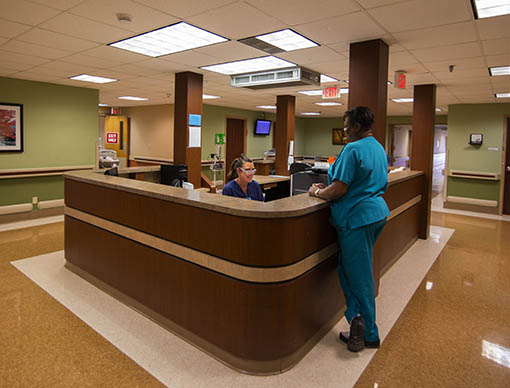
How is Park Terrace Rehabilitation Center Staffed?

CMS rates PARK TERRACE REHABILITATION CENTER's staffing level at 2 out of 5 stars, which is below average compared to other nursing homes. Staff turnover is 66%, which is 20 percentage points above the Ohio average of 46%. High turnover can affect care consistency as new staff learn residents' individual needs. RN turnover specifically is 59%, which is notably high. RNs provide skilled clinical oversight, so turnover in this role can affect medical care quality.

What Have Inspectors Found at Park Terrace Rehabilitation Center?

State health inspectors documented 96 deficiencies at PARK TERRACE REHABILITATION CENTER during 2020 to 2025. These included: 3 Immediate Jeopardy (the most serious level, indicating potential for serious harm or death), 2 that caused actual resident harm, 89 with potential for harm, and 2 minor or isolated issues. Immediate Jeopardy findings are rare and represent the most serious regulatory concerns. They require immediate corrective action.
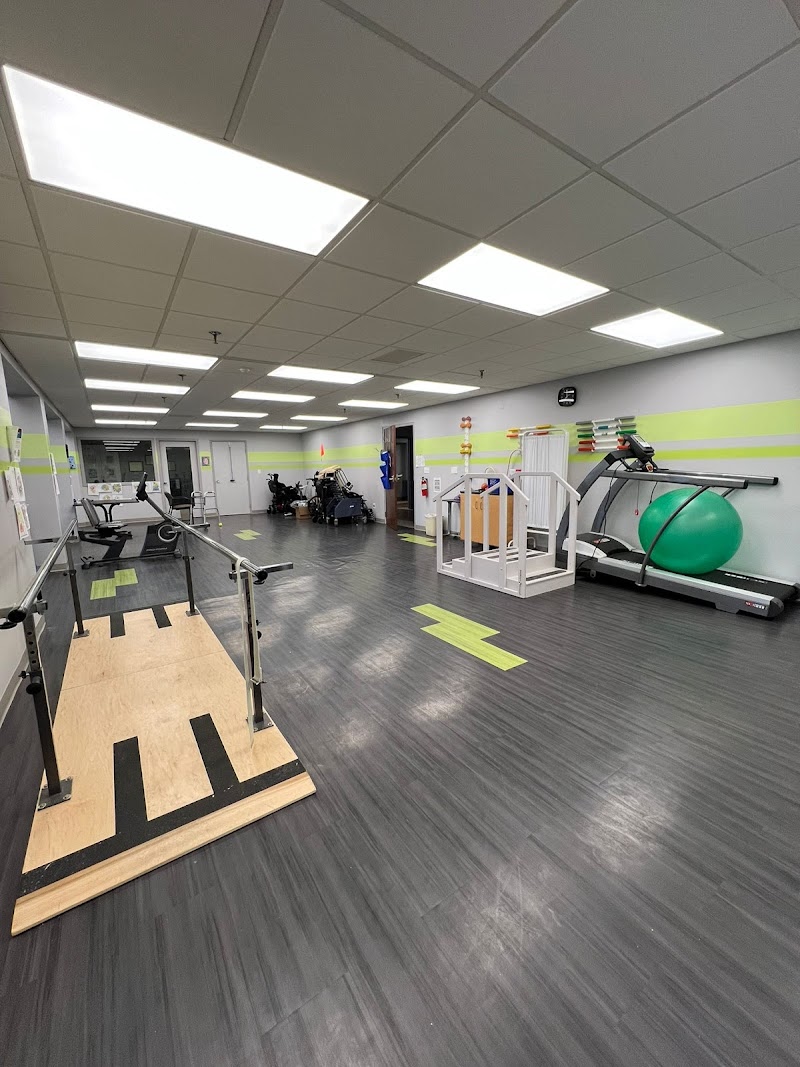
Who Owns and Operates Park Terrace Rehabilitation Center?

PARK TERRACE REHABILITATION CENTER is owned by a for-profit company. For-profit facilities operate as businesses with obligations to shareholders or private owners. The facility is operated by CCH HEALTHCARE, a chain that manages multiple nursing homes. With 99 certified beds and approximately 84 residents (about 85% occupancy), it is a smaller facility located in TOLEDO, Ohio.
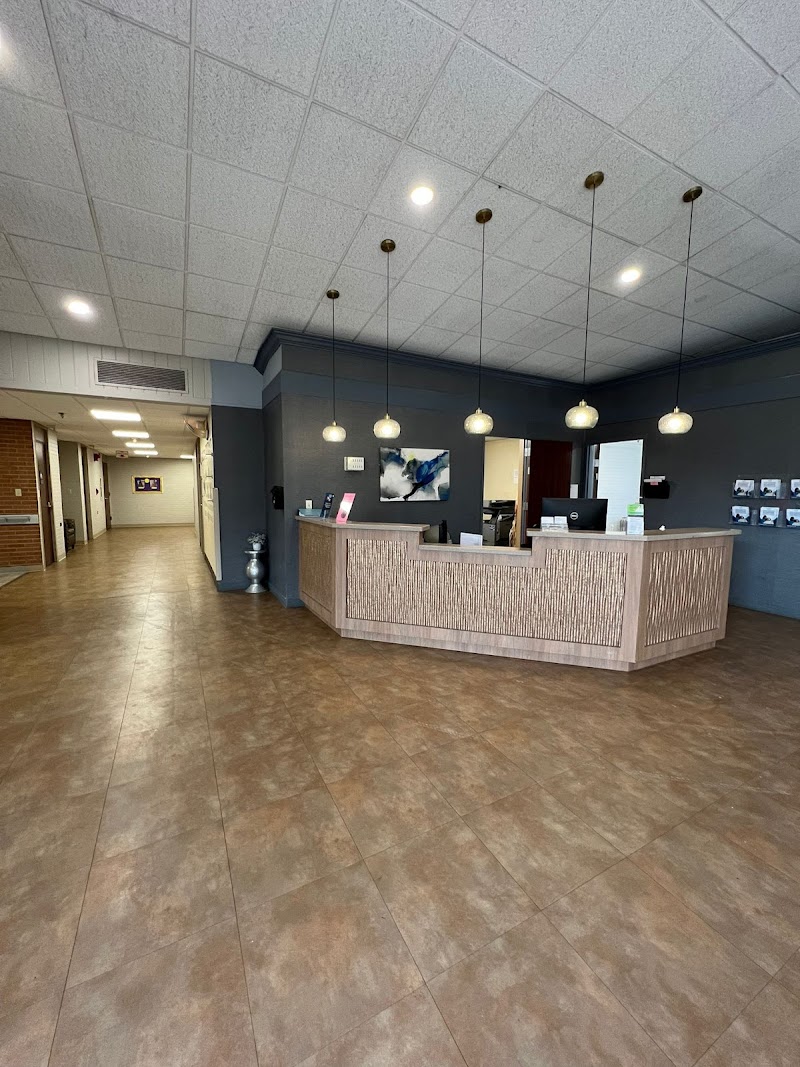
How Does Park Terrace Rehabilitation Center Compare to Other Ohio Nursing Homes?

Compared to the 100 nursing homes in Ohio, PARK TERRACE REHABILITATION CENTER's overall rating (1 stars) is below the state average of 3.2, staff turnover (66%) is significantly higher than the state average of 46%, and health inspection rating (1 stars) is much below the national benchmark.

What Should Families Ask When Visiting Park Terrace Rehabilitation Center?

Based on this facility's data, families visiting should ask: "What changes have been made since the serious inspection findings, and how are you preventing similar issues?" "How do you ensure continuity of care given staff turnover, and what is your staff retention strategy?" "Can you walk me through typical staffing levels on day, evening, and night shifts?" "Can I visit during a mealtime to observe dining assistance and food quality?" These questions are particularly relevant given the facility's Immediate Jeopardy citations, the facility's high staff turnover rate, and the below-average staffing rating.

Is Park Terrace Rehabilitation Center Safe?

Based on CMS inspection data, PARK TERRACE REHABILITATION CENTER has documented safety concerns. Inspectors have issued 3 Immediate Jeopardy citations (the most serious violation level indicating risk of serious injury or death). The facility is currently on the Special Focus Facility watch list (a federal program monitoring the lowest-performing 1% of nursing homes nationwide). The facility has a 1-star overall rating and ranks #100 of 100 nursing homes in Ohio. Families considering this facility should ask detailed questions about what corrective actions have been taken since these incidents.

Do Nurses at Park Terrace Rehabilitation Center Stick Around?

Staff turnover at PARK TERRACE REHABILITATION CENTER is high. At 66%, the facility is 20 percentage points above the Ohio average of 46%. Registered Nurse turnover is particularly concerning at 59%. RNs handle complex medical decisions and coordinate care — frequent RN changes can directly impact care quality. High turnover means new staff may not know residents' individual needs, medications, or preferences. It can also be disorienting for residents, especially those with dementia who rely on familiar faces. Families should ask: What is causing the turnover? What retention programs are in place? How do you ensure care continuity during staff transitions?

Was Park Terrace Rehabilitation Center Ever Fined?

PARK TERRACE REHABILITATION CENTER has been fined $144,023 across 6 penalty actions. This is 4.2x the Ohio average of $34,519. Fines at this level are uncommon and typically indicate a pattern of serious deficiencies, repeated violations, or failure to correct problems promptly. CMS reserves penalties of this magnitude for facilities that pose significant, documented risk to resident health or safety. Families should request specific documentation of what issues led to these fines and what systemic changes have been implemented.

Is Park Terrace Rehabilitation Center on Any Federal Watch List?

PARK TERRACE REHABILITATION CENTER is currently an SFF Candidate, meaning CMS has identified it as potentially qualifying for the Special Focus Facility watch list. SFF Candidates have a history of serious deficiencies but haven't yet reached the threshold for full SFF designation. The facility is being monitored more closely — if problems continue, it may be added to the official watch list. Families should ask what the facility is doing to address the issues that led to this status.