AVENTURA AT SHILOH SPRINGS


3500 SHILOH SPRINGS ROAD, TROTWOOD, OH 45426 (937) 854-1180
For profit - Corporation 84 Beds AVENTURA HEALTH GROUP Data: November 2025
Trust Grade
38/100
#609 of 913 in OH
Last Inspection: December 2022

Over 2 years since last inspection. Current conditions may differ from available data.

Overview

Aventura at Shiloh Springs has a Trust Grade of F, indicating significant concerns about the quality of care, which is among the poorest ratings possible. In Ohio, it ranks #609 out of 913 nursing homes, placing it in the bottom half of facilities statewide, and #26 out of 40 in Montgomery County, meaning only a few local options are worse. The facility is worsening, with reported issues increasing from 4 in 2024 to 11 in 2025. Staffing is a notable weakness, with a rating of 1 out of 5 stars and no registered nurse coverage on two occasions, which could negatively impact all residents. Serious issues include staff failing to assess and address pressure ulcers in residents, leading to significant harm, and a history of not providing necessary treatments for at least one resident. While the quality measures score is excellent, the overall picture raises concerns for families considering this facility.

Trust Score
F
38/100
In Ohio
#609/913
Bottom 34%
Safety Record
Moderate
Needs review
Inspections
Getting Worse
4 → 11 violations
Staff Stability
○ Average
Turnover data not reported for this facility.
Penalties
⚠ Watch
$8,469 in fines. Higher than 81% of Ohio facilities, suggesting repeated compliance issues.
Skilled Nurses
○ Average
RN staffing data not reported for this facility.
Violations
⚠ Watch
55 deficiencies on record. Higher than average. Multiple issues found across inspections.
★★☆☆☆
2.0
Overall Rating
★☆☆☆☆
1.0
Staff Levels
★★★★★
5.0
Care Quality
★☆☆☆☆
1.0
Inspection Score
Stable
2024: 4 issues
2025: 11 issues

The Good

  • 5-Star Quality Measures · Strong clinical quality outcomes
  • Full Sprinkler Coverage · Fire safety systems throughout facility
  • No fines on record

Facility shows strength in quality measures, fire safety.

The Bad

2-Star Overall Rating

Below Ohio average (3.2)

Below average - review inspection findings carefully

Federal Fines: $8,469

Below median ($33,413)

Minor penalties assessed

Chain: AVENTURA HEALTH GROUP

Part of a multi-facility chain

Ask about local staffing decisions and management

The Ugly 55 deficiencies on record

2 actual harm
Sept 2025 1 deficiency
CONCERN (D) 📢 Someone Reported This

A family member, employee, or ombudsman was alarmed enough to file a formal complaint

Potential for Harm - no one hurt, but risky conditions existed

Accident Prevention (Tag F0689)

Could have caused harm · This affected 1 resident

Based on observation, resident interview, staff interview and review of facility policy, the facility failed to ensure residents were supervised while smoking and further failed to ensure residents sm...

Read full inspector narrative →
Based on observation, resident interview, staff interview and review of facility policy, the facility failed to ensure residents were supervised while smoking and further failed to ensure residents smoked in designated areas per facility policy. Additionally, the facility failed to ensure residents utilized non-combustible containers to extinguish smoking materials. This affected two (#21 and #07) of two residents reviewed for smoking. The facility identified 15 (#07, #08, #13, #15, #16, #20, #21, #24, #26, #32, #34, #43, #48, #49, and #50) residents who smoked. The facility census was 50.Findings include:1. Review of the medical record for Resident #21 revealed an admission date of 02/13/24 with medical diagnoses of chronic obstructive pulmonary disease (COPD), peripheral vascular disease (PVD), and tobacco use.Review of the quarterly Minimum Data Set (MDS) assessment, dated 08/11/25, revealed Resident #21 was cognitively intact and was independent with all activities of daily living (ADLs).Review of the current plan of care revealed Resident #21 was at risk for injury related to smoking. Interventions included nursing staff to maintain all smoking materials in the designated area and the resident was to be a supervised smoker.Review of the Smoking Safety Screen, dated 06/10/25, revealed Resident #21 was a smoker and preferred to smoke in the morning, afternoon, evenings, and nights. The screen indicated Resident #21 required supervision when smoking and the resident was aware that staff needed to store his lighter and cigarettes.Observation on 09/03/25 at 7:45 A.M. revealed Resident #21 exited the facility through the main entrance door, propelled himself in his wheelchair approximately three feet from the entrance, removed a cigarette and lighter from his pocket, lit a cigarette and proceeded to smoke. Further observation revealed a no smoking sign was posted on a pole near the entrance door. No facility staff were observed providing supervision for Resident #21. Concurrent interview with Resident #21 confirmed he was smoking on the sidewalk in front of the facility's main entrance.Interview on 09/03/25 at 7:50 A.M. with Housekeeper (HSK) #228 confirmed Resident #21 was smoking unsupervised, approximately three feet from the facility's main entrance door. HSK #228 stated residents who required supervision with smoking were to smoke in the designated smoking area at designated times. Interview on 09/03/25 at 8:25 A.M. with Resident #21 revealed the nursing staff kept his smoking supplies at the nurses' station and that he was provided with a cigarette and his lighter by staff to smoke this morning.2. Review of the medical record for Resident #07 revealed an admission date of 06/17/25 with medical diagnoses of COPD, cellulitis to right lower extremity, hypertension (HTN) and anxiety.Review of an admission MDS assessment, dated 06/22/25, revealed Resident #07 was cognitively intact and required supervision with toilet hygiene, bathing, and transfers and was independent with bed mobility. The MDS indicated Resident #07 used tobacco products.Review of the Smoking Safety Screen, dated 06/17/25, revealed Resident #07 preferred to smoke in the morning, afternoon, evenings, and nights and the resident could light his own cigarette. The screen indicated Resident #07 was aware the facility needed to store his lighter and cigarettes and he was safe to smoke without direct supervision.Observation on 09/03/25 at 7:48 A.M. revealed Resident #07 was sitting in his wheelchair in the visitor parking lot smoking a cigarette. Concurrent interview with Resident #07 confirmed he was smoking on the facility property and was aware that he was supposed to go off the facility property to smoke. Resident #07 stated the nursing staff kept his smoking supplies at the nurses' station.Interview on 09/03/25 at 7:50 A.M. with HSK #228 confirmed Resident #07 was smoking in the facility parking lot. HSK #228 stated residents who did not require supervision while smoking were required to smoke off of the facility property.3. Observation on 09/03/25 at 7:50 A.M. revealed multiple cigarette butts were on the ground along the sidewalk to the front entrance and in the parking lot, as well as in the mulch at the front entrance. Concurrent interview with HSK #228 verified the cigarette butts located on the ground in the facility parking lot, sidewalk, and in the mulch. Interview on 09/03/25 at 10:00 A.M. Licensed Practical Nurse (LPN) #249 revealed the designated smoking area for the residents was located on a patio off of the activity room. LPN #249 stated some residents would sign themselves out on leave of absence (LOA) and go off the facility property to smoke. LPN #249 confirmed residents were to smoke in the designated smoking area unless they were off facility property. Concurrent observation of the designated smoking area revealed several discarded cigarette butts in the mulch and in the grass. Further interview with LPN #249 confirmed an appropriate non-combustible container was available for the disposal of smoking materials; however, multiple cigarette butts were in the mulch and the grass area of the smoking area. Review of the facility policy titled, Smoking, revised 02/18/22, revealed the facility would establish and maintain safe resident smoking practices. The policy stated that prior to, or upon admission, residents would be informed of any limitation on smoking, including designated smoking areas, and the extent to which the facility could accommodate their smoking or non-smoking preferences. Further review revealed that residents with restricted smoking privileges requiring monitoring should have the direct supervision of a staff member, family member, visitor, or volunteer worker at all times while smoking. Smoke breaks would only be held under supervision and/or during assigned smoking break times.The deficiency was based on incidental findings discovered during the course of the complaint investigation.
Mar 2025 5 deficiencies
CONCERN (D) 📢 Someone Reported This

A family member, employee, or ombudsman was alarmed enough to file a formal complaint

Potential for Harm - no one hurt, but risky conditions existed

Notification of Changes (Tag F0580)

Could have caused harm · This affected 1 resident

**NOTE- TERMS IN BRACKETS HAVE BEEN EDITED TO PROTECT CONFIDENTIALITY** Based on record review, staff interviews and policy review, the facility failed to provide notification to the physician or fami...

Read full inspector narrative →
**NOTE- TERMS IN BRACKETS HAVE BEEN EDITED TO PROTECT CONFIDENTIALITY** Based on record review, staff interviews and policy review, the facility failed to provide notification to the physician or family for a newly identified pressure ulcer. This affected one (#10) of three reviewed for pressure ulcers. care. The facility census was 56. Findings include: Review of medical record for Resident #10 revealed admission date of 01/30/25. The resident was hospitalized [DATE] and did not return. The resident was admitted with diagnoses including bilateral osteoarthritis, type two diabetes mellitus and hypertension. The admission Minimum Data Set (MDS) dated [DATE] revealed Resident #10 had a Brief Interview Mental Status (BIMS) score of 14 indicating intact cognition. She required was independent for eating, moderate assistance for bed mobility, toileting hygiene and transfers were not attempted. Documentation revealed no pressure ulcers upon admission to the facility. Record review of the 02/06/25 skin assessment documented a nine centimeter (cm) by (x) 11.0 centimeter unstageable sacral pressure wound. The notification section of the document had no indicating marks the physician or family had been updated. Interview on 03/12/25 at 12:33 P.M. with the Director of Nursing verified the physician nor the family had been informed of Resident #10's pressure ulcer upon its discovery on 02/06/25. Review of the facility policy, Change in a Resident's Condition or Status revised 09/24 revealed the facility would notify the physician and resident representative in changes of a resident's medical condition. This deficiency represents non-compliance investigated under Complaint Number OH00163062.
CONCERN (D) 📢 Someone Reported This

A family member, employee, or ombudsman was alarmed enough to file a formal complaint

Potential for Harm - no one hurt, but risky conditions existed

ADL Care (Tag F0677)

Could have caused harm · This affected 1 resident

**NOTE- TERMS IN BRACKETS HAVE BEEN EDITED TO PROTECT CONFIDENTIALITY** Based on record review and staff interviews, the facility failed to provide assistance with personal hygiene and Activities of D...

Read full inspector narrative →
**NOTE- TERMS IN BRACKETS HAVE BEEN EDITED TO PROTECT CONFIDENTIALITY** Based on record review and staff interviews, the facility failed to provide assistance with personal hygiene and Activities of Daily Living (ADL). This affected one (#10) of three residents reviewed for ADL care. The facility census was 56. Findings include: Review of medical record for Resident #10 revealed admission date of 01/30/25. The resident was hospitalized [DATE] and did not return. The resident was admitted with diagnoses including bilateral osteoarthritis, type two diabetes mellitus and hypertension. The admission Minimum Data Set (MDS) dated [DATE] revealed Resident #10 had a Brief Interview Mental Status (BIMS) score of 14 indicating intact cognition. She required was independent for eating, moderate assistance for bed mobility, toileting hygiene and transfers were not attempted. She required moderate assistance with showering and bathing. A care plan revealed alterations in bladder elimination related to incontinence with interventions to assist with toileting needs and incontinence care on routine rounds and as needed. A plan for impaired function related to the requirement for assistance in performing ADL's revealed interventions which included assistance with toileting needs and incontinence care on routine rounds and as needed to change incontinence products and assist with bath or shower. Record review of the shower documentation for Resident #10 documented one bed bath from 02/02/25 until her 02/21/25 hospitalization. Record review of the physical therapy note dated 02/18/25 documented several attempts/checks were made of nursing staff to ensure Resident #10 was getting cleaned up and ready for transfer. Nursing aides were not timely and unable to be located to complete session. Interview on 03/12/25 at 12:33 P.M. with the Director of Nursing (DON) confirmed Resident #10 had one bed bath during her stay at the facility. The DON confirmed there were no shower sheets or further documentation to verify additional showers had been provided for Resident #10. Interview on 03/12/25 at 9:42 A.M. with Physical Therapist #29 revealed on 02/18/25 the plan for therapy was to get Resident #10 up via mechanical lift and into a wheelchair. Upon arrival Resident #10 was found to be saturated the chux pad and onto the bottom sheet. She encouraged Resident #10 to put on the call light to have the Certified Nursing Assistance (CNA's) get her cleaned up. She stated she gathered the lift pad, wheelchair and foot pedals in preparation for the session. She was unable to locate CNA's by the end of her 30 minute allotted time. She did report her concern to her manager but was unsure what transpired. She shared there were two to three times she found Resident #10 saturated when she came for therapy. She stated she was not confident Resident #10 was aware of her incontinence episodes, in order to call staff. This deficiency represents non-compliance investigated under Complaint Numbers OH00163301 and OH00163062.
CONCERN (D) 📢 Someone Reported This

A family member, employee, or ombudsman was alarmed enough to file a formal complaint

Potential for Harm - no one hurt, but risky conditions existed

Pressure Ulcer Prevention (Tag F0686)

Could have caused harm · This affected 1 resident

**NOTE- TERMS IN BRACKETS HAVE BEEN EDITED TO PROTECT CONFIDENTIALITY** Based on record review, observations, interviews with staff and Wound Physician and policy review, the facility failed to provid...

Read full inspector narrative →
**NOTE- TERMS IN BRACKETS HAVE BEEN EDITED TO PROTECT CONFIDENTIALITY** Based on record review, observations, interviews with staff and Wound Physician and policy review, the facility failed to provide appropriate care and services to pressure ulcers. This affected two (#10 and #11) of three reviewed for pressure wounds. The facility census was 56. Findings include: 1. Review of medical record for Resident #10 revealed admission date of 01/30/25. The resident was hospitalized [DATE] and did not return. The resident was admitted with diagnoses including bilateral osteoarthritis, type two diabetes mellitus and hypertension. The admission Minimum Data Set (MDS) dated [DATE] revealed Resident #10 had a Brief Interview Mental Status (BIMS) score of 14 indicating intact cognition. She required was independent for eating, moderate assistance for bed mobility, toileting hygiene and transfers were not attempted. Documentation revealed no pressure ulcers upon admission to the facility. Record review of the 02/06/25 skin assessment documented a nine centimeter (cm) by (x) 11.0 centimeter unstageable sacral pressure wound. There was no further description or assessment of the wound or surrounding area. Record review of Resident #10's medical record including the progress notes and physician orders revealed no notification or treatments were ordered to the pressure ulcer on the residents sacral area until 02/09/25. Record review of the 02/13/25 wound physician note revealed Resident #10 had an unstageable sacral pressure wound, 100 percent (%) slough (non-viable tissue) measuring 9.5 cm x 11.0 cm. The peri wound was macerated (soft, soggy) no exudate (drainage) with odor noted. An order to cleanse the wound with normal saline or sterile water, pat dry apply wound gel to wound bed and cover with clean dry dressing once a day. Review of Resident #10's physician orders and treatment administration record (TAR) revealed an order to cleanse the wound with normal saline or sterile water, pat dry apply wound gel to wound bed and cover with silicone border (Mepilex) gauze two times a day with a start date of 02/13/25. Interview on 03/12/25 at 12:33 P.M. with the Director of Nursing (DON) confirmed Resident #10's pressure ulcer to the sacral area was found on 02/06/25 but a treatment was not started until 02/09/25. The DON confirmed the Wound Physician #24 order the dressing to be changed daily on 02/13/25 but the order was written for twice daily. The DON also confirmed Wound Physician #24 ordered a clean dry dressing but the facility ordered a Mepilex dressing. Interview on 03/13/25 at 9:50 A.M. with Wound Physician #24 revealed the incorrect frequency and dressing would not have attributed to a decline in Resident #10's wound. Wound Physician #24 stated his bigger concern was his order had not been followed as written. 2. Review of medical record for Resident #11 revealed admission date of 07/23/24. The resident was admitted with diagnoses including chronic obstructive pulmonary disease (COPD), depression, and anxiety. The resident remained in the facility. The quarterly MDS dated [DATE] revealed Resident #11 had a Brief Interview Mental Status (BIMS) score of six indicating impaired cognition. He required set up for eating, dependent for toileting hygiene, maximum assistance with bed mobility and transfers were not applicable. A care plan revealed potential for impaired skin integrity with interventions to elevate heels and moon boots in bed as tolerated. A readmission skin assessment on 03/05/25 revealed an unstageable pressure wound to his bilateral heels. There were no measurements or further description or assessment of the wounds. Review of the physician orders revealed orders for skin prep on bilateral heels and moon boots while in bed as tolerated no treatment orders were not entered until 03/07/25. Record review of the 03/10/25 skin assessment revealed there were no skin issues documented. An additional skin assessment for 03/10/25 was documented and signed on 03/11/25 which indicated Resident #11's right heel pressure wound, no staging was documented. No measurements, descriptions or measurements were documented. There was no documentation for any other skin areas of concern. Observation and interview on 03/11/25 at 11:07 A.M. with the DON revealed Resident #11 was laying in bed with his bilateral feet in moon boots and elevated on pillows. The DON removed the left moon boot and lifted his leg to reveal an approximate 3.0 cm x 3.0 cm unstageable pressure area. She then removed the right moon boot and lifted his right leg to reveal and approximate 2.0 cm x 2.0 cm unstageable wound to his right heel. This was verified with the DON at the time of the observation. Immediately following the wound observation on 03/11/25 at 11:11 A.M. the 03/10/25 skin assessment was reviewed with the DON. She verified the documentation did not indicate any areas of skin concern. Interview on 03/12/25 at 12:33 P.M. with the DON verified there were no measurements or description/assessment of Resident #11's unstageable wounds on the 03/05/25 skin assessment. She also verified a treatment was initiated until 03/07/25. She verified there had been no measurements, or further description of the wounds documented at the time of the interview. The DON shared wounds and the documentation of them would be addressed. Review of the facility policy, Pressure Ulcers/Skin breakdown revised 04/18 revealed a full assessment of pressure sore including location, stage, length, width and depth. Presence of exudate (drainage) or necrotic tissue. This deficiency represents non-compliance investigated under Complaint Numbers OH00163301, OH00163062 and OH00162988.
CONCERN (D) 📢 Someone Reported This

A family member, employee, or ombudsman was alarmed enough to file a formal complaint

Potential for Harm - no one hurt, but risky conditions existed

Deficiency F0825 (Tag F0825)

Could have caused harm · This affected 1 resident

**NOTE- TERMS IN BRACKETS HAVE BEEN EDITED TO PROTECT CONFIDENTIALITY** Based on record review, review of a hospital referral and interviews with staff, the facility failed to provide timely therapy s...

Read full inspector narrative →
**NOTE- TERMS IN BRACKETS HAVE BEEN EDITED TO PROTECT CONFIDENTIALITY** Based on record review, review of a hospital referral and interviews with staff, the facility failed to provide timely therapy services. This affected one (#10) of three residents reviewed for therapy services. The facility census was 56. Findings include: Review of medical record for Resident #10 revealed admission date of 01/30/25. The resident was hospitalized [DATE] and did not return. The resident was admitted with diagnoses including bilateral osteoarthritis, type two diabetes mellitus and hypertension. The admission Minimum Data Set (MDS) dated [DATE] revealed Resident #10 had a Brief Interview Mental Status (BIMS) score of 14 indicating intact cognition. She required was independent for eating, moderate assistance for bed mobility, toileting hygiene and transfers were not attempted. She required moderate assistance with showering and bathing. Review of the hospital referral for Resident #10 revealed orders for both Physical Therapy (PT) and Occupational Therapy (OT) services to continue at discharge. Review of the usual performance documentation for the Minimum Data Set (MDS) dated [DATE] through 02/01/25 revealed Resident #10 was independent for eating and oral hygiene, upper body dressing, rolling left to right and right to left, sit to lying and lying to sitting, she required moderate assistance for personal hygiene, lower body dressing and putting on shoes. Transfers and standing were not attempted due to medical condition. Review of Resident #10's medical record revealed the resident was not evaluated by PT until 02/04/25. Further record review revealed Resident #10 was never evaluated by OT. Interview on 03/10/25 at 3:05 P.M. with the Therapy Manager #20 revealed new referrals are usually discussed prior to a resident's admission to the facility. She did not recall the specifics of Resident #10's needs for services, looking at her chart or her admission orders. She stated there were many admissions during that time frame. Therapy Manager #20 confirmed PT did not evaluate Resident #10 until 02/04/25 and OT never evaluated the resident. Interview with the Administrator on 01/12/25 at 12:44 P.M. revealed it was the expectation of the facility a resident be screened for therapy services within the first 48 to 72 hours of admission. She acknowledged Resident #10 was admitted to the facility on [DATE] and did not receive a PT evaluation until 02/04/25. The Administrator confirmed Resident #10 was never evaluated by OT. This deficiency represents non-compliance investigated under Complaint Numbers OH00163323 and OH00162988.
CONCERN (D) 📢 Someone Reported This

A family member, employee, or ombudsman was alarmed enough to file a formal complaint

Potential for Harm - no one hurt, but risky conditions existed

Infection Control (Tag F0880)

Could have caused harm · This affected 1 resident

**NOTE- TERMS IN BRACKETS HAVE BEEN EDITED TO PROTECT CONFIDENTIALITY** Based on record review, observations, staff interviews and policy review, the facility failed to ensure proper infection control...

Read full inspector narrative →
**NOTE- TERMS IN BRACKETS HAVE BEEN EDITED TO PROTECT CONFIDENTIALITY** Based on record review, observations, staff interviews and policy review, the facility failed to ensure proper infection control procedures were followed during resident care. This affected one (#12) out of three residents reviewed for infection control. The facility census was 56. Findings include: Review of medical record for Resident #12 revealed admission date of 10/21/23 and admitted to hospice on 09/01/24. The resident was admitted with diagnoses including hemiplegia, diabetes mellitus, depression and gastronomy tube (g-tube). The resident remained in the facility. The quarterly Minimum Data Set (MDS) dated [DATE] revealed Resident #12 had significant impaired cognition. He was dependent for eating, bed mobility, transfers and toileting hygiene. He was documented as always incontinent of urine and bowel. Further review of Resident #12's medical record revealed the resident had a wound on the buttock that required treatments. Observation on 03/11/25 at 10:38 A.M. with Licensed Practical Nurse (LPN) #13 and the Director of Nursing revealed in preparation of wound care, Resident #12 was found to be incontinent. LPN #13 left the room to gather incontinence care supplies. Upon return to the room she washed her hands and was observed to ply multiple layers of gloves on each hand. Once the supplies were in place, the DON using the chux, turned Resident #12 onto his right side. The incontinence product was untaped and he was laid back onto his back. Peri care was provided with no concerns. Resident #12 was once again turned onto his right side. Resident #12 was observed to be incontinent of stool. LPN #12 proceeded to cleanse his buttocks with no concern. LPN #13 then removed the top layer of gloves. LPN #13 then removed the dressing and placed it into the soiled incontinence product. LPN #13 pulled the incontinence product from underneath Resident #12, wrapped it into a ball and disposed of it into the trash can. LPN #13 then removed an additional layer of gloves. LPN #13 cleansed the sacral wound with sterile water, patted dry with a four-by-four dressing. LPN #13 then placed calcium with silver to the wound bed and covered with a dry dressing. LPN #13 then removed another layer of gloves, exposing yet another set of gloves and picked the trash bag out of the trash can. LPN #13 stated she applied five sets of gloves prior providing care. LPN #13 acknowledged it was procedure to wash your hands upon removing gloves. LPN #13 confirmed hand hygiene was not performed during the observation or after removing multiple layers of gloves. Review of the facility policy, Wound Care revised 10/21 documented for staff to remove disposable gloves and discard and wash and dry hands thoroughly. This deficiency is based on incidental findings discovered during the course of this complaint investigation.
Jan 2025 5 deficiencies
CONCERN (D) 📢 Someone Reported This

A family member, employee, or ombudsman was alarmed enough to file a formal complaint

Potential for Harm - no one hurt, but risky conditions existed

Safe Environment (Tag F0584)

Could have caused harm · This affected 1 resident

**NOTE- TERMS IN BRACKETS HAVE BEEN EDITED TO PROTECT CONFIDENTIALITY** Based on observation, medical record review, resident and staff interview, and facility policy review, the facility failed to ma...

Read full inspector narrative →
**NOTE- TERMS IN BRACKETS HAVE BEEN EDITED TO PROTECT CONFIDENTIALITY** Based on observation, medical record review, resident and staff interview, and facility policy review, the facility failed to maintain and clean and sanitary environment. This affected two (#13 and #34) of six resident's rooms observed for environmental cleanliness. The facility census was 59. Findings Included: 1. Review of the medical record for Resident #34 revealed an admission date 12/15/24. Diagnoses included chronic diastolic heart failure, cognitive communication deficit, atrial flutter, and hypertension. Review of the Minimum Data Set (MDS) assessment dated [DATE] revealed Resident #34 was assessed with severely impaired cognition. Observation on 01/22/25 at 11:01 A.M. of Resident #34's room revealed the floor to the left side of the bed had 25 circular brownish-black marks approximately two to three inches in diameter scattered on the floor. The floor was also noted to be dirty and stained, and the wall edges in the room were covered with black, hard dirt from approximately two to three inches from the wall into the room. Interview on 01/22/25 at 11:05 A.M. with Housekeeping Aide (HA) #236 confirmed Resident #34's floor was stained, had circular brownish-black marks, and there was hard, black dirt around the wall base approximately two to three inches from the wall into the room. HA #236 confirmed it was hard to get the substance up with a regular mop, and it was possible there was old floor wax present. Interview on 01/22/25 at 11:20 A.M. with Resident #34 verified his floor was dirty and stained. 2. Review of the medical record revealed Resident #13 had an admission date 11/06/24. Diagnoses included type two diabetes, alcohol dependence, bipolar disorder, major depressive disorder, acute kidney failure, and hypertension. Review of the admission MDS assessment dated [DATE] revealed Resident #13 was assessed as cognitively intact. was cognitively intact. Observation and interview on 01/21/25 at 12:00 P.M. with Housekeeping Director (HD) #300 confirmed Resident #13's floor was very dirty, all the wall edges had black, hard dirt around them, there was dirt scattered on floor in the room, and there were large circular wear patterns which were approximately two to three feet in diameter on the floor. HD #300 also confirmed Resident #13's bathroom sink was dripping underneath on to brown paper towels soaking up the water. The dripping was observed to be one drip at a time and was continuous. Review of the facility policy titled, Quality of Life-Homelike Environment, dated 05/2017, revealed residents are provided with a safe, clean, comfortable, and homelike environment, and encourage to use their personal belongings to the extent possible. This deficiency represents non-compliance investigated under Complaint Number OH00161139.
CONCERN (D) 📢 Someone Reported This

A family member, employee, or ombudsman was alarmed enough to file a formal complaint

Potential for Harm - no one hurt, but risky conditions existed

Quality of Care (Tag F0684)

Could have caused harm · This affected 1 resident

**NOTE- TERMS IN BRACKETS HAVE BEEN EDITED TO PROTECT CONFIDENTIALITY** Based on observation, resident and staff interview, medical record review, and facility policy review, the facility failed to pr...

Read full inspector narrative →
**NOTE- TERMS IN BRACKETS HAVE BEEN EDITED TO PROTECT CONFIDENTIALITY** Based on observation, resident and staff interview, medical record review, and facility policy review, the facility failed to provide timely care and services when answering call lights. This affected one (#29) of three residents reviewed for call light response. The facility census was 59. Findings Included: Review of the medical record for Resident #29 revealed an admission date of 11/11/24. Diagnoses included bipolar disorder, type two diabetes, morbid obesity, anxiety, and major depression. Review of the quarterly Minimum Data Set (MDS) assessment dated [DATE] revealed Resident #29 was assessed with intact cognition, required partial to moderate assistance with bathing, toileting hygiene, personal hygiene, dressing the lower body, placing shoes on and off the feet, and required a walker to ambulate. Review of a plan of care dated 12/31/24 revealed Resident #29 was at risk for impaired activities of daily living (ADLs) related to requiring assistance to perform and complete ADLs, weakness, asthma, diabetes, and respiratory failure. Interventions included to assist with toileting needs, provide set up and clean up assistance with personal hygiene, observe the resident's ability and performance, offer and honor the resident's choices, and provide positive feedback and encouragement. Observation on 01/22/25 at 8:35 A.M. revealed Resident #29's call light was activated. Continued observation revealed Certified Nurse Aide (CNA) #278 answered the resident's call light at 8:55 A.M. Interview on 01/22/25 at 8:57 A.M. with CNA #278 verified she just answered Resident #29's call light. CNA #278 stated the reason for the delay in answering the call light was because the illuminated call light could not be seen behind the opened fire door on the hall. CNA #278 stated the fire door was unlatched for a while. Observation on 01/22/25 at 8:59 A.M. of the fire door near Resident #29's room revealed the door to the right of the hall obscured the view of Resident #29's call light. Interview on 01/22/25 at 9:55 A.M. with Resident #29 verified he was in the bathroom earlier that morning when he activated his call light because he needed assistance. Resident #29 stated it took the staff a long period of time to come assist him. Interview on 01/22/25 at 3:00 P.M. with the Director of Nursing (DON) stated staff should answer call lights within 15 minutes. Interview on 01/22/25 at 3:05 P.M. with Regional Administrator #284 stated he did not know the fire door near Resident #29's room was broken and unable to attached to the magnetic hold open device on the wall. Review of facility policy titled, Answering the Call Light, dated 08/02/24, revealed when answering from the call light station staff should turn off the signal light. If the resident needs assistance, indicate the appropriate time it will take to respond. If assistance was needed when staff enter the room, the staff should summon help by using the call signal. This deficiency represents non-compliance investigated under Complaint Number OH00161139.
CONCERN (D) 📢 Someone Reported This

A family member, employee, or ombudsman was alarmed enough to file a formal complaint

Potential for Harm - no one hurt, but risky conditions existed

Deficiency F0697 (Tag F0697)

Could have caused harm · This affected 1 resident

**NOTE- TERMS IN BRACKETS HAVE BEEN EDITED TO PROTECT CONFIDENTIALITY** Based on observation, resident and staff interview, and medical record review, the facility failed to provide timely pain medica...

Read full inspector narrative →
**NOTE- TERMS IN BRACKETS HAVE BEEN EDITED TO PROTECT CONFIDENTIALITY** Based on observation, resident and staff interview, and medical record review, the facility failed to provide timely pain medication as ordered to effectively treat pain. This affected one (#3) of three residents reviewed for pain management. This facility census was 59. Findings Included: Review of the medical record for Resident #3 revealed a most recent admission date of 01/10/25. Diagnoses included cellulitis of the right lower limb, acute kidney failure, major depressive disorder, and hypertension. Review of the Minimum Data Set (MDS) assessment MDS dated [DATE] revealed Resident #3 was assessed with moderately impaired cognition. Review of a physician order dated 01/10/25 revealed Resident #3 had an order for the narcotic pain medication oxycodone immediate release (IR) five (5) milligrams (mg) to take one tablet by mouth every eight hours as needed for pain. Review of Resident #3's plan of care dated 01/11/25 revealed the resident received pain medication, received therapy, and had neuropathy. Interventions included to administer medications, ask physician to review medication if side effects persist, monitor respiratory rate, monitor for altered mental status, observe any adverse reactions and notify physician, and review for pain medication efficacy. Observation on 01/22/25 at 9:30 A.M. with Licensed Practical Nurse (LPN) #292 revealed Resident #3 asked the nurse for his oxycodone IR 5 mg. LPN #292 responded to Resident #3 she would have to contact the pharmacy to see where the medication was in delivery. Observation on 01/22/25 at 3:20 P.M. revealed Resident #3 was lying in bed and watching television with no distress noted. Interview on 01/22/25 at 3:22 P.M. with Resident #3 stated his pain level was a seven (7) on a 10-point pain scale, with 10 being the highest pain, and also stated he had not had his oxycodone IR 5 mg for two days. Observation and interview on 01/22/25 at 3:25 P.M. with LPN #292 verified Resident #3's oxycodone IR 5 mg was not in her medication cart. LPN #292 verified the medication room had the oxycodone IR 5 mg to pull, but stated she did not have a key to open the medication room narcotic locked cart for emergency drug kit. Observation and interview on 01/22/25 at 3:35 P.M. with the Director of Nursing (DON) revealed she opened the narcotic emergency drug kit to see oxycodone IR 5 mg was in the emergency supply. Further observation once the supply was unlocked revealed there were 12 pills available. The DON stated she was going to have the pain medication delivered to Resident #3 for pain management. Interview on 01/22/25 at 3:54 P.M. with LPN #228 confirmed LPN #292 should have pulled the oxycodone IR 5 mg from the emergency medication supply that morning if Resident #3 asked for the pain medication. LPN #228 stated she just received an authorization to pull the oxycodone IR 5 mg today at 3:51 P.M. Interview on 01/22/25 at 5:00 P.M. with the DON stated LPN #404 administered Resident #3's oxycodone IR 5 mg from the emergency medication supply. This deficiency represents non-compliance investigated under Complaint Number OH00161139.
CONCERN (D) 📢 Someone Reported This

A family member, employee, or ombudsman was alarmed enough to file a formal complaint

Potential for Harm - no one hurt, but risky conditions existed

Deficiency F0757 (Tag F0757)

Could have caused harm · This affected 1 resident

**NOTE- TERMS IN BRACKETS HAVE BEEN EDITED TO PROTECT CONFIDENTIALITY** Based on observation, resident and staff interview, and medical record review, the facility failed to ensure blood glucose level...

Read full inspector narrative →
**NOTE- TERMS IN BRACKETS HAVE BEEN EDITED TO PROTECT CONFIDENTIALITY** Based on observation, resident and staff interview, and medical record review, the facility failed to ensure blood glucose levels were adequately monitored as ordered to determine the need for sliding scale insulin. This affected one (#13) of three residents reviewed for insulin usage. The facility census was 59. Findings Included: Review of the medical record revealed Resident #13 had an admission date 11/06/24. Diagnoses included type two diabetes, alcohol dependence, bipolar disorder, major depressive disorder, acute kidney failure, and hypertension. Review of an admission Minimum Data Set (MDS) assessment dated [DATE] revealed Resident #13 was assessed as cognitively intact. Review of a plan of care dated 11/06/24 revealed Resident #13 had the potential for hypoglycemia or hyperglycemia related to diabetes. Interventions included to obtain blood glucose checks per physician order and as needed, administer medication as ordered, educate resident regarding signs and symptoms of hyperglycemia or hypoglycemia, and observe for and report signs and symptoms of hyperglycemia or hypoglycemia. Review of a physician order dated 11/20/24 revealed Resident #13 had a FreeStyle Libre 2 Sensor (a continuous glucose monitoring device worn on the skin) applied subcutaneously and to be changed every 14 days. Review of a physician order dated 01/14/25 revealed Resident #13 was ordered Humalog insulin 100 unit per milliliter (insulin lispro) with instructions to inject per sliding scale as follows: if the blood glucose level was between 200 milligrams per deciliter (mg/dL) and 250 mg/dL, give two units of insulin; if the blood glucose level was between 251 mg/dL and 300 mg/dL, give four units of insulin; if the blood glucose level was between 301 mg/dL and 350 mg/dL, give six units of insulin; if the blood glucose level was between 351 mg/dL and 400 mg/dL, give eight units of insulin; and if the blood glucose level was between 401 mg/dL and 450 mg/dL, give 10 units of insulin subcutaneously three times a day in the morning, evening, and night for type two diabetes. Further review of the order revealed to notify the physician for a blood glucose level over 451 mg/dL and hold the insulin if the blood glucose level was below 70 mg/dL. Review of Resident #13's January 2025 medication administration record (MAR) revealed Resident #13 was documented as refusing Humalog sliding scale insulin on 01/20/25 for the morning, afternoon, and evening doses with no documented evidence of blood glucose levels being obtained. Further review of the January 2025 MAR revealed on 01/21/25, it was documented the resident refused the morning and afternoon doses of sliding scale Humalog insulin with no evidence the resident's blood glucose level was checked. Interview on 01/21/25 at 3:51 P.M. with Licensed Practical Nurse (LPN) #292 stated she poked her head into Resident #13's room that day and he refused his medication. LPN #292 stated she had not seen any blood glucose levels for Resident #13 and stated she did not know where the resident's FreeStyle Libre diabetic monitoring device was located on Resident #13's skin. LPN #292 stated she did not ask Resident #13 what his blood glucose level was for the afternoon to see if the resident needed sliding scale insulin. LPN #292 verified she documented Resident #13 refused even though she never asked for the resident's blood glucose level that afternoon. Observation and interview on 01/21/25 at 4:15 P.M. with Resident #13 stated LPN #292 never visited him on 01/21/25 for his sliding scale insulin or to check his blood glucose level. At that time, Resident #13's FreeStyle Libre monitor was noted on his abdomen with a blood glucose reading of 279 mg/dL. Interview on 01/21/25 at 4:35 P.M. with LPN #292 verified she did not know were Resident #13's FreeStyle Libre blood glucose monitor was located on the resident. LPN #292 verified she did not check the resident's blood glucose level or ask the resident what his blood glucose level was for the last two days to determine if the resident required sliding scale insulin. LPN #292 verified on the January 2025 MAR for 01/21/25 she documented the resident refused in the afternoon but the resident did not refuse. Interview on 01/22/25 at 4:30 P.M. with the Director of Nursing (DON) stated she was unaware staff were not checking Resident #13's blood glucose level as ordered, and verified it was not an acceptable practice of the facility. This deficiency represents non-compliance investigated under Complaint Number OH00161139.
CONCERN (D) 📢 Someone Reported This

A family member, employee, or ombudsman was alarmed enough to file a formal complaint

Potential for Harm - no one hurt, but risky conditions existed

Medical Records (Tag F0842)

Could have caused harm · This affected 1 resident

**NOTE- TERMS IN BRACKETS HAVE BEEN EDITED TO PROTECT CONFIDENTIALITY** Based on observation, resident and staff interview, and medical record review, the facility failed to ensure medication administ...

Read full inspector narrative →
**NOTE- TERMS IN BRACKETS HAVE BEEN EDITED TO PROTECT CONFIDENTIALITY** Based on observation, resident and staff interview, and medical record review, the facility failed to ensure medication administration records were accurately documented to reflect blood glucose monitoring. This affected one (#13) of three residents reviewed for insulin usage. The facility census was 59. Findings Included: Review of the medical record revealed Resident #13 had an admission date 11/06/24. Diagnoses included type two diabetes, alcohol dependence, bipolar disorder, major depressive disorder, acute kidney failure, and hypertension. Review of an admission Minimum Data Set (MDS) assessment dated [DATE] revealed Resident #13 was assessed as cognitively intact. Review of a plan of care dated 11/06/24 revealed Resident #13 had the potential for hypoglycemia or hyperglycemia related to diabetes. Interventions included to obtain blood glucose checks per physician order and as needed, administer medication as ordered, educate resident regarding signs and symptoms of hyperglycemia or hypoglycemia, and observe for and report signs and symptoms of hyperglycemia or hypoglycemia. Review of a physician order dated 11/20/24 revealed Resident #13 had a FreeStyle Libre 2 Sensor (a continuous glucose monitoring device worn on the skin) applied subcutaneously and to be changed every 14 days. Review of a physician order dated 01/14/25 revealed Resident #13 was ordered Humalog insulin 100 unit per milliliter (insulin lispro) with instructions to inject per sliding scale as follows: if the blood glucose level was between 200 milligrams per deciliter (mg/dL) and 250 mg/dL, give two units of insulin; if the blood glucose level was between 251 mg/dL and 300 mg/dL, give four units of insulin; if the blood glucose level was between 301 mg/dL and 350 mg/dL, give six units of insulin; if the blood glucose level was between 351 mg/dL and 400 mg/dL, give eight units of insulin; and if the blood glucose level was between 401 mg/dL and 450 mg/dL, give 10 units of insulin subcutaneously three times a day in the morning, evening, and night for type two diabetes. Further review of the order revealed to notify the physician for a blood glucose level over 451 mg/dL and hold the insulin if the blood glucose level was below 70 mg/dL. Review of Resident #13's January 2025 medication administration record (MAR) revealed Resident #13 was documented as refusing Humalog sliding scale insulin on 01/20/25 for the morning, afternoon, and evening doses with no documented evidence of blood glucose levels being obtained. Further review of the January 2025 MAR revealed on 01/21/25, it was documented the resident refused the morning and afternoon doses of sliding scale Humalog insulin with no evidence the resident's blood glucose level was checked. Interview on 01/21/25 at 3:51 P.M. with Licensed Practical Nurse (LPN) #292 stated she poked her head into Resident #13's room that day and he refused his medication. LPN #292 stated she had not seen any blood glucose levels for Resident #13 and stated she did not know where the resident's FreeStyle Libre diabetic monitoring device was located on Resident #13's skin. LPN #292 stated she did not ask Resident #13 what his blood glucose level was for the afternoon to see if the resident needed sliding scale insulin. LPN #292 verified she documented Resident #13 refused even though she never asked for the resident's blood glucose level that afternoon. Observation and interview on 01/21/25 at 4:15 P.M. with Resident #13 stated LPN #292 never visited him on 01/21/25 for his sliding scale insulin or to check his blood glucose level. At that time, Resident #13's FreeStyle Libre monitor was noted on his abdomen with a blood glucose reading of 279 mg/dL. Interview on 01/21/25 at 4:35 P.M. with LPN #292 verified she did not know were Resident #13's FreeStyle Libre blood glucose monitor was located on the resident. LPN #292 verified she did not check the resident's blood glucose level or ask the resident what his blood glucose level was for the last two days to determine if the resident required sliding scale insulin. LPN #292 verified on the January 2025 MAR for 01/21/25 she documented the resident refused in the afternoon but the resident did not refuse. This deficiency represents an incidental finding discovered while investigating Complaint Number OH00161139.
Sept 2024 1 deficiency
CONCERN (D) 📢 Someone Reported This

A family member, employee, or ombudsman was alarmed enough to file a formal complaint

Potential for Harm - no one hurt, but risky conditions existed

Medical Records (Tag F0842)

Could have caused harm · This affected 1 resident

**NOTE- TERMS IN BRACKETS HAVE BEEN EDITED TO PROTECT CONFIDENTIALITY** Based on medical record review, staff interviews and policy review, the facility failed to ensure the administration of as neede...

Read full inspector narrative →
**NOTE- TERMS IN BRACKETS HAVE BEEN EDITED TO PROTECT CONFIDENTIALITY** Based on medical record review, staff interviews and policy review, the facility failed to ensure the administration of as needed medication was documented in the resident's medical record. Additionally, the facility failed to document care and services related to incontinent care and application of durable medical equipment as ordered. This affected three (#15, #45 and #18) of three residents reviewed for medical record accuracy. The facility census was 42. Findings include: 1. Medical record review for Resident #45 revealed an admission on [DATE] and a discharge to the hospital on [DATE]. Diagnoses include congestive obstructive pulmonary disease, chronic respiratory failure with hypoxia, sleep apnea, atrial fibrillation, anxiety disorder, obesity, and fracture of right fibula. Review of the admission Minimum Data Set (MDS) assessment dated [DATE] for Resident #45 revealed an intact cognition. Resident #45 required moderate assistance with eating, dependent for toileting, max assistance for bed mobility, transfers not attempted. Resident was incontinent of bladder and continent of bowel. Resident was coded as receiving a non-evasive mechanical ventilator during the assessment period. Review of the plan of care for Resident #45 dated 06/08/24 revealed an alteration in Bladder Elimination/Potential for incontinence related to diuretic use. Interventions include administration of medications as ordered, assist with toileting needs and incontinence care on routine rounds and resident requests, provide assistance as needed with toileting hygiene and skin care, assist with wearing and changing incontinent garments, check and changed on routines rounds as needed or requested. Review of the electronic health record State Tested Nursing Assistant (STNA) documentation for incontinent care was silent for any staff documentation indicating the care and services were provided. Interview on 09/26/24 at 9:58 A.M. with the Director of Nursing (DON) verified the task was not triggered for the STNA's to document and she was unable to locate any other documentation related to incontinent care being provided for Resident #45 per plan of care and it should have been documented. Review of the facility policy titled Incontinence- Clinical Protocol, dated 12/08/23 states as appropriate, based on assessment of the causes of incontinence the staff will provide scheduled toileting or prompted voiding. 2. Medical record review for Resident #18 revealed an admission on [DATE] with diagnoses including but not limited to kidney failure, acute chronic respiratory failure, congestive obstructive pulmonary disease (COPD), morbid obesity, chronic bronchitis, seizures, asthma, anxiety, depression, sleep apnea, and candidiasis. Review of the quarterly MDS assessment dated [DATE] for Resident #18 revealed an intact cognition. Resident #18 required supervision for eating, and totally dependent on staff for bed mobility, transfers, and toileting. Review of the plan of care for Resident #18 dated 11/18/23 and revised on 06/24/24 revealed resident has altered respiratory status/difficulty breathing related to COPD, chronic respiratory failure with hypoxia, chronic bronchitis, asthma, shortness of breath, anxiety, obstructive sleep apnea with use of BiPap at bedtime. Interventions included will maintain normal breathing pattern as evidenced by normal respirations, normal skin color, and regular respiratory rate/pattern and will have no complications related to shortness of breath. Review of the active physician's order for Resident #18 revealed an orders indicating it was okay to use the BiPap from home dated 01/30/24 and an order for oxygen-may wear BiPap full face mask setting 16/5 humidification while sleeping toe times a day for sleep apnea. Review of the treatment administration record for Resident #18 was silent for any documentation related to the application of the mask for Resident #18 at bedtime. Interview on 09/26/24 at 10:37 A.M. with the DON verified the treatment administration record (TAR) was silent for application of the bi-pap device for Resident #18. Additionally, the DON verified Resident #18 had physician orders and when she returned from the hospital they were not added to the electronic health record as orders and should have been. Review of the facility's policy titled CPAP/BiPap Support dated 03/2015 revealed under documentation following should be in the residents medical record, general assessment including vital signs, oxygen saturation, respiratory, circulatory and gastrointestinal status prior to procedure, time CPAP was started and the duration of therapy, mode and settings for the CPAP/BiPap, oxygen concentration and flow and how the resident tolerated the procedure. 3. Medical record review for Resident #15 revealed an admission on [DATE] with diagnosis including not but limited to chronic embolism and thrombosis of deep vein lower, Arnold Chiari Syndrome without spina bifida or hydrocephalus, hypertension, lymphedema, osteoarthritis, insomnia, dermatitis, sleep apnea, bariatric surgery, and asthma. Review of the admission MDS assessment dated [DATE] for Resident#15 revealed resident has an intact cognition. Resident #15 required supervision for eating, supervision for toileting, maximal assistance for bed mobility and transfers was not attempted. Resident #15 is incontinent of bowel and bladder. Resident #15 weighs 394 pounds. Review of the plan of care dated 09/09/24 for Resident #15 revealed resident has potential for pain: related to arthritis, Arnold Chiari Syndrome, history of lymphedema, and decrease in mobility. Interventions include Resident and/or responsible party in treatment plan, update as indicated by change in condition/treatment, Medications as ordered, observe for effectiveness/side effects, update physician as needed regarding effectiveness or need for order change. Assess resident for location, onset, origin, intensity of, and precipitating factors to pain. Utilize pain scale = 0 or 1-10 (mild, moderate, severe). Observe for pain that may interfere with ability to perform self-care, attempt to increase comfort through nonpharmacological means, i.e., repositioning, quiet environment, guided imagery, music therapy, gentle massage, etc and observe for side effects of narcotic pain medication, sedation, constipation, confusion, respiratory depression. Review of the active physician's orders for Resident #15 revealed an order dated oxycodone oral tablet 5 milligrams one tablet by mouth dated one every eight hours as needed for severe pain dated 09/24/24 at 12:45 P.M. and Tylenol 325 mg two tablets every six hours for pain. Review of the discontinued physicians' orders for Resident #15 revealed an order for Norco tablet 5-325 my one table every eight hours as needed for moderate pain discontinued on 09/24/24. Review of the Medication Administration Record (MAR) for Resident #15 revealed was silent for any Tylenol being administered since 09/21/24. Interview on 09/25/24 with Licensed Practical Nurse (LPN) #28 verified she administered Tylenol to Resident #15 last evening when the resident was asked if she had any pain. Resident #15 stated that her pain was a two or three on a pain scale of 1-10. Interview on 09/26/24 at 7:51 A.M. with LPN #81 verified she administered Tylenol on 09/23/24 at 4:34 P.M. when Resident #15 complained about pain. Additionally, LPN #81 stated Resident #15 stated the pain was at a three or four. Interview on 09/26/24 at :37 A.M. with DON verified the Resident #15 did not have any Tylenol recorded on the MAR since 09/21/24 and the nurses that stated they administered the pain medication would be coming into the facility and making a late entry regarding the administration of the medication. Additionally, the DON verified Resident #15 did not have a order independent of the pain medication for pain monitoring every shift and had added that to Resident #15's medication profile on 09/25/24. Review of the facility policy titled Charting and Documentation, dated 08/24 stated the following information is to be documented in the medical record, observations, medication administration, treatment or services, changes in condition and events, accidents involving the resident. This deficiency represents non-compliance investigated under Complaint Numbers OH00157965, OH00157841 and OH00157354.
Aug 2024 1 deficiency
CONCERN (D) 📢 Someone Reported This

A family member, employee, or ombudsman was alarmed enough to file a formal complaint

Potential for Harm - no one hurt, but risky conditions existed

Free from Abuse/Neglect (Tag F0600)

Could have caused harm · This affected 1 resident

**NOTE- TERMS IN BRACKETS HAVE BEEN EDITED TO PROTECT CONFIDENTIALITY** Based on record review, resident and staff interviews, review of the facility's self-reported incident (SRI) and investigation, ...

Read full inspector narrative →
**NOTE- TERMS IN BRACKETS HAVE BEEN EDITED TO PROTECT CONFIDENTIALITY** Based on record review, resident and staff interviews, review of the facility's self-reported incident (SRI) and investigation, and policy review, the facility failed to prevent resident-to-resident physical abuse when a resident struck another resident with a cane, and a third resident came up behind the resident and struck the same resident. This affected one (Resident #19) of three residents reviewed for abuse. The facility census was 51. Findings include: Review of the facility's SRI dated 07/09/24 revealed Resident #19 reported an allegation of physical abuse by two other residents to Licensed Practical Nurse (LPN) #287. Resident #19 reported that Resident #41 struck him across the face while outside in the courtyard and Resident #52 used his hand to hit the back of his head. No injuries noted at time of incident. Review of the investigative notes dated 07/09/24 revealed Resident #41 and #52 denied the allegations. On 07/10/24, Resident #52 confirmed he came up behind Resident #19, swung, hitting him in the face. Review of the addendum to the SRI dated 07/17/24 revealed on 07/16/14, Resident #41 and #52 appeared in the Municipal Court of [NAME] County and the case was set for pretrial. During the course of the investigation conducted by the Parole Officer on 07/17/24, Resident #41 was interviewed and admitted that, in response to Resident #19 pulling on his Hoyer pad, he hit Resident #19 in the face with a cane. When asked why Resident #41 had not disclosed this fact during prior interviews, he said he was done with the matter. 1. Review of the medical record for Resident #19 revealed an admission date of 05/13/24 with diagnoses including combined systolic (congestive) and diastolic (congestive) heart failure, type II diabetes mellitus with hyperglycemia, and acquired absence of left leg above knee. Review of the five-day Minimum Data Set (MDS) assessment dated [DATE] revealed Resident #19 had moderate cognitive impairment, required supervision with wheelchair mobility, required substantial staff assistance for bed mobility, and was dependent on staff assistance for toileting hygiene, bathing, dressing, and transfers. Review of the care plan dated 06/24/24 revealed Resident #19 had behavior problems, was disruptive to others, resisted care, verbally abusive, wandering. was drug seeking, wandering and was disruptive to other resident's activities of daily living. Review of Resident #19's progress notes revealed on 07/10/24 at 1:15 P.M., the resident was sent to the hospital with complaints of seeing black dots after previous head trauma. Resident #19 returned back to the facility the same with no new diagnosis. Interview on 08/02/24 at 9:58 A.M. with Resident #19 confirmed Resident #41 hit Resident #19 across the face with a metal cane and Resident #52 hit Resident #19 in the head from behind. 2. Review of the medical record for Resident #41 revealed an admission date of 04/10/24 with diagnoses including major depressive disorder and behavioral and emotional disorders with onset usually occurring in childhood and adolescence. Review of the Discharge Return Anticipated MDS assessment dated [DATE] revealed Resident #41 was independent with decision making skills, was independent with wheelchair mobility, and was dependent on staff assistance with toileting hygiene, bathing, dressing, personal hygiene, bed mobility, and transfers. Review of the care plan dated 06/07/24 revealed Resident #41 had behavior problems, was socially inappropriate, verbally abusive, combative, swung at others, and trying to hit staff. Interventions included psych services, provide calm reassurance, redirection or distractions and assess effectiveness. Provide positive reinforcement for appropriate behavior. Confront gently and respectfully when behavior is inappropriate. Review of Resident #41's progress note dated 07/10/24 at 1:10 A.M. revealed a head-to-toe assessment was completed and there were no negative clinical or psychosocial effects. Resident #41 was sent to the hospital with a pink slip. Interview on 08/02/24 at 10:20 A.M. with Resident #41 confirmed he hit Resident #19 across the face with a cane. 3. Review of the medical record for Resident #52 revealed an admission date of 02/16/24 and a discharge date of 07/17/24 with diagnoses of multiple sclerosis and depression. Review of the Discharge Return Not Anticipated MDS assessment dated [DATE] revealed Resident #52 was independent with daily decision making, was independent with wheelchair mobility, and required supervision with bathing, toileting hygiene, dressing, bed mobility, transfers, and ambulating 50 feet. Review of the care plan dated 02/21/24 revealed Resident #52 had behavior problems of wandering and had abusive language towards staff. Interventions included the resident's behavior will not cause harm to self or others, provide calm reassurance, redirection or distractions and assess effectiveness. Provide positive reinforcement for appropriate behavior. Confront gently and respectfully when behavior is inappropriate and set limits. Review of the progress note dated 07/10/24 at 1:12 A.M. revealed Resident #52 was in an alleged altercation with another resident, head-to-toe assessment completed, no visible signs or symptoms of injuries noted, and no negative clinical or psychosocial effects. Resident #52 was sent to the hospital with a pink slip, and Resident #52 remained supervised by staff, medics arrived at 12:40 A.M., and the resident left facility at 12:50 A.M. Interview on 08/02/24 at 1:53 P.M. with the Director of Nursing (DON) confirmed Resident #41 hit Resident #19 across the face with a metal cane. The DON confirmed Resident #52 hit Resident #19 in the head from behind. Review of the policy titled The Elder Justice Act and Reporting Suspected Crimes Against Residents, dated 08/2022, revealed it was the purpose to facilitate efforts to prevent, detect, treat, intervene in, and prosecute elder abuse, neglect, and exploitation and to protect elders with diminished capacity while maximizing their autonomy and their right to be free of abuse, neglect, and exploitation. This deficiency represents non-compliance investigated under Complaint Number OH00155727.
Jul 2024 2 deficiencies
CONCERN (D) 📢 Someone Reported This

A family member, employee, or ombudsman was alarmed enough to file a formal complaint

Potential for Harm - no one hurt, but risky conditions existed

Accident Prevention (Tag F0689)

Could have caused harm · This affected 1 resident

**NOTE- TERMS IN BRACKETS HAVE BEEN EDITED TO PROTECT CONFIDENTIALITY** Based on medical record review, staff interview, and policy review, the facility failed to prevent elopement. This affected one ...

Read full inspector narrative →
**NOTE- TERMS IN BRACKETS HAVE BEEN EDITED TO PROTECT CONFIDENTIALITY** Based on medical record review, staff interview, and policy review, the facility failed to prevent elopement. This affected one (Resident #24) of three reviewed for elopement. The facility census was 48. Findings include: Review of the medical record of Resident #24 revealed an admission date of 02/01/24. Diagnoses included Wernicke's encephalopathy and altered mental status. Review of the quarterly Minimum Data Set (MDS) assessment dated [DATE] revealed Resident #24 was cognitively impaired and required maximal assistance with activities of daily living. Review of the Wander Risk Evaluation dated 02/02/24 revealed Resident #24 was at a risk for wandering. The form did not indicate any interventions to be care planned. Review of the admission Nursing Evaluation dated 02/02/24 revealed Resident #24 was alert, confused, and oriented to name only. The form indicated Resident #24 experienced hallucinations, delusions, and resists care. Review of the care plan revealed an entry dated 03/20/24 indicating Resident #24 was at risk for elopement related to impaired cognition, wandering, attempting to leave the facility requiring a one on one (1:1) sitter. The goal was for Resident #24 to not leave the building without a staff member, family member, or other approved person. Interventions included observe for signs that Resident #24 may be planning on leaving the facility such as wearing a coat or jacket, carrying a bag with possessions in it, or statements that he is going to leave. Intervene by asking Resident #24 if he is going somewhere, and offer alterative activities. Observe Resident #24's movements on the unit and in the facility. If resident attempts to leave the building, redirect and involve him in another activity. Review of the progress note dated 05/27/24 at 4:30 P.M., written by Registered Nurse (RN) #101, revealed Resident #24 eloped out of the facility in his wheelchair through the 100 hallway door. This occurred approximately 10 minutes after he received his evening medications. The staff were alerted because the alarm went off. Resident #24 was seen outside sitting in his wheelchair in front of the facility. He was returned to his room and education was provided. Resident #24 did not understand why he should not leave the facility. The Director of Nursing (DON) was notified and the management team was working on transferring Resident #24 to a sister facility. Interview on 07/01/24 at 1:00 P.M. with the DON verified Resident #24 got out of the building. The DON reported Resident #24 should have been on 1:1 since 03/20/24 as care planned, and got out the building anyway. Review of the policy titled Elopement/Missing Resident undated, revealed after an elopement the resident will be placed on 1:1 monitoring until the interdisciplinary team meets to discuss. This deficiency represents non-compliance investigated under Complaint Number OH00154629.
CONCERN (D) 📢 Someone Reported This

A family member, employee, or ombudsman was alarmed enough to file a formal complaint

Potential for Harm - no one hurt, but risky conditions existed

Deficiency F0760 (Tag F0760)

Could have caused harm · This affected 1 resident

Based on observation, medical record review, staff interview, and review of the policy, the facility failed to ensure medications were administered timely. This affected one resident (#12) of four obs...

Read full inspector narrative →
Based on observation, medical record review, staff interview, and review of the policy, the facility failed to ensure medications were administered timely. This affected one resident (#12) of four observed for medication administration. The facility census was 48. Findings include. Observation on 07/02/24 at 10:39 A.M. revealed Licensed Practical Nurse (LPN) #191 administering medications to Resident #12. The medications included one docusate 100 milligrams (mg), one Eliquis 2.5 mg tablet, one multivitamin tablet, one gabapentin 300 mg tablet, one Keppra 500 mg tablet, one spironolactone 25 mg tablet, one nicotine patch 7 mg, one puff of Advair 21 microgram, , and one vitamin D3. The gabapentin was ordered to be given three times daily and scheduled for 9:00 A.M., 1:00 P.M., and 5:00 P.M. Interview on 07/02/24 at 10:45 A.M. with LPN #151 revealed the medications were administered late and the gabapentin would have to be delayed for the next two administrations. Review of the policy tilted, Administering Medications, dated 08/2023 revealed medications are to be administered in a safe and timely manner. This deficiency represents non-compliance investigated under Complaint Number OH00155242.
Nov 2023 7 deficiencies
CONCERN (D) 📢 Someone Reported This

A family member, employee, or ombudsman was alarmed enough to file a formal complaint

Potential for Harm - no one hurt, but risky conditions existed

Quality of Care (Tag F0684)

Could have caused harm · This affected 1 resident

**NOTE- TERMS IN BRACKETS HAVE BEEN EDITED TO PROTECT CONFIDENTIALITY** Based on medical record review and staff interview, the facility failed to complete an admission assessment on a newly admitted ...

Read full inspector narrative →
**NOTE- TERMS IN BRACKETS HAVE BEEN EDITED TO PROTECT CONFIDENTIALITY** Based on medical record review and staff interview, the facility failed to complete an admission assessment on a newly admitted residents. This affected one (#33) of three residents reviewed who were newly admitted . The facility census was 47. Findings include: Review of medical record for Resident #33 revealed admission date of 10/10/23. Medical diagnoses included but were not limited to personal history of bladder cancer, lung cancer, conjunctival edema right eye, ocular pain right eye and diabetes mellitus type II. The resident remains in the facility. Review of Resident #33's admission Minimum Data Set (MDS) dated [DATE] revealed a Brief Interview Mental Status (BIMS) score of 11 indicating impaired cognition. He required set up for meals, substantial assistance for toileting, supervision for bed mobility and no documentation for transfers. Record review of the electronic medical record for Resident #33 revealed the MDS entry date was documented as 10/10/23. The census documented the actual admission date as 10/10/23. Further review of Resident #33's medical record revealed no admission assessment was documented until return from a hospital stay for 11/10/23. Review of the progress notes revealed no documentation of the arrival of Resident #33 to the facility including no assessment, vital signs, orientation to the room/facility, etc. The first documentation was on 10/11/23 of the physician assessment. Interview on 11/30/23 at 2:57 P.M. with the Administrator verified there was no admission assessment or vital signs completed for Resident #33 upon admission on [DATE]. The Administrator confirmed upon a residents admission an admission assessment should be completed which consist of a skin assessment to identify any skin breakdown, orientation to the facility/room, vital signs, etc. This deficiency is based on incidental findings discovered during the course of this complaint investigation.
CONCERN (D) 📢 Someone Reported This

A family member, employee, or ombudsman was alarmed enough to file a formal complaint

Potential for Harm - no one hurt, but risky conditions existed

Pharmacy Services (Tag F0755)

Could have caused harm · This affected 1 resident

**NOTE- TERMS IN BRACKETS HAVE BEEN EDITED TO PROTECT CONFIDENTIALITY** Based on staff interviews and record review the facility failed to ensure medications were administered as ordered. This affecte...

Read full inspector narrative →
**NOTE- TERMS IN BRACKETS HAVE BEEN EDITED TO PROTECT CONFIDENTIALITY** Based on staff interviews and record review the facility failed to ensure medications were administered as ordered. This affected two (#57 and #33) of four residents reviewed for medication administration. The facility census was 47. Findings include: 1. Review of medical record for Resident #57 revealed admission date of 7/23/23. Medical diagnoses included but were not limited to end stage renal disease and chronic obstructive pulmonary disease. The resident was discharged on 09/29/23. Review of Resident #57's discharge Minimum Data Set (MDS) dated [DATE] revealed a Brief Interview Mental Status (BIMS) score of 15 indicating intact cognition. She required extensive assistance for bed mobility, transfers, toileting and supervision for eating. Review of Resident #57's September 2023 Medication Administration Record (MAR) revealed no documentation Carvedilol (hypertension) 25 milligrams (mg) was given at 9:00 P.M. on 09/05/23; Gabapentin (neuropathy)100 mg (pain), Simethicone (gas) 80 mg, Calcium Acetate (phosphate binder) 667 mg at 1:00 P.M.; Atorvastatin (cholesterol) 40 milligrams (mg), Senna- Docusate Sodium (laxative) 8.6-50 mg, two tablets, Carvedilol 25 mg, Gabapentin 100 mg was given at 9:00 P.M. on 09/07/23; Cholecalciferol Calcium (supplement) 25 micrograms (mcg), Lokelma 10 grams (gm) (supplement), Nefedipine 90 mg, Carvedilol 25 mg, Pantoprozole (reflux) 40 mg, Calcium Acetate 667 mg, Gabapentin 100 mg at 9:00 A.M. on 09/08/23; and Atorvastatin 40 milligrams, Carvedilol 25 mg at 9:00 A.M. and Senna- Docusate Sodium (laxative) 8.6-50 mg, two tablets, Carvedilol 25 mg and Gabapentin 100 mg at 9:00 P.M. on 09/26/23. On 11/30/23 at 1:06 P.M. an interview with the Director of Nursing (DON) confirmed Resident #57's medications were not administered as ordered. 2. Review of medical record for Resident #33 revealed admission date of 10/10/23 Medical diagnoses included but were not limited to personal history of bladder cancer, lung cancer, conjunctival edema right eye, ocular pain right eye and DM type 2. The resident remains in the facility. Review of Resident #33's admission MDS dated [DATE] revealed a BIMS score of 11 indicating impaired cognition. He required set up for meals, substantial assistance for toileting, supervision for bed mobility and no documentation for transfers. Review of Resident #33's October 2023 MAR revealed an order for Ofloxacin (antibiotic) Ophthalmic 0.3 percent (%) Solution instill one drop in right eye every two hours while awake. There was no documentation the medication was given on 10/14/23 at 4:00 P.M. and 6:00 P.M., at 6:00 A.M. on 10/15/23 or 12:00 P.M. or 2:00 P.M. on 10/16/22. Additionally, there was an order for Prednisolone Acetate (steroid) one % instill in right eye four times daily was not documented as given on 10/11/23 at 6:00 A.M., 10/14/23 at 6:00 P.M., 10/15/23 at 6:00 A.M., or on 10/16/23 at 12:00 P.M. On 11/30/23 at 1:06 P.M. the DON confirmed Resident #33's eye drops were not administered as physician ordered. This deficiency represents non-compliance investigated under Complaint Number OH00148193.
CONCERN (D) 📢 Someone Reported This

A family member, employee, or ombudsman was alarmed enough to file a formal complaint

Potential for Harm - no one hurt, but risky conditions existed

Unnecessary Medications (Tag F0759)

Could have caused harm · This affected 1 resident

Based on medical record review, observations, staff interviews and review of manufacturer instructions, the facility failed to ensure medications were administered as physician orders resulting in thr...

Read full inspector narrative →
Based on medical record review, observations, staff interviews and review of manufacturer instructions, the facility failed to ensure medications were administered as physician orders resulting in three medication errors out of 32 opportunities or a 9.37 percent (%) medication error rate. This affected two (#32, #56) of three residents observed during medication administration. The facility census was 47. Findings include: 1. Review of medical record for Resident #32 revealed admission date of 06/07/22. Medical diagnoses included but were not limited to diabetes mellitus, hypertension and peripheral vascular disease. The resident remains at the facility. Observation on 11/29/23 at 7:42 A.M. of Licensed Practical Nurse #6 during medication administration for Resident #32 revealed an order for Lisinopril (hypertension) five milligrams (mg). LPN #6 stated the Lisinopril medication was not available. Review revealed the medication was last ordered on 10/21/23. A second observation revealed during the administration of 25 units of Levemir (Long acting insulin), LPN #6 took the cap off of the Levemir pen, swabbed the hub with alcohol, applied the needle but did not prime it before she turned the dial to 25. LPN #6 verified she failed to prime the needle prior to drawing up the prescribed 25 units of insulin and the Lisinopril had not been reordered timely. Review of the manufacturer's instruction for Levemir revealed step three was to prime the pen by turning the dose selector to two units and while holding the pen up push and hold the green push button and ensure a drop of insulin appeared at the needle tip. 2. Review of medical record for Resident #56 revealed admission date of 06/22/21. Medical diagnoses included but were not limited to diabetes mellitus type II, depression and dementia. The resident remains at the facility. Review of Resident #56's physician orders revealed an order for Neurontin 100 mg capsule every 12 hours with a start date of 01/21/22. Further review revealed an order for two capsules was discontinued 01/20/22. Observation on 11/29/23 at 8:18 A.M. of LPN #6 during medication administration for Resident #56 revealed two capsules of Neurontin (pain) 100 mg were given. Interview on 11/29/23 at 11:09 A.M. with LPN #6 verified two capsules of Neurontin 100 mg capsules were administered to Resident #56 but the order is for the resident to receive one capsule. This deficiency represents non-compliance investigated under Complaint Number OH00148193.
CONCERN (D) 📢 Someone Reported This

A family member, employee, or ombudsman was alarmed enough to file a formal complaint

Potential for Harm - no one hurt, but risky conditions existed

Deficiency F0760 (Tag F0760)

Could have caused harm · This affected 1 resident

**NOTE- TERMS IN BRACKETS HAVE BEEN EDITED TO PROTECT CONFIDENTIALITY** Based on medical record review, observation, staff interviews and review of manufacturer instructions, the facility failed to en...

Read full inspector narrative →
**NOTE- TERMS IN BRACKETS HAVE BEEN EDITED TO PROTECT CONFIDENTIALITY** Based on medical record review, observation, staff interviews and review of manufacturer instructions, the facility failed to ensure a residents insulin pen was primed according to manufacturer guidelines resulting in a significant medication error. This affected one (#32) of three residents observed for medication administration. Facility census was 47. Findings include: Review of medical record for Resident #32 revealed admission date of 06/07/22. Medical diagnoses included but were not limited to diabetes mellitus and peripheral vascular disease. The resident remains at the facility. Review of Resident #32' quarterly Minimum Data Set (MDS) dated [DATE] revealed a Brief Interview Mental Status (BIMS) score of 15 indicating intact cognition. He was independent for eating, toileting, transfers and bed mobility. He received seven injections of insulin during the seven day look back period. Observation on 11/29/23 at 7:42 A.M. of Licensed Practical Nurse (LPN) #6 for Resident #32 revealed during the administration of 25 units of Levemir (Long acting insulin), LPN #6 took the cap off of the Levemir pen, swabbed the hub with alcohol, applied the needle but did not prime it before she turned the dial to 25. LPN #6 verified she failed to prime the needle prior to drawing up the prescribed 25 units of insulin. Review of the manufacturer's instruction for Levemir revealed step three was to prime the pen by turning the dose selector to two units and while holding the pen up push and hold the green push button and ensure a drop of insulin appeared at the needle tip. This deficiency represents non-compliance investigated under Complaint Number OH00148193.
CONCERN (D) 📢 Someone Reported This

A family member, employee, or ombudsman was alarmed enough to file a formal complaint

Potential for Harm - no one hurt, but risky conditions existed

Infection Control (Tag F0880)

Could have caused harm · This affected 1 resident

**NOTE- TERMS IN BRACKETS HAVE BEEN EDITED TO PROTECT CONFIDENTIALITY** Based on record review, review of hospital medical records, observations, staff interview, review of manufactures instruction po...

Read full inspector narrative →
**NOTE- TERMS IN BRACKETS HAVE BEEN EDITED TO PROTECT CONFIDENTIALITY** Based on record review, review of hospital medical records, observations, staff interview, review of manufactures instruction policy review and review of guidelines from the Centers for Disease Control and Prevention (CDC), the facility failed to ensure proper infection control procedures were followed. This affected two residents (#33 and #34) of three residents reviewed for infection control. Facility census was 47. Findings include: 1. Review of medical record for Resident #34 revealed admission date of 6/1/22. Medical diagnoses included but were not limited to encephalopathy, paranoid schizophrenia and diabetes mellitus type II. The resident remains in the facility. Observation on 11/29/23 at 8:49 A.M. of Licensed Practical Nurse (LPN) #11 of medication administration for Resident #34 revealed he was to receive two units of Novolog insulin. LPN #11 removed the Novolog vial from its box and withdrew two units of insulin without cleaning the hub with alcohol. LPN #11 then went to Resident #34's room with the syringe and proceeded to clean his rights upper arm with alcohol and administer the medication subcutaneously without applying gloves. LPN #11 then left Resident #34's room without performing hand hygiene and returned to the medication cart. At 8:54 A.M. LPN #11 verified she did not sanitize the hub of the insulin vial, wear gloves during subcutaneous administration of medication or perform hand hygiene afterwards. Review of the Novolog Vial Instructional Insert, step two on page 47 required to wipe the rubber stop with alcohol. Review of the facility Medication Administration policy revealed #25 documented staff should follow established facility infection control procedures (examples handwashing, antiseptic technique and gloves). 2. Review of medical record for Resident #33 revealed admission date of 10/10/23 Medical diagnoses included but were not limited to personal history of bladder cancer, lung cancer, conjunctival edema right eye, ocular pain right eye and diabetes mellitus type two. The resident remains in the facility. Review of Resident #33's admission Minimum Data Set (MDS) dated [DATE] revealed a Brief Interview Mental Status (BIMS) score of 11 indicating impaired cognition. He required set up for meals, substantial assistance for toileting, supervision for bed mobility and no documentation for transfers. Review of Resident #33's hospital medical records dated 11/14/23 revealed the resident had a diagnosis of Endophthalmitis (purulent inflammation of the intraocular fluids (vitreous and aqueous) usually due to infection) caused by Methicillin-resistant Staphylococcus aureus (MRSA). Observations of Resident #33's on 11/30/23 at 915 A.M. revealed the resident was no in isolation. Interview on 11/30/23 at 9:15 A.M. with the Administrator revealed Resident #33 needed only standard precautions for his diagnosis of MRSA in his right eye. The Administrator confirmed Resident #33 was not in isolation for the CDC recommendations. Record review of the facility Infection Prevention and Control Program last revised 07/22 documented isolation protocol for a resident with a communicable disease shall be placed on isolation precautions as recommended by the current Centers for Disease Control Guidelines. Review of the CDC guidelines at https://www.cdc.gov/mrsa/community/patients.html#:~:text=Use%20Contact%20Precautions%20when%20caring,else%20who%20also%20has%20MRSA revealed the CDC recommendation was to use Contact Precautions when caring for patients with MRSA colonized, or carrying, and infected. This deficiency represents non-compliance investigated under Complaint Number OH00148290.
CONCERN (F) 📢 Someone Reported This

A family member, employee, or ombudsman was alarmed enough to file a formal complaint

Potential for Harm - no one hurt, but risky conditions existed

Deficiency F0727 (Tag F0727)

Could have caused harm · This affected most or all residents

Based on review of staffing schedules and staff interviews, the facility failed to provide eight hours of continuous Registered Nurse (RN) care seven days a week as required. This had the potential to...

Read full inspector narrative →
Based on review of staffing schedules and staff interviews, the facility failed to provide eight hours of continuous Registered Nurse (RN) care seven days a week as required. This had the potential to affect all 47 residents residing in the facility. The facility census was 47. Findings include: Review of the facility staffing schedules for dates 11/21/23 through 11/27/23 revealed there was no Registered Nurse (RN) coverage on 11/25/23 or 11/26/23. On 11/29/23 at 2:57 P.M. an interview with the Administrator confirmed the facility did not have RN coverage on 11/25/23 or 11/26/23. This deficiency represents non-compliance investigated under Complaint Number OH00147602.
CONCERN (F) 📢 Someone Reported This

A family member, employee, or ombudsman was alarmed enough to file a formal complaint

Potential for Harm - no one hurt, but risky conditions existed

Food Safety (Tag F0812)

Could have caused harm · This affected most or all residents

Based on observations, staff interviews, review of dishwasher logs and manufacturers instructions, the facility failed to ensure the dishwasher temperatures and sanitation was being followed as per ma...

Read full inspector narrative →
Based on observations, staff interviews, review of dishwasher logs and manufacturers instructions, the facility failed to ensure the dishwasher temperatures and sanitation was being followed as per manufacturer instructions. This had the potential to affect 44 out of 45 residents residing in the facility, two (#39 and #46) residents did not receive their meals from the kitchen. The facility census was 47. Findings include: 1. Observation with Dietary Manager #1 on 11/28/23 at 10:22 A.M. in the facility kitchen of the dishwasher revealed the wash cycle temperature was 86 degrees Fahrenheit (F) and the rinse cycle was 98 degrees F. Several cycles were performed with the wash cycle increasing to 100 degrees F and the rinse cycle to 110 degrees F. On 11/28/23 at 10:22 A.M. Dietary Manager #1 confirmed the dishwasher was not reaching the appropriate temperature. Record review of the dishwasher log revealed for breakfast the wash cycle was 110 degrees F on 11/20/23, 11/22/23 11/26/23; rinse cycle for breakfast was 110 degrees F on 11/20/23; and 115 degrees F on 11/24/23, 11/25/23, 11/26/23; lunch the wash temperature was 110 degrees F on 11/20/23 and 11/21/23; and rinse was 110 degrees F on 11/17/23, 11/18/23, 11/19/23, 11/20 and 11/21/23; dinner rinse temperature was 110 degrees F on 11/13/23 thru 11/20/23 and 115 degrees F on 11/21/23 and 11/22/23. This was verified with Dietary Manager #1 on 11/28/23 at 10:27 A.M. 2. Observation and interview on 11/29/23 at 12:32 P.M. of the dishwasher with the Administrator and Dietary Manager #1 revealed the wash cycle temperature was 122 degrees F and the rinse cycle was 130 degrees F. Observation of the sanitation strip revealed the chlorine bleach strip was 200 parts per million (PPM). Review of the dishwasher log revealed the daily strip readings was documented at 400 PPM for the month of November 2023. Dietary Manager #1 verified the strip documentation listed at 400 PPM was for the three-compartment sink and the chlorine test strips did not reach 400 PPM. Dietary Manager #1 verified there was no documentation the dishwasher sanitation had been checked prior to use. The facility confirmed there has been no food borne illness at the facility and that 45 out of 45 residents receive their meals from the kitchen, there were two (#39 and #46) residents who do not receive meals from the kitchen. Review of the manufacturer's instructions revealed to check the temperature at the end of the cycle for a temperature of at least 120 degrees F. This deficiency represents non-compliance investigated under Complaint Number OH00148290.
Oct 2023 2 deficiencies 1 Harm
SERIOUS (G) 📢 Someone Reported This

A family member, employee, or ombudsman was alarmed enough to file a formal complaint

Actual Harm - a resident was hurt due to facility failures

Pressure Ulcer Prevention (Tag F0686)

A resident was harmed · This affected 1 resident

**NOTE- TERMS IN BRACKETS HAVE BEEN EDITED TO PROTECT CONFIDENTIALITY** Based on record review, observation, staff interview, review of the facility policy, and review of the guidelines from the Natio...

Read full inspector narrative →
**NOTE- TERMS IN BRACKETS HAVE BEEN EDITED TO PROTECT CONFIDENTIALITY** Based on record review, observation, staff interview, review of the facility policy, and review of the guidelines from the National Pressure Ulcer Advisory Panel (NPUAP), the facility failed to thoroughly assess the resident's skin and failed to timely identify the resident's pressure ulcers until they reached an advanced stage. This resulted in Actual Harm to Residents #32, #39, and #42 who developed pressure ulcers while in the facility which were not identified until they had reached an advanced stage. Resident #42 was not assessed for the risk of pressure ulcer until after the resident developed four pressure ulcers (a stage III pressure ulcer (Full thickness tissue loss. Subcutaneous fat may be visible, but bone, tendon or muscle is not exposed) to the right thigh, a stage III pressure ulcer to the superior coccyx, an unstageable pressure ulcer (slough and/or eschar: known but not stageable due to coverage of wound bed by slough and/or eschar) to the inferior coccyx, and a stage III pressure ulcer to the left trochanter.) Resident #32 was at risk for pressure ulcers and developed a stage III pressure ulcer to the right heel. Resident #39 was at risk for pressure ulcers and developed a deep pressure tissue injury (purple or maroon area of discolored intact skin due to damage of underlying soft tissue) to the right heel. This affected three (Residents #32, #39, and #42) of three residents reviewed for pressure ulcers. The facility identified three residents with pressure ulcers. The facility census was 41. Findings include: 1. Review of the closed medical record for Resident #42 revealed an admission date of 09/18/23 with diagnoses including chronic embolism and thrombosis of veins, chronic obstructive pulmonary disease (COPD), hypertension (HTN), anxiety disorder, depression, seizures, neuromuscular dysfunction of the bladder, and a body mass index (BMI) > 70. Resident #42 was discharged to the hospital on [DATE]. Review of the admitting nurse progress note for Resident #42 dated 09/18/23 revealed it did not include a description or assessment of the condition of the resident's skin. Review of the medical record for Resident #42 revealed it did not include an admission nursing assessment and it did not include weekly skin assessments from 09/18/23 to 10/02/23. Review of the care plan for Resident #42 initiated 09/19/23 revealed the care plan did not include resident's risk for development of impaired skin integrity. Review of the Minimum Data Set (MDS) assessment dated [DATE] revealed Resident #42 was cognitively intact and required extensive assistance of one to two staff with activities of daily living (ADLs.) Resident #42 was coded negative for the presence of pressure ulcers upon admission to the facility. Review of the wound physician notes dated 10/03/23 revealed Resident #42 developed four pressure ulcers in the facility all of which were first noted on 10/03/23. Resident #42 had a stage III pressure ulcer to the right posterior thigh which measured 3.7 centimeters (cm) in length by 1.2 cm in width by 0.1 cm in depth; a stage III pressure ulcer to the superior coccyx which measured 1.0 cm in length by 0.7 cm in width by 0.1 cm in depth; an unstageable pressure ulcer to the inferior coccyx which measured 2.3 cm in length by 1.1 cm in width with 80 percent (%) slough tissue obscuring the wound bed; and a stage III pressure ulcer to the left trochanter which measured 0.6 cm in length by 1.4 cm in width by 0.2 cm in depth. There was a treatment ordered to cleanse the wounds with normal saline, apply alginate to the wound beds and cover with dry clean dressing once daily. Review of the pressure ulcer risk assessment dated [DATE] revealed Resident #42 was at risk for the development of pressure ulcers. Interview on 10/17/23 at 12:50 P.M. with Licensed Practical Nurse (LPN) #230 confirmed the nurses were supposed to conduct weekly skin assessments for all residents and document the results in the electronic medical record. LPN #230 further confirmed Resident #42 was admitted on [DATE] and did not have skin checks completed from 09/18/23 to 10/02/23. LPN #230 confirmed Resident #42 was noted to have developed four pressure ulcers in the facility on 10/03/23. Interview on 10/18/23 at 4:34 P.M. with the Administrator and Regional Nurse (RN) #395 confirmed Resident #42 was admitted to the facility on [DATE] and her record did not include an admission nursing assessment or weekly checks of the resident's skin until 10/03/23. On 10/03/23, Resident #42 was noted to have four pressure ulcers: a stage III pressure ulcer to the right thigh, a stage III pressure ulcer to the superior coccyx, an unstageable pressure ulcer to the inferior coccyx, and a stage III pressure ulcer to the left trochanter. The Administrator and RN #395 confirmed Resident #42's pressure ulcers were not identified until they had reached an advanced stage, and the facility conducted a pressure ulcer risk assessment on 10/04/23 after the pressure ulcers had already been identified which showed the resident was at risk for the development of pressure ulcers. 2. Review of the medical record for Resident #39 revealed an admission date of 09/20/17 with diagnoses including malignant neoplasm of the prostate, diabetes mellitus (DM). hyperlipidemia, cerebrovascular disease, major depressive disorder, hypertension (HTN), and psychosis. Review of the care plan dated 03/17/21 revealed Resident #39 had the potential for impaired skin integrity related to edema, incontinence, and reduced bed mobility. Interventions included the following: apply cushion to wheelchair, assist the resident with turning and repositioning on routine rounds and as needed, assist with toileting needs and incontinence care, elevate heels when in bed, pressure reduction mattress to bed, and provide for routine skin care. Review of the pressure ulcer risk assessment dated [DATE] revealed Resident #39 was at risk for the development of pressure ulcers. Review of the weekly skin check dated 06/29/23 revealed Resident #39 had no new skin issues. There were no weekly skin checks for Resident #29 from 06/30/23 to 07/11/23. Review of the nursing progress note dated 07/11/23 revealed Resident #39 was noted to have a deep tissue injury (DTI) to his right heel which measured 5.0 cm in length by 4.5 cm in width. Review of the wound physician progress note dated 07/11/23 revealed Resident #39 had a deep tissue pressure injury (DPTI) to the right heel which measured 5.0 cm in length by 4.5 cm in width. The treatment order was to use a barrier wipe to the area every shift and as needed. Review of the Minimum Data Set (MDS) assessment dated [DATE] revealed Resident #39 was cognitively impaired and required extensive assistance of one to two staff with activities of daily living (ADLs.) Observation on 10/18/23 at 11:37 A.M. revealed Resident #39 was resting in bed on a low air loss mattress with his heels floated on pillows. A dime-sized pressure ulcer was noted to the resident's right heel. Interview on 10/18/23 at 4:34 P.M. with the Administrator and Regional Nurse (RN) #395 confirmed Resident #39 had developed a DTPI to his right heel which was first identified on 07/11/23. The last skin check documented for Resident #39 occurred on 06/29/23 and showed no new open areas. The Administrator and Regional Nurse (RN) #395 confirmed the pressure ulcer for Resident #39 was not identified until it had reached an advanced stage. 3. Review of the medical record for Resident #32 revealed an admission date of 02/19/21 with diagnoses including diabetes mellitus (DM), moderate protein calorie malnutrition, gastrostomy tube, and Alzheimer's disease. Review of the weekly skin check dated 08/24/23 revealed Resident #32 had no new open skin areas. Review of the medical record for Resident #32 revealed there were no skin checks recorded from 08/25/23 to 10/02/23. Review of the care plan dated 08/25/23 revealed Resident #32 was at risk for the development of skin breakdown. Interventions included the following: educate the resident/representative about proper skin care to prevent skin breakdown, educate resident/representative on importance of keeping skin clean and moisturized, encourage the resident to frequently shift weight, encourage the use of lifting devices while in bed, evaluate skin for areas of blanching or redness, evaluate ulcer characteristics, monitor bony prominences for redness, notify family of new onset finding, and provide skin care per facility guidelines. Review of the Minimum Data Set (MDS) assessment dated [DATE] revealed Resident #32 was cognitively impaired and required extensive assistance of one to two staff with activities of daily living (ADLs). Review of the wound physician note dated 10/03/23 revealed Resident #32 developed a facility-acquired stage III pressure ulcer to his right heel on 10/03/23 which measured 1.0 cm in length by 1.8 cm in width by 0.1 cm in depth. The wound treatment ordered was to cleanse the wound with normal saline, apply alginate, and cover with dry clean dressing once daily and as needed. Review of the wound physician note dated 10/17/23 revealed Resident #32's stage III pressure ulcer to the right heel measured 0.5 cm in length by 0.9 cm in width by 0.1 cm in depth. The wound treatment was changed to cleanse the wound with normal saline, apply barrier wipe, and leave open to air once daily. Observation of wound care on 10/18/23 at 11:41 A.M. for Resident #32 completed by LPN #230, revealed the resident was resting on a low air loss mattress. Resident #32 had a pressure ulcer to his right heel which was the size of pencil eraser in diameter. Interview with LPN #230 on 10/18/23 at 11:49 A.M. confirmed Resident #32 developed a stage III pressure ulcer to his right heel, which was first identified on 10/03/23. LPN #230 stated the wound had decreased in size since it was identified. Interview on 10/18/23 at 4:34 P.M. with the Administrator and RN #395 confirmed Resident #32 had developed a stage III pressure to his right heel which was first identified on 10/03/23. The last skin check documented for Resident #32 occurred on 08/24/23 and showed no new open areas. The Administrator and RN #395 confirmed the pressure ulcer for Resident #32 was not identified until it had reached an advanced stage. The Administrator confirmed the facility did not have a policy regarding skin assessment or prevention of skin breakdown. Review of the facility's undated policy titled Skin Wound Care Protocol revealed the facility had a protocol for wound care and treatment for each stage of ulcer development. Review of the NPUAP guidelines dated 2014 pages 70-71 at (https://npiap.com/general/custom.asp?page=2014Guidelines) revealed facilities should educate health professionals on how to undertake a comprehensive skin assessment that includes the techniques for identifying blanching response, localized heat, edema, and induration. Further review of the guidelines revealed ongoing assessment of the skin was necessary in order to detect early signs of pressure damage. Visual assessment for erythema (redness of the skin) was the first component of every skin inspection. Skin redness and tissue edema resulting from capillary occlusion was a response to pressure, especially over bony prominence. Staff should conduct a head-to-toe assessment with particular focus on skin overlying bony prominences including the sacrum, ischial tuberosity, greater trochanters and heels and each time the patient was repositioned was an opportunity to conduct a brief skin assessment. This deficiency represents non-compliance investigated under Complaint Numbers OH00147361, OH00146921, and OH00146879.
CONCERN (D) 📢 Someone Reported This

A family member, employee, or ombudsman was alarmed enough to file a formal complaint

Potential for Harm - no one hurt, but risky conditions existed

Respiratory Care (Tag F0695)

Could have caused harm · This affected 1 resident

**NOTE- TERMS IN BRACKETS HAVE BEEN EDITED TO PROTECT CONFIDENTIALITY** Based on record reviews, observations, staff interviews, and review of the facility policy, the facility failed to ensure the re...

Read full inspector narrative →
**NOTE- TERMS IN BRACKETS HAVE BEEN EDITED TO PROTECT CONFIDENTIALITY** Based on record reviews, observations, staff interviews, and review of the facility policy, the facility failed to ensure the resident's oxygen tubing was clean and changed regularly and failed to ensure Resident #16 had a physician's order for the administration of oxygen. This affected two (Residents #16 and #41) of three residents reviewed for oxygen administration. The facility census was 41 residents. Findings include: 1. Review of the medical record for Resident #41 revealed an admission date of 09/01/22 with diagnoses including chronic obstructive pulmonary disease (COPD), epilepsy, and chronic respiratory failure (CRF). Review of the Minimum Data Set (MDS) assessment dated [DATE] revealed Resident #42 was cognitively impaired and required supervision with activities of daily living (ADLs). Review of the physician orders for Resident #41 dated 01/25/23 revealed an order to change oxygen tubing once weekly. The was also an order dated 11/30/22 to administer oxygen continuously at two liters per minute (LPM) per nasal cannula. Observation on 10/17/23 at 9:15 A.M. of Resident #41 revealed the resident was receiving oxygen via an oxygen concentrator at two LPM. Resident #41's oxygen tubing was visibly dirty and had a piece of tape dated 10/06/23. Interview on 10/17/23 at 9:29 A.M. with Licensed Practical Nurse (LPN) #235 confirmed Resident #41 was receiving oxygen at two LPM as ordered and resident's oxygen tubing was visibly dirty and should have been changed. LPN #235 confirmed the oxygen tubing should be changed weekly at a minimum and Resident #41's oxygen tubing was dated 10/06/23, which indicated it had not been changed in over a week. Interview on 10/18/23 at 4:34 P.M. with Regional Nurse (RN) #395 confirmed oxygen tubing should be changed once weekly and as needed. 2. Review of the medical record for Resident #16 revealed an admission date of 06/04/22 with diagnoses including cerebral infarction, COPD, and anxiety disorder. Review of the MDS assessment dated [DATE] revealed Resident #16 was cognitively impaired and required extensive assistance with ADLs. Review of the October 2023 monthly physician orders for Resident #16 revealed there were no orders for oxygen administration. Observation on 10/17/23 at 9:16 A.M. of Resident #16 revealed the resident was receiving oxygen via an oxygen concentrator at two LPM. Resident #16's oxygen tubing was visibly dirty and had a piece of tape dated 10/06/23. Interview on 10/17/23 at 9:29 A.M. with LPN #235 confirmed Resident #16 was receiving oxygen at two LPM and Resident #16's oxygen tubing was visibly dirty and should have been changed. LPN #235 confirmed the oxygen tubing should be changed weekly at a minimum and confirmed Resident #16's oxygen tubing was dated 10/06/23, which indicated it had not been changed in over a week. Interview on 10/18/23 at 4:34 P.M. with RN #395 confirmed Resident #16 did not have a physician's order for oxygen administration, and Resident #16 should receive oxygen administration as ordered by the physician. Review of the facility policy titled Oxygen Administration, dated 08/2022, revealed the facility had guidelines for safe oxygen administration. The nurse should verify that there is a physician's order for oxygen administration. Oxygen tubing and humidifier bottles must be changed every seven days and as necessary. This deficiency represents non-compliance investigated under Complaint Number OH00147361.
Aug 2023 2 deficiencies
CONCERN (E) 📢 Someone Reported This

A family member, employee, or ombudsman was alarmed enough to file a formal complaint

Potential for Harm - no one hurt, but risky conditions existed

Deficiency F0761 (Tag F0761)

Could have caused harm · This affected multiple residents

**NOTE- TERMS IN BRACKETS HAVE BEEN EDITED TO PROTECT CONFIDENTIALITY** Based on medical record reviews, observations, staff interviews and policy review, the facility failed to ensure medications wer...

Read full inspector narrative →
**NOTE- TERMS IN BRACKETS HAVE BEEN EDITED TO PROTECT CONFIDENTIALITY** Based on medical record reviews, observations, staff interviews and policy review, the facility failed to ensure medications were securely stored and not left at bedside. Additionally, the facility failed to lock treatment carts. This affected one (#09) of three residents reviewed for medication storage and had the potential to affect four (#15, #27, #1 and #14) residents identified by the facility as cognitively impaired and independently mobile. Facility census was 41. Findings include: 1. Medical record review for Resident #09 revealed an admission on [DATE] with diagnoses including but not limited to metabolic encephalopathy, stroke, end stage renal disease, dependence on renal dialysis, seizures, adult failure to thrive, chronic respiratory failure, malnutrition, diabetes type two and chronic obstructive pulmonary disease. Review of the admission Minimum Data Set (MDS) assessment dated [DATE] for Resident #09 revealed impaired cognition. Resident #09 requires extensive assistance from one staff member for bed mobility, transfers, and toileting. Resident #09 is supervised for eating. Resident #09 received dialysis during the assessment period. Review of the physician orders for the month of August 2023 for Resident #09 revealed an order dated 08/07/23 calcium carbonate oral tablet chewable give two tablet by mouth one time a day for indigestion. There was no order, assessment, care plan, etc regarding allowing Resident #09 to self-administer medications. Observation on 08/15/23 at 4:49 of Licensed Practical Nurse (LPN) #32 enter Resident #09 room to administer medication and noted two pink tablets in a medication cup on the bedside table. Interview on 08/15/23 at 4:53 P.M. with LPN #32 verified she left the medication (calcium carbonate oral tablets) at the bedside for Resident #09 and didn't watch him take them. LPN #32 verified the medication was left in the room during the morning medication pass scheduled between 8:00 A.M. and 10:00 A.M. LPN #32 verified Resident #09 did not have orders allowing the resident to self-administer medications independently. LPN #32 verified medications should not have been left in room. Interview on 08/16/23 at 1:30 P.M. with the Assistant Director of Nursing (ADON) verified the nurse should have watched Resident #09 take his medication. ADON verified medication should not have been left in the room unsupervised. 2. Observation on 08/15/23 at 4:10 P.M. revealed unlocked and unsupervised treatment cart located just across from the activity room. Observations revealed the treatment cart contained multiple tubes of hydrocortisone cream labeled with a warning statement to call the poison control center if accidentally ingested. Further revealed a bottle of rubbing alcohol with warning label stating severe gastrointestinal pain could occur if accidentally ingested. Interview on 08/16/23 at 4:10 P.M. with the ADON verified the nurse treatment carts should have been locked. ADON verified hydrocortisone had warning label to call poison control if accidentally ingested and the rubbing alcohol contained a warning label if accidentally ingested. The facility confirmed there were four (#15, #27, #1 and #14) residents who were cognitively impaired and independently mobile who could access the unlocked treatment cart. Review of the facility policy titled Storage of Medications undated revealed the facility should have all drugs and biologicals safely secured. This deficiency is based on incidental findings discovered during the course of this complaint investigation.
CONCERN (E) 📢 Someone Reported This

A family member, employee, or ombudsman was alarmed enough to file a formal complaint

Potential for Harm - no one hurt, but risky conditions existed

Infection Control (Tag F0880)

Could have caused harm · This affected multiple residents

**NOTE- TERMS IN BRACKETS HAVE BEEN EDITED TO PROTECT CONFIDENTIALITY** Based on medical record review, observations, staff interviews, policy reviews and review of the Center of Disease Control guida...

Read full inspector narrative →
**NOTE- TERMS IN BRACKETS HAVE BEEN EDITED TO PROTECT CONFIDENTIALITY** Based on medical record review, observations, staff interviews, policy reviews and review of the Center of Disease Control guidance, the facility failed to maintain appropriate infection control practices by ensuring staff properly sanitized/disinfected a blood glucose device (glucometer) after use for a resident and by ensuring staff did not did not contaminate medications during the medication preparation process. This affected one (#09) of three residents sampled for infection control practices and had the potential to affect three (#10, #01 and #02) additional residents identified by the facility with orders to monitor blood glucose levels using the same multi-user glucometer. Additionally, the facility failed to use a protective barrier between bed linen and clean wound supplies for wound dressing change. This affected one (#13) of three residents sampled for wound care. Facility census was 41. Finding include: 1. Medical record review for Resident #09 revealed an admission on [DATE] with diagnoses including but not limited to metabolic encephalopathy, stroke, end stage renal disease, dependence on renal dialysis, seizures, adult failure to thrive, chronic respiratory failure, malnutrition, diabetes type two and chronic obstructive pulmonary disease. Review of the admission Minimum Data Set (MDS) assessment dated [DATE] for Resident #09 revealed the resident had impaired cognition. Resident #09 requires extensive assistance from one staff member for bed mobility, transfers, and toileting. Resident #09 is supervised for eating. Resident #09 received dialysis during the assessment period. Review of the physician orders for the month of August 2023 for Resident #09 revealed an order dated 08/06/23 for Insulin Lispro injection solution 100 units/milliliter, inject as per sliding scale if blood sugars are 150-200 give one unit, 201-250 give two units, 251-300 give three units, 301-350 give four units and 351-400 give five units Lactulose oral solution 20 grams(gm)/ 30 milliliter (ml) 30 ml by mouth three times a day for elimination, and Carvedilol Oral Tablet 12.5 mg, give one tablet by mouth two times a day for hypertension. Observation on 08/15/23 at 4:49 of Licensed Practical Nurse (LPN) #32 remove the bottle containing the Lactulose from the medication cart drawer and place onto the top of the medication cart, pour the Lactulose oral solution into one medication cup, and dispensing the Carvedilol tablet into second cup. LPN #32 did not clean the top of the medication cart prior to dispensing medications. LPN #32 then stacked the cup with the liquid on top on the medication cup allowing the bottom of the cup to come into contact with the pill. LPN #32 then picked up glucometer from the top on the medication cart and entered Resident #09's room. LPN #32 donned gloves cleaned Resident #09 finger and applied the blood to the glucose testing strip. LPN #32 removed test strip and disposed of the strip into the glove and then into trash can. LPN #32 applied alcohol-based hand sanitizer to hands before leaving the room. LPN #32 returned to the medication cart and laid the glucometer on the top of the cart without a barrier. LPN #32 used a Micro-Kill wipe to clean the glucometer for less than 11 seconds. LPN #32 then placed the glucometer onto the medication cart to dry without a barrier. Interview on 08/15/23 at 4:53 P.M. with LPN #32 verified she did not time the cleaning of the glucometer and did not know how long the wipe should have been in contact with the equipment to kill potential contaminations. LPN #32 verified she stacked the medication cups allowing the bottom of one cup previously on a uncleaned surface to touch the pill in the second cup and should not have. The facility confirmed the glucometer used for Resident #09 is a shared device and is shared with three (#10, #01, #02) other residents. Review of the label on the Micro-Kill bleach wipes revealed 30 second contact time is required to kill the bacteria and viruses. Further review of the label revealed Hepatitis A, B, and C were listed under the viricidal requirement for disinfecting of surfaces. Review of the facility's education to staff provided on 08/15/23 revealed Sani wipes: use as directed on the back of the container. Read all information regarding applicable diseases when using wipes. Example: for residents with Hepatitis B Sani wipes must be used to wipe down glucometer for 30 seconds and then let them dry. Further review of the education revealed the nurses were advised not to stack cups inside of one another. Review of the CDC's guidance titled Infection Prevention during Blood Glucose Monitoring and Insulin Administration, dated 03/02/11, revealed CDC has become increasingly concerned about the risks for transmitting hepatitis B virus (HBV) and other infectious diseases during assisted blood glucose (blood sugar) monitoring and insulin administration. CDC is alerting all persons who assist with blood glucose monitoring of the following infection control requirements, which included: whenever possible, blood glucose meters should not be shared. If they must be shared, the device should be cleaned and disinfected after every use, per manufacturer's instructions. If the manufacturer does not specify how the device should be cleaned and disinfected, then it should not be shared. An underappreciated risk of blood glucose testing is the opportunity for exposure to bloodborne viruses (HBV, hepatitis C virus and HIV) through contaminated equipment and supplies if devices used for testing and/or insulin administration (e.g. blood glucose meters, fingerstick devices) are shared. Unsafe practices during assisted monitoring of blood glucose and insulin administration that have contributed to transmission of HBV or have put persons at risk for infection include: using fingerstick devices for more than one person, using a blood glucose meter for more than one person without cleaning and disinfecting it between uses, and failing to change gloves and perform hand hygiene between fingerstick procedures. In addition, in healthcare settings, the recommendation for hand hygiene was to wear gloves during blood glucose monitoring and during any other procedures that involves potential exposure to blood or body fluids and perform hand hygiene immediately after removal of gloves and before touching other medical supplies intended for use on other persons. 2. Medical record review for Resident #13 revealed an admission on [DATE] with diagnoses including but not limited to multiple sclerosis, type two diabetes, schizoaffective disorder, and toxic encephalopathy. Review of the quarterly MDS assessment for Resident #13 dated 06/15/23 revealed the resident was severely cognitively impaired. Resident #13 required extensive assistance with one staff member for bed mobility and toileting, total assistance with two staff members for transfers, and total assistance for eating with one staff member. Resident #13 had one stage three pressure ulcer coded during the assessment period. Review of the physician orders for Resident #13 revealed an order to cleanse left buttocks with normal saline, then apply skin prep to periwound, apply calcium alginate and cover with boarded foam two times a day. Observation on 08/15/23 at 3:15 P.M. with LPN #32 revealed the nurse gathered supplies for treatment to Resident #13's left buttocks and enter the resident's room. LPN #32 laid all the gathered supplies onto a chair seat in the room. LPN #32 told Resident #13 what she was planning to do and donned gloves. LPN #32 assisted Resident #13 to his left side and removed clothing, incontinent garment, and wound dressing to area on left buttocks. LPN #32 then covered Resident #13 and completed hand hygiene. LPN #13 donned gloves and gathered the supplies from the chair seat and laid them on the bed linen next to the resident. LPN #32 removed multiple two by two gauze pads from a bulk paper wrapped supply and laid them directly on the linen of the resident's bed without using a barrier. LPN #32 cleansed the area on Resident #13's buttocks with normal saline wiping area with the gauze two by two's. LPN #32 applied the skin prep and bordered dressing (all individually wrapped and laying on the resident's bed linen). LPN #32 doffed gloves and washed hands exiting the room. Interview on 08/15/23 at 3:30 P.M. with LPN #32 verified she did not use barrier when positioning the exposed 2 x 2 gauze dressing onto Resident #13's bed and further stated that she should have. Interview on 08/16/23 at 1:30 P.M. with the Assistant Director of Nursing (ADON) verified the nurse should have used a barrier on the bed and not laid the individual two by two's on the bed. This deficiency is based on incidental findings discovered during the course of this complaint investigation.
Dec 2022 10 deficiencies
CONCERN (D)

Potential for Harm - no one hurt, but risky conditions existed

Report Alleged Abuse (Tag F0609)

Could have caused harm · This affected 1 resident

Based on record review, staff interview, review of the facility's Self-Reported Incidents (SRI), and review of the facility policy, the facility failed to report an allegation of misappropriation to t...

Read full inspector narrative →
Based on record review, staff interview, review of the facility's Self-Reported Incidents (SRI), and review of the facility policy, the facility failed to report an allegation of misappropriation to the State Survey Agency. This affected one (Resident #31) of one resident reviewed for abuse during the annual survey. The facility census was 56. Findings include: Review of the medical record for Resident #31 revealed an admission date of 02/06/19. Diagnoses included cerebral infarction, hemiplegia, and major depressive disorder. Review of the quarterly Minimum Data Set (MDS) assessment, dated 08/08/22, revealed Resident #31 had intact cognition. Resident #31 did not exhibit hallucinations, delusions, or rejection of care during the assessment reference dates. Review of the plan of care for Resident #31 revealed no documentation of any behaviors related to dishonesty or making up false information. Review of the progress notes dated 01/03/22 at 2:20 P.M. revealed Resident #31 continued to state people were taking his money. Resident #31 was advised by staff to secure his money in a lock box or in the resident trust account. Resident #31 refused this suggestion by staff. Review of the progress notes dated 01/14/22 at 2:28 P.M. revealed Resident #31 reported he lost over 600 dollars. The writer advised Resident #31 that the facility had tried many times to get him a lock box or put the money in the resident trust account and he had declined. Resident #31 had moved past the facility staff with a 20-dollar bill in his hand. Staff questioned the money in his hand and Resident #31 stated they left me a little bit of money. Resident #31 did have family into visit the last couple of days. Review of the facility's SRIs from 01/03/22 to 12/07/22 revealed there was no SRI reported to the State Survey Agency regarding the allegation of misappropriation of Resident #31's missing money that Resident #31 reported missing on 01/03/22 and 01/14/22. Interview on 12/08/22 at 7:40 A.M. with Resident #31 stated he lost a large sum of money at the facility sometime late last year and has made multiple reports of missing money. When the resident was asked how it happened, he didn't know exactly, or couldn't give exact time frames, but he thought he knew who did it. Resident #31 would not disclose who he thought stole his money as they were a former employee, and he would never see his money again. Interview on 12/08/22 at 10:25 A.M. with Assistant Director of Nursing (ADON) #224 confirmed she wrote both of the progress notes on 01/03/22 and 01/14/22 respectively. ADON #224 confirmed she reported to the social worker and Administrator of Resident #31's allegations of missing money. ADON #224 was unaware if the incidents of alleged misappropriation were reported to the State Survey Agency. Interview on 12/08/22 at 12:10 P.M. with the Administrator revealed she would not verify whether the facility had filed report of misappropriation back in January 2022 regarding Resident #31. Review of the facility's policy titled The Elder Justice Act and Reporting Suspected Crimes Against Residents Policy and Procedure, dated 08/2022, revealed the facility is expected to report misappropriation of resident property to the state agency.
CONCERN (D)

Potential for Harm - no one hurt, but risky conditions existed

Investigate Abuse (Tag F0610)

Could have caused harm · This affected 1 resident

Based on record review, staff interview, and review of the facility policy, the facility failed to investigate an allegation of misappropriation. This affected one (Resident #31) of one resident revie...

Read full inspector narrative →
Based on record review, staff interview, and review of the facility policy, the facility failed to investigate an allegation of misappropriation. This affected one (Resident #31) of one resident reviewed for abuse during the annual survey. The facility census was 56. Findings include: Review of the medical record for Resident #31 revealed an admission date of 02/06/19. Diagnoses included cerebral infarction, hemiplegia, and major depressive disorder. Review of the quarterly Minimum Data Set (MDS) assessment, dated 08/08/22, revealed Resident #31 had intact cognition. Resident #31 did not exhibit hallucinations, delusions, or rejection of care during the assessment reference dates. Review of the plan of care for Resident #31 revealed no documentation of any behaviors related to dishonesty or making up false information. Review of the progress notes dated 01/03/22 at 2:20 P.M. revealed Resident #31 continued to state people were taking his money. Resident #31 was advised by staff to secure his money in a lock box or in the resident trust account. Resident #31 refused this suggestion by staff. Review of the progress notes dated 01/14/22 at 2:28 P.M. revealed Resident #31 reported he lost over 600 dollars. The writer advised Resident #31 that the facility had tried many times to get him a lock box or put the money in the resident trust account and he had declined. Resident #31 had moved past the facility staff with a 20-dollar bill in his hand. Staff questioned the money in his hand and Resident #31 stated they left me a little bit of money. Resident #31 did have family into visit the last couple of days. A request for the facility's investigation of Resident #31's allegations of misappropriation made on 01/03/22 and 01/14/22 were not provided to the State Survey Agency during the annual survey. Interview on 12/08/22 at 7:40 A.M. with Resident #31 stated he lost a large sum of money at the facility sometime late last year and has made multiple reports of missing money. When the resident was asked how it happened, he didn't know exactly, or couldn't give exact time frames, but he thought he knew who did it. Resident #31 would not disclose who he thought stole his money as they were a former employee, and he would never see his money again. Interview on 12/08/22 at 10:25 A.M. with Assistant Director of Nursing (ADON) #224 confirmed she wrote both of the progress notes on 01/03/22 and 01/14/22 respectively. ADON #224 confirmed she reported to the social worker and Administrator of Resident #31's allegations of missing money. ADON #224 was unaware if the incidents of alleged misappropriation were investigated by the facility. Interview on 12/08/22 at 12:10 P.M. with the Administrator revealed she could not provide any investigation related to Resident #31's allegation of misappropriation made on 01/03/22 and 01/14/22. Review of the facility's policy titled The Elder Justice Act and Reporting Suspected Crimes Against Residents Policy and Procedure, dated 08/2022, revealed the facility is expected to investigate any allegation of misappropriation.
CONCERN (D)

Potential for Harm - no one hurt, but risky conditions existed

Comprehensive Assessments (Tag F0636)

Could have caused harm · This affected 1 resident

**NOTE- TERMS IN BRACKETS HAVE BEEN EDITED TO PROTECT CONFIDENTIALITY** Based on record review, staff interview, and review of the facility policy, the facility failed to complete a comprehensive asse...

Read full inspector narrative →
**NOTE- TERMS IN BRACKETS HAVE BEEN EDITED TO PROTECT CONFIDENTIALITY** Based on record review, staff interview, and review of the facility policy, the facility failed to complete a comprehensive assessment of the resident's cognition and behavior on the Minimum Data Set (MDS) assessments. This affected three (#37, #38, and #47) of 22 residents reviewed for MDS assessments. The facility census was 56. Findings include: 1. Review of the medical record for Resident #37 revealed an admission date of 04/07/15. Diagnoses included end-stage renal disease. Review of the quarterly MDS assessment for Resident #37 dated 11/11/22 revealed no documentation regarding the cognition of the resident. No brief interview for mental status (BIMS) score was completed for the resident. No mood or behaviors were assessed for the resident. Interview on 12/08/22 at 12:41 P.M. with MDS Nurse #298 confirmed the quarterly MDS assessment dated [DATE] for Resident #37 was not complete. MDS Nurse #298 added that the facility did not have consistent social services coverage at that time, and they were the designee usually completing the resident interviews for sections C and E in the MDS assessment. 2. Review of the medical record for Resident #38 revealed an admission date of 08/11/22. Diagnoses included conversion disorder with seizures. Review of the quarterly MDS assessment for Resident #37 dated 11/17/22 revealed the resident had no assessment completed for a brief interview for mental status (BIMS) score. The first part of the assessment stated that a BIMS should be completed. No assessment was completed regarding the resident's mood. Interview on 12/08/22 at 12:41 P.M. with MDS Nurse #298 confirmed the quarterly MDS assessment dated [DATE] for Resident #38 was not complete. MDS Nurse #298 added that the facility did not have consistent social services coverage at that time, and they were the designees usually completing the resident interviews for sections C and E in the MDS assessment. 3. Review of the medical record for Resident #47 revealed an admission date of 07/13/22. Diagnoses included Guillan-Barre Syndrome. Review of the quarterly Minimum Data Set (MDS) assessment for Resident #47 dated 11/11/22 revealed no assessment for the resident's cognition or mood. Interview on 12/08/22 at 12:41 P.M. with MDS Nurse #298 confirmed the quarterly MDS assessment dated [DATE] for Resident #47 was not complete. MDS Nurse #298 added that the facility did not have consistent social services coverage at that time, and they were the designee usually completing the resident interviews for sections C and E in the MDS assessment. Review of the facility's undated policy titled Resident Assessment, revealed the resident assessment coordinator is responsible for ensuring that the interdisciplinary team conducts timely and appropriate resident assessments. The interdisciplinary team uses the MDS form currently mandated by federal and state regulations to conduct the resident assessment. All members of the care team, including licensed and unlicensed staff members are asked to participate in the resident assessment process.
CONCERN (D)

Potential for Harm - no one hurt, but risky conditions existed

Deficiency F0661 (Tag F0661)

Could have caused harm · This affected 1 resident

**NOTE- TERMS IN BRACKETS HAVE BEEN EDITED TO PROTECT CONFIDENTIALITY** Based on medical record review and staff interview, the facility failed to have a discharge summary or recapitulation of stay fo...

Read full inspector narrative →
**NOTE- TERMS IN BRACKETS HAVE BEEN EDITED TO PROTECT CONFIDENTIALITY** Based on medical record review and staff interview, the facility failed to have a discharge summary or recapitulation of stay for a resident. This affected one (Resident #307) of four residents reviewed for discharge. The facility census was 56. Findings include: Review of Resident #307's closed medical record revealed an admission date of 09/24/22. Diagnoses included acute and chronic respiratory failure, morbid obesity, and atrial fibrillation. Review of the admission Minimum Data Set (MDS) assessment dated [DATE] revealed Resident #307 had intact cognition. The discharge MDS assessment revealed Resident #307 was discharged to home on [DATE]. Further review Resident #307's closed medical record revealed no documented discharge summary or recapitulation of her stay. It was unclear what Resident #307's disposition was at discharge. Review of the progress notes revealed there was no documentation of Resident #307's discharge status. The last documentation was a nurse practitioner note dated 10/20/22 at 1:00 P.M. There was no mention of a pending discharge. Review of the facility's form titled CAP IDT (Interdisciplinary Team) Final Discharge Summary for Resident #307 revealed it was incomplete. The only section completed was social services dated 09/26/22. During an interview on 12/08/22 at 7:20 A.M., the Director of Nursing (DON) confirmed there was not a discharge summary or recapitulation of stay for Resident #307.
CONCERN (D)

Potential for Harm - no one hurt, but risky conditions existed

Incontinence Care (Tag F0690)

Could have caused harm · This affected 1 resident

**NOTE- TERMS IN BRACKETS HAVE BEEN EDITED TO PROTECT CONFIDENTIALITY** Based medical record review, staff interview, and review of the facility policy, the facility failed to complete urinary cathete...

Read full inspector narrative →
**NOTE- TERMS IN BRACKETS HAVE BEEN EDITED TO PROTECT CONFIDENTIALITY** Based medical record review, staff interview, and review of the facility policy, the facility failed to complete urinary catheter care as physician ordered for a resident. This affected one (Resident #25) one resident reviewed for a urinary catheter. The facility identified two residents with urinary catheters. The facility census was 56. Findings include: Review of Resident #25's medical record revealed an admission date of 06/04/22. Diagnoses included urinary retention and muscle weakness. Review of the Minimum Data Set (MDS) assessment dated [DATE] revealed Resident #25 was cognitively intact, required extensive assistance with activities of daily living (ADLs), and had an indwelling urinary catheter. Review of the physician order dated 06/21/22, revealed an order to flush (irrigate) suprapubic catheter with 30 milliliters (ml) of normal saline (NS) every six hours and as needed (PRN). Review of the treatment administration records for December 2022 revealed flushing of Resident #25's suprapubic catheter was not documented as being completed eight times on 12/01/22 at 12:00 P.M., 12/02/22 at 12:00 A.M., 12/02/22 at 6:00 A.M., 12/02/22 at 6:00 P.M., 12/03/22 at 6:00 A.M., 12/03/22 at 6:00 P.M., 12/04/22 at 6:00 A.M., and 12/04/22 at 6:00 P.M. During an interview on 12/08/22 at 8:47 A.M., the Director of Nursing (DON) confirmed flushing Resident #25's catheter was not documented as being completed on the listed dates in December 2022. Review of the facility's policy titled Catheter Care, Urinary, dated revised October 2011, revealed catheter irrigation may be ordered to prevent obstruction in residents at risk for obstruction.
CONCERN (D)

Potential for Harm - no one hurt, but risky conditions existed

Deficiency F0692 (Tag F0692)

Could have caused harm · This affected 1 resident

**NOTE- TERMS IN BRACKETS HAVE BEEN EDITED TO PROTECT CONFIDENTIALITY** Based on medical record review, staff interview, and review of the facility policy, the facility failed to timely re-assess and ...

Read full inspector narrative →
**NOTE- TERMS IN BRACKETS HAVE BEEN EDITED TO PROTECT CONFIDENTIALITY** Based on medical record review, staff interview, and review of the facility policy, the facility failed to timely re-assess and address the resident's significant weight gain or weight loss. This affected two residents (#37 and #47) of four residents reviewed for nutrition. The facility census was 56. Findings include: 1. Review of the medical record of Resident #37 revealed an admission date of 04/07/15. Diagnoses included end-stage renal disease, dependence on dialysis, hypertension, and hypokalemia. Review of the quarterly Minimum Data Set (MDS) assessment dated [DATE] revealed Resident #37 had an intact cognition and had no hallucinations, delusions, or rejection of care was noted. Resident #37 required supervision from staff for eating. No swallowing concerns or therapeutic diets were noted on the assessment. Review of the plan of care dated 11/12/22 revealed Resident #37 had a history of significant weight changes. Interventions included obtaining and monitoring weights, providing diet and fluids as ordered, and observing for signs/symptoms of fluid imbalance. Review of the weights in Resident #37's medical record revealed a weight of 159 pounds (lbs.) on 09/06/22 and a weight of 199 lbs on 10/07/22. The next weight recorded for Resident #37 was recorded on 11/05/22 at 188.8 lbs. There were no other weights recorded for Resident #37. Subsequent review of Resident #37's medical record revealed there was no assessment and/or addressing the significant weight changes for Resident #37 from 10/07/22 to 12/07/22. Interview on 12/08/22 at 10:00 A.M. with Registered Dietician (RD) #802 confirmed there was no reweigh of Resident #37 after the 40-pound weight gain from 09/06/22 to 10/07/22. RD #950 did state that some weight changes would be expected with a dialysis patient. However, the facility was not obtaining the records from the dialysis center to know what the accurate weights of the resident were. RD #950 verified there was no assessment and/or addressing Resident #37's significant weight changes. 2. Review of the medical record for Resident #47 revealed an admission date of 07/13/22. Diagnoses included Guillan-Barre Syndrome, irritable bowel syndrome, major depressive disorder, and alcohol abuse. Review of the quarterly Minimum Data Set (MDS) assessment for Resident #47 dated 10/20/22 revealed the resident had an intact cognition and had no hallucinations, delusions, or rejection of care. The resident required supervision from staff with eating. Resident #47 had no swallowing concerns and was on a therapeutic diet. Review of the plan of care for Resident #47 dated 07/15/22 revealed the resident had an altered nutritional status related to Guillan-Barre Syndrome. Interventions included monitoring weight, skin, and labs, diet as ordered, and consulting a dietician per orders. Review of the weights for Resident #47 since July 2022 revealed three weights since her admission in July 2022. On 07/14/22 there was a weight of 238.6 lbs., 09/06/22 the resident weighed 221.3 lbs., and 11/01/22 the resident weighed 263.2 lbs. In about a 60-day period, Resident #47 had gained 41.9 lbs. This equated to about a 19% weight increase over that time. Subsequent review of Resident #47's medical record revealed there was no assessment and/or addressing the significant weight changes for Resident #47 from 09/06/22 to 12/07/22. Interview on 12/08/22 at 10:00 A.M. with Registered Dietician (RD) #802 confirmed there was no reweigh of Resident #47 after the 41-pound weight gain from 09/06/22 to 11/01/22. RD #950 verified there was no assessment and/or addressing Resident #47's significant weight changes. Review of the facility's policy titled Weight Assessment and Intervention, dated 08/2022, revealed any weight change of 5% or more since the last weight assessment is retaken the next day for confirmation.
CONCERN (D)

Potential for Harm - no one hurt, but risky conditions existed

Medical Records (Tag F0842)

Could have caused harm · This affected 1 resident

Based on medical record review and staff interview, the facility failed to ensure the resident's medical record was accurate. This affected one (Resident #20) of 22 residents reviewed for accuracy of ...

Read full inspector narrative →
Based on medical record review and staff interview, the facility failed to ensure the resident's medical record was accurate. This affected one (Resident #20) of 22 residents reviewed for accuracy of the medical records. The facility census was 56. Findings include: Medical record review for Resident #20 revealed an admission date 03/25/22. Diagnoses included bipolar disorder and major depressive disorder. Review of the plan of care dated 03/25/22 revealed Resident #20 was at risk for drug related complications: related to psychotropic medication use antipsychotic. Interventions included to observe for drug related side effects (drowsiness, sedation, dizziness, lethargy, headache, insomnia, increased confusion, vertigo, dry mouth, tachycardia, blurred vision, seizures, abnormal tongue movement, abnormal jerking/twitching/writhing, tremors). Review of the physician orders dated 12/01/22 revealed an order to complete an Abnormal Involuntary Movement Scale (AIMS) assessment every three months while Resident #20 was on an antipsychotic. Review of the Treatment Administration Record (TAR) dated December 2022 revealed the AIMS assessment was checked as completed on 12/04/22. Review of the progress notes and assessments revealed there was no AIMS assessment to review for 12/04/22. Interview on 12/08/22 at 10:25 A.M. with the Director of Nursing (DON) stated documentation would be in the electronic medical record under the Forms tab. The DON verified there was no documentation to support an AIMS assessment was completed on 12/04/22.
CONCERN (D)

Potential for Harm - no one hurt, but risky conditions existed

Deficiency F0887 (Tag F0887)

Could have caused harm · This affected 1 resident

**NOTE- TERMS IN BRACKETS HAVE BEEN EDITED TO PROTECT CONFIDENTIALITY** Based on medical record review, staff interview, and review of facility policy, the facility failed to provide or offer the COVI...

Read full inspector narrative →
**NOTE- TERMS IN BRACKETS HAVE BEEN EDITED TO PROTECT CONFIDENTIALITY** Based on medical record review, staff interview, and review of facility policy, the facility failed to provide or offer the COVID-19 vaccines to residents. This affected two (#2 and #48) of five residents reviewed for immunizations. The facility census was 56. Findings include: 1. Review of Resident #2's medical record revealed an admission date of 03/04/22. Diagnoses included morbid obesity and history of pulmonary embolism. Review of the quarterly Minimum Data Set (MDS) assessment dated [DATE] revealed Resident #2 was severely cognitively impaired. Review of Resident #2's immunization list revealed one dose of a two dose COVID-19 vaccine was listed as being administered prior to admission on [DATE]. Further review of Resident #2's medical record revealed no documentation of a second dose of the COVID-19 vaccine being offered or administered. There was not any documentation of any refusals of the COVID-19 vaccine or any contraindications. During an interview on 12/08/22 at 10:20 A.M., the Director of Nursing (DON) verified Resident #2 had only had one dose of a two dose COVID-19 and there was no documentation of a second dose being offered or refused. 2. Review of Resident #48's medical record revealed an admission dated of 12/28/21. Diagnoses included toxic encephalopathy and chronic viral hepatitis. Review of the quarterly MDS assessment dated 10/01//22 revealed Resident #48 was severely cognitively impaired. Review of Resident #48's immunization list revealed one dose of a two dose COVID-19 vaccine was listed as being required to be administered. Further review of Resident #48's medical record revealed no documentation of a COVID-19 vaccine being offered or administered. There was not any documentation of any refusals of the COVID-19 vaccine or any contraindications. During an interview on 12/08/22 at 10:20 A.M., the DON confirmed there was no documentation of a COVID-19 vaccine being administered or offered to Resident #48. Review of the facility's undated policy titled Coronavirus Disease (COVID-19)-Vaccination of Residents revealed the resident's medical record should include documentation which included, at a minimum, the following: That the resident or resident representative was provided education regarding the benefits and potential risks associated with COVID-19 vaccine, a signed consent, and each dose of the COVID-19 that was administered to the resident. If the resident did not receive the COVID-19 vaccine due to medical contraindications, prior vaccination or refusal, appropriate documentation is made in the resident's record.
CONCERN (E)

Potential for Harm - no one hurt, but risky conditions existed

Deficiency F0761 (Tag F0761)

Could have caused harm · This affected multiple residents

**NOTE- TERMS IN BRACKETS HAVE BEEN EDITED TO PROTECT CONFIDENTIALITY** Based on observations, record review, staff interviews, and review of the facility policy, the facility failed to ensure proper ...

Read full inspector narrative →
**NOTE- TERMS IN BRACKETS HAVE BEEN EDITED TO PROTECT CONFIDENTIALITY** Based on observations, record review, staff interviews, and review of the facility policy, the facility failed to ensure proper storage of medications including ensuring that expired medications were not being used. This affected two of the four medication carts and one of one medication storage room located in the facility. This had the potential to affect eighteen residents due to expired medications and one other resident (#30) related to medication storage. The facility census was 56. Findings include: 1. Observations and interview on 12/06/22 from 11:30 A.M. to 12:00 P.M. of two facility medication carts and one medication storage room with Licensed Practical Nurse (LPN) #772 revealed outdated medications. The outdated medications found were Calcium 500 milligrams (mg) dated 11/22/22, Aspirin 325 mg 07/22/22, Claritin 10 mg dated 09/22/22, Naproxen 220 mg 11/22/22, and Magnesium 500 mg 08/22/22. LPN #772 confirmed the outdated medications including Calcium, Aspirin, Claritin, Naproxen, and Magnesium. 2. Medical record review for Resident #30 revealed an admission date of 07/29/22. Diagnoses included sequela of cerebral infarction and anxiety disorder. Review of the quarterly Minimum Data Set (MDS) assessment dated [DATE] revealed Resident #30 had impaired cognition. Resident #30 required supervision of one person assistance for bed mobility and limited assistance of one person for transfers. Subsequent review of the medical record revealed Resident #30 did not have a physician order for the resident to self-administer medications. Observation and interview on 12/05/22 at 12:45 P.M. with Assistant Director of Nursing (ADON) #224 revealed a white pill and gray pill on Resident #30's lunch tray. Assistant Director of Nursing (ADON) #224 verified the two pills were on the tray, should not be on the tray, and took the pills to identify the medications. Subsequent interview on 12/05/22 at 3:53 P.M. with ADON #224 revealed the medications were identified as benazepril (treats high blood pressure) 20 milligrams (mg) and Norvasc (treats high blood pressure) five mg. Review of the facility's policy titled Storage of Medications, revised date April 2007, revealed the facility shall store all drugs and biologicals in a safe, secure, and orderly manner. Drugs shall be stored in an orderly manner in cabinets, drawers, carts, or automatic dispensing systems. Each resident's medications shall be assigned to an individual cubicle, drawer, or other holding area to prevent the possibility of mixing medications of several residents.
MINOR (B)

Minor Issue - procedural, no safety impact

Transfer Notice (Tag F0623)

Minor procedural issue · This affected multiple residents

**NOTE- TERMS IN BRACKETS HAVE BEEN EDITED TO PROTECT CONFIDENTIALITY** Based medical record review, staff interview, and review of the facility policy, the facility failed to provide notification to ...

Read full inspector narrative →
**NOTE- TERMS IN BRACKETS HAVE BEEN EDITED TO PROTECT CONFIDENTIALITY** Based medical record review, staff interview, and review of the facility policy, the facility failed to provide notification to the Office of the State Long-Term Care Ombudsman of the residents' transfers to the hospital. This affected two (Residents #26 and #54) of six residents reviewed for hospitalization. The facility census was 56. Findings include: 1. Medical record review for Resident #26 revealed an admission date of 11/09/20. Diagnoses included multiple sclerosis (MS), acute respiratory failure with hypoxia, and cerebral palsy (CP). Review of the quarterly Minimum Data Set (MDS) assessment dated [DATE] revealed Resident #26 was rarely/never understood. Staff assessment revealed short and long term memory problem. Review of the MDS summary revealed Resident #26 discharged with return anticipated on 06/04/22, 06/26/22, 08/13/22, 09/12/22, and 10/11/22. Interview on 12/07/22 at 5:33 P.M. with Social Services Director (SSD) #254 stated she was unable to locate the Office of the State Long-Term Care Ombudsman folder for discharge notices. SSD #254 stated she had a call to the Ombudsman office to see if they could provide evidence the notifications of resident #26's discharges to the hospital. Subsequent interview on 12/08/22 at 11:02 A.M. with SSD #254 stated the Ombudsman was not able to provide evidence they had received discharge notifications for Resident #26 and verified the facility did not have evidence of discharge notification provided to the Ombudsman. 2. Medical record review for Resident #54 revealed an admission date of 09/06/22 and a discharge date [DATE]. Diagnoses included fracture of upper end of left humerus, fracture scapula, and mixed cellularity Hodgkin lymphoma. Review of the five-day Minimum Date Set (MDS) assessment dated [DATE] revealed Resident #54 had impaired cognition. Review of the incident note dated 09/14/22 at 3:39 P.M. revealed on 09/13/22 at 6:00 P.M., Resident #54 was found lying flat on the floor and was being sent out to the hospital for severe disorientation. Resident #54 was admitted to the hospital and did not return back to the facility. Interview on 12/08/22 at 2:22 P.M. with the Director of Nursing (DON) verified she could not provide a evidence of a notification to the Ombudsman's office of Resident #54's hospitalization on 09/13/22. Review of the facility's policy titled Resident Transfer and Discharge Policy and Procedures, dated 2022, revealed before the Facility transfers or discharges a resident, the Facility shall notify the resident and resident's representative(s) of the transfer or discharge and the reasons for the move in writing and in a language and manner they understand. Send a copy of the notice to a representative of the Office of the State Long-Term Care Ombudsman. Record the reasons for the transfer or discharge in the resident's medical record in accordance with this policy and procedure.
Dec 2019 11 deficiencies
CONCERN (D)

Potential for Harm - no one hurt, but risky conditions existed

Deficiency F0578 (Tag F0578)

Could have caused harm · This affected 1 resident

**NOTE- TERMS IN BRACKETS HAVE BEEN EDITED TO PROTECT CONFIDENTIALITY** Based on medical record review and staff interview, the facility failed to ensure the electronic medical record contained docume...

Read full inspector narrative →
**NOTE- TERMS IN BRACKETS HAVE BEEN EDITED TO PROTECT CONFIDENTIALITY** Based on medical record review and staff interview, the facility failed to ensure the electronic medical record contained documentation of physician's orders for advanced directives for two Residents (#23 and #46) of three reviewed during the annual survey. The facility census was 48. Findings include: 1. Review of Resident #23's medical record revealed an admission date of 06/18/19 with medical diagnoses of muscle weakness, abnormalities of gait and mobility, lack of coordination, hypertension,, pressure ulcer of left buttock stage three, dysphagia oropharyngeal phase, presence of pacemaker, pressure ulcer of right buttock stage three, pressure ulcer of left buttock unstageable, type two diabetes mellitus, and anemia. Review of the quarterly Minimum Data Set (MDS) assessment dated [DATE] revealed Resident #23's cognition was severely impaired. Review of the hard chart for Resident #23 revealed a signed Do Not Resuscitate Comfort Care (DNR CC) advance directive. Review of the electronic medical record for Resident #23 revealed no documentation or physician's orders for an advance directive. Interview on 12/04/19 at 9:59 A.M. with the Director of Nursing (DON) verified the electronic medical record did not contain any documentation for an advance directive for Resident #23. 2. Review of Resident #46's medical record revealed an admission date of 04/05/13. Medical diagnoses included hyperlipidemia, schizophrenia, anxiety, heart failure, schizoaffective, hypertension, type two diabetes mellitus, muscle weakness, psychosis, ataxic gait and dementia. Review of the quarterly MDS dated [DATE] revealed Resident #46's cognition was moderately impaired. Review of the hard chart for Resident #46 revealed a signed DNR CC advance directive. Review of the electronic medical record for Resident #46 revealed no documentation or physician's orders for an advance directive. Interview on 12/04/19 at 9:59 A.M. with the DON verified the electronic medical record did not contain any documentation for an advance directive for Resident #46.
CONCERN (D)

Potential for Harm - no one hurt, but risky conditions existed

Deficiency F0582 (Tag F0582)

Could have caused harm · This affected 1 resident

**NOTE- TERMS IN BRACKETS HAVE BEEN EDITED TO PROTECT CONFIDENTIALITY** Based on closed medical record review, staff interview, and review of facility policy and procedures the facility failed to ensu...

Read full inspector narrative →
**NOTE- TERMS IN BRACKETS HAVE BEEN EDITED TO PROTECT CONFIDENTIALITY** Based on closed medical record review, staff interview, and review of facility policy and procedures the facility failed to ensure a request for a demand bill was carried out appropriately to ensure a resident continued to receive Medicare Part A services as requested. This affected one (Resident #19) of three residents reviewed for beneficiary protection notification. The facility census was 48. Findings include: Review of the closed medical record for Resident #19 revealed an admission dated of 09/20/19 with diagnoses including chronic obstructive pulmonary disease, diabetes type two, hyperkalemia, hypothyroidism, schizophrenia, major depressive disorder, anxiety disorder, insomnia, essential hypertension, muscle weakness and lack of coordination. Review of the quarterly Minimum Data Set (MDS) dated [DATE] documented Resident #19 was cognitively intact without any deficits. Review of notification of discharge from therapy dated 11/11/19 documented Resident #19's last days of skilled Physical Therapy (PT) and Occupational Therapy (OT) would be 11/15/19 due to poor progress and participation. Review of Skilled Nursing Facility Advanced Beneficiary Notice of Non-coverage (SNFABN) revealed on 11/12/19 Resident #19 signed that she wanted to continue to receive Medicare Part A service skilled therapy services starting 11/16/19 and wanted Medicare billed for an official decision on payment. Review of physician orders dated 11/15/19 documented Resident #19 therapy orders were discontinued. Review of nursing notes dated 12/01/19 documented Resident #19 was sent out to the hospital due to a change in condition. Further review revealed she was admitted with a diagnosis of respiratory failure. During an interview on 12/04/19 at 3:25 P.M. with Social Worker Designee #50 verified Resident #19 did request a demand bill per her signed SNFABN. She further verified she did not review the SNFABN form when the demand bill was requested by Resident #19. She revealed she was under the impression the resident did not want to continue therapy services through the appeal process. She then verified she could not follow up with the resident because she went out to the hospital. She also verified she did follow through with the demand bill process and the resident's therapy services were discontinued on 11/15/19. Review of facility policy and procedure for (SNFABN) revised November 2018 documented when a resident selects to have Medicare billed for an official decision on payment, the resident's care will be provided and the Skilled Nursing Facility will submit a claim to Medicare which will result in a payment decision which can also be appealed by the resident.
CONCERN (D)

Potential for Harm - no one hurt, but risky conditions existed

Transfer Notice (Tag F0623)

Could have caused harm · This affected 1 resident

**NOTE- TERMS IN BRACKETS HAVE BEEN EDITED TO PROTECT CONFIDENTIALITY** Based on medical record review and staff interview, the facility failed to ensure residents and their responsible parties were p...

Read full inspector narrative →
**NOTE- TERMS IN BRACKETS HAVE BEEN EDITED TO PROTECT CONFIDENTIALITY** Based on medical record review and staff interview, the facility failed to ensure residents and their responsible parties were provided with transfer discharge notices for residents hospitalization. This affected three Residents (#8, #23 and #46) of three reviewed for transfer discharge notices. The facility census was 48. Findings include: 1. Medical record review for Resident #8 revealed an admission date of 01/23/15. Medical diagnoses included acidosis, atrial fibrillation, schizophrenia, bradycardia, hypotension, hyperkalemia, type one diabetes mellitus, fracture of neck of right femur, atrial fibrillation, congestive heart failure, depression, acquired absence of right leg below knee, acute kidney failure, and opioid dependence. Review of Resident #8's quarterly Minimum Data Set (MDS) assessment dated [DATE] revealed Resident #8's cognition was intact. Further review of Resident #8's medical record revealed the resident received a bed hold letter on 08/11/19 but had not received a transfer discharge notification for the hospitalization noted on 08/10/19. 2. Review of Resident #23's medical record revealed an admission date of 06/18/19 with medical diagnoses muscle weakness, abnormalities of gait and mobility, lack of coordination, hypertension, gastroesophageal reflux disease, pressure ulcer of left buttock stage three, dysphagia oropharyngeal phase, presence of pacemaker, pressure ulcer of right buttock stage three, pressure ulcer of left buttock unstageable, type two diabetes mellitus, and anemia. Review of the quarterly MDS assessment dated [DATE] revealed Resident #23's cognition was severely impaired. Further review of Resident #23's medical record revealed the resident's responsible party received a bed hold notice on 11/09/19 but had not received a transfer discharge notification for the hospitalization noted on 11/09/19. 3. Review of Resident #46's medical record revealed an admission date of 04/05/13. Medical diagnoses included hyperlipidemia, schizophrenia, anxiety, heart failure, schizoaffective, hypertension, type two diabetes mellitus, muscle weakness, psychosis, ataxic gait and dementia. Review of the quarterly MDS dated [DATE] revealed Resident #46's cognition was moderately impaired. Further review of Resident #46's medical record revealed the resident's responsible party received a bed hold notice on 09/20/19 but had not received a transfer discharge notification for the hospitalization noted on 09/20/19. Interview on 12/04/19 at 3:11 P.M. with Social Services Worker (SSW) #50 stated the resident's were being provided with their bed hold notice when they left the facility but to her knowledge the facility was not doing a transfer discharge form to provide for the resident and/or their responsible parties.
CONCERN (D)

Potential for Harm - no one hurt, but risky conditions existed

MDS Data Transmission (Tag F0640)

Could have caused harm · This affected 1 resident

**NOTE- TERMS IN BRACKETS HAVE BEEN EDITED TO PROTECT CONFIDENTIALITY** Based on medical record review and staff interview the facility failed to ensure quarterly Minimum Data Set (MDS) assessments we...

Read full inspector narrative →
**NOTE- TERMS IN BRACKETS HAVE BEEN EDITED TO PROTECT CONFIDENTIALITY** Based on medical record review and staff interview the facility failed to ensure quarterly Minimum Data Set (MDS) assessments were submitted within 14 days of completion to Center for Medicare & Medicare Services (CMS). This affected one (Resident #2) of one resident reviewed for resident assessments based on information submitted to CMS. The facility census was 48. Findings include: Review of the medical record for Resident #2 revealed an admission date of 06/17/19 with diagnoses including hemiplegia, chest pain, conversion disorder, hypertension, diabetes type two, major depressive disorder and chronic kidney disease. Review of the quarterly MDS assessment dated [DATE] documented the facility was identified as not being a Medicare or Medicaid certified facility and the assessment was never submitted/transmitted to CMS. Review of the quarterly MDS assessment dated [DATE] documented the facility was identified as not being a Medicare or Medicaid certified facility and the assessment was never submitted/transmitted to CMS. During an interview on 12/04/19 at 10:07 A.M. with MDS Nurse #235 verified the quarterly MDS's for 08/19/19 and 11/16/19 were never exported and submitted/transmitted to CMS. She further revealed she wasn't sure why. Then with guidance from the surveyor she was able to determine she was inaccurately identifying the facility as not being Medicare or Medicaid certified facility on the MDS assessment. She verified this was preventing them from being submitted/transmitted to CMS within 14 days of completion as required.
CONCERN (D)

Potential for Harm - no one hurt, but risky conditions existed

Deficiency F0657 (Tag F0657)

Could have caused harm · This affected 1 resident

**NOTE- TERMS IN BRACKETS HAVE BEEN EDITED TO PROTECT CONFIDENTIALITY** 2. Review of the medical record for Resident #21 revealed an admission date of 09/27/18 with diagnoses including hemiplegia and ...

Read full inspector narrative →
**NOTE- TERMS IN BRACKETS HAVE BEEN EDITED TO PROTECT CONFIDENTIALITY** 2. Review of the medical record for Resident #21 revealed an admission date of 09/27/18 with diagnoses including hemiplegia and hemiparesis following cerebral infarction affecting left dominant side, chronic obstructive pulmonary disease (COPD) and type two diabetes mellitus. Review of the quarterly MDS assessment dated [DATE] documented Resident #21 with moderately impaired cognition. Review of the medical record for Resident #21 revealed it was silent to a conference since 04/04/19. Interview on 12/02/19 at 3:36 P.M. with Resident #21 revealed she had not had a care conference for a while. Interview on 12/03/19 at 6:04 P.M. with Social Worker Designee #50 confirmed there had not been a care conference offered to Resident #21 since 04/04/19. She stated the facility was behind when she took over the responsibility and she was trying to catch them up. Based on medical record review, and resident interview and staff interview the facility failed to ensure care planning conferences were being held. This affected two Residents (#7 and #21) of four reviewed for care planning conferences. The facility census was 48. Findings include: 1. Review of the medical record for Resident #7 revealed an admission date of 06/03/19 with diagnoses including dysphagia, muscle weakness, difficulty walking, acute stress reaction, functional urinary incontinence and cervical spinal cord injury unspecified. Review of the quarterly Minimum Data Set (MDS) assessment dated [DATE] documented Resident #7 was cognitively intact without any deficits. Review of nursing notes from 06/03/19 through 12/04/19 lacked any documentation of Resident #7 having any care conferences held. During an interview on 12/02/19 at 11:28 A.M., Resident #7 revealed he had not had any care planning conferences. During an interview on 12/04/19 at 1:04 P.M., Social Worker Designee #50 verified Resident #7 had not had any care plan conferences held. She verified he should have had one upon admission and again sometime in September 2019, but they were not completed. She revealed care planning conferences were to occur upon admission, quarterly, annual and with any significant changes affecting the resident's care.
CONCERN (D)

Potential for Harm - no one hurt, but risky conditions existed

Deficiency F0688 (Tag F0688)

Could have caused harm · This affected 1 resident

Based on medical record review, observation, and resident and staff interviews, the facility failed to ensure a physician ordered splint was implemented. This affected one (Resident #21) of one reside...

Read full inspector narrative →
Based on medical record review, observation, and resident and staff interviews, the facility failed to ensure a physician ordered splint was implemented. This affected one (Resident #21) of one resident reviewed for limited range of motion (ROM). The facility census was 48. Findings include: Review of the medical record for Resident #21 revealed an admission date of 09/27/18 with diagnoses including hemiplegia and hemiparesis following cerebral infarction affecting left dominant side, chronic obstructive pulmonary disease (COPD) and type two diabetes mellitus. Review of the quarterly Minimum Data Set (MDS) assessment, dated 10/02/19, documented Resident #21 as having severe functional range of motion impairment to one side of her upper and lower extremity and had moderate impaired cognition. Review of physician order dated 08/06/19 revealed Resident #21 was to have a left wrist brace applied every shift and may remove for personal hygiene Review of the current comprehensive care plan dated 10/07/19 revealed Resident #21 did not have a care plan in place for her left hand brace to be applied to ensure appropriate care. Interview on 12/02/19 at 3:41 P.M. with Resident #21 revealed she was supposed to have a brace placed on her left hand. She stated she had not had it applied for a while. She further stated she had tried to apply it herself, but she was not able to do so. Observations on 12/02/19 at 3:41 P.M., on 12/03/19 at 5:20 P.M., on 12/04/19 at 12:22 P.M. and on 12/05/19 at 11:41 A.M. revealed there was no brace on Resident's 21 left hand. Interview on 12/05/19 at 12:22 P.M. with Licensed Practical Nurse (LPN) #45 confirmed Resident #21's left hand braced was not applied. LPN #45 further verified the resident was supposed to have a brace applied each shift except when personal hygiene was being done.
CONCERN (D)

Potential for Harm - no one hurt, but risky conditions existed

Accident Prevention (Tag F0689)

Could have caused harm · This affected 1 resident

**NOTE- TERMS IN BRACKETS HAVE BEEN EDITED TO PROTECT CONFIDENTIALITY** Based on medical record review, observation, staff interview and review of facility policy and procedure the facility failed to ...

Read full inspector narrative →
**NOTE- TERMS IN BRACKETS HAVE BEEN EDITED TO PROTECT CONFIDENTIALITY** Based on medical record review, observation, staff interview and review of facility policy and procedure the facility failed to ensure medical care equipment was plugged into a proper electrical outlet. This affected one (Resident #15) resident during a random observation. In addition the facility failed to ensure smoking material was properly secure for a dependent resident. This affected one (Resident #8) out of two residents reviewed for smoking. The facility further failed to ensure fall interventions were in place to prevent a resident's fall. This affected one (Resident #37) out of three residents reviewed for falls. The facility census was 48. Findings include: 1. Review of Resident #15's medical record revealed an admission date of 02/28/13. Medical diagnoses included heart failure, diffuse traumatic brain injury, anxiety, depression, bipolar, pulmonary fibrosis, persistent vegetative state, and anoxic brain damage. Review of Resident #15's quarterly Minimum Data Set (MDS) assessment dated [DATE] revealed Resident #15 was noted as being comatose. Observation on 12/03/19 at 8:23 A.M. revealed Resident #15 laying on a low air loss air mattress, with a tracheostomy and a tube feeding infusion. Continued observation revealed a power strip on the floor with four medical equipment devices plugged into that power strip which was plugged into a standard outlet. Further observation of the power strip plugged into the wall outlet revealed the low air loss mattress, pump for tube feeding, oxygen concentrator and easy air compressor (used for humidification of oxygen) were all plugged into the power strip that was plugged into the wall outlet. Interview on 12/03/19 at 9:47 A.M. with the Administrator verified Resident #15's power strip, had four medical devices plugged into it and the power strip was plugged into a wall outlet. The Administrator also verified the power strip was plugged into a standard outlet, which was not red (which were meant for medical devices). Interview on 12/03/19 at 11:58 A.M. with Maintenance #100 verified the facility generator did not provide power back up to the standard wall outlets if they were not red. Interview on 12/03/19 at 1:18 P.M. with the Director of Nursing (DON) stated the procedure for oxygen during a power outage was to run an extension cord to the red outlet and the resident did not have a red outlet in her room. The DON stated earlier in the year a tornado had gone through the community and the staff ran an extension cord out into the hallway to the nearest red outlet. The DON (who had only been with the facility a few months and not present during the tornado) stated she was not aware the resident did not have a red outlet in her room. Review of the undated policy and procedure titled Utility Outage revealed it was the facility procedure for the DON to monitor oxygen and medical equipment during a utility outage and be prepared to activate evacuation procedures. 2. Medical record review for Resident #8 revealed an admission date of 01/23/15. Medical diagnoses included acidosis, atrial fibrillation, schizophrenia, bradycardia, hypotension, hyperkalemia, type one diabetes mellitus, fracture of neck of right femur, atrial fibrillation, congestive heart failure, depression, acquired absence of right leg below knee, acute kidney failure, and opioid dependence. Review of Resident #8's quarterly MDS assessment dated [DATE] revealed Resident #8's cognition was intact. Review of Resident #8's most recent smoking evaluation dated 11/26/18 revealed Resident #8 required supervision for smoking at all times and was required to obtain his smoking materials from the staff. Interview and observation on 12/02/19 at 1:07 P.M. with Resident #8 stated he could go smoke whenever he wanted to. He was observed to have in his personal possession a blue lighter and a pack of [NAME] cigarettes. Interview on 12/04/19 at 9:25 A.M. with the DON verified Resident #8 was not an independent smoker according to the latest smoking evaluation and he should not have had a lighter in his room. 3. Review of the medical record for Resident #37 revealed an admission date of 05/10/19 with diagnoses including dysphagia, schizoaffective disorder, hypothyroidism, history of falls, hypertension, dementia, muscle weakness, difficulty walking, depressive disorder and unsteadiness on feet. Review of significant change MDS assessment dated [DATE] assessed Resident #37 moderately cognitively impaired and uses a wheelchair for mobility. Further review also revealed he was at risk for falls due to having a prior fall during the assessment period. Review of physician order dated 07/06/18 documented to have Dycem (anti-slip material) to his wheel chair every shift. Review of nursing note dated 09/29/19 documented the resident was found sitting on his buttocks in front of his wheelchair in the hall way in front of the dining room. The resident believed he slid out of his wheelchair, he had no injuries noted. Review of fall investigation form dated 09/29/19 documented it was determined Resident #37 slipped out of his wheelchair due to being in the wrong wheelchair and also due to no Dycem in the seat. During an interview on 12/05/19 at 12:55 P.M. with the DON verified Resident #37 fell out of his wheelchair because an agency State Tested Nurses Aide (STNA), who no longer came to the facility, placed the resident in the wrong wheel chair and there was no Dycem in place to prevent the fall. Review of facility policy and procedure for falls and fall risk managing revised March 2018 documented staff will ensure falls risk interventions as ordered/care planned are in place and monitor the effectiveness of the use of these interventions.
CONCERN (D)

Potential for Harm - no one hurt, but risky conditions existed

Deficiency F0757 (Tag F0757)

Could have caused harm · This affected 1 resident

**NOTE- TERMS IN BRACKETS HAVE BEEN EDITED TO PROTECT CONFIDENTIALITY** Based on medical record review and staff interview, the facility failed to ensure residents had proper diagnoses for medications...

Read full inspector narrative →
**NOTE- TERMS IN BRACKETS HAVE BEEN EDITED TO PROTECT CONFIDENTIALITY** Based on medical record review and staff interview, the facility failed to ensure residents had proper diagnoses for medications and also failed to ensure blood draw orders had the correct reason. This affected one (Resident #8) of five residents reviewed for unnecessary medication. The facility census was 48. Findings include: Medical record review for Resident #8 revealed an admission date of 01/23/15. Medical diagnoses included acidosis, atrial fibrillation, schizophrenia, bradycardia, hypotension, hyperkalemia, type one diabetes mellitus, fracture of neck of right femur, atrial fibrillation, congestive heart failure, depression, acquired absence of right leg below knee, acute kidney failure, and opioid dependence. Review of Resident #8's quarterly Minimum Data Set (MDS) assessment dated [DATE] revealed Resident #8's cognition was intact. Review of Resident #8's physician orders revealed orders for Amiodarone (anti-arrhythmic)100 milligrams (mg) one tablet per day for other lack of coordination, Clopidigrel 75 mg one tablet per day for chest pain on breathing, and thyroid stimulating hormone (TSH) and liver function tests (LFT) every six months for amiodarone level. Review of the monthly pharmacy visits from January 2019 through November 2019 revealed no documentation related to inaccurate medication or lab diagnoses. Interview on 12/04/19 at 9:25 A.M. with the Director of Nursing (DON) verified the diagnoses for Resident #8's amiodarone and Clopidigrel were not correct and should have been caught in the monthly reviews by the pharmacist. The DON also verified the lab orders for (TSH) and (LFT) were documented in the medical record as having been run for amiodarone levels and the DON verified that also was incorrect. The DON stated the two labs were not drawn for amiodarone.
CONCERN (D)

Potential for Harm - no one hurt, but risky conditions existed

Deficiency F0761 (Tag F0761)

Could have caused harm · This affected 1 resident

**NOTE- TERMS IN BRACKETS HAVE BEEN EDITED TO PROTECT CONFIDENTIALITY** Based on medical record review, observation, staff interview and facility policy review, the facility failed to ensure one of fi...

Read full inspector narrative →
**NOTE- TERMS IN BRACKETS HAVE BEEN EDITED TO PROTECT CONFIDENTIALITY** Based on medical record review, observation, staff interview and facility policy review, the facility failed to ensure one of five medication carts were locked and secure. This had the potential to affect two Resident's (#44 and #45) the facility identified as independently mobile and cognitively impaired. The facility census was 48. Findings include: 1. Review of the medical record of Resident #44 revealed an admission date of 05/12/18. Medical diagnoses included psychosis, depression, and chronic pain. Review of Resident #44's quarterly Minimum Data Set (MDS) assessment dated [DATE] revealed the resident's cognition was impaired and the resident was independently mobile. 2. Review of the medical record of Resident #45 revealed an admission date of 01/13/15. Medical diagnoses included dementia, hypertension, gout and type two diabetes mellitus. Review of Resident #45's quarterly MDS assessment dated [DATE] revealed the resident's cognition was impaired and the resident was independently mobile. Random observation on 12/03/19 at 12:48 P.M. revealed the medication cart on the 400 unit was unlocked and no staff were present. Interview on 12/03/19 at 12:49 P.M. with the Director of Nursing (DON) verified the medication cart was unlocked on the 400 unit for an undetermined time. Observation on 12/04/19 at 12:50 P.M. revealed the medication cart on the 400 unit was unlocked and no staff were present. Interview on 12/04/19 at 12:55 P.M. with Licensed Practical Nurse (LPN) #37 stated she normally did not leave her medication cart unlocked. Review of the facility policy titled Storage of Medications dated April 2007 revealed medications carts were to be locked when not in use.
CONCERN (F)

Potential for Harm - no one hurt, but risky conditions existed

Infection Control (Tag F0880)

Could have caused harm · This affected most or all residents

Based on review of facility risk assessment, review of water temperature logs, observation, staff interview and review of facility policy and procedures the facility failed to ensure the laundry room ...

Read full inspector narrative →
Based on review of facility risk assessment, review of water temperature logs, observation, staff interview and review of facility policy and procedures the facility failed to ensure the laundry room maintain proper infection control measures. In addition the facility failed to ensure an effective Legionella monitoring program was in place. This had the potential to affect all 48 residents residing in the facility. Findings include: 1. On 12/03/19 at 4:40 P.M. an observation was made of the laundry room. The dirty side of the laundry room was observed to have racks of clean linens and personal laundry stored on the dirty side and the door was also observed to have clean Hoyer pads hanging on the door where the dirty barrels of cloths were dropped off at. During an interview on 12/03/19 at 4:42 P.M., the Administrator verified the laundry room had the clean linens stored on the dirty side of the laundry room where the washing machines and dirty laundry bins were located. He further verified it did not maintain proper infection control. Review of the facility policy and procedures for separation of soiled and clean areas undated documented it is essential that soiled and clean linen be separated at all times. 2. Review of facility risk assessment undated revealed the facility had not assessed the building to completely to identify all areas at risk for growth of Legionella and ensure proper monitor and control measure were in place to reduce the growth and spread of Legionella. Review of water temperature logs dated 11/29/19 documented water temperatures were taken in rooms 102, 202, 302 and 402. During an interview on 12/03/19 at 5:15 P.M. Maintenance Director #100 verified the facility did not have a completed Legionella risk assessment for the facility to identify it's water system to identify where Legionella growth could occur. He also verified there was no specific control measures to monitoring for the growth of Legionella. He further verified he has done random water temperatures but they are not based on a facility specific Legionella water monitoring plan. He then verified the policy he utilized was for the corporation and not specific for the facility Legionella monitoring program. Review of policy and procedure for Legionella water management program revised July 2017 documented the water management program will include the following elements interdisciplinary water management team, diagram of water flow in the facility, identification of were water system could encourage the growth and spread of Legionella, identification of situations leading to Legionella growth, water fluctuations, use of control measure to prevent the spread of Legionella, control limits that are monitored, diagram where control measures are applied, a system to monitor the the the control limits and effectiveness of the control measures, a plan for when control measures are not met and documentation of the program.
MINOR (C)

Minor Issue - procedural, no safety impact

Deficiency F0868 (Tag F0868)

Minor procedural issue · This affected most or all residents

Based on record review and staff interview it was determined the facility failed to have all require staff members attendance the quarterly Quality Assessment and Assurance (QAA) meetings as required....

Read full inspector narrative →
Based on record review and staff interview it was determined the facility failed to have all require staff members attendance the quarterly Quality Assessment and Assurance (QAA) meetings as required. This had the potential to effect all 48 residents residing in the facility. Findings include: Review of second quarter QAA meeting minutes undated revealed there was no Administrator or designee in their place for the meeting. Review of third quarter QAA meeting minutes dated 10/10/19 revealed there was no Administrator or designee in their place for the meeting. On 12/03/19 at 2:46 P.M. interview with the Administrator verified the old Administrator was not present for the second and third QAA meeting due to hospitalization and a vacation. He further verified there was no other person who acted as the designee to ensure all required members were in attendance.
Nov 2018 8 deficiencies 1 Harm
SERIOUS (G)

Actual Harm - a resident was hurt due to facility failures

Quality of Care (Tag F0684)

A resident was harmed · This affected 1 resident

**NOTE- TERMS IN BRACKETS HAVE BEEN EDITED TO PROTECT CONFIDENTIALITY** 2. Review of Resident #56's medical record revealed an admission date of 11/09/17 with diagnoses that included fracture of left ...

Read full inspector narrative →
**NOTE- TERMS IN BRACKETS HAVE BEEN EDITED TO PROTECT CONFIDENTIALITY** 2. Review of Resident #56's medical record revealed an admission date of 11/09/17 with diagnoses that included fracture of left fibula, mild intellectual disabilities, major depressive disorder, left knee pain, hypertension and major depressive disorder. Resident #56 was assessed as belong severely cognitively impaired on a Minimum Data Set (MDS) assessment dated [DATE]. Review of physician orders revealed a order dated 07/18/18 for a bone stimulator to anterior proximal tibia left leg for 20 minutes per day. Review of October 2018 and November 2018 progress notes revealed that Resident #56's bone stimulator was documented as not functioning properly on 10/13/18, 10/18/18, 10/19/18, 10/22/18, 10/24/18, 11/01/18, 11/02/18, 11/06/18, 11/07/18 and 11/11/18. Review of medication administration records (MAR) for October 2018 and November 2018 revealed Resident #56's bone stimulator had been administered 15 times out of a possible 45 times. Resident #56 was documented as refusing treatments and other, see progress notes. Further review of progress notes for October 2018 and November 2018 revealed the only record of physician notification of Resident #56's bone stimulator not working properly was on 10/13/18 when a voicemail message was left at the orthopedic office. There was no record of any follow-up communication. Resident #56's bone stimulator was observed on 11/14/18 at 3:46 P.M. Regional Consultant Registered Nurse Regional Consultant Registered Nurse #805 tried to turn on the bone stimulator. A message alarm came up on the bone stimulator's screen, no more treatments was displayed. The bone stimulator would not start a treatment. Regional Consultant Registered Nurse #805 confirmed that Resident #56's bone stimulator would not work or start a treatment. Regional Consultant Registered Nurse #805 confirmed on 11/15/18 at 10:09 A.M. that Resident #56's bone stimulator had been documented as not functioning properly on the above mentioned dates. Regional Consultant Registered Nurse #805 confirmed the facility staff should have addressed Resident #56's malfunctioning bone stimulator. Regional Consultant Registered Nurse #805 confirmed Resident #56's physician had not been notified when the bone stimulator was not working properly or when he refused the treatment. Based on medical record review, observations, staff interview, policy review and review of information from Medscape, the facility failed to timely and appropriately treat a resident who was positive for a urinary tract infection (UTI) and assess a resident when their was a change of condition. This resulted in actual harm when Resident #40's urinary tract infection was not timely and/or appropriately treated and the resident was subsequently hospitalized for treatment of the UTI. This affected one (#40) out of two residents reviewed for hospitalization. Additionally, the facility failed to ensure a physician ordered bone stimulation device was applied as ordered and the resident's physician was notified when ordered medical equipment was not functioning properly. This affected one (#56) of five reviewed for implementing physician orders. Facility census was 58. Findings include: Review of Resident #40 medical record revealed the resident was admitted to the facility on [DATE] was recently readmitted on [DATE]. Diagnoses include weakness, chronic obstructive pulmonary disease, type 2 diabetes, hypertensive heart disease, depression, anxiety, pseudobulbar affect, vascular dementia, hypertension, schizophrenia, bipolar disorder, retention or urine, anemia, hemiplegia, hypothyroidism, gastro esophageal reflux disease, hyperlipidemia, constipation, and respiratory failure. Review of most recent minimum data set (MDS) dated [DATE] revealed the resident has a brief interview of mental status score of 15 indicating the resident is cognitively intact. The resident had verbal behaviors daily but no other behaviors, hallucinations or delusions. The resident requires limited assist for eating and locomotion and extensive for all the other activities of daily living. The resident is coded frequently incontinent of bowel and bladder. Review of progress notes revealed on the noted dated 08/28/18 at 7:04 P.M. indicated the resident has been in bed with complaints of not feeling well for three days, the resident also has complaints of lethargy and toileting on herself. The note indicates there is a pending urinalysis laboratory test and that the resident refused Tylenol. Review of the progress note dated 08/29/18 at 3:53 P.M. revealed the note was a late entry for 08/26/18 and on that date the resident came to nurse stating she had blood in her urine. The progress note states the nurse collected urine for culture. Review of the progress note dated 08/29/18 at 5:55 P.M. revealed the resident had abdominal pain and a temperature of 99 degrees Fahrenheit (F). The note was an administration note that correlated to medication administration. Review of the progress note written 08/29/18 at 10:27 P.M. revealed the urinalysis results were back and reported to the physician with new order for Macrobid (Antibiotic) 100 milligrams (mg) twice a day for five days and the resident was notified Further review of a physician orders revealed the resident had an order for Macrobid 100 mg twice daily for five days for UTI ordered to start on 08/30/18 at 9:00 A.M. Review of progress note on 09/01/18 at 3:32 P.M. revealed at the 8:00 A.M. and 12:00 P.M. medication pass the resident is easy to awaken but keeps her eyes closed during medication administration. The resident is noted to have difficulty consuming medications and is noted to be alert time one (to self only). The note revealed the on coming nurse was notified of the resident's condition but was silent to the physician being notified of the acute change in the resident's condition. Review of the laboratory urine culture and sensitivity revealed the urine was colleted and test initiated on 08/27/18 and the laboratory test was complete and sent to the facility on [DATE] at 1:00 P.M. Review of the urine analysis culture and sensitivity revealed the urine was collected on 08/27/18 and the test was completed on 08/30/18 at 1:00 P.M. the results of the laboratory test revealed the resident had positive results for the bacterium of Escherichia Coli (E-Coli) and Proteus Mirabilis. The sensitivity indicated the antibiotic Macrobid that was prescribed was only effective in treating the E-Coli, and was not effective in treating Proteus Mirabilis. Resident was seen by the nurse practitioner on 08/30/18 at 5:15 P.M. and the progress note from that visit indicated the staff was to continue with the administration of Macrobid for the resident and when the urine culture and sensitivity was available it would be reviewed and the plan of care would be adjusted as needed. Review of Resident #40 medication administration record for August 2018 revealed the Macrobid 100 mg twice daily was not initiated until 08/30/18 at 5:00 P.M. Review of the emergency Box (Ebox), an emergency supply of medications stored at the facility used for newly ordered medications so there is no delay in treatment, medication availability list revealed the box contains four Macrobid 100 mg pills. Review of the progress note dated 09/01/18 at 8:27 P.M. revealed the nurse went into the resident room to administer medications and the resident was slumped over to her right side and was very lethargic. The resident is noted to not respond when her name was called. The nurse noted the resident vial signs were taken and the resident's blood pressure was 186/85 millimeters of mercury (mm/hg), temperature was 102.7 degrees F. The nurse had another nurse come to the room and monitor the resident while she went to call the physician to report the findings. The nurse notified the physician, nurse practitioner, director of nursing and the unit manager. The progress note indicated the physician was ok with sending the resident out to the hospital. The nurse documented responsible party notifications were made. Review of hospital documentation for Resident #40 revealed the resident was hospitalized and treated for urinary tract infection. During an interview on 11/14/18 at 2:40 P.M. with the Regional Consultant Registered Nurse #805 confirmed if a resident receives an order for a new medication and the medication is in the Ebox it should be started at that time the order is received, with the exception of a narcotic which requires authorization form the pharmacy. Regional Consultant Registered Nurse #805 verified Resident #40 had a delay in treatment and should have had Macrobid initiated on 08/29/18 at 10:00 P.M. when the order was received. Regional Consultant Registered Nurse #805 confirmed the laboratory result for the urine analysis culture and sensitivity was completed and back to the facility on [DATE] at 1:00 P.M. Regional Consultant Registered Nurse #805 confirmed the nurse practitioner saw Resident #4 on 08/30/18 at 5:00 P.M. according to the progress note which indicated to continue Macrobid. Regional Consultant Registered Nurse #805 further confirmed when the laboratory test is complete it should reviewed and the plan of care adjusted if necessary. Regional Consultant Registered Nurse #805 verified the laboratory test results were back at the time the nurse practitioner made the visit; however, when reading the nurse practitioner's note it was revealed the nurse practitioner was not aware of the laboratory results being back at the facility nor that the resident had not had her medication initiated on the day it was ordered. During the interview, Regional Consultant Registered Nurse #805 confirmed the resident was admitted and treated at the hospital for urinary tract infection. Regional Consultant Registered Nurse #805 further confirmed Resident #40 not only had a delay of initiation of antibiotic treatment at the facility, and it was also a delay in reporting a change of condition when it was noted on 09/01/18 at 8:00 A.M. when the resident was noted to be lethargic, only alert to self and having difficulty taking medications the nurse did not notify the physician but documented she notified the oncoming shift. Review of the policy titled Change in a Resident's Condition or Status dated April 2011 documented the facility shall promptly notify the resident, his or her Attending Physician, and representative (sponsor) of changes in the resident's medical/mental condition and or status (e.g. changes in level of care, billing/payments, resident rights, etc.). Under Policy Interpretation and Implementation 1. the Nurse Supervisor/Charge Nurse will notify the resident's Attending Physician On-Call Physician when there has been: a significant change in the resident's physical/emotional/ mental condition. A significant change of condition is a decline or improvement in the resident's status that: a. Will not normally resolve itself without intervention by staff of by implementing standard disease-related clinical intervention (is not self- limiting), b. Impacts more than one area of the resident's health status and/or c. Requires interdisciplinary review and/or review to the care plan. Review of information from Medscape revealed a positive urine culture is based on the growth of bacteria at a high number of colony forming units (CFUs). Urine culture results should be interpreted in conjunction with clinical symptoms of UTI, such as dysuria, urinary frequency, suprapubic pain, flank pain, and fever.
CONCERN (D)

Potential for Harm - no one hurt, but risky conditions existed

Notification of Changes (Tag F0580)

Could have caused harm · This affected 1 resident

**NOTE- TERMS IN BRACKETS HAVE BEEN EDITED TO PROTECT CONFIDENTIALITY** Based on medical record review, staff interview and policy review, the facility failed to timely notify the physician of a resid...

Read full inspector narrative →
**NOTE- TERMS IN BRACKETS HAVE BEEN EDITED TO PROTECT CONFIDENTIALITY** Based on medical record review, staff interview and policy review, the facility failed to timely notify the physician of a resident's change of condition. This affected one one (#40) out of 20 reviewed during phase two of the survey. Facility census was 58. Findings include: Review of Resident #40 medical record revealed the resident was admitted to the facility on [DATE] was recently readmitted on [DATE]. Diagnoses include weakness, chronic obstructive pulmonary disease, type 2 diabetes, hypertensive heart disease, depression, anxiety, pseudobulbar affect, vascular dementia, hypertension, schizophrenia, bipolar disorder, retention or urine, anemia, hemiplegia, hypothyroidism, gastro esophageal reflux disease, hyperlipidemia, constipation, and respiratory failure. Review of most recent minimum data set (MDS) dated [DATE] revealed the resident has a brief interview of mental status score of 15 indicating the resident is cognitively intact. The resident had verbal behaviors daily but no other behaviors, hallucinations or delusions. The resident requires limited assist for eating and locomotion and extensive for all the other activities of daily living. The resident is coded frequently incontinent of bowel and bladder. Review of progress notes revealed on the noted dated 08/28/18 at 7:04 P.M. indicated the resident has been in bed with complaints of not feeling well for three days, the resident also has complaints of lethargy and toileting on herself. The note indicates there is a pending urinalysis laboratory test and that the resident refused Tylenol. Review of the progress note dated 08/29/18 at 3:53 P.M. revealed the note was a late entry for 08/26/18 and on that date the resident came to nurse stating she had blood in her urine. The progress note states the nurse collected urine for culture. Review of the progress note dated 08/29/18 at 5:55 P.M. revealed the resident had abdominal pain and a temperature of 99 degrees Fahrenheit (F). The note was an administration note that correlated to medication administration. Review of the progress note written 08/29/18 at 10:27 P.M. revealed the urinalysis results were back and reported to the physician with new order for Macrobid (Antibiotic) 100 milligrams (mg) twice a day for five days and the resident was notified Further review of a physician orders revealed the resident had an order for Macrobid 100 mg twice daily for five days for UTI ordered to start on 08/30/18 at 9:00 A.M. Review of progress note on 09/01/18 at 3:32 P.M. revealed at the 8:00 A.M. and 12:00 P.M. medication pass the resident is easy to awaken but keeps her eyes closed during medication administration. The resident is noted to have difficulty consuming medications and is noted to be alert time one (to self only). The note revealed the on coming nurse was notified of the resident's condition but was silent to the physician being notified of the acute change in the resident's condition. Review of the laboratory urine culture and sensitivity revealed the urine was colleted and test initiated on 08/27/18 and the laboratory test was complete and sent to the facility on [DATE] at 1:00 P.M. Review of the urine analysis culture and sensitivity revealed the urine was collected on 08/27/18 and the test was completed on 08/30/18 at 1:00 P.M. the results of the laboratory test revealed the resident had positive results for the bacterium of Escherichia Coli (E-Coli) and Proteus Mirabilis. The sensitivity indicated the antibiotic Macrobid that was prescribed was only effective in treating the E-Coli, and was not effective in treating Proteus Mirabilis. Resident was seen by the nurse practitioner on 08/30/18 at 5:15 P.M. and the progress note from that visit indicated the staff was to continue with the administration of Macrobid for the resident and when the urine culture and sensitivity was available it would be reviewed and the plan of care would be adjusted as needed. Review of Resident #40 medication administration record for August 2018 revealed the Macrobid 100 mg twice daily was not initiated until 08/30/18 at 5:00 P.M. Review of the emergency Box (Ebox), an emergency supply of medications stored at the facility used for newly ordered medications so there is no delay in treatment, medication availability list revealed the box contains four Macrobid 100 mg pills. Review of the progress note dated 09/01/18 at 8:27 P.M. revealed the nurse went into the resident room to administer medications and the resident was slumped over to her right side and was very lethargic. The resident is noted to not respond when her name was called. The nurse noted the resident vial signs were taken and the resident's blood pressure was 186/85 millimeters of mercury (mm/hg), temperature was 102.7 degrees F. The nurse had another nurse come to the room and monitor the resident while she went to call the physician to report the findings. The nurse notified the physician, nurse practitioner, director of nursing and the unit manager. The progress note indicated the physician was ok with sending the resident out to the hospital. The nurse documented responsible party notifications were made. Review of hospital documentation for Resident #40 revealed the resident was hospitalized and treated for urinary tract infection. During an interview with the Regional Consultant Registered Nurse #805 at 11/14/18 at 2:40 P.M. it was confirmed the resident had a delay in reporting a change of condition when it was noted on 09/01/18 at 8:00 A.M. when the resident was noted to be lethargic, only alert to self and having difficulty taking medications the nurse did not notify the physician but documented she notified the oncoming shift. Review of the policy titled Change in a Resident's Condition or Status dated April 2011 documented the facility shall promptly notify the resident, his or her Attending Physician, and representative (sponsor) of changes in the resident's medical/mental condition and or status (e.g. changes in level of care, billing/payments, resident rights, etc.). Under Policy Interpretation and Implementation 1. the Nurse Supervisor/Charge Nurse will notify the resident's Attending Physician On-Call Physician when there has been: a significant change in the resident's physical/emotional/ mental condition. A significant change of condition is a decline or improvement in the resident's status that: a. Will not normally resolve itself without intervention by staff of by implementing standard disease-related clinical intervention (is not self- limiting), b. Impacts more than one area of the resident's health status and/or c. Requires interdisciplinary review and/or review to the care plan.
CONCERN (D)

Potential for Harm - no one hurt, but risky conditions existed

Deficiency F0645 (Tag F0645)

Could have caused harm · This affected 1 resident

**NOTE- TERMS IN BRACKETS HAVE BEEN EDITED TO PROTECT CONFIDENTIALITY** Based on medical record review and staff interview, the facility failed to ensure the Preadmission Screen and Resident Review (P...

Read full inspector narrative →
**NOTE- TERMS IN BRACKETS HAVE BEEN EDITED TO PROTECT CONFIDENTIALITY** Based on medical record review and staff interview, the facility failed to ensure the Preadmission Screen and Resident Review (PASRR) for one resident (#23) reviewed for PASRR was accurate for the presence of serious mental disorders on admission. The total facility census was 58. Findings include: Medical record review for Resident #23 revealed the resident was admitted on [DATE] with diagnoses which included: acute and chronic respiratory failure with hypoxia, generalized muscle weakness, unspecified sequelae of cerebral infarction, sepsis, gastro-esophageal reflux disease (GERD), schizoaffective disorder, hyperlipidemia, anxiety disorder, edema, diabetes type I, chronic obstructive pulmonary disease (COPD), hypothyroidism, hypertension, atopic dermatitis, hypokalemia, major depressive disorder recurrent, stress incontinence, severe morbid obesity due to excess calories, and renal insufficiency. The record contained a Hospital Exemption form Preadmission Screening Notification which stated the resident required less than 30 days of nursing facility services. This form was silent to any diagnosis of serious mental disorder. The form was not reviewed and updated to reflect the correct diagnoses of schizoaffective disorder, anxiety disorder and major depressive disorder upon the resident's admission. Resident #23 remained in the facility without discharge past the first 30 days. An admission Minimum Data Set (MDS) of 09/27/18 at Section A, Identification information, subsection A 1500 Preadmission Screening and Resident Review (PASRR), the question Is the resident currently considered by the state level II PASRR process to have serious mental illness and or intellectual disability or a related condition, was answered No. Under section I, Active Diagnoses, the assessment reflected the resident admission diagnoses which included Schizoaffective disorder, anxiety disorder and major depressive disorder. On 11/15/18 at 11:00 AM an interview with the Regional Consultant Registered Nurse #805 verified the PASRR sent with the resident on admission should have been updated to accurately reflect the resident's mental disorders at the time of admission, and a Level I PASRR should have been completed when the resident remained in the facility longer than 30 days. The resident should have been referred to the appropriate state designated authority for Level II PASRR evaluation and determination.
CONCERN (D)

Potential for Harm - no one hurt, but risky conditions existed

ADL Care (Tag F0677)

Could have caused harm · This affected 1 resident

**NOTE- TERMS IN BRACKETS HAVE BEEN EDITED TO PROTECT CONFIDENTIALITY** Based on medical record review, observation and staff interview, the facility failed to provide daily grooming to one dependent ...

Read full inspector narrative →
**NOTE- TERMS IN BRACKETS HAVE BEEN EDITED TO PROTECT CONFIDENTIALITY** Based on medical record review, observation and staff interview, the facility failed to provide daily grooming to one dependent resident. This affected one (#31) of one reviewed for dignity during the second phase of the survey. Facility census was 58. Findings include: Review of Resident #31 medical record revealed the resident was admitted to the facility on [DATE] with the diagnoses that included persistent vegetative state, heart failure, diffuse traumatic brain injury with loss of consciousness, chronic pain, generalized anxiety, major depression, bipolar disorder, pulmonary fibrosis, unspecified acquired deformity of right upper arm, hypokalemia, tachycardia, localization related idiopathic epilepsy, candidiasis, dorsalgia, constipation, gastro esophageal reflux disease, endometriosis, and herpes viral infection. Review of most recent minimum data set (MDS) dated [DATE] revealed the resident is in a persistent vegetative state, and is dependent on staff for all daily cares. Review of the resident's plan of care revealed the resident is to have showers on Wednesday and Saturday evenings. Observation of the resident on 11/13/18 (Tuesday) at 3:23 P.M. revealed the resident was lying in bed and had facial hair on her chin. Observation of the resident on 11/14/18 (Wednesday) at 10:00 A.M. revealed the resident was in bed and had facial hair on her chin. Observation of the resident on 11/15/18 (Thursday) at 8:51 A.M. revealed the resident was lying in bed with facial hair on her chin. During an observation of Resident #31 with Respiratory Therapist #900 on 11/15/18 at 9:45 A.M. it was verified the resident has facial hair on her chin. During an interview with State Tested Nursing Assistant (STNA) #581 on 11/15/18 at 9:50 A.M. it was confirmed that daily care of residents includes washing the resident, shaving the residents face both men and women if needed, cleaning nails, applying lotion to the skin and combing the resident's hair. The STNA also confirmed the resident receives these cares with their showers as well.
CONCERN (D)

Potential for Harm - no one hurt, but risky conditions existed

Respiratory Care (Tag F0695)

Could have caused harm · This affected 1 resident

**NOTE- TERMS IN BRACKETS HAVE BEEN EDITED TO PROTECT CONFIDENTIALITY** Based review of medical records, observations, review of medical equipment sales agreements, review of nurse orientation checkli...

Read full inspector narrative →
**NOTE- TERMS IN BRACKETS HAVE BEEN EDITED TO PROTECT CONFIDENTIALITY** Based review of medical records, observations, review of medical equipment sales agreements, review of nurse orientation checklists, policy review and resident and staff interview, the facility failed to assess a Resident (#29) for continuous positive airway pressure (CPAP) machine use. The facility also failed to ensure a nurse provided sterile tracheal suctioning to Resident #31. This affected two (#29 and #31) reviewed for respiratory care. The facility identified one resident that uses a CPAP machine a the facility and two residents having tracheostomies. Facility census was 58. Findings include: 1. Review of Resident #29's medical record revealed an admission date of 09/27/18 with diagnose that included chronic obstructive pulmonary disease (COPD), obesity, major depressive disorder, acute respiratory failure with hypoxia, and obstructive sleep apnea. Resident #29 was assessed as being cognitively intact on a Minimum Data Set (MDS) assessment dated [DATE]. During an interview on 11/13/18 at 2:12 P.M. Resident #29 stated she doesn't get help putting her continuous positive airway pressure (CPAP) mask on at night. Observation at 11/13/18 at 2:12 P.M. revealed a CPAP machine located at the right side of Resident #29's bed. Further review of Resident #29's medical record revealed no order for CPAP machine use. There was no record any any assessment for the use of a CPAP machine. The was no record of Resident #29's CPAP being administered to her a the facility. During an observation of Resident #29's room at 11/14/18 at 10:52 A.M. a CPAP machine was observed at the right side of her bed. Review of a sales, service, and rental agreement found in a basket on the CPAP machine revealed that is was delivered to the facility on [DATE] from a medical equipment rental company. Resident #29 had signed for CPAP machine on 09/28/18. Licensed practical nurse (LPN) #556 confirmed on 11/14/18 at 11:01 A.M. that the CPAP machine rental agreement was dated as 09/28/18. During an interview on 11/14/18 at 2:00 P.M. Regional Consultant Registered Nurse (RCRN) #805 confirmed that there was no physician order for CPAP use for Resident #29. RCRN #805 stated she did not know why the CPAP machine was not addressed since being in Resident #29's room form 09/28/18. In a follow-up interview on 11/15/18 at 8:48 A.M. Resident #29 stated that she had uses a CPAP machine for about four years. Resident #29 stated she would remind staff every night to come back and help her put on her CPAP mask and they would not return. RCRN #805 confirmed on 11/15/18 at 10:09 A.M. that the CPAP machine had been in Resident #29's room since 09/28/18. RCRN #805 confirmed that CPAP machine use had not been addressed for Resident #29. 2. Review of Resident #31 medical record revealed the resident was admitted to the facility on [DATE] with the diagnoses that include but are not limited to heart failure, diffuse traumatic brain injury with loss of consciousness, chronic pain, generalized anxiety, major depression, bipolar disorder, pulmonary fibrosis, unspecified acquired deformity of right upper arm, persistent vegetative state, hypokalemia, tachycardia, localization related idiopathic epilepsy, candidiasis, dorsalgia, constipation, gastro esophageal reflux disease, endometriosis, and viral infection. Review of most recent minimum data set (MDS) dated [DATE] revealed the resident is in a persistent vegetative state, is dependent on staff for daily cares, has a tracheostomy, requires suctioning, and oxygen via tracheostomy. Review of Resident #31's care plan revealed the resident is at risk for altered respiratory status and difficulty breathing related to tracheostomy. The resident has a tracheostomy tube size #6 for a diagnosis of pulmonary fibrosis. Review of resident care plans revealed the resident had acute respiratory infection of pseudomonas on 10/16/17, 01/02/18, 01/15/18, and a respiratory infiltrates on 07/02/18, 08/15/18, 09/18/18 and on 10/12/18. All infections were treated with gastronomy tube medications with the exception of one does of intramuscular Rocephin that was subsequently treated with Levaquin via gastronomy tube. During an observation of the suctioning of Resident #31 performed by Licensed Practical Nurse (LPN) #542 on 11/13/18 at 5:37 P.M. it was observed LPN #542 broke the sterile field three times, when attempting the procedure and the procedure had to be stopped for the protection of the resident. LPN #542 positioned the resident in the bed at a 45 degree angle and explained she was going to suction the resident. LPN #542 set up her supplies, placed a towel over the over the bed table, opened the sterile water container, and donned a clean glove on her right hand and donned her sterile glove on her left hand. The LPN proceeded to open the sterile suction catheter and attempted to remove sterile suction catheter and connect it to the suction machine. While attempting to connect the sterile suction catheter to the suction machine the LPN used her one sterile hand to grab the non sterile tubing connected to the suction machine and connect it to the sterile suction catheter. The nurse was ready to perform the suctioning of the resident and verified she was going to perform deep tracheostomy suctioning with the catheter. LPN #542 was asked about the procedure and the nurse did not place the suction catheter into the residents tracheostomy tube. LPN #542 stated she always does it that way and wanted to know what was wrong, it was explained that her sterile hand was contaminated when she touched the non sterile tubing connected to the suction machine and contaminated the sterile suction catheter when she subsequently touched it with that hand. LPN #542 attempted the procedure again, on this second attempt LPN #542 maintained her sterile gloved hand as being sterile, however the sterile suction catheter was hanging down from the nurse and LPN #542 grabbed the sterile suction catheter with her non sterile gloved hand contaminating the sterile suction catheter. LPN #542 continued with the procedure and again was asked about the procedure prior to placing the catheter in the residents' tracheostomy tube. The error of touching the sterile catheter with a non sterile glove was explained. On a third attempt, LPN #542 again after donning her sterile glove with her sterile gloved hand touched the non sterile suction tubing that was connected to the suction machine with her sterile glove connecting it to the sterile suction catheter. LPN #542 was again asked about the procedure and the nurse asked what did I do, I always do it that way? It was explained the sterile field was broken and the procedure. During the attempted procedure, LPN #542 verified she had broken the sterile field and had to be stopped three times. Review of tracheostomy training performed by the Respiratory therapist in June of 2018 and August 2018 it was revealed the LPN #542 was not included in either staff sign in sheet for the training's. During an interview with the Regional Consultant Registered Nurse #805 on 11/15/18 at 10:45 A.M. it was confirmed the nurses orientation check list did not include tracheostomy care or tracheostomy suctioning. Regional Consultant Registered Nurse #805 also confirmed the tracheostomy care and suctioning training that was performed by Respiratory Therapist #900 occurred prior to Licensed Practical Nurse (LPN) #542 date of hire. Review of the nurses orientation check list (which is used with new nurse hires as a training tool) revealed tracheostomy care and tracheostomy suctioning was not covered in the nurses orientation to the facility. Review of the Policy titled Suctioning the Lower Airway(Endotracheal (ET) or Tracheostomy Tube dated October 2010 it was revealed under General Guidelines 1. b. Use sterile equipment to avoid widespread pulmonary and systemic infection (Note: Suctioning of the lower airway is a sterile procedure. All equipment that comes in contact with the lower airway must be sterile.)
CONCERN (D)

Potential for Harm - no one hurt, but risky conditions existed

Medication Errors (Tag F0758)

Could have caused harm · This affected 1 resident

**NOTE- TERMS IN BRACKETS HAVE BEEN EDITED TO PROTECT CONFIDENTIALITY** Based on medical record review and staff interview, the facility failed to complete a physician order for a psychiatric consulta...

Read full inspector narrative →
**NOTE- TERMS IN BRACKETS HAVE BEEN EDITED TO PROTECT CONFIDENTIALITY** Based on medical record review and staff interview, the facility failed to complete a physician order for a psychiatric consultation to monitor psychoactive medications. This affected one (#23) of five residents reviewed for unnecessary drugs. The total facility census was 58. Findings include: Medical record review for Resident #23 revealed the resident was admitted on [DATE] with diagnoses which included: acute and chronic respiratory failure with hypoxia, generalized muscle weakness, unspecified sequelae of cerebral infarction, sepsis, gastro-esophageal reflux disease (GERD), schizoaffective disorder, hyperlipidemia, anxiety disorder, edema, diabetes type I, chronic obstructive pulmonary disease (COPD), hypothyroidism, hypertension, atopic dermatitis, hypokalemia, major depressive disorder recurrent, stress incontinence, severe morbid obesity due to excess calories, and renal insufficiency. Review of physician orders reflected the resident was admitted with orders for medications which included psychoactive medications to manage the mental disorder diagnoses. These medications all with the date of 09/20/18 included an anti-anxiety (Clonazepam 0.5 mg twice daily) related to anxiety disorder, an antipsychotic (Clozapine 200 mg orally at bedtime) for schizoaffective disorder, a mood stabilizer (Depakote 500 mg orally at bedtime) and antidepressant (Zoloft 100 mg tablets two orally daily) for major depressive disorder. Further review of the record found an order dated 09/21/18 for a Psychiatric consult for recommendation and monitoring of medications. The record was silent to this consultation ever having been conducted. On 11/13/18 at 11:00 AM during interview, the Regional Consultant Registered Nurse #805 verified the consultation had not taken place.
CONCERN (D)

Potential for Harm - no one hurt, but risky conditions existed

Deficiency F0761 (Tag F0761)

Could have caused harm · This affected 1 resident

**NOTE- TERMS IN BRACKETS HAVE BEEN EDITED TO PROTECT CONFIDENTIALITY** Based on observation of medication carts, staff interview, and policy review, the facility failed to properly store resident med...

Read full inspector narrative →
**NOTE- TERMS IN BRACKETS HAVE BEEN EDITED TO PROTECT CONFIDENTIALITY** Based on observation of medication carts, staff interview, and policy review, the facility failed to properly store resident medications. This affected one of three medication carts observed and affected one (#37) resident identified with expired insulin. The facility census was 58. Findings include: During an observation of a medication cart on the 400 Back Hall on [DATE] at 12:17 P.M. an opened and dated vial of Lantus labeled with Resident #37 name was in the top drawer. The date on the vial was [DATE] and the label on the vial stated good for 28 days. Licensed practical nurse (LPN) #545 confirmed during the time of observation the Lantus vial belonging to Resident #37 was opened and expired and there were no other Lantus vials in the medication cart for Resident #37 that the staff could have been administering to the resident. Review of the facility's policy titled Storage Medication dated [DATE] documented under #4: The facility shall not use discontinued, outdated or deteriorated drugs or biologicals. All such drugs shall be returned to the dispensing pharmacy or destroyed.
CONCERN (F)

Potential for Harm - no one hurt, but risky conditions existed

Infection Control (Tag F0880)

Could have caused harm · This affected most or all residents

Based staff interview and review of the facility's policy titled Legionnaires Disease Surveillance, the facility failed to have a legionella prevention plan implemented. This had the potential to affe...

Read full inspector narrative →
Based staff interview and review of the facility's policy titled Legionnaires Disease Surveillance, the facility failed to have a legionella prevention plan implemented. This had the potential to affect all 58 residents residing in the facility. The census was 58. Findings include: During the annual survey on 11/13/18 through 11/15/18 the facility was unable to provide proof of a completed Center for Disease Prevention and Control (CDC) facility risk assessment for legionella. The facility was also unable to provide proof of an implemented legionella prevention plan or water flow diagram for the facility. Review of the facility's policy titled Legionnaires Disease Surveillance dated August 2017 revealed that maintenance would provide routine routine water monitoring services for hot, cold and proper chlorination levels to be documented in electronic surveillance systems. The Administrator confirmed during an interview on 11/15/18 at 10:30 A.M. that the facility had no evidence of a completed CDC risk assessment for legionella and had no evidence of any water monitoring be completed at the facility.
Understanding Severity Codes (click to expand)
Life-Threatening (Immediate Jeopardy)
J - Isolated K - Pattern L - Widespread
Actual Harm
G - Isolated H - Pattern I - Widespread
Potential for Harm
D - Isolated E - Pattern F - Widespread
No Harm (Minor)
A - Isolated B - Pattern C - Widespread

Questions to Ask on Your Visit

  • "Can I speak with families of current residents?"
  • "What's your RN coverage like on weekends and overnight?"

Our Honest Assessment

Strengths
  • • Licensed and certified facility. Meets minimum state requirements.
Concerns
  • • 55 deficiencies on record, including 2 serious (caused harm) violations. Ask about corrective actions taken.
  • • Grade F (38/100). Below average facility with significant concerns.
Bottom line: Trust Score of 38/100 indicates significant concerns. Thoroughly evaluate alternatives.

About This Facility

What is Aventura At Shiloh Springs's CMS Rating?

CMS assigns AVENTURA AT SHILOH SPRINGS an overall rating of 2 out of 5 stars, which is considered below average nationally. Within Ohio, this rating places the facility higher than 0% of the state's 100 nursing homes. A rating at this level reflects concerns identified through health inspections, staffing assessments, or quality measures that families should carefully consider.
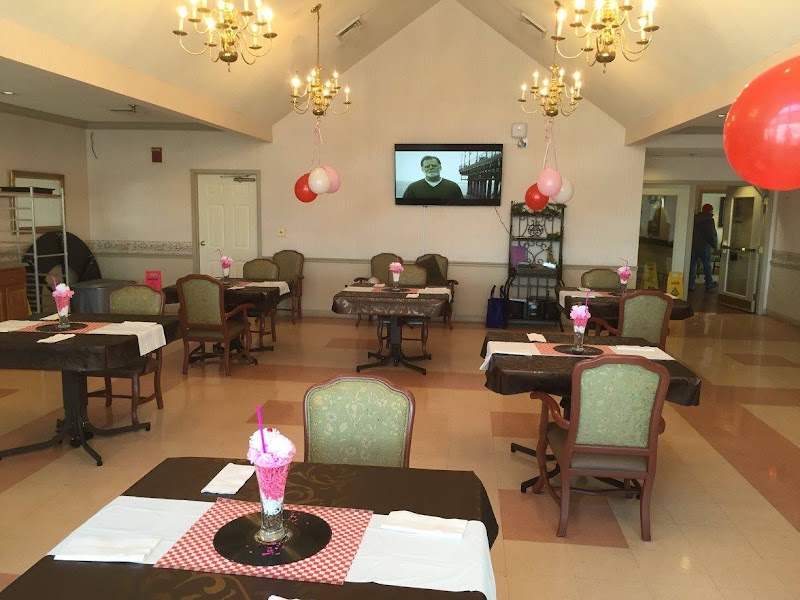
How is Aventura At Shiloh Springs Staffed?

CMS rates AVENTURA AT SHILOH SPRINGS's staffing level at 1 out of 5 stars, which is much below average compared to other nursing homes.

What Have Inspectors Found at Aventura At Shiloh Springs?

State health inspectors documented 55 deficiencies at AVENTURA AT SHILOH SPRINGS during 2018 to 2025. These included: 2 that caused actual resident harm, 51 with potential for harm, and 2 minor or isolated issues. Deficiencies causing actual harm indicate documented cases where residents experienced negative health consequences.
Who Owns and Operates Aventura At Shiloh Springs?

AVENTURA AT SHILOH SPRINGS is owned by a for-profit company. For-profit facilities operate as businesses with obligations to shareholders or private owners. The facility is operated by AVENTURA HEALTH GROUP, a chain that manages multiple nursing homes. With 84 certified beds and approximately 55 residents (about 65% occupancy), it is a smaller facility located in TROTWOOD, Ohio.
How Does Aventura At Shiloh Springs Compare to Other Ohio Nursing Homes?

Compared to the 100 nursing homes in Ohio, AVENTURA AT SHILOH SPRINGS's overall rating (2 stars) is below the state average of 3.2 and health inspection rating (1 stars) is much below the national benchmark.

What Should Families Ask When Visiting Aventura At Shiloh Springs?

Based on this facility's data, families visiting should ask: "Can you walk me through typical staffing levels on day, evening, and night shifts?" "Can I visit during a mealtime to observe dining assistance and food quality?" "How do you handle medical emergencies, and what is your hospital transfer rate?" "Can I speak with family members of current residents about their experience?" These questions are particularly relevant given the below-average staffing rating.

Is Aventura At Shiloh Springs Safe?

Based on CMS inspection data, AVENTURA AT SHILOH SPRINGS has a clean safety record: no substantiated abuse findings (meaning no confirmed cases of resident harm), no Immediate Jeopardy citations (the most serious violation level indicating risk of serious injury or death), and is not on the Special Focus Facility watch list (a federal program monitoring the lowest-performing 1% of nursing homes). The facility has a 2-star overall rating and ranks #100 of 100 nursing homes in Ohio. While no facility is perfect, families should still ask about staff-to-resident ratios and recent inspection results during their visit.

Do Nurses at Aventura At Shiloh Springs Stick Around?

AVENTURA AT SHILOH SPRINGS has not reported staff turnover data to CMS. Staff turnover matters because consistent caregivers learn residents' individual needs, medications, and preferences. When staff frequently change, this institutional knowledge is lost. Families should ask the facility directly about their staff retention rates and average employee tenure.

Was Aventura At Shiloh Springs Ever Fined?

AVENTURA AT SHILOH SPRINGS has been fined $8,469 across 1 penalty action. This is below the Ohio average of $33,164. While any fine indicates a compliance issue, fines under $50,000 are relatively common and typically reflect isolated problems that were subsequently corrected. Families should ask what specific issues led to these fines and confirm they've been resolved.

Is Aventura At Shiloh Springs on Any Federal Watch List?

AVENTURA AT SHILOH SPRINGS is not on any federal watch list. The most significant is the Special Focus Facility (SFF) program, which identifies the bottom 1% of nursing homes nationally based on persistent, serious quality problems. Not being on this list means the facility has avoided the pattern of deficiencies that triggers enhanced federal oversight. This is a positive indicator, though families should still review the facility's inspection history directly.