TROY REHABILITATION AND HEALTHCARE CENTER
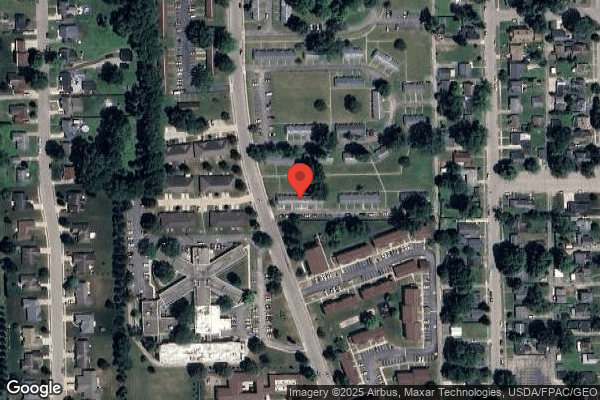
512 CRESCENT DRIVE, TROY, OH 45373 (937) 335-7161
For profit - Limited Liability company 155 Beds CROWN HEALTHCARE GROUP Data: November 2025
Trust Grade
40/100
#802 of 913 in OH
Last Inspection: December 2024

Within standard 12-15 month inspection cycle. Federal law requires annual inspections.

Overview

Troy Rehabilitation and Healthcare Center has a Trust Grade of D, indicating below-average quality and some concerns about care. They rank #802 out of 913 facilities in Ohio, placing them in the bottom half, and #6 out of 6 in Miami County, meaning there's only one local option that is better. While the facility is improving, having reduced serious issues from 17 to 3 over the last year, they still have a high number of fines totaling $35,968, which is concerning as it is higher than 75% of other Ohio facilities. Staffing is a weakness with a 2 out of 5 rating and a turnover of 49%, which is on par with the state average but indicates instability in care. Specific incidents of concern include a serious medication error that led to a resident having seizures due to an abrupt stop of their anticonvulsant medication, and a failure to manage water systems properly, raising risks of Legionella exposure for residents. Overall, while there are some strengths in their trend of improvement, significant weaknesses remain that families should consider.

Trust Score
D
40/100
In Ohio
#802/913
Bottom 13%
Safety Record
Moderate
Needs review
Inspections
Getting Better
17 → 3 violations
Staff Stability
⚠ Watch
49% turnover. Above average. Higher turnover means staff may not know residents' routines.
Penalties
✓ Good
$35,968 in fines. Lower than most Ohio facilities. Relatively clean record.
Skilled Nurses
⚠ Watch
Each resident gets only 25 minutes of Registered Nurse (RN) attention daily — below average for Ohio. Fewer RN minutes means fewer trained eyes watching for problems.
Violations
⚠ Watch
41 deficiencies on record. Higher than average. Multiple issues found across inspections.
★★☆☆☆
2.0
Overall Rating
★★☆☆☆
2.0
Staff Levels
★★★☆☆
3.0
Care Quality
★★☆☆☆
2.0
Inspection Score
Stable
2024: 17 issues
2025: 3 issues

The Good

  • Full Sprinkler Coverage · Fire safety systems throughout facility
  • No fines on record

Facility shows strength in fire safety.

The Bad

2-Star Overall Rating

Below Ohio average (3.2)

Below average - review inspection findings carefully

Staff Turnover: 49%

Near Ohio avg (46%)

Higher turnover may affect care consistency

Federal Fines: $35,968

Above median ($33,413)

Moderate penalties - review what triggered them

Chain: CROWN HEALTHCARE GROUP

Part of a multi-facility chain

Ask about local staffing decisions and management

The Ugly 41 deficiencies on record

1 actual harm
Mar 2025 2 deficiencies
CONCERN (D) 📢 Someone Reported This

A family member, employee, or ombudsman was alarmed enough to file a formal complaint

Potential for Harm - no one hurt, but risky conditions existed

Safe Transfer (Tag F0626)

Could have caused harm · This affected 1 resident

**NOTE- TERMS IN BRACKETS HAVE BEEN EDITED TO PROTECT CONFIDENTIALITY** Based on record review and interviews with staff, hospital staff and medical transport staff, the facility failed to permit a re...

Read full inspector narrative →
**NOTE- TERMS IN BRACKETS HAVE BEEN EDITED TO PROTECT CONFIDENTIALITY** Based on record review and interviews with staff, hospital staff and medical transport staff, the facility failed to permit a resident to return to the facility after the resident was hospitalized . This affected one (#137) out of three residents reviewed for bed holds. The facility census was 134. Findings include: Review of the medical record revealed an admission date of 02/21/25 with diagnoses of unspecified dementia, unspecified severity, with other behavioral disturbance, epilepsy, unspecified, not intractable, without status epilepticus, and bipolar disorder. Review of the 5-day Minimum Data Set (MDS) assessment dated [DATE] revealed Resident #137 had moderate cognitive impairment. Resident #137 had physical behavioral symptoms directed towards others (e.g., hitting, kicking, pushing, scratching, grabbing, abusing others sexually) every one to three days. Resident #137 required supervision assistance with eating, oral hygiene, bed mobility, transfers, and ambulation. Resident #137 required substantial assistance with toileting hygiene, bathing, and dressing. Review of the care plan dated 02/24/25 revealed Resident #137 has behaviors related to withdrawn, refused assessments, anxiousness paranoia, delusions/hallucinations, throwing medications, refusing medications, speaking to voices in head, pacing, pushed nurse, refused tuberculosis (TB) testing, exit seeking, removed mattress from bed, refused shower, sprinting up and down hall, attempting to hit staff, hit staff, kicking staff, refused blood draw with interventions of administer medications per physician order. Interventions included to monitor for effectiveness and side-effects. Approach resident in a calm manner to avoid frustration and behavior escalation; If resident becomes agitated and shows signs of escalation, reapproach later. Attempt to redirect resident when exhibiting behaviors; re-approach when resident has deescalated. Review of the progress noted dated 02/24/25 at 12:00 A.M. from Physician #500 revealed Resident #137 with increased behavioral agitation, he is seemingly a threat to himself and others at this time and for this reason he is going to be transferred to a tertiary mental facility for full stabilization. Resident #137 had been pink slipped. Review of Resident #137's Face Sheet revealed resident discharged to the hospital on [DATE]. Review of Resident #137's medical record revealed there was no other documentation regarding the resident returning to the facility. Interview on 03/19/25 at 8:19 A.M. with Hospital Licensed Social Worker (LSW) #504 confirmed on 03/10/25, unsure of time of conversation she spoke with Admissions Coordinator #293 directly and was advised Resident #137 would be returning to the facility on Wednesday, 03/12/25. Interview with Hospital LSW #504 confirmed Admissions Coordinator #293 did not request an update on Resident #137 during the conversation. Hospital LSW #504 confirmed she called Admissions Coordinator #293 on 03/11/25 and left a voice message with the time Resident #137 would be transported back to the facility. Interview on 03/19/25 at 1:47 P.M. with Hospital LSW #504 confirmed she talked to Admissions Coordinator #293 on 03/12/25 around 1:30 P.M. she spoke with Admissions Coordinator #293 and confirmed that Resident #137 was at the facility. Hospital LSW #504 confirmed Admissions Coordinator #293 refused to let Resident #137 remain at the facility. Hospital LSW #504 confirmed she offered to send an update to Admissions Coordinator #293 at the time, and Admissions Coordinator #293 refused and sent Resident #137 back to the hospital. Hospital LSW #504 stated Resident #137 is currently in the hospital. Telephone call on 03/19/25 at 1:51 P.M. with Director of Transport at Medical Transport #501 confirmed the transport report revealed on 03/12/25 around 1:30 P.M. transport was made to [NAME] Rehabilitation and Healthcare Center for non-emergently from Hospital #2. Director of Transport confirmed the transport personnel received the paperwork from the nurse at Hospital #2 to be delivered to the nurse at [NAME] Rehabilitation and Healthcare Center. Resident #137 was alert and oriented times one (self). Resident #137 was able to stand and pivot onto the stretcher and drove to the facility. The crew unloaded Resident #137 and took the resident to his room. Resident #137 was sheet lifted via two person sheet draw onto his bed. The facilities admission coordinator informed the crew that he can't stay here, we won't take him. The admission coordinator informed the crew that Resident #137 was supposed to go to Hospital #3 and not the facility. After an excess of unproductive deliberation, the crew decided to depart the scene and take Resident #137 back to Hospital #2, as the facility was refusing to accept Resident #137 back at the facility. Resident #137 was sheet lifted via two person sheet draw back onto the stretcher and secured. Resident #137 was taken back to the ambulance and loaded in. Telephone call on 03/20/25 at 10:33 A.M. with Director of Transport at Medical Transport #501 confirmed the release of the documentation on the transport of Resident #137 to [NAME] Rehabilitation with signed consent sent from ODH. Interview on 03/24/25 at 7:47 A.M. with Admissions Coordinator #293 confirmed Resident #137 was sent out to a hospital for behaviors and was then sent to another hospital. Admissions Coordinator #293 stated there were several hospitals involved in the care of Resident #137 after the resident was transferred out on 03/12/25. Admissions Coordinator #293 stated that the facility planned to bring the resident back. Interview also confirmed on 03/12/25 when Resident #137 returned, she went and talked to the transport personnel and told them she didn't know the resident was coming back and that no one called report, and no referral was received. Interview stated Resident #137 was on the cot the whole time she was speaking with the transport personnel. Interview confirmed she called the hospital social worker and was told they didn't have to send an update since the facility was the admitting facility. Interview also confirmed the Emergency Medical Technician (EMT) would not give her the paperwork to review since the facility was not accepting the resident back. Interview also confirmed she talked to the hospital social worker about the admission process of getting an updated report before the hospital sends a resident back. Interview also confirmed facility was sending referrals to two other nursing facilities for Resident #137. When asked why she sent referrals if resident was allowed to return and who gave the authorization to send referrals to other facilities, interview confirmed the referrals were sent due to resident's prior behaviors and the facility not being able to manage the resident and she was unsure who gave the authorization to send the referrals. When asked about the hospital call on Monday, 03/10/25 about Resident #137 returning, interview confirmed she did speak to someone but thought it was someone from Hospital #3. Interview also confirmed that she did receive a voice mail from someone that Resident #137 was returning but doesn't remember who it was that left the message or when they left it. Admissions Coordinator #293 confirmed Resident #137 was not provided with a discharge notice that the facility would not accept him back. Telephone call on 03/24/25 at 9:37 A.M. with EMT #503 with Medical Transport #501 confirmed on 03/12/25 around 1:30 P.M. Resident #137 was transported from Hospital #2 to [NAME] Rehabilitation and Healthcare Center. Interview confirmed the transport personnel received the paperwork from the nurse at Hospital #2 to be delivered to the nurse at [NAME] Rehabilitation and Healthcare Center. Interview confirmed Resident #137 was alert and oriented times one (self), and was able to stand and pivot onto the stretcher. Interview also confirmed Resident #137 was unloaded and was taken to his room. Resident #137 was then sheet lifted via two person sheet draw onto the bed. Interview also confirmed the facilities admission Coordinator #293 came, as we were exiting the room, and informed us that he can't stay here, we won't take him. admission Coordinator #293 informed crew that Resident #137 was supposed to go to Hospital #3 and not the facility. After an excess of unproductive deliberating, the crew decided to depart the scene and take Resident #137 back to Hospital #2, as the facility was refusing to accept the resident back. Interview confirmed Resident #137 was sheet lifted via two person sheet draw back onto the stretcher and secured. Interview also confirmed the Resident #137 was taken back to the ambulance and transported back to Hospital #2. Telephone call on 03/24/25 at 9:42 A.M. with Medic/Registered Nurse (RN) #502 with Medical Transport #501 confirmed on 03/12/25 around 1:30 P.M. Resident #137 was transported from Hospital #2 to [NAME] Rehabilitation and Healthcare Center. Interview confirmed the transport personnel received the paperwork from the nurse at Hospital #2 to be delivered to the nurse at [NAME] Rehabilitation and Healthcare Center. Interview confirmed Resident #137 was alert and oriented times one (self), and was able to stand and pivot onto the stretcher. Interview also confirmed Resident #137 was unloaded and took to his room. Resident #137 was then sheet lifted via two person sheet draw onto his bed. Interview also confirmed the facilities admission Coordinator #293 came, as we were exiting the room, and informed us that he can't stay here, we won't take him. admission Coordinator #293 informed crew that Resident #137 was supposed to go to Hospital #3. After an excess of unproductive deliberating, the crew decided to depart the scene and took Resident #137 back to Hospital #2, as the facility was refusing to accept the resident back. Interview confirmed Resident #137 was sheet lifted via two person sheet draw back onto the stretcher and secured. Interview also confirmed Resident #137 was taken back to the ambulance and transported back to Hospital #2. Interview also confirmed he asked admission Coordinator #293 if there was a path to acceptance of the resident and she said absolutely not. Telephone call on 03/24/25 at 9:46 A.M. with Licensed Practical Nurse (LPN) #351 confirmed on 03/12/25 around 1:30 P.M. when she was on break when Resident #137 returned from the hospital. When she arrived to the floor the Admissions Coordinator #293 and the EMT were going back and forth due to not being notified of the re-admission ahead of time. Interview also confirmed she does not remember if resident was in the room or still on the EMT's cot. Interview on 03/24/25 at 1:45 P.M. with the Administrator confirmed they plan on accepting Resident #137 back when he is ready and that they never denied his re-admission. Interview confirmed when Resident #137 was brought back on 03/12/25 and the facility was not notified he was returning, they have to protect other residents due to his aggressive behaviors and the resident was over medicated when they arrived and zonked out. When asked why they didn't let the resident stay on 03/12/25 since they couldn't tell if he was having behaviors or not after he was brought back, interview confirmed because the facility did not receive an update. When asked about the paperwork transport had being acceptable, interview confirmed transport wouldn't give them the paperwork. When reminded transport wouldn't give them the paperwork due to Health Insurance Portability and Accountability Act (HIPAA) violation if the facility was not going to re-admit the resident, interview confirmed the facility needed an update prior to the resident returning. When asked why the facility didn't re-admit the resident and accept the paperwork from transport and then if the resident had behaviors again that was a danger to others they could send the resident out to a behavior facility, interview confirmed the facility needed an update prior to resident returning. Interview also confirmed the facility billed from Medicaid bed hold days from 02/25/25 through 03/12/25, at which time resident was discharged . The Administrator confirmed Resident #137 has not been provided a discharge notice that he would not be accepted back. The Administrator confirmed they have not contacted the hospital to inquire about Resident #137's return or readiness for discharge since 03/12/25. Interview on 03/24/25 at 2:15 P.M. with the Administrator confirmed the facility does not have an admission / re-admission policy. This deficiency represents non-compliance investigated under Complaint Number OH00163702.
CONCERN (D) 📢 Someone Reported This

A family member, employee, or ombudsman was alarmed enough to file a formal complaint

Potential for Harm - no one hurt, but risky conditions existed

Pressure Ulcer Prevention (Tag F0686)

Could have caused harm · This affected 1 resident

**NOTE- TERMS IN BRACKETS HAVE BEEN EDITED TO PROTECT CONFIDENTIALITY** Based on record review, observation and staff interviews, the facility failed to implement a pressure redistribution device or c...

Read full inspector narrative →
**NOTE- TERMS IN BRACKETS HAVE BEEN EDITED TO PROTECT CONFIDENTIALITY** Based on record review, observation and staff interviews, the facility failed to implement a pressure redistribution device or cushion to the resident's chair according to the care plan to treat a pressure ulcer. This affected one (#36) out of three residents reviewed for wound care. The facility census was 134. Findings include: Review of the medical record for Resident #36 revealed an admission date of 11/21/24 with diagnosis of peripheral vascular disease, type 2 diabetes mellitus with diabetic neuropathy, and unspecified combined systolic (congestive) and diastolic (congestive) heart failure. Review of the Quarterly Minimum Data Set (MDS) dated [DATE] revealed resident with severe cognitive impairment. Resident #36 required set-up assistance with eating, required supervision assistance with oral hygiene, required partial assistance with personal hygiene, required substantial assistance with bed mobility, transfers, ambulating, and wheelchair mobility, and was dependent on staff assistance with toileting hygiene, bathing, and dressing. Resident was at risk for developing pressure injuries. Review of the care plan dated 02/26/25 revealed resident has impaired skin integrity as evidenced by: pressure ulcer to right and left buttock. With interventions of assist resident with turning and repositioning as needed, wound consult as needed, provide incontinence care as needed. On 03/12/25 an intervention for air mattress and pressure redistribution device in chair were added to the care plan. Review of the wounds revealed one open area to left buttocks measuring approximately 1.6 centimeters (cm) x 3.6 cm x 0.3 cm, and an open area to the right buttock measuring approximately 3.1 cm x 5.1 cm x 0.3 cm. Both areas stage 3 with peri wound pink and wound bed with 100% beefy red granulation tissue present. Staff performed proper handwashing and applied personal protective equipment properly. Observation on 03/19/25 at 4:08 P.M. of Resident #36's pressure wounds to bilateral buttocks with Registered Nurse (RN) #203 revealed the resident returned from dialysis in dialysis chair at this time, transferred to bed. Dialysis chair noted without a pressure redistribution cushion in place. Interview at this time of observation with RN #203 confirmed there was not a pressure redistribution device or cushion in the dialysis chair. RN #203 asked the surveyor if you could use a cushion in the dialysis care. Interview with RN #203 confirmed Resident #36 was care planned to have a pressure redistribution cushion to the chair. Interview on 03/19/25 at 4:15 P.M. with Certified Nursing Assistant (CNA) #204 confirmed Resident #36 has never had a cushion available to use in her chair. Interview on 03/19/25 at 4:19 P.M. with CNA #300 confirmed Resident #36 does not have a cushion available to use in her chair. Interview on 03/19/25 at 4:25 P.M. with Licensed Practical Nurse (LPN) #217 stated To be completely honest, I don't know if Resident #36 is supposed to have a cushion or not. This deficiency represents non-compliance investigated under Complaint Number OH00163535.
Jan 2025 1 deficiency
CONCERN (F) 📢 Someone Reported This

A family member, employee, or ombudsman was alarmed enough to file a formal complaint

Potential for Harm - no one hurt, but risky conditions existed

Infection Control (Tag F0880)

Could have caused harm · This affected most or all residents

**NOTE- TERMS IN BRACKETS HAVE BEEN EDITED TO PROTECT CONFIDENTIALITY** Based on record review, review of hospital documentation, staff interview, local health department interview, review of Legionel...

Read full inspector narrative →
**NOTE- TERMS IN BRACKETS HAVE BEEN EDITED TO PROTECT CONFIDENTIALITY** Based on record review, review of hospital documentation, staff interview, local health department interview, review of Legionella water testing, review of electronic mail (email) correspondence, and policy review, the facility failed to implement their water management policy and respond to the local health department (LHD) recommendations to remediate their water system to reduce the presence of microorganisms including Legionella. This affected one (#129) of three residents reviewed for Legionella and had the potential to affect all 128 residents residing in the facility. The facility census was 128. Findings include: Review of medical record for Resident #129 revealed an admission date of 03/23/23 and discharge date of 12/09/24. Diagnoses included but not limited to acute kidney failure, gastrointestinal hemorrhage, hypovolemic shock, Legionnaire's disease, atrial fibrillation, cocaine abuse, dermatitis, dependence on renal dialysis, and other pericardial effusion (noninflammatory). Review of Minimum Data Set (MDS) assessment for Resident #129 revealed the resident was cognitively intact. Resident #129 required extensive assistance for activities of daily living with the exception of eating and oral care which required set up or clean-up assistance. Resident #129 used a non-invasive mechanical ventilator and was on dialysis. Review of Pulmonary and Critical Care notes from the hospital dated 11/22/24 revealed the resident was admitted for acute gastrointestinal bleed, hemorrhagic shock, acute blood loss anemia, acute hypoxemic respiratory failure as evidenced by oxygen saturations less than 89 percent on room air, in addition to requiring greater than or equal to five liters of oxygen, and end stage renal disease on in house dialysis with evidence of volume overload. Plan was to admit to intensive care unit, continue ventilator support, wean per protocol, obtain arterial blood gases and chest x-ray, may require bronchoscopy, and repeat chemistries. Resident #129 was transferred to this hospital on [DATE] from the local hospital. Review of hospital documentation from the local hospital dated 11/20/24 for Resident #129 revealed retrocardiac opacity on x-ray etiology not certain however in view of leukocytosis will consider pneumonia as a differential and treat. Cultures will be drawn to check strep and Legionella antigen. Labs were not drawn as the resident was transferred to another hospital on [DATE] for the GI bleed. Review of lab result for Legionella dated 11/28/24 revealed the specimen was collected on 11/28/24 and reported as positive on 11/29/24. Interview on 12/23/24 at 10:18 A.M. with the Administrator and Director of Nursing (DON) revealed the LHD notified them Resident #129 in the hospital had tested positive for Legionnaire's disease. The Administrator stated they had spoken to the LHD several times since then. The DON stated the LHD asked questions such as how they cleaned their CPAP/BiPAP tubing, what water they used for them, dialysis information, and questions regarding any construction or water leaks. Interview on 12/23/24 at 1:11 P.M. with Maintenance Director (MD) #530 revealed on 12/23/24 was the first day he had been notified of a presumptive case of Legionella. MD #530 stated the facility did chlorine testing three times a week. MD #530 stated that was how he was told to test for Legionella in the water. MD #530 verified he had not done any other testing for Legionella. MD #530 verified he had not installed any filters on water outlets on the hot water distribution loop where the resident resided. Interview on 12/23/24 at 2:31 P.M. with the Administrator verified the facility did not test the water for Legionella after they were made aware of the suspected case. The Administrator verified they did not follow the facility policy for suspected Legionella. Interview on 12/23/24 at 2:57 P.M. with Environmental Health Director (EHD) #326 from the LHD revealed they sent an email on 12/17/24 to the facility regarding the information they needed to go forward with the investigation. EHD #326 stated the facility had not yet done what the LHD asked them to do. EHD #326 stated the facility had been ignoring them by not returning calls, emails, or calls being dropped when transferred. Interview on 12/23/24 at 3:17 P.M. with the Administrator revealed she denied getting an email until 12/18/24 when she was out of the building. The Administrator verified the email was sent to her on 12/17/24. The Administrator stated that she did not see the section regarding sending information. The Administrator stated she had only seen the section where they were going to schedule a call with the Ohio Department of Health (ODH), the LHD, and the administration of the facility. The Administrator stated they had a call with Water Management #09 today at 4:00 P.M. to come and test the water. The Administrator verified the LHD had resent her an email on 12/23/24 requesting information and when they received the information they would set up the call. The Administrator stated she would send the same information provided to the ODH. Interview on 12/24/24 at 2:00 P.M. with Infection Preventionist/Assistant Director of Nursing (IP/ADON) #682 revealed she was the one who spoke with the LHD first. IP/ADON #682 verified she was notified on 12/02/24 of the presumptive case of Legionella. IP/ADON #682 verified the LHD inquired on whether Resident #129 had been out for any appointments or outings for the past two weeks, how the facility cleaned BiPAP/CPAP tubing, and if the resident had any respiratory symptoms. IP/ADON #682 stated the LHD contacted them again on 12/05/24 and asked about water testing. IP/ADON #682 stated she was unsure about water testing as she was not maintenance. IP/ADON #682 stated she had reach out to the LHD on 12/16/24 regarding the results she received from maintenance regarding the water testing. Interview on 12/26/24 at 8:40 A.M. via phone with EHD #326 revealed that Communicable Disease Nurse (CDN) #327 is who contacted the facility first. CDN #327 stated she first contacted the facility on 12/02/24. CDN #327 stated she inquired about whether the resident had been out of the facility within the last two weeks, had any respiratory symptoms, facility process on CPAP/BiPAP cleaning and water used for those, dialysis process, and any construction or water issues. CDN #327 stated they asked the facility to keep an eye on anybody that showed signs of pneumonia, and they may need to test for Legionella if there are respiratory symptoms since there was only one case. CDN #327 stated she talked to the facility on [DATE], 12/06/24, and 12/09/24 and always spoke to the ADON/IP for follow-up. CDN #327 verified that was the last time she spoke with the facility. CDN #327 stated there have been no other reported cases of Legionella since she has worked for the LHD. Interview on 01/02/25 at 2:36 P.M. with the Administrator revealed if the water comes back positive, the facility has a plan in place with the consultant that will let them know what needs to be done next. The Administrator stated that the dialysis machines have a microfilter and the consultant from the water company stated that those machines would stop all of the germs. The Administrator stated they would continue to do what they are doing until the water testing came back. Review of the water testing report reported on 01/03/25 revealed hot water tank on Transitional Care Unit three (TCU3) tested positive for Legionella. The room Resident #129 resided in tested negative for Legionella. Review of email sent from the LHD to the facility on [DATE] revealed that the health department stated that whenever there is a presumptive healthcare-associated case of Legionnaire's disease, they ask that the facility follow the Center for Disease Control (CDC) guidance for a full investigation. As part of this investigation, we would like to set up a call to discuss the next steps and requirements with the ODH. We would ask that the administrator and any facility maintenance workers be included as well. These steps will allow the facility to immediately eliminate risk of exposure by implementing restrictions, remediate their water system to reduce the presence of microorganisms (including Legionella), and improve ongoing prevention efforts by updating the water management program. Prior to the call between your administration, ODH, local health department, several materials from the facility are needed. Documents include the most recent version of the facility's water management program, any environmental Legionella samples collected within a year, a floor plan of the facility, temperature and chlorine monitoring logs for your facility, any maintenance or monitoring logs of the facilities secondary disinfection system if available, and maintenance and monitoring logs for any additional water features at the facility such as cooling towers. This is an urgent matter. Review of policy titled, Legionnaire's Disease Prevention/Treatment Best Practices, dated September 2019 revealed the facility will employ the following measures if Legionnaire's disease is detected and/or suspected: confirm the diagnosis of resident within the facility through urine antigen test or sputum test, notify the Director of Integrated Support of outbreak: Quick Response Protocol will be enacted, begin course of treatment as ordered by the physician, test water system to determine source of outbreak, implement immediate procedures to eliminate presence of Legionella bacteria and prevent further outbreak, and notify residents, families, responsible parties, employees, Department of Health, other State Agencies, and local authorities of presence of Legionnaire's Disease to await further instruction and follow-up. This deficiency represents non-compliance investigated under Complaint Number OH00160885 and continued non-compliance from the survey dated 12/16/24.
Dec 2024 13 deficiencies 1 Harm
SERIOUS (G)

Actual Harm - a resident was hurt due to facility failures

Deficiency F0760 (Tag F0760)

A resident was harmed · This affected 1 resident

**NOTE- TERMS IN BRACKETS HAVE BEEN EDITED TO PROTECT CONFIDENTIALITY** Based on medical record review, staff, Nurse Practitioner (NP) #447, Physician #448 and Neurologist #449 interviews, review of m...

Read full inspector narrative →
**NOTE- TERMS IN BRACKETS HAVE BEEN EDITED TO PROTECT CONFIDENTIALITY** Based on medical record review, staff, Nurse Practitioner (NP) #447, Physician #448 and Neurologist #449 interviews, review of medication information from Medscape, and policy review, the facility failed to appropriately reconcile medications following a hospital re-admission resulting in a significant medication error. This resulted in Actual Harm when Resident #96 was re-admitted from the hospital on [DATE] and the facility failed to appropriately reconcile the resident's transfer orders resulting in the resident's anticonvulsant medication being abruptly stopped on 11/06/24 and Resident #96 subsequently began having seizure activity on 11/11/24 which resulted in re-hospitalization. This affected one (#96) of one resident reviewed for hospitalization. The facility census was 131. Findings include: Review of the medical record of Resident #96 revealed an original admission date of 01/09/23. Diagnoses include metabolic encephalopathy, epilepsy without status epilepticus, transient ischemic attack and cerebral infarction. Review of the hospital admission orders dated 10/03/24 revealed an order for Keppra (anticonvulsant) 750 milligrams (mg) to be administered twice daily for 30 days. A follow-up appointment was scheduled for 11/19/24 with a neurologist Advanced Practice Registered Nurse. Review of the Resident #96's Assessment and Plan, documented by a Hospitalist, dated 10/03/24, revealed a routine electroencephalogram (EEG), completed on 08/30/24, revealed consistent with epileptogenic right hemisphere structural lesion which is prone to focal seizures. Intravenous Keppra load with Keppra was ordered. The plan included to continue Keppra. This form was not printed at the facility at the time of re-admission on [DATE]. The form was printed by the facility upon the surveyor's request on 12/11/24. Review of Resident #96's progress notes revealed no indication the physician was called to clarify the Keppra stop date. Review of the physician note dated 10/07/24, documented by Physician #448, revealed Resident #96 was seen for readmission from hospital with urinary tract infection, and sepsis with metabolic encephalopathy. Review of the Medication Administration Record for the month of 11/24 revealed Resident #96's Keppra was last given on 11/06/24 at 7:00 A.M. Review of a progress note, documented by NP #563, dated 11/11/24 revealed Resident #96's wife was stating his eyes were doing something weird. The nurse had explained the wife reported eyes were twitching or jerking, but this was not witnessed by the nurse. NP #563 agreed to send him to the emergency room (ER). Review of Resident #96's progress note dated 11/11/24 at 10:17 P.M. revealed the resident was sent to the ER at 9:45 P.M. Review of Resident #96's hospital Discharge Summary, documented by a hospital physician, dated 11/14/24 revealed reason for admission on [DATE] principal diagnosis seizure in the setting of missed doses of Keppra. The Hospital Course and Treatment revealed Resident #96 had missed his Keppra dosing as there was some miscommunication in the nursing home regarding the continuation of Keppra dosing and was admitted with seizure activity. Review of the hospital Neurology consult note, dated 11/12/24, revealed an assessment of provoked seizure in setting of noncompliance with Keppra (not continued at extended care facility) for unknown reasons. Interview on 12/11/24 at 8:46 A.M. with NP #447 and the Director of Nursing (DON) revealed they were unaware of the diagnosis of epilepsy and the 30-day order of Keppra for Resident #96. The DON confirmed Resident #96's Keppra was abruptly stopped without consulting neurology. The DON and NP #447 both stated they were not able to view the Hospitalist Progress Note dated 10/03/24 by a hospital physician as they did not have access to the hospital records but were able to print them upon the surveyor's request. The DON stated it would be her expectation for nurses to question any order they see fit and notify the provider of the questions for clarification. NP #447 stated she thought the half-life of Keppra was eight to 12 hours. The DON stated, We just follow the orders. Interview on 12/11/24 at 10:55 A.M. with Licensed Practical Nurse (LPN) #454 revealed she did not notice the stop date for the Keppra but would have questioned it. Interview on 12/11/24 at 1:24 P.M. with Physician #448, NP #447, and the DON revealed Physician #448 stated the Keppra regimen depends on the patient. When a resident experiences a cardiovascular accident and then has seizures, the Keppra can be stopped abruptly. Physician #448 stated Resident #96 was experiencing acute post stroke seizure, and these are treated differently. Most neurologists treat seizures differently. Physician #448 stated during treatment it would be normal to check a patient to see if they are still having seizures. Physician #448 stated Keppra can be continued for up to two months but would depend on whether or not any seizures occurred during that time. If no seizure activity is experienced the medication may be stopped abruptly. Physician #448 stated he had not been aware of the 30-day stop order but it would not have made a difference in his treatment. If any seizure activity had been reported during treatment, he would have continued the Keppra. Physician #448 confirmed he had received no notifications of any seizure activity, shaking, eye twitching, mouth flopping, incontinence, or tongue biting. Physician #448 stated a diagnosis of epilepsy would indicate to continue Keppra for the rest of your life. A telephone interview on 12/12/24 at 11:17 A.M. with Neurologist #449 revealed seizures following a stroke are rare. Neurologist #449 stated he would have expected Resident #96's Keppra to be continued until the resident followed up with neurology, when an electroencephalogram would have been completed to determine the need or not of medication continuation. Neurologist #449 stated Keppra has very little side effects and is very safe to take. Review of medication information from Medscape at https://reference.medscape.com/drug/keppra-spritam-levetiracetam-343013#0 revealed Keppra is used to treat seizure disorder. Do not stop taking this medication without consulting your doctor. Your seizures may become worse when the drug is suddenly stopped. You should avoid abrupt withdrawal of Keppra to reduce the risk of increased seizure frequency and status epilepticus. Review of an undated facility policy titled Administering Medications revealed medications shall be administered in a safe and timely manner.
CONCERN (D)

Potential for Harm - no one hurt, but risky conditions existed

Deficiency F0583 (Tag F0583)

Could have caused harm · This affected 1 resident

**NOTE- TERMS IN BRACKETS HAVE BEEN EDITED TO PROTECT CONFIDENTIALITY** Based on record review, observations, staff interviews, and policy review, the facility failed to ensure a resident was provided...

Read full inspector narrative →
**NOTE- TERMS IN BRACKETS HAVE BEEN EDITED TO PROTECT CONFIDENTIALITY** Based on record review, observations, staff interviews, and policy review, the facility failed to ensure a resident was provided privacy when toileting. This affected one (#54) out of one residents reviewed for privacy. The facility census was 131. Findings include: Review of the medical records for Resident #54 revealed an admission date of 04/05/21 with diagnoses of cerebral infarction, hemiplegia and hemiparesis following cerebral infarction affecting left non-dominant side and chronic obstructive pulmonary disease. Review of the annual Minimum Data Set (MDS) assessment dated [DATE] revealed the resident was cognitively intact, had range of motion impairment on one side of bilateral upper and lower extremities, required toileting hygiene, dressing, and personal hygiene, and required substantial assistance for bathing. Observation on 12/09/24 at 2:07 P.M. Resident #54 went into the shower room to use the bathroom, due to the bathroom in his room does not work. Observation of the shower room door revealed it does not shut and does not provide privacy. Interview on 12/09/24 at 2:07 P.M. with Certified Nursing Assistant (CNA) #482 confirmed Resident #54's toilet in his room is broken and has been broke for a long time and has not worked for months. Observation on 12/09/24 at 2:10 P.M. with CNA #482 confirmed Resident #54's toilet in his room is broke, by flushing the toileting which caused water to spray across the bathroom and flood onto the floor. Interview on 12/09/24 at 2:41 P.M. with Licensed Practical Nurse (LPN)/Unit Manager (UM) #426 confirmed Resident #54 does use the shower room for toileting needs due to his bathroom not working. Interview with LPN/UM #426 confirmed the shower room door is hard to close but will close when pulled forcefully. Review of the undated facility policy titled Dignity revealed each resident shall be cared for in a manner that promotes and enhances his or her sense of well-being, level satisfaction with life, and feelings of self-esteem. Residents are treated with dignity and respect.
CONCERN (D)

Potential for Harm - no one hurt, but risky conditions existed

Assessment Accuracy (Tag F0641)

Could have caused harm · This affected 1 resident

**NOTE- TERMS IN BRACKETS HAVE BEEN EDITED TO PROTECT CONFIDENTIALITY** 2. Review of the medical records for Resident #67 revealed an admission date of 06/17/24 with diagnoses of acute pulmonary edema...

Read full inspector narrative →
**NOTE- TERMS IN BRACKETS HAVE BEEN EDITED TO PROTECT CONFIDENTIALITY** 2. Review of the medical records for Resident #67 revealed an admission date of 06/17/24 with diagnoses of acute pulmonary edema, chronic respiratory failure with hypoxia, and dependence on supplemental oxygen. Review of the quarterly MDS assessment dated [DATE] revealed resident was cognitively intact. Resident #67 required set-up assistance with eating and oral hygiene, required supervision for with personal hygiene, required substantial assistance with bathing, bed mobility, and wheelchair mobility, and was dependent on staff assistance toileting hygiene, dressing, and transfers. Review also revealed resident did not receive oxygen therapy while a resident. Review of the Physician Order dated 08/26/24 revealed an order for oxygen at four (4) liters via nasal cannula (NC) may titrate as needed. Review of the Treatment Administration Record (TAR) for 11/2024 revealed resident received oxygen therapy at 4 liters via nasal cannula daily. Interview on 12/16/24 at 8:03 A.M. with Resident #67 revealed he wears his oxygen when he is sleeping. Interview on 12/16/24 at 8:27 A.M. with Licensed Practical Nurse (LPN)/MDS Coordinator #421 confirmed she did not mark on the quarterly MDS dated [DATE] that Resident #67 had oxygen therapy received during the look back period. Interview with LPN/MDS Coordinator #421 also confirmed Resident #67 did receive oxygen therapy daily during the look back period. 3. Review of the medical records for Resident #125 revealed an admission date of 09/10/24, a discharge date of 09/12/24 to the hospital, and a re-admission date of 09/17/24, with diagnoses of post laminectomy syndrome, pressure ulcer of sacral region, stage 2, pressure ulcer of left buttock, stage 2, and pressure ulcer of right buttock, stage 2. Review if the quarterly MDS assessment dated [DATE] revealed resident was cognitively intact, required supervision with oral hygiene, required partial assistance with eating and personal hygiene, required substantial assistance with bathing and wheelchair mobility, and was dependent on staff assistance with toileting hygiene, dressing, bed mobility, and transfers. Further review revealed resident was at risk for pressure ulcers, had one unstageable pressure ulcer, had a pressure reducing device to her bed, did not have a pressure reducing device to her chair. Review of Resident #125's Encore Wound note dated 10/09/24 revealed recommendations of wheelchair pressure reduction cushion per facility protocol. Observation on 12/11/24 at 10:00 A.M. revealed a Roho style cushion in Resident #125's wheelchair. Interview on 12/11/24 at 10:34 A.M. with LPN/MDS Coordinator #421 confirmed she did not mark on the quarterly MDS assessment dated [DATE] that Resident #125 care a pressure reduction cushion in place and the MDS is coded inaccurately. Review of the MDS Completion and Submission Timeframe's policy, dated September 2021 revealed the facility will conduct and submit resident assessments in accordance with current federal and state submission timeframe's. Based on medical record review, observations, resident and staff interviews and policy review, the facility failed to ensure the Minimum Data Set (MDS) assessment was accurately coded. This affected three (#67, #289 and #125) out of 26 residents reviewed during the survey. The facility census was 131. Findings include: 1. Review of the medical record for Resident #289 revealed an admission date of 11/19/24. Diagnoses included chronic obstructive pulmonary disease and chronic respiratory failure with hypoxia. Review of the admission MDS assessment dated [DATE] revealed Resident #289 was cognitively intact. The MDS assessment coded Resident #289 does not use oxygen. Observation on 12/09/24 at 10:52 A.M. revealed Resident #289 reclining in bed with an auto-adjusting positive airway pressure (APAP) device delivering oxygen via a nose piece. Resident #289 stated the device is constantly on as he his doctors have told him he needs a lung transplant. Interview on 12/16/24 at 2:18 P.M. with Unit Manager #482 confirmed Resident #289 uses oxygen and the MDS dated [DATE] was not accurately coded.
CONCERN (D)

Potential for Harm - no one hurt, but risky conditions existed

Deficiency F0657 (Tag F0657)

Could have caused harm · This affected 1 resident

**NOTE- TERMS IN BRACKETS HAVE BEEN EDITED TO PROTECT CONFIDENTIALITY** Based on medical record review, observations, staff interviews and policy review, the facility failed to ensure the care plan wa...

Read full inspector narrative →
**NOTE- TERMS IN BRACKETS HAVE BEEN EDITED TO PROTECT CONFIDENTIALITY** Based on medical record review, observations, staff interviews and policy review, the facility failed to ensure the care plan was revised to accurately reflect resident care. This affected two (#16 and #125) out of 26 residents reviewed for care plans. The facility census was 131. Findings include: 1. Review of the medical records for Resident #16 revealed an admission date of 09/17/23 with diagnoses of quadriplegia, unspecified open wound of left buttock, subsequent encounter, contracture of muscle, left hand, and contracture of muscle, right hand. Review of the quarterly Minimum Data Set (MDS) assessment dated [DATE] revealed Resident #16 was cognitively intact, had impairment on bilateral upper and lower extremities. Resident #16 required set-up assistance with eating, oral hygiene, and wheelchair mobility, and required substantial assistance with toileting hygiene, bathing, dressing, personal hygiene, bed mobility, and transfers. Review of the physician orders revealed an order for showers scheduled on Tuesday, Thursday, and Saturdays on day shift. Review of Resident #16 Care Plan with a revision date of 10/22/24 revealed resident had an Activities of Daily Living (ADL) self-care performance deficit related to requires assist with ADL's, incomplete quad, neuropathy. Resident #16 will only ambulate with therapy staff not with the nursing staff with a goal to maintain current level of function with ADL's through the review date. Resident required assist with activities of daily living (i.e.: dressing, grooming, personal hygiene, locomotion, oral care, etc.) as needed. Resident uses motorized wheelchair for locomotion related to diagnoses of Quadriplegia, requires one (1) person assistance with toileting and transfers. Further review of the care plan revealed no documentation related to assistance needed with bathing. Observation on 12/10/24 at 8:47 A.M. Resident t#16 noted in shower room by himself. Interview with Certified Nursing Assistant (CNA) #434 confirmed Resident #16 takes three (3) hour showers every Monday, Wednesday, and Friday and that she assists him with washing his hair. Interview with CNA #434 also confirmed Resident #16 has repetitive needs, he feels he must wash his body three times, and staff washes his hair three times with each shower. Interview with CNA #434 confirmed she does not stay with him for the full shower time, she knows he is a fall risk, but this is how it has been done. Observation on 12/10/24 at 8:49 A.M. revealed CNA #434 entered shower room. Observation on 12/10/24 at 8:57 A.M. revealed CNA #434 exited shower room, reports she washed Resident #16's hair twice already. Observation on 12/10/24 at 9:07 A.M. revealed CNA #434 entered shower room. Observation on 12/10/24 at 9:08 A.M. revealed CNA #434 exited shower room. Observation on 12/10/24 at 9:16 A.M. revealed shower room call light flashing red. Observation on 12/10/24 at 9:19 A.M. revealed CNA #434 entered the shower room. Observation on 12/10/24 at 9:42 A.M. revealed CNA #434 exited shower room with Resident #16 in a shower chair, covered with towels and bath blanket. Interview on 12/10/24 at 9:55 A.M. with Registered Nurse (RN) #532 confirmed Resident #16 uses a slide board for transfers, can brush his teeth himself, and he uses his call light and calls for assistance when needed. Interview on 12/12/24 at 7:32 A.M. with RN/MDS Coordinator #412 and Licensed Practical Nurse (LPN)/MDS Coordinator #421 confirmed Resident #16 was not care planned for bathing and the assistance needed while bathing. 2. Review of the medical records for Resident #125 revealed an admission date of 09/10/24, a discharge date of 09/12/24 to the hospital, and a re-admission date of 09/17/24, with diagnoses of post laminectomy syndrome, pressure ulcer of sacral region, stage 2, pressure ulcer of left buttock, stage 2, and pressure ulcer of right buttock, stage 2. Review if the quarterly MDS assessment dated [DATE] revealed resident was cognitively intact, required supervision with oral hygiene, required partial assistance with eating and personal hygiene, required substantial assistance with bathing and wheelchair mobility, and was dependent on staff assistance with toileting hygiene, dressing, bed mobility, and transfers. Further review revealed resident was at risk for pressure ulcers, had one unstageable pressure ulcer, had a pressure reducing device to her bed, did not have a pressure reducing device to her chair. Review of Resident #125's Encore Wound note dated 10/09/24 revealed recommendations of wheelchair pressure reduction cushion per facility protocol. Review of the Care Plan for Resident #125 revealed no documentation related to a pressure reduction cushion. Observation on 12/11/24 at 10:00 A.M. revealed a Roho style cushion in Resident #125's wheelchair. Interview on 12/11/24 at 10:34 A.M. with LPN/MDS Coordinator #421 confirmed the intervention of pressure reducing cushion to chair that Wound Nurse Practitioner #446 ordered on 10/09/24 was not on Resident #125's care plan and should have been. Review of the Wound Care policy dated September 2021 revealed the purpose is to ensure care is provided in a way to promote healing. Review of the Care Plans, Comprehensive Person-Centered policy, dated September 2021 revealed A comprehensive, person-centered care plan that includes measurable objectives and timetables to meet the resident's physical, psychosocial and functional needs is developed and implemented for each resident. The policy also revealed that the care plan will include identified problems, goals and interventions to enhance the optimal functioning of the resident.
CONCERN (D)

Potential for Harm - no one hurt, but risky conditions existed

ADL Care (Tag F0677)

Could have caused harm · This affected 1 resident

**NOTE- TERMS IN BRACKETS HAVE BEEN EDITED TO PROTECT CONFIDENTIALITY** Based on medical record review, observations and resident and staff interviews, the facility failed to assist residents with nee...

Read full inspector narrative →
**NOTE- TERMS IN BRACKETS HAVE BEEN EDITED TO PROTECT CONFIDENTIALITY** Based on medical record review, observations and resident and staff interviews, the facility failed to assist residents with needed activities of daily living (ADL) care. This affected two (#16 and #31) out of six residents reviewed for ADL care. The facility census was 131. Findings include: 1. Review of the medical records for Resident #16 revealed an admission date of 09/17/23 with diagnoses of quadriplegia, unspecified open wound of left buttock, subsequent encounter, contracture of muscle, left hand, and contracture of muscle, right hand. Review of the quarterly Minimum Data Set (MDS) assessment dated [DATE] revealed Resident #16 was cognitively intact, had impairment on bilateral upper and lower extremities. Resident #16 required set-up assistance with eating, oral hygiene, and wheelchair mobility, and required substantial assistance with toileting hygiene, bathing, dressing, personal hygiene, bed mobility, and transfers. Review of the physician orders revealed an order for showers scheduled on Tuesday, Thursday, and Saturdays on day shift. Review of Resident #16 Care Plan with a revision date of 10/22/24 revealed resident had an Activities of Daily Living (ADL) self-care performance deficit related to requires assist with ADL's, incomplete quad, neuropathy. Resident will only ambulate with therapy staff not with the nursing staff with a goal to maintain current level of function with ADL's through the review date. Resident required assist with activities of daily living (i.e.: dressing, grooming, personal hygiene, locomotion, oral care, etc.) as needed. Resident uses motorized wheelchair for locomotion related to diagnosis Quadriplegia, requires one (1) person assistance with toileting and transfers. Further review of the care plan revealed no documentation related to assistance needed with bathing. Review of the Point of Care (POC) Response History for Scheduled Bathing on 11/30/24 at 6:59 P.M. revealed resident required physical help limited to transfer only with bathing activity, on 12/05/24 at 5:03 P.M. resident required physical help in part of bathing activity, and on 12/07/2024 at 12:31 P.M. resident required physical help in part of bathing activity. Observation on 12/10/24 at 8:47 A.M. Resident #16 noted in shower room by himself. Interview with Certified Nursing Assistant (CNA) #434 at this time confirmed Resident #16 takes three (3) hour showers every Monday, Wednesday, and Friday and that she assists him with washing his hair. Interview with CNA #434 also confirmed resident has repetitive needs, he feels he must wash his body three times, and staff washes his hair three times with each shower. Interview with CNA #434 confirmed she does not stay with him for the full shower time, she knows he is a fall risk, but this is how it has been done. Interview also confirmed resident is at risk for falls due to diagnoses, can not transfer himself, and cannot stand without assistance. Observation on 12/10/24 at 8:49 A.M. revealed CNA #434 entered shower room. Observation on 12/10/24 at 8:57 A.M. revealed CNA #434 exited shower room, reports she washed resident's hair twice already. Observation on 12/10/24 at 9:07 A.M. revealed CNA #434 entered shower room. Observation on 12/10/24 at 9:08 A.M. revealed CNA #434 exited shower room. Observation on 12/10/24 at 9:16 A.M. revealed shower room call light flashing red. Observation on 12/10/24 at 9:19 A.M. revealed CNA #434 entered the shower room. Observation on 12/10/24 at 9:42 A.M. revealed CNA #434 exited shower room with Resident #434 in a shower chair, covered with towels and bath blanket. Interview on 12/10/24 at 9:55 A.M. with Registered Nurse (RN) #532 confirmed Resident #16 uses a slide board for transfers, can brush his teeth himself, and he uses his call light and calls for assistance when needed. Interview on 12/12/24 at 7:32 A.M. with RN/MDS Coordinator #412 and Licensed Practical Nurse (LPN) MDS Coordinator #421 confirmed resident was not care planned for bathing and the assistance needed while bathing. Interview on 12/09/24 at 2:41 P.M. with Licensed Practical Nurse (LPN)/Unit Manager #426 confirmed Resident #16 requires assistance with all ADL;s, and the resident tends to do what he wants. Interview with LPN/Unit Manager #426 confirmed his expectations for staff is to assist Resident #16 during his shower and the resident should not be left alone in the shower room. 2. Review of the medical records for Resident #31 revealed an admission date of 08/12/22 with diagnoses of acute and chronic respiratory failure with hypoxia, chronic obstructive pulmonary disease, and down syndrome. Review of the quarterly MDS assessment dated [DATE] revealed Resident #31 was cognitively intact, had no impairment to bilateral upper or lower extremities. Resident #31 required set-up assistance with eating, required supervision with oral hygiene, and required substantial assistance with toileting hygiene, bathing, dressing, personal hygiene, bed mobility, transfers, ambulation and wheelchair mobility. Review of the physician orders revealed an order dated 01/15/23 to use Hoyer lift as needed, and an order dated 08/12/24 for showers on Monday and Friday on day shift. Review of the Care Plan with a revision date of 06/22/23 revealed Resident #31 required two person assistance with toileting and transfers. Review of the Quarterly Nursing Evaluation dated 11/15/24 revealed Resident #31 was at high risk for falls. Observation on 12/09/24 at 2:12 P.M. revealed Resident #31 in the shower room, alone and attempting to open the door to get out of the shower room, while in her wheelchair. Another fellow resident assisted with opening the door so Resident #31 could get out. Interview with Resident #31, revealed she was using the toilet in the shower room. Interview on 12/09/24 at 2:07 P.M. with Certified Nursing Assistant (CNA) #482 confirmed Resident #31 was in the facility shower room alone. Interview with CNA #482 also confirmed Resident #31 should not be in the shower room alone because she needs assistance with toileting and should not be going in the shower room by herself. Interview on 12/09/24 at 2:41 P.M. with Licensed Practical Nurse (LPN)/Unit Manager #426 confirmed Resident #31 should not be using the shower room for toileting due to needing assistance with toileting needs. Interview with LPN/Unit Manager #426 confirmed the shower room door is partially open, it is hard to close but will close when pulled forcefully.
CONCERN (D)

Potential for Harm - no one hurt, but risky conditions existed

Pressure Ulcer Prevention (Tag F0686)

Could have caused harm · This affected 1 resident

**NOTE- TERMS IN BRACKETS HAVE BEEN EDITED TO PROTECT CONFIDENTIALITY** Based on medical record review, staff interviews, and policy review, the facility failed to ensure pressure sore treatments were...

Read full inspector narrative →
**NOTE- TERMS IN BRACKETS HAVE BEEN EDITED TO PROTECT CONFIDENTIALITY** Based on medical record review, staff interviews, and policy review, the facility failed to ensure pressure sore treatments were complete as ordered. This affected one (#125) out of five resident reviewed for pressure ulcer care. The facility census was 131. Findings include: Review of the medical records for Resident #125 revealed an admission date of 09/10/24, a discharge date of 09/12/24 to the hospital, and a re-admission date of 09/17/24. Diagnoses of post laminectomy syndrome, pressure ulcer of sacral region, stage 2, pressure ulcer of left buttock, stage 2, and pressure ulcer of right buttock, stage 2. Review if the quarterly Minimum Data Set (MDS) assessment dated [DATE] revealed Resident #125 was cognitively intact, required supervision with oral hygiene, required partial assistance with eating and personal hygiene, required substantial assistance with bathing and wheelchair mobility, and was dependent on staff assistance with toileting hygiene, dressing, bed mobility, and transfers. Further review revealed Resident #125 was at risk for pressure ulcers, had one unstageable pressure ulcer, had a pressure reducing device to her bed, did not have a pressure reducing device to her chair. Review of Resident #125's Treatment Administration Record (TAR) for October 2024 revealed on 10/16/24 the following treatments were not completed as ordered: Wound Care: Coccyx. Cleanse with NS and pat dry. Apply Silvadene to wound bed followed by Calcium Alginate. Cover with Composite (comfortell) dressing. Wound Care: Right Buttock. Cleanse with NS and pat dry. Apply Triad to wound bed and cover with Composite dressing (Comfortell). Wound care: right buttocks cleanse with wound cleanser, pat dry, apply triad and cover with bordered foam. Further review of the TAR revealed on 10/30/24 the follow treatments were not completed as ordered: Wound Care: Coccyx. Cleanse with 0.25% Dakins and pat dry. Apply Silvadene to wound bed and pack wound with Calcium Alginate Rope. Cover with sacral bordered foam dressing (or other foam dressing available). Wound Care: Right Buttock. Cleanse with NS and pat dry. Apply Triad to wound bed and cover with bordered foam dressing (may use sacral bordered foam if also covering sacral wound). Interview on 12/11/24 at 10:34 A.M. with Licensed Practical Nurse (LPN)/MDS Coordinator #421 confirmed Resident #125's pressure ulcer treatments were not completed as ordered on 10/16/24 and 10/30/24. 12/16/24 at 10:34 A.M. with LPN #442 confirmed Resident #125's treatments on 10/16/24 and 10/30/24 for day shift was her responsibility, and that she always signs off when she completes a treatment. Interview with LPN #442 confirmed she did not complete all treatments on 10/16/24 and 10/30/24 and that some days she just does not have time to get everything done. Review of the Wound Care policy, dated September 2021 revealed the purpose is to ensure care is provided in a way to promote healing.
CONCERN (D)

Potential for Harm - no one hurt, but risky conditions existed

Accident Prevention (Tag F0689)

Could have caused harm · This affected 1 resident

**NOTE- TERMS IN BRACKETS HAVE BEEN EDITED TO PROTECT CONFIDENTIALITY** Based on medical record review, observation, staff interviews, and review of facility policy, the facility failed to ensure inte...

Read full inspector narrative →
**NOTE- TERMS IN BRACKETS HAVE BEEN EDITED TO PROTECT CONFIDENTIALITY** Based on medical record review, observation, staff interviews, and review of facility policy, the facility failed to ensure interventions were in place for a resident at risk for falls. This affected one (#53) of two residents reviewed for accidents. The census was 131. Findings include: Review of Resident #53's medical record revealed an admission date of 10/02/15. Diagnoses included dementia with behavioral disturbance, low back pain, major depression disorder, hypertension, and Alzheimer's disease. Review of a quarterly Minimum Data Set (MDS) assessment dated [DATE] revealed Resident #53 was cognitively intact. Review of a care plan initiated 01/07/22 revealed Resident #53 was at risk for falls related to peripheral vascular disease, dementia with impaired cognition, and decreased mobility. Interventions listed included, keep bed in lowest position initiated on 09/14/24 and low bed initiated on 09/16/24. Review of progress notes revealed Resident #53 fell from the bed onto the floor on 09/14/24. Hospice added and intervention of fall mats to the floor of each side of Resident #53's bed. Observation of 12/11/24 at 8:50 A.M. revealed Resident #53 bed was raised and not in the lowest position. A fall mat was not on the floor to the right side of Resident #53's bed. The fall matt was folded and at the end of Resident #53's bed. Interview with Licensed Practical Nurse (LPN) #426 on 12/11/24 at 9:02 A.M. confirmed Resident #53's bed was not in the lowest position and a fall mat was not in place to the right side of the bed. LPN #426 had to move a bedside table to permit Resident #53's to be lowered to the floor and place the fall mat to the right side of the bed. Interview with the Director of Nursing (DON) on 12/11/24 at 9:16 A.M. confirmed Resident #53's bed should be in the lowest position. The DON stated the facility did not have low beds. Review of the facility's policy titled Falls dated September 2021 revealed based on previous evaluations and current data, the staff will identify interventions related to the resident's specific risks and causes to try to prevent the resident from falling and to try to minimize complications from falling.
CONCERN (D)

Potential for Harm - no one hurt, but risky conditions existed

Incontinence Care (Tag F0690)

Could have caused harm · This affected 1 resident

**NOTE- TERMS IN BRACKETS HAVE BEEN EDITED TO PROTECT CONFIDENTIALITY** Based on medical record review, observations, staff and Nurse Practitioner (NP) #447 interviews and policy review, the facility ...

Read full inspector narrative →
**NOTE- TERMS IN BRACKETS HAVE BEEN EDITED TO PROTECT CONFIDENTIALITY** Based on medical record review, observations, staff and Nurse Practitioner (NP) #447 interviews and policy review, the facility failed to ensure indwelling catheter care was completed in accordance with the physician order and care plan. Additionally, the facility failed to ensure an adequate indication of use for an indwelling urinary catheter. This affected two (#234 and #291) out of two residents reviewed for catheter care. The facility census was 131. Findings include: 1. Review of the medical records for Resident #291 revealed an admission date of 11/12/24 with diagnoses of encephalopathy, hypertensive chronic kidney disease with stage 5 chronic kidney disease or end stage renal disease, and neuromuscular dysfunction of bladder (diagnosis added on 12/10/24). Review of the admission Minimum Data Set (MDS) assessment dated [DATE] revealed Resident #291 was cognitively intact, had no impairment to bilateral upper and lower extremities, required set-up assistance with eating and oral hygiene, required partial assistance with personal hygiene and bed mobility, required substantial assistance with toileting hygiene and bathing, and was dependent on staff assistance with dressing. Review of Resident #291's physician orders revealed an order on 11/13/24 for Foley Catheter record output every shift and Foley Catheter 14 French with 10 ML balloon to gravity drainage every shift for Neurogenic bladder due to retention. Review of the care plan dated 12/10/24 revealed Resident #291 has a need for indwelling catheter related to neurogenic bladder. Interview on 12/16/24 at 10:09 A.M. with Licensed Practical Nurse (LPN) #422 confirmed on admission, Resident #291 admitted with a Foley catheter, she put in the order the reason for the catheter as urinary retention with neurogenic bladder. LPN #422 further confirmed the diagnosis was not listed, and that she always puts that diagnosis in for Foley catheter orders. Interview on 12/16/24 at 10:13 A.M. with NP #447 confirmed she is unable to find information to diagnosis Resident #291 with neurogenic bladder, she felt family may have told her this was the diagnoses. NP #447 also confirmed diagnosis of neuromuscular dysfunction of bladder was added on 12/10/24, approximately one month after Resident #291 was admitted to the facility. NP #447 confirmed there was no documentation available to show Resident #291 had any urinary retention or had previous testing to confirm neuromuscular dysfunction. Interview on 12/16/24 with the Director of Nursing (DON) confirmed the facility does not have a policy on reasons to keep a Foley catheter in place. 2. Review of medical record for Resident #234 revealed admission date of 12/03/24. The resident was admitted with diagnoses including urinary tract infection, neuromuscular dysfunction of bladder, retention of urine. and dementia. Review of Resident #234's care plan dated 12/04/24 revealed the resident had a care plan related to an indwelling catheter which revealed individualized interventions which included document output with the catheter to be emptied every shift. Review of the physician's orders for Resident #234 was an order dated 12/04/24 for Foley catheter to record output every shift and as needed. Record review of the treatment records revealed resident Foley catheter output was not recorded on 12/06/24 for day and night shift, on 12/07/24 and 12/08/24 for night shift. Interview with the Administrator on 12/12/24 at 2:00 P.M. verified the treatment record for Resident #234 was absent for documentation of the output being documented for the dates and times of 12/06/24 for day and night shift, on 12/07/24 and 12/08/24 for night shift. Review of the facility policy titled Urinary Catheter Care dated 09/23 revealed for the section input and or output to maintain record of the residents daily output.
CONCERN (D)

Potential for Harm - no one hurt, but risky conditions existed

Respiratory Care (Tag F0695)

Could have caused harm · This affected 1 resident

Based on medical record review, observation, resident and staff interviews, and review of policy, the facility failed to ensure physician orders were in place for respiratory device and oxygen adminis...

Read full inspector narrative →
Based on medical record review, observation, resident and staff interviews, and review of policy, the facility failed to ensure physician orders were in place for respiratory device and oxygen administration. This affected one (#289) out of one resident reviewed for respiratory care. The facility census was 131. Findings include: Review of the medical record for Resident #289 revealed an admission date of 11/19/24. Diagnoses included chronic obstructive pulmonary disease and chronic respiratory failure with hypoxia. Review of the physician orders revealed no order for the use of an Automatically Adjusting Positive Airway (APAP) device. An order placed on 12/09/24 at 10:46 A.M. revealed oxygen to be administered at five liters per minute via nasal cannula. Observation on 12/09/24 at 10:52 A.M. revealed Resident #289 reclining in bed with an APAP device delivering oxygen via a nose piece. Resident #289 stated the APAP device is constantly on as he his doctors have told him he needs a lung transplant. Interview on 12/16/24 at 2:18 P.M. with Unit Manager #482 provided verification of the lack of orders for the use of an APAP device and the inaccuracy of the route of oxygen administration for Resident #289. Review of the policy titled Oxygen Administration dated 09/21, revealed the initial need is determined by documented hypoxia or a physicians order.
CONCERN (D)

Potential for Harm - no one hurt, but risky conditions existed

Unnecessary Medications (Tag F0759)

Could have caused harm · This affected 1 resident

**NOTE- TERMS IN BRACKETS HAVE BEEN EDITED TO PROTECT CONFIDENTIALITY** Based on medical record review, observations, staff interview and policy review, the facility failed to ensure medications were ...

Read full inspector narrative →
**NOTE- TERMS IN BRACKETS HAVE BEEN EDITED TO PROTECT CONFIDENTIALITY** Based on medical record review, observations, staff interview and policy review, the facility failed to ensure medications were administered as ordered resulting in four medication errors out of 40 opportunities or a 10 percent (%) medication error rate. This affected two (#105 and #125) out of three reviewed for medication administration. The facility census was 131. Findings include: 1. Review of the medical records for Resident #105 revealed an admission date of 08/22/23 with diagnoses of Parkinson's disease without dyskinesia, moderate protein-calorie malnutrition and hypertensive chronic kidney disease with stage 5 chronic kidney. Review of the quarterly Minimum Data Set (MDS) assessment dated [DATE] revealed Resident #105 with severe cognitive impairment, had no impairment to bilateral upper and lower extremities. Resident #105 required partial assistance with eating and oral hygiene. Resident required substantial assistance with personal hygiene. Review of physician orders revealed an order dated 12/01/24 for Calcium 600 mg/Vitamin D 25 micrograms (mcg)-one tablet. 2. Review of the medical records for Resident #125 revealed a re-admission date of 09/17/24 with diagnoses of post laminectomy syndrome, pressure ulcer of sacral region, stage 2, pressure ulcer of left buttock, stage 2, and pressure ulcer of right buttock, stage 2. Review of the quarterly MDS assessment dated [DATE] revealed Resident #125 was cognitively intact, had no impairment to bilateral upper and lower extremities. Resident #125 required supervision with oral hygiene and required partial assistance with eating and personal hygiene. Review of the physician orders for Resident #125 revealed an order dated 09/19/24 for Ferrous Gluconate 324 milligrams (mg) (38 Fe) mg-one tablet, for Magnesium Glycinate 100 mg-one tablet and for Calcium 1000 + D Oral Tablet 1000-20 MG-MCG (Calcium Carbonate-Cholecalciferol) give 1 tablet daily. Observation on 12/11/24 8:53 A.M. of medication administration to Resident #125 with Licensed Practical Nurse (LPN) #442 revealed Iron 27 (Fe) mg Ferrous Gluconate one tablet was administered, but the physician order was for Ferrous Gluconate 324 mg (38 Fe) mg-one tablet. Magnesium Glycinate 400 mg-one tablet was administered, but the physician order was for Magnesium Glycinate 100 mg- one tablet. The observations revealed Calcium 1000/20 mg +D was not available to administer to Resident #123 due to facility was out of this medication. Observation on 12/11/24 9:25 A.M. of medication administration revealed #442 administered Calcium 600 + D 10 mcg-one tablet to Resident #105, but the physician order was for Calcium 600 mg/Vitamin D 25 mcg. Interview on 12/11/24 12:21 P.M. with LPN #442 confirmed Resident #125 was administered Iron 27 (Fe) mg Ferrous Gluconate one tablet and the physician order was for Ferrous Gluconate 324 mg (38 Fe) mg one tablet. Magnesium Glycinate 400 mg one tablet was administered, the physician order was for Magnesium Glycinate 100 mg-one tablet. Calcium 1000/20 mg +D was not available to administer to Resident #105 due to facility was out of this medication, and she signed the Medication Administration Record as awaiting on provider, so provider can order something else. LPN #442 confirmed she administered Calcium 600 + D 10 mcg-one tablet to Resident #105 and the physician order was for Calcium 600 mg/Vitamin D 25 mcg-one tablet. Review of an undated facility policy titled Administering Medications revealed medications shall be administered in a safe and timely manner.
CONCERN (D)

Potential for Harm - no one hurt, but risky conditions existed

Deficiency F0847 (Tag F0847)

Could have caused harm · This affected 1 resident

**NOTE- TERMS IN BRACKETS HAVE BEEN EDITED TO PROTECT CONFIDENTIALITY** Based on medical record review, review of arbitration agreements and staff and resident interviews, the facility failed to ensur...

Read full inspector narrative →
**NOTE- TERMS IN BRACKETS HAVE BEEN EDITED TO PROTECT CONFIDENTIALITY** Based on medical record review, review of arbitration agreements and staff and resident interviews, the facility failed to ensure facility staff knew a residents' cognitive status and ability to understand before having the resident sign an arbitration agreement. This affected one (#283) of four residents reviewed for arbitration agreements. The census was 131. Findings include: Review of Resident #283's medical record revealed an admission date of 11/20/24. Diagnose listed included type two diabetes mellitus, hypertensive heart disease, muscle weakness, prostate cancer, and vascular dementia. Review of a quarterly Minimum data Set (MDS) assessment dated [DATE] revealed Resident #283 had severe cognitive impairment. Resident #283's brief interview for mental status (BIMS) score was four out of a possible 15. Review of social service assessment notes dated 11/21/24 at 9:10 A.M. revealed Resident #283 was alert and oriented times one (new his name). Resident #283 had a history of dementia. Review of general progress notes dated 11/21/24 at 9:10 A.M. revealed Resident #283's family expressed concerns with wandering. A new elopement assessment was completed and a wanderguard (elopement alarm device) was placed on Resident #283's left lower leg. Review of general progress notes dated 11/21/24 at 3:56 P.M. revealed per a care plan from earlier this year when Resident #283 was at the facility he had a history of refusing care at times, wandering in and out of other resident rooms, and increased anxiety with increased confusion. Review of Resident #283's Alternative Dispute Resolution Agreement revealed is was signed on 11/27/24. A written X was in area were Resident #283 signed. Resident #283's signature was illegible and written through the X. A box was marked to accept the alternate dispute resolution. There was a section on the signature page where a guardian of the person, guardian of the estate, power of attorney (healthcare or financial), or responsible parties could sign. There was not a signature is this area. Within the alternate dispute resolution agreement was the statement, The parties understand, acknowledge, and agree that they are selecting a method of resolving disputes without filing lawsuits or involving the courts, and that by entering into this agreement they are giving up their constitutional right to have their disputes decided in a court of law by a judge or jury, the opportunity to present their claims as a class action and/or to appeal any decision or award of damages resulting from the ADR (alternate dispute resolution) process except as provided herein. Interview with Director of Business Development (DOBD) #511 and Coordinator of Admissions (COA) #414 on 12/12/24 at 9:52 A.M. revealed arbitration agreements are signed during the admission process. Residents sign in one area on a iPad (handheld computer tablet) and that signature will populate to all areas of the resident agreement including the arbitration agreement. A box is marked to accept or decline the agreement. COA #414 and DOBD #511 explain to residents that if they accept the arbitration agreement they will not have to hire a lawyer. COA #414 stated she will never get a signature without knowing if a resident understands. Sometimes there is a need to call family. COA #414 and DOBD #511 do not check BIMS scores before having residents sign arbitration agreements. Interview with the Administrator, DOBD #511, and COA #414 on 12/12/24 at 3:50 P.M. revealed Resident #283 had a BIMS score of four and currently resided in the memory care unit. Resident #283 did sign the resident agreement including the arbitration agreement with DOBD #511. COA #414 and #511 do not check Resident #283's BIMS score before having residents sign arbitration agreements. They asked Resident #282 if the he understood the agreement. DOBD #511 went over the admission agree including the arbitration agree with Resident #283. Resident #283's family was not present. The Administrator stated that if residents are legally deemed incompetent she would be violating their rights by having family/representative sign in their place. Interview with Resident #283 on 12/16/24 at 10:07 A.M. revealed he was alert and oriented times one. Resident #283 was not able to state where he was, what year or month it was, and stated he had been in the facility about a year.
CONCERN (D)

Potential for Harm - no one hurt, but risky conditions existed

Infection Control (Tag F0880)

Could have caused harm · This affected 1 resident

Based on medical record review, observation, staff interview and review of the facility policy, the facility failed to maintain infection control protocols for an indwelling urinary catheter bag and t...

Read full inspector narrative →
Based on medical record review, observation, staff interview and review of the facility policy, the facility failed to maintain infection control protocols for an indwelling urinary catheter bag and tubing. This affected one (#234) out of two residents reviewed for urinary catheter care. The census was 131. Findings included: Review of medical record for Resident #234 revealed admission date of 12/03/24. The resident was admitted with diagnoses including urinary tract infection, neuromuscular dysfunction of bladder, retention of urine. and dementia. Review of the physician's orders for Resident #234 dated 12/04/24 for Foley catheter care every shift. A care plan for Resident #234 dated 12/04/24 related to indwelling catheter revealed individualized interventions which included maintaining drainage bag below the bladder level. Observation on 12/12/24 at 8:30 A.M. of Resident #234 was in bed with eyes closed and his indwelling urinary catheter bag and tubing was lying on the floor under the bed rail. Interview with Licensed Practical Nurse #439 on 12/12/24 at 8:32 A.M. verified Resident #234's indwelling urinary catheter bag and tubing should not be on the floor due to infection control. Review of the facility policy titled Urinary Catheter Care dated 09/23 revealed for the section infection control to be sure the catheter tubing and drainage bag are kept off the floor.
CONCERN (E)

Potential for Harm - no one hurt, but risky conditions existed

Safe Environment (Tag F0584)

Could have caused harm · This affected multiple residents

Based on observations and resident and staff interviews, the facility failed to ensure resident rooms were clean and in good repair. This affected four (#15, #36, #43, and #116) of seven resident room...

Read full inspector narrative →
Based on observations and resident and staff interviews, the facility failed to ensure resident rooms were clean and in good repair. This affected four (#15, #36, #43, and #116) of seven resident rooms reviewed for environment. The census was 131. Findings include: 1. Observation of Resident #116's room on 12/09/24 at 11:36 A.M. revealed and adhesive fly paper strip hanging on the wall behind the head of the bed. The fly paper had dead flies and gnats on it. Interview with Resident #116 on 12/10/24 at 7:34 A.M. revealed the fly paper strip had was in the room when she moved into it. Observation revealed the fly paper strip remained on the wall. Interview with Maintenance Director (MD) #445 on 12/16/24 at 11:14 A.M. revealed a private company handles pest control for the facility. That company does not put any fly strips in resident rooms. MD #445 was unaware that a fly strip was in Resident #116's room. MD #445 confirmed fly strips should not be hung up in resident rooms and removed the fly strip. 2. Observation in Resident #36's room on 12/10/24 at 8:36 A.M. revealed a pillow lying on a broken heater on the floor. The heater did not feel hot. The Activity Aide verified the pillow should not be on the heater and the vent cover looked like it was broken. Observation on 12/10/24 at 8:45 A.M. of the vent cover in Resident #36's room with MD #445 verified the vent cover for the heater was in disrepair and had not received a notification of it being broken. MD #445 revealed the heater does work along with the air conditioner and or heater which is mounted in the wall and it is unsafe. 3. Interview with Resident #15 on 12/09/24 at 11:05 A.M. revealed there was a hole under the air conditioner which allowed bugs to come into the room. Observation of the air conditioner on 12/09/24 at 11:05 A.M. revealed a large area under the air conditioner which was three fourth of the underside and there was also some insulation viewable. There was also a one and half inch gap between the air conditioner and seal which could be seen all the way outside. 4. Observation of Resident #43's room on 12/16/24 at 11:20 A.M. with MD #445 revealed a large piece of the dry wall with notes some insulation sticking out under the wall mounted air conditioner and heating unit. There was also a one and half inch gap on the left side of the unit which went all the through to the outside. Interview with MD #445 on 12/16/24 at 11:24 A.M. verified there was not a notification made of this issue to the unit in Resident #43's room which included missing drywall under three fourths of the unit and the gap between the window seal and unit. MD #445 also verified the facility is in the middle of updating the facility and is unsure when the second floor will be updated.
Jul 2024 2 deficiencies
CONCERN (D) 📢 Someone Reported This

A family member, employee, or ombudsman was alarmed enough to file a formal complaint

Potential for Harm - no one hurt, but risky conditions existed

Deficiency F0761 (Tag F0761)

Could have caused harm · This affected 1 resident

Based on observation, medical record review, staff interview, and policy review, the facility failed to ensure medications were stored in a safe manner. This directly affected one (#137) of one random...

Read full inspector narrative →
Based on observation, medical record review, staff interview, and policy review, the facility failed to ensure medications were stored in a safe manner. This directly affected one (#137) of one random resident observed. The facility census was 138. Findings include: Observation on 07/30/24 at 11:05 A.M., revealed two medications in a small, plastic medication cup, sitting on the overbed table of Resident #137. Resident #137's roommate was observed in the room but was not independently mobile. No other residents were observed in the area. Interview at the time of the observation, with Licensed Practical Nurse (LPN) #241, verified the findings and identified the two pills as a Flomax 0.4 milligram (mg) capsule, and a gemfibrozil 600 mg tablet. LPN #137 removed the pills from the room and discarded them. Review of the medical record of Resident #137 revealed an admission date of 06/04/24. Diagnoses include hyperlipidemia and benign prostatic hyperplasia without lower urinary tract symptoms. Review of the physician orders dated 06/04/24 revealed Flomax 0.4 milligrams (mg) to be administered by mouth at bedtime. An order dated 06/18/24 for gemfibrozil 600 mg to be administered by mouth twice daily. Review of the medication administration record for Resident #137 revealed the medications were signed off as having been administered on 07/29/24 at 7:00 P.M. to 11:00 P.M., by LPN #210. Review of the undated policy titled Storage of Medications, revealed the facility shall store all drugs in a safe, secure, and orderly manner. This deficiency represents non-compliance investigated under Complaint Number OH00155990.
CONCERN (D) 📢 Someone Reported This

A family member, employee, or ombudsman was alarmed enough to file a formal complaint

Potential for Harm - no one hurt, but risky conditions existed

Safe Environment (Tag F0921)

Could have caused harm · This affected 1 resident

Based on observation, staff interview, and policy review, the facility failed to ensure resident's rooms were maintained in a clean and sanitary manner. This affected two (#39 and #68) of 138 resident...

Read full inspector narrative →
Based on observation, staff interview, and policy review, the facility failed to ensure resident's rooms were maintained in a clean and sanitary manner. This affected two (#39 and #68) of 138 resident's rooms that were observed. The facility census was 138. Findings include: Observation on 07/30/24 at 11:05 A.M., of the oxygen concentrator beside the bed of Resident #39, with oxygen tubing attached to the machine and the oxygen in the nares of Resident #39, had a large amount of a dried white substance on the top and the front of the concentrator. Interview on 07/30/24 at 11:20 A.M., with Registered Nurse #319 provided verification the concentrator had the large amount of a dried white substance on the top and front. Observation on 07/30/24 at 11:10 A.M., of Resident #68's room revealed a large number of debris on the floor near where a room mate's bed had been. The debris included: sunflower seeds, empty water bottle, an empty can of chewing tobacco, a plastic grocery items with various items, a grabber tool, and various food particles. On the floor under the windows revealed French fries were noted. Resident #68 continued to reside in the room but was not present at the time of the observation. Interview on 07/30/24 at 11:25 A.M., with Housekeeping Aide #325 verified the condition of the room. Review of the undated policy titled Housekeeping/Environmental Services, revealed each area of the facility is maintained in a safe, clean, and comfortable manner. This deficiency represents non-compliance investigated under Complaint Number OH00155564.
Mar 2024 2 deficiencies
CONCERN (D) 📢 Someone Reported This

A family member, employee, or ombudsman was alarmed enough to file a formal complaint

Potential for Harm - no one hurt, but risky conditions existed

ADL Care (Tag F0677)

Could have caused harm · This affected 1 resident

**NOTE- TERMS IN BRACKETS HAVE BEEN EDITED TO PROTECT CONFIDENTIALITY** Based on observations, staff interviews and policy reviews, the facility failed to provide assistance with activities of daily c...

Read full inspector narrative →
**NOTE- TERMS IN BRACKETS HAVE BEEN EDITED TO PROTECT CONFIDENTIALITY** Based on observations, staff interviews and policy reviews, the facility failed to provide assistance with activities of daily care for a resident dependent on staff for assistance. This affected two (#20 and #49) of three residents reviewed for assistance with care needs. The facility census was 137. Findings include: 1. Review of medical record for Resident #20 revealed admission date of 12/04/17. The resident was admitted with diagnoses including congestive heart failure, stroke and Crohn's disease. Review of the quarterly Minimum Data Set (MDS) assessment dated [DATE], revealed he was rarely understood and had a long-term memory problem with modified independence cognition. He required maximum assistance for eating, and was dependent with bed mobility, transfers and toileting. He was always incontinent of bowel and bladder. Observation on 03/13/24 at 2:27 P.M., of Resident #20 revealed a layer of thick plaque to his top teeth and his nails were noted to extend approximately 0.6 centimeters beyond his fingertips. [NAME] material was also observed under his nails. Interview with the Director of Nursing, at the time of the observation, verified the observation. 2. Review of medical record for Resident #49 revealed admission date of 10/02/15 with a Brief Interview Mental Status (BIMS) score of 14 indicating intact cognition. The resident was admitted with diagnoses including peripheral vascular disease, dementia, bipolar disease and depression. Review of the quarterly Minimum Data Set (MDS) assessment dated [DATE], revealed she required set up assistance for eating, maximum assistance for bed mobility, toileting hygiene and not applicable for transfers. It was documented she was always incontinent of bowel and bladder. Observation was made on 01/13/24 at 9:27 A.M., of incontinence care for Resident #49. State Tested Nursing Assistant (STNA) #102 assisted Resident #49 onto her back and loosened the tape to both sides of the incontinence product. When she pulled down the product a strong smell of urine filled the room. The incontinence product was observed to be saturated with dark urine. Resident #49 was unsure about the last time she had been provided care. Interview immediately after incontinence care on 03/13/24 at 9:33 A.M., revealed STNA #102 did not receive report from the previous shift. She stated there was no STNA on the floor when she arrived at 7:00 A.M. She was unsure the last time Resident #102 had been provided incontinence care. She acknowledged the incontinence product of Resident #49 was saturated with dark colored urine with a strong odor. Review of the clock punch times revealed there were two STNAs working the unit on the night shift of 01/13/24 with one STNA leaving at 6:07 A.M. and the other at 7:14 A.M. The unit census was 45. Review of the policy titled, Toileting Plans for Urinary Incontinence dated September 2021 documented a check and change strategy which involved checking the continence status of residents at regular intervals. Review of the undated policy titled, Activities of Daily Living documented appropriate care and services would be provided for residents who were unable to carry them out independently. Review of the undated policy titled, Care of Fingernails/Toenails documented nail bed was to be kept clean and the nails trimmed. This deficiency represents non-compliance investigated under Complaint Number OH00151247.
CONCERN (D) 📢 Someone Reported This

A family member, employee, or ombudsman was alarmed enough to file a formal complaint

Potential for Harm - no one hurt, but risky conditions existed

Infection Control (Tag F0880)

Could have caused harm · This affected 1 resident

Based on observations, staff interviews and policy review, the facility staff failed to provide proper hand hygiene after providing incontinence care to a resident. This affected two (#17, and #18) re...

Read full inspector narrative →
Based on observations, staff interviews and policy review, the facility staff failed to provide proper hand hygiene after providing incontinence care to a resident. This affected two (#17, and #18) residents of three residents observed. The facility census was 137. Findings include: 1. Review of medical record for Resident #18 revealed admission date of 01/13/24 with a Brief Interview Mental Status (BIMS) score of 15 indicating intact cognition. The resident was admitted with diagnoses including malignant neoplasm to the palate, Parkinson's disease and sensorineural hearing loss bilateral. Observation on 03/13/24 at 9:57 A.M., of incontinence care provided by State Tested Nurse Assistant (STNA) #103 revealed Resident #18 was incontinent of bowel. After thoroughly cleaning the stool from Resident #18, STNA #103 placed a clean incontinence product and clothes on Resident #18. STNA #103 then removed her gloves and left the room without any hand hygiene. Interview on 03/13/24 at 10:03 A.M., STNA #103 verified she did not remove her gloves directly after providing incontinence care, and she did not implement hand hygiene when she later removed her gloves. 2. Review of medical record for Resident #17 revealed admission date of 04/03/13. T he resident was admitted with diagnoses including stroke and congestive heart failure. Observation on 03/13/24 at 10:32 A.M., of incontinence care provided by STNA #106 revealed Resident #17 was incontinent of urine. After providing incontinence care, STNA #106 placed Resident #17 in a clean incontinence product, adjusted his clothing and recovered him. She then removed her gloves and grabbed the bag soiled products and left the room without any hand hygiene. Interview on 03/13/24 at 10:37 A.M., STNA #106 verified she did not remove her gloves after providing incontinence care, and when she did not implement hand hygiene after removing her gloves. Review of the policy titled, Perineal Care dated 09/01/21, stated after providing care to remove gloves and wash hands thoroughly. This deficiency represents non-compliance investigated under Complaint Number OH00151247.
Dec 2023 1 deficiency
CONCERN (E) 📢 Someone Reported This

A family member, employee, or ombudsman was alarmed enough to file a formal complaint

Potential for Harm - no one hurt, but risky conditions existed

Infection Control (Tag F0880)

Could have caused harm · This affected multiple residents

**NOTE- TERMS IN BRACKETS HAVE BEEN EDITED TO PROTECT CONFIDENTIALITY** Based on record review, observations, staff interview, review of information from Center for Disease Control and Prevention (CDC...

Read full inspector narrative →
**NOTE- TERMS IN BRACKETS HAVE BEEN EDITED TO PROTECT CONFIDENTIALITY** Based on record review, observations, staff interview, review of information from Center for Disease Control and Prevention (CDC) and policy review, the facility failed to ensure proper personal protective equipment (PPE) was worn in residents room who was positive for Coronavirus Disease 2109 (COVID-19). This affected one (#129) out of three residents sampled for infection control practices and had the potential to affect nine (#121, #122, #123, #124, #125, #126, #127, #128, and #130) additional residents who reside on the transitional care unit three. The facility census was 140. Findings include: Review of medical record for Resident #129 revealed the resident was admitted to the facility on [DATE]. Diagnoses include epilepsy, COVID-19, chronic obstructive pulmonary disease, type two diabetes, need for assistance with personal care, chronic kidney disease stage three, anxiety, major depressive disorder, polymyalgia, intellectual disabilities, and constipation. Review of Resident #129's minimum data set (MDS) dated [DATE] revealed a brief interview of mental status (BIMS) score of 14 which indicated cognitively intact. Resident #129 required extensive assistance for activities of daily living with the exception of eating which required supervision. Review of care plan for Resident #129 revealed resident has an infection as evidence by urinary tract infection and was currently COVID-19 positive. Interventions included strict single room droplet and respiratory isolation. All services to be provided in room, and administer medications and treatments to treat infection and or symptoms as ordered. Review of Resident #129's medical record revealed the resident tested positive for COVID-19 on 12/07/23. Further review of Resident #129's physician orders revealed an order for strict single room droplet and respiratory isolation related to signs and symptoms of COVID-19. All services are to be provided in room from from 12/08/23 to 12/18/23. Observation on 12/14/23 at 2:14 P.M. of State Tested Nursing Assistant (STNA) #639 entering Resident #129's room revealed STNA #369 donned an N95 respirator (respiratory protective device designed to achieve a very close fit and very efficient filtration of airborne particles) and gloves prior to entering room. Observations revealed STNA #639 did not don a gown or eye protection before entering Resident #129's room. Signage on door required staff to don N95 respirator, gown, face shield, and gloves prior to entering room. Interview on 12/14/23 at 2:19 P.M. with Licensed Practical Nurse (LPN) #602 verified STNA #639 did not don a gown or faceshield/goggles prior to entering Resident #129's room who was COVID positive. LPN #602 verified staff are required to don an N95, gown, gloves, and eye protection prior to entering COVID positive rooms. Interview on 12/14/23 at 2:20 P.M. with STNA #639 verified he did not don a gown or eye protection before entering Resident #129's room who was COVID-19 positive. STNA #639 stated he did not believe Resident #120 still had COVID. Interview on 12/14/23 at 3:51 P.M. with Director of Nursing/Infection Preventionist (DON) verified staff are to wear surgical masks in the hallways of the facility and in COVID positive rooms staff are to wear eye protection, gown, gloves, and N95. The DON confirmed Resident #129 was currently COVID-19 positive. The DON confirmed Resident #129 tested positive for COVID-19 on 12/07/23 and would remain in isolation until 12/18/23. The DON confirmed there were nine (#121, #122, #123, #124, #125, #126, #127, #128, and #130) additional residents residing on the transitional care unit three who could potentially be affected by staff not wearing appropriate PPE in a COVID-19 positive room. Review of information from the CDC titled Interim Infection Prevention and Control Recommendations for Healthcare Personnel During the Coronavirus Disease 2019 (COVID-19) Pandemic dated 05/08/23 at https://www.cdc.gov/coronavirus/2019-ncov/hcp/infection-control-recommendations.html revealed healthcare personnel who enter the room of a patient with suspected or confirmed COVID-19 or SARS-CoV-2 infection should adhere to Standard Precautions and use a National Institute for Occupational Safety and Health Administration (NIOSH) approved particulate respirator with N95 filters or higher , gown, gloves, and eye protection (i.e., goggles or a face shield that covers the front and sides of the face). Review of policy titled COVID-19 use of Personal Protective Equipment dated May 2023 revealed COVID-19 confirmed health care personnel caring for residents with confirmed infection should wear full PPE, N95 or equivalent or higher-level respirator, eye protection, gown, and gloves. This deficiency represents non-compliance investigated under Complaint Number OH00148525.
Jan 2023 1 deficiency
CONCERN (D) 📢 Someone Reported This

A family member, employee, or ombudsman was alarmed enough to file a formal complaint

Potential for Harm - no one hurt, but risky conditions existed

Pressure Ulcer Prevention (Tag F0686)

Could have caused harm · This affected 1 resident

**NOTE- TERMS IN BRACKETS HAVE BEEN EDITED TO PROTECT CONFIDENTIALITY** Based on record review, observation, staff interview, and review of the facility protocol, the facility failed to follow physici...

Read full inspector narrative →
**NOTE- TERMS IN BRACKETS HAVE BEEN EDITED TO PROTECT CONFIDENTIALITY** Based on record review, observation, staff interview, and review of the facility protocol, the facility failed to follow physician-ordered skin treatments for Resident #27. This affected one (#27) of three residents reviewed for skin breakdown. The facility identified 21 residents with pressure ulcers. The facility census was 131. Findings include: Medical record review for Resident #27 revealed the resident was admitted to the facility on [DATE]. Diagnoses included immune thrombocytopenia purpura, iron deficiency anemia, hypertension, and Parkinson's disease. Review of the Minimum Data Set (MDS) assessment, dated 10/26/22, revealed Resident #27 had intact cognition. Resident #27 had pressure ulcers and arterial ulcers. Review of the skin assessment dated [DATE] revealed Resident #27 had a vascular wound on her right lateral foot, a Stage II pressure ulcer (partial thickness loss of dermis presenting as a shallow open ulcer with red-pink wound bed, without slough) on her coccyx, and a Stage III pressure ulcer (Full thickness tissue loss. Subcutaneous fat may be visible, but bone, tendon or muscle is not exposed) on her midline back. Review of the physician orders dated 11/23/22 revealed Resident #27 had an order for wound care to the right lateral foot, to cleanse with Vashe Wound Solution (use in cleansing, irrigating, moistening, and debriding wounds), pat dry, then apply betadine to wound daily and as needed. The treatment was to leave open to air. The physician order dated 12/21/22 revealed Resident #27 an order for wound care to the coccyx, cleanse with Vashe Wound Solution, pat dry, then apply triad paste, then boarder foam dressing changed daily and as needed. The physician order dated 12/28/22 revealed Resident #27 had an order for wound care to the midline back, to cleanse with Vashe Wound Solution, pat dry, apply collagen silver alginate, boarder foam and to be changed daily and as needed. Review of the Treatment Administration Record (TAR) for December 2022 revealed the treatments were marked as completed on 01/15/23 and 01/16/23. The treatments for 01/14/23 were not marked as completed and there was no explanation in the medical record why it was not marked as completed. Observation and interview on 01/17/23 from 2:46 P.M. through 3:09 P.M. of Licensed Practical Nurse (LPN) #217 and State Tested Nursing Aide (STNA) #273 revealed they repositioned Resident #27 for wound treatment. LPN #217 performed treatment for right lateral foot, coccyx, and midline back. There were treatments already in place. The treatment dressings to the midline back and coccyx were dated 01/13/23 with initials from another nurse. Interview on 01/17/23 at 3:09 P.M. with LPN #217 verified both the midline back and coccyx treatment dressings were dated 01/13/23. LPN #217 verified the treatment orders were to be completed daily. Interview on 01/17/23 at 4:38 P.M. with LPN #305 verified she did work on 01/15/23 and 01/16/23. LPN #305 verified she did sign off on Resident #27's treatments early in her shifts on 01/15/23 and 01/16/23. LPN #305 verified she did not complete Resident #27's three treatments to the right lateral foot, coccyx, and midline back on 01/15/23 and 01/16/23 even though she signed they were completed in the TAR. Review of the facility's Pressure Ulcer and Skin Breakdown Clinical Protocol, undated, revealed the nursing staff will have full assessment with pain assessment, document, treatment and management, and monitoring by staff and physician. This deficiency represents non-compliance investigated under Complaint Number OH00138356.
Nov 2022 1 deficiency
CONCERN (D) 📢 Someone Reported This

A family member, employee, or ombudsman was alarmed enough to file a formal complaint

Potential for Harm - no one hurt, but risky conditions existed

Report Alleged Abuse (Tag F0609)

Could have caused harm · This affected 1 resident

Based on medical record review,staff interview, review of Self-Reported Incidents (SRIs), and policy review, the facility failed to report an allegation of misappropriation to state the State Survey A...

Read full inspector narrative →
Based on medical record review,staff interview, review of Self-Reported Incidents (SRIs), and policy review, the facility failed to report an allegation of misappropriation to state the State Survey Agency. This affected one (Resident #101) of four resident reviewed for misappropriation. Facility census was 124. Findings include: Review of Resident #101's medical record revealed an admission date of 07/29/22. Diagnoses included chronic obstructive pulmonary disease, type two diabetes, chronic respiratory failure, acute kidney disease, COVID-19, obstructive sleep apnea, cardiomyopathy, and hypertension. Review of Minimum Data Set (MDS) assessment, dated 11/02/22, revealed the resident had intact cognition. Review of Social Services note dated 11/07/22 at 12:27 P.M. revealed Resident #101 ordered a new debit card via phone with Social Services (SS) and the local bank. Banker confirmed new card will be mailed to facility address as resident is currently living there. Review of Social Services note dated 11/15/22 at 2:47 P.M. revealed Resident #101 new bank card arrived today. Resident #101 has card in her possession. Review of a facility investigation revealed on 11/07/22 Resident #101 stated to Physical Therapy (PT) #635 she could not get her debit card. Resident #101 stated she told State Tested Nursing Assistant (STNA) #625 she could use it to buy food, litter, and treats for her cat and now STNA #625 won't bring it to the resident. PT #635 asked Resident #101 how STNA #625 got her debit card. Resident #101 stated it got delivered to her apartment and the resident told her to go get it out of the mail. PT #635 notified Resident #101's nurse. Review of facility SRIs revealed no SRIs reported for the month of November. Interview on 11/15/22 at 2:44 P.M. Assistant Social Worker (ASW) #522 stated on 11/07/22 Resident #101 stated her debit card was missing. ASW #522 and facility staff looked for debit card and could not locate it. ASW #522 asked Resident #101 if she had let someone borrow it. Resident #101 stated she gave it to the girl to get her cat food and snacks. ASW #522 called the bank on speaker phone with Resident #101 to verify if unauthorized charges were made. Bank stated last charge was for $20.22 from Kroger's. Resident #101 stated that would have been for the items she requested. ASW #522 stated Resident #101 told PT #635 that her debit card had been delivered to her apartment and she told STNA #625 to get it out of the mail for her. ASW #522 stated the snacks were laying on Resident #101's bed. ASW #522 and Resident #101 canceled card and ordered a new card to be delivered. ASW #522 educated Resident #101 not to give debit card to staff and staff are not allowed to take money or gifts. ASW #522 stated the former Administrator was aware. ASW #522 stated former Administrator stated the facility was not filing an SRI since STNA #625 was no longer employed at the facility. Interview on 11/15/22 at 4:15 P.M. with current Administrator stated she was unaware of incident until today. Stated she will file SRI this evening. Review of policy titled Abuse Investigation and Reporting, dated September 2021, revealed all alleged violations involving abuse, neglect, exploitation, or mistreatment including injuries of unknown source and misappropriation will be reported by the facility Administrator, or his/her designee, to the state licensing/certification agency responsible for surveying/licensing the facility. All alleged violation of abuse, neglect, exploitation or mistreatment (including injuries of unknown source and misappropriation of resident property) will be reported immediately, but not later than: two hours if the alleged violation involves abuse or has resulted in serious bodily injury or twenty-four hours if the alleged violation does not involve abuse and has not resulted in serious bodily injury. This noncompliance found during the investigation of Complaint Number OH00137491.
Jun 2022 7 deficiencies
CONCERN (D)

Potential for Harm - no one hurt, but risky conditions existed

Comprehensive Care Plan (Tag F0656)

Could have caused harm · This affected 1 resident

**NOTE- TERMS IN BRACKETS HAVE BEEN EDITED TO PROTECT CONFIDENTIALITY** 2. Review of medical record revealed Resident #13 was admitted on [DATE] with diagnoses of Parkinson disease, upper respiratory ...

Read full inspector narrative →
**NOTE- TERMS IN BRACKETS HAVE BEEN EDITED TO PROTECT CONFIDENTIALITY** 2. Review of medical record revealed Resident #13 was admitted on [DATE] with diagnoses of Parkinson disease, upper respiratory infection, dysphagia, malnutrition, and depression. The physician ordered a mechanical altered diet, a supplement three times a day for risk of malnutrition and tube feeding of Jevity 1.5 at 65 milliliters per hour from 7:00 P.M. to 7:00 A.M. Review of the MDS dated [DATE] revealed the resident had intact cognition and required extensive assistance of one staff person for meal assistance. The nutrition plan of care dated 05/23/22 revealed the resident was at risk for aspiration, swallowing problems, and chronic weakness. The Dietetic Technician # 605 entered an intervention on 03/18/22 to provide adaptive equipment curved utensils to aid with feeding self. Interventions also included provide feeding assistance as needed and provide nutrition supplement as ordered. Review of diet orders received by DM #618 from 01/19/22 through 06/09/22 revealed a diet order of adaptive curved utensil on 01/19/22 and no discontinue order for the adaptive utensils. Review of the lunch meal tickets dated 06/08/22 and 06/09/22 revealed no documentation of adaptive curved utensils. Observation on 06/06/22 at 1:24 P.M. revealed the Resident #13 up in wheelchair attempting to feed himself with plastic utensils. There was no adaptive device on the utensils. The resident's food was scattered over the Styrofoam container, onto the tray and noted on the clothing protector on the resident's chest. The resident consumed approximately 50% of the meal. Interview on 06/07/22 with Resident #13 family representative, in resident room, revealed the resident has not received adaptive curved feeding utensils for several weeks during her daily lunch mealtime visits. She stated the resident attempts to feed himself with contracted hands but cannot open foods or often cannot reach his mouth with regular utensils. She stated he has continued to lose weight. She stated no staff had offered a different type of adaptive equipment. Interview on 06/09/22 at 12:30 P.M., the Director of Nursing, (DON) # 608, stated Resident #13 adaptive feeding utensils had been discontinued from the plan of care on 06/07/22. Interview on 06/09/22 at 1:06 PM, Diet Manger, (DM) # 618 revealed she received a diet order from the nursing department on 01/19/22 for Resident #13 to have adaptive curved utensils. DM #618 revealed no diet order had been received to discontinue the adaptive curved utensils through 06/09/2. Interview on 06/09/22 at 1:24 PM, Certified Occupational Therapy Aide, (COTA) # 454 revealed on 01/17/22, she recommended and provided a diet order for Resident #13 adaptive curved feeding utensils to Diet Manager, (DM) # 618. COTA #454 denied notification of the need to reevaluate or discontinue adaptive feeding utensils for Resident #13 since 01/17/22. Interview on 06/09/22 at 1:59 P.M. with Diet Technician, (DTR) # 605 verified she had entered an intervention to provide adaptive equipment curved utensils to aid with feeding into the 05/23/22 plan of care on 03/18/22. She further stated she had not entered the intervention on 01/19/22 when COTA #454 had completed a diet order to begin adaptive feeding utensils. DTR #605 revealed she had not received notification the adaptive equipment was to be discontinued from 03/18/22 through 06/09/22. DTR #605 verified the plan of care dated 05/03/22 continued to document Resident #13 was to receive curved utensils. Review of the facility policy titled, Goals and Objectives, Care Plan, dated September 2021, revealed Policy Statement: Care plans shall incorporate goals and objectives that lead to the resident's highest obtainable level of independence. Policy Interpretation and Implementation: 1. Care plan goals and objectives are defined as the desired outcome for a specific resident problem. 3. Goals and objectives are entered on the resident's care plan so that all disciplines have access to such information and are able to report whether or not the desired outcomes are being achieved. Based on medical record reviews, staff interviews and review of the facility policy, the facility failed to ensure a person-centered comprehensive care plan was developed and implemented to address the dietary needs/recommendations of two residents. This affected two residents (#13 and #110) of five sampled residents reviewed for nutrition during the annual survey. The facility census was 120. Findings include: 1. Review of the medical record for Resident #110 revealed the resident was admitted to the facility on [DATE] with diagnoses including end stage renal disease, fluid volume overload and lung cancer. Review of the Comprehensive Minimum Data Set (MDS) assessment dated [DATE] revealed the resident had no cognitive impairment and required supervision with eating. The MDS assessment did not indicate Resident #110 was receiving a therapeutic diet while in the facility. Review of the resident's hospital coordination of care report received by the facility's Director of Marketing and Admissions #603 on 04/29/22 at 11:51 A.M., revealed orders for a therapeutic diet of no added salt and low K+ (potassium). Review of Resident #110's hospital discharge instructions/orders dated 05/06/22 revealed dietary orders to maintain the renal Hemodialysis (HD) orders for no added salt and low potassium (K+) diet. Review of the Renal Dietician Recommendation Form dated 05/12/22 revealed facility specific recommendations, diet orders to limit high potassium foods. Review of Resident #110's June 2022 physician orders revealed a diet order dated 05/07/22 for a regular diet, regular texture, and thin consistency. The dietary order did not indicate Resident #110's no added salt and low potassium diet. Review of Resident #110's care plan revised 05/17/22 revealed the resident is at risk for altered nutritional status /dehydration related to end stage renal disease and receiving dialysis. Review of the interventions revealed no information related to the specific diet ordered/recommended of no added salt and low potassium (K+) diet. On 06/09/22 at 8:16 A.M., during an interview Registered Dietician Licensed Dietician (RDLD) confirmed, Resident #110's care plan was not specific to the type of therapeutic diet the resident was ordered/recommended.
CONCERN (D)

Potential for Harm - no one hurt, but risky conditions existed

ADL Care (Tag F0677)

Could have caused harm · This affected 1 resident

**NOTE- TERMS IN BRACKETS HAVE BEEN EDITED TO PROTECT CONFIDENTIALITY** Based on observation and interview, the facility failed to provide meal assistance for one resident, (Resident #13) of three res...

Read full inspector narrative →
**NOTE- TERMS IN BRACKETS HAVE BEEN EDITED TO PROTECT CONFIDENTIALITY** Based on observation and interview, the facility failed to provide meal assistance for one resident, (Resident #13) of three residents reviewed who required mealtime assistance. The facility census was 120. Findings include: Review of the medical record revealed Resident #13 was admitted on [DATE] with diagnoses of Parkinson disease, upper respiratory infection, dysphagia, malnutrition, and depression. The physician ordered a mechanical altered diet, a supplement three times a day for risk of malnutrition and tube feeding of Jevity 1.5 at 65 milliliters per hour from 7:00 P.M. to 7:00 A.M. Review of the Minimum Data Set, (MDS) dated [DATE] revealed the resident had intact cognition and required extensive assistance of one staff person for meal assistance. The nutrition plan of care dated 05/23/22 revealed the resident was at risk for aspiration, swallowing problems, and chronic weakness. Interventions included provide feeding assistance as needed, provide nutrition supplement as ordered and adaptive curved utensils. Observation on 06/06/22 at 1:24 P.M. revealed the Resident #13 was up in wheelchair attempting to feed himself with plastic utensils. There was no adaptive utensils. The resident's food was scattered over the Styrofoam container, onto the tray and noted on the clothing protector on the resident's chest. T he resident consumed approximately 50% of the meal. Interview on 06/07/22 with Resident #13 family representative, in resident room, revealed she visits daily at lunch meal. She verified the resident attempts to feed himself with contracted hands but cannot open foods or often cannot reach his mouth with regular utensils. The staff had not been observed or offered to assist the resident with meals. She stated the resident had not received adaptive utensils to assist in feeding himself for several weeks and no staff had offered a different type of adaptive equipment. She stated he has continued to lose weight. Interview on 06/07/22 at 03:10 P.M. with the Registered Dietitian (RD) #453 revealed Resident #13 had a weight change from 12/13/21 of 162.7 pounds to 06/01/22 to 138 pounds and had been trending downward. The nighttime tube feeding had been increased and the supplement of magic cups had been increased to three times with meals. RD #453 stated the resident feeds himself but requires assistance with feeding due to contracted hands. Observation on 06/08/22 at 1:10 P.M. at the lunch meal, revealed Resident #13 sitting in wheelchair feeding himself ice cream from a small container barely in reach and was holding a small handled plastic spoon with contracted fingers. The supplement magic cup was not opened with a tight lid and the resident would not reach it. The food was scattered in the Styrofoam container and onto the tray. Interview on 06/08/22 at 1:12 P.M., State Tested Nurse Aide, (STNA ) # 443 verified she had not opened the supplement magic cup, the ice cream the resident could not hold and was not opened for him to access. She stated she was the resident intake varied from 25-75 % and was unaware he required extensive assistance for eating. Observation on 06/09/22 at 8:05 A.M. revealed the resident in bed with meal tray on over bed table. The resident appeared asleep with hand hold a silverware spoon without an adaptive device. The breakfast meal was 50% consumed. The supplement was not in reach and 0 % was consumed. Interview on 06/09/22 at 8:10 A.M. with Licensed Practical Nurse # 552 stated he falls asleep often at breakfast and staff don't wake him up to assist him with breakfast. Observation on 06/09/22 1:57 P.M. breakfast tray was in Resident #13 room on a chair with less than 25 % consumed. Resident #13 up in wheelchair with lunch meal with no adaptive utensil to assist with meal. Family Representative at bedside stated no staff had assisted him with meal other than to set up and open items on the tray. She verified he was unable to open, hold and reach the containers on the tray of dessert, and supplement. Interview on 06/09/22 at 1:24 PM, Certified Occupational Therapy Aide, (COTA) # 454 revealed at the conclusion of therapy session from 01/12/22 through 01/21/22, Resident #13 required feeding assistance due to bilateral hand contracture's and was not a candidate for splints. Review of facility policy titled Assistance with Meals dated September 2021, revealed the facility staff will serve and help residents who require assistance with eating. Adaptive equipment will be provided for residents who need them including devices for silverware with enlarged handles.
CONCERN (D)

Potential for Harm - no one hurt, but risky conditions existed

Deficiency F0692 (Tag F0692)

Could have caused harm · This affected 1 resident

**NOTE- TERMS IN BRACKETS HAVE BEEN EDITED TO PROTECT CONFIDENTIALITY** Based on medical record review and staff interviews the facility failed to ensure a resident had physician orders for a therapeu...

Read full inspector narrative →
**NOTE- TERMS IN BRACKETS HAVE BEEN EDITED TO PROTECT CONFIDENTIALITY** Based on medical record review and staff interviews the facility failed to ensure a resident had physician orders for a therapeutic diet. This affected one of (#110) of five residents sampled for nutrition. The facility census was 120. Findings include: Review of the medical record for Resident #110 revealed the resident was admitted to the facility on [DATE] with diagnoses including end stage renal disease, fluid volume overload and lung cancer. Review of the Comprehensive Minimum Data Set (MDS) assessment dated [DATE] revealed the resident had no cognitive impairment and required supervision with eating. The MDS assessment did not indicate Resident #110 was receiving a therapeutic diet while in the facility. Review of the resident's hospital coordination of care report received by the facility's Director of Marketing and Admissions #603 on 04/29/22 at 11:51 A.M., revealed orders for a therapeutic diet of no added salt and low K+ (potassium). Review of Resident #110's hospital discharge instructions/orders dated 05/06/22 revealed dietary orders to maintain the renal Hemodialysis (HD) orders for no added salt and low potassium (K+) diet. Review of the Renal Dietician Recommendation Form dated 05/12/22 revealed facility specific recommendations, diet orders to limit high potassium foods. Review of Resident #110's June 2022 physician orders revealed a diet order dated 05/07/22 for a regular diet, regular texture, and thin consistency. The dietary order did not indicate Resident #110's no added salt and low potassium diet. On 06/09/22 at 8:16 A.M., during an interview Registered Dietician Licensed Dietician (RDLD) confirmed, Resident #110's physician orders were not specific to the type of therapeutic diet the resident was ordered/recommended.
CONCERN (D)

Potential for Harm - no one hurt, but risky conditions existed

Pharmacy Services (Tag F0755)

Could have caused harm · This affected 1 resident

**NOTE- TERMS IN BRACKETS HAVE BEEN EDITED TO PROTECT CONFIDENTIALITY** Based on medical record review and interview the facility failed to provide medication as ordered. This affected one Resident #3...

Read full inspector narrative →
**NOTE- TERMS IN BRACKETS HAVE BEEN EDITED TO PROTECT CONFIDENTIALITY** Based on medical record review and interview the facility failed to provide medication as ordered. This affected one Resident #365 of five residents reviewed for medication administration. The facility census was 120. Findings include: Medical record review for Resident #365 revealed admission date 05/20/22 and discharge date [DATE]. Diagnoses included osteomyelitis of vertebra, lumbar region, inflammatory spondylopathies, low back pain, and chronic pain. Review of the admission Minimum Data Set (MDS) dated [DATE] revealed the resident had impaired cognition. The resident required extensive one-person assistance for bed mobility and extensive two-person assistance for transfers. The resident received scheduled and as needed pain medications. The assessment revealed occasional pain over the last five days. Pain was rated at eight on a one to ten scale. Review of the Plan of Care dated 05/23/22 revealed the resident had potential for pain related to chronic pain. Interventions included to administer medications per physician order and monitor for side effects and effectiveness. Review of physician orders revealed oxycodone 20 mg give one tablet by mouth for pain for seven days, start date 05/25/22, discontinued 06/01/22, oxycodone 20 mg, give one tablet by mouth every six hours for pain for 14 days, start date 06/01/22, and acetaminophen 1000 mg every eight hours as needed for pain, administered 06/06/22 at 8:54 A.M., pain rated six of ten and assessed as effective. Resident to have consult with pain clinic per physician one time only for pain management. Pain management appointment on 06/17/22 at 1:15 P.M. Review of the Medication Administration Record (MAR) for June 2022 revealed the resident did not receive on oxycodone 20 mg on 06/04/22 at 6:00 A.M. and at 12:00 P.M. Review of the narcotic sign out sheet for June 2022 with the Director of Nursing (DON) revealed Resident #365 received oxycodone 20 mg on 06/04/22 at 12:00 P.M. The sign out sheet revealed the medication was removed from a new blister pack that contained 20 pills. The prior dose was administered on 06/03/22 at 6:43 P.M. and indicated the last pill had been given. The Narcotic sign out sheet revealed oxycodone 20 mg had not been administered on 06/04/22 at 12:00 A.M. and 6:00 A.M. Interview on 06/08/22 at 4:17 P.M. the DON stated a message had been sent out to the provider on 06/03/22 that resident needed new dose sent. The DON verified the medication had not been administered and was not available in the Omnicell. Review of the facility policy titled Pharmacy Services-Role of the Provider Pharmacy, undated, revealed the provider pharmacy should routine pharmacy service seven days a week and emergency pharmacy services 24 hours per day, seven days a week. Provide and maintain the facility's emergency medication supply.
CONCERN (D)

Potential for Harm - no one hurt, but risky conditions existed

Deficiency F0810 (Tag F0810)

Could have caused harm · This affected 1 resident

**NOTE- TERMS IN BRACKETS HAVE BEEN EDITED TO PROTECT CONFIDENTIALITY** Based on observation, interview and record review, the facility failed to provide adaptive feeding utensils for two residents (R...

Read full inspector narrative →
**NOTE- TERMS IN BRACKETS HAVE BEEN EDITED TO PROTECT CONFIDENTIALITY** Based on observation, interview and record review, the facility failed to provide adaptive feeding utensils for two residents (Residents #13 and # 363) of three residents reviewed for assistance devices. The facility census was 120. Findings include: 1. Review of medical record revealed Resident #13 was admitted on [DATE] with diagnoses of Parkinson disease, upper respiratory infection, dysphagia, malnutrition, and depression. The physician ordered a mechanical altered diet, a supplement three times a day for risk of malnutrition and tube feeding of Jevity 1.5 at 65 milliliters per hour from 7:00 P.M. to 7:00 A.M. Review of the Minimum Data Set (MDS) dated [DATE] revealed the resident had intact cognition and required extensive assistance of one staff person for meal assistance. The nutrition plan of care dated 05/23/22 revealed the resident was at risk for aspiration, swallowing problems, and chronic weakness. The Dietetic Technician # 605 entered an intervention on 03/18/22 to provide adaptive equipment curved utensils to aid with feeding self. Review of diet orders received by Dietary Manager #618 from 01/19/22 through 06/09/22 revealed a diet order of adaptive curved utensil on 01/19/22 and no discontinue order for the adaptive utensils. Review of the lunch meal tickets dated 06/08/22 and 06/09/22 revealed no documentation of adaptive curved utensils. Observation on 06/06/22 at 1:24 P.M. revealed the Resident #13 up in wheelchair attempting to feed himself with plastic utensils. There was no adaptive device or curved utensils. Interview on 06/09/22 at 1:06 PM, DM # 618 revealed she received a diet order from the nursing department on 01/19/22 for Resident #13 to have adaptive curved utensils. DM #618 revealed no diet order had been received to discontinue the adaptive curved utensils through 06/09/22. Interview on 06/09/22 at 1:24 PM, Certified Occupational Therapy Aide, (COTA) # 454 revealed on 01/17/22, she recommended and provided a diet order for Resident #13 adaptive curved feeding utensils to DM #618. COTA #454 denied notification of the need to reevaluate or discontinue adaptive feeding utensils for Resident #13 since 01/17/22. Observation on 06/08/22 at 1:10 P.M. at the lunch meal, revealed Resident #13 sitting in wheelchair feeding himself ice cream and was holding a small straight handled plastic spoon with contracted fingers. The food was scattered in the Styrofoam container and onto the tray. Observation on 06/09/22 at 8:05 A.M. revealed the resident was in bed with meal tray on overbed table. The resident appeared asleep with hand hold a silverware spoon without an adaptive device or curved handle. The breakfast meal was 50% consumed. Interview on 06/09/22 at 1:59 PM, Diet Technician, (DTR) # 605 verified she had entered an intervention to provide adaptive equipment curved utensils to aid with feeding into the 05/23/22 plan of care on 03/18/22. She further stated she had not entered the intervention on 01/19/22 when the COTA #454 had completed a diet order to begin adaptive feeding utensils. DTR #605 revealed she had not received notification the adaptive equipment was to be discontinued from 03/18/22 through 06/09/22. DTR #605 verified the plan of care dated 05/03/22 continued to document Resident #13 was to receive curved utensils. 2. Record review of Resident # 363 revealed an admission date of 08/02/21 and diagnoses of heart failure, diabetes, dysphagia, cerebral infarction, and Parkinson Disease. Physician orders included a mechanical soft diet. Review of the MDS dated [DATE] revealed the resident had intact cognition and required supervision assistance of one staff person for meal assistance. Review of the Resident Equipment List provided by the facility, Resident #363 was identified to require built up utensil for all three meals. Observation of meal of lunch meal 06/06/22 at 12:15 P.M. revealed no adaptive built up utensils. Resident #363 was eating the meal with plastic utensils. Observation on 06/08/22 at 12:41 lunch meal, Resident #363 had no built-up utensil on the lunch tray. The resident was eating the meal with plastic utensils. Observation on 06/09/22 at 12:05 P.M., Resident #363 had built up utensil on lunch meal tray. Interview on 06/09/22 at 12:05 P.M. Resident #363 stated this was the first time he has had built up utensils on his meal tray for several weeks. Observation of meal ticket dated 06/09/22 at 12:06 P.M. verified Resident #363 was to have built up utensils on the lunch meal tray. Interview 06/09/22 at 12:06 P.M. Resident #363 stated to Activity Director # 607 and Diet Manger # 618, he had plastic utensils, not the built-up ones, until breakfast on 06/09/22. Diet Manger #618 verified Resident #363 had not received built up utensils on 06/06/22 and 06/08/22.
CONCERN (D)

Potential for Harm - no one hurt, but risky conditions existed

Food Safety (Tag F0812)

Could have caused harm · This affected 1 resident

Based on observation and interview, the facility failed to label, date and discard resident refrigerated foods on three nursing units, (Nursing Unit 100, Memory Care Unit and C-1/CD-1/D-2 Unit) of thr...

Read full inspector narrative →
Based on observation and interview, the facility failed to label, date and discard resident refrigerated foods on three nursing units, (Nursing Unit 100, Memory Care Unit and C-1/CD-1/D-2 Unit) of three units reviewed. This had the potential to affect 72 of 120 residents identified by the facility to receive foods on these units. The facility census was 120. Findings include: Observation on 06/09/22 at 8:19 AM resident food storage refrigerator on 100 unit revealed no temperature log was completed for dates of 06/03/22, 06/04/22, 06/05/22 and 06/08/22. One container of supplement, Med Pass, was not dated, and one was dated of 04/18/22. There were four containers of various foods including a soup container, meat container, fruit container and an unknown food container with no labels and dates. There was a sign on the outside door of the refrigerator, No Employee Food- all food must be labeled and dated. Interview on 06/08/22 at 8:20 A.M. with Licensed Practical Nurse (LPN) # 509 verified the supplement was expired, the supplement container not dated, and foods in containers were not labeled or dated. LPN #509 verified the refrigerator should be only for resident use and all foods must be labeled, dated and items removed if expired. Observation on 06/09/22 at 8:30 A.M. of resident food storage refrigerator on unit C-1/CD-1D-2, revealed supplement, Med Pass, was dated 06/01/22 and a bag with a decayed piece of fruit. The temperature log on the door was missing temperature dates of 06/07/22. There was a sign on the refrigerator door No Employee Food- all food must be labeled and dated. Interview on 06/09/2 at 8:32 A.M. with LPN # 552 verified the decayed fruit and expired supplement. LPN #552 verified food should be dated when opened and discarded after three days. LPN #552 stated it is night shift staff to record temperatures daily and maintain refrigerator food storage procedures. Observation on 06/09/22 at 12:14 P.M. the resident food storage refrigerator on the Memory Care unit revealed an unidentifiable food in a container which was not dated or labeled, three containers of a supplement, Med Pass, was not dated, two open soup containers not dated, and a bag of fruit was not label or dated. There was a sign on the refrigerator door No Employee Food- all food must be labeled and dated. Interview on 06/09/22 at 12:15 P.M. with State Tested Nurse Aide, (STNA) #484 verified the food was not dated, the three supplement containers were not dated and the bagged fruit was a staff member, which was not dated. STNA #484 verified the foods in refrigerator should only be for resident storage.
CONCERN (E)

Potential for Harm - no one hurt, but risky conditions existed

Safe Environment (Tag F0921)

Could have caused harm · This affected multiple residents

Based on observations and interviews, the facility failed to provide and maintain a clean resident smoking area. This affected 23 of 23 facility identified residents who smoke (Residents #39, #86, #45...

Read full inspector narrative →
Based on observations and interviews, the facility failed to provide and maintain a clean resident smoking area. This affected 23 of 23 facility identified residents who smoke (Residents #39, #86, #45, #93, #89, #71, #370, #90, #68, #19, #55, #04, #15, #40, #92 ,#25, #82, #377, #07, #365, #02, #76, and #21). The facility census was 120. Findings include: Observation on 06/07/22 at 02:50 P.M. revealed two residents, Resident #76 and #71 in wheelchairs on the patio of the resident smoke area. Leading up to the patio area, an adjacent landscaped area of appropriately 10 feet by 20 feet was filled with stones, small sticks and dried peanut shells. There were greater than 50 extinguished cigarette butts in the landscaped area. Interview on 06/08/22 at 1:40 P.M. with Housekeeper #433 revealed on 06/08/22, she had cleaned the patio and cigarette butt filled area in the A.M. She verified the area is covered with sticks and peanut shells and had cigarette butts in the area daily. Interview on 06/08/22 at 1:50 P.M. with the Environmental Director #613 verified the resident smoke area was covered with sticks and dried peanut shells and had greater than 50 cigarette butts. She verified the area had not been cleared of cigarette butts this A.M. and had last been cleared of cigarette butts on 06/06/22. She verified the lawn care company had been at the facility in the A.M. and had not cleared the area of cigarette butts. She verified it was the responsibility of housekeeping to clear the area and maintain a safe resident area.
May 2019 11 deficiencies
CONCERN (D)

Potential for Harm - no one hurt, but risky conditions existed

Deficiency F0558 (Tag F0558)

Could have caused harm · This affected 1 resident

**NOTE- TERMS IN BRACKETS HAVE BEEN EDITED TO PROTECT CONFIDENTIALITY** Based on medical record review, observation, staff and resident interview, the facility failed to provide a resident with reason...

Read full inspector narrative →
**NOTE- TERMS IN BRACKETS HAVE BEEN EDITED TO PROTECT CONFIDENTIALITY** Based on medical record review, observation, staff and resident interview, the facility failed to provide a resident with reasonable accommodations to enhance access to their environment and promote as much independence at practicable. This affected one resident (#18) of one resident reviewed for accommodation of needs. The facility census was 101. Findings include: Medical record review revealed Resident #18 was admitted to the facility in 09/2013 with diagnoses including quadriplegia, difficulty in walking, contracture of muscle of right hand, contracture of muscle of left hand, and depressive episodes. Review of the quarterly minimum data set (MDS) assessment dated [DATE] revealed Resident #18 had good memory and recall, and required the physical assistance of one staff person for bed mobility, transfer, toilet use, and personal hygiene. The resident was independently mobile via the use of a motorized wheel chair. Interview with Resident #18 on 05/20/19 at 10:30 A.M., revealed he would like a handle on his bathroom door so he could open it himself so he could brush his own teeth, and do some things for himself in the bathroom. Resident #18 shared that due to his quadriplegia he could not open the bathroom door, however did have some movement of his fingers and could do some things for himself. He stated he can brush his teeth a little and some other things in the bathroom. Resident #18 revealed if he wanted to get into his own bathroom he had to use his call light to have a staff person come open the bathroom door. He said a maintenance staff person changed the knob to a handle on his room door which he could push down so he could now open his own room door, however the knob on his bathroom door was never changed to a handle. Resident #18 revealed the knob on her room door was changed some time ago, and he had asked the maintenance person if he would change the bathroom door knob to a handle at that time. He stated the maintenance staff person told him he only had a work order for the room door handle. A tour of Resident #18's room was conducted with Maintenance Director (MD) #820 on 05/22/19 at 4:44 P.M. MD #820 viewed and verified the knob on the resident's room door had been replaced with a handle he could push down to open the door, and a standard door knob remained on the resident's bathroom door. Resident #18 did not have access to any work orders to confirm when the knob on the resident's room door was replaced with a push down handle.
CONCERN (D)

Potential for Harm - no one hurt, but risky conditions existed

Deficiency F0582 (Tag F0582)

Could have caused harm · This affected 1 resident

Based on medical record review and staff interview; the facility failed to provide a skilled nursing facility Advanced Beneficiary Notice (ABN) to a resident who was discharged from Medicare A service...

Read full inspector narrative →
Based on medical record review and staff interview; the facility failed to provide a skilled nursing facility Advanced Beneficiary Notice (ABN) to a resident who was discharged from Medicare A services when benefit days were not exhausted and the resident remained at the facility. This affected one resident (#69) of three residents reviewed for beneficiary notices. The facility census was 101. Findings include: Review of Beneficiary Protection Notification for Resident #69 showed Medicare A services ended on 03/14/19. There was no evidence the resident was provided an ABN to the resident. Review of Resident #69's electronic medical record confirmed the resident remained in the facility when Medicare A services ended on 03/14/19. Interview with the Administrator on 05/23/19 at 2:13 P.M., verified the ABN was not provided to the resident. The Administrator revealed the facility staff attempted to complete the process appropriately, however due to the resident's behavior and family dynamics, they were not able to do so. The Administrator confirmed the ABN should have been provided to notify the resident.
CONCERN (D)

Potential for Harm - no one hurt, but risky conditions existed

Deficiency F0625 (Tag F0625)

Could have caused harm · This affected 1 resident

**NOTE- TERMS IN BRACKETS HAVE BEEN EDITED TO PROTECT CONFIDENTIALITY** Based on medical record review, staff and resident interview, the facility failed to provide a written bed hold information to a...

Read full inspector narrative →
**NOTE- TERMS IN BRACKETS HAVE BEEN EDITED TO PROTECT CONFIDENTIALITY** Based on medical record review, staff and resident interview, the facility failed to provide a written bed hold information to a resident and/or the representative when the resident was hospitalized . This affected one resident (#347) of three reviewed for hospitalizations. The facility census was 101. Findings include: Review of Resident #347's medical record revealed an admission date of 04/04/19. Diagnoses included dementia, Parkinson's disease, and post-traumatic stress disorder. Review of the Medicare 14-Day Minimum Data Set (MDS) assessment dated [DATE] revealed Resident #347 was discharged from the facility to the hospital with an anticipated return on 04/17/19. Review of progress note dated 04/17/19 indicated Resident #347 was sent to the hospital and admitted for altered mental status. Interview on 05/22/19 at 4:32 P.M., revealed Resident #347 reported he did not receive any notices when he was sent to the hospital and admitted . Interview on 05/23/19 at 10:11 A.M., with the Assistant Director of Nursing (ADON) #355 revealed she verbally spoke to the Power of Attorney (POA), however did not issue any bed hold notifications to the resident or the POA.
CONCERN (D)

Potential for Harm - no one hurt, but risky conditions existed

Deficiency F0655 (Tag F0655)

Could have caused harm · This affected 1 resident

**NOTE- TERMS IN BRACKETS HAVE BEEN EDITED TO PROTECT CONFIDENTIALITY** Based on medical record review, resident and staff interview, the facility failed to develop a baseline care plan to address res...

Read full inspector narrative →
**NOTE- TERMS IN BRACKETS HAVE BEEN EDITED TO PROTECT CONFIDENTIALITY** Based on medical record review, resident and staff interview, the facility failed to develop a baseline care plan to address resident needs within 48 hours of admission. This affected one resident (#297) of 32 reviewed for baseline care plans. The facility census was 101. Findings include: Review of Resident #297's medical record revealed the resident was admitted to the facility on [DATE] with diagnoses including unspecified open wound of abdominal wall, methicillin resistant staphylococcus aureus (MRSA) infection, major depressive disorder-single episode, morbid obesity due to excess calories, and atherosclerotic heart disease. There was no evidence a baseline care plan had been completed. Interview on 05/20/19 at 3:28 P.M., with Resident #297 revealed the resident was not given a copy of a 48 hour care plan. Interview with the Director of Nursing (DON) on 05/22/19 at 08:49 A.M., verified the baseline care plans were not completed for Resident #297, and should have been within 48 hours of admission.
CONCERN (D)

Potential for Harm - no one hurt, but risky conditions existed

Deficiency F0688 (Tag F0688)

Could have caused harm · This affected 1 resident

**NOTE- TERMS IN BRACKETS HAVE BEEN EDITED TO PROTECT CONFIDENTIALITY** Based on observation, medical record review, and staff interview, the facility failed to ensure that residents with contractures...

Read full inspector narrative →
**NOTE- TERMS IN BRACKETS HAVE BEEN EDITED TO PROTECT CONFIDENTIALITY** Based on observation, medical record review, and staff interview, the facility failed to ensure that residents with contractures, received the necessary care and services to increase range of motion and/or prevent further decrease in range of motion. The affected one (Resident #95) of three residents reviewed for positioning and mobility. The facility identified 31 residents with contractures. The facility census was 101. Findings include: 1. Record review for Resident #95 revealed the resident was admitted to the facility in 11/2018. Diagnoses included persistent vegetative state, acute and chronic respiratory failure with hypoxia, anoxic brain damage, convulsions, quadriplegia, contracture unspecified hand, contracture unspecified elbow, and contracture unspecified wrist. Review of the Minimum Data Set (MDS) assessment, dated 04/30/19 identified the resident as being in a persistent vegetative state, and requiring the physical assistance of one to two staff persons to complete all activities of daily living, Resident #95 was identified as having functional limitations in his range of motion (ROM) of both upper and lower extremities. Review of an Occupational Therapy (OT) evaluation and plan of treatment, dated 03/08/19, revealed the reason for the evaluation was the resident was referred to OT for splinting both hands to prevent contracture and to maintain skin integrity. The evaluation documented the resident had swan neck deformities of digits two through five of both hands, and documented that the skilled OT services were warranted to design and implement restorative nursing programs and to improve ROM of upper extremities, staff training for splinting in order to enhance the resident's quality of life by decreasing the risk of contracture and maintaining skin integrity. Review of Resident #95's physician orders, dated 04/26/19, revealed an order for the resident to receive Occupational Therapy (OT) three to five times a week for four weeks for splinting, manual therapy, and caregiver training. Review of the OT Discharge summary, dated [DATE], revealed, at the time of discharge, the resident was able to tolerate bilateral resting hand splints for at least five hours at a time. The discharge recommendations noted a splint and brace program was established for the use of the bilateral upper extremity hand splints, and staff were trained on the use of the splints. Observation of the resident intermittently 05/20/19 and 05/21/19 revealed the resident was lying in bed and was without any splints applied to his hands. The resident appeared to have contractures of fingers of both hands. An interview was conducted with Licensed Practical Nurse (LPN) #525 on 05/22/19 at 9:20 A.M. regarding Resident #95's splint wearing schedule. LPN #525 reported she did not think the resident really needed splints but a family member wanted the resident to have OT and therapy complied. She shared the resident did tolerate the splints a couple hours a day, but then the family member will come in and put them on and take them off as they chose. LPN #525 was not aware of any specific schedule for the resident to wear the splints. When the resident's hands were observed with LPN #525, they appeared to have extension type contractures of fingers on both hands, and down-turned thumbs. LPN #525 showed this surveyor the resident's splints that were located in a drawer near his bed, verified he was not wearing them at the time. An interview was conducted with State Tested Nurse Aide (STNA) #220 on 05/22/19 at 9:45 A.M., who was caring for Resident #95 on 05/21/19 and 05/22/19. STNA #220 stated she was aware the resident did have splints, but was not sure of the resident's splint wearing schedule, or any specific care plan for wearing splints. She stated she thought that therapy was supposed to put them on, and then nursing staff take them off. STNA #220 verified the resident was not wearing them today, and he was not wearing them yesterday during her shift or so far today. An interview was conducted with Certified Occupational Therapy Assistant (COTA) #921 on 05/23/19 at 9:54 A.M. regarding Resident #95's hand splints and splint wearing schedule. COTA #921 stated she did not provide nursing staff with any specific written instructions regarding the resident's splints or splint wearing schedule when he was discharged from OT. She stated she did communicate with the nurse on the unit, LPN #525, and told her the resident was to wear the splints four to six hours a day. This surveyor reported the resident's resting hand splints had not been observed on the resident during the day shift of duty 05/20/19 through 05/22/19, and application of the splints were not included on the resident's care plan card used by the STNA's when caring for the resident.
CONCERN (D)

Potential for Harm - no one hurt, but risky conditions existed

Deficiency F0698 (Tag F0698)

Could have caused harm · This affected 1 resident

**NOTE- TERMS IN BRACKETS HAVE BEEN EDITED TO PROTECT CONFIDENTIALITY** Based on record review and staff interview, the facility failed to follow physician orders for obtaining daily weights and notif...

Read full inspector narrative →
**NOTE- TERMS IN BRACKETS HAVE BEEN EDITED TO PROTECT CONFIDENTIALITY** Based on record review and staff interview, the facility failed to follow physician orders for obtaining daily weights and notifying the physician of a resident's weight gain for a resident receiving dialysis treatments. This affected one (Resident #40) of one resident reviewed for dialysis treatment. The facility identified four residents receiving dialysis services. The facility census was 101. Findings include: Review of Resident #40's medical record revealed the resident was admitted on [DATE]. Diagnoses included dependence on renal dialysis, Chronic Kidney Disease (stage five), Hypertensive Heart and Chronic Kidney Disease with Heart Failure and Type II Diabetes Mellitus with other diabetic kidney complication. Review of the quarterly Minimum Data Set (MDS) assessment, dated 04/09/19, revealed the resident's cognition was intact, the resident was 70 inches tall and weighed 196 pounds. The resident was on a prescribed weight loss regimen with a documented weight loss of five percent or more in the last month or 10% or more in the last six months. The resident was receiving peritoneal dialysis treatments. Review of a physician's order, dated 04/06/09, revealed to continue daily weight and keep a record and to notify the primary care physician if the resident gained two to three pounds in one day or five pounds in one week. Review of the Weight Log for 05/2019 revealed Resident #40's weights were as follows: on 05/05/19 at 203 pounds, on 05/06/19 at 205.5 pounds, on 05/10/19 at 202 pounds, and on 05/11/19 at 204.2 pounds. There were missing daily weights as physician ordered. Review of the progress notes for 05/2019 showed there was no documentation of Resident #40's primary care physician being notified of the resident's weight gains on 05/06/19 and 05/11/19. Interview with the Director of Nursing (DON) on 5/23/19 at 10:54 A.M. confirmed there was no documentation indicating Resident #40's primary care physician had been notified of the resident's weight gains on 05/06/19 or 05/11/19. The DON verified the resident's daily weights were not completed as physician ordered.
CONCERN (E)

Potential for Harm - no one hurt, but risky conditions existed

Deficiency F0679 (Tag F0679)

Could have caused harm · This affected multiple residents

Based on observations, personnel record review, staff interview, and review of facility policy, the facility failed to provide, and individualized activity program designed to meet the interests and t...

Read full inspector narrative →
Based on observations, personnel record review, staff interview, and review of facility policy, the facility failed to provide, and individualized activity program designed to meet the interests and total care needs of the residents. This affected all eighteen residents (#1, #13, #19, #20, #22, #24, #29, #37, #46, #51, #54, #62, #64, #66, #67, #86, #91, and #347) who resided on the dementia unit. The facility census was 101. Findings include: Observations on 05/20/19 at 9:33 A.M., on the dementia unit revealed residents in the common area, residents in their rooms or in front of the nurses' station. There were no activity calendars in residents' rooms for the current month. Some of the rooms had an activity calendar dated February 2019. There were no activity calendars at the nurses' station. No activities were observed to be going on. Observations on 05/20/19 at 10:47 A.M., revealed residents in the common area, residents in their rooms or in front of the nurses' station. No activities were observed to be going on. Observations on 05/21/19 at 6:20 P.M., revealed residents in the common area, residents in their rooms or in front of the nurses' station. No activities were observed to be going on. Observations on 05/22/19 at 10:00 A.M., revealed residents in the common area, residents in their rooms or in front of the nurses' station. No activities were observed to be going on. Interview on 05/22/19 at 10:45 A.M., with Licensed Practical Nurse (LPN) #305 revealed the facility had a dementia coordinator and an activity assistant specially for the unit, however the program was cut due to new management since February 2019. LPN #305 revealed the facility was in the process of hiring an activity assistant. LPN #305 stated State Tested Nursing Assistants (STNAs) provided activities in between caring for the residents. Interview on 05/22/19 at 10:52 A.M., with Activity Manager (AM) #495 revealed she had taken the position February 2019. AM #495 stated she was aware there was room for improvement in activities on the dementia unit. AM #495 verified there was no current activity calendar placed in residents' rooms. Interview on 05/22/19 at 11:14 A.M., with State Tested Nursing Assistant (STNA) #325 revealed the facility no longer had an activity assistant who would be on the unit. STNA #325 revealed some of the residents on the unit were invited to participate in activities held in healthcare on the first floor. Review of AM #495's personnel filed revealed the AM received a disciplinary action on 04/03/19 due to no activities being held on the dementia unit. Review of the facility policy titled, Daily Programming, revealed it was the policy of this care center to provide an ongoing program of activities designed to meet, in accordance with the comprehensive assessment, the interests and the physical, mental, and psychosocial well-being of each resident. The program of activities will include a combination of large and small group, one to one, and self-directed activities. Involve each resident in an ongoing program of activities that is designed to appeal to his or her interests.
CONCERN (E)

Potential for Harm - no one hurt, but risky conditions existed

Menu Adequacy (Tag F0803)

Could have caused harm · This affected multiple residents

Based on observation, staff interview, review of menus, and review of recipes for pureed menu items, the facility failed to follow the planned menus approved by a Registered Dietitian (RD). This affec...

Read full inspector narrative →
Based on observation, staff interview, review of menus, and review of recipes for pureed menu items, the facility failed to follow the planned menus approved by a Registered Dietitian (RD). This affected seven residents who were ordered to receive pureed foods (#1, #52, #54, #68, #77, #85 and #86). The facility census was 101. Findings include: Review of the planned menu approved by a RD revealed it included the following items for residents on a pureed diet: a number 10 (3.2 ounces) scoop of pureed Salisbury steak with gravy, a number eight scoop (four ounces) of pureed noodles, and a number eight scoop (four ounces) of pureed vegetables. Review of the facility's list of residents on a pureed diet revealed Resident #1, #52, #54, #68, #77, #85 and #86 received a pureed diet. Observation of food preparation and service of the lunch time meal on 05/22/19 beginning at 10:46 A.M. revealed [NAME] #565 was observed getting ready to puree the meat for the lunch time meal. Observation of the food processor revealed a small amount of sliced beef was in the bottom of the processing bowl, and on top of the meat were numerous slices of bread. At that time, Dietary Manager (DM) #810 also came into the kitchen to observe [NAME] #565. [NAME] #565 was asked what exactly was added to the food processor bowl. She stated she first added about a pound of beef in the processor, and then in front of the surveyor counted out the 17 slices of bread that were added on top of the beef. [NAME] #565 was asked if she had weighed the beef slices before adding them to the food processor she stated she had not. When asked if she had a recipe to follow for the pureed Salisbury steak, or pureed beef, she stated there were recipes but stated she did not have any recipes out. DM #810 then stated there were recipes and would print the recipe out for the pureed beef/Salisbury steak. When [NAME] #565 and DM #810 were asked how many residents were on pureed diets, they both reported six residents were on pureed diets, plus one additional resident was on a mechanically soft diet with pureed meat. [NAME] #565 then pureed approximately one pound of beef and the 17 slices of bread, adding beef broth until it was smooth, and placed the pureed meat in a pan on the steam table. [NAME] #565 verified she was not using the same Salisbury steak product that the regular diets were being served. The cook said she used the leftover meat from the night before, which was from the beef and cheddar sandwiches, and said she was using this for both the pureed diets and mechanically soft diets. Regular diets were receiving a four ounce portion of a prepared Salisbury steak product. On 05/22/19 at 11:05 A.M., an interview with [NAME] #565 stated she was serving mashed potatoes to the residents on a pureed diet, instead of the noodles that were on the approved menu by a RD. She stated noodles did not puree well. Review of the facility's recipe for pureed Salisbury steak revealed it did not include any bread in the recipe. The recipe for pureed Salisbury steak included meat and the minimal amount of liquid needed to make the meat smooth. Interview with DM #810 on 05/22/19 at 12:15 P.M. verified [NAME] #565 did not follow the facility's puree recipe for Salisbury steak. She verified the cook did not use the Salisbury steak the recipe called for and the cook used 17 slices of bread which the recipe said not to use any bread. The DM also verified the cook did not follow the planned menu for pureed noodles.
CONCERN (E)

Potential for Harm - no one hurt, but risky conditions existed

Food Safety (Tag F0812)

Could have caused harm · This affected multiple residents

Based on observation, staff interview, and review of facility policy, the facility failed to ensure that leftover frozen food was stored in a manner to prevent dehydration and oxidation/freezer burn a...

Read full inspector narrative →
Based on observation, staff interview, and review of facility policy, the facility failed to ensure that leftover frozen food was stored in a manner to prevent dehydration and oxidation/freezer burn and to maintain the quality of the food served. This had the potential to affect 99 of 101 residents of the facility who received food from the kitchen. Resident #14 and #95 received no food by mouth. Findings include: A tour of the central kitchen was conducted with Dietary Manager (DM) #810 on 05/20/19 at 8:55 A.M. While touring the kitchen, the walk-in freezer was examined. Observation of the walk-in freezer revealed the following: a) There were two metal sheet trays of small pizzas loosely wrapped with plastic wrap that did not cover the pizza and the pizza crust appeared freezer burnt. b) There was a full 12 inch by 20 inch pan of left over shepherds pie (mashed potatoes and beef mixture) dated 02/02/19 with the foil covering the product ripped off exposing mashed potatoes that were dried out and freezer burnt. There was an accumulation of ice crystals on the top of the mashed potatoes. c) There was a full 12 inch by 20 inch pan of beef stew covered with ripped foil and plastic wrap which was partially frozen onto the top of the product. The beef stew appeared dried out and freezer burnt and the date on the foil was illegible. When asked if she knew when beef stew was last on the menu, DM #810 stated that beef stew had not been on the menu for some time. d) There was a one fourth pan only partially covered with foil labeled to be corned beef dated 01/07/19. In the pan, there were several slices of discolored, white dried out slices of corned beef. e) There was a one fourth pan with a large hole through the foiled covering the frozen product labeled barbeque pork with a date of 02/18/19. The pork appear dried out and discolored. f) There was a sheet tray of fish portions loosely wrapped with foil with the fish portions exposed to the air. The fish portions were undated. Interview with DM #810 at the time of the observations verified the frozen food items were improperly wrapped and stored to prevent freezer burn. Review of the facility's list of residents who received no food by mouth (NPO) revealed Resident #14 and #95 were NPO. Review of the facility policy and procedure titled Leftovers specified that leftovers shall be stored in a safe and sanitary manner to maintain food safety and quality. The procedure specified that leftovers cannot be used as alternate unless requested by residents. They may be used as an extra or incorporated into a different menu item as an alternate. The policy did not specify how long the facility would maintain left overs in the freezer.
CONCERN (E)

Potential for Harm - no one hurt, but risky conditions existed

Safe Environment (Tag F0921)

Could have caused harm · This affected multiple residents

**NOTE- TERMS IN BRACKETS HAVE BEEN EDITED TO PROTECT CONFIDENTIALITY** Based on observations, resident interviews, staff interviews, and facility policy review, the facility failed to maintain reside...

Read full inspector narrative →
**NOTE- TERMS IN BRACKETS HAVE BEEN EDITED TO PROTECT CONFIDENTIALITY** Based on observations, resident interviews, staff interviews, and facility policy review, the facility failed to maintain residents' room environment in a clean, sanitary and in a comfortable manner. This affected 19 residents (#2, #9, #18, #19, #24, #36, #40, #47, #48, #49, #53, #54, #55, #57, #60, #64, #67, #71 and #95) observed for environment. The facility census was 101. Findings included: 1. Observation on 05/20/19 at 9:05 A.M., revealed Resident #54 and Resident #64 room's (212) privacy curtains were stained throughout. Observation at 9:52 A.M., revealed Resident #19 room (217) had six inches of marks and scrapes exposing the dry wall on the right side of the recliner, there were also scrapes and marks behind the recliner on the wall exposing the drywall. There was also a five-foot heat cover that was supposed to cover the pipes, but it was on the floor leaving pipes uncovered. Interview at 9:55 A.M., with Resident #19 revealed the scrapes on the walls were there when he was admitted as of 02/14/18. Observation on 05/20/19 at 5:37 P.M., revealed Resident #24 and #67's baseboard was hanging apart near the closet door, the cord for heat vent was on the floor, and both privacy curtains were stained. Interview on 05/21/19 at 2:08 P.M., with Regional Management (RM) #810 reported everything was completed due to priority and severity. Staff completes a work order and sends it to the maintenance director and repairs should be completed that day. There were no work orders in place for the mentioned repairs. RM #810 verified findings of stained privacy curtains in the rooms of Resident #24, # 54, #64 and #67, verified exposed drywall in Resident #19 walls and the heat cover lying on the floor, and verified findings baseboard hanging along with heating cord on the floor. Review of facility policy titled, Drapery Cleaning (undated) revealed housekeeping is to inspect drapes and report any torn, stained, soiled or deteriorated drapes to the supervisor. Drapes should be vacuumed at least quarterly to be maintained properly. 2. Observation on 05/22/19 at 10:30 A.M., revealed Resident #9 in room (167) reported in March 2019 the tile was missing in front of his toilet. RM #810 verified there was missing tile in front of Resident #9's toilet. Observation at 11:00 A. M., revealed Resident #60, Resident #71 in room (127), Resident #55 and Resident #57 in room (143) reported in 05/2019 their toilet paper holder was broken. Resident #53 in room (128) reported a mirror in the bathroom was broken. Resident #40 in room (166) reported the light switch above bed did not work. Observation of the above items were verified by RM #810. 3. A tour of the second floor, long term care unit, with Maintenance Director (MD) #820 on 05/22/19 at 4:44 P.M., revealed the following: a) There was a light cover missing off a wall sconce in the hallway outside room [ROOM NUMBER]. b) In the room occupied by resident #48 the wall bumper which ran behind both beds in the room was hanging off the wall, the air conditioner cover of the wall unit was duct taped in place, and the screen to the window did not fit which the resident reported allowed insects to come in her room. c) In the room occupied by residents #18 and #2 the wall around the magnet which held the door open was damaged and recessed back into the wall. Resident #18, who was mobile via wheel chair, shared due to the magnet recessing into the wall it was difficult to independently open the door and keep it open as the door was self-closing. d) In the room occupied by Resident #36 there was a receptacle cover cracked off at the top exposing the junction box below. e) In the room occupied by Resident #47 and #49 there were multiple holes and scrapes in the wall behind Resident #47's bed, and the cove base was falling off the wall behind Resident #49's bed. f) In the room occupied by Resident #95 there were three lay-in ceiling tiles water damaged and stained with dried on rust colored rings. The tiles were located to the right of the resident's bed. At the conclusion of the tour MD #820 and the Administrator revealed nurses, nurse aides, and other staff can submit paper work orders which were in a small wall mounted bin located in the corridor. There were no evidence any work orders had been submitted for the above findings.
CONCERN (F)

Potential for Harm - no one hurt, but risky conditions existed

Infection Control (Tag F0880)

Could have caused harm · This affected most or all residents

Based on record review, observation, staff interview and facility policy review, the facility failed to ensure medications were administered in a hygienic manner. This affected two residents (Resident...

Read full inspector narrative →
Based on record review, observation, staff interview and facility policy review, the facility failed to ensure medications were administered in a hygienic manner. This affected two residents (Resident #5 and #38) of three residents observed during medication administration. This had the potential to affect 11 residents who receive eye drops and 16 residents who receive insulin in the C and D halls. The facility also failed to implement a water management program for the prevention and spread of Legionella. This had the potential to affect all 101 residents residing in the facility. Findings include: 1. Review of the medical record of Resident #38 revealed an admission date of 12/19/13 and a readmission date of 10/24/14. Diagnoses included diabetes mellitus type two and legal blindness. Review of the physician orders for May 2019 revealed an order for Lantus (insulin) five units administered subcutaneously twice daily. An order Timoptic Solution 0.5% instill one drop in right eye twice daily. Observation on 05/22/19 at 8:00 A.M. of the medication administration revealed Registered Nurse (RN) #160 prepared an injection of Lantus five units, after priming the needle, for Resident #38. RN #160 entered the room of Resident #38 with the insulin pen, a plastic medication cup with various tablets and capsules, a plastic medication cup with a liquid medication and a bottle of Timolol Maleate zero point five percent eye drops. RN #160 gave the plastic medication cup with the tablets and capsules to Resident #38 who took them orally. She then handed him the cup with the liquid medication, which he took. RN #160 then administered one drop of the eye drop to the right eye of Resident #38 without first applying gloves or washing her hands. RN #160 proceeded to inject the five units of insulin into the left arm of Resident #38 without washing her hands or applying gloves. Interview on 05/22/19 at 8:04 A.M. with RN #160 verified she had not worn gloves while administering insulin and or eye drops. She further verified she had not washed her hands after administering eye drops and prior to administering insulin. 2. Review of the medical record of Resident #5 revealed an admission date of 04/25/16. Diagnoses included diabetes mellitus type two,chronic kidney disease and Parkinson's disease. Review of the physician orders for May 2019 reveled an order for OcuSoft Lid Scrub Pad, an eye lid cleanser, to be applied to eyelids topically once daily for dry eyes. An order for Basaglar solution (insulin) inject 31 units subcutaneously twice daily. Observation on 05/22/19 at 8:18 A.M. of the medication administration revealed Licensed Practical Nurse (LPN) #140 prepared an injection of Basaglar 31 units, after priming the needle, for Resident #5. LPN #140 entered the room of Resident #5 with the insulin pen, a plastic medication cup with various tablets and capsules, and a packet containing Opti Soft Lid Cleanser swab. LPN #140 handed Resident #5 the plastic medication cup and obtained a bottle of apple butter, identified by LPN #140, from the small refrigerator in the room. Resident #5 placed tablets and capsules on his tongue and LPN #140 offered him a spoonful of apple butter after every mouthful of medications. LPN #140 proceeded to open the small packet of Opti Soft Lid Cleanser and removed the swab and wiped the left eye with the swab, turned the swab over and wiped the right eye. LPN #140 had not washed her hands nor applied gloves prior to administering the eye lid cleanser. LPN #140 proceeded to administer the 31 units of insulin to the left mid abdomen of Resident #5 without applying gloves or washing her hands. Interview on 05/22/19 at 8:19 A.M. with LPN #140 verified she had not worn gloves while administering insulin and or eye drops. She further verified she had not washed her hands after administering insulin and prior to administering eye lid scrub. Review of the facility policy tilted Hand Washing undated, revealed hands were to be washed before and after resident contact. 3. Review of the facility's Legionella water management program log sheets revealed there were no chlorine levels recorded. Interview on 05/23/19 at 11:00 A.M. with the Maintenance Director (MD) #820 reveled no chlorine levels have been obtained to ensure safe levels. Review of the facility water management program titled Developing a Legionella Water Management Program undated, revealed the disinfectant levels should be monitored.
Understanding Severity Codes (click to expand)
Life-Threatening (Immediate Jeopardy)
J - Isolated K - Pattern L - Widespread
Actual Harm
G - Isolated H - Pattern I - Widespread
Potential for Harm
D - Isolated E - Pattern F - Widespread
No Harm (Minor)
A - Isolated B - Pattern C - Widespread

Questions to Ask on Your Visit

  • "Can I speak with families of current residents?"
  • "What's your RN coverage like on weekends and overnight?"

Our Honest Assessment

Strengths
  • • Licensed and certified facility. Meets minimum state requirements.
Concerns
  • • Multiple safety concerns identified: 1 harm violation(s), $35,968 in fines, Payment denial on record. Review inspection reports carefully.
  • • 41 deficiencies on record, including 1 serious (caused harm) violation. Ask about corrective actions taken.
  • • $35,968 in fines. Higher than 94% of Ohio facilities, suggesting repeated compliance issues.
  • • Grade D (40/100). Below average facility with significant concerns.
Bottom line: Trust Score of 40/100 indicates significant concerns. Thoroughly evaluate alternatives.

About This Facility

What is Troy Rehabilitation And Healthcare Center's CMS Rating?

CMS assigns TROY REHABILITATION AND HEALTHCARE CENTER an overall rating of 2 out of 5 stars, which is considered below average nationally. Within Ohio, this rating places the facility higher than 0% of the state's 100 nursing homes. A rating at this level reflects concerns identified through health inspections, staffing assessments, or quality measures that families should carefully consider.
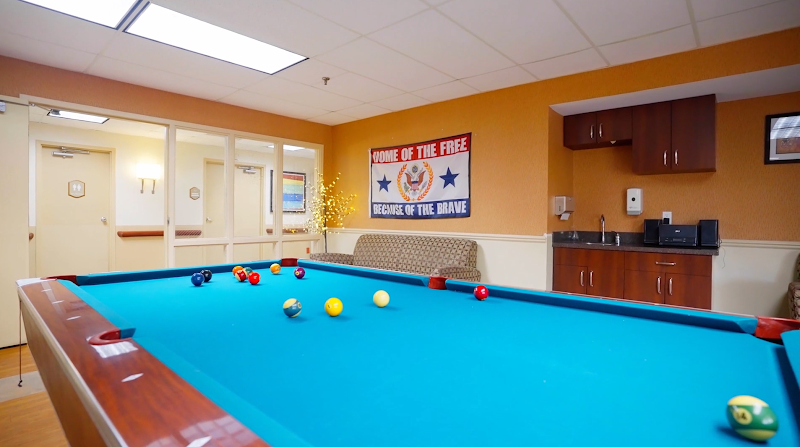
How is Troy Rehabilitation And Healthcare Center Staffed?

CMS rates TROY REHABILITATION AND HEALTHCARE CENTER's staffing level at 2 out of 5 stars, which is below average compared to other nursing homes. Staff turnover is 49%, compared to the Ohio average of 46%.

What Have Inspectors Found at Troy Rehabilitation And Healthcare Center?

State health inspectors documented 41 deficiencies at TROY REHABILITATION AND HEALTHCARE CENTER during 2019 to 2025. These included: 1 that caused actual resident harm and 40 with potential for harm. Deficiencies causing actual harm indicate documented cases where residents experienced negative health consequences.
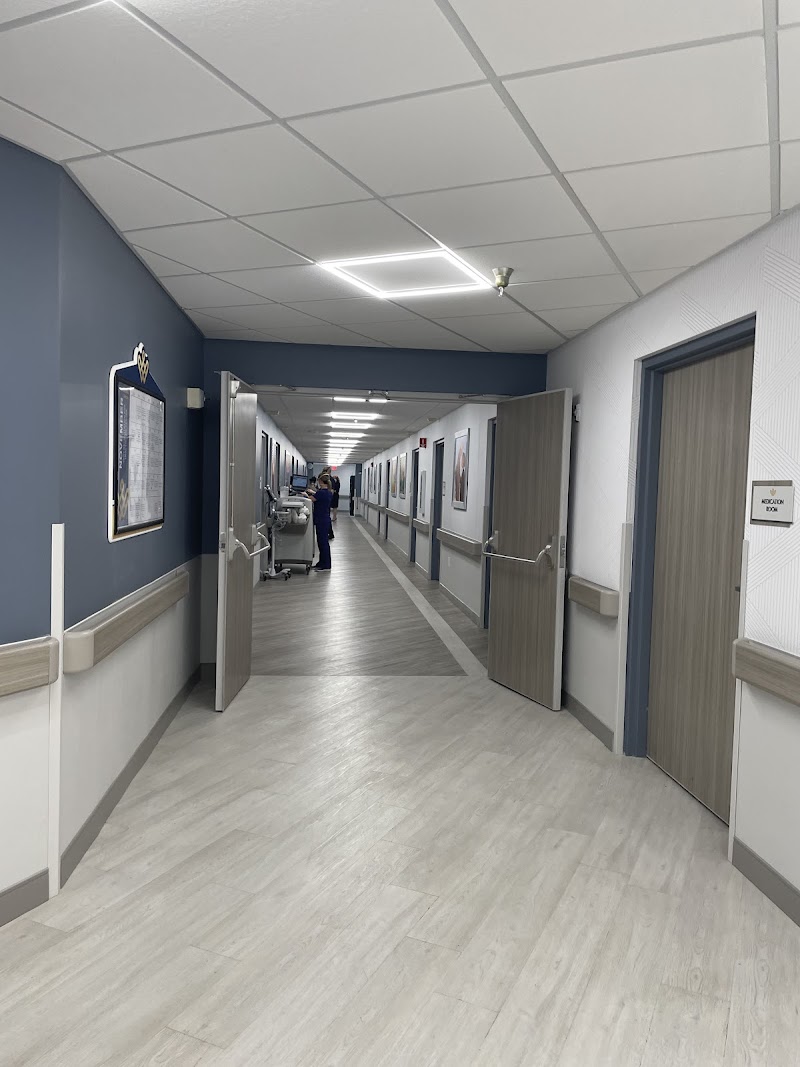
Who Owns and Operates Troy Rehabilitation And Healthcare Center?

TROY REHABILITATION AND HEALTHCARE CENTER is owned by a for-profit company. For-profit facilities operate as businesses with obligations to shareholders or private owners. The facility is operated by CROWN HEALTHCARE GROUP, a chain that manages multiple nursing homes. With 155 certified beds and approximately 132 residents (about 85% occupancy), it is a mid-sized facility located in TROY, Ohio.
How Does Troy Rehabilitation And Healthcare Center Compare to Other Ohio Nursing Homes?

Compared to the 100 nursing homes in Ohio, TROY REHABILITATION AND HEALTHCARE CENTER's overall rating (2 stars) is below the state average of 3.2, staff turnover (49%) is near the state average of 46%, and health inspection rating (2 stars) is below the national benchmark.

What Should Families Ask When Visiting Troy Rehabilitation And Healthcare Center?

Based on this facility's data, families visiting should ask: "Can you walk me through typical staffing levels on day, evening, and night shifts?" "Can I visit during a mealtime to observe dining assistance and food quality?" "How do you handle medical emergencies, and what is your hospital transfer rate?" "Can I speak with family members of current residents about their experience?" These questions are particularly relevant given the below-average staffing rating.

Is Troy Rehabilitation And Healthcare Center Safe?

Based on CMS inspection data, TROY REHABILITATION AND HEALTHCARE CENTER has a clean safety record: no substantiated abuse findings (meaning no confirmed cases of resident harm), no Immediate Jeopardy citations (the most serious violation level indicating risk of serious injury or death), and is not on the Special Focus Facility watch list (a federal program monitoring the lowest-performing 1% of nursing homes). The facility has a 2-star overall rating and ranks #100 of 100 nursing homes in Ohio. While no facility is perfect, families should still ask about staff-to-resident ratios and recent inspection results during their visit.

Do Nurses at Troy Rehabilitation And Healthcare Center Stick Around?

TROY REHABILITATION AND HEALTHCARE CENTER has a staff turnover rate of 49%, which is about average for Ohio nursing homes (state average: 46%). Moderate turnover is common in nursing homes, but families should still ask about staff tenure and how the facility maintains care continuity when employees leave.

Was Troy Rehabilitation And Healthcare Center Ever Fined?

TROY REHABILITATION AND HEALTHCARE CENTER has been fined $35,968 across 1 penalty action. The Ohio average is $33,439. While any fine indicates a compliance issue, fines under $50,000 are relatively common and typically reflect isolated problems that were subsequently corrected. Families should ask what specific issues led to these fines and confirm they've been resolved.

Is Troy Rehabilitation And Healthcare Center on Any Federal Watch List?

TROY REHABILITATION AND HEALTHCARE CENTER is not on any federal watch list. The most significant is the Special Focus Facility (SFF) program, which identifies the bottom 1% of nursing homes nationally based on persistent, serious quality problems. Not being on this list means the facility has avoided the pattern of deficiencies that triggers enhanced federal oversight. This is a positive indicator, though families should still review the facility's inspection history directly.