UNION CITY CARE CENTER
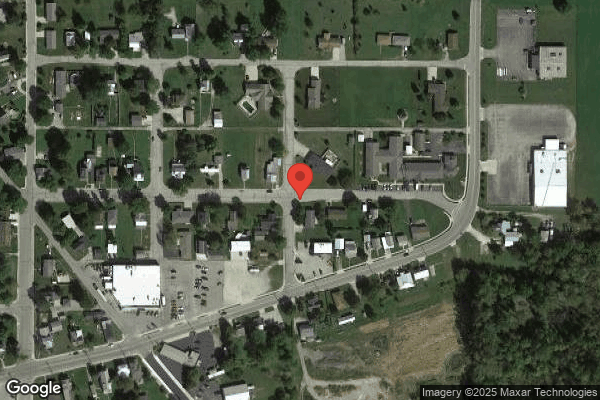
907 EAST CENTRAL STREET, UNION CITY, OH 45390 (937) 968-5284
For profit - Corporation 43 Beds JAG HEALTHCARE Data: November 2025
Trust Grade
80/100
#357 of 913 in OH
Last Inspection: April 2023

Over 2 years since last inspection. Current conditions may differ from available data.

Overview

Union City Care Center has received a Trust Grade of B+, indicating it is above average and recommended for families considering care options. It ranks #357 out of 913 nursing homes in Ohio, placing it in the top half, and #3 out of 6 in Darke County, meaning only two local facilities are better. The facility is improving, with issues decreasing from 8 in 2020 to 4 in 2023, and has a low staff turnover rate of 21%, which is well below the state average. However, the staffing rating is only 1 out of 5 stars, suggesting challenges in staffing levels, and there are some concerning incidents, including improper thawing of hamburger meat, which could pose food safety risks, and a failure to develop specific testing protocols for Legionella, a potentially harmful bacteria. While there have been no fines and the quality measures are rated excellent, families should weigh these strengths against the facility's staffing challenges and specific incidents noted in inspections.

Trust Score
B+
80/100
In Ohio
#357/913
Top 39%
Safety Record
Low Risk
No red flags
Inspections
Getting Better
8 → 4 violations
Staff Stability
✓ Good
21% annual turnover. Excellent stability, 27 points below Ohio's 48% average. Staff who stay learn residents' needs.
Penalties
✓ Good
No fines on record. Clean compliance history, better than most Ohio facilities.
Skilled Nurses
⚠ Watch
Each resident gets only 25 minutes of Registered Nurse (RN) attention daily — below average for Ohio. Fewer RN minutes means fewer trained eyes watching for problems.
Violations
⚠ Watch
18 deficiencies on record. Higher than average. Multiple issues found across inspections.
★★★★☆
4.0
Overall Rating
★☆☆☆☆
1.0
Staff Levels
★★★★★
5.0
Care Quality
★★★★☆
4.0
Inspection Score
Stable
2020: 8 issues
2023: 4 issues

The Good

  • 5-Star Quality Measures · Strong clinical quality outcomes
  • Low Staff Turnover (21%) · Staff stability means consistent care
  • Full Sprinkler Coverage · Fire safety systems throughout facility
  • No fines on record
  • Staff turnover is low (21%)

    27 points below Ohio average of 48%

Facility shows strength in quality measures, staff retention, fire safety.

The Bad

Chain: JAG HEALTHCARE

Part of a multi-facility chain

Ask about local staffing decisions and management

The Ugly 18 deficiencies on record

Apr 2023 4 deficiencies
CONCERN (D)

Potential for Harm - no one hurt, but risky conditions existed

Notification of Changes (Tag F0580)

Could have caused harm · This affected 1 resident

**NOTE- TERMS IN BRACKETS HAVE BEEN EDITED TO PROTECT CONFIDENTIALITY** Based on medical record review, staff interview, guardian interview, and policy review, the facility failed to notify a resident...

Read full inspector narrative →
**NOTE- TERMS IN BRACKETS HAVE BEEN EDITED TO PROTECT CONFIDENTIALITY** Based on medical record review, staff interview, guardian interview, and policy review, the facility failed to notify a resident's representative when new orders were received. This affected one (Resident #23) reviewed for change in condition. The facility census was 35. Findings include: Medical record review for Resident #23 revealed an admission date of 05/22/17 with diagnoses including dementia without behaviors, chronic obstructive pulmonary disease, malnutrition. emphysema, acute cystitis without hematuria, metabolic encephalopathy, weight loss, bladder dysfunction, hypothyroidism, hyperlipidemia, schizoaffective disorder, major depressive disorder, anorexia, obsessive compulsive disorder, delusional disorders, essential tremor, and osteoarthritis. Review of the Minimum Data Set (MDS) assessment dated [DATE] with for Resident #23 revealed intact cognition. Resident #23 required limited assistance for bed mobility, extensive assistance for transfers, limited assistance for eating and extensive assist for toileting. Resident #23 was assessed with no coughing or difficulty swallowing during the look back period. Resident #23 was on a mechanically altered therapeutic diet. Review of the plan of care for Resident #23 dated 04/11/23 revealed the resident was at malnutrition/dehydration risk due to cognitive deficits, mood problems, history of weight loss, dysphagia (difficulty swallowing), and medical problems. Interventions included medications as ordered, diet per physician's order: pureed with thin consistency liquids, speech therapy as ordered, and monitor and record oral intake. Review of the progress notes dated 04/07/23 at 6:16 P.M. revealed Resident #23 coughing with food/liquid and having difficulty swallowing. A nursing measure, downgraded to pureed diet with referral to speech therapy (ST). Review of the speech therapy notes for Resident #23 dated 04/11/23 revealed new onset of increased signs and symptoms of dysphagia and coughing/choking during oral intake, indicating the need for speech therapy to access and evaluate oral function. Resident #23 choked on peaches per verbal report from state tested nursing assistant. The resident was downgraded to puree diet until an evaluation completed. Resident #23 presented with mild dysphagia with decreased oral motor strength and function resulting in increased mastication (chewing) time and decreased bolus (round mass of food) formation. Resident #23 with inconsistent swallow onset increased risk for aspiration. Interview on 04/12/23 10:27 A.M. with Therapy Director #40 stated Resident #23 was evaluated on 04/11/23 for speech therapy services. Resident #23 will be seeing the speech therapist for a couple of weeks. Interview on 04/12/23 at 11:17 A.M. with the Assistant Director of Nursing (ADON) verified Resident #23 received new orders on 04/07/23 for a diet downgrade and speech therapy. The ADON did not notify the guardian of the new orders related to the coughing spell resulting in a change in diet levels, and stated she should have. Review of facility policy titled, Change of Condition or Status, dated 2/2018 revealed the facility shall promptly notify the resident, attending physician, and resident representative of changes in the residents medical condition or status.
CONCERN (D)

Potential for Harm - no one hurt, but risky conditions existed

Deficiency F0757 (Tag F0757)

Could have caused harm · This affected 1 resident

**NOTE- TERMS IN BRACKETS HAVE BEEN EDITED TO PROTECT CONFIDENTIALITY** Based on medical record review and staff interview, the facility failed to ensure a resident was free from unnecessary medicatio...

Read full inspector narrative →
**NOTE- TERMS IN BRACKETS HAVE BEEN EDITED TO PROTECT CONFIDENTIALITY** Based on medical record review and staff interview, the facility failed to ensure a resident was free from unnecessary medications when the facility failed to follow through with pharmacy and physician recommendations to decrease a medication dosage. This affected one (Resident #21) of six residents reviewed for unnecessary medications. The facility's census was 35. Findings include: Medical record review for Resident #21 revealed an admission date of 06/06/19 with diagnoses including chronic kidney disease, morbid obesity, congestive heart failure, hypertension, anemia, alcohol induced dementia, malnutrition, osteoarthritis, noncompliance with medical treatment, schizophrenia, major depressive disorder, bariatric surgery status, anxiety, insomnia, repeated falls, and chronic pain. Review of the comprehensive Minimum Data Set (MDS) assessment dated [DATE] revealed Resident #21 had impaired cognition. Resident #21 required extensive assistance for bed mobility from two staff members, extensive assistance for transfers and toileting with one staff member, and supervision for eating. Resident #21 received medication from the following classifications during the assessment period: antipsychotic, antidepressant, anticoagulant, and narcotics. Review of Resident #21's plan of care revealed the resident required use of anti-coagulant medication due to history of deep vein thrombosis (blood clots) and cardiovascular disorder. Review of Resident #21's physician orders revealed an order dated 07/23/19 for Eliquis (anti-coagulant) Tablet, give 5 milligrams (mg) by mouth every day and evening shift related to acute embolism and thrombosis, discontinued on 01/18/23. Additional review revealed an order dated 01/25/23 for Eliquis Tablet 2.5 mg, give 1 tablet by mouth every day and evening shift for prophylaxis, discontinued on 01/30/23. Review of the pharmacy recommendation dated 01/13/23 revealed a recommendation was made to the physician to decrease the milligrams of Eliquis to 2.5 mg for prophylaxis two times a day. The physician agreed with the reduction and gave orders to decrease the dose on 01/16/23. Review of the Medication Administration Record (MAR) for January 2023 revealed the new recommended dose of Eliquis 2.5 mg was not initiated until 01/25/23 (nine days after the physician gave orders). Interview on 04/11/23 at 5:27 P.M. the Director of Nursing (DON) verified the recommended 2.5 mg dose of Eliquis was ordered 01/16/23, and was not initiated until 01/25/23, and stated she did not have an answer as to why the medication was not reduced as ordered.
CONCERN (D)

Potential for Harm - no one hurt, but risky conditions existed

Medication Errors (Tag F0758)

Could have caused harm · This affected 1 resident

**NOTE- TERMS IN BRACKETS HAVE BEEN EDITED TO PROTECT CONFIDENTIALITY** Based on medical record review and staff interview, the facility failed to ensure a resident was free from unnecessary psychotro...

Read full inspector narrative →
**NOTE- TERMS IN BRACKETS HAVE BEEN EDITED TO PROTECT CONFIDENTIALITY** Based on medical record review and staff interview, the facility failed to ensure a resident was free from unnecessary psychotropic medications when a resident received duplicate medication therapy. This affected one (Resident #27) of six residents reviewed for unnecessary medications. The facility's census was 35. Findings include: Review of medical record for Resident #27 revealed an admission date of 08/20/20. Diagnoses included schizoaffective disorder, noncompliance with medication and medical treatment, extrapyramidal movement disorder, depression, hypertension, bipolar with manic severe with psychotic features, schizophrenia, chronic viral hepatitis C. Review of the quarterly Minimum Data Set (MDS) assessment dated [DATE] revealed Resident #27 had a Brief Interview Mental Status (BIMS) score of 14, indicating intact cognition. She required extensive one person assistance for dressing and toileting, limited assistance for bed mobility and personal hygiene, and was independent for transfers and eating. Further review of the medical record revealed Resident #27 was prescribed the medication, Depakote, to treat bipolar disorder. Review of the care plan revealed the resident had multiple complicating diagnoses and was at risk for anxiety and depression, which require medications to control. Interventions included administer medications as ordered, psychiatric services as ordered, and monitor mental status. Review of Resident #27's March 2023 medication orders revealed an order for Depakote Sprinkles (prescribed for bipolar disorder) 125 milligrams (mg), two capsules by mouth two times a day (8:00 A.M. and 8:00 P.M.) with a start date of 03/06/23 for five days. The second order was for Depakote Sprinkles 125 mg, one capsule at bedtime with a start date of 03/09/23. A third order for Depakote Sprinkles 125 mg, give two capsules at bedtime for five days with a start date of 03/11/23. Further review of the medical record revealed no indication facility staff communicated with the physician about the duplicate Depakote orders. Interview on 04/13/23 at 10:52 A.M. with the Director of Nursing (DON) revealed the physician had been titrating (changes to medication doses to achieve the best clinical response) Resident #27's Depakote during the month of March 2023 and verified the facility had not clarified the concurrent Depakote orders and she was unaware of the multiple Depakote orders until the survey. A request for a policy related to medication administration was made during the survey and was not provided for review.
CONCERN (F)

Potential for Harm - no one hurt, but risky conditions existed

Food Safety (Tag F0812)

Could have caused harm · This affected most or all residents

Based on observations, staff interviews, and policy review, the facility failed to properly thaw hamburger meat, failed to ensure dishwasher temperatures achieved proper temperatures, and failed to en...

Read full inspector narrative →
Based on observations, staff interviews, and policy review, the facility failed to properly thaw hamburger meat, failed to ensure dishwasher temperatures achieved proper temperatures, and failed to ensure the sanitizer was working and tested properly. This had the ability to affect all residents at the facility. The facility census was 35. Findings include: 1. Observation on 04/10/23 at 8:37 A.M. revealed an approximately four inch (in) by (x) 24 in packaged tube of hamburger meat lying directly on the bottom of the first compartment of the three compartment sink. The packaged meat was submerged in approximately two inches of cool water, further observation revealed approximately one inch of the burger felt thawed and the middle remained hard. Interview on 04/10/23 at 8:49 A.M. with Dietary Staff (DS) #49 revealed she had put the hamburger in cool water in the sink to thaw at 6:45 A.M. DS #49 verified the water was not running, the burger was not fully submerged and approximately one inch of the perimeter was thawed. Review of the facility policy, Preventing Foodborne Illness-Food Handling Policy, last revised 02/18, revealed frozen foods will not be thawed at room temperature and one of the thawing processes was to submerge the item in cold running water (70 degrees) or below. 2. Observation on 04/10/23 at 8:40 A.M. revealed the dishwasher wash cycle temperature was 133 degrees and the rinse cycle was 170 degrees. The documentation on the dishwasher stated, wash cycle 150 degrees and rinse cycle 180 degrees. This was verified by Dietary Manager #27 at the time of the observation. Review of the dishwasher log for March 2023 revealed temperatures for the wash cycle were documented under 150 degrees at least once a day on 03/01/23, 03/10/23, 03/11/23 and 03/12/23. The rinse cycle temperatures were documented as less than 180 degrees at least once a day on 03/01/23 through 03/12/23. There was no documentation of temperatures after 03/12/23 until April 2023. Review of the April 2023 dishwasher log revealed temperatures for the wash cycle were documented under 150 degrees at least once a day on 04/01/23, 04/02/23, 04/05/23 through 04/10/23. The rinse cycle temperatures were documented as less than 180 degrees at least once a day from 04/01/23 through 04/10/23. Interview on 04/10/23 at 8:40 A.M. with DM #27 revealed temperatures had been documented outside of the parameters and additionally stated she failed to double check temperatures recorded from 03/13/23 through 03/31/23. She stated maintenance was aware of the temperature issue and they were awaiting a part for repair. Review of the facility's dishwasher policy, last revised 02/18, revealed the was solution temperature should be 150 degrees and the hot water sanitation rinse temperature should be 180 degrees for the current dishwasher at the facility. Observation on 04/10/23 at 9:12 A.M. of the three-compartment sink revealed the third compartment was not filled. Interview with DS #49 revealed the compartment did not hold water and she used the hose supplying the sanitizer to rinse the dishes. She proceeded to turn on the sanitation hose in order to use the test strip to verify proper sanitation. There was no reaction with the strip. Upon inspection of the hose, it was discovered the bucket under the sink containing the sanitizer did contain solution. The hose went from the bucket between the wall and the sink, it continued up and was attached to the top of the sink and ran down to the left and into the third compartment. The pink solution could be seen filling the entire circumference of the hose from the bucket running along the top of the sink, then there was an approximately 12-inch area with minimal solution and then back to it filling the entire circumference of the hose. DS #49 moved the sink from the wall where the hose was noted to be kinked and restarted the solution. The hose filled entirely with the pink solution for approximately two minutes, before a void was noted again in the same area as previously observed. A second testing with the strip again revealed no reaction. DS #49 verified the sanitation was not working or testing properly and the supplying company would be contacted. Review of the facility's infection control logs for March and April 2023 revealed no foodborne illnesses.
Feb 2020 8 deficiencies
CONCERN (D)

Potential for Harm - no one hurt, but risky conditions existed

Free from Abuse/Neglect (Tag F0600)

Could have caused harm · This affected 1 resident

**NOTE- TERMS IN BRACKETS HAVE BEEN EDITED TO PROTECT CONFIDENTIALITY** Based on medical record review, staff interviews, review of a self-reported incidents (SRI's), review of witness statements, rev...

Read full inspector narrative →
**NOTE- TERMS IN BRACKETS HAVE BEEN EDITED TO PROTECT CONFIDENTIALITY** Based on medical record review, staff interviews, review of a self-reported incidents (SRI's), review of witness statements, review of personnel files, policy review, the facility failed to ensure a resident was free from staff-to-resident verbal abuse. This affected one (#21) of one resident reviewed for abuse. The facility census was 32. Findings include: Review of the medical record for Resident #21 revealed an admission date of 10/24/16. Diagnoses included Huntington's disease (progressive breakdown of nerve cells in the brain), anxiety disorder, chronic kidney disease, schizophrenia, major depressive disorder, allergic rhinitis, vitamin D deficiency, difficulty walking, unspecified dementia with behavioral disturbance, muscle weakness, schizoaffective disorder, mental disorders and disorders of intestinal carbohydrate absorption. The quarterly Minimum Data Set (MDS) dated [DATE] revealed Resident #21 was cognitively impaired and required extensive assistance with bed mobility, transferring, eating, toileting and activities of daily living. Review of the facility SRI revealed the date of the occurrence documented as 11/29/19 at 10:30 P.M. Continued review of the SRI revealed the incident was reported to the state agency on 12/03/19. Narrative summary of the incident revealed a written statement was obtained on 12/03/19 at approximately 11:00 A.M. from State Tested Nurse Aide (STNA) #260 witnessing STNA #325 being rude and disrespectful to Resident #21 when providing care. Further review of the facility report revealed STNA #260 reported the incident to Registered Nurse (RN) #320 who documented reprimanding STNA #325. The SRI indicated that on 12/03/19 additional details were reported to the Administrator at which time the SRI was initiated. Review of STNA #260's witness statement dated 12/03/19 revealed assisting STNA #325 with putting Resident #21 to bed who was screaming which was a frequent behavior. STNA #260 reported witnessing STNA #325 tell Resident #21 that she knew of a way to get her to shut up. STNA #325 was overheard telling Resident #21 that she would get (a descriptive) man from prison named Individual #19 would come perform a sex act on Resident #21. Continued review of STNA #260's statement revealed exiting the residents room and entering the nursing station where STNA #325 began telling Licensed Practical Nurse (LPN) #315 and Registered Nurse (RN) #320 what she had said. STNA #260 reported then notifying the Director of Nursing (DON) of the incident relaying that the DON would have RN #320 speak to STNA #325. Review of STNA #325's statement revealed she claimed to be joking and kidding with Resident #21 about taking her to the strip clubs where they could smoke and drink. STNA #325 reported not being the only one who teases the resident and that most of the time the resident would laugh. STNA #325's statement further revealed kidding Resident #21 about a (descriptive) guy named Individual #19 that will get her and take her out when he gets out of prison and that she could have sex. STNA #325 reported telling the resident she could get all fixed up and look all hot and sexy, get drunk and have sex. STNA #325 reported asking Resident #21 if she would like her boyfriend to come and get her so she could be a bad girl and have dirty sex. STNA #325 reported at this time Resident #21 stated, no I don't like that. STNA #325's statement revealed stating that she was just kidding and that she was trying to get the resident to laugh and stop crying. Review of an untitled form dated 12/03/19 revealed STNA #325 was counseled on rude and discourteous behavior towards Resident #21. STNA #325 was documented as adamantly denying the accusation. The form was signed by Licensed Practical Nurse (LPN) #315 and Registered Nurse (RN) #320. Review of a form titled, Employee Termination Form dated 12/03/19 revealed STNA #325 was involuntarily terminated this date for substantiated abuse. Review of Resident #21's nursing progress notes dated 12/06/19 at 9:05 A.M. revealed a documented incident with STNA #325 being rude and verbalizing discourteous statements that were witnessed by another aide. The note indicated the incident was reported by a STNA on 12/03/19 and an investigation completed, SRI initiated and STNA #325 removed from the schedule. The note further indicated the resident's representative and physician being notified of the incident. The note documented the resident was assessed and interviewed without residual effects of the incident. Interview on 02/04/20 at 11:30 A.M. with the DON revealed that it was reported to her by STNA #260 through a telephone call towards the end of second shift on 11/29/19 that STNA #325 had been disrespectful to Resident #21. STNA #260 reported she felt uncomfortable due to the words that STNA #325 had used. The DON also reported that STNA #260 had reported the incident to RN #320 who was on duty and reprimanded STNA #325 this date. The DON reported STNA #325 had denied the accusations and that the incident originated with STNA #325 being reported as stating uncomfortable things to the resident. The DON reported that the situation elaborated on 12/03/19 when STNA #260 had reported more graphic detail of what STNA #325 had actually verbalized to Resident #21. On 12/03/19 after the receipt of the additional information, the facility initiated a SRI and suspended STNA #325. Interview on 02/04/20 at 2:50 P.M. with STNA #260 confirmed working with STNA #360 stating the incident occurred towards the end of their shift on 11/29/19. STNA #260 reported STNA #360 had told Resident #21 to be quiet and to shut up and that STNA #325 would have a (descriptive) guy from prison come in to have sex with her. STNA #260 confirmed she reported the incident to LPN #315 and then went into the employee breakroom and notified the DON. Interview on 02/04/20 at 3:09 P.M. with LPN #315 confirmed being on duty 11/29/19 at the time of the incident. LPN #315 reported STNA #325 had stated she was going to have a (descriptive) man hold Resident #21's head down and stick it to her until she yelled. LPN #315 reported that STNA #325 repeated this again and that she was just kidding. LPN #315 stated she could not recall what the exact details of what was said but advised STNA #325 that it was not acceptable. LPN #315 reported the conversation was witnessed by STNA #260 when in the room with STNA #325 providing care to Resident #21. LPN #315 confirmed she reported the incident to the DON but was so upset that she handed the telephone to RN #320 to provide the DON the details of the verbal abuse. LPN #315 stated she and RN #320 spoke with STNA #325 again after speaking with the DON and that STNA #325 was voicing worries that she would get into trouble and that she would not do it again. Interview on 02/05/20 at 9:15 A.M. with the DON and the Administrator confirmed STNA #325's employment was terminated on 12/03/19 following the additional information the facility received regarding the incident. Review of a facility provided policy titled, Abuse Investigation and Reporting with a revision date of 12/2017 revealed all reports of resident abuse, neglect, exploitation, misappropriation or resident property, mistreatment and/or injuries of unknown source (abuse) shall be promptly reported to local, state and federal agencies (as defined by current regulations) and thoroughly investigated by facility management. Findings of abuse investigations will also be reported. The individual conducting the investigation will at a minimum, a) review the completed documentation forms, b) review the resident's medical record to determine events leading up to the incident, c) interview the person(s) reporting the incident, d) interview any witnesses to the incident, e) interview the resident (as medically appropriate), f) interview the resident's attending physician as needed to determine the resident's current level of cognitive function and medical condition, g) interview staff members (on all shifts) who have had contact with the resident during the period of the alleged incident, h) interview the resident's roommate, family members, and visitors, i) interview other residents to whom the accused employee provides care or services, j) review all events leading up to the alleged incident.
CONCERN (D)

Potential for Harm - no one hurt, but risky conditions existed

Report Alleged Abuse (Tag F0609)

Could have caused harm · This affected 1 resident

**NOTE- TERMS IN BRACKETS HAVE BEEN EDITED TO PROTECT CONFIDENTIALITY** Based on medical record review, staff interviews, review of a self-reported incidents (SRI's) review of witness statements, revi...

Read full inspector narrative →
**NOTE- TERMS IN BRACKETS HAVE BEEN EDITED TO PROTECT CONFIDENTIALITY** Based on medical record review, staff interviews, review of a self-reported incidents (SRI's) review of witness statements, review of personnel files, the facility failed to timely report an allegation of staff to resident verbal abuse to the state agency. This affected one (#21) of one resident reviewed for abuse. The facility census was 32. Findings include: Review of the medical record for Resident #21 revealed an admission date of 10/24/16. Diagnoses included Huntington's disease (progressive breakdown of nerve cells in the brain), anxiety disorder, chronic kidney disease, schizophrenia, major depressive disorder, allergic rhinitis, vitamin D deficiency, difficulty walking, unspecified dementia with behavioral disturbance, muscle weakness, schizoaffective disorder, mental disorders and disorders of intestinal carbohydrate absorption. The quarterly Minimum Data Set (MDS) dated [DATE] revealed Resident #21 was cognitively impaired and required extensive assistance with bed mobility, transferring, eating, toileting and activities of daily living. Review of the facility SRI revealed the date of the occurrence documented as 11/29/19 at 10:30 P.M. Continued review of the SRI revealed the incident to be reported to the state agency on 12/03/19. Narrative summary of the incident revealed a written statement was obtained on 12/03/19 at approximately 11:00 A.M. from State Tested Nurse Aide (STNA) #260 witnessing STNA #325 being rude and disrespectful to Resident #21 when providing care. Further review of the facility report revealed STNA #260 reported the incident to Registered Nurse (RN) #320 who documented reprimanding STNA #325. The SRI indicated that on 12/03/19 additional details were reported to the Administrator at which time the SRI was initiated. Review of STNA #260's witness statement dated 12/03/19 revealed assisting STNA #325 with putting Resident #21 to bed who was screaming which was a frequent behavior. STNA #260 reported witnessing STNA #325 tell Resident #21 that she knew of a way to get her to shut up. STNA #325 was overheard telling Resident #21 that she would get (a descriptive) man from prison named Individual #19 would come perform a sex act on Resident #21. Continued review of STNA #260's statement revealed exiting the residents room and entering the nursing station where STNA #325 began telling Licensed Practical Nurse (LPN) #315 and Registered Nurse (RN) #320 what she had said. STNA #260 reported then notifying the Director of Nursing (DON) of the incident relaying that the DON would have RN #320 speak to STNA #325. Review of STNA #325's statement revealed she claimed to be joking and kidding with Resident #21 about taking her to the strip clubs where they could smoke and drink. STNA #325 reported not being the only one who teases the resident and that most of the time the resident would laugh. STNA #325's statement further revealed kidding Resident #21 about a (descriptive) guy named Individual #19 that will get her and take her out when he gets out of prison and that she could have sex. STNA #325 reported telling the resident she could get all fixed up and look all hot and sexy, get drunk and have sex. STNA #325 reported asking Resident #21 if she would like her boyfriend to come and get her so she could be a bad girl and have dirty sex. STNA #325 reported at this time Resident #21 stated, no I don't like that. STNA #325's statement revealed stating that she was just kidding and that she was trying to get the resident to laugh and stop crying. Review of an untitled form dated 12/03/19 revealed STNA #325 was counseled on rude and discourteous behavior towards Resident #21. STNA #325 was documented as adamantly denying the accusation. The form was signed by LPN #315 and RN #320. Review of a form titled, Employee Termination Form dated 12/03/19 revealed STNA #325 was involuntarily terminated this date for substantiated abuse. Review of Resident #21's nursing progress notes dated 12/06/19 at 9:05 A.M. revealed a documented incident with STNA #325 being rude and verbalizing discourteous statements that were witnessed by another aide. The note indicated the incident was reported by a STNA on 12/03/19 and an investigation completed, SRI initiated and STNA #325 removed from the schedule. The note further indicated the resident's representative and physician being notified of the incident. The note documented the resident was assessed and interviewed without residual effects of the incident. Interview on 02/04/20 at 11:30 A.M. with the DON revealed that it was reported to her by STNA #260 through a telephone call towards the end of second shift on 11/29/19 that STNA #325 had been disrespectful to Resident #21. STNA #260 reported she felt uncomfortable due to the words that STNA #325 had used. The DON also reported that STNA #260 had reported the incident to RN #320 who was on duty and reprimanded STNA #325 this date. The DON reported STNA #325 had denied the accusations and that the incident originated with STNA #325 being reported as stating uncomfortable things to the resident. The DON reported that the situation elaborated on 12/03/19 when STNA #260 had reported more graphic detail of what STNA #325 had actually verbalized to Resident #21. On 12/03/19 after the receipt of the additional information, the facility initiated a SRI and suspended STNA #325. Interview on 02/04/20 at 2:50 P.M. with STNA #260 confirmed working with STNA #360 stating the incident occurred towards the end of their shift on 11/29/19. STNA #260 reported STNA #360 had told Resident #21 to be quiet and to shut up and that STNA #325 would have a (descriptive term) guy from prison come in to have sex with her. STNA #260 confirmed she reported the incident to LPN #315 and then went into the employee breakroom and notified the DON. Interview on 02/04/20 at 3:09 P.M. with LPN #315 confirmed being on duty 11/29/19 at the time of the incident. LPN #315 reported STNA #325 had stated she was going to have a (descriptive) man hold Resident #21's head down and stick it to her until she yelled. LPN #315 reported that STNA #325 repeated this again and that she was just kidding. LPN #315 stated she could not recall what the exact details of what was said but advised STNA #325 that it was not acceptable. LPN #315 reported the conversation was witnessed by STNA #260 when in the room with STNA #325 providing care to Resident #21. LPN #315 confirmed she reported the incident to the DON but was so upset that she handed the telephone to RN #320 to provide the DON the details of the verbal abuse. LPN #315 stated she and RN #320 spoke with STNA #325 again after speaking with the DON and that STNA #325 was voicing worries that she would get into trouble and that she would not do it again. Interview on 02/05/20 at 9:15 A.M. with the DON and the Administrator confirmed STNA #325's employment was terminated on 12/03/19 following the additional information the facility received regarding the incident. Review of a facility provided policy titled, Abuse Investigation and Reporting with a revision date of 12/2017 revealed all reports of resident abuse, neglect, exploitation, misappropriation or resident property, mistreatment and/or injuries of unknown source (abuse) shall be promptly reported to local, state and federal agencies (as defined by current regulations) and thoroughly investigated by facility management. Findings of abuse investigations will also be reported. The individual conducting the investigation will at a minimum, a) review the completed documentation forms, b) review the resident's medical record to determine events leading up to the incident, c) interview the person(s) reporting the incident, d) interview any witnesses to the incident, e) interview the resident (as medically appropriate), f) interview the resident's attending physician as needed to determine the resident's current level of cognitive function and medical condition, g) interview staff members (on all shifts) who have had contact with the resident during the period of the alleged incident, h) interview the resident's roommate, family members, and visitors, i) interview other residents to whom the accused employee provides care or services, j) review all events leading up to the alleged incident.
CONCERN (D)

Potential for Harm - no one hurt, but risky conditions existed

Assessment Accuracy (Tag F0641)

Could have caused harm · This affected 1 resident

**NOTE- TERMS IN BRACKETS HAVE BEEN EDITED TO PROTECT CONFIDENTIALITY** 2. Review of Resident #2's medical record revealed an admission date of 09/21/14 with diagnosis of Parkinson's disease, atherosc...

Read full inspector narrative →
**NOTE- TERMS IN BRACKETS HAVE BEEN EDITED TO PROTECT CONFIDENTIALITY** 2. Review of Resident #2's medical record revealed an admission date of 09/21/14 with diagnosis of Parkinson's disease, atherosclerotic heart disease, dysphagia, mixed receptive expressive aphasia, unspecified abdominal pain, anxiety disorder, calculus of gallbladder with cholecystitis, benign prostatic hyperplasia, dementia with behavioral disturbance, constipation, major depression, muscle weakness and difficulty walking. Review of the Minimum Data Set (MDS) section M dated 10/29/19 revealed Resident #2 was identified as having an unhealed stage one pressure ulcer. Review of Resident #2's medical record no documentation of the resident having had any pressure ulcers. Interview on 02/04/20 at 10:35 A.M. with Licensed Practical nurse (LPN) #310 confirmed the resident's medical record had no documentation regarding a pressure ulcer and had no knowledge of Resident #2 having had a pressure ulcer. Observation on 02/04/20 at 12:20 P.M. of Resident #2's buttocks and sacral areas with LPN #310 revealed no pressure ulcers. Interview with the Director of Nursing (DON) on 02/04/20 at 5:00 P.M. confirmed the medical record had no documentation of a pressure ulcer and had no knowledge of Resident #32 having had a pressure ulcer. The DON confirmed the MDS had been coded incorrectly. Based on medical record review, observation and staff interview, the facility failed to ensure minimum data set (MDS) assessments were accurate. This affected two (#31 and #2) of nine resident reviewed for accuracy of the assessment. The census was 32. Findings include: 1. Review of the medical record for Resident #31 revealed the resident was admitted to the facility on [DATE]. Diagnoses include chronic kidney disease, hyperlipidemia, bradycardia, anxiety, hypothyroidism, major depressive disorder, congestive heart failure, neuromuscular dysfunction of the bladder, and anemia. Review of the medical record for Resident #31 revealed on 12/02/2019 the resident weight was 176 pounds. Further review of the resident weight documentation revealed on 01/14/20 the resident weight was 164.8 pounds. Review of Resident #31's weights revealed the resident had a significant weight loss of 6.3 percent in one month. Review of the medication administration record dated 01/20 revealed Resident #31 was administered the medication eliquis (anticoagulant), lasix (diuretic), mirtazapine (antidepressant), and ativan (antianxiety) on 01/14/20, 01/15/20, 01/16/20, 01/17/20, 01/18/20, and 01/20/20. Resident #31's medications (eliquis, lasix, mirtazapine and ativan) were not signed off as administered on 01/19/20. Review of an annual MDS assessment dated [DATE], revealed Resident #31 was not assessed to have a weight loss of five percent or more in the last month. Continued review of the MDS assessment revealed the resident was assessed to have been administered anticoagulant, diuretic, antidepressant, and antianxiety medication on seven days during the seven day reference period. Interview on 02/05/20 at 11:31 A.M. with Employee #400 verified Resident #31 had a 6.3 percent weight loss from 12/02/19 to 01/14/20. Continued interview with Employee #400 verified the annual MDS assessment dated [DATE] was not accurate and the assessment should have identified the resident to have had a weight loss of five percent or more in the last month. Interview on 02/05/20 at 2:24 P.M. with the Director of Nursing (DON) verified Resident #31 was administered anticoagulant, diuretic, antidepressant, and antianxiety medication on six days during the seven day reference period for the annual MDS dated [DATE]. The DON confirmed Residents #31's medications were not signed off as being administered on 01/19/20. The DON further verified the annual MDS assessment dated [DATE] was not accurate.
CONCERN (D)

Potential for Harm - no one hurt, but risky conditions existed

Deficiency F0657 (Tag F0657)

Could have caused harm · This affected 1 resident

**NOTE- TERMS IN BRACKETS HAVE BEEN EDITED TO PROTECT CONFIDENTIALITY** 3. Review of Resident #34's medical record revealed an admission date of 05/30/17 with diagnoses of hypertension, orthostatic hy...

Read full inspector narrative →
**NOTE- TERMS IN BRACKETS HAVE BEEN EDITED TO PROTECT CONFIDENTIALITY** 3. Review of Resident #34's medical record revealed an admission date of 05/30/17 with diagnoses of hypertension, orthostatic hypotension, unspecified dementia without behaviors, schizophrenia, high risk heterosexual behavior. anxiety disorder, vitamin D deficiency, seborrheic keratosis, hypercholesterolemia and major depressive disorder. Review of the quarterly Minimum Data Set (MDS) assessment dated [DATE] revealed the resident had a Brief Interview for Mental Status (BIMS) score of 11 indicating moderately impaired cognition. Review of Resident #34's medical record revealed there had not been a quarterly care conference documented for May 2019. In addition, the care conference documentation dated 08/02/19 revealed a telephone conference had been conducted with a resident representative and only contained the documented signature of the Director of Nursing (DON) in attendance. Interview with Social Services Staff (SSS) #305 on 02/04/20 at 10:27 A.M. revealed care conferences were to be completed quarterly following the MDS assessments. Interview on 02/05/20 at 8:52 A.M. with SSS #305 confirmed the record had no evidence for Resident #34 having had a quarterly care conference in May 2019. Interview on 02/06/20 at 9:12 A.M. with Resident #34 revealed he had not been invited to his knowledge to attend any care conferences. Review of a facility policy titled, Resident Participation-Assessment/Care Plans with a revision date of 02/2018 revealed the resident and his or her representative are encouraged to participate in the resident's assessment and in the development and implementation of the resident's care plan. Advance notice of the care planning conference is provided to the resident and his or her representative. Such notice is made by mail, email and/or telephone. The Social Services Director or designee is responsible for notifying the resident/representative and for maintaining records of such notices. The notices include a) the date, time and location of the conference; b) the name of each person contacted and the date he or she was contacted; c) the method of contact; d) input from the resident or representative if they are not able to attend; e) refusal of participation; and f) the date and signature of the individual making the request. Based on resident record review, resident and staff interview, and policy review, the facility failed to ensure a resident and other required members of the interdisciplinary team were included in the care planning process. Additionally, the facility failed to complete care conference quarterly. This affected three (#22, #31, and #34) of three residents reviewed for care planning. The census was 32. Findings include: 1. Review of the medical record for Resident #22 revealed the resident was admitted to the facility on [DATE]. Diagnoses include neuromuscular dysfunction of the bladder, congestive heart failure, protein calorie malnutrition, anemia, chronic kidney disease, hypothyroidism, osteoarthritis, glaucoma, and kidney failure. Review of a quarterly minimum data set (MDS) assessment dated [DATE], revealed Resident #22 had moderately impaired cognition. Quarterly MDS assessments were also completed on 12/12/19 and 01/06/20. Review of the medical record for Resident #22 revealed a care planning conference was held on 11/25/19. Documentation revealed no evidence of the resident or a state tested nurse aid (STNA) participating in the care planning process. Additionally, there was no evidence of the resident refusing to participate in the care planning process. Continued review of the medical record from 12/19 to 02/05/20 revealed no evidence of a care conference or of the resident being invited to participate in the care planning process for the assessments dated 12/12/19 and 01/06/20. Interview on 01/03/20 at 11:16 A.M. with Resident #22 revealed the resident had not been invited to participate in the care planning process. Interview on 02/03/20 at 4:24 P.M. with social service (SS) #305 revealed care conference are to be held whenever an MDS assessment was completed. SS #305 revealed a care conference sheet is kept for all care conference and whomever attends the conference signs in on the document. Interview with SS #305 verified Resident #22 was not invited to participate in the care conference because the resident representative was invited. SS #305 further verified there was no care conference held for the assessments completed 12/12/19 and 01/06/20. 2. Review of the medical record for Resident #31 revealed the resident was admitted to the facility on [DATE]. Diagnoses include chronic kidney disease, hyperlipidemia, bradycardia, anxiety, hypothyroidism, major depressive disorder, congestive heart failure, neuromuscular dysfunction of the bladder, and anemia. Review of an annual MDS assessment dated [DATE], revealed the resident had moderately impaired cognition. Review of Resident #31's medical record revealed no evidence of a care conference or of the resident being included in the care planning process for the annual comprehensive assessment dated [DATE]. Interview on 02/03/20 at 10:42 A.M. with Resident #31 revealed the resident was unsure if the facility had care conferences. The resident did not recall being invited to participate in the care planning process. Interview on 02/06/20 at 9:28 A.M. with SSD #305 verified there was no care conference held and the medical record contained no evidence of Resident #31 being included in the care planning process for the comprehensive assessment that was dated 01/20/29.
CONCERN (D)

Potential for Harm - no one hurt, but risky conditions existed

Pharmacy Services (Tag F0755)

Could have caused harm · This affected 1 resident

**NOTE- TERMS IN BRACKETS HAVE BEEN EDITED TO PROTECT CONFIDENTIALITY** Based on medical record review and staff interview; the facility failed to administered medication as ordered by the physician. ...

Read full inspector narrative →
**NOTE- TERMS IN BRACKETS HAVE BEEN EDITED TO PROTECT CONFIDENTIALITY** Based on medical record review and staff interview; the facility failed to administered medication as ordered by the physician. This affected one (#31) of five resident reviewed for unnecessary medication. The census was 32. Findings include: Review of the medical record for Resident #31 revealed the resident was admitted to the facility on [DATE]. Diagnoses include chronic kidney disease, hyperlipidemia, bradycardia, anxiety, hypothyroidism, major depressive disorder, congestive heart failure, neuromuscular dysfunction of the bladder, and anemia. Review of the medication administration record (MAR) dated 01/20, revealed Resident #31 was to be administered the medication Carvedilol tablet 3.125 milligram (mg) one tablet by mouth every day and every evening shift to prevent cardiovascular event related to atherosclerotic heart disease. The instructions included parameters to hold the medication if systolic blood pressure (SBP) was less than 90 or pulse was less than 50. Continued review of the MAR revealed on 01/07/20 (day) the resident was administered Carvedilol when the resident pulse was 48. Continued review of the MAR revealed on eight days the medication was was not administered to Resident #31 when the residents blood pressure and pulse did not fall below the parameters. Review of the MAR revealed on 01/10/20 (evening) Resident #31's blood pressure (BP) was 108/52 milligrams of mercury (mmHg), pulse was 55; on 01/11/20 (evening) BP 111/62 mmHg, pulse 58, on 01/12/20 (day) BP 109/57 mmHg, pulse 54; on 01/15/20 (evening) no documented BP, pulse 52; on 01/17/20 (evening) no documented BP, pulse 52, on 01/21/20 (evening) no documented BP, pulse 51; on 01/26/20 (evening) no documented BP, pulse 51; on 01/28/20 (evening) BP 106/55 mmHg, pulse 63. Further review of the blood pressure and pulse documentation for Resident #31, documented in the vital signs area of the electronic health record, revealed the same information as noted on the MAR. Interview on 02/05/20 at 2:24 P.M. with the Director of Nursing (DON) verified Resident #31 was not administered Carvedilol as ordered by the physician during the month of 01/20.
CONCERN (E)

Potential for Harm - no one hurt, but risky conditions existed

Investigate Abuse (Tag F0610)

Could have caused harm · This affected multiple residents

**NOTE- TERMS IN BRACKETS HAVE BEEN EDITED TO PROTECT CONFIDENTIALITY** Based on medical record review, review of a self-reported incident (SRI), review of witness statements, review of personnel file...

Read full inspector narrative →
**NOTE- TERMS IN BRACKETS HAVE BEEN EDITED TO PROTECT CONFIDENTIALITY** Based on medical record review, review of a self-reported incident (SRI), review of witness statements, review of personnel files, staff interviews, and policy review, the facility failed to conduct a thorough investigation following an allegation of verbal abuse and the facility failed to protect residents from potential further abuse when there was an abuse allegation. This affected one resident (#21) of one resident reviewed for abuse. This had the potential to affect 28 of 32 residents except for four (#3, #16, #19 and #34) residents who are independent. The facility census was 32. Findings include: Review of the medical record for Resident #21 revealed an admission date of 10/24/16. Diagnoses included Huntington's disease (progressive breakdown of nerve cells in the brain), anxiety disorder, chronic kidney disease, schizophrenia, major depressive disorder, allergic rhinitis, vitamin D deficiency, difficulty walking, unspecified dementia with behavioral disturbance, muscle weakness, schizoaffective disorder, mental disorders and disorders of intestinal carbohydrate absorption. The quarterly Minimum Data Set (MDS) dated [DATE] revealed Resident #21 was cognitively impaired and required extensive assistance with bed mobility, transferring, eating, toileting and activities of daily living. Review of the facility SRI revealed the date of the occurrence was documented as 11/29/19 at 10:30 P.M. Continued review of the SRI revealed the incident to be reported to the state agency on 12/03/19. Narrative summary of the incident revealed a written statement was obtained on 12/03/19 at approximately 11:00 A.M. from State Tested Nurse Aide (STNA) #260 witnessing STNA #325 being rude and disrespectful to Resident #21 when providing care. Further review of the facility report revealed STNA #260 reported the incident to Registered Nurse (RN) #320 who documented reprimanding STNA #325. The SRI indicated that on 12/03/19 additional details were reported to the Administrator at which time the FRI was initiated. Review of STNA #260's witness statement dated 12/03/19 revealed assisting STNA #325 with putting Resident #21 to bed who was screaming which was a frequent behavior. STNA #260 reported witnessing STNA #325 tell Resident #21 that she knew of a way to get her to shut up. STNA #325 was overheard telling Resident #21 that she would get (a descriptive) man from prison named Individual #19 would come perform a sex act on Resident #21. Continued review of STNA #260's statement revealed exiting the residents room and entering the nursing station where STNA #325 began telling Licensed Practical Nurse (LPN) #315 and Registered Nurse (RN) #320 what she had said. STNA #260 reported then notifying the Director of Nursing (DON) of the incident relaying that the DON would have RN #320 speak to STNA #325. Review of STNA #325's statement revealed she claimed to be joking and kidding with Resident #21 about taking her to the strip clubs where they could smoke and drink. STNA #325 reported not being the only one who teases the resident and that most of the time the resident would laugh. STNA #325's statement further revealed kidding Resident #21 about a (descriptive) guy named Individual #19 that will get her and take her out when he gets out of prison and that she could have sex. STNA #325 reported telling the resident she could get all fixed up and look all hot and sexy, get drunk and have sex. STNA #325 reported asking Resident #21 if she would like her boyfriend to come and get her so she could be a bad girl and have dirty sex. STNA #325 reported at this time Resident #21 stated, no I don't like that. STNA #325's statement revealed stating that she was just kidding and that she was trying to get the resident to laugh and stop crying. Continued review of the facility investigation revealed there was no documentation and/or information regarding any additional staff or resident interviews and/or statements being completed surrounding the incident. Interview on 02/05/20 at 9:15 A.M. with the Administrator and the DON confirmed the facility did not complete any additional staff or resident interviews regarding the incident and the only statements obtained were from the witness and the perpetrator. The DON confirmed STNA #325 was not removed from the schedule until 12/03/19 when STNA #260 reported the addition of more graphic information to the Administrator. The DON and Administrator confirmed STNA #325 was immediately suspended on 12/03/19 and subsequently terminated from employment the same date. The facility confirmed allowing STNA #325 to continue to work had the potential to affect 28 of 32 residents except for four (#3, #16, #19 and #34) residents who are independent and who the aide had access to. Review of an untitled form dated 12/03/19 revealed STNA #325 was counseled on rude and discourteous behavior towards Resident #21. STNA #325 was documented as adamantly denying the accusation. The form was signed by LPN #315 and RN #320. Review of a form titled, Employee Termination Form dated 12/03/19 revealed STNA #325 was involuntarily terminated this date for substantiated abuse. Review of a facility provided policy titled, Abuse Investigation and Reporting with a revision date of 12/2017 revealed all reports of resident abuse, neglect, exploitation, misappropriation or resident property, mistreatment and/or injuries of unknown source (abuse) shall be promptly reported to local, state and federal agencies (as defined by current regulations) and thoroughly investigated by facility management. Findings of abuse investigations will also be reported. The individual conducting the investigation will at a minimum, a) review the completed documentation forms, b) review the resident's medical record to determine events leading up to the incident, c) interview the person(s) reporting the incident, d) interview any witnesses to the incident, e) interview the resident (as medically appropriate), f) interview the resident's attending physician as needed to determine the resident's current level of cognitive function and medical condition, g) interview staff members (on all shifts) who have had contact with the resident during the period of the alleged incident, h) interview the resident's roommate, family members, and visitors, i) interview other residents to whom the accused employee provides care or services, j) review all events leading up to the alleged incident.
CONCERN (E)

Potential for Harm - no one hurt, but risky conditions existed

Food Safety (Tag F0812)

Could have caused harm · This affected multiple residents

Based on observation, staff interview, and review of a facility policy, the facility failed to ensure food was stored in a sanitary manner. This had the potential to affect 31 residents the facility i...

Read full inspector narrative →
Based on observation, staff interview, and review of a facility policy, the facility failed to ensure food was stored in a sanitary manner. This had the potential to affect 31 residents the facility identified as eating from the facility kitchen. (Resident #18 did not eat from the facility kitchen). The facility census was 32. Findings include: During the initial kitchen tour on 02/03/20 at 9:00 A.M. observation revealed a long handled ladle to be present in the plastic storage bin laying atop the sugar. Interview with Dietary Manager #300 on 02/03/20 at 9:00 A.M. at the time of the discovery confirmed the long handled ladle to be present and laying atop the sugar in the dry storage bin. The facility confirmed this had the potential to affect 31 residents who receive meals from the facility kitchen. (Resident #18 did not eat from the facility kitchen). Review of a facility provided policy titled, Food Receiving and Storage with a revision date of 02/2018 revealed dry foods shall be stored in bins and no utensils will be left in containers.
CONCERN (F)

Potential for Harm - no one hurt, but risky conditions existed

Infection Control (Tag F0880)

Could have caused harm · This affected most or all residents

Based on review of a facility policy, review of a facility document, review of a Survey and Certification (S&C) memo and staff interview, the facility failed to develop and implement specific testing ...

Read full inspector narrative →
Based on review of a facility policy, review of a facility document, review of a Survey and Certification (S&C) memo and staff interview, the facility failed to develop and implement specific testing protocols through their Legionella Water Management Program. This had the potential to affect all 32 residents residing in the facility. The facility census was 32. Findings include: Review of the facility policy titled Legionella Water Management Program dated 12/17 revealed there were no specific testing protocols identified. Review of the program documentation, completed by the facility, revealed there was no documentation regarding specific testing protocols being completed to prevent Legionella. Review of S&C Memo 17-30 titled Hospitals/Critical Access Hospitals (CAHs)/Nursing Homes (NHs) revealed facilities must have water management plans and documentation that, at a minimum, ensure each facility: 1. Conducts a facility risk assessment to identify where Legionella and other opportunistic waterborne pathogens (e.g. Pseudomonas, Acinetobacter, Burkholderia, Stenotrophomonas, nontuberculous mycobacteria, and fungi) could grow and spread in the facility water system; 2. Develops and implements a water management program that considers the ASHRAE industry standard and the Centers for Disease Control and Prevention (CDC) toolkit; and 3. Specifies testing protocols and acceptable ranges for control measures, and document the results of testing and corrective actions taken when control limits are not maintained. Testing protocols are at the discretion of the provider. Interview on 02/06/20 at 10:55 A.M. with the Director of Nursing (DON) verified the facility did not develop and/or implement any specific testing protocols (i.e. hot water flushing, chlorine testing, etc.) to prevent Legionella. The DON confirmed this had the potential to affect all 32 residents residing in the facility.
Jan 2019 6 deficiencies
CONCERN (D)

Potential for Harm - no one hurt, but risky conditions existed

Deficiency F0578 (Tag F0578)

Could have caused harm · This affected 1 resident

**NOTE- TERMS IN BRACKETS HAVE BEEN EDITED TO PROTECT CONFIDENTIALITY** Based on resident record review and staff interview; the facility failed to ensure advanced directives listed in two areas of th...

Read full inspector narrative →
**NOTE- TERMS IN BRACKETS HAVE BEEN EDITED TO PROTECT CONFIDENTIALITY** Based on resident record review and staff interview; the facility failed to ensure advanced directives listed in two areas of the resident medical record, were consistent. This affected three (#16, #18, and #35) of 16 resident records reviewed for advanced directive. The census was 40. Findings include: 1. Review of the medical record for Resident #16 revealed the resident was admitted to the facility on [DATE]. Diagnoses include chronic respiratory failure, heart failure, hypothyroidism, anxiety disorder, chronic obstructive pulmonary disease, neuromuscular dysfunction of the bladder, diabetes mellitus type two, hyperlipidemia, schizophrenia, hypertension, peripheral venous insufficiency, and asthma. Review of the Do Not Resuscitate (DNR) identification form dated 03/19/18, revealed Resident #16's code status was DNR comfort care (CC) arrest (A). Continued review of the medical record revealed a physician order sheet dated 01/19, which identified Resident #16 was a full code. Review of the medical record for Resident #16 revealed the medical record contained conflicting information related to the residents code status. Interview on 01/07/18 at 4:00 P.M. with licensed practical nurse (LPN) #250 revealed the advanced directive were located in a resident medical record. LPN #250 revealed a residents code status is located under the advanced directives tab and on the physician orders sheet. LPN #250 verified Resident #16's DNR identification form documented the resident was a DNRCC-A. The LPN further verified Resident #16's physician order sheet documented the resident was a full code. LPN #250 confirmed the medical record for Resident #16 contained conflicting documentation related to the residents advanced directives. The LPN reported the conflicting information would need to be clarified by the director of nursing. 2. Review of the medical record for Resident #18 revealed the resident was admitted to the facility on [DATE]. Diagnoses include congestive heart failure, major depressive disorder, anemia, hypokalemia, hypertension, and lymphedema. Review of the DNR identification form dated 10/30/18 revealed Resident #18's status was DNRCC-A. Review of a physician order dated 10/30/18 revealed an order to discontinue full code status per the resident request for DNRCC-A. Review of the physician order sheet dated 01/19 identified the resident code status was full code. Interview on 01/07/18 at 4:05 P.M. with LPN #250 verified Resident #18's DNR identification form documented the resident's code status was DNRCC-A. The LPN further verified Resident #18's physician order sheet documented Resident #18 was a full code. LPN #250 confirmed the medical record for Resident #18 contained conflicting documentation related to the residents code status. 3. Review of the medical record for Resident #35 revealed the resident was admitted to the facility on [DATE]. Diagnoses include cerebrovascular disease, malignant neoplasm of the face, benign neoplasm of cerebral meninges, diabetes mellitus type two, hyperlipidemia, major depressive disorder, epilepsy, and hypertension. Review of the documented titled, Full Code dated 07/17/14 revealed the residents code status was full code. Review of the physician order dated 01/19, revealed the resident code status was DNRCC-A. Review of the medical record for Resident #35 revealed the medical record contained conflicting documentation related to the residents code status. Interview on 01/07/19 at 4:10 P.M. with LPN #250 verified the documentation located under the advanced directive tab Resident #35's medical record was full code. The LPN further verified Resident #16's physician order sheet dated 01/19 identified the resident's code status was DNRCC-A. LPN #250 confirmed the medical record for Resident #16 contained conflicting documentation related to the residents advanced directives.
CONCERN (D)

Potential for Harm - no one hurt, but risky conditions existed

MDS Data Transmission (Tag F0640)

Could have caused harm · This affected 1 resident

**NOTE- TERMS IN BRACKETS HAVE BEEN EDITED TO PROTECT CONFIDENTIALITY** Based on resident record review and staff interview; the facility failed to transmit minimum data set (MDS)assessments within 14...

Read full inspector narrative →
**NOTE- TERMS IN BRACKETS HAVE BEEN EDITED TO PROTECT CONFIDENTIALITY** Based on resident record review and staff interview; the facility failed to transmit minimum data set (MDS)assessments within 14 days after completion. This affected two (#1 and #2) of two resident records reviewed for MDS record over 120 days old. The census was 40. Findings include: 1. Review of the medical record for Resident #2 revealed the resident was admitted to the facility on [DATE]. Diagnoses include pyridoxine deficiency, hyperlipidemia, major depressive disorder, and hypertension. Review of Resident #2's quarterly MDS assessment target date 12/21/17, revealed the assessment was completed on 12/21/17. Continued review of the quarterly MDS assessment revealed the MDS was locked/submitted on 01/09/18. Interview on 01/09/19 at 5:01 P.M. with the Director of Nursing (DON) verified the quarterly assessment dated [DATE] for Resident #2 was not transmitted within 14 days after being completed. 2. Review of the medical record for Resident #1 revealed the resident was admitted to the facility on [DATE]. Diagnoses include hypertension, obsessive compulsive disorder, schizophrenia, psychosis, bipolar disorder, anxiety, paraphilia, and Parkinson's disease. Review of Resident #1's annual MDS assessment target date 02/16/18, revealed the assessment was completed on 02/17/18. Continued review of the annual MDS assessment revealed the MDS was locked/submitted on 03/06/18. Interview on 01/09/19 at 5 :03 P.M. the DON verified the annual assessment dated [DATE] for Resident #1 was not transmitted within 14 days after being completed.
CONCERN (D)

Potential for Harm - no one hurt, but risky conditions existed

Assessment Accuracy (Tag F0641)

Could have caused harm · This affected 1 resident

**NOTE- TERMS IN BRACKETS HAVE BEEN EDITED TO PROTECT CONFIDENTIALITY** Based on record review and staff interview; the facility failed to ensure the minimum data set (MDS) assessments were accurate. ...

Read full inspector narrative →
**NOTE- TERMS IN BRACKETS HAVE BEEN EDITED TO PROTECT CONFIDENTIALITY** Based on record review and staff interview; the facility failed to ensure the minimum data set (MDS) assessments were accurate. This affected two (#38 and #20) of 12 residents reviewed for accuracy of the MDS assessment. The facility census was 40. Findings include: 1. Review of the record for Resident #38 revealed the resident was admitted to the facility on [DATE]. Diagnoses included congestive heart failure, hyperlipidemia, neuromuscular dysfunction of the bladder, anxiety, chronic pulmonary edema, anemia, diabetes mellitus Type Two, major depressive disorder, hypertension, chronic atrial fibrillation, and chronic kidney disease Stage Four. Further review of the record for Resident #38, revealed the resident was admitted to Hospice on 11/17/17. Admitting diagnoses was end stage congestive heart failure and chronic obstructive pulmonary disease. Review of a hospice comprehensive assessment and plan of care update report meeting dated 11/20/18, revealed Resident #38 was considered terminally ill with a life expectancy of six months or less based on current clinically relevant information, if the terminal illness runs its normal coarse. Review of the annual MDS assessment dated [DATE], revealed there was no assessment of Resident #38's condition/chronic disease that may result in a life expectancy of less than six months identified. Interview on 01/09/19 at 3:15 P.M. with the Director of Nursing (DON), verified Resident #38's annual MDS assessment dated [DATE] was not accurate and should have documented this information. 2. Review of the record for Resident #20 revealed the resident was admitted to the facility on [DATE]. Diagnoses included dementia with behavioral disturbances, hypothyroidism, hyperlipidemia, major depressive disorder, hypertension, rhabdomyolysis, and syncope. Review of a medication administration record dated 10/18, revealed Resident #20 was administered the antibiotic medication Keflex from 10/17/18 to 10/24/18. Review of Resident #20's significant change MDS assessment dated [DATE], revealed the resident received antibiotic medication on five days during the seven day reference period. Interview on 01/09/18 at 3:19 P.M. with the DON verified the significant change MDS dated [DATE] for Resident #20 was not accurate. The DON confirmed Resident #20 was administered antibiotic medication on four days during the seven day reference period.
CONCERN (D)

Potential for Harm - no one hurt, but risky conditions existed

Deficiency F0655 (Tag F0655)

Could have caused harm · This affected 1 resident

**NOTE- TERMS IN BRACKETS HAVE BEEN EDITED TO PROTECT CONFIDENTIALITY** Based on record review and staff interview; the facility failed to develop a baseline care plan. This affected one (#30) of six ...

Read full inspector narrative →
**NOTE- TERMS IN BRACKETS HAVE BEEN EDITED TO PROTECT CONFIDENTIALITY** Based on record review and staff interview; the facility failed to develop a baseline care plan. This affected one (#30) of six resident reviewed for the development of baseline care plans. The facility census was 40. Findings include: Review of the record for Resident #30 revealed the resident was admitted to the facility on [DATE]. Diagnoses included diabetes mellitus Type Two, major depressive disorder, Alzheimer's disease, vascular dementia, calcium deficiency, hyperlipidemia, dementia with behavioral disturbances, psychosis, hearing loss, hypertension, psoriatic arthritis, gout, spinal stenosis, and chronic kidney disease. Further review of the record for Resident #30, revealed there was no 48 baseline care plan. Additionally, there was no documentation the 48 hour baseline care plan was given to the resident/resident representative. Interview on 01/08/19 at 2:06 P.M. with the Director of Nursing, verified the facility did not develop a 48 hour baseline care plan for Resident #30.
CONCERN (D)

Potential for Harm - no one hurt, but risky conditions existed

Deficiency F0761 (Tag F0761)

Could have caused harm · This affected 1 resident

Based on medication storage observation, staff interview and review of facility policy, the facility failed to properly label and store medications. This affected two of 40 residents reviewed for medi...

Read full inspector narrative →
Based on medication storage observation, staff interview and review of facility policy, the facility failed to properly label and store medications. This affected two of 40 residents reviewed for medication storage. The facility census was 40. Findings include: Observations on 01/09/19 at 9:39 A.M. of the 100 hallway medication cart, revealed an opened and undated metered dose inhaler containing the medication Ventolin. The Ventolin was prescribed to Resident #8. Review of the Ventolin packaging information revealed the medication should be discard 13 months after opening the foil package. Continued observation of the 100 hallway medication cart, revealed a vial of the inhalant medication Ipratropium/Albuterol solution prescribed to Resident #189. The Ipratropium/Albuterol was no longer being stored in the foil packet and was undated. Observations on 01/09/18 at 10:00 A.M. of the refrigerator located in the medication storage room, revealed an opened and undated multi-dose vial of the medication Influenza vaccine and an opened and undated multi-dose vial of Tuberculin solution. Interview on 01/09/19 at 9:41 A.M. with Licensed Practical Nurse (LPN) #200, verified the Ventolin inhaler prescribed to Resident #8 was opened and undated. LPN #200 further verified the vial of Ipratropium/Albuterol solution prescribed to Resident #189, was removed from foil pouch and not dated. LPN #200 revealed per the facilities pharmacy recommendations, Ventolin should be discarded 12 months after the pouch was opened and Ipratropium/Albuterol should be discarded seven days after being removed from the foil package. Interview on 01/09/19 at 10:02 A.M. with LPN #300, verified the vial of Influenza vaccine and vial of Tuberculin solution located in the medication storage room refrigerator was opened an undated. The LPN revealed per the facilities pharmacy recommendations, the Influenza vaccination should be discarded 28 days after opening and the Tuberculin solution should be discarded 30 days after opening. Review of a policy titled, Storage of Medication, revised 12/17, revealed the facility shall store all drugs and biologicals in a safe, secure, and orderly manner. The facility hall not use discontinued, outdated, or deteriorated drugs or biologicals. All such drugs shall be returned to the dispensing pharmacy or destroyed.
CONCERN (E)

Potential for Harm - no one hurt, but risky conditions existed

Deficiency F0568 (Tag F0568)

Could have caused harm · This affected multiple residents

Based on review of financial records and staff interview, the facility failed to provide quarterly statements to residents or their representative. This effected five (#11, #12, #13, #34 and #38) of f...

Read full inspector narrative →
Based on review of financial records and staff interview, the facility failed to provide quarterly statements to residents or their representative. This effected five (#11, #12, #13, #34 and #38) of five residents reviewed for personal funds. The facility census was 40. Findings include: Review of the personal funds for Residents #11, #12, #13, #34 and #38 revealed no financial statements had been provided to residents or their representative for the first and second quarters of 2018. Interview on 01/10/19 at 9:25 A.M. with General Office Regional Manager (GORM) #210 provided verification quarterly statements were not provided for the first two quarters of 2018.
Understanding Severity Codes (click to expand)
Life-Threatening (Immediate Jeopardy)
J - Isolated K - Pattern L - Widespread
Actual Harm
G - Isolated H - Pattern I - Widespread
Potential for Harm
D - Isolated E - Pattern F - Widespread
No Harm (Minor)
A - Isolated B - Pattern C - Widespread

Questions to Ask on Your Visit

  • "Can I speak with families of current residents?"
  • "What's your RN coverage like on weekends and overnight?"

Our Honest Assessment

Strengths
  • • Grade B+ (80/100). Above average facility, better than most options in Ohio.
  • • No major safety red flags. No abuse findings, life-threatening violations, or SFF status.
  • • No fines on record. Clean compliance history, better than most Ohio facilities.
  • • 21% annual turnover. Excellent stability, 27 points below Ohio's 48% average. Staff who stay learn residents' needs.
Concerns
  • • 18 deficiencies on record. Higher than average. Multiple issues found across inspections.
Bottom line: Generally positive indicators. Standard due diligence and a personal visit recommended.

About This Facility

What is Union City's CMS Rating?

CMS assigns UNION CITY CARE CENTER an overall rating of 4 out of 5 stars, which is considered above average nationally. Within Ohio, this rating places the facility higher than 99% of the state's 100 nursing homes. This rating reflects solid performance across the metrics CMS uses to evaluate nursing home quality.

How is Union City Staffed?

CMS rates UNION CITY CARE CENTER's staffing level at 1 out of 5 stars, which is much below average compared to other nursing homes. Staff turnover is 21%, compared to the Ohio average of 46%. This relatively stable workforce can support continuity of care.

What Have Inspectors Found at Union City?

State health inspectors documented 18 deficiencies at UNION CITY CARE CENTER during 2019 to 2023. These included: 18 with potential for harm.

Who Owns and Operates Union City?

UNION CITY CARE CENTER is owned by a for-profit company. For-profit facilities operate as businesses with obligations to shareholders or private owners. The facility is operated by JAG HEALTHCARE, a chain that manages multiple nursing homes. With 43 certified beds and approximately 35 residents (about 81% occupancy), it is a smaller facility located in UNION CITY, Ohio.

How Does Union City Compare to Other Ohio Nursing Homes?

Compared to the 100 nursing homes in Ohio, UNION CITY CARE CENTER's overall rating (4 stars) is above the state average of 3.2, staff turnover (21%) is significantly lower than the state average of 46%, and health inspection rating (4 stars) is above the national benchmark.

What Should Families Ask When Visiting Union City?

Based on this facility's data, families visiting should ask: "Can you walk me through typical staffing levels on day, evening, and night shifts?" "Can I visit during a mealtime to observe dining assistance and food quality?" "How do you handle medical emergencies, and what is your hospital transfer rate?" "Can I speak with family members of current residents about their experience?" These questions are particularly relevant given the below-average staffing rating.

Is Union City Safe?

Based on CMS inspection data, UNION CITY CARE CENTER has a clean safety record: no substantiated abuse findings (meaning no confirmed cases of resident harm), no Immediate Jeopardy citations (the most serious violation level indicating risk of serious injury or death), and is not on the Special Focus Facility watch list (a federal program monitoring the lowest-performing 1% of nursing homes). The facility has a 4-star overall rating and ranks #1 of 100 nursing homes in Ohio. While no facility is perfect, families should still ask about staff-to-resident ratios and recent inspection results during their visit.

Do Nurses at Union City Stick Around?

Staff at UNION CITY CARE CENTER tend to stick around. With a turnover rate of 21%, the facility is 25 percentage points below the Ohio average of 46%. Low turnover is a positive sign. It means caregivers have time to learn each resident's needs, medications, and personal preferences. Consistent staff also notice subtle changes in a resident's condition more quickly.

Was Union City Ever Fined?

UNION CITY CARE CENTER has no federal fines on record. CMS issues fines when nursing homes fail to meet care standards or don't correct problems found during inspections. The absence of fines suggests the facility has either maintained compliance or corrected any issues before penalties were assessed. This is a positive indicator, though families should still review recent inspection reports for the full picture.

Is Union City on Any Federal Watch List?

UNION CITY CARE CENTER is not on any federal watch list. The most significant is the Special Focus Facility (SFF) program, which identifies the bottom 1% of nursing homes nationally based on persistent, serious quality problems. Not being on this list means the facility has avoided the pattern of deficiencies that triggers enhanced federal oversight. This is a positive indicator, though families should still review the facility's inspection history directly.