URBANA HEALTH & REHABILITATION CENTER
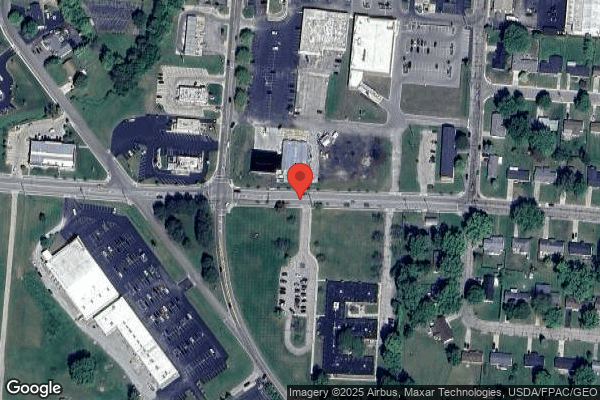
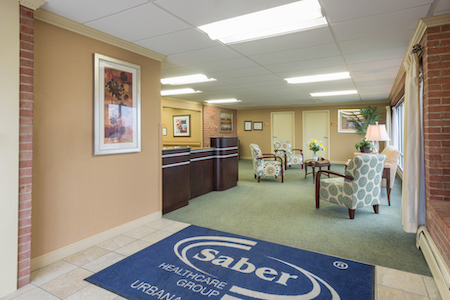
741 E WATER STREET, URBANA, OH 43078 (937) 652-1381
For profit - Corporation 50 Beds SABER HEALTHCARE GROUP Data: November 2025
Trust Grade
60/100
#566 of 913 in OH
Last Inspection: October 2022

Over 2 years since last inspection. Current conditions may differ from available data.

Overview

Urbana Health & Rehabilitation Center has a Trust Grade of C+, which means it is slightly above average, indicating decent care but with room for improvement. It ranks #566 out of 913 facilities in Ohio, placing it in the bottom half, but it is the top facility in Champaign County, suggesting it is the best local option available. The facility is on an improving trend, with issues decreasing from four in 2023 to three in 2025, and it has a low staff turnover rate of 24%, which is significantly better than the state average, indicating a stable staff that knows the residents well. While there have been no fines, which is positive, some concerning incidents were noted, such as a resident who fell and fractured their hip during a transfer and issues with infection control and cleanliness, including dirty toilets and inadequate hand hygiene. Overall, while there are strengths in staffing and a lack of fines, families should be aware of the past incidents and ongoing concerns related to cleanliness and infection management.

Trust Score
C+
60/100
In Ohio
#566/913
Bottom 39%
Safety Record
Moderate
Needs review
Inspections
Getting Better
4 → 3 violations
Staff Stability
✓ Good
24% annual turnover. Excellent stability, 24 points below Ohio's 48% average. Staff who stay learn residents' needs.
Penalties
✓ Good
No fines on record. Clean compliance history, better than most Ohio facilities.
Skilled Nurses
○ Average
Each resident gets 30 minutes of Registered Nurse (RN) attention daily — about average for Ohio. RNs are the most trained staff who monitor for health changes.
Violations
⚠ Watch
41 deficiencies on record. Higher than average. Multiple issues found across inspections.
★★★☆☆
3.0
Overall Rating
★★★☆☆
3.0
Staff Levels
★★★★☆
4.0
Care Quality
★★★☆☆
3.0
Inspection Score
Stable
2023: 4 issues
2025: 3 issues

The Good

  • 4-Star Quality Measures · Strong clinical quality outcomes
  • Low Staff Turnover (24%) · Staff stability means consistent care
  • Full Sprinkler Coverage · Fire safety systems throughout facility
  • No fines on record
  • Staff turnover is low (24%)

    24 points below Ohio average of 48%

Facility shows strength in quality measures, staff retention, fire safety.

The Bad

3-Star Overall Rating

Near Ohio average (3.2)

Meets federal standards, typical of most facilities

Chain: SABER HEALTHCARE GROUP

Part of a multi-facility chain

Ask about local staffing decisions and management

The Ugly 41 deficiencies on record

1 actual harm
Aug 2025 1 deficiency
CONCERN (D) 📢 Someone Reported This

A family member, employee, or ombudsman was alarmed enough to file a formal complaint

Potential for Harm - no one hurt, but risky conditions existed

Safe Environment (Tag F0921)

Could have caused harm · This affected 1 resident

Based on observations, staff and resident interviews, review of maintenance work order log, and review of the facility work order process form, the facility failed to ensure resident rooms were withou...

Read full inspector narrative →
Based on observations, staff and resident interviews, review of maintenance work order log, and review of the facility work order process form, the facility failed to ensure resident rooms were without holes in the drywall or torn wallpaper. This affected three (#09, #12, and #13) residents out of the four residents reviewed for homelike environment. The facility census was 47.Findings include:1.Review of the medical record for Resident #09 revealed an admission date of 08/03/23 with medical diagnoses of vascular dementia, hypertension (HTN), anxiety, and hypothyroidism. Review quarterly of the Minimum Data Set (MDS) assessment, dated 06/20/25, indicated Resident #09 had severe cognitive impairment and was dependent upon staff for toileting hygiene, transfers, and bathing and was independent with eating. 2. Review of the medical record for Resident #12 revealed an admission date of 09/22/22 with medical diagnoses of congestive heart failure, HTN, diabetes mellitus (DM), and anxiety.Review of a quarterly MDS assessment, dated 06/12/25, indicated Resident #12 was cognitively intact and was dependent upon staff for bathing, toilet hygiene, transfers, and bed mobility.3. Review of the medical record for Resident #13 revealed an admission date of 07/12/22 with medical diagnoses of HTN, DM, hyperlipidemia, and history of cerebral infarction.Review of a quarterly MDS assessment, dated 08/03/25, indicated Resident #13 was cognitively intact and was dependent upon staff for toileting hygiene, required substantial/maximum staff assistance for bathing and bed mobility. The MDS indicated Resident #13 had not transferred during review period. Observation with interview on 08/29/25 at 8:11 A.M. of Resident #13's room revealed two large holes in the wall on the right side of Resident #13's bed. The observation also revealed the wallpaper on the wall on the right side of Resident #13's bed was torn. Interview with Resident #13 confirmed the two large holes in her walls near her bed and stated the holes had been there for a long time.Interview on 08/29/25 at 8:15 A.M. with Licensed Practical Nurse (LPN) #111 confirmed there were two large holes and torn wallpaper on the wall on right side of Resident #13's bed. Observation with interview on 08/29/25 at 9:51 A.M. of Resident #12's room revealed a large hole in the wall behind the bed. The observation also revealed torn wallpaper on the wall behind Resident #12's bed. Interview with Resident #12 confirmed the hole in the wall and the torn wallpaper behind her bed but stated she was not sure how long the wall had been like that. Interview on 08/29/25 at 9:53 A.M. with LPN #111 confirmed Resident #12 had a hole in her wall behind her bed and the wallpaper was torn. Observation with interview on 08/29/25 at 9:58 A.M. with Resident #09's room revealed a hole in the wall behind her bed and torn wallpaper. Interview with Resident #09 stated she was not aware of the hole in the wall or the torn wallpaper.Interview on 08/29/25 at 10:04 A.M. with State Tested Nursing Assistant (STNA) #102 confirmed there was a hole in the wall behind Resident #09's bed and the wallpaper was torn. Review of the facility maintenance log from 06/11/25 to 08/28/25 revealed no documentation to support the facility had identified the holes in the walls in Resident #09's, #12's, and #13's room. Review of the facility work order process instructions, dated 03/06/25, stated staff are to identify maintenance/work needed and to enter into a log/binder in the Maintenance office. This deficiency represents non-compliance investigated under Complaint Number 2568278
Jun 2025 2 deficiencies
CONCERN (D) 📢 Someone Reported This

A family member, employee, or ombudsman was alarmed enough to file a formal complaint

Potential for Harm - no one hurt, but risky conditions existed

Deficiency F0557 (Tag F0557)

Could have caused harm · This affected 1 resident

**NOTE- TERMS IN BRACKETS HAVE BEEN EDITED TO PROTECT CONFIDENTIALITY** Based medical record review, staff and resident interviews, and facility policy review, the facility failed to ensure staff prov...

Read full inspector narrative →
**NOTE- TERMS IN BRACKETS HAVE BEEN EDITED TO PROTECT CONFIDENTIALITY** Based medical record review, staff and resident interviews, and facility policy review, the facility failed to ensure staff provided dignity and respect to two residents (#22 and #21) of two residents reviewed for dignity and respect. The facility census was 46. Findings Included: Review of record for Resident #22 revealed admission dated 07/03/24. Diagnoses included neuromuscular dysfunction of bladder, depression, and nicotine dependence using cigarettes. Review of plan of care dated 08/01/24 revealed Resident #22 had risk for altered mood related to depression. Interventions included assisting residents in identify strengths, positive coping skills, anger management, approach in a calm relaxed manner, and collaborative care. Interview on 06/04/25 at 3:30 P.M. Resident #22 stated that Certified Nursing Assistant (CNA) #240 had a conversation during care, and CNA #240 was inappropriate to her. Resident #22 stated CNA #240 had lifted her own breasts with her hands outside her shirt. Resident #22 stated CNA #240 was trying to be funny, but Resident #22 stated she did not take it as funny. Resident #22 stated this happened a month ago. Interview on 06/04/25 at 3:42 P.M. with CNA #240 who stated she did make a gesture to Resident #22 one time by lifting her breasts with her two hands over her shirt in front of Resident #22 while providing care for her. CNA #240 stated she was trying to be funny and was talking about her breast. Interview on 06/04/25 at 4:10 P.M. with Administrator revealed she would give education to CNA #240 who needed more education, the CNA was written up, and was sent home. Administrator stated it was inappropriate to act this way to a resident at the facility. 2. Medical record review for Resident #21 revealed an admission date of 06/25/21. Medical diagnoses included non-traumatic brain dysfunction. Review of the quarterly Minimum Data Set (MDS) dated [DATE] revealed Resident #21 was severely cognitively impaired with memory problems. Her functional status was dependent for eating, toilet use, bed mobility and she required a Hoyer lift for transfers. The resident was always incontinent for bowel and bladder. Observation on 06/03/25 at 11:00 A.M. revealed Resident #21 was sitting in the dining room in a wheelchair. Certified Nursing Aide (CNA) #222 placed a clothing protector onto the resident and didn't ask or have an interaction with the resident while placing the protector onto the resident. Also during the observation CNA #206 said out loud Resident #21 was the only true feed in the dining room. Interview with CNA #206 on 06/03/25 at 11:05 A.M. confirmed he called Resident #21 the only true feed and could have put it differently. He reported the term feed wasn't respectful. Interview with CNA #22 on 06/03/25 at 11:18 A.M. confirmed she should have asked about the clothing protector for Resident #21 and had some kind of interaction with her. Review of the policy entitled Residents Rights date unknown revealed that the residents have the right to a dignified existence, self-determination, and communication with and access to persons and services inside and outside the facility, including those specified. A facility must treat each resident with respect and dignity and care for each resident in a manner and in an environment that promotes maintenance or enhancement of his or her quality of life.
CONCERN (E) 📢 Someone Reported This

A family member, employee, or ombudsman was alarmed enough to file a formal complaint

Potential for Harm - no one hurt, but risky conditions existed

Safe Environment (Tag F0921)

Could have caused harm · This affected multiple residents

**NOTE- TERMS IN BRACKETS HAVE BEEN EDITED TO PROTECT CONFIDENTIALITY** 3. Observation of Resident #29's room on 06/03/25 at 11:26 A.M., revealed the toilet was dirty and had a metal piece on the back...

Read full inspector narrative →
**NOTE- TERMS IN BRACKETS HAVE BEEN EDITED TO PROTECT CONFIDENTIALITY** 3. Observation of Resident #29's room on 06/03/25 at 11:26 A.M., revealed the toilet was dirty and had a metal piece on the back of the toilet to hold the seat in place that had built up yellowish gray substance on it. The handwashing sink was rusted, there was tape holding the light cover in place behind her bed, the floor was dirty and sticky and the corners of the floor had a build up gray substance in the corners. Interview with Resident #29 on 06/03/25 at 11:28 A.M., revealed she didn't like her floors looking the way they do and didn't like her toilet and sink with the rust and thought they were dirty. 4. Observation of Resident #39's room on 06/03/25 at 12:26 P.M., revealed the wires to her bed control were disconnected and the resident wasn't able to control the bed movement, the floor was sticky, the light above the Handwashing sink was burned out and the light cover was a dark yellow. Around the toilet and the floor in the bathroom was a dark gray substance and the caulking around the toilet was supposed to be white but it turned to a dark grayish color. 5. Observation of Resident #8's room on 06/03/25 at 3:14 P.M., revealed the sink was rusted, the light over the sink was yellowed to the point the light didn't get bright, there were gray stains on the bathroom floor tile, back of the toilet had a metal piece holding the toilet seat to the toilet revealed it had gray substance on it, and there were gouges on the doorway coming out of the bathroom. 6. Observation of Resident #3's room on 06/03/25 at 2:05 P.M., revealed the corners on the floor had a built up gray substance in them, there were gouges out of the walls next to her bed, the call light was taped at the connector, the bathroom floor had gray stains on it and around the bottom of the toilet was yellowed, furniture had gouges out of it and scraps on the dresser, she wasn't able to turn on her light from the bed because the string was too short, there is built up dirt on the lights and dusty bulbs. 7. Observation of Resident #37's room on 06/03/25 at 2:57 P.M., revealed the toilet seat and around the bottom of the toilet was yellowed. The floor was sticky. Observation and interview on 06/05/25 from 8:28 A.M. to 8:41 A.M., with the Maintenance Director (MD) #202, confirmed all of the above mentioned areas were in need of repair. He revealed he had no help and did the best he could. Based on observation, medical record review, staff interview, resident interview, resident council minutes review, maintenance work order review, and policy review, the faciity failed to provide an homelike environment. This affected nine residents (#3, #7, #8, #14, #29, #37, #38, #39, and #198) directly and affected all 26 residents on the A Unit of 46 resident rooms observed for environment. The facility census was 46. Findings included: 1. Review of record for Resident #38 revealed she was admitted on [DATE]. Diagnoses included hypertension, acute respiratory failure, chronic obstructive pulmonary disease, and oxygen dependent. Review of Quarterly Minimum Data Set (MDS) assessment dated [DATE] revealed Resident #38 was alert and oriented. Review of the facility document work order date 05/01/25 revealed that Resident #38 had an order to fix her broken air conditioner. Interview on 06/03/25 at 3:05 P.M., with Resident #38 who stated that her room air conditioner had been out for a month. Resident #38 stated Maintenance Director (MD)#202 had informed her that he would order parts to be fixed. Resident #38 stated she has not seen MD #202 since. Resident #38 stated she was on oxygen and liked it cooler in her room. Observation on 06/03/25 at 3:05 P.M. room was warm, with a fan blowing on her to cool her. Resident #38 skin was warm to touch. Interview on 06/04/25 at 3:45 P.M., MD #202 verified that Resident #38 had not had her air conditioner fixed for two months, because there was an old air conditioner unit in Resident #38 room. Maintenance #202 stated he did not find any parts to be replaced for the old unit. 2. Review of record for Resident #198 revealed she was admitted on [DATE]. Diagnoses included acute and chronic systolic and diastolic heart failure, hypertension, and chronic obstructive respiratory failure with hypoxia. Review of Quarter MDS dated [DATE] revealed that Resident #198 was alert and oriented. Review of the facility document work order date 05/01/25 revealed that Resident #198 had an order to fix her broken air conditioner. Observation on 06/03/25 at 3:50 P.M., with Resident #198 who was sitting in her recliner. Resident #198's room was warm. Resident #198 was sitting watching television with a box fan blowing on her while on 4 liters of oxygen. Resident #198 was flushed and sweaty. Interview on 06/03/25 at 3:55 P.M., with MD #202 verified that Resident #198 also had no air conditioner in her room. Maintenance #202 stated the parts were unable to be found to repair the unit. 8. Review of Resident Council Meeting dated 01/28/25 and 03/19/25 revealed the residents reported low temperatures in the shower rooms. Resident Council Meeting minutes dated 02/11/25 and 03/19/25 revealed residents reported the A unit shower room was cold. Observation on 06/09/25 at 9:06 A.M. with Maintenance Director (MD) #202 revealed the room temperature near the entrance door to the shower room was 69 degrees Fahrenheit. The ceiling exhaust fan was on and there was a draft from under the door, across the shower area to the exhaust fan. There were four ceiling intake fans and louvers with a heavy build up of gray debris resembling dust and dirt above the resident shower and dressing areas. When turning on the switch to the wall heater, the unit did not come on. Interview on 06/09/25 at 9:06 A.M., MD #202 verified the shower room temperature should be 71 to 81 degrees Fahrenheit, and /or what residents feel is comfortable. He stated the fans and louvers needed cleaned and verified the wall heater did not work. He verified a draft from the floor to the ceiling in the shower area. He verified the residents had reported the A unit shower room was cold. 9. Review of the Resident Council Meeting minutes dated 05/13/25 revealed residents reported the rooms were not getting cleaned. Observation of A unit door entry floors to all resident rooms, (Rooms #1, #2, #3, #4, #5, #6, #7, #8, #9, #10, #11, #12, #13, #14, #15, #16, #17, #18, #19, #20, #21, #22, #23, #24, #25 and #26) had a blacked build up at the threshold strip juncture with the hallway. There was a blackened buildup at the doorway and corners in the rooms. Interview on 06/05/25 at 7:30 A.M., the MD #202 verified the blacked area at every room on the A unit floor at the entry way and in rooms corners. The MD #202 stated the A unit had not been renovated and there was no written planned program for the completion of the floor replacement or cleaning. 10. Record review of Resident #14 revealed the resident was admitted to the facility on [DATE]. Diagnoses for Resident #14 include dementia, anxiety disorder, dysphagia, repeated falls, malnutrition, anemia, muscle weakness, and osteoporosis. Review of the Minimum Data Set, (MDS) comprehensive assessment dated [DATE] revealed the resident had severely impaired cognition and was dependent on staff for all Activities of Daily Living skills. Observation on 06/02/25 at 9:50 A.M., revealed Resident #14's bed up against the wall on the right side. There was a strip of wallpaper approximately 45 inches wide and six feet long missing from the wall, exposing a rough surface. Interview on 06/05/25 at 7:30 A.M., the MD # 202 verified Resident #14 had missing wallpaper with a rough surface. He verified Resident #14 laid up near the wall. MD #202 stated he was not notified of the missing wallpaper. 11. Record review of Resident #37 revealed the resident was admitted to the facility on [DATE]. Diagnosis for Resident # 37 included dementia, insomnia, and cognitive communication deficit. The resident wore a monitor device for elopement monitoring. Review of the Minimum Data Set, (MDS) comprehensive assessment dated [DATE] revealed the resident had severely impaired cognition and ambulated without assistance devices. Review of the Resident Council Meeting minutes dated 03/11/25 revealed residents reported the chairs needed repaired. Observation on 06/03/25 at 11:12 A.M., of the dining room chairs revealed one chair of ten in the main dining room, had the left arm not adhered to the chair. The arm of the chair could easily be removed from the connecting joint when pulled up. Ten of the ten chairs had worn wooded arms with the water sealing finished removed, leaving a penetrable surface in the wood grain. Interview on 06/02/25 of Certified Nursing Assistant (CNA) #206 verified the dining chair was broken and set it along the wall in the dining room. He verified the wooden arms of all the dining chairs were worn and had the protective surfaces removed. Observation on 06/04/25 at 10:002 A.M., the identified dining room chair remained in use in the dining room by Resident #37. Interview on 06/05/25 at 7:30 A.M., the MD #202 verified the identified dining room chair remaining in the dining room and the arm of the chair was broken. MD #202 verified a resident sitting in the chair could easily pull the arm up and the chair be destabilized. MD #202 verified all the dining room chairs had exposed wooden penetrable surfaces on the chair arms. MD #202 stated the broken chair was not reported to him and taken out of service. He stated setting the chair aside in the dining room was not putting the chair out of service. Review of facility policy, Routine Environmental Cleaning, dated 06/28/24, revealed proper cleaning of environmental surfaces is necessary to break the chain of infection. This deficiency represents non-compliance investigated under Complaint Numbers OH00163527 and OH00162529.
Oct 2023 1 deficiency
CONCERN (D) 📢 Someone Reported This

A family member, employee, or ombudsman was alarmed enough to file a formal complaint

Potential for Harm - no one hurt, but risky conditions existed

Deficiency F0660 (Tag F0660)

Could have caused harm · This affected 1 resident

**NOTE- TERMS IN BRACKETS HAVE BEEN EDITED TO PROTECT CONFIDENTIALITY** Based on record review, interviews with staff and the resident's emergency contact, and policy review, the facility failed to im...

Read full inspector narrative →
**NOTE- TERMS IN BRACKETS HAVE BEEN EDITED TO PROTECT CONFIDENTIALITY** Based on record review, interviews with staff and the resident's emergency contact, and policy review, the facility failed to implement an effectivprovide a resident and/or emergency contact training on a mechanical lift and meal arrangements for a safe discharge. This affected one (#1) of three residents reviewed for discharge. The facility census was 45. Findings include: Closed record review for Resident #1 revealed he was admitted on [DATE] with diagnoses including a fractured heel, history of pulmonary embolism, diabetes mellitus with neuropathy, and heart disease. Review of the Minimum Data Set (MDS) assessment dated [DATE] revealed Resident #1 had intact cognition, was dependent on two staff for Hoyer lift transfers and did not ambulate. Resident #1 was his own person with an apartment in the community. His former wife was listed as his only emergency contact. Review of the physician orders dated 08/29/23 revealed an order for Resident #1 to discharge from the facility with home health nursing services and a Hoyer lift for transfers. Review of the discharge care plan revised on 05/03/23 with a target date of 12/01/23 revealed Resident #1's goal was to return to an appropriate and safe placement when medically stable. The interventions included connecting with community resources including the case manager and educating the resident and/or family on any required safety precautions for transfers and mobility. Review of a care plan conference summary dated 08/24/23 revealed Resident #1 refused to participate in the conference. A Hoyer lift and sling was ordered for home use and home health referral completed. Review of a transfer notice dated 09/08/23 revealed Resident #1 was transferring to his apartment because his health improved and he no longer needed the services of the facility. Review of the Discharge summary dated [DATE] revealed Resident #1 was sent home with two medical appointments arranged, appropriate medication prescriptions, incontinence supplies, and transportation and home health services. Resident #1 was total care for lift transfers and toilet use at that time. There was a note the Hoyer lift was delivered to his home on [DATE]. There was no evidence the staff educated Resident #1 or his former wife regarding safe Hoyer lift transfers into his wheelchair or evidence of meal arrangements in the notes or discharge summary. Interview with the Administrator on 10/02/23 at 8:15 A.M. revealed Resident #1 did not ambulate, refused to get out of bed most of the time, and did not cooperate with therapy or staff during his stay. Resident #1 was very unhappy and had a former wife that visited almost daily and brought him fast food per his request. A friend of the resident was present at discharge on [DATE] and helped with his belongings and followed the transportation company to his home. Telephone interview with Resident #1's former wife on 10/02/23 at 10:00 A.M. revealed she did not know how to use a Hoyer lift and the facility staff never offered to educate her or Resident #1 regarding safe transfers. There were no meal arrangements such as meals on wheels that he had at home prior to his admission to the facility. She was the only person other than home health caring and providing meals for the resident. Interview with the Director of Nursing on 10/02/23 at 12:40 P.M. verified no education was provided by their staff to Resident #1 or his former wife regarding Hoyer lift transfers. Interview with Social Service Designee (SSD) #50 and the Administrator on 10/02/23 at 1:25 P.M. verified there was no training regarding safe Hoyer transfers with Resident #1 or his former wife and no evidence of meal arrangements such as meals on wheels. SSD #50 verified she did not communicate to Resident #1's case manager with Home Choice during Resident #1's stay and notified Home Choice after Resident #1 discharged from the facility three days later 09/11/23. Review of the policy titled Discharge Planning Policy, dated 11/2016, revealed the discharge needs of each resident were identified and resulted in the development of a discharge plan to effectively transition them to post discharge care. The resident and caregiver were involved in the development of the discharge plan that considered the support persons capacity and capability to perform required care. This deficiency represents non-compliance investigated under Complaint Number OH00146826.
Feb 2023 3 deficiencies
CONCERN (D) 📢 Someone Reported This

A family member, employee, or ombudsman was alarmed enough to file a formal complaint

Potential for Harm - no one hurt, but risky conditions existed

Resident Rights (Tag F0550)

Could have caused harm · This affected 1 resident

**NOTE- TERMS IN BRACKETS HAVE BEEN EDITED TO PROTECT CONFIDENTIALITY** Based on observations, record review, and staff interviews, the facility failed to ensure the residents were treated with respec...

Read full inspector narrative →
**NOTE- TERMS IN BRACKETS HAVE BEEN EDITED TO PROTECT CONFIDENTIALITY** Based on observations, record review, and staff interviews, the facility failed to ensure the residents were treated with respect and dignity during meal service. This affected three (#25, #41, and #75) of eight residents observed in the secured unit dining room. The facility census was 46. Findings include: 1. Review of Resident #25's medical record revealed the resident was admitted to the facility on [DATE]. Diagnoses included dementia, anxiety, and type two diabetes mellitus. Review of the quarterly Minimum Data Set (MDS) 3.0 assessment dated [DATE] revealed Resident #25 was cognitively impaired and required extensive assistance from staff with eating. Observation of the meal service in the secured unit on 02/08/23 from 12:09 P.M. through 12:33 P.M. revealed State Tested Nursing Assistant (STNA) #600 was standing and feeding Resident #25 her meal. STNA #600 was not sitting at the table with Resident #25. Interview and observation with Licensed Practical Nurse (LPN) #550 on 02/08/23 at 12:35 P.M. confirmed STNA #600 was standing while feeding Resident #25 in the secured dining room and the staff should be sitting at the table with the residents. 2. Review of Resident #41's medical record revealed the resident was admitted to the facility on [DATE]. Diagnoses included dementia, Alzheimer's disease, malnutrition and depression. Review of the quarterly Minimum Data Set (MDS) 3.0 assessment dated [DATE] revealed Resident #41 was cognitively impaired, was dependent on staff with eating and personal hygiene. Observation of the meal service in the secured unit on 02/08/23 from 12:09 P.M. through 12:33 P.M. revealed State Tested Nursing Assistant (STNA) #600 was standing and feeding Resident #41 her meal. STNA #600 was not sitting at the table with Resident #41. Interview and observation with Licensed Practical Nurse (LPN) #550 on 02/08/23 at 12:35 P.M. confirmed STNA #600 was standing while feeding Resident #41 in the secured dining room and the staff should be sitting at the table with the residents. 3. Review of Resident #75's medical record revealed the resident was admitted to the facility on [DATE]. Diagnoses included schizophrenia, dementia, and anxiety. Review of the quarterly Minimum Data Set (MDS) 3.0 assessment dated [DATE] revealed Resident #75 was cognitively impaired, frequently incontinent of both bowel and bladder and required extensive assistance from staff with toileting and personal hygiene and was independent with ambulation on the unit. Observation of the meal service in the secured unit on 02/08/23 at 12:09 P.M. through 12:33 P.M. revealed Resident #75 was assisted into the dining room by Activities Director (AD) #620 and sat at a table with Resident #38 who was eating her food. Resident #75 was observed to have on grey sweat pants that the entire back seat of the pants were wet and the resident had a strong urine odor. AD #620 spoke to State Tested Nursing Assistant (STNA) #600 and STNA #600 that Resident #75 was soaked. STNA #600 replied I will change him when I am done feeding. Resident #25, #30, #41, and #61 were in the dining room eating their meal as well. Interview and observation with Licensed Practical Nurse (LPN) #550 on 02/08/23 at 12:35 P.M. confirmed Resident #75 had been placed in the dining room with pants saturated with urine with a strong urine odor while other residents were eating. This was an incidental finding during the course of the complaint investigation.
CONCERN (D) 📢 Someone Reported This

A family member, employee, or ombudsman was alarmed enough to file a formal complaint

Potential for Harm - no one hurt, but risky conditions existed

Notification of Changes (Tag F0580)

Could have caused harm · This affected 1 resident

**NOTE- TERMS IN BRACKETS HAVE BEEN EDITED TO PROTECT CONFIDENTIALITY** Based on record review, staff interview, and policy review, the facility failed to timely notify the responsible party of a resi...

Read full inspector narrative →
**NOTE- TERMS IN BRACKETS HAVE BEEN EDITED TO PROTECT CONFIDENTIALITY** Based on record review, staff interview, and policy review, the facility failed to timely notify the responsible party of a resident's significant weight loss and a change in a physician order. This affected one (#15) of three residents reviewed for change in condition. The facility census was 46. Findings Include: Review of Resident #15's medical record revealed the resident was admitted to the facility on [DATE]. Diagnoses included repeated falls, heart failure, and anxiety. Review of the quarterly Minimum Data Set (MDS) 3.0 assessment dated [DATE] revealed Resident #15 was cognitively impaired. Review of Resident #15's care plan reveled the resident had an increased nutritional risk related to malnutrition, noncompliance with dietary regime, and inappropriate dietary and eating habits. The care plan indicated the resident had significant weight loss dated 02/07/23. Resident interventions included to respect resident dietary choices and to provide supplementation as ordered. Review of the progress note dated 02/07/23 at 4:44 P.M. revealed Resident #15 had a significant weight loss in the last month when his weight was documented on 01/10/23 as 144.6 pounds and on 02/02/23 was 137.0 pounds. This was a 7.6 pound weight loss and a 5.3 percent significant weight loss. There was no documentation the responsible party was notified of Resident #15's significant weight loss on 02/07/23 or 02/08/23. Review of Resident #15's physician's order dated 02/07/23 revealed the nutrition supplementation was changed from boost three times daily to mighty shake six times a day and to monitor the resident. There was no documentation the responsible party was notified of the nutritional supplement change on 02/07/23 or 02/08/23. Interview with the Director of Nursing (DON) on 02/09/23 at 4:53 P.M. confirmed the medical record was silent to the responsible party being notified Resident #15's significant weight loss and the change in dietary supplementation on 02/07/23. Review of the facility policy titled Resident Change in Condition, dated 01/27/11 and last revised on 07/02/21, revealed the licensed nurse will recognize and intervene in the event of a change in resident condition. The physician/provider and the family/responsible party will be notified as soon as the nurse has identified the change in condition and the resident is stable. A Significant Change of Condition is a decline or improvement in the resident's status that will not normally resolve itself without intervention by staff or by implementing standard disease related clinical intervention[s]; and/or one that impacts more than one area of the resident's health status; and/or one that requires interdisciplinary review and/or revision to the care plan. This was an incidental finding during the course of the complaint investigation.
CONCERN (D) 📢 Someone Reported This

A family member, employee, or ombudsman was alarmed enough to file a formal complaint

Potential for Harm - no one hurt, but risky conditions existed

Pressure Ulcer Prevention (Tag F0686)

Could have caused harm · This affected 1 resident

**NOTE- TERMS IN BRACKETS HAVE BEEN EDITED TO PROTECT CONFIDENTIALITY** Based on record review, review of facility policy, observation, and staff interview, the facility failed to ensure preventative ...

Read full inspector narrative →
**NOTE- TERMS IN BRACKETS HAVE BEEN EDITED TO PROTECT CONFIDENTIALITY** Based on record review, review of facility policy, observation, and staff interview, the facility failed to ensure preventative pressure ulcer interventions in place for a resident with pressure ulcers. This affected one (Resident #40) of three residents reviewed for pressure ulcers. The facility identified three residents with pressure ulcers and 44 residents who had preventative skin interventions in place. The facility census was 46. Findings include: Review of Resident #40's medical record revealed the resident was re-admitted to the facility on [DATE]. Diagnoses included chronic kidney disease, type two diabetes mellitus, dementia, contractures, and weakness. Review of the Medicare five-day Minimum Data Set (MDS) 3.0 assessment dated [DATE] revealed Resident #40 was cognitively impaired, required extensive assist with dressing and personal hygiene and was dependent on staff for bed mobility and transfers. Resident #40 had one stage III pressure ulcer (Full thickness tissue loss. Subcutaneous fat may be visible but bone, tendon or muscle is not exposed.), and was on a pressure reducing surface. Review of the care plan dated 08/22/22 revealed Resident #40 had a recurrent pressure injury to the sacrum that was healed on 09/28/22 and was noted to be reopened on 01/19/23. Resident #40 had a deep tissue injury to the right medial heel which was discovered on 01/25/23. Resident #40's pressure reducing interventions included air mattress, barrier cream to peri area buttock, diet supplements, float heels, foot cradle to bed at all times, and the resident was to be turned side to side while in bed. Review of the progress note dated 01/20/23 at 9:57 A.M. revealed Resident #40 had a stage III pressure ulcer to the sacrum that was present on re-admission to the facility on [DATE]. The area measured as 7.0 centimeter (cm) by 6.0 cm by 0.1 cm and was described as having serosanguinous drainage and slough in the wound bed. Review of the wound physician notes revealed Resident #40 was seen by the wound physician on 01/27/23 and 02/03/23. Both the sacral and heel wound were measured and assessed but the wound physician. On 02/03/23 the wounds were noted as improving. Review of the nurse practitioner note dated 02/03/23 at 12:44 P.M. revealed Resident #40 had a deep tissue injury to the right heel identified which measured 4.0 cm by 3.5 cm by 0.0 cm. The note indicated the physician classified the wound as unavoidable. Observation on 02/09/23 at 8:05 A.M. revealed Resident #40 was observed to be lying on her back with the foot cradle in place to the resident's bed. Observation on 02/09/23 at 8:22 A.M. revealed Resident #40 remained on her back in the bed with the foot cradle in place. STNA #500 and #520 were observed to be passing ice water to the residents on the hallway and walked past Resident #40's room without looking into the room to observe the resident's position. Observation and interview with State Tested Nursing Assistant (STNA) #520 of Resident #40 on 02/09/23 at 9:26 A.M. confirmed Resident #40 was lying on her back and was not side to side. STNA #520 also removed Resident #40's blankets to reveal the resident's feet and it was observed the resident's lower legs had a pillow under her legs however Resident #40's heels were lying directly on the mattress. Resident #40's heels were to be floated off the mattress per the care plan. STNA #520 verified Resident #40's heels were not floated and stated Resident #40 did not have the correct pillow. STNA #520 was observed to change the pillow to one that floated the feet off the surface of the mattress. STNA #520 stated Resident #40 was not on her assignment on this day and she had not been into the resident's room to provide any care on this shift. STNA #520 stated to prevent pressure ulcers you need to turn and reposition the resident every two hours and keep their heels floated. Interview with STNA #500 on 02/09/23 at 9:28 A.M. confirmed Resident #40 was on her assignment and she had not been in to provide any cares to the resident yet. STNA #500 stated she had peeked in on Resident #40 in the room but had not provided any cares. STNA #500 verified her shift started at 6:00 A.M. STNA #500 stated to prevent pressure ulcers on a resident's heels you float the heels and stated she could not remember what to do to prevent a pressure ulcer on the resident's bottom. Review of the facility policy titled Pressure Injury Prevention and Treatment Policy, dated 07/17/13 and last revised on 09/18/2020, revealed the residents admitted with existing pressure injuries will receive necessary treatment and services, consistent with professional standards of practice, to promote healing and prevent infection. This deficiency represents non-compliance investigated under Complaint Number OH00137861.
Oct 2022 9 deficiencies
CONCERN (D)

Potential for Harm - no one hurt, but risky conditions existed

Deficiency F0553 (Tag F0553)

Could have caused harm · This affected 1 resident

**NOTE- TERMS IN BRACKETS HAVE BEEN EDITED TO PROTECT CONFIDENTIALITY** Based on staff interview, review of the facility's policy, and record review, the facility failed to ensure an interdisciplinary...

Read full inspector narrative →
**NOTE- TERMS IN BRACKETS HAVE BEEN EDITED TO PROTECT CONFIDENTIALITY** Based on staff interview, review of the facility's policy, and record review, the facility failed to ensure an interdisciplinary care conference was held and the resident's were invited to attend. This affected one (Resident #42) of one resident reviewed for care conferences. The facility census was 46. Findings include: Review of the medical record for Resident #42 revealed an admission date of 07/18/18. Diagnoses included joint pain, epilepsy, cognitive impairment, and non-compliance. Review of the Minimum Data Set (MDS) assessment dated [DATE] revealed Resident #42 was cognitively intact and was independent with mobility and required only minimal assistance from staff with personal hygiene. Review of the forms titled Interdisciplinary Care Conference Summary, dated 10/19/21, 01/18/22, and 04/19/22, revealed only the social services designee was in attendance. No clinical or other staff attended the meeting. The Interdisciplinary Care Conference Summary form, dated 07/21/22, revealed only the social services designee and dietary manager was in attendance. No clinical staff attended the meeting. Interview on 10/12/22 at 2:45 P.M. with Social Service Designee (SSD) #508 revealed care conferences were held quarterly. SSD #508 stated she was having difficulty getting staff to attend but would like to have participation from activities, dietary manager, nursing, hospice, wound team, etc. SSD #508 confirmed she alone conducted care conferences for Resident #42 on 10/19/21, 01/18/22, and 04/19/22, and confirmed only one non-clinical staff attended the care conference on 07/21/22. Review of the facility's policy titled Resident review meeting best practice, dated 01/25/22, revealed the facility would hold interdisciplinary meetings weekly and discusses each resident and their care needs.
CONCERN (D)

Potential for Harm - no one hurt, but risky conditions existed

Deficiency F0569 (Tag F0569)

Could have caused harm · This affected 1 resident

Based on staff interview, review of the facility's policy, and record review, the facility failed to timely provide a spend-down notification to a resident or representative and assist the resident in...

Read full inspector narrative →
Based on staff interview, review of the facility's policy, and record review, the facility failed to timely provide a spend-down notification to a resident or representative and assist the resident in spending their balance before returning it to the State of Ohio. This affected one (Resident #22) of one resident reviewed for spend-down notifications. The facility census was 46. Finding include Review of the medical record for Resident #22 revealed an admission date of 03/07/14. Diagnoses included non-psychotic mental disorder and cognitive communication difficulty. Review of the spend-down notification dated 01/04/22 revealed Resident #22's balance was within $200 of the Medicaid limit or higher. This notification was to inform Resident #22 of the balance amount and provide information to reach out to the social worker within seven days to work out a plan to spend the balance. There was no evidence Resident #22 or representative were provided a spend-down notification in the year of 2021. Review of Resident #22's account statement dated 01/04/22 revealed a balance of $4,322.98. The statement also revealed on 01/05/22 a balance of $2,500.00 was a lump sum to state and it was withdrawn from Resident #22's account and returned back to the State of Ohio. Interview on 10/12/22 at 2:00 P.M. with Business Office Manager (BOM) #527 revealed Resident #22 had a history of being over-resourced and had been given spend-down notifications in 02/2021, 03/2021, 04/2021, 06/2021, and 07/2021. BOM #527 confirmed Resident #22 was not given another spend-down notification until 01/04/22. BOM #527 confirmed the facility does not have a copy of a signed spend-down notification to Resident #22 and/or resident representative and had no evidence of working with Resident #22 and/or representative to spend her resources before they were returned to the State of Ohio. BOM #527 also confirmed the spend-down notification informs the resident to contact the social worker within seven days for resolution, and was given the notice only one day prior to the funds being returned. Review of the facility's undated policy titled Resident Fund Management Program, revealed there was no process or mention related to spend-down notifications.
CONCERN (D)

Potential for Harm - no one hurt, but risky conditions existed

Comprehensive Care Plan (Tag F0656)

Could have caused harm · This affected 1 resident

**NOTE- TERMS IN BRACKETS HAVE BEEN EDITED TO PROTECT CONFIDENTIALITY** Based on staff interview, review of the facility's policy, observations, and record review, the facility failed to ensure a care...

Read full inspector narrative →
**NOTE- TERMS IN BRACKETS HAVE BEEN EDITED TO PROTECT CONFIDENTIALITY** Based on staff interview, review of the facility's policy, observations, and record review, the facility failed to ensure a care plan was created related to resident's oxygen use and behaviors. This affected one (Resident #11) of one resident reviewed for care plans. The facility census was 46. Finding include: Review of the medical record for Resident #11 revealed an admission date of 06/21/22. Diagnoses included hypertension, edema, heart disease, and heart failure. Review of the Minimum Data Set (MDS) assessment dated [DATE] revealed Resident #11 was cognitively impaired. Review of Resident #11's care plan dated 07/17/22 revealed there was no mention of Resident #11 being on oxygen nor any mention of Resident #11's behaviors of pulling her oxygen out of her nose. Review of the physician orders dated 08/08/22 revealed an order for oxygen at two liters per nasal cannula for shortness of breath (SOB) and to keep oxygen saturations over 92 percent. The physician order dated 10/08/22 revealed an order for two liters of oxygen and to check and document the oxygen saturations each shift. Observation on 10/11/22 at 10:03 A.M. revealed Resident #11 was sleeping with oxygen through the nasal cannula and the nasal cannula was located above her nose on her forehead. Interview with Licensed Practical Nurse (LPN) #538 on 10/11/22 at 10:05 A.M. stated Resident #11 had behaviors and regularly takes off her oxygen and moves it up on her face. Observation on 10/11/22 at 11:23 A.M. revealed Resident #11's nasal cannula was located above her nose on her her forehead. Staff were observed to bring Resident #11 her lunch tray and adjusted her nasal canual at her nose for Resident #11 to receive oxygen. Interview on 10/12/22 at 9:00 A.M. with Registered Nurse (RN) #512 revealed Resident #11 had behaviors of her removing her oxygen and her oxygen saturations will drop into the 70s percent range fairly quickly when not on oxygen. Interview on 10/12/22 at 9:50 A.M. with the Director of Nursing (DON) stated Resident #11 pulls off her oxygen and was not compliant with wearing it in her nose. The DON verified Resident #11's oxygen use should be care planned. Interview on 10/12/22 at 3:42 P.M. with LPN #540 verified Resident #11's oxygen use and behaviors were not listed in the care plan. Review of the facility's policy titled Comprehensive Care Planning, dated 07/19/19, revealed the facility would establish a comprehensive care plan for each resident. In cases of significant changes in the residents' condition, the care plan should be updated within seven days.
CONCERN (D)

Potential for Harm - no one hurt, but risky conditions existed

Pressure Ulcer Prevention (Tag F0686)

Could have caused harm · This affected 1 resident

**NOTE- TERMS IN BRACKETS HAVE BEEN EDITED TO PROTECT CONFIDENTIALITY** Based on record review, review of the facility's policy, and staff interview, the facility failed to timely implement a wound tr...

Read full inspector narrative →
**NOTE- TERMS IN BRACKETS HAVE BEEN EDITED TO PROTECT CONFIDENTIALITY** Based on record review, review of the facility's policy, and staff interview, the facility failed to timely implement a wound treatment for a resident's new pressure ulcer. This affected one (Resident #15) of three residents reviewed for pressure wounds. The facility identified two current residents with pressure ulcers. The facility census was 46. Findings include: Review of the medical record for Resident #15 revealed an admission date of 08/15/16. Diagnoses included functional quadriplegia, flaccid neuropathic bladder, obstructive and reflux uropathy, chronic pain, chronic obstructive pulmonary disease, sepsis, cutaneous abscess of back, open wound of lower back and pelvis, depression, pressure ulcer of right buttocks stage four (Full thickness tissue loss with exposed bone, tendon, or muscle. Slough or eschar may be present on some parts of the wound bed), and multiple sclerosis. Review of the Minimum Data Set (MDS) assessment dated [DATE] revealed Resident #15 was cognitively intact. Resident #15 required total dependence from staff for activities of daily living. Review of the Wound Management Group's progress note dated 09/28/22 revealed a new stage three pressure ulcer (Full thickness tissue loss. Subcutaneous fat may be visible but bone, tendon or muscle is not exposed) to Resident #15's left ischium measuring 2.1 centimeters (cm) in length by 1.3 cm in height by 0.1 cm depth. The treatment should include Alginate Calcium with silver every two days for thirty days. Review of the Wound Management Group's progress note dated 10/05/22 revealed the stage three pressure ulcer to the left ischium measured 1.0 cm by 0.7 cm by 0.1 cm. The wound had improved. The treatment should include Alginate Calcium with silver every two days for twenty three days. Review of Resident #15's physician orders from 09/28/22 through 10/11/22 revealed there was no treatment order for the pressure ulcer on the left ischium. Interview on 10/12/22 at 8:20 A.M. with the Director of Nursing (DON) verified Resident #15 did not have a physician-ordered treatment for Resident #15's pressure ulcer to the left ischium. Review of the facility's policy titled Skin and Wound Care Best Practices, revised 06/10/22, revealed pressure injuries and wounds will be treated with evidence-based interventions as ordered by the provider.
CONCERN (D)

Potential for Harm - no one hurt, but risky conditions existed

Deficiency F0688 (Tag F0688)

Could have caused harm · This affected 1 resident

**NOTE- TERMS IN BRACKETS HAVE BEEN EDITED TO PROTECT CONFIDENTIALITY** Based on resident and staff interview, observations, and record review, the facility failed to ensure staff placed a splint devi...

Read full inspector narrative →
**NOTE- TERMS IN BRACKETS HAVE BEEN EDITED TO PROTECT CONFIDENTIALITY** Based on resident and staff interview, observations, and record review, the facility failed to ensure staff placed a splint device on a resident according to the therapy recommendations and physician order. This affected one (Resident #30) of one resident reviewed for positioning and mobility. The facility identified two residents with a physician-ordered splint device. The facility census was 46. Finding include: Review of the medical record for Resident #30 revealed an admission date of 11/21/19. Diagnoses included stiffness of the joint, lack of coordination, and hemiplegia and hemiparesis affecting her right side. Review of the Minimum Data Set (MDS) assessment dated [DATE] revealed Resident #30 was cognitively intact. Resident #30 had an upper extremity impairment to the one side. Resident #30 did not have refusal of care during the assessment reference days. Review of the care plan dated 04/14/22 revealed Resident #30 had a right hand splint for a contracture management with staff to don (apply) the splint with interventions to wear the devices as indicated once daily. There was no mention of Resident #30 refusing to wear her splint device. Review of the physician order dated 08/28/22 revealed Resident #30 was to wear a right resting hand orthotic for up to eight hours daily with no signs of skin breakdown. Review of the therapy evaluation dated 09/12/22 revealed a recommendation for Resident #30 to wear a right-hand splint to maintain proper alignment. Review of the treatment administration record (TAR) dated 10/2022 revealed Resident #30 had been marked off as wearing the splint each day from 10/01/22 to 10/12/22. Observation and interview on 10/11/22 at 9:10 A.M. of Resident #30 revealed the splint was located on her chair. Resident #30 reported she was supposed to wear the splint daily but required the staff to put it on her and they have not offered it in several days. Observation on 10/11/22 at 10:20 A.M., 11:34 A.M., 2:10 P.M., and 4:03 P.M. revealed Resident #30's wrist splint was observed sitting in her chair in the same spot since the previous observations. Observation on 10/12/22 at 8:56 A.M., 11:40 A.M., 1:55 P.M., and 5:38 P.M. revealed Resident #30's upper extremity splint was sitting on her chair. At no time was Resident #30 observed to be wearing the splint. Interview on 10/12/22 at 5:40 P.M. with Registered Nurse (RN) #512 revealed she had no seen Resident #30 wearing the brace during her shift. RN #512 stated she worked since 6:00 A.M. on 10/12/22. RN #512 was unsure why the brace was signed off on the TAR as being worn and range of motion care being provided. RN #512 stated therapy likely placed and removed the brace daily for Resident #30. Interview on 10/12/22 at 5:44 P.M. with State Tested Nursing Aide (STNA) #514 revealed she had not seen Resident #30 wearing a splint today (10/12/22) on the upper right extremity. STNA #514 denied offering to place a brace on Resident #30 during her shift on 10/12/22. Interview on 10/12/22 at 5:53 P.M. with the Director of Nursing (DON) and Administrator revealed no knowledge of Resident #30's splint not being donned according to the physician order and therapy recommendation. The DON and Administrator stated Resident #30 had a history of refusals of care, but the TAR should reflect all refusals and not be marked as if the splint was being worn. Interview on 10/13/22 at 8:24 A.M. with Occupational Therapy (OT) #551 revealed Resident #30 was discharged from services on 10/11/22 and was not evaluated or seen by therapy on 10/11/22 or 10/12/22. OT #551 stated therapy staff would not be placing and removing a resident's splint as services had ended. OT #551 stated it had been the staff's responsibility to follow the physician order and therapy recommendations accordingly.
CONCERN (D)

Potential for Harm - no one hurt, but risky conditions existed

Accident Prevention (Tag F0689)

Could have caused harm · This affected 1 resident

**NOTE- TERMS IN BRACKETS HAVE BEEN EDITED TO PROTECT CONFIDENTIALITY** Based on observations, review of the facility policy, record review, and resident and staff interview, the facility failed to en...

Read full inspector narrative →
**NOTE- TERMS IN BRACKETS HAVE BEEN EDITED TO PROTECT CONFIDENTIALITY** Based on observations, review of the facility policy, record review, and resident and staff interview, the facility failed to ensure smokeless tobacco products were secured. This affected one (Resident #23) of one resident reviewed for smoking. The facility identified one resident who wandered and had cognitive impairment. The facility census was 46. Findings include: Review of the medical record for Resident #23 revealed an admission date of 12/18/18. Diagnoses included cognitive communication deficit, paraplegia, and anxiety. Review of the Minimum Data Set (MDS) assessment dated [DATE] revealed Resident #23 was cognitively intact. Resident #23 required extensive assist of two staff for bed mobility and transfers. Resident #23 required total dependence of one for bathing, dressing, and toileting. Review of the care plan dated 07/16/22 revealed Resident #23 was a supervised smoker. The goals included the resident would maintain a safe smoking environment as evidence by not smoking violations through the next review. Interventions included the resident would initiate smoking contract upon admission and as needed, educate on smoking risks, staff to complete smoking assessment to ensure safety, and staff to keep tobacco products, cigarettes, lighter, and matches in a designated location and dispense during smoking times. Observation on 10/11/22 at 10:15 A.M. revealed Resident #23 had a can of smokeless tobacco (snuff) on his bedside table in his room. Subsequent observation on 10/11/22 at 4:03 P.M. revealed Resident #23 had a can of snuff at bedside. Interview on 10/11/22 at 4:03 P.M. with Resident #23 stated he goes outside every once in awhile for a cigar. Resident #23 stated the residents can use the pouch of tobacco now instead. Observation on 10/12/22 at 11:46 A.M. revealed Resident #23 continued to have a can of snuff at bedside. Interview on 10/12/22 at 2:24 P.M. with the Director of Nursing (DON) stated Resident #23 was not supposed to have snuff at bedside. The DON verified the facility's smoking policy stated all tobacco products were to be locked up and given to residents at smoke times. The DON verified snuff in Resident #23's room and confiscated the tobacco. Interview on 10/12/22 at 2:39 P.M. with Registered Nurse (RN) #512 stated they had seen snuff in Resident #23's room. RN #512 stated Resident #23 had snuff in room for at least two weeks. Observation on 10/13/22 at 8:47 A.M. revealed Resident #23 had a can of snuff at bedside. Interview on 10/13/22 at 10:29 A.M. with State Tested Nursing Assistant (STNA) #502 stated Resident #23 had snuff in their room. STNA #502 stated they assumed the resident was care planned to have snuff in their room. Review of the facility's policy titled Resident Smoking Policy, revised 06/20/22, revealed smoking includes use of all cigarettes, cigars, pipes, vapes, e-cigarettes, hookahs, snuff, chewing tobacco or any other form of inhalation/ingestion of nicotine and/or other similar substances. No resident will maintain or store smoking materials on their person or in their room. Resident smoking materials will be retained by facility staff and distributed to the residents or supervising staff at designated smoking times.
CONCERN (D)

Potential for Harm - no one hurt, but risky conditions existed

Drug Regimen Review (Tag F0756)

Could have caused harm · This affected 1 resident

**NOTE- TERMS IN BRACKETS HAVE BEEN EDITED TO PROTECT CONFIDENTIALITY** 3. Review of the medical record for Resident #14 revealed an admission date of 04/01/20. Diagnoses included bipolar, anxiety, de...

Read full inspector narrative →
**NOTE- TERMS IN BRACKETS HAVE BEEN EDITED TO PROTECT CONFIDENTIALITY** 3. Review of the medical record for Resident #14 revealed an admission date of 04/01/20. Diagnoses included bipolar, anxiety, depression, schizophrenia, and paranoia. Review of the MDS assessment dated [DATE] revealed Resident #14 was cognitively intact. Review of the physician order dated 06/30/21 to 07/21/22 revealed an order for Sertraline (antidepressant) 25 mg to be administered once daily. A second physician order dated 06/30/21 to 07/21/22 revealed an order for 50 mg Sertraline to be administered once daily. Review of the pharmacy recommendation dated 03/10/22 revealed Resident #14 had orders for Sertraline 75 mg daily for depression symptoms since 06/2021 with a recommendation to attempt a dose reduction or provide reasoning why a dose reduction would be contraindicated. The physician marked declined and wrote a comment stable. The Pharmacy recommendation revealed it was a repeat recommendation from 01/12/22 that had not been responded to. Interview on 10/13/22 at 2:16 P.M. with the DON confirmed the pharmacy recommendation dated 01/12/22 regarding sertraline medications was unable to located by the facility staff. Review of the policy titled Medication Regime Review (MRR), dated 12/01/07 with a revision date of 03/03/20 revealed the procedure included: the Consultant Pharmacist will conduct MRRs if required under a Pharmacy Consultant Agreement and will make recommendations based on the information available in the residents' health record. The pharmacist will address copies of residents' MRRs to the Director of Nursing and/or the attending physician and to the Medical Director. Facility staff should ensure the attending physician, Medical Director, and Director of Nursing are provided with copies of the MRRs. The facility should encourage the physician/prescriber or other responsible parties receiving the MRR and the DON to act upon the recommendations contained in the MRR. The attending physician should document in the residents' health record that the identified irregularity has been reviewed and what, if any. action has been taken to address it. If the attending physician has decided to make no change in the medication, the attending physician should document the rationale in the residents' health record. The facility should alert the Medical Director where MRRs are not addressed by the attending physician in a timely manner. If an irregularity does not require urgent action but should be addressed before the consultant pharmacist's next monthly MRR, the facility staff and the consultant pharmacist will confer on the timeliness of attending physician responses to identified irregularities based on the specific resident's clinical condition. Based on record review, staff interview and policy review, the facility failed to timely act on pharmacy recommendations for three (#2, #10, and #14) of five residents reviewed for unnecessary medications. The facility census was 46. Findings include: 1. Review of Resident #2's medical record revealed the resident was admitted to the facility on [DATE]. Diagnoses included Alzheimer's disease and gastrointestinal symptoms. Review of the quarterly Minimum Data Set (MDS) 3.0 assessment dated [DATE] revealed Resident #2 had severe cognitive impairment and delusions. Review of the pharmacy recommendation dated 06/14/22 revealed Resident #2 received a Omeprazole 20 milligrams (mg) (proton pump inhibitor) in addition to another gastro protective therapy Cimetidine 200 mg once a day. The pharmacist recommended to discontinue Cimetidine. The physician declined recommendation and wrote the Cimetidine was for sexual behavior, The physician note on the pharmacy recommendation was dated 06/22/22. Review of the pharmacy recommendation dated 07/19/22 revealed medication Cimetidine has an inappropriate supporting diagnoses or indication for use of gastroesophagela reflux disease (GERD). The response to the pharmacy recommendation on 06/14/22 stated Cimetidine was used to treat sexual aggression/behaviors. Please review and add the appropriate indication for use of Cimetidine. The recommendation was signed by the Director of Nursing (DON) on 07/26/22. Review of the October 2022 medication administration record (MAR) revealed Resident #2 was receiving Cimetidine 200 mg dispense as written give one tablet by mouth at bedtime daily for GERD dated 07/26/22. During an interview with the DON on 10/12/22 at 3:56 P.M., the DON confirmed the facility had not timely acted on the pharmacy recommendation for Resident #2 regarding the indication of use for the medication Cimetidine. 2. Review of Resident #10's medical record revealed the resident was admitted to the facility on [DATE]. Diagnoses included anxiety disorder and dementia. Review of the quarterly MDS 3.0 assessment dated [DATE] revealed Resident #10 was cognitively impaired, had no behaviors, and received seven days of antianxiety medication. Review of the pharmacy recommendation dated 05/05/22 revealed the pharmacist stated Resident #10 received two or more anxiolytic medications concomitantly, which may increase the additive central nervous system effects and risk for adverse events. Buspar (buspirone) five mg once a day and Hydroxyzine Hydrochloride 10 mg twice a day for anxiety. The pharmacist recommended to consider discontinuation of Hydroxyzine HCL and adjusting the Buspar (buspirone) dose as necessary to treat anxiety. The recommendation had checked to accept the pharmacist recommendation with modifications of discontinue Buspar. The physician signed the modification and acceptance of the recommendation two months later on 07/07/22. Review of the pharmacy recommendation dated 06/14/22 revealed the pharmacist stated Resident #10 received two or more anxiolytic medications concomitantly, which may increase the additive central nervous system effects and risk for adverse events: Buspar five mg once a day and Hydroxyzine Hydrochloride 10 mg twice a day for anxiety. The pharmacist recommended to discontinue Hydroxyzine HCL and adjust the Buspar dose as necessary to treat anxiety. The facility had a note on the bottom or the recommendation which stated Duplicate of May- Forwarded to Psychiatrist, Psychiatrist returned the May recommendation. Review of the May 2022 and June 2022 medication administration record revealed Resident #10 continued to receive both the Buspar five mg daily and the Hydroxyzine Hydrochloride 10 mg twice a day during these months. The June 2022 MAR revealed the Buspar five mg had a discontinuation date of 07/07/22. During an interview with the Director of Nursing (DON) on 10/12/22 at 10:28 A.M., the DON confirmed the pharmacy recommendation written in May was not timely addressed. The DON stated the facility was waiting for the psychiatrist to address the recommendation and the DON agreed two months was a long time to wait for a recommendation to be addressed.
CONCERN (D)

Potential for Harm - no one hurt, but risky conditions existed

Medication Errors (Tag F0758)

Could have caused harm · This affected 1 resident

**NOTE- TERMS IN BRACKETS HAVE BEEN EDITED TO PROTECT CONFIDENTIALITY** Based on record review, staff interview and facility policy review, the facility failed to attempt a gradual dose reduction (GDR...

Read full inspector narrative →
**NOTE- TERMS IN BRACKETS HAVE BEEN EDITED TO PROTECT CONFIDENTIALITY** Based on record review, staff interview and facility policy review, the facility failed to attempt a gradual dose reduction (GDR) or provide a rationale for not attempting a GDR for a resident receiving an antidepressant. This affected one (Resident #14) of five residents reviewed for unnecessary medications. The facility census was 46. Findings include: Review of the medical record for Resident #14 revealed an admission date of 04/01/20. Diagnoses included depression. Review of the Minimum Data Set (MDS) assessment dated [DATE] revealed Resident #14 was cognitively intact. Review of the physician order dated 06/30/21 to 07/21/22 revealed an order for Sertraline (antidepressant) 25 mg to be administered once daily. A second physician order dated 06/30/21 to 07/21/22 revealed an order for 50 mg Sertraline to be administered once daily. Further review of Resident #14's medical record revealed there was no evidence the physician attempted a GDR for Sertraline or an explanation of why the GDR was not attempted for the use of Sertraline. Interview on 10/13/22 at 2:16 P.M. with the Director of Nursing (DON) confirmed Resident #14's medical record did not have evidence of any GDR was attempted or reasoning why it was not attempted for the use of Sertraline. Review of the facility policy titled Medication Regimen Review, dated 03/03/20, revealed the issues that require a physician intervention, the facility should encourage the physician to either accept and act on the recommendations or reject the recommendations and provide explanation as to why the recommendation was being rejected. The physician should document in the resident's health record that the irregularity has been reviewed and what if any action was being done. If the physician has decided to take make no changes, a rationale should be documented in the medical record.
MINOR (B)

Minor Issue - procedural, no safety impact

Deficiency F0567 (Tag F0567)

Minor procedural issue · This affected multiple residents

Based on staff interview and record review, the facility failed to ensure the resident's fund accounts were provided a monthly interest. This affected three (Residents #26, #38, and #42) of six reside...

Read full inspector narrative →
Based on staff interview and record review, the facility failed to ensure the resident's fund accounts were provided a monthly interest. This affected three (Residents #26, #38, and #42) of six residents reviewed for resident funds. The facility census was 46. Findings include 1. Review of the medical record for Resident #26 revealed an admission date of 03/13/17. Diagnoses included anxiety and Alzheimer's disease. Review of Resident #26's fund statements revealed Resident #26 did not receive interest in 06/2022 with a balance of $465.62, in 07/2022 with a balance of #225.62, in 08/2022 with a balance of $275.62, and in 09/2022 with a balance of $325.62. 2. Review of the medical record for Resident #38 revealed an admission date of 03/26/15. Diagnoses included chronic kidney disease and contracture of right and left hand. Review of Resident #38's fund statements revealed Resident #38 did not receive interest in 03/2022 with a balance of $275.62 and in 07/2022 with a balance of $275.62. 3. Review of the medical record for Resident #42 revealed an admission date of 07/18/18. Diagnoses included joint pain, epilepsy, dysphasia, cognitive impairment, and non-compliance. Review of Resident #42's fund statements revealed Resident #42 did not receive interest in 02/2022 with a balance of $121.62. Interview on 10/12/22 at 2:00 P.M. with Business Office Manager (BOM) #527 revealed if residents have money in their account, they should be getting interest on that money. BOM #527 stated the computer dictates and divides the interest. BOM #527 confirmed Resident #26 did not receive interest from 06/2022 through 09/2022. BOM #527 confirmed Resident #38 did not receive interest on 03/2022 and 07/2022. BOM #527 confirmed Resident #42 did not receive interest on 02/2022. Review of the letter from the banking agency titled 'Corporation #600' dated 10/12/22 revealed the resident interest was accrued daily and added to their accounts monthly.
Nov 2019 9 deficiencies 1 Harm
SERIOUS (G)

Actual Harm - a resident was hurt due to facility failures

Accident Prevention (Tag F0689)

A resident was harmed · This affected 1 resident

**NOTE- TERMS IN BRACKETS HAVE BEEN EDITED TO PROTECT CONFIDENTIALITY** The following deficiency represents an incident of past non-compliance that was subsequently corrected prior to this survey. Bas...

Read full inspector narrative →
**NOTE- TERMS IN BRACKETS HAVE BEEN EDITED TO PROTECT CONFIDENTIALITY** The following deficiency represents an incident of past non-compliance that was subsequently corrected prior to this survey. Based on medical record review, observation, staff interview, review of radiology report, review of fall investigation, review of facility policies and procedures, and review of the facility's corrective action the facility failed to ensure appropriate care and services were provided to a resident during a transfer using a sit to stand lift mechanical device. This resulted in actual harm when Resident #02 fell from the sit to stand lift mechanical device and subsequently sustained a fracture to the right intertrochanteric (hip). This affected one (Resident #02) of one resident reviewed for falls. The facility census was 50. Findings include: Review of the medical record for Resident #02 revealed an admission date of 03/29/17 with diagnoses including diabetes type two, dysphagia, major depression, hypothyroidism, left below the knee amputee, muscle weakness, atrial fibrillation, hypertension, cognitive communication deficit, insomnia, Parkinson's disease, unspecified dementia without any behavioral disturbances Review of the quarterly Minimum Data Set (MDS) assessment dated [DATE] documented Resident #02 had moderate cognitive impairments. She was assessed as requiring extensive assistance with two person physical assist for transfers and total assistance with two person assist with toileting. She was also assessed as always incontinent of bowel and bladder. The MDS lacked any documentation of falls since her admission to the facility. Review of the quarterly MDS assessment dated [DATE] documented Resident #02 was cognitively intact without any impairments. Review of the comprehensive care plans revealed Resident #02 did not have any care plan in place to provide her assistance as needed for activities of daily living (ADL) from 04/28/19 through 10/16/19. Review of a physician's order dated 08/07/19 revealed Resident #02 was ordered to be a two person transfer with the sit to stand lift. Review of the nursing note date 10/14/19 at 11:35 A.M. documented State Tested Nursing Assistant (STNA) #144 reported she was transferring Resident #02 with the sit to stand lift and the residents arm slipped out of the lift pad. The resident began to fall from the lift and STNA#144 reported lowering the resident to the ground slowly so the resident would not obtain an injury. STNA #144 then put on the resident's call light for assistance to transfer the resident back in the recliner, so she could be transferred to her wheelchair for lunch. The resident was assessed by the nurse to have no injuries, no neurological deficits and was alert and oriented times three. The family and physician were notified of the fall occurrence. At 6:30 P.M. Resident #02 started to have complaints of right leg pain and bruising was noted to her right lower leg. At 7:37 P.M. an order was obtained for an X-ray of the right hip and leg. Further review lacked any documentation of the resident needing neurological checks related to the fall which was witnessed, and Resident #02 did not hit her head. Review of a physician order dated 10/14/19 revealed to obtain a two view X-ray of Resident #02's right hip and thigh. Further review lacked any order for neurological checks. Review of the radiology report dated 10/14/19 revealed Resident #02 had an acute right intertrochanteric fracture with modest displacement. The joint showed no dislocation. Review of nursing note dated 10/15/19 at 12:05 A.M. revealed the X-ray result came back showing an acute fracture to the right hip. The physician and the daughter were notified, and an ambulance was called to transport Resident #02 to the emergency room (ER) for evaluation. At 5:15 A.M., Resident #02's daughter notified the facility the resident was being admitted to the hospital to have surgery to her right hip. Review of physician order dated 10/15/19 revealed to send Resident #02 to the emergency room for positive right hip X-ray. Review of the facility fall investigation dated 10/14/19 through 10/16/19 revealed the facility completed a thorough investigation surrounding the circumstances involving Resident #02's fall. Through the investigation it was determined through STNA #144's written statement she did not use two nursing staff members to assist with the sit to stand lift as ordered and required per the facility policy while transferring Resident #02. On 10/15/19 the family provided a video of Resident #02's fall for the facility's investigation. STNA #144 was immediately suspended and then terminated based on previously receiving verbal education on 10/12/19 by the Director of Nursing (DON) to use two people for any mechanical lift. Also the video provided by the family revealed STNA #144 did not ensure the residents safety when she failed to use two staff members for the sit to stand lift which resulted in the resident having a right hip fracture. Review of nursing notes dated 10/17/19 at 4:40 P.M. revealed Resident #02 was readmitted to the facility from the hospital after right hip surgery. On 11/03/19 at 3:38 P.M. interview with Administrator verified Resident #02's family had verbalized care concerns with an improper transfer by STNA #144. The family shared a video of the improper transfer. The Administrator verified STNA #144 did not transfer Resident #02 appropriately or safely with the sit to stand mechanical lift. On 11/03/19 at 3:42 P.M. interview with the DON verified STNA #144 did not use the sit to stand lift appropriately when transferring Resident #02. She verified STNA #144 attempted to transfer Resident #02 with only one person assist. The DON indicated, after watching the video, she concluded STNA #144 did not ensure the resident was positioned correctly in the sit to stand mechanical lift to ensure a safe transfer which resulted in Resident #02 falling and sustaining a fractured hip. The DON also verified after watching the video of the incident, provided by the family, STNA #144 was terminated due to her previous verbal education to always use two STNA's for mechanical lift transfers. On 11/04/19 at 12:57 P.M. interview with Resident #02 revealed she did sustain a fall recently when she slipped out of the lift. The resident indicated the fall scared her. On 11/04/19 at 1:21 P.M. interview with STNA #158 verified she was working the day of 10/14/19 when Resident #02 fell. She further verified there were two STNAs (herself and STNA #144) and Licensed Practical Nurse (LPN) #132 working on the secured unit. She revealed STNA #144 never requested assistance to transfer Resident #02. The resident sustained a fall from the sit to stand mechanical lift. STNA #158 verified when using any lift there should be two staff to assist to ensure the resident's safety. She also revealed she would have been available to help with Resident #02's transfer if STNA #144 had requested assistance. She verified later in the day, Resident #02 had complaints of pain only with movement. She stated she notified LPN #132 and an X-ray was ordered. She denied Resident #02 had constant complaints of pain or any visible bruising to her right hip until later in the evening after the fall occurred. On 11/04/19 at 2:00 P.M. interview with LPN #132 revealed STNA #144 did not ask anyone for assistance to help transfer Resident #02. LPN #132 stated she verbally educated STNA #144 immediately after the incident occurred about using two staff members to transfer Resident #02. LPN #132 revealed after the fall Resident #02 was sitting on the floor with her back against the recliner with her right leg over one of the sit to stand lift leg bases. Initially the resident did not complain of any pain, but later in the evening she started to complain of pain with movement and had visible bruising which was not present on her initial fall assessment. The physician was notified of the pain and an order was received to obtain an X-ray. LPN #132 verified Resident #02 was sent out to the ER after her shift due to the X-ray being positive for a right hip fracture. On 11/05/19 at 2:26 P.M. and 2:37 P.M. an attempt was made to contact STNA #144 who was providing care to Resident #02 when her fall with fracture occurred. STNA #144 was no longer an employee at the facility and contact was not able to be made. Review of facility policy and procedure for fall prevention and fall management dated April 2010 documented a program will identify intrinsic and extrinsic risk factors related to the resident who is at risk for falls. The residents assessment helps to determine the resident's degree of mobility and physical impairment to determine if the resident requires one or two assists for mechanical transfer devices is needed for safe transfer. Review of policy and procedure for comprehensive care planning revised 07/19/19 documented the facility must develop a comprehensive care plan for each of the residents to meet all their needs. The facility had seven days after a comprehensive MDS assessment was complete to initiate or update the care plan as needed. The comprehensive care plan will be reviewed and updated as needed at least every 90 days. Review of the facility's mechanical lift policy revised September 2019 documented two-person assist is required for total body lifts and sit to stand lifts. As a result of the incident the facility took the following actions to correct the deficient practice by 10/24/19: • On 10/14/19, the DON initiated an investigation into the incident. STNA #144 was interviewed and confirmed she had transferred Resident #02 by herself. She also received disciplinary action for not following the appropriate procedure and creating an unsafe environment for the resident. • On 10/15/19, Resident #02's family member provided the facility with video footage of the incident. STNA #144 was placed on suspension pending fall investigation outcome due to new evidence. • All nursing staff were educated beginning 10/15/19 and ending 10/18/19 regarding ensuring resident care plans identified the need for two persons transfer and proper transfer techniques. The content directed staff to make sure to read and follow each resident's plan of care, and that any resident that required the use of assistive devices such as a mechanical lift or stand-up lift always required the assistance of two staff. Competency evaluation and training regarding staff demonstration of proper use of the stand-up lift for resident transfers was completed for all licensed nurses and STNA's. • On 10/18/19, STNA #144 was terminated due to the improper use of the lift. After review of the video footage the facility felt STNA #144 could have possibly caused more harm by the events that occurred in the video then they initially thought from her statement. • Performance monitoring was initiated on 10/24/19 to maintain ongoing compliance. The facility will audit five residents medical charts every week for four weeks, then five residents medical charts monthly for three months. Results will be reviewed monthly in Quality Assurance Program Improvement (QAPI) meetings. Performance monitoring was completed on 10/24/19 and on 10/31/19 with 100 percent compliance identified. • On 11/03/19, Resident #02 was observed being properly transferred using a Hoyer by two STNAs. • On 11/05/19, Resident #22 was observed being properly transferred with the sit to stand lift. • On 11/05/19, STNA #154 and STNA #158 were interviewed to determine if they had been recently educated regarding the proper use of mechanical lifts and sit to stand lifts. The STNA's were knowledgeable and reported they had been educated on the proper use of sit to stand lifts. Both STNAs reported that they were to always have two nursing staff when transferring residents using a sit to stand lift or any mechanical lift. This deficiency substantiates Complaint Number OH00107781.
CONCERN (D)

Potential for Harm - no one hurt, but risky conditions existed

Deficiency F0565 (Tag F0565)

Could have caused harm · This affected 1 resident

**NOTE- TERMS IN BRACKETS HAVE BEEN EDITED TO PROTECT CONFIDENTIALITY** Based on medical record review, observation, resident and staff interview, review of Resident Council Meeting records, review of...

Read full inspector narrative →
**NOTE- TERMS IN BRACKETS HAVE BEEN EDITED TO PROTECT CONFIDENTIALITY** Based on medical record review, observation, resident and staff interview, review of Resident Council Meeting records, review of the activity calendar, and review of facility policies; the facility failed to act promptly, respond to, and provide a rationale to Resident Council concerns in the areas of activities and appointment reminders. This affected two Resident's (#15 and #37) of three residents reviewed for Resident Council concerns. The census was 50. Findings include: 1. Review of Resident #37's medical record revealed she was admitted to the facility on [DATE]. Diagnoses included schizoaffective disorder, schizophrenia, dementia, major depressive disorder, and anxiety disorder. Review of the Minimum Data Set (MDS) dated [DATE] revealed the resident was cognitively intact and was independent with her activities of daily living (ADL). Review of Resident Council Meeting Minutes dated 03/12/19 revealed the council was concerned there were no activities because staff were pulled to work the floor. Review of the Resident Council Meeting Minutes and Resident/Family Concern Forms from March to April 2019 lacked any evidence that follow up was completed by the facility to address the council's concerns that activities were not occurring. Resident #37 was Resident Council President and attended and voiced the concern during the meeting. Review of the November 2019 Activity Calendar for 11/04/19 revealed Rummy at 10:00 A.M. and Jenga at 4:00 P.M. Observation and interview on 11/04/19 from 10:00 A.M.-10:15 A.M. with Activity Staff (AS) #103 revealed the AS began to play Farkle at 10:10 A.M. She confirmed they had been scheduled to pay Rummy, but that no one in the activity room knew how to play. She confirmed there were residents who were in the facility who enjoyed playing Rummy, and that she did not invite them to play Rummy, nor informed them on the activity schedule change. Observation and interview on 11/04/19 at 4:15 P.M. with Dietary Manager (DM) #1 revealed she was watching a movie in the activity room with three residents. DM #1 stated AS #103 left the facility at 4:00 P.M., and confirmed that was when Jenga was scheduled to begin. DM #1 stated she was unsure who was supposed to be leading activities. DM #1 stated the Activity Coordinator was not at the facility. DM #1 confirmed the scheduled activity was not occurring. Interview on 11/04/19 at 5:45 P.M., Social Service Coordinator (SSC) #106 confirmed the facility had not completed a concern form nor followed up or provided a rationale to the Resident Council regarding activities not occurring. Interview on 11/05/19 at 3:03 P.M. during the Resident Council Meeting, Resident #37 confirmed there was still a concern with activities not occurring as scheduled and that she had never received a response/rationale from the facility. Review of a facility policy, titled, Activity Program/Calendar Policy, dated November 2009, revealed the facility would provide activity programming to promote physical, cognitive, and/or emotional health, and that supports self-expression, exercise, socialization, lifestyle programs and leisure pursuits. Activities would be offered every day, for a minimum of six hours per day. 2. Review of Resident #15's medical record revealed she was admitted to the facility 10/08/18. Review of Resident #15's MDS dated [DATE] revealed she was cognitively intact. Review of an undated appointment list for Resident #15 revealed appointments 06/10/19 at 10:00 A.M. and 08/26/19 at 9:00 A.M. Review of Resident Council Meeting Minutes dated 06/11/19 revealed a concern of not being notified when they had upcoming appointments and being surprised the day of the appointment. Resident #15 attended and voiced the concern in the above meeting. Review of Resident Council Meeting Minutes dated 07/09/19 revealed an appointment notification form was made and that the concern was resolved. During a meeting with Resident Council on 11/05/19 at 3:03 P.M., Resident #15 stated that the facility was still not notifying her of her appointments. She stated she would wake up and staff would inform her she had an appointment the day of. She stated she preferred to have a few days notice. She stated in July 2019 the facility had responded to a concern by making a form, and that nursing staff, who schedule appointments for residents, would give notice to the residents a few days prior to their appointment. She stated this was was not occurring. Interview on 11/05/19 at 3:20 P.M. with the Director of Nursing (DON) revealed she did not think appointment reminders were being implemented by nursing staff. She confirmed nursing staff often scheduled appointments for residents. Interview on 11/05/19 at 3:25 P.M. with Registered Nurse (RN) #137 revealed she had never seen an appointment reminder form for residents and that was not something nursing staff was doing. She confirmed nursing staff often scheduled resident appointments. She stated she was not aware this had been a Resident Council concern. Review of a facility policy, titled, Resident Council and Minutes, dated December 2008, revealed Resident Council would meet monthly. The policy indicated the Activity Director of designee would attempt to accommodate the resident recommendations to the extent practicable and provide follow-up to the Resident Council. Resident issues or concerns would be documented on the Resident/Family Concern Form and forwarded to the facility Administrator for the appropriate follow-up. The policy revealed once the respective department had addressed the Resident/Family concern and documented the outcome, the form would be returned to the Activity Director to file with the Resident Council Meeting Minutes.
CONCERN (D)

Potential for Harm - no one hurt, but risky conditions existed

Comprehensive Assessments (Tag F0636)

Could have caused harm · This affected 1 resident

**NOTE- TERMS IN BRACKETS HAVE BEEN EDITED TO PROTECT CONFIDENTIALITY** Based on review of resident medical records and staff interviews the facility failed to complete pain interviews on the Minimum ...

Read full inspector narrative →
**NOTE- TERMS IN BRACKETS HAVE BEEN EDITED TO PROTECT CONFIDENTIALITY** Based on review of resident medical records and staff interviews the facility failed to complete pain interviews on the Minimum Data Set (MDS). This affected two Resident's (#24 and #40) of 14 residents reviewed for comprehensive MDS assessments. The census was 50. Findings include: 1. Review of Resident #24's medical record revealed he was admitted to the facility on [DATE]. Diagnoses included severe protein calorie malnutrition, type two diabetes, and a pressure ulcer of sacral region (stage four). Review of Resident #24's Minimum Data Set (MDS) dated [DATE] revealed he was cognitively intact. Section J of the MDS revealed the pain interview should be conducted. Resident #24 received as needed and scheduled pain medication. The resident interview for pain was not assessed. 2. Review of Resident #40's medical record revealed she was admitted to the facility 01/19/16. Diagnoses included acute kidney failure, chronic kidney disease (stage three), and dependence on renal dialysis. Review of Resident #40's MDS dated [DATE] revealed she was cognitively intact. Section J of the MDS revealed the pain interview should be conducted. Resident #40 received as needed and scheduled pain medication. The resident and interview for pain was not assessed. Interview on 11/05/19 at 12:18 P.M. with MDS Licensed Practical Nurse (LPN) #134 confirmed Resident #24's pain interview for his MDS, section J dated 09/16/19 had not been attempted. She stated the facility's corporate nurse was completing MDS's remotely and had been unable to complete resident interviews. Interview on 11/05/19 at 12:41 P.M. with Corporate Regional Nurse (CRN) #162 confirmed the corporate MDS nurse had completed the MDS remotely and that resident interviews were not completed.
CONCERN (D)

Potential for Harm - no one hurt, but risky conditions existed

Deficiency F0645 (Tag F0645)

Could have caused harm · This affected 1 resident

**NOTE- TERMS IN BRACKETS HAVE BEEN EDITED TO PROTECT CONFIDENTIALITY** Based on review of resident medical records, staff interview and review of facility policy, the facility failed to screen a resi...

Read full inspector narrative →
**NOTE- TERMS IN BRACKETS HAVE BEEN EDITED TO PROTECT CONFIDENTIALITY** Based on review of resident medical records, staff interview and review of facility policy, the facility failed to screen a resident for serious mental illness and developmental disability. This affected one (Resident #24) of three residents reviewed for appropriate Preadmission Screening and Resident Review (PASRR) completion. The facility census was 50. Findings include: Review of Resident #24's medical record revealed he admitted to the facility on [DATE]. Diagnoses included severe protein calorie malnutrition, type two diabetes, and a pressure ulcer of sacral region (stage four). Review of Resident #24's Minimum Data Set (MDS) dated [DATE] revealed he was cognitively intact. Review of Resident #24's Hospital Exemption Form (7000 Form) dated 07/31/19 revealed the resident could reside in the facility for at least 30 days, pending a PASRR. Further review of Resident #24's medical record lacked evidence a PASRR had been completed. Interview on 11/04/19 at 1:02 P.M. with Social Service Designee (SSD) #136 confirmed that PASRR's should be completed after a 7000 form expires or a resident has a significant change or required a psychiatric hospitalization. Follow up interview on 11/05/19 at 12:00 P.M. with SSD #136 evealed a PASRR was not completed for Resident #24 and should have been completed by 09/07/19. Review of a facility policy titled, Ohio admission PASRR Tracking Protocol, last revised December 2016, revealed if a resident admitted with a Hospital Exemption, the PASRR needed to be completed by the 20th day.
CONCERN (D)

Potential for Harm - no one hurt, but risky conditions existed

Deficiency F0646 (Tag F0646)

Could have caused harm · This affected 1 resident

**NOTE- TERMS IN BRACKETS HAVE BEEN EDITED TO PROTECT CONFIDENTIALITY** Based on review of resident medical records, staff interviews and review of facility policy, the facility failed to notify the s...

Read full inspector narrative →
**NOTE- TERMS IN BRACKETS HAVE BEEN EDITED TO PROTECT CONFIDENTIALITY** Based on review of resident medical records, staff interviews and review of facility policy, the facility failed to notify the state mental health authority and the intellectual disability authority after a significant change and a psychiatric hospitalization for residents who had mental illness and/or intellectual disability. This affected two Resident's (#36 and #37) of three residents reviewed for appropriate Pre admission Screening and Resident Review (PASRR) completion. The facility identified one resident who had a developmental disability and 20 residents with a documented psychiatric diagnoses. The facility census was 50. Findings include: 1. Review of Resident #36's medical record revealed she admitted to the facility on [DATE]. Diagnoses included: epilepsy, insomnia, mild cognitive impairment, schizoaffective disorder, bipolar type, anxiety disorder, and major depressive disorder with psychotic symptoms. Review of Resident #36's Minimum Data Set (MDS) revealed she was moderately cognitively impaired and was independent with her activities of daily living. Review of a nursing progress note dated 01/15/19 revealed Resident #36 was repetitively speaking, I want to die, I want to die. Resident #36 refused to get out of bed and to toilet and was choosing to soil herself. She had refused meals for multiple days. She continued to be observed by facility staff every 15 minutes. A new order from the physician was received to send Resident #36 to the psychiatric hospital for evaluation and treatment. An additional nursing progress note dated 01/15/19 revealed Resident #36 was en route to the psychiatric hospital. Resident #36 returned to the facility 01/21/19. Review of a PASRR Determination Letter dated 07/12/19 revealed Resident #36 had been referred for a level two screening related to her mental health diagnoses. The determination letter indicated that while Resident #36 had a serious mental illness, she was appropriate for an unspecified amount of time for nursing facility services and did not require specialized services. Further review of Resident #36's medical record lacked evidence a PASRR had been completed after the resident had a psychiatric hospitalization from 01/15/19 through 01/21/19. Interview on 11/04/19 at 1:02 P.M. with Social Service Designee (SSD) #136 confirmed that PASRR's should be completed after a significant change or when a resident had a psychiatric hospitalization. Follow up interview on 11/05/19 at 8:00 A.M. with SSD #136 confirmed a PASRR was never completed after Resident #36's psychiatric hospitalization, and that it was a significant change and a PAS/RR should have been completed. 2. Review of Resident #37's medical record revealed she was admitted to the facility on [DATE]. Diagnoses included schizoaffective disorder, schizophrenia, dementia, major depressive disorder, and anxiety disorder. Review of Resident #37's Minimum Data Set (MDS) dated [DATE] revealed she was cognitively intact and was independent with her activities of daily living. Review of Resident #36's PASRR Determination dated 10/06/16 revealed Resident #36 had been referred for a level two PAS/RR screening related to her mental health diagnoses. The determination letter revealed while she had a serious mental illness, she was appropriate for the nursing facility and did not require specialized services. Review of a nursing progress note dated 09/21/19 revealed she was transferred to the psychiatric hospital for evaluation and treatment. Further review of Resident #36's medical record lacked evidence a PAS/RR had been completed following her hospitalization from 09/21/19. Interview on 11/04/19 at 1:02 P.M. with SSD #136 confirmed that PASRR's should be completed when a resident has a significant change or required a psychiatric hospitalization. Interview on 11/04/19 at 5:45 P.M. with Social Service Coordinator #116 verified Resident #36 did not have a PASRR completed following her psychiatric hospitalization. Review of a facility policy, titled, Ohio admission PASRR Tracking Protocol, last reviewed December 2016, revealed if a resident is being admitted from a psychiatric unit, a PASRR must be completed prior to the resident being admitted .
CONCERN (D)

Potential for Harm - no one hurt, but risky conditions existed

Deficiency F0679 (Tag F0679)

Could have caused harm · This affected 1 resident

**NOTE- TERMS IN BRACKETS HAVE BEEN EDITED TO PROTECT CONFIDENTIALITY** Based on review of medical record, observation, resident and staff interview, review of activity records and review of facility'...

Read full inspector narrative →
**NOTE- TERMS IN BRACKETS HAVE BEEN EDITED TO PROTECT CONFIDENTIALITY** Based on review of medical record, observation, resident and staff interview, review of activity records and review of facility's activity policy, the facility failed to provide activities as scheduled to meet the activity preferences and needs of residents. This affected two Resident's (#21 and #36) of two residents reviewed for activities. The census was 50. Findings include: 1. Review of Resident #36's medical record revealed she was admitted to the facility on [DATE]. Diagnoses included: epilepsy, insomnia, mild cognitive impairment, schizoaffective disorder, bipolar type, anxiety disorder, and major depressive disorder with psychotic symptoms. Review of Resident #36's MDS dated [DATE] revealed she had a moderate cognitive impairment and it was somewhat important to do things with groups of people and to do her favorite activities. Review of Resident #36's care plan, last revised 08/03/18, revealed she enjoyed board games, cards, and talking with others. The care plan indicated her personal preferences would be met as able on a regular basis . Interventions included engaging her in group activities and monitoring her independent activities as needed. Review of an activity progress note,dated 10/18/19 revealed Resident #36 enjoyed playing cards. Review of Resident #36's Activities assessment dated [DATE] revealed Resident #36 enjoyed playing cards and bingo. Interview on 11/03/19 at 9:39 A.M., Resident #36 stated the facility was not following the activity calendar. She stated she enjoyed playing cards and board games. She stated when she goes to the activity room during the scheduled time, they are not doing the scheduled activity and are normally doing something she was not interested in. Observation on 11/03/19 from 10:00 A.M. to 10:30 A.M. revealed there were no residents playing dice. Observation and interview on 11/04/19 from 10:00 A.M.-10:15 A.M. with Activity Staff (AS) #103 revealed AS #103 began to play Farkle at 10:10 A.M. She confirmed Rummy was on the schedule, but that no one in the activity room knew how to play. She confirmed there were residents who were in the facility who enjoyed playing Rummy, and that she did not invite them to play Rummy, nor informed them of the activity schedule change. Follow up interview on 11/04/19 at 10:31 A.M. with AS #103 confirmed it was not documented for any resident that they participated in dice as scheduled 11/03/19. She confirmed they should be marked as refused if they had been asked if they wanted to play. She confirmed there was evidence no resident was invited to nor did dice occur. She stated staff should invite residents to attend activities. Observation and interview on 11/04/19 at 4:15 P.M. with Dietary Manager (DM) #116 revealed she was watching a movie in the activity room with three residents. DM #116 stated AS #103 left the facility at 4:00 P.M., and confirmed that had been when Jenga was scheduled to begin. DM #116 stated she was unsure who was supposed to be leading activities. DM #116 stated the Activity Coordinator was not at the facility. DM #116 confirmed the scheduled activity was not occurring. Review of the November 2019 Activity Calendar for 11/03/19 revealed dice games at 10:00 A.M. Review of Unit A and Unit B's activity tracking log, dated 11/03/19, revealed a blank box after board games. The Activity Calendar for 11/04/19 revealed Rummy at 10:00 A.M. and Jenga at 4:00 P.M. . 2. Review of medical record for Resident #21 revealed an admission date of 03/11/19 with diagnoses including hypertension, major depressive disorder, atrial fibrillation, insomnia, dementia with behavioral disturbances, muscle weakness, pseudobulbar affect and Alzheimer disease. Review of admission MDS assessment documented the resident had severe cognitive impairment. Further review of staff assessment of daily activity preference documented the resident liked to choose what clothes to wear, caring for personal belongings, receiving a shower, staying up past 8:00 P.M., and family involvement in care discussions. Review of comprehensive care plan documented Resident #21 prefers/enjoys activities including visiting with other residents and staff, walking in the hallway, getting nails done, listening to music and folding clothes. Interventions included to engage Resident #21 in group activities, offer activity program directed towards specific interest/needs of the resident and ensure the resident receives a monthly activity calendar. Review of activities calendar undated documented various activities were schedule on a daily rotating basis including listening to music, looking good, creating a snack, exercise, sing along, trivia, ring toss, group poetry, sensory station, bowling, snacks, afternoon walk with hands on, tell me a story, movement and music, manicures, snacks, indoor outdoor, show time and hands on. During an interview on 11/03/19 at 9:16 A.M. with a family member of Resident #21 revealed there were no activities occurring as scheduled for the secure unit and staff did not bring his mother out to participate in activities off the unit. On 11/04/19 at 1:31 P.M. Resident #21 was observed walking around the unit with no participation in activities. During an interview on 11/04/19 at 3:48 P.M. with Activities Assistance/State Tested Nursing Assistant (STNA) #141 revealed she did not work the weekends and she was not aware of who would conduct activities for Resident #21. She also verified Resident #21 did not participate in any activities off the unit and she was not sure why. She then verified she was not aware there was an activities calendar she was suppose to be following and she just did does what she thought was best for the residents. During an interview on 11/04/19 at 4:31 P.M. with STNA #158 verified activities were not completed as scheduled on 11/03/19 and 11/04/19. She verified staff try to do the best that they can keeping Resident #21 busy with folding laundry. She verified more activities should be occurring as scheduled. Review of policy and procedure titled Activity Program/Calendar policy revised January 2014 documented the facility will offer activities everyday for a minimum of six hours per day and including at least two evenings per week at hours offered at time convent for the residents. These activities will promote physical, cognitive, and/or emotional health that supports residents self expression, exercise, socialization lifestyle programs and leisure pursuits.
CONCERN (D)

Potential for Harm - no one hurt, but risky conditions existed

Deficiency F0698 (Tag F0698)

Could have caused harm · This affected 1 resident

**NOTE- TERMS IN BRACKETS HAVE BEEN EDITED TO PROTECT CONFIDENTIALITY** Based on review of medical records, interview with facility staff, and review of facility policy, the facility failed to ensure ...

Read full inspector narrative →
**NOTE- TERMS IN BRACKETS HAVE BEEN EDITED TO PROTECT CONFIDENTIALITY** Based on review of medical records, interview with facility staff, and review of facility policy, the facility failed to ensure ongoing communication with the dialysis center and failed to assess residents post dialysis. This affected one (Resident #40) of one resident reviewed for appropriate dialysis care. The facility identified Resident #40 was the only resident receiving dialysis services. The facility census was 50. Findings include: Review of Resident #40's medical record revealed she admitted to the facility 01/19/16. Diagnoses included acute kidney failure, chronic kidney disease (stage three), and dependence on renal dialysis. Review of Resident #40's Minimum Data Set (MDS) dated [DATE] revealed the resident was cognitively intact. She required extensive assistance from staff with all activities of daily living. Review of Resident #40's care plan last revised 10/29/19 revealed she received dialysis treatments three times a week and would receive treatments as scheduled with monitoring of disease process. Interventions included maintaining communication with dialysis staff. Review of Resident #40's Dialysis Communication Form dated 09/13/19 to 11/01/19 lacked any post dialysis communication with the dialysis facility, including time of dialysis, post dialysis weight, the amount of fluid removed, her vital signs, pertinent lab draws, or treatments given at dialysis. Interview on 11/04/19 at 2:40 P.M. the Director of Nursing (DON) confirmed post dialysis vitals and dialysis communication was documented in the Dialysis Communication tools in the electronic medical record. She confirmed Resident #40's dialysis assessments, dated 09/13/19 to 11/01/19 lacked evidence of post dialysis communication including: post weight, amount of fluid removed, vitals, medication/treatments provided, and any other pertinent comments from the dialysis center. Review of a facility policy titled, Hemodialysis Care Policy, dated 06/16/17, revealed the nurse should document in the resident's record every shift that dialysis is received: any part of follow-up needed from report from dialysis nurse post dialysis being given, post dialysis observations, post dialysis weights and vitals and any condition change. The policy revealed most problems that arise with hemodialysis occur during dialysis or immediately afterwards and to communicate with the dialysis center for the needed documentation to care for the resident.
CONCERN (D)

Potential for Harm - no one hurt, but risky conditions existed

Deficiency F0757 (Tag F0757)

Could have caused harm · This affected 1 resident

**NOTE- TERMS IN BRACKETS HAVE BEEN EDITED TO PROTECT CONFIDENTIALITY** Based on medical record review and interview the facility failed to ensure non pharmacological interventions were implemented be...

Read full inspector narrative →
**NOTE- TERMS IN BRACKETS HAVE BEEN EDITED TO PROTECT CONFIDENTIALITY** Based on medical record review and interview the facility failed to ensure non pharmacological interventions were implemented before giving an as needed narcotic (Percocet). This affected one (Resident #40) out of five residents reviewed for unnecessary medications. The facility census was 50. Findings include: Review of Resident #40's medical record revealed she was admitted to the facility on [DATE] with diagnoses of heart failure, respiratory failure, kidney disease (stage 3), schizophrenia, and depression. Review of the Minimum Data Set (MDS) dated [DATE] revealed Resident #40 was cognitively intact. Her functional status was listed as totally dependent for transfers and toileting. Review of the care plan dated 06/05/19 revealed the resident used psychotropic medications daily related to diagnosis of anxiety disorder and depression. Review of the Medication Administration Record (MAR) dated for 10/2019 and 11/2019 revealed Resident #40 was administered Percocet (for pain) nine times (10/02/19, 10/03/19, 10/14/19, 10/18/19 two times on 10/21/19, 10/22/19, 10/28/19, 10/31/19) and one time on 11/01/19 without non pharmacological interventions being attempted. Interview with the Corporate Registered Nurse #162 on 11/05/19 at 2:00 P.M. confirmed no non-pharmacological interventions were attempted prior to giving an as needed narcotic.
CONCERN (F)

Potential for Harm - no one hurt, but risky conditions existed

Infection Control (Tag F0880)

Could have caused harm · This affected most or all residents

**NOTE- TERMS IN BRACKETS HAVE BEEN EDITED TO PROTECT CONFIDENTIALITY** Based on medical record review, observation, staff interview, and review of facility's infection policies and infection control ...

Read full inspector narrative →
**NOTE- TERMS IN BRACKETS HAVE BEEN EDITED TO PROTECT CONFIDENTIALITY** Based on medical record review, observation, staff interview, and review of facility's infection policies and infection control log, the facility failed to identify and implement interventions to correct a concern with urinary tract infections as well as complete infection surveillance for August 2019. This affected 11 Residents (#14, #18, #27, #35, #39, #40, #41, #46, #98, #99, and #147) of 11 reviewed for infections. In addition the facility failed to ensure proper hand hygiene during wound care. This affected one (Resident #24) of one resident reviewed for wound care. The facility also failed to ensure proper food handling, related to hand hygiene, before touching residents food. This directly affected one (Resident #13) of one resident observed during a lunch observation. This had the potential to affect all 50 residents. The facility census was 50. Findings include: 1. Review Resident #13's medical record revealed she was admitted to the facility on [DATE] with diagnoses of hypertension, repeated falls, age related cognitive decline and depression. Review of the Minimum Data Set (MDS) dated [DATE] revealed Resident #13 had mild cognitive impairment. Her functional status was listed as extensive one person assists for all activities of daily living except eating and she was independent set up only. Observation with the Director of Nursing (DON) on 11/03/19 at 11:50 A.M. of lunch trays being passed out, by State Tested Nursing Assistant (STNA) #157 revealed the STNA had a sore with an adhesive dressing on her right middle finger. STNA #157 picked up Resident #13's roll with her hand, ungloved, and buttered the resident's dinner roll. Interview with the DON at the time of the observation confirmed the STNA should have had gloves on her hands before touching Resident #13's food. 2. Resident #27 admitted to the facility from the hospital 06/19/19 with an indwelling catheter. Review of Resident #27's MDS dated [DATE] revealed he was cognitively intact, required extensive assistance from staff with toilet use, had an indwelling catheter, and was always incontinent of his bowels. The resident had onset of urinary symptoms including bloody drainage on 07/03/19. Review of laboratory testing on 08/01/19 and 08/05/19 revealed the resident had Escherichia coli (E. coli). He was treated with antibiotics from 08/05/19 to 08/11/19, 08/16/19 to 08/19/19, and 08/24/19 to 09/02/19. Resident #27's room was adjacent to Resident #41 and down the hall from Resident #99, Resident #147, and Resident #35. 3. Resident #41 admitted to the facility on [DATE]. Review of Resident #41's MDS, dated [DATE], revealed she was cognitively intact, required extensive assistance from staff with toilet use, and was always incontinent of bowel and bladder. The resident had onset of urinary symptoms began 07/18/19 with repeat laboratory testing requested 08/02/19. Cultures of her urine, dated 08/04/19, revealed an E. coli infection. She was treated with antibiotics from 08/05/19 to 08/11/19 Resident #41's room was adjacent to Resident #27, Resident #35, Resident #147, and Resident #99. 4. Resident #98's closed record revealed she was admitted to the facility 07/25/19. Review of her MDS dated [DATE] revealed she was cognitively intact, required extensive (two-plus staff) assistance with toileting, was frequently incontinent of her bladder and occasionally incontinent of her bowels. Resident #98's laboratory tests dated 07/29/19 revealed Enterobacter cloacae. Onset of her urinary tract infection symptoms began 07/29/19. She received antibiotics from 08/02/19 to 08/12/19. Resident #98's room was adjacent to Resident #27's room. 5. Resident #40 admitted to the facility on [DATE]. Review of Resident #40's discharge MDS dated [DATE] revealed she had a moderate cognitive impairment, was totally dependent on staff for toilet use, had an indwelling catheter, and was always incontinent of her bowels. She transferred to the hospital on [DATE]. Her onset of urinary tract infection symptoms began on 08/06/19. Resident #40 re-admitted to the facility on [DATE] with a diagnosis of urinary tract infection. Laboratory testing was completed in the hospital. Resident #40 received antibiotics from 08/18/19 to 08/27/19 Resident #40's room was next door to Resident #14. 6. Resident #99 admitted from the hospital on [DATE]. Review of MDS dated [DATE] revealed he was cognitively intact, required extensive assist with toilet use, had an indwelling catheter, and was frequently incontinent of his bowels. His urinary symptoms began 08/08/19. Laboratory tests dated 08/14/19 revealed Methicillin resistant Staphylococcus aureaus (MRSA). He was treated with an antibiotic from 08/15/19 to 08/26/19. Resident #99 shared a room with Resident #147. The next room to the right was Resident #35's room. Resident #127's room was three rooms to the right from Resident #99. 7. Resident #147 admitted to the facility on [DATE]. Review of Resident #147's MDS dated [DATE], revealed she was cognitively intact, required extensive (two-plus) person assist from staff with toileting, and was always continent of bowel and bladder. She discharged to the hospital on [DATE] and returned 08/08/19 with symptoms of a urinary tract infection. She was treated with antibiotics from 08/08/19 to 08/10/19, and an alternative antibiotic from 08/17/19 to 08/18/19. On 08/14/19, laboratory results revealed Acinetobacter and providencia stuarti. laboratory results dated [DATE] revealed klebsiella pneumoniae. Resident #147 experienced re-occurring urinary tract infection symptoms on 09/06/19. Laboratory results 09/06/19 revealed klebsiella pneumonae, and probable non-hem strep. Resident #147's room was shared with Resident #99 and was next to Resident #35. One room down the hall from Resident #147 was Resident #27. Her room was adjacent to Resident #41's room. 8. Resident #35 admitted to the facility 03/28/17. Review of her MDS dated [DATE] revealed she was cognitively intact, required extensive two-plus person assist with toileting, and was frequently incontinent of bowel and bladder. The onset of her urinary tract infection symptoms, including pain with urination, began 08/15/19. She was treated with antibiotics from 08/16/19 to 08/26/19. Resident #35 had re-occurring urinary tract infection symptoms beginning 09/05/19 and received antibiotics from 09/06/19 to 09/12/19. Resident #35's room was next door to Resident #99 and Resident #47 and was adjacent to Resident #41. 9. Resident #18 admitted to the facility 03/14/18. Review of Resident #18's MDS dated [DATE] revealed she had a severe cognitive impairment, required extensive assistance (two-person-plus) from staff for toileting, and was always incontinent of bowel and bladder. She was transferred to the hospital on [DATE]. She returned from the hospital on [DATE]. The onset of her urinary symptoms was 08/15/19. She was treated with antibiotics from 08/16/19 to 09/02/19. Laboratory tests completed 08/23/19 revealed enterococcus. Resident #18's room was across the hall from Resident #39. 10. Resident #39 admitted to the facility 04/19/19. Resident #39's MDS dated [DATE] revealed she was severely cognitively impaired, required extensive (two-plus person) assistance from staff with toilet use, and was always incontinent of both bowel and bladder. The onset of her urinary tract infection symptoms began 08/21/19. laboratory results dated [DATE] revealed E. coli. Resident #39 received antibiotics from 08/24/19 to 08/31/19. Resident #39's room was across the hall from Resident #18. 11. Resident #14 admitted to the facility on [DATE]. Resident #14's MDS dated [DATE] revealed she was cognitively intact, required extensive assistance with toilet use, was occasionally incontinent of bladder and was frequently incontinent of her bowels. The onset of her urinary tract infection symptoms began 08/25/19. Her symptoms included dysuria. Laboratory tests dated 08/27/19 revealed E. coli and probable non-hem strep. She was treated with antibiotics from 08/29/19 to 09/02/19. Resident #14's room was next to Resident #40. 12. Resident #46 admitted to the facility 12/12/15. Review of Resident #46's MDS dated [DATE] revealed she was cognitively intact, required extensive assistance with toilet use, and was frequently incontinent of both bowel and bladder. The onset of her urinary symptoms began 09/18/19. laboratory results dated [DATE] revealed E. coli. She was treated with antibiotics from 09/23/19 to 09/28/19. Resident #46's room was across the hall from Resident #14 and Resident #40. Interview on 11/05/19 at 3:44 P.M. with the DON and Corporate Registered Nurse (CRN) #162 confirmed there was a pattern of urinary tract infections in the facility in August 2019. They confirmed 10 urinary tract infections in August 2019, and an additional resident (#46) in a nearby room had an infection September 2019. Both confirmed there had been no follow-up or interventions/education put into place to prevent further infection. Review of the facility's Antibiotic Use Tracking Sheet, dated August 2019, lacked evidence infection control and prevention surveillance had been completed. Review of a facility policy, titled, Infection Prevention and Control Program, dated 07/19/19, revealed it was the policy of the facility to maintain an organized, effective facility-wide program designed to systematically prevent, identify, and control and reduce the risk of acquiring and transmitting infections. The policy stated the Infection Preventions would conduct surveillance for facility associated infections and assure compliance with State and Federal regulations. The policy stated the facility would participate in performance improvement activities by promoting enhanced hand hygiene and adherence to respiratory hygiene/cough etiquette. Further review of the policy revealed the Infection Preventionist would provide education to staff based on surveillance of findings and as appropriate. 13. Review of Resident #24's medical record revealed he admitted to the facility on [DATE]. Diagnoses included severe protein calorie malnutrition, type two diabetes, and a pressure ulcer of sacral region (stage four). Review of Resident #24's MDS, dated [DATE], revealed he was cognitively intact. Review of Resident #24's care plan, dated 10/25/19, revealed Resident #24 had an infection of the coccyx wound and was being treated with antibiotics. Interventions included maintaining universal precautions when providing resident care. Observation on 11/04/19 at 4:00 P.M. with MDS/Licensed Practical Nurse (LPN) #134 and STNA #145 of wound care for Resident #24, revealed MDS-LPN #134 washed her hands and gloved before removing the old dressing. She removed the old dressing and began cleaning the wound with the same gloves she used to remove the old dressing. She then put on new gloves, without washing her hands or using sanitizer, and applied the Calcium Alginate, skin prep and covered the wound with a Meplex, and rewashed her hands as ordered. Interview with CRN #162 on 11/04/19 at 5:00 P.M. confirmed LPN #134 should have washed her hands and applied new gloves before cleaning Resident #24's wound. Review of a facility policy titled, Wound and Dressing Care, undated, revealed clean technique, should be used in patient care to reduce the overall number of microorganisms or to prevent or reduce the risk of transmission of microorganisms from one person to another or from one place to another. The policy stated clean technique involved meticulous hand-washing, maintaining a clean environment by preparing a clean field, using clean gloves, sterile instruments, and prevention of direct contamination of materials and supplies.
Oct 2018 16 deficiencies
CONCERN (D)

Potential for Harm - no one hurt, but risky conditions existed

Deficiency F0558 (Tag F0558)

Could have caused harm · This affected 1 resident

**NOTE- TERMS IN BRACKETS HAVE BEEN EDITED TO PROTECT CONFIDENTIALITY** Based on observation, record review, staff and resident interview, the facility failed to ensure residents were accommodated as ...

Read full inspector narrative →
**NOTE- TERMS IN BRACKETS HAVE BEEN EDITED TO PROTECT CONFIDENTIALITY** Based on observation, record review, staff and resident interview, the facility failed to ensure residents were accommodated as needed for transportation to appointments and assistance with an electronic device that would promote independence. This affected two residents (#16, #21) of three reviewed for accommodations. The facility census was 47. Findings include: 1. Review of the Medical Record revealed Resident #21 was admitted to the facility on [DATE] with diagnoses including difficulty walking, muscle weakness, major depression, Crohn's disease, lower back pain, and chronic obstructive pulmonary disease. Review of Resident #21's nursing note dated 07/31/18 at 2:05 P.M., revealed the resident had an appointment with his surgeon at 2:30 P.M. The facility bus driver had been in Columbus at another appointment and called to let the facility know he would not be back for the appointment. The nurse was calling to reschedule when the resident stated he was signing out and walking to his appointment. Resident proceeded to sign out and walked out the door. Review of Resident #21's Minimum Data Set (MDS) assessment dated [DATE] revealed the resident was cognitively intact and was independent for all activities of daily living. Interview on 10/09/18 at 2:58 P.M., with Resident #21 stated he had concerns with appointments getting rescheduled. It stated it has happened two to three times recently. Resident #21 explained he had an abscess removed and needed to follow up, and the resident became upset that the facility was going to reschedule it as she was only in town once a week. Resident #21 stated he signed himself out and walked there and back. Interview on 10/12/18 at 8:56 A.M. with Transportation Staff (TS) #6 confirmed Resident #21 missed a couple of appointments due to faciliy transportation. TS #6 explained, if something was very important, and there was something not as important, the not as important resident appointment would get rescheduled. He explained that Resident #21 was able to ambulate, so he had to go on a facility vehicle. TS #6 stated he was split between this facility and another facility as he transports residents for both and had one van between the two buildings. TS #6 explained, I get out on an appointment for the other facility and then I can't make appointments for this building. TS #6 explained that there was a local service they can use for Resident #21, that was not very costly that Resident #21 could be transported by if they are available. Interview on 10/12/18 at 9:03 A.M. with Scheduler #172 explained she was aware Resident #21 had missed a few appointments due to transportation, but those were rescheduled. She stated that she does not always keep track of this. She was not aware Resident #21 walked to an appointment when it was canceled due to transportation. The scheduler provided documentation of 10/01/18 where a visit was canceled due to transportation. Interview on 10/12/18 at 11:28 A.M. with Social Service Director/Licensed Practical Nurse (LPN) #29 confirmed that she was aware of at least one physician appointment that had to be rescheduled. Interview on 10/12/18 at 11:45 A.M. with the Administrator was not aware of transportation concerns. He explained transportation was a real challenge. The Administrator confirmed there was one van for the two buildings and adds to the challenge. He stated, We get one transportation company and that is it for this area. Appointments should be first scheduled first serve. The Administrator stated scheduling of the appointments should not include bumping an already scheduled appointment for something more important. Interview on 10/12/18 at 2:30 P.M. with the Director of Nursing (DON) was not aware of Resident #21's concerns related to appointments. The DON confirmed there was no transportation policy. 2. Review of the medical record revealed Resident #16 was admitted to the facility on [DATE] with diagnoses including functional quadriplegia, muscle weakness, multiple sclerosis, and chronic pain. Review of the medical record revealed the care plan dated 07/25/14 indicated the resident had a suprapubic catheter due to flaccid neuropathic bladder, urinary retention, skin breakdown, and chronic urinary tract infection. Review of Mood Care Plan dated 01/20/16 revealed Resident #16 was at risk for changes in his mood. Resident #16 had to depend on others to feed him, reposition his legs, give him incontinence care, bathe/groom him, and change the channel on the television. His cognition remained intact at that time. Interventions included to offer choices to enhance sense of control. Review of Resident #16's Care Plan dated 07/19/18 revealed the resident was on Hospice services. Interventions included to work together with the hospice team to ensure the resident's spiritual, emotional, intellectual, physical, and social needs were met. Review of Minimum Data Set (MDS) dated [DATE] included the resident was cognitively intact and required extensive assistance for all activities of daily living that occurred at least three times during the assessment period. Interview on 10/09/18 at 2:58 P.M. with Resident #21 stated at times the call lights are bad, he stated he helps out by changing Resident #16's television channels when Resident #16 calls out. Interview on 10/10/18 at 9:30 A.M. Resident #16 stated he was waiting for the facility to hook up a cube voice command device that hospice made possible, and it controls the television with voice activation. He explained he got the cube a couple of weeks ago. The cable company was supposed to hook up it up and that staff are waiting on an email from the cable company for them to come out. He stated he will yell out to other residents as he does not always like to put on his call light to change the channel as he explained concerns with getting the call light answered timely. Interview on 10/11/18 at 7:56 A.M. with LPN #24 explained the cable company must come in to fix the cube. The facility set up the cube to raise the volume on the television, but it will not change the channel. Interview on 10/11/18 at 11:10 A.M. Certified Occupational Therapy Assistant (COTA) #160 stated I set up his cube a couple of weeks ago. I got it to do everything but change his cable channels. I am going to reach out to the cable company to see if it was compatible with only certain companies. He can stream movies, turn the volume up and down, turn the television off and on. I have not had the opportunity to talk with the cable company and I spoke to Resident #16 a couple of days ago. I did not document it, I was being helpful. He stated he set Resident #16's television up (large screen) and a week later set up box (cube). Interview on 10/11/18 at 2:15 P.M. Resident #16 confirmed he had asked two staff members to help him set up the cube so it would change the channels. Interview on 10/12/18 at 8:19 A.M. with the Administrator revealed he did not see anything wrong with other residents helping Resident #16 change the channel and stated staff were already changing the resident's television channel as needed. The Administrator stated, setting up the cube was not in anyone's job description, but the staff took the time to do it. The Administrator confirmed staff had not discussed the issue of the cube not being able to change channels in morning meeting and/or had not contacted an outside resource (cable company and/or manufacturer) to try and set up the Cube to change the channels for Resident #16.
CONCERN (D)

Potential for Harm - no one hurt, but risky conditions existed

Transfer Notice (Tag F0623)

Could have caused harm · This affected 1 resident

**NOTE- TERMS IN BRACKETS HAVE BEEN EDITED TO PROTECT CONFIDENTIALITY** Based on medical record review, staff interview, and policy review, the facility failed to provide written notification regardin...

Read full inspector narrative →
**NOTE- TERMS IN BRACKETS HAVE BEEN EDITED TO PROTECT CONFIDENTIALITY** Based on medical record review, staff interview, and policy review, the facility failed to provide written notification regarding resident discharges. This affected two (Resident #41 and Resident #35) of five discharges and hospitalizations. The facility census was 47. Findings include: 1. Review of Resident #41's medical record revealed the resident was admitted to the facility on [DATE]. Her diagnoses included muscle weakness, difficulty walking, anemia, cirrhosis of liver, diabetes mellitus, chronic embolism and thrombosis of vein, edema, splenomegaly, hyperlipidemia, chronic kidney disease, thrombocytopenia, pancytopenia, retention of urine, anxiety disorder, hypokalemia, major depressive disorder, carcinoma in situ of skin of left ear, and heart failure. Her Brief Interview for Mental Status (BIMS) score was 15, which indicated she was cognitively intact. The assessment was completed on 09/02/18. Review of Resident #41 medical records revealed electronic progress notes dated 10/03/18 indicating she went to dialysis that morning. While she was dialysis, she had a significant change in condition, which prompted the dialysis center to send her to the hospital. She was admitted later that day. In review of her medical records, there was no evidence that written notification was sent to either Resident #41 (who is her own responsible party) or her family (who is Power of Attorney, POA). Interview with Social Services #29 on 10/12/18 at 3:47 P.M. confirmed that written notification was not given to Resident #41 or her POA at the time of her discharge from the facility to the hospital. Review of facility Discharge Planning policy (dated November 2016) revealed a section titled, Documentation Requirements for Involuntary/Unplanned Discharge that stated, when transfers or discharges a resident for any circumstance, the discharge/transfer must meet the regulatory requirements for transfer/discharge. Documentation in the resident's medical record must include: the basis for the transfer or discharge per the regulation (483.15©). 2. Review of Resident # 35's medical record revealed the resident was admitted to the facility on [DATE]. Diagnoses included chronic obstructive pulmonary disease, peripheral vascular disease, type 2 diabetes mellitus, schizophrenia, mild intellectual disabilities, hypertension, hyperlipidemia and cardiovascular disease. The medical record listed a family member as the resident's emergency contact. Review of the resident's minimum data set assessment dated [DATE] indicated the resident was severely cognitively impaired and required extensive assistance to total dependence with activities of daily living including bed mobility, transferring, dressing, toileting and hygiene. Review of the resident's progress notes indicated on 09/20/18 the resident had a change in condition, was transferred and admitted to the hospital. The medical record had no evidence the facility had that written notification was sent to either Resident #35 or to any representative. Interview with Social Services #29 on 10/11/18 at 4:31 P.M. confirmed that written notification was not given to Resident #35 or to a representative at the time of her discharge from the facility to the hospital. Review of facility Discharge Planning policy (dated November 2016) revealed a section titled, Documentation Requirements for Involuntary/Unplanned Discharge that stated, when transfers or discharges a resident for any circumstance, the discharge/transfer must meet the regulatory requirements for transfer/discharge. Documentation in the resident's medical record must include: the basis for the transfer or discharge per the regulation (483.15©).
CONCERN (D)

Potential for Harm - no one hurt, but risky conditions existed

Deficiency F0625 (Tag F0625)

Could have caused harm · This affected 1 resident

Based on medical record review, policy review and staff interviews, the facility failed to provide written information regarding bed hold days. This affected one (#41) of five residents reviewed for d...

Read full inspector narrative →
Based on medical record review, policy review and staff interviews, the facility failed to provide written information regarding bed hold days. This affected one (#41) of five residents reviewed for discharges and hospitalizations. The census 47. Findings include: Review of Resident #41's medical record revealed an admission date of 09/01/17. Her diagnoses were muscle weakness, difficulty walking, anemia, cirrhosis of liver, diabetes mellitus, chronic embolism and thrombosis of vein, edema, splenomegaly, hyperlipidemia, chronic kidney disease, thrombocytopenia, pancytopenia, retention of urine, anxiety disorder, hypokalemia, major depressive disorder, carcinoma in situ of skin of left ear, and heart failure. Review of the Brief Interview for Mental Status (BIMS) dated 09/02/18 revealed a score of 15, which indicated she was cognitively intact. Review of the electronic progress notes, dated 10/03/18, documented the resident went to dialysis that morning. While she was at dialysis, she had a significant change in condition, which prompted the dialysis center to send her to the hospital. She was admitted later that day. In review of her medical records, a Bed Hold Notice Letter (dated 10/03/18) revealed Resident #41 had 30 bed hold days remaining. There was no documentation in all of her medical records that confirmed she (or her family/Power of Attorney) received written information about the bed hold policy and the number of bed hold days remaining. Interview with Social Services #29 on 10/12/18 at 9:19 A.M. and 9:39 A.M. revealed she faxed the Bed Hold Notice Letter on 10/03/18, but she confirmed she does not have the fax cover sheet or confirmation form that she actually sent it. She confirmed neither Resident #41 nor her Power of Attorney (to her knowledge) received a copy of the Bed Hold Notice Letter. Interview with Admissions Coordinator #13 on 10/11/18 at 10:54 A.M. revealed she attempted to take the Bed Hold Notice Letter to Resident #41 in the hospital (she could not remember which day.) She stated she was stopped by hospital personnel and told she could not go into Resident #41 room because she did not have an identification/security badge. She said Resident #41 was the only person who had the code, and they could not get it from her. She confirmed she did not leave the form for Resident #41 with hospital personnel. Review of facility Bed Hold Letter policy (dated October 2015) revealed the facility is to track bed hold days and notify appropriate parties via Medicaid Bed Hold Letter. Business Office or designee will complete the Medicaid Bed Hold Letter and send to the appropriate parties certified/returned receipt requested. The Medicaid Bed Hold Letter can be given directly to the responsible party if they are present.
CONCERN (D)

Potential for Harm - no one hurt, but risky conditions existed

Assessment Accuracy (Tag F0641)

Could have caused harm · This affected 1 resident

**NOTE- TERMS IN BRACKETS HAVE BEEN EDITED TO PROTECT CONFIDENTIALITY** Based on record review and staff interview, the facility did not complete an accurate comprehensive assessment for for one resid...

Read full inspector narrative →
**NOTE- TERMS IN BRACKETS HAVE BEEN EDITED TO PROTECT CONFIDENTIALITY** Based on record review and staff interview, the facility did not complete an accurate comprehensive assessment for for one resident. This affected one (#8) of 21 residents reviewed for comprehensive assessments. The census was 47. Findings include: Review of Resident #8's record revealed the resident was admitted to the facility on [DATE]. Diagnoses included Type II diabetes, hypokalemia, arthritis, acute kidney failure, constipation, hypertension, muscle weakness, and Alzheimer's disease. Review of the Brief Interview for Mental Status (BIMS) assessment dated [DATE], indicated the score was not calculated due to her inability to answer the questions. Review of the Minimum Data Set (MDS) assessment dated [DATE], revealed Section G, identified her as being totally dependent for bed mobility. This assessment also identified her as needing supervision for eating. Review of the Activity of Daily Living (ADL) documentation dated 07/01/18 to 07/05/18, revealed there were 18 documented opportunities of total dependence for bed mobility and 13 opportunities of independence and one opportunity of supervision for eating. I review of the MDS section G dated 04/05/18, identified Resident #8 needing extensive assistance for bed mobility and independent for eating. Review of the ADL documentation found there were 28 opportunities of total dependence and two opportunities of extensive assistance for bed mobility. There was also 13 opportunities documented for independence for eating. Further review of of the record, revealed there was no evidence of interviews or observations by the staff who completed the MDS assessment to assist with a determination for each of these assessed areas. Interview with MDS Nurse #121 on 10/11/18 at 11:31 A.M., verified that if there are outliers in the MDS assessments and ADL documentation, she would do interviews and observations with staff and residents. Interview with State Tested Nursing Aide (STNA) #50 on 10/11/18 at 11:39 A.M., revealed Resident #8 needed total assistance with bed mobility. She stated Resident #8 has been that way since she has started in the facility. She also stated Resident #8 needed assistance with putting the silverware in her hand, but after that occurs, Resident #8 can eat independently. She also stated she has to observe Resident #8 during meal time because she will sometimes eat paper products. When she documents for Resident #8 for ADLs, she indicated she was a total dependence for bed mobility and needing supervision while eating. Even though she stated she would document supervision for eating, she confirmed she does has to help put her hand on her silverware prior to her eating. Interview with Licensed Practical Nurse (LPN) #24 on 10/11/18 at 11:43 A.M., revealed Resident #8 has been total dependence for bed mobility since she has been in the facility. Resident #8's ability level has not changed for the for the last six months. When Resident #8 was eating, she was able to physically do the task herself, but they will set up her plate. LPN #24 stated when Resident #8 was in the dining room, there were times she will be walking by and twist Resident #8's divided plate. She does this because Resident #8 will keep attempting to eat in the divided section that doesn't have any food, so she will physically turn her plate to allow her to eat the food. She confirmed she was able to physically eat independently, but there were times she needs physical assistance with the meal process to complete her meal.
CONCERN (D)

Potential for Harm - no one hurt, but risky conditions existed

Comprehensive Care Plan (Tag F0656)

Could have caused harm · This affected 1 resident

**NOTE- TERMS IN BRACKETS HAVE BEEN EDITED TO PROTECT CONFIDENTIALITY** Based on record review and staff interview, the facility failed to develop a care plan addressing one resident's noncompliance w...

Read full inspector narrative →
**NOTE- TERMS IN BRACKETS HAVE BEEN EDITED TO PROTECT CONFIDENTIALITY** Based on record review and staff interview, the facility failed to develop a care plan addressing one resident's noncompliance with the use of diabetic shoes. This affected one (#35) of one resident review for pressure ulcers. The facility census was 47. Findings include: Review of Resident # 35's record revealed the resident was admitted to the facility on [DATE]. Diagnoses included peripheral vascular disease, Type 2 diabetes mellitus, schizophrenia, mild intellectual disabilities, chronic obstructive pulmonary disease, hypertension, hyperlipidemia and cardiovascular disease. Review of the resident's minimum data set assessment dated [DATE], indicated the resident was severely cognitively impaired and required extensive assistance to total dependence with activities of daily living including bed mobility, transferring, dressing, toileting and hygiene. Review of the resident's progress noted indicated on 08/08/18, the resident developed a vascular wound on her left outer ankle. On 09/10/18, the resident developed a deep tissue injury (DTI) to her right heel. The cause of the DTI was thought to be due to the resident using her heels to propel herself in her wheelchair. Review of the resident's care planned indicated the resident was noncompliant with care, however, the care plan did not address the use or the resident's refusal to wear diabetic shoes. There was no documentation the care plan addressed any education to the resident to encourage her to wear the diabetic shoes. Interview on 10/11/18 at 10:52 A.M. with Licensed Practical Nurse (LPN) #54, stated the resident had diabetic shoes but refused to wear them and stated the resident had her favorite shoes which were a [NAME] style shoe with a short back heel. Interview on 10/11/18 at 12:06 P.M. with Director of Nursing (DON), verified the facility had no care plan that addressed the residents refusal to wear her diabetic shoes and prior to the development of the DTI. She also verified there was no documentation of education provided to the resident of the risks of wearing her other shoes with limited protection in the heel area.
CONCERN (D)

Potential for Harm - no one hurt, but risky conditions existed

Deficiency F0657 (Tag F0657)

Could have caused harm · This affected 1 resident

**NOTE- TERMS IN BRACKETS HAVE BEEN EDITED TO PROTECT CONFIDENTIALITY** Based on observation, record review and staff interview, the facility failed to update the care plan of a resident who uses adap...

Read full inspector narrative →
**NOTE- TERMS IN BRACKETS HAVE BEEN EDITED TO PROTECT CONFIDENTIALITY** Based on observation, record review and staff interview, the facility failed to update the care plan of a resident who uses adaptive equipment when eating. This affected one (#45) of two reviewed for nutrition. The facility census was 47. Findings included: Review of the medical record revealed Resident #45 was admitted to the facility on [DATE] with diagnosis that included dementia without behavioral disturbances, diabetes, anemia, and major depressive disorder. Review of Nutrition/Hydration Risk care plan dated 04/04/17 and most recently updated 06/06/18 did not include any indication the resident was using adaptive equipment (separate bowls). Care plan was updated on 10/11/18 (after surveyor intervention) that included Adaptive Equipment as needed/ordered. Review of Dietary Assessment on 09/06/18 and weight note on 10/10/18 did not indicate the use of adaptive equipment. Review of electronic progress notes from 09/01/18 until current did not include any indication of when the adaptive equipment (bowls) was initiated. Review of Resident #45's Diet order dated 10/10/18 (reviewed on tray) and 10/11/18 included (from the kitchen) included Adaptive Equipment (all food in bowls). Observation during meals on 10/10/18 at 5:16 P.M., 10/11/18 at 12:23 P.M., and 10/11/18 at 5:17 P.M., Resident #45 pureed food items were served in separate bowls. Interview with Regional Dietician #14 on 10/11/18 at 6:22 P.M., with review of Resident #45's care plan confirmed the care plan should identify adaptive equipment if separate bowls are used, and there was no indication given of when the adaptive equipment was first started. Review of order summary report provided by the facility dated 10/12/18 did not include any indication of an order for separate bowls to be used.
CONCERN (D)

Potential for Harm - no one hurt, but risky conditions existed

Pressure Ulcer Prevention (Tag F0686)

Could have caused harm · This affected 1 resident

**NOTE- TERMS IN BRACKETS HAVE BEEN EDITED TO PROTECT CONFIDENTIALITY** Based on record review and staff interview, the facility failed to implement timely nutritional interventions to promote healing...

Read full inspector narrative →
**NOTE- TERMS IN BRACKETS HAVE BEEN EDITED TO PROTECT CONFIDENTIALITY** Based on record review and staff interview, the facility failed to implement timely nutritional interventions to promote healing for one resident with an unavoidable deep tissue injury to her right heel. This affected one (#35) of one resident reviewed for pressure ulcers. The facility census was 47. Findings include: Review of Resident # 35's record revealed the resident was admitted to the facility on [DATE]. Diagnoses included peripheral vascular disease, Type 2 diabetes mellitus, schizophrenia, mild intellectual disabilities, chronic obstructive pulmonary disease, hypertension, hyperlipidemia and cardiovascular disease. Review of the resident's minimum data set assessment dated [DATE], indicated the resident was severely cognitively impaired and required extensive assistance to total dependence with activities of daily living including bed mobility, transferring, dressing, toileting and hygiene. Review of the resident's progress note indicated on 08/08/18, the resident developed a vascular wound on her left outer ankle. On 09/10/18, the resident developed a deep tissue injury (DTI) to her right heel. The cause of the DTI was due to the resident using her heels to propel herself in her wheelchair. Review of the weekly wound assessment (WWA) dated 09/10/18, indicated the resident had a DTI to her right heel which measured 2.0 centimeters (cm) by 2.0 cm with no depth. The wound was black with no drainage. The WWA dated 09/17/18, indicated the area measured 3.0 cm by 2.4 cm with a depth of 0.3 cm. The wound was black with no drainage. The WWA dated 10/01/18, indicated the wound measured 2 cm x 2 cm with a depth of 0.1 cm, was black and had no drainage. The WWA dated 10/08/18, indicated the wound was 2.9 cm by 3.2 cm with a depth of 0.1 cm. The wound was black with scant sanguineous drainage. Further review of the record revealed there were no dietary interventions implemented until 10/02/18. A dietary note dated 10/02/18, indicated the resident's wound, a blister to the resident's right heel had gotten worse. The note also noted the resident had a vascular wound. Registered Dietitian #100 recommended double meats at lunch and a multivitamin (MVI) with extra Vitamin B and Vitamin C to help promote healing of the wounds. Review of the physician's orders indicated the MVI's were not ordered as written. Observations on 10/10/18 at 4:39 P.M., revealed Resident # 35 was observed sitting in a chair in her room watching TV and refused to talk to the surveyor. On 10/11/18 at 8:17 A.M. and 12:45 P.M., Resident # 35 was observed in her room in bed with blue booties on both feet and again refused to talk to the surveyor. On 10/11/18 and 10/12/18, the resident refused to allow the surveyor to observe her dressing change. Interview on 10/11/18 at 12:06 P.M. with the Director of Nursing (DON) stated RD #100 was not notified of the pressure sore until 09/28/18, and did not assess or make a recommendation until 10/02/18 when the RD recommended double meats and a MVI at lunch to promote skin healing. Interview with the DON on 10/12/18 at 3:33 P.M., verified the physician never ordered the MVI for Resident # 35 because there was a miscommunication.
CONCERN (D)

Potential for Harm - no one hurt, but risky conditions existed

Accident Prevention (Tag F0689)

Could have caused harm · This affected 1 resident

**NOTE- TERMS IN BRACKETS HAVE BEEN EDITED TO PROTECT CONFIDENTIALITY** Based on medical record review and staff interview, the facility failed to thoroughly investigation a fall with major injury for...

Read full inspector narrative →
**NOTE- TERMS IN BRACKETS HAVE BEEN EDITED TO PROTECT CONFIDENTIALITY** Based on medical record review and staff interview, the facility failed to thoroughly investigation a fall with major injury for one resident. This affected one (#44) of three residents reviewed for accident hazards. The facility census was 47. Findings include: Review of Resident #44's medical record revealed an admission date of 04/27/17, with diagnoses included dementia, pruritus, muscle weakness, osteoarthritis, cognitive deficit, anxiety, insomnia, major depressive disorder and protein-calorie malnutrition. Review of the resident's minimum data set (MDS) assessment dated [DATE], indicated the resident was severely cognitively impaired but independent or required only supervision with activities of daily living (ADLs) including bed mobility, transferring, walking and locomotion. Review of significant change MDS assessment dated [DATE], indicated the resident required extensive assistance with ADLs including bed mobility, transferring, walking and locomotion. Review of the resident's progress note dated 01/10/18 indicated Resident #44 had a fall in her room which resulted in a left wrist fracture and and displaced left pubic fracture. The facility completed an investigation of the fall and implemented a low bed and a floor matt next to her bed to help prevent injury with any future falls. Review of the resident's progress note dated 03/06/18, revealed Resident #44 had a fall in her room. The resident was found near her bed and again sustained a hip fracture. The facility completed an investigation of the fall but the investigation did not included whether or not the resident's floor matt was in place at the time of the fall. Interview on 10/12/18 at 1:40 P.M., with the Director of Nursing (DON) verified the facility fall investigations of Resident #44 on the 03/06/18 fall did not include whether or not the floor matt was in place.
CONCERN (D)

Potential for Harm - no one hurt, but risky conditions existed

Incontinence Care (Tag F0690)

Could have caused harm · This affected 1 resident

**NOTE- TERMS IN BRACKETS HAVE BEEN EDITED TO PROTECT CONFIDENTIALITY** Based on observation, record review, and staff interview, the facility failed to ensure a catheter was maintain in a sanitary ma...

Read full inspector narrative →
**NOTE- TERMS IN BRACKETS HAVE BEEN EDITED TO PROTECT CONFIDENTIALITY** Based on observation, record review, and staff interview, the facility failed to ensure a catheter was maintain in a sanitary manner to prevent infections. This affected one resident (#15) of two residents reviewed for catheters. The census was 47. Findings included: Review of the Medical Record revealed Resident #16 was admitted to the facility on [DATE], with diagnoses that included functional quadriplegia, muscle weakness, multiple sclerosis, and chronic pain. Review of the care plan dated 07/25/14, revealed the resident has a suprapubic catheter due to flaccid neuropathic bladder, urinary retention, skin breakdown, and chronic urinary tract infection. Review of Mood Care Plan dated 01/20/16 included Resident #16 was at risk for changes in his mood. Resident #16 has to depend on others to feed him, reposition his legs, give him incontinence care, bathe/groom him, and change the channel on the television. His cognition remains intact at this time. Interventions included to offer choices to enhance sense of control. Review of Care Plan dated 07/19/18 included the resident is on Hospice services. Review of Minimum Data Set (MDS) assessment dated [DATE] included the resident was cognitively intact and required extensive assistance for all activities of daily living that occurred at least three times during the assessment period, and the resident has an indwelling catheter. Observation on 10/09/18 at 12:02 P.M., 2:17 P.M., 2;54 P.M. and 5:15 P.M., revealed the catheter was on the bed frame located on Resident #16's right side and it was visible from hallway with no cover and the spout was resting directly on the floor. Observations on 10/10/18 at 8:56 A.M., revealed the catheter was observed on the floor (right side of bed) with the uncovered bag and spout touching the floor. Bag and spout Observation on 10/10/18 at 9:44 A.M. Resident #16 confirmed they changed his catheter bag last night. This catheter bag the spout folds up (away from the floor), however the bottom of the catheter bag was resting on floor, and the catheter was not covered. Interview on 10/10/18 at 10:00 A.M. with Licensed Practical Nurse #47 confirmed the catheter bag was not covered and resting on the floor. Interview on 10/12/18 at 2:29 P.M., with the Director of Nursing confirmed the facility has no catheter policy, but expects the catheter bag to be covered and off of the floor.
CONCERN (D)

Potential for Harm - no one hurt, but risky conditions existed

Medication Errors (Tag F0758)

Could have caused harm · This affected 1 resident

**NOTE- TERMS IN BRACKETS HAVE BEEN EDITED TO PROTECT CONFIDENTIALITY** Based on record review and staff interview, the facility failed to have adequate justification for the use of psychoactive medic...

Read full inspector narrative →
**NOTE- TERMS IN BRACKETS HAVE BEEN EDITED TO PROTECT CONFIDENTIALITY** Based on record review and staff interview, the facility failed to have adequate justification for the use of psychoactive medications for two residents. This affected two (#48 and #14) of five residents reviewed for unnecessary medications. The facility census was 47. Findings include: 1. Review of the record for Resident #48 revealed the resident was admitted to the facility on [DATE]. Diagnoses included hypertension, Type II diabetes, hyperlipidemia, mild cognitive impairment, muscle weakness, cognitive communication deficit, atherosclerotic heart disease, major depressive disorder, and unspecified dementia without behavioral disturbances. Review of the Brief Interview for Mental Status (BIMS) assessment dated [DATE], indicated the resident was severely cognitively impaired with a score of four. Review of the physician orders revealed Risperdal 0.25 milligrams (mg) once daily for unspecified dementia without behavioral disturbances from 04/11/18 to 04/25/18; Risperdal 0.25 mg twice daily for unspecified dementia without behavioral disturbances from 04/25/18 to 08/01/18; and Risperdal 0.25 milligrams (mg) once daily for poor sleep from 09/05/18 to 10/08/18). Further review of the medical records revealed there was no evidence of psychiatric diagnoses for Resident #48. Interview with the Director of Nurses (DON) on 10/12/18 at 2:45 P.M., revealed she was not aware the reason why the justification for Resident #48's Risperdal was for poor sleeping or dementia without behavioral disturbances. She confirmed Resident #48 does not have a psychiatric diagnosis and verified there was not adequate justification for the use of the Risperdal medication. 2. Review of the record revealed Resident #14 was admitted to the facility on [DATE]. Diagnoses included chronic pancreatitis, diabetes with ulcer and amputation of two right toes, retention of urine, Chronic Kidney Disease Stage 3, moderate anxiety, and major depressive disorder. Review of care plan dated 06/30/16, indicated the resident was at risk for behavior symptoms related to anxiety. Interventions included attempt psychotropic drug reduction per physician orders. Review of the physician order dated 08/26/18, revealed Seroquel 50 mg one tablet at bedtime for psychosis was ordered. Review of nurses note dated 10/08/18 at 2:45 A.M., revealed the resident has increased restlessness and confusion noted. Resident was tearful at the beginning of the nurse's shift. The resident calmed down and was pleasantly confused for the resident of the shift. Review of nursing note dated 10/08/18 at 7:36 A.M., revealed the nurse spoke with the physician concerning resident's increased confusion and restlessness. A new order to increase Seroquel from 50 mg to 100 mg was received. Review of the physician order dated 10/08/18, revealed Seroquel 100 mg one time daily at bedtime due to anxiety disorder. Review of the nursing notes since Resident #14 was readmitted on [DATE] until 10/12/18, revealed there was no indication the resident was having hallucinations. Interview on 10/12/18 at 2:29 P.M. with the Director of Nursing (DON) was not aware why Resident #14 would have Seroquel increased for restlessness and confusion, as that was not a reason to increase the medication. Review of the nurses note dated 10/12/18 at 4:09 P.M., revealed the resident has tiredness and lethargy this shift. The physician was notified and ordered to discontinue Seroquel and start Risperidone 0.5 mg at night for a diagnosis of depression. Review of care plan dated 10/12/18 included Resident #14 uses psychotropic medications daily related to diagnoses of anxiety and depression. Interview on 10/12/18 at 03:24 P.M. with the DON and Social Service Director/Licensed Practical Nurse (LPN)#29, indicated the increase in the medication was not given for confusion and restlessness but given for hallucinations. Both the DON and LPN #29, confirmed there was no documentation of Resident #14 having hallucinations since being readmitted and verified there was not adequate diagnoses for the use of the Seroquel and Risperidone medications.
CONCERN (D)

Potential for Harm - no one hurt, but risky conditions existed

Smoking Policies (Tag F0926)

Could have caused harm · This affected 1 resident

Based on observations, record review, resident and staff interviews, and review of the smoking policy, the facility failed to ensure the smoking policy was followed for one resident. This affected one...

Read full inspector narrative →
Based on observations, record review, resident and staff interviews, and review of the smoking policy, the facility failed to ensure the smoking policy was followed for one resident. This affected one (#49) of one resident reviewed for smoking. The facility census was 47. Findings include: Review of the medical record revealed Resident #49 was admitted to the faciliy on 06/01/17. Diagnoses included anxiety, bipolar, muscle weakness, anemia, difficulty walking, and dementia with behavioral disturbances. Review of Resident #49's smoking contract dated 06/09/17, included the designated locations for both supervised and unsupervised smokers is the A-wing back patio. The policy indicated residents residing in long term care units are prohibited from keeping smoking materials in their rooms or in their possession and smoking materials cigarettes and lighters must be kept secured by the facility. Review of care plan dated 07/06/17, indicated the resident was an smoker. Interventions included cigarettes, lighters, and matches were to be kept by appropriate staff only. Staff were to keep lighters, matches, etc., at the nurses' station/activities department. Review of care plan dated 11/05/17, included the resident was changed to supervised smoking due to behavior incidents and threats to other residents. Review of smoking assessment completed 09/02/18, included Resident #49 may smoke independently or with set up and may smoke unsupervised in the designated smoking area. Observation of Resident #49 on 10/09/18 at 2:28 P.M., revealed the resident was followed from her room to the outside where the resident was smoking while seated in her motorized wheelchair in the parking lot near the trashcan/ashtray. The resident was not observed picking up her smoking materials. At 2:36 P.M., Resident #49 came back in the building. At 2:41 P.M., Resident #49 returned to her room and was not observed to give any smoking materials to the staff. Review of designated smoking times (posted at the facility on 10/09/18) indicated all smokers must be supervised by a staff member and can only smoke at designated times in the A wing courtyard. Residents are not permitted to smoke in designated staff smoking areas. Observation and interview on 10/09/18 at 5:20 P.M. with Resident #49, revealed she had come from her room to the dining room. The resident had two cigarette butts in her marble purple and white cigarette holder. She stated she used to give her cigarettes to the facility, and then started keeping them. She stated she just gave her cigarettes and lighters back to the staff before this conversation. Resident #49 confirmed the butts were in her purple/blue cigarette holder. Observation on 10/11/18 at 7:03 A.M., revealed Resident #49 was her in her motorized wheelchair and was smoking. Observation on 10/11/18 at 8:18 A.M. with Licensed Practical Nurse (LPN) #24 who was in the secured room that the resident's cigarettes and/or lighter were in, confirmed there were no cigarettes for Resident #49 being currently stored in any container. LPN #24 stated the resident was supposed to give the nurse her smoking materials. At 8:24 A.M., it was confirmed there were no smoking materials for Resident #49 in the green caddy that housed the other resident's in use smoking materials. Interview on 10/11/18 at 3:31 P.M with the Administrator, stated the facility has made a classification of independent smoker. The Administrator stated Resident #49 can smoke without being supervised, and can go out to the parking lot and smoke at the ash tray near the grassy area. The Administrator stated the resident's cigarettes and lighter should be at the nurses' station. The Administrator confirmed the smoking policy for Resident #49 was not consistently being implemented. Review of the facility policy titled, Smoking Policy, dated 04/2017, included all residents on admission will be assessed for smoking and will sign a contract. Residents may only smoke in designated locations. For those who are deemed to safe to smoke independently, per the smoking assessment, they may smoke at any time the resident chooses in the designated smoking areas. Resident smoking materials will be retained and distributed by the facility staff when independent residents chose to smoke. No residents are permitted to maintain or store smoking materials on their person or in their room.
CONCERN (E)

Potential for Harm - no one hurt, but risky conditions existed

Free from Abuse/Neglect (Tag F0600)

Could have caused harm · This affected multiple residents

**NOTE- TERMS IN BRACKETS HAVE BEEN EDITED TO PROTECT CONFIDENTIALITY** Based on record review, Self-Reported Incidents (SRI), resident and staff interview, Sexual Behavior Management and Abuse policy...

Read full inspector narrative →
**NOTE- TERMS IN BRACKETS HAVE BEEN EDITED TO PROTECT CONFIDENTIALITY** Based on record review, Self-Reported Incidents (SRI), resident and staff interview, Sexual Behavior Management and Abuse policy review, the facility failed to ensure residents were not abused by other residents and/or staff. This affected four (#9, #49, #353, #354) residents from 14 SRIs reviewed. The facility census was 47. Findings Include: 1. Review of the medical record revealed Resident #9 was admitted to the facility on [DATE] with diagnoses including Alzheimer's, Bipolar, and depression. Review of Minimum Data Set (MDS) assessment dated [DATE] revealed Resident #9 was rarely understood, was cognitively impaired, and was dependent or required extensive assistance for all activities of daily living except eating. Review of the medical record revealed Resident #354 was admitted to the facility on [DATE] with diagnoses including Alzheimer's, psychosis with hallucinations, anxiety and other sexual dysfunction. Review of MDS dated [DATE] revealed the resident was severely cognitively impaired and required extensive assistance for all activities of daily living except locomotion on/off the unit and eating. Review of Resident #354's nursing notes dated 11/02/17 revealed the resident was noted to be going in and out of other female residents' rooms that shift. Resident #354 was redirected out of their rooms. It was noted the resident was in the dining room with his arms around a female resident. Resident was immediately redirected away from that resident. A note later in the day indicated the resident was sent out to a behavioral hospital. Review of Resident #354's care plan dated 11/02/17 revealed the resident exhibited the following inappropriate behaviors; resident would try to touch staff and other residents breast. Interventions included redirect away from female residents, monitor for inappropriate behaviors. Review of nursing note dated 11/27/17 at 2:15 P.M., revealed Resident #354 was discovered by an aide in Resident #9's room with his pants unzipped and his hand down his pants. Resident #354's other hand was in Resident #9's shirt, that was unbuttoned. Resident #354 was immediately removed from the room and placed on 1:1 observation. At 3:00 P.M., nursing note included Resident #354 was spoken to in regard to the incident. The resident was able to answer simple questions appropriately and did have moments of disorganized thinking during the head to toe assessment and psychosocial evaluation. Resident #354 did recall seeing his girlfriend. When the writer asked Resident #354 what he was doing in his friends' room the resident replied, I got in trouble. Resident #354 stated that he was taken away from his friend. Resident #354 seemed very concerned for his friend and did not want her to be in trouble. The Resident had to be brought back to the conversation a few times due to disorganized thinking. Review of the facility SRI #144597 dated 11/27/17 revealed an incident occurred with Resident #354 and Resident #9. Resident #9 was alert and oriented to self only. She was unable verbally to communicate except with simple answers usually in yes or no form. It was noted after a Psychosocial assessment, Resident #9 seemed to regard Resident #354 as a boyfriend. Review of timeline as part of the investigation included Resident #9 was assisted to her room at 1:00 P.M. after lunch and Resident #354 was last seen at the nurses' station at 2:00 P.M. Between 2:10 and 2:15 P.M., State Tested Nursing Assistant (STNA) #32 walked by Resident #9's room twice but did not see Resident #354. When she walked back up the hallway she observed Resident #354 positioned in front of Resident #9 while seated in his wheelchair and they were in the middle of the room. STNA #32 stated Resident #354's hand was under Resident #9's bra. Review of STNA #28's statement dated 11/27/17 revealed Resident #9's shirt was completely unbuttoned when found, and the resident was not capable of undoing all her buttons. Resident #354 was upset and cursing and saying, It was his right to go and do what he wanted, and you don't need to speak the same language to have sex. Review of Discharge notice dated 12/04/17 revealed Resident #354 was discharged from the faciliy due to the safety of individuals in the home in endangered. Interview with the Administrator on 10/11/18 at 2:47 P.M. revealed the Administrator confirmed Resident #9 was not able to provide any information with no real response, no negative outcome, and no ill intent so they did not substantiate the allegation. The Administrator stated for Resident #354 there was a lack of understanding of rightness and wrongness and that Resident #354 did not intend to harm, he was acting on an urge. The Administrator confirmed Resident #9 could not consent to Resident #354 advances and the family did not express that Resident #9 could make decisions regarding her sexuality. The Administrator stated controlling resident #354's sexual behaviors was out of the facility's scope and they had to remove him to an appropriate setting. At 3:13 P.M. the Administrator interview continued,with discussion of the definition of sexual abuse which included non-consensual sexual contact. The Administrator confirmed Resident #354 could not understand Resident #9's cognitive deficits to make a decision regarding the contact. Interview with the Administrator, the Director of Nursing (DON), and Social Service Director/Licensed Practical Nurse (LPN) #29 on 10/12/18 at 9:16 A.M. revealed the Administrator confirmed Resident #354 had behaviors that were sexual in nature on 11/02/18 and was unable to provide any further documentation as to what other residents were involved. The Administrator confirmed neither resident had a Sex Education Assessment completed. Review of Management of Sexual behaviors policy dated 01/2014 included the facility will ensure an environment for residents who desire to engage in consensual sexual activity and to ensure the safety of residents from inappropriate sexual behaviors. All residents who are potentially or confirmed sexually active will have a Sex Education in-service/Assessment completed by social services/designee. The assessment will include if sexual activity was mutual and consensual between both parties involved. Discussions relating to privacy, dignity, and respect for themselves and others. Nursing will complete an unusual occurrence report for all residents involved in any non-consensual and/or inappropriate sexual behavior. The Administrator will notify the local state authority of any non-consensual sexual activity. Review of Resident Abuse policy (Revised November 2016) revealed the facility would not tolerate abuse, neglect, mistreatment, exploitation of residents and misappropriation of resident property by anyone. sexual abuse includes but is not limited to, non-consensual sexual contact of any type, sexual harassment, sexual coercion, or sexual assault. Under prevention and identification, the assessment, care planning, and monitoring of residents with needs and behaviors. Upon completion of an investigation the facility will determine modifications to prevent similar incidents from occurring. After completion of the investigation all of the evidences should be analyzed, and the Administrator will make a determination regarding whether the allegation or suspicions are substantiated. 2. Review of the medical record revealed Resident #45 was admitted to the facility on [DATE] with diagnoses including dementia without behavioral disturbances, diabetes, anemia, and major depressive disorder. Review of the MDS dated [DATE] revealed Resident #45 was significantly cognitively impaired and independent in eating, ambulating in room/hallway and locomotion on/off the unit. Review of the medical record revealed Resident #49 was admitted to the faciliy on 06/01/17 with diagnoses that included anxiety, bipolar, muscle weakness, anemia, difficulty walking, dementia with behavioral disturbances. Review of MDS dated [DATE] included the resident was cognitively intact and was independent or required supervision for all activities of daily living except hygiene-limited assistance. Review of the medical record Resident #353 was readmitted to the facility on [DATE] with diagnoses including Dementia with behavioral disturbances, schizoaffective disorder, and major depressive disorder. The resident was readmitted on [DATE]. Review of MDS dated [DATE] included the resident was severely cognitively impaired and required supervision or all activities of daily living except extensive assistance for bed mobility and toilet use. Review of Resident #353's care plan dated 08/18/17 included the resident was verbally aggressive with other residents. Resident #353 care plan revealed the resident had the potential to demonstrate physical behaviors related to Schizoaffective disorder. Goals included resident will not harm any staff and/or resident daily thru next review. Interventions added on 08/22/17 and also on 04/02/18 for the resident to be sent to the behavioral hospital. Review of the facility's SRI's from August 2017 until October 2017 reveled Resident #353's had three previous resident to resident altercations. Review of Resident #353's care plan dated 10/16/17 revealed Resident #353 had verbally and physically abusive behaviors that were not easily altered and potentially harmful to herself or others. Charging at/after other residents mainly in common area. Would have bouts of uncontrollable yelling at other residents; hyper focusing on other residents sitting in her seat in the common area in the front lobby. When agitated becomes focused on other women. Calls other women names and was known to strike another when provoked, threatening other women and was territorial. Intervention included the resident would have weekly visits with the Social Service director to talk through issues and learn techniques to calm herself down. There were no additional interventions noted, and no updated interventions added. Review of the facility SRI #150431 dated 03/11/18 included an allegation of physical abuse with Resident #49 and Resident #353. Resident #49 made the comment that Resident #353 was holding things up when Resident #49 and another resident were behind Resident #353 in the hallway. Resident #353 became angry and smacked Resident #49's left arm/forearm and then grabbed Resident #49's arms as they exchanged words. A nurse intervened and separated the residents. Review of Resident #49's statement after the incident included she had to also smack Resident #353 arms to get her to let go of her. Review of the facility SRI #151553 dated 04/02/18 revealed there was an allegation of physical abuse. Resident #353 was moving too slow in the hallway and Resident #49 engaged in a verbal argument and name calling when Resident #353 attempted to strike Resident #49 in the face area with her hand. Resident #49 stated Resident #353 did not actually strike her, because she blocked the resident. It was noted on the SRI this was at least the third altercation between these two. Resident #353 was placed on 1:1 supervision and it was decided another facility will be a more appropriate placement. Incident details as part of the investigation included Resident #49 accidentally bumped into Resident #353 in the hallway. Resident #353 thought it was done on purpose. Name calling and threats initiated and Resident #353 hit the resident in the face three times. A staff person and visitor separated the residents. Interview on 10/12/18 at 10:03 A.M. and review of facility's SRIs with the Administrator stated he would have substantiated the SRIs that included injury but he was not at the facility for the initial incidents. The Administrator confirmed Resident #353 abused both residents #45, #49. Resident #353 threatened Resident #45 and a few months later actually did, bust her in the face. The resident was no longer residing in the facility. He stated, You have to protect the residents, Resident #353 should have been discharged sooner. Review of the facility's resident abuse policy (revised November 2016) revealed the facility would not tolerate abuse, neglect, mistreatment, exploitation of residents and misappropriation of resident property by anyone. It was the facility's policy to investigate all allegations, suspicions and incidents of abuse, neglect, involuntary seclusion, exploitation of residents, misappropriation of resident property and injuries of unknown source. Abuse includes actions such as the willful infliction of injury, unreasonable confinement, intimidation, or punishment with resulting physical harm, pain or mental anguish. It included verbal abuse, sexual abuse, physical abuse, and mental abuse. Physical abuse included hitting, slapping, pinching and kicking. Under prevention and identification, the assessment, care planning, and monitoring of residents with needs and behaviors. Upon completion of an investigation the facility will determine modifications to prevent similar incidents from occurring. After completion of the investigation all of the evidences should be analyzed, and the Administrator will make a determination regarding whether the allegation or suspicions are substantiated.
CONCERN (E)

Potential for Harm - no one hurt, but risky conditions existed

Abuse Prevention Policies (Tag F0607)

Could have caused harm · This affected multiple residents

**NOTE- TERMS IN BRACKETS HAVE BEEN EDITED TO PROTECT CONFIDENTIALITY** Based on record review, Self-Reported Incidents (SRI), resident and staff interview, Sexual Behavior Management policy and Abuse...

Read full inspector narrative →
**NOTE- TERMS IN BRACKETS HAVE BEEN EDITED TO PROTECT CONFIDENTIALITY** Based on record review, Self-Reported Incidents (SRI), resident and staff interview, Sexual Behavior Management policy and Abuse policy review, the facility failed to follow their abuse policy by ensuring residents were not abused by other residents and/or staff. This affected four (#9, #45, #49, #353, #354) residents from 14 SRIs reviewed. The facility census was 47. Findings Include: 1. Review of the medical record revealed Resident #9 was admitted to the facility on [DATE] with diagnoses including Alzheimer's, Bipolar, and depression. Review of Minimum Data Set (MDS) assessment dated [DATE] revealed Resident #9 was rarely understood, was cognitively impaired, and was dependent or required extensive assistance for all activities of daily living except eating. Review of the medical record revealed Resident #354 was admitted to the facility on [DATE] with diagnoses including Alzheimer's, psychosis with hallucinations, anxiety and other sexual dysfunction. Review of MDS dated [DATE] revealed the resident was severely cognitively impaired and required extensive assistance for all activities of daily living except locomotion on/off the unit and eating. Review of Resident #354's nursing notes dated 11/02/17 revealed the resident was noted to be going in and out of other female residents' rooms that shift. Resident #354 was redirected out of their rooms. It was noted the resident was in the dining room with his arms around a female resident. Resident was immediately redirected away from that resident. A note later in the day indicated the resident was sent out to a behavioral hospital. Review of Resident #354's care plan dated 11/02/17 revealed the resident exhibited the following inappropriate behaviors; resident would try to touch staff and other residents breast. Interventions included redirect away from female residents, monitor for inappropriate behaviors. Review of nursing note dated 11/27/17 at 2:15 P.M., revealed Resident #354 was discovered by an aide in Resident #9's room with his pants unzipped and his hand down his pants. Resident #354's other hand was in Resident #9's shirt, that was unbuttoned. Resident #354 was immediately removed from the room and placed on 1:1 observation. At 3:00 P.M., nursing note included Resident #354 was spoken to in regard to the incident. The resident was able to answer simple questions appropriately and did have moments of disorganized thinking during the head to toe assessment and psychosocial evaluation. Resident #354 did recall seeing his girlfriend. When the writer asked Resident #354 what he was doing in his friends' room the resident replied, I got in trouble. Resident #354 stated that he was taken away from his friend. Resident #354 seemed very concerned for his friend and did not want her to be in trouble. The Resident had to be brought back to the conversation a few times due to disorganized thinking. Review of the facility SRI #144597 dated 11/27/17 revealed an incident occurred with Resident #354 and Resident #9. Resident #9 was alert and oriented to self only. She was unable verbally to communicate except with simple answers usually in yes or no form. It was noted after a Psychosocial assessment, Resident #9 seemed to regard Resident #354 as a boyfriend. Review of timeline as part of the investigation included Resident #9 was assisted to her room at 1:00 P.M. after lunch and Resident #354 was last seen at the nurses' station at 2:00 P.M. Between 2:10 and 2:15 P.M., State Tested Nursing Assistant (STNA) #32 walked by Resident #9's room twice but did not see Resident #354. When she walked back up the hallway she observed Resident #354 positioned in front of Resident #9 while seated in his wheelchair and they were in the middle of the room. STNA #32 stated Resident #354's hand was under Resident #9's bra. Review of STNA #28's statement dated 11/27/17 revealed Resident #9's shirt was completely unbuttoned when found, and the resident was not capable of undoing all her buttons. Resident #354 was upset and cursing and saying, It was his right to go and do what he wanted, and you don't need to speak the same language to have sex. Review of Discharge notice dated 12/04/17 revealed Resident #354 was discharged from the faciliy due to the safety of individuals in the home in endangered. Interview with the Administrator on 10/11/18 at 2:47 P.M. revealed the Administrator confirmed Resident #9 was not able to provide any information with no real response, no negative outcome, and no ill intent so they did not substantiate the allegation. The Administrator stated for Resident #354 there was a lack of understanding of rightness and wrongness and that Resident #354 did not intend to harm, he was acting on an urge. The Administrator confirmed Resident #9 could not consent to Resident #354 advances and the family did not express that Resident #9 could make decisions regarding her sexuality. The Administrator stated controlling resident #354's sexual behaviors was out of the facility's scope and they had to remove him to an appropriate setting. At 3:13 P.M. the Administrator interview continued,with discussion of the definition of sexual abuse which included non-consensual sexual contact. The Administrator confirmed Resident #354 could not understand Resident #9's cognitive deficits to make a decision regarding the contact. Interview with the Administrator, the Director of Nursing (DON), and Social Service Director/Licensed Practical Nurse (LPN) #29 on 10/12/18 at 9:16 A.M. revealed the Administrator confirmed Resident #354 had behaviors that were sexual in nature on 11/02/18 and was unable to provide any further documentation as to what other residents were involved. The Administrator confirmed neither resident had a Sex Education Assessment completed. Review of Management of Sexual behaviors policy dated 01/2014 included the facility will ensure an environment for residents who desire to engage in consensual sexual activity and to ensure the safety of residents from inappropriate sexual behaviors. All residents who are potentially or confirmed sexually active will have a Sex Education in-service/Assessment completed by social services/designee. The assessment will include if sexual activity was mutual and consensual between both parties involved. Discussions relating to privacy, dignity, and respect for themselves and others. Nursing will complete an unusual occurrence report for all residents involved in any non-consensual and/or inappropriate sexual behavior. The Administrator will notify the local state authority of any non-consensual sexual activity. Review of Resident Abuse policy (Revised November 2016) revealed the facility would not tolerate abuse, neglect, mistreatment, exploitation of residents and misappropriation of resident property by anyone. sexual abuse includes but is not limited to, non-consensual sexual contact of any type, sexual harassment, sexual coercion, or sexual assault. Under prevention and identification, the assessment, care planning, and monitoring of residents with needs and behaviors. Upon completion of an investigation the facility will determine modifications to prevent similar incidents from occurring. After completion of the investigation all of the evidences should be analyzed, and the Administrator will make a determination regarding whether the allegation or suspicions are substantiated. 2. Review of the medical record revealed Resident #45 was admitted to the facility on [DATE] with diagnoses including dementia without behavioral disturbances, diabetes, anemia, and major depressive disorder. Review of the MDS dated [DATE] revealed Resident #45 was significantly cognitively impaired and independent in eating, ambulating in room/hallway and locomotion on/off the unit. Review of the medical record revealed Resident #49 was admitted to the faciliy on 06/01/17 with diagnoses that included anxiety, bipolar, muscle weakness, anemia, difficulty walking, dementia with behavioral disturbances. Review of MDS dated [DATE] included the resident was cognitively intact and was independent or required supervision for all activities of daily living except hygiene-limited assistance. Review of the medical record Resident #353 was readmitted to the facility on [DATE] with diagnoses including Dementia with behavioral disturbances, schizoaffective disorder, and major depressive disorder. The resident was readmitted on [DATE]. Review of MDS dated [DATE] included the resident was severely cognitively impaired and required supervision or all activities of daily living except extensive assistance for bed mobility and toilet use. Review of Resident #353's care plan dated 08/18/17 included the resident was verbally aggressive with other residents. Resident #353 care plan revealed the resident had the potential to demonstrate physical behaviors related to Schizoaffective disorder. Goals included resident will not harm any staff and/or resident daily thru next review. Interventions added on 08/22/17 and also on 04/02/18 for the resident to be sent to the behavioral hospital. Review of the facility's SRI's from August 2017 until October 2017 reveled Resident #353's had three previous resident to resident altercations. Review of Resident #353's care plan dated 10/16/17 revealed Resident #353 had verbally and physically abusive behaviors that were not easily altered and potentially harmful to herself or others. Charging at/after other residents mainly in common area. Would have bouts of uncontrollable yelling at other residents; hyper focusing on other residents sitting in her seat in the common area in the front lobby. When agitated becomes focused on other women. Calls other women names and was known to strike another when provoked, threatening other women and was territorial. Intervention included the resident would have weekly visits with the Social Service director to talk through issues and learn techniques to calm herself down. There were no additional interventions noted, and no updated interventions added. Review of the facility SRI #150431 dated 03/11/18 included an allegation of physical abuse with Resident #49 and Resident #353. Resident #49 made the comment that Resident #353 was holding things up when Resident #49 and another resident were behind Resident #353 in the hallway. Resident #353 became angry and smacked Resident #49's left arm/forearm and then grabbed Resident #49's arms as they exchanged words. A nurse intervened and separated the residents. Review of Resident #49's statement after the incident included she had to also smack Resident #353 arms to get her to let go of her. Review of the facility SRI #151553 dated 04/02/18 revealed there was an allegation of physical abuse. Resident #353 was moving too slow in the hallway and Resident #49 engaged in a verbal argument and name calling when Resident #353 attempted to strike Resident #49 in the face area with her hand. Resident #49 stated Resident #353 did not actually strike her, because she blocked the resident. It was noted on the SRI this was at least the third altercation between these two. Resident #353 was placed on 1:1 supervision and it was decided another facility will be a more appropriate placement. Incident details as part of the investigation included Resident #49 accidentally bumped into Resident #353 in the hallway. Resident #353 thought it was done on purpose. Name calling and threats initiated and Resident #353 hit the resident in the face three times. A staff person and visitor separated the residents. Interview on 10/12/18 at 10:03 A.M. and review of facility's SRIs with the Administrator stated he would have substantiated the SRIs that included injury but he was not at the facility for the initial incidents. The Administrator confirmed Resident #353 abused both residents #45, #49. Resident #353 threatened Resident #45 and a few months later actually did, bust her in the face. The resident was no longer residing in the facility. He stated, You have to protect the residents, Resident #353 should have been discharged sooner. Review of the facility's resident abuse policy (revised November 2016) revealed the facility would not tolerate abuse, neglect, mistreatment, exploitation of residents and misappropriation of resident property by anyone. It was the facility's policy to investigate all allegations, suspicions and incidents of abuse, neglect, involuntary seclusion, exploitation of residents, misappropriation of resident property and injuries of unknown source. Abuse includes actions such as the willful infliction of injury, unreasonable confinement, intimidation, or punishment with resulting physical harm, pain or mental anguish. It included verbal abuse, sexual abuse, physical abuse, and mental abuse. Physical abuse included hitting, slapping, pinching and kicking. Under prevention and identification, the assessment, care planning, and monitoring of residents with needs and behaviors. Upon completion of an investigation the facility will determine modifications to prevent similar incidents from occurring. After completion of the investigation all of the evidences should be analyzed, and the Administrator will make a determination regarding whether the allegation or suspicions are substantiated.
CONCERN (E)

Potential for Harm - no one hurt, but risky conditions existed

Deficiency F0725 (Tag F0725)

Could have caused harm · This affected multiple residents

**NOTE- TERMS IN BRACKETS HAVE BEEN EDITED TO PROTECT CONFIDENTIALITY** Based on observations, record review, and staff interview, the facility failed to ensure adequate staffing was provided on the s...

Read full inspector narrative →
**NOTE- TERMS IN BRACKETS HAVE BEEN EDITED TO PROTECT CONFIDENTIALITY** Based on observations, record review, and staff interview, the facility failed to ensure adequate staffing was provided on the secured unit to assist residents during meals. This affected four (#32, #45, #46, #50) of 16 residents who reside on the secured unit. The facility census was 47. Findings include: 1. Review of the record revealed Resident #45 was admitted to the facility on [DATE]. Diagnoses included dementia without behavioral disturbances, diabetes, anemia, and major depressive disorder. Review of the care plan dated 04/04/17, indicated the resident had increased nutrition/hydration risk related to dementia with significant changes in condition, weight change, and not eating. Interventions included to provide assistance with meals as needed to encourage intake. Review of the physician order dated 07/07/18, revealed Resident #45 required total assistance of one staff person for eating. Review of the Minimum Data Set (MDS) assessment dated [DATE], revealed Resident #45 was significantly cognitively impaired and required extensive assistance for eating. 2. Review of the record revealed Resident #32 was admitted to the facility on [DATE]. Diagnosis included Alzheimer's disease, dementia, and heart failure. Review of care plan dated 05/23/18, indicated the resident had increased nutrition/hydration risk related to diabetes, advancing age, and dementia. Interventions included the resident was to be fed during meals. Review of the MDS assessment dated [DATE], indicated Resident #32 was severely cognitively impaired and required supervision, set up help or cueing for eating. Review of the physician order dated 09/01/18, revealed Resident #32 required total assistance of one staff person for eating. 3. Review of the physician order dated 07/07/18, indicated Resident #50 required set up to extensive assistance for eating. Review of the care plan dated 04/29/17, revealed self-care deficits with interventions including to eat with assistance. Review of the MDS assessment dated [DATE], revealed Resident #50 had short and long term memory problems, was rarely understood, was severely impaired for decision making, and required supervision, setup, and/or cueing. 4. Review of the record revealed Resident #46 was admitted to the facility on [DATE]. Diagnoses included dementia with behavioral disturbances, and high blood pressure. Review of the care plan dated 03/09/17, indicated the resident had increased nutrition/hydration risk related to dementia, hospice and significant weight changes. Interventions included the resident was to be fed meals as tolerated. Review of the physician order dated 07/07/18, revealed Resident #46 required total assistance of one staff person for eating. Review of the MDS dated [DATE], revealed Resident #46 had short and long term memory problems, was rarely understood, was severely impaired for decision making, and required extensive assistance for eating. Interview and observations on 10/10/18 at 5:16 P.M. with State Tested Nurse Aide (STNA) #62, stated she has a hard time in the dining room assisting residents on the secured unit with meals. There were seven residents in the dining room which included Residents #45, #46, and #50. STNA #62 stated the other STNA that works on the secured unit goes to the main dining room and sometimes the nurse helps assist the residents. STNA #62 explained she has at least four (#32, #45, #46, #50) that needed assistance for meals. She said this was the typical staffing level at dinner. Resident #45 had one bowl in front of her with no drinks, she was able to feed herself, but talked and played with her meal during the observation and took a couple bites. STNA #62 was feeding Resident #46. Observations on 10/10/18 at 5:25 P.M., revealed STNA #62 was not in the dining room. Seven residents were on the secured unit dining room and Residents #45 and #46 and an unknown male resident were still eating. STNA #62 was in the room with Resident #32, assisting him with his meal. There was no staff in the dining room with the residents. At 5:30 P.M., STNA #62 returned to the dining room and Resident #45 was moving food from a bowl into her cup with no redirection from staff. STNA #62 sat down and started to feed Resident #50, who had not started eating her meal. After leaving the dining room, an unknown nurse was observed in Resident #32's room feeding the resident. Observations on 10/11/18 at 12:23 P.M., revealed there were two aides on the secured unit in the dining room. STNA#32 stated there are at least three residents that need fed, #45, #49, #32 and #46 needs fed at times. The aides explained they typically are never in the dining room by themselves feeding all residents, the nurse will also help. Observations beginning on 10/11/18 at 4:53 P.M., revealed there was no staff in the secured unit dining room and seven residents were in the room. At 4:55 P.M., STNA #32 arrived to the dining room with clothing protectors. At 4:58 P.M., the STNA left the room and returned at 5:04 P.M. STNA #32 left the dining room again and and returned at 5:06 P.M. At 5:07 P.M., dining trays were delivered to the dining room. At 5:09 P.M., Resident #32's family brought him into the dining room. At 5:11 P.M., Resident #50's tray was delivered and the resident was eating noodles with hands. STNA #32 handed Resident #50 a spoon in his right hand. At 5:13 P.M., STNA #62 came in and left the room, then returned and came back and told Resident #32's family there were no more clothing protectors and offered a towel. By 5:17 P.M., all residents were served except Resident #46, and she was without a meal. Resident #32 was being fed by his family for the entire meal. Resident #45 was mixing her green beans with a straw with no prompting. At 5:18 P.M., Resident #45 continued with mixing food with the straw with no intervention. STNA #62 was assisting another resident and STNA #32 was not in the room. Resident #45 was then mixing green beans with another food item. At 5:19 P.M., both staff had left the room. STNA #62 did not return to the dining room for the remainder of the observation. STNA #32 came back in briefly and left again. STNA #32 returned at 5:20 P.M. At 5:21 P.M., STNA #32 brought down a female resident and placed her at the same table as Resident #46 and served the other resident. Resident #46 seemed to be upset, talking loudly, and rearranging a bedside table that was near her. At 5:22 P.M., Resident #46 was served. At 5:23 P.M., Resident #45 was stirring green beans with a straw and started looking at the diet card. At 5:23 P.M., Resident #45 was prompted by STNA #32 to take a bite, and she stated she doesn't want a bite. At 5:24 P.M., STNA #32 sat down with Resident #45 and #46. STNA#32 asked Resident #45 do you want help? The resident stated, no I think I will make it. STNA #32 was continuously feeding Resident #46. At 5:25 P.M., STNA #32 fed Resident #45 as she was mixing food items. Resident #45 took the bites without any issues. At 5:27 P.M., STNA #32 was helping a male resident at another table and Resident #45 poured her supplement into her food bowl, which was chicken. At 5:28 PM, STNA #32 puts the bowl out of reach and stated she would have to get her another one. At 5:29 P.M., STNA #32 fed Resident #45 with no issues. Interview on 10/12/18 at 7:51 A.M. with the Director of Nursing (DON) and Social Service Director/Licensed Practical Nurse (LPN) #29, revealed the DON indicated Resident #32 and #46 needed fed and Residents #45 and #50 require prompting. She stated there were a few residents on the unit that eat in the main dining room or eat in their rooms. The DON stated the nurses on the unit should be helping, and staff should remain in the room with residents that were eating. Social Service Director/LPN #29, stated they were not aware of the needs back on the unit.
CONCERN (E)

Potential for Harm - no one hurt, but risky conditions existed

Deficiency F0761 (Tag F0761)

Could have caused harm · This affected multiple residents

**NOTE- TERMS IN BRACKETS HAVE BEEN EDITED TO PROTECT CONFIDENTIALITY** Based on observation, record review, staff and resident interview, and review of Medication Storage policy, the facility failed ...

Read full inspector narrative →
**NOTE- TERMS IN BRACKETS HAVE BEEN EDITED TO PROTECT CONFIDENTIALITY** Based on observation, record review, staff and resident interview, and review of Medication Storage policy, the facility failed to ensure over the counter medications were secured, and medications were not left at bedside without an order. This affected one (#34) of three observed during medication administration and had the potential to affect nine ( #6, #10, #11, #15, #23, #24, #25, #35 and #40) residents facility identified as being independent mobile and confused. Facility census was 47. Findings included: 1. Observation during medication administration on 10/11/18 at 8:36 A.M. Licensed Practical Nurse (LPN) #24 went to the Minimum Data Set (MDS) office to restock over the counter medications (Vitamins) for the medication cart. The door to the room was left ajar. LPN #24 confirmed the door was open to the office, there was no staff in the office. There were two storage cabinets with over the counter medications. Both cabinets were left unlocked and unlatched. LPN #24 confirmed the medications were not secured, and stated she was not sure why it was left like that. No staff returned to the room during the observation. LPN #24 confirmed the medications should not have been left unsecured. 2. Review of the medical record revealed Resident #34 was admitted to the facility on [DATE] with diagnoses that included epilepsy, chronic obstructive pulmonary disease, high blood pressure, and major recurrent depression severe with psychotic symptoms. Review of MDS assessment dated [DATE] included the resident was cognitively intact. Review of Resident #34's Medication Administration Record for October 2018 included Flonase one spray to each nostril every 24 hours as needed. It was documented as given on 10/04/18 and most recent was 10/07/18. There was no indication that the resident could keep the medication at the bedside and self-administer. Observation during medication administration on 10/11/18 at 9:13 A.M., in Resident #34's room, there was a bottle of Flonase on the bedside table of Resident #34. Resident #34 explained the Flonase had been left since 10/07/18 with another nurse. LPN #24 stated she would have to take it unless the resident had an order. LPN #24 removed the bottle when the nurse left the room. Interview at 9:55 A.M. on 10/111/18 with Resident #34, was asked regarding medications she was on, she explained she gets confused at times, and could not recall if the facility had discussed the medication changes with her. Review of facility policy titled Medication Storage policy dated 10/31/16 included that only authorized facility staff should have possession of the keys which open medication storage areas. Facility should ensure that all medications and biologicals are securely stored in locked cabinet/cart or locked medication room that is inaccessible by residents and visitors. Review of the facility list identified nine ( #6, #10, #11, #15, #23, #24, #25, #35 and #40) residents as being independent mobile and confused.
CONCERN (E)

Potential for Harm - no one hurt, but risky conditions existed

Deficiency F0804 (Tag F0804)

Could have caused harm · This affected multiple residents

Based on observation, review of facility list, staff and resident interviews, the facility failed to serve palatable food at appropriate temperatures. This had the potential to affected eight resident...

Read full inspector narrative →
Based on observation, review of facility list, staff and resident interviews, the facility failed to serve palatable food at appropriate temperatures. This had the potential to affected eight residents (#15, #6, #8, #11, #32, #46, # 43 and #45) of eight residents receiving pureed diets. The facility census was 47. Findings include: Review of the facility provided list revealed eight residents (#15, #6, #8, #11, #32, #46, # 43 and #45) received pureed diet. Interview on 10/10/18 at 5:25 P.M., with Resident #6 indicated by writing on pad of paper, the food was not always very good. The resident had a plate of puree food and had only taken a couple bites. Observations of a taste test tray of the puree meal was completed with Regional Registered Dietitian (RRD) #14 and Licensed Practical Nurse (LPN) #24 on 10/11/18 5:40 P.M. The meal consisted of pureed thyme chicken, pureed parmesan noodles, pureed green beans and pureed bread. The temperature of the chicken was 105 degrees Fahrenheit (F) and when tasted was not hot. The temperature of the noodles was 107 degrees F and when tasted were not hot, were pasty and bland. The noodles had no sauce and had no seasoning. The temperature of the green beans was 100 degrees F and when tasted were not hot. RRD #14 verified the chicken and green beans were not hot and the food was not palatable. LPN # 24 verified the noodles were not hot, were bland and not good. Interview on 10/11/18 at 5:50 P.M., with Resident #6 indicated the meal was not hot, not good and the resident requested something else.
Understanding Severity Codes (click to expand)
Life-Threatening (Immediate Jeopardy)
J - Isolated K - Pattern L - Widespread
Actual Harm
G - Isolated H - Pattern I - Widespread
Potential for Harm
D - Isolated E - Pattern F - Widespread
No Harm (Minor)
A - Isolated B - Pattern C - Widespread

Questions to Ask on Your Visit

  • "Can I speak with families of current residents?"
  • "What's your RN coverage like on weekends and overnight?"

Our Honest Assessment

Strengths
  • • No fines on record. Clean compliance history, better than most Ohio facilities.
  • • 24% annual turnover. Excellent stability, 24 points below Ohio's 48% average. Staff who stay learn residents' needs.
Concerns
  • • 41 deficiencies on record, including 1 serious (caused harm) violation. Ask about corrective actions taken.
Bottom line: Mixed indicators with Trust Score of 60/100. Visit in person and ask pointed questions.

About This Facility

What is Urbana Health & Rehabilitation Center's CMS Rating?

CMS assigns URBANA HEALTH & REHABILITATION CENTER an overall rating of 3 out of 5 stars, which is considered average nationally. Within Ohio, this rating places the facility higher than 0% of the state's 100 nursing homes. This mid-range rating indicates the facility meets federal standards but may have areas for improvement.
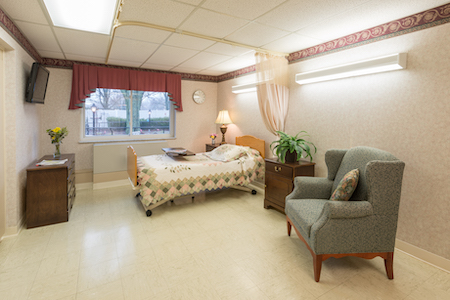
How is Urbana Health & Rehabilitation Center Staffed?

CMS rates URBANA HEALTH & REHABILITATION CENTER's staffing level at 3 out of 5 stars, which is average compared to other nursing homes. Staff turnover is 24%, compared to the Ohio average of 46%. This relatively stable workforce can support continuity of care.

What Have Inspectors Found at Urbana Health & Rehabilitation Center?

State health inspectors documented 41 deficiencies at URBANA HEALTH & REHABILITATION CENTER during 2018 to 2025. These included: 1 that caused actual resident harm, 39 with potential for harm, and 1 minor or isolated issues. Deficiencies causing actual harm indicate documented cases where residents experienced negative health consequences.
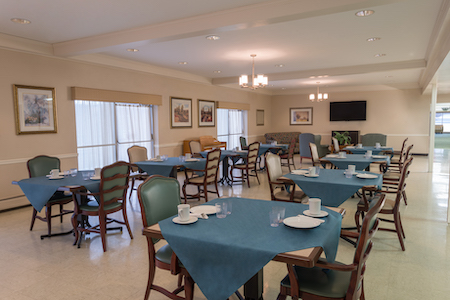
Who Owns and Operates Urbana Health & Rehabilitation Center?

URBANA HEALTH & REHABILITATION CENTER is owned by a for-profit company. For-profit facilities operate as businesses with obligations to shareholders or private owners. The facility is operated by SABER HEALTHCARE GROUP, a chain that manages multiple nursing homes. With 50 certified beds and approximately 46 residents (about 92% occupancy), it is a smaller facility located in URBANA, Ohio.

How Does Urbana Health & Rehabilitation Center Compare to Other Ohio Nursing Homes?

Compared to the 100 nursing homes in Ohio, URBANA HEALTH & REHABILITATION CENTER's overall rating (3 stars) is below the state average of 3.2, staff turnover (24%) is significantly lower than the state average of 46%, and health inspection rating (3 stars) is at the national benchmark.

What Should Families Ask When Visiting Urbana Health & Rehabilitation Center?

Based on this facility's data, families visiting should ask: "Can I visit during a mealtime to observe dining assistance and food quality?" "How do you handle medical emergencies, and what is your hospital transfer rate?" "Can I speak with family members of current residents about their experience?"

Is Urbana Health & Rehabilitation Center Safe?

Based on CMS inspection data, URBANA HEALTH & REHABILITATION CENTER has a clean safety record: no substantiated abuse findings (meaning no confirmed cases of resident harm), no Immediate Jeopardy citations (the most serious violation level indicating risk of serious injury or death), and is not on the Special Focus Facility watch list (a federal program monitoring the lowest-performing 1% of nursing homes). The facility has a 3-star overall rating and ranks #100 of 100 nursing homes in Ohio. While no facility is perfect, families should still ask about staff-to-resident ratios and recent inspection results during their visit.

Do Nurses at Urbana Health & Rehabilitation Center Stick Around?

Staff at URBANA HEALTH & REHABILITATION CENTER tend to stick around. With a turnover rate of 24%, the facility is 22 percentage points below the Ohio average of 46%. Low turnover is a positive sign. It means caregivers have time to learn each resident's needs, medications, and personal preferences. Consistent staff also notice subtle changes in a resident's condition more quickly. Registered Nurse turnover is also low at 17%, meaning experienced RNs are available to handle complex medical needs.

Was Urbana Health & Rehabilitation Center Ever Fined?

URBANA HEALTH & REHABILITATION CENTER has no federal fines on record. CMS issues fines when nursing homes fail to meet care standards or don't correct problems found during inspections. The absence of fines suggests the facility has either maintained compliance or corrected any issues before penalties were assessed. This is a positive indicator, though families should still review recent inspection reports for the full picture.

Is Urbana Health & Rehabilitation Center on Any Federal Watch List?

URBANA HEALTH & REHABILITATION CENTER is not on any federal watch list. The most significant is the Special Focus Facility (SFF) program, which identifies the bottom 1% of nursing homes nationally based on persistent, serious quality problems. Not being on this list means the facility has avoided the pattern of deficiencies that triggers enhanced federal oversight. This is a positive indicator, though families should still review the facility's inspection history directly.