MOMENTOUS HEALTH AT VANDALIA
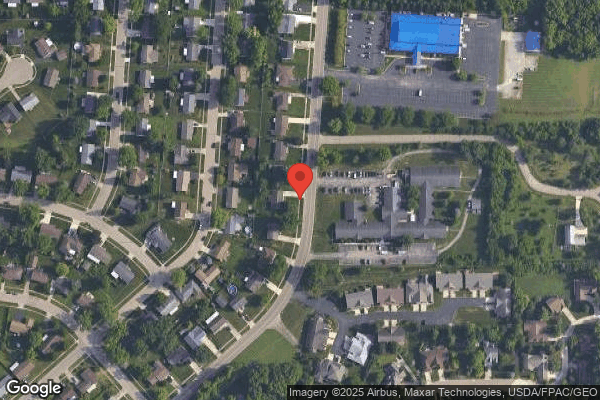
208 NORTH CASSEL ROAD, VANDALIA, OH 45377 (937) 898-4202
For profit - Corporation 118 Beds Independent Data: November 2025
Trust Grade
40/100
#884 of 913 in OH
Last Inspection: April 2023

Over 2 years since last inspection. Current conditions may differ from available data.

Overview

Momentous Health at Vandalia has received a Trust Grade of D, indicating below-average quality and some concerning issues. It ranks #884 out of 913 facilities in Ohio, placing it in the bottom half of nursing homes statewide, and #38 out of 40 in Montgomery County, meaning only two local options are worse. The facility is showing some improvement, with reported issues decreasing from 26 in 2023 to 8 in 2024. However, staffing is a significant concern, with a low 1 out of 5 stars, indicating high turnover rates of 50%, which is average for Ohio. While the facility has not incurred any fines, it has faced critical issues, such as failing to provide adequate food supplies for residents and having staff without verified active nursing licenses, raising concerns about overall care quality.

Trust Score
D
40/100
In Ohio
#884/913
Bottom 4%
Safety Record
Low Risk
No red flags
Inspections
Getting Better
26 → 8 violations
Staff Stability
⚠ Watch
50% turnover. Above average. Higher turnover means staff may not know residents' routines.
Penalties
✓ Good
No fines on record. Clean compliance history, better than most Ohio facilities.
Skilled Nurses
⚠ Watch
Each resident gets only 17 minutes of Registered Nurse (RN) attention daily — below average for Ohio. Fewer RN minutes means fewer trained eyes watching for problems.
Violations
⚠ Watch
51 deficiencies on record. Higher than average. Multiple issues found across inspections.
★☆☆☆☆
1.0
Overall Rating
★☆☆☆☆
1.0
Staff Levels
★☆☆☆☆
1.0
Care Quality
★☆☆☆☆
1.0
Inspection Score
Stable
2023: 26 issues
2024: 8 issues

The Good

  • Full Sprinkler Coverage · Fire safety systems throughout facility
  • No fines on record

Facility shows strength in fire safety.

The Bad

1-Star Overall Rating

Below Ohio average (3.2)

Significant quality concerns identified by CMS

Staff Turnover: 50%

Near Ohio avg (46%)

Higher turnover may affect care consistency

The Ugly 51 deficiencies on record

Dec 2024 1 deficiency
CONCERN (F) 📢 Someone Reported This

A family member, employee, or ombudsman was alarmed enough to file a formal complaint

Potential for Harm - no one hurt, but risky conditions existed

Food Safety (Tag F0812)

Could have caused harm · This affected most or all residents

Based on observation, staff interview, and review of a facility emergency management plan, the facility failed to ensure there was an adequate amount of food available in the facility to account for s...

Read full inspector narrative →
Based on observation, staff interview, and review of a facility emergency management plan, the facility failed to ensure there was an adequate amount of food available in the facility to account for scheduled meals and emergency situations. This had the potential to affect all 99 residents in the facility who the facility identified as receiving food from the kitchen. The census was 99. Findings include: Observation of the kitchen with [NAME] #59, on 12/03/24 at 8:31 A.M. through 8:44 A.M., revealed the facility's dry food storage consisted of dry pancake mix, dry cake mix, instant potatoes, noodles, onions, brown sugar, two canisters of oats, frosting, 11 cans of fruit, six cans of vegetables, and 25 pounds of rice. The refrigerated food storage consisted of one opened gallon of milk, two five-pound logs of cheese, one bag of broccoli, one bag of carrots, and an opened bottle of salad dressing. Observation of frozen food items in the kitchen consisted of two bags of peas and carrot mix and approximately 60 breakfast sausage links. Interview at time of the kitchen tour with [NAME] #59 confirmed the facility did not have an emergency supply of food at that time. [NAME] #59 further confirmed the facility served meals as scheduled and had enough food at each meal, but hardly had any leftovers if any resident wanted a second serving. Interview on 12/03/24 at 8:49 A.M. with [NAME] #173 revealed the facility was able to serve the meals as scheduled on a daily basis, but had no extra food or an emergency food supply for a long time. Interview on 12/03/24 at 10:17 A.M. with Dietician #96 revealed the Administrator was aware of the facility did not have an emergency supply of food. Interview on 12/03/24 at 12:01 P.M. with [NAME] #4 revealed he did not have any lunch meat to use to start preparing for the evening meal of submarine (sub) sandwiches. Observation on 12/03/24 at 1:10 P.M. revealed Dietician #96 purchased and brought supplies into the kitchen consisting of 36 small cans of tuna, five one-gallon containers of milk, two roasted turkey breasts, 36 cans of ravioli, and 36 cans of fruit. Interview on 12/03/24 at 1:10 P.M. with [NAME] #4 confirmed the facility sent a kitchen staff member to the store after the observation of the lack of food supply in the kitchen earlier that morning. Interview on 12/03/24 at 3:01 P.M. with the Administrator revealed the facility food vendor had not been supplying the facility with all food ordered on a weekly basis and the facility and was working with them to get those items delivered. The Administrator confirmed she has been the administrator since 10/01/24 and she was not aware of the facility not having an emergency food supply until recently. Interview on 12/04/24 at 7:27 A.M. with Dietary Supervisor #90 confirmed he has worked for the facility for approximately 90 days and the facility has not had an emergency food supply since he was hired. Dietary Supervisor #90 reported the food he ordered weekly just barely gets the kitchen through the week. Review of the undated document for the facility comprehensive emergency management plan (CEMP) revealed the facility will ensure there was an emergency food and drink service, and will procure and maintain a seven-day supply of food and meal service products on hand at all times. This deficiency represents non-compliance investigated under Master Complaint Number OH00160283.
Oct 2024 3 deficiencies
CONCERN (D) 📢 Someone Reported This

A family member, employee, or ombudsman was alarmed enough to file a formal complaint

Potential for Harm - no one hurt, but risky conditions existed

Safe Environment (Tag F0584)

Could have caused harm · This affected 1 resident

**NOTE- TERMS IN BRACKETS HAVE BEEN EDITED TO PROTECT CONFIDENTIALITY** Based on medical record review, observations and resident and staff interviews and policy review, the facility failed to ensure ...

Read full inspector narrative →
**NOTE- TERMS IN BRACKETS HAVE BEEN EDITED TO PROTECT CONFIDENTIALITY** Based on medical record review, observations and resident and staff interviews and policy review, the facility failed to ensure an adequate supply of paper towels and toilet paper for a resident's bathroom. This affected one (#84) out of three residents reviewed for the physical environment. The facility census was 103. Findings include: Medical record review for Resident #84 revealed an admission on [DATE] with diagnoses including but not limited to synovitis, hypertension, diabetes mellitus, depression and schizophrenia. Review of the Minimum Data Set (MDS) assessment for Resident #84 dated 07/24/24 revealed an intact cognition. Resident #84 required supervision for eating, bed mobility and transfers. Resident #84 required moderate assistance with toileting. Interview on 10/08/24 at 8:10 A.M. with Housekeeper #21 stated the facility was out of toilet paper and paper towels today. Additionally, Housekeeper #21 stated that it happens often and they are just not ordering enough until the next order comes in. Interview on 10/08/24 at 8:12 A.M. with Housekeeper # 56 stated the facility was out of toilet paper and paper towels today and they didn't have enough to stock Resident #84's bathroom room. Interview on 10/08/24 at 8:16 A.M. with Resident #84 stated they have run out of paper towels and toilet paper before. Interview on 10/08/24 at 11:15 with Housekeeping and Laundry Director #503 verified that the facility did not have toilet paper or paper towel. Request for a policy related to stock supplies was requested and advised the facility did not have a policy by management. This deficiency represents non-compliance investigated under Complaint Number OH00158425 and OH00158273.
CONCERN (E) 📢 Someone Reported This

A family member, employee, or ombudsman was alarmed enough to file a formal complaint

Potential for Harm - no one hurt, but risky conditions existed

Deficiency F0761 (Tag F0761)

Could have caused harm · This affected multiple residents

**NOTE- TERMS IN BRACKETS HAVE BEEN EDITED TO PROTECT CONFIDENTIALITY** Based on medical record review, staff and resident interviews, observations and policy review the facility failed to ensure pres...

Read full inspector narrative →
**NOTE- TERMS IN BRACKETS HAVE BEEN EDITED TO PROTECT CONFIDENTIALITY** Based on medical record review, staff and resident interviews, observations and policy review the facility failed to ensure prescription medications were appropriately stored in a secured manner. This had the potential to affect 17 residents (#69, #70, #73, #75, #78, #79, #80, #83, #85, #86, #88, #89, #91, #94, #95, #97 and #101) residing on the [NAME] Hall and eight resident (#6, #7, #11, #17, #21, #22, #23 and #29) residing on the East Hall who were cognitively impaired and independently mobile who could potentially access unsupervised and unsecured medications. Additionally, the facility failed to ensure refrigerated medications were appropriately stored. This had the potential to affect 21 residents (#48, #49, #50, #51, #52, #53, #54, #55, #56, #57, #58, #59, #60, #61, #62, #63, #64, #65, #66, #67 and #68) residing in the Northeast unit. The facility census was 103. Findings include: 1. Medical record review for Resident #82 revealed an admission on [DATE] with diagnoses including but not limited to respiratory failure with hypoxia, chronic obstructive pulmonary disease, type two diabetes, hypothyroidism, schizoaffective affective disorder, anxiety, open angle glaucoma severe and heart failure. Review of the quarterly Minimum Data Set (MDS) assessment for Resident #82 dated 07/30/24 revealed an intact cognition. Resident required set up for meals and supervision for toileting, bed mobility and transfers. Review of the plan of care for Resident #83 revealed cognitive function altered related to diagnoses of depression, psychosis, schizoaffective disorder, cognitively compromised, unable to make safe decisions, mental function varies over the course of the day. Resident #83 has a history of auditory and visual hallucinations, short term/long term memory impairment, impulse control impairment, resident can become verbally and physically aggressive with staff and other residents, has a rigid medication regimen. Interventions include allow resident time to remember and respond, assist with decision making problems and provide cues or reminders. Review of the active physician orders for Resident #82 revealed an order dated 10/02/24 stating resident able to self-administer drops and inhaler, an order dated 03/28/24 for Brimonidine Tartrate Opthalmic solution 0.2 percent instill one drop in both eyes three times a day for glaucoma, an order dated 03/22/24 for carboxymethycellulose sodium ophthalmic solution one percent instill one drop in left eye four times a day for dry eye, an order dated 03/23/24 for Dulera inhalation aerosol 200-5 microgram(mcg) one puff two times a day for shortness of breath, rinse mouth with water and spit after each use, an order dated fluticasone propionate nasal suspension 50 mcg instill one spray in both nostrils one time a day for rhinosinusitis, an order dated 03/22/24 for Luteomas ophthalmic gel instill one drop in left eye one time a day for dry eyes, an order dated 03/21/24 for tiotropium Bromide Monohydrate inhaler aerosol solution 1.25 mcg inhale orally one time a day for shortness of breath. Review of the self-administration assessment dated [DATE] at 7:23 A.M. revealed Resident #82 was able to self-administer medications. Observation on 10/02/24 at 10:05 A.M. of the top of the medication cart on the [NAME] Hall revealed multiple clear medication bags with a pharmacy label for Resident #82 which were unsupervised and unsecured. The bags contained Luteomas eye gel, Tiotropium Bromide Monohydrate inhaler, fluticasone nasal spray, and bromide monohydrate inhaler aerosol solution. Interview on 10/02/24 at 10:10 A.M. with Licensed Practical Nurse (LPN) #18 verified she had left the medication in Resident #82's room for her to administer. LPN #18 stated she must have brought them out to the cart after she was finished. LPN #18 stated she thought she had an order for her to self-administer. Interview on 10/02/24 at 11:15 A.M. with Unit Manager LPN #121 verified the order to administer eye drops and inhalers was added after the observation of medication unsecured and unsupervised on the medication cart. Interview on 10/02/24 at 11:19 A.M. with the Nurse Practitioner (NP) #501 verified the facility notified him with a request to allow Resident #82 to self-administer medications, was unable to recall the exact but stated it was after 10:30 A.M. Review of the physician's order dated 10/02/24 at 11:23 A.M. revealed the resident was able to self-administer gtt (drops) and inhalers. The order was signed by LPN #18 and ordered by NP #502. Interview on 10/02/24 at 11:37 A.M. with Resident #82 stated the nurses leave her medication in her room and she takes it by herself and has been for a long time. 2. Observation of the facility treatment cart in the [NAME] Hall was unlocked and unsupervised. Observation of the top drawer revealed multiple tubes of barrier creams and a bottle of betadine with a warning label indicating to seek medical assistance if ingested. Interview on 10/02/24 at 10:07 A.M. with LPN #121 verified the treatment cart was unlocked and should not have been. 3. Observation on 10/08/24 at 8:40 A.M. of treatment cart on East Hall unlocked and supervised. Observation of treatment cart contents in the top drawer revealed hydrocortisone cream, nystatin powder and betamethasone dipropionate cream. Hydrocortisone cream was labeled with warning label to seek medical treatment if cream was ingested. Interview on 10/08/24 at 8:42 A.M. with LPN #26 verified the treatment cart was unlocked and unsupervised and should not have been. The facility confirmed there are 17 residents (#69, #70, #73, #75, #78, #79, #80, #83, #85, #86, #88, #89, #91, #94, #95, #97 and #101) residing on the [NAME] Hall and eight resident (#6, #7, #11, #17, #21, #22, #23 and #29) residing on the East Hall who were cognitively impaired and independently mobile and that could potentially access unsupervised and unsecured medications. 4. Observation on 10/08/24 at 8:59 A.M. of the nurses' station refrigerator on the Northeast unit revealed no log for monitoring the temperatures on a daily basis. Additionally, observation of the inside of the refrigerator revealed a thermometer with a reading of forty-eight degrees and a large buildup of ice around the small freezer. Medication stored in the refrigerator at the time of the observation included one Retacrit injection, tuberculin purified multidose vial, one Basaglar kwikpen insulin, two Mounjaro pen 2.5 milligrams/0.5 milliliters, and a bottle of Ativan liquid all with labels indicating it should be stored between thirty-six- and forty-six-degrees F. Interview on 10/08/24 at 9:03 A.M. with LPN #44 verified the observation and stated the refrigerator temperatures supposed to be monitored daily on night shift and the medication will have to be replaced. Interview on 10/08/24 at 4:50 P.M. with the Administrator verified the pharmacy would be notified and the medications replaced due to the elevated temperatures. The Administrator further verified each refrigerator should have a log on the front for staff to monitor the temperature daily. Observation on 10/08/24 at 8:59 A.M. of the nurses' station refrigerator revealed no log for monitoring the temperatures on a daily basis. Additionally observation of the inside of the refrigerator revealed a thermometer with a reading of forty eight degrees and a large build up of ice around the small freezer. Medication stored in the refrigerator at the time of the observation included Retacrit. The facility confirmed there are 21 residents (#48, #49, #50, #51, #52, #53, #54, #55, #56, #57, #58, #59, #60, #61, #62, #63, #64, #65, #66, #67 and #68) residing in the Northeast unit who potentially be affected by the identified concern with the medication refrigerator. Review of the facility policy titled Medication Storage, dated 05/01/22 stated the facility shall store all drugs and biologicals in a safe, secure and orderly manner. This deficiency represents non-compliance investigated under Complaint Number OH00158425.
CONCERN (E) 📢 Someone Reported This

A family member, employee, or ombudsman was alarmed enough to file a formal complaint

Potential for Harm - no one hurt, but risky conditions existed

Safe Environment (Tag F0921)

Could have caused harm · This affected multiple residents

Based on observations and staff interviews, the facility failed to maintain the building in a safe homelike manner. This had the potential to affect the 21 residents (#48, #49, #50, #51, #52, #53, #54...

Read full inspector narrative →
Based on observations and staff interviews, the facility failed to maintain the building in a safe homelike manner. This had the potential to affect the 21 residents (#48, #49, #50, #51, #52, #53, #54, #55, #56, #56, #58, #59, #60, #61, #62, #63, #64, #65, #66, #67 and #68) residing in the Northeast Unit of the facility. The facility census was 103. Findings include: Observation on 10/07/24 at 1:55 P.M. of the facility roof revealed areas over the Northeast unit, facing the south had an area of splintered/missing wood with rain gutters not attached to the roof exposing the soffit and sagging. Further observation of the roof in the same area revealed multiple rows of shingles sagging between the roof rafters. Observation on 10/07/24 at 1:59 P.M. of the facility roof revealed two areas over the Northeast Unit, facing north had areas of splintered/missing wood with rain gutters not attached and sagging exposing the soffit and roofing shingles sagging between the rafters. Additionally, there was a large blue tarp present over the shingles in the same area. Observation on 10/08/24 at 9:05 A.M. of the dining area in the Northeast Unit revealed two outlets that did not have covers on them. Additional observation revealed a ceiling light that did not have a cover on it, exposing the electrical outlet boxes on all three items. Observation on 10/08/24 at 9:07 A.M. of the corridor located just outside of the nursing station revealed an entire section of the wall from the ceiling to the floor was covered with heavy black plastic and stapled in place. Additionally, observations noted a section on plaster cut from the wall approximately two inches vertically and twelve inches horizontally exposing the inside of the space between the walls. Additionally, directly below the cut plaster was an electrical outlet with undetermined type of beige tape covering the entire perimeter of the outlet cover. Interview on 10/08/24 at 9:11 A.M. with the Maintenance Director verified the observations and stated prior to his employment in July 2024 the facility had had a water heater leak and the water damaged the areas in the dining area, the hot water storage area, the corridor outside of the storage area and the resident room next to the storage area. Additionally, stated the facility has called multiple repair companies and have not had any return calls to address the repairs so he has been fixing them himself as time will allow. The facility confirmed there were 21 residents (#48, #49, #50, #51, #52, #53, #54, #55, #56, #56, #58, #59, #60, #61, #62, #63, #64, #65, #66, #67, #68) residing in the Northeast Unit of the facility that could potentially be affected by the identified concerns/observations. This deficiency represents non-compliance investigated under Complaint Number OH00158425 and OH00158273.
Sept 2024 1 deficiency
CONCERN (F) 📢 Someone Reported This

A family member, employee, or ombudsman was alarmed enough to file a formal complaint

Potential for Harm - no one hurt, but risky conditions existed

Deficiency F0837 (Tag F0837)

Could have caused harm · This affected most or all residents

**NOTE- TERMS IN BRACKETS HAVE BEEN EDITED TO PROTECT CONFIDENTIALITY** THE FOLLOWING DEFICIENCY REPRESENTS AN INCIDENT OF PAST NON-COMPLIANCE THAT WAS SUBSEQUENTLY CORRECTED PRIOR TO THIS SURVEY. Bas...

Read full inspector narrative →
**NOTE- TERMS IN BRACKETS HAVE BEEN EDITED TO PROTECT CONFIDENTIALITY** THE FOLLOWING DEFICIENCY REPRESENTS AN INCIDENT OF PAST NON-COMPLIANCE THAT WAS SUBSEQUENTLY CORRECTED PRIOR TO THIS SURVEY. Based on review of the online license verification system of the Bureau of Executives of Long-Term Services and Supports (BELTSS), review of the Administrator job description, and staff interview, the facility failed to ensure there was a licensed nursing home administrator (LNHA) with a valid license providing supervision and leadership to the facility. This had the potential to affect all of the residents residing in the facility. The facility census was 106 residents. Findings include: Review of the online license verification system for BELTSS at https://beltss.ohio.gov/licensing/license-lookup revealed Administrator #1 was issued an Ohio LNHA license on [DATE] with an expiration date of [DATE]. Review of the online license verification system for BELTSS at https://beltss.ohio.gov/licensing/license-lookup revealed Administrator #2 was issued an Ohio LNHA license on [DATE] with an expiration date of [DATE]. Review of the facility job description titled Administrator dated [DATE] revealed the Administrator must possess a valid license to practice as a nursing home administrator in the state of Ohio and provided overall direction for all activities related to administration, personnel, physical structure, information systems, office management, and marketing of the entire facility. The Administrator should work closely with all members of the management team and others to ensure their responsibilities were effectively and consistently discharged . Interview on [DATE] at 11:35 A.M. with Administrator #1 confirmed she had served as the facility LNHA of record since [DATE]. Administrator #1 confirmed a representative from BELTSS notified her on [DATE] that her license to practice as an LNHA had expired on [DATE]. Further interview with Administrator #1 confirmed she asked Administrator #2, who was employed with a sister facility, to serve as the LNHA for the facility until she could get her license renewed. Administrator #1 confirmed Administrator #2 served as the LNHA of record from [DATE] until [DATE]. Administrator #1 confirmed her license was renewed and valid on [DATE], and she had been serving as LNHA of record since then. Administrator #1 confirmed the facility did not have an LNHA with a valid license serving from [DATE] to [DATE]. Interview on [DATE] at 5:42 P.M. with Administrator #2 confirmed she served as the LNHA of record for the facility from [DATE] through [DATE]. Administrator #2 confirmed she had a valid Ohio license to practice as an LNHA during the time frame she worked in the facility. The deficient practice was corrected on [DATE] when the facility implemented the following corrective actions: -On [DATE] Administrator #2 became the LNHA of record for the facility. -On [DATE] Administrator #1 updated her email address with BELTSS to ensure she received communications from them. -On [DATE] Administrator #1 educated the Human Resources Director (HRD) to perform an annual audit of the renewal date for the LNHA of record for the facility to ensure the license was valid and current. -On [DATE] Administrator #1's Ohio license to practice as an Ohio LNHA was renewed through [DATE]. This deficiency represents noncompliance investigated under Complaint Number OH00156149 and Complaint Number OH00156286.
May 2024 2 deficiencies
CONCERN (D) 📢 Someone Reported This

A family member, employee, or ombudsman was alarmed enough to file a formal complaint

Potential for Harm - no one hurt, but risky conditions existed

Accident Prevention (Tag F0689)

Could have caused harm · This affected 1 resident

**NOTE- TERMS IN BRACKETS HAVE BEEN EDITED TO PROTECT CONFIDENTIALITY** THE FOLLOWING DEFICIENCY REPRESENTS AN INCIDENT OF PAST NONCOMPLIANCE THAT WAS SUBSEQUENTLY CORRECTED PRIOR TO THIS SURVEY. Base...

Read full inspector narrative →
**NOTE- TERMS IN BRACKETS HAVE BEEN EDITED TO PROTECT CONFIDENTIALITY** THE FOLLOWING DEFICIENCY REPRESENTS AN INCIDENT OF PAST NONCOMPLIANCE THAT WAS SUBSEQUENTLY CORRECTED PRIOR TO THIS SURVEY. Based on medical record review, staff interview, and policy reviews, the facility failed to provide adequate interventions and/or supervision to ensure a resident who was cognitively impaired with a history of wandering did not elope from the facility. This affected one (#53) out of three residents reviewed for elopements. The facility census was 101. Findings include: Review of Resident #53's chart revealed Resident #53 admitted to the facility on [DATE] with diagnoses including cardiac arrest cause unspecified, major depressive disorder, chronic obstructive pulmonary disease, anxiety disorder, hypertension, encephalopathy, and malignant neoplasm of prostate. Review of Resident #53's quarterly Minimum Data Set (MDS) assessment dated [DATE] revealed the resident to be moderately cognitively impaired and Resident #53 required set up assistance with eating, and oral hygiene. Resident #53 required moderate assistance with toileting, showering, upper body dressing, lower body dressing, putting on and taking off footwear, personal hygiene, rolling left and right, sitting to lying, lying to sitting, sitting to standing, chair transfers, toilet transfers, tub transfers and walking ten feet. Resident #53 was reported to have wandered four to six days. Review of Resident #53's elopement care plan dated [DATE] revealed Resident #53 exhibited exit seeking behavior and had periods of high confusion with exit seeking behavior. Interventions included consult with psychiatric services if needed, encourage activities of choice, keep resident's picture in the elopement book so all are aware, observe resident for his whereabouts frequently, personalize resident's room to be homelike, and resident to reside on a secured unit. Review of Resident #53's consent form for a locked unit dated [DATE] revealed a telephone consent was completed. Review of Resident #53's elopement assessment dated [DATE] revealed resident had exit seeking behaviors in the past month, had wandered within the facility without leaving the grounds, had a diagnosis of dementia or cognitive impairment, had a history of wandering and was at right risk to wander. Review of Resident #53's guardianship order dated [DATE] revealed Resident #53 had a guardian of the person. Review of Resident #53's physician order dated [DATE] revealed Resident #53 may reside on a secured unit. Review of Resident #53's progress note dated [DATE] at 12:44 P.M. revealed Social Services Director (SSD) #152 spoke with Resident #53's guardian and resident would be moved off the secured unit. Review of Resident #53's progress note dated [DATE] at 2:01 P.M. revealed resident was transferred to a room on the west unit. Review of Resident #53's elopement assessment dated [DATE] revealed resident could move without assistance in a wheelchair, could communicate, had no history of wandering, had a medical diagnosis of dementia or cognitive impairment, had no reported episodes of exiting seeking behavior in the past six months and was at low risk to wander. Review of Resident #53's progress note dated [DATE] at 1:00 P.M. revealed SSD #152 spoke with Resident #53's stepsister. Resident #53 has been dialing his stepmother's phone number and asking for his mother to come and get him. His mother was deceased and had been for several years. SSD #152 advised Resident #53's stepsister that the resident was no physical threat, and the facility would attempt to redirect his behavior. Resident #53's stepsister stated that she would reach out to the phone company and see if it was possible to block the facility phone number on the stepmother's phone. Review of Resident #53's progress note dated [DATE] at 9:40 P.M. revealed Licensed Practical Nurse (LPN) #87 was notified by the police that Resident #53 was with the police and Resident #53 had been knocking on the neighbor's door. Resident #53 had recently been seen propelling himself in the hallway to talk to other residents. Resident #53 was returned to the facility at that time by police and a full skin assessment was completed. No new areas were noted, vitals were taken, and no pain was noted. Resident #53 was pleasant and laughing. One on one was provided. Review of Resident #53's progress note dated [DATE] at 4:28 A.M. revealed Resident #53 was currently in bed resting comfortably with his eyes closed. No complaints of pain were noted. Assistance was provided by staff with needs and care. Supervision and safety checks were completed throughout the shift. Resident #53 was continued antibiotics related to prevention. Vital signs obtained and documented. No adverse reactions observed. Call light within reach. Review of Resident #53's physician order dated [DATE] and discontinued [DATE] revealed Resident #53 was on doxycycline 100 milligrams (mg) give one table two times a day for preventative for seven days. Review of Resident #53's elopement assessment dated [DATE] revealed resident could move without assistance in a wheelchair, could communicate, had a history of wandering, had no diagnosis of dementia or cognitive impairment, had a history of wandering, had exited the home unassisted, had exit seeking behavior in the past month and was at high risk for wandering. Review of LPN #87's witness statement dated [DATE] revealed she observed Resident #53 in the hallway ambulating freely at 8:50 P.M. Review of Resident #53's physician order dated [DATE] revealed Resident #53 may reside on a locked unit. Review of the police report dated [DATE] revealed the police received a call at 9:21 P.M. that a male in a wheelchair was in a driveway. Police entry at 9:39 P.M. stated police located Resident #53 at N [NAME] and Hailfix Drive (approximately 0.3 miles from the facility). Resident #53 stated he wandered away from the facility and police drove him back to the facility. Observation of Resident #53 on [DATE] at 9:17 A.M. revealed Resident #53 was lying in bed. Resident #53 was clean and dressed appropriately. Interview with Resident #53 on [DATE] at 9:17 A.M. revealed the resident stated he had not gone outside the facility by himself. Interview with SSD #152 on [DATE] at 11:32 A.M. revealed Resident #53 resided on the secured unit prior to him being moved to a regular unit on [DATE] due to him not having any exit seeking behaviors. SSD #152 stated that Resident #53's stepsister called and stated that Resident #53 was calling his deceased stepmother's phone after he was moved off the secured unit, but SSD #152 reported the behavior was not abnormal for Resident #53 and he never attempted to leave the facility or the secured unit prior to the incident on [DATE]. SSD #152 stated Resident #53 was moved back on the secured unit on [DATE]. Interview with the Administrator and Director of Nursing (DON) on [DATE] at 11:40 A.M. revealed Resident #53 eloped from the facility on [DATE]. The DON stated Resident #53 was last seen in his wheelchair in the hallway on [DATE] at 8:50 P.M. and the facility received a call from the police at 9:30 P.M. stating Resident #53 was with them after he was observed knocking on doors around the corner from the facility. The DON stated the police brought Resident #53 back to the facility. The resident was assessed upon return with no injuries and the guardian, DON and Administrator were made aware. Resident #17 was placed on one on one, and a head count of the facility was completed. Resident #17 was placed back on the secured unit on [DATE] and the codes to the facility doors were changed on [DATE]. Review of the facility's elopement policy dated [DATE] revealed the facility shall investigate and report all cases of missing residents. As a result of the incident, the facility took the following actions to correct the deficient practice by [DATE]: • On [DATE] at approximately 9:30 P.M., Resident #53 was placed on one on one upon return to the facility. • On [DATE] at 10:10 P.M., the facility completed an audit to ensure all residents were accounted for in the facility. • On [DATE], Resident #53 was moved to the secured unit. • On [DATE], an elopement drill was completed. • On [DATE] and [DATE], the Administrator or designee completed all staff education regarding the facility elopement policy. This deficiency represents non-compliance investigated under Complaint Number OH00153343.
CONCERN (E) 📢 Someone Reported This

A family member, employee, or ombudsman was alarmed enough to file a formal complaint

Potential for Harm - no one hurt, but risky conditions existed

Safe Environment (Tag F0584)

Could have caused harm · This affected multiple residents

Based on observations and resident and staff interviews, the facility failed to ensure shower rooms were clean and ceilings were maintained. This had the potential to affect 60 (#44, #45, #46, #47, #4...

Read full inspector narrative →
Based on observations and resident and staff interviews, the facility failed to ensure shower rooms were clean and ceilings were maintained. This had the potential to affect 60 (#44, #45, #46, #47, #48, #49, #50, #51, #52, #53, #54, #55, #56, #57, #58, #59, #60, #61, #62, #63, #64, #65, #66, #67, #68, #69, #70, #71, #72, #73, #74, #75, #76, #77, #78, #79, #80, #81, #82, #83, #84, #85, #86, #87, #88, #89, #90, #91, #92, #93, #94, #95, #96, #97, #98, #99, #100, #101, #102 and #103) residents who receive showers in the [NAME] and Northeast shower rooms. The facility census was 101. Findings include: Interview with Resident #96 on 05/20/25 at 8:30 A.M. revealed the [NAME] shower room smelled like mold. Observation of facility on 05/20/24 at 8:35 A.M. revealed there was a black substance on the floor of the [NAME] shower room where the floor of the shower met the wall of the shower. There was also a black substance on the floor and caulk where the floor of the shower met the wall of the shower and a large round black spot on the ceiling of the shower in the Northeast shower room. Interview with Licensed Practical Nurse (LPN) Unit Manager #800 on 05/20/24 at 8:35 A.M. verified there was black substance on the floor of the [NAME] shower room where the floor of the shower met the wall of the shower. LPN Unit Manager #800 also verified there was also a black substance on the floor and caulk where the floor of the shower met the wall of the shower and a large round black spot on the ceiling of the shower in the Northeast shower room. Interview with Registered Nurse (RN) #148 on 05/20/25 at 9:14 A.M. revealed the State Tested Nurse Aides (STNA's) had informed her that there was mold in the shower room on the Northeast unit, but she did not go in the shower room. Interview with LPN #124 on 05/20/24 at 9:19 A.M. revealed there was mildew in the shower room on the Northeast unit. Interview with STNA #114 on 05/20/24 at 9:20 A.M. revealed there was mold in the shower room on the Northeast unit. Interview with Housekeeper #88 on 05/20/24 at 9:22 A.M. revealed there was mold in the shower room on the Northeast unit. The facility confirmed 60 (#44, #45, #46, #47, #48, #49, #50, #51, #52, #53, #54, #55, #56, #57, #58, #59, #60, #61, #62, #63, #64, #65, #66, #67, #68, #69, #70, #71, #72, #73, #74, #75, #76, #77, #78, #79, #80, #81, #82, #83, #84, #85, #86, #87, #88, #89, #90, #91, #92, #93, #94, #95, #96, #97, #98, #99, #100, #101, #102 and #103) residents who receive showers in the [NAME] and Northeast shower rooms. This deficiency represents non-compliance investigated under Complaint Number OH00153585.
Mar 2024 1 deficiency
CONCERN (F) 📢 Someone Reported This

A family member, employee, or ombudsman was alarmed enough to file a formal complaint

Potential for Harm - no one hurt, but risky conditions existed

Deficiency F0839 (Tag F0839)

Could have caused harm · This affected most or all residents

**NOTE- TERMS IN BRACKETS HAVE BEEN EDITED TO PROTECT CONFIDENTIALITY** Based on review of personnel files and staff interview, the facility failed to ensure all licensed nursing staff had an active n...

Read full inspector narrative →
**NOTE- TERMS IN BRACKETS HAVE BEEN EDITED TO PROTECT CONFIDENTIALITY** Based on review of personnel files and staff interview, the facility failed to ensure all licensed nursing staff had an active nursing license. This had the potential to affect all 96 residents residing in the facility. The census was 96. Findings include: Review of the personnel file for Assistant Director of Nursing - Registered Nurse (ADON -RN) #34 revealed she was hired on [DATE], and the department was listed as Assistant DON-RN. Further review of the personnel file revealed no evidence ADON-RN #34's license was verified with the board of nursing upon hire. Review of the license verification provided by the facility for ADON-RN #34 dated [DATE] at 1:14 P.M. revealed ADON-RN #34 had an inactive RN license. The verification indicated the license was effective [DATE] and expired [DATE]. Interview with Human Resources Director (HRD) #402 on [DATE] at 1:32 P.M. confirmed ADON-RN #34 was hired by the facility on [DATE]. HRD #402 further confirmed ADON-RN #34's nursing license was expired. HRD #402 stated ADON-RN #34's personnel file had no evidence of a prior license verification. This deficiency represents non-compliance investigated under Complaint Number OH00151771.
Jul 2023 1 deficiency
CONCERN (D) 📢 Someone Reported This

A family member, employee, or ombudsman was alarmed enough to file a formal complaint

Potential for Harm - no one hurt, but risky conditions existed

Deficiency F0602 (Tag F0602)

Could have caused harm · This affected 1 resident

**NOTE- TERMS IN BRACKETS HAVE BEEN EDITED TO PROTECT CONFIDENTIALITY** Based on record reviews, resident and staff interviews and policy review, the facility failed to ensure residents were free from...

Read full inspector narrative →
**NOTE- TERMS IN BRACKETS HAVE BEEN EDITED TO PROTECT CONFIDENTIALITY** Based on record reviews, resident and staff interviews and policy review, the facility failed to ensure residents were free from misappropriation of medications. This affected two (#19 and #100) out of the four residents reviewed for medications. The facility census was 98. Findings include: 1. Review of the medical record for the Resident #100 revealed an admission date of 11/17/22 with medical diagnoses of morbid obesity, diabetes mellitus, vascular dementia with behavioral disturbances, delusional disorder, schizoaffective disorder, and major depression. The medical record revealed Resident #100 discharged on 06/22/23. Review of the medical record for Resident #100 revealed a quarterly Minimum Data Set (MDS), dated [DATE], which indicated Resident #100 was cognitively intact and required extensive staff assistance with bed mobility, transfers, toileting, and bathing. The MDS revealed Resident #100 complained of occasional moderate pain and received an opioid medication for seven days. Review of the medical record for Resident #100 revealed a physician order dated 04/24/23 for Percocet 7.5/325 milligrams (mg) one tablet by mouth three times per day for pain control. Review of the medical record for Resident #100 revealed the June 2023 Medication Administration Record (MAR) indicated Resident #100 was administered one Percocet 7.5/325 mg on 06/22/23 at 6:00 A.M. by Registered Nurse (RN) #262. Review of the MAR revealed that was the only time Resident #100 was administered a Percocet on 06/22/23. Review of the medical record for Resident #100 revealed a controlled drug record which indicated RN #262 had signed the record on 06/22/23 at 6:00 A.M. for one Percocet 7.5/325 mg tablet. Further review of the controlled drug record for Resident #100 revealed documentation on 06/22/23 at 7:00 A.M. that Licensed Practical Nurse (LPN) #334 had signed for one Percocet 7.5/325 mg tablet and documented that tablet was wasted. The documentation did not contain the signature of a second nurse to confirm the Percocet tablet was disposed of or destroyed properly. Review of the facility staff schedule for 06/22/23 revealed LPN #334 did not work on that day. Interview on 07/17/23 at 1:26 P.M. with Director of Nursing (DON) stated the facility did not have a policy for controlled substances. DON stated the facility procedure for controlled substances included for the licensed nurse to complete an assessment, document residents' pain, to administer the medication within 15 minutes of residents' request for pain medications, and to document administration on the MAR and on the controlled substance record. DON stated the procedure for the destruction of a controlled substance required two licensed nurses' observation of the destruction of the medication and both licensed nurses' signatures on the controlled substance record. DON confirmed the signature for the Percocet on 06/22/23 at 7:00 A.M. was LPN #334. DON confirmed the controlled substance record for Resident #100 did not contain the signature of a second nurse to confirm the Percocet was destroyed properly. DON also confirmed LPN #334 did not work on 06/22/23, the day LPN #334 signed Resident #100's Percocet was wasted. 2. Review of the medical record for Resident #19 revealed an admission date of 07/06/22 with medical diagnoses of chronic kidney disease Stage III, polyneuropathy, spastic hemiplegia, and low back pain. Review of the medical record for Resident #19 revealed an annual MDS, dated [DATE], which indicated Resident #19 was cognitively intact and required extensive staff assistance with bed mobility, transfers, toileting, and bathing. The MDS indicated Resident #19 complained of frequent pain and received an opioid medication for seven days. Review of the medical record for Resident #19 revealed a physician order dated 04/12/23 for Norco (hydrocodone-acetaminophen) tablet 5-325 mg one tablet by mouth every four hours as needed for pain. Review of the medical record for Resident #19 revealed the July 2023 MAR indicated Resident #19 was given one Norco tablet 5-325 mg on 07/15/23 at 7:30 A.M. and 11:30 A.M. Review of the medical record for Resident #19 revealed a controlled substance record which indicated as of 07/15/23 Resident #19 had 15 Norco 5-325 mg tablets available. The controlled substance record revealed LPN #334 signed for one Norco 5-325 mg tablet at 7:30 A.M. and one at 3:00 P.M. leaving 13 Norco 5-325 mg tablets available. The record did not contain documentation that LPN #334 signed for the Norco indicated as given at 11:30 A.M. per the MAR. Further review of the controlled substance record revealed LPN #334 signed for one Norco 5-325 mg tablet on 07/15/23 at 7:00 P.M. which resulted in 12 tablets left. A line was drawn through this entry with error wrote next to the line along with LPN #334's initials. The medical record did not contain documentation to support Resident #19 was given Norco 5-325 mg at 7:00 P.M. on 07/15/23. Continued review of the controlled substance record revealed on 07/16/23 at 8:00 A.M. an unidentified nurse signed for one Norco 5-325 mg tablet leaving Resident #19 with 11 Norco tablets available. Interview on 07/17/23 at 11:36 A.M. with Resident #19 stated he normally asked the staff for one Norco 5-325 mg tablet in the morning and one tablet in the evening for pain control. Resident #19 stated on 07/15/23 he did not receive one Norco tablet in the morning and did not receive one Norco until around 3:00 P.M. that day. Resident #19 stated he requested another Norco around 7:00 P.M. on 07/15/23 and LPN #334 administered the medication as requested. Resident #19 denied any negative outcomes from not receiving the Norco at 7:30 A.M. on 07/15/23. Interview on 07/17/23 at 1:26 P.M. with DON confirmed the nurse's signature on Resident #19's-controlled substance record was LPN #334 and confirmed the record did not contain the signature of a second nurse to confirm the Norco signed out at 7:00 P.M. had been destroyed properly or the entry was written and error. DON also confirmed the count for the number of Norco tablets available for Resident #19 did not add to the correct amount that should have been available. DON stated LPN #334 was suspended effective 07/17/23 pending an investigation into medication diversion. Review of the facility policy titled Abuse Prevention dated 08/20/21 revealed misappropriation of resident property is the deliberate misplacement, exploitation, or wrongful temporary or permanent use of resident's belongings or money without the resident's consent. This deficiency represents non-compliance investigated under Complaint Number OH00144507.
Apr 2023 21 deficiencies
CONCERN (D)

Potential for Harm - no one hurt, but risky conditions existed

Deficiency F0554 (Tag F0554)

Could have caused harm · This affected 1 resident

**NOTE- TERMS IN BRACKETS HAVE BEEN EDITED TO PROTECT CONFIDENTIALITY** Based on medical record review, observations, resident interview, staff interviews and policy review, the facility failed to ens...

Read full inspector narrative →
**NOTE- TERMS IN BRACKETS HAVE BEEN EDITED TO PROTECT CONFIDENTIALITY** Based on medical record review, observations, resident interview, staff interviews and policy review, the facility failed to ensure a resident was assessed to self-administer medications. This affected one (#78) of one random resident observed. The census was 103. Findings include: Medical record review for Resident #78 revealed and admission on [DATE], with diagnoses including pneumonia, chronic obstructive pulmonary disease, chronic respiratory failure, hypertension, anxiety disorder, solitary pulmonary nodule, and dementia with other diseases. Review of the quarterly Minimum Data Set (MDS) assessment dated [DATE] for Resident #78 revealed an impaired cognition. Resident #78 was coded with delusions during the assessment period. Resident #78 required limited assistance for bed mobility, supervision for transfers, eating and toileting. Review of the plan of care for Resident #78 revealed I have potential for altered respiratory status, difficulty breathing related to congestive obstructive pulmonary disease. Interventions include administer my medication or puffers as ordered, observe for effectiveness and side effects, elevate the head of my bed to assist me with breathing, maintain a clear airway by encouraging me to clear my own secretions with effective coughing, monitor for signs and symptoms of respiratory distress and report to physician, observe and report abnormal breathing patterns to my doctor and use oxygen as ordered. Review of the electronic health record assessment tab for Resident #78 was silent for medication self-administration assessment. Review of the monthly physician orders for April 2023 revealed no orders for self-administration of medications. Observation on 04/17/23 at 7:39 P.M., of Resident #78 sitting on his bed in his room. On Resident #78's bedside stand was a med nebulizer machine with a medication cup. Inside the medication cup was an open and full vial of clear solution, labeled albuterol. Staff were not present in the room when the observation was made. Interview on 04/17/23 at 7:40 P.M., with Resident #78 stated the nurse brought the medication in for me a little bit ago. Resident #78 stated he used it with the med nebulizer for his breathing. Interview on 04/17/23 at 7:50 P.M., with Licensed Practical Nurse (LPN) #47 stated if she has worked here, they have kept the medication in his room for him to use. LPN #47 verified the orders do not state that the resident can administer his own medication via a medication nebulizer. LPN #47 stated she left the medication in the room for Resident #78. Interview on 04/18/23 at 6:25 P.M., with Assistant Director of Nursing (ADON) verified medication should not be left in resident's room unsupervised. Review of the policy titled Medication Administration, dated 05/01/22 revealed residents may self-administer medications only if the physician in conjunction with the interdisciplinary care planning team has determined that have the decision-making capacity to do so.
CONCERN (D) 📢 Someone Reported This

A family member, employee, or ombudsman was alarmed enough to file a formal complaint

Potential for Harm - no one hurt, but risky conditions existed

Deficiency F0557 (Tag F0557)

Could have caused harm · This affected 1 resident

**NOTE- TERMS IN BRACKETS HAVE BEEN EDITED TO PROTECT CONFIDENTIALITY** Based on medical record review, observations, staff and resident interview, the facility failed to ensure a resident was treated...

Read full inspector narrative →
**NOTE- TERMS IN BRACKETS HAVE BEEN EDITED TO PROTECT CONFIDENTIALITY** Based on medical record review, observations, staff and resident interview, the facility failed to ensure a resident was treated with dignity and respect. This affected one (#47) of 25 residents reviewed for care and treatment. The census was 103. Findings included: Review of Resident #47's medical record revealed an admission date of 06/14/22. Medical diagnoses included puerperal psychosis, cancer, heart failure, peripheral vascular disease, diabetes, bilateral below the knee amputation (BKA), Schizophrenia, and obstructive uropathy. Review of quarterly Minimum Data Set (MDS) dated [DATE] revealed Resident #47 was moderately cognitively impaired. Her functional status was extensive assistance or bed mobility and toilet use. She was dependent on staff for transfers, and supervision for eating. She has an indwelling Foley catheter. Review of care plan dated 10/05/22 revealed Resident #47 has a behavior problem and will make false allegations towards staff to get them in trouble. Interventions were to approach her and speak to her in a calm manner. Divert her attention and remove her from a situation as needed. Review of progress note dated 01/19/23 through 04/19/23 revealed no concerns related to behaviors. Interview on 04/18/23 at 9:07 A.M., with Resident #47 revealed State Tested Nursing Aide (STNA) #113 who is taking care of her today is sarcastic, and the nurse treats her like hell and told her she was going to send her to the Nut House Observation on 04/18/23 at 9:30 A.M., of STNA #113 revealed the aide was getting supplies ready for catheter care and yelled from the bathroom inside of the resident's room, to STNA #102 in the hallway, that the resident was jackknifed in the bed and the aide couldn't provide the care to the resident like this. The roommate (Resident #87) was lying in bed in the room when this was spoken. During the observation, of catheter care and a bath, the tone of the aides voice was direct and ordering the resident to lift her arm and wash her face. Interview on 04/18/23 at 10:20 A.M., with STNA #113 confirmed she was disrespectful to Resident #47 during the catheter care. STNA #113 stated she felt her tone was ok she used with the resident. Observation on 04/18/23 at 2:15 P.M., of Resident #47 revealed she was in her room in her wheelchair and STNA #113 had her voice raised saying you are going to have to wait a minute till I get the Hoyer lift to get you back to bed. Interview on 04/18/23 at 2:42 P.M., with STNA #113 said the tone and the way she spoke to Resident #47 was the way she always talked to her. STNA #113 stated she did not have any discord with the resident. STNA #113 stated she was not going to baby talk to Resident #47. STNA #113 stated she had to be stern with Resident #47 because the resident will cuss you out and talk about your whole family. STNA #113 continued to state, Resident #47 is one of those type people who will be disrespectful to the staff, and she doesn't do me that way. STNA #113 stated she treats all the residents the same. Interview on 04/18/23 at 4:10 P.M., with the Resident #47 revealed STNA #113 came into her room and stated she knew everything the resident said to the surveyor, and she was not going to get her up again and left the room and went home. Interview on 04/18/23 at 4:34 P.M., with LPN #66 revealed she and STNA #113 both demanded respect from Resident #47 and that she has told Resident #47 that she needs to think about how she treated people. LPN #66 reported Resident #47 threatens staff all the time, but they never refuse her care and always re-approach her. LPN #66 stated she won't put up Resident #47 talking mean and doesn't expect her girls (STNA #113) to deal with it. This deficiency represents the noncompliance in Complaint Number OH00141826.
CONCERN (D) 📢 Someone Reported This

A family member, employee, or ombudsman was alarmed enough to file a formal complaint

Potential for Harm - no one hurt, but risky conditions existed

Free from Abuse/Neglect (Tag F0600)

Could have caused harm · This affected 1 resident

**NOTE- TERMS IN BRACKETS HAVE BEEN EDITED TO PROTECT CONFIDENTIALITY** Based on medical record review, observations, staff and resident interview and policy review, the facility failed to ensure a re...

Read full inspector narrative →
**NOTE- TERMS IN BRACKETS HAVE BEEN EDITED TO PROTECT CONFIDENTIALITY** Based on medical record review, observations, staff and resident interview and policy review, the facility failed to ensure a resident was free from verbal abuse. This affected one (#47) of four residents reviewed for potential abuse. The census was 103. Findings included: Review of Resident #47's medical record revealed an admission date of 06/14/22. Medical diagnoses included puerperal psychosis, cancer, heart failure, peripheral vascular disease, diabetes, bilateral below the knee amputation (BKA), Schizophrenia, and obstructive uropathy. Review of quarterly Minimum Data Set (MDS) dated [DATE] revealed Resident #47 was moderately cognitively impaired. Her functional status was extensive assistance or bed mobility and toilet use. She was dependent on staff for transfers, and supervision for eating. She has an indwelling Foley catheter. Review of care plan dated 10/05/22 revealed Resident #47 has a behavior problem and will make false allegations towards staff to get them in trouble. Interventions were to approach her and speak to her in a calm manner. Divert her attention and remove her from a situation as needed. Review of progress note dated 01/19/23 through 04/19/23 revealed no concerns related to behaviors. Interview on 04/18/23 at 9:07 A.M., with Resident #47 revealed State Tested Nursing Aide (STNA) #113 who is taking care of her today is sarcastic, and the nurse treats her like hell and told her she was going to send her to the Nut House Resident #47 identified the nurse as a tall blonde, out at the medication cart, and stated License Practical Nurse (LPN) #66's name. Observation on 04/18/23 at 2:15 P.M., of Resident #47 revealed she was in her room in her wheelchair and STNA #113 had her voice raised saying you are going to have to wait a minute till I get the Hoyer lift to get you back to bed. Interview on 04/18/23 at 2:42 P.M., with STNA #113 said the tone and the way she spoke to Resident #47 was the way she always talked to her. STNA #113 stated she did not have any discord with the resident. STNA #113 stated she was not going to baby talk to Resident #47. STNA #113 stated she had to be stern with Resident #47 because the resident will cuss you out and talk about your whole family. STNA #113 continued to state, Resident #47 is one of those type people who will be disrespectful to the staff, and she doesn't do me that way. STNA #113 stated she treats all the residents the same. Observation and interview on 04/18/23 at 4:02 P.M., with the LPN #66 revealed LPN #66 was telling Resident #47 she could not get out of bed because she was dressed for bed and the aides were too busy to get her up again. LPN #66 told the resident you already missed the smoke break and there will not be another one till later. The surveyor followed the nurse out of the room and asked her why the resident could not get up because it was the resident's choice to do so. LPN #66 stated she would see if the aides were busy and could get her up again. Interview on 04/18/23 at 4:10 P.M., with the Resident #47 revealed STNA #113 came into her room and stated she knew everything the resident said to the surveyor, and she was not going to get her up again and left the room and went home. Resident #47 stated STNA #113 and LPN #66 are rough with her when they provide care to her. Resident #47 stated they both make her feel afraid and it hurts her feelings when they will not get her out of bed. Resident #47 denied she told anyone about the aide and the nurse because she did not know who to tell. Interview on 04/18/23 at 4:34 P.M., with LPN #66 revealed she was not aware of any staff that treat residents differently. LPN #66 stated Resident #47 treat staff differently and she felt that the state surveying agency was coming down hard on her STNA's #113 and wanted to know if the state surveying agency looked at resident diagnoses and care plans as Resident #47 was on the buddy system. LPN #66 stated Resident #47 was not usually like this, and Resident #47 usually sleeps in and gets up after lunch for her the 1:00 P.M. smoke break. LPN #66 stated she had never witnessed STNA #113 treat Resident #47 differently. LPN #66 stated that she and STNA #113 both demanded respect from Resident #47 and that she has told Resident #47 that she needs to think about how she treated people. LPN #66 reported Resident #47 threatens staff all the time, but they never refuse her care and always re-approach her. LPN #66 stated she won't put up Resident #47 talking mean and doesn't expect her girls (STNA #113) to deal with it. The allegations were reported to the Administrator by the surveyor on 04/18/23 at 5:00 P.M. The Administrator suspended the LPN #66 and STNA #113, to start investigation. Review of policy titled Abuse Prevention dated 08/20/21 revealed this facility will not tolerate Abuse, Neglect, Exploitation of its residents or the Misappropriation of Resident Property. Abuse is the willful infliction of injury, unreasonable confinement, intimidation, or punishment with resulting physical harm, pain, or mental anguish. Abuse also includes the deprivation by an individual, including a caretaker of goods or services that are necessary to attain or maintain physical, mental, and psychosocial well-being. Instances of abuse of all residents, irrespective of any mental or physical condition, cause physical harm, pain, or mental anguish. It includes verbal abuse, sexual abuse, physical abuse, and mental abuse, including abuse facilitated or enabled through the use of technology, such as through the use of photographs and recording devices to demean or humiliate a resident. In the case of staff-to-resident Abuse, the facility will follow This facility's procedure for disciplining or dismissing an employee, depending upon the circumstances and results of the investigation. This facility will report the results of the investigation to the appropriate licensing agencies and registries (e.g., Board of Nursing, nurse aide registry, etc.) in accordance with the law.
CONCERN (D)

Potential for Harm - no one hurt, but risky conditions existed

Report Alleged Abuse (Tag F0609)

Could have caused harm · This affected 1 resident

**NOTE- TERMS IN BRACKETS HAVE BEEN EDITED TO PROTECT CONFIDENTIALITY** 2. Record review of Resident # 77 revealed the resident was admitted to the facility on [DATE]. Diagnoses for Resident #77 inclu...

Read full inspector narrative →
**NOTE- TERMS IN BRACKETS HAVE BEEN EDITED TO PROTECT CONFIDENTIALITY** 2. Record review of Resident # 77 revealed the resident was admitted to the facility on [DATE]. Diagnoses for Resident #77 included: anxiety disorder, depression, agoraphobia with panic disorder, and peripheral neuropathy. Review of the Minimum Data Set (MDS) comprehensive assessment dated [DATE] revealed the resident had intact cognition. Review of nursing notes dated 04/12/23 at 2:19 P.M., revealed Resident #77 was physically assaulted by Resident #4. Resident #77 was pushed to the floor and threatened. Resident #77 sustained a skin tear to the left elbow requiring a treatment. Resident #77 complained of body pain and headache and a pain medication was provided. Interview on 04/18/23 at 10:20 A.M., with Resident #77 revealed a couple weeks ago, her previous roommate (Resident #4) had pushed her to the floor in her room and she had bruises on her arms. Interview on 04/19/23 at 4:00 P.M., and review of the investigation report, the Administrator revealed on 04/12/23, Resident #77 was pushed to the floor her room by her roommate (Resident #4). Resident #77 had a skin tear and bruising on the left arm. The Administrator revealed the incident was not reported to the State Agency, (SA). The Administrator verified the incident should have been reported to the SA. Review of facility policy titled Abuse Prevention dated 08/20/21, revealed the Administrator or his/her designee will notify the department of health of all alleged violations involving Abuse, Neglect, Exploitation, Mistreatment of a resident, or Misappropriation of Resident Property and Injuries of Unknown Sources as soon as possible, but in no event later than twenty-four (24) hours from the time the incident/ allegation was made to the staff member. Based on medical record review, resident interview, staff interview, facility investigation review, and policy review, the facility failed to report resident to resident altercation. This affected four residents (#80, #5, #4 and #77) of five reviewed for potential abuse. The census was 103. Findings include: 1. Medical record review for Resident #80 revealed an admission date of 10/04/22, with diagnoses including schizoaffective disorder, dementia with behaviors, depression, anxiety disorder, weight loss, psychosis bipolar disorder, visual hallucinations, and auditory hallucinations. Review of the Minimum Data Set assessment dated [DATE] for Resident #80 revealed a brief interview mental status was completed by staff with severe cognitive impairment. Resident #80 revealed physical and verbal behavioral symptoms director towards others, behaviors such as hitting, scratching self, pacing rummaging, occurs 4-6 days during the assessment period. Resident #80 requires limited assistance for bed mobility, transfers, and extensive assistance for eating and toileting by one staff member. Review of the progress note dated 02/15/23 at 12:55 P.M., for Resident #80 revealed a report from outgoing nurse about possible /unwitnessed altercation between this Resident #80 and Resident #5 as evidenced by visible scratches on Resident #80's chest, face and hands. Noted reopened area on Resident #5's face respectively. Both residents rested in their respective beds throughout the shift. No further incident observed or reported his shift. Will continue to monitor and maintain safety. Interview on 04/20/23 at 1:15 P.M., with the Administrator verified a self-reported incidents (SRI) was not completed for the potential resident to resident altercation, stating it was just missed and should have been reported.
CONCERN (D)

Potential for Harm - no one hurt, but risky conditions existed

Comprehensive Care Plan (Tag F0656)

Could have caused harm · This affected 1 resident

**NOTE- TERMS IN BRACKETS HAVE BEEN EDITED TO PROTECT CONFIDENTIALITY** Based on record review, resident interview, staff interview and policy review, the facility failed to ensure residents had a car...

Read full inspector narrative →
**NOTE- TERMS IN BRACKETS HAVE BEEN EDITED TO PROTECT CONFIDENTIALITY** Based on record review, resident interview, staff interview and policy review, the facility failed to ensure residents had a care plan for hearing loss and antipsychotic medications. This affected two (#82 and #92) of 25 residents reviewed for care plans. The facility census was 103. Findings include: 1. Review of Resident #92's medical record revealed an admission date of 01/25/23, with diagnoses including metabolic encephalopathy, sepsis, osteomyelitis, anemia, hematuria, hyperlipidemia, major depressive disorder, and other symbolic dysfunctions. Review of Resident #92's quarterly Minimum Data Set (MDS) assessment dated [DATE] revealed the resident to be moderately cognitively impaired and Resident #92 required extensive assistance with bed mobility, dressing, and toileting. Resident #92 also required total assistance with personal hygiene and supervision with eating. Resident #93 had adequate hearing with the use of a device. Review of Resident #92's care plans dated 04/18/23 revealed Resident #92 did not have a care plan related to hearing loss or the use of hearing aids. Interview on 04/19/23 at 8:56 A.M., with Resident #92 revealed the resident could not hear the surveyor and he had difficulty hearing. Resident #92 stated he had hearing aids but rarely wore them. Interview on 04/19/23 at 8:56 A.M.,with Registered Nurse (RN) #80 verified Resident #92 did not have a care plan for hearing aids. 2. Review of Resident #82's medical record revealed an admission date of 01/08/21, with diagnoses including atherosclerotic heart disease of native coronary artery without angina pectoris, chronic obstructive pulmonary disease, unspecified dementia unspecified severity without behavioral disturbance, psychotic disturbance, mood disorder and anxiety, dysphagia, pain in right knee, other low back pain, altered mental status, abnormal posture, congestive heart failure, other reduced mobility, acute respiratory failure with hypoxia, depression, abnormal electrocardiogram, pressure ulcer of left heel stage three, syncope and collapse, hyperkalemia, and acute kidney failure. Review of Resident #82's quarterly Minimum Data Set (MDS) assessment dated [DATE] revealed the resident was severely cognitively impaired and Resident #82 required extensive assistance with bed mobility, dressing, personal hygiene, eating and toileting. Resident #82 required supervision with eating. Review of Resident #82's physician order dated 01/19/23 revealed Resident #82 was ordered Seroquel 25 milligrams (mgs) by mouth at bedtime for behaviors. Review of Resident #82's care plans dated 04/19/23 revealed Resident #82 did not have a care plan for the use of antipsychotic medication or Resident #82's Seroquel. Interview on 04/20/23 at 12:28 P.M., with the Director of Nursing (DON) verified Resident #82 did not have a care plan for the use of antipsychotic medication or Resident #82's Seroquel. Review of the policy titles Resident Care Plans dated 05/01/22 revealed the resident will have a comprehensive person centered care plan that includes measurable objectives and timetables to meet the resident's physical, psychosocial and functional needs.
CONCERN (D)

Potential for Harm - no one hurt, but risky conditions existed

Deficiency F0697 (Tag F0697)

Could have caused harm · This affected 1 resident

**NOTE- TERMS IN BRACKETS HAVE BEEN EDITED TO PROTECT CONFIDENTIALITY** Based on observation, medical record review, staff interview, the facility failed to ensure a resident experiencing pain was pro...

Read full inspector narrative →
**NOTE- TERMS IN BRACKETS HAVE BEEN EDITED TO PROTECT CONFIDENTIALITY** Based on observation, medical record review, staff interview, the facility failed to ensure a resident experiencing pain was provided timely pain management. This affected one (#47) of one reviewed for pain management. The census was 103. Findings included: Medical record review for Resident #47 revealed an admission date of 06/14/22. Medical diagnoses included puerperal psychosis, cancer, heart failure, peripheral vascular disease, diabetes, bilateral below the knee amputation (BKA), schizophrenia, and obstructive uropathy. Review of quarterly Minimum Data Set (MDS) dated [DATE] revealed Resident #47 was moderately cognitively impaired. Her functional status was extensive assistance for bed mobility, personal hygiene, and toilet use. She was a total dependence for transfers, and supervision for eating. She has an indwelling Foley catheter. Review of care plan dated 06/22/22 revealed Resident #47 had the potential for pain discomfort. Interventions were to anticipate my need for pain relief and respond as soon as possible. Observe and report complaints of pain. Review of care plan dated 10/05/22 revealed Resident #47 needed assistance with activities of daily living due to weakness and bilateral below the knee amputation. Intervention was to observe for pain/discomfort during care and report. Review of physician orders dated 07/27/22 revealed Oxycodone HCL to give 10 milligrams (mg) one tablet every eight hours for pain. Further review of orders revealed there was not any additional medications for breakthrough pain. Review of a pain assessment tool dated 02/09/23 revealed Resident #47 had pain that hurt a little bit and medication, rest/relaxation and repositioning helped make the pain better. The level of pain at its least was a 2/10. Movement made her pain worse, and her worst level of pain was 7/10, with 10 being the worst pain on the scale. Review of the Medication Administration Record (MAR) dated 04/18/23 at 6:31 A.M. revealed Resident #47 received Oxycodone and again at 1:44 P.M. Observation during a bed bath on 04/18/23 at 9:51 A.M., revealed every time the State Tested Nursing Aide (STNA) #113 turned the resident from side to side the resident moaned in pain. STNA #113 asked the resident how long the pain had been going on, Resident #47 stated about three days and was in her right hip area. STNA #113 stated Resident #47 complained about her hip on 04/17/23. Review of progress notes for 04/18/23 revealed they were silent for the nurse being notified of pain for Resident #47. Interview on 04/18/23 at 1:59 P.M., with Licensed Practical Nurse (LPN) #66 revealed STNA #113 did not report the pain for Resident #47. LPN #66stated Resident #47 came out of her room at 1:45 P.M. and asked for something for pain. LPN #66 stated she was medicated the resident with Oxycodone. Interview on 04/18/23 at 2:08 P.M., with STNA #113 revealed she told LPN #66 about Resident #47's pain, but she was not sure if she heard her. STNA #113 stated she did not get up to make sure LPN #66 heard her report the pain.
CONCERN (D)

Potential for Harm - no one hurt, but risky conditions existed

Drug Regimen Review (Tag F0756)

Could have caused harm · This affected 1 resident

**NOTE- TERMS IN BRACKETS HAVE BEEN EDITED TO PROTECT CONFIDENTIALITY** Based on record review, staff interviews and policy review, the facility failed to ensure pharmacy recommendations were reviewed...

Read full inspector narrative →
**NOTE- TERMS IN BRACKETS HAVE BEEN EDITED TO PROTECT CONFIDENTIALITY** Based on record review, staff interviews and policy review, the facility failed to ensure pharmacy recommendations were reviewed by the physician timely and monthly medication reviews were completed by the pharmacy. This affected two (#83 and #89) of five residents reviewed for unnecessary medications. The facility census was 103. Findings include: 1. Review of Resident #83's medical record revealed an admission date of 04/19/21, with diagnoses including schizophrenia, other pneumonia, muscle weakness, dysphagia, type two diabetes, major depressive disorder, necrotizing fasciitis, unspecified atrial fibrillation, osteomyelitis, schizoaffective disorder, and delusional disorder. Review of Resident #83's quarterly Minimum Data Set (MDS) assessment dated [DATE] revealed the resident to be cognitively intact and Resident #83 required supervision with bed mobility, dressing, personal hygiene, eating and toileting. Review of Resident #83's physician order dated 04/23/22 revealed Resident #83 was ordered Sertraline (Zoloft) 25 mgs give one tablet one time a day related to major depressive disorder. Review of Resident #83's pharmacy recommendation dated 09/23/22 revealed Resident #83 had been taking Sertraline (Zoloft) 25 mg every day since April 2022. If this therapy is required to prevent further episodes, please document that in the progress notes. Further review of the pharmacy recommendation revealed the physician did not respond or sign the recommendation. Review of Resident #83's physician order dated 04/03/22 and discontinued 12/29/22 revealed Resident #83 was ordered aripiprazole 5 mg give one tablet by mouth one time a day related to schizophrenia. Review of Resident #83's physician order dated 12/29/22 and discontinued 03/30/23 revealed Resident #83 was ordered aripiprazole 2 mg give one tablet by mouth one time a day for behaviors. Review of Resident #83's physician order dated 03/30/23 revealed Resident #83 was ordered aripiprazole 5 mg give one tablet by mouth one time a day for behaviors. Review of Resident #83's pharmacy recommendation dated 11/22/22 revealed Resident #83 had been taking aripiprazole five milligrams (mg) every day since May 2022 without a gradual dose reduction. The pharmacy recommendation asked if a dose reduction could be attempted. Further review of the pharmacy recommendation revealed the physician did not respond or sign the recommendation. Review of Resident #83's pharmacy recommendation dated 02/16/23 revealed Resident #83 had been taking Sertraline (Zoloft) 25 mg every day since for approximately six months without an attempted gradual dose reduction or documented contraindication of a gradual dose reduction. Further review of the pharmacy recommendation revealed the physician did not respond or sign the recommendation. Interview on 04/19/23 at 12:16 P.M., with Assistant Director of Nursing (ADON) #13 verified the physician did not respond to Resident #83's 09/23/22, 11/22/22 and 02/16/23 pharmacy recommendations. Interview on 04/20/23 at 8:03 A.M., with the Director of Nursing (DON) verified Resident #83 did not have a response to Resident #83's pharmacy recommendation on 09/23/22 or 02/16/23 and Resident #83 had not had any gradual dose reductions of her Sertraline (Zoloft) 25 mgs give one time a day related to major depressive disorder ordered on 04/23/22. 2. Review of the medical record for the Resident #89 revealed an admission date of 11/17/22, with diagnoses including polyneuropathy, encephalopathy, obesity, type two diabetes, vascular dementia, delusional disorders, asthma, obstructive sleep apnea, metabolic encephalopathy, cerebral palsy, blindness, and heart failure. Review of the quarterly Minimum Data Set (MDS) assessment, dated 01/17/23, for Resident #89 revealed the resident had intact cognition. Resident #89 was coded as having delusions, behaviors, and rejection of care. Resident #89 required supervision with bed mobility, transfers, eating and toileting. Resident #89 was assessed as receiving psychotropic medications during the assessment period. Review of the plan of care dated 12/13/22 revealed Resident #89 was receiving psychotropic medications related to behavior management, vascular dementia with behavioral disturbances and delusional disorder. Interventions include administering psychotropic medications, observing adverse reactions, and discussing with resident behaviors and alternate therapies. Review of the physician orders for Resident #89 revealed an order for trazodone tablet 100 milligrams (mg), give 2 tablets by mouth at bedtime for depression dated 03/17/23 and Haloperidol Decanoate 50 mg per milliliter (ml) Solution, inject 1 ml intramuscularly one time a day every 15 days for schizophrenia dated 12/27/23. Review of the progress notes for Resident #89 revealed monthly medication reviews completed by the pharmacy dated 02/16/23 and 03/20/23. Interview on 04/20/23 at 7:41 A.M., with the Director of Nursing (DON) verified only two monthly reviews were able to be located for Resident #89. DON verified the reviews should have been completed monthly by the pharmacist and the facility was missing three reviews for Resident #89. Review of the facility policy titled Drug Regimen Review dated 05/01/22 revealed routine reviews will be done monthly. The purpose of this review is to help the facility maintain each resident highest practicable level of functioning by helping them utilize medication appropriately and prevent adverse consequences. Copies of drug regiment review reports including physician responses will be maintained as part of the permanent medical record.
CONCERN (D)

Potential for Harm - no one hurt, but risky conditions existed

Medication Errors (Tag F0758)

Could have caused harm · This affected 1 resident

**NOTE- TERMS IN BRACKETS HAVE BEEN EDITED TO PROTECT CONFIDENTIALITY** Based on record review, staff interview and policy review, the facility failed to ensure a resident received a gradual dose redu...

Read full inspector narrative →
**NOTE- TERMS IN BRACKETS HAVE BEEN EDITED TO PROTECT CONFIDENTIALITY** Based on record review, staff interview and policy review, the facility failed to ensure a resident received a gradual dose reduction or contraindication for a gradual dose reduction of an antidepressant. The facility also failed to ensure a resident that received an antipsychotic medication had an appropriate diagnosis and indications for use. This affected two (#82 and #83) residents of five residents reviewed for unnecessary medications. The facility census was 103. Findings include: 1. Review of Resident #83's chart revealed an admission date of 04/19/21, with diagnoses including schizophrenia, other pneumonia, muscle weakness, dysphagia, type two diabetes, major depressive disorder, necrotizing fasciitis, unspecified atrial fibrillation, osteomyelitis, schizoaffective disorder, and delusional disorder. Review of Resident #83's quarterly Minimum Data Set (MDS) assessment dated [DATE] revealed the resident to be cognitively intact and Resident #83 required supervision with bed mobility, dressing, personal hygiene, eating and toileting. Review of Resident #83's physician order dated 04/23/22 revealed Resident #83 was ordered Sertraline (Zoloft) 25 milligrams (mgs) give one tablet one time a day related to major depressive disorder. Review of Resident #83's chart from 04/23/22 to 04/19/23 revealed Resident #83 had no gradual dose reduction or contraindication for a gradual dose reduction of her Sertraline (Zoloft) 25 mgs one time a day related to major depressive disorder that was ordered on 04/23/22. Review of Resident #83's pharmacy recommendation dated 09/23/22 revealed Resident #83 had been taking Sertraline (Zoloft) 25 mg every day since April 2022. If this therapy is required to prevent further episodes, please document that in the progress notes. Further review of the pharmacy recommendation revealed the physician did not respond or sign the recommendation. Review of Resident #83's pharmacy recommendation dated 02/16/23 revealed Resident #83 had been taking Sertraline (Zoloft) 25 mg every day since for approximately six months without an attempted gradual dose reduction or documented contraindication of a gradual dose reduction. Further review of the pharmacy recommendation revealed the physician did not respond or sign the recommendation. Interview on 04/20/23 at 8:03 A.M., with the Director of Nursing (DON) verified Resident #83 did not have a response to Resident #83's pharmacy recommendation on 09/23/22 or 02/16/23 and Resident #83 had not had any gradual dose reductions of her Sertraline (Zoloft) 25 mgs give one time a day related to major depressive disorder ordered on 04/23/22. 2. Review of Resident #82's chart revealed an admission date of 01/08/21, with diagnoses including atherosclerotic heart disease of native coronary artery without angina pectoris, chronic obstructive pulmonary disease, unspecified dementia unspecified severity without behavioral disturbance, psychotic disturbance, mood disorder and anxiety, dysphagia, pain in right knee, other low back pain, altered mental status, abnormal posture, congestive heart failure, other reduced mobility, acute respiratory failure with hypoxia, depression, abnormal electrocardiogram, pressure ulcer of left heel stage three, syncope and collapse, hyperkalemia, and acute kidney failure. Review of Resident #82's quarterly Minimum Data Set (MDS) assessment dated [DATE] revealed the resident was severely cognitively impaired and Resident #82 required extensive assistance with bed mobility, dressing, personal hygiene, eating and toileting. Resident #82 required supervision with eating. Review of Resident #82's physician order dated 01/19/23 revealed Resident #82 was ordered Seroquel 25 milligrams (mgs) by mouth at bedtime for behaviors. Review of Resident #82's care plan dated 04/19/23 revealed Resident #82 did not have a care plan for antipsychotic medication or Resident #82's Seroquel. Interview on 04/20/23 at 12:28 P.M., with the Director of Nursing (DON) verified Resident #82's Seroquel 25 milligrams (mgs) by mouth at bedtime for behaviors did not have an appropriate diagnosis and Resident #82 did not have any psychiatric diagnoses. The DON also verified Resident #82 was not receiving psychiatric services due to him being on hospice. Review of the policy Antipsychotic Medication Use dated 05/01/22 revealed antipsychotic medications may be considered for residents with dementia but only after medical, physical, functional, psychological, emotional psychiatric, social, and environmental causes of behavioral symptoms have been identified and addressed. Residents will only receive antipsychotic medications when necessary to treat specific conditions for which they are indicated and effective. The antipsychotic medications will be prescribed at the lowest possible dosage for the shortest period and are subject to gradual dose reduction and review.
CONCERN (D)

Potential for Harm - no one hurt, but risky conditions existed

Dental Services (Tag F0791)

Could have caused harm · This affected 1 resident

**NOTE- TERMS IN BRACKETS HAVE BEEN EDITED TO PROTECT CONFIDENTIALITY** Based on medical record review, observation, staff interviews and policy review, the facility failed to provide dental services....

Read full inspector narrative →
**NOTE- TERMS IN BRACKETS HAVE BEEN EDITED TO PROTECT CONFIDENTIALITY** Based on medical record review, observation, staff interviews and policy review, the facility failed to provide dental services. This affected one (#33) of one resident reviewed for dental services. The facility census was 103. Findings include: Medical record review for Resident #33 revealed an admission on [DATE], with diagnoses including schizophrenia, Addisonian crisis, toxic encephalopathy, kidney failure, major depressive disorder, acute respiratory failure, and convulsions. Review of the quarterly Minimum Data Set (MDS) assessment dated [DATE] for Resident #33 revealed an impaired cognition. Resident #33 requires extensive assistance for bed mobility, transfers, toileting, and supervised eating. Resident #33 was assessed and coded for no dental problems. Review of the plan of care for Resident #33 revealed a nutritional risk related to diagnoses of schizophrenia with potential for altered oral intakes related to behavior, history of refusing meals. Interventions include assessing signs and symptoms of aspirations, assistance with meals as needed and dental consultation as needed and oral care as needed. Review of the dental visits for Resident #33 revealed resident last visit for dental services was on 10/29/20. Resident #33 was treated for symptomatic pain and sensitivity with surgical extraction recommended for three teeth. Amoxil 500 milligram (mg) three times a day for seven days as well as Motrin 800 mg as ordered. Two radiology pictures were taken. Observation on 04/17/23 at 7:58 A.M., revealed Resident #33 had heavy plague build up on lower teeth. Interview on 04/17/23 at 7:58 A.M., with Resident #33 stated she did not have any mouth pain at this time. Observation on 04/18/21 at 9:03 A.M., revealed Resident #33 had heavy plague build up on lower teeth. Interview on 04/18/23 at 4:57 P.M. with State Tested Nursing Assistant (STNA) #119 verified Resident #33 had plaque buildup on her teeth. Interview on 04/20/23 at 8:46 A.M., with Social Services Designee (SSD) #534 stated the dentist will be here on 05/08/23 and Resident #33 is on the list. SSD #534 stated she does not know why the resident has not been seen by the dentist. Additionally stated if Resident #33 refuses the facility will receive a refusal letter and it would have been documented on the summary report from the dental services. Review of the policy titled Dental Services dated 05/01/22 revealed routine and 24-hour emergency dental services are provided to our residents through contract agreements with a dentist that comes to the facility monthly. Social services representatives will assist residents with appointments, transportation arrangements, and for reimbursement of dental services under the state plan.
CONCERN (D)

Potential for Harm - no one hurt, but risky conditions existed

Deficiency F0849 (Tag F0849)

Could have caused harm · This affected 1 resident

**NOTE- TERMS IN BRACKETS HAVE BEEN EDITED TO PROTECT CONFIDENTIALITY** Based on medical record review, staff interview, hospice staff interview and policy review, the facility failed to ensure the ho...

Read full inspector narrative →
**NOTE- TERMS IN BRACKETS HAVE BEEN EDITED TO PROTECT CONFIDENTIALITY** Based on medical record review, staff interview, hospice staff interview and policy review, the facility failed to ensure the hospice provider and the facility collaborated to develop a plan of care. This affected one (#79) of one resident reviewed for hospice services. The census was 103. Findings include: Medical record review for Resident #79 revealed an admission date on 11/01/22, with diagnoses including metabolic encephalopathy (brain damage), pulmonary embolism (blood clot), deep vein embolism, hypoxemia (low oxygen), kidney failure and kidney disease, history of covid-19, vascular dementia with behavioral disturbances, major depressive disorder, diabetes mellitus type two, adult failure to thrive, Alzheimer's disease and hypertension. Review of the quarterly Minimum Data Set (MDS) assessment dated [DATE] for Resident #79 revealed severe cognitive impairment. Resident #79 requires total assistance from two staff members for bed mobility, transfers, and toileting. Resident #79 requires total assistance with eating. Resident #79 received hospice care during the assessment period. Review of the plan of care for Resident #79 revealed a terminal condition with a life limiting prognosis of 6 months or less if the disease were to follow a natural course. Interventions include contacting the hospice for changes in resident condition and hospice services as ordered. Review of physician orders dated 11/16/22, for Resident #79 revealed orders for admit to Hospice #500 with terminal diagnosis: Alzheimer disease with life expectancy of 6 months or less if disease runs normal course. Review of the binder for Hospice Provider #500 at the nurses' station revealed two pieces of paper, both contained information of a Resident #79 visit dated 11/23/22. Review of the facility Nursing Facility Services Agreement with Hospice #500 dated 04/21/22, stated under the plan of care states hospice and the facility will jointly develop and agree upon a coordinated plan of care which is consistent with the hospice philosophy. The plan of care will identify which provider is responsible for performing the respective functions. Interview on 04/20/23 at 10:06 A.M., with Licensed Practical Nurse (LPN) #531 verified the binder held two sheets containing data for resident visit dated 11/23/22. LPN #531 was unable to locate any additional hospice information for Resident #79. LPN #531 is unable to locate a schedule for hospice staff visits or what care they will provide. Interview on 04/20/23 at 11:51 P.M., with admitting Hospice Registered Nurse (RN) #501 stated she did not meet with the facility to collaborate in the development of the plan of care. Recertification and plan of care are faxed to the facility. RN #501 stated the hospice staff do not have the ability to print documents at the time of the visits. RN #501 stated she does not have Resident #79 on her case load at this time. Interview on 04/20/23 at 12:19 P.M., with State Tested Nursing Assistant (STNA) #126 stated there is not a schedule for the hospice aide posted. STNA #126 stated we provide care as usual and when the hospice staff comes in, they take over the care. Interview on 04/20/23 at 12:25 P.M., with Director of Nursing (DON) verified the facility plan of care had two interventions. Further verified the facility plan of care did not contain information on which services the hospice would provide for the resident and when the services would occur. Review of the policy titled Hospice Care dated 05/01/23, revealed it is the responsibility of the hospice to manage the resident's care as it related to the terminal illness including determining the appropriate hospice plan of care.
CONCERN (D)

Potential for Harm - no one hurt, but risky conditions existed

Deficiency F0883 (Tag F0883)

Could have caused harm · This affected 1 resident

Based on record reviews, staff interviews and policy reviews, the facility failed to ensure residents were offered and received pneumococcal and influenza vaccines. This affected two (#89 and #55) of ...

Read full inspector narrative →
Based on record reviews, staff interviews and policy reviews, the facility failed to ensure residents were offered and received pneumococcal and influenza vaccines. This affected two (#89 and #55) of five residents reviewed for vaccinations. The facility census was 103. Findings include: 1. Review of Resident #89's medical record revealed an admission date of 11/17/22, with diagnoses including polyneuropathy, encephalopathy, type two diabetes mellitus with diabetic polyneuropathy, vascular dementia, asthma, metabolic encephalopathy and generalized abdominal pain. Review of Resident #89's medical record from 11/17/22 to 04/20/23, revealed no documentation that Resident #89 received a consent for the pneumococcal vaccine, refused the pneumococcal vaccine or received the pneumococcal vaccine. Interview on 04/19/23 at 5:45 P.M., with the Director of Nursing (DON) verified Resident #89 did not have any documentation indicating Resident #89 had received a consent for the pneumococcal vaccine, refused the pneumococcal vaccine or received the pneumococcal vaccine. 2. Review of Resident #55's medical record revealed an admission date of 03/20/20, with diagnoses including bipolar disorder, alcohol dependence with withdrawal delirium, pain in left hip, hypertension, major depressive disorder, and schizophrenia. Review of Resident #55's medical record from 09/01/22 to 04/18/23 revealed no documentation that Resident #55 received or refused the influenza vaccine. Review of Resident #55's Medication Administration Record from 09/01/22 to 04/18/23 revealed no documentation that Resident #55 received or refused the influenza vaccine. Review of Resident #55's physician from 09/01/22 to 04/18/22 revealed no documentation that Resident #55 was ordered an influenza vaccine from 09/01/22 to 04/18/23. Review of Resident #55's undated influenza consent provided by the facility on 04/18/23 revealed Resident #55's guardian consented by phone for Resident #55 to receive the annual influenza immunization. Review of Resident #55's influenza consent dated 11/22/22 provided by the facility on 04/19/23 revealed Resident #55's guardian consented by phone for Resident #55 to receive the annual influenza immunization on 11/22/22. Further review of the consent revealed the guardian also refused the vaccine. Interview on 04/19/23 at 3:00 P.M., with Assistant Director of Nursing (ADON) #13 verified the Resident #55 had two influenza consents of file and he was not aware of which consent was accurate due to Resident #55 having a separate consent for his influenza vaccine in 2021. ADON #13 verified Resident #55 did not receive the influenza vaccine from 09/01/22 to 04/18/23 and that there was no documentation that the resident refused the vaccine in the chart or the date the vaccine was refused. Review of the policy titled Influenza Vaccine dated 05/01/22 revealed all residents and employees who have no medical contraindications to the vaccine will be offered the influenza vaccine annually. A resident's refusal of the vaccine shall be documented on the flu consent form. Review of the policy titled Pneumococcal Vaccine dated 05/01/22 revealed all residents will be offered pneumococcal vaccines to aid in preventing pneumonia infections. Prior to or upon admission, residents will be assessed for eligibility to receive the pneumococcal vaccine series and when indicated will be offered the vaccine series within 30 days of admission unless medically contraindicated or the resident has already been vaccinated.
CONCERN (D)

Potential for Harm - no one hurt, but risky conditions existed

Deficiency F0887 (Tag F0887)

Could have caused harm · This affected 1 resident

Based on record review, staff interview and policy review, the facility failed to ensure a resident was offered a COVID-19 vaccine. This affected one (#89) of five residents reviewed for vaccinations....

Read full inspector narrative →
Based on record review, staff interview and policy review, the facility failed to ensure a resident was offered a COVID-19 vaccine. This affected one (#89) of five residents reviewed for vaccinations. The facility census was 103. Findings include: Review of Resident #89's medical record revealed an admission date of 11/17/22, with diagnoses including polyneuropathy, encephalopathy, type two diabetes mellitus with diabetic polyneuropathy, vascular dementia, asthma, metabolic encephalopathy and generalized abdominal pain. Review of Resident #89's medical record from 11/17/22 to 04/20/23 revealed no documentation that Resident #89 received a consent for the coronavirus (COVID-19) vaccine, refused the COVID-19 vaccine or received the COVID-19 vaccine. Interview on 04/19/23 at 5:45 P.M., with the Director of Nursing (DON) verified Resident #89 did not have any documentation indicating Resident #89 had received a consent for the COVID-19 vaccine, refused the COVID-19 vaccine or received the COVID-19 vaccine. Review of the policy titled COVID-19 Precautions and Prevention, dated 10/05/22 revealed residents will be asked if they received or needed a COVID-19 vaccine or booster shot within 72 hours of admission.
CONCERN (E)

Potential for Harm - no one hurt, but risky conditions existed

Deficiency F0569 (Tag F0569)

Could have caused harm · This affected multiple residents

Based on record review, staff interview and policy review, the facility failed to notify Medicaid recipient residents when they had exceeded the Medicaid eligible personal fund limit. This affected 15...

Read full inspector narrative →
Based on record review, staff interview and policy review, the facility failed to notify Medicaid recipient residents when they had exceeded the Medicaid eligible personal fund limit. This affected 15 (#36, #18, #86, #25, #23, #46, #37, #14, #72, #45, #88, #2, #29, #19, and #15) of 15 Medicaid residents with personal funds accounts reviewed. The facility census was 103. Findings include: Review of the facility census list revealed Residents #36, #18, #86, #25, #23, #46, #37, #14, #72, #45, #88, #2, #29, #19, and #15 were Medicaid eligible recipients. Review of Resident Fund Log dated 04/19/23, revealed Residents #36, #18, #86, #25, #23, #46, #37, #14, #72, #45, #88, #2, #29, #19, and #15 were over the Medicaid $2,000.00 limit in their personal fund account. Resident #72 was over the Medicaid eligibility limit by $10,624.17; Resident #86 was over the limit by $13,957.88 and Resident #88 was over the limit by $14,196.27. Interview on 04/20/23 at 11:30 A.M., with Business Office Manager (BOM) #9 verified the residents receiving Medicaid should be notified when reaching $200.00 of the $2,000.00 limit amount in their personal funds account. BOM #9 stated residents who are over the Medicaid limit of $2,000.00 could lose their Medicaid eligibility. BOM #9 verified she had no documentation of notification to Residents #36, #18, #86, #25, #23, #46, #37, #14, #72, #45, #88, #2, #29, #19, and #15 of surpassing the Medicaid limit in their personal funds' accounts. BOM #9 stated she had no documentation of a plan or previous attempts to assist Residents #72, #86 or #88 to spend down their personal funds accounts to prevent the residents from losing their Medicaid eligibility. Review of the policy titled, Resident Funds, dated 05/01/22 revealed the facility protects the residents' funds managed by the facility.
CONCERN (E)

Potential for Harm - no one hurt, but risky conditions existed

Safe Environment (Tag F0584)

Could have caused harm · This affected multiple residents

**NOTE- TERMS IN BRACKETS HAVE BEEN EDITED TO PROTECT CONFIDENTIALITY** 5. Observation on 04/18/23 at 8:23 A.M., revealed on the wall behind Resident #30 bed board, a four foot by four-foot wall area ...

Read full inspector narrative →
**NOTE- TERMS IN BRACKETS HAVE BEEN EDITED TO PROTECT CONFIDENTIALITY** 5. Observation on 04/18/23 at 8:23 A.M., revealed on the wall behind Resident #30 bed board, a four foot by four-foot wall area with multiple half inch deep cuts in the wall. This exposed a non-cleanable wall surface. Interview on 04/18/23 at 8:23 A.M., with Resident #30 stated the wall had the exposed area and cuts since admission on [DATE]. He stated he did not like how the wall looked. Interview on 04/20/23 at12:00 P.M., with Maintenance Director #81 verified the wall behind Resident #30 bed board had large scrapes and deep cuts which was not a cleanable surface. The Maintenance Director #81stated he was unsure how long the wall had been in disrepair. Review of the policy titled Homelike Environment dated 05/01/22 revealed the facility will provide a safe, clean, comfortable and homelike environment. 4. Observation on 04/18/23 at 8:59 A.M., revealed Resident #39 to be in his bed. The left side of Resident #39's bed was observed to be up against the wall with a circular baseball sized hole in the wall next to his bed and chipped paint on the wall next to his bed that was approximately 12 inches long by 5 inches wide. Interview on 04/18/23 at 8:59 A.M., with Resident #39 verified the hole and chipped paint next to his bed but he did not know how long the hole or chipped paint had been next to his bed. Observation on 04/19/23 at 3:56 P.M., of Resident #39's room, revealed Resident #39 to be in his bed. The left side of Resident #39's bed was observed to be up against the wall with a circular baseball sized hole in the wall next to his bed and chipped paint on the wall next to his bed that was approximately 12 inches long by 5 inches wide. Interview on 04/19/23 at 3:56 P.M., with Maintenance Director #81 verified the circular hole and chipped paint next to Resident #39's bed. Maintenance Director #81 stated he was not aware how long the hole had been next to his bed, but stated the hole appeared to be from a previously installed grab bar. Based on observation, resident interviews, staff interview and policy review, the facility failed to maintain the resident's environment a safe and sanitary operating condition. This affected five (#89, #33, #78, #30, and #39) of 103 resident rooms observed for a homelike environment. The census was 103. Findings include: Observation on 04/19/23 at 4:08 P.M. to 4:30 P.M., revealed the following identified concerns: 1. In Resident #89's bathroom, the floor baseboard was separated from the wall and laying on the floor. 2. Resident #33's right sided wheelchair arm rest was cracked and peeling; and the left side wheelchair arm rest was missing a screw and misaligned. 3. Resident #78's nebulizer was sitting on the bedside stand and had black marks on the front and side of the nebulizer. Interview at the time with Resident #78 stated the machine needed to be cleaned. Interview on 04/19/23 at 4:30 P.M., with Maintenance Director #81 verified the above findings.
CONCERN (E)

Potential for Harm - no one hurt, but risky conditions existed

ADL Care (Tag F0677)

Could have caused harm · This affected multiple residents

**NOTE- TERMS IN BRACKETS HAVE BEEN EDITED TO PROTECT CONFIDENTIALITY** Based on observation, record review, resident interviews, staff interview and policy review, the facility failed to ensure resid...

Read full inspector narrative →
**NOTE- TERMS IN BRACKETS HAVE BEEN EDITED TO PROTECT CONFIDENTIALITY** Based on observation, record review, resident interviews, staff interview and policy review, the facility failed to ensure residents received showers per their preference. This affected four (#05, #40, #47 and #91) of five residents reviewed for activities of daily living. The census was 103. Findings include: 1. Review of Resident #05's medical record revealed an admission date of 12/15/22, with diagnoses including arthrogryposis multiplex congenita, low back pain, quadriplegia, and other reduced mobility. Review of Resident #05's quarterly Minimum Data Set (MDS) assessment dated [DATE] revealed the resident to be cognitively intact and Resident #05 required extensive assistance with bed mobility, dressing, personal hygiene, and toileting. Resident #05 required total dependence with eating and two-person physical assistance with part of the bathing activity. Review of Resident #05's activities of daily living (ADL) care plan dated 12/15/22 revealed Resident #05 needed assistance with ADLs. Interventions included Resident #05 required total care with showering at least twice weekly and whenever she prefers. Resident #05 did not have a care plan for refusals of showers. Review of Resident #05's progress notes from 02/14/23 to 04/18/23 revealed Resident #05 did not refuse any showers and Resident #05 was provided a shower on 04/08/23. Interview on 04/17/23 at 7:35 P.M., with Resident #05 revealed the resident did not receive regular showers and had not had a shower in over a week. Observation on 04/17/23 at 7:35 P.M., of Resident #05 revealed her hair to appear unwashed and had a shiny texture. Review of Resident #05's shower sheets from 02/14/23 to 04/18/23 revealed Resident #05 received a shower on 02/14/23, 02/28/23, 03/24/23, 04/05/23 and 04/07/23. Interview on 04/18/23 at 5:32 P.M., with Registered Nurse (RN) #80 verified Resident #05 did not receive a shower from 02/14/23 to 02/28/23, from 02/28/23 to 03/24/23, from 03/24/23 to 04/05/23 and from 04/07/23 to 04/18/23. 2. Review of Resident #40's medical record revealed an admission date of 07/06/22, with diagnoses including acute kidney failure, nasal congestion, uninhibited neuropathic bladder, pain in left foot, gangrene, weakness, hyperlipidemia, chronic kidney disease stage three, peripheral vascular disease, chronic gout, low back pain and polyneuropathy. Review of Resident #40's quarterly Minimum Data Set (MDS) assessment dated [DATE] revealed the resident to be cognitively intact and Resident #40 required extensive assistance with bed mobility, dressing, personal hygiene, and toileting. Resident #40 required supervision with eating and one-person physical assistance with part of the bathing activity. Review of Resident #40's activities of daily living (ADL) care plan dated 08/31/22 revealed Resident #40 needed assistance with ADLs. Interventions included Resident #40 required assistance by staff with bathing and showering at least weekly or whenever he prefers. Resident #40 did not have a care plan for refusals of showers. Review of Resident #40's progress notes from 02/11/23 to 04/18/23 revealed Resident #40 did not refuse any showers. Interview on 04/18/23 at 8:43 A.M., with Resident #40 revealed the resident did not receive regular showers. Review of Resident #40's shower sheets from 02/11/23 to 04/18/23 revealed Resident #40 received a shower on 02/11/23, 03/08/23, 03/23/23, and 04/06/23. Interview on 04/18/23 at 5:32 P.M., with Registered Nurse (RN) #80 verified Resident #40 did not receive a shower from 02/11/23 to 03/08/23, 03/08/23 to 03/23/23 and from 03/23/23 to 04/06/23. 3. Medical record review for Resident #47 revealed an admission date of 06/14/22. Medical diagnoses included puerperal psychosis, cancer, heart failure, peripheral vascular disease, diabetes, bilateral below the knee amputation (BKA), schizophrenia, and obstructive uropathy. Review of quarterly Minimum Data Set (MDS) dated [DATE] revealed Resident #47 was moderately cognitively impaired. Her functional status was extensive assistance for bed mobility, personal hygiene, and toilet use. She was a total dependence for transfers, and supervision for eating. She has an indwelling Foley catheter. Review of care plan dated 10/05/22 for Resident #47 revealed she needed assistance with ADL's related to bilateral below the knee amputations (BKA). Interventions included she needed assistance with personal hygiene. Review of bathing records for Resident #47 from 01/18/23 through 04/18/23, revealed out of 25 opportunities the resident only received two baths. Interview and observation on 04/17/23 at 7:55 P.M., with Resident #47 revealed she was not receiving bathing, nails were long with yellow substance under them, and she had long hairs on her chin. Resident #47 said she does not refuse the bathing, but the staff refuse. She stated they have not cleaned her nails or shaved her chin. Observation of a bed bath on 04/18/23 at 9:51 A.M., for Resident #47 revealed State Tested Nursing Aide (STNA) #113 did not offer to clean the resident's long nails which had a yellow substance under them and did not shave the chin hairs for the resident. STNA #113 was observe not to wash the resident's back during the bathing. Interview on 04/18/23 at 10:20 A.M., with STNA #113 confirmed she did not ask the resident to shave her chin or soak her nails. STNA #113 stated this was a part of bathing process and confirmed she did not wash the resident's back. Interview on 04/19/23 at 9:29 A.M., with the Director of Nursing verified she did not have any other documentation to state the resident was provided additional bathing. 4. Medical record review for Resident #91 revealed an admission date of 01/19/22. Medical diagnoses included epilepsy, thyroid disorder, arthritis, and traumatic brain injury. Review of annual MDS dated [DATE] revealed Resident #91 was cognitively intact. Her functional status was extensive assistance for bed mobility, transfer, and toilet use. She was supervision for eating. Review of care plan dated 02/02/23 revealed Resident #91 required supervision and assistance with activities of daily living (ADL's). Review of showers records from 01/19/23 through 04/19/23 revealed out of 23 opportunities Resident #91 received two bathing episodes with one refusal. Interview on 04/18/23 at 10:50 A.M., with Resident #91 revealed she was not getting her showers twice a week. Interview on 04/19/23 at 9:29 A.M., with the Director of Nursing verified she did not have any other documentation to state the resident was provided additional bathing/ showers. Review of the policy titled Resident ADL Care dated 05/01/22 revealed the facility believes in fully supporting and encouraging the autonomy and independence of all residents in activities of daily living (ADL) possible given the limitations of their debility and disease. Residents will be expected to maintain reasonable standards of hygiene and grooming during their stay at the facility. When autonomy and independence are no longer possible or feasible, the facility resident care staff will provide the necessary support in all ADL functioning. All residents will be expected to bathe, assisted as necessary, twice per week unless otherwise specified by the physician or the resident requests more frequent bathing. Resident nails are expected to be trimmed and kept neat to prevent skin tears, scratches, or injuries to both resident and/or staff providing care. Nail care will be provided as needed to the resident. Male and female residents will be expected (per the resident's preference) to be clean shaven or have clean and neatly trimmed beards and mustaches. Assistance with shaving, when necessary, will be provided as needed.
CONCERN (E)

Potential for Harm - no one hurt, but risky conditions existed

Deficiency F0761 (Tag F0761)

Could have caused harm · This affected multiple residents

**NOTE- TERMS IN BRACKETS HAVE BEEN EDITED TO PROTECT CONFIDENTIALITY** Based on medical record review, observation, resident interview, staff interview, and policy review, the facility failed to ensu...

Read full inspector narrative →
**NOTE- TERMS IN BRACKETS HAVE BEEN EDITED TO PROTECT CONFIDENTIALITY** Based on medical record review, observation, resident interview, staff interview, and policy review, the facility failed to ensure medications were not stored at the bedside. This affected one (#21) of five reviewed for medications. The facility also failed to ensure insulin and inhaler was discarded when expired. This potentially could affect 15 residents identified as receiving insulin and/or inhaler. The census was 103. Findings included: Medical record review for Resident #21 revealed an admission date of [DATE]. Medical diagnoses included diabetes, heart failure, and Schizophrenia. Review of quarterly Minimum Data Set (MDS) assessment dated [DATE] for Resident #21 revealed the resident was cognitively intact. Review of the medical record from [DATE] through [DATE] revealed Resident #21 was not a self-medicate. Observation on [DATE] at 8:24 P.M., revealed Resident #21 had a bottle of refresh tears, Lotemacx eye drops, Advair inhaler, and an Atrovent inhaler lying on the bed in a baggie. Interview with Licensed Practical Nurse (LPN) #67 on [DATE] at 8:30 P.M., revealed she watched the resident take all her medications, but left the medications in the room, because she got called out to another room even though the nurse prior to the observation was standing at her cart getting medications ready for another resident. 2. Observation of the medication cart on the [NAME] Short Hall on [DATE] at 2:32 P.M., revealed a vial of Novolog, Lantus, and Lispro were used and not dated the day of opening. Further review of the med cart revealed there was a bottle of liquid Omeprazole that had expired on [DATE]. There was a Serevent Diskus refilled on [DATE] and one filled on [DATE] and on the packaging it said these were to expire in six weeks and these were being used. Interview on [DATE] at 2:39 P.M., with LPN #69 confirmed the above-mentioned medications were not labeled and were out of date. 3. Observation of the East Hall medication cart on [DATE] at 2:43 P.M., revealed there were three vials of Novolog insulin and one vial of Lantus insulin that were opened and used that were not dated for opening or expiration. Further review revealed there was a Lantus insulin pen opened and used that was not dated for opening and expiration. There was a Lantus insulin pen that was dated [DATE]. Interview on [DATE] at 2:43 P.M., with LPN #63 confirmed the above-mentioned insulin's had been opened and not dated for opening and for expiration. She confirmed the Lantus insulin pen was out of date and should be thrown away.
CONCERN (E)

Potential for Harm - no one hurt, but risky conditions existed

Menu Adequacy (Tag F0803)

Could have caused harm · This affected multiple residents

Based on record review, meal spreadsheet review, observation, staff interviews and policy review, the facility failed to provide food portions as planned by a Registered Dietitian. This affected 16 (#...

Read full inspector narrative →
Based on record review, meal spreadsheet review, observation, staff interviews and policy review, the facility failed to provide food portions as planned by a Registered Dietitian. This affected 16 (#3, #54, #53, #20, #47, #12, #73, #38, #83, #22, #41, #11, #95, #26, #69, and #52) of 16 residents who received a consistent carbohydrate diet and all 101 residents who received food from the kitchen did not receive a bread portion at the lunch meal on 04/19/23. Residents #29 and #59 do not receive food from the kitchen. The census was 103. Findings include: 1. Record review revealed Residents #3, #54, #53, #20, #47, #12, #73, #38, #83, #22, #41, #11, #95, #26, #69, and #52 were on consistent carbohydrate diets. Review of the 04/19/23 lunch meal spreadsheet revealed residents with physician orders for a consistent carbohydrate diet were listed to receive a number 10 size portion of rice. Observation on 04/19/23 at 11:13 A.M., revealed [NAME] #2 had mixed the rice portion with the meat portion. There was no separate rice portion for the consistent carbohydrate diet. Interview on 04/19/23 at 11:14 A.M., with [NAME] #2 verified she had mixed the rice portion with the meat portion, and there was no separate rice portion for the consistent carbohydrate diet. [NAME] #2 verified she had not followed the recipe and spreadsheet as written by the Registered Dietitian. Interview on 04/19/23 at 11:15 A.M., with the Dietary Manger #28 verified the rice and meat should not have been mixed and rice. Residents with physician order for consistent carbohydrate diet should have been portioned at a number 10 serving for the rice. 2. Review of the 04/19/23 lunch meal spreadsheet revealed all residents on diets of regular, consistent carbohydrate, renal, and mechanical soft and puree consistencies, were to receive a bread portion. Observation on 04/19/23 at 11:13 A.M., revealed there was no bread portion served on any lunch meal tray. Interview on 04/19/23 at 11:14 A.M., [NAME] #2 verified she had not served any bread to any resident at the lunch meal. [NAME] # 2 stated she did not see the bread portions as written on the meal spreadsheet. Interview on 04/19/23 at 11:15 A.M., the Dietary Manger #28 verified no bread portion was served on any diet at the lunch meal as planned by the Registered Dietitian on the meal spreadsheet. Review of the undated policy, Food Preparation, revealed portions are to be served as listed on the menu. All menu items will have standardized recipes for menus prepared by the Registered Dietitian.
CONCERN (E)

Potential for Harm - no one hurt, but risky conditions existed

Food Safety (Tag F0812)

Could have caused harm · This affected multiple residents

Based on record review, observation, staff interviews and policy review, the facility failed to label stored foods, discard expired foods, and maintain food equipment in a sanitary manner. This had th...

Read full inspector narrative →
Based on record review, observation, staff interviews and policy review, the facility failed to label stored foods, discard expired foods, and maintain food equipment in a sanitary manner. This had the potential to affect 101 residents who received food from the kitchen. Residents #29 and #59 do not receive food from the kitchen. The facility census was 103. Findings include: Observation on 04/17/23 at 6:15 P.M. of the kitchen, revealed the following sanitation violations: 1. In the hand washing area, there were no paper towels. 2. In the walk-in refrigerator, there was a large container, identified as pudding, with no label or date. A large container, identified as cooked vegetable, with no label or date. A container, identified as cheese, with no label or date. A container of identified chicken soup dated 04/13/23. 3. In the walk-in freezer, there was no thermometer. 4. In the food preparation area, the was an undated bottle of opened lemon juice. There were two opened undated bread bags. There were two bulk food containers of white substances with no label. 5. In the reach in refrigerator, there were 16 undated serving cups of fruit. 6. The floors, throughout the kitchen, were blacked with built of debris in corners and behind equipment. Observation on 04/19/23 at 10:19 A.M., revealed the following sanitation violations: 1. [NAME] # 2 prepared puree food in a blender eight inches from an open screened window with a breeze. The screen had a curtain hanging over the screen. The curtain had grey dust over the curtain surface and blowing onto the puree food equipment. 2. The entire kitchen ceiling had stains of darkened splatters and spots of shiny grease areas. A wall mounted fan was blowing into the clean dish storage area. The fan blades had a rim of dark, blackened debris and blackened debris noted on the walls and ceiling near the fan. 3. A 4 foot by 4-foot wall mounted air controlling equipment was over food service plates to be used for the lunch meal. The plates were 4 inches in front of the air equipment. There was a heavy thick covering of dark black dust material covering the outside of the equipment. There was air movement in the kitchen blowing over the black debris onto the plates. 4. Four ceiling ventilation coverings had edges with a dark rim of dust-like material over the food service area. Observation on 04/19/23 at 11:22 A.M., revealed the following violations in the resident food storage refrigerator on [NAME] Unit: 1. There was no temperature log to monitor the refrigerator temperature for the month of April. 2. There was a bag of assorted containers of food unlabeled and undated. A container of opened macaroni unlabeled and undated. A container of chicken liver dated 02/24/23. A large clear food container of unlabeled and undated food. Interview on 04/17/23 at 6:17 P.M., [NAME] #3 verified the hand washing sink should have had paper towels. [NAME] #3 verified the foods in the walk-in refrigerator, food preparation areas and reach in refrigerator should have been labeled and dated. [NAME] #3 verified the walk freezer should have a thermometer inside the freezer to monitor temperatures. Interview on 04/19/23 at 10:20 A.M., Dietary Manger (DM) #28 verified the floors throughout the kitchen were blackened and needed cleaning. DM #28 verified the curtain above the food preparation area needed cleaned, the ceiling was stained and spotted with flood and a built up of grease. DM #28 verified the ceiling ventilation, and dish room fan had a buildup of dust and debris in food service areas. DM #28 stated the 4-foot by 4-foot air wall mounted air controller was not in use but had a thick buildup of debris close to plates used for meal service and air movement over the plates. DM #28 stated he did not know when the equipment had last been cleaned. Interview on 04/19/23 at 11:30 A.M., State Tested Nurse Aide (STNA) #99 verified the resident refrigerator on [NAME] unit was to only contain resident food items. STNA #99 verified there were open containers of foods which were not labeled or dated. STNA #99 verified the container of labeled chicken liver, dated 02/24/23, was expired and should have been discarded on 02/27/23. STNA #99 verified the refrigerator temperatures should be monitored daily and there was no April monitoring log. STNA #99 stated she had no knowledge of who was responsible for cleaning and maintaining the sanitation of the resident unit refrigerator. Interview on 04/20/23 at 11:30 A.M., Maintenance Director #81 verified the air controller equipment and ceiling ventilation vents were to be cleaned by the maintenance department. There was no documentation of when the air handlers had last been cleaned. Review of the undated policy titled, Sanitation, revealed ceilings and floor are cleaned routinely and ventilation ducts are to be cleaned at least monthly. All kitchen equipment is to be maintained in a sanitary manner. All leftover foods are labeled and dated.
CONCERN (E)

Potential for Harm - no one hurt, but risky conditions existed

Room Equipment (Tag F0908)

Could have caused harm · This affected multiple residents

Based on observation and staff interviews, the facility failed to maintain essential equipment in operating condition. This had the potential to affect 101 residents who received food from the kitchen...

Read full inspector narrative →
Based on observation and staff interviews, the facility failed to maintain essential equipment in operating condition. This had the potential to affect 101 residents who received food from the kitchen. Residents #29 and #59 do not receive food from the kitchen. The facility census was 103. Findings include: Observation on 04/19/23 at 10:19 A.M, revealed in the kitchen the following food equipment in disrepair and or not operational: 1. The food plate warmer was not operation and not heating meal service plates. 2. The left door of the reach in refrigerator was no able to open. It was taped closed on the exterior surface. There was noted food debris on the shelves of the refrigerator and around the exterior surface of the taped areas. 3. The garbage disposal near the three-compartment sink was not operational. There was noted food debris around the trash cans. Interview on 04/19/23 at 9:20 A.M., with [NAME] #2 verified the plate warmer had not been operational for several weeks. The meal plates were not heated, causing loss of meal food temperatures. [NAME] #2 stated the door of the reach in refrigerator affected the cleaning of the refrigerator interior and exterior. [NAME] #2 stated the three-compartment sink garbage disposal had not been operational for several months. Interview on 04/19/23 at 10:20 A.M., with Dietary Manger (DM) # 28 verified the plate warmer had not been operational for several weeks and noted the food would be served at a higher temperature if it were functional. DM #28 verified the reach in refrigerator exterior door was taped and was a non-cleanable surface. DM #28 verified the garbage disposal had not been operational for several months resulting in insufficient pan cleaning process. Interview on 04/20/23 at 11:30 A.M., with Maintenance Director #81 verified the plate warmer, refrigerator door and garbage disposal were nonfunctional and needed repaired and or replaced.
CONCERN (F)

Potential for Harm - no one hurt, but risky conditions existed

Deficiency F0868 (Tag F0868)

Could have caused harm · This affected most or all residents

Based on record review, staff interviewand policy review, the facility failed to conduct Quality Assurance and Performance Improvement meetings at least quarterly. This had the potential to affect all...

Read full inspector narrative →
Based on record review, staff interviewand policy review, the facility failed to conduct Quality Assurance and Performance Improvement meetings at least quarterly. This had the potential to affect all 103 residents in the facility. The census was 103. Findings include: Review of meetings for Quality Assurance and Performance Improvement, (QAPI), for the years 2023, and 2022, revealed no documentation of at least quarterly meetings. Interview on 04/20/23 at 2:00 P.M., with the Administrator verified there was no documentation of regular QAPI meetings for years 2023 and 2022. The Administrator stated she was newly hired and the documentation of previous QAPI meetings was missing. Review of the policy titled, QAPI Committee, dated 05/01/22, revealed the QAPI committee will meet at least quarterly to develop plans of action to correct issues.
CONCERN (F)

Potential for Harm - no one hurt, but risky conditions existed

Infection Control (Tag F0880)

Could have caused harm · This affected most or all residents

Based on record reviews, employee file review, staff interviews and policy reviews, the facility failed to implement and monitor the water system to prevent Legionella disease, and to ensure employees...

Read full inspector narrative →
Based on record reviews, employee file review, staff interviews and policy reviews, the facility failed to implement and monitor the water system to prevent Legionella disease, and to ensure employees were screened or tested for tuberculosis. This had the potential to affect all 103 residents in the facility. The facility census was 103. Findings include: 1. Review of facility Legionella disease control program revealed no water temperature monitoring log for the months of September 2022, October 2022, November 2022, December 2022, January 2023, February 2023, March 2023, and April 2023. Interview on 04/20/23 at 12:00 P.M., Maintenance Director (MD) #81 verified the water temperature monitoring was a process identified in the facility Legionella Water Management plan for the prevention of Legionella disease. MD #81 verified the last water temperature monitoring occurred on 08/17/22. MD #81 verified he had been in the maintenance department since December 2022. Review of the policy titled, Legionella Water Management, dated 05/01/22, revealed the plan was to reduce the risk of Legionella in the healthcare facility water systems and to prevent cased and outbreaks of Legionnaire Disease. The plan identified control measures to monitor water heater temperatures. 2. Review of employee files revealed three recently hired employees revealed no evidence of Mantoux tuberculosis testing. Registered Nurse, (RN) #132 hired on 12/09/20, and had no record of tuberculosis first step testing prior to hire or second step testing after hire. Licensed Practical Nurse (LPN) #66 hired 01/01/22, had no record of tuberculosis first step testing prior to hire or second step testing after hire. Housekeeper #39 hired on 02/03/23 had no record of tuberculosis first step testing prior to hire or second step testing after hire. Interview on 04/20/23 at 10:30 A.M., the Human Resource Manager (HM) #520 verified there was no Mantoux tuberculosis testing record for RN#132, LPN #66 or Housekeeper #39. HM #520 stated she was newly hired, and no tuberculosis testing documentation could be located for the employees. Review of policy titled, Employee TB Testing, dated 05/01/22 revealed all employees shall be screened for tuberculosis using a two-step skin test prior to beginning employment.
Mar 2023 2 deficiencies
CONCERN (D) 📢 Someone Reported This

A family member, employee, or ombudsman was alarmed enough to file a formal complaint

Potential for Harm - no one hurt, but risky conditions existed

Deficiency F0578 (Tag F0578)

Could have caused harm · This affected 1 resident

**NOTE- TERMS IN BRACKETS HAVE BEEN EDITED TO PROTECT CONFIDENTIALITY** Based on medical record review, staff interview, and policy review, the facility failed to ensure resident wishes for life-susta...

Read full inspector narrative →
**NOTE- TERMS IN BRACKETS HAVE BEEN EDITED TO PROTECT CONFIDENTIALITY** Based on medical record review, staff interview, and policy review, the facility failed to ensure resident wishes for life-sustaining treatment were clearly reflected in the medical record. This affected one resident (#115) out of three residents reviewed for advanced directives. The facility census was 107. Findings included: Review of the medical record revealed Resident #115 was admitted to the facility on [DATE] and passed away in the facility on 02/06/23. Diagnoses included type II diabetes with diabetic chronic kidney disease, Alzheimer's disease, paroxysmal atrial fibrillation, hypertension, hyperlipidemia, obstructive and reflux uropathy, benign prostatic hyperplasia, weakness, chronic kidney disease stage three B, restlessness and agitation, anxiety disorder, primary generalized osteoarthritis, schizoaffective disorder, dysphagia, muscle weakness, and difficulty walking. Review of the entry Minimum Data Set (MDS) assessment dated [DATE] and a death in the facility MDS dated [DATE] revealed Resident #115 did not have a comprehensive assessment due to being in the facility for a short period of time. Review of the electronic health record revealed a physician order dated 02/02/23 revealed an order for Full Code which was discontinued the same day and noted an error. The electronic health record did not indicate a code status for Resident #115. Review of the hard medical chart revealed an Advanced Directive Form dated and signed by a physician dated 01/24/23 which documented Resident #115 was a Do Not Resuscitate Comfort Care (DNRCC). An Advanced Directive Form dated 02/02/23 and signed by the Certified Nurse Practitioner (CNP) and the Physician revealed Resident #115 was a DNRCC-Arrest. Interview on 03/06/23 at 3:15 P.M., the Director of Nursing (DON) stated the code status should have been placed in the electronic health record and the Assistant Director of Nursing (ADON) #05 had not completed this. The DON said the code status should be the same in the hard medical chart and the electronic health record. Review of facility policy titled Advanced Directives, dated 05/01/22 revealed the facility would have the current code status updated in all records. There was also a red binder on all units and each resident code status would be updated and kept current.
CONCERN (D) 📢 Someone Reported This

A family member, employee, or ombudsman was alarmed enough to file a formal complaint

Potential for Harm - no one hurt, but risky conditions existed

Quality of Care (Tag F0684)

Could have caused harm · This affected 1 resident

**NOTE- TERMS IN BRACKETS HAVE BEEN EDITED TO PROTECT CONFIDENTIALITY** Based on medical record review, staff interview, and review of the incident statement, the facility failed to document a thoroug...

Read full inspector narrative →
**NOTE- TERMS IN BRACKETS HAVE BEEN EDITED TO PROTECT CONFIDENTIALITY** Based on medical record review, staff interview, and review of the incident statement, the facility failed to document a thorough assessment of a resident who was a Do Not Resuscitate Comfort Care Arrest (DNRCC-A) in the medical record. This affected one resident (#115) out of three residents (#110, #115 and #120) reviewed for advanced directives. The facility census was 107. Findings Included: Review of the medical record revealed Resident #115 was admitted to the facility on [DATE] and passed away in the facility on [DATE]. Diagnoses included type II diabetes with diabetic chronic kidney disease, Alzheimer's disease, paroxysmal atrial fibrillation, hypertension, hyperlipidemia, obstructive and reflux uropathy, benign prostatic hyperplasia, weakness, chronic kidney disease stage three B, restlessness and agitation, anxiety disorder, primary generalized osteoarthritis, schizoaffective disorder, dysphagia, muscle weakness, and difficulty walking. Review of the entry Minimum Data Set (MDS) assessment dated [DATE] and a death in the facility MDS dated [DATE] revealed Resident #115 did not have a comprehensive assessment due to being in the facility for a short period of time. Review of the progress notes revealed there was no documented assessment of Resident #115 when he was found on [DATE] without a pulse and respirations at approximately 7:30 P.M. He was noted to have a signed DNRCC Arrest dated [DATE]. An interview with Licensed Practical Nurse (LPN) #20 on [DATE] at 10:47 A.M., revealed she had just got on shift at 7:00 P.M. and it was not long after that he passed away. She said an State Tested Nursing Assistant (STNA) was getting snacks and called her in to check on Resident #115. She indicated she checked for a pulse, went to get the chart, looked in chart to see his code status. She revealed there was a Do Not Resuscitate Comfort Care (DNRCC) form in the hard chart so she did not do cardiopulmonary resuscitation (CPR). She said she contacted the Director of Nursing (DON) and the local Emergency Medical Staff (EMS). She indicated she was not able to document in the electronic record and indicated she wrote a statement on paper but did not know if her documentation was on the chart. She said she was unable to find a pulse and no respirations. Review of LPN #20's incident statement revealed it was in an investigation, but not part of the clinical record. Review of the documented statement indicated she felt for pulse and attempted to obtain vital signs and oxygen saturation. It had not indicated what the findings were. Interview on [DATE] at 3:15 P.M., the DON said when Resident #115 was found in cardiac arrest an assessment should have been documented in the chart of his condition at the time. She said her investigation revealed he had passed and had no heartbeat or respirations. A facility policy was requested from the Administrator related to assessments and medical emergencies and was not provided.
Feb 2023 2 deficiencies
CONCERN (D) 📢 Someone Reported This

A family member, employee, or ombudsman was alarmed enough to file a formal complaint

Potential for Harm - no one hurt, but risky conditions existed

Transfer Notice (Tag F0623)

Could have caused harm · This affected 1 resident

**NOTE- TERMS IN BRACKETS HAVE BEEN EDITED TO PROTECT CONFIDENTIALITY** Based on medical record review, staff interview and review of the policy, the facility failed to ensure the resident's represent...

Read full inspector narrative →
**NOTE- TERMS IN BRACKETS HAVE BEEN EDITED TO PROTECT CONFIDENTIALITY** Based on medical record review, staff interview and review of the policy, the facility failed to ensure the resident's representative was notified of a residents transfer to another facility and/or failed to provide a discharge notice to a resident or the representative regarding a residents transfer to another facility. This affected one (#203) of three reviewed for transfers. The facility census was 108. Findings include: Review of the medical record for Resident #203 revealed an admission date of 09/25/22 and discharge date of 12/22/22. Diagnoses included but not limited to cellulitis of right limb, hypertension, diabetes, chronic kidney disease, gout, prostatic hyperplasia without urinary tract symptoms, cirrhosis of liver, dementia with behaviors, anemia, and signs and symptoms involving cognitive functions. Review of the quarterly Minimum Data Set (MDS) assessment dated [DATE] for Resident #203 revealed an impaired cognition, wandering behaviors occurred on one to three days during the assessment period. FSR required supervision for bed mobility, transfers, toileting and eating. Review of the plan of care dated 11/05/22 for Resident #203 revealed the resident is an elopement risk and exhibits exit seeking behaviors. Resident #203 has verbally expressed the need to leave. Interventions include observe resident for his whereabouts frequently, placed on one on one as needed, and observe my mood and listen to resident talking this like he wants to go home, or he wants to leave. Review of physician orders for December 2022 for Resident #203 revealed there were no discharge or transfer orders noted. Review of the progress notes dated 12/01/22 through 12/22/22 revealed the notes contained no documentation for resident representative notification of Resident #203 transfer to another facility. Further review of Resident #203's medical record revealed there was no evidence of a discharge notice being provided to the resident or representative. Interview on 01/26/23 at 5:00 P.M. with the Administrator verified Resident #203's was discharged /transferred to another skilled nursing facility on 12/22/22. The Administrator confirmed Resident #203's medical record contained no documentation that the resident representative was notified transfer and confirmed no discharge notice was provided to the resident or representative prior to the discharge/transfer. Review of facility policy titled Discharge Planning, dated 10/27/21, revealed the policy stated the resident and resident representative will be informed of the final discharge plan. This deficiency represents non-compliance investigated under Complaint Number OH00139057.
CONCERN (E) 📢 Someone Reported This

A family member, employee, or ombudsman was alarmed enough to file a formal complaint

Potential for Harm - no one hurt, but risky conditions existed

Accident Prevention (Tag F0689)

Could have caused harm · This affected multiple residents

**NOTE- TERMS IN BRACKETS HAVE BEEN EDITED TO PROTECT CONFIDENTIALITY** Based on medical record review, staff interview, observations, and policy reviews, the facility failed to provide adequate inter...

Read full inspector narrative →
**NOTE- TERMS IN BRACKETS HAVE BEEN EDITED TO PROTECT CONFIDENTIALITY** Based on medical record review, staff interview, observations, and policy reviews, the facility failed to provide adequate interventions and/or supervision to ensure a resident who was assessed as being at risk for elopements did not elope from the facility. This affected one (#203) out of three residents reviewed for elopements. Additionally, the facility failed to ensure medication carts were locked while unattended in the hallway. This had to potential to affect twenty two (#34, #35, #37, #39, #40, #42, #46, #47, #48, #50, #52, #53, #55, #56, #59, #61, #62, #63, #64, #66, #67 and #68) residents who reside on the women's locked unit and the East hall that were identified as cognitively impaired, independently mobile and who could access an unlocked/unsecured medication cart. The facility census was 108. Findings include: 1. Review of the medical record for the Resident #203 revealed an admission date of 09/25/22 and discharged on 12/22/22. Diagnoses included that include but not limited to cellulitis of right limb, hypertension, diabetes without complications, chronic kidney disease, gout, prostatic hyperplasia without urinary tract symptoms, cirrhosis of liver, dementia with behaviors, anemia, and specified signs and symptoms involving cognitive functions. Review of the quarterly Minimum Data Set (MDS) 10/21/22 for Resident #203 revealed the resident had impaired cognition, wandering behaviors occurred on one to three days during the assessment period. Resident #203 required supervision for bed mobility, transfers, toileting and eating. Review of the elopement risk assessment dated [DATE] for Resident #203 revealed the resident was at high risk for elopement. Review of the plan of care dated 11/05/22 for Resident #203 revealed the resident is an elopement risk and exhibits exit seeking behaviors, resident has verbally expressed the need to leave. Interventions include observe resident for his whereabouts frequently, place on one on one, observe my mood and listen to resident talking like he wants to go home or he wants to leave. Review of physician orders for December 2022 for Resident #203 revealed there were no orders related to devices to prevent elopement. Review of the social services note dated 11/01/22 at 12:51 P.M. for Resident #203 revealed the resident was moved to the secure unit due to exit seeking. Review of nursing note dated 11/05/22 at 5:25 P.M. for Resident #203 revealed the resident was reported to have pushed open the back exit door and left the unit stating he was going to his daughters house. Resident #203 was seen walking on road in front of facility and refusing to return to the facility. Resident #203 stated he was going to his daughter's house, and he is not supposed to be in a nursing home. Police were notified to help de-escalate the situation and resident was brought back to the facility safely. Director of Nursing (DON) and Resident #203's daughter notified. Review of the nursing notes dated 12/06/22 at 5:37 P.M. of Resident #203 revealed the resident was attempting to climb out window at the end of the hallway. Resident #203 was redirected back into the facility and is currently sitting in the hallway. Window on secured unit was closed and locked. Resident #203 was questioned and stated his sister lives down the road and her was trying to get to her house. Review of the nursing notes dated 12/06/22 at 7:13 P.M. for Resident #203 revealed the resident successfully exited the unit through window in hallway at the back of the secured unit. Nurse saw window open and saw his belongings outside of window. Resident #203 was able to be redirected and was encouraged to be in common area to be watched at all times. Facility's upper management notified of Resident #203's successful exit of building. Review of the nursing notes dated 12/15/22 at 10:30 P.M. for Resident #203 revealed the resident was in his room this evening and observed by nurse while on night time medication pass. Resident #203 approached nurse for medications and was provided medications and advised Resident #203 to stay close for additional medications soon. Nurse observed Resident #203 walking to the men's lounge area. Soon after nurse was alerted by staff that resident was not on the unit (less that ten minutes from last observation). A room unit/building sweep was completed immediately. DON was notified immediately as well as local police department. Resident #203 was returned to the facility within thirty minutes and in good spirits. Resident #203 refused emergency medical transportation and vital signs were stable. Resident #203 was given bedtime care and one on one monitoring was initiated and will continue until further notice. Physician and family notified and will communicate with oncoming staff. Interview on 01/26/23 at 11:19 A.M. the DON stated Resident #203 was residing on the west wing of the building when he walked out the back door and was redirected. Resident #203 was receiving intravenous solution for elevated/abnormal laboratory results and high blood pressures. The elopement assessment was completed and resulted in low risk for elopement on admission. After the first incident when Resident #203 walked out the exit door at the end of the hall, the alarm went off and staff redirected Resident #203 back into the building, he was moved to the secure men's unit. When Resident #203 was noted to be exiting the window in the secure unit we audited all windows to ensure safety devices were in place. It was determined the window at the back of the men's secured unit did not have the safety device or it had been removed. The exit door at the end of the secure unit had an alarm, but also due to state fire marshal requirements a statement on the door that it could be opened after pushing on the door for ten seconds. The DON stated after Resident #203 exited the building through the door without the alarm being triggered, the facility identified that another resident (#219) residing in the secured unit was providing the door code to Resident #203. The door code was then changed daily and a smoke-colored cover was placed onto the keypad for additional visual blockage. The DON stated the other male resident (#219) who provided the door code was issued a thirty-day notice and discharged from the building on 01/04/23. Staff overheard the resident providing Resident #203 the door codes. DON verified Resident #203 was out of the facility and unsupervised for approximately thirty minutes. Review of the facility policy titled Elopement Prevention, dated 05/01/22 revealed a resident will be placed on one to one until the nurse completes assessment to determine if physician interventions and or hospitalization in requires. 2. Observation on 01/26/23 at 10:00 A.M. of medication cart on women's secure unit revealed an unlocked and unsupervised medication cart in the hallway outside of Resident #49's room. Interview on 01/26/23 at 10:05 A.M. with Licensed Practical Nurse (LPN) #21 verified the facility was changing pharmacy and the unlocked medication contained the medications for all the residents residing in the women's secured unit. LPN #21 verified there was 20 residents currently residing on the secured unit. LPN #21 verified the medication cart should have been locked. 3. Observation on 01/26/23 at 10:10 A.M. of treatment cart on the east hall was unlocked and unsupervised. Interview on 01/26/23 at 10:12 A.M. with Agency LPN #110 verified the medication cart should not have been unlocked and unsupervised. Interview on 01/30/22 at 11:19 A.M. with DON verified all treatment and medication carts should be locked at all times when staff was not present. The DON confirmed there are twenty two (#34, #35, #37, #39, #40, #42, #46, #47, #48, #50, #52, #53, #55, #56, #59, #61, #62, #63, #64, #66, #67 and #68) residents who reside on the women's locked unit and the East hall that are cognitively impaired, independently mobile and who could access an unlocked/unsecured medication cart. This deficiency represents non-compliance investigated under Complaint Number OH00139057.
Dec 2022 4 deficiencies
CONCERN (D) 📢 Someone Reported This

A family member, employee, or ombudsman was alarmed enough to file a formal complaint

Potential for Harm - no one hurt, but risky conditions existed

Notification of Changes (Tag F0580)

Could have caused harm · This affected 1 resident

**NOTE- TERMS IN BRACKETS HAVE BEEN EDITED TO PROTECT CONFIDENTIALITY** Based on medical record review, resident and staff interviews, and policy review, the facility failed to notify a resident's phy...

Read full inspector narrative →
**NOTE- TERMS IN BRACKETS HAVE BEEN EDITED TO PROTECT CONFIDENTIALITY** Based on medical record review, resident and staff interviews, and policy review, the facility failed to notify a resident's physician of delay in treatment for wound infection. This affected one (#104) resident out of the three residents reviewed for change of condition. The facility census was 106. Findings include: Review of the medical record for Resident #104 revealed an admission date of 07/06/22 with medical diagnoses of chronic kidney disease, neuropathic bladder, peripheral vascular disease, and polyneuropathy. Review of the medical record for Resident #104 revealed a Minimum Data Set (MDS) assessment dated [DATE] which indicated Resident #104 was cognitively intact and required extensive assist with bed mobility, transfers, dressing, toileting, and bathing. Review of the medical record for Resident #104 revealed a progress note dated 08/15/22 at 1:17 P.M. which stated the wound culture for the wound on Resident #104's toe on the left foot showed heavy growth of methicillin resistant staphylococcus aureus (MRSA). The progress note continued to state Resident #104 was ordered Bactrim (antibiotic) 800/160 milligram (mg) two times per day for 14 days. Review of the medical record for Resident #104 revealed a progress note dated 08/16/22 at 11:18 P.M. which stated the antibiotic was changed to Ceftazidime one gram intravenous (IV) three times per day for 14 days and Linezolid 600 mg per 300 milliliters (ml) IV every 12 hours for 14 days. The progress note continued to state the facility notified a contracted medical company to insert a peripherally inserted central catheter (PICC) line through which the antibiotics would be administered. Review of medical record for Resident #104 revealed a physician order dated 08/16/22 for Ceftazidime one gram IV three times per day for 14 days and Linezolid 600 mg per 300 ml IV every 12 hours for 14 days. The medical record revealed an order dated 08/16/22 for PICC line to be placed. Review of the medical record for Resident #104 revealed a progress note dated 08/17/22 at 1:59 A.M. which stated the medical company contracted to insert the PICC line would call the facility back around 5:00 A.M. on 08/17/22 to schedule a time to insert the PICC line. The medical record for Resident #104 revealed a progress note dated 08/17/22 at 10:00 A.M. which stated the facility contacted the contracted medical company and confirmed the paperwork for Resident #104 was received. Further review of the medical record for Resident #104 revealed no documentation to support the contracted medical company inserted the PICC line on 08/17/22. Review of the medical record for Resident #104 revealed a progress note dated 08/17/22 at 5:40 P.M. which stated Resident #104 called 911 from his personal cell phone and stated he wanted to go to the hospital to get his IV antibiotics for the infection in his left toe wound. The progress note stated Resident #104 was notified by the nurse the IV antibiotic orders were placed and the facility was waiting on the contracted medical company to insert the PICC line. Further review of the medical record for Resident #104 revealed a progress note dated 08/17/22 at 5:45 P.M. which stated Resident #104 was sent to the hospital. Interview on 12/15/22 at 12:06 P.M. with Certified Nurse Practitioner (CNP) #475 revealed the facility did not notify him that Resident #104's PICC line was not inserted as ordered on 08/16/22. CNP #475 stated he was not aware of the delay in administration of IV antibiotics until the facility called to notify him Resident #104 called 911 and requested to be sent to the hospital. Interview with Resident #104 on 12/15/22 at 3:05 P.M. revealed he called 911 in August of 2022 because he was tired of waiting for the contracted medical company to arrive to insert the PICC line and he wanted his IV antibiotics started. Interview on 12/19/22 at 11:00 A.M. with Director of Nursing (DON) stated she was not working at the facility in August 2022 when the IV medications were not administered to Resident #104. DON confirmed the facility has Registered Nurses (RN) on staff and the RN's can start a peripheral IV line if needed. The DON confirmed the facility did not notify the physician or CNP of the delay in the PICC line insertion which resulted in a delay in the resident receiving the ordered IV antibiotic. Review of facility policy titled Change of Condition, dated 05/01/11, revealed the facility shall promptly notify the resident, his or her physician, and family/power of attorney/guardian of changes in the resident's medical condition or status and need to alter resident's treatment. This deficiency represents non-compliance investigated under Complaint Number OH00137738.
CONCERN (D) 📢 Someone Reported This

A family member, employee, or ombudsman was alarmed enough to file a formal complaint

Potential for Harm - no one hurt, but risky conditions existed

Deficiency F0760 (Tag F0760)

Could have caused harm · This affected 1 resident

**NOTE- TERMS IN BRACKETS HAVE BEEN EDITED TO PROTECT CONFIDENTIALITY** Based on medical record review, resident and staff interviews, review of medication information from Medscape, and policy review...

Read full inspector narrative →
**NOTE- TERMS IN BRACKETS HAVE BEEN EDITED TO PROTECT CONFIDENTIALITY** Based on medical record review, resident and staff interviews, review of medication information from Medscape, and policy review, the facility failed to ensure intravenous (IV) antibiotic medications were administered as ordered resulting in a significant medication errors. This affected one (#104) resident out of the three residents reviewed for medications administration. The facility census was 106. Findings include: Review of the medical record for Resident #104 revealed an admission date of 07/06/22 with medical diagnoses of chronic kidney disease, neuropathic bladder, peripheral vascular disease, and polyneuropathy. Review of the medical record for Resident #104 revealed a Minimum Data Set (MDS) assessment dated [DATE] which indicated Resident #104 was cognitively intact and required extensive assist with bed mobility, transfers, dressing, toileting, and bathing. Review of the medical record for Resident #104 revealed a progress note dated 08/15/22 at 1:17 P.M. which stated the wound culture for the wound on Resident #104's toe on the left foot showed heavy growth of methicillin resistant staphylococcus aureus (MRSA). The progress note continued to state Resident #104 was ordered Bactrim (antibiotic) 800/160 milligram (mg) two times per day for 14 days. Review of the medical record for Resident #104 revealed a progress note dated 08/16/22 at 11:18 P.M. which stated the antibiotic was changed to Ceftazidime one gram IV three times per day for 14 days and Linezolid 600 mg per 300 milliliters (ml) IV every 12 hours for 14 days. The progress note continued to state the facility notified a contracted medical company to insert a peripherally inserted central catheter (PICC) line through which the antibiotics would be administered. Review of medical record for Resident #104 revealed a physician order dated 08/16/22 for Ceftazidime one gram IV three times per day for 14 days and Linezolid 600 mg per 300 ml IV every 12 hours for 14 days. The medical record revealed an order dated 08/16/22 for PICC line to be placed. Review of the medical record for Resident #104 revealed a progress note dated 08/17/22 at 1:59 A.M. which stated the medical company contracted to insert the PICC line would call the facility back around 5:00 A.M. on 08/17/22 to schedule a time to insert the PICC line. The medical record for Resident #104 revealed a progress note dated 08/17/22 at 10:00 A.M. which stated the facility contacted the contracted medical company and confirmed the paperwork for Resident #104 was received. Further review of the medical record for Resident #104 revealed no documentation to support the contracted medical company inserted the PICC line on 08/17/22. Review of the medical record for Resident #104 revealed a progress note dated 08/17/22 at 5:40 P.M. which stated Resident #104 called 911 from his personal cell phone and stated he wanted to go to the hospital to get his IV antibiotics for the infection in his left toe wound. The progress note stated Resident #104 was notified by the nurse the IV antibiotic orders were placed and the facility was waiting on the contracted medical company to insert the PICC line. Further review of the medical record for Resident #104 revealed a progress note dated 08/17/22 at 5:45 P.M. which stated Resident #104 was sent to the hospital. Interview on 12/15/22 at 12:06 P.M. with Certified Nurse Practitioner (CNP) #475 revealed the facility did not notify him that Resident #104's PICC line was not inserted as ordered on 08/16/22. CNP #475 stated he was not aware of the delay in administration of IV antibiotics until the facility called to notify him Resident #104 called 911 and requested to be sent to the hospital. Interview with Resident #104 on 12/15/22 at 3:05 P.M. revealed he called 911 in August 2022 because he was tired of waiting for the contracted medical company to arrive to insert the PICC line and he wanted his IV antibiotics started. Interview on 12/19/22 at 11:00 A.M. with Director of Nursing (DON) stated she was not working at the facility in August 2022 when the IV medications were not administered to Resident #104. DON confirmed the facility has Registered Nurses (RN) on staff and the RN's can start a peripheral IV line if needed. The DON confirmed the facility did not notify the physician or CNP of the delay in the PICC line insertion which resulted in a delay in the resident receiving the ordered IV antibiotic. Review of medication information from Medscape at https://reference.medscape.com revealed the antibiotics, Ceftazidime and Linezolid, can be administered through a peripheral IV line and do not need to be administered through a PICC line. Review of facility policy titled Change of Condition, dated 05/01/11, revealed the facility shall promptly notify the resident, his or her physician, and family/power of attorney/guardian of changes in the resident's medical condition or status. This deficiency represents non-compliance investigated under Complaint Number OH00137738.
CONCERN (D) 📢 Someone Reported This

A family member, employee, or ombudsman was alarmed enough to file a formal complaint

Potential for Harm - no one hurt, but risky conditions existed

Deficiency F0919 (Tag F0919)

Could have caused harm · This affected 1 resident

**NOTE- TERMS IN BRACKETS HAVE BEEN EDITED TO PROTECT CONFIDENTIALITY** Based on medical record review, observations and resident and and staff interviews, the facility failed to ensure residents had ...

Read full inspector narrative →
**NOTE- TERMS IN BRACKETS HAVE BEEN EDITED TO PROTECT CONFIDENTIALITY** Based on medical record review, observations and resident and and staff interviews, the facility failed to ensure residents had a functioning call light. This affected two (#92 and #65) of three residents sampled for functioning of call lights. The facility census was 106. Findings include: 1. Review of the medical record of Resident #92 revealed an admission date of 09/20/22. Diagnoses included cerebral infarction, hemiplegia and hemiparesis following cerebrovascular disease, unsteadiness on feet, suspected adult maltreatment, essential hypertension, dementia with behavioral disturbances. Review of the quarterly minimum data set (MDS) assessment dated [DATE] revealed Resident #92's cognition was not assessed. Resident #92 required extensive assistance of one staff for bed mobility, transfers, and toileting. Review of the comprehensive MDS assessment dated [DATE] revealed Resident #92 had intact cognition. Review of the care plan dated 10/21/22 revealed the resident was at risk for falls related to dementia, gait/imbalance problems, incontinence, and sometimes not asking for assistance and transferring without asking for assistance. Interventions included to ensure call light was in reach and encourage the resident to use it. Observation and interview on 12/13/22 at 9:27 A.M. revealed Resident #92 laying in bed with his call light in reach. Resident #92 stated he did not use his call light because it did not work. Resident #92 stated he told a staff member about his call light not working a few days ago and was told they did not have time for that. Further observation revealed a bright orange sign on the bathroom door stating, reminder to use call light for assistance. Observation on 12/13/22 at 9:30 A.M., Resident #92's call light was engaged. The wall where the call light controlled and plugged into had an area with a light that would normally activate when engaging a call light. The light did not turn on. Further observation revealed the light outside the door in the hallway did not activate. Interview and observation on 12/13/22 at 9:33 A.M., State Tested Nursing Assistant (STNA) #355 verified Resident #92's call light did not work. STNA #355 stated, usually they (the resident) tell us if the call light does not work. STNA #355 adjusted the call light cord multiple times and, eventually, the call light briefly activated, then turned off. STNA #355 stated she thought there might be a short in the cord and further stated she would let someone know about the call light not functioning correctly. Interview and observation on 12/14/22 at 11:41 A.M., Resident #92 was sitting at the edge of his bed, in front of his bedside table, which was empty. Resident #92 stated he was not sure his call light was working yet. The call light was engaged and did not activate on the wall inside the room nor outside of the room. 2. Review of the medical record of Resident #65 revealed and admission date of 08/15/19. Diagnoses included chronic obstructive pulmonary disease, schizophrenia, morbid obesity, abnormal posture, oropharyngeal dysphagia, type 2 diabetes mellitus, major depressive disorder, anxiety disorder, and essential hypertension. Review of the quarterly MDS assessment dated [DATE] revealed Resident #65 had moderately impaired cognition. Resident #65 required extensive assistance of one staff for bed mobility, transfers, locomotion, and toileting. Review of the care plan dated 08/04/20 revealed Resident #65 was at risk for falls related to weakness, impaired balance, medication usage, and cognitive deficits. Interventions included to ensure call light was in reach. Observation on 12/13/22 at 11:50 A.M. revealed one call light with a cord and an additional blank plug, with no cord, plugged into the wall in the room of Residents #65 and #66. A call light was observed at Resident #66's bedside, however there was no call light observed on Resident #65's side of the room. Interview on 12/13/22 at 11:57 A.M., Resident #65 stated she hadn't had a call light in quite awhile. Interview on 12/13/22 at 11:58 A.M., STNA #350 verified Resident #66 did not have a call light. STNA #350 then left the room and walked down the hall without saying anything further to the resident nor surveyor. Observation on 12/14/22 at 11:26 A.M. revealed Resident #66 remained without a call light on her side of the room. This deficiency is based on incidental findings discovered during the course of this complaint investigation.
CONCERN (E) 📢 Someone Reported This

A family member, employee, or ombudsman was alarmed enough to file a formal complaint

Potential for Harm - no one hurt, but risky conditions existed

Accident Prevention (Tag F0689)

Could have caused harm · This affected multiple residents

Based on observation, staff interview, and policy review, the facility failed to ensure a medication cart was locked while unattended in the hallway on a unit. This had to potential to affect 22 (#1, ...

Read full inspector narrative →
Based on observation, staff interview, and policy review, the facility failed to ensure a medication cart was locked while unattended in the hallway on a unit. This had to potential to affect 22 (#1, #2, #3, #4, #5, #6, #7, #8, #9, #10, #11, #12, #13, #14, #15, #16, #17, #18, #19, #20, #21 and #22) residents who reside on the locked unit that were identified as cognitively impaired, independently mobile and who could access an unlocked/unsecured medication cart. The facility census was 106. Findings include: Observation on 12/15/22 at 12:16 P.M. revealed Registered Nurse (RN) #390 walked away from the unlocked medication cart in the hallway on the locked unit during medication administer a residents medications. At the time of the observation, RN #390 was out of sight of the unlocked medication cart and there were several residents on the unit walking in the hallway. Interview on 12/16/22 at 12:20 P.M. with RN #390 confirmed she left the medication cart unattended and unlocked in the hallway on the locked unit while she completed her medication pass. RN #390 confirmed the medication cart was out of her sight while she passed medications. RN #390 confirmed the medication cart contained disinfectant wipes, lancets, and other resident medications. The facility confirmed there were 22 (#1, #2, #3, #4, #5, #6, #7, #8, #9, #10, #11, #12, #13, #14, #15, #16, #17, #18, #19, #20, #21 and #22) residents who reside on the locked unit that are cognitively impaired, independently mobile and who could access an unlocked/unsecured medication cart. Review of the policy titled,Medication Administration, dated 05/01/22, revealed during medication administration the medication cart will be kept closed and locked when out of the sight of the medication nurse. This deficiency is based on incidental findings discovered during the course of this complaint investigation.
Nov 2019 7 deficiencies
CONCERN (D)

Potential for Harm - no one hurt, but risky conditions existed

Deficiency F0657 (Tag F0657)

Could have caused harm · This affected 1 resident

**NOTE- TERMS IN BRACKETS HAVE BEEN EDITED TO PROTECT CONFIDENTIALITY** Based on medical record review, observation and staff interview, the facility failed to update care plans to meet the needs of a...

Read full inspector narrative →
**NOTE- TERMS IN BRACKETS HAVE BEEN EDITED TO PROTECT CONFIDENTIALITY** Based on medical record review, observation and staff interview, the facility failed to update care plans to meet the needs of a resident. This affected two (Resident #31 and #47) of 25 residents reviewed during the final investigation stage of the annual survey. The facility census was 108. Findings include: 1. Review of Resident #47's medical record revealed an admission date 12/14/10. Diagnoses included Alzheimer's disease, diabetes mellitus type two and diabetic neuropathy. Further review of Resident #47's medical record revealed she acquired a unstageable pressure ulcer (an ulcer covered in slough or eschar) to her right heel on 10/28/19. Review of the care plan, dated 06/21/16, revealed it was not updated to include the pressure ulcer to her right heel. Interview on 11/07/19 at 9:38 A.M. with Registered Nurse (RN) #512 confirmed Resident #47's care plan was not updated to include the right heel unstageable pressure ulcer. RN #512 stated it was her expectation that Resident #47's care plan would have been updated to include care interventions related to the right heel unstageable pressure ulcer. 2. Review of Resident #31's medical record revealed the resident was admitted to the facility on [DATE]. Diagnoses included convulsions, schizophrenia, vascular dementia, schizoaffective disorder, abnormal posture and contracture to hand. Review of the physician orders, dated 01/13/19, revealed the resident had orders for a self releasing seat belt with an alarm when in the wheelchair to alert staff of unassisted ambulation. Review of the care plan, with last revision date 10/11/13, revealed the resident was noncompliant with personal care. The resident required assistance with transfers, however, the resident continued to self transfer without assistance. He will remove alarming seatbelt and not ask for assistance. Review of the fall care plan, with last revision date of 10/24/18, revealed the resident was at risk for falls with potential for injury related to multiple fall risk factors. Interventions included a self releasing alarming seatbelt to the wheelchair. The plan of cares were silent to Resident #31's use of a pressure sensitive alarm to the chair. During an observation and interview with Licensed Practical Nurse #504 and #505 of Resident #31's wheelchair on 11/06/19 at 1:03 P.M., it was verified the resident's wheelchair had a self releasing seat belt to the wheelchair and a pressure sensitive alarm to the wheelchair and not the self releasing alarming seat belt that was ordered and care planned for the resident. During an interview with the Director of Nursing (DON) on 11/06/19 at 1:15 P.M., it was verified Resident #31 had a regular seat belt in his chair and a pressure sensitive alarm to the chair, and not the alarming seat belt that was ordered and care planned in Resident #31's medical record.
CONCERN (D)

Potential for Harm - no one hurt, but risky conditions existed

ADL Care (Tag F0677)

Could have caused harm · This affected 1 resident

Based on medical record review, staff interview and observation, the facility failed to ensure nail care was completed for a resident who required assistance with personal hygiene. This affected one (...

Read full inspector narrative →
Based on medical record review, staff interview and observation, the facility failed to ensure nail care was completed for a resident who required assistance with personal hygiene. This affected one (#18) of one resident reviewed for nail care. The facility census was 108. Findings include: Review of the medical record for Resident #18 revealed the resident had an admission date of 07/16/19. Diagnoses included abnormal heart beat, heart failure, major depressive disorder and vascular dementia with behavioral disturbances. Review of the plan of care for activity of daily living (ADL), dated 07/18/19, revealed the resident may require assistance with ADLs and may be at risk for developing complications associated with decreased ADL self-performance. Interventions included to report any changes in ADL self-performance to nurse. Review of the Minimum Data Set (MDS) assessment, dated 07/27/19, revealed the resident had intact cognition. The resident required extensive assist with personal hygiene. Observation on 11/05/19 at 2:30 P.M. of Resident #18 revealed her nails on both fingers were long and had jagged edges. Underneath the nails, there was a dark material build up on six fingernails. Subsequent observation on 11/05/19 at 4:30 P.M. revealed a hospice State Tested Nursing Assistant (STNA) was providing care to Resident #18. After the STNA care, the resident's nails remained long and had jagged edges with dark matter build up on six fingernails. Review of the STNA daily documentation for Resident #18 revealed nail care was completed on 11/05/19. The documentation was silent for any refusals of care. Interview with Licensed Practical Nurse on 11/05/19 at 5:09 P.M. verified the STNA had just left the unit and Resident #18 nails were not clean or trimmed as documented.
CONCERN (D)

Potential for Harm - no one hurt, but risky conditions existed

Medical Records (Tag F0842)

Could have caused harm · This affected 1 resident

Based on medical record review and staff interview, the facility failed to accurately document care given to a resident. This affected one (Resident #47) of 25 residents reviewed during the final inve...

Read full inspector narrative →
Based on medical record review and staff interview, the facility failed to accurately document care given to a resident. This affected one (Resident #47) of 25 residents reviewed during the final investigation stage of the annual survey. The facility census was 108. Findings include: Review of Resident #47's medical record revealed an admission date 12/14/10. Diagnoses included Alzheimer's disease, diabetes mellitus type two and diabetic neuropathy. Review of the Minimum Data Set (MDS) assessment, dated 08/23/19, revealed Resident #47 was cognitively intact. Review of the wound nurse practitioner notes revealed Resident #47 obtained a unstageable pressure ulcer (a localized area covered in eschar or slough) to to the right heel on 10/28/19. Review of the facility wound assessments, dated 10/28/19 and 11/04/19, revealed that the right heel unstageable pressure ulcer was not identified in these assessments. Review of the physician orders revealed an order dated 03/07/19 for a head-to-toe skin check every night shift every Monday and Thursday for routine assessment. An order dated 10/07/19 was to check pedal pulses on the right foot due to an Unna boot (medicated elastic dressing) being in place. Review of the treatment administration records (TARs) revealed the head-to-toe skin checks were not documented as being completed on 10/21/19, 10/24/19, and 10/28/19. Pedal pulse checks were not documented as being completed on dayshift 10/18/19 and 10/19/19, and on nightshift on 10/08/19, 10/09/19, 10/10/19, 10/21/19, 10/23/19 and 10/24/19. Interview on 11/07/19 at 9:38 A.M. with Registered Nurse (RN) #512 confirmed the missing documentation in Resident #47's medical record. RN #512 stated appropriate care was being given to Resident #47, but acknowledged concerns with documentation.
CONCERN (E)

Potential for Harm - no one hurt, but risky conditions existed

Deficiency F0655 (Tag F0655)

Could have caused harm · This affected multiple residents

**NOTE- TERMS IN BRACKETS HAVE BEEN EDITED TO PROTECT CONFIDENTIALITY** Based on resident record review and staff interview; the facility failed to develop baseline care plans. This affected four (#9,...

Read full inspector narrative →
**NOTE- TERMS IN BRACKETS HAVE BEEN EDITED TO PROTECT CONFIDENTIALITY** Based on resident record review and staff interview; the facility failed to develop baseline care plans. This affected four (#9, #43, #52 and #110) of 11 residents reviewed for the development of the baseline care plan. The facility census was 108. Findings include: 1. Review of the medical record for Resident #52 revealed the resident was admitted to the facility on [DATE]. Diagnoses included sepsis, muscle weakness, dysphagia, chronic respiratory failure with hypoxia, dementia with behavioral disturbances, colitis, gastrointestinal hemorrhage, coagulation factor deficiency, thrombocytopenia, osteoarthritis, heart failure, major depressive disorder and suicidal ideation. Further review of the medical record for Resident #52 revealed there was no baseline care plan. Interview on 11/06/19 at 7:52 A.M. with the Director of Nursing (DON) verified there was no baseline care plan developed for Resident #52. 2. Review of the medical record for Resident #9 revealed the resident was admitted to the facility on [DATE]. Diagnoses included Alzheimer's disease, dementia, protein calorie malnutrition, anemia, major depressive disorder, diabetes mellitus type two, hyperlipidemia, chronic kidney disease stage three, hypertension, altered mental status, and peripheral autonomic neuropathy. Further review of the medical record for Resident #9 revealed there was no baseline care plan. Interview on 11/07/19 at 9:28 A.M. with the DON verified there was no baseline care plan developed for Resident #9. 3. Review of the medical record for Resident #43 revealed the resident was admitted to the facility on [DATE]. Diagnoses included diabetes mellitus type one, atrial fibrillation, reduced mobility, dysphagia, chronic obstructive pulmonary disease, vascular dementia, peripheral vascular disease, constipation, hypertension, presence of cardiac pacemaker, anemia and atrial fibrillation. Further review of the medical record for Resident #43 revealed there was no baseline care plan. Interview on 11/06/19 at 11:13 A.M. with the DON verified there was no baseline care plan developed for Resident #43. 4. Review of Resident #110's medical record revealed the resident was admitted to the facility on [DATE] with diagnoses that included sepsis due to Methicillin susceptible staphylococcus aureus, acute embolism, mycosis fungoides, schizophrenia, exfoliate dermatitis, heart failure, bacteremia, allergic eczema, trichomoniasis, and non rheumatic mitral valve insufficiency. Review of Resident #110's medical record revealed there were no baseline care plans initiated. The resident's care plans were not initiated until 07/23/19. During an interview with the Director of Nursing on 11/07/19 at 9:21 A.M. it was confirmed Resident #110 did not have baseline care plans initiated at time of admission.
CONCERN (E)

Potential for Harm - no one hurt, but risky conditions existed

Deficiency F0761 (Tag F0761)

Could have caused harm · This affected multiple residents

Based on observation, review of facility policy and staff interview, the facility failed to ensure the medication storage carts were secured. This affected two of six medication carts. This had the po...

Read full inspector narrative →
Based on observation, review of facility policy and staff interview, the facility failed to ensure the medication storage carts were secured. This affected two of six medication carts. This had the potential to affect 30 of the 40 residents residing on the units who were independently mobile. The facility census was 108. Findings include: 1. Observation on 11/04/19 at 2:28 P.M. revealed the medication storage cart on the male secured unit was unlocked and unsupervised in the hallway. The Licensed Practical Nurse (LPN) #502 was observed leaving the medication cart unattended. LPN #502 exited the unit for five minutes. Interview with LPN #502 on 11/04/19 at 2:33 P.M. verified the medication cart was left unlocked and unattended. The LPN verified the medication cart should have been locked. 2. Observation on 11/06/19 at 4:15 P.M. revealed the medication storage cart on the female secured unit was unlocked and unsupervised in the hallway. Interview with LPN #503 at 4:22 P.M. verified the medication cart was unlocked and unattended. LPN stated she went to the nurses station to get an item and forgot to the lock the cart. Review of the facility's policy titled Medication Storage, dated 06/21/17, revealed medication storage areas are to be kept clean, secure, well lit and free of clutter.
CONCERN (E)

Potential for Harm - no one hurt, but risky conditions existed

Safe Environment (Tag F0921)

Could have caused harm · This affected multiple residents

**NOTE- TERMS IN BRACKETS HAVE BEEN EDITED TO PROTECT CONFIDENTIALITY** Based on observation and staff interview, the facility failed to maintain the resident's room in safe and sanitary operating con...

Read full inspector narrative →
**NOTE- TERMS IN BRACKETS HAVE BEEN EDITED TO PROTECT CONFIDENTIALITY** Based on observation and staff interview, the facility failed to maintain the resident's room in safe and sanitary operating condition. This affected seven rooms and had the potential to affect all 108 residents residing in the facility. Findings include: Observation and interview of the environment in resident rooms on 11/06/19 from 9:50 A.M. through 10:05 A.M. with Facility Maintenance Director #540 revealed the following identified concerns: • There were multiple holes in the closet door in room [ROOM NUMBER] bed B. • The call light was not working in room [ROOM NUMBER] bed A. • The bedside table was soiled with enteral feeding solution in room [ROOM NUMBER] bed A. • There was a ripped arm rest on the left side of a wheelchair in room [ROOM NUMBER] bed A. • The closet door was broken on the railing and leaning on the wall in room [ROOM NUMBER] bed A. • The foot board on the bed was not attached in 306 bed B. • There were holes in the walls behind the bed and a wall had been repaired but not painted in room [ROOM NUMBER] A. The Maintenance Director verified the above identified findings during the observations.
CONCERN (F)

Potential for Harm - no one hurt, but risky conditions existed

Food Safety (Tag F0812)

Could have caused harm · This affected most or all residents

Based on record review, observation and staff interview, the facility failed to store in a sanitary manner. This had the potential to affected 107 of 108 residents who receive food from the kitchen. T...

Read full inspector narrative →
Based on record review, observation and staff interview, the facility failed to store in a sanitary manner. This had the potential to affected 107 of 108 residents who receive food from the kitchen. The facility identified Resident #2 did not receive food from the kitchen. Findings include: Observation of the dry storage area with Dietary Manager #506 on 11/04/19 at 8:10 A.M. revealed there were items on the shelves for use without dates they were put on the shelves and the items did not have expiration dates on the packaging or use by dates on the packaging. The food items included: • Five, five pound dry milk mix bags; • Five, eighty ounce, pancake mix boxes; • One, 14 ounce chicken gravy mix; • Fourteen bags of 24 ounce country gravy mix; • Nine boxes of marshmallow pies, eight pies each box, • Five boxes of fudge rounds 24 rounds in each box, • Five bags of 15.5 ounce Monterey jack flavored cheese sauce. During an interview with Dietary Manager #506 on 11/04/19 at 8:15 A.M. it was verified the use by date and expiration dates were not on the above listed items. The manager stated the facility had switched food distribution vendors and he was unaware the vendor did not include the dates on the all of its packaging. Review of the facility's list of residents who are nothing by mouth (NPO) revealed Resident #2 was NPO.
Oct 2018 6 deficiencies
CONCERN (D)

Potential for Harm - no one hurt, but risky conditions existed

Deficiency F0625 (Tag F0625)

Could have caused harm · This affected 1 resident

Based on medical record review and staff interview, the facility failed to issue a bed hold policy to a resident when transferred to an acute care hospital. This affected one (Resident #27) of two res...

Read full inspector narrative →
Based on medical record review and staff interview, the facility failed to issue a bed hold policy to a resident when transferred to an acute care hospital. This affected one (Resident #27) of two residents reviewed for hospitalization. The facility census was 116. Findings include: Review of Resident #27's medical record revealed an admission date of 03/25/13 with diagnoses including schizoaffective disorder, major depressive disorder, bipolar disorder and generalized anxiety disorder. Further review revealed that Resident #27 was transferred to acute care psychiatric facilities on 07/09/18, 08/17/18 and 09/05/18. No documentation of Resident #27 or her representative being given bed hold policies for these transfers was found. During an interview on 10/03/18 at 1:05 P.M., Corporate Nurse #500 confirmed a bed hold policy was not given to Resident #27 or her representative for transfers to an acute psychiatric facility on 07/09/18, 08/17/18 and 09/05/18.
CONCERN (D)

Potential for Harm - no one hurt, but risky conditions existed

Deficiency F0676 (Tag F0676)

Could have caused harm · This affected 1 resident

**NOTE- TERMS IN BRACKETS HAVE BEEN EDITED TO PROTECT CONFIDENTIALITY** Based on medical record review, observation, staff interview and review of facility policy, the facility failed to implement a r...

Read full inspector narrative →
**NOTE- TERMS IN BRACKETS HAVE BEEN EDITED TO PROTECT CONFIDENTIALITY** Based on medical record review, observation, staff interview and review of facility policy, the facility failed to implement a restorative nursing program, as recommended for Resident #44, to maintain the current level of function and provide appropriate care and services when a decline was identified. This affected one (Resident #44) of one resident reviewed for decline in activities of daily living (ADL). The facility census was 116. Findings include: Review of medical record for Resident #44 revealed an admission date of 08/17/17 with diagnosis including paranoid schizophrenia, peripheral vascular disease, Alzheimer's disease, anxiety disorder, lack of coordination, contracture foot unspecified, and muscle weakness. Review of a care plan, initiated 09/06/17, documented the resident was at risk for an ADL decline related to cognitive deficits, disease process and non-compliance. Resident #44's goal was was to have her ADL needs met. She had interventions of notifying therapy of any decline in condition, make adjustments to programs as needed and therapy to do an evaluation and treat as needed. Review of occupational therapy Discharge summary, dated [DATE], revealed Resident #44 was recommended a restorative nursing program (RNP) to maintain her current level of function (CLOF). The discharge summary stated the resident required set up and clean up assistance with meals. Review of a quarterly Minimum Data Set (MDS) assessment, dated 03/14/18, documented Resident #44 was assessed as requiring set up assistance with supervision for her eating ability and was documented as severely cognitively impaired. Review of another quarterly MDS assessment, dated 04/12/18, documented Resident #44 was assessed requiring extensive assistance with a one person physical assist for eating. Review of the annual comprehensive MDS assessment, dated 07/14/18, documented Resident #44 remained severely cognitively impaired and was assessed requiring extensive assistance with a one person physical assist for eating. Review of entire medical record from 09/27/17 through 10/03/18 lacked any documentation of the resident previously or currently having a RNP to maintain her CLOF. On 10/03/18 at 11:35 A.M. an observation was made of Resident #44 eating in the dining room. At this time staff was observed providing total assistance with eating to Resident #44. On 10/03/18 at 2:09 P.M. interview with Restorative State Tested Nurses Aide #150 revealed Resident #44 has never had a RNP in place since she has been here. She stated for eating she sits at the table for resident who needs assistance eating but she does does not receive any restorative programing. She stated she usually required total assistance with eating. On 10/03/18 at 4:31 P.M. interview with Assistance Director of Nursing revealed she was in charge of the restorative nursing programs. She also verified Resident #44 never has never received a RNP as recommended by occupational therapy on 09/27/17. She stated some how it got missed and was unable to provide an explanation. On 10/04/18 at 9:43 A.M. interview with MDS Nurse #175 verified she did not make a recommendation to occupational therapy when Resident #44 had a decline in her eating ability assessed on the quarterly MDS completed on 04/12/18 and annual MDS completed on 07/14/18. She verified usually she will make a referral to therapy when a decline was identified. Review of policy titled Restorative Nursing Programs dated August 2016 documented the policy was to ensure residents will be provided with maintenance and restorative services designed to maintain or improve their highest practical level. The interdisciplinary team will review and evaluate services needed to maintain or improve resident's abilities in accordance with the with the resident's comprehensive assessments, goals and preferences. Further review documented a Restorative Coordinator will provide oversight of RNPs.
CONCERN (D)

Potential for Harm - no one hurt, but risky conditions existed

Laboratory Services (Tag F0770)

Could have caused harm · This affected 1 resident

**NOTE- TERMS IN BRACKETS HAVE BEEN EDITED TO PROTECT CONFIDENTIALITY** Based on resident record review and staff interview, the facility failed to obtain a physician ordered laboratory test. This aff...

Read full inspector narrative →
**NOTE- TERMS IN BRACKETS HAVE BEEN EDITED TO PROTECT CONFIDENTIALITY** Based on resident record review and staff interview, the facility failed to obtain a physician ordered laboratory test. This affected one (#20) of five resident reviewed for unnecessary medications. The facility census was 116. Findings include: Review of the medical record for Resident #20 revealed the resident was admitted to the facility on [DATE]. Diagnoses include chronic obstructive pulmonary disease, dementia with behavioral disturbances, panic disorder, obsessive compulsive disorder, schizophrenia, Alzheimer's disease, iron deficiency anemia, hyperlipidemia, anxiety disorder, psychosis, and peripheral vascular disease. Review of a physician order dated 12/05/16 revealed Resident #20 was to have an ammonia level laboratory test completed every month. Review of laboratory test results for Resident #20 revealed no ammonia level was completed for the month of 09/2018. Further review of the medical record revealed no documentation to why the ammonia level was not obtained/completed during the month of 09/2018. Interview on 10/03/18 at 3:03 P.M. with the Director of Nursing verified the ammonia level to be assessed in 09/2018 for Resident #20 was not completed.
CONCERN (E)

Potential for Harm - no one hurt, but risky conditions existed

Deficiency F0568 (Tag F0568)

Could have caused harm · This affected multiple residents

Based on medical record review, review of personal funds accounts, staff interview, and review of policy, the facility failed to provide quarterly statements to resident representatives. This affected...

Read full inspector narrative →
Based on medical record review, review of personal funds accounts, staff interview, and review of policy, the facility failed to provide quarterly statements to resident representatives. This affected four (Resident #23, #26, #44, and #65) of five residents reviewed with personal funds accounts. The facility census was 116. Findings include: 1. Review of the personal funds account for Resident #23, opened 09/05/14, revealed a balance of $30.00. Review of the medical record revealed Resident #23 had a guardian. Further review revealed no quarterly statement was provided to the resident's guardian. 2. Review of the personal funds account for Resident #26, opened 12/29/16, revealed a balance of $340.36. Review of the medical record revealed Resident #26 had a power of attorney (POA). Further review revealed no quarterly statement was provided to the resident's POA. 3. Review of the personal funds account for Resident #44, opened 08/23/17, revealed a balance of $1212.09. Review of the medical record revealed Resident #44 had a guardian. Further review revealed no quarterly statement was provided to the resident's guardian. 4. Review of the personal funds account for Resident #65, opened 09/20/05, revealed a balance of $1079.97. Review of the medical record revealed Resident #65 had a power of attorney. Further review revealed no quarterly statement was provided to the resident's POA. Interview on 10/03/18 at 2:22 P.M. with Business Office Manager #180 confirmed quarterly statements were not sent to the resident's guardians or POA's unless they requested them. Review of the facility policy titled Management of Personal Funds, dated July 2013, revealed individual financial records were available upon request and a quarterly accounting statement will be given to the resident, responsible party, or legal guardian.
CONCERN (E)

Potential for Harm - no one hurt, but risky conditions existed

Safe Environment (Tag F0584)

Could have caused harm · This affected multiple residents

Based on observation and staff interview, the facility failed to ensure the resident's environment was in good repair. This affected the rooms of nine (Resident #3, #27, #34, #49, #54, #57, #65, #98, ...

Read full inspector narrative →
Based on observation and staff interview, the facility failed to ensure the resident's environment was in good repair. This affected the rooms of nine (Resident #3, #27, #34, #49, #54, #57, #65, #98, and #103) of 116 residents reviewed for environment. In addition, the facility failed to ensure end covers were securely affixed to hand rails. This had the potential to affect all residents using handrails. The facility identified 18 residents who did not use handrails. The facility census was 116. Findings include: Observation on 10/03/18 from 5:00 P.M. to 5:15 P.M. revealed the following: 1. Resident #3's room had marred walls behind the bed. The paint was chipping and walls were scuffed. 2. Resident #27's blinds were broken in multiple locations. In addition, the bathroom had a missing toilet tank lid, exposing the inside parts of the toilet. This was a shared bathroom also affecting Residents #57 and #103. 3. Resident #34's room had marred walls behind the bed. The paint was chipping and walls were scuffed. In addition, the baseboard was peeling exposing crumbled drywall. 4. Resident #49's room had marred walls beside the bed with gouges in the drywall. The door jams to the bathroom were scuffed with paint chipping. 5. Resident #65's room had significant wall damage beside the bed. In addition, a light switch located by the resident's bed was missing the cover. 6. Resident #98's wall had an exposed hole underneath the thermostat cover. The thermostat was only partially covering the hole. This was a shared room also affecting Resident #54. 7. Missing hand rail end covers in the east hall by the main entrance, in the 300 hall, and on the men's locked unit. The exposed ends had sharp metal insides exposed with rough plastic around the edges. Interview on 10/03/18 at 5:17 P.M. with the Maintenance Director confirmed the above observations. The facility identified 18 residents (Resident #3, #4, #14, #19, #26, #33, #35, #36, #39, #44, #73, #78, #83, #84, #85, #93, #95, and #97) who did not use handrails.
CONCERN (E)

Potential for Harm - no one hurt, but risky conditions existed

Assessment Accuracy (Tag F0641)

Could have caused harm · This affected multiple residents

**NOTE- TERMS IN BRACKETS HAVE BEEN EDITED TO PROTECT CONFIDENTIALITY** Based on resident record review and staff interview; the facility failed to accurately complete Minimum Data Set (MDS) assessmen...

Read full inspector narrative →
**NOTE- TERMS IN BRACKETS HAVE BEEN EDITED TO PROTECT CONFIDENTIALITY** Based on resident record review and staff interview; the facility failed to accurately complete Minimum Data Set (MDS) assessments. This affected nine (#13, #20, #30, #40, #47, #49, #85, #89 and #94) of 32 resident's reviewed for accuracy of the MDS assessment. The census was 116. Findings include: 1. Review of the medical record for Resident #30 revealed the resident was admitted to the facility on [DATE]. Diagnoses included major depressive disorder severe with psychotic symptoms, schizophrenia, and psychosis. Review of the document titled Preadmission Screening and Resident Review (PASRR) Determination, dated 06/15/18, revealed Resident #30 was determined to have serious mental illness. Review of the significant change MDS assessment section A1500, dated 07/06/18, revealed the resident was not considered by the state level two PASRR process to have a serious mental illness. Interview on 10/04/18 at approximately 3:30 P.M. with the Director of Nursing (DON) verified the significant change MDS assessment dated [DATE] for Resident #30 was not accurate and verified it should have been marked the resident did have a serious mental illness. 2. Review of the medical record for Resident #40 revealed the resident was admitted to the facility on [DATE]. Diagnoses included bipolar disorder, dementia without behavioral disturbances, pseudobulbar affect, paranoid schizophrenia, psychosis. Review of the PASRR Determination letter with date of determination of 01/31/16, revealed Resident #40 was determined to have serious mental illness. Review of Resident #40's annual MDS assessment section A1500, dated 04/12/18, revealed the resident was not considered by the state level two PASRR process to have serious mental illness. Interview on 10/04/18 at approximately 3:30 P.M. with the DON verified the annual MDS assessment dated [DATE] for Resident #40 was not accurate. 3. Review of the medical record for Resident #89 revealed the resident was admitted to the facility on [DATE]. Diagnoses included schizoaffective disorder bipolar type, hypertension, overactive bladder, paranoid schizophrenia, and psychotic disorder with hallucinations. Review of the PASRR Determination letter, dated 06/07/18, revealed Resident #89 was determined to have serious mental illness. Review of Resident #89's admission MDS assessment section A1500, dated 08/28/18, revealed the resident was not considered by the state level two PASRR process to have serious mental illness. Interview on 10/04/18 at approximately 3:30 P.M. with the DON verified the admission MDS assessment dated [DATE] for Resident #89 was not accurate. 4. Review of the medical record for Resident #49 revealed the resident was admitted to the facility on [DATE]. Diagnoses included schizoaffective disorder and conversion disorder with seizures or convulsions. Review of the PASRR Screen letter, dated 07/18/18, revealed Resident #49 assessment indicated the resident had a serious mental illness. Review of Resident #49's significant change MDS assessment section A1500, dated 07/18/18, revealed the resident was not considered to have serious mental illness. Interview on 10/04/18 at approximately 3:30 P.M. with the DON verified the significant change MDS assessment dated [DATE] for Resident #49 was not accurate. 5. Review of the medical record for Resident #13 revealed the resident had diagnoses including schizoaffective disorder, anxiety, and bipolar disorder. Review of the PASRR Determination letter, dated 01/15/13, revealed Resident #13 was determined to have serious mental illness. Review of Resident #13's significant change MDS assessment section A1500, dated 06/30/18, revealed the resident was not considered by the state level two PASRR process to have serious mental illness. Interview on 10/04/18 at approximately 3:30 P.M. with the DON verified the significant change MDS assessment dated [DATE] for Resident #13 was not accurate. 6. Review of the medical record for Resident #47 revealed the resident was admitted to the facility on [DATE]. Diagnoses included psychosis, anxiety disorder, affective mood disorder, major depressive disorder, paranoid schizophrenia, and bipolar disorder. Review of the PASRR Determination letter, dated 01/09/14, revealed Resident #47 was determined to have serious mental illness. Review of Resident #47's annual MDS assessment section A1500, dated 12/13/17, revealed the resident was not considered by the state level two PASRR process to have serious mental illness. Interview on 10/04/18 at approximately 3:30 P.M. with the DON verified the annual MDS assessment dated [DATE] for Resident #47 was not accurate. 7. Review of the medical record for Resident #20 revealed the resident was admitted to the facility on [DATE]. Diagnoses included dementia with behavioral disturbances, panic disorder, obsessive compulsive disorder, schizophrenia, anxiety disorder, psychosis, major depressive disorder, attention concentration deficit, and impulse disorder. Review of a document titled Note to Attending Physician/Prescriber dated 02/22/18, revealed a recommendation was made for the physicians consideration to attempt a gradual dose reduction of the antipsychotic medication Quetiapine. Resident #20's current dose of Quetiapine was 400 milligrams (mg.) twice a day. The recommended dose reduction was Quetiapine 300 mg. twice a day. Continued review of the document revealed the physician/prescriber agreed to attempt the recommended gradual dose reduction on 04/01/18. Review of Resident #20's physician order sheet dated 04/2018, revealed a new order was written for the recommended gradual dose reduction. Review of the quarterly MDS assessment dated [DATE], revealed no assessment of Resident #20's Quetiapine gradual dose reduction attempt was made during the month of 04/2018. Interview on 10/04/18 at 9:45 A.M. with Licensed Practical Nurse (LPN) #175 verified the quarterly MDS assessment dated [DATE] for Resident #20 was not accurate. 8. Review of the medical record for Resident #85 revealed the resident was admitted to the facility on [DATE]. Diagnoses included dementia with behavioral disturbance, schizophrenia, psychosis, and Alzheimer's disease. Review of the document titled, Hospice Certification and Plan of Care certification period 08/02/18 to 09/30/18, revealed Resident #85 was recertified for hospice services with a life expectancy of six months or less with normal disease progression. Review of the annual MDS assessment, dated 08/17/18, revealed Resident #85 was not assessed to have a condition or chronic disease that may result in a life expectancy of less than six months. Interview on 10/04/18 at 9:48 A.M. with LPN #175 verified the annual MDS assessment dated [DATE] for Resident #85 was not accurate. 9. Review of Resident #94's medical record revealed an admission date of 03/30/15. Diagnoses included schizoaffective disorder, diabetes mellitus type I, hypertension, pulmonary heart disease and morbid obesity. Resident #94 was assessed as having moderate cognitive impairment on 08/23/18. Further review revealed a gradual dose reduction (GDR) recommendation dated 04/01/18 for Haloperidol (antipsychotic) two milligrams (mg.) by mouth daily. This GDR was documented by a physician to be clinically contraindicated due to Resident #94 being delusional. Review of a quarterly MDS assessment, dated 05/07/18, revealed that a physician had not documented an antipsychotic GDR as being clinically contraindicated. During an interview on 10/03/18 at 2:45 P.M., Licensed Practical Nurse (LPN) #175 confirmed Resident #94's quarterly MDS assessment dated [DATE] was incorrectly coded for a antipsychotic medication GDR being documented as clinically contraindicated.
Understanding Severity Codes (click to expand)
Life-Threatening (Immediate Jeopardy)
J - Isolated K - Pattern L - Widespread
Actual Harm
G - Isolated H - Pattern I - Widespread
Potential for Harm
D - Isolated E - Pattern F - Widespread
No Harm (Minor)
A - Isolated B - Pattern C - Widespread

Questions to Ask on Your Visit

  • "Can I speak with families of current residents?"
  • "What's your RN coverage like on weekends and overnight?"

Our Honest Assessment

Strengths
  • • No fines on record. Clean compliance history, better than most Ohio facilities.
Concerns
  • • 51 deficiencies on record. Higher than average. Multiple issues found across inspections.
  • • Grade D (40/100). Below average facility with significant concerns.
Bottom line: Trust Score of 40/100 indicates significant concerns. Thoroughly evaluate alternatives.

About This Facility

What is Momentous Health At Vandalia's CMS Rating?

CMS assigns MOMENTOUS HEALTH AT VANDALIA an overall rating of 1 out of 5 stars, which is considered much below average nationally. Within Ohio, this rating places the facility higher than 0% of the state's 100 nursing homes. A rating at this level reflects concerns identified through health inspections, staffing assessments, or quality measures that families should carefully consider.
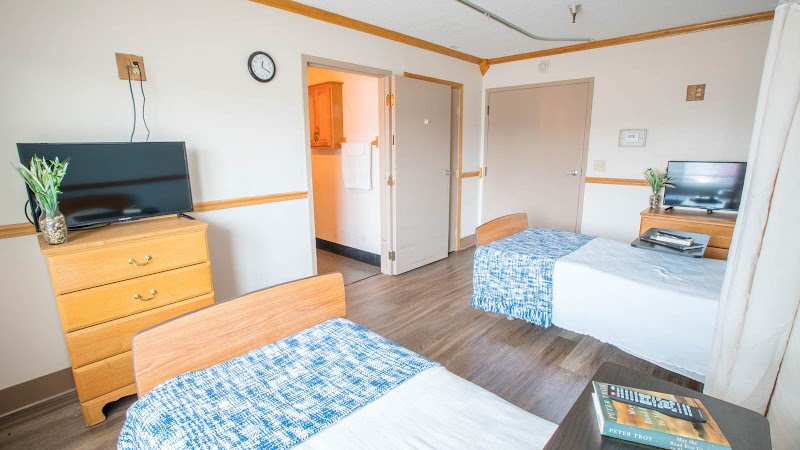
How is Momentous Health At Vandalia Staffed?

CMS rates MOMENTOUS HEALTH AT VANDALIA's staffing level at 1 out of 5 stars, which is much below average compared to other nursing homes. Staff turnover is 50%, compared to the Ohio average of 46%.

What Have Inspectors Found at Momentous Health At Vandalia?

State health inspectors documented 51 deficiencies at MOMENTOUS HEALTH AT VANDALIA during 2018 to 2024. These included: 51 with potential for harm. While no single deficiency reached the most serious levels, the total volume warrants attention from prospective families.
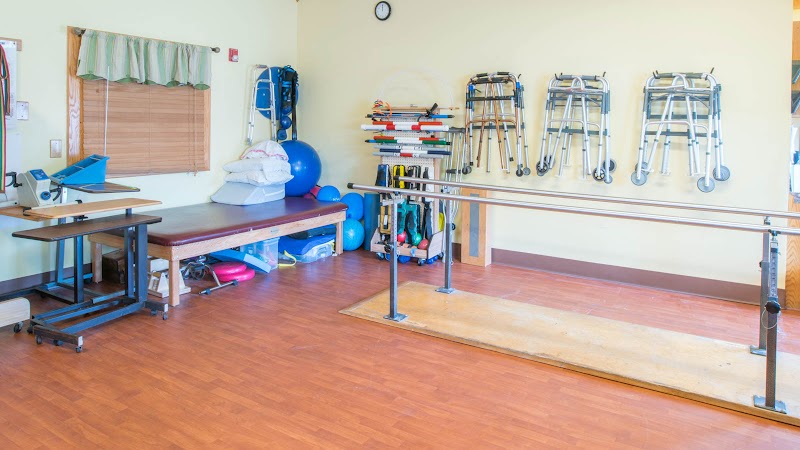
Who Owns and Operates Momentous Health At Vandalia?

MOMENTOUS HEALTH AT VANDALIA is owned by a for-profit company. For-profit facilities operate as businesses with obligations to shareholders or private owners. The facility operates independently rather than as part of a larger chain. With 118 certified beds and approximately 97 residents (about 82% occupancy), it is a mid-sized facility located in VANDALIA, Ohio.

How Does Momentous Health At Vandalia Compare to Other Ohio Nursing Homes?

Compared to the 100 nursing homes in Ohio, MOMENTOUS HEALTH AT VANDALIA's overall rating (1 stars) is below the state average of 3.2, staff turnover (50%) is near the state average of 46%, and health inspection rating (1 stars) is much below the national benchmark.

What Should Families Ask When Visiting Momentous Health At Vandalia?

Based on this facility's data, families visiting should ask: "Can you walk me through typical staffing levels on day, evening, and night shifts?" "Can I visit during a mealtime to observe dining assistance and food quality?" "How do you handle medical emergencies, and what is your hospital transfer rate?" "Can I speak with family members of current residents about their experience?" These questions are particularly relevant given the below-average staffing rating.

Is Momentous Health At Vandalia Safe?

Based on CMS inspection data, MOMENTOUS HEALTH AT VANDALIA has a clean safety record: no substantiated abuse findings (meaning no confirmed cases of resident harm), no Immediate Jeopardy citations (the most serious violation level indicating risk of serious injury or death), and is not on the Special Focus Facility watch list (a federal program monitoring the lowest-performing 1% of nursing homes). The facility has a 1-star overall rating and ranks #100 of 100 nursing homes in Ohio. While no facility is perfect, families should still ask about staff-to-resident ratios and recent inspection results during their visit.

Do Nurses at Momentous Health At Vandalia Stick Around?

MOMENTOUS HEALTH AT VANDALIA has a staff turnover rate of 50%, which is about average for Ohio nursing homes (state average: 46%). Moderate turnover is common in nursing homes, but families should still ask about staff tenure and how the facility maintains care continuity when employees leave.

Was Momentous Health At Vandalia Ever Fined?

MOMENTOUS HEALTH AT VANDALIA has no federal fines on record. CMS issues fines when nursing homes fail to meet care standards or don't correct problems found during inspections. The absence of fines suggests the facility has either maintained compliance or corrected any issues before penalties were assessed. This is a positive indicator, though families should still review recent inspection reports for the full picture.

Is Momentous Health At Vandalia on Any Federal Watch List?

MOMENTOUS HEALTH AT VANDALIA is not on any federal watch list. The most significant is the Special Focus Facility (SFF) program, which identifies the bottom 1% of nursing homes nationally based on persistent, serious quality problems. Not being on this list means the facility has avoided the pattern of deficiencies that triggers enhanced federal oversight. This is a positive indicator, though families should still review the facility's inspection history directly.