KINGSTON OF VERMILION
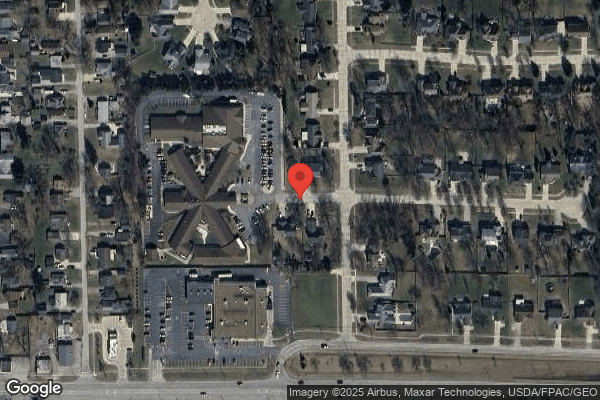
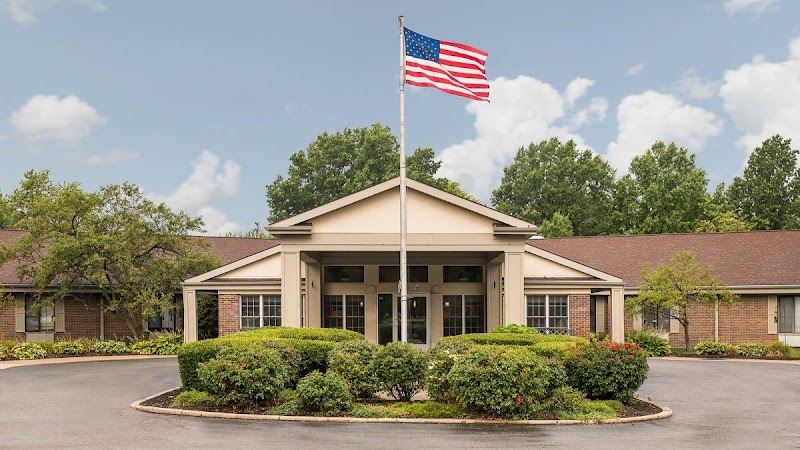
4210 TELEGRAPH LANE, VERMILION, OH 44089 (440) 967-1800
For profit - Corporation 120 Beds KINGSTON HEALTHCARE Data: November 2025
Trust Grade
80/100
#94 of 913 in OH
Last Inspection: July 2025

Inspected within the last 6 months. Data reflects current conditions.

Overview

Kingston of Vermilion has a Trust Grade of B+, which indicates it is above average and recommended for families considering care options. It ranks #94 out of 913 facilities in Ohio, placing it in the top half, and #3 out of 20 in Lorain County, suggesting that only two local options are better. The facility's trend is stable, with two issues reported in both 2024 and 2025. While the staffing rating is average with a turnover rate of 52%, it offers good RN coverage, surpassing 77% of Ohio facilities, which helps ensure residents receive proper care. However, the facility has faced some concerns, including inadequate medication storage that could affect multiple residents and improper portion sizes at mealtime, which could impact nutrition. Additionally, food items were not stored safely in the staff break room, raising hygiene concerns. Overall, Kingston of Vermilion has strengths in RN coverage and a solid reputation, but families should be aware of the identified issues that need attention.

Trust Score
B+
80/100
In Ohio
#94/913
Top 10%
Safety Record
Low Risk
No red flags
Inspections
Holding Steady
2 → 2 violations
Staff Stability
⚠ Watch
52% turnover. Above average. Higher turnover means staff may not know residents' routines.
Penalties
✓ Good
No fines on record. Clean compliance history, better than most Ohio facilities.
Skilled Nurses
✓ Good
Each resident gets 50 minutes of Registered Nurse (RN) attention daily — more than average for Ohio. RNs are trained to catch health problems early.
Violations
⚠ Watch
22 deficiencies on record. Higher than average. Multiple issues found across inspections.
★★★★★
5.0
Overall Rating
★★★☆☆
3.0
Staff Levels
★★★★★
5.0
Care Quality
★★★★☆
4.0
Inspection Score
Stable
2024: 2 issues
2025: 2 issues

The Good

  • 5-Star Quality Measures · Strong clinical quality outcomes
  • Full Sprinkler Coverage · Fire safety systems throughout facility
  • No fines on record

Facility shows strength in quality measures, fire safety.

The Bad

Staff Turnover: 52%

Near Ohio avg (46%)

Higher turnover may affect care consistency

Chain: KINGSTON HEALTHCARE

Part of a multi-facility chain

Ask about local staffing decisions and management

The Ugly 22 deficiencies on record

Jul 2025 2 deficiencies
CONCERN (D)

Potential for Harm - no one hurt, but risky conditions existed

PASARR Coordination (Tag F0644)

Could have caused harm · This affected 1 resident

Based on record review, staf interview and policy review, the facility failed to ensure a Preadmission Screening and Resident Review (PASRR) Level 1 was updated and resubmitted following a new diagnos...

Read full inspector narrative →
Based on record review, staf interview and policy review, the facility failed to ensure a Preadmission Screening and Resident Review (PASRR) Level 1 was updated and resubmitted following a new diagnosis of a serious mental illness for one (Resident #13) of three residents reviewed for PASRR. The facility census was 94.Findings included:Review of Resident #13's Preadmission Screen/Resident Review (PAS/RR) Identification Screen, dated 01/06/20, revealed that Resident #13 had a diagnosis of dementia/Alzheimer's disease, and had diagnoses that included mood disorder and major depressive disorder. A review of the clinical record for Resident #13 revealed no evidence of any additional PASRR forms. Interview on 07/30/25 at 12:28 P.M., with the Social Services Director (SSD) stated when a new psychiatric diagnosis was added to a resident record, a new Level I PASRR would be completed. The SSD stated a new PASRR Level I should have been completed for Resident #13 when their schizoaffective disorder diagnosis was added. Interview on 07/31/25 at 11:07 A.M., with the Administrator and the Director of Nursing (DON), the Administrator stated it was her expectation that the PASRR was accurate and resubmitted when there was a significant change in the resident's condition or a new psychiatric diagnosis was added. The Administrator stated it was her expectation that a PASRR Level I would have been resubmitted for Resident #13 at the time the new psychiatric diagnosis was added. The DON stated she would defer to the Administrator for PASRR-related questions.Review of the policy titled,PASRR and Level of Care Policies for Ohio, dated 06/11/18, revealed, it is the policy of [Facility Name] to follow the State and Federal regulations related to completing the appropriate PASRR and Level of Care as needed on admission, following a 30 day stay, appropriate change in level of condition and as needed for payor change to Medicaid. The results of the PASRR or Level of Care will be maintained in the electronic medical record.
CONCERN (D)

Potential for Harm - no one hurt, but risky conditions existed

Respiratory Care (Tag F0695)

Could have caused harm · This affected 1 resident

Based on observation, staff interview, record review, and facility policy review, the facility failed to post appropriate oxygen use signage for one (Resident #1) of three residents reviewed for respi...

Read full inspector narrative →
Based on observation, staff interview, record review, and facility policy review, the facility failed to post appropriate oxygen use signage for one (Resident #1) of three residents reviewed for respiratory care. The facility census was 94. Findings included:Review the admission record for Resident #1 on 06/06/25, with a diagnosis of pneumonia. Review of admission Minimum Data Set (MDS) assessment, with an Assessment Reference Date (ARD) of 06/13/25, revealed Resident #1 had a Brief Interview for Mental Status (BIMS) score of 9, which indicated the resident had moderate cognitive impairment. The MDS revealed the resident received oxygen therapy while a resident at the facility. Review Resident #1's Care Plan, included a focus area initiated 06/08/25, that indicated the resident was at risk for impaired gas exchange due to sleep apnea, congestive heart failure, hypoxia, and exacerbation. Interventions directed staff to administer supplemental oxygen at the ordered flow rate by the practitioner. Review of the Physician Order, dated 06/23/25, specified Resident #1 was to receive oxygen at 2-4 liters per minute (lpm) via nasal cannula (NC) continuously for hypoxia related to pneumonia. Observation from the hallway of Resident #1's room on 07/28/25 at 11:01 A.M. revealed no Oxygen in Use sign on the resident's door. Observation of Resident #1's room on 07/30/25 at 9:24 A.M. revealed there was no Oxygen in Use sign on the resident's door. The resident was observed in bed sleeping and was receiving supplemental oxygen via nasal cannula. Interview on 07/30/2025 at 3:19 P.M., the Director of Nursing (DON) stated that an oxygen-in-use sign should have been on a resident's door whenever the resident was started on oxygen, and the resident's nurse or respiratory therapist should have put the sign on the door. Interview on 07/31/2025 at 10:28 A.M., with Administrator stated their expectation was that any resident on oxygen should have had a sign on their door. Review of policy titled, Oxygen Therapy, dated June 2024, indicated, 4.3.4 Fire hazard is increased in the presence of increased oxygen concentrations.
Jul 2024 2 deficiencies
CONCERN (D) 📢 Someone Reported This

A family member, employee, or ombudsman was alarmed enough to file a formal complaint

Potential for Harm - no one hurt, but risky conditions existed

Resident Rights (Tag F0550)

Could have caused harm · This affected 1 resident

Based on Observations, interviews and record review the facility failed to provide privacy during resident care. This affected six (Resident #13, #51, #65, #68, #71, and #106) of 20 residents residing...

Read full inspector narrative →
Based on Observations, interviews and record review the facility failed to provide privacy during resident care. This affected six (Resident #13, #51, #65, #68, #71, and #106) of 20 residents residing on the memory care unit. Findings include: Review of medical record for Resident #106 revealed an admission date of 07/27/21. Resident #106 had impaired cognition. Review of medical record for Resident #13 revealed an admission date of 08/05/22. Resident #13 had impaired cognition. Review of medical record for Resident #15 revealed an admission date of 01/25/24. Resident #15 had impaired cognition. Review of medical record for Resident #51 revealed an admission date of 04/12/23. Resident #51 had impaired cognition. Review of medical record for Resident #68 revealed an admission date of 08/05/22. Resident #68 had impaired cognition. Review of medical record for Resident #74 revealed an admission date of 04/26/24. Resident #74 had impaired cognition. Observations on 07/18/24 at 9:52 A.M. revealed Podiatrist #152 set up in the dining room/ activity room trimming Resident #106's toenails. Residents #13, #15, #51, #68, and #71 were seated in the room because they also had their toenails trimmed. Interview on 07/18/24 at 9:56 A.M., the Activity Director #151 stated she did not know why the Podiatrist was in the dining room trimming nails. Interview on 07/18/24 at 10:00 A.M., the Activity Assistant #150 stated Podiatrist #152 trimmed the toenails for four other residents. Observations of the area where the trimming took place revealed toenail clippings approximately a two-by-two-foot area on the floor. The activity assistant verified the findings and stated he should have taken the residents to their room to provide care. Interview on 07/18/24 at 10:14 A.M., Podiatrist #152 stated he was not sure why the facility had him trimming nails in the dining room. The Podiatrist then went on to say it was difficult to bring 15 residents in wheelchairs to their rooms. The deficiency is an incidental findings discovered during the course of a complaint investigation.
CONCERN (D) 📢 Someone Reported This

A family member, employee, or ombudsman was alarmed enough to file a formal complaint

Potential for Harm - no one hurt, but risky conditions existed

Accident Prevention (Tag F0689)

Could have caused harm · This affected 1 resident

Based on record review and interview the facility failed to use a mechanical lift for a transfer for one, (Resident #53) of three reviewed for falls. The facility census was 107. Findings include: Re...

Read full inspector narrative →
Based on record review and interview the facility failed to use a mechanical lift for a transfer for one, (Resident #53) of three reviewed for falls. The facility census was 107. Findings include: Review of medical record for Resident #53 revealed an admission date of 09/16/22. Diagnoses included unspecified dementia with psychotic disturbance. Review of the quarterly Minimum Data Set (MDS) assessment, dated 06/26/24, revealed the resident had impaired cognition. The resident was dependent for bed mobility, transfers, and ambulation. Resident #53 required a mechanical stand-up lift for all transfers. Review of the facility fall risk evaluation dated 06/17/24 revealed Resident #53 was at high risk for falls. The evaluation indicated an Agency State Tested Nurse Assistant (STNA) #157 notified Licensed Practical Nurse #154 that Resident #53 was in the shower room and had to be lowered to the floor. Facility staff completed a thorough investigation which reported no injuries. Interview on 07/17/24 at 1:40 P.M., Medication Technician (MT) #155 stated STNA #157 did not use the stand-up lift to transfer Resident #53. MT #155 stated Resident #53 had to be lowered to the floor. Interview on 07/17/24 at 3:45 P.M., Physical Therapist (PT) #156 stated Resident #53 was in the shower room, the agency staff told Resident #53 she would not need the stand-up lift, that she could lift the resident by herself. PT #156 stated Resident #53 always required a stand-up lift for all transfers. Interview on 07/17/24 at 3:58 P.M., Resident #53 stated STNA #157 stated she would not use the stand-up lift because it would take to much time. Resident #53 stated she told STNA #157 that she was taller and bigger than her. Resident #53 stated STNA #157 lifted her by her arms and she slid onto the floor. Resident #53 said STNA #157 should have listened to her. Interview on 07/18/24 at 9:06 A.M., the Director of Nursing (DON) stated STNA #157 did not use the stand-up lift to transfer Resident #53. The DON stated all staff have resident information related to what devices are required to transfer each resident. The DON stated STNA #157 was placed on the do not return, list. This deficiency represents non-compliance investigated under Complaint Number OH00155197.
Aug 2023 10 deficiencies
CONCERN (D)

Potential for Harm - no one hurt, but risky conditions existed

Resident Rights (Tag F0550)

Could have caused harm · This affected 1 resident

3. Review of Resident #61's medical record revealed an admission date of 02/01/22, with diagnoses including dementia without behaviors, obstructive uropathy and urinary retention. Review of Resident ...

Read full inspector narrative →
3. Review of Resident #61's medical record revealed an admission date of 02/01/22, with diagnoses including dementia without behaviors, obstructive uropathy and urinary retention. Review of Resident #61's quarterly Minimum Data Set (MDS) assessment, dated 06/29/23 revealed the resident had a severe cognitive impairment. Resident #61 was coded to have a indwelling urinary catheter. Review of Resident #61's physician order, dated 02/01/23, revealed an order for a Foley (indwelling urinary) catheter due to a diagnosis of obstructive uropathy. Review of Resident #61's care plan, revised on 06/21/23, revealed Resident #61 required an indwelling urinary catheter. Interventions listed in the care plan included to cover the drainage bag to promote dignity. Observation on 08/28/23 at 11:11 A.M., revealed Resident #61 lying in bed and the urinary drainage bag was hanging on the bed uncovered, with yellow urine visible in the drainage bag. Interview on 08/28/23 at 11:15 A.M., with Licensed Practical Nurse (LPN) #891 verified the urinary drainage bag was uncovered. LPN #891 stated the drainage bag should be covered, and normally the facility used drainage bags with attached vinyl coverings. Observation on 08/28/23 at 2:13 P.M., of Resident #61 in the therapy gym on the 600 hall revealed Resident #61 seated on an exercise bike, with an unknown therapist at his side. The urinary drainage bag was hanging on the side of the bike and remained uncovered. Observation on 08/28/23 at 2:56 P.M., revealed Resident #61 lying in bed. Resident #61's drainage bag was hanging on the side of the bed frame uncovered, with yellow urine visible in the bag from the doorway. Interview on 08/28/23 at 2:56 P.M., with Environmental Services Aide (ESA) #844 verified Resident #61's urinary drainage bag was uncovered and visible from the hallway. Review of the policy titled Dignity dated 10/10/22, indicated demeaning practices and standards of care that compromise dignity are prohibited. Staff shall promote dignity and assist residents as needed by helping the resident to keep urinary catheter bags covered. Based on observation, staff interview, policy review, and medical record review, the facility failed to ensure dignity was respected regarding urinary catheter use. This affected three (#61, #89 and #357) of three residents reviewed for dignity. The facility census was 108. Findings include: 1. Review of Resident #89's medical record revealed an admission date of 07/27/23, with diagnoses including: displaced intertrochanteric fracture of right femur, hydronephrosis, obstructive and reflux uropathy, chronic kidney disease, hypertensive heart, acute congestive heart failure and paroxysmal atrial fibrillation. Resident #81 required use of a urinary catheter (a tube inserted into the resident's bladder to drain urine) due to obstructive and reflux uropathy of the bladder and urinary retention. Observation on 08/29/23 at 9:35 A.M., revealed Resident #89 was in bed in her room. The resident's urinary catheter drainage bag did not have a privacy bag covering it. Interview on 08/29/23 at 9:42 A.M., with Staff Development Registered Nurse (RN) #880 verified there was no privacy bag covering the urinary catheter drainage bag. 2. Review of Resident #357's medical record revealed an admission date of 08/26/23, with diagnoses including: status post diagnostic laparoscopy with ovarian mass removal and appendectomy. Resident #357 required the temporary use of a urinary catheter due immobility and pain. Observation on 08/28/23 at 9:45 A.M., revealed Resident #89 was in bed in her room and urinary catheter drainage bag did not have a privacy bag covering it. Interview on 08/28/23 at 9:48 A.M., RN #880 verified there was no privacy bag covering the urinary catheter drainage bag.
CONCERN (D)

Potential for Harm - no one hurt, but risky conditions existed

Deficiency F0578 (Tag F0578)

Could have caused harm · This affected 1 resident

Based on staff interview and medical record review, the facility failed to ensure a resident had an accurate and consistent advance directive in place throughout the medical record. This affected one ...

Read full inspector narrative →
Based on staff interview and medical record review, the facility failed to ensure a resident had an accurate and consistent advance directive in place throughout the medical record. This affected one (#39) of eight residents reviewed for advance directives. The facility census was 108. Findings include: Review of Resident #39's medical record revealed an admission date of 08/10/18, with diagnoses including: cerebrovascular accident (stroke), adenocarcinoma (cancer) of lung, and dementia. Review of the Significant Change in Status Minimum Data Set (MDS) assessment, dated 08/09/23, revealed Resident #39 had severe impaired cognition, required extensive assistance of 1-2 staff for transfers, bed mobility, toileting, dressing and hygiene. The assessment further revealed Resident #39 received hospice services. Review of Resident #39's care plan, initiated on 08/11/18 and revised on 08/29/23, revealed a code status of Do Not Resuscitate Comfort Care (DNRCC). Review of the Do Not Resuscitate (DNR) Order form in Resident #39's chart revealed a selection of DNRCC, dated 06/14/23, signed by Resident #39's physician. Review of physician orders revealed Resident #39 was admitted to hospice care on 08/01/23 with a diagnosis adenocarcinoma of the lung. Resident #39 had a physician order, dated 06/14/23, of DNRCC-Arrest listed in the electronic medical record. Interview on 08/29/23 at 2:29 P.M., with Assistant Director of Nursing (ADON) #879 revealed Resident #39 received comfort care with hospice at the facility. ADON #879 verified Resident #39's medical record contained mismatched advance directives between the hard chart and the electronic medical record. ADON #879 stated Resident #39 recently signed on to hospice, and staff must not have changed the advance directive after hospice enrollment. Interview on 08/29/23 at 4:30 P.M., with Director of Nursing (DON) revealed the facility did not have an advance directives policy.
CONCERN (D)

Potential for Harm - no one hurt, but risky conditions existed

Accident Prevention (Tag F0689)

Could have caused harm · This affected 1 resident

2. Review of Resident #54's medical record revealed an admission date of 03/22/23, with diagnoses included intracranial injury, hemiparesis affecting right dominant side, dementia, and obesity. Revie...

Read full inspector narrative →
2. Review of Resident #54's medical record revealed an admission date of 03/22/23, with diagnoses included intracranial injury, hemiparesis affecting right dominant side, dementia, and obesity. Review of Resident #54's Minimum Data Set (MDS) assessment, dated 08/12/23, revealed the resident was not assessed for cognition. The resident was totally dependent on the assistance of two staff for transfers. Review of nursing summary progress note, dated 08/13/23, revealed Resident #54 was alert and oriented to self. Review of Resident #54's physician orders, identified an order dated 08/10/23 for the use of a full body mechanical lift for transfers using a criss-cross sling with the assist of two staff. Review of Resident #54's care plan, initiated 03/22/23, revealed Resident #54 required assistance with activities of daily living. An intervention was implemented on 08/01/23 for assistance of two staff with use of mechanical lift for transfers into a tilt in space wheelchair. Observation on 08/28/23 at 2:00 P.M., revealed Resident #54 in his wheelchair in the 300 hallway across from his room. Resident #54 had a mechanical lift transfer sling underneath him. STNA #913 attached the loops of the mechanical lift sling and lifted the resident up into the air. STNA #913 then pushed the mechanical lift into Resident #54's room, to his bed which was positioned by the window, approximately 15 feet. STNA #913 then lowered Resident #54 into his bed. No other staff were present to assist STNA #913 with the mechanical lift transfer. Observation on 08/28/23 at 2:04 P.M., revealed Resident #54 lying in his bed with the mechanical lift sling still underneath him. STNA #913 remained in Resident #54's room and returned the mechanical lift device to the hallway directly outside of Resident #54's room. STNA #954 then entered Resident #54's room and closed the door. Interview on 08/28/23 at 2:11 P.M., with STNA #913 verified she transferred Resident #54 alone and in the mechanical lift for approximately 15 feet. STNA #913 further stated she always transferred Resident #54 alone and did not need another STNA's assistance while using the mechanical lift. STNA #913 verified STNA #954 entered the room after the transfer was complete and was only needed to assist with Resident #54's personal care. Review of the RIS located at the nursing station, dated 08/27/23, revealed Resident #54's transfer status was two-assist mechanical lift, full body sling. Review of the policy titled Patient/Resident Transfer Policy, dated 2020, revealed transfers would be conducted following the principles of proper body mechanics and resident safety. Based on record review, observation, staff interview, and review of policy, the facility failed to ensure a resident was safely transfered utilizing a mechanical lift. This affected two (#54 and #71) of three residents reviewed for transfers. The facility census was 108. Findings include: 1. Review of Resident #71's medical record revealed an admission dated of 11/09/20, with diagnoses including: hemiplegia, aphasia, dysphagia, unspecified convulsions, osteoarthritis, schizoaffective disorder, insomnia, obesity, and scoliosis. Review of Resident #71's quarterly Minimum Data Set (MDS) assessment, dated 06/28/23, revealed the resident was cognitively impaired and was totally dependent on the assistance of two staff for transfers. Review of Resident #71's physician orders, revealed an order dated 01/04/21 and revised 04/29/23 for assistance of two staff with mechanical lift, with full body sling for transfers into tilt in space wheelchair for proper positioning and pressure relief. Review of Resident #71's current plan of care, dated 11/20/20, revealed the resident required assistance with activities of daily living. An intervention was implemented on 04/29/23 for assistance of two, mechanical lift with full body sling for transfers into tilt in space wheelchair for proper positioning and pressure relief. Observation on 08/29/23 at 1:29 P.M., revealed Resident #71 was in her wheelchair which was located in the hallway across from her room. Resident #71 had a mechanical lift transfer sling underneath of her. State Tested Nurse Aide (STNA) #913 attached the loops of the mechanical lift sling to the mechanical lift and used the mechanical lift to lift the resident up into the air. STNA #913 then pushed the mechanical lift across the hall and into the resident's room. Once in the room, STNA #913 lowered Resident #71 into Resident #71's bed. No other staff were present to assist with the mechanical lift transfer. Interview on 08/29/23 at 1:40 P.M., with STNA #913 verified the staff member transferred Resident #71 via mechanical lift with no other staff present and pushed the resident fromt he hallway to the room while the resdient was in the lift. STNA #913 reported she always transferred Resident #71 by herself, and stated most residents only required one staff member to be present for mechanical lift transfers. STNA #913 reported STNAs found resident transfer statuses, including how many staff members were required, on a Resident Information Sheet (RIS) located at the nursing station. Review of the RIS located at the nursing station, dated 08/27/23, revealed Resident #71's transfer status was two-assist mechanical lift, full body sling.
CONCERN (D)

Potential for Harm - no one hurt, but risky conditions existed

Respiratory Care (Tag F0695)

Could have caused harm · This affected 1 resident

**NOTE- TERMS IN BRACKETS HAVE BEEN EDITED TO PROTECT CONFIDENTIALITY** Based on medical record review, observation, staff interview, and review of the policy, the facility failed to ensure infection ...

Read full inspector narrative →
**NOTE- TERMS IN BRACKETS HAVE BEEN EDITED TO PROTECT CONFIDENTIALITY** Based on medical record review, observation, staff interview, and review of the policy, the facility failed to ensure infection control was maintain for oxygen tubing, by storing nasal cannula's to prevent contamination and changing oxygen tubing as ordered. This affected two (#22 and #62) of two residents reviewed for oxygen. The facility census was 108. Findings include: 1. Review of Resident #22's medical record revealed an admission date of 11/19/16, with diagnoses including: chronic obstructive pulmonary disease (COPD), respiratory failure, heart disease with heart failure, obstructive sleep apnea, and asthma. Review of Resident #22's quarterly Minimum Data Set (MDS) assessment, dated 04/19/23, revealed the resident was cognitively intact and required extensive assistance of two staff for bed mobility and transfers. The resident received oxygen. Review of Resident #22's physician orders for August 2023, identified current orders for oxygen saturation level while on three liters nasal cannula during the day, four liters nasal cannula at bedtime, and respiratory therapy to change oxygen tubing, nebulizer, set-up, and/or non-invasive ventilation supplies every Tuesday. Observation on 08/28/23 at 9:42 A.M., revealed Resident #22's oxygen tubing with nasal cannula and oxygen extension tubing were dated 08/18/23. Observations on 08/28/23 at 11:03 A.M., on 08/29/23 at 1:24 P.M., on 08/29/23 at 4:37 P.M., and on 08/30/23 at 7:46 A.M. revealed the oxygen/extension tubing were dated 08/18/23. Review of the respiratory administration record for August 2023, revealed the order for oxygen tubing to be changed was documented as completed on 08/01/23, 08/08/23, 08/15/23, 08/22/23, and 08/29/23, which were all Tuesdays. The administration record did not indicate the oxygen tubing was changed on Friday, 08/18/23 or on Monday 08/28/23. Interview on 08/30/23 at 12:52 P.M., with Respiratory Therapist (RT) #984, verified Resident #22's oxygen tubing was supposed to be changed on a weekly basis. RT #984 also verified the Treatment Administration Record (TAR) was not signed off on the dates the tubing was changed, and was subsequently signed off on dates the tubing was not changed. 2. Review of the medical record for Resident #62 revealed an admission date of 03/27/21, with diagnoses including: chronic respiratory failure, osteoarthritis, chronic obstructive pulmonary disease (COPD) type II diabetes, osteoporosis, and history of falling. Review of the plan of care dated 06/12/23 revealed the resident had impaired gas exchange related to chronic respiratory failure. Interventions included to administer respiratory treatments and to elevate the head of the bed to facilitate breathing. Review of the quarterly Minimum Data Set (MDS) 3.0 assessment dated [DATE] revealed the resident had intact cognition and required extensive assistance from staff for bed mobility and transfers. Review of the physician orders for August 2023 revealed an order to administer continuous oxygen at a rate of two liters to four liters to maintain an oxygen saturation greater than 92 percent (%). There was an order for Respiratory Therapy to change oxygen tubing every Tuesday. Review of the respiratory therapy administration record for August 2023 revealed the oxygen tubing was changed on 08/15/22, 08/22/23 and 08/29/23. Observation on 08/28/23 at 9:16 A.M., of Resident #62 revealed she was laying in her bed receiving oxygen by nasal cannula from an oxygen concentrator. The oxygen tubing was dated 08/18/23. Resident #62 had a portable oxygen canister located on the back of her wheelchair. The nasal cannula tubing to the portable oxygen canister was rolled up and shoved into the holder with the oxygen tank. The nasal cannula tubing was not stored in a way to prevent contamination and infections. Interview at the time of the observation with Clinical Manager #984, verified the tubing was dated 08/18/23. Observation on 08/28/23 at 9:30 A.M., of Resident #62 revealed Respiratory Therapist (RT) #984 changing out the tubing to the oxygen concentrator and the tubing for the portable oxygen container. The nasal cannula for the portable oxygen container was stored in a plastic bag. Interview on 08/28/23 at 10:51 A.M., with RT #984 stated she is responsible for changing out oxygen tubing every Tuesday on Resident #62's hall. However, she delegates the task to the RT's that work as needed (PRN). RT #984 stated she was not sure when the last time the tubing was changed. Further observation on 08/29/23 at 5:23 P.M., of Resident #62's wheelchair revealed the nasal cannula to the portable oxygen container was rolled up and shoved into the holder for the oxygen tank. The nasal cannula was not stored in a way to prevent contamination and infection. Interview at the time of the observation, with Licensed Practical Nurse (LPN) #993, verified the nasal cannula was not stored properly. Interview on 08/30/23 at 12:52 P.M., with RT #984 verified she changed Resident #62's oxygen tubing on 08/28/23 and documented as completed on 08/29/23. RT #984 stated the computer only lets her document oxygen changes on Tuesdays even though it was changed on Monday 8/28/23. Review of the policy titled Disposable Equipment Replacement, dated July 2022 revealed equipment storage bags and oxygen delivery systems such as masks, nasal cannula, oxygen supply tubing is to be changed weekly or as needed.
CONCERN (D)

Potential for Harm - no one hurt, but risky conditions existed

Deficiency F0700 (Tag F0700)

Could have caused harm · This affected 1 resident

**NOTE- TERMS IN BRACKETS HAVE BEEN EDITED TO PROTECT CONFIDENTIALITY** Based on observation, staff interview, medical record review, and policy review, the facility failed to ensure bedrail consents ...

Read full inspector narrative →
**NOTE- TERMS IN BRACKETS HAVE BEEN EDITED TO PROTECT CONFIDENTIALITY** Based on observation, staff interview, medical record review, and policy review, the facility failed to ensure bedrail consents were obtained and assessments were accurate. This affected three (#40, #13, and #62) of three residents reviewed for bedrails. The facility idenitfied 103 residents with orders for assist rails. The facility census was 108. Findings include: 1. Reviw of Resident #40's medical record revealed an admission date of 05/26/22, with diagnoses including: Parkinson's Disease, dementia, osteoporosis, and polyneuropathy. Review of Resident #40's Significant Change in Status Minimum Data Set (MDS) assessment, dated 07/25/23, revealed Resident #40 was severely cognitively impaired. Resident #40 required extensive assist of 1-2 staff with bed mobility, toileting, and hygiene. Resident #40 was dependent on two staff for transfers. Review of Resident #40's physician orders, identified an order dated 05/26/22 for assist rails. The order further specified one or two rails could be used for turning and repositioning. Review of Resident #40's current plan of care identified the need for assistance with activities of daily living (ADLs). Resident #40's ADL care plan listed an intervention of assist rails as needed for bed mobility and positioning. Review of Resident #40's Bed Assist/Side Rail (SR) Assessment, dated 07/28/23, revealed Resident #13 did not express a desire to have rails raised while in bed for her own safety and/or comfort. The assessment further identified recommendations for the resident to use no side rails. Observation on 08/30/23 at 10:20 A.M., revealed Registered Nurse Clinical Manager (RNCM) #945 and Registered Nurse (RN) #841 performed ordered wound care to Resident #40's sacral wound. Resident #40 was lying in bed and was repositioned by RNCM #945 and RN #841. Resident #40's bed had metal bedrails on both sides of the bed and both rails were in the raised position. Throughout wound care observation, Resident #40 was not observed to grasp the side rail nor assist in her own positioning. RN #841 held Resident #40 on her left side throughout the duration of wound care. RNCM #945 stated two staff members are needed when performing Resident #40's wound care as Resident #40 is not able to turn on her side on her own or aid in her own positioning. Review of the medical record, both physical chart and electronic medical record, did not contain an informed consent for bedrail use. Interview on 08/31/23 at 10:01 A.M., with the Director of Nursing (DON) verified the facility does not complete consents for the use of side/assist/bedrails. 2. Review of Resident #13's medical record revealed an admission date of 03/24/21, with diagnoses including ataxia (loss of coordination of voluntary movements) following cerebrovascular accident (stroke), osteoporosis, and chronic kidney disease. Review of Resident #13's quarterly Minimum Data Set (MDS) assessment, dated 08/16/23, revealed Resident #13 was cognitively intact. Resident #13 required extensive assist of 1-2 staff for bed mobility, toileting, and hygiene. Resident #13 was dependent on two staff for transfers. Review of Resident #13's physician orders, identified an order dated 05/26/22 for assist rails. The order further specified one or two rails could be used for turning and repositioning. Review of Resident #13's current plan of care identified the need for assistance with activities of daily living (ADLs). Resident's ADL care plan listed an intervention of assist rails as needed for bed mobility and positioning. Review of Resident #13's Bed Assist/SR Assessment, dated 08/16/23, revealed Resident #13 did not express a desire to have rails raised while in bed for her own safety and/or comfort. The assessment further identified recommendations for the resident to only utilize a left bed rail. Review of the medical record, both physical chart and electronic medical record, did not contain an informed consent for bedrail use. Observation and interview on 08/31/23 at 10:25 A.M., with Resident #13 revealed the resident in bed, with both metal side rails in the raised position on the bed. Resident #13 stated she uses both bedrails to aid in her own positioning, and the bedrails have been on the bed since her admission to the facility. Interview on 08/31/23 at 10:27 A.M., with State Tested Nurse Aide (STNA) #954 revealed she is familiar with Resident #13's care. STNA #954 verified Resident #13 uses bilateral bedrails to help her turn and reposition in the bed during care. STNA #954 stated Resident #13 always has both bedrails in the raised position while she is in bed. Interview on 08/31/23 at 10:01 A.M., with the Director of Nursing (DON) verified the facility does not complete consents for the use of side/assist/bedrails. 3. Review of Resident #62's medical record revealed an admission date of 03/27/21, with diagnoses including chronic respiratory failure, osteoarthritis, chronic obstructive pulmonary disease (COPD) type II diabetes, osteoporosis, and history of falling. There was no evidence of consent for side rails. Review of the plan of care dated 06/12/23 revealed the resident requires assistance with activities of daily living related to inflammatory lumbar spondylopathy, and osteoporosis. Intervention included the use of assist rails as needed for bed mobility and positioning. Review of the quarterly MDS assessment, dated 06/26/23 revealed the resident had intact cognition and required extensive assistance from staff for bed mobility and transfers. The assessment indicated bed rails were not used. Review of the quarterly assessment dated [DATE], revealed the assessment indicated bilateral assist rails. Review of the medical record, both physical chart and electronic medical record, did not contain an informed consent for bedrail use. Interview on 08/31/23 at 11:54 A.M., with the DON stated the facility does not have a consent for side/assist rails. Review of the titled, Bed Safety/Maintenance, dated June 2023, revealed if side rails are used, there shall be an interdisciplinary assessment of the resident, consultation with the attending physician, and input from the resident and/or legal representative. The staff shall obtain consent for the use of side rails from the resident or the resident's representative prior to their use, including the benefits and potential hazards associated with side rails.
CONCERN (D)

Potential for Harm - no one hurt, but risky conditions existed

Pharmacy Services (Tag F0755)

Could have caused harm · This affected 1 resident

Based on medical record review, policy review and staff interview, the facility failed to ensure medications were administered to residents as prescribed by physician's orders. This affected one (#48)...

Read full inspector narrative →
Based on medical record review, policy review and staff interview, the facility failed to ensure medications were administered to residents as prescribed by physician's orders. This affected one (#48) of five resident reviewed for medication administration. The facility census was 108 residents. Findings include: Review of Resident #165's medical record revealed an admission date of 08/13/22, with diagnoses including ulcerative colitis with rectal bleeding, essential hypertension, atherosclerotic heart disease, left and right shoulder osteoarthritis, atrial fibrillation, diverticulitis of intestine, anxiety disorder, unilateral inguinal hernia, adult failure to thrive, acute kidney failure, anxiety, and depression. Review of Resident #48's physician orders revealed an order for Tofacitinib Citrate 10 milligrams (mg), twice a day for gastrointestinal issues. Review of Resident #48's August 2023 Medication Administration Record (MAR) revealed the morning dose of Tofacitinib Citrate 10 mg was not administered on 08/21/23, 08/22/23, 08/23/23, 08/24/23, 08/25/23, 08/26/23, 08/27/23 and 08/28/23. The evening dose of Tofacitinib Citrate 10 mg was not administered on 08/20/23, 08/21/23, 08/22/23, 08/23/23, 08/24/23, 08/25/23, 08/26/23, 08/27/23 and 08/28/23. Interview on 08/01/23 at 1:00 P.M., with the Director of Nursing (DON) indicated Resident #48 did not receive the prescribed doses of Tofacitinib Citrate from 08/20/23 through 08/28/23 due to the medication being misplaced after delivery. The DON indicated the night shift nurse signed for the medication that was included with other medication. When the medication was scheduled to be administered, the medication could not be found. The DON stated the facility ultimately had to pay for a new shipment of the prescribed medication which did not arrive until 08/28/23. The DON indicated that Resident #48 experienced no adverse effects from the missed medication administration and additional gastrointestinal medications were prescribed during that period of time. Review of the policy titled, Administering Medications, dated February 2023, indicated medications must be administered in accordance with the orders, including any required time frame.
CONCERN (D)

Potential for Harm - no one hurt, but risky conditions existed

Deficiency F0883 (Tag F0883)

Could have caused harm · This affected 1 resident

Based on record review, staff interview, review of policy, and review of the Centers for Disease Control and Prevention (CDC) guidance, the facility failed to ensure the pneumococcal vaccine was offer...

Read full inspector narrative →
Based on record review, staff interview, review of policy, and review of the Centers for Disease Control and Prevention (CDC) guidance, the facility failed to ensure the pneumococcal vaccine was offered according to guidelines. This affected one (#62) of five residents reviewed for immunizations. The facility census was 108. Findings include: Review of the medical record for Resident #46 revealed an admission date of 05/05/19, with diagnoses including: multiple sclerosis, anxiety, osteoarthritis, type II diabetes, neuromuscular bladder, kyphosis, and depression. Review of the immunization tab revealed the Pneumococcal conjugate vaccine (PCV13) was administered on 10/14/23. The Pneumococcal polysaccharide vaccine (PPSC23) was documented as not eligible on 10/14/23. Interview on 08/30/23 at 4:15 P.M., with the Infection Control Preventionist (ICP) #880 stated Resident #46 received the PCV13 on 10/14/23 and at that time the PPCV23 was sign off as not eligible due to the immunization needed to be administered a year apart. ICP # verified the facility did not follow up to offer the PPCV23 at a later date. Review of the website for Centers for Disease Control and Prevention (CDC) titled Pneumococcal Vaccine Recommendations, dated 02/13/23 recommended for adults 65 and older, routine administration of pneumococcal conjugate vaccine (PCV15 or PVC20) for all adults 65 years or older who have ever received any pneumococcal conjugate vaccine or whose previous vaccination history is unknown. Review of the policy titled Pneumococcal Vaccine dated 08/22/22 revealed administration of the pneumococcal vaccine or revaccinations will be made in accordance with current Centers for Disease Control and Prevention (CDC) recommendations at the time of the vaccination.
CONCERN (E)

Potential for Harm - no one hurt, but risky conditions existed

Deficiency F0761 (Tag F0761)

Could have caused harm · This affected multiple residents

**NOTE- TERMS IN BRACKETS HAVE BEEN EDITED TO PROTECT CONFIDENTIALITY** Based on observation, staff interview, medical record review, and policy review, the facility failed to ensure medications were ...

Read full inspector narrative →
**NOTE- TERMS IN BRACKETS HAVE BEEN EDITED TO PROTECT CONFIDENTIALITY** Based on observation, staff interview, medical record review, and policy review, the facility failed to ensure medications were stored securely. This affected one (#61) and had the potential to affect four additional residents (#35, #54, #68, and #79) the facility identified as cognitively impaired and independently mobile on the 300 hall. The facility census was 108. Findings include: Review of Resident #61's medical record revealed an admission date of 02/01 22, with diagnoses including: dementia without behaviors, obstructive uropathy and urinary retention. Review of Resident #61's admission Assessment/Observation, dated 02/01/22, revealed Resident #61 did not wish to administer his own medications. Review of Resident #61's quarterly Minimum Data Set (MDS) assessment dated [DATE] revealed the resident had a Brief Interview for Mental Status (BIMS) score of 07, which indicated a severe cognitive impairment. Resident #61 required extensive assistance with bed mobility, transfers, toileting, and personal hygiene. Observation on 08/28/23 at 11:11 A.M., revealed Resident #61 in bed, with overbed table within reach. On the overbed table, a plastic medication cup contained twelve multi-colored pills. Resident #61 stated they were his medications but was unable to state when the nurse brought him the medications. Interview on 08/28/23 at 11:15 A.M., with Licensed Practical Nurse #891 verified the medications on Resident #61's overbed table had been left unattended. LPN #891 stated she did not bring the medications to Resident #61; it must have been the nurse before her. LPN #891 stated she began her shift at 8:00 A.M., so the medications were brought to Resident #61 prior to that time. LPN #891 verified Resident #61 requires all medications to be administered by the nurse and medications should not have been left at Resident #61's bedside. Review of the policy titled Storage of Medications, dated 01/07/21, revealed the facility shall store all drugs and biologicals in a safe, secure, and orderly manner.
CONCERN (E) 📢 Someone Reported This

A family member, employee, or ombudsman was alarmed enough to file a formal complaint

Potential for Harm - no one hurt, but risky conditions existed

Menu Adequacy (Tag F0803)

Could have caused harm · This affected multiple residents

Based on observation, record review, staff interview, and review of policy, the facility failed to ensure proper portion sizes were served to residents. This had the potential to affect all residents,...

Read full inspector narrative →
Based on observation, record review, staff interview, and review of policy, the facility failed to ensure proper portion sizes were served to residents. This had the potential to affect all residents, except for Resident #19 and #28 who were identified as consuming nothing by mouth. The facility census was 108. Findings include: Review of the dinner meal spreadsheet for 08/28/23, revealed that sloppy joe should be served using a number 10 (three-ounce) scoop. Observation of tray line on 08/28/23 at 4:40 P.M., revealed Dietary [NAME] #867 served sloppy joe with a number 16 (two-ounce) scoop instead of a number 10 scoop, as indicated on the spreadsheet. Interview on 08/28/23 at 4:43 P.M., with Dietary Manager #884 verified at time of observation, Dietary [NAME] #867 had been using the incorrect scoop size. Dietary Manager #884 then instructed Dietary [NAME] #867 to begin using two number 16 scoops (four ounces) in place of one number 10 scoop. Review of the facility-provided list revealed Resident #19 and #28 received nothing by mouth and did not receive food from the kitchen. Review of the facility policy titled Dietary/Nutritional Care Services/Meal Service, dated April 2014, revealed the dietary manager would perform meal rounds daily, as deemed appropriate and would observe meals for preferences, portion sizes, temperature, flavor, variety, and tray pass for accuracy. This deficiency represents non-compliance investigated under Complaint Number OH00144401.
CONCERN (E) 📢 Someone Reported This

A family member, employee, or ombudsman was alarmed enough to file a formal complaint

Potential for Harm - no one hurt, but risky conditions existed

Food Safety (Tag F0812)

Could have caused harm · This affected multiple residents

Based on record review, observation, staff interview, and review of policy, the facility failed to safely store resident food items in the refrigerator/freezer located in the staff break room. This ha...

Read full inspector narrative →
Based on record review, observation, staff interview, and review of policy, the facility failed to safely store resident food items in the refrigerator/freezer located in the staff break room. This had the potential to affect all residents, except for Resident #19 and #28 who were identified as consuming nothing by mouth. The facility census was 108. Findings include: Interview on 08/29/23 at 8:48 A.M., with Registered Nurse (RN) #703, revealed resident food items were stored in a refrigerator/freezer located in the staff breakroom. Interview on 08/29/23 at 8:56 A.M., with Dietary Manager #884, revealed the environmental service department was responsible for maintaining the specified refrigerator/freezer. Interview on 08/29/23 at 9:00 A.M., with Housekeeper #971 revealed housekeeping staff were responsible for maintaining the refrigerator located in the staff breakroom. Housekeeper #971 reported she knew the refrigerator needed a good cleaning. Observation of the refrigerator on 08/29/23 at 9:00 A.M., with Housekeeper #971, revealed the refrigerator had an internal temperature of 41 degrees Fahrenheit. There was no temperature log present in the area. The top three shelves of the refrigerator were stuffed full of miscellaneous items. Observation of food items contained inside of the refrigerator revealed: a container of chili fries was labeled with Resident #70's name and room number and was undated; a container of unidentified meat with onions which were covered in a mold like substance, labeled with a resident room number where no resident currently resided, and was undated; a container of ravioli was labeled with a resident room number and was undated; a bag containing chicken with a mold like substance in a paper box was unlabeled and undated; a burrito wrapped in saran wrap was unlabeled and undated; a bag containing strawberry yogurt with an expiration date of 07/12/23; a clear plastic container containing sliced sausage and potatoes which was undated and unlabeled; a frosted cake was unlabeled, undated, and uncovered aside from a paper towel which was stuck to the frosting; dried up chicken wrapped in a paper towel was unlabeled and undated; a nutritional bar with an expiration date of 11/15/22; a Tupperware container with pot roast and a mold like substance was unlabeled and undated; a pizza fold over was unlabeled and undated; a white Styrofoam container containing meat and vegetables which were covered in mold like substance was unlabeled and undated; a plastic grocery bag containing a storage container with an unidentified food substance was unlabeled and undated; a container of salsa with a mold like substance and was undated and unlabeled; a clear plastic container of salad which was covered in a mold like substance and was unlabeled and undated; a clear plastic container with cabbage rolls which were covered in a mold like substance was unlabeled and undated; a container with two pizza slices which were covered in a mold like substance and was unlabeled and undated; and a dried up donut wrapped in a paper towel was unlabeled and undated. Continued observation of the attached freezer revealed: a pink container with a frozen white substance was uncovered, unlabeled, and undated; a clear plastic cup which was filled with a pinkish-brown substance was unlabeled and undated; a clear plastic container with a frozen white substance was labeled with Resident #33's name and was undated; an ice cream sundae was labeled with an unidentified resident name and room number and was undated. Interview at the time of observation, with Housekeeper #971, verified the aforementioned findings. Housekeeper #971 also verified staff and resident food items were stored in the refrigerator/freezer and that temperature checks had not been completed/documented. Review of the facility-provided list revealed Resident #19 and #28 received nothing by mouth and did not receive food from the kitchen. Review of the policy titled Food Storage, dated May 2018, revealed leftover food would be stored in covered containers or wrapped carefully and securely, each item would be clearly labeled and dated before being refrigerated, and leftover food would be used within two to three days or discarded. The policy also stated each nursing unit with a refrigerator/freezer unit would be monitored for appropriate temperatures and all refrigerated foods would be covered, labeled, and dated. The policy further stated all food items in the freezer would be covered, labeled, and dated, and temperatures would be checked daily and recorded. This deficiency represents non-compliance investigated under Complaint Number OH00144401.
Mar 2020 8 deficiencies
CONCERN (D)

Potential for Harm - no one hurt, but risky conditions existed

Transfer Notice (Tag F0623)

Could have caused harm · This affected 1 resident

**NOTE- TERMS IN BRACKETS HAVE BEEN EDITED TO PROTECT CONFIDENTIALITY** 2. Review of the medical record for Resident #100 revealed an admission date of 12/03/19 and discharge date of 12/04/19. Diagnos...

Read full inspector narrative →
**NOTE- TERMS IN BRACKETS HAVE BEEN EDITED TO PROTECT CONFIDENTIALITY** 2. Review of the medical record for Resident #100 revealed an admission date of 12/03/19 and discharge date of 12/04/19. Diagnoses included encephalopathy, spinal stenosis and chronic obstructive pulmonary disease. Review of the discharge summary note dated 12/04/19 revealed Resident #100 discharges to emergency department for medical evaluation. There was no evidence in the medical record a written notification of the resident's transfer to the hospital was provided to the resident and the resident's representative. Interview on 03/05/20 at 8:50 A.M. with the Administrator verified Resident #100 or representative did not receive the written notification of the resident's transfer to the hospital. Based on medical record review and staff interviews, the facility failed to provide written notification of the resident's transfer to the hospital to the resident and/or resident's representative and to the Office of the State Long-Term Care Ombudsman. This affected two (Resident #95 and #100) of two residents reviewed for hospitalization. The facility census was 99. Findings include: 1. Review of Resident #95's medical record revealed an admission to the facility on [DATE]. Resident #95 was hospitalized from [DATE] through 02/14/20 and was re-admitted back to the facility at that time. The record lacked any evidence Resident #95's family was provided any written evidence of the reason for the hospital discharge. There was no evidence the Office of the State Long-Term Care Ombudsman was notified of Resident #95's transfer to the hospital. Interview with the Administrator on 03/04/20 at 1:07 P.M. stated the facility receptionist should be completing the written notifications and confirmed they were not completed for Resident #95's hospitalization on 02/11/20. He stated the facility completed an audit and identified this occurred because the receptionist was sick and they did not have any others.
CONCERN (D)

Potential for Harm - no one hurt, but risky conditions existed

Deficiency F0625 (Tag F0625)

Could have caused harm · This affected 1 resident

**NOTE- TERMS IN BRACKETS HAVE BEEN EDITED TO PROTECT CONFIDENTIALITY** Based on medical record review, staff interview, review of the Ohio and Federal Nursing Home Residents' [NAME] of Rights handboo...

Read full inspector narrative →
**NOTE- TERMS IN BRACKETS HAVE BEEN EDITED TO PROTECT CONFIDENTIALITY** Based on medical record review, staff interview, review of the Ohio and Federal Nursing Home Residents' [NAME] of Rights handbook and review of the facility's policy, the facility failed to provide a notice to the resident and/or resident's representative of the facility's bed hold policy upon the resident's discharge to the hospital. This affected two (#95 and #100) of two residents reviewed for hospitalization. The facility census was 99. Findings include: 1. Review of the medical record for Resident #100 revealed an admission date of 12/03/19 and discharge date of 12/04/19. Diagnoses included encephalopathy, spinal stenosis and chronic obstructive pulmonary disease. Review of the discharge summary note, dated 12/04/19, revealed Resident #100 was discharged to the emergency department for medical evaluation. There was no evidence in the resident's medical record the resident and/or resident's representative was given notice of the facility's bed hold policy upon the resident's discharge to the hospital. Interview on 03/05/20 at 8:50 A.M. with the Administrator verified the facility did not provide written notice of the facility's bed hold policy to Resident #100 and/or representative at the time of transfer to the hospital. 2. Review of Resident #95's medical record revealed an admission to the facility occurred on 08/07/19. Resident #95 was hospitalized from [DATE] through 02/14/20 and was re-admitted back to the facility at that time. There was no evidence in the resident's medical record the resident and/or resident's representative was given notice of the facility's bed hold policy upon the resident's discharge to the hospital. Interview with the Administrator on 03/04/20 at 1:07 P.M. confirmed there was no bed hold notification information provided to Resident #95's family at the time of his transfer to the hospital on [DATE]. Review of the facility's policy titled Bed Hold, Transfer,and Discharge Notice, dated 09/2018, revealed a bed hold notice is also required at the time of transfer or, in case of an emergency with in 24 hours. Review of the Ohio and Federal Nursing Home Residents' [NAME] of Rights handbook, dated 02/01/18, provided to all residents revealed at the time of transfer of a resident for hospitalization, the facility must provide the resident and the resident's representative written notice which specified the duration the bed-hold policy.
CONCERN (D)

Potential for Harm - no one hurt, but risky conditions existed

Deficiency F0688 (Tag F0688)

Could have caused harm · This affected 1 resident

**NOTE- TERMS IN BRACKETS HAVE BEEN EDITED TO PROTECT CONFIDENTIALITY** Based on staff interview and record review, the facility failed to ensure the restorative nursing was implemented for Resident #...

Read full inspector narrative →
**NOTE- TERMS IN BRACKETS HAVE BEEN EDITED TO PROTECT CONFIDENTIALITY** Based on staff interview and record review, the facility failed to ensure the restorative nursing was implemented for Resident #47. This affected one (#47) of two residents reviewed for limited range of motion and mobility. The facility census was 99. Findings include: Review of Resident #47's medical record revealed the resident was admitted to the facility on [DATE]. Diagnoses included hemiplegia, hemiparesis, following cerebral infarction (stroke) affecting left (non-dominant side), vascular dementia without behavioral disturbance, history of falling, pain in left hip, and displaced fracture of acromial process of right shoulder. Review of the Minimum Data Set (MDS) assessment, dated 10/08/19, revealed the resident had upper extremity impairment on both sides and no impairment on the lower extremity. Further review of the resident's medical revealed Resident #47 was readmitted to the facility following hospitalization on 01/04/20. She received physical therapy (PT) and occupational therapy (OT) from 01/05/20 until she was discharged from therapy on 01/23/20. Review of the PT/OT discharge summaries, dated 01/23/20, revealed the recommendations were to continue with Stand Pivot Transfer (SPT) with pivot disc, two person assistance in and out of bed, a stand up lift on and off the toilet, and restorative nursing program for lower extremity active assistance range of motion to prevent further knee flexion contracture. The OT discharge summary, also dated 01/23/20, recommended restorative dining with one-person assistance to ensure proper nutritional intake. Review of the facility's order summary report, dated 01/27/20, revealed orders for Resident #47 to receive transfers via stand-up lift with one-person assistance on and off toilet and SPT using pivot disc on and off bed with two-person assistance every shift. The order date was 01/23/20 and the start date was also 01/23/20. Interview with Resident #47 on 03/02/20 at 2:37 P.M. revealed her knees were problematic and cause pain. She stated that she walks behind her wheelchair short distances with assistance. Interview on 03/04/20 at 7:56 A.M. with Physical Therapist (PT) #183 confirmed upon discharge, Resident #47 was referred for restorative nursing program. Interview on 03/04/20 at 12:57 P.M. with the Administrator and the DON confirmed the restorative program was not established based on the therapy recommendations from 01/23/20.
CONCERN (D)

Potential for Harm - no one hurt, but risky conditions existed

Accident Prevention (Tag F0689)

Could have caused harm · This affected 1 resident

Based on observations, medical record review and staff interview, the facility failed to implement fall interventions for one (Resident #18) of three residents reviewed for falls. The facility census ...

Read full inspector narrative →
Based on observations, medical record review and staff interview, the facility failed to implement fall interventions for one (Resident #18) of three residents reviewed for falls. The facility census was 99. Findings include: Review of Resident #18's medical record revealed an admission to the facility occurred on 03/13/18. The assessment, dated 12/21/19, identified Resident #18 to be at a high risk for falling and a written plan of care was developed. Review of the resident's fall care plan, dated 12/2019, revealed interventions including for fall mats to both sides of the resident's bed and pad an protect the side rails. Review of the physician orders, dated March 2020, revealed orders for fall interventions of mats on bilateral sides of Resident #18's bed and padded side rails. Observations of Resident #18 on 03/02/20 at 11:38 A.M. and 2:00 P.M. and on 03/03/20 at 11:10 A.M. revealed he was lying in bed and there was no mat to the left side of the resident's bed or a padded rail to the right side. Interview with the Director of Nursing on 03/03/20 at 2:04 P.M. confirmed Resident #18's physician orders and care plan were not being following as Resident #18 did not have the floor mat on the left side of the bed or the padded side rail on the right side.
CONCERN (D)

Potential for Harm - no one hurt, but risky conditions existed

Incontinence Care (Tag F0690)

Could have caused harm · This affected 1 resident

**NOTE- TERMS IN BRACKETS HAVE BEEN EDITED TO PROTECT CONFIDENTIALITY** Based on record review, observation, staff interview and policy review, the facility failed to ensure a resident's anchoring dev...

Read full inspector narrative →
**NOTE- TERMS IN BRACKETS HAVE BEEN EDITED TO PROTECT CONFIDENTIALITY** Based on record review, observation, staff interview and policy review, the facility failed to ensure a resident's anchoring device was in place to attempt to prevent accidental trauma, pain or injury from excessive tension or removal of a indwelling catheter. This affected one (Resident #200) of one resident reviewed for catheter care. This facility identified nine residents who had with indwelling catheters. The facility census was 99. Findings include: Review of Resident #200's medical record revealed the resident was admitted to the facility on [DATE]. Diagnoses included neurogenic dysfunction of bladder. Review of the care plan, dated 03/02/20, revealed the resident had an indwelling catheter due to a neurogenic bladder and an intervention included to secure the catheter to the thigh or abdomen to avoid urinary tension on urinary meatus and trauma to urethra. The indwelling catheter leg strap was to be applied to the thigh to be used at all times. Observation on 03/04/20 at 1:39 P.M. of catheter care with State Tested Nursing Assistant (STNA) #124 and #153 and License Practical Nurse (LPN) #65 revealed Resident #200 was without a leg strap. Interview on 03/04/20 at 1:40 P.M. with License Practical Nurse #65 verfiied the resident was to have a device to secure the indwelling to prevent from accidentally removing the tubing. LPN #65 verified was no anchoring device was in place for Resident #200's indwelling catheter. Review of the facility's policy titled Perineal Care, dated 02/21/18, revealed the purpose of this procedure was to provide cleanliness and comfort to the resident, prevent infections and skin irritation, and to observe the resident's skin condition.
CONCERN (D)

Potential for Harm - no one hurt, but risky conditions existed

Medical Records (Tag F0842)

Could have caused harm · This affected 1 resident

Based on record review, staff interview and review of the facility's policy, the facility failed to ensure the resident-to-resident incidents were documented in the medical record. This affected three...

Read full inspector narrative →
Based on record review, staff interview and review of the facility's policy, the facility failed to ensure the resident-to-resident incidents were documented in the medical record. This affected three (#13, #30 and #62) of 32 resident's record reviewed. The facility census was 99. Findings include 1. Medical record review for Resident #13 revealed the resident had an admission dated of 09/04/19. Diagnoses included Alzheimer's disease, dementia and insomnia. Review of the of the admission Minimum Data Set (MDS) assessment, dated 09/13/19, revealed the resident had severe cognitive impairment. Medical record review for Resident #62 revealed the resident had an admission date of 02/21/19. Diagnoses included hypertensive heart disease and atrial fibrillation. Review of the quarterly MDS assessment, dated 01/27/20, revealed the resident had impaired cognition. Review of an incident witness statement, dated 09/15/19, revealed at about 3:00 P.M., Resident #62 sat in the hallway yelling at Resident #13 telling her she is not cured, and she should be locked up somewhere. Resident #62 told Resident #13 my son will get you. Review of a second incident witness statement, dated 09/15/19, revealed Resident #62 was sitting in the hallway making threatening comments to Resident #13. Resident #62 stated she was going to take her water cup and hit Resident #13 if she came out of her room or near her. Resident #13 was scared to come out of her room. The two residents were separated. Review of the nurses notes, dated 09/15/19, revealed there was no documentation of the incident in the medical records of Resident #13 and Resident #62. Interview on 03/05/20 at 10:43 A.M. with the Administrator verified all observations and incidents should be documented in the residents' medical record per the facility's policy. Interview on 03/05/20 at 12:05 P.M. with the Administrator and the Director of Nursing (DON) verified the incident was not documented in the residents' medical records. 2. Medical record review for Resident #30 revealed the resident had an admission date of 05/05/19. Diagnoses included multiple sclerosis, anxiety and depressive disorder. Review of the quarterly MDS assessment, dated 01/03/20, revealed Resident #30 had impaired cognition. Review of an incident witness statement, dated 01/31/20, revealed Resident #30 was trying to pass through a doorway which was blocked by Resident #13. Resident #30 asked Resident #13 to move. Resident #13 grabbed Resident #30's arm. Resident #30 pulled her arm away and told Resident #13 Don't touch me. Resident #30 stated I want to report her every time she touches me. The Administrator was notified of the incident. Review of the nurses notes, dated 01/31/20, revealed there was no documentation of the incident in the medical record for Resident #13 and Resident #30. Interview on 03/05/20 at 12:05 PM, the Administrator and the Director of Nursing verified the incident was not documented in the residents' medical records. Review of the facility's policy titled Charting and Documentation, dated 04/2014, revealed all services provided to the resident, or any changes in the resident's medical or mental condition shall be documented in the resident's medical record. All incidents, accident or changes in the resident's condition must be recorded.
CONCERN (E)

Potential for Harm - no one hurt, but risky conditions existed

Report Alleged Abuse (Tag F0609)

Could have caused harm · This affected multiple residents

Based on medical record review, staff and resident interviews, review of the facility's self-reported incidents, review of the facility's policy, the facility failed to report allegations of abuse to ...

Read full inspector narrative →
Based on medical record review, staff and resident interviews, review of the facility's self-reported incidents, review of the facility's policy, the facility failed to report allegations of abuse to the State Survey Agency. This affected five (#2, #13, #30, #62 and #96) of five residents reviewed for abuse. The facility census was 99. Findings include 1. Medical record review for Resident #13 revealed the resident had an admission dated of 09/04/19. Diagnoses included Alzheimer's disease, dementia and insomnia. Review of the of the admission Minimum Data Set (MDS) assessment, dated 09/13/19, revealed the resident had severe cognitive impairment. Medical record review for Resident #62 revealed the resident had an admission date of 02/21/19. Diagnoses included hypertensive heart disease and atrial fibrillation. Review of the quarterly MDS assessment, dated 01/27/20, revealed the resident had impaired cognition. Review of an incident witness statement, dated 09/15/19, revealed at about 3:00 P.M., Resident #62 sat in the hallway yelling at Resident #13 telling her she is not cured, and she should be locked up somewhere. Resident #62 told Resident #13 my son will get you. Review of a second incident witness statement, dated 09/15/19, revealed Resident #62 was sitting in the hallway making threatening comments to Resident #13. Resident #62 stated she was going to take her water cup and hit Resident #13 if she came out of her room or near her. Resident #13 was scared to come out of her room. The two residents were separated. Review of the facility's self-reported incidents from 09/15/19 to 03/02/20 revealed the facility did not report the allegation of resident-to-resident abuse the occurred on 09/15/19. Interview on 03/04/20 at 5:08 P.M. with the Administrator verified the incident between Resident #62 and Resident #13 had not been reported to the State Survey Agency as required. 2. Medical record review for Resident #30 revealed the resident had an admission date of 05/05/19. Diagnoses included multiple sclerosis, anxiety and depressive disorder. Review of the quarterly MDS assessment, dated 01/03/20, revealed Resident #30 had impaired cognition. Review of a nurse's note, dated 01/12/20, revealed Resident #30 reported to the nurse, Resident #13 came up behind her in the hallway and pushed her wheelchair. When Resident #30 told Resident #13 to stop pushing her, Resident #13 then hit Resident #30 on the left shoulder and right arm. The Director of Nursing was notified. Review of an incident witness statement, dated 01/31/20, revealed Resident #30 was trying to pass through a doorway which was blocked by Resident #13. Resident #30 asked Resident #13 to move. Resident #13 grabbed Resident #30's arm. Resident #30 pulled her arm away and told Resident #13 Don't touch me. Resident #30 stated I want to report her every time she touches me. The Administrator was notified of the incident. Review of the facility's self-reported incidents from 01/12/20 to 03/02/20 revealed the facility did not report the allegation of resident-to-resident abuse the occurred on 01/12/20 and 01/31/20. Interview on 03/04/20 at 10:58 A.M. with the DON revealed on 01/12/20 Resident #30 alleged Resident #13 pushed her then hit her. Interview on 03/04/20 at 11:11 A.M., the Administrator verified the incidents on 01/12/20 and 01/31/20 between Resident #30 and Resident #13 were not reported to the State Survey Agency. Interview on 03/04/20 at 2:53 P.M. with Registered Nurse (RN) #10 revealed on 01/12/20, Resident #30 reported Resident #13 had hit her. RN #10 revealed she reported the incident to the Director of Nursing. Interview on 03/05/20 at 10:50 A.M. with Resident #30 revealed another resident with dementia picked on people. Resident #30 stated the resident ran into her, pulled on her wheelchair and hit her on two different days. Resident #30 revealed she reported both incidents to her nurse. 3. Medical record review for Resident #96 revealed the resident had an admission date of 05/02/19. Diagnoses included dementia and vitamin D deficiency. Review of the quarterly MDS assessment, dated 02/10/20, revealed the resident had impaired cognition. Review of a nurse's note, dated 01/23/20 at 8:55 A.M., revealed Resident #13 was observed striking another resident's leg with her baby doll, unprovoked. Review of the facility's self-reported incidents from 01/23/20 to 03/02/20 revealed the facility did not report the allegation of resident-to-resident abuse the occurred on 01/23/20. Interview on 03/05/20 at 10:56 A.M. with Resident #96 revealed Resident #13 had punched him in the leg a while ago. Interview on 03/05/20 at 10:59 A.M. with the Staffing Coordinator (SC) #107 revealed on 01/23/20 she was coming up the hallway and saw Resident #13 hit Resident #96 with a baby doll with a plastic head. SC #107 revealed Resident #13 hit Resident #96 hard and she got right between them to separate them. SC #107 reported the incident to the resident's nurse. Interview on 03/05/20 at 11:03 A.M. with the Staff Development Nurse (SDN) #197 revealed Resident #13 hit Resident #96 with her doll. SDN #197 revealed the residents were separated. SDN #197 revealed she reported the incident to the Administrator. Interview on 03/05/20 at 12:05 PM with the Administrator and Director of Nursing verified the incident on 01/23/20 between Resident #13 and Resident #96 was not reported to the State Survey Agency as required. 4. Medical record review for Resident #2 revealed the resident had an admission date of 11/19/18. Diagnoses included chronic kidney disease, depressive disorder and peripheral vascular disease. Review of the quarterly MDS assessment, dated 11/14/19, revealed Resident #2 had intact cognition. Review of a documented interview, dated 03/03/20 at 4:45 P.M., revealed Resident #2 told the Licensed Social Worker (LSW) #196 that Resident #13 had hit him in the arm. Resident #2 revealed he had not reported the incident at the time it had occurred. Interview on 03/02/20 at 10:53 A.M. with Resident #2 revealed Resident #13 had hit him six months ago and had hit other residents in shoulder. Interview on 03/05/20 at 10:39 A.M. with Licensed Social Worker (LSW) #196 revealed on 03/03/20, Resident #2 stated Resident #13 hit him either when he first got here or three to four months ago. Interview on 03/05/20 at 11:12 A.M. with the Administrator stated she just reported the allegation made by Resident #2 on 03/03/20. The Administrator verified the allegation was not reported to State Survey Agency within 24 hours as required. Review of the facility's policy titled Abuse Reporting-Staff Treatment of Residents, dated 02/15/18, revealed the Administrator or their designee would report allegations of abuse not involving bodily injury no later than 24 hours to the state agency.
CONCERN (E)

Potential for Harm - no one hurt, but risky conditions existed

Assessment Accuracy (Tag F0641)

Could have caused harm · This affected multiple residents

**NOTE- TERMS IN BRACKETS HAVE BEEN EDITED TO PROTECT CONFIDENTIALITY** 10. Medical record review for Resident #4 revealed the resident was admitted to the facility on [DATE]. Diagnoses included emphy...

Read full inspector narrative →
**NOTE- TERMS IN BRACKETS HAVE BEEN EDITED TO PROTECT CONFIDENTIALITY** 10. Medical record review for Resident #4 revealed the resident was admitted to the facility on [DATE]. Diagnoses included emphysema, chronic respiratory failure and major depressive disorder Review of the comprehensive MDS assessment, dated 11/24/19, revealed section C was marked as not assessed. 11. Record review for Resident #59 revealed the resident was admitted to the facility on [DATE]. Diagnoses included chronic kidney disease, high cholesterol and major depressive disorder Review of the comprehensive MDS assessment, dated 01/22/20, revealed section C was marked as not assessed. Interview on 03/03/20 at 2:42 P.M. with the MDS Nurse #17 verified the BIMS assessments were not completed and the resident's cognition status was not assessed. Interview with Registered Nurse (RN) #17 on 03/03/20 at 2:45 P.M. revealed as of 10/01/19 the therapy department was responsible for completing section C of the MDS. The interview revealed in 01/2020 it was determined there were many missing assessments and the therapy director was notified. Interview with Speech Therapist/Rehabilitation Director #156 on 03/04/20 at 7:54 A.M. confirmed therapy started completing section C of the MDS in 10/2019. The interview revealed in January 2020 they revealed the assessments were not getting completed timely and provided some education to the staff. The interview confirmed the assessments were still not getting completed timely so the education apparently did not work. 6. Medical record review for Resident #14 revealed the resident had an admission date of 09/10/18. Diagnoses included depressive disorder and anxiety. Review of the quarterly MDS assessment, dated 12/18/19, revealed section C was marked as not assessed. 7. Medical record review for Resident #16 revealed the resident had an admission date of 12/15/18. Diagnoses included convulsions and hemiplegia and hemiparesis following cerebral infarction affecting left non-dominant side. Review of the significant change MDS assessment, dated 12/19/19, revealed section C was marked as not assessed. 8. Medical record review for Resident #60 revealed the resident had an admission date of 10/18/19. Diagnoses included dementia. Review of the quarterly MDS assessment, dated 01/25/20, revealed section C was marked as not assessed. 9. Medical record review for Resident #26 revealed the resident had an admission date of 07/13/12. Diagnoses included depressive disorder. Review of the quarterly MDS assessment, dated 12/29/19, revealed section C was marked as not assessed. 5. Medical record review for Resident #23 revealed an admission date of 10/22/10. Diagnoses included atrial fibrillation and major depression. Review of the quarterly Minimum Data Set (MDS) assessment, dated 02/23/20, revealed section C was marked as not assessed. Based on medical record review, review of the Resident Assessment instrument (RAI) manual and staff interviews, the facility failed to ensure the residents had accurate Minimum Data Set (MDS) assessments. This affected 11 (Resident #4 #14, #16, #18, #23, #26, #40, #59, #60, #67 and #77) of 32 resident reviewed for MDS assessments. The facility census was 99. Findings include: 1. Review of Resident #18's medical record revealed an admission to the facility occurred on 10/24/19. Review of the Minimum Data Set (MDS) assessment, dated 02/01/20, revealed in section C, for the Brief Interview for Mental Status (BIMS) (test of the cognition function), it was marked as not assessed. 2. Review of Resident #40's medical record revealed an admission to the facility occurred on 10/12/19. Review of the MDS assessment, dated 01/09/20, revealed section C was marked as not assessed. 3. Review of Resident #67's medical record revealed an admission to the facility occurred on 07/12/13. Review of the MDS assessment, dated 01/23/20, revealed section C was marked as not assessed. 4. Review of Resident #77's medical record revealed admission to the facility occurred on 10/25/19. Review of the MDS assessment, dated 02/21/20, revealed section C was marked as not assessed.
Understanding Severity Codes (click to expand)
Life-Threatening (Immediate Jeopardy)
J - Isolated K - Pattern L - Widespread
Actual Harm
G - Isolated H - Pattern I - Widespread
Potential for Harm
D - Isolated E - Pattern F - Widespread
No Harm (Minor)
A - Isolated B - Pattern C - Widespread

Questions to Ask on Your Visit

  • "Can I speak with families of current residents?"
  • "What's your RN coverage like on weekends and overnight?"

Our Honest Assessment

Strengths
  • • Grade B+ (80/100). Above average facility, better than most options in Ohio.
  • • No major safety red flags. No abuse findings, life-threatening violations, or SFF status.
  • • No fines on record. Clean compliance history, better than most Ohio facilities.
Concerns
  • • 22 deficiencies on record. Higher than average. Multiple issues found across inspections.
Bottom line: Generally positive indicators. Standard due diligence and a personal visit recommended.

About This Facility

What is Kingston Of Vermilion's CMS Rating?

CMS assigns KINGSTON OF VERMILION an overall rating of 5 out of 5 stars, which is considered much above average nationally. Within Ohio, this rating places the facility higher than 99% of the state's 100 nursing homes. This rating reflects solid performance across the metrics CMS uses to evaluate nursing home quality.

How is Kingston Of Vermilion Staffed?

CMS rates KINGSTON OF VERMILION's staffing level at 3 out of 5 stars, which is average compared to other nursing homes. Staff turnover is 52%, compared to the Ohio average of 46%.

What Have Inspectors Found at Kingston Of Vermilion?

State health inspectors documented 22 deficiencies at KINGSTON OF VERMILION during 2020 to 2025. These included: 22 with potential for harm.
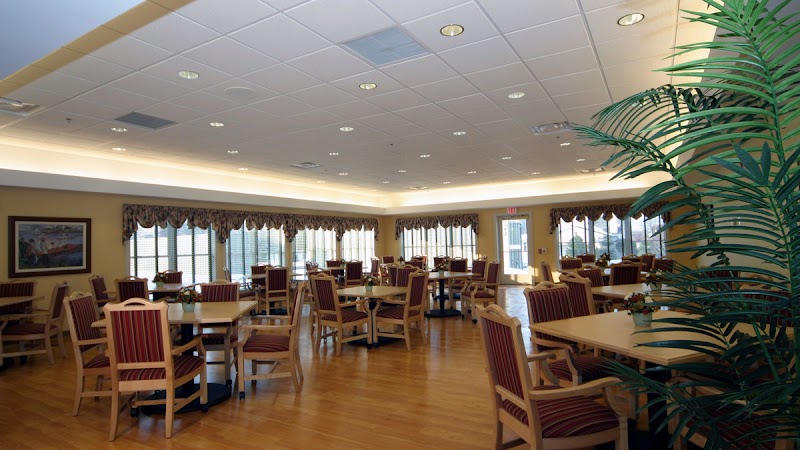
Who Owns and Operates Kingston Of Vermilion?

KINGSTON OF VERMILION is owned by a for-profit company. For-profit facilities operate as businesses with obligations to shareholders or private owners. The facility is operated by KINGSTON HEALTHCARE, a chain that manages multiple nursing homes. With 120 certified beds and approximately 100 residents (about 83% occupancy), it is a mid-sized facility located in VERMILION, Ohio.
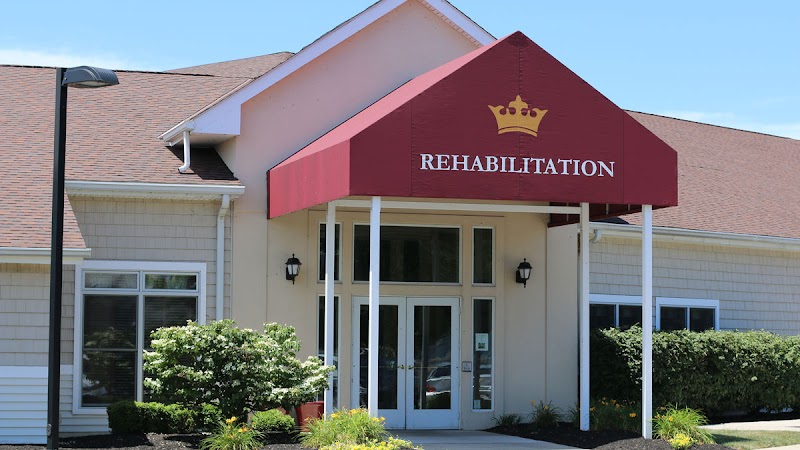
How Does Kingston Of Vermilion Compare to Other Ohio Nursing Homes?

Compared to the 100 nursing homes in Ohio, KINGSTON OF VERMILION's overall rating (5 stars) is above the state average of 3.2, staff turnover (52%) is near the state average of 46%, and health inspection rating (4 stars) is above the national benchmark.

What Should Families Ask When Visiting Kingston Of Vermilion?

Based on this facility's data, families visiting should ask: "Can I visit during a mealtime to observe dining assistance and food quality?" "How do you handle medical emergencies, and what is your hospital transfer rate?" "Can I speak with family members of current residents about their experience?"

Is Kingston Of Vermilion Safe?

Based on CMS inspection data, KINGSTON OF VERMILION has a clean safety record: no substantiated abuse findings (meaning no confirmed cases of resident harm), no Immediate Jeopardy citations (the most serious violation level indicating risk of serious injury or death), and is not on the Special Focus Facility watch list (a federal program monitoring the lowest-performing 1% of nursing homes). The facility has a 5-star overall rating and ranks #1 of 100 nursing homes in Ohio. While no facility is perfect, families should still ask about staff-to-resident ratios and recent inspection results during their visit.

Do Nurses at Kingston Of Vermilion Stick Around?

KINGSTON OF VERMILION has a staff turnover rate of 52%, which is 6 percentage points above the Ohio average of 46%. Moderate turnover is common in nursing homes, but families should still ask about staff tenure and how the facility maintains care continuity when employees leave.

Was Kingston Of Vermilion Ever Fined?

KINGSTON OF VERMILION has no federal fines on record. CMS issues fines when nursing homes fail to meet care standards or don't correct problems found during inspections. The absence of fines suggests the facility has either maintained compliance or corrected any issues before penalties were assessed. This is a positive indicator, though families should still review recent inspection reports for the full picture.

Is Kingston Of Vermilion on Any Federal Watch List?

KINGSTON OF VERMILION is not on any federal watch list. The most significant is the Special Focus Facility (SFF) program, which identifies the bottom 1% of nursing homes nationally based on persistent, serious quality problems. Not being on this list means the facility has avoided the pattern of deficiencies that triggers enhanced federal oversight. This is a positive indicator, though families should still review the facility's inspection history directly.