MILL MANOR CARE CENTER
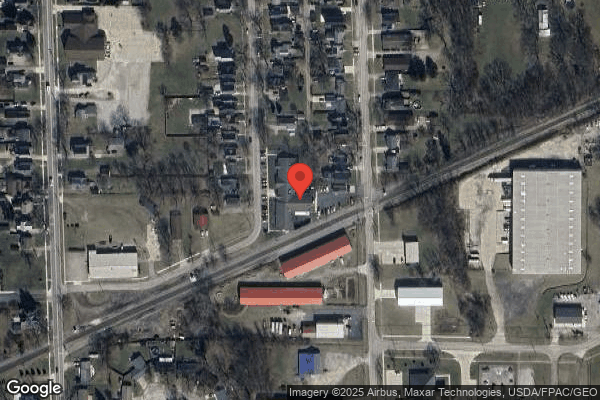
983 EXCHANGE ST, VERMILION, OH 44089 (440) 967-6614
For profit - Individual 33 Beds Independent Data: November 2025
Trust Grade
85/100
#115 of 913 in OH
Last Inspection: September 2023

Over 2 years since last inspection. Current conditions may differ from available data.

Overview

Mill Manor Care Center in Vermilion, Ohio, has a Trust Grade of B+, which means it is above average and recommended for families seeking care. The facility ranks #115 out of 913 nursing homes in Ohio, placing it in the top half, and #2 out of 8 in Erie County, indicating only one local option is better. The facility is improving, with issues decreasing from 6 in 2023 to 3 in 2024. Staffing is a strong point, with a 5/5 star rating and a turnover rate of 32%, significantly lower than the state average, which suggests that staff are experienced and familiar with the residents' needs. However, there have been some concerning incidents; for example, there was a failure to provide a quiet environment for a resident affected by anxiety, and another incident where an allegation of physical abuse was not reported to the appropriate authorities. Additionally, a staff member reportedly used inappropriate physical intervention on a resident who required assistance, which raises concerns about the quality of care. Overall, while the facility shows strengths in staffing and recent improvement trends, families should be aware of the documented issues that need addressing.

Trust Score
B+
85/100
In Ohio
#115/913
Top 12%
Safety Record
Low Risk
No red flags
Inspections
Getting Better
6 → 3 violations
Staff Stability
○ Average
32% turnover. Near Ohio's 48% average. Typical for the industry.
Penalties
✓ Good
No fines on record. Clean compliance history, better than most Ohio facilities.
Skilled Nurses
✓ Good
Each resident gets 58 minutes of Registered Nurse (RN) attention daily — more than average for Ohio. RNs are trained to catch health problems early.
Violations
⚠ Watch
14 deficiencies on record. Higher than average. Multiple issues found across inspections.
★★★★★
5.0
Overall Rating
★★★★★
5.0
Staff Levels
★★★★★
5.0
Care Quality
★★★★☆
4.0
Inspection Score
Stable
2023: 6 issues
2024: 3 issues

The Good

  • 5-Star Staffing Rating · Excellent nurse staffing levels
  • 5-Star Quality Measures · Strong clinical quality outcomes
  • Full Sprinkler Coverage · Fire safety systems throughout facility
  • No fines on record
  • Staff turnover below average (32%)

    16 points below Ohio average of 48%

Facility shows strength in staffing levels, quality measures, fire safety.

The Bad

Staff Turnover: 32%

13pts below Ohio avg (46%)

Typical for the industry

The Ugly 14 deficiencies on record

Jul 2024 2 deficiencies
CONCERN (D) 📢 Someone Reported This

A family member, employee, or ombudsman was alarmed enough to file a formal complaint

Potential for Harm - no one hurt, but risky conditions existed

Report Alleged Abuse (Tag F0609)

Could have caused harm · This affected 1 resident

**NOTE- TERMS IN BRACKETS HAVE BEEN EDITED TO PROTECT CONFIDENTIALITY** Based on record review, staff interview, review of the Ohio Department of Health's (state survey agency) enhanced information di...

Read full inspector narrative →
**NOTE- TERMS IN BRACKETS HAVE BEEN EDITED TO PROTECT CONFIDENTIALITY** Based on record review, staff interview, review of the Ohio Department of Health's (state survey agency) enhanced information dissemination collection (EIDC) system (computer database used by nursing facilities to report allegations of abuse, neglect and exploitation), and policy review the facility failed to ensure an allegation of alleged physical abuse was reported to the state survey agency (The Ohio Department of Health) as required. This affected one (Resident #28) of three residents reviewed for abuse. The facility census was 26. Findings Include Resident #28 was admitted to the facility on [DATE] with diagnoses that included Alzheimer's disease, anxiety disorder, and dementia. Review of the most recent Minimum Data Set (3.0) assessment dated [DATE] revealed Resident #28 was severely cognitively impaired and required extensive assistance for two staff persons for completing her activities of daily living. Review of Resident #28's record revealed no there were no documented notifications of the incident being reported to the physician or the family/responsible party. Review of the incident report dated 05/25/24 revealed State Tested Nursing Assistant (STNA) #900 stated at about 11:40 P.M. on 05/24/24 she was sitting and doing daily charting when she heard screaming coming from Resident #28's room. Upon entering the room STNA #900 noted that Resident #28 was physically combative with STNA #901 whom was attempting to provide incontinence care. STNA #900 and STNA #901 worked together to calm Resident #28 down and successfully completed incontinence care. STNA #900 then stated after the incontinence care was completed STNA #901 laid Resident #28 down on the bed and subsequently smacked her on her head and told Resident #28 to quit that. Upon witnessing the incident STNA #900 stated to STNA #901 that she couldn't believe STNA #901 would do that STNA #901 replied She couldn't believe it either. Review of the statement provided by Licensed Practical Nurse (LPN) #999 dated 05/25/24 revealed she was made aware of the incident by STNA # 900 on 05/24/24 at 11:45 P.M. Upon notification LPN #999 immediately assessed Resident #28 with no negative findings. LPN #999 texted the Director of Nursing (DON) on 05/25/24 at 12:22 A.M., called the DON on 05/25/24 at 12:26 A.M. and left a voice mail, and called the Administrator/owner on 05/25/24 at 1:17 A.M. and left a voice mail. Review of the EIDC system revealed the alleged abuse perpetrated by STNA #901 against Resident #28 was not reported as required. Review of the policy entitled Abuse, Neglect and Misappropriation/Property dated 04/01/24 revealed All alleged violations involving mistreatment, neglect or abuse, including injuries of unknown source and misappropriation of resident property must immediately be reported to the Administrator, the State survey and certification agency and other officials as mandated by Ohio law. Remove the abuser from the situation, ensure resident safety. All reports of suspected abuse, neglect, misappropriation of property will be reported to the department head and administrator as well as the resident's representative (sponsor) and physician immediately upon the notification of occurrence of suspected incident. The Administrator and DON verified in an interview on 07/06/24 at 10:00 A.M. that the facility did not report the incident to the state survey agency as required. This deficiency represents non-compliance investigated under Complaint Number OH00155240.
CONCERN (D) 📢 Someone Reported This

A family member, employee, or ombudsman was alarmed enough to file a formal complaint

Potential for Harm - no one hurt, but risky conditions existed

Investigate Abuse (Tag F0610)

Could have caused harm · This affected 1 resident

**NOTE- TERMS IN BRACKETS HAVE BEEN EDITED TO PROTECT CONFIDENTIALITY** Based on record review and staff interview the facility failed to ensure it completed a thorough investigation related to an all...

Read full inspector narrative →
**NOTE- TERMS IN BRACKETS HAVE BEEN EDITED TO PROTECT CONFIDENTIALITY** Based on record review and staff interview the facility failed to ensure it completed a thorough investigation related to an allegation of physical abuse by staff to a resident. This affected one (Resident #28) of three residents reviewed for abuse. The facility census was 26. Findings Include Resident #28 was admitted to the facility on [DATE] with diagnoses that included Alzheimer's disease, anxiety disorder, and dementia. Review of the most recent Minimum Data Set (3.0) assessment dated [DATE] revealed Resident #28 was severely cognitively impaired and required extensive assistance for two staff persons for completing her activities of daily living. Review of the incident report dated 05/25/24 revealed State Tested Nursing Assistant (STNA) #900 stated at about 11:40 P.M. on 05/24/24 she was sitting and doing daily charting when she heard screaming coming from Resident #28's room. Upon entering the room STNA #900 noted that Resident #28 was physically combative with STNA #901 whom was attempting to provide incontinence care. STNA #900 and STNA #901 worked together to calm Resident #28 down and successfully completed incontinence care. STNA #900 then stated after the incontinence care was completed STNA #901 laid Resident #28 down on the bed and subsequently smacked her on her head and told Resident #28 to quit that. Upon witnessing the incident STNA #900 stated to STNA #901 that she couldn't believe STNA #901 would do that STNA #901 replied She couldn't believe it either. Review of the statement provided by Licensed Practical Nurse (LPN) #999 dated dated 05/25/24 revealed she was made aware of the incident by STNA # 900 on 05/24/24 at 11:45 P.M. Upon notification LPN #999 immediately assessed Resident #28 with no negative findings. LPN #999 texted the Director of Nursing (DON) on 05/25/24 at 12:22 A.M., called the DON on 05/25/24 at 12:26 A.M. and left a voice mail, and called the Administrator/owner on 05/25/24 at 1:17 A.M. and left a voice mail. STNA #901 was not removed from her duties and continued to work the overnight shift the night of the incident 05/24/24-05/25/24. Further review of the investigation in the incident report revealed no residents were interviewed regarding observations of the 05/24/24 incident or any instances of care concerns with STNA #901. Review of the policy entitled Abuse, Neglect and Misappropriation/Property dated 04/01/24 revealed when an incident or suspected incident is reported, the director of nursing or appointed designee will investigate the incident along with appropriate personal. Investigation protocols in the facilities policy included Interview resident and obtain written statement if applicable. The Administrator and DON in an interview on 07/06/24 at 10:00 A.M. verified that the facility did not interview residents regarding the alleged abuse incident between STNA #901 and Resident #28. This deficiency represents non-compliance investigated under Complaint Number OH00155240. .
Mar 2024 1 deficiency
CONCERN (D) 📢 Someone Reported This

A family member, employee, or ombudsman was alarmed enough to file a formal complaint

Potential for Harm - no one hurt, but risky conditions existed

Pharmacy Services (Tag F0755)

Could have caused harm · This affected 1 resident

**NOTE- TERMS IN BRACKETS HAVE BEEN EDITED TO PROTECT CONFIDENTIALITY** Based on medical record review, staff interview, review of the hospice contract, and review of the facility policy, the facility...

Read full inspector narrative →
**NOTE- TERMS IN BRACKETS HAVE BEEN EDITED TO PROTECT CONFIDENTIALITY** Based on medical record review, staff interview, review of the hospice contract, and review of the facility policy, the facility failed to ensure pain medications were available for a resident experiencing pain and discomfort at the end of life. This affected one (Resident #32) of three residents reviewed for pain management. The facility census was 28. Findings include: Review of the medical record for Resident #32 revealed an admission date of 01/10/18 and a discharge date of 02/12/24. Diagnoses included Parkinson's disease, dementia, and chronic kidney disease (CKD). Review of the significant change Minimum Data Set (MDS) assessment dated [DATE] revealed Resident #32 was admitted to hospice services. Resident #32 was cognitively impaired. Review of the physician orders for Resident #32 revealed an admission date to hospice care on 02/07/24, and morphine sulfate 20 milligram (mg)/milliliter (ml) and give 0.5 ml every two hours for pain and/or shortness of breath (SOB), written on 02/09/24 at 2:50 P.M. Review of the nursing notes dated 02/08/24 untimed, revealed Resident #32 was medicated for pain with Tylenol (treats mild pain), awaiting order at this time, and pain noted with turning/providing care. The nursing note dated 02/09/24 untimed, revealed during morning care, Resident #32 was reluctant to move and moaned and grimacing with each movement. Hospice notified and aware, will address each issue and notify the power of attorney (POA). The nursing note dated 02/10/24, untimed, revealed Resident #32 exhibited increased discomfort still awaiting medications/physician order clarification on call notified. The nursing note dated 02/10/24 at 12:16 A.M. revealed Resident #32's morphine medication did not arrive with delivery from pharmacy, spoke with pharmacy and they informed me that the quantity needed clarified and new e-script in order to fill. Hospice contacted and updated with the clarification needs and updated that Resident #32 was in pain. Hospice followed up confirming they sent the clarification and e-script in. The nurse then called pharmacy and requested an authorization from the pharmacist to pull medication from the starter box, technician confirmed that they did receive it and sent request as urgent. After not hearing back a second request was made, now stating they needed the same clarification again. The nurse informed the technician that both of them and hospice confirmed again expressed the need for medication and multiple attempts have been made since approximately 7:00 P.M. and it was now 12:16 A.M. The nursing note dated 02/11/24 at 12:50 A.M. revealed the pharmacist called and gave authorization to pull medication, and medication administered and effective. Review of Resident #32's Medication Administration Record (MAR) for February 2024 revealed the first dose of morphine sulfate was administered on 02/11/24 at 12:55 A.M. and was effective. Interview on 03/05/24 at 12:09 P.M. with Licensed Practical Nurse (LPN) #111 stated there was an issue with getting pain medication for Resident #32 when she was ordered morphine. LPN #111 stated the physician order needed clarification and it took some time to get it corrected and once it was corrected she was working and pulled it immediately gave the resident something for pain. Interview on 03/05/24 at 3:53 P.M. with Pharmacist #144 stated the original order was written on 02/09/24 at 1:56 P.M. for morphine sulfate 20 mg/ml to give 15 ml bottle. The pharmacy called the provider for updated order to change quantity bottle from 15 ml to 30 ml due to facility inhouse stock. Pharmacist #144 stated clarification order was obtained on 02/10/24 at 7:53 P.M. and corrected the order per pharmacy request. Pharmacist #144 stated the pharmacy cannot fill an opioid without the order being exactly correct. Pharmacist #144 stated this would be considered to have been a delay of treatment if the resident was experiencing pain per the medical records. Review of the facility policy titled Pain Management, updated 04/2023, revealed the facility identifies each resident at risk for pain and/or experiencing actual pain and adequately plans care and implements procedures to reduce the risk for pain. If pain occurs, the nurse will assess for type and location including pain scale rating and as needed (PRN) pain medication will be administered as ordered. Review of the facility policy titled,Contingency/Starter Medication Supply dated 09/2017 revealed accuscripts pharmacy will provide limited, customized supplied of medication that may be needed to initiate therapy before the next scheduled delivery occurs. For controlled medications, a valid control prescription must be present in order for a contingency/starter supply to be utilized. Schedule II prescriptions must be written by a physician or certified nurse practitioner with a DEA license designated for C-II and faxed to the pharmacy. A valid prescription consists of the following: valid date not older than six months for a schedule III-V or 60 days for a schedule II, patient name, date of birth , and address, drug information with drug name, strength, form, directions, quantity, and refills (refills are not valid on Schedule II prescriptions.), physician information name, address, signature, phone number, DEA number. Review of the hospice contract dated 01/2024, revealed hospice will obtain orders for pain medication and medications needed to palliate symptoms from the primary care physician and/or the hospice medical director. This deficiency represents non-compliance investigated under Master Complaint Number OH00151079 and Complaint Number OH00150991.
Sept 2023 6 deficiencies
CONCERN (D)

Potential for Harm - no one hurt, but risky conditions existed

Assessment Accuracy (Tag F0641)

Could have caused harm · This affected 1 resident

**NOTE- TERMS IN BRACKETS HAVE BEEN EDITED TO PROTECT CONFIDENTIALITY** Based on staff interview and record review, the facility failed to accurately code the Minimum Data Set (MDS) 3.0 assessments fo...

Read full inspector narrative →
**NOTE- TERMS IN BRACKETS HAVE BEEN EDITED TO PROTECT CONFIDENTIALITY** Based on staff interview and record review, the facility failed to accurately code the Minimum Data Set (MDS) 3.0 assessments for the residents. This affected three (Residents #07, #12, and #23) of five residents reviewed for accuracy of assessments. The facility census was 30. Findings include: 1. Review of the medical record for Resident #07 revealed an admission date of 09/27/22. Diagnoses included cerebrovascular accident (stroke) with apraxia (a neurological syndrome characterized by difficulty in performing daily tasks even if the instructions are understood), and hemiparesis (weakness on one side of the body) and hemiplegia (paralysis on one side of the body) affecting right dominant side. Review of Resident #07's physician orders revealed an order dated 09/27/22 for Plavix (an antiplatelet medication) 75 milligram (mg) one tablet daily. Review of Resident #07's medication administration record (MAR) for July 2023 revealed Plavix was received daily. Resident #07 received no anticoagulant (blood thinning) medication during the month of July 2023. Review of the quarterly MDS 3.0 assessment, dated 07/22/23, identified Resident #07 as having received anticoagulant medication on seven out of seven days of the look back period. Interview on 09/07/23 at 10:47 A.M. with MDS Coordinator Registered Nurse #234 verified Resident #07's MDS assessment was coded incorrectly, and stated Plavix was not a blood thinning medication. 2. Review of the medical record for Resident #12 revealed an admission date of 07/13/21. Diagnoses included dementia with behavioral disturbances, depression, anxiety, and delusional disorder. Review of Resident #12's physician orders revealed an order dated 04/25/23 for Risperdal (an antipsychotic medication) 0.25 milligrams (mg) one tablet daily at bedtime for dementia. The medication was discontinued on 05/09/23. Review of the Medication Administration Record (MAR) revealed no antipsychotic medications were administered to Resident #12 in the month of July 2023. Review of the quarterly MDS 3.0 assessment, dated 07/08/23, identified Resident #12 having received antipsychotic medication on a routine basis, on seven out of seven days of the look back period. Interview on 09/07/23 at 10:47 A.M. with MDS Coordinator Registered Nurse #234 verified Resident #12's MDS assessment was coded incorrectly, and antipsychotic medication should not have been coded on the MDS assessment dated [DATE]. 3. Review of the medical record for Resident #23 revealed an admission date of 07/14/22. Diagnoses included dementia, macular degeneration, and dysphagia (difficulty swallowing). Review of Resident #23's physician's orders revealed an order dated 07/14/23 for a pureed diet. Review of the quarterly MDS 3.0 assessment, dated 08/03/23 revealed the assessment did not identify Resident #23 as having received a mechanically altered diet during the seven day look back period. Interview on 09/07/23 at 10:47 A.M. with MDS Coordinator Registered Nurse #234 verified the assessment was coded incorrectly and Resident #23 should have been coded as having received a mechanically altered diet.
CONCERN (D)

Potential for Harm - no one hurt, but risky conditions existed

Quality of Care (Tag F0684)

Could have caused harm · This affected 1 resident

Based on medical record review, observations, and staff interviews, the facility failed to ensure a resident's compression stockings and a hand splint were implemented per physician order. This affect...

Read full inspector narrative →
Based on medical record review, observations, and staff interviews, the facility failed to ensure a resident's compression stockings and a hand splint were implemented per physician order. This affected one (Resident #20) of one resident reviewed for physician-ordered devices. The facility census was 30. Findings include: Review of Resident #20's medical record revealed an admission date of 05/22/22. Diagnoses included anxiety, dysphagia, and depression. Review of the annual Minimum Data Set (MDS) assessment, dated 05/31/23, revealed Resident #20 was cognitively impaired and was totally dependent on assistance from two staff for bed mobility, transfers, and toileting. Review of Resident #20's current physician orders for September 2023, identified an order for compression stockings to bilateral lower extremities one time per day for edema in A.M. before getting out of bed, may apply over dressing to lower right leg, and at bedtime to remove compression socks. The resident also had an order to apply right hand splint daily with A.M. care and off with P.M. care, remove if not tolerating and report to nurse. Observations on 09/05/23 at 12:36 P.M., on 09/06/23 at 10:15 A.M, and on 09/06/23 at 1:54 P.M., revealed Resident #20 did not have the hand splint or compression stockings in place. Interview on 09/06/23 at 1:57 P.M. with State Tested Nurse Aide (STNA) #258, verified Resident #20 did not have the hand splint or compression stockings in place. STNA #258 reported Resident #20 never wore a hand splint or compression stockings. Additional observations on 09/07/23 at 7:12 A.M. and at 8:38 A.M., revealed Resident #20 did not have the hand splint or compression stockings in place. Interview on 09/07/23 at 8:41 A.M. with STNA #248, identified she regularly provided care to Resident #20, verified Resident #20 did not have the hand splint or compression stockings in place. STNA #248 reported Resident #20 never wore compression stockings or a hand splint. Interview on 09/07/23 at 10:33 A.M. with Registered Nurse (RN) #235 verified Resident #20 did not have the compression stockings or hand splint in place per physician order. RN #235 reported she would tell STNA #248 to go and put them on the resident. Observation on 09/07/23 at 1:12 P.M. revealed Resident #20 was wearing compression stockings but was not wearing a hand splint. Interview on 09/07/23 at 1:16 P.M. with STNA #248 verified Resident #20 did not have the hand splint in place. STNA #248 reported she searched the resident's room and was unable to find a hand splint.
CONCERN (D)

Potential for Harm - no one hurt, but risky conditions existed

Accident Prevention (Tag F0689)

Could have caused harm · This affected 1 resident

**NOTE- TERMS IN BRACKETS HAVE BEEN EDITED TO PROTECT CONFIDENTIALITY** Based on observations, staff interviews, and record review, the facility failed to ensure fall prevention interventions were in ...

Read full inspector narrative →
**NOTE- TERMS IN BRACKETS HAVE BEEN EDITED TO PROTECT CONFIDENTIALITY** Based on observations, staff interviews, and record review, the facility failed to ensure fall prevention interventions were in place per physician's order. This affected two (Residents #23 and #234) of three residents reviewed for fall interventions. The facility census was 30. Findings include: 1. Review of the medical record revealed Resident #234 was admitted to the facility on [DATE]. Diagnoses included frequent falls, generalized weakness, ataxia (impaired coordination), and chronic back pain. Review of the baseline admission care plan, dated 08/29/23, identified the physician's orders serve as the initial care plan until a comprehensive care plan was developed and implemented. Review of Resident #234's physician orders revealed an order dated 08/29/23 for Universal Fall Precautions. Review of the document titled Universal Fall Interventions, undated, revealed beds should be placed in the low position. Observation on 09/05/23 at 8:40 A.M. revealed Resident #234 lying crooked in the bed. Resident #234's head was against the right side rail, and his legs were over the edge of the left side of the bed. The bed was in the elevated position at waist height. The corded bed control remote was dangling off the edge of the bed below the left side rail, out of view and reach of Resident #234. Interview on 09/05/23 at 8:44 A.M. with Registered Nurse (RN) #235 verified Resident #234 should not have the bed in the high position. RN #235 retrieved the bed control and lowered Resident #234's bed to the low position. Observation on 09/07/23 at 8:18 A.M. revealed Resident #234 lying in bed. The bed was observed to be in the high position at approximately waist level. The corded bed control remote was not in view or reach of Resident #234. Interview on 09/07/23 at 8:31 A.M. with State Tested Nursing Assistant (STNA) #248 verified the bed was left in the high position as STNA #248 had intended on returning to get Resident #234 up to the wheelchair for breakfast. STNA #248 further verified the corded bed control remote was out of reach of Resident #234. 2. Review of the medical record for Resident #23 revealed an admission date of 07/14/22. Diagnoses included dementia, generalized weakness, macular degeneration, and anxiety. Review of the physician's orders revealed an order dated 06/30/23 for a personal alarm at all times to alert staff of attempt to get up without supervision/assistance. Review of Resident #23's fall plan of care revealed no indication Resident #23 utilized a personal alarm for a fall prevention intervention. Observation on 09/05/23 at 11:20 A.M. revealed Resident #23 seated in her wheelchair in the activity room. There was no personal alarm in place to her wheelchair. Observation on 09/06/23 at 8:19 A.M. revealed Resident #23 seated in her wheelchair in front of the nurse's station. There was no personal alarm in place to her wheelchair. Interview on 09/06/23 at 3:52 P.M. with the Director of Nursing (DON) revealed the Assistant Director of Nursing (ADON) #500 was primarily responsible for coordination of assessments and decisions made regarding alarms. ADON #500 also utilized an state tested nursing aide (STNA) who provided recommendations on who needed alarms and who did not. DON stated personal alarms were not included in the universal fall precautions, they were an individualized intervention. The DON further stated alarms required a physician's order and would be on the falls care plan. Observation on 09/07/23 11:10 A.M. revealed Resident #23 seated in her wheelchair in the activity room. There was no personal alarm in place to her wheelchair. Interview on 09/07/23 at 11:12 A.M. with Registered Nurse (RN) #235 revealed Resident #23 needed a personal alarm on at all times. RN #235 stated Resident #23 was known to fidget in her chair, could become agitated and attempt to rise unassisted. RN #235 verified Resident #23 did not have a personal alarm in place to her wheelchair. Interview on 09/07/23 at 11:20 A.M. with STNA #248 revealed she assisted in making recommendations for which residents need alarms. STNA #248 stated Resident #23 required a personal alarm while in bed only. Interview on 09/07/23 at 11:31 A.M. with ADON #500 revealed a facility staff nurse evaluated residents with alarms on a quarterly basis. ADON #500 reviewed Resident #23's chart and identified a form titled Side Rail Assessment, dated 07/01/23. ADON #500 stated this form was used to assess side rail use and alarm use. ADON #500 pointed to one question on the Side Rail Assessment which asked if alarm was adhered to a firm surface to alert staff of residents' unassisted attempts to get up, to which 'N' was marked. ADON #500 stated that 'N' indicated that no alarm was currently being used. ADON #500 stated if there was an alarm used, there was a space underneath the question to circle whether the alarm was used in wheelchair, chair and/or bed. ADON #500 verified no alarm use was noted on the form and stated the nurse who completed the assessment on 07/01/23 must have missed the alarm. ADON #500 further verified Resident #23's fall plan of care did not identify Resident #23 to need or use a personal alarm.
CONCERN (D)

Potential for Harm - no one hurt, but risky conditions existed

Tube Feeding (Tag F0693)

Could have caused harm · This affected 1 resident

Based on record review, observations, and staff interview, the facility failed to ensure a resident's head of bed was elevated per physician order during tube feeding administration. This affected one...

Read full inspector narrative →
Based on record review, observations, and staff interview, the facility failed to ensure a resident's head of bed was elevated per physician order during tube feeding administration. This affected one (#22) of one resident reviewed for tube feeding (TF). The facility identified one resident receiving TF. The facility census was 30. Findings include: Review of Resident #22's medical record, revealed an admission date of 01/08/22. Diagnoses included aphasia, gastro-esophageal reflux disease, Alzheimer's disease, anxiety, and dysphagia. Review of the quarterly Minimum Data Set (MDS) 3.0 assessment, dated 07/16/23, revealed Resident #22 was severely cognitively impaired and was totally dependent on assistance from staff for activities of daily living. The resident had a feeding tube. Review of the current physician orders for September 2023, identified orders for Jevity 1.5 continuous tube feeding at 40 milliliters per hour and elevate head of bed between 30 and 45 degrees for all medications/feedings. Review of the plan of care, dated 08/11/22, revealed Resident #22 had altered nutrition related to an eating, chewing, and/or swallowing disorder, cognitive impairment, and high risk for aspiration. Interventions included elevating the resident's head of bed 30 to 45 degrees unless contraindicated. Observation on 09/06/23 at 11:03 A.M. with Registered Nurse (RN) #231 revealed Resident #22 was lying almost flat while her tube feed was running at 40 milliliters per hour. RN #231 paused the tube feed, went through the process of flushing the tube, and stated to an unidentified nursing assistant that she would leave the tube feed disconnected so the nursing assistant could assist the resident in getting up for the lunch meal. RN #231 entered Resident #22's bathroom and began washing her hands. Resident #22 began coughing. RN #231 ran out of the bathroom and raised the head of Resident #22's bed. Interview on 09/06/23 at 11:21 A.M. with RN #231 verified Resident #22's head of bed was not elevated as it should have been. RN #231 reported an aide had provided care to Resident #22 about an hour prior and probably did not raise the head of the bed back up afterwards. RN #231 reported she would monitor to ensure Resident #22's head of bed remained elevated.
CONCERN (D)

Potential for Harm - no one hurt, but risky conditions existed

Infection Control (Tag F0880)

Could have caused harm · This affected 1 resident

Based on observations, staff interview, and review of the facility policy, the facility failed to ensure staff performed hand hygiene after care was provided to Resident #03. This affected one residen...

Read full inspector narrative →
Based on observations, staff interview, and review of the facility policy, the facility failed to ensure staff performed hand hygiene after care was provided to Resident #03. This affected one resident (#03) of four residents reviewed for appropriate hand hygiene. The facility census was 30. Findings include: Observation on 09/05/23 at 9:04 A.M. revealed State Tested Nursing Assistant (STNA) #248 entered Resident #03's room. She informed Resident #03 it was time for breakfast, and offered to assist Resident #03 in repositioning to sit on the edge of the bed. STNA #248 retrieved Resident #03's shoes, and applied Resident #03's shoes to both feet. STNA #248 touched both of Resident #03's feet with ungloved hands as she applied Resident #03's footwear. STNA #248 assisted Resident #03 in sitting edge of bed. STNA #248 exited the room and did not perform hand hygiene. Observation on 09/05/23 at 9:05 A.M. revealed STNA #248 retrieved Resident #03's breakfast tray from the hall cart. STNA #248 delivered the tray to Resident #03, and proceeded to remove the lid which covered the plate, and removed the plastic cover to a bowl of oatmeal and a cup of juice. STNA #248 exited the room and did not perform hand hygiene before returning to the hall cart. Interview on 09/05/23 at 9:06 A.M. with STNA #248 verified she did not perform hand hygiene after she touched Resident #03's feet with ungloved hands. STNA #248 stated she should have washed her hands with soap and water or used hand sanitizer, but she did not have any on her. Review of the policy titled Infection Prevention and Control Program, updated 05/2022, revealed employees shall wash their hands before and after each direct resident contact and before handling items which will come in contact with residents, such as food, clean linen, medications, etc. The policy further noted handwashing facilities are available throughout the facility, including in the bathroom of each resident room. Hands shall be washed at the site closest to the site where resident contact occurs.
CONCERN (E)

Potential for Harm - no one hurt, but risky conditions existed

Safe Environment (Tag F0584)

Could have caused harm · This affected multiple residents

**NOTE- TERMS IN BRACKETS HAVE BEEN EDITED TO PROTECT CONFIDENTIALITY** Based on medical record review, observation, resident interview, and staff interview, the facility failed to provide the residen...

Read full inspector narrative →
**NOTE- TERMS IN BRACKETS HAVE BEEN EDITED TO PROTECT CONFIDENTIALITY** Based on medical record review, observation, resident interview, and staff interview, the facility failed to provide the residents with a reasonably quiet and peaceful environment. This affected one resident (#6) and had the potential to affect 10 residents residing on the 100-hall. The facility census was 30. Findings include: Review of Resident #20's medical record revealed an admission date of 05/22/22. Diagnoses included anxiety, dysphagia, and depression. Review of the annual Minimum Data Set (MDS) assessment, dated 05/31/23, revealed Resident #20 was cognitively impaired. Review of the behavior and intervention flow sheets, revealed Resident #20 was yelling on 01/02/23 at 3:00 A.M., on 01/05/23 at 12:00 A.M., on 01/20/23 at 5:00 A.M., on 01/21/23 at 4:00 A.M., on 01/29/23 at 4:00 A.M., on 01/30/23 at 1:00 A.M., on 03/06/23 at 9:00 P.M., and on 03/26/23 at 12:45 A.M. All attempted non-pharmacological interventions were ineffective. Review of the nursing progress notes revealed on 07/22/23 at 8:00 P.M., Resident #20 was screaming in the dining room and wanted to go to his room. The resident was taken to his room and continued to scream at a loud pitch. The resident went to bed and continued to yell. On 07/24/23 at 2:30 A.M., Resident #20 began yelling at approximately 12:15 A.M. The resident was checked on and assisted and continued to yell. On 07/24/23 at 4:30 A.M., an as needed Tylenol was administered at 2:35 A.M. and Resident #20 continued to yell. On 07/24/23 at 8:00 P.M., Resident #20 was yelling help me. The resident could not provide an answer on why he was yelling. Medication was given and the resident was in bed while still yelling. On 07/31/23, Resident #20 was yelling/screaming all night. Care was provided and the resident continued to yell. Residents residing in the hall were becoming upset. On 08/05/23 at 3:00 A.M., Resident #20 was in his room yelling help me. As needed Tylenol was administered to the resident. At 6:00 A.M., the resident continued to yell. On 08/09/23 at 5:15 A.M., Resident #20 had been awake and yelling since 1:30 A.M. The resident's needs had been met but the resident continued to yell for help. The resident was presently up in his wheelchair by the nursing station and continued to call out loudly. On 08/10/23 at 5:00 A.M., Resident #20 had been awake and yelling since 2:30 A.M. despite all needs being met. On 08/14/23 at 1:40 A.M., Resident #20 continued yelling out help me and waking residents in room [ROOM NUMBER], #105, #107, and #108. On 08/18/23 at 1:30 A.M., Resident #20 woke up at 12:00 A.M. and began yelling. All of the resident's needs were met and the resident continued to yell. Review of the sleep logs revealed Resident #20 was awake with behaviors of yelling and/or calling out on 08/21/23 at 9:30 P.M., on 08/22/23 between 9:00 P.M. and 9:45 P.M., and between 1:30 A.M. and 3:00 A.M., on 08/23/23 at 12:00 A.M., 1:30 A.M., between 9:00 P.M. and 9:30 P.M., and 10:00 P.M., on 08/25/23 between 11:00 P.M. and 1:40 P.M., 2:30 A.M., 8:00 P.M., 8:30 P.M., and 9:30 P.M., on 08/26/23 at 12:00 A.M., 1:00 A.M., 2:00 A.M., 3:00 A.M., and 5:00 A.M., on 08/27/23 at 6:30 P.M., 6:50 P.M., 7:50 P.M., 8:30 P.M., 10:00 P.M., and 10:30 P.M., on 08/28/23 at 8:35 P.M. and upsetting other residents, on 08/29/23 at 5:00 P.M., 8:00 P.M., and 9:00 P.M., on 08/30/23 between 2:30 A.M. and 4:00 A.M. and between 8:00 P.M. and 9:00 P.M., on 08/31/23 between 11:00 P.M. and 1:00 A.M., on 09/01/23 at 4:00 A.M., on 09/02/23 at various times, on 09/03/23 between 7:00 P.M. and 10:00 P.M., and on 09/04/23 at various times. Interview on 09/05/23 at 9:38 A.M. with Resident #6 revealed Resident #20 could often be heard yelling out throughout the night, which made it difficult for Resident #6 to fall or stay asleep. Resident #6 reported it was not Resident #20's fault, but Resident #6 was often unable to sleep at night due to the noise. Interview on 09/06/23 at 1:57 P.M. with State Tested Nurse Aide (STNA) #258 revealed Resident #20 yelled out regularly throughout the night and a lot of residents, including Resident #6, complained about the noise. Interview on 09/07/23 at 8:41 A.M. with STNA #248 revealed Resident #20 yelled out frequently and residents residing on the 100-hall, including Resident #6, complained about the noise. STNA #248 reported most of the residents were understanding and could ask staff to close their doors. Observation on 09/07/23 at 3:30 P.M. revealed Resident #20 was yelling out and could be heard throughout the 100-hall.
Apr 2021 2 deficiencies
CONCERN (D)

Potential for Harm - no one hurt, but risky conditions existed

Quality of Care (Tag F0684)

Could have caused harm · This affected 1 resident

**NOTE- TERMS IN BRACKETS HAVE BEEN EDITED TO PROTECT CONFIDENTIALITY** Based on medical record review and staff interviews, the facility failed to ensure a Resident's blood pressure was consistently ...

Read full inspector narrative →
**NOTE- TERMS IN BRACKETS HAVE BEEN EDITED TO PROTECT CONFIDENTIALITY** Based on medical record review and staff interviews, the facility failed to ensure a Resident's blood pressure was consistently monitored as ordered. This affected one Resident (#22) of five reviewed for adequate monitoring. The facility census was 28. Findings include: Medical record review revealed Resident #22 was admitted to the facility on [DATE] with diagnoses including Alzheimer's Disease and essential primary hypertension (high blood pressure). Review of Resident #22's physician orders dated 02/19/21 revealed an order for Diltiazem (for high blood pressure) 120 milligrams (mg), every day. The order included to monitor the resident's blood pressure (BP) daily for 14 days and report the findings to the nurse practitioner for review after two weeks. Review of Resident #22's medication administration record (MAR) and treatment administration record (TAR) for the period 02/19/21 through 03/05/21 revealed there was no evidence the resident's BP was monitored on 02/20/21, 02/21/21, 02/22/21, 02/23/21, 02/26/21, 03/01/21, 03/02/21, 03/03/21, 03/04/21 and 03/05/21. Interview on 04/13/21 at 2:25 P.M. with the Assistant Director of Nursing (ADON) #500 revealed it was protocol for the vitals to be documented in the resident's MAR/TAR. The ADON verified there was no evidence Resident #22's BP was monitored 10 of 14 times between 02/19/21 through 03/05/21.
CONCERN (D)

Potential for Harm - no one hurt, but risky conditions existed

Pharmacy Services (Tag F0755)

Could have caused harm · This affected 1 resident

**NOTE- TERMS IN BRACKETS HAVE BEEN EDITED TO PROTECT CONFIDENTIALITY** Based on medical record review and staff interview, the facility failed to ensure ordered medications were documented as adminis...

Read full inspector narrative →
**NOTE- TERMS IN BRACKETS HAVE BEEN EDITED TO PROTECT CONFIDENTIALITY** Based on medical record review and staff interview, the facility failed to ensure ordered medications were documented as administered. This affected one Resident (#4) of five reviewed for medication review. The facility census was 28. Findings include: Medical record review revealed Resident #4 was admitted to the facility on [DATE] with diagnoses including vascular dementia with behavioral disturbance, agitation, history of a stroke, weight loss, and hypertension (high blood pressure). Review Resident #4's physician orders and Medication Administration Record (MAR) revealed the following: 1. Divalproex sodium sprinkles (anti-convulsant), 250 milligrams (mg) by mouth twice a day was ordered on 10/02/20. Review of the MAR revealed no evidence the medication was administered on 01/06/21, 01/07/21, 01/13/21, 02/10/21, 02/28/21, 03/08/21 for evening dose. There was no evidence the medication was given in the morning on 02/15/21 and 03/31/21. 2. Melatonin (for sleep) 3 mg by mouth every evening was ordered on 04/03/19. Review of the MAR revealed there was no evidence the medication was administered on 01/06/21, 01/07/21, 01/13/21, 02/10/21, 02/11/21, 02/28/21, and 03/18/21. 3. Memantine (for dementia) HCL 100 mg twice daily was ordered on 04/03/19. Review of the MAR revealed no evidence the medication was administered on 01/06/21, 01/07/21, 01/13/21, 02/10/21, 02/28/21, 03/18/21, for the evening administration, and on 02/15/21 and 03/31/21 for the morning dose. 4. Quetiapine Fumarate (anti-psychotic), 50 mg was ordered on 02/19/20. Review of the MAR revealed no evidence the medication was administered on 01/05/21, 01/06/21, 01/07/21, 01/13/21, 02/10/21 and 02/28/21. Interview on 04/14/21 at 3:00 P.M. with the Director of Nursing (DON) and Assistant Director of Nursing (ADON) verified there was no documented evidence the above medications were administered as ordered.
Dec 2018 3 deficiencies
CONCERN (D)

Potential for Harm - no one hurt, but risky conditions existed

Transfer Notice (Tag F0623)

Could have caused harm · This affected 1 resident

Based on record review and staff interview, the facility failed to give transfer/discharge notice to Resident's representative. This affected one (#10) of three residents sampled for transfer/discharg...

Read full inspector narrative →
Based on record review and staff interview, the facility failed to give transfer/discharge notice to Resident's representative. This affected one (#10) of three residents sampled for transfer/discharge. Facility census was 28. Findings include: Record review revealed Resident #10 admitted to facility on 01/01/14. Resident #10 had documented diagnosis of Alzheimer's disease, gastro-intestinal hemorrhage, mixed hyperlipidemia, arthropathy, anemia, anxiety disorder, hypertension, gastro- esophageal reflux disease, history of venous thrombosis and embolism. Review of nursing progress notes revealed three separate dates of transfer/discharge to local emergency room for Resident #10 in the year of 2018, dates being 09/01/18, 10/16/18, and 10/23/18. Each date Resident #10 was assessed by nursing and sent out of facility for evaluation. Review of the last discharge/transfer revealed reason for transfer being 'aspiration/coughing'. Review of physician orders for Resident #10 revealed three separate orders for evaluation to be made at local emergency room for Resident #10. Review of facility's 'Transfer Form' revealed information regarding resident's name, complaint, vitals signs, allergies and other pertinent medical information. Noted what items resident was sent out of facility with, and the checklist of items sent with resident for hospital report. No notification for resident or resident's representative noted. Interview on 12/26/18 at 4:30 P.M. with Director of Nursing (DON) revealed there to be no written form of notification to resident or resident's representative upon transfer/discharge of residents from facility.
CONCERN (D)

Potential for Harm - no one hurt, but risky conditions existed

Deficiency F0692 (Tag F0692)

Could have caused harm · This affected 1 resident

**NOTE- TERMS IN BRACKETS HAVE BEEN EDITED TO PROTECT CONFIDENTIALITY** 2. Record review revealed Resident #10 admitted to facility on 1/01/14. Documented diagnosis included Alzheimer's disease, gastr...

Read full inspector narrative →
**NOTE- TERMS IN BRACKETS HAVE BEEN EDITED TO PROTECT CONFIDENTIALITY** 2. Record review revealed Resident #10 admitted to facility on 1/01/14. Documented diagnosis included Alzheimer's disease, gastrointestinal hemorrhage, mixed hyperlipidemia, arthropathy, anemia, anxiety disorder, hypertension, gastro-esophageal reflux disease, personal history of venous thrombosis and embolism. Further record review revealed Resident #10 had a current physician order for 'supervised assisted feeding in dining room' and a physician diet order for 'pureed diet with honey thick liquids by spoon'. Resident #10 had a current physician order for 'assess current swallow function and possible diet progression to thinner liquids'. Resident #10 had current physician order for 'Speech Therapy to see up to 15 visits over 60 days for dysphagia therapy'. Resident #10 had been to the emergency room for evaluation on 10/16/18 for 'coughing/aspiration'. Record review of dietary assessments revealed re-admission note on 10/23/18 which noted, Resident re-admitted with diagnosis of aspiration pneumonia. Current weight 143. Weight decrease of six pounds in one month-receives magic cup with lunch and dinner. Requires to be fed, wife education on proper puree foods with bringing in food from home at times. Plan of care (POC) updated. Review of 'weight and vital sign recording form' for Resident #10 revealed weights to have moved up and down over year of 2018. From May 2018 until month of November 2018, Resident #10 showed slow decline in weight each month. Review of nutritional care plan for Resident #10 revealed a goal of 'resident will consume at least 75 percent of meals dentition'. Review of 'Nutrition/Hydration Tracking Sheet' for Resident #10 revealed many missing dates of Resident #10's meals from months of September 2018 through December 2018. Specifically, review revealed from 12/01/18 through 12/25/18, the facility served 65 meals. The facility failed to monitor and record the percentage of meal consumption for Resident #10, 28 out of the 65 meals. Interview with Registered Nurse (RN) #10 on 12/28/18 revealed verification of missing tracking from nurse aides in facility regarding Resident #10's meals. RN #10 revealed she has not seen a date that Resident #10 has not completed his meal and he may have shown decline due to a recent hospital stay. Review of a facility policy titled, Nutrition/Diet, dated 02/2016, revealed the facility provided three regular balanced meals a day. Further review revealed the nursing staff was supposed to monitor each resident's nutritional intake and make adjustments in accordance with the residents needs. Based on medical record review, staff interview, and review of a facility policy, the facility failed to ensure staff monitored and recorded the percentage of meal consumption for a resident with significant weight loss or at risk for significant weight loss. This affected two residents (#15 and #10) of two residents reviewed for weight loss. The census was 28. Findings include: 1. Medical record review revealed Resident #15 admitted to the facility on [DATE]. Diagnoses included Alzheimer's disease, dementia, Diabetes, and congestive heart failure. Review of the comprehensive Minimum Data Sets (MDS) assessment dated [DATE], revealed the resident's cognition was severely impaired. Review of the most recent plan of care revealed Resident #15 was at risk for a nutritional decline related to Alzheimer's disease, dementia, and weight loss. Interventions included for staff to monitor the percentage of meals the resident consumed and offer the a substitution if she consumed less than 75% of the meal. Review of Resident #15's Nutrition/Hydration Tracking Sheet dated 09/2018, revealed there were 93 meals served by the facility. The facility failed to monitor and record the percentage of meal consumption for Resident #15, 58 out of the 93 meals. Further review revealed in 10/2018 the facility also served 93 meals. The facility failed to monitor and record the percentage of meal consumption for Resident #15, 51 out of the 93 meals. In 11/2018 the facility served 90 meals to residents. The facility failed to monitor and record the percentage of meal consumption for Resident #15, 43 out of the 90 meals. And from 12/01/18 through 12/25/18, the facility served 65 meals. The facility failed to monitor and record the percentage of meal consumption for Resident #15, 41 out of the 65 meals. Interview on 12/27/18 at 1:10 P.M., Registered Nurse (RN) #34 revealed staff were supposed to document the percentage consumed by Resident #15 after each meal. RN #34 verified the above findings.
CONCERN (D)

Potential for Harm - no one hurt, but risky conditions existed

Deficiency F0760 (Tag F0760)

Could have caused harm · This affected 1 resident

**NOTE- TERMS IN BRACKETS HAVE BEEN EDITED TO PROTECT CONFIDENTIALITY** Based on observation, medical record review, review manufacturer instructions, and staff interview, the facility failed to prope...

Read full inspector narrative →
**NOTE- TERMS IN BRACKETS HAVE BEEN EDITED TO PROTECT CONFIDENTIALITY** Based on observation, medical record review, review manufacturer instructions, and staff interview, the facility failed to properly administer insulin via an insulin pen injector resulting in a significant medication error. This affected one resident (#11) of one resident, observed for insulin administration via an insulin pen injector. The facility identified seven resident's who receive insulin via an insulin pen injector. The facility census was 28. Findings include: Medical record review revealed Resident #11 admitted to the facility on [DATE]. Diagnoses included Alzheimer's disease, major depressive disorder, anxiety, and Diabetes. Review of the quarterly Minimum Data Sets (MDS) assessment, dated 10/14/18, revealed the resident's cognition was intact. Review of Resident #11's physician orders revealed an order, dated 08/29/18 for seven units of Humalog insulin, via an insulin pen injector, to be administered subcutaneously with each meal. Further review revealed an order dated 12/06/18 for 24 units of Lantus (a long acting insulin) to be administered subcutaneously, via an insulin pen injector, every morning. Observation of medication administration on 12/27/18 at 8:22 A.M., revealed Registered Nurse (RN) #34 place a needle onto a Humalog insulin pen injector and set the pen at seven units. Further observation revealed RN #34 placed a needle onto a Lantus insulin pen injector and set the pen at 24 units. RN #34 proceeded to the resident's room and administered both insulin's to Resident #11. Interview on 12/27/18 at 8:29 A.M., RN #34 revealed she was not sure if a Humalog or Lantus insulin pen injector required to be primed (a process to remove the air from the needle and cartridge of the injector to ensure the proper dose of insulin is administered) prior to obtaining the residents dose of insulin. RN #34 verified she did not prime the Humalog nor the Lantus insulin pen injectors prior to obtaining and administering Resident #11's insulin. Interview on 12/28/18 at 10:23 A.M., the Director of Nursing (DON) revealed she was not sure if insulin pen injectors were required to be primed, prior to obtaining each dose of insulin. After reviewing the manufacturers instruction for both the Humalog and Lantus insulin pen injectors, the DON verified both insulin pen injectors were supposed to be primed prior to obtaining each dose of insulin, to ensure accuracy of the dose. Review of the manufacturer's instructions titled, A Guide to Using Your Humalog KwickPen, that was provided by the facility, revealed to prime the Humalog insulin injector, the cap was to be removed and a new needle was to be attached to the injector. The dose selector was to be set at two units, and with the needle in the up position, the injection button was to be pressed and held to expel the two units (until a drop of insulin could be seen on the tip of the needle). Next, the ordered dose of insulin was to be set on the dose selector for administration. Review of the manufacturer's instructions titled, Instruction Leaflet (insulin glargine injection), that was provided by the facility, revealed to always perform a safety test prior to each use. A safety test included to select a dose of two units, and with the needle in the up position, the injection button was to be pressed and held to expel the two units (until a drop of insulin could be seen on the tip of the needle). This was to ensure the pen and needle worked properly and removing any air bubbles. Next, the ordered dose of insulin was to be set on the dose selector for administration.
Understanding Severity Codes (click to expand)
Life-Threatening (Immediate Jeopardy)
J - Isolated K - Pattern L - Widespread
Actual Harm
G - Isolated H - Pattern I - Widespread
Potential for Harm
D - Isolated E - Pattern F - Widespread
No Harm (Minor)
A - Isolated B - Pattern C - Widespread

Questions to Ask on Your Visit

  • "Can I speak with families of current residents?"
  • "What's your RN coverage like on weekends and overnight?"

Our Honest Assessment

Strengths
  • • Grade B+ (85/100). Above average facility, better than most options in Ohio.
  • • No major safety red flags. No abuse findings, life-threatening violations, or SFF status.
  • • No fines on record. Clean compliance history, better than most Ohio facilities.
  • • 32% turnover. Below Ohio's 48% average. Good staff retention means consistent care.
Concerns
  • • 14 deficiencies on record. Higher than average. Multiple issues found across inspections.
Bottom line: Generally positive indicators. Standard due diligence and a personal visit recommended.

About This Facility

What is Mill Manor's CMS Rating?

CMS assigns MILL MANOR CARE CENTER an overall rating of 5 out of 5 stars, which is considered much above average nationally. Within Ohio, this rating places the facility higher than 99% of the state's 100 nursing homes. This rating reflects solid performance across the metrics CMS uses to evaluate nursing home quality.

How is Mill Manor Staffed?

CMS rates MILL MANOR CARE CENTER's staffing level at 5 out of 5 stars, which is much above average compared to other nursing homes. Staff turnover is 32%, compared to the Ohio average of 46%. This relatively stable workforce can support continuity of care.

What Have Inspectors Found at Mill Manor?

State health inspectors documented 14 deficiencies at MILL MANOR CARE CENTER during 2018 to 2024. These included: 14 with potential for harm.

Who Owns and Operates Mill Manor?

MILL MANOR CARE CENTER is owned by a for-profit company. For-profit facilities operate as businesses with obligations to shareholders or private owners. The facility operates independently rather than as part of a larger chain. With 33 certified beds and approximately 22 residents (about 67% occupancy), it is a smaller facility located in VERMILION, Ohio.

How Does Mill Manor Compare to Other Ohio Nursing Homes?

Compared to the 100 nursing homes in Ohio, MILL MANOR CARE CENTER's overall rating (5 stars) is above the state average of 3.2, staff turnover (32%) is significantly lower than the state average of 46%, and health inspection rating (4 stars) is above the national benchmark.

What Should Families Ask When Visiting Mill Manor?

Based on this facility's data, families visiting should ask: "Can I visit during a mealtime to observe dining assistance and food quality?" "How do you handle medical emergencies, and what is your hospital transfer rate?" "Can I speak with family members of current residents about their experience?"

Is Mill Manor Safe?

Based on CMS inspection data, MILL MANOR CARE CENTER has a clean safety record: no substantiated abuse findings (meaning no confirmed cases of resident harm), no Immediate Jeopardy citations (the most serious violation level indicating risk of serious injury or death), and is not on the Special Focus Facility watch list (a federal program monitoring the lowest-performing 1% of nursing homes). The facility has a 5-star overall rating and ranks #1 of 100 nursing homes in Ohio. While no facility is perfect, families should still ask about staff-to-resident ratios and recent inspection results during their visit.

Do Nurses at Mill Manor Stick Around?

MILL MANOR CARE CENTER has a staff turnover rate of 32%, which is about average for Ohio nursing homes (state average: 46%). Moderate turnover is common in nursing homes, but families should still ask about staff tenure and how the facility maintains care continuity when employees leave.

Was Mill Manor Ever Fined?

MILL MANOR CARE CENTER has no federal fines on record. CMS issues fines when nursing homes fail to meet care standards or don't correct problems found during inspections. The absence of fines suggests the facility has either maintained compliance or corrected any issues before penalties were assessed. This is a positive indicator, though families should still review recent inspection reports for the full picture.

Is Mill Manor on Any Federal Watch List?

MILL MANOR CARE CENTER is not on any federal watch list. The most significant is the Special Focus Facility (SFF) program, which identifies the bottom 1% of nursing homes nationally based on persistent, serious quality problems. Not being on this list means the facility has avoided the pattern of deficiencies that triggers enhanced federal oversight. This is a positive indicator, though families should still review the facility's inspection history directly.