AVENTURA AT WALTON HILLS
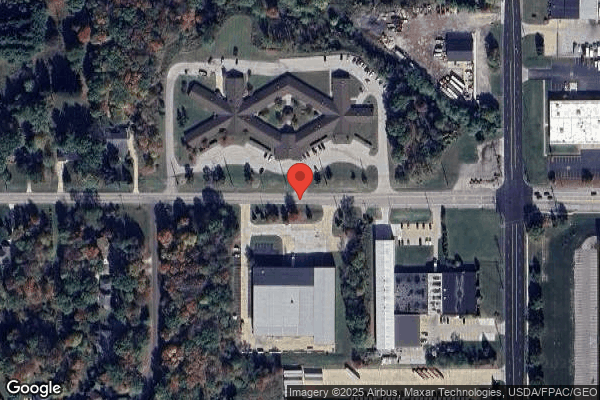
19859 ALEXANDER RD, WALTON HILLS, OH 44146 (440) 439-4433
For profit - Corporation 99 Beds AVENTURA HEALTH GROUP Data: November 2025
Trust Grade
38/100
#610 of 913 in OH
Last Inspection: November 2022

Over 2 years since last inspection. Current conditions may differ from available data.

Overview

Aventura at Walton Hills has received a Trust Grade of F, indicating significant concerns and a poor reputation among nursing homes. It ranks #610 out of 913 facilities in Ohio, placing it in the bottom half of the state, and #52 out of 92 in Cuyahoga County, suggesting only one local facility is better. The situation is worsening, with issues doubling from 3 in 2024 to 10 in 2025. Staffing is a concern, with a rating of 2 out of 5 stars and less RN coverage than 79% of facilities in Ohio, which can lead to missed health issues. Specific incidents include a resident developing a serious pressure ulcer due to inadequate care and another resident suffering a fall from a Hoyer lift, resulting in an injury, highlighting critical weaknesses in care practices. Although the facility has excellent quality measures, these significant issues raise serious concerns for potential residents and their families.

Trust Score
F
38/100
In Ohio
#610/913
Bottom 34%
Safety Record
Moderate
Needs review
Inspections
Getting Worse
3 → 10 violations
Staff Stability
⚠ Watch
49% turnover. Above average. Higher turnover means staff may not know residents' routines.
Penalties
✓ Good
$5,000 in fines. Lower than most Ohio facilities. Relatively clean record.
Skilled Nurses
⚠ Watch
Each resident gets only 22 minutes of Registered Nurse (RN) attention daily — below average for Ohio. Fewer RN minutes means fewer trained eyes watching for problems.
Violations
⚠ Watch
42 deficiencies on record. Higher than average. Multiple issues found across inspections.
★★☆☆☆
2.0
Overall Rating
★★☆☆☆
2.0
Staff Levels
★★★★★
5.0
Care Quality
★☆☆☆☆
1.0
Inspection Score
Stable
2024: 3 issues
2025: 10 issues

The Good

  • 5-Star Quality Measures · Strong clinical quality outcomes
  • Full Sprinkler Coverage · Fire safety systems throughout facility
  • No fines on record

Facility shows strength in quality measures, fire safety.

The Bad

2-Star Overall Rating

Below Ohio average (3.2)

Below average - review inspection findings carefully

Staff Turnover: 49%

Near Ohio avg (46%)

Higher turnover may affect care consistency

Federal Fines: $5,000

Below median ($33,413)

Minor penalties assessed

Chain: AVENTURA HEALTH GROUP

Part of a multi-facility chain

Ask about local staffing decisions and management

The Ugly 42 deficiencies on record

2 actual harm
Mar 2025 4 deficiencies 1 Harm
SERIOUS (G) 📢 Someone Reported This

A family member, employee, or ombudsman was alarmed enough to file a formal complaint

Actual Harm - a resident was hurt due to facility failures

Pressure Ulcer Prevention (Tag F0686)

A resident was harmed · This affected 1 resident

**NOTE- TERMS IN BRACKETS HAVE BEEN EDITED TO PROTECT CONFIDENTIALITY** Based on observation, record review, facility policy review and interview, the facility failed prevent Resident #58 from develop...

Read full inspector narrative →
**NOTE- TERMS IN BRACKETS HAVE BEEN EDITED TO PROTECT CONFIDENTIALITY** Based on observation, record review, facility policy review and interview, the facility failed prevent Resident #58 from developing an in-house pressure ulcer and failed to ensure timely identification, proper treatment and interventions were initiated to promote healing. Additionally, the facility failed to ensure nursing staff completed accurate and comprehensive weekly skin assessments/checks as ordered. Actual Harm occurred on 12/04/24 when the facility failed to implement appropriate and effective interventions for Resident #58, who was at risk for developing pressure ulcers, was always incontinent of bladder, frequently incontinent of bowel, and required staff assistance for activities of daily living, to prevent the development of an in-house acquired unstageable (full-thickness tissue loss in which the base of the ulcer is covered by slough or and/or eschar making the depth/stage undetermined) pressure ulcer to the left buttocks. This affected one resident (#58) of three residents reviewed for pressure injuries/skin impairments. The facility identified five residents (#1, #17, #33, #58, and #63) with pressure ulcers. The facility census was 71. Findings include: Review of Resident #58's medical record revealed an admission date of 02/08/18 with diagnoses including type II diabetes mellitus (DM), schizophrenia, pressure ulcer of left buttock and secondary Parkinsonism. Review of a plan of care initiated on 03/09/18 revealed Resident #58 had a potential for skin breakdown related to fragile skin and impaired mobility. Interventions included Braden Scale per protocol, complete skin assessment per protocol, encourage turning and repositioning, pressure reducing mattress to bed, and pressure releasing devices as indicated. Record review revealed no documented evidence staff encouraged or provided turning and repositioning of the resident. Review of Resident #58's medical record revealed a physician's order dated 05/03/24 for skin checks weekly every day shift every Monday. Review of Resident #58's weekly skin observations/assessments dated 11/11/24 and 11/13/24 revealed the resident had no skin issues. Review of Resident #58's weekly skin observation dated 11/19/24 revealed staff documented the resident had a skin abrasion to the left buttock that measured 3.0 centimeters (cm) by 3.0 cm and documented as N/A for stage. Review of a progress note dated 11/19/24 at 10:45 P.M. revealed Resident #58 had a 3.0 cm by 3.0 cm by 0 cm abrasion on left buttock. Resident #58 had complaints of left buttock pain and as needed (PRN) medications were administered. However, the record review revealed there was no documented evidence pain medication was administered on the medication administration record (MAR) on 11/19/24. The note revealed a treatment was applied. However, there was no documented evidence of what treatment was applied. Notifications were made to the physician, Director of Nursing (DON), and family. Review of the Braden Scale for Predicting Pressure Ulcers dated 11/20/24 revealed a score of 20.0 which indicated Resident #58 was risk for developing pressure ulcers. There was no documented Braden Scale completed before 11/19/24. Review of an interdisciplinary team (IDT) progress note dated 11/20/24 revealed Resident #58 had a reddened area to the left buttock. The left buttock skin was intact but noted to be non-blanchable. Notifications were made to the physician, DON, and family. The note indicated the wound physician was notified and would follow up with the resident on the next scheduled visit. An initial intervention included to pad and protect the left buttock. No additional interventions were noted to be implemented at that time. Review of physician orders and treatment administration records (TAR) revealed from 11/20/24 to 11/22/24 an order was in place to cleanse the resident's coccyx (although the wound was on the left buttock) with normal saline (NS) and apply a clean dry dressing (CDD) every night shift (HS). A new order was obtained on 11/24/24 to cleanse the left buttock/coccyx with NS, pat dry, cover with a CDD every night shift. This order remained in place from 11/24/24 until it was discontinued on 12/03/24. Review of Resident #58's weekly skin observation dated 11/25/24 revealed no skin issues were documented on the form. Review of Resident #58's weekly skin observation dated 12/02/24 revealed the resident had a left buttock pressure ulcer; however, there were no measurements or description of the wound. Review of a Wound Physician Note dated 12/04/24 (first visit by the wound physician) revealed Resident #58 had an unstageable pressure to the left buttock that measured 2.5 cm in length by 2.4 cm width with a depth that could not be determined (UTD). The wound bed tissue composition at the beginning of visit was 10% granulation, 10% slough, and 80% eschar. Minimal exudate and erythema were noted. A new treatment to use hydrogel gauze, cleanse wound with NS or sterile water, apply to the wound bed and cover with a dry clean dressing was noted in the progress note. Review of Resident #58's medical record revealed physician's orders dated 12/05/24 for Pro-Stat (protein supplement) two times a day (BID) give 30 milliliters (mL) for wound healing and an order for a pressure reducing cushion to the resident's wheelchair. Review of the care plan initiated 12/06/24 revealed Resident #58 had actual skin breakdown related to mobility deficit. Resident #58 had an unstageable deep tissue injury (DTI) (A purple or maroon localized area of discolored intact skin or blood-filled blister due to damage of underlying soft tissue due to pressure and/or shear to the left buttock (12/03/24). Interventions initiated on 12/06/24 (following the identification of the pressure ulcer) included consulting a wound consultant and follow up as needed (PRN), encourage turning and repositioning every two hours while in bed, low air loss mattress, minimizing exposure to excessive moisture or stool, nutritional interventions as ordered, and wound care as ordered. The care plan was updated on 12/31/24 to reflect the pressure ulcer was a Stage III (full thickness tissue loss, subcutaneous fat may be visible, but bone, tendon or muscle are not exposed, slough may be present but does not obscure the depth of tissue loss, may include undermining and tunneling) pressure ulcer. Review of Resident #58's medical record revealed a physician's order dated 12/06/24 for a low air loss mattress. Review of Resident #58's weekly skin observation dated 12/09/24 revealed the resident had a left buttock pressure ulcer; however, there were no measurements or description of the wound. Review of Resident #58's weekly skin observation dated 12/16/24 revealed the resident had a left buttock pressure ulcer; however, there were no measurements or a description of the wound. Review of the Wound Physician Note dated 12/18/24 revealed Resident #58 had a pressure injury on the left buttock that measured 2.5 cm by 2.4 cm by width UTD. The wound bed tissue composition was 10% granulation, 10% slough, and 80% eschar. Minimal exudate and erythema were noted. The treatment was to include 0.25% Dakin's moistened gauze every day and PRN. The healing status stated declined. Review of Resident #58's weekly skin observation dated 12/20/24 revealed no skin issues were documented on the form. Review of Resident #58's weekly skin observation dated 12/23/24 revealed the resident had a left buttock pressure ulcer; however, there were no measurements or a description of the wound. Review of Resident #58's Minimum Data Set (MDS) quarterly assessment dated [DATE] revealed Resident #58 had intact cognition. She had no behaviors of rejection of care and had limitations to range of motion of the upper and lower extremities bilaterally. The assessment revealed the resident required supervision or touching assistance with toileting hygiene, showers, rolling left to right and transfers. She required partial to moderate assistance with lower body dressing and personal hygiene and was dependent on staff for putting on/taking off footwear. The assessment revealed the resident was always incontinent of bladder and frequently incontinent of bowel, was at risk for pressure ulcer development and had a Stage III pressure ulcer. Review of Resident #58's weekly skin observation dated 01/06/25 revealed the resident had a left buttock pressure ulcer; however, there were no measurements or a description of the wound. Review of Resident #58's weekly skin observation dated 01/13/25 revealed the resident had a left buttock pressure ulcer; however, there were no measurements or a description of the wound. Review of Resident #58's weekly skin observation dated 01/20/25 revealed the resident had a left buttock pressure ulcer; however, there were no measurements or a description of the wound. Review of Resident #58's weekly skin observation dated 01/27/25 revealed the resident had a left buttock pressure ulcer; however, there were no measurements or description of the wound. Review of Resident #58's weekly skin observation dated 01/29/25 revealed the resident had a left buttock pressure ulcer; however, there were no measurements or a description of the wound. Review of Resident #58's weekly skin observation dated 02/05/25 revealed the resident had a left buttock pressure ulcer; however, there were no measurements or description of the wound. Review of Resident #58's weekly skin observation dated 02/10/25 revealed the resident had a left buttock pressure ulcer; however, there were no measurements or description of the wound. Review of Resident #58's weekly skin observation dated 02/14/25 revealed no skin issues were documented on the form. Review of Resident #58's weekly skin observation dated 02/17/25 revealed the resident had a left buttock pressure; however, there were no measurements or description of the wound. Review of Resident #58's weekly skin observation dated 02/19/25 revealed no skin issues were documented on the form. Review of Resident #58's weekly skin observation dated 02/20/25 revealed no skin issues were documented on the form. Review of Resident #58's weekly skin observation dated 02/24/25 revealed no skin issues were documented on the form. Review of Resident #58's weekly skin observation dated 03/03/25 revealed the resident had a left buttock other, wound; however, there were no measurements or a description of the wound. Review of Resident #58's weekly skin observation dated 03/10/25 revealed no skin issues were documented on the form. Review of Resident #58's weekly skin observation dated 03/17/25 revealed no skin issues were documented on the form. Record review revealed during this time period, the resident was being seen by the Wound Physician who did include measurements of the wound when the resident was seen. On 03/19/25 at 2:24 P.M. an interview with Regional Director of Clinical Operations (RDCO) #400 verified weekly skin observations were to be done every week, and the form was to be completed accurately to include the type of skin/pressure ulcer and the measurements of the pressure ulcer/wound. On 03/19/25 at 3:00 P.M. an interview with Wound Nurse (WN)/Assistant Director of Nursing (ADON) #205, who was new to the position, verified weekly skin observations were to be done every week by the nurses working the floor, despite the Wound Physician's weekly assessments, and the form was to be completed accurately to include the type of skin/pressure ulcer and the measurements. WN/ADON #205 verified weekly skin observations were not completed correctly for Resident #58. During the interview, she was also unable to provide a reason why some of the nurse's weekly skin observations showed no wounds when Resident #58 did in fact have a pressure ulcer to the left buttocks. In addition, during the interview WN/ADON #205 also revealed she would not expect an abrasion to turn into an unstageable pressure wound before additional interventions were implemented. No investigation was conducted by the facility to determine how the left buttock abrasion deteriorated from an abrasion to an unstageable pressure ulcer without staff knowledge before it became unstageable. WN/ADON #205 verified Resident #58's pressure ulcer to the left buttock was an in-house acquired unstageable pressure ulcer identified by the wound physician on 12/04/24. Observation on 03/20/25 at 12:47 P.M. of wound care revealed Licensed Practical Nurse (LPN) #211 performed hand hygiene, gathered supplies, donned personal protective equipment (PPE), knocked on door and entered. LPN #211 disinfected the over the bed tray and applied a barrier. Gloves were removed, hand hygiene performed, and new gloves applied. Resident #58 was in bed, and LPN #211 assisted in removing the resident's pants and brief. LPN #211 removed the resident's old dressing which had moderate dry drainage noted. An open area with some darkness was observed to the left buttock. LPN #211 cleansed with wound normal saline, patted the wound dry, applied collagen alginate with silver and covered with a dressing with date and initials. LPN #211 assisted Resident #58 with reapplying her brief and pants and assisted her to her chair. Infection control was maintained throughout the procedure, and Resident #58 tolerated with no complaints. LPN #211 doffed PPE before exiting the room. Review of the facility policy, Pressure Ulcer/Injury Risk Assessment, revised 07/2017, revealed the purpose of this procedure was to provide guidelines for the structures assessment and identification of residents at risk of developing pressure ulcers/injuries. The purpose of the risk assessment was to identify all risk factors and determine which could be modified, which could not, or which could be immediately addressed. Review of the facility policy, Pressure Ulcer/Injury Care and Management, revised 08/2022, revealed residents would receive care consistent with professional standards of practice, to prevent pressure ulcer/injury. Residents would receive necessary treatment and services, consistent with professional standards of practice to promote healing, prevent infection and prevent new ulcers from developing. This deficiency represents non-compliance investigated under Master Complaint Number OH00163632.
CONCERN (D) 📢 Someone Reported This

A family member, employee, or ombudsman was alarmed enough to file a formal complaint

Potential for Harm - no one hurt, but risky conditions existed

Comprehensive Care Plan (Tag F0656)

Could have caused harm · This affected 1 resident

Based on record review, interview and facility policy review, the facility failed to ensure care plans were individualized for Resident #33. This affected one resident (#33) out of three residents rev...

Read full inspector narrative →
Based on record review, interview and facility policy review, the facility failed to ensure care plans were individualized for Resident #33. This affected one resident (#33) out of three residents reviewed for care plans. The facility census was 71. Findings include: Review of the medical record for Resident #33 revealed an admission date of 10/22/24. Diagnoses included paraplegia, neuromuscular dysfunction of bladder, neurogenic bowel, history of COVID-19, colostomy, and cannabis dependence. Review of Resident #33's care plan dated 10/23/24 revealed there was no care plan for the recent unstageable pressure ulcer (full thickness tissue loss in which the base of the ulcer is covered by slough (yellow, tan, gray, green or brown) and/or eschar (tan, brown or black) in the wound bed) acquired in house on 12/05/24. Interview on 03/25/25 at 2:33 P.M. with Regional Director of Clinical Operations (RDCO) #400 confirmed there was no care plan for the recent in house acquired unstageable pressure ulcer for Resident #33 and/or updated interventions. Review of the facility policy, Care Plans, Comprehensive Person-Centered, revised December 2016, revealed the comprehensive, person-centered care plan includes identified problem areas and measurable objectives and timeframes. Assessments of residents are ongoing, and care plans are revised as information about the residents and the residents' conditions change. This deficiency is an incidental finding identified during the complaint investigation.
CONCERN (D) 📢 Someone Reported This

A family member, employee, or ombudsman was alarmed enough to file a formal complaint

Potential for Harm - no one hurt, but risky conditions existed

Quality of Care (Tag F0684)

Could have caused harm · This affected 1 resident

**NOTE- TERMS IN BRACKETS HAVE BEEN EDITED TO PROTECT CONFIDENTIALITY** Based on record review, interview and facility policy review, the facility failed to ensure weekly skin observations were accura...

Read full inspector narrative →
**NOTE- TERMS IN BRACKETS HAVE BEEN EDITED TO PROTECT CONFIDENTIALITY** Based on record review, interview and facility policy review, the facility failed to ensure weekly skin observations were accurately completed as ordered for Residents #33 and #72. This affected two residents (#33 and #72) out of three residents for wounds. The facility census was 71. Findings include: 1. Review of Resident #33's medical records revealed an admission date of 10/22/24. Diagnoses included paraplegia, neuromuscular dysfunction of bladder, neurogenic bowel, history of COVID-19, colostomy, and cannabis dependence. Review of Resident #33's physician orders for March 2025 revealed an order to cleanse the right lateral ankle with normal saline (NS) or wound cleanser, pat dry, apply collagen to the wound and cover with boarder gauze every Monday, Wednesday, and Friday night shift and as needed (PRN). Review of Resident #33's Medication Administration Record (MAR) and Treatment Administrative Record (TAR) for October 10/23/24 revealed wound treatment was current for Stage 3 pressure ulcer (full thickness tissue loss, subcutaneous fat may be visible but bone, tendon or muscle are not exposed, slough may be present but does not obscure the depth of tissue loss, may include undermining and tunneling) to the right outer ankle and deep tissue injury (DTI) (A purple or maroon localized area of discolored intact skin or blood-filled blister due to damage of underlying soft tissue due to pressure and/or shear. The area may be preceded by tissue that is painful, firm, mushy, boggy, warmer or cooler as compared to adjacent tissue.) to the right heel. Review of the Braden Scale for predicting Pressure Ulcers dated 12/05/24 revealed Resident #33 was at low risk for pressure ulcers. Review of the care plan dated 10/23/24 revealed Resident #33 was actual/potential for skin integrity impairment related to immobility and obesity and listed on admission a Stage 3 pressure ulcer on the coccyx, healed on 11/05/24, and present on admission a Stage 3 pressure ulcer to the left ischium healed on 11/05/24. The care plan did not include the pressure ulcer to the right lateral ankle, or the pressure ulcer right heel. There were no interventions/revisions noted for the right lateral ankle or the right heel pressure ulcers. Review of the progress note for Resident #33 dated 12/05/24 at 1:03 P.M. revealed an open area was noted to the right outer ankle. First aid was initiated and the physician, nurse practitioner (NP), Director of Nursing (DON), and the wound nurse were notified. An order for Resident #33 to be referred to the wound physician was obtained. Review of the weekly skin observations for Resident #33 revealed for 11/15/24 he had no skin issues. The next weekly skin observation was not completed until 12/05/24 which had no skin issues noted. The weekly skin observations for 01/07/25 and 01/14/25 revealed the right heel pressure ulcer and the right lateral ankle pressure ulcers with no measurements. The weekly skin observations for 02/04/25, 02/07/25, 02/11/25, 02/14/25 revealed the right lateral ankle pressure with no measurements. There were no weekly skin observations documented for March 2025 for Resident #33. Interview on 03/19/25 at 2:24 P.M. with Regional Director of Clinical Operations (RDCO) #400 confirmed weekly skin observations were to be completed every week, and the form was to be completed accurately to include the type of skin/pressure ulcer and the measurements. RDCO #400 verified Resident #33 did not have weekly skin observations completed for some days, and some were done incorrectly. RDCO #400 verified no weekly skin observations were completed for March 2025. Interview on 03/19/24 at 3:00 P.M. with Wound Nurse (WN)/Assistant Director of Nursing (ADON) #205, who was new to the position, confirmed weekly skin observations were to be done every week, and the form was to be completed accurately to include the type of skin/pressure ulcer and the measurements. WN/ADON #205 verified Resident #33's weekly skin observations were not done correctly and/or were not done at all. WN/ADON #205 verified Resident #33 did not have any weekly skin observations for March 2025. 2. Review of Resident #72's closed medical record revealed an admission date of 02/06/25 and a discharge date of 03/05/25. Diagnoses included acute duodenal ulcer with hemorrhage, acute posthemorrhagic anemia, acute respiratory failure with hypoxia, morbid severe obesity, irritant contact dermatitis, and atrial fibrillation. Review of Resident #72's Braden Scale for predicting Pressure Ulcers risk dated 02/06/25 revealed she was at moderate risk for skin breakdown. Review of Resident #72's admission evaluation for skin dated 02/06/25 revealed she had no skin issues except bilateral lower extremity discoloration. Review of the admission progress note dated 02/06/25 at 6:45 P.M. authored by Licensed Practical Nurse (LPN) #221 revealed Resident #72 had no skin issues except bilateral discoloration to lower extremities. Review of the care plan dated 02/07/25 revealed Resident #72 was at risk for actual and potential skin integrity impairment related to immobility and incontinence. Interventions included applying barrier cream after incontinence, assessing pain before, during, and after treatments, encourage the resident to get out of bed to the wheelchair daily, encourage the resident to turn and change position every two hours, keep skin clean and dry, wound consultant and follow up PRN. Review of Resident #72's Minimum Data Set (MDS) modification of admission assessment dated [DATE] revealed the resident had intact cognition. Resident #72 was independent for bathing, required substantial assistance for oral hygiene, and was dependent on staff for toileting hygiene, showers, dressing, and personal hygiene. Resident #72 was occasionally incontinent for urine and always incontinent for bowels. Review of Resident #72's physician orders dated February 2025 revealed an order dated 02/06/25 for Nystatin external powder 100000 Unit/Gram (unit/gm) (treats fungal or yeast infections of the skin) topical apply to skin folds topically two times a day (BID) for excoriation. On 02/10/25 a new order was obtained for Nystatin external powder 100000 unit/gm topical apply to skin folds topically two times a day (BID) for excoriation for 14 days. Review of the MAR and TAR for February 2025 revealed Nystatin external powder was administered on 02/06/25 and discontinued on 02/10/25. Started back up on 02/10/25 until 02/24/25. Review of Resident #72's weekly skin observation assessment revealed only one skin assessment was completed on 02/14/25, which revealed no skin issues. Interview on 03/19/25 at 2:24 P.M. with RDCO #400 verified weekly skin observations were to be done every week on every resident, and the form was to be completed accurately to include the type of skin/pressure ulcer and the measurements. RDCO #400 verified Resident #72 only had one weekly skin assessment completed on 02/14/25. Interview on 03/20/25 at 3:00 P.M. with Wound Nurse/ADON #205 revealed the only weekly skin assessment completed for Resident #72 was on 02/14/25, and it did not identify any skin issues. WN/ADON #205 verified the weekly skin assessments were not completed as required and should be done on all residents every week. Wound Nurse/ADON #205 verified Resident #72 did not have a weekly skin assessments performed on 02/21/25, 02/28/25, and 03/07/25 before discharge. Review of the facility policy, Pressure Ulcer/Injury Care and Management, revised 08/2022, revealed weekly skin audits will be performed on all residents. This deficiency represents non-compliance investigated under Master Complaint Number OH00163632.
CONCERN (E) 📢 Someone Reported This

A family member, employee, or ombudsman was alarmed enough to file a formal complaint

Potential for Harm - no one hurt, but risky conditions existed

Infection Control (Tag F0880)

Could have caused harm · This affected multiple residents

**NOTE- TERMS IN BRACKETS HAVE BEEN EDITED TO PROTECT CONFIDENTIALITY** Based on observation, interviews, record review and facility policy review, the facility failed to ensure infection control meas...

Read full inspector narrative →
**NOTE- TERMS IN BRACKETS HAVE BEEN EDITED TO PROTECT CONFIDENTIALITY** Based on observation, interviews, record review and facility policy review, the facility failed to ensure infection control measures were maintained during medications administration, which included hand washing/hand hygiene. This affected three residents (#4, #20, and #71) out of six residents observed for medication administration and had the potential to affect 16 additional residents (#3, #5, #10, #22, #23, #24, #28, #30, #31, #35, #39, #41, #44, #46, #66, and #67) on Licensed Practical Nurse (LPN) #215's assignment. The facility census was 71. Findings include: 1. Review of the medical record for Resident #4 revealed an admission date of 10/29/20. Diagnoses included hemiplegia and hemiparesis following cerebrovascular disease, type II diabetes mellitus, and vascular dementia. Review of the Minimum Data Set (MDS) assessment dated [DATE] revealed Resident #4 had intact cognition. Observation on 03/19/25 at 8:53 A.M. revealed LPN #215 began to prepare the medications for Resident #4 without performing hand hygiene. After placing all the medications in the medicine cup, she entered the resident's room and administered the medication to her. Upon leaving the room, LPN #215 did not perform hand hygiene and proceeded to prepare medications for the next resident (Resident #20). 2. Review of the medical record for Resident #20 revealed an admission date of 06/15/22. Diagnoses included hypertensive heart and chronic kidney disease with heart failure, chronic kidney disease (CKD) stage 3b, history of COVID-19, and heart failure. Review of the quarterly MDS assessment dated [DATE] revealed Resident #20 had intact cognition. Observation on 03/19/25 at 8:55 A.M. revealed LPN #215 began to prepare the medications for Resident #20 without performing hand hygiene. One of the medications was Artificial Tears eye drops. After placing all the medications in the medicine cup, she entered the resident's room and administered the medication. She then put on gloves, without performing hand hygiene first, and administered Artificial Tears eye drops, one drop in each eye. After administering the eye drops, she removed her gloves and exited the room without performing hand hygiene and proceeded to the next resident (resident #71). 3. Review of the medical record for Resident #71 revealed an admission date of 09/05/24. Diagnoses included Alzheimer's disease with late onset, adult failure to thrive, dementia, and vitamin b12 deficiency anemia. Review of the quarterly MDS assessment dated [DATE] revealed Resident #71 had severely impaired cognition. Observation on 03/19/25 at 9:07 A.M. revealed LPN #215 began to prepare the medications for Resident #71 without performing hand hygiene. After placing all the medications in the medicine cup, she entered the resident's room and administered the medication. After exiting the room, she did not perform hand hygiene. Interview on 03/19/25 at 9:13 A.M. with LPN #215 verified she did not perform hand hygiene during medication administration before or after administering resident medications or before or after removing her gloves from administering eye drops. Interview on 03/19/25 at 12:41 P.M. with Regional Director of Clinical Operations (RDCO) #400 verified hand hygiene was to be performed before and after each medication pass and before and after donning/doffing gloves. Review of the undated facility policy, Infection Prevention and Control Program revealed hand hygiene protocol to include all staff shall wash their hands between resident contacts, and before and after performing resident care procedures. Review of the undated facility policy, Hand Hygiene Policy and Procedure revealed indications for handwashing to include before having direct contact with patients, and after removing gloves. Review of the facility policy, Administering Medications, revised December 2012, revealed staff shall follow established facility infection control procedures to include handwashing for the administration of medications. Review of the facility policy, Instillation of Eye Drops, revised January 2014, revealed to wash hands thoroughly and don gloves. After administering eye drops remove the gloves and wash hands thoroughly. This deficiency is an incidental finding identified during the complaint investigation and is a recite to the complaint survey completed 02/11/25.
Feb 2025 1 deficiency
CONCERN (D) 📢 Someone Reported This

A family member, employee, or ombudsman was alarmed enough to file a formal complaint

Potential for Harm - no one hurt, but risky conditions existed

Infection Control (Tag F0880)

Could have caused harm · This affected 1 resident

Based on record review, observation and interview, the facility failed to ensure staff followed enhanced barrier precautions during catheter care. This affected one (Resident #15) of three residents r...

Read full inspector narrative →
Based on record review, observation and interview, the facility failed to ensure staff followed enhanced barrier precautions during catheter care. This affected one (Resident #15) of three residents reviewed for catheters. The facility census was 72. Findings include: Review of the medical record for Resident #15 revealed an admission date of 10/22/24 with diagnoses including paraplegia (paralysis of the legs and lower body) and neuromuscular dysfunction of the bladder (condition where nervous system injury or disease affects the bladder). Review of the physician's orders for Resident #15 revealed an order dated 12/03/24 for catheter care every shift. He also had an order dated 01/13/25 for enhanced barrier precautions. Observation of catheter care to Resident #15 on 02/11/25 at 9:18 A.M. with Licensed Practical Nurse (LPN) #206 revealed he was on enhanced barrier precautions. There was a sign for enhanced barrier precautions on his door stating that all staff must wear gloves and gown when providing hygiene and care of urinary catheter. There was noted to be an isolation cart outside of his room by the door with gowns, gloves and masks. LPN #206 had a surgical mask on and went into his room. After setting up her supplies to provide suprapubic catheter care, she put gloves on and provided care. After the care was completed, LPN #206 verified she did not don a gown as instructed by the enhanced barrier precautions sign on the door. Review of the facility policy titled, Enhanced Barrier Precautions, updated March 28 (unknown year), revealed residents for which enhanced barrier precautions are indicated, enhanced barrier precautions are employed when performing care including providing hygiene, changing briefs, assisting with toileting and urinary catheter care. Personal protective equipment included gloves and gown. This deficiency represents non-compliance investigated under Complaint Number OH00161853.
Jan 2025 5 deficiencies
CONCERN (D) 📢 Someone Reported This

A family member, employee, or ombudsman was alarmed enough to file a formal complaint

Potential for Harm - no one hurt, but risky conditions existed

Resident Rights (Tag F0550)

Could have caused harm · This affected 1 resident

**NOTE- TERMS IN BRACKETS HAVE BEEN EDITED TO PROTECT CONFIDENTIALITY** Based on observation, interview, and medical record review, the facility failed to ensure residents were treated in a respectful...

Read full inspector narrative →
**NOTE- TERMS IN BRACKETS HAVE BEEN EDITED TO PROTECT CONFIDENTIALITY** Based on observation, interview, and medical record review, the facility failed to ensure residents were treated in a respectful and dignified manner. This affected three residents (#31, #68, and #70) of six observed for dignified treatment. The facility census was 71. Findings include: 1. Review of Resident #31's medical records revealed an admission date of 06/03/24. Diagnoses included developmental disorder, bladder dysfunction and Parkinson. Review of MDS assessment dated [DATE] revealed Resident #31 had impaired cognition. Resident #31 required maximum assistance with toileting, bathing and personal hygiene. Resident #31 had a urinary catheter for elimination. Review of Resident #31's physician orders for January 2025 revealed to keep foley bag covered with privacy bag. Observations on 01/13/25 from 11:16 A.M. to 11:20 A.M. revealed Resident #31's urinary drainage bag was visible from the doorway and did not have privacy cover in place. Resident #31 was not interviewable. Interview with Certified Nurse Aide (CNA) #317 on 01/13/25 at 11:25 A.M. confirmed Resident #31's catheter bag was visible from the doorway and CNA #317 stated she was unsure if the facility had privacy bags as she had not seen privacy bags in use. 2. Review of Resident #68's medical records revealed an admission date of 08/28/21. Diagnoses included dementia. Review of MDS assessment dated [DATE] revealed Resident #68 had impaired cognition. Resident #68 required set up assistance with toileting, bathing and personal hygiene. Resident #68 had a urinary catheter for elimination. Review Resident #68's of physician orders for January 2025 revealed to keep foley bag covered with privacy bag. Observations on 01/13/25 from 11:16 A.M. to 11:20 A.M. revealed Resident #68's urinary drainage bag was visible from the doorway and did not have privacy cover in place. Resident #68 was not interviewable. Interview with CNA #317 on 01/13/25 at 11:25 A.M. confirmed Resident #68's catheter bag was visible from the doorway and CNA #317 stated she was unsure if the facility had privacy bags as she had not seen privacy bags in use. 3. Review of Resident #70's medical records revealed an admission date of 10/12/23. Diagnoses included stroke with left-sided weakness, aphasia (difficulty speaking), and dementia. Review of MDS dated [DATE] revealed Resident #70 had no cognition score as the resident was rarely understood. Resident #70 was dependent on staff for toileting, bathing, and personal hygiene tasks. Observation on 01/13/25 at 11:44 A.M. revealed CNA #313 was standing in the hallway outside of Resident #70's room, while Resident #70 was in a wheelchair. CNA #313 was observed to have been repeating the word NO! as Resident #70 attempted to push his wheelchair around CNA #313. Resident #70 had continued to attempt to push his wheelchair around CNA #313 and enter his room when CNA #313 stated go ahead and try to get in, I dare you in an intimidating and rude manner. Interview on 01/13/25 at 11:45 A.M. with CNA #313 revealed Resident #70's roommate had recently passed away and she was supposed to stand with the resident so he was unable to enter the room. CNA #313 was asked if anyone had explained the situation to Resident #70, and CNA #313 responded rudely, I don't know, they just told me to stand here with him. CNA #313 appeared frustrated with Resident #70, who continued to attempt to enter his room, until CNA #313 walked away at 11:50 A.M., leaving Resident #70 unattended in the hallway. Interview on 01/13/25 at 12:30 P.M. with Assistant Director of Nursing (ADON) revealed the ADON was informed of the prior interaction with CNA #313 and Resident #70. The ADON stated she would immediately inform the Director of Nursing (DON) and the Administrator of CNA #313's behavior towards Resident #70. Interview on 01/13/25 at 12:31 P.M. with the DON and Administrator confirmed they would begin an investigation into CNA #313's previous interactions with Resident #70. This deficiency represents non-compliance investigated under Complaint Number OH00161010 and OH00160958.
CONCERN (D) 📢 Someone Reported This

A family member, employee, or ombudsman was alarmed enough to file a formal complaint

Potential for Harm - no one hurt, but risky conditions existed

Deficiency F0553 (Tag F0553)

Could have caused harm · This affected 1 resident

**NOTE- TERMS IN BRACKETS HAVE BEEN EDITED TO PROTECT CONFIDENTIALITY** Based on record review, staff and family interview, and review of the facility policy, the facility failed to ensure residents a...

Read full inspector narrative →
**NOTE- TERMS IN BRACKETS HAVE BEEN EDITED TO PROTECT CONFIDENTIALITY** Based on record review, staff and family interview, and review of the facility policy, the facility failed to ensure residents and their responsible parties were included in the development and implementation of the plan of care. This affected one resident (Resident #11) of three residents reviewed for care planning. The facility census was 71. Finding include: Review of Resident #11's medical records revealed an admission date of 10/22/24. Diagnoses included paraplegia and bladder dysfunction. Review of Minimum Data Set (MDS) assessment dated [DATE] revealed Resident #11 had intact cognition. Telephone interview on 01/13/25 at 10:33 A.M. with Resident #11's Power of Attorney (POA) revealed she had attempted multiple times to arrange a care planning conference to discuss Resident #11's needs, however no care planning conference had ever been scheduled. Interview on 01/13/25 at 3:03 P.M. with Social Services Designee (SSD) #332 revealed care planning conferences were to be done upon admission and then on a quarterly basis. SSD #332 stated the care planning conferences were then documented in the resident's electronic medical records. Review of Resident #11's medical records revealed no documented care planning conference. Follow up interview on 01/14/25 at 1:49 P.M. with SSD #332 revealed she had spoken with Resident #11's POA, however she could not recall a time frame or what the discussion entailed. SSD #332 confirmed Resident #11's medical records had not included a documented care planning conference and SSD #332 was unable to provide documentation of a care planning conference being held. Review of the policy Comprehensive Person-Centered Care Plans revised 03/16/23 revealed a comprehensive, person-centered care plan is developed and implemented for each resident. The interdisciplinary team (IDT), in conjunction with the resident and his/her family or legal representative, develops and implements a comprehensive, person-centered care plan for each resident. Each resident's comprehensive person-centered care plan is consistent with the resident's rights to participate in the development and implementation of his or her plan of care, including the right to participate in the planning process, request meetings, and to participate in establishing the expected goals out outcomes. The resident is informed of his or her right to participate in his or her treatment and provided advance notice of care planning conferences. If the participation of the resident and his/her resident representative in developing the resident's plan of care is determined to not be practicable, an explanation is documented in the resident's medical record. The explanation should include what steps were taken to include the resident or representative in the process. This deficiency represents non-compliance investigated under Complaint Number OH00161010.
CONCERN (D) 📢 Someone Reported This

A family member, employee, or ombudsman was alarmed enough to file a formal complaint

Potential for Harm - no one hurt, but risky conditions existed

Grievances (Tag F0585)

Could have caused harm · This affected 1 resident

**NOTE- TERMS IN BRACKETS HAVE BEEN EDITED TO PROTECT CONFIDENTIALITY** Based on record review, interview, and review of facility policy, the facility failed to timely address resident and family conc...

Read full inspector narrative →
**NOTE- TERMS IN BRACKETS HAVE BEEN EDITED TO PROTECT CONFIDENTIALITY** Based on record review, interview, and review of facility policy, the facility failed to timely address resident and family concerns. This affected two residents (#11 and #67) of four residents reviewed for concerns. The facility census was 71. Findings include: Review of the facility's grievance log revealed no logged grievances for December 2024 or January 2025 to date. 1. Review of Resident #11's medical records revealed an admission date of 10/22/24. Diagnoses included paraplegia and bladder dysfunction. Resident #11's record indicated he had a chronic, indwelling suprapubic (surgically created opening in the abdomen in which a urinary catheter is inserted into to allow for continuous bladder drainage) catheter present upon admission. Review of Minimum Data Set (MDS) assessment dated [DATE] revealed Resident #11 had intact cognition. Resident #11 was dependent with toileting, and required maximum assistance with bathing and personal hygiene. Resident #11 had a urinary catheter for elimination. Review of Resident #11's physician orders for December 2024 and January 2025 revealed to flush urinary catheter with 60 milliliters (mL) of normal saline for possible blockage every twenty-four hours as needed. Review of Treatment Administration Record (TAR) for December 2024 and January 2025 revealed no documented urinary catheter flushes. Interview on 01/13/25 at 9:10 A.M. with Resident #11 revealed he had expressed concerns related to urinary catheter to the nursing staff. Resident #11 was asked if he had reported his concerns to the Director of Nursing (DON) and Resident #11 replied who's that? Telephone interview on 01/13/25 at 10:33 A.M. with Resident #11's Power of Attorney (POA) revealed she had attempted to contact the DON of multiple occasions to discuss his care. POA stated on 11/23/24 Resident #11 had called her to inform her that his catheter had been leaking and stated the nurse had not done anything about it. POA stated she had informed the nurse (name unknown) to have the DON call her the next day to discuss the concerns, however the DON nor any other facility staff had returned her call to discuss her concerns. Interview on 01/14/25 at 2:17 P.M. with Administrator and DON revealed they had spoken with Resident #11 and his family regarding their concerns related to his catheter. DON stated the SR had requested his catheter to be flushed more times that what had been ordered, and stated she had explained the physician's orders to Resident #11. Administrator stated he had spoken with the Resident #11's POA about Resident #11's catheter leaking and he and the DON would investigate the resident and family's concern. 2. Review of Resident #67's medical records revealed an admission date of 09/13/24. Diagnoses included right below the knee amputation and vision loss. Review of MDS dated [DATE] revealed Resident #67 had intact cognition. Resident #67 required maximum assistance with toileting, bathing and personal hygiene. Interview on 01/13/25 at 2:22 P.M. with Licensed Practical Nurse (LPN) #239 revealed she had been made aware Resident #67 had concerns related to being left in the bathroom for a long period of time on 01/12/25. LPN #239 stated she had sent a text message to the DON to inform of the situation and stated the DON told her she would address it on 01/13/25. LPN #239 stated she was not aware if the situation had been addressed. Interview on 01/14/25 at 8:28 A.M. with Resident #67 revealed on 01/12/25 she had been left in the bathroom for a long period of time. Resident #67 stated she had informed the nurse, who told her she would make a report about the incident, however Resident #67 was not aware if the situation had been handled and stated no one had spoken to her about it. Interview on 01/14/25 at 2:17 P.M. with the DON revealed the DON denied being aware of a concern with Resident #67 and stated she would investigate the situation with Resident #67's care. Review of the policy Resident and Family Concerns and Grievances Policy and Procedure dated 2024 revealed the purpose of the policy is to provide for the prompt resolution of medical and non-medical grievances. Residents or their family members, guardian, or representative may voice a grievance to the Facility staff in person, by telephone, or via written communication. The facility will keep a log of all grievances expressed either orally and/or in writing. The facility will follow up with resident or their family members, guardian, or representative within 72 hours of the filing of the grievance. The facility will provide the resident with a written Grievance Decision which shall include the date the grievance was received, a summary statement of the resident's grievance, steps taken to investigate the grievance, a summary of the pertinent findings or conclusions, a statement as to whether the grievance was confirmed or not confirmed, any corrective action taken, and the date the written decision was issued. This deficiency represents non-compliance investigated under Complaint Number OH00161010.
CONCERN (D) 📢 Someone Reported This

A family member, employee, or ombudsman was alarmed enough to file a formal complaint

Potential for Harm - no one hurt, but risky conditions existed

Report Alleged Abuse (Tag F0609)

Could have caused harm · This affected 1 resident

**NOTE- TERMS IN BRACKETS HAVE BEEN EDITED TO PROTECT CONFIDENTIALITY** Based on record review, interview, review of facility policy, and review of the Ohio Department of Health (ODH) Certification an...

Read full inspector narrative →
**NOTE- TERMS IN BRACKETS HAVE BEEN EDITED TO PROTECT CONFIDENTIALITY** Based on record review, interview, review of facility policy, and review of the Ohio Department of Health (ODH) Certification and Licensure System (CALS), the facility failed to timely report an allegation of staff to resident verbal abuse to the State Agency as required. This affected one resident (Resident #72) of three residents reviewed for abuse. The facility census was 71. Findings include: Review of Resident #72's medical records revealed an admission date of 12/02/23. Diagnoses included Alzheimer's and failure to thrive. Review of MDS dated [DATE] revealed Resident #72 had impaired cognition. Resident #72 required maximum assistance with toileting, bathing, and personal hygiene tasks. Review of the ODH CALS website revealed an incident of alleged emotional/verbal abuse involving CNA #318's interactions with Resident #72 was reported to the State Agency on 01/13/25 at 12:08 P.M. Interview on 01/13/25 at 1:02 P.M. with Receptionist #278 revealed on 01/11/25 she had observed CNA #318 yelling at Resident #72. Receptionist #278 stated Resident #72 was near the nurse's station and was attempting to get CNA #318's attention by waving her hands. Receptionist #278 stated she had then heard CNA #318 yell leave me alone (residents name). Receptionist #278 stated she was unsure what to do and stated the following day on 01/12/25 she had written a statement about what occurred and had given it to Admissions Director (AD) #203. Receptionist #278 stated she had been asked about the situation on 01/13/25 by the Administrator and Director of Nursing (DON). Receptionist #278 stated that was not the first negative incident she had observed and reported between Resident #72 and CNA #318. Receptionist #278 stated she had not received any recent abuse training and was unsure what to do or who to report to when she first witnessed the incident between CNA #318 and Resident #72. Interview on 01/14/25 at 2:17 P.M. with Administrator and DON revealed they had been made aware of the incident that had occurred on 01/11/25 on the morning of 01/13/25. Administrator stated Receptionist #268 had provided a written statement to AD #203 on 01/12/25 and the statement given to him on 01/13/25. Administrator stated they had began a self-reported incident (SRI) on 01/13/25, however the allegation of staff to resident verbal abuse should have been reported on 01/11/25. Review of facility policy titled Abuse revised 04/20/23 revealed once a supervisor received the information they must notify the Administrator/Director of Nursing immediately and gather requested information. An investigation must be directed by the Administrator or designee immediately, and not later than, twenty four hours after the knowledge. This deficiency represents an incidental finding of non-compliance identified while investigating Master Complaint Number OH00161010 and Complaint Number OH00160958.
CONCERN (D) 📢 Someone Reported This

A family member, employee, or ombudsman was alarmed enough to file a formal complaint

Potential for Harm - no one hurt, but risky conditions existed

Incontinence Care (Tag F0690)

Could have caused harm · This affected 1 resident

**NOTE- TERMS IN BRACKETS HAVE BEEN EDITED TO PROTECT CONFIDENTIALITY** Based on observation, interview, record review, and review of the facility policy, the facility failed to ensure appropriate uri...

Read full inspector narrative →
**NOTE- TERMS IN BRACKETS HAVE BEEN EDITED TO PROTECT CONFIDENTIALITY** Based on observation, interview, record review, and review of the facility policy, the facility failed to ensure appropriate urinary catheter care had been performed. This affected one Resident (#11) of three observed for catheter care. The facility identified five residents with indwelling urinary catheters. The facility census was 71. Findings include: Review of Resident #11's medical records revealed an admission date of 10/22/24. Diagnoses included paraplegia and bladder dysfunction. Resident #11's record indicated he had a chronic, indwelling suprapubic (surgically created opening in the abdomen in which a urinary catheter is inserted into to allow for continuous bladder drainage) catheter present upon admission. Review of Minimum Data Set (MDS) assessment dated [DATE] revealed Resident #11 had intact cognition. Resident #11 was dependent on staff for toileting, and required maximum assistance with bathing and personal hygiene tasks. Resident #11 had a urinary catheter for elimination. Review of Resident #11's physician orders for December 2024 and January 2025 revealed to flush urinary catheter with 60 milliliters (mL) of normal saline for possible blockage every 24 hours as needed, anchor catheter tubing, and check catheter placement every shift. Review of Treatment Administration Record (TAR) for December 2024 and January 2025 revealed no documented urinary catheter flushes. TAR for December 2024 and January 2025 included daily documentation of foley (urinary catheter) anchor being in place. Observation on 01/13/25 at 9:10 A.M. revealed Resident #11's call light was activated and Certified Nursing Assistant (CNA) #310 answered the call light and stated Resident #11 needed cleaned up. Interview with Resident #11 at time of observation revealed his urinary catheter had been leaking and his bed was wet with urine. Resident #11 stated he had asked the evening shift nurse the night before to flush his catheter as it often became clogged and leaked. Resident #11 stated the nurse had not flushed it, nor had the nurse performed any care of his catheter site. Resident #11 stated the only thing the nurse had done for his catheter was to empty the urinary drainage bag. Observation with CNA #310 and #317 revealed Resident #11's catheter insertion was not covered. A soiled dressing was hanging from the catheter tubing. Thick, white mucus-like drainage was observed around the resident's uncovered urinary insertion site which had a slight foul odor. Resident #11's catheter tubing was observed to have large amounts of thick sediment throughout the tubing and into the collection bag. Resident #11 stated he routinely asked for his catheter to be flushed due to the sediment contained in the urinary catheter tubing. Interview on 01/13/25 at 9:42 A.M. with Licensed Practical Nurse (LPN) #237 revealed Resident #11 had a physician order to flush the catheter with 60 milliliters mL of normal saline as needed for blockages. LPN #237 stated she had not flushed Resident #11's catheter during her shift. LPN #237 stated she would change Resident #11's catheter and needed to obtain supplies. Observation on 01/13/25 at 10:11 A.M. revealed LPN #237 returned to Resident #11's room and stated she had informed the Nurse Practitioner (NP) of Resident #11's catheter and urine appearance and the NP had ordered for urinary labs to be collected. Observation of catheter care and changing with LPN #237 at time of interview confirmed the thick mucus around the insertion site as well and the large amounts of sediment in the tubing and collection bag. Further observation revealed a piece of tape around the tubing that was not anchored or secured to Resident #11's leg. LPN #237 confirmed there should have been an anchor placed on Resident #11's leg to prevent the tubing from moving or pulling. LPN #237 had changed Resident #11's urinary catheter and placed an anchor on his leg to secure the tubing. Review of the facility policy titled Urinary Catheter Care revised 09/14 revealed catheter irrigation may be ordered to prevent obstructions in residents at risk for obstructions. Ensure the catheter remains secured to reduce friction and movement at the insertion site. This deficiency represents non-compliance investigated under Complaint Number OH00161010.
Dec 2024 1 deficiency
CONCERN (D) 📢 Someone Reported This

A family member, employee, or ombudsman was alarmed enough to file a formal complaint

Potential for Harm - no one hurt, but risky conditions existed

Deficiency F0602 (Tag F0602)

Could have caused harm · This affected 1 resident

Based on record review, Self-Reported Incident (SRI) review, police report review, policy review, and interview, the facility failed to prevent the exploitation of Resident #33 by an employee. This af...

Read full inspector narrative →
Based on record review, Self-Reported Incident (SRI) review, police report review, policy review, and interview, the facility failed to prevent the exploitation of Resident #33 by an employee. This affected one (Resident #33) of three residents reviewed for abuse. Findings include: Review of the medical record for Resident #33 revealed an admission date of 07/31/24. Diagnoses included hemiplegia and hemiparesis following cerebral infarction affecting the non-dominant left side, dysphagia (difficulty swallowing), personality disorder, and mild cognitive impairment. Review of the quarterly Minimum Data Set (MDS) assessment, dated 11/05/24, revealed Resident #33 had intact cognition and was independent for bed mobility, transfers, and eating. Review of the plan of care dated 11/22/24 revealed Resident #33 had problematic behavior characterized by inappropriate sexual behavior including making inappropriate remarks and attempting to touch other residents and staff. Review of SRI #254363 with a creation date of 11/22/24 revealed on 11/21/24 at around 12:00 P.M. there was an incident between Resident #33 and Kitchen Aide (KA) #206. KA #206 alleged that Resident #33 rode his wheelchair into the staff and started to grope her. Upon further investigation Resident #33 had KA #206's number on his phone and naked pictures of her. Upon interviewing Resident at 11:45 A.M. on 11/22/24, he said that he had given KA #206 $175 and KA #206 had made it clear that if he would give her $300 she would have sex with him. Resident #33 made it clear that there was no physical contact of any kind, and the money was sent to her by his brother and a friend. The allegation of sexual abuse, misappropriation was substantiated. Review of the facility's investigation initiated on 11/21/24 revealed KA #206 and Resident #33 exchanged personal text messages. The messages dated 10/19/24 through 10/26/24 revealed KA #206 and Resident #33 sending flirtatious texts to each other. KA #206 asked for money via cash app a couple of times. According to the text, Resident #33 sent KA #206 40.00 dollars. KA #206 replied I thought you were sending 100.00 dollars? KA #206 sent Resident #33 a naked picture of her genital area and stated that more pictures would come later. Further review of the investigation revealed Resident #33 involved his brother asking him to transfer money to KA #206. Review of the police report dated 11/22/24 revealed the caller requested to speak with an officer about a possible elder abuse from an employee. The employee was identified as KA #206 and the victim was identified as Resident #33. It was noted the employee was not on the scene. The report indicated Resident #33 had a stroke and was very difficult to understand. Resident #33 stated that KA #206 told him that for $300 KA #206 would give him sex. Resident #33 stated that he intended on having sex with KA #206 for money. Resident #33 gave KA #206 $100. Resident #33 stated that KA #206 sent him nude pictures of herself to his phone. Resident #33 said, KA #206 told him that she needed a real man and gave his money back. Resident #33 refused to make a written statement at that time. The offense listed on the police report indicated soliciting another for sexual activity for hire. Review of the Police Department Voluntary Statement dated 11/24/24 and written by the Director of Nursing (DON) revealed KA #206 came to her office and said that Resident #33 assaulted her with the wheelchair and was feeling on her. She was asked to calm down and write a statement. After KA #206 left the office Resident #33 was riding by the office and the DON called him into the office. Resident #33 stated he had KA #206's number in his phone. When asked how and why he had her phone number in his phone he told her they were in a relationship. When asked what he meant he said they were in a romantic relationship. He opened his phone and showed the DON where KA #206 sent nude photos of her body and asking and accepting money. The statement also indicated that on 11/22/24 Resident #33 told the Administrator that KA #206 told him that if he paid her $300 he could have sex with her. Interview on 12/04/24 at 10:37 A.M. with Resident #33 revealed he and KA #206 exchanged phone numbers and started talking because KA #206 wanted to find a real man. Resident #33 stated KA #206 asked him for money to have sex with him. KA #206 sent him a naked picture and wanted him to take care of her. They never had sex but were planning on having sex after he moved to an assisted living facility. Resident #33 stated the police took the pictures and texts from his phone. Interview on 12/04/24 at 1:10 P.M. with the DON revealed they had no idea KA #206 and Resident #33 were exchanging test messages until KA#206 reported Resident #33 ran into her with his wheelchair. When the DON talked to Resident #33 about the incident, Resident #33 indicated he and KA #206 were in a relationship. When asked why he felt they were in a relationship, Resident #33 indicated he had KA #206's phone number and KA #206 sent him naked pictures of herself. The DON indicated upon receipt of this information an SRI was submitted to the State agency, an investigation initiated and the police were contacted. The DON stated they wanted to terminate KA #206 immediately; however, the police wanted them to wait until they spoke with KA #206 at the facility on 11/25/24 when a meeting was scheduled to discuss disciplinary action. KA#206 did not show up for the 11/25/24 meeting. Interview on 12/04/24 at 1:26 P.M. with KA #206 revealed she was fired for the incident; it was in her past and she would not discuss the matter any further. Review of facility policy titled Abuse, dated 2023, revealed the facility would not take advantage of a resident for personal gain using manipulation, intimidation, threats, or coercion. This deficiency represents non-compliance investigated under Control Number OH00160143.
Sept 2024 2 deficiencies
CONCERN (D) 📢 Someone Reported This

A family member, employee, or ombudsman was alarmed enough to file a formal complaint

Potential for Harm - no one hurt, but risky conditions existed

Pressure Ulcer Prevention (Tag F0686)

Could have caused harm · This affected 1 resident

**NOTE- TERMS IN BRACKETS HAVE BEEN EDITED TO PROTECT CONFIDENTIALITY** Based on record review and interview, the facility failed to ensure Resident #50's pressure ulcer wound care was completed as or...

Read full inspector narrative →
**NOTE- TERMS IN BRACKETS HAVE BEEN EDITED TO PROTECT CONFIDENTIALITY** Based on record review and interview, the facility failed to ensure Resident #50's pressure ulcer wound care was completed as ordered. This finding affected one (Resident #50) of three residents reviewed for pressure ulcers. Findings include: Review of Resident #50's medical record revealed the resident was admitted on [DATE] with diagnoses including unspecified dementia, generalized anxiety disorder and unspecified osteoarthritis. Review of Resident #50's admission Minimum Data Set (MDS) 3.0 assessment dated [DATE] revealed the resident exhibited severe cognitive impairment. Review of Resident #50's admission Nursing Evaluation form dated 08/05//24 revealed the resident had bruising to the right antecubital, right buttock and left buttock. Review of Resident #50's Wound Observation form dated 08/06/24 revealed the resident had bilateral buttocks dermatitis first acquired 08/05/24. The resident was discharged from wound care. Review of Resident #50's Braden Scale for Predicting Pressure Sore Risk form dated 08/12/24 revealed the resident was high risk for developing pressure ulcer wounds. Review of Resident #50's progress note dated 08/31/24 at 4:00 P.M. authored by Licensed Practical Nurse (LPN) #839 revealed while performing activities of daily living (ADL) care on the resident, the State Tested Nursing Assistant (STNA) and daughter had observed three open areas on the buttocks. The area was cleansed with normal saline at this time. The nurse attempted to apply a border foam dressing and the resident's daughter denied. Hospice and the Director of Nursing (DON) were made aware. Review of Resident #50's progress note dated 08/31/24 at 6:30 P.M. authored by LPN #839 revealed the hospice nurse arrived with new orders to clean the area with normal saline, pat dry, apply a foam border dressing daily and as needed. Review of Resident #50's hospice Visit Summary form dated 08/31/24 authored by Hospice Registered Nurse (RN) #925 indicated three new open areas to the buttocks were identified and the wound nurse was to assess. New orders were provided to clean the area and apply a foam border dressing until the wound nurses assesses the resident. Review of Resident #50's medication administration records (MARS) and treatment administration records (TARS) from 08/31/24 to 09/16/24 did not reveal evidence wound care to the bilateral buttocks were ordered or completed on 09/01/24 and 09/02/24. Review of Resident #50's Wound Observation Evaluation form dated 09/03/24 revealed the resident had bilateral buttocks Kennedy ulcer (a dark, irregularly shaped sore that develops rapidly in the final stages of life) first identified 08/31/24 with full thickness with fat layer exposed and the documentation indicated 30% epithelial tissue, 50% granulation tissue and 20% slough. The treatment included to cleanse with normal saline or sterile water, cleanse with Dakins antibacterial cleanser solution, cover wound bed with oil emulsion dressing and then cover with a clean dry dressing. The wound measurements were 6.1 centimeters (cm) length by 15.3 cm width by 0.2 cm depth. Interviews on 09/17/24 at 8:08 A.M. with the DON and Assistant Director of Nursing (ADON) #805 confirmed Resident #50's medical record did not have evidence of bilateral buttocks pressure ulcer wound care was ordered accurately in the resident's electronic health record (EHR) or completed as ordered by hospice services on 09/01/24 and 09/02/24. The DON and ADON #805 confirmed the resident's bilateral pressure wounds were documented by hospice services as [NAME] Ulcers. Review of the undated Wound Care Management policy revealed the policy was to ensure that all residents were assessed on admission, quarterly and with a change in condition for the potential of skin breakdown and to ensure interventions were in place to maintain skin integrity. This deficiency represents non-compliance investigated under Complaint Numbers OH00157839 and OH00157857.
CONCERN (D) 📢 Someone Reported This

A family member, employee, or ombudsman was alarmed enough to file a formal complaint

Potential for Harm - no one hurt, but risky conditions existed

Accident Prevention (Tag F0689)

Could have caused harm · This affected 1 resident

**NOTE- TERMS IN BRACKETS HAVE BEEN EDITED TO PROTECT CONFIDENTIALITY** Based on interview and record review, the facility failed to ensure resident safety when not returning from a leave of absence. ...

Read full inspector narrative →
**NOTE- TERMS IN BRACKETS HAVE BEEN EDITED TO PROTECT CONFIDENTIALITY** Based on interview and record review, the facility failed to ensure resident safety when not returning from a leave of absence. This affected one Resident (#27) of three reviewed for safety hazards. The facility census was 72. Findings include: Review of the medical record for Resident #27 revealed an admission date of 03/01/24. Diagnoses included epilepsy, diabetes mellitus, Wernicke's encephalopathy, generalized muscle weakness, major depressive disorder, cognitive communication deficit, alcohol use, restlessness and agitation, and anxiety disorder. Review of the Medicare Quarterly Minimum Data Set (MDS) assessment, dated 06/07/24, revealed Resident #27 had intact cognition. Resident #27 was independent for bed mobility, ambulation, and transfers. Review of physician's order, dated 08/09/24, revealed Resident #27 may go on leave of absence (LOA) with supervision with medications unless contraindicated. Review of physician's orders for September 2024 revealed Resident #27 had orders for Empagliflozin (medication used to control high blood sugar in people with type two diabetes mellitus) 10 milligrams (mg) by mouth in the morning, Topiramate (anticonvulsant medication used to prevent and control seizures) 200 mg by mouth twice daily, Levetiracetam (antiepileptic medication) 500 mg by mouth twice daily, and Levetiracetam 750 mg by mouth twice daily. Review of progress note dated 09/03/24 at 7:48 P.M. revealed Resident #27 was picked up for LOA during shift. Further review of Resident #27's medical record revealed no evidence Resident #27 had taken a supply of her medications on 09/03/24 LOA. Review of Medication Administration Note dated 09/03/24 at 11:59 P.M. revealed Resident #27 was on LOA. Review of medication administration record (MAR) and treatment administration record (TAR) for September 2024 revealed nursing staff documented Resident #27 was on LOA for bedtime medications on 09/03/24. The LOA was documented to extend to morning medications on 09/07/24. Resident #27 was then documented to be hospitalized from [DATE] to 09/10/24. Review of progress note dated 09/04/24 at 6:38 A.M. revealed Resident #27 remained on LOA and the Director of Nursing (DON) was made aware. There was no evidence in the medical record of attempts to contact resident/family on 09/03/24 when the resident did not return that night. Review of Euclid Police Call for Service dated 09/04/24 at 11:00 A.M. revealed Euclid police were called for welfare check of Resident #27 by DON. Police arrived on scene at 11:13 A.M. and were unable to locate Resident #27 at residence. The call for service was cleared as of 09/04/24 at 11:50 A.M. Review of progress note dated 09/04/24 at 1:07 P.M. revealed Resident #27 had not returned from LOA. Authorities, family, DON and Administrator were notified. Review of progress note dated 09/04/24 at 2:42 P.M. revealed Resident #27 was still on LOA. Review of the policy report received 09/04/24 at 4:37 P.M., dispatched on 09/04/24 at 4:45 P.M., titled, MISSING PERSON revealed on 09/04/24 at approximately 4:37 P.M. dispatch advised that the facility wanted to report a missing person that walked off their property yesterday between 11:30 A.M. and 12:00 P.M. Administrator of the facility advised the resident as spotted yesterday 09/03/24 leaving on foot by the housekeeper. The housekeeper was able to give her a clothing description wearing a beige [NAME] hoodie, dark blue jeans cuffed at the bottom, white [NAME] tennis shoes with red and blue lettering or marks ,peach colored purse and wearing a pony tail. Administrator stated the resident normally leaves with her mother about once a month at the beginning of the month with permission. Facility staff assumed the resident was leaving with her mother again, however when the resident did not return, staff contacted the resident's mother and she stated she did not pic up the resident and would have no idea where she was. Staff then went to her hose and also went to the resident's boyfriends house and he stated he had not seen her in four to five months. Staff then called the policed department do do welfare checks. Administrator was label to give a list of mediations the resident takes and that she did not have access to any of it. In the past, the resident has walked out of other homes and has not returned as this is normal behaviors. She has been found in hospitals in the past. Administrator stated the resident is her own guardian however has some severe medical issued that interfere with her decisions making skills especially if she consumes alcohol and/or does any drugs. The resident has epilepsy and is on medication for her seizures. The medication needs to be taken twice daily. The resident also has a pacemaker. The resident does have prior of drug abuse with heroin. The sergeant contacted hospitals and phone numbers that were associated with the resident to no avail. The resident was entered as a missing person. Review of Prehospital Care Report Summary dated 09/05/24 at 12:34 A.M. revealed Emergency Medical Services (EMS) were called for Resident #27 at a residential apartment in Euclid, Ohio. Resident #27 was complaining of headache and a racing heart. Resident #27 was transported to the hospital. Review of Medication Administration Note dated 09/05/24 at 8:57 P.M. revealed Resident #27 was on LOA. Review of hospital History and Physical Examination dated 09/05/24 revealed Resident #27 presented to the hospital with headache and weakness. Resident #27 reported nausea with a single episode of vomiting, significant fatigue, blurred vision, and mild photosensitivity. Review of hospital Psychiatry Initial Consultation Note dated 09/06/24 revealed Resident #27 had history of traumatic brain injury, dementia, and polysubstance abuse. Resident #27 was oriented to person and place with moderately impaired memory. Resident #27 was vague with history and had little recall of what had happened to her. Interview on 09/16/24 at 11:38 A.M. with DON revealed Resident #27 went on an LOA with her mother on 09/03/24. DON indicated the LOA was prearranged and Resident #27 was supposed to return the same day. DON indicated Resident #27 nor her mother signed out prior to leaving for the LOA. DON noted Resident #27 typically went on LOA with her mother over the weekends and would be gone for several days. DON indicated she was notified at approximately 10:00 P.M. when Resident #27 did not return to the facility. DON indicated she began calling Resident #27's mother with no response. DON indicated contact was not made with Resident #27 or the mother until 09/04/24. DON indicated she drove to Resident #27's mother's house to check on them in the morning on 09/04/24. DON indicated she was unable to locate Resident #27 but made contact with Resident #27's mother via phone. DON indicated Resident #27's mother would not locate Resident #27 or allow her entry to the home. DON indicated she called Euclid Police (local police for the mother's home) for a welfare check for Resident #27. DON indicated Resident #27's mother indicated Resident #27 was not at her house and would not allow police entry into her home. DON indicated she returned to the facility and called [NAME] Hills Police to report Resident #27 as a missing person. DON indicated after the news reported Resident #27 missing a neighbor to Resident #27's mother reporting seeing Resident #27 at her mother's home appearing very intoxicated. DON indicated at this time Resident #27 was transported to the hospital for evaluation by EMS. Interview on 09/16/24 at 2:40 P.M. with Administrator revealed Resident #27 left for LOA on 09/03/24 at approximately 11:00 A.M. and was expected to return that evening. Administrator confirmed Resident #27 did not return to the facility on [DATE]. Administrator indicated on 09/04/24 at approximately 10:30 A.M. she drove to Resident #27's significant other's home to look for Resident #27. Administrator indicated Resident #27 was not located at that time. Administrator indicated on 09/04/24 at 12:05 P.M. [NAME] Hills Police were notified Resident #27 was missing and had not had her medications since the morning of 09/03/24. Administrator indicated on 09/05/24 at 5:08 P.M. she was notified by [NAME] Hills Police that Resident #27 had been located and was currently at the hospital. Interview on 09/16/24 at 3:03 P.M. with Licensed Practical Nurse (LPN) #842 revealed she was notified Resident #27 was going on an LOA on 09/03/24 during report. LPN #842 indicated she gave Resident #27 her morning medication and Resident #27 mentioned she was going on a LOA. LPN #842 indicated Resident #27 and her mother did not notify her or sign out upon leaving for LOA. LPN #842 indicated she was unaware exactly when Resident #27 left the facility in the morning. LPN #842 indicated in the early afternoon it was noted Resident #27 had left with her mother. LPN #842 indicated she called Resident #27's mother several times to confirm they had gone together but was unable to reach her. LPN #842 indicated she informed the DON she was unable to locate Resident #27 or reach the mother by phone. LPN #842 indicated she did not see Resident #27 for the rest of her shift. Follow up interview on 09/16/24 at 3:24 P.M. with DON confirmed she was notified by LPN #842 that Resident #27 had left the facility. DON indicated she did not think anything of it because it was a planned LOA and Resident #27 was expected to return in the evening. DON indicated she was called between 9:00 P.M. and 10:00 P.M. on 09/03/24 when Resident #27 had not returned. DON indicated she began calling the mother but was unable to make contact. DON indicated she attempted to call Resident #27's mother again in the morning of 09/04/24 without making contact. DON indicated she then drove to the mother's home to attempt to make contact. DON indicated she notified Euclid Police for a welfare check on 09/04/24 between 10:00 A.M. and 11:00 A.M. Follow up interview on 09/16/24 at 4:15 P.M. with Administrator revealed Physician Assistant (PA) #927 was notified via text message Resident #27 had not returned from LOA. Administrator reported PA #927 was notified on 09/04/24 at 4:06 P.M. Interview on 09/16/24 at 4:20 P.M. with Registered Nurse (RN) #878 via phone revealed she worked night shift on 09/03/24. RN #878 indicated she was told Resident #27 was on LOA and expected to return that evening. RN #878 indicated between 10:30 P.M. and 11:00 P.M. she noted Resident #27 had not returned. RN #878 indicated she had attempted to call the mother then notified the DON via phone. RN #878 indicated she was not instructed to do anything by the DON. RN #878 indicated Resident #27 did not return on her shift. Review of facility policy Resident LOA dated August 2022 revealed Residents leaving premises must be signed out. Inquiries concerning the signing out of residents should be referred to the director of nursing or to the administrator. This deficiency represents non-compliance investigated under Complaint Number OH00157857.
Sept 2023 1 deficiency
CONCERN (D) 📢 Someone Reported This

A family member, employee, or ombudsman was alarmed enough to file a formal complaint

Potential for Harm - no one hurt, but risky conditions existed

Free from Abuse/Neglect (Tag F0600)

Could have caused harm · This affected 1 resident

**NOTE- TERMS IN BRACKETS HAVE BEEN EDITED TO PROTECT CONFIDENTIALITY** Based on medical record review, review of a Self-Reported Incident (SRI), facility investigation interviews, police report and f...

Read full inspector narrative →
**NOTE- TERMS IN BRACKETS HAVE BEEN EDITED TO PROTECT CONFIDENTIALITY** Based on medical record review, review of a Self-Reported Incident (SRI), facility investigation interviews, police report and facility policy review, the facility failed to ensure Resident #22 was free from suspected resident-to-resident sexual abuse by Resident #63. This affected one resident (#22) of three residents reviewed for abuse. The facility census was 69. Finding include: Review of the medical record for Resident #22 revealed an admission date of 05/24/21. Diagnoses included adult failure to thrive, dementia, hearing loss, psychosis, and hypertension. Review of the comprehensive Minimum Data Set (MDS) assessment dated [DATE] revealed Resident #22 was rarely or never understood. She was totally dependent on two people for toileting and hygiene and required extensive assistance of two people for bed mobility, transfers, and dressing. She displayed behavioral symptoms not directed toward others such as disrobing in public, scratching, or hitting herself and disruptive sounds daily. Review of the care plan dated 02/18/22 revealed Resident #22 had a self-care deficit due to dementia. Interventions included assistance with activities of daily living (ADL) such as dressing, grooming, and toileting, Review of the progress note dated 08/29/23 at 8:09 P.M. revealed Resident #63 was in her room displaying sexually explicit behavior, to which Resident #22 could not consent. Resident #63 was removed and told not to return. Review of the medical record for Resident #63 revealed an admission date of 12/18/21. Diagnoses included alcohol abuse, hearing loss, adjustment disorder, anxiety, and hypertension. Review of the quarterly MDS assessment dated [DATE] revealed Resident #63 was cognitively intact. He displayed verbal aggression toward others and a rejection of care. Review of the progress noted dated 08/29/23 at 9:53 P.M. revealed Resident #63 was in a female Resident #22's room attempting to sit on her bed. He had been educated several times about being in the residents' room without supervision due to inappropriate behavior. He was escorted out of the room and told not to return. Review of the facility's SRI tracking number 238642 submitted to the State Survey Agency on 08/29/23 at 9:30 P.M. revealed an allegation of sexual abuse. The residents identified in the allegation were Resident #22 and Resident #63. The person making the allegation was Licensed Practical Nurse (LPN) #206. Review of the narrative summary of the incident revealed Resident #63 was witnessed in Resident #22's room standing next to the bed with one of his hands on the outside of her brief. Resident #22 was fully clothed. Review of the facility's summary investigation revealed the police were contacted and Resident #63 was placed on one-to-one supervision. Both residents were seen by a medical provider within a few days. None of the employees who were interviewed as part of the investigation had seen sexual abuse occur. The investigation was determined to be inconclusive because there were no bruises on Resident #22, no one had witnessed Resident #63 touching Resident #22, and the amount of time between when Resident #63 was last seen and when he was seen in Resident #22's room was five to seven minutes. Review of police report number 23-07582 dated 08/29/23 revealed LPN #206 called the police to the facility on [DATE] because a resident [Resident #22] has been sexually abused by another resident [Resident #63]. She reported she told Resident #63 he could not go beyond the hallway doors and not to enter Resident #22's room. Resident #63 went toward Resident #22'm room anyway, and LPN #206 called the police. When she went to Resident #22's room, Resident #63 was out of his wheelchair reaching Resident #22 whose brief was down below her buttocks. LPN #207 reported to police she witnessed a similar incident as the one described above on 08/28/29. Her statement also corresponded with LPN #207's statement regarding the incident on 08/29/23. The police report further revealed they made contact with Resident #22's legal guardian did not want a rape kit performed and would not be pursuing criminal charges. Interview on 09/07/23 at 12:40 P.M. with the Administrator revealed Resident #63 had been educated several times about being in Resident #22's room without supervision due to inappropriate behavior. Residents #22 and #63 had been friends before, but Resident #22's health had declined significantly in the past few months, and staff did not feel it was appropriate for Resident #63 to be in Resident #22's room since she could no longer speak for herself or consent to any visitation. She revealed neither resident had any history of sexual behaviors. Interview on 09/07/23 at 1:26 P.M. with LPN #205 revealed she saw Resident #63 in Resident #22's room with his hand near her incontinence brief. When she saw LPN #205, he sat in his wheelchair and tried to leave. Resident #22's brief was pulled half off oh her bottom and tucked in the front. LPN #205 held the opinion Resident #63 had been attempting to engage in sexually inappropriate behavior with Resident #22, but staff had intervened. Interview on 09/07/23 at 1:53 P.M. with LPN #206 revealed she was passing medications when Resident #63 propelled his wheelchair past her toward Resident #22's room. She closed the double doors to the hall where Resident #22's room was, but Resident #63 opened them and went through. LPN #206 went into Resident #22's room and found Resident #63. She said during the time she worked from 7:00 P.M. until 7:00 A.M., she found Resident #63 in Resident #22's room two times. He was placed on one-to-one supervision after the second time. LPN #206 revealed she had told the Director of Nursing (DON) approximately one week before the incident on 08/29/23 that she felt Resident #63 shouldn't be in Resident #22's room. Interview on 09/07/23 at 2:08 P.M. with the DON revealed staff called her on 08/28/23 and told her Resident #63 was in Resident #22's room. She instructed staff to keep him out of her room, and she called the Administrator. On 08/29/23, she was again called and told Resident #63 was in Resident #22's room. She instructed staff to call the physician, keep Resident #22 safe and again called the Administrator. She denied receiving any concerns from staff prior to 08/28/23 about concerns with Resident #63 entering Resident #22's room. Interview on 09/08/23 at 6:55 A.M. with LPN #207 revealed she was told by another nurse Resident #63 was in Resident #22's room. When she got there, Resident #63 was leaning over Resident #22's bed. She did not see Resident #22's brief pulled down and could not explain why it might have been. She had no knowledge of a prior romantic relationship between Residents #22 and #63 and Resident #63 had no history of sexually inappropriate behaviors. Review of the facility policy titled Abuse policy, dated 04/20/23, revealed residents would not be subjected to abuse.
Aug 2023 3 deficiencies
CONCERN (D) 📢 Someone Reported This

A family member, employee, or ombudsman was alarmed enough to file a formal complaint

Potential for Harm - no one hurt, but risky conditions existed

Pressure Ulcer Prevention (Tag F0686)

Could have caused harm · This affected 1 resident

**NOTE- TERMS IN BRACKETS HAVE BEEN EDITED TO PROTECT CONFIDENTIALITY** Based on observation, interview and record review the facility failed to complete wound care as ordered/care planned. This affec...

Read full inspector narrative →
**NOTE- TERMS IN BRACKETS HAVE BEEN EDITED TO PROTECT CONFIDENTIALITY** Based on observation, interview and record review the facility failed to complete wound care as ordered/care planned. This affected one resident (#58) of two observed for wound care. The facility identified seven residents (#2, #17, #27, #35, #45, #58, and #68) who required wound care. The facility census was 70. Findings include: Review of Resident #58's medical records revealed an admission date of 05/01/23. Diagnoses included stage four pressure ulcer of the sacrum (tailbone) and osteomyelitis (bone infection). Review of the care plan dated 06/20/23 (revised 08/22/23) revealed Resident #58 had impaired skin integrity with a stage four pressure ulcer to the sacrum. Interventions included perform wound care as ordered. Review of the Minimum Data Set (MDS) assessment dated [DATE] revealed Resident #58 was rarely understood and was admitted with a stage four pressure ulcer to the sacral area. Review of Resident #58's current physician orders for August 2023 revealed orders to cleanse the left lateral leg with normal saline, apply collagen powder, apply Xeroform (petroleum based gauze dressing) and cover with absorbent dressing and gauze every other day and as needed; cleanse left ischium (hip) with normal saline, apply collagen powder, and cover with border gauze daily and as needed, and cleanse sacrum with normal saline, apply collagen powder, pack loosely with silver alginate (antibacterial alginate with silver) and cover with border gauze daily and as needed. Observation on 08/28/23 at 11:25 A.M. with State Tested Nursing Assistants (STNA) #281 revealed Resident #58 had gauze dressings to both legs that were dated 08/24/23. STNA #281 stated she was unaware if Resident #58 had wounds underneath of the gauze dressings. Further observation revealed Resident #58 had an undated foam dressing to the sacrum as well as an undated foam dressing to her left hip. The dressings to the sacrum and left hip were soiled and the sacral dressing was not intact. Observation and interview on 08/28/23 at 11:42 A.M. with the Assistant Director of Nursing (ADON) revealed Resident #58 had a wound to her left leg that was supposed to be changed daily and there was no wound to Resident #58's right leg. The ADON confirmed the gauze dressings to the legs were dated 08/24/23. The ADON further stated Resident #58's sacral wound dressing was supposed to be changed daily and as needed, if soiled, and the left hip dressing was to be changed every other day and as needed. Review of Treatment Administration Record for August 2023 on 08/28/23 at 2:11 P.M. with the ADON revealed and confirmed ordered treatments were documented as being completed, however the treatments had not been performed as ordered/care planned. This deficiency represents non-compliance investigated under Complaint Number OH00145486.
CONCERN (D) 📢 Someone Reported This

A family member, employee, or ombudsman was alarmed enough to file a formal complaint

Potential for Harm - no one hurt, but risky conditions existed

Incontinence Care (Tag F0690)

Could have caused harm · This affected 1 resident

**NOTE- TERMS IN BRACKETS HAVE BEEN EDITED TO PROTECT CONFIDENTIALITY** Based on interview, observation, and record review the facility failed to ensure adequate urinary catheter care was provided. Th...

Read full inspector narrative →
**NOTE- TERMS IN BRACKETS HAVE BEEN EDITED TO PROTECT CONFIDENTIALITY** Based on interview, observation, and record review the facility failed to ensure adequate urinary catheter care was provided. This affected one resident (#58) of one observed for urinary catheter care. The facility identified six residents (#17, #32, #44, #58, #67 and #68) with urinary catheters. The facility census was 70. Findings include: Review of Resident #58's medical records revealed an admission date of 05/01/23. Diagnoses included neuromuscular bladder, dementia and a sacral (tailbone) pressure ulcer. Review of the care plan dated 06/20/23 (revised 08/22/23) revealed Resident #58 had an indwelling urinary catheter. Interventions included to provide catheter care as ordered. Review of the Minimum Data Set (MDS) assessment dated [DATE] revealed Resident #58 was rarely understood, had a urinary catheter and was incontinent of bowel. Review of current physician orders for August 2023 revealed provide catheter care every shift and check placement of catheter tubing anchor every shift. Observation on 08/28/23 at 11:25 A.M. with State Tested Nursing Assistants (STNA) #281 revealed Resident #58 had a urinary catheter that had a thick mucus discharge around the tubing insertion site. Resident #58's urinary catheter anchoring device which was attached to the resident's right leg had a large amount of brown colored debris and a foul odor was detected. STNA #281 stated she had not provided catheter care for Resident #58 yet and was unable to state when catheter care had last been completed. Review of facility's undated policy titled Foley Catheter Management revealed catheter care was to be done on each shift. This deficiency represents non-compliance investigated under Complaint Number OH00145486.
CONCERN (D) 📢 Someone Reported This

A family member, employee, or ombudsman was alarmed enough to file a formal complaint

Potential for Harm - no one hurt, but risky conditions existed

Tube Feeding (Tag F0693)

Could have caused harm · This affected 1 resident

**NOTE- TERMS IN BRACKETS HAVE BEEN EDITED TO PROTECT CONFIDENTIALITY** Based on record review, observation, and interview the facility failed to ensure adequate Percutaneous Endoscopic Gastrostomy (P...

Read full inspector narrative →
**NOTE- TERMS IN BRACKETS HAVE BEEN EDITED TO PROTECT CONFIDENTIALITY** Based on record review, observation, and interview the facility failed to ensure adequate Percutaneous Endoscopic Gastrostomy (PEG) tube (a tube that is placed directly into the stomach through an abdominal wall incision for administration of food, fluids and medications) care. This affected two residents (#55 and #58) of three observed for PEG tube care. The facility identified five residents (#24, #37, #35, #55 and #58) with PEG tubes. The facility census was 70. Findings include: 1. Review of Resident #58's medical records revealed an admission date of 05/01/23. Diagnoses included dysphasia (difficulty swallowing) and dementia. Review of the care plan dated 06/20/23 (revised 08/22/23) revealed Resident #58 was at risk for malnutrition related to dysphasia. Resident #58 relied on nutrition received via PEG tube. Interventions included provide tube feeding per orders and monitor skin integrity for changes. Review of the Minimum Data Set (MDS) assessment dated [DATE] revealed Resident #58 was rarely understood and was totally dependent for feeding. Observation on 08/28/23 at 11:25 A.M. with State Tested Nursing Assistant (STNA) #281 revealed Resident #58 had a PEG tube with a split gauze dressing around the PEG tube at the insertion site dated 08/25/23. There was dried bloody drainage on the gauze dressing. Observation and interview with the Assistant Director of Nursing (ADON) on 08/28/23 at 11:42 A.M. confirmed the 08/25/23 date on the dressing and the dried bloody drainage on the dressing and also around the insertion site. The ADON stated PEG tube dressing were to be changed daily and as needed. Resident #58 was non verbal. 2. Review of Resident #55's medical records revealed an admission date of 03/23/23. Diagnoses included malnutrition and dementia. Review of the care plan dated 03/25/23 revealed Resident #55 was at risk for malnutrition and required nutrition via a PEG tube. Interventions included provide tube feeding per physician orders. Review of the MDS assessment dated [DATE] revealed Resident #55 was rarely understood and was totally dependent for feeding. Review of current physician orders for August 2023 revealed to clean the tube feeding site and apply a split dressing to area daily. Observation on 08/28/23 at 12:30 P.M. revealed Licensed Practical Nurse (LPN) #227 changing Resident #55's PEG tube dressing. The dressing being changed had dried bloody drainage on it and was dated 08/25/23. There was also bloody drainage around the insertion site. LPN #227 stated PEG tube dressings were to be changed daily and as needed. Resident #55 was not interviewable. This deficiency represents non-compliance investigated under Complaint Number OH00145486.
Dec 2022 2 deficiencies
CONCERN (D) 📢 Someone Reported This

A family member, employee, or ombudsman was alarmed enough to file a formal complaint

Potential for Harm - no one hurt, but risky conditions existed

Quality of Care (Tag F0684)

Could have caused harm · This affected 1 resident

**NOTE- TERMS IN BRACKETS HAVE BEEN EDITED TO PROTECT CONFIDENTIALITY** Based on record review, observation and interview, the facility failed to ensure a dressing to the foot was changed/removed in a...

Read full inspector narrative →
**NOTE- TERMS IN BRACKETS HAVE BEEN EDITED TO PROTECT CONFIDENTIALITY** Based on record review, observation and interview, the facility failed to ensure a dressing to the foot was changed/removed in a timely manner. This affected one resident (#212) of three residents reviewed for wound care. The facility identified four residents with wounds. The facility census was 62. Findings include: Review of Resident #212's medical record revealed an admission date of 12/17/21. Diagnoses included stage four pressure ulcer, malnutrition, and dementia. Review of Resident #212's care plan dated 04/21/22 revealed Resident #212 had the potential for skin breakdown related to impaired mobility. Interventions included turn and reposition as indicated, and complete skin checks per protocol. The care plan also indicated Resident #212 was at risk for skin impairment to the left lower extremity. Interventions included monitor and document changes to area and report to physician, use pressure relieving devices as indicated. Review of the Minimum Data Set assessment dated [DATE], revealed Resident #212 had impaired cognition, required extensive assistance with bed mobility, toileting and personal hygiene, and was incontinent of bowel and bladder. Review of physician orders dated 05/24/22 through 10/14/22 revealed an order to cleanse the left ankle with normal saline, apply calcium alginate (wound dressing) and cover with a clean dry dressing. Review of wound assessments revealed no documentation of skin impairment to the left foot. Review of progress notes revealed no documentation of skin impairment or treatments administered to the left foot. Observation on 12/28/22 at 9:06 A.M. with State Tested Nurse Aide (STNA) #116 and Licensed Practical Nurse (LPN) #128 revealed Resident #212 had a gauze wrap to her left foot that was dated 10/12/22. Both STNA #116 and LPN #128 denied being aware the resident had a wound to her foot and both confirmed the dressing was dated 10/12/22. Observation on 12/28/22 at 9:34 A.M. revealed the Assistant Director of Nursing (ADON) removing the gauze dressing to Resident #212's left foot. The ADON confirmed the gauze dressing was dated 10/12/22 and was unable to provide an explanation as to why the dressing had been applied indicating Resident #212 did not have a wound to that area. The ADON did not know why the dressing had not been removed prior to this date. The ADON indicated Resident #212 received hospice services which included a nurse visit twice a week and aide visits three times per week for bathing. The ADON had no explanation as to why the dressing would have been on for that length of time and how the facility and hospice staff failed to note or report a dressing being in place for over two months. The ADON removed the dressing. Observation of the foot after removal of the dressing revealed the resident's left foot was covered in dry flaky skin. Observation of Resident #212's right foot revealed the skin was intact with no dry or flaky skin noted. This deficiency represents non-compliance investigated under Complaint Number OH00138243.
CONCERN (D) 📢 Someone Reported This

A family member, employee, or ombudsman was alarmed enough to file a formal complaint

Potential for Harm - no one hurt, but risky conditions existed

Deficiency F0694 (Tag F0694)

Could have caused harm · This affected 1 resident

**NOTE- TERMS IN BRACKETS HAVE BEEN EDITED TO PROTECT CONFIDENTIALITY** Based on observation, interview, and record review the facility failed to ensure an intravenous (IV) dressing was changed per po...

Read full inspector narrative →
**NOTE- TERMS IN BRACKETS HAVE BEEN EDITED TO PROTECT CONFIDENTIALITY** Based on observation, interview, and record review the facility failed to ensure an intravenous (IV) dressing was changed per policy and procedure and to prevent infection at the insertion site. This affected one resident (#231) of one resident identified as having an IV catheter. Findings include: Review of Resident #231's medical record revealed an admission date of 12/15/22. Diagnosis included osteomyelitis (bone infection). Review of Minimum Data Set assessment dated [DATE] revealed Resident #231 had impaired cognition. Review of Resident #21's care plan dated 12/19/22 revealed Resident #231 had osteomyelitis. Interventions included administer IV antibiotics as ordered. Review of physician orders for December 2022 revealed an order to administer Ceftazdime (antibiotic) two grams every eight hours via IV. There were no orders pertaining to care of the IV catheter. Observation on 12/28/22 at 11:20 A.M. revealed Licensed Practical Nurse (LPN) #125 disconnecting Resident #231's IV antibiotic. Further observation revealed the dressing covering the IV insertion site on Resident #231's right arm appeared to have black debris on the dressing and the dressing was dated 12/11/22. Interview with LPN #125 at time of observation revealed IV dressing changes were supposed to be completed on the evening shift. LPN #125 said she had not noticed the black debris on the IV dressing when she initiated the IV antibiotic. LPN #125 stated IV dressings were to be changed at least every seven days and as needed. Review of facility's undated Peripheral and Midline IV Dressing Changes policy revealed IV dressings were to be changed at least every seven days or if visibly soiled. This deficiency represents non-compliance investigated under Complaint Number OH00138243.
Nov 2022 14 deficiencies
CONCERN (D)

Potential for Harm - no one hurt, but risky conditions existed

Deficiency F0558 (Tag F0558)

Could have caused harm · This affected 1 resident

**NOTE- TERMS IN BRACKETS HAVE BEEN EDITED TO PROTECT CONFIDENTIALITY** 2. Record review revealed Resident #11 was admitted on [DATE] to the facility with diagnoses that included but not limited to se...

Read full inspector narrative →
**NOTE- TERMS IN BRACKETS HAVE BEEN EDITED TO PROTECT CONFIDENTIALITY** 2. Record review revealed Resident #11 was admitted on [DATE] to the facility with diagnoses that included but not limited to seizures, hemiplegia and hemiparesis following cerebral infarction, and cortical blindness. Review of the most recent Minimum Data Set (MDS) 3.0 assessment dated [DATE] revealed Resident #11 was cognitively intact and required extensive assistance of two staff for mobility, toilet, and personal hygiene. Observation of Resident #11 on 11/20/22 at 9:17 A.M. revealed Resident #11 was lying in bed with his eyes open. Resident # 11 's call light was lying on the floor on the left side. State Tested Nurse Aide (STNA) #261 verified the call light was not within reach. STNA #261 stated that the call light should also be on the resident's right side because he can't use his left side. Review of care plans dated 02/01/22 with a revision date of 08/18/22 revealed Resident #11 had a potential risk for falls related to weakness. Interventions included but not limited to maintain call light within reach. Interview with STNA #261 on 11/20/22 at 9:17 A.M. verified the call light was out of reach and that Resident #20 would be able to use the call light if it was within reach. STNA #261 stated that the call light should also be on the resident's right side because he can't use his left side. Based on observation, record review and interview the facility failed to ensure call lights were within reach and accessible for Resident #6 and Resident #11. This affected two of two residents reviewed for call light placement. The facility census was 60. Findings Include: 1. Review of the medical record for the Resident #6 revealed an admission date of 07/07/18. Diagnoses included epilepsy, diabetes, and a history of traumatic brain injury. Review of the quarterly Minimum Data Set (MDS) assessment, dated 10/09/22, revealed the resident had intact cognition. Resident #6 was independent for bed mobility, transfers, walking, locomotion, dressing, eating, and toilet use. Resident required supervision for personal hygiene. Observation of the resident on 11/20/22 at 9:46 A.M. revealed his call light not within reach. It was hung over the call light box over the roommate's bed which was several feet away from the Resident. Review of care plans dated 07/09/18 with a revision date of 02/20/20 revealed Resident #6 had a potential risk for falls related the use of an assistive devise for mobility. Interventions included to maintain call light within reach. Interview on 11/20/22 at 12:20 P.M. Assistant Director of Nursing (ADON) #262 verified Resident #6's call light was not in reach. It was hung over the roommate's call light box.
CONCERN (D)

Potential for Harm - no one hurt, but risky conditions existed

Deficiency F0561 (Tag F0561)

Could have caused harm · This affected 1 resident

**NOTE- TERMS IN BRACKETS HAVE BEEN EDITED TO PROTECT CONFIDENTIALITY** Based on record review and interview, the facility failed to honor resident preferences regarding getting out of bed to particip...

Read full inspector narrative →
**NOTE- TERMS IN BRACKETS HAVE BEEN EDITED TO PROTECT CONFIDENTIALITY** Based on record review and interview, the facility failed to honor resident preferences regarding getting out of bed to participate in activities and or socialize, and going back to bed. This affected one resident, Resident #1, of one resident reviewed for choices. The facility census was 60. Findings include: Record review for resident #1 revealed an admission date of 02/14/17. Diagnosis included cerebral palsy and muscle weakness. Record review of the quarterly Minimum Data Set (MDS) dated [DATE] revealed Resident #1 had a Brief Interview of Mental Status (BIMS) score of 15 out of 15 (cognitively intact). Resident #1 required extensive assistance of two plus persons for bed mobility, activity did not occur for transfers or locomotion, and Resident #1 had no concerns with mood or behaviors. Record review of the care plan dated 05/01/22 revealed Resident #1 preferred activities included playing bingo and interacting with staff. Interventions included to provide Resident #1 with a program of activities that was of interest and empowers by encouraging/allowing choice, self-expression and responsibility. Resident activity goals included Resident #1 would attend/participate in activities of choice, as often as desired and tolerated, and will maintain involvement in cognitive stimulation and social activities as desired. Interview on 11/20/22 at 10:36 A.M. with Resident #1 revealed she could not get up and go to bed when she wanted to. Resident #1 revealed she required a Hoyer lift due to her cerebral palsy. Resident #1 revealed she would like to get up everyday and she would like to go to activities, especially bingo, but staff did not get her out of bed because it took two to three staff members each time to get her up and put her to bed. Resident #1 revealed when they did get her up in the past, they would make her set up all day telling her they did not have enough staff to lay her down. Resident #1 revealed her legs would hurt from sitting up several hours so they made her stay in bed. Resident #1 revealed when she was going to therapy they would get her out of bed one time a week which she enjoyed because she could get out of her room and socialize and participate. Resident #1 revealed when therapy stopped on 11/02/22, the staff no longer got her out of bed to participate or socialize outside her room. Interview on 11/21/22 at 11:49 A.M. with Activities Supervisor #260 confirmed Resident #1 did not participate in activities outside of her room for unknown reasons. Interview on 11/21/22 at 12:06 P.M. and 12:12 P.M. with Licensed Practical Nurse (LPN) #215 and State Tested Nurse Aide (STNA) #261 revealed they have not offered to get Resident #1 out of bed to go to activities because she does not like to stay up for very long and she would need to stay up if they got her up, until at least after lunch (three to four hours). STNA #261 confirmed when Resident #1 asked to get up in the morning, she was reminded she would need to stay up until after lunch. Resident #1 would then state she didn't want to stay up that long and decided to stay in bed. STNA #261 revealed Resident #1 had not asked to get up in a long time. Interview on 11/21/22 at 12:13 P.M. with Rehab Director #218 confirmed Resident #1 was discharged from Occupational Therapy on 11/02/22. Rehab Director #218 revealed Resident #1 could only tolerate being up in her chair two to three hours due to endurance and stamina but she would start to get uncomfortable after about an hour. Rehab Director #218 confirmed it would be better for Resident #1 to get up daily to help build up her endurance.
CONCERN (D)

Potential for Harm - no one hurt, but risky conditions existed

Deficiency F0645 (Tag F0645)

Could have caused harm · This affected 1 resident

**NOTE- TERMS IN BRACKETS HAVE BEEN EDITED TO PROTECT CONFIDENTIALITY** Based on record review and staff interview the facility failed to ensure Pre admission Screen and Resident Review (PASRR) forms ...

Read full inspector narrative →
**NOTE- TERMS IN BRACKETS HAVE BEEN EDITED TO PROTECT CONFIDENTIALITY** Based on record review and staff interview the facility failed to ensure Pre admission Screen and Resident Review (PASRR) forms were completed timely as required and addressed all applicable mental health and developmental disability diagnoses. This affected one of one resident reviewed for PASRR compliance. The facility census was 60. Findings Include: Resident #54 was admitted to the facility on [DATE] diagnoses that included schizoaffective disorder, intrahepatic bile duct carcinoma , hypertension and severe protein-calorie malnutrition. Further review of the medical record revealed Resident #54 was admitted to the facility on a hospital exemption form which in turn required the completion of the PASRR form within thirty days of admission. Review of the PASRR in the medical record revealed Resident #54 PASRR was completed on 11/07/22. Interview with Registered Nurse (RN) #209 confirmed a PASRR should have been completed on 11/04/22 and was not completed timely as required.
CONCERN (D)

Potential for Harm - no one hurt, but risky conditions existed

ADL Care (Tag F0677)

Could have caused harm · This affected 1 resident

Based on observation, record review and interview the facility failed to ensure timely nail care was provided for Resident #6, Resident #26, and Resident #42. This affected three of three residents re...

Read full inspector narrative →
Based on observation, record review and interview the facility failed to ensure timely nail care was provided for Resident #6, Resident #26, and Resident #42. This affected three of three residents reviewed for providing assistance with nail care. The facility census was 60. Findings Include: Review of the medical record for the Resident #6 revealed an admission date of 07/07/18. Diagnoses included epilepsy, diabetes, and a history of traumatic brain injury. Review of the quarterly Minimum Data Set (MDS) assessment, dated 10/09/22, revealed the resident had intact cognition. The Resident required supervision for personal hygiene. Observation on 11/20/22 at 9:22 A.M. and 09:46 A.M. revealed Resident #6's nails were long, jagged, and split. Interview on 11/20/22 at 9:46 A.M. Resident #6 said he usually cut his own nails but had lost his clippers. Interview on 11/20/22 at 12:20 P.M. Assistant Director of Nursing (ADON) #262 verified Resident #6's nails needed to be cut. ADON #262 stated she would check with the Resident's physician to see if he would be allowed to have his own clippers. Review of the medical record for Resident #26 revealed an admission date of 10/29/20. Diagnoses included hemiplegia and hemiparesis. Review of the quarterly Minimum Data Set (MDS) assessment, dated 08/09/22, revealed the resident had intact cognition. The resident required the extensive assistance of two for bed mobility, dressing, toilet use, and personal hygiene. 2. Observation on 11/20/22 at 9:46 A.M. revealed Resident #6's nails were long, jagged, and dirty. Interview on 11/20/22 at 9:22 A.M. with Resident #26 revealed staff usually trimmed her nails. Interview on 11/20/22 at 9:31 A.M. Licensed Practical Nurse (LPN) #226 verified Resident #26's nails were too long and needed to be trimmed. 3. Review of the medical record for Resident #42 revealed an admission date of 02/07/22. Diagnoses included congestive heart failure, asthma, and dementia. Review of the quarterly Minimum Data Set (MDS) assessment, dated 09/01/22, revealed the resident had moderately impaired cognition. Resident #42 required extensive assistance for dressing and personal hygiene. Observation on 11/20/22 11:30 A.M. revealed Resident's nails were long and dirty. Interview on 11/20/22 at 11:30 A.M., Resident #42 said she needed her nails cleaned, cut, and polished. Interview on 11/20/22 at 12:24 P.M. Assistant Director of Nursing (ADON) #262 verified nails needed cleaned and cut.
CONCERN (D)

Potential for Harm - no one hurt, but risky conditions existed

Deficiency F0679 (Tag F0679)

Could have caused harm · This affected 1 resident

**NOTE- TERMS IN BRACKETS HAVE BEEN EDITED TO PROTECT CONFIDENTIALITY** Based on interview and record review, the facility did not provide ongoing activities to meet the interest and needs for one res...

Read full inspector narrative →
**NOTE- TERMS IN BRACKETS HAVE BEEN EDITED TO PROTECT CONFIDENTIALITY** Based on interview and record review, the facility did not provide ongoing activities to meet the interest and needs for one resident, Resident #1, of one resident reviewed for activities. The facility census was 60. Findings include: Record review for resident #1 revealed an admission date of 02/14/17. Diagnosis included cerebral palsy and muscle weakness. Record review of the quarterly Minimum Data Set (MDS) dated [DATE] revealed Resident #1 had a Brief Interview of Mental Status (BIMS) score of 15 out of 15 (cognitively intact). Resident #1 required extensive assistance of two plus persons for bed mobility, activity did not occur for transfers or locomotion, and Resident #1 had no concerns with mood or behaviors. Record review of the care plan dated 05/01/22 revealed 1:1 visits from activities staff to promote socialization. Resident #1 preferred activities included playing bingo and interacting with staff. Interventions included to provide Resident #1 with a program of activities that was of interest and empowers by encouraging/allowing choice, self-expression and responsibility. Interventions also included to provide Resident #1 with materials for individual activities as desired. Resident activity goals included Resident #1 would attend/participate in activities of choice, as often as desired and tolerated, and will maintain involvement in cognitive stimulation and social activities as desired. Interview on 11/20/22 at 10:36 A.M. with Resident #1 revealed she would like to go to activities, especially bingo, but staff did not get her out of bed because of her obesity. Resident #1 revealed staff did not bring her in any activities to do or sit and provide one on one activities. Resident revealed she was going to therapy and they would get her out of bed one time a week which she enjoyed because she could get out of her room and socialize and participate. Resident revealed when therapy stopped on 11/02/22, the staff no longer got her out of bed to participate or socialize outside her room. Resident confirmed she could watch television by herself daily in her room but that wasn't as meaningful as socializing and or participating in activities. Interview on 11/21/22 at 11:49 A.M. with Activities Supervisor #260 revealed Resident #1 required one on one for activities that should be provided at least two to three times a week in her room for at least 5 minutes each time. Activities Supervisor #260 confirmed Resident #1 did not participate in activities outside of her room for unknown reasons. Activities in Resident #1's room include an audio book player (not available yet but placed an order for future activities), spiritual programs, and activities snack shop. Interview on 11/21/22 at 12:06 P.M. and 12:12 P.M. with Licensed Practical Nurse (LPN) #215 and State Tested Nurse Aide (STNA) #261 revealed they have not offered to get Resident #1 out of bed to go to activities because she does not like to stay up for very long and she would need to stay up if they got her up, until at least after lunch (three to four hours). LPN #215 and STNA #261 revealed they had never seen any activities staff in Resident #1's room. Record review on 11/21/22 at 2:15 P.M. with Activities Supervisor #260 of the Record of One-To-One Activities for Resident #1 from 08/01/22 through 11/21/22 revealed Resident #1 received one on one activities for 15 minute visits in August 2022 on 08/01/22 and 08/21/22, in September 2022 on 09/04/22 and 09/19/22 (10 minutes), in October 2022 on 10/19/22, 10/30/22 (10 minutes), 10/31/22, and November 2022 on 11/13/22 and 11/18/22. Activities Supervisor #260 confirmed activities were documented when they were completed.
CONCERN (D)

Potential for Harm - no one hurt, but risky conditions existed

Quality of Care (Tag F0684)

Could have caused harm · This affected 1 resident

**NOTE- TERMS IN BRACKETS HAVE BEEN EDITED TO PROTECT CONFIDENTIALITY** Based on observation, record review and interview the facility failed to ensure an effective bowel regimen was implemented for R...

Read full inspector narrative →
**NOTE- TERMS IN BRACKETS HAVE BEEN EDITED TO PROTECT CONFIDENTIALITY** Based on observation, record review and interview the facility failed to ensure an effective bowel regimen was implemented for Resident #52 after the resident did not have a bowel movement for nine days and failed to ensure Resident #52's left elbow cushion was available and applied at all times per the physician orders. This affected one resident (Resident #52) of one resident reviewed for bowel monitoring and interventions for pressure wounds. The facility census was 60. Findings include: 1. Record review revealed Resident #52 was admitted to the facility on [DATE] with diagnoses that included schizoaffective disorder, major depressive disorder, epilepsy, and dysphagia. Review of the most recent Minimum Data Set (MDS) 3.0 assessment dated [DATE] revealed Resident #52 was severely cognitively impaired, required extensive assistance with two staff for activities of daily living except eating was total with one staff and was incontinent of bowel and bladder. Resident #52 had an unhealed pressure ulcer, one stage three pressure ulcer not present on admission. Review of the bowel tracking record for Resident #52 revealed no documented bowel movements from 10/22/22 through 10/31/22. Review of plan of care for Resident #52 on 11/22/22 revealed no care plan for constipation. Review of the physicians' orders for November 2022 revealed Resident #52 was ordered MiraLAX 17 grams daily and 10 milliliters (ml) of docusate sodium liquid once a day for constipation. Interview on 11/22/22 at 7:54 A.M. with Assistant Director of Nursing (ADON)/Wound Care Nurse/Licensed Practical Nurse (LPN) #262 verified there was no evidence Resident # 52's had a bowel movement from 10/22/22 through 10/31/22 contained in medical record information for the resident. Interview on 11/22/22 at 11:26 A.M. with LPN #262 stated that the facility has no bowel movement protocol for as needed medications for constipation. 2. Record review of the Wound Observation Evaluation for Resident #52 completed on 11/10/22 at 10:44 A.M. completed by Wound Care Nurse LPN #262 revealed Resident #52 had a stage three pressure ulcer to her left elbow. Record review of the physician orders for Resident #52 for November 2022 revealed Resident #52 was to wear a left elbow cushion at all times. Observation on 11/21/22 at 5:25 P.M. of Resident #52 with Wound Care Nurse LPN #262 revealed Resident #52 did not have a left elbow cushion on. Wound Care Nurse LPN #262 searched Resident #52's room and confirmed the left elbow cushion was not available to be applied. Wound Care Nurse LPN #262 revealed she was unsure how long the left elbow cushion had been unavailable or it's location.
CONCERN (D)

Potential for Harm - no one hurt, but risky conditions existed

Deficiency F0688 (Tag F0688)

Could have caused harm · This affected 1 resident

Based on observation, record review and interview the facility failed to ensure the physicians order for splints was followed for residents #3 and #9. This affected two of two residents reviewed for s...

Read full inspector narrative →
Based on observation, record review and interview the facility failed to ensure the physicians order for splints was followed for residents #3 and #9. This affected two of two residents reviewed for splint placement. The facility census was 60. Findings Include: 1. Diagnoses included aphasia, hemiplegia and hemiparesis, and contracture. Review of the quarterly Minimum Data Set (MDS) assessment, dated 09/08/22, revealed the resident had impaired cognition. The resident was totally dependent for bed mobility, transfers, dressing, toilet use, and personal hygiene. The resident was independent for eating. Review of physician orders for 11/22 revealed an order dated 09/22/22 for Resident #3 to wear a right resting hand splint daily as tolerated. Review of the plan of care dated 08/30/16 and last revised 04/25/22 revealed Resident #3 was to use a hand/wrist/elbow splint for right upper extremity contracture prevention. Interventions included to wear right elbow extension splint daily as tolerated. Review of the Medication Administration Record (MAR) or Treatment Administration Record (TAR) revealed no record of a splint. Review of the tasks revealed no record of a splint. Review of the progress notes from 06/10/22 through 11/20/22 revealed no mention refusal of a hand splint. Observations of Resident # 3 on 11/20/22 at 9:38 A.M. and on 11/22/22 at 10:33 A.M. revealed the resident was not wearing a hand splint. Interviews on 11/22/22 from 10:15 A.M. through 11:04 A.M. with Licensed Practical Nurse (LPN) 800, State Tested Nurse Aides (STNA) #202, and STNA #502 revealed they either thought therapy put on and took off the splint for the Resident or did not know about a splint. Interview on 11/22/22 at 2:52 P.M. with Director of Rehabilitation #218 revealed Resident #3 had an order for a splint. There should have documentation in the chart of the Resident wearing the splint or refusals. 2. Review of the medical record for Resident #9 revealed an admission date of 05/24/13. Diagnoses included schizoaffective disorder-bipolar type, pseudobombax affect, history of traumatic brain injury, aphasia, and hemiplegia. Review of the quarterly Minimum Data Set (MDS) assessment, dated 10/14/22, revealed the resident had intact cognition. The resident had the behavior of rejection of care. Resident #9 required supervision for locomotion and eating. The resident required the extensive assistance of two for dressing, toilet use, and personal hygiene. Review of physician orders for 11/22 revealed and order on 09/22/22 for Resident #9 to wear a right resting hand splint daily as tolerated. The order was discontinued on 11/21/22. A new order was started 11/21/22 for Resident #3 to wear a right resting hand splint daily as tolerated every shift for contracture please document refusal. Review of the Medication Administration Record (MAR) or Treatment Administration Record (TAR) for 11/22 revealed no record of a splint. Review of the tasks revealed no record of a splint. Review of the progress notes from 09/21/22 through 11/21/22 revealed no mention refusal of a hand splint. Observations of Resident #9 on 11/20/22 at 11:22 A.M., 11/20/22 at 12:18 P.M., 11/21/22 at 2:52 P.M., and on 11/22/22 at 8:02 A.M. revealed the Resident was not wearing a hand splint. Interview on 11/21/22 at 3:18 P.M. with the Assistant Director of Nursing (ADON) #262 revealed Resident #9 doesn't want to wear the splint. It appeared the order did not include a schedule, so it wasn't on the MAR or TAR. Interviews on 11/22/22 from 10:19 A.M. through 11:08 A.M. with LPN# 800, STNA #202, and STNA #502 revealed they were not aware of an order for a splint for Resident #9. Interview on 11/22/22 at 2:52 P.M. with Director of Rehabilitation #218 revealed Resident #9 had an order for a splint.
CONCERN (D)

Potential for Harm - no one hurt, but risky conditions existed

Deficiency F0692 (Tag F0692)

Could have caused harm · This affected 1 resident

**NOTE- TERMS IN BRACKETS HAVE BEEN EDITED TO PROTECT CONFIDENTIALITY** Based on observation, interview and record review, the facility failed to provide physician ordered/dietary recommended nutritio...

Read full inspector narrative →
**NOTE- TERMS IN BRACKETS HAVE BEEN EDITED TO PROTECT CONFIDENTIALITY** Based on observation, interview and record review, the facility failed to provide physician ordered/dietary recommended nutritional supplements for one resident, Resident #29, of three residents reviewed for nutrition. The facility census was 60. Findings include: Record review revealed Resident #29 had an admitting date of 08/27/20. Diagnosis included hyperthyroidism, diverticulitis, and gastro esophogeal reflux disorder (GERD). Review of the quarterly Minimum Data Set (MDS) dated [DATE] revealed Resident #29 had moderate cognitive impairment and required supervision with eating. Resident #29 had weight loss not prescribed. Record review of Resident #29's weight record revealed on 06/03/22 Resident #29's recorded weight was 110 pounds. On 11/15/22 Resident #29's recorded weight was 97.8 pounds (down 11.9 %). Review of the care plan dated 07/11/22 revealed Resident #29 significant weight loss over 30 days noted 9/15/22. Interventions included to provide diet per order and provide supplements per order. Review of the physician orders for November 2022 revealed Resident #29 had orders to receive a four ounce mighty shake two times a day (for malnutrition risk) with lunch and dinner, and a magic cup, one container two times a day at lunch and dinner. Record review of the MAR for November revealed resident consumed supplements' as ordered. Record review of the progress note for Resident #29 dated 11/17/22 completed by Dietitian #900 revealed a weight warning of 16.9% change over 180 days. The progress note included a significant weight loss in six months with a body mass index (BMI) of 17.9 reflecting a low weight per standards and to continue with the diet and supplements per orders. Observation on 11/21/22 at 12:06 P.M. revealed Resident #29 was sitting on the edge of her bed eating her lunch. Observation of the lunch tray revealed there was no magic cup or mighty shake on the lunch tray. Record review of the meal ticket on the lunch tray revealed magic cup not chocolate and mighty shake not chocolate to be provided. Interview on 11/21/22 at 12:30 P.M. with State Tested Nurse Aide (STNA) #261 confirmed she gave Resident #29 her lunch tray. STNA #261 confirmed Resident #29 did not have the magic cup or magic shake on her lunch tray. STNA #261 confirmed she worked full time and was usually assigned to Resident #29. STNA #261 confirmed Resident #29's supplements were to be provided by dietary at lunch and dinner but when she worked with Resident #29, dietary never gave both magic cup and mighty shake supplements on the tray, usually Resident #29 received one mighty shake only, but at times she did not receive either. Interview on 11/22/22 at 10:15 A.M. with Dietitian #900 confirmed Resident #29 not receiving supplements consistently was a concern. Dietitian #900 revealed at times the facility ran out of supplements.
CONCERN (D)

Potential for Harm - no one hurt, but risky conditions existed

Respiratory Care (Tag F0695)

Could have caused harm · This affected 1 resident

**NOTE- TERMS IN BRACKETS HAVE BEEN EDITED TO PROTECT CONFIDENTIALITY** Based on staff interview, observation, medical record review, and facility policy review, the facility failed to ensure Resident...

Read full inspector narrative →
**NOTE- TERMS IN BRACKETS HAVE BEEN EDITED TO PROTECT CONFIDENTIALITY** Based on staff interview, observation, medical record review, and facility policy review, the facility failed to ensure Resident #266 Continuous Positive Airway Pressure (CPAP) machine was maintained in functional order. The facility identified one resident (#266) who utilized a CPAP machine. The facility census was 60. Findings include: Resident #266 was admitted to the facility on [DATE] with diagnoses including fibromyalgia, sleep apnea, type 2 diabetes mellitus without complications, morbid (severe) obesity due to excess calories, bipolar disorder, and anxiety disorder. Review of the admission Nursing Evaluation assessment dated [DATE] revealed Resident #266 was alert and oriented to person, place, and time and required two-person physical assist to total dependence for activities of daily living (ADLs). Review of the 48-Hour baseline care plan dated 11/14/22 revealed Resident #266 had ineffective breathing related to asthma and obstructive sleep apnea. Review of the care plan revealed interventions that included to provide CPAP as ordered. Review of the physician orders dated 11/11/22 for Resident #266 revealed an order for oxygen CPAP level 16 at 3 liters per minute every night shift for sleep apnea. Review of the progress note dated 11/14/22 at 11:05 P.M. revealed Resident #266 refused her CPAP due to it not working right. Review of the progress note dated 11/14/22 at 11:57 P.M. revealed Resident #266 CPAP machine was not working properly. Further review of the progress note revealed CPAP machine tried to work with oxygen at 3 liters but leaked and Resident #266 complained about it not going through well enough. Review of the progress note dated 11/15/22 at 11:50 A.M. revealed Resident #266 was provided a phone number to call for her CPAP machine not working properly overnight. Observation on 11/20/22 at 10:43 A.M. with Assistant Director of Nursing (ADON) #262 revealed a CPAP machine on a night stand adjacent to Resident #266 bed with no signs of liquid and appeared dry. Interview on 11/21/22 at 9:30 A.M. with Licensed Practical Nurse (LPN) #800 revealed Resident #266 CPAP machine had a design flaw. LPN #800 revealed the CPAP machine needed to have water filled to the max line and the pressure needed to be set to high. LPN #800 revealed the CPAP machine blew distilled water into the tubing, and into Resident #266 face, when set at the correct levels but in order to not have water blowing into the tubing, it would need to be set below the max fill line. LPN #800 revealed that the machine would dry out when not set at the right levels but would malfunction when set at the right levels. LPN #800 revealed Resident #266 needed a different machine. Review of the facility document titled Continuous Positive Airway Pressure (CPAP) undated, revealed the facility had a policy and/or procedure that CPAP must be ordered by a physician, monitored by a respiratory care practitioner or trained nurse, and would not be used for life support mechanical ventilation. Further review of the document revealed personnel providing CPAP therapy should be knowledgeable in the proper administrative techniques, maintenance, and care of equipment. Review of the document revealed the facility did not implement the policy.
CONCERN (D)

Potential for Harm - no one hurt, but risky conditions existed

Deficiency F0806 (Tag F0806)

Could have caused harm · This affected 1 resident

**NOTE- TERMS IN BRACKETS HAVE BEEN EDITED TO PROTECT CONFIDENTIALITY** Based on observation, record review, policy review, and staff interview, the facility failed to ensure residents request and pre...

Read full inspector narrative →
**NOTE- TERMS IN BRACKETS HAVE BEEN EDITED TO PROTECT CONFIDENTIALITY** Based on observation, record review, policy review, and staff interview, the facility failed to ensure residents request and preferences for meals were honored. This affected two (Resident #40 and #41) of 58 residents who received meals from the kitchen. Residents #2 and #4 received no food by mouth. The facility census was 60. Findings Include: 1. Resident #40 was admitted to the facility on [DATE] with diagnoses including hypertensive chronic kidney disease with stage 1 through stage 4 chronic kidney disease, chronic kidney disease obesity, and other intestinal obstruction unspecified as to partial versus complete obstruction. Review of the quarterly Minimum Data Set (MDS) 3.0 assessment dated [DATE] revealed Resident #40 was alert and oriented to person, place, and time and required two-person physical assist for activities of daily living (ADLs). Review of the physician orders revealed Resident #40 had an order dated 07/31/22, for a cardiac prudent diet, regular texture, and thin consistency. Review of the care plan dated 06/16/22 revealed Resident #40 had an increased nutrition and hydration risk related to diagnosis of protein-calorie malnutrition and therapeutic diet related to hypertensive chronic kidney disease. Review of the care plan revealed interventions that included to tolerate least restrictive safe diet, provide diet per order, and review preferences per routine and as needed. Review of Resident #40 breakfast meal ticket dated 11/21/22 revealed a breakfast meal ticket with special instructions for no oatmeal, grits, pork, potato, white bread, chocolate, no chocolate pudding. Observation on 11/21/22 at 9:26 A.M. revealed Resident #40 breakfast tray sitting on overbed table with one piece of white bread, toasted, and uneaten. Interview on 11/21/22 at 9:26 A.M. with Resident #40 revealed she did not eat or like white bread and it was always on her tray. Interview on 11/21/22 at 9:26 A.M. with Activities Aide (AA) #221 confirmed findings. Review of Resident #40 lunch meal ticket dated 11/21/22 revealed a lunch meal ticket with special instructions for no oatmeal, grits, pork, potato, pasta, white bread, chocolate, fish, shellfish, cabbage, no chocolate pudding. Observation on 11/21/22 at 12:15 P.M. revealed Resident #40 lunch tray sitting on overbed table with a chicken patty, pasta, green beans, and chocolate pudding. Interview on 11/21/22 at 12:15 P.M. with Resident #40 revealed she did not eat pasta or chocolate pudding. Interview on 11/21/22 at 12:23 P.M. with the Administrator verified the findings. 2. Resident #41 was admitted to the facility on [DATE] with diagnoses including chronic systolic heart failure, type 2 diabetes mellitus, and chronic kidney disease. Review of the quarterly Minimum Data Set (MDS) 3.0 assessment dated [DATE] revealed Resident #41 was alert and oriented to person, place, and time and required two-person physical assist total dependence for activities of daily living (ADLs). Review of the physician orders revealed Resident #41 had an order dated 04/01/22, for a no added salt diet, regular texture, thin consistency and ice cream with lunch and dinner for nutrition. Review of the care plan dated 12/01/21 revealed Resident #41 had an increased nutrition and/or hydration risk related to severe morbid obesity, therapeutic diet, and selective eater. Review of the care plan revealed interventions that included provide diet per order, and respect dietary choices. Review of Resident #41 lunch meal ticket dated 11/21/22 revealed a lunch meal ticket request for one serving of soup. Interview on 11/21/22 at 11:30 A.M. with Dietary [NAME] #254 during tray line revealed there was no soup prepared for the lunch meal. Observation on 11/21/22 from 12:00 P.M. to 12:45 P.M. during the lunch meal tray pass, revealed Resident #41 did not receive soup. Interviews during the resident council meeting on 11/21/22 at 3:00 P.M., with Residents #9, #11, #13, #15, #17, #18, #29, #33, #36, #38, #43, and #58 revealed their meal preferences were not honored. Interviews revealed their meal tickets did not reflect what was on their meal trays.
CONCERN (D)

Potential for Harm - no one hurt, but risky conditions existed

Infection Control (Tag F0880)

Could have caused harm · This affected 1 resident

**NOTE- TERMS IN BRACKETS HAVE BEEN EDITED TO PROTECT CONFIDENTIALITY** Based on observation, interview and record review, the facility failed to maintain infection control practices during wound care...

Read full inspector narrative →
**NOTE- TERMS IN BRACKETS HAVE BEEN EDITED TO PROTECT CONFIDENTIALITY** Based on observation, interview and record review, the facility failed to maintain infection control practices during wound care provided for one Resident, Resident #52, of one resident reviewed for pressure ulcers. The facility census was 60. Findings include: Record review for Resident #52 revealed an admission date of 12/17/21. Diagnosis included pressure ulcer of sacral region stage four, personal history of transient ischemic attack (TIA), and muscle weakness. Record review of the quarterly Minimum Data Set (MDS) dated [DATE] revealed a Brief Interview of Mental Status (BIMS) score of 99 (Resident #52 was unable to complete the assessment). Resident #52 had an unhealed pressure ulcer, one stage three pressure ulcer not present on admission. Record review of the physician orders for Resident #52 for November 2022 revealed orders for the left elbow: Cleanse area with normal saline, pat dry, pack with calcium alginate and cover with an abdominal pad and wrap with kerlix. Change daily and as needed. Observation on 11/21/22 at 5:25 P.M. of wound care to Resident #52's left elbow with Wound Care Nurse Licensed Practical Nurse (LPN) #262 revealed LPN #262 washed her hands and placed gloves on. LPN #262 then removed the old dressing from Resident #52's left elbow. LPN #262 did not remove her gloves or wash her hands after removing the soiled dressing. LPN #262 then cleansed Resident #52's open wound on her left elbow using a gauze and normal saline. LPN #262 did not remove her gloves or wash her hands after cleansing Resident #52's open wound. LPN #262 then applied Resident #52's clean dressing. LPN #262 did not remove her gloves or wash her hands after completing the dressing change. LPN #262 then gathered her supplies, placed the scissors on the treatment cart outside the room, gathered the trash and began walking up the hall with the same soiled gloves. LPN #262 verified she did not wash her hands or change her gloves during Resident #52's dressing change and left the soiled gloves on after exiting the room.
CONCERN (F)

Potential for Harm - no one hurt, but risky conditions existed

Deficiency F0568 (Tag F0568)

Could have caused harm · This affected most or all residents

Based on record review and staff interview the facility failed to ensure resident and/or responsible parties received quarterly statements of resident personal needs account activity as required. This...

Read full inspector narrative →
Based on record review and staff interview the facility failed to ensure resident and/or responsible parties received quarterly statements of resident personal needs account activity as required. This affected four (Residents #24, #25, #33, and #49) of four residents reviewed for personal funds. This had the potential to affect 22 additional residents (Residents #1, #3, #6, #7, #8, #10, #13, #14, #18, #23, #26, #29, #32, #36, #37, #38, #47, #50, #53, #55, #56, and #58) who also had personal needs bank accounts at the facility. The facility census was 60. Findings include: Review of the resident funds list provided by the facility during the annual survey beginning on 11/20/22 revealed 26 (Residents #1, #3, #6, #7, #8, #10, #13, #14, #18, #23, #24, #25 #26, #29, #32, #33, #36, #37, #38, #47, #49, #50, #53, #55, #56, and #58) had an account that was actively managed by the facility. Review of four (Residents #24, #25, #33, and #49) of the 26 personal funds accounts revealed no documented evidence was provided by the facility indicating the residents and/or responsible parties were given a quarterly statement of transactions in their personal needs account as required. Interview on 11/22/22 at 8:13 A.M. with Business Office Manager (BOM) #238 revealed that Resident Fund Management Service (RFMS) started managing funds on 11/01/22 and could not produce quarterly statement because a quarter did not occur yet. BOM #238 revealed that the company acquired the facility on or around 07/01/22 and the corporate office did the funds from 07/01/22 through 11/01/22 but had no quarterly statements.
CONCERN (F)

Potential for Harm - no one hurt, but risky conditions existed

Food Safety (Tag F0812)

Could have caused harm · This affected most or all residents

Based on observation and staff interview, the facility failed to ensure the kitchen was maintained in a clean and sanitary condition. This had the potential to affect 58 out of 60 residents receiving ...

Read full inspector narrative →
Based on observation and staff interview, the facility failed to ensure the kitchen was maintained in a clean and sanitary condition. This had the potential to affect 58 out of 60 residents receiving food from the facility. Two residents (Residents #2 and #4) out of 60 residents received nothing by mouth. The facility census was 60. Findings include: During the initial kitchen tour conducted on 11/20/22 between 8:37 A.M. through 8:47 A.M. revealed Dietary Aide (DA) #500 was not wearing a hairnet. DA #500 stated that there were no hairnets available. In the walk-in refrigerator revealed ambrosia salad was portioned into souffle cups and not covered, labeled, or dated. Mashed potatoes and gravy were not labeled or dated. [NAME] # 212 verified the findings at 8:47 A.M. on 11/20/22. [NAME] #212 stated that the Dietary Manager is in the hospital and the department is short staffed today. A follow up visit to the kitchen on 11/21/22 at 9:32 A.M. revealed that DA #205 was still not wearing a hair restraint. DA #205 stated that she just took it off to wash dishes then went to her bookbag, got a hairnet out and put it on. The two compartments of the three-compartment sink were being utilized. The first compartment had hot soapy water and the second sink had sanitizing solution in it. [NAME] # 254 stated that the third compartment had a leak, so he wasn't using it, but it should be used. Underneath the three-compartment sink, grease and sewage was observed at the drain. [NAME] #254 stated that the grease trap overflowed, and it's been doing it for a while. Interview on 11/22/22 at 10:05 A.M. with Registered Dietitian (RD) #501 revealed that she audits the kitchen, does a tray audit monthly and as needed. Interview on 11/23/22 at 2:45 P.M. with RD #501 verified she was unable to find kitchen sanitation policies.
CONCERN (F)

Potential for Harm - no one hurt, but risky conditions existed

Deficiency F0838 (Tag F0838)

Could have caused harm · This affected most or all residents

Based on record review and staff interview, the facility failed to ensure the facility assessment was reviewed and updated as necessary, and at least annually. This had the potential to affect all res...

Read full inspector narrative →
Based on record review and staff interview, the facility failed to ensure the facility assessment was reviewed and updated as necessary, and at least annually. This had the potential to affect all residents. The facility census was 60. Findings Include: Review of the facility assessment revealed the facility assessment was completed on 10/09/17 and reviewed on 11/21/17, 11/24/18, 02/06/19, 06/24/19, 07/30/19, 11/25/19, 03/23/20, 05/18/20, and 06/14/21. Review of the facility assessment revealed it had not been reviewed or updated since 06/14/21. Interview with the Administrator on 11/22/22 at 3:40 P.M. verified the above findings.
Dec 2019 6 deficiencies 1 Harm
SERIOUS (G)

Actual Harm - a resident was hurt due to facility failures

Accident Prevention (Tag F0689)

A resident was harmed · This affected 1 resident

**NOTE- TERMS IN BRACKETS HAVE BEEN EDITED TO PROTECT CONFIDENTIALITY** Based on record review and staff interview the facility failed to ensure Resident #54, who was cognitively impaired and required...

Read full inspector narrative →
**NOTE- TERMS IN BRACKETS HAVE BEEN EDITED TO PROTECT CONFIDENTIALITY** Based on record review and staff interview the facility failed to ensure Resident #54, who was cognitively impaired and required extensive assistance from two persons for transfers was transferred safely via a mechanical (Hoyer) lift to prevent a fall with injury. Actual Harm occurred on 12/12/19 when Resident #54 sustained a fall from the Hoyer lift resulting in a laceration to her head requiring transport to the emergency room. This affected one resident (#54) of one resident review for accidents. Findings Include: Record review revealed Resident #54 was admitted to the facility on [DATE] with diagnoses that included cerebral palsy, type two diabetes and unspecified intellectual disabilities. Review of the most recent Minimum Data Set (MDS) 3.0 assessment dated [DATE] revealed Resident #54 was severely cognitively impaired and required extensive assistance for activities of daily living including two person assistance for transfers. Review of the nurse's note authored by Licensed Practical Nurse (LPN) #50 dated 12/12/19 at 8:09 A.M. revealed LPN #50 was notified by maintenance of an emergency in Resident #54's room. Upon arriving into Resident #54's room LPN #50 discovered Resident #54 laying supine (facing upward) on top of the Hoyer lifts legs. State Tested Nursing Assistant (STNA) #120 explained to LPN #50 that while STNA #120 and another STNA were transferring the resident the hoyer lift malfunctioned and Resident #59 fell hitting her head on the Hoyer lift. Resident #54 was sent out to the hospital after assessment revealed a posterior (back) head wound. Review of the fall investigation, dated 12/12/19 revealed the hydraulic lift system of the Hoyer malfunctioned and subsequently caused the fall for Resident #54. Following the incident, a review a Lift Preventative Maintenance Inspection, dated 12/12/19 revealed under the section titled Shift Handle a visual/functional inspection of the lift used for Resident #54 revealed the lift needs cross; Support & Hardware. The lift was taken out of service as it was not in proper working order but failed to include information as to specifically why or how the lift malfunctioned as noted in the nursing progress note and investigation. The facility failed to identify the lift was not in proper working order prior to the the incident on 12/12/19 in which Resident #54 sustained an injury when she fell out of the lift during a staff assisted transfer. During the onsite survey, the facility failed to provide evidence of effective preventative maintenance to ensure the proper functioning of all lift devices to prevent resident falls with injury. Interview with the Director of Nursing on 12/17/19 at 2:05 P.M. verified the events of the fall and findings of the fall investigation as noted above.
CONCERN (D)

Potential for Harm - no one hurt, but risky conditions existed

Deficiency F0578 (Tag F0578)

Could have caused harm · This affected 1 resident

**NOTE- TERMS IN BRACKETS HAVE BEEN EDITED TO PROTECT CONFIDENTIALITY** Based on record review and interview the facility failed to ensure Resident #62 and Resident #214 had accurate advance directive...

Read full inspector narrative →
**NOTE- TERMS IN BRACKETS HAVE BEEN EDITED TO PROTECT CONFIDENTIALITY** Based on record review and interview the facility failed to ensure Resident #62 and Resident #214 had accurate advance directive orders and information in place throughout their medical records. This affected two residents (#62 and #214) of two residents reviewed for advanced directives. Findings include: 1. Review of Resident #62's medical record revealed the resident was admitted to the facility on [DATE] with diagnoses that included diabetes mellitus, chronic obstructive pulmonary disease and dementia with behavioral disturbance. Review of the most recent annual Minimum Data Set (MDS) 3.0 assessment dated [DATE] revealed Resident #62 was rarely understood and required extensive assistance for activities of daily living. Review of the physician's orders for Resident #62 revealed an order dated 11/23/19 for a Do Not Resuscitate Comfort Care (DNRCC) code status (meaning only comfort measures would be initiated in the event of a medical emergency). Review of the social service progress noted dated 11/23/19 revealed, that resident had a change in status and Resident is a DNRCC and an LTC (long term care) resident. Review of the hard-medical chart for Resident #62 revealed there was a signed Do Not Resuscitate Comfort Care- Arrest (DNRCCA) code status (meaning invasive or extreme life-supporting measures were allowed under any circumstance except for cardiac or respiratory arrest). Interview with Licensed Practical Nurse (LPN) #78 at 8:34 A.M. on 12/16/19 revealed if she didn't know a resident's code status, she would look in either the physician's orders portion of the electronic chart or in hard medical chart under the advance directives tab. When asked what Resident #62's code status was, LPN #78 indicated she would have to look. LPN #78 revealed there was no DNR information for the resident. Registered Nurse #11 reviewed and verified the electronic physician's orders and the information in Resident #62's hard medical chart gave a different code status. 2. Review of Resident #214's medical record revealed the resident was admitted to the facility on [DATE] with diagnoses that included psychotic disorder with hallucinations, dementia with behavioral disturbances, and paranoid schizophrenia. Review of the most recent annual Minimum Data Set (MDS) 3.0 assessment dated [DATE] revealed Resident #214 was cognitively intact and independent for activities of daily living. Review of the physician's orders for Resident #214 revealed an order dated 12/09/19 for full code status (meaning invasive or extreme life-supporting measures were allowed under any circumstance). Review of the admission progress noted dated 12/03/19 revealed, the resident had a full code status but did not want full measures done. Licensed Practical Nurse (LPN) #66 wrote a DNR form and placed in the hard chart for the doctor to sign. Review of the hard-medical chart for Resident #214 revealed there was a signed Do Not Resuscitate Comfort Care- Arrest (DNRCCA) code status (meaning invasive or extreme life-supporting measures were allowed under any circumstance except for cardiac or respiratory arrest by her physician. Interview with Licensed Practical Nurse (LPN) #78 at 8:34 A.M. on 12/16/19 revealed if she didn't know a resident's code status, she would look in either the physician's orders portion of the electronic chart or in hard medical chart under the advance directives tab. When asked what Resident #214's code status was, LPN #78 indicated she would have to look. LPN #78 then revealed the form for the DNR in the resident's hard chart was incomplete. Registered Nurse #11 reviewed and verified the electronic physician's orders and the information in Resident #214's hard medical chart gave a different code status. Review of the facility policy dated 12/2015 with a revision date of 04/2019 titled, Code Status Audit Policy revealed the facility would ensure resident's code status was accurate and current throughout the residents stay and ensure the clinical record represented the accurate code status.
CONCERN (D)

Potential for Harm - no one hurt, but risky conditions existed

Deficiency F0604 (Tag F0604)

Could have caused harm · This affected 1 resident

**NOTE- TERMS IN BRACKETS HAVE BEEN EDITED TO PROTECT CONFIDENTIALITY** Based on observation, record review and interview the facility failed to ensure a seat belt device was properly assessed as a re...

Read full inspector narrative →
**NOTE- TERMS IN BRACKETS HAVE BEEN EDITED TO PROTECT CONFIDENTIALITY** Based on observation, record review and interview the facility failed to ensure a seat belt device was properly assessed as a restraint for Resident #25 and failed to ensure the device was the least restrictive device for the resident. This affected one resident (#25) of two residents reviewed for seat belt devices. Findings include: Record review revealed Resident #25 was admitted to the facility on [DATE] with diagnoses including schizophrenia, unspecified dementia with behavioral disorder, hemiplegia (paralysis) and hemiparesis (slight paralysis) following non traumatic subarachnoid hemorrhage affecting the left side. Review of the Minimum Data Set (MDS) 3.0 assessment, dated 10/05/19 revealed Resident #25 was cognitively impaired and required total dependence with two plus person physical assist for transfers and toileting, and total dependence with one person physical assist for locomotion on and off the unit. Review of the physician's orders revealed an order, dated 12/10/19 for the use of seat belt when the resident was in the wheelchair to aid in positioning secondary to trunk control. The order indicated staff were to release the seat belt for toileting, during meals and as needed. Review of care plan dated 12/10/19 and the Treatment Administration Record (TAR) for 12/2019 revealed both were updated to reflect the seat belt while in the wheelchair to aid in positioning secondary to trunk control. Further review of Resident #25's medical record for assessments revealed no restraint enabler assessments for use of seat belts had been done. Observation on 12/17/19 at 4:55 P.M. of Resident #25 revealed the resident was sitting in her custom wheelchair in the dining with a seat belt secured across her lower abdomen. Interview on 12/17/19 at 4:56 P.M. with Licensed Practical Nurse (LPN) #2 confirmed Resident #25 was sitting in her wheelchair with a seat belt secured across her lower abdomen. Upon interview and observation, Resident #25 was unable to independently release the seat belt due to cognitively issues and left sided weakness. Interview on 12/18/19 at 8:37 A.M. with Assistant Director of Nursing (ADON) #51, and Occupational Therapy Assistant (OTA) #99 verified Resident #25 used a seat belt across her lower abdomen when sitting in her wheelchair. ADON #51 and OTA #99 revealed the nursing and therapy departments worked together to implement the use of the seat belt when the resident was sitting in the wheelchair to aid in positioning for upper body control. ADON #51 and OTA #99 confirmed neither department had conducted a restraint assessment for the use of a seat belt. In addition, there was no evidence any type of less restrictive alternative devices had been attempted prior to the use of the seatbelt. Review of the facility Restraint Policy, dated March 2018 revealed physical and/or chemical restraints would be initiated only after a comprehensive review determines necessity to treat the resident's medical symptoms that warranted seat belt use.
CONCERN (D)

Potential for Harm - no one hurt, but risky conditions existed

Menu Adequacy (Tag F0803)

Could have caused harm · This affected 1 resident

**NOTE- TERMS IN BRACKETS HAVE BEEN EDITED TO PROTECT CONFIDENTIALITY** Based on observation, record review and interview the facility failed to ensure the physician's diet order for Resident #59 was ...

Read full inspector narrative →
**NOTE- TERMS IN BRACKETS HAVE BEEN EDITED TO PROTECT CONFIDENTIALITY** Based on observation, record review and interview the facility failed to ensure the physician's diet order for Resident #59 was followed. This affected one resident (#59) of four residents reviewed for nutrition. Findings include: Review of Resident #59's medical record revealed the resident was admitted to the facility on [DATE] with diagnoses including morbid obesity, metabolic syndrome, diabetes mellitus, major depressive order and chronic obstructive pulmonary disease. Resident # 59's comprehensive Minimum Data Set (MDS) 3.0 assessment dated [DATE] revealed the resident was cognitively intact and was independent for mobility and eating. Review of a nutritional assessment, dated 11/25/19 revealed the resident just had bariatric surgery. The bariatric dietitian and facility registered dietitian agreed Resident #59 should start a low concentrated sweet (LCS) regular (soft foods), thin liquids diet and with small portions. Review of the physician's orders, dated 12/13/19 revealed an order for a small portions diet, regular texture and thin consistency liquids. Observation of the lunch meal on 12/16/19 at 12:31 P.M. with Assistant Director of Nursing #51 revealed Resident #59's tray was just delivered by Diet Aide #36. Review of the meal ticket revealed the resident was on a pureed, LCS, small portions diet. The plate revealed the entrée was mechanically altered ground and the broccoli was chopped all of which were a regular size portion. Dietary Manager #9 and Registered Dietitian #68 verified the consistency and that the portion was not small. Interview on 12/16/19 at 1:59 P.M. with Registered Dietitian #68 revealed Resident #59's diet was just changed over the weekend and the Dietary Manager printed out the tickets for the entire weekend and she would have gotten to it soon. Registered Dietitian #68 revealed she audits diets during meal tray audits. Review of the policy dated 03/2011 titled, Interdepartmental Notification of Diet revealed the food service department would receive written notice of the diet order.
CONCERN (E)

Potential for Harm - no one hurt, but risky conditions existed

Deficiency F0804 (Tag F0804)

Could have caused harm · This affected multiple residents

Based on observation, record review and interview the facility failed to ensure pureed foods were served at a palatable and smooth consistency for safe swallowing. This affected eleven residents (#3, ...

Read full inspector narrative →
Based on observation, record review and interview the facility failed to ensure pureed foods were served at a palatable and smooth consistency for safe swallowing. This affected eleven residents (#3, #7, #24, #26, #28, #30, #37, #39, #41, #53 and #216) who were prescribed a pureed diet of 63 residents who consumed meals from the facility's kitchen. Findings include: On 12/16/19 at 10:28 A.M. observation of the preparation of pureed foods with [NAME] # 74 revealed the rice was taking a long time to pureed. [NAME] #74 revealed he thought he had to cook it more to puree it better. The surveyor requested to taste the rice once it was ready to be served. On 12/16/19 at 12:12 P.M. a test tray of the lunch meal revealed the pureed rice was gritty and the pureed meat had small pieces of gristle in it. The mixtures were not smooth and not of the proper consistency. [NAME] #85 verified the consistency of the pureed rice and pureed meat. Review of resident diet list revealed eleven residents, Resident #3, #7, #24, #26, #28, #30, #37, #39, #41, #53 and #216 who were prescribed a pureed diet. This was verified by the Dietary Manager on 12/16/19 at 2:30 P.M. Interview on 12/16/19 at 1:59 P.M. with Dietitian #68 revealed she audits pureed consistency monthly. Review of the policy titled, Pureed Food Preparation, dated 2/20/19 revealed that pureed foods should be of applesauce consistency.
CONCERN (F)

Potential for Harm - no one hurt, but risky conditions existed

Food Safety (Tag F0812)

Could have caused harm · This affected most or all residents

Based on observation, record review and interview the facility failed to ensure the kitchen was maintained in a clean and sanitary manner to prevent contamination and/or food borne illness. This affec...

Read full inspector narrative →
Based on observation, record review and interview the facility failed to ensure the kitchen was maintained in a clean and sanitary manner to prevent contamination and/or food borne illness. This affected all 63 of 63 residents who received meal trays from the kitchen. The facility identified one resident (#24) who received nothing by mouth. The facility census was 64. Findings include: Initial kitchen tour on 12/15/19 at 8:08 A.M. with [NAME] #13 revealed gray/black debris, crumbs, and scuff marks covering floor in main kitchen, and additional storage rooms adjacent to the kitchen. Additional observations revealed a clear sticky substance, and a cup on the floor behind the juice machine. A follow up observation of the kitchen on 12/16/19 at 10:30 A.M. revealed a can opener laying on a metal cart with a crusty, orange, dried substance on the blade. The bottom shelf of the cart had food particles, a dried crusty brown material, and dried white drop marks on it. The side of the pallet warmer next to the metal cart had dried, whitish drip marks covering the entire surface. Interview with Kitchen Supervisor (KS) #85 during the observations confirmed the above findings. Observation with KS #85 on 12/16/19 at 11:55 A.M. of [NAME] #75 during tray line revealed [NAME] #75 picked up uncovered bread slices with gloved hands and placed them on resident meal trays, then picking up serving utensils with the same gloved hands and scooping food out of steam table bins and putting the food on the resident trays. After scooping the food onto the trays [NAME] #75 then proceeded to pick more slices of uncovered bread out the bag and place them on resident trays. Interview with Dietician #68 on 12/16/19 at 1:59 P.M. revealed monthly audits of the kitchen for sanitation were completed. Review of the policy titled Kitchen Sanitation and Cleaning Schedules, dated May 24, 2018 identified the expectations and procedures for kitchen appearance and cleaning/sanitation standards.
Oct 2018 3 deficiencies
CONCERN (D)

Potential for Harm - no one hurt, but risky conditions existed

Free from Abuse/Neglect (Tag F0600)

Could have caused harm · This affected 1 resident

**NOTE- TERMS IN BRACKETS HAVE BEEN EDITED TO PROTECT CONFIDENTIALITY** Based on record review and interview the facility failed to ensure Resident #66 was free from verbal abuse. This affected one re...

Read full inspector narrative →
**NOTE- TERMS IN BRACKETS HAVE BEEN EDITED TO PROTECT CONFIDENTIALITY** Based on record review and interview the facility failed to ensure Resident #66 was free from verbal abuse. This affected one resident (Resident 66) of two residents reviewed for abuse, neglect and misappropriation. Findings include: Record review revealed Resident #66 was admitted to the facility on [DATE] with diagnoses that included aphasia (loss of ability to understand or express speech, caused by brain damage), hemiplegia (paralysis of one side of the body), paraplegia (paralysis of the legs and lower body), and major depressive disorder. Review of the most recent Minimum Data Set (MDS) 3.0 assessment, dated 09/24/18 revealed Resident #66 was alert and oriented to person, place, and time. He required extensive assist to total assist from staff for activities of daily living. Review of facility self reported incident (SRI) tracking number 156514 dated 06/30/18 revealed in the afternoon of 06/30/18 State Tested Nursing Assistant (STNA) #203 became aggravated with Resident #66 and cursed at him, while his daughter was on the phone. The resident's daughter reported this to the charge nurse, Registered Nurse (RN) #204, that her father was cursed at by his STNA. Review of RN #204's written statement of events, found in SRI tracking number 156514 investigation, revealed she received a call from Resident #66's daughter on 06/30/18 at 12:45 P.M. stating that an aide in her father's room was very cross. She quoted the STNA saying, I'm not doing your (explicit) shower right now during lunch. You're gonna have to wait now, I'm not (explicit) changing you. I'm tired of your (explicit). RN #204 spoke to STNA #203 at 12:50 P.M. and she revealed Resident #66 had declined to have his incontinence brief changed before lunch. Later during lunch he used his call light for her to change his incontinent brief. STNA #203 explained to him she was passing trays and would change him as soon as she was done. She reported Resident #66 became very upset and so did she. RN #204 notified the Director of Nursing (DON) at 1:00 P.M. of the incident. RN #204 called Resident #66's daughter back to let her know the situation was being investigated and she was going to speak to her father in his room. Resident #66 was also advised that the situation was being handled and STNA #203 had been sent home. He became very upset that staff would be short. RN #204 explained to him that the DON and Administrator would be in to talk with him on the following Monday. Interview with Resident #66 on 10/22/18 at 9:48 A.M. regarding the above incident of verbal abuse revealed he had reported an aide, STNA #203 cussed at him. He told the nurse, RN #204 about it and she said she would talk to the aide. He stated he had not seen the STNA since and was aware she had been terminated. Resident #66 reported no issues with staff since then. Interview with the Director of Nursing (DON) on 10/24/18 at 5:45 P.M. revealed the facility was in a small community and many of the employees knew the residents outside of the facility; their kids went to school together or the employees went to school with the residents' themselves. Sometimes the employees and residents didn't know where to draw the line between friendship and professionalism. The DON admitted STNA #203 became aggravated and crossed the line of professionalism and cursed at Resident #66. Review of the facility Ohio Resident Abuse Policy, dated 03/03/17 revealed the facility would not tolerate abuse, neglect, mistreatment, exploitation of residents, or misappropriation of resident property by anyone.
CONCERN (D)

Potential for Harm - no one hurt, but risky conditions existed

Deficiency F0602 (Tag F0602)

Could have caused harm · This affected 1 resident

**NOTE- TERMS IN BRACKETS HAVE BEEN EDITED TO PROTECT CONFIDENTIALITY** Based on record review and staff interview the facility failed to ensure Resident #31 was free from misappropriation. This affec...

Read full inspector narrative →
**NOTE- TERMS IN BRACKETS HAVE BEEN EDITED TO PROTECT CONFIDENTIALITY** Based on record review and staff interview the facility failed to ensure Resident #31 was free from misappropriation. This affected one resident (Resident #31) of two residents reviewed for abuse, neglect and misappropriation. Findings include: Record review revealed Resident #31 was admitted to the facility on [DATE] with diagnoses that included anxiety disorder, major depressive disorder and schizophrenia. Review of the most recent Minimum Data Set (MDS) 3.0 assessment, dated 08/04/18 revealed Resident #31 was severely cognitively impaired and required one person physical assistance for activities of daily living. Review of facility self reported incident (SRI) tracking number 151645 dated 04/04/18 revealed sometime on the evening of 04/03/18 the facility had an unknown individual burglarize the business office. The unknown individual took the facility safe that contained Resident #31's identification, bank and social security cards along with $600 of the facility activities fund and $357.29 in resident fundraiser monies. The local police department was notified and began an investigation into the matter. Due to the facility having no camera systems and no leads from staff interviews no suspects had been identified. The facility assisted Resident #31 in obtaining a new identification card and social security card along with canceling his bank card. No suspect transactions were noted on Resident #31's bank card prior to cancellation. All other stolen resident personal funds were replaced promptly. Interview with the Administrator on 10/25/18 at 10:33 A.M. verified the events of misappropriation involving Resident #31 in the SRI noted above. Review of the Ohio Resident Abuse Policy, dated 03/03/17 revealed the facility would not tolerate abuse, neglect, mistreatment, exploitation of residents and misappropriation of resident property by anyone.
CONCERN (E)

Potential for Harm - no one hurt, but risky conditions existed

Accident Prevention (Tag F0689)

Could have caused harm · This affected multiple residents

Based on observation and staff interview the facility failed to ensure soiled linen and refuse materials were secured on the 200 hall unit. This had the potential to affect the five residents (Residen...

Read full inspector narrative →
Based on observation and staff interview the facility failed to ensure soiled linen and refuse materials were secured on the 200 hall unit. This had the potential to affect the five residents (Resident #17, #28, #31 #65 and #73) whom the facility identified to be cognitively impaired and independent for mobility that resided on the 200 hall unit. The facility census was 87. Findings include: Observation of the laundry and refuse room on the 200 hall on 10/25/18 at 9:57 A.M. revealed a bright orange sign on the door with black lettering stating warning biohazard. On the door was also noted to be a numerical keypad. The surveyor was able to open the door to the room without putting in any numerical combinations. Inside the room, a significant amount of soiled laundry was observed in a container with a strong urine smell along with a large empty trash receptacle. Interview with Licensed Practical Nurse #200 and Stated Tested Nursing Assistant #201 on 10/25/18 at 10:05 A.M. and 10:11 A.M. revealed the door was usually locked and secured via keypad entry and all soiled items were put in the room prior to being taken down to the laundry area. A follow up observation of the 200 hall laundry room with Housekeeper #202 on 10/25/18 at 10:17 A.M. verified the door remained open and easily accessible to the dirty laundry room. The facility identified five residents, Resident #17, #28, #31 #65 and #73 who were cognitively impaired and independent for mobility that resided on the 200 hall unit.
Understanding Severity Codes (click to expand)
Life-Threatening (Immediate Jeopardy)
J - Isolated K - Pattern L - Widespread
Actual Harm
G - Isolated H - Pattern I - Widespread
Potential for Harm
D - Isolated E - Pattern F - Widespread
No Harm (Minor)
A - Isolated B - Pattern C - Widespread

Questions to Ask on Your Visit

  • "Can I speak with families of current residents?"
  • "What's your RN coverage like on weekends and overnight?"

Our Honest Assessment

Strengths
  • • $5,000 in fines. Lower than most Ohio facilities. Relatively clean record.
Concerns
  • • Multiple safety concerns identified: 2 harm violation(s), Payment denial on record. Review inspection reports carefully.
  • • 42 deficiencies on record, including 2 serious (caused harm) violations. Ask about corrective actions taken.
  • • Grade F (38/100). Below average facility with significant concerns.
Bottom line: Trust Score of 38/100 indicates significant concerns. Thoroughly evaluate alternatives.

About This Facility

What is Aventura At Walton Hills's CMS Rating?

CMS assigns AVENTURA AT WALTON HILLS an overall rating of 2 out of 5 stars, which is considered below average nationally. Within Ohio, this rating places the facility higher than 0% of the state's 100 nursing homes. A rating at this level reflects concerns identified through health inspections, staffing assessments, or quality measures that families should carefully consider.
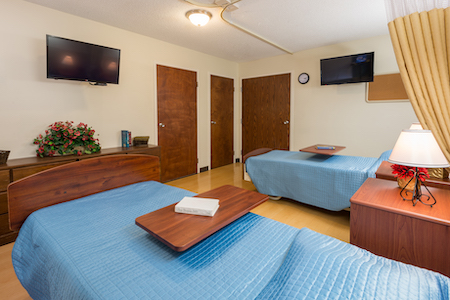
How is Aventura At Walton Hills Staffed?

CMS rates AVENTURA AT WALTON HILLS's staffing level at 2 out of 5 stars, which is below average compared to other nursing homes. Staff turnover is 49%, compared to the Ohio average of 46%.

What Have Inspectors Found at Aventura At Walton Hills?

State health inspectors documented 42 deficiencies at AVENTURA AT WALTON HILLS during 2018 to 2025. These included: 2 that caused actual resident harm and 40 with potential for harm. Deficiencies causing actual harm indicate documented cases where residents experienced negative health consequences.
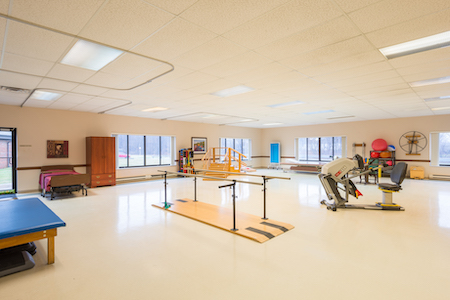
Who Owns and Operates Aventura At Walton Hills?

AVENTURA AT WALTON HILLS is owned by a for-profit company. For-profit facilities operate as businesses with obligations to shareholders or private owners. The facility is operated by AVENTURA HEALTH GROUP, a chain that manages multiple nursing homes. With 99 certified beds and approximately 75 residents (about 76% occupancy), it is a smaller facility located in WALTON HILLS, Ohio.
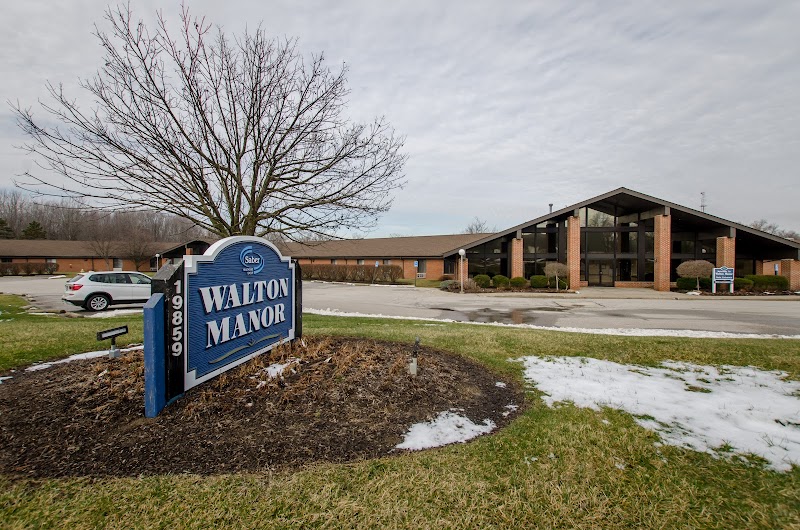
How Does Aventura At Walton Hills Compare to Other Ohio Nursing Homes?

Compared to the 100 nursing homes in Ohio, AVENTURA AT WALTON HILLS's overall rating (2 stars) is below the state average of 3.2, staff turnover (49%) is near the state average of 46%, and health inspection rating (1 stars) is much below the national benchmark.

What Should Families Ask When Visiting Aventura At Walton Hills?

Based on this facility's data, families visiting should ask: "Can you walk me through typical staffing levels on day, evening, and night shifts?" "Can I visit during a mealtime to observe dining assistance and food quality?" "How do you handle medical emergencies, and what is your hospital transfer rate?" "Can I speak with family members of current residents about their experience?" These questions are particularly relevant given the below-average staffing rating.

Is Aventura At Walton Hills Safe?

Based on CMS inspection data, AVENTURA AT WALTON HILLS has a clean safety record: no substantiated abuse findings (meaning no confirmed cases of resident harm), no Immediate Jeopardy citations (the most serious violation level indicating risk of serious injury or death), and is not on the Special Focus Facility watch list (a federal program monitoring the lowest-performing 1% of nursing homes). The facility has a 2-star overall rating and ranks #100 of 100 nursing homes in Ohio. While no facility is perfect, families should still ask about staff-to-resident ratios and recent inspection results during their visit.

Do Nurses at Aventura At Walton Hills Stick Around?

AVENTURA AT WALTON HILLS has a staff turnover rate of 49%, which is about average for Ohio nursing homes (state average: 46%). Moderate turnover is common in nursing homes, but families should still ask about staff tenure and how the facility maintains care continuity when employees leave.

Was Aventura At Walton Hills Ever Fined?

AVENTURA AT WALTON HILLS has been fined $5,000 across 1 penalty action. This is below the Ohio average of $33,129. While any fine indicates a compliance issue, fines under $50,000 are relatively common and typically reflect isolated problems that were subsequently corrected. Families should ask what specific issues led to these fines and confirm they've been resolved.

Is Aventura At Walton Hills on Any Federal Watch List?

AVENTURA AT WALTON HILLS is not on any federal watch list. The most significant is the Special Focus Facility (SFF) program, which identifies the bottom 1% of nursing homes nationally based on persistent, serious quality problems. Not being on this list means the facility has avoided the pattern of deficiencies that triggers enhanced federal oversight. This is a positive indicator, though families should still review the facility's inspection history directly.