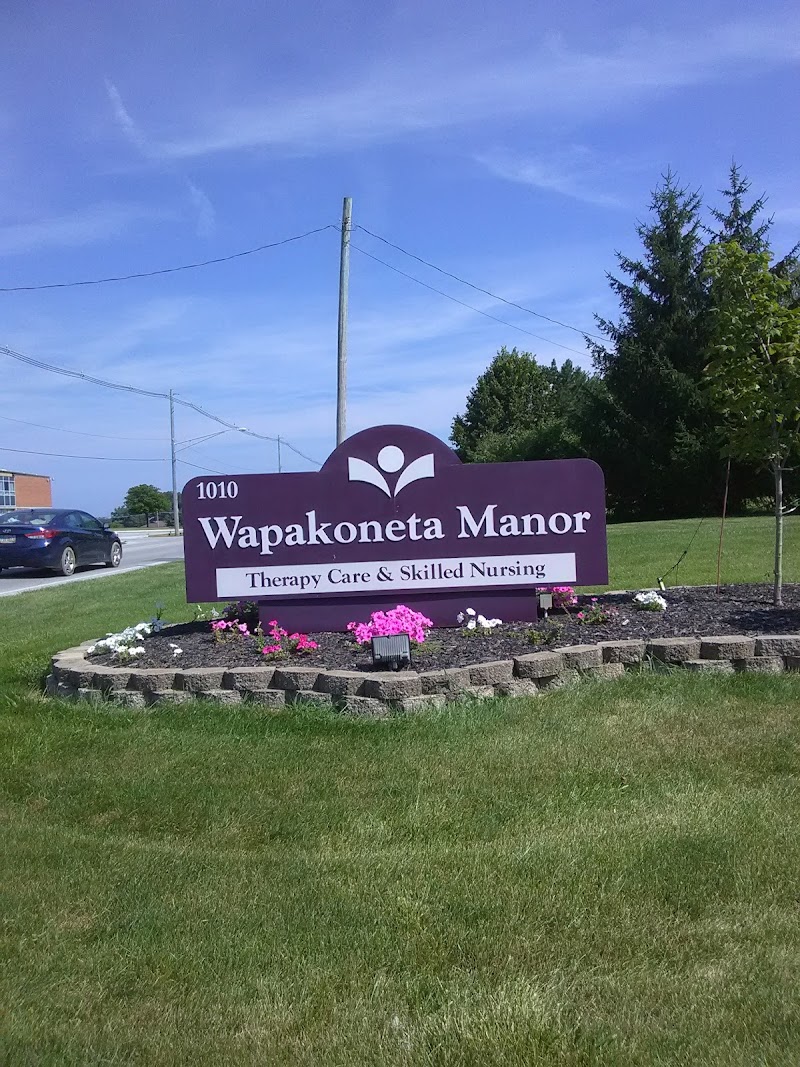
WAPAKONETA MANOR

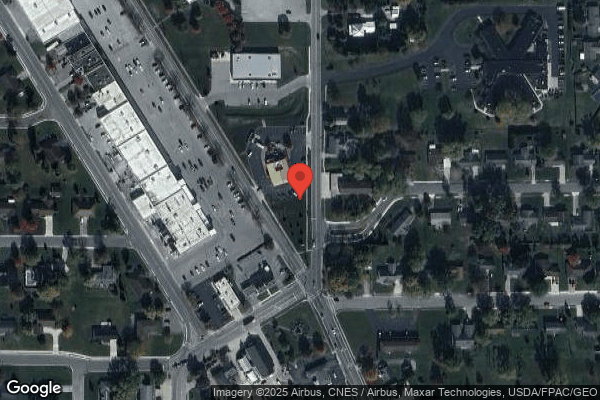
1010 LINCOLN AVE, WAPAKONETA, OH 45895 (419) 738-3711
For profit - Corporation 73 Beds HCF MANAGEMENT Data: November 2025
Trust Grade
70/100
#370 of 913 in OH
Last Inspection: May 2024

Within standard 12-15 month inspection cycle. Federal law requires annual inspections.

Overview

Wapakoneta Manor has a Trust Grade of B, indicating that it is a good option for families seeking care, as it falls within the solid range of quality. It ranks #370 out of 913 facilities in Ohio, placing it in the top half, and #5 out of 8 in Auglaize County, suggesting that there are only a few local choices that are better. However, the facility is experiencing a worsening trend in care, with issues increasing from 1 in 2023 to 6 in 2024. Staffing is a strength here, with a rating of 4 out of 5 stars and a turnover rate of 47%, slightly below the state average, indicating that staff are likely to stay and build relationships with residents. There have been no fines reported, which is a positive sign of compliance, and the facility offers more RN coverage than 91% of others in Ohio, ensuring that critical health issues are monitored closely. Despite these strengths, there are significant concerns. A serious incident involved a resident developing a stage four pressure ulcer due to inadequate preventive measures, affecting their health. Additionally, there have been multiple concerns regarding the proper dating of opened food items in storage, which could lead to food safety issues for residents. Overall, while Wapakoneta Manor has notable strengths, families should carefully consider these recent issues when making their decision.

Trust Score
B
70/100
In Ohio
#370/913
Top 40%
Safety Record
Moderate
Needs review
Inspections
Getting Worse
1 → 6 violations
Staff Stability
⚠ Watch
47% turnover. Above average. Higher turnover means staff may not know residents' routines.
Penalties
✓ Good
No fines on record. Clean compliance history, better than most Ohio facilities.
Skilled Nurses
✓ Good
Each resident gets 54 minutes of Registered Nurse (RN) attention daily — more than average for Ohio. RNs are trained to catch health problems early.
Violations
⚠ Watch
15 deficiencies on record. Higher than average. Multiple issues found across inspections.
★★★★☆
4.0
Overall Rating
★★★★☆
4.0
Staff Levels
★★☆☆☆
2.0
Care Quality
★★★★☆
4.0
Inspection Score
Stable
2023: 1 issues
2024: 6 issues

The Good

  • 4-Star Staffing Rating · Above-average nurse staffing levels
  • Full Sprinkler Coverage · Fire safety systems throughout facility
  • No fines on record

Facility shows strength in staffing levels, fire safety.

The Bad

Staff Turnover: 47%

Near Ohio avg (46%)

Higher turnover may affect care consistency

Chain: HCF MANAGEMENT

Part of a multi-facility chain

Ask about local staffing decisions and management

The Ugly 15 deficiencies on record

1 actual harm
Jun 2024 1 deficiency
CONCERN (D) 📢 Someone Reported This

A family member, employee, or ombudsman was alarmed enough to file a formal complaint

Potential for Harm - no one hurt, but risky conditions existed

Pressure Ulcer Prevention (Tag F0686)

Could have caused harm · This affected 1 resident

**NOTE- TERMS IN BRACKETS HAVE BEEN EDITED TO PROTECT CONFIDENTIALITY** Based on observation, medical record review, staff interview, and policy review, the facility failed to complete adequate wound ...

Read full inspector narrative →
**NOTE- TERMS IN BRACKETS HAVE BEEN EDITED TO PROTECT CONFIDENTIALITY** Based on observation, medical record review, staff interview, and policy review, the facility failed to complete adequate wound assessments and failed to ensure pressure-reducing interventions were in place as ordered. This affected one (#11) of three residents reviewed for pressure ulcers. The facility census was 58. Findings include: Review of the medical record for Resident #11 revealed admission date of 04/24/24. The resident was admitted with diagnoses including congestive heart failure, type two diabetes mellitus, and depression. Review of the admission Minimum Data Set (MDS) assessment dated [DATE] revealed the resident had intact cognition. Resident #11 required required moderate assistance for transfers, maximum assistance for bed mobility, was dependent for toileting hygiene, and required supervision for eating. Resident #11 was assessed at risk for pressure ulcers, but none were observed at the time of the assessment. Review of a progress note by Licensed Practical Nurse (LPN) #108 dated 05/23/24 documented a wound on Resident #11's right great toe. A treatment for antibiotic ointment was initiated and the Director of Nursing was contacted. There were no measurements or further description of the wound documented until it was seen by Wound Physician (WP) #99 on 06/04/24. Record review of Resident #11's May 2024 treatment administration record (TAR) revealed the treatment for triple antibiotic to the right great toe twice daily was completed as ordered. Review of the physician orders revealed an order for bilateral heel boots or float heels on pillows while in bed with a start date of 06/04/24. Review of WP #99's progress note dated 06/04/24 revealed Resident #11's wound was documented a stage three pressure ulcer (full-thickness skin loss) to the right great toe measuring 0.5 centimeters (cm) long by 0.7 cm wide by 0.1 cm deep. Observation on 06/10/24 at 11:04 A.M. of Resident #11 revealed he did not have heel boots on while lying on his low air loss mattress in bed. Observation on 06/10/24 at 12:33 P.M. revealed Occupational Therapy Assistant (OTA) #106 was overheard asking LPN #101 if Resident #11 was supposed to have his heel boots on. LPN #101 answered that if the resident was in bed, he needed them on. OTA #106 stated she would apply them. Observation on 06/10/24 at 12:37 P.M. revealed OTA #106 applied the heel protectors on Resident #11. Interview at the time of observation with OTA #106 revealed the resident's family asked about the heel boots and she verified with his nurse the resident should have them on while in bed. OTA #106 confirmed the resident's heels had not been floated and the heel protectors were not on while the resident was in bed. OTA #106 acknowledged Resident #11 had therapy earlier in the day from around 10:00 A.M. to around 11:00 A.M., and staff had gotten him out of bed, so she was unable to answer if the boots had been present prior to therapy. Interview on 06/10/24 at 5:12 P.M. with the Director of Nursing (DON) acknowledged she was aware of the 05/23/24 progress note regarding the wound to Resident #11's right great toe, but denied she had been informed of the wound by LPN #108. The DON shared she was not made aware of a wound until family had requested it be assessed. The DON verified there was no description or measurements of the right great toe wound and no further assessment was made of the area until 06/04/24. Interview on 06/11/24 at 11:11 A.M. with LPN #108, regarding her 05/23/24 progress note about Resident #11's right toe wound, revealed she believed the area was a crack due to the dryness of his feet, and believed she measured the area in a risk assessment. A second interview with the DON on 06/11/24 at 11:34 A.M. verified there was no measurement in the risk assessment because the wound was identified as a crack. Review of the facility policy titled, Pressure Ulcer Policy, dated 04/29/16, revealed should a pressure area develop the wound would be monitored are least weekly and contain the location and staging, size, drainage, and characteristics, pain if present, and wound bed and surrounding tissue description. Interventions and monitoring would be implemented to promote healing. This deficiency represents non-compliance investigated under Complaint Number OH00154544 and continued non-compliance from the survey exited 05/16/24.
May 2024 5 deficiencies 1 Harm
SERIOUS (G) 📢 Someone Reported This

A family member, employee, or ombudsman was alarmed enough to file a formal complaint

Actual Harm - a resident was hurt due to facility failures

Pressure Ulcer Prevention (Tag F0686)

A resident was harmed · This affected 1 resident

**NOTE- TERMS IN BRACKETS HAVE BEEN EDITED TO PROTECT CONFIDENTIALITY** Based on medical record review, staff interview, observation, and review of facility policy, the facility failed to ensure inter...

Read full inspector narrative →
**NOTE- TERMS IN BRACKETS HAVE BEEN EDITED TO PROTECT CONFIDENTIALITY** Based on medical record review, staff interview, observation, and review of facility policy, the facility failed to ensure interventions were in place to prevent the development of a pressure ulcer. This resulted in actual harm when Resident #07 acquired a stage four pressure ulcer to his left heel while at the facility. Additionally, the facility failed to ensure pressure ulcer treatments were completed as ordered. This affected two (#07 and #51) of three residents reviewed for pressure ulcers. The census was 62. Finding include: 1. Review of Resident #07's medical record revealed an admission date of 06/04/23. Diagnoses listed included type II diabetes mellitus, congestive heart failure, skin cancer, obesity, major depressive disorder, and stage four pressure ulcer of left heel. Review of the quarterly Minimum Data Set (MDS) assessment revealed Resident #07 had a stage four pressure ulcer, lower extremity impairment to both sides, and was cognitively intact. Review of the, Braden Scale for Predicting Pressure Sore Risk, dated 12/26/23 revealed Resident #07's score was 13 (moderate risk). Review of a care plan initiated 06/05/23 revealed Resident #07 had the potential for skin breakdown, slow wound healing and pressure ulcer/injury development related to impaired mobility, diabetes, myositis and incontinence of bowel and bladder. No pressure relieving interventions were added until 01/04/24. Review of facility wound assessments revealed an unstageable pressure ulcer measuring 2 centimeters (cm) by (x) 3 cm was discovered to Resident #07's left heel on 01/04/24. Further review of Resident #07's medical record revealed no interventions implemented to relieve pressure to heels or feet prior to 01/04/24. There was no documentation of any refusals of pressure relieving interventions for heels or feet by Resident #07. The only intervention was skin prep (liquid film-forming skin protectant) ordered on 12/20/23 and discontinued on 01/04/24. Review of wound physician progress notes dated 01/09/24 revealed Resident #07 had a stage four pressure ulcer on the left heel measuring 1.5 cm x 1.5 cm x 0.3 cm. The wound bed was covered with 100% slough (dead tissue, usually cream or yellow in color) which was debrided (removed). Review of wound physician progress notes dated 05/14/24 revealed Resident #07 continues to have the stage four pressure ulcer to the left heel. The ulcer now measures 1 cm x 0.6 cm x 0.3 cm with 20% slough and 80% granulation tissue (new tissue developed over a wound bed). Observation of Resident #07's pressure ulcer treatment on 05/14/24 at 3:58 P.M. revealed a pressure ulcer to the posterior heel. The wound was measured by Physician #407 to be 1 cm x 0.6 cm x 0.3 cm. Interview with Physician #407 on 05/14/24 at 4:07 P.M. revealed when Resident #07 was first assessed for the left heel pressure ulcer on 01/09/24, it was a stage four with visible bone. Physician #407 removed eschar on the initial visit on 01/09/24. The left heel pressure ulcer was debrided on multiple visits. Interview with the Director of Nursing (DON), Administrator, and Corporate Registered Nurse (CRN) #361 on 05/15/24 at 2:00 P.M. confirmed there was no documentation of interventions being implemented to prevent Resident #07's left heel stage four pressure ulcer. There was no documentation of Resident #07 refusing pressure ulcer prevention interventions. 2. Review of Resident #51's medical record revealed an admission date of 02/23/24. Diagnoses listed included malnutrition, type two diabetes mellitus, aphasia, hemiplegia, hemiparesis, pneumonia, and encephalopathy. Review of the admission MDS assessment dated [DATE] revealed Resident #51 was assessed by staff as being severely cognitively impaired and having a stage four pressure ulcer. Review of physician orders revealed an order dated 05/07/24 for sacrum: clean wound with wound cleaner, pat dry, apply Dakins (antiseptic wound solution) moistened gauze, cover with gauze island bordered dressing twice a day. An order for right heel was clean wound with wound cleaner, apply calcium alginate (absorbent wound dressing) to wound bed, cover with bordered gauze dressing, change daily and PRN (as needed). Observation of Resident #51's pressure ulcer treatment on 05/14/24 at 4:15 P.M. revealed Licensed Practical Nurse (LPN) #331 did not cleanse the right heel pressure ulcer or the sacral ulcer after removing old wound dressings and completing new wound treatments. Interview with LPN #331 on 05/14/24 at 4:41 P.M. confirmed she did not cleanse Resident #51's pressure ulcers after removing old dressings and completing new treatments. Review of the facility's policy titled, Pressure Ulcer Policy, dated approved 04/29/16 revealed a resident who enters the facility without a pressure ulcer will not develop a pressure ulcer unless the individual's clinical condition demonstrates they are unavoidable. All residents will be assessed for pressure ulcer risk on admission, monitored weekly and reviewed quarterly and as needed. Appropriate preventative interventions will be implemented. (i.e. wheelchair cushion, offloading heels, etc.) All residents will be placed on a pressure reducing mattress. The facility will use a Pressure Risk Assessment to assess each resident's degree of risk for developing a pressure ulcer. A resident with a pressure ulcer will receive interventions and monitoring to promote healing, prevent infection and prevent new ulcers from developing. All residents will be placed on a pressure reducing mattress upon entering the facility, and no photographs of pressure ulcers will be obtained by the facility. A stage IV pressure ulcer was defined as full thickness skin loss with extensive destruction, tissue necrosis, or damage to muscle, bone, or supporting structures (e.g., tendon, joint capsule). Undermining and sinus tracts also may be associated with Stage IV pressure ulcers. An unstageable pressure ulcer was defined as full thickness tissue loss in which the base of the ulcer is covered by slough (yellow, tan, gray, green or brown) and/or eschar (tan, brown or black). This deficiency represents non-compliance investigated under Complaint Number OH00153353.
CONCERN (D)

Potential for Harm - no one hurt, but risky conditions existed

Resident Rights (Tag F0550)

Could have caused harm · This affected 1 resident

**NOTE- TERMS IN BRACKETS HAVE BEEN EDITED TO PROTECT CONFIDENTIALITY** Based on observations, record review, staff interviews, and policy review, the facility failed to ensure Resident #210's cathete...

Read full inspector narrative →
**NOTE- TERMS IN BRACKETS HAVE BEEN EDITED TO PROTECT CONFIDENTIALITY** Based on observations, record review, staff interviews, and policy review, the facility failed to ensure Resident #210's catheter bag was covered to promote dignity. This affected one (Resident #210) of one residents reviewed for dignity. The facility census was 62. Findings include: Review of Resident #210's medical record revealed the resident was admitted to the facility on [DATE] with diagnoses including acute kidney failure and benign prostatic hyperplasia without lower urinary tract symptoms. Review of Resident #210's physician's orders revealed an order dated 05/13/24 to use privacy bag for catheter bag every shift. Observation on 05/13/24 at 9:50 A.M. revealed Resident #210's Foley catheter bag, with urine present, hanging on the bed side dresser visible from the hallway. There was no privacy bag present. Observation on 05/14/24 at 9:40 A.M. revealed Resident #210 resting in bed with the Foley catheter bag, with urine present, hanging on bedframe on the right side of bed without a Foley privacy bag, visible from hallway. Observation on 05/15/24 at 11:38 A.M. revealed Resident #210 in therapy department for therapy services without a Foley catheter privacy bag, urine was present in Foley catheter bag. Interview on 05/15/24 at 11:38 A.M. with Certified Occupational Therapy Assistant (COTA) #408 confirmed Resident #210 was in the therapy department for therapy services without a Foley privacy bag with urine present. Interview on 05/15/24 at 11:46 A.M. with State Tested Nursing Assistant (STNA) #275 confirmed Resident #210's Foley catheter bag with urine present was visible from the hallway and has not had a privacy bag all day. STNA #275 was not aware of where the privacy covers are. Review of the Quality of Life Policy dated 04/15/13 revealed, The Manor will care for the residents in a manner and in an environment that promotes maintenance or enhancement of each residents quality of life.
CONCERN (D)

Potential for Harm - no one hurt, but risky conditions existed

Comprehensive Care Plan (Tag F0656)

Could have caused harm · This affected 1 resident

**NOTE- TERMS IN BRACKETS HAVE BEEN EDITED TO PROTECT CONFIDENTIALITY** Based on medical record review, staff interview, and review of facility policy, the facility failed to ensure resident comprehen...

Read full inspector narrative →
**NOTE- TERMS IN BRACKETS HAVE BEEN EDITED TO PROTECT CONFIDENTIALITY** Based on medical record review, staff interview, and review of facility policy, the facility failed to ensure resident comprehensive care plans had interventions for psychiatric disorders. This affected one (Resident #18) of two reviewed for care planning. The census was 62. Findings Include: Review of Resident #18's medical record revealed an admission date of 03/06/24. Diagnoses listed included Post-Traumatic Stress Disorder (PTSD), major depressive disorder, anxiety disorder, and type two diabetes mellitus. Review of the admission Minimum Data Set (MDS) assessment dated [DATE] revealed Resident #18 was cognitively intact with a diagnoses of PTSD. Interview with Resident #18 on 05/13/24 at 2:33 P.M. revealed she had not had a care conference since admission. Review of Resident #18's comprehensive care plan revealed PTSD was not listed and no interventions were in place. Interview with Corporate Registered Nurse (CRN) #361 on 05/14/24 at 3:50 P.M. confirmed a PTSD diagnosis and interventions were not listed on Resident #18's comprehensive care plan. Review of the facility's policy titled, Comprehensive Care Plan, revised 11/02/16 revealed the facility will develop a comprehensive person centered care plan for each resident that includes measurable objectives and timetables to meet a resident's medical, nursing, and mental and psychosocial needs that are identified in the comprehensive assessment.
CONCERN (D)

Potential for Harm - no one hurt, but risky conditions existed

Deficiency F0657 (Tag F0657)

Could have caused harm · This affected 1 resident

**NOTE- TERMS IN BRACKETS HAVE BEEN EDITED TO PROTECT CONFIDENTIALITY** 3. Review of Resident #209's medical record revealed the resident was admitted to the facility on [DATE] with diagnoses includin...

Read full inspector narrative →
**NOTE- TERMS IN BRACKETS HAVE BEEN EDITED TO PROTECT CONFIDENTIALITY** 3. Review of Resident #209's medical record revealed the resident was admitted to the facility on [DATE] with diagnoses including paroxysmal atrial fibrillation and unspecified dementia, unspecified severity, with psychotic disturbance. Review of the admission Minimum Data Set (MDS) 3.0 assessment dated [DATE] revealed Resident #209 was cognitively intact. Resident #209 required assistance with showers, dressing, bed mobility, transfers, and ambulating. Review of Resident #209's physician orders revealed an order dated 04/27/24 for a high low bed every shift for fall risk. Review of the progress note dated 04/28/24 at 3:04 P.M. revealed Resident #209 yelling out for help. The resident was found lying on the floor between the wall and his bed. Resident #209 stated he was trying to pull the covers back on his bed and lost his balance. The resident was reminded to use call light for assistance with ambulation and transfers. Further review of the progress note dated 05/12/24 at 5:47 A.M. revealed Resident #209 found on floor in the bathroom. Resident #209 stated he was getting dizzy after pulling up pants. The resident was found between the toilet and wall. The resident's call light was pinned onto pants and he was educated to use call light when getting up or have any need or assistance. Review of Resident #209's care plan revealed the facility did not update the resident's care plan with interventions after the falls on 04/28/24 and 05/12/24. Interview on 05/16/24 at 9:01 A.M. with the Director of Nursing (DON) confirmed Resident #209 fell on [DATE] at 3:04 P.M. and on 05/12/24 at 5:47 A.M. and the facility failed to update the care plan with interventions. Based on medical record review and staff interview, the facility failed to hold care conferences with residents. This affected (Residents #07 and #18) of two residents reviewed for care conferences. Additionally, the facility also failed to implement fall interventions and update the care plan after falls. This affected one (Resident #209) of three reviewed for falls care planning. The census was 62. Findings Include: 1. Review of Resident #07's medical record revealed an admission date of 06/04/23. Diagnoses listed included type II diabetes mellitus, congestive heart failure, skin cancer, obesity, major depressive disorder, and stage four pressure ulcer of left heel. Review of the quarterly Minimum Data Set (MDS) dated [DATE] revealed Resident #07 had a stage four pressure ulcer, lower extremity impairment to both sides, and was cognitively intact. Interview with Resident #07 on 05/14/24 at 8:28 A.M. revealed he had not had any recent care conferences. Further review of Resident #07's medical record revealed a care conference was last held on 11/06/23. 2. Review of Resident #18's medical record revealed an admission date of 03/06/24. Diagnoses listed included Post-Traumatic Stress Disorder (PTSD), major depressive disorder, anxiety disorder, and type two diabetes mellitus. Review of the admission MDS dated [DATE] revealed Resident #18 was cognitively intact. Interview with Resident #18 on 05/13/24 at 2:33 P.M. revealed she had not had a care conference since admission. Further review of Resident #18's medical record revealed no documentation of a care conference being held with Resident #18. Interview with Corporate Registered Nurse (CRN) #361 on 05/14/24 at 2:50 P.M. revealed care conferences were not held with Resident #07 since November 2023. CRN #361 confirmed a care conference had not been held with Resident #18.
CONCERN (D)

Potential for Harm - no one hurt, but risky conditions existed

Infection Control (Tag F0880)

Could have caused harm · This affected 1 resident

**NOTE- TERMS IN BRACKETS HAVE BEEN EDITED TO PROTECT CONFIDENTIALITY** 2. Review of Resident #51's medical record revealed an admission date of 02/23/24. Diagnoses included malnutrition, type two dia...

Read full inspector narrative →
**NOTE- TERMS IN BRACKETS HAVE BEEN EDITED TO PROTECT CONFIDENTIALITY** 2. Review of Resident #51's medical record revealed an admission date of 02/23/24. Diagnoses included malnutrition, type two diabetes mellitus, aphasia, hemiplegia, hemiparesis, pneumonia, and encephalopathy. Review of an admission MDS assessment dated [DATE] revealed Resident #51 was assessed by staff as being severely cognitively impaired and having a stage four pressure ulcer. Resident #51 had a feeding tube. Observation on 05/14/24 at 4:15 P.M. revealed a sign was posted above the head of Resident #51's bed informing staff that Resident #51 was in EBP. Observation on 05/14/24 at 4:29 P.M. revealed State Tested Nursing Assistant (STNA) #317 entered the room to assist LPN #331 with Resident #51's wound care, incontinence care, and repositioning. STNA #317 put on gloves but did not put on a gown. STNA #317 then assisted with turning and repositioning Resident #51 while LPN #331 provided wound and incontinence care. Interview with LPN #331 on 05/14/24 at 4:41 P.M. confirmed Resident #51 was in EBP due to pressure ulcer and a feeding tube. LPN #331 confirmed STNA #317 did not put on a gown when assisting with the care of Resident #51. Review of the facility's policy titled, Enhanced Barrier Precautions, dated August 2022 revealed an impervious gown should be worn when high-contact resident care activities are being performed. High contact resident care activities included dressing, bathing/showering, transferring, providing hygiene, changing linens, changing Attends (incontinence briefs) or assisting with toileting, device care or use:, central line, urinary catheter, feeding tube, tracheostomy/ventilator, and wound care: any skin opening requiring a dressing. Based on review of contract with dialysis center, review of facility policy, observation of care, interview with resident, and interview with staff, the facility failed to ensure Enhanced Barrier Precautions (EBP) were implemented. This affected two (Residents #51 and #52) of three residents reviewed for EBP. The current census is 62. Findings include: 1. Review of the medical record for Resident #52 revealed the resident was admitted to the facility on [DATE]. Diagnoses for Resident #52 included peritonitis, diabetes type two, chronic kidney disease, dependence on peritoneal dialysis, and hypotension. Review of the Minimum Data Set (MDS) comprehensive assessment dated [DATE] revealed the resident had no brief interview for mental status coded as no interview due to resident never understood. Per the assessment the resident was receiving peritoneal dialysis. Review of Resident #52's care plan dated 01/20/24 revealed a focus for receiving Peritoneal (PD) dialysis services through Fresenius. Interventions included encourage resident to attend appointments, monitor labs and report to physician, and monitor and report any signs or symptoms of infections to access site, redness, swelling, warmth or drainage. Review of Resident #52's physician orders dated 04/16/24 revealed an order for cycler starting 04/16/24, three bags of yellow 1.5% 6000 milliters (ml). Per the order dated 03/09/24 at 4:00 P.M. use one bag of 2500 ml 1.5% yellow one time a day. Interview on 05/13/24 at 10:30 A.M. with Resident #52 revealed the resident stated he was concerned regarding infections due to recent admissions to the hospital. Resident #52 stated some nursing staff do not follow the precautions, such as wearing gowns, while performing care. Observation on 05/14/24 at 7:30 A.M. with Licensed Practical Nurse (LPN) #276 ending the PD cycle for Resident #52's night time PD revealed the nurse did not put on a gown upon entry to the resident's room. LPN #276 was observed disconnecting Resident #52 from the PD cycler and applying a new cap to the catheter. LPN #276 was observed checking all connections and explaining each step of the procedure during care. EBP sign was visibly hanging above the head of the bed. LPN #276 verified Resident #52 was in EBP isolation due to the PD procedure and verified she did not put on a gown for the care being provided. Interview on 05/14/24 at 7:55 A.M. with Resident #52 revealed the resident stated he has not witnessed any staff wearing a gown during his PD procedures and stated he understood the reasoning behind the EBP isolation procedures. Review of the facility policy titled, 'Dialysis Care Policy,' dated 04/04/18, revealed the facility will provide the dialysis treatments using the appropriate infection control practices. Review of the contract for the dialysis center with the facility dated 05/15/19 revealed the facility is responsible to follow infection control practices consistent with the infection control policies and practices.
Mar 2023 1 deficiency
CONCERN (D) 📢 Someone Reported This

A family member, employee, or ombudsman was alarmed enough to file a formal complaint

Potential for Harm - no one hurt, but risky conditions existed

Quality of Care (Tag F0684)

Could have caused harm · This affected 1 resident

**NOTE- TERMS IN BRACKETS HAVE BEEN EDITED TO PROTECT CONFIDENTIALITY** Based on medical record review, staff interview, review of the American Journal of Nursing website, and policy review, the facil...

Read full inspector narrative →
**NOTE- TERMS IN BRACKETS HAVE BEEN EDITED TO PROTECT CONFIDENTIALITY** Based on medical record review, staff interview, review of the American Journal of Nursing website, and policy review, the facility failed to fully assess a resident after a fall, prior to the resident having been moved. This affected one (#10) out of three residents reviewed for falls. The facility census was 54. Findings include: Review of the medical record for Resident #10 revealed an admission date of 02/10/23. Resident #10's medical diagnoses included but were not limited to chronic obstructive pulmonary disease, peripheral vascular disease, and pulmonary hypertension. Resident #10 was discharged to the hospital on [DATE]. Review of Resident #10's admission Minimum Data Set (MDS) assessment, dated 02/17/23, revealed Resident #10 had intact cognition. Resident #10 required extensive one person assistance for bed mobility, transfers, and toileting. Resident #10 had one fall with major injury since admission to the facility. Review of Reident #10's care plan for risk of falls revealed it was initiated on 02/10/23 with interventions of a safe environment with even floors, free from spills and clutter, glare free light and a working and reachable call light. Review of Resident #10's progress note, dated 02/17/23, revealed Licensed Practical Nurse (LPN) #18 was called to Resident #10's room by State Tested Nursing Assistant (STNA) #17. The documentation revealed STNA #17 was standing beside Resident #10 when Resident #10 got lightheaded, fainted, and fell hitting her bottom on the floor. Review of Resident #10's hospital results for the computed tomography (CT) scan of the lumbar spince without contrast, dated 02/18/23, revealed Resident #10 was found to have a acute compression fracture of the L2 (vertebra) and acute bilateral ala sacral fractures. Interview on 03/15/23 at 12:51 P.M. with STNA #17 revealed she had assisted Resident #10 to the bedside commode, which was right beside her bed. Resident #10 stood up, and STNA #17 went to pull the bedside commode away from Resident #10 in order to assist Resident #10 with getting back to bed. Resident #10 became dizzy and fainted. STNA #17 stated she was able to catch Resident #10, but not before Resident #10's bottom hit the floor. STNA #17 verified she had a hold of the top portion of Resident #10 and Resident #10 did not hit her head. STNA #17 stated she then went to the hall and yelled to alert the nurse to come to the room. LPN #18 came to the room and STNA #17 stated LPN #18 told her to put Resident #10 into the bed while she got supplies for an assessment. STNA #17 verified she moved Resident #10 prior to Resident #10 being assessed by the nurse. Interview on 03/15/23 at 2:06 P.M. with LPN #18 revealed STNA #17 stepped into the hall and alerted her Resident #10 had fallen. LPN #18 stated she got her assessment supplies and when she entered the room, STNA #17 was in the process of standing Resident #10. LPN #18 then assisted STNA #17 with the transfer. LPN #18 then assessed Resident #10 whose only complaint was pelvic pain. LPN #18 verified Resident #10 was transfered from the floor prior to LPN #18 assessing Resident #10. Interview with the Director of Nursing (DON) on 03/15/23 at 2:27 P.M., revealed the facility policy didn't specify whether or not to move a resident prior to having been assessed after a fall but the DON indicated it would be the expectation for staff to not move a resident after a fall prior to them having been assessed. Review of the American Journal of Nursing web page titled When a Fall Occurs, located at https://journals.lww.com/ajnonline/Citation/2007/11000/When_a_Fall_Occurs__Four_steps_to_take_in_response.30.aspx#:~:text=Before%20moving%20the%20patient%2C%20ask,Check%20the%20cranial%20nerve, revealed staff should not assume there has been no injury. Before moving the resident, ask the resident what caused the fall and assess any associated symptoms. Then, staff should conduct a comprehensive assessment. Review of the facility policy titled accidents and incidents policy, last revised 04/2016, revealed a licensed professional nurse shall examine all victims for any physical injuries.
Sept 2022 5 deficiencies
CONCERN (D)

Potential for Harm - no one hurt, but risky conditions existed

Deficiency F0561 (Tag F0561)

Could have caused harm · This affected 1 resident

Based on observation, resident interview, and staff interview, the facility failed to serve meals in the dining room due to staffing issues. This potentially affected 40 residents (with exception of R...

Read full inspector narrative →
Based on observation, resident interview, and staff interview, the facility failed to serve meals in the dining room due to staffing issues. This potentially affected 40 residents (with exception of Residents #3, #13, #18, and #40 who preferred to eat in their rooms) who receive meals from the kitchen. The census was 44. Findings include: Observation of dining on 08/29/22 at 7:30 A.M. revealed no residents were eating in the dining room. Interview on 08/29/22 at 7:30 A.M. with State Tested Nursing Assistant/Medical Records (STNA #134) who was working as a cook stated all meal trays were being served on the nursing floors. STNA #134 stated that no residents were eating in the dining room due to being short staffed. Interview on 08/29/22 at 3:46 P.M. with Administrator stated they were not sure why residents were not eating in the dining room. Administrator stated they would find out what the protocol for the facility was. Interview on 08/31/22 at 11:24 A.M. with Dietary Aide #139 stated they were told that there was not enough staff to assist residents with eating in the dining room. Interview on 08/31/22 at 11:40 A.M. with Resident #39 stated they did not like eating in their room and preferred to eat in the dining room. Resident #39 stated the facility closed the dining room a while ago due to COVID and never re opened it. Interview on 08/31/22 at 11:42 A.M. with Resident #36 stated they liked to eat in the dining room and socialize with other residents. Interview on 08/31/22 at 11:45 A.M. with Residents (#28 and #4) indicated they used to go the dining room for meals and preferred eating in the dining room. Interview on 08/31/22 at 1:51 P.M. with Dietary Tech #145 stated the dining room was closed due to staffing. Observations throughout the survey revealed no residents eating in the dining room. Review of policy titled Meal Service, Meal Delivery Service revised 01/01/18 revealed facility would serve food to residents in dining room and room trays using meal tickets by the Nutrition Services Personnel. Nutrition Services Assistant would deliver meals by cart and room tray list would be provided to Nutrition Services prior to meal service. All residents were encouraged to eat their meals in the dining room and if a resident remained in their room, nursing was to give Nutrition Services a room service list 30 minutes prior to the start of meal service.
CONCERN (D)

Potential for Harm - no one hurt, but risky conditions existed

Pressure Ulcer Prevention (Tag F0686)

Could have caused harm · This affected 1 resident

**NOTE- TERMS IN BRACKETS HAVE BEEN EDITED TO PROTECT CONFIDENTIALITY** Based on interview, and record review the facility failed to ensure treatments were completed as ordered. This affected one (Res...

Read full inspector narrative →
**NOTE- TERMS IN BRACKETS HAVE BEEN EDITED TO PROTECT CONFIDENTIALITY** Based on interview, and record review the facility failed to ensure treatments were completed as ordered. This affected one (Resident #41) of two residents reviewed for wounds. The census was 44. Findings include: Review of Medical Record for Resident #41 admitted [DATE] with diagnoses that included, but not limited to, pressure ulcer stage four (deep wound that reaches the muscles, ligaments, or bone) in sacral region, noncompliance with other medical treatment and regimen, type two diabetes, morbid obesity, depression, insomnia, and renal dialysis. Review of Minimum Data Set (MDS) dated [DATE] for Resident #41 revealed resident is cognitively intact. Resident #41 required extensive assist of two for Activities of Daily Living (ADL's) and had a catheter and colostomy. MDS indicated Resident #41 did not have any unhealed pressure ulcers. Review of pharmacy delivery sheet revealed Acetic Acid 0.25 percent (%) solution (1000 milliliters) was delivered on 07/09/22, 07/23/22, 08/02/22, and 08/23/22. Review of Skin/Wound note dated 07/25/22 at 7:08 A.M. for Resident #41 revealed dressing changed to coccyx/sacral area. Previous dressing had red/tan and green drainage. Dressing was soaked with blood. Wound bed was beefy red in color with slight macerations to surrounding areas. Skin around wound was red and bleeding. Wound was cleansed with normal saline and wet to dry dressing soaked in normal saline due to being out of regular solution. Wound was covered with three abdominal pads, covered with a blue brief, and secured with tape. Review of Skin/Wound note dated 08/19/22 at 2:51 A.M. for Resident #41 revealed dressing changed to coccyx/sacral area. Previous dressing had red/tan and green drainage. Dressing was soaked with blood. Wound bed was beefy red in color with slight macerations to surrounding areas. Wound had a strong odor. Skin around wound was red and bleeding. Wound was cleansed with normal saline and wet to dry dressing soaked in normal saline due to being out of regular solution. Wound was covered with three abdominal pads, covered with a blue brief and secured with tape. Review of Medication Administration Record (MAR) for Resident #41 revealed treatment was not completed on 08/27/22 on the 7:00 A.M. to 7:00 P.M. shift. Interview on 08/31/22 at 3:44 P.M. with Clinical Educational Specialist (CES #179) verified treatment for Resident #41 was not completed on 08/27/22. CES #179 verified that treatment was not completed per the physician order on 07/25/22, 08/19/22, and 08/22/22. Review of August 2022 physician orders revealed Resident #41 had an order for wound treatment that consisted of cleanse/irrigate coccyx/sacral wound with Acetic Acid 0.25 percent strength solution twice daily. Staff to pack wound with wet to dry kerlix and cover with abdominal pads, dry dressings and secured with medipore tape.
CONCERN (E)

Potential for Harm - no one hurt, but risky conditions existed

Assessment Accuracy (Tag F0641)

Could have caused harm · This affected multiple residents

**NOTE- TERMS IN BRACKETS HAVE BEEN EDITED TO PROTECT CONFIDENTIALITY** Based on resident record review and staff interview; the facility failed to ensure minimum data set (MDS) assessments were accur...

Read full inspector narrative →
**NOTE- TERMS IN BRACKETS HAVE BEEN EDITED TO PROTECT CONFIDENTIALITY** Based on resident record review and staff interview; the facility failed to ensure minimum data set (MDS) assessments were accurate. This affected four (#18, #22, #41, and #45) of 14 residents reviewed for accuracy of the MDS assessment. The census was 44. Findings include: 1. Review of the medical record of Resident #18 revealed an admission date of 12/22/20. Diagnoses include lumbosacral spinal stenosis, anxiety disorder and unspecified visual disturbance. Review of the quarterly MDS assessments dated 06/10/22 and 07/15/22 revealed no brief interview of mental status (BIMS) nor mood assessment being completed as required. Interview on 09/01/22 at 8:57 A.M. with Director of Clinical Support #174 provided verification of the MDS assessment incompleteness. 2. Review of Medical Record for Resident #22 admitted [DATE] with diagnoses that included, but are not limited to, depression, chronic pain, spinal stenosis, mild cognitive impairment, delusional disorders, anxiety, and brief psychotic disorder. Review of Quarterly MDS dated [DATE] revealed no BIMS or mood assessment being completed. Interview on 09/01/22 at 8:57 A.M. with Director of Clinical Support #174 provided verification of the MDS assessment incompleteness. 3. Review of Medical Record for Resident #41 admitted [DATE] with diagnoses that included, but are not limited to, noncompliance with other medical treatment and regimen, type two diabetes, morbid obesity, pressure ulcer stage four (deep wound that reaches the muscles, ligaments, or bone) sacral region, depression, insomnia, and renal dialysis. Review of Minimum Data Set (MDS) dated [DATE] for Resident #41 revealed resident was coded for no unhealed pressure ulcers. Records indicated resident had a stage four pressure ulcer to sacral area. Interview on 08/31/22 at 10:12 A.M. with RN #166 verified the MDS was incorrect for Resident #41. MDS #166 verified Resident #41 had a stage four pressure wound. 4. Review of the medical record for Resident #45 revealed the resident was admitted to the facility on [DATE]. Diagnoses included, but not limited to, diabetes mellitus type two, osteoarthritis, depression, chronic gout, and hypertension. Review of a progress notes dated 07/17/22 at 4:41 P.M. revealed Resident #45 was transferred to the hospital for a change of condition. Review of a discharge return not anticipated MDS assessment target date 07/17/22, revealed Resident #45 had an unplanned discharged to community. Interview on 08/30/22 at 2:59 P.M. with RN #166 verified the discharge MDS dated [DATE] for Resident #45 was not accurate. The RN verified the resident was not discharged to the community.
CONCERN (E)

Potential for Harm - no one hurt, but risky conditions existed

Accident Prevention (Tag F0689)

Could have caused harm · This affected multiple residents

**NOTE- TERMS IN BRACKETS HAVE BEEN EDITED TO PROTECT CONFIDENTIALITY** Based on medical record review, observations and staff interview, the facility failed to maintain a safe environment when medica...

Read full inspector narrative →
**NOTE- TERMS IN BRACKETS HAVE BEEN EDITED TO PROTECT CONFIDENTIALITY** Based on medical record review, observations and staff interview, the facility failed to maintain a safe environment when medications were left unattended by staff. This directly affected one resident (#31) and had the possibility to affect seven residents (#2, #3, #13, #34, #36, #39, and #43) identified by the facility as being independently mobile and cognitively impaired, residing in the D hall. The facility census was 44. Findings include: Review of the medical record of Resident #31 revealed an admission date of 11/22/20. Diagnoses include atherosclerotic heart disease of native coronary artery with other forms of angina pectoris, chronic atrial fibrillation, hypertensive heart disease with heart failure, acute embolism and thrombosis of unspecified deep veins of unspecified lower extremity, presence of cardiac pacemaker, history of alcohol dependence, uninhibited neuropathic bladder, gastro-esophageal reflux disease, benign prostatic hyperplasia with lower urinary tract symptoms, feeling of incomplete bladder emptying, and presence of urogenital implants. Review of the quarterly minimum data set assessment dated [DATE] revealed he had moderate cognition deficit and required supervision with set-up help only with eating. Observation on 08/29/22 at 10:41 A.M. revealed a small plastic cup with seven medication tablets and or caplets, sitting on the bed of Resident #31. He stated I will take those when I get my Ensure. An interview with Registered Nurse (RN) #178 verified the caplets and tablets were left at his bedside and included aspirin 81 milligrams (mg), folic acid one mg, omeprazole 10 mg, apixaban 75 mg, docusate 100 mg caplet, metoprolol 25 mg, and oxybutynin five mg. RN #178 then proceeded to begin to exit the room, leaving the medications and the surveyor further asked about the medications being left at the bedside. Resident #31 stated yesterday they gave me a Boost to take these with. RN #178 took the medications to the cart and obtained a boost drink and returned and Resident #31 took the medications without difficulty. The facility identified seven residents (#2, #3, #13, #34, #36, #39, and #43) who are independently mobile and cognitively impaired, that reside on the D hall and that could potentially access the unattended/unsecured medications.
MINOR (C)

Minor Issue - procedural, no safety impact

Staffing Information (Tag F0732)

Minor procedural issue · This affected most or all residents

Based on observation and staff interview, the facility failed to post daily nurse staffing information. This affected 44 residents who reside in the facility. The census was 44. Findings include: Obse...

Read full inspector narrative →
Based on observation and staff interview, the facility failed to post daily nurse staffing information. This affected 44 residents who reside in the facility. The census was 44. Findings include: Observation on 08/30/22 at 7:28 A.M. of daily staffing tool at entryway revealed a date of 08/23/22. Interview on 08/30/22 at 7:30 A.M. with Corporate Director of Clinical Services (CODC) #174 verified staffing tool was dated 08/23/22.
Sept 2019 3 deficiencies
CONCERN (D)

Potential for Harm - no one hurt, but risky conditions existed

Incontinence Care (Tag F0690)

Could have caused harm · This affected 1 resident

Based on observation, staff interview, family interview, resident interview, medical record review, and facility policy review, the facility failed to have supporting documentation for the medical nec...

Read full inspector narrative →
Based on observation, staff interview, family interview, resident interview, medical record review, and facility policy review, the facility failed to have supporting documentation for the medical necessity for an indwelling urinary catheter for one (#181) of one resident reviewed for urinary catheters. The facility identified three residents with indwelling urinary catheters. The facility census was 81. Findings include: Review of the medical record of Resident #181 revealed an admission date of 08/28/19. Diagnoses included intrahepatic bile duct carcinoma, obstruction of bile duct and atherosclerotic heart disease. Review of the hospital discharge paperwork revealed Resident #181's daughter would like the urinary catheter to be placed for comfort reasons. Review of the physician orders for September 2019 contained no order for a urinary catheter. The record was silent for documentation on a valid diagnosis for a urinary catheter. Observation on 09/09/19 at 10:00 A.M. revealed Resident #181 with a urinary catheter hanging on the foot of the bed, in a privacy bag. Interview on 09/09/19 at 3:10 P.M. with Resident #181's daughter revealed the urinary catheter was placed, at the hospital, for convenience and comfort. Hospice was discussed and decided against at this time. The daughter felt Resident #181 was too weak and required physical therapy to strengthen him prior to removing catheter Interview on 09/10/19 at 1:30 P.M. with Resident #181 revealed she did not know why the urinary catheter was in place. Interview on 09/10/19 at 1:46 P.M. with Director of Nursing revealed she had spoken with Resident #181's daughter regarding the indwelling urinary catheter and the daughter would like to keep it for convenience. Interview on 09/10/19 at 2:41 P.M. with Corporate Nurse (CN) #405 revealed she had spoken last week with Certified Nurse Practitioner #410 who gave the diagnosis of urinary retention and CN #410 had not added it to the diagnosis list. Observation on 09/11/19 at 9:00 A.M. of Resident #181 revealed no indwelling urinary catheter. Interview on 09/11/19 at 10:49 A.M. with CNP #410 revealed the indwelling urinary catheter was left in at Resident #181's daughter's insistence with her stating Resident #181 was unable to void in the hospital. CNP #410 stated he/she could find no documentation in the hospital records to reflect any urinary retention. Review of the facility policy titled Bowel/Bladder Incontinence Policy/Indwelling Catheter, dated 11/13/17, revealed clinical conditions demonstrating catheterization necessary include urinary retention, skin wounds, pressure ulcers or irritations that are being contaminated by urine, and terminal illness or severe impairment which makes bed and clothing changes uncomfortable or disruptive.
CONCERN (E)

Potential for Harm - no one hurt, but risky conditions existed

Deficiency F0761 (Tag F0761)

Could have caused harm · This affected multiple residents

**NOTE- TERMS IN BRACKETS HAVE BEEN EDITED TO PROTECT CONFIDENTIALITY** Based on observation, review of medication administration record, staff interview, and review of the facility policy, the facili...

Read full inspector narrative →
**NOTE- TERMS IN BRACKETS HAVE BEEN EDITED TO PROTECT CONFIDENTIALITY** Based on observation, review of medication administration record, staff interview, and review of the facility policy, the facility failed to ensure medications were stored in a safe manner. This affected three residents (#10, #44, and #55) and had the potential to effect 11 residents (#5, #11, #23, #27, #29, #31, #32, #62, #67, #68 and #73), residing in the A and D Halls, who were independently mobile and confused. The facility census was 81. Findings include. Observation on 09/09/19 at 9:16 A.M. revealed Housekeeper #415 approached Registered Nurse (RN) #420 and handed her a white tablet, stating I found this on the floor in Resident #55's room. Interview on 09/09/19 at 9:20 A.M. with RN #420 revealed the tablet was bumetanide, a diuretic, 1 milligram. Review of the 09/19 medication administration record of Resident #55, with RN #420, revealed the bumetanide was administered at supper on 09/08/19 and upon rising on 09/09/19. Observation on 09/09/19 at 12:26 P.M. of Resident #10 and Resident #44's room, room [ROOM NUMBER], revealed a clear capsule with a white powder lying under the foot of the bed, nearest the window. State Tested Nursing Assistant (STNA) #430 picked the capsule up and handed it to RN #435. RN #435 attempted to identify the capsule, by comparing with the medications in the drawer for Residents #10 and #44. RN #435 was unable to identify the capsule and informed Corporate Nurse (CN) #405. CN #405 was able to identify the capsule as Prevagen regular strength, a supplement to improve memory. Interview on 09/09/19 at 2:24 P.M., CN #405 stated she had spoken with the evening nurse who stated she had dropped the capsule on 09/07/19 and had been unable to locate it. CN #405 stated the evening nurse had reported she had given Resident #44 a Prevagen on 09/07/19. Review of the facility policy titled Medication Storage in the Facility dated 09/04/19 revealed medications are stored safely and securely. The facility identified 11 residents (#5, #11, #23, #27, #29, #31, #32, #62, #67, #68 and #73), residing in the A and D Halls, who were independently mobile and confused.
CONCERN (F)

Potential for Harm - no one hurt, but risky conditions existed

Food Safety (Tag F0812)

Could have caused harm · This affected most or all residents

Based on observation, staff interview, and review of the facility policy, the facility failed to ensure opened food was dated when placed into storage. This had the potential to affect 80 resident who...

Read full inspector narrative →
Based on observation, staff interview, and review of the facility policy, the facility failed to ensure opened food was dated when placed into storage. This had the potential to affect 80 resident who received food from the facility kitchen. The facility identified one resident (#19) who received no food from the kitchen. The facility census was 81. Findings include: Observation of the facility kitchen on 09/09/19 starting at 8:45 A.M. revealed the walk in refrigerator to have a bag of shredded lettuce and an open bag of parmesan cheese which were undated. The dry food storage had a bag of vanilla wafers and bag of cheese curls which were opened and undated. The reach in refrigerator had five bowls of lettuce covered with plastic wrap without dates. Interviews at the time of the observations with Staff Member #400 verified opened and undated foods observed during the kitchen tour. Review of the undated facility policy titled Storage of Perishable Foods revealed prepared or left-over foods should be stored tightly covers, clearly dated and used within three days or discarded.
Understanding Severity Codes (click to expand)
Life-Threatening (Immediate Jeopardy)
J - Isolated K - Pattern L - Widespread
Actual Harm
G - Isolated H - Pattern I - Widespread
Potential for Harm
D - Isolated E - Pattern F - Widespread
No Harm (Minor)
A - Isolated B - Pattern C - Widespread

Questions to Ask on Your Visit

  • "Can I speak with families of current residents?"
  • "What's your RN coverage like on weekends and overnight?"

Our Honest Assessment

Strengths
  • • No fines on record. Clean compliance history, better than most Ohio facilities.
Concerns
  • • 15 deficiencies on record, including 1 serious (caused harm) violation. Ask about corrective actions taken.
Bottom line: Mixed indicators with Trust Score of 70/100. Visit in person and ask pointed questions.

About This Facility

What is Wapakoneta Manor's CMS Rating?

CMS assigns WAPAKONETA MANOR an overall rating of 4 out of 5 stars, which is considered above average nationally. Within Ohio, this rating places the facility higher than 99% of the state's 100 nursing homes. This rating reflects solid performance across the metrics CMS uses to evaluate nursing home quality.

How is Wapakoneta Manor Staffed?

CMS rates WAPAKONETA MANOR's staffing level at 4 out of 5 stars, which is above average compared to other nursing homes. Staff turnover is 47%, compared to the Ohio average of 46%.

What Have Inspectors Found at Wapakoneta Manor?

State health inspectors documented 15 deficiencies at WAPAKONETA MANOR during 2019 to 2024. These included: 1 that caused actual resident harm, 13 with potential for harm, and 1 minor or isolated issues. Deficiencies causing actual harm indicate documented cases where residents experienced negative health consequences.

Who Owns and Operates Wapakoneta Manor?

WAPAKONETA MANOR is owned by a for-profit company. For-profit facilities operate as businesses with obligations to shareholders or private owners. The facility is operated by HCF MANAGEMENT, a chain that manages multiple nursing homes. With 73 certified beds and approximately 63 residents (about 86% occupancy), it is a smaller facility located in WAPAKONETA, Ohio.

How Does Wapakoneta Manor Compare to Other Ohio Nursing Homes?

Compared to the 100 nursing homes in Ohio, WAPAKONETA MANOR's overall rating (4 stars) is above the state average of 3.2, staff turnover (47%) is near the state average of 46%, and health inspection rating (4 stars) is above the national benchmark.

What Should Families Ask When Visiting Wapakoneta Manor?

Based on this facility's data, families visiting should ask: "Can I visit during a mealtime to observe dining assistance and food quality?" "How do you handle medical emergencies, and what is your hospital transfer rate?" "Can I speak with family members of current residents about their experience?"

Is Wapakoneta Manor Safe?

Based on CMS inspection data, WAPAKONETA MANOR has a clean safety record: no substantiated abuse findings (meaning no confirmed cases of resident harm), no Immediate Jeopardy citations (the most serious violation level indicating risk of serious injury or death), and is not on the Special Focus Facility watch list (a federal program monitoring the lowest-performing 1% of nursing homes). The facility has a 4-star overall rating and ranks #1 of 100 nursing homes in Ohio. While no facility is perfect, families should still ask about staff-to-resident ratios and recent inspection results during their visit.

Do Nurses at Wapakoneta Manor Stick Around?

WAPAKONETA MANOR has a staff turnover rate of 47%, which is about average for Ohio nursing homes (state average: 46%). Moderate turnover is common in nursing homes, but families should still ask about staff tenure and how the facility maintains care continuity when employees leave.

Was Wapakoneta Manor Ever Fined?

WAPAKONETA MANOR has no federal fines on record. CMS issues fines when nursing homes fail to meet care standards or don't correct problems found during inspections. The absence of fines suggests the facility has either maintained compliance or corrected any issues before penalties were assessed. This is a positive indicator, though families should still review recent inspection reports for the full picture.

Is Wapakoneta Manor on Any Federal Watch List?

WAPAKONETA MANOR is not on any federal watch list. The most significant is the Special Focus Facility (SFF) program, which identifies the bottom 1% of nursing homes nationally based on persistent, serious quality problems. Not being on this list means the facility has avoided the pattern of deficiencies that triggers enhanced federal oversight. This is a positive indicator, though families should still review the facility's inspection history directly.