COMMUNITY SKILLED HEALTHCARE
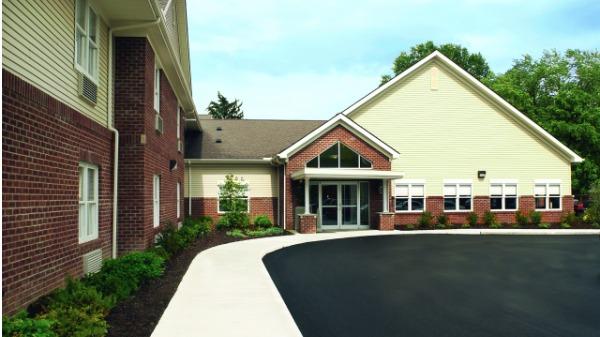
1320 MAHONING AVE NW, WARREN, OH 44483 (330) 373-1160
Non profit - Corporation 110 Beds Independent Data: November 2025 2 Immediate Jeopardy citations
Trust Grade
0/100
#850 of 913 in OH
Last Inspection: May 2024

Within standard 12-15 month inspection cycle. Federal law requires annual inspections.

Overview

Community Skilled Healthcare in Warren, Ohio, has received a Trust Grade of F, indicating poor performance with significant concerns about care quality. It ranks #850 out of 913 facilities in Ohio and is at the bottom of the list in Trumbull County, where it ranks #17 out of 17. Although the facility has shown improvement, reducing issues from 22 in 2024 to 9 in 2025, its staffing situation is concerning, with a rating of 2 out of 5 stars and a high turnover rate of 62%, significantly above the state average. Additionally, the facility has faced $186,582 in fines, which is higher than 94% of Ohio facilities, indicating ongoing compliance issues. Specific incidents include a failure to prevent a resident from developing a pressure ulcer due to inadequate care and a serious lapse in supervision that allowed a cognitively impaired resident to exit the facility unnoticed. While there are some strengths, such as an average quality measures rating, the overall picture raises significant red flags for families considering this nursing home for their loved ones.

Trust Score
F
0/100
In Ohio
#850/913
Bottom 7%
Safety Record
High Risk
Review needed
Inspections
Getting Better
22 → 9 violations
Staff Stability
⚠ Watch
62% turnover. Above average. Higher turnover means staff may not know residents' routines.
Penalties
✓ Good
$186,582 in fines. Lower than most Ohio facilities. Relatively clean record.
Skilled Nurses
⚠ Watch
Each resident gets only 18 minutes of Registered Nurse (RN) attention daily — below average for Ohio. Fewer RN minutes means fewer trained eyes watching for problems.
Violations
⚠ Watch
45 deficiencies on record. Higher than average. Multiple issues found across inspections.
★☆☆☆☆
1.0
Overall Rating
★★☆☆☆
2.0
Staff Levels
★★★☆☆
3.0
Care Quality
★☆☆☆☆
1.0
Inspection Score
Stable
2024: 22 issues
2025: 9 issues

The Good

  • Full Sprinkler Coverage · Fire safety systems throughout facility
  • No fines on record

Facility shows strength in fire safety.

The Bad

1-Star Overall Rating

Below Ohio average (3.2)

Significant quality concerns identified by CMS

Staff Turnover: 62%

16pts above Ohio avg (46%)

Frequent staff changes - ask about care continuity

Federal Fines: $186,582

Well above median ($33,413)

Significant penalties indicating serious issues

Staff turnover is elevated (62%)

14 points above Ohio average of 48%

The Ugly 45 deficiencies on record

2 life-threatening
Jun 2025 9 deficiencies
CONCERN (D) 📢 Someone Reported This

A family member, employee, or ombudsman was alarmed enough to file a formal complaint

Potential for Harm - no one hurt, but risky conditions existed

Notification of Changes (Tag F0580)

Could have caused harm · This affected 1 resident

**NOTE- TERMS IN BRACKETS HAVE BEEN EDITED TO PROTECT CONFIDENTIALITY** Based on record review, interview and facility policy review, the facility failed to notify the responsible party, Power of Atto...

Read full inspector narrative →
**NOTE- TERMS IN BRACKETS HAVE BEEN EDITED TO PROTECT CONFIDENTIALITY** Based on record review, interview and facility policy review, the facility failed to notify the responsible party, Power of Attorney (POA) or emergency contact of resident transfers to the hospital. This affected two (Residents #10 and #51) of three residents reviewed for notification. The facility census was 75. Findings include: 1. Review of the medical record for Resident #10 revealed an admission date of 11/19/24. Diagnoses included quadriplegia, kidney disease and anemia. His sister was his emergency contact. Review of the comprehensive Minimum Data Set (MDS) assessment dated [DATE] revealed Resident #10 was cognitively intact. He required set up help for eating and was dependent on staff for toileting, showering, dressing and hygiene. Review of the nursing progress note dated 06/03/25 at 6:45 A.M. revealed Resident #10 was admitted to the hospital due to a urinary tract infection. There was no documented evidence Resident #10's responsible party, POA or emergency contact was notified. Interview on 06/11/25 at 1:14 P.M. with the Director of Nursing (DON) confirmed there was no evidence Resident #10's responsible party, POA or emergency contact was notified of Resident #10's transfer to the hospital. 2. Review of the medical record for Resident #51 revealed an admission date of 05/22/23. Diagnoses included Alzheimer's disease, kidney disease, anemia, depression and high cholesterol. Review of the quarterly MDS assessment dated [DATE] revealed Resident #51 was severely cognitively impaired. She required substantial or maximum assistance for oral care and was totally dependent on others for eating, toileting, showering and dressing. Review of the fall note dated 04/08/25 at 5:40 P.M. revealed Resident #51 was assessed for injuries and found with a laceration on her forehead. Emergency services were called, and Resident #51 was transferred to the local emergency department (ED). The DON and physician were notified. There was no documented evidence Resident #51's responsible party, POA or emergency contact was notified. Review of the hospital discharge paperwork dated 04/08/25 revealed Resident #51 was treated for a closed head injury and received stitches. Interview on 06/11/25 at 8:38 A.M. with Registered Nurse (RN) #206 revealed when a resident was transferred to the hospital the process included notification to the resident's POA, responsible party, or emergency contact. Interview on 06/11/25 at 1:48 P.M. with Licensed Practical Nurse (LPN) #201 confirmed there was no evidence Resident #51's responsible party, POA or emergency contact was notified of the residents' transfer to the hospital. Review of the facility policy titled Notification of Changes, dated 03/01/25, revealed the facility would promptly inform the resident, physician and the resident's representative in the event of a change such as an accident resulting in injury or a significant or acute change to the resident's health status or exacerbation of a chronic condition. If the resident was competent, the facility would still contact the resident's representative, since the resident may not be able to make the notification personally on the event of an accident or sudden illness. This deficiency represents noncompliance investigated under Complaint Number OH00165250.
CONCERN (D) 📢 Someone Reported This

A family member, employee, or ombudsman was alarmed enough to file a formal complaint

Potential for Harm - no one hurt, but risky conditions existed

Deficiency F0628 (Tag F0628)

Could have caused harm · This affected 1 resident

**NOTE- TERMS IN BRACKETS HAVE BEEN EDITED TO PROTECT CONFIDENTIALITY** Based on record review and interview, the facility failed to send information to the hospital regarding resident health status u...

Read full inspector narrative →
**NOTE- TERMS IN BRACKETS HAVE BEEN EDITED TO PROTECT CONFIDENTIALITY** Based on record review and interview, the facility failed to send information to the hospital regarding resident health status upon transfer. This affected two (Residents #10 and #51) of three residents reviewed for hospitalizations. The facility census was 75. Findings include: 1. Review of the medical record for Resident #10 revealed an admission date of 11/19/24. Diagnoses included quadriplegia, kidney disease and anemia. His sister was his emergency contact. Review of the comprehensive Minimum Data Set (MDS) assessment dated [DATE] revealed Resident #10 was cognitively intact. He required set up help for eating and was dependent on staff for toileting, showering, dressing and hygiene. Review of the nursing progress note dated 06/03/25 at 6:45 A.M. revealed Resident #10 was admitted to the hospital due to a urinary tract infection. 2. Review of the medical record for Resident #51 revealed an admission date of 05/22/23. Diagnoses included Alzheimer's disease, kidney disease, anemia, depression and high cholesterol. Review of the quarterly MDS assessment dated [DATE] revealed Resident #51 was severely cognitively impaired. She required substantial or maximum assistance for oral care and was totally dependent on others for eating, toileting, showering and dressing. Review of the fall note dated 04/08/25 at 5:40 P.M. revealed Resident #51 was assessed for injuries and found with a laceration on her forehead. Emergency services were called, and Resident #51 was transferred to the local emergency department (ED). The DON and physician were notified. Interview on 06/11/25 at 8:38 A.M. with Registered Nurse (RN) #206 revealed when a resident was transferred to the hospital the process included sending a transfer form which included resident demographics, physician's order and a list of medications. Interview on 06/11/25 at 1:14 P.M. with the Director of Nursing (DON) confirmed there was no documented evidence any information was sent to the hospital regarding Residents #10 and #51's hospitalizations. Review of the facility policy titled Transfer and Discharge, dated 02/12/25, revealed when a resident transferred to the hospital for immediate safety concerns, information such as Advanced Directives and transfer forms would accompany the resident for continuity of care. This deficiency represents noncompliance investigated under Complaint Number OH00165250.
CONCERN (D) 📢 Someone Reported This

A family member, employee, or ombudsman was alarmed enough to file a formal complaint

Potential for Harm - no one hurt, but risky conditions existed

ADL Care (Tag F0677)

Could have caused harm · This affected 1 resident

**NOTE- TERMS IN BRACKETS HAVE BEEN EDITED TO PROTECT CONFIDENTIALITY** Based on record review, staff interview, resident interview and facility policy review, the facility failed to ensure residents ...

Read full inspector narrative →
**NOTE- TERMS IN BRACKETS HAVE BEEN EDITED TO PROTECT CONFIDENTIALITY** Based on record review, staff interview, resident interview and facility policy review, the facility failed to ensure residents received baths or showers per resident preference. This affected three (Resident #35, Resident #67, and Resident #69) out of six residents reviewed for activities of daily living (ADL) care. Findings include: 1. Resident #69 was admitted to the facility on [DATE] with diagnoses including dysphasia (a language disorder that affects a person's ability to speak following cerebrovascular disease (stroke), aphasia (a disorder that impacts ability to speak, understand, read, or write) following cerebrovascular disease (stroke), and contracture (deformities caused by tightening or shortening of muscles) of arms. Interview with Resident #69 and family on 06/10/25 at 10:33 A.M. revealed the resident does not bathing per their preferred method or frequency. Resident #69 and family noted their preferred bathing method is a tub bath. Resident #69's family indicated they have voiced concerns to floor staff and facility administration. Review of preferences dated 07/30/24 revealed Resident #69 preferred a tub bath three times a week. Review of Minimum Date Set (MDS) assessment dated [DATE] revealed the Resident #69 was severely cognitively impaired and was totally dependent on staff for care. The MDS assessment dated [DATE] noted it's very important for Resident #69 to choose between tub bath, shower, or sponge bath. Review of the paper shower sheets from 04/18/25 to 06/10/25 for Resident #69 revealed on 04/18/25, 05/04/25, 05/08/25, 05/12/25, and 05/19/25 bed baths were provided. On 05/28/25 and 06/10/25 showers were provided. Review of the bathing documentation in the electronic medical record for Resident #69 revealed no documented evidence bathing or showers occurred at all. 2. Interview with Resident #35 on 06/10/25 at 1:24 P.M. revealed the resident does not get bathed according to their preferences, and aides have said they don't have enough people to give showers to residents. Resident #35 noted their bathing preference was a bath once a week. Resident #35 was admitted to the facility on [DATE]. Diagnoses include parainfluenza virus pneumonia (lung infection), sepsis (blood infection), end stage renal disease, chronic respiratory failure, acquired absence of left leg below knee, and heart failure. Review of Resident 35's preference for bathing dated 07/30/24 indicated a bath was preferred once a week. Review of the care plan for Resident #35 revised on 10/16/2024 revealed the resident was at risk for pressure ulcer development and or alteration in skin integrity with an intervention dated 07/11/22 that resident's preferences on bath and shower and on what days will be addressed. Review of the paper shower sheets from 03/10/25 to 05/26/25 for Resident #35 revealed that on 03/10/25, 03/17/25, 03/21/25, 04/25/25, 05/09/25, 05/12/25, and 05/23/25 paper shower sheets were not filled out. The shower sheet on 03/24/25 indicated the resident had a shower. The shower sheet on 03/31/25 indicated the resident had a tub bath. Review of the bathing documentation in the electronic medical record for Resident #35 revealed 05/23/25 and 05/26/25 were the only days marked as completed. Review of MDS assessments dated 05/28/25 reveals resident was cognitively intact, assessment dated [DATE] indicated the resident is fully dependent for transfers and required the use of a mechanical lift for all transfers, and assessment dated [DATE] indicated choosing between a tub bath, shower, or sponge bath was somewhat important. 3. Interview with Resident #67 on 06/10/25 at 1:44 P.M. revealed they don't get bathed as frequently as preferred. The resident indicated they have voiced concerns to floor staff. Resident #67 was admitted to the facility on [DATE]. Diagnoses include chronic atrial fibrillation (an abnormal heart rhythm), major depressive disorder, liver transplant, history of pulmonary embolism (blood clot in the lung), and hydroureter (a swelling of the tube that drains urine into the bladder from the kidney). Review of the care plan dated 02/06/24 revealed Resident #67 has a history of depression with an intervention dated 02/06/24 to allow participation in times for care, mealtime, baths, and bedtimes. A preference sheet for Resident #67 was unavailable for review. Review of the MDS assessment dated [DATE] revealed the Resident #67 was cognitively intact and was fully dependent on staff for bathing. The assessment dated [DATE] indicated it was very important to choose between tub bath, shower, or bed bath. Review of the paper shower sheets for Resident #67 from 05/08/25 to 06/02/25 indicated on 05/08/25, 05/15/25, 05/26/25, and 06/02/25 the resident had a shower, on 05/10/25 and 05/27/25 the sheets were not filled out, and on 05/22/23 and 06/01/25 a bed bath was provided. Review of the bathing documentation in the electronic medical record for Resident #67 revealed the bathing task marked as completed on 05/16/25, 05/25/25, and 05/27/25. Interview with Certified Nurse Aide (CNA) #200 on 06/10/25 at 8:31 A.M. revealed that resident showers don't often get done per resident preference because there were not enough staff members. Interview with CNA #203 and CNA #204 on 06/10/25 at 10:46 A.M. revealed resident showers don't get done regularly according to resident preference. Interview on 06/11/25 at 2:13 P.M. with the Director of Nursing (DON) confirmed she was aware there were issues with staffing in the facility. Review of the policy titled Activities of Daily Living, dated 2024, indicated bathing would be consistent with a resident's choices. Under the section titled Policy Explanation and Compliance Guidelines it is indicated that a resident who is unable to carry out activities of daily living will receive the necessary services to maintain grooming and personal hygiene. Review of the policy titled Resident Showers, dated 2024, indicated the facility will assist resident with bathing and to maintain proper hygiene. Under the section titled Policy Explanation and Compliance Guidelines it is indicated residents will be provided with showers as per request. This deficiency represents noncompliance investigated under Master Complaint Number OH00165769 and Complaint Number OH00165368.
CONCERN (D) 📢 Someone Reported This

A family member, employee, or ombudsman was alarmed enough to file a formal complaint

Potential for Harm - no one hurt, but risky conditions existed

Quality of Care (Tag F0684)

Could have caused harm · This affected 1 resident

**NOTE- TERMS IN BRACKETS HAVE BEEN EDITED TO PROTECT CONFIDENTIALITY** Based on observation, interview, record review and facility policy review, the facility failed to ensure physician orders to pre...

Read full inspector narrative →
**NOTE- TERMS IN BRACKETS HAVE BEEN EDITED TO PROTECT CONFIDENTIALITY** Based on observation, interview, record review and facility policy review, the facility failed to ensure physician orders to prevent skin breakdown were being followed. This affected one resident (Resident #9) out of three residents that were sampled for skin breakdown. The facility census was 75. Findings include: Resident #9 was admitted to the facility on [DATE]. Diagnoses included encounter for palliative care, cerebral atherosclerosis (narrowing of the arteries supplying blood to the brain from fat build up), vascular dementia, chronic obstructive pulmonary disease, and atherosclerotic heart disease (a narrowing of the arteries supplying blood to the heart from fat build up). Review of the care plan revealed on 07/12/24 Resident #9 had potential for pressure ulcer development and or alteration in skin integrity related to decreased mobility and fragile skin and an intervention to reposition on rounds and as needed. Review of the Minimum Data Set (MDS) assessment noted the following: Section C dated 04/10/25 revealed Resident #9 is severely cognitive impaired, Section GG dated 04/11/25 revealed Resident #9 is totally dependent on staff for all care needs, Section H dated 04/15/25 revealed Resident #9 is always incontinent of urine and bowel. Review of Resident #9's physician's orders revealed on 05/29/25 at 1:07 P.M. an order written to apply a foam dressing daily with protective cream and change when soiled and an order dated 05/29/25 at 7:00 P.M. to turn and reposition the resident every two hours side to side with the wedge only. Observation of Resident #9 incontinence care on 06/10/25 at 9:06 A.M. revealed a softball sized reddened non-open area on the coccyx and into the gluteal cleft. No dressings were noted to the area before or after incontinence care. Interview on 06/10/25 at 1:20 P.M. with Licensed Practical Nurse (LPN) #211 and Certified Nurse Aide (CNA) #204 verified Resident #9 did not have foam dressing on coccyx. LPN #211 verified there was a physician's order for the foam dressing, and CNA #204 verified absence of foam dressing. Observations of Resident #9 on 06/10/25 at 1:52 P.M. revealed the resident was positioned on their back and purple wedge pillow was on a bedside chair. On 06/10/25 at 2:47 P.M. the resident was positioned on their back, and the purple wedge pillow was in the same position on the bedside chair. On 06/11/25 at 7:10 A.M. the resident was positioned on their back with purple wedge pillow was in the same position on the bedside chair. On 06/11/25 at 8:12 A.M. the resident was positioned on their back with the purple wedge pillow in the same position on the bedside chair. On 06/11/25 at 8:31 A.M. the resident was positioned on their back with the purple wedge pillow in the same position on the bedside chair. On 06/11/25 at 9:24 A.M. the resident was positioned on their back, and the purple wedge pillow was in the same position on the bedside chair, and 9:32 A.M. the resident was positioned on their back, and the purple wedge pillow was in the same position on the bedside chair. Interview on 06/11/25 at 9:32 A.M. with LPN #208 revealed the purple wedge pillow was used for lateral repositioning. LPN #208 verified the purple wedge pillow was on the bedside chair. Review of the policy titled Pressure Injury and Management, dated 2024, revealed in the section title Interventions for Prevention and to Promote Healing that evidence-based interventions will be implemented for all residents who are assessed at risk for a pressure injury. Basic or routine interventions could include pressure redistribution such as repositioning. This deficiency represents noncompliance investigated under Master Complaint Number OH00165769.
CONCERN (D) 📢 Someone Reported This

A family member, employee, or ombudsman was alarmed enough to file a formal complaint

Potential for Harm - no one hurt, but risky conditions existed

Accident Prevention (Tag F0689)

Could have caused harm · This affected 1 resident

**NOTE- TERMS IN BRACKETS HAVE BEEN EDITED TO PROTECT CONFIDENTIALITY** Based on record review, interview and review of the facility policy, the facility failed to ensure falls were thoroughly investi...

Read full inspector narrative →
**NOTE- TERMS IN BRACKETS HAVE BEEN EDITED TO PROTECT CONFIDENTIALITY** Based on record review, interview and review of the facility policy, the facility failed to ensure falls were thoroughly investigated. This affected two (Residents #22 and #51) of three residents reviewed for falls. The facility census was 75. Findings include: 1. Review of the medical record for Resident #22 revealed an admission date of 04/18/25. Diagnoses included diabetes, heart disease, high cholesterol, anxiety, depression and chronic back pain. Review of the fall risk assessment dated [DATE] revealed Resident #22 was at risk for falls. Review of the comprehensive Minimum Data Set (MDS) assessment dated [DATE] revealed Resident #22 was cognitively intact. She required set up help for eating, oral and personal hygiene and partial to moderate assistance for toileting. Review of the care plan dated 04/21/25 revealed Resident #22 was at risk for falls due to impaired safety awareness and age-related weakness. Interventions included anticipating the residents' needs, ensuring the call light was within reach and encouraging her to use it, and encouraging her to participate in activities that promoted exercise, physical activity and strengthening and improving mobility. Review of the nursing progress note dated 05/26/25 at 10:39 A.M. revealed Resident #22 was in her room when staff found her sitting on the floor. Resident #22 stated she was transferring with her walker to her closet when her incontinence brief slid down her legs and caused her to trip. Resident #22 was wearing nonskid socks at the time. Resident #22 was reminded she is supposed to call for staff assistance with transfers. No injury was noted, the resident was assessed with vital signs including a blood pressure of 160/84, temperature 98 degrees Fahrenheit (F), heart rate 100, respirations 18, oxygen saturation 96% on room air. Her range of motion was within normal limits, and she had no complaints. Review of the undated facility fall investigation revealed no witness statements were obtained from staff, there was no root cause analysis, no evidence of when Resident #22 was last toileted, and no evidence if her call light was activated, and no evidence a new intervention was implemented. 2. Review of the medical record for Resident #51 revealed an admission date of 05/22/23. Diagnoses included Alzheimer's disease, kidney disease, anemia, depression and high cholesterol. Review of the care plan dated 08/15/24 revealed Resident #51 was at risk for falls due to confusion, balance problems and lack of awareness of safety needs. Interventions included ensuring the environment was free from clutter, recording the possible root cause for falls, reviewing information on past falls and educating the family regarding causes. Review of the fall risk assessment dated [DATE] revealed Resident #51 was at risk for falls. Review of the quarterly MDS assessment dated [DATE] revealed Resident #51 was severely cognitively impaired. She was totally dependent on others for eating, toileting, showering, oral and personal hygiene and dressing. Review of the fall note dated 04/08/25 at 5:40 P.M. revealed Resident #51 was assessed for injuries and found with a laceration on her forehead. Vital signs were attempted; however, Resident #51 was combative. A pressure dressing was applied to Resident #51's forehead to control bleeding, she remained alert, and her orientation was within normal limits. Emergency services were called, and Resident #51 was transferred to the local emergency department (ED). The Director of Nursing (DON) and physician were notified. Review of the undated facility fall investigation revealed Resident #51 was found on the floor next to her Broda chair (chair or wheelchair that provides comfort, support, and mobility) lying on her right side with blood on the floor next to her head. There were no witnesses. The resident was trying to get out of her chair and become mobile at different times throughout the day. There were no staff statements obtained, there was no root cause analysis, no evidence of when Resident #51 was last toileted, and no evidence if the call light was activated, and no evidence that a new intervention was implemented. Review of the hospital discharge paperwork dated 04/08/25 revealed Resident #51 was treated for a closed head injury and received stitches. Interview on 06/11/25 at 1:14 P.M. with the Director of Nursing (DON) confirmed there was no evidence of a root cause analysis of the falls for Residents #22 and #51, no new interventions attempted, and no witness statements obtained. She confirmed witness statements should be obtained for all falls, particularly falls that were unwitnessed, and the fall investigations for Residents #22 and #51 did not contain all the necessary information to consider the falls thoroughly investigated. Review of the facility policy titled Fall Prevention Program, dated 03/01/25, revealed when a resident experienced a fall, the facility would complete an incident report, notify the family, review the care plan and updated as needed, document all assessments and actions and obtained witness statements in the case of injury. This deficiency represents noncompliance investigated under Master Complaint Number OH00165769 and Complaint Number OH00165250.
CONCERN (F) 📢 Someone Reported This

A family member, employee, or ombudsman was alarmed enough to file a formal complaint

Potential for Harm - no one hurt, but risky conditions existed

Deficiency F0725 (Tag F0725)

Could have caused harm · This affected most or all residents

**NOTE- TERMS IN BRACKETS HAVE BEEN EDITED TO PROTECT CONFIDENTIALITY** Based on record review, interviews and review of the facility policy, the facility failed to ensure sufficient staffing to meet ...

Read full inspector narrative →
**NOTE- TERMS IN BRACKETS HAVE BEEN EDITED TO PROTECT CONFIDENTIALITY** Based on record review, interviews and review of the facility policy, the facility failed to ensure sufficient staffing to meet the needs of all residents. This affected three (Residents #35, #67 and #69) of six residents reviewed for showers and had the potential to affect all 75 residents in the facility. Findings include: Interview on 06/10/25 at 8:31 A.M. with certified nurse aide (CNA) #200 revealed she had several residents who required a Hoyer lift (mechanical lift) for transfer, assistance with feeding and activities of daily living (ADL) care. She revealed showers often did not get done because there was not enough staff to complete them. Interview with Resident #69 and family on 06/10/25 at 10:33 A.M. revealed the resident did not receive bathing per their preferred method or frequency. Resident #69's family indicated they have voiced concerns to floor staff and facility administration. Interview on 06/10/25 at 10:46 A.M. with CNAs #203 and #204 reviewed facility staffing was horrible. CNA #204 revealed the 300-hall had the highest acuity, and there were typically three CNAs for 27 to 28 residents, which was not enough to complete all the resident care. She revealed ADL care such as nail care, toothbrushing and nail trimming usually occurred with showers, but showers often weren't done because of poor staffing. CNA #203 revealed she often did not get a break and ended up working overtime to get her charting done. Interview with Resident #35 on 06/10/25 at 1:24 P.M. revealed she did not get bathed according to her preferences and has been told it is a result of lack of staff. Interview with Resident #67 on 06/10/25 at 1:44 P.M. revealed he did not get baths as requested. Review of the schedules for May 2025 as well as the staffing tool for the weeks of 05/11/25 and 05/18/25 revealed the facility did not meet the minimum direct care daily average of two and one-half hours of direct care and services per resident per day on 05/16/25, 05/17/25, 05/18/25 and 05/21/25. The staffing tool revealed 2.45 hours of direct resident care on 05/16/25, 2.48 hours on 05/17/25, 2.12 hours on 05/18/25 and 1.93 hours on 05/21/25. Review of the facility assessment was last updated 04/18/22. Interview on 06/11/25 at 11:59 A.M. revealed he could provide no evidence the Facility Assessment had been updated since 04/18/22. Interview on 06/11/25 at 2:13 P.M. with the Director of Nursing (DON) confirmed she was aware there were issues with staffing in the facility and confirmed the minimum requirement for daily staffing was not met on 05/16/25, 05/17/25, 05/18/25 and 05/21/25. The following resident specific findings were identified related to insufficient staffing: 1. Resident #69 was admitted to the facility on [DATE] with diagnoses including dysphasia (a language disorder that affects a person's ability to speak following cerebrovascular disease (stroke), aphasia (a disorder that impacts ability to speak, understand, read, or write) following cerebrovascular disease (stroke), and contracture (deformities caused by tightening or shortening of muscles) of arms. Review of preferences dated 07/30/24 revealed Resident #69 preferred a tub bath three times a week. Review of Minimum Date Set (MDS) assessment dated [DATE] revealed the Resident #69 was severely cognitively impaired and was totally dependent on staff for care. The MDS assessment dated [DATE] noted it's very important for Resident #69 to choose between tub bath, shower, or sponge bath. Review of the paper shower sheets from 04/18/25 to 06/10/25 for Resident #69 revealed on 04/18/25, 05/04/25, 05/08/25, 05/12/25, and 05/19/25 bed baths were provided. On 05/28/25 and 06/10/25 showers were provided. Review of the bathing documentation in the electronic medical record for Resident #69 revealed no documented evidence bathing or showers occurred at all. 2. Resident #35 was admitted to the facility on [DATE]. Diagnoses include parainfluenza virus pneumonia (lung infection), sepsis (blood infection), end stage renal disease, chronic respiratory failure, acquired absence of left leg below knee, and heart failure. Review of Resident 35's preference for bathing dated 07/30/24 indicated a bath was preferred once a week. Review of the care plan for Resident #35 revised on 10/16/2024 revealed the resident was at risk for pressure ulcer development and or alteration in skin integrity with an intervention dated 07/11/22 that resident's preferences on bath and shower and on what days will be addressed. Review of the paper shower sheets from 03/10/25 to 05/26/25 for Resident #35 revealed that on 03/10/25, 03/17/25, 03/21/25, 04/25/25, 05/09/25, 05/12/25, and 05/23/25 paper shower sheets were not filled out. The shower sheet on 03/24/25 indicated the resident had a shower. The shower sheet on 03/31/25 indicated the resident had a tub bath. Review of the bathing documentation in the electronic medical record for Resident #35 revealed 05/23/25 and 05/26/25 were the only days marked as completed. Review of MDS assessments dated 05/28/25 reveals resident was cognitively intact, assessment dated [DATE] indicated the resident is fully dependent for transfers and required the use of a mechanical lift for all transfers, and assessment dated [DATE] indicated choosing between a tub bath, shower, or sponge bath was somewhat important. 3. Resident #67 was admitted to the facility on [DATE]. Diagnoses include chronic atrial fibrillation (an abnormal heart rhythm), major depressive disorder, liver transplant, history of pulmonary embolism (blood clot in the lung), and hydroureter (a swelling of the tube that drains urine into the bladder from the kidney). Review of the care plan dated 02/06/24 revealed Resident #67 has a history of depression with an intervention dated 02/06/24 to allow participation in times for care, mealtime, baths, and bedtimes. A preference sheet for Resident #67 was unavailable for review. Review of the MDS assessment dated [DATE] revealed the Resident #67 was cognitively intact and was fully dependent on staff for bathing. The assessment dated [DATE] indicated it was very important to choose between tub bath, shower, or bed bath. Review of the paper shower sheets for Resident #67 from 05/08/25 to 06/02/25 indicated on 05/08/25, 05/15/25, 05/26/25, and 06/02/25 the resident had a shower, on 05/10/25 and 05/27/25 the sheets were not filled out, and on 05/22/23 and 06/01/25 a bed bath was provided. Review of the bathing documentation in the electronic medical record for Resident #67 revealed the bathing task marked as completed on 05/16/25, 05/25/25, and 05/27/25. Review of the policy titled Resident Showers, dated 2024, indicated the facility would assist residents with bathing and maintaining proper hygiene and Residents would receive showers based on their preference. This deficiency represents noncompliance investigated under Master Complaint Number OH00165769 and Complaint Number OH00165590.
CONCERN (F) 📢 Someone Reported This

A family member, employee, or ombudsman was alarmed enough to file a formal complaint

Potential for Harm - no one hurt, but risky conditions existed

Deficiency F0727 (Tag F0727)

Could have caused harm · This affected most or all residents

Based on review of the facility schedule and interview, the facility failed to ensure a Registered Nurse (RN) was in the facility for at least eight consecutive hours a day, seven days a week. This ha...

Read full inspector narrative →
Based on review of the facility schedule and interview, the facility failed to ensure a Registered Nurse (RN) was in the facility for at least eight consecutive hours a day, seven days a week. This had the potential to affect all 75 residents in the facility. Findings include: Review of the schedules for May 2025 as well as the staffing tool for the weeks of 05/11/25 and 05/18/25 revealed the facility did not have an RN scheduled to work on 05/13/25. One RN worked 7.25 hours on 05/23/25. Interview on 06/11/25 at 2:13 P.M. with the Director of Nursing (DON) verified she had no other evidence to verify an RN had worked eight consecutive hours on 05/13/25 or 05/23/25. This deficiency was an incidental finding identified during the complaint investigation.
CONCERN (F) 📢 Someone Reported This

A family member, employee, or ombudsman was alarmed enough to file a formal complaint

Potential for Harm - no one hurt, but risky conditions existed

Deficiency F0838 (Tag F0838)

Could have caused harm · This affected most or all residents

Based on review of the Facility Assessment and interview, the facility failed to ensure the facility assessment was updated annually. This had the potential to affect all 75 residents in the facility....

Read full inspector narrative →
Based on review of the Facility Assessment and interview, the facility failed to ensure the facility assessment was updated annually. This had the potential to affect all 75 residents in the facility. Findings include: Review of the Facility Assessment revealed a date of 04/18/22. Interview on 06/11/25 at 11:59 A.M. with the Administrator revealed he forgot to change the date on the Facility Assessment. He could provide no evidence the Facility Assessment had been updated since 04/18/22. This deficiency is an incidental finding identified during the complaint investigation.
MINOR (C) 📢 Someone Reported This

A family member, employee, or ombudsman was alarmed enough to file a formal complaint

Minor Issue - procedural, no safety impact

Staffing Information (Tag F0732)

Minor procedural issue · This affected most or all residents

Based on observation and interview, the facility failed to ensure staffing information was posted timely and accurately. This had the potential to affect all 75 residents in the facility. Findings inc...

Read full inspector narrative →
Based on observation and interview, the facility failed to ensure staffing information was posted timely and accurately. This had the potential to affect all 75 residents in the facility. Findings include: Observation on 06/10/25 at 8:31 A.M. revealed the daily posted staffing information was posted for 06/09/25 and did not identify the facility census. Interview at the time of the observation with the Certified Nurse's Aide (CNA) #200 confirmed the daily staffing information posted was for 06/09/25 and had not yet been updated for the current day. She revealed the scheduler was responsible for updating the posted staffing information, and she was on vacation as of this date. She also confirmed that a census number was not listed on the information displayed. This deficiency is an incidental finding identified during the complaint investigation.
Dec 2024 1 deficiency
CONCERN (D) 📢 Someone Reported This

A family member, employee, or ombudsman was alarmed enough to file a formal complaint

Potential for Harm - no one hurt, but risky conditions existed

Investigate Abuse (Tag F0610)

Could have caused harm · This affected 1 resident

**NOTE- TERMS IN BRACKETS HAVE BEEN EDITED TO PROTECT CONFIDENTIALITY** Based on medical record review, staff interview, review of the facility Self-Reported Incidents (SRIs), review of the facility i...

Read full inspector narrative →
**NOTE- TERMS IN BRACKETS HAVE BEEN EDITED TO PROTECT CONFIDENTIALITY** Based on medical record review, staff interview, review of the facility Self-Reported Incidents (SRIs), review of the facility investigation, and facility policy review, the facility failed to ensure thorough investigations were completed regarding diversion of narcotics and a resident-to-resident altercation. The facility also failed to ensure preventative and corrective measures were in place. This affected three residents (# 11, #61 and #72) of four residents who were investigated for abuse and misappropriation. The facility census was 82. Findings include: 1. Review of the medical record for Resident #11 revealed an admission date of 04/08/24 with diagnoses including kidney disease stage three, retention of urine, acute chronic respiratory failure, chronic obstructive pulmonary disease, anxiety, and other seizures. Significant orders included admit to hospice with a diagnosis of congestive heart failure dated 06/13/24, check fentanyl patch (opioid pain medication) placement every shift, morphine sulfate oral solution 20 milligrams (mg) per milliliter (ml) (opioid pain medication), give 0.5 ml by mouth every two hours as needed for severe pain, oxycodone 10 mg (opioid pain medication), give two tablets by mouth four times a day for pain, Ativan 1 mg (anxiety medication) four times daily for anxiety, fentanyl transdermal patch 72 Hour 50 micrograms (mcg) per hour, apply 1 patch transdermal every 72 hours for pain and remove per schedule. Review of the quarterly Minimum Data Set (MDS) assessment dated [DATE] revealed Resident #11 was cognitively intact. Review of the care plan dated 10/10/24 revealed Resident #11 had the potential for acute and or chronic pain related to colovesical fistula chronic obstructive pulmonary disease and decreased mobility. Interventions included administering analgesia (pain medication) as ordered, monitor record and report complaints of pain, and notify the physician if interventions are unsuccessful. Review of the narcotic count sheet for Resident #11 revealed on 11/08/24 there were two missing oxycodone 10 mg tablets. Review of the facility SRI tracking number (#) 253899 revealed on 11/08/24 the narcotic count for oxycodone 10 mg was off by two pills for Resident #11. Review of the facility investigation for SRI tracking #253899 revealed on the morning of 11/08/24 at change of shift, the narcotic count for oxycodone 10 mg was off by two pills for Resident #11. The missing medication was verified by Registered Nurse (RN) #160. The facility wanted Licensed Practical Nurse (LPN) #240 to go for a drug screen, but she refused. The investigation did not contain evidence that a police report was filed by the facility. The investigation did not contain witness statements. The investigation did not contain an assessment of Resident #11 or any other residents on narcotic pain medication. The investigation did not contain staff education regarding narcotic counts or misappropriation. On 12/09/24 at 2:22 P.M. an interview with the Director of Nursing (DON) verified the lack of witness statements, Resident #11's assessment, lack of resident assessments for residents who were on narcotics, lack of the police report and lack of staff education and no evidence that additional preventative measures were put into place. 2. Review of the facility SRI tracking #254012 revealed a resident-to-resident altercation on 11/13/24 between Residents #61 and #72. Review of the medical record for Resident #61 revealed an admission date of 10/19/23 with diagnosis including unspecified dementia with moderate agitation. Significant orders included Depakote 125 mg (mood stabilizer) give 250 mg three times daily Ativan 1 mg give one tablet by mouth every six hours for agitation. Review of the MDS assessment completed 10/17/24 Resident #61 had severe cognitive impairment. Review of the care plan dated 10/17/24 revealed Resident #61 had behavior problems. Interventions include assessing and anticipating the resident's needs, assessing and documenting observed behavior, giving resident choices about care, and documenting and reporting to the doctor danger to self or others. Review of the progress notes for Resident #61 revealed no documented evidence of the incident with Resident #72 that occurred on 11/13/24. Review of the medical record for Resident #72 revealed a date of admission of 11/01/23 with diagnoses including alcohol dependence with alcohol induced dementia adjustment disorder with anxiety and depression. Significant orders included Depakote 250 mg give 250 mg in the morning and 500 mg at bedtime, Ativan 1 mg give 1 mg by mouth two times daily. Review of the MDS assessment dated [DATE] revealed Resident #72 had severe cognitive impairment. Review of the care plan dated 11/01/24 revealed Resident #72 was care planned for impaired cognitive function. Interventions include Resident #72 needs supervision and assistance with decision making. Review of the progress note dated 11/13/24 revealed Resident #72 was on the floor in the multipurpose room. Upon entering the unit, the nurse found Resident 72 on the floor. When the nurse asked what happened, other residents stated that Resident #72 was sitting in a chair at the table and another resident [Resident #61] came behind the resident grabbed her chair and pulled it backwards with the resident sitting in it. Resident #72 was assessed, her blood pressure was 106/46, pulse 56, oxygen saturation was 86 percent on room air, and temperature was 98.5 degrees Fahrenheit (F). Passive range of motion (PROM) was completed with no pain noted. No skin issues were noted. Staff were educated to monitor the residents' skin for bruising. Staff were educated to keep the residents separated and monitor any aggression between the two. The doctor was notified as well as the resident's sister. A review of the facility investigation for SRI tracking #254012 revealed one resident witness statement. The investigation contained no resident assessment for Resident #61. The investigation contained no interviews or assessments of other residents regarding abuse. The investigation contained no staff education or interventions put into place as preventative measures. On 12/09/24 at 2:22 P.M. an interview with the DON verified the lack of witness statements, lack of resident interviews or assessments regarding abuse, the lack of staff education or interventions put into place as preventative measures. A review of the policy titled; Abuse, Mistreatment Neglect, Misappropriation of Resident Property and Exploitation, dated 2016, revealed the person investigating the incident should generally take the following actions: • Interview the residents, the accused, and all witnesses. Witnesses generally include anyone who: witnessed or heard of the incident; came in close contact with the resident the day of the incident (including other residents, family members); and employees who worked closely with the accused employee(s) and/or alleged victim the day of the incident. If there are no direct witnesses, then the interviews may be expanded. For example, to cover all employees on the unit, or, as appropriate, the shift. The facility should obtain written statements from the residents, if possible, the accused and each witness. The policy revealed evidence of the Investigation should be documented. • In the case of resident-to-resident abuse, mistreatment, exploitation, or misappropriation of property the facility will refer the matter to Community Skilled Health Care's interdisciplinary team to determine appropriate interventions. • The policy also revealed upon completion of an investigation, Community Skilled Health Care Center will determine if modifications to existing policies and procedures or new policies and procedures are needed to prevent similar incidents or injuries from occurring in the future. The quality assurance investigative materials will be reviewed by the quality assurance committee at its next regularly scheduled meeting. The committee will take all actions deemed necessary based upon the review. This deficiency represents non-compliance investigated under Self-Reported Incident, Control Number OH00159760.
Aug 2024 4 deficiencies
CONCERN (D) 📢 Someone Reported This

A family member, employee, or ombudsman was alarmed enough to file a formal complaint

Potential for Harm - no one hurt, but risky conditions existed

Resident Rights (Tag F0550)

Could have caused harm · This affected 1 resident

**NOTE- TERMS IN BRACKETS HAVE BEEN EDITED TO PROTECT CONFIDENTIALITY** Based on record review, observation and interview the facility failed to maintain Resident #36's right to a dignified existence....

Read full inspector narrative →
**NOTE- TERMS IN BRACKETS HAVE BEEN EDITED TO PROTECT CONFIDENTIALITY** Based on record review, observation and interview the facility failed to maintain Resident #36's right to a dignified existence. This affected one resident (Resident #36) of the three residents reviewed for dignity. The facility census was 80. Findings include: Review of the medical record revealed Resident #36 was admitted [DATE] with diagnoses including memory deficit, morbid obesity, hypertensive congestive heart failure, and major depression. Review of the Minimum Data Set 3.0 assessment dated [DATE] revealed Resident #34 had intact cognition and was always incontinent of urine and frequently incontinent of bowel. Review of the physician order dated 02/02/23 for Resident #36 revealed an order for Lasix (a diuretic) 40 milligrams by mouth daily. Interview on 08/20/24 at 9:00 A.M. with Licensed Practical Nurse (LPN) #513 revealed Resident #36 urinated frequently due to being on a diuretic and even with frequent incontinence care every two hours, she was frequently wet with urine which caused a strong odor of urine in her room and the urine odor was persistent. When LPN #513 was asked if any air freshener had been considered for use in this resident's room to help eliminate the odor of urine, LPN #513 did not respond to the question. Interview on 08/20/24 at 9:30 A.M. with State Tested Nurse Aid (STNA) #520 verified Resident #36's room had an ongoing, strong urine odor. An observation was conducted on 08/20/24 at 10:30 A.M. of Resident #34's room. Resident #34 was present during the observation. The room had a very strong odor of urine that permeated the entire room upon entrance into the room. An interview with Resident #34 at the time of the observation confirmed her room smelled like urine. Review of facility policy titled Resident Rights, revised June 2015, revealed residents had a right to a dignified existence. This deficiency represents non-compliance investigated under Complaint Number OH00156094.
CONCERN (D) 📢 Someone Reported This

A family member, employee, or ombudsman was alarmed enough to file a formal complaint

Potential for Harm - no one hurt, but risky conditions existed

Accident Prevention (Tag F0689)

Could have caused harm · This affected 1 resident

**NOTE- TERMS IN BRACKETS HAVE BEEN EDITED TO PROTECT CONFIDENTIALITY** Based on record review and interview, the facility failed to ensure Resident #37 was provided adequate assistance during ambulat...

Read full inspector narrative →
**NOTE- TERMS IN BRACKETS HAVE BEEN EDITED TO PROTECT CONFIDENTIALITY** Based on record review and interview, the facility failed to ensure Resident #37 was provided adequate assistance during ambulation to prevent a fall and that fall risk evaluations/assessments were completed at least quarterly. This affected one resident (#37) of three residents reviewed for falls. The facility census was 80. Findings include: Review of the medical record for Resident #37 revealed an admission date of 11/30/21 with diagnoses including dementia, major depression, history of falling, hypertension and anxiety. Review of physical therapy Discharge summary dated [DATE] revealed Resident #37 was able to ambulate with a front wheeled walker 100 feet with minimum assistance. Review of the Minimum Data Set ( MDS) 3.0 quarterly assessment dated [DATE] revealed Resident #37 had impaired cognition, and required maximum assistance by staff to walk 10 feet and to walk 50 feet and turn twice. She also required maximum assistance to come to a standing position from sitting and transfer from chair to bed. Review of the plan of care dated 05/15/24 revealed Resident #37 was at risk for falls. Interventions included one person assist with transfers and ambulation, bilateral grab bars for positioning in bed, body pillow while in bed, call light in reach, defined perimeter mattress for positioning, encourage resident to call for assistance. Further review of the medical record revealed the most recent Fall Risk Evaluation was done 05/18/23 revealing Resident #37 was at risk for falls with a score of 16. Review of a nurse progress note dated 06/25/24 at 2:17 P.M. written by Licensed Practical Nurse (LPN) #508 revealed Resident # 37 was observed to have fallen on the floor. The physician was notified and Resident #37 had an order to be sent to the emergency room (ER) for an evaluation. Family was notified. Review of a nurse progress note dated 06/25/24 at 7:01 P.M. written by LPN # 511 revealed Resident #37 returned from the hospital emergency room by ambulance, her neurological checks were normal, there was no pain or acute injury from the fall. Review of the facility fall investigation dated 06/25/24 revealed Resident #37 fell on the memory care unit and was sent out to the ER due to complaint of pain. The nursing description of the incident included staff were helping Resident #37 get up to use the bathroom. The resident stood up, a staff member reached out to move a chair and the resident lost her balance and fell in the dining room. Resident #37 yelled I hurt. Review of a witness statement dated 06/25/24 written by State Tested Nursing Assistant (STNA) #557 revealed after lunch at 12:45 P.M. STNA #557 grabbed Resident #37's walker to ambulate her to the bathroom. Resident #37 was stood at the walker. STNA #557 asked Resident #37 if she had her balance, Resident #37 stated yes. After STNA #557 asked if Resident #37 had her balance STNA #557 noticed a chair in the way of the path to the bathroom and let go of Resident #37 to move the chair. Resident #37 lost balance and fell to the floor hitting her right hip. Review of a nurse progress note dated 06/27/24 revealed hospital discharge paperwork was reviewed and the x-rays taken at the hospital showed no evidence of fractures from the fall on 06/25/24. The nurse practitioner and therapy supervisor had reviewed the x-rays. Review of facility document Physical Therapy Evaluation and Plan of Treatment dated 06/27/24 revealed Resident #37 had difficulty walking and goal was decreased risk for falls. Resident #37 was referred to physical therapy due to new onset of decreased functional mobility, reduced ability to safely ambulate, reduced balance and increased need for assistance from others. Prior level was assistance with functional mobility with front wheeled walker. Interview on 08/19/24 at 3:17 P.M. with Therapy Supervisor (TS) #574 revealed Resident #37 sustained no injuries from the fall on 06/25/24 and did have pain related to existing arthritis. TS #574 verified Resident #37 was put on therapy case load to decrease her risk for falls. Interview on 08/19/24 at 3:40 P.M. with the Director of Nursing (DON) verified fall risk assessments were to be done quarterly, and the last fall risk assessment was done 05/18/23 prior to Resident #37's fall on 06/25/24. Interview on 08/19/24 at 4:43 P.M. with STNA #557 revealed when Resident #37 fell on [DATE] it was the first time they had worked with Resident #37. STNA #557 stated there was a chair in the path to the bathroom and STNA #557 had to let go of Resident #37 to move the chair. Resident #37 started walking and lost her balance and fell. There were no other witnesses. Interview on 08/19/24 at 4:50 P.M. with LPN #511 and STNA # 539 revealed Resident #37 had always been a one person assist with mobility, but staff always had to have their hands on Resident #37 for safety reasons. Interview on 08/20/24 at 9:35 A.M. with STNA #520 revealed Resident #37 needed one person assistance for walking and needed hands on the resident with a walker. Some days Resident #37 was strong, but some days Resident #37 was unsteady. Review of the facility policy titled Fall Prevention Program updated July 2024 revealed universal fall precautions were put into place due to all resident were considered a fall risk. The policy was to identify upon admission each resident who was at high risk for falls and to attempt to minimize the frequency of falls and risk of injuries from falls through interventions. A fall risk assessment would be completed upon admission, quarterly and as needed. This included reassessment after falls. A care plan would be put into place. This deficiency represents non-compliance investigated under Complaint Number OH00156094.
CONCERN (E) 📢 Someone Reported This

A family member, employee, or ombudsman was alarmed enough to file a formal complaint

Potential for Harm - no one hurt, but risky conditions existed

Assessment Accuracy (Tag F0641)

Could have caused harm · This affected multiple residents

**NOTE- TERMS IN BRACKETS HAVE BEEN EDITED TO PROTECT CONFIDENTIALITY** Based on record review, review of the Minimum Data Set (MDS) 3.0 Resident Assessment Instrument (RAI) manual, and interview, the...

Read full inspector narrative →
**NOTE- TERMS IN BRACKETS HAVE BEEN EDITED TO PROTECT CONFIDENTIALITY** Based on record review, review of the Minimum Data Set (MDS) 3.0 Resident Assessment Instrument (RAI) manual, and interview, the facility failed to accurately code MDS assessments for five residents (#5, #11, #51, #71 and #73) of seven residents reviewed for resident assessments. The facility census was 80. Findings Include: 1. Review of the medical record revealed Resident #5 was admitted to the facility on [DATE] with diagnoses including cerebral atherosclerosis, chronic obstructive pulmonary disease (COPD), seizures, heart disease, gastric reflux, generalized anxiety disorder, and vascular dementia without behavioral disturbance. Review of the physician's orders for Resident #5 revealed she was admitted to hospice upon admission [DATE]) with a diagnosis of end stage cerebral atherosclerosis. Review of the annual MDS 3.0 comprehensive assessment dated [DATE] revealed the resident was severely cognitively impaired. Review of Section J Health Conditions revealed Resident #5 did not have a life expectancy of less than six months. Review of Section O Special Treatment revealed the resident was receiving hospice services. 2. Review of the medical record revealed Resident #11 was admitted to the facility on [DATE] with diagnoses including chronic kidney disease dependent on dialysis, COPD, congestive heart failure (CHF), sick sinus syndrome, placement of a pacemaker, generalized anxiety disorder, a colostomy, major depression, and atrial fibrillation. Review of the physician's orders for Resident #11 revealed he was admitted to hospice with a diagnosis of end stage CHF on 06/13/24. The physician's orders revealed the resident also remained a full code. Review of the significant change comprehensive MDS 3.0 assessment dated [DATE] revealed the resident was cognitively intact. Review of Section J Health Conditions revealed Resident #5 did not have a life expectancy of less than six months. Review of Section O Special Treatment revealed the resident was receiving hospice services. 3. Resident #51 was admitted to the facility on [DATE] with diagnoses including Alzheimer's disease, dementia with behavioral disturbance, chronic kidney disease, anemia, depression osteoarthritis, gastric reflux disease, and high cholesterol. Review of the physician's orders for Resident #51 revealed she was admitted to hospice with a diagnosis of end stage Alzheimer's disease on 09/08/23. Review of the quarterly comprehensive MDS 3.0 assessment dated [DATE] revealed Resident #51 was severely cognitively impaired. Review of Section J Health Conditions revealed Resident #51 did not have a life expectancy of less than six months. Review of Section O Special Treatment revealed the resident was receiving hospice services. Review of the annual comprehensive MDS 3.0 assessment dated [DATE] revealed Section J Health Conditions was marked as not having a life expectancy of less than six months. Review of Section O Special Treatment revealed Resident #51 was receiving hospice services. All comprehensive MDS 3.0 assessments were coded incorrectly for Section J Health Conditions the admission assessment. 4. Resident # 71 was admitted to the facility on [DATE] with diagnoses including Parkinson's disease, fibromyalgia, hallucinations, lumbar radiculopathy, chronic viral hepatitis, high cholesterol, generalized anxiety disorder, and restlessness and agitation. Review of the physician's orders for Resident #71 revealed she was admitted to hospice with a diagnosis of end stage Parkinson's disease upon admission. Review of the quarterly comprehensive MDS 3.0 assessment dated [DATE] revealed J Health Conditions was marked as not having a life expectancy of less than six months. Review of Section O Special Treatment revealed Resident #71 was receiving hospice services. Review of the comprehensive quarterly MDS dated [DATE] revealed Section J Health Conditions was marked as not having a life expectancy of less than six months. Section O Special Treatment revealed the resident was receiving hospice services. All comprehensive MDS 3.0 assessments were coded incorrectly for Section J Health Conditions since the admission MDS 3.0 assessment was completed. 5. Resident #73 was admitted to the facility on [DATE] with diagnoses including malignant neoplasm of the jejunum, dementia without behavioral disturbance, CHF, atrial fibrillation, and generalized anxiety disorder. Review of the physician's orders for Resident #73 revealed she was admitted to hospice with a diagnosis of malignant neoplasm of the jejunum on 06/14/24. Review of the significant change comprehensive MDS 3.0 assessment dated [DATE] revealed Resident #73 was severely cognitively impaired. Review of Section J Health Conditions revealed the resident did not have a life expectancy of less than six months. Review of Section O Special Treatment revealed the resident was receiving hospice services. Review of the quarterly comprehensive MDS 3.0 assessment dated [DATE] revealed J Health Conditions was marked as not having a life expectancy of less than six months. Review of Section O Special Treatment revealed Resident #71 was receiving hospice services. Review of the comprehensive annual MDS dated [DATE] revealed Section J Health Conditions was marked as not having a life expectancy of less than six months. Section O Special Treatment revealed the resident was receiving hospice services. Interview with MDS Licensed Practical Nurse (LPN) #518 on 08/21/24 at 3:30 P.M. revealed the MDS Coordinator was currently on medical leave. This was her first job at completing MDS 3.0 comprehensive assessments. When she was asked how Residents #5, #11, #51, #71, and #73 were incorrectly coded under Section J Health Conditions for hospice, MDS LPN #518 said Corporate told her to never code the resident has a life expectancy of less than six months. She said she would notify the MDS Coordinator that modifications would be needed for all incorrectly coded assessments. Review of the MDS 3.0 Resident Assessment Instrument (RAI) manual revealed any resident receiving hospice services should be coded as having a life expectancy of less than six months. This deficiency identified noncompliance as an incidental finding during the investigation of Complaint Number OH00156094.
CONCERN (F) 📢 Someone Reported This

A family member, employee, or ombudsman was alarmed enough to file a formal complaint

Potential for Harm - no one hurt, but risky conditions existed

Deficiency F0727 (Tag F0727)

Could have caused harm · This affected most or all residents

Based on record review and staff interview, the facility failed to ensure there was a registered nurse (RN) on duty for at least eight consecutive hours, seven days a week as required. This had the po...

Read full inspector narrative →
Based on record review and staff interview, the facility failed to ensure there was a registered nurse (RN) on duty for at least eight consecutive hours, seven days a week as required. This had the potential to affect all 80 residents. The facility census was 80. Findings include: Review of the staff schedule for 08/04/24 revealed there was no RN scheduled in the building for first, second or third shift. Review of the facility Daily Staffing Sheet dated 08/04/24 revealed no ancillary or licensed registered nurse was scheduled 08/04/24 and review of employee time card punch in and out for 08/04/24 revealed nine licensed practical nurses (LPN) punched in and out on 08/04/24, twenty state tested nurse aids (STNA) punched in and out on 08/04/24 and one registered nurse (RN) punched in at 10:54 P.M. on 08/04/24 and punched out at 7:35 A.M. on 08/05/24. Interview on 08/19/24 at 10:50 A.M. with Staffing Coordinator #560 confirmed the schedule did not have any RN listed at least eight hours a day on 08/04/24. Interview on 08/20/24 at 11:02 A.M. with the Director of Nursing (DON ) confirmed there was no RN scheduled for eight hours on 08/04/24 and she was not notified on 08/04/24 there was no RN in the facility on 08/04/24. A RN was scheduled to work 08/04/24 but called off resulting in no RN in the facility. Review of the facility policy titled 'Nurse Staffing Information, undated, revealed staff may be required to work different shifts if necessary to maximize staffing, administrative staff would be used in emergency situations and third party agency staff would be utilized in a staffing emergency. This deficiency represents non-compliance investigated under Complaint Number OH00156094.
Jul 2024 6 deficiencies 1 IJ
CRITICAL (J) 📢 Someone Reported This

A family member, employee, or ombudsman was alarmed enough to file a formal complaint

Immediate Jeopardy (IJ) - the most serious Medicare violation

Pressure Ulcer Prevention (Tag F0686)

Someone could have died · This affected 1 resident

**NOTE- TERMS IN BRACKETS HAVE BEEN EDITED TO PROTECT CONFIDENTIALITY** Based on observation, medical record review, review of hospital records, review of information from the National Pressure Injury...

Read full inspector narrative →
**NOTE- TERMS IN BRACKETS HAVE BEEN EDITED TO PROTECT CONFIDENTIALITY** Based on observation, medical record review, review of hospital records, review of information from the National Pressure Injury Advisory Panel (NPIAP), review of facility policy, and interviews, the facility failed to develop and implement a comprehensive and individualized pressure ulcer program to ensure necessary care and services to prevent the development of, worsening of and promote the healing of a facility acquired pressure ulcer for Resident #44, a resident who was at risk for pressure ulcer development and dependent on staff for all activities of daily living (ADLs) including bed mobility, turning and repositioning, incontinence care for both bowel and bladder, showering, and dressing. This resulted in Immediate Jeopardy and actual harm when the facility failed to implement effective interventions to prevent the development of and timely and adequately treat a facility acquired pressure ulcer. On 06/13/24 Resident #44 was seen by a wound care team for moisture associated dermatitis (MASD) (MASD is a general term for skin inflammation or erosion caused by exposure to moisture and its contents) on the sacrum that had progressed from MASD measuring 0.3 cm in length by 0.4 cm width with 0.2 cm depth to a Stage III (full thickness tissue loss. Subcutaneous fat may be visible, but bone, tendon or muscle are not exposed) pressure ulcer measuring 2.4 cm long by one cm wide with 0.3 cm depth. On 06/27/24 the ulcer deteriorated with an increase in size and measured 3.8 cm long by 1.8 cm wide with 0.7 cm depth. On 06/29/24 at 2:25 P.M. the resident was documented to have a change in condition with increased lethargy, no food intake at lunch, minimal fluid intake, abnormal vital signs including an elevated temperature of 101 degrees Fahrenheit, elevated heart rate of 90 and decreased blood pressure of 104/60. The resident had an elevated white blood cell count of 12.51 (indicative of infection) at this time. However, wound cultures ordered on this date were not obtained until 07/02/24. On 07/03/24 the resident was transferred to the hospital and admitted for treatment of sepsis secondary to decubitus/pressure ulcer. In addition, a concern that did not rise to Immediate Jeopardy but did result in Actual Harm occurred to Resident #10, who was at risk for pressure ulcer development and/or alteration in skin integrity when the facility failed to provide the necessary care and services for the prevention and development and then worsening of a Stage III pressure ulcer. On 06/13/24 Resident #10 was assessed to have a new in-house acquired Stage III pressure ulcer measuring 1.8 cm long by 1.8 cm wide with 0.1 cm depth to the left lower buttock. The pressure ulcer deteriorated when assessed on 06/20/24 with an increase in size measuring 2.5 cm long by three cm wide with 0.1 cm depth and an increase in exudate drainage. Actual harm also occurred to Resident #72 on 06/20/24 when the facility failed to provide the necessary care and services for the prevention and development and then worsening of a Stage III pressure ulcer. Resident #72 was assessed to have an in-house acquired Stage III pressure ulcer to the sacrum measuring 3.5 cm long by 4.5 cm wide with 0.1 cm depth. The pressure ulcer deteriorated when assessed on 07/01/24 with an increase in size measuring four cm long by 4.5 cm wide with 0.3 cm depth with documentation the wound progress was exacerbated due to new damaged skin around the wound. This affected three residents (#10, #44, and #72) of six residents reviewed for pressure ulcers. The facility identified 10 residents with pressure ulcers (#7, #10, #44, #45, #46, #49, #58, #61, #65 and #72) The facility census was 78. On 07/09/24 at 12:35 P.M. the Interim Administrator and the Director of Nursing were notified Immediate Jeopardy began on 06/13/24 when Resident #44 was seen by wound care team including Wound Care Physician (WCP) #700 who identified a wound to the resident ' s sacrum had progressed from MASD to an in-house acquired Stage III pressure ulcer. In addition to failing to prevent the ulcer from developing, following the identification of the pressure ulcer, the facility failed to implement adequate and necessary care and treatment resulting in a deterioration in the pressure ulcer and acute change in resident condition resulting in hospitalization (on 07/03/24) for treatment of sepsis related to the pressure/decubitus ulcer. The Immediate Jeopardy was removed on 07/10/24 when the facility implemented the following corrective actions: • On 07/03/24 Director of Nursing (DON) #804 began staff education for licensed nurses and State Tested Nursing Assistants (STNAs) on the need to ensure that all pressure relieving interventions were in place in accordance with the plans of care and that incontinence care, turning and repositioning, and showers/bed baths were implemented timely and in accordance with the plan of care for all residents, including those with wounds. All nursing staff were also in-serviced on the need to inform the nurse if wound dressings become soiled with urine or stool so they can be changed. Staff training/education was provided between 07/03/24 and 07/10/24. Any staff not In-serviced by 07/10/24 would be in-serviced prior to their next working shift. • On 07/06/24 Resident #44 was re-admitted to the facility from the hospital. Licensed Practical Nurse/Wound Nurse (LPN/WN) #800 re-assessed the resident ' s sacral wound and a new order to cleanse with normal saline, apply Santyl nickel thick and cover with bordered gauze was obtained. The resident ' s care plan was reviewed and included interventions of turn and reposition side to side, lay down after meals, and Chamosyn to buttocks after incontinence episodes was initiated. All necessary physician orders including medication orders and wound care orders were reviewed to ensure accurately reflected in the care plan. • Between 07/08/24 and 07/11/24 LPN/WN #800 initiated review of care plans for all residents who had existing wound, Resident #7, #10, #44, #45, #46, #49, #58, #61, #65 and #72. • On 07/09/24 LPN/WN #800 again reviewed all necessary physician orders for Resident #44 and the facility implemented a plan to review these orders daily to ensure they were accurately reflected in the resident ' s care plan. The resident was also scheduled to see the wound care physician on 07/11/24. • On 07/09/24 and 07/10/24 Director of Nursing (DON) #804 began in-service with all licensed nurses on the need to ensure the physician was timely notified of all wound changes, treatments were implemented in accordance with orders, and all orders for cultures and labs were obtained timely and orders for antibiotics were implemented timely. Any staff not educated by 07/10/24 would be educated would be educated prior to their next working shift. • On 07/10/24 Licensed Practical Nurse/Wound Nurse (LPN/WN) #800, LPN #801, LPN #802, and LPN #803 completed skin sweeps and new Braden Scales on all facility residents. No new pressure ulcers or infections were identified. All resident care plans would be reviewed by 07/12/24 to ensure appropriate preventative interventions were in place and appropriate treatments were in place if appropriate. • On 07/10/24 DON #804 posted the STAT phone number for the lab at all nurse ' s stations to ensure staff had access and were calling the correct number when STAT labs need to be drawn, and in-serviced all nurses on the number as well as the need to contact the DON or Administrator if the lab cannot be reached. • On 7/10/24 LPN/WN #800 checked all culture containers (urine and swabs) and discarded all expired items and contacted the lab to request non-expired culture containers be provided. LPN/WN #800 would then check culture containers monthly and discard expired containers. • On 07/10/24 DON #804 in-serviced all licensed nurses on the process for monthly checking of culture containers for expired containers and on the need to check all containers, including swabs for expiration prior to use. • On 7/10/24 an Ad Hoc Quality Assurance Performance Improvement (QAPI) meeting was held with the Administrator, DON #804, LPN/WN #800, and Medical Director (MD) #900 to review the plan. MD #900 was notified of the Immediate Jeopardy on 07/10/2024 at the QAPI meeting. The meeting included a discussion of skin issues identified with the skin/wound CQI report. • The facility implemented a plan for LPN/WN or designee to complete observations of at least five random residents per day for four weeks to ensure pressure relieving interventions were being implemented in accordance with the plan of care, including offloading, incontinence care provided timely, and showers completed in accordance with the plan of care and shower schedule. The observation/audits would include residents with and without wounds. All audits would be reviewed by the QAPI committee. • The facility implemented a plan for LPN/WN or designee to complete observations/audits of at least three residents with wounds per day to ensure wound treatments were being implemented as ordered, dressings were changed if soiled, and new orders for labs or cultures are implemented timely. The audits/observations would be completed for four weeks, and all audits would be reviewed by the QAPI committee. Although the Immediate Jeopardy was removed on 07/10/24, the facility remained out of compliance at a Severity Level 3 (Actual Harm that is not Immediate Jeopardy) as the facility was still in the process of implementing their corrective action plan and monitoring to ensure on-going compliance. Findings include: 1.Review of Resident #44 ' s medical record revealed the resident had diagnoses including cerebral palsy, type two diabetes mellitus, overactive bladder, urinary incontinence, unspecified intellectual disabilities, hypertension and pressure ulcer of sacral region. Review of Resident #44 ' s care plan revised 11/06/23 revealed Resident #44 was at risk for alteration in skin integrity related to decreased mobility. Interventions included to be laid down after breakfast to promote skin integrity, bariatric bed for positioning, body check nightly, bath days and as needed, cushion to chair with non-skid above and below, keep linen dry and wrinkle free every shift, maintain pressure relief mattress, provide skin care every morning and night and as needed, reposition on rounds and as needed, resident preferences on baths/showers and side to side turns while in bed. Review of Resident #44 ' s medical record revealed there was no documentation of timely incontinence care, turning and repositioning of the resident from side to side, or showers being completed timely per the resident ' s care plan and preference Review of Resident #44 ' s quarterly Minimum Data Set (MDS) 3.0 assessment dated [DATE] revealed the resident had severely impaired cognition and required substantial to maximal assistance by staff for eating and dressing. The assessment revealed Resident #44 was dependent on staff for all other activities of daily living (ADLs) including oral hygiene, toileting, showers, personal hygiene, and bed mobility. Resident #44 was always incontinent of bowel and bladder. Review of the physician orders for Resident #44 ' s revealed the following orders: initiated 05/07/24 Chymosin Ointment 0.45%-20% apply to coccyx and right buttock topically every shift for incontinence and apply heavily with episodes of incontinence. Initiated on 10/19/2022 side to side turns while in bed, reposition on rounds and as needed, Low Air Loss (LAL) mattress to bed at all times initiated on 11/01/23, resident in bed after all meals. Weekly Skin Assessments every night shifts every Wednesday for health maintenance initiated 05/01/24, cleanse sacral wound with normal saline (NS), apply collagen sheet and bordered gauze three times a week and as needed on Tuesday, Thursday, and Saturday, initiated on 06/22/24. Review of the shower schedule for Resident #44 revealed the resident was to receive showers twice a week. Review of shower sheets for Resident #44 from the date range of 05/01/24 to 07/01/24 revealed Resident #44 had only received a shower on 05/06/24, 05/13/24, 05/16/24 and 06/05/24 during this time period. Review of a Wound Evaluation and Management Summary dated 06/06/24 by WCP #700 revealed Resident #44 had Moisture Associated Dermatitis (Site #3) noted as healing, measuring 0.3 cm length by 0.4 cm width with 0.2 cm depth. The treatment plan consisted of Chymosin twice daily for nine days. Review of a Wound Evaluation and Management Summary dated 06/13/24 by WCP #700 revealed Resident #44 ' s MASD to the sacrum exacerbated due to multifactorial events which was noted to have deteriorated to a Stage III pressure ulcer and was measuring larger in size at 2.4 cm long by one cm wide with 0.3 cm depth, with drainage of light serous (a clear to pale yellow watery fluid). On 06/13/24 WCP #700 changed the treatment plan to Collagen gel/paste three times per week for 30 days and cover with gauze island with border apply this as well three times per week for 30 days. Record review revealed the resident was assessed by WCP #700 on 06/20/24 at which time the Stage III pressure ulcer to Resident #44 ' s coccyx/sacrum measured 2.1 cm long by one cm wide with 0.7 cm depth, with light serosanguinous (a thin watery fluid, pink in color due to small amounts of red blood cells) drainage. The wound bed consisted of 20% thick adherent devitalized necrotic (dead) tissue, 20% slough (dead tissue separating from living tissue), and 60% granulation (new) tissue. There were no changes made to the wound treatment orders at this time. Review of Resident #44 ' s care plan updated 06/24/24 revealed Resident #44 was at risk for alteration in skin integrity related to decreased mobility. Interventions included Resident #44 was to be laid down after breakfast to promote skin integrity on buttocks, bariatric bed for positioning, bilateral heel protectors, body check nightly, bath days, and as needed, Chymosin ointment to buttocks every shift, cushion to chair with non-skid above and below, keep linen dry and wrinkle free every shift, maintain pressure relief mattress, and notify the physician with any changes. The plan indicated staff were to provide skin care every A.M. and P.M. and as needed. Resident #44 was unaware of bowel and bladder urges, unable to transfer to toilet due to total dependence on staff for transfers. The goals listed in the care plan were that the resident would remain as dry as possible without skin breakdown. Interventions included staff to administer overactive bladder medication per physician orders, change the resident as needed, assist the resident to ensure peri care after each incontinent episode to prevent skin breakdown, and check the resident every round for incontinence. The care plan indicated the resident was to receive showers twice a week. Review of Resident #44 ' s medical record revealed there was no documentation of timely incontinence care, turning and repositioning of the resident from side to side, or showers being completed timely per the resident ' s care plan and preference Further review of the Wound Evaluation and Management Summary dated 06/27/24 by WCP #700 revealed the Stage III pressure wound to Resident #44 ' s coccyx/sacrum had deteriorated again with exacerbation due to multifactorial issues including poor incontinence care, poor turning and reposition, and not off-loading pressure by turning the resident every two hours and as needed to ensure direct pressure was not on the resident ' s coccyx/sacrum. On 06/27/24 WCP #700 measured the wound to be 3.8 cm long by 1.8 cm wide with 0.7 cm depth, with light serous drainage, 20% thick adherent devitalized necrotic tissue, 20% slough, and 60% granulation tissue. There were no changes to treatment orders at this time by WP #700. Review of Resident #44 ' s progress notes revealed a change in condition was noted on 06/29/24 with the resident having increased lethargy, no food intake at lunch, minimal fluid intake record throughout the day and (abnormal) vital signs with a temperature of 101.0 Fahrenheit (F)(elevated), pulse 90 (elevated), blood pressure (BP) 104/60 (hypotensive). Notification was made to Resident #44 ' s Nurse Practitioner (NP) who gave orders for a STAT Complete Blood Count (CBC), Complete Metabolic Panel (CMP), urinalysis with culture and sensitivity (UA C&S), wound cultures, and a chest x-ray. There was a delay in obtaining the laboratory work, and wound cultures due to expired wound culture collection swabs and no one contacting the appropriate number for STAT lab draws. The NP was updated on the delay and gave further orders to start Resident #44 on the antibiotic, Rocephin 1 gram (gm) intramuscularly (IM) for five days on 07/03/24 at 10:52 A.M. The antibiotics were not scheduled to be given until 07/04/24 but should have been started immediately per facility policy for antibiotic administration. Review of Resident #44 ' s wound culture results, ordered on 06/29/24, which was not collected until 07/02/24 due to all the wound culture swabs at the facility being expired, resulted on 07/06/24 revealed the cultures were positive for Escherichia coli. (E. Coli). On 07/03/24 at 11:45 A.M. Resident #44 ' s Primary Care Physician (PCP), Medical Director (MD) #900 was informed of the change in condition and the recommendations of the NP. MD #900 gave orders to send the resident to the emergency room for evaluation and treatment. Consequently, review of hospital records revealed Resident #44 was admitted to the hospital for treatment of the Stage III pressure injury of the sacral region. Resident #44 was hospitalized from [DATE] to 07/06/24 with treatment provided for sepsis including fluid resuscitation per hospital protocol for severe sepsis, along with two intravenous (IV) antibiotics of Cefepime and Flagyl. Resident #44 returned to the facility on [DATE] with continuation of antibiotics including Cephalexin and Flagyl by mouth. During an interview on 07/01/24 at 3:22 P.M. with State Tested Nursing Assistant (STNA) #808, the STNA indicated she believed the facility was short staffed most of the time, showers were not completed due to the facility getting rid of the shower aide position, and residents (including Resident #44), were not provided with timely incontinence care, or turned and repositioned when they should be. Observations made on 07/02/24 at 9:45 A.M. and 11:00 A.M. with STNA #809 and on 07/02/24 at 4:45 P.M. with LPN/WCN #800 of Resident #44 ' s positioning while in bed revealed Resident #44 was in the same position on her right side with positioning wedges used that were flat. The resident did not appear to be positioned properly on the positioning wedge pillows and pressure was not reduced from sacral wound at the time of these observations. Interview on 07/02/24 at 10:00 A.M. with LPN/WN #800 revealed Resident #44 ' s sacral wound had worsened from MASD to a Stage III pressure ulcer due to staff not providing her with timely incontinence care, staff not turning the resident per her plan of care, staff not repositioning the resident timely when she was in her wheelchair, and staff not providing showers or giving the resident a bed bath per her plan of care. LPN WN #800 also revealed staff were unable to collect the wound cultures ordered on 06/29/24 due to all the wound culture swabs being expired, and they would not receive new ones until Monday 07/01/24 when the lab brought them to the facility. Observation made on 07/02/24 at 2:03 P.M. of wound care for Resident #44 by LPN/WN #800 with assistance for turning and repositioning from STNA #809 revealed when removing the top sheet from the resident to perform wound care there was a strong odor of urine present, the resident ' s brief was dry, however when they rolled the resident over the dressing to sacral wound dated 07/01/24 had feces on the outside of the dressing and underneath the dressing in the wound. They provided incontinence care to the resident, removed the old dressing, washed hands and changed gloves and cleansed the wound with normal saline. Upon assessment of the wound, LPN/WN #800 found new necrotic tissue. While providing wound care LPN/WN #800 stated when she did the treatment last on 06/28/24 the center of the wound had white granulation tissue in the center of the wound and now there was necrotic tissue the approximate size of a quarter, with redness around the peri wound edges, indicating possible infection. The wound had a foul odor present. The wound was dressed per physician ' s orders with no concerns identified with wound care technique. The resident was turned onto her right side and positioning wedges used. Resident #44 was on a low air loss mattress. She had orders for a tilt and space wheelchair with a pressure reducing cushion in the chair which was present in the hallway. Interview via phone on 07/08/24 at 10:53 A.M. with WCP #700 revealed he stated MASD should never progress to a pressure ulcer. He stated the facility staff do not turn and reposition or provide timely incontinence care. WCP #700 stated Resident #44 ' s wound deterioration was a direct result of staff not caring for the resident appropriately and per her care plan. Interview on 07/09/24 at 11:40 A.M. with DON #804 and with LPN/WN #800 confirmed they were able to provide only four shower sheets for Resident #44 for the time frame requested of 05/01/24 to 07/01/24. Interview on 07/09/24 at 12:30 P.M. with DON #804 confirmed Resident #44 developed an in-house Stage III pressure ulcer due to a lack of proper care, including staff not turning and repositioning the resident every two hours or as needed, staff not providing timely incontinence care, showers/bed baths, or providing proper care for the resident. Interview on 07/09/24 at 1:45 P.M. with DON #804 revealed when asked what the expectation was for antibiotic administration, DON #804 stated antibiotics should be scheduled to be given as soon as possible as they have a starter box in the medication room with antibiotics in them. She stated the nurse should have started Resident #44 ' s ordered Rocephin immediately on 07/03/24 and not scheduled it for 07/04/24. 2. Review of Resident #10 ' s medical record revealed an admission date of 12/05/23 with diagnoses including unspecified dementia with mild agitation, hypertension, chronic kidney disease stage II, and Stage III pressure ulcer of left buttock (06/13/24). Review of Resident #10 ' s quarterly Minimum Data Set (MDS) 3.0 assessment dated [DATE] revealed the resident had severe cognitive impairment, required set up help or clean up help only for eating, he was independent for bed mobility, supervision, or touching assistance for oral hygiene, partial to moderate assistance for toileting, and substantial to maximal assistance for showers, dressing, and personal hygiene. Review of Resident #10 ' s care plan dated 06/11/24 revealed the resident had the potential for pressure ulcer development and or alteration in skin integrity related to decreased mobility and side effects related to medications. The goal was Resident #10 would have intact skin free of redness, blisters, or discoloration by or through the review date. Interventions included administering medications as ordered, monitor and document for side effects, administering treatments as ordered and monitor for effectiveness and staff will encourage the resident to turn and reposition on care rounds and as needed. Review of the shower schedule for Resident #10 revealed he was to receive showers twice a week. Review of progress notes for Resident #10 from 05/01/24 to 07/01/24 revealed there were no notes stating the resident refused care such as incontinence care, repositioning and or showers. Review of Resident #10 ' s physician orders revealed pressure reduction mattress to bed at all times initiated on 12/05/23, cushion to chair with non-skid above and below cushion initiated on 12/05/23, reposition on rounds and as needed initiated on 12/05/23, weekly skin assessments every day shift every Monday initiated on 05/06/24, pad and protect left buttock with foam dressing every day shift every Monday, Wednesday, and Friday initiated on 06/12/24. Review of Resident #10 ' s Initial Wound Evaluation and Management Summary dated 06/13/24 revealed the resident had an inhouse acquired Stage III pressure ulcer to the left lower buttock measuring 1.8 cm long by 1.8 cm wide with 0.1 cm depth with light serous drainage, 80 % granulation tissue. Treatment recommendations at this time were for Leptospermum honey, apply three times per week for 30 days and cover with dry dressing three times per week for 30 days, other recommendations were to off-load the wound, and reposition per facility protocol. Review of Resident #10 Wound Evaluation and Management Summary dated 06/20/24 revealed the wound deteriorated as the wound was larger in size measuring 2.5 cm long by three cm wide with 0.1 cm depth with moderate serous drainage, 20% thick adherent devitalized necrotic tissue, 10% slough, 50% granulation tissue and 20% other viable tissue including the dermis and subcutaneous tissue. Wound progress was noted to be not at goal. There were no changes made to the treatment plan at this time, and recommendations were to off-load the wound, and reposition per facility policy which was every two hours and as needed. Interview on 07/02/24 at 10:00 A.M. with LPN/WN #800 revealed Resident #10 developed a Stage III in-house acquired pressure ulcer that subsequently deteriorated due to the resident not being repositioned timely and per facility policy by facility staff. Additional review of Resident #10 ' s medical record revealed there was no documentation of timely incontinence care, turning and repositioning of the resident from side to side, or showers being completed timely per the resident ' s care plan and preference. For the date range of 05/01/24 to 07/01/24 there were no shower sheets to evidence the resident had been given any showers in that time period. Interview on 07/01/24 at 3:22 P.M. with STNA #808 indicated she believed the facility was short staffed most of the time, showers were not completed due to the facility getting rid of the shower aide position, and residents (including Resident #10), were not provided with timely incontinence care, or turned and repositioned when they should be. Observations made on 07/02/24 at 10:00 A.M. and 2:03 P.M. with STNA #808, and on 07/09/24 at 12:45 P.M., and 2:00 P.M., with STNA #809 of positioning for Resident #10 revealed Resident #10 was laying on his back with no pillows supporting his weight to offload the pressure to his left buttocks. Interview via phone on 07/08/24 at 10:53 A.M. with WCP #700 confirmed Resident #10 ' s wound deteriorated due to the resident not being repositioned timely and per facility policy to off load the pressure from the wound. Wound care observations were attempted on 07/08/24 at 10:00 A.M. and 1:00 P.M., however the resident refused to allow the State surveyor to watch his wound care. Interview on 07/09/24 at 11:30 A.M. with Resident #10 revealed he was alert and could answer questions. When asked about his showers, repositioning, and incontinence care he stated staff help but stated he had not had a shower in long time. The resident also stated he did not receive timely incontinence care or timely repositioning. Interview on 07/09/24 at 11:40 A.M. with DON #804 and with LPN/WN #800 confirmed they could not produce shower sheets for Residents #10. 3. Review of Resident #72 ' s medical record revealed an admission dated of 02/17/16 with diagnoses including Parkinson ' s disease, disease of spinal cord, Stiff-Man syndrome, hypertension, and an in-house acquired Stage III pressure ulcer to the sacrum as of 06/20/24. Review of Resident #72 ' s care plan dated 05/24/24 revealed the resident was at risk for alteration in skin integrity related to Parkinson ' s disease. The goal was Resident #72 would have skin remain dry and intact through target date, interventions included air mattress to bed for skin preventions, body check nightly on bath days and as needed, chair cushion when in wheelchair or bedside chair, Chymosin ointment to buttocks as ordered by the physician, Resident #72 was to be laid down after breakfast to promote skin integrity on buttocks, keep linen dry and wrinkle free every shift, moisturizer daily to dry skin, barrier cream to buttocks, apply after each episode of incontinence. Review of Resident #72 ' s quarterly Minimum Data Set (MDS) 3.0 assessment dated [DATE] revealed the resident had severe cognitive impairment, required supervision or touching assistance for eating, and was dependent on staff for all other ADLs including oral hygiene, showers, toileting, dressing, personal hygiene, and bed mobility. Review of the shower schedule for Resident #72 revealed he was to receive showers twice a week. Review of progress notes for Resident #72 from 05/01/24 to 07/01/24 revealed there were no notes stating the resident refused care such as incontinence care, repositioning and or showers. Review of Resident #72 ' s physician ' s orders revealed orders for Chymosin Ointment to buttocks/peri-area topically every shift for incontinence episodes initiated 07/01/24, Pommel Cushion to wheel chair with Dycem above and below, for positioning initiated 10/15/18, Bariatric bed for positioning initiated 11/27/18, check and change on rounds and as needed for incontinence care initiated 01/19/22, body pillow while in bed for positioning every shift initiated 04/29/24, Resident to be laid down in bed after all meals every shift for prevention initiated 04/29/24, weekly skin assessments evening shift on Wednesdays initiated 05/08/24, Cleanse stage III pressure ulcer to sacrum with normal saline apply Medi honey topically and cover with border gauze change three times a week and as needed every day shift on Tuesday, Thursday, and Saturday initiated on 06/21/24. Review of Resident #72 ' s Initial Wound Evaluation and Management Summary dated 06/20/24 revealed Resident #72 was being seen due to a new in-house acquired Stage III pressure ulcer to his sacrum measuring 3.5 cm length by 4.5 cm width with 0.1 cm depth, with light serous exudate, 50% granulation tissue, 20 % other viable tissue including dermis and subcutaneous (Sub Q) tissue, and 30% skin. Treatment orders at this time were for leptospermum honey applied three times per week for 30 days and cover with dry dressing three times per week for 30 days. Further recommendations were to offload the wound, and to reposition per facility protocol. Review of Resident #72 ' s Wound Evaluation and Management Summary dated 06/27/24 revealed Resident #72's Stage III pressure ulcer measured two cm length by 2.5 cm width by 0.1 cm depth with light serous drainage, 70 % granulation tissue, 10 % slough, and 20% other viable tissues including the dermis and Sub Q. There was no change to the treatment orders, or recommendations. Review of Resident #72 ' s Wound Evaluation and Management Summary dated 07/05/24 revealed Resident #72 ' s Stage III pressure ulcer to his sacrum deteriorated as evidenced by an increase in size with the ulcer measuring four cm length by 4.5 cm width by 0.3 cm depth, moderate serous drainage, 70 % granulation tissue, 10 % slough, 20 % other viable tissues such as dermis and sub-q. Wound progress
CONCERN (D) 📢 Someone Reported This

A family member, employee, or ombudsman was alarmed enough to file a formal complaint

Potential for Harm - no one hurt, but risky conditions existed

Safe Environment (Tag F0584)

Could have caused harm · This affected 1 resident

**NOTE- TERMS IN BRACKETS HAVE BEEN EDITED TO PROTECT CONFIDENTIALITY** Based on observations, maintenance log review, medical record reviews, and staff and resident interviews the facility failed to ...

Read full inspector narrative →
**NOTE- TERMS IN BRACKETS HAVE BEEN EDITED TO PROTECT CONFIDENTIALITY** Based on observations, maintenance log review, medical record reviews, and staff and resident interviews the facility failed to ensure the walls in the resident rooms for Resident #1 and Resident #79 were in good repair. This affected two residents (Residents #1 and Resident #79) of eleven residents reviewed for physical environment. The facility census was 78. Findings include: 1.Review of the medical record for Resident #1 revealed an admission date of 04/26/24. The diagnoses included hypertensive urgency, chronic kidney disease, acute kidney failure, atherosclerotic heart disease, history of blood clot to lower extremities, disease of pancreas, and cholelithiasis without obstruction. Review of Resident #1's Medicare five-day Minimum Data Set (MDS) assessment dated [DATE] revealed the resident had slight cognitive impairment. She required set up or clean up assistance with eating, she was supervision or touching assistance with oral hygiene, toileting, dressing, and bed mobility. She required partial to moderate assistance with showers. 2. Review of the medical record for Resident #79 revealed an admission date of 11/09/23. Diagnoses included multiple sclerosis, chronic respiratory failure with hypoxia, anxiety, atherosclerotic heart disease, peripheral vascular disease, depression, and hyperlipidemia. Review of Resident #79's quarterly MDS assessment dated [DATE] revealed Resident #79 had intact cognition. She required supervision or touching assistance for eating, and oral hygiene. She required partial to moderate assistance with showering, substantial to maximal assistance with dressing, and was dependent on staff for toileting, personal hygiene, and bed mobility. Observation made on 07/01/24 at 12:15 P.M. and at 2:40 P.M. revealed there were holes in the walls of rooms for Resident #1 and #79. The holes were in the wall behind the headboards of the beds. Interview on 07/01/24 at 1:02 P.M. with the Environmental Director (ED) #807 revealed he confirmed there were holes in the walls of rooms for Resident #1 and #79. He stated they have the equipment to fix the holes but have not done it yet. Interview on 07/01/24 at 2:45 P.M. with the Maintenance Director (Main Dir.) #813 revealed he confirmed there were holes in the walls of rooms for Resident #1 and #79. He stated they knew about them but have not fixed them yet. He stated it was from the beds being pushed up against the wall and the headboard put the holes in the walls. Observation made on 07/01/24 at 2:48 P.M. revealed the Main Dir. #813 and team working on Resident #79's room installing new floors, due to laminate coming up, there were no subfloors exposed, they were beginning to patch the holes in the wall where the headboard caused damage. Interview on 07/01/24 at 2:53 P.M. with Resident #1 revealed she stated she came to the facility in April but was unsure of the date. She confirmed there were holes in her walls behind her headboard that were pretty big, and they bothered her. She stated she told the staff about them, but no one ever fixed them. Interview on 07/09/24 at 2:45 P.M. with Resident #79 revealed she confirmed she had holes in the walls in her room. She stated she has told the Administration team about them, but they have not been fixed. Review of the maintenance log from 05/01/24 to 07/01/24 revealed there was no mention of the holes in the walls in rooms for Resident #1 and Resident #79. This deficiency represents noncompliance investigated under Complaint Number OH00154346.
CONCERN (D) 📢 Someone Reported This

A family member, employee, or ombudsman was alarmed enough to file a formal complaint

Potential for Harm - no one hurt, but risky conditions existed

Deficiency F0925 (Tag F0925)

Could have caused harm · This affected 1 resident

**NOTE- TERMS IN BRACKETS HAVE BEEN EDITED TO PROTECT CONFIDENTIALITY** Based on observation, staff and resident interviews, record review and review of exterminator invoices the facility failed to ma...

Read full inspector narrative →
**NOTE- TERMS IN BRACKETS HAVE BEEN EDITED TO PROTECT CONFIDENTIALITY** Based on observation, staff and resident interviews, record review and review of exterminator invoices the facility failed to maintain an effective pest control program for bed bugs. This affected one resident (Resident #4) of eleven residents reviewed for physical environment and had the potential to affect the additional 77 residents residing in the facility. The facility census was 78. Findings include: Review of the medical record for Resident #4 revealed an admission date of 12/04/23. Diagnoses included rash and other nonspecific skin eruption, major depressive disorder, generalized anxiety, hypertension, atrial fibrillation, and hypothyroidism. Review of Resident #4's quarterly Minimum Data Set (MDS) assessment dated [DATE] revealed the resident had intact cognition. He was independent with eating, oral hygiene, toileting hygiene, dressing, and bed mobility. Resident #4 required partial assistance for showers and personal hygiene. Review of Resident #4's physician orders dated 06/03/24 revealed the resident was prescribed hydrocortisone cream 1%, applied to arms, lower back, and abdomen topically two times a day for itching from rash caused by bed bugs. Reivew of the exterminator invoice dated 05/23/24 revealed the facility had a chemical treatment completed for bed bugs along with their routine pest control measures. On 06/05/24 they had a chemical treatment for bed bugs completed to room [ROOM NUMBER], and then again on 06/27/24 they had a chemical treatment for bed bugs in the facility along with their monthly pest control measures. Observation made on 07/01/24 at 2:44 P.M. of the physical environment revealed in resident room [ROOM NUMBER] and room [ROOM NUMBER], both rooms unoccupied at the time of the observation, there were multiple bed bugs present. Interview on 07/01/24 at 2:58 P.M. with Resident #21 revealed she confirmed there are bed bugs in the rooms across the hall from her in rooms 118 and room [ROOM NUMBER]. She stated the exterminators have been out multiple times with no luck of getting rid of them. She stated she had seen them in the hallway as well. Interview on 07/01/24 at 3:22 P.M. with STNA #808 revealed she confirmed there were bed bugs in the facility in the room of Resident #4, and also in room [ROOM NUMBER] and 101. She stated the facility was only using chemicals to try to get rid of them however you have to heat treat everything in order to eradicate them. Interview on 07/02/24 at 9:45 A.M. with Resident #4 revealed he confirmed he was being treated for bed bug bites, he had them in his room when he occupied room [ROOM NUMBER]. He stated they moved him to room [ROOM NUMBER] and he had bed bugs in there as well, and now he is in his current room [ROOM NUMBER]. Interview on 07/02/24 at 2:45 P.M. with State Tested Nursing Assistant (STNA) #809 revealed she confirmed there were bed bugs in the facility and they have been there since May 2024. She stated residents complain about them to her. Interview on 07/02/24 at 3:21 P.M. with Exterminator #600 revealed all belongings need laundered with high heat, minimize contact, monitor visitation, normally yes they treat the adjacent rooms but this facility only wanted the chemical treatment to the one room where hundreds of bed bugs were found, she stated this would not kill all the bed bugs and they need to do a heat treatment on the infested room and the room next to it due to being the only way to get rid of bed bugs. She confirmed they were scheduled to come out on Friday 07/05/24 to do a heat treatment to room [ROOM NUMBER] and room [ROOM NUMBER]. Interview on 07/09/24 at 11:45 A.M. with the Director of Nursing (DON) #804 confirmed there was one resident (Resident #4) who was treated for bed bug bites. His room was moved from #120 to #105 due to the bed bugs. Interview on 07/09/24 at 11:52 A.M. with the Environmental Director (ED) #807 confirmed Grace exterminating was here on 07/05/24 and heat-treated Resident rooms #120 and #118 for bed bugs, cut holes in walls and applied a powder chemical as well for treatment of bed bugs. The facility was tearing out all the drywall in room [ROOM NUMBER] and cabinets and replacing all of them. He stated once they are done with room [ROOM NUMBER], they will move on to #118. This deficiency represents noncompliance investigated under Complaint Number OH00155219, OH00154346 and OH00154092.
CONCERN (E) 📢 Someone Reported This

A family member, employee, or ombudsman was alarmed enough to file a formal complaint

Potential for Harm - no one hurt, but risky conditions existed

ADL Care (Tag F0677)

Could have caused harm · This affected multiple residents

**NOTE- TERMS IN BRACKETS HAVE BEEN EDITED TO PROTECT CONFIDENTIALITY** Based on observation, medical record review, shower schedule review, review of facility policy and staff and resident interview,...

Read full inspector narrative →
**NOTE- TERMS IN BRACKETS HAVE BEEN EDITED TO PROTECT CONFIDENTIALITY** Based on observation, medical record review, shower schedule review, review of facility policy and staff and resident interview, the facility failed to ensure residents received showers per schedule or preference. This affected six Residents (#4, #10, #32, #44, #72 and #79) out of six Residents reviewed for showers. The facility census was 78. Findings include: 1. Review of the medical record for Resident #4 revealed an admission date of 12/04/23. Diagnoses included major depressive disorder, generalized anxiety, chronic pain, hypertension, unspecified intellectual disabilities, and hypothyroidism. Review of the quarterly Minimum Data Set (MDS) assessment, dated 06/2024, revealed Resident #4 to have intact cognition. He was assessed to be independent for most of their activities of daily living (ADL). He was assessed to need partial assistance by staff for personal hygiene and showers. Review of Resident #4's plan of care initiated on 03/05/24, revealed the resident preferred not to take a shower and stated he only wanted bed baths. Interventions included staff to continue to encourage and assist Resident #4 to take showers or bed baths, anticipate and meet the resident's needs. Review of the requested shower sheets from 05/01/24 to 07/01/24 for Resident #4 and the Director of Nursing (DON) #804 and licensed Practical Nurse (LPN)/wound nurse (WN) #80 were only able to provide evidence of one bed bath completed on 05/14/24. Review of Resident #4's shower schedule revealed he was scheduled to have showers on the 3:00 P.M. to 11:00 P.M. shift on Mondays and Thursdays when he resided in room [ROOM NUMBER], and on Tuesdays and Fridays when he resided in room [ROOM NUMBER]. Interview on 07/02/24 at 9:45 A.M. with Resident #4 revealed he stated he does not like to take showers, he prefers bed baths, staff do not really like to help him and if he doesn't try to wash himself the staff does not to his bed baths. 2. Review of the medical record for Resident #10 revealed an admission date of 12/05/23. Diagnoses included dementia with mild agitation, hypertensive chronic kidney disease, pressure ulcer of left buttock stage III, agoraphobia, and a personal history of prostate cancer. Review of Resident #10's quarterly MDS assessment, dated 06/04/24 revealed the resident had impaired cognition, he required partial to moderate assistance from staff for toileting, and required substantial to maximal assistance with showers, personal hygiene, and dressing. Review of Resident #10's plan of care initiated 06/11/24, revealed the resident has a deficit in all ADLs including showers, personal hygiene, and dressing performance with the potential for fluctuations related to dementia and pain. Review of requested shower sheets from 05/01/24 to 07/01/24 for Resident #10, revealed DON #804 and LPN/WN #800 were not able to provide any shower sheets for the time frame requested. Review of Resident #10's shower schedule revealed he was scheduled to have showers on the 7:00 A.M. to 3:00 P.M. shift on Mondays and Fridays. Interview on 07/09/24 at 11:30 A.M. with Resident #10 revealed he was alert and could answer some questions and when asked about getting showers he stated he had not had a shower in a long time. 3. Review of the medical record for Resident #32 revealed an admission date of 04/07/16. Diagnoses included autistic disorder, anxiety disorder, hypertension, and scoliosis. Review of Resident #32's annual MDS assessment, dated 05/24/24, revealed Resident #32 had severely impaired cognition, and was dependent on staff for all ADLs including toileting, showers, personal hygiene and dressing. Review of Resident #32's plan of care initiated on 09/12/23 revealed the resident has a deficit in ADL self-performance with potential for fluctuations and/or decline related to cognitive impairment. Review of requested shower sheets from 05/01/24 to 07/01/24 for Resident #32, revealed DON #804 and LPN/WN #800 were only able to provide one shower sheet dated 05/23/24, for the time frame requested. Review of Resident #32's shower schedule revealed she was scheduled to have showers on the 3:00 P.M. to 11:00 P.M. shift on Mondays and Thursdays. 4. Review of the medical record for Resident #44 revealed an admission date of 10/19/22. Diagnoses include cerebral palsy, intellectual disabilities, pressure ulcer of sacral region stage III, history of breast cancer, hypertension, generalized anxiety, asthma and type II diabetes mellitus. Review of Resident #44's quarterly MDS assessment, dated 06/14/24, revealed Resident #44 was severely cognitively impaired and was dependent on staff for all ADLs including toileting, showers, personal hygiene, and bed mobility. Review of Resident #44's plan of care initiated 10/12/20, revealed she was at risk for alteration in skin integrity related to decreased mobility and ADL functional ability. Interventions included showers per preference or schedule, repositioned on rounds as needed, and provide skin care every A.M. and P.M. or as needed. Review of requested shower sheets from 05/01/24 to 07/01/24 for Resident #44, revealed DON #804 and LPN/WN #800 were only able to provide four shower sheets dated 05/06/24, 05/13/24, 05/16/24, and 06/05/24, for the time frame requested. Review of Resident #44's shower schedule revealed she was scheduled to have showers on the 11:00 P.M. to 7:00 A.M. shift on Sundays and Wednesdays. Observation made on 07/02/24 at 2:03 P.M. of wound care for Resident #44 by LPN/WN #800 with assistance for turning and repositioning from State Tested Nursing Assistant (STNA) #809 revealed when removing the top sheet from the resident to perform wound care there was a strong odor of urine present despite her brief being dry and indicative of the resident not being provided adequate showering/bathing. LPN/WN #800 verified the odor at the time of the observation. Interview on 07/09/24 at 2:30 P.M. with Resident #44 revealed she was able to answer yes and no questions and would elaborate a little bit. When asked if she received showers she said no and she could not remember the last time she had one. She stated staff had to help her with everything including washing her up and giving her showers. 5. Review of the medical record for Resident #72 revealed an admission date of 02/17/16. Diagnoses include Parkinson's disease, Stiff-Man syndrome, hypertension, torticollis, contracture to right and left hand, anxiety disorder, pressure ulcer of sacral region stage III, and muscle spasms. Review of Resident #72's quarterly MDS assessment dated [DATE] revealed the resident has severely impaired cognition and was dependent on staff for all ADLs including toileting, showers, personal hygiene, dressing and bed mobility. Review of Resident #72's plan of care initiated on 09/12/23, revealed Resident #72 has a deficit in ADL self-performance with potential for fluctuations and/or decline related to diagnosis of Parkinson, and Stiff Man Syndrome. Interventions included encouraging the resident to participate to the fullest extent possible with each interaction and praise all efforts at self-care. Review of requested shower sheets from 05/01/24 to 07/01/24 for Resident #72 revealed DON #804 and LPN/WN #800 were not able to provide any shower sheets for the time frame requested. Review of Resident #72's shower schedule revealed he was scheduled to have showers on the 11:00 P.M. to 7:00 A.M. shift on Tuesdays and Thursdays. Interview on 07/09/24 at 12:45 P.M. with Resident #72 revealed he stated he does not get showers. 6. Review of the medical record for Resident #79 revealed an admission date of 11/09/23. Diagnoses include multiple sclerosis, chronic respiratory failure with hypoxia, anxiety disorder, kidney stones, depression, and peripheral vascular disease. Review of Resident #79's quarterly MDS assessment dated [DATE] revealed she had intact cognition and required partial to moderate assistance with showers, and was dependent on staff for personal hygiene, bed mobility, and toileting. Review of Resident #79's plan of care initiated on 11/10/23 revealed she has a deficit in ADL self-performance related to decreased mobility due to a diagnosis of multiple sclerosis. Interventions included encouraging the resident to participate to the fullest extent possible with each interaction and praise all efforts at self-care. Review of requested shower sheets from 05/01/24 to 07/01/24 for Resident #79 revealed DON #804 and LPN/WN #800 were able to provide five shower sheets dated 05/12/24, 05/15/24, 05/16/24, and 06/26/24 for the time frame requested. Review of Resident #79's shower schedule revealed she was scheduled to have showers on the 7:00 A.M. to 3:00 P.M. shift on Sundays and Wednesdays. Interview on 07/01/24 at 3:22 P.M. with State Tested Nursing Assistant (STNA) #808 revealed they are unable to complete showers due to the facility getting rid of the shower aides, she stated residents might get bed baths, but they do not get showers. Interview on 07/02/24 at 2:45 P.M. with STNA #809 revealed she confirmed residents do not get showers like they should per the schedule or per their preference. STNA #809 stated showers are not done due to the facility getting rid of the shower aides and the floor staff are stretched pretty thin. Interview on 07/09/24 at 11:40 A.M. with DON #804 and with LPN/WCN #800 confirmed they could not produce shower sheets for Residents #10 and #72. They were able to provide only four shower sheets for Resident #44, they were only able to provide four sheets for Resident #79, and one sheet for Resident #4 and #32 for the time period requested from 05/01/24 to 07/01/24. Interview on 07/09/24 at 2:45 P.M. with Resident #79 revealed she confirmed she does not get showers per her schedule or preference. She stated most of the time she had to ask for a shower or she would not get one. Review of the facility policy titled Shower/Bath Policy, last revised December 2013, revealed the Purpose of the policy states It is the policy of Community Skilled Health Care Center to provide residents with a bath/shower according to their preference. This deficiency represents noncompliance investigated under Complaint Number OH00154092.
CONCERN (F) 📢 Someone Reported This

A family member, employee, or ombudsman was alarmed enough to file a formal complaint

Potential for Harm - no one hurt, but risky conditions existed

Deficiency F0725 (Tag F0725)

Could have caused harm · This affected most or all residents

**NOTE- TERMS IN BRACKETS HAVE BEEN EDITED TO PROTECT CONFIDENTIALITY** Based on observation, record review and interview, the facility failed to maintain sufficient nursing services staff to meet the...

Read full inspector narrative →
**NOTE- TERMS IN BRACKETS HAVE BEEN EDITED TO PROTECT CONFIDENTIALITY** Based on observation, record review and interview, the facility failed to maintain sufficient nursing services staff to meet the total care needs of residents according to their plan of care. This affected six residents (#4, #10, #32, #44, #72 and #79) and had the potential to affect all 78 residents residing in the facility. Findings include: Review of the Facility Assessment (dated 05/16/24) revealed the average daily census at the facility was 85. On page three and four of the assessment, the staffing plan was outlined and indicated to meet the acuity needs of the residents, the licensed nurses and State Tested Nursing Assistants (STNA) would provide a range of 3.28 to 4.78 hours of direct resident care per resident per day. Interview on 07/01/24 at 3:22 P.M. with State Tested Nursing Assistant (STNA) #808 revealed staff were unable to complete showers due to the facility getting rid of the shower aides. She stated residents might get bed baths, but they do not get showers. STNA #808 stated the facility was short staffed most of the time and staff were not able to turn/reposition residents timely nor provide timely incontinence care. Interview on 07/02/24 at 10:00 A.M. with Licensed Practical Nurse (LPN)/Wound Nurse (WN) #800 revealed she was the wound nurse for the facility, and she had concerns about the residents not getting showered, not getting timely incontinence care and not being turned and repositioned as they should be to prevent skin breakdown (related to a lack of staff). Interview on 07/02/24 at 2:45 P.M. with STNA #809 revealed residents do not get showers like they should per the schedule or per their preference. STNA #809 stated showers were not done due to the facility getting rid of the shower aides and the floor staff were stretched pretty thin. Interview was conducted with the DON on 07/09/24 at approximately 1:30 P.M. and revealed she was the Minimum Data Set (MDS) nurse for the facility who took over the role of the DON on 06/21/24 since the prior DON stopped working at the facility on 06/21/24. She said the current Administrator was interim and came out of retirement to oversee the facility with his first day worked of 06/28/24. The DON revealed she had identified staffing concerns related to meeting the acuity needs of the residents and had done some education with the staff but still needed to do more training since she had only been in the DON position a few weeks prior to the start of this survey. On 07/09/24 at 3: 33 P.M. to 3:56 P.M. an evaluation of the facility staffing was completed with Human Resources (HR) #805 and Staffing Coordinator (SC) #806 who provided the schedules and payroll punch details for 06/07/24 to 06/13/24 and 06/21/24 to 06/27/24. For the date range of 06/07/24 to 06/13/24 licensed nurses and STNAs provided a range of 3.20 to 3.65 hours of direct care per resident per day and for the date range of 06/21/24 to 06/27/24 the licensed nurses and STNAs provided a range of 2.95 to 3.56 hours of direct resident care per resident per day which did not meet the minimum range of hours of 3.28 to 4.78 identified in the Facility Assessment staffing plan for licensed nurses and STNAs to meet resident acuity needs. These findings were verified with HR #805 and SC #806 at the time of the completion of the staffing tool. On 07/09/24 at 4:00 P.M. interview with HR #805 and SC #806 revealed in order to meet resident acuity needs including but not limited to providing showers/bathing, incontinence care and regular turning/repositioning there needed to be eight State Tested Nursing Assistants (STNA) on the day shift, seven STNA on afternoon shift and seven STNA on midnight shift. At the time of the interview, both confirmed on 06/08/24 there were only five STNA on day shift, on 06/09/24 there were only six STNA on day shift, on 06/10/24 there were only six STNA on afternoon shift, on 06/21/24 there were only six STNA on day shift and six STNA on afternoon shift and on 06/27/24 there were only six STNA on day shift as per the staffing tool referenced prior. Both also confirmed the facility no longer had a shower aide position so the STNA's on each unit were responsible for giving showers to the residents. The following resident specific findings were identified related to insufficient staffing: 1. Review of the medical record for Resident #44 revealed the resident had diagnoses including cerebral palsy, intellectual disabilities, pressure ulcer of sacral region stage III, history of breast cancer, hypertension, generalized anxiety, asthma and type II diabetes mellitus. Review of Resident #44's plan of care initiated 10/12/20, revealed she was at risk for alteration in skin integrity related to decreased mobility and activity of daily living (ADL) functional ability. Interventions included showers per preference or schedule, repositioned on rounds as needed, and provide skin care every A.M. and P.M. or as needed. Review of Resident #44's shower schedule revealed she was scheduled to have showers on the 11:00 P.M. to 7:00 A.M. shift on Sundays and Wednesdays. Review of Resident #44's quarterly Minimum Data Set (MDS) assessment, dated 06/14/24, revealed Resident #44 was severely cognitively impaired and was dependent on staff for all ADLs including toileting, showers, personal hygiene, and bed mobility. Further review of Resident #44's medical record revealed there was no documentation of timely incontinence care, turning and repositioning of the resident from side to side, or showers being completed timely per the resident's care plan and preference Review of requested shower sheets from 05/01/24 to 07/01/24 for Resident #44, revealed DON #804 and LPN/WN #800 were only able to provide four shower sheets dated 05/06/24, 05/13/24, 05/16/24, and 06/05/24, for the time frame requested. Observation made on 07/02/24 at 2:03 P.M. of wound care for Resident #44 by LPN/WN #800 with assistance for turning and repositioning from State Tested Nursing Assistant (STNA) #809 revealed when removing the top sheet from the resident to perform wound care there was a strong odor of urine present despite her brief being dry and indicative of the resident not being provided adequate showering/bathing. LPN/WN #800 verified the odor at the time of the observation. At the time of the survey, Resident #44 was being treated for an in-house acquired pressure ulcer (See findings at F686). Interview via telephone on 07/08/24 at 10:53 A.M. with Wound Care Physician (WCP) #700 revealed he had seen Resident #44 due to moisture associated dermatitis (MASD) that turned into a pressure ulcer. WCP #700 revealed MASD should never progress to a pressure ulcer. The physician stated the facility staff do not turn and reposition as they should, nor do they provide timely incontinence care for Resident #44 which was why Resident #44 developed a pressure ulcer from MASD. Interview on 07/09/24 at 11:40 A.M. with DON #804 and LPN/WN #800 confirmed they were able to provide only four shower sheets for Resident #44. Interview on 07/09/24 at 2:30 P.M. with Resident #44 revealed she was able to answer yes and no questions and would elaborate a little bit. When asked if she received showers she said no and she could not remember the last time she had one. She stated staff had to help her with everything including washing her up and giving her showers. 2. Review of the medical record for Resident #4 revealed an admission date of 12/04/23. Diagnoses included major depressive disorder, generalized anxiety, chronic pain, hypertension, unspecified intellectual disabilities, and hypothyroidism. Review of Resident #4's plan of care initiated on 03/05/24, revealed the resident preferred not to take a shower and stated he only wanted bed baths. Interventions included staff to continue to encourage and assist Resident #4 to take showers or bed baths, anticipate and meet the resident's needs. Review of Resident #4's shower schedule revealed he was scheduled to have showers on the 3:00 P.M. to 11:00 P.M. shift on Mondays and Thursdays when he resided in room [ROOM NUMBER], and on Tuesdays and Fridays when he resided in room [ROOM NUMBER]. Review of the requested shower sheets from 05/01/24 to 07/01/24 for Resident #4 revealed Director of Nursing (DON) #804 and LPN/WN #800 were only able to provide evidence of one bed bath completed on 05/14/24. Review of the quarterly Minimum Data Set (MDS) assessment, dated 06/2024, revealed Resident #4 to have intact cognition. He was assessed to be independent for most of their activities of daily living (ADL). He was assessed to need partial assistance by staff for personal hygiene and showers. Interview on 07/02/24 at 9:45 A.M. with Resident #4 revealed he stated he does not like to take showers, he prefers bed baths, staff do not really like to help him and if he doesn't try to wash himself the staff did not provide his bed baths. Interview on 07/09/24 at 11:40 A.M. with DON #804 and LPN/WN #800 confirmed one sheet for Resident #4 for the time period requested from 05/01/24 to 07/01/24. 3. Review of the medical record for Resident #10 revealed an admission date of 12/05/23. Diagnoses included dementia with mild agitation, hypertensive chronic kidney disease, pressure ulcer of left buttock stage III, agoraphobia, and a personal history of prostate cancer. Review of Resident #10's quarterly MDS assessment, dated 06/04/24 revealed the resident had impaired cognition, he required partial to moderate assistance from staff for toileting, and required substantial to maximal assistance with showers, personal hygiene, and dressing. Review of Resident #10's plan of care initiated 06/11/24, revealed the resident has a deficit in all ADLs including showers, personal hygiene, and dressing performance with the potential for fluctuations related to dementia and pain. The care plan also stated the staff will encourage the resident to turn and reposition during care rounds. Review of Resident #10's shower schedule revealed he was scheduled to have showers on the 7:00 A.M. to 3:00 P.M. shift on Mondays and Fridays. Review of requested shower sheets from 05/01/24 to 07/01/24 for Resident #10, revealed DON #804 and LPN/WN #800 were not able to provide any shower sheets for the time frame requested. Interview on 07/09/24 at 11:30 A.M. with Resident #10 revealed he was alert and could answer some questions and when asked about getting showers he stated he had not had a shower in a long time. The resident also said the staff do not encourage him to turn and reposition. 4. Review of the medical record for Resident #32 revealed an admission date of 04/07/16. Diagnoses included autistic disorder, anxiety disorder, hypertension, and scoliosis. Review of Resident #32's plan of care initiated on 09/12/23 revealed the resident had a deficit in ADL self-performance with potential for fluctuations and/or decline related to cognitive impairment. Review of Resident #32's annual MDS assessment, dated 05/24/24, revealed Resident #32 had severely impaired cognition, and was dependent on staff for all ADLs including toileting, showers, personal hygiene and dressing. Review of Resident #32's shower schedule revealed she was scheduled to have showers on the 3:00 P.M. to 11:00 P.M. shift on Mondays and Thursdays. Review of requested shower sheets from 05/01/24 to 07/01/24 for Resident #32, revealed DON #804 and LPN/WN #800 were only able to provide one shower sheet dated 05/23/24, for the time frame requested. 5. Review of the medical record for Resident #72 revealed an admission date of 02/17/16. Diagnoses include Parkinson's disease, Stiff-Man syndrome, hypertension, torticollis, contracture to right and left hand, anxiety disorder, pressure ulcer of sacral region stage III, and muscle spasms. Review of Resident #72's plan of care initiated on 09/12/23, revealed Resident #72 had a deficit in ADL self-performance with potential for fluctuations and/or decline related to diagnosis of Parkinson, and Stiff Man Syndrome. Interventions included encouraging the resident to fully participate as possible with each interaction and praise all efforts at self-care. In addition, the resident was to be provided incontinence care. Review of the physician order dated 01/19/22 revealed Resident #72 was to be checked and changed on rounds and as needed for incontinence care. Review of Resident #72's quarterly MDS assessment dated [DATE] revealed the resident had severely impaired cognition and was dependent on staff for all ADLs including toileting, showers, personal hygiene, dressing and bed mobility. He was incontinent of bladder and bowel. Review of Resident #72's shower schedule revealed he was scheduled to have showers on the 11:00 P.M. to 7:00 A.M. shift on Tuesdays and Thursdays. Review of requested shower sheets from 05/01/24 to 07/01/24 for Resident #72 revealed DON #804 and LPN/WN #800 were not able to provide any shower sheets for the time frame requested. Interview on 07/09/24 at 11:40 A.M. with DON #804 and LPN/WN #800 confirmed they could not produce shower sheets for Resident #72. Interview on 07/09/24 at 12:45 P.M. with Resident #72 revealed he was alert and able to answer questions. He stated he does not get showers and staff do not check on him regularly for repositioning or incontinence care. 6. Review of the medical record for Resident #79 revealed an admission date of 11/09/23. Diagnoses include multiple sclerosis, chronic respiratory failure with hypoxia, anxiety disorder, kidney stones, depression, and peripheral vascular disease. Review of Resident #79's quarterly MDS assessment dated [DATE] revealed she had intact cognition and required partial to moderate assistance with showers, and was dependent on staff for personal hygiene, bed mobility, and toileting. Review of Resident #79's plan of care initiated on 11/10/23 revealed she had a deficit in ADL self-performance related to decreased mobility due to a diagnosis of multiple sclerosis. Interventions included encouraging the resident to fully participate as possible with each interaction and praise all efforts at self-care. Review of requested shower sheets from 05/01/24 to 07/01/24 for Resident #79 revealed DON #804 and LPN/WN #800 were able to provide five shower sheets dated 05/12/24, 05/15/24, 05/16/24, and 06/26/24 for the time frame requested. Review of Resident #79's shower schedule revealed she was scheduled to have showers on the 7:00 A.M. to 3:00 P.M. shift on Sundays and Wednesdays. Interview on 07/09/24 at 11:40 A.M. with DON #804 and LPN/WN #800 confirmed they were only able to provide four sheets for Resident #79. Interview on 07/09/24 at 2:45 P.M. with Resident #79 revealed she confirmed she does not get showers per her schedule or preference. She stated most of the time she had to ask for a shower or she would not get one. Review of the facility policy titled Shower/Bath Policy, last revised December 2013, revealed the purpose of the policy was to provide residents with a bath/shower according to their preference. A request was made to review any additional policy and procedures related to turning and repositioning and frequency of incontinence care; however, no additional information was provided. This deficiency represents non-compliance investigated under Complaint Numbers OH00155024, OH00154346 and OH00154092.
CONCERN (F) 📢 Someone Reported This

A family member, employee, or ombudsman was alarmed enough to file a formal complaint

Potential for Harm - no one hurt, but risky conditions existed

Administration (Tag F0835)

Could have caused harm · This affected most or all residents

**NOTE- TERMS IN BRACKETS HAVE BEEN EDITED TO PROTECT CONFIDENTIALITY** Based on observation, record review and interview, the facility administration did not ensure proper management of all resources...

Read full inspector narrative →
**NOTE- TERMS IN BRACKETS HAVE BEEN EDITED TO PROTECT CONFIDENTIALITY** Based on observation, record review and interview, the facility administration did not ensure proper management of all resources for the highest practicable wellbeing of all residents which included failure to eradicate bed bugs, failure to ensure sufficient nursing staff to meet the resident's acuity needs, and failure to ensure resident rooms were maintained in a manner to protect the resident right to a safe, clean, comfortable environment. This had the potential to affect all 78 residents living in the facility. The facility census was 78. Findings include: Review of the undated job description for the Administrator revealed it was the essential function of the Administrator to enforce implementation of policies and procedures, supervise all department supervisors and administrative staff, assume responsibility with department supervisors to ensure adequate staffing, and establish systems to ensure compliance with all state, federal and local regulations. Review of the undated job description for the Director of Nursing revealed responsibilities included managing the nursing department to maintain quality standards, directs the nursing staff in its entirety, making clinical rounds to determine quality of care, maintain staffing at an acceptable level and assuming responsibility for nursing services compliance with state, federal and local regulations. Interview was conducted with the Administrator on 07/09/24 at approximately 12:00 P.M. who revealed he was the Interim Administrator who had only been on the job at the facility for a few days, so he was still getting acclimated to the needs of the facility. This Administrator stated he started in the position on 06/28/24 because the prior administrator left on 06/27/24. Interview was conducted with the DON on 07/09/24 at approximately 1:30 P.M. and revealed she was the Minimum Data Set (MDS) nurse for the facility who took over the role of the DON on 06/21/24 since the prior DON stopped working at the facility on 06/21/24. She said the current Administrator was interim and came out of retirement to oversee the facility with his first day worked of 06/28/24. The DON revealed she had identified staffing concerns related to meeting the acuity needs of the residents and had done some education with the staff but still needed to do more training since she had only been in the DON position a few weeks prior to the start of this survey. During the onsite investigation, the following concerns were identified related to a lack of comprehensive and effective administrative oversight: 1. Review of the Facility Assessment (dated 05/16/24) revealed the average daily census at the facility was 85. On page three and four of the assessment, the staffing plan was outlined and indicated to meet the acuity needs of the residents, the licensed nurses and STNA would provide a range of 3.28 to 4.78 hours of direct resident care per resident per day. Interview on 07/01/24 at 3:22 P.M. with State Tested Nursing Assistant (STNA) #808 revealed staff were unable to complete showers due to the facility getting rid of the shower aides. She stated residents might get bed baths, but they do not get showers. STNA #808 stated the facility was short staffed most of the time and staff were not able to turn/reposition residents timely nor provide timely incontinence care. Interview on 07/02/24 at 10:00 A.M. with Licensed Practical Nurse (LPN)/Wound Nurse (WN) #800 revealed she was the wound nurse for the facility, and she had concerns about the residents not getting showered, not getting timely incontinence care and not being turned and repositioned as they should be to prevent skin breakdown (related to a lack of staff). Interview on 07/02/24 at 2:45 P.M. with STNA #809 revealed residents do not get showers like they should per the schedule or per their preference. STNA #809 stated showers were not done due to the facility getting rid of the shower aides and the floor staff were stretched pretty thin. On 07/09/24 at 3: 33 P.M. to 3:56 P.M. an evaluation of the facility staffing was completed with Human Resources (HR) #805 and Staffing Coordinator (SC) #806 who provided the schedules and payroll punch details for 06/07/24 to 06/13/24 and 06/21/24 to 06/27/24. For the date range of 06/07/24 to 06/13/24 licensed nurses and STNAs provided a range of 3.20 to 3.65 hours of direct care per resident per day and for the date range of 06/21/24 to 06/27/24 the licensed nurses and STNAs provided a range of 2.95 to 3.56 hours of direct resident care per resident per day which did not meet the minimum range of hours of 3.28 to 4.78 identified in the Facility Assessment staffing plan for licensed nurses and STNAs to meet resident acuity needs. These findings were verified with HR #805 and SC #806 at the time of the completion of the staffing tool. On 07/09/24 at 4:00 P.M. interview with HR #805 and SC #806 revealed in order to meet resident acuity needs including but not limited to providing showers/bathing, incontinence care and regular turning/repositioning there needed to be eight State Tested Nursing Assistants (STNA) on the day shift, seven STNA on afternoon shift and seven STNA on midnight shift. At the time of the interview, both confirmed on 06/08/24 there were only five STNA on day shift, on 06/09/24 there were only six STNA on day shift, on 06/10/24 there were only six STNA on afternoon shift, on 06/21/24 there were only six STNA on day shift and six STNA on afternoon shift and on 06/27/24 there were only six STNA on day shift as per the staffing tool referenced prior. Both also confirmed the facility no longer had a shower aide position so the STNA's on each unit were responsible for giving showers to the residents. 2. Reivew of the exterminator invoice dated 05/23/24 revealed the facility had a chemical treatment completed for bed bugs along with their routine pest control measures. On 06/05/24 they had a chemical treatment for bed bugs completed to room [ROOM NUMBER], and then again on 06/27/24 they had a chemical treatment for bed bugs in the facility along with their monthly pest control measures. Observation made on 07/01/24 at 2:44 P.M. of the physical environment revealed in resident room [ROOM NUMBER] and room [ROOM NUMBER], both rooms unoccupied at the time of the observation, there were multiple bed bugs present. Interview on 07/01/24 at 2:58 P.M. with Resident #21 revealed she confirmed there are bed bugs in the rooms across the hall from her in rooms 118 and room [ROOM NUMBER]. She stated the exterminators have been out multiple times with no luck of getting rid of them. She stated she had seen them in the hallway as well. Interview on 07/01/24 at 3:22 P.M. with STNA #808 revealed she confirmed there were bed bugs in the facility in the room of Resident #4, and also in room [ROOM NUMBER] and 101. She stated the facility was only using chemicals to try to get rid of them however you have to heat treat everything in order to eradicate them. Interview on 07/02/24 at 9:45 A.M. with Resident #4 revealed he confirmed he was being treated for bed bug bites, he had them in his room when he occupied room [ROOM NUMBER]. He stated they moved him to room [ROOM NUMBER] and he had bed bugs in there as well, and now he is in his current room [ROOM NUMBER]. Interview on 07/02/24 at 2:45 P.M. with State Tested Nursing Assistant (STNA) #809 revealed she confirmed there were bed bugs in the facility and they have been there since May 2024. She stated residents complain about them to her. Interview on 07/02/24 at 3:21 P.M. with Exterminator #600 revealed all belongings need laundered with high heat, minimize contact, monitor visitation, normally yes they treat the adjacent rooms but this facility only wanted the chemical treatment to the one room where hundreds of bed bugs were found, she stated this would not kill all the bed bugs and they need to do a heat treatment on the infested room and the room next to it due to being the only way to get rid of bed bugs. She confirmed they were scheduled to come out on Friday 07/05/24 to do a heat treatment to room [ROOM NUMBER] and room [ROOM NUMBER]. Interview on 07/09/24 at 11:45 A.M. with the Director of Nursing (DON) #804 confirmed there was one resident (Resident #4) who was treated for bed bug bites. His room was moved from #120 to #105 due to the bed bugs. Interview on 07/09/24 at 11:52 A.M. with the Environmental Director (ED) #807 confirmed Grace exterminating was here on 07/05/24 and heat-treated Resident rooms #120 and #118 for bed bugs, cut holes in walls and applied a powder chemical as well for treatment of bed bugs. The facility was tearing out all the drywall in room [ROOM NUMBER] and cabinets and replacing all of them. He stated once they are done with room [ROOM NUMBER], they will move on to #118. 3. Observation made on 07/01/24 at 12:15 P.M. and at 2:40 P.M. revealed there were holes in the walls of rooms for Resident #1 and #79. The holes were in the wall behind the headboards. Interview on 07/01/24 at 1:02 P.M. with the Environmental Director (ED) #807 revealed he confirmed there were holes in the walls of rooms for Resident #1 and #79. He stated they have the equipment to fix the holes but have not done it yet. Interview on 07/01/24 at 2:45 P.M. with the Maintenance Director (Main Dir.) #813 revealed he confirmed there were holes in the walls of rooms for Resident #1 and #79. He stated they knew about them but have not fixed them yet. He stated it was from the beds being pushed up against the wall and the headboard put the holes in the walls. Observation made on 07/01/24 at 2:48 P.M. revealed the Main Dir. #813 and team working on Resident #79's room installing new floors, due to laminate coming up, there were no subfloors exposed, they were beginning to patch the holes in the wall where the headboard caused damage. Interview on 07/01/24 at 2:53 P.M. with Resident #1 revealed she stated she came to the facility in April but was unsure of the date. She confirmed there were holes in her walls behind her headboard that were pretty big, and they bothered her. She stated she told the staff about them, but no one ever fixed them. Interview on 07/09/24 at 2:45 P.M. with Resident #79 revealed she confirmed she had holes in the walls in her room. She stated she has told the Administration team about them, but they have not been fixed. Review of the maintenance log from 04/01/24 to 07/01/24 revealed there was no mention of the holes in the walls in rooms for Resident #1 and Resident #79. This deficiency identified noncompliance during the investigation of Master Complaint Number OH00155219 and Complaint Numbers OH00155024, Oh00154346 and OH00154092.
May 2024 8 deficiencies
CONCERN (D)

Potential for Harm - no one hurt, but risky conditions existed

Deficiency F0554 (Tag F0554)

Could have caused harm · This affected 1 resident

**NOTE- TERMS IN BRACKETS HAVE BEEN EDITED TO PROTECT CONFIDENTIALITY** Based on observation, interview, medical record review, and review of facility policy, the facility failed to ensure the residen...

Read full inspector narrative →
**NOTE- TERMS IN BRACKETS HAVE BEEN EDITED TO PROTECT CONFIDENTIALITY** Based on observation, interview, medical record review, and review of facility policy, the facility failed to ensure the resident's right to self-administer medications was clinically appropriate. This affected one Resident (#78) of eight residents reviewed for medication administration. The facility census was 80. Findings include: Review of the medical record for Resident #78 revealed an admission date of 01/22/24 with diagnoses including type two diabetes mellitus, cellulitis of the right nd left lower limbs, chronic pressure ulcers with necrosis of the muscle of both feet, gangrene, atrial fibrillation, hypertension, and asthma. Review of the quarterly Minimum Data Set (MDS) 3.0 assessment dated [DATE] revealed Resident #78 had intact cognition and had asthma. Review of the physician orders revealed an order dated 01/22/24 for albuterol sulfate inhalation aerosol solution 108 (90 base) micrograms (mcg) per actuation, two puffs inhaled orally every six hours as needed for shortness of breath (SOB) related to asthma. Further review of the order revealed the albuterol was to be clinician administered. Review of the medication administration records (MARs) from the last three months revealed no documentation of albuterol administration as needed for SOB. Review of the care plan revealed Resident #78 had the potential for ineffective breathing related to asthma. Interventions included giving medications as ordered and documenting the effectiveness. Review of the resident assessments revealed no assessments titled Medication Self-Administration Safety Assessment. Observation on 05/13/24 at 10:24 A.M. revealed an albuterol inhaler on Resident #78's bedside table. An interview conducted at that time with Resident #78 confirmed the albuterol inhaler belonged to him and that he self-administered two puffs of the inhaler whenever he needed it for SOB. Further interview revealed Resident #78 did not communicate with facility nurses when he used his albuterol inhaler at the bedside. Interview on 05/15/24 at 10:21 A.M. with Resident #78 confirmed he self-administered two puffs of albuterol on 05/13/24 because he experienced SOB, but he did not inform the nurse. Interview on 05/15/24 at 10:24 A.M. with licensed practical nurse (LPN) #305 revealed she had no knowledge of any facility residents who self-administered medications. She further confirmed she was aware Resident #78 kept an albuterol inhaler at his bedside. During an observation conducted with the DON on 05/15/24 at 3:34 P.M., the DON confirmed Resident #78 had an albuterol inhaler at his bedside. At the time of this shared observation, Resident #78 confirmed to the DON that the nurses knew he had an inhaler, he used it when needed but did not inform the nurses, and he wished to continue to self-administer his albuterol. Interview on 05/15/24 at 4:00 P.M. with the Director of Nursing (DON) revealed anyone wishing to self-administer medications would be assessed for safety and appropriateness. The assessment titled Medication Self-Administration Safety Assessment would be located under assessments tab in the resident's medical record. Review of the facility generated report of residents who self-administer medications revealed there were no residents in the facility who were currently approved to self-administered medications. Review of the Medication Self-Administration Policy dated June 2018 revealed residents were not permitted to self-administer medications unless the interdisciplinary team determined it was clinically appropriate. Once deemed appropriate, the medication was to be secured properly in the resident's room and the resident must have agreed to notify the nurse each time the medication was administered.
CONCERN (D) 📢 Someone Reported This

A family member, employee, or ombudsman was alarmed enough to file a formal complaint

Potential for Harm - no one hurt, but risky conditions existed

Deficiency F0578 (Tag F0578)

Could have caused harm · This affected 1 resident

**NOTE- TERMS IN BRACKETS HAVE BEEN EDITED TO PROTECT CONFIDENTIALITY** Based on interview, medical record review, and policy review the facility failed to ensure resident choices related to advanced ...

Read full inspector narrative →
**NOTE- TERMS IN BRACKETS HAVE BEEN EDITED TO PROTECT CONFIDENTIALITY** Based on interview, medical record review, and policy review the facility failed to ensure resident choices related to advanced directives were honored. This affected one resident (Resident #78) of two reviewed for advanced directives. The facility census was 80. Findings include: Review of the medical record for Resident #78 revealed an admission date of [DATE] with diagnoses including type two diabetes mellitus, cellulitis of the right nd left lower limbs, chronic pressure ulcers with necrosis of the muscle of both feet, gangrene, atrial fibrillation, hypertension, and asthma. Review of the quarterly Minimum Data Set (MDS) 3.0 assessment completed on [DATE] revealed Resident #78 had intact cognition and was independent with personal care. Review of the physician orders revealed an active order dated [DATE] designating Resident #78 as a full code. Review of the progress note dated [DATE] revealed the Social Services Designee (SSD) discussed advanced directives with Resident #78 on this date. During the care conference on [DATE], Resident #78 verbalized his wishes to change his code status from full code to Do Not Resuscitate Comfort Care (DNRCC). Review of the care plan dated [DATE] revealed Resident #78 had no advanced directives and was a full code. Review of the advanced directives tab in the paper chart on the nursing unit revealed Resident #78 signed a DNRCC. The DNRCC form was undated and there were no other visual cues in or on the hard chart indicating Resident #78 was not a full code. Interview on [DATE] at 2:56 P.M. with Resident #78 confirmed he made his own medical decisions, signed a DNR, and did not want staff to initiate cardiopulmonary resuscitation (CPR) in the event he stopped breathing, or his heart stopped beating. Interview on [DATE] at 10:24 A.M. with licensed practical nurse (LPN) #305 confirmed Resident #78 was listed as a full code as she verified the order in the electronic medical record. Interview on [DATE] at 11:18 A.M. with SSD #376 revealed care planning meetings are conducted as soon as possible after admission and code status was discussed at beginning of these meetings. According to SSD #376, if a resident wished to change their code status from a full code to a do not resuscitate (DNR), the options are discussed with the resident, a DNR paper would be filled out and signed, then the form would be provided to the physician for signature. At the time of this interview, SSD #376 and the Administrator both verified the DNRCC form for Resident #78 was signed by the physician. Interview on [DATE] at 11:27 A.M. with the Administrator confirmed Resident #78's orders listed Full Code as his code status. Review of the Advanced Care Planning Policy, dated 2013, revealed residents were given the opportunity to discuss their goals, including advanced care planning preferences and advanced directives. Further review of the policy revealed meeting outcomes are communicated with the team, interventions are documented on the medical record, and any needed follow-up should be conducted timely. This deficiency represents non-compliance investigated under Complaint Number OH00153197.
CONCERN (D)

Potential for Harm - no one hurt, but risky conditions existed

Respiratory Care (Tag F0695)

Could have caused harm · This affected 1 resident

**NOTE- TERMS IN BRACKETS HAVE BEEN EDITED TO PROTECT CONFIDENTIALITY** Based on observation, interview, and record review the facility failed to change nasal cannula oxygen tubing in a timely manner....

Read full inspector narrative →
**NOTE- TERMS IN BRACKETS HAVE BEEN EDITED TO PROTECT CONFIDENTIALITY** Based on observation, interview, and record review the facility failed to change nasal cannula oxygen tubing in a timely manner. This affected one resident (#39) of one resident reviewed for oxygen use. The facility identified 18 residents (#2, #14, #21, #22, #24, #27, #30, #33, #39, #41, #50, #51, #52, #60, #63, #67, #76 and #132) utilizing oxygen. The facility census was 80. Findings include: A review of medical records for Resident #39 revealed a date of admission of 02/13/23. Significant diagnoses included chronic obstructive pulmonary disease and heart failure. Significant orders included, change oxygen tubing weekly (Tuesdays) and oxygen at two liters per minute per nasal cannula (a tubing system with two prongs inserted in the nose for oxygen delivery) as needed for shortness of breath. A quarterly Minimum Data Set (MDS) assessment dated [DATE] revealed Resident #39 had severe cognitive impairment. A care plan dated 04/12/24 revealed Resident #39 was at risk for ineffective breathing related to heart failure and chronic obstructive pulmonary disease. Interventions included monitoring for restlessness and change in mentation which could indicate hypoxia (a low oxygen level) and administer oxygen as ordered by physician. On 05/13/24 at 10:22 A.M. an observation of Resident #39 revealed the resident up in a wheelchair with oxygen on at two liters per minute via nasal cannula. The date on the oxygen tubing was 04/13/24. Licensed Practical Nurse #310 verified the date on the oxygen tubing at the time of the observation. LPN #310 stated oxygen tubing was to be changed weekly. A review of the policy titled, Oxygen Tubing/Equipment Change Schedule dated 11/2015 revealed oxygen masks, nasal cannulas and aerosol set ups were to be changed every week.
CONCERN (E) 📢 Someone Reported This

A family member, employee, or ombudsman was alarmed enough to file a formal complaint

Potential for Harm - no one hurt, but risky conditions existed

Deficiency F0602 (Tag F0602)

Could have caused harm · This affected multiple residents

**NOTE- TERMS IN BRACKETS HAVE BEEN EDITED TO PROTECT CONFIDENTIALITY** Based on interviews, policy review, and review of the facility's investigation notes, the facility failed to ensure resident med...

Read full inspector narrative →
**NOTE- TERMS IN BRACKETS HAVE BEEN EDITED TO PROTECT CONFIDENTIALITY** Based on interviews, policy review, and review of the facility's investigation notes, the facility failed to ensure resident medications were not misappropriated. This affected two current residents (Residents #20 and #33) and two former residents (Residents #234 and #332) who resided on the one-hundred hall and had the potential to affect seven additional residents ( #26, #50, #54, #59, #67, #68, and #79) the facility identified as receiving controlled substances from the one hundred medication cart. The facility census was 80. Findings include: 1. Review of the medical record for Resident #20 revealed an initial admission date of 03/11/24 and a facility re-entry date of 04/26/24 with diagnoses including non-ST elevation myocardial infarction, heart failure, stage three pressure ulcer of the sacral region, morbid obesity, chronic obstructive pulmonary disease (COPD), cardiomyopathy, and osteoarthritis of the right hip. Review of the admission Minimum Data Set (MDS) 3.0 assessment dated [DATE] revealed Resident #20 had intact cognition, frequently experienced pain that interfered with sleep and participation in day-to-day activities for which she received opioids on an as needed basis. Review of the physician orders revealed an order dated 03/11/24 through 04/05/24 for Resident #20 to receive oxycodone hydrochloride (HCl) 10 milligrams (mg) oral tablet, one tablet by mouth every eight hours as needed for pain. Another order dated 04/06/24 and discontinued on 04/09/24 was noted upon order review for oxycodone HCL five milligram oral tablets, 7.5mg by mouth every eight hours as needed for pain. Further review of the physician orders revealed an order dated 04/09/24 and discontinued on 04/26/24 for oxycodone HCL 10 milligrams (mg) oral tablet, 10 mg by mouth every eight hours as needed for pain for 21 days. Review of the care plan dated 04/28/24 revealed Resident #20 had the potential for acute and chronic pain related to decreased mobility, a history of atypical chest pain and COPD. Interventions included administering medications per physician orders and notifying the physician if ordered pain medications were ineffective. Review of the medication administration record (MAR) from March 2024 through May 2024 revealed Resident #20 received oxycodone at least daily as needed for pain throughout the duration of the orders. Further review of the April 2024 MAR revealed the oxycodone administered by Registered Nurse (RN) #438 on 04/02/24 at 3:20 P.M. and on 04/11/24 at 2:10 P.M. were documented to be ineffective. Other doses administered through the month of April 2024 were listed as effective. Review of the Controlled Drug Record for Resident #20's oxycodone 5 mg tablets revealed RN #438 documented she wasted two of Resident #20's 5 mg tablets on the following dates: 03/14/24, 03/20/24, 03/23/24, 03/24/24, 03/27/24, 03/28/24, 03/29/24, 04/01/24, 04/03/24, 04/06/24, and 04/11/24. Interview on 05/15/24 at 2:25 P.M. with the Administrator confirmed the facility had two concerns with drug diversion, one with oxycodone and one with morphine, both brought to her attention on 04/11/24. Further interview revealed a couple facility nurses reported to the Administrator that when they came on shift after RN #438, they would find that RN #438 had wasted oxycodone during her scheduled shift. The administrator also reported LPN #315 told her that her signature was forged on the controlled substance logs on dates RN #438 wasted oxycodone and she was on duty. During this interview, the Administrator stated it was determined at the closure of the facility investigation that RN #438 was believed to be pocketing the oxycodone, but they were unable to find evidence any of the residents went without their pain medications when needed. Review of the facility investigation notes revealed the following: On 04/11/24, Licensed Practical Nurses (LPNs) #314 and #318 reported concerns that RN #438 wasted oxycodone tablets every time she worked and on 04/11/24, RN #438 had wasted narcotics on four different residents on Unit one (the 100 hall). An incident report was filed with the [NAME] police department on 04/11/24 at 4:46 P.M. alleging controlled substances were diverted from four facility residents. Further review of the police report revealed RN #438 had been noted taking the medication cart into unoccupied rooms and noting narcotic medications were wasted every day she was on duty, but no other nurses had witnessed the drugs being wasted. A report was filed with the Ohio Board of Nursing for concerns related to controlled substances and RN #438's refusal to submit to a drug screening upon suspicion of drug diversion. A witness statement on 04/12/24 revealed LPN #315 confirmed her signature had been forged several times as the co-signer next to RN #438's name on the wasted was documented on the controlled substance records. Human Resources (HR) staff #374 informed the Administrator on 04/12/24 that RN #438 refused to go with her to get a toxicology screening, telling HR staff #374 that her toxicology report would be positive, though she did not report for what substance the report would result in a positive screen. RN # 438 did not provide a written statement but wrote a notice of resignation to take place immediately on 04/12/24. Review of the policy dated January 201, titled: Controlled Drug Policy and Procedure revealed controlled substances were to be counted by the oncoming and off-going nurses every eight hours and recorded and signed off by the nurses to ensure accuracy of the count. Further review of the controlled drug policy revealed any discrepancies were to be reported to the unit manager or supervisor. Review of the undated policy titled Reporting Abuse to Facility Management revealed misappropriation included the deliberate misplacement, use, or misuse of a resident's belongings, money or other resources. 2. Review of the medical record for Resident #33 revealed a facility re-entry date of 04/08/24 with diagnoses including stage three chronic kidney disease, acute and chronic respiratory failure with hypoxia, chronic obstructive pulmonary disease (COPD), attention to colostomy, anxiety, seizures, and atrial fibrillation. Review of the MDS assessment completed on 04/15/24 revealed Resident #33 was cognitively intact and received opioids for pain that frequently interfered with sleep and day-to-day activities. Review of the physician orders revealed an order dated 01/31/24 for Resident #33 to receive oxycodone hydrochloride (HCl) 10 milligram (mg) oral tablet, one by mouth every six hours as needed for pain. Another order, updated on 03/29/24, was for oxycodone HCL 10 mg oral tablet, give one by mouth every six hours as needed for severe pain. Further review of physician orders revealed orders dated 04/10/24 for oxycodone HCL 10 mg oral tablets and oxycodone HCL 5 mg oral tablets, give one 10 mg tablet and one 5 mg tablet for a total of 15 mg oxycodone every six hours as needed for pain for a total of 15 mg per dose. Review of the care plan dated 03/18/24 revealed Resident #33 had the potential for acute and chronic pain related to a colovesical fistula, COPD, and decreased mobility. Interventions included administration of analgesics per orders and notifying if pain management interventions were unsuccessful. Review of the medication administration records (MARs) for March 2024 and April 2024 revealed documentation Resident #33 received oxycodone for pain at least twice daily throughout each month. Review of the MAR also revealed an order for lorazepam one milligram tablets from 03/39/34 through 04/10/24, give 1 tablet by mouth every four hours as needed for anxiety or agitation and another order dated 04/10/24 for one tablet every four hours as needed for agitation for 14 days. Review of the Controlled Drug Record for Resident #33's oxycodone 10 mg tablets were documented as wasted by RN #438 on the following dates: 02/07/24, twice on 02/05/24 (this date was entered between counts logged on 02/11/24 and 02/13/24 for a total of 20 mg), 02/15/24, 02/21/24, 02/2/24, 02/29/24, 03/01/24, 03/04/24, twice on 03/05/24 (total of 20 mg), 03/10/24, 03/14/24, 03/18/24, 03/19/24, 03/20/24, 03/23/24, 03/24/24, 03/27/24, 03/28/24, 03/29/24, 04/01/24, 04/02/24, and twice on 04/03/24 (for 10 mg total this date). Review of the Controlled Drug Record for Resident #33's lorazepam 1mg tablets revealed RN #438 documented one tablet was wasted on 04/11/24. Review of the progress notes revealed no notes related to medication needing wasted or oxycodone refusal. Interview on 05/15/24 at 2:25 P.M. with the Administrator confirmed the facility had two concerns with drug diversion, one with oxycodone and one with morphine, both brought to her attention on 04/11/24. Further interview revealed a couple facility nurses reported to the Administrator that when they came on shift after RN #438, they would find that RN #438 had wasted oxycodone during her scheduled shift. The administrator also reported LPN #315 told her that her signature was forged on the controlled substance logs on dates RN #438 wasted oxycodone and she was on duty. During this interview, the Administrator stated it was determined at the closure of the facility investigation that RN #438 was believed to be pocketing the oxycodone, but they were unable to find evidence any of the residents went without their pain medications when needed, with the exception that Resident #33 revealed to facility staff the pill he was offered did not look like the oxycodone he typically received from nursing staff. Review of the facility investigation notes revealed the following: On 04/11/24, Licensed Practical Nurses (LPNs) #314 and #318 reported concerns that RN #438 wasted oxycodone tablets every time she worked and on 04/11/24, RN #438 had wasted narcotics on four different residents on Unit one (the 100 hall). An incident report was filed with the [NAME] police department on 04/11/24 at 4:46 P.M. alleging controlled substances were diverted from four facility residents. Further review of the police report revealed RN #438 had been noted taking the medication cart into unoccupied rooms and noting narcotic medications were wasted every day she was on duty, but no other nurses had witnessed the drugs being wasted. A report was filed with the Ohio Board of Nursing for concerns related to controlled substances and RN #438's refusal to submit to a drug screening upon suspicion of drug diversion. A witness statement on 04/12/24 revealed LPN #315 confirmed her signature had been forged several times as the co-signer next to RN #438's name on the wasted was documented on the controlled substance records. Human Resources (HR) staff #374 informed the Administrator on 04/12/24 that RN #438 refused to go with her to get a toxicology screening, telling HR staff #374 that her toxicology report would be positive, though she did not report for what substance the report would result in a positive screen. RN # 438 did not provide a written statement but wrote a notice of resignation to take place immediately on 04/12/24. Review of the policy dated January 201, titled: Controlled Drug Policy and Procedure revealed controlled substances were to be counted by the oncoming and off-going nurses every eight hours and recorded and signed off by the nurses to ensure accuracy of the count. Further review of the controlled drug policy revealed any discrepancies were to be reported to the unit manager or supervisor. Review of the undated policy titled Reporting Abuse to Facility Management revealed misappropriation included the deliberate misplacement, use, or misuse of a resident's belongings, money, or other resources. 3. Review of the medical record for Former Resident (FR) #234 revealed an admission date of 03/11/24 and a discharge date of 04/17/24 with diagnoses including atherosclerotic heart disease of coronary artery without angina, aortocoronary bypass graft, postprocedural pain, urinary tract infection, chronic kidney disease, congestive heart failure (CHF), and type 2 diabetes mellitus. Review of the admission MDS 3.0 assessment completed 03/18/24 revealed FR #234 was cognitively intact and required maximal assistance for transfers, ambulation, and personal hygiene. Review of the physician orders revealed an order dated 03/19/24 for oxycodone-acetaminophen 5-325 milligrams (mg) (Percocet), one tablet by mouth every six hours as needed for pain. Review of the progress notes revealed FR #234 would request pain medication for leg pain when needed. Further review of the progress notes revealed no documented refusal of pain medication. Review of the Controlled Drug Record for FR #234's Percocet 5-325mg tablets revealed RN #438 documented she wasted a Percocet tablet on 04/07/24 and on 04/11/24. Interview on 05/15/24 at 2:25 P.M. with the Administrator confirmed the facility had two concerns with drug diversion, one with oxycodone and one with morphine, both brought to her attention on 04/11/24. Further interview revealed a couple facility nurses reported to the Administrator that when they came on shift after RN #438, they would find that RN #438 had wasted oxycodone during her scheduled shift. The administrator also reported LPN #315 told her that her signature was forged on the controlled substance logs on dates RN #438 wasted oxycodone and she was on duty. During this interview, the Administrator stated it was determined at the closure of the facility investigation that RN #438 was believed to be pocketing the pills, but they were unable to find evidence any Former Resident #234 went without their pain medications when needed. Review of the facility investigation notes revealed the following: On 04/11/24, Licensed Practical Nurses (LPNs) #314 and #318 reported concerns that RN #438 wasted oxycodone tablets every time she worked and on 04/11/24, RN #438 had wasted narcotics on four different residents on Unit one (the 100 hall). An incident report was filed with the [NAME] police department on 04/11/24 at 4:46 P.M. alleging controlled substances were diverted from four facility residents. Further review of the police report revealed RN #438 had been noted taking the medication cart into unoccupied rooms and noting narcotic medications were wasted every day she was on duty, but no other nurses had witnessed the drugs being wasted. A report was filed with the Ohio Board of Nursing for concerns related to controlled substances and RN #438's refusal to submit to a drug screening upon suspicion of drug diversion. A witness statement on 04/12/24 revealed LPN #15 confirmed her signature had been forged several times as the co-signer next to RN #438's name on the wasted was documented on the controlled substance records. Human Resources (HR) staff #374 informed the Administrator on 04/12/24 that RN #438 refused to go with her to get a toxicology screening, telling HR staff #374 that her toxicology report would be positive, though she did not report for what substance the report would result in a positive screen. RN # 438 did not provide a written statement but wrote a notice of resignation to take place immediately on 04/12/24. Review of the policy dated January 201, titled: Controlled Drug Policy and Procedure revealed controlled substances were to be counted by the oncoming and off-going nurses every eight hours and recorded and signed off by the nurses to ensure accuracy of the count. Further review of the controlled drug policy revealed any discrepancies were to be reported to the unit manager or supervisor. Review of the undated policy titled Reporting Abuse to Facility Management revealed misappropriation included the deliberate misplacement, use, or misuse of a resident's belongings, money, or other resources. 4. Review of the medical record for Former Resident (FR) #332 revealed he was admitted to the facility on [DATE] and was discharged to home on [DATE]. Diagnoses included metabolic encephalopathy, atrial flutter, chronic obstructive pulmonary disease (COPD), type two diabetes mellitus, hypertension, adjustment disorder, fusion of the cervical region of the spine, and chronic atrial fibrillation. Review of the last quarterly MDS 3.0 assessment completed 03/09/24 revealed Former Resident #332 had moderately impaired cognition. Further review of the MDS revealed FR #332 was on a scheduled pain regimen and received opioids. Review of the medication orders revealed FR #332 had a physician order dated 03/13/24 through 04/18/24 for morphine sulfate oral solution 20 milligrams per milliliter (mg/ml), 0.25 ml by mouth two times a day for pain for 14 days and an additional 0.25 ml by mouth every 12 hours as needed for pain. Review of the MAR from March 2024 and April 2024 revealed no concerns with FR #332 receiving morphine as ordered. Further review of the April 2024 MAR revealed the last dose FR #332 received was on 04/08/24 at 8:32 A.M. Review of the progress notes revealed no concerns related to FR #332 refusing his ordered pain medication or pain medication being spilled or wasted. Review of the Controlled Drug Record for Former Resident #332 revealed the last amount recorded of morphine sulfate was 10 ml on 04/08/24 at 8:30 A.M. by LPN #309. Interview on 05/15/24 at 2:25 P.M. with the Administrator confirmed the facility had two concerns with drug diversion, one with oxycodone and one with morphine, both brought to her attention on 04/11/24. The administrator further revealed the morphine discrepancy was brought to her attention when an agency nurse refused to take the keys to the narcotic drawer on Unit one (the 100 hall) at change of shift on 04/11/24 when she found a note indicating the morphine count was off for FR #332. Per the Administrator during this interview, Registered Nurse #437, who was also the previous Director of Nursing, was made aware of the discrepancy on 04/08/24 by LPN #309 and did not follow-up. The Administrator further reported there was no concern that the unaccounted-for morphine was diverted away from the resident but that it was noted to be missing when counted at discharge. Interview on 05/15/24 at 3:28 P.M. with Pharmacist #439 confirmed he was called to the facility regarding a two milliliter (equivalent to eight doses) discrepancy when Resident #332 was discharged from the facility. Pharmacist #439 further confirmed that although the liquid morphine is not always exact, there was enough missing medication in the bottle to be concerned that there was medication that was unaccounted for. The interview also revealed FR #332's remaining morphine sulfate was wasted/disposed of in a smart sink by Pharmacist #439, which was witnessed by Pharmacist #440. Review of the facility's investigation notes revealed the 20 mg/ml morphine sulfate count was 8 ml when FR #332 was discharged from the facility on 04/11/24, which was a 2 ml discrepancy from the last dose. Further review of the investigation notes revealed LPN #309 reported the concern to RN #437 and left a note which remained when the concern was reported to the Administrator on 04/11/24. Review of the policy dated January 201, titled: Controlled Drug Policy and Procedure revealed controlled substances were to be counted by the oncoming and off-going nurses every eight hours and recorded and signed off by the nurses to ensure accuracy of the count. Further review of the controlled drug policy revealed any discrepancies were to be reported to the unit manager or supervisor. Review of the undated policy titled reporting Abuse to Facility Management revealed misappropriation included the deliberate misplacement, use, or misuse of a resident's belongings, money, or other resources. This deficiency represents non-compliance investigated under Complaint Number OH00153197 and Complaint Number OH00153138.
CONCERN (E) 📢 Someone Reported This

A family member, employee, or ombudsman was alarmed enough to file a formal complaint

Potential for Harm - no one hurt, but risky conditions existed

Report Alleged Abuse (Tag F0609)

Could have caused harm · This affected multiple residents

**NOTE- TERMS IN BRACKETS HAVE BEEN EDITED TO PROTECT CONFIDENTIALITY** Based on interview, record review, facility policy review, and review of the Ohio Department of Health (ODH) facility self-repor...

Read full inspector narrative →
**NOTE- TERMS IN BRACKETS HAVE BEEN EDITED TO PROTECT CONFIDENTIALITY** Based on interview, record review, facility policy review, and review of the Ohio Department of Health (ODH) facility self-reported incidents (SRIs), the facility failed to file an SRI report related to allegations of misappropriation affecting four residents (Residents #20 and #33 and Former Residents #234, and #332) out of five residents reviewed for misappropriation. The facility census was 80. Findings include: 1. Review of the medical record for Resident #20 revealed an initial admission date of 03/11/24 and a facility re-entry date of 04/26/24 with diagnoses including non-ST elevation myocardial infarction, heart failure, stage three pressure ulcer of the sacral region, morbid obesity, chronic obstructive pulmonary disease (COPD), cardiomyopathy, and osteoarthritis of the right hip. Review of the admission Minimum Data Set (MDS) 3.0 assessment dated [DATE] revealed Resident #20 had intact cognition, frequently experienced pain that interfered with sleep and participation in day-to-day activities for which she received opioids on an as needed basis. Review of the physician orders revealed an order dated 03/11/24 through 04/05/24 for Resident #20 to receive oxycodone hydrochloride (HCl) 10 milligrams (mg) oral tablet, one tablet by mouth every eight hours as needed for pain. Another order dated 04/06/24 and discontinued on 04/09/24 was noted upon order review for oxycodone HCL five mg oral tablets, 7.5 mg by mouth every eight hours as needed for pain. Further review of the physician orders revealed an order dated 04/09/24 and discontinued on 04/26/24 for oxycodone HCL 10 mg oral tablet, 10 mg by mouth every eight hours as needed for pain for 21 days. Review of the care plan dated 04/28/24 revealed Resident #20 had the potential for acute and chronic pain related to decreased mobility, a history of atypical chest pain and COPD. Interventions included administering medications per physician orders and notifying the physician if ordered pain medications were ineffective. Review of the Controlled Drug Record for Resident #20's oxycodone 5 mg tablets revealed Registered Nurse (RN) #438 documented she wasted two of Resident #20's 5 mg tablets on the following dates: 03/14/24, 03/20/24, 03/23/24, 03/24/24, 03/27/24, 03/28/24, 03/29/24, 04/01/24, 04/03/24, 04/06/24, and 04/11/24. Interview on 05/15/24 at 2:25 P.M. with the Administrator confirmed the facility had concerns with drug diversion reported to her on 04/11/24. During this interview, the Administrator confirmed the facility conducted an internal investigation but did not file an SRI with ODH because they believed the nurse was pocketing the medication and did not believe Resident #20 went without needed doses of oxycodone. Review of the facility investigation notes revealed Licensed Practical Nurses (LPNs) #314 and #318 reported concerns to the Administrator on 04/11/24 that RN #438 wasted oxycodone tablets every time she worked. The investigation further revealed an incident report was filed with the [NAME] police department on 04/11/24 at 4:46 P.M. alleging controlled substances were diverted from four facility residents, as well as a report to the Ohio Board of Nursing for concerns related to inappropriate use of controlled substances prescribed to residents and RN #438's refusal to submit to a drug screening upon suspicion of drug diversion. Review of facility SRIs on the ODH Gateway website revealed no reported allegations related to misappropriation of Resident #20's medication. Review of the undated policy titled Abuse Investigations revealed an immediate (within 24 hours) ODH SRI (Self-Reported Incident Report) will be submitted to the Ohio Department of Health (ODH) with the initial information surrounding the allegation and a final SRI report will be submitted to ODH within five working days of the self-reported incident. 2. Review of the medical record for Resident #33 revealed a facility re-entry date of 04/08/24 with diagnoses including stage three chronic kidney disease, acute and chronic respiratory failure with hypoxia, chronic obstructive pulmonary disease (COPD), attention to colostomy, anxiety, seizures, and atrial fibrillation. Review of the MDS 3.0 assessment completed on 04/15/24 revealed Resident #33 was cognitively intact and received opioids for pain that frequently interfered with sleep and day-to-day activities. Review of the physician orders revealed an order dated 01/31/24 for Resident #33 to receive oxycodone hydrochloride (HCl) 10 mg oral tablet, one by mouth every six hours as needed for pain. Another order, updated on 03/29/24, was for oxycodone HCL 10 mg oral tablet, give one by mouth every six hours as needed for severe pain. Further review of physician orders revealed orders dated 04/10/24 for oxycodone HCL 10 mg oral tablets and oxycodone HCL 5 mg oral tablets, give one 10 mg tablet and one five mg tablet for a total of 15 mg oxycodone every six hours as needed for pain for a total of 15 mg per dose. Review of the care plan dated 03/18/24 revealed Resident #33 had the potential for acute and chronic pain related to a colovesical fistula, COPD, and decreased mobility. Interventions included administration of analgesics per orders and notifying if pain management interventions were unsuccessful. Review of the medication administration records (MARs) for March 2024 and April 2024 revealed documentation Resident #33 received oxycodone for pain at least twice daily throughout each month. Review of the MAR also revealed an order for lorazepam one mg tablets from 03/29/24 through 04/10/24, give 1 tablet by mouth every four hours as needed for anxiety or agitation and another order dated 04/10/24 for one tablet every four hours as needed for agitation for 14 days. Review of the Controlled Drug Record for Resident #33's oxycodone 10 mg tablets were documented as wasted by RN #438 on the following dates: 02/07/24, twice on 02/05/24 (this date was entered between counts logged on 02/11/24 and 02/13/24 for a total of 20 mg), 02/15/24, 02/21/24, 02/25/24, 02/29/24, 03/01/24, 03/04/24, twice on 03/05/24 (total of 20mg), 03/10/24, 03/14/24, 03/18/24, 03/19/24, 03/20/24, 03/23/24, 03/24/24, 03/27/24, 03/28/24, 03/29/24, 04/01/24, 04/02/24, and twice on 04/03/24 (for 10mg total this date). Review of the Controlled Drug Record for Resident #33's lorazepam 1mg tablets revealed RN #438 documented one tablet was wasted on 04/11/24. Review of the progress notes revealed no notes related to medication needing wasted or oxycodone refusal. Interview on 05/15/24 at 2:25 P.M. with the Administrator confirmed the facility had concerns with drug diversion reported to her on 04/11/24. During this interview, the Administrator confirmed the facility conducted an internal investigation but did not file an SRI with ODH because they believed the nurse was pocketing the medication and did not believe Resident #33 went without needed doses of oxycodone, with the exception of one incident where Resident #33 reported the pill offered to him did not look like his oxycodone that he typically received from facility nurses. Review of the facility investigation notes revealed LPNs #314 and #318 reported concerns to the Administrator on 04/11/24 that RN #438 wasted oxycodone tablets every time she worked. The investigation further revealed an incident report was filed with the [NAME] police department on 04/11/24 at 4:46 P.M. alleging controlled substances were diverted from four facility residents, as well as a report to the Ohio Board of Nursing for concerns related to inappropriate use of controlled substances prescribed to residents and RN #438's refusal to submit to a drug screening upon suspicion of drug diversion. Review of facility SRIs on the ODH Gateway website revealed no reported allegations related to misappropriation of Resident #33's medication. Review of the undated policy titled Abuse Investigations revealed an immediate (within 24 hours) ODH SRI (Self-Reported Incident Report) will be submitted to the Ohio Department of Health (ODH) with the initial information surrounding the allegation and a final SRI report will be submitted to ODH within five working days of the self-reported incident. 3. Review of the medical record for Former Resident (FR) #234 revealed an admission date of 03/11/24 and a discharge date of 04/17/24 with diagnoses including atherosclerotic heart disease of coronary artery without angina, aortocoronary bypass graft, postprocedural pain, urinary tract infection, chronic kidney disease, congestive heart failure (CHF), and type two diabetes mellitus. Review of the admission MDS 3.0 assessment completed 03/18/24 revealed FR #234 was cognitively intact and required maximal assistance for transfers, ambulation, and personal hygiene. Review of the physician orders revealed an order dated 03/19/24 for oxycodone-acetaminophen 5-325 mg (Percocet), one tablet by mouth every six hours as needed for pain. Review of the progress notes revealed FR #234 would request pain medication for leg pain when needed. Further review of the progress notes revealed no documented refusal of pain medication. Review of the Controlled Drug Record for Former Resident #234's Percocet 5-325 mg tablets revealed RN #438 documented she wasted a Percocet tablet on 04/07/24 and on 04/11/24. Interview on 05/15/24 at 2:25 P.M. with the Administrator confirmed the facility had concerns with drug diversion reported to her on 04/11/24. During this interview, the Administrator confirmed the facility conducted an internal investigation but did not file an SRI with ODH because they believed the nurse was pocketing the medication and did not believe any affected resident went without needed doses of oxycodone. Review of the facility investigation notes revealed Licensed Practical Nurses (LPNs) #314 and #318 reported concerns to the Administrator on 04/11/24 that RN #438 wasted oxycodone tablets every time she worked. The investigation further revealed an incident report was filed with the [NAME] police department on 04/11/24 at 4:46 P.M. alleging controlled substances were diverted from four facility residents, as well as a report to the Ohio Board of Nursing for concerns related to inappropriate use of controlled substances prescribed to residents and RN #438's refusal to submit to a drug screening upon suspicion of drug diversion. Review of facility SRIs on the ODH Gateway website revealed no reported allegations related to misappropriation of Former Resident #234's medication. Review of the undated policy titled Abuse Investigations revealed an immediate (within 24 hours) ODH SRI (Self-Reported Incident Report) will be submitted to the Ohio Department of Health (ODH) with the initial information surrounding the allegation and a final SRI report will be submitted to ODH within five working days of the self-reported incident. 4. Review of the medical record for Former Resident (FR) #332 revealed he was admitted to the facility on [DATE] and was discharged to home on [DATE]. Diagnoses included metabolic encephalopathy, atrial flutter, chronic obstructive pulmonary disease (COPD), type two diabetes mellitus, hypertension, adjustment disorder, fusion of the cervical region of the spine, and chronic atrial fibrillation. Review of the last quarterly MDS assessment completed 03/09/24 revealed FR #332 had moderately impaired cognition. Further review of the MDS revealed FR #332 was on a scheduled pain regimen and received opioids. Review of the medication orders revealed FR #332 had a physician order dated 03/13/24 through 04/18/24 for morphine sulfate oral solution 20 milligrams per milliliter (mg/ml), 0.25 ml by mouth two times a day for pain for 14 days and an additional 0.25 ml by mouth every 12 hours as needed for pain. Review of the progress notes revealed no concerns regarding FR #332 refusing his ordered pain medication or pain medication being spilled or wasted. Review of the Controlled Drug Record for FR #332 revealed the last amount recorded of morphine sulfate was 10 ml on 04/08/24 at 8:30 A.M. by LPN #309. Interview on 05/15/24 at 2:25 P.M. with the Administrator confirmed the facility had concerns with drug diversion reported to her on 04/11/24. During this interview, the Administrator confirmed the facility conducted an internal investigation but did not file an SRI with ODH because they were unable to determine FR #332 ever went without his ordered pain medication. Interview on 05/15/24 at 3:28 P.M with Pharmacist #439 confirmed he was called to the facility regarding a two milliliter (equivalent to eight doses) discrepancy when Resident #332 was discharged from the facility. Pharmacist #439 further confirmed that although the liquid morphine is not always exact, there was enough missing medication in the bottle to be concerned that there was medication that was unaccounted for. Review of the facility's investigation notes revealed the 20 mg/ml morphine sulfate count was 8 ml when FR #332 was discharged from the facility on 04/11/24, which was a 2 ml discrepancy from the last dose. Further review of the investigation notes revealed LPN #309 reported the concern to RN #437 and left a note which remained when the concern was reported to the Administrator on 04/11/24. Review of facility SRIs on the ODH Gateway website revealed no reported allegations related to misappropriation of Resident #332's medication. Review of the undated policy titled Abuse Investigations revealed an immediate (within 24 hours) ODH SRI (Self-Reported Incident Report) will be submitted to the Ohio Department of Health (ODH) with the initial information surrounding the allegation and a final SRI report will be submitted to ODH within five working days of the self-reported incident. This deficiency represents non-compliance investigated under Complaint Number OH00153197 and Complaint Number OH00153138.
CONCERN (E)

Potential for Harm - no one hurt, but risky conditions existed

Infection Control (Tag F0880)

Could have caused harm · This affected multiple residents

Based on observation, interviews, record reviews, review of the memorandum from the Department of Health & Human Services and review of guidelines from the Centers for Disease Control and Prevention, ...

Read full inspector narrative →
Based on observation, interviews, record reviews, review of the memorandum from the Department of Health & Human Services and review of guidelines from the Centers for Disease Control and Prevention, the facility failed to ensure proper infection control practices were followed for Resident #14, #27, #41, #53, #69 and #78 who required enhanced barrier precautions (EBP) and Resident #55 who required blood glucose monitoring. This affected seven residents (#14, #27, #53,#69, #55 and #78) out of 80 residents observed for infection control. The facility census was 80. Findings include: 1. Observation on 05/13/24 at 10:23 A.M. of Resident #27 in the resident room revealed Resident #27 had an indwelling urinary cathetar. There was personal protective equipment (PPE) available in a hanging storage unit over the door and a unit to the left of the entrance door which contained PPE. Containers for used PPE were located outside of the room to the right of the entrance door. There was no visible sign to denote the type of transmission-based precaution (TBP) required. Interview with Activity Director #366 at the time of the observation confirmed there was no sign in place but believed it was necessary to wear a gown and gloves because of something with Resident #27's urine. She was unaware of the exact type of precaution needed and verified Resident #27 had a urinary cathetar bag visible next to his wheelchair. Observation on 05/13/24 at 10:24 A.M. of Resident #78 revealed the resident had ulcers to both heels and received wound dressings daily. There was no EBP posted and no PPE available at the room entrance. Observation on 05/13/24 at 10:34 A.M. of STNA #337 putting on gloves, gown, and an N95 mask prior to entering Resident #27's room to fix Resident #27's catheter bag. Interview with STNA #337 at the time of the observation, verified there was no TBP sign but stated she was informed by the nurse that Resident #27 had something additional in his urine, so she put on PPE to change the urinary catheter bag to a leg bag. Interview on 05/13/24 at 10:37 A.M. with housekeeper #417 confirmed there was no sign on Resident #27's door outlining the TBP and because of that, she was unsure of which precautions to use. She had previously asked the nurse and believed a gown and gloves were needed but only when touching the resident. Observation 05/13/24 at 10:39 A.M. of Resident #69 revealed a urinary catheter was in place and the resident had ulcers on her heels and buttocks and received wound care dressings. There was no EBP posted and no PPE available at the room entrance. Observation on 05/13/24 at 11:04 P.M. of Resident #41 revealed resident had wounds. There was no EBT posted and no PPE available at the room entrance. Interview on 05/13/24 at 11:09 A.M. with Infection Preventionist #361 confirmed there was no EBP in place for any resident in the facility and no sign was in place for Resident #27 to denote the type of precautions, which were conveyed to be contact precautions. Observation on 05/13/24 at12:10 P.M. of Resident #53 revealed a urinary catheter was in place. There was no EBP posted and no PPE available at the room entrance. Observation on 05/13/24 at 12:30 P.M. of Resident #14 revealed a urinary catheter was in place. There was no EBP posted and no PPE available at the room entrance. Observation on 05/16/24 at 08:00 A.M. of Resident #27's catheter care performed by STNA #337 revealed no gown was put on to perform the catheter care. Interview on 05/16/24 at 08:05 A.M. with STNA #337 confirmed there was no PPE or signage denoting the resident was in EBP. Further interview revealed she was uncertain as to whether the EBP were in effect for residents with indwelling catheters. Review of the memorandum, QSO-24-08-NH, entitled Enhanced Barrier Precautions in Nursing Homes, dated 03/20/24, by the Centers for Medicare & Medicaid Services, Department of Health & Human Services revealed enhanced barrier precautions are indicated for residents with wounds and/or indwelling medical devices even if the resident is not known to be infected or colonized with multidrug resistant organisms (MDRO). The effective date for implementation of enhanced barrier precautions under the guidelines was 04/01/24. 3. Review of the medical record for Resident #55 revealed an admission date of 12/02/23 with diagnoses including chronic diastolic (congestive) heart failure, hypertensive heart disease with heart failure, type 2 diabetes mellitus with diabetic polyneuropathy, peripheral vascular disease, unspecified, dysphagia, and depression. Review of the quarterly Minimum Data Set (MDS) assessment completed on 03/09/24 revealed Resident #55 had intact cognition. Further review of the MDS revealed Resident #55 had diabetes mellitus and received daily insulin injections. Review of the physician orders revealed an order dated 01/30/24 for Resident #55 to receive Humalog 100 units per milliliter (ml) by KwikPen injector subcutaneously per sliding scale before meals and at bedtime as follows: for blood sugar between zero to 149 milligrams per deciliter (mg/dl) , administer zero units; for blood sugar between 150 mg/dl and 200 mg/dl, administer one unit; for blood sugar 201mg/dl to 250 mg/dl, administer to units; for blood sugar 251 mg/dl to 300 mg/dl, administer three units; for blood sugar 301 mg/dl to 350 mg/dl, administer four units; for blood sugar 351 mg/dl to 400 mg/dl, administer five units and call the provider if blood sugar was greater than 400 mg/dl. Observation on 05/14/24 at 11:17 A.M. revealed licensed practical nurse (LPN) #305 completed a finger-stick blood sugar (FSBS) test at the bedside of Resident #55 and carried the blood glucose meter (BGM) with the used test strip still in the BGM out of the room, across the hall, and two doors down from Resident #55's room then disposed of the test strip and laid the BGM on top of the medication cart as she prepared Resident #55's Humalog for injection. Continued observation on 05/14/24 revealed LPN #305 picked the BGM off the top of the medication cart and placed it inside the top drawer of the medication cart without cleaning or disinfecting the device. Interview on 05/14/24 at 11:26 A.M. with LPN #305 confirmed she placed BGM in the top drawer of the mediation cart and confirmed the BGM was not cleaned or disinfected prior to placing it back into the drawer. LPN #305 further confirmed she was unaware whether there were any specific processes for cleaning the BGM between residents and her typical process would have been to reuse the same BGM on the next resident, if needed, adding I guess I could use a wipe, then also confirming there were no disinfecting wipes on that medication cart. Interview on 05/14/24 at 12:42 P.M. with the Director of Nursing (DON) confirmed blood glucose meters should be cleaned between every resident use. Review of the owner manual for the facility's blood glucose monitoring system revealed the blood glucose meter must be cleaned prior to being disinfected. Further review of the manufacturer instructions for proper disinfection of the device revealed the entire surface of the meter was to be wiped down with a new germicidal disposable wipe, the meter was to be kept wet for two minutes, then air dried once the two minutes had passed. Review of the Centers for Disease Control (CDC) and Prevention website's Summary of recommendations for blood glucose monitoring revealed BGM's were to be cleaned and disinfected per the manufacturer's recommendations after every use in order to prevent the spread of bloodborne pathogens and infectious agents.
CONCERN (F)

Potential for Harm - no one hurt, but risky conditions existed

Food Safety (Tag F0812)

Could have caused harm · This affected most or all residents

Based on observation, interview and policy review, the facility failed to maintain a sanitary kitchen to prepare food in a manner to prevent contamination and food borne illness. This had the potentia...

Read full inspector narrative →
Based on observation, interview and policy review, the facility failed to maintain a sanitary kitchen to prepare food in a manner to prevent contamination and food borne illness. This had the potential to affect 80 residents who receive food from the kitchen. The facility identified zero residents who did not eat by mouth. The facility census was 80. Findings include: On 05/13/24 at 8:15 A.M. a tour of the kitchen revealed a floor with built up dirt and debris in the dry storage area underneath the shelves. There was a half of a five-pound bag of macaroni opened and unlabeled, a quarter bag of shell macaroni opened and unlabeled. There was cornstarch in a 20-gallon lidded receptacle with a pan in it for scooping. The three-sink sanitation station had two containers of Hydrion strips (test strips to test the chemical levels for proper sanitization) with expiration dates of 07/01/20 and 05/31/19. The standup refrigerator located in the kitchen revealed one half of a five-pound brick of queso cheese that was opened and unlabeled. There was a 500-milliliter bottle of Pepsi that was opened and unlabeled and a can of Arizona iced tea 22 ounces also located in the stand-up refrigerator. The Dietary Manager (DM) #402 verified the Pepsi and Arizona tea belonged to staff and was not to be stored with resident food sources in the kitchen. DM #402 also verified all the aforementioned findings during the tour. On 05/13 24 at 11:00 A.M. observation of the tray line revealed Dietary Aide (DA) #406 with a full beard preparing coffee by pouring it into cups and DA #406 did not have a cover over his beard. DM #402 verified DA #406 should have had a beard cover to prevent facial hair from contaminating the coffee. A review of the Hydrion Test Strip instructions on www.essentiallab.com revealed the test strips remain accurate until the expiration date. A review of the policy titled, Food Storage that was undated, revealed in point #6, Scoops are not to be stored in food containers. It also revealed in point #13, Leftover food is stored in covered containers or wrapped carefully and securely. Each item is to be clearly labeled and dated. A review of the policy titled, Uniform Dress Code for Dietary dated 10/22/02 revealed staff is to wear a hair net and or face/beard covering.
MINOR (C)

Minor Issue - procedural, no safety impact

Abuse Prevention Policies (Tag F0607)

Minor procedural issue · This affected most or all residents

Based on staff interview, review of personnel files and policy review, the facility failed develop and implement policies and procedures to include checking references of three employees to identify i...

Read full inspector narrative →
Based on staff interview, review of personnel files and policy review, the facility failed develop and implement policies and procedures to include checking references of three employees to identify if an employee had a finding concerning abuse, neglect, exploitation, mistreatment of residents or misappropriation of resident property. This had the potential to affect all 80 residents residing in the facility. The facility census was 80. Findings include: On 05/15/24 between 12:00 P.M. and 12:30 P.M. a review of the personnel file for Licensed Practical Nurse (LPN) # 361 revealed a date of hire of 04/04/24. The personnel file contained no reference checks. Payroll Coordinator (PC) #374 verified there were no reference checks for LPN #361 at the time of the personnel file review. On 05/15/24 between 12:00 P.M. and 12:30 P.M. a review of the personnel file for Licensed Practical Nurse (LPN) # 362 revealed a date of hire of 04/15/24. The personnel file contained no reference checks. Payroll Coordinator (PC) #374 verified there were no reference checks for LPN #362 at the time of the personnel file review. On 05/15/24 between 12:00 P.M. and 12:30 P.M. a review of the personnel file for Social Service Designee (SSD) # 376 revealed a date of hire of 07/05/23. The personnel file contained no reference checks. Payroll Coordinator (PC) #374 verified there were no reference checks for SSD #376 at the time of the personnel file review. A review of the policy titled, Screening/Background Investigations that was undated revealed in subpoint #1 the staff Development Coordinator, or other person designated by the administrator, will conduct employment background checks, reference checks, and criminal conviction checks on persons making application for employment with this facility.
Apr 2024 2 deficiencies
CONCERN (D) 📢 Someone Reported This

A family member, employee, or ombudsman was alarmed enough to file a formal complaint

Potential for Harm - no one hurt, but risky conditions existed

Deficiency F0573 (Tag F0573)

Could have caused harm · This affected 1 resident

Based on record review, interview, review of Authorization for Release of Specialized Privileged Information and facility policy review, the facility failed to provide copies of the medical record to ...

Read full inspector narrative →
Based on record review, interview, review of Authorization for Release of Specialized Privileged Information and facility policy review, the facility failed to provide copies of the medical record to Resident #8's representative. This affected one resident (#8) of one resident reviewed for medical record requests. The facility census was 89. Findings include: Review of the medical record for Resident #8 revealed an admission date of 07/19/22. Medical diagnoses included cerebral atherosclerosis, chronic obstructive pulmonary disease, generalized anxiety disorder, and vascular dementia. Review of the emergency contacts for Resident #8 revealed the resident's daughter was the only emergency contact listed. Review of the medical record did not contain documented evidence that the facility processed a request for medical records to be received by Resident #8's representative. Interview on 04/02/24 at 10:51 P.M. with Resident #8's representative revealed she made a verbal request to the Administrator for release of medical records related to dental services provided at the facility. Resident #8's representative stated that she was denied access to the dental records in Resident #8's medical records due to the dental services being provided by a third party. Interview on 04/02/24 at 3:53 P.M. with the Administrator confirmed she had denied access for Resident #8's representative to have copies of dental records. The Administrator stated it would be a breach of the Health Insurance Portability and Accountability Act (HIPAA) if she were to provide prints of services provided by third party providers. However, the Administrator further stated she read the results from the dental visit in question to Resident #8's representative, so she was aware of the results. The Administrator stated that the facility does not provide any third-party medical records such as lab work, imaging, or wound care. Review of the document titled Authorization for Release of Specialized Privileged Information revealed the opportunity to have the following information released: • Discharge Summary • Nurses Notes • Physician Progress Notes • Physician Orders • Lab Work • X-Rays • Psychosocial Documents • Dietary • Activities • Restorative Nursing • Therapy Review of the facility provided table of medical record copy prices revealed the patient or the patient's personal representative had an opportunity to request copies of imaging such as X-Ray, Computed Tomography (CT), and Magnetic Resonance Imaging (MRI) at a set cost. Interview on 04/02/24 at 3:53 P.M. with the Administrator was unable to say why there was information regarding the cost of receiving imaging results on the medical record copy prices chart since they do not provide certain third-party documentation. Review of the undated policy titled Medical Records Request revealed if a request is made by the patient or patient's personal representative, or an individual authorized to access the patient's medical records, total costs for copies and all services related to those copies shall be made reasonable. This deficiency represents non-compliance investigated under Complaint Number OH00151861.
CONCERN (D) 📢 Someone Reported This

A family member, employee, or ombudsman was alarmed enough to file a formal complaint

Potential for Harm - no one hurt, but risky conditions existed

Investigate Abuse (Tag F0610)

Could have caused harm · This affected 1 resident

**NOTE- TERMS IN BRACKETS HAVE BEEN EDITED TO PROTECT CONFIDENTIALITY** Based on record review, interview, review of self-reported incident (SRI) and facility policy review, the facility failed to tho...

Read full inspector narrative →
**NOTE- TERMS IN BRACKETS HAVE BEEN EDITED TO PROTECT CONFIDENTIALITY** Based on record review, interview, review of self-reported incident (SRI) and facility policy review, the facility failed to thoroughly investigate an allegation of sexual abuse as required. This affected one resident (#47) of three residents reviewed for abuse. The facility census was 89. Findings include: Review of the medical record for Resident #47 revealed an admission date of 03/04/24. Diagnoses included chronic respiratory failure with hypoxia, chronic obstructive pulmonary disease, epilepsy, essential hypertension, and generalized anxiety disorder. Review of the admission Minimum Data Set (MDS) assessment dated [DATE] revealed Resident #47 was severely cognitively impaired and had hallucinations. Review of SRI #245110 dated 03/11/24 revealed Resident #47 alleged she had been raped. She was interviewed by three different staff members on three different occasions, all findings were inconclusive. Further review of SRI #245110 revealed no documented evidence of a skin assessment for Resident #47 and no interviews conducted with like residents or staff members. Interview on 04/01/24 at 10:46 A.M. with the Administrator stated because of the SRI investigation Resident #47's medications were reviewed and adjusted on 03/29/24 due to increased confusion. The Administrator stated that information collected from the interviews with Resident #47 revealed there was no conclusive evidence that sexual abuse occurred. Interview on 04/01/24 at 1:30 P.M. with the Director of Nursing confirmed no skin assessment was completed on Resident #47 after the sexual abuse allegation was made. Interview on 04/01/24 at 1:42 P.M. with the Administrator stated no like residents were interviewed as the like residents were all confused, and interviews would have been inappropriate. The Administrator further confirmed no skin assessments were completed on like residents, and no staff were interviewed who worked with Resident #47. Interview on 04/01/24 at 5:02 P.M. with the Administrator confirmed since Resident #47 was so confused she did not find it appropriate to send the resident to the hospital to have a rape test completed. The Administrator stated she felt that would have caused more harm than good and denied offering opportunity for Resident #47 to be sent to hospital to the resident's Power of Attorney (POA). Review of the facility policy titled Abuse, Mistreatment, Neglect, Misappropriation of Resident Property and Exploitation, dated 2016, revealed it is the facility's policy to investigate all allegations, suspicious and incidents of Abuse, Neglect, Misappropriation of Resident Property and Exploitation, as well as injuries sustained by its residents. The investigation protocol included interviewing the resident, the accused as well as all witnesses. If there are no direct witnesses, then the interviews may be expanded. For example, to cover all employees on the unit or shift. Lastly, to review the resident's records. This deficiency represents non-compliance investigated under Complaint Number OH00152182 and Complaint Number OH00152024.
Feb 2024 1 deficiency
CONCERN (D) 📢 Someone Reported This

A family member, employee, or ombudsman was alarmed enough to file a formal complaint

Potential for Harm - no one hurt, but risky conditions existed

ADL Care (Tag F0677)

Could have caused harm · This affected 1 resident

**NOTE- TERMS IN BRACKETS HAVE BEEN EDITED TO PROTECT CONFIDENTIALITY** Based on interview and record review the facility failed to ensure Resident #64 was provided showers according to his needs and ...

Read full inspector narrative →
**NOTE- TERMS IN BRACKETS HAVE BEEN EDITED TO PROTECT CONFIDENTIALITY** Based on interview and record review the facility failed to ensure Resident #64 was provided showers according to his needs and preferences. This affected one resident (Resident #64) out of eight residents reviewed for showers. The facility census was 89. Findings include: Review of Resident #64's medical record revealed an admission date of 02/05/23 with diagnoses including hypertension, chronic kidney disease stage one, hemiplegia following a cerebrovascular accident, obstructive sleep apnea, and aphagia. Review of Resident #64's annual Minimum Data Set (MDS) 3.0 assessment dated [DATE] revealed the resident had impaired cognition and was dependent on two staff members for all Activities of Daily Living (ADLs) including showering. Review of the facility Shower Schedule revealed Resident #64 was to receive showers on Monday and Thursday each week. Review of Resident #64's shower sheets revealed at no point did he receive a shower in the shower room. He had only received bed baths which were not his preference. Interview on 02/06/24 at 1:59 P.M. with Resident #64 and his family member revealed he only received bed baths and did not receive showers per his preference. Interview on 02/07/24 at 2:21 P.M. with Licensed Practical Nurse (LPN) #704 confirmed there were issues with showers being completed, and she confirmed Resident #64 had only received bed baths and not showers even though he preferred showers. Interview on 02/08/24 at 10:36 A.M. with Occupational Therapist Assistant (OTA) #706 revealed staff had been in-serviced on how to transfer Resident #64 to the shower chair and there was no reason why he was not receiving showers per his preference. Review of facility policy titled Shower/Bath Policy, last revised December 2013, revealed the purpose of the policy was to provide residents with a bath/shower according to their preference.
Dec 2023 1 deficiency
CONCERN (D) 📢 Someone Reported This

A family member, employee, or ombudsman was alarmed enough to file a formal complaint

Potential for Harm - no one hurt, but risky conditions existed

Free from Abuse/Neglect (Tag F0600)

Could have caused harm · This affected 1 resident

**NOTE- TERMS IN BRACKETS HAVE BEEN EDITED TO PROTECT CONFIDENTIALITY** Based on interview, record review, Self-Reported Incident (SRI) tracking number (#)240778 review, facility investigation review,...

Read full inspector narrative →
**NOTE- TERMS IN BRACKETS HAVE BEEN EDITED TO PROTECT CONFIDENTIALITY** Based on interview, record review, Self-Reported Incident (SRI) tracking number (#)240778 review, facility investigation review, Police Report #23-23497 review, and review of the abuse policy the facility failed to ensure Resident #6 was free from staff to resident abuse. This affected one resident (#6) out of six residents reviewed for abuse. The facility census was 86. Findings included: Review of the medical record for Resident #6 revealed an admission date of 07/08/23 with diagnoses including amyotrophic lateral sclerosis (ALS), Parkinson's disease, hypertension, and diabetes. Review of the quarterly Minimum Data Set (MDS) assessment dated [DATE] revealed Resident #6 had intact cognition as his Brief Interview for Mental Status (BIMS) score was a 15 out of 15. He had no behaviors documented. He required extensive assistance from two staff with bed mobility and transfers. He required total assistance from one staff with toileting. He was unable to ambulate. He was occasionally incontinent of urine but always continent of bowel. Review of the care plan dated 09/18/23 revealed Resident #6 had a deficit in activities of daily living (ADL) self-performance with potential for fluctuations related to Parkinson's. Interventions included encouraging him to use his call light, provide supportive care with assistance as needed, and praise all efforts at self-care. Review of the nursing note dated 11/02/23 at 6:35 A.M. and completed by Registered Nurse (RN) #610 revealed Resident #6 was very angry State Tested Nursing Assistant (STNA) #612 insisted on cleaning him up and changing his linen that was soaked with urine. The note revealed after cleaning him up, STNA #612 left the room and Resident #6 got out of bed and fell to his knees. STNA #612 then assisted him the rest of the way to the floor. The note revealed STNA #612 notified RN #610 to assist him back into bed, but his head was under the bed a little and while they were trying to lift him his head hit the bottom of the bed leaving a small pink mark on the right side of his forehead. He was assisted back to bed. Review of SRI tracking #240778 dated 11/02/23 revealed the facility reported an incident of physical abuse. The facility revealed Resident #6 revealed when STNA #612 changed him she was rough. He revealed when STNA #612 turned him he hit his face on the positioning bar, and he felt like he had a fat lip. The SRI revealed a few minutes later, Resident #6 was found on the floor and communicated that he was trying to reach for his call light and fell out of bed. The SRI revealed STNA #612 came in and found him on the floor. The SRI revealed Resident #6 stated STNA #612 then proceeded to lift him, but his head was stuck under the bed and his head hit the bed. The SRI revealed STNA #612 retrieved assistance from other staff and Resident #6 communicated that he did not want STNA #612 working with him anymore and that he wanted to file a police report. The SRI revealed the police were notified and came to the facility. The SRI revealed STNA #612 was suspended immediately, and an investigation was initiated. The SRI revealed after the investigation, STNA #612 was terminated, and the facility substantiated the incident as abuse as it was verified by evidence. Review of Police Report #23-23497 dated 11/02/23 at 2:50 P.M. revealed Police Officer #900 was dispatched to the facility for a report of assault. He arrived at the facility and Resident #6 had requested to file a report. The report revealed on 11/02/23 at approximately 5:30 A.M. STNA #612 went to check his brief. The brief was dry as Resident #6 was able to tell when he was wet. The report revealed STNA #612 changed him anyways even though Resident #6 told her not to change him. The report revealed she rolled him in the bed, and he hit his lip on the bed railing. The report revealed he pressed his call button, but STNA #612 took it away from him. The report revealed he fell out of bed trying to get his call button after she left his room. The report stated the aide came back in and tried to get him back in bed but was unable and then went to get help. The report revealed when he was on the floor the staff tried to lift him into bed, but his head was stuck under the bed, and STNA #612 yanked him. The report revealed staff members helped Resident #6 get back into bed and STNA #612 stood in the doorway and laughed at him. The report revealed he was advised to speak with a prosecutor to file criminal charges, and STNA #612 was suspended pending investigation. Review of the witness statement dated 11/02/23 completed by Interim Director of Nursing (DON) #613 revealed she was completing walking rounds and heard a third shift aide (STNA #607) say, just look at his lip. The statement revealed STNA #607 stated there was an incident between Resident #6 and STNA #612. She went into Resident #6's room and noticed his upper lip was swollen. The statement revealed he had hit it on the grab bar. The statement revealed it happened when STNA #612 rolled him when she changed him and that it was not an accident. She revealed she left the room to obtain statements before the third shift left. Interim DON #613 no longer worked at the facility, unable to interview. Review of witness statement dated 11/02/23 and completed by STNA #612 revealed at 4:00 A.M. she checked Resident #6, and he was wet, so she changed him. The statement revealed he was upset that she had to change him. She revealed while turning him, he lunged towards the wall, and she completed changing him. The statement revealed Resident #6 was still upset with her. The statement revealed 40 minutes later she heard Resident #6 calling for help and she found him on his knees on the ground and his arms on the bed, she lowered him to the floor and retrieved assistance. Review of the witness statement dated 11/02/23 and completed by RN #610 revealed STNA #612 went into Resident #6's room to check him and insisted on cleaning him up as he was soaking wet. The statement revealed Resident #6 was very angry as she was cleaning him up and after she left the room he got out of bed. The statement revealed STNA #612 went back into his room, and he was on his knees, and she assisted him to the floor. The statement revealed STNA #612 came and got her but that he had wiggled his head underneath the bed a little. The statement revealed when they were sliding him out from underneath the bed, he lifted his head and hit his head on the bottom of the bed. The statement revealed three staff then transferred him to his bed. She revealed he was very angry and stated he wanted the police called and he kept saying to keep STNA #612 out of his room. Review of the witness statement dated 11/02/23 and completed by RN/ Restorative #609 and RN/ MDS #608 revealed they entered Resident #6's room at approximately 8:00 A.M. to interview him regarding the incident. They used a communication board as well as verbalizing during the interview as he had a communication barrier due to his ALS. The statement revealed Resident #6 stated STNA #612 came into his room to change him and was rough when rolling him to his right side. The statement revealed when she rolled him, he hit his lip on the positioning bar. The statement revealed she left, and she did not give him his call light. He attempted to reach for it and his legs slid off the bed, but the upper half of his body stayed on the bed. He revealed he yelled for help and STNA #612 came back in and attempted to assist him back into the bed but was unable. She then proceeded to lower him to the floor. He revealed three staff then came to assist. Review of the witness statement completed by the Director of Nursing (DON) dated 11/02/23 revealed she had a phone interview with STNA #612 who revealed on 11/02/23 at 2:00 A.M. she offered Resident #6 the urinal and he was dry. She revealed at 4:00 A.M. he was upset with her that she woke him up, but he was soaked in urine. The statement revealed she changed his brief and he lunged towards the wall while she was rolling him over. She revealed he did not hit the wall or bed. She then revealed he was trying to hit her while she was buckling his brief and she quickly buckled it, put a pillow under his arms and placed his call light in his right hand. She revealed she had ensured he was in the middle of the bed, lowered his bed and placed his table back on the side of his bed. She revealed 40 minutes later she heard him crying and when she went into his room, he was on his knees leaning over his bed. She revealed she tried to lift him, but he was too heavy, and she lowered him to the ground and placed a pillow under his head. She then revealed she notified RN #610 of the incident. The statement revealed they went to his room and RN #610 was on his right side and she was on his left as they attempted to lift him with a two-person transfer. The statement revealed RN #610 lifted him quickly and they were not in sync causing him to hit the right side of his head causing a red mark to his head. She revealed Resident #6 was pushing her away and she walked away but stood by the door. Interview on 12/04/23 at 12:49 P.M. with STNA #607 revealed on 11/02/23 she was working night shift with STNA #612. She revealed she was standing at the nursing station and STNA #612 came up and stated Resident #6 was yelling and throwing himself out of the bed. She revealed she immediately responded as this was very odd as she felt Resident #6 was always cooperative. She revealed when RN #610, STNA #607, and STNA #612 entered the room he was lying on the floor with his head positioned underneath the bed. She revealed RN #610 and STNA #607 immediately went up to him and just ripped him straight up without checking him, explaining what they were doing or trying to figure out why he was yelling. She revealed when they had attempted to transfer him back in bed, he hit his head on the bed frame. She revealed she stated, wait, wait as we need to transfer him safely into bed. She revealed they then assisted him back into bed in a safe manner. She revealed after they got him into bed, Resident #6 was crying, as he wanted STNA #612 out of his room and stated he wanted the police to be called. She revealed she had STNA #612 leave his room and immediately notified Interim DON #613 of the incident. She revealed she felt something happened as she had taken care of Resident #6 several times and never seen him upset especially to the point of trying to get out of bed. She felt this was out of character, he was cognitively intact and able to verbalize what happened. Interview on 12/04/23 at 2:01 P.M. with Resident #6 with assistance of communication devices/ verbalization revealed on 11/02/23 at approximately 5:30 A.M. STNA #612 came into his room to change him. He revealed he told her No five or six times as he revealed he knew when he was wet, and he was not. He revealed she continued to change him despite telling her No and she rolled him towards the window. He revealed she rolled him hard causing him to hit his lip on the position enabler bar. He revealed it hurt as his lip swelled. He revealed his call light was in his hand and he pushed the call light to get other staff's attention regarding the incident. He revealed STNA #612 turned around and shut the call light off. He revealed he pushed his call light again two more times and each time she turned it off. He revealed she then took his call light out of his hand so he could not ring for assistance. He revealed she then proceeded to leave the room. He revealed he was looking for his call light to get staff assistance for help and report the incident. He revealed when he was looking for his call light, his legs came over the side of the bed resulting in him falling to the floor. He revealed he was lying on the floor with his head partially underneath the bed yelling for help. He revealed STNA #612 came back into the room and proceeded to lift him back into bed. He revealed she was unable, and he continued to yell for help. He revealed STNA #612 went to get other staff: RN #610 and STNA #607. He revealed RN #610 and STNA #612 attempted to lift him back into bed but because his head was stuck underneath the bed his side of his head hit the bed frame. He revealed STNA #607 had tried to stop them and then they were able to get my head out from underneath the bed and lifted him into the bed. He revealed he reported the incident to STNA #607 and revealed STNA #612 was standing in the doorway laughing. He revealed STNA #607 made STNA #612 leave the room. He revealed he requested the police be notified and they came out, and he filed a report. He verified he felt the incident was abuse. He revealed he felt safe now as he did not file anything further with the prosecutor as STNA #612 no longer worked at the facility. He revealed that was the first time STNA #612 had provided care for him. Interview on 12/04/23 at 2:30 P.M. with the Administrator verified Resident #6 was cognitively intact and his account of the incident remained consistent. She verified she substantiated the SRI for abuse. Interview on 12/04/23 at 2:36 P.M. with RN/ MDS #608 and RN/ Restorative #609 revealed they both went into Resident #6's room on 11/02/23 to interview him regarding the incident. They revealed Resident #6 was cognitively intact and able to communicate with communication devices and verbalization. They revealed Resident #6 reported STNA #612 went into his room to change him and was rough. They revealed she rolled him into the right position enabler bumping his lip. RN/ Restorative #609 revealed there was a small red spot on his upper lip. They revealed Resident #6 wanted the police notified which they did. Interview on 12/05/23 at 8:45 A.M. with RN #610 revealed STNA #612 had stated when she checked Resident #6, he was wet but that he had stated he did not want to be changed. RN #610 stated STNA #612 stated she felt she had to change him because he was wet. She revealed then a while later he was found out of bed on his knees and STNA #612 lowered him to the floor and retrieved her for assistance. She revealed his head was slightly under the bed so when she went to pull him out by the pillow, he lifted his head at the same time hitting his head on the bed frame. She then revealed three staff assisted him back to bed. She revealed he requested the police to be contacted as he was upset STNA #612 had changed him, but RN #610 stated, she did because he was wet. Review of the facility policy labeled, Abuse, Mistreatment, Neglect, Misappropriation of Resident Property and Exploitation, dated 2016, revealed the facility would not tolerate abuse, neglect, misappropriation. The policy defined abuse as the willful infliction of injury, unreasonable confinement, intimidation, or punishment resulting in physical harm, pain, or mental anguish. The policy revealed abuse also included the deprivation by an individual of goods or services that were necessary to attain or maintain physical, mental, and psychosocial well-being. This deficiency represents non-compliance investigated under Complaint Number OH0000148188.
Nov 2023 1 deficiency
CONCERN (E) 📢 Someone Reported This

A family member, employee, or ombudsman was alarmed enough to file a formal complaint

Potential for Harm - no one hurt, but risky conditions existed

Deficiency F0726 (Tag F0726)

Could have caused harm · This affected multiple residents

**NOTE- TERMS IN BRACKETS HAVE BEEN EDITED TO PROTECT CONFIDENTIALITY** Based on record review, personnel file review, interview, and review of the Ohio Board of Nursing website the facility failed to...

Read full inspector narrative →
**NOTE- TERMS IN BRACKETS HAVE BEEN EDITED TO PROTECT CONFIDENTIALITY** Based on record review, personnel file review, interview, and review of the Ohio Board of Nursing website the facility failed to ensure medications were administered by a licensed nurse. This affected 42 residents (#2, #6, #10, #12, #13, #14, #15, #16, #17, #18, #20, #23, #25, #27, #30, #31, #35, #36, #37, #40, #42, #44, #45, #46, #47, #51, #53, #55, #57, #58, #60, #63, #64, #65, #69, #70, #73, #74, #75, #76, #77, and #78). The facility census was 82. Findings include: An interview with the Administrator on [DATE] at 8:47 A.M. revealed Registered Nurse (RN) #447 was terminated on [DATE] for not having a valid nursing license. The Administrator stated that RN #447 had worked over the weekend of [DATE] to [DATE]. The Administrator further stated that RN #447's nursing license expired on [DATE]. Review of RN #447's nursing license on the Ohio Board of Nursing website revealed RN #477's nursing license expired on [DATE]. Review of employee file for RN #477 revealed, on [DATE] RN #477 was terminated from the position. Review of document titled Medication Administration Audit Report revealed RN #447 administered medications to Resident #2, #6, #10, #12, #13, #14, #15, #16, #17, #18, #20, #23, #25, #27, #30, #31, #35, #36, #37, #40, #42, #44, #45, #46, #47, #51, #53, #55, #57, #58, #60, #63, #64, #65, #69, #70, #73, #74, #75, #76, #77, and #78 during RN #447's scheduled shifts on [DATE] to [DATE]. Interview on [DATE] at 2:06 P.M. with the Administrator confirmed that RN #447 worked and administered medications to residents on [DATE], [DATE], [DATE], and [DATE] without a valid nursing license. This deficiency represents non-compliance investigated under Complaint Number OH00147463.
Sept 2023 3 deficiencies
CONCERN (D) 📢 Someone Reported This

A family member, employee, or ombudsman was alarmed enough to file a formal complaint

Potential for Harm - no one hurt, but risky conditions existed

Notification of Changes (Tag F0580)

Could have caused harm · This affected 1 resident

**NOTE- TERMS IN BRACKETS HAVE BEEN EDITED TO PROTECT CONFIDENTIALITY** Based on record review and interview, the facility failed to ensure Resident #41's physician was notified timely on radiographic...

Read full inspector narrative →
**NOTE- TERMS IN BRACKETS HAVE BEEN EDITED TO PROTECT CONFIDENTIALITY** Based on record review and interview, the facility failed to ensure Resident #41's physician was notified timely on radiographic findings. This affected one (Resident #41) of four residents reviewed for notification. The facility census was 85. Findings include: Review of the medical record for Resident #41 revealed an admission date of 07/11/22 with diagnoses including chronic kidney disease, diabetes mellitus and absence of left leg below the knee. Review of the fall investigation dated 08/26/23 at 6:00 A.M. revealed Resident #41 updated the nurse that his left wrist, hand and forearm had discomfort. He stated during a transfer prior to dialysis that morning, the mechanical hoyer lift was mistakenly released too quickly and he ended up on the floor. Resident #41's physician was updated, and an X-ray was ordered. The staff were educated on proper mechanical hoyer lift use. Review of the nursing progress note dated 08/26/23 at 12:05 P.M. revealed Registered Nurse (RN) #205 was updated upon Resident #41's return from dialysis that he had been dropped on the floor that morning by the State Tested Nurse Aide's (STNA) who were trying to get him into the wheelchair. On 08/29/23 at 7:41 A.M. it was noted Trident Care returned the results of a left wrist and forearm X-ray and the physician had been notified. Review of the X-ray for Resident #41's left hand, forearm and wrist revealed Trident Care Imaging came to the facility on [DATE]. The results were received by the facility on 08/27/23 at 1:11 P.M. and showed no fractures. On the results page it was noted that the physician had been faxed the results on 08/29/23 and he had given no new orders on 08/29/23. Interview on 09/14/23 at 2:13 P.M. with RN #205 verified Resident #41 had updated her after dialysis that he had fallen during the mechanical hoyer lift transfer in the morning prior to going to dialysis. She stated she assessed him, updated the physician and received an order to X-ray his left wrist, hand and forearm. Interview on 09/14/23 at 3:03 P.M. with the DON verified Resident #41's physician was not notified of the X-ray findings timely. Review of the facility policy titled, Change in Condition-Physician/Resident Representative Notification, revised October 2016, revealed notification to a physician of a change in a resident's condition should be done in a timely manner.
CONCERN (D) 📢 Someone Reported This

A family member, employee, or ombudsman was alarmed enough to file a formal complaint

Potential for Harm - no one hurt, but risky conditions existed

Accident Prevention (Tag F0689)

Could have caused harm · This affected 1 resident

Based on record review and interviews, the facility failed to ensure staff properly transferred Resident #41 with a mechanical hoyer lift and failed to ensure a thorough investigation was completed fo...

Read full inspector narrative →
Based on record review and interviews, the facility failed to ensure staff properly transferred Resident #41 with a mechanical hoyer lift and failed to ensure a thorough investigation was completed following Resident #41's fall from the mechanical hoyer lift. This affected one (Resident #41) of three residents reviewed for falls and mechanical lift transfers. The facility census was 85. Findings include: Review of the medical record for Resident #41 revealed an admission date of 07/11/22 with diagnoses including chronic kidney disease, diabetes mellitus and absence of left leg below the knee. Review of Resident #41's care plan dated 07/26/22 revealed he was at risk for falls related to left below the knee amputation and weakness. Interventions included, but not limited to, to transfer him by two staff members with a mechanical lift for all transfers. Review of the physician's order dated 07/27/22 revealed Resident #41 was to be transferred with a mechanical lift with two staff for all transfers. Review of the fall investigation dated 08/26/23 at 6:00 A.M. revealed Resident #41 updated the nurse that his left wrist, hand and forearm had discomfort. He stated during a transfer prior to dialysis that morning, the mechanical hoyer lift was mistakenly released to quickly and he ended up on the floor. Resident #41's physician was updated, and an X-ray was ordered. The staff were educated on proper mechanical hoyer lift use. Review of the nursing progress note dated 08/26/23 at 12:05 P.M. revealed Registered Nurse (RN) #205 was updated on Resident #41's return from dialysis that he had been dropped on the floor that morning by the State Tested Nurse Aide's (STNA) who were trying to get him into the wheelchair. Review of the progress note dated 08/27/32 at 6:23 A.M. by the nurse on duty revealed she had not been made aware of him falling on 08/26/23 at 6:30 A.M. and was made aware of the incident by the morning nurse so no immediate post-fall vitals were taken. Interview on 09/14/23 at 1:42 P.M. with the Director of Nursing (DON) revealed she was unable to provide the names of the staff who were involved in the mechanical transfer lift of Resident #41 on 08/26/23 at 6:00 A.M. or what had transpired leading him to fall on the ground. She verified a thorough investigation had not been completed. Interview on 09/14/23 at 2:13 P.M. with RN #205 verified Resident #41 had updated her after dialysis that he had fallen during the mechanical hoyer lift transfer in the morning prior to going to dialysis. She stated she assessed him, updated the physician and received an order to X-ray his left wrist, hand and forearm. Interview on 09/14/23 at 2:43 P.M. with the Administrator revealed STNA #206 and an agency STNA were present when Resident #41 fell due to improper use of the mechanical hoyer lift. Interview on 09/14/23 at 2:46 P.M. with STNA #206 verified she was one of two STNA's who transferred Resident #41 the morning of 08/26/23 prior to dialysis. She stated herself and an agency STNA hooked him up to the mechanical hoyer lift and moved him to the wheelchair. STNA #206 stated the agency STNA was unable to open the legs of the mechanical hoyer lift and it began to tip over. She stated they had lowered the resident to the ground, and she was holding onto him at all times. She stated she was the transportation aide that morning and was assisting on the floor answering call lights until she had to take Resident #41 to dialysis. She verified she had not updated the nurse on duty related to Resident #41 being lowered to the ground as she thought the agency STNA would update the nurse as it was her work assignment. Interview on 09/14/23 at 3:03 P.M. with the DON verified STNA #206 and the agency STNA should have updated the nurse on duty immediately of Resident #41's fall from the mechanical hoyer lift. Review of the facility policy titled, Mechanical Lift, undated, revealed the mechanical lift legs must be in the maximum opened/locked position before lifting the patient. This deficiency represents non-compliance investigated under Complaint Number OH00145940.
CONCERN (D) 📢 Someone Reported This

A family member, employee, or ombudsman was alarmed enough to file a formal complaint

Potential for Harm - no one hurt, but risky conditions existed

Respiratory Care (Tag F0695)

Could have caused harm · This affected 1 resident

**NOTE- TERMS IN BRACKETS HAVE BEEN EDITED TO PROTECT CONFIDENTIALITY** Based on record review and interview, the facility failed to ensure Resident #86 had oxygen orders from the physician correspond...

Read full inspector narrative →
**NOTE- TERMS IN BRACKETS HAVE BEEN EDITED TO PROTECT CONFIDENTIALITY** Based on record review and interview, the facility failed to ensure Resident #86 had oxygen orders from the physician corresponding to the oxygen she was utilizing. This affected one (Resident #86) of three residents reviewed for respiratory care. The facility census was 85. Findings include: Review of the medical record for Resident #86 revealed an admission date of 08/21/23 with diagnoses including chronic obstructive pulmonary disease (COPD), acute and chronic respiratory failure and pneumonia. She was discharged back to the hospital on [DATE]. Review of Resident #86's physician's orders dated 08/21/23 revealed an order for oxygen at two liters per minute per nasal cannula as needed for shortness of breath. Review of the Medication Administration Record (MAR) and Treatment Administration Record (TAR) for August 2023, revealed Resident #86 had an order for oxygen at two liters as needed but was not signed off as utilized by the nursing staff. Review of the nursing progress notes dated from 08/21/23 through 08/28/23, revealed on 08/21/23 at 10:06 P.M., 08/22/23 at 9:36 A.M., 08/23/23 at 9:52 A.M., 08/24/23 at 12:05 A.M., 08/24/23 at 10:14 A.M., 08/25/23 at 12:05 A.M., 08/25/23 at 1:38 P.M., 08/26/23 at 12:20 A.M., 08/26/23 at 11:56 A.M., 08/27/23 at 12:08 P.M., and 08/28/23 at 12:44 A.M., Resident #86 was utilizing oxygen at 5 liters per nasal cannula. On 08/23/23 at 4:50 P.M., 08/27/23 at 12:41 A.M. and 08/28/23 at 11:15 A.M., Resident #86 was utilizing oxygen via nasal cannula with unspecified liter amount. Interview on 09/14/23 at 11:00 A.M. with the Director of Nursing verified Resident #86 should have had an order for 5 liters of oxygen and nursing staff should have been checking off on the MAR that she was receiving oxygen. Review of the facility policy titled, Medication Administration, dated May 2018, revealed staff administering medications should sign the resident's MAR when a medication was administered.
Aug 2023 1 deficiency 1 IJ
CRITICAL (J) 📢 Someone Reported This

A family member, employee, or ombudsman was alarmed enough to file a formal complaint

Immediate Jeopardy (IJ) - the most serious Medicare violation

Accident Prevention (Tag F0689)

Someone could have died · This affected 1 resident

**NOTE- TERMS IN BRACKETS HAVE BEEN EDITED TO PROTECT CONFIDENTIALITY** THE FOLLOWING DEFICIENCY REPRESENTS AN INCIDENT OF PAST NON-COMPLIANCE THAT WAS SUBSEQUENTLY CORRECTED PRIOR TO THIS SURVEY. Bas...

Read full inspector narrative →
**NOTE- TERMS IN BRACKETS HAVE BEEN EDITED TO PROTECT CONFIDENTIALITY** THE FOLLOWING DEFICIENCY REPRESENTS AN INCIDENT OF PAST NON-COMPLIANCE THAT WAS SUBSEQUENTLY CORRECTED PRIOR TO THIS SURVEY. Based on observation, record review, review of a facility Self-Reported Incident (SRI), review of a facility investigation, review of a Police Report, review of the facility Elopement Policy and Procedure and interviews, the facility failed to provide adequate supervision and failed to respond and act appropriately when a door alarm sounded to prevent Resident #43, who was cognitively impaired, required a front wheeled walker for mobility with stand by assist (SBA) for ambulation, and demonstrated previous exit seeking behaviors, from eloping. This resulted in Immediate Jeopardy and the potential for actual harm, injury, or death on [DATE] at approximately 11:00 A.M. when Resident #43 left the facility via an alarmed emergency exit door without staff knowledge. Although, the door Resident #43 exited did alarm as designated, Licensed Practical Nurse (LPN) #600 opened the door and because she did not see any resident(s) in the immediate vicinity, she reset the alarm without investigating further and/or completing a facility head count. LPN #600 also failed to check on Resident #43 despite having previous knowledge Resident #43 was on her assigned unit and had demonstrated exit seeking behaviors. On [DATE] at 11:08 A.M. a community member found Resident #43 approximately 0.3 miles from the facility at a park which he would have had to cross a heavily trafficked road to get to. The community member contacted the police to report Resident #43 was at a park by the tennis court stumbling around with an ankle bracelet to his ankle. Police Officer #618 responded and documented in his report that Resident #43 had multiple injuries and he contacted emergency rescue service (EMS) to transport Resident #43 to the hospital. Police Officer #618 contacted the facility, and they were unaware Resident #43 had eloped from the building. On [DATE] at 4:53 P.M. the Administrator was notified Immediate Jeopardy began on [DATE] at approximately 11:00 A.M. when Resident #43 who displayed exit seeking behaviors, exited the facility via an alarmed emergency exit door without staff knowledge. The door to the 100-Mahoning Hall had a key code and a 15-second delayed push release with keypad to override the alarm. LPN #600 heard the alarm and responded by opening the door but while holding the door open viewed only the immediate surroundings. LPN #600 did not see any resident(s); therefore, shut the door and reset the alarm. She then proceeded with her work; failed to complete a resident head count, investigate further and/or follow the facility policy and procedure regarding a missing person. Resident #43 was subsequently found located at a park down the street, sent to the hospital for evaluation and was found to have an abrasion to his left lower leg. The Immediate Jeopardy was removed, and the deficiency corrected on [DATE] when the facility implemented the following corrective actions: • On [DATE] at 12:12 P.M. the Administrator was notified by phone on of Resident #43's elopement by Interim Director of Nursing (DON) #601 who stated that the police notified the facility that Resident #43 was at the park and then brought to the hospital. • On [DATE] the Administrator and Interim DON #601 initiated an immediate investigation with timeline of incident. • On [DATE] at 12:33 P.M. the Administrator instructed Maintenance Director #609 to report to the facility for immediate audit/testing of all doors. Environmental Director #610 was currently onsite and assisted the Maintenance Director #609 to complete. • On [DATE] from 12:58 P.M. to 1:05 P.M. Maintenance Director #609 and the Environmental Director #610 tested the exit doors by exercising for both locking mechanism intact and to initiated audible alert while in the open position without negative findings. • On [DATE] from 1:20 P.M. to 1:45 P.M. Environmental Director #610 tested all wanderguards for placement and response without negative findings. Wanderguard(ankle bracelet that triggers alarms and can lock monitored doors to prevent residents leaving unattended) checks were completed weekly prior to the elopement with the last one conducted by Medical Records #611 on [DATE] without negative findings. • On [DATE] from 1:20 P.M. to 1:45 P.M. in-servicing with all onsite staff on Door Alarms was completed by Maintenance Director #609. • On [DATE] from 1:50 P.M. to 1:51 P.M. Maintenance Director #609 and the Environmental Director #610 completed a door alarm testing drill with random residents at risk for staff response without negative findings. The alarm was answered by LPN #602 on [DATE] at 1:51 P.M. • On [DATE] from 12:20 P.M. to 6:46 P.M. the Administrator in-serviced Department Heads on Elopement and Addendum to Elopement (Door Alarms) via phone. • On [DATE] at 12:43 P.M. the Administrator googled the walking distance and time to park from the facility with a finding of 0.3 miles, six minutes with mostly flat terrain, and a road to cross. The Administrator also googled the weather for the area with findings of a temperature range from 76 degrees to 83 degrees Fahrenheit at 11:00 A.M and it was partly cloudy. • On [DATE] at 1:44 P.M. facility staffing was reviewed by Human Resources (HR)/Payroll Coordinator #612 and the Administrator. They reconciled actual staffing hours of Licensed Nursing and State Tested Nurse Aides (STNAs) for [DATE] which noted there were 3.13 hours per resident and the facility census was 84. • On [DATE] from 4:35 P.M. to 10:38 P.M. Environmental Director #610, HR/ Payroll Coordinator #612, Chief Financial Officer (CFO) #613, Activity Director #614 and Rehabilitation Director #615 in-serviced licensed nursing staff, STNA's, maintenance staff, housekeeping staff, activity staff, dietary staff, office staff, therapy staff, and laundry staff on the facility Elopement and Addendum to Elopement (Door Alarms). • On [DATE] at 5:10 P.M. Maintenance Director #609 checked camera locations for video. There was no designated camera to the 100-Mahoning Hall. • On [DATE] at 5:47 P.M. Resident #43's hospital record was reviewed by the Administrator which noted the resident was at his baseline and would be returning to the facility. On [DATE] at 6:41 P.M. the resident's wife was contacted and informed upon return, the resident would be moved to the facility secured unit. The resident continued to also have a Wanderguard device in place. • A Quality Assurance/ Performance Improvement (QAPI) update of timeline/abatement plan was held with department heads including the Administrator, Social Service Designee (SSD) #622, Dietary Manager #623, Environmental Director #610, Maintenance Director #609, Medical Records #611, Rehabilitation Director #615, Wound/ LPN #624, CFO #613, [NAME] #625, RN/ Interim Minimum Data Set (MDS) Coordinator #617, RN/ MDS Coordinator #619, Admissions #626, HR/ Payroll Coordinator #612, Business Office Manager #627, and Medical Director #605 on [DATE] at 9:15 A.M. and on [DATE] at 9:15 A.M. • On [DATE] at 10:30 A.M. RN/ Interim Minimum Data Set (MDS) Coordinator #617 revised Resident #43's Wander Elopement Risk care plan to reflect diagnoses and that the resident was unaware of own safety needs (decreased safety awareness). The care plan goals were updated to reflect the need to keep the resident safe by not leaving facility unattended. • On [DATE] Medical Records #611 updated the facility Elopement Book to include Resident #43 and ensured that like residents assessed for risk of elopement were updated. All residents with assessed elopement risk were audited to ensure residence on Secured Care Unit. On [DATE] at 3:10 P.M. Medical Records #611 reached out to Police Department to inquire their first immediate needs in the case of an elopement to aid in updating the facility elopement book. Based on this conversation Medical Records #611 ensured photos were current, highlighted contact phone numbers, notated that resident's name were in the collar and/or waist band of their clothing on the face sheet, and labeled the Wanderguard strap with the facility name on one side of the transmitter and labeled the Wanderguard strap with the telephone number to the facility on the other side of the transmitter. A pair of Resident #43's worn socks were added via Ziplock packaging on [DATE] at 3:50 P.M. as they were told this would be helpful for their search dogs to locate if needed. • On [DATE] at 5:09 P.M. an order was obtained to verify placement of alert ankle bracelet every shift for Resident #43 and like residents by Interim Director of Nursing #601 from Medical Director #609. This was verified on [DATE] at 9:20 A.M. as completed. • Interviews on [DATE] from 11:00 A.M. to 1:09 A.M. and [DATE] from 1:01 P.M. to 1:40 P.M. with Registered Nurse (RN) #644, LPN #600, #637, #639, #641, #646, STNA #630, #633, #636, #638, #640, Activity Assistant #608, Housekeeping #634, #635, #642, Occupation Therapy Assistant (OTA) #632 and Physical Therapy Asssiatnt (PTA) #631 verified they received the training and were knowledgeable regarding the facility elopement and Addendum to Elopement (Door Alarms) policy. Findings include: Review of the medical record for Resident #43 revealed an admission date of [DATE] with diagnoses including neurocognitive disorder with Lewy bodies, dementia with psychotic disturbances, hallucinations, cerebrovascular disease, and hypertension. Review of the Elopement Evaluation dated [DATE] and completed by LPN #600 revealed Resident #43 was not at risk for elopement. There was no other elopement evaluation completed until after an incident of elopement that occurred on [DATE] at which time revealed Resident #43 was at risk for elopement. Review of the admission/ Medicare five- day Minimum Data Set (MDS) 3.0 assessment dated [DATE] revealed Resident #43 had impaired cognition as his Brief Interview for Mental Status (BIMS) score was an eight (out of 15). The assessment revealed the resident had wandering, verbal, and physical behaviors one to three days during the seven-day assessment reference period. He required extensive assistance of two-staff for bed mobility, and transfers and extensive assistance of one-staff with ambulation and locomotion per the MDS assessment. Review of the nursing note dated [DATE] at 6:30 P.M. and completed by LPN #649 revealed Resident #43 was alert with confusion as he tried to hit staff with a walker and a tray table. The note revealed Resident #43 escaped from the facility front door and when approached by staff, he picked up a brick and attempted to hit staff with it. The note revealed the resident was brought back in the facility and was then sent to the emergency room for evaluation due to behaviors. Review of the care plan dated [DATE] revealed Resident #43 was a wander/ elopement risk as he had diagnoses that included dementia, previous attempts to leave the facility, and decreased safety awareness. Interventions included assist in orientation to facility with verbal cues, be observant around doorways, frequent observations to make sure the resident was accounted for, intervene if seen trying to leave, wanderguard to ankle, check every shift and as needed, and put familiar items to assist in identifying his room. Review of a nursing note dated [DATE] at 5:55 P.M. and completed by Agency RN #650 revealed the nurse contacted the family regarding Resident #43 getting out of the facility. The note revealed the staff brought Resident #43 back into the facility and Interim DON #601 had the staff place a wanderguard to his ankle. Review of the activity documentation dated [DATE] at 9:54 A.M. revealed Activity Assistant #608 documented she had completed a one-on-one activity with Resident #43. Review of Police Report #23-16937 dated [DATE] at 11:08 A.M. and completed by Officer #618 revealed emergency dispatch received a call from a community member on [DATE] at 11:06 A.M. that there was an older adult male stumbling around at the park wearing a hospital bracelet to his ankle. The report revealed Resident #43 had multiple injuries from falling and EMS transported him to the hospital. Review of a nursing note dated [DATE] at 11:35 A.M. and completed by LPN #600 revealed at approximately 11:30 A.M. she received a call from emergency dispatch stating Resident #43 was found down the street at a park. The dispatch informed the facility Resident #43 was going to be sent to the hospital as he sustained injuries. The note revealed Resident #43's door had been closed all morning because he was on COVID-19 isolation and that the last time she had seen him was when she provided his breakfast tray. The note revealed on [DATE] at 11:00 A.M. she had heard the side door alarming and when she checked she did not see anyone around the door as she even stepped outside and looked. The note revealed Primary Care Physician (PCP)/Medical Director #605 and Interim DON #601 were notified. Review of the facility SRI, tracking number 237796, dated [DATE] revealed the facility filed a report for emotional/verbal abuse. The SRI revealed on [DATE] at 11:57 A.M. the hospital emergency department reported Resident #43 was found at a park sleeping by the police department and was transported to the hospital. The resident was wearing a Wanderguard to his right lower leg and had a small abrasion to his left lower leg. Review of a witness statement dated [DATE] (untimed) and completed by LPN #600 revealed STNA #636 stated she was going on break and a minute later she was at the nursing station and heard an alarm sounding and went down to open the 100-Mahoning Hall side door. She revealed she opened the door and did not see anything. The statement revealed she presumed it was STNA #636 going out that door so put the code in to stop the alarm and proceeded to go to a resident's room. The statement revealed at approximately 11:30 A.M. to 11:35 A.M. she received a call from emergency dispatch that they had found Resident #43 at the park. Review of a witness statement dated [DATE] (untimed) and completed by STNA #636 revealed she had seen Resident #43 on [DATE] at approximately 7:50 A.M. when she dropped off his breakfast tray and did not see him any further until she had heard he was found at the park. Review of Google map documentation, dated [DATE] at 12:43 P.M. revealed the park was approximately 0.3 miles and a six-minute walking distance from the facility. Review of Hospital Discharge paperwork dated [DATE] and completed by emergency room (ER) Physician #651 revealed Resident #43 was found at the park sleeping by the police department, and EMS were called to transport him to the hospital for evaluation. ER Physician #651 revealed the resident was alert but confused and upon arrival was wearing shorts, t-shirt, and slippers. Resident #43 was found to have a small abrasion to his left lower leg/ shin area. ER Physician #651 discharged the resident back to the facility in stable condition. Review of a Physical Therapy Discharge summary dated [DATE] and completed by Physical Therapist #607 revealed Resident #43 was discharged from therapy as he ambulated with a front wheeled walker with stand by assist (SBA) up to 300 feet and stairs were listed as not applicable. On [DATE] at 8:26 A.M. Resident #43 was observed on the facility secured memory care unit sitting in the lounge area with a front wheeled walker next to him. He was wearing a Wanderguard to his right ankle. The resident was noted to be cognitively impaired, and during the interview he stated he and his wife never made it to the park. He stated, Guess I got turned around, so I started but then turned around and now back here. He was unable to provide any other information regarding the incident on [DATE]. Interview on [DATE] at 8:36 A.M. with the Administrator revealed on [DATE] at approximately 11:00 A.M. LPN #600 responded to the 100-Mahoning Unit side emergency exit door alarm and when she looked out the door, she did not see any resident(s) or a visible reason why the door alarm sounded. She revealed LPN #600 shut off the alarm by entering a code into the keypad and then proceeded assisting another resident (Resident #82) to discharge from the facility. She revealed LPN #600 should have conducted a head count to ensure all residents were accounted for, but she did not. She revealed at approximately 11:30 A.M. LPN #600 received a call from emergency dispatch that the police department had found Resident #43 down the street at the park, and the police department had EMS transport him to the hospital for evaluation. Interview on [DATE] at 9:25 A.M. with Maintenance Director #609 revealed the 100-Mahoning Hall side door was an emergency exit only with a 15-second door release and was alarm activated. He revealed once the bar on the door was pushed it activated an alarm to notify staff of a person exiting the facility. He stated to shut off the alarm, a code had to be placed into a keypad on the side of the door. He revealed on [DATE] the door alarm sounded appropriately, and LPN #600 shut off the alarm by entering the code into the keypad. Interview on [DATE] at 11:00 A.M. with LPN #637 revealed she was assigned to Station One (the unit Resident #43 resided on) with LPN #600 and STNA #636. She revealed she had administered the resident medication on [DATE] at approximately 8:00 A.M. She revealed she had not seen Resident #43 any further nor heard any door alarms sound after that. Interview on [DATE] at 11:09 A.M. with LPN #600 revealed she was assigned Station One and she was working on Resident #82's discharge from the facility. She revealed on [DATE] at approximately 10:55 A.M. she heard a faint alarm and finished grabbing the discharge paperwork off the printer and then checked to see where the alarm was coming from. She revealed the alarm was coming from the 100-Mahoning Hall Emergency exit door and that the keypad had lights flashing on it. She revealed she opened the door and while holding the door opened looked outside but did not see anyone in the vicinity. She revealed she thought it was possibly a family member for the resident that she was discharging that had accidentally pushed on the door or STNA #636 that was assigned on the unit as she had stated just prior, she was going on break. She revealed she placed the code into the keypad that silenced the alarm and proceeded to go back to working on the discharge that she was previously working on. She verified she had not asked the family or STNA #636 if they had set the alarm off, investigated further into the reason why the door alarmed and/ or conducted a head count to ensure all residents were accounted for. She revealed on [DATE] at approximately 11:30 A.M. she received a call from emergency dispatch stating Resident #43 was down the road at a park and that they were having him transported to the hospital for possible injuries. She revealed she was aware Resident #43 had demonstrated exit seeking behaviors prior to the incident as she stated he had made previous comments when she had worked: I am waiting for the bus, I need a car and that he had packed his bags in his room previously but verified she did not check on Resident #43 [DATE] after the door alarm sounded despite having knowledge he had exit seeking behaviors. Interview on [DATE] at 11:46 A.M. with LPN #641 revealed she was aware Resident #43 was displaying exit seeking behaviors a few weeks ago as he was outside but that she was not aware of the details. Interview on [DATE] at 12:14 P.M. with STNA #636 revealed she was assigned on [DATE] Station One with LPN #600 and LPN #637. She revealed she only saw Resident #43 on [DATE] at 8:00 A.M. as he peeked his head out the door but that she reminded him he was on isolation and to stay in his room and keep the door closed. She revealed she had not checked on him after that and went to lunch at approximately 11:00 A.M. and was not aware he exited the facility until LPN #600 stated she received a call from the police department, and he was at the park. Interview on [DATE] at 1:09 P.M. with RN #644 revealed Resident #43 demonstrated exit seeking behaviors prior to the event on [DATE] as one night she revealed he was at the front entrance door and stated, he was late to his plane trip as he was attempting to leave. Interview on [DATE] at 1:18 P.M. with Activities Assistant #608 revealed on [DATE] at approximately 8:45 A.M. she was passing water and newspapers. She stated she spoke briefly with Resident #43 and that she shut his door as he was on respiratory isolation. On [DATE] at 12:50 P.M. the surveyor walked from the facility to the park. Resident #43 would have had to ambulate down four concrete stairs from the 100-Mahoning Hall emergency exit to the sidewalk. The sidewalk to the park was cracked and uneven. The park was located on the other side of the street from the facility; therefore, at some point Resident #43 would have had to cross a heavily trafficked road with a posted 35 mile per hour speed limit. The distance was verified as 0.3 miles and was approximately a six-minute walk. Interview on [DATE] at 1:32 P.M. with Interim DON #601 verified the only elopement evaluation for Resident #43 prior to the incident on [DATE] was completed on admission on [DATE] when he was assessed as not at risk for elopement. She verified in the nursing notes on [DATE] and [DATE] the resident had demonstrated exit seeking behaviors. She revealed on [DATE] she was present and the resident was adamant on exiting the facility on [DATE] as he was trying all the doors in the facility trying to leave and instead of escalating his agitation, she had walked with him around the facility to attempt to decrease his agitation. She revealed he had a Wanderguard placed because of his exit seeking behaviors and he should have been reassessed, including completing an elopement assessment. Interview on [DATE] at 1:25 P.M. with Physical Therapy Assistant (PTA) #631 revealed she worked with Resident #43 frequently until he was discharged on [DATE] and his functional ability fluctuated day to day. She revealed on [DATE] he could only ambulate 15 to 30 feet with SBA, tolerated two to four minutes of standing and had balance issues. She revealed other days such as [DATE] he was able to ambulate 300 feet with his wheeled walker and 15-minutes balance tolerance without losing his balance. She revealed they had not attempted stairs due to his balance issues. The PTA revealed she did not feel the resident was safe to independently ambulate out in the community especially due to his severe impaired cognition, balance issues, impaired safety awareness, and high risk for falls. Review of the facility policy titled Missing Resident Policy dated [DATE], revealed the policy was to ensure the safety and protection of all residents that resided at the facility. The policy revealed the first person who was aware of a possible missing person must make the nurse of the station aware. The policy revealed the nurse would request all staff members involved immediately begin looking for the resident within the unit and if not located then the entire grounds should be searched. The policy revealed if the resident was not located then the Administrator, physician, family, and police department would be notified. The policy did not include if a door alarm sounded the procedure that would be followed such as conduct a head count immediately if there was no visible explanation for the alarm. This deficiency represents non-compliance investigated under Self-Reported Incident, Control Number OH00145286 and Complaint Number OH00145185.
Nov 2022 3 deficiencies
CONCERN (D)

Potential for Harm - no one hurt, but risky conditions existed

Notification of Changes (Tag F0580)

Could have caused harm · This affected 1 resident

**NOTE- TERMS IN BRACKETS HAVE BEEN EDITED TO PROTECT CONFIDENTIALITY** Based on interview, record review, and policy review the facility failed to ensure Resident #5's guardian was notified when she ...

Read full inspector narrative →
**NOTE- TERMS IN BRACKETS HAVE BEEN EDITED TO PROTECT CONFIDENTIALITY** Based on interview, record review, and policy review the facility failed to ensure Resident #5's guardian was notified when she was sent to the hospital. This affected one (Resident #5) of three residents reviewed for hospitalizations (Residents #5, #55 and #70). The facility census was 76. Findings include: Review of the medical record revealed Resident #5 was admitted [DATE] with diagnoses including Alzheimer's disease with late onset, dementia with behavioral disturbance, congestive heart failure, and protein-calorie malnutrition. Resident #5 had a physician order dated 12/05/21 for enteral nourishment (tube feeding) Glucerna 1.2 continuous at 55 cubic centimeters (cc)cc/ hour (hr). Review of the Quarterly Minimum Data Summary (MDS) 3.0 assessment of 08/01/22 revealed Resident #5 was severely cognitively impaired, continuous altered level of consciousness, required total dependence of two staff, and received 51 percent (%) or more of her total calories received through parenteral or tube feeding. Review of the care plan of 11/02/22 revealed care areas for enteral tube feeding related to malnutrition and needing a responsible person to make health care and financial decisions on her behalf, with her son appointed guardian. Review of the progress notes of 10/20/22 revealed Resident #5 was sent to the hospital at 10:27 A.M. and returned at 5:11 P.M. after it was noticed the resident's feeding tube was pulled out. The guardian was notified of the resident's transfer to and return from the hospital. Review of the progress note of 10/20/22 at 10:44 P.M. revealed during care it was noticed Resident #5's feeding tube was dislodged with the balloon not inflated. The physician was contacted and instructed the nurse to send the resident back to the hospital. There was no documented evidence the guardian was notified of the residents transfer to the hospital. Interviews on 10/31/22 at 5:34 P.M. with Resident #5's son/guardian revealed his concern over not being notified when his mother was sent to the hospital a second time for placement of her feeding tube. Interview on 11/03/22 at 12:18 P.M. with the Director of Nursing (DON) verified the guardian was not contacted when Resident #5 went to the hospital a second time on 10/20/22. Interview on 11/04/22 at 7:22 A.M. with Licensed Practical Nurse (LPN) #437 revealed when she called the physician on 10/20/22 to send Resident #5 back to the hospital, the physician told her she did not need to call the guardian. She went against her better judgement and did not contact the guardian. She reported she would always call the guardians/responsible parties in the future. Review of the 11/03/22 Documentation of Employee Consultation revealed LPN #437 received verbal consultation for violating the family notification policy. A plan of correction was started. Review of the undated Change in Condition -Physician/Resident Representative Notification policy revealed the notification of a resident's change in condition should be done in a timely manner to the physician and resident representative.
CONCERN (D)

Potential for Harm - no one hurt, but risky conditions existed

Free from Abuse/Neglect (Tag F0600)

Could have caused harm · This affected 1 resident

**NOTE- TERMS IN BRACKETS HAVE BEEN EDITED TO PROTECT CONFIDENTIALITY** Based on interview and record review the facility failed to ensure Resident #71 was free of staff to resident verbal abuse. This...

Read full inspector narrative →
**NOTE- TERMS IN BRACKETS HAVE BEEN EDITED TO PROTECT CONFIDENTIALITY** Based on interview and record review the facility failed to ensure Resident #71 was free of staff to resident verbal abuse. This affected one (Resident #71) of three residents (Residents #4, #17, and #71) reviewed for abuse. The facility census was 76. Findings included: Review of the closed medical record for Resident #71 revealed an admission date of 11/03/21 and discharge date of 08/18/22 to another facility. Diagnoses included quadriplegia from a previous gunshot injury, diabetes, and anxiety disorder. Review of the care plan dated 11/04/21 revealed Resident #71 had a deficit in activities of daily living self-performance related quadriplegia. Intervention included extensive assist of two staff with bathing, total dependence of two staff with a mechanical lift for transfers, praise all efforts at self-care. Review of the significant change Minimum Data Set (MDS) dated [DATE] revealed Resident #71 had intact cognition and had no behaviors documented. He required total dependence of two staff with bed mobility, transfers, dressing, and toileting. He required total dependence of one staff with bathing. Review of the Self-Reported Incident (SRI) with tracking number (#)222584 and dated 06/08/22 revealed the facility substantiated emotional and verbal abuse after Resident #71 stated State Tested Nursing Assistant (STNA) #503 called him an [expletive] and that was the reason why he was shot because he acted like an [expletive]. The SRI revealed on 06/08/22 at 11:30 A.M. STNA #503 provided Resident #71 a shower in the shower room. The SRI revealed during the shower Resident #71 asked her to not get his hair or head wet. The SRI revealed while STNA #503 was washing his neck area, the wet washcloth touched part of Resident #71's ear, and Resident #71 began yelling at her. The SRI revealed STNA #503 explained to Resident #71 that it was an accident but Resident #71 stated his ear was part of his head and that she was not supposed to get it wet. The SRI revealed STNA #503 admitted then she called Resident #71 an [expletive] and that she also told him that the way Resident #71 talked and treated people was likely the reason he was shot. The SRI revealed STNA #503 finished his bath and once he was back in his room, she removed herself from the situation. The SRI revealed there was no documented evidence STNA #503 reported the incident of abuse. The SRI revealed STNA #503 was provided training on the abuse policy, catastrophic reaction, burn out, and maintaining professional boundaries at work. The SRI also revealed STNA #503 no longer would be assigned to care for Resident #71. Review of the witness statement dated 06/08/22 at 3:00 P.M. and completed by the Director of Nursing revealed Resident #71 asked to speak with her as he had a concern regarding STNA #503. The statement revealed during Resident #71's shower STNA #503 called him an [expletive] and he stated STNA #503 had told him that was why he was shot because he was likely acting like an [expletive]. Review of the witness statement for STNA #503 dated 06/09/22 and untimed revealed she was giving Resident #71 a bath and he had asked her not to get his hair wet and she got his ear wet. She revealed he started to yell at her, and STNA #503 admitted she had called Resident #71 an [expletive] and told him that was why he was shot because he acted like an [expletive]. Interview on 11/03/22 at 12:12 P.M. and on 11/04/22 at 12:06 P.M. with the Director of Nursing revealed STNA #503 no longer worked at the facility. The Director of Nursing verified that Resident #71 received a shower on 06/08/22 at approximately 11:30 P.M. She verified STNA #503 confirmed she had called Resident #71 an [expletive] and she had told him that was likely why Resident #71 was shot, because he acted like an [expletive]. She verified the incident occurred on 06/08/22 at approximately 11:30 A.M. and Resident #71 had not reported the incident to her until 06/08/22 at 3:00 P.M. She verified STNA #503 had not reported the incident. She verified STNA #503 continued to work from 11:30 A.M. until 2:00 P.M. when she had ended her shift. She verified the incident was emotional and verbal abuse and that the facility substantiated the SRI. Review of the facility policy labeled Abuse, Mistreatment, Neglect, Misappropriation of Resident Property and Exploitation, dated 2017, revealed the facility would not tolerate abuse. The policy revealed abuse included verbal abuse.
CONCERN (F)

Potential for Harm - no one hurt, but risky conditions existed

Abuse Prevention Policies (Tag F0607)

Could have caused harm · This affected most or all residents

Based on record review, facility policy and procedure review, and interview the facility failed to ensure all employees were checked against the Ohio Nurse Aide Registry (NAR) prior to or on their fir...

Read full inspector narrative →
Based on record review, facility policy and procedure review, and interview the facility failed to ensure all employees were checked against the Ohio Nurse Aide Registry (NAR) prior to or on their first day of work/hire to ensure the employee did not have a finding entered into the NAR concerning abuse, neglect, exploitation, mistreatment of residents, or misappropriation of their property as required. This had the potential to affect all 76 residents residing in the facility. Findings include: Review of the personnel file for Hospitality Aide (HA) #471 revealed a hire date of 07/12/22. There was no printed evidence HA #471 was checked against the NAR prior to the first day of work/hire. Review of the personnel file for Registered Nurse (RN) #496 revealed a hire date of 07/12/22. There was no printed evidence RN #496 was checked against the NAR prior to the first day of work/hire. Review of the personnel file for Licensed Practical Nurse (LPN) #443 revealed a hire date of 07/12/22. There was no printed evidence LPN #443 was checked against the NAR prior to the first day of work/hire. Review of the personnel file for Housekeeper #427 revealed a hire date of 08/24/22. There was no printed evidence Housekeeper #427 was checked against the NAR prior to the first day of work/hire. Review of the facility provided list of employees hired since the last annual survey revealed the following: Therapy #602 and #603 hired on 01/10/20; Therapy #604, #605 and #606 hired on 01/17/20; Therapy #612, #613 and #614 hired on 02/07/20; Therapy #615 hired on 02/21/20; LPN #621 hired on 03/13/20; RN #627 and LPN #434 hired on 08/13/20; Maintenance #629 and Accounts Payable #631 hired on 09/04/20; Therapy #632 hired on 09/25/20; Therapy #634, #635 and #636 hired on 11/25/20; Therapy #637 hired on 12/09/20; Therapy #639 hired on 01/28/21; Accounts Payable #644 hired on 05/04/21; LPN #438 hired on 08/18/21; Activity Aide #648 and Maintenance #649 hired on 08/30/21; Therapy #651, Maintenance #654 and Activity Aide #653 hired on 09/30/21; Activity Aide #652 hired on 11/09/21; Controller #660 hired on 01/06/22; Activity Aides #400 and #403 hired on 02/02/22; RN #492 hired on 04/25/22; Activity Aide #661 hired on 05/11/22; Therapy #663 and #664 hired on 07/20/22; Therapy #667 hired on 08/24/22; Administrator hired on 08/01/22; Admissions #668 hired on 10/20/22; and Therapy #669 hired on 10/24/22. Interview on 11/03/22 at 3:16 P.M. with Staff Development (SD) #501 confirmed screening/checking employees through the Ohio NAR for abuse, neglect, exploitation, and misappropriation was not completed for HA #471, RN #496, LPN #443, and Housekeeper #427 prior to or on the first date of hire to ensure the employee did not have a finding entered into the Ohio NAR. SD #501 verified all employees were not searched through the NAR only State Tested Nursing Assistants, and staff for the environment and dietary departments. SD #501 also verified new employees including the Administrator and those from all other areas including the business office or maintenance were not searched through the NAR. Review of the undated facility policy and procedure titled Abuse, Mistreatment, Neglect, Misappropriation of Resident Property and Exploitation revealed the facility would perform background checks of all employees including prior to hiring a new employee check with the State NAR prior to using the individual as a nurse assistant; check with all applicable licensing and certification authorities to ensure employees do not have a disciplinary action in effect against their professional license by a state licensure agency as a result of a finding of abuse, neglect, exploitation or misappropriation of resident property; and conduct a criminal background check in accordance with State law.
Dec 2019 5 deficiencies
CONCERN (D)

Potential for Harm - no one hurt, but risky conditions existed

Deficiency F0692 (Tag F0692)

Could have caused harm · This affected 1 resident

**NOTE- TERMS IN BRACKETS HAVE BEEN EDITED TO PROTECT CONFIDENTIALITY** Based on record review, observation and interviews the facility failed to ensure nutritional supplement interventions for weight...

Read full inspector narrative →
**NOTE- TERMS IN BRACKETS HAVE BEEN EDITED TO PROTECT CONFIDENTIALITY** Based on record review, observation and interviews the facility failed to ensure nutritional supplement interventions for weight loss were accurately documented for Residents #13, #23 and #81 to enable assessment of effectiveness, and failed to ensure Resident #81 received assistance to consume meals for optimal intake. This affected three of eight residents reviewed for nutrition. The facility census was 95. Findings include: 1. Record review revealed Resident #81 was admitted to the facility on [DATE] with diagnoses including stroke, diabetes mellitus and end stage kidney disease with hemodialysis treatments. A Minimum Data Set (MDS) assessment dated [DATE] indicated he was cognitively impaired and required extensive staff assistance of one for eating and had significant, unplanned weight loss. A physician order dated 10/13/19 indicated Resident #81 was to receive hemodialysis treatments on Monday, Wednesday and Friday at 6:30 A.M. A physician order dated 10/25/19 indicated to provide a Magic Cup ( nutritional supplement for protein and calories ) at each meal. A physician order dated 11/13/19 indicated a pureed diet with nectar thick liquids. Review of the weight records revealed Resident #81's weights were as follows: 06/06/19 - 194.0 pounds 09/05/19 - 193.0 pounds 10/05/19 - 165.6 pounds 10/13/19 - 159.0 pounds 11/07/19 - 157.0 pounds 12/05/19 - 154.0 pounds Review of the Weight Change Note dated 11/01/19 authored by Registered Dietitian (RD) #301 revealed Resident #81 was readmitted after multiple hospital stays at 159 pounds. The resident had a weight loss noted over the past three and six months. The note indicated Resident #81 had fair meal intake between approximately 25-75% and was receiving Magic Cup with meals for weight support. There was no assessment of the acceptance of the Magic Cup in the note. Review of the Comprehensive Nutrition assessment dated [DATE] authored by RD #301 revealed the resident's dry body weight ( a weight used for dialysis residents to determine an accurate body weight minus any fluid changes ) was 169 pounds. RD#301 noted his weight on 11/07/19 was 157 pounds resulting in a 19.1 pound weight loss over three months and 18.7% weight loss over six months related to fluid and dialysis. RD #301 noted Resident #81 ate by mouth with variable intakes, had missing teeth, coughed and choked at meals, held food in his mouth, was confused and hemiplegic but was able to feed himself independently. Observation and interview on 12/10/19 at 9:56 A.M. revealed Resident #81 laying in bed and his wife sitting at the bedside. Resident #81 indicated he was too tired to speak. He appeared to be pale and weak with evident subcutaneous fat losses on his face, clavicle area and arms. His wife reported she was very concerned about him because he was weak and had lost approximately 50 pounds in the last six months some of which was fluid loss and some was body weight due to a very poor appetite. The wife explained her husband had always been a good eater and weighed around 200 pounds but was now on a steady decline with his weight and strength loss. She said he needed help to eat his meal and supplement or would likely not eat and he did not like the pureed diet or thickened liquids. Interview on 12/11/19 at 2:51 P.M. with State Tested Nurses Assistant (STNA) #312 revealed she recorded Resident #81's Magic Cup intake as a percent of the meal consumed and by looking at the meal percent intakes there was no way to go back and know exactly how much of the supplement he ate. Interview on 12/11/19 at 3:15 P.M. with Registered Dietitian (RD) #301 revealed she did not know how much of the Magic Cup supplement was consumed by Resident #81, as the nursing staff included supplement intake in the percentage of the consumed meals. She added she worked part-time at the facility on first shift on Thursdays and second shift on Tuesdays. RD #301 revealed she had no objective record to review that could quantify how much of the Magic Cup supplement was consumed, and she talked to the staff a couple times a month regarding intake of supplements. She said she did not know how refusals of supplements were documented. RD #301 verified Resident #81 was high nutritional risk due to being a dialysis resident and triggering for a significant weight loss over the last six months. RD#301 verified she last assessed him on 11/07/19. RD #301 indicated the percentage of the supplements consumed by Resident #81 was estimated per verbal conversations with staff. Interview on 12/11/19 at 3:35 P.M. with Dietary Manager #317 revealed Resident #81 received an early breakfast on Monday, Wednesday and Friday before he left for dialysis. The early breakfast was delivered to his unit the night before around 8:00 P.M. and consisted of a Magic Cup, nectar thick juice, yogurt and applesauce. DM #317 said he was not able to receive the standardized pureed breakfast everyone else received because there would be no where for the staff to reheat it before he went to dialysis. Interview on 12/11/19 at 3:39 P.M. with Licensed Practical Nurse (LPN) #310 revealed she had known Resident #81 for two years, he used to be an excellent eater but his appetite had greatly diminished over the last several months and he did not eat well due to progressing dementia. She said he took a sack breakfast with him to dialysis consisting of pudding, applesauce and his supplement but they did not track how much he ate or if the supplement was consumed. Observation and interview on 12/12/19 at 8:30 A.M. revealed Resident #81 laying in bed in a hospital gown with nasal oxygen in place. He appeared pale and weak with his eyes half closed. His voice was faint. On the breakfast tray in front of him was a scoop of pureed eggs, a Magic Cup, nectar thick juice, nectar thick water and nectar thick milk. None of the foods had been eaten. Resident #81 was asked why he had not eaten and he replied he felt too tired to feed himself and if someone would help him he would eat. When asked if he knew what the Magic Cup was he replied it was his vitamins and he liked it. Interview and observation on 12/12/19 at 8:30 A.M. with STNA #311 revealed she was a regular caregiver for Resident #81 and knew him very well. She said he did not receive any nutritional supplements with his meals and could feed himself. She observed Resident #81's tray with the surveyor and verified he had made no attempt to feed himself breakfast. STNA#311 said she would try to give him the Magic Cup although she was not his assigned care giver that day. On 12/12/19 between At 8:40 A.M. and 8:50 A.M. interviews with STNAs #303, #304, #305, #306 and #307 were conducted. STNAS #304, #305, #306 and #307 said when a Magic Cup was provided with a meal, the amount of the Magic Cup consumed was documented as part of the fluid intake of the meal. STNA #303 indicated the amount of the Magic cup was documented as part of the food percentage intake. All the STNAs verified the percentage or fluid amount of the Magic Cup consumed was not individually documented on the meal intake or fluid intake records. There were no records of the actual amounts of the supplements consumed. 2. Record review for Resident #13 revealed admission to the facility on [DATE] with diagnoses including major depression, anemia and anxiety. The MDS assessment dated [DATE] indicated she was independent with eating after the tray was set up. A physician order dated 06/20/19 indicated a regular diet and another order dated 09/08/19 indicated Health Shake with meals for nutritional supplement. Review of the weight records revealed Resident #13's weights were as follows: : 06/06/19 - 141.0 pounds 09/05/19 - 133.0 pounds 12/05/19 - 128.0 pounds Review of the Quarterly Nutrition assessment dated [DATE] authored by RD #301 revealed the resident was 133 pounds and was slightly underweight for age and receiving Health Shakes twice a day with medication pass (The physician order indicated Health Shake with meals). There was no assessment of the acceptance of the supplements in the note. RD#301 noted her meal intakes were variable and not consistent. Interview on 12/11/19 at 2:51 P.M. with STNA #312 revealed she recorded resident intakes of Health Shakes as part of the fluid intake with the meals but did not list the supplement separately from other fluids. Observation on 12/12/19 at 1:10 P.M. revealed Resident #13 consumed 100% of the Health Shake. 3. Resident #23 was admitted to the facility on [DATE] and had diagnoses including severe intellectual disabilities, gastro-esophageal reflux disease, anorexia and abnormal weight loss. The resident was ordered a regular pureed diet with honey thick liquids. On 12/09/19 at 12:08 P.M. Resident #23 was observed lying in bed. Staff served her lunch tray and set up her food and beverages. The resident was served pureed food, thickened liquids and a Magic Cup (nutritional pudding consistency supplement that can also be served frozen). The resident refused to eat. She said she did not want that food or any other. Staff left the tray at the bedside. On 12/10/19 at 12:22 P.M. Resident #23 was observed in bed with her lunch tray at the bedside. The tray contained pureed food, thickened liquids and a Magic Cup. The resident refused to sit up or to eat anything offered by staff. She told staff to get out of her room. Interview with Licensed Practical Nurse (LPN) #318 revealed the resident often refused meals. She said if staff left her tray, the resident would often eat small amounts at her own pace. Review of the medical record revealed Resident #23 weighed 140 pounds (lbs.) on 07/05/19 and 126 lbs. on 08/09/19. The resident had a physician's order dated 08/15/19 for a Magic Cup with meals. The resident weighed 112.6 lbs. on 09/13/19. The resident had a physician's order dated 09/13/19 for palliative care by the facility. The resident weighed 106.8 lbs. on 10/04/19 and 104 lbs. on 11/07/19. The resident had a physician's order dated 11/03/19 for a Health Shake (liquid nutritional supplement) with the bedtime snack and Remeron (medication to stimulate appetite) 7.5 milligrams orally at bedtime. The resident weighed 102 lbs. on 12/05/19. Resident #23 had a current care plan related to a history of abnormal weight loss, anorexia and difficulty chewing and swallowing. The care plan indicated the resident had a November 2019 weight of 104 lbs. with weight loss noted over the past three and six months. The resident was on a mechanically altered diet with poor oral intake. Interventions included an adaptive spoon, a two-handle cup with a lid and spout, an appetite stimulant, honey thick liquids, monitor intake, allow adequate time for meal consumption and monitor weight for significant changes. The nutritional assessment dated [DATE] indicated Resident #23 had a weight loss of 19.4 percent over the past three months and 25.7 percent over the past six months. The notes indicated the resident had 26 percent to 50 percent meal intakes and 51 percent to 75 percent of supplement intakes. The November weight of 104 lbs. indicated a weight loss noted at three and six months. The note indicated the resident's weight was stable for two months, the resident continued to receive pureed texture and honey thick liquids with a decreased oral intake at meals, an appetite stimulant was in place and the resident continued to be able to feed herself with use of adaptive equipment. In addition to meals, the resident was receiving a Magic Cup with meals and a Health Shake with bedtime snack for weight support. No new nutrition interventions were initiated. Review of meal intakes for December 2019 indicated Resident #23 ate between 0 percent an 50 percent of meals. There was no separate documentation of the Magic Cup in the medical record. Review of the Medication Administration Record (MAR) indicated the Health Shake with the bedtime snack was documented with the nurses initials and a check mark, but no percentage of consumption documented. On 12/11/19 at 3:15 P.M. interview with Registered Dietician (RD) #301 was conducted. She indicated she was at the facility on the first shift on Thursdays and the second shift on Tuesdays. She said staff marked the percentages of the meals and it included the supplements provided with the meals. She verified the meal percentages did not specify the amount of the Magic Cup taken by Resident #23. She said the health shake provided with the bedtime snack was documented on the MAR with a check mark and just indicated it was given. She verified the documentation did not indicate how much of the Health Shake was consumed. She said she did not know how refusals of supplements were documented. She said she talked with the unit coordinator and aides from day shift to see how much of the Magic Cup the resident consumed at breakfast and lunch and talked with the nurses and aides on the second shift to find out how much of the Magic Cup at dinner and Health Shake at bedtime the resident consumed. She indicated she relied on staff to determine the amount of the Magic Cup and bedtime supplement the resident consumed by speaking with them a couple times a month. RD #301 verified the percentage of the supplements consumed by Resident #23 was estimated per verbal conversations with staff. On 12/12/19 at 8:30 A.M. interview with LPN #302 revealed when a resident received a Health Shake and the nurse just initialed and made a check mark on the MAR, it signified the supplement was given. She said it did not identify how much of the supplement the resident consumed. On 12/12/19 between At 8:40 A.M. and 8:50 A.M. interviews with State Tested Nurse Aides (STNAs) #303, #304, #305, #306 and #307 were conducted. STNAs #304, #305, #306 and #307 said when a Magic Cup was provided with a meal, the amount of the Magic Cup consumed was documented as part of the fluid intake of the meal. STNA #303 indicated the amount of the Magic Cup was documented as part of the food percentage intake. All the STNAs verified the percentage or fluid amount of the Magic Cup consumed was not individually documented on the meal intake or fluid intake records. There were no records of the actual amounts of the supplements consumed.
CONCERN (D)

Potential for Harm - no one hurt, but risky conditions existed

Deficiency F0698 (Tag F0698)

Could have caused harm · This affected 1 resident

**NOTE- TERMS IN BRACKETS HAVE BEEN EDITED TO PROTECT CONFIDENTIALITY** Based on record review, observation and interviews the facility failed to ensure Resident #81 was given medications in coordinat...

Read full inspector narrative →
**NOTE- TERMS IN BRACKETS HAVE BEEN EDITED TO PROTECT CONFIDENTIALITY** Based on record review, observation and interviews the facility failed to ensure Resident #81 was given medications in coordination with his dialysis treatment times. This affected one of three residents reviewed for dialysis. The facility census was 95. Findings include: Record review for Resident #81 revealed an admission to the facility on [DATE] with diagnoses including stroke, diabetes mellitus and end stage kidney disease with hemodialysis treatments. A Minimum Data Set assessment dated [DATE] indicated he was cognitively impaired and needed staff assistance for his activities of daily living. A physician order dated 10/13/19 indicated Resident #81 was to receive hemodialysis treatments on Monday, Wednesday and Friday at 6:30 A.M. Review of the physician orders from 10/13/19 to 12/11/19 revealed there were no instructions on whether or not his medications could or could not be given prior to or after dialysis. Observation and interview on 12/10/19 at 9:56 A.M. revealed Resident #81 laying in bed and his wife sitting at the bedside. Resident #81 indicated he was too tired to speak. He appeared to be pale and weak with evident subcutaneous fat losses on his face, clavicle area and arms. His wife reported she was very concerned about him because he was weak and had lost approximately 50 pounds in the last six months some of which was fluid loss and some was body weight due to a very poor appetite. Review of the Medication Administration Record (MAR) dated November 2019 and December 2019 revealed the following medications were to be administered at 8:00 A.M.: Aspirin 81 milligrams(mg), Folic Acid 1 mg, Oyster shell calcium with vitamin D one tablet, Rena Vite tablet, Risperidone 0.5 mg and Vitamin D3 1000 units, Metoprolol Tartrate 12.5 mg, Eliquis 2.5 mg, Lantus 16 units were to be given at 8:00 A.M. and 8:00 P.M., Renvela 800 mg was to be given at 9:00 A.M., 12:00 P.M. and 6:00 P.M. A Magic Cup ( nutritional supplement that provides protein and calories for the nutritionally compromised resident ) was to be given at 8:00 A.M., 12:00 P.M. and 6:00 P.M. Review of the Administration History Report from 12/02/19 to 12/11/19 revealed the first daily doses ( 8:00 A.M. or 9:00 A.M. ) of those medications were all given from a range of 11:04 A.M. to 1:46 P.M. when Resident #81 returned from dialysis. Interview on 12/11/19 at 2:51 P.M. with State Tested Nursing Assistant #312 revealed Resident #81 left the facility between 5:30 A.M. and 6:00 A.M. for dialysis on Monday, Wednesday and Friday so he ate his Magic Cup before he left as part of his early breakfast. This interview contradicted the MAR report on 12/11/19 showing Resident #81 received the supplement upon return from dialysis. Interview on 12/11/19 at 2:55 P.M. with Licensed Practical Nurse (LPN) #313 revealed Resident #81 ate his Magic Cup with his breakfast before he left for dialysis on Monday, Wednesday and Friday. This interview contradicted the MAR report on 12/11/19 showing Resident #81 received the supplement upon return from dialysis. Interview on 12/12/19 at 6:50 A.M. with LPN #308 revealed according to the facility dialysis policies and procedures the nurses were to skip the dose scheduled at a time the resident was not in the facility and administer the skipped doses when the resident returned to the facility. LPN #308 verified in Resident #81's medical record there were no orders for administering medication doses after Resident #81 returned from dialysis. Interview on 12/12/19 at 8:27 A.M. with LPN #309 revealed when residents went out for dialysis and had medications ordered for the time they were at dialysis, the nurse should obtain authorization from the physician for delayed administration of the medication upon return from dialysis. Interview on 12/12/19 at 8:29 A.M. with Registered Nurse (RN) #310 verified there were no authorizations in Resident #81's medical record to allow nursing to administer medications later than the scheduled administration times for the medications. RN #310 verified all of Resident #81's medications scheduled at 8:00 A.M. had been given at 11:04 A.M. on 12/11/19 without authorization from the prescriber. Interview on 12/12/19 at 9:49 A.M. with the Director of Nursing revealed it was the unit manager's responsibility to coordinate medication administration times with dialysis treatment times for Resident #81 but she would be sure to take a look at it.
CONCERN (E)

Potential for Harm - no one hurt, but risky conditions existed

Transfer Notice (Tag F0623)

Could have caused harm · This affected multiple residents

**NOTE- TERMS IN BRACKETS HAVE BEEN EDITED TO PROTECT CONFIDENTIALITY** 5. Review of open medical records for Resident #9 revealed, on 08/01/17, Resident #9 was admitted to the facility with diagnoses...

Read full inspector narrative →
**NOTE- TERMS IN BRACKETS HAVE BEEN EDITED TO PROTECT CONFIDENTIALITY** 5. Review of open medical records for Resident #9 revealed, on 08/01/17, Resident #9 was admitted to the facility with diagnoses to include encephalopathy (dysfunction of the brain), type two diabetes mellitus, atrial fibrillation, and hypotension. Review of quarterly Minimum Data Set (MDS) 3.0 assessment dated [DATE] revealed Resident #9 had severe cognitive impairment and memory problems and required extensive two person assistance with bed mobility, transfers and toilet use. The MDS also revealed Resident #9 had two or more falls since his admission. The Quarterly MDS 3.0 assessment dated [DATE] revealed Resident #9 had intact cognition and was independent for bed mobility, transfers and ambulation. Review of nursing progress notes revealed, on 09/01/19, Resident #9 suffered a fall and was sent out to the local emergency department, twice, for evaluation and treatment. There was no evidence in the records concerning notification of the ombudsman's office representative. 6. Review of open medical records for Resident #58 revealed, on 07/08/16, Resident #58 was admitted to the facility with diagnoses to include type two diabetes mellitus, congestive heart failure and chronic kidney disease with renal dialysis. Review of Quarterly Minimum Data Set (MDS) 3.0 assessment dated [DATE] revealed Resident #58 had intact cognition and was independent for bed mobility and eating and required limited one person assistance with toilet use, personal hygiene, transfers and ambulation. Review of nursing progress notes dated 10/15/19 at 9:02 A.M. and 11/21/19 at 4:21 P.M. revealed Resident #58 was sent out to the emergency department for evaluation. There was no evidence in the records concerning notification of the ombudsman's office representative. Interview with Licensed Social Worker (LSW) #300 on 12/11/19 at 11:05 A.M. verified there was no documentation the residents, resident representatives, and ombudsman received written notification of transfer. 3. Resident #65 was admitted to the facility on [DATE] with diagnoses including but not limited to end stage renal disease, chronic congestive heart failure, type two diabetes, and atrial fibrillation. Nursing notes dated 10/07/19 at 9:03 A.M. indicated Resident #65 was diaphoretic and had altered mental status. The physician was notified, and the resident was transferred to the hospital and admitted for observation and diagnosed with sepsis. The medical record was silent on the written notification to the resident or the resident's representative or notification of the ombudsman of the residents transfer to the hospital. 4. Resident #48 was admitted to the facility on [DATE] with diagnoses including end stage renal disease, chronic congestive heart failure, generalized muscle weakness, and hemiplegia and hemiparesis. Nurses notes dated 07/26/19 at 5:05 A.M. indicated Resident #48 had labored breathing, was diaphoretic, and could not focus her eyes. Resident #48's doctor was notified and the resident was transferred to the hospital and admitted . The medical record was silent on the written notification to the resident or the resident's representative or notification of the ombudsman of the transfer to the hospital. Based on record review and interview the facility failed to notify the resident and resident's representative in writing of the reason for transfers to the hospital and send a copy to the ombudsman for Residents #80, #146, #48, #65, #9 and #58. This affected six of six residents reviewed for hospitalization. Facility census was 95. Findings include: 1. Resident #80 was admitted to the facility on [DATE] and had diagnoses including quadriplegia, depression, dementia and cognitive communication deficit. Nursing notes dated 12/22/18 at 1:45 A.M. indicated the resident complained of chest pain and vomited. The physician was notified and the resident was transferred to the hospital and admitted for observation. There was no evidence the facility notified the resident and resident's representative in writing of the reason for transfer to the hospital and send a copy to the ombudsman. 2. Resident #146 was admitted to the facility on [DATE] with diagnoses including chronic pain syndrome, cerebrovascular accident with hemiplegia and neuropathy. Nurses notes dated 10/04/19 indicated the resident had a chest x-ray that indicated possible pneumonia. The resident was transferred to the hospital and admitted . There was no evidence the facility notified the resident and resident's representative in writing of the reason for transfer to the hospital and send a copy to the ombudsman.
CONCERN (E)

Potential for Harm - no one hurt, but risky conditions existed

Deficiency F0625 (Tag F0625)

Could have caused harm · This affected multiple residents

**NOTE- TERMS IN BRACKETS HAVE BEEN EDITED TO PROTECT CONFIDENTIALITY** 5. Review of open medical records for Resident #9 revealed, on 08/01/17, Resident #9 was admitted to the facility with diagnoses...

Read full inspector narrative →
**NOTE- TERMS IN BRACKETS HAVE BEEN EDITED TO PROTECT CONFIDENTIALITY** 5. Review of open medical records for Resident #9 revealed, on 08/01/17, Resident #9 was admitted to the facility with diagnoses to include encephalopathy (dysfunction of the brain), type two diabetes mellitus, atrial fibrillation, and hypotension. Review of nursing progress notes revealed, on 09/01/19, Resident #9 suffered a fall and was sent out to the local emergency department, twice, for evaluation and treatment. There was no evidence in the records concerning notification of the facility bed hold policy to the resident or their representative. 6. Review of open medical records for Resident #58 revealed, on 07/08/16, Resident #58 was admitted to the facility with diagnoses to include type two diabetes mellitus, congestive heart failure and chronic kidney disease with renal dialysis. Review of nursing progress notes dated 10/15/19 at 9:02 A.M. and 11/21/19 at 4:21 P.M. revealed Resident #58 was sent out to the emergency department for evaluation. There was no evidence in the records concerning notification of the facility bed hold policy to the resident or their representative. These findings were verified with Licensed Social Worker (LSW) #300 on 12/11/19 at 11:05 A.M. 3. Resident #65 was admitted to the facility on [DATE] with diagnoses including but not limited to end stage renal disease, chronic congestive heart failure, type two diabetes, and atrial fibrillation. Nursing notes dated 10/07/19 at 9:03 A.M. indicated Resident #65 was diaphoretic and had altered mental status. The physician was notified, and the resident was transferred to the hospital and admitted for observation and diagnosed with sepsis. The medical record was silent on the resident and or/resident's representative being given facility's bed hold policy upon transfer. 4. Resident #48 was admitted to the facility on [DATE] with diagnoses including end stage renal disease, chronic congestive heart failure, generalized muscle weakness, and hemiplegia and hemiparesis. Nurses notes dated 07/26/19 at 5:05 A.M. indicated Resident #48 had labored breathing, was diaphoretic, and could not focus her eyes. Resident #48's doctor was notified, and the resident was transferred to the hospital and admitted . The medical record was silent on the resident and or/resident's representative being given facility's bed hold policy upon transfer. Based on record review and interview the facility failed to notify the resident and/or the resident's representative of the facility's bed hold policy for transfers to the hospital for Residents #80, #146, #48, #65, #9 and #58. This affected six of six residents reviewed for hospitalization. Facility census was 95. Findings include: 1. Resident #80 was admitted to the facility on [DATE] and had diagnoses including quadriplegia, depression, dementia and cognitive communication deficit. Nursing notes dated 12/22/18 at 1:45 A.M. indicated the resident complained of chest pain and vomited. The physician was notified and the resident was transferred to the hospital and admitted for observation. There was no evidence the facility notified the resident and or/resident's representative of the facility's bed hold policy upon transfer to the hospital. 2. Resident #146 was admitted to the facility on [DATE] with diagnoses including chronic pain syndrome, cerebrovascular accident with hemiplegia and neuropathy. Nurses notes dated 10/04/19 indicated the resident had a chest x-ray that indicated possible pneumonia. The resident was transferred to the hospital and admitted . There was no evidence the facility notified the resident and or/resident's representative of the facility's bed hold policy upon transfer to the hospital.
CONCERN (E)

Potential for Harm - no one hurt, but risky conditions existed

Food Safety (Tag F0812)

Could have caused harm · This affected multiple residents

Based on record review, observation and interviews the facility failed to ensure foods were stored and maintained at safe temperatures in a 400 unit refrigerator. This had the potential to affect 22 r...

Read full inspector narrative →
Based on record review, observation and interviews the facility failed to ensure foods were stored and maintained at safe temperatures in a 400 unit refrigerator. This had the potential to affect 22 residents living on the 400 unit, Residents #3, #6, #8, #14, #19, #20, #31, #35, #37, #40, #50, #53, #63, #64, #72, #78, #83, #87, #88, #89, #90, and #244 ) . The facility census was 95. Findings included: Review of the facility document titled Unit 4 Temperature Sheets, dated December 2019 revealed Dietary Aide (DA) #321 recorded internal food temperatures of juice between 42 to 44 degrees Fahrenheit (F) from 12/02/19 to 12/09/19 on the document. Observation of the 400 unit (secured unit) refrigerator on 12/11/19 from 10:05 A.M. to 10:09 A.M. with Dietary Manager (DM) #317 revealed the refrigerator was used to store resident foods brought in by families, nutritional shakes and various drinks and snacks. DM #317 used a calibrated, digital thermometer to obtain internal food temperatures as follows: sugar-free Mighty Shake (a milk based nutritional supplement ) was 42 degrees F and cottage cheese with peaches was 42 degrees F. The refrigerator contained 31 sugar-free Mighty Shakes, 15 Nutritious Juice Drinks, three dishes of fruit, two bowls of applesauce, three, one- half peanut butter jelly sandwiches, a container of pasta in white sauce for Resident #3 and 17 fruit juices labeled keep refrigerated. The thermometer inside of the unit was reading at 44 degrees F, as verified by DM #317. Observation on 12/11/19 from 10:20 A.M. to 10:29 A.M. with the Director of Nursing (DON) of the 400 unit refrigerator revealed the food inside had not yet been discarded. The DON indicated she would remove the foods from the refrigerator until she was certain it was at a safe temperature of 41 degrees F or below. Interviews were conducted on 12/11/19 from 10:35 A.M. to 10:41 A.M. with DA #314 and [NAME] #315 who were asked if they could tell the surveyor what temperature range was considered to be the food temperature danger zone (Danger Zone means temperatures above 41 degrees Fahrenheit (F) and below 135 degrees F that allow the rapid growth of pathogenic microorganisms that can cause foodborne illness). DA #314 indicated she worked in the kitchen for 19 years but could not remember. When asked what temperature cold foods should be stored at she replied 38 degrees F. When asked what temperature hot foods should be held at she replied she did not know the answer. [NAME] #315 was asked what temperature range was considered to be the food temperature danger zone. [NAME] #315 replied between 40 degrees F and 165 degrees F. Both employees stated they were not provided annual dietary competency skill checks. Interview on 12/11/19 at 10:55 A.M. with DM #317 revealed she had not done annual dietary competency skill checks with the staff and since the last annual survey had completed two inservices on fire safety and kitchen issues. DM #317 revealed DA #321 had not brought it to her attention the 400 refrigerator was reading internal food temperatures above 41 degrees F and even though the Unit 4 Temperature Sheet was kept in the dietary department DM #317 had not looked it over to ensure safe temperatures. Review of the resident census list revealed Residents #3, #6, #8, #14, #19, #20, #31, #35, #37, #40, #50, #53, #63, #64, #72, #78, #83, #87, #88, #89, #90, and #244 lived on the 400 unit.
Understanding Severity Codes (click to expand)
Life-Threatening (Immediate Jeopardy)
J - Isolated K - Pattern L - Widespread
Actual Harm
G - Isolated H - Pattern I - Widespread
Potential for Harm
D - Isolated E - Pattern F - Widespread
No Harm (Minor)
A - Isolated B - Pattern C - Widespread

Questions to Ask on Your Visit

  • "What changes have you made since the serious inspection findings?"
  • "What safeguards are in place to prevent abuse and neglect?"
  • "Why is there high staff turnover? How do you retain staff?"
  • "Can I speak with families of current residents?"
  • "What's your RN coverage like on weekends and overnight?"

Our Honest Assessment

Strengths
  • • Licensed and certified facility. Meets minimum state requirements.
Concerns
  • • Multiple safety concerns identified: Federal abuse finding, 2 life-threatening violation(s), $186,582 in fines, Payment denial on record. Review inspection reports carefully.
  • • 45 deficiencies on record, including 2 critical (life-threatening) violations. These warrant careful review before choosing this facility.
  • • $186,582 in fines. Extremely high, among the most fined facilities in Ohio. Major compliance failures.
  • • Grade F (0/100). Below average facility with significant concerns.
Bottom line: This facility has a substantiated abuse finding. Extreme caution advised. Explore alternatives.

About This Facility

What is Community Skilled Healthcare's CMS Rating?

CMS assigns COMMUNITY SKILLED HEALTHCARE an overall rating of 1 out of 5 stars, which is considered much below average nationally. Within Ohio, this rating places the facility higher than 0% of the state's 100 nursing homes. A rating at this level reflects concerns identified through health inspections, staffing assessments, or quality measures that families should carefully consider.
How is Community Skilled Healthcare Staffed?

CMS rates COMMUNITY SKILLED HEALTHCARE's staffing level at 2 out of 5 stars, which is below average compared to other nursing homes. Staff turnover is 62%, which is 16 percentage points above the Ohio average of 46%. High turnover can affect care consistency as new staff learn residents' individual needs. RN turnover specifically is 67%, which is notably high. RNs provide skilled clinical oversight, so turnover in this role can affect medical care quality.

What Have Inspectors Found at Community Skilled Healthcare?

State health inspectors documented 45 deficiencies at COMMUNITY SKILLED HEALTHCARE during 2019 to 2025. These included: 2 Immediate Jeopardy (the most serious level, indicating potential for serious harm or death), 41 with potential for harm, and 2 minor or isolated issues. Immediate Jeopardy findings are rare and represent the most serious regulatory concerns. They require immediate corrective action.
Who Owns and Operates Community Skilled Healthcare?

COMMUNITY SKILLED HEALTHCARE is owned by a non-profit organization. Non-profit facilities reinvest revenue into operations rather than distributing to shareholders. The facility operates independently rather than as part of a larger chain. With 110 certified beds and approximately 78 residents (about 71% occupancy), it is a mid-sized facility located in WARREN, Ohio.
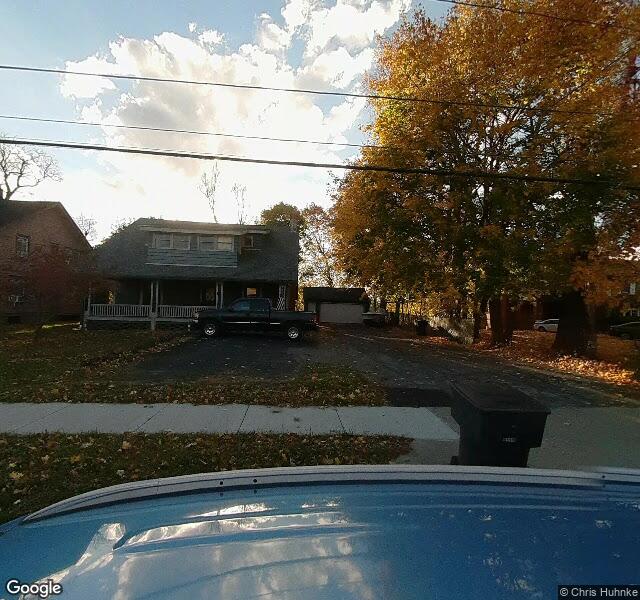
How Does Community Skilled Healthcare Compare to Other Ohio Nursing Homes?

Compared to the 100 nursing homes in Ohio, COMMUNITY SKILLED HEALTHCARE's overall rating (1 stars) is below the state average of 3.2, staff turnover (62%) is significantly higher than the state average of 46%, and health inspection rating (1 stars) is much below the national benchmark.

What Should Families Ask When Visiting Community Skilled Healthcare?

Based on this facility's data, families visiting should ask: "What changes have been made since the serious inspection findings, and how are you preventing similar issues?" "What safeguards and monitoring systems are in place to protect residents from abuse or neglect?" "How do you ensure continuity of care given staff turnover, and what is your staff retention strategy?" "Can you walk me through typical staffing levels on day, evening, and night shifts?" These questions are particularly relevant given the facility's Immediate Jeopardy citations, the substantiated abuse finding on record, the facility's high staff turnover rate, and the below-average staffing rating.

Is Community Skilled Healthcare Safe?

Based on CMS inspection data, COMMUNITY SKILLED HEALTHCARE has documented safety concerns. The facility has 1 substantiated abuse finding (meaning confirmed case of resident harm by staff or other residents). Inspectors have issued 2 Immediate Jeopardy citations (the most serious violation level indicating risk of serious injury or death). The facility has a 1-star overall rating and ranks #100 of 100 nursing homes in Ohio. Families considering this facility should ask detailed questions about what corrective actions have been taken since these incidents.

Do Nurses at Community Skilled Healthcare Stick Around?

Staff turnover at COMMUNITY SKILLED HEALTHCARE is high. At 62%, the facility is 16 percentage points above the Ohio average of 46%. Registered Nurse turnover is particularly concerning at 67%. RNs handle complex medical decisions and coordinate care — frequent RN changes can directly impact care quality. High turnover means new staff may not know residents' individual needs, medications, or preferences. It can also be disorienting for residents, especially those with dementia who rely on familiar faces. Families should ask: What is causing the turnover? What retention programs are in place? How do you ensure care continuity during staff transitions?

Was Community Skilled Healthcare Ever Fined?

COMMUNITY SKILLED HEALTHCARE has been fined $186,582 across 2 penalty actions. This is 5.3x the Ohio average of $34,945. Fines at this level are uncommon and typically indicate a pattern of serious deficiencies, repeated violations, or failure to correct problems promptly. CMS reserves penalties of this magnitude for facilities that pose significant, documented risk to resident health or safety. Families should request specific documentation of what issues led to these fines and what systemic changes have been implemented.

Is Community Skilled Healthcare on Any Federal Watch List?

COMMUNITY SKILLED HEALTHCARE is not on any federal watch list. The most significant is the Special Focus Facility (SFF) program, which identifies the bottom 1% of nursing homes nationally based on persistent, serious quality problems. Not being on this list means the facility has avoided the pattern of deficiencies that triggers enhanced federal oversight. This is a positive indicator, though families should still review the facility's inspection history directly.