GILLETTE NURSING HOME

3310 ELM RD, WARREN, OH 44483 (330) 372-1960
For profit - Corporation 99 Beds Independent Data: November 2025
Trust Grade
60/100
#468 of 913 in OH
Last Inspection: August 2024

Within standard 12-15 month inspection cycle. Federal law requires annual inspections.

Overview

Gillette Nursing Home in Warren, Ohio, has a Trust Grade of C+, which indicates that it is slightly above average but still has room for improvement. It ranks #468 out of 913 facilities in Ohio, placing it in the bottom half overall, and #6 out of 17 in Trumbull County, meaning there are only a few local options that are better. Unfortunately, the facility is showing a worsening trend, with issues increasing from 5 in 2024 to 8 in 2025. Staffing is relatively stable, with a 3/5 star rating and a turnover rate of 37%, which is better than the Ohio average of 49%. However, the facility has concerning RN coverage, being below 92% of other Ohio facilities, and there have been incidents such as residents lacking adequate call light access and not maintaining comfortable shower temperatures, which could impact resident safety and comfort.

Trust Score
C+
60/100
In Ohio
#468/913
Bottom 49%
Safety Record
Low Risk
No red flags
Inspections
Getting Worse
5 → 8 violations
Staff Stability
○ Average
37% turnover. Near Ohio's 48% average. Typical for the industry.
Penalties
✓ Good
No fines on record. Clean compliance history, better than most Ohio facilities.
Skilled Nurses
⚠ Watch
Each resident gets only 22 minutes of Registered Nurse (RN) attention daily — below average for Ohio. Fewer RN minutes means fewer trained eyes watching for problems.
Violations
⚠ Watch
24 deficiencies on record. Higher than average. Multiple issues found across inspections.
★★★☆☆
3.0
Overall Rating
★★★☆☆
3.0
Staff Levels
★★★☆☆
3.0
Care Quality
★★★☆☆
3.0
Inspection Score
Stable
2024: 5 issues
2025: 8 issues

The Good

  • Full Sprinkler Coverage · Fire safety systems throughout facility
  • No fines on record
  • Staff turnover below average (37%)

    11 points below Ohio average of 48%

Facility shows strength in fire safety.

The Bad

3-Star Overall Rating

Near Ohio average (3.2)

Meets federal standards, typical of most facilities

Staff Turnover: 37%

Near Ohio avg (46%)

Typical for the industry

The Ugly 24 deficiencies on record

Jul 2025 1 deficiency
CONCERN (D) 📢 Someone Reported This

A family member, employee, or ombudsman was alarmed enough to file a formal complaint

Potential for Harm - no one hurt, but risky conditions existed

Accident Prevention (Tag F0689)

Could have caused harm · This affected 1 resident

**NOTE- TERMS IN BRACKETS HAVE BEEN EDITED TO PROTECT CONFIDENTIALITY** Based on record review, interview and review of facility policy, the facility failed to conduct complete and thorough post-fall ...

Read full inspector narrative →
**NOTE- TERMS IN BRACKETS HAVE BEEN EDITED TO PROTECT CONFIDENTIALITY** Based on record review, interview and review of facility policy, the facility failed to conduct complete and thorough post-fall investigations to mitigate risk of falls . This affected one resident (Resident #94) of four residents reviewed for falls. The facility census was 93.Findings include: Record review for Resident #94 revealed an admission date of 05/23/25 with diagnoses including unspecified dementia, anxiety, difficulty walking, malnutrition and right femur fracture. Pertinent physician orders included non-skid pad to wheelchair, body pillow to open side of bed, non-skid pad to wheelchair cushion, floor mat to open side of bed, non-skid socks on at all times, brake sentry to wheelchair, and physical therapy evaluate and treat.Review of the Minimum Data Set (MDS) 3.0 assessment dated [DATE] revealed Resident #94 had moderate cognitive impairment, had a fall with fracture prior to admission and had a fall since admission. Resident #94 was incontinent bladder.Review of Resident #94's plan of care, date initiated 05/28/25, revealed Resident #94 was at risk for falls related to history of falls, impaired cognition, and safety awareness with history of dementia, decreased abilities to transfer and ambulate, decreased balance, lower extremity strength and endurance. The interventions included to anticipate and meet needs, non-skid pad on top of and underneath wheelchair cushion (06/03/25); be sure call light is within reach, body pillow to open side of bed per order (06/03/25); ensure that resident is wearing appropriate footwear when ambulating or mobilizing in wheelchair (06/03/25); follow facility fall protocol , resident needs activities that minimize the potential for fall providing diversion and distraction (06/03/25); one person staff assistance with wheeled walker for transfers (06/04/25), and floor mat to open side of bed (06/17/25); and assist to toilet as needed and per schedule for incontinence; assure that break century is present and functioning properly (06/24/25). Further review of the care plan, date initiated 06/04/25, for Resident #94 revealed she was incontinent of bladder related to impaired functional mobility and incontinence. The interventions included check and change every two hours for incontinence and assist, remind and encourage resident to toilet as per scheduled toileting program. Further review of Resident #94's medical record revealed Resident #94 had falls in the facility on 05/26/25, 06/12/25, 06/16/25, 06/20/25, 06/24/25 and 07/04/25 and concerns were identified regarding complete and thorough post-fall investigations with the following incidents:Review of a progress note dated 06/12/25 revealed staff observed Resident #94 sitting in her wheelchair talking to another resident. Resident #94 was leaning over towards the other residents and slid from the seat of the wheelchair onto the floor landing on her right side with her arm under her head. Vital signs were obtained, and a body assessment revealed no injuries. The resident was placed back in the wheelchair with dycem (non-skid mat) placed under the chair cushion. The physician and family were notified. Review of the facility fall investigation dated 06/12/25 revealed the fall occurred at 10:42 A.M. Resident #94 was found lying on the floor on her right side with right arm underneath her head. There were no obvious injuries noted. A non-skid pad was placed to the top of the wheelchair underneath the buttocks of the residence. The incident occurred in the dining room. Review of the six witness statements within the investigation revealed staff indicated they were unaware of the incident unless notified by other staff to assist in response. There was no documentation within the investigation to indicate when the last time the resident was seen by staff, or last checked or changed for incontinence care. The investigation summary indicated the conclusion was that Resident #94 was leaning to talk to someone and slid out of her wheelchair sustaining no injuries.Review of a progress note dated 06/16/25 revealed the nurse was told by the nurse aide that Resident #94 was on the floor. The nurse found Resident #94 naked, lying on her back in front of her dresser. Resident #94 stated she was not sure what happened. The nurse and aide assisted the resident back to bed. Vital signs were obtained and were within normal limits. A skin assessment revealed a one centimeter skin tear to the right elbow which was treated. Resident #94 denied hitting her head and there were no wounds. An interventions of a floor mat to the left side of the bed was initiated. The residents daughter and the physician were notified. Review of the facility fall investigation dated 06/16/25 revealed the fall occurred at 8:15 P.M. and Resident #94 was found lying on her back naked with her legs out in front of her. A skin tear to the right elbow was noted. The resident had removed all of her clothing, her non-skin socks and her brief. Resident #94 was incontinent of urine. Review of the witness statements by staff within the investigation revealed there was no documentation to indicate when the resident was last seen by staff or when the resident was last toileted or checked and changed for incontinence care prior to the fall. The investigation summary indicated Resident #94 was found on the floor naked after attempting to self transfer. There was no mention in the root cause analysis and investigation of when the resident was last seen by staff or when she was last checked and changed for incontinence care. Review of a progress note dated 06/20/25 revealed Resident #94 was observed on the floor mat on the side of her bed. The body pillow was across the room and her brief was removed. The brief was noted to be wet. An assessment of Resident #94's body revealed no injuries. The resident was placed back in bed and a clean brief was applied. The residents daughter and the physician were notified. Review of the facility fall investigation dated 06/20/25 at 6:40 P.M. revealed Resident #94 was found sitting on the floor mat next to their bed. No injuries were noted. The resident was unable to state what happened and had removed the body pillow. She was not wearing anything on her feet. The root cause analysis was completed and revealed the cause of the fall was Resident #94 was attempting to get out of bed unassisted. Review of the witness statements by staff within the investigation revealed there was no documentation to indicate when the resident was last seen by staff or when the resident was last toileted or checked and changed for incontinence care prior to the fall. The investigation summary indicated Resident #94 was attempting to self transfer and fell. There was no mention in the root cause analysis or investigation of when the resident was last seen by staff or when she was last checked and changed for incontinence care. On 07/30/25 at 4:02 P.M. an interview with the family member of Resident #94 revealed Resident #94 had fallen six times in five weeks and the facility was blaming Resident #94 for the falls. The family member stated she had asked the facility if an alarm could be used to try to help prevent falls and the facility told her they did not use alarms. On 07/30/25 at 4:32 P.M. an interview with the Director of Nursing (DON) and Assistant Director of Nursing (ADON) #212 verified the missing information on the witness statements in the fall investigations for falls occurring on 06/12/25, 06/16/25 and 06/20/25. The DON stated when witness statements do not contain the time the resident was last seen by staff, last toileted or other pertinent details, the DON then will investigate that area. The DON verified there was no documentation within the investigation for the falls occurring on 06/12/25, 06/16/25 and 06/20/25 of the last time staff checked on Resident #94. On 07/31/25 at 4:03 P.M. an interview was conducted with the DON and ADON #212 to review the facility protocol for fall prevention. The DON stated change of condition is of consideration such as ordering a urine specimen if needed or a medication review for residents who fell. Both nurses verified the fall policy and stated if the individual continues to fall the staff and physician will reevaluate the situation and consider other possible reasons for the resident falling and will reevaluate the continued relevance of current interventions. Both nurses stated that the physician will also document the presence of uncorrectable risk factors, including reasons why any additional search for causes is unlikely to be helpful. Both nurses stated the physician had been notified of the falls for Resident #94 and interventions were put in place to try to prevent falls. The DON verified the facility did not use alarms or seat belts as fall prevention interventions.A review of the policy titled Falls Clinical Protocol, dated 11/13/12, revealed the staff would evaluate and document falls that occur while the individual was in the facility. For example, when and where the falls happen and any observations of the events. The policy also stated for an individual who has fallen, staff will attempt to define possible causes within 24 hours of the fall. If the cause of the fall was unclear, the fall may have a significant medical cause such as a stroke or an adverse drug reaction or if the individual continues to fall despite attempted interventions a physician will review the situation and help identify contributing causes. If the individual continues to fall, the staff and physician will reevaluate the situation and consider other possible reasons for the residents falling. As needed, the physician will document the presence of uncorrectable risk factors, including reasons why any additional search for causes is unlikely to be helpful.This deficiency represents non-compliance investigated under Complaint Number OH00167403 (1363493).
Apr 2025 4 deficiencies
CONCERN (D) 📢 Someone Reported This

A family member, employee, or ombudsman was alarmed enough to file a formal complaint

Potential for Harm - no one hurt, but risky conditions existed

Report Alleged Abuse (Tag F0609)

Could have caused harm · This affected 1 resident

**NOTE- TERMS IN BRACKETS HAVE BEEN EDITED TO PROTECT CONFIDENTIALITY** Based on record review, staff interview, and facility policy review, the facility failed to timely report an allegation of misap...

Read full inspector narrative →
**NOTE- TERMS IN BRACKETS HAVE BEEN EDITED TO PROTECT CONFIDENTIALITY** Based on record review, staff interview, and facility policy review, the facility failed to timely report an allegation of misappropriation of narcotic medications to the appropriate state agency. This affected two residents (#33 and #65) of three residents reviewed for misappropriation. The facility identified an additional 21 residents (#7, #14, #17, #18, #24, #26, #28, #31, #32, #59,#60, #68, #69, #74, #75, #76, #77, #80, #81, #83 and #85) as having physician orders for narcotic medications. The facility census was 87. Findings include: 1. A review of medical records for Resident #33 revealed a date of initial admission of 01/29/24, and a readmission date of 01/12/25 with diagnoses including cirrhosis of the liver, chronic obstructive pulmonary disease (COPD), chronic viral hepatitis, hepatomegaly (liver enlargement) and cognitive communication deficit. Review of physician orders revealed orders for Norco oral tablet 5-325 milligrams (a synthetic opioid and painkiller), give one tablet by mouth every six hours as needed for pain, and fentanyl transdermal patch ( a potent synthetic opioid medication used for pain) 72-hour 12 micrograms per hour, apply one patch transdermally (on the skin) one time a day every three days for pain. Review of the admission Minimum Data Set (MDS) 3.0 assessment dated [DATE] revealed Resident #33 had moderate cognitive impairment and was to be on scheduled and as needed pain medications. Pain was noted in the last five days that was occasional in frequency. Review of the care plan dated 01/12/25 revealed Resident #33 was at risk for pain related to a history of hepatomegaly with ascites (a retention of fluid in the abdomen related to liver disease) and generalized discomfort. Interventions included administer analgesia (pain medication) per order, evaluate the effectiveness of pain interventions, review for compliance, alleviation of symptoms, dosing schedules and resident satisfaction with results on functional ability. Monitor and record pain characteristics, frequency, location, duration, type of pain, and precipitating and relieving factors. The care plan also revealed resident #33 was able to call for assistance when in pain, ask for medication, tell how much pain they experience, and express what increases or alleviates pain. A review of a narcotic count sheet dated 01/14 25 for hydrocodone (Norco) 5-325 milligram revealed one tablet signed out as given on 01/21/25 at 2:48 P.M. by Licensed Practical Nurse (LPN) #331. A review of the Medication Administration Record (MAR) for Resident #33 dated 01/01/25 through 01/31/25 revealed there was not a hydrocodone pill administered at 2:48 P.M. on 01/21/25. A review of progress notes revealed no documentation that a hydrocodone pill was administered at 2:48 P.M. on 01/21/25 for complaints of pain to Resident #33. 2. A review of medical records for Resident #65 revealed an admission date of 01/08/25 with diagnoses including cervical root disorder, generalized arthritis, and radiculopathy of the cervical region (a pinched or irritated nerve in the neck causing pain, numbness or weakness radiating into the chest or arm). Physician orders included tramadol (an opioid pain medication used to treat moderate to severe pain) 50 mg, one tablet every six hours as needed for pain, and morphine sulfate (a potent opioid medication used to treat pain) 15 mg take one tablet by mouth every 12 hours as needed for chest pain. Review of the quarterly MDS dated [DATE] revealed Resident #65 had severe cognitive impairment and received as needed pain medication. There was occasional pain noted in the last five days of the look back. The pain intensity was rated at four on a scale of one to ten. Review of the care plan dated 01/07/25 revealed Resident #65 was at risk for unrelieved or untreated pain related to impaired cognition with a history of cervical neuropathy and spinal stenosis. Interventions included administer analgesia as ordered, evaluate the effectiveness of pain interventions after one hour and location, duration, type of pain, precipitating and relieving factors, and monitor and record symptoms of nonverbal pain. The care plan also revealed Resident # 65 was able to call for assistance when in pain, reposition self, and ask for medication. A review of the narcotic count sheet for Morphine 15 mg dated 01/20/25 revealed on 01/27/25 at 9:22 A.M. one tablet was signed out as given by LPN #331. A review of the MAR for Resident #65 dated 01/01/25 through 01/31/25 revealed no Morphine 15 mg signed out as given at 9:22 A.M. on 01/27/25. A review of progress notes revealed no documentation a Morphine pill was administered on 01/27/25 at 9:22 A.M. for complaints of pain to Resident #65. A review of the narcotic diversion investigation completed by the facility dated 02/05/25 revealed LPN #331 was sent for a drug screen on 02/05/25 and the instant drug test was positive. The specimen was then sent out for further testing. LPN #331 was suspended pending investigation. The final result was received 02/26/25. LPN #331 had a positive result for opiates, morphine, hydrocodone, oxycodone, and oxymorphone. LPN #331 was terminated and reported to the Board of Nursing. A review of the Ohio Department of Health (ODH) Certification and Licensure website revealed no self-reported incident (SRI) was reported to ODH by the facility in regard to the alleged drug misappropriation by LPN #331. On 03/24/25 at 10:15 A.M. an interview with the Administrator and the Director of Nursing (DON) revealed the facility had one nurse (LPN #331) suspected of taking resident narcotics as there were residents being medicated that normally do not complain of pain. The Administrator and the DON stated they were unable to prove a misappropriation of narcotics after an investigation, as residents did receive pain medications. Both verified an SRI was not filed regarding possible misappropriation of narcotics. The Administrator and DON verified LPN #331 had tested positive for multiple narcotics, so was reported to the Board of Nursing for further investigation. A review of the policy titled Abuse, Mistreatment, Neglect, Exploitation and Misappropriation of Resident Property, dated 10/17/22, revealed misappropriation was defined as the deliberate misplacement, exploitation, or wrongful temporary or permanent use of residence belongings or money without the resident's consent. The policy also stated allegations involving neglect, exploitation, mistreatment, or misappropriation of resident property and injuries of unknown source are reported to the Ohio Department of Health immediately, but no later than 24 hours from the time the incident or allegation was made known to the staff member. This deficiency represents non-compliance investigated under Complaint Number OH00163927.
CONCERN (D) 📢 Someone Reported This

A family member, employee, or ombudsman was alarmed enough to file a formal complaint

Potential for Harm - no one hurt, but risky conditions existed

Accident Prevention (Tag F0689)

Could have caused harm · This affected 1 resident

**NOTE- TERMS IN BRACKETS HAVE BEEN EDITED TO PROTECT CONFIDENTIALITY** Based on record review, interview and review of facility policy the facility did not ensure Resident #26 received adequate super...

Read full inspector narrative →
**NOTE- TERMS IN BRACKETS HAVE BEEN EDITED TO PROTECT CONFIDENTIALITY** Based on record review, interview and review of facility policy the facility did not ensure Resident #26 received adequate supervision and assistance by staff when being transferred with a mechanical lift, and did not ensure adequate supervision was provided, fall interventions were in place at all times, and complete and thorough post-fall investigations including root cause analysis were done to prevent falls for Resident #77. This affected two residents (Residents #26 and #77) of three residents reviewed for falls. The facility census was 87. Findings include: 1. Record review was conducted for Resident #26 who was admitted to the facility on [DATE] with diagnoses including non-traumatic extradural hemorrhage, atrial fibrillation, anxiety, depression, neuromuscular dysfunction of bladder, fracture of unspecified part of neck of left femur dated 10/31/24, panic disorder, obesity, muscle wasting, need for assistance with personal care, encounter for surgical aftercare following surgery on the nervous system, polyneuropathy, and chronic lymphocytic leukemia. Review of the quarterly Minimum Data Set (MDS) 3.0 assessment dated [DATE] revealed Resident #26 had no cognitive impairment and had no falls in the previous quarter. Review of the care plan dated 03/13/25 revealed Resident #26 was at risk for falls related to diagnosis of non-traumatic extradural hemorrhage, decreased strength, endurance, and balance, and required use of a mechanical lift for transfers. Interventions include apply nonskid pad to wheelchair, ensure call light was within reach, and resident requires transfers via full lift with two staff assist dated 02/10/2025. Resident #26 had a prior intervention for transfers via stand lift assist with two staff members dated 10/02/24. Other interventions included follow facility fall protocol, ensure resident wearing appropriate footwear, perform fall risk assessment on admission, quarterly and with any significant change or after any fall. Review of a physical therapy (PT) note dated 11/12/24 revealed Resident #26 was being seen for a pathological fracture of the left hip which was an incidental finding when Resident #26 was hospitalized for a urinary tract infection and hemorrhagic cystitis. The PT note also revealed per the orthopedic doctor, there may not be a fracture but an MRI (magnetic resonance imaging) test could not be performed to confirm due to the presence of a pacemaker. The orthopedic doctor recommended activity as normal. The PT note revealed the daughter of Resident #26 wanted the resident returned to a sit-to-stand mechanical lift transfer status. The note revealed the PT reached out to the doctor for a sit-to-stand transfer order. Review of physician orders for Resident #26 revealed an order dated 06/07/24 for a sit-to-stand lift (type of mechanical lift) with two staff assistance and an order dated 11/12/24 for a Hoyer lift (mechanical lift) with two staff assistance. Review of a progress note dated 02/08/25 at 8:15 P.M. and authored by Licensed Practical Nurse (LPN) #203 revealed Resident #26 had to be lowered to the floor. Resident #26 was observed in the shower still attached to a sit-to-stand lift and sitting on her knees. There were no injuries noted, and Resident #26 was assisted back to her wheelchair using a Hoyer lift with two assistants. A review of the fall investigation that was undated and authored by the Director of Nursing (DON) revealed Resident #26 was being transferred via a sit-to-stand lift when her feet came off the stand lift and Resident #26 had to be lowered to the floor. The investigation also revealed Resident #26 was a sit-to-stand lift with two assists for transfers. Further review of the fall investigation documentation revealed a witness statement authored by Certified Nurse Assistant (CNA) #233 which stated CNA #233 was with Resident #26 at the time of the fall. The witness statement revealed Resident #26's feet were not all the way on the sit-to-stand lift. The witness statement also revealed she was the only staff member with Resident #26 at the time of the fall. An interview with the Assistant Director of Nursing (ADON) #210 and Registered Nurse (RN) #239 on 04/03/24 at 2:00 P.M. verified Resident #26 had orders for two person assistance with a mechanical lift. ADON #210 also verified CNA #233 was alone with Resident #26 and tried to perform the mechanical lift transfer by herself with no other staff present during the transfer. An interview on 04/03/25 at 2:30 P.M.with CNA #233 verified she was the only staff member with Resident #26 at the time of the fall. 2. Record review was conducted for Resident #77 who was admitted to the facility on [DATE] with diagnoses including Parkinson's disease, repeated falls, dementia classified mild with psychotic disturbance, difficulty walking and other symbolic dysfunctions. Review of physician orders for Resident #77 revealed an order dated 02/03/25 for nonskid socks on at all times, an order dated 02/24/25 and timed 7:00 A.M. for a body pillow to open side of bed every shift and an order dated 02/24/25 and timed at 7:00 A.M. for a floor mat to open side of bed. Review of the change of condition Minimum Data Set (MDS) 3.0 assessment dated [DATE] revealed a Brief Interview for Mental Status (BIMS) score of 00 indicating Resident #77 had severe cognitive impairment. Active diagnoses within the MDS included Parkinson's disease and repeated falls. The MDS also revealed , Resident #77 has had falls since admission. Two or more falls occurred since admission with no injury and two or more falls occurred since admission with injury. Review of the care plan initiated on 12/24/24 and updated on 03/28/25 revealed Resident #77 was at risk for falls related to history of falls, Parkinson's with tremors and rigidity, decreased functional status with impaired strength balance and safety impairments. Interventions included body pillow to open side of bed to be used when in bed dated 02/23/25, nonskid socks on at all times originally dated 12/24/24 and updated on 03/28/25, floor mat to open side of bed per order dated 03/28/25, follow facility fall protocol 12/24/24, resident requires two staff assist with transfers medical lift as needed with two assist originally dated 12/31/24 and updated 03/28/25, and perform fall risk assessment on admission, quarterly, with any significant change or after fall. The care plan also revealed Resident #77 had Parkinson's disease dated 12/24/24. Interventions included monitor risk for falls refer to fall protocol. A review of the admission fall assessment dated [DATE] revealed a score of 13 indicating a moderate risk for falls. A review of the incident log dated 01/02/25 through 03/24/25 revealed Resident #77 had falls on 02/03/25 , 02/22/25, 02/23/25 at 4:00 A.M. and 02/23/25 at 2:24 P.M., 03/06/25, and 03/16/25. A review of the fall investigation summary including the facility forms titled Personnel QAPI Statement for Falls dated 02/03/25 and authored by the Director of Nursing (DON) revealed Resident #77 slid off the side of the bed at 12:40 P.M. while trying to get out of bed. The summary also revealed Resident #77 was not wearing proper footwear as dated in the care plan 12/24/24. There was no root cause analysis completed within the investigation to determine how best to prevent further falls. A review of a fall assessment dated [DATE] revealed a score of 15 indicating a high risk for falls. A review of the fall investigation including the facility forms titled Personnel QAPI Statement for Falls dated 02/22/25 and authored by the DON revealed Resident #77 rolled out of bed and hit the right side of her head at 2:26 P.M. There was no root cause analysis completed within the investigation to determine how best to prevent further falls. A body pillow to the open side of the bed was the intervention put in place. Review of the facility fall investigation including the facility forms titled Personnel QAPI Statement for Falls, dated 02/23/25 revealed on 02/23/25 at 4:00 A.M. CNA #214 heard Resident #77 yelling out from her room and was found on the floor next to her bed. The body pillow was in place and the resident had non-skid socks on her feet. The resident sustained a scratch on her nose. A fall mat to the open side of the bed was the intervention put in place. This form indicated a QAPI 5 Whys - Root Cause would be completed yet this section was not filled out. Review of the Summary authored by the DON revealed a floor mat was placed to the side of the bed and the resident was sent to the emergency room (ER) for an evaluation. There was no documentation of a root cause analysis to determine how best to prevent further falls. The conclusion simply stated Resident #77 was attempting to get out of bed unassisted and slipped. She landed on her buttocks on the floor on the side of her bed. She scratched her nose on the bedframe. Review of the facility fall investigation including the facility forms titled Personnel QAPI Statement of Falls, dated 02/23/25 revealed on 02/23/25 at 2:00 P.M. Resident #77 had a witnessed fall by CNA #304 in her room. CNA #304 indicated on the document she had just toileted/changed the resident, the resident was in her bed in low position, non-skid socks were on, and a body pillow was in place. The resident stated she was reaching for something and fell out of bed hitting the back of her head. The resident was in severe pain and was sent to the ER. This form indicated a QAPI 5 Whys - Root Cause would be completed yet this section was not filled out. Review of the Summary authored by the Director of Nursing (DON) revealed the call light was in reach, non-skid socks on both feet, the reacher was next to the resident and the resident had two falls in the past day. There was no indication in the investigation that the fall mat was in place at the time of the fall. There was also no documentation of a root cause analysis to determine how best to prevent further falls. A review of a fall assessment dated [DATE] revealed a score of 21 indicating a high risk for falls. Review of the facility fall investigation including the facility forms titled Personnel QAPI Statement of Falls, dated 03/06/25 and authored by CNA #304 who was assigned to the resident this day, revealed on 03/06/25 at 1:00 P.M. Resident #77 sustained a fall. The description of the fall was she was laying on the floor beside her bed. R stated she was trying to get to the sink. The rest of the form was blank except for the CNA's signature so there was no information pertaining to when the resident was seen by staff, when she was last toileted, any fall interventions in place, details of the physical environment nor any information pertaining to the QAPI 5 Whys - Root Cause to determine circumstances involved with the fall. Review of the Summary authored by the DON revealed the resident was found laying on the floor in her room on her left side parallel to the bed with no obvious injuries. The resident stated she got up to go to the sink. The call light was in reach. She is able to self-propel her wheelchair but leans forward when doing so and does not stay in a common area for staff to monitor. Interventions included notification to doctor and daughter and she will be observed every hour for her whereabouts and doings. There was no information in the summary to identify if she had on proper footwear, and did she fall from her bed or the wheelchair. There was also no mention of the conditions of the physical environment in her room nor a root cause analysis to determine how best to prevent further falls. A review of a fall assessment dated [DATE] revealed a score of 21 indicating a high risk for falls. Review of the facility fall investigation including the facility forms titled Personnel QAPI Statement of Falls dated 03/16/25 and authored by CNA #293, revealed on 03/16/25 at 2:10 P.M. she heard an abnormal sound and found the resident in her room sitting on the floor. The resident was last seen in her wheelchair and had on shoes. There was no mention by CNA #293 if any fall interventions were in place. Another statement of falls dated 03/16/25 and authored by RN #274 revealed she became aware of the fall by an abnormal sound. The resident was in her room, laying on her left side, feet at the middle of the bed and her head on the recliner. The resident had been in a wheelchair since 11:00 A.M., was last repositioned and toileted at 2:00 P.M. and was also seen at 11:45 A.M., 12:00 P.M. and 1:45 P.M. The resident had on shoes. Devices listed included floor mat and non-skid pad to the wheelchair. The problem statement and reasons why the fall occurred included: resident leans to the left side, resident refused to go with activities and refused to leave the room - hit and pinched staff. It was noted a pillow was placed to the left side. Review of the Summary authored by the DON revealed the fall occurred on 03/16/25 at 2:10 P.M. The resident was found on the floor laying on her left side. An area of purpura opened on her left hand measuring 0.5 centimeters (cm) by 0.5 cm by 0.1 cm. The resident was unable to state what happened. She had a tendency to lean forward in her wheelchair. She cannot self-propel her wheelchair recently. She was wearing shoes. The wheelchair was tipped on its left side. A pillow was placed on her left side prior to the fall to try and prevent her from leaning to her left. She refused to leave her room prior to the fall and was hitting and pinching staff. The conclusion was that she tipped over her wheelchair by leaning to the left side reaching for something. The purpura on her left hand rubbed the floor causing it to open. Interventions included notification to doctor and daughter, vital signs and assessment and resident to be up in Broda chair for positioning. There were no further details regarding whether the fall was witness or unwitnessed or if the resident was supervised or unsupervised in her wheelchair in her room. A review of a fall assessment dated [DATE] revealed a score of 20 indicating a high risk for falls. A review of the Treatment Administration Record (TAR) dated 02/01/25 to 02/28/25 revealed the body pillow to the open side of the bed and the fall mat were not documented as in place until 02/24/25. On 04/01/25 at 4:00 P.M. an interview with ADON #210 verified the fall investigations dated 02/03/25 , 02/22/25, 02/23/25 at 4:00 A.M., 02/23/25 at 2:00 P.M., 03/06/25, and 03/16/25 lacked completed Personnel QAPI Statement of Falls and complete root cause analyses to prevent future falls. ADON #210 also verified the floor mat to the side of the bed that was listed as an immediate intervention for the fall on 02/23/25 at 4:00 A.M. was not ordered for Resident #77 until 02/24/24 and the fall occurring for the second time on 02/23/25 at 2:00 P.M. when documented made no mention of the fall mat being in place when the resident fell. On 04/01/25 at 1:00 P.M. an interview with Registered Nurse (RN) #239 revealed she was the nurse called to the room on 02/03/25. RN #239 could not recall if Resident #77 had any altered mental status the day of the fall. RN #239 verified Resident #77 slipped out of bed trying to get up unassisted. RN #239 verified Resident #77 was high risk for falling. On 04/01/25 at 1:30 P.M. an interview with Licensed Practical Nurse (LPN) #242 revealed she was the nurse called to the room on 02/22/25. LPN #242 stated Resident #77 was slightly agitated on that day and she placed Resident #77 on hourly checks. LPN #242 also stated Resident #77 would often swing legs over the side of the bed, and confirmed Resident #77 was high risk for falling. On 04/01/25 at 4:15 P.M. an interview with RN #274 revealed she was the nurse assigned to Resident #77 on 03/16/25. RN #274 stated Resident #77 was very agitated on 03/16/24 and was unattended by staff when she fell from the wheelchair at 2:10 P.M. RN #274 confirmed Resident #77 was a high fall risk. A review of the policy titled Falls Protocol, dated 11/13/25, revealed for an individual who has fallen staff will attempt to find possible causes within 24 hours of the fall. Causes refer to factors that are associated with or that directly result in a fall. If the cause of the fall is unclear, if the fall may have a significant medical cause such as stroke or an adverse drug reaction, or if the individual continues to fall despite attempted interventions, a physician will review the situation and help identify contributing causes. Many categories of medications, and especially combinations of medications in several of those categories, increased the risk of falling. The staff and physician will continue to collect and evaluate information until either the cause of falling is identified, or it is determined that the cause cannot be found or that finding a cause would not change the outcome or the management of the fall in fall risk. Based on the preceding assessment, the staff and physician will identify pertinent interventions to try to prevent subsequent falls and to address risk of serious consequences of falling. If underlying causes cannot be readily identified or corrected, staff will try various relevant interventions, based on assessment of the nature or category of falling, until falling reduces or stops or until a reason is identified for its continuation. The staff and physician will monitor and document the individual's response to interventions intended to reduce falling or the consequences of falling. If the individual continues to fall, the staff and physician will reevaluate the situation and consider other possible reasons for the residents falling and will reevaluate the continued relevance of current interventions. As needed, the physician will document the presence of uncorrectable risk factors, including reasons why any additional search for causes is unlikely to be helpful. This deficiency represents non-compliance investigated under Complaint Numbers OH00163927, OH00163893, and OH00163881.
CONCERN (D) 📢 Someone Reported This

A family member, employee, or ombudsman was alarmed enough to file a formal complaint

Potential for Harm - no one hurt, but risky conditions existed

Deficiency F0761 (Tag F0761)

Could have caused harm · This affected 1 resident

**NOTE- TERMS IN BRACKETS HAVE BEEN EDITED TO PROTECT CONFIDENTIALITY** Based on record review, interview and policy review, the facility failed to ensure medications remained in original packaging. T...

Read full inspector narrative →
**NOTE- TERMS IN BRACKETS HAVE BEEN EDITED TO PROTECT CONFIDENTIALITY** Based on record review, interview and policy review, the facility failed to ensure medications remained in original packaging. This affected one resident (Resident #77) of three residents reviewed for medication administration. The facility census was 87. Findings include: A review of medical records for Resident #77 revealed a date of admission of 12/19/24 with diagnoses including Parkinson's disease, repeated falls and dementia with mild psychotic disturbance. Review of physician orders dated 12/19/24 revealed an order for nuplazid (a medication used to treat hallucinations and delusions associated with Parkinson's disease psychosis) 34 milligrams one capsule by mouth daily to start on 12/20/24. Review of the significant change Minimum Data Set (MDS) 3.0 assessment dated [DATE] revealed Resident #77 had severe cognitive impairment. There were no hallucinations, delusions or behaviors noted. On 03/24/25 at 12:02 P.M. an interview with the daughter of Resident #77 revealed she obtained the nuplazid from a specialty pharmacy for Resident #77. On 03/25/25 at 1:32 P.M. an interview with the Director of Nursing (DON) revealed during a review of Resident #77's nuplazid medication administration by the nurses, the DON discovered Licensed Practical Nurse (LPN) #231 was taking any remaining nuplazid pills from a currently opened bottle and pouring them into the newest bottle of nuplazid brought into the facility by Resident #77's daughter so the bottles of nuplazid were being combined into one bottle. The DON verified this was not proper medication storage, as each bottle should have been maintained separately. On 03/25/25 at 3:55 P.M. an interview with the daughter of Resident #77 revealed she had knowledge of the nuplazid pills being combined into one bottle. On 03/26/25 at 8:22 A.M. an interview with Registered Nurse (RN) #255 revealed she counted the nuplazid pills on 03/04/25 with the daughter of Resident #77 and there were 39 pills in the bottle. RN #255 stated the new bottles of nuplazid come in counts of 30. RN #255 stated she knew a nurse combined the bottles. On 03/27/25 at 7:50 A.M. an interview with LPN #231 revealed she had combined two bottles of nuplazid into one when the daughter handed her two bottles of the medication. A review of the policy titled; Medication Storage dated October 2013 revealed medications will be kept in the original packaging dispensed by the pharmacy. This deficiency represents non-complaince identified during the investigation of Complaint Number OH00163893 and Complaint Number OH00163881.
CONCERN (E) 📢 Someone Reported This

A family member, employee, or ombudsman was alarmed enough to file a formal complaint

Potential for Harm - no one hurt, but risky conditions existed

Safe Environment (Tag F0584)

Could have caused harm · This affected multiple residents

**NOTE- TERMS IN BRACKETS HAVE BEEN EDITED TO PROTECT CONFIDENTIALITY** Based on observation, interview, record review and review of facility policy, the facility did not ensure all shower rooms used ...

Read full inspector narrative →
**NOTE- TERMS IN BRACKETS HAVE BEEN EDITED TO PROTECT CONFIDENTIALITY** Based on observation, interview, record review and review of facility policy, the facility did not ensure all shower rooms used by residents were maintained at comfortable temperatures. This affected four residents (Residents #4, #9, #23 and #26) and had the potential to affect all residents in the facility excluding 37 residents ( #1, #2, #3,#8, #10, #12, #13, #15, #16, #17, #21, #24, #25, #27, #34, #35, #38, #42, #43, #46, #50, #51, #54, #56, #58, #59, #61, #62, #64, #66, #70, #72, #73, #77, #78, #80, and #84) the facility identified as having personal showers in their resident rooms. The facility census was 87. Findings include: 1. A facility tour was conducted on 03/24/25 at 10:30 A.M. with Maintanence Director (MD) #257 and revealed the facility had two shower rooms for resident use. The first shower room observed was between the 400 and 500 unit hallways. MD #257 took the ambient temperature in the shower room and stated it was 64.8 degrees Fahrenheit (F). The second shower room observed was between the 200 and 300 unit hallways. MD #257 took the ambient temperature in the shower room and stated it was 55.9 degrees F. MD #257 verified the temperatures at the time of the observation. A review of the Resident Council meeting minutes, dated 01/16/25 and 02/20/25, revealed a complaint the shower rooms were too cold. On 03/25/25 at 10:38 A.M. an interview with the Assistant Director of Nursing #210 verified the Resident Council meeting minutes and the complaints within stating shower rooms were too cold. 2 A review of medical records for Resident #4 revealed a date of admission of 08/17/23 with diagnoses including chronic obstructive pulmonary disease (COPD)and the need for assistance with personal care. Review of the quarterly Minimum Data Set (MDS) 3.0 assessment dated [DATE] revealed Resident #4 was cognitively intact, and required substantial to maximal assistance with bathing. Review of the care plan dated 01/24/25 revealed Resident #4 had an activity of daily living (ADL) self-care performance deficit and required assistance to bathe. On 03/25/25 at 12:30 P.M. an interview with Resident #4 revealed the shower rooms were sometimes cold. 3. A review of medical records for Resident #9 revealed an admission date of 05/19/20 with diagnoses including cerebral infarction, metabolic encephalopathy and the need for assistance with personal care. Review of the quarterly MDS 3.0 assessment dated [DATE] revealed Resident #9 was cognitively intact and required substantial to maximal assistance for bathing. Review of the care plan dated 03/14/25 revealed Resident #9 had an ADL self-care performance deficit and required assistance to bathe. On 03/25/25 at 12:35 P.M. an interview with Resident #9 revealed the shower rooms were a little bit cold. 4. A review of medical records for Resident #23 revealed a date of admission of 12/29/23 with diagnoses including COPD and the need for assistance with personal care. Review of the quarterly MDS 3.0 assessment dated [DATE] revealed Resident #23 was cognitively intact and required substantial to maximal assistance for bathing. Review of the care plan dated 03/13/25 revealed Resident #23 had an ADL self-care performance deficit and required assistance to bathe. On 03/25/25 at 12:40 P.M. an interview with Resident #23 revealed the shower rooms were chilly. 5. A review of medical records for Resident #26 revealed a date of admission of 06/16/21 with diagnoses including obesity, muscle wasting, need for assistance with personal care, encounter for surgical aftercare following surgery on the nervous system, polyneuropathy, and chronic lymphocytic leukemia. Review of the quarterly MDS 3.0 assessment dated [DATE] revealed Resident #26 was cognitively intact and dependent for bathing. Review of the care plan dated 03/13/25 revealed Resident #26 had an ADL self-care performance deficit and required assistance to bathe. On 03/24/25 at 1:05 P.M. an interview with Resident #26 revealed the shower rooms were ice cold. A review of the policy titled Physical Environment, dated 06/14/19, revealed the facility will provide residents comfortable and safe temperature levels. The facility will maintain temperatures between 71 and 81 degrees F. This deficiency represents non-compliance investigated under Complaint Number OH00163927.
Feb 2025 3 deficiencies
CONCERN (D) 📢 Someone Reported This

A family member, employee, or ombudsman was alarmed enough to file a formal complaint

Potential for Harm - no one hurt, but risky conditions existed

ADL Care (Tag F0677)

Could have caused harm · This affected 1 resident

**NOTE- TERMS IN BRACKETS HAVE BEEN EDITED TO PROTECT CONFIDENTIALITY** Based on record review, interview and facility policy review, the facility failed to ensure showers were provided on a consisten...

Read full inspector narrative →
**NOTE- TERMS IN BRACKETS HAVE BEEN EDITED TO PROTECT CONFIDENTIALITY** Based on record review, interview and facility policy review, the facility failed to ensure showers were provided on a consistent basis for Residents #51 and #51. This affected one resident (#51) of three residents reviewed for showers. The facility census was 90. Findings include: Review of the medical record for Resident #51 revealed an admission date of 02/10/22 with diagnoses including heart failure, diabetes, kidney disease, unsteadiness on feet, and need for assistance with personal care. Review of the comprehensive Minimum Data Set (MDS) 3.0 assessment dated [DATE] revealed Resident #51 was cognitively intact. He was independent in eating, required setup help for eating, substantial assistance for toileting, partial assistance for showering and supervision for personal hygiene. Review of the care plan dated 12/13/24 revealed Resident #51 had a self-care performance deficit due to functional mobility, and lower extremity weakness. Interventions included assistance with bathing. Resident #51 preferred to bathe two to three times per week. Review of the shower sheets revealed Resident #51 only received one shower the weeks of 12/01/24 and 12/21/24. Interview on 02/20/25 at 8:50 A.M. with Resident #51 revealed he needed assistance getting in and out of the shower. He preferred to shower at least twice per week, and there had been times when he had not received his shower. Interview on 02/20/25 at 12:21 P.M. with the Director of Nursing (DON) confirmed she had no additional information to verify Resident #51 received showers according to his preference. Review of the facility policy titled Shower/Tub Bath, dated 09/17/13, revealed the name, date and time the shower was provided would be documented in the resident's chart, as well as any refusals. This deficiency represents noncompliance investigated under Master Complaint Number OH00161928.
CONCERN (D) 📢 Someone Reported This

A family member, employee, or ombudsman was alarmed enough to file a formal complaint

Potential for Harm - no one hurt, but risky conditions existed

Deficiency F0712 (Tag F0712)

Could have caused harm · This affected 1 resident

**NOTE- TERMS IN BRACKETS HAVE BEEN EDITED TO PROTECT CONFIDENTIALITY** Based on record review, interview and facility policy review, the facility failed to ensure the physician visited Resident #36 a...

Read full inspector narrative →
**NOTE- TERMS IN BRACKETS HAVE BEEN EDITED TO PROTECT CONFIDENTIALITY** Based on record review, interview and facility policy review, the facility failed to ensure the physician visited Resident #36 as required. This affected one resident (#36) of three residents reviewed for physician services. The facility census was 90. Findings include: Review of the medical record for Resident #36 revealed an admission date of 10/28/24 with diagnoses including congestive heart failure, diabetes, anxiety, hypertension, and cancer of the head, neck and face. Review of the quarterly Minimum Data Set (MDS) 3.0 assessment dated [DATE] reveal Resident #36 was cognitively intact. He was independent and eating, required setup help for oral hygiene, partial to moderate assistance for personal hygiene, and was dependent on staff for toileting and showering. Review of the physicians' notes revealed Resident #36 was last seen by his physician on 11/06/24. Interview on 02/19/24 at 7:54 A.M. with Resident #36 revealed he had not been seen by the physician since he was admitted to the facility. (The medical record revealed the resident was seen by the physician one time since admission on [DATE]). Interview on 02/20/25 at 12:21 P.M. with the Director of Nursing (DON) confirmed she had no documented evidence that Resident #36 was seen by the physician except for the visit on 11/06/24. Review of the facility policy titled Physician Visits and Frequency of Visits, dated 11/20/19, revealed the physician would take an active role in supervising the care of residents including medical services, medication management, physical, occupational and speech therapy, nursing care, nutritional interventions, social work and activities and visit as required. This deficiency represents noncompliance investigated under Master Complaint Number OH00161928.
CONCERN (D) 📢 Someone Reported This

A family member, employee, or ombudsman was alarmed enough to file a formal complaint

Potential for Harm - no one hurt, but risky conditions existed

Infection Control (Tag F0880)

Could have caused harm · This affected 1 resident

**NOTE- TERMS IN BRACKETS HAVE BEEN EDITED TO PROTECT CONFIDENTIALITY** Based on observation, record review, interview and facility policy review, the facility failed to ensure [NAME] #204 washed her ...

Read full inspector narrative →
**NOTE- TERMS IN BRACKETS HAVE BEEN EDITED TO PROTECT CONFIDENTIALITY** Based on observation, record review, interview and facility policy review, the facility failed to ensure [NAME] #204 washed her hands after leaving Resident #45's room and entering Resident #23's room. This affected two residents (#23 and #45) out of four residents reviewed for infection control and had the potential to affect 23 residents (#6, #7, #9, #10, #14, #18, #19, #22, #23, #30, #32, #36, #37, #38, #41, #45, #56, #66, #71, #72, #74, #76 and #78) identified by the facility that were on EBP. The facility census was 90. Findings include: Observation on 02/19/25 at 1:46 P.M. of the 500-hall revealed [NAME] #204 was in Resident #45's room talking with her. [NAME] #204 exited resident #45's room and walked down the hall and into Resident #23's room. There was a sign indicating EBP on the outside of Resident #23's room. An interview with [NAME] #204, upon exiting Resident #23's room, revealed she did see the sign indicating Resident #23 was on EBP; however, she did not wash her hands before or when entering the room. She also confirmed she did not wash her hands before leaving Resident #45's room and did not know if Resident #45 was on any type of infection control precautions. Review of the medical record for Resident #45 revealed an admission date of 10/09/19 with diagnoses including Alzheimer's disease, kidney disease, arthritis, depression, colon cancer, and muscle weakness. Review of the quarterly Minimum Data Set (MDS) 3.0 assessment dated [DATE] revealed Resident #45 was moderately cognitively impaired. She was independent with eating, required supervision for oral and personal hygiene, partial assistance with toileting and dressing, and substantial assistance for showering. Review of Resident #45's physician's orders for February 2025 revealed an order for EBP for extended-spectrum beta-lactamase (ESBL) in her urine (a type of urinary tract infection). The order began on 10/23/24. Review of the care plan dated 01/07/25 revealed Resident #45 required EBP for a history of multi drug resistant organisms (MDRO). Interventions included staff cleaning hands before entering and upon leaving the resident's room. Review of the medical record for Resident #23 revealed an admission date of 06/01/17 with diagnoses including dementia, stroke, depression, anemia, and kidney failure. Review of the quarterly MDS 3.0 assessment dated [DATE] revealed Resident #23 was severely cognitively impaired. He was independent with eating, required partial assistance for oral hygiene, substantial assistance for personal hygiene, and was dependent on staff for toileting and showering. Review of the physicians' orders for February 2025 revealed an order for EBP for a wound. The order began 04/02/24. Review of the care plan dated 12/20/24 revealed Resident #23 required EBP due to a wound. Interventions included staff cleaning hands before entering and upon leaving the resident's room. Interview on 02/19/25 at 2:12 P.M. with the Director of Nursing (DON) confirmed Resident #45 was on EBP. She confirmed all staff should wash their hands upon entrance and exit of a resident's room, regardless of whether or not they have made contact with the resident, if they are on EBP. Review of the facility policy titled Isolation- Categories of Transmission Based Precautions, dated 03/26/24, revealed signs would be placed at the entrance of the room indicating what precautions were needed to be taken for that particular resident. For residents on EBP, staff would wash hands immediately when entering the room and again upon leaving the room. Signs would be placed at the entrance of the room indicating what precautions needed to be taken for that particular resident. This deficiency represents noncompliance investigated under Complaint Number OH00161506.
Aug 2024 5 deficiencies
CONCERN (D)

Potential for Harm - no one hurt, but risky conditions existed

Resident Rights (Tag F0550)

Could have caused harm · This affected 1 resident

**NOTE- TERMS IN BRACKETS HAVE BEEN EDITED TO PROTECT CONFIDENTIALITY** Based on observation, record review, interview, and review of facility policy, the facility failed to ensure Resident #80 was fe...

Read full inspector narrative →
**NOTE- TERMS IN BRACKETS HAVE BEEN EDITED TO PROTECT CONFIDENTIALITY** Based on observation, record review, interview, and review of facility policy, the facility failed to ensure Resident #80 was fed in a dignified manner. This affected one resident (#80) out of 20 residents reviewed for dignity. The facility census was 94. Findings include: Review of the medical record for Resident #80 revealed an admission date of 06/06/23 and diagnoses including Alzheimer's disease, Bell's Palsy (a neurological disorder that causes paralysis or weakness on one side of the face), unspecified dementia without behavioral disturbance, psychotic disturbance, mood disturbance, and anxiety, other specified depressive episodes, other idiopathic peripheral autonomic neuropathy (condition that affects the nerves in the hands and feet causing pain, numbness, and weakness), unspecified protein calorie malnutrition, and need for assistance with personal care. Review of annual Minimum Data Set (MDS) 3.0 assessment dated [DATE] revealed Resident #80 was severely impaired cognitively and was dependent on staff for eating. Review of the care plan created on 06/09/23 revealed Resident #80 had an activity daily living (ADL) self-care performance deficit related to severe cognitive and communication deficits related to dementia and was dependent on staff to provide care. Interventions included the resident may require staff participation to eat. Observation on 08/05/24 at 4:58 P.M. revealed State Tested Nursing Assistant (STNA) #502 was standing while feeding Resident #80 in the main dining room, who was seated in a Geri chair (geriatric recliner) with her head elevated sitting next to a half circle table. There was a chair observed right behind STNA #502 as she was feeding the resident. Interview on 08/05/24 at 5:01 P.M. with STNA #502 confirmed she had been standing while feeding Resident #80 and stated she couldn't reach the resident's mouth while sitting. STNA #502 then repositioned Resident #80's Geri chair at the time of the interview and was then able to feed and give fluids through a straw to the resident as STNA #502 sat in a chair. Interview on 08/08/24 at 8:54 A.M. with the Speech Language Pathologist confirmed staff should be sitting while feeding residents. Review of facility policy Serving of Food, dated 01/08/14, revealed residents who couldn't feed themselves would be fed with attention to safety, comfort, and dignity.
CONCERN (D)

Potential for Harm - no one hurt, but risky conditions existed

Deficiency F0583 (Tag F0583)

Could have caused harm · This affected 1 resident

Based on observation, record review, interview, and review of facility policy, the facility failed to maintain resident records in a manner that would protect their confidentiality. This affected one ...

Read full inspector narrative →
Based on observation, record review, interview, and review of facility policy, the facility failed to maintain resident records in a manner that would protect their confidentiality. This affected one resident (Resident #7) of the 94 residents observed for privacy. The facility census was 94. Findings include: Review of the medical record for Resident #7 revealed an admission date of 10/17/07 and a re-entry date of 03/08/24 with diagnoses including type two diabetes mellitus, schizophrenia, recurrent depressive disorder, osteoporosis, hypertension, diverticulitis, unspecified phobia, and unsteadiness on feet. Review of the quarterly Minimum Data Set (MDS) 3.0 assessment completed on 07/26/24 revealed Resident #7 had intact cognition. Further review of the MDS revealed Resident #7 required supervision or touching assistance for toileting hygiene, bathing, dressing her lower body and transfers to the toilet or from the toilet. Resident #7 used a walker and required supervision or touching assistance for toileting hygiene, bathing, dressing her lower body, and transfers to the toilet or from a chair/bed to chair. The MDS also revealed Resident #7 was frequently incontinent of urine and always incontinent of stool. Review of the care plan dated 07/26/24 through 10/26/24 revealed Resident #7 had urinary incontinence at least three to four times per day and stool incontinence at least three to four times per week with a tendency to wear more than one brief at a time or place pads or plastic bags inside her briefs increasing her risk for skin breakdown. Interventions included checking Resident #7 for incontinence every two hours and providing perineal care, skin checks with incontinence care assistance, and provision of a toileting program before and after meals, activities, and t bedtime. Further review of the care plan revealed Resident #7 was at risk for impaired function to her bilateral upper and lower extremities and required restorative nursing assistance to prevent further decline in function twice daily, six to seven times a week, for at least 15 minutes a day. Due to her diagnoses of depression and schizophrenia and use of psychotropic medications, the care plan also directs staff to monitor Resident #7 for agitation, changes in mood, mania, paranoia, hallucinations, and any unusual behavioral symptoms. Random observation on 08/08/24 from 9:05 A.M. to 9:37 A.M. of the computer monitor in the 500 hall revealed an open medical record for Resident #7. Further observation revealed the open record contained visible information including the resident's name, medical record, and plan of care tasks. At the time of the observation, no staff were noted in the hallway and one resident, Resident #48, was sitting in the hallway in his wheelchair. During observation of the documentation station/computer monitor in the 500 hallway on 08/08/24 9:11 A.M., State Tested Nurse Aide (STNA) #344 was observed in the hallway passing new water cups to the residents while the medical record remained open and visible on Resident #7's plan of care tab. Continued observation of the 500 hallway on 08/08/24 revealed STNA #345 walking past the computer monitor at 9:15 A.M. twice. Interview on 08/08/24 at 9:34 A.M. with Licensed Practical Nurse (LPN) #349 confirmed the screen on the monitor in the 500 hall was opened with some of Resident #7's medical information visible to others who might be nearby in the hallway. She further confirmed staff were to always lock the screen when walking away to keep information private. During the interview, LPN #349 also confirmed she had occasionally come across unlocked screens with visible resident information and when this occurred, she would lock the screen or log the previous employee out and re-educate them on HIPAA (the Health Insurance Portability and Accountability Act) related to protected health information and confidentiality. As the interview concluded at 9:37 A.M., LPN #349 was observed logging the STNA out of the electronic medical record and locking the screen. Interview on 08/08/24 at 9:55 A.M. with Registered Nurse (RN) #310 confirmed resident information should be kept confidential and the screen to the documentation stations in the halls should not be left open to resident information and unattended. Interview on 08/08/24 at 12:40 P.M. with STNA #303 confirmed she left the computer open earlier on this date when she responded to a call-light and that she should have locked the computer screen prior to leaving it unattended. Review of the policy titled Confidentiality of Information dated 03/16/13 revealed the facility was to treat all resident information confidentially and take measures to safeguard all resident records to protect their privacy.
CONCERN (D)

Potential for Harm - no one hurt, but risky conditions existed

Comprehensive Care Plan (Tag F0656)

Could have caused harm · This affected 1 resident

**NOTE- TERMS IN BRACKETS HAVE BEEN EDITED TO PROTECT CONFIDENTIALITY** Based on observation, interview, medical record review, and review of facility policy, the facility failed to ensure care plan i...

Read full inspector narrative →
**NOTE- TERMS IN BRACKETS HAVE BEEN EDITED TO PROTECT CONFIDENTIALITY** Based on observation, interview, medical record review, and review of facility policy, the facility failed to ensure care plan interventions were implemented as directed for one resident (Resident #5) and failed to ensure comprehensive care plans were developed for two residents (Resident #51 and Resident #67). This affected three residents (Residents #5, #51, and #67) out of 22 residents reviewed for care plans. The facility census was 94. Findings include: 1. Review of the medical record reviewed Resident #5 was admitted on [DATE] with diagnoses including Alzheimer's Disease, systolic congestive heart failure (COPD), and need for assistance with personal care. Review of the quarterly Minimum Data Set (MDS) 3.0 assessment revealed Resident #5 had moderately impaired cognition, had an impairment to his bilateral upper and lower extremities, and dependent for toileting hygiene and bathing. Further review of the MDS revealed Resident #5 had last received occupational therapy (OT) services from 04/01/24 through 04/23/24 and received passive and active range of motion (ROM), training assistance with walking, and splint/brace assistance seven out of seven days of the look-back period. Review of the care plan dated 05/16/24 revealed Resident #5 was to wear a left arm and wrist splint and a left ankle-foot orthotic (AFO) when out of bed with a goal of risk reduction of worsening contractures of the left upper and lower extremities. Interventions included direction the splint and brace was to be worn when Resident #7 was out of bed and staff were to provide passive ROM (PROM) of the left upper extremity before and after splint removal, assess for discomfort while the splint and brace were worn, and assess and report any skin concerns noted with applying and removing the splint and AFO. Review of the OT evaluation and visit notes from 04/01/24 through 04/23/24 revealed Resident #5 had a new short-term goal added on 04/10/24 to wear the left hand splint daily for at least two to four hours without signs of ill fit or discomfort and a long-term goal to wear and tolerate the left hand splint up to eight hours daily. Further review of the OT notes revealed Resident #5 was able to tolerate wearing the left hand splint four to five hours a day with no discomfort at the time of discharge from OT services. Review of the plan of care tasks from the last 30 days revealed Resident #5 was to wear an AFO to the left leg for walking only and it was to be off when in bed or the recliner. Further review revealed Resident#5 was to wear a left hand/wrist splint when out of bed. Review of the plan of care task revealed both interventions were included on one sign-off form and there was no differentiation as to which splint/brace was applied on Resident #5. Observation on 08/05/24 at 11:26 A.M. revealed Resident #5 had a contracture of his left hand and wrist limited ROM of his left hand. At the time of the observation, Resident #5 stated he was given a brace for his left hand, it was in the drawer, but nobody told him if he was still supposed to wear it because they stopped putting it on. Observation on 08/06/24 at 2:30 P.M. revealed Resident #5 was in the main hallway in his wheelchair with the left AFO on and no brace on his left arm/hand. Interview on 08/06/24 at 2:39 P.M. with State Tested Nurse Aide (STNA) #395 revealed she had no knowledge of brace orders for Resident #5. During the interview, Resident #5 informed STNA #395 he did have a brace and that it was in his drawer. At this time, STNA #395 verified the hand/wrist splint was in the top drawer. Of his bedside dresser. STNA #395 confirmed she did not know how long Resident #5 had the brace or where it came from and added that sometimes residents get braces from therapy, but staff are typically informed and trained on what to do and when to do it if the residents were supposed to wear any braces or splints and she did not believe he was supposed to wear one. A follow-up interview on 08/06/24 at 4:39 P.M. with Resident #5 revealed a staff member came into his room after the surveyor's visit earlier that afternoon, opened his drawer, and removed the hand splint from his drawer, informing him that he never had orders for it and shouldn't have it in his room. Resident #5's daughter, who was present during this interview, stated yes, he does have a hand splint in his top drawer he used to wear all the time when he was up (confirmed she visited every other day and observed Resident #5 with the left hand/wrist splint) until just a few months ago. She also opened the drawer and confirmed the left hand brace was no longer in his room and neither knew who had the splint at that time. Additional observations were as follows: • 08/07/24 at 10:10 AM Resident #5 was asleep in his recliner with no left hand splint but was wearing the left AFO. • 08/07/24 at 12:25 P.M. Resident #5 was sitting in the main dining hall eating with no his left AFO on and no hand/wrist splint to his left upper extremity. • 08/08/24 at 9:11 A.M. Resident #5 was up in his recliner with his left AFO on and no left hand/wrist splint. Interview on 08/07/24 at 3:35 PM with Director of Rehab #505 confirmed Resident #5 was receiving OT services from 04/01/24 through 04/23/24 and that upon discharge from OT, Resident #5 was able to tolerate wearing his left hand/wrist splint for up to four to five hours with no signs of ill-fit or discomfort. At the time of the interview, Director of Rehab #505 confirmed the discharge recommendations did not include the left hand/wrist splint and in a follow-up interview at 4:15 P.M. was unable to determine the reason for not continuing to recommend left hand splinting after discharge, other than Resident #5 not reaching the long-term goal of tolerating the brace for up to eight hours a day. Interview on 08/08/24 at 8:35 A.M. with Restorative Licensed Practical Nurse (LPN) #345 confirmed restorative programs are developed/written by the Assistant Director of Nursing (ADON) and the restorative LPN, the program interventions are placed in the plan of care (POC) tasks, the floor aides carry out the restorative tasks with the restorative nurse providing assistance when needed. During the interview, LPN #345 confirmed the STNAs would know what to do by looking in the medical record and signing off assigned tasks daily. LPN #345 further confirmed the facility was doing a splinting program for Resident #5's left hand in April 2024 but the resident stated it was too bulky and didn't wear it. LPN #345 further confirmed someone removed Resident #5's hand/wrist splint from his room on 08/06/24 and it was found late afternoon on 08/07/24 in the therapy room. LPN #345 confirmed the splint was not supposed to be removed from Resident #5's room. During the interview, LPN #345 confirmed it was the expectation the STNAs applied Resident #5's left hand/wrist splint daily up to four to six hours as tolerated and she was not sure when Resident #5 wore it last. She also confirmed staff applied the left AFO when getting Resident #5 out of bed and it remained in place until he was put in bed at night. Interview with on 08/08/24 at 9:46 A.M. with Registered Nurse (RN) #310 confirmed Resident #5 had a restorative program for a left hand/wrist splint for as long as he could tolerate use, but the resident often refused. At the time of the interview, RN #310 confirmed there are no documented refusals of the left hand/wrist splint in Resident #5's medical record. Review of the policy titled Goals and Objectives, Restorative Services dated 03/16/13, revealed goals and objectives for rehabilitative services were to be developed and outlined in the resident's plan of care. Review of the policy titled Care Planning - Interdisciplinary Team dated 01/21/14 revealed resident care plans were to be based on comprehensive assessment data and were developed by the care planning or interdisciplinary team. Review of the policy titled Comprehensive Care Plans Policy revealed the comprehensive care plan interventions should aid in preventing or reducing declines in the residents' functional status and should enhance the optimal functioning of the resident's by focusing on rehabilitative services. 2. Review of the medical record for Resident #51 revealed she was admitted to the facility on [DATE]. Diagnoses included Alzheimer's disease, stage three kidney disease, atrial fibrillation, recurrent severe depressive disorder, oropharyngeal phase dysphagia, anxiety disorder, and assistance with personal care. Review of the annual Minimum Data Set (MDS) 3.0 assessment completed on 07/19/24 revealed Resident #51 had moderately impaired cognition and had exhibited no behaviors or rejection of care. Further review of the MDS revealed Resident #51 was on a therapeutic and mechanically altered diet. The assessment revealed no broken or loose-fitting dentures, no broken teeth, and no chewing difficulties. Review of the care plan dated 07/11/24 revealed Resident #51 was a nutrition risk, was placed on a minced moist diet on 05/28/24 due to complaints with chewing and was updated on 06/26/24 to reflect tooth extractions. Interventions included providing diet and interventions per orders and interdisciplinary team (IDT) and catering to Resident #51's preferences. Further review of the care plan revealed Resident #51 had an activities of daily living (ADL) self-care deficit related to decreased strength, balance and endurance and fluctuations in mood and cognition. Interventions noted Resident #51 was independent with eating after staff assisted with tray set-up and she was able to perform oral care after set-up by staff. Review of the care plan revealed no indication Resident #51 had complete top dentures or what assistance she needed in denture management. Review of the progress noted revealed a Social Services note dated 07/01/24 revealed Resident #51 was exhibiting fixation on her extracted teeth and area from which they were pulled. Further review of this note confirmed Resident #51 did have upper dentures and was accepting of the moist minced diet prior to her tooth extractions and she was to be seen by the dentist for a follow-up exam on 07/09/24. Review of the 360 Care dental progress notes revealed Resident #51 received upper complete dentures and had a dental visit on 08/17/24 for denture insertion, fitting check, and instructions/denture education. Observation and interview on 08/05/24 at 11:37 A.M. revealed Resident #51's dentures falling out as she attempted to speak. Further observation revealed Resident #51 pulled the dentures out of her mouth and wrapped them in a tissue, then proceeded to state her dentures had been falling out a lot because she lost some weight and her face changed after her bottom teeth were pulled, and she could not keep her teeth in to eat or talk and expressed she had been waiting a long time for them to fit correctly, though she was unable to specify how long. During the interview, Resident #51 had teary eyes and covered her mouth with her had as she spoke. At the time of the interview, Resident #51 expressed she was embarrassed and did not want anyone and the surveyor to see what she looked like without her teeth. Interview on 08/08/24 11:20 A.M. with Licensed Practical Nurse (LPN) #349 in 500 confirmed Resident #51 had top dentures but did not know if there were any instructions on her care plan. Observation and Interview on 08/08/24 at 11:25 A.M. with Resident #51 revealed her top dentures were secured as she informed the surveyor the social worker got her some glue for her dentures and she just had to put a few dots of glue on them and now the dentures stay in until she takes them out and cleans them at night. Interview on 08/08/24 at 11:27 A.M. with State Tested Nurse Aide (STNA) #345 confirmed she was aware Resident #51 had dentures but did not know what care or assistance she needed for the dentures since she typically did not work that hall and did not usually see care plans regarding dentures. Interview on 08/08/24 at 12:30 P.M. with STNA #303 confirmed Resident #51 had upper dentures that she typically managed on her own, but the STNAs provided assistance of Resident #51 asked. During the interview, STNA #303 confirmed dentures are typically not on the care plan and there were no plan of care (POC) tasks related to dentures to document while on shift. Interview on 08/08/24 at 12:40 P.M. with LPN #337 revealed the IDT works on care plans collaboratively but the facility does not always include a plan of care related residents with dentures. Interview on 08/08/24 at 12:45 PM with the Registered Nurse (RN) #310 confirmed the IDT was involved in care planning and if a hearing or chewing/swallowing concern, the resident specific care plan would be entered by the MDS nurse. Interview on 08/08/24 at 12:55 P.M. with the MDS LPN #322 confirmed residents with dentures do not often have care plans related to the dentures, unless they had chewing or swallowing concerns. Interview on 08/08/24 01:18 PM with Social Worker (SW) #422 confirmed there was no care plan related to Resident #51 wearing dentures in the medical record. Review of the Policy titled ADLs dated 06/18/24 revealed each resident would receive assistance daily to meet their needs. Review of the policy titled Care Planning - Interdisciplinary Team dated 01/21/14 revealed resident care plans were to be based on comprehensive assessment data and were developed by the care planning or interdisciplinary team. Review of the policy titled Comprehensive Care Plans Policy revealed the comprehensive care plan interventions should be person-centered an address the resident's medical, nursing, mental, and psychological needs. 3. Review of the medical record for Resident #67 revealed she was admitted to the facility on [DATE]. Diagnoses included peritoneal abscess, adjustment disorder with anxiety, primary hypertension, chronic obstructive pulmonary disease (COPD), muscle weakness, pneumonia, and need for assistance with personal care. Review of the Minimum Data Set (MDS) 3.0 assessment completed on 06/17/24 revealed Resident #67 had moderately impaired cognition, had adequate hearing with the use of hearing aids, and had adequate vision with the use of corrective lenses. Further review of the MDS revealed Resident #67 had an upper and lower mobility impairment of both sides, was dependent for bathing and transfers, and required substantial assistance with personal care. Review of the active care plan in the electronic medical record revealed Resident #67 had a self-care deficit in the performance of activities of daily living (ADLs) and required staff participation in performance of personal hygiene and care. Further review of the care plan revealed Resident #67 had impaired cognition affecting the ability for her to attend to her own needs and general health. During review of the care plan, there were no care plan interventions related to impaired hearing or vision, or Resident #67 requiring the use of corrective lenses or hearing aids. Review of the plan of care tasks revealed no documentation Resident #67 received assistance with corrective lenses or hearing aids. Observation and interview of Resident #67 on 08/05/24 at 11:05 A.M. revealed she was in bed with the television on. At the time of the interview, Resident #67 pointed to her right ear several times and stated she could not hear. Resident #67 was not wearing glasses and did not have hearing aids in at the time of the observation and interview. Further observation revealed a sign posed on Resident #67's door directing staff that when Resident #67 uses her hearing aids, staff should take them out, turn them off, and place them back in her drawer once they are finished using them to speak with her. Observation of Resident #67 on 08/06/24 at 2:42 P.M., on 08/07/24 at 7:33 A.M., 10:12 A.M., and 12:6 P.M., and on 08/0824 at 9:06 A.M. revealed no signs Resident #67 was wearing any glasses or hearing aids. Interview on 08/08/24 11:20 A.M. with Licensed Practical Nurse (LPN) #349 in 500 confirmed Resident # 67 had hearing aids but she did not know if she wore them or when. She further confirmed she did not find information on the care plan regarding the hearing aids. Interview on 08/08/24 at 12:30 P.M. with State Tested Nurse Aide (STNA) #345 confirmed she helped the assigned STNA get Resident #67 out of bed and observed STNA #303 put a hearing aid in Resident #67's right ear. Further interview with STNA #345 confirmed Resident #67 was supposed to have hearing aides in every day but the resident sometimes would not allow it. Observation at 11:32 A.M. of Resident #67 revealed she was in the dining hall wearing a hearing aide in her right ear. At the time of the observation, Resident #67 stated she was able to hear better and stated she did not have a hearing aide in daily but did not say why. Interview on 08/08/24 at 12:30 P.M. with STNA #303 confirmed Resident #67 had a hearing aid, but only for one ear and she was not sure why. STNA further confirmed there was no plan of care task to document when Resident #67 uses hearing aids, though she did state it was her assumption Resident #67 should wear a hearing aid every day. Interview on 08/08/24 at 12:40 P.M. with LPN #337 revealed the IDT works on care plans collaboratively and hearing aids should all be care planned for. Interview on 08/08/24 at 12:45 P.M. with Registered Nurse (RN) #310 confirmed the IDT is involved in care planning and if a resident had hearing or chewing/swallowing concerns, the care plan would be entered by the MDS nurse. Interview on 08/08/24 at 12:55 P.M. with the MDS LPN #322 confirmed residents with hearing aids should have the hearing aids care planned for. During the interview, LPN #322 was unable to confirm hearing aids were included on Resident #67's care plan. Interview on 08/08/24 01:18 P.M. with Social Worker (SW) #422 confirmed the IDT always want to care plan related to hearing aids. Review of the Policy titled ADLs dated 06/18/24 revealed each resident would receive assistance daily to meet their needs. Review of the policy titled Care Planning - Interdisciplinary Team dated 01/21/14 revealed resident care plans were to be based on comprehensive assessment data and were developed by the care planning or interdisciplinary team. Review of the policy titled Comprehensive Care Plans Policy revealed the comprehensive care plan interventions should be person-centered an address the resident's medical, nursing, mental, and psychological needs.
CONCERN (D)

Potential for Harm - no one hurt, but risky conditions existed

Deficiency F0657 (Tag F0657)

Could have caused harm · This affected 1 resident

**NOTE- TERMS IN BRACKETS HAVE BEEN EDITED TO PROTECT CONFIDENTIALITY** Based on record review, interview, and facility policy, the facility failed to hold an initial care plan meeting in a timely man...

Read full inspector narrative →
**NOTE- TERMS IN BRACKETS HAVE BEEN EDITED TO PROTECT CONFIDENTIALITY** Based on record review, interview, and facility policy, the facility failed to hold an initial care plan meeting in a timely manner for Resident #91. This affected one resident (#91) out of 22 residents reviewed for care plans. The facility census was 94. Findings include: Review of medical record for Resident #91 revealed an admission date of 07/05/24. The resident was discharged to the hospital on [DATE] and returned on 08/04/24. Diagnoses included unspecified sequelae (an after effect) of other nontraumatic intracranial (within the brain) hemorrhage (heavy discharge of blood), essential hypertension (high blood pressure), atherosclerotic heart disease of native coronary artery without angina pectoris (chest pain), obstructive sleep apnea, chronic combined systolic and diastolic (congestive) heart failure, oropharyngeal phase dysphagia (difficulty swallowing), hemiplegia (total or partial paralysis) and hemiparesis (muscular weakness or partial paralysis) following nontraumatic subarachnoid (below the thin membrane of the brain and spinal cord) hemorrhage (heavy discharge of blood) affecting right dominant side. Review of discharge return anticipated/end of PPS (Prospective Payment System) Part A stay Minimum Data Set (MDS) assessment, dated 08/01/24, revealed Resident #91 was moderately impaired cognitively; required supervision or touch assistance with oral and personal hygiene, substantial/maximum assistance for toileting hygiene, and was dependent on staff for shower/bathe self, and transfers. Resident #91 was always incontinent of bowel and bladder and received nutrition and hydration via a feeding tube. Review of the care plan created on 07/11/24 revealed Resident #91 had an activity of daily living (ADL) self care performance deficit related to cerebrovascular accident and significant decline in functional status. Discharge uncertain but would like to be able to return home. Goals included Resident #91 will have current and prior expressed wishes honored as much as possible regarding care through the review date. Interventions included encourage resident to direct care, offer input and make decisions Further review of the medical chart revealed no indication a care conference had been held for Resident #91 since admission on [DATE]. Interview on 08/05/24 at 9:58 A.M. with family of Resident #91 revealed she had never been invited to a care plan meeting or had not attended a care plan meeting since the resident had been admitted to the facility. Interviews on 08/07/24 at 12:55 P.M. and 1:10 P.M. with Social Worker #422 confirmed a care conference had not been held for Resident #91, but a care conference meeting had been scheduled for 08/13/24. Social Worker #422 stated Resident #91 should have already had a care conference, but the facility was out of compliance since she had to take some time off work and was the only one who scheduled the care conferences. Review of facility policy Care Planning-Interdisciplinary Team, dated 01/21/14, revealed the resident, the resident's family and/or the resident's legal representative/guardian or surrogate would be encouraged to participate in the development of and revisions to the resident's care plan.
CONCERN (D)

Potential for Harm - no one hurt, but risky conditions existed

Deficiency F0805 (Tag F0805)

Could have caused harm · This affected 1 resident

Based on record review, observation and interview, the facility did not ensure food at the appropriate consistency for a mechanical soft diet was served to Resident #39. This affected one resident (#3...

Read full inspector narrative →
Based on record review, observation and interview, the facility did not ensure food at the appropriate consistency for a mechanical soft diet was served to Resident #39. This affected one resident (#39) of four residents reviewed for food and nutrition. The facility identified 23 residents ordered a mechanical soft diet (#1, #3, #6, #13, #15, #17, #30, #24, #28, #32, #39, #43, #47, #48, #50, #65, #66, #68, #75, #77, #81, #83, and #197). The facility census was 94. Findings include: Review of medical record for Resident #39 revealed a readmission date of 08/02/24. Diagnoses included Alzheimer's disease, unspecified dementia without behavioral disturbance, psychotic disturbance, mood disturbance, and anxiety, chronic diastolic (congestive) heart failure, type two diabetes, oropharyngeal phase dysphagia (difficulty swallowing), and generalized anxiety. Review of physician orders for Resident #39 revealed a diet order dated 07/27/24 for a No Added Salt (NAS) No Concentrated Sweets (NCS) mechanical soft, thin (liquid)consistency diet. Review of 08/03/24 quarterly Minimum Data Set (MDS) 3.0 assessment revealed Resident #39 was severely impaired cognitively, was independent for eating, and was on a mechanically altered diet. Review of modified barium swallow (MBS) study (a special x-ray for evaluation of swallowing), dated 06/12/24, for Resident #39 revealed mild oral dysphagia and mild pharyngeal dysphagia. It was recommended the resident be on a mechanical soft with thin liquids. Review of speech therapy note dated 06/18/24 Resident #39 was being discontinued from therapy on 06/18/24 on a mechanical soft diet with thin liquids. Review of care plan created on 12/02/21 revealed Resident #39 had a potential for a swallowing problem related to history of oropharyngeal dysphagia. Interventions included all staff would be informed of resident's special dietary and safety needs, and diet would be followed as prescribed. Observation on 08/07/24 at 12:47 P.M. of the lunch meal service in the dining room revealed Resident #39 did not like the main entree so an alternate of chicken tenders was brought to her by Dietary Manager #380 who placed three intact, breaded chicken tenders in front of Resident #39. Resident #39 held the intact chicken tender on a fork and proceeded to bite into the chicken tender when the surveyor intervened due to the Resident's diet slip dated 08/07/24 indicated a mechanical soft diet was what the resident should have received at the meal. At the time of the observation, Licensed Practical Nurse (LPN) #429 was present while feeding another resident next to Resident #39 and LPN #429 confirmed Resident #39 required mechanical soft texture and had been served intact, breaded chicken tenders. LPN #429 proceeded to remove the chicken tenders from the resident and took the plate to the kitchen. Resident #39 was next served the appropriate mechanical soft chicken tenders with gravy. Review of Resident #39's diet slip dated Wednesday 08/07/24 revealed the resident was to receive a mechanical soft diet. Interview on 08/08/24 at 8:54 A.M. with Speech Language Pathologist (SLP) #503 revealed an intact breaded chicken tender was not considered mechanical soft. Interview on 08/08/24 at 10:29 A.M. with Registered Dietitian #376 confirmed the chicken tender should have been cut up prior to giving it to Resident #39 who was on a mechanical soft diet. Review of facility document Mechanical Soft Diet Allowances, dated 10/17/13, revealed soft tenders were allowed if cut up.
May 2022 2 deficiencies
CONCERN (D)

Potential for Harm - no one hurt, but risky conditions existed

Deficiency F0578 (Tag F0578)

Could have caused harm · This affected 1 resident

**NOTE- TERMS IN BRACKETS HAVE BEEN EDITED TO PROTECT CONFIDENTIALITY** Based on interview, medical record review, and facility policy review, the facility failed to ensure a resident's code status (l...

Read full inspector narrative →
**NOTE- TERMS IN BRACKETS HAVE BEEN EDITED TO PROTECT CONFIDENTIALITY** Based on interview, medical record review, and facility policy review, the facility failed to ensure a resident's code status (level of medical interventions a patient wishes to have started if their heart or breathing stops) matched the State of Ohio DNR (Do Not Resuscitate) document for Resident #48. This affected one of four residents reviewed for advance directives. The facility census was 83. Findings include: Review of the medical record for Resident #48 revealed an admission date of [DATE]. Diagnoses included sepsis, urinary tract infection, obstructive and reflux uropathy, type two diabetes, chronic atrial fibrillation, old myocardial infarction, abdominal aortic aneurysm, unspecified dementia, diverticulitis, cognitive communication deficit, and dysphagia. Review of the admission Minimum Data Set (MDS) 3.0 assessment dated [DATE] revealed the resident had a brief interview for mental status (BIMS) of 11 indicating moderate cognitive impairment. She required the extensive assistance of two staff members for bed mobility, transfers, toileting, and total dependence on staff for bathing. Review of Resident #48's chart revealed the facility form titled Advanced Directives dated [DATE]. This form stated Resident #48 was a full code meaning that all life sustaining measures would be performed in the event her heart or breathing would stop. Further review of the chart revealed a signed State of Ohio DNR-CC (do not resuscitate-comfort care) form indicating in the event Resident #48's heart or breathing stopped no life sustaining measures would be provided to the resident. This form was located on the back side of the Advanced Directives page that stated Resident #48 was a full code. The DNR form was dated [DATE]. Review of the physician orders for [DATE] identified an order dated [DATE] stating the resident was a full code. A physician order dated [DATE] identified an order stating the resident was a DNR-CC. Interview on [DATE] at 3:04 P.M. with the Director of Nursing (DON) verified there was conflicting information regarding code status in Resident #48's chart. The DON verified the first page in the chart stated the resident was a full code, and the DNR form on the back of the page stated she was a DNR-CC. Review of the facility policy titled Advance directives revised [DATE], revealed the Social Services Director or designee would provide written information to the resident and or representative concerning the right to make decisions and formulate advance directives and accept or refuse medical or surgical treatments. A Do Not Resuscitate (DNR) indicated in case of respiratory or cardiac failure, the resident or legal guardian, or representative had directed cardiopulmonary resuscitation (CPR) , or other life-saving methods are to not be used. A DNR-CC means a person receives any care that eases pain and suffering, but no resuscitative measures to save or sustain life. A DNRCC-A (Arrest) means a person receives standard medical care until the time he or she experiences a cardiac or respiratory arrest. Once arrest is confirmed, all life sustaining measures would be withdrawn. Information about whether or not the Resident had executed an advance directive shall be displayed prominently in the medical record.
CONCERN (D)

Potential for Harm - no one hurt, but risky conditions existed

Deficiency F0761 (Tag F0761)

Could have caused harm · This affected 1 resident

**NOTE- TERMS IN BRACKETS HAVE BEEN EDITED TO PROTECT CONFIDENTIALITY** Based on observation, interview and facility policy review, the facility failed to ensure medications stored in medication carts...

Read full inspector narrative →
**NOTE- TERMS IN BRACKETS HAVE BEEN EDITED TO PROTECT CONFIDENTIALITY** Based on observation, interview and facility policy review, the facility failed to ensure medications stored in medication carts and medication storage areas were not expired. This affected two residents (#44 and #68) on one of two medication carts observed. The facility census was 83. Findings include: Observation on [DATE] at 3:56 P.M. of the medication cart in the 600 hall revealed the following findings: 1. Benzonatate 100 milligram (mg) ER capsules for Resident #68 expired on [DATE]. 2. Torsemide 20 mg tablets for Resident #68 expired on [DATE]. Interview on [DATE] at 3:56 P.M. during observation of the medication cart for the 600 hall with Licensed Practical Nurse #832 verified the above medications were expired. Observation on [DATE] at 4:18 P.M. of the medication storage room in the 600 hall revealed the following findings: 1. Promethazine 25 mg suppositories in the medication refrigerator for Resident #44, eight total in the bag, expired on [DATE]. 2. Potassium Chloride 20 milliequivalents (meq) Micro ER tablets for Resident #68 expired on [DATE]. Interview on [DATE] at 4:18 P.M. with LPN #832 during the observation of the medication storage room on the 600 hall verified the above medications were expired. Review of the facility policy titled Storage of Medications Policy undated, revealed the nursing staff would be responsible for maintaining medication storage and preparation areas in a clean, safe, sanitary manner. The facility would not use discontinued, outdated, or deteriorated drugs or biologicals. All such drugs would be returned to the dispensing pharmacy or destroyed.
Jun 2019 9 deficiencies
CONCERN (D)

Potential for Harm - no one hurt, but risky conditions existed

Deficiency F0604 (Tag F0604)

Could have caused harm · This affected 1 resident

**NOTE- TERMS IN BRACKETS HAVE BEEN EDITED TO PROTECT CONFIDENTIALITY** Based on observation, interview and record review the facility failed to ensure Resident #14 was free from physical restraints a...

Read full inspector narrative →
**NOTE- TERMS IN BRACKETS HAVE BEEN EDITED TO PROTECT CONFIDENTIALITY** Based on observation, interview and record review the facility failed to ensure Resident #14 was free from physical restraints and failed to ensure a comprehensive assessment and periodic reassessments of potential restraints were completed for Resident #14. This affected one of two residents reviewed for restraints. Findings include: Resident #14 was admitted to the facility on [DATE] with diagnoses which included cerebral vascular accident (stroke) and dementia. Review of the 10/05/18 annual Minimum Data Set (MDS) 3.0 assessment revealed the resident was severely cognitively impaired and not interviewable. The assessment indicated Resident #14 did not have any restraints, including chair or trunk restraints. The assessment indicated she was able to stand with the assistance of staff but her balance with transitions was unsteady. She was transferred with a sit to stand lift (a device the resident needed to be able to bear weight and assist in elevating for transfers). Review of the undated mobility device evaluation for a custom manual tilt in space wheelchair revealed the resident needed her feet in contact with the floor to decrease agitation and extensor thrust, but needed her feet up for dependent wheelchair propulsion throughout the facility. The evaluation said she got anxious when her feet were consistently restrained by positional devices. The custom wheelchair was delivered to the facility on [DATE]. Review of the physician order dated 12/21/18 revealed staff were to apply a pummel cushion (a cushion with an elevated section in the middle front of the cushion which is positioned between the legs at the groin area to prevent sliding down in the chair and may prevent residents from rising) to the wheelchair, remove the foot rests when the resident becomes agitated and add a lap buddy to the wheelchair. There were no parameters for the degree staff were to tilt the wheelchair backwards or when to tilt the wheelchair. The resident was to be transferred using a sit to stand lift. A physician order dated 02/15/19 directed staff to add an alarm to the lap buddy (this was an intervention after a fall sustained on 02/15/19). Review of the 03/22/19 quarterly MDS 3.0 assessment and the section regarding restraints revealed the resident used an other alarm daily but had no trunk restraints. Review of physician progress note dated 03/24/19 revealed no mention of the resident utilizing an alarming lap buddy, pummel cushion or tilt wheelchair. Review of physician progress note dated 04/10/19 revealed no mention of the resident utilizing an alarming lap buddy, pummel cushion or tilt wheelchair. Review of the care conference progress note dated 06/04/19 revealed it listed the devices including alarming lap buddy, pummel cushion, remove foot petals when agitated, non-skid material to seat of her wheelchair and her ability to use the sit to stand lift. There was no discussion about the need for or the effectiveness of any of these devices. Review of the current plan of care revealed multiple interventions to reduce falls due to her impaired cognition which included the pommel cushion and seat belt and lap buddy. The current interventions included alarming lap buddy, pummel cushion (not observed in place), front and rear anti tippers (not observed in place), instruct staff on safe use of the devices, observe for problems with positioning to avoid potential problems and re-evaluate her every three months and as needed for continued appropriateness and to ensure least restrictive devices were in place. Review of the current [NAME], a guide for State Tested Nurse Aides (STNA) to follow to enable them to provide individual care to a resident, revealed there was no plan for when to tilt her backwards in her wheelchair or the degree to tilt the wheelchair, no direction regarding the application and removal of the alarming lap buddy, when to use the foot rests and had no information about a pummel cushion being used. Review of June 2019 STNA documentation revealed the pummel cushion was applied to the Resident #14's wheelchair daily (despite the resident not having a pummel cushion). On 06/11/19 at 11:38 A.M., Resident #14 was observed sitting in the wheelchair in the common area near the nurses station with her husband, who was also an uninterviewable resident. Her legs were dangling four inches off the floor because the custom wheelchair was tilted back. She was slouched down in the seat with her buttocks in the middle of the seat and she was not properly positioned. The resident was observed with an alarming lap buddy that clipped onto the wheelchair on the right side and was attached to the right side with magnetic releases that were around the bar of the wheelchair. The resident was sitting on a dycem, a non-skid device in the seat of the wheelchair. There was no pummel cushion observed in the seat of the wheelchair. Attempts to interview the resident revealed she was not interviewable. On 06/11/19 at 11:40 A.M., observation Resident #14's devices and positioning with Registered Nurse (RN) #118, with another surveyor present, revealed her custom chair was tilted back so the resident could not lean forward in the chair. Her feet were not able to touch the floor. She had on an alarming lap buddy but she could not release it consistently on command due to her confusion. At 11:42 A.M., RN #118 requested multiple times for the resident to release the alarming seatbelt but the resident was not able to release the device. The resident slowly attempted to reach the right side (clip) but it was not near the clip which was under the lap buddy attached to the bar of the wheelchair. RN #118 verified this observation and verified Resident #14 did not have a pummel cushion in her wheelchair. On 06/11/19 at 3:06 P.M., Resident #14 was observed in the common area near her husband with her wheelchair reclined and her legs dangling four inches from the floor. She was slouched down with her buttock in the middle of the seat, her head was not near the head rest, the dycem was in place, but there was no pummel cushion in place. Resident #14 was pushing at the lap buddy to move it away from her and the alarm sounded a few times but then stopped each time. She was not able to release the lap buddy. At 3:08 P.M., State Tested Nursing Aide (STNA) #205 approached the resident, tilted her wheelchair into the upright position so the resident's feet could touch the ground and pushed her to the restroom, the resident was observed to move her feet in motion on the floor with the movement of the wheelchair. On 06/11/19 at 3:40 P.M., interview with STNA #205 verified Resident #14 could propel a little bit with her feet when they were touching the floor. STNA #205 said her wheelchair was usually kept reclined and her feet could not touch the floor. STNA #205 said Resident #14 did not attempt to stand up out of the wheelchair. On 06/11/19 at 5:18 P.M., the resident was observed in the dining room with her husband and son with the lap buddy attached to the wheelchair, the wheelchair was upright and her feet were on the floor. On 06/11/19 at 5:55 P.M., interview with RN #119 verified the lap buddy was not released during the meal and did not know if it was supposed to be or not. On 06/11/19 at 5:58 P.M., interview with resident's son revealed the resident had a stroke prior to admission about three years ago, she had confusion from the stroke and for the first three months of admission she kept falling and banging her head against the wall and the facility said they could not restrain her they wanted the lap buddy on to prevent her from getting out of the wheelchair. The surveyor asked if the resident was still able to get out of the wheelchair on her own and stand and he said she could. He verified the resident was able to propel with her feet a little and the lap buddy was not removed during meals because the staff would just have to put it back on after she ate. On 06/12/19 at 10:00 A.M., Resident #14 was observed reclined in the wheelchair with her feet three inches off the floor in the common area with the lap buddy on. On 06/12/19 continuous observation from 11:20 A.M. until 11:40 A.M., revealed Resident #14 was in the common area reclined in the wheelchair with her feet a couple inches from the floor, pushing her buttocks forward in her chair (thrusting) while holding the cord to the alarm and trying to put it inside the lap buddy. The lap buddy was loose and sideways and did not assist with positioning. The resident asked if the surveyor was going to watch her bake. On 06/12/19 at 12:35 P.M., interview with the Director of Nursing (DON) indicated the lap buddy was considered a restraint a long time ago when the resident was able to get up but now it is used for positioning because she leans to the side. The DON denied tiling the wheelchair was restraining the resident and could not say why the wheelchair was tilted back because the lap buddy was in place to prevent the resident from getting up, as was the pummel cushion. The DON verified Resident #14 had not been assessed for staff to tilt her backwards in the wheelchair. The DON verified there was no instruction on when or how far back to tilt the wheelchair and no documented reason to tilt the wheelchair back. The DON said there was no assessment or restraint decision tree used to determine if any of the devices used for Resident #14 were restraining the residents freedom of movement including the leg rests, tilting the wheelchair back, use of the pummel cushion, the alarm and the lap buddy. The DON verified the resident was not able to release the lap buddy on command. On 06/12/19 at 3:50 P.M., interview with Physical Therapy Assistant (PTA) #210 revealed the resident was previously on hospice, who provided a high back tilting wheelchair because the resident would rear back (thrust) herself at times while in the wheelchair. PTA #210 said the resident was discontinued from hospice services and the high back wheelchair belonged to hospice and was removed from the facility. On 11/20/18, a new custom tilt wheelchair was provided for the resident at her family's request. On 06/12/19 at 6:20 P.M., interview with the DON, with Administrator present, revealed the pummel cushion was an intervention after a fall on 05/18/18. The facility staff documented the pummel cushion was applied daily however, Resident #14 did not have a pummel cushion in her wheelchair. On 06/13/19 at 8:00 A.M. and 9:10 A.M., the resident was observed with the wheelchair tilted backwards with her feet off the floor and the lap buddy was loosely applied and positioned at an angle. On 06/13/19 at 9:28 A.M., interview with PTA #210 revealed the resident does do pelvic thrusting when in a wheelchair. He said the resident's current wheelchair was delivered to the facility on [DATE] but the resident had not been treated by skilled therapy services or evaluated for positioning or devices since she received the current wheelchair. He verified the resident had a pummel cushion in her prior wheelchair but this one was custom and did not have a pummel cushion. PTA #210 verified Resident #14 was able to propel herself at times in the wheelchair using the hand rails for short distances if her feet were on the floor. On 06/13/19 at 9:40 A.M., observation of the resident positioned in her wheelchair with PTA #210 revealed he adjusted the chair and when it was upright her feet were able to be flat on the floor. He verified the resident did not have a pummel cushion in the wheelchair. On 06/13/19 at 12:32 P.M., the resident was observed sitting in common area, near her husband, and the lap buddy was off but it was not sounding. On 06/13/19 at 12:34 P.M., interview with RN #211 verified the lap buddy was detached from the wheelchair but it was not alarming. She was not able to reapply because the resident had thrusted her pelvic towards the front of the wheelchair. RN #211 called the DON for assistance in repositioning the resident. When the DON moved the chair backwards the resident was moving her feet with the movement of the chair. The DON moved the resident next to her husband with the wheelchair upright and the resident's feet on floor. The resident proceeded to grab her husbands wheelchair and with her hands and at same time her feet were able to move the wheelchair and she propelled herself over four feet. This was verified with the DON who said it was her hands moving her. Review of the use of restraints policy and procedure, dated 02/04/13, revealed restraints would only be tried after other alternatives had been tried unsuccessfully. The restraint would not be used for staff convenience or to prevent falls. Examples of restraints include lap cushions (lap buddy) the resident can not remove, reclined chairs and leg restraints (leg rests). Practices that inappropriately utilize equipment to prevent resident mobility are considered restraints and are not permitted including placing a resident in a chair that prevents the resident from rising (reclined chair or pummel cushion). Prior to placing a resident in restraints there shall be a pre-restraining assessment and review to determine the need for restraints. The assessment shall be used to determine possible underlying causes of a problematic medical symptom and to determine if there are less restrictive interventions that may improve symptoms. A restraint needs an order to include the specific reason for the restraint, how the restraint would be used to benefit the residents medical symptoms and period of time for the use of the restraint would be reviewed quarterly. Restraints would be reviewed at least quarterly to determine reduction, least restrictive device and/or elimination. The care plan would reflect interventions that address at least medical symptoms, measures taken to systematically reduce or eliminate the need for the device.
CONCERN (D)

Potential for Harm - no one hurt, but risky conditions existed

Quality of Care (Tag F0684)

Could have caused harm · This affected 1 resident

**NOTE- TERMS IN BRACKETS HAVE BEEN EDITED TO PROTECT CONFIDENTIALITY** Based on record review and interview the facility failed to administer laxative medications as ordered by the physician to preve...

Read full inspector narrative →
**NOTE- TERMS IN BRACKETS HAVE BEEN EDITED TO PROTECT CONFIDENTIALITY** Based on record review and interview the facility failed to administer laxative medications as ordered by the physician to prevent constipation for Resident #45. This affected on of five residents reviewed for unnecessary medications. The facility census was 97. Findings include: Resident #45 was admitted to the facility on [DATE] and had diagnoses including dementia with behavioral disturbances, alcohol dependence, major depressive disorder, psychosis and nutritional deficiency. Resident #45 had physician's orders dated 01/24/19 for Milk of Magnesia suspension (laxative medication) 400 milligrams (mg) per 5 milliliters (ml) orally every 24 hours as needed for no bowel movement (BM) for two days, a Dulcolax rectal suppository (laxative medication) every 24 hours as needed for decreased bowel motility and a Fleet enema (saline enema for constipation) 17-19 Grams per 118 ml rectally every 24 hours as needed for decreased bowel motility. Review of the BM records for Resident #45 for May 2019 and June 2019 indicated Resident #45 had no BMs on 05/01/19, 05/02/19, 05/03/19, 05/04/19 and 05/05/19, on 05/16/19, 05/17/19 and 05/18/19, on 05/20/19, 05/21/19 ,05/22/19, 05/23/19, 05/24/19, 05/25/19 and 05/26/19, on 05/28/19, 05/29/19 and 05/30/19 and on 06/06/19, 06/07/19 and 06/08/19. The time frames the resident did not have a BM ranged from three days to seven days. There was no evidence the resident was administered the Milk of Magnesia, Dulcolax rectal suppository or Fleet enema when she did not have a BM for two days. This concern was reviewed and verified with the Director of Nursing on 06/12/19 at 4:00 P.M.
CONCERN (D)

Potential for Harm - no one hurt, but risky conditions existed

Deficiency F0688 (Tag F0688)

Could have caused harm · This affected 1 resident

**NOTE- TERMS IN BRACKETS HAVE BEEN EDITED TO PROTECT CONFIDENTIALITY** Based on observation, interview and record review the facility failed to apply hand splints and a bone growth stimulator as orde...

Read full inspector narrative →
**NOTE- TERMS IN BRACKETS HAVE BEEN EDITED TO PROTECT CONFIDENTIALITY** Based on observation, interview and record review the facility failed to apply hand splints and a bone growth stimulator as ordered for Resident #77 and failed to ensure Resident #14, who had limited mobility, received appropriate services, equipment and assistance to maintain or improve her mobility with maximum practicable independence. This affected two (Residents #77 and #14) of five residents reviewed for position and mobility. Findings include: 1. Resident #77 was admitted on [DATE] with a cervical spinal cord injury with spinal stenosis and partial paralysis. Review of the physician orders of 05/17/18 and 05/18/19 revealed the resident was ordered to wear a bone growth stimulator (tens unit) and hand splints to both hands and were to be applied at 9:00 A.M. and removed at 1:00 P.M. daily. The comprehensive minimum data set (MDS) assessment dated [DATE] revealed Resident #77 was alert and oriented with intact cognition and was totally dependent on two staff for most activities of daily living (ADLs). Review of care plan of 05/17/19 revealed Resident #77 had impaired joint mobility with an intervention to have splints to both arms and the bone growth stimulator to the neck. Observation and interview on 06/12/19 at 11:47 A.M. with Resident #77 revealed her in her wheelchair in her room. She was not wearing either hand splint or the bone growth stimulator. The resident reported staff did not apply the splints and bone stimulator as ordered by the physician. Interview on 06/12/19 at 12: 25 P.M. with the Director of Nursing verified the splints and bone growth stimulator were not being worn by Resident #77. 2. Resident #14 was admitted to the facility on [DATE] with diagnoses which included cerebral vascular accident (stroke) and dementia. Review of the 10/05/18 annual Minimum Data Set (MDS) 3.0 assessment revealed the resident was severely cognitively impaired and not interviewable. The assessment indicated she was able to stand with the assistance of staff but her balance with transitions was unsteady. She was transferred with a sit to stand lift (a device the resident needed to be able to bear weight and assist in elevating for transfers). Review of the undated mobility device evaluation for a custom manual tilt in space wheelchair revealed the resident needed her feet in contact with the floor to decrease agitation and extensor thrust but needed her feet up for dependent wheelchair propulsion throughout the facility. The evaluation said she got anxious when her feet were consistently restrained by positional devices. The custom wheelchair was delivered to the facility on [DATE]. Review of the physician order dated 12/21/18 revealed staff were to apply a pummel cushion (a cushion with an elevated section in the middle front of the cushion which is positioned between the legs at the groin area to prevent sliding down in the chair) to the wheelchair, remove the foot rests when the resident becomes agitated and add a lap buddy to the wheelchair. There were no parameters for the degree staff were to tilt the wheelchair backwards or when to tilt the wheelchair. The resident was to be transferred using a sit to stand lift. A physician order dated 02/15/19 directed staff to add an alarm to the lap buddy (this was an intervention after a fall sustained on 02/15/19). Review of physician progress note dated 03/24/19 revealed no mention of the resident utilizing an alarming lap buddy, pummel cushion or tilt wheelchair. Review of physician progress note dated 04/10/19 revealed no mention of the resident utilizing an alarming lap buddy, pummel cushion or tilt wheelchair. Review of the care conference progress note dated 06/04/19 revealed it listed the devices including alarming lap buddy, pummel cushion, remove foot petals when agitated, non-skid material to seat of her wheelchair and her ability to use the sit to stand lift. There was no discussion about the need for or the effectiveness of any of these devices. Review of the current plan of care revealed multiple interventions to reduce falls due to her impaired cognition which included the pommel cushion and seat belt and lap buddy. The current interventions included alarming lap buddy, pummel cushion (not observed in place), front and rear anti tippers (not observed in place), instruct staff on safe use of the devices, observe for problems with positioning to avoid potential problems and re-evaluate her every three months and as needed for continued appropriateness. Review of the current [NAME], a guide for State Tested Nurse Aides (STNA) to follow to enable them to provide individual care to a resident, revealed there was no plan for when to tilt her backwards in her wheelchair or the degree to tilt the wheelchair, no direction regarding the application and removal of the alarming lap buddy, when to use the foot rests and had no information about a pummel cushion being used. Review of June 2019 STNA documentation revealed the pummel cushion was applied to the Resident #14's wheelchair daily (despite the resident not having a pummel cushion). On 06/11/19 at 11:38 A.M., Resident #14 was observed sitting in the wheelchair in the common area near the nurses station with her husband, who was also an uninterviewable resident. Her legs were dangling four inches off the floor because the custom wheelchair was tilted back. She was slouched down in the seat with her buttocks in the middle of the seat and she was not properly positioned. The resident was observed with an alarming lap buddy that clipped onto the wheelchair on the right side and was attached to the right side with magnetic releases that were around the bar of the wheelchair. The resident was sitting on a dycem, a non-skid device in the seat of the wheelchair. There was no pummel cushion observed in the seat of the wheelchair. Attempts to interview the resident revealed she was not interviewable. On 06/11/19 at 11:40 A.M., observation Resident #14's devices and positioning with Registered Nurse (RN) #118, with another surveyor present, revealed her custom chair was tilted back so the resident could not lean forward in the chair. Her feet were not able to touch the floor. She had on an alarming lap buddy. RN #118 verified this observation and verified Resident #14 did not have a pummel cushion in her wheelchair. On 06/11/19 at 3:06 P.M., Resident #14 was observed in the common area near her husband with her wheelchair reclined and her legs dangling four inches from the floor. She was slouched down with her buttock in the middle of the seat, her head was not near the head rest, the dycem was in place, but there was no pummel cushion in place. Resident #14 was pushing at the lap buddy to move it away from her and the alarm sounded a few times but then stopped each time. At 3:08 P.M., State Tested Nursing Aide (STNA) #205 approached the resident, tilted her wheelchair into the upright position so the resident's feet could touch the ground and pushed her to the restroom. On 06/11/19 at 3:40 P.M., interview with STNA #205 said Resident #14's wheelchair was usually kept reclined and her feet could not touch the floor. On 06/11/19 at 5:18 P.M., the resident was observed in the dining room with her husband and son with the lap buddy attached to the wheelchair, the wheelchair was upright and her feet were on the floor. On 06/11/19 at 5:55 P.M., interview with RN #119 verified the lap buddy was not released during the meal and did not know if it was supposed to be or not. On 06/11/19 at 5:58 P.M., interview with resident's son revealed the resident had a stroke prior to admission about three years ago, she had confusion from the stroke and for the first three months of admission she kept falling and banging her head against the wall and the facility said they could not restrain her they wanted the lap buddy on to prevent her from getting out of the wheelchair. He verified the lap buddy was not removed during meals because the staff would just have to put it back on after she ate. On 06/12/19 at 10:00 A.M., Resident #14 was observed reclined in the wheelchair with her feet three inches off the floor in the common area with the lap buddy on. On 06/12/19 continuous observation from 11:20 A.M. until 11:40 A.M., revealed Resident #14 was in the common area reclined in the wheelchair with her feet a couple inches from the floor, pushing her buttocks forward in her chair (thrusting) while holding the cord to the alarm and trying to put it inside the lap buddy. The lap buddy was loose and sideways and did not assist with positioning. The resident asked if the surveyor was going to watch her bake. On 06/12/19 at 12:35 P.M., interview with the Director of Nursing (DON) verified Resident #14 had not been assessed for staff to tilt her backwards in the wheelchair. The DON verified there was no instruction on when or how far back to tilt the wheelchair and no documented reason to tilt the wheelchair back. On 06/12/19 at 3:50 P.M., interview with Physical Therapy Assistant (PTA) #210 revealed the resident was previously on hospice, who provided a high back tilting wheelchair because the resident would rear back (thrust) herself at times while in the wheelchair. PTA #210 said the resident was discontinued from hospice services and the high back wheelchair belonged to hospice and was removed from the facility. On 11/20/18, a new custom tilt wheelchair was provided for the resident at her family's request. On 06/12/19 at 6:20 P.M., interview with the DON, with Administrator present, revealed the pummel cushion was an intervention after a fall on 05/18/18. The facility staff documented the pummel cushion was applied daily however, Resident #14 did not have a pummel cushion in her wheelchair. On 06/13/19 at 8:00 A.M. and 9:10 A.M., the resident was observed with the wheelchair tilted backwards with her feet off the floor and the lap buddy was loosely applied and positioned at an angle. On 06/13/19 at 9:28 A.M., interview with PTA #210 revealed the resident does do pelvic thrusting when in a wheelchair. He said the resident's current wheelchair was delivered to the facility on [DATE] but the resident had not been treated by skilled therapy services or evaluated for positioning or devices since she received the current wheelchair. He verified the resident had a pummel cushion in her prior wheelchair but this one was custom and did not have a pummel cushion. On 06/13/19 at 9:40 A.M., observation of the resident positioned in her wheelchair with PTA #210 revealed he adjusted the chair and when it was upright her feet were able to be flat on the floor. He verified the resident did not have a pummel cushion in the wheelchair. On 06/13/19 at 12:32 P.M., the resident was observed sitting in common area, near her husband, and the lap buddy was off but it was not sounding. On 06/13/19 at 12:34 P.M., interview with RN #211 verified the lap buddy was detached from the wheelchair but it was not alarming. She was not able to reapply because the resident had thrusted her pelvic towards the front of the wheelchair. RN #211 called the DON for assistance in repositioning the resident. The DON moved the resident next to her husband with the wheelchair upright and the resident's feet on floor.
CONCERN (D)

Potential for Harm - no one hurt, but risky conditions existed

Incontinence Care (Tag F0690)

Could have caused harm · This affected 1 resident

Based on observation, interview and record review the facility failed to ensure proper infection control measures were implemented for care and treatment of Resident #27's urinary (Foley) catheter. Th...

Read full inspector narrative →
Based on observation, interview and record review the facility failed to ensure proper infection control measures were implemented for care and treatment of Resident #27's urinary (Foley) catheter. This affected one of two residents reviewed for urinary catheters. Findings include: Resident #27 was admitted on 06/0-6/18 and diagnoses included obstructive uropathy, a condition in which urine can't properly flow through the ureter, bladder or urethra due to some sort of blockage resulting in a urine back-up into the kidneys. Review of the physician orders revealed he had a urinary catheter in place to drain his bladder since his admission and the catheter was to be changed every two weeks. On 06/11/19 at 11:50 A.M., Resident #27 was observed in the main dining in his wheelchair with his catheter collection bag in a privacy bag, laying mostly laying on its side on the floor. There was a puddle of fluid under and around the bag. Also there were wet areas eight feet around the wheelchair including tire marks from the wheelchair and shoe prints from the residents as he moved through the wet areas on the floor. Many residents and staff were in the dining room but the fluid on the floor was no noticed by anyone. On 06/11/19 at 11:55 A.M., interview with State Tested Nurse Aide (STNA) #105 verified the residents catheter bag was leaking and the fluid on the floor was urine. At 11:57 A.M., Licensed Practical Nurse (LPN) #601 approached the area, verified the catheter bag was leaking urine onto the floor and took the resident back to his room to change the bag. The surveyor accompanied LPN #601. On 06/11/19 at 12:01 P.M., LPN #601 put on gloves (without first her washing hands), removed the catheter bag from the privacy bag and verified the urine collection bag was leaking and was most likely caused from it dragging on the floor, causing small pin holes in the bag. LPN #601 verified she was going to change the tubing and the catheter drainage bag. She removed her gloves and left the room. At 12:04 P.M., LPN #601 returned to the room with new tubing and catheter bag in packaging but no privacy bag. She did not wash her hands before putting on gloves. She then removed the catheter items from the package and placed them directly on the resident's bed. She then disconnected the catheter tubing at the top, then touched the tubing, moved the resident's feet by touching his shoes, she inadvertently placed the shoes on the catheter bag and then moved the catheter bag from under the residents shoes and picked it up off the floor and discarded it in the trash. She then picked up the new tubing and catheter drainage bag off the bed with the same soiled gloves and without changing her gloves and washing her hands, she attached the new tubing and drainage bag to the flexible tube which was inserted into the resident's bladder. LPN #601 then noticed the resident's pants were wet in the peri area. She laid the contaminated catheter drainage bag on the floor, removed the residents soiled pants, touched all of the parts of the urinary tubing and drainage bag, used a towel to wipe up the puddle of urine on the floor, then used the same towel to wipe out the inside and outside of the privacy bag to cover the urinary drainage bag. She then obtained a clean pair of pants from the closet and placed them on the resident. She assisted the resident to stand up, moving the wheelchair by touching the arm rests and then locking the wheelchair with the same gloves hands. After the resident stood up, she pulled up his pants and assisted him into the wheelchair, touching the resident's clothing. She then placed the catheter drainage bag into the contaminated privacy bag and hung it on the wheelchair so it was positioned off the floor. She then removed her gloves and washed her hands. On 06/11/19 at 12:15 P.M., interview with LPN #601 verified the above concerns including the catheter drainage bag being dragged on the floor, contaminating it and causing tears in the bag, laying the sterile urinary drainage tubing and drainage bag on the resident's contaminated bed, reusing the contaminated privacy bag and not properly washing her hands and changing her gloves.
CONCERN (D)

Potential for Harm - no one hurt, but risky conditions existed

Deficiency F0692 (Tag F0692)

Could have caused harm · This affected 1 resident

**NOTE- TERMS IN BRACKETS HAVE BEEN EDITED TO PROTECT CONFIDENTIALITY** Based on observation, interview and record review, the facility failed to modify Resident #56's diet resulting in non-significan...

Read full inspector narrative →
**NOTE- TERMS IN BRACKETS HAVE BEEN EDITED TO PROTECT CONFIDENTIALITY** Based on observation, interview and record review, the facility failed to modify Resident #56's diet resulting in non-significant weight loss. This affected one of five residents reviewed for nutrition. Findings include: Record review revealed Resident #56 was admitted on [DATE] with diagnoses including dementia without behavioral disturbance and muscle weakness. Review of a social service note dated 04/29/2019 revealed Licensed Social Worker (LSW) #110 was informed Resident #56 was missing her dentures by the resident's daughter and began the process of replacing them. There was no mention of LSW #110 notifying nursing or the dietician of the lost dentures. The minimum data set (MDS) assessment dated [DATE] revealed the resident was severely cognitively impaired and exhibited physical behaviors towards others and rejection of care. This assessment indicated she required extensive assistance of two staff for transfers and only needed staff set-up only for eating meals. The care plan dated 05/03/19 revealed she had a challenged nutrition/hydration status and swallowing problems. Interventions included a regular, no salt added, diet with all staff informed of her special dietary and safety needs. The care plan said she normally ate meals in the dining room for staff assist with meals as she permits. Review of dietician notes from 12/28/18 to 06/06/19 revealed a gradual decline in weight. The dietician indicated he/she had no knowledge of the missing dentures until speaking with the resident's daughter on 06/06/19 . At that time the resident's diet was changed to a mechanical soft diet with weekly weights as the resident allowed. Review of weights for Resident #56 from 12/28/18 to 06/12/19 revealed she sustained a 4% weight loss. Interview on 06/10/19 at 11:52 A.M. with Resident #56's daughter revealed the resident has lost weight in the past three to four months since losing her dentures. The facility continued to send the resident a regular diet, even though they were aware she lost her dentures, until the daughter spoke to Dietary Manager (DM) #113 on 06/06/19. The daughter said she requested the resident receive a mechanical soft diet since she could not chew well without her dentures. The daughter also stated the resident preferred to eat in her room and staff do not assist the resident with meals. Observation of Resident #56 on 06/10/19 from 12:38 P.M. to 12:50 P.M. revealed staff delivered the resident's tray to her in her room and provided set-up. The resident sat on the edge of the bed picking at her mechanical soft meal without any staff cueing or assistance. Observation of Resident #56 on 06/11/19 from 7:48 A.M. to 8:10 A.M. revealed staff delivered the resident's tray to her room and provided set-up. The resident ate less than 25% of the french toast and drank the nutritional supplement. Observation of Resident #56 on 06/11/19 from 12:20 P.M. to 12:45 P.M. revealed staff delivered the resident's tray to her room and provided set-up. The resident sat on the edge of her bed and picked at her food. The resident ate less than 25% of the mechanical hot dog, drank the nutritional supplement and ate the Italian ice. Interview on 06/12/19 at 7:53 A.M. with Dietary Manager (DM) #133 revealed the resident's daughter requested a mechanical soft diet on 06/06/19 because the resident had lost her dentures. DM #113 was not aware prior to that time that the resident had lost her dentures. The resident's diet was changed to mechanical soft and oatmeal was added for breakfast and lunch per the daughter's request. The DM reported the resident usually ate in her room unless the daughter was there, then the resident would eat in the dining room with the daughter assisting her. Interview on 06/12/19 at 7:59 A.M. with Registered Dietician (RD) #111 reported the resident's diet should have been downgraded when the resident lost her dentures. The dietician verified the resident should not have continued with a regular diet without a speech evaluation and without her dentures. Interview on 06/12/19 at 8:07 A.M. with Licensed Social Worker (LSW) #110 verified Resident #56's daughter reported the resident's missing dentures to her on 04/29/19. LSW #110 was in the process of replacing them as the resident's insurance recently approved a new set of dentures. LSW #110 verified there was documentation to indicate nursing staff or the dietician had been notified when Resident #56 lost her dentures.
CONCERN (D)

Potential for Harm - no one hurt, but risky conditions existed

Respiratory Care (Tag F0695)

Could have caused harm · This affected 1 resident

**NOTE- TERMS IN BRACKETS HAVE BEEN EDITED TO PROTECT CONFIDENTIALITY** 2. Record review of Resident #74 revealed an admission date of 04/30/18 and diagnoses included chronic obstructive pulmonary dis...

Read full inspector narrative →
**NOTE- TERMS IN BRACKETS HAVE BEEN EDITED TO PROTECT CONFIDENTIALITY** 2. Record review of Resident #74 revealed an admission date of 04/30/18 and diagnoses included chronic obstructive pulmonary disease, malignant neoplasm (cancer) of bronchus or lung, morbid obesity with alveolar hypoventilation (breathing at an abnormally slow rate) and obstructive sleep apnea. Review of the annual Minimum Data Set (MDS) 3.0 assessment dated [DATE] revealed Resident #74 had severely impaired cognition and required extensive assist of two staff for daily activities and was totally dependent on two staff for transfers. She was unable to walk. Review of care plan dated 05/10/18 for Resident #74 revealed she had chronic obstructive pulmonary disease, history of lung cancer and obstructive sleep apnea and required oxygen daily yet still had periods of dyspnea (shortness of breath) with exertion and at rest. Interventions included oxygen therapy and use of Bilevel Positive Airway Pressure (BiPap) as ordered by the physician. Review of current physician orders for June 2019 revealed Resident #74 was to have continuous oxygen at five liters per minute. Observation on 06/10/19 at 9:50 A.M. revealed Resident #74's oxygen nasal cannula (a lightweight tube that delivers oxygen) tubing was wrapped around her side rail and not connected to her oxygen concentrator. Interview on 06/10/19 at 9:52 A.M. with Licensed Practical Nurse (LPN) #600 verified Resident #74's oxygen was not connected to the oxygen concentrator. She said Resident #74 required extensive assist with bed mobility and was totally dependent with transfers. She verified Resident #74 was to receive oxygen at five liters per minute continuously. Review of facility policy dated 05/20/18, Oxygen Administration, revealed staff should check the tubing connected to the oxygen cylinder to assure it is free from kinks and observe the resident upon set-up and periodically thereafter to be sure oxygen was tolerated. Based on observation, record review and interview the facility failed to assess Resident #64 for as needed oxygen and failed to ensure oxygen was administered appropriately and as ordered by the physician for Resident #64 and Resident #74. This affected one of one residents reviewed for Hospice care and one of one residents reviewed for respiratory care. The facility census was 97. Findings include: 1. Resident #64 was admitted to the facility on [DATE] and had diagnoses included Alzheimer's disease, anxiety disorder, muscle weakness and chronic obstructive pulmonary disease. The resident was receiving Hospice care. The resident had a physician's order dated 05/23/19 for oxygen (O2) at two liters per minute per nasal cannula for oxygen saturation (measure of the oxygen percentage of the blood) below 92% as needed to maintain her O2 saturation. On 06/10/19 at 10:52 A.M. Resident #64 was observed in a Broda chair (reclining chair) in her room. She had on O2 per nasal cannula per an O2 concentrator at two liters per minute. On 06/11/19 at 2:46 P.M. Resident #64 was observed in bed, turned slightly to the left side with a body pillow to her right side. She had the O2 nasal cannula in both nostrils. The cannula tubing was attached to the the O2 concentrator at the bedside. The O2 concentrator was not turned on. The observation was verified with Registered (RN) #115 on 06/11/19 at 2:50 PM. RN #115 checked the resident's O2 saturation with a pulse oximeter (device used to measure blood oxygen percentage) and it was alternating between 81% and 82%. This was verified with RN #115 at the time of the observation. RN #115 stated the resident's order was for O2 at two liters per nasal cannula as needed for an O2 saturation below 92%. RN #115 turned the O2 concentrator on and increased the O2 to three liters to get the resident's O2 saturation up to 89%. She said she would contact Hospice for an order to increase the liters of oxygen as needed to maintain oxygen saturation levels. RN #115 obtained a new order from Hospice for O2 at two to five liters per minute as needed to maintain the resident's O2 saturation at 90% or above and to check the resident's O2 saturation levels every shift. Review of the treatment administration records and nursing progress notes for Resident #64 indicated no evidence the facility assessed the resident's O2 saturation on 05/26/19, 05/28/19, 05/29/19, 05/31/19, 06/02/19, 06/03/19, 06/04/19, 06/05/19, 06/06/19, 06/07/19, 06/08/19, 06/09/19 or 06/10/19 to determine the resident's O2 saturation percentage and need for the administration of O2 or it's effectiveness. There was no evidence the resident's O2 saturation was assessed by the facility on 06/11/19 until surveyor intervention. Review of Hospice notes for Resident #64 dated 06/12/19 at 11:30 A.M. written by Certified Nurse Practitioner (CNP) #117 revealed the resident's O2 saturation was 84% on room air. The note stated, Patient sitting in Broda chair in room, oxygen cannula in nostrils (tubing disconnected from tank - corrected/RN informed) eyes closed. On 06/13/19 9:10 A.M. the CNP note was verified with the Director of Nursing (DON), who said she was unaware of the incident. Said she would contact Hospice and get clarification on which RN was informed. On 06/13/19 at 9:35 A.M., interview with RN #118 revealed she worked the day shift on 06/12/19 on the resident's unit. She said she was not informed of the resident's O2 tubing being disconnected and was not aware the CNP visited Resident #64. On 06/13/19 at 1:25 P.M., interview with the DON revealed the Hospice agency had not returned her call regarding the incident on 06/12/19.
CONCERN (D)

Potential for Harm - no one hurt, but risky conditions existed

Deficiency F0697 (Tag F0697)

Could have caused harm · This affected 1 resident

**NOTE- TERMS IN BRACKETS HAVE BEEN EDITED TO PROTECT CONFIDENTIALITY** Based on interview and record review the facility failed to ensure a comprehensive pain management program was in place related ...

Read full inspector narrative →
**NOTE- TERMS IN BRACKETS HAVE BEEN EDITED TO PROTECT CONFIDENTIALITY** Based on interview and record review the facility failed to ensure a comprehensive pain management program was in place related to the use of as needed pain medications for Resident #18. This affected one of one residents reviewed for pain management. Findings include: Resident #18 was admitted to the facility on [DATE] which diagnoses which included dementia and psychosis. Review of the admission pain assessment dated [DATE] indicated the resident had osteoporosis and the resident was able to voice when she had pain. There was no indication where the resident had pain. Review of the admission minimum data set (MDS) 3.0 assessment dated [DATE] revealed the resident was moderately cognitively impaired and was on a pain management regimen. The resident ambulated independently with a walker and was able to reposition independently. Review of the current comprehensive care plan revealed there was no plan of care for pain management for Resident #18. Review of the physician's order dated 03/26/19 revealed staff were to provide 650 milligrams (mg) of acetaminophen every four hours as needed for pain. Further review of the physician's order dated 03/26/19 revealed staff were to administer a narcotic combination medication, Hydrocodone-acetaminophen 5-325 mg every eight hours as needed for pain. There were no parameters when to give either of the medications. Review of the March 2019 Medication Administrator Record (MAR) revealed no as needed pain medications were given. Review of the April 2019 MAR revealed no plain acetaminophen was given and on 04/22/19 the resident had a pain score of five and the narcotic pain medication was given. Review of the nursing notes revealed there were no assessments of where Resident #18 had, no description of the pain or that any other non-medication interventions were provided. Review of the medical record revealed there was no evidence a pain tracking form was initiated. Review of the May 2019 MAR revealed no acetaminophen was given but the narcotic pain medication was given 24 times, on 05/04/19 two doses, 05/05/19 two doses, 05/06/19 one dose, 05/10/19 two doses, 05/14/19 one dose, 05/17/19 two doses, 05/18/19 two doses, 05/19/19 two doses, 05/20/19 two doses, 05/23/19 two doses, 05/24/19 two doses, 05/28/19 two doses and 05/29/19 two doses, with pain scores between two and nine. Review of the nursing notes revealed there was no evidence of non-medication interventions were provided and no evidence acetaminophen was offered prior to the narcotic pain reliever. Review of the June 2019 MAR revealed the narcotic was given twice on 06/01/19, 06/02/19 and 06/03/19 for pain scores of eight, acetaminophen was given for a pain score of five on 06/11/19, the narcotic was given on 06/12/19 for a pain score of two and on 06/13/19 for a pain score of eight. On 06/11/19 at 11:30 A.M., Resident #18 was observed sleeping in bed and there was no indication of pain. On 06/11/19 at 5:18 P.M., the resident was observed eating in the dining room and there was no indication of pain. On 06/13/19 at 11:50 A.M., the resident was observed ambulating in the hall with her walker and there was no indication of pain. On 06/13/19 at 11:51 A.M., interview with the resident revealed she was not reliable. She indicated her only pain was in her lower back at times when she was on her feet too much. She said if she laid down to rest, it felt better. The resident denied knee pain but stated she had a problem with her thinking and could not always remember things. On 06/13/19 at 1:15 P.M., interview with Registered Nurse (RN) #120 and the Director of Nursing (DON), with the Administrator present, revealed the pain management policy was not implemented, the facility did not have a pain tracking form, did not attempt non-medication interventions prior to administering as needed pain medications, did not obtain parameters for when to use the acetaminophen versus the narcotic pain medication, verified there was no plan of care to address Resident #18's pain and verified the narcotic was the first medication given without attempting the acetaminophen. These staff also verified there was no review of why a narcotic was given for a pain score of two and verified despite the residents increased use of the narcotic pain medication in May 2019, there was no re-assessment of Resident #18 to determine the reason for the increased need for pain medications. The DON indicated it was the nurse's judgement as to when to give medications but said there was no system in place to ensure the resident did not receive unnecessary medications or to ensure other non-medication interventions were attempted for pain management. Review of the pain management policy and procedure, dated 03/12/13, revealed when administered, all pain medications require a tracking form and it would be completed to ensure effective pain management. When rating pain via the pain flow sheet form, a pain intensity scale would be used with zero being no pain and 10 being the most severe pain. Also nursing was to track the characteristics, frequency, and side effects, if any, of the medications. The tracking form would also include non-medication interventions use to relive pain and would be used in addition to a pain evaluation form which was to be completed on admission and quarterly. The purpose of these form was to track the effectiveness of pain management. All residents ordered pain medications would be assessed and monitored via the pain flow sheet. The form would be implemented prior to administering pain medications. If the pain medication and/or interventions were ineffective the physician would be notified.
CONCERN (D)

Potential for Harm - no one hurt, but risky conditions existed

Deficiency F0698 (Tag F0698)

Could have caused harm · This affected 1 resident

**NOTE- TERMS IN BRACKETS HAVE BEEN EDITED TO PROTECT CONFIDENTIALITY** Based on observation, interview and record review the facility failed to ensure the coordination of care related to medications,...

Read full inspector narrative →
**NOTE- TERMS IN BRACKETS HAVE BEEN EDITED TO PROTECT CONFIDENTIALITY** Based on observation, interview and record review the facility failed to ensure the coordination of care related to medications, fluid restrictions (FR) and dietary needs for Resident #293, who received hemodialysis (HD). This affected one of one residents reviewed for HD. Findings include: Resident #293 was admitted to the facility on [DATE] with diagnoses which included end stage renal (kidney) disease requiring HD three days a week and diabetes mellitus. Review of the quarterly Minimum Data Set (MDS) 3.0 assessment dated [DATE] revealed the resident was moderately cognitively impaired. Review of the physicians orders for April, May and June 2019 revealed there were no orders indicating the location of the HD site and no order for nurses to monitor the vascular access site (the site where the person is attached to the dialysis machine) on Resident #293 to ensure it was functioning properly, including listening for a bruit (use of a stethoscope to hear the blood flowing through the implanted vascular access device) and feeling the thrill (touching the access site to feel the blood flowing through). Review of the Medication Administration Records (MARs) and the Treatment Administration Records (TARs) for April, May and June 2019 revealed there no evidence that nursing staff were monitoring Resident #293's vascular access site for a bruit and thrill or for signs and symptoms of infection or bleeding according to the dialysis and dialysis communication policies and procedures. Review of the current physicians orders revealed Resident #293 went to HD on Tuesdays, Thursdays and Saturdays but there were no times listed for the treatments. Further review revealed orders for daily medications including Renvela (a phosphate binder used to prevent low levels of calcium in the body and should always be taken with food) three times a day at 6:00 A.M., 12:00 P.M. and 5:00 P.M. for twice daily for April 2019 at 8:00 A.M. and 12:00 P.M. in June 2019. The June 2019 MAR medications included Alphagan eye drops for glaucoma at 9:00 A.M., Darbepoetin Alfa injection for anemia at 6:00 A.M., Doxazosin Mesylate for high blood pressure at 9:00 A.M., Fish Oil capsule at 9:00 A.M., Lasix , a diuretic, at 9:00 A.M., Lisinopril for high blood pressure at 9:00 A.M., Metoprolol tartrate for high blood pressure at 9:00 A.M., Nepro, a nutritional liquid supplement, at 9:00 A.M., PreserVision, an eye supplement, at 9:00 A.M. and Vitamin D at 9:00 A.M. There were no physician orders directing nursing staff to hold any of these medications including on HD days. Review of the MARs revealed the resident started HD at 9:35 A.M. Review of the current plan of care for HD revealed staff were to monitor and document peripheral edema (swelling in the hands, lower legs, and feet), report to physician any signs or symptoms of infection to the access site, swelling, warmth or drainage, bleeding, hemorrhage, bacteremia and/or septic shock. Prior to going to HD, staff were to obtain baseline vital signs (temperature, blood pressure, heart rate and respirations) and complete an assessment of the HD site and document this information. After returning from HD, staff were to observe the HD site for signs and symptoms of bleeding, infection, increased fluid volume including labored breathing, increased blood pressure, swelling, neck vein distension, hypovolemia (low blood volume) including poor skin turgor, tachycardia (rapid heart rate) and hypotension (low blood pressure). There was no indication of the type of HD access site Resident #293 had or where it was located. Review of the April 2019 MAR revealed Renvela was ordered at 6:00 A.M., however the breakfast meal was not delivered to the resident until after 8:00 A.M. Further review revealed the Renvela was not given at 12:00 P.M., daily as ordered on 04/02/19, 04/04/19, 04/06/19, 04/09/19, 04/13/19, 04/16/19, 04/18/19, 04/20/19, or 04/25/19 because the resident was not in the facility. Review of the HD communication sheets revealed there was no documentation on the above days that any medications were sent to HD. The only documentation on the forms from the facility were the resident's vital signs including temperature, pulse, respirations and blood pressure. There were no assessments of the vascular access site. The communication forms on dialysis day from 04/18/19 and 04/20/19 where not in the medical record. There was no evidence the Renvela was given as ordered on HD days including 04/25/19. Further review of the nursing notes did not indicate what, if any medications were sent to HD. Review of the May 2019 HD communication forms revealed communication forms were only completed on 05/04/19, 05/09/19 and 05/14/19 and the only information from the facility included pre-dialysis vital signs. There were no documented assessments of the vascular access site. Review of the June 2019 MAR revealed Renvela was not given at at 8:00 A.M. on 06/11/19 or on 06/01/19, 06/06/19, 06/11/19 at 12:00 P.M. because the resident was out of the facility. Further review of the HD communication form revealed the only form in the medical record was dated 06/11/19 and did not say if the Renvela medication was given at 8:00 A.M. or 12:00 P.M. as ordered. The only pre-dialysis documentation from the facility were the resident's vital signs. There were no assessments of the vascular access site. Further review of the MAR for 06/11/19 revealed the following medications ordered at 9:00 A.M. were not given because the resident was out of the facility: Nepro, PreserVision, medications for high blood pressure including Lisinopril, Metoprolol tartrate, Doxazosin Mesylate, Alphagan eye drops, fish oil capsule, Vitamin D and Lasix. There were no corresponding nursing notes regarding these medications and no evidence the physician was notified the medications were not given as ordered. On 06/11/19 at 11:30 A.M., interview with State Tested Nurse Aide (STNA) #105 revealed Resident #293 left for HD between 8:30 A.M. and 9:00 A.M., after breakfast, and returned between 2:30 P.M. and 3:00 P.M. On 06/12/19 at 5:50 P.M., interview with Licensed Practical Nurse (LPN) #213 revealed he was not sure what the process was if a resident was at HD when medications were due and would have to ask someone. On 06/12/19 at 6:10 P.M., interview and record review with the Director of Nursing (DON) verified the April, May and June 2019 MAR's revealed Resident #293's medications were not given as ordered and no reason was given in the nursing notes, there was no evidence the physician was notified the medications were not given, there was no documentation on the HD communication forms or other evidence that the medications were sent with the resident to HD on these days and no times were recorded to determine when the resident was out of the facility. On 06/12/19 at 6:25 P.M., interview and record review with Registered Nurse (RN) #119 of the April, May and June 2019 MAR's verified all medications were not given as ordered and a 3 was written, which indicated the resident was out of the facility. RN #119 verified there was no evidence the physician was notified, no documentation on the HD communication forms or other evidence medications were sent with the resident to HD on the days and no specific times when the resident was out of the facility. On 06/13/19 at 9:18 A.M., interview with RN #211 verified she gave the resident his 9:00 A.M. medications about 8:00 A.M. before he left for HD and she did not send any medications with the resident to HD. On 06/13/19 at 11:10 A.M., interview and record review with RN #120 of the above documentation verified the facility did not ensure medications were given as ordered, did not ensure the HD care plan was followed, did not ensure HD communication sheets were completed as planned by the facility and the facility did not ensure the HD communication forms were returned after each HD treatment as planned. On 06/13/19 at 12:53 P.M., interview with the DON, RN #120 and the Administrator reviewed the above concerns and verified they were not aware the medications were not given as ordered or that the physician was not notified the medications were not given as ordered. The DON verified the assessments did not document the type and/or location of the residents HD vascular access site and verified there was no documentation to indicate nursing staff monitored the vascular access site for the bruit and thrill and for signs and symptoms of infection or bleeding. The DON said the HD access site was in the resident's left forearm. Review of the dialysis policy and procedure, dated 05/27/14, revealed the purpose was to monitor residents for the following problems: fluid and electrolyte imbalance, cardiovascular/hemodynamic instability, pain and infection. Prior to sending the resident to HD, staff were to obtain the resident's baseline vital signs and the baseline status of the dialysis site, assess for bruit and signs or symptoms of infection of bleeding. When the resident returned from HD they would be observed for signs and symptoms of fluid volume overload including labored breathing, increased blood pressure, edema and neck vein distension, poor skin turgor, tachycardia and hypotension, bleeding in regards to the dialysis site, infection of the dialysis site, they would obtain vital signs, obtain blood sugar and assess dialysis site for signs and symptoms of bleeding and infection every hour for three hours. Nursing staff were to document the name of person completing the assessment, vital signs prior to and after HD, the dialysis site assessment and blood sugar assessment. Review of the dialysis communication policy and procedure, dated 05/27/14, revealed communication would be maintained to promote the overall well being of the resident. The facility would send a HD communication sheet with the resident to HD. The facility would complete the pre-HD vital signs and whether Pliocene/Prilocaine cream needs reordered. The HD center was responsible to complete the form and send back to the facility to include post HD vitals, pre and post HD weights, medications administered and any issues during HD. If the HD communication sheet was not returned, the facility would be responsible to call the HD center to obtain the needed information. If the medications could not be given at the facility prior to the resident leaving for HD, the medications would be sent for administration by the HD center. The HD center would communicate with the administrator by documenting on the communication record or calling the facility. An additional concern was identified with Resident #293's fluid restriction (FR) and his ordered diet. Review of the nutrition at risk care plan dated 02/19/19 revealed Resident #293 was on a 1500 cc FR per day with 1000 cc provided from dietary on the meal trays and 500 cc's provided by nursing staff. Review of the current HD plan of care revealed to staff were to communicate with HD on a regular basis related to blood work and weights. Staff were to follow the FR of 1500 cubic centimeters (cc's) a day with 1000 cc's provided from dietary and 500 cc's provided by nursing/STNA's. There was no information as to how much fluid Resident #293 was to receive on each of the meal trays. Further review of the [NAME] (documentation for individual residents needs to assist the STNA's in providing individualized care) did not indicate the distribution of the FR from dietary (including how much fluid per meal) and nursing. Review of the dietary progress notes dated 03/29/19, 04/26/19, and 05/19/19 revealed the resident was on a physician ordered FR and modified renal diet, but there was no evidence the dietitian ensured the FR and diet were being followed as ordered. She was not aware of any fluid logs or intake logs kept in the resident's room. Review of the 04/11/19 STNA fluid intakes at meals records revealed Resident #293 consumed 600 cc's for breakfast, unknown intake for lunch because the resident was at HD, and 300 cc's for dinner. On 04/21/19, the resident consumed 360 cc's for breakfast, 600 cc's for lunch and 600 cc's for dinner. The nurse was responsible for transcribing the meal intakes onto to the MAR. Review of the MAR for these dates, reveled the fluid intake amounts recorded by the nurse did not match the fluid intake recorded by the STNA's. Review of the STNA documentation of fluid intakes during meals on 05/03/19 revealed the resident received 360 cc's for breakfast, 360 cc's for lunch and 600 cc's for dinner, which totaled 1320 cc's, which exceeded the 1000 cc limit from dietary. On 05/04/19 the resident received 600 cc's for breakfast, was at HD for lunch and had 600 cc's for dinner, which totaled 1200 cc's, which exceeded the 1000 cc limit from dietary. On 05/26/19, the STNA recorded the resident received 480 cc's for breakfast, 360 cc's for both lunch and dinner, which totaled 1200 cc and exceeded the 1000 cc limit form dietary. Review of the MAR for 05/26/19 revealed the nurse recorded Resident #293 consumed 120 cc's of total fluid on first shift (this includes meals, supplements and fluid given with medications), 640 cc's of total fluid on second shift and 120 cc's of total fluid on third shift which did not coordinate with the meal intakes documented by the STNA. Review of the dietary progress note dated 06/06/19 revealed the resident was still on a FR and modified renal diet. There was no documentation the dietitian ensured the FR or diet were being followed as ordered. Review of the STNA fluid intake for meals dated 06/11/19 revealed the resident consumed 120 cc's for breakfast, the resident was at HD for lunch and not applicable for dinner despite the resident observed consuming 660 cc's for dinner. Further review of the MAR for 06/11/19 revealed the resident consumed a total of 500 cc's for the day, which did not match the 660 cc's consumed at dinner. On 06/11/19 at 3:10 P.M., interview Resident #293 revealed he did not think he had to follow any special diets and or restrictions of his fluid intake. On 06/11/19 at 5:20 P.M., Resident #293 was observed at the dinner meal eating in the activities dining room. The room was monitored by activities staff during the meal. Resident #293's meal tickets revealed the resident was on a modified renal with a K+ restriction (potassium restriction) but it did not list a FR. Under the likes section, it indicated Resident #293 liked one cup of coffee and four ounces of lemonade. Under preferences, it said she liked a cup of vanilla fat free pudding and under dislikes it listed iced tea and jello. The resident was to received two servings of soup with the meal. Activities Director #211 and Activities Assistant (AA) #112 were in the room. The resident was provided four ounces (120 cc) of lemonade, half a cup of baked beans in juice (60 cc), 12 ounces of hot chocolate (240 cc), one cup (240 cc) broccoli cheddar soup, a cup of pudding and a banana. On 06/11/19 at 5:30 P.M., interview with the resident's wife revealed she was not aware the resident had to watch any certain foods or was supposed to be limited on his fluid intake. She said he was not on any restrictions that she was aware of. On 06/11/19 at 5:38 P.M., interview with Activities Director #211 revealed the activities staff oversaw the meals in the activities dining room. She verified Resident #293 resident liked soup and got one to two servings with most meals. She said she was aware the resident was on a FR but said she did not know soup was a fluid and did not count it when totaling the fluid intake. On 06/11/19 at 5:50 P.M., Resident #293 had eaten all the pudding, soup, lemonade, hot chocolate and banana. This was a total of 660 cc's of fluid intake for the meal. On 06/11/19 at 5:55 P.M., Activities Director #211 was re-interviewed and verified the fluid intake was calculated incorrectly as she only counted the hot chocolate and lemonade for his fluid intake which totaled 360 cc's. She verified she did not include the soup and the juice from the baked beans as fluid intake. She verified the resident ate the banana and thought it was okay (bananas contain potassium). Review of the meal ticket revealed she did not know what a K+ restriction was and did not know bananas contained K+ (potassium). On 06/12/19 at 8:23 A.M., the breakfast tray was observed to be delivered to Resident #293 and it contained 240 cc's of coffee and 120 cc's of juice. At 9:00 A.M., the resident had consumed all of the liquids for a total of 360 cc's. Review of the STNA fluid intake for meals dated 06/12/19 revealed the fluid intake for breakfast was 480 cc's, which was more then what he was observed to drink. Review of the MAR, recorded by the nurse, for day shift revealed the resident consumed a total of 240 cc's. The documentation by the STNA and the nurse did not match what the resident was actually observed to consume at breakfast. On 06/12/19 at 3:40 P.M., interview with the Dietary Manager (DM) #113 revealed a modified renal diet limited salt, sugar, tomatoes, potatoes, bananas and citrus. There was no difference in the protein levels from a regular diet because the HD residents were given protein supplements instead. She verified Resident #293's meal ticket stated K+ restriction and verified all facility staff may not know what that means. She verified the resident should not have a banana because of the potassium in the banana which was restricted in the resident's diet. She verified the meal ticket did not indicate the resident was on a FR. She verified under the likes section of the meal ticket for each meal she allowed for 360 cc's of fluids per meal which exceeded the 1000 cc dietary allowance. She did not educate the activities staff on Resident #293's FR. She verified one cup mugs held 240 cc's, juices provided 120 cc's, soup bowls held 240 cc's. She verified the resident was to receive two bowls of soup, for a total of 480 cc's for the dinner meal unless the kitchen ran out of soup. She verified the baked beans were not drained and had 60 cc's liquid. She verified the resident consumed 660 cc's of fluid on 06/11/19 for the dinner meal. On 06/12/19 at 4:00 P.M., interview with Registered Dietitian (RD) #111 verified the above concerns and verified there was no evidence of monitoring to ensure the FR or prescribed diet were being followed. She verified the meal ticket was not comprehensive and did not explain the restrictions for all staff to understand. On 06/12/10 at 5:00 P.M., phone interview with dialysis RD #212 revealed the resident should be on a FR and renal diet. On 06/12/19 at 5:50 P.M., interview with Licensed Practical Nurse (LPN) #213 revealed he did not add the fluids from the meal intakes when documenting the resident's total fluid intake for the day. He said he only included fluids given by him. On 06/12/19 at 6:10 P.M., interview with the DON revealed the nurses documented fluid intake per shift and STNA's documented this in the task section for each meal and at the end of each shift the nurses were to add the meal intake to the MAR to ensure the FR was being followed. On 06/13/19 at 12:53 P.M., interview and record review with the DON, RN #120 and the Administrator verified the identified concerns with Resident #293's fluid restriction and diet not being followed, intakes not properly calculated, documented and monitored and the lack of education to the staff, resident and his wife related to his diet orders and fluid restrictions. They indicated they were not aware the FR was not being followed as planned. The DON said it was her responsibility to educate staff. Review of the FR policy and procedure, dated 12/16/12, revealed restricting fluid intake may be needed to maintain optimum health. Staff were to ensure physician's orders were in place, review the care plan and/or daily assignment sheet, [NAME] (a document with each resident's individual daily needs as a guide for the STNA's). Staff were to be accurate when recording fluid intake, encourage the resident and family to stay within the limits of the restriction, ensure the intake and output record was maintained in the resident's room. Document any refusal's of the resident to adhere to the FR and notify the supervisor if the FR was not being followed.
CONCERN (E)

Potential for Harm - no one hurt, but risky conditions existed

Deficiency F0558 (Tag F0558)

Could have caused harm · This affected multiple residents

**NOTE- TERMS IN BRACKETS HAVE BEEN EDITED TO PROTECT CONFIDENTIALITY** Based on observation, interview and record review, the facility failed to ensure call lights were within reach for six residents...

Read full inspector narrative →
**NOTE- TERMS IN BRACKETS HAVE BEEN EDITED TO PROTECT CONFIDENTIALITY** Based on observation, interview and record review, the facility failed to ensure call lights were within reach for six residents, Residents #4, #5, #50, #77, #85, and #140. This affected six of 42 residents reviewed for call lights. Findings include : 1. Resident #5 was admitted on [DATE] with diagnoses of Alzheimer's disease, spondylosis cervical region, and generalized anxiety. The Minimum Data Set (MDS) 3.0 assessment of 03/15/19 revealed the resident was severely cognitively impaired, required the extensive assistance of two staff for transfers and toileting, and was frequently incontinent of bladder and bowels. The care plan dated 06/07/19 revealed care areas identified for Resident #5 being at risk for falls and activities of daily living (ADL) self-care performance deficit. Interventions included staff to ensure the call light was within reach and encourage Resident #5 to use it when assistance was needed. Observation on 06/10/19 at 2:45 P.M. revealed Resident #5 was laying in bed. The call light was observed laying on the floor against the the wall and out reach. Interview on 06/10/19 at 2:47 P.M. with State Tested Nursing Assistant (STNA) # 110 verified the resident's call light was not in reach and said it should always be in reach. 2. Resident #50 was admitted on [DATE] with diagnoses including dementia, hearing loss, and epilepsy. The MDS assessment dated [DATE] revealed the resident was severely cognitively impaired, was totally dependent on two staff for transfers and toileting and required extensive assistance of one staff for eating. She was always incontinent of bladder and bowels. The care plan dated 04/26/19 revealed care areas identifying her to be at risk for falls and ADL self-care performance deficit. Interventions included staff to ensure her call light was within reach and encourage her to use it as needed for assistance. Observation on 06/10/19 at 10:46 A.M. revealed Resident #50 sitting in her wheelchair with both hands clenched and the call light hanging behind the resident on the tube feed pole, out of her reach. Interview on 06/10/19 at 10:48 A.M. with STNA #103 verified the call light was out of her reach and said the resident could unclench her fists and would sometimes write on a white board to communicate. Observation on 06/11/19 at 11:45 A.M. revealed Resident #50 asleep in bed with the call light hanging on the tube feed pole behind her head and out of reach. Interview and observation on 06/11/19 at 11:46 A.M. with STNA #105 verified the call light was out of reach and should be pinned right next to the resident's hand. Interview on 06/13/19 7:46 A.M. with Registered Nurse (RN) #211 revealed Resident #50 used the call light at times. 3. Resident #77 was admitted on [DATE] with a cervical spinal cord injury and generalized anxiety. The MDS dated [DATE] revealed she was alert, oriented and cognitively intact. She was totally dependent on two staff for most ADLs. Review of the care plan dated 05/17/19 revealed care areas for risk of falls and ADL self-performance deficit with interventions including staff to ensure her call light was within reach and encourage use as needed for assistance. Observation on 06/10/19 at 9:57 A.M. revealed Resident #77 was seated in her wheelchair with her call pad laying on her abdomen, not pinned to her clothing, and out of her reach. Resident #77 verified she had very limited arm movement and demonstrated how she could only move her forearm and hand a few inches and had no finger dexterity. She indicated the call pad had to be very close to her hand in order for her to activate it to get staff assistance. Interview 06/10/19 at 9:57 A.M. with STNA #114 verified the call pad should always be within reach and the STNA adjusted the call pad closer to her hand. 4. Resident #85 was admitted on [DATE] with diagnoses including to diabetes with neuropathy, dementia, anxiety disorder and major depressive disorder. The MDS assessment dated [DATE] revealed the resident was severely cognitively impaired, required extensive assist of two staff for transfers and extensive assist of one staff for toileting. The care plan dated 02/27/19 included care areas for risk of falls and ADL self-care performance deficit. Interventions included staff to ensure the call light was within reach and encourage use for assistance as needed. Observation on 06/11/19 at 11:31 A.M. of Resident #85 revealed the resident seated in her recliner with her dentures clutched in her left hand hand and she was calling out for help. The resident's call light was draped over the dresser to the right and behind her recliner. The call button was in the far side of the top drawer, out of Resident #85's reach. Interview on 06/11/19 11:33 A.M. with STNA #102 verified the resident's call light was not in reach. Interview on 06/13/19 at 12:39 P.M. with Licensed Practical Nurse (LPN) #101 revealed the resident used the call light when she needed assistance. 5. Resident #4 was admitted to the facility on [DATE] with diagnoses which included cerebral vascular accident (stroke) with hemiparesis (weakness on one side of the body). Review of the quarterly MDS 3.0 assessment dated [DATE] revealed the resident was totally dependent on one or more staff for ADLs and had limited in range of motion (ROM) of one side for arm and leg. Review of the current pain plan of care revealed staff were to ensure the call light was within reach so the resident could call for assistance when in pain and as needed. On 06/11/19 at 11:25 A.M., Resident #4 was observed laying in bed watching television and the call cord/button was between the wall and the bed, lying on the floor and out of her reach. Resident #4 said she was not able to find her call button. On 06/11/19 at 2:55 P.M., Resident #4 was observed laying in bed grabbing towards the call cord but was not able to reach it. The call cord and button were observed between the wall and the bed, lying on the floor and out of her reach. Resident #4 said she was looking for the call button because she had to use the restroom. On 06/11/19 at 3:00 P.M., interview with State Tested Nurse Aide (STNA) #118 verified Resident #4 was able to use the call button and did when she had to use the restroom. STNA #118 verified the call cord and button were on the floor between the bed and the wall, on the floor and out of her reach. On 06/11/19 at 3:15 P.M., interview with STNA #201 revealed Resident #4 used the call button when she needed assistance. On 06/12/19 at 12:25 P.M. and 3:20 P.M., the resident was observed in bed with the call button clipped to the cord itself and was hanging against the wall about one and a half feet above the bed and out of the resident's reach. At 3:21 P.M., interview with Resident #4 confirmed she was not able to reach the call button. On 06/13/19 at 12:28 P.M., Resident #4 was observed in bed with her sister at her side. Interview with the sister revealed she came daily and the call button was not always within the resident's reach. 6. Resident #140 was admitted to the facility on [DATE] with diagnoses which included multiple sclerosis. Review of the quarterly MDS 3.0 assessment dated [DATE] revealed the resident was alert and oriented with intact cognition and was totally dependent on two or more staff for transfers. On 06/12/19 at 4:50 P.M., the surveyor heard Resident #140 yelling out repeatedly which continued until 4:55 P.M. when the survey entered the room. Resident #140 was observed in his wheelchair and the call button was clipped to the resident's pillow on his bed and was out of his sight and out of his reach. On 06/12/19 at 4:56 P.M., interview Resident #140 revealed he wanted assistance and was not able to find or reach the call button. This was verified by Licensed Practical Nurse (LPN) #202 who was present during the interview with the resident who was very upset and agitated because he could not ring for assistance.
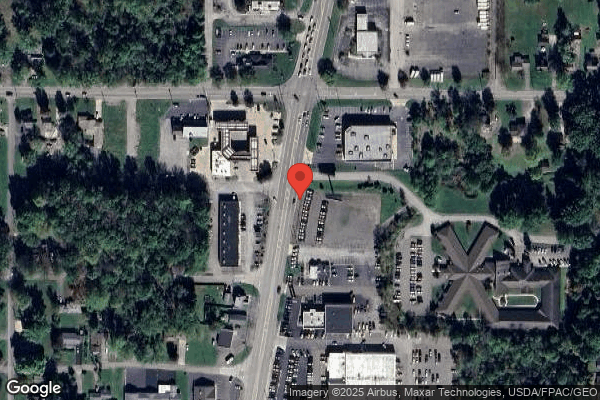
Understanding Severity Codes (click to expand)
Life-Threatening (Immediate Jeopardy)
J - Isolated K - Pattern L - Widespread
Actual Harm
G - Isolated H - Pattern I - Widespread
Potential for Harm
D - Isolated E - Pattern F - Widespread
No Harm (Minor)
A - Isolated B - Pattern C - Widespread

Questions to Ask on Your Visit

  • "Can I speak with families of current residents?"
  • "What's your RN coverage like on weekends and overnight?"

Our Honest Assessment

Strengths
  • • No major safety red flags. No abuse findings, life-threatening violations, or SFF status.
  • • No fines on record. Clean compliance history, better than most Ohio facilities.
  • • 37% turnover. Below Ohio's 48% average. Good staff retention means consistent care.
Concerns
  • • 24 deficiencies on record. Higher than average. Multiple issues found across inspections.
Bottom line: Mixed indicators with Trust Score of 60/100. Visit in person and ask pointed questions.

About This Facility

What is Gillette's CMS Rating?

CMS assigns GILLETTE NURSING HOME an overall rating of 3 out of 5 stars, which is considered average nationally. Within Ohio, this rating places the facility higher than 0% of the state's 100 nursing homes. This mid-range rating indicates the facility meets federal standards but may have areas for improvement.

How is Gillette Staffed?

CMS rates GILLETTE NURSING HOME's staffing level at 3 out of 5 stars, which is average compared to other nursing homes. Staff turnover is 37%, compared to the Ohio average of 46%. This relatively stable workforce can support continuity of care.

What Have Inspectors Found at Gillette?

State health inspectors documented 24 deficiencies at GILLETTE NURSING HOME during 2019 to 2025. These included: 24 with potential for harm.

Who Owns and Operates Gillette?

GILLETTE NURSING HOME is owned by a for-profit company. For-profit facilities operate as businesses with obligations to shareholders or private owners. The facility operates independently rather than as part of a larger chain. With 99 certified beds and approximately 86 residents (about 87% occupancy), it is a smaller facility located in WARREN, Ohio.

How Does Gillette Compare to Other Ohio Nursing Homes?

Compared to the 100 nursing homes in Ohio, GILLETTE NURSING HOME's overall rating (3 stars) is below the state average of 3.2, staff turnover (37%) is near the state average of 46%, and health inspection rating (3 stars) is at the national benchmark.

What Should Families Ask When Visiting Gillette?

Based on this facility's data, families visiting should ask: "Can I visit during a mealtime to observe dining assistance and food quality?" "How do you handle medical emergencies, and what is your hospital transfer rate?" "Can I speak with family members of current residents about their experience?"

Is Gillette Safe?

Based on CMS inspection data, GILLETTE NURSING HOME has a clean safety record: no substantiated abuse findings (meaning no confirmed cases of resident harm), no Immediate Jeopardy citations (the most serious violation level indicating risk of serious injury or death), and is not on the Special Focus Facility watch list (a federal program monitoring the lowest-performing 1% of nursing homes). The facility has a 3-star overall rating and ranks #100 of 100 nursing homes in Ohio. While no facility is perfect, families should still ask about staff-to-resident ratios and recent inspection results during their visit.

Do Nurses at Gillette Stick Around?

GILLETTE NURSING HOME has a staff turnover rate of 37%, which is about average for Ohio nursing homes (state average: 46%). Moderate turnover is common in nursing homes, but families should still ask about staff tenure and how the facility maintains care continuity when employees leave.

Was Gillette Ever Fined?

GILLETTE NURSING HOME has no federal fines on record. CMS issues fines when nursing homes fail to meet care standards or don't correct problems found during inspections. The absence of fines suggests the facility has either maintained compliance or corrected any issues before penalties were assessed. This is a positive indicator, though families should still review recent inspection reports for the full picture.

Is Gillette on Any Federal Watch List?

GILLETTE NURSING HOME is not on any federal watch list. The most significant is the Special Focus Facility (SFF) program, which identifies the bottom 1% of nursing homes nationally based on persistent, serious quality problems. Not being on this list means the facility has avoided the pattern of deficiencies that triggers enhanced federal oversight. This is a positive indicator, though families should still review the facility's inspection history directly.