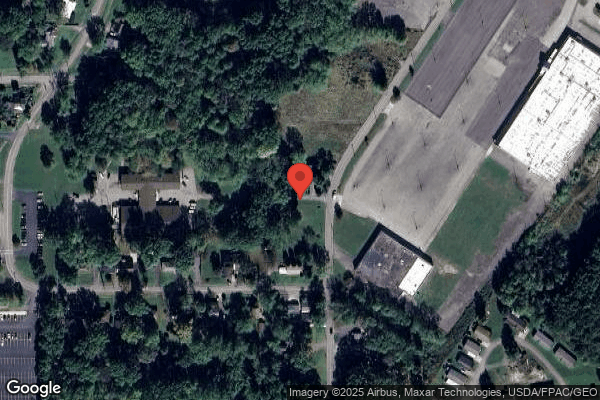
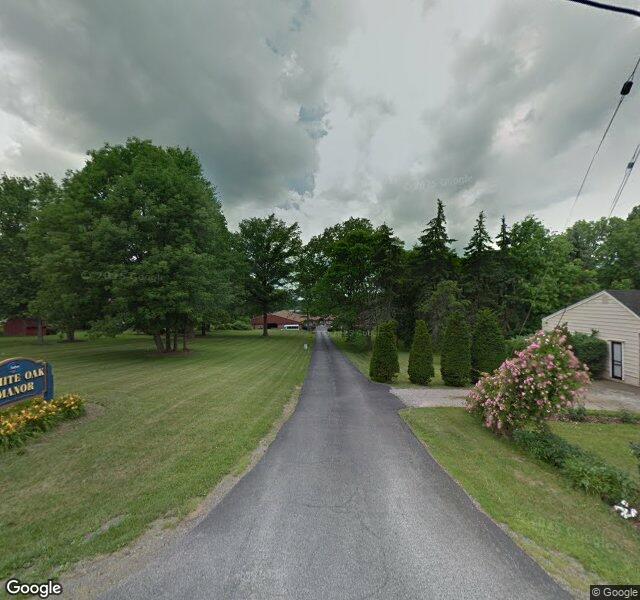
WHITE OAK MANOR

1926 RIDGE AVENUE, WARREN, OH 44484 (330) 369-4672
For profit - Corporation 52 Beds Independent Data: November 2025 1 Immediate Jeopardy citation
Trust Grade
36/100
#820 of 913 in OH
Last Inspection: May 2025

Inspected within the last 6 months. Data reflects current conditions.

Overview

White Oak Manor in Warren, Ohio has received a Trust Grade of F, indicating significant concerns about the facility's quality of care. With a state rank of #820 out of 913, they are in the bottom half of all nursing homes in Ohio, and #16 out of 17 in Trumbull County, meaning only one local facility is ranked lower. The situation appears to be worsening, as the number of reported issues increased from 4 in 2024 to 7 in 2025. Staffing is rated average with a 3/5 star rating and a turnover rate of 58%, which is similar to the state average, but the facility does have better RN coverage than 83% of Ohio facilities, suggesting that RNs are available to catch potential problems. However, there are serious concerns, including a critical incident where a cognitively impaired resident was able to leave the facility unsupervised, creating a risk of harm. Additionally, the facility has faced issues with infection control oversight, which could impact all residents. While White Oak Manor has some strengths in RN coverage, the overall situation raises significant red flags for families considering this facility.

Trust Score
F
36/100
In Ohio
#820/913
Bottom 11%
Safety Record
High Risk
Review needed
Inspections
Getting Worse
4 → 7 violations
Staff Stability
⚠ Watch
58% turnover. Above average. Higher turnover means staff may not know residents' routines.
Penalties
✓ Good
$3,282 in fines. Lower than most Ohio facilities. Relatively clean record.
Skilled Nurses
✓ Good
Each resident gets 42 minutes of Registered Nurse (RN) attention daily — more than average for Ohio. RNs are trained to catch health problems early.
Violations
⚠ Watch
16 deficiencies on record. Higher than average. Multiple issues found across inspections.
★★☆☆☆
2.0
Overall Rating
★★★☆☆
3.0
Staff Levels
★★★★☆
4.0
Care Quality
★★☆☆☆
2.0
Inspection Score
Stable
2024: 4 issues
2025: 7 issues

The Good

  • 4-Star Quality Measures · Strong clinical quality outcomes
  • Full Sprinkler Coverage · Fire safety systems throughout facility
  • No fines on record

Facility shows strength in quality measures, fire safety.

The Bad

2-Star Overall Rating

Below Ohio average (3.2)

Below average - review inspection findings carefully

Staff Turnover: 58%

11pts above Ohio avg (46%)

Frequent staff changes - ask about care continuity

Federal Fines: $3,282

Below median ($33,413)

Minor penalties assessed

Staff turnover is elevated (58%)

10 points above Ohio average of 48%

The Ugly 16 deficiencies on record

1 life-threatening
Oct 2025 1 deficiency 1 IJ
CRITICAL (J) 📢 Someone Reported This

A family member, employee, or ombudsman was alarmed enough to file a formal complaint

Immediate Jeopardy (IJ) - the most serious Medicare violation

Accident Prevention (Tag F0689)

Someone could have died · This affected 1 resident

**NOTE- TERMS IN BRACKETS HAVE BEEN EDITED TO PROTECT CONFIDENTIALITY** Based on observation, record review, review of a facility self-reported incident (SRI) investigation, review of police reports, ...

Read full inspector narrative →
**NOTE- TERMS IN BRACKETS HAVE BEEN EDITED TO PROTECT CONFIDENTIALITY** Based on observation, record review, review of a facility self-reported incident (SRI) investigation, review of police reports, review of the Emergency Medical Services (EMS) run report, review of hospital documentation, review of facility policy, and interviews, the facility failed to provide adequate supervision to prevent Resident #16, who was cognitively impaired, aphasic and at risk for elopement (with use of a WanderGuard device) from eloping. This resulted in Immediate Jeopardy and the potential for Actual Harm, serious physical injury or death on [DATE] when 911 dispatch for the local police department received a 911 call from a passerby in the community with concerns for an unattended individual. The individual, identified to be Resident #16 was found by the police, coming out of the woods and falling into a ditch in a residential area that was 0.6 miles from the facility. The resident was noted to be confused and wearing a monitor device on his ankle which prompted the police to check with the facility to see if they had a missing resident, as the resident could give no details and had no identification on him. Resident #16 was subsequently transferred from the scene to a local hospital for treatment of hypotension (low blood pressure) and was stabilized after resuscitation with intravenous fluids. Resident #16 returned to the facility on [DATE] and his WanderGuard remained in place. On [DATE] during the onsite investigation it was identified the facility WanderGaurd system was not functioning properly because an unknown person was entering a master override code into the system that was disarming the WanderGaurd system which placed Resident #16 and other residents at risk of accidents/hazards pertaining to elopement. The facility identified five residents (#4, #13, #16, #22, and #26) as at risk for elopement. The facility census was 32. On [DATE] at 3:34 P.M. the Administrator, Director of Nursing (DON) and Regional Director of Clinical Services (RDCS) #349 were notified Immediate Jeopardy began on [DATE] when Resident #16, exited the facility without staff knowledge and was found 0.6 miles away from the facility in a ditch by the police department. The facility was not aware Resident #16 was missing from the building until the police arrived at the facility for identification of Resident #16. Resident #16 was subsequently transported to the emergency room by Emergency Medical Services (EMS) who arrived at the scene, received testing and treatment with intravenous (IV) fluid and then returned to the facility. The Immediate Jeopardy was removed on [DATE] when the facility implemented the following corrective action. On [DATE] at approximately 5:50 P.M. Regional Director of Clinical Services (RDCS) #349 completed an elopement assessment on Resident #16 and reviewed the resident's elopement risk care plan. On [DATE] Resident #16 returned to the facility from the hospital. Pain assessment, skin assessment, neurological checks through [DATE] were initiated and charted in the resident record. On [DATE] the ADON and SSD reviewed elopement assessments on 32/32 residents to ensure all current residents had elopement assessments in the last quarter. One new Resident (#13) identified at risk for elopement and wander guard placed and resident added to elopement binder. On [DATE] an Ad Hoc Quality Assurance Performance Improvement (QAPI) meeting was held with the Administrator, Nurse Practitioner (NP) #351 and the DON to discuss the elopement incident, interventions initiated and plan of care. On [DATE] the Administrator and Maintenance Director completed an elopement drill on first shift. On [DATE] the Ohio Department of Health surveyor and Maintenance Director identified the wander guard system was not functioning as designed. At 4:15 P.M. the DON was notified and placed staff for door supervision. Secure Care company was notified at 5:00 P.M. by the Administrator. On [DATE] at approximately 10:00 A.M. Secure Care company arrived to inspect the wander guard system and determined a universal code, which was a separate code from the new code was being entered by unidentified staff that was overriding the system which caused the wander guard system to not alarm. On [DATE] the Administrator and RDCS #349 determined the root cause of the elopement was a universal over-ride code was being used by staff instead of the new door code that was changed on [DATE]. The universal override code, when entered into the keypad to open the secured doors, would disable the wander guard system. On [DATE] all facility door codes were changed including a change of the master override code by Administrator. The master override code would be privy to only the Administrator and Maintenance Director. On [DATE] facility staff completed a headcount to ensure all 32/32 residents were accounted for. On [DATE] 42/43 staff (2/2 Activities Staff, 14/15 Certified Nursing Assistants (CNAs), 8/8 Dietary Staff, 6/6 Housekeeping Staff, 3/3 Licensed Practical Nurses (LPNs), 2 Registered Nurses (RNs), and 7 administrative staff including the DON, ADON, Administrator, Human Resources, Social Services and Medical Records) were educated on the new facility door code, the elopement policy, and the abuse/neglect policy. One CNA was not able to be educated due to leave of absence and would receive education by the DON/designee upon return to work. Two agency staff were also provided with education, and all agency staff would receive education by the DON/designee prior to working in the facility. All new hires would be educated by the Maintenance Director during orientation process. On [DATE] a repeat door audit was completed by the Administrator to ensure all doors and alarms were functioning. On [DATE] at approximately 6:30 P.M. the ADON completed a wander guard audit on five of five residents with wander guards. On [DATE] the ADON and DON reviewed 32/32 residents elopement risk scores for accuracy. On [DATE] at approximately 7:00 P.M. the facility interdisciplinary team completed an elopement drill. On [DATE] at approximately 7:30 P.M. the SSD completed review of the elopement book to ensure all residents at risk were in binder. On [DATE] at 6:45 P.M. an Ad Hoc Quality Assessment and Performance Improvement (QAPI) meeting was held via phone with the Medical Director, DON, ADON, RDCS #349, the Administrator, Human Resources, Maintenance Director, Social Services Director and Medical Records to review steps taken for the facility removal plan. On [DATE] auditing was initiated to include the DON/Designee to complete audits on all residents with wander guards daily for two weeks then weekly for two weeks to ensure proper placement and functioning. Maintenance Director/Designee to complete door alarm audit with emphasis on secure care alarms to ensure appropriate functioning daily for one week then five times per week for three weeks. One-to-one staff monitoring of the doors would be implemented if the alarms would be identified as not working as should. Beginning on [DATE] audits would be conducted daily for one week then five times a week for four weeks to ensure no behaviors related to wandering or elopement have occurred. Findings would be addressed if indicated. Beginning on [DATE] elopement drills would be conducted one each shift by the Administrator, Maintenance Director or designee and then weekly for four weeks. Results of facility audits would be forwarded to the QAPI committee for review and recommendations. Although the Immediate Jeopardy was removed on [DATE], the deficiency remained at Severity Level 2 (no actual harm with potential for more than minimal harm that is not Immediate Jeopardy) as the facility was in the process of implementing their corrective action plan and were monitoring to ensure on going compliance. Findings include:Review of the medical record revealed Resident #16 was admitted to the facility on [DATE] with diagnoses including multiple sclerosis, aphasia, cardiac arrhythmia, muscle weakness, lack of coordination, hypertension, dementia with behavior disturbance, difficulty walking, need for assistance with personal care, bilateral cataract, and schizoaffective disorder.Review of the comprehensive care plan, date initiated [DATE], revealed Resident #16 was at risk for falls due to multiple sclerosis and at risk for elopement/wandering related to dementia and impaired cognition. Interventions for falls included to keep a clear pathway and keep a call light in reach. Interventions for risk for elopement included to include family conference to discuss resident's attempts to leave, involve Resident #16 in activities of choice, orient Resident #16 to new surroundings and provide psychoactive medication as ordered, WanderGuard, allow one-on-one to vent feelings, assess risk factors according to facility procedures, attempt to involve Resident #16 in decision making, follow facility elopement procedures, monitor and report changes in behavior such as restlessness and pacing, monitor for medication side effects, provide diversional activities and redirect as needed. The resident was to reside on a secured unit for safety. The care plan was last reviewed on [DATE] and there were no dates of revision listed on the care plan for elopement risk since initiated on [DATE].Review of the facility document titled Weekly Risk Meeting, dated [DATE], revealed the facility had concerns regarding Resident #16's decreased cognition. The facility moved Resident #16's room and asked the physician for a WanderGuard (a technology designed to prevent residents at risk of wandering from leaving secured areas using an audible alarm when a resident approached an area equip with the WanderGuard system).Review of physician's orders dated [DATE] revealed an order for Resident #16 to have a WanderGuard to left ankle, check placement, skin and function every shift.Review of the quarterly Minimum Data Set (MDS) 3.0 assessment dated [DATE], revealed Resident #16 had adequate hearing, unclear speech/mumbling or slurred words, was sometimes able to express himself and understand others, impaired vision requiring large print, used corrective lenses and was severely cognitively impaired with a Brief Interview of Mental Status (BIMS) score of 01 (out of 15). The assessment revealed Resident #16 had no behaviors and did not wander.Review of the quarterly Minimum Data Set (MDS) 3.0 assessment dated [DATE] revealed Resident #16's cognition was moderately impaired. A Brief Interview of Mental Status (BIMS) score was not available. The assessment revealed wandering behavior was not exhibited. Resident #16 did not need a mobility device such as a cane, walker, or wheelchair. Resident #16 was independent to walk 150 feet in a corridor or similar space.Review of the facility documents titled Elopement Risk Screen, dated [DATE] and [DATE], revealed Resident #16 was disoriented, independent for mobility, had not attempted to leave the facility and was not at risk for elopement.Review of Resident #16's Treatment Administration Records (TARs) dated [DATE] to [DATE], [DATE] to [DATE], [DATE] to [DATE] and [DATE] to [DATE] revealed a physician order dated [DATE] for WanderGuard to left ankle, check placement and function each shift twice a day. Resident #16's Wanderguard was checked during the morning and evening shifts on 27 of 30 days in [DATE] of 31 days in [DATE] of 31 days in [DATE] and 26 of 29 days in [DATE].Review of a nursing note dated [DATE] at 4:50 P.M. authored by RN #335, revealed the facility was informed by local police department (name provided) that Resident #16 was found on Wick Street and transported to local hospital (name provided) emergency room for evaluation. Resident #16 had unknown pain or injuries known at that time. Awaiting lab results and electrocardiogram (EKG) results. Physician #350 was aware, and all responsible parties were aware.Review of the facility document titled Elopement Risk Screen, dated [DATE], revealed Resident #16 was disoriented, independent for mobility, wanders throughout facility or prior residence but does not leave interior setting, had a prior history of elopement and was at risk for elopement.Review of a local police department report incident number 25-19485 dated [DATE] revealed local dispatch received a wireless 911 call at 4:33 P.M. that a man fell in a ditch, came out of the woods and required an officer to come out. The address was 2615 Wick Street, [NAME], Ohio 44484. The caller stated they did not know the man. Police officer #353 was dispatched to the scene at 4:43 P.M. and arrived at 4:50 P.M. Emergency Medical Services (EMS) were dispatched at 4:53 P.M. and arrived on scene at 5:03 P.M. At 5:10 P.M. Police Officer #353 indicated to dispatch that the man may have wandered over here from [NAME] Oak off of Ridge/heading over there to see if I can ID (identify) him. At 5:17 P.M. Police Officer #353 identified Resident #16 by name and date of birth . EMS had taken Resident #16 to the local hospital for an evaluation.Review of Google Maps indicated the distance between the facility and the location where Resident #16 was found on [DATE] at 4:33 P.M. was 0.6 miles from the facility.Review of the weather conditions on [DATE] via wunderground.com (a historical archive of weather conditions) between 4:00 P.M. to 5:00 P.M. the environmental temperature ranged between 85 to 87 degrees Fahrenheit (F) and was mostly cloudy with no precipitation.Review of the EMS Run Report (Number 25-75669) dated [DATE] revealed a call was received at 4:54 P.M. for an immediate response fall victim. EMS arrived at the scene at 5:00 P.M. and left the scene at 5:10 P.M. Scene information included Resident #16 went missing from nursing home, unknown to nursing home staff. Last seen by staff before 2:30 P.M. Resident #16 was found by passerby in a vehicle who called 911. [NAME] Police was on the scene also. Chief complaint was altered mental status. EMS noted Resident #16 had an ankle monitor in place on the left ankle. Local police were to contact the facility of a possible missing resident as patient had no identification. Resident #16 was transported to local hospital emergency room.Review of the hospital emergency room (ER) documentation dated [DATE] at 5:28 P.M. revealed Resident #16 presented to the emergency department for evaluation of altered mental status. Resident escaped from [NAME] Oak Manor and was found in a ditch with altered mental status. History of present illness revealed Resident #16 presented for evaluation after he skipped from the nursing home and was found laying down in a ditch by emergency medical system. With Resident #16's mental status and aphasia (non-speaking) the resident was unable to communicate what happened. emergency room course of stay revealed Resident #16 was resuscitated with intravenous fluids. Resident #16's troponin (a specific blood protein to determine if your heart muscle has been damaged) was trended up, likely demand ischemia (a condition where the heart muscle does not receive enough oxygen to meet its increased demand) . Since Resident #16 was initially hypotensive and after resuscitation (with intravenous fluids) had stabilized. Resident #16 was discharged back to the nursing home for further care and evaluation. Review of a nursing note dated [DATE] at 12:40 A.M. written by LPN #341 revealed Resident #16 returned to the facility by EMS and two attendants. Resident #16 was alert to self. Cognition was at baseline. Resident #16 was noted to be incontinent with bowel and bladder with staff total assist. The note included Resident #16's condition was stable.Review of the facility documented titled Elopement Risk Screen, dated [DATE] revealed Resident #16 was disoriented, independent for mobility, wanders throughout facility or prior residence but does not leave interior setting, had a prior history of elopement and had a wander guard was in place.Review of the facility staffing schedule for nursing services dated [DATE] revealed the following direct care nursing staff were working in the facility at the time of the elopement: CNA #324, CNA #327, RN #335, CNA #340 and CNA #348.Review of a facility Self-Reported Incident (SRI) dated [DATE] at 9:06 P.M. revealed Resident #16 was last seen in the building (on [DATE]) at 4:00 P.M. by a Certified Nursing Assistant (not identified by name). The SRI included Resident #16 was outside of the facility within close proximity of facility property at approximately 4:33 P.M Resident without injury and safe. No witnesses were identified by name in the SRI. The facility concluded that neglect did not occur and unsubstantiated the SRI. The investigators were listed at the Administrator and the Assistant Director of Nursing. The SRI stated the facility implemented Quality Assurance Performance Improvement (QAPI) measures including head count of all residents, statements from all staff working at the time of the incident, all WanderGuards were checked for placement and function, elopement assessments reviewed and updated, completion of an incident report, elopement risk care plan review, audit of all door alarms, elopement binder review, completion of elopement drills, staff education on elopement policy, completion of skin assessment, initial audit of residents with Wander guards to ensure functioning, elopement assessments for at risk residents reviewed and updated as needed, review of progress notes for last 72 hours to check for any exit seeking behaviors, all facility door codes changed on [DATE], all residents educated on [DATE] that they were not allowed to give out door codes, and all staff education on the change of door codes on [DATE]. There was no root cause analysis identified in the SRI to explain how Resident #16 exited the facility.Review of the SRI facility investigation, dated [DATE], revealed a witness statement from RN #335 which revealed the police arrived around 4:50 P.M. The police gave a description of Resident #16. The police stated Resident #16 was found on Wick Street in a ditch and taken to the hospital (hospital name provided). The statement included Resident #16 was last seen at 2:30 P.M. sitting in the dining room with another resident. Resident #16 was wearing a WanderGuard.Review of a witness statement from CNA #340, dated [DATE], revealed CNA #340 did not interact with Resident #16 because CNA #340 worked another unit. The statement then included CNA #340 stated Resident #16 was seen on his unit walking around 4:00 P.M.Review of a witness statement from CNA #327, dated [DATE], revealed the last time CNA #327 saw Resident #16 was around 4:15 P.M. sitting in the dining room.Review of a witness statement from Activity Assistant (AA) #334, dated [DATE] revealed the last time AA #334 saw Resident #16 was when AA #334 came back in from smoke break and witnessed Resident #16 standing by the elevator.Review of the witness statement from Social Services (SS) #318, dated [DATE], revealed SS #318 last saw Resident #16 at 3:30 P.M. in the 300-wing dining room when SS #318 accompanied the ADON to let a visitor out.Review of the witness statement from CNA #324, dated [DATE], revealed CNA #324 saw Resident #16 was around 4:00 P.M. on the 100-station.On [DATE] at 5:50 P.M. Resident #16 was observed in the facility. Attempts to interview the resident at the time of the observation revealed Resident #16 was not oriented to person, place, time or situation. Resident #16 was not able to answer yes/no questions or state what door he walked out of during the incident on [DATE]. Resident #16 was observed to walk with a slow shuffle and had a WanderGuard on his ankle.Observation on [DATE] at 10:10 A.M. with the Maintenance Director #346 revealed a code was needed to open the rear foyer door in order for the door to open. Maintenance Director #346 punched a code in the module by the rear foyer door the door opened. A new WanderGuard was placed by the rear door and there was no alarm notification. Maintenance Director #346 walked out the rear foyer door with the new Wanderguard that did not properly function and stated these boxes are old. The WanderGuard alarm was attempted three times with no results of an alarm. Maintenance Director #346 verified the findings at the time of the observations.Observation on [DATE] at 4:30 P.M. with the DON and ADON #344 revealed Resident #16 had a WanderGuard on his left ankle. The DON placed a code in the box by the rear foyer door, Resident #16 walked close to the rear foyer door and out to the rear foyer door and no alarm sounded (the alarm should have sounded at that time). The DON attempted a new WanderGuard not attached to a resident and the alarm did not sound when a code was punched into the box and the WanderGuard was near the door and outside the door. The DON stated it must not be working.Interview on [DATE] at 5:05 P.M. with RN #335 revealed she did not know how Resident #16 got out of the facility (on [DATE]) and she did not know Resident #16 was missing until the police came to the facility to ask if the facility was missing a resident. The police gave the description of the person they found, and it was the description of Resident #16. The RN revealed Resident #16 was found a block away from the facility. RN #335 stated the last time she saw Resident #16 was 2:30 P.M. when Resident #16 was sitting in the facility dining room.Interview on [DATE] at 5:12 P.M. with Business Office Manager ( BOM) #336 revealed she stayed late on [DATE] for dinner service. BOM #336 revealed the facility did not know Resident #16 was missing until the police came to the facility for a missing person identification. Interview on [DATE] at 5:30 P.M. with CNA #340 revealed Resident #16 wandered from his unit on the 300 hall to the 100 hall , which was unusual for him on [DATE]. Resident #16 went missing around dinner time on [DATE]. CNA #340 did not know Resident #16 was missing until the police arrived at the facility. The CNA stated the last time he saw Resident #16 was one hour before dinner time, approximately 3:45 P.M., as dinner arrived at 4:45 P.M.Interview on [DATE] at 8:33 A.M. with the Administrator revealed the foyer doors have a WanderGuard alarm and the side doors have an egress alarm. The Administrator stated no alarms went off on [DATE] (related to Resident #16's elopement). CNA #340 was the last staff member to see Resident #16 around 4:00 P.M. The police found Resident #16 on Wick street.Interview on [DATE] at 8:45 A.M. with Regional Director of Clinical Services (RDCS) #349 revealed the facility was in the process of fixing the rear foyer door alarm at this time.Interview on [DATE] at 9:08 A.M. with the DON revealed on [DATE] Resident #16 was picked up in a ditch by the EMS and taken straight to the hospital. The police came to the facility to ask if they were missing a resident. The facility was not able to see the condition of Resident #16 when he was found. The DON stated Resident #16's cognition had declined. The facility performed a risk assessment on Resident #16 because he was walking up hallways and going to exit doors and wandering alone.Interview on [DATE] at 9:31 A.M. with Certified Nurse Practitioner (CNP) #351 revealed Resident #16 was too confused to be wandering by himself outside, as he had poor safety awareness. CNP #351 verified Resident #16 had a WanderGuard and required a secured environment.Interview on [DATE] at 11:06 A.M. with the Administrator revealed the alarm company looked at the rear foyer door WanderGuard system and determined if the master code was used to exit the building the sensors would not sound if a Wanderguard passed by the sensors. Additional interview revealed the resident was found a street over from the facility in a ditch and when the resident's ankle monitor was noticed the police officer assumed Resident #16 may be from this facility.Observation on [DATE] at 5:45 P.M. revealed the route from the facility to 2615 Wick Street per odometer reading was 0.6 miles away from the facility. Observation of 2615 Wick Street consisted of a neighborhood road that had active car traffic at the time of the observation. The wooded area had multiple dead trees, and a three-foot ditch separated the woods from the street.Interview was conducted on [DATE] at 2:21 P.M. with RDCS #349 who verified the facility did not know the root cause of how Resident #16 left the faciity on [DATE]. RDCS #349 confirmed it was discovered on [DATE] after the start of the Ohio Department of Health survey that someone was entering a master override code that disabled the WanderGaurd system.Interview on [DATE] at 8:30 A.M. with RDCS #349 verified Resident #16's care plan was not reflective of updates/revisions by date in accordance with subsequent resident assessments leading up to the actual elopement on [DATE] and verified Resident #16 had a WanderGuard ordered since [DATE] due to risk of elopement.Observation on [DATE] at 10:42 A.M. at the police station with Sergeant #354 revealed a body camera footage from [DATE] involving Resident #16 and the local police officers who were called to the scene. The footage revealed a bystander approached police officer #353 and stated his son saw a suspicious man walking on the street in the neighborhood. The bystander stated when he found Resident #16 he was in a ditch on all fours. Resident #16 was observed to be sitting in the bystander's car drinking water the bystander stated he gave Resident #16. Resident #16 was observed to have a t-shirt on, jogging pants on and socks and shoes. Police officer #352 asked Resident #16 for identification and Resident #16 handed Police Officer #353 a hairbrush. Observation of the wooded area and ditch was seen in the camera footage. The bystander stated Resident #16 told him someone pushed me in the ditch, it hurts. When the EMS arrived , Resident #16 was not able to stand on his own and needed an assistance of one person to walk from the car to the gurney. Resident #16 was observed to be pale, confused and muttering while on the gurney.Observation on [DATE] at 11:00 A.M. at the police station with Sergeant #354 revealed a second body camera footage on [DATE] at 5:11 P.M when Police Officer #353 arrived at the facility. CNA #340 verified the identity of Resident #16 and verified Resident #16 wore an ankle bracelet. It was observed Police Officer #353 told RN #335 Resident #16 was found in a ditch on Wick Street. At 5:18 P.M. ADON #344 approached the police officer and was told Resident #16 was found in a ditch on the corner of Wick Street and [NAME] Avenue. Observation at time stamp 5:20 P.M. revealed the police exited the facility, residents were eating dinner in the dining room and staff was huddled on the 100 hall.Review of facility policy titled Elopements and Wandering Residents, revision date [DATE], revealed elopement occurred when a resident leaves the premises without authorization or necessary supervision to do so. The facility was to be equipped with door locks and alarms to help avoid elopements, and alarms were not a replacement for necessary supervision. Staff was to be vigilant with response to alarms. The procedure for locating a missing person consisted of alerting staff with CODE UNIT. If the resident was not located on the grounds the administrator would notify the police and corporate office and appropriate reporting requirements to the State Survey agency would be conducted. Post elopement procedure consisted of a physical assessment, documentation and report findings to physician. Social services would reassess if counseling was needed. Staff was to be educated for elopement.This deficiency represents non-compliance investigated under Complaint Number 2599954
May 2025 5 deficiencies
CONCERN (D) 📢 Someone Reported This

A family member, employee, or ombudsman was alarmed enough to file a formal complaint

Potential for Harm - no one hurt, but risky conditions existed

Deficiency F0583 (Tag F0583)

Could have caused harm · This affected 1 resident

**NOTE- TERMS IN BRACKETS HAVE BEEN EDITED TO PROTECT CONFIDENTIALITY** Based on observation, record review and interview, the facility failed to ensure medication administration bags were secured and...

Read full inspector narrative →
**NOTE- TERMS IN BRACKETS HAVE BEEN EDITED TO PROTECT CONFIDENTIALITY** Based on observation, record review and interview, the facility failed to ensure medication administration bags were secured and resident names and medications were not readily visible in the common trash. This affected three (Residents #15, #27 and #136) of four residents reviewed for privacy. Findings include: Review of Resident #15's medical record revealed the resident was admitted on [DATE] with diagnoses including schizoaffective disorder bipolar type, muscle weakness and difficulty in walking. Review of Resident #15's Minimum Data Set (MDS) 3.0 assessment dated [DATE] revealed the resident exhibited moderate cognitive impairment. Review of Resident #27's medical record revealed the resident was admitted on [DATE] with diagnoses including chronic obstructive pulmonary disease, muscle weakness and heart failure. Review of Resident #27's MDS 3.0 assessment dated [DATE] revealed the resident exhibited intact cognition. Review of Resident #136's medical record revealed the resident was readmitted on [DATE] with diagnoses including cellulitis of the left lower limb with acquired absence of the right leg below the knee and chronic obstructive pulmonary disease. Resident #136's MDS 3.0 assessment dated [DATE] was not completed. Observation on 05/05/25 at 12:47 P.M. with the Director of Nursing (DON) revealed Residents #15, #27 and #136's clear plastic morning medication packages with the resident's name, room number and the names of the medications administered were placed in an open trash receptacle attached to the medication administration cart which was visible when walking by the cart. Interview on 05/05/25 at 12:57 P.M. with the DON revealed staff were to remove the top label part of the medication packaging with the resident names prior to disposing of the bottom half of the plastic packaging with the medications listed. The DON stated if the name was intact, then the staff were to use a black marker and cross out the name of the resident to ensure the privacy of the resident. The DON confirmed Residents #15, #27 and #136's discarded plastic medication bags were intact with the medications listed and the resident's name and room number which was a violation of the resident's privacy. The DON also confirmed the facility did not have a policy on ensuring resident privacy when disposing of medication administration packaging with identifiable resident information intact. Review of the HIPAA Security Measures policy revised 01/01/25 revealed it was the facility policy to implement reasonable and appropriate measures to protect and maintain the confidentiality, integrity, and availability of the resident's identifiable information and/or records that were in the electronic format. This deficiency represents non-compliance investigated under Complaint Number OH00165020.
CONCERN (D)

Potential for Harm - no one hurt, but risky conditions existed

Deficiency F0657 (Tag F0657)

Could have caused harm · This affected 1 resident

**NOTE- TERMS IN BRACKETS HAVE BEEN EDITED TO PROTECT CONFIDENTIALITY** Based on record review, policy review, and interviews the facility failed to ensure care planning conferences were completed qua...

Read full inspector narrative →
**NOTE- TERMS IN BRACKETS HAVE BEEN EDITED TO PROTECT CONFIDENTIALITY** Based on record review, policy review, and interviews the facility failed to ensure care planning conferences were completed quarterly. This affected two (Residents #24 and #26) of two residents reviewed for development of care plans. Facility census was 34. Findings include: 1. Review of Resident #24's medical record revealed an admission date of 07/07/23 with diagnoses of severe dementia with other behavioral disturbances, schizophrenia, intermittent explosive disorder, and anxiety. Review of the Quarterly Minimum Data Set (MDS) assessment dated [DATE] revealed Resident #24 had moderate cognitive impairment and required supervision for oral hygiene, showers, and personal hygiene. Review of the care planning conferences for Resident #24 from July 2023 to April 2024 revealed conferences were held 11/06/23, 01/17/24, 04/03/24, and 04/24/25. Further review of the care planning conferences revealed the Social Service Designee (SSD) #820 and Assistant Director of Nursing #802 were the members of the interdisciplinary team (IDT) in attendance. Interview on 05/06/25 at 12:12 P.M. with SSD #820 for Resident #24 revealed a care planning conference was held 04/24/25 but prior to that the previous care conference was 07/03/24. SSD #820 confirmed that other members of the IDT including the MDS nurse, floor nurse, dietary, and activities staff were not notified/invited to the care planning conferences. 2. Review of Resident #26's medical record revealed an admission date of 09/25/23 with diagnoses of Alzheimer's disease, leakage of aortic graft, chronic obstructive pulmonary disease, and anemia. Review of the MDS assessment dated [DATE] revealed Resident #26 had severe cognitive impairment and required maximal assistance with toileting, showers, dressing, and transfers and required a wheelchair for locomotion. Review of the care planning conferences revealed Resident #26 had one care planning conference which occurred on 02/25/25. Interview on 05/07/25 at 11:09 A.M. with SSD #820 confirmed no other care conferences were held. Review of the Care Planning-Resident Participation Policy dated 06/01/24 revealed the facility was to discuss the plan of care with the resident and/or representative at regular scheduled care plan conferences, at routine intervals, and after significant changes.
CONCERN (D)

Potential for Harm - no one hurt, but risky conditions existed

Laboratory Services (Tag F0770)

Could have caused harm · This affected 1 resident

**NOTE- TERMS IN BRACKETS HAVE BEEN EDITED TO PROTECT CONFIDENTIALITY** Based on record review and interview, the facility failed to ensure Resident #1's laboratory bloodwork was completed per the phy...

Read full inspector narrative →
**NOTE- TERMS IN BRACKETS HAVE BEEN EDITED TO PROTECT CONFIDENTIALITY** Based on record review and interview, the facility failed to ensure Resident #1's laboratory bloodwork was completed per the physician orders. This affected one (Resident #1) of two residents reviewed for laboratory services. Findings include: Review of Resident #1's medical record revealed the resident was readmitted on [DATE] with diagnoses including schizoaffective disorder bipolar type, chronic obstructive pulmonary disease and cardiomyopathy. Review of Resident #1's Quarterly Minimum Data Set (MDS) 3.0 assessment dated [DATE] revealed the resident exhibited intact cognition. Review of Resident #1's physician orders revealed an order dated 04/04/25 (discontinued 05/06/25) to obtain a potassium level weekly. Review of Resident #1's laboratory bloodwork revealed the potassium level was obtained on 04/04/25, 04/11/25 and 05/02/25. The potassium bloodwork was not obtained on 04/18/25 and 04/25/25 as ordered. Interview on 05/07/25 at 8:30 A.M. with the Director of Nursing (DON) confirmed Resident #1's potassium bloodwork was not completed as ordered. Review of the Laboratory Services and Reporting policy revised 01/02/25 revealed the facility must provide or obtain laboratory services when ordered by a physician, physician assistant, nurse practitioner or clinical nurse specialist in accordance with state law.
CONCERN (D)

Potential for Harm - no one hurt, but risky conditions existed

Deficiency F0806 (Tag F0806)

Could have caused harm · This affected 1 resident

**NOTE- TERMS IN BRACKETS HAVE BEEN EDITED TO PROTECT CONFIDENTIALITY** Based on observation, record review and interview, the facility failed to ensure Resident #1's food preferences were followed du...

Read full inspector narrative →
**NOTE- TERMS IN BRACKETS HAVE BEEN EDITED TO PROTECT CONFIDENTIALITY** Based on observation, record review and interview, the facility failed to ensure Resident #1's food preferences were followed during meals. This affected one (Resident #1) of four residents reviewed for food and drink. Findings include: Review of Resident #1's medical record revealed the resident was readmitted on [DATE] with diagnoses including schizoaffective disorder bipolar type, chronic obstructive pulmonary disease and difficulty in walking. Review of Resident #1's Minimum Data Set (MDS) 3.0 assessment dated [DATE] revealed the resident exhibited intact cognition. Review of Resident #1's nutrition care plans revealed an intervention dated 02/26/16 to provide diet as ordered. Review of Resident #1's physician orders revealed an order dated 11/19/24 for a regular diet, regular texture with a regular-thin consistency. Resident #1's physician orders did not have an order for Boost or chocolate milk. Interview with Resident #1 on 05/05/25 at 8:45 A.M. revealed she was supposed to have Boost on her meal tray and it was not there. Resident #1 stated she never received the Boost. Review of Resident #1's breakfast meal ticket dated 05/05/25 revealed the resident was ordered a regular texture, regular, regular-thin breakfast. Under standing orders on the meal ticket, eight fluid ounces of Boost Very Vanilla was listed. Resident #1 had hand written on the ticket BOOST, WHERE Was Mine? Review of Resident #1's lunch meal ticket dated 05/06/25 revealed the resident was ordered a regular texture, regular, regular-thin lunch. Under notes on the meal ticket, chocolate milk was listed. Interview on 05/06/25 at 12:19 P.M. with Dietary Manager (DM) #845 confirmed Resident #1's preferences were not honored and the resident was not provided the Boost for breakfast on 05/05/25 or the chocolate milk on 05/06/25 for lunch. DM #845 revealed the facility had run out of chocolate milk on 05/06/25 and the resident should have received another Boost until the food truck came in later in the day. Review of the Nutrition Services policy revised March 2017 revealed the facility provided meals for each resident, with preferences accommodated, timely meal services and assistance with eating as needed. Review of the Therapeutic Diets policy revised June 2018 revealed the facility provided therapeutic diets per need and resident preferences. The facility worked with the resident/family, dietitian and physician to balance the medical needs of the resident with their preferences, to have fewer dietary restrictions when possible.
CONCERN (F)

Potential for Harm - no one hurt, but risky conditions existed

Deficiency F0882 (Tag F0882)

Could have caused harm · This affected most or all residents

Based on record review and interview, the facility failed to ensure the infection preventionist (IP) role was conducted by a nurse who worked at least part-time in the facility. This had the potential...

Read full inspector narrative →
Based on record review and interview, the facility failed to ensure the infection preventionist (IP) role was conducted by a nurse who worked at least part-time in the facility. This had the potential to affect all 34 residents who resided in the facility. Findings include: Review of the Facility Assessment form dated 06/21/24 revealed the assessment did not designate the amount of hours that were required for the IP to be in the facility to ensure implementation of the infection control programs and activities. Review of the IP Training Plan Proof of Completion form dated 05/30/23 revealed Registered Nurse (RN) Regional #851 was the current IP for the facility. Interview on 05/06/25 at 12:10 P.M. with the Administrator revealed RN Regional #851 was the current IP who was in the building once monthly. Interview on 05/06/25 at 12:25 P.M. with RN Regional #851 confirmed she currently completed the IP role once monthly in the facility. The previous staff member who was the IP no longer worked in the building as of 11/15/24. Review of the Infection Prevention and Control Program revised 01/07/25 revealed the facility had established and maintained an infection prevention and control program designed to provide a safe, sanitary, and comfortable environment and to help prevent the development and transmission of communicable diseases and infections as per accepted national standards and guidelines.
Feb 2025 1 deficiency
CONCERN (D) 📢 Someone Reported This

A family member, employee, or ombudsman was alarmed enough to file a formal complaint

Potential for Harm - no one hurt, but risky conditions existed

Quality of Care (Tag F0684)

Could have caused harm · This affected 1 resident

Based on medical record review and staff interview, the facility failed to obtain an electrocardiogram (EKG) services per physician orders for Resident #36. This affected one resident (#36) of three r...

Read full inspector narrative →
Based on medical record review and staff interview, the facility failed to obtain an electrocardiogram (EKG) services per physician orders for Resident #36. This affected one resident (#36) of three residents reviewed for change in condition. The facility census was 32. Findings include: Review of the closed medical record of Resident #36 revealed an admission date of 02/06/25. Medical diagnoses included acute respiratory failure, nonrheumatic aortic valve insufficiency, metabolic encephalopathy, hypothyroidism, disorder bilirubin metabolism, edema, congestive heart failure, panic disorder, hepatic failure, atherosclerotic heart disease, jaundice, acute myocardial infarction, presence of coronary angioplasty, Turner's syndrome (a chromosomal disorder in which a female is born with only one X chromosome), and abnormal electrocardiogram (EKG). Review of the Minimum Data Set (MDS) 3.0 assessment for Resident #36 dated 02/07/25 revealed the resident's cognition was moderately impaired, and she was dependent upon staff to roll left to right in bed, toileting, hygiene, and bathing. She required moderate assistance for eating and oral hygiene. She had no indwelling catheter and was not on a toileting program. She was always incontinent bowel and bladder. She received oxygen therapy. Review of the physician's telephone orders dated 02/06/25 at 4:56 P.M. revealed a diagnostic order to obtain a STAT (immediate) chest x-ray, STAT EKG related to congestive heart failure, obtain a STAT complete blood count (CBC) with differential, complete metabolic panel (CMP), thyroid stimulating hormone (TSH), T4, and a lipid profile. Review of nursing note for dated 02/06/25 at 5:25 P.M. revealed Resident #36's pulse oximeter read 77 percent on five liters of oxygen per minute of oxygen. Her lung sounds were diminished with crackles. The physician was notified and provided new orders to obtain a STAT EKG, STAT chest x-ray, STAT lab work and Lasix 10 milligrams (mg) (diuretic) intramuscular (IM) for a one-time dose. The charge nurse called mobile x-ray and the lab. Review of the Treatment Administration Record (TAR) for February 2025 revealed on the order dated 02/06/25 to obtain a STAT EKG related to congestive heart failure was marked with an x, and the order dated 02/06/25 for the STAT chest x-ray revealed the order was signed off as completed. Review of nursing note dated 02/07/25 at12:25 P.M. revealed the chest x-ray results were received and showed bilateral patchy infiltrates. The physician was called, and new orders were given. There was no documented evidence that the STAT EKG was completed and no documented evidence that the staff followed up with the physician or the mobile x-ray company regarding the order for the STAT EKG. Interview on 02/20/25 at 2:20 P.M. with the Director of Nursing (DON) verified that the STAT EKG was not completed for Resident #36. She also verified the record contained no documented evidence that staff followed up on the STAT EKG order and/or notified the physician that the STAT EKG was not completed. This deficiency represents non-compliance investigated under Master Complaint Number OH00162779 and Complaint Number OH00162715.
May 2024 3 deficiencies
CONCERN (D) 📢 Someone Reported This

A family member, employee, or ombudsman was alarmed enough to file a formal complaint

Potential for Harm - no one hurt, but risky conditions existed

Abuse Prevention Policies (Tag F0607)

Could have caused harm · This affected 1 resident

**NOTE- TERMS IN BRACKETS HAVE BEEN EDITED TO PROTECT CONFIDENTIALITY** Based on record review, interview and facility policy review, the facility failed to implement their abuse policy regarding thor...

Read full inspector narrative →
**NOTE- TERMS IN BRACKETS HAVE BEEN EDITED TO PROTECT CONFIDENTIALITY** Based on record review, interview and facility policy review, the facility failed to implement their abuse policy regarding thoroughly investigating and failing to submit a self-reported incident (SRI) to the state agency of an allegation of staff-to-resident verbal abuse for Resident #2. This affected one resident (#2) of three residents reviewed for abuse. The facility census was 34. Findings include: Review of the medical record revealed Resident#2 was admitted to the facility on [DATE] with diagnoses including depression, anxiety, morbid obesity, and a need for assistance with personal care. Review of the quarterly Minimum Data Set (MDS) 3.0 assessment dated [DATE] revealed Resident #2 was cognitively intact. Review of the care plan dated 03/25/24 revealed Resident #2 had an activity of daily living (ADL) deficit and required the assistance of one to two staff to complete bathing, toileting and grooming. The care plan also revealed Resident #2 can display accusatory and paranoid behaviors and refused for certain staff to be in her room. Interventions included allow resident to discuss feelings, approach and speak to resident in a calm voice. On 05/07/02 at 10:26 A.M. an interview with Long Term Care Ombudsman (LTCOs) # 98 and #99 revealed they were at the facility on 04/23/24. They interviewed Resident #2 during their visit, and Resident #2 told them State Tested Nurse Aide (STNA) #63 had called her a [expletive]. LTCOs #98 and #99 stated they told the facility Administrator immediately after the interview with Resident #2. LTCOs #98 and #99 stated they called the facility for follow-up on 04/26/24 and were informed by the Administrator a care conference was held with Resident #2, and the allegation of staff-to-resident abuse did not need to be thoroughly investigated. On 05/07/24 at 1:00 P.M.an interview with the Administrator and the Director of Nursing (DON) revealed they did not implement their abuse policy and investigated the allegation of staff-to-resident verbal abuse for Resident #2. Both stated they had a care conference with Resident #2, and her son and Resident #2 did not feel abused or mistreated. Both stated State Tested Nursing Assistant (STNA) #63, the alleged perpetrator, was removed from being assigned to Resident #2 but was not removed from schedule. Both verified there were no staff witness statements for the day of the occurrence nor were there resident interviews regarding the incident. In addition, the facility did not submit an (SRI) to the state agency. A review of the policy titled, Abuse, Neglect and Exploitation dated 10/01/22, revealed on page four, section five, point A: An immediate investigation is warranted when suspicion of abuse, neglect or exploitation, or reports of abuse, neglect or exploitation occur. The policy also revealed on page four, section seven, point A, subpoint 1: Reporting of alleged violations to the Administrator, state agency, adult protective services and to all other required agency within specified timeframes: shall occur no later than two hours if events that cause the allegation do involve abuse and result in serious bodily injury. Reporting should not occur later than 24 hours if events that cause the allegation do not involve abuse and do not result in serious bodily injury. This deficiency represents non-compliance investigated under Complaint Number OH00153594
CONCERN (D) 📢 Someone Reported This

A family member, employee, or ombudsman was alarmed enough to file a formal complaint

Potential for Harm - no one hurt, but risky conditions existed

Report Alleged Abuse (Tag F0609)

Could have caused harm · This affected 1 resident

**NOTE- TERMS IN BRACKETS HAVE BEEN EDITED TO PROTECT CONFIDENTIALITY** Based on record review, interview and facility policy review, the facility failed to report an allegation of staff-to-resident v...

Read full inspector narrative →
**NOTE- TERMS IN BRACKETS HAVE BEEN EDITED TO PROTECT CONFIDENTIALITY** Based on record review, interview and facility policy review, the facility failed to report an allegation of staff-to-resident verbal abuse to the state agency for Resident #2. This affected one resident (#2) of three residents reviewed for abuse. The facility census was 34. Findings include: Review of the medical record revealed Resident#2 was admitted to the facility on [DATE] with diagnoses including depression, anxiety, morbid obesity, and a need for assistance with personal care. Review of the quarterly Minimum Data Set (MDS) 3.0 assessment dated [DATE] revealed Resident #2 was cognitively intact and had verbal behaviors one to three times in the seven day look back period. Review of the care plan dated 03/25/24 revealed Resident #2 had an activity of daily living (ADL) deficit and required the assistance of one to two staff to complete bathing, toileting and grooming. The care plan also revealed Resident #2 can display accusatory and paranoid behaviors and refuses for certain staff to be in her room. Interventions included allow resident to discuss feelings, approach and speak to resident in a calm voice. On 05/07/02 at 10:26 A.M. an interview with Long Term Care Ombudsman (LTCOs) #98 and #99 revealed they were at the facility on 04/23/24. They interviewed Resident #2 during their visit, and Resident #2 told them State Tested Nurse Aide (STNA) #63 had called her a [expletive]. LTCOs #98 and #99 stated they told the facility Administrator immediately after the interview with Resident #2. LTCOs #98 and #99 stated they called the facility for follow-up on 04/26/24 and were informed by the Administrator a care conference was held with Resident #2, and the allegation of staff-to-resident abuse did not need to be thoroughly investigated. An interview was conducted on 05/07/24 at 1:00 P.M. with the Administrator and the Director of Nursing (DON) who both verified they had not reported the allegation of staff-to-resident abuse involving Resident #2 to the state agency. The Administrator and DON verified the allegation was brought to administration's attention by the Ombudsman on 04/23/24. A review of the policy titled, Abuse, Neglect and Exploitation, dated 10/01/22, revealed on page four, section seven, point A, subpoint 1: Reporting of alleged violations to the Administrator, stated agency, adult protective services and to all other required agency within specified timeframes: shall occur no later than two hours if events that cause the allegation do involve abuse and result in serious bodily injury. Reporting should not occur later than 24 hours if events that cause the allegation do not involve abuse and do not result in serious bodily injury. This deficiency represents non-compliance investigated under Complaint Number OH00153594
CONCERN (D) 📢 Someone Reported This

A family member, employee, or ombudsman was alarmed enough to file a formal complaint

Potential for Harm - no one hurt, but risky conditions existed

Investigate Abuse (Tag F0610)

Could have caused harm · This affected 1 resident

**NOTE- TERMS IN BRACKETS HAVE BEEN EDITED TO PROTECT CONFIDENTIALITY** Based on record review, interview and facility policy review, the facility failed to thoroughly investigate an allegation of sta...

Read full inspector narrative →
**NOTE- TERMS IN BRACKETS HAVE BEEN EDITED TO PROTECT CONFIDENTIALITY** Based on record review, interview and facility policy review, the facility failed to thoroughly investigate an allegation of staff-to-resident verbal abuse for Resident #2. This affected one resident (#2) of three residents reviewed for abuse. The facility census was 34. Findings include: Review of the medical record revealed Resident#2 was admitted to the facility on [DATE] with diagnoses including depression, anxiety, morbid obesity, and a need for assistance with personal care. Review of the quarterly Minimum Data Set (MDS) 3.0 assessment dated [DATE] revealed Resident #2 was cognitively intact. Review of the care plan dated 03/25/24 revealed Resident #2 had an activity of daily living (ADL) deficit and required the assistance of one to two staff to complete bathing, toileting and grooming. The care plan also revealed Resident #2 can display accusatory and paranoid behaviors and refuses for certain staff to be in her room. Interventions included allow resident to discuss feelings, approach and speak to resident in a calm voice. On 05/07/02 at 10:26 A.M. an interview with Long Term Care Ombudsman (LTCOs) #98 and #99 revealed they were at the facility on 04/23/24. They interviewed Resident #2 during their visit, and Resident #2 told them State Tested Nurse Aide (STNA) #63 had called her a [expletive]. LTCOs #98 and #99 stated they told the facility Administrator immediately after the interview with Resident #2. LTCOs #98 and #99 stated they called the facility for follow-up on 04/26/24 and were informed by the Administrator a care conference was held with Resident #2, and the allegation of staff-to-resident abuse did not need to be thoroughly investigated. On 05/07/24 at 1:00 P.M.an nterview with the Administrator and the Director of Nursing (DON) revealed they did not thoroughly investigate the allegation of staff-to-resident verbal abuse for Resident #2. Both stated they had a care conference with Resident #2, and her son and Resident #2 did not feel abused or mistreated. Both stated STNA #63 was removed from being assigned to Resident #2 but was not removed from schedule. Both verified there were no staff witness statements for the day of the occurrence nor were there resident interviews regarding the incident. A review of the policy titled, Abuse, Neglect and Exploitation dated 10/01/22, revealed on page four, section five, point A: An immediate investigation is warranted when suspicion of abuse, neglect or exploitation, or reports of abuse, neglect or exploitation occur. This deficiency represents non-compliance investigated under Complaint Number OH00153594
Mar 2024 1 deficiency
CONCERN (D) 📢 Someone Reported This

A family member, employee, or ombudsman was alarmed enough to file a formal complaint

Potential for Harm - no one hurt, but risky conditions existed

Investigate Abuse (Tag F0610)

Could have caused harm · This affected 1 resident

**NOTE- TERMS IN BRACKETS HAVE BEEN EDITED TO PROTECT CONFIDENTIALITY** Based on record review, observation and interview, the facility failed to thoroughly investigate an alleged physical altercation...

Read full inspector narrative →
**NOTE- TERMS IN BRACKETS HAVE BEEN EDITED TO PROTECT CONFIDENTIALITY** Based on record review, observation and interview, the facility failed to thoroughly investigate an alleged physical altercation between Resident #5 and Resident #15 in order to take appropriate corrective action. This effected two residents (Resident #5 and Resident #15) of five residents reviewed for abuse. The facility census was 33. Findings include: Review of the medical record revealed Resident #5 was admitted to the facility on [DATE] with medical diagnoses including movement disorder, dementia, chronic obstructive pulmonary disease, schizoaffective disorder and anxiety. Review of the Minimum Data Set ( MDS) 3.0 assessment dated [DATE] revealed Resident #5 had moderate cognitive impairment. Resident #5 was independent to roll in bed, sit to lie flat on the bed, lie to sit on side of the bed and sit to stand. Resident #5 required moderate assistance to walk ten feet. Review of the Plan of Care dated 11/17/22 revealed Resident #5 was a risk for problematic behavior and not easily redirected. Resident #5 had paranoid schizophrenia, vascular dementia with behavior disturbance, restlessness and agitation, and psychosis. Interventions included administering medication thirty minutes before attempt at activities of daily living ( ADL) , allow for flexibility in ADL routine to accommodate resident's mood. Discuss with Resident #5 implications of not complying with therapeutic regime. Document care being resisted. Elicit family input for best approaches to resident. Encourage resident to express feelings and concerns. Encourage resident to take calm, deep breaths when exhibiting increased anxiety or anger as tolerated. If resident was refusing care, make sure she was safe and reapproach at a later time. Inform resident of ADL that was required ahead of time to give two options of time to be done. Praise and reward resident for demonstrating consistent desired behavior. Provide time for non-care related conversation . Try to redirect undesirable behavior. Review of a nurse progress note dated 02/09/24 written by Licensed Practical Nurse (LPN) #149 at 10:06 P.M. revealed staff observed Resident #5 in a physical altercation (no specific details were provided) with another resident in the bedroom. The staff separated the residents and took Resident #5 out into the common area/dining room, then placed Resident #5 into an empty room temporarily. No redness, swelling or injuries were noted to resident and the resident did not complain of any pain. The note stated the Director of Nursing (DON) was notified. 2. Record review for Resident #15 revealed an admission date of 01/11/24 with diagnoses including cerebral infarction, hypertension, difficulty walking, schizoaffective disorder, anemia, major depressive disorder, dysphagia, gastro esophageal reflux, restlessness and agitation, tobacco use, angina, insomnia. Review of Resident #15's MDS 3.0 assessment dated [DATE] revealed the resident had severely impaired cognition. Resident #15 was independent for bed mobility, transfers and dressing. Resident #15 was independent to walk ten feet. Review of the Plan of Care dated 01/16/24 revealed Resident #15 had mood problems such as agitation, depression, schizophrenia. Interventions included administering medication as ordered, encouraging resident to express feelings. Invite or assist resident in activities of choice. Observe acute episodes of feelings of sadness, loss of pleasure of doing things. Notify physician as needed. Psych counseling services as needed. Staff to provide one on one as needed. Review of a nurse progress note dated 02/09/24 at 10:08 P.M. written by LPN # 149 revealed staff observed resident in a physical altercation (no specific details were provided) with another resident in the bedroom. Staff separated the residents, and left resident (#15) in her current room and placed the other resident (#5) in a separate room. No redness, swelling or injuries were noted to the resident and Resident #15 did not complain of any pain. The note indicated the DON was notified. Review of a nurse note dated 02/12/24 at 12:32 P.M. written by the DON revealed the DON spoke with Resident #15's daughter to update her on residents refusal to take medications, and physical and verbal behaviors. The daughter was made aware Resident #5 was moved to a private room per resident request because of complaints she did not like her current roommate. The daughter gave recommendations to see if any medication could be discontinued or any given intra muscular. The DON informed the daughter she would notify the resident's primary care physician and the psych nurse practitioner for a medication review. Observation conducted on 03/07/24 of the resident room in which the documented incident occurred revealed it was a large room with three bed capacity. The room revealed only two residents resided in this room which were Resident #13 and Resident #5. Observation within the rest of the facility revealed Resident #15's room was on an entirely different unit which was separated from Resident #15's unit by a large, common area room closed off by doors. Interview on 03/07/24 at 1:28 P.M. with the DON revealed a thorough and timely investigation was not conducted to determine if abuse had occurred because LPN #149 never notified her of the physical altercation on 02/09/24 despite the documentation she was notified. The DON was not able to investigate the incident immediately to identify staff responsible for interventions, identify and interview all involved persons, including alleged victims and/or perpetrator and other witnesses who might have knowledge of the altercation. No incident report was started. The DON stated she educated LPN # 149 and documented the education that the DON was to be notified immediately. The DON also stated because she was not notified immediately after the incident occurred, the incorrect resident (Resident #5) was placed in a separate bedroom. The DON said it would have been more appropriate for Resident #15 to be moved into a room by herself since she was having some verbal and physical behaviors directed towards others which were addressed with her care providers. Interview on 03/07/24 at 3:00 P.M. with the DON verified LPN #149 documented the physical altercation in the progress note but no incident report was filed on 02/09/24 and therefore the plan of care was not updated for Resident #5 or Resident #15. Review of the facility policy titled Abuse, Neglect, and Exploitation dated 10/01/22 revealed abuse was defined as the willful infliction of injury and physical abuse including slapping. Investigation of alleged abuse would include an immediate investigation when suspicion of abuse occurred. The facility was to provide complete and thorough documentation of the investigation. This deficiency represents non-compliance investigated under Complaint Number OH00151164.
Jul 2023 1 deficiency
CONCERN (D) 📢 Someone Reported This

A family member, employee, or ombudsman was alarmed enough to file a formal complaint

Potential for Harm - no one hurt, but risky conditions existed

Quality of Care (Tag F0684)

Could have caused harm · This affected 1 resident

**NOTE- TERMS IN BRACKETS HAVE BEEN EDITED TO PROTECT CONFIDENTIALITY** Based on observation, record review, interview, and facility policy review the facility failed to ensure Resident #3's left lowe...

Read full inspector narrative →
**NOTE- TERMS IN BRACKETS HAVE BEEN EDITED TO PROTECT CONFIDENTIALITY** Based on observation, record review, interview, and facility policy review the facility failed to ensure Resident #3's left lower leg (LLE) surgical wound dressing was completed per the physician order and failed to ensure the medical record accurately reflected Resident #3's LLE surgical wound care. This finding affected one resident (#3) of three residents reviewed for wounds. Findings include: Review of Resident #3's medical record revealed she was admitted on [DATE], discharged out to the hospital on [DATE], and returned to the facility on [DATE] with diagnoses including displaced bicondylar fracture of the left tibia, unspecified fall, and unspecified fracture of the left patella. Review of Resident #3's Minimum Data Set (MDS) 3.0 assessment dated [DATE] revealed she exhibited intact cognition. Review of Resident #3's physician orders revealed an order dated 06/29/23 to change the dressing to the left lower leg (LLE) every other day and as needed. Keep the knee straight for four weeks with a brace. Review of Resident #3's treatment administration record (TAR) dated 06/29/23 revealed Licensed Practical Nurse (LPN) #814 documented she had completed the LLE surgical wound care. Review of Resident #3's TAR dated 07/01/23 revealed LPN #815 documented she had completed the LLE surgical wound care. Review of Resident #3's progress note dated 07/02/23 at 12:46 A.M. revealed the resident refused the leg treatment because she was sleeping. Review of Resident #3's TAR dated 07/03/23 revealed LPN #815 documented she had completed the LLE surgical wound care. Observation on 07/06/23 at 3:52 P.M. with LPN #809 and the Director of Nursing (DON) of Resident #3's LLE surgical wound care revealed the DON held up the LLE while LPN #809 unwrapped the ace wrap and cast type dressing from the leg, removed her gloves, washed her hands, replaced her gloves, and placed abdominal pads and Kerlix gauze around the sutures to Resident #3's LLE. Interview on 07/06/23 at 4:05 P.M. with LPN #809 revealed the facility did not have the cast type dressing which she had removed from Resident #3's LLE during the surgical wound care dressing change, and the dressing on Resident #3's LLE was the original surgical dressing. Interview on 07/06/23 at 4:14 P.M. with the DON confirmed LPN #814 documented on Resident #3's TAR that she had completed the LLE surgical wound care on 06/29/23, LPN #815 documented on Resident #3's TAR that she had completed the LLE surgical wound care on 07/01/23 and 07/03/23. The DON confirmed the wound care was not completed as ordered and she would launch an investigation into the concern. Interview on 07/06/23 at 4:16 P.M. with Resident #3 confirmed staff had not changed her LLE surgical wound dressing since her return to the facility on [DATE]. Telephone interview on 07/07/23 at 2:49 P.M. with the DON revealed she called Resident #3's surgeon, and he did not use the type of dressing which was removed from Resident #3's leg on 07/06/23 by LPN #809. She stated she also called LPN #815 who told her that she completed Resident #3's wound care on 07/03/23. The DON confirmed she did not provide evidence of the completion of the wound care including staff statements or phone numbers because the facility had a surprise admission. Review of the undated Wound Care policy indicated dry dressing protection was to follow the order or per nursing judgement and use house stock dry dressing, Kerlix gauze, abdominal dressing, or four by four dressings. This deficiency represents non-compliance investigated under Master Complaint Number OH00143723.
Dec 2022 3 deficiencies
CONCERN (D)

Potential for Harm - no one hurt, but risky conditions existed

Comprehensive Care Plan (Tag F0656)

Could have caused harm · This affected 1 resident

**NOTE- TERMS IN BRACKETS HAVE BEEN EDITED TO PROTECT CONFIDENTIALITY** Based on observation, interview, record review, and policy review the facility did not ensure Resident #11 had a physician order...

Read full inspector narrative →
**NOTE- TERMS IN BRACKETS HAVE BEEN EDITED TO PROTECT CONFIDENTIALITY** Based on observation, interview, record review, and policy review the facility did not ensure Resident #11 had a physician order and/ or care plan for the use of ankle foot orthosis (AFO) to the bilateral lower extremities per therapy recommendation. This affected one resident (Resident #11) of one resident (Resident #11) reviewed for a splinting device. This had the potential to affect two residents (Residents #10 and #11) with recommendations for a splinting device. Findings include: Review of the medical record for Resident #11 revealed an admission date of 07/27/20 with diagnoses including osteoarthritis, difficulty walking, muscle wasting with atrophy, split foot (birth defect that consists of missing toes), and major depression. Review of the quarterly Minimum Data Set (MDS) 3.0 assessment dated [DATE] revealed Resident #11 had impaired cognition. He was independent with bed mobility, transfers, and locomotion. He required limited assist of one staff with dressing. He was unable to ambulate. Review of the November 2022 physician orders revealed there was no physician order for Resident #11 to have AFO's to his bilateral extremities. Review of undated comprehensive care plan for Resident #11 revealed there was nothing in the care plan regarding the use of AFO's. Review of the Occupational Therapy Discharge summary dated [DATE] and completed by Occupational Therapist (OT) #642 revealed Resident #11 was discharged from therapy because he was at his highest practical level. The summary revealed Resident #11 completed his lower extremity dressing with minimal assist including the use of bilateral AFO's. Review of the [NAME] Report dated 11/28/22 revealed under the dressing section Resident #11 was independent with dressing. The [NAME] revealed there was nothing in regard to the use of AFO's to the bilateral lower extremities. Observation on 12/04/22 at 9:24 A.M. revealed Resident #11 was sitting in his wheelchair and placed his right lower leg up onto his bed as he was trying to apply his AFO. Observation revealed he had difficulty applying the AFO especially with fitting the Velcro strap through the hole. Resident #11's roommate, Resident #7, observed Resident #11 having difficulty and Resident #7 revealed he usually had to help him in the morning apply his brace as he had a hard time putting it on. Resident #7 then proceeded to assist Resident #11 apply his AFO to his right lower leg. Interview on 12/04/22 at 9:26 A.M. with Resident #11 revealed most the time he was able to put his AFO on himself but at times his hands just did not work as well in the morning specially to apply the Velcro strap. He revealed his roommate, Resident #7, then assisted in putting it on. Interview on 12/05/22 at 10:02 A.M. with Rehabilitation Director #641 revealed Resident #11 had bilateral AFO's for many years and that he recently received occupational therapy until 11/21/22. She revealed Resident #11 had a recommendation to complete his lower extremity dressing with minimal assist including his AFO's. She revealed he needed minimal assistance as at times he had difficulty applying the AFO's due to arthritis in his hands. Interview on 12/05/22 at 10:39 A.M. and 11:13 A.M. with Regional Director of Clinical Operations #640 verified Resident #11 did not have a physician order and/ or care plan regarding the use of AFO's. She also verified they had no documented evidence when his AFO's were applied and/ or checked. She revealed Resident #11 should have had both a physician order and care plan indicating when he should wear his AFO's and if he needed assistance with the AFO's being applied as well as documentation that the AFO's were applied. Review of the undated facility policy labeled; Use of Splints revealed a resident with limited range of motion was to receive appropriate treatment and services to prevent further decrease in range of motion. The policy revealed for residents who based on assessment required the use of a splint, that the splint be applied in accordance with the written plan of care, monitor for consistent use of the splint, report changes in condition or problems associated with the splint and update the care pan with new or modified intervention as needed.
CONCERN (D)

Potential for Harm - no one hurt, but risky conditions existed

Deficiency F0804 (Tag F0804)

Could have caused harm · This affected 1 resident

**NOTE- TERMS IN BRACKETS HAVE BEEN EDITED TO PROTECT CONFIDENTIALITY** Based on observation and interview the facility failed to ensure pureed foods were the correct consistency and served at an appe...

Read full inspector narrative →
**NOTE- TERMS IN BRACKETS HAVE BEEN EDITED TO PROTECT CONFIDENTIALITY** Based on observation and interview the facility failed to ensure pureed foods were the correct consistency and served at an appetizing temperature. This affected two residents (Resident #10 and Resident #19) of 27 residents who received food from the facility. The facility census was 27. Findings include: Interview and observation on 12/04/22 at 8:57 A.M. with Resident #10 revealed the resident had received a pureed breakfast tray. Resident #10 did not eat the items provided and indicated they didn't taste good. Observation of a test tray on 12/05/22 at 12:52 P.M., tested after all residents had been served and were eating, revealed the pureed Chicken [NAME] was 117 degrees Fahrenheit (F). It had good flavor, was the correct consistency, but was not hot enough. The pureed rice was 125 degrees F, had good flavor, but was not a smooth enough consistency for puree. The pureed squash was 147 degrees F. It was hot enough, but bland and lumpy. Interview on 12/05/22 at 12:58 P.M. with Corporate Dietitian #639 and Dietary Manager #636 verified the pureed rice and squash were not the correct consistency for a puree diet, and the temperature of the pureed chicken was not hot enough.
CONCERN (D)

Potential for Harm - no one hurt, but risky conditions existed

Medical Records (Tag F0842)

Could have caused harm · This affected 1 resident

Based on record review, interview, and policy review the facility did not ensure accurate medication administration records for Residents #8, #21 and #22. This affected three residents (Residents #8, ...

Read full inspector narrative →
Based on record review, interview, and policy review the facility did not ensure accurate medication administration records for Residents #8, #21 and #22. This affected three residents (Residents #8, #21 and #22) of five residents reviewed for unnecessary medications. The facility census was 27. Findings include: 1. Review of the medical record for Resident #8 revealed an admission date of 02/23/21. Diagnoses included cerebral ischemia, diabetes mellitus (DM) type 2, schizoaffective disorder bipolar type, chronic kidney disease stage 3, epilepsy and epileptic syndromes with complex partial seizures, gastroesophageal reflux disease (GERD), hypertension, hyperlipidemia, major depressive disorder, anxiety disorder, and delusional disorder. Review of Resident #8's medication administration record (MAR) for October 2022 revealed the following medications were not documented as administered: • Atorvastatin (medication to treat high cholesterol) 10 milligrams (mg) daily at bedtime for hyperlipidemia (high cholesterol) on 10/08/22 at hs 2 (from 6:00 P.M. to 10:00 P.M.) • Lamotrigine (anticonvulsant) 200 mg daily at bedtime for seizures on 10/08/22 at hs 2 • Lantus (insulin) 100 units (U) per milliliter (ml), inject 18 U subcutaneously (SQ) at bedtime for DM type 2 on 10/02/22, 10/05/22, 10/08/22, 10/16/22 and 10/30/22 at hs 2 • Olanzapine (antipsychotic) 5 mg daily at bedtime for schizoaffective disorder bipolar type on 10/08/22 at hs 2 • Protonix (medication to treat acid reflux and/or heartburn) 40 mg daily in the morning for GERD on 10/01/22, 10/03/22, 10/08/22, 10/17/22, 10/22/22 and 10/31/22 at 4:00 A.M. • Carvedilol (medication to treat high blood pressure) 12.5 mg twice daily for hypertension on 10/08/22 at hs (from 8:00 P.M. to 10:00 P.M) • Keppra (anticonvulsant) 500 mg twice daily for seizures on 10/08/22 at hs • Depakote (anticonvulsant) 250 mg three time daily for seizures on 10/01/22, 10/03/22, 10/08/22, 10/17/22, 10/22/22 and 10/31/22 at noc (from 4:00 A.M. to 6:00 A.M.), and on 10/08/22 at hs • Humalog (insulin Lispro) inject per sliding scale SQ before meals and at bedtime for DM type 2 on 10/01/22, 10/03/22, 10/08/22, 10/17/22, 10/22/22 and 10/31/22 at 4:00 A.M., on 10/08/22 at pm, and on 10/02/22, 10/05/22, 10/08/22, 10/16/22 and 10/30/22 at hs Review of Resident #8's MAR for November 2022 revealed the following medications were not documented as administered: • Lantus (insulin) 100 U/ml, inject 18 U SQ at bedtime for DM type 2 on 11/22/22 at hs 2 • Protonix 40 mg daily in the morning for GERD on 11/14/22 at 4:00 A.M. • Depakote 250 mg three time daily for seizures on 11/14/22 at noc • Humalog (insulin Lispro) inject per sliding scale SQ before meals and at bedtime for DM type 2 on 11/13/22 and 11/14/22 at 4:00 A.M., and on 11/22/22 at hs 2. Review of the medical record for Resident #21 revealed an admission date of 08/03/18. Diagnoses included hyperlipidemia, schizoaffective disorder bipolar type, chronic obstructive pulmonary disease with acute exacerbation, anxiety disorder, anemia due to intrinsic factor deficiency, and restless and agitation. Review of Resident #21's MAR for October 2022 revealed the following medications were not documented as administered: • Atorvastatin 20 mg daily at bedtime for hyperlipidemia on 10/02/22, 10/05/22, 10/08/22 and 10/31/22 at hs 2 • Benztropine (anti-tremor) 1 mg at bedtime for schizoaffective disorder, bipolar type on 10/02/22, 10/05/22, 10/08/22 and 10/31/22 at hs 2 • Depakote 125 mg, give four tablets daily at bedtime for schizoaffective disorder bipolar type on 10/02/22, 10/05/22, 10/08/22 and 10/31/22 at hs 2 • Depakote 125 mg, give five tablets daily in the morning for schizoaffective disorder bipolar type on 10/01/22, 10/03/22, 10/07/22, 10/08/22, 10/17/22, 10/22/22 and 10/31/22 at 4:00 A.M. • Melatonin (hormone that aids in sleep) 3 mg at bedtime for insomnia on 10/02/22, 10/05/22, 10/08/22 and 10/31/22 at hs 2 • Docusate sodium (stool softener) 100 mg twice daily for constipation on 10/02/22, 10/05/22, 10/08/22 and 10/31/22 at hs • Lasix (diuretic) 20 mg twice daily for edema on 10/01/22, 10/03/22, 10/07/22, 10/08/22, 10/17/22, 10/22/22, 10/30/22 and 10/31/22 at 6:00 A.M. • Lactulose solution (laxative and ammonia reducer) 10 grams per 15 ml, give 30 ml three times daily for long term current drug therapy on 10/01/22, 10/03/22, 10/07/22, 10/08/22, 10/17/22, 10/22/22 and 10/31/22 at noc, and on 10/02/22, 10/05/22, 10/08/22 and 10/31/22 at hs Review of Resident #21's MAR for November 2022 revealed the following medications were not documented as administered: • Atorvastatin 20 mg daily at bedtime for mild protein-calorie malnutrition on 11/20/22 hs 2 • Divalproex (anticonvulsant) 125 mg, give 4 tablets at bedtime for schizoaffective disorder bipolar type on 11/20/22 at hs 2 • Melatonin 3 mg at bedtime for insomnia on 11/20/22 at hs 2 • Docusate sodium 100 mg twice daily for constipation on 11/20/22 at hs • Divalproex 125 mg, give 5 tablets twice daily for schizoaffective disorder bipolar type on 11/13/22 and 11/14/22 at 6:00 A.M., and on 11/16/22 at 2:00 P.M. • Lasix 20 mg twice daily for edema on 11/03/22 at 1:00 P.M., on 11/08/22, 11/13/22 and 11/14/22 at 6:00 A.M., and on 11/16/22 at 2:00 P.M. • Lactulose solution 10 grams per 15 ml, give 30 ml three times daily for constipation on 11/14/22 at noc, and on 11/20/22 at hs 3. Review of the medical record for Resident #22 revealed an admission date of 05/18/21. Diagnoses included acute kidney failure, obstructive and reflux uropathy, adult failure to thrive, anxiety disorder, schizoaffective disorder, psychoactive substance dependence, bipolar disorder, heart failure, chronic pain, hypertension, anemia, encephalopathy, and congestive heart failure. Review of Resident #22's MAR for October 2022 revealed the following medications were not documented as administered: • Pantoprazole (Protonix) 40 mg daily for indigestion on 10/08/22, 10/17/22, 10/22/22 and 10/31/22 at 4:00 A.M. • Benztropine 1 mg twice daily for psychoactive substance dependence on 10/16/22 at hs 2 • Buprenorphine-naloxone film (narcotic) 8-2 mg, 1 film sublingually twice daily for psychoactive substance dependence on 10/08/22, 10/13/22, 10/17/22, 10/22/22, 10/30/22 and 10/31/22 at 6:00 A.M., and on 10/05/22 and 10/16/22 at 6:00 P.M. • Carvedilol 12.5 mg twice daily for hypertension on 10/16/22 at hs 2 • Doxycycline (antibiotic) 100 mg every 12 hours for intravenous infiltrate for 10 days on 10/05/22, 10/08/22 and 10/13/22 at 6:00 A.M., and on 10/05/22 at 6:00 P.M. • Levetiracetam (anticonvulsant) 500 mg twice daily for seizures on 10/16/22 at hs 2 • Magnesium oxide (supplement) 400 mg twice daily for supplement on 10/16/22 at hs 2 • Rifaximin 550 (antibiotic) mg twice daily for encephalopathy at hs 2 • Hydroxyzine (antihistamine) 25 mg three times daily for anxiety on 10/08/22, 10/17/22, 10/22/22 and 10/31/22 at noc, and on 10/16/22 at hs Review of Resident #22's MAR for November 2022 revealed the following medications were not documented as administered: • Pantoprazole 40 mg daily for indigestion on 11/14/22 at 4:00 A.M. • Buprenorphine-naloxone film 8-2 mg, 1 film sublingually twice daily for psychoactive substance dependence on 11/13/22 and 11/14/22 at 6:00 A.M. • Hydroxyzine 25 mg three times daily for anxiety on 11/14/22 at noc Interview on 12/06/22 at 1:42 P.M. with the Director of Nursing (DON) verified the above findings for Residents #8, #21 and #22. The DON confirmed Residents #8, #21 and #22's medications listed above were not documented after administration as required. Review of the undated facility medication administration times revealed noc was 4:00 A.M. to 6:00 A.M., hs was 8:00 P.M. to 10:00 P.M., and hs 2 was 6:00 P.M. to 10:00 P.M. Review of the undated facility policy, Administering Medications revealed the individual administering a medication must initial the resident's MAR on the appropriate line after giving each medication and before administering the next ones.
Jun 2022 1 deficiency
CONCERN (E)

Potential for Harm - no one hurt, but risky conditions existed

Room Equipment (Tag F0908)

Could have caused harm · This affected multiple residents

Based on observation and interview the facility failed to ensure the central air conditioning condenser servicing the main dining room, activity area, and hallways was maintained in good working order...

Read full inspector narrative →
Based on observation and interview the facility failed to ensure the central air conditioning condenser servicing the main dining room, activity area, and hallways was maintained in good working order. This had the potential to affect 24 of 31 residents who ate meals, attended activities and utilized the common areas. Seven residents, Residents #6, #14, #15, #17, #22, #26 and #28, were not affected as they choose to stay in their rooms for meals/activities. Findings include: Interview on 05/31/22 at 10:30 A.M. with Maintenance Director #803 indicated the building was hot by the dining room. He verified he did not routinely monitor temperatures in resident areas or maintain temperature logs. Maintenance Director #803 verified they did not have any temperature measuring device to monitor air temperatures in the facility. He confirmed each individual resident room had their own resident controlled wall mount air conditioning unit and they were all functioning appropriately. Maintenance Director #803 said the air conditioning condenser located outside of the building controlled the air conditioning for the dining room, activity room, resident halls and common lounge areas. Interview on 05/31/22 at 10:31 A.M. with the Administrator indicated the temperature in the building should stay between 71 degrees Fahrenheit and 81 degrees Fahrenheit. Observation on 05/31/22 at 10:45 A.M. with Maintenance Director #803 of the central air thermostat located directly behind the nursing station on the 300 hall revealed the temperature was 82 degrees Fahrenheit. Observation on 06/01/22 at 11:00 A.M. with Licensed Practical Nurse (LPN) #805 confirmed the 300 hall nursing station thermostat was 82 degrees Fahrenheit. LPN #805 said facility staff worked on the thermostat earlier in the day. Interview on 06/01/22 at 12:28 P.M. with Maintenance Director #803 indicated he replaced the thermostat on the 300 hall nursing station earlier to ensure it was accurate. He confirmed the thermostat was not damaged and the temperature was 82 degrees Fahrenheit. Maintenance Director #803 indicated he determined the air conditioning condenser unit on the outside of the building, which cooled the dining room, the resident halls and common areas was not working. He verified he had no way of knowing how long it had not been working since he did not monitor air temperatures. Maintenance Director #803 verified it was toasty in the building and he contacted a company to repair the unit. Interview on 06/01/22 at 2:00 P.M. with Maintenance Director #803 confirmed the outside air conditioning condenser was not maintained in working order. Interview on 06/02/22 at 11:56 A.M. with the Administrator confirmed Residents #6, #14, #15, #17, #22, #26 and #28 choose to stay in their rooms rather than participate in activities, eat meals in the dining room and watch television in the common areas. He indicated these residents stay in their rooms and their room air conditioning units were working appropriately. There were no resident complaints voiced and no documented concerns to indicate anyone was too warm in the facility. Review of the Room Temperature policy, revised 07/20, indicated it was the facility policy to maintain safe and comfortable room temperatures in all resident rooms and resident care areas. Temperatures outside the range of 71 to 81 degrees Fahrenheit would be reported to the Administrator and Director of Nursing (DON) immediately.
Understanding Severity Codes (click to expand)
Life-Threatening (Immediate Jeopardy)
J - Isolated K - Pattern L - Widespread
Actual Harm
G - Isolated H - Pattern I - Widespread
Potential for Harm
D - Isolated E - Pattern F - Widespread
No Harm (Minor)
A - Isolated B - Pattern C - Widespread

Questions to Ask on Your Visit

  • "What changes have you made since the serious inspection findings?"
  • "Why is there high staff turnover? How do you retain staff?"
  • "Can I speak with families of current residents?"
  • "What's your RN coverage like on weekends and overnight?"

Our Honest Assessment

Strengths
  • • $3,282 in fines. Lower than most Ohio facilities. Relatively clean record.
Concerns
  • • Multiple safety concerns identified: 1 life-threatening violation(s). Review inspection reports carefully.
  • • 16 deficiencies on record, including 1 critical (life-threatening) violation. These warrant careful review before choosing this facility.
  • • Grade F (36/100). Below average facility with significant concerns.
  • • 58% turnover. Above average. Higher turnover means staff may not know residents' routines.
Bottom line: Trust Score of 36/100 indicates significant concerns. Thoroughly evaluate alternatives.

About This Facility

What is White Oak Manor's CMS Rating?

CMS assigns WHITE OAK MANOR an overall rating of 2 out of 5 stars, which is considered below average nationally. Within Ohio, this rating places the facility higher than 0% of the state's 100 nursing homes. A rating at this level reflects concerns identified through health inspections, staffing assessments, or quality measures that families should carefully consider.

How is White Oak Manor Staffed?

CMS rates WHITE OAK MANOR's staffing level at 3 out of 5 stars, which is average compared to other nursing homes. Staff turnover is 58%, which is 11 percentage points above the Ohio average of 46%. High turnover can affect care consistency as new staff learn residents' individual needs. RN turnover specifically is 60%, which is notably high. RNs provide skilled clinical oversight, so turnover in this role can affect medical care quality.

What Have Inspectors Found at White Oak Manor?

State health inspectors documented 16 deficiencies at WHITE OAK MANOR during 2022 to 2025. These included: 1 Immediate Jeopardy (the most serious level, indicating potential for serious harm or death) and 15 with potential for harm. Immediate Jeopardy findings are rare and represent the most serious regulatory concerns. They require immediate corrective action.

Who Owns and Operates White Oak Manor?

WHITE OAK MANOR is owned by a for-profit company. For-profit facilities operate as businesses with obligations to shareholders or private owners. The facility operates independently rather than as part of a larger chain. With 52 certified beds and approximately 33 residents (about 63% occupancy), it is a smaller facility located in WARREN, Ohio.

How Does White Oak Manor Compare to Other Ohio Nursing Homes?

Compared to the 100 nursing homes in Ohio, WHITE OAK MANOR's overall rating (2 stars) is below the state average of 3.2, staff turnover (58%) is significantly higher than the state average of 46%, and health inspection rating (2 stars) is below the national benchmark.

What Should Families Ask When Visiting White Oak Manor?

Based on this facility's data, families visiting should ask: "What changes have been made since the serious inspection findings, and how are you preventing similar issues?" "How do you ensure continuity of care given staff turnover, and what is your staff retention strategy?" "Can I visit during a mealtime to observe dining assistance and food quality?" "How do you handle medical emergencies, and what is your hospital transfer rate?" These questions are particularly relevant given the facility's Immediate Jeopardy citations and the facility's high staff turnover rate.

Is White Oak Manor Safe?

Based on CMS inspection data, WHITE OAK MANOR has documented safety concerns. Inspectors have issued 1 Immediate Jeopardy citation (the most serious violation level indicating risk of serious injury or death). The facility has a 2-star overall rating and ranks #100 of 100 nursing homes in Ohio. Families considering this facility should ask detailed questions about what corrective actions have been taken since these incidents.

Do Nurses at White Oak Manor Stick Around?

Staff turnover at WHITE OAK MANOR is high. At 58%, the facility is 11 percentage points above the Ohio average of 46%. Registered Nurse turnover is particularly concerning at 60%. RNs handle complex medical decisions and coordinate care — frequent RN changes can directly impact care quality. High turnover means new staff may not know residents' individual needs, medications, or preferences. It can also be disorienting for residents, especially those with dementia who rely on familiar faces. Families should ask: What is causing the turnover? What retention programs are in place? How do you ensure care continuity during staff transitions?

Was White Oak Manor Ever Fined?

WHITE OAK MANOR has been fined $3,282 across 1 penalty action. This is below the Ohio average of $33,112. While any fine indicates a compliance issue, fines under $50,000 are relatively common and typically reflect isolated problems that were subsequently corrected. Families should ask what specific issues led to these fines and confirm they've been resolved.

Is White Oak Manor on Any Federal Watch List?

WHITE OAK MANOR is not on any federal watch list. The most significant is the Special Focus Facility (SFF) program, which identifies the bottom 1% of nursing homes nationally based on persistent, serious quality problems. Not being on this list means the facility has avoided the pattern of deficiencies that triggers enhanced federal oversight. This is a positive indicator, though families should still review the facility's inspection history directly.