AVENUE CARE AND REHABILITATION CENTER, THE
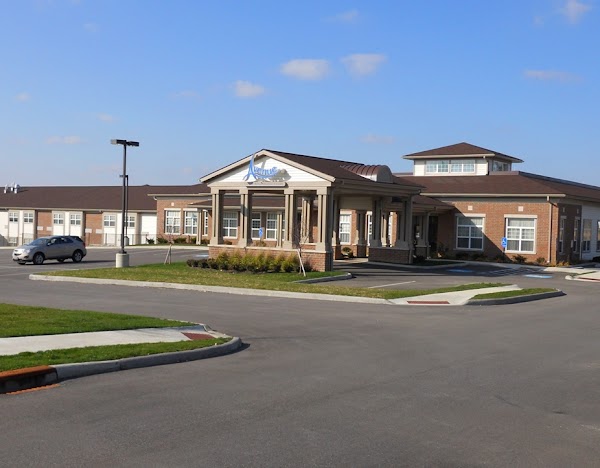
4120 INTERCHANGE CORPORATE CENTER ROAD, WARRENSVILLE HEIGHTS, OH 44128 (216) 896-9900
For profit - Corporation 97 Beds PROGRESSIVE QUALITY CARE Data: November 2025 1 Immediate Jeopardy citation
Trust Grade
8/100
#834 of 913 in OH
Last Inspection: May 2023

Over 2 years since last inspection. Current conditions may differ from available data.

Overview

Avenue Care and Rehabilitation Center has received a Trust Grade of F, indicating significant concerns about the quality of care provided. Ranking #834 out of 913 facilities in Ohio places it in the bottom half, and #82 out of 92 in Cuyahoga County shows there are only a few options that are worse. The facility is worsening, with issues increasing from 4 in 2024 to 16 in 2025. Although staffing is a relative strength with 2/5 stars and RN coverage exceeding 80% of Ohio facilities, the turnover rate is concerning at 64%, much higher than the state average of 49%. Notably, the facility has faced over $34,000 in fines, which is higher than 80% of facilities in Ohio, indicating repeated compliance problems. Specific incidents include a critical failure to supervise a resident with severe cognitive impairment who left the facility without staff knowledge, which ultimately led to the resident's death. Additionally, a serious medication error occurred when a resident received ten times the prescribed dose of morphine, resulting in an overdose and respiratory distress. Lastly, another serious incident involved a resident who fell during a mechanical lift transfer, causing harm and reopening a surgical incision. Overall, while there are some strengths, the concerning incidents and poor ratings suggest families should carefully consider their options.

Trust Score
F
8/100
In Ohio
#834/913
Bottom 9%
Safety Record
High Risk
Review needed
Inspections
Getting Worse
4 → 16 violations
Staff Stability
⚠ Watch
64% turnover. Above average. Higher turnover means staff may not know residents' routines.
Penalties
⚠ Watch
$34,146 in fines. Higher than 89% of Ohio facilities, suggesting repeated compliance issues.
Skilled Nurses
✓ Good
Each resident gets 47 minutes of Registered Nurse (RN) attention daily — more than average for Ohio. RNs are trained to catch health problems early.
Violations
⚠ Watch
36 deficiencies on record. Higher than average. Multiple issues found across inspections.
★☆☆☆☆
1.0
Overall Rating
★★☆☆☆
2.0
Staff Levels
★★★★☆
4.0
Care Quality
★☆☆☆☆
1.0
Inspection Score
Stable
2024: 4 issues
2025: 16 issues

The Good

  • 4-Star Quality Measures · Strong clinical quality outcomes
  • Full Sprinkler Coverage · Fire safety systems throughout facility
  • No fines on record

Facility shows strength in quality measures, fire safety.

The Bad

1-Star Overall Rating

Below Ohio average (3.2)

Significant quality concerns identified by CMS

Staff Turnover: 64%

18pts above Ohio avg (46%)

Frequent staff changes - ask about care continuity

Federal Fines: $34,146

Above median ($33,413)

Moderate penalties - review what triggered them

Chain: PROGRESSIVE QUALITY CARE

Part of a multi-facility chain

Ask about local staffing decisions and management

Staff turnover is elevated (64%)

16 points above Ohio average of 48%

The Ugly 36 deficiencies on record

1 life-threatening 2 actual harm
Aug 2025 14 deficiencies
CONCERN (D) 📢 Someone Reported This

A family member, employee, or ombudsman was alarmed enough to file a formal complaint

Potential for Harm - no one hurt, but risky conditions existed

Resident Rights (Tag F0550)

Could have caused harm · This affected 1 resident

**NOTE- TERMS IN BRACKETS HAVE BEEN EDITED TO PROTECT CONFIDENTIALITY** Based on observation, resident and staff interview, medical record review, and review of the facility policy, the facility faile...

Read full inspector narrative →
**NOTE- TERMS IN BRACKETS HAVE BEEN EDITED TO PROTECT CONFIDENTIALITY** Based on observation, resident and staff interview, medical record review, and review of the facility policy, the facility failed to ensure residents were provided with a dignified dining experience. This affected two (#25 and #95) out of three reviewed for respect and dignity. The facility census was 87. Findings include: 1. Review of Resident #95's medical record revealed an admission date of 06/18/24 and diagnoses included type two diabetes mellitus with proliferative diabetic retinopathy with traction retinal detachment involving the macula, bilateral, end stage renal disease (ESRD), and depression.Review of Resident #95's care plan revised 04/16/25 included Resident #95 had a self care deficit related to weakness, ESRD with hemodialysis, blindness to both eyes and limited mobility. Resident #95 would maintain the highest level of independence possible through the review date. Interventions included to provide eating set up and supervision.Observation on 08/05/25 at 8:44 A.M. of Certified Nurse Aide (CNA) #772 revealed she carried Resident #95's meal tray in his room and set the tray up but did not offer to assist Resident #95 and did not stay in the room to supervise him while he was eating. CNA #772 did not return to the room to check on Resident #95 after she set his tray up and left the room.Observation on 08/05/25 at 1:13 P.M. revealed CNA #772 delivered Resident #95's meal tray to his room, set the tray up and did not stay in the room to assist Resident #95. CNA #772 did not show Resident #95 where his silverware was and did not ensure a piece of meat with gravy on top was cut up before she left Resident #95's room. Further observation revealed there was no knife on the tray and no way to cut the piece of meat into bite size pieces. Resident #95 began eating his mashed potatoes with his fingers and interview with the resident during the observation confirmed he was using his fingers and stated no was assisting him. When asked about the whole piece of meat and no knife on the meal tray and Resident #95 eating his mashed potatoes with his fingers, interview with Licensed Practical Nurse (LPN) #733 during the observation confirmed there was no way to cut the meat up and left the room to find a knife. LPN #733 confirmed Resident #95 was eating mashed potatoes with his fingers and showed him where the spoon was.2. Review of Resident #25's medical record revealed an admission date of 07/03/23 and diagnoses included cerebral infarction due to embolism of unspecified cerebral artery, hemiplegia (paralysis) and hemiparesis (weakness) following cerebral infarction affecting the right dominant side, and dysphagia following cerebral infarction.Review of Resident #25's annual Minimum Data Set (MDS) assessment dated [DATE] revealed a Brief Interview for Mental Status was not conducted due to Resident #25 being rarely or never understood. Resident #25 had impairment on both sides of her upper extremities and impairment on one side of her lower extremities. Resident #25 required substantial to maximal assistance with eating and was dependent for toileting hygiene, bathing, and oral hygiene. Resident #25 was always incontinent of urine and bowel. Review of Resident #25's care plan revised 08/06/25 included Resident #25 had a self-care deficit related to dementia, history of cerebrovascular accident with hemiplegia, impaired mobility, dysphagia. Resident #25's activities of daily living (ADL) needs would be met by staff while allowing her to participate as able. Interventions included the resident needed dependent assistance of one for eating and was dependent on the assistance of one for incontinence care.Observation on 08/05/25 at 8:47 A.M. of Resident #25 revealed she was lying in bed and the head of the bed was elevated at approximately a 30-degree angle. Interview during the observation with LPN #733 stated Resident #25 required assistance with feeding and if the nurse aides had enough time they assisted her out of bed into her wheelchair and took her to the dining room to eat, but otherwise she was fed in her room. Certified Nurse Aide (CNA) #772 carried Resident #25's meal tray in the room and stated she was going to feed her. CNA #772 set Resident #25's meal tray up, stood next to her, did not raise the height of Resident #25's bed and began feeding her while the head of her bed was still at a 30-degree angle. CNA #772 dropped food on Resident #25's gown and continued to feed her while Resident #25's head of the bed was at a 30-degree angle. After a few minutes, CNA #772 raised Resident #25's head of bed to about a 90-degree angle and continued to stand next to her while she was assisting her with eating. CNA #772 confirmed she was standing while feeding Resident #25 and dropped food on her gown. CNA #772 stated she always stood when she fed Resident #25 in the room and when she was in the dining room she sat while she fed her.Review of the facility policy titled, Resident Rights and Facility Responsibilities, dated 10/03/23, revealed the facility must treat each resident with respect and dignity and care for each resident in a manner and in an environment that promoted maintenance or enhancement of his or her quality of life, recognizing each resident's individuality. The facility must protect and promote the rights of the resident. This deficiency represents non-compliance investigated under Complaint Number OH00167217 (1254635), Complaint Number OH00164532 (1254632) , and Complaint Number OH00162468 (1254628).
CONCERN (D) 📢 Someone Reported This

A family member, employee, or ombudsman was alarmed enough to file a formal complaint

Potential for Harm - no one hurt, but risky conditions existed

Deficiency F0558 (Tag F0558)

Could have caused harm · This affected 1 resident

**NOTE- TERMS IN BRACKETS HAVE BEEN EDITED TO PROTECT CONFIDENTIALITY** Based on observation, resident and staff interview, medical record review, review of an invoice, and review of the facility poli...

Read full inspector narrative →
**NOTE- TERMS IN BRACKETS HAVE BEEN EDITED TO PROTECT CONFIDENTIALITY** Based on observation, resident and staff interview, medical record review, review of an invoice, and review of the facility policy, the facility failed to ensure a resident's bed was appropriate to accommodate his height and weight and failed to ensure call lights were within reach for resident use. This affected three (#76, #44, and #95) out of seven residents reviewed for appropriate accommodation of needs. The facility census was 87.Findings include:1. Review of Resident #76's medical record revealed an admission date of 02/22/24 and diagnoses included paroxysmal atrial fibrillation, muscle weakness, difficulty walking, and pain. Review of Resident #76's height dated 02/22/24 revealed he was 81.0 inches (six (6) feet nine (9) inches) tall. Review of Resident #76's care plan dated 03/06/24 included Resident #76 had an alteration in musculoskeletal status related to muscle spasms, muscle weakness, and osteoarthritis. Resident #76 would remain free of complications related to fracture, such as contracture formation, embolism and immobility through the review date. Resident #76 would remain free from pain or at a level of discomfort acceptable to the resident. Interventions included to anticipate and meet needs and Resident #76 needed to change position every two hours and as needed. Review of Resident #76's quarterly Minimum Data Set (MDS) assessment dated [DATE] revealed Resident #76 was cognitively intact. Resident #76 used a motorized wheelchair. Resident #76 required substantial to maximal assistance for toileting hygiene, personal hygiene, bathing and upper body dressing. Resident #76 was dependent for lower body dressing and chair-to-bed-to-chair transfer. Review of Resident #76's weight dated 07/09/25 revealed Resident #76 weighed 387.2 pounds. Observation on 08/04/25 at 10:17 A.M. of Resident #76 revealed he was lying in bed, the head of the bed was elevated about 45-degrees and Resident #76's head was even with the top of the mattress. Resident #76's pillow was on the floor at the head of the bed. Interview during the observation with Resident #76 stated he was 6 feet 9 inches, he was too tall for the bed, and did not fit in the bed. Resident #76 confirmed his pillow fell off the bed and it happened often. Resident #76 stated he had been begging for a bigger bed and the nurses and aides say they would be back and they do not come back. Resident #76 stated it was hard for him to roll side-to-side in the bed because it was not wide enough. Resident #76 rolled from side-to-side to show how hard it was for him. Observation showed Resident #76 could not roll freely. Observation on 08/05/25 at 8:32 A.M. of Resident #76 with the Administrator revealed Resident #76 was lying in bed and the foot of the bed was extended. There was a gap of about eight to twelve inches between the end of the mattress and the footboard. A long vinyl wrapped foam piece was placed in the gap between the mattress and the footboard, but the foam piece did not fit the area and was not tall enough for Resident #76 to rest his heels on it. The foam piece did not fit across the width of the gap between the mattress and the footboard. The Administrator confirmed the foam piece did not fit the open area between the mattress and the footboard and was not helping in any way. Review of Resident #76's invoice dated 08/05/25 included a bed was ordered and shipped to the facility and would arrive to the facility on [DATE]. The bed description was multi-layered pressure reduction mattress with firm perimeter and fire barrier, 650 pound cap. The bed dimensions were 48 inches by 84 inches. Interview on 08/06/25 at 11:11 A.M. of the Administrator revealed she ordered another bed for Resident #76. The Administrator stated Resident #76's current bed dimensions were 36 inches by 80 inches (three (3) feet by 6 feet eight (8) inches). The new bed dimensions were 48 inches ( four (4) feet) by 84 inches ( seven (7) feet). Review of the facility policy titled, Resident Rights and Facility Responsibilities, included the right to reside and receive services in the facility with reasonable accommodation of resident needs and preferences except when to do so would endanger the health or safety of the resident or other residents. 2. Review of the medical record revealed Resident #44 was admitted to the facility on [DATE] with diagnoses that included depression, chronic obstructive pulmonary disease, and hemiplegia. Review of the most recent MDS assessment dated [DATE] revealed Resident #95 was moderately cognitively impaired and required extensive assistance of one staff person for completing his activities of daily living Observation of Resident #44 on 08/04/25 at 11:59 A.M. revealed Resident #44 was up in her wheelchair and his call light was on the floor and out of reach. Interview with Certified Nurse Aide (CNA) #764 verified the placement of the call light at the time of observation. 3. Review of the medical record revealed Resident #95 was admitted to the facility on [DATE] with diagnoses that included type two diabetes, end stage renal disease, and chronic pain. Review of the most recent MDS assessment dated [DATE] revealed Resident #95 was moderately cognitively impaired and required extensive assistance of one staff person for completing his activities of daily living. The assessment also noted Resident #95 as completely blind with zero visual perception noted. Observation of Resident #95 on 08/05/25 at 8:06 A.M. revealed Resident #95 was up in his wheelchair and his call light was on the floor and out of reach. Interview with Licensed Practical Nurse (LPN) #741 verified the placement of the call light at the time of observation. This deficiency represents non-compliance investigated under Complaint Number OH00167095 (1254634).
CONCERN (D) 📢 Someone Reported This

A family member, employee, or ombudsman was alarmed enough to file a formal complaint

Potential for Harm - no one hurt, but risky conditions existed

Notification of Changes (Tag F0580)

Could have caused harm · This affected 1 resident

**NOTE- TERMS IN BRACKETS HAVE BEEN EDITED TO PROTECT CONFIDENTIALITY** Based on medical record review, staff interview, and review of a facility policy, the facility failed to ensure a resident's fam...

Read full inspector narrative →
**NOTE- TERMS IN BRACKETS HAVE BEEN EDITED TO PROTECT CONFIDENTIALITY** Based on medical record review, staff interview, and review of a facility policy, the facility failed to ensure a resident's family or responsible party were notified of changes in condition. This affected one (#6) of two residents reviewed for change in condition. The census was 87.Findings include:Record review for Resident #6 revealed admission to the facility on [DATE]. Diagnoses included end stage renal disease, gastrointestinal hemorrhage, diabetes mellitus II and paroxysmal atrial fibrillation.Review of Resident #6's electronic medical record (EMR) revealed a nurse note dated 02/14/25 at 6:57 P.M. that Resident #6 was ordered to be sent to the hospital. There was no indication the family was notified. Further review revealed a note dated 02/19/25 at 4:10 P.M. that Resident #6 returned to the facility. There is no indication the family was notified.Review of Resident #6's EMR revealed a nurse note dated 02/26/25 at 2:29 P.M. that Resident #6 was ordered to be sent to the hospital. There was no indication the family was notified.Review of Resident #6's EMR revealed a nurse note dated 03/05/25 at 4:04 P.M. that Resident #6 was sent to the hospital from dialysis. There was no indication the family was notified.Review of Resident #6's EMR revealed a nurse note dated 03/13/25 at 12:37 P.M. that Resident #6 went to the hospital from the doctor's office. There was no indication the family was notified. Further review revealed she was sent out again on 03/13/25 at 1:22 A.M. and returned same day at 4:49 A.M. There was no indication the family was notified when Resident #6 left or returned to the facility.Review of Resident #6's EMR revealed a nurse note dated 03/15/25 at 3:11 P.M. that Resident #6 was ordered to go to the hospital. There was no indication the family was notified. Further review revealed a physician note dated 03/21/25 that Resident #6 was readmitted . There was no documentation that the family was notified.Interview with the Unit Manager Licensed Practical Nurse (LPN) #745 on 08/13/25 at 11:29 A.M. verified there was no documentation informing Resident #6's family was notified of her being sent out of the facility and to the hospital on [DATE], 02/26/25, 03/05/25, 03/13/25, or 03/15/25.Review of the facility policy titled, Resident Change in Condition, dated 07/28/22, revealed the purpose was to ensure staff provided timely and appropriate care and services when residents experience a change in condition that had or was likely to cause adverse negative health outcomes. The facility would promptly notify the resident, his or her attending physician and responsible party of changes in the resident's condition and, or status. This deficiency represents non-compliance investigated under Complaint Number OH00163811 (1254630).
CONCERN (D) 📢 Someone Reported This

A family member, employee, or ombudsman was alarmed enough to file a formal complaint

Potential for Harm - no one hurt, but risky conditions existed

Deficiency F0627 (Tag F0627)

Could have caused harm · This affected 1 resident

**NOTE- TERMS IN BRACKETS HAVE BEEN EDITED TO PROTECT CONFIDENTIALITY** Based on medical record review, staff interviews, review of self-reported incidents, review of discharge notices, and review of ...

Read full inspector narrative →
**NOTE- TERMS IN BRACKETS HAVE BEEN EDITED TO PROTECT CONFIDENTIALITY** Based on medical record review, staff interviews, review of self-reported incidents, review of discharge notices, and review of a policy review, the facility failed to ensure residents were permitted to return to the facility following a hospitalization and failed to ensure documentation of the need for discharge was reflected in the medical record to establish the need for discharge from the facility. This affected three residents (#18, #26 and #89) out of five residents reviewed for discharge. The facility census was 87.Findings include:1. Review of the medical record revealed Resident #18 was admitted to the facility on [DATE] with diagnoses that included Parkinson’s disease, borderline intellectual functioning, and dementia. Review of the most recent Minimum Data Set (MDS) assessment dated [DATE] revealed Resident #18 was severely cognitively impaired and required the assistance of one staff member for completing activities of daily living (ADLs). Review of the discharge notice issued on 07/31/25 revealed Resident #18 would be discharged to another nursing facility on 08/30/25 for, “violating the rights of others to have a homelike environment.” 2. Review of the medical record revealed Resident #89 was admitted to the facility on [DATE] with diagnoses that included chronic kidney disease, cannabis use disorder, and high cholesterol. Review of the most recent MDS assessment dated [DATE] revealed Resident #89 was cognitively intact and required supervision to complete ADLs. Review of facility self-reported incidents (SRIs) revealed on 07/28/25 Resident #89 was found in possession of another resident’s cell phone, which he promptly returned without incident. Further review of the SRIs revealed no prior incidents involving abuse, neglect, or misappropriation by Resident #89 since 08/21/08. Review of the discharge notice provided to Resident #89 on 07/31/25 revealed Resident #89 would be discharged to another nursing facility on 08/30/25, the resident is violating the rights of others to privacy/personal possessions, respect, and the right to be free from abuse. Interview with the Administrator on 08/06/25 at 10:15 A.M. confirmed the discharge notices issued for Resident #18 and Resident #89 were not supported by appropriate documentation. 3. Review of the medical record revealed Resident #26 was admitted to the facility on [DATE] with diagnoses including encephalopathy (any condition that affects the brain's structure or function, leading to impaired mental state), diabetes, dementia without behavioral disturbance, and anxiety disorder. Review of the comprehensive admission MDS assessment, dated 07/25/25, revealed Resident #26 was moderately cognitively impaired and had no behaviors during the assessment period. Review of the nurses’ notes dated 08/08/25 at 7:58 P.M. revealed Resident #26 was restless and became extremely agitated after dinner. The resident unbuttoned his pants to urinate in a trash can. Registered Nurse (RN) #799 attempted to redirect the resident to his room as the common area was not an appropriate place to urinate. The resident refused redirection and attempted to remove other residents dinner plates while they ate. Other attempts at redirection were ineffective. The resident started walking the halls heading toward the lobby stating he was going to get to his car as he needed to work on it. RN #799 and a certified nurse aide (CNA) continued to try and redirect the resident to his room. Resident #26 attempted to open the secured door to the main entrance. RN #799 held the door shut and the resident became more agitated and attempted to hit RN #799. A second nurse notified Nurse Practitioner (NP) #811 of the resident’s aggressive behavior and gave an order to transport the resident to a local emergency room (ER) for evaluation. At 7:15 P.M. Resident #26 was transferred to the ER. No further documentation was noted regarding what occurred with the resident after transport. Interview with the Mobile Director of Nursing on 08/11/25 at 3:35 P.M. revealed Resident #26 was admitted to the hospital. When he was discharged he would be transferred to another facility with a secured unit. He will not be returning to the facility. Interview with the Director of Nursing (DON) on 08/11/25 at 5:10 P.M. revealed anyone who was sent to the ER for evaluation was considered discharged . The DON was unable to explain why no further documentation was in the chart regarding what happened to Resident #26 after his transfer. The DON was unable to provide any discharge paperwork regarding the resident or where he went. No immediate discharge documentation was provided regarding Resident #26 not being able to return to the facility. Review of the facility’s policy titled, “Discharge Planning & Managing Length of Stay,” dated 12/01/22, revealed discharge planning should involve identifying each resident’s discharge goals and needs, implementing appropriate interventions, and regularly evaluating those interventions throughout the resident’s stay. When a facility anticipates discharge, a discharge summary includes a recapitulation history will be completed. A final discharge summary will be completed upon discharge that should be given to the resident or responsible party including medication reconciliation, discharge medication orders, and a post discharge plan of care including where the resident plans to reside, any appointments made for follow up care and any post discharge medical services. This deficiency represents non-compliance investigated under Complaint Number OH00166711 (1254468) and Complaint Number OH00167217 (1254635).
CONCERN (D) 📢 Someone Reported This

A family member, employee, or ombudsman was alarmed enough to file a formal complaint

Potential for Harm - no one hurt, but risky conditions existed

ADL Care (Tag F0677)

Could have caused harm · This affected 1 resident

**NOTE- TERMS IN BRACKETS HAVE BEEN EDITED TO PROTECT CONFIDENTIALITY** Based on observation, staff interview, medical record review, and review of the facility policy, the facility failed to ensure r...

Read full inspector narrative →
**NOTE- TERMS IN BRACKETS HAVE BEEN EDITED TO PROTECT CONFIDENTIALITY** Based on observation, staff interview, medical record review, and review of the facility policy, the facility failed to ensure resident finger nail care was provided in an adequate manner. This affected one (#29) of six residents reviewed for activities of daily living (ADLs). The facility census was 87.Findings include:Review of Resident #29's medical record revealed an admission date of 12/21/21 and a re-entry date of 08/15/22. Resident #29's diagnoses included senile degeneration of the brain, anxiety disorder, and embolism and thrombosis of unspecified parts of the aorta. Review of Resident #29's care plan revised 03/25/25 included Resident #29 was resistive to care related to dementia and refused personal hygiene care and ADL management including showers. Resident #29 would cooperate with care through the next review date. Interventions included to give a clear explanation of all care activities prior to and as they occurred during each contact; if possible negotiate a time for ADLs so Resident #29 participated in the decision making process and return at the agreed upon time; if Resident #29 resisted with ADLs, reassure the resident, leave, and return five to ten minutes later and try again. Review of Resident #29's annual Minimum Data Set (MDS) assessment dated [DATE] revealed Resident #29 had severe cognitive impairment. Resident #29 was dependent for toileting hygiene, bathing, dressing and personal hygiene. Resident #29 was always incontinent of urine and bowel. Resident #29 did not reject care during the seven-day assessment look-back period. Review of Resident #29's progress notes dated 07/15/25 through 08/07/25 did not reveal evidence Resident #29 refused to have her fingernails cleaned and trimmed. Review of Resident #29's shower sheets dated 07/29/25 and 08/01/25 revealed Resident #29 had a bed bath. There were no notes on the shower sheets indicating Resident #29's fingernails were long, dirty and needed trimmed. Observation on 08/04/25 at 10:26 A.M. of Resident #29 with Certified Nurse Aide (CNA) #764 revealed Resident #29 had long dirty fingernails. CNA #764 confirmed Resident #29's fingernails were long, about a half inch to three quarters of an inch, and had dark brown material underneath the nails. Review of Resident #29's shower sheet dated 08/05/25 revealed Resident #29 had a bed bath. There were no notes on the shower sheet indicating Resident #29 needed her fingernails trimmed and cleaned. Observation on 08/07/25 at 7:34 A.M. of Resident #29 revealed her fingernails were about a half inch to three quarters of an inch, and had dark brown material underneath the nails. Interview on 08/07/25 at 8:07 A.M. of the Director of Nursing (DON) revealed the nurse aides should check Resident #29's fingernails on bath days and it should be documented on the shower sheet if Resident #29's fingernails were long, dirty and needed trimmed. The DON stated the aides should also report it to the nurse. The DON indicated the nurse's cut resident fingernails. Observation on 08/07/25 at 11:38 A.M. of CNA #752 confirmed Resident #29's fingernails were about a half inch to three quarters of an inch, and had dark brown material underneath the nails. CNA #752 stated she was not sure if Resident #29's fingernails should be cleaned when she was bathed. CNA #752 indicated she was going to soak Resident #29's fingernails now to help clean them. Interview on 08/07/25 at 11:42 A.M. of Licensed Practical Nurse (LPN) #743 revealed he was not told Resident #29's fingernails needed trimmed, and he would make sure they were trimmed today. Interview on 08/11/25 at 10:31 A.M. of CNA #788 revealed she had no issues with Resident #29 refusing care, she did not refuse care, and it was all in the way Resident #29 was approached when care was provided. Review of the facility policy titled, Activities of Daily Living (ADLs), dated 03/2023, included the purpose was to specify the responsibility to create and sustain an environment that humanizes and individualizes each resident's quality of life by ensuring all staff, across all shifts and departments, understand the principles of quality of life, and honor and support these principles for each resident; and that the care and services provided were person-centered, and honor and support each resident's preferences, choices, values and beliefs. A resident who was unable to carry out activities of daily living would receive the necessary services to maintain good nutrition, grooming, and personal and oral hygiene. This deficiency represents non-compliance investigated under Master Complaint 2564323, Complaint Number OH00162468 (1254628), Complaint Number OH00164532 (1254632), and Complaint Number OH00167217 (1254635).
CONCERN (D) 📢 Someone Reported This

A family member, employee, or ombudsman was alarmed enough to file a formal complaint

Potential for Harm - no one hurt, but risky conditions existed

Pressure Ulcer Prevention (Tag F0686)

Could have caused harm · This affected 1 resident

**NOTE- TERMS IN BRACKETS HAVE BEEN EDITED TO PROTECT CONFIDENTIALITY** Based on observation, interview, medical record review, and facility policy review, the facility failed to ensure Resident #31's...

Read full inspector narrative →
**NOTE- TERMS IN BRACKETS HAVE BEEN EDITED TO PROTECT CONFIDENTIALITY** Based on observation, interview, medical record review, and facility policy review, the facility failed to ensure Resident #31's unstageable pressure ulcer to the coccyx was accurately identified and treated timely. This affected one (Resident #31) of three residents reviewed for pressure ulcers. The facility census was 87.Findings include:Review of Resident #31's medical record revealed an admission date of 03/14/25 and diagnoses included heart failure, chronic kidney disease, and unspecified intellectual abilities.Review of Resident #31's admission Minimum Data Set assessment dated [DATE] revealed Resident #31 had severe cognitive impairment. Resident #31 required substantial to maximal assistance with toileting hygiene and bathing. Resident #31 required partial to moderate assistance for dressing and personal hygiene. Resident #31 had an indwelling catheter and was occasionally incontinent of bowel. Resident #31 did not reject care during the seven-day assessment look-back period.Review of Resident #31's admission assessment dated [DATE] included Resident #31 had a right arm skin tear. There was no evidence Resident #31 had an open area to the coccyx.Review of Resident #31's progress notes dated 03/14/25 through 03/25/25 did not reveal documentation related to Resident #31's unstageable pressure ulcer (obscured full-thickness skin and tissue loss) on the coccyx.Review of Resident #31's admission care plan dated 03/16/25 at 3:00 P.M. revealed it was not completed and did not have any documentation recorded.Review of Resident #31's Braden Scale for Predicting Pressure Sore Risk assessment dated [DATE] revealed Resident #31 was at mild risk for developing a pressure sore injury/ulcer.Review of Resident #31's late entry progress note dated 03/18/25 at 3:38 P.M. included on 03/18/25 at 12:54 P.M. Resident #31 arrived to the facility via stretcher (Resident #31 was admitted on [DATE]). Resident #31 was admitted to the facility for acute kidney failure, congestive heart failure (CHF), and other diagnoses. Resident #31 was a one assist for bed mobility, required two staff for transfers, and required a mechanical lift for transfers.Review of Resident #31's pressure ulcer and wound record dated 03/23/25 at 6:12 A.M. included Resident #31 had a pressure area first observed on 03/23/25. Resident #31 had a stage one pressure wound (non-blanchable erythema of intact skin) to the sacrum (coccyx). Measurements were 2.0 centimeters (cm) long by 1.0 cm wide. There was no description of the appearance of the open area. Review of Resident #31's physician orders dated 03/23/25 through 03/25/25 did not reveal treatment orders for Resident #31's stage one pressure ulcer.Review of Resident #31's wound care notes dated 03/25/25 completed by Wound Nurse Practitioner (WNP) #809 included Resident #31 was seen for an initial evaluation of his wound. Resident #31 had limited mobility, incontinence, relied on facility staff for repositioning and activities of daily living (ADLs). Resident #31 had an indwelling catheter. Resident #31 was alert, confused, calm, cooperative and agreeable to care. Resident #31 had an unstageable pressure ulcer of the coccyx, it was acquired in-house, was full thickness and had a length of 3.0 cm, width of 6.7 cm, and depth was unable to be determined. Treatment was to cleanse with normal saline, apply Medihoney and calcium alginate, and cover with a silicone super absorbent dressing daily and as needed. Education was provided to Resident #31 and the nursing staff including the importance of offloading to promote wound healing and the importance of keeping the wound site clean and dry, avoiding contamination and changing dressings as instructed. Review of Resident #31's skin and wound progress notes dated 03/25/25 at 2:23 P.M. included Resident #31 was seen for an initial visit for an unstageable pressure ulcer to the coccyx. Measurements were length of 3.0 cm, width of 6.7 cm, and depth was unable to be determined. There was 80 percent slough, 20 percent pink tissue, and moderate serosanguinous drainage. A new order was to cleanse with normal saline, apply Medihoney and calcium alginate, and cover with a silicone super absorbent dressing daily and as needed. Review of Resident #31's care plan dated 03/26/25 included a care plan for pressure sores, skin care risk related to decreased mobility, incontinence, and assistance needed with ADLs with a goal to prevent and heal pressure sores and skin breakdown. Interventions included treatments as ordered and turn and reposition during care rounds and as needed. Review of Resident #31's care plan dated 03/14/25 through 03/26/25 did not reveal a care plan for pressure ulcer, injuries or risk for pressure ulcers, injuries.Review of Resident #31's treatment administration record (TAR) dated 03/31/25 revealed a physician treatment order to cleanse Resident #31's coccyx with normal saline, apply Medihoney and calcium alginate, and a silicone super absorbent dressing at bedtime and as needed was not completed as ordered. Review of Resident #31's progress notes dated 03/31/25 did not reveal evidence why Resident #31's coccyx treatment was not completed.Review of Resident #31's TAR dated 08/03/25 and 08/04/25 revealed a physician treatment order dated 07/22/25 to cleanse Resident #31's coccyx with normal saline, pat dry, apply collagen to wound bed, and cover with a clean dry dressing daily and as needed was marked, No, the treatment was not completed.Review of Resident #31's progress notes dated 08/03/25 and 08/04/25 did not reveal a reason why Resident #31's treatment was not completed on 08/03/25 and 08/04/25. Review of Resident #31's TAR dated 08/09/25 through 08/11/25 revealed an order dated 07/22/25 to check placement of Resident #31's wound dressing every shift and document findings was not completed.Review of Resident #31's progress notes dated 08/09/25 through 08/11/25 did not reveal a reason Resident #31's wound dressing placement was not checked every shift.Review of Resident #31's TAR dated 08/09/25, 08/10/25, and 08/11/25 revealed a physician treatment order dated 07/22/25 to cleanse Resident #31's coccyx with normal saline, pat dry, apply collagen to wound bed and cover with a clean dry dressing daily and as needed was not completed.Review of Resident #31's progress notes dated 08/09/25 through 08/11/25 did not reveal a reason Resident #31's treatment to his coccyx was not completed.Observation on 08/11/25 at 7:53 A.M. of Resident #31 with Unit Manager (UM) #801 revealed Resident #31 was laying on his back in bed with his eyes closed. Resident #31's head of the bed was elevated about thirty-degrees and he had a pillow under the left shoulder. UM #801 stated Resident #31 had a dislodged indwelling catheter and had to be transported to the local hospital on [DATE] to have it replaced. Resident #31 returned from the hospital on [DATE]. Observation of Resident #31's dressing on his coccyx revealed it did not have a date the treatment was completed written on it. UM #801 confirmed the dressing did not have a date on it and would check with Wound Nurse (WN) #802 about the treatment.Observation on 08/11/25 at 8:40 A.M. of UM #801 revealed she was at the nurses station working on a computer. UM #801 stated Resident #31 returned from the hospital on [DATE] and the treatment orders for his coccyx were not reordered. UM #801 confirmed there was no evidence Resident #31's treatment was completed on 08/09/25 and 08/10/25. UM #801 stated she was trying to fix it now. UM #801 indicated she thought Licensed Practical Nurse (LPN) #742 completed Resident #31's admission. Interview on 08/11/25 at 10:31 A.M. of Certified Nurse Aide (CNA) #788 revealed Resident #31 was very pleasant and did not refuse to be cared for.Observation on 08/11/25 at 10:37 A.M. of Resident #31 revealed he was laying in bed on his back with the head of his bed elevated about thirty-degrees and a pillow was under his left shoulder.Observation and interview on 08/11/25 at 1:31 P.M. of Resident #31 with CNA #788 revealed he was laying in bed on his back with the head of his bed elevated about thirty-degrees and a pillow was under his left shoulder. Resident #31 was watching television. CNA #788 stated Resident #31 did not get out bed and she had never seen him out of bed. CNA #788 did not attempt to reposition Resident #31, did not encourage Resident #31 to reposition and did not encourage him to allow her to assist him out of bed. CNA #788 stated she never asked Resident #31 if he wanted to get out of bed.Observation on 08/11/25 at 4:18 P.M. of Resident #31 revealed Resident #31 was laying in bed on his back with the head of the bed elevated about thirty degrees, his eyes were closed, and a pillow was under his left shoulder. CNA #788 was walking at a fast pace in the hall with a hurried expression on her face. CNA #788 stated it was a busy day and confirmed she had not attempted to reposition Resident #31 or encouraged him to reposition except when she provided incontinence care. After incontinence care CNA #788 confirmed Resident #31 was positioned on his back, head of the bed elevated and a pillow under his left shoulder. Interview on 08/12/25 at 6:53 A.M. of Assistant Director of Nursing (ADON) #704 revealed she initiated Resident #31's admission care plan on 03/16/25 and confirmed there was no information documented in the care plan. ADON #704 stated the admission care plan was automatically generated and it was a basic care plan. ADON #704 stated she did not know why Resident #31's care plan was completely blank, she usually reviewed the admission care plans to make sure they were pertinent to the resident and she did not know what happened with Resident #31's care plan.Interview on 08/12/25 at 8:46 A.M. of LPN #742 revealed on 08/09/25 she admitted Resident #31 when he returned to the facility from the hospital. LPN #742 indicated Resident #31 returned at the change of shift, she was getting ready to leave the facility and UM #801 was supposed to complete his admission paperwork and orders. LPN #742 stated she assisted Resident #31 into bed but did not do anything else for him including vital signs, confirming Resident #31's orders and the admission assessment. Observation on 08/12/25 at 9:37 A.M. of Resident #31 with WNP #809, Wound Nurse (WN) #802 and Registered Nurse (RN) #797 revealed Resident #31 was lying in bed on his back, the head of the bed was elevated about thirty-degrees and he had a pillow under his left shoulder. WNP #809 stated Resident #31 was receiving hospice services but she still treated his wound. WNP #809 indicated she was notified on 03/25/25 that Resident #31 had a coccyx wound and she evaluated the wound on that day. Resident #31 was compliant with his care and the pressure ulcer to his coccyx was responding to treatment and it was healing. WNP #809 stated Resident #31 did not like to get out of bed. When asked if staff attempted to get Resident #31 out of bed WNP #809 stated that was a nursing responsibility and she was not sure what the protocol at the facility was for assisting residents out of bed. Observation of Resident #31's coccyx wound revealed the wound bed was a reddish-pink color. WNP #809 stated the wound was 100 percent granulated and had a moderate amount of serosanguinous drainage. The measurements were length 1.1 cm, width of 0.8 cm, and depth 0.4 cm. WN #802 applied collagen then a gauze dressing. WNP #809 stated Resident #31 was compliant with his care all along.Interview on 08/12/25 at 10:57 A.M. of MDS Nurse #744 revealed when a resident was admitted the nurse completed the admission assessment and admission care plan. MDS Nurse #744 stated when an admission care plan was completed the nurse had to place a check mark next to pertinent areas for a care plan to be generated. MDS Nurse #744 confirmed Resident #31 did not have a care plan for pressure ulcers generated until 03/26/25 which was thirteen days after Resident #31 had a coccyx pressure ulcer identified.Interview on 08/12/25 at 2:30 P.M. of WN #802 revealed Resident #31 did not have an open area to his coccyx on 03/14/25 when he was admitted to the facility. Resident #31's open area was identified on 03/23/25 and was documented as a stage one pressure ulcer. WN #802 stated she did not see the wound until 03/24/25. WN #802 confirmed there was no evidence on 03/23/25 of a new treatment order when the pressure ulcer was identified. WN #802 stated on 03/23/25 it was documented that Resident #31's physician was notified of the pressure ulcer but there was nothing in the notes specifying the name of the physician or if a treatment was ordered. WN #802 stated because Resident #31's pressure ulcer was documented as a stage one pressure ulcer she continued the barrier cream ordered on 03/17/25. WN #802 stated she was a new wound nurse and did not know what to put in place and she waited until WNP #809 could evaluate the area and order a treatment. WN #802 indicated Resident #31's wound was not staged appropriately on 03/23/25. WN #802 stated when she saw the wound on 03/24/25 it looked pink and there was no death. WN #802 stated Resident #31 was delayed cognitively, did not get out of bed and did not complain. Resident #31 was very compliant with his care and confirmed he lays in the same position all the time. Interview on 08/14/25 at 11:42 A.M. of WN #802 revealed Resident #31 was admitted to hospice services on 04/16/25. WN #802 confirmed Resident #31's treatments to the coccyx were not always documented by the nurses they were completed, but that was because sometimes the hospice nurse completed the treatments. WN #802 was unable to provide evidence the hospice nurses completed the undocumented treatments.Review of the facility policy titled, Pressure Ulcer Prevention and Interventions, revised 01/2023, included the purpose was to implement preventative skin measures for all residents based on the levels and areas of risk to include moisture, nutrition, activity, mobility, mental status, psychosocial status and general physical condition. Guidance for suggested and recommended assessment, documentation, interventions and treatment types included for non-blanchable erythema, Stage One to assess the location, measurement and color of the area, to assess the resident's skin daily and pay particular attention to bony prominences.This deficiency represents non-compliance investigated under Complaint Number OH00161573 (1254625) and Complaint Number OH00166806 (1254522).
CONCERN (D) 📢 Someone Reported This

A family member, employee, or ombudsman was alarmed enough to file a formal complaint

Potential for Harm - no one hurt, but risky conditions existed

Accident Prevention (Tag F0689)

Could have caused harm · This affected 1 resident

**NOTE- TERMS IN BRACKETS HAVE BEEN EDITED TO PROTECT CONFIDENTIALITY** Based on observation, medical record review, resident and staff interview, review of fall investigations, review of an incident ...

Read full inspector narrative →
**NOTE- TERMS IN BRACKETS HAVE BEEN EDITED TO PROTECT CONFIDENTIALITY** Based on observation, medical record review, resident and staff interview, review of fall investigations, review of an incident log, and review of facility policies, the facility failed to ensure thorough fall investigations were completed, resident care plans were revised to reflect current fall interventions, and fall interventions were in place as ordered. This affected three (#20, #24, and #25) of three residents reviewed for falls. The facility census was 87. Findings include:1. Review of Resident #25's medical record revealed an admission date of 07/03/23 with diagnoses that included cerebral infarction, hemiplegia and hemiparesis, dysphagia, chronic respiratory failure, paranoid schizophrenia, bipolar disorder, anxiety disorder, and muscle weakness. Review of the most recent annual Minimum Data Set (MDS) assessment dated [DATE] revealed Resident #25 was assessed by staff as severely cognitively impaired. The resident had a functional limitation in range of motion (ROM) to both sides of the upper extremities and impairment on one side of the lower extremities. The resident required maximal assistance to roll left and right, was dependent on staff for transferring from the chair to the bed, and moving from lying to sitting on the side of the bed was not attempted due to medical or safety concerns. The resident required a mechanical (Hoyer) lift for transfers. Review of the nurse’s notes dated 05/31/25 at 6:55 A.M. revealed Resident #25 was found on the floor as Licensed Practical Nurse (LPN) #734 walked into the resident’s room to give morning medication. An assessment and neurological checks were done before putting the resident back in bed. No injuries were noted at that time. Resident #25 was put back in bed, the bed lowered, the call light was within reach, and the resident was educated to call for help before getting out of bed. The physician and family were notified about her fall. Review of the fall investigation dated 05/31/25 at 5:40 A.M. revealed Resident #88's fall was unwitnessed. Resident #25 was observed on the floor as the nurse walked into resident room to give morning medication. An assessment and neurological checks were done and no injuries were noted at the time. The resident was she was trying to get out of bed when she fell to the floor and denied hitting her head. Resident #88 was oriented to person and place and no predisposing factors were noted. On 06/02/25 the interdisciplinary team (IDT) met in regard to the fall on 05/31/25. Immediate intervention was for Resident #88 to be brought out to the common area; and a long-term intervention was for bilateral floor mats. The physician and family were made aware and the facility would continue to monitor. Review of the fall risk assessment dated [DATE] revealed Resident #25 was at risk for falls and had one to two falls in the last 90 days. Review of the plan of care dated 06/05/25, and reviewed on 08/06/25, revealed Resident #25 was at risk for falls related to impaired cognition, poor safety awareness and psychotropic medications daily. Interventions included bilateral grab bars to the bed for mobility and positioning (initiated 06/05/25), call light within reach and encourage the resident to use it for assistance as needed (initiated 06/05/25), Hoyer lift times two staff for all transfers (initiated 06/05/25), review information on past falls and attempt to determine cause of falls; record possible root causes and alter/remove any potential causes if possible; educate resident/family/caregivers/interdisciplinary team (IDT) as to causes (initiated 06/05/25), and therapy to evaluate and treat as ordered or as needed (initiated 06/05/25). Further review of the care plan revealed no interventions related to the resident's bed being in low position, the resident being in the common area, or fall mats. Review of the plan of care dated 06/05/25, and reviewed on 08/11/25, revealed Resident #25 was at risk for falls related to impaired cognition, poor safety awareness and psychotropic medications daily. Interventions included keep the bed in lowest position when occupied (06/02/25), bilateral floor mats when the resident was in bed (06/02/25), bilateral grab bars to the bed for mobility and positioning (06/05/25), keep the call light within reach and encourage the resident to use it for assistance as needed (06/05/25), Hoyer lift times two staff for all transfers (06/05/25), review information on past falls and attempt to determine cause of falls; record possible root causes and alter/remove any potential causes if possible; educate resident/family/caregivers/IDT as to causes (06/05/25), and therapy to evaluate and treat as ordered or as needed (06/05/25). Review of the nurse’s notes dated 06/13/25 at 8:01 P.M. revealed LPN #742 was notified by a certified nurse aide (CNA) at 2:50 P.M. that Resident #25 was on the floor lying on her stomach with her legs extended alongside her bed. LPN #742 obtained the resident's vital signs then assisted the resident to bed. Resident #25 was not able to recall how she fell out of bed. The resident's range of motion was assessed and the resident complained of pain all over. LPN #742 contacted emergency medical services (EMS) and Resident #25 was transported to the hospital at 3:52 P.M. The Assistant Director of Nursing (ADON), the resident’s son, and the physician were notified. An intervention was implemented for floor mats and the resident was educated on the use of the call light. Review of the fall risk assessments dated 06/13/25 and 07/23/25 revealed Resident #25 was not at risk for falls and had no falls in the last 90 days. Review of the fall investigation for the fall dated 06/13/25 at 2:50 P.M. revealed the fall was unwitnessed in Resident #25's room Resident #25 was on the floor lying on her stomach with her legs extended, lying alongside her bed. Resident #25's vital signs were obtained and staff assisted the resident back to bed. The resident's range of motion was assessed and the resident complained of pain. Resident #25 was transported to the hospital and notifications were made. Resident #25 was oriented to person and situation and predisposing factors included incontinence and gait imbalance. On 06/16/25, the IDT team met to discuss the fall from 06/13/25. A long-term intervention was implemented to encourage Resident #25 to be in the common area when awake and the facility would continue to monitor and follow up. Review of Resident #25's current physician orders for August 2025 on 08/06/25 revealed no orders for fall prevention. Further review of the physician orders revealed on 08/08/25, order were added to Resident #25's physician orders to include use of a Hoyer lift for all transfers and bilateral floor mats. Observation on 08/07/25 at 7:29 A.M. revealed Resident #25 had fall mats in place, the bed was in low position, and the resident was lying in the middle of the bed. An interview on 08/07/25 at 4:33 P.M. with the Director of Nursing (DON), regarding falls, revealed after a fall the nurse should go to the Risk Management tab and the form will prompt them to do a fall assessment and a pain assessment as part of the fall report. The DON stated the facility had a road map book located on each unit with interventions that could be used and falls were reviewed every morning in the morning meeting. The DON stated the majority of the time the MDS assessment updated the care plan immediately or when the IDT note was done. The DON verified the fall notes did not include what interventions were in place during either of Resident #25’s falls. On 08/07/25 at 4:42 P.M. the DON verified the fall intervention in the current care plan did not include low bed or fall mats; however, she was sure those interventions had been added to the care plan after Resident #25’s fall on 05/31/25. On 08/07/25 at 4:58 P.M., the DON verified there were no orders for a low bed or fall mats for Resident #25 and she would have them re-entered. Observation on 08/08/25 at 10:44 A.M. revealed Resident #25 was in the common area with four other residents. On 08/08/25 at 11:03 A.M., LPN #742 and ADON #704 looked through Resident #25’s electronic medical record and could not find the fall interventions of fall mats, low beds, or encouraging Resident #25 to be in the common room when out of bed. They looked under risk management, orders, and on the medication administration record (MAR) and treatment administration record (TAR). On 08/11/25 at 4:51 P.M., the DON revealed Resident #25's fall care plan was marked Resolved by accident for all the intervention added on 06/02/25 after Resident #25’s fall on 05/31/25, and believe it happened on 06/06/25, but were not sure how it happened. On 08/11/25 at 4:57 P.M., the DON verified the Resident #25's fall risk assessments for 06/13/25 and 07/23/25 were not accurate as the resident had falls in the previous 90 days at the time the assessments were completed. On 08/12/25 at 10:48 A.M., the DON revealed the fall care plan had been accidentally marked resolved. The issue had been corrected after the surveyor pointed out the interventions were not in the current care plan. On 08/12/25 at 11:09 A.M., an interview with LPN MDS Nurse #744 revealed after the IDT meeting on 06/02/25 the interventions including bilateral floor mats were added to the care plan. A new MDS nurse went in and resolved the care plans a few days later so, when the care plan was opened it would not show the resolved interventions. 2. Review of Resident #20's medical record revealed an admission date of 06/05/25 and diagnoses included unspecified behavioral and emotional disorders with onset usually occurring in childhood and adolescence, major depressive disorder, anxiety disorder, and congestive heart failure. Review of Resident #20's care plan dated 06/06/25 included Resident #20 was a fall/safety risk related to decreased mobility and behavioral disturbance. Resident #20 would remain free of injuries and falls. Interventions included to keep call bell in reach and encourage use of call light, and instruct Resident #20 on safety measures. Review of Resident #20's annual MDS assessment dated [DATE] revealed Resident #20 had moderate cognitive impairment. Resident #20 did not reject care during the seven-day assessment look-back period. Resident #20 used a manual wheelchair. Resident #20 required partial to moderate assistance for toileting hygiene, bathing, dressing, and personal hygiene. Resident #20 required supervision or touching assistance for the ability to transfer to and from a bed to a chair or wheelchair and toilet transfers. Resident #20 had a fall in the last month prior to admission to the facility. Resident #20 had an indwelling catheter and was always continent of bowel. Review of Resident #20's fall risk assessment dated [DATE] revealed Resident #20 was at risk for falls. Review of the facility incident log dated 07/28/25 at 11:30 A.M. revealed Resident #20 experienced a fall. Review of Resident #20's progress notes dated 07/28/25 did not reveal evidence Resident #20 experienced a fall at 11:30 A.M. Review of Resident #20's pain assessment dated [DATE] revealed the pain assessment was not completed and did not have anything documented regarding Resident #20's fall and if he had pain. Review of Resident #20's medical record did not reveal a fall risk assessment was completed on 07/28/25. Review of Resident #20's progress notes dated 07/28/25 at 11:48 A.M. revealed the pain medication Tylenol tablet 325 milligrams with instructions to given two tablets by mouth every six hours as needed for pain was administered for complaints of pain to bilateral shoulders. Review of Resident #20's incident report dated 07/28/25 at 11:30 A.M. included Resident #20 had a fall and was found sitting on the floor between his bed and the wheelchair in his room. Resident #20 was wearing non-skid slippers to his feet and was seated on his buttocks with his bilateral lower extremities and feet on the floor mat. There were no visible signs of injury. Resident #20 reported he was trying to use his cane to get into his wheelchair and transfer into the bathroom and complained of pain to his bilateral shoulders and bilateral knees. Resident #20 reported it was chronic pain and denied hitting his head. Resident #20's pain level was reported as a three out of ten, zero being no pain and ten being the worst pain. The report did not reveal if Resident #20's call light was in reach when he fell or if it was activated. Resident #20 was assisted into his wheelchair, vital signs were obtained, and Resident #20 was toileted and assisted back into his wheelchair. There were no vital signs documented in the incident report or progress notes or vital sign record. Resident #20 had a gait imbalance and impaired memory. There were no witness statements provided. The incident report revealed Nurse Practitioner (NP) #811 was notified of Resident #20's fall on 07/28/25 at 12:00 P.M. and Family Member (FM) #812 was notified of Resident #20's fall on 07/28/25 at 2:00 P.M. Review of Resident #20's progress notes dated 07/28/25 at 5:10 P.M. revealed Resident #20's follow-up pain was zero. This was documented more than five hours after the Tylenol was administered. Review of Resident #20's progress notes dated 07/29/25 at 5:01 A.M. included Resident #20 refused neurological checks and would not allow vital signs to be checked throughout the night. Review of Resident #20's incident report dated 07/29/25 revealed the IDT met regarding the fall on 07/28/25 at 11:30 A.M. and the notes included Resident #20 was observed on the floor on his buttocks with legs extended and Resident #20 stated, I was trying to go to the bathroom. Resident #20 was educated on the importance of using the call light for help. The notes did not indicate Resident #20's call light was in reach when he experienced a fall. The long term intervention was for Resident #20 to be toileted prior to lunch. Review of Resident #20's fall risk assessment dated [DATE] revealed Resident #20 was at risk for falls. Observation and interview on 08/06/25 at 9:00 A.M. of Resident #20 revealed he was laying in bed with his eyes closed. Fall mats were observed on each side of his bed. Resident #20 stated he was trying to get his thoughts together and would talk later. Interview on 08/07/25 at 4:31 P.M. of the DON revealed after a fall, a fall risk management form was completed by the nurses. When an incident report was initiated the nurses were prompted to do a pain assessment, fall assessment, and notes were written regarding the fall incident. The DON stated the IDT note was not placed in the resident's medical record, but was found at the bottom of the Risk Management form. The DON stated she would have to print IDT notes for the surveyors because they did not have access to the Risk Management form. The DON stated she would have to print witness statements as well. The DON stated the IDT team met every morning to review things like falls and the residents care plan was updated when the fall was reviewed. The DON indicated when Resident #20 had the fall on 07/28/25 the fall and pain assessments should have been done right after the fall. A reasonable amount of time would be the assessments should be completed up to 72 hours after a fall. The DON said she preferred the fall and pain assessments to be completed immediately. The DON stated post fall assessments used to be completed after a resident fall, but they were not required to be completed at the time Resident #20 had his fall on 07/28/25. Interview on 08/11/25 at 10:31 A.M. of Certified Nurse Aide (CNA) #788 revealed she had no issues caring for Resident #20. CNA #788 stated Resident #20 was not difficult to care for, and it was all in the way a resident was approached. Interview on 08/13/25 at 10:53 A.M. of Unit Manager/Fall Nurse (UM/FN) #745 revealed she was the Fall Nurse. UM/FN #745 confirmed Resident #20 had a fall on 07/28/25 and there was no progress note documenting the fall. UM/FN #745 stated the nurse filled out a progress note on Resident #20's Risk Management form, but the progress note did not automatically transfer to the his electronic health record (EHR). UM/FN #745 stated the nurse would have to manually transfer the progress note from the Risk Management form to Resident #20's progress notes. UM/FN #745 stated Resident #20's fall was unwitnessed and neurological checks were initiated. UM/FN #745 stated she would expect to see a pain assessment and a fall assessment completed after Resident #20's fall and confirmed there was no pain or fall assessment completed on 07/28/25. UM/FN #745 stated Resident #20's pain must have progressed and confirmed there should have been a comprehensive pain assessment completed. UM/FN/#745 confirmed there was no fall risk assessment completed until 08/05/25. UM/FN #745 indicated, I was closing out my falls and I completed a post fall assessment on 08/05/25 and that was from the 07/28/25 fall. UM/FN #745 stated vital signs should be taken and documented at the time of the fall and confirmed Resident #20 did not have vital signs documented in his EHR or on the Fall Risk Management form. UM/FN #745 stated, I think the nurse probably did a pain assessment but did not fill out the form. UM/FN #745 indicated she interviewed the staff involved in a fall and took verbal witness statements, but did not write anything down. UM/FN #745 confirmed she could not provide witness statements for Resident #20's fall on 07/28/25. UM/FN #745 indicated, I do not document verbal statements except for what the nurse says and what the nurse aide says. The IDT reviewed falls the next day and an intervention was put in place. UM/FN #745 revealed she did not always have interviews with the nurse and nurse aides involved in falls before the IDT clinical meeting, but followed up after and made sure everything lined up. 3. Record review revealed Resident #24 was most recently admitted to the facility on [DATE]. Diagnoses include acute respiratory failure with hypoxia, syncope and collapse, and end stage renal disease. Review of the MDS assessment dated [DATE] revealed Resident #24 had moderately impaired cognitive deficit. He required substantial to maximal assistance from staff for toileting hygiene, shower, upper and lower body dressing, and donning and doffing footwear. Review of Resident #24’s care plan dated 06/24/25 revealed he was at risk for falls related to gait/balance problems and history of falls. An interventions included bilateral floor mats, ensure the call light was within reach and encourage to use it for assistance as needed, and sit in the common area when out of bed. Observation on 08/06/25 at 10:13 A.M. revealed a fall mat to one side of Resident #24’s bed that was situated in the middle of the wall leaving the other side of the bed with no fall mat. Observation on 08/07/25 at 11:15 A.M. revealed Resident #24 had one fall mat on one side of his bed and no fall mat on the other side of the bed. His bed was not against the wall but was situated in the middle of the wall. Observation and interview on 08/11/25 at 2:25 P.M. revealed Resident #24 was going to take a nap and the bed was situated in the middle of the wall with one fall mat on one side of the bed and no fall mat on the other side of the bed. Observation on 08/12/25 at 9:15 A.M. revealed one fall mat by one side of the bed and no fall mat on the other side of the bed. Resident #24 was in bed resting. Observation on 08/12/25 at 10:18 A.M. revealed Resident #24 had only one fall mat on one side of bed with no fall mat on the other side of his bed. Interview on 08/12/25 at 10:18 A.M. with LPN #738 and Registered Nurse (RN) #799 verified there was only one fall mat on one of Resident #24's bed and no fall mat on the other side of the bed. Review of the facility policy titled, Fall Management, revised 12/2022, revealed if a fall occurred the licensed nurse would assess the resident for injury from the fall immediately and initiate an investigation of the reason for the fall and implement an immediate intervention to attempt in preventing future falls. The licensed nurse would update the Fall Risk and Pain Assessment at the time of the fall. Review of the facility policy titled, Accidents and Hazards, revised 11/2022, included when an unusual occurrence or accident/hazard occurred within the facility, the licensed nurse would immediately assess the resident for injury. The licensed nurse would open a risk management report and gather interview statements from the appropriate facility staff, resident and, or family, visitor. The licensed nurse would document a brief description of the accident, incident in the medical record. The licensed nurse would notify the physician and the resident, responsible party and document the notification in the medical record. This deficiency represents non-compliance investigated under Master Complaint Number 2564323, Complaint Number OH00166853 (1254633), and Complaint Number OH00166806 (1254522).
CONCERN (D) 📢 Someone Reported This

A family member, employee, or ombudsman was alarmed enough to file a formal complaint

Potential for Harm - no one hurt, but risky conditions existed

Incontinence Care (Tag F0690)

Could have caused harm · This affected 1 resident

**NOTE- TERMS IN BRACKETS HAVE BEEN EDITED TO PROTECT CONFIDENTIALITY** Based on observation, interview, medical record review, and policy review, the facility failed to ensure residents were provided...

Read full inspector narrative →
**NOTE- TERMS IN BRACKETS HAVE BEEN EDITED TO PROTECT CONFIDENTIALITY** Based on observation, interview, medical record review, and policy review, the facility failed to ensure residents were provided with timely incontinence care. This affected two (#5 and #77) of four residents reviewed for bowel and bladder incontinence. The census was 87. Findings include:1. Review of Resident #5's medical record revealed an admission date of 08/19/22 and diagnoses included cerebral infarction, hemiplegia and hemiparesis following cerebral infarction affecting the right dominant side, and type two diabetes mellitus without complications.Review of Resident #5's care plan revised 06/19/24 included Resident #5 had bowel and bladder incontinence related to decreased mobility, use of diuretic therapy, and cognitive impairment. Resident #5 would establish an individual bowel and bladder routine. Interventions included bowel protocol as ordered; briefs, depends or pantiliners when out of bed; check for incontinence every two hours and as needed; and toileting per request and as needed.Review of Resident #5's care plan revised 11/25/22 included Resident #5 had a behavior problem related to aggression and verbal threatening of nursing staff. Resident #5 would have fewer episodes by the review date of 10/18/25. Interventions included to anticipate and meet needs; educate family and caregivers on successful coping and interaction strategies; explain all procedures before starting; and allow Resident #5 to adjust to changes. Review of Resident #5's annual Minimum Data Set (MDS) assessment dated [DATE] included Resident #5 had severe cognitive impairment. Resident #5 had upper and lower extremity impairment on one side. Resident #5 used a wheelchair. Resident #5 required substantial to maximal assistance for toileting hygiene, upper body dressing, and personal hygiene. Resident #5 was dependent for lower body dressing, bathing and the ability to transfer to and from a bed to a chair or wheelchair. Resident #5 was always incontinent of urine and bowel. Resident #5 did not reject care during the seven-day assessment look-back period.Observation on 08/06/25 at 9:49 A.M. of Registered Nurse (RN) #798 revealed she was standing at the medication cart in the hall of the lower level nursing unit and was preparing resident medications for administration. Resident #5 was heard yelling out for help and RN #798 was in the middle of a resident medication administration and did not indicate she heard Resident #5 yelling for help. Continued observation for the next ten minutes revealed Resident #5 periodically yelled for help. During the ten minutes, Certified Nurse Aide (CNA) #785 walked by Resident #5's room several times, and he yelled for help when CNA #785 walked by the room, but CNA #785 did not enter his room to find out why he was yelling. CNA #785 did not find RN #798 to let her know Resident #5 was yelling for help. Interview with RN #798 during the observation on 08/06/25 at 9:49 A.M. RN #798 stated Resident #5 probably needed changed, and the nurse walked into Resident #5's room and asked Resident #5 what she could do to help him. Resident #5 stated he had a bowel movement and needed his incontinence brief changed. Resident #5 was very upset and angry, and stated he needed changed and had been asking for awhile to get changed. Resident #5 stated he had been waiting since last night for someone to help him. RN #798 stated she would provide his incontinence care right now and proceeded to gather supplies to change his brief. Further observation revealed Resident #5 had a moderate sized formed bowel movement and his buttocks were excoriated and reddened. RN #798 provided appropriate incontinence care and applied barrier cream to his buttocks including the reddened and excoriated areas. Interview on 08/06/25 at 10:17 A.M. of CNA #785 revealed Resident #5 had behaviors if something did not go his way. CNA #785 stated she heard Resident #5 yelling for help but Resident #5 did not want her in his room and she did not go in his room. CNA #785 indicated the nurse took care of him or someone from the other side. CNA #785 confirmed no nurse aide went in Resident #5's room since she arrived for work at 7:00 A.M. CNA #785 stated she walked by his room that morning and did not go in even when he was yelling. Interview on 08/06/25 at 4:27 P.M. of RN #798 revealed when she was asked about CNA #785 walking by Resident #5's room without going in to see what he needed RN #798 stated the young nurse aides a lot of the time do not have patience and try to hurry the resident along and it upset him. Interview on 08/07/25 at 8:07 A.M. of the Director of Nursing (DON) revealed if Resident #5 was rude to a nurse aide it was not okay for the aide to not provide care for him. The DON stated it was not okay for CNA #785 to walk by his room, and not go in to see what he needed if he was screaming for help. The DON indicated at that point CNA #785 should find the nurse. The DON stated someone should have gone in Resident #5's room to see what he needed and make sure he was safe. The DON stated CNA #785 should not walk past someone yelling for help.Review of Resident #5's nurse aide charting dated 08/05/25 at 6:59 P.M. revealed Resident #5 was provided care for urinary and bowel incontinence and there was no additional documentation until 08/07/25 at 6:59 A.M. when Resident #5 was provided care for urinary incontinence. There was no evidence of aide documentation on 08/06/25.2. Review of Resident #77's medical record revealed an admission date of 05/04/22 and diagnoses included other sequelae of cerebral infarction, hemiplegia and hemiparesis following cerebral infarction affecting the left non-dominant side, and vascular dementia.Review of Resident #77's care plan revised 04/08/25 included Resident #77 was incontinent of bowel and bladder. Resident #77's skin would remain intact through the review date. Interventions included to check Resident #77 every two hours and assist with toileting as needed and provide peri-care after each incontinent episode.Review of Resident #77's MDS assessment dated [DATE] revealed Resident #77 had severe cognitive impairment. Resident #77 was dependent for toileting hygiene, personal hygiene, bathing and lower body dressing. Resident #77 used a manual wheelchair. Resident #77 was always incontinent of urine and bowel. Resident #77 did not reject care during the seven-day assessment look-back period.Observation on 08/07/25 at 7:29 A.M. revealed Resident #77 was sitting in a wheelchair in the common area.Observation on 08/07/25 at 11:34 A.M. revealed Resident #77 was sitting in a wheelchair in the common area and her head was down and almost touching her legs.Observation and interview on 08/07/25 at 2:51 P.M. of Resident #77 revealed she was sitting in a wheelchair in the common area, her head was down and touching her lap. CNA #752 pushed Resident #77's wheelchair to her room and stated Resident #77 looked tired. CNA #752 stated Resident #77 was assisted out of bed into her wheelchair by the night shift nurse aides and she usually went back to bed around 3:00 P.M. CNA #752 indicated this was the first time Resident #77's incontinence brief was changed today and was the first time she was in bed. Resident #77 was wearing a yellow incontinence brief and when it was removed it was very wet and CNA #752 stated Resident #77 probably urinated two times in it. A green incontinence brief was in Resident #77's room and CNA #752 picked it up and started putting it on Resident #77. The brief appeared too big for Resident #77 and when asked CNA #752 stated the green brief was too big for Resident #77. CNA #752 found a yellow brief in Resident #77's room and stated it seemed like the right size for the resident. Review of the facility policy titled, Incontinence Care, dated 12/2022, revealed staff were to ensure a resident who was incontinent of bowel and/or bladder received appropriate treatment and services to prevent urinary tract infections and to restore continence to the extent possible.Review of the facility policy titled, Activities of Daily Living (ADLs), dated 03/2023, revealed the purpose was to specify the responsibility to create and sustain an environment that humanizes and individualizes each resident's quality of life by ensuring all staff, across all shifts and departments, understand the principles of quality of life, and honor and support these principles for each resident; and that the care and services provided were person-centered, and honor and support each resident's preferences, choices, values and beliefs. A resident who was unable to carry out activities of daily living would receive the necessary services to maintain good nutrition, grooming, and personal and oral hygiene.This deficiency represents non-compliance investigated under Master Complaint 2564323, Complaint Number OH00167095 (1253634), Complaint Number OH00166806 (1254522), Complaint Number OH00166853 (1254633), Complaint Number OH00167217 (1254635), Complaint Number OH00164532 (1254632), and Complaint Number OH00162468 (1254628).
CONCERN (D) 📢 Someone Reported This

A family member, employee, or ombudsman was alarmed enough to file a formal complaint

Potential for Harm - no one hurt, but risky conditions existed

Deficiency F0760 (Tag F0760)

Could have caused harm · This affected 1 resident

Based on medical record review and staff interview, the facility failed to ensure an antibiotic medication was administered as ordered. This affected one (#102) of two residents reviewed for urinary t...

Read full inspector narrative →
Based on medical record review and staff interview, the facility failed to ensure an antibiotic medication was administered as ordered. This affected one (#102) of two residents reviewed for urinary tract infections. The census was 87.Findings include: Review of the medical record for Resident #102 revealed an admission date of 05/01/25. Diagnoses included cellulitis of the left lower limb, pain in the left and right legs, anxiety disorder, and glaucoma. The resident discharged against medical advice (AMA) to an independent living facility on 07/22/25. Review of the Minimum Data Set (MDS) assessment, dated 05/08/25, revealed Resident #102 had intact cognition. The resident required supervision or touching assistance for dressing and mobility, used a walker and a wheelchair, and was occasionally incontinent.Review of Resident #102's physician orders for June 2025 revealed the resident was ordered a urinary analysis (UA) collection one time only for possible urinary tract infection (UTI) on 06/07/25 at 8:00 P.M.; the medication to treat UTI symptoms Pyridium oral tablet 100 milligrams (mg) with instructions to take by mouth two times a day for urinary urgency for two days on 06/13/25 at 8:00 P.M.; and the antibiotic Fosfomycin tromethamine oral packet three (3) grams (gm) with instructions to give one packet by mouth in the morning every Tuesday, Friday, and Sunday for three admissions ordered on 06/13/25 at 7:00 A.M. and discontinued on 06/16/25. The Fosfomycin tromethamine 3 gm oral packet was reordered on 06/16/25 and started 06/17/25. Review of Resident #102's laboratory report revealed a urine sample was collected on 06/07/25 and received on 06/10/25. Further review of the a report revealed on 06/12/25 the resident's urine was positive for a UTI and antibiotic recommendations were given. Review of the nurse's notes dated 06/12/25 at 3:17 P.M. revealed Resident #102 was educated on the new order for an antibiotic and the medication would be in that night. Review of Resident #102's nurse's notes dated 06/15/25 at 12:07 P.M. noted Fosfomycin tromethamine 3 gm oral packet was not available.Review of Resident #102's medication administration record (MAR) for June 2025 revealed Fosfomycin tromethamine 3 gm oral packet was marked as See nurse notes on Friday 06/13/25 and Sunday 06/15/25. The medication was not available and the resident did not receive the medication until 06/17/25. On 08/11/25 at 10:21 A.M. Assistant Director of Nursing (ADON) #704 revealed on Friday, 06/13/25 Resident #102's Fosfomycin tromethamine was to be started and given Tuesday, Friday, and Sunday and stated it was not available. ADON #704 confirmed the medication was given Friday, 06/13/25 or Sunday, 6/15/25. On Monday, 6/16/25 ADON #704 caught the problem, contacted the nurse practitioner (NP),, had the medication reordered, and the first dose was given on Tuesday, 06/17/25. On 08/11/25 at 4:51 P.M. the Director of Nursing (DON) verified the antibiotic for Resident #102 had not been given until 06/17/25. This deficiency represents non-compliance investigated under Complaint Number OH00166711 (1254468), Complaint Number OH00164532 (1254632), Complaint Number OH00163811 (1254630), and Complaint Number OH00166806 (1254522).
CONCERN (D) 📢 Someone Reported This

A family member, employee, or ombudsman was alarmed enough to file a formal complaint

Potential for Harm - no one hurt, but risky conditions existed

Deficiency F0773 (Tag F0773)

Could have caused harm · This affected 1 resident

**NOTE- TERMS IN BRACKETS HAVE BEEN EDITED TO PROTECT CONFIDENTIALITY** Based on medical record review, staff interview, and policy review, the facility failed to obtain laboratory values as ordered a...

Read full inspector narrative →
**NOTE- TERMS IN BRACKETS HAVE BEEN EDITED TO PROTECT CONFIDENTIALITY** Based on medical record review, staff interview, and policy review, the facility failed to obtain laboratory values as ordered and failed to notify the physician of laboratory results as required. This affected one (#59) of two residents reviewed for urinary tract infections. The census was 87.Findings include:Review of Resident #59's medical record revealed an admission date of 10/20/17 and a re-entry date of 04/10/25. Resident #59's diagnoses included chronic obstructive pulmonary disease, asthma, hemiplegia and hemiparesis following cerebral infarction affecting the right dominant side.Review of Resident #59's care plan dated 11/05/24 included Resident #59 had a suprapubic catheter related to obstructive uropathy diagnosis. Resident #59 would remain free from catheter related trauma through the review date. Interventions included to monitor, record, and report to the physician signs and symptoms of a urinary tract infection such as pain, burning, blood tinged urine, cloudiness etcetera; and monitor for signs and symptoms of discomfort on urination and frequency.Review of Resident #59's physician orders dated 11/22/24 revealed staff were to obtain Resident #59's urine and send it to the laboratory for a urinalysis with culture and sensitivity.Review of Resident #59's progress notes and medication and treatment administration record's dated 11/11/24 through 11/26/24 did not reveal evidence Resident #59 had a urine culture ordered and did not reveal evidence a urine specimen was collected and sent to the laboratory for a culture and sensitivity.Review of Resident #59's physician orders dated 11/26/24 revealed for staff to collect urine for a urinalysis and culture and sensitivity. Discontinue the order once the urine was collected.Review of Resident #59's progress notes dated 11/26/24 at 1:06 P.M. included, per the family request, a urine specimen for urinalysis and culture and sensitivity was ordered by an unidentified nurse practitioner.Review of Resident #59's laboratory report revealed a urine swab was collected on 11/27/24, received at the laboratory on 11/30/24 and the report dated was 12/01/24. Pathogens detected were enterococcus faecalis 1 x 10^7 copies per uL (10,000,000 copies per microliter). The first line medication recommended was the antibiotic doxycycline by mouth 100 milligrams (mg) every twelve hours for ten days. Review of Resident #59's progress notes dated 12/03/24 at 5:59 P.M. included Resident #59's urine culture and sensitivity results from 12/01/24 were reported to the nurse practitioner and new orders were given for doxycycline 100 mg with instructions give two times a day for ten days.Review of Resident #59's physician orders dated 12/03/24 revealed doxycycline hyclate oral tablet 100 mg with instructions to give one capsule by mouth two times a day for a urinary tract infection (UTI) for ten days until 12/13/24.Review of Resident #59's medication administration record (MAR) dated 12/03/24 revealed Resident #59's first tablet of doxycycline 100 mg (doxycycline hyclate) was administered at bedtime.Review of Resident #59's progress notes and physician orders dated 12/03/24 through 12/17/24 did not reveal evidence a urine specimen for urinalysis and culture and sensitivity was ordered and collected. There was no evidence the physician or nurse practitioner were notified of the laboratory results for Resident #59's urine culture reported on 12/06/24. Review of Resident #59's laboratory results report revealed a urine for urinalysis and culture and sensitivity was collected on 12/03/24, received at the laboratory on 12/03/24, and the report date was 12/06/24. The report included Resident #59's urine had greater than 100,000 CFU per ml (colony forming units) of enterococcus faecalis. Review of Resident #59's physician progress notes dated 12/07/24 and written by Nurse Practitioner (NP) #810 included Resident #59's urine culture was positive for a urinary tract infection and he was started on doxycycline. Resident #59 had an indwelling catheter.Review of Resident #59's quarterly Minimum Data Set (MDS) assessment dated [DATE] included Resident #59 was cognitively intact. Resident #59 did not reject care during the seven-day assessment look-back period. Resident #59 used a wheelchair. Resident #59 used a mechanical lift and was a two staff assist for transfers. Resident #59 required the assistance of one staff member for bathing and bed mobility. Interview on 08/12/25 at 10:19 A.M. of the Director of Nursing (DON) revealed Resident #59's physician should have been notified as soon as possible after his urine culture results were reported by the laboratory. The DON confirmed Resident #59's urine culture results were reported on 12/01/25, but the physician was not notified until 12/03/25. The DON did not know why there was a two day delay for Resident #59's urine culture results to be reported to the physician, and there should have been a progress note about it. The DON confirmed Resident #59 had a urine specimen for urinalysis and culture and sensitivity collected on 12/03/25 and there was no order in his record or progress note regarding the urine specimen. The DON was unable to explain why the urine specimen was collected on 12/03/25. The DON confirmed Resident #59 had a urine for urinalysis and culture and sensitivity ordered on 11/22/24, and there was no evidence the urine was collected and sent to the laboratory. Interview on 08/12/25 at 2:05 P.M. of NP #801 revealed if she ordered Resident #59's urine for urinalysis and culture and sensitivity she would expect it to be collected within 48 hours. NP #810 stated if she ordered Resident #59's urine specimen for urinalysis and culture and sensitivity twice it was probably because she was frustrated that she had not received the report and ordered it again. NP #810 stated she could not remember the details because it was awhile ago. NP #810 indicated she did not know there was a delay of two days for reporting Resident #59's urine culture results and hoped a member of the physician team would have been called with the results and would have responded on 12/01/25 with an antibiotic order if they felt it was appropriate. NP #810 stated she would have wanted to treat Resident #59's infection as soon as possible and did not have an explanation for the two delay from 12/01/25 through 12/03/25.Review of the facility policy titled, Resident Change in Condition, dated 07/28/22, included the purpose was to ensure staff provided timely and appropriate care and services when residents experience a change in condition that had or was likely to cause adverse negative health outcomes. The facility would promptly notify the resident, his or her attending physician and responsible party of changes in the resident's condition and, or status. The licensed nurse would take immediate action to ensure timely and appropriate care and services were met when a resident change in condition was identified. The appropriate level of care and treatment would be delivered as required to best manage a resident's change in condition and the effort to treat a residents physical or emotional status such as an illness or injury based on the outcome of severity during assessment.This deficiency represents non-compliance investigated under Complaint Number OH00166711 (1254468).
CONCERN (E) 📢 Someone Reported This

A family member, employee, or ombudsman was alarmed enough to file a formal complaint

Potential for Harm - no one hurt, but risky conditions existed

Food Safety (Tag F0812)

Could have caused harm · This affected multiple residents

**NOTE- TERMS IN BRACKETS HAVE BEEN EDITED TO PROTECT CONFIDENTIALITY** Based on observation and staff interview, the facility failed to ensure outdated drinks and food and beverage additives were sto...

Read full inspector narrative →
**NOTE- TERMS IN BRACKETS HAVE BEEN EDITED TO PROTECT CONFIDENTIALITY** Based on observation and staff interview, the facility failed to ensure outdated drinks and food and beverage additives were stored in a manner to prevent spoilage. This had the potential to affect four ( #3, #28, #70, and #77) of four residents identified by the facility as receiving on thickened liquids. The facility census was 87.Findings include:Observation during a tour of the facility on 08/06/25 from 8:40 A.M. to 9:35 A.M. revealed two 46 ounce containers of nectar thickened orange juice were found in the [NAME] panties on the units. There was no date written on them to show when they had been opened. The use by date was June 2025. Further observation revealed eight individual thick and easy instant food and beverage thickener packets with a use by date of 10/29/23 found in the [NAME] pantries. On 08/06/25 at 9:41 A.M., Regional Director of Clinical Operations #808 verified the two containers of outdated nectar thickened orange juice and the eight outdated thick and easy instant food and beverage thickener packets. This deficiency represents non-compliance investigated under Complaint Number OH00166853 (1254633).
CONCERN (E) 📢 Someone Reported This

A family member, employee, or ombudsman was alarmed enough to file a formal complaint

Potential for Harm - no one hurt, but risky conditions existed

Medical Records (Tag F0842)

Could have caused harm · This affected multiple residents

**NOTE- TERMS IN BRACKETS HAVE BEEN EDITED TO PROTECT CONFIDENTIALITY** Based on medical record review, staff interview, and policy review, the facility failed to ensure medical records were accurate ...

Read full inspector narrative →
**NOTE- TERMS IN BRACKETS HAVE BEEN EDITED TO PROTECT CONFIDENTIALITY** Based on medical record review, staff interview, and policy review, the facility failed to ensure medical records were accurate and complete. This affected five (#1, #6, #30, #105, and #112) of 33 resident records reviewed. The facility census was 87.Findings include:1. Record review revealed Resident #1 was admitted [DATE] with diagnoses of sepsis, malignant neoplasm of left kidney, end stage renal disease, and dependance on renal dialysis. Review of the hospital admission referral packet dated [DATE] revealed Resident #1 was an end stage renal disease patient on a dialysis regimen with a Tuesday, Thursday, and Saturday schedule. Review of the admission Minimum Data Set (MDS) assessment dated [DATE] revealed Resident #1 had moderate cognitive impairment, required hemodialysis, and required maximal assistance with toileting hygiene, showers, dressing, and personal hygiene. Review of the physician orders for [DATE] revealed Resident #1 had orders for atorvastatin calcium 10 milligrams (mg), donepezil five (5) mg, tamsulosin 0.4 mg, apaxiban 5 mg two times a day, aspirin 81 mg, midodrine three times a day. The physician orders did not include an order for dialysis. Review of Resident #1's medication administration record (MAR) and the treatment administration record (TAR) for [DATE] revealed documentation was not completed on [DATE] and [DATE] for the administration of the aforementioned medications at bedtime and treatments during the shift including turning/repositioning rounds, monitoring for signs/symptoms of infection every shift, and pressure reducing mattress and wheelchair cushion every shift. The TAR was broken down into two shifts, 7:00 A.M. to 7:00 P.M. and 7:00 P.M. to 7:00 A.M. The documentation was not completed on the 7:00 P.M. to 7:00 A.M. shift. Interview on [DATE] at 9:56 A.M. with Licensed Practical Nurse (LPN) Unit Manager #745 confirmed there was no physician order for dialysis in the electronic record for Resident #1; however, dialysis was received at the facility Monday, Wednesday, and Friday. Interview on [DATE] at 3:50 P.M. with Resident #1 confirmed dialysis was received as scheduled and evening medications were received on [DATE] and [DATE]. Interview on [DATE] at 10:13 A.M. with the Director of Nursing (DON) confirmed there was no physician order for dialysis in the electronic record for Resident #1. Interview on [DATE] at 7:58 A.M. with LPN #732 confirmed she worked the evening of [DATE] but was unable to recall if the medications were administered or if documentation was completed. Interview on [DATE] at 8:02 A.M. with LPN #724 confirmed she worked the night shift on [DATE] and did administer Resident #1’s evening medications but admitted to forgetting to complete documentation at times. 2. Review of the medical record revealed Resident #30 was admitted to the facility on [DATE] with diagnoses including emphysema, cerebral palsy, diabetes, and post traumatic stress syndrome. Review of the quarterly MDS assessment dated [DATE] revealed Resident #30 was cognitively intact and used a noninvasive ventilator (NIV). Review of the nurses notes for Resident #30 from June through [DATE] revealed respiratory therapy routinely documented the hours of use for the NIV. The pharmacist documented monthly regarding the review of the resident’s medications. Registered Nurse (RN) Unit Manager #801 documented on [DATE] regarding an update on a computed tomography (CT) scan the resident was scheduled for of the abdomen and pelvis. No other documentation regarding the resident’s care or the results of the CT scan and when it was completed were documented. Interview with the Director of Nursing (DON) on [DATE] at 1:10 P.M. confirmed the nurses should be documenting any changes regarding the resident and confirmed there was no documentation in Resident #30's medical record regarding results of the CT scan. 3. Review of the medical record revealed Resident #105 was admitted to the facility on [DATE] with diagnoses including senile degeneration of the brain, end stage renal disease dependent on hemodialysis, diabetes, a stroke, and vascular dementia without behavioral disturbance. The resident was admitted to hospice on [DATE] with a diagnosis of end stage renal disease after refusing to attend any further dialysis treatments. Resident #105 died on [DATE]. Review of the nurses notes for Resident #105 revealed on [DATE] the resident requested to be sent to the hospital for diarrhea. The nurse practitioner approved the transfer to the local emergency room (ER). The next note dated [DATE] revealed Resident #105 returned from the hospital positive for clostridium difficile. Review of the nursing admission assessment completed on [DATE] revealed Resident #105’s vital signs were documented but the rest of the admission assessment was left blank. Interview with the DON on [DATE] at 2:00 P.M. revealed she does not know why Resident #105’s admission assessment on [DATE] was blank, but stated there was probably a glitch in the facility's electronic health record that removed the assessment information. The DON said she was planning on in-servicing nursing on documentation. 4. Record review for Resident #6 revealed an admission date of [DATE]. Diagnoses included end stage renal disease, diabetes mellitus II, and paroxysmal atrial fibrillation. Review of Resident #6’s electronic medical record (EMR) revealed a physician note dated [DATE] at 1:58 P.M. for Resident #112 and on [DATE] at 3:14 P.M. a physician note was found for Resident #112. On [DATE] at 8:00 A.M. the DON verified two physician notes for Resident #112 were found in the EMR for Resident #6. Review of the facility policy titled, “EHR Records and Documentation,” dated 12/22, revealed the facility the facility must maintain medical records on each resident that are complete, accurately documented, readily accessible, and systematically organized. The medical record must reflect the resident’s condition and the care and services provided across all disciplines to ensure information is available to facilitate communication among the interdisciplinary team. This deficiency represents non-compliance investigated under Master Complaint Number 2564323, Complaint Number OH00167217 (1254635), and Complaint Number OH00166806 (1254522).
CONCERN (F) 📢 Someone Reported This

A family member, employee, or ombudsman was alarmed enough to file a formal complaint

Potential for Harm - no one hurt, but risky conditions existed

Deficiency F0727 (Tag F0727)

Could have caused harm · This affected most or all residents

Based on review of staffing schedules and staff interview, the facility failed to maintain the services of a registered nurse (RN) for at least eight consecutive hours a day, seven days a week as requ...

Read full inspector narrative →
Based on review of staffing schedules and staff interview, the facility failed to maintain the services of a registered nurse (RN) for at least eight consecutive hours a day, seven days a week as required. This had the potential to affect all 87 residents currently residing in the facility. The census was 87.Findings include: Review of the nursing staff information and staff schedules for 06/28/25 and 07/04/26 revealed no RNs were present working in the facility during those days.On 08/13/25 at 3:15 P.M., interview with Human Resources Director (HRD) #890 verified the facility did not have an RN on duty on 06/28/25 and 07/04/26.This deficiency represents non-compliance investigated under Complaint Number OH00161573 (1254625), Complaint Number OH00164532 (1254632), and Complaint Number OH00166711 (1254468).
CONCERN (F) 📢 Someone Reported This

A family member, employee, or ombudsman was alarmed enough to file a formal complaint

Potential for Harm - no one hurt, but risky conditions existed

Safe Environment (Tag F0921)

Could have caused harm · This affected most or all residents

Based on observation, staff interview, and policy review, the facility failed to maintain a clean, sanitary, and safe environment. This deficient practice had the potential to affect all 87 residents ...

Read full inspector narrative →
Based on observation, staff interview, and policy review, the facility failed to maintain a clean, sanitary, and safe environment. This deficient practice had the potential to affect all 87 residents residing in the facility. The facility census was 87.Findings included:Observation during an environmental tour conducted on 08/06/25 between 1:00 P.M. and 1:55 P.M. with Maintenance Supervisor (MS) #748 revealed carpeted areas throughout resident rooms and common areas were noted with stains and debris, the room occupied by Resident #59 had a two-inch long hole in the wall, the air conditioning cover in Resident #124's room was dislodged and on the floor, the wall trim on the bathroom door in Resident #31's room was half secured to the wall, the outlet for the telephone line in Resident #25's room was broken in half, the supplemental tube feeding poles used by Resident #19 and Resident #72 had residual dried tube feed on the pole and base, the private bathroom used by Resident #33 had multiple brown stains on the tub floor, the pillowcases and blankets on Resident #27's bed were stained brown, Resident #77's bathroom contained approximately ten to fifteen articles of wet clothing on the floor producing a strong musty odor, Resident #36, Resident #82, and Resident #83's rooms had multiple areas of water stains on the ceiling, the closed closet door in Resident #81's room had multiple brown spots, the walls in Resident #14 and Resident #83's rooms were severely scratched with chipped paint, the wall above the air conditioning unit in Resident #4 and Resident #13's rooms was starting to crumble, Resident #67's bed had a blanket with multiple brown and orange stains, and the fall mats used by Resident #14 and Resident #65 were dirty, torn, and tattered.Interview with MS #748 during the observations on 08/06/25 between 1:00 P.M. and 1:55 P.M. verified all the above findings at the time of discovery. Review of the facility policy titled, Environmental Services Cleaning Guidebook, dated 04/20/23, revealed the guidebook was provided to all housekeeping employees to maximize efficiency, outline preferred cleaning methods for infection control and presentation, and emphasize the proper use of chemicals as critical to the success of maintaining a safe and sanitary environment.This deficiency represents non-compliance investigated under Complaint Number OH00166853 (1254633) and Complaint Number OH00164532 (1254632).
Jan 2025 2 deficiencies 1 IJ
CRITICAL (J) 📢 Someone Reported This

A family member, employee, or ombudsman was alarmed enough to file a formal complaint

Immediate Jeopardy (IJ) - the most serious Medicare violation

Accident Prevention (Tag F0689)

Someone could have died · This affected 1 resident

**NOTE- TERMS IN BRACKETS HAVE BEEN EDITED TO PROTECT CONFIDENTIALITY** THE FOLLOWING DEFICIENCY REPRESENTS AN INCIDENT OF PAST NONCOMPLIANCE THAT WAS SUBSEQUENTLY CORRECTED PRIOR TO THIS SURVEY. Base...

Read full inspector narrative →
**NOTE- TERMS IN BRACKETS HAVE BEEN EDITED TO PROTECT CONFIDENTIALITY** THE FOLLOWING DEFICIENCY REPRESENTS AN INCIDENT OF PAST NONCOMPLIANCE THAT WAS SUBSEQUENTLY CORRECTED PRIOR TO THIS SURVEY. Based on observation, closed medical record review, review of the local police report, staff interviews, review of the National Weather Service forecast, review of the facility Elopement Policy and Procedure, review of Abuse, Neglect and Misappropriation Policy and Procedure, and review of camera footage, the facility failed to provide adequate supervision to prevent Resident #95, who had diagnoses of metabolic encephalopathy, malnutrition, and adult failure to thrive and severe cognitive impairment, from leaving the facility without staff knowledge. This resulted in Immediate Jeopardy and actual harm leading to death beginning on [DATE] at approximately 8:40 P.M. when Resident #95 was last seen inside the facility. On [DATE] at 9:30 P.M., [DATE] at 12:36 A.M. and [DATE] at approximately 4:00 A.M. staff identified Resident #95 was not in the facility but failed to take sufficient action to determine her whereabouts. On [DATE] at 6:09 A.M., Licensed Practical Nurse (LPN) #500 began phoning nursing management regarding Resident #95 missing from the facility. At 6:22 A.M., LPN #500 reached Registered Nurse (RN) #484, who was off-duty and off-site, via phone and informed her Resident #95 was missing. A code purple (facility code for an elopement) was called and a search of the facility and property began. RN #484 arrived at the facility at approximately 7:30 A.M. and assisted with search efforts. The local police department was then called, responded to the facility and assisted in search efforts. On [DATE] at approximately 8:10 A.M., RN #484 was informed a wheelchair was observed in the stairwell of the lower level. RN #484 observed the chair, continued up the stairs near where the wheelchair was found and opened the door which exited to the outside, where she met resistance. RN #484 observed Resident #95 lying on the patio outside the exit door to the facility. Resident #95 was observed cold to touch, wet, and without respirations or a heart rate. RN #484 screamed for help and initiated cardiopulmonary resuscitation (CPR). Additional staff responded to the area. Emergency Medical Services (EMS) was contacted, and Resident #95 was transported to a local hospital where she was unable to be resuscitated and was pronounced deceased on [DATE] at 8:57 A.M. On [DATE] at 11:14 A.M., the Administrator, Corporate Regional Director of Operations #507, and Corporate Director of Clinical Services #508 were notified Immediate Jeopardy began on [DATE] at 8:40 P.M. when the facility failed to provide adequate supervision to prevent Resident #95 from eloping. Between [DATE] at 8:40 P.M. and [DATE] at 8:10 A.M. the facility failed to have adequate and effective systems in place to ensure the resident's safety and supervisory needs were met. During this time period, facility staff failed to recognize the resident had exited the facility unsupervised and was missing from the facility. On [DATE] at 8:10 A.M. Resident #95 was found lying on the patio outside the exit door to the facility. Resident #95 was observed cold to touch, wet, and without respirations or a heart rate. RN #484 screamed for help and initiated cardiopulmonary resuscitation (CPR). Additional staff responded to the area. Emergency Medical Services (EMS) was contacted, and Resident #95 was transported to a local hospital where she was unable to be resuscitated and was pronounced deceased on [DATE] at 8:57 A.M. due to environmental exposure. The Immediate Jeopardy was removed on [DATE] and the deficiency corrected on [DATE] when the facility implemented the following corrective actions: • On [DATE] at 6:22 A.M., LPN #500 phoned RN #484 and informed her Resident #95 was missing and attempts to reach the resident's brother were unsuccessful. RN #484 provided instructions to activate a code purple. RN #484 notified Certified Nurse Practitioner (CNP) #502. RN #484 arrived at the facility at 7:18 A.M. • On [DATE] at approximately 7:25 A.M., the local police department was notified Resident #95 was missing. Officer #506 responded and collected information and staff statements. • On [DATE] at approximately 7:45 A.M., the facility remained in a code purple and continued to search for Resident #95. • On [DATE] at approximately 8:10 A.M., Housekeeping Staff #485 informed RN #484 of a wheelchair he observed in a lower-level stairwell. Housekeeping Staff #485 escorted RN #484 to the wheelchair. RN #484 identified the chair as Resident #95's, proceeded up the stairs, and opened the exit door (to the outside) at the top of the stairs. RN #484 identified Resident #95 was lying outside of the facility door and yelled for help. Resident #95 was unresponsive, and CPR was initiated and continued until EMS arrived and transported Resident #95 to a local hospital where she was pronounced deceased . • On [DATE], the facility's elopement policy was reviewed by Corporate Regional Nurse #505. No updates or revisions were made. • On [DATE], Corporate Regional Nurse #505 re-educated the Administrator and Director of Nursing (DON) on the facility's elopement policy and procedures including assessment, identification, monitoring, and managing the elopement policy. • On [DATE] at 8:30 A.M., the Administrator began education with all staff on the elopement policy and procedure, including door alarms and prompt response. Education was additionally provided on abuse, neglect and misappropriation. Nursing staff members received further education on nurse-to-nurse responsibilities regarding census. The education was completed on [DATE] by 5:00 P.M. • On [DATE] at 9:00 A.M., Corporate Regional Nurse #505, Corporate Director of Operations #507, Corporate Director of Clinical Services #508, and the Former Administrator #504 walked the building and checked all doors to ensure the doors alarmed and worked properly. • On [DATE] at 9:15 A.M. a head count of all residents was completed by LPN #438. All residents were accounted for except for Resident #95. • On [DATE] at 9:10 A.M. a contracted door alarm company was contacted to check doors, change door keypad codes, and discuss options to enhance the sounding of the door alarms. The door alarm company installed six additional remote sounders in different locations of the facility, including inside the door at the top of the stairs Resident #95 used to exit the facility. These sounders were installed on [DATE] by 6:00 P.M. • On [DATE] all residents residing in the facility were assessed by RN #379 and RN #407. No residents were identified to have any injuries or adverse effects. The resident assessments were completed on [DATE] by 2:30 P.M. • On [DATE] all residents were re-assessed for elopement risk by LPN Unit Manager (UM) #434. The assessments were completed by 3:00 P.M. The facility identified zero in-house residents at risk for elopement. Ongoing audits would be completed by the DON or designee upon admission, re-admission, quarterly, with significant changes, and as needed. • On [DATE], LPN #438 verified all elopement risk assessments were completed with no residents at risks. No care plan revisions related to elopement were required for in-house residents. This was completed on [DATE] by 5:00 P.M. • On [DATE] at 2:00 P.M., an ad hoc Quality Assurance Performance Improvement (QAPI) meeting was held. In attendance were Former Administrator #504, the DON, ADON #411, Maintenance Supervisor #381, Social Service Designee (SSD) #447, LPN #438, Human Resources (HR) Staff #601, Business Office Manager (BOM) #404, Corporate Regional Nurse #505, Corporate Director of Clinical Services #508, Corporate Director of Operations #507. Medical Director (MD) #503 attended via phone. During the meeting, the corrective action plan for Resident #95's elopement was presented by the Administrator and approved by the interdisciplinary team (IDT). • On [DATE], the facility implemented random and unannounced elopement drills to be performed three times weekly for four weeks, monthly on all shifts for four months, then monthly on rotating shifts. The elopement drills were coordinated by the Administrator or designee. The results of the drills would be reviewed by the IDT in monthly QAPI meetings. • Ongoing audits were implemented to ensure staff hears and responds to alarms timely and appropriately three times weekly for four weeks. The results of the audits would be reviewed by the IDT in monthly QAPI meetings. • Ongoing audits were implemented to ensure that with each change of nurse shift, a head count was performed and verified with census records. The results of the audits would be reviewed by the DON or designee daily for 30 days. The results of the audits would be reviewed by the IDT in monthly QAPI meetings. • On [DATE], all exterior doors added a door alarm that required alarm de-activation to be turned off with a manual key entry. All doors with alarms were noted to be functioning properly. Findings include: Review of the closed medical record for Resident #95 revealed an admission date of [DATE] with medical diagnoses including metabolic encephalopathy, malnutrition, and adult failure to thrive. Resident #95 was transported to a local hospital where she was pronounced deceased on [DATE]. Review of the most recent elopement assessment dated [DATE] revealed the assessment did not identify Resident #95 to be at risk for elopement. The assessment noted the resident was cognitively impaired with poor decision-making skills and confusion. Resident #95 was noted to be a recent admission (within the last 30 days) and not accepting of the situation. Review of a social service progress note, dated [DATE], revealed Resident #95 admitted to the facility for short term rehabilitation services after a recent hospitalization. She was a full code status (advance directives) and her discharge plan was to return to her private residence where she lived alone. The note indicated Resident #95 received support from her brother. Resident #95 used a cane and a walker at home. The note indicated Resident #95 was a questionable historian who seemed confused. Review of Resident #95's care plan, initiated on [DATE] revealed the resident was identified to be a falls/safety/risk/elopement risk. A listed goal included Resident #95 would remain free from injuries and falls. Care planned interventions included to encourage use of the call light, if unable to utilize call light nursing assistants would assess the resident every 30-60 minutes, instruct the resident on safety measures, and keep call light in reach. Review of Resident #95's Minimum Data Set (MDS) 5-day assessment, dated [DATE], revealed the resident had a Brief Interview for Mental Status (BIMS) score of 2, indicating severely impaired cognition. Resident #95 required partial/moderate (staff) assistance for activities of daily living (ADLs). Resident #95's mood interview could not be conducted as the resident was rarely/never understood. The assessment indicated Resident #95 had no behaviors. Review of the National Weather Service forecast at www.weather.gov revealed the weather in the Cleveland area on [DATE] revealed a high temperature of 41 degrees Fahrenheit (F) and a low of 20 degrees F. The forecast for [DATE] and [DATE] called for rain on-and-off. Review of a police report dated [DATE] revealed a call was placed at 7:27 A.M. in regard to a resident of the facility that had not been seen since [DATE] at 8:40 P.M. Officer #506 arrived on site at the facility at 7:32 A.M. and met with facility staff. The report noted RN #423 began her assigned nursing shift on [DATE] at 7:00 P.M. and completed her assigned check on Resident #95 at approximately 8:40 P.M. At approximately 9:00 P.M., RN #423 was re-assigned to another unit, and LPN #500 assumed care (for this resident). LPN #500 was noted in the report as having completed her first check on Resident #95 at approximately 9:30 P.M. LPN #500 noted Resident #95 was not in her room and assumed the resident had left the facility with her brother, as she had previously left the faciity on a prior date for a few hours. LPN #500 stated she checked the visitors log, but noted no visitors had come inside the facility to visit Resident #95. No further action was taken until [DATE] at approximately 12:36 A.M., LPN #500 attempted to call Resident #95's brother multiple times without success. The report noted LPN #500 stated multiple times that she was a new nurse and was unsure what to do after that. On [DATE] at approximately 6:30 A.M., LPN #500 contacted an off-duty nurse, RN #484 about Resident #95's disappearance. Following the phone call, a code purple was called, after which Resident #95 was still not found. LPN #500 was instructed by RN #484 to complete a thorough search both inside and of the perimeter outside of the building. While awaiting administration in the lobby, Resident #95's brother returned a phone call to LPN #500 and provided the phone to the officer. Resident #95's brother did not know where Resident #95 was and stated he had not picked her up. The brother reported to the officer he visited the resident on [DATE] at approximately 5:30 P.M. and the resident stated she wanted out of the facility. The brother provided a prior address where the resident could be, or stated there was a chance the resident remained on the property and was hiding from the nurses. The report indicated a short time later, multiple screams were heard, and the officer ran in the direction of the screams. Nurses escorted the officer outside to the north side patio of the building, outside the activity room exit, where Resident #95 was observed lying on her back in the corner of the patio. Resident #95 was unresponsive, her eyes and mouth wide open. Resident #95 was cold to the touch. The officer called for dispatch to send Emergency Medical Services (EMS). While waiting for EMS to arrive, nurses began to perform CPR on Resident #95. Resident #95 was placed on a stretcher and transported to a local hospital where she was pronounced deceased on [DATE] at 8:57 A.M. Review of a progress note dated [DATE] at 6:45 A.M., authored by LPN #500, revealed upon the start of her shift she had checked on Resident #95, who was not in her room. The note indicated a thorough check of the nursing unit was completed. LPN #500 checked Resident #95's electronic medical record and LOA in notes verified. At 12:36 A.M., LPN #500 noted the resident had not returned to the facility and LPN #500 attempted to call Resident #95's brother at least 15 times with no answer. At 6:09 A.M., LPN #500 began to call an unnamed Unit Manager without success. At 6:22 A.M., LPN #500 phoned RN #484 and informed her Resident #95 had not returned to the facility. Review of the facility investigation into Resident #95's elopement revealed the following witness statements following the incident: a. LPN #500 provided a written statement on [DATE] at 9:00 A.M. The statement revealed LPN #500 arrived to work on [DATE] at approximately 9:15 P.M. and took over the lower level nursing assignment from RN #423. She indicated the nurse had written out shift change report and needed to finish passing resident medications. LPN #500 first walked down the hall to check on the residents. LPN #500 recalled looking into Resident #95's room and saw the resident was missing at 9:27 P.M. After she checked the notes to see if there was a LOA for the resident, there was a prior note indicating the resident was LOA. The statement indicated after midnight ([DATE]) at 12:36 A.M. LPN #500 attempted to contact Resident #95's brother, and later at 6:22 A.M. she called RN #484. Resident #95 was later found on the patio balcony near the activities room and the resident was taken [off facility grounds] by EMS. b. RN #423's undated witness statement revealed she was Resident #95's nurse on [DATE] from 7:20 P.M. until approximately 9:45 P.M. RN #423 administered Resident #95 her evening medication at 7:45 P.M. At that time, Resident #95 was seated in her wheelchair beside the nurse's station and had no signs of anxiety or agitation. Around 8:30 P.M., RN #423 received information from the facility scheduler of a change of assignment to the upper level of the facility and another nurse was coming in to take over her assignment. RN #423 recalled the oncoming nurse arrived at the facility on [DATE] at approximately 9:45 P.M., she gave her the keys to the [medication] cart and gave LPN #500 report before heading to the upper level for the remainder of her shift. RN #423 stated she did not know or hear anything about Resident #94 until [DATE] at approximately 6:00 A.M. when the lower-level nurse reported the resident was not in her room since 10:30 P.M. c. LPN #429 was interviewed on [DATE] by phone by HR Staff #601. LPN #429 recalled she was the nurse assigned to cart 1 of the lower level. LPN #429 revealed she clocked in [on [DATE]] at approximately 10:45 P.M. and was unfamiliar with Resident #95. LPN #429 recalled that [on [DATE]] at approximately 6:20 A.M., she was informed the resident was missing. d. Certified Nursing Assistant (CNA) #501 was interviewed on [DATE] by HR Staff #601. CNA #501 arrived at the facility [on [DATE]] at approximately 9:00 P.M. CNA #501 recalled he looked into Resident #95's room for the first time on his shift [on [DATE]] between 12:00 A.M. and 1:00 A.M. but never went inside the resident's room and assumed she was sleeping. CNA #501 stated it was after 4:00 A.M. when he inside Resident #95's room for the first time on his shift and he assumed she was gone based on the condition of the resident's room; the resident's bed was unmade, and linen and trash was on the floor. CNA #501 stated he meant to ask LPN #500, but it slipped his mind. Review of a Root Cause Analysis (RCA) dated [DATE] revealed the incident involved a resident (Resident #95) being found unresponsive outside of the facility, on the patio outside the activity room door. A 5 Whys was reviewed and indicated the resident had gone up the stairs unattended and out the exterior door. Staff did not respond to alarm going off on the first floor into the stairwell appropriately, did not check the area and perform a headcount, nor did staff complete routine checks. The RCA listed LPN #500 assumed Resident #95 was on LOA, CNA #501 stated he did not see the resident on [DATE] at 4:00 A.M. and forgot to tell his nurse. CNA #501 additionally had stated he did not see the resident his whole shift. No staff admitted to turning off the alarm, and the facility cameras did not show this area. LPN #500 had received an order from the provider for Resident #95 to go on LOA visits with her brother, and assumed the resident was out on an LOA. The RCA concluded there was ineffective shift-to-shift report, a lack of urgency around code purple with a failure to identify a missing resident versus an assumed LOA, lack of validation of frequent checks and rounding, and a failure to respond appropriately to the door alarms with an immediate head count and checking of the surrounding area. The RCA action plan and monitoring referenced the facility's abatement plan. Interview on [DATE] at 9:20 A.M. with the Administrator, Corporate Regional Nurse #505, and Corporate Director of Clinical Services #508 revealed Resident #95 had not been identified as an elopement risk upon admission to the facility, but did elope from the facility and was found unresponsive on the morning of [DATE] outside the facility doors on a back patio. Corporate Regional Nurse #505 confirmed the staff working that night had not performed their routine, every 2-hour checks on Resident #95. The facility investigated the incident and implemented corrective action following the incident. Interview on [DATE] at 1:49 P.M. with Corporate Regional Nurse #505 confirmed the facility had an alarm to the lower-level stairwell door. Corporate Regional Nurse #505 confirmed the door had to have been alarming at the time Resident #95 exited; however, no staff members working recalled or admitted de-activating an alarm between [DATE] at 9:00 P.M. and [DATE] at 8:00 A.M. All staff in the building who worked between [DATE] at 7:00 P.M. and [DATE] at 7:00 A.M. were interviewed and none reported hearing any door alarm going off during their shift, nor had any staff reported turning off or deactivating any sounding alarm during their shift. The two staff members assigned to care for Resident #95 on the night of [DATE], LPN #500 and CNA #501, were terminated following this incident. Interview and observation on [DATE] at 1:54 P.M. of the facility with Corporate Regional Nurse #505 revealed Resident #95 resided on the lower level of the facility. The location Resident #95's wheelchair was found at the base of the stairs was not visible from the small window of the door to the stairwell. At the top of the stairs, a one-way swing gate was present, and two doors were noted on the second-floor landing. One door with a keypad alarm was locked and had a key code (to enter the main/second level) and one door exited to the outside back patio. Corporate Regional Nurse #505 stated the exit door to the back patio was unlocked for safety. The door alarm had the capability to alarm, but the key was stored in the alarm and turned to the off position on the date Resident #95 eloped from the facility. Corporate Regional Nurse #505 confirmed following the incident, the door alarm company added a louder-sounding alarm requiring a manual key to de-activate. The key was removed from the door alarm and was held by administrative and nursing staff. If the alarm was activated, administrative or nursing staff would respond with the key, deactivate the alarm, and would be responsible for ensuring all residents were accounted for. Interview on [DATE] at 3:48 P.M. with RN #484 revealed she received a call from LPN #500 on [DATE] at approximately 6:20 A.M. RN #484 stated she was unsure why LPN #500 phoned her but said she had tried to call other department leaders without success. LPN #500 told her Resident #95 was missing, she advised LPN #500 to call a code purple, to check the building and the outside perimeter of the building and that she would be on her way into the facility. RN #484 estimated she arrived at the facility on [DATE] at approximately 7:15 A.M. and upon arrival LPN #500 and LPN #429 informed her they had checked the building and perimeter, and Resident #95 remained missing. RN #484 instructed them to phone the police, who responded a few minutes later at approximately 7:30 A.M. During this time, staff continued to search for Resident #95, and RN #484 and Officer #506 waited for Former Administrator #504 at the front door to update her. A short time later, RN #484 was informed by Housekeeping Staff #485 that he located a wheelchair in the lower-level stairwell. Housekeeping Staff #485 escorted RN #484 to the wheelchair. RN #484 identified the chair as Resident #95's, proceeded up the stairs, and opened the exit door (to the outside) at the top of the stairs. RN #484 identified Resident #95 was lying outside of the facility door and yelled for help. Resident #95 was soaking wet, as it had rained all night. Resident #95 was unresponsive, and CPR was initiated and continued until EMS arrived and transported Resident #95 to a local hospital where she was pronounced deceased . Review of the police report addendum dated [DATE] revealed Officer #509 visited the facility that day to see the room Resident #95 had resided in and see the route she traveled to get outside the facility. Officer #509 was accompanied by Corporate Director of Operations #507. The report noted across Resident #95's former room was a door that led to a stairwell. The door to the stairwell had a keypad and a horizontal push bar to open the door. Once the push bar was pressed, a faint audible alarm does sound. If the push bar was pressed and held for 15 seconds, the door automatically opens without the code. At the top of the stairwell, the door to the right was locked with a keypad and led to the interior of the main floor. If the door handle was held for 15 seconds, the door would open. The door to the left was the door Resident #95 exited out of, which lead to an exterior patio area. The door does not have an alarm or keypad when opened, was not locked, and could be opened without a code and without waiting for 15 seconds like the other doors did. The police report addendum noted on [DATE], Officer #509 typed up paperwork for criminal charges related to this incident for an unnamed individual. The charges included Involuntary Manslaughter and Gross Patient Neglect. The report noted the paperwork was signed by a local judge and returned to the officer. No further information or addendum was available at the time of the on-site investigation. Attempts to reach Former Administrator #504 on [DATE] at 9:50 A.M. and 12:59 P.M. were unsuccessful. A telephone interview was attempted on [DATE] at 9:52 A.M. with LPN #500 but was unsuccessful. Telephone interview on [DATE] at 10:54 A.M. with CNA #501 revealed he had been told (on [DATE]) by an unnamed staff member Resident #95 was out on a LOA. CNA #501 recalled he went about his duties, answered call lights and assisted other residents. CNA #501 stated he did not work with Resident #95 often. When he entered the room later in the shift, Resident #95 was not in her room. CNA #501 stated he assumed she was not in the building. CNA #501 stated he went home at the conclusion of his shift on [DATE] at 7:00 A.M. CNA #501 stated he never heard any alarm, nor had to enter any codes to de-activate any door alarms during his shift. Observation on [DATE] at 2:00 P.M. with Director of IT #610 revealed the facility had both interior and exterior cameras that covered the facility common areas, the front door, the back service hall, the front parking lot, and the generator area near the back patio. Director of IT #610 pulled up camera footage from [DATE] to [DATE] and there was no evidence or video of Resident #95 exiting the facility. Director of IT #610 stated the facility's cameras were not infrared, and once it becomes dark outside, the video footage appeared all dark. The area where Resident #95 was located on the back patio was not visible from any camera angle. The only evidence of Resident #95 on the facility's video footage was when she was on a gurney being removed from the back patio to be transported to a local hospital by the EMS providers. At that time, Resident #95 was observed wearing grey pants and a long-sleeved top. A telephone interview was attempted on [DATE] at 1:11 P.M. with Resident #95's brother and was unsuccessful. An interview on [DATE] at 1:20 P.M. with Corporate Director of Clinical Services #508 revealed the facility was informed Resident #95's preliminary cause of death was environmental exposure and hypothermia. Resident #95's official death certificate remained pending at the time of the on-site investigation. Review of the undated facility policy titled Abuse Prohibition revealed each resident has the right to be free from abuse and neglect. The policy defined neglect as the failure of the facility, its employees, or service providers to provide goods and services to a resident that are necessary to avoid physical harm, pain, mental anguish, or emotional distress. All allegations of abuse, neglect, and misappropriation of property are immediately reported, thoroughly investigated and appropriate actions taken. Review of the facility policy titled Elopement revised 10/2022 revealed a situation in which a resident leaves the premises or a safe area without the facility's knowledge and supervision, if necessary, would be considered an elopement. This situation represents a risk to the resident's health and safety. If a resident is missing from the facility, the Administrator and Director of Nursing will be notified immediately. The physician and responsible party will be notified. The nurse or designee will initiate a full house head count of the residents. A staff member will announce code purple over the intercom system to alert the staff that a search will begin for the resident. Once the announcement has been made, staff will report to the nurse's station and await further instruction from the Administrator, DON, or charge nurse. A thorough search of the inside of the facility and outside grounds of the facility will be conducted. If the resident is not located after the staff has searched the internal and external grounds, the local police department will be notified. Following the incident, a detailed investigation into the circumstances surrounding the incident will be completed by the Administrator and Director of Nursing. The Interdisciplinary Team (IDT) will meet following an elopement. Cases of elopement will have correction action and tracking by the Quality Assurance committee. This deficiency represents noncompliance investigated under Complaint Number OH00161082 and Complaint Number OH00161073.
CONCERN (D) 📢 Someone Reported This

A family member, employee, or ombudsman was alarmed enough to file a formal complaint

Potential for Harm - no one hurt, but risky conditions existed

Report Alleged Abuse (Tag F0609)

Could have caused harm · This affected 1 resident

Based on closed record review, facility policy review and interview, the facility failed to report an incident of neglect involving Resident #95 to the State Agency as required. This affected one resi...

Read full inspector narrative →
Based on closed record review, facility policy review and interview, the facility failed to report an incident of neglect involving Resident #95 to the State Agency as required. This affected one resident (#95) of four residents reviewed for neglect. The facility census was 91. Findings include: Review of Resident #95's closed medical record revealed an admission date of 12/18/24 with diagnoses including adult failure to thrive, malnutrition and metabolic encephalopathy. Review of a social service progress note, dated 12/19/24, revealed Resident #95 admitted to the facility for short term rehabilitation services after a recent hospitalization. She was a full code status (advance directives) and her discharge plan was to return to her private residence where she lived alone. The note indicated Resident #95 received support from her brother. Resident #95 used a cane and a walker at home. The note indicated Resident #95 was a questionable historian who seemed confused. Review of Resident #95's care plan, initiated on 12/23/24 revealed the resident was identified to be a falls/safety/risk/elopement risk. A listed goal included Resident #95 would remain free from injuries and falls. Care planned interventions included to encourage use of the call light, if unable to utilize call light nursing assistants would assess the resident every 30-60 minutes, instruct the resident on safety measures, and keep call light in reach. Review of Resident #95's Minimum Data Set (MDS) 5-day assessment, dated 12/24/24, revealed the resident had a Brief Interview for Mental Status (BIMS) score of two, indicating severely impaired cognition. Resident #95 required partial/moderate (staff) assistance for activities of daily living (ADLs). Resident #95's mood interview could not be conducted as the resident was rarely/never understood. The assessment indicated Resident #95 had no behaviors. Interview on 12/31/24 at 9:20 A.M. with the Administrator, Corporate Regional Nurse #505, and Corporate Director of Clinical Services #508 revealed Resident #95 eloped from the facility and was found unresponsive on the morning of 12/24/24 outside the facility doors on a back patio. Corporate Regional Nurse #505 confirmed the staff working that night had not performed their routine, every 2-hour checks on Resident #95. The facility investigated the incident and implemented corrective action related to the incident of elopement following the incident; however, the facility did not report the incident to the State Agency (SA) as an incident of neglect that resulted in the resident's death. This was verified by administrative staff at the time of the interview. Attempts to reach Former Administrator #504 on 01/02/24 at 9:50 A.M. and 12:59 P.M. were unsuccessful. Review of the undated facility policy titled Abuse Prohibition revealed each resident has the right to be free from abuse and neglect. The policy defined neglect as the failure of the facility, its employees, or service providers to provide goods and services to a resident that are necessary to avoid physical harm, pain, mental anguish, or emotional distress. All allegations of abuse, neglect, and misappropriation of property are immediately reported, thoroughly investigated and appropriate actions taken. This deficiency represents noncompliance investigated under Complaint Number OH00161082 and Complaint Number OH00161073.
Jul 2024 2 deficiencies
CONCERN (D) 📢 Someone Reported This

A family member, employee, or ombudsman was alarmed enough to file a formal complaint

Potential for Harm - no one hurt, but risky conditions existed

Incontinence Care (Tag F0690)

Could have caused harm · This affected 1 resident

Based on medical record review, observation, resident interview, staff interview, and review of the facility policy, the facility failed to offer/provide timely incontinence care. This affected two (R...

Read full inspector narrative →
Based on medical record review, observation, resident interview, staff interview, and review of the facility policy, the facility failed to offer/provide timely incontinence care. This affected two (Residents #16 and #65) of three residents reviewed for incontinence care. The facility census was 91 residents. Findings include: 1. Review of the medical record for Resident #16 revealed an admission date of 11/19/15 with a readmission date of 05/14/21 with diagnoses including hemiplegia and hemiparesis following cerebral infarction affecting right dominant side and Alzheimer disease with late onset. Review of the Minimum Data Set (MDS) assessment for Resident #16 dated 04/23/24 revealed the resident was cognitively impaired, had impairment to one side upper and lower extremity, used a wheelchair, required substantial/maximum assistance with toileting and personal hygiene, was dependent with transfers, and was always incontinent of bowel and bladder. Review of the care plan for Resident #16 dated 04/25/23 revealed the resident had bowel and bladder incontinence related to dementia and limited mobility. Interventions included to check for incontinence every two hours and as needed and to transfer the resident using a mechanical lift with assistance of two staff. Multiple observations on 07/03/24 between 1:10 P.M. and 3:55 P.M. revealed Resident #16 was up in her chair in the lounge. Resident #16 was sleeping in her chair and there was a strong odor of urine in the air. Interview on 07/03/24 at 3:55 P.M. with Licensed Practical Nurse (LPN) #303 confirmed staff transferred Resident #16 out of bed on night shift between 5:00 A.M. and 7:00 A.M. Interview on 07/03/24 at 4:20 P.M. with State Tested Nursing Assistant (STNA) #472 confirmed she was Resident #16's primary STNA. STNA #472 confirmed third shift got Resident #16 up in her chair around 5:00 A.M. STNA #472 confirmed she did her first set of rounds before lunch and had offered to change Resident #16 at that time. Resident #16 refused to be changed sometimes because she didn't like to move so she assisted other residents and would offer again after dinner which was scheduled at 5:00 P.M. STNA # 472 confirmed Resident #16 had not been checked or changed since third shift got her out of bed. Observation on 07/03/24 at 4:23 P.M. revealed when the Surveyor requested to observe incontinence care for Resident #472 LPN #303 approached Resident #16, whispered in the resident's ear and told the Surveyor the resident didn't want to lay down. LPN #303 then walked away. Observation on 07/03/24 at 4:51 P.M. revealed Unit Manager (UM) #311 asked Resident #16 if she could lay her down and assist her with incontinence care and the resident said yes. Observation of incontinence care for Resident #16 per UM #311 and STNA #417 revealed the resident's clothing and the resident's wheelchair cushion were saturated with urine. Interview on 07/03/24 at 4:59 P.M. with UM #311 confirmed Resident #16's clothing and wheelchair cushion were saturated with urine, and residents should be checked and changed every two hours and as needed. Interview on 07/08/24 at 1:04 P.M. with the Director of Nursing (DON) confirmed residents were to be checked and changed every two hours and as needed. If a confused resident refused, staff should attempt to encourage the resident to be checked and care provided if needed. 2. Review of the medical record for Resident #65 revealed an admission date of 03/20/24 with a diagnosis of iron deficiency anemia secondary to chronic blood loss. Review of the care plan for Resident #65 dated 03/27/24 revealed the resident had an ADL self-care performance deficit related to impaired balance, muscle weakness and radiculopathy. Review of the physician orders for Resident #65 dated 04/25/24 revealed Resident #65 required a Hoyer lift for all transfers. Review of the MDS assessment for Resident #65 dated 06/27/24 revealed the resident was cognitively intact, had impairment to one side of the lower extremity, used a walker and wheelchair, required partial/moderate assistance with toileting, bed mobility, transfers, and was occasionally incontinent of bladder and always incontinent of bowel. Observation on 07/09/24 at 1:45 P.M. of Resident #65 revealed the resident was up in her chair and there was a strong odor of stool in the room. Interview on 07/09/24 at 1:45 P.M. with Resident #65 confirmed staff told her once she went to bed, she had to stay there. Resident #65 confirmed she had been incontinent of stool and needed to have her incontinence brief changed but she did not want to go to bed to get her brief changed because if the STNAs changed her, she would have to stay in bed. Resident #65 confirmed the staff told her there was no getting up and down during the day because she was a Hoyer lift transfer changed then have to stay in bed. Resident #65 agreed with survey to receive incontinence care if she was assured, she could get back up after the care was provided. Observation on 07/09/24 at 2:06 P.M. of incontinence care for Resident #65 per surveyor request provided per STNAs #442 and #476 revealed the resident's pants were saturated with urine and stool. Interview on 07/09/24 at 2:16 P.M. of STNAs #442 and #476 confirmed Resident #65's pants were saturated with urine and stool and the resident had been assisted out of bed around 5:00 A.M. per night shift staff. STNA #442 and #476 confirmed this was the first set of rounds on their shift for Resident #65, because the resident just returned from dialysis around 11:00 A.M. Review of the facility policy titled Incontinence Care dated December 2022 revealed the facility should ensure a resident who was incontinent of bowel and or bladder received appropriate treatment and services to prevent urinary tract infections and to restore continence to the extent possible. This deficiency represents noncompliance investigated under Complaint Number OH00154767.
CONCERN (E) 📢 Someone Reported This

A family member, employee, or ombudsman was alarmed enough to file a formal complaint

Potential for Harm - no one hurt, but risky conditions existed

Deficiency F0558 (Tag F0558)

Could have caused harm · This affected multiple residents

**NOTE- TERMS IN BRACKETS HAVE BEEN EDITED TO PROTECT CONFIDENTIALITY** Based on medical record review, resident interview, staff interview, and review of the facility policy, the facility failed to e...

Read full inspector narrative →
**NOTE- TERMS IN BRACKETS HAVE BEEN EDITED TO PROTECT CONFIDENTIALITY** Based on medical record review, resident interview, staff interview, and review of the facility policy, the facility failed to ensure resident bathing preferences were honored. This affected four (Residents #21, #29, #34, and #58) of six residents reviewed for accommodation of needs. The facility also failed to ensure residents preferences regarding transfer in and out of bed were honored. This affected two (Residents #21 and #65) of six residents reviewed for accommodation of needs. The facility census was 91 residents. Findings include: 1.Review of the medical record for Resident #21 revealed an admission date of [DATE] with diagnoses including exocrine pancreatic insufficiency, muscle weakness, and difficulty in walking. Review of the care plan for Resident #21 dated [DATE] the resident had an activities of daily living (ADL) self-care performance deficit. Interventions included the following: provide assistance by staff with bathing/showering two times a week and as necessary, provide assistance by staff to move between surfaces and as necessary. The care plan for Resident #21 did not describe how the resident should be transferred or how many staff members were needed to transfer the resident. Review of the Minimum Data Set (MDS) assessment for Resident #21 dated [DATE] revealed the resident was cognitively intact and required substantial/maximum assistance with shower/bathing and partial moderate assistance with transfers and wheelchair mobility. Review of the shower schedule for Resident #21 revealed showers were scheduled according to room number for the resident on Wednesdays and Saturdays on day shift. Review of the shower sheets for Resident #21 dated [DATE] through [DATE] revealed the resident received bed baths only. Interview on [DATE] at 1:25 P.M. with Resident #21 confirmed he had not received a shower since being admitted to the facility on [DATE]. Resident #21 confirmed he preferred showers, but the State Tested Nursing Assistants (STNAs) only offered bed baths two times a week and he preferred a shower daily. Resident #21 confirmed he had not had a shower in over three months and was denied a bed bath daily and staff told him it was not his scheduled day. Resident #21 confirmed he asked several staff members, including the Director of Nursing (DON) for a shower and was denied. Resident #21 also confirmed he preferred to get out of bed for breakfast, stay up for about three hours then lay back down because he got tired, and then would like back up again later in the day. Resident #21 confirmed the female STNA's would use a mechanical lift to transfer him, and it took two of them. Resident #21 confirmed he was told many times by the female STNAs that that transferring more than once per shift in a 12-hour shift could not be done. Resident #21 confirmed the STNAs told him either he needed to stay up all day if he decided to get up, or stay in bed all day, but he was not permitted to get up, lay back down then get up again during their shift. Resident #21 confirmed this was frustrating for him because he did not want to stay in bed all day, but he did not have the energy to sit up all day. Interview on [DATE] at 4:12 P.M. with STNA # 406 confirmed night shift transferred most of the residents who required assistance out of bed for the day by 5:00 A.M. The residents stayed up throughout the shift to ensure they were up for meals then transferred back to bed for the night after dinner which usually occurred after 5:30 P.M. Interview on [DATE] at 9:25 A.M. with Registered Nurse (RN) #372 confirmed the shower schedule was based on resident room numbers and each room was scheduled for two showers a week. When a resident was admitted to the facility, the preassigned schedule would automatically determine when the resident received their shower, and which shift it would be received on according to the room number. RN #372 further confirmed Resident #21 had not received daily showers as per his preference. Interview on [DATE] at 4:30 P.M. with Administrator confirmed residents had the right to get out of bed and go back to bed when they wanted, and residents should be bathed according to their preference and should get a bath more frequently than twice per week if requested. 2. Review of the medical record for Resident #29 revealed an admission date of [DATE] with diagnoses including cerebral infarction, hemiplegia and hemiparesis affecting the right dominant side. Review of the care plan dated for Resident #29 dated [DATE] revealed the resident had an ADL self-performance deficit. Interventions included following: Hoyer lift assistance by two staff for transfers, provide sponge bath when a full bath or shower cannot be tolerated, anticipate and meet needs. Review of the quarterly MDS assessment for Resident #29 dated [DATE] revealed the resident was cognitively intact, had impairment to one side upper and lower extremity, used a wheelchair, and was dependent for showers. Record review of the shower schedule revealed Resident #29 was to receive a shower on Mondays and Thursdays on night shift. Review of the Resident Council minutes dated [DATE] timed at 1:30 P.M. unsigned revealed under Resident #29 expressed concerns he was not getting showers. Review of the concern form dated [DATE] revealed Resident #29 had not received a shower in months and did not refuse. The follow-up revealed staff were educated, staff gave resident a shower, and the issue would be checked weekly by the Unit Manager. The form was signed and dated [DATE] per the Administrator and the DON. Review of the shower records for Resident #29 dated [DATE] through [DATE] revealed the resident received one shower on [DATE], but the remaining showers were bed baths or resident refusals on the scheduled days. Interview on [DATE] at 2:03 P.M. with Resident #29 confirmed he had not had a shower in three months, and staff only washed him up. Resident #29 confirmed he was scheduled for night shift showers and staff woke him up in the middle of the night and he didn't like it. Resident #29 confirmed he reported his concerns regarding his showers in the resident council, but the facility had not responded. Interview on [DATE] at 8:44 A.M. with the Administrator confirmed if a concern was expressed in the Resident Council Meeting, the concern should be written down, given to the responsible department head by the activities department staff and then returned to activities department when the concern was resolved, and then the activities department signed off on them. Interview on [DATE] at 8:44 A.M. with Unit Manager (#410) confirmed she received the concern form from [DATE] from Resident Council regarding Resident #29 not receiving showers. UM #410 confirmed she spoke with the Assistant Director of Nursing (ADON) and the nurse on the unit to make sure he received a shower and told them to document it on the shower sheet. UM #410 confirmed when she followed up with Resident #29 a week later, he told her he still did not receive a shower, so she talked to the nurse again. She then told the DON he still never a shower. UM #410 confirmed there was no further follow up for Resident #29. UM #410 confirmed Resident #29 received showers on night shift because that's where his room number fell on the shower schedule. 3. Review of the medical record for Resident #34 revealed an admission date of [DATE] with diagnoses including complete traumatic amputation at level between right hip and knee, acquired absence of left leg below the knee and right leg above the knee, unqualified visual loss both eyes, muscle weakness, and need for assistance with personal care. Review of the quarterly MDS assessment for Resident #34 dated [DATE] revealed the resident was cognitively intact, used a wheelchair for mobility, and was dependent for showers. Review of the care plan for Resident #34 dated [DATE] revealed the resident had an ADL self-performance deficit related to impaired balance and need for assistance with personal care. Interventions included to use a Hoyer lift for all transfers and staff to assist with bathing/showering two times a week and as necessary. Record review of the shower schedule for Resident #34 revealed the resident was to receive a shower every Wednesday and Saturday on night shift. Review of the shower sheets for Resident #34 dated [DATE] through [DATE] revealed the resident received one shower on [DATE] with no further showers documented. Interview on [DATE] at 930 A.M. with Resident #34 confirmed she only received bed baths, but her preference was to have showers. Resident #34 further confirmed staff told her she had to have bed baths. 4. Review of the medical record for Resident #58 revealed an admission date of [DATE] with diagnoses included paraplegia, diabetes mellitus, muscle weakness, and need for assistance with personal care. Review of the MDS assessment for Resident #58 dated [DATE] revealed the resident was cognitively intact, had impairment on both sides of the lower extremities, used a wheelchair, and was dependent for showers. Review of the care plan for Resident #58 dated [DATE] revealed the resident #58 had an ADL self-performance deficit related to impaired balance, muscle weakness, and need for assistance with personal care. Interventions included the resident required a Hoyer lift assistance by two staff for all transfers between surfaces every two hours and as necessary and required assistance by staff with bathing/showering two times a week and as necessary. Record review of the shower schedule for Resident #58 revealed the resident was to receive a shower every Monday and Thursday on night shift. Review of the shower schedule for Resident #58 dated [DATE] through [DATE] revealed the resident received or refused a bed bath two times a week and there was no documentation of showers given. Interview on [DATE] at 6:15 A.M. with STNA #478 confirmed if a resident was able bodied and could get up on their own, they could have a shower. STNA #478 further confirmed she was told if a resident couldn't get up by themselves, they should get a bed bath. Interview on [DATE] between 6:15 A.M. and 6:30 A.M. with STNAs #310, #367, and #444 confirmed they gave night shift showers around 4:00 A.M. before they started getting residents up at 5:00 A.M. Interview on [DATE] at 6:30 A.M. with STNA # 342 confirmed she did her bed baths between 3:00 A.M. and 4:00 A.M. and residents did not like it, but that was what the staff were supposed to do. STNA #342 confirmed residents who needed help were not given a choice between a bed bath or a shower. Residents who required transfer assistance received bed baths only. Interview on [DATE] at 6:40 A.M. with RN #302 confirmed showers were scheduled by room number not per resident preference. If a resident didn't like their assigned shower day and time they could refuse the shower. Interview on [DATE] at 6:45 A.M. with Licensed Practical Nurse (LPN) #411 confirmed residents got upset sometimes because they were awakened early for a shower, but they could refuse the shower. LPN #411 confirmed Resident #58 got very upset earlier in the morning of [DATE] because the aide awakened him for his bed bath. Interview on [DATE] at 9:35 A.M. with Resident #58 confirmed he had not received a shower since being admitted to the facility. Resident #58 confirmed he would prefer to have a shower and he had requested showers from the staff, but they refused and told him he could only have a bed bath. Resident #58 further confirmed he did not want to be awakened in the middle of the night for bathing and he would prefer to have a shower during the daytime. Interview on [DATE] at 9:05 A.M. with the DON confirmed Residents #21, #29, #34, or #58 had no physical restrictions from receiving showers. The DON confirmed residents were not asked on admission when they wanted a shower or bath or if they wanted a shower or bath. The DON confirmed showers were scheduled according to the room number and not per resident preference. 5. Review of the medical record for Resident #65 revealed an admission date of [DATE] with a diagnosis of iron deficiency anemia secondary to chronic blood loss. Review of the care plan for Resident #65 dated [DATE] revealed the resident had an ADL self-care performance deficit related to impaired balance, muscle weakness and radiculopathy. Review of the physician orders for Resident #65 dated [DATE] revealed the resident required a Hoyer lift for all transfers. Review of the MDS assessment for Resident #65 dated [DATE] revealed the resident was cognitively intact, had impairment to one side of the lower extremity, used a walker and wheelchair, required partial/moderate assistance with toileting, bed mobility, transfers, and was occasionally incontinent of bladder and always incontinent of bowel. Observation on [DATE] at 1:45 P.M. of Resident #65 revealed the resident was up in her chair and there was a strong odor of stool in the room. Interview on [DATE] at 1:45 P.M. with Resident #65 confirmed staff told her once she went to bed, she had to stay there. Resident #65 confirmed she had been incontinent of stool and needed to have her incontinence brief changed but she did not want to go to bed to get her brief changed because if the STNAs changed her, she would have to stay in bed. Resident #65 confirmed the staff told her there was no getting up and down during the day because she was a Hoyer lift transfer changed then have to stay in bed. Resident #65 agreed with survey to receive incontinence care if she was assured, she could get back up after the care was provided. Observation on [DATE] at 2:06 P.M. of incontinence care for Resident #65 per surveyor request provided STNAs #442 and #476 revealed the resident's pants were saturated with urine and stool. Interview on [DATE] at 2:16 P.M. of STNAs #442 and #476 confirmed Resident #65 was assisted out of bed around 5:00 A.M. per night shift staff. STNA #442 and #476 confirmed this was the first set of rounds on their shift for Resident #65, because the resident just returned from dialysis around 11:00 A.M. Review of the facility policy titled Resident Rights dated [DATE] revealed the facility would ensure the residents' personal dignity, well-being and self-determination were maintained and would assure the residents were knowledgeable of their rights and responsibilities in this regard. Review of the facility policy titled Bathing- Personal Care revised [DATE] revealed the residents of the health care facilities would receive personal care in the facility according to the residents' plan of care to promote dignity, cleanliness, and general well-being. A shower, bed bath, or tub bath were offered to the residents twice a week, as needed, and as often as the resident would like per choice. Bed baths would be offered to the resident on other days that a shower or bed bath were not scheduled and/ or as often as the resident would like, per resident choice. This deficiency represents noncompliance investigated under Complaint Number OH00154767.
Apr 2024 2 deficiencies 1 Harm
SERIOUS (G) 📢 Someone Reported This

A family member, employee, or ombudsman was alarmed enough to file a formal complaint

Actual Harm - a resident was hurt due to facility failures

Accident Prevention (Tag F0689)

A resident was harmed · This affected 1 resident

**NOTE- TERMS IN BRACKETS HAVE BEEN EDITED TO PROTECT CONFIDENTIALITY** Based on closed record review and interview the facility failed to ensure Resident #94 was provided a safe transfer via mechanic...

Read full inspector narrative →
**NOTE- TERMS IN BRACKETS HAVE BEEN EDITED TO PROTECT CONFIDENTIALITY** Based on closed record review and interview the facility failed to ensure Resident #94 was provided a safe transfer via mechanical lift to prevent a fall with injury. This affected one resident (#94) of five residents reviewed for accidents. The facility identified 20 additional residents (#11, #14, #17, #18, #24, #26, #27, #32, #33, #36, #41, #46, #47, #49, #55, #71, #75, #82, #84, and #92) who required a mechanical lift for transfers. The facility census was 87. Actual Harm occurred on 04/19/24 when Resident #94, who was a bilateral above the knee amputee, exhibited balance deficits, was moderately cognitively impaired and was dependent on staff for transfers sustained a fall during a staff assisted mechanical (Hoyer) lift transfer. At the time of the incident, State Tested Nursing Assistant (STNA) #605 and STNA #617 were transferring Resident #94 from the bed to the chair. After placing Resident #94 in the chair, the staff removed the bottom half of the mechanical lift sling, and Resident #94 began sliding to the floor. As STNA #605 and STNA #617 attempted to lower Resident #94 to the ground, his left above the knee amputation site hit the ground causing his incision to reopen, bleeding profusely and causing the resident pain. The resident was transferred to the emergency room and required (per family interview) 26 stitches to the area. The resident did not return to the facility. Findings include: Review of the closed medical record for Resident #94 revealed an admission date of 04/16/24 and a discharge date of 04/19/24. Resident #94 had diagnoses including pleural effusions, peripheral vascular angioplasty status, peripheral vascular disease, chronic obstructive pulmonary disease, type two diabetes mellitus, absence of right and left leg above the knee. Review of the physician's order dated 04/16/24 revealed an order to administer Heparin (anticoagulant) 5000 units subcutaneously three times a day. Review of the medication administration record (MAR) revealed Resident #94 received his morning injection on 04/19/24 at 5:00 A.M. Review of the fall risk assessment dated [DATE] revealed Resident #94 was not identified as a fall risk. Review of the nursing care plan for Resident #94 dated 04/16/24 revealed a focus of rehabilitation potential with interventions including transferring with assistance of one staff member. Review of the physical therapy evaluation dated 04/17/24 revealed Resident #94 presented with balance deficits, decreased dynamic balance, decreased functional capacity, decreased safety awareness, decreased static balance, deficits in judgement, decreased insight, muscle disuse/atrophy, which required skilled physical therapy services to analyze gait pattern, assess functional abilities, decrease complaints of pain, evaluate need for assistive devices, and facilitate discharge planning. Resident #94 was dependent for chair to bed and bed to chair transfers. Review of the occupational therapy evaluation dated 04/17/24 revealed Resident #94 was at risk for falls, required oxygen, and noted to keep the head of the resident's bed elevated 30 degrees. The therapy evaluation revealed Resident #94 was dependent (on staff) for transfers. Review of the five-day Minimum Data Set (MDS) assessment dated [DATE] revealed Resident #94 had moderate cognitive impairment. The assessment revealed Resident #94 required substantial/maximal assistance for rolling left to right, sitting to lying, and lying to sitting. Resident #94 was dependent for chair to bed and bed to chair transfers. Review of the nursing progress note dated 04/19/24 at 7:50 A.M. revealed the nurse was informed by the nursing assistant Resident #94 slid out of his chair while they were getting him ready for dialysis and his left leg was bleeding profusely. Resident #94 was found sitting up on the floor leaning up against his chair with blood exuding from his left leg amputation incision site. Resident #94 was assessed and reported pain in his left leg, buttocks, and back. A towel was held to his left leg and 911 was called. Resident #94 was sent to the emergency room and his physician, his spouse, and the Director of Nursing (DON) were notified. Review of a repeat fall risk assessment dated [DATE] (after the resident slid out of the chair) revealed he was at a high risk for falls. Review of the facility fall investigation dated 04/19/24 revealed the nurse was informed by nursing assistants Resident #94 was lowered to the floor by two nursing assistants. The aides reported Resident #94 started to slide out of his chair while they were getting him ready for dialysis and that his left leg was bleeding profusely. The nurse observed Resident #94 sitting up on the floor leaning his back against his chair with blood exiting from his left leg. The nurse assessed the resident. Resident #94 complained of pain in his leg, buttocks, and back. Range of motion was within normal limits for his upper and lower extremities. The nurse held a towel to Resident #94's left leg and called 911. Resident #94 was sent to the emergency room and the spouse, and the DON were made aware of the situation. Resident #94 was medicated with Tylenol for pain prior to leaving. The investigation documented Resident #94 was alert and oriented to person and place. Interview on 04/24/24 at 12:39 P.M. with a family member of Resident #94 stated the resident was currently in intensive care and has thus far received 26 stitches and has major bruising. Interview on 04/24/24 at 2:00 P.M. with the Director of Nursing (DON) confirmed Resident #94 did sustain a fall in the facility. The DON reported the resident was newly admitted to the facility and had been a double amputee less than a month prior. She reported following the incident, she interviewed the two nursing assistants (STNA #605 and STNA #617) who were transferring Resident #94 with the mechanical lift from the bed to his wheelchair. They reported to her that when they were lowering Resident #94 into the chair, he was not positioned all the way to the back of the chair, so when they went to adjust him (since he had no legs to balance him), he began sliding forward. The DON reported one aide who was behind Resident #94 grabbed his pants and the aide in front of him positioned herself in front of him and hooked her arms underneath his armpits and placed her leg in between his legs and began lowering him to the ground. Resident #94 had both of his pant legs knotted at the ends with big knots due to his bilateral above the knee amputations and stated he landed right on top of the knots. One aide stayed with Resident #94 while the other went to get the nurse. While the aide was leaving the room she noticed the blood on the bottom of each of his pants. The nurse assessed the resident and reported to the DON the resident was on Heparin. Emergency medical services then transported Resident #94 to the emergency room. Interview on 04/24/24 at 2:20 P.M. with STNA #605 and STNA #617 revealed when they were getting Resident #94 up for dialysis (on 04/19/24), they placed him in the mechanical lift and then transferred him into his wheelchair. While they were placing him in the wheelchair, they noticed that he was not positioned far enough back. They removed the bottom straps of the mechanical lift harness and were going to position him back further in the chair. Resident #94 began screaming he was slipping. STNA #617 reported she was standing behind the wheelchair and went to grab his pants to stop him from sliding and pull him back. STNA #605 was standing in front of Resident #94 and reported because he was a bilateral above the knee amputation on both legs, she hooked her arms under his arm pits and then placed her right leg in between each stump to stop him from sliding but he was not stopping, so they both gently lowered him to the ground. Both ends of his pants were knotted in big knots due to his amputations and Resident #94 hit the ground right on top of those knots and then lowered to the ground causing his stumps to slide forward causing the knots on his pant ends to slide over his stump incisions. STNA #617 stayed with Resident #94 while STNA #605 went to get the nurse. STNA #605 reported as she was leaving the room she noticed the blood on the resident's left pant leg. The nurse came to assess Resident #94 and called the emergency services, and the nurse applied pressure to both stumps until the ambulance got there. They reported that they were both trained on mechanical lift transfers prior to being hired and reported the facility did retrain them on mechanical lift transfers after the incident. STNA #617 reported that they had already unhooked the bottom of the mechanical lift pad when they realized he was sitting on the edge of the chair, and he immediately began sliding. The top of the mechanical lift pad was still attached. Review of the facility policy, Fall Management, revised December 2022, revealed a fall can be defined as when a resident was found on the floor, a resident slid on the floor unassisted, a resident rolled out of bed or chair, a resident falls off or out of any equipment used for transferring or therapy. Review of the facility policy, Mechanical Lift, revised October 2022, revealed the health care facilities of Progressive Quality Care would maintain safety when lifting and transferring residents with a mechanical lift. The facility would also maintain adequate comfort and body alignment. The staff should position the lift over the chair, lower the resident into the chair, be sure that the resident was comfortable, and then remove the hooks from the lift. This deficiency represents non-compliance investigated under Complaint Number OH00153136.
CONCERN (D) 📢 Someone Reported This

A family member, employee, or ombudsman was alarmed enough to file a formal complaint

Potential for Harm - no one hurt, but risky conditions existed

Deficiency F0760 (Tag F0760)

Could have caused harm · This affected 1 resident

**NOTE- TERMS IN BRACKETS HAVE BEEN EDITED TO PROTECT CONFIDENTIALITY** Based on observation, interview, record review and facility policy review, the facility failed to administer medications to Resi...

Read full inspector narrative →
**NOTE- TERMS IN BRACKETS HAVE BEEN EDITED TO PROTECT CONFIDENTIALITY** Based on observation, interview, record review and facility policy review, the facility failed to administer medications to Resident #52 without verifying that he ingested all the medications. This affected one resident (#52) of five residents reviewed for accidents. The facility census was 87. Findings include: Review of the medical record for Resident #52 revealed an admission date of 05/02/22. Diagnoses included cerebral infarction, asthma, hemiplegia, and hemiparesis following cerebral infarction, and chronic obstructive pulmonary disease. Review of the physician's order dated 05/03/22 revealed an order to administer vitamin B12 (supplement)1000 micrograms (mcg) daily in the morning to Resident #52. There also was an order dated the same date that Resident #52 may not self-administer his medications. Review of physician's order dated 11/29/22 revealed an order to administer metoprolol succinate (antihypertensive) 25 milligrams (mg) in the morning, and multivitamin daily to Resident #52. Review of physician's order dated 03/12/24 revealed an order to administer baclofen (antispasmodic) 20 mg three times a day to Resident #52. Review of physician's order dated 03/16/24 revealed an order to administer guaifenesin (expectorant) 600 mg twice a day, ferrous sulfate (iron supplement) 325 mg twice a day, Colace (stool softener) 100 mg twice a day to Resident #52. Review of physician's orders dated 03/30/24 revealed an order to administer Resident #52 Provera 5 mg daily in the morning for sexual behaviors. Review of physician's order dated 04/26/23 revealed an order to administer vitamin D3 (supplement) 25 mcg daily in the morning to Resident #52 Review of the annual Minimum Data Set (MDS) assessment dated [DATE] revealed Resident #52 had intact cognition. Resident #52 required assistance with all activities of daily living. At the time of the assessment Resident #52 had received an anticoagulant in the past seven days. Review of the care plan dated 04/06/24 revealed Resident #52 was at risk for an adverse reaction due to polypharmacy. Interventions included monitoring for possible signs and symptoms of adverse reactions and requesting physician to review and evaluate medications. Interview on 04/24/24 at 9:43 A.M. with Resident #52 revealed a medicine cup on his breakfast tray with numerous pills in it. Resident #52 reported that the nurse had just given those to him and did not watch him take them. He was unsure what medication was in the cup. Interview on 04/24/24 at 9:45 A.M. with Licensed Practical Nurse (LPN) #625 confirmed she did leave the medications in Resident #52's room, and she did not watch him take them. She reported that Resident #52 does not like for her to watch him swallow them. LPN #625 confirmed there were nine pills in the pill cup on Resident #52's breakfast tray but reported she was not sure if those were the same pills she left when she first administered them. Review of the facility policy, Medication Administration-General Guidelines, dated December 2017, revealed the resident is always observed after administration to ensure that the dose was completely ingested. If only a partial dose is ingested, this is noted on the medication administration record, and action is taken as appropriate. This deficiency was an incidental finding identified during the complaint investigation.
Nov 2023 2 deficiencies 1 Harm
SERIOUS (G) 📢 Someone Reported This

A family member, employee, or ombudsman was alarmed enough to file a formal complaint

Actual Harm - a resident was hurt due to facility failures

Deficiency F0760 (Tag F0760)

A resident was harmed · This affected 1 resident

**NOTE- TERMS IN BRACKETS HAVE BEEN EDITED TO PROTECT CONFIDENTIALITY** Based on observation, interview, record review and review of facility policy, the facility failed to ensure Resident #84 was fre...

Read full inspector narrative →
**NOTE- TERMS IN BRACKETS HAVE BEEN EDITED TO PROTECT CONFIDENTIALITY** Based on observation, interview, record review and review of facility policy, the facility failed to ensure Resident #84 was free from significant medication error. Actual Harm occurred on [DATE] at 12:00 P.M. when Resident #84 who received Hospice services was administered 5 milliliters (ml) of Morphine Concentrate 20 milligrams (mg) per ml by mouth which equaled 100 mg medication, ten times the amount ordered, resulting in a medication overdose. Resident #84 was monitored by the facility nurses for respiratory distress and failure and was administered Narcan for respiratory distress on [DATE] at 7:03 P.M. This affected one resident (Resident #84) out of five reviewed for medication administration. The facility census was 79. Findings include: Review of Resident #84's medical record revealed an admission date of [DATE] and diagnoses included malignant neoplasm of unspecified part of unspecified bronchus or lung, secondary neoplasm of the brain and chronic obstructive pulmonary disease. Resident #84 expired at the facility on [DATE]. Review of Resident #84's Nursing admission assessment dated [DATE] did not specify Resident #84's orientation to time, place, person or if he was disoriented. The Assessment stated Resident #84 was friendly, cooperative and non-questioning. Review of Resident #84's Nursing admission Care Plan dated [DATE] included Resident #84 had pain. Resident #84 would be as comfortable as possible. Interventions included to monitor pain and administer pain medications as ordered. Review of Resident #84's progress notes dated [DATE] at 2:41 P.M. included Resident #84 was admitted to the facility and received hospice services. Resident #84 was alert and oriented to time, place and had moments of forgetfulness. Review of Resident #84's progress notes dated [DATE] through [DATE] did not reveal documentation Physician #24 was contacted to verify Resident #24's admission orders. Review of Resident #84's Hospice handwritten orders, undated, included Morphine Concentrate 20 mg per ml, give 0.25 ml (5 mg) by mouth, sublingual (under tongue), every three hours as needed for shortness of breath, pain, restlessness. Review of Resident #84's electronic physician orders dated [DATE] at 2:37 P.M. revealed Morphine Sulfate oral solution 20 milligram (mg) per 5 milliliters (ml), give 0.25 ml by mouth every three hours as needed for SOB (shortness of breath), pain and restlessness (0.25 ml of Morphine Sulfate oral solution 20 mg per 5 ml equals one mg). This order was discontinued on [DATE]. Review of Resident #84's physician Telephone Orders dated [DATE] at 11:00 A.M. and written by Hospice Nurse #28 revealed orders for Morphine 20 mg per ml, give 10 mg every six hours ATC (around the clock) scheduled for SOB, pain. Further review revealed additional orders for Morphine 20 mg per ml, give 10 mg every two hours as needed for SOB, pain. Review of Resident #84's electronic physician orders dated [DATE] at 4:39 P.M. revealed orders for Morphine Sulfate oral solution 20 mg per 5 ml, give 10 mg by mouth every six hours for SOB. This order was discontinued on [DATE] at 4:58 P.M. Review of Resident #84's electronic physician orders dated [DATE] at 4:52 P.M. revealed orders for Morphine Sulfate oral solution 10 mg per 5 ml, give 5 ml by mouth every six hours for SOB. This order was discontinued on [DATE]. Review of Resident #84's electronic physician orders dated [DATE] at 5:02 P.M. revealed orders for Morphine Sulfate oral solution 20 mg per 5 ml, give 0.25 ml by mouth every two hours as needed for SOB, pain, and restlessness. This order was discontinued on [DATE]. Review of Resident #84's physician Telephone Orders dated [DATE] revealed orders for Morphine 100 mg per 5 ml, give 10 mg (0.5 ml), every six hours scheduled for SOB, pain. Further review revealed additional orders for Morphine 100 mg per 5 ml, give 10 mg every two hours as needed SOB, Pain. On [DATE] Hospice Nurse (HN) #25 wrote on the Telephone order that she added 10 mg equaled 0.5 ml to prevent future confusion. Review of Resident #84's Controlled Substance Accountability Sheet (was handwritten and did not have a printed pharmacy label) revealed Morphine 100 milligram (mg) per 5 milliliters (ml), take 0.25 ml by mouth or under the tongue every three hours as needed for SOB (shortness of breath), pain or restlessness. Further review revealed on [DATE] at 12:00 P.M. Licensed Practical Nurse #10 administered 5 ml (100 mg) of morphine 100 mg per 5 ml to Resident #84. Review of Resident #84's Medication Administration Record (MAR) dated [DATE] at 12:00 P.M. revealed Morphine Sulfate Oral Solution 10 mg per 5 ml, give 5 ml by mouth every six hours for SOB was administered to Resident #84 by LPN #10. Review of Resident #84's electronic physician orders dated [DATE] at 2:34 P.M. revealed orders for Morphine Sulfate (concentrate) oral solution 20 mg per ml, give 0.5 ml by mouth every six hours for SOB related to malignant neoplasm of unspecified part of unspecified bronchus or lung. This order was discontinued on [DATE]. Review of Resident #84's electronic physician orders dated [DATE] at 2:44 P.M. revealed orders for Morphine Sulfate (concentrate) oral solution 20 mg per ml, give 0.25 ml by mouth every two hours as needed for SOB, pain related to malignant neoplasm of unspecified part of unspecified bronchus or lung. This order was discontinued [DATE]. Review of Resident #84's progress notes revealed a late entry noted dated [DATE] at 3:18 P.M. indicated order was clarified and changed in the electronic record, and resident's daughter notified. Review of Resident #84's progress notes revealed a late entry note dated [DATE] at 4:40 P.M. The note stated Resident #84's daughter expressed concern about Resident #84 not looking right. Resident #84 was assessed and was responsive to stimulation, no distress was observed and Resident #84 had normal respirations. Review of Resident #84's physician orders dated [DATE] at 7:03 P.M. revealed orders for Narcan (Naloxone HCl (hydrochloride) nasal liquid 4 milligram (mg) per 0.1 milliliter (ml), one spray alternating nostrils as needed for respiratory distress related to malignant neoplasm of unspecified part of unspecified bronchus or lung. Review of Resident #84's Medication Administration Record (MAR) dated [DATE] revealed Narcan (Naloxone HCl (hydrochloride) nasal liquid 4 mg per 0.1 milliliter (ml), one spray was administered at 7:03 P.M. and was effective. Review of Resident #84's progress notes revealed a late entry note dated [DATE] at 8:34 P.M. revealed morphine order clarified, Resident #84 was lethargic with decreased respirations. Physician #24 was notified and gave a new order for Narcan 4 mg. Narcan was administered with effectiveness. Review of Resident #84's progress notes revealed a late entry order clarification note dated [DATE] at 8:38 P.M. revealed Resident #84 remained alert for a small period of time and then became lethargic. Physician #24 was notified and ordered Narcan 4 milligram (mg) and repeat as necessary. Report any new changes in condition. Family at bedside, Narcan was effective and Resident #84 was alert and oriented, back to baseline. Review of Resident #84's physician orders dated [DATE] at 1:13 P.M. revealed orders for Morphine Sulfate (Concentrate) Oral Solution 20 mg per ml, give 0.25 ml by mouth every six hours for pain related to malignant neoplasm of unspecified part of unspecified bronchus or lung, chest pain, or shortness of breath. Further review revealed orders at 1:18 P.M. for Morphine Sulfate (Concentrate) Oral Solution 20 mg per ml, give 0.25 ml by mouth every two hours as needed for pain. Review of Resident #84's facility pharmacy packing slip dated [DATE] revealed two bottles of Morphine Sulfate Solution 100 mg per 5 ml were delivered to the facility. Observation on [DATE] at 4:05 P.M. of Resident #84 revealed he was lying in bed with the head of the bed slightly elevated. Resident #84 looked at the surveyor, but did not speak or answer questions. Resident #84 was breathing slowly and heavily during observation. Interview on [DATE] at 4:05 P.M. with Daughter #26 indicated on [DATE] at around 11:00 A.M. LPN #10 entered Resident #84's room and asked Daughter #26 if she would like her to wake Resident #84 to give him pain medicine. Daughter #26 stated Resident #84 received morphine and then left the room to participate in an Activity program. Later Daughter #26 indicated she told the nurses several times she did not like the way Resident #84 looked, but the nurses said he was just tired. Daughter #26 revealed Resident #84 was supposed to receive 0.5 mg of morphine by mouth, and LPN #10 told her she administered 5 ml of morphine to him. Daughter #26 stated she asked if she could see the syringe LPN #10 used to administer Resident #84's morphine because the syringe LPN #10 used looked different than the syringe which was used at home to administer Resident #84's morphine. Daughter #26 stated when LPN #10 looked at the syringe with her LPN #10 realized she gave Resident #84 an incorrect dose of morphine. Daughter #26 stated the she had LPN #10 come in the room because Resident #84 would breathe a couple times, then there would be a long pause before he breathed again. Daughter #26 stated after that Resident #84 received Narcan. Daughter #26 stated after the Narcan was administered Resident #84 would seem alright for awhile then he would become lethargic again. Daughter #26 stated she was not in denial about Resident #84's dying, but if the correct dose of morphine had been given she could guarantee he would not be in the state he was in now. Daughter #26 stated she did not know how many incorrect doses of morphine Resident #84 received. Daughter #26 indicated on [DATE] the Director of Nursing talked to her and apologized for the error. Daughter #26 stated LPN #10 told her she thought it was a high dose of morphine and if she thought that why did she give the 5 ml of morphine which was a high dose. Daughter #26 stated she felt there should be a report filed about the incident. Interview on [DATE] at 6:10 A.M. with LPN #14 revealed she worked on the nursing unit Resident #84 resided on, but he was never or rarely in her assignment. LPN #14 stated Resident #84 was not in her assignment, but she often assisted the nurse who was assigned to the area Resident #84 resided. LPN #14 stated she put morphine orders in Resident #84's electronic record on [DATE] to assist LPN #16 and on [DATE] to help LPN #27. When asked about Resident #84's Telephone Order date of [DATE], LPN #14 stated the Telephone Order was written by Hospice Nurse (HN) #28 and dated [DATE] but the Telephone Order was actually written and put in the electronic record on [DATE]. LPN #14 stated Hospice Nurses usually wrote orders for residents receiving hospice services and the facility nurses put the orders in the electronic record. LPN #14 stated when she searched for Morphine in the system to enter the order in Resident #84's electronic orders she could not find the concentrated Morphine 20 mg per ml. LPN #14 stated Morphine 20 mg per ml was not a choice she could choose in the electronic system used by the facility, and she chose the Morphine which most closely resembled the order. LPN #14 stated on [DATE] she chose the Morphine 20 mg per 5 ml option and on [DATE] she chose the Morphine 10 mg per 5 ml choice and also Morphine 20 mg per 5 ml choice. LPN #14 stated she did not ask the Director of Nursing for assistance in locating the concentrated Morphine 20 mg per ml in the system. LPN #14 stated a Nurse Practitioner was in the facility and helped her pick the Morphine dose which most closely resembled the orders. LPN #14 stated the Morphine she ordered which was 10 mg per 5 ml and 20 mg per 5 ml was never delivered by the pharmacy so the open bottle of morphine Resident #84 brought with him to the facility was used by the nurses to administer Morphine (Morphine Sulfate Concentrate 100 mg per 5 ml). LPN #14 stated she did not administer Morphine to Resident #84, she only helped put orders in his electronic record. LPN #14 indicated Resident #84 was admitted with a comfort care kit which included the concentrated Morphine 20 mg per ml. LPN #14 stated the Morphine 20 mg per ml did not come with a box, it was in a baggie, was opened, did not have a plunger and did not have a seal. LPN #14 stated Daughter #26 brought the box for the Morphine in later. LPN #14 revealed she did not think she verified Resident #84's orders with Physician #24 because she was assisting LPN #16 and LPN #16 probably verified the orders. LPN #14 indicated she thought Hospice nurses took care of resident's Morphine and called the Hospice physician for orders and a signed prescription. LPN #14 stated facility nurses did not have to call our own doctor to get a signed prescription. When asked about the orders on [DATE] and [DATE] for Morphine Sulfate 20 mg per 5 ml and the amount to be administered (0.25 ml) equaled 1 mg LPN #14 stated 0.25 ml equaled 5 mg. Interview on [DATE] at 9:27 A.M. of Hospice Nurse (HN) #25 revealed Resident #84 was on home hospice care and was admitted to the facility after Daughter #26 felt like she could not care for him at home. HN #25 stated Resident #84 had a Hospice home team and when he was admitted to the facility he changed to a Hospice facility team. HN #25 confirmed Resident #84 brought medications from home to the facility. HN #25 stated HN #28 was covering the weekend and wrote a Telephone Order which was correct but not clear. HN #25 stated the facility nurse on duty the day of the Morphine incident mixed up the concentration of Morphine with the dose ordered and accidentally gave Morphine 5 ml by mouth which was 100 mg of Morphine instead of the 10 mg ordered. HN #25 stated after Resident #84 was administered 100 mg of Morphine by mouth he was groggy for a period of hours and was given Narcan times one dose. HN #25 stated Resident #84 was in decline since he received the Narcan, and did not think he received any additional Morphine after the 100 mg was given. HN #25 indicated the Morphine was being held until [DATE] to let it disperse from his system. HN #25 stated she called the coroner and the coroner told her she did not have to call him when Resident #25 passed because an acute overdose of Morphine did not cause his death. HN #25 stated the nurse did not realize she was giving the incorrect dose of Morphine, and did say to Daughter #26 she thought it was a higher dose than normal, but did not call to clarify before administering the Morphine. HN #25 indicated she told the facility nurses if there were any questions about the orders to call for clarification. HN #25 stated she spoke with the Director of Nursing (DON) and told her the concentrated morphine was administered with a one ml syringe. HN #25 stated she did not place Morphine orders for Resident #84 because the nurse on duty told her his medications were in place. HN #25 stated Physician #24 was Resident #84's primary care physician and in facilities the primary care physician was contacted first for orders and if that wasn't successful then the Hospice nurses would use the Hospice physician. Interview on [DATE] at 10:12 A.M. of Hospice Nurse (HN) #28 revealed she made a mistake on the date of the Telephone Orders she placed and the date of the Telephone Order was [DATE] and not [DATE]. HN #28 stated she told the nurse on duty and the nurse said the date did not matter because the correct date was in the system and would be on the order after it was placed in the electronic system. HN #28 stated on [DATE] Resident #84 was very SOB and the nurses were not doing a lot about the SOB so she stayed about an hour and a half. HN #28 stated the orders the facility had for Resident #84 did not match the orders that were in the Hospice system. HN #28 stated Resident #84 was receiving Morphine 0.25 ml every three hours as needed and did not have a scheduled dose of Morphine ordered. HN #28 stated the Hospice orders had a scheduled dose of Morphine 10 mg (0.5 ml) and an as needed dose of Morphine 5 mg (0.25 ml) ordered. HN #28 stated the Hospice Nurse Practitioner told her she could give Resident #84 scheduled and as needed Morphine and approved the orders. HN #28 indicated Resident #84 only received 0.25 ml of Morphine and needed to receive another 0.25 ml to complete the full dose (10 mg) of the scheduled Morphine which was in the Hospice orders. HN #28 stated LPN #27 showed her the handwritten Hospice orders which were not the same as the orders in the Hospice electronic system. HN #28 stated the Telephone Orders she wrote on [DATE] were the same as the orders in the Hospice electronic system. HN #28 stated she told LPN #27 Resident #84 needed another Morphine 0.25 ml to complete the scheduled dose but did not know if LPN #27 administered it because HN #28 had to leave the facility to continue her work assignment. HN #28 stated it did not make sense that Resident #84 was given 100 mg of Morphine because the concentrated Morphine came with its own 1 ml syringe. Interview on [DATE] at 11:16 A.M. of LPN #10 revealed on [DATE] Resident #84 had a scheduled dose of Morphine due at 12:00 P.M. LPN #10 stated Resident #84's orders stated to give 5 ml and she gave him 5 ml from the Morphine bottle which was in the medication cart. LPN #10 stated after she gave Morphine 5 ml to Resident #84 she realized the Morphine in the medication cart was 20 mg per ml and not 10 mg per 5 ml. LPN #10 stated Resident #84 was given 100 mg of Morphine by mouth, and she immediately contacted Resident #84's physician. LPN #10 stated Daughter #26 was notified and Resident #84's Morphine orders were clarified. LPN #10 stated she kept assessing Resident #84 and it took about three hours for him to become lethargic. LPN #10 indicated she took Resident #84's vital signs and documented the vital signs on Resident #84's neuro check sheet which was on paper and not in the electronic medical record. Physician #24 gave orders to monitor Resident #84. LPN #10 stated Resident #24's vital signs changed and he developed apnea (stop breathing or have almost no airflow). LPN #10 stated Resident #84 received Narcan when he developed apnea. LPN #10 stated she thought the 5 ml was weird but Resident #84's MAR made it seem like she should give Morphine 5 ml. LPN #10 revealed the orders in Resident #84's MAR were very confusing. Interview on [DATE] at 12:45 P.M. of the DON revealed Resident #84 was admitted on [DATE] and was receiving hospice services. The DON stated hospice provided orders and the orders would have been verified with Physician #24. The DON stated the Hospice home care team could have communicated more effectively with the Hospice facility team to help prevent Resident #84's Morphine mistake. The DON stated Resident #84's Morphine was initially ordered by Hospice and was 0.25 ml every three hours as needed. The DON stated HN #28 came in on the weekend and bumped the Morphine up to 0.5 ml on a scheduled basis. The DON stated LPN #14 was helping the other nurses on [DATE] and [DATE] when she placed Resident #84's Morphine order incorrectly in the electronic system. The DON stated LPN #14 did not ask for help or tell her she could not find the correct Morphine concentration when she placed the order in the system. Observation on [DATE] at 12:45 P.M. with the DON of Resident #84's open Morphine bottle revealed Morphine Sulfate 100 mg per 5 ml. Interview on [DATE] at 1:32 P.M. of Physician #24 revealed giving 100 mg of Morphine by mouth could depress respirations and cause respiratory arrest. Physician #24 stated Resident #84 was monitored continuously after he received Morphine 100 mg by mouth. Physician #24 stated he called an emergency room physician to ask if Resident #84 should be transported to the Emergency Department and the emergency room physician told him if Resident #84 was stable he could be monitored at the facility after Narcan was administered. Physician #24 stated Resident #84 had one dose of 100 mg of Morphine, it could potentially induce respiratory failure, but it did not. Physician #24 stated Morphine would not have a lingering effect on Resident #84. Interview on [DATE] at 1:51 P.M. of Pharmacist #29 revealed he worked for the facility pharmacy. Pharmacist #29 stated the pharmacy did not receive orders and Resident #84 did not have Morphine dispensed from the pharmacy until [DATE] at 7:00 P.M. which was after the incident when Resident #94 received Morphine 100 mg by mouth. Pharmacist #29 stated an order for Resident #84's Morphine might have been sent to the pharmacy but it would not have been filled until there was a signed prescription from the physician. Pharmacist #29 stated the facility pharmacy would have no eyes on medications brought from home including Morphine and would not know what was brought from home. Pharmacist #29 stated the facility pharmacy could not repackage medications and would never approve the use of another pharmacy's controlled two substance (Morphine). Interview on [DATE] at 2:29 P.M. of the DON, the Administrator and Regional Nurse #30 revealed LPN #30 might have seen orders from Hospice for Resident #84 but there was not a valid prescription for Morphine. Regional Nurse #30 stated LPN #14 knew Resident #84's family brought his medications including a bottle of Morphine to the facility and the medications were filled at an outside pharmacy and not the facility pharmacy. Regional Nurse #30 stated she thought LPN #14 saw Resident #84's Morphine bottle was labeled 100 mg per 5 ml, saw Morphine 20 mg per 5 ml in the electronic system and did not realize what she had was different from the template. Regional Nurse #30 stated Resident #84's Morphine orders were probably sitting in the queue at the facility pharmacy waiting for a prescription from the physician. Interview on [DATE] at 8:04 A.M. of LPN #16 revealed she verified Resident #84's orders with Physician #24 when Resident #84 was admitted to the facility. LPN #16 confirmed there was no documentation in Resident #84's progress notes stating she verified his orders with Physician #24. LPN #16 stated Resident #84 brought his medications from home, she made sure the medications including the Morphine bottle matched the Hospice orders. LPN #16 stated Resident #84's Morphine bottle was opened and had been used prior to his admittance to the facility. LPN #16 stated LPN #14 helped her and placed Resident #84's orders including Morphine in the electronic system. LPN #16 stated Resident #84's Morphine order changed a few times. Interview on [DATE] at 9:41 A.M. of Hospice Chief Quality Officer (HCQO) #31 revealed the facility was provided handwritten orders for Resident #84 when he was admitted to the facility. HCQO #31 stated the facility would not be able to view orders in the Hospice electronic system and that was the reason orders were handwritten and given to the facility. HCQO #31 stated the handwritten Hospice orders including Morphine needed to be verified by Resident #84's physician. HCQO #31 confirmed the facility was not given Resident #84's most recent Hospice Morphine orders and that was why HN #28 called the Hospice Nurse Practitioner on [DATE] and updated Resident #84's Morphine Orders via a Telephone Order. Interview on [DATE] at 10:11 A.M. of the DON revealed the facility would accept Resident #84's medications from home. The DON stated the Hospice nurses provided Resident #84's orders, and the facility nurses would verify the orders with the facility physician. The DON stated Resident #84's Morphine which was brought from home was alright for the facility to use even if the bottle was open and unsealed. The DON stated Resident #84's Morphine was filled from an outside pharmacy and Physician #24 (Resident #84's physician) did not know Resident #84 and would direct the facility to get a prescription from hospice. The DON stated the facility physicians would not give a signed prescription for a Hospice resident. The DON indicated Physician #24 gave the okay to continue doing what hospice was doing. The DON confirmed the facility would not know what happened to the Morphine bottle after it was opened at home and it was not uncommon to accept open bottles of Morphine from resident's receiving Hospice services admitted to the facility. The DON stated she was not sure if Physician #24 was aware Resident #84's Morphine bottle was opened and unsealed. Interview on [DATE] at 10:22 A.M. of Physician #24 revealed he did not remember being called to verify Resident #84's medications by a facility nurse, but he was called to verify so many orders it was hard to remember all the residents. Physician #24 stated he would always want to write a new prescription for Morphine, and he did not know Resident #84 brought a bottle of Morphine with him when he was admitted to the facility. Physician #24 stated he would order Resident #84's Morphine from the facility pharmacy. Physician #24 stated he would not okay the use of an open bottle of Morphine brought to the facility from home. Review of the facility policy titled Medication Ordering and Receiving from Pharmacy and Medications Brought to the Facility by a Resident or Responsible Party, undated, included medications brought into the facility by a resident or responsible party were used only upon written order by the resident's attending physician, after the contents were verified, and if the packaging meets the facility's guidelines. Unauthorized medications were not accepted by the facility. Use of medications brought to the facility by a resident or responsible party was allowed only when the following conditions were met; the medication was ordered by the resident's physician and entered in the resident's medical record for bedside storage and self-administration by the resident, the medication container was clearly labeled in accordance with the facility procedures for medication labeling and packaged in a manner consistent with facility guidelines for medications. Medications not ordered by the resident's physician, or unacceptable for other reasons, are returned to the responsible party or designated agent. Review of the facility policy titled Medication Administration-General Guidelines revised 08/2014, included the Five Rights, the right resident, right drug, right dose, right route and right time were applied for each medication being administered. A triple check of these five rights is recommended at three steps in the process of preparation of a medication for administration, when the medication was selected, when the dose was removed from the container, and just after the dose was prepared and the medication put away.
CONCERN (D) 📢 Someone Reported This

A family member, employee, or ombudsman was alarmed enough to file a formal complaint

Potential for Harm - no one hurt, but risky conditions existed

Pharmacy Services (Tag F0755)

Could have caused harm · This affected 1 resident

**NOTE- TERMS IN BRACKETS HAVE BEEN EDITED TO PROTECT CONFIDENTIALITY** Based on observation, interview, record review and review of facility policy, the facility failed to ensure an open bottle of a ...

Read full inspector narrative →
**NOTE- TERMS IN BRACKETS HAVE BEEN EDITED TO PROTECT CONFIDENTIALITY** Based on observation, interview, record review and review of facility policy, the facility failed to ensure an open bottle of a controlled drug level two substance brought from home was handled properly to ensure accurate administration, failed to ensure accurate orders for a controlled drug level two substance were documented in Resident #84's medical record and failed to ensure verification of orders of a controlled drug level two substance with Resident #84's physician upon admission to the facility. This affected one resident (Resident #84) out of five reviewed for appropriate procedures followed for controlled drug level two substances. The facility census was 79. Findings include: Review of Resident #84's medical record revealed an admission date of [DATE] and diagnoses included malignant neoplasm of unspecified part of unspecified bronchus or lung, secondary neoplasm of the brain and chronic obstructive pulmonary disease. Resident #84 expired at the facility on [DATE]. Review of Resident #84's Nursing admission assessment dated [DATE] did not specify Resident #84's orientation to time, place, person or if he was disoriented. The Assessment stated Resident #84 was friendly, cooperative and non-questioning. Review of Resident #84's Nursing admission Care Plan dated [DATE] included Resident #84 had pain. Resident #84 would be as comfortable as possible. Interventions included to monitor pain and administer pain medications as ordered. Review of Resident #84's progress notes dated [DATE] at 2:41 P.M. included Resident #84 was admitted to the facility and received hospice services. Resident #84 was alert and oriented to time, place and had moments of forgetfulness. Review of Resident #84's progress notes dated [DATE] through [DATE] did not reveal documentation Physician #24 was contacted to verify Resident #24's admission orders. Review of Resident #84's Hospice handwritten orders, undated, included Morphine Concentrate 20 mg per ml, give 0.25 ml (5 mg) by mouth, sublingual (under tongue), every three hours as needed for shortness of breath, pain, restlessness. Review of Resident #84's electronic physician orders dated [DATE] at 2:37 P.M. revealed Morphine Sulfate oral solution 20 milligram (mg) per 5 milliliters (ml), give 0.25 ml by mouth every three hours as needed for SOB (shortness of breath), pain and restlessness (0.25 ml of Morphine Sulfate oral solution 20 mg per 5 ml equals one mg). This order was discontinued on [DATE]. Review of Resident #84's physician Telephone Orders dated [DATE] at 11:00 A.M. and written by Hospice Nurse #28 revealed orders for Morphine 20 mg per ml, give 10 mg every six hours ATC (around the clock) scheduled for SOB, pain. Further review revealed additional orders for Morphine 20 mg per ml, give 10 mg every two hours as needed for SOB, pain. Review of Resident #84's electronic physician orders dated [DATE] at 4:39 P.M. revealed orders for Morphine Sulfate oral solution 20 mg per 5 ml, give 10 mg by mouth every six hours for SOB. This order was discontinued on [DATE] at 4:58 P.M. Review of Resident #84's electronic physician orders dated [DATE] at 4:52 P.M. revealed orders for Morphine Sulfate oral solution 10 mg per 5 ml, give 5 ml by mouth every six hours for SOB. This order was discontinued on [DATE]. Review of Resident #84's electronic physician orders dated [DATE] at 5:02 P.M. revealed orders for Morphine Sulfate oral solution 20 mg per 5 ml, give 0.25 ml by mouth every two hours as needed for SOB, pain, and restlessness. This order was discontinued on [DATE]. Review of Resident #84's physician Telephone Orders dated [DATE] revealed orders for Morphine 100 mg per 5 ml, give 10 mg (0.5 ml), every six hours scheduled for SOB, pain. Further review revealed additional orders for Morphine 100 mg per 5 ml, give 10 mg every two hours as needed SOB, Pain. On [DATE] Hospice Nurse (HN) #25 wrote on the Telephone order that she added 10 mg equaled 0.5 ml to prevent future confusion. Review of Resident #84's Controlled Substance Accountability Sheet (was handwritten and did not have a printed pharmacy label) revealed Morphine 100 milligram (mg) per 5 milliliters (ml), take 0.25 ml by mouth or under the tongue every three hours as needed for SOB (shortness of breath), pain or restlessness. Further review revealed on [DATE] at 12:00 P.M. Licensed Practical Nurse #10 administered 5 ml (100 mg) of morphine 100 mg per 5 ml to Resident #84. Review of Resident #84's Medication Administration Record (MAR) dated [DATE] at 12:00 P.M. revealed Morphine Sulfate Oral Solution 10 mg per 5 ml, give 5 ml by mouth every six hours for SOB was administered to Resident #84 by LPN #10. Review of Resident #84's electronic physician orders dated [DATE] at 2:34 P.M. revealed orders for Morphine Sulfate (concentrate) oral solution 20 mg per ml, give 0.5 ml by mouth every six hours for SOB related to malignant neoplasm of unspecified part of unspecified bronchus or lung. This order was discontinued on [DATE]. Review of Resident #84's electronic physician orders dated [DATE] at 2:44 P.M. revealed orders for Morphine Sulfate (concentrate) oral solution 20 mg per ml, give 0.25 ml by mouth every two hours as needed for SOB, pain related to malignant neoplasm of unspecified part of unspecified bronchus or lung. This order was discontinued [DATE]. Review of Resident #84's progress notes revealed a late entry noted dated [DATE] at 3:18 P.M. indicated order was clarified and changed in the electronic record, and resident's daughter notified. Review of Resident #84's progress notes revealed a late entry note dated [DATE] at 4:40 P.M. The note stated Resident #84's daughter expressed concern about Resident #84 not looking right. Resident #84 was assessed and was responsive to stimulation, no distress was observed and Resident #84 had normal respirations. Review of Resident #84's physician orders dated [DATE] at 7:03 P.M. revealed orders for Narcan (Naloxone HCl (hydrochloride) nasal liquid 4 milligram (mg) per 0.1 milliliter (ml), one spray alternating nostrils as needed for respiratory distress related to malignant neoplasm of unspecified part of unspecified bronchus or lung. Review of Resident #84's Medication Administration Record (MAR) dated [DATE] revealed Narcan (Naloxone HCl (hydrochloride) nasal liquid 4 mg per 0.1 milliliter (ml), one spray was administered at 7:03 P.M. and was effective. Review of Resident #84's progress notes revealed a late entry note dated [DATE] at 8:34 P.M. revealed morphine order clarified, Resident #84 was lethargic with decreased respirations. Physician #24 was notified and gave a new order for Narcan 4 mg. Narcan was administered with effectiveness. Review of Resident #84's progress notes revealed a late entry order clarification note dated [DATE] at 8:38 P.M. revealed Resident #84 remained alert for a small period of time and then became lethargic. Physician #24 was notified and ordered Narcan 4 milligram (mg) and repeat as necessary. Report any new changes in condition. Family at bedside, Narcan was effective and Resident #84 was alert and oriented, back to baseline. Review of Resident #84's physician orders dated [DATE] at 1:13 P.M. revealed orders for Morphine Sulfate (Concentrate) Oral Solution 20 mg per ml, give 0.25 ml by mouth every six hours for pain related to malignant neoplasm of unspecified part of unspecified bronchus or lung, chest pain, or shortness of breath. Further review revealed orders at 1:18 P.M. for Morphine Sulfate (Concentrate) Oral Solution 20 mg per ml, give 0.25 ml by mouth every two hours as needed for pain. Review of Resident #84's facility pharmacy packing slip dated [DATE] revealed two bottles of Morphine Sulfate Solution 100 mg per 5 ml were delivered to the facility. Observation on [DATE] at 4:05 P.M. of Resident #84 revealed he was lying in bed with the head of the bed slightly elevated. Resident #84 looked at the surveyor, but did not speak or answer questions. Resident #84 was breathing slowly and heavily during observation. Interview on [DATE] at 4:05 P.M. with Daughter #26 indicated on [DATE] at around 11:00 A.M. LPN #10 entered Resident #84's room and asked Daughter #26 if she would like her to wake Resident #84 to give him pain medicine. Daughter #26 stated Resident #84 received morphine and then left the room to participate in an Activity program. Later Daughter #26 indicated she told the nurses several times she did not like the way Resident #84 looked, but the nurses said he was just tired. Daughter #26 revealed Resident #84 was supposed to receive 0.5 mg of morphine by mouth, and LPN #10 told her she administered 5 ml of morphine to him. Daughter #26 stated she asked if she could see the syringe LPN #10 used to administer Resident #84's morphine because the syringe LPN #10 used looked different than the syringe which was used at home to administer Resident #84's morphine. Daughter #26 stated when LPN #10 looked at the syringe with her LPN #10 realized she gave Resident #84 an incorrect dose of morphine. Daughter #26 stated the she had LPN #10 come in the room because Resident #84 would breathe a couple times, then there would be a long pause before he breathed again. Daughter #26 stated after that Resident #84 received Narcan. Daughter #26 stated after the Narcan was administered Resident #84 would seem alright for awhile then he would become lethargic again. Daughter #26 stated she was not in denial about Resident #84's dying, but if the correct dose of morphine had been given she could guarantee he would not be in the state he was in now. Daughter #26 stated she did not know how many incorrect doses of morphine Resident #84 received. Daughter #26 indicated on [DATE] the Director of Nursing talked to her and apologized for the error. Daughter #26 stated LPN #10 told her she thought it was a high dose of morphine and if she thought that why did she give the 5 ml of morphine which was a high dose. Daughter #26 stated she felt there should be a report filed about the incident. Interview on [DATE] at 6:10 A.M. with LPN #14 revealed she worked on the nursing unit Resident #84 resided on, but he was never or rarely in her assignment. LPN #14 stated Resident #84 was not in her assignment, but she often assisted the nurse who was assigned to the area Resident #84 resided. LPN #14 stated she put morphine orders in Resident #84's electronic record on [DATE] to assist LPN #16 and on [DATE] to help LPN #27. When asked about Resident #84's Telephone Order date of [DATE], LPN #14 stated the Telephone Order was written by Hospice Nurse (HN) #28 and dated [DATE] but the Telephone Order was actually written and put in the electronic record on [DATE]. LPN #14 stated Hospice Nurses usually wrote orders for residents receiving hospice services and the facility nurses put the orders in the electronic record. LPN #14 stated when she searched for Morphine in the system to enter the order in Resident #84's electronic orders she could not find the concentrated Morphine 20 mg per ml. LPN #14 stated Morphine 20 mg per ml was not a choice she could choose in the electronic system used by the facility, and she chose the Morphine which most closely resembled the order. LPN #14 stated on [DATE] she chose the Morphine 20 mg per 5 ml option and on [DATE] she chose the Morphine 10 mg per 5 ml choice and also Morphine 20 mg per 5 ml choice. LPN #14 stated she did not ask the Director of Nursing for assistance in locating the concentrated Morphine 20 mg per ml in the system. LPN #14 stated a Nurse Practitioner was in the facility and helped her pick the Morphine dose which most closely resembled the orders. LPN #14 stated the Morphine she ordered which was 10 mg per 5 ml and 20 mg per 5 ml was never delivered by the pharmacy so the open bottle of morphine Resident #84 brought with him to the facility was used by the nurses to administer Morphine (Morphine Sulfate Concentrate 100 mg per 5 ml). LPN #14 stated she did not administer Morphine to Resident #84, she only helped put orders in his electronic record. LPN #14 indicated Resident #84 was admitted with a comfort care kit which included the concentrated Morphine 20 mg per ml. LPN #14 stated the Morphine 20 mg per ml did not come with a box, it was in a baggie, was opened, did not have a plunger and did not have a seal. LPN #14 stated Daughter #26 brought the box for the Morphine in later. LPN #14 revealed she did not think she verified Resident #84's orders with Physician #24 because she was assisting LPN #16 and LPN #16 probably verified the orders. LPN #14 indicated she thought Hospice nurses took care of resident's Morphine and called the Hospice physician for orders and a signed prescription. LPN #14 stated facility nurses did not have to call our own doctor to get a signed prescription. When asked about the orders on [DATE] and [DATE] for Morphine Sulfate 20 mg per 5 ml and the amount to be administered (0.25 ml) equaled 1 mg LPN #14 stated 0.25 ml equaled 5 mg. Interview on [DATE] at 9:27 A.M. of Hospice Nurse (HN) #25 revealed Resident #84 was on home hospice care and was admitted to the facility after Daughter #26 felt like she could not care for him at home. HN #25 stated Resident #84 had a Hospice home team and when he was admitted to the facility he changed to a Hospice facility team. HN #25 confirmed Resident #84 brought medications from home to the facility. HN #25 stated HN #28 was covering the weekend and wrote a Telephone Order which was correct but not clear. HN #25 stated the facility nurse on duty the day of the Morphine incident mixed up the concentration of Morphine with the dose ordered and accidentally gave Morphine 5 ml by mouth which was 100 mg of Morphine instead of the 10 mg ordered. HN #25 stated after Resident #84 was administered 100 mg of Morphine by mouth he was groggy for a period of hours and was given Narcan times one dose. HN #25 stated Resident #84 was in decline since he received the Narcan, and did not think he received any additional Morphine after the 100 mg was given. HN #25 indicated the Morphine was being held until [DATE] to let it disperse from his system. HN #25 stated she called the coroner and the coroner told her she did not have to call him when Resident #25 passed because an acute overdose of Morphine did not cause his death. HN #25 stated the nurse did not realize she was giving the incorrect dose of Morphine, and did say to Daughter #26 she thought it was a higher dose than normal, but did not call to clarify before administering the Morphine. HN #25 indicated she told the facility nurses if there were any questions about the orders to call for clarification. HN #25 stated she spoke with the Director of Nursing (DON) and told her the concentrated morphine was administered with a one ml syringe. HN #25 stated she did not place Morphine orders for Resident #84 because the nurse on duty told her his medications were in place. HN #25 stated Physician #24 was Resident #84's primary care physician and in facilities the primary care physician was contacted first for orders and if that wasn't successful then the Hospice nurses would use the Hospice physician. Interview on [DATE] at 10:12 A.M. of Hospice Nurse (HN) #28 revealed she made a mistake on the date of the Telephone Orders she placed and the date of the Telephone Order was [DATE] and not [DATE]. HN #28 stated she told the nurse on duty and the nurse said the date did not matter because the correct date was in the system and would be on the order after it was placed in the electronic system. HN #28 stated on [DATE] Resident #84 was very SOB and the nurses were not doing a lot about the SOB so she stayed about an hour and a half. HN #28 stated the orders the facility had for Resident #84 did not match the orders that were in the Hospice system. HN #28 stated Resident #84 was receiving Morphine 0.25 ml every three hours as needed and did not have a scheduled dose of Morphine ordered. HN #28 stated the Hospice orders had a scheduled dose of Morphine 10 mg (0.5 ml) and an as needed dose of Morphine 5 mg (0.25 ml) ordered. HN #28 stated the Hospice Nurse Practitioner told her she could give Resident #84 scheduled and as needed Morphine and approved the orders. HN #28 indicated Resident #84 only received 0.25 ml of Morphine and needed to receive another 0.25 ml to complete the full dose (10 mg) of the scheduled Morphine which was in the Hospice orders. HN #28 stated LPN #27 showed her the handwritten Hospice orders which were not the same as the orders in the Hospice electronic system. HN #28 stated the Telephone Orders she wrote on [DATE] were the same as the orders in the Hospice electronic system. HN #28 stated she told LPN #27 Resident #84 needed another Morphine 0.25 ml to complete the scheduled dose but did not know if LPN #27 administered it because HN #28 had to leave the facility to continue her work assignment. HN #28 stated it did not make sense that Resident #84 was given 100 mg of Morphine because the concentrated Morphine came with its own 1 ml syringe. Interview on [DATE] at 11:16 A.M. of LPN #10 revealed on [DATE] Resident #84 had a scheduled dose of Morphine due at 12:00 P.M. LPN #10 stated Resident #84's orders stated to give 5 ml and she gave him 5 ml from the Morphine bottle which was in the medication cart. LPN #10 stated after she gave Morphine 5 ml to Resident #84 she realized the Morphine in the medication cart was 20 mg per ml and not 10 mg per 5 ml. LPN #10 stated Resident #84 was given 100 mg of Morphine by mouth, and she immediately contacted Resident #84's physician. LPN #10 stated Daughter #26 was notified and Resident #84's Morphine orders were clarified. LPN #10 stated she kept assessing Resident #84 and it took about three hours for him to become lethargic. LPN #10 indicated she took Resident #84's vital signs and documented the vital signs on Resident #84's neuro check sheet which was on paper and not in the electronic medical record. Physician #24 gave orders to monitor Resident #84. LPN #10 stated Resident #24's vital signs changed and he developed apnea (stop breathing or have almost no airflow). LPN #10 stated Resident #84 received Narcan when he developed apnea. LPN #10 stated she thought the 5 ml was weird but Resident #84's MAR made it seem like she should give Morphine 5 ml. LPN #10 revealed the orders in Resident #84's MAR were very confusing. Interview on [DATE] at 12:45 P.M. of the DON revealed Resident #84 was admitted on [DATE] and was receiving hospice services. The DON stated hospice provided orders and the orders would have been verified with Physician #24. The DON stated the Hospice home care team could have communicated more effectively with the Hospice facility team to help prevent Resident #84's Morphine mistake. The DON stated Resident #84's Morphine was initially ordered by Hospice and was 0.25 ml every three hours as needed. The DON stated HN #28 came in on the weekend and bumped the Morphine up to 0.5 ml on a scheduled basis. The DON stated LPN #14 was helping the other nurses on [DATE] and [DATE] when she placed Resident #84's Morphine order incorrectly in the electronic system. The DON stated LPN #14 did not ask for help or tell her she could not find the correct Morphine concentration when she placed the order in the system. Observation on [DATE] at 12:45 P.M. with the DON of Resident #84's open Morphine bottle revealed Morphine Sulfate 100 mg per 5 ml. Interview on [DATE] at 1:32 P.M. of Physician #24 revealed giving 100 mg of Morphine by mouth could depress respirations and cause respiratory arrest. Physician #24 stated Resident #84 was monitored continuously after he received Morphine 100 mg by mouth. Physician #24 stated he called an emergency room physician to ask if Resident #84 should be transported to the Emergency Department and the emergency room physician told him if Resident #84 was stable he could be monitored at the facility after Narcan was administered. Physician #24 stated Resident #84 had one dose of 100 mg of Morphine, it could potentially induce respiratory failure, but it did not. Physician #24 stated Morphine would not have a lingering effect on Resident #84. Interview on [DATE] at 1:51 P.M. of Pharmacist #29 revealed he worked for the facility pharmacy. Pharmacist #29 stated the pharmacy did not receive orders and Resident #84 did not have Morphine dispensed from the pharmacy until [DATE] at 7:00 P.M. which was after the incident when Resident #94 received Morphine 100 mg by mouth. Pharmacist #29 stated an order for Resident #84's Morphine might have been sent to the pharmacy but it would not have been filled until there was a signed prescription from the physician. Pharmacist #29 stated the facility pharmacy would have no eyes on medications brought from home including Morphine and would not know what was brought from home. Pharmacist #29 stated the facility pharmacy could not repackage medications and would never approve the use of another pharmacy's controlled two substance (Morphine). Interview on [DATE] at 2:29 P.M. of the DON, the Administrator and Regional Nurse #30 revealed LPN #30 might have seen orders from Hospice for Resident #84 but there was not a valid prescription for Morphine. Regional Nurse #30 stated LPN #14 knew Resident #84's family brought his medications including a bottle of Morphine to the facility and the medications were filled at an outside pharmacy and not the facility pharmacy. Regional Nurse #30 stated she thought LPN #14 saw Resident #84's Morphine bottle was labeled 100 mg per 5 ml, saw Morphine 20 mg per 5 ml in the electronic system and did not realize what she had was different from the template. Regional Nurse #30 stated Resident #84's Morphine orders were probably sitting in the queue at the facility pharmacy waiting for a prescription from the physician. Interview on [DATE] at 8:04 A.M. of LPN #16 revealed she verified Resident #84's orders with Physician #24 when Resident #84 was admitted to the facility. LPN #16 confirmed there was no documentation in Resident #84's progress notes stating she verified his orders with Physician #24. LPN #16 stated Resident #84 brought his medications from home, she made sure the medications including the Morphine bottle matched the Hospice orders. LPN #16 stated Resident #84's Morphine bottle was opened and had been used prior to his admittance to the facility. LPN #16 stated LPN #14 helped her and placed Resident #84's orders including Morphine in the electronic system. LPN #16 stated Resident #84's Morphine order changed a few times. Interview on [DATE] at 9:41 A.M. of Hospice Chief Quality Officer (HCQO) #31 revealed the facility was provided handwritten orders for Resident #84 when he was admitted to the facility. HCQO #31 stated the facility would not be able to view orders in the Hospice electronic system and that was the reason orders were handwritten and given to the facility. HCQO #31 stated the handwritten Hospice orders including Morphine needed to be verified by Resident #84's physician. HCQO #31 confirmed the facility was not given Resident #84's most recent Hospice Morphine orders and that was why HN #28 called the Hospice Nurse Practitioner on [DATE] and updated Resident #84's Morphine Orders via a Telephone Order. Interview on [DATE] at 10:11 A.M. of the DON revealed the facility would accept Resident #84's medications from home. The DON stated the Hospice nurses provided Resident #84's orders, and the facility nurses would verify the orders with the facility physician. The DON stated Resident #84's Morphine which was brought from home was alright for the facility to use even if the bottle was open and unsealed. The DON stated Resident #84's Morphine was filled from an outside pharmacy and Physician #24 (Resident #84's physician) did not know Resident #84 and would direct the facility to get a prescription from hospice. The DON stated the facility physicians would not give a signed prescription for a Hospice resident. The DON indicated Physician #24 gave the okay to continue doing what hospice was doing. The DON confirmed the facility would not know what happened to the Morphine bottle after it was opened at home and it was not uncommon to accept open bottles of Morphine from resident's receiving Hospice services admitted to the facility. The DON stated she was not sure if Physician #24 was aware Resident #84's Morphine bottle was opened and unsealed. Interview on [DATE] at 10:22 A.M. of Physician #24 revealed he did not remember being called to verify Resident #84's medications by a facility nurse, but he was called to verify so many orders it was hard to remember all the residents. Physician #24 stated he would always want to write a new prescription for Morphine, and he did not know Resident #84 brought a bottle of Morphine with him when he was admitted to the facility. Physician #24 stated he would order Resident #84's Morphine from the facility pharmacy. Physician #24 stated he would not okay the use of an open bottle of Morphine brought to the facility from home. Review of the facility policy titled Medication Ordering and Receiving from Pharmacy and Medications Brought to the Facility by a Resident or Responsible Party, undated, included medications brought into the facility by a resident or responsible party were used only upon written order by the resident's attending physician, after the contents were verified, and if the packaging meets the facility's guidelines. Unauthorized medications were not accepted by the facility. Use of medications brought to the facility by a resident or responsible party was allowed only when the following conditions were met; the medication was ordered by the resident's physician and entered in the resident's medical record for bedside storage and self-administration by the resident, the medication container was clearly labeled in accordance with the facility procedures for medication labeling and packaged in a manner consistent with facility guidelines for medications. Medications not ordered by the resident's physician, or unacceptable for other reasons, are returned to the responsible party or designated agent. Review of the facility policy titled Medication Administration-General Guidelines revised 08/2014, included the Five Rights, the right resident, right drug, right dose, right route and right time were applied for each medication being administered. A triple check of these five rights is recommended at three steps in the process of preparation of a medication for administration, when the medication was selected, when the dose was removed from the container, and just after the dose was prepared and the medication put away.
Sept 2023 1 deficiency
CONCERN (D) 📢 Someone Reported This

A family member, employee, or ombudsman was alarmed enough to file a formal complaint

Potential for Harm - no one hurt, but risky conditions existed

Safe Transfer (Tag F0626)

Could have caused harm · This affected 1 resident

**NOTE- TERMS IN BRACKETS HAVE BEEN EDITED TO PROTECT CONFIDENTIALITY** Based on medical record review, hospital record review, review of the facility assessment, review of facility policy and intervi...

Read full inspector narrative →
**NOTE- TERMS IN BRACKETS HAVE BEEN EDITED TO PROTECT CONFIDENTIALITY** Based on medical record review, hospital record review, review of the facility assessment, review of facility policy and interviews with facility and hospital staff, the facility failed to ensure Resident #82 was allowed to return to the facility following a hospitalization for a psychiatric evaluation. This affected one resident (#82) of three residents reviewed for transfer/discharge. The facility census was 82. Findings include: Review of the medical record for Resident #82 revealed an admission date of 06/09/23 and diagnoses including schizophrenia, chronic obstructive pulmonary disease, type two diabetes, and cirrhosis of the liver. Resident #82 was his own responsible party and was discharged to the hospital on [DATE] for a psychological evaluation after displaying aggressive behaviors towards staff on 08/22/23. Resident #82's payer source was Medicaid. Review of Resident #82's admission Minimum Data Set (MDS) 3.0 assessment, dated 06/22/23, revealed Resident #82 had intact cognition. The assessment revealed the resident had no delirium, inattention, no disorganized thinking, no delusions, no verbal or physical symptoms towards others and overall, no behavioral symptoms. The resident was independent for bed mobility, transfers, dressing, and personal hygiene. Review of a social service note dated 08/07/23 revealed Resident #82 had a planned discharge date of 09/12/23 to an assisted living facility. Review of progress notes dated 08/13/23 to 08/22/23 revealed Resident #82 was engaging in unsafe behaviors of giving residents on pureed diets hard food on multiple occasions despite redirection by staff, was being verbally abusive towards staff on several occasions and smoking from a pipe on the premises despite it being a non-smoking facility. On 08/21/23 the Director of Social Services (DSS) took notice of immediate discharge to Resident #82's room. Resident #82 slammed the door on the DSS's arm, took the notice, balled it up and threw it in the trash. Review of the facility document titled The Avenue Care and Rehab Discharge Notice dated 08/21/23 revealed the facility issued Resident #82 an emergency discharge notice on 8/21/23 due to the safety of individuals in the home was endangered and engaging in illegal activity. The notice indicated the name and address of another facility to discharge Resident #82. This address/facility was a different facility than the assisted living location he was planned to discharge to on 09/12/23. Review of a progress note dated 08/22/23 at 6:50 P.M. revealed Resident #82 became aggressive with staff and towards other residents. The nurse practitioner was present, and a new order was written to send Resident #82 to the hospital for a psychiatric evaluation. Review of the hospital document titled Careport Printable Review Referral, dated 08/24/23 and authored by the hospital's Licensed Social Worker (LSW) #729 revealed Resident #82 had been diagnosed with dementia with behavioral disturbance and the hospital notified the facility Resident #82 would be discharged back to the facility on [DATE]. Further review of the facility records for Resident #82 showed no evidence the facility staff collaborated with the hospital to fully evaluate Resident #82's status throughout the hospitalization to determine if he could return to the facility. Interview on 09/06/23 at 8:15 A.M. with the hospital LSW #729 revealed Resident #82 was admitted to the hospital for a psychological evaluation. On 08/24/23 Resident #82 was assessed by social services and psychiatry and was determined not to be a threat to self or anyone else. Resident #82 was approved for discharge back to the facility on [DATE], and the facility was refusing to take him back saying they had initially discharged him on 08/21/22 from the facility. Interview with the Administrator on 09/06/23 at 10:03 A.M. verified an immediate discharge notice was given to Resident #82 on 08/21/23. The Administrator explained the immediate discharge notice was issued after a white powdery substance suspected to be illegal drugs was found in Resident #82's room at the bedside and Resident #82 was a harm to other residents. Resident #82 refused to sign the discharge notice and on 08/22/23 was sent to the hospital for a psychiatric evaluation due to behaviors. Interview on 09/06/23 at 10:53 A.M. with the Administrator verified the facility did not intend to readmit Resident #82, and verified the hospital had sent notice to the facility Resident #82 was cleared from the hospital to discharge back to the facility on [DATE]. Review of the Facility Assessment, dated 08/29/23, revealed the facility did provide care and services for residents with psychiatric/mood disorders including schizophrenia and behaviors requiring intervention. The facility also provided care for neurological disorders including dementia. All referrals for care are reviewed by the clinical team to determine if the facility has ability to provide services. Services provided are further identified in the section labeled Specific Care or Practices. General description of care includes manage the medical conditions issues causing psychiatric symptoms and behavior, identify and implement interventions to help support individuals with issues such as other psychiatric diagnosis . Other special care needs provided for behavioral health needs include psychiatrist and or psychologist services. Review of the facility policy titled Admission, Transfer, Discharge, date revised 11/2022, indicated the facility would maintain a standard of ethical behavior that focused on the relationship between the organization and other healthcare facilities. The facility would provide for safe and appropriate admission, transfer and discharges as needed. This deficiency represents non-compliance investigated under Complaint Number OHOO146050.
May 2023 8 deficiencies
CONCERN (D)

Potential for Harm - no one hurt, but risky conditions existed

Assessment Accuracy (Tag F0641)

Could have caused harm · This affected 1 resident

**NOTE- TERMS IN BRACKETS HAVE BEEN EDITED TO PROTECT CONFIDENTIALITY** Based on observation, record review, and staff interview, the facility failed to ensure resident Minimum Data Set (MDS) 3.0 asse...

Read full inspector narrative →
**NOTE- TERMS IN BRACKETS HAVE BEEN EDITED TO PROTECT CONFIDENTIALITY** Based on observation, record review, and staff interview, the facility failed to ensure resident Minimum Data Set (MDS) 3.0 assessments were completed accurately. This affected three residents (#26, #29, and #33) of 25 residents whose MDS assessments were reviewed. The facility census was 79. Findings include: 1. Review of the medical record for Resident #26 revealed an admission date of 10/18/11. Diagnoses included cerebral infarction due to unspecified occlusion or stenosis of unspecified cerebral artery, type two diabetes mellitus, unspecified dementia, dysphagia, and aphasia. Review of the care plan dated 11/01/21 revealed Resident #26 had an activity of daily living (ADL) deficit related to hemiplegia, impaired balance, and limited mobility. Intervention included bilateral half side rails to bed for mobility and positioning. Review of the physician orders for Resident #26 revealed an order dated 12/06/22 for bilateral half side rails to bed for mobility and positioning. Review of the quarterly Minimum Data Set 3.0 (MDS) assessment dated [DATE] for Resident #26 revealed the resident was cognitively intact, required extensive assistance of two or more personnel for bed mobility, and daily use of bed rail restraint. Observation on 05/21/23 at 12:08 P.M. revealed grab bars present on both sides of the bed. Interview on 05/23/23 at 2:38 P.M. with Licensed Practical Nurse (LPN) #513 confirmed the quarterly MDS assessment dated [DATE] was inaccurately marked for restraint use related to bed rails. LPN #513 confirmed Resident #26 used bilateral grab bars which were not used as a restraint. 2. Review of the medical record for Resident #33 revealed an admission date of 11/01/13. Diagnoses included multiple sclerosis, osteoarthritis, major depressive disorder, anxiety disorder and unspecified dementia. Review of the care plan dated 05/28/19 revealed Resident #33 requires bilateral grab bars for positioning and promote independence. Interventions included bilateral grab bars for positioning and bed mobility and staff to monitor for enabler related issues which included development or increase in mood or behavior problems, decreased mobility, development of contractures, development of skin problems, increase in urinary incontinence, increase in bowel problems, and increase in falls. Review of the physician orders for Resident #33 revealed an order dated 12/06/22 for bilateral grab bars to bed for mobility and positioning. Review of the quarterly MDS 3.0 assessment dated [DATE] for Resident #33 revealed resident was cognitively intact, required extensive assist of two or more personnel for bed mobility, and daily use of bed rail physical restraint. Observation on 05/21/23 at 1:52 P.M. revealed grab bars present on both sides of the bed. Interview on 05/23/23 at 2:38 P.M. with LPN #513 confirmed quarterly MDS assessment dated [DATE] was inaccurately marked for restraint use related to bed rails. LPN #513 confirmed Resident #26 used bilateral grab bars which were not used as a restraint. 3. Review of the medical record for Resident #29 revealed an admission date of 06/01/21. Diagnoses included multiple sclerosis, transient cerebral ischemic attack (stroke), and hypertension. Review of the annual MDS 3.0 assessment dated [DATE] indicated Resident #29 had received an anticoagulant (blood thinner) medication one day out of the seven-day assessment reference period. Review of the Medication Administration Record (MAR) for 02/27/23 to 03/05/23 revealed no anticoagulants were administered during this time period. On 05/24/23 at 1:58 P.M., interview with LPN #514 verified the MDS assessment dated [DATE] was incorrect as Resident #29 did not receive an anticoagulant medication during the seven-day assessment reference period.
CONCERN (D)

Potential for Harm - no one hurt, but risky conditions existed

Deficiency F0655 (Tag F0655)

Could have caused harm · This affected 1 resident

**NOTE- TERMS IN BRACKETS HAVE BEEN EDITED TO PROTECT CONFIDENTIALITY** Based on record review and interview, the facility failed to develop a person-centered baseline care plan for Resident #277. Thi...

Read full inspector narrative →
**NOTE- TERMS IN BRACKETS HAVE BEEN EDITED TO PROTECT CONFIDENTIALITY** Based on record review and interview, the facility failed to develop a person-centered baseline care plan for Resident #277. This affected one resident (#277) of three residents reviewed for baseline care plans. The facility census was 79. Findings include: Review of the medical record for Resident #277 revealed an admission date of 05/05/23. Diagnoses included congestive heart failure, hypertension, muscle weakness, and repeated falls. Review of the Nursing - admission Care Plan - V 3 dated 05/08/23 revealed Resident #277 required transfer assist of one person. Review of the comprehensive Minimum Data Set (MDS) assessment dated [DATE] indicated Resident #277 required extensive assistance of two people for transfers. Review of the care plan initiated 05/05/23 and revised 05/23/23 revealed Resident #277 had a plan of care for a Hoyer (mechanical) lift transfer with assist of two people (added 05/23/23) and a plan of care for a one person assist with transfers (added 05/05/23). On 05/23/23 at 8:12 A.M., interview with Licensed Practical Nurse (LPN) #514 confirmed the care plan for a Hoyer lift transfer was added on 05/23/23 after she witnessed Resident #277 being transferred with a Hoyer lift on the morning of 05/23/23. She stated she clarified with therapy that Resident #277 did not require a Hoyer transfer and that he required extensive assistance of two people for transfers. On 05/23/23 at 8:55 A.M., interview with LPN #514 stated the facility used a template for baseline care plans and then updated them to be specific to each resident within 14 days of admission. She stated all residents have the same baseline plan of care on admission. LPN #514 said the transfer assistance of one person was part of the template baseline care plan that was put in for all residents and that it had not yet been updated to reflect Resident #277's actual needs.
CONCERN (D)

Potential for Harm - no one hurt, but risky conditions existed

Comprehensive Care Plan (Tag F0656)

Could have caused harm · This affected 1 resident

**NOTE- TERMS IN BRACKETS HAVE BEEN EDITED TO PROTECT CONFIDENTIALITY** Based on observation, interview, record review, and facility policy review the facility failed to develop a person-centered care...

Read full inspector narrative →
**NOTE- TERMS IN BRACKETS HAVE BEEN EDITED TO PROTECT CONFIDENTIALITY** Based on observation, interview, record review, and facility policy review the facility failed to develop a person-centered care plan for Residents #5 and #56. This affected two residents (#5 and #56) of two residents who were reviewed with bilateral amputations. The facility census was 79. Findings include: 1. Review of the medical record for Resident #5 revealed an admission date of 12/29/22. Diagnoses included acquired absence of right leg below the knee, acquired absence of left leg above the knee, peripheral vascular disease, and acute and chronic congestive heart failure. Review of the quarterly Minimum Data Set (MDS) assessment dated [DATE] revealed Resident #5 was cognitively intact, required extensive assist of two or more personnel for bed mobility, toilet use, personal hygiene, and required total dependence of two or more personnel for transfers. Review of the progress notes for Resident #5 revealed a nursing note from 01/03/23 at 5:27 P.M. that revealed that resident was able to move all extremities and had a recent left above the knee amputation and had a history of a right below the knee amputation. Review of the care plan dated 12/30/22 revealed Resident #5 had peripheral vascular disease interventions included to educate the resident on the importance of proper foot care including proper fitting shoes, to wash and dry feet thoroughly, keep toenails cut, and inspect feet daily. Interview on 05/23/23 at 2:33 P.M. with Licensed Practical Nurse (LPN) #513 verified that Resident #5's care plan had interventions that included foot care for peripheral vascular disease although resident was a bilateral leg amputee. LPN #513 verified care plan was incorrect although indicated care plans were person-centered. Review of the facility policy titled Care Plan and Advanced Care Plan Process, revised 10/17, revealed the Interdisciplinary Team will coordinate with the resident and/or their responsible party if the resident was unable to participate in an appropriate care plan for the resident's needs or wishes specific to person centered care based on the assessment and reassessment process within the required time frames; and the plan of care identifies the date, problem, measurable and realistic goals, time frames for achievement, interventions specific to discipline and frequency, resolution, goal analysis and discharge options. 2. Review of the medical record for Resident #56 revealed an admission date of 05/09/23. Diagnoses included chronic obstructive pulmonary disease with acute exacerbation, adult failure to thrive, diabetes mellitus type two, essential primary hypertension, need for assistance with personal care, and acquired absence of the right and left leg below the knee. Review of the 5-day MDS assessment dated [DATE] revealed Resident #56 had intact cognition. Resident #56 required limited one staff assistance with bed mobility, transfers, and toileting. Review of the plan of care dated 05/09/23 revealed Resident #56 had a focus for risk of pressure sores related to bilateral below the knee amputations. Interventions included encourage and assist to reposition with care rounds and as needed, to provide treatments as ordered, and float heels while in bed. Interview on 05/23/23 at 2:33 P.M. with MDS Coordinator #514 verified Resident #56's care plan was not person-centered because the intervention to float heels was inappropriate for a bilateral amputee. Review of the facility policy titled Care Plan and Advanced Care Plan Process, revised October 2017, revealed the Interdisciplinary Team will coordinate with the resident and/or their responsible party if the resident was unable to participate in an appropriate care plan for the resident's needs or wishes specific to person centered care based on the assessment and reassessment process within the required time frames; and the plan of care identifies the date, problem, measurable and realistic goals, time frames for achievement, interventions specific to discipline and frequency, resolution, goal analysis and discharge options.
CONCERN (D)

Potential for Harm - no one hurt, but risky conditions existed

ADL Care (Tag F0677)

Could have caused harm · This affected 1 resident

**NOTE- TERMS IN BRACKETS HAVE BEEN EDITED TO PROTECT CONFIDENTIALITY** 3. Review of the medical record for Resident #277 revealed an admission date of 05/05/23. Diagnoses included congestive heart fa...

Read full inspector narrative →
**NOTE- TERMS IN BRACKETS HAVE BEEN EDITED TO PROTECT CONFIDENTIALITY** 3. Review of the medical record for Resident #277 revealed an admission date of 05/05/23. Diagnoses included congestive heart failure, hypertension, muscle weakness, and repeated falls. Review of the care plan initiated 05/05/23 revealed Resident #277 required assistance for activities of daily living. Interventions included assistance of one staff for dressing. Review of the comprehensive MDS assessment dated [DATE] indicated Resident #277 required extensive assistance of one person for dressing. On 05/22/23 at 9:05 A.M., observation of Resident #277 revealed he was sitting in his wheelchair in the common area by the nurse's station wearing a partially zipped jacket with no shirt underneath and only one shoe. On 05/22/23 at 9:17 A.M., interview with Resident #277's friend who was visiting stated he frequently was not fully dressed when she would come in to visit. She stated the staff who work night shift were responsible for getting Resident #277 up and dressed in the mornings. On 05/22/23 at 9:23 A.M., interview with State Tested Nurse Aide (STNA) #538 verified Resident #277 did not have a shirt underneath his partially zipped jacket and only had one shoe on. STNA #538 stated she worked day shift and frequently had to pick up the slack because night shift staff did not complete their duties. Based on record review, observations, interview, and facility policy review the facility failed to ensure all residents were provided adequate and timely assistance with activity of daily care to meet their total care needs. This affected three residents (#25, #61, and #277) of five residents reviewed for activities of daily living. The facility census was 79. Findings include: 1. Review of the medical record for Resident #25 revealed an admission date of 03/07/23. Diagnoses included cerebral infarction, schizoaffective disorder, hemiplegia/hemiparesis affecting right dominant side, and dementia. Review of the quarterly Minimum Data Set (MDS) assessment dated [DATE] revealed Resident #25 had intact cognition. The resident required extensive assistance for personal hygiene and bed mobility. Review of the shower sheets for April and May 2023 revealed Resident #25 received 14 showers during the two months. Staff had documented on the shower sheets six times indicating the resident needed toenails trimmed. Observations on 05/21/23 at 8:40 A.M. revealed Resident #25 lying in bed, the resident's toenails were grown over the tip of the toe and resting on the pads of the toes. Interview on 05/22/23 at 7:53 A.M., Licensed Practical Nurse (LPN) #534 verified the observations and stated he would let the unit manager know and put the resident on the list to see the podiatrist. 2. Review of the medical record for Resident #61 revealed an admission date of 02/26/21. Diagnoses included chronic obstructive pulmonary disease, undifferentiated schizoaffective, and anxiety disorder. Review of the quarterly MDS assessment dated [DATE] revealed Resident #61 had impaired cognition. The resident required extensive assistance for personal hygiene and bed mobility. Review of shower sheets for May 2023 revealed the resident received six showers during May. Staff had no documentation indicating the resident needed fingernails trimmed. Observations on 05/21/23 at 2:10 P.M. revealed Resident #61 seated in the dining room. The activity assistant provided manicures for the residents. Interview during the observation, Activity Assistant (AA) #614 verified that Resident #61 had inch long fingernails. AA #614 stated that the nursing staff were responsible for trimming fingernails. Interview on 05/21/23 at 2:15 P.M., Resident #61 had limited information due to impaired cognition. Review of the facility policy titled Activities of Daily Living, dated 2023, revealed limited direction related to nail care when providing personal hygiene for residents.
CONCERN (D) 📢 Someone Reported This

A family member, employee, or ombudsman was alarmed enough to file a formal complaint

Potential for Harm - no one hurt, but risky conditions existed

Pressure Ulcer Prevention (Tag F0686)

Could have caused harm · This affected 1 resident

**NOTE- TERMS IN BRACKETS HAVE BEEN EDITED TO PROTECT CONFIDENTIALITY** Based on observation, record review, interview, and facility policy review, the facility failed to ensure pressure ulcer treatme...

Read full inspector narrative →
**NOTE- TERMS IN BRACKETS HAVE BEEN EDITED TO PROTECT CONFIDENTIALITY** Based on observation, record review, interview, and facility policy review, the facility failed to ensure pressure ulcer treatments were completed as ordered for Resident #329 and failed to maintain adeqauate infection control practices during wound care to prevent the spread of infection to the resident. This affected one resident (#329) of five residents reviewed for pressure ulcers. Findings include: Record review revealed Resident #329 was admitted to the facility on [DATE] with diagnoses including closed fracture of left femur with routine healing, diabetes mellitus type two, heart failure, peripheral vascular disease, chronic kidney disease stage three, paroxysmal atrial fibrillation, and essential primary hypertension. Review of the plan of care dated 04/25/23 revealed Resident #329 had pressure ulcers related to a left hip surgical incision line and immobility. Interventions included barrier cream as ordered; to encourage and assist to reposition with care rounds and as needed; to float heels while in bed; provide a pressure reducing cushion and mattress; and provide treatment as ordered. Review of the 5-day Minimum Data Set (MDS) assessment dated [DATE] revealed Resident #329 had intact cognition. Resident #329 was dependent with one staff assistance for bed mobility, dressing, personal hygiene, and bathing, dependent with two staff assistance for toileting, and required extensive two staff assistance for transfers. The assessment indicated Resident #329 was always incontinent of urine and bowel. Resident #329 had a hospital stay beginning 05/08/23 and was re-admitted to the facility on [DATE]. Review of the admission progress note dated 05/18/23 revealed Resident #329 arrived at the facility from the hospital with a pressure injury on the left heel. Review of the Braden Scale for Predicting Pressure Sore Risk dated 05/18/23 revealed Resident #329 was at moderate risk for developing pressure ulcers. Review of the pressure ulcer/wound record dated 05/18/23 revealed Resident #329 had a left heel deep tissue injury (a purple or maroon localized area of discolored intact skin or blood-filled blister due to damage of underlying soft tissue due to pressure and/or shear) first observed on 05/18/23, which measured 3.0 centimeters (cm) length, 3.5 cm width, and had an undetermined depth. The wound had a dark wound bed. Review of Resident #329's physician orders dated 05/19/23 revealed cleanse wound to left heel with normal saline and pat dry, paint with Betadine (antiseptic), pad with an abdominal dressing, and wrap with Kerlix (gauze wrap) daily on night shift. Observation on 05/21/23 at 11:04 A.M. of Resident #329 revealed a dressing of gauze wrap on the left foot and the dressing was dated 05/18/23 at 5:00 P.M. with staff initials next to the date and time. The back of the left foot dressing above the heel was a large dark soiled area. Interview at the time of the observation with Resident #329 stated the dressing was not changed by staff daily. Observation and interview on 05/21/23 at 11:10 A.M. with State Tested Nursing Assistant (STNA) #574 of Resident #329's left foot dressing confirmed the left foot dressing was dated 05/18/23 and on the back of the foot dressing above the heel was soiled. Resident #329 stated at the time of the observation the area was dirt. Observation and interview on 05/21/23 at 11:33 A.M. with Licensed Practical Nurse (LPN) #613 of Resident #329's left foot dressing verified the left foot dressing was dated 05/18/23 at 5:00 P.M. and confirmed the left foot dressing treatment was scheduled daily on night shift and was not completed as ordered even though the treatment was signed as completed. LPN #613 indicated the soiled area on the left foot dressing above the heel was dried bowel movement and indicated it was probably from the resident dropping an incontinence brief down to the ankles during toileting which soiled the dressing but was uncertain how long the dressing was soiled. Observation on 05/21/23 at 12:03 P.M. with Licensed Practical Nurse (LPN) #613 of wound care for Resident #329 revealed LPN #613 placed an incontinence pad underneath the left foot and set the wound care supplies, an abdominal (ABD) dressing, two rolls of gauze wrap, an ampule of normal saline and a gauze pad on Resident #329's bed with no barrier. LPN #613 donned gloves after hand hygiene and cut open the left foot soiled dressing dated 05/18/23 at 5:00 P.M. and laid the soiled dressing open underneath the left foot with Resident #329's left heel still resting on the soiled dressing. LPN #613 then with soiled gloves opened the normal saline ampule, lifted Resident #329's left heel off the soiled dressing, and cleansed the left heel wound using the normal saline ampule. LPN #613 then placed the normal saline ampule onto the soiled dressing and then dragged the soiled dressing with the empty normal saline ampule out from underneath Resident #329's left heel while wrapping the soiled dressing up which contacted with the heel during the action. LPN #613 discarded the wrapped up soiled dressing into the garbage can, then removed the soiled gloves and without performing hand hygiene, donned another pair of gloves. LPN #613 opened each dressing setting on Resident #329's bed and set one roll of gauze wrap on the incontinence pad near Resident #329's left foot. LPN #613 applied Betadine to Resident #329's wound bed using a gauze pad moistened with Betadine and discarded the gauze pad into the garbage can. LPN #613 then removed the gloves and without performing hand hygiene donned another pair of gloves. LPN #613 picked up the clean ABD (abdominal) pad and with the contaminated gloves applied the ABD pad to the wound, then picked up each of the two clean rolls of gauze wrap with contaminated gloves and applied it to Resident #329's foot over the wound. LPN #329 then picked up the container of Betadine, wound scissors and garbage can while still wearing the contaminated gloves and carried the items out of the room down the hallway to the nursing station. Interview at the time of the observation with LPN #613 verified the above observation including not performing hand hygiene and wearing contaminated gloves outside of Resident #329's room into common areas. Interview on 05/22/23 at 2:38 P.M. with Director of Nursing confirmed LPN #613 reported the observation of Resident #329's wound care and indicated training was conducted for the LPN. Review of the Treatment Administration Record (TAR) for May 2023 revealed the left heel dressing order dated 05/19/23 was documented as completed on 05/19/23, 05/20/23, and 05/21/23 at 7:00 P.M. to 7:00 A.M. Interview on 05/22/23 at 2:38 P.M. with Director of Nursing confirmed LPN #613 reported Resident #329's left foot dressing was not completed as ordered and indicated discipline and training was conducted as appropriate. Review of the facility policy titled Pressure Ulcer Prevention and Intervention, revised January 2023, revealed for preventative skin care for minimal and moderate risk residents include to administer treatments per physician's order. Review of the facility policy titled Hand washing, revised July 2022, revealed all employees should wash hands thoroughly with soap and running water when involved in direct resident contact even if gloves are used, before donning and after doffing personal protective equipment (e.g., gloves, gown or facemask), and when gloves changed and hand hygiene performed before moving from a contaminated body site to a clean body site during resident care. An approved hand wipe or sanitizer may be used as an acceptable substitution for soap and water. This deficiency represents non-compliance investigated under Complaint Number OH00142983.
CONCERN (D)

Potential for Harm - no one hurt, but risky conditions existed

Accident Prevention (Tag F0689)

Could have caused harm · This affected 1 resident

**NOTE- TERMS IN BRACKETS HAVE BEEN EDITED TO PROTECT CONFIDENTIALITY** Based on observation, record review, interview, and review of the facility policy, the facility failed to provide adequate assis...

Read full inspector narrative →
**NOTE- TERMS IN BRACKETS HAVE BEEN EDITED TO PROTECT CONFIDENTIALITY** Based on observation, record review, interview, and review of the facility policy, the facility failed to provide adequate assistance to Resident #277 during a Hoyer (mechanical) lift transfer. This affected one resident (#277) of three residents reviewed for falls/accidents. The facility census was 79. Findings include: Review of the medical record for Resident #277 revealed an admission date of 05/05/23. Diagnoses included congestive heart failure, hypertension, muscle weakness, and repeated falls. Review of the Nursing - admission Care Plan - V 3 dated 05/08/23 revealed Resident #277 required transfer assist of one person. Review of the comprehensive Minimum Data Set (MDS) assessment dated [DATE] indicated Resident #277 required extensive assistance of two people for transfers. On 05/23/23 at 7:12 A.M., observation of Resident #277 revealed State Tested Nurse Aide (STNA) #502 transferring Resident #277 using a Hoyer lift device. No other staff were present in the room at the start of the transfer. STNA #502 lifted Resident #277 from the bed and positioned him over his wheelchair. At that time, Licensed Practical Nurse (LPN) #514 walked down the hall, looked into the room, and immediately began to assist STNA #502 to lower Resident #277 into the wheelchair. Interview at the time of observation with LPN #514 and STNA #502 verified STNA #502 was operating the Hoyer lift device alone to transfer Resident #277. STNA #502 stated he performed the transfer alone because everyone else was busy. Review of the facility policy titled Hoyer Lift, dated July 2022, revealed Hoyer lift transfers required two staff members at all times.
CONCERN (D)

Potential for Harm - no one hurt, but risky conditions existed

Medical Records (Tag F0842)

Could have caused harm · This affected 1 resident

**NOTE- TERMS IN BRACKETS HAVE BEEN EDITED TO PROTECT CONFIDENTIALITY** Based on observation, interview, and record review, the facility failed to accurately document completed treatments provided for...

Read full inspector narrative →
**NOTE- TERMS IN BRACKETS HAVE BEEN EDITED TO PROTECT CONFIDENTIALITY** Based on observation, interview, and record review, the facility failed to accurately document completed treatments provided for Residents #5 and #56. This affected two residents (#5 and #56) of two residents whose medical records were reviewed related to treatments. The facility census was 79. Findings include: 1. Review of the medical record for Resident #5 revealed an admission date of 12/29/22. Diagnoses included acquired absence of right leg below the knee, acquired absence of left leg above the knee, peripheral vascular disease, and acute and chronic congestive heart failure. Review of the quarterly Minimum Data Set 3.0 (MDS) assessment dated [DATE] revealed Resident #5 was cognitively intact, required extensive assist of two or more personnel for bed mobility, toilet use, personal hygiene, and required total dependence of two or more personnel for transfers. Review of the care plan dated 12/30/22 revealed Resident #5 had a left above the knee and a right below the knee amputation. Interventions included to change positions frequently, physical, and occupational therapy to evaluate as ordered, encourage resident to do exercises prescribed by therapists for muscle strengthening, balance, and range of motion, and reassure resident that phantom limb pain will diminish in time. Review of the progress notes for Resident #5 revealed a nursing note from 01/03/23 at 5:27 P.M. that revealed the resident was able to move all extremities and had a recent left above the knee amputation and had a history of a right below the knee amputation. Review of the physician orders for Resident #5 revealed an order dated 05/11/23 to encourage resident to float heels on pillows while in bed. Review of Resident #5's treatment administration record (TAR) for 05/23 revealed staff signed TAR every 12 hours verifying staff had encouraged Resident #5 to float heels on pillows while in bed on 05/11/23, 05/12/23, 05/13/23, 05/14,23, 05/15/23, 05/16/23, 05/18/23, 05/19/23, and 05/20/23. Interview with the Director of Nursing (DON) on 05/22/23 at 2:38 P.M. confirmed that the order for encouraging the resident to float heels was a batch order to ensure everyone had the order on admission. If the nurse does not catch that the order does not apply to the resident, then the order will stay active. The DON verified nurses had signed off on the order to encourage resident to float heels on pillows on 05/11/23, 05/12/23, 05/13/23, 05/14,23, 05/15/23, 05/16/23, 05/18/23, 05/19/23, and 05/20/23 despite resident being a bilateral amputee. 2. Review of the medical record for Resident #56 revealed an admission date of 05/09/23. Diagnoses included chronic obstructive pulmonary disease with acute exacerbation, adult failure to thrive, diabetes mellitus type 2, essential primary hypertension, need for assistance with personal care, and acquired absence of the right and left leg below the knee. Review of the 5-day MDS assessment dated [DATE] revealed Resident #56 had intact cognition. Resident #56 required limited one staff assistance with bed mobility, transfers, and toileting. Review of the plan of care dated 05/09/23 revealed Resident #56 had a focus for risk of pressure sores related to bilateral below the knee amputations. Interventions included encouraging and assisting to reposition with care rounds and as needed, to provide treatments as ordered, and float heels while in bed. Review of Resident #56's physician orders revealed to float heels on pillows while in bed every shift. Observation on 05/21/23 at 10:42 A.M. revealed Resident #56 was a bilateral amputee. Review of Resident #56's TAR for May 2023 revealed the physician order to float heels on pillows while in bed every shift was signed as completed on each shift from 05/09/23 to 05/21/23 except for 05/12/23 and 05/21/23 at 7:00 A.M. to 7:00 P.M. Interview on 05/22/23 at 2:38 P.M. with Director of Nursing verified nurses had signed off completing a treatment to float heels on pillows while in bed every shift for Resident #56 although there were no heels to float due to Resident #56's bilateral amputations.
CONCERN (F)

Potential for Harm - no one hurt, but risky conditions existed

Food Safety (Tag F0812)

Could have caused harm · This affected most or all residents

Based on observation, interview, and review of Resident Council minutes, the facility did not ensure foods were discarded prior to spoilage, foods were free from ice buildup in the freezer, and scoops...

Read full inspector narrative →
Based on observation, interview, and review of Resident Council minutes, the facility did not ensure foods were discarded prior to spoilage, foods were free from ice buildup in the freezer, and scoops were stored outside of bulk food bins. This had the potential to affect all 77 residents who received food from the kitchen. The facility identified two residents (#28 and #71) that received nothing by mouth. The facility census was 79. Findings include: Observation on 05/21/23 from 8:14 A.M. to 8:45 A.M., initial tour of the kitchen revealed a large white bin labeled puree thickener with two Styrofoam cups inside, six containers of molded strawberries in the walk-in refrigerator, ice buildup on two boxes of sliced pepperoni in the walk-in freezer, and 12 bowls of cut fruit (dated 05/17/23) on the tray line for breakfast service that contained molded fruit. On 05/21/23 at 8:32 A.M., interview with Dietary Aide #552 verified there were two Styrofoam cups inside the bin of puree thickener and there were six containers of molded strawberries in the walk-in refrigerator. On 05/21/23 at 8:44 A.M., interview with Dietary Manager #547 confirmed there were two Styrofoam cups in the bin of puree thickener, there were six containers of molded strawberries in the walk in refrigerator delivered 05/10/23, there was ice buildup on two boxes of sliced pepperoni in the walk-in freezer, and the twelve fruit bowls on the tray line for breakfast service contained molded fruit. She verified the fruit bowls were prepared on 05/17/23 and stated they should have been discarded on 05/20/23. Review of the Resident Council meeting minutes dated 02/21/23 revealed residents had concerns with moldy bread and expired milk.
Aug 2019 3 deficiencies
CONCERN (D)

Potential for Harm - no one hurt, but risky conditions existed

Deficiency F0688 (Tag F0688)

Could have caused harm · This affected 1 resident

**NOTE- TERMS IN BRACKETS HAVE BEEN EDITED TO PROTECT CONFIDENTIALITY** Based on observation, record review and interview the facility failed to ensure staff provided the hand splint for Resident #45 ...

Read full inspector narrative →
**NOTE- TERMS IN BRACKETS HAVE BEEN EDITED TO PROTECT CONFIDENTIALITY** Based on observation, record review and interview the facility failed to ensure staff provided the hand splint for Resident #45 per his restorative program. This affected one out of one resident reviewed for restorative services. Findings include: Resident #45 was admitted on [DATE] with diagnoses including cerebral vascular accident (stroke) with right sided hemiplegia (paralysis on one side of the body), schizophrenia, dementia, heart disease and kidney disease. A plan of care initiated on 02/02/18 indicated Resident #45 had an activity of daily living self-care deficit related to his disease process. The interventions included to provide a physical and occupational therapy evaluation and treatment per physician orders. Resident #45's Minimum Data Set (MDS) assessment dated [DATE] indicated he was alert and oriented with intact cognition. A review of Resident #45's Restorative Rehabilitation Program Recommendation form dated 07/03/19 indicated staff were to apply Resident #45's hand splint to his right hand at all times except for bathing and exercise. Review of Resident #45's current plan of care indicated no interventions for staff to apply a hand splint to his right hand. An observation on 08/19/19 at 2:05 P.M. of Resident #45 lying in bed revealed his right hand/fingers were in a curled position. Resident #45 indicated he was unable to voluntarily open his hand due to the affects of his stoke with right sided paralysis. Resident #45 was not wearing a splint or other prosthetic device to keep his hand open. An interview with Licensed Practical Nurse (LPN) #2 on 08/21/19 at 12:00 P.M. indicated she was responsible for the restorative programs in the facility. LPN #2 was unaware of Resident #45's restorative program and indicated she was unaware he was supposed to wear a hand splint to prevent contractures of his right hand. LPN #2 indicated therapy communicated the restorative programs to her and she implemented the program according to therapy's recommendation and was unable to provide the documentation from therapy of the restorative program recommendation for Resident #45. An observation of Resident #45 with LPN #2 on 08/21/19 at 12:10 P.M. verified there was no hand splint applied to his right hand. An inspection of Resident #45's belongings by LPN #2 at the time of the observation revealed he had a hand splint under some clothing in his dresser drawer. During this observation, Resident #45 said the staff had not attempted to apply his hand splint recently. An interview with State Tested Nursing Assistant (STNA) #3 on 08/21/19 at 12:30 P.M. indicated she was familiar with Resident #45's care needs and was assigned to care for him. STNA #3 verified she was unaware Resident #45 had a hand splint and said there he had no restorative program to apply a hand splint. STNA #3 indicated Resident #45 was unable to voluntarily open his right hand. STNA #3 indicated Resident #45's right hand could be opened passively by him using his left hand. On 08/21/19 at 12:40 P.M., interview with LPN #2 verified there were no interventions on Resident #45's current plan of care to address the use of his right hand splint. An interview with Registered Occupational Therapist (OTR) #500 on 08/21/19 at 3:00 P.M. indicated Resident #45 had occupational therapy services from 06/11/19 to 07/03/19. OTR #500 indicated that upon discharge from therapy services a restorative program was recommended for Resident #45. The restorative program indicated the floor staff were to apply a hand splint to Resident #45's right at all times except during bating or exercise.
CONCERN (D)

Potential for Harm - no one hurt, but risky conditions existed

Medical Records (Tag F0842)

Could have caused harm · This affected 1 resident

**NOTE- TERMS IN BRACKETS HAVE BEEN EDITED TO PROTECT CONFIDENTIALITY** 3. Record review revealed Resident #36 was admitted on [DATE] with diagnoses including shortness of breath, urinary tract infect...

Read full inspector narrative →
**NOTE- TERMS IN BRACKETS HAVE BEEN EDITED TO PROTECT CONFIDENTIALITY** 3. Record review revealed Resident #36 was admitted on [DATE] with diagnoses including shortness of breath, urinary tract infection, and chronic kidney disease. Review of quarterly Minimum Data Set (MDS) assessment dated [DATE] indicate Resident #36 required extensive assistance from staff for bed mobility, transfers, dressing, toileting, and personal hygiene and required supervision for eating. Review of the Medication Administration Records (MARs) for June, July and August 2019 revealed a physician order for Omeprazole, delayed release capsule, 40 milligram (mg), give one orally once daily for acid reflux. There was initials by the nurse to indicate the medication was administered as ordered on 06/29/19 and 08/04/19. Additionally, during August 2019, there was no documentation or initials by the nurse to indicate the following medications were administered as ordered by the physician: a. Amlodipine Besylate tablet, one tablet daily for high blood pressure, was not signed as given on 08/04/19. b. Aspirin 81 mg, one tablet daily for health maintenance was not signed as given on 08/04/19. c. Claritin 10 mg, once daily for allergies was not signed as given on 08/04/19. d. Furosemide 20 mg, once daily for fluid retention was not signed as given on 08/04/19. e. Isosorbide Mononitrate 60 mg, one extended release (ER) tablet daily for angina/heart failure was not signed as given on 08/04/19. f. Lisinopril 10 mg, once daily for high blood pressure was not signed as given on 08/04/19. g. Atorvastatin Calcium 80 mg, one tablet daily for high cholesterol was not signed as given on 08/13/19. h. Lantus insulin, 8 unit subcutaneously at bedtime for diabetes was not signed as given on 08/13/19. i. Lidocaine Patch 5%, daily to the left shoulder topically for pain was not signed as given on 08/13/19. j. Oxybutynin Chloride ER tablet ER 10 mg, one tablet daily for overactive bladder was not signed as given on 08/13/19. k. Xalatan eye drops 0.005%, instill one drop in both eyes at bedtime for glaucoma was not signed off as given on 08/13/19. l. Carvedilol 25 mg, one tablet twice a day for high blood pressure/heart failure was not signed as given for the evening dose on 08/13/19. Review of nurse's note for the month of August 2019 revealed no documentation to indicate any medications were refused by Resident #36 or held for any reason. Observations and interviews completed on 08/20/19 at 11:51 A.M., 08/20/19 at 2:53 P.M., 08/21/19 at 9:53 A.M., and on 08/21/19 at 2:52 P.M., revealed no concerns or complaints from Resident #36 regarding not receiving her medications as prescribed by the physician. Interview with the Administrator on 08/22/19 at 3:15 PM. confirmed the documentation was missing on the MAR, but stated that the medication was given. Based on observation, interview, and record review, the facility failed to ensure the medical record accurately reflected medication administration for Resident #36, supplement intake for Resident #64, and use of an orthotic device for Resident #72. This affected three of 23 resident records reviewed. Findings include: 1. Review of the record revealed Resident #64 was admitted on [DATE] with diagnoses including diabetes and hypertension. Review of weights indicated Resident #64 weighed 283 pounds on 02/21/19 and 249.4 pounds on 05/17/19. A dietary progress note dated 05/20/19 indicated the resident was readmitted from the hospital on [DATE]. She had a significant weight loss over 30 day. The dietician added Boost Glucose Control 237 milliliters (ml) once daily and ordered weekly weights. Resident #64 had a physician order dated 05/24/19 for glucose control supplement two times a day, and staff were to record the percent (%) consumed. On 05/30/19, the supplement was increased to four times daily. Review of a dietary progress note dated 06/18/19 revealed Resident #64 was readmitted from the hospital. Her weight was 237 pounds which reflected a significant weight loss over 30 days. The resident's intake was poor. The dietitian added Boost Glucose Control and Prostat (a protein supplement). Resident #64 had a physician order dated 06/18/19 for glucose control supplement every morning and at bedtime 237 ml twice daily, staff to record the percent consumed. Review of a dietary progress note dated 06/21/19 revealed Resident 64 lost three pounds that week. Appetite was poor but consumption of supplement was good. She planned to increase the supplement. A physician order dated 06/21/19 reveled glucose control supplement was increased to four times a day, staff to record the percent consumed. Review of the quarterly Minimum Data Set (MDS) assessment dated [DATE] revealed Resident #64 was severely cognitively impaired and needed staff supervision with eating. Her weight was 232 pounds, which was a significant weight loss. Review of a dietary progress note dated 07/23/19, revealed Resident #64 continued to eat poor and lose weight weekly. On 08/15/19, the resident weighed 222.8 pounds. Review of the medication administration record (MAR) for June, July, and August 2019 revealed the glucose control supplement was initialed as given per order. The percent consumed was not recorded. There was no indication how much the resident consumed of the supplement during this three month time frame. During an interview on 08/20/19 at 4:54 P.M., Registered Dietician/Licensed Dietician (RD/LD) #7 indicated Resident #64 had a healthy appetite when she was first admitted to the facility. She said she has had a general cognitive decline. RD/LD #7 said they added Mirtazapine (an antidepressant) to help increase her appetite and a glucose control supplement. The resident was refusing to get out of bed, refusing meals, and refusing foods brought in by the family. She said Resident #64 did accept drinks and consumed the glucose control supplement. On 08/22/19 at 10:16 A.M., Licensed Practical Nurse (LPN) #8 reviewed Resident #64's August 2019 MAR. He agreed nurses were to record the percent consumed of the nutritional supplement. He verified the MAR did not reflect how much of the glucose control supplement was consumed by Resident #64. During an interview on 08/22/19 at 10:24 A.M., RD/LD #7 indicated she assessed supplement acceptance by looking at the resident's MAR. She reviewed Resident #64's August 2019 MAR and agreed she could not tell how much the resident consumed of the supplement. 2. Review of the record revealed Resident #72 was admitted on [DATE] with diagnoses including diabetes, chronic kidney disease, and anoxic (lack of oxygen) brain damage. Review of the wound evaluation dated 06/12/19 indicated Resident #72 had an unstageable pressure ulcer to the right heel measuring 14.7 centimeters (cm) long by 2.6 cm wide. The wound base was composed of 80 percent granulation tissue and 20 percent (%) slough (non-viable tissue). The resident had a physician order dated 06/23/19 for a right lower leg boot to be in place except during dressing changes and hygiene as tolerated. Staff were directed to keep the right leg stabilized. Review of the 30 day Minimum Data Set (MDS) 3.0 assessment dated [DATE] revealed Resident #72 had moderately impaired cognition, needed extensive assistance from staff for bed mobility, transfers, dressing, and personal hygiene. Review of the wound evaluation dated 08/14/19 indicated the resident's right heel remained an unstageable pressure ulcer. This evaluation indicated she also had a venous wound to her right leg. Review of the medication administration record (MAR) for August 2019 revealed the nurses signed off the intervention, indicating Resident #72 wore the right lower leg boot every shift from 08/01/19 through 08/20/19. During observations on 08/19/19 at 9:09 A.M. and 4:34 P.M., Resident #72's right foot was elevated on a pillow. There was no boot observed on her right lower leg/foot. Observations on 08/20/19 at 12:25 P.M. and 3:09 P.M., revealed Resident #72's right foot remained elevated on a pillow but she did not have a boot on her right leg/foot. On 08/20/19 at 3:20 P.M., an interview with Resident #72 indicated she does not wear the boot to her right leg/foot due to a sore on her leg. During an interview on 08/21/19 at 12:28 P.M., State Tested Nursing Assistant (STNA) #5 revealed Resident #72 has a boot for her right foot but she only wore the boot when she wanted to. STNA #5 said she now refuses to wear the boot because she thought it caused a wound on her right leg. STNA #5 said they keep her feet elevated on a pillow. On 08/22/19 at 7:11 A.M., Licensed Practical Nurse (LPN) #6 indicated Resident #72 was non-compliant with wearing the boot to her right leg/foot. She said she has begged the resident to wear it, but she still refuses. During an interview on 08/22/19 at 9:30 A.M., LPN #1 reviewed Resident #72's MAR for August 2019. She confirmed the nurses had signed off for the boot, indicating the resident wore the right lower leg/foot boot as ordered. LPN #1 verified this documentation was inaccurate since the resident refused to wear the boot.
CONCERN (D)

Potential for Harm - no one hurt, but risky conditions existed

Infection Control (Tag F0880)

Could have caused harm · This affected 1 resident

**NOTE- TERMS IN BRACKETS HAVE BEEN EDITED TO PROTECT CONFIDENTIALITY** Based on observation, record review, and interview, the facility failed to maintain respiratory equipment for Resident #33 and R...

Read full inspector narrative →
**NOTE- TERMS IN BRACKETS HAVE BEEN EDITED TO PROTECT CONFIDENTIALITY** Based on observation, record review, and interview, the facility failed to maintain respiratory equipment for Resident #33 and Resident #28 and failed to complete a dressing change for Resident #72 in a sanitary manner to prevent contamination. This affected two of two residents reviewed for respiratory equipment and one of two residents reviewed for dressing changes. Findings include: 1. Record review of Resident #33 revealed an admission date of 02/26/17 with diagnoses including acute respiratory failure with hypoxia (low oxygen levels), Alzheimer's disease, and schizophrenia. Review of the minimum data set (MDS) assessment dated [DATE] indicated Resident #33 required extensive assistance for bed mobility and transfers. Observation of Resident #33's room on 08/19/19 at 9:30 A.M. revealed the breathing treatment/nebulizer mask was laying on the top dresser. The nebulizer mask was observed without any protective covering to prevent contamination. Interview and observation with License Practical Nurse (LPN) #9 on 08/19/19 at 9:38 A.M. confirmed this concern. LPN #9 verified nebulizer equipment, masks or hand held devices, were to be kept covered when not in use in accordance with the facility's policy and procedure. Review of the, Policy and Procedure for Changing Aerosol Nebulizers on Non-Vent Residents, last revised in October 2017, indicated the aerosol mask or hand held device, depending on which the resident was using, should be placed in a plastic bag for storage when not in use. 2. Observation of Resident #28's room at 10:30 A.M. on 08/19/19 revealed the breathing treatment/nebulizer mask was laying on a tall stand by the side of the resident's bed. The nebulizer mask was without any protective covering. Interview and observation with LPN) #9 on 08/19/19 at 10:32 AM. verified the nebulizer mask was not covered. confirmed the findings of the breathing machine mask not being covered. LPN #9 verified nebulizer equipment, masks or hand held devices, were to be kept covered when not in use in accordance with the facility's policy and procedure. Review of the, Policy and Procedure for Changing Aerosol Nebulizers on Non-Vent Residents, last revised in October 2017, indicated the aerosol mask or hand held device, depending on which the resident was using, should be placed in a plastic bag for storage when not in use. 3. Record review revealed Resident #72 was admitted on [DATE] with diagnoses including diabetes, chronic kidney disease, and anoxic (lack of oxygen) brain damage. Review of the 30 day MDS assessment dated [DATE] revealed Resident #72 had moderately impaired cognition and needed extensive assistance from staff for bed mobility and transfers. This assessment indicated Resident #72 had pressure and vascular wounds/ulcers. Review of a treatment order for the right heel, dated 07/26/19, indicated staff were to cleanse the area with normal saline, pat dry, apply Dakin's solution soaked gauze, cover with abdominal pad and Kerlix (gauze wrap). It was to be changed daily and as needed. Review of the wound evaluation dated 08/14/19 indicated Resident #72 had an unstageable pressure ulcer to the right heel measuring 9.2 centimeters (cm) long by 9.1 cm wide. The wound bed was composed of 20 percent (%) granulation tissue, 40% slough and 40% eschar. Slough and eschar are nonviable tissue. The resident also had a venous wound to the right lower extremity measuring 3.9 cm long by 2.4 cm wide by 0.2 cm deep. The wound bed was composed of 100% granulation tissue (new healthy tissue). Resident #72 had a treatment order for the right lower leg dated 08/15/19 for nursing staff to cleanse with normal saline, pat dry, apply Medihoney and Calcium Alginate, cover with abdominal pad and Kerlix. It was to be changed daily and as needed. On 08/21/19 at 8:20 A.M., an observation of the assessment, debridement, and treatments to Resident #72's wounds was completed. Wound Nurse Consultant/Nurse Practitioner (NP) #4 measured the unstageable pressure ulcer to the right heel to be 9.0 cm long by 8.6 cm wide. The wound bed was covered by yellow slough. She then debrided the wound bed. NP #4 measured the venous wound to the outer right lower leg to be 4.9 cm x 4.2 cm. The wound bed was covered by yellow slough. She then debrided the wound bed. After assessing and debriding the wounds, Licensed Practical Nurse (LPN) #1 cleansed and applied dressings to the wounds. LPN #1 washed her hands and donned gloves. She cleansed the pressure ulcer to Resident #72's right heel with normal saline and blotted the bleeding wound with gauze pads. She changed her gloves then applied Dakin's solution soaked gauze to wound bed. LPN #1 changed her gloves. She cleansed the venous wound to Resident #72's lateral right lower leg with normal saline and patted dry. She changed her gloves. LPN #1 applied Medihoney and Calcium Alginate applied a Dakin's solution soaked gauze to wound bed, covered with an abdominal pad and wrapped it with Kerlix gauze wrap. LPN #1 changed her gloves and applied the abdominal pad to the heel and wrapped it with Kerlix. After completing the procedure, the nurse removed the gloves and washed her hands. During the observation, LPN #1 changed her gloves between the dirty and clean phases of the dressing changes. She did so without washing or cleansing her hands. During an interview on 08/21/19 at 9:00 A.M., LPN #1 verified she did not wash or cleanse her hands between any of her glove changes. Review of the facility's Handwashing Policy (revised October 2017) and Dressing Change-Clean Policy (revised October 2017) revealed it did not include direction for nursing staff to perform hand hygiene after removing soiled gloves. Review of the Centers for Disease Control and Prevention, Guideline for Hand Hygiene in Health-Care Setting, MMWR 202; vol. 51, no. RR-16 revealed hand hygiene should be done including after contact with patient skin, contact with bodily fluids or excretions, non-intact skin, wound dressings, and removing gloves. Hand hygiene may be done by handwashing, use of antiseptic handwashing, alcohol-based hand rub, or surgical hand hygiene.
Jul 2018 2 deficiencies
CONCERN (D)

Potential for Harm - no one hurt, but risky conditions existed

Quality of Care (Tag F0684)

Could have caused harm · This affected 1 resident

**NOTE- TERMS IN BRACKETS HAVE BEEN EDITED TO PROTECT CONFIDENTIALITY** Based on record review and staff interview the facility failed to ensure interventions were put in place when a resident (Reside...

Read full inspector narrative →
**NOTE- TERMS IN BRACKETS HAVE BEEN EDITED TO PROTECT CONFIDENTIALITY** Based on record review and staff interview the facility failed to ensure interventions were put in place when a resident (Resident #62) did not have a documented bowel movement for five days. This affected one of two residents reviewed for bowel and bladder concerns. Findings Include: Review of the medical record revealed Resident #62 was admitted to the facility on [DATE] with diagnoses that included chronic obstructive pulmonary disease (COPD), high blood pressure and major depressive disorder. Review of the most recent Minimum Data Set (MDS) 3.0 assessment dated [DATE] revealed Resident #62 required one-person assistance for activities of daily living and was continent of both bowel and bladder. Review of the care plan dated 12/28/17 for Resident #62 revealed Resident #62 was at risk for constipation due to impaired mobility and medication side effects. Interventions included, monitor bowel movements and give laxatives as ordered as needed. Review of the current physician's orders for Resident #62 included, bisacodyl laxative suppository 10 milligrams (mg), milk of magnesia suspension 400 mg/5 milliliters (ML) give 30 ml by mouth as needed for constipation once daily per bowel protocol, administer once daily if no bowel movement in three consecutive days. Review of bowel movements records for Resident #62 revealed no documented bowel movements between 04/30/18 and 05/04/18. Review of the medication administration record revealed no as needed medications were given to address Resident #62 ' s constipation from 04/30/18 through 05/04/18. Review of the bowel management and treatment policy dated 04/03/17 revealed the facility will attempt to achieve control of bowel evacuation on a routine basis which may be indicated by an independent or assisted stool every 2-3 days. Interview on 07/12/18 at 11:45 A.M. with the Director of Nursing verified the lack of needed bowel movement intervention for Resident #62.
CONCERN (E)

Potential for Harm - no one hurt, but risky conditions existed

Deficiency F0711 (Tag F0711)

Could have caused harm · This affected multiple residents

Based on record review and staff interview, the facility failed to ensure the physician orders were signed and dated timely. This affected three (Residents #12, #28 and #50) of 18 residents reviewed f...

Read full inspector narrative →
Based on record review and staff interview, the facility failed to ensure the physician orders were signed and dated timely. This affected three (Residents #12, #28 and #50) of 18 residents reviewed for physician orders. Findings Include: 1. Review of the medical record for Resident #12 revealed monthly physicians orders sheets for February 2018, March 2018, April 2018, May 2018 and June 2018 were not signed or dated by the physician as required. Further review of the medical record noted telephone orders from 06/12/18, 05/14/18 and 03/24/18 were not signed by the physician as required. 2. Review of the medical record for Resident #28 revealed monthly physicians orders sheets for January 2018, February 2018, March 2018, April 2018, May 2018 and June 2018 were not signed or dated by the physician as required. 3. Review of the medical record for Resident #50 revealed monthly physicians orders sheets for February 2018, March 2018 and June 2018 were not signed or dated by the physician as required. The Assisted Director of Nursing (ADON) verified the above findings in an interview on 07/11/18 at 1:47 P.M.
Understanding Severity Codes (click to expand)
Life-Threatening (Immediate Jeopardy)
J - Isolated K - Pattern L - Widespread
Actual Harm
G - Isolated H - Pattern I - Widespread
Potential for Harm
D - Isolated E - Pattern F - Widespread
No Harm (Minor)
A - Isolated B - Pattern C - Widespread

Questions to Ask on Your Visit

  • "What changes have you made since the serious inspection findings?"
  • "Why is there high staff turnover? How do you retain staff?"
  • "Can I speak with families of current residents?"
  • "What's your RN coverage like on weekends and overnight?"

Our Honest Assessment

Strengths
  • • Licensed and certified facility. Meets minimum state requirements.
Concerns
  • • Multiple safety concerns identified: 1 life-threatening violation(s), 2 harm violation(s), $34,146 in fines. Review inspection reports carefully.
  • • 36 deficiencies on record, including 1 critical (life-threatening) violation. These warrant careful review before choosing this facility.
  • • $34,146 in fines. Higher than 94% of Ohio facilities, suggesting repeated compliance issues.
  • • Grade F (8/100). Below average facility with significant concerns.
Bottom line: Trust Score of 8/100 indicates significant concerns. Thoroughly evaluate alternatives.

About This Facility

What is Avenue Care And Rehabilitation Center, The's CMS Rating?

CMS assigns AVENUE CARE AND REHABILITATION CENTER, THE an overall rating of 1 out of 5 stars, which is considered much below average nationally. Within Ohio, this rating places the facility higher than 0% of the state's 100 nursing homes. A rating at this level reflects concerns identified through health inspections, staffing assessments, or quality measures that families should carefully consider.
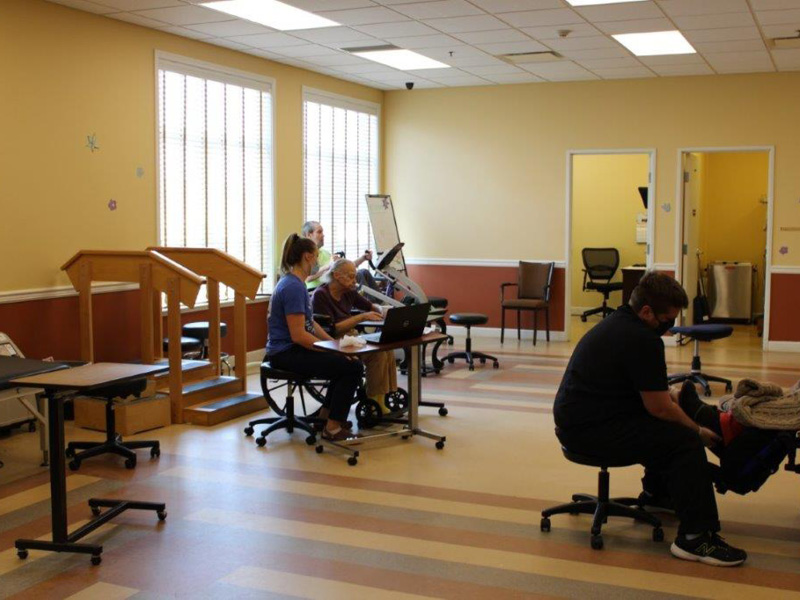
How is Avenue Care And Rehabilitation Center, The Staffed?

CMS rates AVENUE CARE AND REHABILITATION CENTER, THE's staffing level at 2 out of 5 stars, which is below average compared to other nursing homes. Staff turnover is 64%, which is 18 percentage points above the Ohio average of 46%. High turnover can affect care consistency as new staff learn residents' individual needs.

What Have Inspectors Found at Avenue Care And Rehabilitation Center, The?

State health inspectors documented 36 deficiencies at AVENUE CARE AND REHABILITATION CENTER, THE during 2018 to 2025. These included: 1 Immediate Jeopardy (the most serious level, indicating potential for serious harm or death), 2 that caused actual resident harm, and 33 with potential for harm. Immediate Jeopardy findings are rare and represent the most serious regulatory concerns. They require immediate corrective action.
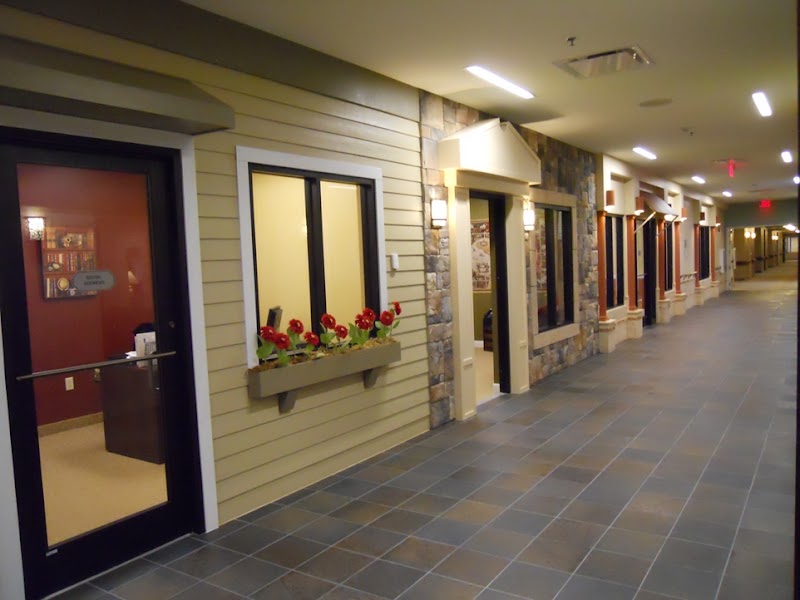
Who Owns and Operates Avenue Care And Rehabilitation Center, The?

AVENUE CARE AND REHABILITATION CENTER, THE is owned by a for-profit company. For-profit facilities operate as businesses with obligations to shareholders or private owners. The facility is operated by PROGRESSIVE QUALITY CARE, a chain that manages multiple nursing homes. With 97 certified beds and approximately 86 residents (about 89% occupancy), it is a smaller facility located in WARRENSVILLE HEIGHTS, Ohio.
How Does Avenue Care And Rehabilitation Center, The Compare to Other Ohio Nursing Homes?

Compared to the 100 nursing homes in Ohio, AVENUE CARE AND REHABILITATION CENTER, THE's overall rating (1 stars) is below the state average of 3.2, staff turnover (64%) is significantly higher than the state average of 46%, and health inspection rating (1 stars) is much below the national benchmark.

What Should Families Ask When Visiting Avenue Care And Rehabilitation Center, The?

Based on this facility's data, families visiting should ask: "What changes have been made since the serious inspection findings, and how are you preventing similar issues?" "How do you ensure continuity of care given staff turnover, and what is your staff retention strategy?" "Can you walk me through typical staffing levels on day, evening, and night shifts?" "Can I visit during a mealtime to observe dining assistance and food quality?" These questions are particularly relevant given the facility's Immediate Jeopardy citations, the facility's high staff turnover rate, and the below-average staffing rating.

Is Avenue Care And Rehabilitation Center, The Safe?

Based on CMS inspection data, AVENUE CARE AND REHABILITATION CENTER, THE has documented safety concerns. Inspectors have issued 1 Immediate Jeopardy citation (the most serious violation level indicating risk of serious injury or death). The facility has a 1-star overall rating and ranks #100 of 100 nursing homes in Ohio. Families considering this facility should ask detailed questions about what corrective actions have been taken since these incidents.

Do Nurses at Avenue Care And Rehabilitation Center, The Stick Around?

Staff turnover at AVENUE CARE AND REHABILITATION CENTER, THE is high. At 64%, the facility is 18 percentage points above the Ohio average of 46%. High turnover means new staff may not know residents' individual needs, medications, or preferences. It can also be disorienting for residents, especially those with dementia who rely on familiar faces. Families should ask: What is causing the turnover? What retention programs are in place? How do you ensure care continuity during staff transitions?

Was Avenue Care And Rehabilitation Center, The Ever Fined?

AVENUE CARE AND REHABILITATION CENTER, THE has been fined $34,146 across 2 penalty actions. The Ohio average is $33,420. While any fine indicates a compliance issue, fines under $50,000 are relatively common and typically reflect isolated problems that were subsequently corrected. Families should ask what specific issues led to these fines and confirm they've been resolved.

Is Avenue Care And Rehabilitation Center, The on Any Federal Watch List?

AVENUE CARE AND REHABILITATION CENTER, THE is not on any federal watch list. The most significant is the Special Focus Facility (SFF) program, which identifies the bottom 1% of nursing homes nationally based on persistent, serious quality problems. Not being on this list means the facility has avoided the pattern of deficiencies that triggers enhanced federal oversight. This is a positive indicator, though families should still review the facility's inspection history directly.