COPPER KNOLL HEALTH & REHAB LLC
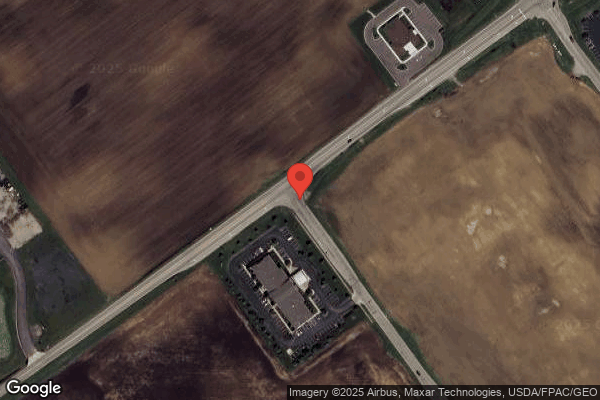
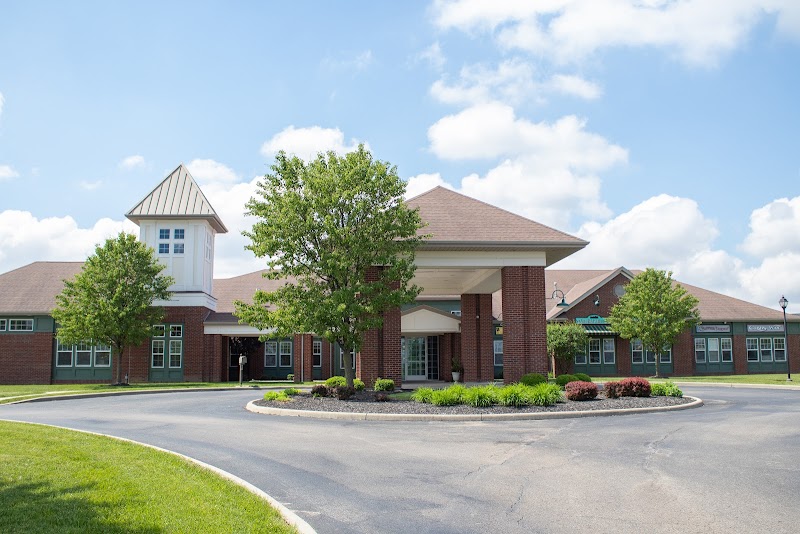
201 COURTHOUSE PARKWAY, WASHINGTN C H, OH 43160 (740) 895-6101
For profit - Corporation 75 Beds TLC MANAGEMENT Data: November 2025
Trust Grade
80/100
#245 of 913 in OH
Last Inspection: June 2023

Over 2 years since last inspection. Current conditions may differ from available data.

Overview

Copper Knoll Health & Rehab LLC has received a Trust Grade of B+, which means it is above average and recommended for families considering care options. In Ohio, it ranks #245 out of 913 facilities, placing it in the top half overall, and it is the top-rated facility out of four in Fayette County. The facility is improving, with reported issues decreasing from six in 2021 to three in 2023. Staffing is a relative strength with a turnover rate of 23%, significantly lower than the state average, and it has better RN coverage than 76% of Ohio facilities, ensuring that residents receive attentive care. However, the facility has faced some concerns, particularly related to food safety. Recent inspections revealed that food in the kitchen and resident refrigerators was not properly labeled or dated, posing a risk to the health of residents. Despite having no fines on record, which is a positive indicator, these sanitation issues could affect the well-being of the residents. Overall, while Copper Knoll has strengths in staffing and performance, families should be aware of the ongoing concerns regarding food safety practices.

Trust Score
B+
80/100
In Ohio
#245/913
Top 26%
Safety Record
Low Risk
No red flags
Inspections
Getting Better
6 → 3 violations
Staff Stability
✓ Good
23% annual turnover. Excellent stability, 25 points below Ohio's 48% average. Staff who stay learn residents' needs.
Penalties
✓ Good
No fines on record. Clean compliance history, better than most Ohio facilities.
Skilled Nurses
○ Average
Each resident gets 37 minutes of Registered Nurse (RN) attention daily — about average for Ohio. RNs are the most trained staff who monitor for health changes.
Violations
⚠ Watch
20 deficiencies on record. Higher than average. Multiple issues found across inspections.
★★★★☆
4.0
Overall Rating
★★★☆☆
3.0
Staff Levels
★★★★☆
4.0
Care Quality
★★★★☆
4.0
Inspection Score
Stable
2021: 6 issues
2023: 3 issues

The Good

  • 4-Star Quality Measures · Strong clinical quality outcomes
  • Low Staff Turnover (23%) · Staff stability means consistent care
  • Full Sprinkler Coverage · Fire safety systems throughout facility
  • No fines on record
  • Staff turnover is low (23%)

    25 points below Ohio average of 48%

Facility shows strength in quality measures, staff retention, fire safety.

The Bad

Chain: TLC MANAGEMENT

Part of a multi-facility chain

Ask about local staffing decisions and management

The Ugly 20 deficiencies on record

Jun 2023 3 deficiencies
CONCERN (D)

Potential for Harm - no one hurt, but risky conditions existed

Deficiency F0638 (Tag F0638)

Could have caused harm · This affected 1 resident

**NOTE- TERMS IN BRACKETS HAVE BEEN EDITED TO PROTECT CONFIDENTIALITY** Based on medical record review, staff interview, review of the minimum data set log, and review of the resident assessment instr...

Read full inspector narrative →
**NOTE- TERMS IN BRACKETS HAVE BEEN EDITED TO PROTECT CONFIDENTIALITY** Based on medical record review, staff interview, review of the minimum data set log, and review of the resident assessment instrument (RAI) manual, the facility failed to ensure resident assessments were completed quarterly. This affected three residents (#05, #20 and #32) of four residents reviewed for timely assessments. The facility census was 52. Findings Include: 1. Review of the medical record revealed Resident #05 was admitted to the facility on [DATE]. Diagnoses included dementia, diabetes, and depressive disorder. Review of the Minimum Data Set (MDS) comprehensive assessment dated [DATE] revealed the resident had impaired cognition. Review of the MDS log revealed Resident #05 should have had a quarterly MDS completed on 08/02/22 and it was completed on 09/06/22. The previous quarterly MDS was completed on 05/23/22. This was greater than 90 days between MDS completion dates. 2. Review of the medical record revealed Resident #20 was admitted to the facility on [DATE]. Diagnoses included Alzheimer's disease, dementia, and hypertension. Review of the MDS comprehensive assessment dated [DATE] revealed the resident had impaired cognition. Review of the MDS log revealed Resident #20 should have had a quarterly MDS assessment completed on 04/12/23 and it was completed on 05/19/23. The previous quarterly MDS was completed on 01/10/23. This was greater than 92 days between MDS completion dates. 3. Review of the medical record revealed Resident #32 was admitted to the facility on [DATE]. Diagnoses included chronic obstructive pulmonary disease, hypertension, and acute respiratory failure. Review of the MDS comprehensive assessment dated [DATE] revealed the resident had impaired cognition. Review of the MDS log revealed Resident #32 should have had a quarterly MDS assessment completed on 04/28/23 and it was completed on 06/05/23. The previous MDS assessment was completed upon admission completed on 01/27/23. This was greater than 92 days between MDS completion dates. Interview on 06/08/23 at 2:55 P.M., the Assistant Director of Nursing (ADON) #17 verified the MDS assessments for Resident #05, #09, #20 and #32 had been completed greater than 90 days from the previous MDS completion. Review of the RAI manual revealed a quarterly assessment would need to be completed no more than 92 days after the most recent Omnibus Budget Reconciliation Act (OBRA) assessment.
CONCERN (E)

Potential for Harm - no one hurt, but risky conditions existed

Safe Environment (Tag F0921)

Could have caused harm · This affected multiple residents

**NOTE- TERMS IN BRACKETS HAVE BEEN EDITED TO PROTECT CONFIDENTIALITY** Based on medical record review, observation and staff and resident interview, the facility failed to ensure the resident environ...

Read full inspector narrative →
**NOTE- TERMS IN BRACKETS HAVE BEEN EDITED TO PROTECT CONFIDENTIALITY** Based on medical record review, observation and staff and resident interview, the facility failed to ensure the resident environment was sanitary. This affected eight residents (#01, #04, #12, #16, #44, #45, #46 and #103) of 52 residents' room environment observed. In addition, the facility failed to ensure the floors were in good repair. This had the potential to affect 31 of 31 residents who could independently ambulate. The facility identified 21 residents (#01, #09, #07, #22, #20, #14, #23, #47, #08, #41, #02, #36, #15, #19, #39, #06, #07, #09, #35, #11 and #38) who were unable to independently ambulate in the facility. The facility census was 52. Findings Include: 1. Review of the medical record revealed Resident #04 revealed the resident was admitted to the facility on [DATE]. Diagnoses included heart failure, diabetes, chronic pain, and psychotic disturbance. Review of the Minimum Data Set (MDS) comprehensive assessment dated [DATE] revealed Resident #04 had moderately impaired cognition. The resident was non ambulatory and required assistance for locomotion in wheelchair. Observation on 06/05/23 at 1:33 P.M. revealed Resident #04 lying in bed facing a wall with several deep gouged exposed areas measuring from one inch to eight inches long, four inches by two inches, and one inch by six inches. The areas exposed drywall. There was also eight inches of baseboard missing at the bottom of the wall with debris. Interview 06/05/23 at 1:33 P.M., Resident #04 revealed the areas had been exposed and had not been repaired since she had been at the facility. She did not like looking at the areas from her bed. 2. Observation on 06/05/23 at 9:00 A.M. through 06/7/23 at 1:20 P. M revealed Resident #16, #44, #45, and #46's rooms had two inch by 12 inch strips of exposed drywall on both sides of the wall near the hallway door frame. The areas were a non-cleanable surfaces. Interview on 06/07/23 at 8:40 A.M., the Maintenance Director (MD) #73 verified Resident #04's baseboard was missing and collected debris. He stated the wall gouges had not been repaired for three weeks and the repair would take about a week. The MD #17 verified the rooms of Residents' #16, #44, #45, and #46 had exposed drywall near the doorframes. He stated there had been attached signage removed from those resident rooms walls about three weeks ago and the exposed walls were a non-cleanable surface. 4. Observation on 06/05/23 at 9:00 A.M. through 06/07/23 at 1:20 P.M. revealed the floor surrounding the 100, the 200 and the 300 nurses' stations had linoleum flooring with exposed subflooring and jagged edges. The areas of disrepair ranged from two inches by 12 feet, one inch by two feet and one inch by six feet. There was noted debris along the jagged edges of the linoleum. Observations on 06/05/23 through 06/07/23 at varied times revealed residents ambulating on the exposed flooring at the 100, the 200 and the 300 unit nursing station areas. Interview on 06/07/23 at 8:40 A.M., the MD #73 verified the linoleum flooring surrounding the 100, the 200 and the 300 nurses' stations was in disrepair, making it difficult to clean, and had debris in the jagged edging. He stated the floor was separating at the seams of the linoleum and needed repaired. 5. Observation on 06/08/23 at 1:17 P.M. revealed Resident #01 and #12's room had gouges, missing drywall and paint by wall by Resident #01's bed. The room also had gouges and missing paint on the wall by the bathroom. Interview with Registered Nurse #72 on 06/08/23 at 1:17 P.M. verified the observation in Resident #01 and #12's room. Observation on 06/08/23 at 1:19 P.M. revealed Resident #103's room had scuffs and missing drywall around the baseboard in the bathroom. Interview with Registered Nurse #72 on 06/08/23 at 1:19 P.M. verified the observation in Resident #103's room.
CONCERN (F)

Potential for Harm - no one hurt, but risky conditions existed

Food Safety (Tag F0812)

Could have caused harm · This affected most or all residents

Based on observation, staff interview, review of signage on the resident unit refrigerators, and policy review, the facility failed to ensure foods were safely stored. This had the potential to affect...

Read full inspector narrative →
Based on observation, staff interview, review of signage on the resident unit refrigerators, and policy review, the facility failed to ensure foods were safely stored. This had the potential to affect all 52 residents who received food from the kitchen. The facility census was 52. Findings include: Observation on 06/05/23 at 9:00 A.M. revealed the following kitchen sanitation issues: - In the milk cooler, twenty five eight ounce individual serving cartons of chocolate milk with an expiration date of 06/03/23. - In the walk in refrigerator, there was no internal thermometer. There were eight glasses of orange fluid undated and unlabeled, two pitchers of fluid unlabeled and undated and four containers, labeled as pudding, undated. Observation on 06/07/23 at 8:07 A.M., revealed the following Unit 300 resident refrigerator sanitation issues: - There was no thermometer in the resident refrigerator. - There was an insulated lunchbag, undated and unlabeled. - There was two containers of unidentifiable food unlabeled and undated. Observation on 06/07/23 at 8:10 A.M., revealed the following Unit 100 resident refrigerator sanitation issuess: - There was no thermometer in the freezer - There was one unopened expired milk carton dated 06/05/23. - There was one opened container labeled as fruit dip with no open date and an expired date of 05/21/23. - There was one bowl of identified dry cereal undated and unlabeled. Interview on 06/05/23 at 9:15 A.M., [NAME] #11 verified the sanitation conditions in the walk in refrigerator. [NAME] #11 verified the expired foods should have been discarded and all foods should be labeled, dated, and marked with an open date. Interview on 06/07/23 at 8:10 A.M, the Assistant Director of Nursing (ADON) #17 verified the Unit 100 and the Unit 300 resident refrigerators were designated for resident food storage and for staff food items. The ADON #17 said the expired foods should have been discarded and all foods should have been labeled and dated. Review of a sign attached to the front of the Unit 100 and the Unit 300 resident refrigerators revealed the refrigerator shoulde be cleaned out every Tuesday. All foods must be marked with name, date and the date the item was opened. Staff must put their name on their items. Review of the policy titled Food Storage, undated revealed all food shall be covered, labeled, and dated. Every refrigerator must be equipped with an internal thermometer. Refrigerators on the nursing floors will be monitored by nursing.
Apr 2021 6 deficiencies
CONCERN (D)

Potential for Harm - no one hurt, but risky conditions existed

Deficiency F0657 (Tag F0657)

Could have caused harm · This affected 1 resident

**NOTE- TERMS IN BRACKETS HAVE BEEN EDITED TO PROTECT CONFIDENTIALITY** Based on record review and resident and staff interviews, the facility failed to hold initial care planning conferences for new ...

Read full inspector narrative →
**NOTE- TERMS IN BRACKETS HAVE BEEN EDITED TO PROTECT CONFIDENTIALITY** Based on record review and resident and staff interviews, the facility failed to hold initial care planning conferences for new admissions to the facility. This affected one (#27) of one resident sampled for care planning conferences. The facility census was 40 residents. Findings include: Record review for Resident #27 revealed the resident was admitted to the facility on [DATE]. Diagnoses included low back pain, hyperlipidemia, osteoarthritis, hypothyroidism, seizures, anxiety disorder, hypokalemia, history of falls, obesity, insomnia, weakness, depressive episodes, and edema. Review of the admission Minimum Data Set (MDS) assessment, dated 03/03/21 revealed Resident #27 was assessed with no cognitive deficit. The record was silent for an initial care planning conference. Interview on 04/26/21 at 1:50 P.M., with Resident #27 revealed the facility had not invited the resident to attend care conference after admission to the facility. Interview on 04/29/21 at 9:44 A.M. with Social Service (SS) #50 revealed an understanding that care conferences were done every three months after admission and confirmed a care conference was not completed upon admission for Resident #27. SS #50 stated she does an admission note but not a care conference and was not instructed to complete an admission care conference on new residents.
CONCERN (D)

Potential for Harm - no one hurt, but risky conditions existed

Deficiency F0761 (Tag F0761)

Could have caused harm · This affected 1 resident

Based on observation, review of manufacturer's recommendations and staff interview, the facility failed to dispose of outdated insulin and failed to date open vials of insulin with the date when opene...

Read full inspector narrative →
Based on observation, review of manufacturer's recommendations and staff interview, the facility failed to dispose of outdated insulin and failed to date open vials of insulin with the date when opened. This affected one (#11) of eight residents identified by the facility who receive insulin. The facility census was 40 residents. Findings include: On 04/29/21 at 10:09 A.M., an observation in the Fall unit medication cart with Licensed Practical Nurse (LPN) #56 revealed an open vial of Lantus insulin with a date when opened of 03/08/21, and two open vials of Lantus insulin with no date when opened for Resident #11. On 04/29/21 at 10:09 A.M., an interview with LPN #56 confirmed the findings and verified the open vials of Lantus insulin should be disposed of after 28 days after opened and all opened vials of insulin should have the date when opened noted on the vial. Review of the manufacturers's recommendations for Lantus insulin revealed the Lantus insulin must be discarded 28 days after opened.
CONCERN (D)

Potential for Harm - no one hurt, but risky conditions existed

Medical Records (Tag F0842)

Could have caused harm · This affected 1 resident

**NOTE- TERMS IN BRACKETS HAVE BEEN EDITED TO PROTECT CONFIDENTIALITY** Based on record review, review of the facility's policy, and staff interview, the facility failed to accurately document residen...

Read full inspector narrative →
**NOTE- TERMS IN BRACKETS HAVE BEEN EDITED TO PROTECT CONFIDENTIALITY** Based on record review, review of the facility's policy, and staff interview, the facility failed to accurately document resident supplements and administration of a resident's narcotics. This affected two (Resident #3 and #22) of four residents reviewed for nutrition and one (Resident #27) of five residents for unnecessary medications. The facility census was 40. Findings Include: 1. Review of the medical record for Resident #3 revealed an admission date of 08/12/19 with diagnoses including dementia and dysphagia. Review of the active physician orders revealed an order dated 08/15/19 for a magic cup (high calorie nutritional supplement) twice a day with lunch and dinner. Review of the April 2021 medication administration records (MAR) revealed Resident #3 received a magic cup with lunch and dinner until 04/23/21 when it was crossed out and marked as discontinued. There was no documentation of Resident #3 receiving the magic cup twice a day after it was crossed out and marked discontinued on 04/23/21. Review of the physician orders revealed an order dated 01/15/21 for Two Cal supplement (high calorie nutritional supplement) 240 milliliters three times a day. Review of the physician orders revealed an order dated 04/22/21 for Two Cal 240 milliliters to be increased to four times a day. Review of the April 2021 MAR revealed Resident #3 was ordered Two Cal 240 milliliters four times a day however there were only three slots available each day for documentation of administration of the Two Cal and Resident #3 was only documented as having received it three times a day from 04/23/21 through 04/28/21. Interview with Registered Dietitian (RD) #76 on 04/29/21 at 1:05 P.M. revealed Resident #3 received Magic Cup twice daily with lunch and dinner and it was never discontinued. She verified Resident #3 was ordered Two Cal 240 milliliters four times a day and received it four times a day. RD #76 stated she does not know why the fourth slot for the Two Cal 240 milliliters was not added to the MAR on 04/23/21 when it was increased. Interview with the Director of Nursing (DON) on 04/29/21 at 1:58 P.M. revealed Resident #3 received Two Cal 240 milliliters four times a day since it was increased on 04/23/21. The staff forgot to add the fourth slot in order to document the administration of the additional 240 milliliters of Two Cal. The DON verified Resident #3 has been receiving magic cup twice daily with lunch and dinner despite it having been marked discontinued on 04/23/21. 2. Review of the medical record for Resident #22 revealed an admission date of 05/17/19 with diagnoses including depression and chronic obstructive pulmonary disease. Review of the February 2021 physician orders revealed Resident #22 was ordered Magic Cup twice a day and Mighty Shakes (high calorie nutritional supplement) two shakes with each meal. The physician orders for March 2021 revealed no order for Magic Cup twice a day or Mighty Shake two shakes with each meal. The physician orders for April 2021 revealed an order dated 04/14/21 for Magic Cup twice a day and there was no order for Mighty Shake two shakes with each meal. There were no physician orders to discontinue the Magic Cup or Mighty Shakes despite they were not on the MAR for March 2021 and during part of April 2021. There was no documentation of Resident #22 having been ordered or received Magic Cup twice a day or Mighty shake two shakes with each meal for March 2021 MAR. There was no documentation of Resident #22 having been ordered or received Mighty shake two shakes with each meal for April 2021 MAR. Resident #22 was re-ordered Magic Cup twice a day on 04/14/21 and was documented as receiving it twice a day from 04/15/21 through 04/27/21. Interview with RD #76 on 04/29/21 at 1:05 P.M. revealed Resident #22 was receiving Mighty Shakes two shakes with each meal and Magic Cup twice a day due to weight loss. Resident #22 received the supplements despite them not being ordered in the physician orders or documented on the March 2021 MAR or April 2021 MAR prior to 04/14/21. Interview with the DON on 04/29/21 at 1:58 P.M. revealed Resident #22 received Mighty Shakes two shakes with each meal and Magic Cup twice a day between 03/01/21 and 04/14/21. The DON verified Resident #22's Mighty Shakes and Magic Cups were not documented on the MAR between 03/01/21 and 04/14/21 and his physician orders list between 03/01/21 and 04/14/21 do not include the orders for Mighty shake two shakes with each meal and Magic Cup twice a day despite Resident #22 having received both. The DON further verified the April 2021 MAR still does not document Resident #22 having received his Mighty Shake two shakes with each meal despite having received them. Review of the facility's undated policy titled Nursing Standards of Practice revealed documentation guidelines pertinent to good clinical record practice will be followed by all individuals who document in the patient's/resident's record. A complete health picture of the patient/resident must be available to all disciplines contributing to patient/resident care. 3. Record review for Resident #27 revealed the resident was admitted to the facility on [DATE]. Diagnoses included low back pain, history of motor vehicle accident with severe back injuries, and osteoarthritis. Review of the admission Minimum Data Set (MDS) assessment, dated 03/03/21 revealed the resident was cognitively intact and was on a scheduled pain regimen and was in constant pain. Review of the physician order sheet, dated 03/2021 and 04/2021, revealed an order, dated 02/24/21, for Morphine Sulfate IR (immediate release) (narcotic used to treat moderate to severe pain) 15 milligrams (mg.) one tablet every twelve hours as needed for moderate pain. Review of the resident's narcotic sign out sheet and the resident's medication administration record (MAR) revealed they did not correspond on the following dates and times: • On 03/10/21, the narcotic sign out sheet revealed two doses were signed out on 03/10/21 at 6:30 A.M. and 6:30 P.M. but the MAR were not marked as administered on 03/10/21. • On 04/02/21, the Morphine Sulphate IR was signed out at 1:00 P.M., but the MAR record was silent for the 1:00 P.M. dose marked as given. • On 04/03/21, the narcotic sign out sheet revealed two doses of Morphine Sulfate IR 15 mg. were signed out at 1:00 A.M. and at 2:30 P.M., but the MAR revealed three doses were marked as administered on 04/03/21 at 1:00 A.M., at 1:00 P.M. and at 2:30 P.M. • On 04/07/21 the Morphine Sulphate IR was signed out at 4:30 A.M. on the narcotic sign out sheet, but the MAR record was silent for the 4:30 A.M. dose marked as administered. • On 04/08/21, the Morphine Sulphate IR was signed out at 10:00 P.M. on the narcotic sign out sheet, but the MAR record was silent for the 10:00 P.M. dose marked as administered. • On 04/09/21, the narcotic sign out sheet revealed two doses were signed out at 10:00 A.M. and at 10:00 P.M., but the MAR had three doses marked as administered at 10:00 A.M., 10:00 P.M., and at 2:00 P.M. • On 04/012/21, the Morphine Sulphate IR was signed out at 3:30 A.M. on the narcotic sign out sheet, but the MAR record was silent for the 3:30 A.M. dose marked as administered. • On 04/17/21, the Morphine Sulphate IR was signed out at 6:45 P.M. on the narcotic sign out sheet, but the MAR record was silent for the 6:45 P.M. dose marked as administered. • On 04/24/21, the Morphine Sulphate IR was signed out at 3:00 A.M. on the narcotic sign out sheet, but the MAR record was silent for the 3:00 A.M. dose marked as administered. Interview on 04/29/21 at 9:01 A.M. with the Director of Nursing (DON) revealed the facility did a quality assurance performance improvement (QAPI) plan on signing out narcotics three or four months ago. The DON confirmed Resident #27's signed out narcotics where not documented accurately on the MAR as administered.
CONCERN (E)

Potential for Harm - no one hurt, but risky conditions existed

Deficiency F0679 (Tag F0679)

Could have caused harm · This affected multiple residents

**NOTE- TERMS IN BRACKETS HAVE BEEN EDITED TO PROTECT CONFIDENTIALITY** Based on record review, observation, review of the facility's policy and staff interviews, the facility failed to ensure activit...

Read full inspector narrative →
**NOTE- TERMS IN BRACKETS HAVE BEEN EDITED TO PROTECT CONFIDENTIALITY** Based on record review, observation, review of the facility's policy and staff interviews, the facility failed to ensure activities were provided to meet the needs of Resident #25. This affected one (Resident #25) of three residents reviewed for activities. This had the potential to affect all seven residents (Resident #1, #3, #8, #11, #25, #32, and #33) residing on the memory care unit. The facility census was 40. Findings include: Review of the medical record for Resident #25 revealed an admission date of 08/24/19. Diagnoses included Alzheimer's disease and aphasia. Review of the five-day Minimum Data Set (MDS) assessment, dated 02/22/21, revealed Resident #25 was unable to complete the interview for the brief interview for mental status assessment. Review of the annual MDS assessment dated [DATE] revealed it was very important for Resident #25 to have books, newspapers, and magazines to read, listen to music she likes, do things with groups of people, do her favorite activities, go outside when the weather was nice, and participate in religious services/practices. It was somewhat important for Resident #25 to keep up with the news. Review of Resident #25's comprehensive care plan revealed a problem of Resident #25 spends most of the time alone or watching television and had little or no involvement in activity programs with interventions including to introduce to other residents with similar interests/disabilities/limitations, invite to scheduled activities, offer a variety of activity types and locations, offer to assist/escort resident to activity functions, remind resident that they may leave activities at any time and are not required to stay for the entire activity, and resident likes to have her hair brushed due to it calming her. Review of the Resident #25's activity attendance records dated April 2020, revealed she was not marked as attending or refusing any activities on 04/01/21, 04/05/21, 04/06/21, 04/11/21, 04/14/21, 04/16/21, 04/17/21, 04/18/21, 04/20/21, 04/21/21, and 04/26/21. Review of the facility's April 2021 activity calendar revealed no structured activities were scheduled on 04/01/21 through 04/11/21 as well as on 04/17/21, 04/18/21, and 04/25/21. Observations of Resident #25 on 04/26/21 at 11:10 A.M., 12:16 P.M., 3:00 P.M., and 3:51 P.M., all revealed Resident #25 was in her room laying in her bed. On 04/27/21 at 3:35 P.M. and 4:16 P.M., she was laying in bed with the television on. On 04/28/21 at 9:43 A.M., she was laying in bed in her room. On 04/28/21 at 1:37 P.M., she was seated in her wheelchair in the common area with the television on. On 04/28/21 at 2:55 P.M., Resident #25 was in her wheelchair in the common area and the television was on. On 04/28/21 at 4:00 P.M., Resident #25 was in her wheelchair in the corner of the common area. The television was observed to be on however Resident #25 was not observed to be able to see the television from where she was seated. Interview with State Tested Nurse Aide (STNA) #54 on 04/28/21 at 5:26 P.M. revealed the STNAs were currently responsible for activities on the memory care unit. She stated there has been minimal structured activities on the memory care unit since the activities staff resigned several months ago. STNA #54 stated she tries to complete activities with residents however it was hard to complete structured activities when there was no activities staff. The quality and quantity of activities on the memory care unit has declined over the past several months since the activities staff resigned. STNA #54 stated she tries to give residents coloring books or puzzles as well as do their nails for activities. She stated carnival day was scheduled for 04/28/21 however Resident #25 did not attend carnival day due to staff only being able to take a few of the residents from the memory care unit. The STNAs were unable to complete all of the activities with the residents on the memory care unit due to having to provide care to them. The residents on the memory care unit used to participate in more activities when the facility had designated activities staff. Interview with Physical Therapy Assistant #75 on 04/29/21 at 2:40 P.M. revealed she has been assisting with activities on the memory care unit. She verified there were no structured activities on the memory care unit due to residents with different cognition levels. Prior to the COVID-19 pandemic when there was more activities staff, there were more structured activities on the memory care unit. She stated Resident #25 enjoyed playing with the knob board and fake cat, as well as having her nails/hair done. Review of the facility's census and room number roster revealed Resident #1, #3, #8, #11, #25, #32, and #33 resided on the memory care unit. Review of the facility's undated policy titled Activity Policy and Procedure revealed the activity department will be responsible for planning, implementation, and scheduling of activity programs, encouraging and stimulating residents to have a fuller and richer life, plan programs based on resident needs, interests and abilities, and offer in-room self directed activities as well as one to one visits to residents that choose not to attend group activities.
CONCERN (F)

Potential for Harm - no one hurt, but risky conditions existed

Food Safety (Tag F0812)

Could have caused harm · This affected most or all residents

Based on observation, staff interview, record review, and review of the facility's policy, the facility failed to ensure resident foods in the unit refrigerators were dated and/or labeled and thickene...

Read full inspector narrative →
Based on observation, staff interview, record review, and review of the facility's policy, the facility failed to ensure resident foods in the unit refrigerators were dated and/or labeled and thickened water was not expired. This had the potential to affect 39 of 40 residents who receive food from the kitchen (Resident #26 received nothing by mouth). Findings include: 1. Observation of the 200 hall unit refrigerator on 04/29/21 at 2:21 P.M. revealed two eggs in a bag in the refrigerator with no name or date. Interview with Minimum Data Set (MDS) Nurse #3 on 04/29/21 at 2:21 P.M. verified the two eggs had no name or date. 2. Observation of the Fall hall unit refrigerator on 04/29/21 at 2:25 P.M. revealed four white castle sandwiches with no name or date and a partially used container of lemon flavored nectar consistency water with an open date of 01/12/21. Observation of the lemon flavored nectar consistency water packaging revealed the product was to be used within seven days of opening. Interview with MDS Nurse #3 on 04/29/21 at 2:25 P.M. verified Fall hall unit refrigerator had four white castle sandwiches with no name or date and verified the lemon flavored nectar consistency water was partially opened, had an open date of 01/12/21, and was to be used within seven days of opening. Review of the facility's list of residents and their diets revealed Resident #26 was on a nothing by mouth diet and the only resident who didn't receive food from the kitchen. Review of the facility's policy titled Resident Food Storage and Handling, last revised November 2017, revealed the resident food will be kept for five days from the label date and then discarded except: condiment-type foods will be kept for two months/60 days, and non-perishable drinks and frozen foods will be kept for one month/30 days. Any food or beverage that is not labeled with resident name and dated will be discarded immediately.
MINOR (C)

Minor Issue - procedural, no safety impact

Deficiency F0576 (Tag F0576)

Minor procedural issue · This affected most or all residents

Based on resident and staff interviews, and review of the facility's policy, the failed to ensure the resident's mail was delivered on Saturdays. This had the potential to affect all 40 residents resi...

Read full inspector narrative →
Based on resident and staff interviews, and review of the facility's policy, the failed to ensure the resident's mail was delivered on Saturdays. This had the potential to affect all 40 residents residing in the facility. Findings include: Interview with Resident #12, Resident #24, Resident #30, and Resident #35 on 04/27/21 at 2:42 P.M., revealed the resident's mail was not delivered to residents on Saturdays. Interview with Marketing #50 on 04/27/21 at 4:26 P.M. revealed she was the only staff member who delivers resident mail and she does not work on Saturday. She stated Saturday's mail was delivered to the residents on Monday. Review of the facility's undated policy titled Activity Policy and Procedure revealed the activity department will be responsible to pass mail daily (six days a week).
Feb 2019 11 deficiencies
CONCERN (D)

Potential for Harm - no one hurt, but risky conditions existed

Deficiency F0558 (Tag F0558)

Could have caused harm · This affected 1 resident

**NOTE- TERMS IN BRACKETS HAVE BEEN EDITED TO PROTECT CONFIDENTIALITY** Based on observation, family interview, staff interview and record review, the facility failed to ensure a call light was within...

Read full inspector narrative →
**NOTE- TERMS IN BRACKETS HAVE BEEN EDITED TO PROTECT CONFIDENTIALITY** Based on observation, family interview, staff interview and record review, the facility failed to ensure a call light was within the reach of a resident capable of utilizing it. This affected one (#27) of seven residents reviewed for falls. The facility census was 64. Findings include: Medical record review revealed Resident #27 was admitted to the facility on [DATE] with diagnoses including altered mental status, repeated falls, generalized muscle weakness, chronic respiratory failure, and chronic kidney disease. Review of the admission Minimum Data Set (MDS) assessment dated [DATE] revealed the resident had severely impaired cognitive skills for daily decision making, extensive assistance was required with bed mobility, transfers and toileting. Review of the fall risk assessment dated [DATE] revealed a score of 28. A score of ten or higher indicated a fall risk. Review of current physician orders for February 2019 revealed Resident #27 was to have an alarm to the bed and chair. Review of Resident #27's care plan dated 12/18/18 revealed Resident #27 was at risk for falls related to history of repeated falls, respiratory failure, chronic kidney disease, weakness, fall risk score of 28, and fall with skin tear on 12/08/18. Interventions included call light within reach, bed alarm, and chair alarm. Review of nursing progress note dated 12/08/18 at 7:15 A.M. revealed Resident #27 was found on the floor in bedroom. Resident was assessed for injuries, had a bruise and skin tear to the left elbow. Resident reported he/she got dizzy upon rising to obtain something from the dresser. Physician and family were notified. An alarm was placed to bed, chair, and Resident #27 was instructed to utilize call light to request assistance prior to getting up. Observation on 02/10/19 at 4:05 P.M. revealed Resident #27 was seated in recliner chair in bedroom. The call light remained attached to bed rail out of the reach of the resident and alarm remained in place to bed, not recliner chair. Interview with family at the time of the observation reported Resident #27 fell the day after admission to the facility. Resident #27 got up without assistance to obtain something from the dresser and fell. The family reported Resident #27 had an alarm in place when in bed or in the chair, however acknowledged the alarm had not been moved by staff from the bed to the chair where the resident was now seated, and now utilized the call light to request assistance as needed prior to getting up and proceeded to move the call light from the bed to the recliner, within reach of the resident. Interview on 02/12/19 at 1:20 P.M. with the Administrator and Director of Nursing (DON) reported Resident #27 had one fall at the facility on 12/08/18, the day after the resident's admission. Resident #27 attempted to access the dresser and forgot he/she was supposed to utilize the call light for assistance prior to getting up. Resident #27 obtained a bruise and skin tear which healed, was educated about use of call light, and has since utilized call light without any further falls or attempted self transfers. Observation on 02/12/19 at 4:01 P.M. revealed Resident #27 was up in recliner chair without chair alarm in place and call light was attached to bed rail, out of reach of the resident. Interview on 02/12/19 at 4:13 P.M. with State Tested Nursing Assistant (STNA) #63 reported Resident #27 required staff assistance with transfers, utilized call light to request assistance, and had an alarm in place to bed and chair to remind resident to utilize call light for assistance with transfers. STNA #63 observed Resident #27 and confirmed the call light remained attached to the bed rail, out of reach of the resident, and the alarm remained in the bed, not in the chair where the resident was seated. STNA #63 reported he/she had not placed Resident #27 in the recliner chair, proceeded to the hall, and verified with STNA #69, whom acknowledged transferring Resident #27 to the recliner chair but forgot to place the alarm in the chair or move the call light within reach.
CONCERN (D)

Potential for Harm - no one hurt, but risky conditions existed

Comprehensive Assessments (Tag F0636)

Could have caused harm · This affected 1 resident

Based on record review, interview, and review of the Minimum Data Set (MDS) 3.0 Resident Assessment Instrument (RAI) guidelines, the facility failed to timely complete MDS assessments within the requi...

Read full inspector narrative →
Based on record review, interview, and review of the Minimum Data Set (MDS) 3.0 Resident Assessment Instrument (RAI) guidelines, the facility failed to timely complete MDS assessments within the required time frame. This affected one resident (Resident #15) out of 26 residents reviewed for MDS accuracy and timeliness of assessments. The facility census was 64. Findings include: Review of the medical record for Resident #15 revealed an admission date of 08/15/17 with diagnoses including chronic kidney disease, hypertension and anemia. Review of Resident #15's annual MDS assessment revealed an assessment reference date of 08/20/18 and the sections of the MDS were not completed until 10/02/18 and not signed by the Registered Nurse that the MDS was completed until 10/17/18. Interview on 02/12/19 at 2:59 P.M. with Licensed Practical Nurse (LPN) #53 verified Resident #15's annual MDS assessment was late and she stated she did not realize his annual MDS was due until October 2018 and that was when she completed it. Review of the MDS 3.0 RAI guidelines revealed the completion date for the annual MDS was to be completed 14 calendar days from the assessment reference date.
CONCERN (D)

Potential for Harm - no one hurt, but risky conditions existed

Deficiency F0657 (Tag F0657)

Could have caused harm · This affected 1 resident

**NOTE- TERMS IN BRACKETS HAVE BEEN EDITED TO PROTECT CONFIDENTIALITY** Based on review of facility policy, medical record review, and staff interview, the facility failed to update and revise residen...

Read full inspector narrative →
**NOTE- TERMS IN BRACKETS HAVE BEEN EDITED TO PROTECT CONFIDENTIALITY** Based on review of facility policy, medical record review, and staff interview, the facility failed to update and revise residents care plans for falls. This affected two residents (Resident #14 and #31) out of six residents reviewed for falls. The facility census was 64. Findings include: 1. Review of medical record for Resident #31 revealed an admission date of 10/29/15 with diagnoses including Alzheimer's disease, Schizophrenia, dementia, and mood disorder. Review of annual Minimum Data Set (MDS) assessment dated [DATE] revealed Resident #31 rarely makes self understood. Review of delayed entry nurses note dated 09/22/18 revealed Resident #31 was on a mat next to her bed and her foot was by the bed control and no injuries noted at time of fall. Review of nurses notes dated 09/24/18 revealed an X-ray was obtained on 09/23/18 and noted a right hip fracture. Review of fall evaluation dated 09/22/18 revealed Resident #31 was at high risk for falls and intervention was to monitor to make sure bed control was under her bed so she could not use it. Review of the care plan revealed Resident #31 was at risk for falls and injury due to dementia, medication use, and lack of coordination. Last fall noted on care plan was 01/23/17. Fall interventions did not include to monitor and make sure bed control was under bed. Interview was conducted on 02/13/19 at 2:25 P.M. with Licensed Practical Nurse (LPN) #53 and she stated fall on 09/22/18 with hip fracture and the new intervention of ensuring bed control was under the bed was not on the fall care plan and verified it should have been updated. Interview was conducted on 02/13/19 at 2:32 P.M. with the Administrator and she stated Resident #31 moved around a lot in the bed and that her head of the bed was up on 09/22/18 when she was on her mat and that the bed control was by her foot and intervention was to ensure the bed control was not where she could raise her bed. 2. Medical record review for Resident #14 revealed an admission date of 11/30/16. Medical diagnoses included Alzheimer's disease. Review of re-entry admission Minimum Data Set (MDS) assessment, dated 11/10/18, revealed Resident #14 was rarely understood. Review of nursing notes revealed Resident #14 was sent to the emergency room on [DATE]. He was found on his knees in front of a chair in his room and required two person assistance to help him stand and was unable to stand without support. His speech was slurred, unable to understand and appeared very lethargic. He returned on 11/03/18 and it was determined he had pneumonia and placed on an antibiotic. Review of care plans from 11/10/18 through 02/11/19 for Resident #14 revealed there wasn't a fall care plan in place after the fall that occurred on 10/29/18. Interview with MDS LPN #53 on 02/12/19 at 2:54 P.M. verified she didn't revise Resident #14's care plan for a fall sustained on 10/29/18. Review of the undated policy entitled Nursing Standards of Practice for Fall Management revealed the health care center will identify each resident who was at risk for falls and will care plan and implement interventions to manage falls.
CONCERN (D)

Potential for Harm - no one hurt, but risky conditions existed

Quality of Care (Tag F0684)

Could have caused harm · This affected 1 resident

Based on observation, medical record review, staff interview and policy review, the facility failed to ensure an assessment was completed before getting Resident #36 up off the floor after a fall. Thi...

Read full inspector narrative →
Based on observation, medical record review, staff interview and policy review, the facility failed to ensure an assessment was completed before getting Resident #36 up off the floor after a fall. This affected one (#36) of eight accidents reviewed during the annual survey. The facility census was 64. Findings include: Medical record review for Resident #36 revealed an admission date of 12/15/18. Medical diagnoses included Alzheimer's disease and dementia. Review of the admission Minimum Data Set (MDS) assessment, dated 12/22/18, revealed Resident #36 was severely cognitively impaired. Her functional status was independent for bed mobility, transfers, eating was supervision, and toileting was total dependence. Observation on 02/12/19 at 3:25 P.M. revealed Resident #36 was sitting on the bench by the nursing station on the memory care unit and she was bent over, but her right forehead was bleeding and State Tested Nursing Aide (STNA) #50 was sitting on the bench with the resident trying to comfort her. Interview with STNA #50 on 02/12/19 at 3:30 P.M. stated she was helping another resident to the bathroom and when she came out into the hallway she noticed Resident #36 was lying in the hallway on the floor. She stated she went to help the resident and at that time the Director of Nursing (DON) came into the hallway and said let's get her up off the floor and take her to the bench at the nursing station. She stated the resident was not assessed before getting up off the floor and was assisted by ambulating to the bench by the nursing station by the DON and STNA. She stated she knew the resident should be assessed before being moved. Interview with Licensed Practical Nurse #66 on 02/12/19 at 3:40 P.M. revealed she had left the unit to get something before she assessed Resident #36. She stated she saw her lying in the hallway, but didn't assess her because the resident got up and ambulated to the bench at the nursing station. She stated the resident was care planned to lie in the floor. Interview with the DON on 02/12/19 at 3:55 P.M. revealed she came to the unit and saw Resident #36 lying in the floor and said the STNA #50 got the resident up off the floor and she helped her assist the reset to the bench at the nursing station. She verified the resident should have been assessed and vital signs taken before she was moved. Review of the undated policy entitled Nursing Standards of Practice for Fall Management revealed if a fall occurred, the qualified staff will assess for injury from the fall, immediately and investigate the reason and determine the interventions to prevent the future falls. The resident will be left where found until an assessment can be completed by a nurse.
CONCERN (D)

Potential for Harm - no one hurt, but risky conditions existed

Pressure Ulcer Prevention (Tag F0686)

Could have caused harm · This affected 1 resident

Based on observation, medical record review, staff interview, and facilities policy review, the facility failed to ensure pressure ulcer interventions were in place as ordered and per plan of care. Th...

Read full inspector narrative →
Based on observation, medical record review, staff interview, and facilities policy review, the facility failed to ensure pressure ulcer interventions were in place as ordered and per plan of care. This affected one (Resident #47) of one resident identified as having pressure ulcers. The facility census was 64. Findings include: Review of medical record for Resident #47 revealed an admission date of 04/12/16 with diagnoses including dementia, diabetes mellitus, and protein calorie malnutrition. Review of the quarterly Minimum Data Set (MDS) assessment, dated 01/17/19, revealed Resident #47 had severe cognitive deficits and had two unstageable pressure ulcers (slough and/or eschar: known but not stageable due to coverage of wound bed by slough and/or eschar). Review of the pressure ulcer risk assessment, dated 01/10/19, revealed Resident #47 was at a high risk for pressure ulcer development. Review of physicians orders, dated February 2019, revealed Resident #47 was to have heel protectors on when in bed. Review of treatment administration record dated February 2019 revealed an order for heel protectors to be on when in bed. Review of care plan revealed Resident #47 had a healed pressure ulcer to left heel on 12/24/18 and to right heel on 02/01/19. Right heel remained with a calloused area. Resident #47 was at risk for skin breakdown and pressure ulcer development related to impaired mobility, impaired cognition, and nutritional status. Intervention included to wear heel protectors. Observation was conducted on 02/11/19 at 8:35 A.M. of Resident #47 and she was lying in bed with non-skid socks on. There was no heel protectors on. Interview was conducted on 02/11/19 at 9:13 A.M. with Licensed Practical Nurse (LPN) #23 and she stated Resident #47 did have an order for heel protectors and verified she was not wearing them when in bed. She stated she had a dressing on her right heel. Interview was conducted on 02/11/19 at 9:39 A.M. with LPN #53 and she stated Resident #47 did not have any pressure ulcers and that her right heel was now calloused over and she verified Resident #47 was at high risk for skin breakdown and that was why they were still covering her right heel to protect it. Review of facilities undated Skin Care and Pressure Ulcer policy revealed the facility is to provide skin care to maintain adequate skin condition and decrease skin risk by using skin protection devices when necessary which included heel protectors.
CONCERN (D)

Potential for Harm - no one hurt, but risky conditions existed

Accident Prevention (Tag F0689)

Could have caused harm · This affected 1 resident

**NOTE- TERMS IN BRACKETS HAVE BEEN EDITED TO PROTECT CONFIDENTIALITY** Based on observation, staff interview, and record review, the facility failed to ensure fall interventions were in place for res...

Read full inspector narrative →
**NOTE- TERMS IN BRACKETS HAVE BEEN EDITED TO PROTECT CONFIDENTIALITY** Based on observation, staff interview, and record review, the facility failed to ensure fall interventions were in place for residents identified as at risk for falls. This affected two (#27 and #60) of seven residents reviewed for falls. The facility census was 64. Findings include: 1. Medical record review revealed Resident #27 was admitted to the facility on [DATE] with diagnoses including altered mental status, repeated falls, generalized muscle weakness, chronic respiratory failure, and chronic kidney disease. Review of admission Minimum Data Set (MDS) assessment, dated 12/14/18, revealed the resident was severely impaired cognitive skills for daily decision making, extensive assistance was required with bed mobility, transfers, toileting, personal hygiene, and a walker or wheelchair were utilized for mobility. Review of a fall risk assessment, dated 12/08/18, revealed a score of 28. A score of ten or higher indicated a fall risk. Review of current physician orders for February 2019 revealed Resident #27 was to have an alarm to the bed and chair. Review of Resident #27's care plan dated 12/18/18 revealed Resident #27 was at risk for falls related to history of repeated falls, respiratory failure, chronic kidney disease, weakness, fall risk score of 28, and fall with skin tear on 12/08/18. Interventions included call light within reach, bed alarm, and chair alarm. Review of the nursing progress note, dated 12/08/18 at 7:15 A.M revealed Resident #27 was found on the floor in bedroom. Resident was assessed for injuries, had a bruise and skin tear to the left elbow. Resident reported he/she got dizzy upon rising to obtain something from the dresser. Physician and family were notified. An alarm was placed to bed, chair, and Resident #27 was instructed to utilize call light to request assistance prior to getting up. Observation on 02/10/19 at 4:05 P.M. revealed Resident #27 was seated in recliner chair in bedroom. The call light remained attached to bed rail out of the reach of the resident and alarm remained in place to bed, not recliner chair. Interview with family at the time of the observation reported Resident #27 fell the day after admission to the facility. Resident #27 got up without assistance to obtain something from the dresser and fell. The family reported Resident #27 had an alarm in place when in bed or in the chair, however acknowledged the alarm had not been moved by staff from the bed to the chair where the resident was now seated, and now utilized the call light to request assistance as needed prior to getting up and proceeded to move the call light from the bed to the recliner, within reach of the resident. Interview on 02/12/19 at 1:20 P.M. with the Administrator and Director of Nursing (DON) reported Resident #27 had one fall at the facility on 12/08/18, the day after the resident's admission. Resident #27 attempted to access the dresser and forgot he/she was supposed to utilize the call light for assistance prior to getting up. Resident #27 obtained a bruise and skin tear which healed, was educated about use of call light, and has since utilized call light without any further falls or attempted self transfers. Observation on 02/12/19 at 4:01 P.M. revealed Resident #27 was up in her recliner chair without chair alarm in place and call light was attached to bed rail, out of reach of the resident. Interview on 02/12/19 at 4:13 P.M. with State Tested Nursing Assistant (STNA) #63 reported Resident #27 required staff assistance with transfers, utilized call light to request assistance, and had an alarm in place to bed and chair to remind resident to utilize call light for assistance with transfers. STNA #63 observed Resident #27 and confirmed the call light remained attached to the bed rail, out of reach of the resident, and the alarm remained in the bed, not in the chair where the resident was seated. STNA #63 reported he/she had not placed Resident #27 in the recliner chair, proceeded to the hall, and verified with STNA #69, whom acknowledged transferring Resident #27 to the recliner chair but forgot to place the alarm in the chair or move the call light within reach. 2. Medical record review revealed Resident #60 was admitted to the facility on [DATE] with diagnoses including dementia without behavioral disturbance, chronic atrial fibrillation, osteoporosis, and heart disease. Review of the quarterly MDS assessment, dated 01/22/19, revealed the resident had severely impaired cognitive skills for daily decision making and the resident was totally dependent with bed mobility, transfers, toileting, and personal hygiene. Review of physician orders, dated February 2019, revealed a pressure alarm to chair and bed, non-skid socks on at all times when in bed, and mat to floor on exit side of bed at all times when in bed. Review of care plan revised February 2019 revealed Resident #60 was at risk for falls, utilized a wheelchair for mobility, had a fall on 10/30/18 without injuries, was lowered to the floor during a transfer by staff on 12/24/18 resulting in a fractured ankle. Interventions included non-skid socks in bed, mat to floor when in bed, and pressure alarm to bed and chair. Observation on 02/12/19 at 8:07 A.M. revealed Resident #60 was independently propelling self in wheelchair without a chair alarm in place. Interview on 02/12/19 at 4:09 P.M. with STNA #63 reported fall interventions for Resident #60 included bed in lowest position with mat to floor beside bed, mechanical lift for transfers, and bed alarm. STNA #63 verified Resident #60 did not have an alarm in place to the wheelchair and reported the alarm was only utilized for the bed. Observation on 02/13/19 at 8:37 A.M. revealed Resident #60 was up in wheelchair at the nursing station without an alarm in place. Interview on 02/13/19 at 9:03 A.M. with the DON verified Resident #60 had a current physician order and care plan intervention for an alarm to wheelchair to discourage self transfers and confirmed Resident #60 did not have alarm in place to wheelchair.
CONCERN (D)

Potential for Harm - no one hurt, but risky conditions existed

Respiratory Care (Tag F0695)

Could have caused harm · This affected 1 resident

Based on observation, medical record review, staff interview, and facilities policy review, the facility failed to have oxygen tubing labeled and dated for residents. This affected three residents (Re...

Read full inspector narrative →
Based on observation, medical record review, staff interview, and facilities policy review, the facility failed to have oxygen tubing labeled and dated for residents. This affected three residents (Resident #19, #24, and #28) out of nine residents receiving oxygen. The facility census was 64. Findings include: 1. Review of the medical record for Resident #19 revealed an admission date of 04/28/16 with diagnoses including chronic obstructive pulmonary disease and heart failure. Review of physician orders, dated February 2019, revealed to change oxygen tubing and nebulizer tubing every Sunday. Observation on 02/10/19 at 11:45 A.M. revealed Resident #19 was in her room and wearing oxygen at three liters a minute and tubing was not labeled or dated. Interview on 02/10/19 at 11:55 A.M. with Licensed Practical Nurse (LPN) #19 verified oxygen tubing was not dated for Resident #19 and stated it should have been changed on night shift last night. 2. Review of the medical record for Resident #24 revealed an admission date of 08/31/17 with diagnoses including chronic obstructive pulmonary disease and heart failure. Review of physician orders, dated February 2019, revealed oxygen on at two liters via nasal cannula every day and to change oxygen and nebulizer tubing every Sunday. Observation on 02/10/19 at 9:33 A.M. of Resident #24 revealed she was standing in her room with oxygen on and oxygen tubing was not labeled or dated. Interview on 02/10/19 at 11:55 A.M. with LPN #19 verified the oxygen tubing was not dated for Resident #24 and stated it should have been changed on night shift last night. 3. Review of the medical record for Resident #28 revealed an admission date of 11/22/17 with diagnoses including chronic obstructive pulmonary disease, obesity and heart failure. Review of physician orders, dated February 2019, revealed oxygen on at three liters via nasal cannula continuously and to change oxygen tubing every Sunday. Observation on 02/10/19 at 11:45 A.M. of Resident #28 revealed she was in her room with oxygen on at three liters and oxygen tubing was not labeled or dated. She stated she usually has to ask for her tubing to be changed. Interview on 02/10/19 at 11:55 A.M. with LPN #19 verified the oxygen tubing was not dated for Resident #28 and stated it should have been changed on night shift last night. Review of facilities undated Oxygen Therapy policy revealed the licensed staff will provide the prescribed amount of oxygen therapy to residents as prescribed by the physician and will date and label oxygen equipment.
CONCERN (E)

Potential for Harm - no one hurt, but risky conditions existed

Assessment Accuracy (Tag F0641)

Could have caused harm · This affected multiple residents

**NOTE- TERMS IN BRACKETS HAVE BEEN EDITED TO PROTECT CONFIDENTIALITY** 6. Review of the medical record for Resident #15 revealed an admission date of 08/15/17 with diagnoses including chronic kidney ...

Read full inspector narrative →
**NOTE- TERMS IN BRACKETS HAVE BEEN EDITED TO PROTECT CONFIDENTIALITY** 6. Review of the medical record for Resident #15 revealed an admission date of 08/15/17 with diagnoses including chronic kidney disease, hypertension, and anemia. Review of physician orders, dated February 2019, revealed Resident #15's diet was no added salt, regular texture, double meats with limit of dairy to four ounces a day and was on a 1800 milliliter (ml.) beverage reduction. Review of Resident #15's care plan revealed he had impaired nutrition and intervention included a renal diet and fluid restrictions. Review of dietary note dated 08/15/18 revealed Resident #15 continued on a no added salt diet and a 1800 ml. beverage reduction. Review of annual minimum data set (MDS) assessment dated [DATE] revealed Resident #15 was receiving dialysis and was on no therapeutic diet. Interview was conducted on 02/12/19 at 2:59 P.M. with Licensed Practical Nurse (LPN) #53 and she verified Resident #15 was on a therapeutic diet of no added salt and the annual MDS dated [DATE] was coded incorrectly for his diet. Review of the undated policy titled Nursing Standards of Practice MDS Assessment revealed the interdisciplinary team will complete an assessment of each resident as part of the Resident Assessment Instrument (RAI) process to ensure data accuracy. Each team member will note their liability for the accuracy of the data recorded by signing their name. 4. Medical record review for Resident #22 revealed an admission date of 11/30/16. Medical diagnoses included Alzheimer's disease. Review of the physician orders from 06/01/18 through 12/06/18, revealed an antipsychotic medication was not ordered for the resident. Review of the annual MDS assessment, dated 12/06/18 revealed Resident #22 was coded for receiving an antipsychotic medication for seven days. Further review of physician orders dated 06/01/18 through 06/30/18 revealed may place a lap buddy to wheelchair check and release every two hours for 15 minutes for diagnoses of dementia/Alzheimer's. Review of physician orders from 07/01/18 through 02/11/19 revealed there wasn't an order for the above or a discontinued order for the lap buddy. Further review of the annual MDS assessment, dated 12/06/18, and the quarterly MDS assessment, dated 09/08/18 revealed the lap buddy was used daily. Observation of Resident #22 on 02/10/19 at 10:34 A.M. revealed she was sitting in the television room and did not have a lap buddy in place. Further observation on 02/11/19 at 11:52 A.M. revealed there wasn't a lap buddy in place. Interview with Licensed Practical Nurse (LPN) #66 on 02/11/19 at 1:41 P.M. revealed the lap buddy had been discontinued a long time ago. She stated the resident had not been on an antipsychotic medication that she could find all the way back to 06/01/18. Interview with MDS LPN #53 on 02/11/19 at 4:43 P.M. verified she made a mistake in coding resident for a lap buddy and an antipsychotic medication. 5. Medical record review for Resident #14 revealed an admission date of 11/30/16. Medical diagnoses included Alzheimer's disease. Review of nursing notes revealed Resident #14 was sent to the emergency room on [DATE]. He was found on his knees in front of a chair in his room and required two person assistance to help him stand and was unable to stand without support. Review of re-entry admission MDS assessment, dated 11/10/18, revealed Resident #14 was not coded for a fall. Interview with MDS LPN #53 on 02/12/19 at 2:54 P.M. verified she didn't code Resident #14 for a fall sustained on 10/29/18 on the admission MDS assessment dated [DATE]. Based on observation, staff interview, review of facility policy and record review, the facility failed to ensure accuracy of coding on the minimum data set (MDS) assessments. This affected six residents (Resident #14, #15, #22, #27, #35 and #60) out of 26 residents reviewed for coding accuracy on the MDS. Falls were not coded accurately for Resident #14 ,#27, #35 and #60, diet was not coded accurately for Resident #15, and restraint use and antipsychotic use was inaccurately coded for Resident #22. The facility census was 64. Findings include: 1. Medical record review revealed Resident #27 was admitted to the facility on [DATE] with diagnoses including altered mental status and repeated falls. Review of Resident #27's care plan dated 12/18/18 revealed Resident #27 was at risk for falls related to history of repeated falls and a fall with skin tear on 12/08/18. Review of nursing progress note dated 12/08/18 at 7:15 A.M. revealed Resident #27 was found on the floor in bedroom. Resident was assessed for injuries, had a bruise and skin tear to the left elbow. Resident reported he/she got dizzy upon rising to obtain something from the dresser. Physician and family were notified. An alarm was placed to bed, chair, and Resident #27 was instructed to utilize call light to request assistance prior to getting up. Review of admission MDS assessment dated [DATE] revealed Resident #27 was coded as not having any falls since admission to the facility. Interview on 02/12/19 at 1:20 P.M. with the Administrator and Director of Nursing (DON) reported Resident #27 had one fall at the facility on 12/08/18, the day after the resident's admission. Interview on 02/12/19 at 2:56 P.M. with Licensed Practical Nurse (LPN) MDS Nurse #53 verified Resident #27's fall was not accurately recorded on the MDS assessment and reported the facility was without a DON for a couple of months during which time he/she attempted to collect all incident reports but was unable to track all falls. 2. Medical record review revealed Resident #35 was admitted to the facility on [DATE] with a re-entry date of 05/15/18 and diagnoses including Alzheimer's disease and muscle weakness. Review of nursing progress note dated 11/17/18 at 4:00 P.M. revealed Resident #35 told the STNA he/she was supposed to get into bed independently and transferred from wheelchair to bed with stand by assistance. During the transfer, Resident #35 became weak and was lowered to the floor by the STNA. Review of the quarterly MDS assessment dated [DATE] revealed the resident didn't have any falls since the prior assessment. Review of the quarterly MDS dated [DATE] revealed no falls since prior assessment. Interview on 02/12/19 at 1:26 P.M. with the Administrator and DON reported Resident #35 informed the STNA he/she could independently transfer to bed as therapy had taught him. The STNA remained with the resident and lowered the resident to the floor when he/she became weak and was unable to successfully transfer to bed. Interview on 02/12/19 at 2:56 P.M. with LPN MDS Nurse #53 reported there wasn't an incident report submitted for Resident #35's fall so he/she was unaware the Resident had a fall and verified it was not accurately coded on the MDS assessment. 3. Medical record review revealed Resident #60 was admitted to the facility on [DATE] with diagnoses including dementia without behavioral disturbance, chronic atrial fibrillation, osteoporosis, and heart disease. Review of nursing progress note dated 12/24/18 at 12:30 P.M. revealed the nurse was called to the shower room by an STNA whom reported the residents leg gave out and resident was lowered to the floor onto back. Three scraped areas were observed to the left knee and back of leg with bilateral leg swelling noted. On 12/26/18, Resident #60 complained of severe right foot pain and an x-ray was ordered. Review of the care plan, revised February 2019, revealed Resident #60 was at risk for falls and it stated she was lowered to the floor during a transfer by staff on 12/24/18, resulting in a fractured ankle. Review of x-ray results dated 12/26/18 revealed recent non-displaced impaction fracture involving the right fifth distal metatarsal. Review of the quarterly MDS assessment dated [DATE] revealed Resident #60 had one fall with injury, except major. Interview on 02/12/19 at 1:05 P.M. with the Administrator and DON reported on 12/24/18, Resident #60 didn't have a good grip on the grab bar and was lowered to the floor by the STNA. Resident #60 complained of foot pain, an x-ray was obtained which determined Resident #60 had a fracture to the right foot as a result of the fall. Interview on 02/12/19 at 2:56 P.M. with LPN MDS Nurse #53 reported he/she was aware Resident #60 had a fall but the x-ray and fracture weren't diagnosed until a couple of days after the fall. LPN MDS Nurse #53 reported as a result he/she didn't realize the fracture was a result of the fall so the major injury was not coded on the MDS assessment.
CONCERN (E)

Potential for Harm - no one hurt, but risky conditions existed

Deficiency F0679 (Tag F0679)

Could have caused harm · This affected multiple residents

Based on observation, record review, staff interview and policy review, the facility failed to ensure activities were provided for 17 of 24 residents who resided on the memory care unit. This affected...

Read full inspector narrative →
Based on observation, record review, staff interview and policy review, the facility failed to ensure activities were provided for 17 of 24 residents who resided on the memory care unit. This affected cognitively impaired Resident's #6, #7, #13, #14, #22, #26, #29, #33, #36, #37, #39, #44, #52, #53, #55, #362 and #363. The facility census was 64. Findings include: Review of the activity calendar for the facility for 02/10/19 revealed: 10:30 A.M. coffee, gospel, and music 1:00 P.M. one on ones 2:00 P.M. corn hole 3:30 P.M. movie and popcorn Observations on 02/10/19 from 9:45 A.M. to 11:15 A.M. revealed there wasn't gospel or any kind of music on the memory care unit and coffee was offered, but no one was given any coffee. Residents were sitting in the television room and some were walking in the halls. Observation of the memory care unit at 1:02 P.M. revealed there wasn't any one on ones conducted by the staff. Observation at 2:11 P.M. to 3:49 P.M. revealed there wasn't corn hole or a movie and popcorn being conducted on the memory care unit. Interview with Licensed Practical Nurse (LPN) #56 on 02/10/19 at 4:00 P.M. revealed the activities department doesn't come back to the memory care unit and she didn't know if it was because the resident's don't think right. She stated the resident's roam aimlessly around the unit and she wished there was more for them to do. Interview with Housekeeping Aide #93 on 02/10/19 at 4:02 P.M. stated he worked mostly on the memory care unit and stated there wasn't activities on the unit, but wished there were. He stated a few of the residents get to go over to the activity room in the other part of the facility, but not all of them get to go. Interview with Activity Assistant #1 on 02/10/19 at 4:12 P.M. revealed there were seven residents who got to come over to the activity room on the other side of the facility, some for coffee and donuts and then some for corn hole. She denied the rest of the memory care unit got to go to any activities in the remain part of the facility. Interview with State Tested Nursing Aide (STNA) #22 on 02/11/19 at 10:35 A.M. revealed she had been employed by the facility for more than one year. She stated when she became employed at the facility there were activities provided on the memory care unit, but now she said it was not conducted on a consistent basis. She stated she had not seen activities in memory care unit for a whole shift in quite sometime now. Review of the undated Activities policy revealed nursing home residents with dementia express positive affect much more often during times of activity than unoccupied time. Making captivities continuously available and appropriate to individuals is emphasized in the activity regulations here at the facility. Attention to individuals interests and functional competencies in selecting activities is critical to increasing participation and positive experience in persons with dementia.
CONCERN (E)

Potential for Harm - no one hurt, but risky conditions existed

Deficiency F0741 (Tag F0741)

Could have caused harm · This affected multiple residents

Based on review of personnel files and staff interview, the facility failed to ensure staff received dementia training. This affected seven of ten personnel files reviewed for additional inservices fo...

Read full inspector narrative →
Based on review of personnel files and staff interview, the facility failed to ensure staff received dementia training. This affected seven of ten personnel files reviewed for additional inservices for speciality units. This had the potential to affect the 24 residents residing on the memory care unit. The facility census was 64. Findings include: Review of personnel files for State Tested Nursing Assistants (STNA's) #21, #51, #63 and #67, and Licensed Practical Nurses (LPN's) #74, #85, and #91, revealed no documentation of receiving dementia training. Review of the inservice attendance record titled D is for Dementia dated 10/19/18 revealed no documentation STNA's #21, #51, #63 and #67, and LPN's #74, #85, and #91, received Dementia Training. On 02/13/19 at 3:08 P.M., during an interview the Director of Nursing (DON) confirmed STNA's #21, #51, #63 and #67, and LPN's #74, #85 and #91, did not receive Dementia Training inservice that was provided on 10/19/18. The DON verified dementia training was not completed upon orientation.
CONCERN (F)

Potential for Harm - no one hurt, but risky conditions existed

Food Safety (Tag F0812)

Could have caused harm · This affected most or all residents

Based on observation, staff interview, and review of Resident Personal Food Storage and Handling Policy, the facility failed to ensure food was properly labeled and stored in a sanitary manner in the ...

Read full inspector narrative →
Based on observation, staff interview, and review of Resident Personal Food Storage and Handling Policy, the facility failed to ensure food was properly labeled and stored in a sanitary manner in the nutrition room refrigerators. This had the potential to affect all 64 residents at the facility whom consumed food and fluids orally. Findings include: Observation on 02/11/19 at 3:04 P.M. of the 100 nutrition room refrigerator with State Tested Nursing Assistant (STNA) #50 revealed a paper bag with three cookies, two partially consumed bottles of water, one plastic water bottle with the bottom quarter filled with a white milky liquid, one partially consumed diet coke, one open can of diet coke, and one thawed mighty shake without a thawed date. Written instructions on the mighty shake carton revealed to be used within 14 days once thawed. Interview at the time of the observation with STNA #50 verified all of the items were not labeled or dated and reported it was unknown when the items were opened or whom they belonged to. Observation on 02/11/19 at 3:17 P.M. of the 200 nutrition room refrigerator with STNA #84 revealed a wide open package of two toaster strudels unlabeled and undated. Interview with STNA #84 at the time of the observation confirmed the package was not dated, labeled, or closed and reported the food was freezer burned. Observation on 02/11/19 at 3:26 P.M. of the 300 nutrition room with STNA #58 revealed a brown substance on the bottom and door of the freezer, three thawed mighty shakes without a thaw date, and three cups of juice covered in plastic wrap without a name or date. Interview with STNA #58 at the time of the observation confirmed the mighty shakes, cups of juice were not dated, and did not know what the brown frozen substance was all over the freezer. Review of Resident Personal Food Storage and Handling Policy revised November 2017 revealed a separate refrigerator specifically intended for resident food will be maintained by the facility, located on each unit in the nutritional room. All prepared/ perishable food or beverages brought by resident, family or visitors for resident's use will be labeled with the resident's name and the date the item was stored. Any food or beverage that is not labeled with resident name and dated will be discarded immediately. Resident food will be kept for five days from label date and then discarded except: Non-perishable drinks and frozen foods will be kept for one month/30 days.
Understanding Severity Codes (click to expand)
Life-Threatening (Immediate Jeopardy)
J - Isolated K - Pattern L - Widespread
Actual Harm
G - Isolated H - Pattern I - Widespread
Potential for Harm
D - Isolated E - Pattern F - Widespread
No Harm (Minor)
A - Isolated B - Pattern C - Widespread

Questions to Ask on Your Visit

  • "Can I speak with families of current residents?"
  • "What's your RN coverage like on weekends and overnight?"

Our Honest Assessment

Strengths
  • • Grade B+ (80/100). Above average facility, better than most options in Ohio.
  • • No major safety red flags. No abuse findings, life-threatening violations, or SFF status.
  • • No fines on record. Clean compliance history, better than most Ohio facilities.
  • • 23% annual turnover. Excellent stability, 25 points below Ohio's 48% average. Staff who stay learn residents' needs.
Concerns
  • • 20 deficiencies on record. Higher than average. Multiple issues found across inspections.
Bottom line: Generally positive indicators. Standard due diligence and a personal visit recommended.

About This Facility

What is Copper Knoll Health & Rehab Llc's CMS Rating?

CMS assigns COPPER KNOLL HEALTH & REHAB LLC an overall rating of 4 out of 5 stars, which is considered above average nationally. Within Ohio, this rating places the facility higher than 99% of the state's 100 nursing homes. This rating reflects solid performance across the metrics CMS uses to evaluate nursing home quality.
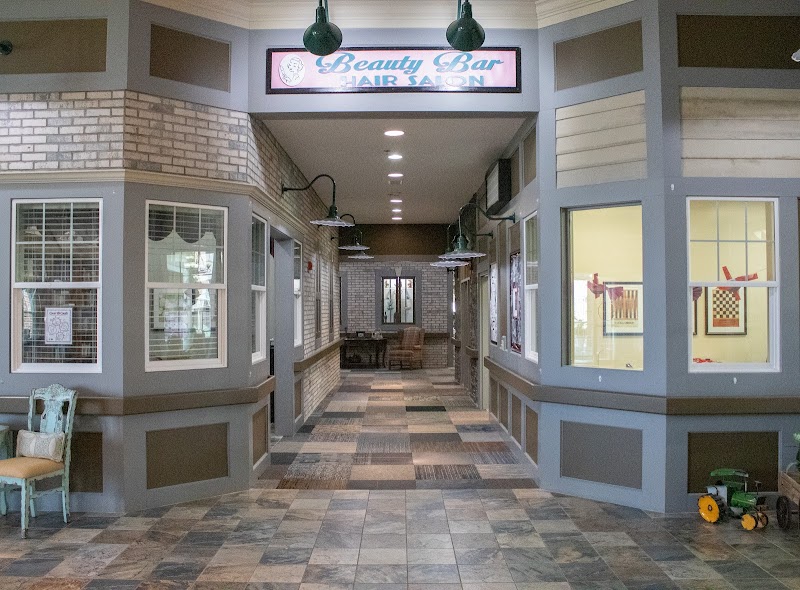
How is Copper Knoll Health & Rehab Llc Staffed?

CMS rates COPPER KNOLL HEALTH & REHAB LLC's staffing level at 3 out of 5 stars, which is average compared to other nursing homes. Staff turnover is 23%, compared to the Ohio average of 46%. This relatively stable workforce can support continuity of care.

What Have Inspectors Found at Copper Knoll Health & Rehab Llc?

State health inspectors documented 20 deficiencies at COPPER KNOLL HEALTH & REHAB LLC during 2019 to 2023. These included: 19 with potential for harm and 1 minor or isolated issues.
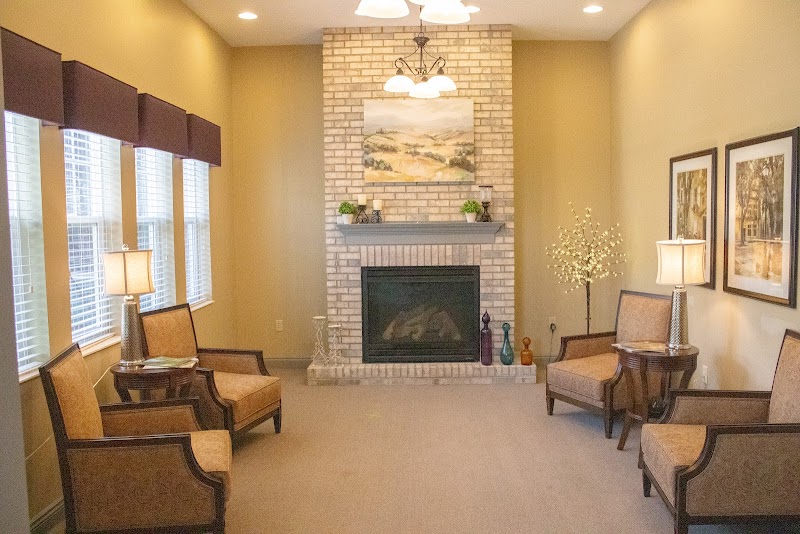
Who Owns and Operates Copper Knoll Health & Rehab Llc?

COPPER KNOLL HEALTH & REHAB LLC is owned by a for-profit company. For-profit facilities operate as businesses with obligations to shareholders or private owners. The facility is operated by TLC MANAGEMENT, a chain that manages multiple nursing homes. With 75 certified beds and approximately 59 residents (about 79% occupancy), it is a smaller facility located in WASHINGTN C H, Ohio.
How Does Copper Knoll Health & Rehab Llc Compare to Other Ohio Nursing Homes?

Compared to the 100 nursing homes in Ohio, COPPER KNOLL HEALTH & REHAB LLC's overall rating (4 stars) is above the state average of 3.2, staff turnover (23%) is significantly lower than the state average of 46%, and health inspection rating (4 stars) is above the national benchmark.

What Should Families Ask When Visiting Copper Knoll Health & Rehab Llc?

Based on this facility's data, families visiting should ask: "Can I visit during a mealtime to observe dining assistance and food quality?" "How do you handle medical emergencies, and what is your hospital transfer rate?" "Can I speak with family members of current residents about their experience?"

Is Copper Knoll Health & Rehab Llc Safe?

Based on CMS inspection data, COPPER KNOLL HEALTH & REHAB LLC has a clean safety record: no substantiated abuse findings (meaning no confirmed cases of resident harm), no Immediate Jeopardy citations (the most serious violation level indicating risk of serious injury or death), and is not on the Special Focus Facility watch list (a federal program monitoring the lowest-performing 1% of nursing homes). The facility has a 4-star overall rating and ranks #1 of 100 nursing homes in Ohio. While no facility is perfect, families should still ask about staff-to-resident ratios and recent inspection results during their visit.

Do Nurses at Copper Knoll Health & Rehab Llc Stick Around?

Staff at COPPER KNOLL HEALTH & REHAB LLC tend to stick around. With a turnover rate of 23%, the facility is 22 percentage points below the Ohio average of 46%. Low turnover is a positive sign. It means caregivers have time to learn each resident's needs, medications, and personal preferences. Consistent staff also notice subtle changes in a resident's condition more quickly. Registered Nurse turnover is also low at 20%, meaning experienced RNs are available to handle complex medical needs.

Was Copper Knoll Health & Rehab Llc Ever Fined?

COPPER KNOLL HEALTH & REHAB LLC has no federal fines on record. CMS issues fines when nursing homes fail to meet care standards or don't correct problems found during inspections. The absence of fines suggests the facility has either maintained compliance or corrected any issues before penalties were assessed. This is a positive indicator, though families should still review recent inspection reports for the full picture.

Is Copper Knoll Health & Rehab Llc on Any Federal Watch List?

COPPER KNOLL HEALTH & REHAB LLC is not on any federal watch list. The most significant is the Special Focus Facility (SFF) program, which identifies the bottom 1% of nursing homes nationally based on persistent, serious quality problems. Not being on this list means the facility has avoided the pattern of deficiencies that triggers enhanced federal oversight. This is a positive indicator, though families should still review the facility's inspection history directly.