ST CATHERINES MANOR OF WASHINGTON COURT HOUSE

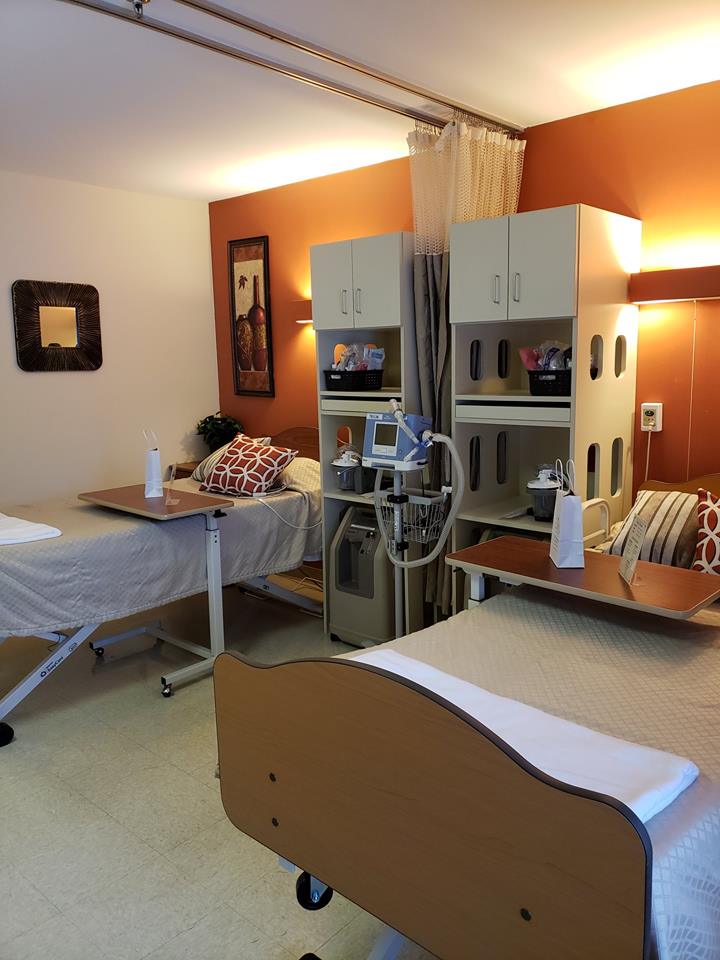
250 GLENN AVENUE, WASHINGTON COURT HOU, OH 43160 (740) 335-6391
For profit - Corporation 55 Beds HCF MANAGEMENT Data: November 2025
Trust Grade
75/100
#343 of 913 in OH
Last Inspection: March 2023

Over 2 years since last inspection. Current conditions may differ from available data.

Overview

St. Catherine's Manor of Washington Court House has a Trust Grade of B, indicating it is a good option for families, as this grade means the facility is solid but not top-tier. It ranks #343 out of 913 facilities in Ohio, placing it in the top half, and #2 out of 4 in Fayette County, meaning only one local option is better. However, the facility is experiencing a worsening trend, with issues increasing from 3 in 2019 to 5 in 2023. Staffing is rated 2 out of 5 stars, which is below average, with a turnover rate of 50%, reflecting challenges in staff retention. On the positive side, there have been no fines reported, and the facility has more RN coverage than 82% of Ohio facilities, which is beneficial for resident care. Specific incidents noted in inspections include a failure to notify a physician about a resident's deteriorating condition, which could lead to serious health risks. Additionally, the facility did not properly assess and treat a skin condition for a resident, and there were deficiencies in conducting thorough fall investigations for residents who had experienced falls. While there are strengths such as good RN coverage and no fines, these concerning incidents highlight the need for improvement in care practices.

Trust Score
B
75/100
In Ohio
#343/913
Top 37%
Safety Record
Low Risk
No red flags
Inspections
Getting Worse
3 → 5 violations
Staff Stability
⚠ Watch
50% turnover. Above average. Higher turnover means staff may not know residents' routines.
Penalties
✓ Good
No fines on record. Clean compliance history, better than most Ohio facilities.
Skilled Nurses
✓ Good
Each resident gets 51 minutes of Registered Nurse (RN) attention daily — more than average for Ohio. RNs are trained to catch health problems early.
Violations
⚠ Watch
17 deficiencies on record. Higher than average. Multiple issues found across inspections.
★★★★☆
4.0
Overall Rating
★★☆☆☆
2.0
Staff Levels
★★★☆☆
3.0
Care Quality
★★★★☆
4.0
Inspection Score
Stable
2019: 3 issues
2023: 5 issues

The Good

  • Full Sprinkler Coverage · Fire safety systems throughout facility
  • No fines on record

Facility shows strength in fire safety.

The Bad

Staff Turnover: 50%

Near Ohio avg (46%)

Higher turnover may affect care consistency

Chain: HCF MANAGEMENT

Part of a multi-facility chain

Ask about local staffing decisions and management

The Ugly 17 deficiencies on record

Mar 2023 5 deficiencies
CONCERN (D)

Potential for Harm - no one hurt, but risky conditions existed

Notification of Changes (Tag F0580)

Could have caused harm · This affected 1 resident

**NOTE- TERMS IN BRACKETS HAVE BEEN EDITED TO PROTECT CONFIDENTIALITY** Based on observation, staff and resident representative interview, and medical record review, the facility failed to timely noti...

Read full inspector narrative →
**NOTE- TERMS IN BRACKETS HAVE BEEN EDITED TO PROTECT CONFIDENTIALITY** Based on observation, staff and resident representative interview, and medical record review, the facility failed to timely notify a physician or nurse practioner when a change in a resident's condition was identified. This affected one (#23) of three residents reviewed for skin conditions and one (#23) of two residents reviewed for bowel function. The facility census was 47. Findings included: 1. Medical record review for Resident #23 revealed an admission date of 08/30/22. Medical diagnoses included pneumonia, heart failure, septicemia, Alzheimer's disease, and diabetes. Review of the Minimum Data Set (MDS) assessment dated [DATE] revealed Resident #23 was severely cognitively impaired. Resident #23 required extensive assistance with two person assistance for bed mobility, transfers and toilet use. Resident #23 required supervision for eating with setup help only and was assessed frequently incontinent for bowel and bladder. Interview with Resident #23's Power of Attorney (POA) on 03/06/23 at 10:52 A.M. stated Resident #23 had a black spot on his toe, but was not able to identify which toe. Observation on 03/07/23 at 10:51 A.M. revealed Resident #23 had a black circle the size of a dime on the bottom of his right great toe. Review of skin assessments dated 02/23/23 at 1:13 P.M. revealed State Tested Nurse Aide (STNA) #128 identified the area on Resident #23's skin. Review of physician orders from 02/23/23 to 03/01/23 revealed there were no orders for treatment of the wound on Resident #23's right great toe. Review of Resident #23's progress notes dated 02/23/23 revealed there were no progress notes reporting the skin condition on the right great toe. Interview with Licensed Practical Nurse (LPN) #331 on 03/07/23 at 11:02 A.M. confirmed she did not know anything about the black spot on Resident #23's toe and there was not any kind of a treatment in place for it. Interview with STNA #128 on 03/07/23 at 11:45 A.M. confirmed she saw the black spot on Resident #23's right great toe, reported it to the nurse on duty, and said the nurse came and looked at it, and identified it as blood blister. STNA #128 stated she documented the condition on Resident #23's shower sheet dated 02/23/23. Interview on 03/09/23 at 8:52 A.M. with Wound Nurse Practitioner (WNP) #240 stated she was not informed of the black spot on Resident #23's right great toe. WNP #240 stated she was in the facility on 02/23/23 and on 03/02/23 and would have expected the facility to have told her about it on one of these visits. 2. Interview with Resident #23's POA on 03/06/23 at 11:02 A.M. stated Resident #23 had been having explosive diarrhea. Review of Resident #23's bowel tracker from 02/07/23 through 03/07/23 revealed there were 30 episodes of loose bowel movements in medium to large in size during that time frame. Review of progress notes from 02/07/23 through 03/07/23 revealed the physician was not notified and there were no orders to treat Resident #23's diarrhea. Interview with Licensed Practical Nurse (LPN) #331 on 03/07/23 at 9:42 A.M. stated she was not aware of Resident #23's diarrhea, but could be due to Resident #23's colon polyps. LPN #331 stated could call the physician. Observation of incontinence care for Resident #23 on 03/07/23 at 10:53 A.M. with State Tested Nurse Aide (STNA) #207 and STNA #128 revealed Resident #23's incontinence brief was saturated with liquid stool. Interview with the Nurse Practitioner (NP) #235 on 03/08/23 at 10:20 A.M. stated her protocol would be for the facility to let her know about the diarrhea, how long it had been going on, and how much. NP #235 stated she would make a determination from that information on what orders would be put into place. NP #235 stated, depending on that finding, she would order a kidney, ureter and bladder (KUB) x-radiation (x-ray) and an anti-diarrhea medication. NP #235 stated she came into the facility on [DATE] and LPN #331 reported to her there was some concerns for bowel movements for Resident #23, but the nurse reported he did not have any diarrhea, but had some history for polyps. NP #235 stated she had not been informed of Resident #23's diarrhea for the past 30 days.
CONCERN (D)

Potential for Harm - no one hurt, but risky conditions existed

Quality of Care (Tag F0684)

Could have caused harm · This affected 1 resident

**NOTE- TERMS IN BRACKETS HAVE BEEN EDITED TO PROTECT CONFIDENTIALITY** Based on observation, medical record review, staff and Power of Attorney (POA) interview, the facility failed to ensure a skin c...

Read full inspector narrative →
**NOTE- TERMS IN BRACKETS HAVE BEEN EDITED TO PROTECT CONFIDENTIALITY** Based on observation, medical record review, staff and Power of Attorney (POA) interview, the facility failed to ensure a skin condition was assessed and a treatment was put into place. This affected one (#23) of three residents reviewed for skin conditions. The census was 47. Findings included: Medical record review for Resident #23 revealed an admission date of 08/30/22. Medical diagnoses included pneumonia, heart failure, septicemia, Alzheimer's disease, and diabetes. Review of the Minimum Data Set (MDS) assessment dated [DATE] revealed Resident #23 was severely cognitively impaired. Resident #23 required extensive assistance with two person assistance for bed mobility, transfers and toilet use. Resident #23 required supervision for eating with setup help only and was assessed frequently incontinent for bowel and bladder. Interview with Resident #23's POA on 03/06/23 at 10:52 A.M. stated Resident #23 had a black spot on his toe, but was not able to identify which toe. Observation on 03/07/23 at 10:51 A.M. revealed Resident #23 had a black circle the size of a dime on the bottom of his right great toe. Review of skin assessments dated 02/23/23 at 1:13 P.M. revealed State Tested Nurse Aide (STNA) #128 identified the area on Resident #23's skin. Review of physician orders from 02/23/23 to 03/01/23 revealed there were no orders for treatment of the wound on Resident #23's right great toe. Review of Resident #23's progress notes dated 02/23/23 revealed there were no progress notes reporting the skin condition on the right great toe. Interview with Licensed Practical Nurse (LPN) #331 on 03/07/23 at 11:02 A.M. confirmed she did not know anything about the black spot on Resident #23's toe and there was not any kind of a treatment in place for it. Interview with STNA #128 on 03/07/23 at 11:45 A.M. confirmed she saw the black spot on Resident #23's right great toe, reported it to the nurse on duty, and said the nurse came and looked at it, and identified it as blood blister. STNA #128 stated she documented the condition on Resident #23's shower sheet dated 02/23/23. Interview on 03/09/23 at 8:52 A.M. with Wound Nurse Practitioner (WNP) #240 stated she was not informed of the black spot on Resident #23's right great toe. WNP #240 stated she was in the facility on 02/23/23 and on 03/02/23 and would have expected the facility to have told her about it on one of these visits.
CONCERN (D)

Potential for Harm - no one hurt, but risky conditions existed

Accident Prevention (Tag F0689)

Could have caused harm · This affected 1 resident

**NOTE- TERMS IN BRACKETS HAVE BEEN EDITED TO PROTECT CONFIDENTIALITY** Based on medical record review, resident and staff interview, fall investigation review, and policy review, the facility failed ...

Read full inspector narrative →
**NOTE- TERMS IN BRACKETS HAVE BEEN EDITED TO PROTECT CONFIDENTIALITY** Based on medical record review, resident and staff interview, fall investigation review, and policy review, the facility failed to complete a root cause analysis as part of their fall investigations and implement resident appropriate fall interventions. This affected three (#16, #23, and #200) of seven residents reviewed for falls. The facility census was 47. Findings include: 1. Review of Resident #16's medical record revealed an admission date of 11/08/2022. Diagnoses included unspecified fracture of the lower right femur (12/09/2022), fracture of the left pubis (11/09/2022), displaced simple supracondylar fracture without intercondylar fracture of the left humerus (11/09/2022), repeated falls, diabetes mellitus type II, unspecified depression, adult failure to thrive, and stage III chronic kidney disease. Review of the most recent Minimum Data Set (MDS) assessment dated [DATE] revealed Resident #16 required a two-person total assistance with bed mobility, dressing, toileting, and personal hygiene, required extensive assistance with transfers and locomotion, and required supervision with eating. Review of a care plan dated 11/09/2022 revealed Resident #16 was a high risk for falls related to a recent history of a fall with fracture prior to admission. Interventions included to keep the call light in reach and encourage use of the call light for assistance, provide a safe environment (the bed in low position, personal items within reach, call light within reach, and clutter-free), review information on past falls and attempt to determine the cause, record possible root causes of falls, and educate the resident, family, and caregivers of the causes of falls. Review of a facility investigation dated 11/28/2022 revealed Resident #16 was found sitting on the floor beside her bed with her back resting on the bed. There was no apparent injury. The investigation had no witness statements. An intervention was created for the fall as a sign would be placed on bathroom door to remind Resident #16 to call for assistance. There was no root cause analysis included in the facility's investigation which identified the cause of the fall. Review of a facility investigation dated 12/03/2023 revealed the nurse at the nurse's station heard Resident #16 scream, and when the nurse went to Resident #16's room, the nurse found Resident #16 on the floor in front of chair with her right leg bent up to her body. Resident #16 was immediately sent to hospital due to abnormal right lower extremity. There was no root cause investigation included in the facility's investigation which identified the cause of the fall. Interview on 03/07/23 at 3:31 P.M. the Director of Nursing (DON) stated they discussed root cause analysis in an interdisciplinary team (IDT) meeting after falls occurred, but there was no documentation of a root cause analysis. The DON stated the team discussed falls in IDT meetings to make sure interventions in place at the time the of the fall were appropriate. 2. Review of Resident #23's medical record revealed an admission date of 08/30/22. Medical diagnoses included pneumonia, heart failure, septicemia, Alzheimer's disease, and diabetes. Review of fall assessments dated 11/13/22, 12/30/22, 01/20/23 and 03/05/23 revealed Resident #23 was a moderate fall risk. Review of a quarterly Minimum Data Set (MDS) assessment dated [DATE] revealed Resident #23 was severely cognitively impaired. Resident #23's functional status was assessed to require an extensive two person assistance for bed mobility, transfers and toilet use, and required supervision for eating with setup help only. Review of a progress note for Resident #23 dated 12/30/22 revealed the nurse heard a crash coming from the resident's room. Resident #23 was discovered sitting on his bottom and rolled onto his side and the bedside table was broken in half. Resident #23 was toileted by physical therapy (PT) prior and had a bowel movement in his brief. There was no injury noted and a new intervention was to place a sign in Resident #23's room to be sure to use the call light for assistance. Review of an investigation for the fall on 12/30/22 at 3:07 P.M. revealed Resident #23 was observed on the floor on his bottom then laid down and rolled to his side. Resident #23 fell onto the bedside table and broke it. Resident #23 was trying to use the bathroom and had his slipper socks on. Resident #23 had a bruise to his upper rear iliac crest. Resident #23 was oriented to person, but was confused, and had issues with his gait balance, impaired memory, and was ambulating without assistance. There were no witnesses found. Resident #23 was toileted by PT, but had bowel movement in his brief. There was no evidence a root cause analysis was completed for this fall. Interview with the DON on 03/08/23 at 8:42 A.M. stated Resident #23 used the call light in the past but agreed he had safety awareness issues. The DON confirmed she had not done a root cause analysis for this fall. During a telephone interview on 03/09/2023 at 11:15 A.M. Registered Nurse (RN) #338 stated it was his opinion that implementing a verbal reminder to use the call light after a fall was a nonsense intervention for a resident with dementia, and it was inappropriate. Observation and interview with Resident #23 on 03/09/23 at 12:43 P.M. revealed when asked if he could read the yellow sign on the wall to the right side of his bed and the orange sign on the wall in front of his bed which read, Use call light for help, Resident #23 was able to look at the sign but could not verbalize what the sign read. Review of a progress note dated 03/04/23 at 5:09 A.M. for Resident #23 revealed the resident was observed on the floor. Resident #23 wanted to get out of his bed and sit in his chair. The resident was conscious, vital signs were normal, neurological checks were normal, and there were no injuries. The immediate intervention was to place Resident #23 in his chair. Review of the investigation dated 3/4/23 revealed Resident #23 was observed sitting on the floor and he was calling for help. Resident #23 was calm, conscious, and would like to sit in his chair. Resident #23's neurological assessments were completed with no concerns, and his call light was put into reach, and informed to press his call light when he needed help. There were no injuries observed. Resident #23 was confused and there were no witnesses found. The IDT collaborated and decided they would place a fall mat to the left side of Resident #23's bed. Further interventions were to encourage use of Resident #23's walker and there were signs in the room to to remind the resident to use the call light for assistance. There was not any evidence there was a root cause analysis completed for this fall. Interview with the DON on 03/0823 at 8:53 A.M. revealed she did not do a root cause analysis and felt like a fall mat was appropriate to put as a new intervention. The DON stated the IDT review falls when they happen, but confirmed there was room for improvement and would be working on a new system. 3. Review of Resident #200's medical record revealed an admission date of 02/03/23. Medical diagnoses included progressive neurological conditions, Parkinson's disease, coronary artery disease, anxiety, and depression. Review of the MDS assessment dated [DATE] revealed Resident #200 was assessed as cognitively intact. Resident #200 was assessed to require an extensive assistance of two-person assistance for bed mobility, transfers and toilet use. Resident #200 required supervision for eating with set-up help only. Review of a fall assessment dated [DATE] revealed Resident #200 was a high fall risk. Review of subsequent fall risk assessments on 02/05/23, 02/07/23, 02/12/23, and 02/16/23 revealed Resident #200 was assessed at moderate risk. Review of a progress note dated 02/12/23 revealed a nurse heard yelling and immediately ran to see what happened. The nurse observed Resident #200 on the floor on the right side of the bed. All interventions were in place and vital signs were taken with no concerns. Resident #200 was assisted back to bed and was confused and indicating she was in pain; however, the notes indicated the staff were unable to assess the pain. Review of a fall investigation dated 02/12/23 revealed Resident #200 was observed on the floor on the right side of the bed with all interventions in place. There were no witnesses to the fall and Resident #200 was oriented to person only and was confused. A fall mat was implemented as a new intervention, and the care plan was updated to reflect the new intervention. Interview with the DON on 03/08/23 at 9:02 A.M. confirmed there was not a root cause analysis for this fall for Resident #200. Review of a policy titled, Fall Reduction Policy, dated 04/29/16, revealed it is the policy of the facility to identify residents at risk for falls and to implement a fall reduction program to reduce the risk of falls and possible injury. Follow-up investigations will be done to ascertain the cause of the incident to reduce the risk of further occurrences.
CONCERN (D)

Potential for Harm - no one hurt, but risky conditions existed

Incontinence Care (Tag F0690)

Could have caused harm · This affected 1 resident

**NOTE- TERMS IN BRACKETS HAVE BEEN EDITED TO PROTECT CONFIDENTIALITY** Based on observation, staff and resident representative interviews, and medical record review, the facility failed to contact th...

Read full inspector narrative →
**NOTE- TERMS IN BRACKETS HAVE BEEN EDITED TO PROTECT CONFIDENTIALITY** Based on observation, staff and resident representative interviews, and medical record review, the facility failed to contact the physician and implement an order for bowel function. This affected one (#23) of two residents reviewed for bowel function. The facility census was 47. Findings included: Review of Resident #23's medical record revealed an admission date of 08/30/22. Medical diagnoses included pneumonia, heart failure, septicemia, Alzheimer's disease, and diabetes. Review of a Minimum Data Set (MDS) assessment dated [DATE] revealed Resident #23 was severely cognitively impaired. Resident #23 was assessed to require an extensive two person assistance for bed mobility, transfers and toilet use. Resident #23 was assessed as frequently incontinent of bowel and bladder. Interview with the Resident #23's Power of Attorney (POA) on 03/06/23 at 11:02 A.M. stated Resident #23 had been having explosive diarrhea. Review of Resident #23's bowel tracker from 02/07/23 through 03/07/23 revealed there were 30 episodes of loose bowel movements in medium to large in size during that time frame. Review of progress notes from 02/07/23 through 03/07/23 revealed the physician was not notified and there were no orders to treat Resident #23's diarrhea. Interview with Licensed Practical Nurse (LPN) #331 on 03/07/23 at 9:42 A.M. stated she was not aware of Resident #23's diarrhea, but could be due to Resident #23's colon polyps. LPN #331 stated could call the physician. Observation of incontinence care for Resident #23 on 03/07/23 at 10:53 A.M. with State Tested Nurse Aide (STNA) #207 and STNA #128 revealed Resident #23's incontinence brief was saturated with liquid stool. Interview with the Nurse Practitioner (NP) #235 on 03/08/23 at 10:20 A.M. stated her protocol would be for the facility to let her know about the diarrhea, how long it had been going on, and how much. NP #235 stated she would make a determination from that information on what orders would be put into place. NP #235 stated, depending on that finding, she would order a kidney, ureter and bladder (KUB) x-radiation (x-ray) and an anti-diarrhea medication. NP #235 stated she came into the facility on [DATE] and LPN #331 reported to her there was some concerns for bowel movements for Resident #23, but the nurse reported he did not have any diarrhea, but had some history for polyps. NP #235 stated she had not been informed of Resident #23's diarrhea for the past 30 days.
CONCERN (D) 📢 Someone Reported This

A family member, employee, or ombudsman was alarmed enough to file a formal complaint

Potential for Harm - no one hurt, but risky conditions existed

Deficiency F0692 (Tag F0692)

Could have caused harm · This affected 1 resident

Based on medical record review, staff interview, and facility policy review, the facility failed to obtain resident weights as ordered and failed to provide alternates when meal intakes were below des...

Read full inspector narrative →
Based on medical record review, staff interview, and facility policy review, the facility failed to obtain resident weights as ordered and failed to provide alternates when meal intakes were below desired levels. This affected one (#300) of four residents reviewed for nutrition. The census was 47. Findings include: Review of Resident #300's medical record revealed an admission date of 09/27/22. Diagnoses included diabetes mellitus type II, atherosclerotic heart disease, hypertension, cervicalgia, muscle weakness, colostomy status, fusion of the spine, dysphagia, hyperlipidemia, ischemic cardiomyopathy, and bradycardia. Review of his Minimum Data Set (MDS) assessment, dated 01/06/23, revealed Resident #300 was cognitively intact. Review of Resident #300's orders revealed he was to have weekly weights taken, for the first four weeks, which was dated from 09/28/22 to 10/24/22. Further review of the orders revealed, beginning on 10/19/22, the order was continued for weekly weights. The was to continue until 01/19/23. Review of Resident #300's weights, dated 09/28/22 to 02/01/23, revealed Resident #300 weighed 164.4 pounds on 10/04/22, weighed 154.8 pounds on 10/08/22, weighed 163.4 pounds on on 11/17/22, weighed 164.8 pounds on 11/22/22, weighed 159.0 pounds on 12/01/22, weighed 159.4 pounds on 12/04/22, weighed 159.4 pounds 12/14/22, weighed 149.9 pounds on 01/11/23, weighed 146.8 pounds on 01/18/23, weighed 150.8 pounds on 01/31/23, and weighed 150.8 pounds on 02/01/23. The facility did not take an initial weight for Resident #300 until six days after admission. There was a significant weight decrease from 10/04/22 to 10/08/22, and no re-weight was taken to verify the weight loss. Also, there was a significant weight increase from 10/08/22 to 11/17/22, and a re-weight was not taken until five days later. There was a significant weight decrease from 12/14/22 to 01/11/23, and there was no re-weight taken until seven days later. Finally, there were multiple entries missing to meet the order of taking weekly resident weights from 09/28/22 to 01/19/23. Review of Resident #300 nutritional care plan revealed the facility is to obtain weights per order. Also, the facility staff will offer a substitute if the resident eats less than 75% of his meals. Review of Resident #300 meal intake documentation and meal substitutes offered documentation, dated 11/10/22 to 02/01/23, revealed Resident #300 ate less than 75% of meals and was not offered a substitute 59 different times. Interview with Dietary Technician (DT) #400 on 03/08/23 at 2:20 P.M. confirmed the facility had a challenge with getting weights in a timely manner and as ordered, but have been working better at obtaining resident weights. DT #400 confirmed Resident #300's weights were no taken as ordered, and confirmed if Resident #300 ate less than 75% of meals, the electronic medical record would automatically generate another question as to whether a substitute was offered. DT #400 stated the facility staff would have to answer and document if a substitute was offered each time it was required. Interviews on 03/09/23 at 9:01 A.M. with Licensed Practical Nurse (LPN) #216, at 9:14 A.M. with LPN #337, and at 9:32 A.M. with Director of Nursing (DON) confirmed staff should be entering substitutes and the amount of the substitute the resident ate in the electronic medical records. All three staff members also confirmed they are to follow physician and nutritional orders for taking resident weights. DON confirmed the facility had an issue with getting weights obtained timely a couple months ago, but they have worked to do better. Review of a facility weight policy, dated March 2017, revealed weight is an indicator and method of monitoring resident nutritional status. Resident weight will be monitored on a monthly basis, or more frequently when indicated. This data will be used to identify those residents with significant weight variance and as an indicator of nutritional risk. All weight orders are to be written as follows: weights weekly for four weeks and then monthly and as needed unless otherwise ordered or specified. An in-house weight will be obtained within 24 hours of admission and recorded in the resident health record. Residents will be reweighed in 24 hours if their weight change meets the following criteria: resident weight less than 150 pounds with a three pound (or more) weight change or resident weight more than 150 pounds with a five pound (or more) weight change. This deficiency represents non-compliance investigated under Master Complaint Number OH00137211 and Complaint Number OH00136526.
Dec 2019 3 deficiencies
CONCERN (D)

Potential for Harm - no one hurt, but risky conditions existed

Deficiency F0657 (Tag F0657)

Could have caused harm · This affected 1 resident

**NOTE- TERMS IN BRACKETS HAVE BEEN EDITED TO PROTECT CONFIDENTIALITY** Based on record review, staff and resident interview and policy review, the facility failed to ensure quarterly care conferences...

Read full inspector narrative →
**NOTE- TERMS IN BRACKETS HAVE BEEN EDITED TO PROTECT CONFIDENTIALITY** Based on record review, staff and resident interview and policy review, the facility failed to ensure quarterly care conferences were completed. This affected one (#40) of three residents reviewed for care conferences. The census was 54. Findings Include: Review of the medical record for Resident #40 revealed an admission date of 12/11/15 with diagnoses including cerebral infarction, depression, and anxiety. Review of the Nursing Interdisciplinary Meeting dated 08/20/19 revealed a care conference was held on 08/20/19 and the resident attended the care conference. Review of the medical record for Resident #40 revealed no care conference was held since 08/20/19. Further review of the medical record revealed the facility completed a Quarterly Minimum Data Set Assessment (MDS) dated [DATE] revealed Resident #40 is cognitively intact. Interview with Resident #40 on 12/26/19 at 10:01 A.M. revealed he could not remember the last time he had a care conference. Interview with Social Services Designee #96 on 12/27/19 at 12:39 P.M. revealed care conferences are held every quarter. The interview verified quarterly care conference was completed since 08/20/19 and a care conference should have been held in November 2019. Review of the facility policy titled Resident Education, last revised 11/2009, revealed the resident is involved in care and care decisions through the interdisciplinary care planning process.
CONCERN (D)

Potential for Harm - no one hurt, but risky conditions existed

Pressure Ulcer Prevention (Tag F0686)

Could have caused harm · This affected 1 resident

**NOTE- TERMS IN BRACKETS HAVE BEEN EDITED TO PROTECT CONFIDENTIALITY** Based on medical record review, observations and staff interview, the facility failed to staff implemented Resident #8's skin tr...

Read full inspector narrative →
**NOTE- TERMS IN BRACKETS HAVE BEEN EDITED TO PROTECT CONFIDENTIALITY** Based on medical record review, observations and staff interview, the facility failed to staff implemented Resident #8's skin treatments for a pressure ulcer and pressure ulcer preventative as physician ordered. This affected one (#8) of two residents reviewed for pressure ulcers. The facility census was 54. Findings include: Record review of Resident #8 revealed an admission date of 08/15/19. Diagnoses include atherosclerotic heart disease of native coronary artery, angina pectoris, hyperlipidemia, type 2 diabetes mellitus, transient cerebral ischemic attack, pain, dementia without behavioral disturbance, pressure ulcer of sacral region, pressure ulcer of left heel, and peripheral vascular disease. Review of the modified quarterly Minimum Data Set (MDS) assessment dated [DATE] revealed the resident was cognitively intact and required extensive assistance for transfer, locomotion on and off unit, toilet use and bathing. Resident #8 required extensive assistance of two people for bed mobility, dressing and personal hygiene. The Resident had an indwelling urinary catheter and was always incontinent of bowel. Review of a physician order dated 08/26/19 revealed a treatment of skin prep to right heel three times a day for prophylactic. Review of a physician order dated 10/28/19 revealed a treatment of apply betadine to the left heel two times a day. Review of nursing wound documentation dated 12/26/19 revealed on 12/23/19 the left heel measurements were 5.5 centimeters (cm) in length by 6.0 cm in width with no depth. The left heel wound was considered a deep tissue injury pressure ulcer with eschar and no drainage. There was no pressure ulcer documentation on the right heel. Observation of Registered Nurse (RN) #83 completing Resident #8 dressing change on 12/27/19 at 1:36 P.M. revealed she applied skin prep to the left heel pressure ulcer and betadine to the right foot which did not have a pressure ulcer. Interview with RN #83 on 12/27/19 at 1:40 P.M. verified she applied skin prep to the left heel pressure ulcer and betadine to the right foot which did not have a pressure ulcer. RN #83 verified after checking the physician orders she did the treatments on the wrong heels.
CONCERN (D)

Potential for Harm - no one hurt, but risky conditions existed

Laboratory Services (Tag F0770)

Could have caused harm · This affected 1 resident

Based on medical record review and staff interview, the facility failed to obtain laboratory (lab) values as physician ordered. This affected one (#3) out of five residents reviewed for unnecessary me...

Read full inspector narrative →
Based on medical record review and staff interview, the facility failed to obtain laboratory (lab) values as physician ordered. This affected one (#3) out of five residents reviewed for unnecessary medications. The facility census was 54. Findings include: Review of the medical record for Resident #3 revealed an admission date of 01/23/14. Diagnoses include dementia, hypertension, psychosis, hyperlipidemia, and depression. Review of physician telephone order dated 10/28/19 revealed an order to start Depakote for dementia with behavioral disturbance and in ten days obtain a Complete Blood Count (CBC) and a Valproic Acid level. Review of labs in medical record revealed last CBC done was on 07/09/19 and a valproic acid level only was obtained on 11/07/19. Interview was conducted on 12/28/19 at 2:16 P.M. with the Director of Nursing (DON) and she verified that the CBC level was not drawn as ordered.
Oct 2018 9 deficiencies
CONCERN (D)

Potential for Harm - no one hurt, but risky conditions existed

Safe Environment (Tag F0584)

Could have caused harm · This affected 1 resident

Based on observations, record review, resident and staff interviews, the facility failed to provide a safe, home-like environment for one resident. This affected one (#12) out of eighteen selected in ...

Read full inspector narrative →
Based on observations, record review, resident and staff interviews, the facility failed to provide a safe, home-like environment for one resident. This affected one (#12) out of eighteen selected in the initial pool. The facility census was 59. Findings include: Review of the Heating and Cooling work log revealed the work for Resident #12's room vent was completed on April 3, 2018. Observations on 10/18/18 at 1:40 P.M., revealed Resident #12's room ceiling vent in the room and bathroom to have large chips in the plaster after following a vent replacement in both rooms. Interview on 10/18/18 at 1:43 P.M., with Resident #12 revealed the plaster chips have been hanging from the ceiling for several months. The resident stated this bothers her as it has not been repaired yet. Observation with Maintenance Director #10 on 10/18/18 at 2:28 P.M., were made of Resident #12's room. Interview at this time, with Maintenance Director #1, stated a heating and cooling company had replaced the duct vents in this room, and the ceiling in the room and bathroom were patched up with putty afterwards. The Maintenance Director #1 stated he was eventually going to sand it down and repaint it, but had not gotten to it yet. He verified that both areas still have large chips of putty hanging down from both ceilings. Maintenance Director #1 verified that the duct work was completed on 04/03/18.
CONCERN (D)

Potential for Harm - no one hurt, but risky conditions existed

Assessment Accuracy (Tag F0641)

Could have caused harm · This affected 1 resident

**NOTE- TERMS IN BRACKETS HAVE BEEN EDITED TO PROTECT CONFIDENTIALITY** 2. Review of medical record for Resident #3 revealed an admission date of 12/21/17, with a brief interview mental status (BIMS) ...

Read full inspector narrative →
**NOTE- TERMS IN BRACKETS HAVE BEEN EDITED TO PROTECT CONFIDENTIALITY** 2. Review of medical record for Resident #3 revealed an admission date of 12/21/17, with a brief interview mental status (BIMS) score of eight indicating impaired cognition. The resident was admitted with diagnoses including dementia, Parkinson's disease, pseudobulbar affect, altered mental status, mood disorder, anxiety disorder, and unspecified psychosis. A review of the progress notes from 12/27/17 to 10/17/18 revealed documentation to support the need for psychological medications. Review of the MDS dated [DATE] revealed Resident #3 does receive an antipsychotic, antidepressant, antibiotic and a diuretic. Under Section N Medications (N0450) Antipsychotic Medication Review of the MDS revealed an entry code of 1 indicting yes- Gradual Dose Reduction (GDR) has been documented by a physician as a clinically contraindicated. The date the physician documented the GDR as a clinically contraindicated was 03/19/2018. Review of the Psychiatric Note written on 03/19/18 revealed the reason for the visit was for medication management. Treatment recommendation included a GDR of Seroquel to decrease it to 12.5 milligram at bedtime. There for the GDR was not contraindicated. Interview on 10/18/18 10:03 A.M., with the Director of Nursing (DON) and the Regional Registered Nurse #7 confirmed the psychiatrist did do a gradual dose reduction of the medication Seroquel on 03/19/18. Interview on 10/18/18, with the MDS Coordinator #87 confirmed the Plan of Care dated 07/2018 addressed behaviors and non-pharmalogical interventions attempted for Resident #3; however, on the 06/2018 MDS quarterly review the facility did not report that a GDR was done for the Resident #3's Seroquel medication. Based on medical record review, observatrions and staff interview, the facility failed to to accurately code residents Minimum Data Set (MDS) assessment to reflect current status and services rendered for residents. This affected three (#40, #3 and #20) of 18 residents reviewed for MDS accuracy. The facility census was 59. Findings include: 1. Medical record review of Resident #40 revealed an admission date of 09/14/17, with diagnoses including but not limited to dementia and adult failure to thrive. Review of physician telephone order dated 09/07/18 revealed Resident #40 was admitted to hospice with diagnosis of senile degeneration of the brain. Review of hospice contract revealed Resident #40's family signed on 09/07/18 for hospice care. Review of the significant change MDS dated [DATE] revealed Resident #40 had severe cognitive deficits and hospice services was marked no as not being received. Interview was conducted on 10/22/18 at 4:55 P.M. with Registered Nurse (RN) #32 and she verified the significant change MDS dated [DATE] was coded inaccurately for Resident #40 and that hospice should have been marked yes. 3. Review of Resident #20's medical record revealed an admission date of 04/13/18, with the following medical diagnoses: aphagia, dysphagia, progressive supranuclear opthalmoplegia, muscle wasting and atrophy, weakness, protein-calorie malnutrition, candidal sepsis, acute kidney failure, fluid overload, enterocolitis due to clostridium difficile, lesions of the oral mucosa, pain, allergic rhinitis, and depression. Review of the minimum data set (MDS) assessment dated [DATE] revealed the resident is rarely/never understood and has severe cognitive impairments. Review of the admission rage of motion (ROM) assessment dated [DATE], revealed the resident was assessed to have contractures. Review of the admission MDS assessment dated [DATE] and the quarterly MDS dated [DATE] revealed the resident was coded as having no impairments for ROM. Observation of Resident #20 on 10/18/18 at 3:00 P.M., revealed the facility staff provided bed mobility and positioning as an extensive, two person assist. This resident was transferred from her bed to her wheelchair using a mechanical lift with the resident positioned in her chair with the use of two pillows for comfort. Bilateral contractures noted to both upper and lower extremities. Interview with Registered Nurse (RN) #43 on 10/23/18 at 2:48 P.M., verified the resident was coded incorrectly for ROM on the admission and quarterly MDS assessments. RN #43 stated the resident should have been assessed as having bilateral impairments to her upper and lower extremities. RN #43 stated the resident has received therapy until her services had ran out, and now her POA, who is a Physical Therapist, now provides range of motion exercises on a daily basis. Resident #20 is assisted per facility staff for all positioning and bed mobility.
CONCERN (D)

Potential for Harm - no one hurt, but risky conditions existed

Comprehensive Care Plan (Tag F0656)

Could have caused harm · This affected 1 resident

**NOTE- TERMS IN BRACKETS HAVE BEEN EDITED TO PROTECT CONFIDENTIALITY** Based on review of medical record, review of policy and staff interview, the facility failed to include the monitoring and treat...

Read full inspector narrative →
**NOTE- TERMS IN BRACKETS HAVE BEEN EDITED TO PROTECT CONFIDENTIALITY** Based on review of medical record, review of policy and staff interview, the facility failed to include the monitoring and treatment of skin condition. This had the potential to affect one (#47) of one residents reviewed for skin conditions. The census was 59. Findings include: Review of the medical record for Resident #47 revealed an admission date of 12/05/17 with a brief interview mental status (BIMS) score of 99 indicating severe cognitive deficits. The resident was admitted with diagnoses including unspecified dementia with behavioral disturbances, melanoma in situ of unspecified part of face, and psychosis. The minimum data set (MDS) assessment revealed resident #47 walks throughout the secured unit and requires one person assist with activities of daily living. Observations on 10/16/18 at 11:10 A.M., of Resident #47 sitting in the dining room with a cone like bandage extending out 2 inches from her forehead. Interview with Licensed Practical Nurse (LPN) # 58 revealed Resident #47 has a diagnosis of skin cancer. The bandage is covering the area because it has drainage and fellow residents get scared when the area is not cover because of how it looks. Interview on 10/17/18 at 10:00 A.M., with the Director of Nursing (DON) revealed the nurses are aware of the area on Resident #47's forehead. However, it is not being treated due to the health care power of attorney's instruction to do nothing to the area. Interview on 10/17/18 at 2:00 P.M., with the DON and Regional Register Nurse #7 confirmed they do not have anything written in Resident #47's Plan of Care regarding her history of cancer and current melanoma. In addition, there is no documentation to affirm the health care power of attorney's instructions not to treat the area. Interview on 10/17/18 at 2:18 P.M., with Resident #47's daughter explained Resident #47 has skin cancer on her forehead. Upon admission on [DATE], the staff was notified of the cancer and Resident #47's history of cancer. Upon admission the area on her forehead was a scab about a quarter size and no other treatment was to be done per the health care power of attorney's instruction. The daughter explained Resident #47 would occasionally pick at the area and now will wear a bandage. The daughter reported she has noticed the area has been growing. Review of Resident #47's medical records Nursing Admit/Readmit Screen - V-7 skin assessment on 12/06/17 revealed resident was admitted to the facility with a scab on the forehead from skin cancer removal and a scab to the left nostril. The resident has history of picking at the areas. Review of Resident #47's medical record progress notes from 08/18/18 to 10/02/18 revealed on 09/15/18, Licensed Practical Nurse #58 noted the area in center of Resident #47's forehead continues to get larger. Resident must be reminded frequently not to touch or pick the area. Staff keep the area covered with a large band aid. On 10/02/18, nursing obtained an order to cover the melanoma on Resident #47's forehead and the Power of Attorney (POA) was notified. Review of Resident #47's Plan of Care last updated 08/31/2018 revealed no focus on the melanoma on her forehead or the treatment of wearing a band aid. It is not care planned for staff to constantly remind the resident not to pick at the area. Lastly, the Plan of Care does not include the POA's wishes to have nothing done to the area of Resident #47's forehead. Review of the undated policy titled Comprehensive Care Plan revealed the care plan must describe any service that would otherwise be required but is not provided due to the resident's exercise of rights including the right to refuse treatment.
CONCERN (D)

Potential for Harm - no one hurt, but risky conditions existed

Deficiency F0657 (Tag F0657)

Could have caused harm · This affected 1 resident

Based on medical record review and staff interview, the facility failed to update a resident's care plan to accurately reflect status and services rendered. This affected one (#40) of 18 residents rev...

Read full inspector narrative →
Based on medical record review and staff interview, the facility failed to update a resident's care plan to accurately reflect status and services rendered. This affected one (#40) of 18 residents reviewed for care plan accuracy. The facility census was 59. Findings include: Review of Resident #40's medical record revealed an admission date of 09/14/17, with diagnoses including dementia and adult failure to thrive. Review of physician telephone order dated 09/07/18 revealed Resident #40 was admitted to hospice with diagnosis of senile degeneration of the brain. Review of hospice contract revealed Resident #40's family signed on 09/07/18 for hospice care. Review of Resident #40's care plan revealed no hospice care plan was in place. Interview was conducted on 10/22/18 at 4:55 P.M. with Registered Nurse (RN) #32 and she verified there was no care plan in place for hospice for Resident #40.
CONCERN (D)

Potential for Harm - no one hurt, but risky conditions existed

Quality of Care (Tag F0684)

Could have caused harm · This affected 1 resident

**NOTE- TERMS IN BRACKETS HAVE BEEN EDITED TO PROTECT CONFIDENTIALITY** Based on observations, resident interviews, staff interviews and review of policy and procedures, the facility failed to follow ...

Read full inspector narrative →
**NOTE- TERMS IN BRACKETS HAVE BEEN EDITED TO PROTECT CONFIDENTIALITY** Based on observations, resident interviews, staff interviews and review of policy and procedures, the facility failed to follow physician's orders and also failed to ensure residents outside appointments were scheduled as ordered. This affected three (Resident #12, #42, and #209) of 18 residents reviewed for medically related services. The facility census was 59. Findings include: 1. Review of Resident #12's medical record revealed an admission date of 04/24/17. A brief interview mental status (BIMS) score of 15 indicated the resident was alert and oriented to person, place and time. The resident was admitted with diagnoses including arterial fibrillation, depressive disorder, cerebral infarction, and transient ischemic attack. Review of Resident #12's physician's order dated 04/10/18 revealed an order for the resident to wear ted hose while awake. On 07/25/18 a physician's order was written to consult with cardiology, regarding worsening edema and diagnosis of chronic arterial fibrillation. On 10/15/18 at 3:19 P.M., observation and interview with Resident #12 revealed her legs and feet were noted to be swollen. Resident #12 reported staff do not offer to put her ted hose on daily. Therefore, she does not wear them. Her ted hose were laying on her bed with her personal belongings. On 10/16/18 at 11:35 A.M., observation of Resident #12 in the dining room for lunch. She was not wearing ted hose. On 10/17/18 at 9:09 A.M., observation and interview with Resident #12 revealed no ted hose were on her legs. Resident #12 reported she just returned from breakfast and her feet and legs would begin to swell. On 10/22/18 at 4:19 P.M., interview with the Director of Nursing (DON) confirmed there was no documentation of Resident #12 having her ted hose on daily or that Resident #12 refused to wear the stockings. The DON could not confirm if Resident 12 had ever worn the stockings due to no documentation from nursing staff. On 10/22/18 at 4:19 P.M., the DON and Regional Registered Nurse #7 also confirmed Resident #12 had not seen a cardiologist since the order was written on 07/28/18. 2. Review of Resident #42's medical record revealed the resident was admitted on [DATE] with a brief interview mental status (BIMS) score of 02 indicating severe cognitive deficits. The resident was admitted with diagnoses including advanced dementia with behavior of wandering. The MDS revealed the resident required limited assistance with activities of daily living. A care plan revealed individualized interventions to meet her physical and psychological needs with measurable goals. Review of Resident #42's visit to her neurologist on 11/8/17 revealed her next appointment with the neurologist was scheduled for 06/13/18. Review of Resident #42's medical record revealed a letter from the Neurology Group indicating Resident #42 missed her neurological appointment on 06/13/18. The letter indicated a number to call to reschedule the appointment. Review of the nurse's progress notes contained in Resident #42's medical record from 06/13/18 to 10/12/18 revealed no neurology appointment was rescheduled. On 10/22/18 at 4:19 PM interview with the DON confirmed Resident #42 missed her appointment on 06/13/18 and the appointment was not rescheduled. 3. Review of Resident #209's medical record revealed an admission date of 05/25/18 with a brief interview mental status (BIMS) score of 13 indicating no cognitive deficits. The resident was admitted with diagnoses including cerebral ataxia, hypertension and alcohol dependence. The resident was discharged home on [DATE]. The minimum data set (MDS) revealed the resident required one person assistance with activities of daily living. A care plan relative to his physical and speech therapy revealed individualized interventions with measurable goals. Review of the physician's orders on 06/03/18 revealed an order for Resident #209 to have a neuro consult as soon as possible. A review of the medical record progress notes contained in Resident #209's record revealed from 05/25/18 to 06/19/18 no documentation of a neurology appointment being scheduled as per physician's order dated 06/03/18. On 10/18/18 at 2:50 P.M., interview with the Director of Nursing (DON) and admission Coordinator (AC) #93 verified AC #93 was responsible for scheduling resident outside appointments. On 10/22/18 at 4:19 P.M., interview with the DON and Regional RN #5 confirmed the neurology appointment ordered on 06/03/18 was not scheduled and Resident #209 did not see a neurologist while a resident at the facility.
CONCERN (D)

Potential for Harm - no one hurt, but risky conditions existed

Deficiency F0692 (Tag F0692)

Could have caused harm · This affected 1 resident

**NOTE- TERMS IN BRACKETS HAVE BEEN EDITED TO PROTECT CONFIDENTIALITY** Based on observation, medical record review, and staff interview, the facility failed to provide nectar thickened liquids at all...

Read full inspector narrative →
**NOTE- TERMS IN BRACKETS HAVE BEEN EDITED TO PROTECT CONFIDENTIALITY** Based on observation, medical record review, and staff interview, the facility failed to provide nectar thickened liquids at all times per physicians order. This affected one (Resident #33) of three residents reviewed for nutrition. The facility census was 59. Findings include: Medical record review for Resident #33 revealed an admission date of 08/23/18 with diagnoses including malignant neoplasm of lung, dementia, anxiety, depression, and other specified eating disorder. Review of Resident #33's minimum data set (MDS) assessment dated [DATE] revealed she had severe cognitive deficits, required supervision with eating, and received a therapeutic diet. Review of Resident #33's care plan revealed the resident had impaired nutritional status related to dementia and swallowing difficulties and interventions included to provide diet as ordered with adequate fluids. Review of a nutrition note dated 09/20/18 revealed Resident #33's diet was changed to regular pureed with nectar thickened liquids on 09/14/18 due to swallowing difficulties of pocketing and coughing with food and fluid intake. Review of Resident #33's October 2018 physicians orders revealed order for regular, pureed texture diet with nectar consistency liquids. Observation was conducted on 10/17/18 at 10:20 A.M. of Resident #33. The resident was lying in bed and noted to have a pitcher on bedside table that contained ice water. Interview was conducted on 10/17/18 at 10:20 A.M. with State Tested Nursing Assistant (STNA) #79 and he verified Resident #33 was on nectar thickened liquids and should not have a pitcher of ice water at bedside within reach. Observation was conducted on 10/23/18 at 1:31 P.M. of Resident #33 and she was lying in bed and noted was a half bottle of [NAME] tea at bedside that was not thickened and it had her name on the bottle. Interview was conducted on 10/23/18 at 1:36 P.M. with the Director of Nursing and she verified Resident #33 was on nectar thickened liquids and the bottle of tea should not be at the bedside within her reach.
CONCERN (D)

Potential for Harm - no one hurt, but risky conditions existed

Dental Services (Tag F0791)

Could have caused harm · This affected 1 resident

**NOTE- TERMS IN BRACKETS HAVE BEEN EDITED TO PROTECT CONFIDENTIALITY** Based on observations record review, resident and staff interviews, the facility failed to provide dental services for one resid...

Read full inspector narrative →
**NOTE- TERMS IN BRACKETS HAVE BEEN EDITED TO PROTECT CONFIDENTIALITY** Based on observations record review, resident and staff interviews, the facility failed to provide dental services for one resident (#12) out of three residents (#09, #12 and #33) reviewed for dental services. The facility census was 59. Findings include: Review of Resident #12's medical record revealed the resident was admitted on [DATE]. A brief interview mental status (BIMS) score of 15 indicated the resident was alert and oriented to person, place and time. The resident was admitted with diagnoses including arterial fibrillation, depressive disorder, cerebral infarction, and transient ischemic attack. She required no assistance with activities of daily living. Review of the in house dental services visit documentation on 05/14/18 revealed the dentist indicated Resident #12's remaining teeth needed extracted. The dentist also ordered and provided an oral surgery referral. The Oral Surgery referral dated 05/14/18, indicated to extract all remaining upper/lower teeth and complete a panoramic x-ray. Review of the in house dental services visit documentation dated 10/05/18 revealed resident #12 was concerned with her remaining teeth and desired a denture evaluation. The dentist provided an oral surgery referral on 05/14/18. As of 10/15/18, Resident #12 had not seen an oral surgeon. On 10/15/18 03:12 P.M., interview and observation with Resident #12 revealed she saw the dentist at least three months ago and was waiting to get her remaining teeth pulled so she can have upper and lower dentures made. On 10/18/18 at 2:50 P.M., interview with the Director of Nursing (DON) and admission Coordinator (AC) #93 revealed Resident #12 sees the house dentist and on 05/14/18 the dentist recommended the resident see an oral surgeon for teeth extraction. The resident was scheduled to see the oral surgeon on 09/17/18. However, Resident #12 missed the appointment because a family member did not pick her up. The admission Coordinator #93 confirmed there was not another appointment made to see an oral surgeon. On 10/18/18 at 3:57 P.M., interview with Resident #12 revealed she was very unhappy with not having another appointment with an oral surgeon. She said, It is their fault I missed the appointment in September. They never called my daughter to remind her of the appointment. Resident did confirm she saw the house dentist on 10/05/18 and she still has not had her teeth extracted or new teeth made. On 10/18/18 at 4:07 P.M., interview with Resident #12's family member confirmed the facility failed to remind her of the oral surgeon appointment for Resident #12 on 09/17/18. To her knowledge another appointment had not been scheduled. On 10/18/18 at 4:19 PM interview with the AC #93 confirmed there was no documentation in Resident #12's medical record indicating the resident's appointment with the oral surgeon was made and or it was missed.
CONCERN (D)

Potential for Harm - no one hurt, but risky conditions existed

Infection Control (Tag F0880)

Could have caused harm · This affected 1 resident

Based on observation, staff interview, and policy review, the facility failed to serve and handle food in a sanitary manner at meal time. This affected two residents (Resident #13 and Resident #34) of...

Read full inspector narrative →
Based on observation, staff interview, and policy review, the facility failed to serve and handle food in a sanitary manner at meal time. This affected two residents (Resident #13 and Resident #34) of 13 residents who were eating in the memory care unit dining area. The facility census was 59. Findings include: Observation was conducted on 10/15/18 at 12:24 P.M. of the memory care dining area. State Tested Nursing Assistant (STNA) #29 was observed serving Resident #13 and Resident #34 rolls that she took out of a baggie with bare hands and gave to the residents. STNA #29 touched other meal trays prior to touching the rolls and did not wash her hands or wear gloves while serving. Interview was conducted on 10/15/18 at 12:26 P.M. with STNA #29 and she verified she touched the rolls without wearing gloves or washing her hands after touching other items. Review of facilities Infection Control/Food Safety Policy dated 11/30/08 revealed hands should be washed prior to and after handling foods with hands. Hands are the point of contact with bacteria and proper techniques are key to eliminating the source of some bacteria and spreading of infection.
CONCERN (D)

Potential for Harm - no one hurt, but risky conditions existed

Deficiency F0925 (Tag F0925)

Could have caused harm · This affected 1 resident

Based on observation and staff interview, the facility failed to provide a pest-free environment. This affected one (Resident #12) of eighteen selected in the initial pool. The facility census was 59....

Read full inspector narrative →
Based on observation and staff interview, the facility failed to provide a pest-free environment. This affected one (Resident #12) of eighteen selected in the initial pool. The facility census was 59. Findings include: On 10/18/18 at 1:40 P.M., observation of Resident #12's room revealed, approximately eight small ants were noted to be alive and crawling all over the floor of the bathroom. On 10/18/18 at 01:43 P.M., interview with Resident #12 revealed she had seen a lot of ants crawling on the floor of her room and bathroom, and they would not go away. The resident stated that this bothers her. On 10/18/18 at 02:28 P.M., interview and observation with Maintenance Director (MD) #10 of Resident #12's room reveled MD #10 verified that seven live ants were crawling on the floor of the bathroom.
Understanding Severity Codes (click to expand)
Life-Threatening (Immediate Jeopardy)
J - Isolated K - Pattern L - Widespread
Actual Harm
G - Isolated H - Pattern I - Widespread
Potential for Harm
D - Isolated E - Pattern F - Widespread
No Harm (Minor)
A - Isolated B - Pattern C - Widespread

Questions to Ask on Your Visit

  • "Can I speak with families of current residents?"
  • "What's your RN coverage like on weekends and overnight?"

Our Honest Assessment

Strengths
  • • No major safety red flags. No abuse findings, life-threatening violations, or SFF status.
  • • No fines on record. Clean compliance history, better than most Ohio facilities.
Concerns
  • • 17 deficiencies on record. Higher than average. Multiple issues found across inspections.
Bottom line: Generally positive indicators. Standard due diligence and a personal visit recommended.

About This Facility

What is St Catherines Manor Of Washington Court House's CMS Rating?

CMS assigns ST CATHERINES MANOR OF WASHINGTON COURT HOUSE an overall rating of 4 out of 5 stars, which is considered above average nationally. Within Ohio, this rating places the facility higher than 99% of the state's 100 nursing homes. This rating reflects solid performance across the metrics CMS uses to evaluate nursing home quality.
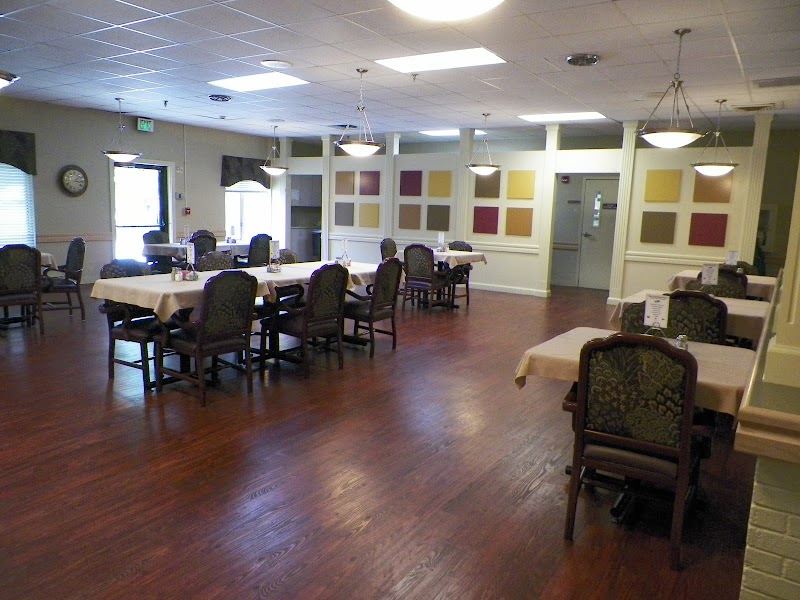
How is St Catherines Manor Of Washington Court House Staffed?

CMS rates ST CATHERINES MANOR OF WASHINGTON COURT HOUSE's staffing level at 2 out of 5 stars, which is below average compared to other nursing homes. Staff turnover is 50%, compared to the Ohio average of 46%.

What Have Inspectors Found at St Catherines Manor Of Washington Court House?

State health inspectors documented 17 deficiencies at ST CATHERINES MANOR OF WASHINGTON COURT HOUSE during 2018 to 2023. These included: 17 with potential for harm.
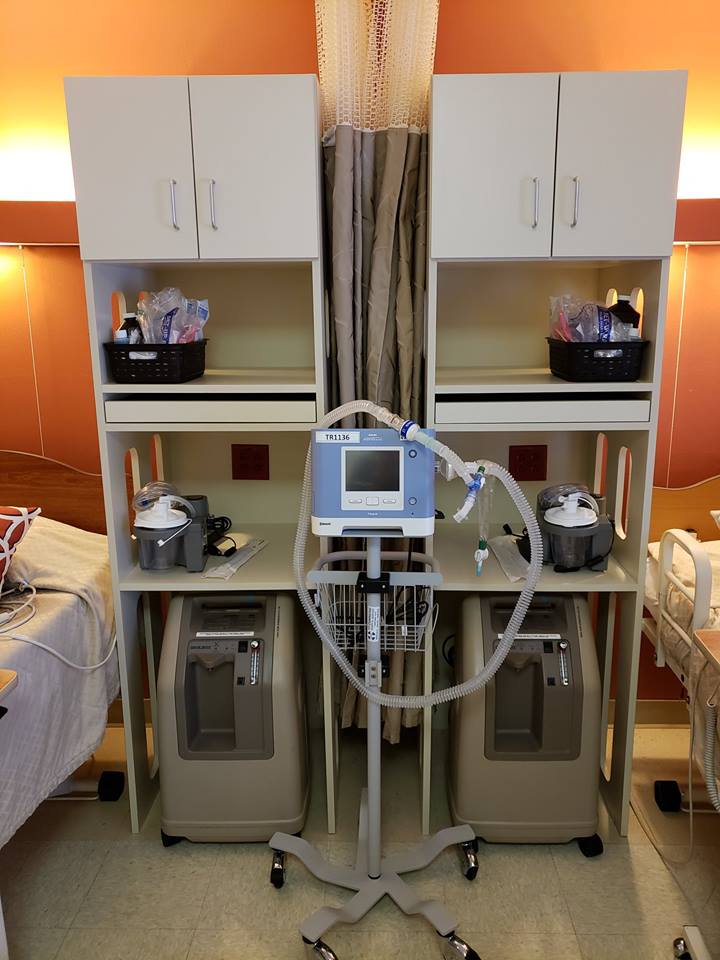
Who Owns and Operates St Catherines Manor Of Washington Court House?

ST CATHERINES MANOR OF WASHINGTON COURT HOUSE is owned by a for-profit company. For-profit facilities operate as businesses with obligations to shareholders or private owners. The facility is operated by HCF MANAGEMENT, a chain that manages multiple nursing homes. With 55 certified beds and approximately 49 residents (about 89% occupancy), it is a smaller facility located in WASHINGTON COURT HOU, Ohio.
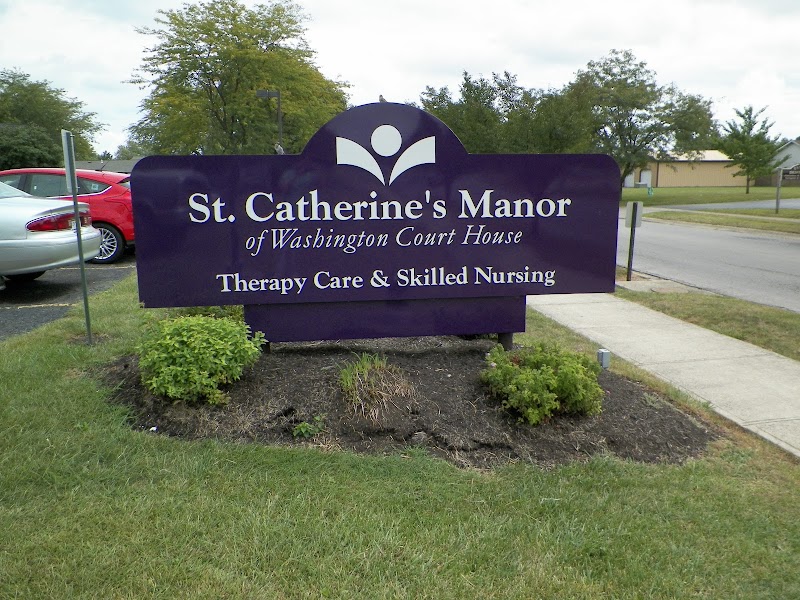
How Does St Catherines Manor Of Washington Court House Compare to Other Ohio Nursing Homes?

Compared to the 100 nursing homes in Ohio, ST CATHERINES MANOR OF WASHINGTON COURT HOUSE's overall rating (4 stars) is above the state average of 3.2, staff turnover (50%) is near the state average of 46%, and health inspection rating (4 stars) is above the national benchmark.

What Should Families Ask When Visiting St Catherines Manor Of Washington Court House?

Based on this facility's data, families visiting should ask: "Can you walk me through typical staffing levels on day, evening, and night shifts?" "Can I visit during a mealtime to observe dining assistance and food quality?" "How do you handle medical emergencies, and what is your hospital transfer rate?" "Can I speak with family members of current residents about their experience?" These questions are particularly relevant given the below-average staffing rating.

Is St Catherines Manor Of Washington Court House Safe?

Based on CMS inspection data, ST CATHERINES MANOR OF WASHINGTON COURT HOUSE has a clean safety record: no substantiated abuse findings (meaning no confirmed cases of resident harm), no Immediate Jeopardy citations (the most serious violation level indicating risk of serious injury or death), and is not on the Special Focus Facility watch list (a federal program monitoring the lowest-performing 1% of nursing homes). The facility has a 4-star overall rating and ranks #1 of 100 nursing homes in Ohio. While no facility is perfect, families should still ask about staff-to-resident ratios and recent inspection results during their visit.

Do Nurses at St Catherines Manor Of Washington Court House Stick Around?

ST CATHERINES MANOR OF WASHINGTON COURT HOUSE has a staff turnover rate of 50%, which is about average for Ohio nursing homes (state average: 46%). Moderate turnover is common in nursing homes, but families should still ask about staff tenure and how the facility maintains care continuity when employees leave.

Was St Catherines Manor Of Washington Court House Ever Fined?

ST CATHERINES MANOR OF WASHINGTON COURT HOUSE has no federal fines on record. CMS issues fines when nursing homes fail to meet care standards or don't correct problems found during inspections. The absence of fines suggests the facility has either maintained compliance or corrected any issues before penalties were assessed. This is a positive indicator, though families should still review recent inspection reports for the full picture.

Is St Catherines Manor Of Washington Court House on Any Federal Watch List?

ST CATHERINES MANOR OF WASHINGTON COURT HOUSE is not on any federal watch list. The most significant is the Special Focus Facility (SFF) program, which identifies the bottom 1% of nursing homes nationally based on persistent, serious quality problems. Not being on this list means the facility has avoided the pattern of deficiencies that triggers enhanced federal oversight. This is a positive indicator, though families should still review the facility's inspection history directly.