AYDEN HEALTHCARE OF WATERVILLE
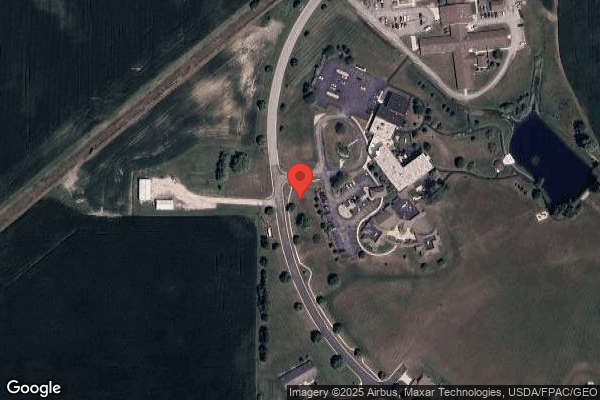
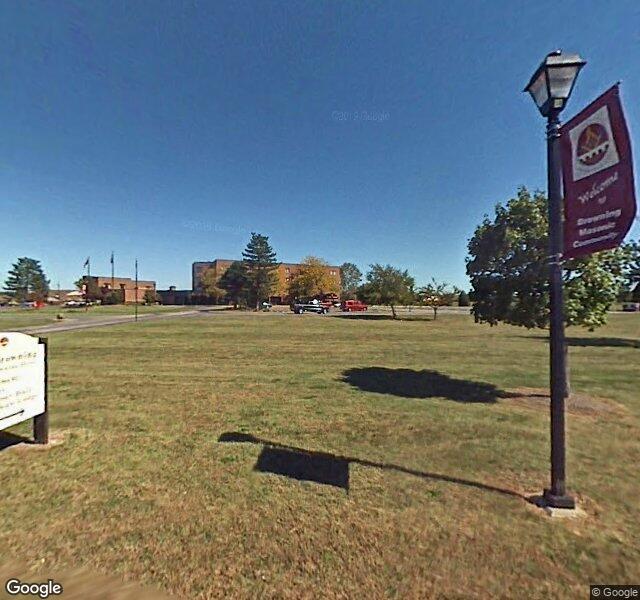
8885 BROWNING DRIVE, WATERVILLE, OH 43566 (419) 878-8523
For profit - Limited Liability company 99 Beds AYDEN HEALTHCARE Data: November 2025 2 Immediate Jeopardy citations
Trust Grade
26/100
#413 of 913 in OH
Last Inspection: March 2024

Within standard 12-15 month inspection cycle. Federal law requires annual inspections.

Overview

Ayden Healthcare of Waterville has received a Trust Grade of F, indicating significant concerns about the quality of care provided. Ranking #413 out of 913 facilities in Ohio places it in the top half, but this is overshadowed by the poor trust score. The facility's trend is improving, having reduced issues from 18 to just 1 over the past year, which is a positive sign. However, staffing remains a weakness, with a rating of 2 out of 5 stars and a concerning turnover rate of 48%. There have been serious incidents reported, such as a critical failure to protect residents from abuse during a verbal altercation, and another incident where a resident was not adequately hydrated or monitored for three days, which posed serious health risks. While the facility does have some strengths in quality measures, these significant weaknesses are concerning for families considering this home.

Trust Score
F
26/100
In Ohio
#413/913
Top 45%
Safety Record
High Risk
Review needed
Inspections
Getting Better
18 → 1 violations
Staff Stability
⚠ Watch
48% turnover. Above average. Higher turnover means staff may not know residents' routines.
Penalties
✓ Good
$75,286 in fines. Lower than most Ohio facilities. Relatively clean record.
Skilled Nurses
⚠ Watch
Each resident gets only 26 minutes of Registered Nurse (RN) attention daily — below average for Ohio. Fewer RN minutes means fewer trained eyes watching for problems.
Violations
⚠ Watch
51 deficiencies on record. Higher than average. Multiple issues found across inspections.
★★★☆☆
3.0
Overall Rating
★★☆☆☆
2.0
Staff Levels
★★★★★
5.0
Care Quality
★★☆☆☆
2.0
Inspection Score
Stable
2024: 18 issues
2025: 1 issues

The Good

  • 5-Star Quality Measures · Strong clinical quality outcomes
  • Full Sprinkler Coverage · Fire safety systems throughout facility
  • No fines on record

Facility shows strength in quality measures, fire safety.

The Bad

3-Star Overall Rating

Near Ohio average (3.2)

Meets federal standards, typical of most facilities

Staff Turnover: 48%

Near Ohio avg (46%)

Higher turnover may affect care consistency

Federal Fines: $75,286

Well above median ($33,413)

Moderate penalties - review what triggered them

Chain: AYDEN HEALTHCARE

Part of a multi-facility chain

Ask about local staffing decisions and management

The Ugly 51 deficiencies on record

2 life-threatening
Sept 2025 1 deficiency
CONCERN (D) 📢 Someone Reported This

A family member, employee, or ombudsman was alarmed enough to file a formal complaint

Potential for Harm - no one hurt, but risky conditions existed

ADL Care (Tag F0677)

Could have caused harm · This affected 1 resident

**NOTE- TERMS IN BRACKETS HAVE BEEN EDITED TO PROTECT CONFIDENTIALITY** Based on record review, observation, staff interview, and review of the facility policy, the facility failed to ensure a residen...

Read full inspector narrative →
**NOTE- TERMS IN BRACKETS HAVE BEEN EDITED TO PROTECT CONFIDENTIALITY** Based on record review, observation, staff interview, and review of the facility policy, the facility failed to ensure a resident who was dependent on staff for activities of daily living (ADL) received adequate assistance with personal hygiene. This affected one (#16) of three residents reviewed for ADL care. The facility census was 75. Findings include:Review of the medical record for Resident #16 revealed an admission date of 03/30/18. Diagnoses included chronic respiratory failure, tracheostomy status, ventilator dependent, quadriplegia, and chronic obstructive pulmonary disease (COPD). Review of the quarterly Minimum Data Set (MDS) assessment dated [DATE] revealed Resident #16 was severely cognitively impaired and was dependent on staff for all ADL care. Review of the care plan revised 08/2025 revealed Resident #16 was care planned for risk for decline in ADL function with an intervention of total dependent assistance for all ADL care. Review of the facility's shower schedule revealed Resident #16 was scheduled for showers on Tuesday and Friday by the night shift staff. Review of the shower sheet for Resident #16 revealed she received a shower on her regularly scheduled shower day on 09/23/25. Observation on 09/23/25 at 11:28 A.M. revealed Resident #16 was laying in bed, eyes closed, unarousable (comatose) with facial hair on her upper lip and chin that was approximately one to two inches in length resembling a man's goatee. Resident #16's upper lip revealed the hair was hanging beyond the top lip line where it begins to form the top full lip. The facial hair on Resident #16's chin revealed the hair was nearly touching the drain sponge underneath the tracheostomy drainage sponge, which was a four-by-four split gauze dressing that was placed around the tracheotomy opening. Observations on 09/24/25 at 7:29 A.M. and 11:39 A.M. revealed Resident #16 was clean, her hair appeared freshly washed, damp, and combed to the side with the facial hair unchanged from observation on 09/23/25. Interview on 09/24/25 at 11:39 A.M. with Certified Nursing Assistant (CNA) #369 verified she received in report from night shift that Resident #16 was showered. CNA #369 further stated the staff don't want to use the facilities razors on her face so they didn't shave her. Observation concurrent with interview on 09/24/25 at 11:40 A.M. with Licensed Practical Nurse (LPN) #381 verified the long facial hair on Resident #16 and stated the expectations of the CNAs during showering was to trim nails, wash hair, and shave facial hair. Further observation of the facility's razors revealed the razors were the traditional two blade razor. Review of the facility policy titled Activities of Daily Living (ADLs) revised 03/2018 revealed residents will be provided with care, treatment and services as appropriate to maintain or improve their ability to carry out ADLs. Residents who are unable to carry out ADLs independently will receive the service necessary to maintain good nutrition, grooming, and personal and oral hygiene. This deficiency represents non-compliance investigated under Complaint Number 2607782.
Oct 2024 1 deficiency
CONCERN (F) 📢 Someone Reported This

A family member, employee, or ombudsman was alarmed enough to file a formal complaint

Potential for Harm - no one hurt, but risky conditions existed

Safe Environment (Tag F0921)

Could have caused harm · This affected most or all residents

**NOTE- TERMS IN BRACKETS HAVE BEEN EDITED TO PROTECT CONFIDENTIALITY** Based on observation, resident and staff interview, medical record review, and review of a facility policy, the facility failed ...

Read full inspector narrative →
**NOTE- TERMS IN BRACKETS HAVE BEEN EDITED TO PROTECT CONFIDENTIALITY** Based on observation, resident and staff interview, medical record review, and review of a facility policy, the facility failed to maintain a clean, sanitary, and homelike environment. This had the potential to affect all 72 residents residing in the facility. The census was 72. Findings Include: 1. Review of the medical record for Resident #64 revealed an admission date of 07/19/24 and diagnoses of malignant neoplasm of lower third of esophagus, hypothyroidism, diabetes mellitus type two, protein-calorie malnutrition, chronic obstructive pulmonary disease, hepatitis C, morbid obesity, bacteremia, and hypertension. Review of the most recent Minimum Data Set (MDS) assessment dated [DATE] for Resident #64 revealed a brief interview for mental status (BIMS) score of 14, indicating Resident #64 was cognitively intact. Interview on 10/07/24 at 8:01 A.M. with Resident #64 revealed the toilet and the toilet riser in his restroom had not been cleaned and were covered with feces. Resident #64 also stated the linens on his bed were soiled and had not been changed. Observation on 10/07/24 at 8:04 A.M. revealed the toiled and toiled riser in his restroom were covered with feces. Observation on 10/07/24 at 8:05 A.M. revealed the linen on Resident #64's bed was soiled with an unknown brown substance. Interview on 10/07/24 at 9:05 A.M. with Housekeeping Assistant #118 verified the toilet and toilet riser in Resident #64's restroom were covered in feces and verified the linen on Resident #64's bed was soiled with an unknown brown substance. 2. Review of the medical record for Resident #59 revealed an admission date of 10/05/22 with diagnoses of injury of unspecified body region, morbid obesity, hypothyroidism, hyperlipidemia, iron deficiency anemia, chronic pulmonary embolism, hypertension, syncope and collapse, and bipolar disorder. Review of the most recent MDS assessment dated [DATE] for Resident #59 revealed a BIMS score of 11, indicating Resident #59 was moderately cognitively intact. Observation on 10/07/24 at 9:05 A.M. revealed the floor in Resident #59's room was dirty. Interview on 10/07/25 at 9:05 A.M. with Resident #59 revealed her room was not kept clean. Interview on 10/07/24 at 9:08 A.M. with Licensed Practical Nurse (LPN) #136 verified the dirt on Resident #59's bedroom floor. 3. Observation on 10/07/24 at 9:18 A.M. revealed the carpet in the 300 Hall was stained and dirty with pieces of food ground into it. Interview on 10/07/24 at 9:19 A.M. with State Tested Nurse Aide (STNA) #100 verified the appearance of the 300 Hall carpet and stated that was how the area normally looked and was maintained. Review of the facility policy titled, Quality of Life - Homelike Environment, dated 05/17, revealed residents are provided with a safe, clean, comfortable, and homelike environment.
Sept 2024 3 deficiencies
CONCERN (D) 📢 Someone Reported This

A family member, employee, or ombudsman was alarmed enough to file a formal complaint

Potential for Harm - no one hurt, but risky conditions existed

Report Alleged Abuse (Tag F0609)

Could have caused harm · This affected 1 resident

**NOTE- TERMS IN BRACKETS HAVE BEEN EDITED TO PROTECT CONFIDENTIALITY** Based on medical record review, staff interview, review of the facility investigation, review of the facility's Self-Reported In...

Read full inspector narrative →
**NOTE- TERMS IN BRACKETS HAVE BEEN EDITED TO PROTECT CONFIDENTIALITY** Based on medical record review, staff interview, review of the facility investigation, review of the facility's Self-Reported Incidents, and review of the facility policy, the facility failed to ensure incidents of potential neglect related to elopement of cognitively impaired residents were reported to the state agency. This affected one resident (#3) of three residents reviewed for risk of elopement. The facility census was 72. Findings include: Review of Resident #3's medical record revealed an admission date of 08/26/24. Diagnoses included dementia, frontotemporal neurocognitive disorder, seizures, general anxiety disorder, major depressive disorder, osteoarthritis, cognitive communication deficit, and hallucinations. Review of Resident #3's Minimum Data Set (MDS) dated [DATE] revealed a Brief Interview for Mental Status (BIMS) score of zero indicating Resident #3 was rarely or never understood. A Staff Interview for Mental Status was completed and indicated Resident #3 was severely cognitively impaired. Resident #3 was independent with mobility and required moderate assistance with transfer. Resident #3 was dependent on staff for toilet use and bathing. Resident #3 displayed physical behavioral symptoms directed toward others and wandering behaviors one to three days during the review period. Review of Resident #3's care plan revised 09/12/24 revealed supports and interventions for cognitive impairment, risk for alteration in mood, behaviors including wandering, self-care deficit, and risk for elopement and wandering. Interventions for elopement and wandering included completing an elopement risk assessment, involve Resident #3 in activities of her choice, monitor and report any changes in behavior, orientate to new surrounds, and redirection as needed. Review of the facility's investigation documentation from Resident #3's 08/28/24 incident of exiting the facility revealed prior to the incident, Resident #3 was noted to be closing the fire doors throughout the morning. She was redirected by staff and the doors were reopened after Resident #3 had shut them. It was noted the door alarm to the outside door was tested after the incident and was found to be in working order. It was noted Licensed Practical Nurse (LPN) #494 reported she had taken a smoke break between 7:20 A.M. and 7:30 A.M. at which time during her smoke break she noticed Resident #3 outside the facility walking in the grassed area toward the corn field. LPN #494 intervened and walked with Resident #3 back to the door at the end of the 200 hallway. State Tested Nursing Assistant (STNA) #431 was interviewed and reported she arrived at work around 7:10 A.M. and parked in the back parking lot near the 200 hallway door. No alarm was noted to be sounding at the time. STNA #431 proceeded to clock in, the time recorded was 7:17 A.M., and entered the 200 hallway. STNA #431 reported the fire doors were closed, she opened them and responded to the alarm that was sounding. STNA #431 reported she looked outside and did not see any residents. She then proceeded to go up and down the unit to verify resident presence. As she was reviewing residents, Resident #3 and LPN #494 were found walking down the hallway and STNA #431 was updated on what took place. Interview with LPN #484 indicated she was at the nurses station and had visual of the 200 hallway during the occurrence. LPN #484 could not recall hearing the alarm sounding but had visualized Resident #3 closing the fire doors and the housekeeper on the unit redirecting Resident #3 away from the fire doors. LPN #484 reported she was aware LPN #494 had left the unit and had been watching the 200 hall in her absence. It was noted STNA #431 was not on the floor at the start of her 6:30 A.M. shift. No staff observed Resident #3 exit the facility. The Interdisciplinary team reviewed the care plan of Resident #3. Resident #3 was noted to be a new admission to the unit and was becoming acclimated to the facility. Review of the facility's Self-Reported Incidents (SRIs) revealed there was no SRI submitted for Resident #3's 08/28/24 potential neglect incident related to elopement. Interview on 09/17/24 at 9:39 A.M. with Licensed Practical Nurse (LPN) #484 verified Resident #3 was a resident on secured dementia hall of the facility. LPN #484 reported she became aware Resident #3 had gotten out of the facility when she let LPN #494 and Resident #3 back into the facility through the door at the end of the secured dementia wing hallway. Interview on 09/18/24 at 7:29 A.M. with LPN #494 verified Resident #3 resided on the secured dementia unit, had exited the building on 08/28/24 and she had located her near the [NAME] and brought her back into the facility. Interview on 09/18/24 at 7:40 A.M. with State Tested Nursing Assistant (STNA) #431 verified Resident #3 had exited the building on 08/28/24. Interview on 09/18/24 at 8:08 A.M. with Corporate Director #516 asked why they would need to report and create a Self-Reported Incident (SRI) for Resident #3's situation. Verifying an SRI had not been completed. Review of the facility policy titled, Freedom from Abuse, Neglect and Exploitation, revised October 2022 revealed the facility would ensure residents were free from neglect by having structures and processes to provide needed care and services to all residents. Alleged violations were to be reported immediately to the Administrator, state agency, adult protective services, and to all other required agencies. In response to allegations of abuse and neglect the facility must have evidence all alleged violations were thoroughly investigated and report the results of the investigation to the administrator and other officials including the state agency within five working days of the incident.
CONCERN (D) 📢 Someone Reported This

A family member, employee, or ombudsman was alarmed enough to file a formal complaint

Potential for Harm - no one hurt, but risky conditions existed

Accident Prevention (Tag F0689)

Could have caused harm · This affected 1 resident

**NOTE- TERMS IN BRACKETS HAVE BEEN EDITED TO PROTECT CONFIDENTIALITY** Based on observations, medical record review, staff interview and review of facility policy, the facility failed to provide supe...

Read full inspector narrative →
**NOTE- TERMS IN BRACKETS HAVE BEEN EDITED TO PROTECT CONFIDENTIALITY** Based on observations, medical record review, staff interview and review of facility policy, the facility failed to provide supervision to prevent resident elopement for residents identified as at risk for elopement. This affected one resident (#3) of three residents reviewed for being at risk for wandering and elopement. The facility census was 72. Findings include: Review of Resident #3's medical record revealed an admission date of 08/26/24. Diagnoses included dementia, frontotemporal neurocognitive disorder, seizures, general anxiety disorder, major depressive disorder, osteoarthritis, cognitive communication deficit, and hallucinations. Review of Resident #3's Minimum Data Set (MDS) dated [DATE] revealed a Brief Interview for Mental Status (BIMS) score of zero indicating Resident #3 was rarely or never understood. A Staff Interview for Mental Status was completed and indicated Resident #3 was severely cognitively impaired. Resident #3 was independent with mobility and required moderate assistance with transfer. Resident #3 was dependent on staff for toilet use and bathing. Resident #3 displayed physical behavioral symptoms directed toward others and wandering behaviors one to three days during the review period. Review of Resident #3's care plan revised 09/12/24 revealed supports and interventions for cognitive impairment, risk for alteration in mood, behaviors including wandering, self-care deficit, and risk for elopement and wandering. Interventions for elopement and wandering included completing an elopement risk assessment, involve Resident #3 in activities of her choice, monitor and report any changes in behavior, orientate to new surrounds, and redirection as needed. Review of Resident #3's elopement risk assessment completed 08/27/24 revealed Resident #3 was at risk for elopement. Resident #3 had a history of elopement, was confused, and wandered. Review of the facility's investigation documentation from Resident #3's 08/28/24 incident of exiting the facility revealed prior to the incident Resident #3 was noted to be closing the fire doors throughout the morning. She was redirected by staff and the doors were reopened after Resident #3 had shut them. It was noted the door alarm to the outside door was tested after the incident and was found to be in working order. It was noted Licensed Practical Nurse (LPN) #494 reported she had taken a smoke break between 7:20 A.M. and 7:30 A.M. at which time during her smoke break she noticed Resident #3 outside the facility walking in the grassed area toward the corn field. LPN #494 intervened and walked with Resident #3 back to the door at the end of the 200 hallway. State Tested Nursing Assistant (STNA) #431 was interviewed and reported she arrived at work around 7:10 A.M. and parked in the back parking lot near the 200 hallway door. No alarm was noted to be sounding at the time. STNA #431 proceeded to clock in, the time recorded was 7:17 A.M., and entered the 200 hallway. STNA #431 reported the fire doors were closed, she opened them and responded to the alarm that was sounding. STNA #431 reported she looked outside and did not see any residents. She then proceeded to go up and down the unit verify resident presence. As she was reviewing residents, Resident #3 and LPN #494 were found walking down the hallway and STNA #431 was updated on what took place. Interview with LPN #484 indicated she was at the nurses station and had visual of the 200 hallway during the occurrence. LPN #484 could not recall hearing the alarm sounding but had visualized Resident #3 closing the fire doors and the housekeeper on the unit redirecting Resident #3 away from the fire doors. LPN #484 reported she was aware LPN #494 had left the unit and had been watching the 200 hall in her absence. It was noted STNA #431 was not on the floor at the start of her 6:30 A.M. shift. No staff observed Resident #3 exit the facility. The Interdisciplinary team reviewed the care plan of Resident #3. Resident #3 was noted to be a new admission to the unit and was becoming acclimated to the facility. An interview was attempted on 09/17/24 at 9:37 A.M. with Resident #3. Resident #3 was not able to be interviewed. Resident #3 was observed walking back and forth in the hallway and stopped to look out the glass exit door on a couple occasions. Interview on 09/17/24 at 9:39 A.M. with Licensed Practical Nurse (LPN) #484 revealed she was standing at the nurses' station on 08/28/24 when Resident #3 got out of the building. LPN #484 reported Resident #3 had been pacing the hallway on the secured unit and closing the dining room doors and fire doors when she last saw her. LPN #484 was not sure when Resident #3 actually got out the door. LPN #484 reported she did not hear the door alarm sounding, and did not visualize Resident #3 leaving the facility. The fire doors were closed and there had been a laundry cart at the end of the hallway blocking her view. LPN #484 reported she became aware Resident #3 had gotten out of the facility when she let LPN #494 and Resident #3 back into the facility through the door at the end of the 200 hallway. Interview on 09/18/24 at 7:29 A.M. with LPN #494 revealed she was the nurse working the secured 200 hall on 08/28/24 when Resident #3 got out of the building. LPN #494 had covered the 200 hall and five residents on the 300 hall that day. LPN #494 reported Resident #3 was closing the fire doors on the 200 hallway, was pacing, and appeared anxious. LPN #494 reported she was assisting a high needs resident on the 300 hall and when she was done, she went out for a smoke break before she began medication administration on the 200 hallway. LPN #494 reported it was around 7:30 A.M. when she went out to smoke. The door alarm was not sounding when she went out. LPN #494 reported she had just sat down at the picnic table in the staff smoking area when she looked up and saw Resident #3 standing in the grass by the corn field. She immediately went to Resident #3 and she was able to be redirected back to the building. LPN #484 opened the door, and they entered back into the facility. Resident #3 was assessed, and no injury was found. LPN #494 stated she was not aware of the exact time Resident #3 exited the building, but it had only been a matter of minutes from when she went on break and saw Resident #3 standing near the corn field. Observation on 09/18/24 at 7:34 A.M. of the staff smoking area, the outside of the exit door on the 200 hallway and the grass area where Resident #3 was found and redirected into the facility found it was approximately 120 feet Resident #3 had walked before being noticed. Interview on 09/18/24 at 7:40 A.M. with State Tested Nursing Assistant (STNA) #431 revealed she had been running late on 08/28/24 and it was about 7:15 A.M. when she got onto the floor. STNA #431 reported when she entered the secured unit, 200 hallway, the fire doors were shut and she could lightly hear the sound of the door alarm. She opened the fire doors, and the door alarm was sounding much louder. STNA #431 reported she walked down the hallway and looked out the door but had not seen anything or anyone. She reported she turned off the alarm and proceeded to check the resident rooms to see if anyone was missing. STNA #431 stated she was halfway down the hall doing room checks when LPN #494 and Resident #3 met her in the hallway. STNA #431 reported Resident #3 had only been in the facility a day, had been observed looking out the window on the door previously but had not tried to get out of the facility prior to this incident. Resident #3 was able to be redirected. Interview on 09/18/24 at 9:45 A.M. with Housekeeper #443 verified she was on the 200 hallway delivering personal items on 08/28/24 when Resident #3 got out of the facility. Housekeeper #443 reported she was in a resident room putting items away and heard a beeping noise. Housekeeper #443 stated she was new and had heard a similar sound from the doors entering onto the unit from the main facility when the doors were not closed tightly. She had assumed the beeping was from those front doors. Housekeeper #443 reported she delivered personal items to a second resident and when she came out she saw LPN #494 outside the facility at the door with Resident #3. Housekeeper #443 reported she did not have the code for the door so she got LPN #484 who let Resident #3 and LPN #494 back into the facility. Housekeeper #443 was not able to recall when exactly the incident occurred, but stated it was some time before 8:00 A.M. because the residents had not had breakfast yet. Review of the facility policy titled, Wandering and Elopement, revised March 2019 revealed the facility would identify residents at risk for unsafe wandering and strive to prevent harm while maintaining the least restrictive environment for residents. Review of the facility protocol titled, Secured Unit Protocol, dated October 2023 revealed the facility would strive to provide person centered care to all residents. Cognitively impaired residents were provided care in a safe and structured environment. This deficiency represents non-compliance investigated under Complaint Number OH00157852.
CONCERN (D) 📢 Someone Reported This

A family member, employee, or ombudsman was alarmed enough to file a formal complaint

Potential for Harm - no one hurt, but risky conditions existed

Deficiency F0925 (Tag F0925)

Could have caused harm · This affected 1 resident

**NOTE- TERMS IN BRACKETS HAVE BEEN EDITED TO PROTECT CONFIDENTIALITY** Based on observation, medical record review, staff interview, resident interview, facility exterminator interview, and review of...

Read full inspector narrative →
**NOTE- TERMS IN BRACKETS HAVE BEEN EDITED TO PROTECT CONFIDENTIALITY** Based on observation, medical record review, staff interview, resident interview, facility exterminator interview, and review of facility exterminator treatments, the facility failed to have an effective pest control program for bed bugs. This affected one resident (#9) of three residents reviewed for pest control. The facility census was 72. Findings include: Review of Resident #9's medical record revealed an admission date of 01/16/24. Diagnoses included respiratory failure, type II diabetes, major depressive disorder, anxiety disorder, muscle wasting, convulsions, cognitive communication deficit, and altered mental status. Review of Resident #9's Minimum Data Set (MDS) dated [DATE] revealed a Brief Interview for Mental Status (BIMS) score of five indicating Resident #9 was severely cognitively impaired. Resident #9 was dependent on staff for all activities of daily living as well as bed mobility and transfer. Resident #9 displayed no behaviors during the review period. Review of Resident #9's progress notes revealed on 09/13/24 it was noted Resident #9 was seen by the physician for his monthly visit. It was noted Resident #9 was on bedbug precautions as the facility had found some bedbugs previously. Resident #9's family had also brought some in and the family visited often. No skin issues were noted at the time of the evaluation. Interview on 09/17/24 at 7:43 A.M. with Housekeeper #444 verified there were bed bugs in Resident #9's room. Housekeeper #444 reported it had been approximately four months Resident #9 had bed bugs and the facility was not effectively addressing the problem. Resident #9's family reported to the facility, and management was aware, the family had a bed bug infestation at home. The family continued to visit and bring Resident #9 items, clothing, shoes, bags etc from their infested home. The facility had an exterminator come in a couple times to treat his room but by the facility not addressing the source of the bed bugs they continued to be found. Interview on 09/17/24 at 7:46 A.M. with Licensed Practical Nurse (LPN) #484 verified Resident #9 had bed bugs and reported just this past weekend she pulled a bed bug off his feeding tube stoma. LPN #484 reported the bed bug concern had been going on since about March 2024. LPN #484 reported the facility had an exterminator come out and treat but the treatments were not affective due to the family visiting every day and bringing more bed bugs with them. LPN #484 reported the only way to truly eradicate bed bugs was to treat the source. The facility has not addressed the issue with the family and had permitted them to continue to visit and bring in contaminated items. The facility had also refused to provide the staff with any alcohol or other tools to address the bugs as they find them. LPN #484 reported staff were bringing in their own alcohol sprays to try and protect themselves. LPN #484 reported Resident #9 did not have any skin issues, but verified they continued to find bugs. Interview on 09/17/24 at 7:53 A.M. with State Tested Nursing Assistance (STNA) #420 verified there were bed bugs in Resident #9's room. STNA #420 reported she had actual bed bugs crawling on her after changing and repositioning Resident #9 a week or so ago. STNA #420 stated the facility had an exterminator that came out, but it was not sufficient to address Resident #9's bed bug concerns. STNA #420 stated Resident #9's family visited often and had a known bed bug infestation at home. They were still permitted to enter the facility and there were no restrictions on what they could bring into the facility or where they could visit. They continued to bring bed bugs into Resident #9's room which was putting other residents at risk of getting bed bugs. Observation on 09/17/24 at 7:56 A.M. of Resident #9 found him lying on a white bed sheet. No bed bugs were observed on the sheet however, a variety of small red brown specks, appearing to be blood meal/fecal matter of bed bugs were observed around Resident #9's right shoulder and the bottom half of his fitted bed sheet from approximately his mid thigh down. Coinciding interview with Resident #9 revealed he had no bites, but Resident #9 stated just because he didn't have bite marks and we didn't see the bugs didn't mean they weren't there. STNA #420 verified the red brown specks appeared to be bed bug droppings/excrement. Review of the facility's Exterminator Treatment record revealed Resident #9's room was treated for bed bugs on 06/18/24, 07/25/24, and 08/26/24. It was noted on 08/27/24 the facility seemed to think Resident #9's family was bringing the bed bugs into the facility. Interview on 09/17/24 at 2:58 P.M. with Exterminator #515 verified there were live active bed bugs found in Resident #9's room on 06/18/24, 07/25/24, and 08/26/24. Exterminator #515 reported any time it was indicated on their reports treatment was provided, live bed bugs had been found. Exterminator #515 reported they came to the facility monthly for a full facility inspection and preventative treatments for pests and they were contracted to come in as needed to address concerns between the monthly visits. Exterminator #515 stated they completed bed bug inspections and treatments as requested by the facility. This deficiency represents non-compliance investigated under Complaint Number OH00157647.
Apr 2024 1 deficiency
CONCERN (D) 📢 Someone Reported This

A family member, employee, or ombudsman was alarmed enough to file a formal complaint

Potential for Harm - no one hurt, but risky conditions existed

Deficiency F0692 (Tag F0692)

Could have caused harm · This affected 1 resident

**NOTE- TERMS IN BRACKETS HAVE BEEN EDITED TO PROTECT CONFIDENTIALITY** Based on medical record review and staff interview, the facility failed to document meal intakes per dietician recommendation an...

Read full inspector narrative →
**NOTE- TERMS IN BRACKETS HAVE BEEN EDITED TO PROTECT CONFIDENTIALITY** Based on medical record review and staff interview, the facility failed to document meal intakes per dietician recommendation and care plan intervention to monitor for weight status. This affected two (#35 and #61) of three residents reviewed for weight loss. The census was 68. Findings include: 1. Review of the medical record for Resident #35 revealed an admission date of 03/18/24 with diagnoses including but not limited to displaced fracture of the posterior column of the left acetabulum, dysphagia, burn of respiratory tract, hypertension, and dementia. Review of the Minimum Data Set (MDS) assessment dated [DATE] revealed Resident #35 had severe cognitive impairment and was dependent on staff for eating. Review of the care plan dated 03/18/24 revealed Resident #35 has potential for alteration in nutrition and hydration status related to possible significant weight loss since initial admission and underweight status. Interventions included to add enhanced foods to every meal, assist and/or feed the resident as needed in the dining room, encourage the resident to dine in the dining room as appropriate, offer meal substitutions as needed, and provide supplements as ordered. Review of a nutrition note dated 04/17/24 revealed Resident #35's current weight of 83 pounds indicated the resident was extremely underweight and it was suspected the resident's weight obtained at admission may not have been accurate. Resident #35 needed to be fed by staff and should eat meals in the dining room. Resident #35 received a house shake three times daily, a magic cup supplement with all meals, and it was discussed with the resident that enhanced foods would be added at all meals. Further review of the note revealed to monitor meal and supplement acceptance, obtain weekly weights, and follow. Review of Resident #35's meal intake documentation for the past 14 days revealed no documentation of meal intakes recorded for 04/17/24, 04/20/24, 04/21/24, 04/24/24, 04/27/24, and 04/28/24. 2. Review of the medical record for Resident #61 revealed an admission date of 03/15/24 with diagnoses including but not limited to pneumonia, cerebral infarction, congestive heart failure, and hypertension. Review of the MDS assessment dated [DATE] revealed Resident #61 was cognitively intact and required set up and supervision for meals. Review of the care plan dated 01/20/24 revealed Resident #61 had potential for alteration in nutrition and hydration related to possible malnutrition and related to inadequate food intake with increased need for wound healing as evidenced by leaving 25 percent or more food uneaten at most meals and a Body Mass Index indicating the resident had an underweight status. Interventions included but were not limited to providing the diet as ordered, monitor meal intakes, and offer substitutes if less than 75 percent of a meal was consumed. Review of a nutrition assessment dated [DATE] revealed Resident #61 had significant weight loss of 10.3 percent in 60 days. It was recommend to resume house shakes three times daily with all meals to add 600 calories and 18 grams of protein, if accepted. Further review of the assessment revealed to monitor food and supplement intakes, weights, any available laboratory results, and follow. Review of Resident #61's meal intake documentation for the past 14 days revealed no documentation of meal intakes on 04/15/24, 04/16/24, 04/21/24, 04/24/24, 04/25/24, 04/26/24, 04/27/24, and 04/28/24. Interview on 04/29/24 at 2:20 P.M. with the Director of Nursing (DON) verified meal intake documentation was sporadic for Resident #35 and Resident #61. The DON verified Resident #35 did not have meal intake documentation on 04/17/24, 04/20/24, 04/21/24, 04/24/24, 04/27/24, and 04/28/24, and also verified Resident #61 did not have meal intake documentation on 04/15/24, 04/16/24, 04/21/24, 04/24/24, 04/25/24, 04/26/24, 04/27/24, and 04/28/24 as recommenced by the dietician for both residents and as care planned for Resident #61. This deficiency represents non-compliance investigated under Complaint Number OH00152780.
Mar 2024 9 deficiencies
CONCERN (D)

Potential for Harm - no one hurt, but risky conditions existed

Deficiency F0554 (Tag F0554)

Could have caused harm · This affected 1 resident

**NOTE- TERMS IN BRACKETS HAVE BEEN EDITED TO PROTECT CONFIDENTIALITY** Based on observation, resident interview, staff interview, and review of policy, the facility failed to ensure a resident was as...

Read full inspector narrative →
**NOTE- TERMS IN BRACKETS HAVE BEEN EDITED TO PROTECT CONFIDENTIALITY** Based on observation, resident interview, staff interview, and review of policy, the facility failed to ensure a resident was assessed for self administration and physician orders were obtained to self administer. This affected one (#43) of one resident observed to have medications at the bedside. The facility census was 75. Findings include: Review of the medical record for Resident #43 revealed an admission date of 09/28/23, with a diagnoses of diabetes mellitus, chronic obstructive pulmonary disease (COPD), congestive heart failure (CHF), and hearing loss. Review of the quarterly Minimum Data Set (MDS) assessment dated [DATE] revealed Resident #43 is cognitively intact. Review of the current monthly physician orders for Resident #43 revealed no order for refresh eye drops and there was not an order for self-administration of the eye drops. Review of the assessments for Resident #43 revealed there was no assessment for self-administration of medication in the medical record. Review of the care plan for Resident #43 revealed no care plan for self-administration of eye drops. Observation on 03/10/24 at 10:42 A.M., of Resident #43 revealed a teal green bottle of refresh eye drops on the overbed table. Interview with Resident #43, at the time of observation, revealed the resident stated she administers the eye drops to herself. Observation on 03/11/24 at 11:15 A.M., revealed the teal green bottle of refresh eye drops remained at the resident's bedside on the overbed table. Observation on 03/12/24 01:36 P.M., revealed the teal green bottle of refresh eye drops remained at the resident's bedside on the overbed table. Interview on 03/12/24 at 2:25 P.M., with Licensed Practical Nurse (LPN) # 468 verified the teal green bottle of refresh eye drops were on the bedside table and verified there was no order for refresh eye drops or a that a self-medication assessment was not completed for Resident #43. Review of the policy titled Administering Medications, revised April 2019, revealed residents may self-administer their own medications only if the attending physician in conjunction with the interdisciplinary care team, has determined the resident is able to safely administer medications.
CONCERN (D)

Potential for Harm - no one hurt, but risky conditions existed

Deficiency F0582 (Tag F0582)

Could have caused harm · This affected 1 resident

Based on record review and staff interview, the facility failed to ensure proper and timely notice was given to residents when they were discharged from skilled service. This affected two (#63 and #79...

Read full inspector narrative →
Based on record review and staff interview, the facility failed to ensure proper and timely notice was given to residents when they were discharged from skilled service. This affected two (#63 and #79) of three sampled residents who were discharge from skilled services in the past six months. The facility census was 75. Findings Include: Review of the Beneficiary Notification for Resident #63 revealed Resident #63 began Medicare Part A services on 09/20/23 and his last covered day was 10/19/23. A Notification of Medicare Non-Coverage (NOMNC) form CMS 10123 was documented as not provided. In addition, Resident #63 remained in the facility and a skilled nursing facility advanced beneficiary notice of non-coverage (ABN) form CMS-1005 was not provided. Review of the Beneficiary Notification for Resident #79 revealed Resident #79 began Medicare Part A services on 10/18/23 and his last covered day was 12/07/23. A Notification of Medicare Non-Coverage (NOMNC) form CMS 10123 was provided and signed on 12/06/23. In addition, Resident #79 remained in the facility and a skilled nursing facility advanced beneficiary notice of non-coverage (ABN) form CMS-1005 was not provided. Interview on 03/12/24 at 9:07 A.M., with the Administrator verified the correct beneficiary forms were not provided to Resident #63 and #79 when they discharged from Medicare Part A services and remained in the facility.
CONCERN (D)

Potential for Harm - no one hurt, but risky conditions existed

Comprehensive Care Plan (Tag F0656)

Could have caused harm · This affected 1 resident

**NOTE- TERMS IN BRACKETS HAVE BEEN EDITED TO PROTECT CONFIDENTIALITY** Based on observation, staff interview, and review of policy, the facility failed to ensure a resident's care plans were revised ...

Read full inspector narrative →
**NOTE- TERMS IN BRACKETS HAVE BEEN EDITED TO PROTECT CONFIDENTIALITY** Based on observation, staff interview, and review of policy, the facility failed to ensure a resident's care plans were revised to include supports and interventions to address communication needs. This affected two (#6 and #46) of three residents reviewed for communication. The facility census was 75. Findings include: 1. Review of Resident #46's medical record revealed an admission date of 02/12/24. Diagnoses included cerebral palsy, contracture of multiple locations, epilepsy, developmental disorder, cognitive communication deficit, and schizophrenia. Review of Resident #46's Minimum Data Set (MDS) assessment dated [DATE] revealed a Brief Interview for Mental Status (BIMS) score of zero indicating Resident #46 was rarely or never understood. A staff assessment for mental status was completed and indicated Resident #46 had short and long term memory problems. Resident #46 was severely cognitively impaired. Resident #46 was dependent on staff for all activities of daily living. Resident #46 displayed physical behavioral symptoms directed toward others four to six days during the review period. Resident #46 displayed verbal behavioral symptoms directed toward others, other behavioral symptoms not directed toward others, and rejection of care one to three days during the review period. Review of Resident #46's care plan revised 02/19/24 revealed supports and interventions for risk for alterations in comfort as evidenced by verbalization, facial expression, and body language, risk for impaired skin integrity, potential for alteration in nutrition, behavior problem related to inflicting self. No supports or interventions were found for communication. Observation and attempted interview on 03/10/24 at 11:23 A., with Resident #46 found her unable to verbally respond. Resident #46 gave eye contact and appeared to have some understanding when she was spoken to. Resident #46 responded by rocking happily in her bed when called by her name and hiding her face with her hand and smiling when she was complemented. Interview on 03/11/24 at 11:04 A.M., with State Tested Nursing Assistant (STNA) #507 revealed Resident #46 was not able to communicate verbally but was able to motion for yes and smack or push things away for no. Resident #46 would yell out when she wanted to be changed and would also yell if she was touched and it was not explained to her what was happening. Resident #46 was able to show she had understanding of what was being said to her. For example Resident #46 loved ranch dressing and she would typically refuse to eat until she was shown the bottle of ranch and could see it being put on her food. Resident #46 would then eat 100% of whatever had the ranch on it. STNA #507 reported she had not learned how to communicate with Resident #46 from the facility. STNA #507 reported having a number of years working with individuals with developmental disabilities and had been trained in that setting on how to communicate with residents who were nonverbal. Interview on 03/12/24 at 7:29 P.M., with STNA #457 revealed Resident #46 was nonverbal but was able to make some of her needs known. STNA #457 reported Resident #46 was combative with care at times but if you spoke with her and explained what was happening and played music she would typically calm down. STNA #457 reported she learned how to communicate with nonverbal residents from life experience and not from the facility or Resident #46's care plan. Interview on 03/12/24 at 8:12 A.M., with the Director of Nursing (DON) verified Resident #46's care plan was not updated to include supports and interventions for communication. The DON reported Resident #46 was able to communicate by using nonverbal indicators and some sign language. This information was not in her care plan. 2. Review of Resident #6's medical record revealed an admission date of 01/15/24. Diagnoses included quadriplegia, protein calorie malnutrition, convulsions, severe sepsis with septic shock, dysphagia, and gastrostomy status. Review of Resident #6's Minimum Data Set (MDS) dated [DATE] revealed a Brief Interview for Mental Status (BIMS) score of zero indicating Resident #6 was rarely or never understood. Resident #6 was totally dependent on staff for all activities of daily living. Resident #6 displayed no behaviors during the review period. Review of Resident #6's care plan revised 01/16/24 revealed supports and interventions risk for alteration in comfort, self-care deficit, risk for falls, risk for alteration in mood, and seizures. No supports or interventions were found for communication. Interview on 03/10/24 at 10:59 A.M., with Resident #6 found him to be alert and aware. Resident #6 was able to communicate verbally when given time and he was listened to closely. Resident #6 was able to answer all the interview questions asked when given enough time. Interview on 03/11/24 at 9:30 A.M., with State Tested Nursing Assistant (STNA) #475 revealed Resident #6 was dependent on staff for all his care needs. STNA #475 reported Resident #6 was able to communicate verbally but was not able to let them know when he needed something so they would check on him every hour or two. STNA #475 revealed she was not aware of any communication techniques that worked with Resident #6 and was not sure if he was aware or not, but she didn't think he was. Interview on 03/12/24 at 8:12 A.M., with the Director of Nursing (DON) verified Resident #6's care plan was not updated to include supports and interventions for communication. The DON reported Resident #6 was able to verbally communicate if he was given time and he was listened to closely. Review of the facility titled, Care Plans, Comprehensive Person-Centered, revised October 2018 revealed the facility would develop and implement a comprehensive person centered care plan for each resident.
CONCERN (D)

Potential for Harm - no one hurt, but risky conditions existed

ADL Care (Tag F0677)

Could have caused harm · This affected 1 resident

**NOTE- TERMS IN BRACKETS HAVE BEEN EDITED TO PROTECT CONFIDENTIALITY** Based on medical record review, resident interview, staff interview, and review of policy, the facility failed to ensure a resid...

Read full inspector narrative →
**NOTE- TERMS IN BRACKETS HAVE BEEN EDITED TO PROTECT CONFIDENTIALITY** Based on medical record review, resident interview, staff interview, and review of policy, the facility failed to ensure a resident who was dependent on staff for care received personal hygiene care as desired. This affected one (#6) of two resident's reviewed for activities of daily living. The facility census was 75. Findings include: Review of Resident #6's medical record revealed an admission date of 01/15/24. Diagnoses included quadriplegia, protein calorie malnutrition, convulsions, severe sepsis with septic shock, dysphagia, and gastrostomy status. Review of Resident #6's Minimum Data Set (MDS) assessment dated [DATE] revealed a Brief Interview for Mental Status (BIMS) score of zero indicating Resident #6 was rarely or never understood. Resident #6 was totally dependent on staff for all activities of daily living. Resident #6 displayed no behaviors during the review period. Review of Resident #6's care plan revised 01/16/24 revealed supports and interventions risk for alteration in comfort, self-care deficit, risk for falls, risk for alteration in mood, and seizures. Interview on 03/10/24 at 10:59 A.M., with Resident #6 found him to be alert and aware. Resident #6 was able to communicate verbally when given time and he was listened to closely. Resident #6 reported he was not getting cleaned up as often as he would like. He reported he was not getting cleaned up during the day as often as he would like. Review of Resident #6's State Tested Nursing Assistant (STNA) Tasks revealed Resident #6's was to be provided morning and evening care daily including personal hygiene and oral hygiene. Review of Resident #6's morning and evening care documentation revealed Resident #6 was to be provided care for the day shift: 6:30 A.M. to 6:30 P.M. and the night shift: 6:30 P.M. to 6:30 A.M., not documented as being provided care on the 6:30 A.M. to 6:30 P.M. shift on 02/01/24, 02/02/24, 02/03/24, 02/04/24, 02/05/24, 02/09/24, 02/10/24, 02/11/24, 02/13/24, 02/15/24, 02/16/24, 02/17/24, 02/20/24, 02/21/24, 02/27/24, 02/28/24, 02/29/24, 03/02/24, 03/03/24, 03/06/24, 03/07/24, 03/08/24, 03/09/24, or 03/10/24. Interview on 03/12/24 at 2:54 P.M., with the Director of Nursing (DON) revealed the staff documentation was completed at the end of the shift. So the 6:30 A.M. to 6:30 P.M. shift would be documented around 6:00 P.M. and the 6:30 P.M. to 6:30 A.M. care would be documented around 6:00 A.M. at the end of their shifts. The DON provided documentation reflecting the shifts Resident #6 had care provided. The DON verified there were a number of days in February 2024 and March 2024 where Resident #6 was not documented as having care provided. Review of the policy titled, Activities of Daily Living (ADLs), Supporting, revised March 2018 revealed residents who were unable to carry out activities of daily living independently would receive services to maintain good nutrition, grooming and personal and oral hygiene.
CONCERN (D)

Potential for Harm - no one hurt, but risky conditions existed

Accident Prevention (Tag F0689)

Could have caused harm · This affected 1 resident

**NOTE- TERMS IN BRACKETS HAVE BEEN EDITED TO PROTECT CONFIDENTIALITY** Based on medical record review, observation, staff interview, and review of the facility policy, the facility failed to ensure f...

Read full inspector narrative →
**NOTE- TERMS IN BRACKETS HAVE BEEN EDITED TO PROTECT CONFIDENTIALITY** Based on medical record review, observation, staff interview, and review of the facility policy, the facility failed to ensure fall interventions were in place and residents received post fall assessments as required. This affected two (#36 and #55) of three residents reviewed for falls. The facility census was 75. Findings include: 1. Review of the medical record revealed Resident #36 was admitted on [DATE]. Diagnoses included unspecified dementia with other behavioral disturbances, atherosclerotic heart disease of native coronary artery without angina pectoris, other hyperlipidemia, hypertensive chronic kidney disease, anxiety disorder due to known physiological condition, major depressive disorder recurrent, anxiety disorder due to known physiological condition, major depressive disorder, chronic kidney disease, fibromyalgia. Review of the Minimum Data Set (MDS) assessment, dated 01/24/24, revealed Resident #36 was moderately cognitively impaired. Review of the most recent care plan dated 05/24/19 revealed Resident #36 was at risk for injury due to falls and dementia. Intervention dated 10/28/19 revealed Resident #36's bed was to be kept in the lowest position while in use. The care plan was updated to reflect Resident #36 had an actual fall with minor injury due to poor balance, poor communication/comprehension, and unsteady gait. The new intervention dated 02/09/24 revealed to apply non-skid strips to the floor next to the bed. Review of the nursing notes, dated 02/09/24, revealed Resident #36 had an unwitnessed fall with minor injury. The immediate intervention post fall was to have a low bed and nightlight. The follow-up of the interdisciplinary team notes revealed the intervention was for the resident to had skid strips at the bedside. Observation on 03/10/24 at 4:28 P.M. revealed Resident #36 was lying in bed. The bed was not in the lowest position and no skid strips were at the bedside. Observation on 03/12/24 at 7:43 A.M. revealed Resident #36 was lying in bed. The bed was not in the lowest position. Interview on 03/12/24 at 7:50 A.M. with the Director of Nursing (DON) verified Resident #36's bed was not in the lowest position and there were no skid strips at the bedside. 2. Review of the medical record revealed Resident #55 was admitted on [DATE]. Diagnoses included dementia, type two diabetes mellitus without complications, malignant neoplasm endometrium, chronic kidney disease stage III, and schizoaffective disorder. Review of the Minimum Data Set (MDS) assessment, dated 03/07/24, revealed Resident #55's cognitive ability was unable to assessed. Resident #55 had two or more falls with no injury at the time of the assessment. Review of the care plan, last revised on 02/23/24, revealed Resident #55 had an actual fall with no injury. Interventions included to complete neuro-checks as ordered. Review of the fall investigation, dated 02/22/24 at 12:00 P.M. revealed Resident #55 was found on the floor after an unwitnessed fall. No neurological checks were in the medical record. Review of the fall investigation, dated 03/08/24 at 5:45 P.M. revealed Resident #55 was found on the floor after an unwitnessed fall and had a laceration to the forehead. One neurological assessment was completed on 03/08/24 at 6:03 P.M. The neurological evaluation stated to complete neurological evaluation post fall hourly for four hours. No additional neurological checks were in the medical record. Interview on 03/13/24 at 12:45 P.M. with the Director of Nursing (DON) verified neurological checks were not completed as required for Resident #55. Review of the facility policy titled Managing Falls and Fall Risk, revised March 2018, revealed the facility will implement a resident-centered fall prevention plan to reduce the specific risk factors of falls. Review of the facility policy titled Neurological Assessment, revised October 2010, revealed neurological assessments are indicated following a fall or other accident/injury involving head trauma. The documentation should be recorded in the resident's medical record.
CONCERN (D) 📢 Someone Reported This

A family member, employee, or ombudsman was alarmed enough to file a formal complaint

Potential for Harm - no one hurt, but risky conditions existed

Tube Feeding (Tag F0693)

Could have caused harm · This affected 1 resident

**NOTE- TERMS IN BRACKETS HAVE BEEN EDITED TO PROTECT CONFIDENTIALITY** Based on record review, observations, staff interview, and review of facility policy, the facility failed to ensure a resident r...

Read full inspector narrative →
**NOTE- TERMS IN BRACKETS HAVE BEEN EDITED TO PROTECT CONFIDENTIALITY** Based on record review, observations, staff interview, and review of facility policy, the facility failed to ensure a resident received enteral feeding (delivery of nutrients through a feeding tube directly into the stomach, duodenum, or jejunum) per physicians orders. This affected one (Resident #31) of one resident reviewed for enteral feeding. The facility identified six residents that required total nutrition by enteral feeding. The facility census was 75. Findings include: Medical record review revealed Resident #31 was admitted on [DATE] with diagnoses of dysphagia and gastrostomy. Review of the quarterly Minimum Data Set (MDS) assessment dated [DATE] revealed Resident #31 had cognitive impairment. Resident #31 received total nutrition by enteral feeding and has not had any weight loss. Review of the current physician orders for 03/2024 for Resident #31 revealed an order enteral feeding of Vital AF 1.2 at 65 milliliters (ml) per hour for 22 hours, off from 3:00 A.M. to 5:00 A.M. for Synthroid medication (treats thyroid disease). Observation on 03/10/24 at 12:17 P.M. of Resident #31 revealed his empty enteral feeding bottle was hanging on the enteral feeding pole and the enteral feeding pump was turned off. Subsequent observations on 03/10/24 at 2:41 P.M. and 4:12 P.M. of Resident #31 revealed his empty enteral feeding bottle remained empty and hanging on the enteral feeding pole and the enteral feeding pump also remained in the off position. Interview on 03/10/24 at 4:30 P.M. with Licensed Practical Nurse (LPN) #411 verified the enteral feeding bottle was empty and enteral feeding pump was turned off. LPN #411 could not verify how long the enteral feeding had been empty and off for Resident #31. LPN #411 stated she administered medication for Resident #31, and it was running but could not give an estimated time of when she administered the medication. LPN #411 verified Resident #31 did not get prescribed feeding or water flushes per physician orders. Review of the facility policy titled Enteral Tube Medication Administration, dated 2022, revealed adequate nutritional support through enteral feeding will be provided to residents as ordered. This deficiency represents non-compliance investigated under Complaint Number OH00151000.
CONCERN (D) 📢 Someone Reported This

A family member, employee, or ombudsman was alarmed enough to file a formal complaint

Potential for Harm - no one hurt, but risky conditions existed

Respiratory Care (Tag F0695)

Could have caused harm · This affected 1 resident

**NOTE- TERMS IN BRACKETS HAVE BEEN EDITED TO PROTECT CONFIDENTIALITY** Based on medical record review, observation, staff interview, and review of the facility policy, the facility failed to maintain...

Read full inspector narrative →
**NOTE- TERMS IN BRACKETS HAVE BEEN EDITED TO PROTECT CONFIDENTIALITY** Based on medical record review, observation, staff interview, and review of the facility policy, the facility failed to maintain appropriate emergency tracheostomy supplies at the bedside of a resident with a tracheostomy. This affected one (#53) of two residents reviewed for tracheostomy and ventilator. The facility identified six residents that required tracheostomy emergency supplies at the bedside. The facility census was 75. Findings include: Medical record review revealed Resident #53 was admitted to the facility on [DATE]. Diagnoses included malignant neoplasm of the head, face, neck, glottis, and larynx, and tracheostomy. Review of the admission Minimum Data Set (MDS) assessment dated [DATE] revealed Resident #53 was cognitively intact and required suctioning and tracheostomy care. Review of the current monthly physician orders for Resident #53 revealed to verify emergency equipment in room to include ambu bad, oxygen, and suction canister, if tracheostomy becomes dislodged maintain patent airway, notify physician and respiratory therapy director, maintain tracheostomy size #6 flex, suction every shift and as needed. Observation on 03/10/24 at 4:51 P.M. revealed Resident #53 had a tracheostomy in place and the resident's room did not have an ambu bag in the room. Interview on 03/10/24 at 5:51 P.M. with Respiratory Therapist (RT) #478 verified there was no ambu bag at the bedside for Resident #53. RT #478 stated all residents with tracheostomy should have tracheostomy of current size and one size smaller at bedside in the event of decannulation, all ambu bags were to be hanging from the wall for emergency use. Review of the facility policy titled Tracheostomy Care, dated 06/2023, revealed that equipment that is required to be present at bedside during trach care should include ambu bag, oxygen, and back up trach in the event of an emergency. This deficiency represents non-compliance investigated under Complaint Number OH00151000.
CONCERN (D)

Potential for Harm - no one hurt, but risky conditions existed

Deficiency F0744 (Tag F0744)

Could have caused harm · This affected 1 resident

**NOTE- TERMS IN BRACKETS HAVE BEEN EDITED TO PROTECT CONFIDENTIALITY** Based on medical record review, staff interview, and review of the facility policy, the facility failed to develop interventions...

Read full inspector narrative →
**NOTE- TERMS IN BRACKETS HAVE BEEN EDITED TO PROTECT CONFIDENTIALITY** Based on medical record review, staff interview, and review of the facility policy, the facility failed to develop interventions for dementia care. This affected one (Resident #64) of one resident reviewed for dementia care. The facility census was 75. Findings include: Review of the medical record revealed Resident #64 was admitted on [DATE]. Diagnoses included other specified disorders of brain, acute respiratory failure with hypoxia, diffuse traumatic brain injury with loss of consciousness status unknown, acute respiratory failure with hypercapnia, Parkinson's disease, depression, dementia with agitation, and adult failure to thrive. Review of the Minimum Data Set (MDS) assessment, dated 02/07/24, revealed Resident #64 was severely cognitively impaired. Resident #64 had verbal or other behavioral practices exhibited one to three of seven days. Review of the most recent care plan revealed the care plan did not include interventions for Resident #64's diagnoses of dementia. Interview on 03/13/24 at 11:10 A.M. with Licensed Practical Nurse (LPN) #445 revealed Resident #64 can be aggressive with staff such as twist their hands or has been known to walk out of his room with no pants on or his brief around his ankles. LPN #445 reports other times he can be really sweet. LPN #445 stated the resident does not understand if you try to educate him but the staff have put on music or his television that seems to help. Interview on 03/13/24 at approximately 11:30 P.M. with the Director of Nursing (DON) verified Resident #64's care plan did not identify or address Resident #64's needs for dementia care. Review of the facility policy titled Comprehensive Person-Centered Care Plans, dated October 2018, revealed a comprehensive, person-centered care plan that includes measurable objectives and timetables to meet the resident's physical, psychosocial and function needs is developed and implemented for each resident.
CONCERN (D)

Potential for Harm - no one hurt, but risky conditions existed

Safe Environment (Tag F0921)

Could have caused harm · This affected 1 resident

**NOTE- TERMS IN BRACKETS HAVE BEEN EDITED TO PROTECT CONFIDENTIALITY** Based on medical record review, observation, staff interview, and policy review, the facility failed to ensure residents rooms w...

Read full inspector narrative →
**NOTE- TERMS IN BRACKETS HAVE BEEN EDITED TO PROTECT CONFIDENTIALITY** Based on medical record review, observation, staff interview, and policy review, the facility failed to ensure residents rooms were clean and provided with clean linen. This affected three (#28, #44, and #64) of three residents reviewed for physical environment. The facility census was 75. Findings include: 1. Review of the medical record revealed Resident #28 was admitted on [DATE]. Diagnoses included Alzheimer's disease with late onset, muscle weakness, paranoid personality disorder, restlessness and agitation, major depressive disorder recurrent, Parkinson's disease, and schizophrenia. Review of the Minimum Data Set (MDS) assessment, dated 01/11/24, revealed the resident was severely cognitively impaired. Resident #28 required partial/moderate assistance with chair to bed transfer, toilet transfer, and tub/shower transfer. Observation on 03/10/24 at 10:18 A.M., revealed Resident #28's floor had what appeared to be approximately 8 inch diameter of jelly smeared on the floor right next to the resident's bed. Interview on 03/10/24 at 5:57 P.M., with State Tested Nurse Aide (STNA) #420 revealed Resident #28 had spilled her breakfast plate on the floor today. STNA #420 stated she cleaned it up the best she could and verified it left a 8-9 inch round sticky stain of jelly. STNA #420 reported housekeeping rarely cleans the resident rooms in the hall. Observation on 03/11/24 at 8:35 A.M., revealed the jelly sticky stain on Resident #28's floor remained. Subsequent interview with STNA #504 verified the jelly was still on Resident #28's floor next to the bed from the morning before. 2. Review of the medical record revealed Resident #44 was admitted on [DATE]. Diagnoses included unspecified dementia, pneumonia, anxiety disorder, major depressive disorder, and muscle wasting and atrophy. Review of the MDS assessment, dated 02/15/24, revealed the resident was cognitively intact. Resident #44 required supervision or touching assistance with toileting and showering. Resident #44 was frequently incontinent of bladder and always incontinent of bowel. Observation on 03/10/24 at 4:02 P.M., revealed Resident #44 laying down in bed. The bed linens had dark brown colored smears on the sheets and blanket. The resident's floor next to the bed had a reddish brown colored liquid type smear and brown streaks. Interview on 03/10/24 at 5:57 P.M., with STNA #420 reported Resident #44's room is always a mess. STNA #420 could not identify the substances on Resident #44's bed and linens stating she hoped it was chocolate. 3. Review of the medical record revealed Resident #64 was admitted on [DATE]. Diagnoses included other specified disorders of brain, acute respiratory failure with hypoxia, diffuse traumatic brain injury with loss of consciousness status unknown, acute respiratory failure with hypercapnia, parkinsonism, depression, unspecified dementia with agitation, adult failure to thrive, muscle wasting and atrophy, muscle weakness, and dysphagia oropharyngeal phase. Review of the MDS assessment, dated 02/07/24, revealed the resident was severely cognitively impaired. Resident #64 required substantial/maximal assistance with showering and toileting. Observation on 03/10/24 at 3:34 P.M., revealed Resident #64 laying in bed with his eyes open. The bed linens near the torso area were observed to have dried liquid type rings. Observation on 03/10/24 at 6:03 P.M., revealed the state of Resident #64's linens had not changed. Interview on 03/10/25 at 6:06 P.M., with STNA #505 revealed they had just provided care to Resident #64 and had not noticed the sheets. STNA #505 verified the linens needed changed. Review of policy titled, Quality of Life- Homelike Environment, dated May 2017, verified residents are provided with a safe, clean, comfortable and homelike environment and encouraged to use their personal belongings to the extent possible. This includes a clean, sanitary and orderly environment in addition to clean bed and bath linens that are in good condition.
Jan 2024 4 deficiencies
CONCERN (D) 📢 Someone Reported This

A family member, employee, or ombudsman was alarmed enough to file a formal complaint

Potential for Harm - no one hurt, but risky conditions existed

Resident Rights (Tag F0550)

Could have caused harm · This affected 1 resident

Based on observation, resident and staff interview, and facility policy the facility failed to ensure clean and sufficient laundry was available to residents. This affected three (Residents #60, #64, ...

Read full inspector narrative →
Based on observation, resident and staff interview, and facility policy the facility failed to ensure clean and sufficient laundry was available to residents. This affected three (Residents #60, #64, and #68) of three residents reviewed. The facility census was 74. Findings include: Observation on 12/26/23 and 12/28/23 revealed a common area inaccessible to residents with an abundant of both hung, folded, and unfolded clothing and blankets. Interview on 12/26/23 at 10:56 A.M. with State Tested Nursing Assistant (STNA) #202 revealed the only concern they have at the facility is supplies, specifically towels and resident laundry. STNA #202 reported they always needed to hunt down resident laundry so the resident has something to wear. Interview on 12/26/23 at 11:28 A.M. with Laundry and Housekeeping Supervisor #203 verified the common area inaccessible to residents was used as a folding area. Laundry and Housekeeping Supervisor #203 verified other than what aides were able to do in their spare time laundry had not been folded since last Saturday (3 days). Laundry and Housekeeping Supervisor #203 verified residents have run out of clothing and needed to wear gowns or aides have had to hunt through stacks of clothing. Interview on 12/26/23 at 12:44 P.M. with Resident #64 verified she had allowed another resident to wear her pair of pants because the resident did not have any pants to wear and wanted to get out of bed. Interview on 12/26/23 at 10:05 A.M. with Resident #60 revealed she had be admitted with ten pairs of pants but had no clean pants to wear today so Resident #64 allowed her to wear hers. Interview on 12/28/23 at 4:45 P.M. with Resident #68 verified she had no clean clothing that fit her and had to wear the same clothing as the day prior. Review of the Resident Rights policy, dated December 2016, verified residents have the right to a dignified existence. This deficiency represents non-compliance investigated under Complaint Number OH00148660.
CONCERN (D) 📢 Someone Reported This

A family member, employee, or ombudsman was alarmed enough to file a formal complaint

Potential for Harm - no one hurt, but risky conditions existed

ADL Care (Tag F0677)

Could have caused harm · This affected 1 resident

**NOTE- TERMS IN BRACKETS HAVE BEEN EDITED TO PROTECT CONFIDENTIALITY** Based on medical record review, observation, staff interview and facility policy, the facility failed to ensure resident's recei...

Read full inspector narrative →
**NOTE- TERMS IN BRACKETS HAVE BEEN EDITED TO PROTECT CONFIDENTIALITY** Based on medical record review, observation, staff interview and facility policy, the facility failed to ensure resident's received timely assistance with eating. This affected one (Resident #59) of three residents reviewed for assistance with Activities of Daily Living (ADLs). The facility census was 74. Findings include: Review of the medical record revealed Resident #59 was admitted on [DATE]. Diagnoses included arthropathic psoriasis, bulimia nervosa, bipolar disorder, suicidal ideations, post traumatic stress disorder, major depressive disorder, hypothyroidism, essential (primary) hypertension. Review of the Minimum Data Set (MDS) assessment dated [DATE] revealed the residents cognition was not assessed. Resident #59 required supervision or touching experience for eating. Observation on 12/26/23 at 1:00 P.M. revealed Resident #59 laying in bed with his eyes closed. The lunch meal tray was sitting on the bedside table with a plate cover over the food and the tray appeared untouched. Further observation revealed State Tested Nursing Assistant (STNA) #204 was picking up lunch meal trays in other resident rooms in the hall. Interview on 12/26/23 at 1:05 P.M. with Licensed Practical Nurse (LPN) #205 verified Resident #59 required assistance with eating as of recent. LPN #205 verified Resident #59 had not been assisted with eating lunch and did not know when the lunch meal was served but verified other residents in the hall had already eaten and their discarded lunch meal trays were being collected. Review of policy Supporting ADL's, dated March 2018, verified residents who are unable to carry out activities of daily living independently will receive the services necessary to maintain good nutrition, grooming and personal and oral hygiene. This deficiency represents non-compliance investigated under Complaint Number OH00149305 and Complaint Number OH00149319.
CONCERN (D) 📢 Someone Reported This

A family member, employee, or ombudsman was alarmed enough to file a formal complaint

Potential for Harm - no one hurt, but risky conditions existed

Accident Prevention (Tag F0689)

Could have caused harm · This affected 1 resident

**NOTE- TERMS IN BRACKETS HAVE BEEN EDITED TO PROTECT CONFIDENTIALITY** Based on medical record review, observation, resident interview, staff interview, and facility policy the facility failed to ens...

Read full inspector narrative →
**NOTE- TERMS IN BRACKETS HAVE BEEN EDITED TO PROTECT CONFIDENTIALITY** Based on medical record review, observation, resident interview, staff interview, and facility policy the facility failed to ensure fall interventions were in place. This affected one (Resident #57) of three residents reviewed for falls. The facility census was 74. Findings include: Review of the medical record revealed Resident #57 was initially admitted on [DATE]. Diagnoses included paranoid schizophrenia, muscle weakness, parkinsonism, auditory hallucinations, anxiety disorder, unspecified lack of coordination, hypothyroidism, and major depressive disorder recurrent severe with psychotic symptoms. Review of the Minimum Data Set (MDS) assessment dated [DATE] revealed the resident was rarely understood. Review of the most recent care plan revealed Resident #57 was care planned for falls due to impaired balance/poor coordination, use of psychotropic medications, impaired decision making and unsteady balance. Interventions included having a perimeter mattress. Observation on 12/26/23 at 1:06 P.M. revealed Resident #57 leaning heavily on her top left side on the left side of the bed and appeared to be nearly falling off the bed. Resident #74 was noted to not to have a perimeter mattress. Interview on 12/26/23 at 1:06 P.M. with Resident #57 verified she was unable to reposition herself and stated she was holding on for dear life. Interview on 12/26/23 at 1:08 P.M. with State Tested Nursing Assistant (STNA) #204 verified Resident #57 was unable to reposition herself. STNA #204 stated she had been in the resident's room just a few minutes prior and had not noted how close she was to the edge. Interview on 12/26/23 at approximately 3:00 P.M. with STNA #204 verified Resident #57 did not have a perimeter mattress. Review of the Managing Fall and Fall Risk policy, dated March 2018, verified the staff, with input from the attending physician will implement a resident-centered fall prevention plan to reduce the specific risk factor(s) of falls for each resident at risk or with a history of falls. This deficiency represents non-compliance investigated under Complaint Number OH00149305 and Complaint Number OH00149319.
CONCERN (E) 📢 Someone Reported This

A family member, employee, or ombudsman was alarmed enough to file a formal complaint

Potential for Harm - no one hurt, but risky conditions existed

Safe Environment (Tag F0921)

Could have caused harm · This affected multiple residents

Based on observation, resident and staff interviews, and facility policy, the facility failed to ensure a clean and sanitary environment. This affected six (Residents #53, #74, #78, #79, #81, and #82)...

Read full inspector narrative →
Based on observation, resident and staff interviews, and facility policy, the facility failed to ensure a clean and sanitary environment. This affected six (Residents #53, #74, #78, #79, #81, and #82) of six residents reviewed for environment. The facility census was 74. Findings include: Observation on 12/28/23 at 12:25 P.M. revealed light red colored sponge like spots covering all walkable areas of Resident #57's floor. Subsequent interview with Resident #57 revealed the spots were blood from when her foot wound bled through the dressing yesterday. Resident #57 verified the dressing was changed but the blood was not cleaned. Observation on 12/28/23 at 4:45 P.M. revealed the identified blood spots throughout Resident #57's floor had not been cleaned and remained visible. Interview on 12/28/23 at 4:37 P.M. with Laundry and Housekeeping Supervisor #203 verified housekeeping had not cleaned Resident #57's hall due to leaving early. Housekeeping and Laundry Supervisor #203 verified the blood spots throughout the floor. Subsequent interview with the unknown aide working the hall verified she had been in and out of Resident #57's room throughout the day and had not noticed the blood on the floor. Observation on 01/02/24 at 10:20 A.M. revealed Resident #74, #78, 79, #81, and #82 resident room's heat/air unit filters all had a thick layer of dust. Residents #79 and #82's heat/air units appeared to have construction like debris on and in the unit. Interview on 01/02/24 at 10:29 A.M. with Housekeeping #220 revealed housekeeping would clean the top of the heat/air unit but not inside including the filters. Interview on 01/02/24 at 10:35 A.M. with Maintenance #219 verified Resident #74, #78, 79, #81, and #82's heat/air units had a heavy build up of dust. Maintenance #219 stated it was housekeeping's responsibility to clean the units but maintenance regularly maintains the unit but did not know the regular schedule. Review of the Cleaning and Disinfection of Environmental Surfaces, dated August 2019, verified housekeeping surfaces (floors, tabletops) will be cleaned on a regular basis, when spills occur, and when these surfaces are visibly soiled. Environmental surfaces will be disinfected (or cleaned) on a regular basis and when surfaces are visibly soiled. This deficiency represents non-compliance investigated under Complaint Number OH00149554.
Sept 2023 2 deficiencies
CONCERN (D) 📢 Someone Reported This

A family member, employee, or ombudsman was alarmed enough to file a formal complaint

Potential for Harm - no one hurt, but risky conditions existed

Deficiency F0925 (Tag F0925)

Could have caused harm · This affected 1 resident

**NOTE- TERMS IN BRACKETS HAVE BEEN EDITED TO PROTECT CONFIDENTIALITY** Based on observation, resident interview, staff interview, and policy review, the facility failed to maintain an adequate pest c...

Read full inspector narrative →
**NOTE- TERMS IN BRACKETS HAVE BEEN EDITED TO PROTECT CONFIDENTIALITY** Based on observation, resident interview, staff interview, and policy review, the facility failed to maintain an adequate pest control program. This affected one (#40) of four resident rooms observed for pest control. The facility census was 64. Findings include: Review of Resident #40's medical record revealed an admission date of 05/26/23, with diagnoses including: epilepsy, left below the knee amputation, peripheral vascular disease, chronic obstructive pulmonary disease, alcohol dependence, and adult failure to thrive. Review of Resident #40's Minimum Data Set (MDS) dated [DATE] revealed he had a moderate loss of cognitive function. He required supervision for all activities of daily living. Interview with Resident #40 on 09/25/23 at 11:15 A.M., revealed he had bugs in his room, and no one would do anything about the issue. Resident #40 stated he reported the infestation to State Tested Nursing Aide (STNA) on 09/22/22 but nothing was done about the problem. Observation of Resident #40's room on 09/25/23 at 11:15 A.M., revealed 4 small ants crawling on the floor behind the garbage can. On the outside wall to the right of the heat/air conditioning unit were a large number of ants on the floor crawling on and around his prosthetic leg. Observation of the bathroom revealed approximately 30 large gnats sitting on a wet washcloth on the sink. Gnats were also flying about the main area in the resident's room. Observation and interview on 09/25/23 at 11:17 A.M., with STNA #300 verified the insects in Resident #40's room and stated she would inform the Maintenance Director. Review of the undated policy titled Pest Control,revealed our facility shall maintain an effective pest control program. The facility maintains an on-going pest control program to ensure that the building is kept free of insects and rodents. This deficiency represents non-compliance investigated under Complaint Number OH00146165.
CONCERN (E) 📢 Someone Reported This

A family member, employee, or ombudsman was alarmed enough to file a formal complaint

Potential for Harm - no one hurt, but risky conditions existed

Menu Adequacy (Tag F0803)

Could have caused harm · This affected multiple residents

Based on observation, staff interviews, review of menu, and policy review, the facility failed to provided residents with the proper size meal portions as directed by the facility dietician. This affe...

Read full inspector narrative →
Based on observation, staff interviews, review of menu, and policy review, the facility failed to provided residents with the proper size meal portions as directed by the facility dietician. This affected 35 residents who received the turkey pot pie meal and did not affect 29 (#9, #10, #13, #18, #20, #24, #25, #26, #27, #29, #33, #40, #42, #43, #46, #50, #51, #52, #54, #55, #56, #57, #58, #60 #61, #62, #63, #64, and #65) residents who received alternate meat or does not receive meal service. The facility census was 64. Findings include: Review of the dietician provided dietary menu dated Week 4, Monday revealed the meal at lunch would be turkey pot pie served in eight-ounce portions over a biscuit. Observation of meal service on 09/25/23 at 11:42 A.M., revealed [NAME] #400 began plating the turkey pot pie using a six-ounce scoop. Interview with [NAME] #400 on 09/25/23 at 11:42 A.M., verified she was serving six ounces of the turkey pot pie because she felt eight ounces would be too much for the residents. Interview with the Dietary Manager on 09/25/23 at 11:43 A.M., verified that the turkey pot pie serving size was to be eight ounces. Review of the undated policy titled Kitchen Weights and Measures, revealed food service staff will be trained in proper use of cooking and serving measurements to maintain portion control. This deficiency represents non-compliance investigated under Complaint Number OH00146165.
Aug 2023 3 deficiencies 2 IJ
CRITICAL (J) 📢 Someone Reported This

A family member, employee, or ombudsman was alarmed enough to file a formal complaint

Immediate Jeopardy (IJ) - the most serious Medicare violation

Free from Abuse/Neglect (Tag F0600)

Someone could have died · This affected 1 resident

**NOTE- TERMS IN BRACKETS HAVE BEEN EDITED TO PROTECT CONFIDENTIALITY** Based on medical record review, review of hospital records, review of a facility Self-Reported Incident (SRI), review of the fa...

Read full inspector narrative →
**NOTE- TERMS IN BRACKETS HAVE BEEN EDITED TO PROTECT CONFIDENTIALITY** Based on medical record review, review of hospital records, review of a facility Self-Reported Incident (SRI), review of the facility abuse investigation, review of the coroner's report, staff interviews, review of the facility policy titled Freedom from Abuse Neglect, and Exploitation, review of facility policy titled Abuse, Mistreatment, Neglect, Exploitation and Misappropriation of Resident Property, and review of facility policy titled Resident to Resident Altercations, the facility failed to ensure Resident #100 and Resident #101, were free from abuse. This resulted in Immediate Jeopardy and serious life-threating injuries and/or death for Resident #101 when after witnessing a verbal altercation between Resident #100 and Resident #101, during which time Resident #101 had exhibited physical aggression, State Tested Nursing Assistant (STNA) #230 was unable to obtain assistance from additional staff and left the two residents unsupervised in their room while she went to notify the nurses of the situation. Upon returning to the room after obtaining assistance, staff discovered Resident #100 and Resident #101 involved in a physical altercation in which Resident #100 had been struck in the head and Resident #101 had been repeatedly struck in the head and face. Resident #101 was bleeding from lacerations above the eye and to the mouth and was transported via emergency services to a local hospital where he was identified to have a subdural hematoma, subarachnoid hemorrhage, and an epidural hematoma. Consequently, Resident #101 expired nine hours and 20 minutes after the incident from the blunt force trauma injuries sustained in the altercation. This affected two (#100 and #101) of four (#6, #12, #100, and #101) residents reviewed for physical abuse. The facility census was 69. On [DATE] at 5:19 P.M., the facility Administrator, Director of Nursing (DON), and the [NAME] President of Clinical Operations #500 were notified Immediate Jeopardy began on [DATE] at 6:05 P.M., when STNA #230 witnessed a verbal altercation and per her statement, a lunging motion with a fist by Resident #101 toward Resident #100, which was occurring in their shared room. STNA #230 intervened and attempted to call for assistance by activating the call light with no other staff responding. STNA #230 left the residents unsupervised in the room, sitting on their beds after the arguing stopped, and went to the nurses' station to notify the nurse of the situation. STNA #230 returned to the room after notifying Licensed Practical Nurse (LPN) #297 and found Resident #100 holding Resident #101 in a headlock and yelling for help. Resident #101 was bleeding from a laceration to his eyebrow and his mouth. Resident #101 told staff he bopped Resident #100 on the head. Resident #100 told staff he hit Resident #101 about 20 times while demonstrating an upper cut motion. Resident #101 was transferred to a local emergency room for evaluation and treatment. Resident #101 had sustained head injuries of a subdural hematoma, subarachnoid hemorrhage, and an epidural hematoma. Resident #101 expired on [DATE] at 3:25 A.M. The coroner's report listed the manner of death as a homicide from blunt force trauma with subdural hematoma. The Immediate Jeopardy was removed on [DATE] when the facility educated all staff on the facility abuse policy and initiated the use of walkie talkies for staff communication on the dementia unit. The deficiency remained at a Severity Level 2 (no actual harm with potential for more than minimal harm that is not Immediate Jeopardy) until it was corrected on [DATE] when the facility implemented the following corrective actions: • On [DATE] at 6:15 P.M., LPN #243 notified the DON of the altercation. An investigation was initiated, and the SRI was reported to the State Survey Agency. • On [DATE] at 6:15 P.M., the DON directed the nurses to stay on the dementia unit to document and not at the nurse's station. • On [DATE] at approximately 6:20 P.M., the police responded to the facility with the emergency medical services (EMS) and were notified of the incident. • On [DATE] at approximately 6:20 P.M., LPN #243 notified the families and physicians for Resident #100 and Resident #101 regarding the incident. • On [DATE], the DON started daily audits to identify any roommate conflicts. These occurred daily on the dementia unit for seven days, then three times a week for the rest of the facility through [DATE]. • On [DATE] at 10:00 P.M., LPN #296 completed skin sweeps for all the residents residing on the dementia unit to identify any injuries, with no injuries reported. • On [DATE], the Administrator, the DON, [NAME] President of Clinical Operations #500, and Medical Director #315 met via the telephone and developed a plan of correction. • On [DATE], Corporate Director of Clinical Education #520 provided education to all facility staff on the facility abuse and neglect, communication and behaviors, and behavior interventions via an online education program. The DON conducted post education competencies for all facility staff from [DATE] through [DATE]. • On [DATE], the facility purchased walkie talkies for use by all staff on the dementia unit with the use implemented at 4:00 P.M. LPN #243 educated staff on the dementia unit on the use of the walkie talkies. • On [DATE], Maintenance Supervisor #289 changed the lock on the door that accessed the dementia unit from the nursing station from a keypad to a push button for quicker access to the unit. • On [DATE], the facility placed a new desk on the dementia unit for nursing staff to utilize when charting to enable the staff to remain on the unit at all times. • Interviews on [DATE] and [DATE] with LPN #239, LPN #243, LPN #297, LPN #305, Respiratory Therapist (RT) #302, STNA #230, and Registered Nurse (RN) #287 verified they were educated on the facility's abuse policy and the protection of residents during resident-to-resident altercations. • On [DATE], the medical records for Resident #6 and Resident #12 were reviewed for abuse. No concerns were identified. Findings include: Review of the SRI, dated [DATE], revealed the facility reported an allegation of physical abuse involving Resident #100 and Resident #101. The allegation concluded that Resident #100 and Resident #101 had a verbal altercation followed by a physical altercation. Resident #101 went over to Resident #100 and hit him on the head. Resident #100 put Resident #101 in a headlock and hit him in the face and head. Resident #101 was bleeding from the mouth and eyebrow. Both residents were sent to the local emergency room for evaluation and treatment. The responsible parties and the physician were notified of the incident on [DATE]. Local Law Enforcement was notified of the allegation on [DATE]. As a result of the investigation the facility unsubstantiated the allegation of abuse. Review of the medical record for Resident #101 revealed an admission date of [DATE] with diagnoses of atrial fibrillation, dementia, diabetes mellitus, high blood pressure, and heart failure. Review of Resident #101's quarterly Minimum Data Set (MDS) assessment, dated [DATE], revealed the resident had moderately impaired cognition and behaviors of rejection of care. Review of Resident #101 nurses' notes dated [DATE] at 7:21 P.M. revealed the resident was involved in an altercation with his roommate with the family and doctor notified. Review of hospital emergency department to admission discharge record dated [DATE] revealed Resident #101 was initially evaluated at a freestanding emergency room (ER) following an assault. At the initial evaluation the resident was found to have a large subdural hematoma, subarachnoid hemorrhage, and possibly an epidural hematoma with a mild midline shift by computerized tomography (CT) scan. A Glascow coma scale (GCS) (a way to measure consciousness after brain injury) was initially 14 (able to answer and respond appropriately) upon arrival to the freestanding ER. Then his mentation began declining with the resident requiring intubation (placement of breathing tube) prior to transfer to a second hospital for a higher level of care. Upon arrival to the hospital the GCS was three without sedation. The patient was on the blood thinner Eliquis and was given Kcentra (medication used to reverse blood thinning effects). A repeat CT scan of the head was obtained with results of significant progressive enlargement of the right subdural hematoma with the maximum thickness increased to three centimeters (cm) from 2.3 cm. There was compression to the right lateral ventricle and a dilated left ventricle with herniation. The neurosurgeon was consulted and discussed with family members the poor prognosis even with surgery. The family decided to change the code status to do not resuscitate comfort care. The patient was admitted to the neurological intensive care unit where he was passionately extubated (breathing tube removed). Resident #101 expired on [DATE] at 3:25 A.M. Review of the coroner's report dated [DATE] revealed Resident #101's cause of death was from blunt head trauma with subdural hematoma that occurred in an altercation. The manner of death was identified as a homicide. Review of the medical record for Resident #100 revealed an admission date of [DATE] with diagnoses of chronic obstructive pulmonary disease (COPD), anxiety, and dementia with agitation. Review of Resident #100's admission MDS assessment, dated [DATE], revealed moderately impaired cognition and rejection of care. Review of Resident #100's physician orders from [DATE] revealed hospice care, Ativan 1 milligram (mg) every six hours for anxiety and every four hours as needed for anxiety, and Buspar 30 mg three times daily for anxiety. Review of Resident #100's care plan, dated [DATE], revealed the resident was care planned for verbal aggression toward staff, and resisting medication and personal care. Interventions included allowing resident choices, analyze circumstances and triggers to care, and deescalate behaviors. Review of nurses' notes dated [DATE] at 7:18 P.M. revealed the resident was involved in an altercation with the roommate. The family and doctor were notified. Review of the facility investigation revealed a staff statement from STNA #230 which noted on [DATE] around 6:00 P.M. she witnessed Resident #101 lunge over to Resident #100 with a fist but did not hit Resident #100. She yelled for Resident #101 to stop. He then turned towards her and cussed at her stating You want some to? STNA #230 assisted the resident to his bed, and he was still cussing and yelling. STNA #230 asked Resident #101 to go with her to the nurse to report the incident and he refused. STNA #230 asked Resident #100 to go with her to report the incident to the nurse and he also refused. Resident #100 was on his bed and calm the whole time. STNA #230 yelled for a nurse and then ran to the nurses' station where she alerted LPN #297 of the situation, and that Resident #101 was yelling and threatening her. STNA #230 ran back to the room and found Resident #101 on Resident #100's bed in a headlock and Resident #101 was bleeding. Resident #100 was yelling Help during this time. STNA #230 stated the residents were alone for approximately 30 seconds. The nurses arrived and directed STNA #230 to get LPN #297. STNA #230 stated 911 was called and police arrived. Both residents were sent out for evaluation. STNA #230 stated Resident #100 had red knuckles. Review of an addendum statement dated [DATE] from STNA #230 revealed there was an argument between Resident #100 and Resident #101 about urine on the floor. STNA #230 felt comfortable with leaving the residents as they were not arguing, and both were safely sitting on their beds. STNA #230 stated she felt comfortable leaving them alone because these two residents didn't have any prior aggressive behaviors toward anyone, just verbal bickering and fighting. Review of the facility investigation revealed a staff statement dated [DATE] from LPN #239 which indicated she was at the nurses' station and STNA #230 advised Resident #100 and Resident #101 were arguing and might need to be separated. LPN #239, along with LPN #297, got up immediately and went to the residents' room. When the nurses got to the room both residents were in their beds already separated. Blood was observed on the curtain. Resident #101 stated he went over to Resident #100 and bopped him on the head. Resident #100 told the nurses he hit Resident #101 20 times and demonstrated using an upper cut motion. LPN #239 was not able to control Resident #101's bleeding, so LPN #297 took over and LPN #239 went to get help from LPN #243. Review of the facility investigation revealed a staff statement dated [DATE] from LPN #297 that documented LPN #297 and LPN #239 were at the nurses' station when STNA #230 reported Resident #100 and Resident #101 were arguing, had an altercation, and were bleeding. Both nurses went to the residents' room and found Resident #100 and Resident #101 both on their own beds. Resident #101 was bleeding from his mouth and eye and there was blood on the curtain. Resident #101 told the nurse he went over to Resident #100 and bopped him on the head once. Resident #100 told LPN #297 he hit Resident #101 20 times. Resident #100 had blood on his hand. LPN #297 called 911 for Resident #101. LPN #297 stated the police and emergency medical services both responded and spoke to both residents. LPN #297 stated Resident #101 was communicating prior to leaving the facility and appeared to be cognitively alright. LPN #297 stated the entire incident lasted approximately five minutes. Review of the facility investigation revealed a staff statement dated [DATE] from LPN #243 which noted she was alerted to an altercation between Resident #100 and Resident #101 that went from verbal to physical. Resident #101 had injuries that needed medical attention. LPN #243 instructed staff to separate the residents and call 911 for transportation. Police and emergency medical services arrived, and Resident #101 was transported by stretcher. Resident #101 was alert and talking when he was transported. Review of a staff statement dated [DATE] from LPN #243 revealed she notified that an altercation had occurred and Resident #101's mouth was bleeding. She then notified the DON of the situation who directed LPN #243 to notify the doctor and families and send the residents out for evaluation. Interview on [DATE] at 8:00 A.M., the DON stated she was notified of an altercation between Resident #100 and Resident #101 on [DATE] at approximately 6:15 P.M. She was informed Resident #101 was bleeding and staff could not get it to stop. The DON stated she directed the staff to send the resident out for evaluation. Resident #101 was sent to a local ER for evaluation and treatment. The DON stated the facility learned of the death of Resident #101 on [DATE] when Resident #101's son came to the facility to pick up the residents' personal belongings. Interview on [DATE] at 10:20 A.M., the Administrator stated neither of the residents had been involved in any previous altercations. Interview on [DATE] at 10:41 A.M., STNA #230 stated she was picking up dinner trays at approximately 6:00 P.M. on [DATE] when she heard a little commotion from the residents' room and went to see what was happening. STNA #230 found Resident #100 and #101 involved in a verbal argument about urinating on the floor. STNA #230 stated she was able to get the residents calmed down and both residents were sitting on their beds. STNA #230 stated she tried to get them as far away from each other in the room as possible. She did this by having Resident #101 sit on the side of the bed furthest away from the roommate and closest to the doorway. STNA #230 stated she tried to get each of the residents to go with her to alert the nurse about the argument but both residents refused. STNA #230 she stated she ran to the nurses' station and was away from the room about 10 seconds before returning. When STNA #230 returned to the room she found Resident #100 had Resident #101 in a headlock and Resident #101 was bleeding. STNA #230 stated she was able to get the residents separated and went to get the nurses. The nurses were already on the way to the room and STNA #230 told the nurses she found Resident #100 had Resident #101 in a headlock. STNA #230 stated the residents each told what happened and both residents told the same version of the incident. Resident #101 stated he went to Resident #100 and bopped him on the head. Resident #100 stated he hit him back about 20 times while holding him in a headlock. Resident #100 was demonstrating an uppercut hitting motion. Interview on [DATE] at 3:08 P.M., LPN #239 stated LPN #297 and LPN #239 were at the nurses' station documenting with their back toward the secured dementia unit. The nurses were notified of the arguing between the residents and went to the residents' room. When she arrived, she observed both residents were sitting in their beds and there was blood on the privacy curtain. LPN #239 stated the entire time Resident #101 was alert and telling the staff and the police officer the details of the incident. Resident #101 stated I bopped him on the head and then stated Resident #100 hit him on the head. During a follow up interview on [DATE] at 5:16 P.M., STNA #230 stated she yelled for assistance during the incident, and no one responded so she went to the nurse's desk. Interview on [DATE] at 9:28 A.M., LPN #297 stated she does not recall hearing anyone yell for help; however, she was training another nurse and other residents were at the half door near the nurses' station. It is possible she did not hear anyone. LPN #297 stated both nurses were sitting at the desk with backs toward the unit documenting. LPN #297 stated it was close to 6:05 P.M. when STNA #230 told the nurses about the residents having an argument. On the way to the room, STNA #230 met the nurse in the hall and was informed of the additional altercation between Resident #100 and Resident #101 with Resident #101 bleeding. LPN #297 stated she tended to Resident #101 first due to the bleeding, but she was unable to control the bleeding from his mouth. She called 911 for assistance for the uncontrolled bleeding. LPN #297 stated both residents were sent out to a local ER for evaluation and treatment. Follow up interview on [DATE] at 12:39 P.M., STNA #230 stated while picking up dinner trays she witnessed Resident #101 standing between the beds in his room cussing and yelling at Resident #100. STNA #230 stated she yelled at Resident #101 to stop. He then walked over to her with his fist raised, grabbed her by both wrists, shook her, and stated You want some of this too? STNA #230 stated she had Resident #101 sit down on his bed and he complied. She offered to take Resident #101 to the nurses' station to report the incident and he refused to leave. STNA #230 offered to Resident #100 to leave the room and he refused also. STNA #230 went to the nurses' station to report the verbal altercation and that he had grabbed and shook her. When she went back to the room, she heard Resident #100 yell Help me. She observed Resident #100 sitting on his bed with Resident #101 bent over being held in a headlock position by Resident #100. Resident #101 was bleeding. STNA #230 stated she did not witness any hits between the residents. STNA #230 stated she activated the call light after the verbal altercation but did not yell for help with the verbal altercation. STNA #230 stated she did not actually run to the nurses' station; it was just a figure of speech. Review of facility policy titled Freedom from Abuse Neglect, and Exploitation, revised 10/22, revealed it is the policy of this company that all residents have the right to be free from abuse, neglect, and exploitation. The facility must provide a safe resident environment and protect residents from abuse. Under the area of Protection lists the facility must have written procedures that ensures all residents are protected from physical and psychosocial harm during and after the investigation including increased supervision of the alleged victim and residents. Review of facility policy titled Abuse, Mistreatment, Neglect, Exploitation and Misappropriation of Resident Property, revised 10/22, revealed residents have the right to be free from abuse, neglect, exploitation, and misappropriation of resident property. If a resident is accused or suspected, the facility will protect the resident and will ensure other residents are protected as determined by the circumstances, which may include but are not limited to increased supervision of the alleged perpetrator and/or other residents, room or staffing changes, and immediate transfer or discharge, if indicated. Review of the facility policy titled Resident to Resident Altercations, revised [DATE], revealed if two residents are involved in an altercation the staff must separate the residents and institute measures to calm the situation.
CRITICAL (J) 📢 Someone Reported This

A family member, employee, or ombudsman was alarmed enough to file a formal complaint

Immediate Jeopardy (IJ) - the most serious Medicare violation

Deficiency F0692 (Tag F0692)

Someone could have died · This affected 1 resident

**NOTE- TERMS IN BRACKETS HAVE BEEN EDITED TO PROTECT CONFIDENTIALITY** Based on medical record review, review of emergency department medical records, review of hospital medical records, staff interv...

Read full inspector narrative →
**NOTE- TERMS IN BRACKETS HAVE BEEN EDITED TO PROTECT CONFIDENTIALITY** Based on medical record review, review of emergency department medical records, review of hospital medical records, staff interviews, physician interview, physician assistant (PA) interview, review of the facility policy titled Food and Nutrition Services, and review of the facility policy titled Resident Hydration and Prevention of Dehydration, the facility failed to ensure adequate hydration was provided to a resident, failed to provide an assessment of a resident refusing food and fluids, and failed to notify the physician and Dietetic Technician, Registered (DTR)/Registered Dietitian (RD) of a resident's refusal of food and fluids for three days. This resulted in Immediate Jeopardy and the potential for serious life-threatening harm, injuries, and/or death for Resident #6 who had refused foods and fluids on 08/07/23, 08/08/23, 08/09/23 and 08/10/23 with no assessment of the resident being completed and no notification to the facility DTR #320/RD or the resident's physician for additional interventions. Consequently, Resident #6 suffered an acute change in condition, was sent by emergency squad to the emergency department and then to a secondary hospital and was admitted to the hospital's critical care unit with diagnoses of acute kidney failure, dehydration and acute respiratory failure which required intubation. This affected one (#6) of four (#6, #23, #59, and #62) residents reviewed for nutrition and hydration needs. The facility census was 69. On 08/21/23 at 1:12 P.M., the Administrator, [NAME] President of Clinical Operations #500 and the Director of Nursing (DON) were notified Immediate Jeopardy began on 08/10/23 when Resident #6, who had a recent history of acute kidney failure and had been having meal intakes of less than 25%, was transferred to the hospital with lethargy after refusing food and fluids since 08/07/23. Staff failed to ensure adequate fluids were provided to the resident, failed to provide an assessment of the resident's hydration status when ongoing refusals of meals and fluids occurred, and failed to notify Medical Director #315 and DTR #320 of the resident's refusal to eat and drink to allow for assessments of the resident and the potential implementation of additional interventions to prevent dehydration. Resident #6 was emergently transferred to the emergency department on 08/10/23 where laboratory (lab) tests revealed acute kidney injury and dehydration. Resident #6 was intubated, transferred to a secondary hospital, and admitted to a critical care unit with diagnoses of acute respiratory failure, acute renal failure, and dehydration. The Immediate Jeopardy was removed on 08/18/23 when the facility implemented the following corrective actions: • On 08/18/23, the Corporate Director of Clinical Education #520 changed the settings in the electronic medical records so a clinical alert would come up when a resident had a meal intake less than 25 percent. These alerts will be followed up on daily and discussed on business days in the facility morning meetings. If a trend is noted, the physician and DTR #320/RD will be notified for a follow-up assessment. • On 08/18/23, the DON or designee, began daily audits of the electronic record clinical alerts to ensure they were followed up on. The audits are to be done daily for one week, then three times a week for four weeks to ensure follow up with the physician. The results of the audits will be reviewed by the facility Quality Assurance Performance Improvement (QAPI) team. • On 08/18/23, the DON and Medical Records Clerk #282 educated all nurses on the clinical alerts, reporting decreased meal intakes to the physician and to assess residents who are not taking adequate food and fluids. • On 08/18/23, the Administrator, the DON, [NAME] President of Clinical Operations #500, and Medical Director #315 met via the telephone and developed a plan of correction.??? • On 08/21/23, the medical records for Resident #23, Resident #59, and Resident #62 were reviewed for nutrition and hydration. No concerns were noted. Although the Immediate Jeopardy was removed on 08/18/23, the facility remained out of compliance at Severity Level 2 (no actual harm with potential for more than minimal harm that is not Immediate Jeopardy) as the facility is still in the process of implementing their corrective action plan and monitoring to ensure on-going compliance. Findings include: Review of the medical record for Resident #6 revealed an admission date of 07/12/23. Admitting diagnoses for Resident #6 included cerebral infarct, vascular dementia, hypertension, acute kidney failure, insomnia, anxiety disorder, and hyperlipidemia. Resident #6 was discharged on 08/10/23 to the hospital. Review of the admission assessment dated [DATE] revealed Resident #6 was on a regular diet with thin liquids, had no difficulty swallowing, and had a pink coloration to the tongue, cheeks, and lips. Review of the admission physician orders dated 07/12/23, revealed the resident was ordered a regular diet. Review of the history and physical completed by Physician #321, dated 07/14/23, revealed Resident #6 was admitted to the facility from the hospital on [DATE] with a history of vascular dementia. Resident #6 had a creatinine of 1.16 milligram/deciliter (mg/dl) which was down from 1.72 mg/dl upon admission (normal 0.7 - 1.2 mg/dl). Review of the comprehensive Minimum Data Set (MDS) assessment, dated 07/19/23, revealed Resident #6 had moderate cognitive impairment and had disorganized thinking. The resident required supervision after setup for eating. Review of the care plan initiated on 07/20/23, revealed Resident #6 was noted with potential for altered nutrition and hydration status related to unplanned weight loss related to inadequate oral intakes as evidenced by less than seventy-five percent intake of some meals. Interventions included the administration of medication as ordered, assistance with meals as needed, honor food preferences as able, obtain weights as ordered, offer meal substitutions as needed, provide diet as ordered and provide snacks per facility policy. Review of the nutritional assessment completed by DTR #320 on 07/20/23 revealed the resident was on a regular diet with thin liquids. The average meal intake was fifty to seventy-five percent. The resident's weight upon admission was 138.4 pounds and on 07/19/23 the resident had a weight of 134.4 pounds but was still within his body mass index (BMI). Daily nutritional needs were 1520 to 1840 kilocalories and 1530 to 1840 milliliters (ml) of fluid. Resident #6 was assessed with a potential for malnutrition. Review of the physician orders dated 07/21/23 revealed an order for a comprehensive metabolic panel (CMP) and complete blood count (CBC) weekly on Fridays. Review of the laboratory testing results for the CMP collected on 07/21/23 revealed a normal creatinine level of 1.1 mg/dl and an elevated blood urea nitrogen (BUN) level of 25 mg/dl (normal 8-23 mg/dl). The physician was notified, and no additional orders were received. Review of the laboratory testing results for the CMP collected on 07/28/23 revealed a creatinine level of 1.25 mg/dl and an elevated BUN level of 28 mg/dl. The sodium level was 138 milliequivalant/liter (meq/l) (normal 133-146) and the chloride level was 106 meq/l (normal 95-117). The physician was notified, and no new orders were received. Review of the laboratory testing results for the CMP collected on 08/04/23 revealed an elevated creatinine level of 2.05 mg/dl, an elevated BUN of 59 mg/dl, and elevated sodium level of 152 meq/l, and an elevated chloride level of 114 meq/l. The physician was notified with no new orders written. Review of the meal intakes revealed on 07/30/23, 07/31/23, and 08/01/23, Resident #6 consumed 0-25% of all meals. On 08/02/23, Resident #6 refused breakfast and lunch and consumed only 0-25% of the dinner meal. On 08/03/23, Resident #6 consumed 0-25% of all meals. On 08/05/23, Resident #6 consumed 0-25% of two meals and refused the third meal. On 08/06/23, Resident #6 only consumed 0-25% of all three meals. On 08/07/23, Resident #6 consumed 0-25% of the breakfast meal and refused lunch and dinner. On 08/08/23, 08/09/23, and 08/10/23, the meal intakes document Resident #6 refused all meals. Review of the snack acceptance logs for 08/07/23 through 08/10/23 revealed Resident #6 accepted a snack twice a day; however, the log does not indicate what was offered or how much was consumed. Review of the nursing progress notes from 07/30/23 through 08/10/23 revealed no documentation of Resident #6's meal intakes of less than 25%. The nursing progress notes of 08/07/23 through 08/10/23 did not have any documentation of an assessment of Resident #6 when he had refused all meals. The medical record had no evidence the DTR #320, or the physician were notified of the resident's refusal of meals. Review of the monthly progress note dated 08/08/23 and timed 7:28 P.M., completed by Physician Assistant (PA) #326, revealed Resident #6 did not appear to be in any distress and there were no concerns from nursing staff other than increased incidents of falls. Review of the nursing progress note dated 08/10/23 at 8:58 P.M., revealed Resident #6 was sent to the hospital. The nursing progress note dated 08/11/23 at 8:55 A.M. documented Per charge nurse from shift who sent resident out he went for labored breathing and irregular pulse going from 33 to over 100 and lethargy. Review of the emergency department record for Resident #6, dated 08/10/23, revealed the resident was seen for altered mental status. Lab work revealed the resident had a critically high BUN of 97 mg/dl, an elevated creatinine level of 2.6 mg/dl, a critically high sodium level of 165 meq/l, and a critically high chloride level of 131 meq/l. A chest x-ray revealed no cardiopulmonary disease. Diagnoses in the emergency department were acute respiratory failure, acute renal failure, and dehydration. The emergency department transferred Resident #6 to a secondary hospital for critical care. Review of the emergency department record from the second hospital, dated 08/11/23 at 3:37 A.M. revealed Resident #6 was minimally responsive to verbal and painful stimuli with pinpoint pupils. The resident was hypoxemic and was intubated for airway protection. The resident's labs revealed acute kidney injury. He was given two boluses of normal saline intravenous (IV) for a total of 1500 ml, then started on normal saline IV 150 ml per hour. The computerized tomography (CT) scan of the head and chest were negative for an acute problem. The resident's weight was 115 pounds 15.4 ounces. The resident was transferred to the hospital for intensive care unit level care. Resident #6 remains hospitalized . Interview on 08/17/23 at 4:25 A.M. with State Tested Nursing Assistant (STNA) #252 verified Resident #6 had not eaten lunch or dinner on 08/07/23 and did not consume any meals or drinks on 08/08/23 or 08/10/23. STNA #252 stated Resident #6 was offered finger foods and drinks but refused the alternatives. STNA #252 stated at each meal Resident #6 did not eat the nurse was notified. Interview with STNA #238 on 08/17/23 at 3:30 P.M. verified Resident #6 did not consume any food or drinks on 08/09/23. STNA #238 stated the nurse was notified of the resident's meal refusal and refusal of alternative food and drink choices. Interview on 08/17/23 at 4:32 P.M. with Licensed Practical Nurse (LPN) #239 verified working on 08/07/23 through 08/10/23 from 7:00 A.M. and 7:00 P.M. LPN #239 verified she was notified of Resident #6 refusing to eat or drink. LPN #239 stated alternatives were offered, and the resident consumed very little. LPN #239 stated Resident #6 spent time sleeping. LPN #239 verified she did not notify the physician or dietary of Resident #6 not eating or drinking. Interview on 08/17/23 at 3:46 P.M., DTR #320 revealed no knowledge of Resident #6's refusal to eat and drink and denied knowledge of abnormal lab results. DTR #320 stated there had been no communication from nursing regarding Resident #6's meal refusals. DTR #320 verified with awareness of the situation there could have been an assessment and possible interventions put into place to encourage Resident #6 to eat and drink. Interview on 08/21/23 at 8:29 A.M. with PA #326 revealed no knowledge of Resident #6's refusal to eat for three days. PA #326 stated the nurses shared Resident #6 had a decreased appetite and the PA related the decreased appetite to the psychiatric medication changes. Interview 08/21/23 at 8:57 A.M. with Physician #315 revealed no knowledge of Resident #6 not eating or drinking and further stated fluids were to be encouraged due to the resident's abnormal kidney function. Physician #315 stated had he been notified of Resident #6 not eating and drinking there would have been other interventions that could have been implemented to prevent hospitalization. Physician #315 verified the cumulative of not eating and drinking adequately for three and half days caught up with Resident #6 and hospitalization was required. Interview with the DON on 08/21/23 at 11:15 A.M. verified the physician had recommended for staff to encourage fluids for Resident #6 and further verified no order existed related to the recommendation. Review of the facility policy titled Food and Nutrition Services, revised October 2017, revealed the multidisciplinary staff, including nursing staff, the attending physician, and the dietician will assess each resident's nutrition needs, food likes, dislikes and eating habits, as well as physical, functional, and psychosocial factors that affect eating and nutritional intake. Nursing personnel, with the assistance of the food and nutrition services staff, will evaluate and document as indicated, food and fluid intake of resident with, or at risk for, significant nutritional problems. Variations of unusual eating or intake patterns will be recorded in the resident medical record and brought to the attention of the nurse. The nurse will evaluate the significance of such information and report it, as indicated, to the attending physician and dietician. Review of the facility policy titled Resident Hydration and Prevention of Dehydration, dated October 2017, revealed nurses will assess for signs of dehydration during daily care. If the potential inadequate intake or signs and symptoms of dehydration are observed, intake and output monitoring will be initiated and incorporated into the care plan and the physician will be notified. Orders may be written for extra fluids to be encouraged in between meals and or with medication passes. The dietician, nursing staff and the physician will assess all factors that may be contributing to inadequate fluid intake with orders for medications that may exacerbate dehydration reviewed and held, if appropriate, and laboratory tests ordered to assess actual hydration. Additionally, the physician may initiate intravenous hydration and hospitalization if necessary. This deficiency demonstrates non-compliance related to the allegations in Master Complaint OH00145553.
CONCERN (D) 📢 Someone Reported This

A family member, employee, or ombudsman was alarmed enough to file a formal complaint

Potential for Harm - no one hurt, but risky conditions existed

Notification of Changes (Tag F0580)

Could have caused harm · This affected 1 resident

**NOTE- TERMS IN BRACKETS HAVE BEEN EDITED TO PROTECT CONFIDENTIALITY** Based on record review, staff interview and policy review, the facility failed to notify the physician and family of a decreased...

Read full inspector narrative →
**NOTE- TERMS IN BRACKETS HAVE BEEN EDITED TO PROTECT CONFIDENTIALITY** Based on record review, staff interview and policy review, the facility failed to notify the physician and family of a decreased oral intake for one (#6) out of three residents reviewed for notification. The facility census was 69. Findings include: Review of the medical record for Resident #6 revealed an admission date of 07/12/23. Admitting diagnoses for Resident #6 included cerebral infarct, vascular dementia, hypertension, acute kidney failure, insomnia, anxiety disorder, and hyperlipidemia. Resident #6 was discharged on 08/10/23 to the hospital. Review of the admission assessment dated [DATE] revealed Resident #6 was on a regular diet with thin liquids and had no difficulty swallowing. Review of the comprehensive Minimum Data Set (MDS) assessment, dated 07/19/23, revealed Resident #6 had moderate cognitive impairment and had disorganized thinking. The resident required supervision after setup for eating. Review of the care plan initiated on 07/20/23, revealed Resident #6 was noted with potential for altered nutrition and hydration status related to unplanned weight loss related to inadequate oral intakes as evidenced by less than seventy-five percent intake of some meals. Interventions included the administration of medication as ordered, assistance with meals as needed, honor food preferences as able, obtain weights as ordered, offer meal substitutions as needed, provide diet as ordered and provide snacks per facility policy. Review of the meal intakes revealed on 07/30/23, 07/31/23, and 08/01/23, Resident #6 consumed 0-25% of all meals. On 08/02/23, Resident #6 refused breakfast and lunch and consumed only 0-25% of the dinner meal. On 08/03/23, Resident #6 consumed 0-25% of all meals. On 08/05/23, Resident #6 consumed 0-25% of two meals and refused the third meal. On 08/06/23, Resident #6 only consumed 0-25% of all three meals. On 08/07/23, Resident #6 consumed 0-25% of the breakfast meal and refused lunch and dinner. On 08/08/23, 08/09/23, and 08/10/23, the meal intakes document Resident #6 refused all meals. Review of the snack acceptance logs for 08/07/23 through 08/10/23 revealed Resident #6 accepted a snack twice a day; however, the log does not indicate what was offered or how much was consumed. Review of the nursing progress notes from 07/30/23 through 08/10/23 revealed evidence Resident #6's physician and family were notified regarding Resident #6's decreased oral intakes since 07/30/23, including the lack of nutrition and hydration from 08/07/23 through 08/10/23. Review of the monthly progress note dated 08/08/23 and timed 7:28 P.M., completed by Physician Assistant (PA) #326, revealed Resident #6 did not appear to be in any distress and there were no concerns from nursing staff other than increased incidents of falls. Interview on 08/17/23 at 4:25 A.M. with State Tested Nursing Assistant (STNA) #252 verified Resident #6 had not eaten lunch or dinner on 08/07/23 and did not consume any meals or drinks on 08/08/23 or 08/10/23. STNA #252 stated Resident #6 was offered finger foods and drinks but refused the alternatives. STNA #252 stated at each meal Resident #6 did not eat the nurse was notified. Interview with STNA #238 on 08/17/23 at 3:30 P.M. verified Resident #6 did not consume any food or drinks on 08/09/23. STNA #238 stated the nurse was notified of the resident's meal refusal and refusal of alternative food and drink choices. Interview on 08/17/23 at 4:32 P.M. with Licensed Practical Nurse (LPN) #239 verified working on 08/07/23 through 08/10/23 from 7:00 A.M. and 7:00 P.M. LPN #239 verified she was notified of Resident #6 refusing to eat or drink. LPN #239 stated alternatives were offered and the resident consumed very little. LPN #239 verified she did not notify the physician of Resident #6 not eating or drinking. Interview on 08/21/23 at 8:29 A.M. with PA #326 revealed no knowledge of Resident #6's refusal to eat for three days. PA #326 stated the nurses shared Resident #6 had a decreased appetite and the PA related the decreased appetite to medication changes. Interview 08/21/23 at 8:57 A.M. with Physician #315 revealed no knowledge of Resident #6 not eating or drinking. Review of the facility policy titled Change in a Resident's Condition or Status, dated May 2017, revealed the facility shall promptly notify the resident, his or her representative and the attending physician of changes in the residents medical or mental condition and or status. A significant change of condition is a major decline or improvement in the residents status that will not normally resolve itself without intervention, impacts more than one area of the resident health status, requires interdisciplinary review and revisions to the care plan. Interview 08/17/23 at 10:00 A.M. with the Director of Nursing (DON) verified communication did not occur with the family regarding Resident #6's refusals to eat and drink. This deficiency represents non-compliance investigated under Complaint Number OH00145553.
Apr 2023 1 deficiency
CONCERN (E) 📢 Someone Reported This

A family member, employee, or ombudsman was alarmed enough to file a formal complaint

Potential for Harm - no one hurt, but risky conditions existed

Safe Environment (Tag F0921)

Could have caused harm · This affected multiple residents

Based on observations, staff interviews, and review of the facility policy, the facility failed to ensure the facility was maintained in a clean and sanitary condition. This had the potential to affec...

Read full inspector narrative →
Based on observations, staff interviews, and review of the facility policy, the facility failed to ensure the facility was maintained in a clean and sanitary condition. This had the potential to affect the 11 residents (#100, #102, #106, #110, #111, #118, #123, #133, #138, #148, and #163) who resided on the dementia unit. The facility census was 65. Findings include: Interview on 04/12/23 at 10:13 A.M. with Housekeeping #363 revealed a deep clean of resident rooms was completed everyday and verbalized a detailed list of everything cleaned in each resident room daily including the doorknobs, window ledges, bathroom floors, windows, dresser tops, nightstands, floors were swept and mopped, bathroom counters were cleaned and sanitized, and bathrooms were fully cleaned. Housekeeping #363 verified she has everything she needs to clean effectively. Observations and interview with State Tested Nursing Assistant (STNA) #334 on 04/12/23 from 5:01 P.M. to 5:05 P.M. revealed Resident #110's room had a sticky floor with crumbs, stains, sticky spots, dirt, and debris built up. Resident #100 and Resident #102's room had numerous dead bugs with wings by the wall by the bathroom and resident bed, and at least five ants crawling in the bathroom. Resident #111's bathroom had a couple of ants in the bathroom and the floor appeared dirty. The handrail between Resident #133 and Resident #138's room had numerous debris including crumbled wrappers. In the carpeted hallway near the nurse's station, there was a paper straw wrapper. STNA #334 confirmed the above observations. Subsequent observations on 04/13/23 at 8:04 A.M. revealed Resident #110's room had a sticky floor with crumbs, stains, sticky spots, dirt and debris built up. Resident #100 and Resident #102's room had numerous dead bugs with wings by the wall by the bathroom and resident bed, and at least five ants crawling in the bathroom. Resident #111's bathroom had a couple of ants in the bathroom and the floor appeared dirty. The handrail between Resident #133 and Resident #138's room had numerous debris including crumbled wrappers. In the carpeted hallway near the nurse's station, there was a paper straw wrapper. Observations on 04/13/23 at 3:00 P.M. revealed Resident #110's room had a sticky floor with small scrambled egg and stains. Resident #100 and Resident #102's room had numerous dead bugs with wings by the wall by the bathroom and resident bed, and at least five ants crawling in the bathroom. Resident #111's bathroom had a couple of ants in the bathroom and the floor appeared dirty. The handrail between Resident #133 and Resident #138's room had numerous debris including crumbled wrappers. In the carpeted hallway near the nurse's station, there was a paper straw wrapper. Observation and interview on 04/12/23 at 3:10 P.M. revealed Housekeeping #344 and Housekeeping #363 were in the housekeeping supply room sitting down talking. Housekeeping #363 stated she was scheduled to work until 4:30 P.M. but had her duties completed and had just finished with the dementia unit. Observation and interview on 04/12/23 at 3:15 P.M. with Housekeeping #363 again verified she had just finished fully cleaning the dementia unit but it gets dirty very quickly. Upon entering the unit, Housekeeping #363 noted the straw wrapper was new as she had just swept. It was noted the straw wrapper had been there since the day prior and there was no response. Upon entering Resident #110's room, Housekeeping #363 stated she cleaned the floors. Observations of egg, dirt, hair, sticky unknown debris by the resident's foot. The stains were addressed and Housekeeping #363 stated she did not have a good mop and probably could have utilized the scrapper. Housekeeping #363 verified Resident #100 and #102's room had dead bugs and ants, Resident #111's bathroom had ants, and a uncleaned handrail. Review of the facility policy titled Homelike Environment, dated May 2017, revealed the facility staff and management shall maximize to the extent possible the characteristics of the facility to reflect a personalized homelike setting to include a clean, sanitary, and orderly environment. This deficiency represents non-compliance investigated under Master Complaint Number OH00141773 and Complaint Number OH00141575.
Jan 2023 3 deficiencies
CONCERN (D) 📢 Someone Reported This

A family member, employee, or ombudsman was alarmed enough to file a formal complaint

Potential for Harm - no one hurt, but risky conditions existed

Notification of Changes (Tag F0580)

Could have caused harm · This affected 1 resident

Based on record review, interview and policy review, the facility failed to ensure a resident's representative was notified of a change in condition and an emergent hospital transfer. This affected on...

Read full inspector narrative →
Based on record review, interview and policy review, the facility failed to ensure a resident's representative was notified of a change in condition and an emergent hospital transfer. This affected one (Resident #58) of four residents reviewed for change in condition and hospitalization. The facility census was 60. Findings include: Review of Resident #58's medical record revealed an admission date of 10/19/22. Diagnoses included epilepsy. Review of a plan of care focus area initiated 10/24/22 revealed Resident #58 had seizure disorder and was at risk for falls. The goal for Resident #58 was to remain free from injury related to seizure activity. Interventions included to monitor seizure activity, document seizure activity and to put interventions in place during a seizure to ensure resident safety and for the resident to not be left alone during a seizure. Review of the progress notes for Resident #58 on 12/06/22 at 5:30 A.M. documented Resident #58 started to stare off, lost balance and was assisted to a chair by staff. Resident #58's eyes rolled back in his head and his body went limp. The episode lasted approximately fifteen minutes. The physician was notified and Resident #58 was transported via emergency services to the hospital. Review of the medical record for Resident #58 identified three emergency family contacts. There was no documentation Resident #58's representative was notified of the transfer to the emergency room. During interview on 01/26/23 at 9:30 A.M., Resident #58's representative stated none of the family was notified Resident #58 was transferred to the hospital. The family received a call from the hospital when Resident #58 was discharged back to the facility. During interview on 01/28/23 at 7:00 A.M., Licensed Practical Nurse (LPN) #100 stated she was the nurse on duty on 12/06/22 when Resident #58 was transferred to the hospital. LPN #100 stated Resident #58's family was not notified of his transfer to the hospital. Review of the facility policy titled Change in a Resident's Condition or Status, dated May 2017, stated the facility shall promptly notify the resident representative of changes in a residents condition and when it is necessary to transfer the resident to a hospital. This deficiency substantiates Complaint Number OH00138279.
CONCERN (D) 📢 Someone Reported This

A family member, employee, or ombudsman was alarmed enough to file a formal complaint

Potential for Harm - no one hurt, but risky conditions existed

Accident Prevention (Tag F0689)

Could have caused harm · This affected 1 resident

**NOTE- TERMS IN BRACKETS HAVE BEEN EDITED TO PROTECT CONFIDENTIALITY** Based on observation, interview, staff interview, manufacturer's warning review and policy review, the facility failed to ensure...

Read full inspector narrative →
**NOTE- TERMS IN BRACKETS HAVE BEEN EDITED TO PROTECT CONFIDENTIALITY** Based on observation, interview, staff interview, manufacturer's warning review and policy review, the facility failed to ensure cleaning products were securely stored. This affected two (Residents #43 and #50) residents who resided in adjoining rooms. The facility census was 60. Findings include: Review of the medical record for Resident #43 revealed an admission date of 01/05/23. Diagnoses included heart disease, chronic obstructive pulmonary disease and legal blindness. Review of the admission Minimum Data Set (MDS) assessment dated [DATE] revealed Resident #43 had moderate cognitive impairment and was severely visually impaired. Review of the medical record for Resident #50 revealed and admission date of 11/27/22. Diagnoses included schizoaffective disorder, anxiety disorder, hypertension and spastic diplegic cerebral palsy. Review of the admission MDS dated [DATE] revealed Resident #50 was cognitively impaired and required supervision for mobility and locomotion and displayed behavioral symptoms. Observation on 01/25/23 at 10:15 A.M. revealed a spray bottle of bleach germicidal cleaner sitting on the nightstand in Resident #43's room. Resident #43 was observed in bed. Observation on 01/26/23 at 7:20 A.M. revealed a spray bottle of bleach germicidal cleaner still sitting on the nightstand in Resident #43's room. Resident #43 was sitting in wheelchair in middle of room and was able to propel himself with his feet. During interview on 01/26/23 at 8:43 A.M., State Tested Nursing Assistant (STNA) #110 verified the spray bottle of bleach sitting on the nightstand in Resident #43's room. STNA #110 stated the bleach spray bottle should not be in the resident's room and needed to be locked up. STNA #110 further verified Resident #43 was blind and that Resident #50 whose room is next door is independently mobile and required staff supervision due to Resident #50 wandering and randomly picking up items. Review of manufacturer's hazard instructions for the bleach cleaner revealed the cleaner is harmful if swallowed and causes irreversible eye damage and skin burns and should be stored locked up. Review of the policy titled Storage Areas, Environmental Services, undated, stated cleaning supplies shall be stored as indicated on the labels of such products. This deficiency substantiates Complaint Number OH00139478 and Complaint Number OH00138940.
CONCERN (E) 📢 Someone Reported This

A family member, employee, or ombudsman was alarmed enough to file a formal complaint

Potential for Harm - no one hurt, but risky conditions existed

Safe Environment (Tag F0584)

Could have caused harm · This affected multiple residents

**NOTE- TERMS IN BRACKETS HAVE BEEN EDITED TO PROTECT CONFIDENTIALITY** Based on observation and staff interview, the facility failed to maintain a clean and well-maintained environment. This directly...

Read full inspector narrative →
**NOTE- TERMS IN BRACKETS HAVE BEEN EDITED TO PROTECT CONFIDENTIALITY** Based on observation and staff interview, the facility failed to maintain a clean and well-maintained environment. This directly affected two (Resident #32 and #4) of seven residents reviewed and all six units. This had the potential to affect all 60 residents residing in the facility. Finding include: Observation on 01/25/23 at 9:37 A.M. of Resident #32's room revealed a missing part of the window ledge under the window on the right side exposing soft bare wood, a orange colored splatter on the ceiling at the foot of the residents bed and dark discoloration and orange splatter on the privacy curtain. Observation on 01/25/23 at 9:45 A.M. of Resident #4's room revealed white areas square in shape painted behind head of bed, a crack in wall corner with paint and plaster separated from floor to roughly 5 and a half feet up from the floor, with a dark discoloration in upper corner. The window had a thick layer of a dark substance on lower quarter of window and spots of dark discoloration mid window, blocking the view to the outside. Observation on 01/25/23 at 9:55 A.M. revealed dark stains in the carpeting from the linen room on the 300 hall to the center of the hallway and then down the hallway to the solid wall outside resident room [ROOM NUMBER] and 302. Observation on 01/25/23 at 10:01 A.M. revealed the handrails in the secured unit (100 hall) contained food crumbs, cracker pieces, pieces of paper, thumb tacks and opened and unopened sugar packets. Observation on 01/25/23 at 10:10 A.M. of the dining room revealed missing sections of wallpaper on the left wall as you enter the dining room, dried brown splatter marks on the floor as you enter the dining room, a soiled napkin sitting on the window ledge at the far end of the room and discoloration, bubbling and loose wallpaper on the exterior wall on the far end of the dining room. Observation on 01/25/23 at 10:12 A.M. of the bird room revealed peeling wallpaper to the left of the window near the bird cage and peeling wallpaper just above the baseboard on the far outside wall. Observation on 01/25/23 at 10:15 A.M. revealed an area on the ceiling beam in the corner across from the admissions office with a section roughly two feet wide and the width of the beam peeling with peeled and cracked paint hanging from the corner where the walls join. Observations on 01/25/23 from 7:30 A.M. to 10:30 A.M. revealed missing threshold transitions from the room into the hallway in rooms 111, 200, 300, 304, 306, 307, 400, 401, 407, 500 507, 509, 510, 604, 608, and 609. Additionally the metal framing on the left side of the door as you enter room [ROOM NUMBER] was cracked and pulled away from the frame. Observation on 01/26/23 at 9:00 A.M. of the occupied dining room revealed the used, soiled napkin sitting on the window ledge at the far corner of room and dried brown splatter on the tile floor just inside the entrance of the dining room. Interview with Housekeeping Supervisor #115 on 01/26/23 during a facility tour from 8:10 A.M. to 8:20 A.M. verified the above observations. Interview on 01/26/23 at 8:20 A.M. with the Maintenance Supervisor #120 verified room transitions are missing and need to be ordered for 111, 200, 300, 304, 306, 307, 400, 401, 407, 500 507, 509, 510, 604, 608, and 609. Additional observations on 01/28/23 at between 7:00 A.M. and 7:30 A.M. the handrails in memory care unit contained food crumbs, cracker pieces, pieces of paper, thumb tacks and opened and unopened sugar packets and the soiled napkin on the window ledge in the dining room. Interview with the Administrator on 01/28/23 at 8:00 A.M. verified the debris in the handrails of the secured unit (100 hall) and the soiled napkin on the window ledge of the dining room. This deficiency substantiates Complaint Numbers OH00139478 and OH00138940.
Jan 2022 2 deficiencies
CONCERN (D)

Potential for Harm - no one hurt, but risky conditions existed

Infection Control (Tag F0880)

Could have caused harm · This affected 1 resident

Based on observation, record review, staff interview and policy reviews, the facility failed to ensure medications were administered in a sanitary manner. This affected one (#57) of five residents obs...

Read full inspector narrative →
Based on observation, record review, staff interview and policy reviews, the facility failed to ensure medications were administered in a sanitary manner. This affected one (#57) of five residents observed during medication administration. The census was 60. Findings include: Observation on 01/04/22 at 10:53 A.M., revealed Licensed Practical Nurse (LPN) #206 prepared to administer medications to Resident #57 on the 100 Hall. LPN #206 used her bare hands to remove medication cards, packs, and bottles from the medication cart. LPN #206 was not able to locate one of Resident #57's ordered medication so she retrieved the keys to the medication storage room and used her bare hands to open the door, sort through medications stored in the storage room, and exit the medication storage room. LPN #206 then returned to the medication cart without washing or sanitizing her hands. LPN #206 removed Resident #57's blood pressure medication Lisinopril 10 milligrams (mg) tablet from a medication card directly into her unsanitized hand and placed it into a plastic medication cup for Resident #57 to take. LPN #206 then removed an anti-seizure medication Depakote 250 mg tablet and an anti-anxiety medication Ativan 0.5 mg tablet directly from the medication cards into her bare hand and then placed the medications into the plastic medication cup for Resident #57 to receive. LPN #206 took the medications to Resident #57 who took the medications orally in his bedroom. Interview on 01/04/22 at 11:08 A.M., with LPN #206 verified she touched Resident #57's medications with her bare hands when removing them from the medications cards. LPN #206 stated she sometimes put the medication from the medications cards into her hand because the medications sometimes missed the medication cup and land on top of the medication cart or on the floor. LPN #206 verified she did not wash or sanitizer her hands after touching the computer keyboard, the medication storage room door, and medications in the storage room and prior to placing Resident #57's medications into her bare hand before administering the tablets to him. Review of a facility policy titled, Administering Medications, revised December 2012, revealed staff shall follow established facility infection control procedures (e.g., handwashing, antiseptic technique, gloves, isolation precautions, etc.) of the administration of medications, as applicable. Review of a facility policy titled, Handwashing/Hand Hygiene, revised August 2019, revealed staff should use an alcohol-based hand rub containing at least 62% alcohol; or, alternatively, soap (antimicrobial or non-antimicrobial) and water before preparing or handling medications.
CONCERN (E)

Potential for Harm - no one hurt, but risky conditions existed

Food Safety (Tag F0812)

Could have caused harm · This affected multiple residents

Based on observation, staff interview, and policy review, the facility failed to store food items in a safe and sanitary manner. This affected 52 residents who received food from the kitchen. The faci...

Read full inspector narrative →
Based on observation, staff interview, and policy review, the facility failed to store food items in a safe and sanitary manner. This affected 52 residents who received food from the kitchen. The facility identified eight (#3, #5, #9, #18, #27, #49, #51, #58) residents who have orders for nothing by mouth and receive no food or drinks from the kitchen. The census was 60. Findings include: Observation on 01/03/22 at 9:07 A.M., during tour of the kitchen revealed two large pitchers which contained a yellow substance that had no labels or dates. There were sliced tomatoes in the walk-in refrigerator that were labeled as sliced on 12/30/21 and meatballs that were prepared on 12/29/21. Interview on 01/04/22 at 1:20 P.M., with the Dietary Manager (DM) #104 stated left over foods and drinks that are opened can be kept in the refrigerator for three days before they are discarded. DM #104 verified the items in the walk-in refrigerator that were not discarded appropriately and the yellow substance that was not labeled or dated. Review of a facility policy titled, Food Preparation and Service, revised October 2017, revealed food and nutrition services employees shall prepare and serve food in a manner that complies with safe food handling practice.
May 2019 21 deficiencies
CONCERN (D)

Potential for Harm - no one hurt, but risky conditions existed

Resident Rights (Tag F0550)

Could have caused harm · This affected 1 resident

**NOTE- TERMS IN BRACKETS HAVE BEEN EDITED TO PROTECT CONFIDENTIALITY** Based on medical record review, review of facility policy, staff interview and observation, the facility failed to ensure reside...

Read full inspector narrative →
**NOTE- TERMS IN BRACKETS HAVE BEEN EDITED TO PROTECT CONFIDENTIALITY** Based on medical record review, review of facility policy, staff interview and observation, the facility failed to ensure residents were treated with respect and dignity when receiving staff assistance. This affected one (#65) of 20 residents reviewed during the annual survey. The facility identified three residents who received a meal tray in their room and required assistance to eat. The facility census was 69. Findings include: Review of the medical record for Resident #65 revealed the resident was admitted to the facility on [DATE]. Diagnoses included chronic respiratory failure with quadriplegia, injury at level of C6, hypoxia, pneumonia, vitamin B-12 deficiency, alcohol abuse, depression, anxiety, muscle weakness, neuromuscular dysfunction of bladder, dysphagia, fracture of angle of left mandible, traumatic subcutaneous emphysema, and tracheostomy status. Review of a quarterly Minimum Data Set (MDS) 3.0 assessment, dated 04/08/19, revealed the resident had no cognitive deficits, abnormal behaviors or rejection of care. The resident was dependent for all activities of daily living and bathing. Observation of Resident #65 on 05/07/19 at 7:55 A.M. revealed the resident was in bed, being fed his breakfast by State Tested Nursing Assistant (STNA) #520. STNA #520 was talking with the resident and the surveyor about his breakfast tray being served after sitting in the room for 20 minutes. She stated another resident needed help getting ready and she had two feeders and Resident #65 was one of them. Resident #65 looked up at the STNA after she made the statement. Interview with STNA #520 on 05/07/19 at 7:55 A.M. verified the STNA referred to Resident #65 as feeder during a conversation. She stated she was not aware that was not appropriate. Review of undated facility policy titled Federal Resident Rights and Facility Responsibilities revealed the facility must treat each resident with respect and dignity and care for each resident in a manner and in an environment that promotes maintenance or enhancement of his or her quality of life, recognizing each resident's individuality.
CONCERN (D)

Potential for Harm - no one hurt, but risky conditions existed

Deficiency F0625 (Tag F0625)

Could have caused harm · This affected 1 resident

**NOTE- TERMS IN BRACKETS HAVE BEEN EDITED TO PROTECT CONFIDENTIALITY** Based on medical record review, staff interview , the facility failed to have a bed hold policy and provide a notice of bed hold...

Read full inspector narrative →
**NOTE- TERMS IN BRACKETS HAVE BEEN EDITED TO PROTECT CONFIDENTIALITY** Based on medical record review, staff interview , the facility failed to have a bed hold policy and provide a notice of bed hold policy upon transfer from the facility for three (#80, #65, and #44) of four residents reviewed for hospitalization with potential to affect 30 residents identified by the facility as transferred from the facility in the last 60 days. The census was 69. Findings include: 1. Review of Resident #80's medical record revealed an admission date of 10/26/18 and a re-admission date of 01/15/19. Diagnoses included altered mental status, heart failure, major depression, dysphagia, cerebral infarction, atrial fibrillation. Review of a nursing progress note dated 01/06/19 revealed Resident #80 was transferred to the hospital due to a change in condition. Further review of the nursing progress notes dated 01/15/19 revealed Resident #80 returned to the facility. Review of the medical record revealed no documentation of a notice of bed hold policy provided to Resident #80 or a representative upon transfer on 01/06/19. Interview on 05/09/19 at 11:45 A.M., with Business Office Manager (BOM) #1 stated he did not have any information or documented related to Resident #80's transfer. Interview on 05/09/19 at 12:00 P.M., with Social Service Director (SSD) #1 verified a notice of the facility bed hold policy was not provided to Resident #80 or representative at the time of transfer. Interview on 05/09/19 at 2:19 P.M. with Registered Nurse (RN) #440, confirmed the facility does not have a written policy for bed holds. 2. Review of the medical record for Resident #44, revealed an admission date of 08/27/18. Diagnoses included chronic obstructive pulmonary disease, Type 2 diabetes mellitus, acute and chronic respiratory failure, heart disease, ulcerative colitis, and constipation. Review of the medical record for Resident #44 revealed the resident was transferred to the hospital on [DATE] for evaluation and treatment, after the resident complained of abdominal pain and exhibited nausea and constipation. Resident #44 was hospitalized and then readmitted to the facility seven days later, on 03/05/19. The record included no indication the facility provided the resident, nor the resident's responsible party, with written notification of the facility's bed hold policy before, during, or following this hospitalization. Interview on 05/09/19 at 11:38 A.M. with BOM #1, and on 05/09/19 at 11:52 A.M. with SSD #1 revealed the facility did not notify Resident #44, nor the resident's representative, of the bed hold policy before, during, or following the resident's hospitalization from 02/26/19 to 03/05/19. 3. Review of the medical record for Resident #65 revealed the resident was admitted to the facility on [DATE]. Diagnoses included chronic respiratory failure with hypoxia, pneumonia, vitamin B 12 deficiency, alcohol abuse, depression, anxiety, quadriplegia, muscle weakness, neuromuscular dysfunction of bladder, dysphagia, fracture of angle of left mandible, injury at level of C6, traumatic subcutaneous emphysema, tracheostomy status, gastrostomy status, history of dependence on a ventilator. Review of physician orders and progress notes dated 03/21/19 revealed the resident was transferred to the hospital. Review of physician orders and progress notes dated 03/30/19 revealed the resident was sent to the hospital for intravenous antibiotics and evaluation. Review of an undated letter to the resident or responsible party revealed as of 04/02/19, the resident had 17 bed hold days remaining. If they chose to continue to pay privately to hold the bed the daily charge was $250 per day. The letter was singed by the business Office Manager. Interview with Business Office Manger #1 on 05/08/19 at 4:50 P.M. verified no notifications of discharge were given to residents or resident representatives at the time of or before discharge or transfer. He stated he did have a form that he would provide the resident representative to inform the family of how many bed hold days the resident had remaining. He stated residents/representatives were given the option of holding a bed upon admission and it was not asked each time. The letter that was sent to the resident representative did include a statement to inform the facility if they wanted to pay for bed holds, but the information was only provided after the resident returned to the facility. He stated he did not provide separate notifications to the resident and the resident/representative and was unaware of the need to provide a bed hold option to residents or responsible parties at the time of discharge. He stated the intent of the letter was to inform of how many bed hold days were left and not of the choice to pay to have the bed hold for them. Further inerview with BOM #1 on 05/08/19 at 4:50 P.M. verified there was no policy regarding bed hold notices.
CONCERN (D)

Potential for Harm - no one hurt, but risky conditions existed

Deficiency F0657 (Tag F0657)

Could have caused harm · This affected 1 resident

Based on observation, staff interview, and medical record review, the facility failed to revise the plan of care for one (Resident #23) of three residents reviewed for enteral (gastric) tube feeding. ...

Read full inspector narrative →
Based on observation, staff interview, and medical record review, the facility failed to revise the plan of care for one (Resident #23) of three residents reviewed for enteral (gastric) tube feeding. The census was 69. Findings include: Review of the medical record for Resident #23 revealed an admission date of 12/10/18. Diagnoses included dementia with behavioral disturbance, dysphagia, major depressive disorder, and gastroesophageal reflux disease. Review of the quarterly Minimum Data Set (MDS) 3.0 assessment, dated 02/10/19, revealed the resident had severe cognitive impairment. The assessment indicated the resident was dependent on staff for eating oral foods and had an enteral feeding tube in place, through which 26-50 percent of daily calories were provided, as well as 501 cubic centimeters (cc) or more, of fluids per day. The assessment further indicated the resident received a mechanically-altered diet and had no significant weight loss or gain during the review period. Review of a Nutritional Assessment for Resident #23, dated 02/11/18, revealed a recommendation to discontinue the nocturnal tube feedings due to an increase in oral intake and a goal to avoid weight gain. The medical record included a physician order, dated 02/11/19, to discontinue the tube feedings in accordance with this recommendation. Review of a Nutritional Assessment for Resident #23, dated 02/28/19, revealed the resident had a subsequent decrease in oral intake, and a recommendation was made to restart the nocturnal tube feedings. The medical record included a physician's order, dated 02/28/19, to start Glucerna 1.5 formula at 55 milliliters (ml) per hour until 540 ml was infused via the feeding tube. Subsequent Nutritional Assessments for Resident #23, dated 03/19/19 and 04/05/19, confirmed the resident continued to receive nocturnal tube feedings as a means of meeting nutritional needs. Review of the plan of care for Resident #23 revealed it included an identified risk to nutritional status related to variable intakes of food and fluids, and a history of tube feedings to meet nutritional needs. The plan of care indicated a revision was made 02/11/19, after the tube feeding was discontinued. The plan of care did not include a revision following the restart of the enteral tube feeding ordered 02/28/19. Interview on 05/09/19 at 11:07 A.M. with MDS Registered Nurse (RN) #150 and Dietary Technician (DT) #175, confirmed Resident #23's plan of care was not revised to include a restart of the nocturnal enteral tube feeding, ordered by the physician on 02/28/19.
CONCERN (D)

Potential for Harm - no one hurt, but risky conditions existed

Deficiency F0661 (Tag F0661)

Could have caused harm · This affected 1 resident

Based on medical record review and staff interview, the facility failed to include the final summary of a resident's status based on the most recently completed comprehensive assessment. This affected...

Read full inspector narrative →
Based on medical record review and staff interview, the facility failed to include the final summary of a resident's status based on the most recently completed comprehensive assessment. This affected one (#79) of one residents reviewed for discharges with potential to affect 30 residents discharged from the facility in the last 60 days. The census was 69. Findings include: Review of Resident #79's medical record revealed and admission date of 03/08/19 with diagnoses including hypoxic encephalopathy, major depression, dysphagia, muscle weakness, abscess of liver, and moderate protein-calorie malnutrition. Review of a social service progress note dated 03/21/19 revealed Resident #79 was discharged from the facility to a different skilled nursing facility in the area. Review of a discharge summary completed 03/21/19 revealed Resident #79 was provided with a discharge summary that included a recapitulation of his stay but did not include a final summary of his status based on Resident #79's most recent comprehensive assessment. Interview on 05/09/19 at 12:15 P.M. with Social Service Director (SSD) #1 stated discharge summary are completed by her as well as members of the nurse staff to include medical information. SSD #1 verified Resident #79's discharge summary did not include a final summary of his status based on the most recent comprehensive assessment.
CONCERN (D)

Potential for Harm - no one hurt, but risky conditions existed

ADL Care (Tag F0677)

Could have caused harm · This affected 1 resident

**NOTE- TERMS IN BRACKETS HAVE BEEN EDITED TO PROTECT CONFIDENTIALITY** Based on medical record review, review of facility policy, staff and resident interviews, and observation, the facility failed t...

Read full inspector narrative →
**NOTE- TERMS IN BRACKETS HAVE BEEN EDITED TO PROTECT CONFIDENTIALITY** Based on medical record review, review of facility policy, staff and resident interviews, and observation, the facility failed to ensure timely assistance with eating and failed to ensure showers were provided for one (#65) of three residents reviewed for activities of daily living (ADLs). The facility identified three residents who required assistance with eating in their rooms on the 600 Hall and 69 residents in the facility who required assistance with showers and/or positioning. The facility census was 69. Findings include: Review of the medical record for Resident #65 revealed the resident was admitted to the facility on [DATE]. Diagnoses included quadriplegia, injury at level of C6, alcohol abuse, depression, anxiety, muscle weakness, and neuromuscular dysfunction of bladder, and dysphagia. Review of a quarterly Minimum Data Set (MDS) 3.0 assessment, dated 04/08/19, revealed the resident had no cognitive deficits, abnormal behaviors or rejection of care. The resident was dependent for all activities of daily living and bathing. Review of a plan of care dated 04/05/19 revealed the resident required total assistance on staff for all activities of daily living. Observation of Resident #65 on 05/07/19 at 7:28 A.M. revealed the resident was sleeping in bed. His breakfast tray was on a bedside table across the room and covered with a tray topper. State Tested Nurse Aide (STNA) #510 was observed asking STNA #520 what she should do next. STNA #520 instructed STNA #510 to assist a resident with her morning care while she fed another resident. STNA #520 gathered supplies and went into another resident's room and shut the door. STNA #510 went into another resident's room. At 7:48 A.M. STNA #520 was observed going into the room of Resident #65 and prepared him to eat. When the plate topper was removed, there was little steam observed. STNA #520 verified the food did not feel warm when she put her hand above the food. Dietary Manager #280 was asked to come to the resident's room and check temperatures of the food which she did at 7:53 A.M. The sausage patty was 115 degrees Fahrenheit, a waffle was 107 degrees Fahrenheit and the carton of milk was 52 degrees Fahrenheit. The resident was supplied a new breakfast tray with appropriate temperatures. Interview with Dietary Manager #280 on 05/07/19 at 8:00 A.M. revealed food temperatures were correct when they left the kitchen and the heated plate warmers were to keep food warm for 90 minutes. She verified the temperatures of the breakfast tray left in Resident #65's room were out of the acceptable range. Interview with STNA #510 on 05/07/19 at 7:45 A.M. revealed she was aware the resident's food tray was in his room but she was busy with another resident and could not assist him any sooner. Interview with STNA #520 on 05/07/19 at 7:55 A.M. revealed the resident's tray would normally not sit and get cold. She stated she had to feed another resident this morning and another resident needed help getting ready. She verified the resident was unable to feed himself and relied on staff assistance for his meals. Additionally, review of a shower schedule revealed Resident #65 was to receive a showers/bath on Tuesdays and Fridays on the evening shift. Review of shower documentation dated 02/01/19 through 04/30/19 revealed the resident did not receive a bath/shower on 02/19/19, 02/22/19, 02/26/19, 03/01/19, 03/05/19, 03/08/19, 03/12/19, 03/15/19, 03/19/19, 03/22/19, 03/26/19, 03/29/19, 04/05/19, 04/09/19, 04/29/19, or 04/30/19. Interview with STNA #450 on 05/06/19 at 9:00 P.M. revealed showers were not given a lot of the time. Interview with Resident #65 on 05/06/19 at 10:25 P.M. revealed he had not been getting showers and had only had about four showers since he had been at the facility. Interview with STNA #425 on 05/08/19 at 3:00 P.M. verified residents do not always get their showers. Interview with Registered Nurse #430 on 05/08/19 at 3:30 P.M. verified there was no documentation of showers being given on the above-mentioned dates.
CONCERN (D)

Potential for Harm - no one hurt, but risky conditions existed

Quality of Care (Tag F0684)

Could have caused harm · This affected 1 resident

**NOTE- TERMS IN BRACKETS HAVE BEEN EDITED TO PROTECT CONFIDENTIALITY** Based on medical record review, observation, staff interview, and facility policy review, the facility failed to complete weekly...

Read full inspector narrative →
**NOTE- TERMS IN BRACKETS HAVE BEEN EDITED TO PROTECT CONFIDENTIALITY** Based on medical record review, observation, staff interview, and facility policy review, the facility failed to complete weekly monitoring of a non-pressure wounds, failed to complete dressing changes as ordered, and failed to follow infection control practices to prevent contamination of a wound for one (#71) of three residents reviewed for non-pressure wounds. The facility census was 69. Findings include: Review of the medical record for Resident #71 revealed she was admitted to the facility on [DATE] and readmitted on [DATE]. Diagnoses included chronic peripheral venous insufficiency, type 2 diabetes mellitus, polyneuropathy, depression, hypertension, chronic kidney disease, congestive heart failure, anxiety and dementia. Review of the 02/14/19 admission assessment revealed Resident #71 had open non-pressure wounds to the right lower leg measuring 4.2 centimeters (cm) by 2 cm by 0.1 cm and on the left lower leg measuring 2.1 cm by 1.3 cm by 0.1 cm. She had right antecubital bruising. No other wounds were documented. Review of the care plan progress note dated 02/15/19 at 4:16 P.M. revealed Resident #71 had skin pink warm, dry and intact with no open areas noted. Review of the quarterly MDS assessment, dated 04/12/19 revealed Resident #71 was cognitively impaired. She was totally dependent on two staff for bed mobility, transfers, locomotion, dressing, toileting, personal hygiene and bathing. Resident #71 had two venous ulcers. Review of the medical record revealed no further assessment of the right and left lower leg open areas from 02/14/19 to 04/15/19. Only measurements were documented. Review of the wound physician initial wound evaluation and management summary revealed Resident #71 was first seen by the Wound Physician on 04/11/19 for six separate wounds. Wound #1 of the left distal posterior leg was a non-pressure wound. Wound #3 was of the right distal posterior leg was a non-pressure wound. Weekly wound documentation and assessments were completed after 04/11/19. Interview with Registered Nurse (RN) #430 on 05/08/19 at 10:39 A.M., verified there was no wound documentation from 02/14/19 until 04/11/19 for Resident #71's bilateral lower leg non-pressure wounds. She verified the initial assessment dated [DATE] was the only wound documentation and it did not include a full assessment. She verified thorough weekly assessments should have been completed. Review of the physician orders dated 04/26/19 revealed the current wound treatment order for the foot and ankle and distal leg wounds was to apply no sting spray skin prep around each wound. Apply Hydrafoam wound dressing to each wound, cut up the four by 4.25-inch sheets to cover each wound, wrap with Kerlix or conforming gauze and secure with Medipore tape every two days. Observation of the wound dressing change for Resident #71's wounds on 05/08/19 at 9:03 A.M. with Licensed Practical Nurse (LPN) #530 and State Tested Nurse Aide (STNA) #120 revealed LPN #530 used a pair of scissors to cut the Kerlix on the area then removed the dressing from the resident's right lower leg (wound #3, non-pressure) and foot (wound #4 pressure wound). The right lower leg wound dressing had serous sanguinous drainage present and the right heel was bleeding. LPN #530 cleansed Resident #71's lower leg and heel wounds. LPN #530 changed her gloves but did not wash her hands. LPN #530 used the soiled scissors to cut the Hydrafoam dressing then applied the foam to wounds #3 and #4. LPN #530 did not apply no sting spray skin prep around each wound. She wrapped the right foot and lower leg with Kerlix and secured the Kerlix with plastic not Medipore tape as ordered. LPN #530 proceeded to Resident #71's left leg. LPN #530 used the same soiled scissors to cut the Kerlix then removed the dressing from the resident's left lower leg (wound #1, non-pressure) and foot (wound #2 pressure wound). Both dressings from the wounds on the left leg had serous sanguinous drainage. LPN #530 cleansed Resident #71's lower leg and heel wounds. LPN #530 repeatedly changed her gloves during the dressing change. At no time did LPN #530 wash her hands before reapplying gloves. LPN #530 then again used the soiled scissors to cut the Hydrafoam dressing then applied the foam to wounds #1 and #2. LPN #530 again failed to apply no sting spray skin prep around each wound. She wrapped the left foot and lower leg with Kerlix and secured the Kerlix with plastic not Medipore tape as ordered. Interview on 05/08/19 at 9:42 A.M., immediately following the observation, LPN #530 verified she repeatedly changed her gloves without washing her hands, she used the soiled scissors to cut the Hydrafoam dressing which she applied to all four leg wounds, she never applied no sting spray skin prep around any of the four leg wounds, she used plastic tape to secure the Kerlix instead of the ordered Medipore tape, and she did not complete the dressing changes per the physician order. Review of the facility policy titled Dressings, Dry/Clean Policy and Procedure, dated 08/01/18, revealed it was the responsibility of the nursing staff for the application of dry, clean dressings. Nursing staff shall verify the physician order, check the treatment record and apply the ordered dressing. Additionally, the nurse should wash and dry her hands thoroughly and put on clean gloves before removing the old dressing. Discard the old dressing, remove the soiled gloves, wash and dry her hands thoroughly, prep needed supplies then put on clean gloves. The nurse should again wash and dry her hands thoroughly after completing the dressing change. Review of the facility policy titled Handwashing/Hand Hygiene Policy and Procedure, dated 12/01/18, revealed the facility considered hand hygiene the primary means to prevent the spread of infection. All personnel shall follow the handwashing/hand hygiene procedures to help prevent the spread of infection to residents. Employees must wash their hands for at least 15 seconds using antimicrobial or non-antimicrobial soap and water under the following conditions: before and after direct resident contact, before and after changing a dressing, after handling soiled or used dressings, after removing gloves. The use of gloves does not replace handwashing/hand hygiene.
CONCERN (D)

Potential for Harm - no one hurt, but risky conditions existed

Pressure Ulcer Prevention (Tag F0686)

Could have caused harm · This affected 1 resident

**NOTE- TERMS IN BRACKETS HAVE BEEN EDITED TO PROTECT CONFIDENTIALITY** Based on medical record review, observation, staff interview, and facility policy review, the facility failed to complete weekly...

Read full inspector narrative →
**NOTE- TERMS IN BRACKETS HAVE BEEN EDITED TO PROTECT CONFIDENTIALITY** Based on medical record review, observation, staff interview, and facility policy review, the facility failed to complete weekly pressure wound assessments, failed to provide care and treatment as ordered, and failed to complete dressing changes to prevent contamination of the pressure ulcers for one resident (#71) of three residents reviewed for pressure ulcers. The facility identified eight residents in the facility with pressure ulcers. The facility census was 69. Findings include: Review of the medical record for Resident #71 revealed she was admitted to the facility on [DATE] and readmitted on [DATE]. Diagnoses included chronic peripheral venous insufficiency, type 2 diabetes mellitus, polyneuropathy, depression, hypertension, chronic kidney disease, congestive heart failure, anxiety and dementia. Review of the 02/14/19 admission assessment revealed Resident #71 had non-pressure wounds to the right lower leg open area measuring 4.2 centimeters (cm) by 2 cm by 0.1 cm and on the left lower leg measuring 2.1 cm by 1.3 cm by 0.1 cm. She had right antecubital bruising. No other wounds were documented. Review of the care plan progress note dated 02/15/19 at 4:16 P.M. revealed Resident #71 had skin pink warm, dry and intact with no open areas noted. Unna boots were in place per order. Review of the physician orders dated 04/05/19 noted an order reading it was ok for the wound care team to evaluate and treat. Review of the quarterly Minimum Data Set (MDS) assessment, dated 04/12/19, revealed Resident #71 was cognitively impaired. She was totally dependent on two staff for bed mobility, transfers, locomotion, dressing, toileting, personal hygiene and bathing. Resident #71 was positive for one Stage 2 pressure ulcer, two Stage 3 pressure ulcer, and one unstageable pressure wound. Review of the 04/15/19 at 11:24 A.M. nurse progress note revealed the buttock dressing was changed and was bleeding more. The note indicated the facility will let the wound doctor see the wounds next when he is here and will continue current treatments. Review of the nurse progress notes from 02/14/19 to 04/15/19 revealed no documentation of when the left and right heel pressure wounds, left buttock pressure wound, and a right buttock pressure wound was were first noted. Review of the medical record revealed the only documentation of any type of open areas to be the wounds noted on the 02/14/19 admission assessment. Review of the wound physician initial wound evaluation and management summary, dated 04/11/19, revealed Resident #71 was assessed for the initial evaluation by the wound physician. Six separate wounds were identified. Wound #1 of the left distal posterior leg was a non-pressure wound. Wound #2 was an unstageable deep tissue injury (DTI) of the left posterior heel. Wound #3 was of the right distal posterior leg was a non-pressure wound. Wound #4 was a Stage 3 pressure ulcer of the right posterior heel. Wound #5 was a Stage 3 pressure ulcer of the right posterior buttock. Wound #6 was a Stage 2 pressure ulcer of the left posterior buttock. After 04/11/19 the facility completed weekly monitoring of the pressure ulcers. Interview with Registered Nurse (RN) #430 on 05/08/19 at 10:39 A.M. verified there was no wound documentation from 02/14/19 until 04/11/19. She verified the initial assessment dated [DATE] was the only wound documentation and it did not include a full assessment. She verified weekly assessments should have been completed. Review of the current wound treatment order dated 04/26/19 revealed for the foot and ankle and distal leg wounds to apply no sting spray skin prep around each wound, apply Hydrafoam wound dressing to each wound cut up the four by 4.25-inch sheets to cover each wound, wrap with Kerlix or conforming gauze, and secure with Medipore tape every two days. Also, on 04/26/19 the wound treatment for the buttocks wounds to clean off with wounds cleanser, spray both buttocks with no sting skin prep, let dry, apply six by six inch Tegaderm silicone foam border, one to each buttock, complete daily. Observation of the wound dressing change for Resident #71's wounds on 05/08/19 at 9:03 A.M. with Licensed Practical Nurse (LPN) #530 and State Tested Nurse Aide (STNA) #120 revealed LPN #530 used a pair of scissors to cut the Kerlix on the area then removed the dressing from the resident's right lower leg (wound #3, non-pressure) and foot (wound #4 pressure wound). The right lower leg wound dressing had serous sanguinous drainage present and the right heel was bleeding. LPN #530 cleansed Resident #71's lower leg and heel wounds. LPN #530 changed her gloves but did not wash her hands. LPN #530 used the soiled scissors to cut the Hydrafoam dressing then applied the foam to wounds #3 and #4. LPN #530 did not apply no sting spray skin prep around each wound. She wrapped the right foot and lower leg with Kerlix and secured the Kerlix with plastic not Medipore tape as ordered. LPN #530 proceeded to Resident #71's left leg. LPN #530 used the same soiled scissors to cut the Kerlix then removed the dressing from the resident's left lower leg (wound #1, non-pressure) and foot (wound #2 pressure wound). Both dressings from the wounds on the left leg had serous sanguinous drainage. LPN #530 cleansed Resident #71's lower leg and heel wounds. LPN #530 repeatedly changed her gloves during the dressing change. At no time did LPN #530 wash her hands before reapplying gloves. LPN #530 then again used the soiled scissors to cut the Hydrafoam dressing then applied the foam to wounds #1 and #2. LPN #530 again failed to apply no sting spray skin prep around each wound. She wrapped the left foot and lower leg with Kerlix and secured the Kerlix with plastic not Medipore tape as ordered. During the observation LPN #530 proceeded to the buttock wounds. It was revealed Resident #71 had a bowel movement. Incontinence care was completed by STNA #120 and LPN #530. The soiled buttock dressings were removed during incontinent care. After completion of the incontinent care, at 9:34 A.M., LPN #530 removed her gloves again and without washing, applied new gloves. LPN #530 washed the two pressure wounds (#5 and #6) on the buttocks with wound cleanser then sprayed the wounds with skin prep per the order. LPN #530 covered the right buttock wound (#5) with border dressing. LPN #530 again removed her gloves and applied new gloves without washing her hands. She applied the border dressing to the left buttock wound (#6). Finally, LPN #530 again removed her gloves and changed them without washing her hands to assist STNA #120 with additional cleansing of the peri-area and brief application. Interview on 05/08/19 at 9:42 A.M., immediately following the observation, LPN #530 verified she repeatedly changed her gloves without washing her hands, she used the scissors to cut Kerlix on the existing dressings then without cleaning them used the scissors to cut the Hydrafoam dressing, which she applied to all four leg wounds. LPN #530 verified she never applied no sting spray skin prep around any of the four leg wounds, she used plastic tape to secure the Kerlix instead of the ordered Medipore tape, and she did not complete the dressing changes per the physician order. Review of the facility policy titled Dressings, Dry/Clean Policy and Procedure, dated 08/01/18, revealed it was the responsibility of the nursing staff for the application of dry, clean dressings. Nursing staff shall verify the physician order, check the treatment record and apply the ordered dressing. Additionally, the nurse should wash and dry her hands thoroughly and put on clean gloves before removing the old dressing. Discard the old dressing, remove the soiled gloves, wash and dry her hands thoroughly, prep needed supplies then put on clean gloves. The nurse should again wash and dry her hands thoroughly after completing the dressing change. Review of the facility policy titled Handwashing/Hand Hygiene Policy and Procedure, dated 12/01/18, revealed the facility considered hand hygiene the primary means to prevent the spread of infection. All personnel shall follow the handwashing/hand hygiene procedures to help prevent the spread of infection to residents. Employees must wash their hands for at least 15 seconds using antimicrobial or non-antimicrobial soap and water under the following conditions: before and after direct resident contact, before and after assisting a resident with personal care, before and after changing a dressing, after handling soiled or used dressings, after removing gloves. The use of gloves does not replace handwashing/hand hygiene.
CONCERN (D)

Potential for Harm - no one hurt, but risky conditions existed

Deficiency F0688 (Tag F0688)

Could have caused harm · This affected 1 resident

**NOTE- TERMS IN BRACKETS HAVE BEEN EDITED TO PROTECT CONFIDENTIALITY** Based on medical record review, observation, resident interview, and staff interview, the facility failed to initiate a therapy ...

Read full inspector narrative →
**NOTE- TERMS IN BRACKETS HAVE BEEN EDITED TO PROTECT CONFIDENTIALITY** Based on medical record review, observation, resident interview, and staff interview, the facility failed to initiate a therapy recommended range of motion program for on (#6) of two residents reviewed for range of motion. The facility identified 27 residents with contractures. The facility census was 69. Findings include: Review of the medical record for Resident #6 revealed the resident was admitted tot he facility on 10/23/18. Diagnoses included chronic respiratory failure, diabetes mellitus type II, diabetic neuropathy, dysphagia, muscle weakness, protein calorie malnutrition, multiple sclerosis, anxiety, pain, severe kyphoscoliosis ( curvature of the spine), stage IV ( pressure ulcer with exposed bone, muscle, tendon) sacral wound and dependence of a ventilator. Review of a quarterly Minimum Data Set 3.0 assessment, dated 04/22/19, revealed the resident had no cognitive deficits. She required extensive assistance with bed mobility, dressing and personal hygiene and was totally dependent on staff for eating, toileting and bathing. The resident had one fall, a pressure ulcer, oxygen, suctioning, tracheostomy care and ventilator care. There was no restorative programs. Review of a skin risk assessment dated [DATE] revealed the resident was a moderate risk for skin breakdown. Review of a Therapy Discharge Communication Form,, dated 11/08/18 revealed the resident was being discontinued from occupational therapy. An active-assisted range of motion program was to be implemented for the resident's upper extremities during activities of daily living (ADL)'s and a passive range of motion program was to be implemented to her lower extremities during ADL's. Review of the medical record revealed no documentation regarding range of motion services being provided. Observation and interview with Resident #6 on 05/07/19 at 10:22 A.M. revealed the resident had decreased movement of her fingers on the right hand. Significant contractures were observed of both legs. The resident stated she had not received any exercises to her hands since therapy stopped and she had no splints. Interview with State Tested Nursing Assistant (STNA) #425 on 05/08/19 at 10:00 A.M. revealed she was unaware of a program for range of motion. She stated she still does try to move her legs during catheter care but she does not do much with the upper extremities. Interview with Registered Nurse #440 on 05/09/19 at 12:00 P.M. verified the range of motion programs had never been initiated and no range of motion was being provided.
CONCERN (D)

Potential for Harm - no one hurt, but risky conditions existed

Accident Prevention (Tag F0689)

Could have caused harm · This affected 1 resident

**NOTE- TERMS IN BRACKETS HAVE BEEN EDITED TO PROTECT CONFIDENTIALITY** Based on medical record review, review of facility policy, staff and resident interview, and observation, the facility failed to...

Read full inspector narrative →
**NOTE- TERMS IN BRACKETS HAVE BEEN EDITED TO PROTECT CONFIDENTIALITY** Based on medical record review, review of facility policy, staff and resident interview, and observation, the facility failed to ensure a safe environment when smoking materials were not kept in a secured area. This affected one (#65) of one residents reviewed for smoking. The facility identified eight residents who smoked. The facility census was 69. Findings include: Review of the medical record for Resident #65 revealed the resident was admitted to the facility on [DATE]. Diagnoses included chronic respiratory failure with hypoxia, pneumonia, alcohol abuse, depression, anxiety, quadriplegia, muscle weakness, dysphagia, fracture of angle of left mandible, injury at level of C6, traumatic subcutaneous emphysema, tracheostomy status, and history of dependence on a ventilator. Review of a quarterly Minimum Data Set (MDS) 3.0, dated 04/08/19, revealed the resident had no cognitive deficits. the resident was dependent for all activities of daily living. Oxygen, suctioning and tracheostomy care , physical therapy and occupational therapy were provided. Review of a smoking assessment dated [DATE] revealed the resident was unable to light his own cigarette, needed a smoking apron, and required supervision and one on one assistance for smoking. Review of facility policy titled Waterville Healthcare Resident Smoking Policy, dated 02/13/19, revealed all smoking materials, cigarettes, pipes, lighters, matches, lighter fluid was to be removed from the resident's possession and kept secured in the tackle box with the 400 Hall nurse at the North nurses station during non-designated smoking times. This policy was provided to Resident #65 on 02/13/19 and witnessed by two staff members as the resident was unable to sign. Observation of Resident #65 on 05/06/19 at 10:41 P.M. revealed a lighter was on his lap inside an electronic tablet case. The resident was unable to reach it on his own. Observation of the room for Resident #65 on 05/08/19 at 10:50 A.M. with State Tested Nurse Aide (STNA) #425, revealed a lighter was in the case of the resident's electronic tablet. Interview at this time STNA #425 verified a lighter was in the room and would let social services know so they could address the issue. Interview with Social Services Director #1 on 05/08/19 at 11:15 A.M. revealed the resident did have a lighter in his room. She stated she removed the lighter from his room and locked it up. She stated the resident apologized and stated his family must have left it there. Review of Resident #65's plan of care dated 05/08/19 revealed smoking items were to be kept at the nurses' station. It revealed 05/08/19 the resident had a lighter in his room, it was removed and counseling given. Review of the facility policy titled Smoking Guidelines (Heartland of Waterville), dated 03/07/18, revealed residents were to be evaluated using the smoking evaluation tool upon admission, with a significant change in their condition or if unsafe practices were observed, to determine if the resident was an independent smoker or at risk smoker. Retention, storage and distribution of smoking accessories are to be kept under the control of facility staff when not in use. Items include cigarettes, pipes, lighters, matches, lighter fluid and electronic cigarettes. Staff members were to distribute smoking accessories to residents at facility designated smoking times. Review of facility policy titled Smoking Policy and Procedure, dated 12/01/18, revealed all smoking materials were to be kept in a secured area and distributed by facility staff for all residents.
CONCERN (D)

Potential for Harm - no one hurt, but risky conditions existed

Incontinence Care (Tag F0690)

Could have caused harm · This affected 1 resident

**NOTE- TERMS IN BRACKETS HAVE BEEN EDITED TO PROTECT CONFIDENTIALITY** Based on medical record review, review of facility policy, staff and resident interviews and observation, the facility failed to...

Read full inspector narrative →
**NOTE- TERMS IN BRACKETS HAVE BEEN EDITED TO PROTECT CONFIDENTIALITY** Based on medical record review, review of facility policy, staff and resident interviews and observation, the facility failed to ensure a resident was provided timely toileting incontinence care. This affected one resident (#65) of three residents reviewed for activities of daily living (ADLs). The facility identified 16 residents who were dependent for toileting, 44 residents incontinent of bladder, and 30 residents incontinent of bowel. Additionally, the facility failed to ensure suprapubic catheter care was provided for one (#74) out of one resident reviewed for suprapubic catheter. The facility census was 69. Findings include: 1. Review of the medical record for Resident #65 revealed the resident was admitted to the facility on [DATE]. Diagnoses included quadriplegia, injury at level of C6, alcohol abuse, depression, anxiety, muscle weakness, and neuromuscular dysfunction of bladder. Review of a quarterly Minimum Data Set (MDS) 3.0 assessment, dated 04/08/19, revealed the resident had no cognitive deficits, abnormal behaviors or rejection of care. The resident was dependent for all activities of daily living, toileting, and was always incontinent of bowel and bladder. Review of a plan of care dated 04/05/19 revealed the resident required total assistance on staff for all activities of daily living. Review of a skin risk assessment dated [DATE] revealed the resident was at moderate risk for skin breakdown. Observation of Resident #65 on 05/06/19 at 6:30 P.M. revealed the resident was reclined in his geri-chair in his room. Interview with Resident #65 on 05/06/19 at 7:30 P.M. revealed he had been sitting in his chair since 12:00 P.M. and had not been provided incontinent care, and his brief was wet. Additional interview with Resident #65 on 05/06/19 at 9:00 P.M. and 10:50 P.M. revealed he had not been repositioned and his brief was still wet. Interview with Licensed Practical Nurse (LPN) #500 on 05/06/19 at 10:40 P.M. verified she had not provided repositioning or incontinent care to Resident #65 since she arrived. She verified the resident was in his chair at 6:30 P.M. and had not received any care from her up to this time. She stated she thought State Tested Nurse Aide (STNA) #450 had been assigned care of the resident. Further interview with LPN #500 on 05/06/19 revealed she just realized she was to have been providing care for Resident #65 that night and verified she had not done anything for him. She stated she was busy with other residents and did not have the time. Interview with STNA #450 on 05/06/19 at 10:50 P.M. verified she had not toileted the resident since she came on at 6:30 P.M. She stated LPN #500 was on the unit working as an aide and she had the resident. Interview with STNA #600 on 05/06/19 at 10:53 P.M. revealed she was working on the other wing of the unit that night and had not provided any care to Resident #65 nor had anyone asked her for assistance. Interview with STNA #425 on 05/0/19 at 10:00 A.M. revealed Resident #65 was to be checked and changed every two hours. She stated this does not always happen after 11:00 A.M. because when the resident gets up he does not like to get back into bed as he was active throughout the day. She stated sometimes it may be after supper before he gets changed again. She stated sometimes they asked the resident if he wanted changed before his next activity but not always. Observation of Resident #65 on 05/06/19 between 6:30 P.M. and 10:50 P.M. occurring every ten minutes, revealed the resident was reclined in his geri-chair in his room. Nurses and STNAs were observed to go in and out of the resident's room multiple times. No staff was observed repositioning or providing incontinence care to the resident during that time. The surveyor was on the unit during those hours and able to visualize the resident at least every 10 minutes. Observation of Resident #65 on 05/06/19 at 11:05 P.M. revealed the resident was assisted back into his bed via hoyer lift and two staff assistance (STNA #450 and Agency Nurse #525) The resident's brief was saturated with urine and the resident had also had a bowel movement. No new skin issues were identified but the resident did have a dressing on his coccyx area from an existing pressure wound. 2. Review of the medical record revealed Resident #74 was admitted to the facility on [DATE]. Diagnoses included urinary tract infection, acute cystitis with hematuria, functional quadriplegia, obstructive and reflux uropathy and suprapubic catheter status. Review of the admission Minimum Data Set assessment, dated 04/21/19, revealed Resident #74 was cognitively intact. He was admitted with a suprapubic catheter (catheter surgically implanted into the bladder through the abdomen). He was dependent on staff for personal hygiene and bathing. Interview on 05/07/19 at 8:38 A.M., Resident #74 he verified he had a suprapubic catheter because his bladder quit working. He verified he has had it for a long time and he will always have it. Resident #74 stated the staff have not been providing routine catheter care and have only cleaned the suprapubic catheter insertion site maybe once a week. Review of the physician orders revealed there were no catheter care orders obtained upon admission on [DATE]. The first orders for catheter care were dated 04/29/19 and included 16 French suprapubic catheter care every shift and to change the suprapubic catheter as needed. Another order dated 04/29/19 was to cleanse a tear around the suprapubic catheter with house wound cleanser, apply Therahoney, cover with a drain sponge every day and as needed. Review of the Treatment Administration Record (TAR) for April 2019 revealed orders for 16 French suprapubic catheter care every shift, to change the suprapubic catheter as needed and to cleanse the tear around the suprapubic catheter with house wound cleanser, apply therahoney, cover with a drain sponge every day and as needed as of 04/29/19. The catheter care was only documented as being completed on 04/30/19. The treatment and dressing to the area was not documented as being completed in April 2019. Review of the medical record revealed no evidence the catheter care was completed from 04/14/19 through 04/30/19. Review of the physician orders on 05/02/19 revealed a new physician order was added to change the suprapubic Foley anchor every Sunday. An order dated 05/02/19 was to change to an 18 French suprapubic cystostomy tube this afternoon and monthly. Roll a gauze two by two above and below the suprapubic tube twice daily and as needed. Review of the TAR for May 2019 revealed dressing to the suprapubic catheter area was not completed on either shift on 05/04/19, or on the evening shift on 05/05/19 and 05/07/19. There was no documentation in the record that suprapubic catheter was provided after 05/02/19. Continued review of the TARs from admission on [DATE] to 05/07/19 revealed no evidence any type of catheter care was provided from 04/14/19 to 04/29/19. Interview on 05/07/19 at 6:06 P.M., Registered Nurse (RN) #440 verified there were no physician orders for catheter care included in Resident #74's admission orders. RN #440 verified the first order for suprapubic catheter were not obtained until 04/29/19 and verified there was no documentation in the TAR of any catheter care provided from 04/14/19 until 04/30/19. RN #440 verified multiple catheter cares and dressing changes were not completed as ordered. The nurses were responsible for completion of the suprapubic catheter care. Interview on 05/08/19 at 10:36 A.M., Licensed Practical Nurse (LPN) #540 stated the State Tested Nurse Aids (STNAs) do the suprapubic catheter care, she doesn't do it. LPN #540 she stated the STNAs completed all of the catheter care, including to apply treatment for the suprapubic catheter insertion site per the facility policy. Observation of catheter care on 05/08/19 at 10:38 A.M. with STNA #550 and STNA #560 revealed the suprapubic catheter insertion site at Resident #74's left lower mid-abdomen had no dressing or drainage sponge. STNA #550 used soap, water and a washcloth and cleansed around the insertion site and washed the tubing. STNA #550 applied two drainage sponges. STNA #560 then covered Resident #74 with a hospital gown and the two drainage sponges immediately came off and had to be reapplied. STNA #550 stated she had no tape and verified she did not secure the sponges. STNA #550 then opened the door of the room and asked LPN #540 for tape. STNA #550 verified LPN #540 said not to apply any tape. The drainage sponges were left unsecured. Further interview with STNA #550 on 05/08/19 at 10:40 A.M. revealed the STNAs usually only clean around the suprapubic catheter area and she has never applied the drain sponges before. She stated the nurses usually did that part. Interview on 05/09/19 at 10:00 A.M. RN #440 she denied having a facility policy specific to suprapubic catheters. Review of the facility policy titled Catheter Care Policy and Procedure, dated 08/01/18, revealed it was the facility policy to provide urinary catheter care that keeps the resident free from infection and cross contamination. There was nothing in the policy designating who was responsible for catheter care and the policy did not delineate between a urethrally inserted catheter and a suprapubic catheter. Review of the facility policy titled Dressings, Dry/Clean Policy and Procedure, dated 08/01/18, revealed it was the responsibility of the nursing staff for the application of dry, clean dressings. Nursing staff shall verify the physician order, check the treatment record and complete the treatment (step-by-step procedure noted). The person completing the procedure should document in the medical record.
CONCERN (D)

Potential for Harm - no one hurt, but risky conditions existed

Deficiency F0692 (Tag F0692)

Could have caused harm · This affected 1 resident

Based on medical record review, resident interview, staff interview, and review of facility policy, the facility failed to obtain weekly weights to monitor weight loss and failed to provide interventi...

Read full inspector narrative →
Based on medical record review, resident interview, staff interview, and review of facility policy, the facility failed to obtain weekly weights to monitor weight loss and failed to provide interventions to assist in preventing weight loss. This affected one resident (#41) of two residents reviewed for nutrition. The facility identified two residents who had unplanned significant weight loss. The facility census was 69. Findings include: Review of Resident #41's medical record revealed an admission date of 06/29/16. Diagnoses included peripheral vascular disease, chest pain, pain, major depressive disorder, Alzheimer's Disease, anxiety disorder, muscle weakness, heart failure, communication deficit, communication deficit, syncope and collapse, diverticulosis, and hypertension. Review of the Minimum Data Set (MDS) assessment, dated 04/02/19, revealed Resident #41 was moderately cognitively impaired. Resident #41 required supervision with eating. Resident #41 had no instances of rejection of care during the review period. Review of Resident #41's care plan, updated 05/03/19, revealed supports and interventions for self-care deficit and nutritional risk. Review of Resident #41's weights revealed on 10/04/18 Resident #41 weighed 184 pounds (lbs). On 03/05/19 Resident #41 weighted 167 lbs. which was a 9.2% weight loss. Review of Resident #41's Nutritional Assessment completed 03/11/19 identified Resident #41's weight loss, added the supplements to help meet Resident #41's nutritional needs and started weekly weights to monitor trends and effectiveness of nutritional interventions. Review of Residents #41's weights revealed Resident #41 weekly weights were not completed with a weight only being obtained on 04/19/19, which was 157 lbs. This was significant weight loss of 6% weight loss in one month and a 15% weight loss in six months. Interview on 05/06/19 at 7:57 P.M. Resident #41 revealed he did not like the food that was offered at the facility. Resident #41 reported he wanted more chicken options and fried chicken. Resident #41 reported he let the facility know of his preferences but had not seen any changes. Resident #41 reported the facility used to ask him what he wanted for each meal but now they don't ask and didn't even bring him a meal some days. Resident #41 stated he didn't know why they stopped checking with him. Resident #41 stated it was Monday and he was supposed to be weighed today. Resident #41 stated he didn't know why he had not been weighed. Review of Resident #41's meal intakes for the last 30 days revealed no meals were documented as being offered on 04/05/19, 04/10/19, 04/11/19, 04/15/19, or 04/16/19. Resident #41 refused nine meals in the last 30 days and on average consumed 25% of the meals accepted. No documentation was found noting alternatives were offered when refusals were made. Interview on 05/08/19 at 9:27 A.M. with Dietary Manager #280 verified the facility was aware Resident #41 had weight loss. Dietary Manager #280 reported a super doughnut was added to Resident #41's breakfast tray as was whole milk at all meals and a mighty shake with lunch. Dietary Manager #280 was not aware of Resident #41's preference for chicken or fried chicken. Dietary Manager #280 reported she had only been working at the facility for a short time and was aware of a baked chicken in their order guide which was as close to the fried chicken Resident #41 was requesting. Dietary Manager #280 reported she will attempt to work something in for Resident #41. Interview on 05/08/19 at 11:15 A.M. with Registered Nurse (RN) #430 verified there were five days where there was no documentation of Resident #41's being provided meals. Interview on 05/08/19 at 2:17 P.M. , State Tested Nursing Assistant (STNA) #110 revealed Resident #41 had a preference for Mountain Dew and Reese's Cups. STNA #110 reported Resident #41 refused to eat anything on most days. STNA #110 stated Resident #41 would drink his mighty shakes some times but would refuse to eat the food the facility made. Resident #41 would ask the STNAs to take his money to buy him things out of the vending machine but STNA #110 stated they would not do that for Resident #41 because he accused staff of taking his money before. Interview on 05/09/19 at 8:21 A.M. with STNA #120 revealed Resident #41 was not always cooperative with care, would refuse meals and verified Resident #41 had been losing weight. STNA #120 reported she would go and get Resident #41 an alternate if he refused his meal, but he would often refuse the alternate as well. STNA #120 reported Resident #41 didn't like the food the facility provided. STNA #120 said the facility offered alternatives like chicken salad, grilled cheese, peanut butter and jelly or hamburgers. STNA #120 stated Resident #41 wanted fried chicken and fried eggs. STNA #120 reported she let the facility know of Resident #41's requests but the facility does not cook eggs to order. STNA #120 reported Resident #41 liked to snack on Reese's Cups and Mountain Dew. STNA #120 stated Resident #41's family used to bring those snacks in for him but it has been awhile. Resident #41 had asked staff to assist him with getting snacks from the vending machine but the staff refused due to Resident #41 having accused staff of taking his money. STNA #120 reported Resident #41 was able to feed himself and make his needs known. Interview on 05/09/19 at 10:37 A.M. with Dietary Technician (DT) #175 verified Resident #41 had significant weight loss. DT #175 reported interventions such as a health shake, protein doughnut, magic cup protein ice cream, double meat, and whole milk were added to help promote weight stabilization and gain. DT #175 reported Resident #41 was interviewed on 04/03/19 regarding his food preferences and Resident #41 reported wanting vanilla or strawberry supplements. DT #175 reported they tracked effectiveness of nutritional interventions through monitoring of residents weights. DT #175 reported Resident #41 was to be on weekly weights to see if the current interventions were effective. If they saw a continued weight loss they would involve the physician to see if medications could be adjusted to help support weight gain. DT #175 verified Resident #41's most recent weight was taken on 04/19/19 which was three weeks prior and no other weekly weights were obtained. Review of the facility policy titled Weight Change Protocol Policy & Procedure, dated 12/01/18, revealed weights would be reviewed weekly by nursing and dietary services to identify those residents who were experiencing weight changes. Appropriate measures were to be taken to ensure a resident maintains an acceptable parameters of nutritional status. Typical interventions included weekly weights and evaluation of meal acceptance including likes and dislikes.
CONCERN (D)

Potential for Harm - no one hurt, but risky conditions existed

Drug Regimen Review (Tag F0756)

Could have caused harm · This affected 1 resident

**NOTE- TERMS IN BRACKETS HAVE BEEN EDITED TO PROTECT CONFIDENTIALITY** Based on medical record review and staff interview, the facility failed to ensure pharmacy recommendations were acted upon by th...

Read full inspector narrative →
**NOTE- TERMS IN BRACKETS HAVE BEEN EDITED TO PROTECT CONFIDENTIALITY** Based on medical record review and staff interview, the facility failed to ensure pharmacy recommendations were acted upon by the physician for two (#6 and #65) of six residents reviewed for unnecessary medications. The facility census was 69. Findings include: 1. Review of the medical record for Resident #6 revealed the resident was admitted tot he facility on 10/23/18. Diagnoses include chronic respiratory failure, diabetes mellitus type II, diabetic neuropathy, multiple sclerosis, anxiety, pain, and dependence of a ventilator. Review of a quarterly Minimum Data Set 3.0 assessment, dated 04/22/19, revealed the resident had no cognitive deficits. Review of physician orders dated 12/21/18 revealed the resident was to have lorazepam (anti-anxiety medication) one milligram (mg) by mouth every six hours as needed (PRN) for anxiety. There was no stop date. Review of Medication Administration Records dated 03/2019 and 04/2019 revealed Resident #6 received the PRN lorazepam on eight occasions in March 2019 and nine occasions in April 2019. Review of pharmacy medication regimen reviews dated 10/26/18 and 11/05/18 revealed the pharmacist indicated there was no stop date on the order and recommended discontinuing the order. There was no response noted from the physician. Interview with Registered Nurse (RN) #440 on 05/09/19 at 2:40 P.M. verified the recommendations had not been acted upon. 2. Review of the medical record for Resident #65 revealed the resident was admitted to the facility on [DATE]. Diagnoses included chronic respiratory failure with hypoxia, alcohol abuse, depression, anxiety, quadriplegia, muscle weakness, and injury at level of C6. Review of a quarterly MDS 3.0 assessment, dated 04/08/19, revealed the resident had no cognitive deficits or abnormal behaviors. Antianxiety medications were used during the assessment period. Review of physician orders dated 02/19/19 revealed the resident could receive lorazepam one mg every six hours PRN for agitation. Review of physician order dated 04/25/19 revealed the lorazepam was increased to 2 mg every six hours PRN by mouth. There were no stop dates on the orders. Review of MAR for February 2019 revealed the resident received the lorazepam three times. Review of MAR for [NAME] 2019 revealed the lorazepam was given 17 times. Review of a Physician Recommendation Form, dated 02/26/19, revealed the pharmacy had requested the PRN lorazepam be discontinued or made into a scheduled dose. There was no response from the physician. Interview with Registered Nurse #440 on 05/08/19 at 5:50 P.M. verified there was no response by a physician regarding the medication regimen review/pharmacy recommendation form dated 02/26/19. Review of facility policy titled Medication Monitoring and Management, dated 01/2017, revealed the resident's medications were to be reviewed monthly by the physician and any irregularities were to be evaluated.
CONCERN (D)

Potential for Harm - no one hurt, but risky conditions existed

Medication Errors (Tag F0758)

Could have caused harm · This affected 1 resident

**NOTE- TERMS IN BRACKETS HAVE BEEN EDITED TO PROTECT CONFIDENTIALITY** Based on medical record review, review of facility policy, and staff interview, the facility failed to ensure as needed anti-anx...

Read full inspector narrative →
**NOTE- TERMS IN BRACKETS HAVE BEEN EDITED TO PROTECT CONFIDENTIALITY** Based on medical record review, review of facility policy, and staff interview, the facility failed to ensure as needed anti-anxiety medications were limited to 14 day use. This affected three (#6, #71, and #65) of six residents reviewed for unnecessary medications. The facility identified 16 residents who receive as needed anti-anxiety medications. The facility census was 69. Findings include: 1. Review of the medical record for Resident #71 revealed she was admitted to the facility on [DATE] with diagnoses of chronic peripheral venous insufficiency, type 2 diabetes, polyneuropathy, depression, hypertension, chronic kidney disease, congestive heart failure, anxiety and dementia. Review of the most recent recapitulated physician orders for May 2019 revealed an order for the anti-anxiety medication Ativan 0.5 milligrams (mg) by mouth every four hours as needed for anxiety with no start date or end date. Review of the monthly summary of orders for April 2019 revealed the same order for Ativan 0.5 mg by mouth every four hours as needed for anxiety with an order date of 02/15/19. There was no stop date. Review of the Medication Administration Records from 03/01/19 to 05/09/19 revealed the as needed Ativan was administered ten times in March 2019, three times in April 2019, and once in May 2019. Interview on 05/09/19 at 7:14 A.M., the Administrator verified the as needed order for the Ativan 0.5 mg was started on 02/15/19 and there was no end date for the antianxiety medication. Interview with Registered Nurse (RN) #440 on 05/09/19 at 1:25 P.M. she stated she had contacted the facility pharmacy who confirmed there was no end date for the as needed Ativan for Resident #71. 2. Review of the medical record for Resident #6 revealed the resident was admitted tot he facility on 10/23/18. Diagnoses include chronic respiratory failure, diabetes mellitus type II, diabetic neuropathy, multiple sclerosis, anxiety, pain, and dependence of a ventilator. Review of a quarterly Minimum Data Set 3.0 assessment, dated 04/22/19, revealed the resident had no cognitive deficits. Review of physician orders dated 12/21/18 revealed the resident was to have lorazepam (anti-anxiety medication) one milligram (mg) by mouth every six hours as needed (PRN) for anxiety. There was no stop date. Review of Medication Administration Records dated 03/2019 and 04/2019 revealed Resident #6 received the PRN lorazepam on eight occasions in March 2019 and nine occasions in April 2019. Review of pharmacy medication regimen reviews dated 10/26/18 and 11/05/18 revealed the pharmacist indicated there was no stop date on the order and recommended discontinuing the order. There was no response noted from the physician. Interview with Registered Nurse #440 on 05/09/19 at 2:40 P.M. verified the lorazepam had been ordered since 12/21/18 and there had never been a stop date. 3. Review of the medical record for Resident #65 revealed the resident was admitted to the facility on [DATE]. Diagnoses included chronic respiratory failure with hypoxia, alcohol abuse, depression, anxiety, quadriplegia, muscle weakness, and injury at level of C6. Review of a quarterly MDS 3.0 assessment, dated 04/08/19, revealed the resident had no cognitive deficits or abnormal behaviors. Antianxiety medications were used during the assessment period. Review of physician orders dated 02/19/19 revealed the resident could receive lorazepam one mg every six hours PRN for agitation. Review of physician order dated 04/25/19 revealed the lorazepam was increased to 2 mg every six hours PRN by mouth. There were no stop dates on the orders. Review of MAR for February 2019 revealed the resident received the lorazepam three times. Review of MAR for [NAME] 2019 revealed the lorazepam was given 17 times. Review of a Physician Recommendation Form, dated 02/26/19, revealed the pharmacy had requested the PRN lorazepam be discontinued or made into a scheduled dose. There was no response from the physician. Interview with Registered Nurse #440 on 05/09/19 at 1:00 P.M. verified the lorazepam had been ordered since 02/19/19 without a stop date. Review of facility policy titled Medication Monitoring and Management, dated 01/2017, revealed the resident's medications were to be reviewed monthly by the physician and any irregularities were to be evaluated.
CONCERN (D)

Potential for Harm - no one hurt, but risky conditions existed

Infection Control (Tag F0880)

Could have caused harm · This affected 1 resident

**NOTE- TERMS IN BRACKETS HAVE BEEN EDITED TO PROTECT CONFIDENTIALITY** Based on medical record review, observation, staff interview, and facility policy review, the facility failed to follow infectio...

Read full inspector narrative →
**NOTE- TERMS IN BRACKETS HAVE BEEN EDITED TO PROTECT CONFIDENTIALITY** Based on medical record review, observation, staff interview, and facility policy review, the facility failed to follow infection prevention practices during dressing changes for one resident (#71). This failed practice had the potential to affect 69 of 69 residents in the facility. Findings include: Review of the medical record for Resident #71 revealed she was admitted to the facility on [DATE] and readmitted on [DATE]. Diagnoses included chronic peripheral venous insufficiency, type 2 diabetes mellitus, polyneuropathy, depression, hypertension, chronic kidney disease, congestive heart failure, anxiety and dementia. Review of the quarterly Minimum Data Set (MDS) assessment, dated 04/12/19, revealed Resident #71 was cognitively impaired. She was totally dependent on two staff for bed mobility, transfers, locomotion, dressing, toileting, personal hygiene and bathing. Resident #71 was positive for one Stage 2 pressure ulcer, two Stage 3 pressure ulcer, and one unstageable pressure wound. The resident had two non-pressure wounds present. Review of the wound physician initial wound evaluation and management summary, dated 04/11/19, revealed Resident #71 was assessed for the initial evaluation by the wound physician. Six separate wounds were identified. Wound #1 of the left distal posterior leg was a non-pressure wound. Wound #2 was an unstageable deep tissue injury (DTI) of the left posterior heel. Wound #3 was of the right distal posterior leg was a non-pressure wound. Wound #4 was a Stage 3 pressure ulcer of the right posterior heel. Wound #5 was a Stage 3 pressure ulcer of the right posterior buttock. Wound #6 was a Stage 2 pressure ulcer of the left posterior buttock. Observation of the wound dressing change for Resident #71's wounds on 05/08/19 at 9:03 A.M. with Licensed Practical Nurse (LPN) #530 and State Tested Nurse Aide (STNA) #120 revealed LPN #530 used a pair of scissors to cut the Kerlix on the area then removed the dressing from the resident's right lower leg (wound #3, non-pressure) and foot (wound #4 pressure wound). The right lower leg wound dressing had serous sanguinous drainage present and the right heel was bleeding. LPN #530 cleansed Resident #71's lower leg and heel wounds. LPN #530 changed her gloves but did not wash her hands. LPN #530 used the soiled scissors to cut the Hydrafoam dressing then applied the foam to wounds #3 and #4. She wrapped the right foot and lower leg with Kerlix and secured the Kerlix with tape. LPN #530 proceeded to Resident #71's left leg. LPN #530 used the same soiled scissors to cut the Kerlix then removed the dressing from the resident's left lower leg (wound #1, non-pressure) and foot (wound #2 pressure wound). Both dressings from the wounds on the left leg had serous sanguinous drainage. LPN #530 cleansed Resident #71's lower leg and heel wounds. LPN #530 repeatedly changed her gloves during the dressing change. At no time did LPN #530 wash her hands before reapplying gloves. LPN #530 then again used the soiled scissors to cut the Hydrafoam dressing then applied the foam to wounds #1 and #2. She wrapped the left foot and lower leg with Kerlix and secured the Kerlix with tape. During the observation LPN #530 proceeded to the buttock wounds. It was revealed Resident #71 had a bowel movement. Incontinence care was completed by STNA #120 and LPN #530. The soiled buttock dressings were removed during incontinent care. After completion of the incontinent care, at 9:34 A.M., LPN #530 removed her gloves again and without washing, applied new gloves. LPN #530 washed the two pressure wounds (#5 and #6) on the buttocks with wound cleanser then sprayed the wounds with skin prep per the order. LPN #530 covered the right buttock wound (#5) with border dressing. LPN #530 again removed her gloves and applied new gloves without washing her hands. She applied the border dressing to the left buttock wound (#6). Finally, LPN #530 again removed her gloves and changed them without washing her hands to assist STNA #120 with additional cleansing of the peri-area and brief application. Interview on 05/08/19 at 9:42 A.M., immediately following the observation, LPN #530 verified she repeatedly changed her gloves without washing her hands, she used the scissors to cut Kerlix on the existing dressings then without cleaning them used the scissors to cut the Hydrafoam dressing, which she applied to all four leg wounds. Review of the facility policy titled Dressings, Dry/Clean Policy and Procedure, dated 08/01/18, revealed it was the responsibility of the nursing staff for the application of dry, clean dressings. The nurse should wash and dry her hands thoroughly and put on clean gloves before removing the old dressing. Discard the old dressing, remove the soiled gloves, wash and dry her hands thoroughly, prep needed supplies then put on clean gloves. The nurse should again wash and dry her hands thoroughly after completing the dressing change. Review of the facility policy titled Handwashing/Hand Hygiene Policy and Procedure, dated 12/01/18, revealed the facility considered hand hygiene the primary means to prevent the spread of infection. All personnel shall follow the handwashing/hand hygiene procedures to help prevent the spread of infection to residents. Employees must wash their hands for at least 15 seconds using antimicrobial or non-antimicrobial soap and water under the following conditions: before and after direct resident contact, before and after assisting a resident with personal care, before and after changing a dressing, after handling soiled or used dressings, after removing gloves. The use of gloves does not replace handwashing/hand hygiene.
CONCERN (E)

Potential for Harm - no one hurt, but risky conditions existed

Deficiency F0569 (Tag F0569)

Could have caused harm · This affected multiple residents

Based on medical record review, review of the resident trust account balances, staff interview, and facility policy review, the facility failed to notify current Medicaid residents when the amount in ...

Read full inspector narrative →
Based on medical record review, review of the resident trust account balances, staff interview, and facility policy review, the facility failed to notify current Medicaid residents when the amount in the accounts reached $200 less than the amount allowed by Social Security Insurance (SSI) for two (#3, and #36) of four residents reviewed for spend down notification. The facility identified 13 Medicaid residents with greater than $1800.00 in their current trust fund accounts. Additionally, the facility failed to return resident trust fund balances within 30 days of discharge for three residents (#178, #180 and #181) of three discharged residents reviewed for trust accounts. The facility identified ten discharged residents who still had funds remaining in their trust accounts. The facility census was 69. Findings include: 1. Review of Resident #3 resident trust statement revealed on 04/01/19 the resident had a trust fund balance of $2047.22 and the current balance was 2147.71. Review of the medical record revealed Resident #3 was a Medicaid recipient. There was no evidence the resident or representative was notified when Resident #3's account reached $1800.00. Review of Resident #36 resident trust statement revealed on 04/01/19 the resident had a trust fund balance of $13,724.36 and the current balance was $14,800.69. Review of the medical record revealed Resident #36 was a Medicaid recipient. There was no evidence the resident or representative was notified when Resident #36's account reached $1800.00. Interview with Business Office Manager (BOM) #1 on 05/09/19 at 12:38 P.M. verified there was no notification give to Resident #3 or #36 when their accounts were within $200.00 of the SSI limits. BOM #1 verified both residents were Medicaid recipients. 2. Review of the facility resident trust account balances revealed Resident #178 was discharged from the facility on 12/10/18. Resident #178 had a trust fund balance of $0.21 Resident #180 was discharged from the facility on 11/15/18 and had a trust fund balance of $1673.71 Resident #181 was discharged from the facility on 03/11/19 and had a trust fund balance of $5.00 Interview with Business Office Manager (BOM) #1 on 05/09/19 at 12:38 P.M. verified Residents #178, #180 and #181 were all discharged from the facility more than 30 days and maintained balances in the resident trust accounts. Review of the undated facility policy titled Resident Trust revealed the facility will close all resident accounts within 30 days of discharge, sending all remaining funds to the appropriate agency.
CONCERN (E)

Potential for Harm - no one hurt, but risky conditions existed

Deficiency F0570 (Tag F0570)

Could have caused harm · This affected multiple residents

Based on review of the facility surety bond, review of the resident trust account balance, and staff interview, the facility failed to ensure they had a surety bond with a limit to cover the amount pr...

Read full inspector narrative →
Based on review of the facility surety bond, review of the resident trust account balance, and staff interview, the facility failed to ensure they had a surety bond with a limit to cover the amount present in the resident trust accounts. This had the potential to affect 57 residents ( #1, #2, #3, #4, #5, #6, #7, #9, #10, #11, #14, #15, #16, #17, #19, #20, #21, #22, #25, #27, #28, #29, #30, #33, #34, #35, #41, #46, #47, #48, #54, #56, #57, #59, #60, #61, #62, #63, #64, #67, #69, #70, #71, #74, #75, #76, #77, #178, #179, #180, #181, #182, #183, #184, #185, #186,and #187) of 57 residents with personal fund accounts managed by the facility. The facility census was 69. Findings include: Review of the facility trust fund balance sheet revealed the total amount of monies in the resident funds was $83,428.65. The Qualified Income Trust total was $4,407.03 for a grand total of $87,835.68 deposited in the facility resident trust account. Review of the facility Surety Bond, effective 04/08/19, revealed the bond covered a total of $45,000.00 in coverage specific to the facility. Interview with Business Office Manager (BOM) #1 on 05/09/19 at 12:38 P.M. verified the surety bond was for the amount of $45,000.00. BOM #1 verified the total sum of resident funds was $87,835.68 on 05/08/19. BOM #1 verified the surety bond was insufficient to cover the total in the resident fund accounts.
CONCERN (E)

Potential for Harm - no one hurt, but risky conditions existed

Safe Environment (Tag F0584)

Could have caused harm · This affected multiple residents

Based on observation, resident interview, staff interview and review of facility policy, the facility failed to maintain comfortable temperatures in the 200 Hall dining room. This affected the seven r...

Read full inspector narrative →
Based on observation, resident interview, staff interview and review of facility policy, the facility failed to maintain comfortable temperatures in the 200 Hall dining room. This affected the seven residents, (#42, #3, #76, #75, #10, #68, and #54) who ate their breakfast in the 200 Hall dining room on 05/07/19. The facility identified 12 residents who resided in the 200 Hall. The facility census was 69. Findings include: Observation on 05/07/19 at 7:50 A.M. of the 200 Hall dining room found the room temperature felt cold and uncomfortable. The thermostat on the dining room wall read 70 degrees Fahrenheit. Colder air was felt blowing in from the overhead vent. Resident #42, #3, #76, #75, #10, #68, and #54 were observed to be sitting in the dining room. Interview on 05/07/19 at 7:52 A.M., Resident #75 expressed concerns about it being too cold in the dining room. Resident #75 stated she used a clothing protector to help her try and keep warm. Resident #75 reported she gets the clothing protectors out for other residents too. Interview on 05/07/19 at 7:55 A.M., State Tested Nursing Assistant (STNA) #100 verified the dining room on the 200 Hall felt cold and residents had complained to her about it being too cold in there. STNA #100 reported she would open the doors between the 100 and 200 dining rooms to try and help warm up the 200 dining room area. Interview on 05/07/19 at 7:56 A.M. with Licensed Practical Nurse (LPN) #300 verified the thermostat in the 200 dining room was set at and read 70 degrees Fahrenheit. Interview on 05/07/19 at 8:00 A.M. with Resident #42, while Resident #42 was seated in the 200 Hall dining room, revealed Resident #42 was cold and complained loudly of being cold. Observation on 05/08/19 at 6:57 A.M. of the 200 Hall dining room found the thermostat set at 70 degrees Fahrenheit. The temperature of the 200 Hall dining room was 70 degrees Fahrenheit. Review of the facility policy titled Temperatures Outside of Regulation Policy and Procedure, dated December 1, 2018, revealed the facility was to maintain temperatures between the range of 71 to 81 degrees Fahrenheit within the facility.
CONCERN (E)

Potential for Harm - no one hurt, but risky conditions existed

Transfer Notice (Tag F0623)

Could have caused harm · This affected multiple residents

**NOTE- TERMS IN BRACKETS HAVE BEEN EDITED TO PROTECT CONFIDENTIALITY** Based on medical record review, staff interview, and review of the facility policy, the facility failed to notify residents or r...

Read full inspector narrative →
**NOTE- TERMS IN BRACKETS HAVE BEEN EDITED TO PROTECT CONFIDENTIALITY** Based on medical record review, staff interview, and review of the facility policy, the facility failed to notify residents or resident representatives in writing of the reason for the discharge to the hospital and to send a copy of the notice to the Ombudsman. This affected four residents (#42, #65, #80 and #44) of four residents reveiwed for hospitalization. The facility identified 30 residents who were transferred discharged in the last sixty day. The facility census was 69. Findings include: 1. Review of Resident #42's medical record revealed an admission date 12/10/19. Diagnoses included dementia, peripheral vascular disease, osteoarthritis, polyneuropathy, major depressive disorder, hypertension, anxiety disorder, transient alteration of awareness, convulsions, hyperlipidemia, pain, and insomnia. Review of Resident #42's census information revealed Resident #42 was discharged to the hospital on [DATE] and returned to the facility on [DATE]. No written notification containing the reason for hospital transfer was found in Resident #42's record and no evidence the Ombudsman was notified of the transfer. Interview on 05/08/19 at 2:29 P.M. with Business Office Manager (BOM) #1 verified no written notification was provided to Resident #42 or Resident #42's representative regarding the reason Resident #42 was transferred to the hospital. BOM #1 also verified no notifications was sent to the Ombudsman regarding the transfer. BOM #1 reported he would check with Social Services Director (SSD) #1 to see if SSD #1 provided the notifications. Interview on 05/08/19 at 4:14 P.M. with Registered Nurse #440 verified SSD #1 did not provided notification to Resident #42, Resident #42's representative, or the ombudsman. 2. Review of the medical record for Resident #65 revealed the resident was admitted to the facility on [DATE]. Diagnoses include chronic respiratory failure with hypoxia, pneumonia, vitamin B-12 deficiency, alcohol abuse, depression, anxiety, quadriplegia, muscle weakness, neuromuscular dysfunction of bladder, dysphagia, fracture of angle of left mandible, injury at level of C6, traumatic subcutaneous emphysema, tracheostomy status, and gastrostomy. Review of physician orders dated 03/21/19 revealed the resident was sent to the hospital for an elevated temperature. Review of physician orders dated 03/30/19 revealed the resident was sent to the hospital for intravenous antibiotics and evaluation. Review of the medical record revealed no documentation the resident and responsible party had been provided a notice of transfer. There was no evidence the Ombudsman was notified of the transfer. Interview with Business Office Manger #1 on 05/08/19 at 4:50 P.M. verified no notifications of discharge were given to residents or resident representatives or Ombudsman at the time of or before discharge or transfer. 3. Review of Resident #80's medical record revealed an admission date of 10/26/18, and a re-admission date of 01/15/19. Diagnoses included altered mental status, heart failure, major depression, dysphagia, cerebral infarction, atrial fibrillation. Review of a nursing progress note dated 01/06/19 revealed Resident #80 was transferred to the hospital due to a change in condition. Further review of the nursing progress notes dated 01/15/19 revealed Resident #80 returned to the facility. Review of the medical record revealed no documentation of a transfer notice being provided to Resident #80 or a representative, and no documentation of the long term care Ombusdsmen being notified of the transfer. Interview on 05/09/19 at 11:45 A.M., Business Office Manager #1 stated he did not have any information or documention related to Resident #80's transfer. Interview on 05/09/19 at 12:00 P.M., with SSD #1 verified a notice of transfer was not provided to Resident #80 or representative, and the long term care Ombudsmen was not notified of the transfer. 4. Review of the medical record for Resident #44, revealed an admission date of 08/27/18. Diagnoses included chronic obstructive pulmonary disease, type 2 diabetes mellitus, acute and chronic respiratory failure, heart disease, ulcerative colitis, and constipation. Review of the medical record for Resident #44 revealed the resident was transferred to the hospital on [DATE] for evaluation and treatment, after the resident complained of abdominal pain and exhibited nausea and constipation. Resident #44 was hospitalized and then readmitted to the facility seven days later, on 03/05/19. The record included no indication the facility provided the resident and/or the resident's responsible party, nor the Ombudsman, with written notification of the reason for the transfer to the hospital. Interview on 05/09/19 at 11:38 A.M., BOM #1, and on 05/09/19 at 11:52 A.M., SSD #1 revealed the facility did not provide written notification to Resident #44 and/or the resident's representative, nor the Ombudsman, of the reason for Resident #44's transfer to the hospital on [DATE]. Review of a policy titled Resident Discharge Policy and Procedure, dated 01/01/16, revealed the Social Services Designee, shall communicate with the resident's responsible party, about any decision to transfer any resident from the facility.
CONCERN (F)

Potential for Harm - no one hurt, but risky conditions existed

Deficiency F0727 (Tag F0727)

Could have caused harm · This affected most or all residents

Based on review of a staffing schedule, a state licensure staffing tool, and staff interview, the facility failed to ensure a registered nurse (RN) was on duty at least eight consecutive hours a day, ...

Read full inspector narrative →
Based on review of a staffing schedule, a state licensure staffing tool, and staff interview, the facility failed to ensure a registered nurse (RN) was on duty at least eight consecutive hours a day, seven days a week. This affected all 69 residents residing in the facility. Findings include: Review of a staffing schedule dated 05/05/19 revealed the facility did not have a RN on duty during the on the 6:30 A.M. to 7:00 P.M. shift or the 6:30 P.M. to 7:00 A.M. shift. Review of a state licensure staffing tool, completed by Human Resource Manager (HRM) #1, and dated between 04/29/19 and 05/05/19, revealed no RN was on duty during either shift on 05/05/19. Interview on 05/09/19 at approximately 9:30 A.M. with HRM #1 verified she was the staff member who completed the state licensure staffing tool. She verified all seven nurses who worked in the facility on 05/05/19 were licensed practical nurses (LPNs). Interview on 05/09/19 at approximately 9:35 A.M. with the Administrator stated the facility had a lot of staff call off on 05/05/19 and the facility was scrambling to find staff to work. The Administrator verified there was not a RN on duty for any shift on 05/05/19.
CONCERN (F)

Potential for Harm - no one hurt, but risky conditions existed

Deficiency F0730 (Tag F0730)

Could have caused harm · This affected most or all residents

Based on employee personnel file review and staff interview, the facility failed to ensure state tested nurse aides (STNA) have performance evaluations completed at least every 12 months and were prov...

Read full inspector narrative →
Based on employee personnel file review and staff interview, the facility failed to ensure state tested nurse aides (STNA) have performance evaluations completed at least every 12 months and were provided with at least 12 hours of annual in-services. This affected two (STNA #110 and STNA #120) of nurse aide employee files reviewed. This deficient practice had the potential to affect all 69 residing in the facility. The census was 69. Findings include: 1. Review of STNA #110's personnel file revealed a hire date of 11/05/17. Further review of the employee file revealed STNA #110 had not had 12 hours of in-servicing in the last year, and an annual performance evaluation was not completed in 2018. 2. Review of STNA #120's personnel file revealed a hire date of 01/11/18. Further review of the employee file revealed STNA #120 had not had 12 hours of in-servicing in the last year, and an annual performance evaluation was had not been completed as of 05/09/19. Interview on 05/09/19 at 10:26 A.M. with Human Resource Manager #1 verified STNA #110 and STNA #120 did not have annual reviews completed timely, and did not have 12 hours of annual in-services in the last calendar year.
CONCERN (F)

Potential for Harm - no one hurt, but risky conditions existed

Food Safety (Tag F0812)

Could have caused harm · This affected most or all residents

Based on observation, staff interview, and review of facility policy, the facility failed to store and prepare food in a safe and sanitary manner. This had the potential to affect 61 residents who con...

Read full inspector narrative →
Based on observation, staff interview, and review of facility policy, the facility failed to store and prepare food in a safe and sanitary manner. This had the potential to affect 61 residents who consume food from the kitchen. Resident #131, #46, #12, #58, #25, #6, #55, and #130 received no food by mouth. The facility census was 69. Findings include: Observation on 05/06/19 at 7:03 P.M. of the kitchen dry storage room revealed three dented cans in line for use with their seals compromised. The cans included jellied cranberry sauce, mandarin oranges, and stewed tomatoes. Also observed was a box of grape juice concentrate dated 05/08/19 which was bloated and on the dry storage shelf. Interview on 05/06/19 at 7:05 P.M. with Dietary Staff #200 verified the three cans were dented and had their seals compromised. Dietary Staff #200 also verified the grape juice was concentrate was bloated and should not be used. Dietary Staff #200 removed and disposed of the the cans and box of juice concentrate. Observation on 05/06/19 at 7:08 A.M. of the walk-in refrigerator found a five pound plastic container of macaroni salad, opened, undated, and partially used with the lid not sealed shut. Interview on 05/06/19 at 7:14 A.M. with Dietary Manager #280 verified the macaroni salad was partially used, undated and the lid was not closed. Dietary Manager #280 removed the macaroni salad from the refrigerator and disposed of it. Observation on 05/07/19 at 10:35 A.M. of the kitchen revealed [NAME] #210 was wearing her hairnet on the back of her head with her bangs exposed while preparing food. Dietary Staff #220 was also observed preparing sandwiches with a beard and no beard guard in place. Interview on 05/07/19 at 10:41 A.M. with [NAME] #210 verified she had prepared food while wearing her hairnet on the back of her head and her bangs exposed. [NAME] #210 adjusted her hairnet and covered her bangs. Interview on 05/07/19 at 10:42 A.M. with Dietary Manager #280 verified Dietary Staff #220 was preparing sandwiches without a beard guard covering his beard. Review of the facility policy titled Dry Food Storage Policy and Procedure, dated January 2016, revealed foods should be stored in a clean and dry room in airtight containers. The policy was silent to dented cans. Review of the undated facility policy titled Dietary: Food Storage revealed cold foods should be maintained at temperatures of 40 degrees Fahrenheit or below. The policy was silent to dating food items when they were opened and to ensuring containers of opened food items were sealed/secured. Review of the undated facility policy titled Dietary Personnel Standards revealed hairnets covering all the hair must be worn at all times while on duty. The facility identified 61 residents received their food from the kitchen as Resident #131, #46, #12, #58, #25, #6, #55, and #130 received no food by mouth.
Understanding Severity Codes (click to expand)
Life-Threatening (Immediate Jeopardy)
J - Isolated K - Pattern L - Widespread
Actual Harm
G - Isolated H - Pattern I - Widespread
Potential for Harm
D - Isolated E - Pattern F - Widespread
No Harm (Minor)
A - Isolated B - Pattern C - Widespread

Questions to Ask on Your Visit

  • "What changes have you made since the serious inspection findings?"
  • "Can I speak with families of current residents?"
  • "What's your RN coverage like on weekends and overnight?"

Our Honest Assessment

Strengths
  • • Licensed and certified facility. Meets minimum state requirements.
Concerns
  • • Multiple safety concerns identified: 2 life-threatening violation(s), $75,286 in fines. Review inspection reports carefully.
  • • 51 deficiencies on record, including 2 critical (life-threatening) violations. These warrant careful review before choosing this facility.
  • • $75,286 in fines. Extremely high, among the most fined facilities in Ohio. Major compliance failures.
  • • Grade F (26/100). Below average facility with significant concerns.
Bottom line: Trust Score of 26/100 indicates significant concerns. Thoroughly evaluate alternatives.

About This Facility

What is Ayden Healthcare Of Waterville's CMS Rating?

CMS assigns AYDEN HEALTHCARE OF WATERVILLE an overall rating of 3 out of 5 stars, which is considered average nationally. Within Ohio, this rating places the facility higher than 0% of the state's 100 nursing homes. This mid-range rating indicates the facility meets federal standards but may have areas for improvement.

How is Ayden Healthcare Of Waterville Staffed?

CMS rates AYDEN HEALTHCARE OF WATERVILLE's staffing level at 2 out of 5 stars, which is below average compared to other nursing homes. Staff turnover is 48%, compared to the Ohio average of 46%.

What Have Inspectors Found at Ayden Healthcare Of Waterville?

State health inspectors documented 51 deficiencies at AYDEN HEALTHCARE OF WATERVILLE during 2019 to 2025. These included: 2 Immediate Jeopardy (the most serious level, indicating potential for serious harm or death) and 49 with potential for harm. Immediate Jeopardy findings are rare and represent the most serious regulatory concerns. They require immediate corrective action.

Who Owns and Operates Ayden Healthcare Of Waterville?

AYDEN HEALTHCARE OF WATERVILLE is owned by a for-profit company. For-profit facilities operate as businesses with obligations to shareholders or private owners. The facility is operated by AYDEN HEALTHCARE, a chain that manages multiple nursing homes. With 99 certified beds and approximately 67 residents (about 68% occupancy), it is a smaller facility located in WATERVILLE, Ohio.

How Does Ayden Healthcare Of Waterville Compare to Other Ohio Nursing Homes?

Compared to the 100 nursing homes in Ohio, AYDEN HEALTHCARE OF WATERVILLE's overall rating (3 stars) is below the state average of 3.2, staff turnover (48%) is near the state average of 46%, and health inspection rating (2 stars) is below the national benchmark.

What Should Families Ask When Visiting Ayden Healthcare Of Waterville?

Based on this facility's data, families visiting should ask: "What changes have been made since the serious inspection findings, and how are you preventing similar issues?" "Can you walk me through typical staffing levels on day, evening, and night shifts?" "Can I visit during a mealtime to observe dining assistance and food quality?" "How do you handle medical emergencies, and what is your hospital transfer rate?" These questions are particularly relevant given the facility's Immediate Jeopardy citations and the below-average staffing rating.

Is Ayden Healthcare Of Waterville Safe?

Based on CMS inspection data, AYDEN HEALTHCARE OF WATERVILLE has documented safety concerns. Inspectors have issued 2 Immediate Jeopardy citations (the most serious violation level indicating risk of serious injury or death). The facility has a 3-star overall rating and ranks #100 of 100 nursing homes in Ohio. Families considering this facility should ask detailed questions about what corrective actions have been taken since these incidents.

Do Nurses at Ayden Healthcare Of Waterville Stick Around?

AYDEN HEALTHCARE OF WATERVILLE has a staff turnover rate of 48%, which is about average for Ohio nursing homes (state average: 46%). Moderate turnover is common in nursing homes, but families should still ask about staff tenure and how the facility maintains care continuity when employees leave.

Was Ayden Healthcare Of Waterville Ever Fined?

AYDEN HEALTHCARE OF WATERVILLE has been fined $75,286 across 1 penalty action. This is above the Ohio average of $33,832. Fines in this range indicate compliance issues significant enough for CMS to impose meaningful financial consequences. Common causes include delayed correction of deficiencies, repeat violations, or care failures affecting resident safety. Families should ask facility leadership what changes have been made since these penalties.

Is Ayden Healthcare Of Waterville on Any Federal Watch List?

AYDEN HEALTHCARE OF WATERVILLE is not on any federal watch list. The most significant is the Special Focus Facility (SFF) program, which identifies the bottom 1% of nursing homes nationally based on persistent, serious quality problems. Not being on this list means the facility has avoided the pattern of deficiencies that triggers enhanced federal oversight. This is a positive indicator, though families should still review the facility's inspection history directly.