AYDEN HEALTHCARE OF WAUSEON
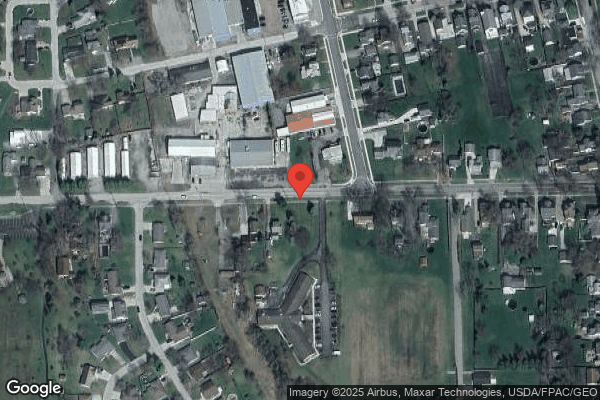
303 W LEGGETT ST, WAUSEON, OH 43567 (419) 337-3050
For profit - Limited Liability company 50 Beds AYDEN HEALTHCARE Data: November 2025
Trust Grade
55/100
#414 of 913 in OH
Last Inspection: August 2024

Within standard 12-15 month inspection cycle. Federal law requires annual inspections.

Overview

Ayden Healthcare of Wauseon has a Trust Grade of C, which means it is average and sits in the middle of the pack among nursing homes. It ranks #414 out of 913 facilities in Ohio, placing it in the top half, and #4 out of 5 in Fulton County, indicating that there is only one better local option. The facility is improving, with issues decreasing from 16 in 2022 to 11 in 2024. Staffing is a relative strength, scoring 3 out of 5 stars with a turnover rate of 34%, which is lower than the Ohio average. While there have been no fines, which is a positive sign, there have been serious concerns identified, such as a failure to properly assess and monitor pressure ulcers for a resident, and complaints about food being served cold and not meeting dietary needs for some residents. Overall, while there are strengths in staff retention and a lack of fines, the facility does have issues that need to be addressed.

Trust Score
C
55/100
In Ohio
#414/913
Top 45%
Safety Record
Moderate
Needs review
Inspections
Getting Better
16 → 11 violations
Staff Stability
○ Average
34% turnover. Near Ohio's 48% average. Typical for the industry.
Penalties
✓ Good
No fines on record. Clean compliance history, better than most Ohio facilities.
Skilled Nurses
○ Average
Each resident gets 31 minutes of Registered Nurse (RN) attention daily — about average for Ohio. RNs are the most trained staff who monitor for health changes.
Violations
⚠ Watch
36 deficiencies on record. Higher than average. Multiple issues found across inspections.
★★★☆☆
3.0
Overall Rating
★★★☆☆
3.0
Staff Levels
★★★★★
5.0
Care Quality
★★☆☆☆
2.0
Inspection Score
Stable
2022: 16 issues
2024: 11 issues

The Good

  • 5-Star Quality Measures · Strong clinical quality outcomes
  • Full Sprinkler Coverage · Fire safety systems throughout facility
  • No fines on record
  • Staff turnover below average (34%)

    14 points below Ohio average of 48%

Facility shows strength in quality measures, fire safety.

The Bad

3-Star Overall Rating

Near Ohio average (3.2)

Meets federal standards, typical of most facilities

Staff Turnover: 34%

12pts below Ohio avg (46%)

Typical for the industry

Chain: AYDEN HEALTHCARE

Part of a multi-facility chain

Ask about local staffing decisions and management

The Ugly 36 deficiencies on record

1 actual harm
Aug 2024 8 deficiencies
CONCERN (D)

Potential for Harm - no one hurt, but risky conditions existed

Transfer Notice (Tag F0623)

Could have caused harm · This affected 1 resident

**NOTE- TERMS IN BRACKETS HAVE BEEN EDITED TO PROTECT CONFIDENTIALITY** Based on medical record review, staff interview, and policy review, the facility failed to ensure residents were provided a time...

Read full inspector narrative →
**NOTE- TERMS IN BRACKETS HAVE BEEN EDITED TO PROTECT CONFIDENTIALITY** Based on medical record review, staff interview, and policy review, the facility failed to ensure residents were provided a timely written discharge notice. This affected one (#30) of two residents reviewed for discharges from the facility. The facility census was 45. Findings included: Review of Resident #30's medical record revealed the resident was admitted on [DATE]. Diagnosis included schizoaffective disorder, asthma, congestive heart failure, dementia, bipolar, and benign lipomatous neoplasm of skin and subcutaneous tissue. Review of Resident #30's quarterly Minimum Data Set assessment dated [DATE] revealed the resident had a moderate cognitive function. Review of Resident #30's medical record revealed on 04/19/24 the resident was transferred to a behavioral unit in the local hospital due to increased behaviors throughout the day where the resident was admitted . The physician ordered a hospital/psychiatric evaluation. Interview with Business Office Manager #348 on 08/21/24 at 11:20 A.M. verified Resident #30, nor his family or financial power of attorney, received a written transfer notification. Business Office Manager #348 revealed she was unaware one was required. Review of the facility policy titled, Transfer and Discharge (including AMA), dated November 2021, revealed for emergency transfers/discharges the facility must provide a transfer notice as soon as practicable to resident and representatives.
CONCERN (D)

Potential for Harm - no one hurt, but risky conditions existed

Accident Prevention (Tag F0689)

Could have caused harm · This affected 1 resident

**NOTE- TERMS IN BRACKETS HAVE BEEN EDITED TO PROTECT CONFIDENTIALITY** Based on observation, staff interview, medical record review, review of fall investigations, review of facility guidelines, and ...

Read full inspector narrative →
**NOTE- TERMS IN BRACKETS HAVE BEEN EDITED TO PROTECT CONFIDENTIALITY** Based on observation, staff interview, medical record review, review of fall investigations, review of facility guidelines, and review of the facility policy, the facility failed to ensure neurological checks were performed per facility guidelines, and failed to ensure fall interventions were in place as care planned. This affected one (#31) of one resident reviewed for falls. The facility census was 45. Findings include: Review of the medical record for Resident #31 revealed an admission date of 06/06/23 with diagnoses of anxiety and Alzheimer's disease. Review of the annual comprehensive Minimum Data Set (MDS) assessment dated [DATE] revealed Resident #31 had impaired cognition, used a walker and wheelchair for mobility, required substantial/maximal assistance for transfers, and was able to ambulate ten feet with supervision or touching assistance. Further review revealed Resident #31 had two or more falls without injury since the previous assessment dated [DATE]. Review of a progress note dated 12/29/23 revealed Resident #31 was found on the floor sitting next to her bed at 2:00 A.M. Resident #31 was assessed and found to have no injuries. Further review revealed the facility implemented a scoop mattress and updated the care plan. Review of Resident #31's current care plan revealed she was at risk for falls. Interventions to prevent further falls included a scoop mattress on her bed, implemented 12/29/23. Review of the fall risk assessment completed 06/07/24 revealed Resident #31 used a walker and wheelchair for ambulation and had at least one fall in the previous month. Review of a progress note dated 06/23/24 revealed Resident #31 fell on her way to the bathroom. Further review revealed Resident #31 indicated she had pain to the back of her head. Review of the neurological evaluation assessments revealed neurological assessments were performed on Resident #31 on 06/23/24 at 1:45 P.M., at 2:05 P.M., at 2:20 P.M., and at 4:41 P.M. Review of a progress note dated 07/28/24 revealed Resident #31 was found on the floor in her room by her bed. Review of the fall investigation dated 07/28/24 revealed Resident #31 was observed sleeping in her bed on 07/27/24 at 11:55 P.M. and was found on the floor next to her bed on 07/28/24 at 12:01 A.M. Further review revealed Resident #31 was assessed and found to have no injuries. Additional review revealed no indication the scoop mattress was in place at the time of the fall. Observation and interview on 08/20/24 at 9:15 A.M. with Licensed Practical Nurse (LPN) #516 confirmed Resident #31's mattress was a standard mattress and not a scoop mattress. Observation on 08/21/24 at approximately 8:30 A.M. revealed Resident #31 sitting in a chair next to her bed. Further observation revealed the mattress on her bed was a scoop mattress. Interview on 08/21/24 at 10:09 A.M. with the Director of Nursing (DON) revealed neurological assessments should be completed initially after a fall and then hourly for four hours. The DON further confirmed the neurological assessments were not completed per facility protocol after Resident #31's fall on 06/23/24. Interview on 08/21/24 at 10:13 A.M. with the DON confirmed Resident #31 had an intervention on her care plan from 12/2023 for a scoop mattress. The DON could not explain why the scoop mattress was not in place during the observation on 08/20/24, and confirmed the facility replaced the scoop mattress during the survey. Review of the Utilization Data Assessment (UDA) Guidelines provided by the facility, revised 08/16/24, revealed neurological assessments should be completed initially after a fall and then hourly for four hours as indicated. Review of the policy titled, Falls and Fall Risk; Managing, revised 03/2018, revealed the staff will identify interventions related to the resident's specific risks and causes to try to prevent the resident from falling and try to minimize complications from falling.
CONCERN (D)

Potential for Harm - no one hurt, but risky conditions existed

Deficiency F0698 (Tag F0698)

Could have caused harm · This affected 1 resident

**NOTE- TERMS IN BRACKETS HAVE BEEN EDITED TO PROTECT CONFIDENTIALITY** Based on medical record review, review of a hemodialysis communication binder, staff interview, and review of the facility polic...

Read full inspector narrative →
**NOTE- TERMS IN BRACKETS HAVE BEEN EDITED TO PROTECT CONFIDENTIALITY** Based on medical record review, review of a hemodialysis communication binder, staff interview, and review of the facility policy, the facility failed to ensure hemodialysis access sites were monitored as care planned, and failed to ensure communication between the hemodialysis clinic and the facility regarding a resident's hemodialysis and services was maintained. This affected one (#200) of one resident reviewed for hemodialysis. The facility census was 45. Findings include: Review of the medical record for Resident #200 revealed an admission date of 08/09/24 with diagnoses of type II diabetes mellitus and end stage renal disease. Review of the comprehensive Minimum Data Set (MDS) assessment dated [DATE] revealed Resident #200 had intact cognition, received hemodialysis, and was on a therapeutic diet. Review of the current care plan for Resident #200 revealed he received hemodialysis. Interventions included monitoring the hemodialysis site for signs or symptoms of infection or bleeding. Review of the physician order dated 08/12/24 revealed Resident #200 attended hemodialysis every Monday, Wednesday, and Friday. Review of the undated Pre-Dialysis communication assessment revealed staff assessed Resident #200's vitals signs and hemodialysis site. Review of the undated Post Dialysis communication assessment revealed staff assessed Resident #200's vital signs and hemodialysis site. Review of the electronic medical record for Resident #200 revealed no Pre-Dialysis communication assessment or Post Dialysis communication assessment were completed on Monday, 08/12/24 or Wednesday, 08/14/24. Further review of Resident #200's medical record revealed no documentation of staff monitoring the resident's hemodialysis site. Review of the Treatment Details Report dated 08/12/24 and 08/14/24 confirmed Resident #200 received hemodialysis treatments both days. Interview on 08/20/24 at 3:33 P.M. with Nurse Supervisor (NS) #428 and concurrent review of Resident #200's hemodialysis communication binder revealed no communication sheets were completed by the facility and sent to the hemodialysis clinic on 08/12/24 or 08/14/24. Interview on 08/20/24 at 3:57 P.M. with Assistant Director of Nursing (ADON) #472 confirmed the Pre and Post Dialysis communication assessments were not completed on 08/12/24 and 08/14/24 for Resident #200. ADON #472 stated the assessments were not initiated upon his admission. Interview on 08/22/24 at 9:36 A.M. with the Director of Nursing (DON) confirmed there was no evidence of assessments of Resident #200's hemodialysis site were contained in the resident's medical record between 08/10/24 and 08/16/24. Review of the policy, Hemodialysis Access Care, revised September 2010, revealed staff should check for signs of infection at the access site when performing routine care and at regular intervals.
CONCERN (D) 📢 Someone Reported This

A family member, employee, or ombudsman was alarmed enough to file a formal complaint

Potential for Harm - no one hurt, but risky conditions existed

Deficiency F0806 (Tag F0806)

Could have caused harm · This affected 1 resident

**NOTE- TERMS IN BRACKETS HAVE BEEN EDITED TO PROTECT CONFIDENTIALITY** 2. Review of the medical record for Resident #20 revealed an admission date of 09/23/22 with diagnoses of type II diabetes melli...

Read full inspector narrative →
**NOTE- TERMS IN BRACKETS HAVE BEEN EDITED TO PROTECT CONFIDENTIALITY** 2. Review of the medical record for Resident #20 revealed an admission date of 09/23/22 with diagnoses of type II diabetes mellitus and mild protein-calorie malnutrition. Review of the annual comprehensive MDS assessment, dated 07/08/24, revealed Resident #20 had impaired cognition. Review of Resident #20's meal ticket revealed she disliked spaghetti. Observation on 08/20/24 at 12:23 P.M. during meal service revealed [NAME] #312 plating Resident #20's meal. [NAME] #312 placed spaghetti noodles on Resident #20's plate and began to portion out ground meatballs when [NAME] #312 verbally identified Resident #20's meal ticket indicated a dislike for spaghetti. Continued observation revealed [NAME] #312 was involved in a conversation with DM #540 and upon returning to plate meals, [NAME] #312 plated spaghetti for Resident #20. Interview and observation on 08/20/24 at 12:39 P.M. in the dining room with Licensed Practical Nurse (LPN) #456 confirmed Resident #20 received spaghetti. Further interview with concurrent observation of Resident #20's meal ticket confirmed it listed a dislike of spaghetti. Interview on 08/20/24 at 12:40 P.M. with Resident #20 confirmed she did not like spaghetti. Review of the policy, Food and Nutrition Services, dated 10/2017, revealed each resident is provided with a nourishing, palatable, well-balanced diet that meets his or her daily nutritional and special dietary needs, taking into consideration the preferences of each resident. Reasonable efforts will be made to accommodate resident choices and preferences. This deficiency represents non-compliance investigated under Complaint Number OH00157049. Based on observation, resident and staff interview, and medical record review, the facility failed to ensure resident's food preferences were followed. This affected two (#20 and #26) of seven residents reviewed for food preferences. The facility census was 45. Findings Included: 1. Review of Resident #26's medical record revealed an admission date of 07/27/23. Diagnosis included diabetes mellitus, absence of right toes, and iron deficiency anemia. Review of Resident #26's annual Minimum Data Set (MDS) assessment dated [DATE] revealed the resident's cognition was intact. The resident had no natural teeth and required set up or clean up assistance for eating. Review of Resident #26' most recent care plan revealed she suffered from anemia and diabetes mellitus type two. The resident was at risk for hyper/hypoglycemia episodes related to diabetes mellitus type two. Review of Resident #26's physician order revealed an order dated 01/18/24 for a regular diet, regular texture, and thin consistency. No chips or sharp foods were to be served. Interview with Resident #26 on 08/20/24 at 8:21 A.M. revealed her meals have not been served per her preferences. She stated she needed to loose 100 pounds and requested a low carbohydrate diet due to the diabetes mellitus. For lunch she ordered a hot dog, salad, fruit, and gelatin. Resident #26 requested hot dogs for lunch and dinner. Observation on 08/20/24 at 11:59 A.M. in the kitchen during meal service revealed [NAME] #312 plating Resident #26's meal. [NAME] #312 stated Resident #26 always asked for a hot dog, but none were available. [NAME] #312 decided to send Resident #23 spaghetti. Concurrent interview with [NAME] #312 confirmed the facility did not have hot dogs for Resident #23 who always requested hot dogs. Review of Resident #26's meal ticket which was located on her meal tray on 08/20/24 at 12:22 P.M. revealed she preferred hot dogs with no bun, applesauce, tossed salad with French dressing, plain gelatin and no lemonade. Her dislikes were carrots, green beans, ham, sandwiches and chili powered items. Observation of Resident #26's meal tray on 08/20/24 at 12:22 P.M. revealed she was served spaghetti with one meatball, a long bread stick, gelatin, applesauce, salad with French dressing and milk. Interview with Dietary Manager (DM) #540 on 08/20/24 at 12:38 P.M. revealed Resident #26 failed to receive the requested menu items due to the facility being out of hot dogs.
CONCERN (D)

Potential for Harm - no one hurt, but risky conditions existed

Infection Control (Tag F0880)

Could have caused harm · This affected 1 resident

**NOTE- TERMS IN BRACKETS HAVE BEEN EDITED TO PROTECT CONFIDENTIALITY** Based on review of the medical record, observation, interview, and policy review, the facility failed to ensure a resident with ...

Read full inspector narrative →
**NOTE- TERMS IN BRACKETS HAVE BEEN EDITED TO PROTECT CONFIDENTIALITY** Based on review of the medical record, observation, interview, and policy review, the facility failed to ensure a resident with an indwelling urinary catheter was placed on enhanced barrier precautions. This affected one (#5) of one resident reviewed for urinary catheters. The facility census was 45. Findings include: Review of the medical record for Resident #5 revealed an admission date of 09/20/22. Diagnoses included multiple sclerosis, urinary retention, neuromuscular dysfunction of the bladder, malignant neoplasm of right kidney, osteoarthritis, and venous insufficiency. Review of the quarterly Minimum Data Set (MDS) assessment dated [DATE] revealed Resident #5 had intact cognition. Review of a progress note dated 06/10/24 at 10:58 A.M. revealed Resident #5 would be returning from the hospital with an indwelling urinary catheter. Observation on 08/19/24 at 9:06 A.M. revealed Resident #5 had an indwelling urinary catheter. Further observation revealed the resident was not on enhanced barrier precautions (EBP). There was no EBP sign inside or outside the room and no personal protective equipment available outside the room. Interview on 08/19/24 at 11:43 A.M., the Director of Nursing (DON) revealed the resident had a urinary catheter since returning from the hospital. The DON revealed the resident should have been placed on enhanced barrier precautions. Review of the policy titled, Enhanced Barrier Precautions, dated 08/2022, revealed enhance barrier precautions should be implemented for residents with Multi Drug Resistant Organisms (MDRO) and residents with wounds and/or indwelling medical devices (central line, urinary catheter, feeding tube, tracheostomy, ventilator) regardless of MDRO colonization status.
CONCERN (E)

Potential for Harm - no one hurt, but risky conditions existed

Food Safety (Tag F0812)

Could have caused harm · This affected multiple residents

**NOTE- TERMS IN BRACKETS HAVE BEEN EDITED TO PROTECT CONFIDENTIALITY** Based on observation, review of nutritional supplement directions for use, and staff interview, the facility failed to ensure nu...

Read full inspector narrative →
**NOTE- TERMS IN BRACKETS HAVE BEEN EDITED TO PROTECT CONFIDENTIALITY** Based on observation, review of nutritional supplement directions for use, and staff interview, the facility failed to ensure nutrition supplements were not expired and were used within the appropriate timeframe. This had the potential to affect eight (#12, #17, #19, #25, #31, #38, #45, and #50) residents who received nutrition supplements. The facility census was 45. Findings include: Observation on [DATE] at 11:34 A.M. of the residents' snack refrigerator revealed a box of approximately 25 cartons of four-ounce liquid nutrition supplements. Observation of one carton revealed an expiration date of [DATE]. Observation of the additional cartons revealed they expired in 2025. Review of the directions on the supplement cartons revealed the item should be stored frozen, and thawed under refrigeration. Further review revealed the thawed supplement should be used within 14 days after thawing. Interview on [DATE] at 11:34 A.M. with Social Services Director (SSD) #474 confirmed the single container of nutrition supplement expired [DATE]. SSD #474 further confirmed the box of supplements was undated and therefore could not determine when the supplements were removed from the freezer to thaw. Additionally, SSD #474 confirmed the directions indicated the supplements should be consumed within 14 days after thawing. The facility identified eight residents (#12, #17, #19, #25, #31, #38, #45, and #50) had orders to receive the nutrition supplement stored in the residents' snack refrigerator.
CONCERN (F)

Potential for Harm - no one hurt, but risky conditions existed

Menu Adequacy (Tag F0803)

Could have caused harm · This affected most or all residents

**NOTE- TERMS IN BRACKETS HAVE BEEN EDITED TO PROTECT CONFIDENTIALITY** Based on observation, medical record review, resident and staff interview, review of the menu, review of the menu spreadsheet, r...

Read full inspector narrative →
**NOTE- TERMS IN BRACKETS HAVE BEEN EDITED TO PROTECT CONFIDENTIALITY** Based on observation, medical record review, resident and staff interview, review of the menu, review of the menu spreadsheet, review of food product information, and review of facility policies, the facility failed to ensure food was served per the facility menu and spreadsheets. This directly affected one (#23) resident who was ordered a mechanical soft diet, directly affected one (#33) resident who received a pureed diet, and had the potential to affect all 45 residents residing in the facility who received food from the facility. The census was 45. Findings include: 1. Review of the medical record for Resident #23 revealed an admission date of 05/24/22 with diagnoses of type II diabetes mellitus and gastroesophageal reflux disease. Review of the quarterly Minimum Data Set (MDS) assessment dated [DATE] revealed Resident #23 had intact cognition and was not on a therapeutic diet. Review of a physician order dated 01/16/23 revealed Resident #23 received a regular diet with double protein at breakfast. Observations during breakfast meal service on 08/20/24 beginning at 7:24 A.M. revealed [NAME] #312 was plating meals for breakfast. Observation on 08/20/24 at 7:31 A.M. revealed [NAME] #312 plated Resident #23's breakfast. Observation of the resident's meal ticket revealed he was to receive double protein portions. Further observation revealed [NAME] #312 plated one scoop of eggs, the regular standard portion. Interview on 08/20/24 at 7:34 A.M. with [NAME] #312 confirmed she did not put two servings of eggs on Resident #23's plate because Resident #23 received yogurt as his second portion of protein. Interview and observation on 08/20/24 at 11:59 A.M. with Registered Dietitian (RD) #542 revealed the yogurt provided to Resident #23 as a second protein portion contained three grams (g) of protein. Interview on 08/20/24 at 4:03 P.M. with RD #542 revealed the standard portion of eggs, two ounces, provided 14 g of protein and stated a double portion of protein should provide a total of 28 g protein. RD #542 confirmed Resident #23 received only 17 g protein with the single serving of eggs and the yogurt, and confirmed Resident #23 did not receive the additional 11 g protein he should have per physician order. 2. Review of the weekly menu revealed the regular meal for lunch on 08/20/24 was meatballs and spaghetti with sauce, California blend vegetables, a breadstick, a peanut butter cookie, milk, and coffee or hot tea. Review of the menu spreadsheet for lunch on 08/20/24 revealed a regular texture diet would receive three meatballs and one-half (1/2) cup of pasta with sauce. Further review revealed residents on a mechanical soft (ground meat) diet would receive four ounces of meat and 1/2 cup of pasta with sauce. Interview on 08/19/24 at 9:33 A.M. with Resident #30 revealed he thought meal portion sizes were too small. Interview on 08/20/24 at approximately 11:20 A.M. with [NAME] #312 revealed two of the steam wells in her steam table were broken; therefore, she mixed the spaghetti noodles, sauce, and meatballs together into one pan. [NAME] #312 stated she would normally keep the spaghetti noodles and meatballs in separate pans. Observations during meal service on 08/20/24 beginning at approximately 11:30 A.M. revealed [NAME] #312 plating meals. [NAME] #312 was observed to use a four-ounce ladle (1/2 cup) to scoop two meatballs and noodles with sauce out of the pan. [NAME] #312 pressed the contents of the scoop tight against the pan to ensure she provided the total 1/2 cup. Additional observation during meal service on 08/20/24 beginning at approximately 11:30 A.M. revealed [NAME] #312 using a two-ounce scoop to portion ground meatballs for residents on a mechanical soft diet. Interview on 08/20/24 at 11:59 A.M. with [NAME] #312 confirmed she used a two-ounce scoop for the ground meatballs and provided only one scoop for residents on a mechanical soft diet, unless they had an order for double protein, in which case she would use two scoops of ground meatballs. Interview on 08/20/24 at 12:21 P.M. with [NAME] #312 confirmed she scooped two meatballs and noodles together in the 1/2 cup scoop for residents on a regular diet. Interview on 08/20/24 at approximately 1:15 P.M. with Resident #44 revealed the noon meal tasted good and she wished the portion size was larger. Interview on 08/20/24 at 4:03 P.M. with the DM #540 and concurrent review of the menu spreadsheet confirmed residents on a regular diet did not receive the correct portion of spaghetti noodles due to [NAME] #312 using the 1/2 cup scoop to portion the meatballs together with the spaghetti noodles. Further interview confirmed residents on a mechanical soft diet received two ounces of protein rather than the four ounces defined on the spreadsheet. Interview on 08/21/24 at approximately 3:00 P.M. with DM #540, along with review of meatball product information, revealed the meatballs served were two-ounce meatballs rather than the one-ounce meatballs defined in the recipe. Therefore, residents on a regular diet received two meatballs rather than three as specified in the menu. Additional review of the meatball product information and spreadsheet revealed the substituted meatballs were nutritionally equivalent. Interview on 08/21/24 at approximately 5:00 P.M. with DM #540 confirmed Resident #19 had a diet order for ground meat and would have received ground meatballs and was therefore affected by the undersized portion of protein provided during the noon meal on 08/20/24. 3. Review of the medical record for Resident #33 revealed an admission date of 12/01/23 with diagnosis of dysphagia (swallowing difficulty). Resident #33 was under the care of hospice. Review of the quarterly MDS assessment dated [DATE] revealed Resident #33 had impaired cognition and required supervision or touching assistance for eating. Review of a physician order dated 08/06/24 revealed Resident #33 received a regular diet with pureed textures and thin liquids. Review of the menu spreadsheet for lunch on 08/20/24 revealed residents on a pureed diet would receive pureed meat, pureed spaghetti with sauce, pureed vegetables, pureed breadstick, and a pureed dessert. Observation during meal service 08/20/24 at 12:13 P.M. revealed [NAME] #312 plating Resident #33's pureed meal. Observation revealed [NAME] #312 placed noodles and vegetables on the plate. Observation on 08/20/24 at 12:40 P.M. revealed Resident #33 received her tray with three bowls contained pureed food, one of which was pudding. Interview on 08/20/24 at 12:41 P.M. with DM #540 and concurrent observation of Resident #33's delivered meal confirmed Resident #33 received only vegetables and noodles and did not receive the pureed meatballs. Interview on 08/20/24 at approximately 12:42 P.M. with [NAME] #312 and concurrent observation of Resident #33's delivered meal confirmed Resident #33 did not receive a pureed breadstick with her meal. [NAME] #312 further confirmed she did not puree the breadstick for Resident #33's meal. Review of the policy titled, Portion Control, updated 03/07/21, revealed individuals will receive the appropriate portions of food as outlined on the menu spreadsheets. Review of the policy titled, Food and Nutrition Services, dated 10/2017, revealed each resident is provided with a nourishing, palatable, well-balanced diet that meets his or her daily nutritional and special dietary needs.
CONCERN (F) 📢 Someone Reported This

A family member, employee, or ombudsman was alarmed enough to file a formal complaint

Potential for Harm - no one hurt, but risky conditions existed

Deficiency F0804 (Tag F0804)

Could have caused harm · This affected most or all residents

Based on observation, staff and resident interviews, review of a test tray, and review of the facility policy, the facility failed to ensure meals were palatable, delivered at the proper temperature, ...

Read full inspector narrative →
Based on observation, staff and resident interviews, review of a test tray, and review of the facility policy, the facility failed to ensure meals were palatable, delivered at the proper temperature, and had an attractive appearance. This had the potential to affect all 45 residents in the facility. The census was 45. Findings include: 1. Interview on 08/19/24 at 9:06 A.M., with Resident #5 revealed the food the facility served was usually cold. Interview on 08/19/24 at 9:19 A.M., with Resident #36 revealed the food was always cold. Interview on 08/19/24 at 9:22 A.M., Resident #10 stated the food was sub-par lately. Resident #10 stated the plates and food were cold. Interview on 08/19/24 at 11:16 A.M., Resident #29 revealed food which should be hot was usually served cold. Observation prior to meal service on 08/20/24 at 7:24 A.M. revealed [NAME] #312 taking food temperatures. The temperature of the scrambled eggs was 175 degrees Fahrenheit (F) and the temperature of the French toast was 169 degrees F. Observation during meal service on 08/20/24 at 7:41 A.M. revealed a test tray was plated. Further observation revealed the tray was placed on the tray cart at 7:42 A.M., and the cart left the kitchen at 7:43 A.M. Observation revealed the first meal tray was passed to residents at 7:44 A.M. Continued observation revealed staff passing meal trays until 7:52 A.M. Further observation revealed the test tray was removed from the cart at 7:52 A.M. and carried to the conference room by Dietary Manager (DM) #540. Observation on 08/20/24 beginning at 7:52 A.M. of a meal test tray with DM #540 revealed the eggs were 100 degrees F and the French toast was 85 degrees F. The eggs and French toast were not palatable to taste and temperature. Interview on 08/20/24 at 7:57 A.M., DM #540 agreed the French toast and eggs were not warm enough and revealed she was going to try and warm the plate warmers (a device that, when heated, maintains the temperature of the food on the plate placed in it) in the dishwasher before plating the food to help hold the food temperatures. DM #540 stated the facility did not have a machine to warm the plate warmers. Interview on 08/20/24 at 8:06 A.M., with Resident #5 revealed the eggs were cold again that morning. Interview on 08/20/24 at 8:08 A.M., with Resident #4 revealed her breakfast food was cold that morning. Interview on 08/20/24 at 8:11 A.M., with Resident #23 revealed the eggs were cold that morning. Interview on 08/20/24 at 8:29 A.M., with Resident #36 revealed her breakfast was cold that morning. Interview on 08/20/24 at 10:42 A.M., Resident #10 stated his eggs were cold that morning. 2. Observation on 08/20/24 at 12:40 P.M. revealed Resident #33 received a pureed meal of noodles, vegetables, and pudding. The pureed noodles appeared to be thick with a crack in the smooth surface. Interview on 08/20/24 at 12:41 P.M. with Registered Dietitian (RD) #542 and concurrent observation of Resident #33's tray revealed when RD #542 attempted to confirm the texture of Resident #33's noodles, a thick skin of puree had to be peeled back to access the soft pureed noodles underneath. RD #542 stated the noodles should be replaced with freshly prepared noodles. Review of the policy titled, Food Temperatures, updated 03/07/21, revealed all hot food items must be served to the customer at a temperature of at least 135 degrees F. Review of the policy, Food and Nutrition Services, revised 10/2017, revealed food and nutrition services staff will inspect food trays to ensure the food appeared palatable and attractive. The deficiency represents non-compliance investigated under Complaint Number OH00157049. The deficiency is a recite and represents continued non-compliance to the complaint survey completed on 08/01/24.
Aug 2024 3 deficiencies
CONCERN (D) 📢 Someone Reported This

A family member, employee, or ombudsman was alarmed enough to file a formal complaint

Potential for Harm - no one hurt, but risky conditions existed

Accident Prevention (Tag F0689)

Could have caused harm · This affected 1 resident

Based on observations, staff interviews, and policy review, the facility failed to ensure residents were safely smoking. This affected one (Resident #48) of one resident observed for smoking. The faci...

Read full inspector narrative →
Based on observations, staff interviews, and policy review, the facility failed to ensure residents were safely smoking. This affected one (Resident #48) of one resident observed for smoking. The facility census was 47. Findings include: Observation on 08/01/24 at 7:35 A.M. revealed Resident #48 outside of the facility at the end of the north hall smoking a cigarette unattended in a non-designated smoking area with no flame-retardant receptacle to extinguish smoking materials into. Concurrent observation on 08/01/24 at 7:35 A.M. of Resident #48 revealed Resident #48 extinguish their cigarette with their hand and place unused portion in their pocket. Observation on 08/01/24 at 7:53 A.M. of Resident #48 revealed a package of cigarettes in their left sock. Interview on 08/01/24 at 8:33 A.M. with the Director of Nursing (DON) revealed the facility is implementing a new smoking policy on 08/01/24, but the residents and staff have not been educated on it. Concurrent interview on 08/01/24 at 8:33 A.M. with the DON revealed Resident #48 has a locked drawer in his room to store his cigarettes and lighter in. Concurrent interview on 08/01/24 at 8:33 A.M. with the DON revealed they also saw Resident #48 smoking a cigarette unattended in a non-designated smoking area with no flame-retardant receptacle to extinguish smoking materials into during their morning rounds. Concurrent interview on 08/01/24 at 8:33 A.M. with the DON revealed a facility nurse had provided Resident #48 with their cigarettes earlier in the morning as they had a doctor's appointment their adult son was providing transportation to. Review of facility policy titled, Ayden Healthcare Smoking Policy, dated June 2023, on 08/01/24 at approximately 10:30 A.M. revealed smoking is only permitted in the designated smoking areas. Supervised designated smoking area for the residents is in the courtyard off the dining hall. All cigarettes and lighters will be placed into the residents' smoke bag and given to staff. Cigarettes and lighters are not to be left with residents or in resident's rooms at ALL. This is an incidental finding found during the course of the complaint investigation.
CONCERN (E) 📢 Someone Reported This

A family member, employee, or ombudsman was alarmed enough to file a formal complaint

Potential for Harm - no one hurt, but risky conditions existed

Safe Environment (Tag F0584)

Could have caused harm · This affected multiple residents

**NOTE- TERMS IN BRACKETS HAVE BEEN EDITED TO PROTECT CONFIDENTIALITY** Based on medical record review, observation, staff interview, and resident interview, the facility failed to ensure residents ha...

Read full inspector narrative →
**NOTE- TERMS IN BRACKETS HAVE BEEN EDITED TO PROTECT CONFIDENTIALITY** Based on medical record review, observation, staff interview, and resident interview, the facility failed to ensure residents had a safe, clean, comfortable environment. This affected one resident (#35) and had the potential to affect an additional 36 residents (#1, #2, #3, #4, #5, #6, #7, #9, #10, #11, #12, #13, #14, #15, #17, #19, #20, #21, #22, #23, #25, #26, #27, #29, #31, #32, #33, #34, #38, #39, #40, #42, #43, #44, #45, #46, ) residing in the facility. The facility census was 47. Findings include: Review on 07/24/24 at approximately 2:00 P.M. revealed Resident #35 was admitted on [DATE] with diagnoses of severe protein-calorie malnutrition, non-ST elevation myocardial infarction (NSTEMI), acidosis, peripheral vascular disease (PVD), unsteadiness on feet, adult failure to thrive, anorexia, right foot drop, hypertension (HTN), drug induced constipation, cognitive communication deficit, muscle wasting and atrophy, muscle weakness, dysphagia, difficulty in walking, hypomagnesia, and depression. Review of the most recent Minimum Data Set (MDS) dated [DATE] revealed intact cognition. Further review of the MDS revealed Resident #35 utilized a manual wheelchair. Observation on 07/24/24 at 7:45 A.M. of the north hall revealed five wheelchairs, one BrodaChair, three walkers, and one lift lining the right side, and one dining cart and two isolation carts on the left side of the north hall. Interview on 07/24/24 at 7:51 A.M. with the Director of Nursing (DON) verified these findings. Observation on 07/24/24 at 7:52 A.M. revealed Resident #35 was unable to wheel themself down the north hall in their wheelchair due to the equipment lining the hall. Interview on 07/24/24 at 7:52 A.M. with Resident #35 revealed it is common for this to occur as there is frequently a lot of equipment lining the hall. Observation on 07/24/24 at 8:15 A.M. revealed four wheelchairs, five walkers, three lifts, 3 isolation carts, and one portable vital sign machine lining the left side of the south hall. Interview on 07/24/24 at approximately 8:20 A.M. with the DON verified these findings. Interview on 07/24/24 at 8:27 A.M. with Resident #27 revealed they frequently have trouble navigating the north and south halls due to the presence of the equipment. Interview on 07/24/24 at 8:37 A.M. with Resident #7 revealed they frequently have trouble navigating the north and south halls due to the presence of the equipment. Interview on 07/24/24 at 8:45 A.M. with State Tested Nursing Assistant #207 revealed it is common for equipment to be present in both facilities halls.
CONCERN (F) 📢 Someone Reported This

A family member, employee, or ombudsman was alarmed enough to file a formal complaint

Potential for Harm - no one hurt, but risky conditions existed

Deficiency F0804 (Tag F0804)

Could have caused harm · This affected most or all residents

Based on observation, staff interview, resident interview, and policy review, the facility failed to ensure food was served warm and palatable. This had the potential to affect all residents who recei...

Read full inspector narrative →
Based on observation, staff interview, resident interview, and policy review, the facility failed to ensure food was served warm and palatable. This had the potential to affect all residents who receive food from the facility's kitchen. The facility census was 47. Findings include: Observation on 08/01/24 at 7:40 A.M. of meal delivery to the south hall revealed the door to the meal delivery cart was left open between delivery of each tray. Observation on 08/01/24 at 7:42 A.M. of meal delivery to the south hall revealed 11 plate covers (from previously delivered trays), one undelivered resident tray, and a tote of condiments on top of the meal delivery cart. Interview on 08/01/24 at 7:47 A.M. with State Tested Nursing Assistant (STNA) #219 revealed the top of the meal delivery cart for the south hall had 11 plate covers (from previously delivered trays), one undelivered resident tray, a tote of condiments on top, and the door was let open in-between delivering trays. Concurrent interview on 08/01/24 at 7:47 A.M. with STNA #219 revealed they receive multiple complaints daily from residents regarding the temperature at which meals are served and they warm up resident meals multiple times a day per request of residents. Observation on 08/01/24 at 7:54 A.M. of meal delivery to the north hall revealed door to the meal delivery cart was left open between delivery of each tray. Interview on 08/01/24 at 7:55 A.M. with STNA #225 revealed the door was left open in-between delivering trays. Concurrent interview on 08/01/24 at 7:55 A.M. with STNA #225 revealed meals are often delivered to residents too cold and residents request them to be reheated to a more acceptable temperature. A test tray on 08/01/24 at 8:00 A.M. was sampled with Licensed Practical Nurse (LPN) #173 which revealed the breakfast sausage was cold and not palatable. Interview on 08/01/24 at 8:48 A.M. with the Director of Nursing (DON) revealed the facility steam table and plate warmer are broken and awaiting replacement. Interview on 08/01/24 at 9:20 A.M. with Resident #3 and Resident #4 revealed the food is rarely warm and they often request for it to be re-heated to their liking. Interview on 08/01/24 at 9:47 A.M. with Resident #35 revealed the food is often served cold and not to their liking. Interview on 08/01/24 at 9:55 A.M. with LPN #173 revealed that there are frequent resident complaints regarding the temperature of the food. Review of facility policy entitled, Food and Nutrition Services, dated October 2017, on 08/01/24 at approximately 10:40 A.M., revealed each resident is provided with a nourishing, palatable, well-balanced diet that meets his or her daily nutritional needs and special dietary needs, taking into consideration the preferences of each resident. This deficiency represents non-compliance investigated under Complaint Number OH00155728.
Feb 2022 16 deficiencies 1 Harm
SERIOUS (G)

Actual Harm - a resident was hurt due to facility failures

Pressure Ulcer Prevention (Tag F0686)

A resident was harmed · This affected 1 resident

**NOTE- TERMS IN BRACKETS HAVE BEEN EDITED TO PROTECT CONFIDENTIALITY** Based on observation, staff interview, medical record review, policy review, and review of information from the National Pressur...

Read full inspector narrative →
**NOTE- TERMS IN BRACKETS HAVE BEEN EDITED TO PROTECT CONFIDENTIALITY** Based on observation, staff interview, medical record review, policy review, and review of information from the National Pressure Injury Advisory Panel (NPIAP), the facility failed to assess and monitor pressure ulcers to prevent the deterioration of wounds. This resulted in Actual Harm when Resident #36 was admitted to the facility with a Stage 2 pressure ulcers (partial thickness skin loss into but no deeper than the dermis) to the coccyx and a Stage 2 pressure ulcer to the ankle that were not assessed and monitored regularly. Subsequently, both pressure ulcers declined and was assessed as Unstageable (full thickness tissue loss but is either covered by extensive necrotic tissue or by eschar) 15 days after admission. This affected one (#36) of two residents reviewed for pressure ulcers. The facility identified two residents in the facility with pressure ulcers. The facility census was 39. Findings include: Review of the medical record for Resident #36 revealed an admission date of 01/20/22 and re-admitted [DATE], with diagnoses of cerebral infarction, type 2 Diabetes Mellitus, dysphagia, persistent vegetative state, and cognitive communication deficit. During the admission, Resident #36 was hospitalized from [DATE] to 02/11/22. Review of the comprehensive Minimum Data Set (MDS) assessment dated [DATE] revealed Resident #36 was in a persistent vegetative state, required extensive assistance of two staff for bed mobility, toileting, and personal hygiene, and was totally dependent for eating. Further review revealed Resident #36 was admitted with two stage 2 pressure ulcers. Review of the admission Nursing Observation dated 01/20/22 revealed Resident #36 was admitted with a Stage 2 pressure ulcer to his coccyx measuring 5.0 centimeters (cm) in length, 5.0 cm in width, and no depth was documented. Resident #36 also admitted with a Stage 2 pressure ulcer to his left ankle measuring 5.0 cm width, 4.0 cm length and 1.0 cm depth. Review of the physician's orders revealed a consult dated 01/21/22 for wound care to evaluate and treat, and an order dated 01/25/22 for body audits to be completed every Tuesday for skin observation. Further review of the physician's orders for Resident #36 revealed an order dated 01/21/22 to 02/06/22 to cleanse his left ankle with normal saline, pat dry, and apply foam dressing daily. Review of the physician's orders dated 01/21/22-01/22/22 revealed an order to cleanse coccyx wound with normal saline, pat dry, and apply clean dry foam dressing daily. An order dated 01/22/22 to 01/23/22, to cleanse coccyx wound with normal saline, pat dry apply clean dry foam dressing, change every 72 hours, and as needed if dressing soiled, loose, or off. An order dated 01/23/22 to 02/06/22, to cleanse coccyx wound with normal saline, pat dry, apply adhesive foam dressing daily, dressing is to be changed twice daily due to incontinence and as needed if dressing is soiled or dislodged. Review of the treatment administration record (TAR) for January 2022 revealed Resident #36 had a body audit completed, no review or measurements of the coccyx or left ankle pressure ulcers were documented. Review of the medical record revealed no evidence of weekly skin grid assessments including measurements and staging of pressure sores between 01/20/22 and 02/03/22. Review of the Weekly Skin assessment dated [DATE] revealed no measurements of the coccyx or left ankle pressure ulcers. Review of the Skin Grid Pressure assessment for Resident #36 dated 02/04/22 revealed his coccyx pressure ulcer increased, measured 7 cm length, 10 cm width, the depth was unable to be determined, and the wound had declined and was Unstageable. Review of the Skin Grid Pressure assessment for Resident #36 dated 02/04/22 revealed his left ankle pressure ulcer measured 2.5 cm length, 1.5 cm width, the depth was unable to be determined, and the wound had declined and was Unstageable. Interview on 02/16/22 at 11:44 A.M., with the Assistant Director of Nursing (ADON) #61, revealed Skin Grid assessments were expected to be completed once weekly by staff nurses, and verified no Skin Grid assessments were completed for Resident #36 between 01/20/22 and 02/03/22. Further interview revealed the physician was notified regarding the worsened pressure ulcers on 02/04/22, and no orders were received from the physician before Resident #36 discharged to the hospital on [DATE]. ADON #61 stated the Wound Care Nurse visited the facility once every two weeks and was unable to visit the resident on her scheduled day due to inclement weather. Observation and staff interview on 02/16/22 at 2:46 P.M., of wound care to Resident #36 by Licensed Practical Nurse (LPN) #38 revealed a coccyx wound that was uncovered due to staff removing during incontinence care due to soilage. The wound had no odor, and the pressure ulcer was about the size of a peach that was last measured at 7 cm length, 10 cm width, and the depth was unable to be determined. The wound bed was pink around the edges and had a moderate amount of tan/gray slough in the center. The wound was cleansed with wound cleanser and patted dry and then covered with a foam dressing and was dated and initialed. LPN #38 was assisted by State Tested Nurse Aide (STNA) #39. Resident #36 remained comfortable throughout the procedure and had a low air loss mattress to the bed. Review of the policy titled, Prevention of Pressure Injuries, revised April 2020, revealed the facility would perform risk skin assessments weekly for existing pressure injury risk factors. Further review of the policy revealed the facility would evaluate, report and document potential changes in the skin, and review the interventions and strategies for effectiveness on an ongoing basis. Review of the National Pressure Injury Advisory Panel Stages revealed a Stage 2 Pressure Injury was described as: Partial-thickness skin loss with exposed dermis Partial-thickness loss of skin with exposed dermis. The wound bed is viable, pink, or red, moist, and may also present as an intact or ruptured serum-filled blister. Adipose (fat) is not visible and deeper tissues are not visible. Granulation tissue, slough and eschar are not present. These injuries commonly result from adverse microclimate and shear in the skin over the pelvis and shear in the heel. This stage should not be used to describe moisture associated skin damage (MASD) including incontinence associated dermatitis (IAD), intertriginous dermatitis (ITD), medical adhesive related skin injury (MARSI), or traumatic wounds (skin tears, burns, abrasions). An Unstageable Pressure Injury: Obscured full-thickness skin and tissue loss Full-thickness skin and tissue loss in which the extent of tissue damage within the ulcer cannot be confirmed because it is obscured by slough or eschar. If slough or eschar is removed, a Stage 3 or Stage 4 pressure injury will be revealed. Stable eschar (i.e. dry, adherent, intact without erythema or fluctuance) on the heel or ischemic limb should not be softened or removed.
CONCERN (D)

Potential for Harm - no one hurt, but risky conditions existed

Resident Rights (Tag F0550)

Could have caused harm · This affected 1 resident

**NOTE- TERMS IN BRACKETS HAVE BEEN EDITED TO PROTECT CONFIDENTIALITY** Based on medical record reviews, observations, staff interviews and policy review, the facility failed to provide care in a mann...

Read full inspector narrative →
**NOTE- TERMS IN BRACKETS HAVE BEEN EDITED TO PROTECT CONFIDENTIALITY** Based on medical record reviews, observations, staff interviews and policy review, the facility failed to provide care in a manner to promote dignity. This affected two (#337 and #11) of 39 sampled residents. The facility census was 39. Findings include: 1. Review of the medical record for Resident #337 revealed an admission date of 02/10/22. Diagnoses for Resident #337 included spina bifida, pressure ulcer of right hip stage four, morbid (severe) obesity due to excess calories, hypertensive retinopathy, bilateral, type 2 diabetes mellitus with diabetic polyneuropathy, other chronic osteomyelitis, history of COVID-19, acquired absence of left leg below knee, and unspecified convulsions. Further review of the medical record revealed the Minimum Data Set (MDS) and the Comprehensive Care Plan had not been completed. Observation on 02/14/22 at 11:10 A.M., revealed Resident #337's catheter bag was uncovered with visible urine in the bag, the door was closed and not in view from the hallway. Observation on 02/15/22 at 9:03 A.M., revealed Resident #337's urinary catheter bag was not covered with visible urine in the bag and in view from the hallway. Interview on 02/15/22 at 9:07 A.M. , with State Tested Nurse Aide (STNA) #47, verified the urinary catheter bag with urine was not covered. 2. Review of the medical record for Resident #11 revealed an admission date of 09/09/21. Diagnoses for Resident #11 included muscle weakness, major depressive disorder, anxiety disorder, need for assistance with personal care, history of falling, and Alzheimer's Disease. Review of the quarterly MDS dated [DATE] revealed Resident #11 required extensive assistance with one person physical assist for eating. Review of the care plan dated 09/15/21 revealed Resident #11 was at risk for decline in Activity of Daily Living (ADL) participation as evidenced by need for assistance with ADL's transfers, ambulation, and toileting related to cognitive deficit. Goals and interventions were appropriate. Observation on 02/17/22 at 9:05 A.M., revealed of STNA #67 was feeding Resident #11 while standing next to her. It was noted that there was a metal chair sitting in the resident's room available for use. Interview on 02/17/22 at 9:08 A.M., with STNA #67 verified she was standing while feeding Resident #11. STNA #11 verified they are to be sitting by the resident to assist with eating. Review of the policy titled Dignity, revised 02/2020, revealed each resident shall be cared for in a manner that promotes and enhances his or her sense of well-being, level of satisfaction with life, feeling of self-worth and self-esteem. Demeaning practices and standards of care that compromise dignity are prohibited. Staff are expected to promote dignity and assist residents. For example: Helping the resident to keep urinary catheter bags covered.
CONCERN (D)

Potential for Harm - no one hurt, but risky conditions existed

ADL Care (Tag F0677)

Could have caused harm · This affected 1 resident

**NOTE- TERMS IN BRACKETS HAVE BEEN EDITED TO PROTECT CONFIDENTIALITY** Based on observations, medical record resident and staff interviews, and policy review, the facility failed to ensure a resident...

Read full inspector narrative →
**NOTE- TERMS IN BRACKETS HAVE BEEN EDITED TO PROTECT CONFIDENTIALITY** Based on observations, medical record resident and staff interviews, and policy review, the facility failed to ensure a resident was provided assistance with shaving. This affected one (#5) of three residents reviewed for assistance with activities of daily living (ADL). The census was 39. Findings include: Review of the medical record for Resident #5 revealed the resident was admitted to the facility on [DATE]. Diagnoses include arthropathy, disturbances of skin sensation, muscle weakness, hypertension. osteoarthritis, and lesion of the median nerve. Review of a care plan dated 02/21/20 revealed Resident #5 had an ADL self care deficit as evidenced by need for assistance related to inability to stand for any length of time secondary to bilateral leg weakness, decreased endurance, decreased activity tolerance, and limited range of motion in hands related to arthritis. Interventions include assist with daily hygiene, grooming, dressing, oral care, and eating as needed. Review of a quarterly minimum data set (MDS) assessment dated [DATE], revealed Resident #5 had intact cognition. The resident required extensive assistance of one person for personal hygiene. Observation on 02/14/22 at 10:22 A.M., of Resident #5 revealed the resident was observed with dark gray coarse hairs located on the residents chin and above the top lip. Observation on 02/15/22 at approximately 3:00 P.M., revealed the resident continued to have dark gray coarse hairs located above the top lip and on the chin. Observation on 02/16/22 at 8:15 A.M., of Resident #5 revealed the resident continued to have dark gray coarse hairs located above the top lip and on the chin. Interview on 02/16/22 at 9:11 A.M., with Resident #5 revealed the resident does not like having facial hair. The resident reported being provided assistance with showers on Tuesdays and Fridays. The resident further reported the staff member who assists the resident with showers would shave the resident's facial hair on shower days and as needed throughout the week. Resident #5 revealed the resident asked the State Tested Nurse Aide (STNA) to shave facial hair on 02/15/22, but there was no razor in the shower room. Resident #5 reported the STNA must have forgotten to find a razor and assist with shaving. Interview on 02/16/22 at 1:23 P.M., with STNA #560 revealed the STNA assisted Resident #5 with a shower on 02/15/22. STNA #560 verified Resident #5 was not provided assistance with removal of facial hair. Review of a policy titled, Activities of Daily Living (ADL), Supporting dated 03/18, revealed appropriate care and services will be provided for residents who are unable to carry out ADL's independently, with the consent of the resident and in accordance with the plan of care, including support and assistance with hygiene (bathing, dressing, grooming, and oral care).
CONCERN (D)

Potential for Harm - no one hurt, but risky conditions existed

Deficiency F0692 (Tag F0692)

Could have caused harm · This affected 1 resident

**NOTE- TERMS IN BRACKETS HAVE BEEN EDITED TO PROTECT CONFIDENTIALITY** Based on observation, staff interview, record review, and policy review, the facility failed to ensure a resident received hydra...

Read full inspector narrative →
**NOTE- TERMS IN BRACKETS HAVE BEEN EDITED TO PROTECT CONFIDENTIALITY** Based on observation, staff interview, record review, and policy review, the facility failed to ensure a resident received hydration per physician orders for tube feeding flushes. This affected one (#36) of one resident reviewed for hydration. The facility census was 39. Findings include: Review of the medical record for Resident #36 revealed an admission date of 01/20/22 and medical diagnoses of cerebral infarction, type 2 Diabetes Mellitus, dysphagia, persistent vegetative state, and cognitive communication deficit. Review of the comprehensive Minimum Data Set (MDS) assessment dated [DATE] revealed Resident #36 was in a persistent vegetative state, required extensive assistance of two staff for bed mobility, toileting, and personal hygiene, and was totally dependent for eating. Review of the physician orders for Resident #36 revealed an order dated 02/11/22 for enteral feed every shift for nutrition 80 milliliters (mL) per hour continuous infusion, flush with 40 mL per hour. Further review revealed a diet order dated 02/11/22 for nothing by mouth (NPO). Review of the care plan revealed Resident #36 had a potential for altered nutrition and hydration, a potential for unplanned weight loss and increased needs for wounds. Interventions included flushes as ordered. Observations on 02/14/22 at 6:24 P.M., 02/15/22 at 6:44 A.M. and 9:28 A.M., and 1:20 P.M. revealed Resident #36's tube feeding pump display read flush 40 milliliters (mL) every zero hours. Observations on 02/15/22 at 6:44 A.M. and 9:28 A.M., and 1:20 P.M., revealed Resident #36's flush bag contained 950 mL, and was dated 02/15/22 at 12:00 A.M. Interview on 02/15/22 at 1:50 P.M., with Licensed Practical Nurse (LPN) #6 revealed the flush bags were filled once daily with water during night shift. Further interview revealed Resident #36 had orders to receive flushes of 40 mL per hour. Observation at that time confirmed Resident #36's flush bag contained 950 mL, and the tube feeding pump display read flush 40 mL every zero hours. Continued interview with LPN #6 revealed Resident #36 should have received approximately 500 mL between 12:00 A.M. and 1:50 P.M. and his flush bag contained 950 mL. Review of the facility policy titled Resident Hydration and Prevention of Dehydration, revised October 2017, revealed nursing would monitor fluid intake.
CONCERN (D)

Potential for Harm - no one hurt, but risky conditions existed

Deficiency F0698 (Tag F0698)

Could have caused harm · This affected 1 resident

**NOTE- TERMS IN BRACKETS HAVE BEEN EDITED TO PROTECT CONFIDENTIALITY** Based on medical record review, staff interview and review of the dialysis agreement, the facility failed to ensure communicatio...

Read full inspector narrative →
**NOTE- TERMS IN BRACKETS HAVE BEEN EDITED TO PROTECT CONFIDENTIALITY** Based on medical record review, staff interview and review of the dialysis agreement, the facility failed to ensure communication to correlate care was provided by the dialysis clinic for residents receiving hemodialysis. This affected one (#9) of one resident reviewed for hemodialysis. The facility identified two residents on hemodialysis. The facility census was 39. Findings include: Review of the medical record for Resident #9 revealed an admission date of 06/29/20 and medical diagnoses of end stage renal disease, type 2 Diabetes Mellitus, and dependence on renal dialysis. Review of the quarterly Minimum Data Set (MDS) assessment dated [DATE] revealed Resident #9 had intact cognition. Resident #9 required supervision with setup help only for transfers, walking, eating, toileting and hygiene. Review of the progress notes revealed no documentation the facility received updates from the dialysis clinic. Review of the hemodialysis communication book for Resident #9 revealed no communication sheets from the dialysis clinic. Interview on 02/16/22 at 10:21 A.M., with the Director of Nursing (DON) revealed the dialysis center does not consistently send a return communication. Interview on 02/17/22 at 8:45 A.M., with the DON confirmed the progress notes for Resident #9 contained no documentation of communication from the dialysis clinic regarding his treatment. Review of the agreement titled Nursing Home Dialysis Transfer Agreement, signed 08/12/19, revealed the dialysis center shall provide the facility information on aspects of the management of a designated resident's care related to the provision of dialysis services.
CONCERN (D)

Potential for Harm - no one hurt, but risky conditions existed

Pharmacy Services (Tag F0755)

Could have caused harm · This affected 1 resident

**NOTE- TERMS IN BRACKETS HAVE BEEN EDITED TO PROTECT CONFIDENTIALITY** Based on resident record review and staff interview, the facility failed ensure medication was timely administer as ordered by t...

Read full inspector narrative →
**NOTE- TERMS IN BRACKETS HAVE BEEN EDITED TO PROTECT CONFIDENTIALITY** Based on resident record review and staff interview, the facility failed ensure medication was timely administer as ordered by the physician. This affected one (#338) of six residents reviewed for unnecessary medication. The census was 39. Findings include: Review of the medical record for Resident #338 revealed the resident was admitted to the facility on [DATE]. Diagnoses include respiratory failure, Diabetes Mellitus type two, and hypertension. Review of the hospital discharge instructions dated 01/26/22, revealed the Resident #338 was admitted to the facility with orders to receive the following medication on 01/26/22: famotidine 20 milligram (mg) tablet at 9:00 P.M. and insulin glargine 35 units subcutaneous as directed. Review of the medical record for Resident #338 revealed the resident was admitted to the facility on [DATE] at approximately 4:20 P.M. Review of the medication administration record (MAR) dated January 2022, revealed an order for famotidine table 20 mg give one tablet by mouth every morning and at bedtime for indigestion and lantus solution (insulin glargine) 100 units per milliliter (ml) inject 35 units subcutaneously every morning and at bedtime for Diabetes Mellitus. Review of the MAR revealed no evidence of famotidine and lantus being administered on 01/26/22 at bedtime. Review of the facility's medication inventory on hand supply list revealed the medication lantus was available in the medication supply for resident use. The medication famotidine was not on the emergency medication supply list. Interview on 02/17/22 at 8:35 A.M., with the Director of Nursing (DON) revealed it was the facility's expectation, if a medication was ordered and not yet delivered from the pharmacy, the medication would be obtained from the medication inventory on hand supply. The DON verified the medication famotidine and lantus were ordered to be administered to Resident #338 on 01/26/22 at bedtime. The DON verified the medication was not administered as ordered.
CONCERN (D)

Potential for Harm - no one hurt, but risky conditions existed

Medication Errors (Tag F0758)

Could have caused harm · This affected 1 resident

**NOTE- TERMS IN BRACKETS HAVE BEEN EDITED TO PROTECT CONFIDENTIALITY** Based on medical record review, staff interview and policy review, the facility failed to ensure as needed (PRN) psychotropic me...

Read full inspector narrative →
**NOTE- TERMS IN BRACKETS HAVE BEEN EDITED TO PROTECT CONFIDENTIALITY** Based on medical record review, staff interview and policy review, the facility failed to ensure as needed (PRN) psychotropic medications had a stop date after 14 days of use. This affected one (#13) of five sampled residents reviewed for unnecessary medications. The facility identified 18 residents that receive psychotropic medications. The facility census was 39. Findings include: Review of the medical record revealed an admission date of 12/09/20. Diagnoses included chronic obstructive pulmonary disease with acute exacerbation, emphysema, essential hypertension, anxiety disorder, major depressive disorder, recurrent, urinary incontinence, and gastro-esophageal reflux disease without esophagitis. Review of the annual Minimum Data Set (MDS) assessment dated [DATE] revealed Resident #13 had moderate cognitive impairment. No behaviors were exhibited during the assessment period. Resident received antipsychotic, antianxiety, and opioids seven days during the assessment period and diuretics three days during the assessment period. Antipsychotics were received on a routine basis only. A gradual dose reduction has been attempted with the date of last attempt: 07/16/21. Review of the care plan dated 12/10/22 revealed Resident #13 had impaired cognitive function/altered thought process related to low oxygen saturation due to end stage chronic obstructive pulmonary disease and emphysema. Interventions included: administer medications as ordered. Monitor/document for side effects and effectiveness. Ask yes/no questions in order to determine the resident's needs. Communicate with the resident/family/caregivers regarding residents capabilities and needs. Use the resident preferred name, identify yourself at each interaction. Face the resident when speaking and make eye contact. Reduce any distractions. Cue, reorient and supervise as needed. Discuss concerns about confusion, disease process, Nursing Home placement with resident/family/caregiver. Present just one thought, idea, question or command at a time. Provide a program of activities that accommodates the resident's abilities. I am at risk of psychotropic medication side effects because I take PRN and routine anxiolytic for anxiety, have depression with risk of antidepressant administration/initiation, routine use of antipsychotic medication. Administer psychotropic medications as ordered by physician. Monitor for side effects. Review of the physician orders revealed an order dated 10/21/21-11/11/21 for ativan one milligram (mg) every four hours as needed; 11/11/21 ativan one mg tablet every six hours and every two hours as needed and on 12/14/21-02/15/22 ativan one mg one tablet every two hours PRN. Interview on 02/17/22 at 8:25 A.M., with the Director of Nursing verified the resident did not have a stop date for PRN ativan and was not evaluated by the physician to see if the medication needed continued.
CONCERN (E)

Potential for Harm - no one hurt, but risky conditions existed

Deficiency F0655 (Tag F0655)

Could have caused harm · This affected multiple residents

**NOTE- TERMS IN BRACKETS HAVE BEEN EDITED TO PROTECT CONFIDENTIALITY** 2. Review of the medical record for Resident #36 revealed an admission date of 01/20/22 and medical diagnoses of cerebral infarc...

Read full inspector narrative →
**NOTE- TERMS IN BRACKETS HAVE BEEN EDITED TO PROTECT CONFIDENTIALITY** 2. Review of the medical record for Resident #36 revealed an admission date of 01/20/22 and medical diagnoses of cerebral infarction, type 2 Diabetes Mellitus, dysphagia, persistent vegetative state, and cognitive communication deficit. Review of the comprehensive Minimum Data Set (MDS) dated [DATE] revealed Resident #36 was in a persistent vegetative state, required extensive assistance of two staff for bed mobility, toileting, and personal hygiene, and was totally dependent for eating. Interview on 02/15/22 at 8:42 A.M., with the daughter of Resident #36 (Emergency Contact #1), revealed she was not involved in the care planning process. Interview on 02/15/22 at 2:24 P.M., revealed the Director of Nursing could not provide documentation the baseline care plan for Resident #36 was provided to his daughter. Review of a policy titled, Care Plans - Baseline, dated 12/16 revealed the resident and their representative will be provided a summary of the baseline care plan. Based on resident record review, resident interview, resident family interview, staff interview, and policy review; the facility failed to provide the resident/resident representative a written summary of the baseline care plan. This affected two (#338 and #36) of four residents reviewed for baseline care planning. The census was 39. Findings include: 1. Review of the medical record for Resident #338 revealed the resident was admitted to the facility on [DATE]. Diagnoses include respiratory failure, diabetes mellitus type two, and hypertension. Review of the medical record for Resident #338 revealed a baseline care plan dated 01/26/22. The medical record contained no evidence of Resident #338 or of the resident's representative being provided a written summary of the baseline care plan. Review of an admission minimum data set (MDS) assessment target date 02/02/22, revealed Resident #338 had intact cognition. Interview on 02/14/22 at 9:53 A.M., with Resident #338 revealed the resident was not given a copy of the baseline care plan. Interview on 02/15/22 at 12:24 P.M., with the Assistant Director of Nursing (ADON) #61 verified the medical record for Resident #338 contained no evidence of the resident or representative being provided a written summary of the baseline care plan.
CONCERN (E)

Potential for Harm - no one hurt, but risky conditions existed

Deficiency F0657 (Tag F0657)

Could have caused harm · This affected multiple residents

**NOTE- TERMS IN BRACKETS HAVE BEEN EDITED TO PROTECT CONFIDENTIALITY** 4. Review of the medical record for Resident #36 revealed an admission date of 01/20/22 and medical diagnoses of cerebral infarc...

Read full inspector narrative →
**NOTE- TERMS IN BRACKETS HAVE BEEN EDITED TO PROTECT CONFIDENTIALITY** 4. Review of the medical record for Resident #36 revealed an admission date of 01/20/22 and medical diagnoses of cerebral infarction, type 2 Diabetes Mellitus, dysphagia, persistent vegetative state, and cognitive communication deficit. Review of the comprehensive Minimum Data Set (MDS) dated [DATE] revealed Resident #36 was in a persistent vegetative state, required extensive assistance of two staff for bed mobility, toileting, and personal hygiene, and was totally dependent for eating. Review of the physician orders revealed an order dated 02/14/22 for enteral feed formula Glucerna 1.2 and an order dated 02/11/22 for enteral feed every shift for nutrition 80 milliliters (mL) per hour continuous infusion. Review of the current care plan dated 02/02/22 revealed Resident #36 required tube feeding due to dysphagia and a persist vegetative state. Interventions included tube feeding formula Diabetisource AC at 70 milliliters (mL) an hour continuous infusion, and water flushes via percutaneous gastrostomy tube (a tube into the stomach) 200 mL every six hours. Interview on 02/16/22 at 2:58 P.M., with Dietetic Technician, Registered #75 confirmed the care plan for Resident #36 was not updated with the current tube feeding order. 5. Review of the medical record for Resident #9 revealed an admission date of 06/29/20 and medical diagnoses of end stage renal disease, type 2 Diabetes Mellitus, and dependence on renal dialysis. Review of the quarterly MDS dated [DATE] revealed Resident #9 had intact cognition. Resident #9 required supervision with setup help only for transfers, walking, eating, toileting and hygiene. Review of the physician orders for Resident #9 revealed a discontinued order from 01/19/21 to 03/04/21 for a 1500 mL daily fluid restriction. Review of the current care plan dated 07/06/20 to 03/02/22 revealed Resident #9 had a potential for altered nutrition and hydration, a potential for unplanned weight gain, and a potential for altered lab values. Interventions included fluid restriction as ordered. Further review of the care plan revealed Resident #9 had fluid overload or potential fluid overload. Interventions included a fluid restriction of 1500 mL daily, distributed between nursing shifts (300 ml 7 A.M.-3 P.M., 200 ml 3 P.M. -11 P.M., and 160 ml 11 P.M.-7 A.M.) and meals (360 ml at breakfast, 240 ml at lunch and supper). Review of the Care Conference Summary revealed Resident #9 had not had a care conference since 03/23/21. Interview on 02/14/22 at 2:17 P.M., with Resident #9 revealed he had not been included in care planning. Interview on 02/15/22 at 2:27 P.M., with the Director of Nursing (DON) revealed the record for Resident #9 contained no documentation of a care conference occurring since 03/23/21. Interview on 02/15/22 at 2:29 P.M., with the Social Services Director #40 revealed care conferences should be held within 72 hours of admission and then quarterly. The care conferences should include the resident and/or representative. Further interview confirmed Resident #9 did not have a care conference since 03/23/21. Interview on 02/16/22 at 4:07 P.M., with the Assistant Director of Nursing (ADON) #61 confirmed Resident #9's care plans were not updated regarding a fluid restriction, and further confirmed the fluid restriction was discontinued on 03/04/21. Review of the facility policy titled, Resident Participation - Assessment/Care Plans, revised 12/16 revealed no guidance regarding the timing of care conferences or the revision of care plans. 3. Review of the medical record for Resident #338 revealed the resident was admitted to the facility on [DATE]. Diagnoses include respiratory failure, diabetes mellitus type two, and hypertension. Review of an admission MDS assessment completed 02/08/22, revealed Resident #338 had intact cognition. Review of the medical record for Resident #338 revealed no evidence of Resident #338 being included in the care planning process. Interview on 02/14/22 9:53 A.M., with Resident #338 revealed the resident had not been invited to or attended a care planning conference. Interview on 02/15/22 at 12:25 P.M., with Social Service Director (SSD) #40 verified there was no care conference scheduled or conducted for Resident #338. SSD #40 reported a care conference would be scheduled for Resident #338 soon, because the resident was scheduled to be discharging home at the end of February. Based on review of medical records, staff interview, family interviews, resident interviews and review of policy, the facility failed to revise care plans and failed to ensure residents/resident representatives were given the opportunity to participate in the care planning process. This affected five (#7, #32, #338, #36, #9) of 12 residents reviewed for care planning. The facility census was 39. Findings include: 1. Review of the medical record revealed Resident #7 had an admission date of 06/29/20. Diagnosis included multiple sclerosis, chronic pain syndrome and type two diabetes mellitus. Review of the quarterly Minimum Data Set (MDS) assessment dated [DATE] revealed the resident had intact cognition. Review of the care plan conference notes revealed the resident's last care conference meeting was completed 04/13/21. Interview on 02/17/22 at 9:11 A.M., Resident #7 revealed she had not been to a care plan meeting in a long time. Resident #7 revealed it was important to have the meeting to find out what is going on and be able to ask questions. Interview on 02/17/22 at 9:24 A.M., Social Service Director (SSD) #40 verified Resident #7 had not had a care plan conference meeting since 04/13/21. 2. Medical record review revealed Resident #32 had an admission date of 08/13/20. Diagnosis included chronic respiratory failure, bipolar disorder and pulmonary fibrosis. Review of the quarterly MDS assessment dated [DATE] revealed the resident had intact cognition. Review of a care conference summary revealed Resident #32 had not participated in a care meeting since 04/13/21. Interview on 02/17/22 at 9:14 A.M., Resident #32 stated she had not been invited to a care plan meeting recently and would like to attend a care plan meeting. Interview on 02/17/22 at 9:24 A.M., SSD #40: verified Resident #32 had not had a care conference meeting since 04/13/21. SSD #40 revealed she just started working in the facility in 12/2021. SSD #40 revealed initial care plan meetings were completed but not quarterly care plan meetings. SSD #40 stated she had not been trained to complete quarterly care plan conferences.
CONCERN (E)

Potential for Harm - no one hurt, but risky conditions existed

Deficiency F0800 (Tag F0800)

Could have caused harm · This affected multiple residents

Based on observation, staff interviews, review of dietary spreadsheets, and review of facility policies, the facility failed to prepare and serve pureed foods in a manner to maintain nutritional value...

Read full inspector narrative →
Based on observation, staff interviews, review of dietary spreadsheets, and review of facility policies, the facility failed to prepare and serve pureed foods in a manner to maintain nutritional value. This affected five (#3, #4, #20, #28, and #287) of five residents on a pureed diet. The facility census was 39. Findings include: Observation on 02/15/22 at 11:04 A.M., revealed the [NAME] #60 placed five Salisbury steaks in a food processor and used an unknown amount of water to make pureed meat. Interview at that time of the observation, with the [NAME] #60, revealed there were six residents on a pureed diet, and he confirmed he used five Salisbury steaks, not one for each resident. Observation on 02/15/22 at approximately 11:35 A.M., revealed one resident on a pureed diet received double protein portions, and the [NAME] #60 provided two scoops of a two-ounce scoop of pureed Salisbury steak on the tray. Two additional residents were served one two-ounce scoop of pureed meat. Interview on 02/15/22 at 11:40 A.M., with the [NAME] #60 revealed he used a two-ounce scoop for the pureed meat portion. Interview on 02/16/22 at 3:44 P.M., with the Regional Culinary Services Manager #76 revealed nutritive liquids (broth, gravy, or milk) should be used to thin pureed foods. Further interview revealed using water to thin foods would decrease the nutritive value. Review of the Diet Spreadsheet revealed a single serving of the Salisbury steak puree portion should be four to five-ounces. Interview on 02/17/22 at 8:40 A.M.,with the [NAME] #60 confirmed the portion size listed in the Diet Spreadsheet for pureed Salisbury steak on 02/15/22, was four to five ounces. Review of the policy titled, Portion Control, updated 03/07/21, revealed individuals will receive the appropriate portions of food as outlined on the menu spreadsheets.
CONCERN (F)

Potential for Harm - no one hurt, but risky conditions existed

Deficiency F0727 (Tag F0727)

Could have caused harm · This affected most or all residents

Based on review of staff schedules, staff on duty hours daily postings, staff timecards and staff interviews, the facility failed to ensure a Registered Nurse (RN) was on duty for eight hours a day se...

Read full inspector narrative →
Based on review of staff schedules, staff on duty hours daily postings, staff timecards and staff interviews, the facility failed to ensure a Registered Nurse (RN) was on duty for eight hours a day seven days a week. This has the potential to affect 39 of 39 residents in the facility. The census is 39. Findings include: Review on 02/15/22 at 9:00 A.M., of the staff schedules for 02/12/22 revealed no RN was scheduled to work. Registered Nurse (RN) #56 was scheduled from 2:30 A.M. until 6:30 A.M. on 02/13/22. Further review of staff schedules for Sunday, 02/13/22 revealed one (RN) #39 scheduled from 6:30 A.M. until 12:30 P.M. Review of staff on duty hour postings on 02/15/22 at 9:05 A.M., revealed zero registered nurse hours on Saturday, 02/12/22 and six register nurse hours on Sunday, 02/13/22. Review of timecard on 02/16/22 at 8:48 A.M., for RN #56 revealed a clocked in at 2:58 A.M. on 02/13/22 and clocked out at 7:09 A.M. on 02/13/22 for a total of 4.08 hours. Review of timecard on 02/16/22 at 8:50 A.M., for RN #39 revealed a clocked in on 02/13/22 at 6:29 A.M. and clocked out at 11:59 A.M. for a total of 6.53 hours. Interview on 02/15/22 at 4:25 P.M., with the Director of Nursing #13 confirmed there was not a RN on duty for Saturday, 02/12/22 for eight hours. Interview on 02/15/22 at 4:28 P.M., with Administrator #48 verified there was not a RN on duty for Saturday, 02/12/22. Interview with Business Office Manager #4 verified staffing schedules are for a twenty-four-hour period, 6:30 A.M. through 6:30 A.M.
CONCERN (F)

Potential for Harm - no one hurt, but risky conditions existed

Food Safety (Tag F0812)

Could have caused harm · This affected most or all residents

Based on observations, staff interviews, infection control log reviews and review of policies, the facility failed to store, prepare, and distribute foods in a safe, sanitary manner. This affected 38 ...

Read full inspector narrative →
Based on observations, staff interviews, infection control log reviews and review of policies, the facility failed to store, prepare, and distribute foods in a safe, sanitary manner. This affected 38 of 38 residents who received food from the kitchen. The facility identified one (#36) resident had an order for nothing by mouth. The facility census was 39. Findings include: Observation on 02/14/22 at 9:26 A.M., revealed the reach-in refrigerator contained a container of chili dated 01/27/22, and a container of chili with meat dated 01/30/22, and an undated Styrofoam container of cupcakes. Interview at the time of the observation, with the [NAME] #60, confirmed the chili was beyond its use-by date and the cupcakes were undated. Observation on 02/14/22 at 9:31 A.M., revealed a box of sprouting and rotted red skinned potatoes in the dry storage area. Interview at the time of the observation, with the [NAME] #29, confirmed the potatoes were sprouting and rotted. Observation on 02/14/22 at approximately 9:34 A.M. revealed four and a half gallons of chocolate milk labeled best if used by 02/11/22. Interview at the time of the observation, with [NAME] #29, confirmed the chocolate milk was past its best if used by date. Observation on 02/15/22 at 11:03 A.M., revealed [NAME] #60 used a thermometer to check the temperature of Salisbury steak, zucchini, and mashed potatoes without sanitizing it between food items. Observation on 02/15/22 at 11:10 A.M., revealed [NAME] #60 pureed Salisbury steak in the food processor. After removing the pureed Salisbury steak, the [NAME] #60 rinsed the food processor container and blade off with water using a spray nozzle. The [NAME] #60 then filled the food processor with zucchini. Interview at the time of the observation, with [NAME] #60 confirmed he used only water to rinse the food processor and confirmed remnants of Salisbury steak remained in the food processor with the zucchini. Further observation revealed the [NAME] #60 proceeded to use the contaminated food processor to puree the zucchini, then placed the contaminated pureed zucchini on the steam table in preparation for food service. Interview on 02/15/22 at 11:22 A.M., with [NAME] #60 confirmed he did not sanitize the thermometer between uses, and revealed no sanitizer wipes were available in the kitchen. Observation on 02/15/22 at 11:40 A.M., revealed [NAME] #60 served the contaminated zucchini to residents on a pureed diet. Observation on 02/16/22 at approximately 9:25 A.M., revealed [NAME] #29 using the three compartment sink to wash containers used for food distribution. The wash compartment contained soapy water, the rinse compartment contained clear water, and the sanitizer compartment was empty. [NAME] #29 washed, rinsed, and placed the dishes in the empty sanitizer compartment to dry. Observation on 02/16/22 at 9:30 A.M., revealed [NAME] #29 collected wet dishes from the empty sanitizer compartment and put them away on a shelf. Interview at the time of the observation, with [NAME] #29 revealed the sanitizer compartment of the sink did not hold water due to a defect with the drain. Further interview with [NAME] #29 confirmed she did not sanitize the dishes before putting them away while they were still wet. Interview on 02/16/22 at approximately 9:33 A.M., with [NAME] #60 revealed the sanitizer sink would hold water, the drain had to be manually held open to drain the sink. Interview on 02/17/22 at 7:45 A.M., with the Maintenance Supervisor #68 revealed he was aware of the problem with the three compartment sink in the kitchen. He verified the sanitizer compartment will hold water, though it must be manually drained. Review of the infection control logs reveled there have been no food born related illness in the facility. Review of the policy titled, Taking Accurate Temperatures, updated 03/07/21, revealed a clean, rinsed, sanitized, and air-dried thermometer is needed to take temperatures. Review of the policy titled, General Food Preparation and Handling, updated 03/07/21, revealed all food service equipment should be cleaned, sanitized, air-dried, and reassembled after each use. Review of the policy titled, Food Storage, updated 03/07/21, revealed date marking will be visible on all high-risk food to indicate the date by which a ready-to-eat food should be consumed or discarded, and leftover food shall be dated and used within three days or discarded.
CONCERN (F)

Potential for Harm - no one hurt, but risky conditions existed

Infection Control (Tag F0880)

Could have caused harm · This affected most or all residents

Based on review of the facility Legionella Control Risk Management Plan, staff interview and review of facility policy, the facility failed to monitor and implement control measures to prevent Legione...

Read full inspector narrative →
Based on review of the facility Legionella Control Risk Management Plan, staff interview and review of facility policy, the facility failed to monitor and implement control measures to prevent Legionella growth. This had the potential to affect 39 of 39 residents in the facility. The facility census was 39. Findings include: Review of the facility risk management plan for Legionella Control, updated 11/2021, revealed thee facility identified pipe work with low flow in several areas and would flush the areas weekly. Also, the facility would monitor the hot water system, measure the temperature weekly and make adjustments if the temperature was below 140 degrees Fahrenheit. Additionally sink basin and shower heads would be cleaned monthly of scale and lime build up to ensure proper water flow. Furthermore the facility would test the water system for colony forming units (CFUs) of Legionella per milliliter of water. Interview on 02/16/22 at 2:51 P.M., with the Administrator verified the facility had not been flushing water in low flow areas, and had not monitored water temperatures of the hot water system. The Administrator also verified there was no documentation the facility had cleaned sink basin and shower heads to ensure proper water flow. The Administrator revealed the facility had not completed testing of the water system for Legionella. Review of the facility policy titled Legionella Water Management Program, dated 07/2017, revealed the purpose of the water management program was to identify areas in the water system where Legionella bacteria could grow and spread, and to reduce the risk of Legionnaire's disease. Further review of the policy revealed the facility would implement specific measures to control the introduction and/or spread of Legionella and monitor the effectiveness of the control measures.
MINOR (C)

Minor Issue - procedural, no safety impact

Deficiency F0570 (Tag F0570)

Minor procedural issue · This affected most or all residents

Based on review of resident funds, review of surety bond, and staff interviews, the facility failed to ensure the amount of the surety bond was equal to or greater than the total amount of resident fu...

Read full inspector narrative →
Based on review of resident funds, review of surety bond, and staff interviews, the facility failed to ensure the amount of the surety bond was equal to or greater than the total amount of resident funds. This affected affect 12 (#4, #7, #8, #13, #18, #19, #20, #24, #29, #31, #32, #33) residents with current accounts and had the potential to affect all residents. Facility census was 39. Findings include: Review of resident funds on 02/14/22 at 4:15 P.M., revealed a total account balance of $28,460.30 for twelve residents (#4, #7, #8, #13, #18, #19, #20, #24, #29, #31, #32, #33). Review of the surety bond on 02/14/22 at 4:25 P.M., revealed a surety bond in the amount of $25,000.00. Interview on 02/14/22 at 4:26 P.M., with the Business Office Manager #4 verified the current total amount of resident funds was $28,460.30 with a surety bond amount of $25,000.00. The Business Office Manager #4 further added she knew the surety bond must be greater than the current total amount of resident funds.
MINOR (C)

Minor Issue - procedural, no safety impact

Staffing Information (Tag F0732)

Minor procedural issue · This affected most or all residents

Based on review of staff schedules, staff on duty hours daily postings, staff timecards and staff interviews, the facility failed to ensure the staffing information posted on the staff on duty hours w...

Read full inspector narrative →
Based on review of staff schedules, staff on duty hours daily postings, staff timecards and staff interviews, the facility failed to ensure the staffing information posted on the staff on duty hours was accurately reported. This has the potential to affect 39 of 39 residents in the facility. The census is 39. Findings include: Review on 02/15/22 at 9:00 A.M., of the staff schedules for 02/12/22 revealed no Registered Nurse (RN) was scheduled to work. (RN) #56 was scheduled from 2:30 A.M. until 6:30 A.M. on 02/13/22. Further review of staff schedules for Sunday, 02/13/22 revealed one (RN) #39 scheduled from 6:30 A.M. until 12:30 P.M. Review of staff on duty hour postings on 02/15/22 at 9:05 A.M., revealed zero registered nurse hours on Saturday, 02/12/22 and six register nurse hours on Sunday, 02/13/22. Review of timecard on 02/16/22 at 8:48 A.M., for RN #56 revealed a clocked in at 2:58 A.M. on 02/13/22 and clocked out at 7:09 A.M. on 02/13/22 for a total of 4.08 hours. Review of timecard on 02/16/22 at 8:50 A.M., for RN #39 revealed a clocked in on 02/13/22 at 6:29 A.M. and clocked out at 11:59 A.M. for a total of 6.53 hours. Interview on 02/15/22 at 4:25 P.M., with the Director of Nursing #13 confirmed there was not a RN on duty for Saturday, 02/12/22 for eight hours. Interview with the Administrator on 02/15/22 at 4:28 P.M., verified there was no RN hours for Saturday, 02/12/22 and only six RN hours for Sunday, 02/13/22 posted.
MINOR (C)

Minor Issue - procedural, no safety impact

Deficiency F0838 (Tag F0838)

Minor procedural issue · This affected most or all residents

Based on record review and staff interview, the facility failed to annually review and update the facility assessment to determine what resources are necessary to care for its residents. This had the ...

Read full inspector narrative →
Based on record review and staff interview, the facility failed to annually review and update the facility assessment to determine what resources are necessary to care for its residents. This had the potential to affect 39 of 39 residents in the facility. The facility census was 39. Findings include: Review of the facility assessment revealed it had not been reviewed or updated since 10/29/18. Interview on 02/17/22 at 11:35 A.M., with the Administrator verified the facility had not conducted a review or update of the facility assessment since 10/29/18.
Jun 2019 9 deficiencies
CONCERN (D)

Potential for Harm - no one hurt, but risky conditions existed

Notification of Changes (Tag F0580)

Could have caused harm · This affected 1 resident

**NOTE- TERMS IN BRACKETS HAVE BEEN EDITED TO PROTECT CONFIDENTIALITY** Based on medical record review, observation, staff interview and facility policy review, the facility failed to notify the physi...

Read full inspector narrative →
**NOTE- TERMS IN BRACKETS HAVE BEEN EDITED TO PROTECT CONFIDENTIALITY** Based on medical record review, observation, staff interview and facility policy review, the facility failed to notify the physician of new pressure wounds for a resident. This affected one (Resident #35) of one resident reviewed for physician notification. The facility census was 40. Findings include: Review of the medical record for Resident #35 revealed she was admitted to the facility on [DATE] and readmitted [DATE]. Diagnoses included chronic kidney disease, diabetes, hypertension, anemia and urinary tract infection. Review of the admission Minimum Data Set (MDS) assessment, dated 04/05/19, revealed she was cognitively impaired and was not interviewable. Review of the medical record revealed Resident #35 had pressure wounds at her right heel, left heel and left ischium. There was no documentation of any wounds on Resident #35's coccyx. Review of the physician order dated 05/01/19 revealed to apply barrier cream to coccyx twice daily and as needed. Interview on 06/04/19 at 1:13 P.M. with Licensed Practical Nurse (LPN) #245 verified the resident had pressure wounds on both heels and one on her left ischium. LPN #245 stated Resident #35 had a red coccyx but denied she had any open areas at the coccyx. Resident #35 had only a barrier cream treatment ordered for the coccyx as a preventative treatment. The state tested nurse aides (STNAs) applied the barrier cream. Observation and interview on 06/04/19 at 1:31 P.M. with LPN #250 and STNA #255 revealed incontinence care and barrier cream to the coccyx was provided. After cleansing Resident #35's coccyx area, observation revealed the coccyx was red and there was an open area in the center approximately one centimeters (cm.) by one cm. and with depth unknown. The wound bed had yellow slough. There were two additional areas on the left side of the coccyx that were open approximately one cm. by one cm. with red wound beds and a smaller open area on the right side of the coccyx. Interview with STNA #255, at the time of the observation, stated the area in the center of the coccyx was open since the weekend, on Sunday (06/02/19), and had the same yellow slough in the center and appeared to be about the same size it was at this observation. STNA #255 stated she reported the open area to the agency Registered Nurse (RN) #300 on 06/02/19 in the morning about 10:00 A.M. STNA #255 stated RN #300 told her the order was for barrier cream and to continue using the barrier cream. Review of the nursing progress notes from 05/31/19 until 06/04/19 at 3:15 P.M. revealed there was no documentation Resident #35 having a new unstageable pressure wound (slough and/or eschar: known but stageable due to coverage of wound bed by slough and/or eschar) at her coccyx (discovered on 06/02/19). There was no documentation of physician notification of the new open wound at Resident #35's coccyx. There were no physician orders for a new treatment of the unstageable pressure wound at her mid coccyx. Observation of wound care and interview on 06/04/19 at 3:40 P.M. with LPN #260 and Director of Nursing (DON) revealed the DON verified Resident #35 had four new open areas. At Resident #35's mid coccyx, she identified an unstageable pressure ulcer measuring 0.5 cm. by 0.7 cm. by less than 0.3 cm. depth and with a yellow slough wound bed. At the left mid-coccyx, she identified a stage two pressure ulcer (partial thickness loss of dermis presenting as a shallow open ulcer with a red-pink wound, without slough) measuring 0.9 cm. by one cm. by less than 0.2 cm. with a red wound bed. At the left lower coccyx, she identified a stage two pressure wound measuring 0.9 cm. by one cm. by less than 0.1 cm. with a red wound bed. At the right coccyx, she identified a stage one pressure wound (reddened area, not open) measuring 0.2 cm. by 0.2 cm. by 0.1 cm. with a red wound bed. The DON verified the barrier cream was not an appropriate treatment for the unstageable pressure wound or the other three new pressures. The DON verified new treatment orders should have been obtained when the wound opened on 06/02/19. The DON verified STNAs should not be providing treatment for pressure wounds. LPN #260 stated she had observed the coccyx area on Saturday (06/01/19) while providing care to Resident #35 and there had been no open areas to the coccyx on 06/01/19 but that she had noted two superficial areas that looked abraded but were not open on the evening of 06/01/19. Interview by telephone on 06/05/19 at 11:37 A.M. with Agency RN #300 denied anyone ever reported that Resident #35 had any new open areas. RN #300 verified she did not report the change of condition to the physician or obtained any new treatment orders for the pressure wounds. Review of the facility policy titled Physician Notification dated 12/01/18 revealed the physician must be notified of a resident's change in condition.
CONCERN (D)

Potential for Harm - no one hurt, but risky conditions existed

Deficiency F0625 (Tag F0625)

Could have caused harm · This affected 1 resident

**NOTE- TERMS IN BRACKETS HAVE BEEN EDITED TO PROTECT CONFIDENTIALITY** Based on medical record review, staff interview and facility policy review, the facility failed to issue a bed hold notice to a ...

Read full inspector narrative →
**NOTE- TERMS IN BRACKETS HAVE BEEN EDITED TO PROTECT CONFIDENTIALITY** Based on medical record review, staff interview and facility policy review, the facility failed to issue a bed hold notice to a resident. This affected one (Resident #44) of one resident reviewed for hospitalization. The facility census was 40. Findings include: Review of the medical record of Resident #44 revealed an admission date of 01/14/19 and a discharge date of 04/05/19. Diagnoses included obstructive and reflux uropathy, dementia, hypertension, atrial fibrillation and presence of automatic cardiac defibrillator. Review of the progress notes, dated 04/05/19 at 4:18 A.M., revealed Resident #44 had a change in condition with heart rate of 136 beats per minute, respirations of 43 breaths per minute, a temperature of 102.6 degrees Fahrenheit and a low peripheral capillary oxygen saturation. Resident #44 was not responding as was normal for him. The doctor was notified and an order was received to send Resident #44 to the emergency room for an evaluation. Resident #44's wife was notified and apprised of the situation. Review of the medical record revealed no bed hold notice had been issued upon transfer to the emergency room. A progress note dated 04/05/19 at 2:15 P.M., written by Social Service (SS) #220, revealed a conversation held with Resident #44's wife reflecting her wish to hold a bed. Interviews on 06/04/19 at 2:00 P.M. with SS #220 and Admissions Coordinator #225 revealed no bed hold notice had been issued when Resident #44 was taken to the emergency room on [DATE]. Review of the facility policy titled Discharge, Transfer and Bed Hold Policy dated 01/01/16 revealed, in the event of a discharge, a resident or their representative will be notified, in writing, of the bed hold policy.
CONCERN (D)

Potential for Harm - no one hurt, but risky conditions existed

Pressure Ulcer Prevention (Tag F0686)

Could have caused harm · This affected 1 resident

**NOTE- TERMS IN BRACKETS HAVE BEEN EDITED TO PROTECT CONFIDENTIALITY** Based on medical record review, observation, staff interview and facility policy review, the facility failed to provide care and...

Read full inspector narrative →
**NOTE- TERMS IN BRACKETS HAVE BEEN EDITED TO PROTECT CONFIDENTIALITY** Based on medical record review, observation, staff interview and facility policy review, the facility failed to provide care and treatment of new pressure wounds for a resident. This affected one (Resident #35) of three residents reviewed for pressure wounds. The facility identified four residents with pressure ulcer wounds. The facility census was 40. Findings include: Review of the medical record for Resident #35 revealed she was admitted to the facility on [DATE] and readmitted [DATE]. Diagnoses included chronic kidney disease, diabetes, hypertension, anemia and urinary tract infection. Review of the admission Minimum Data Set (MDS) assessment, dated 04/05/19, revealed she was cognitively impaired and was not interviewable. The resident required extensive assistance of two staff with her activities of daily living. Review of the Braden Scale for Predicting Pressure Sore Risk, dated 03/30/19, revealed she was at moderate risk of developing pressure wounds. Review of the medical record revealed Resident #35 had pressure wounds at her right heel, left heel and left ischium. There was no documentation of any wounds on Resident #35's coccyx. Review of the physician order dated 05/01/19 revealed to apply barrier cream to coccyx twice daily and as needed. Interview on 06/04/19 at 1:13 P.M. with Licensed Practical Nurse (LPN) #245 verified the resident had pressure wounds on both heels and one on her left ischium. LPN #245 stated Resident #35 had a red coccyx but denied she had any open areas at the coccyx. Resident #35 had only a barrier cream treatment ordered for the coccyx as a preventative treatment. The state tested nurse aides (STNAs) applied the barrier cream. Observation and interview on 06/04/19 at 1:31 P.M. with LPN #250 and STNA #255 revealed incontinence care and barrier cream to the coccyx was provided. After cleansing Resident #35's coccyx area, observation revealed the coccyx was red and there was an open area in the center approximately one centimeters (cm.) by one cm. and with depth unknown. The wound bed had yellow slough. There were two additional areas on the left side of the coccyx that were open approximately one cm. by one cm. with red wound beds and a smaller open area on the right side of the coccyx. Interview with STNA #255, at the time of the observation, stated the area in the center of the coccyx was open since the weekend, on Sunday (06/02/19), and had the same yellow slough in the center and appeared to be about the same size it was at this observation. STNA #255 stated she reported the open area to the agency Registered Nurse (RN) #300 on 06/02/19 in the morning about 10:00 A.M. STNA #255 stated RN #300 told her the order was for barrier cream and to continue using the barrier cream. Review of the nursing progress notes from 05/31/19 until 06/04/19 at 3:15 P.M. revealed there was no documentation Resident #35 having a new unstageable pressure wound (slough and/or eschar: known but stageable due to coverage of wound bed by slough and/or eschar) at her coccyx (discovered on 06/02/19). There was no documentation of physician notification of the new open wound at Resident #35's coccyx. There were no physician orders for a new treatment of the unstageable pressure wound at her mid coccyx. Observation of wound care and interview on 06/04/19 at 3:40 P.M. with LPN #260 and Director of Nursing (DON) revealed the DON verified Resident #35 had four new open areas. At Resident #35's mid coccyx, she identified an unstageable pressure ulcer measuring 0.5 cm. by 0.7 cm. by less than 0.3 cm. depth and with a yellow slough wound bed. At the left mid-coccyx, she identified a stage two pressure ulcer (partial thickness loss of dermis presenting as a shallow open ulcer with a red-pink wound, without slough) measuring 0.9 cm. by one cm. by less than 0.2 cm. with a red wound bed. At the left lower coccyx, she identified a stage two pressure wound measuring 0.9 cm. by one cm. by less than 0.1 cm. with a red wound bed. At the right coccyx, she identified a stage one pressure wound (reddened area, not open) measuring 0.2 cm. by 0.2 cm. by 0.1 cm. with a red wound bed. The DON verified the barrier cream was not an appropriate treatment for the unstageable pressure wound or the other three new pressures. The DON verified new treatment orders should have been obtained when the wound opened on 06/02/19. The DON verified STNAs should not be providing treatment for pressure wounds. LPN #260 stated she had observed the coccyx area on Saturday (06/01/19) while providing care to Resident #35 and there had been no open areas to the coccyx on 06/01/19 but that she had noted two superficial areas that looked abraded but were not open on the evening of 06/01/19. Interview by telephone on 06/05/19 at 11:37 A.M. with Agency RN #300 denied anyone ever reported that Resident #35 had any new open areas. RN #300 verified she did not report the change of condition to the physician or obtained any new treatment orders for the pressure wounds. This deficiency is an example of continued non-compliance from the survey dated 05/01/19.
CONCERN (D)

Potential for Harm - no one hurt, but risky conditions existed

Respiratory Care (Tag F0695)

Could have caused harm · This affected 1 resident

Based on observation, staff and resident interview, and review of a facility policy, the facility failed to ensure a resident's respiratory equipment was properly maintained. This affected one (Reside...

Read full inspector narrative →
Based on observation, staff and resident interview, and review of a facility policy, the facility failed to ensure a resident's respiratory equipment was properly maintained. This affected one (Resident #40) of two residents reviewed for respiratory care. The facility identified 17 residents receiving oxygen and/or nebulizer therapy. The facility census was 40. Findings include: Review of Resident #40's medical record revealed an admission date of 10/01/17. Medical diagnoses included myocardial infarction, pleurisy, acute bronchitis, acute respiratory failure, chronic obstructive pulmonary disease, and polyneuropathy. Review of the resident's physician's order revealed an order dated 03/18/19 for oxygen at three liters per minute via nasal cannula continuously. Observation of the resident on 06/03/19 at 10:43 A.M. revealed her nebulizer and oxygen tubing were both labeled with a piece of tape marked 04/19/19. Interview with Resident #40 on 06/03/19 at 10:43 A.M. revealed the staff only change her oxygen and nebulizer tubing when she requests it. Interview with Registered Nurse #230 on 06/04/19 at 2:02 P.M. verified the resident's oxygen tubing and nebulizer tubing was dated 04/19/19. She stated it should be changed weekly. Review of an undated facility policy titled Equipment Management revealed disposable nebulizer tubing and oxygen tubing was to be changed weekly.
CONCERN (D)

Potential for Harm - no one hurt, but risky conditions existed

Pharmacy Services (Tag F0755)

Could have caused harm · This affected 1 resident

Based on record review and staff interview, the facility failed to administer medication as directed by the physician for a resident. This affected one (Resident #21) of five residents reviewed for un...

Read full inspector narrative →
Based on record review and staff interview, the facility failed to administer medication as directed by the physician for a resident. This affected one (Resident #21) of five residents reviewed for unnecessary medications. The facility census was 40. Findings include: Review of the medical record of Resident #21 revealed an admission date of 11/08/11 and a readmission date of 12/29/11. Diagnoses included intracranial injury without loss of consciousness, Alzheimer's disease, anxiety, unspecified psychosis, unspecified dementia with behavioral disturbances. peripheral vascular disease, tremor, hyperlipidemia, major depressive disorder and chronic obstructive pulmonary disease. Review of the quarterly Minimum Data Set (MDS) assessment, dated 04/08/19, revealed the resident was severely cognitively impaired. Review of the physician orders dated 01/23/19 revealed an order for gentamicin eye drops three milligrams per milliliter to be administered one to two drops in each eye twice daily for 14 days. Review of the medication administration record (MAR) for 01/2019 revealed the medication was not administered and no documentation was available to explain why. Review of the MAR for 02/2019 revealed the order to be transcribed as gentamicin eye drops one or two in each eye twice daily, without the 14 day specification. The MAR documentation reflected the drops to be administered each day minus five doses (02/01/19 neither dose, 02/02/19 the A.M. dose, 02/15/19 the P.M. dose and 02/25/19 the P.M. dose). The medication should have been discontinued on 02/07/19. Review of the physician orders, dated 03/11/19, revealed the physician ordered for gentamicin eye drops three milligrams per milliliter to be administered one to two drops in each eye twice daily for 14 days Review of the 03/2019 MAR revealed the medication had been administered twice daily as ordered on 03/01/19 through 03/08/19. The medication should not have been administered until 03/11/19 after the new order had been obtained. The medication was not administered until two days after the physician orders on 03/13/19. Review of a pharmacy communication form, dated 03/05/19, revealed the facility was requesting a refill of the medication however there were no refills remaining on the prescription. The physician signed the request to authorize the refill and indicated no stop date. Review of the physician orders for 04/2019 revealed the Certified Nurse Practitioner had signed the orders on 04/03/19 indicating the gentamicin eye drops were to be administered for only 14 days. Review of the 04/2019 MAR revealed the order had been transcribed to indicate gentamicin eye drops to be administered twice daily for 14 days. The medication was documented as having been administered twice daily for 30 days. Review of the physician orders for 05/2019 revealed the Certified Nurse Practitioner had signed the orders on 05/09/19 indicating the gentamicin eye drops were to be administered for only 14 days. Review of the 05/2019 MAR revealed the medication, gentamicin eye drops, were administered twice daily on 05/03 through 05/11 and 05/13 through 05/16, 05/18, 05/19, 05/21 and 05/22 and once daily on 05/01, 05/02, 05/12, 05/17 and 05/20. The order was indicated as having been discontinued since January. Interview on 06/06/19 at 9:45 A.M. with the Director of Nursing provided verification of the medication errors.
CONCERN (E)

Potential for Harm - no one hurt, but risky conditions existed

Menu Adequacy (Tag F0803)

Could have caused harm · This affected multiple residents

Based on observation, staff interview, and review of a facility dietary spreadsheet, the facility failed to ensure the dietary spreadsheet was followed as approved by the dietitian. This affected 13 r...

Read full inspector narrative →
Based on observation, staff interview, and review of a facility dietary spreadsheet, the facility failed to ensure the dietary spreadsheet was followed as approved by the dietitian. This affected 13 residents (#1, #5, #7, #12, #21, #22, #24, #33, #37, #39, #42, #43 and #197) who received a regular meat entree and five residents (#1, #21, #23, #24, and #43) who received a puree diet. The facility census was 40. Findings include: 1. Observation of lunch service on 06/04/19 at 11:15 A.M. with Dietary Manager #200 revealed residents were served a very small chicken breast. Review of the facility spreadsheet revealed residents were to receive a four ounce chicken breast. Interview with Dietary Manager #200 at time of service revealed the chicken breast served was three ounces. She verified the dietary spreadsheet indicated a four ounce chicken breast for those who received the regular entrée. She stated she did not have a policy regarding following the dietary spreadsheet. Review of the facility's list of residents on a regular diet revealed Resident #1, #5, #7, #12, #21, #22, #24, #33, #37, #39, #42, #43 and #197 were on a regular diet. 2. Observation of lunch service on 06/04/19 at 11:15 A.M. with Dietary Manager #200 revealed residents receiving the puree meal did not receive a bread per the facility dietary spreadsheet. Review of the facility spreadsheet revealed residents were to receive a puree wheat roll. Interview with Dietary Manager #200 at time of service revealed she forgot to puree the wheat rolls. She verified the dietary spreadsheet indicated residents on a puree diet were to receive a pureed wheat roll. She stated she did not have a policy regarding following the dietary spreadsheet. Review of the facility's list of residents on a pureed diet revealed Resident #1, #21, #23, #24, and #43 were on a pureed diet.
CONCERN (E)

Potential for Harm - no one hurt, but risky conditions existed

Infection Control (Tag F0880)

Could have caused harm · This affected multiple residents

Based on medical record review, review of the infection control log, staff interview and policy review, the facility failed to re-educate staff members when a trend of urinary tract infections was not...

Read full inspector narrative →
Based on medical record review, review of the infection control log, staff interview and policy review, the facility failed to re-educate staff members when a trend of urinary tract infections was noted in 04/2019. This affected five residents (#14, #29, #35, #42 and #43). The facility census was 40. Findings include: Review of the medical record of Resident #14 revealed an admission date of 09/08/18. Review of the facility log for infections for 04/2019 revealed Resident #14 had an onset date of 04/01/19 and 04/30/19 with a urinary tract infection (UTI.) The form revealed the organisms to be Proteus Mirabilis and Escherichia coli. Review of the medical record of Resident #29 revealed an admission date of 03/11/19. Review of the facility log for infections for 04/2019 revealed Resident #29 had an onset date of 04/03/19 with a urinary tract infection (UTI.) The form revealed the organism to be Escherichia coli. Review of the medical record of Resident #35 revealed an admission date of 03/29/19. Review of the facility log for infections for 04/2019 revealed Resident #35 had an onset date of 04/10/19 with a urinary tract infection (UTI.) The form revealed the organism to be Enterococcus faecalis. Review of the medical record of Resident #42 revealed an admission date of 11/27/18. Review of the facility log for infections for 04/2019 revealed Resident #42 had an onset date of 04/16/19 with a urinary tract infection (UTI.) The form revealed the organism to be Escherichia coli. Review of the medical record of Resident #43 revealed an admission date of 08/05/17. Review of the facility log for infections for 04/2019 revealed Resident #43 had an onset date of 04/21/19 with a urinary tract infection (UTI.) The form revealed the organism to be Escherichia coli. Review of the infection control log book was absent for any results after the trend was identified. Interview on 06/06/19 at 9:55 A.M. with the Director of Nursing provided verification of the lack of any response to the trend of UTI's identified on the 04/2019 log. Review of the facility policy titled Infection Control Policy & Procedure, dated 12/01/18, revealed when a trend is identified a response must be listed. The example given was an increase in UTI's with direct care staff being in-serviced on perineal care procedures and prevention of UTI's. A copy of the in-service outline and the staff sign in sheet should be attached.
CONCERN (F)

Potential for Harm - no one hurt, but risky conditions existed

Drug Regimen Review (Tag F0756)

Could have caused harm · This affected most or all residents

2. Review of the medical record for Resident #17 revealed an admission date of 01/31/17. Diagnoses included Alzheimer's disease, major depressive disorder and dementia without behavioral disturbances....

Read full inspector narrative →
2. Review of the medical record for Resident #17 revealed an admission date of 01/31/17. Diagnoses included Alzheimer's disease, major depressive disorder and dementia without behavioral disturbances. Review of the progress notes revealed a Medication Regimen Review Note dated 09/05/18. The note indicated Mirtazapine (an antidepressant) 7.5 milligrams had been ordered since at least 03/2018. A recommendation to please consider a dose reduction was issued. The medical record was silent for any response to the recommendation. Interview on 06/05/19 05:27 PM with Regional Director of Clinical Services verified there was no physician response to the pharmacy recommendation for 09/05/18 for Resident #17. 3. Review of the medical record for Resident #21 revealed an admission date of 11/08/11 and a readmission date of 12/29/11. Diagnoses included Alzheimer's disease, anxiety and major depressive disorder. Review of the quarterly Minimum Data Set (MDS) assessment, dated 04/08/19, revealed Resident #21 had severe cognition deficits. Review of the Physician Recommendation Form, dated 03/25/19, revealed a recommendation to consider a dose reduction for Mirtazapine 15 milligrams (mg.) daily to be decreased to 7.5 mg. daily. The response was dated 05/19/19, 55 days after the recommendation, to decrease the Mirtazapine to 7.5 mg daily for 10 days and then discontinue it. Interview on 06/06/19 at 9:45 A.M. with the Director of Nursing (DON) verified it took the physician about eight weeks to respond to the pharmacy recommendation. The DON verified the facilities policy did not have timeframes listed. Review of the facility policy titled Pharmacy Recommendations Policy dated 12/01/18 revealed the pharmacist will review the medication regimen, or each resident, routinely as required by state or federal regulations. Irregularities and/or clinically significant risks resulting from or associated with medications are reported to the Director of Nursing and the Medical Director and will be reviewed by the facility. The recommendations will be marked on the recommendation to show that it has been completed. The policy did not include specified timeframes for the completion of pharmacy recommendations. Based on medical record review and staff interview, the facility failed to timely respond to a pharmacist recommendation for three residents (#5, #17 and #21). Furthermore, the facility failed to ensure the policy included the specific time frames for the steps of the Medication Regimen Review process. This had the potential to affect all 40 residents residing in the facility. Findings include: 1. Review of the medical record of Resident #5 revealed an admission date of 11/01/06. Diagnoses included dementia with behavioral disturbance and type two diabetes mellitus. Review of the progress notes revealed a Medication Regimen Review Note dated 09/05/18. The note indicated an order indicated fasting blood sugar and hemoglobin A1C (a lab test that tells you the average level of blood sugar over the past two to three months) every six months in February and July. At the time of the review, a Hemoglobin A1C and fasting blood sugar could not be located in the clinical record. Please consider the recommendation to follow up with the lab and monitoring fasting blood sugar and Hemoglobin A1C the next lab day and at least every six months. The medical record was silent for any response to the recommendation. Review of the lab results revealed the recommended lab tests were not obtained until 12/03/18, three months after the recommendation. Interview on 06/05/19 05:27 PM with Regional Director of Clinical Services (RDCS) #235 she verified there was no response in the clinical record to the pharmacy recommendation, dated 09/05/18, for Resident #5.
CONCERN (F)

Potential for Harm - no one hurt, but risky conditions existed

Food Safety (Tag F0812)

Could have caused harm · This affected most or all residents

Based on observation, staff interview, facility record review and review of facility policies, the facility failed to ensure appropriate kitchen sanitation and proper food storage. This had the potent...

Read full inspector narrative →
Based on observation, staff interview, facility record review and review of facility policies, the facility failed to ensure appropriate kitchen sanitation and proper food storage. This had the potential to affect all 40 residents in the facility. The facility stated all residents ate food from the kitchen. Findings include: 1. Observation of the facility refrigerator with Dietary Manager (DM) #200 on 06/03/19 at 9:40 A.M. revealed unlabeled chopped turkey pieces in a clear zip top bag, one unlabeled plastic container of sweet potatoes, one unlabeled plastic container of coleslaw, one unlabeled plastic container of peach crisp, one unlabeled clear bag of cheese slices, and one opened zip bag of sliced turkey labeled 05/20/19. Dietary Manager #200 at time of the above observations verified these findings. She stated opened containers of food should be labeled and used within five days. Review of a facility policy titled Food Storage, dated 03/2017, revealed leftover food is stored in covered containers or wrapped carefully and securely. Each item is clearly labeled and dated before being refrigerated. Leftover food is used within three days or discarded. 2. Observation of the facility dispenser type ice machine on 06/03/19 at 9:45 A.M. along with DM #200 revealed an attached scoop holder that had dust and debris on and around it. The top of the ice machine had a layer of dust. Inside the dispenser area, a black substance that appeared to be mold was noted on each side of the internal dispenser. Continued observation revealed a ceiling air intake vent located above the ice machine that was approximately three feet long by 18 inches wide. It was covered in dirt and debris and one side was not secured to the ceiling. Observation of three air ducts (located above food preparation areas) revealed they were covered in loose dirt/dust and some of the loose dirt/dust had blown on the surrounding ceiling area. DM #200 at time of the above observations verified these findings. She stated the maintenance department was responsible for care of the ceiling air intakes and ducts and ice machine. Interview with Maintenance Director #205 on 06/04/19 at 1:16 P.M. revealed he was only able to locate one service invoice for the ice machine dated 08/07/17. He stated he thought it had been in-serviced since but could not find any further invoices. Review of the ice machine invoice dated 08/07/17 revealed work completed was ice machine and dispenser were cleaned. Ice cleaner was placed in the water and made ice with it to get all the scale and mold out. This machine was very dirty. Took everything apart and was cleaned very good. Replaced hoses, rinsed good, cleaned the dispenser and storage bin. Further instructions stated the ice machine should be cleaned every six months. Review of an undated facility document titled Quick Reference for Maintenance Tasks revealed ice machine cleaning was to be completed annually. Review of an undated facility policy titled Dietary Sanitation revealed the food service area shall be maintained in a clean and sanitary manner. All utensils, counters, shelves, and equipment shall be kept clean, maintained in good repair and shall be free from breaks, corrosions, open seams, cracks and chipped areas. Ice which is used in connection with food or drink shall be from a sanitary source and shall be handled and dispensed in a sanitary manner.
Understanding Severity Codes (click to expand)
Life-Threatening (Immediate Jeopardy)
J - Isolated K - Pattern L - Widespread
Actual Harm
G - Isolated H - Pattern I - Widespread
Potential for Harm
D - Isolated E - Pattern F - Widespread
No Harm (Minor)
A - Isolated B - Pattern C - Widespread

Questions to Ask on Your Visit

  • "Can I speak with families of current residents?"
  • "What's your RN coverage like on weekends and overnight?"

Our Honest Assessment

Strengths
  • • No fines on record. Clean compliance history, better than most Ohio facilities.
  • • 34% turnover. Below Ohio's 48% average. Good staff retention means consistent care.
Concerns
  • • 36 deficiencies on record, including 1 serious (caused harm) violation. Ask about corrective actions taken.
  • • Grade C (55/100). Below average facility with significant concerns.
Bottom line: Mixed indicators with Trust Score of 55/100. Visit in person and ask pointed questions.

About This Facility

What is Ayden Healthcare Of Wauseon's CMS Rating?

CMS assigns AYDEN HEALTHCARE OF WAUSEON an overall rating of 3 out of 5 stars, which is considered average nationally. Within Ohio, this rating places the facility higher than 0% of the state's 100 nursing homes. This mid-range rating indicates the facility meets federal standards but may have areas for improvement.

How is Ayden Healthcare Of Wauseon Staffed?

CMS rates AYDEN HEALTHCARE OF WAUSEON's staffing level at 3 out of 5 stars, which is average compared to other nursing homes. Staff turnover is 34%, compared to the Ohio average of 46%. This relatively stable workforce can support continuity of care.

What Have Inspectors Found at Ayden Healthcare Of Wauseon?

State health inspectors documented 36 deficiencies at AYDEN HEALTHCARE OF WAUSEON during 2019 to 2024. These included: 1 that caused actual resident harm, 32 with potential for harm, and 3 minor or isolated issues. Deficiencies causing actual harm indicate documented cases where residents experienced negative health consequences.

Who Owns and Operates Ayden Healthcare Of Wauseon?

AYDEN HEALTHCARE OF WAUSEON is owned by a for-profit company. For-profit facilities operate as businesses with obligations to shareholders or private owners. The facility is operated by AYDEN HEALTHCARE, a chain that manages multiple nursing homes. With 50 certified beds and approximately 46 residents (about 92% occupancy), it is a smaller facility located in WAUSEON, Ohio.

How Does Ayden Healthcare Of Wauseon Compare to Other Ohio Nursing Homes?

Compared to the 100 nursing homes in Ohio, AYDEN HEALTHCARE OF WAUSEON's overall rating (3 stars) is below the state average of 3.2, staff turnover (34%) is significantly lower than the state average of 46%, and health inspection rating (2 stars) is below the national benchmark.

What Should Families Ask When Visiting Ayden Healthcare Of Wauseon?

Based on this facility's data, families visiting should ask: "Can I visit during a mealtime to observe dining assistance and food quality?" "How do you handle medical emergencies, and what is your hospital transfer rate?" "Can I speak with family members of current residents about their experience?"

Is Ayden Healthcare Of Wauseon Safe?

Based on CMS inspection data, AYDEN HEALTHCARE OF WAUSEON has a clean safety record: no substantiated abuse findings (meaning no confirmed cases of resident harm), no Immediate Jeopardy citations (the most serious violation level indicating risk of serious injury or death), and is not on the Special Focus Facility watch list (a federal program monitoring the lowest-performing 1% of nursing homes). The facility has a 3-star overall rating and ranks #100 of 100 nursing homes in Ohio. While no facility is perfect, families should still ask about staff-to-resident ratios and recent inspection results during their visit.

Do Nurses at Ayden Healthcare Of Wauseon Stick Around?

AYDEN HEALTHCARE OF WAUSEON has a staff turnover rate of 34%, which is about average for Ohio nursing homes (state average: 46%). Moderate turnover is common in nursing homes, but families should still ask about staff tenure and how the facility maintains care continuity when employees leave.

Was Ayden Healthcare Of Wauseon Ever Fined?

AYDEN HEALTHCARE OF WAUSEON has no federal fines on record. CMS issues fines when nursing homes fail to meet care standards or don't correct problems found during inspections. The absence of fines suggests the facility has either maintained compliance or corrected any issues before penalties were assessed. This is a positive indicator, though families should still review recent inspection reports for the full picture.

Is Ayden Healthcare Of Wauseon on Any Federal Watch List?

AYDEN HEALTHCARE OF WAUSEON is not on any federal watch list. The most significant is the Special Focus Facility (SFF) program, which identifies the bottom 1% of nursing homes nationally based on persistent, serious quality problems. Not being on this list means the facility has avoided the pattern of deficiencies that triggers enhanced federal oversight. This is a positive indicator, though families should still review the facility's inspection history directly.