ELMS RETIREMENT VILLAGE INC
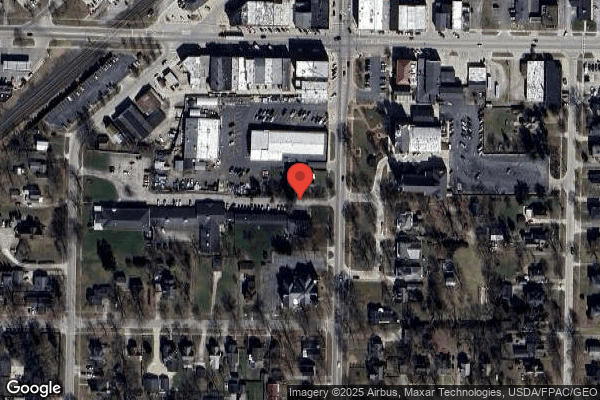
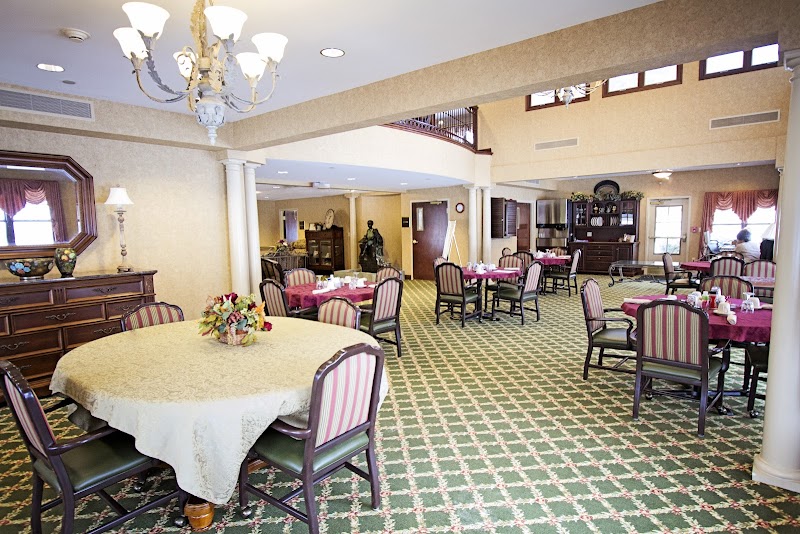
136 S MAIN ST, WELLINGTON, OH 44090 (440) 647-2414
For profit - Corporation 60 Beds SPRENGER HEALTH CARE SYSTEMS Data: November 2025
Trust Grade
75/100
#253 of 913 in OH
Last Inspection: March 2024

Within standard 12-15 month inspection cycle. Federal law requires annual inspections.

Overview

Elms Retirement Village Inc has a Trust Grade of B, indicating it is a good choice for families, as it falls in the solid range of care facilities. It ranks #253 out of 913 in Ohio, placing it in the top half of the state, and #10 out of 20 in Lorain County, meaning there are only a few local options that perform better. The facility is improving, with issues decreasing from 6 in 2024 to just 2 in 2025. Staffing received a 3 out of 5 rating, and while turnover is at 53%, which is average for Ohio, there is good RN coverage, exceeding that of 88% of facilities in the state. Notably, there have been no fines, which is a positive sign. However, there are some concerns. In past inspections, the facility failed to ensure that a Registered Nurse was present for at least eight hours a day, affecting all residents. Additionally, there was an incident where a medication cart was left unlocked, posing a risk to 26 residents. Lastly, the facility did not have a surety bond sufficient to cover the total amount in resident personal funds accounts, which is a significant oversight. Overall, while there are strengths at Elms Retirement Village, families should be aware of these weaknesses.

Trust Score
B
75/100
In Ohio
#253/913
Top 27%
Safety Record
Low Risk
No red flags
Inspections
Getting Better
6 → 2 violations
Staff Stability
⚠ Watch
53% turnover. Above average. Higher turnover means staff may not know residents' routines.
Penalties
✓ Good
No fines on record. Clean compliance history, better than most Ohio facilities.
Skilled Nurses
✓ Good
Each resident gets 52 minutes of Registered Nurse (RN) attention daily — more than average for Ohio. RNs are trained to catch health problems early.
Violations
⚠ Watch
16 deficiencies on record. Higher than average. Multiple issues found across inspections.
★★★★☆
4.0
Overall Rating
★★★☆☆
3.0
Staff Levels
★★★★☆
4.0
Care Quality
★★★★☆
4.0
Inspection Score
Stable
2024: 6 issues
2025: 2 issues

The Good

  • 4-Star Quality Measures · Strong clinical quality outcomes
  • Full Sprinkler Coverage · Fire safety systems throughout facility
  • No fines on record

Facility shows strength in quality measures, fire safety.

The Bad

Staff Turnover: 53%

Near Ohio avg (46%)

Higher turnover may affect care consistency

Chain: SPRENGER HEALTH CARE SYSTEMS

Part of a multi-facility chain

Ask about local staffing decisions and management

The Ugly 16 deficiencies on record

May 2025 2 deficiencies
CONCERN (D) 📢 Someone Reported This

A family member, employee, or ombudsman was alarmed enough to file a formal complaint

Potential for Harm - no one hurt, but risky conditions existed

Notification of Changes (Tag F0580)

Could have caused harm · This affected 1 resident

**NOTE- TERMS IN BRACKETS HAVE BEEN EDITED TO PROTECT CONFIDENTIALITY** Based on review of the medical record, review of the facility investigation, interview with the staff, and review of facility po...

Read full inspector narrative →
**NOTE- TERMS IN BRACKETS HAVE BEEN EDITED TO PROTECT CONFIDENTIALITY** Based on review of the medical record, review of the facility investigation, interview with the staff, and review of facility policy and procedure, the facility failed to ensure the legal representative, physician and Resident #50 were notified of a medication error for Resident #50. This affected one resident (Resident #50) of three reviewed for medication errors. Findings included: Review of the medical record revealed Resident #50 was admitted to the facility on [DATE]. Diagnoses included quadriplegia, stage four sacral wound, stage four right buttock wound, osteomyelitis, severe protein calorie malnutrition, anxiety disorder, depression, and cachexia. She had a Power of Attorney (POA) and was discharged home on [DATE]. Review of the Quarterly Minimum Data Set assessment dated [DATE] revealed Resident #50 had intact cognition. She received scheduled pain medications, as needed pain medications, and non-medication interventions for pain. Review of the physician's orders revealed Resident #50 had an order dated 11/21/24 for Dilaudid (pain medication) 4 milligrams (mg) with instructions to administer one tablet four times daily (at 12:00 A.M., 6:00 A.M., 12:00 P.M., and 6:00 P.M.) for chronic pain. Review of Resident #50's Medication Administration Record (MAR) revealed the resident was administered Dilaudid 4 mg on 02/24/25 at 12:00 A.M. and 6:00 A.M. by the same nurse. Review of Resident #50's narcotic count sheets revealed Agency Licensed Practical Nurse (LPN) #100 signed out that she administered one Dilaudid 4 mg tablet 02/23/25 (indicating the morning between 02/23/25 and 02/24/25) at 12:00 A.M. and one tablet again on 02/24/25 at 6:00 A.M. Review of the Medication Incident Report dated 02/24/25 revealed Agency LPN #100 gave Resident #50 the wrong strength of Dilaudid. She administered two additional tablets of Dilaudid 4 mg (four extra milligrams at 12:00 A.M. and four extra milligrams at 6:00 A.M. to equal an extra total of 8 mg's administered by Agency LPN #100). It noted the error occurred, but there was no harm to the resident, the nurse received written counseling and all nurses were educated regarding narcotics and the medication administration policy. Agency LPN #100 received an Employee Performance Conference regarding the five rights of medications administration (right resident, right dose, right time, tight route, and right medication), signed by the nurse on 02/24/25. Review of the progress notes from 02/24/25 to 02/27/25 revealed no documented evidence that Resident #50's physician, her legal representative, or the resident herself, were notified of a medication error. On 05/02/25 at 12:30 P.M. an interview with the Director of Nursing (DON) revealed Agency LPN #100 gave twice the dosage of Dilaudid to Resident #50 on 02/24/25 at 12:00 A.M. and 6:00 A.M. She stated they found the error when the nurses were counting the narcotic medication at shift change. She stated she called the physician and let him know of the incident when she found out about it, however she never documented she notified him. She verified there was no documentation of the incident, or the physician, resident, or representative being notified of the incident in the medical record. Review of the facility policy titled, Medication Errors, dated May 2013 revealed the residents attending physician and family should be notified at the time of the medication error, with documentation in the resident's medical record. This deficiency represents non-compliance investigated under Complaint Number OH00164269.
CONCERN (D) 📢 Someone Reported This

A family member, employee, or ombudsman was alarmed enough to file a formal complaint

Potential for Harm - no one hurt, but risky conditions existed

Deficiency F0760 (Tag F0760)

Could have caused harm · This affected 1 resident

**NOTE- TERMS IN BRACKETS HAVE BEEN EDITED TO PROTECT CONFIDENTIALITY** Based on review of the medical record, review of the facility investigation, interview with the staff, and review of facility po...

Read full inspector narrative →
**NOTE- TERMS IN BRACKETS HAVE BEEN EDITED TO PROTECT CONFIDENTIALITY** Based on review of the medical record, review of the facility investigation, interview with the staff, and review of facility policy and procedure, the facility failed to ensure Resident #50 was free of significant medication errors. This affected one resident (Resident #50) of three reviewed for medication errors. Findings included: Review of the medical record revealed Resident #50 was admitted to the facility on [DATE]. Diagnoses included quadriplegia, stage four sacral wound, stage four right buttock wound, osteomyelitis, severe protein calorie malnutrition, anxiety disorder, depression, and cachexia. She had a Power of Attorney (POA) and was discharged home on [DATE]. Review of the Quarterly Minimum Data Set assessment dated [DATE] revealed Resident #50 had intact cognition. She received scheduled pain medications, as needed pain medications, and non-medication interventions for pain. Review of the physician's orders revealed Resident #50 had an order dated 11/21/24 for Dilaudid (pain medication) 4 milligrams (mg) with instructions to administer one tablet four times daily (at 12:00 A.M., 6:00 A.M., 12:00 P.M., and 6:00 P.M.) for chronic pain. Review of Resident #50's Medication Administration Record (MAR) revealed the resident was administered Dilaudid 4 mg on 02/24/25 at 12:00 A.M. and 6:00 A.M. by the same nurse. Review of Resident #50's narcotic count sheets revealed Agency Licensed Practical Nurse (LPN) #100 signed out that she administered one Dilaudid 4 mg tablet 02/23/25 (indicating 02/24/25) at 12:00 A.M. and one tablet again on 02/24/25 at 6:00 A.M. Review of the Medication Incident Report dated 02/24/25 revealed Agency LPN #100 gave Resident #50 the wrong strength of Dilaudid. She administered two additional tablets of Dilaudid 4 mg (four extra milligrams at 12:00 A.M. and four extra milligrams at 6:00 A.M. to equal an extra total of 8 mg's administered by Agency LPN #100). It noted the error occurred, but there was no harm to the resident, the nurse received written counseling and all nurses were educated regarding narcotics and the medication administration policy. Agency LPN #100 received an Employee Performance Conference regarding the five rights of medications administration (right resident, right dose, right time, tight route, and right medication), signed by the nurse on 02/24/25. Review of the progress notes from 02/24/25 to 02/27/25 revealed no documented evidence of the medication error. On 05/02/25 at 12:30 P.M. an interview with the Director of Nursing (DON) revealed Agency LPN #100 gave twice the dosage of Dilaudid to Resident #50 on 02/24/25 at 12:00 A.M. and 6:00 A.M. She stated they found the error when the nurses were counting the narcotic medication at shift change. She stated she called the physician and let him know of the incident when she found out about it, however she never documented she notified him. Review of the facility policy titled, Medication Errors, dated May 2013 revealed the purpose was to ensure all medication errors were appropriately documented and tracked to ensure safe and accurate medication administration to the residents, and to enable meeting the training needs of the staff. This deficiency represents non-compliance investigated under Complaint Number OH00164269.
Nov 2024 4 deficiencies
CONCERN (D) 📢 Someone Reported This

A family member, employee, or ombudsman was alarmed enough to file a formal complaint

Potential for Harm - no one hurt, but risky conditions existed

Notification of Changes (Tag F0580)

Could have caused harm · This affected 1 resident

**NOTE- TERMS IN BRACKETS HAVE BEEN EDITED TO PROTECT CONFIDENTIALITY** Based on observation, record review, and interview, the facility failed to ensure the physician was notified of unavailable medi...

Read full inspector narrative →
**NOTE- TERMS IN BRACKETS HAVE BEEN EDITED TO PROTECT CONFIDENTIALITY** Based on observation, record review, and interview, the facility failed to ensure the physician was notified of unavailable medications. This affected two residents (#29 and #51) of three residents reviewed for notification. The facility census was 50. Finding include: 1. Review of the medical record for Resident #51 revealed an admission date of 10/08/24 at 11:30 P.M. with diagnoses including osteomyelitis, multiple sclerosis, neuropathy, nicotine dependence. The resident was discharged on 10/09/24. Review of the Medication Administration Record (MAR) revealed an order for oxycodone 10 milligram (mg) was signed as administered on 10/09/24 at 8:00 A.M. and 12:00 P.M. There were no other medications administered. The MAR indicated missing doses for the following. Cefazolin intravenous (IV) antibiotic two doses, Duloxetine (antidepressant) one dose, Robaxin (muscle relaxer) three doses, midodrine (use to increase blood pressure) two doses, oxycodone (for pain) three doses, Metamucil one dose, Miralax one dose, prednisone (steroid) one dose, dulera inhaler used for asthma one dose, and magnesium two doses. Review of the progress note revealed no evidence the physician was notified of the missing doses of medications. Interview on 11/13/24 at 9:24 A.M. with the Director of Nursing (DON) stated it is not the facility's protocol to notify the physician of missing doses of antibiotics or medications with new residents. Medications are administered upon delivery. The DON stated the physicians are aware of the procedure. Interview with the Nurse Practitioner (NP) #280 revealed she completed an initial visit with Resident #51 in the morning on 10/09/24 and was unaware that the resident did not receive any of his medications. NP #280 stated she received no notifications and finds this concerning. 2. Review of the medical record for Resident #29 revealed an admission date of 01/22/21 with diagnoses including diverticulosis, basal cell carcinoma, spinal stenosis, osteoarthritis, and atrial fibrillation. Review of the Minimum Data Set assessment dated [DATE] revealed the resident had impaired cognition and was dependent on showers, transfers, and toileting. Review of the care plan dated 10/09/24 revealed a plan for alteration in cardiac output, arrhythmia and cardiorespiratory distress, atrial fibrillation and pacemaker. Interventions included monitor vital signs, weights and assess for shortness of breath and edema. Review of the physician order dated 11/05/24 revealed an order for torsemide 20 mg once daily in the morning for edema starting on 11/06/24. In addition, an order stating new medication will be initiated upon pharmacy delivery Observation of medication administration on 11/06/24 at 9:34 A.M. with Medication Technician (MT) #206 preparing morning medications for Resident #29 revealed MT #206 began searching for torsemide however it was not in the medication cart. MT #206 administered the medications except the torsemide to Resident #29. MT #206 asked Registered Nurse (RN) #206 to see if torsemide was in the pyxis (a computer mediation dispensing system). RN #211 stated she will check the pyxis and if the medication was unavailable, she would call the pharmacy and notify the physician. Review of the Medication Administration Record (MAR) for November 2024 revealed on 11/06/24 torsemide was signed off with a code five indicating to see the nurses notes. Review of the progress note dated 11/06/24 at 12:38 P.M. written by RN #211 stated the pharmacy was called to inquire about the delivery status of Resident #29's torsemide. The medication would be sent out in the next drop off. The medication was unavailable in the pyxis system. There was no evidence the physician was notified the medication was unavailable. Interview on 11/12/24 at 12:45 P.M. with Registered Nurse (RN) (hospice) #278 revealed on 11/05/24 at 1:30 P.M. she assessed Resident #29 for edema. RN #278 contacted the hospice physician to order torsemide. RN #278 stated she was not notified Resident #29 did not receive her torsemide as scheduled on 11/06/24. Interview on 11/12/24 at 1:53 P.M. with the Director of Nursing (DON) stated the resident had an order for new medications will be initiated upon pharmacy delivery. Due to the order the physician did not need to be notified. Review of the facility policy titled, Notification of change in resident condition, revised January 2022 stated the facility will ensure that resident and physician are notified of any incident involving the resident, significant change in the resident's condition and new physician orders.
CONCERN (D) 📢 Someone Reported This

A family member, employee, or ombudsman was alarmed enough to file a formal complaint

Potential for Harm - no one hurt, but risky conditions existed

Quality of Care (Tag F0684)

Could have caused harm · This affected 1 resident

**NOTE- TERMS IN BRACKETS HAVE BEEN EDITED TO PROTECT CONFIDENTIALITY** Based on record review and interview the facility failed to ensure on going monitoring of resident status. This affected one (Re...

Read full inspector narrative →
**NOTE- TERMS IN BRACKETS HAVE BEEN EDITED TO PROTECT CONFIDENTIALITY** Based on record review and interview the facility failed to ensure on going monitoring of resident status. This affected one (Resident #51) of three reviewed for quality of care. The facility census was 50. Finding include: Review of the medical record for Resident #51 revealed an admission date of 10/08/24 at 11:30 P.M. with diagnoses including osteomyelitis, a bone infection, of the vertebra of the sacral and sacrococcygeal region, the tailbone, multiple sclerosis, neuropathy, nicotine dependence. The resident was discharged on 10/09/24 at approximately 8:00 P.M. The resident did not receive any medications from the pharmacy prior to discharge. Review of the Medication Administration Record (MAR) revealed oxycodone 10 milligram (mg) was signed as administered on 10/09/24 at 8:00 A.M. and 12:00 P.M. there were no other medications administered. The MAR indicated missed medications of: Cefazolin intravenous (IV) antibiotic two doses, Duloxetine (antidepressant) one dose, Robaxin (muscle relaxer) three doses, midodrine (used to treats low blood pressure), two doses, oxycodone (pain) three doses, Metamucil one dose, Miralax one dose, prednisone (steroid) one dose, dulera inhaler used for asthma one dose, and magnesium two doses. Review of assessments revealed an admission assessment was completed at on 10/08/24 at 11:30 P.M. There were no additional assessments completed on 10/09/24. Review of the vital tab revealed one set of vital monitoring including a blood pressure, temperature, pain and respiratory status. There was no other monitoring documented. Review of Nurse Practitioner (NP) dated 10/09/24 revealed the patient was admitted to the emergency room on [DATE] with sacral pressure ulcer, suspected osteomyelitis, and urinary tract infection. The patients stay was complicated by hypotension requiring blood pressure medications. The patient was stabilized and referred to a skilled nursing facility for rehab and IV antibiotics. Interview on 11/13/24 at 8:52 A.M. with Registered Nurse (RN) #211 stated she worked day shift on 10/09/24 and the skilled assessments are completed on night shift. RN #211 stated that she did not monitor Resident #51 for signs and symptoms of infections or for blood pressure due to not receiving his medications from the pharmacy. Interview on 11/13/24 at 9:24 A.M. with Director of Nursing (DON) stated Resident #51 vitals were within normal limits at 3:00 A.M. and there would be no reason to monitor blood pressure or assess for signs and symptoms of infection due to not receiving medications. The DON stated skilled assessment is completed once a day on night shift. Interview on 11/13/24 at 12:04 P.M. with the Nurse Practitioner (NP) #280 stated she completed an initial visit with Resident #51 in the morning on 10/09/24 and was unaware that the resident did not receive any of his medications. NP #280 stated she was not notified of the missing doses of cefazolin and midodrine and found it very concerning that the resident was not being monitored and assessed. This deficiency represents non-compliance investigated under Complaint Number OH00158867.
CONCERN (D) 📢 Someone Reported This

A family member, employee, or ombudsman was alarmed enough to file a formal complaint

Potential for Harm - no one hurt, but risky conditions existed

Pharmacy Services (Tag F0755)

Could have caused harm · This affected 1 resident

**NOTE- TERMS IN BRACKETS HAVE BEEN EDITED TO PROTECT CONFIDENTIALITY** Based on observation, record review, and interview, the facility failed to ensure medications were available for administration....

Read full inspector narrative →
**NOTE- TERMS IN BRACKETS HAVE BEEN EDITED TO PROTECT CONFIDENTIALITY** Based on observation, record review, and interview, the facility failed to ensure medications were available for administration. This affected two residents (Resident #29 and Resident #51) of three reviewed for medication administration. The facility census was 50. Finding include: 1. Review of the medical record for Resident #51 revealed an admission date of 10/08/24 at 11:30 P.M. with diagnoses including osteomyelitis, multiple sclerosis, neuropathy, nicotine dependence. The resident was discharged on 10/09/24. Review of the admission medication orders revealed the following: Cefazolin 2000 milligrams (mg) infused morning, noon and evening, duloxetine (antidepressant) 20 mg daily, hydroxyzine (antihistamine) 25 mg daily, Robaxin (muscle relaxant) 750 mg four times daily, midodrine (used for hypotension) 20 mg three times daily, oxycodone 10 mg every four hours as needed for pain, trazodone 150 mg at night for sleep, Metamucil daily, MiraLAX daily, prednisone (steroid) 10 mg, trazodone 150 mg used for sleep at night, dulera inhaler twice daily used for asthma, and magnesium chloride 64 mg twice daily an supplement. Review of the Medication Administration Record (MAR) revealed oxycodone 10 mg was signed as administered on 10/09/24 at 8:00 A.M. and 12:00 P.M. there were no other medications administered. The MAR indicated missing doses for the following: Cefazolin intravenous (IV) two doses, Duloxetine one dose, Robaxin three doses, midodrine two doses, oxycodone three doses, Metamucil one dose, Miralax one dose, prednisone one dose, dulera inhaler one dose, magnesium two doses. Review of the Pharmacy delivery receipt dated 10/09/24 revealed there was no delivery time indicated. The following medications were delivered. Cefazolin, Robaxin, Duloxetine, hydroxyzine, midorine, Fluticasone nasal spray, Dulera inhaler, prednisone, magnesium,and trazodone. Interview on 11/06/24 at 11:45 A.M. with Registered Nurse (RN) #212 stated she worked the day shift on 10/09/24 and called the pharmacy twice to pull oxycodone from the facility's supply and to get an arrival time for Resident #51's medications. RN #212 stated she worked to 7:00 A.M. to 7:00 P.M. and Resident #51's medications were not delivered to the facility. Interview on 11/06/24 at 2:54 P.M. with Licensed Practical Nurse (LPN) #268 stated she worked the night shift 10/09/24 from 7:00 P.M. to 7:00 A.M. and was assigned to Resident #51. Between 7:30 P.M. and 8:30 P.M. she went in to check on Resident #51. LPN #268 stated Resident #51's husband was upset that Resident #51 did not receive her medications from the pharmacy. Resident #51's husband called emergency medical services due to the facility was not taking care of his wife. Interview 11/06/24 at 4:23 P.M. with LPN #218 stated she admitted Resident #51 on 10/08/29 at 11:30 P.M. and submitted the medication orders to the pharmacy. LPN #218 stated she called pharmacy and was informed the team will review the medications in the morning and the medications will be sent out second delivery and should arrive approximately 6:00 P.M. on 10/09/24. Interview on 11/12/24 at 12:04 P.M. with the Pharmacist #279 stated the prednisone, midodrine, and oxycodone were available in the pyxis dispensing system (a computer mediation dispensing system). The cefazolin, Duloxetine, hydroxyzine, Robaxin, midodrine, trazodone, prednisone, trazodone, Dulera inhaler, magnesium and oxycodone were delivered to the facility between 6:45 P.M. and 8:30 P.M. Pharmacist #279 stated there were no stat orders on any of the medications including the antibiotic that indicated a timely need. Interview on 11/13/24 at 9:24 P.M. with the Director of Nursing (DON) stated the pharmacy is located in Cincinnati. The facility receives deliveries from the pharmacy between 5:00 A.M. and 7:00 A.M. and from 5:00 P.M. to 7:00 P.M. The DON stated Resident #51 was admitted after the cut off time and therefore medications were scheduled for the second delivery the next day between 5:00 P.M. and 7:00 P.M. The DON verified Resident #51 was admitted around 10:30 P.M. on 10/08/24 and did not receive his medication until 10/09/24 between 6:45 P.M. and 8:00 P.M. twenty hours after admittance. 2. Review of the medical record for Resident #29 revealed an admission date of 01/22/21 with diagnoses including diverticulosis, basal cell carcinoma, spinal stenosis, osteoarthritis, and atrial fibrillation. Review of the Minimum Data Set assessment dated [DATE] revealed the resident had impaired cognition and was dependent on showers, transfers, and toileting. Review of the care plan dated 10/09/24 revealed a plan for alteration in cardiac output, arrhythmia and cardiorespiratory distress, atrial fibrillation and pacemaker. Interventions included monitor vital signs, weights, and assess for shortness of breath and edema. Review of the physician order for November 2024 revealed an order dated 11/05/24 at 6:33 P.M. for torsemide 20 mg once daily in the morning for edema starting on 11/06/24. Observation of medication administration on 11/06/24 at 9:34 A.M. with Medication Technician (MT) #206 gathering morning medications for Resident #29 revealed she prepared aspirin hydralazine, metoprolol, and prostat. MT #206 began searching for torsemide however it was not in the medication cart. MT #206 administered all the medications except the torsemide to Resident #29. MT #206 asked RN #211 to see if torsemide was in the pyxis. RN #211 stated she will check the pyxis and if the medication was unavailable, she would call the pharmacy and notify the physician. Review of the Medication Administration Record for November 2024 revealed on 11/06/24 upon rise the torsemide was signed off with a code five indicating to see the nurses notes. Review of the progress note revealed dated 11/06/24 at 12:38 P.M. written by RN #211 stated the pharmacy was called to inquire about the delivery status of Resident #29's torsemide. The medication will be sent out in the next drop off. The medication was unavailable in the pyxis system. Interview on 11/06/24 at 5:25 P.M. with RN #248 verified that Resident #29 torsemide was not administered and the pharmacy had not shipped the torsemide. Review of the pharmacy delivery receipt dated 10/06/24 at 6:09 P.M. revealed the torsemide was delivered to the facility. Interview on 11/12/24 at 12:04 P.M. with the Pharmacist #279 verified the order torsemide order missed the cut off time of 5:00 P.M. on 11/05/24 and was not delivered until 6:09 P.M. on 11/06/24. Review of the the facility's pharmacy contract undated stated the pharmacy agrees to deliver to the facility any prescriptions and supplies daily six days a week with an additional delivery if an emergency arises, except for circumstances and conditions beyond its control. This deficiency represents non-compliance investigated under Complaint Number OH00158867.
CONCERN (D) 📢 Someone Reported This

A family member, employee, or ombudsman was alarmed enough to file a formal complaint

Potential for Harm - no one hurt, but risky conditions existed

Deficiency F0760 (Tag F0760)

Could have caused harm · This affected 1 resident

**NOTE- TERMS IN BRACKETS HAVE BEEN EDITED TO PROTECT CONFIDENTIALITY** Based on observation, record review, and interview, the facility failed to ensure the residents were free of significant medicat...

Read full inspector narrative →
**NOTE- TERMS IN BRACKETS HAVE BEEN EDITED TO PROTECT CONFIDENTIALITY** Based on observation, record review, and interview, the facility failed to ensure the residents were free of significant medication errors. This affected two residents (Resident #29 and Resident #51) of three reviewed for medication administration. The facility census was 50. Finding include: 1. Review of the medical record for Resident #51 revealed an admission date of 10/08/24 with diagnoses including osteomyelitis, multiple sclerosis, and neuropathy. The resident was discharged on 10/09/24. Review of the October 2024 physician orders revealed an order for Cefazolin intravenous (IV) infusion, an antibiotic three times daily for osteomyelitis and an order for midodrine used to increase blood pressure, three times daily. Review of the Medication Administration Record (MAR) for October 2024 revealed on 10/09/24, two doses of Cefazolin IV were signed off as not available upon rise and at lunchtime. On 10/09/24, two doses of midodrine were signed off as not available prior to breakfast and prior to lunch. Review of Nurse Practitioner (NP) note dated 10/09/24 revealed the patient was admitted to the emergency room on [DATE] with sacral pressure ulcer, suspected osteomyelitis and urinary tract infection. The patient's stay was complicated by hypotension requiring blood pressure medications. The patient was stabilized and referred to a skilled nursing facility for rehab and IV antibiotics. Interview on 11/13/24 at 8:05 A.M. with Resident #51's husband stated his wife had not received any antibiotics from the pharmacy and they were at the facility for 20 hours. Resident #51's husband stated he needed to take care of his wife therefore he called emergency medical services (EMS). Resident #51 was admitted to the hospital for four weeks with a diagnosis of a wound infection and osteomyelitis. Interview on 11/13/24 at 9:24 A.M. with the Director of Nursing (DON) stated Resident #51 was admitted late on 10/08/24 and missed the pharmacy cut off time and therefore received the medications the next day around 7:30 to 8:00 P.M. The DON stated infectious disease will just make up the missed doses on the back end of treatment. Medications are administered upon delivery. The DON stated due to pharmacy having two delivery times a day she could not get the antibiotics and medications any earlier. Interview on 11/13/24 at 12:04 P.M. with the Nurse Practitioner (NP) #280 stated she did an initial visit with Resident #51 in the morning on 10/09/24 and was unaware that the resident did not receive any medications. NP #280 stated she found the missing doses of cefazolin and midodrine very concerning. 2. Review of the medical record for Resident #29 revealed an admission date of 01/22/21 with diagnoses including diverticulosis, basal cell carcinoma, spinal stenosis, osteoarthritis, and atrial fibrillation. Review of the Minimum Data Set, dated [DATE] revealed the resident had impaired cognition and was dependent on showers, transfers, and toileting. Review of the care plan dated 10/09/24 revealed a plan for alteration in cardiac output, arrhythmia and cardiorespiratory distress, atrial fibrillation and pacemaker. Interventions included monitor vital signs, weights and assess for shortness of breath and edema. Review of the Hospice Case Manager notes by Registered Nurse (RN) #278 on 11/05/24 revealed Resident #29 had a 2.4 pound increase in weight. The resident had two plus pitting in both legs, a fluid buildup that leads to swelling. The severity of edema is assessed by grading scale of one to four with four being the worst. There was an new order for torsemide 20 milligram daily for edema. Review of the physician orders for November 2024 revealed an order dated 11/05/24 at 6:33 P.M. for torsemide 20 mg once daily in the morning for edema starting on 11/06/24. Observation of medication administration on 11/06/24 at 9:34 A.M. with Medication Technician (MT) #206 preparing morning medications for Resident #29. MT #206 began searching torsemide however it was not in the medication cart. MT #206 administered the medications except the torsemide to Resident #29. MT #206 asked Register Nurse (RN) #211 to see if torsemide was in the pyxis a computer mediation dispensing system. RN #211 stated she will check the pyxis (a computerized medication dispensary system) and if the medication was unavailable, she would call the pharmacy and notify the physician. Review of the Medication Administration Record for November 2024 revealed on 11/06/24, torsemide was signed off with a code five, indicating to see the nurses notes. Review of the progress note dated 11/06/24 at 12:38 P.M. written by RN #211 stated the pharmacy was called to inquire about the delivery status of Resident #29's torsemide. The medication will be sent out in the next drop off. The medication was unavailable in the pyxis system. Interview on 11/12/24 at 12:45 P.M. with Registered Nurse (RN) #278, the hospice case manager, revealed on 11/05/24 at 1:30 P.M. she assessed Resident #29 for edema and added a new order torsemide. RN #278 was not notified the Resident #29 did not receive her torsemide as scheduled on 11/06/24. The pharmacy is slow on delivering medications to the facility. Interview on 11/12/24 at 3:33 P.M. with the Pharmacist #279 verified the order torsemide order missed the cut off time of 5:00 P.M. on 11/05/24 and was not delivered until 6:09 P.M. on 11/06/24. Interview on 11/12/24 at 1:53 P.M. with the Director of Nursing (DON) stated Resident #29 had an order for new medication which would be initiated upon pharmacy delivery. The DON stated the torsemide was delivered at 6:09 P.M. on 11/06/24. It was not appropriate to administer the medication when it was delivered therefore it was administered the morning on 11/07/24. The DON stated Resident #29's legs were big prior, and it was not a new condition. This deficiency represents non-compliance investigated under Complaint Number OH00158867.
Mar 2024 2 deficiencies
CONCERN (D)

Potential for Harm - no one hurt, but risky conditions existed

Deficiency F0582 (Tag F0582)

Could have caused harm · This affected 1 resident

**NOTE- TERMS IN BRACKETS HAVE BEEN EDITED TO PROTECT CONFIDENTIALITY** Based on medical record review and staff interview, the facility failed to ensure all required notices were provided to resident...

Read full inspector narrative →
**NOTE- TERMS IN BRACKETS HAVE BEEN EDITED TO PROTECT CONFIDENTIALITY** Based on medical record review and staff interview, the facility failed to ensure all required notices were provided to residents when skilled services were discontinued. This affected two (#2 and #11) of three residents review for beneficiary notices. The facility census was 41. Findings include: 1. Review of Resident #2's medical record revealed the resident was admitted to the facility on [DATE]. Diagnoses included anemia, chronic kidney disease, and dislocation of the right knee. Further review of the medical record revealed Resident #2 was discharged from skilled services while using her Medicare Part A benefit on 10/02/23 and chose to remain in the facility. Review of the notices given to Resident #2 revealed the resident received a Notice of Medicare Non-Coverage (NOMNC) as required; however, the additional required Skilled Nursing Facility Advanced Beneficiary Notice of Non-Coverage (SNF ABN) was not given to Resident #2. 2. Review of Resident #11's medical record revealed the resident was admitted to the facility 10/23/23. Diagnoses included chronic obstructive pulmonary disorder, anxiety disorder, and epilepsy. Further review of the medical revealed Resident #11 was discharged from skilled services on 12/19/23 and chose to remain in the facility. Review of the notices given to Resident #11 revealed the resident received a NOMNC as required; however, the additional required SNF ABN was not given to Resident #11. Interview with Social Service Director #450 on 03/27/24 at 8:15 A.M. verified no SNF ABN was given to Resident #2 and Resident #11 as required.
CONCERN (D)

Potential for Harm - no one hurt, but risky conditions existed

ADL Care (Tag F0677)

Could have caused harm · This affected 1 resident

**NOTE- TERMS IN BRACKETS HAVE BEEN EDITED TO PROTECT CONFIDENTIALITY** Based on observation, medical record review, and resident and staff interview, the facility failed to ensure dependent residents...

Read full inspector narrative →
**NOTE- TERMS IN BRACKETS HAVE BEEN EDITED TO PROTECT CONFIDENTIALITY** Based on observation, medical record review, and resident and staff interview, the facility failed to ensure dependent residents received appropriate nail care. This affected one (#22) of two residents reviewed for activities of daily living. The facility census was 41. Findings include: Review of Resident #22's medical record revealed admission to the facility occurred on 10/19/23. Diagnoses included major depression, Parkinson's disease, chronic kidney disease, pressure ulcers, and anxiety. Review of Resident #22's Minimum Data Set (MDS) assessment dated [DATE] revealed Resident #22 was assessed with intact cognition and required substantial assistance with showers and activities of daily living (ADLs). Observation and interview with Resident #22 on 03/25/24 at 9:27 A.M. revealed Resident #22 was observed with have long finger nails on both hands. Interview with Resident #22 stated she did not like long finger nails, and stated no staff offered to cut them and she really wanted them cut. Observation on 03/26/24 at 2:07 P.M. revealed Resident #22 received a shower on and her finger nails remained long. Observation and interview with State Tested Nurse Aide (STNA) #426 on 03/27/24 at 8:07 A.M., in the presence of Resident #22, confirmed Resident #22's finger nails were long and untrimmed. STNA #426 confirmed she would trim Resident #22's finger nails at that time. Interview with the Administrator on 03/27/24 at 12:13 P.M. confirmed the facility had documentation activities staff provided nail care for Resident #22 on 02/10/24.
Aug 2021 3 deficiencies
CONCERN (D)

Potential for Harm - no one hurt, but risky conditions existed

Incontinence Care (Tag F0690)

Could have caused harm · This affected 1 resident

**NOTE- TERMS IN BRACKETS HAVE BEEN EDITED TO PROTECT CONFIDENTIALITY** Based on record review, interview and policy review, the facility failed to ensure the bowel regimen protocol was followed to pr...

Read full inspector narrative →
**NOTE- TERMS IN BRACKETS HAVE BEEN EDITED TO PROTECT CONFIDENTIALITY** Based on record review, interview and policy review, the facility failed to ensure the bowel regimen protocol was followed to prevent constipation. This affected one resident (Resident #7) of the three residents reviewed for incontinence care. The facility census was 39. Findings include: Review of the medical record for Resident #7 revealed an admission date of 10/25/18. Diagnosis included dementia with Lewy bodies, adult failure to thrive, insomnia, and encounter for palliative care. Review of the care plan dated 10/29/18 revealed she had potential for alteration in bowel elimination, constipation related to process and impaired mobility. Interventions included to assist with toileting as needed, record all stools, report irregularities to charge nurse, encourage fluid intakes as appropriate, note any signs or symptoms of constipation, monitor stool frequency, and follow bowel regimen protocol as needed. Review of the significant change minimum data set (MDS) assessment dated [DATE] revealed the resident was cognitively impaired. She required extensive assistance with two persons assist for bed mobility, transfers, dressing and toileting. She was always incontinent of bladder and frequently incontinent of bowel. Review of the physician orders dated August 2021 revealed Resident #7 had orders to give milk of magnesia, 30 milliliters (ml) by mouth as needed for constipation times one per episode. Bisacodyl suppository to insert one suppository rectally as needed for constipation times one per episode if milk of magnesia was ineffective. And Fleet Enema to insert one dose rectally as needed for constipation times two per episodes if bisacodyl suppository was ineffective. Call the physician if no bowel movement in four days. Review of the Point of Care task sheets revealed Resident #7 did not have a bowel movement from 07/28/21 through 08/04/21 and 08/09/21 through 08/13/21. Review of the Medication Administration Record (MAR) for July and August 2021 contained no documented evidence the resident received bisacodyl suppository, docusate, Milk of Magnesium or fleet enema for no bowel movement. Review of the nursing notes dated 07/27/21 through 08/25/21 revealed no notification was made to the physician of the resident not having a bowel movement. During interview on 08/25/21 at 9:45 A.M., State Tested Nursing Assistant (STNA) #42 stated bowel and bladder charting was done on every shift. If a resident has not had a bowel movement in three day the system will notify the nurse of no bowel movement. During interview on 08/25/21 at 9:40 A.M., Licensed Practical Nurse (LPN) #62 revealed the bowel protocol was to notify the physician after three days without a bowel movement. She stated they will start to give Milk of Magnesia and if that did not work then a suppository and notify the physician. She would document in the progress notes in the computer when she would notify the physician. She revealed if a resident had not had a bowl movement in the past three day the computer would have a notification show up, or the information would show on the look back report. During interview on 08/25/21 at 3:30 P.M., the Director of Nursing (DON) verified the resident did not have a bowel movement from 07/29/21 through 08/04/21 and 08/09/21 through 08/13/21. She further verified the orders were not followed and no medications were given to the resident during the same time frame. Review of the facility policy titled Bowel Protocol revealed residents would be assessed by nursing during admission, readmission, quarterly and significant change for bowel habits/patterning. Based on assessment of bowel habits/patterning the interdisciplinary team will develop comprehensive care plan as appropriate. Resident bowel movements will be monitored daily by during. Following recommended protocol may be instituted under the direction of the residents attending physician: resident that does not have a bowel movement after three days would receive Milk of Magnesia (MOM). If no results from MOM administer Bisacodyl suppository. If no results from Bisacodyl administer fleet enema. If no bowel movement occurs within four days, the nurse will notify the attending physician or certified nurse practitioner.
CONCERN (D)

Potential for Harm - no one hurt, but risky conditions existed

Respiratory Care (Tag F0695)

Could have caused harm · This affected 1 resident

**NOTE- TERMS IN BRACKETS HAVE BEEN EDITED TO PROTECT CONFIDENTIALITY** Based on observation, record review, interview and manufacturer's recommendations, the facility failed to use distilled water in...

Read full inspector narrative →
**NOTE- TERMS IN BRACKETS HAVE BEEN EDITED TO PROTECT CONFIDENTIALITY** Based on observation, record review, interview and manufacturer's recommendations, the facility failed to use distilled water in a continuous positive airway pressure (CPAP) machine. This affect one (Resident #29) of three residents reviewed for respiratory care. The facility census was 39. Findings include: Review of the medical record for Resident #29 revealed an admission date of 06/19/21. Diagnosis included respiratory failure, diabetes mellitus type two, and chronic obstructive pulmonary disease. Review of the admission minimum data set (MDS) assessment dated [DATE] revealed the resident was cognitively intact. He used oxygen. Review of the nursing progress note dated 08/22/21 revealed Resident #29 refused to wear the CPAP machine during this evening as ordered. Resident stated he had incorrect water to use in the machine at this time and until the correct water was purchased he would not be wearing the CPAP machine. Nurse educated the resident and encouraged resident to follow orders, and the resident again refused. During interview on 08/23/21 at 4:40 P.M., Resident #29 stated the facility was giving him the wrong water to place in his CPAP machine. The resident held up a gallon of water, which was spring water. The CPAP machine reservoir had a milky film on the inside. He stated spring water was good to drink but not good to inhale. During interview on 08/25/21 at 9:40 A.M., Licensed Practical Nurse (LPN) #63 stated distilled water was supposed to be used in Resident #29's CPAP machine. She said the resident complained earlier in the week that he was given spring water to use instead of distilled water. During interview and observation on 08/25/21 at 10:00 A.M., Scheduler #46 stated staff were to use the distilled water for the CPAP machines, which was located in the kitchen dry stock area. She was unaware of any resident using spring water. Review of the manufacturer user guide revealed distilled water was to be used in the CPAP machine to reduce the risk of the equipment becoming mineralized.
CONCERN (E)

Potential for Harm - no one hurt, but risky conditions existed

Deficiency F0570 (Tag F0570)

Could have caused harm · This affected multiple residents

Based on review of the surety bond, trial balance funds sheet and staff interview the facility failed to provide a surety bond large enough to cover the total amount of money in all resident personal ...

Read full inspector narrative →
Based on review of the surety bond, trial balance funds sheet and staff interview the facility failed to provide a surety bond large enough to cover the total amount of money in all resident personal funds accounts. This affected 26 residents who currently had a resident funds account with the facility. The facility census was 39. Findings include: Review of this facility's surety bond revealed it was in the amount of $35,000.00. Review of the resident trial balance funds documented the total money in the resident funds account totaled $46,104.68. Interview on 08/25/21 at 10:30 A.M. the Administrator verified the amount of monies in the resident funds account exceeded the amount of the surety bond.
Mar 2019 5 deficiencies
CONCERN (D)

Potential for Harm - no one hurt, but risky conditions existed

Resident Rights (Tag F0550)

Could have caused harm · This affected 1 resident

**NOTE- TERMS IN BRACKETS HAVE BEEN EDITED TO PROTECT CONFIDENTIALITY** Based on medical record review, observation, staff interview and policy review, the facility failed to ensure a resident's digni...

Read full inspector narrative →
**NOTE- TERMS IN BRACKETS HAVE BEEN EDITED TO PROTECT CONFIDENTIALITY** Based on medical record review, observation, staff interview and policy review, the facility failed to ensure a resident's dignity was maintained by appropriately covering a urinary catheter collection bag for one (#153) of one resident reviewed for urinary catheters. The facility census was 50. Findings include Medical record review revealed Resident #153 was admitted to the facility on [DATE]. Diagnoses included dysphagia, Parkinson's disease, vascular disease, obstructive and reflux uropathy, Barrett's esophagus, depressive disorder, type two diabetes mellitus, hypothyroidism, hypertension, duodenal ulcer, and pneumonitis due to inhalation of food and vomit. Review of a physician order dated 02/20/19 revealed Resident #153 was ordered a urinary catheter for obstructive and reflux uropathy. Observation on 03/04/19 at 2:42 P.M. revealed Resident #153 had an uncovered urinary catheter bag. Observation on 03/05/19 at 12:48 P.M. also revealed Resident #153 had an uncovered urinary catheter drainage bag. Interview on 03/05/19 at 12:50 P.M., Licensed Practical Nurse (LPN) #17 verified Resident #153's urinary catheter bag was uncovered and should be covered. LPN #17 revealed she would provide Resident #153 with a new urinary catheter bag with a cover. Review of the policy titled Catheter Care, revised 12/2013, revealed no guidelines for staff to cover a urinary catheter bag.
CONCERN (D)

Potential for Harm - no one hurt, but risky conditions existed

Accident Prevention (Tag F0689)

Could have caused harm · This affected 1 resident

Based on observation, medical record review, staff interview, and review of facility policy, the facility failed to ensure fall interventions were in place for one (#3) of three sampled residents revi...

Read full inspector narrative →
Based on observation, medical record review, staff interview, and review of facility policy, the facility failed to ensure fall interventions were in place for one (#3) of three sampled residents reviewed for accidents. The facility census was 50. Findings Included: Medial record review for Resident #3 revealed an admission date of 11/03/17. Diagnoses included history of falls, vascular dementia with behavioral disturbance, fracture of lower end left femur, and subsequent encounter for closed fracture with routine healing. Review of the physician orders dated 07/17/18 revealed Resident #3 was to have floor mats to bilateral sides of bed while occupied. Review of the care plan dated 12/10/18 revealed the resident had a potential for falls. Interventions included floor mats to bilateral sides of the bed. Observations on 03/04/19 at 9:17 A.M. and on 03/05/19 at 9:17 A.M. of Resident #3 in bed without bilateral floor mats. Interview on 03/05/19 at 9:20 A.M., License Practical Nurse (LPN) #17 verified the floor mat was not in place on both sides of the bed. LPN #17 indicated the mat was on one side of the bed only and should be on each side of the bed. Review of the facility policy titled Fall Management and Incident Interventions Protocol Intervention Protocol, dated 12/2013, indicated interventions will be implemented and evaluated in ordered to decrease the incidence of resident incident's including falls, as well as to minimize the risk of resident injury.
CONCERN (D)

Potential for Harm - no one hurt, but risky conditions existed

Smoking Policies (Tag F0926)

Could have caused harm · This affected 1 resident

Based on observation, record review, resident interview, staff interview and policy review, the facility failed to follow secure resident smoking materials per the facility policy. This affected one (...

Read full inspector narrative →
Based on observation, record review, resident interview, staff interview and policy review, the facility failed to follow secure resident smoking materials per the facility policy. This affected one (#29) of two residents the facility identified as smokers. The facility census was 50. Findings include Medical record review revealed Resident #29 had an admission date 01/18/18. Diagnoses included chronic obstructive pulmonary disease, depressive disorder, anxiety, hypertension, and Parkinson's disease. Review of the annual Minimum Data Set (MDS) assessment, dated 01/10/19, revealed Resident #29 used tobacco. Observation on 03/04/19 at 11:44 A.M. revealed four packs of cigarettes and two lighters were present on Resident #29's bedside table. Interview on 03/04/19 at 11:44 A.M., Resident #29 revealed a family member had brought him the cigarettes. Interview on 03/04/19 at 11:48 A.M., License Practical Nurse (LPN) #17 verified Resident #29 had four packs of cigarettes and two lighter present in his room. LPN #17 revealed resident were not allowed to have smoking materials in their rooms. LPN #17 then removed the cigarettes and lighter from the room. Review of the policy titled Smoking, last revised 10/2014, revealed residents would not be permitted to keep lighters, matches, or any tobacco products in their rooms. These products would be stored in designated areas.
CONCERN (E)

Potential for Harm - no one hurt, but risky conditions existed

Deficiency F0761 (Tag F0761)

Could have caused harm · This affected multiple residents

Based on observation, staff interview and policy review, the facility failed to ensure a medication cart was locked. This had the potential to affect 26 residents (#1, #6, #10, #15, #17, #18, #19, #22...

Read full inspector narrative →
Based on observation, staff interview and policy review, the facility failed to ensure a medication cart was locked. This had the potential to affect 26 residents (#1, #6, #10, #15, #17, #18, #19, #22, #23, #26, #27, #29, #33, #34, #35, #38, #40, #41, #42, #43, #48, #50, #51, #52, #53, and #153) with medications stored in the unlocked cart as identified by the facility. The facility census was 50. Findings include: Observation on 03/05/19 at 5:13 P.M. revealed the medication cart in the 300 Hall was unlocked and unattended. Interview on 03/05/19 at 5:14 P.M., Registered Nurse (RN) #73 verified she had left the medication cart unlocked and unattended. Interview on 03/06/19 at 2:26 P.M. with the Administrator revealed medications for 26 residents (#1, #6, #10, #15, #17, #18, #19, #22, #23, #26, #27, #29, #33, #34, #35, #38, #40, #41, #42, #43, #48, #50, #51, #52, #53, and #153) were stored in the unlocked medication cart. Review of the facility policy titled Medication Storage, last revised 12/2013, revealed medication carts should remained locked until medication was needed for current use.
CONCERN (F)

Potential for Harm - no one hurt, but risky conditions existed

Deficiency F0727 (Tag F0727)

Could have caused harm · This affected most or all residents

Based on review of nursing schedules and staff interviews, the facility failed to ensure they used the services of a Registered Nurse (RN) for at least eight consecutive hours a day, seven days a week...

Read full inspector narrative →
Based on review of nursing schedules and staff interviews, the facility failed to ensure they used the services of a Registered Nurse (RN) for at least eight consecutive hours a day, seven days a week. This affected all 50 residents residing in the facility. Findings include: Review of the licensed nursing schedules for February 2019 and March 2019 identified a lack of a RN on 02/02/19, 02/03/19, 02/16/19, 02/17/19, 03/02/19, and 03/03/19. Interview on 03/05/19 at 3:25 P.M., State Tested Nurse Aide (STNA) #2, the facility scheduler, confirmed the facility did not have a RN employed to work every other weekend and verified the lack of an RN on duty on the above days.
Understanding Severity Codes (click to expand)
Life-Threatening (Immediate Jeopardy)
J - Isolated K - Pattern L - Widespread
Actual Harm
G - Isolated H - Pattern I - Widespread
Potential for Harm
D - Isolated E - Pattern F - Widespread
No Harm (Minor)
A - Isolated B - Pattern C - Widespread

Questions to Ask on Your Visit

  • "Can I speak with families of current residents?"
  • "What's your RN coverage like on weekends and overnight?"

Our Honest Assessment

Strengths
  • • No major safety red flags. No abuse findings, life-threatening violations, or SFF status.
  • • No fines on record. Clean compliance history, better than most Ohio facilities.
Concerns
  • • 16 deficiencies on record. Higher than average. Multiple issues found across inspections.
Bottom line: Generally positive indicators. Standard due diligence and a personal visit recommended.

About This Facility

What is Elms Retirement Village Inc's CMS Rating?

CMS assigns ELMS RETIREMENT VILLAGE INC an overall rating of 4 out of 5 stars, which is considered above average nationally. Within Ohio, this rating places the facility higher than 99% of the state's 100 nursing homes. This rating reflects solid performance across the metrics CMS uses to evaluate nursing home quality.
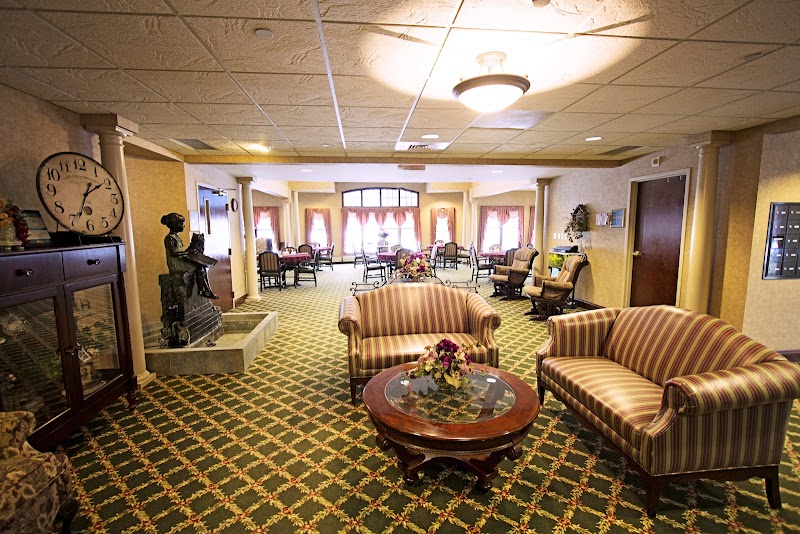
How is Elms Retirement Village Inc Staffed?

CMS rates ELMS RETIREMENT VILLAGE INC's staffing level at 3 out of 5 stars, which is average compared to other nursing homes. Staff turnover is 53%, compared to the Ohio average of 46%.

What Have Inspectors Found at Elms Retirement Village Inc?

State health inspectors documented 16 deficiencies at ELMS RETIREMENT VILLAGE INC during 2019 to 2025. These included: 16 with potential for harm.

Who Owns and Operates Elms Retirement Village Inc?

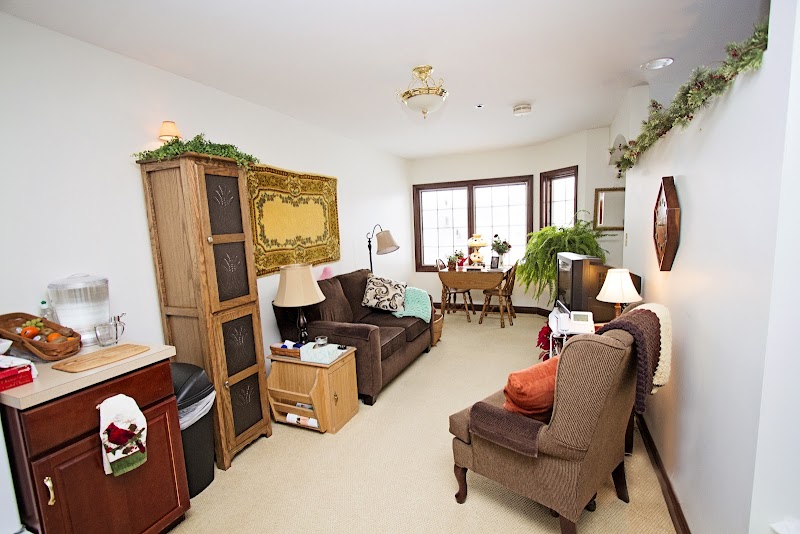
ELMS RETIREMENT VILLAGE INC is owned by a for-profit company. For-profit facilities operate as businesses with obligations to shareholders or private owners. The facility is operated by SPRENGER HEALTH CARE SYSTEMS, a chain that manages multiple nursing homes. With 60 certified beds and approximately 48 residents (about 80% occupancy), it is a smaller facility located in WELLINGTON, Ohio.
How Does Elms Retirement Village Inc Compare to Other Ohio Nursing Homes?

Compared to the 100 nursing homes in Ohio, ELMS RETIREMENT VILLAGE INC's overall rating (4 stars) is above the state average of 3.2, staff turnover (53%) is near the state average of 46%, and health inspection rating (4 stars) is above the national benchmark.

What Should Families Ask When Visiting Elms Retirement Village Inc?

Based on this facility's data, families visiting should ask: "Can I visit during a mealtime to observe dining assistance and food quality?" "How do you handle medical emergencies, and what is your hospital transfer rate?" "Can I speak with family members of current residents about their experience?"

Is Elms Retirement Village Inc Safe?

Based on CMS inspection data, ELMS RETIREMENT VILLAGE INC has a clean safety record: no substantiated abuse findings (meaning no confirmed cases of resident harm), no Immediate Jeopardy citations (the most serious violation level indicating risk of serious injury or death), and is not on the Special Focus Facility watch list (a federal program monitoring the lowest-performing 1% of nursing homes). The facility has a 4-star overall rating and ranks #1 of 100 nursing homes in Ohio. While no facility is perfect, families should still ask about staff-to-resident ratios and recent inspection results during their visit.

Do Nurses at Elms Retirement Village Inc Stick Around?

ELMS RETIREMENT VILLAGE INC has a staff turnover rate of 53%, which is 7 percentage points above the Ohio average of 46%. Moderate turnover is common in nursing homes, but families should still ask about staff tenure and how the facility maintains care continuity when employees leave.

Was Elms Retirement Village Inc Ever Fined?

ELMS RETIREMENT VILLAGE INC has no federal fines on record. CMS issues fines when nursing homes fail to meet care standards or don't correct problems found during inspections. The absence of fines suggests the facility has either maintained compliance or corrected any issues before penalties were assessed. This is a positive indicator, though families should still review recent inspection reports for the full picture.

Is Elms Retirement Village Inc on Any Federal Watch List?

ELMS RETIREMENT VILLAGE INC is not on any federal watch list. The most significant is the Special Focus Facility (SFF) program, which identifies the bottom 1% of nursing homes nationally based on persistent, serious quality problems. Not being on this list means the facility has avoided the pattern of deficiencies that triggers enhanced federal oversight. This is a positive indicator, though families should still review the facility's inspection history directly.