LAURELS OF WEST CARROLLTON THE
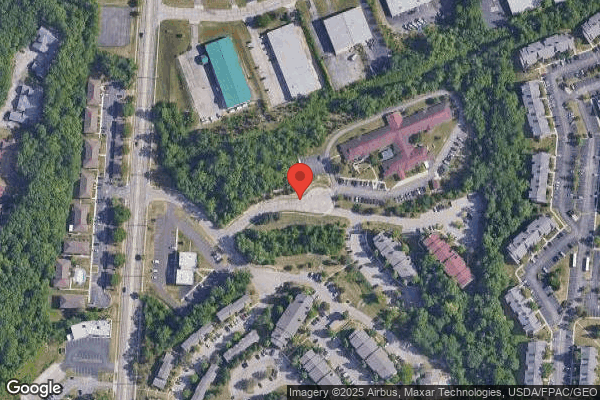

115 ELMWOOD CIRCLE, WEST CARROLLTON, OH 45449 (937) 866-3814
For profit - Corporation 88 Beds CIENA HEALTHCARE/LAUREL HEALTH CARE Data: November 2025
Trust Grade
55/100
#490 of 913 in OH
Last Inspection: September 2022

Over 2 years since last inspection. Current conditions may differ from available data.

Overview

The Laurels of West Carrollton has a Trust Grade of C, which means it is average and sits in the middle of the pack among nursing homes. It ranks #490 out of 913 facilities in Ohio, placing it in the bottom half of the state, and #18 out of 40 in Montgomery County, indicating only a few local options are better. The facility's performance has been stable, with 26 issues noted in both 2024 and 2025, and it has no fines on record, which is a positive sign. Staffing is below average with a rating of 2 out of 5 stars and a turnover rate of 57%, which is higher than the state average. However, the facility has more registered nurse coverage than many others, which helps catch potential issues. There are some significant concerns as well. For example, expired medications were found in the storage room, which could affect all residents who rely on those medications. Additionally, staff failed to consistently perform proper hand hygiene after removing isolation gowns, which raises infection control concerns. Overall, while there are strengths in RN coverage and a lack of fines, the facility has notable weaknesses in medication management and hygiene practices that families should consider carefully.

Trust Score
C
55/100
In Ohio
#490/913
Bottom 47%
Safety Record
Low Risk
No red flags
Inspections
Holding Steady
3 → 3 violations
Staff Stability
⚠ Watch
57% turnover. Above average. Higher turnover means staff may not know residents' routines.
Penalties
✓ Good
No fines on record. Clean compliance history, better than most Ohio facilities.
Skilled Nurses
⚠ Watch
Each resident gets only 25 minutes of Registered Nurse (RN) attention daily — below average for Ohio. Fewer RN minutes means fewer trained eyes watching for problems.
Violations
⚠ Watch
26 deficiencies on record. Higher than average. Multiple issues found across inspections.
★★★☆☆
3.0
Overall Rating
★★☆☆☆
2.0
Staff Levels
★★★★☆
4.0
Care Quality
★★★☆☆
3.0
Inspection Score
Stable
2024: 3 issues
2025: 3 issues

The Good

  • 4-Star Quality Measures · Strong clinical quality outcomes
  • Full Sprinkler Coverage · Fire safety systems throughout facility
  • No fines on record

Facility shows strength in quality measures, fire safety.

The Bad

3-Star Overall Rating

Near Ohio average (3.2)

Meets federal standards, typical of most facilities

Staff Turnover: 57%

11pts above Ohio avg (46%)

Frequent staff changes - ask about care continuity

Chain: CIENA HEALTHCARE/LAUREL HEALTH CARE

Part of a multi-facility chain

Ask about local staffing decisions and management

Staff turnover is elevated (57%)

9 points above Ohio average of 48%

The Ugly 26 deficiencies on record

Sept 2025 3 deficiencies
CONCERN (D) 📢 Someone Reported This

A family member, employee, or ombudsman was alarmed enough to file a formal complaint

Potential for Harm - no one hurt, but risky conditions existed

Deficiency F0602 (Tag F0602)

Could have caused harm · This affected 1 resident

**NOTE- TERMS IN BRACKETS HAVE BEEN EDITED TO PROTECT CONFIDENTIALITY** Based on facility policy review, record review, facility document review, and interview, the facility failed to protect a reside...

Read full inspector narrative →
**NOTE- TERMS IN BRACKETS HAVE BEEN EDITED TO PROTECT CONFIDENTIALITY** Based on facility policy review, record review, facility document review, and interview, the facility failed to protect a resident's right to be free from misappropriation of property for one (Resident #101) of one resident reviewed for abuse. The facility census was 78. Findings included:An admission Record revealed the facility admitted Resident #101 on 05/24/2025. According to the admission Record, the resident had a medical history that included a diagnosis of spinal stenosis, site unspecified. An admission Minimum Data Set (MDS), with an Assessment Reference Date (ARD) of 05/31/2025, revealed Resident #101 had a Brief Interview for Mental Status (BIMS) score of 10, which indicated the resident had moderate cognitive impairment. Resident #101's Inventory of Personal Effects, dated 05/24/2025 indicated, A sum of $669 found in wallet.A facility document titled, Incident and Accident Investigation Form, signed by the Administrator (ADM) and dated 06/12/2025, indicated that the facility admitted Resident #101 on 05/24/2025, and upon admission was noted to have $669.00 in their wallet. Per the Incident and Accident Investigation Form, the charge nurse (Licensed Practical Nurse [LPN] #17) notified a unit manager (LPN #16), who directed the charge nurse to place the money in a narcotic drawer in a medication cart. The document indicated that when the charge nurse returned to the facility on [DATE], the money was not in the narcotic drawer. Per the Incident and Accident Investigation Form, the unit manager indicated they had not moved the money. The document indicated that on 06/06/2025, Resident #101 asked for their money and at that time the ADM and Director of Nursing (DON) were notified. The Incident and Accident Investigation Form revealed, Investigation indicates that the money was in possession of the facility and was not stored correctly or reported correctly to the Administrator or DON. The money was stored in a medication cart narcotic drawer which is double locked. No staff members state knowledge of the money's location after it was placed in the narcotic drawer on 5.24.25.During a telephone interview on 09/05/2025 at 3:50 PM, Certified Nurse Aide (CNA) #6 stated he remembered completing inventory with Resident #101, who was admitted on the weekend. He stated that they counted Resident #101's money together. CNA #6 stated that he recalled the amount was over $600. He stated he gave the money to a nurse, and she put it in her medication cart. CNA #6 stated he never saw the resident's money again after that.During a telephone interview on 09/05/2025 at 10:55 AM, LPN #16 stated that LPN #17 called her and informed her that she (LPN #17) had placed Resident #101's wallet that had money in it into the locked medication cart. LPN #16 stated that a few days later, she received a text from LPN #17 asking if she had taken the money out of the narcotic drawer. LPN #16 stated she told LPN #17 she had not removed the money. LPN #16 stated she did not take Resident #101's money. Attempts to interview LPN #17 via telephone were made on 09/05/2025 at 12:01 PM and on 09/06/2025 at 8:33 AM. Voice messages were left but no return call was received.During a telephone interview on 09/05/2025 at 12:11 PM, LPN #7 stated Resident #101 asked for their wallet, and when she looked for the wallet, she was unable to find it. LPN #7 stated that another nurse placed Resident #101's wallet in the medication cart. During a phone interview on 09/05/2025 at 11:30 AM, LPN #8 stated she could not remember which day it was, but Resident #101 asked for their wallet, and she could not find the wallet in her assigned medication cart or in the resident's room. She stated she never saw Resident #101's wallet.During an interview on 09/05/2025 at 1:23 PM, the ADM stated that when she came to the facility after the prior ADM left without notice, she was made aware of the situation with Resident #101 and the missing money. The ADM said she started an investigation on 06/12/2025. She stated staff were aware the money was missing on 05/30/2025 (when LPN #17 returned to work). She stated that on around 06/06/2025, Resident #101 asked for their money, and no one was able to locate the money. The ADM stated the resident's money was never located. She stated that throughout her investigation, she was unable to determine what happened to Resident #101's money or who took the money. She stated they interviewed staff after pulling the schedule to see who was assigned to the medication cart where the money was placed. She stated they searched the cart, contacted the police, interviewed other residents and family members, provided education on abuse prohibition, then replaced the money. Per the ADM, they did not substantiate the allegation of misappropriation of property. A facility policy titled, Abuse Prohibition Policy, effective 10/14/2022, indicated, Each guest/resident shall be free from abuse, neglect, mistreatment, exploitation, and misappropriation of property. This deficiency represents non-compliance investigated under Incident 1346629.
CONCERN (D) 📢 Someone Reported This

A family member, employee, or ombudsman was alarmed enough to file a formal complaint

Potential for Harm - no one hurt, but risky conditions existed

Report Alleged Abuse (Tag F0609)

Could have caused harm · This affected 1 resident

**NOTE- TERMS IN BRACKETS HAVE BEEN EDITED TO PROTECT CONFIDENTIALITY** Based on facility policy review, record review, facility document review, and interview, the facility failed to report an allega...

Read full inspector narrative →
**NOTE- TERMS IN BRACKETS HAVE BEEN EDITED TO PROTECT CONFIDENTIALITY** Based on facility policy review, record review, facility document review, and interview, the facility failed to report an allegation of misappropriation of property within 24 hours, which affected one (Resident #101) of one resident reviewed for abuse. The facility census was 78. Findings included:An admission Record revealed the facility admitted Resident #101 on 05/24/2025. According to the admission Record, the resident had a medical history that included a diagnosis of spinal stenosis, site unspecified. An admission Minimum Data Set (MDS), with an Assessment Reference Date (ARD) of 05/31/2025, revealed Resident #101 had a Brief Interview for Mental Status (BIMS) score of 10, which indicated the resident had moderate cognitive impairment. A facility document titled, Incident and Accident Investigation Form, signed by the Administrator (ADM) and dated 06/12/2025, indicated that the facility admitted Resident #101 on 05/24/2025, and upon admission was noted to have $669.00 in their wallet. Per the Incident and Accident Investigation Form, the charge nurse (Licensed Practical Nurse [LPN] #17) notified a unit manager (LPN #16), who directed the charge nurse to place the money in a narcotic drawer in a medication cart. The document indicated that when the charge nurse returned to the facility on [DATE], the money was not in the narcotic drawer. Per the Incident and Accident Investigation Form, the unit manager indicated they had not moved the money. The document indicated that on 06/06/2025, Resident #101 asked for their money and at that time the ADM and the DON were notified. The Incident and Accident Investigation Form revealed, Investigation indicates that the money was in possession of the facility and was not stored correctly or reported correctly to the Administrator or DON. The money was stored in a medication cart narcotic drawer which is double locked. No staff members state knowledge of the money's location after it was placed in the narcotic drawer on 5.24.25.The facility's investigation documents included an Ohio Department of Health Self Reported Incident Form, #261532, dated 06/12/2025, that indicated the facility reported to the state survey agency that Resident #101 had a wallet that contained $669.00 upon admission and the money had been placed in the narcotic drawer of the medication cart, and was later unable to be located. An email correspondence from the state survey agency to the ADM, dated 06/12/2025 at 10:49 AM, indicated that the state survey agency had received the facility's Self Reported Incident Form, #261532, which was 13 days after staff became aware Resident #101's money was missing. During an interview on 09/05/2025 at 1:19 PM, DON stated she had no knowledge of the allegation. She stated that she had only been the DON for a week and a half prior to the survey. She stated she expected any allegation of abuse to be reported immediately, then the ADM should report it within two or 24 hours.During an interview on 09/05/2025 at 1:23 PM, the ADM stated she started an investigation on 06/12/2025. She stated staff were aware the money was missing on 05/30/2025 but, to her knowledge, it was not reported to the state survey agency at that time. She stated that on around 06/06/2025, Resident #101 asked for their money, and no one was able to locate the resident's money. She stated it was not reported to the state survey agency at that time either. A facility policy titled, Abuse Prohibition Policy, effective 10/14/2022, indicated, Each guest/resident shall be free from abuse, neglect, mistreatment, exploitation, and misappropriation of property. The policy revealed, G. Reporting abuse and facility Response to the allegation, included 1. The staff will report any allegations or suspicions of mistreatment, abuse, neglect, exploitation, misappropriation of property, and injuries of unknown source to the Administrator and DON [Director of Nursing] immediately, and 2. The Administrator or designee will notify the guest's/resident's representative. Also, any State or Federal agencies of allegations per state guidelines (2 hours if abuse allegation or serious injury; all others not later than 24 hours).This deficiency represents non-compliance investigated under Incident 1346629.
CONCERN (D) 📢 Someone Reported This

A family member, employee, or ombudsman was alarmed enough to file a formal complaint

Potential for Harm - no one hurt, but risky conditions existed

Investigate Abuse (Tag F0610)

Could have caused harm · This affected 1 resident

**NOTE- TERMS IN BRACKETS HAVE BEEN EDITED TO PROTECT CONFIDENTIALITY** Based on facility policy review, record review, facility document review, and interview, the facility failed to thoroughly inves...

Read full inspector narrative →
**NOTE- TERMS IN BRACKETS HAVE BEEN EDITED TO PROTECT CONFIDENTIALITY** Based on facility policy review, record review, facility document review, and interview, the facility failed to thoroughly investigate an allegation of misappropriation of property, which affected one (Resident #101) of one resident reviewed for abuse. The facility census was 78. Findings included:An admission Record revealed the facility admitted Resident #101 on 05/24/2025. According to the admission Record, the resident had a medical history that included a diagnosis of spinal stenosis, site unspecified. An admission Minimum Data Set (MDS), with an Assessment Reference Date (ARD) of 05/31/2025, revealed Resident #101 had a Brief Interview for Mental Status (BIMS) score of 10, which indicated the resident had moderate cognitive impairment.A facility document titled, Incident and Accident Investigation Form, signed by the Administrator (ADM) and dated 06/12/2025, indicated that the facility admitted Resident #101 on 05/24/2025, and upon admission was noted to have $669.00 in their wallet. Per the Incident and Accident Investigation Form, the charge nurse (Licensed Practical Nurse [LPN] #17) notified a unit manager (LPN #16), who directed the charge nurse to place the money in a narcotic drawer in a medication cart. The document indicated that when the charge nurse returned to the facility on [DATE], the money was not in the narcotic drawer. Per the Incident and Accident Investigation Form, the unit manager indicated they had not moved the money. The document indicated that on 06/06/2025, Resident #101 asked for their money and at that time the ADM and the Director of Nursing (DON) were notified. The Incident and Accident Investigation Form revealed, Investigation indicates that the money was in possession of the facility and was not stored correctly or reported correctly to the Administrator or DON. The money was stored in a medication cart narcotic drawer which is double locked. No staff members state knowledge of the money's location after it was placed in the narcotic drawer on 5.24.25. Daily Staffing Sheet documents for the timeframe from 05/24/2025 (the day the money was placed in the medication cart) through 05/30/2025 (the day LPN #17 discovered the money was missing), indicated that staff assigned to the hall where Resident #101 resided, and who would have been assigned to the medication cart where the money was placed, included LPN #18, LPN #19, Registered Nurse (RN) #20, LPN #21, LPN #15, and LPN #8. The facility's investigation documents revealed no evidence that LPN #18, LPN #19, RN #20, LPN #21, or LPN #15 were interviewed regarding the resident's missing money. The documents indicated that LPN #8 was interviewed, but there was no evidence of a statement from the nurse or the details of the interview.During an interview on 09/05/2025 at 1:19 PM, the DON stated she expected investigations to be thorough. She stated she expected any staff who were witnesses or may have knowledge of the allegation to be interviewed. During an interview on 09/05/2025 at 1:23 PM, the ADM stated they interviewed staff after reviewing the schedule to see who was assigned to the medication cart where Resident #101's money was placed. She stated that they searched the cart, contacted the police, interviewed other residents and family members, provided education on abuse prohibition, and replaced the money. She stated they did not have statements or interviews for six of the seven nurses identified as having access to the medication cart. In regard to the investigation being thorough, the ADM acknowledged that it was not. A facility policy titled, Abuse Prohibition Policy, effective 10/14/2022, indicated, Each guest/resident shall be free from abuse, neglect, mistreatment, exploitation, and misappropriation of property. The policy revealed, E. Investigation included 7. The investigation may consist (as appropriate) of, which included a. A review of the completed Incident Report; b. An interview with the person(s) reporting the incident; c. Interviews with any witnesses to the incident; d. An interview with the guest/resident, if possible; e. A review of the guest's/resident's medical record; and f. An interview with staff members having contact with the guest/resident during the period/shift of the alleged incident. This deficiency represents non-compliance investigated under Incident 1346629.
Dec 2024 2 deficiencies
CONCERN (D) 📢 Someone Reported This

A family member, employee, or ombudsman was alarmed enough to file a formal complaint

Potential for Harm - no one hurt, but risky conditions existed

Report Alleged Abuse (Tag F0609)

Could have caused harm · This affected 1 resident

Based on staff interview, medical record review, review of hospital documentation, review of the Certification and Licensure System (CALS) and review of facility policy, the facility failed to report ...

Read full inspector narrative →
Based on staff interview, medical record review, review of hospital documentation, review of the Certification and Licensure System (CALS) and review of facility policy, the facility failed to report an allegation of sexual abuse to the state agency. This affected one (#10) of three residents reviewed for abuse. The facility census was 75. Findings include: Review of the medical record for Resident #10 revealed admission date of 11/04/24. Diagnoses included acute respiratory failure. Resident #10 discharged from the facility on 11/30/24 against medical advice (AMA). Review of the admission Minimum Data Set (MDS) assessment, dated 11/11/24, revealed Resident #10 had a Brief Interview Mental Status (BIMS) score of two, indicating severely impaired cognition. Resident #10 required extensive two-person assistance for bed mobility, transfers, toileting and she was dependent for eating. Review of hospital documentation dated 12/03/24 revealed an allegation of sexual abuse was made. A Sexual Assault Nurse Examiner (SANE) evaluation was completed and the police and Ombudsman were notified. Review of CALS revealed no evidence the facility filed a self-reported incident (SRI) related to the allegation of sexual abuse involving Resident #10. Interview on 12/16/24 at 4:27 P.M. with the Administrator revealed she became aware of the sexual abuse allegation on 12/11/24, after reviewing the hospital documentation. The Administrator denied prior knowledge of the allegation. The Administrator acknowledged it was facility policy to report allegations of abuse to the state agency by filing an SRI and further verified the facility did not report the allegation. Review of the facility policy titled, Abuse Prohibition Policy, last revised 09/09/22, revealed the Administrator would notify state agencies within two hours of an abuse allegation or serious injury, but not later than 24 hours for all other allegations. This deficiency represents non-compliance investigated under Complaint Number OH00160670.
CONCERN (D) 📢 Someone Reported This

A family member, employee, or ombudsman was alarmed enough to file a formal complaint

Potential for Harm - no one hurt, but risky conditions existed

Investigate Abuse (Tag F0610)

Could have caused harm · This affected 1 resident

Based on staff interview, medical record review, review of hospital documentation and review of facility policy, the facility failed to investigate an allegation of sexual abuse. This affected one (#1...

Read full inspector narrative →
Based on staff interview, medical record review, review of hospital documentation and review of facility policy, the facility failed to investigate an allegation of sexual abuse. This affected one (#10) of three residents reviewed for abuse. The facility census was 75. Findings include: Review of the medical record for Resident #10 revealed admission date of 11/04/24. Diagnoses included acute respiratory failure. Resident #10 discharged from the facility on 11/30/24 against medical advice (AMA). Review of the admission Minimum Data Set (MDS) assessment, dated 11/11/24, revealed Resident #10 had a Brief Interview Mental Status (BIMS) score of two, indicating severely impaired cognition. The resident required extensive two-person assistance for bed mobility, transfers and toileting and she was dependent with eating. Review of hospital documentation dated 12/03/24 revealed an allegation of sexual abuse was made. A Sexual Assault Nurse Examiner (SANE) evaluation was completed and the police and Ombudsman were notified. Interview on 12/16/24 at 4:27 P.M. with the Administrator revealed she became aware of the sexual abuse allegation on 12/11/24, after review of the hospital documentation. The Administrator denied prior knowledge of the incident. After becoming aware of the allegation, the Administrator stated she questioned the facility's male staff, who each denied knowledge of sexual abuse, but she did not obtain written statements or any other investigative documentation. The Administrator confirmed it was facility policy to complete a thorough investigation of all allegations of abuse and further verified the facility had no evidence an investigation was completed. Review of the facility policy titled, Abuse Prohibition Policy, last revised 09/09/22, revealed an investigation would be completed no later than five days after the incident. Further review revealed investigations included interview with the person reporting the incident; interview with the resident, if possible; interviews with any witnesses; interviews with staff having contact with the resident during the time of the incident; interviews with residents, family members and visitors; and a review of all circumstances surrounding the incident. This deficiency represents non-compliance investigated under Complaint Number OH00160670.
Apr 2024 1 deficiency
CONCERN (D) 📢 Someone Reported This

A family member, employee, or ombudsman was alarmed enough to file a formal complaint

Potential for Harm - no one hurt, but risky conditions existed

Pharmacy Services (Tag F0755)

Could have caused harm · This affected 1 resident

Based on medical record review and staff interview, the facility failed to ensure a residents medications were accurately transcribed upon a residents admission resulting in omission of medications an...

Read full inspector narrative →
Based on medical record review and staff interview, the facility failed to ensure a residents medications were accurately transcribed upon a residents admission resulting in omission of medications and medication errors. This affected one (#217) out of four residents reviewed for medication administration. Facility census was 76. Findings include: Review of the medical record for Resident #217 revealed and admission date of 03/24/24, discharge date of 03/29/24. Diagnosis included encounter for surgical aftercare following surgery on the nervous system, spinal stenosis, site unspecified, other reduced mobility, and muscle weakness (generalized). Review of the discharge return not anticipated Minimum Data Set (MDS) assessment, dated 03/29/24 revealed Resident #217 was cognitively intact, and required partial assistance with toilet hygiene, bathing, dressing, bed mobility, and transfers. Further review of Resident #217's record including admission orders and medication administration record (MAR) revealed the following medication omissions: Atenolol 25 milligram (mg) (beta blocker for high blood pressure) was omitted from 03/25/24 through 03/28/24 and Lidocaine Patch EX (for nerve pain) was omitted from 03/25/24 through 03/28/24. There was a medication transcription error/omission for Buprenorphine HCl-Naloxone HCl Sublingual Tablet Sublingual 8-2 mg (Buprenorphine HCl-Naloxone HCl Dihydrate)-give 1.5 oral strips sublingually two times a day for (pain), original order was Buprenorphine HCl-Naloxone HCl Sublingual Tablet Sublingual 8-2 mg (Buprenorphine HCl-Naloxone HCl Dihydrate)-give 1/2 oral strip sublingually two times a day for (pain) was not received from a pharmacy from 03/24/24 through 03/26/24, when the medication was discontinued. There was a medication error when order for Alendronate Sodium Oral Tablet 70 mg (Alendronate Sodium)-give 1 tablet by mouth one time a day every 7 day(s), Friday mornings, (for Osteoporosis) was entered into the electronic medication record (EMR) without Friday in the order, resulting in the medication being administered to early on Monday, 03/25/24. Review of the nurse practitioner's (NP) progress note, dated 03/26/24 revealed Resident #217 was clinically stable, has a history of drug use and takes suboxone daily which has not been given since her admission to the facility, plan was: continue current management per orders. Review of the physician's orders dated 03/24/24 Alendronate 70 mg every 7 days, Friday morning was started on 03/25/24. Atenolol 25 mg daily was started on 03/29/24, Buprenorphine 8 mg/naloxone 2 mg sublingual (SL) film place under tongue every 12 hours, 1/2 strip was transcribed as give 1.5 strips and was documented as given on 03/26/24. Lidocaine Patch EX apply topically daily as needed was started on 03/29/24. Review of the nursing progress note dated 03/26/24 at 9:35 A.M. for Resident #217 revealed new orders received to discontinue Senna 8.6 2 tabs twice daily, start senna 8.6-2 tablets every 12 hours as needed (PRN), discontinue Buprenorphine HCl-Naloxone HCl Sublingual Tablet Sublingual 8-2 mg (Buprenorphine HCl-Naloxone HCl Dihydrate)-give 1.5 oral strips sublingually two times a day for pain. Resident #217 made aware and voiced understanding. Review of the nursing progress note dated 03/28/24 at 10:44 A.M. for Resident #217 revealed Certified Nurse Practitioner (CNP) #301 ordered Lidocaine Patch 4% externally, apply in the morning and remove in the evening, Miralax changed to as needed, Oxycodone discontinue date changed to indefinite, Diazepam discontinued. Resident #217 and family aware of the changes Review of the MAR dated March 2024 revealed Resident #217 received Alendronate Sodium 70 mg for diagnosis of osteoporosis on Monday, 03/25/24 (however, the Alendronate was ordered to be administered on Fridays), Atenolol 25 mg for blood pressure on 03/29/24, Buprenorphine HCL-Naloxone HCL Sublingual 8-2 mg 1.5 oral strips sublingually on 03/26/24 for pain, and Lidocaine External Patch 4% on 03/29/24 for pain. Review of medication reconciliation physician's order report from referring facility upon Resident #217's admission, dated 03/24/24, revealed Alendronate 70 mg every seven days on Friday mornings, Atenolol 25 mg daily, Buprenorphine 8 mg/naloxone 2 mg sublingual film place under tongue every 12 hours ½ strip two times daily, HM Lidocaine Patch EX apply topically daily as needed. Interview on 04/23/24 at 10:25 A.M. with Licensed Practical Nurse (LPN) #222 confirmed she signed off that Resident #217 received Buprenorphine HCL-Naloxone HCL Sublingual Tablet Sublingual 8-2 mg - Give 1.5 oral strips sublingually on 03/26/24 at 8:00 A.M. but admits she should not have signed off that she gave the medication because it was not available and that she did not give it. Interview with LPN #222 confirmed the actual dose that should have been ordered was Buprenorphine HCL-Naloxone HCL Sublingual Tablet Sublingual 8-2 mg-give 1/2 strip oral strips sublingually twice daily. Interview on 04/23/24 at 11:46 A.M. with LPN/Unit Manager #187 confirmed orders received on 03/24/24, date of admission, for Resident #217 for Atenolol 25 mg tablet, take one by mouth daily was not transcribed on admission per orders received, Buprenorphine 8 mg/naloxone 2 mg SL film was transcribed incorrectly upon admission, Alendronate 70 mg tab - take one by mouth every Friday was ordered without the every Friday in the order and was administered early on Monday, 03/25/24 and Lidocaine Patch EX order received as Lidocaine Patch EX apply topically as needed was not transcribed or clarified on admission. A Lidocaine External Patch 4% was ordered on 03/28/24 and administered on 03/29/24. Interview with LPN/Unit Manager #187 also confirmed the Buprenorphine 8 mg / naloxone 2 mg SL film, place under tongue every 12 hours, 1.5 strips shows it was administered on 03/26/24 at 8:00 A.M. but LPN/Unit Manager #187 states it was not given due to Resident #217 is on Oxycodone and the two shouldn't be taken together. Interview with LPN/Unit Manager #187 also confirmed there was not an order saying to hold Buprenorphine 8 mg/naloxone 2 mg SL film if Oxycodone is given. Interview with LPN/Unit Manager #187 also confirmed Buprenorphine 8 mg/naloxone 2 mg SL film was never received from the pharmacy to administer. Interview on 04/23/24 at 12:31 P.M. with the Administrator confirmed she did reach out to the local Suboxone Clinic prior to Resident #217's admission and the provider had planned on coming to see the resident, but admission was delay and there was no follow up on admission and the clinic personnel did not make it into the facility to see Resident #217. Interview on 04/23/24 at 12:50 P.M. with Registered Nurse, Regional Clinical Coordinator #206 revealed if a resident is being admitted on Suboxone, the facility will reach out the local Suboxone clinic to ensure the resident is seen and can continue the medications as needed. This deficiency represents non-compliance investigated under Complaint Number OH00152864.
Aug 2023 1 deficiency
CONCERN (D) 📢 Someone Reported This

A family member, employee, or ombudsman was alarmed enough to file a formal complaint

Potential for Harm - no one hurt, but risky conditions existed

Deficiency F0559 (Tag F0559)

Could have caused harm · This affected 1 resident

**NOTE- TERMS IN BRACKETS HAVE BEEN EDITED TO PROTECT CONFIDENTIALITY** Based on medical record review, staff interview, and policy review, the facility failed to notify resident and/or resident repre...

Read full inspector narrative →
**NOTE- TERMS IN BRACKETS HAVE BEEN EDITED TO PROTECT CONFIDENTIALITY** Based on medical record review, staff interview, and policy review, the facility failed to notify resident and/or resident representatives of a room change. This affected two (#80 and #82) of four residents reviewed for room changes. The facility census was 78. Findings include: 1. Review of the medical record for Resident #80 revealed an admission date of [DATE] with medical diagnoses of metabolic encephalopathy, hypertension, dementia, and dysphagia. The medical record revealed Resident #80 expired on [DATE]. Review of the medical record for Resident #80 revealed an admission Minimum Data Set (MDS) assessment, dated [DATE], which indicated Resident #80 had severely impaired cognition and required limited staff assistance with bed mobility, transfers, ambulation, and toileting. Review of the medical record for Resident #80 revealed Resident #80 changed rooms on [DATE] from room [ROOM NUMBER]-A to room [ROOM NUMBER]-P. Review of the medical record did not not contain documentation to support the facility notified the resident or resident representative of the room change. Interview on [DATE] at 11:10 A.M. with Social Service Director (SSD) #205 confirmed the resident and/or resident representative are to be notified prior to any room change occurring. SSD #205 confirmed the medical record for Resident #80 did not contain documentation to support the facility notified the resident and/or representative of the room change on [DATE]. 2. Review of the medical record for Resident #82 revealed an admission date of [DATE] with medical diagnoses of metabolic encephalopathy, hypertension, and dementia. The medical record revealed Resident #82 discharged from the facility on [DATE]. Review of the medical record for Resident #82 revealed a significant change MDS assessment, dated [DATE], which indicated Resident #82 had moderate cognitive impairment and required extensive staff assistance for bed mobility, transfers, and dressing, and was dependent for bathing. Review of the medical record for Resident #82 revealed Resident #82 changed rooms on [DATE] from room [ROOM NUMBER]-A to room [ROOM NUMBER]-B. Review of the medical record did not contain documentation to support the facility notified the resident and/or resident representative of the room change. Interview on [DATE] at 4:00 P.M. with the Director of Nursing (DON) confirmed the medical record for Resident #82 did not contain documentation to support the facility notified the resident and/or resident representative of the room change on [DATE]. Review of the policy titled, Room and Roommate Assignment, revised [DATE], stated the facility would promptly notify the resident and resident representative when there is a change in room or roommate assignment. The policy stated when a resident is moved at the request of the facility staff, the resident and/or resident representative may receive an explanation in writing, upon request, explaining the reason for the move. The policy also stated the notice of change in room assignment would be documented in the medical record. This deficiency represents non-compliance investigated under Complaint Number OH00144708.
Jun 2023 1 deficiency
CONCERN (D) 📢 Someone Reported This

A family member, employee, or ombudsman was alarmed enough to file a formal complaint

Potential for Harm - no one hurt, but risky conditions existed

Resident Rights (Tag F0550)

Could have caused harm · This affected 1 resident

**NOTE- TERMS IN BRACKETS HAVE BEEN EDITED TO PROTECT CONFIDENTIALITY** Based on medical record review, staff and resident interview, review of a guest assistance form, and policy review, the facility...

Read full inspector narrative →
**NOTE- TERMS IN BRACKETS HAVE BEEN EDITED TO PROTECT CONFIDENTIALITY** Based on medical record review, staff and resident interview, review of a guest assistance form, and policy review, the facility failed to ensure residents were treated respectful by staff during care. This affected one resident (#78) out of three residents reviewed. The facility census was 78. Findings Include: Review of the medical record revealed Resident #78 admitted to the facility on [DATE]. Diagnoses included spinal stenosis, osteoarthritis, osteonecrosis, chronic viral hepatitis C, restless leg syndrome, chronic pain, spinal stenosis, and lumbar region with neurogenic claudication. Review of the plan of care (POC) dated 04/04/23 revealed Resident #78 was at risk for fluctuating incontinence of bladder and bowel related to impaired mobility, weakness, and physical deconditioning. Interventions included encourage independence, provide incontinent care with moisture barrier as needed, resident agreed to trial use of the bed pan, resident prefers one bed pad on the bed and likes to turn and defecate, resident preferred to be naked in bed, and used a urinal. Review of the minimum data set (MDS) assessment dated [DATE] revealed Resident #78 was cognitively intact. Resident #78 required the assistance on one to two staff for daily care including transfers. Review of the POC [NAME] revealed Resident #78's care included encourage independence with bed mobility while providing care and assist as needed, encourage to participate in self-care, resident agreed to trial the use of the bed pan, resident preferred one pad on the bed, turns to his side and defecates on the pad, resident preferred to remain naked in bed, and used the urinal. Review of a guest assistance form dated 05/09/23 revealed the Social Service (SS) #345 interviewed Resident #78 in regard to a complaint. Resident #78 had said State Tested Nursing Assistant (STNA) #506 had flipped resident with the incontinence pad and put Resident #78 in an uncomfortable position, left the guest in that spot while changing and leaving the resident to scream for help. SS #345 had documented in the facility response the incident was investigated and STNA #506' employment was terminated. Interview on 06/01/23 at 10:50 A.M., with Resident #78 said STNA #506 came into his room and used expletives asking where was the residents diaper. Resident #78 said he felt humiliated and no longer wanted the STNA in the room. STNA #506 grabbed his incontinent pad under him and rolled him onto his left side which caused some pain and left the room. Resident #78 stated he thought this incident occurred on 05/05/23 and his roommate Resident #77 heard the whole incident. Interview on 06/01/23 at 3:43 P.M., the Unit Manager (UM) #307 said she was told Resident #78 was upset due to an incident. The UM #307 stated she spoke to STNA #506 who stated she had answered Resident #78's call light and needed incontinence care. The UM #307 said STNA #506 was told by Resident #78 to clean him up and pull the bowel movement out of his bottom. The Unit Manager #307 said she provided STNA #506 education on customer service and being appropriate with care. The UM #307 said STNA #506 asked Resident #78 why he was not wearing a diaper. STNA #506 was educated the resident had a right not to wear an adult brief. Review of a progress note written by the Administrator dated 06/02/23 at 6:34 A.M. documented the Administrator had interviewed Resident #78 in regard to allegations made to the state surveyor. Upon interview Resident #78 stated a former employee entered the resident's room and said, oh expletive no, were is your depends. Resident #78 stated he never wore diapers. Resident #78 stated STNA #506 rolled the resident on his side to provide peri care. Resident #78 stated he was in pain because of his condition, and he called the former STNA #506 a name and he acted out. Resident #78 stated the former STNA #506 left the room and said, she does not get paid enough for this. Resident #78 said shortly after STNA #506 left, another aid came in to provide incontinence care. The Administrator asked if the resident felt safe at the facility in which the resident responded he felt safe. At no time during the interview did Resident #78 indicate he had been abused or neglected during the incident on 05/05/23. Interview on 06/02/23 at 3:45 P.M., Resident #77, who is the roommate of Resident #78, said STNA #506 was disrespectful to Resident #78 and did leave him on his side to scream for help. Resident #77 stated STNA #506 pulled the pad out from under Resident #78 and left the room with the feces in the pad in her hand. Resident #77 said STNA #506 asked Resident #78 where his diaper was. Resident #77 stated he was unable to see with the curtain pulled but could hear everything in his bed in their room. Interview on 06/02/23 at 4:00 P.M., STNA #506 said she had words with Resident #78 and left his room not performing the incontinence care. STNA #506 said she could not remember much more than that. Review of facility policy titled Guest and Resident Dignity and Personal Privacy, dated 05/01/22 revealed the facility was to provide care for residents in a manner that respects and enhances each resident's dignity, individuality, and right to personal privacy. This deficiency represents noncompliance discovered in Complaint Number OH00142981.
Sept 2022 6 deficiencies
CONCERN (D)

Potential for Harm - no one hurt, but risky conditions existed

Comprehensive Care Plan (Tag F0656)

Could have caused harm · This affected 1 resident

Based on medical record review, staff interview, and policy review, the facility failed to ensure resident care plans addressed their smoking and activity needs. This affected one (Resident #39) out o...

Read full inspector narrative →
Based on medical record review, staff interview, and policy review, the facility failed to ensure resident care plans addressed their smoking and activity needs. This affected one (Resident #39) out of 24 residents reviewed for care planning. The facility census was 74. Findings include: Review of the medical record of Resident #39 revealed an admission date of 07/15/22. Diagnoses included but were not limited to chronic obstructive pulmonary disease with acute exacerbation, metabolic encephalopathy, type two diabetes mellitus with diabetic neuropathy, depression, and dementia without behavioral disturbance. Review of the quarterly Minimum Data Set (MDS) assessment, dated 08/01/22, revealed Resident #39 had intact cognition. The assessment further revealed Resident #39 required supervision for bed mobility, transfers, eating, and toileting. Review of a smoking evaluation, dated 08/18/22, revealed Resident #39 was assessed as safe to smoke independently. Review of the Activity Evaluation, dated 07/18/22, revealed Resident #39 indicated it was somewhat important to do things with groups of people and very important to do favorite activities. Favorite activities included television, playing games, and going outside. Resident #39 indicated he preferred to participate in activities in the morning and afternoon and preferred to do activities in his room. Past and current interests included games, sports, music, spending time outdoors, watching television, listening to radio, and talking/conversing. Review the Care Plan for Resident #39 revealed the resident did not have care plans for smoking or activities. Interview on 09/14/22 at 9:17 A.M., with the Director of Nursing (DON) verified Resident #39 did not have a care plan for activities or smoking. The DON further verified all residents who smoke should have a smoking care plan. Review of the facility policy titled, Smoking Policy, dated 07/13/22, revealed the resident's care plan should reflect the resident is a smoker, the degree of supervision necessary, if the resident is to wear a protective smoking vest/apron, and the education and options for smoking cessation activities offered to the resident. Review of the facility policy titled, Activities Program, dated 08/16/21, revealed the facility would provide an ongoing activity/recreation program based on the individual resident comprehensive evaluation, care plan, and stated preferences.
CONCERN (D)

Potential for Harm - no one hurt, but risky conditions existed

Accident Prevention (Tag F0689)

Could have caused harm · This affected 1 resident

**NOTE- TERMS IN BRACKETS HAVE BEEN EDITED TO PROTECT CONFIDENTIALITY** Based on medical record review, staff and resident interview, and policy review, the facility failed to timely complete a thorou...

Read full inspector narrative →
**NOTE- TERMS IN BRACKETS HAVE BEEN EDITED TO PROTECT CONFIDENTIALITY** Based on medical record review, staff and resident interview, and policy review, the facility failed to timely complete a thorough fall investigation to determine the root cause of a fall. This affected one (Resident #43) out of four residents reviewed for falls. The facility census was 74. Findings include: Review of the medical record revealed Resident #43 admitted to the facility on [DATE] with diagnoses which included but were not limited to displaced intertrochanteric fracture of the right femur, late onset Alzheimer's disease, type two diabetes, chronic systolic congestive heart failure, and unspecified anxiety disorder. Review of the most recent Minimum Data Set (MDS) assessment, dated 07/29/22, revealed Resident #43 had moderately impaired cognition and had no behaviors. Resident #43 was a one-person assist and required extensive assistance with dressing, limited assistance with walking, and supervision with bed mobility, transfers, toileting, eating, and personal hygiene. Review of the Care Plan, dated 07/23/22, revealed Resident #43 was at risk for falls and fall-related injuries related to impaired communication, impaired cognition, use of assistive devices, decreased mobility, medications, and diagnoses including history of fall with right femur fracture, Alzheimer's dementia, diabetes mellitus with neuropathy, hyperlipidemia, hypertension, anemia, osteoarthritis, congestive heart failure, anxiety, depression, gastro-esophageal reflux disease, osteoporosis, and constipation. Interventions included medications as ordered, monitor for/report side effects of medications, monitor labs, encourage appropriate footwear, encourage rest periods, orient to surroundings as needed, therapy evaluations as needed, and keep call light in reach/encourage to use call light. Review of Resident #43's physician progress note, dated 09/13/22, revealed Resident #43 was seen by the medical doctor on 08/29/22 at the nurse's request because she had recently fallen and had a black eye. Review of subsequent visits made on 09/05/22, 09/06/22, 09/09/22, and 09/13/22, revealed Resident #43's ecchymosis to the right eye had improved and was almost resolved. Review of Resident #43's progress notes revealed no documentation of falls or facial bruising. During interviews conducted concurrently on 09/12/22 at 10:25 A.M., Resident #43 stated someone told her she had a bruise on her right cheek but she did not know how she obtained it. Licensed Practical Nurse (LPN) #65, who was seated at a desk, stated Resident #43 had a hypoglycemic episode last week during which she was thrashing in bed and the nurse thought she might have hit her face on the bed frame. LPN #65 stated Resident #43 had a black eye, and went to the hospital for evaluation, because she had hypoglycemic episodes two days in a row and had to have intramuscular glucagon injections. During an interview on 09/15/22 at 11:40 A.M., LPN #65 stated she had never witnessed Resident #43 on the floor. When she came in on the morning of 08/26/22 (Friday), Resident #43 was thrashing in bed and it was not reported to her that Resident #43 had been on the floor. She sent Resident #43 out to the hospital but did not notice the bruise on her face until she returned to work the following Monday morning. During an interview on 09/14/22 at 3:39 P.M., Assistant Director of Nursing #51 stated State Tested Nurse Aide (STNA) #54 found Resident #43 on the floor, thrashing around. There was no fall packet completed because it was not considered a fall. During an interview on 09/15/22 at 7:56 A.M., STNA #54 stated on 08/26/22, STNA #54 was checking on her assigned residents when she came in at 6:00 A.M. and found Resident #43 on the floor by her bed on the left side of the bed. Resident #43 was on her back and her face was resting on the nightstand at about her eye-brow level. Resident #43 had a little indentation above her eye. STNA #54 stated she did not move the resident. STNA #54 stated she came out and got LPN #65 who came in and checked her. About three or four other people, unidentified, came in and then staff put her back in bed. Resident #43 was not thrashing, she was mumbling with her eyes closed and was out of it so bad. Staff sent Resident #43 out to the hospital. STNA #54 didn't come back until Tuesday (08/30/22) and noticed Resident #43 had a black eye and bruising down her face. STNA #54 stated she was surprised such a little indentation could cause such a big bruise. During an interview on 09/15/22 at 8:08 A.M., the Director of Nursing (DON) stated she was on vacation at the time of Resident #43's incident. To her understanding, the aide found Resident #43 on the floor with her face resting against the nightstand. The nurse's responded appropriately and took care of the emergent situation. LPN #40 stated they didn't consider it a fall because they don't know what happened. She could have been kneeling on the floor when she had her episode. Both the DON and LPN #40 defined a fall as a change of plane and verified there was no fall documentation or incident report completed. Review of policy titled Fall Management, dated 08/18/22, revealed the facility identified the term fall as a resident unintentionally coming to rest on the floor. The policy further stated unless there was evidence suggesting otherwise, when a resident was found on the floor, it was considered a fall. In the event of a fall, the interdisciplinary team conducted an evaluation to ensure appropriate measures were in place to minimize the risks of future falls, and the DON was responsible to coordinate the process for prediction, risk evaluation, treatment, evaluation, and monitoring of resident falls.
CONCERN (D)

Potential for Harm - no one hurt, but risky conditions existed

Drug Regimen Review (Tag F0756)

Could have caused harm · This affected 1 resident

2. Review of the medical record of Resident #59 revealed an admission date of 08/22/20. Diagnoses included diabetes, edema, breast cancer, congested heart failure, and peripheral vascular disease. Rev...

Read full inspector narrative →
2. Review of the medical record of Resident #59 revealed an admission date of 08/22/20. Diagnoses included diabetes, edema, breast cancer, congested heart failure, and peripheral vascular disease. Review of the pharmacy consultation report, dated 03/10/22, revealed Resident #59 received sliding scale insulin for the treatment of diabetes since July 2021 with a hemoglobin A1C level (measures average blood sugar levels over the past three months) drawn in December 2021. A new recommendation was made by the pharmacist to discontinue the sliding scale insulin and initiate alternative antidiabetic therapy. There was no physician signature and the recommendation was not addressed. Resident #59's medical record did not reflect a discontinuation of the sliding scale insulin. Review of the pharmacy consultation report, dated 05/09/22, revealed Resident #59 received Ibuprofen Tablet 800 milligrams every eight hours as needed. There was a new pharmacist recommendation to consider discontinuation of Resident #59's Ibuprofen. Review of Resident #59's August 2022 physician orders revealed the Ibuprofen Tablet 800 milligrams every eight hours as needed was discontinued on 08/23/22. Review of the pharmacy consultation report, dated 06/05/22, revealed Resident #59 received Icy Hot liquid three times a day as a treatment. There was a new pharmacist recommendation to consider discontinuation of the Icy Hot treatment. Review of Resident #59's August 2022 physician orders revealed the Icy Hot treatment was discontinued on 08/23/22. Interview on 09/15/22 at 8:17 A.M., with the DON confirmed Resident #59's pharmacy recommendations were not addressed in a timely manner. Based on medical record review, staff interview, and policy review, the facility failed to ensure pharmacy recommendations were addressed in a timely manner. This affected two (#39 and #59) out of five residents reviewed for unnecessary medications. The facility census was 74. Findings include: 1. Review of the medical record of Resident #39 revealed an admission date of 07/15/22. Diagnoses included but were not limited to chronic obstructive pulmonary disease with acute exacerbation, type two diabetes mellitus with diabetic neuropathy, depression, and dementia without behavioral disturbance. Review of a pharmacy consultation reports for 07/17/22, revealed Resident #39 was receiving three or more CNS (central nervous system) active medications which can cause an increased risk for falls and fractures: fluoxetine (selective serotonin reuptake inhibitor) 20 milligrams (mg) once a day, buproprion (antidepressant medication) XL 300 mg once a day, morphine sulfate (medication used to relieve moderate to severe pain) ER 60 mg twice a day, pregabalin (nerve pain medication) 100 mg once a day and 300 mg every 12 hours (over the recommended max dose). Recommendations were to re-evaluate the combination and reduce the dose of one of the medications with the end goal of discontinuation. The consultation report was not signed and was not addressed. Review of a second pharmacy consultation reports for 07/17/22, revealed Resident #39 routinely received an opiod analgesic, Morphine Sulfate extended release (ER) 60 mg twice a day without a stimulant laxative. Recommendations were made to initiate senna 8.6 mg, two tablets once daily at bedtime (hold for loose stools), while continuing to monitor for signs and symptoms of constipation. The consultation report was not signed and was not addressed. Review of Resident #39's medical record revealed the next pharmacy regimen review took place on 08/16/22. Review of Resident #39's physician orders revealed an order, dated 07/15/22, for Lyrica Capsule 300 mg, give one capsule by mouth every 12 hours for neuropathy pain. Review of Resident #39's physician orders revealed an order, dated 07/15/22, for MS Contin Tablet Extended Release 60 mg (Morphine Sulfate ER), give 60 mg by mouth two times a day for pain. Review of Resident #39's physician orders revealed an order, dated 07/16/22, for Buproprion HCl extended release (ER) (XL) Tablet Extended Release 24-hour, give 300 mg by mouth in the morning for depression. Review of Resident #39's physician orders revealed an order, dated 07/16/22, for Fluoxetine HCl (Prozac) Capsule, give 20 mg by mouth one time a day for depression. Review of Resident #39's physician orders revealed an order, dated 07/16/22, with a discontinue date of 09/13/22, for Lyrica (Pregabalin) 100 mg, give one capsule by mouth one time a day for neuropathy pain. Review of Resident #39's physician orders revealed an order, dated 09/13/22, with a start date of 09/17/22, for Senna (Sennosides) 8.6 mg, give two tablets by mouth at bedtime for constipation. Review of Resident #39's physician orders revealed an order, dated 09/14/22, for Lyrica Capsule (Pregabalin) 75 mg, give one capsule by mouth one time a day for neuro pain. Interview on 09/14/22 at 9:17 A.M., with the Director of Nursing (DON) confirmed Resident #39's pharmacy recommendations were not addressed in a timely manner and orders were entered after the recommendations were requested by the surveyor. Review of the facility policy titled Medication Regimen Review, dated 03/03/20, revealed the attending physician should address the consultant pharmacist's recommendation no later than their next scheduled visit to the facility to assess the resident, per applicable regulation.
CONCERN (D)

Potential for Harm - no one hurt, but risky conditions existed

Deficiency F0757 (Tag F0757)

Could have caused harm · This affected 1 resident

**NOTE- TERMS IN BRACKETS HAVE BEEN EDITED TO PROTECT CONFIDENTIALITY** Based on medical record review, staff interview, and policy review, the facility failed to ensure residents were free from unnec...

Read full inspector narrative →
**NOTE- TERMS IN BRACKETS HAVE BEEN EDITED TO PROTECT CONFIDENTIALITY** Based on medical record review, staff interview, and policy review, the facility failed to ensure residents were free from unnecessary medications. This affected one (#47) out of three residents reviewed for hospitalization. The facility census was 74. Findings include: Review of the medical record of Resident #47 revealed an admission date of 06/04/22. Resident #47 transferred to the hospital on [DATE] and readmitted to the facility on [DATE]. Diagnoses included type two diabetes mellitus with other skin complications, sepsis, and acute respiratory failure with hypoxia. Review of the quarterly Minimum Data Set assessment dated [DATE] revealed Resident #47 had intact cognition. Review of the July 2022 Documentation Survey Report revealed Resident #47 had large-sized loose stools on 07/10/22, 07/11/22, 07/13/22, and 07/14/22. Review of a progress note, dated 07/12/22, revealed Resident #47 was having nausea and diarrhea. The progress note further revealed orders were received to collect stool for clostridium difficile as well as an order for loperamide (anti-diarrheal medication) two milligrams (mg), give two tablets, then one tablet after each episode of diarrhea up to four in a 24-hour period. Review of Resident #47's July 2022 Medication Administration Record (MAR) revealed the nurses signed to indicate Resident #47 received Senna-docusate sodium tablet 8.6-50 mg, two tablets at bedtime on 07/10/22, 07/11/22, 07/12/22, and 07/13/22, and Loperamide two mg, two tablets on 07/12/22 at 3:21 P.M. Interview on 09/14/22 at 12:50 P.M. with Nurse Practitioner (NP) #300 revealed it would be her assumption that the nurse would hold the senna when Resident #47 had loose stools. NP #300 further revealed she would like for the senna to be held when a resident is having loose stools. Interview on 09/14/22 at 3:53 P.M., with the Director of Nursing verified Resident #47's senna was not held when Resident #47 had loose stools and was administered loperamide on 07/12/22. Review of the facility policy titled Medication Regimen Review, dated 03/03/20, revealed the facility should independently review each resident's medication regimen directly from the resident's medical chart as needed.
CONCERN (F)

Potential for Harm - no one hurt, but risky conditions existed

Deficiency F0761 (Tag F0761)

Could have caused harm · This affected most or all residents

Based on observation and staff interview, the facility failed to ensure medications in the medication storage room were not expired. This had the potential to affect all 74 residents who received medi...

Read full inspector narrative →
Based on observation and staff interview, the facility failed to ensure medications in the medication storage room were not expired. This had the potential to affect all 74 residents who received medications from the medication storage room. The facility census was 74. Findings include: Observation of the medication storage room on 09/14/22 at 9:42 A.M. revealed there were expired medications in the medication storage room. The expired medications included two bottles of Calcitrate with an expiration date of October 2021, one eight ounce bottle of Senna syrup with an expiration date of October 2021, one 100 tablet bottle of Aspirin 325 milligram (MG) with an expiration date of February 2022, two 100 tablet bottles of Aspirin 325 MG with an expiration date of July 2022, one 100 tablet bottle of Rena Vite with an expiration date of May 2022, and two 16 ounce bottles of liquid acetaminophen with an expiration date of November 2021. Interview on 09/14/22 at 9:43 A.M. with Licensed Practical Nurse (LPN) #6 confirmed the above expired medications were in the cabinets in the medication storage room.
CONCERN (F)

Potential for Harm - no one hurt, but risky conditions existed

Infection Control (Tag F0880)

Could have caused harm · This affected most or all residents

**NOTE- TERMS IN BRACKETS HAVE BEEN EDITED TO PROTECT CONFIDENTIALITY** 4. Observation on 09/15/22 at 8:01 A.M. revealed Aide #100 in Resident #26's room, who was on droplet isolation precautions. Aid...

Read full inspector narrative →
**NOTE- TERMS IN BRACKETS HAVE BEEN EDITED TO PROTECT CONFIDENTIALITY** 4. Observation on 09/15/22 at 8:01 A.M. revealed Aide #100 in Resident #26's room, who was on droplet isolation precautions. Aide #100 was observed to remove her gloves and wash her hands. Aide #100 proceeded to remove her isolation gown and discard the isolation gown in the trash can in Resident #26's room. Aide #100 did not perform hand hygiene after removing her isolation gown or prior to leaving Resident #26's room. Interview on 09/15/22 at 8:20 A.M. with Aide #100 confirmed she did not wash or sanitize her hands after removing her isolation gown in Resident #26's room and/or prior to leaving Resident #26's room. 5. Observation on 09/14/22 at 8:56 A.M. revealed Housekeeping Aide #63 entered Residents #9, #13, #30, #34 and #35's room's with door signage reading Special Droplet Contact Precautions - all healthcare personnel must wear N95 or higher-level respirator mask before entering the room and remove after exiting. Housekeeping Aide #63 was wearing a surgical mask and was not wearing a N95 respirator when she entered the rooms of Residents #9, #13, #30, #34 and #35. Interview on 09/14/22 at 9:00 A.M., with Housekeeping Aide #63 verified she was wearing a surgical mask upon entering the rooms of Residents #9, #13, #30, #34 and #35 which were designated as under Special Droplet Contact Precautions. She stated she knew she was to wear a N95 respirator but could not breath well when wearing an N95 respirator. Interview on 09/14/22 at 10:59 A.M., with Infection Control Preventionist Nurse Licensed Practical Nurse #51, verified Housekeeper Aide #63 should have been wearing an N95 respirator upon entering the rooms of Residents #9, #13, #30, #34 and #35. Based on medical record review, observation, and staff interview, the facility failed to practice proper infection control during resident care, failed to perform hand hygiene appropriately, and failed to wear appropriate personal protective equipment in resident rooms under transmission-based precautions. This affected nine residents (#9, #13, #26, #30, #34, #35, #36, #38, and #176) and had the potential to affect all 74 residents. The facility census was 74. Findings include: 1. Observation on 09/13/22 from 7:59 A.M. to 8:27 A.M. revealed Registered Nurse (RN) #67 assessed Resident #38's blood pressure and did not sanitize the blood pressure wrist cuff prior to entering another resident room and using the same wrist cuff to assess Resident #176's blood pressure. During an interview on 09/13/22 at 8:27 A.M., RN #67 stated she normally did not sterilize her equipment between residents although she knew she was was supposed to. RN #67 stated she had disinfecant wipes on her cart which she was supposed to use. 2. Review of the medical record of Resident #176 revealed an admission date of 08/31/22. Resident #176 transferred to the hospital on [DATE] and returned to the facility on [DATE]. Diagnoses included but were not limited to pneumonia, acquired absence of part of lung, malignant neoplasm of prostate, and type two diabetes mellitus. Review of Resident #176's medical record revealed Resident #176 had a physician order, dated 08/31/22, for Contact and Droplet Isolation (Transmission Based Precautions) related to COVID-19. Observation on 09/13/22 at 8:33 A.M. revealed RN #67 entered Resident #176's room without donning an isolation gown and gloves, administered medications to Resident #176, and did not perform hand hygiene prior to leaving the room. During an interview on 09/13/22 at 8:36 A.M., RN #67 verified she did not don appropriate personal protective equipment (PPE) including an isolation gown and gloves prior to entering Resident #176's room and did not wash her hands before leaving the room. RN #176 stated she did not know why Resident #176 was on precautions but she thought he had just returned from the hospital. 3. Review of the medical record of Resident #36 revealed Resident #36 was admitted to the facility on [DATE] with medical diagnoses including cerebral infarction, attention to tracheostomy, chronic respiratory failure with hypoxia, and hemiplegia and hemiparesis. Review of Resident #36's Quarterly Minimum Data Set (MDS) assessment, dated 08/24/22, revealed Resident #36 had severe cognitive impairment. Further review of the MDS revealed Resident #36 received tracheostomy care and suctioning. Observation on 09/14/22 at 10:26 A.M. revealed RN #67 and RN #120 donned an isolation gown and gloves in order to complete trach care/change for Resident #36. RN #67 organized supplies on the bedside table. RN #67 and RN #120 used hand sanitizer prior to donning gloves. RN #67 left to get additional supplies (normal saline) and removed her isolation gown and gloves. RN #120 removed mucous from around the trach, removed her gloves, and donned clean gloves. RN #120 did not perform hand hygiene between glove changes. At 10:35 A.M., RN #67 returned with supplies and donned a new isolation gown and gloves. RN #67 opened a trach kit using sterile technique and added normal saline to the peroxide. RN #67 donned gloves to clean around the trach and upper chest. RN #67 doffed the gloves and donned new gloves but did not perform hand hygiene prior to donning the new gloves. RN #67 then cleaned the mucous from Resident #36's trach, doffed her gloves, and donned sterile gloves without performing hand hygiene prior to donning the new gloves. RN #67 provided Resident #36 with deep suctioning via the trach. Continuous suction was completed two times and the trach tube was suctioned and cleaned with water. RN #67 suctioned Resident #36 twice and asked Resident #36 if she felt she needed additional suctioning however Resident #36 denied the need for additional suctioning. RN #120 removed Resident #36's inner cannula. RN #67 doffed sterile gloves after suctioning and applied a new set of sterile gloves without performing hand hygiene. RN #67 was still wearing her isolation gown and proceeded to wash her hands with soap and water after removing Resident #36's trach. RN #67 then asked Resident #36 if she was alright and handed Resident #36 her ear buds upon request. RN #67 removed her isolation gown and placed it in the trash, then bent down and picked up dirty gloves off the floor and placed them in the trash liner, and proceeded to leave the room without performing hand hygiene. During an interview on 09/14/22 at 10:35 A.M., RN #120 verified she did not sanitize her hands appropriately during Resident #36's trach care/change and stated there were no alcohol-based hand sanitizer dispensers in resident rooms and they were only in the hallway. During an interview on 09/14/22 at 10:53 A.M., RN #67 verified she did not perform hand hygiene between dirty and clean procedures while performing trach care/change for Resident #36. RN #67 verified she did not perform hand hygiene prior to leaving Resident #36's room after she doffed her isolation gown and picked up dirty gloves off the floor.
Sept 2019 7 deficiencies
CONCERN (D)

Potential for Harm - no one hurt, but risky conditions existed

Comprehensive Care Plan (Tag F0656)

Could have caused harm · This affected 1 resident

**NOTE- TERMS IN BRACKETS HAVE BEEN EDITED TO PROTECT CONFIDENTIALITY** Based on medical record review and interview the facility failed to develop a comprehensive dental care plan. This affected one ...

Read full inspector narrative →
**NOTE- TERMS IN BRACKETS HAVE BEEN EDITED TO PROTECT CONFIDENTIALITY** Based on medical record review and interview the facility failed to develop a comprehensive dental care plan. This affected one Resident (#4) of two reviewed for dental services. The facility census was 84. Findings include: Medical record review revealed Resident #4 was admitted on [DATE] with diagnoses of pain in left shoulder, pain in right shoulder, paralyzed on left side of body, reduced mobility, muscle weakness, needs assist with personal care, abnormal posture, osteoarthritis, stroke, heart disease, Vitamin D deficiency, edema, major depressive disorder, muscle spasms and acid reflux disease. Review of the most recent quarterly Minimum Data Set (MDS) dated [DATE] reveal intact cognition. Further review of the MDS revealed the resident required limited assist for personal care and did not have any broken or loosely fitting dentures. The resident was coded as not having any mouth or facial pain, discomfort or difficulty with chewing. Review of the plan of care for Resident #4 initiated on 07/01/19 was silent for dental care. Review of nursing progress notes dated 10/26/18 at 4:17 P.M. revealed Resident #4 had seven teeth extracted and was started on an antibiotic for eight days. Review of Social Services Progress notes dated 07/12/19 at 8:37 A.M., revealed Resident #4 was seen by dentist on 10/26/18 for evaluation, cleaning and X-rays. Resident #4 was advised at that time several teeth would need to be extracted. Review of Transport Request Form dated 08/21/19 reveal the resident had an appointment for dental extractions with a local dental office. The resident was seen by the dentist on this date. Review of Social Services Progress notes dated 09/10/19 at 2:07 P.M., revealed Resident #4 went to a scheduled dental appointment on 07/31/19, but was denied as he was unable to lean back in his chair for the dentist to look into his mouth. The dentist recommended a hospital that would accept stretchers. Interview on 09/17/19 at 3:15 P.M. with Resident #4 revealed the resident was seen by the dentist that came to the facility but was unable to transfer into the dental chair. The resident stated he needed to go to the dentist because he had some bad teeth that need to be pulled. Interview with Registered Nurse (RN) #279 at 09/18/19 1:19 P.M., verified no dental plan of care was in place for the resident. Follow up interview with RN #279 on 09/18/19 at 1:39 P.M., revealed Resident #4's dental care plan had been resolved on 02/08/19 from the old electronic health care record and should have been restarted in the new electronic health care record with the next quarterly review but was missed.
CONCERN (D)

Potential for Harm - no one hurt, but risky conditions existed

Deficiency F0657 (Tag F0657)

Could have caused harm · This affected 1 resident

**NOTE- TERMS IN BRACKETS HAVE BEEN EDITED TO PROTECT CONFIDENTIALITY** Based on record review and interview the facility failed to update and revise comprehensive plan of care to include fall interve...

Read full inspector narrative →
**NOTE- TERMS IN BRACKETS HAVE BEEN EDITED TO PROTECT CONFIDENTIALITY** Based on record review and interview the facility failed to update and revise comprehensive plan of care to include fall interventions. This affected one Resident (#9) of 24 reviewed during the investigative phase of the survey. The facility census was 84. Findings include: Medical record review revealed Resident #9 was admitted on [DATE]. Diagnoses included Alzheimer's disease, lack of coordination, abnormal posture, dementia with behavioral disturbances, difficulty speaking due to brain damage, history of falling, hypertension heart disease, pain in shoulder, high blood pressure and glaucoma. Review of the most recent Minimum Data Set (MDS) dated [DATE] revealed impaired cognition. The resident required extensive assist with bed mobility, transfers and toileting from two staff members. Resident #9 required extensive assist with one staff member for dressing, personal hygiene and eating. No alarms or physical restraints were coded on the MDS. The resident was coded as not having any falls since the last assessment dated [DATE]. Review of the fall plan of care dated 05/20/19 revealed the resident was at risk for falls due to history of falls, urinary and bowel incontinence, and unaware of safety needs. Interventions included to administer medications as ordered, anticipate and meet needs as needed (PRN), assess the risk levels for falls on admission and as needed, complete fall risk per protocol, encourage appropriate footwear, follow facility fall protocol, keep the resident's environment as safe as possible, lock wheels on wheelchair prior to transfers, obtain laboratory tests as ordered, orient to surroundings as needed, provide clean eye glasses and psychology consult as needed. Review of physician's orders dated 09/2019 were silent regarding the use of a fall alarm. Observation of Resident #9 on 09/17/19 at 10:07 A.M., revealed the resident resting in bed with her pajamas on. Attached to her pajamas was a clip with a string connected to a fall alarm secured to her left side rail of her bed. Interview with State Tested Nursing Assistant (STNA) #301 on 09/17/19 at 10:21 A.M. revealed Resident #9 was supposed to have the fall alarm on at all times. Observation of Resident #9 on 09/19/19 at 1:18 P.M. revealed the resident was sitting in her wheelchair in the dining room during an activity. Resident #9 had a pull string attached to her shirt that was attached to a fall alarm unit hanging to the back of her wheelchair handle. Interview with STNA #205 on 09/19/19 at 1:20 P.M. verified that the pull string clipped to Resident #9 was attached to a fall alarm hanging on her wheelchair. STNA #205 stated the resident was supposed to have the alarm on all the time. Interview with Registered Nurse (RN) #279 on 09/19/19 at 2:10 P.M., verified that the fall alarm was not on Resident #9's plan of care, individualized care card or in the physicians orders.
CONCERN (D)

Potential for Harm - no one hurt, but risky conditions existed

Incontinence Care (Tag F0690)

Could have caused harm · This affected 1 resident

**NOTE- TERMS IN BRACKETS HAVE BEEN EDITED TO PROTECT CONFIDENTIALITY** Based on medical record review, review of hospital record and resident and facility staff interview the facility failed to ensur...

Read full inspector narrative →
**NOTE- TERMS IN BRACKETS HAVE BEEN EDITED TO PROTECT CONFIDENTIALITY** Based on medical record review, review of hospital record and resident and facility staff interview the facility failed to ensure a resident with an indwelling Foley catheter had a diagnosis for the use of the Foley. This affected one (#84) of one reviewed for Foley catheter. The facility identified two residents with indwelling catheters. The total facility census was 84. Findings include: Review of Resident #84's medical record revealed the resident was admitted on [DATE]. Diagnoses included include atherosclerotic heart disease, heart failure, chronic respiratory failure, non rheumatic aortic stenosis, peripheral vascular disease, shortness of breath, type two diabetes, weakness, lymphedema, and cirrhosis of liver. Obstructive and reflux uropathy diagnosis was added on 09/09/19. Review of urology consult notes from 08/01/19 (prior to residents admission) revealed the subject for the note was follow up from acute kidney injury. The resident did not have a diagnosis of urinary obstruction in the urology note, however it indicated the resident had an acute kidney injury and was nearly back to baseline. The plan was to reduce intravenous (IV) fluids, give hypotonic solution could stop when fluids my mouth were tolerated and it was noted the Foley could likely be discontinued in the next one to two days. Review of hospital history and physical dated 08/30/19 revealed the resident had an acute kidney injury that was resolved and had not hematuria, dysuria and frequency. Review of the monthly orders for 09/2019 revealed there was no diagnosis for the use of the Foley catheter. Review of an order dated 08/30/19 revealed Foley catheter change for dysfunction as needed. Review of care plan revealed the resident had a Foley catheter related to urinary retention dated 08/31/19 then was revised on 09/10/19 to indicate the resident was at risk for infection related to catheter which was related to obstructive uropathy. Review of the physician history and physical (H&P) dated 08/31/19 revealed the resident had diagnoses of coronary artery disease, hypertension, hyperlipidemia, chronic systolic heart failure, aortic stenosis, lymphedema bilateral lower extremity, venous stasis ulcer, cellulitis, peripheral vascular disease, diabetes mellitus, history of gastro intestinal bleed, past medical history included: septic shock, pulmonary embolism, obstructive sleep apnea, coronary artery disease, myocardial infarction, morbid obesity, acrostic anemia, lymphedema, hyperlipidemia,diabetes, congestive heart failure, aortic stenosis, and left adrenal mass. The H&P was silent to the resident having obstructive uropathy During an interview with Minimum Data Set Nurse #279 on 09/18/19 at 2:48 P.M. it was confirmed the urology note for Resident #6 did not include a diagnosis of obstructive uropathy and the note stated the resident could have the Foley catheter removed in 1-2 days. During an interview with Minimum Data Set (MDS) Nurse #279 on 09/18/19 at 3:38 P.M. revealed a radiology Computerized Tomography (CT) scan with contrast dated 07/31/19 indicated the resident had bladder wall thickening, likely secondary to chronic outlet obstruction. The nephrology consult paperwork was again examined with MDS Nurse #279 and again confirmed the paperwork indicated Resident #84 had a acute kidney injury and the Foley catheter could likely be removed in one to two days with a date of 08/01/19. During an interview with the Director of Nursing (DON) on 09/18/19 at 3:43 P.M., the DON presented a wound specialist note dated 09/11/19 indicating Resident #84 had obstructive uropathy as a current diagnosis. It was questioned where the obstructive uropathy diagnosis was obtained as the facility had the diagnosis on the resident's diagnosis sheet with a date of 09/09/19 and the wound specialist could have copied that diagnosis off the medical diagnosis list. The DON was informed the diagnosis of obstructive uropathy needed to have supporting documentation from a physician since a neurologist indicated the resident had an acute kidney injury. The facility failed to provide supporting documentation from a physician indicating Resident #84 had obstructive uropathy and could not prove where the diagnosis was obtained from.
CONCERN (D)

Potential for Harm - no one hurt, but risky conditions existed

Respiratory Care (Tag F0695)

Could have caused harm · This affected 1 resident

**NOTE- TERMS IN BRACKETS HAVE BEEN EDITED TO PROTECT CONFIDENTIALITY** Based on review of medical records, staff interview, and review of facility policy, the facility failed to address a change in a...

Read full inspector narrative →
**NOTE- TERMS IN BRACKETS HAVE BEEN EDITED TO PROTECT CONFIDENTIALITY** Based on review of medical records, staff interview, and review of facility policy, the facility failed to address a change in a resident's respiratory status and failed to report the change to a physician. This affected one Resident (#3) of two reviewed for respiratory care. The census was 84. Findings include: Review of Resident #3's medical record revealed an admission date of 05/31/19. Diagnoses included subarachnoid hemorrhage, acute respiratory failure with hypoxia, dysphagia, hypertension, seizures, and anxiety disorder. Review of a quarterly Minimum Data Set (MDS) dated [DATE] revealed Resident #3 was severely cognitively impaired and required extensive assistance of staff with activities of daily living (ADLs). Resident #3 received oxygen therapy, suctioning, and tracheostomy (trach) care. Review of a care plan revealed Resident #3 was at risk for respiratory distress, decannulation, and infection related to having a trach. A goal listed was that Resident #3 would have no signs or symptoms of infection, will have temperature within normal limits, white blood cell count (WBC) will be within normal limits, and will have no abnormal drainage around trach site. Review of nurses notes dated 09/08/19 at 4:26 A.M. revealed trach care was completed. Resident #3 was noted with foul smelling excessive secretions coming from trach inner cannula. Review of a nurses note dated 09/14/19 at 6:06 A.M. revealed trach care was completed. Resident #3 was noted with foul smelling excessive secretions coming from trach inner cannula. Review of nurses notes dated from Resident #3's admission date of 05/31/19 through 09/16/19 revealed 09/08/19 was the first documentation of foul smelling excessive secretions from trach inner cannula. Further review of Resident #3's medical record revealed no documentation of Resident #3's physician being notified of the foul smelling excessive secretions form Resident #3's trach inner cannula on 09/08/19 or 09/14/19. The last sputum culture was obtained on 06/28/19. There was no documentation of a chest X-ray being obtained since Resident #3's admission to the facility. During an interview on 09/18/19 at 10:33 A.M. Licensed Practical Nurse (LPN) #255 stated Resident #3 always had a lot of secretions that he was able to cough up. The secretions were very bad smelling. All sputum cultures obtained had been fine and chest X-rays had been clear. During an interview on 09/19/19 at 5:02 P.M. the Administrator confirmed there was no evidence of Resident #3's foul smelling excessive secretions on 09/08/19 and 09/14/19 being reported to a physician. The Administrator confirmed no sputum culture was obtained since 06/28/19 and no chest X-ray had been completed since admission. Review of the facility's policy titled Physician Notification dated November 2016 revealed the licensed nurse will report changes in the guest's (resident's) condition due to illness, exacerbation of existing condition, or accident or incident to the physician, nurse practitioner, or physician assistant. The time and date the physician was notified, physician's response, and any treatment ordered would be documented in the progress notes.
CONCERN (D)

Potential for Harm - no one hurt, but risky conditions existed

Medical Records (Tag F0842)

Could have caused harm · This affected 1 resident

**NOTE- TERMS IN BRACKETS HAVE BEEN EDITED TO PROTECT CONFIDENTIALITY** Based on record review and facility staff interview the facility failed to maintain accurate medical records. This affected two ...

Read full inspector narrative →
**NOTE- TERMS IN BRACKETS HAVE BEEN EDITED TO PROTECT CONFIDENTIALITY** Based on record review and facility staff interview the facility failed to maintain accurate medical records. This affected two (#6 and #84) of 24 residents reviewed during the investigative phase of the survey. The facility census was 84. Findings include: Review of Resident #6's medical record revealed the resident was admitted to the facility on [DATE]. Diagnoses included acute respiratory failure, dysphagia, seizures, sepsis, contracture of muscle, anemia, anoxic brain damage, pneumonia, gastro esophageal reflux disease, and joint contracture. Review of Resident #6's monthly physician orders revealed the resident had an order for contact isolation written on 06/28/19 and remained as an active order. Resident #6 had no current order for antibiotics. Observation of Resident #6's room on 09/18/19 at 11:00 A.M. revealed there was no isolation equipment inside or outside the resident room, and nothing to alert staff or visitors to the resident having isolation precautions in place. During an interview with Licensed Practical Nurse (LPN) #204 09/18/19 at 1:50 P.M. it was confirmed Resident #6 was not in any type of isolation precautions and the resident did not require any special needs when providing care to the resident. During and interview with Minimum Data Set (MDS) Nurse #279 on 09/18/19 at 2:45 P.M. it was confirmed the residents order for isolation precautions was discontinued on 09/18/19. During an interview with the Director of Nursing (DON) and Regional Nurse Consultant # 500 on 09/18/19 at 3:00 P.M. it was confirmed the resident was not in isolation and had not been in isolation since the beginning of the survey. Regional Nurse Consultant # 500 stated when the facility did a quick chart review after the surveyor requested the resident's monthly orders it was found the resident had an order for contact isolation. The order was discontinued as part of that chart review as the resident isolation precautions should have been discontinued on 07/02/19 when Resident #6's contact isolation for shingles was completed. 2. Review of Resident #84's medical record revealed the resident was admitted on [DATE]. Diagnoses included include atherosclerotic heart disease, heart failure, chronic respiratory failure, non rheumatic aortic stenosis, peripheral vascular disease, shortness of breath, type two diabetes, weakness, lymphedema, and cirrhosis of liver. Obstructive and reflux uropathy diagnosis was added on 09/09/19. Review of urology consult notes from 08/01/19 (prior to residents admission) revealed the subject for the note was follow up from acute kidney injury. The resident did not have a diagnosis of urinary obstruction in the urology note, however it indicated the resident had an acute kidney injury and was nearly back to baseline. The plan was to reduce intravenous (IV) fluids, give hypotonic solution could stop when fluids my mouth were tolerated and it was noted the Foley could likely be discontinued in the next one to two days. Review of hospital history and physical dated 08/30/19 revealed the resident had an acute kidney injury that was resolved and had not hematuria, dysuria and frequency. Review of the monthly orders for 09/2019 revealed there was no diagnosis for the use of the Foley catheter. Review of an order dated 08/30/19 revealed Foley catheter change for dysfunction as needed. Review of care plan revealed the resident had a Foley catheter related to urinary retention dated 08/31/19 then was revised on 09/10/19 to indicate the resident was at risk for infection related to catheter which was related to obstructive uropathy. Review of the physician history and physical (H&P) dated 08/31/19 revealed the resident had diagnoses of coronary artery disease, hypertension, hyperlipidemia, chronic systolic heart failure, aortic stenosis, lymphedema bilateral lower extremity, venous stasis ulcer, cellulitis, peripheral vascular disease, diabetes mellitus, history of gastro intestinal bleed, past medical history included: septic shock, pulmonary embolism, obstructive sleep apnea, coronary artery disease, myocardial infarction, morbid obesity, acrostic anemia, lymphedema, hyperlipidemia,diabetes, congestive heart failure, aortic stenosis, and left adrenal mass. The H&P was silent to the resident having obstructive uropathy During an interview with Minimum Data Set Nurse #279 on 09/18/19 at 2:48 P.M. it was confirmed the urology note for Resident #6 did not include a diagnosis of obstructive uropathy and the note stated the resident could have the Foley catheter removed in 1-2 days. During an interview with Minimum Data Set (MDS) Nurse #279 on 09/18/19 at 3:38 P.M. revealed a radiology Computerized Tomography (CT) scan with contrast dated 07/31/19 indicated the resident had bladder wall thickening, likely secondary to chronic outlet obstruction. The nephrology consult paperwork was again examined with MDS Nurse #279 and again confirmed the paperwork indicated Resident #84 had a acute kidney injury and the Foley catheter could likely be removed in one to two days with a date of 08/01/19. During an interview with the Director of Nursing (DON) on 09/18/19 at 3:43 P.M., the DON presented a wound specialist note dated 09/11/19 indicating Resident #84 had obstructive uropathy as a current diagnosis. It was questioned where the obstructive uropathy diagnosis was obtained as the facility had the diagnosis on the resident's diagnosis sheet with a date of 09/09/19 and the wound specialist could have copied that diagnosis off the medical diagnosis list. The DON was informed the diagnosis of obstructive uropathy needed to have supporting documentation from a physician since a neurologist indicated the resident had an acute kidney injury. The facility failed to provide supporting documentation from a physician indicating Resident #84 had obstructive uropathy and could not prove where the diagnosis was obtained from.
CONCERN (D)

Potential for Harm - no one hurt, but risky conditions existed

Room Equipment (Tag F0908)

Could have caused harm · This affected 1 resident

Based on observation and facility staff interview the facility failed to ensure the resident care equipment was maintained in safe operational condition. This affected one (# 82) of 24 residents revie...

Read full inspector narrative →
Based on observation and facility staff interview the facility failed to ensure the resident care equipment was maintained in safe operational condition. This affected one (# 82) of 24 residents reviewed during the investigative phase. The total facility census was 84. Findings include: During an observation of Resident #82's wheel chair on 09/17/19 at 9:51 A.M. it was observed the resident's wheel chair arms had the vinyl torn off the ends of the arms bilaterally exposing the foam underneath. During an interview and observation of Resident # 82's wheelchair on 09/18/19 at 3:31 P.M. with Registered Nurse # 216 it was confirmed the residents wheel chair arms both had the vinyl torn off at the ends exposing the foam underneath. The nurse stated the resident did pick at times and spits as well. The nurse verified the wheel chair arms should not have the foam exposed.
CONCERN (F)

Potential for Harm - no one hurt, but risky conditions existed

Deficiency F0761 (Tag F0761)

Could have caused harm · This affected most or all residents

Based on observation, staff interview and review of the facility's Drug Storage Policy, the facility failed to ensure expired medications and treatment supplies were discarded appropriately. This had ...

Read full inspector narrative →
Based on observation, staff interview and review of the facility's Drug Storage Policy, the facility failed to ensure expired medications and treatment supplies were discarded appropriately. This had the potential to affect all residents in the facility. The census was 84. Findings include: Observation of the treatment cart on East Unit on 09/18/19 at 3:34 P.M. revealed sixteen telfa non adherent dressings with an expiration date of 08/2019, a urinary catheter with an expiration date of 05/2017. Interview with Nurse Manager #204 at the time of the observation verified the dressings and the catheter were expired and should have be destroyed. Observation of the Central medication cart on 09/18/19 at 3:46 P.M. revealed an open, undated and half empty insulin pen for Resident #81 with an expiration date of 2020 and an open, undated and unlabeled bottle of latanoprost ophthalmic solution with an expiration date of 04/2021. On the bottom of the medication cart there were four loose tablets observed. Interview with LPN #291 at the time of the observation verified the insulin pen should have been dated when it was opened. LPN #291 also indicated she thought the opthalmic solution was a sample provided by the doctor's office and it should have been dated when opened. .
Aug 2018 5 deficiencies
CONCERN (D)

Potential for Harm - no one hurt, but risky conditions existed

Comprehensive Care Plan (Tag F0656)

Could have caused harm · This affected 1 resident

**NOTE- TERMS IN BRACKETS HAVE BEEN EDITED TO PROTECT CONFIDENTIALITY** Based on record review, observation and staff and nurse practitioner interview the facility failed to implement the plan of care...

Read full inspector narrative →
**NOTE- TERMS IN BRACKETS HAVE BEEN EDITED TO PROTECT CONFIDENTIALITY** Based on record review, observation and staff and nurse practitioner interview the facility failed to implement the plan of care for one resident with a diagnoses of type two diabetes mellitus and elevated blood sugars. This affected one (#11) of 20 residents reviewed. The facility census was 85. Findings include: Review of Resident #11's medical record revealed the resident was admitted on [DATE]. Diagnoses included Parkinson's disease, type two diabetes mellitus with diabetic neuropathy altered mental status, dysphagia, hypertension, dementia with behavioral disturbance, hypothyroidism, type two diabetes mellitus with diabetic neuropathy, bipolar disorder, hyperlipidemia, depressive disorder and cognitive communication deficit. Review of Resident #11's plan of care dated 02/02/18 indicated the resident was risk for fluctuation blood sugars related to diabetes and interventions included obtaining labs/diagnostics per physician orders and reporting abnormal finding to the physician. Resident #11's quarterly minimum data set (MDS) assessment dated [DATE] indicated the resident had moderate cognitive impairment and required extensive assistance with activities of daily living including bed mobility, transferring, locomotion, dressing, eating and toileting. Review of the resident's weight log indicated the resident on 06/08/18 weighted 197 pounds and on 07/13/18 weighted 208 pounds and on 07/27/19 weighed 215 pounds. The resident had physician orders for accuchecks (blood sugars) before meals and at bedtime with parameters to call the physician if the blood sugars were above 300. Review of the accuchecks for 07/2018 indicated the resident's bedtime blood sugar on 07/14/18 was 465, on 07/20/18 was 322 and on 07/24/18 was 345. The medical record was silent to any notification to the physician or nurse practitioner of the elevated readings. The medical record had no evidence the physician or nurse practitioner was notified when the resident blood sugars were above 300 on 07/14/18, 07/20/18, and on 07/24/18. The medical record also had no evidence any additional blood sugar coverage or any extra accuchecks were ordered on those dates. During interview on 08/01/18 at 3:20 P.M. Certified Nurse Practitioner #220 stated she would expect the facility to notify her or the physician if Resident #11's blood sugar was above 300. CNP #220 stated if the resident's blood sugar was that high she might have ordered extra coverage or ordered an additional accucheck in a few hours. When interviewed on 08/01/18 at 4:49 P.M. the Director of Nursing (DON) verified there was no documentation the physician or CNP had been notified of the resident's increased blood sugars or that the physician or the CNP had ordered increased insulin coverage or to recheck the accuchecks on 07/14/18, 07/20/18, or 07/24/18.
CONCERN (D)

Potential for Harm - no one hurt, but risky conditions existed

Quality of Care (Tag F0684)

Could have caused harm · This affected 1 resident

**NOTE- TERMS IN BRACKETS HAVE BEEN EDITED TO PROTECT CONFIDENTIALITY** Based on record review, observation and staff and nurse practitioner interview the facility failed to notify the physician as or...

Read full inspector narrative →
**NOTE- TERMS IN BRACKETS HAVE BEEN EDITED TO PROTECT CONFIDENTIALITY** Based on record review, observation and staff and nurse practitioner interview the facility failed to notify the physician as ordered when one resident with a diagnoses of type two diabetes mellitus had elevated blood sugars. This affected one (#11) of 20 residents reviewed. The facility census was 85. Findings include: Review of Resident #11's medical record revealed the resident was admitted on [DATE]. Diagnoses included Parkinson's disease, type two diabetes mellitus with diabetic neuropathy altered mental status, dysphagia, hypertension, dementia with behavioral disturbance, hypothyroidism, type two diabetes mellitus with diabetic neuropathy, bipolar disorder, hyperlipidemia, depressive disorder and cognitive communication deficit. Review of Resident #11's plan of care dated 02/02/18 indicated the resident was risk for fluctuation blood sugars related to diabetes and interventions included obtaining labs/diagnostics per physician orders and reporting abnormal finding to the physician. Resident #11's quarterly minimum data set (MDS) assessment dated [DATE] indicated the resident had moderate cognitive impairment and required extensive assistance with activities of daily living including bed mobility, transferring, locomotion, dressing, eating and toileting. Review of the resident's weight log indicated the resident on 06/08/18 weighted 197 pounds and on 07/13/18 weighted 208 pounds and on 07/27/19 weighed 215 pounds. The resident had physician orders for accuchecks (blood sugars) before meals and at bedtime with parameters to call the physician if the blood sugars were above 300. Review of the accuchecks for 07/2018 indicated the resident's bedtime blood sugar on 07/14/18 was 465, on 07/20/18 was 322 and on 07/24/18 was 345. The medical record was silent to any notification to the physician or nurse practitioner of the elevated readings. The medical record had no evidence the physician or nurse practitioner was notified when the resident blood sugars were above 300 on 07/14/18, 07/20/18, and on 07/24/18. The medical record also had no evidence any additional blood sugar coverage or any extra accuchecks were ordered on those dates. During interview on 08/01/18 at 3:20 P.M. Certified Nurse Practitioner #220 stated she would expect the facility to notify her or the physician if Resident #11's blood sugar was above 300. CNP #220 stated if the resident's blood sugar was that high she might have ordered extra coverage or ordered an additional accucheck in a few hours.
CONCERN (D)

Potential for Harm - no one hurt, but risky conditions existed

Deficiency F0761 (Tag F0761)

Could have caused harm · This affected 1 resident

Based on medical record review, observation, staff interview and review of the facility's medication storage policy the facility failed to properly store resident medications. This affected one of one...

Read full inspector narrative →
Based on medical record review, observation, staff interview and review of the facility's medication storage policy the facility failed to properly store resident medications. This affected one of one medication refrigerators and one of two medication carts observed. This directly affect two Residents (#22 and #37) who's medications where found undated and outdated. The facility census was 85. Findings include: 1. Review of Resident #22's medical record revealed an admission date of 03/25/17 with diagnoses of anxiety disorder, epilepsy and aphasia. Further review revealed Resident #22 was currently ordered Gabapentin oral solution. 2. Review of Resident #37's medical record revealed an admission date of 08/27/15 with diagnoses of dementia, dysphagia and atrial fibrillation. Further review revealed Resident #37 was currently ordered Omeprazole oral solution. During an observation of a medication storage refrigerator located on the 100 hallway was made on 08/01/18 at 3:36 P.M. Present in this refrigerator was an opened and undated bottle of Gabapentin (seizure medication) oral solution labeled as belonging to Resident #22. The bottle of Gabapentin was almost empty. Also present in this refrigerator was a bottle of Omeprazole (heartburn/reflux medication) oral suspension belonging to Resident #37 that was dated to be discarded by 06/20/18. Registered nurse (RN) #29 confirmed during interview on 08/01/18 at 3:55 P.M. that the bottle of Gabapentin for Resident #22 was not dated when opened and that the bottle of Omeprazole was dated to be discarded by 06/20/18. 3. During an observation of a medication cart located on the 200 hallway on 08/01/18 at 4:02 P.M. three full round pills and one half of a round pill were found loose in the bottom of a drawer of the cart. RN #29 and RN #31 were unable to identify any of the pills. RN #29 and RN #31 confirmed pills should not be stored loose in the cart. Review of the facility's policy titled 5.3 Storage and Expiration of Medications, Biological's, Syringes and Needles revealed facility staff should record the date opened on the medication container when the medication has a shortened expiration date once opened. Further review revealed the facility should ensure that medications and biological's are stored in the containers in which they were received and that the facility should destroy or return outdated/expired medications.
CONCERN (E)

Potential for Harm - no one hurt, but risky conditions existed

Menu Adequacy (Tag F0803)

Could have caused harm · This affected multiple residents

Based on review of facility menu, review of facility policy, review of facility recipes, review of list of residents ordered super nutrition, observation and interview the facility failed to serve the...

Read full inspector narrative →
Based on review of facility menu, review of facility policy, review of facility recipes, review of list of residents ordered super nutrition, observation and interview the facility failed to serve the super nutrition diet as written. This had the potential to affect 23 Residents (#44, #29, #16, #31, #55, #68, #10, #35, #69, #79, #7, #9 ,#21, #34, #41, #1, #71, #36, #8, #80, #62, #39 and #57) who had orders for super nutrition. The census was 85. Findings include: Review of the facility menu for the lunch meal on 08/02/18 revealed the super nutrition menu included a supercookie and fortified milk. During observation of the lunch tray line on 08/02/18 11:30 A. M. revealed neither supercookies or fortified milk was being served to the residents with orders for super nutrition. When interviewed on 08/02/18 at 9:02 A.M., Registered Dietitian (RDN) #225 stated often residents at nutritional risk or with weight loss were sent super foods before adding nutritional supplements. During interview on 08/02/18 at 11:30 A.M., Dietary Manager (DM) #92 verified the facility was not serving the supercookie or fortified milk. During interview on 08/02/18 at 2:37 P.M., RDN #220 verified her expectation was the kitchen would serve the menu as written. Review of the facility's recipe for fortified milk indicated that non fat dry milk would be added to whole milk. Review of a list provided by the facility identified 23 Residents (#44, #29, #16, #31, #55, #68, #10, #35, #69, #79, #7, #9 ,#21, #34, #41, #1, #71, #36, #8, #80, #62, #39 and #57) who had orders for super nutrition. Review of the facility's policy for the Super Nutrition Program dated 04/2010 indicated nutrient dense food items at meals will be available to guests who require additional nutrients as assessed by the Dietary Professional.
CONCERN (E)

Potential for Harm - no one hurt, but risky conditions existed

Deficiency F0804 (Tag F0804)

Could have caused harm · This affected multiple residents

Based on taste and temperature test and resident interview the facility failed to serve food at appetizing temperatures. This had the potential to affect 82 residents who received their meals from the...

Read full inspector narrative →
Based on taste and temperature test and resident interview the facility failed to serve food at appetizing temperatures. This had the potential to affect 82 residents who received their meals from the facility's kitchen. The facility identified three Residents (#22, #37 or #43) who did not receive food prepared from the kitchen. The census was 85. Finding include: During the initial pool of the annual survey eight residents when interviewed confidentially stated the food was not appetizing. During a confidential resident group interview three resident group members stated the food at the facility was not good and the facility did not follow the menu. On 08/01/18 at 8:28 A.M. a taste test tray was completed with Dietary Manager (DM) #92. The meal included scrambled eggs, toast and hash browns. When the temperature of the food was taken the hash browns were 106 degrees Fahrenheit. The surveyor tasted the meal with DM #92. To the surveyor the hash browns did not taste hot. At the time of the taste test try, DM #92 verified the hash browns were not hot but stated they were warm. When interviewed after the breakfast meal during confidential interviews two of four residents interviewed stated the breakfast was cold. The faciliy provided a list of three Residents (#22, #37, and #43) who did not receive food prepared from the kitchen.
Understanding Severity Codes (click to expand)
Life-Threatening (Immediate Jeopardy)
J - Isolated K - Pattern L - Widespread
Actual Harm
G - Isolated H - Pattern I - Widespread
Potential for Harm
D - Isolated E - Pattern F - Widespread
No Harm (Minor)
A - Isolated B - Pattern C - Widespread

Questions to Ask on Your Visit

  • "Why is there high staff turnover? How do you retain staff?"
  • "Can I speak with families of current residents?"
  • "What's your RN coverage like on weekends and overnight?"

Our Honest Assessment

Strengths
  • • No major safety red flags. No abuse findings, life-threatening violations, or SFF status.
  • • No fines on record. Clean compliance history, better than most Ohio facilities.
Concerns
  • • 26 deficiencies on record. Higher than average. Multiple issues found across inspections.
  • • Grade C (55/100). Below average facility with significant concerns.
  • • 57% turnover. Above average. Higher turnover means staff may not know residents' routines.
Bottom line: Mixed indicators with Trust Score of 55/100. Visit in person and ask pointed questions.

About This Facility

What is Laurels Of West Carrollton The's CMS Rating?

CMS assigns LAURELS OF WEST CARROLLTON THE an overall rating of 3 out of 5 stars, which is considered average nationally. Within Ohio, this rating places the facility higher than 0% of the state's 100 nursing homes. This mid-range rating indicates the facility meets federal standards but may have areas for improvement.
How is Laurels Of West Carrollton The Staffed?

CMS rates LAURELS OF WEST CARROLLTON THE's staffing level at 2 out of 5 stars, which is below average compared to other nursing homes. Staff turnover is 57%, which is 11 percentage points above the Ohio average of 46%. High turnover can affect care consistency as new staff learn residents' individual needs.

What Have Inspectors Found at Laurels Of West Carrollton The?

State health inspectors documented 26 deficiencies at LAURELS OF WEST CARROLLTON THE during 2018 to 2025. These included: 26 with potential for harm.
Who Owns and Operates Laurels Of West Carrollton The?

LAURELS OF WEST CARROLLTON THE is owned by a for-profit company. For-profit facilities operate as businesses with obligations to shareholders or private owners. The facility is operated by CIENA HEALTHCARE/LAUREL HEALTH CARE, a chain that manages multiple nursing homes. With 88 certified beds and approximately 78 residents (about 89% occupancy), it is a smaller facility located in WEST CARROLLTON, Ohio.
How Does Laurels Of West Carrollton The Compare to Other Ohio Nursing Homes?

Compared to the 100 nursing homes in Ohio, LAURELS OF WEST CARROLLTON THE's overall rating (3 stars) is below the state average of 3.2, staff turnover (57%) is significantly higher than the state average of 46%, and health inspection rating (3 stars) is at the national benchmark.

What Should Families Ask When Visiting Laurels Of West Carrollton The?

Based on this facility's data, families visiting should ask: "How do you ensure continuity of care given staff turnover, and what is your staff retention strategy?" "Can you walk me through typical staffing levels on day, evening, and night shifts?" "Can I visit during a mealtime to observe dining assistance and food quality?" "How do you handle medical emergencies, and what is your hospital transfer rate?" These questions are particularly relevant given the facility's high staff turnover rate and the below-average staffing rating.

Is Laurels Of West Carrollton The Safe?

Based on CMS inspection data, LAURELS OF WEST CARROLLTON THE has a clean safety record: no substantiated abuse findings (meaning no confirmed cases of resident harm), no Immediate Jeopardy citations (the most serious violation level indicating risk of serious injury or death), and is not on the Special Focus Facility watch list (a federal program monitoring the lowest-performing 1% of nursing homes). The facility has a 3-star overall rating and ranks #100 of 100 nursing homes in Ohio. While no facility is perfect, families should still ask about staff-to-resident ratios and recent inspection results during their visit.

Do Nurses at Laurels Of West Carrollton The Stick Around?

Staff turnover at LAURELS OF WEST CARROLLTON THE is high. At 57%, the facility is 11 percentage points above the Ohio average of 46%. High turnover means new staff may not know residents' individual needs, medications, or preferences. It can also be disorienting for residents, especially those with dementia who rely on familiar faces. Families should ask: What is causing the turnover? What retention programs are in place? How do you ensure care continuity during staff transitions?

Was Laurels Of West Carrollton The Ever Fined?

LAURELS OF WEST CARROLLTON THE has no federal fines on record. CMS issues fines when nursing homes fail to meet care standards or don't correct problems found during inspections. The absence of fines suggests the facility has either maintained compliance or corrected any issues before penalties were assessed. This is a positive indicator, though families should still review recent inspection reports for the full picture.

Is Laurels Of West Carrollton The on Any Federal Watch List?

LAURELS OF WEST CARROLLTON THE is not on any federal watch list. The most significant is the Special Focus Facility (SFF) program, which identifies the bottom 1% of nursing homes nationally based on persistent, serious quality problems. Not being on this list means the facility has avoided the pattern of deficiencies that triggers enhanced federal oversight. This is a positive indicator, though families should still review the facility's inspection history directly.