BUCKEYE TERRACE REHABILITATION AND NURSING CENTER
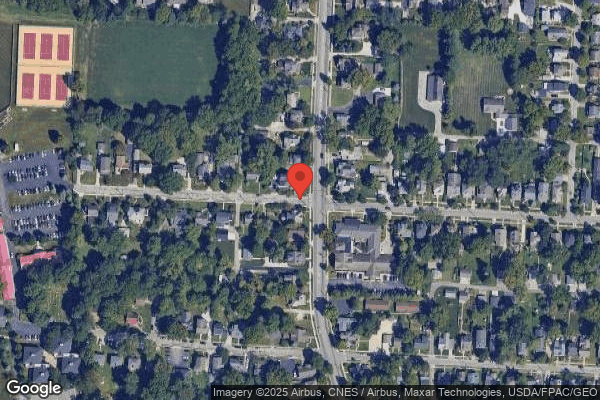
140 N STATE STREET, WESTERVILLE, OH 43081 (614) 882-4055
For profit - Corporation 70 Beds NORTHWOOD HEALTHCARE GROUP Data: November 2025 1 Immediate Jeopardy citation
Trust Grade
13/100
#625 of 913 in OH
Last Inspection: September 2023

Over 2 years since last inspection. Current conditions may differ from available data.

Overview

Buckeye Terrace Rehabilitation and Nursing Center has received a Trust Grade of F, indicating significant concerns about the quality of care provided. Ranking #625 out of 913 facilities in Ohio places it in the bottom half, and it ranks #24 out of 56 in Franklin County, meaning there are many better options available. The facility is reportedly improving, having reduced its issues from 17 in 2024 to just 1 in 2025. However, staffing is a major concern, with a low rating of 1 out of 5 stars and a high turnover rate of 60%, which is above the state average. Financially, the center has accumulated $140,849 in fines, which is higher than 96% of Ohio facilities, indicating compliance issues. RN coverage is average, which means there is a typical level of registered nurse presence to help catch potential problems. Specific incidents have raised alarms, including a critical failure to manage risks related to residents with substance use disorders, resulting in two overdoses, and serious medication errors that impacted residents' treatment. While there are some strengths, such as excellent quality measures, the overall picture suggests families should proceed with caution when considering this facility.

Trust Score
F
13/100
In Ohio
#625/913
Bottom 32%
Safety Record
High Risk
Review needed
Inspections
Getting Better
17 → 1 violations
Staff Stability
⚠ Watch
60% turnover. Above average. Higher turnover means staff may not know residents' routines.
Penalties
○ Average
$140,849 in fines. Higher than 54% of Ohio facilities. Some compliance issues.
Skilled Nurses
○ Average
Each resident gets 34 minutes of Registered Nurse (RN) attention daily — about average for Ohio. RNs are the most trained staff who monitor for health changes.
Violations
⚠ Watch
95 deficiencies on record. Higher than average. Multiple issues found across inspections.
★★☆☆☆
2.0
Overall Rating
★☆☆☆☆
1.0
Staff Levels
★★★★★
5.0
Care Quality
★☆☆☆☆
1.0
Inspection Score
Stable
2024: 17 issues
2025: 1 issues

The Good

  • 5-Star Quality Measures · Strong clinical quality outcomes
  • Full Sprinkler Coverage · Fire safety systems throughout facility
  • No fines on record

Facility shows strength in quality measures, fire safety.

The Bad

2-Star Overall Rating

Below Ohio average (3.2)

Below average - review inspection findings carefully

Staff Turnover: 60%

14pts above Ohio avg (46%)

Frequent staff changes - ask about care continuity

Federal Fines: $140,849

Well above median ($33,413)

Significant penalties indicating serious issues

Chain: NORTHWOOD HEALTHCARE GROUP

Part of a multi-facility chain

Ask about local staffing decisions and management

Staff turnover is elevated (60%)

12 points above Ohio average of 48%

The Ugly 95 deficiencies on record

1 life-threatening 1 actual harm
Feb 2025 1 deficiency
CONCERN (D) 📢 Someone Reported This

A family member, employee, or ombudsman was alarmed enough to file a formal complaint

Potential for Harm - no one hurt, but risky conditions existed

Quality of Care (Tag F0684)

Could have caused harm · This affected 1 resident

**NOTE- TERMS IN BRACKETS HAVE BEEN EDITED TO PROTECT CONFIDENTIALITY** THE FOLLOWING DEFICIENCY REPRESENTS AN INCIDENT OF PAST NONCOMPLIANCE THAT WAS SUBSEQUENTLY CORRECTED PRIOR TO THIS SURVEY. Bas...

Read full inspector narrative →
**NOTE- TERMS IN BRACKETS HAVE BEEN EDITED TO PROTECT CONFIDENTIALITY** THE FOLLOWING DEFICIENCY REPRESENTS AN INCIDENT OF PAST NONCOMPLIANCE THAT WAS SUBSEQUENTLY CORRECTED PRIOR TO THIS SURVEY. Based on closed record review, hospital visit summary review, hospital discharge summary review, review of drainage guidelines for the PleurX, (a thin, flexible tube that's placed in your chest to drain fluid from your pleural space, to make it easier to breathe) and interview, the facility failed to provide necessary and adequate care for Resident #60 who had a PleurX chest tube. The facility failed to ensure nursing staff were properly educated on the tube and failed to ensure the PleurX chest tube was routinely monitored, assessed (for proper placement), monitored for signs/symptoms of infection, accessed, and drained. This affected one resident (#60) of one resident reviewed for chest tubes. The facility census was 58. Findings Include: Review of the closed medical record for Resident #60 revealed an initial admission date of 01/16/25 with diagnoses including acute and chronic respiratory failure with hypoxia, chronic obstructive pulmonary disease (COPD), edema, depression, insomnia, malignant neoplasm of female breast, shortness of breath, anemia, psychoactive substance abuse and congestive heart failure. The resident was discharged on 01/21/25 to an acute care hospital and did not return to the facility. Review of the resident's acute care hospital discharge summary on 01/16/25 revealed the resident had Stage IV breast cancer with malignant effusions, brain, bone and soft tissue metastatic cancer. The resident had a PleurX (chest tube) placement on 11/15/24 per interventional pulmonary. The assessment indicated the PleurX chest tube placement was to manage the resident's respiratory symptoms caused from the malignant effusions. Review of the resident's admission assessment dated [DATE] revealed no assessment addressing the PleurX placement to the resident's chest. Review of the progress note dated 01/16/25 at 8:46 A.M. revealed Resident #60 was admitted from the hospital due to shortness of breath and COPD and was on four liters of oxygen via nasal cannula with a history of breast cancer without both breasts. Further review revealed the PleurX drain was not addressed. The assessment and plan included the resident had malignant tumor of breast with metastases to bone, brain, soft tissue, pleural effusions, status post PleurX placement on 11/15/24 with complications. PleurX capped and pulmonary recommended draining intermittently for shortness of breath. The resident's respirations were documented to be even and unlabored. Review of the Nurse Practitioner's (NP) progress note dated 01/17/25 revealed the resident was status post PleurX placement on 11/15/24 and recommended draining intermittently for shortness of breath. The progress note recommended to continue oxygen at two liters per nasal cannula. The progress note indicated the resident had no shortness of breath at this time. Review of the progress note dated 01/17/25 at 11:29 A.M. revealed the resident left the facility for a funeral at 9:00 A.M. The progress note indicated the resident's respirations were even, unlabored and she continued on oxygen continuously. Review of the resident's five-day Minimum Data Set (MDS) assessment dated [DATE] revealed the resident had a moderate cognitive deficit. The resident required substantial/maximal (staff) assistance with toileting, showers, dressing, transfers and set-up/supervision with eating. The assessment indicated the resident was frequently incontinent of both bowel and bladder. Review of the resident's plan of care revealed no care plan addressing the use of the PleurX chest drain or the potential for infection. Review of the resident's physician orders revealed no physician orders were in place for the care of the PleurX drain during the resident's stay. Review of the care conference form dated 01/21/25 revealed the form was blank. Review of the progress note dated 01/21/25 at 4:40 P.M., revealed the resident had the PleurX drain, however had no drain kit to implement the use of the PleurX. The progress note indicated the resident was short of breath at this time. Review of a situation background assessment recommendation (SBAR) summary dated 01/21/25 at 7:40 P.M. revealed the resident had shortness of breath at the time of the evaluation. The assessment documented the resident's shortness of breath began that afternoon. The resident's vital signs were as follows, blood pressure 98/72 (hypotensive), temperature 97.6, pulse 108, respirations 18 and oxygen saturation rate was 98% with an unspecified liter of oxygen in place via nasal cannula. Review of the respiratory status evaluation contained in the SBAR revealed the resident had shortness of breath and had progressive or persistent shortness of breath. The summary indicated the resident was sent to the local emergency room (ER). Review of the hospital documentation dated 02/01/25 (a discharge summary) revealed Resident #60 was admitted from the extended care facility (ECF) on 01/21/25 with past medical history including breast cancer with metastasis to the brain, bone, and soft tissue, malignant left pleural effusion with PleurX catheter, COPD, and chronic respiratory failure who presented from the ECF with recurrent pleural effusion. The resident reported since her discharge to the ECF on 01/16/25 her PleurX had not been drained (by staff at the ECF). The resident had acute on chronic hypoxic respiratory failure and baseline used two liters of oxygen, however since the draining of the PleurX (in the hospital) she was only requiring one liter of oxygen. The resident was also found to have bilateral lower lobe pneumonia and completed a course of antibiotics during the hospital stay. Resident #60 was status post left PleurX placement on 11/15/24 followed with pulmonology and recommendations against suctioning or hooking up to chest tube; however, it was recommended to intermittently drain catheter on Monday, Wednesday, and Friday. Resident #60 reported that her PleurX had not been drained at the ECF. Resident #60 was transferred to palliative floor while staff worked on discharging her home with hospice services. On 02/14/25 at 2:33 P.M., an interview with Regional Director of Clinical Services (RDCS) #455 confirmed the resident had no assessment, monitoring, respiratory assessment or physician's orders for the care of the PleurX chest tube. She verified staff had not been trained on the use of the PleurX chest tube. Review of the drainage guidelines for the PleurX Catheter System revealed the catheter was to be inspected daily, change the dressing regularly, at least once a week and as needed when it becomes loose, wet or dirty and follow your healthcare provider's instructions for draining the fluid from your pleural space. The deficient practice was corrected on 01/29/25 when the facility implemented the following corrective actions: • On 01/21/25 Resident #60 was sent out to the hospital for shortness of breath. • On 01/23/25 the facility implemented a Quality Assurance and Performance Improvement Action Plan. The systemic plan was to complete a whole house skin check on all residents to identify anyone that had a medical device. Those residents identified with an implanted medical device were reviewed to ensure care orders were in place. The Director of Nursing (DON) and Wound Nurse #151 were educated by the RDCS #455 on ensuring orders are being transcribed from the hospital after visit summary for implanted medical devices. All licensed nursing staff were educated by the DON on ensuring orders are written timely from the hospital after visit summary for all implanted medical devices. Audits would be conducted on all newly admitted residents hospital after visit summary to ensure orders are transcribed for all implanted medical devices five times a week for eight weeks by the DON and/or designee. Audits will be conducted on all residents that have an implanted medical device to ensure orders are being performed and completed five times a week for eight weeks by the DON and/or designee. • On 01/27/25 Staff education on the PleurX chest tube was provided by the DON. • On 01/29/25, a whole house skin check was conducted on all residents to identify anyone that had medical device orders in place for the care of the medical devices per the DON. There were no other residents identified. This deficiency represents non-compliance investigated under Complaint Number OH00161852.
Oct 2024 4 deficiencies
CONCERN (D) 📢 Someone Reported This

A family member, employee, or ombudsman was alarmed enough to file a formal complaint

Potential for Harm - no one hurt, but risky conditions existed

Resident Rights (Tag F0550)

Could have caused harm · This affected 1 resident

**NOTE- TERMS IN BRACKETS HAVE BEEN EDITED TO PROTECT CONFIDENTIALITY** Based on medical record review, observation, staff interview and review of a facility policy, the facility failed to provide a d...

Read full inspector narrative →
**NOTE- TERMS IN BRACKETS HAVE BEEN EDITED TO PROTECT CONFIDENTIALITY** Based on medical record review, observation, staff interview and review of a facility policy, the facility failed to provide a dignified dining experience. This affected one (Resident #61) of two residents reviewed for feeding assistance. The facility census was 62 residents. Findings include: Review of Resident #61's medical record revealed an admission date of 06/30/18 with diagnoses that included dementia, dysphagia (difficulty swallowing), and hemiplegia. Review of Resident #61's Minimum Data Set (MDS) dated [DATE] revealed that Resident #61 required partial to moderate assistance with eating. Review of Resident #61's care plan revised 05/09/19 revealed the resident required nursing assistance and supervision to eat. Resident #61's care plan was silent for an intervention that included standing while feeding the resident. Review of Resident #61's speech therapy dysphagia discharge notes on 05/28/24 were silent for recommendations for nursing to stand while feeding the resident her meals. Observation on 10/22/24 at 12:57 P.M. revealed that State Tested Nursing Assistant (STNA) #127 was standing while feeding Resident #61 her lunch meal. STNA #127 was observed holding the back of Resident #61's head while he fed her. Observation on 10/23/24 at 12:39 P.M. revealed that STNA #127 fed Resident #61 her lunch meal while standing over her. Interview on 10/22/24 at 1:07 P.M. with STNA #127 confirmed that he was standing while feeding Resident #61. Review of Assistance with Meals policy revised 2017 revealed that residents who cannot feed themselves will be fed with attention to safety, comfort and dignity, for example: not standing over residents while assisting them with their meals. This deficiency represents non-compliance investigated under Complaint Number OH00158608.
CONCERN (D) 📢 Someone Reported This

A family member, employee, or ombudsman was alarmed enough to file a formal complaint

Potential for Harm - no one hurt, but risky conditions existed

Report Alleged Abuse (Tag F0609)

Could have caused harm · This affected 1 resident

**NOTE- TERMS IN BRACKETS HAVE BEEN EDITED TO PROTECT CONFIDENTIALITY** Based on medical record review, resident and staff interview. review of the Electronic Information Dissemination and Collection ...

Read full inspector narrative →
**NOTE- TERMS IN BRACKETS HAVE BEEN EDITED TO PROTECT CONFIDENTIALITY** Based on medical record review, resident and staff interview. review of the Electronic Information Dissemination and Collection (EIDC) portal and review of a facility policy, the facility failed to report an incident of alleged sexual abuse to the state survey agency andfailed to implement their abuse policy after an allegation of sexual abuse. This affected one (Resident #23) of three residents reviewed for abuse. The facility census was 62. Findings include: Medical record review revealed Resident #23 was admitted to the facility on [DATE] with a diagnoses of schizophrenia, post traumatic seizures, traumatic brain injury, and depression. Review of Resident #23's Minimum Data Set (MDS) assessment dated [DATE] revealed Resident #23 had a Brief Interview for Mental Status (BIMS) score of 14, indicating intact cognition. allegation made on 10/18/24. Interview with Resident #23 on 10/22/24 at 10:20 A.M. revealed on 10/18/24, Resident #38 placed Resident #23's hand on his clothing over his penis. Resident #23 stated that she told Resident #38 no, and he stopped. Resident #23 stated that she felt uncomfortable about it and did not want to be around Resident #38. Resident #23 stated that she told Business Office Manager (BOM) #165, Social Worker #162, and the Administrator about the sexual abuse allegation on 10/18/24. Resident #23 stated that she moved up to the second floor, in a room on a different floor from Resident #38 on 10/21/24. Interview with BOM #165 on 10/23/24 at 11:08 A.M. revealed that she notified Social Woreker #162 and the Administrator about the allegation of sexual abuse reported by Resident #23 on 10/18/24. Interview with the Administrator on 10/23/24 at 11:27 A.M. revealed he interviewed Resident #23 about the allegation on 10/18/24, but he did not recall if he filed a self- reported incident (SRI) with the state survey agency when the allegation was reported. Interview with the the Corporate Nurse on 10/23/24 at 11:29 A.M. confirmed the facility did not file an SRI with the state survey agency for the allegation of sexual abuse on Resident #23 on 10/18/24. Interview with Licensed Practical Nurse (LPN) #142 on 10/23/24 at 3:07 P.M. confirmed that Resident #23 was moved to another floor in a room away from Resident #38 on 10/21/24, three days after the allegation of abuse was made. Interview with State Tested Nursing Aide (STNA) #126 on 10/23/24 at 3:08 P.M. confirmed that Resident #23 was moved to another floor in a room away from Resident #38 on 10/21/24, three days after the allegation of abuse was made. Review of the EIDC for online SRI reporting revealed the facility did not have an initial report of the allegation of sexual abuse on 10/18/24. Review of facility policy dated 10/27/17 defines sexual abuse as non consensual sexual contact of any type with a resident. If an allegation of abuse occurs, it should be reported to the Ohio Department of Health immediately, but not later than two hours after the allegation is made. The facility will take action to protect the resident including, but not limited to, preventing access to resident during the investigation. This violation is an incidental finding investigated under Complaint Number OH00158608.
CONCERN (D) 📢 Someone Reported This

A family member, employee, or ombudsman was alarmed enough to file a formal complaint

Potential for Harm - no one hurt, but risky conditions existed

Investigate Abuse (Tag F0610)

Could have caused harm · This affected 1 resident

Based on medical record review, resident and staff interview and review of facility policy, the facility failed to implement their abuse policy after an allegation of sexual abuse. This affected one (...

Read full inspector narrative →
Based on medical record review, resident and staff interview and review of facility policy, the facility failed to implement their abuse policy after an allegation of sexual abuse. This affected one (Resident #23) of three residents reviewed for abuse. The facility census was 62. Findings include: Review of Resident #23's medical record revealed an admission date of 06/30/23 with a diagnosis of schizophrenia, post traumatic seizures, traumatic brain injury, and depression. Review of Resident #23's Minimum Data Set (MDS) assessment on 07/24/24 revealed that Resident #23 had a Brief Interview for Mental Status (BIMS) score of 14, indicating intact cognition. Review of Resident #23's medical record revealed that the progress notes were silent for an allegation of sexual abuse affecting Resident #23 on 10/18/24. Interview with Resident #23 on 10/22/24 at 10:20 A.M. revealed that on 10/18/24, Resident #38 placed Resident #23's hand on his clothing over his penis. Resident #23 stated that she told Resident #38 no, and he stopped. Resident #23 stated that she felt uncomfortable about it and did not want to be around Resident #38. Resident #23 stated that she told Business Office Manager (BOM) #165, Social Worker #162, and the Administrator about the alleged sexual abuse allegation on 10/18/24. Resident #23 stated that she moved up to the second floor, away from Resident #38 on 10/21/24. Interview with Licensed Practical Nurse (LPN) #142 on 10/23/24 at 3:07 P.M. confirmed that Resident #23 was moved to another floor in a room away from Resident #38 on 10/21/24, three days after the allegation of abuse was made. Interview with State Tested Nursing Aide (STNA) #126 on 10/23/24 at 3:08 P.M. confirmed that Resident #23 was moved to another floor in a room away from Resident #38 on 10/21/24, three days after the allegation of abuse was made. Review of facility policy dated 10/27/17 defines sexual abuse as non consensual sexual contact of any type with a resident. Further review of policy revealed that if a third party is accused or suspected of abuse, the facility will take action to protect the resident including, but not limited to, preventing access to resident during the investigation. This deficiency is an incidental finding investigated under Complaint Number OH00158608.
CONCERN (D) 📢 Someone Reported This

A family member, employee, or ombudsman was alarmed enough to file a formal complaint

Potential for Harm - no one hurt, but risky conditions existed

Accident Prevention (Tag F0689)

Could have caused harm · This affected 1 resident

**NOTE- TERMS IN BRACKETS HAVE BEEN EDITED TO PROTECT CONFIDENTIALITY** Based on medical record review, resident and staff interviews and policy review, the facility failed to provide appropriate leve...

Read full inspector narrative →
**NOTE- TERMS IN BRACKETS HAVE BEEN EDITED TO PROTECT CONFIDENTIALITY** Based on medical record review, resident and staff interviews and policy review, the facility failed to provide appropriate levels of superstition for residents identified as fall risks. This affected one resident (Resident #42) of three residents reviewed for falls. Findings include: Review of the medical record for Resident #42 revealed an admission date of 05/12/22 with diagnoses that included epilepsy, muscle weakness, and post traumatic stress disorder. Review of Resident #42's Minimum Data Set (MDS) assessment dated [DATE] revealed that Resident #42 had a Brief Interview for Mental Status of 11, indicative of moderate cognitive impairment, and that Resident #42 needed supervision and/or touch assistance for showering and bathing. Review of Resident #42's care plan initiated 01/13/24 revealed that Resident #42 was at risk of falls due to abnormal posture, impaired gait, muscle weakness, and that he had a decreased awareness of his need for assistance. A care planned intervention is to remove any causes of falls and to educate resident on only taking showers with staff assistance. Review of Resident #42's progress note dated 09/21/24 by Registered Nurse (RN) # 111 revealed that Resident #42 fell on [DATE] in the shower room (he was taking a shower). Resident #42 was assessed for injury and his x-ray was negative for fracture. Review of medical record revealed that follow up nursing assessments for Resident #42 continued for three days with no subsequent injuries or decline in condition and resolved pain. Resident #42's care plan was revised 09/23/24 to include an intervention to remove any causes of falls and to educate resident on only taking showers with staff assistance. Interview on 10/22/24 at 9:47 A.M. with Resident #42 revealed that he fell when an STNA left him alone in the shower room by himself about a month ago. Resident #42 stated that at the time of his fall that his tailbone was sore, but that the pain did not continue. Interview on 10/23/24 at 8:32 A.M. with State Tested Nursing Aide (STNA) #129 confirmed that when Resident #42 fell in September 2024, he was alone in the shower room. Interview on 10/23/24 at 1:04 P.M. with RN #111 confirmed that on 09/21/24, Resident #42 fell while he was alone in the shower room. RN #111 stated that she assessed Resident #42, and then that STNA #129 helped her move Resident #42 back into the wheelchair. Family and physician notifications were made. Resident #42 had negative x-ray results, and his pain level was at a five on a scale of one to ten. Resident #42 declined pain medications after the fall on 09/21/24. Review of a facility policy named Falls and Fall Risk Managing dated 2001 revealed that residents should not be unattended in the bathroom until adequate postural stability has been established. This deficiency is an incidental finding investigated under Complaint Number OH00158608.
Jul 2024 2 deficiencies
CONCERN (D) 📢 Someone Reported This

A family member, employee, or ombudsman was alarmed enough to file a formal complaint

Potential for Harm - no one hurt, but risky conditions existed

ADL Care (Tag F0677)

Could have caused harm · This affected 1 resident

**NOTE- TERMS IN BRACKETS HAVE BEEN EDITED TO PROTECT CONFIDENTIALITY** Based on record review, observation, and staff interviews, the facility failed to provide nail and skin care for Resident #3, wh...

Read full inspector narrative →
**NOTE- TERMS IN BRACKETS HAVE BEEN EDITED TO PROTECT CONFIDENTIALITY** Based on record review, observation, and staff interviews, the facility failed to provide nail and skin care for Resident #3, who was dependent on staff for personal hygiene. This affected one (Resident #3) out of three residents reviewed for activities of daily living (ADL). The facility census was 59. Findings include: Review of the medical record revealed Resident #3 was admitted on [DATE]. Diagnoses included anoxic brain damage, chronic obstructive pulmonary disease, metabolic encephalopathy, history of transient ischemic attack, attention deficit hyperactivity disorder, and chronic kidney disease. Review of the plan of care dated 04/11/24 revealed Resident #3 had an ADL self-care performance deficit. Interventions to anticipate needs and explain process. Review of the admission Minimum Data Set (MDS) assessment dated [DATE] revealed Resident #3 had a brief interview mental status (BIMS) score of 99 which indicated Resident #3 was unable to complete the interview. Resident #3 was dependent on staff for shower/bathing and personal hygiene. Review of the bathing schedule revealed Resident #3 was scheduled to be bathed on Wednesdays and Fridays on night shift. A shower sheet dated 06/12/24 revealed Resident #3 received a bed bath. Nail care was marked as not done. A shower sheet dated 06/14/24 revealed Resident #3 received a bed bath. Nail care was marked as not done. A shower sheet dated 06/19/24 revealed Resident #3 received a bed bath. Nail care was marked as not done. A weekly skin assessment dated [DATE] revealed Resident #3 had excessive dry flaky skin to bilateral feet. A shower sheet dated 06/21/24 revealed Resident #3 received a bed bath and refused nail care. A shower sheet dated 06/25/24 revealed Resident #3 received a bed bath. Nail care was not marked as being done. A shower sheet dated 06/28/24 was signed but did not reveal what care was provided. A weekly skin assessment dated [DATE] revealed Resident #3 did not have excessive dry skin. Body audit sheets (instead of shower sheets) dated 07/03/24 and 07/05/24 were provided but did not reveal what care was provided. A weekly skin assessment dated [DATE] revealed Resident #3 did not have excessive dry skin. Observation on 07/08/24 at 9:10 A.M. revealed Resident #3 was lying in bed. Resident #3 had long fingernails with a dark substance under the nails. Interview on 07/08/24 at 11:23 A.M. with the Director of Nursing (DON) verified Resident #3 had long fingernails with a dark substance under the nails. The DON removed Resident #3's socks. As Resident #3's socks were removed, large chunks of dry skin were observed falling onto the sheet. The top and bottom of both feet were covered in an excessive amount of dry flaking skin. Observation of Resident #3's left heel revealed a large area of hard, dry skin. The DON stated the wound nurse practitioner would be at the facility on 07/08/24 and would look at Resident #3's heels to see if the hard dry skin was a deep tissue injury. The DON verified there was an excessive amount of dry flaky skin to Resident #3's feet. Interview on 07/08/24 at 3:42 P.M. with Wound Nurse Practitioner #105 revealed they had observed Resident #3's feet and ordered ammonium lactate lotion (to treat dry or scaly skin). Wound Nurse Practitioner #105 stated Resident #3 did not have any wounds or pressure areas to bilateral feet, but Resident #3 did have a lot of dry flaking skin to bilateral feet. This deficiency represents non-compliance investigated under Complaint Number OH00154968.
CONCERN (D) 📢 Someone Reported This

A family member, employee, or ombudsman was alarmed enough to file a formal complaint

Potential for Harm - no one hurt, but risky conditions existed

Pressure Ulcer Prevention (Tag F0686)

Could have caused harm · This affected 1 resident

**NOTE- TERMS IN BRACKETS HAVE BEEN EDITED TO PROTECT CONFIDENTIALITY** Based on record review and staff interview, the facility failed to assess pressure ulcers and put treatments in place in a timel...

Read full inspector narrative →
**NOTE- TERMS IN BRACKETS HAVE BEEN EDITED TO PROTECT CONFIDENTIALITY** Based on record review and staff interview, the facility failed to assess pressure ulcers and put treatments in place in a timely manner for Residents #1, #2, and #3. The facility also failed to identify a pressure ulcer Resident #3 developed until it was a Stage III (full-thickness loss of skin, in which adipose (fat) is visible in the ulcer. Slough and/or eschar may be visible) pressure ulcer. This affected three (Resident #1, #2, and #3) out of three residents reviewed for pressure ulcers. The facility census was 59. Findings include: 1. Review of the medical record revealed Resident #3 was admitted on [DATE] with diagnoses that included anoxic brain damage, chronic obstructive pulmonary disease, metabolic encephalopathy, history of transient ischemic attack, attention deficit hyperactivity disorder, and chronic kidney disease. Review of the nursing admission care plan dated 04/10/24 revealed Resident #3 had a Stage II (partial-thickness skin loss involving the epidermis and dermis) pressure ulcer to sacrum that measured two centimeters (cm) long, one cm wide, and 0.2 cm deep. Review of the Braden scale dated 04/10/24 for predicting pressure sore risk revealed Resident #3 was at high risk. Review of the treatment administration record (TAR) from 04/10/24 to 04/22/24 revealed Resident #3's sacrum was to be cleansed with normal saline, patted dry, covered with barrier cream and a foam dressing every day and as needed. Review of the plan of care dated 04/11/24 revealed Resident #3 had a skin impairment related to a sacrum wound. Interventions included to encourage Resident #3 to float heels as tolerated, encourage to turn and reposition every two hours and as needed, and weekly treatment documentation to include measurement of each skin breakdown's width, lengthy, depth, type of tissue and exudate, and any other notable changes. Review of the wound nurse practitioner (NP) initial consultation note dated 04/15/24 revealed Resident #3 had a Stage III pressure ulcer to left buttock measuring 2.8 cm long, 2.2 cm wide, and 0.2 cm deep. Review of the admission Minimum Data Set (MDS) assessment dated [DATE] revealed Resident #3 had a brief interview mental status (BIMS) score of 99 which indicated Resident #3 was unable to complete the interview. The MDS also revealed Resident #3 had a Stage III pressure ulcer upon admission. The wound NP note dated 04/22/24 revealed Resident #3 had a Stage III pressure ulcer to left buttock that measured 0.2 cm long, 0.2 cm wide, and 0.1 cm deep. The TAR revealed triad (a sterile coating that can be used on broken skin, keeping the wound covered and protected from incontinence) paste was applied to wound bed and covered with bordered gauze from 04/24/24 through 05/08/24. The wound NP note dated 04/29/24 revealed Resident #3 had a Stage III pressure ulcer to the left buttock that measured 0.3 cm long, by 0.8 cm wide, by 0.1 cm. in depth. Triad paste was to be applied to the wound and the area was to be left open to air. The treatment was not initiated until 10 days later on 05/09/24. The TAR revealed triad paste was applied to wound bed and left open to air from 05/09/24 through 06/21/24. The wound NP note dated 05/13/24 revealed Resident #3 had a new Stage III pressure ulcer to coccyx that measured 1.2 cm long, 0.7 cm wide, and 0.2 cm deep. The coccyx wound was to have triad paste applied to the wound and left open to air every shift. There was no treatment in place to the coccyx from 05/13/24 until 06/06/24. Review of the TAR for May 2024 revealed no evidence of treatment to coccyx. The TAR revealed a treatment to Resident #3's coccyx of triad paste to wound and wound left open to air was completed from 06/06/24 to 06/12/24. Wound NP note dated 05/20/24 and 05/28/24 revealed Resident #3 had a Stage III pressure ulcer to left buttock and a Stage III pressure ulcer to the coccyx. The Wound NP note dated 06/10/24 revealed Resident #3 had a Stage III pressure ulcer to left buttock. The Stage III pressure to the coccyx was healed. Wound NP note dated 06/17/24 revealed the Stage III pressure ulcer to Resident #3's left buttock was healed. Interview on 07/08/24 at 2:59 P.M. with the Director of Nursing (DON) verified the wound NP note dated 04/29/24 revealed the Stage III pressure ulcer to Resident #3's left buttock was to have triad pasta applied and left open to air and the new treatment was not put in place until 05/09/24. The DON also verified the TAR for May 2024 revealed there was no documentation of treatment to the Stage III pressure ulcer to coccyx identified on 05/13/24. The DON verified the pressure ulcer to Resident #3's coccyx was not identified until it was a Stage III. 2. Review of the medical record revealed Resident #1 was admitted on [DATE] with diagnoses that included acute respiratory failure, cardiac arrest, acute kidney failure, and schizoaffective disorder. The hospital documentation revealed Resident #1 had a unstageable pressure ulcer (Slough and/or eschar: known but not stageable due to coverage of wound bed by slough and/or eschar) to the coccyx. Review of the admission care plan dated 05/14/24 revealed Resident #1 had an open area to bottom. No measurements or description of the open area was documented. A weekly skin assessment dated [DATE] revealed Resident #1 had a pressure ulcer to coccyx. No measurements or description of the pressure ulcer was documented. Review of the admission Minimum Data Set (MDS) assessment dated [DATE] revealed Resident #1 was cognitively intact. The MDS revealed Resident #1 did not have any skin impairment. A weekly skin assessment dated [DATE] revealed Resident #1 had a pressure ulcer to coccyx. No measurements or description of the pressure ulcer was documented. A wound NP note dated 05/28/24 revealed Resident #1 had an unstageable pressure ulcer to coccyx that measured 3.4 cm long and 1.1 cm wide. After debridement, the pressure ulcer was 0.2 cm deep. An order was put in place to cleanse the pressure wound with normal saline, pat the wound dry, apply silver alginate and cover with bordered gauze dressing every day. Review of the treatment administration record (TAR) for May 2024 revealed no treatments for the open area to Resident #1's coccyx. A wound NP note dated 06/03/24 revealed Resident #1 had an unstageable pressure to coccyx that measured 3.4 cm long and 1.4 cm wide. A new order was put in place for pressure ulcer to be cleansed with normal saline, Medi honey and calcium alginate applied, and covered with bordered gauze. Review of the TAR revealed the treatment ordered on 06/03/24 was not started until three days later on 06/06/24. A wound NP note dated 06/10/24 revealed Resident #1 had a Stage III pressure ulcer to coccyx that measured 3.1 cm long, and 1.1 cm wide, and 0.4 cm deep. A wound NP note dated 06/17/24 revealed Resident #1 had a Stage III pressure ulcer to coccyx that measured 2.1 cm long, 0.8 cm wide, and 0.4 cm deep. A wound NP note dated 07/01/24 revealed Resident #1 had a Stage III pressure ulcer to coccyx that measured 1.4 cm long, 0.4 cm wide, and 0.1 cm deep. Interview on 07/08/24 at 4:34 P.M. with the Director of Nursing (DON) verified there was no description or measurements of the pressure ulcer to Resident #1's coccyx from 05/14/24 until 05/28/24. The DON also verified no treatments for the pressure ulcer to Resident #1's coccyx was not put in place until 06/06/24. 3. Review of the medical record revealed Resident #2 was admitted on [DATE] with diagnoses that included alcoholic hepatitis, asthma, cirrhosis of the liver, and severe protein-calorie malnutrition. Review of the admission care plan dated 05/04/24 revealed Resident #2 had a pressure ulcer to coccyx. No measurements or description of the pressure ulcer was documented. The weekly skin assessment dated [DATE] revealed Resident #2 had a pressure ulcer to coccyx. No measurements or description of the pressure ulcer was documented. The care plan also revealed Resident #2 had the potential of impairment to skin. Interventions included to encourage Resident #2 to float heels. Review of the TAR revealed the treatment to cleanse Resident #2's pressure ulcer with normal saline, apply triad paste, and leave open to air was started on 05/09/24, three days after identifying the wound to the coccyx. Review of the Medicare five-day MDS assessment dated [DATE] revealed Resident #2 was cognitively intact. Resident #2 had a Stage III pressure ulcer on admission. The wound NP note dated 05/13/24 revealed Resident #2 had a Stage III pressure ulcer to coccyx that measured 1.2 cm long, 0.6 cm wide, and 0.2 cm deep. The Wound NP note dated 05/20/24 revealed Resident #2 had a Stage III pressure ulcer that measured 1.1 cm long, 0.6 cm wide, and 0.2 cm deep. Wound NP note dated 05/28/24 revealed Resident #2 had a Stage III pressure ulcer to coccyx that measured 0.9 cm long, 0.7 cm wide, and 0.2 cm deep. Wound NP note dated 06/03/24 revealed Resident #2 had a Stage III pressure ulcer to coccyx that measured 0.7 cm long, 0.9 cm wide, and undetermined depth. Wound NP note dated 06/10/24 revealed Resident #2 had a Stage III pressure ulcer to coccyx that measured 0.4 cm long, 0.6 cm wide, and undetermined depth. Wound NP note dated 06/17/24 revealed the Stage III pressure ulcer to Resident #2's coccyx was healed. Interview on 07/08/24 at 5:04 P.M. with the DON verified Resident #2 was admitted on [DATE] and a treatment to coccyx was not put in place until 05/09/24. The DON also verified no measurements or description of the wound was documented until 05/13/24 when the pressure ulcer was identified as a Stage III. This deficiency represents non-compliance investigated under Complaint Number OH00154968. This deficiency is an example of continued non-compliance from the complaint survey dated 06/13/24.
Jun 2024 1 deficiency
CONCERN (D) 📢 Someone Reported This

A family member, employee, or ombudsman was alarmed enough to file a formal complaint

Potential for Harm - no one hurt, but risky conditions existed

Pressure Ulcer Prevention (Tag F0686)

Could have caused harm · This affected 1 resident

**NOTE- TERMS IN BRACKETS HAVE BEEN EDITED TO PROTECT CONFIDENTIALITY** Based on medical record review, observation, and staff interview, the facility failed to ensure the residents had weekly skin as...

Read full inspector narrative →
**NOTE- TERMS IN BRACKETS HAVE BEEN EDITED TO PROTECT CONFIDENTIALITY** Based on medical record review, observation, and staff interview, the facility failed to ensure the residents had weekly skin assessments per physician orders, failed to record skin breakdown identified during a bath, and failed to report the skin breakdown to the nurse. This affected one (Resident #57) of three residents reviewed for pressure ulcers. The facility identified seven current residents with pressure ulcers. The facility census was 58. Findings include: Review of the medical record for Resident #57 revealed the resident was admitted to the facility on [DATE]. Diagnoses included type two diabetes mellitus and neuromuscular dysfunction of bladder. Review of the Minimum Data Set (MDS) assessment dated [DATE] revealed Resident #57 was cognitively impaired. Resident #57 was dependent on staff for transfers and toileting. Review of the plan of care dated 12/16/22 revealed Resident #57 was at risk for skin breakdown related to diabetes mellitus type two, impaired mobility, weakness, incontinence, episodes from around the indwelling catheter. Interventions included to apply lotion or moisture barrier cream as needed, encourage to float heels as tolerated, house barrier cream with each incontinence episodes, observe skin for redness or open areas, pressure reducing and relieving mattress, skin assessment as needed, supplements per order, and turn and reposition every two hours as tolerated. Review of the physician order dated 01/08/23 revealed an order for Resident #57 to have weekly skin sweeps. The physician order dated 04/30/23 revealed an order to apply house barrier cream with each incontinent episode. Review of Resident #57's medical record revealed the last recorded weekly skin assessment was completed on 03/04/24. Resident #57's bath sheets dated 05/30/24, 06/04/24, 06/06/24, and 06/11/24, revealed no skin issues for Resident #57. There was a state tested nursing aides (STNA) signature at the bottom of the bath sheet, but there was no nurse signature on the bath sheets where the nurse signature was to be placed. Review of Resident #15's skin risk assessment dated [DATE] revealed Resident #57 was at moderate risk for skin breakdown. Observations on 06/13/24 from 10:20 A.M. through 10:34 A.M. revealed Resident #57 was to receive incontinence care from STNA #200. The Director of Nursing (DON) was in the room for support. There was a reddened open area on the right upper buttocks. STNA #200 confirmed Resident #57 had a skin issue. The DON confirmed Resident #57 had an open area stage two (partial thickness loss of dermis presenting as a shallow open ulcer with a red-pink wound bed, without slough) on the right buttocks that measured appropriately 1.5 centimeters (cm) in length by 1.0 cm width and 0.1 cm in depth with a bright beefy pink wound bed. The DON stated she could not remember if Resident #57 was on the facility's current pressure ulcer list or if this was a new pressure ulcer found. Interview on 06/13/24 at 11:44 A.M. with Assistant Director of Nursing (ADON) #121 confirmed the last skin assessment was 03/04/24. ADON #121 confirmed there was no weekly skin assessment for Resident #57. ADON #121 stated the nurses used bath sheets as skin assessments. Interview on 06/13/24 at 2:05 P.M. with STNA #159 stated he worked on 06/11/24 and was the STNA who provided Resident #57 with a bed bath on 06/11/24. STNA #159 stated Resident #57 had a 'scratch' on her upper buttocks but could not remember if it was the left or right side. STNA #159 verified he failed to document the skin issue on Resident #57's bath sheet on 06/11/24 and never reported the skin issue to a nurse. Interview on 06/13/24 at 2:40 P.M. with Corporate Nurse #350 confirmed there was no nurse signature on Resident #57's bath sheets on 05/30/24, 06/04/24, 06/06/24, and 06/11/24. Corporate Nurse #350 verified the nurse should have signed the bath sheets when reviewing the bath sheets. Corporate Nurse #350 verified the STNA should have reported the skin issue to the nurse when he identified it during the bed bath on 06/11/24. This deficiency represents non-compliance investigated under Complaint Number OH00154287.
May 2024 2 deficiencies 1 IJ
CRITICAL (J) 📢 Someone Reported This

A family member, employee, or ombudsman was alarmed enough to file a formal complaint

Immediate Jeopardy (IJ) - the most serious Medicare violation

Accident Prevention (Tag F0689)

Someone could have died · This affected 1 resident

**NOTE- TERMS IN BRACKETS HAVE BEEN EDITED TO PROTECT CONFIDENTIALITY** Based on record review, review of the facility assessment, hospital record review, review of police reports, review of facility ...

Read full inspector narrative →
**NOTE- TERMS IN BRACKETS HAVE BEEN EDITED TO PROTECT CONFIDENTIALITY** Based on record review, review of the facility assessment, hospital record review, review of police reports, review of facility policies, and interviews, the facility failed to identify potential risks/hazards for residents with a substance use disorder, develop and implement comprehensive and individualized care plans and provide adequate supervision to prevent unintentional/intentional drug overdoses for residents in the facility. This resulted in Immediate Jeopardy and actual harm/death on 03/31/24 when Resident #1 overdosed by shooting opioid medications in his peripherally inserted central catheter (PICC) line after he obtained a syringe from the trash bin on the facility medication cart. Resident #1 had a history of intravenous illicit substance abuse prior to admission and had an intravenous line while at the facility. The Immediate Jeopardy and potential for actual harm/death continued on 04/16/24 when Resident #2 was found unresponsive in his room from a drug overdose. The resident was transferred to the emergency room with altered mental status and unresponsiveness due to an intentional opiate overdose. The toxicology report revealed Resident #2 had overdosed on opiates (prescribed) and Fentanyl (not prescribed). This affected two residents (#1 and #2) of three residents reviewed for substance use disorder. The facility identified 26 residents with a history of substance use disorder. The facility census was 63. On 04/25/24 at 5:05 P.M., the Licensed Nursing Home Administrator (LNHA), Director of Nursing (DON), Regional Director of Clinical Services (RDCS) #104, and Regional Clinical Director #114 were notified Immediate Jeopardy began on 03/31/24 when Resident #1, who had been admitted to the facility with a PICC line for intravenous antibiotic and who had been receiving opioid medication daily, was found unresponsive on the bathroom floor due to a drug overdose. The resident subsequently passed away as a result of the overdose. On 04/03/24, there was a plastic jar with 24 various pills found in Resident #1's nightstand drawer, three used syringes with pink residue, and an unopened syringe. In addition, on 04/16/24 Resident #2 who had a history of substance abuse disorder was found unresponsive in room from an intentional drug overdose. The resident had obtained medications from a former resident and had stored the medications in his room for several days prior to the incident. The Immediate Jeopardy was removed on 04/17/24 when the facility implemented the following interventions: • On 03/31/24 at 12:30 P.M. Licensed Practical Nurse (LPN) #100 called emergency medical services (EMS) for possible drug overdose for Resident #1. Police arrived shortly after EMS. • On 03/31/24 at 12:34 P.M., LPN #100 notified Assistant Director of Nursing (ADON) #102 that Resident #1 was being sent out for possible drug overdose. At 12:46 P.M., the LNHA was notified of Resident #1's possible drug overdose. • On 04/01/24 at 3:00 P.M., the facility began their investigation into Resident #1's possible drug overdose. The LNHA spoke to the hospital and obtained an official police report. The LNHA interviewed Resident #67 (roommate of Resident #1) and Resident #29 about any information related to Resident #1's overdose. Resident #67 stated they were not aware of Resident #1 having any visitors. Resident #29 stated Former Resident #3 had drugs delivered in food items brought in from the outside. On 04/01/24 at 5:30 P.M., LNHA reviewed video footage of the front reception camera from 03/31/24 at 12:00 A.M. to 2:00 P.M. for any packages being delivered to the facility. This was completed due to information received from an interview with Resident #29. No evidence was observed on camera footage of any packages being delivered. • On 04/02/24 at 2:00 P.M., the DON provided education on the new process changes to five registered nurses (RNs) and twelve LPNS on the following system changes: effective Immediately, all syringes will only be disposed of in a sharp container including all needles syringes and mouth sweeps will be performed on all resident's post medication administration. Any agency nurses would be educated by the DON prior to the start of their shift on the above system changes if needed. • On 04/02/24 at 2:15 P.M., physician orders were written by the DON for all residents to have mouth sweeps after administration of medication. These were to appear on the medication administration record (MAR) for the nurses to sign and validate that this task was performed. • On 04/03/24 at 8:30 A.M., the DON completed writing physician orders for all residents to say, Crush medications if suspected 'cheeking' medications (concealing a medication in the mouth i.e. between the teeth and the cheek, to avoid swallowing it). • On 04/03/24, an audit was initiated by the DON for the disposal of syringes into the appropriate sharp container and not in the medication trash bin on the side of the medication cart. This audit would be completed by the DON/Designee three times per week for two weeks then two times a week for two weeks and then weekly for eight weeks. Results of the audits to be reviewed in monthly QA for further need of monitoring and/or enhancement. • On 04/03/24, an audit was initiated by the DON for mouth sweeps to ensure a mouth sweep was performed post medication administration. The DON/Designee would complete this audit three times a week for two weeks, then twice a week for two weeks, and then weekly for eight weeks. Results would be reviewed in monthly QA for further need of monitoring and or enhancement. • On 04/03/24 and 04/17/24 the facility reviewed the care plans for all the residents to identify any resident who had a history of substance abuse were identified and to make sure those identified as having a history of substance abuse had an appropriate care plan in place • On 04/16/24 at approximately 5:30 A.M. Resident #2 was noted to be unresponsive by LPN #130. Resident #2's pulse was 55 and oxygen saturation was 66. LPN #130 applied oxygen to Resident #2 per non-rebreather and then called 911. At approximately 5:33 A.M., LPN #130 administered two doses of Narcan (a medication to treat narcotic overdose in an emergency) prior to Emergency Medical Services (EMS) arrival. On 04/16/24 at approximately 5:40 A.M., Resident #2 was arousing but not yet oriented. Police arrived on the scene and searched Resident #2's room. No medications were found in Resident #2's room. • On 04/16/24 at approximately 5:45 A.M., EMS made the decision to transport Resident #2 to the ED. Resident #2 told the ED staff they he crushed his pain medication that morning and snorted it. On 04/16/24 at 6:00 A.M., the DON verified with LPN #130 the last time Resident #2 had received a dose of his medication was on 04/16/24 at 12:00 A.M. and the medication was crushed as physician ordered. On 04/16/24 at 1:45 P.M., DON drove to the hospital and interviewed Resident #2 about details of the potential drug overdose. Resident #2's statement consisted of the following information: Resident #2 stated that he had gotten the medication from a former resident a while ago. Resident #2 stated he could not remember the name of the former resident. • On 04/16/24 at 3:00 P.M. Facility Department Heads completed a full house sweep of 18 resident's rooms; residents who were on the facility substance use disorder (SUD) program per the contract agreement. No illegal substances were found in this sweep of residents' rooms. These 18 residents had signed a contract allowing staff to conduct room searches because they were identified at high risk. • On 04/16/24 at 3:00 P.M., the facility department heads conducted a room sweep for 24 residents not on the SUD program who gave permission for the room sweep when asked. No illegal substances were found. • On 04/16/24 at 3:00 P.M., an emergency Quality Assessment and Performance Improvement (QAPI) meeting was held with facility department heads and Medical Director #500 to discuss Resident #2's overdose and the facility's plan of correction and steps taken toward an abatement plan. • On 04/17/24, the DON completed education to the facility nurses for policy review of medication storage and for no medication/substance to be kept in the resident's rooms. Five RN's,12 LPNS, and 19 State Tested Nursing Assistants (STNAs) were educated on 04/17/24. All assigned agency nurses would be educated by the DON prior to the start of their shift on the facility medication storage policy and no medications/substances to be unsecured in resident rooms. • On 04/17/24, the LHNA completed in person education for all 53 residents residing in the facility on this date related to the facility policy for medication storage in the facility and there were to be no medications/substances in resident rooms. • On 04/17/24, the facility initiated random room audits to check for unsecured medications/substances five times a week times for two weeks, then three times a week for two weeks, then times a week for two weeks, and then weekly for six weeks. Results would be reviewed in monthly QA for further need of monitoring and/or enhancement. This audit will be performed by the DON/Designee. • On 04/25/24 at 9:30 A.M., 1:20 P.M. to 1:45 P.M., and 4:00 P.M., onsite surveyor observations revealed the nurses disposed of syringes and needles in the sharp' container. There were no syringes observed in the medication trash bins. • On 04/25/24 at 10:26 A.M. and 2:56 P.M., surveyors noted there were no medications observed in Resident #2's room. • On 04/25/24, surveyor review of Resident #2 and #3's medication administration records (MAR) revealed nursing was completing mouth sweeps after medication administration. • On 04/25/24, surveyor review of the facility's audits for medication sweeps post medication administration, the disposal of syringes into the appropriate sharp container, and checks for unsecured medications/substances revealed no negative findings from the audits completed through this time. Although the Immediate Jeopardy was removed on 04/17/24, the facility remained out of compliance at Severity Level 2 (no actual harm with potential for more than minimal harm that is not Immediate Jeopardy) as the facility continued in their process of implementing corrective actions and monitoring to ensure on-going compliance. Findings include: Review of the facility assessment dated [DATE] revealed there were 15 residents with active or current substance use disorders for the first quarter of 2023 and zero behavioral health needs. The assessment reflected the facility managed the medical conditions and medication-related issues causing psychiatric symptoms and behavior, identified, and implemented interventions to help support individuals with issues such as dealing with anxiety, care of someone with cognitive impairment, care of individuals with depression, trauma/post-traumatic stress disorder, other psychiatric diagnoses, and intellectual or developmental disabilities. 1. Review of the Resident #1's closed medical record revealed hospital records dated 03/08/24 noted Resident #1 had history of intravenous drug use with lasted reported use two weeks prior. Resident #1 was admitted to the facility on [DATE] with diagnoses that included osteomyelitis of vertebra, chronic obstructive pulmonary disease, opioid dependence, and anxiety disorder. Review of the plan of care dated 03/17/24 revealed Resident #1 had a PICC line. Interventions included to change the dressing to PICC site as ordered every seven days, flush both ports every shift and after each administration of antibiotic with 10 milliliters (ml) of normal saline, monitor for signs and symptoms of infection including redness, swelling, temperature, and report any abnormal finding to the physician. Record review revealed there were no interventions initiated to address the resident's history of intravenous drug use. A plan of care dated 03/17/24 revealed Resident #1 had a substance abuse disorder. No interventions were listed on the plan of care. Review of the five-day Medicare Minimum Data Set (MDS) assessment dated [DATE] revealed Resident #1's Brief Interview for Mental Status (BIMS) score was 14 which indicated Resident #1 was cognitively intact. The assessment noted Resident #1 was independent with activities of daily living (ADL). Review of Resident #1's medication orders for March 2024 revealed medications included Gabapentin (nerve pain medication) 800 milligram (mg) three times a day, Naloxone (to treat narcotic overdose) liquid one spray to alternating nostrils as needed every two to five minutes until paramedics arrived, and Oxycodone (opiate) 20 mg every four hours as needed for moderate pain. Review of the Medication Administration Record (MAR) for March 2024 revealed Resident #1 received 71 doses of Oxycodone from 03/13/24 to 03/31/24. Resident #1 was administered Oxycodone on 03/31/24 at 3:00 A.M., 7:47 A.M. and 11:53 A.M. Review of the general progress note dated 03/31/24 at 12:20 P.M. authored by LPN #100 revealed LPN #100 was called to Resident #1's room by another resident. LPN #100 found Resident #1 on the floor. Resident #1 was lying on his right-side thrashing back and forth. LPN #100 saw Resident #1 had a syringe in his hand. LPN #100 had another nurse obtain Narcan. Resident #1 received Narcan nasally and 911 was called. Resident #1 continued to thrash around, and vitals were not able to be obtained. Resident #1 had a laceration to the left eye that was unable to be assessed due to Resident #1's condition. An ambulance arrived and carried Resident #1 downstairs on a stretcher. Review of the emergency department (ED) notes dated 03/31/24 revealed Resident #1 was found unresponsive with a syringe in his hand. Upon arrival at the ED, Resident #1 was pulseless and cardiopulmonary resuscitation (CPR) was initiated. Return of spontaneous circulation (ROSC) was achieved twice and Resident #1 was under a total of approximately ten minutes. Cardiac arrest was likely due to drug overdose. Resident #1 had a history of Fentanyl and heroin abuse. Opiate and Oxycodone were detected in Resident #1's drug screen. Review of the police case report dated 03/31/24 at 12:33 P.M. revealed Resident #1 was found in his bathroom unresponsive. Staff provided the syringe Resident #1 had in his hand. A needle was not attached, and the syringe was empty. The officer searched the immediate area around Resident #1's bed and found no drugs or paraphernalia. Resident #1's roommate reported he was not aware of Resident #1 having any visitors. The police case report revealed on 04/03/24, an officer met with Assistant Director of Nursing (ADON) #102. ADON #102 reported Resident #1's room was being cleaned out by Head of Housekeeping #103 when a plastic jar with various pills was found in the nightstand drawer. Head of Housekeeping #103 also found three used syringes with pink residue and an unopened syringe. Head of Housekeeping #103 placed the items in a bag and turned them over to ADON #102. ADON #102 stated Resident #1 had been using his PICC line to inject himself with Oxycodone and other unknown drugs. Resident #1 was prescribed Oxycodone but not intravenously. The officer took possession of the pills and syringes. Most of the pills did not have any kind of markings on them. The pills, syringes, and body camera footage were entered into evidence. The 24 pills seized included one round orange pill marked with 022 tentatively identified as Cyclobenzaprine (muscle relaxant), one round orange capsule marked with 214 and tentatively identified as Gabapentin, one round green pill with no markings, one black round pill with no markings, three round scored white pills with no markings, one half round white pill with no markings, one brown round pill with no markings, 15 small white round pills with no markings, three used syringes with pink residue, one unopened syringe, and small plastic jar with a white lid. Interview on 04/25/24 at 10:53 A.M. with Regional Director of Clinic Services (RDCS) #104 revealed the facility identified Resident #1 was taking used syringes out of the medication trash containers on the side of the medication carts. RDCS #104 stated Resident #1 had told other residents that was where he was getting the syringes. Resident #1 was ordered to receive medications by mouth. The nurses were not doing a mouth sweep after the administration of medications. Partially disintegrated pills were found when Resident #1's room was being cleaned. The police were notified, and the pills were turned over to the police. RDCS #104 stated tape with a serial number/code could be used to indicate if a PICC line had been accessed by someone other than a nurse. There were also locked caps for IV access lines. RDCS #104 stated the tamper tape and locked caps were only used when there was suspicion of tampering with the intravenous access. RDCS verified no antitampering interventions had been placed on Resident #1's PICC line. RDCS #104 stated mouth sweeps were now being done on all residents, and medications were crushed if there was suspicion of a resident hiding medication in their mouth instead of swallowing the medication. All used syringes were now to be placed in sharp containers and unused syringes were to be secured with access to nurses only. RDCS #104 revealed residents on the SUD program had supervised visitations. These visits could be supervised in the lobby by the receptionist or in the hallways by nurses or any staff that were within eyesight. Packages for those on the SUD program were checked by receptionist, but the facility did not check any food that was ordered and brought to the facility. RDCS #104 stated Resident #1 had not exhibited any suspicious behaviors prior to overdose. Since Resident #1 did not exhibit any suspicious behaviors while residing at the facility, there was no increased supervision levels in place. Interview on 04/25/24 at 12:37 P.M. with SUD Counselor #400 revealed the program provided group sessions Monday through Friday. Residents on the program followed the building rules of no leave of absence without approval and supervision with visitors. Resident #1 attended group nine hours a week. Interview on 04/25/24 at 2:01 P.M. with LPN #100 revealed she was the first nurse to get to Resident #1. LPN #100 stated a syringe was discovered in Resident #1's hand and it appeared Resident #1 had overdosed. Emergency personnel were called. LPN #100 stated education had been provided to discard syringes in sharp containers and check resident's mouths after administering medications after Resident #1 overdosed. Interview on 04/25/24 at 2:05 P.M. with Medical Director #500 revealed the facility tried to make things as safe as possible. Medical Director #500 stated there were no specific instructions for residents with intravenous access who had a history of intravenous drug use. A new intervention had been put in place to crush medications for residents as needed when there were concerns of not swallowing medications when administered. Interview on 04/25/24 at 3:49 P.M. with the DON verified a comprehensive and individualized plan of care had not been developed or initiated for Resident #1 related to his substance abuse disorder prior to his overdose and death in the facility. 2. Review of Resident #2's medical record revealed the resident was admitted to the facility on [DATE] with diagnoses including paranoid schizophrenia, stimulant abuse, and multiple fractures. Review of the plan of care dated 12/24/23 revealed Resident #2 had a substance abuse disorder with a history of stimulant abuse. Interventions included monitoring Resident #2 for signs and symptoms of intoxication, monitoring for overdose, and report any symptoms of intoxication to the Administrator, DON, and physician. Resident #2 was not allowed a leave-of-absence without a supervised person, all packages must be searched, and visits to be supervised. Review of the MDS assessment dated [DATE] revealed Resident #2 had a BIMS score of 13 which indicated Resident #2 was cognitively intact. The MDS revealed no concerns with Resident #2's mood or behavior. Review of the physician orders revealed Resident #2 was ordered Norco (opiate) 5-325 mg every six hours at 12:00 A.M., 6:00 A.M., 12:00 P.M., and 6:00 P.M. On 03/05/24, a new order was received for Resident #2's medications to be crushed. On 04/16/24, Resident #2 received Norco 5-325 mg on 04/15/24 at 11:30 P.M. Resident #2 did not have a physician order for Fentanyl (synthetic opioid for severe pain). Review of the police case report revealed on 04/16/24 at 5:49 A.M., Resident #2 overdosed on prescribed medication by taking an extra dose without the nurse's knowledge. Medics administered Narcan and transported Resident #2 to the hospital. Two officers looked around Resident #2's room and did not see any indicators of drug use or any drug related paraphernalia in plain view. An officer went to the hospital and Resident #2 stated he did not take a pill that was administered by the nurse. Resident #2 stated on 04/16/24 around 2:00 A.M. he crushed and snorted the extra dose of medication without anyone knowing. The nurse found Resident #2 unresponsive when entering the room to administer medication scheduled for 6:00 A.M. A general progress note dated 04/16/24 at 6:11 A.M. revealed Resident #2 was found unresponsive. Resident #2 had a pulse rate of 55 beats per minute and oxygen saturation of 60-percent. Resident #2 was not able to state name, place, or time. Resident #2 was administered oxygen via a non-rebreather. Resident #2 was transported to the hospital. The hospital summary dated 04/16/24 revealed Resident #2 had a past medical history of paranoid schizophrenia, substance abuse, and blood clots. Resident #2 presented to the ED on 04/16/24 with altered mental status and unresponsiveness due to intentional opiate overdose. Resident #2 received Narcan multiple times and recovered. Resident #2's urine toxicology was positive for opiates and fentanyl. Resident #2 reported he had snorted Norco (opioid) the morning of 04/16/24. Interview on 04/25/24 at 10:26 A.M. with Resident #2 revealed drugs taken at the time of overdose had been obtained from a former resident. Resident #2 stated he could not recall the former resident's name. Resident #2 stated if he had a visitor, he had to go to the front lobby so the visit could be supervised. Subsequent interview on 04/25/24 at 2:56 P.M. revealed he was unsure why nursing crushed his medications starting in March 2024 and stated he did not request his medications to be crushed. Interview on 04/25/24 at 10:59 A.M. with the LNHA revealed after Resident #2 overdosed, all resident rooms were searched for any drugs or drug paraphernalia. The LNHA stated some over-the-counter medications and lighters were found. No drugs or drug paraphernalia were discovered. Interview on 04/25/24 at 12:37 P.M. with SUD Counselor #400 revealed the program provided group sessions Monday through Friday. Residents on the program followed the building rules of no leave of absence without approval and supervision with visitors. Resident #2 had not been part of the program until returning from the hospital on [DATE]. Interview on 04/25/24 at 2:01 P.M. with LPN #100 revealed Resident #2 had an order for medications to be crushed prior to overdose. Interview on 04/25/24 at 2:05 P.M. with Medical Director #500 revealed the facility tried to make things as safe as possible. A new intervention had been put in place to crush medications for residents as needed when there were concerns of not swallowing medications when administered. Interview on 04/30/24 at 11:30 A.M. with RDCS #104 verified Resident #2 did not have a diagnosis of substance abuse, but a plan of care dated 12/24/23 was in place for substance abuse disorder. RDCS #104 verified Resident #2 was not on the SUD program prior to the overdose on 04/16/24. RDCS #104 verified Resident #2 had requested medications to be crushed prior to overdose and nurses reported they crushed Resident #2's medications. Review of the facility undated Medication Storage policy and procedure revealed all drugs and biologicals would be stored in locked compartments. Only authorized personnel would have access to the keys to locked compartments. Review of the facility undated Resident Self-Administration of Medication policy revealed bedside medication storage was permitted only when it does not present a risk to confused residents who wander into the other resident's rooms or to confused roommates of the resident who self-administers medication. For bedside storage to occur the manner of storage prevents access by other residents and medications provided to the resident for bedside storage are kept in the containers dispensed by the provider pharmacy. All nurses and aides are required to report to the charge nurse on duty any medications found at the bedside not authorized for bedside storage. This deficiency represents non-compliance investigated under Complaint Number OH00153228 and Complaint Number OH00153109.
CONCERN (D) 📢 Someone Reported This

A family member, employee, or ombudsman was alarmed enough to file a formal complaint

Potential for Harm - no one hurt, but risky conditions existed

Safe Environment (Tag F0921)

Could have caused harm · This affected 1 resident

**NOTE- TERMS IN BRACKETS HAVE BEEN EDITED TO PROTECT CONFIDENTIALITY** Based on observations, record review, and family, resident, and staff interview, the facility failed to timely repair a resident...

Read full inspector narrative →
**NOTE- TERMS IN BRACKETS HAVE BEEN EDITED TO PROTECT CONFIDENTIALITY** Based on observations, record review, and family, resident, and staff interview, the facility failed to timely repair a resident's sink and ensure it was functional for the resident's use. This affected one (Resident #27) of three residents reviewed for functional sinks in resident rooms. The facility census was 63. Findings include: Review of the facility's maintenance requests revealed Resident #27 had two requests placed on 02/14/24 and 03/14/24 for the room's sink stopped up and both requests were marked as closed. Interview on 04/25/24 at 9:32 A.M. with State Tested Nursing Aide (STNA) #111 revealed the employee had knowledge of the clogged sink in Resident #27's room and stated it needed to be unclogged to work again. STNA #111 stated she would notify management of Resident #27's clogged sink. Interview on 04/25/24 at 9:36 A.M. with Director of Maintenance #109 confirmed knowledge of Resident #27's lack of water supply from the sink. Director of Maintenance #109 stated the sink was clogged, if water supply was turned back on, it would have to be unclogged often. Interview on 04/25/24 at 9:37 A.M. with the Director of Nursing (DON) confirmed Resident #27's water supply was not working. Interview and observation with Resident #27 and the resident's daughter on 04/25/24 at 9:40 A.M. revealed concerns with Resident #27's sink function. Resident #27 stated he has not had sink water supply since admission [DATE]). Management was notified upon his admission and he was informed the water supply in the bathroom was shut off due to an unresolved pipe backup with his sink. Observation of Resident #27's sink revealed the water supply was turned off. Observation on 04/25/24 at 12:11 P.M. confirmed the facility had not addressed Resident #27's concerns regarding sink water supply. There was no water supply. Interview on 04/30/24 at 10:40 A.M. with Director of Maintenance #109 confirmed a request was placed on 03/14/24 for Resident #27's sink to be unclogged, the issue was resolved by shutting off the room's water supply temporarily. Resident #27's water supply was shut off from 03/14/24 to 04/29/24 with no follow up appointments scheduled with a plumber to resolve the issue. Interview on 04/30/24 at 02:46 P.M. with the Administrator revealed the Administrator had no knowledge of concerns regarding Resident #27's sink concern. The Administrator confirmed the facility did not respond timely and appropriately to the maintenance request. This deficiency represents non-compliance investigated under Complaint Number OH00153228.
Mar 2024 7 deficiencies
CONCERN (D) 📢 Someone Reported This

A family member, employee, or ombudsman was alarmed enough to file a formal complaint

Potential for Harm - no one hurt, but risky conditions existed

Free from Abuse/Neglect (Tag F0600)

Could have caused harm · This affected 1 resident

**NOTE- TERMS IN BRACKETS HAVE BEEN EDITED TO PROTECT CONFIDENTIALITY** Based on record review, interview, self-reported incident (SRI) review, and policy review, the facility failed to protect Reside...

Read full inspector narrative →
**NOTE- TERMS IN BRACKETS HAVE BEEN EDITED TO PROTECT CONFIDENTIALITY** Based on record review, interview, self-reported incident (SRI) review, and policy review, the facility failed to protect Resident #24 from being verbally abused by Resident #9. This affected one (Resident #24) out of three residents reviewed for abuse. The facility census was 62. Findings include: Review of the medical record revealed Resident #9 was admitted on [DATE] with diagnoses that included history of transient ischemic attack, major depressive disorder, pulmonary embolism, heart failure, dementia without behavioral disturbance, and anxiety disorder. The quarterly Minimum Data Set (MDS) dated [DATE] revealed Resident #9 was cognitively impaired. As of 03/13/24, Resident #9 did not have a care plan in place for behaviors towards other residents. Review of medical record revealed Resident #24 was admitted on [DATE] with diagnoses that included fracture of right lower leg, type 2 diabetes mellitus, schizophrenia, bipolar, post-traumatic stress disorder, osteoarthritis of right knee, disorder of psychological development, and anxiety disorder. Review of the admission Medicare 5-day MDS dated [DATE] revealed Resident #24 had severe cognitive impairment. A nurse note dated 02/26/24 at 11:18 P.M. revealed Resident #9 was verbally abusing Resident #24 by saying all sorts of things. Resident #24 was quiet and did not say anything back. Review of self-reported incident (SRI) #244623 dated 02/27/24 revealed Resident #9 was verbally abusive toward Resident #24. Resident #24 was silent and did not respond back. Review of the facility investigation for SRI #244623 revealed no staff statements, no information detailing where the incident took place and what interventions were put in place. A shift level administration note dated 03/01/24 at 9:00 P.M. revealed Resident #9 was agitated and angry at Resident #24. Resident #24 was trying to enter the room for the night, but Resident #9 used curse words towards Resident #24. The nurse intervened and removed Resident #24 from the room. The nurse was unsuccessful in educating Resident #9 about Resident #24 being permitted in the room. Resident #24 was taken to a different room for the night. A shift level administration note dated 03/02/24 at 6:41 A.M. revealed Resident #9 still appeared irritated and angry. An attempt to return Resident #24 to the room was unsuccessful. Interview on 03/07/24 at 3:39 P.M. the Administrator verified there was no documentation from the incident on 02/26/24 detailing where the incident occurred, how long the incident lasted, and what staff did to ensure Resident #24 was safe. The Administrator verified she was unaware an additional incident that occurred on 03/01/24 and Resident #24 had to be moved to another room for the night due to Resident #9's behavior towards Resident #24. Interview on 03/13/24 at 4:22 P.M. the guardian of Resident #24 revealed they had not been informed of any verbal altercations from Resident #24's roommate. Review of the Abuse policy (revised January 2024) revealed an alleged violation is a situation or occurrence that is observed or reported by staff, resident, relative, visitor or others but has not yet been investigated. Verbal abuse means the use of oral, written or gestured communication or sounds that willfully includes disparaging and derogatory terms to residents or their families, or within their hearing distance regardless of their age, ability to comprehend, or disability. An immediate investigation is warranted when suspicion of abuse, neglect or exploitation, or reports of abuse, neglect or exploitation occur. The facility will make efforts to ensure all residents are protected from physical and psychosocial harm, as well as additional abuse, during and after the investigation. Responding immediately to protect the alleged victim and integrity of the investigation. Increased supervision of the alleged victim and residents, room or staffing changes, if necessary, to protect the resident from the alleged perpetrator. Revision of the resident's care plan if the resident's medical, nursing, physical, mental, or psychosocial needs or preferences change as a result of an incident of abuse. Reporting/response: The facility will have written procedures that include reporting all alleged violations to the Administrator, state agency, and all required agencies within specified timeframes. Taking all necessary actions as a result of the investigation, which may include, but are not limited to the following: analyzing the occurrences to determine why abuse, neglect, misappropriation of resident property or exploitation occurred, and what changes are needed to prevent further occurrences; defining hours care provision will be changed and/or improved to protect residents receiving services. This deficiency represents an incidental finding of non-compliance investigated under Complaint Number OH00151210.
CONCERN (D) 📢 Someone Reported This

A family member, employee, or ombudsman was alarmed enough to file a formal complaint

Potential for Harm - no one hurt, but risky conditions existed

Abuse Prevention Policies (Tag F0607)

Could have caused harm · This affected 1 resident

**NOTE- TERMS IN BRACKETS HAVE BEEN EDITED TO PROTECT CONFIDENTIALITY** Based on record review, interview, self-reported incident (SRI), and policy review, the facility failed to follow the abuse poli...

Read full inspector narrative →
**NOTE- TERMS IN BRACKETS HAVE BEEN EDITED TO PROTECT CONFIDENTIALITY** Based on record review, interview, self-reported incident (SRI), and policy review, the facility failed to follow the abuse policy when there were allegations of verbal abuse towards Resident #24. This affected one (Resident #24) out of three residents reviewed for abuse. Facility census was 62. Findings include: Review of medical record revealed Resident #9 was admitted on [DATE] with diagnoses that included major depressive disorder, dementia, and anxiety disorder. The quarterly Minimum Data Set, dated [DATE] revealed Resident #9 was cognitively impaired. Review of medical record revealed Resident #24 was admitted on [DATE] with diagnoses that included fracture of right lower leg, type 2 diabetes mellitus, schizophrenia, bipolar, post-traumatic stress disorder, osteoarthritis of right knee, disorder of psychological development, and anxiety disorder. The admission Medicare 5-day MDS dated [DATE] revealed Resident #24 was cognitively impaired. Review of nurse note dated 02/26/24 at 11:18 P.M. revealed Resident #9 was verbally abusing roommate (Resident #24) by saying all sorts of things. Resident #24 was quiet and did not say anything back. Review of SRI #244623 dated 02/27/24 revealed an allegation of Resident #9 being verbally abusive to Resident #24. Review of the SRI revealed the incident occurred on 02/26/24 at 10:18 P.M. and was reported to the state agency on 02/27/24 at 3:12 P.M. A shift level administration note dated 03/01/24 at 9:00 P.M. revealed Resident #9 was agitated and angry at Resident #24. Resident #24 was trying to enter the room for the night, but Resident #9 used curse words towards Resident #24. The nurse intervened and removed Resident #24 from the room. The nurse was unsuccessful in educating Resident #9 about Resident #24 being permitted in the room. Resident #24 was taken to a different room for the night. A shift level administration note dated 03/02/24 at 6:41 A.M. revealed Resident #9 still appeared irritated and angry. An attempt to return Resident #24 to the room was unsuccessful. Interview on 03/07/24 at 3:39 P.M. the Administrator verified the allegation of abuse occurred on 02/26/24 was not reported until 02/27/24. The Administrator verified a thorough investigation was not completed as evident by no witness, staff, or other resident statements completed as part of the investigation. Additionally, no interventions were put in place and care plans were not updated. The Administrator verified she was unaware an additional incident that occurred on 03/01/24 and Resident #24 had to be moved to another room for the night due to Resident #9's behavior towards Resident #24. Review of the abuse policy (revised January 2024) revealed an alleged violation is a situation or occurrence that is observed or reported by staff, resident, relative, visitor or others but has not yet been investigated. Verbal abuse means the use of oral, written or gestured communication or sounds that willfully includes disparaging and derogatory terms to residents or their families, or within their hearing distance regardless of their age, ability to comprehend, or disability. The facility will implement policies and procedures to prevent and prohibit all types of abuse, neglect, misappropriation of resident property, and exploitation that achieves identifying, correcting and intervening in situations in which abuse neglect, exploitation, and/or misappropriation of resident property is more likely to occur. The facility will have written procedures to assist staff in identifying the different types of abuse-mental/verbal abuse,sexual abuse, physical abuse, and the deprivation by an individual of goods and services. Possible indicators of abuse include but are not limited to verbal abuse of a resident overheard. An immediate investigation is warranted when suspicion of abuse, neglect or exploitation, or reports of abuse, neglect or exploitation occur. The facility will make efforts to ensure all residents are protected from physical and psychosocial harm, as well as additional abuse, during and after the investigation. Responding immediately to protect the alleged victim and integrity of the investigation. Increased supervision of the alleged victim and residents, room or staffing changes, if necessary, to protect the resident from the alleged perpetrator. Revision of the resident's care plan if the resident's medical, nursing, physical, mental, or psychosocial needs or preferences change as a result of an incident of abuse. Reporting/response: The facility will have written procedures that include reporting all alleged violations to the Administrator, state agency, and all required agencies within specified timeframe's. Taking all necessary actions as a result of the investigation, which may include, but are not limited to the following: analyzing the occurrences to determine why abuse, neglect, misappropriation of resident property or exploitation occurred, and what changes are needed to prevent further occurrences; defining how care provisions will be changed and/or improved to protect residents receiving services. This deficiency represents an incidental finding of non-compliance investigated under Complaint Number OH00151210.
CONCERN (D) 📢 Someone Reported This

A family member, employee, or ombudsman was alarmed enough to file a formal complaint

Potential for Harm - no one hurt, but risky conditions existed

Report Alleged Abuse (Tag F0609)

Could have caused harm · This affected 1 resident

**NOTE- TERMS IN BRACKETS HAVE BEEN EDITED TO PROTECT CONFIDENTIALITY** Based on record review, review of self-reported incident (SRI), interview, and policy review, the facility failed ensure an alle...

Read full inspector narrative →
**NOTE- TERMS IN BRACKETS HAVE BEEN EDITED TO PROTECT CONFIDENTIALITY** Based on record review, review of self-reported incident (SRI), interview, and policy review, the facility failed ensure an allegation of verbal abuse against Resident #24 was reported immediately. This affected one (Resident #24) out of three residents reviewed for abuse. Facility census was 62. Findings include: Review of medical record revealed Resident #9 was admitted on [DATE] with diagnoses that included major depressive disorder, dementia, and anxiety disorder. The quarterly Minimum Data Set, dated [DATE] revealed Resident #9 was cognitively impaired. Review of medical record revealed Resident #24 was admitted on [DATE] with diagnoses that included fracture of right lower leg, type 2 diabetes mellitus, schizophrenia, bipolar, post-traumatic stress disorder, osteoarthritis of right knee, disorder of psychological development, and anxiety disorder. The admission Medicare 5-day MDS dated [DATE] revealed Resident #24 was cognitively impaired. Review of nurse note dated 02/26/24 at 11:18 P.M. revealed Resident #9 was verbally abusing roommate (Resident #24) by saying all sorts of things. Resident #24 was quiet and did not say anything back. Review of SRI #244623 dated 02/27/24 revealed an allegation of Resident #9 being verbally abusive to Resident #24. Review of the SRI revealed the incident occurred on 02/26/24 at 10:18 P.M. and was reported to the state agency on 02/27/24 at 3:12 P.M. Interview on 03/07/24 at 3:39 P.M. the Administrator verified the allegation of abuse occurred on 02/26/24 was not reported until 02/27/24. Review of Abuse policy revised January 2024 revealed the facility will have written procedures that include reporting all alleged violations to the Administrator, state agency, and all required agencies within specified timeframe's. This deficiency represents an incidental finding of non-compliance investigated under Complaint Number OH00151210.
CONCERN (D) 📢 Someone Reported This

A family member, employee, or ombudsman was alarmed enough to file a formal complaint

Potential for Harm - no one hurt, but risky conditions existed

Investigate Abuse (Tag F0610)

Could have caused harm · This affected 1 resident

**NOTE- TERMS IN BRACKETS HAVE BEEN EDITED TO PROTECT CONFIDENTIALITY** Based on record review, review of self-reported incident (SRI), interview, and policy review, the facility failed to thoroughly ...

Read full inspector narrative →
**NOTE- TERMS IN BRACKETS HAVE BEEN EDITED TO PROTECT CONFIDENTIALITY** Based on record review, review of self-reported incident (SRI), interview, and policy review, the facility failed to thoroughly investigate an allegation of verbal abuse to Resident #24 and failed to prevent further potential abuse to Resident #24. This affected one (Resident #24) out of three residents reviewed for abuse. Facility census was 62. Findings include: Review of medical record revealed Resident #9 was admitted on [DATE] with diagnoses that included history of transient ischemic attack, major depressive disorder, pulmonary embolism, heart failure, dementia without behavioral disturbance, and anxiety disorder. The quarterly Minimum Data Set (MDS) dated [DATE] revealed Resident #9 was cognitively impaired. Review of medical record revealed Resident #24 was admitted on [DATE] with diagnoses that included fracture of right lower leg, type 2 diabetes mellitus, schizophrenia, bipolar, post-traumatic stress disorder, osteoarthritis of right knee, disorder of psychological development, and anxiety disorder. Review of the admission Medicare 5-day Minimum Data Set (MDS) dated [DATE] revealed Resident #24 had severe cognitive impairment. A nurse note dated 02/26/24 at 11:18 P.M. revealed Resident #9 was verbally abusing Resident #24 by saying all sorts of things. Resident #24 was quiet and did not say anything back. Review of self-reported incident (SRI) #244623 dated 02/27/24 revealed there was an allegation of Resident #9 and Resident #24 being verbally abusive towards one another. Resident #9 was verbally abusive toward Resident #24. Resident #24 was silent and did not respond back. Review of the facility investigation for SRI #244623 revealed no staff statements, no information detailing where the incident took place and what interventions were put in place. Interview on 03/07/24 at 3:39 P.M. the Administrator verified a thorough investigation was not completed as evident by no witness, staff, or other resident statements completed as part of the investigation. The Administrator also verified there was no documentation detailing where the incident occurred, how long the incident lasted, and what staff did to ensure Resident #24 was safe. Abuse policy revised (January 2024) revealed an alleged violation is a situation or occurrence that is observed or reported by staff, resident, relative, visitor or others but has not yet been investigated. Verbal abuse means the use of oral, written or gestured communication or sounds that willfully includes disparaging and derogatory terms to residents or their families, or within their hearing distance regardless of their age, ability to comprehend, or disability. An immediate investigation is warranted when suspicion of abuse, neglect or exploitation, or reports of abuse, neglect or exploitation occur. The facility will make efforts to ensure all residents are protected from physical and psychosocial harm, as well as additional abuse, during and after the investigation. Responding immediately to protect the alleged victim and integrity of the investigation. Increased supervision of the alleged victim and residents, room or staffing changes, if necessary, to protect the resident from the alleged perpetrator. Revision of the resident's care plan if the resident's medical, nursing, physical, mental, or psychosocial needs or preferences change as a result of an incident of abuse. Reporting/response: The facility will have written procedures that include reporting all alleged violations to the Administrator, state agency, and all required agencies within specified timeframes. Taking all necessary actions as a result of the investigation, which may include, but are not limited to the following: analyzing the occurrences to determine why abuse, neglect, misappropriation of resident property or exploitation occurred, and what changes are needed to prevent further occurrences; defining hours care provision will be changed and/or improved to protect residents receiving services. This deficiency represents an incidental finding of non-compliance investigated under Complaint Number OH00151210.
CONCERN (D) 📢 Someone Reported This

A family member, employee, or ombudsman was alarmed enough to file a formal complaint

Potential for Harm - no one hurt, but risky conditions existed

ADL Care (Tag F0677)

Could have caused harm · This affected 1 resident

**NOTE- TERMS IN BRACKETS HAVE BEEN EDITED TO PROTECT CONFIDENTIALITY** Based on record review and interview, the facility failed to provide adequate bathing and hygiene for residents who required sta...

Read full inspector narrative →
**NOTE- TERMS IN BRACKETS HAVE BEEN EDITED TO PROTECT CONFIDENTIALITY** Based on record review and interview, the facility failed to provide adequate bathing and hygiene for residents who required staff assistance with activities of daily living including personal hygiene. This affected two (Resident #26 and #71) out of three residents reviewed for bathing and hygiene. Facility census was 62. Findings include: 1. Review of the medical record revealed Resident #26 was admitted on [DATE] with diagnoses that included dementia, hemiplegia, and dysphagia. The quarterly Minimum Data Set (MDS) dated [DATE] revealed Resident #26 was cognitively impaired. Resident #26 required substantial to maximal assist for bathing. Review of bathing documentation revealed Resident #26 received a shower and had hair washed on 02/01/24. Interview on 03/11/24 at 1:36 P.M. Regional Director of Clinical Services #103 verified there was no other documentation of Resident #26 being bathed or showered in February and March, 2024. 2. Review of the medical record revealed Resident #71 was admitted on [DATE] and discharged on 03/01/24 with diagnoses that included chronic obstructive pulmonary disease (COPD), epilepsy, dementia, cachexia, and major depressive disorder. A care plan dated 05/11/21 revealed Resident #71 had a behavior problem of declining to shower, bath, or change clothes. Interventions included to explain all procedures to Resident #71 before starting and allow Resident #71 to adjust to changes, and to anticipate and meet Resident #71's needs. A care plan dated 12/25/23 revealed Resident #71 had an activities of daily living (ADL) self-care performance deficit. Interventions include to provide a sponge bath when a full bath or shower could not be tolerated by Resident #71. The quarterly MDS dated [DATE] revealed Resident #71 had mildly impaired cognition. Resident #71 required substantial to maximal assistance with bathing and hygiene. Review of progress notes from 09/01/23 to 03/01/24 revealed no documentation of Resident #71 being bathed, having hair care done, or refusing bathing and hygiene care. A skin monitoring shower review sheet dated 01/22/24 did not have anything marked to identify if Resident #71 was bathed, had hair washed, nails trimmed, or refused. A skin monitoring shower review sheet dated 02/22/24 revealed Resident #71 refused twice to be showered/bathed. Interview on 03/11/24 at 1:36 P.M. Regional Director of Clinical Services #103 verified Resident #71 had not been showered in probably two years. The only shower and bathing documentation available was from 01/22/24 and 02/22/24. This deficiency represents non-compliance investigated under Master Complaint Number OH00151846, Complaint Number OH00151210.
CONCERN (D) 📢 Someone Reported This

A family member, employee, or ombudsman was alarmed enough to file a formal complaint

Potential for Harm - no one hurt, but risky conditions existed

Quality of Care (Tag F0684)

Could have caused harm · This affected 1 resident

**NOTE- TERMS IN BRACKETS HAVE BEEN EDITED TO PROTECT CONFIDENTIALITY** Based on record review and interview, the facility failed to provide treatment to a resident with diagnosed mental disorders. Th...

Read full inspector narrative →
**NOTE- TERMS IN BRACKETS HAVE BEEN EDITED TO PROTECT CONFIDENTIALITY** Based on record review and interview, the facility failed to provide treatment to a resident with diagnosed mental disorders. This affected one (Resident #1) out of three residents reviewed for medication administration. Findings include: Review of the medical record revealed Resident #1 was admitted on [DATE] and readmitted on [DATE] with diagnoses that included pulmonary embolism, schizoaffective disorder, bipolar, and dementia. Review of physician orders revealed Resident #1 was ordered Abilify (antipsychotic) 300 milligram (mg) intramuscularly (IM) on the 28th of each month. Review of the medication administration record (MAR) revealed Resident #1 was administered Abilify 300 mg IM on 10/28/23. A medication note dated 11/28/23 at 4:27 P.M. revealed Abilify 300 mg was reordered and would be administered once the medication was delivered. Review of the MAR for November revealed Resident #1 was not administered Abilify 300 mg on 11/28/23 due to medication not being available. A medication administration note dated 11/29/23 at 5:38 A.M. revealed Abilify 300 mg was not available for administration. A nursing note dated 12/06/23 at 1:21 P.M. revealed Resident #1 returned from an appointment at 1:10 P.M. and Abilify 300 mg was administered IM. A nursing note dated 12/06/23 at 1:54 P.M. revealed the doctor was notified Abilify was not available to be administered to Resident #1 on 11/28/23 as ordered. When Abilify was delivered on 12/06/23, it was administered to Resident #1. A new order was received to administer Abilify on the sixth of each month instead of the 28th. Interview on 03/07/24 at 11:30 A.M. Regional Director of Operations #104 verified Resident #1's Abilify was not administered as ordered on 11/28/23. This deficiency represents non-compliance investigated under Complaint Number OH00151402.
CONCERN (D) 📢 Someone Reported This

A family member, employee, or ombudsman was alarmed enough to file a formal complaint

Potential for Harm - no one hurt, but risky conditions existed

Deficiency F0687 (Tag F0687)

Could have caused harm · This affected 1 resident

**NOTE- TERMS IN BRACKETS HAVE BEEN EDITED TO PROTECT CONFIDENTIALITY** Based on record review and interview the facility failed to ensure a resident received appropriate foot care. This affected one...

Read full inspector narrative →
**NOTE- TERMS IN BRACKETS HAVE BEEN EDITED TO PROTECT CONFIDENTIALITY** Based on record review and interview the facility failed to ensure a resident received appropriate foot care. This affected one (Resident #71) out of three reviewed for foot care. Facility census was 62. Findings include: Review of the closed medical record revealed former Resident #71 was admitted on [DATE] and discharged on 03/01/24 with diagnoses that included chronic obstructive pulmonary disease (COPD), epilepsy, dementia, cachexia, and major depressive disorder. A care plan dated 12/25/23 revealed Resident #71 had an activities of daily living (ADL) self-care performance deficit related to COPD, decreased mobility function, dementia, difficulty in walking, disorder of muscle, nicotine dependence, rheumatoid arthritis, symbolic dysfunction, history insomnia, polyneuropathy. Interventions include check Resident #71's nail length, trim, and clean on bath day and as necessary. Any changes were to be reported to the nurse. The quarterly Minimum Data Set (MDS) dated [DATE] revealed Resident #71 had mildly impaired cognition, used a wheelchair, and had no behaviors during the review period. The MDS revealed Resident #71 required substantial to maximal assistance with bathing and hygiene. Review of progress notes from 09/01/23 to 03/01/24 revealed no documentation of Resident #71 having toenails trimmed. Review of the weekly skin assessments from 09/05/23 to 03/01/24 revealed no areas of concern. There was no documentation of toenails needing trimmed. A skin monitoring shower review sheet dated 01/22/24 did not have anything marked indicating Resident #71's toenails were trimmed. Interview on 03/11/24 at 2:51 P.M. Regional Director of Operations #104 verified there was no documentation of Resident #71 seeing a podiatrist or having toenails trimmed. This deficiency represents non-compliance investigated under Complaint Number OH00151846.
Feb 2024 1 deficiency
CONCERN (F) 📢 Someone Reported This

A family member, employee, or ombudsman was alarmed enough to file a formal complaint

Potential for Harm - no one hurt, but risky conditions existed

Menu Adequacy (Tag F0803)

Could have caused harm · This affected most or all residents

**NOTE- TERMS IN BRACKETS HAVE BEEN EDITED TO PROTECT CONFIDENTIALITY** Based on review of menus, review of food service invoices, observation, and interview, the facility failed to ensure adequate su...

Read full inspector narrative →
**NOTE- TERMS IN BRACKETS HAVE BEEN EDITED TO PROTECT CONFIDENTIALITY** Based on review of menus, review of food service invoices, observation, and interview, the facility failed to ensure adequate supply of food, post menu's timely, and failed to follow the menu. This had the potential to affect all 64 residents who received meals from the kitchen. The facility census was 64. Findings include: 1. Observation on 02/09/24 at 8:17 A.M., of the resident notification board revealed no evidence the meals for 02/09/24 were posted. The lunch and dinner meals were posted for yesterday 02/08/24. Interview on 02/09/24 at 8:27 A.M., with the Dietary Manager (DM) #58 confirmed he doesn't post breakfast menus and he hasn't posted the lunch and dinner menus yet but was getting ready to. Interview on 02/09/24 at 8:44 A.M., with Resident #10 revealed the kitchen staff don't post breakfast, lunch, or dinner menus on the board timely. The Resident reported she doesn't like meat and if she wanted an alternative, she would have to write her request on paper and place it in the box at the nurse's station by 10:15 A.M. Most of the time the menu isn't posted so she doesn't know what's going to be served to have enough time to place a request for an alternative meal. 2. Observation on 02/09/24 at 8:27 A.M. of the dry storage food with the DM #58 revealed there was 10 cake mixes, two cornbread mixes, six cans of peaches, six can of pudding, six cans of mandarin oranges, six cans of [NAME] sauce, three cans of collards, two cans of bean, two cans of sweet potatoes, one full bag of noodles, two 1/4 bags of noodles, a bag of rice, two bags of dried mashed potatoes, and one box of pancake mixes. There was one box of bread and one box of chips. Further observation revealed no evidence of emergency supply of food. Interview on 02/09/24 from 8:18 A.M. to 8:44 A.M., with Resident #10 and #36 confirmed there was shortage of food. Resident #36 reported there wasn't enough food frequently if you wanted a second serving. Resident #10 reported the food was not nutritious. The kitchen cooks a lot of casseroles to stretch out the meat. The kitchen was on a tight budget and ran out of food frequently. The snacks were not sufficient as well. Last night they only gave them a 1/2 of a jelly sandwich and there was barely any jelly on the sandwich. Interview on 02/09/24 at 8:33 A.M., with two anonymous staff members confirmed there were not enough snacks available for the residents. Interview on 02/09/24 at 11:08 A.M. with DM #58 and Corporate Dietary Manager (CDM)#200 confirmed finding of observation. The DM reported he had discarded the emergency food items because they expired but could not provide a date, he discarded the item. The CDM reported he was not aware until this morning the facility did not have an emergency supply of food and he ordered a three-day supply to replenish the emergency food supply that will be delivered today. 3. Review of the menu for week three and four revealed for dinner on Friday was Lasagna, garlic green beans, bread sticks, pudding. Saturday lunch was pork medallions glaze, pineapple, fluffy steamed rice, oriental vegetables, dinner roll, and assorted fruit cup. Saturday dinner was Swedish meatballs, macaroni and cheese, side salad, dinner roll, and cake. Sunday lunch was ham glaze, scalloped potatoes, green bean casserole, dinner rolls, and pie. Sunday supper was cabbage casserole, buttered carrots, dinner rolls, and cookies. Observation on 02/09/24 at 11:08 A.M., of the refrigerator, freezer, and dry storage area with DM #58 and CDM #200 revealed they facility only had 6 lasagna that had 12 portions in each package, which would be 72 servings. During the initial tour DM#58 had reported there were 20 residents who received double portion, which would indicate he would need around 84 servings of lasagna. He did not have the oriental vegetable for Saturday lunch or the dinner rolls. The DM reported he would replace the oriental vegetables with a vegetable blend and the dinner rolls with cornbread. He did not have macaroni and cheese and dinner rolls for Saturday's dinner but reported he would make macaroni and cheese from scratch and replace the dinner rolls with corn bread. He did not have glazed ham, scalloped potatoes, dinner roll, or fruit pie for Sunday's lunch. The DM reported he would replace the ham with chicken, mashed potatoes for the scalloped, and he would make a fruit cobbler in-place of fruit pie. He did not have cabbage casserole or dinner rolls for Sunday's dinner and would make Jonny Marzetti instead and use garlic bread. DM #58 reported he places his order on Fridays, and the food arrives on Tuesday for the entire week's menu. He had not talked to the Dietitian regarding the recent substitution. He had ham, however had to use it to replace the hot dogs that were on the menu for dinner on Thursday. Review of the food service invoice revealed food was ordered on 02/02/24 (Friday) and delivered 02/06/24 (Tuesday). Further review revealed only one box of Lasagna. There was no evidence of oriental vegetables, dinner rolls, scalloped potatoes, fruit pies, scalloped potatoes, or cabbage casserole were ordered. Interview on 02/09/24 at 11:29 A.M., and 12:13 P.M. with CDM #200 revealed he added a food order that will be delivered today for the missing items for the menu for Saturday and Sunday so the DM will not have to substitute those items now. DM #58 reported to the CDM that the residents don't like the cabbage casserole. The CDM reported he provided education to the DM on how he can change the menu to accommodate the resident request. The CDM reported he would be monitoring the food orders to ensure food was being ordered per the menu and to ensure the facility had an adequate supply of emergency food. He also recommended that the DM meet with the dietitian weekly to discuss alternatives if needed. Interview on 02/09/24 at 2:46 P.M., with Former Resident #1's sister revealed the facility did not have adequate supply of food and her sister didn't not get a dinner meal four times. Staff told her to eat out of the vending machine. Once she was visiting there was another male resident who did not receive a dinner tray and she had to give him money to buy food from the vending machine. This deficiency represents non-compliance investigated under Complaint Number OH00150499.
Dec 2023 3 deficiencies
CONCERN (D) 📢 Someone Reported This

A family member, employee, or ombudsman was alarmed enough to file a formal complaint

Potential for Harm - no one hurt, but risky conditions existed

Notification of Changes (Tag F0580)

Could have caused harm · This affected 1 resident

**NOTE- TERMS IN BRACKETS HAVE BEEN EDITED TO PROTECT CONFIDENTIALITY** Based on medical record review, fall investigation review, staff interview, and guardian interview, this facility failed to ensu...

Read full inspector narrative →
**NOTE- TERMS IN BRACKETS HAVE BEEN EDITED TO PROTECT CONFIDENTIALITY** Based on medical record review, fall investigation review, staff interview, and guardian interview, this facility failed to ensure a residents guardian was notified of a change in condition including a witnessed fall. This affected one (Resident #119) of the five residents reviewed for notification. The facility census was 59. Findings include: Review of the medical record for Resident #119 revealed an admission date of 07/10/20 and a discharge date of 11/02/23. Diagnoses included dementia without behavioral disturbances, heart failure, schizoaffective disorder, and signs and symptoms involving the musculoskeletal system. Resident #119 was noted to have a guardian who was not a friend or family member. Review of Resident #119's quarterly Minimum Data Set (MDS) 3.0 assessment dated [DATE] revealed a Brief Interview for Mental Status (BIMS) score of 06 out of 15 indicating the resident had a severely impaired cognition for daily decision making abilities. Resident #119 was noted to be independent with set up help from staff for bed mobility, transfers, toilet use and eating. Resident #119 required supervision from one staff member for ambulation and dressing. Resident #119 was noted to be free from any bilateral upper or lower extremity impairment and required the use of a walker and/or wheelchair for mobility. Review of the progress note dated 10/27/23 at 7:33 A.M. created by Licensed Practical Nurse (LPN) #24 revealed, Resident # 119 was getting up to use the bathroom, nurse witness resident slide off from his bed to the floor on a sitting position. Resident #119 was assisted up, no injury found, vital signs included blood pressure 126/74 millimeters of mercury (mmHg), heart rate at 88 beats per minute, temperature at 98.6 degree fahrenheit, oxygen saturations at 97% while on room air. The Director of Nursing (DON) and Primary Care Physician (PCP) made aware. Review of the fall report dated 10/27/23 at 1:56 P.M. revealed Resident #119 was witnessed sliding out of bed in a sitting position when trying to get up to use the bathroom. He was trying to help self up and was assisted. Assessment was done, no injury was found or bump on his head, denied pain, and all vital signs was normal. Resident #119 stated that he missed his balance while trying to get up to use the bathroom and fell. Resident #119 was also noted to be alert to person, place, time, and situation. No injuries were noted post incident. Immediate action taken included Resident #119's bed was put back in appropriate position, call light within reach, and belonging was moved out of the way. Family was left a voice note, PCP and DON notified. Noted under agencies/people notified indicated no notifications found. Review of the progress note dated 11/01/23 at 7:40 A.M. created by Registered Nurse (RN) #60 revealed, Resident #119's sister came to this nurse at about 8:30 P.M., asking what date her brother fell. Nurse checked progress note and let her known. Resident #119's sister took him to the urgent care. DON and on call medical director notified. Interview on 11/30/23 at 1:37 P.M. with Guardian #1 confirmed she was the guardian for Resident #119 at time of the fall incident and claimed that she was not made aware of any fall occurring until after the family had identified the injury and contacted her with concerns. Guardian #1 claimed she has had a lot of issues with this facility communicating with her in the past. Interview on 12/05/23 at 10:33 A.M. with LPN #24 revealed it was her first shift working when this resident had a fall. She had just finished speaking with his roommate and was sitting at the nurses station when she heard a noise and looked over and saw the resident's bed sliding backwards and the resident was noted to be sliding down the edge of the bed with his back touching the bed frame. She assessed the resident and completed a complete head to toe assessment with no noted injuries. Resident #119 claimed he was trying to get up to go to the bathroom and lost his balance. He usually uses a wheelchair but most of the time feels he is able to do everything on his own and that was when he tried to get up by himself. The DON and physician was notified and she claimed she called his family and left a voice message. LPN #24 claimed she could not remember for sure but thought it was the first number listed on the residents profile because most of the time that is the main contact. Interview on 12/05/23 at 1:12 P.M. with Regional Administrator #166 and the DON confirmed Resident #119 had a noted guardian who was not a friend for family member and according to record reviews and interviews, Resident #119's guardian had not been notified of the fall that occurred on 10/27/23 and should have been. This was an incidental finding investigated under Complaint Number OH00148420.
CONCERN (D) 📢 Someone Reported This

A family member, employee, or ombudsman was alarmed enough to file a formal complaint

Potential for Harm - no one hurt, but risky conditions existed

Investigate Abuse (Tag F0610)

Could have caused harm · This affected 1 resident

**NOTE- TERMS IN BRACKETS HAVE BEEN EDITED TO PROTECT CONFIDENTIALITY** Based on medical record review, fall investigation review, review of photo, staff interview, and guardian interview, this facili...

Read full inspector narrative →
**NOTE- TERMS IN BRACKETS HAVE BEEN EDITED TO PROTECT CONFIDENTIALITY** Based on medical record review, fall investigation review, review of photo, staff interview, and guardian interview, this facility failed to complete a thorough investigation for an injury of unknown origin. This affected one (Resident #119) of the five residents reviewed for incident investigations. The facility census was 59. Findings include: Review of the medical record for Resident #119 revealed an admission date of 07/10/20 and a discharge date of 11/02/23. Diagnoses included dementia without behavioral disturbances, heart failure, schizoaffective disorder, and signs and symptoms involving the musculoskeletal system. Resident #119 was noted to have a guardian who was not a friend or family member. Review of Resident #119's quarterly Minimum Data Set (MDS) 3.0 assessment dated [DATE] revealed a Brief Interview for Mental Status (BIMS) score of 06 out of 15 indicating the resident had a severely impaired cognition for daily decision making abilities. Resident #119 was noted to be independent with set up help from staff for bed mobility, transfers, toilet use and eating. Resident #119 required supervision from one staff member for ambulation and dressing. Resident #119 was noted to be free from any bilateral upper or lower extremity impairment and required the use of a walker and/or wheelchair for mobility. Review of the progress note dated 10/27/23 at 7:33 A.M. created by Licensed Practical Nurse (LPN) #24 revealed, Resident # 119 was getting up to use the bathroom, nurse witness resident slide off from his bed to the floor on a sitting position. Resident #119 was assisted up, no injury found, vital signs included blood pressure 126/74 millimeters of mercury (mmHg), heart rate at 88 beats per minute, temperature at 98.6 degree fahrenheit, oxygen saturations at 97% while on room air. The Director of Nursing (DON) and Primary Care Physician (PCP) made aware. Review of the fall report dated 10/27/23 at 1:56 P.M. revealed Resident #119 was witness sliding out of bed in a sitting position when trying to get up to use the bathroom. He was trying to help self up and was assisted. Assessment was done, no injury was found or bump on his head, denied pain, and all vital signs was normal. Resident #119 stated that he missed his balance while trying to get up to use the bathroom and fell. Resident #119 was also noted to be alert to person, place, time, and situation. No injuries were noted post incident. Immediate action taken included Resident #119's bed was put back in appropriate position, call light within reach, and belonging was moved out of the way. Family was left a voice note, PCP and DON notified. Noted under agencies/people notified indicated no notifications found. Review of the progress note dated 11/01/23 at 7:40 A.M. created by Registered Nurse (RN) #60 revealed, Resident #119's sister came to this nurse at about 8:30 P.M., asking what date her brother fell. Nurse checked progress note and let her known. Resident #119's sister took him to the urgent care. DON and on call medical director notified. Review of note dated 11/02/23 at 11:18 A.M. created by Regional Nurse #160 revealed, Interdisciplinary (IDT) Team: Team met to discuss resident bruise- family notified nurse and root cause was found to be from recent fall. Perimeter mattress in place and will continue to monitor. Interview on 11/30/23 at 1:37 P.M. with Guardian #1 confirmed she was the guardian for Resident #119 at time of the fall incident and claimed that she was not made aware of any fall occurring until after the family had identified the injury or large bruising on the residents chest, and contacted her with concerns. Guardian #1 claimed she has had a lot of issues with this facility communicating with her in the past. Review of a provided photo of Resident #119 which was provided by Guardian #1 revealed this photo was taken after the resident left the facility with his sister and admitted to the hospital. Photo revealed a large purplish/yellow bruise that covered Resident #119's entire upper left chest. Interview on 12/05/23 at 10:33 A.M. with LPN #24 revealed it was her first shift working when this resident had a fall. She had just finished speaking with his roommate and was sitting at the nurses station when she heard a noise and looked over and saw the resident's bed sliding backwards and the resident was noted to be sliding down the edge of the bed with his back touching the bed frame. She assessed the resident and completed a complete head to toe assessment with no noted injuries. Resident #119 claimed he was trying to get up to go to the bathroom and lost his balance. He usually uses a wheelchair but most of the time feels he is able to do everything on his own and that was when he tried to get up by himself. The DON and physician was notified and she claimed she called his family and left a voice message. LPN #24 claimed she could not remember for sure but thought it was the first number listed on the residents profile because most of the time that is the main contact. Interview on 12/05/23 at 10:47 A.M. with Regional Nurse #160 revealed she was only working at this facility for about three months and has been away from here for about three weeks now and really can not recall that resident or any charting she completed for him. Interview on 12/05/23 at 1:12 P.M. with Regional Administrator #166 and the Director of Nursing (DON) confirmed that a thorough investigation had not been completed for Resident #119 due to the injury of unknown origin being based a large healing bruise to the residents upper chest and the observed fall that the Regional Nurse #160 was referring to included a fall where the resident hit his back on the bed frame not his chest. This deficiency represents non-compliance investigated under Complaint Number OH00148420.
CONCERN (D) 📢 Someone Reported This

A family member, employee, or ombudsman was alarmed enough to file a formal complaint

Potential for Harm - no one hurt, but risky conditions existed

Deficiency F0624 (Tag F0624)

Could have caused harm · This affected 1 resident

**NOTE- TERMS IN BRACKETS HAVE BEEN EDITED TO PROTECT CONFIDENTIALITY** Based on medical record, discharge planning report, equipment invoice review, staff interview, and case manager interview, this ...

Read full inspector narrative →
**NOTE- TERMS IN BRACKETS HAVE BEEN EDITED TO PROTECT CONFIDENTIALITY** Based on medical record, discharge planning report, equipment invoice review, staff interview, and case manager interview, this facility failed to ensure a resident discharging from the facility was sent home with a sufficient supply of insulin and needed shower chair. This affected one (Resident #115) of the four residents reviewed for proper and safe discharging. The facility census was 59. Findings include: Review of the medical record for Resident #115 revealed an admission date of 07/07/23 and a discharge date of 10/04/23. Diagnoses included COIVD-19, severe protein-calorie malnutrition, Diabetes Mellitus 2, COPD, major depressive disorder recurrent, atherosclerotic heart disease, hypothyroidism, insomnia, anxiety disorder, hypertension, hyperlipidemia, nicotine dependence cigarettes, constipation. Resident #115 was noted to be her own responsible party. Review of Resident #115's admission Minimum Data Set (MDS) 3.0 assessment dated [DATE] revealed a Brief Interview for Mental Status (BIMS) score of 14 out of 15 indicating an intact cognition for daily decision making abilities. Resident #115 required supervision from one staff member for bed mobility, transfers, dressing, eating, toilet use, personal hygiene, and required supervision with set up help only for ambulation. Resident #115 was noted to be free of any bilateral upper or lower extremities and required a wheelchair for mobility assistance. Review of the discharge planning report for Resident #115 revealed the resident's discharge date was anticipated for 10/04/23. Initial medical supply was noted to be provided at discharge from the facility. The facility will send remaining medication and enough diabetic mellitus testing supplies to last until follow up with primary care provider (PCP) in the community. The individual will establish pharmacy link at pharmacy following PCP visit. The pharmacy was noted to be located in the same building as the resident's PCP office. Required durable medical equipment included a shower chair which was noted to be supplied by the facility. Review of the medical equipment order form revealed the facility's social worker created a order for this resident on 10/01/23 at 1:11 P.M. Order was accepted 10/02/23. Order included Nebulizer Compressor for Reusable package with mask and + 5 other items. These items were noted to be successfully delivered on 10/09/23 via Fed ex. Review of the progress note dated 10/05/23 at 11:56 A.M. created by Social Services Director #156 revealed, Received a phone call from Resident #115 stating her insulin was not sent home with her when she discharged yesterday. Nurse Practitioner (NP) was contacted and informed. NP stated she will send insulin prescription to the pharmacy resident provided. Resident #115 updated with information provided from NP. Review of information provided by the Case Manager #1 on Transition Coordinator (TC) regarding communication between herself and the facility revealed on 09/11/23 at 4:03 P.M. a call was received from Resident #115 letting her know that after speaking with her brother, she would like to have home health services when she discharges as she initially declined during the discharge meeting earlier today. On 09/20/23 at 10:59 A.M. the TC sent an email to Social Services Director #156 to inform her of the change of discharge date and reason: I just left a message for Resident #115 to inform her to call me and wanted to let you know as well, that we are going to have to move her discharge back another week as I am not getting a return call from the property manager regarding her rent/deposit amount or her apartment number. I need this information in order to submit a funding request, then pay for and schedule her furniture and other items to be delivered, along with making sure everything arrives in time so I can set up her apartment on day of discharge. However, I have secured funding for her transportation on day of discharge and will schedule a Uber driver to pick her up and take her to the apartment. On 09/26/23 at 8:25 A.M. the TC sent a follow up email to the Social Service Director #156 regarding discharge plans: I still have Resident #115's discharge set for 10/04/23, but am still waiting on a final work from her apartment manager. I just wanted to check in to make sure that her durable medical equipment (DME) and oxygen orders are in place and scheduled for delivery as well. Resident #115 did request home health services, if you could get her set up with an order for: Nursing, Aide services, therapy services. I have attached the final home choice discharge plan if you need to use that as a guide for DME and home health services. Please reach out to me with any questions. On 09/26/23 at 11:43 A.M. revealed a response email was received from Social Services Director #156 stating that she will go ahead and order DME for delivery now that she has an apartment address. On 10/03/23 at 9:11 A.M., TC sent a follow up email to the Social Services Director #156 regarding Resident #115's discharge tomorrow. We are still set for Resident #115's discharge tomorrow and her pick up time at the facility will be around 7:30 A.M. depending on Uber availability. Resident #115 wanted to make sure her DME has been ordered as well, so I told her I'd reach out to you to make sure. No response was received. On 10/04/23 at 8:08 A.M. TC sent message to individual letting her know that the Uber driver was there for pick up. Driver name and car information was provided. TC explained situation and Uber asked if someone could pack client's items into her vehicle while she waited. On 10/10/23 at 7:18 A.M. missed call with a voice message noted from Resident #115 stating that she just realized that the nursing facility did not send a medication list with her so she was not sure how to take her medication. TC will follow up. On 10/11/23 at 9:11 A.M. call placed to Resident #115 as requested. Informed TC that the medication sent home with her on day of discharge by the nursing facility did not include all of her medication. She stated that she is missing her antidepressants and other as needed medication and that the facility did not send insulin or even call it into the pharmacy for pick up. She tried to call the facility all weekend with no answer and finally got a hold of the Social Services Director #156 at her former facility who was able to have the physician or nurse call in insulin for pick up Monday. Resident #115 said her blood sugar was at 481. She did receive her nebulizer, but had not received her shower chair nor has home health contacted her about services as TC had requested the facility to set up. On 10/11/23 at 1:24 P.M., a return email from the previous facility regarding issues Resident #115 has had since post discharge: I have spoken with Resident #115 several times since she has discharged , I apologized on the nurses behalf because that should not happen. Once I was made aware about the insulin, Resident #115 gave information for a pharmacy which was different from the pharmacy she originally gave at time of discharge. The NP was informed and the prescription was sent to the pharmacy the resident requested. I will check on the shower chair and home health and keep you updated. Interview on 12/08/2023 at 11:26 A.M. with Case Manager #1 for home choice revealed a discharge meeting was held with the facility almost two weeks if not more prior to this residents planned discharge from the facility. The facility was in agreement with paying for home equipment including a shower chair for this resident and was aware that she would not be able to see her PCP until a little over a week post discharge so the facility would be sending her home with enough medication and supplies to last her till her PCP appointment. The scheduled discharge was originally for the end of September but due to the apartment she was going to move into not being ready, it was pushed off a week. The facility was aware of this. The day the resident was discharged from the facility, the facility was supposed to have all of her medication ready, which it was not. Case Manager #1 claimed she herself set up for an uber driver to pick her up and take her to her new apartment. The uber driver had to wait about 45 minutes for the resident to come out due to the facility not being ready. When the resident arrived at her new apartment, she did not have the required shower chair, nor was she sent home with insulin, breathing treatments, or enough anxiety medication to last till her PCP appointment. The resident did not have a pharmacy established at discharge because she was going to get the pharmacy that was in the same building as her PCP set up as her primary pharmacy. It would not have been a issue if she would have been sent home with the needed and expected medication. The resident claimed she attempted to contact the facility as well and Case Manager #1 attempting to contact the facility to let them know her pharmacy had not been established yet but no one would return her phone call. A post transition care meeting was completed and as of then, the resident has still to receive a shower chair. Interview on 12/08/2023 at 11:40 A.M. with Customer Service Representative #162 for DasCo Medical Equipment revealed they did currently have an account for Resident #115 and noted an order was placed on 12/05/23 for a shower chair and it was noted to have been delivered 12/06/23. Interview on 12/08/23 at 1:30 P.M. with the DON confirmed Resident #115 was supposed to be sent home with remaining insulin and according to the progress note entered by the Social Services Director #156, Resident #115 was sent home with no insulin and upon arriving to her apartment, the required shower chair was not there. This deficiency represents non-compliance investigated under Complaint Number OH00148040.
Oct 2023 4 deficiencies
CONCERN (D) 📢 Someone Reported This

A family member, employee, or ombudsman was alarmed enough to file a formal complaint

Potential for Harm - no one hurt, but risky conditions existed

ADL Care (Tag F0677)

Could have caused harm · This affected 1 resident

**NOTE- TERMS IN BRACKETS HAVE BEEN EDITED TO PROTECT CONFIDENTIALITY** Based on observation, medical record review, and resident and staff interviews, the facility failed to provide a dependent resid...

Read full inspector narrative →
**NOTE- TERMS IN BRACKETS HAVE BEEN EDITED TO PROTECT CONFIDENTIALITY** Based on observation, medical record review, and resident and staff interviews, the facility failed to provide a dependent resident with oral hygiene. This affected one (#15) of three residents reviewed for activities of daily living (ADLs). The census was 56. Findings include: Review of Resident #15's medical record revealed an admission date of 06/28/23. Diagnoses included chronic obstructive pulmonary disease (COPD), emphysema, morbid obesity, tracheotomy, anoxic brain damage, stroke, and major depression. Review of Resident #15's most recent Minimum Data Set (MDS) assessment dated [DATE] revealed the resident was cognitively intact, and was assessed as dependent on staff for personal hygiene including oral care. Observation of Resident #15 revealed the resident received personal care on 10/11/23 at 9:24 A.M. and 11:53 A.M. Resident #15 received care from State Tested Nurse Aide (STNA) #96, STNA #99, STNA #100. Resident #15 was provided a bed bath including washing her face. Further observation revealed the facility staff never offered to brush Resident #15's teeth. Observation inside Resident #15's room revealed a sign directly beside the resident's bed revealed a note to offer to brush teeth, and to notify the nurse if the resident refused. Interview on 10/11/23 at 12:15 P.M. with Resident #15 confirmed no staff offered to brush her teeth that morning. Interview on 10/12/23 at 11:28 A.M. with Resident #15 stated she just received morning care and was gotten up. Resident #15 stated she was not provided with oral care again that morning, and her teeth had not been brushed the past two days. Interview on 10/12/23 at 11:43 A.M. with STNA #108, with the Director of Nursing (DON) present, confirmed she provided morning care for Resident #15; however, and confirmed she did not offer to brush the resident's teeth. Interview on 10/12/23 at 11:48 A.M., with the DON confirmed the staff should be providing and offering oral care to residents during morning and evening care. This deficiency represents non-compliance investigated under Complaint Number OH00146763 and continued non-compliance from the survey dated 09/14/23.
CONCERN (D) 📢 Someone Reported This

A family member, employee, or ombudsman was alarmed enough to file a formal complaint

Potential for Harm - no one hurt, but risky conditions existed

Accident Prevention (Tag F0689)

Could have caused harm · This affected 1 resident

**NOTE- TERMS IN BRACKETS HAVE BEEN EDITED TO PROTECT CONFIDENTIALITY** Based on observation, medical record review, resident and staff interview, and review of mechanical lift manufacturer's instruct...

Read full inspector narrative →
**NOTE- TERMS IN BRACKETS HAVE BEEN EDITED TO PROTECT CONFIDENTIALITY** Based on observation, medical record review, resident and staff interview, and review of mechanical lift manufacturer's instructions, the facility failed to safely operate a mechanical lift during a resident transfer. This affected one (#13) of three residents reviewed for accidents. The census was 56. Findings include: Review of Resident #13's medical record revealed admission to the facility on [DATE]. Diagnoses included coronary artery disease (CAD), heart attack, gout, morbid obesity, and vascular disease. Review of Resident #13's most recent Minimum Data Set (MDS) assessment dated [DATE] revealed the resident was cognitively intact, and was totally dependant on staff for transferring with two staff persons needed for assistance. Review of Resident #13's progress notes and physician orders dated 10/11/23 at 12:36 P.M. revealed the resident sustained a facial abrasion while being transferred in a mechanical (Hoyer) lift. Review of the notes revealed the facility nurse practitioner (NP) was in the facility and evaluated Resident #13 to provided new orders. Review of the physician orders revealed to clean the abrasion, apply adhesive strips over the abrasion, administer a tetanus shot, apply ice, and obtain an x-radiation (x-ray) image of the nose. Review of the x-ray report dated 10/11/23 revealed Resident #13 sustained no nasal bone fracture. Interview on 10/12/23 at 7:14 A.M. with Resident #13 stated on 10/11/23 when she was moved from the bed to her wheelchair, the mechanical lift tipped over and hit her in the face. Resident #13 confirmed she had an x-ray of her nose; however, confirmed it did not hurt to much. Resident #13 confirmed two staff persons were in the room when the transfer occurred. Interview with State Tested Nurse Aide (STNA) #107 on 10/12/23 at 7:32 A.M. STNA #107 confirmed he assisted with transferring Resident #13 on 10/11/23 when the incident occurred. STNA #107 stated Agency STNA #109 needed assistance transferring Resident #13 from the bed to her wheelchair, and STNA #107 confirmed Resident #13's wheelchair was placed to the side of the mechanical lift and not directly in front of the mechanical lift. The interview confirmed when STNA #109 lowered the mechanical lift with Resident #13 it tipped over after the resident was safely in the wheelchair, and hit the resident in the face. STNA #107 confirmed Resident #13 should have been facing STNA #109 when she lowered the mechanical lift and not off to the side. Interview with the Director of Nursing (DON) on 10/12/23 at 7:42 A.M. confirmed the staff were not using the mechanical lift correctly during Resident #13's transfer on 10/11/23 after reviewing the manufacturer's instructions. Review of the manufacture's instructions for the mechanical lift used for Resident #13's transfer on 10/11/23 revealed, under the safety instructions, that during lifting or lowering, whenever possible, always keep the base of the lift in the widest position. The base of the lift should be closed before moving the lift. While being in the lifted sling, always keep the patient centered over the base and facing the care giver operating the lift. This deficiency represents non-compliance investigated under Master Complaint Number OH00147140.
CONCERN (D) 📢 Someone Reported This

A family member, employee, or ombudsman was alarmed enough to file a formal complaint

Potential for Harm - no one hurt, but risky conditions existed

Deficiency F0694 (Tag F0694)

Could have caused harm · This affected 1 resident

**NOTE- TERMS IN BRACKETS HAVE BEEN EDITED TO PROTECT CONFIDENTIALITY** Based on observation, medical record review, resident and staff interviews, and review of facility policy, the facility failed t...

Read full inspector narrative →
**NOTE- TERMS IN BRACKETS HAVE BEEN EDITED TO PROTECT CONFIDENTIALITY** Based on observation, medical record review, resident and staff interviews, and review of facility policy, the facility failed to maintain intravenous (IV) access in a proper manner. This affected two (#22 and #33) of two residents reviewed for IV access. The census was 56. Findings include: 1. Review of Resident #22's medical record revealed admission to the facility on [DATE]. Medical diagnoses included hepatic failure, severe septic shock, and encephalopathy. Review of Resident #22's hospital discharge records revealed the resident was discharged to the facility with physician orders for IV antibiotics to be administered through a peripherally inserted central catheter (PICC) line every eight hours for 21 days. Review of Resident #22's progress notes dated 10/06/23 at 1:38 P.M. revealed a peripheral IV (PIV) line was inserted into the resident's right arm. Review of physician orders dated 10/06/23 revealed a PIV line may be inserted until a new PICC line can be placed. The physician order identified to change the PIV every 96 hours. There was no documentation in the medical record to verify if the PIV line dressing was changed. Observation of Resident #22 on 10/11/23 at 10:39 A.M. revealed the resident had a PIV in his right forearm and the dressing covering the PIV line was not dated. Resident #22 was not able to be interviewed. Observations and interview with the Director of Nursing (DON) on 10/11/23 at approximately 10:40 A.M. confirmed Resident #22's PIV dressing was not dated when it was applied. 2. Review of Resident #33's medical record revealed admission to the facility on [DATE]. Medical diagnosis included nephritis, sepsis, recurrent retroperitoneal abscess, and chronic pressure ulcers. Review of the quarterly assessment date 07/21/23 revealed Resident #33 was cognitively intact. Observation and interview with Resident #33 on 10/11/23 at 7:23 A.M. revealed a PICC line located in the resident's right upper arm with a dressing covering the insertion site. Further observation revealed there was no date on the dressing to indicate when it was last changed. Interview with Resident #33 stated he was not sure when the last time the PICC line dressing was changed, but it had been a while. Observation of Resident #33 on 10/11/23 at 10:16 A.M., with the DON, confirmed the resident's PICC line dressing was not dated and verified it should be. Review of the facility policy titled, Peripheral IV dressing changes, dated April 2016, revealed staff were to label the dressing with the date, time, and initials when completing a dressing change. This deficiency represents non-compliance investigated under Complaint Number OH00146663.
CONCERN (E) 📢 Someone Reported This

A family member, employee, or ombudsman was alarmed enough to file a formal complaint

Potential for Harm - no one hurt, but risky conditions existed

Safe Environment (Tag F0921)

Could have caused harm · This affected multiple residents

Based on observation and staff interview, the facility failed to maintain an odor free environment. This directly affected one (#48) resident with potential to affect the additional 48 (#1, #3, #4, #5...

Read full inspector narrative →
Based on observation and staff interview, the facility failed to maintain an odor free environment. This directly affected one (#48) resident with potential to affect the additional 48 (#1, #3, #4, #5, #6, #7, #8, #9, #10, #11, #12, #13, #14, #15, #16, #17, #18, #20, #21, #22, #23, #24, #25, #26, #28, #29, #32, #33, #34, #35, #36, #37, #38, #39, #40, #41, #42, #43, #44, #45, #46, #47, #49, #50, #51, #53, #55 and #56) who resided on the first floor of the facility. The census was 56. Findings include: Observation during the initial tour of the facility on 10/11/23 at 7:18 A.M. revealed a strong urine odor was noted starting down the 100 hallway. Additional observation at 10:24 A.M., outside of Resident #48's room, revealed the urine odor was stronger. Observation and interview with Housekeeping Supervisor #98 on 10/11/23 at 10:24 A.M. confirmed there was a very strong odor of urine in the room that permeated out into the 100 hallway. Observation at this time revealed Resident #48 was not in the room, but the odor of urine remained strong. Further interview with Housekeeping Supervisor #98 confirmed she was unsure of exactly where the urine odor was coming from, but were going to work on cleaning the room at that time. This deficiency represents non-compliance investigated under Complaint Number OH00146663.
Sept 2023 10 deficiencies
CONCERN (D)

Potential for Harm - no one hurt, but risky conditions existed

Deficiency F0554 (Tag F0554)

Could have caused harm · This affected 1 resident

**NOTE- TERMS IN BRACKETS HAVE BEEN EDITED TO PROTECT CONFIDENTIALITY** Based on medical record review, observations, staff interview, and facility policy review, the facility failed to monitor and de...

Read full inspector narrative →
**NOTE- TERMS IN BRACKETS HAVE BEEN EDITED TO PROTECT CONFIDENTIALITY** Based on medical record review, observations, staff interview, and facility policy review, the facility failed to monitor and determine Resident #39's ability to safely self administer all acquired medications. This affected one (Resident #39) of the five residents reviewed for unnecessary medication. Findings include: Review of the medical record for Resident #39 revealed an admission date of 09/11/22. Diagnosis included multiple sclerosis, chronic pain syndrome, adult failure to thrive and cocaine abuse. Review of Resident #39's annual Minimum Data Set (MDS) 3.0 assessment dated [DATE] revealed a Brief Interview for Mental Status (BIMS) score of 15 indicating resident had an intact cognition for daily decision making abilities. Resident #39 was noted to require extensive assistance from one staff member for eating and was noted to experience impairment to one upper and one lower extremity. Review of Resident #39's Medication Self-Administration Safety Screen dated 08/01/23 revealed medication that was being considered for resident to self-administer included over the counter Senna (treat constipation), Folic Acid (supplement), and Simethicone (gas relief). Safety concerns and recommendations revealed for Resident to make staff aware when purchasing over the counter via on-line for storage or medication not on medication list. It was noted on 08/01/23 that Resident #39 agreed to the noted terms. Observation on 09/11/23 at 11:42 A.M. of Resident #39's room revealed two bottles of Tylenol 500 milligram (mg), 500 tablet each, two bottles of Neuriva (a brain health supplement), one bottle of Tussin DM max cough syrup, one bottle of Robitussin Therapy cough and congestion and one bottle of Tums. Review of Resident #39's current physician order for September 2023 revealed no orders for the medication observed in the residents room. Interview on 09/11/23 at 11:55 A.M. with [NAME] President (VP) of Operations #200 confirmed the observed containers of medication were noted in Resident #39's room. VP of Operations #200 claimed she was in the process of asking the nursing staff if there was a care plan for him to self administer any medication and why these were in his room. Interview on 09/11/23 at 12:04 P.M. with the Director of Nursing (DON) revealed Resident #39 had a self-administration assessment completed and that he will order medication online and failed to tell the nursing staff when something such as medication has been delivered. Interview on 09/11/23 at 2:30 P.M. with the DON confirmed the medication observed in Resident #39's room was not listed on the Self-Administration assessment dated [DATE] nor had Resident #39 informed a staff member that he had ordered medications that were not listed on his medication list. Review of facility policy titled Self-Administration of Medication, dated 12/2016 revealed 8. Self-administered medication must be stored and secure place, which is not acceptable by other residents. 9. Staff shall identify and give to the Charge Nurse any medications found at the bedside that are not authorized for self-administration, for return to the family or responsible party. 10. The facility will reorder self-administered medications in the same manner as other medications.
CONCERN (D)

Potential for Harm - no one hurt, but risky conditions existed

Comprehensive Care Plan (Tag F0656)

Could have caused harm · This affected 1 resident

**NOTE- TERMS IN BRACKETS HAVE BEEN EDITED TO PROTECT CONFIDENTIALITY** Based on observation, record review, and interview, the facility failed to complete a comprehensive resident centered care plan ...

Read full inspector narrative →
**NOTE- TERMS IN BRACKETS HAVE BEEN EDITED TO PROTECT CONFIDENTIALITY** Based on observation, record review, and interview, the facility failed to complete a comprehensive resident centered care plan for the use of a positioning splint device. This deficient practice affected one resident (Resident #45) out of one resident reviewed for a positioning splint device. The facility census was 58. Findings include: Review of Resident #45's medical record revealed Resident #45 was admitted to the facility on [DATE] with diagnoses including cardiomyopathy, stroke, metabolic encephalopathy, diabetes mellitus type 2, depression, high blood pressure, and chronic obstructive pulmonary disease. Review of Resident #45's Minimum Data Set (MDS) revealed Resident #45 was cognitively intact and required extensive assistance from staff for activities of daily living (ADL) tasks. Resident #45 was also frequently incontinent of bowel and bladder. Review of Resident #45's physician orders revealed an order dated 01/19/23 for the placement of a roll hand splint to the right hand for up to six hours as Resident #45 tolerated. Placement of roll splint was scheduled from 9:00 P.M. to 4:00 A.M. Review of Resident #45's Medication Administration Record (MAR) for August 2023 and September 2023 revealed completion of the order for a roll hand splint placed to the right hand of Resident #45. Review of Resident #45's care plan dated 06/09/22 revealed no created or implemented care plan for the use of a roll hand splint for Resident #45's right hand. Observation on 09/11/23 at 2:07 P.M. revealed Resident #45 was laying in bed with bilateral hands and arms uncovered from the bed sheets. Resident #45 right hand was observed laying flat with the palm of the hand against the bed sheet. Resident #45's right hand was flaccid in appearance with the fingers curled up slightly against the bed sheet. On top of the three-drawer nightstand beside Resident #45's bed was observed a rolled hand splint with Velcro straps. Interview on 09/12/23 at 1:35 P.M. with Resident #45 revealed the staff places the hand splint to his right hand at bedtime and removes it early in the morning. Interview on 09/13/23 at 3:30 P.M. with the Director of Nursing (DON) confirmed there was no care plan created or implemented for Resident #45's right hand. Review of the facility policy titled, Care Planning - Interdisciplinary Team dated 09/2013 revealed, The facility's Care Planning/Interdisciplinary Team is responsible for the development of an individualized comprehensive care plan for each resident.
CONCERN (D)

Potential for Harm - no one hurt, but risky conditions existed

Deficiency F0657 (Tag F0657)

Could have caused harm · This affected 1 resident

**NOTE- TERMS IN BRACKETS HAVE BEEN EDITED TO PROTECT CONFIDENTIALITY** Based on medical record review, staff interview, and facility policy review, the facility failed to revise Resident #8's compreh...

Read full inspector narrative →
**NOTE- TERMS IN BRACKETS HAVE BEEN EDITED TO PROTECT CONFIDENTIALITY** Based on medical record review, staff interview, and facility policy review, the facility failed to revise Resident #8's comprehensive care plan after a change in condition. This affected one (Resident #8) of 25 residents reviewed for comprehensive care plans. Findings Include: Resident #8 was admitted to the facility on [DATE]. His diagnoses were type I diabetes, difficulty walking, hereditary and idiopathic neuropathy, acquired absence of right foot, peripheral vascular disease, myasthenia gravis, hypertension, hypothyroidism, bipolar disorder, borderline personality disorder, major depressive disorder, old myocardial infarction, hypo-osmolality and hyponatremia, hypokalemia, and anemia. Review of Resident #8's Minimum Data Set (MDS) assessment, dated 06/13/23, revealed he was cognitively intact. Review of Resident #8 progress notes, dated 08/10/23, revealed he returned to the facility after having surgery to perform a below the knee amputation. Review of Resident #8 care plan revealed no care plan regarding care for Resident #8 below the knee amputation. Interview with Administrator on 09/13/23 at 3:15 P.M. confirmed the facility did not update Resident #8 care plan when he had his right leg amputation. Review of facility Care Planning policy, dated September 2013, revealed the facility's care planning/interdisciplinary team is responsible for development of an individualized comprehensive care plan for each resident.
CONCERN (D)

Potential for Harm - no one hurt, but risky conditions existed

ADL Care (Tag F0677)

Could have caused harm · This affected 1 resident

**NOTE- TERMS IN BRACKETS HAVE BEEN EDITED TO PROTECT CONFIDENTIALITY** Based on record review, observation, and interview, the facility failed to provide personal hygiene to Resident #1 who dependent...

Read full inspector narrative →
**NOTE- TERMS IN BRACKETS HAVE BEEN EDITED TO PROTECT CONFIDENTIALITY** Based on record review, observation, and interview, the facility failed to provide personal hygiene to Resident #1 who dependent on staff for care. This deficient practice affected one resident (Resident #1) out of two residents reviewed for personal hygiene. The facility census was 58. Findings include: Review of Resident #1 medical record revealed Resident #1 was admitted to the facility on [DATE] with diagnoses including epilepsy, congestive heart failure, blindness, depression, anxiety, and high blood pressure. Review of Resident #1 Minimum Data Set (MDS) Quarterly dated 08/18/23 revealed Resident #1 had impaired cognition, was always incontinent of bowel and bladder, required extensive assistance from staff for bed mobility, transfers, dressing, and personal hygiene including fingernail trimming and care. Resident #1 was dependent on the staff for bathing and locomotion off the unit. Further review revealed Resident #1 was receiving hospice services. Review of Resident #1's care plan dated 01/04/22 revealed Resident #1 has an activities of daily living (ADL) self-care deficit requiring staff assistance to complete ADL tasks. Further review revealed Resident #1 has a behavior problem related to non-compliance with his treatment plan and being aggressive and derogatory towards staff. Resident #1 was not easily redirected. Review of Resident #1's nursing notes dated 08/14/23 to 09/14/23 revealed there were no notes entered to reflect if Resident #1 refused or was aggressive with personal care including attempted fingernail trimming and care. Observation on 09/11/23 at 12:31 P.M. revealed Resident #1 was laying in bed with his left hand resting on top of the bed blanket. Resident #1's left fingers were observed with long, untrimmed, and dirty fingernails. Resident #1's right hand was under the bed blanket and was not able to be observed. Observation on 09/12/23 at 12:00 P.M. revealed Resident #1 was sitting up in bed with his left fingers resting up against his chin and lower lip. Resident #1's left fingers were observed with long, untrimmed, and dirty fingernails. Observation on 09/13/23 at 1:00 P.M. revealed Resident #1 was out of bed and sitting in his wheelchair with a bed sheet covering his lap. Resident #1's hand was uncovered and visible revealing the left fingers with long, untrimmed, and dirty fingernails. Resident #1's right was also uncovered and visible revealing curled fingers with the fingernails laying against the palm of the hand. Observation on 09/14/23 at 07:39 A.M. revealed Resident #1 was sitting in bed with his left hand uncovered and resting on top of the bed blanket. Resident #1's left fingers continued to have long, untrimmed, and dirty fingernails. Interview on 09/12/23 at 12:15 P.M. with Licensed Practical Nurse (LPN) #366 revealed the State Tested Nursing Assistants (STNAs) will perform fingernail care on residents that are not diabetic and that can't complete the task independently. Interview on 09/13/23 at 2:30 P.M. with the Director of Nursing (DON) revealed either the facility staff or the hospice staff will perform personal hygiene for Resident #1 including the trimming and care of his fingernails. Resident #1 allows for the left hand and fingernails to be cared for but becomes aggressive with the staff when the right hand and fingernail care is attempted. The Director of Nursing confirmed Resident #1 had long, untrimmed, and dirty fingernails on his left hand. Review of the facility policy titled, Assisting the Nurse in Examining and Assessing the Resident dated 08/2010 revealed, As staff provides the resident with personal care needs, they should note the assistance needed with bathing, hair and nail care, dressing and undressing and mouth care.
CONCERN (D)

Potential for Harm - no one hurt, but risky conditions existed

Quality of Care (Tag F0684)

Could have caused harm · This affected 1 resident

**NOTE- TERMS IN BRACKETS HAVE BEEN EDITED TO PROTECT CONFIDENTIALITY** Based on interview and record review the facility failed to follow physician orders to notify the physician of an abnormal blood...

Read full inspector narrative →
**NOTE- TERMS IN BRACKETS HAVE BEEN EDITED TO PROTECT CONFIDENTIALITY** Based on interview and record review the facility failed to follow physician orders to notify the physician of an abnormal blood glucose level. These deficient practice affected one resident (Resident #21) out of two residents reviewed for blood glucose levels. Findings Include:Reviewed of the medical record for Resident #21 revealed an admission date of 06/22/22. Diagnosis included type two diabetes mellitus, severe protein calorie malnutrition, and chronic pancreatitis. Review of Resident #21 quarterly Minimum Data Set (MDS) 3.0 assessment dated [DATE] revealed the resident had a Brief Interview for Mental Status (BIMS) score of 15 indicating an intact cognition for daily decision making abilities. Resident #21 was noted to be 69 inches tall, weighted 133 pounds and was receiving insulin and diuretics daily. Review of Resident #21's plan of care, no date noted, revealed the resident has type 2 diabetes mellitus with hyperglycemia and diabetic neuropathy. Interventions include administering diabetic medication as ordered by physician and monitoring and documenting side effects and effectiveness. Monitor, document, and report as needed any signs and/or symptoms of hyperglycemia. Review of the progress note dated 08/30/23 at 5:30 P.M. created by Registered Nurse (RN) #395 revealed the resident's blood sugar read HI on the glucometer and 5 units of insulin Lispro was given. The resident was noted to be asymptomatic. Review of the progress note dated 08/30/23 at 6:03 P.M. created by RN #95 revealed the resident's blood sugar was rechecked and still showing HI on the glucometer and the certified nurse practitioner (CNP) was notified. The resident received a one time order for 5 units of insulin Lispro, recheck blood sugar after two hours and notify physician if the blood sugar was below 100 or above 300 milligram per deciliter (mg/dl). It was noted to keep monitoring the resident. Review of the progress note dated 08/30/23 at 7:06 P.M. created by RN #395 revealed Resident #21's blood sugar was rechecked and it was 595 mg/dl. The resident was noted to be asymptomatic. There was no evidence the resident's physician or CNP was notified to further treat the high blood sugar. Interview on 09/14/23 at 11:30 A.M. with the Director of Nursing (DON) confirmed Resident #21 had a high glucose reading on 08/30/23 with orders provided by the physician to administer 5 units of insulin Lispro now and then to recheck the residents blood glucose in two hours. The DON verified Resident #21's blood glucose was rechecked with a reading of 595 mg/dl and found no evidence to indicate the physician was notified that Resident #21's blood glucose reading was above 300 mg/dl. Review of facility policy titled Obtaining a Fingerstick Glucose Level, dated 10/2011 revealed 1. Report results promptly to the supervisor and the Attending Physician.
CONCERN (D)

Potential for Harm - no one hurt, but risky conditions existed

Tube Feeding (Tag F0693)

Could have caused harm · This affected 1 resident

**NOTE- TERMS IN BRACKETS HAVE BEEN EDITED TO PROTECT CONFIDENTIALITY** Based on observation, interview and record review the facility failed to verify placement of a percutaneous endoscopic gastrosto...

Read full inspector narrative →
**NOTE- TERMS IN BRACKETS HAVE BEEN EDITED TO PROTECT CONFIDENTIALITY** Based on observation, interview and record review the facility failed to verify placement of a percutaneous endoscopic gastrostomy (PEG) tube prior to medication administration. These deficient practices affected one resident (Resident #5) out one resident reviewed for PEG tube. Findings Include: Review of Resident #5 medical record revealed Resident #5 was admitted to the facility on [DATE] with admitting diagnoses including Chronic Obstructive Pulmonary Disease (COPD), hemiplegia affecting left non-dominant side, dysphagia, adult failure to thrive and gastrostomy status. Further review revealed Resident #5 received medications via the PEG tube. Review of Resident #5 Minimum Data Set (MDS) Quarterly dated 07/04/23 revealed Resident #5 requires extensive assistance for activities of daily living (ADL) tasks and dependent assistance from staff for feeding and medication administration. Review of Resident #5 physician orders revealed Resident #5 receives Enteral Feed of Jevity 1.5 at 325 milliliters every four hours [NAME] PEG tube, Pro-Stat protein liquid supplement 30 milliliters three times per day via PEG tube, Keppra 500 milligrams per 5 milliliters give 15 milliliters twice daily via PEG tube, Aspirin 81 milligrams daily via PEG tube, and Vitamin D 1000 units daily via PEG tube. Observation on 09/13/23 at 8:25 A.M. revealed Licensed Practical Nurse (LPN) #342 was administering morning medications on the 200 Hallway. LPN #342 prepared Resident #5 medications per order and entered Resident #5's room. LPN #342 turned off the enteral feeding pump and detached the tubing from the PEG tube. LPN #342 then placed the syringe in the PEG tube, flushed with 30 milliliters of free water, and then began to administer Resident #5 morning medications. Following the completion of medication administration, LPN #342 flushed the PEG tube with another 30 milliliters of free water. LPN #342 did not check for placement of the PEG tube prior to flushing and administering the medications. Interview on 09/13/23 at 8:30 A.M. with LPN #342 confirmed she did not check for placement of the PEG tube, as she forgot to do this step. Review of the facility policy titled, Administering Medications through an Enteral Tube dated 03/2015 revealed steps in the procedure includes #18, Confirm placement of the feeding tube.
CONCERN (D) 📢 Someone Reported This

A family member, employee, or ombudsman was alarmed enough to file a formal complaint

Potential for Harm - no one hurt, but risky conditions existed

Deficiency F0745 (Tag F0745)

Could have caused harm · This affected 1 resident

**NOTE- TERMS IN BRACKETS HAVE BEEN EDITED TO PROTECT CONFIDENTIALITY** Based on medical record review, resident interview, and staff interview, the facility failed to provide adequate social services...

Read full inspector narrative →
**NOTE- TERMS IN BRACKETS HAVE BEEN EDITED TO PROTECT CONFIDENTIALITY** Based on medical record review, resident interview, and staff interview, the facility failed to provide adequate social services oversight and assistance to Resident #54 related to benefit(s)/continued placement in the facility. This affected one resident (#54) of one resident reviewed for insurance benefits. The census was 58. Findings Include: Resident #54 was admitted to the facility on [DATE]. His diagnoses were encephalitis, chronic obstructive pulmonary disease, nontoxic goiter, mood disorder, anxiety disorder, alcohol abuse, hypertension, difficulty walking, and cognitive communication deficit. Review of his Minimum Data Set (MDS) 3.0 assessment, dated [DATE], revealed the resident was cognitively intact. Review of Resident #54's progress notes, dated [DATE] and [DATE], revealed the resident told facility social services he had no apartment to go back to since he was in the nursing home. She documented they would continue a safe discharge process and appeal an insurance discontinuation. On [DATE], social services documented she helped Resident #54 with an expedited appeal, which was sent the same day. Review of Resident #54 progress note, dated [DATE], revealed social services spoke with Resident #54 and the Director of Nursing (DON) about the resident's insurance appeal being denied. She mentioned this was the third time she had told Resident #54 this information. The resident asked for another peer to peer review with the insurance physician and his personal physician to make another determination. Social services stated the peer to peer was not available due to the appeal being denied in [DATE]. It was documented Resident #54 was upset and asked for the phone number to the insurance company so he could speak with them directly. There was no documentation the facility or social service staff provided the number to the resident continue this process. Interview with Resident #54 on [DATE] at 9:15 A.M. and [DATE] at 12:42 P.M. revealed he was not confident the facility ever filed his appeal. The resident stated he had since talked to the insurance company and they confirmed with him that an appeal had never been filed. The resident stated he was now being asked to leave the facility (related to payment issues) and stated he didn't' feel he should have to privately pay for his stay. Interview with the Administrator on [DATE] at 3:11 P.M. confirmed Resident #54 indicated he was not paying for skilled nursing care. The Administrator indicated the resident's insurance had not been paying since [DATE], and that his bill has been accumulating since then because he had not paid. The facility had not issued the resident a 30 day discharge letter due to non-payment, but stated they had tried to assist him in finding another place to live that could be more affordable. Interview with Insurance Agent on [DATE] at 12:55 P.M. confirmed Resident #54 had authorization for his skilled nursing stay from [DATE] to [DATE]. During the interview, she confirmed no appeal for services had been filed for or on behalf of the resident. She also stated no appeal would be filed because his authorization had been expired; the facility or resident needed to provide more medical documentation to determine if he could be re-authorized. She confirmed this information was provided to facility staff on [DATE], that the facility needed to provide more medical documentation to make a redetermination. She confirmed there was no other documentation to support the facility had provided that documentation for Resident #54 or any other communication documented to support a reauthorization. This deficiency represents non-compliance investigated under Complaint Number OH00146136.
CONCERN (D)

Potential for Harm - no one hurt, but risky conditions existed

Drug Regimen Review (Tag F0756)

Could have caused harm · This affected 1 resident

**NOTE- TERMS IN BRACKETS HAVE BEEN EDITED TO PROTECT CONFIDENTIALITY** Based on medical record review, staff interview, and facility policy review, the facility failed provide evidence all pharmacy r...

Read full inspector narrative →
**NOTE- TERMS IN BRACKETS HAVE BEEN EDITED TO PROTECT CONFIDENTIALITY** Based on medical record review, staff interview, and facility policy review, the facility failed provide evidence all pharmacy recommendations were addressed for Resident 349 in a timely and thorough manner. This affected one (Resident #49) of five residents reviewed for unnecessary medications. The census was 58. Findings Include: Resident #49 was admitted to the facility on [DATE]. Her diagnoses were chronic obstructive pulmonary disease, emphysema, morbid obesity, myopia, tracheostomy status, anoxic brain injury, hypertension, anemia, personal history of transient ischemic attack, major depressive disorder, anxiety disorder, and opioid dependence. Review of her Minimum Data Set (MDS) assessment, dated 07/03/23, revealed she was cognitively intact. Review of Resident #49 census documentation revealed she was discharged to the hospital on [DATE] with an anticipation of return. Review of Resident #49 pharmacy recommendations signed 08/10/23 revealed the recommendation to clarify the diagnosis of Amantadine and to add labs due to her use of Valproic Acid (anticonvulsant medication). The recommendation forms were not addressed due to Resident #49 being in the hospital. Review of Resident #49 census documentation revealed she returned to the facility on [DATE]. Review of Resident #49 current physician orders revealed no order for labs to be completed, even though she continued to be receive Valproic Acid medication. Interview with Director of Nursing (DON) on 09/14/23 at 9:15 A.M. confirmed the pharmacy recommendations were not addressed when Resident #49 was in the hospital. She stated they do not address pharmacy recommendations when a resident in the hospital because they don't know if they will return; they are not deemed a current resident. She confirmed the medical documentation supported that she was anticipated to return from the hospital. DON confirmed there was no order for labs to be taken for Valproic Acid, based on pharmacy recommendation that was not addressed.
CONCERN (F)

Potential for Harm - no one hurt, but risky conditions existed

Deficiency F0761 (Tag F0761)

Could have caused harm · This affected most or all residents

**NOTE- TERMS IN BRACKETS HAVE BEEN EDITED TO PROTECT CONFIDENTIALITY** Based on observation, interview, and record review, the facility failed to ensure medications were stored properly and discarded...

Read full inspector narrative →
**NOTE- TERMS IN BRACKETS HAVE BEEN EDITED TO PROTECT CONFIDENTIALITY** Based on observation, interview, and record review, the facility failed to ensure medications were stored properly and discarded by expiration or use by date. This affected two residents (Resident #39 and Resident #49) out of five residents reviewed for pharmacy medication reviews and had the potential to affect all 58 residents residing in the facility. Findings include: 1. Observation on [DATE] at 07:28 A.M. revealed in the facility's main medication storage area had four unopened bottles of Aspirin 325 milligrams with the written date of 06/2023. Observation of the manufacturer's expiration date revealed date of 06/2023. Further observation in the facility's main medication storage area revealed two bottles of Docusate Sodium (stool softener) 100 milligrams with written date of 06/2023. Observation of the manufacturer's expiration date revealed date of 06/2023. Interview on [DATE] at 7:50 A.M. with the Director of Nursing (DON) confirmed the four bottles of expired Aspirin 325 milligrams and the two bottles of expired Docusate Sodium (stool softener) 100 milligrams that were stored in the facility's main medication storage area. Review of the facility's policy titled, Storage of Medications dated 04/2007 revealed The facility shall not use discontinued, outdated, or deteriorated drugs or biologicals. All such drugs shall be returned to the dispensing pharmacy or destroyed. 2. Observation on [DATE] at 7:45 A.M. revealed in the facility's main medication storage area medication refrigerator an opened half-filled 5 milliliter multi-dose vial of Tuberculin - Tubersol (TB) solution without a date reflecting when the vial was initially opened for use. Further observation of the Tuberculin storage box revealed no date reflecting when the box was opened to access the vial for use and the expiration date of [DATE]. Observation of the pharmacy label attached to the box revealed a dispensing date of [DATE]. Interview on [DATE] at 7:50 A.M. with the DON confirmed the opened, undated, and half-used 5 milliliter multi-dose vial of Tuberculin - Tubersol (TB) solution with the pharmacy label dated [DATE]. Review of the manufacturer's information sheet for Tuberculin - Tubersol (TB) solution revealed, A vial of Tubersol which has been entered and in use for 30 days should be discarded. Do not use after the expiration date.3. Review of the medical record for Resident #39 revealed an admission date of [DATE]. Diagnosis included multiple sclerosis, chronic pain syndrome, adult failure to thrive and cocaine abuse. Review of Resident #39's annual Minimum Data Set (MDS) 3.0 assessment dated [DATE] revealed a Brief Interview for Mental Status (BIMS) score of 15 indicating resident had an intact cognition for daily decision making abilities. Resident #39 was noted to require extensive assistance from one staff member for eating and was noted to experience impairment to one upper and one lower extremity. Observation on [DATE] at 11:42 A.M. of Resident #39's room revealed two bottles of Tylenol 500 milligram (mg), 500 tablet each, two bottles of Neuriva (a brain health supplement) one bottle of Tussin DM max cough syrup, one bottle of Robitussin Therapy cough and congestion and one bottle of Tums. All observed medication was noted to be sitting on top of the wall heater next to Resident #39's bed and sitting out in the open for any resident to access. Interview on [DATE] at 11:55 A.M. with [NAME] President (VP) of Operations #200 confirmed the observed containers of medication were noted in Resident #39's room and confirmed these medication were sitting out in the open and not properly stored. Review of facility policy titled Self-Administration of Medication, dated 12/2016 revealed 8. Self-administered medication must be stored and secure place, which is not acceptable by other residents. 9. Staff shall identify and give to the Charge Nurse any medications found at the bedside that are not authorized for self-administration, for return to the family or responsible party. 10. The facility will reorder self-administered medications in the same manner as other medications.
MINOR (C)

Minor Issue - procedural, no safety impact

Deficiency F0730 (Tag F0730)

Minor procedural issue · This affected most or all residents

Based on observation, interview and record review, the facility failed to complete annual performance evaluations for all State Testing Nursing Assistants (STNAs) as required. This had the potential t...

Read full inspector narrative →
Based on observation, interview and record review, the facility failed to complete annual performance evaluations for all State Testing Nursing Assistants (STNAs) as required. This had the potential to affect all 58 residents residing in the facility. Findings include: Review of STNA #363's personnel record revealed a hire date was 05/03/13 with previous annual evaluations completed from 05/03/14 to 05/03/19, but no annual performance evaluations completed since 05/03/2019. Review of STNA #377's personnel record revealed a hire date was 10/20/21, and no annual performance evaluations were completed for 10/20/22. Interview on 09/14/23 at 9:15 A.M. with Human Resource (HR) staff #424 confirmed the incomplete annual performance evaluations for STNA #363 and #377.
Sept 2023 3 deficiencies
CONCERN (D) 📢 Someone Reported This

A family member, employee, or ombudsman was alarmed enough to file a formal complaint

Potential for Harm - no one hurt, but risky conditions existed

Resident Rights (Tag F0550)

Could have caused harm · This affected 1 resident

**NOTE- TERMS IN BRACKETS HAVE BEEN EDITED TO PROTECT CONFIDENTIALITY** Based on observation, record review and interview the facility failed to ensure all staff protected and valued residents' privat...

Read full inspector narrative →
**NOTE- TERMS IN BRACKETS HAVE BEEN EDITED TO PROTECT CONFIDENTIALITY** Based on observation, record review and interview the facility failed to ensure all staff protected and valued residents' private space when Laundry Manager #4 failed to knock or request permission to enter the shower room where Resident #25 was being assisted with a shower. This affected one resident (#25) of 61 residents residing in the facility. Findings include: Review of Resident #25's medical record revealed the resident was admitted to the facility on [DATE] with admitting diagnoses including multiple sclerosis, hemiplegia, history of cocaine abuse, and adult failure to thrive. Review of the annual [NAME] Data Set (MDS) 3.0 assessment, dated 08/09/23 revealed the resident had intact cognition, required total assistance from staff for activities of daily living (ADL) and bathing tasks and was incontinent of bowel and bladder. On 08/23/23 at 10:34 A.M. State Tested Nursing Assistant (STNA) #3 was observed assisting Resident #25 into the first-floor central shower room for a shower. Further observation on 08/23/23 at 10:40 A.M. revealed Laundry Manager #4 was assisting another resident in locating lost articles of clothing. Laundry Manager #4 pushed open the first-floor central shower room door without knocking. Laundry Manager #4 then proceeded to stand in the half-opened door looking through a linen cart located inside the shower room. STNA #3 and Resident #25 were still located inside the first-floor central shower room completing Resident #25's shower while Laundry Manager #4 was standing in the half-opened door. Interview on 08/23/23 at 10:50 A.M. with Laundry Manager #4 confirmed Laundry Manager #4 did not knock prior to opening and standing in the half-opened door of the first-floor central shower room while Resident #25 and STNA #3 were in the room completing Resident #25's shower. Review of the facility policy titled, Quality of Life - Dignity dated 2009 revealed residents' private space and property shall be respected at all times. Staff shall knock and request permission before entering resident's room.
CONCERN (D) 📢 Someone Reported This

A family member, employee, or ombudsman was alarmed enough to file a formal complaint

Potential for Harm - no one hurt, but risky conditions existed

Pressure Ulcer Prevention (Tag F0686)

Could have caused harm · This affected 1 resident

**NOTE- TERMS IN BRACKETS HAVE BEEN EDITED TO PROTECT CONFIDENTIALITY** Based on observation, record review and interview the facility failed to provide pressure ulcer wound care for Resident #40 in a...

Read full inspector narrative →
**NOTE- TERMS IN BRACKETS HAVE BEEN EDITED TO PROTECT CONFIDENTIALITY** Based on observation, record review and interview the facility failed to provide pressure ulcer wound care for Resident #40 in a manner to prevent the spread of infection. This affected one resident (#40) of one resident reviewed for pressure ulcer care/treatment. Findings include: Review of Resident #40's medical record revealed the resident was admitted to the facility on [DATE] with admitting diagnoses including stroke, hemiplegia, chronic respiratory failure, tracheostomy, dysphasia, and the presence of a pressure injury to the sacrum region. Review of Resident #40's physician's orders revealed an order for wound care, cleanse and pack sacral wound with silver alginate and cover with a dry, clean dressing daily and as needed. On 08/23/23 beginning at 9:30 A.M. Registered Nurse (RN) #1 and Licensed Practical Nurse (LPN) #2 were observed performing a sacral pressure ulcer dressing change. RN #1 placed a towel between Resident #40's buttocks and the bottom bed sheet as a barrier. During the procedure, RN #1 placed all of the dirty cleansing materials and trash on the barrier. Following the completion of the procedure, RN #1 gathered the dirty cleansing materials and trash from the barrier, placed them onto the bed blanket at the foot of Resident #40's bed, where no barrier was observed, and removed the existing barrier. RN #1 and LPN #2 repositioned Resident #40 and cleaned the area including the removal of the dirty cleansing materials and trash from the bed blanket and placing it all in the trash can located by Resident #40's closet. RN #1 and LPN#2 left Resident #40's room without changing the bed blanket. Interview on 08/23/23 at 9:50 A.M. with RN #1 confirmed the dirty wound cleansing materials and the trash had been placed on the bed blanket without a barrier at the foot of Resident #40's bed. Review of the facility policy titled Infection Control Guidelines for all Nursing Procedures dated 2012 revealed standard precautions would be used in the care of all residents in all situations regardless of the suspected or confirmed presence of infectious diseases. This deficiency represents non-compliance investigated under Complaint Number OH00145908 and OH00145251.
CONCERN (D) 📢 Someone Reported This

A family member, employee, or ombudsman was alarmed enough to file a formal complaint

Potential for Harm - no one hurt, but risky conditions existed

Respiratory Care (Tag F0695)

Could have caused harm · This affected 1 resident

**NOTE- TERMS IN BRACKETS HAVE BEEN EDITED TO PROTECT CONFIDENTIALITY** Based on observation, record review and interview the facility failed to provide tracheostomy care for Resident #40 in a manner ...

Read full inspector narrative →
**NOTE- TERMS IN BRACKETS HAVE BEEN EDITED TO PROTECT CONFIDENTIALITY** Based on observation, record review and interview the facility failed to provide tracheostomy care for Resident #40 in a manner to prevent the spread of infection. This affected one resident (#40) of one resident reviewed for tracheostomy care. Findings Include: Review of Resident #40's medical record revealed the resident was admitted to the facility on [DATE] with admitting diagnoses including stroke, hemiplegia, chronic respiratory failure, tracheostomy, dysphasia, and the presence of a pressure injury to the sacrum region. Review of Resident #40's physician's orders revealed an order for tracheostomy care twice daily and replacement of the tracheostomy inner cannula daily. On 08/23/23 beginning at 9:00 A.M. Registered Nurse (RN) #1 and Licensed Practical Nurse (LPN) #2 were observed performing tracheostomy care for Resident #40. While cleaning the inside of the external tracheal cannula, RN #1 placed the used cannula cleaning brush on the paper barrier located on Resident #40's chest. As RN #1 was completing the tracheostomy care for Resident #40, the used cannula cleaning brush rolled off the barrier and onto the bed blanket beside Resident #40's left arm. Prior to repositioning Resident #40 to complete the sacral pressure injury dressing change, RN #1 found the used cannula cleaning brush and placed it further down the resident's bed on the bed blanket without a barrier underneath. The staff then proceeded to complete wound care for a sacral pressure ulcer. At the completion of care, RN #1 and LPN #2 repositioned Resident #40 and cleaned the area including the removal of the dirty cleansing materials, the used cannula cleaning brush, and the trash from the bed blanket and placing it all in the trash can located by Resident #40's closet. RN #1 and LPN #2 left Resident #40's room without changing the bed blanket. Interview on 08/23/23 at 9:50 A.M. with RN #1 confirmed the items used during care, including the used cannula cleaning brush had been placed on the bed blanket without a barrier at the foot of Resident #40's bed. Review of the facility policy titled Infection Control Guidelines for all Nursing Procedures dated 2012 revealed standard precautions would be used in the care of all residents in all situations regardless of the suspected or confirmed presence of infectious diseases. This deficiency represents non-compliance investigated under Complaint Number OH00145908 and Complaint Number OH00145708.
Apr 2023 2 deficiencies
CONCERN (D) 📢 Someone Reported This

A family member, employee, or ombudsman was alarmed enough to file a formal complaint

Potential for Harm - no one hurt, but risky conditions existed

Investigate Abuse (Tag F0610)

Could have caused harm · This affected 1 resident

**NOTE- TERMS IN BRACKETS HAVE BEEN EDITED TO PROTECT CONFIDENTIALITY** Based on interview, record review, facility self-reported incident (SRI) review, and facility policy review the facility failed ...

Read full inspector narrative →
**NOTE- TERMS IN BRACKETS HAVE BEEN EDITED TO PROTECT CONFIDENTIALITY** Based on interview, record review, facility self-reported incident (SRI) review, and facility policy review the facility failed to thoroughly investigate an allegation of staff to resident abuse related to Resident #64. This affected one resident (#64) of three residents reviewed for abuse. The facility census was 64. Findings include: Review of the facility SRI tracking number 233174 dated 03/20/23 and completed 03/24/23, revealed Resident #64's daughter reported over the phone that her mother was being abused and mistreated. The resident was placed on 15-minute checks to ensure her safety. During the course of the investigation the facility physically assessed the resident and interviewed five residents in the facility to determine if abuse occurred. The resident was unable to provide meaningful information. There was nothing to indicate staff had been interviewed. Review of the medical record for Resident #64 revealed an admission date of 03/08/22 with diagnoses including heart failure, chronic obstructive pulmonary disease with exacerbation, vascular dementia, gastro-esophageal disease, anxiety, depression, and personal history of transient ischemic attack. Review of the comprehensive Minimum Data Set (MDS) 3.0 assessment dated [DATE] revealed Resident #64 had impaired condition. Interview on 04/10/23 at 9:25 A.M. with the Administrator and Regional Nurse #127 verified there had been no staff interviews with the SRI. However, they had interviewed five staff for a physical abuse SRI completed during that week. They verified the interviews during that SRI did not specify concerns related to Resident #64, however, they reported one of the five staff interviewed did work with Resident #64. Review of SRI tracking number 233272 dated 03/23/23 revealed it was completed 03/28/23. There was an undated paper with staff interviews. Five staff were asked if they witnessed abuse or mistreatment, which they declined. Review of the facility policy titled Abuse, Neglect, exploitation and misappropriation of resident property, dated 10/27/17, revealed during the investigation there were actions the investigator should take including interviewing the resident, the accused, and all witnesses. Witnesses included anyone who witnessed or heard the incident; came in close contact with the resident the day of the incident; and employees who worked closely with the accused employee or alleged victim. If there were no direct witnesses, then the interviews may be expanded, this could include covering all employees on the unit or as appropriate, the shift. This deficiency represents non-compliance investigated under Complaint Number OH00141710.
CONCERN (D) 📢 Someone Reported This

A family member, employee, or ombudsman was alarmed enough to file a formal complaint

Potential for Harm - no one hurt, but risky conditions existed

Medical Records (Tag F0842)

Could have caused harm · This affected 1 resident

**NOTE- TERMS IN BRACKETS HAVE BEEN EDITED TO PROTECT CONFIDENTIALITY** Based on interview, record review, and review of the facility self-reported incident (SRI) the facility failed to ensure Residen...

Read full inspector narrative →
**NOTE- TERMS IN BRACKETS HAVE BEEN EDITED TO PROTECT CONFIDENTIALITY** Based on interview, record review, and review of the facility self-reported incident (SRI) the facility failed to ensure Resident #35's medical record reflected a verbally aggressive behavior as listed in his plan of care. This affected one resident (#35) of one resident reviewed for behaviors. The facility census was 64. Findings include: Review of SRI tracking number 233668 dated 04/04/23 revealed the niece of Resident #35 reported she was bothered by a story Resident #35 was telling her, that someone had grabbed his arm back in December. Review of the witness statements by Social Work Director #111, Business Office Manager (BOM) #123, Dietary [NAME] #120, and Activities Assistant #133, revealed on 12/20/22 Resident #35 was yelling at an activities assistant and accusing her of stealing or giving his cigarettes to other residents. The resident was screaming at her, had his finger in her face, and had backed her into a corner. Review of the medical record for Resident #35 revealed an admission date of 07/10/20 with diagnoses including type two diabetes mellitus with unspecified complications, polyneuropathy, peripheral vascular disease, psychotic disorder with delusions due to known physiological condition, schizophrenia, and acquired absence of left foot. Review of the quarterly Minimum Data Set (MDS) 3.0 assessment dated [DATE] revealed Resident #35 had intact cognition and had no behavior during the lookback period. Review of the plan of care dated 11/30/21 revealed Resident #35 had a behavior problem with multiple examples listed including: thinking staff is putting bleach in his water, making inappropriate statements towards other, taking bowel movements in his trashcan, tendency of being argumentative and challenging staff on information, making false accusations and making demanding statements towards staff, and being confused and forgetful related to financial issues and concerns. Interventions included administering medications as ordered, discussing the resident's behavior, and monitoring behavior episodes, attempting to determine the underlying cause and documenting the behavior and potential causes. Review of the progress notes for 12/20/22 through 01/03/23 revealed nothing related to the incident that took place on 12/20/22. Interview on 04/06/23 at 12:30 P.M. with Social Worker Director #111 confirmed her witness statement. She reported she entered the activity room due to hearing loud voices. She reported Resident #35 had been very angry and was yelling at the activities assistant and was not calming down. She reported she was unsure why it was not in the medical record but confirmed she had documented on his previous behaviors. Interview on 04/06/23 at 2:08 P.M. with Regional Nurse #127 and the Administrator verified they were unable to find any evidence Resident #35's verbally aggressive behavior was documented in the medical record on 12/20/22. This deficiency is an incidental finding discovered during the investigation of Complaint Number OH00141710.
Mar 2023 10 deficiencies 1 Harm
SERIOUS (G) 📢 Someone Reported This

A family member, employee, or ombudsman was alarmed enough to file a formal complaint

Actual Harm - a resident was hurt due to facility failures

Deficiency F0760 (Tag F0760)

A resident was harmed · This affected 1 resident

**NOTE- TERMS IN BRACKETS HAVE BEEN EDITED TO PROTECT CONFIDENTIALITY** Based on medical record review, review of physician notes, review of administration time reports, review of a concern form and i...

Read full inspector narrative →
**NOTE- TERMS IN BRACKETS HAVE BEEN EDITED TO PROTECT CONFIDENTIALITY** Based on medical record review, review of physician notes, review of administration time reports, review of a concern form and interview the facility failed to ensure residents were free of significant medication errors when intravenous (IV) antibiotic therapy was not provided as ordered for the treatment of infections and to prevent complications. This affected three residents (#13, #16, and #61) of three reviewed for IV antibiotics. Actual Harm occurred to Resident #16 when the facility failed to ensure IV antibiotics were administered as ordered and failed to ensure laboratory testing (Vancomycin trough levels) were completed as ordered to determine proper dosing of the antibiotic to effectively treat the resident's infection resulting in the resident requiring an additional 15 days of IV antibiotic therapy and the resident's nursing home placement being extended. Findings included: 1. Record review revealed Resident #16 was admitted to the facility on [DATE] with diagnoses including osteomyelitis of vertebra, discitis, opioid dependence, arteritis, intervertebral disc disorder, low back pain, and difficulty walking. A concern form, dated 02/21/23 revealed Resident #16 reported he was not receiving (the antibiotic) Vancomycin. Review of Resident #16's antibiotic therapy plan of care, dated 02/22/23 revealed to administer antibiotics medication as ordered and to report any pertinent lab results to the physician. a. Review of Resident #16's physician's orders and Medication Administration Records (MAR) revealed on 02/09/23 an order to start Vancomycin IV 1000 milligrams (mg) twice daily (every 12 hours) for spine and heart valve infection for 20 days. The administration times were 9:00 A.M. and 9:00 P.M. On 02/19/23 the administration times were changed to 2:00 A.M. and 2:00 P.M. Review of a Vancomycin administration time report (dated 03/02/23) revealed no evidence the resident received a dose of Vancomycin on 02/09/23. On 02/10/23 the resident received three doses at 1:09 A.M., 10:16 A.M., and 9:24 P.M. Further review of the administration times and dates for Vancomycin revealed: On 02/11/23 he received a dose at 12:01 P.M. and 10:35 P.M. On 02/12/23 he received a dose at 6:23 P.M. and 8:44 P.M. (only a few hours apart). On 02/13/23 he received a dose at 8:45 A.M. and 10:21 P.M. On 02/14/23 he received a dose at 8:25 A.M. and 9:44 P.M. On 02/15/23 he received a dose at 10:29 A.M. and 9:29 P.M. On 02/16/23 he received a dose at 12:02 P.M. and 9:06 P.M. On 02/17/23 he received one dose at 1:51 P.M. On 02/18/23 he received a dose at 4:18 A.M. and 12:06 P.M. On 02/19/23 he received a dose at 12:02 A.M. and 5:19 P.M. (dose times changed to 2:00 A.M. and 2:00 P.M.). On 02/20/23 he received a dose at 2:00 A.M. and 3:59 P.M. On 02/21/23 he received a dose at 1:43 P.M. The A.M. dose was not administered and referenced to see progress note. The note indicated to hold one time. On 02/22/23 he received a dose at 1:02 A.M. and 4:57 P.M. On 02/23/23 he received a dose at 1:13 P.M. The A.M. dose was not administered and referenced to see progress notes. The note indicated to hold due to new dose. On 02/24/23 he received a dose at 2:18 P.M. The note indicated the resident refused A.M. dose. On 02/25/23 he received a dose at 4:15 A.M. and 2:28 P.M. On 02/26/23 he received a dose at 2:15 A.M. and 2:30 P.M. On 02/27/23 he received a dose at 2:59 P.M. There was a note the resident refused A.M. dose. On 02/28/23 he received a dose at 3:16 A.M. and 4:10 P.M. Interview on 02/28/23 at 11:38 A.M., with Resident #16 and the resident's spouse revealed on admission [DATE]) they were told the Vancomycin was available prior to admission. However, when he arrived, he did not receive the Vancomycin until the following day around 2:00 A.M. The resident and spouse reported concerns the administration times had been off. The resident reported he hadn't refused the medication, however he had requested for the administration time to be changed to later times since it was to be given every 12 hours and staff were not administering the IV on the correct time schedule. The resident/spouse acknowledged the need to check blood levels for the antibiotic and reported the nurses could use the resident's peripherally inserted central catheter (PICC) line to draw blood because they were told they don't have the equipment, so they have to stick him for blood draws. The resident/spouse also reported the laboratory testing was not being done properly as blood was to be drawn 30 minutes prior to the administration, however staff were obtaining the blood sample only afterwards. The resident indicated most of the staff were from an agency and they were not IV certified. The resident indicated he had missed one dose of antibiotics due to there not being a nurse available who was IV certified. The resident reported LPN #135 had thrown a bottle of Vancomycin in the trash because it had appeared to be tampered with and the next nurse who came on shift took the vial out of the trash and administered it. The resident indicated the nurse reported that pharmacy only sends so many vials. The resident stated he then unhooked the IV and took the medication and took the vial to the Director of Nursing (DON) and reported the incident. The resident reported half of the time he had to hook and unhook his IV once the antibiotic was completed due to staff forgetting to check it. Interview on 03/01/23 at 8:50 A.M., with Unit Manager Licensed Practical Nurse (LPN) #137 revealed she was aware the resident had concerns with missed doses and times of the IV Vancomycin. LPN #137 revealed there was an incident the nurse could not find the Vancomycin and did not administer the medication. Interview on 03/01/23 at 1:53 P.M., with Resident #16 and the resident's spouse revealed the infection disease physician ordered the resident to continue on the Vancomycin for an additional 15 days (past the normal completion date scheduled) due to inconsistencies with the Vancomycin administration by facility staff. The resident revealed the need for additional days of IV therapy also extended the time he had to stay at the nursing home. Review of Resident #16's infection disease physician note, dated 03/01/23 revealed the resident presented for a follow up related to infection. The resident had a complicated spinal infection then aortic graft infection requiring surgery. He had been on Vancomycin. Notes multiple issues with getting Vancomycin in a timely fashion. Notes at one time a bag of Vancomycin was removed from the garbage and hooked up. The resident had a cat (CT) scan scheduled for 03/13/23 and then CT surgery on 03/15/23. The resident was fairly stable but still had discomfort in his chest. He has had issues with getting all of his Vancomycin dosing. New orders to continue IV Vancomycin through 03/16/23 and weekly labs. Interview on 03/02/23 at 10:55 A.M., with the Director of Nursing (DON) confirmed on 02/09/23 the resident did not receive his 9:00 P.M. dose of Vancomycin. The dose was not administered until 02/10/23 at 1:09 A.M. The DON confirmed Vancomycin 1000 mg was available in the stock medication, however it was not administered until it arrived from the pharmacy resulting in a late dose and also resulting in the resident receiving three doses in 24 hours, even though the order was for every 12 hours/twice daily. The DON reviewed the administration times and confirmed the Vancomycin was not administered at the scheduled times the majority of the days as noted above. The DON also confirmed the resident had voiced concerns regarding the administration times and the infection physician had seen the resident yesterday (03/01/24) and ordered the Vancomycin to be continued for an additional 15 days. Interview on 03/02/23 at 1:52 P.M., with the Infection Disease Nurse #200 revealed Resident #16 had seen the infection disease physician yesterday and the physician ordered to continue the Vancomycin for 15 more days due to the resident missing doses and still having chest discomfort (indicative of infection). The resident had also reported to the physician that staff had removed a vial of Vancomycin from the trash and administered it after it had appeared to be tampered with and it had been thrown in the trash by a previous nurse. b. Review of Resident #16's physician's orders revealed an order, dated 02/2023 to obtain Vancomycin trough level every Tuesday and fax to the pharmacy on Wednesday. Review of Resident #16's lab result dated 02/14/23 revealed the resident's Vancomycin trough was collected on 02/14/23 at 10:46 A.M. The results were 10.3 (normal range 10-20). Review of Resident #16's administration records dated 02/14/23 revealed the resident received the Vancomycin at 8:25 A.M. and 9:44 P.M. Review of Resident #16's lab result dated 02/21/23 revealed the resident's Vancomycin trough was collected on 02/21/23 at 2:26 P.M. The results were 20.9 (normal range 10-20) Review of Resident #16's administration records dated 02/21/23 revealed the resident received the Vancomycin at 1:52 A.M. and 1:43 P.M. Review of Resident #16's lab result dated 02/28/23 revealed the resident's Vancomycin trough was collected on 02/28/23 at 9:24 A.M. The results were 15.5 (normal range 10-20). Review of Resident #16's administration records dated 02/28/23 revealed the resident received the Vancomycin at 3:16 A.M. and 4:10 P.M. Interview on 03/02/23 at 12:33 P.M., with the Director of Nursing confirmed the Vancomycin trough levels should be collected 30 minutes before the administration of the next dose. The DON confirmed the above dates were not collected 30 minutes prior to administering the next dose. Vancomycin trough levels are recommended to predict Vancomycin efficacy, and inaccurate levels may lead to inappropriate clinical actions. Laboratory testing, including trough levels are particularly useful for therapeutic drug monitoring, which is the process of measuring drug concentrations at intervals to ensure a consistent concentration of a medication remains in an individual. 2. Closed record review revealed Resident #61 was admitted to the facility on [DATE] on with diagnoses including methicillin susceptible staphylococcus aureus infection, bacteremia, septic arterial embolism, chronic viral hepatitis C, substance abuse, and acute and subacute endocarditis. Review of Resident #61's nursing note, dated 02/23/23 revealed the resident arrived at the facility at 2:30 P.M. The resident was alert and oriented times four. He had a peripherally inserted central catheter (PICC) line for intravenous antibiotics Cefazolin continuous and Vancomycin every eight hours. Pharmacy was called to have the correct IV tubing shipped promptly. The resident had a history of IV drug abuse (heroin and methadone). The resident last use was 12/20/22. Review of Resident #61's medication administration records dated 02/2023 revealed the resident's continuous Cefazolin was not initiated until 9:00 P.M. on 02/23/23 and on 02/25/23 at 9:00 P.M. the Cefazolin was not available and was not administered again until 02/26/23 at 9:00 A.M. The Vancomycin was ordered every eight hours. However, there was no evidence the Vancomycin was administered on 02/24/23 at 8:00 A.M. or 02/25/23 at 10:00 P.M. Review of Resident #61's medication administration note dated 02/23/23 to 02/27/23 revealed the antibiotics was not administered as ordered on 02/25/23. The pharmacy was notified on 02/26/23 at 12:29 A.M. the Cefazolin and Vancomycin were not available. Review of Resident #61's infection and antibiotic plan of care dated 02/24/23 revealed to administer antibiotics as ordered. Interview on 03/01/23 at 8:00 A.M., with Resident #16 revealed around 10:00 P.M. on 02/26/23, a facility staff member had approached him and inquired when he had last seen Resident #61 last. The resident reported he had seen Resident #61 going down the steps at 6:30 P.M. Resident #16 indicted Resident #61 was upset with the facility and made comments he was leaving because the facility did not have his intravenous medications and he was supposed to be on IV's twenty-four hours a day. Resident #61 did not return to the facility. Interview on 03/02/23 at 10:55 A.M., with the DON confirmed there was no evidence Resident #61 received IV antibiotics on 02/24/23 and 02/25/23 as ordered. 3. Record review revealed Resident #13 was admitted to the facility on [DATE] with diagnoses including osteomyelitis, discitis, extradural and subdural abscess, bacteremia, and methicillin resistant staphylococcus aureus infection (MRSA). Review of Resident #13's orders dated 02/2023 revealed the resident was ordered Vancomycin 1,000 mg every twelve hours. Review of Resident #13's MAR dated 02/2023 revealed the resident did not receive his Vancomycin 1,000 mg on 02/19/23. Interview on 03/02/23 at 10:55 A.M., with the DON confirmed Resident #13 did not receive his Vancomycin as ordered on 02/19/23. This deficiency represents non-compliance investigated under Complaint Number OH00140216.
CONCERN (D) 📢 Someone Reported This

A family member, employee, or ombudsman was alarmed enough to file a formal complaint

Potential for Harm - no one hurt, but risky conditions existed

Report Alleged Abuse (Tag F0609)

Could have caused harm · This affected 1 resident

**NOTE- TERMS IN BRACKETS HAVE BEEN EDITED TO PROTECT CONFIDENTIALITY** Based on medical record reviews, review of the facility's census, review of facility reported incidents. interviews, and policy ...

Read full inspector narrative →
**NOTE- TERMS IN BRACKETS HAVE BEEN EDITED TO PROTECT CONFIDENTIALITY** Based on medical record reviews, review of the facility's census, review of facility reported incidents. interviews, and policy review the facility failed to ensure an allegation of sexual abuse was reported to the state agency in a timely manner. This affected one resident (#34) of one reviewed for abuse. Finding included: Record review revealed Resident #34 was originally admitted to the facility on [DATE] and readmitted on [DATE] with diagnoses including development disorder, anxiety, depression, encephalitis, psychosis, obsessive-compulsive disorder, pseudobulbar affect, and metachromatic leukodystrophy. Interview on 02/28/23 at 3:35 P.M., with the Ombudsman revealed she had received a voicemail from a Pastor that he wanted to report an allegation of sexual misconduct related to a female resident (Resident #34) and a male staff member that had worked over the weekend on second or third shift. Resident #34 had reported to one of the church members that the male suspect was having her touch him in inappropriate places and the incident happened on more than one occasion. The Pastor had reported he had spoken to the Administer on Sunday due to the resident reported she did not feel comfortable around the male suspect and the Administrator reported she was aware of his concern already and left it at that. Interview on 02/28/23 at 4:04 P.M., and 03/02/23 at 7:44 A.M., with the Director of Nursing (DON) revealed she was not aware of an incident with a staff member; however the Pastor did report an incident related to Resident #34 and a male resident. The DON reported she had spoken to Resident #34 yesterday (02/27/23) and the resident had reported she had been naked with another resident, but they did not have intercourse. The DON confirmed the facility didn't file a facility reported incident to the state agency, nor did she interview the male resident, staff, or any other residents regarding the allegation. The DON reported she assumed the male resident was Resident #34's boyfriend, whom was also a resident in the facility on the west unit, and she did not file a facility reported incident to the state agency because the sexual encounters were consensual. The DON verified she had no documented evidence of the interview with Resident #34. The DON reported the facility did initiate an incident report today (02/28/23) to the state agency and would start an investigation. Interview on 02/28/23 at 4:43 P.M., with Resident #34 confirmed she had asked a church member to pray for her because her boyfriend wants her to do sexual acts and he won't quit asking until she gives in. The resident reported she feels guilty and ashamed of herself afterwards and she usually returns to her room and cries. She wanted the church member to pray for her to help her stand her ground and not to give in to her boyfriend. The Resident confirmed she had reported the sexual encounters were regarding her boyfriend and not a staff member. Interview on 03/01/23 at 2:17 P.M., with the Ombudsman revealed the Pastor had left a message on the voicemail and it was her understanding it was a staff member, but it could have been a resident. The incident was reported to the Pastor by another church member and then the Pastor had reported it to the Administrator on Sunday as well as the ombudsman agency. Review of the facility's census dated 02/27/23 revealed there was four residents with the same first name as the male resident identified by Resident #34. Review of Resident #34's progress notes dated 01/29/23 to 02/28/23 revealed no evidence the resident was assessed, physician or family notified of allegation reported by the Pastor or a follow up by the social worker after the reported allegation. The last nursing progress note was dated 02/20/23. There was documented evidence between the noted time frame the resident had several episodes of being more emotional and tearful. Review of Resident #34's behavior plan of care dated 01/23/23 revealed the resident exhibits no behaviors when socializing with her boyfriend and stated she enjoys touching him. She would tell her family the opposite. She has had other men come to the facility and will flash her breast at men. The only intervention was the resident would openly communicate with staff, family, residents, and other vendors and physician. There were no other inventions. Further review of Resident #34's plan of care revealed the resident had impaired cognition and decision making, but was alert and able to make her needs and decisions known. Review of the facility's reported incidents dated 02/2023 revealed no evidence an incident was submitted for Resident #34. Review of the facility's policy titled Abuse, Neglect, Exploitation & Misappropriation of Resident Property dated 10/27/17 revealed the facility would not tolerate abuse. It was the facility's policy to investigate all alleged violations involving abuse. The facility staff should immediately report all such allegations to the Administrator/Designee and the state agency in accordance with the procedures in the policy. Residents, interested family members, or other persons may contact any member of administration, or the facility's nursing staff at any time with concerns related to abuse. If a person, which was not a staff member, was accused of the abuse the facility would take action to protect the resident during the investigation. The social service department should be notified of the incident so they may take appropriate interventions to provide care to the psychosocial needs of any involved residents. The nurse's notes should include the results of the resident's assessment, notification of the physician and resident representative, and any treatment provided. All incident and allegation of abuse must be reported to the Administrator or designee immediately. The Administrator or designee would report to the state department as soon as possible, but in no event later than 24 hours from the time the incident/allegation was made known to the staff member. Once the state agency was notified an investigation of the allegation would be conducted. The person investigating the incident should generally take the following actions: interview the resident, the accused, and all witnesses and obtain statements if possible. The evidence of the investigation should be documented. This deficiency is cited as an incidental finding to Master Complaint Number OH00140216.
CONCERN (D) 📢 Someone Reported This

A family member, employee, or ombudsman was alarmed enough to file a formal complaint

Potential for Harm - no one hurt, but risky conditions existed

Investigate Abuse (Tag F0610)

Could have caused harm · This affected 1 resident

**NOTE- TERMS IN BRACKETS HAVE BEEN EDITED TO PROTECT CONFIDENTIALITY** Based on medical record reviews, review of the facility census, review of facility reported incidents. interviews, and policy re...

Read full inspector narrative →
**NOTE- TERMS IN BRACKETS HAVE BEEN EDITED TO PROTECT CONFIDENTIALITY** Based on medical record reviews, review of the facility census, review of facility reported incidents. interviews, and policy review the facility failed to ensure an allegation of sexual abuse was thoroughly investigated. This affected one resident (#34) of one reviewed for abuse. Finding included: Record review revealed Resident #34 was originally admitted to the facility on [DATE] and readmitted on [DATE] with diagnoses including development disorder, anxiety, depression, encephalitis, psychosis, obsessive-compulsive disorder, pseudobulbar affect, and metachromatic leukodystrophy. Interview on 02/28/23 at 3:35 P.M., with the Ombudsman revealed she had received a voicemail from a Pastor that reported an allegation of sexual misconduct related to a female resident (Resident #34) and a male staff member that had worked over the weekend on second or third shift. Resident #34 had reported to one of the church members that the male suspect was having her touch him in inappropriate places and the incident happened on more than one occasion. The Pastor had reported he had spoken to the Administer on Sunday due to the resident reported she did not feel comfortable around the male suspect and the Administrator reported she was aware of his concern already. Interview on 02/28/23 at 4:04 P.M., and 03/02/23 at 7:44 A.M., with the Director of Nursing (DON) revealed she was not aware of an incident with a staff member; however the Pastor did report an incident related to Resident #34 and a male resident. The DON reported she had spoken to Resident #34 yesterday (02/27/23) and the resident had reported she had been naked with another resident, but they did not have intercourse. The DON confirmed the facility didn't file a facility reported incident to the state agency, nor did she interview the male resident, staff, or any other residents. The DON reported she assumed male resident was Resident #34's boyfriend, whom was also a resident in the facility on the west unit. The facility did not file a facility reported incident to the state agency because the sexual encounters were consensual. The DON verified she had no documented evidence of the interview with Resident #34. The DON reported the facility did initiate an incident report today (02/28/23) to the state agency and would start an investigation. Interview on 02/28/23 at 4:43 P.M., with Resident #34 confirmed she had asked a church member to pray for her because her boyfriend wants her to do sexual acts and he won't quit asking until she gives in. The resident reported she feels guilty and ashamed of herself afterwards and she usually returns to her room and cries. She wanted the church member to pray for her to help her stand her ground and not to give in to her boyfriend. The resident confirmed she had reported the sexual encounters these encounters were regarding her boyfriend and not a staff member. Interview on 03/01/23 at 2:17 P.M., with the Ombudsman revealed the Pastor had left a message on the voicemail and it was her understanding it was a staff member, but it could have been a resident. The incident was reported to the Pastor by a church member and then he had reported it to the Administrator on Sunday as well and to the Ombudsman agency. Review of the facility census dated 02/27/23 revealed there was four male residents with the same first name configuration as the male resident identified by Resident #34. Review of Resident #34's progress notes dated 01/29/23 to 02/28/23 revealed no evidence the resident was assessed, physician or family notified of allegation reported by the Pastor or follow up completed by the social worker after the reported allegation. The last nursing progress note was dated 02/20/23. There was documented evidence between the noted time frame the resident had several episodes she was more emotional and tearful. Review of Resident #34's behavior plan of care dated 01/23/23 revealed the resident exhibits no behaviors when socializing with her boyfriend and stated she enjoys touching him. She would tell her family the opposite. She has had other men come to the facility and will flash her breast at men. The only intervention was the resident would openly communicate with staff, family, residents, and other vendors and physician. There were no other inventions. Further review of Resident #34's plan of care revealed the resident had impaired cognition and decision making, but alert and able to make her needs and decisions known. Review of the facility reported incidents dated 02/2023 revealed no evidence an incident was submitted for Resident #34. Review of the facility policy titled Abuse, Neglect, Exploitation & Misappropriation of Resident Property dated 10/27/17 revealed the facility would not tolerate abuse. It was the facility's policy to investigate all alleged violation involving abuse. The facility staff should immediately report all such allegations to the Administrator/Designee and the state agency accordance with the procedures in the policy. Residents, interested family members, or other persons any contact any member of administration, or the facility nursing staff at any time with concerns related to abuse. If a person, which was not a staff member was accused of the abuse the facility would take action to protect the resident during the investigation. The social service department should be notified of the incident so they may take appropriate interventions to provide care of the psychosocial needs of any involved residents. The nurse's notes should include the results of the resident's assessment, notification of the physician and resident representative, and any treatment provided. All incident and allegation of abuse must be reported to the Administrator or designee immediately. The Administrator or designee would report to the state department as soon as possible, but in no event later than 24 hours from the time the incident/allegation was made known to the staff member. Once the state agency was notified an investigation of the allegation would be conducted. The person investigating the incident should generally take the following actions: interview the resident, the accused, and all witnesses and obtain statements if possible. The evidence of the investigation should be documented. This deficiency is cited as an incidental finding to Master Complaint Number OH00140216.
CONCERN (D) 📢 Someone Reported This

A family member, employee, or ombudsman was alarmed enough to file a formal complaint

Potential for Harm - no one hurt, but risky conditions existed

Deficiency F0697 (Tag F0697)

Could have caused harm · This affected 1 resident

**NOTE- TERMS IN BRACKETS HAVE BEEN EDITED TO PROTECT CONFIDENTIALITY** Based on medical record review, review of the narcotic control sheets, and interview the facility failed to ensure the residents...

Read full inspector narrative →
**NOTE- TERMS IN BRACKETS HAVE BEEN EDITED TO PROTECT CONFIDENTIALITY** Based on medical record review, review of the narcotic control sheets, and interview the facility failed to ensure the residents had an effective pain management program. This affected one resident (#16) of one reviewed for pain. Findings included: Record review revealed Resident #16 was admitted to the facility on [DATE] with diagnoses including osteomyelitis of vertebra, discitis, opioid dependence, arteritis, intervertebral disc disorder, low back pain, and difficulty walking. Review of Resident #16's pain medication plan of care dated 03/01/23 revealed to administer analgesic medication as ordered by the physician. Review of Resident #16's orders, Medication Administration Records and (MAR), and narcotic control sheets dated 02/2023 revealed on 02/13/23 the residents Oxycodone was increased to 10 milligrams every four hours as needed for pain. On 02/24/23 the resident received new orders for Oxycodone 5 milligram (mg) one tablet every four hours for pain for 3 days, however there was no narcotic control sheet or evidence the facility received the 5 mg of Oxycodone. Staff signed off on the MAR the resident received one dose of the 5 mg on 02/25/23. On 02/24/23 another order was entered to start Oxycodone 5 mg one tablet every six hours as needed for pain on 02/27/23, however there was no narcotic control sheet or evidence the facility received the 5 mg. There was no evidence the Oxycodone 10 mg order was to be discontinued. Further review of the 02/2023 MAR and narcotic control sheets with the Director of Nursing (DON) revealed Resident #16 was ordered Oxycodone HCL 10 milligrams (mg) once every four hours as needed for pain starting on 02/13/23. One 02/14/23 and 02/25/23 the MAR indicated the resident received one dose of Oxycodone, however the narcotic control sheet indicated the resident received three doses. On 02/15/23 the MAR indicated the resident received two doses, however the narcotic control sheet indicated the resident received three doses. On 02/16//23, 02/17/23, and 02/28/23 the MAR indicated the resident received two doses; however the narcotic control sheet indicated the resident received five doses. On 02/18/23 the MAR indicated the resident received one dose; however the narcotic control sheet indicated the resident received six doses. On 02/19/23, 02/24/23, and 02/26/23 the MAR indicated the resident received four doses; however the narcotic control sheet indicated the resident received six doses. On 02/20/23 the MAR indicated the resident received two doses; however the narcotic control sheet indicated the resident received six doses. On 02/21/23 and 02/27/23 the MAR indicated the resident received four doses, however the narcotic control sheet indicated the resident received five doses. On 02/23/23 the MAR indicated the resident did not receive any Oxycodone, however the narcotic control sheet indicated he received five doses. Interview on 03/01/23 at 8:00 A.M., with Resident #16 revealed the facility has his pain medication all messed up and the nurse was refusing to administer pain medication as ordered. The resident reported he was to have pain medication every four hours and the last time he took a dose was at midnight on 02/28/23 at 4:00 A.M., he had requested another dose and the nurse told him he had to wait six hours. The resident reported he didn't know who would have changed the order from midnight to four in the morning to every six hours. The nurse told him the 10 mg of Oxycodone should have been discontinued and it wasn't. The resident reported staff were signing off medication that they had not even administered. When he was in the hospital he was receiving 15 mg of Oxycodone every four hours. The resident reported he has still had pain in the incision/chest area and staff don't assess him when he reports concerns. Interview on 03/02/23 at 12:49 P.M., with the DON confirmed on 02/24/23 the Nurse Practitioner (NP) wrote a new order for Oxycodone 5 mg; however she did not send a script to the Pharmacy and the 5 mg were never delivered to administer to the resident. The DON reported she would have to look to see if staff utilized the emergency control box on 02/25/23, however she never provided evidence 5 mg was removed from the emergency box. The DON reported she was going to complete a medication error report on the NP. The DON also confirmed staff did not document all the administering doses of Oxycodone 10 mg on the MAR that was indicated on the narcotic control sheets. This deficiency is cited as an incidental finding to Master Complaint Number OH00140216.
CONCERN (D) 📢 Someone Reported This

A family member, employee, or ombudsman was alarmed enough to file a formal complaint

Potential for Harm - no one hurt, but risky conditions existed

Deficiency F0761 (Tag F0761)

Could have caused harm · This affected 1 resident

Based on observation, interview, and policy review the facility failed to ensure treatment carts that contained ointments and biologicals were not left unlocked and unattended. This had the potential ...

Read full inspector narrative →
Based on observation, interview, and policy review the facility failed to ensure treatment carts that contained ointments and biologicals were not left unlocked and unattended. This had the potential to affect all 60 residents. Findings included: Observation on 02/28/23 at 10:23 A.M., during initial tour with the Director of Nursing (DON) revealed one treatment cart on the first floor and the one treatment cart of the second cart were unsupervised and unlocked. The treatment carts contained medicated ointments and creams used to treat resident medical conditions. The DON locked the treatment carts during observation and confirmed the findings. Observation on 03/01/23 at 7:31 A.M. revealed the treatment cart at the west nurse's station was left unlocked and unattended. The treatment cart contained medicated ointments and creams used to treat resident medical conditions. This was verified with State Tested Nurse Aide (STNA) #180 at 7:32 A.M., and she reported she would stay with treatment cart while another staff member went to find the nurse. Interview on 02/28/23 at 1:38 P.M., with Resident #16 and his spouse confirmed they have witnessed the medication and treatments carts left unlocked and unattended. The spouse had pictures of the medication cart left unlocked and the drawers opened and pills left on the counter unattended. The spouse reported she had shared the pictures with the facility. Interview on 03/01/23 at 10:21 A.M., with an anonymous staff member #163 confirmed she had witnessed nursing staff leaving medication and treatment carts unlocked and unattended. Interview on 03/01/23 at 3:30 P.M., with Resident #35 confirmed he had seen nursing staff leave medication unsecured and unattended. Review of the facility policy titled Storage of Medications dated 04/07/2022 revealed the facility shall store all drugs and biological in a safe, secure, and orderly manner. Compartments including carts containing drugs and biological's would be locked when not in use and shall not be left unattended if open. This deficiency represents non-compliance investigated under Complaint Number OH00140216.
CONCERN (D) 📢 Someone Reported This

A family member, employee, or ombudsman was alarmed enough to file a formal complaint

Potential for Harm - no one hurt, but risky conditions existed

Medical Records (Tag F0842)

Could have caused harm · This affected 1 resident

**NOTE- TERMS IN BRACKETS HAVE BEEN EDITED TO PROTECT CONFIDENTIALITY** Based on medical record review, review of narcotic control sheets, and interview the facility failed to ensure all administratio...

Read full inspector narrative →
**NOTE- TERMS IN BRACKETS HAVE BEEN EDITED TO PROTECT CONFIDENTIALITY** Based on medical record review, review of narcotic control sheets, and interview the facility failed to ensure all administration of narcotic medications were documented on the medication administration records and flushes were documented when they were administered. This affected one resident (#16) of one reviewed for narcotics. Finding included: Record review revealed Resident #16 was admitted to the facility on [DATE] with diagnoses including osteomyelitis of vertebra, discitis, opioid dependence, arteritis, intervertebral disc disorder, low back pain, and difficulty walking. 1. Review of Resident #16's medication administration records (MAR) and narcotic control sheets dated 02/2023 with the Director of Nursing (DON) revealed Resident #16 was ordered Oxycodone HCL 10 milligrams (mg) once every four hours as needed for pain starting on 02/13/24. One 02/14/23 and 02/25/23 the MAR indicated the resident received one dose of Oxycodone, however the narcotic control sheet indicated the resident received three doses. On 02/15/23 the MAR indicated the resident received two doses, however the narcotic control sheet indicated the resident received three doses. On 02/16//23, 02/17/23, and 02/28/23 the MAR indicated the resident received two doses; however the narcotic control sheet indicated the resident received five doses. On 02/18/23 the MAR indicated the resident received one dose; however the narcotic control sheet indicated the resident received six doses. On 02/19/23, 02/24/23, and 04/26/23 the MAR indicated the resident received four doses; however the narcotic control sheet indicated the resident received six doses. On 02/20/23 the MAR indicated the resident received two doses; however the narcotic control sheet indicated the resident received six doses. On 02/21/23 and 02/27/23 the MAR indicated the resident received four doses, however the narcotic control sheet indicated the resident received five doses. On 02/23/23 the MAR indicated the resident did not receive any Oxycodone, however the narcotic control sheet indicated he received five doses. Further review of the MAR and narcotic control sheets dated 02/2023 revealed on 02/24/23 new orders were received for Oxycodone 5 mg one tablet every four hours for pain for 3 days was ordered, however there was no narcotic control sheet. Staff signed off the resident received one dose on 02/25/23. Interview on 03/02/23 at 12:49 P.M., with the DON confirmed the above findings during reconciliation with the surveyor. The DON verified staff did not document all the administering doses of Oxycodone on the MAR that was indicated on the narcotic control sheets. The DON confirmed on 02/24/23 the Nurse Practitioner wrote a new order for Oxycodone 5 mg; however she did not send a script to the Pharmacy and the 5 mg were never delivered to administer. 2. Review of Resident #16's MAR dated 02/2023 revealed orders to flush the peripherally inserted central catheter (PICC) with 10 milliliters of normal saline before and after each infusion and as needed for patency. The flush times were 9:00 A.M., 10:00 A.M., 9:00 P.M., and 10:00 P.M. The as needed flush was never administered. Review of Resident #16 's MAR dated 02/2023 revealed from 02/19/23 to 02/28/23 the resident's infusion were changed to 2:00 A.M. and 2:00 P.M. Interview on 03/02/23 at 12:49 P.M., with the DON confirmed the infusion times was changed on 02/19/23 to 2:00 A.M. and 2:00 P.M., however the flush orders were not changed to coincide with the infusion time. This deficiency is cited as an incidental finding to Master Complaint Number OH00140216.
CONCERN (E) 📢 Someone Reported This

A family member, employee, or ombudsman was alarmed enough to file a formal complaint

Potential for Harm - no one hurt, but risky conditions existed

Accident Prevention (Tag F0689)

Could have caused harm · This affected multiple residents

**NOTE- TERMS IN BRACKETS HAVE BEEN EDITED TO PROTECT CONFIDENTIALITY** Based on medical record review, review of elopement drill documentation, review of facility investigative timeline, review of po...

Read full inspector narrative →
**NOTE- TERMS IN BRACKETS HAVE BEEN EDITED TO PROTECT CONFIDENTIALITY** Based on medical record review, review of elopement drill documentation, review of facility investigative timeline, review of police report, review of concern form, interview, observation, and policies the facility failed to ensure residents were adequately supervised, staff had access to keys for resident rooms with locks, and the hot water temperatures were maintained within a safe temperature range. This affected one (#61), however had the potential to affect all six residents (#13, #16, #39, #44, #55, and #59) residing on second floor for adequate supervision, six residents (#13, #16, #39, #44, #55, and #59) of six residents residing on the second floor for locked doors, and residents who reside on the second floor for safe hot water temperatures. Findings included: 1. Closed record review revealed Resident #61 was admitted to the facility on [DATE] with diagnoses including methicillin susceptible staphylococcus aureus infection, bacteremia, septic arterial embolism, chronic viral hepatitis C, substance abuse, and acute and subacute endocarditis. Interview on 03/01/23 at 8:00 A.M., with Resident #16 revealed around 10:00 P.M. on 02/26/23, a facility staff member had approached him and inquired when he had seen Resident #61 last. The resident reported he had seen Resident #61 going down the steps at 6:30 P.M. Resident #16 indicted Resident #61 was upset with the facility and made comments he was leaving because the facility did not have his intravenous medications and he was supposed to be on IV's twenty-four hours a day. Resident #16 reported there was rarely staff available on the second floor and the door alarms were activated daily around 4:30-5:00 P.M. He did not know how the resident was able to get out of the building without staff knowledge. Resident #61 did not return to the facility. Interview on 03/01/23 at 9:50 A.M. and 12:03 P.M., with the Director of Nursing (DON) revealed she had no documentation at this time regarding the incident involving Resident #61 on 02/26/23 except what was documented in the resident's medical record, which she updated today. The DON confirmed she printed the census sheet out today for 02/26/23 and had checked off the head count due to she could not find the original head count form. The DON indicated she completed a elopement drill form today as well as part of the investigation and it was not an actual drill. The DON confirmed she doesn't know how the resident was able to exit the building due to the alarm should have been activated or how he got to his mother's house, which was two hours from the facility. The DON confirmed the resident had a PICC line and was a known IV drug user and was ordered two IV antibiotics, which one was to be administered twenty four hours a day. Staff had notified her around 10:00 P.M. on Sunday that Resident #61's roommate reported the resident had left and he went to his mother's house. The DON had the staff call the local police department to perform a wellness check to ensure the resident was safe at this mother's house and to have the emergency medical squad (EMS) removed the PICC line. The resident refused to let the EMS remove the PICC line and the police reported he would go to the hospital in the morning to have it removed. The resident had signed an agreement that he would not leave the facility unless medical necessary. The DON reported she had received a call from the hospital on Monday and the hospital was inquiring about his orders and medications. The DON reported she was new to the facility and she was not sure what the facility policy was when a resident eloped. The DON reported she would type a timeline of events and provide it to the surveyor, because she had not completed an incident form. Interview on 03/01/23 at 3:30 P.M., with Resident #59 revealed Resident #61 was his roommate. Resident #61 had shared a photo of his girlfriend. Around 6:30 P.M., on 02/26/23 Resident #61's girlfriend had called and said she was in the parking lot and he needed to get down there now. The resident told him he was leaving and he was going to his mom's house and that was the last time he heard from him. Staff was not aware he had left until they came to administer his night medication. Interview on 03/01/23 at 3:48 P.M. and 4:00 P.M., with State Tested Nurse's Aide (STNA) #105 and #180 confirmed there are times when no staff are available to supervise the second floor at all times. Review of Resident #61's nursing note dated 02/23/23 revealed the resident arrived at the facility at 2:30 P.M. The resident was alert and oriented time four. He had a peripherally inserted central catheter (PICC) line for intravenous antibiotics Cefazolin continuous and vancomycin every eight hours. Pharmacy was called to have the correct IV tubing shipped promptly. The resident had a history of IV drug abuse (heroin and methadone). The resident last use was 12/20/22. The next nursing note was 02/25/23 at 6:52 P.M., indicating the resident continued on antibiotic therapy with no adverse effects noted. The next nursing note was on 02/27/23 at 12:04 A.M., indicating the author spoke to the police department to inform them a resident left against medical advice (AMA) without telling any staff member and had a PICC line that needed removed. Resident #61 was at this mother's house and address and phone number was provided to the police. The police stated they would go to the mother's address and contact EMS to try to remove the PICC line and they would call the facility back. The next nursing note was on 02/27/23 at 12:13 A.M., indicating the police called back and reported the resident refused to let EMS remove the PICC line and he would go tomorrow to the hospital and have it removed. His mother was present and agreed. The DON was informed. There was a draft note dated 02/26/23 timed 11:18 P.M., indicating the DON notified of Resident #61 leaving AMA without notify staff. Attempted to contact resident without success. Placed call to emergency contact who states she spoke with resident and he was currently at his mother's home. Discussed facility protocol and advised police would be contacted due to the resident was leaving and PICC line in place. Emergency contact person verbalized understanding and appreciation. Review of the elopement drill form dated 02/26/23 revealed the time, shift, and reported by was not completed and left blank. The form indicated the resident left without notifying staff and all correct steps were taken by staff. The resident was found at this mother's home and the police and EMS was called. Review of the facility time line of events for Resident #61 (undated) revealed on 02/26/23 at 5:30 P.M., the housekeeping supervisor observed resident upstairs getting ready for a shower. Around 7-7:15 P.M. Licensed Practical Nurse (LPN) #122 reported he observed Resident #61 entering another residents room (Resident #16) and closing the door. At 8:30 P.M., Resident #61 was unable to be located during routine rounds. Resident #61 roommate (Resident #59) advised staff that resident left. Staff searched the building for the resident and was not able to locate him. Calls were placed to resident and emergency contact and staff were advised the resident was at his mother's home. At 10:15 P.M., LPN #122 notified the DON Resident #61 had left and was at his mother's home. At 10:49 P.M., the DON called the resident's emergency contact and confirmed resident was at his mother's house. Advised caller the police would be sent to the resident's address due to the resident had a PICC line still in place, as facility's goal was always to ensure safety. At 11:08 P.M., the DON advised LPN to call police and request they do a well visit check on resident and have the PICC line pulled. At 11:39 P.M. the DON received a call from LPN stating the police and EMS went to the resident's mothers home, he was present there, and refused to have PICC line pulled stating he would be going to the hospital in the morning. Review of Resident #61 signed consent dated 02/23/23 revealed the resident signed the consent on admission that he would do the following: Resident agrees that there would be no leave of absences while a resident of the program. This included any therapeutic leave days. Should the resident, leave the grounds of the facility, they would be considered to have violated the policy. All deemed necessary trips would be accompanied by a staff member of the facility or an agent of the facility. Review of the police report dated 02/26/23 at 11:14 P.M. revealed LPN #165 had called and requested a wellbeing check for Resident #61 because he had walked out against medical advice (AMA) with a PICC line still in place. The facility requested an officer and EMS remove the PICC line. The LPN wanted a call back with updates. The police confirmed the resident was at his mother's. The dispatcher called original caller back at 11:37 P.M. and informed caller that they made contact with the resident and he would go in the morning to the hospital to have PICC line removed. The LPN kept telling the dispatcher the PICC line had to be removed tonight. The dispatcher advised the facility that they could not force the resident to go. The LPN stated she would contact her supervisor and see what could be done and would contact the dispatcher back. Review of the facility policy Elopement dated 12/2007 revealed staff shall investigate and report all cases of missing residents. Staff shall promptly report any resident who tries to leave the premises or was suspected of being missing to the Charge Nurse or Director of Nursing (DON). If an employee discovers that the resident was missing from the facility, he/she shall: -Determine if the resident was out on an authorized leave or pass. -If the resident was not authorized to leave, initiate a search of the building and premises. -If the resident was not located, notify the Administrator and the DON, the resident's legal representative, the Attending Physician, law enforcement official, volunteer agencies. Provide a search team with resident identification information and initiate an extensive search of the surrounding area. 2. Observation on 02/28/23 at 5:20 P.M. of rooms for Residents #13, #39, #44, #55, and #59 had locks on the doors that only locked on the inside and a key insert was noted on the outside of the door facing the hallway. Interview on 02/28/23 at 5:21 P.M., with State Tested Nurse's Aide (STNA) #117 revealed she didn't have access to the keys, however maintenance should have keys. Interview and observation on 02/28/23 at 5:28 P.M., with the facility Maintenance Director (MD) revealed the five of the six resident rooms on the second floor had locks on the doors that locked only from the inside. The MD confirmed the floor staff did not have keys to the rooms, however they could pick the locks if needed. 3. Observation on 03/02/23 at 8:35 A.M., with MD revealed the hot water temperatures in the public bathroom in the main entrance was 125.1 degrees Fahrenheit, resident room [ROOM NUMBER] hot water temperature was 122 degrees Fahrenheit, resident room [ROOM NUMBER] hot water temperature was 122.4 Fahrenheit, resident rooms [ROOM NUMBERS] shared bathroom hot water temperature was 125.4 Fahrenheit. The second floor hot water temperature was within a safe water temperature range. The MD reported the hot water tank had three mixing valves, however he did not know which mixing valves went where. The MD performed and confirmed the water temperatures. Review of the facility policy titled Water Temperatures, Safety of undated revealed the tap water in the facility shall be kept within a temperature range to prevent scalding of residents. Water heater that service resident, bathrooms, common areas, and tub/shower areas shall be set to temperatures of not more than 120 drops Fahrenheit, or the maximum allowable temperature per state regulation. If any time water temperatures, feel excessive to the touch staff would report this finding to the immediate supervision. This deficiency is cited as an incidental finding to Master Complaint Number OH00140216.
CONCERN (E) 📢 Someone Reported This

A family member, employee, or ombudsman was alarmed enough to file a formal complaint

Potential for Harm - no one hurt, but risky conditions existed

Deficiency F0804 (Tag F0804)

Could have caused harm · This affected multiple residents

Based on observation, interview, review of concern log, review of resident council, review of food committee minutes and policy review the facility failed to ensure meals were palatable and newly admi...

Read full inspector narrative →
Based on observation, interview, review of concern log, review of resident council, review of food committee minutes and policy review the facility failed to ensure meals were palatable and newly admitted residents received meal trays. This affected all residents except one resident (#23) who did not receive nutrition from the kitchen. The facility census was 60. Findings included: Interview on 02/28/23 at 11:38 A.M., with Resident #16 and spouse verified the majority of the meals are cold and they had witnessed newly admitted residents not receiving a meal tray. Interview on 02/28/23 4:43 P.M., with Resident #34 verified the food wasn't good and sometimes the food was cold. Interview on 03/01/23 at 7:19 A.M., with Resident #2 verified the food was sometimes cold. Interview on 03/01/23 at 7:24 A.M., with Resident #25 verified the food was sometimes cold. Interview and observation on 03/01/23 at 8:00 A.M., revealed Resident #16's breakfast arrived during the interview. The resident lifted the lid and tasted the eggs and pancakes and confirmed the meal was cold. Interview on 03/01/23 at 8:50 A.M., with Licensed Practical Nurse (LPN) #137 confirmed residents have complained of cold food recently. The elevator was not in working conditions and the dietary staff are having to bring the food carts from the basement outside and around the building to the first floor. There are six residents on the second floor and the dietary staff are carrying the trays from the basement to the second floor. Interview on 03/01/23 at 10:21 A.M., with the housekeeping supervisor (HKS) #163 revealed residents have voiced concerns to her regarding cold food. The HKS reported the complaints increased when the elevator broke down. Interview on 03/01/23 at 3:30 P.M., with Resident #59 confirmed the food was usually cold and he had seen residents not receive meals. Interview on 03/01/23 at 3:48 P.M., with State Tested Nurse's Aide (STNA) #105 confirmed residents had complained about cold food recently and she was aware of new admitted residents not receiving meal trays. Interview on 03/01/23 at 4:00 P.M.,, with STNA #180 confirmed residents have complained of cold food temperatures and there had been occasions new admitted residents have not received a meal tray, but staff would find something for them to eat. Interview on 03/02/23 at 8:27 A.M., with the Dietary Manger #125 confirmed he can't send a meal tray to a resident unless he has an order. The cook (name unknown) reported it was difficult to keep the food warm when the meal carts must be taken outside the building and around to the first floor. Interview on 03/02/23 at 9:35 A.M., with Social Service #113 verified residents have voiced concerns of cold food temperatures and not receiving meals trays, which she had completed concern forms for those residents. Review of Resident council minutes dated 12/28/22, 01/25/23, and 02/22/23 revealed on 12/28/22 residents reported the food could be cold at times was a previous complaint. New complaints were food was still cold. Review of the grievance log dated 12/2022 to 02/2023 revealed in December 2022 there concerns with meal trays, food temperatures, and portion sizes. The corrective actions were staff were educated on the meal trays, audits were conducted, staff were educated on portion and scoop sizes. The January 2023 log revealed continued concerns with food temperatures and portion sizes. The February 2023 log revealed two residents did not receive a meal tray and not getting drinks on meal trays. Review of the food committee minutes dated 12/22 to 02/23 revealed in December 2022 residents feel the food is sometimes cold. On 01/25/23 the food is getting better but, still can be cold at times and February 2023 there was no concerns. This deficiency represents non-compliance investigated under Master Complaint Number OH00140216.
CONCERN (E) 📢 Someone Reported This

A family member, employee, or ombudsman was alarmed enough to file a formal complaint

Potential for Harm - no one hurt, but risky conditions existed

Food Safety (Tag F0812)

Could have caused harm · This affected multiple residents

Based on observation, interview, and policy review the facility failed to ensure the kitchen was maintained in a sanitary manner. This affected 59 of 60 residents in the facility (Resident #23 does no...

Read full inspector narrative →
Based on observation, interview, and policy review the facility failed to ensure the kitchen was maintained in a sanitary manner. This affected 59 of 60 residents in the facility (Resident #23 does not receive nutrition from the facility kitchen). Finding include: Observation on 03/02/23 at 8:27 A.M., of the kitchen during breakfast tray line revealed the following: The microwave was dirty on the inside The handwashing sink was not draining properly and filled with water The trash can was not covered with a lid and the liner had fallen down into the trash can There was ham, turkey, and gravy undated in the cooler There was a cardboard box on the floor in the freezer An opened, undated package of mixed vegetables There was meat sitting in a pan in the sink soaking in water Staff were touching their N95 masks during tray line and then touching dinnerware and utensils The cook had cut a sausage patty on an uncleaned surface The plastic drinking glasses were stacked on top of each other and water drops were observed inside the cups. Interview on 03/02/23 at 8:27 A.M., with the Dietary Manger (DM) #125 confirmed the above findings during observation and reported this was the reason he could not keep staff because of the state. The DM #125 reported the meat in the sink should have continuous cold water running over it to thaw it properly. The DM #125 attempted to correct most of the concerns during the observation. Review of the facility policy titled Food Storage undated revealed food would be stored, prepared, and transported at an appropriate temperature and by methods to prevent contamination. Staff must wash hands prior to handling any food item. Food would be stored at a minimum of six inches above the floor on clean racks, dollies, or other clean surfaces, and would be protected from splash, overhead pipes, or other contamination. Leftover food is to be stored in covered containers or wrapped carefully and securely. Items being stored for a period of 12 or more hours should be clearly labeled and dated before being refrigerated. Leftover food was used within 48 hours or discarded. Review of the facility policy titled Food Receiving and Storage dated 07/2014 revealed food shall be received and stored in a manner that complies with safe food handling practices. Food service would always maintain a clean food storage area. All foods stored in the refrigerator or freezer would be covered, labeled, and dated. This deficiency is cited as an incidental finding to Master Complaint Number OH00140216.
CONCERN (F) 📢 Someone Reported This

A family member, employee, or ombudsman was alarmed enough to file a formal complaint

Potential for Harm - no one hurt, but risky conditions existed

Safe Environment (Tag F0921)

Could have caused harm · This affected most or all residents

**NOTE- TERMS IN BRACKETS HAVE BEEN EDITED TO PROTECT CONFIDENTIALITY** Based on observation, interview, review of concern log, and review of the resident council minutes the facility failed to mainta...

Read full inspector narrative →
**NOTE- TERMS IN BRACKETS HAVE BEEN EDITED TO PROTECT CONFIDENTIALITY** Based on observation, interview, review of concern log, and review of the resident council minutes the facility failed to maintain a clean, sanitary, and safe environment for residents and visitors. This had to the potential to affect all 60 residents residing in the facility. Findings included: Observation on 02/28/23 at 10:23 A.M., during the initial tour with the Director of Nursing (DON) revealed there was an odor as soon as you entered the main doors into the resident area. There were bags of trash in the hallway on the second floor and the elevator was not in working condition. Interview and observation on 02/28/23 at 11:38 A.M., with Resident #16 and his wife revealed the elevator has been working off and on since they arrived on 02/09/23. There was a female resident that just had back surgery and was having difficulty using the stairs when the elevator was not operating. Recently, the staff moved this female resident downstairs after they had advocated for the resident. Resident #16 reported his room was dirty upon admission, and he had requested for the room to be cleaned or to bring cleaning supplies in and he would clean the room himself but he was denied access to cleaning supplies. He must change his own linens if he wants them changed. His wife had gone out and bought cleaning supplies and brought some linens in from home. The resident's room had a cracked window, a large hole behind the sink, the IV pole had a white substance that was stained on the pole and an old dirty tape noted wrapped around the top of the pole, and the trash was overflowing in the bathroom. The resident's wife had photos of the condition of the building including dog feces from the maintenance director's dogs, the resident refrigerator on the second floor had old food and different colors of spilled substance on the inside the freezer, trash on the floor, used needles on the floor in the hallway, and linens and clothing on the floor as well. The resident reported all the pictures were shared with administration staff. Interview and observation on 02/28/23 at 5:28 P.M., with Maintenance Director (MD) revealed the elevator had been breaking down frequently and the facility had plans to hire a different company to fix the elevator. The elevator was currently not operational. Observation of the stairway revealed the walls had a brown sticky substance on the walls and the stairs were dirty and had debris on the steps. The MD confirmed findings during observation. Interview and observation on 03/01/23 at 7:19 A.M., with Resident #2 revealed the facility really smelled like feces yesterday (02/28/23). The resident reported his bed lines have not been changed and the staff doesn't clean his room. The resident asked the surveyor to come to his room and observe the floor. The resident's roommate had spilled a bowl of raisin bran and a cup of coffee all over the floor. The resident reported the raisin bran and coffee was spilled yesterday morning and no one has cleaned it up yet. Interview and observation on 03/01/23 at 7:33 A.M., with the Director of Nursing (DON) and Regional Nurse #109 revealed: On the first floor approximately six inches on each side of the wall was a buildup of a dark substance, room [ROOM NUMBER] had a brown substance on the wall as you entered the room, East nurses' station had four ceiling tiles that had brown water spots, The shower room on West/Central only had one light bulb working. room [ROOM NUMBER] the floors were dirty and sticky, The dining room/activity room had three exposed wires hanging out of the wall, The hand rail in the corner of Central and East was broken and had sharp edges exposed, room [ROOM NUMBER] the trim was peeling off the wall. On the second floor, the ice cart was a blue cooler with a plastic shelf attached to the front of the cooler. The plastic shelf was broken and had sharp edges exposed. The ice scooper was plastic and the handle was broken off and the edge of the ice scooper was broke as well with sharp edges exposed. The cooler was in the dining room and residents had access to use the ice cooler. room [ROOM NUMBER] door had area the size of an adult hand shaved out of the wood door above the handle. These findings were verified with the DON during observations. Interview on 03/01/23 10:21 A.M., with Housekeeping supervisor (HKS) #163 confirmed she had recently cleaned the upstairs freezer and it was nasty. She had a few complaints that bed linens are not being changed by the floor staff and a shortage of fitted sheets, wash clothes, and towels. The facility has hired a floor tech; however the facility doesn't have the correct cleaning supplies to clean the floor. The HKS reported housekeeping had a budget and the majority of the budget went towards paper towels and toilet paper. Prior to this week another department had been ordering her supplies. Interview on 03/01/23 at 3:31 P.M., with Resident #59 revealed the facility was cleaned to his expectations. The resident showed the surveyor that he had his own industrial cleaning bucket and mop that he utilized to clean his own room and he also changes his own linen or it would not get done. Resident #59 reported there were always odors on the first floor. Interview on 03/01/23 at 3:48 P.M., with State Tested Nurse's Aide (STNA) #105 revealed housekeeping was short staffed and she tries to pick up in housekeeping department as well on her days off to help. The odor on the first floor was coming from resident room [ROOM NUMBER]. The resident in this room tries to provide his own incontinence care and doesn't always get himself completely clean and then throws his dirty depends in the regular trash. There were also a few residents on the same unit that refused to shower resulting in odors. There have been families voice concerns regarding sticky floors and have asked staff to mop the floors. The STNA reported she felt there was sufficient linens, however it takes time to wash them all up due to the number of incontinent residents. Interview and observation on 03/02/23 at 8:35 A.M. with the MD revealed in the shared bathroom for rooms [ROOM NUMBERS] revealed the hot water handle was broke and room [ROOM NUMBER] the bathroom door drug. Findings confirmed with MD during observation. Review of Resident council minutes dated 12/28/22, 01/25/23, and 02/22/23 revealed on 12/28/22 aides were not changing sheets as often and housekeeping was not cleaning rooms as often as desired. On 01/25/23 old business revealed no further concerns with bed sheets and housekeeping doing better but bathrooms were not always clean. On 02/22/23 new issues were trash was not getting changed at night. Review of the concern log dated 12/2022 to 02/2023 revealed repeated concern related to odors in the hallway, shortage of linens, cleanliness of room. This deficiency represents non-compliance investigated under Master Complaint Number OH00140216 and Complaint Number OH00140027. This deficiency is evidence of continued non-compliance from the survey dated 12/13/22.
Feb 2023 1 deficiency
CONCERN (F) 📢 Someone Reported This

A family member, employee, or ombudsman was alarmed enough to file a formal complaint

Potential for Harm - no one hurt, but risky conditions existed

Deficiency F0727 (Tag F0727)

Could have caused harm · This affected most or all residents

Based on facility staff schedule review and staff interview, the facility failed to provide registered nurse (RN) services at least eight hours per day to residents as required. This affected all 62 o...

Read full inspector narrative →
Based on facility staff schedule review and staff interview, the facility failed to provide registered nurse (RN) services at least eight hours per day to residents as required. This affected all 62 of 62 residents in the facility. Findings Include: Review of facility staffing schedule revealed no RN scheduled to work on 01/12/23, 01/13/23, 01/14/23 (RN scheduled for six hours only), 01/15/23, 01/16/23, and 01/17/23 to provide care and services to residents. Interview with the Administrator on 02/01/23 at 1:15 P.M. confirmed the facility did not provide RN services to residents on 01/12/23, 01/13/23, 01/14/23 (RN scheduled for six hours only), 01/15/23, 01/16/23, and 01/17/23. The Administrator confirmed they are having difficulties findings RN's to hire, but they will be hiring more RN's in the very near future. This deficiency represents non-compliance investigated under Complaint Number OH00139148.
Dec 2022 1 deficiency
CONCERN (F) 📢 Someone Reported This

A family member, employee, or ombudsman was alarmed enough to file a formal complaint

Potential for Harm - no one hurt, but risky conditions existed

Safe Environment (Tag F0921)

Could have caused harm · This affected most or all residents

**NOTE- TERMS IN BRACKETS HAVE BEEN EDITED TO PROTECT CONFIDENTIALITY** Based on observations, staff interview, and facility policy review, the facility failed to ensure a safe, and sanitary environme...

Read full inspector narrative →
**NOTE- TERMS IN BRACKETS HAVE BEEN EDITED TO PROTECT CONFIDENTIALITY** Based on observations, staff interview, and facility policy review, the facility failed to ensure a safe, and sanitary environment for all staff. This had the potential to affect all 58 residents residing at the facility at that time. Findings include: Observation on 12/11/22 from 1:00 P.M. through 5:00 P.M. of the facility's physical environment revealed the following concerns: 1. The wall paper was noted to be peeling off the wall by room [ROOM NUMBER]. 2. A wheel chair scale noted in the hallway was noted with food and dirt debris on it. 3. room [ROOM NUMBER] revealed dried liquid splattered and dried on feeding pump pole. 4. room [ROOM NUMBER] revealed brown/tan splattered liquid spots on curtain divider in room. 5. There was dirt and dried liquid spots on multiple areas of the floor in room [ROOM NUMBER]. 6. The bed side cabinet was missing a drawer face in room [ROOM NUMBER]. 7. Observed the sit to stand lift in hall way with dirt debris on it. 8. The rubber kick strip on wall near the floor noted to be peeling away from the wall in room [ROOM NUMBER]. 9. room [ROOM NUMBER]'s bedside table dirty and sticky. 10. The over the bed light in room [ROOM NUMBER] bed A, did not work. 11. Observed duck tape placed around the end of the plastic hand railing across from room [ROOM NUMBER] and dried red liquid had splattered and ran down wall. 12. Plastic hand rail end missing causing a sharp edge between room [ROOM NUMBER] and 142 and another area between room [ROOM NUMBER] and the soiled linen room. 13. There was spilled liquid area that had dried in doorway to room [ROOM NUMBER]. 14. The laminate floor tile in family lounge area was noted to be broken and peeling up wards. Interview on 12/11/22 at 2:30 P.M. with Resident #53 revealed he has had to clean the upstairs part of the facility for the last few weeks due to there not being enough staff to clean upstairs or it just wasn't getting done. Interview on 12/11/22 from 1:00 P.M. through 5:00 P.M. with the Director of Nursing and the Maintenance Director #76 confirmed these physical environment findings. The Maintenance Director #76 claimed these findings were just items he had not had a chance to get to yet. The facility building is older and there are a lot of repairs needed to be completed and he was in the process of completing them. Review of facility policy titled Cleaning and Disinfecting Residents' Room, revised 08/2013 revealed, 1. Housekeeping surfaces (e.g. floors, tabletops) will be cleaned on a regular basis, when spills occur, and when theses surfaces are visibly soiled. 4. Walls, blinds, and window curtains in resident areas will be cleaned when these surfaces are visibly contaminated or soiled. This deficiency represents non-compliance investigated under Complaint Number OH00137809.
Dec 2021 22 deficiencies
CONCERN (D)

Potential for Harm - no one hurt, but risky conditions existed

Deficiency F0578 (Tag F0578)

Could have caused harm · This affected 1 resident

**NOTE- TERMS IN BRACKETS HAVE BEEN EDITED TO PROTECT CONFIDENTIALITY** Based on medical record review, staff interview, and facility policy review, the facility failed to ensure Resident #10 advanced...

Read full inspector narrative →
**NOTE- TERMS IN BRACKETS HAVE BEEN EDITED TO PROTECT CONFIDENTIALITY** Based on medical record review, staff interview, and facility policy review, the facility failed to ensure Resident #10 advanced directives were accurate. This affected one resident (Resident #10) out of three residents reviewed for advanced directives. Findings include: Record review revealed Resident #10 was admitted to the facility on [DATE] with diagnoses including but not limited to atherosclerotic heart disease of native coronary artery, acute and chronic respiratory failure with hypercapnia, and dementia without behavioral disturbance. Review of the Resident #10's physician order for 05/13/20 revealed the resident was DNRCC. Review of Resident #10's care plan, dated 05/14/21, revealed the resident had the Advanced Directive: Do Not Resuscitate Comfort Care (DNRCC). Interventions included assess advance directive upon admission, quarterly, annually, and with significant change to ensure the resident wishes were maintained regarding advanced directive. Review of Resident #10's annual Minimum Data Set (MDS) assessment, dated 09/17/21, revealed the resident had impaired cognition evidenced by a Brief Interview for Mental Status (BIMS) score of 8. This resident was assessed to require supervision of one person with mobility, transfer and extensive assistant of one person with toileting. resident is on hospice care. Review of Resident #10's medical record revealed the record contained both Do Not Resuscitate Comfort Care (DNRCC) and Full Code as the resident's advanced directive. Interview on 11/22/21 at 8:44 A.M. with Director of Nursing confirmed Resident #10's advance directive was DNRCC and there should not be a full code directive in his resident's chart. Review of the facility policy titled, Advance Directives, dated December 2016, revealed the interdisciplinary team would conduct ongoing review of the resident's decision-making capacity and communicate significant changes to the resident's legal representative. Such changes would be documented in the care plan and medical record.
CONCERN (D)

Potential for Harm - no one hurt, but risky conditions existed

PASARR Coordination (Tag F0644)

Could have caused harm · This affected 1 resident

Based on record review, staff interview, and review of the facility policy review, the facility failed to ensure Resident #26's pre-admission screening and resident review (PASARR) was updated with cu...

Read full inspector narrative →
Based on record review, staff interview, and review of the facility policy review, the facility failed to ensure Resident #26's pre-admission screening and resident review (PASARR) was updated with current mental health diagnosis. This affected one resident (Resident #26) of the 24 residents reviewed for PASARR. Findings include: Review of the medical record for Resident #26 revealed an admission date of 08/05/21. Diagnoses included encephalopathy, COVID-19, Chronic respiratory failure, diabetes mellitus type two, hallucinations, mood disorder, pressure ulcer of sacral region, unspecified stage, and schizoaffective disorder. Review of Resident #26's PASARR, dated 12/14/20, revealed Resident #26 had mood disorder, panic or other severe anxiety disorder and bi-polar disorder checked under serious mental illness/ Review of Resident #26's quarterly Minimum Data Set (MDS) assessment, dated 10/08/21, revealed Resident #26 was cognitively intact. Resident #26's cognition was moderately impaired. Review of Resident #26's medical diagnoses history revealed the resident received diagnoses for hallucinations, and schizoaffective disorder on 08/05/21. Resident #26's medical record was absent of a new PASARR being completed related to the new serious mental health diagnoses. Interview on 11/23/21 at 11:10 A.M. with Social Service #5 revealed psychiatric diagnosis were only updated when the resident would go out for psych services. Resident #26 had never been out of the facility for psych services. Social Service #5 verified Resident #26's schizoaffective and hallucinations diagnoses on 08/05/21 was never updated through a PASARR. Review of the facility policy titled, admission Criteria, revealed potential residents with mental disorders or intellectual disabilities will only be admitted if the State mental health agency had determined (through the preadmission screening program) that the individual had a physical or mental condition requiring the level of services provided by the facility.
CONCERN (D)

Potential for Harm - no one hurt, but risky conditions existed

ADL Care (Tag F0677)

Could have caused harm · This affected 1 resident

**NOTE- TERMS IN BRACKETS HAVE BEEN EDITED TO PROTECT CONFIDENTIALITY** 2. Resident #19 admitted on [DATE] with diagnosis including a hip stress fracture, asthma, dementia without behaviors, anxiety, ...

Read full inspector narrative →
**NOTE- TERMS IN BRACKETS HAVE BEEN EDITED TO PROTECT CONFIDENTIALITY** 2. Resident #19 admitted on [DATE] with diagnosis including a hip stress fracture, asthma, dementia without behaviors, anxiety, dysphagia, difficulty walking, muscle wasting and atrophy of right lower leg, osteoarthritis, repeated falls, seizures, encephalopathy, and heart disease. Resident #19's annual MDS assessment, dated 10/13/21, revealed the resident's cognition was severely impaired and required one person physical assist for bed mobility, transfers, dressing, toileting, and personal hygiene. Review of Resident #19's care plan revealed Resident #19 had impaired cognition, poor judgement and poor safety awareness, and had an activities of daily living (ADL) self-care performance deficit with decreased mobility function with interventions including encourage resident participation with ADL's, encourage use of the call light for assistance, monitor and document any changes for potential improvement and declines in function. The care plan did not address resident grooming. Observation on 11/21/21 at 9:54 A.M. revealed Resident #19 had a large amount of hair stubble under her chin. Observation on 11/23/21 at 11:24 A.M. revealed Resident #19 hair stubble was still present under her chin. Interview on 11/23/21 at 11:24 A.M. with Licensed Practical Nurse (LPN) #42 revealed Resident #19 does not have a care plan for maintaining facial hair and the nurse was not aware of her chin stubble ever being addressed. LPN #42 confirmed the chin hair stubble was present. This deficiency substantiates Complaint Number OH00127676. Based on observation, medical record review, staff interview, and facility policy review, the facility failed to ensure two residents (Resident #8 and #19) who were dependent on staff for personal hygiene were shaved. This affected two residents (Resident #8 and #19) of three residents reviewed for activities of daily living. Findings include: 1. Review of Resident #8's medical record revealed an admission date of 04/27/20. Diagnoses included encephalopathy, cerebral infarction with left sided hemiparesis, dysphagia, hypertension, contracture of left hand, seizures, Alzheimer's disease, major depressive disorder, hyperlipidemia, osteoarthritis, dementia with behavioral disturbances, gastro-esophageal reflux disease and anemia. Review of Resident #8's nursing admit/readmit screener, dated 04/27/20, revealed the resident had no teeth but did have both full upper and lower dentures. The assessment indicated the resident had a contracture to his left arm and leg. Review of Resident #8's quarterly Minimum Data Set (MDS) 3.0 assessment, dated 09/09/21, revealed the resident had unclear speech, sometimes understood others, sometimes made himself understood, and had a moderate cognitive impairment. The resident required extensive assistance of two for bed mobility, transfers, dressing, and was dependent on one for personal hygiene. Review of Resident #8's plan of care, dated 04/27/20, revealed the resident had a self-care deficit related to contracture and weakness, impaired mobility, impaired cognitive status related to cerebrovascular accident (CVA) and Alzheimer's disease, incontinent of bowel and bladder, and required total assist for completion of activities of daily living. Interventions included for staff to anticipate and provide extensive to total assist to complete activities of daily living including mobility, transfers, locomotion, dressing, eating, toileting, personal hygiene and bathing. On 11/21/21 at 11:04 A.M. observation of Resident #8 revealed he had several days of hair growth to his face. On 11/22/21 at 9:10 A.M., observation of Resident #8 revealed Resident #8 remained unshaved. On 11/22/21 at 11:05 A.M. observation of Resident #8 revealed he remained unshaved. On 11/22/21 at 11:07 A.M. interview with Registered Nurse (RN) #31 verified the resident was unshaved.
CONCERN (D)

Potential for Harm - no one hurt, but risky conditions existed

Pressure Ulcer Prevention (Tag F0686)

Could have caused harm · This affected 1 resident

Based on interview, observation, and record review, the facility failed to ensure Resident #26 had a pressure reducing mattress in place per physician orders. This affected one resident (Resident #26)...

Read full inspector narrative →
Based on interview, observation, and record review, the facility failed to ensure Resident #26 had a pressure reducing mattress in place per physician orders. This affected one resident (Resident #26) of the three residents reviewed for pressure ulcers. Findings include: Review of the medical record for Resident #26 revealed an admission date of 08/05/21. Diagnoses included encephalopathy, COVID-19, chronic respiratory failure, diabetes mellitus type two, hallucinations, mood disorder, pressure ulcer of sacral region, unspecified stage, and schizoaffective disorder. Review of Resident #26's quarterly Minimum Data Set (MDS) assessment, dated 10/08/21, revealed Resident #26 was cognitively intact, required extensive assistance with two-person for bed mobility and transfers, and was total dependent for toileting and bathing. The assessment indicated she was at risk for pressure ulcers and had one stage four pressure ulcer. Review of Resident #26's physician order, dated 08/06/21, revealed orders for a pressure reducing mattress and a specialized air loss mattress. Review of Resident #26's care plan, dated 08/06/21, revealed the resident was at risk for skin breakdown related to generalized weakness, poor cognition, poor safety awareness and diabetes mellitus type two. Interventions included a pressure reducing/relieving mattress (low air loss mattress). Interview on 11/21/21 at 10:45 A.M. with Resident #26 revealed she was supposed to have an air mattress but had a regular mattress on the bed. She was told by staff she didn't have the air mattress because the elevator was out. She reported her bed had a hard part in the middle of her back causing her pain. Interview on 11/23/21 at 11:45 A.M. with Licensed Practical Nurse #47 verified Resident #26 had a regular mattress and did not have a pressure relieving or low air loss mattress on her bed per physician orders. Review of facility policy titled, Equipment-General Use for all Residents, revealed the facility shall provide routine equipment for the general use of the resident population. This deficiency substantiates Complaint Number OH00127676.
CONCERN (D)

Potential for Harm - no one hurt, but risky conditions existed

Deficiency F0688 (Tag F0688)

Could have caused harm · This affected 1 resident

**NOTE- TERMS IN BRACKETS HAVE BEEN EDITED TO PROTECT CONFIDENTIALITY** Based on observation, medical record review, and staff interview, the facility failed to ensure Resident #8's left arm splint an...

Read full inspector narrative →
**NOTE- TERMS IN BRACKETS HAVE BEEN EDITED TO PROTECT CONFIDENTIALITY** Based on observation, medical record review, and staff interview, the facility failed to ensure Resident #8's left arm splint and foot positioning device was in place to prevent a decline in range of motion (ROM). This affected one resident (Resident #8) of one reviewed for limited range of motion. Findings include: Review of Resident #8's medical record revealed an admission date of 04/27/20. Diagnoses included encephalopathy, cerebral infarction with left sided hemiparesis, dysphagia, hypertension, contracture of left hand, seizures, Alzheimer's disease, major depressive disorder, hyperlipidemia, osteoarthritis, dementia with behavioral disturbances, gastro-esophageal reflux disease, and anemia. Review of Resident #8's nursing admit/readmit screener, dated 04/27/20, revealed the resident had a contracture to his left arm and leg. Review of the Occupational Therapy (OT) Discharge summary, dated [DATE], revealed the resident would wear a left arm splinting device for four hours on and four hours off. The discharge summary also indicated the resident would sit in wheelchair for up to eight hours with adaptive equipment (foot buddy to assist with foot positioning). Review of Resident #8's quarterly Minimum Data Set (MDS) 3.0 assessment, dated 09/09/21, revealed the resident had unclear speech, sometimes understood others, sometimes made himself understood, and had a moderate cognitive impairment. Review of mood and behavior indicated the resident had no refusals of care. The resident required extensive assistance of two for bed mobility, transfers, dressing, and was dependent on one for personal hygiene. The assessment indicated the resident had no functional limitation in ROM. The MDS indicated the resident was not receiving any therapy or restorative nursing services. Review of Resident #8's Physical Therapy (PT) Discharge summary, dated [DATE], revealed the resident was admitted for services on 08/10/21 with passive range of motion (PROM) to his left knee at -58 degrees. Upon discharge the resident's PROM improved to -50 degrees. Review of Resident #8's plan of care revealed a care plan was not in place to address the resident's contractures and interventions to prevent a decline in the contractures. Review of Resident #8's monthly physician's orders for November 2021 revealed orders were not in place to address the resident's splint application, foot buddy positioning device, or ROM. Review of Resident #8's PT evaluation, dated 11/24/21, revealed the resident's left knee extension was -58 degrees, indicating a decline in ROM to the resident's knee. Review of Resident #8's OT evaluation, dated 11/23/21, revealed the resident had a decline in his PROM to his left shoulder from 85 degrees to 50 degrees. The left elbow/forearm had a decline from -60 degrees to -90 degrees and the left wrist had a decline from -20 degrees to -40 degrees. The evaluation documented the resident was non-compliant with the splint. Review of Resident#8's medical record revealed no documented evidence the resident was non-compliant with the splint application or the foot buddy to his wheelchair. On 11/21/21 at 11:11 A.M. observation of Resident #8 revealed no splint or foot buddy was in place. On 11/22/21 at 9:10 A.M. observation of Resident #8 revealed he was sitting up in his wheelchair with his feet dangling behind the foot rests. The resident's foot buddy or splint was not in place. On 11/23/21 at 9:38 A.M. observation of Resident #8 revealed the resident was sitting up in his wheelchair with his legs dangling behind the foot rests. The resident had no splint to left arm. On 11/22/21 at 11:07 A.M. interview with Registered Nurse (RN) #31 revealed the resident had no splint to his left arm or foot buddy to his wheelchair. On 11/23/21 at 9:29 A.M. interview with Physical Therapy Assistant (PTA) #76 revealed Resident #8 was to be reevaluated. PTA #76 stated the resident was discharged with the foot buddy adaptive equipment to his wheelchair for positioning. Further interview with Certified Occupational Therapy Assistant (COTA) #77 revealed the resident was discharged from OT services in April 2021 with the resident's splint missing and the facility was made aware. The COTA was unaware if the resident's splint had been located or being applied as recommended. On 11/23/21 at 9:40 A.M. interview and observation with RN #31 verified Resident #8 had no splint or foot buddy in his room. The RN stated the resident had no orders for a splint or foot buddy. On 11/29/21 at 8:55 A.M. interview with Physical Therapist #78 verified Resident #8 had a decline to his left knee from the lack of the foot buddy placement to his wheelchair. On 11/29/21 at 8:56 A.M. interview with COTA #77 verified Resident #8 had a decline and they had located the resident's splint. The COTA stated the resident was screened quarterly and picked up for services every three to four months to assist him back to baseline and not decline past his baseline.
CONCERN (D)

Potential for Harm - no one hurt, but risky conditions existed

Accident Prevention (Tag F0689)

Could have caused harm · This affected 1 resident

**NOTE- TERMS IN BRACKETS HAVE BEEN EDITED TO PROTECT CONFIDENTIALITY** Based on observation, interview, and record review, and facility policy review, the facility failed to ensure Resident #19's fal...

Read full inspector narrative →
**NOTE- TERMS IN BRACKETS HAVE BEEN EDITED TO PROTECT CONFIDENTIALITY** Based on observation, interview, and record review, and facility policy review, the facility failed to ensure Resident #19's fall interventions were in place at all times and bed rails were safely installed and inspected to prevent risk of resident entrapment. This affected one resident (Resident #19) of one resident reviewed for accident hazards. Findings include: Resident #19 was admitted on [DATE] with diagnosis including fracture of the hip, asthma, dementia without behaviors, anxiety, dysphagia, difficulty walking, muscle wasting and atrophy of right lower leg, osteoarthritis, repeated falls, seizures, encephalopathy, and heart disease. Resident #19's annual Minimum Data Set (MDS) assessment, dated 10/13/21, revealed the resident's cognition was severely impaired. Resident #19 required limited assistance of one-person physical assist for bed mobility, transfers, dressing, toileting, and personal hygiene. Resident #19 was occasionally incontinent of bowel and bladder. Review of the care plan revealed Resident #19 was at risk for falls due to impaired cognition, poor judgement and poor safety awareness with interventions including but not limited to interventions on 09/07/21 of non-skid strips to bathroom floor and in front of the bed. The care plan revealed the resident had an activities of daily living (ADL's) self-care performance deficit with decreased mobility function with interventions including encourage resident participation with ADL's, encourage use of the call light for assistance, monitor and document any changes for potential improvement and declines in function. Resident #19's progress note, dated 09/07/21, revealed the resident was found on the floor. Resident #19 informed staff she lost her balance when trying to use the bathroom. Resident #19 was seen sitting on the floor next to her wheelchair. An assessment was completed and no injuries were found and the resident was educated to use the call button to call for staff for assistance. Review of Resident #19's physician order, dated 09/07/21, revealed an order to place non-skid strips to the bathroom floor. Review of Resident #19's fall assessment, dated 10/02/21, revealed the resident was at a high risk for falls. The assessment revealed the resident had a history of falls and had a weak gait. The assessment revealed the resident's mental status included concerns from overestimating or forgetting her limits. Resident #19's progress note, dated 10/11/21, revealed Resident #19's fall on 09/07/21 was reviewed at the interdisciplinary meeting and intervention included non-skid strips added to the bathroom floor. Resident #19's progress note, dated 10/28/21, revealed the resident had an unwitnessed fall in her room when resident tried to sit in the wheelchair, she slipped and fell on her buttock. Education was provided to the resident to use the call light. Resident #19's progress note, dated 11/08/21, revealed the resident was found on the floor in her room with a small open area noted to her head. Resident #19 complained of pain rated at 10 of 10 to left hip and knee area, and the nurse provided Tylenol. Resident #19 was transferred to the hospital for further medical treatment. Review of the hospital Discharge summary dated [DATE] revealed resident was diagnosed with left femoral intertochanteric fracture requiring orthopedic surgery for repair. Resident #19's progress note, dated 11/17/21 from the resident's nurse practitioner, revealed the hospital course included an X-ray that showed an acute intertrochanteric fracture of the left hip and orthopedic surgery was performed on 11/09/21. Review of Resident #19's 11/08/21 fall investigation revealed interventions added to the care plan included non-skid strips to bathroom floor and in front of bed. Observation on 11/21/21 at 9:59 A.M. of Resident #19's bed revealed the left side bed rail appeared to be about six inches away from the mattress. On 11/21/21 at 3:45 P.M. observation of resident's bed rail revealed a several inch gap still existed. Observation on 11/21/21 at 3:55 P.M. of Resident #19's mattress with Maintenance Director (MD) #12 verified the gap between the bed rail and mattress. The surveyor asked MD #12 to measure the gap. However, prior to obtaining the measurement, MD #12 pulled the mattress toward the bed rail. At the time of the observation, interview with MD #12 revealed the mattresses moved sometimes during resident care (which then caused the gap to appear). MD #12 denied recent inspections and stated staff should pull the mattress back in place after care if it was pushed out of place. MD #12 denied the facility had any documentation or manufacturer guidelines for proper installation and monitoring of resident beds and bed rails and stated the beds were old. Observation on 11/21/21 at 11:39 A.M., and on 11/22/21 at 8:12 A.M. and 10:57 A.M. revealed Resident #19 did not have any non-skid strips on the floor by the bed or in the bathroom. Interview on 11/22/21 at 10:57 A.M. with Maintenance Director (MD) #12 verified there were no non-skid strips located in Resident #19's room. Observation on 11/23/21 at 8:35 A.M. revealed Resident #19 did not have non-skid strips located on the floor near her bed or in the bathroom of her current room. Interview on 11/23/21 at 9:12 A.M. with LPN #75 revealed when Resident #19 fell on [DATE] the resident was found on the floor of her room between the bed and bathroom. LPN #75 revealed the resident had fallen in her previous room across the hall. Interview on 11/23/21 at 10:57 A.M. with Director of Nursing (DON) revealed a work order had been written and given to Maintenance for the non-skid strips to be placed on Resident #19's bathroom and at the bed after a previous fall. DON confirmed the strips had not yet been placed on the floor. Interview on 11/29/21 at 10:24 A.M. with DON revealed interventions were implement after each of Resident 19's falls. DON revealed after the resident fell on [DATE] new interventions included non-skid strips to be added to resident's bathroom and bedroom, but a work order for the non-skid strips were not placed until after Resident #19's 10/28/21 fall. DON verified non-skid strips were not placed in the resident's previous or current room until 11/23/21. Review of facility policy titled, Managing Falls and Falls Risk, dated 12/2007, revealed after previous evaluations and current data, staff would identify interventions related to the resident's specific risks and causes to try to prevent the resident from falling and try to minimize complications from falling. The policy stated the staff and physician would identify appropriate interventions to reduce the risk of falls. If falling reoccurs despite initial interventions, staff would implement additional or different interventions or indicate why the current approach remains relevant. The policy stated monitoring of falls and fall risk included reevaluation and possible change in interventions as appropriate. Review of facility policy titled, Proper Use of Side Rails, dated 12/2016 revealed facility shall complete an assessment to determine risk of entrapment. The facility should maintain manufacturer instructions for the operation of side rails to be adhered to. The policy revealed the resident with bed rails should be checked periodically for safety relative to side rail use. The policy revealed the facility would assess the space between the mattress and side rails to reduce risk for entrapment. It also indicated the safe space may vary depending on the type of bed and mattress being used.
CONCERN (D)

Potential for Harm - no one hurt, but risky conditions existed

Respiratory Care (Tag F0695)

Could have caused harm · This affected 1 resident

**NOTE- TERMS IN BRACKETS HAVE BEEN EDITED TO PROTECT CONFIDENTIALITY** Based on observation, record review and interview the facility failed to ensure Resident #46 was provided oxygen therapy as orde...

Read full inspector narrative →
**NOTE- TERMS IN BRACKETS HAVE BEEN EDITED TO PROTECT CONFIDENTIALITY** Based on observation, record review and interview the facility failed to ensure Resident #46 was provided oxygen therapy as ordered. This affected one resident (#46) of two residents reviewed for respiratory services/oxygen. Findings include: Review of Resident #46's medical record revealed the resident was admitted to the facility on [DATE] with diagnoses including stroke and chronic respiratory failure with tracheotomy (trach). Review of the current physician's orders revealed the resident had an order for oxygen at two liters via trach mask with humidification. On 11/22/21 at 7:27 A.M. and 11:00 A.M. Resident #46 was observed with humidification running, however there was no oxygen bled into the tracheotomy system at these times. The resident was not receiving any oxygen at the times of the observation. On 11/22/21 at 12:48 P.M. observation and interview with Respiratory Therapist (RT) #120 revealed the resident's humidification to his trach was not set up correctly. RT #120 verified the resident was not receiving any oxygen at all at this time and indicated the oxygen concentrator should be connected to the humidification tubing. RT #120 revealed she would need to educate nursing staff. On 11/22/21 at 1:04 P.M. interview with the Director of Nursing (DON) revealed facility staff had been removing Resident #46's oxygen when his saturation levels were high enough. The DON verified there were no current physician orders to do this or to wean the resident from oxygen or titrate the oxygen with parameters for oxygen saturation levels. On 11/22/21 at 1:20 P.M. observation and interview with Licensed Practical Nurse (LPN) #54 verified Resident #46 should have continuous oxygen in place. This deficiency substantiates Complaint Number OH00127676 and Complaint Number OH00115043.
CONCERN (D)

Potential for Harm - no one hurt, but risky conditions existed

Deficiency F0698 (Tag F0698)

Could have caused harm · This affected 1 resident

**NOTE- TERMS IN BRACKETS HAVE BEEN EDITED TO PROTECT CONFIDENTIALITY** Based on record review and interview the facility failed to comprehensively monitor and assess for weight changes to determine i...

Read full inspector narrative →
**NOTE- TERMS IN BRACKETS HAVE BEEN EDITED TO PROTECT CONFIDENTIALITY** Based on record review and interview the facility failed to comprehensively monitor and assess for weight changes to determine if the changes were a result of fluid loss/hemodialysis for Resident #14. This affected one resident (#14) of one resident reviewed for hemodialysis. Findings include: Review of the medical record for Resident #14 revealed an admission date of 09/21/21. Resident #14 had diagnoses including end stage renal disease (ESRD), diabetes mellitus with diabetic neuropathy, hyperlipidemia, anemia, and dependence on renal dialysis. Review of the care plan, dated 09/22/21 revealed the resident had potential for nutritional problems related to multiple medical diagnosis including ESRD on hemodialysis, asthma, diabetes mellitus type two and morbid obesity. The care plan revealed diuretic use and hemodialysis treatments may cause weight fluctuations. Supplements used for additional nutritional support. The plan was updated on 11/15/21 to reflect a significant weight loss times three weeks which was documented to be desired and fluid related. Interventions included monitor/record/report to physician as needed signs/symptoms of malnutrition. Emaciation, muscle wasting, and significant weight loss greater than five percent in one month, greater than seven and a half percent in three months and greater than 10 percent in six months. Provide diet as ordered. Registered dietician to evaluate and make diet change recommendations as needed. Weigh at same time of day and record per protocol. Review of the resident's weights revealed on 09/21/21 she weighed 166.6 pounds standing; on 09/26/21 she weighed 165.2 pounds using the mechanical lift; on 10/04/21 she weighed 166.1 pounds (weight provided by dialysis); on 10/05/21 she weighed 166.1 pounds (weight provided by dialysis); on 10/18/21 she weighed 166.4 pounds (weight provided by dialysis) and on 11/09/21 she weighed 153.7 pounds (weight provided by dialysis). Review of the admission Minimum Data Set (MDS) assessment, dated 10/04/21 revealed Resident #14 was cognitively intact with a Brief Interview for Mental Status (BIMS) score of 13. The assessment revealed Resident #14 required extensive two person assistance for bed mobility, toileting and transfers and extensive one person assistance for dressing and personal hygiene. The resident was assessed to be dependent on staff for bathing. The assessment indicated the resident had no weight loss or weight gain. Review of the physician's orders for November 2021 revealed an order (initiated 11/04/21) for weekly weights times four then monthly. Review of progress note, dated 11/15/21 at 6:17 P.M. revealed weight warning. Current weight 153.7 pounds, significant weight loss in three weeks. Body mass index was 28.6. The note reflected hemodialysis treatments on Tuesday, Thursday, and Saturday. The resident was receiving a mechanical soft, liberalized renal diet with 30 milliliters Prostat (nutritional supplement) twice a day. The note indicated diuretic use may cause weight fluctuations. The resident's intakes were documented to be mostly 25 to 100 percent of meals. No skin breakdown present. Resident likely lost weight due to fluid shifting. Continue to encourage by mouth intake and monitor. No other notes related to the resident's weight were noted. Review of the dialysis communication forms revealed the following: On 10/23/21 pre weight was 163.9 and post weight was 162.8. On 10/26/21 pre weight was 164.3 and post weight was 163.02. On 11/02/21 pre weight was 164.3 and post weight was 163.0. On 11/04/21 pre-weight was 169.6 and post weight was 161.7. On 11/06/21 pre-weight was 150.7 and post weight was 146.0. On 11/09/21 pre-weight was 152.6 and post weight was 153.78. On 11/11/21 pre-weight was 153.1 and post weight was 149.3. On 11/13/21 pre-weight was 154.2 and post weight was 150.2. On 11/20/21 pre-weight was 143 and post weight was 141.68. Resident #14 received hemodialysis in the hospital on [DATE], 11/16/21 and 11/18/21. There was no information contained on the forms as to whether the weight loss was attributed to fluid changes or nutritional weight loss. On 11/22/21 at 12:00 P.M. interview with with Nursing Staff #31 revealed Resident #14 typically had dialysis on Tuesdays, Thursday and Saturdays. The nurse would only complete vitals, assess the resident's port (access) site and place the information on the communication sheet. The dialysis center would complete pre- and post-weight. When the resident returned from dialysis the communication sheet comes back to nursing or medical records and the form would be placed in a chart. All residents were weighed upon admission and then weights were to be taken weekly for four weeks then monthly. If a resident had a significant weight loss, the nurse would update the dietician and the Director of Nursing. They would also re-weight the resident right away and document the re-weight in the system. Notifications were to be made to the dietician via phone call. Notifications made to the physician would be documented in the resident's chart. On 11/22/21 at 1:55 P.M. interview with Dialysis Center Nurse #72 revealed when a resident arrived from the facility, they had a communication sheet, and they would then complete their own communication sheet and return it to the facility with the resident. The facility should be receiving two communication sheets per visit. On 11/22/21 at 2:20 P.M. interview with Registered Dietician (RD) #73 revealed Resident #14 had an increase in diuretic on 10/31/21 and her weight was taken on 11/09/21. The RD revealed she would see any significant weight changes on the dialysis sheets before the monthly weights were taken. RD #73 revealed she was unsure if the facility re-weighed the resident per policy. She further revealed she would have had the facility re-weigh the resident if there was a significant weight loss identified. She was aware of the resident's weight loss on 11/15/21 and notified physician. On 11/23/21 at 1:25 P.M. interview with Regional Nurse #74 verified Resident #14 was not re-weighed by the facility after a significant weight loss was identified. Review of the facility policy titled Weight Assessment and Intervention revealed any weight change of five percent or more since the last weight assessment would be retaken the next day for confirmation. If the weight was verified, nursing would immediately notify the dietician in writing. Verbal notification must be confirmed in writing.
CONCERN (D)

Potential for Harm - no one hurt, but risky conditions existed

Pharmacy Services (Tag F0755)

Could have caused harm · This affected 1 resident

Based on observation, record review, facility policy and procedure review and interview the facility failed to provide adequate pharmaceutical services to ensure medications for administration were no...

Read full inspector narrative →
Based on observation, record review, facility policy and procedure review and interview the facility failed to provide adequate pharmaceutical services to ensure medications for administration were not left unattended with Resident #40. This affected one resident (#40) of six residents reviewed for medication administration. Findings include: On 11/21/21 at 7:40 A.M. Resident #40 was observed to have a full cup of medications on her bedside stand sitting in front of her. The observation revealed no staff were within viewing of the resident at that time. At the time of the observation, interview with Resident #40 revealed the nurse had left the medications with her this morning and indicated she would take them with her meal which would be served in about a half hour. Record review revealed no assessment of the resident's ability to self administer medications and no physician order for medications to be left at the resident's bedside for self-administration. On 11/21/21 at the time of the observation, interview with Registered Nurse (RN) #39 revealed she had taken medications to Resident #40 that morning and left them on the resident's table. RN #39 confirmed she did not observe Resident #40 consume the medications and stated she should have. Review of the facility medication administration policy, dated 12/2012 revealed staff should not leave medications at the bedside and shall ensure residents took medications.
CONCERN (D)

Potential for Harm - no one hurt, but risky conditions existed

Drug Regimen Review (Tag F0756)

Could have caused harm · This affected 1 resident

**NOTE- TERMS IN BRACKETS HAVE BEEN EDITED TO PROTECT CONFIDENTIALITY** Based on record review and interview the facility failed to ensure pharmacy recommendations were addressed in a timely manner fo...

Read full inspector narrative →
**NOTE- TERMS IN BRACKETS HAVE BEEN EDITED TO PROTECT CONFIDENTIALITY** Based on record review and interview the facility failed to ensure pharmacy recommendations were addressed in a timely manner for Resident #33 and Resident #19. This affected two residents (#19 and #33) of seven residents reviewed for unnecessary medication use. Findings include: 1. Review of Resident #33's medical record revealed an original admission date of 10/12/14 with the latest readmission of 04/23/20. Resident #33 had diagnoses including end stage heart failure, chronic respiratory failure, congestive heart failure, severe morbid obesity, diabetes mellitus, diverticulitis of large intestine, lymphedema, obstructive sleep apnea, osteoarthritis, gout, anemia, pain, gastro-esophageal reflux disease, atrial fibrillation, peripheral vascular disease, major depressive disorder, hypertension, anxiety and kidney failure. Review of the pharmacy recommendation, dated 11/20/20 revealed the pharmacist recommended laboratory testing to obtain a complete metabolic panel (CMP), Digoxin level, HgbA1c, magnesium level, fasting lipids and uric acid levels for medication regimen. The physician signed the recommendation on 11/26/20, however did not address the recommendation. Review of the resident's medical record revealed no evidence the recommended laboratory tests were completed. Review of the pharmacy recommendation dated 10/22/21 revealed the pharmacist recommended to obtain laboratory testing to check the resident's Digoxin level, thyroid stimulating hormone (TSH) and free T4 levels. The physician had not addressed the pharmacy recommendation as of this date (11/23/21). On 11/23/21 at 8:46 A.M. interview with Regional Nurse #74 verified the above pharmacy recommendations had not been completed or addressed as of this time. 2. Record review revealed Resident #19 was admitted to the facility on [DATE] with diagnoses including stress fracture of hip, asthma, dementia without behaviors, anxiety, dysphagia, difficulty walking, muscle wasting and atrophy of right lower leg, osteoarthritis, repeated falls, seizures, encephalopathy and heart disease. Review of the resident's plan of care revealed Resident #19 had a seizure disorder with interventions including to give mediations as ordered, monitor lab results and report results to physician. Review of physician's orders revealed an order (dated 10/22/20 to 12/22/20) for Valproate Sodium Solution 250 MG/5ML with instructions to give 15 ml by mouth twice daily for seizures. The resident also had a physician order (dated 10/22/2020 to 03/30/2021) for Divalproex Sodium ER tablet extended release 24-hour 250 mg with instructions to give three tablets by mouth twice daily for seizures. Review of the Medication Administration Record (MAR) for October 2020 through December 2020 revealed Resident #19 received both the Valproate Sodium Solution 250 mg/5ml as well as the Divalproex Sodium ER tablet extended release 24-hour 250 mg from 10/22/20 though the morning dose on 12/22/20. A pharmacy review recommendation, printed 10/22/20 revealed the pharmacist identified a concern regarding Resident #19 having Depakote 750 daily ordered in both liquid and extended-release tablet form. The DON was informed and request was made to discontinue one of the mediations. The medical team member reviewing the recommendation on 11/06/20 checked agree, but did not discontinue the double order for the seizure medication. A pharmacy review recommendation, printed 12/18/20 revealed the pharmacist again identified a concern regarding Resident #19 having both Depakote extended release 750 mg and Valproate liquid being given and asked if one should be discontinued. On 11/29/21 at 10:24 A.M. interview with the Director of Nursing verified the facility medial team reviewed and signed off on the mediation orders including Resident #19 receiving seizure medication in both tablet and liquid form from 10/22/20 until 12/22/20 at which time the liquid form (Valproate liquid) was discontinued. On 11/29/21 at 11:00 A.M. interview with the facility Corporate Nurse confirmed the October 2020 MAR, November 2020 MAR and December 2020 MAR all reflected Resident #19 received duplicate medication therapy, receiving both Valproate Sodium Solution 250 mg/5 ml and Divalproex Sodium ER tablet extended release 24-hour 250 mg for seizures without proper justification.
CONCERN (D)

Potential for Harm - no one hurt, but risky conditions existed

Deficiency F0757 (Tag F0757)

Could have caused harm · This affected 1 resident

**NOTE- TERMS IN BRACKETS HAVE BEEN EDITED TO PROTECT CONFIDENTIALITY** Based on record review and interview the facility failed to ensure Resident #33 and Resident #19's medication regimens were free...

Read full inspector narrative →
**NOTE- TERMS IN BRACKETS HAVE BEEN EDITED TO PROTECT CONFIDENTIALITY** Based on record review and interview the facility failed to ensure Resident #33 and Resident #19's medication regimens were free of unnecessary medications. The facility failed to obtain physician ordered daily weights to monitor the effectiveness of diuretic medication and failed to obtain laboratory testing (PT/INR) to monitor the effectiveness of anti-coagulant medication for Resident #33 and failed to ensure Resident #19 was not administered duplicate doses/excessive doses of anti-seizure medication. This affected two residents (#19 and #33) of seven residents reviewed for unnecessary medication use. Findings include: 1. Review of Resident #33's medical record revealed an original admission date of 10/12/14 with the latest readmission of 04/23/20. Resident #33 had diagnoses including end stage heart failure, chronic respiratory failure, congestive heart failure, severe morbid obesity, diabetes mellitus, diverticulitis of large intestine, lymphedema, obstructive sleep apnea, osteoarthritis, gout, anemia, pain, gastro-esophageal reflux disease, atrial fibrillation, peripheral vascular disease, major depressive disorder, hypertension, anxiety and kidney failure. Review of the resident's physician's orders revealed an order (initiated 04/23/20) for the diuretic medication, Spironolactone 25 milligrams (mg) by mouth one time a day, an order (initiated 04/26/21) for laboratory testing Prothrombin time/international normalized ratio (PT/INR) every Tuesday and Friday and notify physician of results, an order (initiated 08/06/21) for Torsemide 20 mg by mouth two times a day, an order (initiated 09/14/21) to obtain daily weights and send log with resident during all appointments and an order (initiated 09/15/21) for the anti-coagulation medication, Coumadin 8 milligrams (mg) (one two mg tablet and one six mg tablet) every evening. Review of the plan of care, dated 07/29/19 revealed Resident #33 was at risk for bleeding related to antiplatelet (Aspirin and Coumadin). Interventions included to monitor for increased bruising, monitor for signs/symptoms of bleeding, monitor lab work as ordered if indicated, use electric razor as indicated and use soft toothbrush. Review of the plan of care, dated 04/24/20 revealed Resident #3 was on diuretic therapy related to congestive heart failure. Interventions included to administer medications as ordered by physician, monitor for side effects and effectiveness every shift, monitor dose, monitor/document/report as needed adverse reactions to diuretic therapy and report pertinent lab results to physician. Review of the resident's comprehensive Minimum Data Set (MDS) 3.0 assessment dated [DATE] indicated the resident had clear speech, understands others, makes himself understood and had no cognitive deficit as indicated by a Brief Interview for Mental Status (BIMS) score of 15. The assessment revealed the resident required extensive assistance of two staff members for bed mobility, transfers and ambulation. The assessment also revealed the resident received anticoagulant, diuretic and opioid medications. Review of the resident's medical record revealed the resident's daily weight was not obtained on 09/04/21, 09/05/21, 09/06/21, 09/07/21, 09/08/21, 09/09/21, 09/13/21, 09/14/21, 09/19/21, 09/22/21, 09/23/21, 09/24/21, 09/25/21, 10/03/21, 10/08/21, 10/10/21, 10/12/21, 10/19/21, 10/20/21, 1021/21, 10/23/21, 11/08/21, 11/12/21, 11/15/21, 11/16/21 and 11/17/21 as ordered. Review of the resident's laboratory testing revealed the physician ordered PT/INR was not obtained on 09/24/21 or 10/23/21. On 11/22/21 at 3:35 P.M. interview with Regional Nurse #74 verified daily weights and the PT/INR were not obtained as physician ordered as noted above. PT/INR laboratory testing monitors the effectiveness of the Coumadin medication and monitoring weights is necessary to ensure diuretic medications are effective and being administered at an optimal dose. 2. Record review revealed Resident #19 was admitted to the facility on [DATE] with diagnoses including stress fracture of hip, asthma, dementia without behaviors, anxiety, dysphagia, difficulty walking, muscle wasting and atrophy of right lower leg, osteoarthritis, repeated falls, seizures, encephalopathy and heart disease. Review of the resident's plan of care revealed Resident #19 had a seizure disorder with interventions including to give mediations as ordered, monitor lab results and report results to physician. Review of physician's orders revealed an order (dated 10/22/20 to 12/22/20) for Valproate Sodium Solution 250 mg/5ml with instructions to give 15 ml by mouth twice daily for seizures. The resident also had a physician order (dated 10/22/2020 to 03/30/2021) for Divalproex Sodium ER tablet extended release 24-hour 250 mg with instructions to give three tablets by mouth twice daily for seizures. Review of the Medication Administration Record (MAR) for October 2020 through December 2020 revealed Resident #19 received both the Valproate Sodium Solution 250 mg/5ml as well as the Divalproex Sodium ER tablet extended release 24-hour 250 mg from 10/22/20 though the morning dose on 12/22/20. A pharmacy review recommendation, printed 10/22/20 revealed the pharmacist identified a concern regarding Resident #19 having Depakote 750 daily ordered in both liquid and extended-release tablet form. The DON was informed and request was made to discontinue one of the mediations. The medical team member reviewing the recommendation on 11/06/20 checked agree, but did not discontinue the double order for the seizure medication. A pharmacy review recommendation, printed 12/18/20 revealed the pharmacist again identified a concern regarding Resident #19 having both Depakote extended release 750 mg and Valproate liquid being given and asked if one should be discontinued. On 11/29/21 at 10:24 A.M. interview with the Director of Nursing verified the facility medial team reviewed and signed off on the mediation orders including Resident #19 receiving seizure medication in both tablet and liquid form from 10/22/20 until 12/22/20 at which time the liquid form (Valproate liquid) was discontinued. On 11/29/21 at 11:00 A.M. interview with the facility Corporate Nurse confirmed the October 2020 MAR, November 2020 MAR and December 2020 MAR all reflected Resident #19 received duplicate medication therapy, receiving both Valproate Sodium Solution 250 mg/5 ml and Divalproex Sodium ER tablet extended release 24-hour 250 mg for seizures without proper justification.
CONCERN (D)

Potential for Harm - no one hurt, but risky conditions existed

Deficiency F0760 (Tag F0760)

Could have caused harm · This affected 1 resident

**NOTE- TERMS IN BRACKETS HAVE BEEN EDITED TO PROTECT CONFIDENTIALITY** 3. Record review revealed Resident #19 was admitted to the facility on [DATE] with diagnoses including stress fracture of hip, a...

Read full inspector narrative →
**NOTE- TERMS IN BRACKETS HAVE BEEN EDITED TO PROTECT CONFIDENTIALITY** 3. Record review revealed Resident #19 was admitted to the facility on [DATE] with diagnoses including stress fracture of hip, asthma, dementia without behaviors, anxiety, dysphagia, difficulty walking, muscle wasting and atrophy of right lower leg, osteoarthritis, repeated falls, seizures, encephalopathy and heart disease. Review of the resident's plan of care revealed Resident #19 had a seizure disorder with interventions including to give mediations as ordered, monitor lab results and report results to physician. Review of physician's orders revealed an order (dated 10/22/20 to 12/22/20) for Valproate Sodium Solution 250 mg/5 ml with instructions to give 15 ml by mouth twice daily for seizures. The resident also had a physician order (dated 10/22/2020 to 03/30/2021) for Divalproex Sodium ER tablet extended release 24-hour 250 mg with instructions to give three tablets by mouth twice daily for seizures. Review of the Medication Administration Record (MAR) for October 2020 through December 2020 revealed Resident #19 received both the Valproate Sodium Solution 250 mg/5ml as well as the Divalproex Sodium ER tablet extended release 24-hour 250 mg from 10/22/20 though the morning dose on 12/22/20. A pharmacy review recommendation, printed 10/22/20 revealed the pharmacist identified a concern regarding Resident #19 having Depakote 750 daily ordered in both liquid and extended-release tablet form. The DON was informed and request was made to discontinue one of the mediations. The medical team member reviewing the recommendation on 11/06/20 checked agree, but did not discontinue the double order for the seizure medication. A pharmacy review recommendation, printed 12/18/20 revealed the pharmacist again identified a concern regarding Resident #19 having both Depakote extended release 750 mg and Valproate liquid being given and asked if one should be discontinued. On 11/29/21 at 10:24 A.M. interview with the Director of Nursing verified the facility medial team reviewed and signed off on the mediation orders including Resident #19 receiving seizure medication in both tablet and liquid form from 10/22/20 until 12/22/20 at which time the liquid form (Valproate liquid) was discontinued. On 11/29/21 at 11:00 A.M. interview with the facility Corporate Nurse confirmed the October 2020 MAR, November 2020 MAR and December 2020 MAR all reflected Resident #19 received duplicate medication therapy, receiving both Valproate Sodium Solution 250 mg/5 ml and Divalproex Sodium ER tablet extended release 24-hour 250 mg for seizures without proper justification. This deficiency substantiates Complaint Number OH00115773, Complaint Number OH00113789, and Complaint Number OH00113921. Based on observation, record review, facility policy and procedure review and interview the facility failed to ensure Resident #19, Resident #36 and Resident #51 were free from significant medication errors. This affected three residents (#19, #36 and #51) of seven residents reviewed for unnecessary medication use. Findings include: 1. Review of Resident #36's medical record revealed an admission date of 07/10/20. Resident #36 had diagnoses including diabetes mellitus, frontotemporal dementia, peripheral vascular disease, hypertension, psychotic disorder with delusions, schizophrenia and chronic pain syndrome. Review of the resident's plan of care, dated 07/24/20 revealed the resident had diabetes mellitus. Interventions included to administer medications as ordered by the physician, dietary consult for nutritional regimen and ongoing monitoring, fasting serum blood sugar as ordered by the physician, monitor/document/report as needed any signs/symptoms of hyperglycemia/hypoglycemia and offer substitutes for foods not eaten. Review of the resident's quarterly Minimum Data Set (MDS) 3.0 assessment, dated 10/15/21 revealed the resident had clear speech, understood others, made himself understood and had a moderate cognitive deficit as indicated by a Brief Interview for Mental Status (BIMS) score of 12. The assessment indicated the resident's primary diagnoses was diabetes mellitus and had received insulin. Review of the resident's monthly physician's orders for November 2021 revealed an order (initiated 07/14/20) for Metformin 500 milligrams (mg) by mouth twice daily for diabetes mellitus. On 11/21/21 at 9:32 A.M. Registered Nurse (RN) #38 was observed to administer Resident #36's morning medications. At the time of the observation, there was no Metformin available to administer to the resident. At the time of the observation, Resident #36 stated, it (the Metformin) was his most important medication and he would have to stay away from sugar. RN #38 explained he would alert the pharmacy of the need for the medication. The resident stated, I would like to have it once it is here. RN #38 revealed the facility had no Metformin in the stock emergency drug kit because he needed one for someone else and there was none in stock. Record review revealed the resident did not receive the evening dose of Metformin on this date either. Review of the November 2021 Medication Administration Record (MAR) revealed RN #38 documented the resident refused the medication Metformin on this date. Following the identification of this documentation, RN #38 was unavailable for interview to determine why the RN incorrectly documented the resident had refused the medication on this date when it was not available. Review of Resident #36's blood sugars revealed on 11/21/21 the resident's blood sugar was 138 in the evening and on 11/22/21 the resident's blood sugar was 173 in the morning. Review of the facility emergency drug kit contents list revealed the kit included eight Metformin 500 mg tablets. 2. Review of Resident #51's medical record revealed an admission date of 08/28/20 with the latest readmission of 09/22/20. Resident #51 had diagnoses including cutaneous abscess of right lower limb, chronic osteomyelitis right ankle and foot, diabetes mellitus, severe morbid obesity, arthritis, Methicillin-resistant Staphylococcus aureus (MRSA), pain in right lower leg, psychoactive substance abuse, anxiety disorder, agoraphobia, hypertension, retention of urine, candidiasis, anemia, major depressive disorder, osteoarthritis, insomnia, acute pancreatitis and personal history of self-harm. Review of the resident's hospital discharge physician's orders revealed an order for Vancomycin 1.75 grams intravenous (IV) twice daily for MRSA. Review of the resident's progress note, dated 8/29/2020 at 11:15 A.M. revealed the resident requested the Vancomycin IV be given. The nurse explained the facility did not have the medication available. The resident called 911 and was transported to a local acute care hospital for the Vancomycin to be given. Hospital records for this visit were not available for review during the annual survey. Review of the resident's August 2020 Medication Administration Record (MAR) revealed the resident received did not receive the first dose of Vancomycin 1.75 grams IV until 08/31/21. Review of the facility emergency drug kit contents list revealed the kit included 10 vials of Vancomycin 1 gram. Review of the resident's comprehensive MDS 3.0 assessment, dated 09/03/20 revealed the resident had clear speech, understood others, made himself understood and had a BIMS score of 15. The resident was independent with bed mobility, required limited assistance from one staff for ambulation. The assessment indicated the resident had received antibiotics and intravenous medications (IV). On 11/29/21 at 11:50 A.M. interview with Regional Nurse #74 verified the resident missed the scheduled doses of the antibiotic Vancomycin, that was ordered to be administered twice day on 08/28/21, 08/29/21 and 08/30/21.
CONCERN (D)

Potential for Harm - no one hurt, but risky conditions existed

Deficiency F0840 (Tag F0840)

Could have caused harm · This affected 1 resident

Based on record review, facility policy and procedure review and interview the facility failed to ensure Resident #53 was transported back to the facility timely following a scheduled physician's appo...

Read full inspector narrative →
Based on record review, facility policy and procedure review and interview the facility failed to ensure Resident #53 was transported back to the facility timely following a scheduled physician's appointment. This affected one resident (#53) of one resident reviewed for outside services. Findings include: Review of Resident #53's medical record revealed and original admission date of 06/04/19 with the latest readmission of 07/08/20. Resident #53 had diagnoses including chronic obstructive pulmonary disease, heart failure, peripheral vascular disease, schizoaffective disorder, major depressive disorder, hypertension, schizophrenia, diabetes mellitus, vascular dementia, dysphagia and encephalopathy. Review of the resident's quarterly Minimum Data Set (MDS) 3.0 assessment, dated 07/15/20 revealed the resident had clear speech, understood others, made himself understood and had a moderate cognitive deficit as indicated by a Brief Interview for Mental Status (BIMS) score of 12. Review of a physician's order revealed an order for a scheduled vascular appointment on 08/13/21 at 1:00 P.M. with the special instructions transportation would be through caresource; the resident should be ready at 11:30 A.M. Review of the progress note, dated 08/13/20 at 7:54 P.M. revealed the resident had not returned from the scheduled vascular procedure. The note revealed the unknown transportation company was contacted and promised to pick up the resident. The entry documented the last communication with the transportation company was at 6:45 P.M. and the resident had not returned to the facility. The resident's family was continuously calling regarding the transportation of the resident. The entry indicated the Director of Nursing (DON) was notified of the situation. Further review of the resident's medical record revealed no documentation of the resident's departure or return to the facility or the transportation company used for the transport. On 11/29/21 at 11:45 A.M. interview with the DON verified the resident was left without transportation back to the facility following the scheduled doctor's appointment. Additionally the resident was transported back to the facility by a staff member from the doctor's office. Review of the facility policy titled Transportation, dated 12/2008 revealed the facility shall help arrange transportation for residents as needed. This deficiency substantiates Complaint Number OH00115043.
CONCERN (E)

Potential for Harm - no one hurt, but risky conditions existed

Deficiency F0565 (Tag F0565)

Could have caused harm · This affected multiple residents

Based on record review, interview, and observations, the facility failed to consider the views of residents and act promptly upon resident concerns regarding the variety of food. This affected nine re...

Read full inspector narrative →
Based on record review, interview, and observations, the facility failed to consider the views of residents and act promptly upon resident concerns regarding the variety of food. This affected nine residents (Residents #7, #18, #20, #24, #33, #35, #38, #40, #43) with the potential to affect all 46 residents that consumed food from the kitchen. Findings include: Interviews on 11/22/21 at 2:10 P.M. with nine resident council members (Residents #7, #18, #20, #24, #33, #35, #38, #40, #43) during the resident council meeting revealed four of nine revealed concerns of food variety. The residents revealed these concerns come up frequently during resident council meetings. Review of resident council meeting minutes, dated 07/21/21, revealed concerns of the variety of food, specifically vegetables, with interventions to review substitutes for fall menu. Resident council minutes, dated 08/18/21, revealed concerns related to types of food, timing of meals, and seasonal menu, with interventions to review and make changes to the menus. Review of the spring summer menu for 2021 revealed a lack of variety in the menu. Residents were to receive green beans ten times in a month including three times in week one, two times in week two, one time in week three, four times in week four. This included receiving green beans two days in a row at lunch on week three day seven, and dinner on week four day one, at dinner on week four day three and four, and dinner for week four day seven, and week one day one for lunch. Review of the week one menu revealed residents received a turkey sandwich on dinner for week one day four and five, and noodles for lunch and dinner on week one day seven. The residents received a cheeseburger for lunch and sloppy joes for dinner on week two day one. Interview on 11/22/21 from 1:00 P.M. to 1:20 P.M. with the Dietary Manager #13 revealed their menus were through a company called Optima Solutions and she downloaded them from a website. Dietary Manager #13 confirmed green beans were served frequently and the lunch meals in week four on days two, three, and four were similar. She revealed there were delivery issues and did not receive a vegetable medley that was ordered so residents received what they had on hand. Dietary Manager #13 revealed residents were not made aware of the delivery concerns and reasoning for food repetitions. Interview on 11/22/21 at 11:05 A.M. with Administrator confirmed the lack of variety and said she wasn't sure how alternates worked at the facility. Interview on 11/30/21 at 2:10 P.M. with Dietary Manager #13 revealed she attends the resident council each month. If a concern was brought up she revealed she made note of the concern and spoke with the resident after the meeting to get more information. She revealed she would try and address the issue or request within reason. Dietary Manager #13 revealed food variety concerns have come up a few time, like green beans being served too frequently. This deficiency substantiates Complaint Number OH00115773.
CONCERN (E)

Potential for Harm - no one hurt, but risky conditions existed

Deficiency F0570 (Tag F0570)

Could have caused harm · This affected multiple residents

Based on review of the facility resident personal needs accounts (PNA) and staff interviews, the facility failed to ensure a surety bond was in place to potentially cover any loss of residents PNA acc...

Read full inspector narrative →
Based on review of the facility resident personal needs accounts (PNA) and staff interviews, the facility failed to ensure a surety bond was in place to potentially cover any loss of residents PNA account funds. This affects 21 of 21 residents (Resident #2, #3, #4, #6, #7, #10, #13, #19, #21, #22, #23, #24, #25, #28, #31, #35, #36, #38, #39, #40 and #41) whose personal funds were secured by the facility. Findings include: Review of the facility PNA accounts identified total balance of $31,499.58 as of 11/29/21 for the 21 residents. The facility surety bond was identified to cover a loss of up to $24,000 and had been in effect since 09/18/17. Interview with Business Office Manager #7 on 11/29/21 at 8:40 A.M. confirmed the facility current surety bond does not cover the total amount of funds in the account.
CONCERN (E)

Potential for Harm - no one hurt, but risky conditions existed

Deficiency F0583 (Tag F0583)

Could have caused harm · This affected multiple residents

Based on observations and staff interviews, the facility failed to ensure all residents had a privacy curtain that would allow full visual privacy. This affected 21 residents (Resident #4, #6, #7, #8,...

Read full inspector narrative →
Based on observations and staff interviews, the facility failed to ensure all residents had a privacy curtain that would allow full visual privacy. This affected 21 residents (Resident #4, #6, #7, #8, #9, #11, #14, #16, #17, #18, #19, #21, #22, #27, #37, #43, #45, #46, #49, #201 and #452) of 21 residents reviewed for privacy. Findings include: Observation on 11/21/21 at 11:16 A.M. of Resident #1's room revealed the privacy curtain was observed to be several feet too short to provide the resident full visual privacy. Observation on 11/22/21 at 7:47 A.M. of Resident #17's room revealed both beds in the room did not have privacy curtains that extend all the way around their bed to allow for full visual privacy. Interview on 11/22/21 at 10:42 A.M. with Administrator revealed the facility completed an audit and provided the listing of residents that do not have privacy curtains that provide residents full visual privacy. The interview revealed privacy curtains in the following residents rooms were not long enough to provide full visual privacy: Resident #4, #6, #7, #8, #9, #11, #14, #16, #17, #18, #19, #21, #22, #27, #37, #43, #45, #46, #49, #201 and #452. The interview confirmed some of the residents curtains were missing, missing a panel, or just simply were not long enough.
CONCERN (E)

Potential for Harm - no one hurt, but risky conditions existed

Comprehensive Care Plan (Tag F0656)

Could have caused harm · This affected multiple residents

**NOTE- TERMS IN BRACKETS HAVE BEEN EDITED TO PROTECT CONFIDENTIALITY** 3. Review of the medical record for Resident #14 revealed an admission date of 09/21/21. Diagnoses included end stage renal dise...

Read full inspector narrative →
**NOTE- TERMS IN BRACKETS HAVE BEEN EDITED TO PROTECT CONFIDENTIALITY** 3. Review of the medical record for Resident #14 revealed an admission date of 09/21/21. Diagnoses included end stage renal disease, diabetes mellitus with diabetic neuropathy, hyperlipidemia, anemia, and dependence on renal dialysis. Review of Resident #14's admission Minimum Data Set (MDS) assessment, dated 10/04/21, revealed Resident #14 was cognitively intact and received dialysis. Review of Resident #14's physician orders, dated 11/2021, revealed the resident received Hemodialysis Monday, Wednesday, and Friday. Resident #14's medical record record was silent of a plan of care dialysis treatment. Interview on 11/23/21 at 1:25 P.M. with the Regional Nurse #74 verified there was no care plan related to Resident #14 and her dialysis treatment. 4. Review of the medical record for Resident #26 revealed an admission date of 08/05/21. Diagnoses included encephalopathy, COVID-19, chronic respiratory failure, diabetes mellitus type two, hallucinations, mood disorder, pressure ulcer of sacral region, unspecified stage, and schizoaffective disorder. Review of Resident #26's quarterly Minimum Data Set (MDS) assessment, dated 10/08/21, revealed Resident #26 was cognitively intact. Resident #26 required extensive assistance with two-person for bed mobility and transfers. She required extensive assistance with one person assist with dressing, eating, and personal hygiene. She was total dependent for toileting and bathing. The assessment indicated she did not receive enteral feeds. Review of Resident #26's physician orders, dated 11/2021, revealed orders to discontinue the residents tube feed on 11/11/21, with orders to flush G-tube with 120 milliliters of water, twice a day, peg tube site cleansed with saline, apply split drain, and secure with tape. Review of the resident's medical record revealed no evidence a plan of care addressed enteral feed, peg tube, and flushes. Interview on 11/23/21 at 1:45 P.M. with Regional Nurse #74 verified there was no care plan for Resident #26's peg tub and flushes. Review of the policy titled, Comprehensive Person-Centered Care Plans, dated 12/16 revealed a comprehensive person-centered care plan includes measurable objectives and timetables to meet the resident's physical, psychosocial and functional needs is developed and implemented for each resident. 2. Review of the medical record revealed Resident #20 admitted on [DATE] with diagnoses including type two diabetes mellitus, peripheral vascular disease, major depression disorder, and essential hypertension. Review of Resident #20's comprehensive Minimum Data Set (MDS) 3.0 dated 07/16/21, revealed the resident triggered for Care Area Assessments (CAA) in activity of daily functioning and rehabilitation potential, falls, nutrition status, dental care, pressure ulcer or injury, psychotropic drug use, and return to community referral. Review of Resident #20's plan of care, dated 07/07/21, revealed it was not comprehensive. The plan of care did not completely address the areas triggered in the CAA's. The care plan indicated there was a self-care deficit but did not indicate what the deficit was related to. The plan of care indicated she had allergies but did provide goals or interventions, and additional review of the medical record indicated she did not have allergies. There was a focus of preferred method of communication, however, there was no method listed. There was a focus of discharge plan, but interventions did not specify her discharge needs or plans. The plan of care did not explain her risk for falls or skin breakdown. The plan of care indicated there was an alteration in neurological status but did not explain what the alteration was. Dental care and psychotropic drug use were not addressed on the plan. Interview on 11/29/21 at 8:19 A.M. with the Administrator revealed the corporate MDS nurse had been working on the care plans offsite. She confirmed Resident #20's plan of care was not comprehensive. Review of the policy titled comprehensive person-centered care plans dated December 2016, revealed the interdisciplinary team should develop and implement a comprehensive, person-centered care plan for each resident. The care plan interventions should be derived from a thorough analysis of the comprehensive assessment. The care plan should include measurable objectives and time frames, descriptions of the services provided, description of preferences for discharges, identified problem areas and risk factors, reflect the resident's wishes regarding care and treatment goals, and reflect treatment goals, timetables and objectives in measurable outcomes. The comprehensive care plan should be developed within seven days of the completion of the required comprehensive assessment.Based on observation, medical record review, staff interview and facility policy review, the facility failed to develop comprehensive plan of care for Resident #8, #14, #20, #26. This affected four residents (Resident's #8, #14, #20, and #26) of 24 residents reviewed for comprehensive care plans. Findings Include: 1. Review of Resident #8's medical record revealed an admission date of 04/27/20. Diagnoses included but were not limited to encephalotpathy, cerebral infarction with left sided hemiparesis, contracture of left hand, seizures, and Alzheimer's disease, dysphagia, essential hypertension, and dementia with behavioral disturbance. Review of the Resident #8's nursing admit/readmit screener, dated 04/27/20, revealed the resident had a contracture to his left arm and leg. Review of Resident #8's quarterly Minimum Data Set (MDS) 3.0 assessment, dated 09/09/21, revealed the resident had unclear speech, sometimes understood others, sometimes makes himself understood, and had a moderate cognitive impairment. The resident required extensive assistance of two for bed mobility, transfers, dressing and was dependent on one for personal hygiene. The assessment indicated the resident had no functional limitation in range of motion. Review of the Resident #8's medical record revealed it was absent of a plan of care addressing the resident's contracture to prevent a decline, the need of a positioning device to his wheelchair, or wandering. Observation on 11/21/21 at 11:11 A.M. revealed Resident #8 had a contracture to the left fingers, wrist, and elbow. Resident #8 also had a foot buddy on (device to assist in positioning feet). Observation on 11/21/21 at 2:23 P.M. revealed Resident #8 wheeling himself out of his room. Resident #8 crossed the hall and opened the door to Resident #2 and Resident #20's room and was in doorway. Resident #20 yelled at him to get out. At 2:24 P.M. Registered Nurse (RN) #38 redirected Resident #8 away from the room. Interview on 11/21/21 at 2:37 P.M. with Resident #20 revealed she did not want Resident #8 in her room. She stated he frequently attempted to enter her room or entered her room, and she did not think the facility was doing anything to prevent this. Interview on 11/21/21 at 2:38 P.M. with RN #38 confirmed Resident #8 had been in the doorway of Resident #2 and Resident #20's room. He reported Resident #8 did occasionally wander, but his wandering was usually contained to that corner of the nursing home. He stated Resident #8 would occasionally attempt to enter Resident #20's room. RN #38 stated Resident #8 usually wanted something when he did this, so the intervention was to determine and meet his needs. During an Interview on 11/29/21 at 9:15 A.M. with the Director of Nursing, DON was asked to provide evidence Resident #8's wandering was addressed in the care plan and no additional information was provided. Interview on 11/29/21 at 11:05 A.M. with the Director of Nursing (DON) verified the absence of a plan of care addressing the resident's contracture and foot buddy to wheelchair. Review of the policy titled, Comprehensive Person Centered Care Plans, dated 12/16 revealed a comprehensive person centered care plan that includes measurable objectives and timetables to meet the resident's physical, psychosocial and functional needs is developed and implemented for each resident.
CONCERN (E)

Potential for Harm - no one hurt, but risky conditions existed

Deficiency F0761 (Tag F0761)

Could have caused harm · This affected multiple residents

**NOTE- TERMS IN BRACKETS HAVE BEEN EDITED TO PROTECT CONFIDENTIALITY** Based on observation, facility policy and procedure review and interview the facility failed to ensure all multi-use medications...

Read full inspector narrative →
**NOTE- TERMS IN BRACKETS HAVE BEEN EDITED TO PROTECT CONFIDENTIALITY** Based on observation, facility policy and procedure review and interview the facility failed to ensure all multi-use medications were dated when opened and failed to ensure medications were discarded once expired. This affected five residents (#12, #6, #450, #16 and #33) and had the potential to affect 26 residents who resided on the Eastside unit and 14 residents who resided on the Westside unit who received medication(s) from the observed medication carts. The facility census was 48. Findings include: 1. On [DATE] at 11:01 A.M. observation of the medication cart on the Westside unit with Licensed Practical Nurse (LPN) #45 revealed a stock bottle of Aspirin 325 milligrams (mg) with an expiration date of 03/2021 and a stock Allergy Relief 10 mg with expiration date of 10/2020. On [DATE] at 11:01 A.M. observation of the medication cart on the Westside unit with LPN #45 revealed the medication cart contained resident medications that had not been dated when opened/first used. The cart contained Lantus insulin for Resident #12, Morphine Sulfate (concentrate) solution for Resident # 6 and Symbicort 80-4.5 mcg/act inhalation medication for Resident #450. On [DATE] at 11:23 A.M. interview with LPN #45 confirmed the multiple use bottles of Allergy Relief and Aspirin were expired and should have been discarded. LPN #45 further confirmed the medications such as Morphine, Lantus and Symbicort were not dated when opened/first used. LPN #45 revealed the medication bottles should have been dated when first opened. 2. On [DATE] at 11:35 A.M. observation of the medication cart on the Eastside unit with LPN #37 revealed a stock bottle of Aspirin 325 mg with expiration date 03/2021, a stock bottle of B-12 100 mg with an expiration date of 08/2020, a stock bottle of Fiber Laxative 625 mg with an expiration date of 07/2021 and a stock bottle of Stool Softener 100 mg with an expiration date of 07/2021. On [DATE] at 11:35 A.M. observation of the medication cart on the Eastside unit with LPN #37 revealed a multiple use vial of Morphine Sulfate (concentrate) solution for Resident #16 that was not dated when first used/opened, a bottle of Fluticasone propionate nasal spray for Resident #33 that was not dated when opened/first used and a container of ear drops with no resident name (only a room number) and no date when the medication had been opened/first used. On [DATE] at 11:58 A.M. interview with LPN #37 confirmed the multiple use bottles were expired and indicated they should have been discarded. LPN #37 further confirmed the above medications that did not contain a date when opened/first used. LPN #37 stated the medication bottles should have dated when first opened. Review of the facility policy titled Administering Medications, dated [DATE] revealed the expiration/beyond use date on the medication label must be checked prior to administering. When opening a multi-dose container, the date opened shall be recorded on the container.
CONCERN (E)

Potential for Harm - no one hurt, but risky conditions existed

Deficiency F0805 (Tag F0805)

Could have caused harm · This affected multiple residents

**NOTE- TERMS IN BRACKETS HAVE BEEN EDITED TO PROTECT CONFIDENTIALITY** Based on observation, record review and interview the facility failed to follow a spreadsheet or diet guide for residents on a t...

Read full inspector narrative →
**NOTE- TERMS IN BRACKETS HAVE BEEN EDITED TO PROTECT CONFIDENTIALITY** Based on observation, record review and interview the facility failed to follow a spreadsheet or diet guide for residents on a therapeutic diet and failed to ensure Resident #9 was provided a diet as ordered by the physician. This affected five residents (#3, #9, #23, #201 and #451) of 48 residents residing in the facility identified to receive a therapeutic diet. Findings include: 1. On 11/22/21 from 11:50 A.M. to 12:40 P.M. observation of the lunch meal service revealed residents were given pork cutlet, buttered noodles, mixed vegetables, corn bread and pears. Residents on a liberalized renal diet and cardiac diet were given the same meals as those on the regular meal. Review of the spreadsheet for the lunch meal on 11/22/21 revealed a description of what residents on regular, mechanical soft, puree, mechanical soft finger food, and finger food diets were to receive. There was no description of the food to be provided to residents on a liberalized renal diet or cardiac diet. Review of the menu for the lunch meal on 11/22/21 revealed residents were to receive pork cutlet, buttered noodles, vegetable medley, corn bread, apple slices, one packet of margarine and salt and pepper. Review of the facility provided diet list revealed Resident #3, #9, #23 and #451 had orders for a liberalized renal diet. Review of the tray ticket for Resident #201 revealed the resident had an order for a cardiac diet. Review of the undated renal diet guide revealed the diet was designed to increase protein intake and limit foods that were high in sodium, phosphorus, and potassium. Foods that were limited in the diet included, chocolate, legumes, milk, oranges, potatoes, spinach, tomatoes, asparagus, brussel sprouts, brown rice, chocolate, cheese, cream soup, and ice cream. Additionally, the diet guide indicated residents on the liberalized renal diet should not receive cornbread. Review of the undated diet guide for the liberal cardiac diet revealed to limit high fat dairy, high fat meats such as whole eggs, bacon, sausage, ham, salted nuts, and poultry with skin, vegetables prepared in sauces or butter, grains such as donuts, coffee cakes, croissants, and iced cinnamon rolls, desserts like frosted cakes, pies, and custard desserts, other foods including coconut oil, gravies, canned soup, and creamed soups. Additionally, the diet guide revealed residents on the cardiac diet should not receive butter. On 11/22/21 from 1:00 P.M. to 1:20 P.M. interview with Dietary Manager (DM) #13 revealed she did not have any menu spreadsheets for liberalized renal or cardiac diets. DM #13 revealed kitchen staff knew what to give each diet because she told them during meals. Dietary Manager #13 additionally revealed she called in when she was not working to inform staff what they should serve. DM #13 revealed residents on a liberalized renal diet were not to receive potatoes, orange juice, or tomatoes. She additionally confirmed residents on a cardiac diet received buttered noodles when the diet called for avoiding butter. 2. Review of Resident #9's medical record revealed the resident was admitted to the facility on [DATE] with diagnoses including metabolic encephalopathy, type two diabetes mellitus without complications, cognitive communication deficit, chronic kidney disease stage five and heart failure. Review of Resident #9's admission Minimum Data Set (MDS) 3.0 assessment, dated 09/19/21 revealed the resident had impaired cognition. The resident was on a therapeutic and mechanically altered diet. Review of Resident #9's physician's orders revealed a diet order for a liberalized renal diet with mechanical soft texture and double protein portions. The resident had been ordered a mechanical soft diet since 09/22/21. Review of the kitchen's diet list revealed the noted Resident #9 was on a regular texture diet and his therapeutic diet included a liberalized renal diet, carbohydrate controlled diet with double meat portions. On 11/29/21 at 8:49 A.M. Resident #9 was observed during the breakfast meal. The resident received two whole sausage patties. Review of the resident's tray ticket revealed he was on a regular, liberal renal diet with double meat. On on 11/29/21 at 8:49 A.M. interview with Licensed Practical Nurse (LPN) #75 confirmed Resident #9's diet order was mechanical soft and he had received meat that was not ground. Review of the facility policy titled Interdepartmental Notification of Diet, dated October 2008 revealed when a resident was admitted or a diet had been changed the nurse supervisor was responsible for ensuring the food services department was notified. This deficiency substantiates Complaint Number OH00115043 and Complaint Number OH00113789.
CONCERN (E)

Potential for Harm - no one hurt, but risky conditions existed

Infection Control (Tag F0880)

Could have caused harm · This affected multiple residents

Based on observation, record review, facility policy and procedure review and interview the facility failed to maintain appropriate infection control practices during a pressure ulcer dressing change ...

Read full inspector narrative →
Based on observation, record review, facility policy and procedure review and interview the facility failed to maintain appropriate infection control practices during a pressure ulcer dressing change for Resident #28 and during blood glucose monitoring using a shared glucometer to prevent the spread of infection. This affected one resident (#28) of three residents reviewed for pressure ulcers and five residents (#12, #34, #44, #17 and #450) of five residents observed for blood glucose monitoring. Findings include: 1. On 11/22/21 at 11:20 A.M. Licensed Practical Nurse (LPN) #45 was observed performing blood glucose monitoring using a shared glucometer. LPN #45 obtained supplies from the east medication administration cart, applied a pair of disposable gloves and walked to Resident #12's room. LPN #45 placed a barrier on the resident's bedside table and placed the supplies on the barrier. She then cleansed the resident's left index finger and obtained the required blood using a single use lancet. LPN #45 then walked to the medication administration cart and cleansed her hands with a hand sanitizer wipe. She proceeded to clean the glucometer with a disposable alcohol swab. LPN #45 then gathered the required supplies, applied a clean pair of gloves and walked to Resident #34's room. LPN #45 placed a barrier on the resident's bedside table and set-up the required supplies. LPN #45 then cleansed the resident's left middle finger and obtained a blood sample with a single use lancet. LPN #45 walked back to the medication administration cart and again used a disposable alcohol swab to cleanse the glucometer machine. Interview with LPN #45 during the observation revealed she was using an alcohol swab to cleanse the glucometer machine because the facility had no sani-cloth (required cleaning/disinfection agent) in stock. The LPN then cleansed her hands with a sanitizing hand wipe, gathered the required supplies and walked to Resident #450's room. Upon entering Resident #450's room, LPN #45 set up the required supplies on a barrier on the resident's night stand. LPN #45 cleansed the resident's middle finger on her left hand and obtained the required blood using a single use lancet. LPN #45 then walked back to the medication administration cart and cleansed the glucometer machine with an alcohol swab. The LPN verified the disposable alcohol swab was an ineffective cleansing agent used on the glucometer machine. Review of the facility policy titled, Obtaining a Fingerstick Glucose Level, dated 10/2011 revealed the purpose of the procedure was to obtain a blood sample to determine the resident's blood glucose level. Clean and disinfect reusable equipment between uses according to the manufacturer's instructions and current infection control standards and practice. 2. On 11/29/21 at 11:35 A.M. LPN #37 was observed to clean the glucometer machine with a disposable alcohol swab after obtaining Resident #44's blood glucose level. The LPN then immediately obtained Resident #17's blood glucose level using the same glucometer. On 11/29/21 at 11:41 A.M. interview with LPN #37 verified the disposable alcohol swab was an ineffective cleansing agent used on the glucometer machine. Review of the facility policy titled, Obtaining a Fingerstick Glucose Level, dated 10/2011 revealed the purpose of the procedure was to obtain a blood sample to determine the resident's blood glucose level. Clean and disinfect reusable equipment between uses according to the manufacturer's instructions and current infection control standards and practice. 3. On 11/23/21 at 11:32 A.M. LPN #42 was observed providing a physician's ordered wound treatment for Resident #28. The resident had a Stage II pressure ulcer to the right gluteal fold. At the time of the observation, LPN #42 was observed to enter the resident's room and applied a pair of disposable gloves. The LPN had the required supplies for the dressing change set up on the window sill in the room with no barrier in place. The resident was positioned on her left side. LPN #42 cleansed the wound with normal saline (NS) and a four by four (4 x 4) gauze. LPN #42 then pulled the resident's trash can from under the resident's bed and disposed of the soiled four by four. LPN #42 removed her gloves and applied a new pair of gloves without first performing any type of hand hygiene (no hand washing or use of hand sanitizer). LPN #42 then squeezed a quarter sized amount of moisture barrier on her left index finger and placed the barrier on the wound. She then covered the wound with a border gauze. The dressing was not dated or initialed as being completed. At the time of the observation, interview with LPN #42 verified the above observation. The LPN verified she should have washed her hands after touching the trash can and disposing of the soiled dressing. Review of the facility policy titled, Handwashing/Hand Hygiene, dated 08/2015 revealed the facility considered hand hygiene the primary means to prevent the spread of infection. Use an alcohol based hand rub or soap and water for the following situations; before and after direct contact with residents, before and after handling clean or soiled dressings, gauze or pads, before moving from a contaminated body site to a clean body site during care and after handling used dressings or contaminated equipment. This deficiency substantiates Complaint Number OH00115773.
CONCERN (F)

Potential for Harm - no one hurt, but risky conditions existed

Menu Adequacy (Tag F0803)

Could have caused harm · This affected most or all residents

Based on observation, record review and interview the facility failed to provide a menu with a variety of foods and failed to create substitution logs and notify residents when the planned menu was no...

Read full inspector narrative →
Based on observation, record review and interview the facility failed to provide a menu with a variety of foods and failed to create substitution logs and notify residents when the planned menu was not being followed. This had the potential to affect 46 of 46 residents who received meal trays from the kitchen. The facility identified two residents (#46 and #4) who received nothing by mouth. The facility census was 48. Findings include: 1. Review of the resident council meeting minutes, dated 07/21/21 revealed residents had concerns with the variety of food being served. Review of the resident council meeting minutes, dated 08/08/21 revealed residents had concerns with the types of food, portions and times of meals. The August 2021 meeting minutes revealed to review and make changes to the menus. On 11/21/21 at 10:18 A.M. interview with Resident #20 revealed she felt the facility served the same foods repeatedly. On 11/22/21 at 2:10 P.M. during a resident council meeting, four of nine residents present at the meeting revealed concerns related to food variety. The residents revealed these concerns came up frequently during resident council meetings. Review of the spring and summer menu for 2021 revealed a lack of variety in the menu. The planned menu revealed residents were to receive green beans ten times in a month including three times in week one, two times in week two, one time in week three, and four times in week four. This included receiving green beans two days in a row, in week three on day seven and in week four on day one, in week four on day three and four, and in week four on day seven and in week one one day. Review of the week one menu revealed residents received a turkey sandwich two days in a row for dinner in week one on day four and five. Additionally, in week one on day seven, noodles were served for lunch and dinner. The residents received a cheeseburger for lunch and sloppy joe for dinner in week two day one. For lunch in week three on day seven the residents received ravioli and in week four on day one and they received spaghetti for dinner. Review of the menu for week four revealed lunch on day two was pork roast, lunch on day three was an open-faced roast beef sandwich with gravy, lunch on day four was pot roast with vegetables and lunch on day five was a pork chop. Interview on 11/22/21 at 11:05 A.M. with Administrator confirmed the lack of variety and said she wasn't sure how alternates worked at the facility. Interview on 11/22/21 from 1:00 P.M. to 1:20 P.M. with the Dietary Manager #13 revealed their menus were through a company called Optima Solutions, she reported she downloaded them from a website. Dietary Manager #13 confirmed green beans were served frequently and the lunch meals in week four on days two, three, and four were similar. She revealed there were delivery issues and did not receive a vegetable medley that was ordered so residents received what they had on hand. Dietary Manager #13 revealed residents were not made aware of the delivery concerns and reasoning for food repetitions. On 11/23/21 at 2:00 P.M. interview with Dietary Manager #13 revealed the current cycle menus had been in use since 06/20/21. Interview on 11/30/21 at 2:10 P.M. with Dietary Manager #13 revealed she attends the resident council meetings each month. If a concern was brought up she revealed she made note of the concern and spoke with the resident after the meeting to get more information. She revealed she would try and address the issue or request within reason. Dietary Manager #13 revealed food variety concerns had come up a few times, like green beans being served too frequently. 2. Review of the menu for the lunch meal on 11/22/21 revealed residents were to receive pork cutlet, buttered noodles, vegetable medley, corn bread, apple slices, one packet of margarine, and salt and pepper. Review of the spreadsheet for the lunch meal revealed residents' on a regular diet were to receive the vegetable medley, residents on the mechanical soft diet were to receive the vegetable medley, soft, and residents on a pureed diet were to receive pureed vegetable medley. All diet textures were to receive margarine. Review of the daily posted menu in resident common areas revealed the lunch meal for 11/22/21 was pork roast, buttered noodles, vegetable medley, corn bread, apple slices, one packet of margarine and salt and pepper. Review of the substitution log for 11/22/21 revealed the facility substituted pears for apple slices due to apples being out of stock. Observation of meal service on 11/22/21 from 11:50 A.M. to 12:40 P.M. revealed residents were not given margarine or the vegetable medley. Residents on a regular texture diet received mixed vegetables and residents on puree and mechanical soft diet received carrots. On 11/22/21 from 1:00 P.M. to 1:20 P.M. interview with the Dietary Manager #13 confirmed residents did not receive margarine to go with their cornbread as listed on the menu. She additionally revealed they did not receive the vegetable medley in shipment and had to serve mixed vegetables instead. Dietary Manager #13 reported the vegetable medley was frozen and usually contained broccoli, carrots and a few other vegetables. The canned mixed vegetables contained corn, so the residents on altered texture diets received carrots. Additional interview on 11/22/21 at 2:00 P.M. confirmed the vegetable medley was not on the substitution log and the daily posted menu was not updated to reflect the food the residents were going to receive at lunch.
CONCERN (F)

Potential for Harm - no one hurt, but risky conditions existed

Deficiency F0804 (Tag F0804)

Could have caused harm · This affected most or all residents

Based on observation, record review and interview the facility failed to ensure meals/food items from the kitchen were palatable and served at the proper temperature. In addition, the facility failed ...

Read full inspector narrative →
Based on observation, record review and interview the facility failed to ensure meals/food items from the kitchen were palatable and served at the proper temperature. In addition, the facility failed to ensure pureed food items were prepared properly to conserve appearance and palatability. This had the potential to affect 46 of 46 residents who received meal trays from the kitchen. The facility identified two residents (#46 and #4) who received nothing by mouth. The facility census was 48. Findings include: 1. On 11/21/21 at 9:24 A.M. interview with Resident #20 revealed dietary concerns. The resident revealed he felt the food was served cold and was unappealing. On 11/21/21 at 9:55 A.M. interview with Resident #2 revealed dietary concerns. The resident revealed she felt the food was cold and did not taste good. On 11/21/21 at 1:15 P.M. interview with Resident #32 revealed dietary concerns. The resident voiced concerns food was served cold. On 11/22/21 observation of the lunch meal revealed the main meat entree was a pork cutlet. At 11/22/21 at 1:00 P.M. following the delivery of room meal trays, a test tray was completed. The pork cutlet was cold, dry and tough to eat. The temperature of the pork cutlet was 110.8 degrees Fahrenheit (F). Interview with Dietary Manager (DM) #13 at the time the test tray was completed verified the temperature of the pork was not at an appropriate temperature. On 11/22/21 at 2:10 P.M. a resident council meeting was held. Seven of the nine residents present at the meeting voiced concerns with dietary services including concerns that hot foods were served cold. 2. On 11/22/21 at 11:25 A.M. DM #13 was observed preparing pureed lunch items. DM #13 was observed to place five scoops of carrots and an unmeasured amount of vegetable broth in the food processor. She ran the processor and checked the consistency of the carrots twice adding additional unmeasured amounts of vegetable broth each time. The carrots were then poured into a serving container and appeared to have the consistency of applesauce. Interview with Dietary Manager #13 while she was preparing the pureed food revealed she was looking to create a pudding consistency. On 11/22/21 beginning at 11:50 A.M. observation of the lunch meal service revealed two residents, Resident #37 and #41 were served the pureed carrots, the consistency remained like applesauce. Staff then began to prepare a tray for Resident #8 and when she scooped the pureed carrots into the bowl, it quickly spread to fill the bowl, at the edges of the bowl the carrots were liquid. At that time DM #13 was asked to assess the consistency of the carrots and revealed she believed it was the consistency of applesauce. Dietary Manager #13 thickened the carrots before serving them to Resident #8. Review of the resident diet list provided by the facility revealed Resident #8, #37 and #41 were on a pureed diet. Review of the diet spreadsheet for the lunch meal on 11/22/21 revealed pureed foods should hold shape on the spoon, be a smooth, texture and have no separated liquid. Review of the diet manual for the pureed diet revealed food should be altered to a pudding or mashed potato consistency. Puree food was described being able to be piped, layered, or molded, showing some very slow movement under gravity but not able to be poured, and falling off the spoon in a single spoonful when titled while continuing to hold a shape on the plate.
Jul 2019 21 deficiencies
CONCERN (D)

Potential for Harm - no one hurt, but risky conditions existed

Deficiency F0578 (Tag F0578)

Could have caused harm · This affected 1 resident

**NOTE- TERMS IN BRACKETS HAVE BEEN EDITED TO PROTECT CONFIDENTIALITY** Based on record review and staff interview, the facility failed to ensure advanced directives were accurate in the electronic me...

Read full inspector narrative →
**NOTE- TERMS IN BRACKETS HAVE BEEN EDITED TO PROTECT CONFIDENTIALITY** Based on record review and staff interview, the facility failed to ensure advanced directives were accurate in the electronic medical record. This affected one (Resident #12) of 24 residents reviewed for advanced directives. The census was 67. Findings Include: Review of the medical record for Resident #12 revealed an admission date of [DATE] with diagnoses including dementia, depression, and schizophrenia. Further review of Resident #12's electronic medical record revealed an order for Full Code status dated [DATE]. Review of Resident #12's hard chart revealed a signed DNR Identification Form dated [DATE] stating that Resident #12 elected for Do Not Resuscitate with Comfort Care Measures (DNRCC) to be activated immediately. Interview with Licensed Practical Nurse #59 on [DATE] at 5:39 P.M. revealed he/she would first look in the electronic medical record for a residents advanced directives and then look in the hard chart second. Interview with the Director of Nursing on [DATE] at 12:27 P.M. verified the electronic medical record for Resident #12 did not contain accurate information regarding Resident #12's advanced directives. Review of the policy titled Emergency Procedure- Cardiopulmonary Resuscitation last revised [DATE] revealed if an individual is found unresponsive and not breathing normally, a licensed staff member who is certified in CPR/BLS shall initiate cardiopulmonary resuscitation (CPR) unless it is known that a Do Not Resuscitate order that specifically prohibits CPR and/or external defibrillation exists for that individual.
CONCERN (D)

Potential for Harm - no one hurt, but risky conditions existed

Notification of Changes (Tag F0580)

Could have caused harm · This affected 1 resident

**NOTE- TERMS IN BRACKETS HAVE BEEN EDITED TO PROTECT CONFIDENTIALITY** Based on medical record review and staff interview, the facility failed to notify the physician of a significant weight loss. Th...

Read full inspector narrative →
**NOTE- TERMS IN BRACKETS HAVE BEEN EDITED TO PROTECT CONFIDENTIALITY** Based on medical record review and staff interview, the facility failed to notify the physician of a significant weight loss. This affected one (Resident #29) of four residents reviewed for nutrition. The census was 67. Findings include: Review of Resident #29's medical record revealed he was admitted to the facility on [DATE] with diagnoses that included schizophrenia, adult failure to thrive and depression. Further review revealed a dietary note on 04/12/19 of a significant weight unplanned weight loss. Resident #29 had a history of refusing weights. There were no weights obtained between 01/19 to 04/19 and he lost 24 pounds, a 14.5% weight loss. On 07/03/19 4:24 P.M. interview with Regional Director verified there was no documented evidence the Physician was notified of significant weight loss in a timely manner.
CONCERN (D)

Potential for Harm - no one hurt, but risky conditions existed

Safe Environment (Tag F0584)

Could have caused harm · This affected 1 resident

**NOTE- TERMS IN BRACKETS HAVE BEEN EDITED TO PROTECT CONFIDENTIALITY** Based on observation and staff interview, the facility failed to ensure resident bathrooms and ceilings were in good repair. Thi...

Read full inspector narrative →
**NOTE- TERMS IN BRACKETS HAVE BEEN EDITED TO PROTECT CONFIDENTIALITY** Based on observation and staff interview, the facility failed to ensure resident bathrooms and ceilings were in good repair. This affected three (Resident #32, #256, and #258) of 67 residents. The census was 67. Findings Include: Observation on 07/01/19 at 11:27 A.M. revealed a broken tile with the wood underneath exposed on the bathroom floor of room [ROOM NUMBER]. Observation on 07/01/19 at 3:19 P.M. revealed three stained ceiling tiles above the bed of room [ROOM NUMBER]-B. Interview on 07/02/19 at 5:03 P.M. with Head of Housekeeping and Laundry ([NAME]) #101 verified there was a broken tile with exposed wood on the bathroom floor of room [ROOM NUMBER]. The interview further verified there was three stained ceiling tiles above the bed of room [ROOM NUMBER]-B. The interview revealed the roof was leaking a while ago and caused the stained ceiling tiles. Review of the policy titled Floors last revised December 2009 revealed floors shall be maintained in a clean, safe, and sanitary manner. Review of the policy titled Quality of Life- Homelike Environment last revised May 2017 revealed residents are provided with a safe, clean, comfortable and homelike environment and encouraged to use their personal belongings to the extent possible.
CONCERN (D)

Potential for Harm - no one hurt, but risky conditions existed

Assessment Accuracy (Tag F0641)

Could have caused harm · This affected 1 resident

**NOTE- TERMS IN BRACKETS HAVE BEEN EDITED TO PROTECT CONFIDENTIALITY** Based observations, medical record review, resident interview, staff interview, and facility policy review, the facility failed ...

Read full inspector narrative →
**NOTE- TERMS IN BRACKETS HAVE BEEN EDITED TO PROTECT CONFIDENTIALITY** Based observations, medical record review, resident interview, staff interview, and facility policy review, the facility failed to complete all comprehensive assessments accurately. This affected three (Residents #8, #161, and #30) of 18 resident comprehensive assessments reviewed. The census was 67. Findings Include: 1. Observation on 07/01/19 at 10:22 A.M. revealed Resident #8 lying in bed. In review of his whole room, there were no indications that he had any type of restraint. Resident #8 was admitted to the facility on [DATE]. His diagnoses were lymphedema, post thrombotic syndrome with ulcer and inflammation or unspecified lower extremity, lack of coordination, abnormalities of gait and mobility, muscle weakness, inflammatory disorders or scrotum, pain, varicose veins, morbid obesity, atrial fibrillation, osteoarthritis, muscle wasting, type II diabetes, idiopathic gout, anemia, dysphagia, encounter for immunization, cellulitis of right and left lower limb, hypothyroidism, peripheral vascular disease, obstructive sleep apnea, hyperlipidemia, major depressive disorder, hypertension, anxiety disorder, difficulty walking, and inflammatory disorder. His Brief Interview for Mental Status (BIMS) score was 15, which indicated he was cognitively intact. The assessment was completed on 03/31/19. Review of Resident #8 comprehensive assessment (dated 03/31/19) revealed in Section P, it stated he had an Other restraint used less than daily. In review of all of his other medical records (including physician orders, care plan, and progress notes), there was no documentation to support he had a restraint at any time. Interview with Resident #8 on 07/01/19 at 10:22 A.M. confirmed he does not have any type of restraint. 2. Resident #161 was admitted to the facility on [DATE]. His diagnoses were acute respiratory failure with hypoxia, unspecified dementia, disorder of prostate, chronic kidney disease, acute kidney failure, hyperkalemia, hypo-osmolality, type I diabetes, altered mental status, sepsis, encephalopathy, and pneumonia. His BIMS score was four, which indicated he had a severe cognitive delay. The assessment was completed 06/21/19. Review of Resident #161 comprehensive assessment (dated 06/21/19) revealed in Section P, it stated he had a bed rail as a restraint, which was used daily. In review of his current physician orders, it stated he had a half side rail bilaterally to be used as a mobility enabler; not a restraint. Interview with Administrator and Regional Director #37 on 07/03/19 at 9:05 A.M. revealed the facility does not have anyone who has a restraint. She stated a restraint would be something that restricts the residents movement. She confirmed the bed rails in the facility are not a restraint for any of the residents. She also confirmed that Resident #8, Resident #161 and Resident #30 do not have any type of restraint. They confirmed it was a comprehensive assessment error and will need to be reassessed/corrected. Review of facility Use of Restraint policy (dated April 2017) revealed, restraints shall only be used for the safety and well-being of the resident(s) and only after other alternatives have been tried unsuccessfully. Restraints shall only be used to treat the resident's medical symptom(s) and never for discipline or staff convenience, or for the prevention of falls. Physical restrains are defined as any manual method of physical or mechanical device material or equipment attached or adjacent to the resident's body that the individual can not easily remove, which restricts freedom of movement or restricts normal access to one's body. 3. Review of Resident #30's medical record revealed she was admitted to the facility on [DATE] with diagnoses that included diabetes and dementia with behaviors. Review of the assessment dated [DATE] revealed sidereal daily. Interviews with Licensed Practical Nurse (LPN) #36, Registered Nurse (RN) #13, and State Tested Nurse Aide (STNA)#14 on 07/03/19 at 8:12 A.M., 8:17 A.M., and 8:23 A.M. revealed they do not have anyone in the facility that has a restraint. They defined a restraint to be any device that is unable to be undone by the resident and keeps them from free movement. Examples they gave were full length bed rails, locking a resident's wheelchair, and a seat belt that they can unbuckle. Interview with Administrator and Regional Director on 07/03/19 at 9:05 A.M. revealed the facility does not have anyone who has a restraint. She stated a restraint would be something that restricts the residents movement. She confirmed the bed rails in the facility are not a restraint for any of the residents. She also confirmed that Resident #8, Resident #161 and Resident #30 do not have any type of restraint. They confirmed it was an Minimum Data Set assessment (MDS) error and will need to be reassessed/corrected. Review of facility Use of Restraint policy (dated April 2017) revealed, restraints shall only be used for the safety and well-being of the resident(s) and only after other alternatives have been tried unsuccessfully. Restraints shall only be used to treat the resident's medical symptom(s) and never for discipline or staff convenience, or for the prevention of falls. Physical restrains are defined as any manual method of physical or mechanical device material or equipment attached or adjacent to the resident's body that the individual can not easily remove, which restricts freedom of movement or restricts normal access to one's body.
CONCERN (D)

Potential for Harm - no one hurt, but risky conditions existed

PASARR Coordination (Tag F0644)

Could have caused harm · This affected 1 resident

**NOTE- TERMS IN BRACKETS HAVE BEEN EDITED TO PROTECT CONFIDENTIALITY** 3. Review of the medical record for Resident #12 revealed an admission date of 03/23/17 with diagnoses including dementia, depre...

Read full inspector narrative →
**NOTE- TERMS IN BRACKETS HAVE BEEN EDITED TO PROTECT CONFIDENTIALITY** 3. Review of the medical record for Resident #12 revealed an admission date of 03/23/17 with diagnoses including dementia, depression, and anxiety. Further review of the medical record revealed Resident #12 was diagnosed with schizophrenia on 12/08/17 during his/her stay at the facility. Review of Resident #12's Preadmission Screening/Resident Review (PASRR) Identification Form dated 9/12/13 revealed schizophrenia was not included in the list of mental health diagnoses. Review of medical record for Resident #12 revealed no PASRR application had been completed since Resident #12 was diagnosed with schizophrenia on 12/08/17. Interview with Social Services #61 on 07/03/19 at 9:33 A.M. verified a new PASRR application was not completed after Resident #12 was diagnosed with schizophrenia. The interview further verified the most recent PASRR application for Resident #12 was completed on 09/12/13 and did not include a diagnosis of schizophrenia. Review of the policy titled admission Criteria last revised December 2016 revealed Nursing and medical needs of individuals with mental disorders or intellectual disabilities will be determined by coordination with the Medicaid Pre-admission Screening and Resident Review program to the extent possible. Based on medical record review and staff interview, the facility failed to refer residents for Pre-admission Screening and Resident Review (PASRR) level two services after a significant mental health change. This affected three (Resident #10, Resident #29, and Resident #12) of three residents reviewed for PASRR. The census was 67. Findings Include: 1. Resident #10 was initially admitted to the facility on [DATE], but readmitted to the facility on [DATE]. His diagnoses were bipolar disorder, obsessive compulsive disorder, and schizoaffective disorder. His Brief Interview for Mental Status (BIMS) score was 15, which indicated he was cognitively intact. The assessment was attempted on 04/01/19. Review of Resident #10 medical records revealed a mental health diagnoses of schizoaffective disorder was added on 07/19/18. Also, the diagnosis of Obsessive Compulsive Disorder was added upon his first admission on [DATE]. Review of Resident #10 PASRR application/form (completed on 09/22/17 in anticipation of his admission) revealed Section D, titled indications of serious mental illness indicated as yes. The only mental health diagnosis that was selected was Mood Disorder. In review of Resident #10 medical records, there was no other PASRR application/form completed after 09/22/17. With the addition of the diagnosis of schizoaffective disorder on 07/19/18, he was prescribed Risperidal to treat this mental illness. Also, he was prescribed Ativan and Buspirone for an anxiety disorder, which would assist in the treatment of Obsessive Compulsive Disorder. Interview with Administrator and Social Services #61 on 07/02/19 at 4:44 P.M. confirmed there was no other PASRR completed for Resident #10. They confirmed there were new diagnoses added and existing diagnosis that were not captured on the PASRR application. Review of facility admission Criteria policy (dated December 2016) revealed, Nursing and medical needs of individuals with mental disorders or intellectual disabilities will be determined by coordination with the Medicaid PASRR program to the extent practicable. 2. Review of Resident #29's medical record revealed he was admitted to the facility on [DATE] with diagnoses of hallucinations and major depressive disorder. On 05/15/18 he was diagnoses with schizoaffective disorder. Further review revealed no significant change PASARR was completed and it was not turned into the State. On 07/02/19 at 4:44 P.M. interview with Social Worker (SW) #61 and the Administrator confirmed they did not send in significant changes or PASRR applications.
CONCERN (D)

Potential for Harm - no one hurt, but risky conditions existed

Deficiency F0645 (Tag F0645)

Could have caused harm · This affected 1 resident

**NOTE- TERMS IN BRACKETS HAVE BEEN EDITED TO PROTECT CONFIDENTIALITY** Based on medical record review and staff interview, the facility failed to submit the Preadmission Screening and Resident Review...

Read full inspector narrative →
**NOTE- TERMS IN BRACKETS HAVE BEEN EDITED TO PROTECT CONFIDENTIALITY** Based on medical record review and staff interview, the facility failed to submit the Preadmission Screening and Resident Review (PASRR) application upon admission to determine if level II services were needed/appropriate. This affected two (Resident #18 and Resident #36) of three residents reviewed for PASRR. The census was 67. Findings include: Resident #18 was admitted to the facility on [DATE]. Her diagnoses were abnormalities of gait and mobility, muscle weakness, unsteadiness on feet, pain in unspecified lower leg, Raynaud's syndrome, dysphagia, hypothyroidism, hypertension, type II diabetes, Post Traumatic Stress Disorder, anxiety disorder, seizures, anemia, pain in thoracic spine, hyperglycemia, chronic pain, major depressive disorder, and type II diabetes. According to her Brief Interview for Mental Status (BIMS) assessment, she scored a 15, which indicated that she was cognitively intact. The assessment was completed on 04/10/19. Review of Resident #18 PASRR application (completed on 11/16/18) revealed under section D, she had the following mental health diagnoses indicated: mood disorder and panic/other anxiety disorder. There was no documentation to support the PASRR application had been submitted to the state mental health agency for review to determine if she was eligible for level II services. Interview with Administrator and Social Services #61 on 07/02/19 at 4:44 P.M. confirmed they did not have a determination letter from the state mental health agency for Resident #18. She stated the state mental health agency told them that if the resident did not have mental health diagnoses that would trigger the level II services, they did not need to submit the application. They stated they understood that unless they submit the initial PASRR application, they would not have confirmation that the resident did or did not need those services. 2. Review of Resident #36's medical record revealed she was admitted to the facility on [DATE] with diagnoses of Anxiety and Schizoaffective disorder, bipolar type. Further review revealed the facility had no documented evidence that the initial PASARR was submitted to the state agency. On 07/02/19 at 4:44 P.M. interview with Social Worker #61 and the Administrator confirmed they did not send in significant changes or PASRR applications.
CONCERN (D)

Potential for Harm - no one hurt, but risky conditions existed

Deficiency F0646 (Tag F0646)

Could have caused harm · This affected 1 resident

**NOTE- TERMS IN BRACKETS HAVE BEEN EDITED TO PROTECT CONFIDENTIALITY** 3. Review of the medical record for Resident #12 revealed an admission date of 03/23/17 with diagnoses including dementia, depre...

Read full inspector narrative →
**NOTE- TERMS IN BRACKETS HAVE BEEN EDITED TO PROTECT CONFIDENTIALITY** 3. Review of the medical record for Resident #12 revealed an admission date of 03/23/17 with diagnoses including dementia, depression, and anxiety. Further review of the medical record revealed Resident #12 was diagnosed with schizophrenia on 12/08/17 during his/her stay at the facility. Review of Resident #12's Preadmission Screening/Resident Review (PASRR) Identification Form dated 9/12/13 revealed schizophrenia was not included in the list of mental health diagnoses. Review of medical record for Resident #12 revealed no PASRR application had been completed since Resident #12 was diagnosed with schizophrenia on 12/08/17. Interview with Social Services #61 on 07/03/19 at 9:33 A.M. verified a new PASRR application was not completed after Resident #12 was diagnosed with schizophrenia. The interview further verified the most recent PASRR application for Resident #12 was completed on 09/12/13 and did not include a diagnosis of schizophrenia. Review of the policy titled admission Criteria last revised December 2016 revealed Nursing and medical needs of individuals with mental disorders or intellectual disabilities will be determined by coordination with the Medicaid Pre-admission Screening and Resident Review program to the extent possible. Based on medical record review and staff interview, the facility failed to notify the state mental health agency after resident's significant mental health change. This affected three (Resident #10, Resident #29, and Resident #12) of three residents reviewed for PASRR. The census was 67. Findings Include: 1. Resident #10 was initially admitted to the facility on [DATE], but readmitted to the facility on [DATE]. His diagnoses were bipolar disorder, obsessive compulsive disorder, and schizoaffective disorder. His Brief Interview for Mental Status (BIMS) score was 15, which indicated he was cognitively intact. The assessment was attempted on 04/01/19. Review of Resident #10 medical records revealed a mental health diagnoses of schizoaffective disorder was added on 07/19/18. Also, the diagnosis of Obsessive Compulsive Disorder was added upon his first admission on [DATE]. Review of Resident #10 PASRR application/form (completed on 09/22/17 in anticipation of his admission) revealed Section D, titled indications of serious mental illness indicated as yes. The only mental health diagnosis that was selected was Mood Disorder. In review of Resident #10 medical records, there was no other PASRR application/form completed after 09/22/17. In review of Resident #2 medical records, there was no documentation to support the state mental health agency was contacted after the significant mental health change occurred. Interview with Administrator and Social Services #61 on 07/02/19 at 4:44 P.M. confirmed there was no other PASRR completed for Resident #10. They confirmed there were new diagnoses added and existing diagnosis that were not captured on the PASRR application. They also confirmed there is no documentation to support the state mental health agency was notified of these significant mental health changes. Review of facility admission Criteria policy (dated December 2016) revealed, Nursing and medical needs of individuals with mental disorders or intellectual disabilities will be determined by coordination with the Medicaid PASRR program to the extent practicable. 2. Review of Resident #29's medical record revealed he was admitted to the facility on [DATE] with diagnoses of hallucinations and major depressive disorder. On 05/15/18 he was diagnoses with schizoaffective disorder. Further review revealed no significant change PASARR was completed and it was not turned into State. On 07/02/19 at 4:44 P.M. interview with Social Worker (SW) #61 and the Administrator confirmed they did not send in significant changes or PASRR applications.
CONCERN (D)

Potential for Harm - no one hurt, but risky conditions existed

Deficiency F0655 (Tag F0655)

Could have caused harm · This affected 1 resident

**NOTE- TERMS IN BRACKETS HAVE BEEN EDITED TO PROTECT CONFIDENTIALITY** Based on medical record review and staff interview, the facility failed to ensure the care plan contained all components of dial...

Read full inspector narrative →
**NOTE- TERMS IN BRACKETS HAVE BEEN EDITED TO PROTECT CONFIDENTIALITY** Based on medical record review and staff interview, the facility failed to ensure the care plan contained all components of dialysis care. This affected one (Resident #257) of one resident reviewed for dialysis. The census was 67. Findings include: Review of Resident #257 medical record revealed they were admitted to the facility on [DATE] with diagnoses of end stage renal disease, hypertensive chronic kidney disease stage five and diabetes. Further review of the physicians orders revealed and order on 06/25/19 for 360 ml with each meal/720 ml from nursing to equal 1080 ml/day. Review of the plan of care revealed it was silent to the fluid restriction. This was verified during interview on 07/02/19 at 4:45 P.M. with the Interim Assistant Regional Director of Clinical Services.
CONCERN (D)

Potential for Harm - no one hurt, but risky conditions existed

Comprehensive Care Plan (Tag F0656)

Could have caused harm · This affected 1 resident

Based on record review and interview, the facility failed to ensure a diagnosis of schizophrenia was included on the comprehensive care plan. This affected two (Resident #12 and Resident #6) of 18 res...

Read full inspector narrative →
Based on record review and interview, the facility failed to ensure a diagnosis of schizophrenia was included on the comprehensive care plan. This affected two (Resident #12 and Resident #6) of 18 residents reviewed for comprehensive care plans. The census was 67. Findings Include: 1. Review of the medical record for Resident #12 revealed an admission date of 03/23/17 with diagnoses including dementia, anxiety, and depression. Further review of the medical record revealed Resident #12 was diagnosed with schizophrenia on 12/08/17 during his/her stay at the facility. Review of Resident #12's comprehensive care plan revealed no interventions targeted towards the treatment of schizophrenia. Interview with Regional Director #38 on 07/03/19 at 10:17 A.M. verified Resident #12's comprehensive care plan did not include interventions targeted towards the treatment of schizophrenia. 2. Review of the medical record for Resident #6 revealed an admission date of 09/04/14 with diagnoses including anxiety, depression, and chronic obstructive pulmonary disease. Review of the medical record for Resident #6 also revealed a physician order dated 06/13/19 for Trazodone HCL tablet 150 milligrams, give 75 milligrams by mouth at bedtime for depression. Further review of the medical record for Resident #6 revealed a physician order dated 06/07/19 for Buspirone HCL tablet 10 milligrams, give 10 milligrams by mouth two times a day for anxiety. Review of Resident #6's comprehensive care plan revealed no interventions targeted towards the treatment of depression or anxiety. Interview with Regional Director #38 on 07/03/19 at 2:28 P.M. verified Resident #6's comprehensive care plan did not include interventions targeted towards the treatment of depression. Interview with Regional Director #38 on 07/03/19 at 2:50 P.M. verified Resident #6's comprehensive care plan did not include interventions targeted towards the treatment of anxiety. Review of the policy titled Care Plans, Comprehensive Person-Centered last revised December 2016 revealed the comprehensive, person-centered care plan will describe the services that are to be furnished to attain or maintain the resident's highest practicable physical, mental, and psychosocial well-being.
CONCERN (D)

Potential for Harm - no one hurt, but risky conditions existed

Deficiency F0658 (Tag F0658)

Could have caused harm · This affected 1 resident

Based on observation, staff interview and review of facility policy and procedure, the facility failed to administer medications through a gastrostomy tube per professional standards. This affected on...

Read full inspector narrative →
Based on observation, staff interview and review of facility policy and procedure, the facility failed to administer medications through a gastrostomy tube per professional standards. This affected one (Resident #3) of five residents observed during medication administration. The census was 67. Findings include: On 07/03/19 at 8:24 A.M. Licensed Practical Nurse (LPN) #53 crushed Resident #3's Metformin 1000 milligrams and placed it in warm water to dissolve. LPN #53 then stopped the tube feeding and aspirated for residual. LPN #53 flushed the tube with 60 cc (cubic centimeters) of water, then gave the medication per gravity flow and then flushed with 30 cc of water. Review of the facility policy Administering Medications through an Enternal Tube (dated 2001 and revised 03/15) revealed to confirm placement of feeding tube (equipment needed is a stethoscope), flush prior to administration of medication with 15-30 cc of water. Interview of LPN #53 on 07/03/19 at 12:35 P.M. verified he did not follow the policy when administering medications through the gastrostomy tube.
CONCERN (D)

Potential for Harm - no one hurt, but risky conditions existed

Pressure Ulcer Prevention (Tag F0686)

Could have caused harm · This affected 1 resident

Based on record review and interview, the facility failed to ensure pressure ulcer dressing changes were completed as ordered. This affected one (Resident #4) of two residents reviewed for pressure ul...

Read full inspector narrative →
Based on record review and interview, the facility failed to ensure pressure ulcer dressing changes were completed as ordered. This affected one (Resident #4) of two residents reviewed for pressure ulcers. The census was 67. Findings Include: Review of the medical record for Resident #4 revealed an admission date of 01/25/16 with diagnoses including multiple sclerosis, paraplegia, and peripheral vascular disease. Review of the weekly skin observation tools from 05/08/19 through 06/26/19 revealed Resident #4 had a stage IV pressure ulcer to the coccyx, left ischium, right ischium, and right knee. Review of Resident #4's physician orders revealed orders all dated 04/24/19 to cleanse the coccyx, left ischium, and right ischium with normal saline, pat dry then pack with calcium alginate, and cover with a dry clean dressing every night shift and as needed. Further review of the physician orders revealed an order dated 01/31/19 to cleanse the right medial knee with normal saline then apply hydrogel to wound then cover with a dry clean dressing every night shift and as needed. Review of Resident #4's May 2019 Treatment Administration Record (TAR) revealed on 05/07/19, 05/13/19, and 05/14/19 the wound dressing changes for the coccyx, left ischium, right ischium, and right medial knee were blank and not signed off as complete or refused. Review of Resident #4's June 2019 TAR revealed on 06/03/19, and 06/04/19 the wound dressing changes for the coccyx, left ischium, right ischium, and right medial knee were blank and not signed off as complete or refused. Interview with Regional Director #38 on 07/03/19 at 10:17 A.M. verified there was no evidence Resident #4's dressing changes were completed on 05/07/19, 05/13/19, 05/14/19, 06/03/19, and 06/04/19. Review of the policy titled Dressings, Soiled/Contaminated last revised August 2009 revealed all soiled/contaminated dressings must be handled in a safe and sanitary manner and must be incinerated or disposed of following decontamination or containment.
CONCERN (D)

Potential for Harm - no one hurt, but risky conditions existed

Incontinence Care (Tag F0690)

Could have caused harm · This affected 1 resident

**NOTE- TERMS IN BRACKETS HAVE BEEN EDITED TO PROTECT CONFIDENTIALITY** Based on record review and staff interview, the facility failed to ensure catheter care was completed as ordered. This affected ...

Read full inspector narrative →
**NOTE- TERMS IN BRACKETS HAVE BEEN EDITED TO PROTECT CONFIDENTIALITY** Based on record review and staff interview, the facility failed to ensure catheter care was completed as ordered. This affected one (Resident #4) of one resident reviewed for catheter care. The census was 67. Findings Include: Review of the medical record for Resident #4 revealed an admission date of 01/25/16 with diagnoses including multiple sclerosis, paraplegia, and neuromuscular dysfunction of the bladder. Review of Resident #4's Quarterly Minimum Data Set assessment dated [DATE] revealed Yes was chosen when asked whether or not the resident had an indwelling catheter. Review of the physician orders for Resident #4 revealed an order dated 11/16/18 to cleanse the catheter site with normal saline and cover with split gauze daily and as needed. Review of Resident #4's May 2019 Treatment Administration Record (TAR) revealed on 05/13/19 and 05/29/19 catheter care was blank and not signed off as complete or refused. Review of Resident #4's June 2019 TAR revealed on 06/03/19, and 06/04/19 catheter care was blank and not signed off as complete or refused. Interview with Regional Director #38 on 07/03/19 at 10:17 A.M. verified there was no evidence Resident #4's catheter care was completed on 05/13/19, 05/29/19, 06/03/19, and 06/04/19. Review of the policy titled Catheter Care, Urinary last revised September 2014 revealed the purpose of catheter care is to prevent catheter-associated urinary tract infections. The date and time that catheter care was given, the name and title of the individual giving catheter care, and all assessment data obtained when giving catheter care should be recorded in the resident's medical record.
CONCERN (D)

Potential for Harm - no one hurt, but risky conditions existed

Deficiency F0697 (Tag F0697)

Could have caused harm · This affected 1 resident

**NOTE- TERMS IN BRACKETS HAVE BEEN EDITED TO PROTECT CONFIDENTIALITY** Based on medical record review, resident interview and staff interview, the facility failed to obtain medication in a timely man...

Read full inspector narrative →
**NOTE- TERMS IN BRACKETS HAVE BEEN EDITED TO PROTECT CONFIDENTIALITY** Based on medical record review, resident interview and staff interview, the facility failed to obtain medication in a timely manner. This affected one (Resident #258) of six residents reviewed for medications. The census was 67. Findings include: Review of Resident #258's medical record revealed he was admitted to the facility on [DATE] with diagnoses of spinal surgery and history of gun shot wound. Resident's cognition is intact. Interview with Resident #258 revealed he did not have any pain medication while in the building until 06/21/19 and then they ran out of his Valium over the weekend; he did not receive it until yesterday. On 07/02/19 at 3:38 P.M. Interim Assistant Regional Director of Clinical Services verified the medication was not available. On 07/03/19 8:45 A.M. interview Licensed Practical Nurse (LPN) #53 revealed the Resident ran out of the Valium on 06/28/19 and we called the on call physician and didn't get any in until on 07/01/19.
CONCERN (D)

Potential for Harm - no one hurt, but risky conditions existed

Drug Regimen Review (Tag F0756)

Could have caused harm · This affected 1 resident

**NOTE- TERMS IN BRACKETS HAVE BEEN EDITED TO PROTECT CONFIDENTIALITY** Based on medical record review and staff interview, the facility failed act upon the pharmacist recommendations in a timely mann...

Read full inspector narrative →
**NOTE- TERMS IN BRACKETS HAVE BEEN EDITED TO PROTECT CONFIDENTIALITY** Based on medical record review and staff interview, the facility failed act upon the pharmacist recommendations in a timely manner. This affected one (Resident #29) of five unnecessary medication reviews. The census was 67. Findings include: Review of Resident #29's medical record revealed they were admitted to the facility on [DATE] with diagnoses that included schizoaffective disorder, insomnia, depression, and anxiety. Pharmacy recommendation on 02/07/19 was to decrease Clonazepam (used to treat panic disorders) to 0.5 milligrams (mg) twice a day from three times a day, the physician did not respond until 03/11/19 and noted to decrease the dose. This was verified during interview on 07/03/19 at 1:20 P.M. with the Administrator.
CONCERN (D)

Potential for Harm - no one hurt, but risky conditions existed

Medication Errors (Tag F0758)

Could have caused harm · This affected 1 resident

**NOTE- TERMS IN BRACKETS HAVE BEEN EDITED TO PROTECT CONFIDENTIALITY** Based on medical record review, staff interview, and facility policy review, the facility failed to ensure all psychotropic medi...

Read full inspector narrative →
**NOTE- TERMS IN BRACKETS HAVE BEEN EDITED TO PROTECT CONFIDENTIALITY** Based on medical record review, staff interview, and facility policy review, the facility failed to ensure all psychotropic medication prescribed and administered had a proper justification for use. This affected one (Resident #54) of five residents reviewed for unnecessary medications. The census was 67. Findings Include: Resident #54 was admitted to the facility on [DATE]. His diagnoses were Alzheimer's disease, dementia in other diseases classified elsewhere with behavioral disturbances, other psychoactive substance abuse with psychoactive substance-induced persisting dementia, cognitive communication deficit, major depressive disorder, muscle weakness, unspecified convulsions, unspecified injury of head, insomnia, hyperlipidemia, and schizoaffective disorder. His Brief Interview for Mental Status (BIMS) score was six, which indicated he was moderately cognitively impaired. The assessment was completed on 06/09/19. Review of Resident #54 medical records revealed the diagnosis of schizoaffective disorder was added to his record on 06/26/19. Prior to that, he had the diagnoses of Alzheimer's disease and Dementia, which were diagnoses he had when he was first admitted to the facility. In review of his physician orders, he was prescribed Seoul for aggressive behaviors, Alzheimer's disease, and dementia from 08/28/18 to 06/24/19. On 06/26/19, the justification for Seroquel was changed from Dementia to Schizoaffective Disorder. When reviewing Resident #54 behavior documentation, there were no behaviors noted that would support the diagnosis of schizoaffective disorder prior to it being added on 06/26/19. Interviews and requests made to Administrator, Regional Director #37 and Regional Director #38 on 07/03/19 at 11:05 A.M., 1:26 P.M., 2:56 P.M. and 3:50 P.M. revealed they could not find any documentation to support the addition of the schizoaffective disorder diagnosis and/or justification for the use of Seroquel. They confirmed the diagnosis of schizoaffective disorder was added on 06/26/19 and Seroquel was prescribed for aggressive behaviors, Alzheimer's disease, and dementia prior to the addition of Schizoaffective disorder.
CONCERN (D)

Potential for Harm - no one hurt, but risky conditions existed

Deficiency F0761 (Tag F0761)

Could have caused harm · This affected 1 resident

Based on observation and staff interview, the facility failed to ensure the narcotics stored in the northeast medication storage room were stored in a permanently affixed location. This affected two (...

Read full inspector narrative →
Based on observation and staff interview, the facility failed to ensure the narcotics stored in the northeast medication storage room were stored in a permanently affixed location. This affected two (Resident #165 and Resident #29) of 25 residents who received medications from the northeast medication storage room. The census was 67. Findings Include: Observation of the northeast medication storage room on 07/02/19 at 9:51 A.M. revealed liquid lorazepam and 64 pills of marinol were stored in a small locked box within the refrigerator. The small lockbox was not permanently affixed. Interview with Licensed Practical Nurse #59 on 07/02/19 at 9:51 A.M. verified the small locked box containing liquid lorazepam and 64 pills of marinol was not permanently affixed. Review of the policy titled Storage of Medications last revised April 2007 revealed the facility shall store all drugs and biologicals in a safe, secure, and orderly manner.
CONCERN (D)

Potential for Harm - no one hurt, but risky conditions existed

Dental Services (Tag F0791)

Could have caused harm · This affected 1 resident

**NOTE- TERMS IN BRACKETS HAVE BEEN EDITED TO PROTECT CONFIDENTIALITY** Based on medical record review and staff interview, the facility failed to obtain routine dental services. This affected one (Re...

Read full inspector narrative →
**NOTE- TERMS IN BRACKETS HAVE BEEN EDITED TO PROTECT CONFIDENTIALITY** Based on medical record review and staff interview, the facility failed to obtain routine dental services. This affected one (Resident #29) of one reviewed for dental services. The census was 67. Findings include: Review of Resident #29's medical record revealed they were admitted to the facility on [DATE] with diagnoses that included schizoaffective disorder, insomnia, depression, and anxiety. Further review revealed he had broken teeth and has not seen the dentist since his admission. Interview on 07/02/19 at 2:33 P.M. with the Administrator revealed he is Medicaid pending and had not seen a dentist since admission (Medicaid Pending since 01/17/19).
CONCERN (D)

Potential for Harm - no one hurt, but risky conditions existed

Deficiency F0805 (Tag F0805)

Could have caused harm · This affected 1 resident

**NOTE- TERMS IN BRACKETS HAVE BEEN EDITED TO PROTECT CONFIDENTIALITY** Based on observation, medical record review, staff interview, and policy review, the facility failed to ensure food was prepared...

Read full inspector narrative →
**NOTE- TERMS IN BRACKETS HAVE BEEN EDITED TO PROTECT CONFIDENTIALITY** Based on observation, medical record review, staff interview, and policy review, the facility failed to ensure food was prepared in a manner that was safe and followed physician orders. This affected two (Resident #158 and Resident #161) of two residents who received puree texture diets. The census was 67. Findings Include: Observation on 07/02/19 at approximately 11:45 A.M. revealed Dietary Staff #74 putting baked ziti into the blender to be pureed. He blended it to an appropriate texture, but then put the pureed contents back into the original pan. The original pan still had chunks of meat and pasta in it. Dietary Staff #74 were questioned regarding putting the pureed back into the pan with non-pureed food to be served to someone on a pureed diet. At that time, they placed all the contents of the pureed baked ziti and the remaining chunks that were in the original pan, back into the blender and got the appropriate texture. Review of Resident #158 and Resident #161 medical records confirmed that they both were on puree texture diets. Resident #161 was on a dysphagia ground diet, but they prepared his baked ziti in a puree texture for that meal. Interview with Dietary Staff #74 and Dietary Director #50 on 07/02/19 at approximately 11:50 A.M. confirmed they were preparing baked ziti in a pureed texture when the contents from the blender that had been pureed was put back in a pan with chunks of food in it. They confirmed that should not [NAME] been done. Review of facility Food Preparation and Service policy (dated July 2014) revealed, Equipment will be arranged to facilitate food preparation, based on input from appropriate individuals including Food Service Staff.
CONCERN (D)

Potential for Harm - no one hurt, but risky conditions existed

Infection Control (Tag F0880)

Could have caused harm · This affected 1 resident

Based on surveyor observation, staff interview and facility policy and procedure, the facility failed to completed tracheostomy care following proper infection control. This affected one (Resident #3)...

Read full inspector narrative →
Based on surveyor observation, staff interview and facility policy and procedure, the facility failed to completed tracheostomy care following proper infection control. This affected one (Resident #3) of two residents with tracheotomies. The census was 67. Findings include: On 07/02/19 at 2:28 P.M. observation of tracheostomy care revealed Licensed Practical Nurse (LPN) #59 washed her hands, opened up the trach kit and inner cannula, saline and pours it in to the container. LPN #59 puts on her sterile gloves, and removes the old inner cannula and with the same sterile glove that she had just used to remove the old inner cannula she picked up the new one and and replaced it. LPN #59 then cleansed around the trach with saline and gauze 4 x 4. LPN #59 then removed her gloves and put on new gloves without washing her hands and then replaced the trach ties and split dressing. LPN #59 then removed her gloves and washed her hands. This was verified during interview with LPN #59 on 07/02/19 at 2:45 P.M. Review of the policy and procedure Hand washing/Hand Hygiene (dated 2001 and revised 08/15) revealed to wash ands or use alcohol-based hand rub after removing gloves.
CONCERN (E)

Potential for Harm - no one hurt, but risky conditions existed

Food Safety (Tag F0812)

Could have caused harm · This affected multiple residents

Based on observation, staff interview, and facility policy review, the facility failed to serve food and drinks at a safe and appropriate temperature. This had the potential to affect 65 of 67 residen...

Read full inspector narrative →
Based on observation, staff interview, and facility policy review, the facility failed to serve food and drinks at a safe and appropriate temperature. This had the potential to affect 65 of 67 residents who receive food and drinks from the kitchen (Resident #3 and Resident #9 do not take anything by mouth). The census was 67. Findings Include: Observations on 07/02/19 from 12:35 P.M. to 12:45 P.M. revealed Dietary Director #50 putting cottage cheese in the blender to be pureed. She pureed it to the proper temperature, placed it in two separate bowls, and told the dietary staff to put them on the trays to take to the hallways. They had not taken the temperature, so surveyor asked for it to be taken. The cottage cheese was 66 degrees Fahrenheit at that point. Also, the facility had placed milk and yogurt on the trays to be served. Those items had been on the trays for approximately 30 minutes without being taken to the floor to be served. When asked for temperatures to be taken, the milk was 57 degrees and the yogurt was 65.3 degrees. All those items were taken off the trays and out back into cooling machines. Interview with Dietary Staff #75 and Dietary Director #50 on 07/02/19 at approximately 12:45 P.M. confirmed the temperatures of all three food items. They also confirmed they are too high to be served safely to the residents. Review of Food Preparation and Service policy (dated July 2014) revealed, the danger zone for food temperatures is between 41 degrees and 135 degrees. Potentially hazardous foods include meats, poultry, seafood, cut melon, eggs, milk, yogurt, and cottage cheese.
MINOR (C)

Minor Issue - procedural, no safety impact

Deficiency F0576 (Tag F0576)

Minor procedural issue · This affected most or all residents

Based on resident and staff interview, the facility failed to ensure residents received mail on Saturdays. This affected the 67 of 67 residents that reside in the facility. Findings include: On 07/02...

Read full inspector narrative →
Based on resident and staff interview, the facility failed to ensure residents received mail on Saturdays. This affected the 67 of 67 residents that reside in the facility. Findings include: On 07/02/19 at 11:20 A.M. four residents in the Resident Council meeting stated they do not receive mail on Saturday's. Interview of Activity Director (AD) #54 at 2:08 P.M. on 07/02/19 revealed the facility does not receive mail on Saturday's. AD#4 did not know why the facility did not receive mail on Saturdays. On 07/02/19 at 2:19 P.M. AD #54 revealed they had not received mail on Saturdays the 29 years she has been here. The Administrator revealed she didn't know, but was going to find out. On 07/02/19 at 2:41 P.M. the Administrator revealed she had called the Post Office and revealed they had them down as a business and that is why mail was not delivered on Saturdays.
Understanding Severity Codes (click to expand)
Life-Threatening (Immediate Jeopardy)
J - Isolated K - Pattern L - Widespread
Actual Harm
G - Isolated H - Pattern I - Widespread
Potential for Harm
D - Isolated E - Pattern F - Widespread
No Harm (Minor)
A - Isolated B - Pattern C - Widespread

Questions to Ask on Your Visit

  • "What changes have you made since the serious inspection findings?"
  • "Why is there high staff turnover? How do you retain staff?"
  • "Can I speak with families of current residents?"
  • "What's your RN coverage like on weekends and overnight?"

Our Honest Assessment

Strengths
  • • Licensed and certified facility. Meets minimum state requirements.
Concerns
  • • Multiple safety concerns identified: 1 life-threatening violation(s), 1 harm violation(s), $140,849 in fines, Payment denial on record. Review inspection reports carefully.
  • • 95 deficiencies on record, including 1 critical (life-threatening) violation. These warrant careful review before choosing this facility.
  • • $140,849 in fines. Extremely high, among the most fined facilities in Ohio. Major compliance failures.
  • • Grade F (13/100). Below average facility with significant concerns.
Bottom line: Trust Score of 13/100 indicates significant concerns. Thoroughly evaluate alternatives.

About This Facility

What is Buckeye Terrace Rehabilitation And Nursing Center's CMS Rating?

CMS assigns BUCKEYE TERRACE REHABILITATION AND NURSING CENTER an overall rating of 2 out of 5 stars, which is considered below average nationally. Within Ohio, this rating places the facility higher than 0% of the state's 100 nursing homes. A rating at this level reflects concerns identified through health inspections, staffing assessments, or quality measures that families should carefully consider.
How is Buckeye Terrace Rehabilitation And Nursing Center Staffed?

CMS rates BUCKEYE TERRACE REHABILITATION AND NURSING CENTER's staffing level at 1 out of 5 stars, which is much below average compared to other nursing homes. Staff turnover is 60%, which is 14 percentage points above the Ohio average of 46%. High turnover can affect care consistency as new staff learn residents' individual needs. RN turnover specifically is 62%, which is notably high. RNs provide skilled clinical oversight, so turnover in this role can affect medical care quality.

What Have Inspectors Found at Buckeye Terrace Rehabilitation And Nursing Center?

State health inspectors documented 95 deficiencies at BUCKEYE TERRACE REHABILITATION AND NURSING CENTER during 2019 to 2025. These included: 1 Immediate Jeopardy (the most serious level, indicating potential for serious harm or death), 1 that caused actual resident harm, 91 with potential for harm, and 2 minor or isolated issues. Immediate Jeopardy findings are rare and represent the most serious regulatory concerns. They require immediate corrective action.
Who Owns and Operates Buckeye Terrace Rehabilitation And Nursing Center?

BUCKEYE TERRACE REHABILITATION AND NURSING CENTER is owned by a for-profit company. For-profit facilities operate as businesses with obligations to shareholders or private owners. The facility is operated by NORTHWOOD HEALTHCARE GROUP, a chain that manages multiple nursing homes. With 70 certified beds and approximately 59 residents (about 84% occupancy), it is a smaller facility located in WESTERVILLE, Ohio.
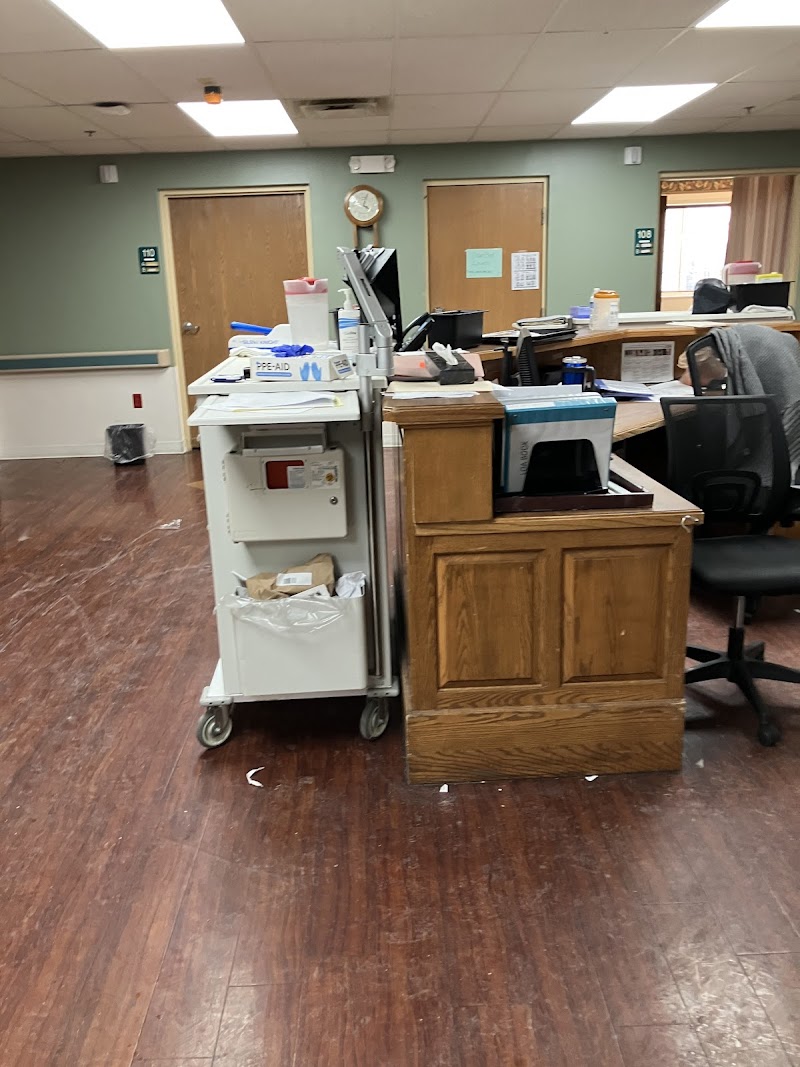
How Does Buckeye Terrace Rehabilitation And Nursing Center Compare to Other Ohio Nursing Homes?

Compared to the 100 nursing homes in Ohio, BUCKEYE TERRACE REHABILITATION AND NURSING CENTER's overall rating (2 stars) is below the state average of 3.2, staff turnover (60%) is significantly higher than the state average of 46%, and health inspection rating (1 stars) is much below the national benchmark.

What Should Families Ask When Visiting Buckeye Terrace Rehabilitation And Nursing Center?

Based on this facility's data, families visiting should ask: "What changes have been made since the serious inspection findings, and how are you preventing similar issues?" "How do you ensure continuity of care given staff turnover, and what is your staff retention strategy?" "Can you walk me through typical staffing levels on day, evening, and night shifts?" "Can I visit during a mealtime to observe dining assistance and food quality?" These questions are particularly relevant given the facility's Immediate Jeopardy citations, the facility's high staff turnover rate, and the below-average staffing rating.

Is Buckeye Terrace Rehabilitation And Nursing Center Safe?

Based on CMS inspection data, BUCKEYE TERRACE REHABILITATION AND NURSING CENTER has documented safety concerns. Inspectors have issued 1 Immediate Jeopardy citation (the most serious violation level indicating risk of serious injury or death). The facility has a 2-star overall rating and ranks #100 of 100 nursing homes in Ohio. Families considering this facility should ask detailed questions about what corrective actions have been taken since these incidents.

Do Nurses at Buckeye Terrace Rehabilitation And Nursing Center Stick Around?

Staff turnover at BUCKEYE TERRACE REHABILITATION AND NURSING CENTER is high. At 60%, the facility is 14 percentage points above the Ohio average of 46%. Registered Nurse turnover is particularly concerning at 62%. RNs handle complex medical decisions and coordinate care — frequent RN changes can directly impact care quality. High turnover means new staff may not know residents' individual needs, medications, or preferences. It can also be disorienting for residents, especially those with dementia who rely on familiar faces. Families should ask: What is causing the turnover? What retention programs are in place? How do you ensure care continuity during staff transitions?

Was Buckeye Terrace Rehabilitation And Nursing Center Ever Fined?

BUCKEYE TERRACE REHABILITATION AND NURSING CENTER has been fined $140,849 across 1 penalty action. This is 4.1x the Ohio average of $34,487. Fines at this level are uncommon and typically indicate a pattern of serious deficiencies, repeated violations, or failure to correct problems promptly. CMS reserves penalties of this magnitude for facilities that pose significant, documented risk to resident health or safety. Families should request specific documentation of what issues led to these fines and what systemic changes have been implemented.

Is Buckeye Terrace Rehabilitation And Nursing Center on Any Federal Watch List?

BUCKEYE TERRACE REHABILITATION AND NURSING CENTER is not on any federal watch list. The most significant is the Special Focus Facility (SFF) program, which identifies the bottom 1% of nursing homes nationally based on persistent, serious quality problems. Not being on this list means the facility has avoided the pattern of deficiencies that triggers enhanced federal oversight. This is a positive indicator, though families should still review the facility's inspection history directly.