Inniswood Health and Rehabilitation
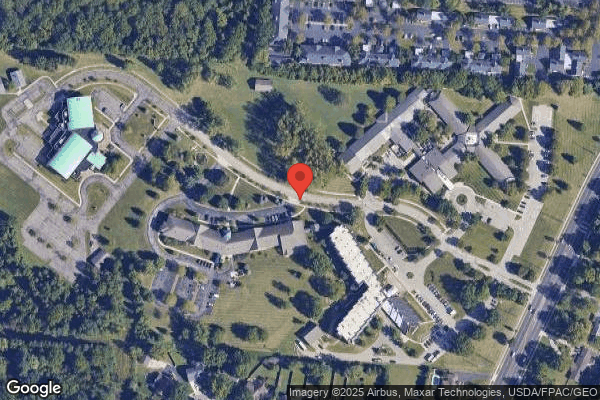
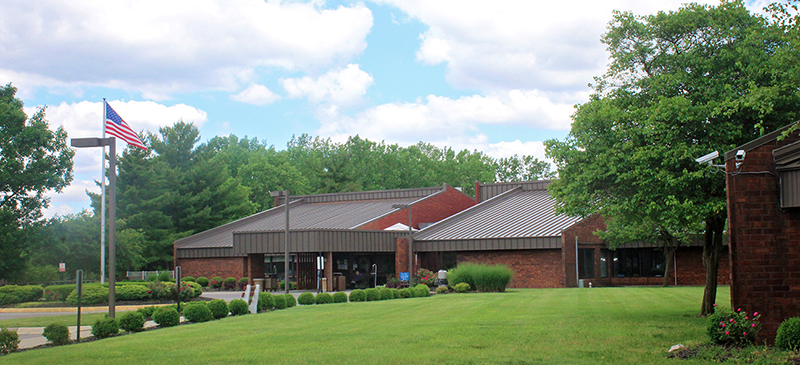
1150 COLONY DRIVE, WESTERVILLE, OH 43081 (614) 891-5055
Non profit - Corporation 99 Beds Independent Data: November 2025 1 Immediate Jeopardy citation
Trust Grade
3/100
#705 of 913 in OH
Last Inspection: February 2024

Within standard 12-15 month inspection cycle. Federal law requires annual inspections.

Overview

Inniswood Health and Rehabilitation in Westerville, Ohio has received a Trust Grade of F, indicating significant concerns about the facility. Ranked #705 out of 913 in Ohio, they are in the bottom half of nursing homes in the state, and #33 out of 56 in Franklin County, meaning only a few local options are better. Although the facility's trend is improving, with issues decreasing from 19 in 2024 to just 2 in 2025, the high fines of $169,562, which are greater than 94% of Ohio facilities, raise red flags regarding compliance problems. Staffing is a weak point, with only 1 out of 5 stars and no turnover, but they do have more RN coverage than 78% of Ohio facilities, which is a positive aspect since RNs can catch issues that other staff might miss. Specific incidents, such as a resident losing significant weight without timely re-assessment and another resident developing a serious pressure ulcer due to inadequate care, highlight critical areas of concern despite some strengths in staffing stability.
Trust Score
F
3/100
In Ohio
#705/913
Bottom 23%
Safety Record
High Risk
Review needed
Inspections
Getting Better
19 → 2 violations
Staff Stability
○ Average
Turnover data not reported for this facility.
Penalties
✓ Good
$169,562 in fines. Lower than most Ohio facilities. Relatively clean record.
Skilled Nurses
○ Average
Each resident gets 41 minutes of Registered Nurse (RN) attention daily — about average for Ohio. RNs are the most trained staff who monitor for health changes.
Violations
⚠ Watch
55 deficiencies on record. Higher than average. Multiple issues found across inspections.
★★☆☆☆
2.0
Overall Rating
★☆☆☆☆
1.0
Staff Levels
★★★★★
5.0
Care Quality
★☆☆☆☆
1.0
Inspection Score
Stable
2024: 19 issues
2025: 2 issues

The Good

  • 5-Star Quality Measures · Strong clinical quality outcomes
  • Full Sprinkler Coverage · Fire safety systems throughout facility
  • No fines on record

Facility shows strength in quality measures, fire safety.

The Bad

2-Star Overall Rating

Below Ohio average (3.2)

Below average - review inspection findings carefully

Federal Fines: $169,562

Well above median ($33,413)

Significant penalties indicating serious issues

The Ugly 55 deficiencies on record

1 life-threatening 4 actual harm
Jan 2025 2 deficiencies
CONCERN (D) 📢 Someone Reported This

A family member, employee, or ombudsman was alarmed enough to file a formal complaint

Potential for Harm - no one hurt, but risky conditions existed

Report Alleged Abuse (Tag F0609)

Could have caused harm · This affected 1 resident

**NOTE- TERMS IN BRACKETS HAVE BEEN EDITED TO PROTECT CONFIDENTIALITY** Based on staff interview, review of facility self-reported incidents (SRI's), medical record review and review of facility polic...

Read full inspector narrative →
**NOTE- TERMS IN BRACKETS HAVE BEEN EDITED TO PROTECT CONFIDENTIALITY** Based on staff interview, review of facility self-reported incidents (SRI's), medical record review and review of facility policy, the facility failed to ensure an incident of potential sexual abuse was timely reported to the Administrator and to the state agency. This affected two residents (#36 and #67) of three residents reviewed for abuse. The facility census was 72. Findings include: Review of the medical record for Resident #36 revealed an admission date of 12/02/18 with diagnoses including hemiplegia affecting left side, adjustment disorder with anxiety, major depressive disorder, anxiety disorder, deaf, dysphagia, and history of unspecified adult abuse. Review of Resident #36's quarterly Minimum Data Set (MDS) 3.0 assessment dated [DATE] revealed she had severely impaired cognition. Review of Resident #67's medical record revealed an admission date of 05/17/17 with diagnoses including schizophrenia, type two diabetes mellitus, schizoaffective disorder, major depressive disorder, sleep disorder, mild intellectual disabilities, mixed receptive-expressive language disorder, dysphagia, hypertension, and unspecified macular degeneration. Review of Resident #67's comprehensive MDS assessment dated [DATE] revealed moderate cognitive impairment. Review of the SRI created 12/24/24 at 8:33 A.M. revealed on 12/22/24 at 11:45 P.M. the night shift nurse found Resident #67 lying in Resident #36's bed on top of the covers with his pants down. Resident #36 was dressed and under the blankets. Resident #67 got out of bed and was directed out of the room. During subsequent interviews Resident #36 reported she was touched on the breast, but no sexual penetration took place. She reported she had been okay with it at the time but did not want it to happen again. Resident #67 was unable to be interviewed due to his cognition at the time but was moved to another hallway. Review of the printed texts to Licensed Piratical Nurse (LPN) #101 revealed on 12/24/24 a statement about the incident between Resident #67 and Resident #36 was requested and LPN #101 was told to always write a witness statement for similar situations. Interview on 01/21/25 at 10:11 A.M. with LPN #101 verified he did not timely report an incident of potential abuse. LPN #101 reported the night it occurred he got busy and distracted. In the morning, he notified his supervisor who said the (former) Director of Nursing (DON) needed notified, however, the DON had not been available. Interview on 01/21/25 at 1:38 P.M. with the DON verified the incident was not timely reported as an SRI. Review of the policy 'Abuse, Neglect, Exploitation, & misappropriation of Resident Property' dated 11/21/16, revealed all incident and allegations of abuse of a resident must be reported immediately to the Administrator or designee. Additionally, all alleged violations involving abuse are reported immediately, but not later than two hours after the allegation to the Administrator and the state survey agency. This deficiency represents noncompliance investigated under complaint OH00161124.
CONCERN (D) 📢 Someone Reported This

A family member, employee, or ombudsman was alarmed enough to file a formal complaint

Potential for Harm - no one hurt, but risky conditions existed

Investigate Abuse (Tag F0610)

Could have caused harm · This affected 1 resident

**NOTE- TERMS IN BRACKETS HAVE BEEN EDITED TO PROTECT CONFIDENTIALITY** Based on staff interview, review of facility self-reported incidents (SRI's), medical record review, and review of facility poli...

Read full inspector narrative →
**NOTE- TERMS IN BRACKETS HAVE BEEN EDITED TO PROTECT CONFIDENTIALITY** Based on staff interview, review of facility self-reported incidents (SRI's), medical record review, and review of facility policy, the facility failed to ensure an incident of potential sexual abuse was thoroughly investigated. This affected two residents (#36 and #67) of three residents reviewed for abuse. The facility census was 72. Findings include: Review of the SRI created 12/24/24 at 8:33 A.M. revealed on 12/22/24 at 11:45 P.M. the night shift nurse found Resident #67 lying in Resident #36's bed on top of the covers with his pants down. Resident #36 was dressed and under the blankets. Resident #67 got out of bed and was directed out of the room. During subsequent interviews Resident #36 reported she was touched on the breast, but no sexual penetration took place. She reported she had been okay with it at the time but did not want it to happen again. Resident #67 was unable to be interviewed due to his cognition at the time but was moved to another hallway. Review of the facility investigation revealed it included resident interviews, an email from the social worker explaining she had been unable to interview Resident #67, the electronic SRI, and a text message from Licensed Practical Nurse (LPN) #101. There were no additional staff interviews. Review of the printed texts to LPN #101 revealed on 12/24/24 a statement about the incident between Resident #67 and Resident #36 was requested. Review of the medical record for Resident #36 revealed an admission date of 12/02/18 with diagnoses including hemiplegia affecting left side, adjustment disorder with anxiety, major depressive disorder, anxiety disorder, deaf, dysphagia, and history of unspecified adult abuse. Review of Resident #36's quarterly Minimum Data Set (MDS) 3.0 assessment dated [DATE] revealed she had severely impaired cognition. Review of Resident #67's medical record revealed an admission date of 05/17/17 with diagnoses including schizophrenia, type two diabetes mellitus, schizoaffective disorder, major depressive disorder, sleep disorder, mild intellectual disabilities, mixed receptive-expressive language disorder, dysphagia, hypertension, and unspecified macular degeneration. Review of Resident #67's comprehensive MDS assessment dated [DATE] revealed moderate cognitive impairment. Interview on 01/21/25 at 8:17 A.M. with Manager of Clinical Services #110 at 8:17 A.M. revealed the facilities investigation for Resident #36 and #67 included resident interviews and one statement from staff. Interview on 01/21/25 at 1:38 P.M. with the Director of Nursing (DON) verified there were no additional staff statements related to the incident. Review of the policy 'Abuse, Neglect, Exploitation, & misappropriation of Resident Property' dated 11/21/16, revealed in response to allegations of abuse the facility must have evidence that all alleged violations are thoroughly investigated.
Aug 2024 3 deficiencies
CONCERN (D) 📢 Someone Reported This

A family member, employee, or ombudsman was alarmed enough to file a formal complaint

Potential for Harm - no one hurt, but risky conditions existed

Unnecessary Medications (Tag F0759)

Could have caused harm · This affected 1 resident

**NOTE- TERMS IN BRACKETS HAVE BEEN EDITED TO PROTECT CONFIDENTIALITY** Based on medical record review, medication administration observation, staff interviews, and medication administration policy re...

Read full inspector narrative →
**NOTE- TERMS IN BRACKETS HAVE BEEN EDITED TO PROTECT CONFIDENTIALITY** Based on medical record review, medication administration observation, staff interviews, and medication administration policy review, the facility failed to ensure an medication error rate of 5% or less when medication that was noted to be delayed release was crushed, or capsule were opened during administration. Medication error rate was 9%. This affected two residents (Resident #6, and #32) of the four residents reviewed for medication administration. The facility census was 74. Findings included: 1. Review of the medical record for Resident #32 revealed an admission date of 04/23/21. Diagnoses included dementia, depression, and osteoarthritis. Review of Resident #32's quarterly Minimum data Set (MDS) 3.0 assessment dated [DATE] revealed a Brief Interview for Mental Status (BIMS) score of 00 out of 15 indicating an severely impaired cognition for daily decision making abilities. Review of the plan of care dated 06/26/23 revealed Resident #32 uses antidepressant medication related to depression and weight loss. Resident is at risk for complications related to antidepressant medication including, dry mucosa, constipation, urinary retention, suicidal ideation, and increased signs/symptoms of depression. Interventions include to give antidepressant medications as ordered by physician. Review of physician orders for Resident #32 revealed the following: -Duloxetine Hydrochloride (HCL) capsule, delayed release particles, 30 milligrams (MG), give one capsule by mouth daily for depression. Ordered 07/25/2024. -May crush appropriate medications, ordered 08/28/24. -Regular diet, with regular texture, regular/thin consistency liquids. Ordered 04/26/21. Observation completed on 08/28/24 at 8:39 A.M. of Licensed Practical Nurse (LPN) #160 administer morning medication revealed after pulling the capsule Duloxetine HCL from the medication cart, LPN #160 proceeded to open the capsule up and release the sprinkles into a medication cup with pudding along with other medication that had been crushed for this resident. Also during this time, LPN #160 was noted to need medication from the medication stock room which this nurse was noted to walk away from her medication cart on two different occasions while leaving her medication cart unlocked while out of view. Interview on 08/28/24 at 8:40 A.M. with LPN #160 confirmed Resident #32 was ordered the medication Duloxetine HCL delayed release capsule which she just administered to this resident by opening the capsule and placing the sprinkles into a medication cup with other crushed medication and pudding for administration. LPN #160 verified when a medication is delayed released, it is not to be opened or crushed as this will alter the delayed release of the medication. 2. Review of the medical record review for Resident #6 revealed an admission date of 11/28/23. Diagnoses included paranoid schizophrenia, dementia, and conversion disorder with seizures or convulsions. Review of Resident #6's quarterly Minimum data Set (MDS) 3.0 assessment dated [DATE] revealed a Brief Interview for Mental Status (BIMS) score of 01 out of 15 indicating an severely impaired cognition for daily decision making abilities. Review of care plan dated 12/19/23 and revised 03/19/24 revealed Resident #6 had a seizure disorder related to past cerebral vascular accident. Interventions included to administer medication as per physician orders. Review of physician orders for Resident #6 revealed the following: -Divalproex Sodium oral tablet delayed release 250 milligram (mg). Give one tablet by mouth three times a day for convulsions. Ordered 11/28/23. -Regular diet, pureed texture, nectar thick consistency fluids. Ordered 03/25/24. Observation on 08/28/24 at 9:21 A.M. of Registered Nurse (RN) #34 administering medication for Resident #6 revealed the medication Divalproex Sodium, delayed release tablet was placed into a small plastic pouch along with other medication which was then then crushed into a powder form. All crushed medications were then placed into a medication cup along with pudding and administered to Resident #6. Interview on 08/28/24 at 9:23 A.M. with RN #34 confirmed she crushed the Divalproex Sodium medication which was also noted to be a delayed release medication and not to be crushed. Review of facility policy titled Administration Procedures for All Medications, revised date of 01/2018 revealed C. Review 5 Rights (3) times: 2) Prior to removing the medication from the container, a. Check the label against the order on the medication administration record. b. Note any special labeling that applies (fractional tablet, multiple tablet,s volume of liquid, shake well, give with another medication, etc.). This deficiency represents non-compliance investigated under Complaint Number OH00155915.
CONCERN (D) 📢 Someone Reported This

A family member, employee, or ombudsman was alarmed enough to file a formal complaint

Potential for Harm - no one hurt, but risky conditions existed

Infection Control (Tag F0880)

Could have caused harm · This affected 1 resident

**NOTE- TERMS IN BRACKETS HAVE BEEN EDITED TO PROTECT CONFIDENTIALITY** Based on medication administration observation, staff interview and facility policy review, this facility failed to ensure infec...

Read full inspector narrative →
**NOTE- TERMS IN BRACKETS HAVE BEEN EDITED TO PROTECT CONFIDENTIALITY** Based on medication administration observation, staff interview and facility policy review, this facility failed to ensure infection control measures were maintained during medication administration. This affected two residents (Resident #32 and #42) out of the four residents observed during medication administration. The facility census was 74. Findings include: 1. Review of the medical record for Resident #32 revealed an admission date of 04/23/21. Diagnoses included dementia, depression, and osteoarthritis. Review of Resident #32's quarterly Minimum data Set (MDS) 3.0 assessment dated [DATE] revealed a Brief Interview for Mental Status (BIMS) score of 00 out of 15 indicating an severely impaired cognition for daily decision making abilities. Review of the plan of care dated 06/26/23 revealed Resident #32 uses antidepressant medication related to depression and weight loss. Resident is at risk for complications related to antidepressant medication including, dry mucous, constipation, urinary retention, suicidal ideation, and increased signs/symptoms of depression. Interventions include to give antidepressant medications as ordered by physician. Observation on 08/28/24 at 8:39 of Licensed Practical Nurse (LPN) #160 removing medication from the medication bottle revealed this nurse using her ungloved thumb to pull multiple tablets of Vitamin D 3 25 microgram (mcg) from the bottle and placing them into a medication cup for administration. Continued observation completed on 08/28/24 at 8:40 A.M. of LPN #160 revealed this nurse grabbing a pair of gloves from the box on the medication cart when one glove was put on and the other glove was dropped. LPN #160 was observed picking that glove up off the floor with her gloved hand, throwing it away, followed by grabbing another glove from the box and putting that new glove on. Hand hygiene was not completed after picking the glove up off the floor and prior to touching a resident's medication with that same gloved hand. Interview on 08/28/24 at 8:40 A.M. with LPN #160 confirmed she used her bare hands to obtain medication from a medication bottle follow by placing that medication into a medication cup for administration. LPN #160 also confirmed she had dropped a glove on the floor and using her one gloved hand, picked the glove up off the floor and failed to complete hand hygiene as per facility policy. 2. Review of the medical record for Resident #42 revealed an initial admission date of 10/05/18 and a re-entry date of 07/29/22. Diagnoses included cerebral palsy, dysphasia, and Vitamin D deficiency. Review of Resident #42's quarterly Minimum Data Set (MDS) 3.0 assessment dated [DATE] revealed a Brief Interview for Mental Status (BIMS) score of 15 out of 15 indicating an intact cognition for daily decision-making abilities. Review of physician orders for Resident #42 revealed the following: -Labetalol Hydrochloride (HCL) 300 milligrams (mg) tablet, give one tablet daily for hypertension. Ordered 07/30/22. -Losartan Potassium-HCTZ 50-12.5 mg tablet, give one tablet by mouth daily for hypertension. Ordered on 07/15/23. -Multiple Vitamins-minerals tablet, give one tablet by mouth daily for supplement. Ordered 10/21/22. -Pioglitazone HCL 15 mg tablet, give one tablet by mouth daily for diabetes. Ordered 07/30/22. -Vitamin D oral tablet, give 2000 units by mouth daily for Vitamin D deficiency. -House protein supplement, give 30 milliliters (ml) by mouth two times a day for wound healing. Ordered 01/26/23. Observation on 08/28/24 at 9:12 A.M. of LPN #147 pulling medication for Resident #42 revealed this nurse was noted to pop each medication out of the medication card or medication bottle, place the medication directly into her hand and them place the medication into a medication cup for administration. Interview on 08/28/24 at 9:14 A.M. with LPN #147 confirmed she had touched each medication tablet or capsule prior to placing the medication into a cup for administration without wearing gloves. LPN #147 verified per facility policy she should wear gloves when handling medication but always forgets. Review of the facility policy titled Medication Administration-General Guidelines, revision date of 01/2018 revealed 2) Hand washing and Hand Sanitization: The person administering medication adheres to good hand hygiene, before beginning a medication pass, prior to handling any medications, after coming into direct contact with a resident. Review of the facility policy titled Hand Hygiene,: revision date of 06/06/2023 revealed Alcohol-Based Hand Rub (ABHR) is to be used before donning gloves, after removing gloves. This was an incidental finding identified during investigation for Complaint Number OH00155915.
CONCERN (E) 📢 Someone Reported This

A family member, employee, or ombudsman was alarmed enough to file a formal complaint

Potential for Harm - no one hurt, but risky conditions existed

Deficiency F0761 (Tag F0761)

Could have caused harm · This affected multiple residents

Based on observations, staff interview, and facility policy review, this facility failed to ensure medication carts were locked at all times unless in use and under direct observation of the medicatio...

Read full inspector narrative →
Based on observations, staff interview, and facility policy review, this facility failed to ensure medication carts were locked at all times unless in use and under direct observation of the medication administration personnel. This had the potential to affect all 26 residents who were noted to be mobile on the 300 and 500 unit. The facility census was 74. Findings include: Observation on 08/28/24 at 8:15 A.M. of Registered Nurse (RN) #34 completing medication administration for residents who resided on the 500 unit revealed this units medication cart was noted to be unlocked and RN #34 was not in view of this medication cart and was noted to be in a residents room. Observation completed on 08/28/24 at 8:39 A.M. of Licensed Practical Nurse (LPN) #160 administer morning medication revealed there was a medication that was not available in the 300 unit medication cart. LPN #160 was noted to leave the 300 unit medication cart unlocked and walk away from the cart to a different facility unit to obtained the needed medication from the facility's medication storage room. During this time, the medication cart on the 300 until remained unlocked and out of view of LPN #160. Interview on 08/28/24 at 8:40 A.M. with LPN #160 confirmed her medication was left unlocked while out of sight. Interview on 08/28/24 at 9:23 A.M. with RN #34 confirmed she had her medication cart had been left unlocked and out of sight earlier that morning. Review of the facility policy titled, Administration Procedures for All Medication revision date of 01/2018 revealed All medication storage areas (carts, medication rooms, central supply) are locked at all times unless in use and under the direct observation of the medication administration personnel. This was an incidental finding identified during investigation for Complaint Number OH00155915.
Feb 2024 16 deficiencies 1 IJ
CRITICAL (J)

Immediate Jeopardy (IJ) - the most serious Medicare violation

Deficiency F0692 (Tag F0692)

Someone could have died · This affected 1 resident

**NOTE- TERMS IN BRACKETS HAVE BEEN EDITED TO PROTECT CONFIDENTIALITY** 2. Resident #49 was admitted to the facility on [DATE] with diagnoses including displaced intertrochanteric fracture of right fe...

Read full inspector narrative →
**NOTE- TERMS IN BRACKETS HAVE BEEN EDITED TO PROTECT CONFIDENTIALITY** 2. Resident #49 was admitted to the facility on [DATE] with diagnoses including displaced intertrochanteric fracture of right femur, muscle weakness, acute respiratory failure with hypoxia, pressure ulcer of sacral region, urinary tract infection, dysphagia, congestive heart failure, encephalopathy, chronic obstructive pulmonary disease, dementia, attention deficit hyperactivity disorder, Alzheimer's disease, chronic kidney disease, atherosclerotic heart disease, depression, hypertension, anemia, and deaf nonspeaking. Review of his Minimum Data Set (MDS) assessment, dated 11/14/23, revealed the resident had a mild cognitive impairment. Review of Resident #49's weights revealed the following: On 07/11/23 (188 pounds), 08/14/23 (187.8 pounds), and 11/05/23 (175 pounds). No weight was obtained in December 2023 and no re-weights were obtained to verify the resident's weight loss. The resident's next weight was on 12/05/23, there was no documentation that a re-weight was taken in a timely manner to verify the weight loss. Review of Resident #49's physician orders revealed he was to be weighed once per month which by documentation was not occurring. Interview with the DON on 01/08/24 at 11:30 A.M. revealed staff were to notify the physician when the dietitian looked at the weights/nutritional status and made a new order. She confirmed staff do not notify the dietitian or physician when they take weights, and they had not been responsible to report significant changes; but rather the dietitian reviews this routinely. She confirmed the facility weight change policy was to notify the physician and dietitian when there was a change of five pounds or more. Review of facility Weight Change policy, dated March 2018, revealed a significant weight loss was defined as five percent in one month, 7.5 percent in three months, and 10 percent in six months. Recheck weights were to be obtained for a five-pound loss or gain if resident weights over 100 pounds and a three-pound gain or loss on a resident weighing less than 100 pounds. A five-pound gain or loss on a resident weighing 100 pounds or more and three-pound gain or loss on a resident weighing less than 100 pounds would be reported to the dietician and physician. Based on observation, medical record review, hospital record review, staff, physician and Registered Dietician (RD) interview, review of the Ohio Board of Dietetics (OBD) Standards of Practice in Nutrition Care, contract reviews, and facility policy review, the facility failed to ensure Resident #32, who was identified at nutritional risk, was provided a comprehensive and individualized nutritional plan to include monitoring weights and nutritional status, physician and dietitian notification for weight loss and implementation of nutrition interventions to prevent severe weight loss. This resulted in Immediate Jeopardy and actual harm for Resident #32, who experienced severe weight loss from 09/07/23 to 10/04/23 when she lost 19.9 pounds, representing a weight loss of 10.05% in one month (September to October 2023); 6.5% from October to November and 6.0% from November to December 2023 with a total weight loss over this time period of 21.6 % of her body weight (a 43 pound weight loss) due to the facility repeated and systemic failures to assess and address the resident's nutritional status and to implement pertinent interventions based on such an assessment resulting in continued significant/severe weight loss and functional decline. The resident was admitted to the hospital on [DATE] and returned to the facility on [DATE], continuing to lose weight. Additionally, a concern that did not rise to an Immediate Jeopardy occurred when the facility failed to monitor weights per physician orders and notify the physician and/or dietician of weight loss for Resident #49. This affected two residents (#32 and #49) of 11 residents reviewed for nutrition. The facility census was 83. On 01/25/24 at 3:35 P.M., the Administrator and the Director of Nursing (DON) were notified Immediate Jeopardy began on 10/04/23 when Resident #32 experienced a severe weight loss of 19.9 pounds/10.05% of her body weight in a one month period of time (September to October 2023); 6.5% from October to November 2023 and 6.0% from November to December 2023 with a total weight loss over this time period of 21.6 % of the resident's body weight (43 pounds) with the weight loss not being comprehensively addressed and monitored ultimately leading to the resident being given the diagnoses of malnutrition related to poor intake and a subsequent admission to the hospital. The Immediate Jeopardy was removed on 01/29/24 when the facility implemented the following corrective actions: • On 01/23/24 Resident #32 was transferred to the hospital for evaluation and treatment related to pneumonia, urinary tract infection (UTI), sepsis, diverticulitis, abdominal pain and nausea/vomiting. The resident was re-admitted to the facility on [DATE]. The facility implemented a plan for the resident to be encouraged and assisted to attend the assist dining room for lunch and dinner to encourage increase intake of meals. Resident #32's supplement order was modified to include the percentage of intake of the supplement by the Director of Nursing (DON) on 01/25/24. The resident's plan of care was updated on 01/25/24 to review the weight loss. Registered Dietician (RD) #500 reviewed the resident and recommended to continue the supplements as ordered. Resident #32 was started on an appetite stimulant (Remeron) on 01/26/24. On 01/29/24 Dietary Manager (DM) #115 updated Resident #32's food likes and dislikes and on 01/30/24 Resident #32's house supplement was discontinued and an order for mighty shakes three times a day was added. • On 01/25/24 at 4:30 P.M. DON and Unit Managers #176 and #213 began in-person re-education for all direct care staff regarding the facility's weight loss policy and procedure. The direct care staff would be educated on the process for documenting the percentage of food intake at meals and the need to notify the nurse and/or dietician when there was a decrease in a meal or supplement intake that may need to be addressed. The direct care staff would document supplement intakes on the Medication Administration Record (MAR) via supplementary documentation. The direct care staff would document meal intakes on the point of care (POC) charting. Direct care staff would not be permitted to work until they have received the education. As of 01/26/24 there were 7 Registered Nurses (RN), 12 Licensed Practical Nurses (LPN), and 20 State Tested Nursing Assistant (STNA) who were educated. The clinical management team would be present at shift change to ensure staff did not work prior to being educated. The facility has 13 staff members RN #166, LPN #126, #283, #321 and STNA #122, #124, #168, #211, #259, #311, #320, #340 and #343 out of the country who would not be permitted to work until the education was provided by the clinical management team. • On 01/25/24, the facility re-implemented their Weight Change policy. The policy included how to respond to weight loss and significant weight loss and how it should be communicated to the Interdisciplinary Team (IDT), Physician #502, and responsible party. Direct care staff would obtain the weight; if a significant change was identified, they would notify the unit manager assigned to their hallway; that Unit Manager would initiate the standing orders, and contact the physician and dietician for recommendations. • On 01/26/24, the DON and Unit Manager #176 reviewed the weights of 82 residents in the facility for undesired significant changes. Seven residents, Resident #1, #9, #31, #42, #46, #57 and #76 triggered for a greater than 5 pound (lb) weight loss. For any residents who were triggered for weight loss during this review, the diet tech and physician were notified by the unit manager or designee (on 1/26/2024 at 11:41 A.M.). The Diet Tech and physician assessed the residents and recommendations were received by 1/27/2024. All residents who triggered were interviewed and/or family interviewed. Moving forward the care conference form has been updated to review nutrition as a systemic approach to address the individual needs of each resident. All residents who triggered to have an undesired weight loss would be reviewed by the IDT team, DON, Unit Manager #176, #213, Licensed Social Worker (LSW) #251, Administrator, Licensed Nursing Home Administrator (LNHA) #110, during the weekly risk meeting. The new weight review would be added to the weekly risk meeting beginning 1/29/2024. Standing orders for house supplements were in place for residents triggering for an undesired weight loss as recommended by the physicians on 1/26/2024. The Unit Managers #176 and #213 would enter the order during the daily IDT meeting. The RD/DR would also be part of the weekly meeting and updates would also be provided at that time. • On 01/26/24 supplement orders for Residents #3, #5, #7, #9, #12, #14, #16, #17, #18, #19, #23, #24, #30, #32, 335, #36, #37, #39, #40, #42, #45, #47, #48, #52, #53, #54, #56, #57, #58, #59, #60, #64, #70, #72, #73, #76, #81 and #84 were modified by Unit Manager #176 to track intake percentages for residents who were at risk for weight loss. The documentation would be located in the resident's MAR under supplementary documentation. • The facility implemented a plan for the IDT Team to review food intakes for all residents during the weekly risk meeting beginning 01/29/24. • On 01/26/24, an ad hoc Quality Assessment Performance Improvement (QAPI) meeting was held with Physician #501, the Administrator, the DON, Regional Registered Dietician (RRD) #503, Unit Manager #176, LNHA #110, Registered Nurse (RN) #508 and RN #510, to discuss the plan of action. The facility also reviewed the re-implemented weight policy for any changes. • On 01/29/24 at 12:00 P.M., the Administrator, DON, and RD #500 discussed alternative supplement options (if the resident prefers a different supplement than the one as part of the standing orders). The Dietician/Diet Tech would be attending the communities risk management meeting beginning the week of 01/29/2024 and weekly, thereafter. • On 01/29/24 at 12:25 P.M. Resident #32 was interviewed for updated preferences In addition, the resident food committee meets the first Friday of each month to review the menu and add preferences. • The facility implemented a plan for the DON/designee to audit 10 resident records three times a week to ensure that meal and supplement intakes were being documented, weights were being obtained in accordance with the plan of care, weight changes were being reported to the IDT and physician as appropriate, and interventions were implemented related to weight changes. The audits would begin on 01/29/24 and continue for 12 weeks. Although the Immediate Jeopardy was removed on 01/29/24, the facility remained out of compliance at a Severity Level 2 (no actual harm with potential for more than minimal harm that is not Immediate Jeopardy) as the facility was in the process of implementing their corrective action plan and monitoring to ensure on-going compliance. Findings Include: Review of Resident #32's medical record revealed an admission date of 03/28/22 with a re-admission date of 08/18/23. The resident's diagnoses included encephalopathy, need for assistance with personal care, displaced subtrochanteric fracture of right femur, vitamin D deficiency, major depressive disorder, deaf and nonspeaking, type II diabetes, mild intellectual disabilities, secondary malignant neoplasm of the breast, acquired absence of left breast and nipple and anxiety disorder. Review of the resident is at risk for altered nutrition/hydration related to diagnoses encephalopathy, diabetes mellitus, developmental disabilities (DD), vitamin D deficiency, depression, anxiety, history of need for therapeutic diet, usually good by mouth intakes, abnormal labs, body mass index (BMI) indicates obesity and refuses weights occasionally plan of care, dated 04/04/22, revealed interventions which included to educate resident/representative regarding nutritional needs and requirements, modify diet as appropriate according to resident's food tolerance and preferences, monitor for alteration in chewing or swallowing status, alert physician and speech therapy (ST) as needed, provide diet as ordered, encourage intakes of diet and fluids, assist with meals as needed, provide medications as ordered, report to physician any signs/symptoms of dysphagia (swallowing difficulty) report to physician as needed any signs/symptoms of malnutrition, report the physician any signs/symptoms of dehydration, weights as ordered. The care plan also reflected the following weight documentation: On 10/12/23 significant weight loss at one week/30/90/180 days, 11/02/23 significant weight loss at 30/90/180 days, 11/28/23 significant weight loss with varied meals and abnormal labs, 01/15/24 significant weight loss at 90 and 180 days. Review of the resident's re-admission initial nursing assessment dated [DATE], authored by Licensed Practical Nurse (LPN) #191, revealed the resident required set-up, supervision with meals, was non-weight bearing to the right leg and required two staff members with bed mobility and transfers. Review of the medical record revealed no re-admission weight and the first documented weight following the resident's re-admission was obtained on 08/25/23 at 202.7 pounds. Review of the resident's meal percentage intakes for August 2023 revealed the facility failed to document the resident's meal intakes on the following days: 08/06/23, 08/07/23, 08/10/23 for lunch and dinner, 08/14/23, 08/19/23, 08/20/23, 08/21/23, and 08/24/23 for the dinner meal. Review of the resident's weights revealed from 08/25/23 (202.7 pounds) to 09/07/23 (197.9 pounds) the resident had a weight loss of 4.8 pounds or (2.37%) weight loss in 13 days. Review of the resident's meal percentage intakes for September 2023 revealed the facility failed to document the resident's meal intakes on the following days: 09/03/23, 09/04/23 for the dinner meal, 09/07/23, 09/08/23, 09/09/23, 09/17/23, 09/18/23, 09/22/23, 09/25/23, 09/27/23, 09/29/23 and 09/30/23. Review of the resident's weights revealed from 09/07/23 (197.9 pounds) to 10/04/23 (178.0 pounds) the resident had a weight loss of 19.9 pounds or (10.05 %) weight loss in one month. Review of the resident's progress notes revealed no documented evidence Registered Dietician (RD) #500 or Physician #502 were notified of the significant weight loss of 19.9 pounds or 10.05 % in one month until 10/16/23. Further review revealed RD #500 recommended to add house supplement 2.0 240 milliliters (ml) daily and notify the physician or Certified Nurse Practitioner (CNP) of the significant weight loss. The RD was to continue to monitor weight trend and follow up as needed. Review of the resident's physician orders revealed the house supplement 240 ml by mouth daily recommendation from RD #500 was not implemented by the facility until 10/27/23. Review of the resident's weights from 10/04/23 (178 pounds) to 11/01/23 (166.5 pounds) revealed the resident had a significant weight loss of 11.5 pounds or 6.5 % of her total body weight loss in 28 days. Further review of the medical record revealed no documented evidence that the physician was notified of the significant weight loss. Review of the resident's meal percentage intakes for October 2023 revealed the facility failed to document the resident's meal intakes on the following days: 10/05/23, 10/06/23, 10/09/23, 10/13/23, 10/14/23, 10/16/23, 10/17/23, 10/19/23, 10/20/23, 10/21/23, 10/23/23, 10/25/23, 10/26/23, 10/27/23, 10/28/23, 10/29/23, 10/30/23 and 10/31/23. Review of the Medication Administration Record (MAR) for October 2023 revealed the facility failed to document the percentage of the house supplement consumed. Review of the resident's weights from 11/01/23 (166.5 pounds) to 12/14/23 (156.5 pounds) revealed the resident had a significant weight loss of 10 pounds or 6% weight loss. Review of the weight change note dated 11/02/23 at 12:48 P.M., authored by RD #500, revealed the resident had a significant weight loss at 30/90/180 days and continued with a pressure ulcer to the right heel. The resident continued to receive a regular diet and had no recent meal intakes to review. The resident was receiving house supplement of 240 milliliters (ml) by mouth daily and 30 ml protein supplement twice daily. The note documented all supplements were accepted well. The RD recommended to increase the house supplement to 240 ml twice daily and continue to monitor weights weekly. Review of the medical record revealed the resident's weights were not obtained on 11/08/23 and 11/15/23 as physician ordered. Review of the resident's quarterly Minimum Data Set (MDS) assessment dated [DATE] revealed the resident had a severe cognitive deficit. Review of the mood and behavior section of the assessment revealed the resident had not rejected care. The assessment indicated the resident's weight was 161 pounds and she had a significant weight loss and was not on a prescribed weight loos regimen. Review of the dietary progress note dated 11/29/23, authored by RD #500 revealed the resident continued to have a significant weight loss of 7% in 30 days, 21% in 90 days and 21% in 180 days. The RD recommended to increase the house supplement to 240 ml three times a day, obtain weekly weights as physician ordered and notify the physician and/or CNP of the continued weight loss. Review of the physician's progress note dated 11/30/23, authored by Physician #502, revealed the physician was seeing the resident for unintentional weight loss. Following the review of the medical record the resident had lost approximately 40 pounds in the past six months. The physician gave orders to encourage by mouth intake, increase house supplement to 240 ml to three times a day and obtain weight weekly. Further review revealed the physician ordered a chest x-ray, calcium (CA) laboratory test, carcinoembryonic antigen (CEA) (a type of tumor marker used to monitor for cancer) laboratory test, complete metabolic panel laboratory and stool for guaiac three times (test used to detect blood in stool). Review of the medical record revealed no evidence the CEA, CA or the stool for guaiac three times had been obtained. Review of the resident's meal percentages intakes for November 2023 revealed the facility failed to document the resident's meal intakes on the following days: 11/02/23, 11/05/23, 11/06/23, 11/07/23 and 11/08/23. Review of the MAR for November 2023 revealed the facility failed to document the percentage of the house supplement consumed. Review of the medical record revealed the resident's weights were not obtained on 11/30/23 and 12/07/23 as physician ordered. Review of the resident's weight for 12/14/23 (156.5 pounds) revealed the resident had lost another four pounds or 2.5% weight loss in 22 days continuing the resident's weight loss trend. The medical record contained no documented evidence that the resident's physician or RD were notified of the continued weight loss. Review of the resident's weights revealed the physician ordered weight was not obtained on 12/21/23. Review of the physician progress note dated 12/21/23, authored by Physician #502, revealed the physician reviewed the resident's labs and the complete metabolic panel (CMP) supported the diagnoses of malnutrition with an Albumin low at 2.4 and protein low at 4.6. Further review of the physician progress note revealed the physician again ordered the labs CA, CEA and stool for guaiac three times due to them not being previously obtained. Review of the resident's weights revealed the physician ordered weight was not obtained on 01/04/24. Review of the resident's weight revealed on 01/11/24 the resident's weight was 152.6 pounds indicating another 3.4 pound or 2.18% weight loss continuing the weight loss trend. Review of the dietary progress note dated 01/15/24 at 10:44 A.M., authored by RD #500 revealed the resident had no significant weight loss in the past 30 days however, the resident had an 11% weight loss in the past 90 days and 25% weight loss in the past 180 days. Review of the resident's weights revealed no weight was obtained on 01/18/24 as ordered by the physician. Review of the MAR for January 2024 revealed the facility failed to document the percentage of house supplements consumed. Review of the resident's meal percentage intakes for January 2024 revealed the facility failed to document the resident's meal intakes on the following days: 01/19/24 and 01/20/24. The facility did not identify the resident's weight loss as a severe weight loss. Review of the Centers for Medicare and Medicaid guidance under the intent for 4383.25 (g) revealed the suggested parameters for evaluating the significance of unplanned and undesired weight loss defined severe weight loss as greater than five percent lost in one month; greater than 7.5% in three months and greater than 10% in six months. Observation on 01/23/24 at 12:40 P.M. revealed the resident was offered her lunch meal tray. The resident communicated via sign language to Licensed Practical Nurse (LPN) #219 that she wanted her meal. The resident was served her meal, in a disposable container, which consisted of an oven fried pork chop, buttered parsley noodles, veggie blend, a slice of wheat bread, a slice of crème pie and tea for beverage. A bowl of chicken noodle soup was also on the tray, in a disposable bowl. The resident consumed 75% of her pork chop and bread and began using sign language to communicate that she was sick to her stomach. Interview on 01/23/24 at 12:43 P.M. with LPN #219 revealed the resident had complaints of nausea for the past few days. The LPN shared she had administered Zofran (an anti-nausea medication) to the resident, but she continued to complain of nausea. She revealed the resident was independent with eating and had just recently stopped eating. The LPN revealed the resident only takes sips of the physician ordered supplement but refused it the majority of time. She stated she had not communicated to the physician or the management team the resident's refusal of the supplement or the resident's decreased appetite. Interview on 01/23/24 at 12:56 P.M. with the Director of Nursing (DON) verified the lack of an individualized nutritional plan to include monitoring weights and nutritional status, physician and dietitian notification for weight loss and implementation of nutrition interventions to prevent severe weight loss for Resident #32. Interview on 01/23/24 at 1:06 P.M. with RD #500 revealed she was aware of the significant weight loss the resident had experienced. The RD verified the resident's meal percentages were not documented consistently, the percentage of nutritional supplement consumed was not documented and weekly weights were not obtained. The RD revealed it was difficult to determine if interventions implemented were appropriate due to the lack of charting. The RD stated she would expect her recommendations to be implemented within three days of receiving. The RD verified she was never told the resident refused to be weighed or refused supplements. Lastly, the RD shared she had no additional interventions to implement and was waiting for the physician to implement an appetite stimulant. Interview on 01/23/24 at 4:10 P.M. with the DON verified the physician ordered lab tests CA, CEA and guaiac stools three times were not obtained when ordered on 11/30/23 and again on 12/16/23. The DON also verified this was not communicated with the physician. Further review of the medical record revealed the resident was transferred to the hospital on [DATE] due to vomiting and was admitted with sepsis due to unspecified organism, pneumonia of the right lower lobe due to infectious organism, nausea and vomiting, pain of upper abdomen, fecal impaction and acute urinary tract infection. Review of the hospital documentation dated 01/24/24 provided by the facility revealed the resident was admitted to the local acute care hospital after being transferred from the facility for the final diagnoses of sepsis due to unspecified organism, pneumonia of right lower lobe due to infectious organism, nausea and vomiting, pain of upper abdomen, fecal impaction, and acute urinary tract infection. Further review revealed the resident's weight on 01/24/24 (in the hospital) was 149 pounds continuing the weight loss trend. In addition, review of the hospital documentation revealed a bedside modified barium swallow (an x-ray test that takes pictures of the patient's mouth and throat while he or she swallows various foods and liquids) was completed. The resident displayed mild to moderate dysphagia due to impaired cognition, impulsiveness and overall disorganized bolus (a ball-like mixture of food and saliva that forms in the mouth during the process of chewing) formation. Recommendations were made for thickened liquids and an altered diet texture. When the resident returned to the facility on [DATE], the resident had a new diet order for mechanical soft (restricts difficult to chew foods) and nectar thickened liquids (the fluid consistency is altered to the consistency of nectar and aides in swallowing of those with difficulty swallowing). Interview on 01/25/24 at 9:23 A.M. with Physician #502 revealed the resident was given the diagnoses of malnutrition based on the CMP laboratory results and the weight loss. He revealed the facility had not notified him of the resident's trending weight loss, decreased oral intake, decreased and/or refusal of supplements and labs not being completed as he had ordered. Review of the nursing progress notes dated 01/25/24 at 6:29 P.M. revealed the resident would have new medications including a 10-day course of Cefdinir (antibiotic), insulin changes and the resident was oriented to her room and call light. Medications were confirmed with the nurse practitioner (unidentified) at the time of her re-admission from the hospital. Review of the Ohio Board of Dietetics (OBD) Standards of Practice in Nutrition Care, effective 11/30/19 revealed the licensee monitors and evaluates indicators and outcomes data directly related to the nutrition diagnosis, goals and intervention strategies to determine the progress made in achieving desired outcomes of nutrition care and whether planned interventions should be continued or revised. Nutrition monitoring and evaluation is the fourth step of the nutrition care process. Monitoring specifically refers to the review and measurement of the patient / client / group's status at a scheduled (preplanned) follow-up point with regard to the nutrition diagnosis, intervention plans / goals and outcomes, whereas evaluation is the systematic comparison of current findings with previous status, intervention goals, or a reference standard. Monitoring and evaluation use selected outcome indicators (markers) that are relevant to the patient / client / group's defined needs, nutrition diagnosis, nutrition goals, and disease state. Review of the facility's contract with the RD, dated 01/24/20 included that RD would formulate nutritional assessments and care plans on all new admissions, make resident visitations, observe eating in rooms and dining areas, and monitor weight, skin, and hydration management programs. Review of the Medical Director (MD) Agreement dated 07/12/21 revealed the MD shall be responsible for the implementation of resident care policies and the coordination of medical care in the facility, overall coordination of physician services in the skilled nursing facility and wellness program. Maintains effective liaison with attending physicians and provides guidance to them regarding the implementation of facility patient care and documentation policies. Review of facility Weight Change policy, dated March 2018, revealed a significant weight loss was defined as five percent in one month, 7.5 percent in three months, and 10 percent in six months. Recheck weights were to be obtained for a five-pound loss or gain if resident weights over 100 pounds and a three-pound gain or loss on a resident weighing less than 100 pounds. A five-pound gain or loss on a resident weighing 100 pounds or more and three-pound gain or loss on a resident weighing less than 100 pounds would be reported to the dietician and physician.
SERIOUS (G)

Actual Harm - a resident was hurt due to facility failures

Pressure Ulcer Prevention (Tag F0686)

A resident was harmed · This affected 1 resident

**NOTE- TERMS IN BRACKETS HAVE BEEN EDITED TO PROTECT CONFIDENTIALITY** Based on observation, medical record review, interviews and facility policy review, the facility failed to implement adequate sk...

Read full inspector narrative →
**NOTE- TERMS IN BRACKETS HAVE BEEN EDITED TO PROTECT CONFIDENTIALITY** Based on observation, medical record review, interviews and facility policy review, the facility failed to implement adequate skin risk interventions for Resident #32 to prevent the development of a pressure ulcer. Actual harm occurred on 08/24/23 when Resident #32, who was re-admitted to the facility on [DATE] with a displaced subtrochanteric fracture of right the femur with surgical repair and required extensive assistance with bed mobility for turning and repositioning developed a deep tissue injury (DTI) (A purple or maroon area of discolored intact skin due to damage of underlying soft tissue. The area may be preceded by tissue that is painful, firm, mushy, boggy, warmer, or cooler as compared to adjacent tissue.) to the right heel. The resident reported an increased amount of pain due to the development of the pressure ulcer. In addition, it was the resident's physician who first identified the DTI while on site at the facility on 08/24/23. The facility failed to implement comprehensive and individualized interventions to prevent the development of the pressure ulcer and failed to properly assess, monitor, or implement skin interventions for the DTI until 08/31/23. Findings Include: Review of Resident #32's medical record revealed the resident was admitted to the facility on [DATE] with a re-admission of 08/18/23. Resident #32 had diagnoses including encephalopathy, need for assistance with personal care, displaced subtrochanteric fracture of right femur, vitamin D deficiency, major depressive disorder, deaf nonspeaking, type II diabetes, mild intellectual disabilities, secondary malignant neoplasm of the breast, acquired absence of left breast and nipple and anxiety disorder. Review of the plan of care dated 04/04/22 revealed the resident was at risk for an alteration to skin integrity related to encephalopathy, diabetes mellitus, osteoporosis, groin candidiasis and mood boots in bed as tolerated. Interventions included administer medications and treatments as ordered, encourage nutrition/hydration as needed, encourage/assist with daily hygiene as needed, keep skin clean, dry and odor free as tolerated, weekly skin assessment as tolerated and boots/heel protectors while in bed as tolerated was added to the plan of care. Review of the resident's weekly readmission skin assessment dated [DATE], authored by Licensed Practical Nurse (LPN) #191 revealed the resident was re-admitted from an acute care hospital stay to the facility with no pressure ulcers/injuries. Review of the [NAME] scale dated 08/18/23 revealed a score of 10 indicating the resident was at high risk for skin breakdown. Review of the physician progress note dated 08/24/23, authored by Physician #502 revealed the physician was seeing the resident following an emergency room (ER) visit for hypoglycemia. Through interpreter the resident stated, she had a hole in her right heel and had a lot of pain there. Upon examination the resident's right heel was found to be black with eschar. The physician determined the resident had a DTI to the right heel and gave a new order to elevate the heel at that time. Review of the resident's quarterly Minimum Data Set (MDS) dated [DATE] revealed the resident had a severe cognitive deficit. Review of the mood and behavior section of the MDS revealed the resident had not rejected care. The assessment revealed the resident required extensive assistance from two staff for bed mobility, transfers, toileting, dressing and personal hygiene and was non-ambulatory. The assessment indicated the resident was always incontinent of both bowel and bladder. The resident was assessed as being at high risk for skin breakdown and had no unhealed pressure ulcer/injuries. The MDS noted the facility implemented the intervention of pressure reducing device to bed and applications of ointments/medications other than to feet. Review of the plan of care dated 08/31/23 revealed the resident had a pressure ulcer to the right heel related to presence of fragile skin, weakness/deconditioning, decreased mobility and moon boots while in bed as tolerated. Interventions included administer medications as ordered, administer treatments as ordered, follow facility policies/protocols for prevention/treatment of skin breakdown, inform family/resident of any new areas of skin breakdown, measure length, width and depth where possible, assess and document status of wound perimeter, wound bed and healing process, report improvements and declines to physician, monitor dressing with rounds to ensure it is intact and adhering, report loose dressing to nurse, monitor nutritional status, serve diet as ordered, monitor intake and record, monitor/document/report to physician as needed changes in skin status and Prostat (liquid protein supplement used to promote wound healing) as ordered. Review of an initial weekly pressure ulcer form dated 08/31/23 revealed this wound was not identified by the facility until 08/31/23 despite the physician identifying the DTI on 08/24/23. The facility now classified the wound as an unstageable pressure ulcer measuring 3.0 centimeters (cm) by 2.0 cm. The wound was described as being black and had no exudate. The facility determined the wound had declined despite the assessment being the initial assessment. The facility implemented a treatment of Betadine daily to the pressure ulcer. Review of Wound Physician (WP) #501's initial progress note dated 09/05/23 revealed the resident had an unstageable DTI measuring 2.2 cm by 2.5 cm. The wound was partial thickness and had no exudate. The wound physician continued the Betadine daily and use of a pressure off-loading boot. Review of WP #501's progress note dated 09/19/23 revealed the wound was now classified as unstageable necrosis measuring 2.0 cm by 2.0 cm by 0.1 cm with 40% thick adherent devitalized necrotic tissue and 60% dermis/subcutaneous tissue. The wound had a moderate amount of serous drainage. The physician determined the wound had improved as evidenced by decreased surface area. The physician changed the treatment to cleanse the wound, apply Mesalt (a salt-impregnated gauze that is used for wound with moderate to heavy drainage, yellow slough, fibrin or infection. The dressing absorbs fluid from the wound and releases sodium chloride which has a cleansing and healing effect. The dressing helps to remove dead tissue and bacteria and prevents further bacterial growth.) and cover with a border gauze island dressing daily and use of pressure off-loading boot. The resident refused debridement of the wound during the visit. Record review revealed WP #501 completed progress notes on 09/26/23, 10/03/23, 10/10/23 10/17/23, 10/24/23 and 10/31/23. Each visit note reflected the resident continued with the unstageable necrosis to the right heel. WP #501 included measurements of the wound, amount of drainage present to the wound and was noted to remove necrotic tissue during the visits. There were no changes made to the wound treatments during this time. Review of the resident's medical record revealed no documented evidence the resident was noncompliant with wound care. Review of the October 2023 Treatment Administration Record (TAR) revealed the treatment to the resident's right heel of cleanse the right heel with normal saline, pat dry, apply Mesalt and cover with dry dressing daily was discontinued on 10/20/23. Further review revealed no evidence the facility initiated a new treatment to the right heel following the discontinuation of the treatment on 10/20/23. Review of the November 2023 TAR revealed the facility re-implemented the treatment on 11/01/23 to cleanse the unstageable necrosis to the right heel with normal saline, apply Mesalt and cover with dry dressing daily following WP #501's visit on 10/31/23. Review of the resident's medical record revealed the resident was seen by WP #501 on 11/07/23, 11/14/23 and 11/21/23 for wound care. Each visit note included the resident continued with the unstageable necrosis to the right heel with measurements and an assessment of the amount of drainage. On 11/07/23 and 11/14/23 the wound physician removed the necrotic tissue and established the margins of viable tissue with permission of the resident. On 11/21/23 the resident refused wound debridement during the visit. The physician made no changes in the treatment to the wound during this time. Review of the resident's quarterly Minimum Data Set (MDS) assessment dated [DATE] revealed the resident had a severe cognitive deficit. Review of the mood and behavior section of the MDS revealed the resident had not rejected any care. The assessment indicated the resident was frequently incontinent of both bowel and bladder. The resident was assessed as being at high risk for skin breakdown and had one unstageable pressure ulcer not present on admission. Review of the resident's medical record revealed the resident was seen by WP #501 for wound care on 11/28/23, 12/05/23, 12/12/23 and 12/19/23 for continued care of the unstageable necrosis pressure ulcer to the right heel. Each visit contained the measurements of the pressure ulcer, presence/amount of drainage. The resident refused wound debridement on 11/28/23. Review of WP #501's progress note dated 12/19/23 revealed the physician classified the right heel pressure injury as a Stage IV (Full thickness tissue loss with exposed bone, tendon or muscle. Slough or eschar may be present on some parts of the wound bed. Often includes undermining and tunneling.) on this date. The wound measured 0.5 cm by 0.6 cm by 0.3 cm with the wound being 100% slough tissue. The wound had a moderate amount of serous drainage. The physician made no changes in the treatment to the wound. The wound physician determined the wound had improved as evidence by a decreased surface area. The resident was seen by WP #501 on 12/26/23, 01/02/24, 01/09/24, 01/16/24 and 01/23/24 for continued evaluation and assessment of the Stage IV pressure ulcer to the right heel. WP #501 documented the measurements of the ulcer, amount of drainage noted and whether also if the wound was debrided. The pressure ulcer was debrided during the 01/02/24 and 01/09/24 visits. During the visit on 01/16/24 the wound physician changed the resident's treatment order. A new treatment to apply Betadine daily to the Stage IV pressure ulcer and cover with a border gauze island dressing was ordered. Review of WP #501's progress note dated 01/23/24 revealed the Stage IV pressure injury measured 0.5 cm by 0.3 cm by 0.1 cm with the wound being 100% dermis. The wound had no exudate/drainage. The wound physician documented the wound was at goal and made no changes to the treatment. Observation on 01/25/24 at 9:15 A.M. of the assessment and treatment of the resident's right heel by WP #501 revealed he placed a barrier on the bed, removed the resident's Prevalon boot and measured the wound at 0.5 cm by 0.3 cm with a tan scab covering the wound. The physician then painted the wound with betadine and covered the wound with an island gauze dressing. Interview on 01/25/24 at 9:23 A.M. with Physician #502 revealed he was unaware the resident had no treatment in place from 10/20/23 to 11/01/23 to the right heel. Interview on 01/25/24 at 12:13 P.M. with the Director of Nursing (DON) verified the resident had inadequate skin interventions in place to prevent the DTI and the resident's pressure injury was not assessed, monitored or interventions implemented when identified on 08/24/23. The DON verified the resident's medical record had no documented evidence the resident refused skin interventions. The DON verified the resident went without a treatment from 10/20/23 to 10/31/23 when WP #501 identified the resident had no treatment in place. Observation on 01/29/24 at 2:30 P.M. of Resident #32 revealed she was laying in bed with the head of her bed elevated. The resident was observed with no heel protectors/boot in place as physician ordered. Registered Nurse (RN) #182 verified the resident's physician ordered heel protection was not in place at the time of the observation. However, review of the resident's January 2024 Treatment Administration Record (TAR) revealed the boot was initialed as being in place by RN #182. Review of the facility policy titled, Pressure Injury/Ulcer Prevention, last revised 06/14/23 revealed a resident who entered the facility without pressure injury or ulcers should not develop pressure injury/ulcers and/or other non-pressure ulcers, unless the resident's clinical condition demonstrates that they were unavoidable. The facility would implement individualized interventions to attempt to stabilize, reduce or remove underlying risk factors.
SERIOUS (G)

Actual Harm - a resident was hurt due to facility failures

Accident Prevention (Tag F0689)

A resident was harmed · This affected 1 resident

**NOTE- TERMS IN BRACKETS HAVE BEEN EDITED TO PROTECT CONFIDENTIALITY** Based on record review, staff interview, hospital records review, Hoyer Lift user manual review and facility policy review, the ...

Read full inspector narrative →
**NOTE- TERMS IN BRACKETS HAVE BEEN EDITED TO PROTECT CONFIDENTIALITY** Based on record review, staff interview, hospital records review, Hoyer Lift user manual review and facility policy review, the facility failed to ensure Resident #87 was transferred in a safe manner using a mechanical (Hoyer) lift (a mechanical device with a sling used to transfer residents from one place to another). Actual Harm occurred on 10/18/23 when Resident #87, who was dependent on two staff for transfers using a Hoyer lift, sustained a fall out of the lift resulting in a hospitalization and diagnosis of cervicalgia (pain in the neck and shoulders that varies in intensity, and may feel achy or like an electric shock from the neck to the arm) with an order for a cervical collar to be worn at all times for four weeks. The fall occurred as a result of the legs of the lift not being in proper position to accommodate a shift in the resident's weight during the transfer. This affected one resident (Resident #87) of five residents reviewed for accidents. The facility census was 83. Findings Include: Review of the medical record for Resident #87 revealed an initial admission date of 09/28/23 with diagnoses including displaced trimalleolar fracture of the left lower leg, generalized muscle weakness, spinal stenosis, osteoarthritis, chronic pain, anxiety disorder, anemia, obstructive sleep apnea, chronic pain syndrome, severe morbid obesity, and diabetes mellitus. Review of the plan of care dated 09/28/23 revealed the resident had a self-care deficit related to fracture, diabetes mellitus, edema, morbid obesity, congestive heart failure, self transfers when weak and self limiting behaviors. Interventions included one to two assists with activities of daily living (ADL), encourage resident to discuss self care deficit as needed, encourage resident to participate to the fullest extent possible as needed, Hoyer lift for transfers, therapy referral as needed, side rails for positioning and weight bearing as tolerated. Review of the resident's comprehensive Minimum Data Set (MDS) assessment dated [DATE] revealed the resident had no cognitive deficit. The resident was dependent on staff for toileting, bathing and ambulation was not attempted. Review of the progress note dated 10/18/23 at 3:55 P.M., revealed at approximately 3:00 P.M. the resident was being transferred from her wheelchair to bed via Hoyer lift by two staff members and while being guided into her bed, the Hoyer lift shifted to the left which caused the resident to be repositioned on the floor. The resident complained of pain to back, hips and head. The resident was transported to a local acute care hospital at approximately 3:45 P.M. via emergency medical services (EMS). Further review of the medical record revealed the resident did not return to the facility. Review of the staff statement by State Tested Nursing Assistant (STNA) #224 dated 10/18/23 revealed at approximately 3:00 P.M. the STNA and Certified Occupational Therapy Assistant (COTA) #400 were transferring the resident from her wheelchair to her bed using a Hoyer lift. The STNA documented she was monitoring the controls while the COTA guided the resident into bed when suddenly the Hoyer shifted to the left and the resident fell to the ground. The Hoyer lift was removed and the aide summoned the nurse on duty. Review of the staff statement of COTA #400 dated 10/18/23 revealed at approximately 3:00 P.M. the COTA and STNA #224 were transferring the resident from her wheelchair to the bed utilizing a Hoyer lift. The COTA was guiding the resident while the STNA monitored the controls when suddenly the Hoyer shifted to the right and the resident fell three feet to the floor. The Hoyer was removed and the STNA went to summons a nurse. The COTA documented she stayed with the resident. Review of the typed document titled, Root Cause Analysis, dated 10/18/23 revealed the resident was being transferred from her wheelchair to bed after being showered using the bariatric Hoyer lift. The Hoyer lift pad was wet. The State Tested Nursing Assistant (STNA) maneuvered the Hoyer lift to the bed. The COTA used the handles on the Hoyer pad to turn the resident, to better position her, over the bed prior to lowering the resident to the bed. This caused the lift to tip which resulted in the resident landing on the floor on her buttocks. The resident was taken to the hospital for an evaluation. The facility determined the resident shifted in the Hoyer lift causing it to tip and the resident fell to the floor. The facility implemented a three person assist with this resident in Hoyer transfers. On 01/04/24 at 2:40 P.M., interview with the Director of Nursing DON revealed the resident was admitted to the acute care hospital for observation and then discharged home. On 01/04/24 at 4:18 P.M., interview with COTA #400 revealed she and STNA #224 were transferring the resident from her wheelchair to bed following a shower. She said they were transferring her back into bed and STNA #224 was doing the controls while she was moving the resident. She said there was a sudden shift and the Hoyer topped over. She revealed the Hoyer legs were opened at one point but they had to be closed to get them under the bed. On 01/08/24 at 1:22 P.M., interview with STNA #224 revealed COTA #400 gave the resident a shower and she assisted with transferring the resident. STNA #224 revealed she was maneuvering the Hoyer lift and COTA #400 was moving the sling. She said COTA #400 told her to close the legs and when she closed the legs, the Hoyer fell over. Multiple attempts were made to contact Resident #87 by phone but no return call was provided. Review of the hospital summary provided by the facility for a hospitalization from 10/21/23 to 10/24/23 revealed the resident presented on 10/18/23 with a fall from a Hoyer lift. Further review revealed the resident had cervicalgia and the plan was for the resident to wear a cervical collar at all times for four weeks. Review of the user manual for the Hoyer lift, provided by the facility, revealed the legs of the lift must be in the maximum open position and the shifter handle locked in place for optimum stability and safety. Review of the facility policy titled, Safe Resident Handling and Transfers Guidelines, last revised 02/07/23, revealed residents require safe handling with transfers to prevent risk to them and to employees. Staff will perform lifts/transfers based on the manufacturer's instructions for use of the device.
SERIOUS (G)

Actual Harm - a resident was hurt due to facility failures

Deficiency F0697 (Tag F0697)

A resident was harmed · This affected 1 resident

**NOTE- TERMS IN BRACKETS HAVE BEEN EDITED TO PROTECT CONFIDENTIALITY** Based on record review, interviews and facility policy review, the facility failed to provide adequate pain management for Resid...

Read full inspector narrative →
**NOTE- TERMS IN BRACKETS HAVE BEEN EDITED TO PROTECT CONFIDENTIALITY** Based on record review, interviews and facility policy review, the facility failed to provide adequate pain management for Resident #32 following an unwitnessed fall with pain to the right hip. Actual harm occurred on 07/31/23 when Resident #32 who was noted to have chronic hip pain and received scheduled Tylenol, was found on the floor screaming and pointing to her right leg at 4:30 A.M. The resident was assisted back into bed and continued to scream and point to her right leg for an additional two hours before Physician #502 was notified and an order was obtained for an x-ray. Additionally, the resident rated her pain as 7 out of 10 (zero being no pain and 10 being the worst pain possible) and was not given any pain medication until her scheduled Tylenol at 8:00 A.M. Subsequently the resident was assessed to have a displaced subtrochanteric fracture of right femur, leading to a transfer to a local acute care hospital on [DATE] at 2:15 P.M. and a surgical repair of the displaced subtrochanteric fracture of the right femur was required. This affected one resident (#32) of four residents reviewed for falls. The facility census was 83. Findings Include: Review of Resident #32's medical record revealed the resident was admitted to the facility on [DATE] with a re-admission on [DATE]. Resident #32 had diagnoses including encephalopathy, need for assistance with personal care, displaced subtrochanteric fracture of right femur, vitamin D deficiency, major depressive disorder, deaf nonspeaking, type II diabetes, mild intellectual disabilities, secondary malignant neoplasm of the breast, acquired absence of left breast and nipple and anxiety disorder. Review of the resident's physician orders revealed an order, dated 03/02/22 for Tylenol Extra Strength 500 milligrams (mg) with the special instructions to give two tablets by mouth three times a day for chronic hip pain. Review of the plan of care dated 04/04/22 revealed the resident had potential for pain related to rhabdomyolysis, cervical disc disease, osteoporosis and diabetes mellitus. Interventions included to administer medications as ordered, inform the physician if pain was not relieved or uncontrolled pain as needed, offer non-pharmacological pain interventions as tolerated and therapy referrals. Review of the resident's comprehensive Minimum Data Set (MDS) dated [DATE] revealed the resident had a severe cognitive deficit. Review of the mood and behavior section of the MDS revealed the resident had not rejected care. The assessment revealed the resident required extensive assistance from one staff for bed mobility, transfers, toileting, dressing and personal hygiene and was non-ambulatory. The assessment indicated the resident was always incontinent of bladder and frequently incontinent of bowel. The assessment indicated the resident received scheduled pain medication and had no pain during the pain interview. Review of the nurse's note dated 07/31/23 at 4:30 A.M., authored by Licensed Practical Nurse (LPN) #191 revealed the resident was found lying on the floor on her back. A head-to-toe assessment was completed, vital signs were within normal limits, no bodily injury was noted, and the resident demonstrated pain by screaming and pointing to her right leg. The resident was assisted back to bed with her call light within reach. The on-call Certified Nurse Practitioner (CNP) was notified and no new orders were obtained at that time. Review of the nurse's note dated 07/31/23 at 6:37 A.M., authored by LPN #191 revealed the LPN documented again the resident being found on the floor and the resident demonstrated pain by screaming and pointing to right leg. The CNP was notified of the continued pain and ordered an x-ray. Review of the pain assessment dated [DATE] at 6:40 A.M., authored by LPN #191 revealed the LPN documented the resident had no pain, despite the resident screaming out and pointing to her leg per the entry in the nursing note. Review of the pain assessment dated [DATE] at 8:18 A.M., authored by LPN #515 revealed the resident voiced pain almost constant interfering with sleep and day to day activities at a level of seven out of 10. Review of the resident's July 2023 Medication Administration Record (MAR) revealed the resident was administered her scheduled Tylenol Extra Strength 500 milligrams (mg) for the pain level of 7 out of 10 on 07/31/23 at 8:00 A.M. Review of the medical record revealed no documented evidence the resident's pain was reassessed following the administration of the scheduled analgesic Tylenol Extra Strength due at 8:00 A.M. for effectiveness. Review of the July 2023 MAR revealed the resident was again administered Tylenol Extra Strength 500 mg, two tablets on 07/31/23 at 12:00 P.M. for a pain level of five out of 10. Review of the medical record revealed no documented evidence the resident's pain was reassessed following the administration of the scheduled analgesic Tylenol extra strength due at 12:00 P.M. for effectiveness. Review of the progress note dated 07/31/23 at 12:25 P.M., authored by LPN #515 revealed x-ray results were called to the physician group and they requested the results be faxed to their office. The facility was awaiting new orders. Review of the progress note dated 07/31/23 at 2:14 P.M., authored by LPN #515 revealed a new order was obtained from the resident's physician to send the resident out to the emergency room (ER) due to the x-ray results. Review of the progress note dated 07/31/23 at 5:02 P.M., authored by LPN #219 revealed the local acute care hospital called requesting a consent to perform a nerve block. The facility attempted to call the resident's spouse with no answer. Review of the late entry Intradisciplinary team (IDT) note dated 08/23/23 at 3:15 P.M. for 08/01/23 at 3:15 P.M., authored by the Director of Nursing (DON) revealed Resident #32 was found on the floor writhing in pain. The resident was moved to the bed and physician was called. The resident was sent to the hospital due to x-ray results showing the resident's hip was broken. The resident was given visual reminders to call for assistance when she wanted to get out of bed. Review of the medical record revealed no documented evidence the facility provided effective pain management for the resident's complaints of right hip pain following the unwitnessed fall resulting in the displaced subtrochanteric fracture of right femur requiring surgical repair. Interview on 01/25/24 at 9:23 A.M. with Physician #502 revealed he would have expected the resident's pain to be reassessed within an hour of the administration of the medication (routine) Tylenol and if the resident's pain was not controlled, the staff should have called for a new order for a stronger pain medication. This order for Tylenol had been in place since 2022. Interview on 01/25/24 at 2:49 P.M., interview with the DON verified the resident's pain was not controlled with the use of the scheduled Tylenol and reassessments of the resident's pain were not completed. The DON revealed the facility did not have a policy for pain management.
CONCERN (D)

Potential for Harm - no one hurt, but risky conditions existed

Assessment Accuracy (Tag F0641)

Could have caused harm · This affected 1 resident

**NOTE- TERMS IN BRACKETS HAVE BEEN EDITED TO PROTECT CONFIDENTIALITY** Based on medical record review and staff interview the facility failed to ensure Minimum Data Set (MDS) assessments were accura...

Read full inspector narrative →
**NOTE- TERMS IN BRACKETS HAVE BEEN EDITED TO PROTECT CONFIDENTIALITY** Based on medical record review and staff interview the facility failed to ensure Minimum Data Set (MDS) assessments were accurate to reflect resident care needs. This affected two (Resident #23 and #42) of 21 residents reviewed for accurate MDS assessments. The facility census was 83. Findings include: 1. Review of the medical record for Resident #23 revealed an admission date of 06/13/2023. Diagnosis included malignant neoplasm of the oropharynx, dysphagia, gastrostomy status, and vascular dementia. Review of the plan of care dated 06/14/23 and revised 12/18/23 revealed Resident #23 had a potential nutritional and/or hydration problem related to the diagnosis of tube feed dependence, receiving nothing by mouth (NPO). Interventions included to provide tube feeding, flushes, and supplement as ordered. Review of Resident #23's quarterly MDS 3.0 assessment dated [DATE] revealed a Brief Interview for Mental Status (BIMS) score of 03 indicating the resident had severely impaired cognition for daily decision making abilities. Resident #23 was noted to be independent, requiring no help or assistance with eating and supervision only for oral hygiene. Resident #23 was also noted to have a feeding tube for all nutritional support and received no oral intake. Review of Resident #23's current physician orders revealed the following: administer all medication via peg tube, check tube placement and administer Isosource 1.5 (type of enteral feeding solution) give 310 milliliter (ml) six times a day. With every bolus (feeding) flush with 190 ml of water via peg tube. Interview on 01/04/2023 at 11:30 A.M. with the Director of Nursing (DON) verified the facility is currently using a third out of house party to complete residents MDS assessments and they have been noticing some assessments with incorrect information including Resident #23 being independent for eating and supervision for oral hygiene. Interview 01/08/24 12:02 P.M. with Registered Nurse (RN) #182 confirmed Resident #23 was not able to complete his own oral care nor did he every receive food or nutritional support via oral intake, all was through bolus feeds. 2) Review of the medical record for Resident #42 revealed an initial admission date of 09/25/2023 and a re-entry date of 12/28/2023. Diagnosis included a non-pressure chronic ulcer of the right lower leg, cellulitis, and peripheral vascular disease (PVD) Review of the plan of care dated 09/26/2023 and revised 10/18/2023 revealed Resident #42 had a venous stasis/venous insufficiency ulcer to the right lower leg/shin related to congestive heart failure and PVD. Interventions include to document location of wound, amount of drainage, peri-wound area, pain, edema and circumference measurements as needed. , elevate extremities as needed, give medication as ordered for pain, monitor for signs and symptoms of infection, and complete treatments as ordered. Review of Resident #42's admission MDS 3.0 assessment revealed a BIMS score of 15 indicating an intact cognition for daily decision making abilities. Resident #42 was noted to be free of any skin injuries or pressure wounds including venous ulcers. Review of Resident #42's current physician orders revealed right lower leg cleansed, staples with normal saline, cover with a island dressing daily and as needed for drainage and dislodgement every day. Start 12/29/23. Interview on 01/08/2023 at 9:45 A.M. with the DON confirmed the facility has been using a third out of facility party to complete assessments for residents and the facility staff have been noticing some assessments containing incorrect information include Resident #42 being free of any skin injuries or pressure wounds or ulcers. The DON confirmed Resident #42 was admitted to the facility with a venous ulcer to the right lower leg and this should have been included in her MDS assessment.
CONCERN (D)

Potential for Harm - no one hurt, but risky conditions existed

PASARR Coordination (Tag F0644)

Could have caused harm · This affected 1 resident

**NOTE- TERMS IN BRACKETS HAVE BEEN EDITED TO PROTECT CONFIDENTIALITY** Based on record review and staff interview, the facility failed to ensure Pre-admission Screening and Resident Review (PASARR) w...

Read full inspector narrative →
**NOTE- TERMS IN BRACKETS HAVE BEEN EDITED TO PROTECT CONFIDENTIALITY** Based on record review and staff interview, the facility failed to ensure Pre-admission Screening and Resident Review (PASARR) were accurate regarding resident mental health diagnoses. This affected one (Resident #61) of two residents reviewed for PASARR. The facility census was 83. Findings Include: Review of the medical record for Resident #61 revealed an initial admission date of 09/26/18 with the diagnoses including starvation, psychosis, adult failure to thrive, congestive heart failure (CHF), non-compliance with medical treatment regimen, dementia with behavioral disturbances, delusional disorder, paranoid personality disorder, altered mental status, gastro-esophageal reflux disease (GERD), visual hallucinations, hypertension, vitamin B deficiency, anxiety disorder, restlessness and agitation, glaucoma, auditory hallucinations, constipation and insomnia. Review of the significant change Minimum Data Set (MDS) assessment dated [DATE] revealed the resident had a severe cognitive deficit. The assessment indicated the resident had anxiety, psychotic disorder and paranoid personality disorder as current diagnoses. Review of Resident #61's PASARR document, dated 09/10/19, revealed under Section D: Indications of Serious Mental Health, did not have anxiety disorder, unspecified psychotic disorder, paranoid personality disorder, unspecified psychosis and delusional disorder. However, according to her current face sheet/diagnoses list, she was diagnosed with anxiety disorder, unspecified psychosis and delusional disorder on 09/26/18 and paranoid personality disorder on 11/13/18. On 01/04/24 at 12:09 P.M., interview with the Administrator verified the facility had not completed a PASARR to reflect the resident's current mental health diagnoses.
CONCERN (D)

Potential for Harm - no one hurt, but risky conditions existed

Deficiency F0645 (Tag F0645)

Could have caused harm · This affected 1 resident

**NOTE- TERMS IN BRACKETS HAVE BEEN EDITED TO PROTECT CONFIDENTIALITY** Based on medical record review and staff interview, the facility failed to ensure the preadmission screening and record review (...

Read full inspector narrative →
**NOTE- TERMS IN BRACKETS HAVE BEEN EDITED TO PROTECT CONFIDENTIALITY** Based on medical record review and staff interview, the facility failed to ensure the preadmission screening and record review (PASRR) assessment and referral for level II services were completed. This affected one (Resident #81) of two residents reviewed for PASRR documents. The census was 83. Findings Include: Resident #81 was admitted to the facility on [DATE]. His diagnoses were spinal stenosis, muscle weakness, cervical disc disorder, adjustment disorder with mixed anxiety and depressed mood, generalized anxiety disorder, schizoaffective disorder, osteoarthritis, hypertension, hyperlipidemia, deaf nonspeaking, legal blindness, chronic kidney disease, depression, and insomnia. Review of his Minimum Data Set (MDS) assessment, dated 10/25/23, revealed he had a severe cognitive impairment. Review of Resident #81 PASRR document and determination letter, dated 08/11/23, revealed he was approved for short term nursing stay, starting 08/22/23, for 90 days; which would end on 11/20/23. Review of the remainder of his PASRR documents, there were no other PASRR documents completed until 01/04/24. Also, on the determination letter for the PASRR assessment, dated 08/11/23, revealed Resident #81 was to be referred for level II services. There was no documentation to support this was completed. Interview with Director of Nursing (DON) on 01/04/24 at 1:30 P.M. confirmed there was no additional PASRR documentation in Resident #81 medical record to support a new assessment or that level II services were referred after 08/11/23. She confirmed she provided PASRR documentation, dated 01/04/24, from Social Services Director #251 but there was no additional documentation prior to 01/04/24.
CONCERN (D)

Potential for Harm - no one hurt, but risky conditions existed

Deficiency F0646 (Tag F0646)

Could have caused harm · This affected 1 resident

**NOTE- TERMS IN BRACKETS HAVE BEEN EDITED TO PROTECT CONFIDENTIALITY** Based on medical record review and staff interview, the facility failed to notify the state mental health agency of significant ...

Read full inspector narrative →
**NOTE- TERMS IN BRACKETS HAVE BEEN EDITED TO PROTECT CONFIDENTIALITY** Based on medical record review and staff interview, the facility failed to notify the state mental health agency of significant changes in a resident's mental/physical health condition. This affected one (Resident #61) of two Pre-admission Screening and Resident Review (PASARR) documents reviewed. The census was 83. Findings Include: Review of the medical record for Resident #61 revealed an initial admission date of 09/26/18 with the diagnoses including starvation, psychosis, adult failure to thrive, congestive heart failure (CHF), non-compliance with medical treatment regimen, dementia with behavioral disturbances, delusional disorder, paranoid personality disorder, altered mental status, gastro-esophageal reflux disease (GERD), visual hallucinations, hypertension, vitamin B deficiency, anxiety disorder, restlessness and agitation, glaucoma, auditory hallucinations, constipation and insomnia. Review of the significant change MDS assessment dated [DATE] revealed the resident had a severe cognitive deficit. The assessment indicated the resident had anxiety, psychotic disorder and paranoid personality disorder as current diagnoses. Review of Resident #14 PASARR document, dated 09/10/19, revealed under Section D: Indications of Serious Mental Health, it indicated that she did not have anxiety disorder, unspecified psychotic disorder, paranoid personality disorder, unspecified psychosis and delusional disorder. However, according to her current face sheet/diagnoses list, she was diagnosed with anxiety disorder, unspecified psychosis and delusional disorder on 09/26/18 and paranoid personality disorder on 11/13/18. On 01/04/24 at 12:09 P.M., interview with the Administrator verified the facility had not completed a PASARR to reflect the resident's mental health diagnoses. The facility provided no evidence the state mental health agency was notified of the changes in diagnoses.
CONCERN (D)

Potential for Harm - no one hurt, but risky conditions existed

Quality of Care (Tag F0684)

Could have caused harm · This affected 1 resident

**NOTE- TERMS IN BRACKETS HAVE BEEN EDITED TO PROTECT CONFIDENTIALITY** Based on observation, record review and interview the facility failed to ensure a self-releasing wheelchair seatbelt was only us...

Read full inspector narrative →
**NOTE- TERMS IN BRACKETS HAVE BEEN EDITED TO PROTECT CONFIDENTIALITY** Based on observation, record review and interview the facility failed to ensure a self-releasing wheelchair seatbelt was only used during transportation to workshop for Resident #1. This affected one resident (Resident #1) of one residents reviewed for transportation devices. Findings Include: Review of Resident #1's medical record revealed Resident #1 was initially admitted to the facility on [DATE] and readmitted to the facility on [DATE]. Resident #1's admitting diagnoses included intellectual disabilities, type two diabetes, and impaired communication. Further review revealed Resident #1 required assistance from staff for activities of daily living (ADL) tasks. Review of Resident #1's signed physician orders revealed Resident #1 may attend workshop on Mondays and Wednesdays. Further review revealed Resident #1 received transportation to workshop on Mondays and Wednesdays and the resident must be ready 15 minutes prior to pick up time. Review of an email dated 07/12/21 from the administrator for the transport services written to the facility Administrator revealed Resident #1 was required to have a self-releasing seat belt to the wheelchair for transportation purposes. Review of Resident #1's care plan dated 02/16/23 revealed Resident #1 received transportation from a transport company to workshop on Mondays and Wednesdays. Further review revealed care plan dated 09/13/23 Resident #1 uses a self-releasing seatbelt to wheelchair at times, Resident #1 is able to release per self and does not restrict willful movement. Observation on 01/02/24 at 2:32 P.M. revealed an attached self-releasing seatbelt to Resident #1's wheelchair. The seatbelt was latched and loosely laying across Resident #1's thighs. Observation on 01/04/24 at 8:16 A.M. revealed Resident #1 was able to unfasten and refasten the self-releasing wheelchair seatbelt without assistance from staff. Interview on 01/04/24 at 11:56 A.M. with the Administrator revealed Resident #1 was required by transportation services to use a self-releasing seatbelt to the wheelchair for safety during bus transport to the workshop. Interview on 01/08/24 at 9:55 A.M. with the Director of Nursing (DON) revealed Resident #1 was only to be using/wearing the self-releasing seatbelt during transportation to and from the workshop, and that due to Resident #1's cognition, Resident #1 would fasten the self-releasing seatbelt at times when it was not required.
CONCERN (D)

Potential for Harm - no one hurt, but risky conditions existed

Deficiency F0698 (Tag F0698)

Could have caused harm · This affected 1 resident

**NOTE- TERMS IN BRACKETS HAVE BEEN EDITED TO PROTECT CONFIDENTIALITY** Based on record review and interview the facility failed to follow a physician ordered fluid restriction for Resident #55, who r...

Read full inspector narrative →
**NOTE- TERMS IN BRACKETS HAVE BEEN EDITED TO PROTECT CONFIDENTIALITY** Based on record review and interview the facility failed to follow a physician ordered fluid restriction for Resident #55, who received hemodialysis to promote optimal cardiac and renal outcomes for the resident. The facility also failed to ensure dialysis communication forms were accessible to facility staff for review and reference. This affected one resident (#55) of one resident reviewed for hemodialysis/hydration. The facility census was 83. Findings Include: Review of the medical record for Resident #55 revealed an initial admission date of 03/24/23 and a re-entry date of 11/10/2023. Diagnosis included end stage renal disease, dependence on renal dialysis, and heart disease. Review of the plan of care dated 03/27/23 and revised 12/22/23 revealed Resident #55 had a potential for nutritional and/or hydration problem related to type two diabetes, end stage renal disease/hemodialysis, coronary artery disease, depression, anxiety, cerebral infarction, need for therapeutic diet with fluctuating anticipated usually good intake, on a fluid restriction, and resident refuses to follow fluid. Interventions included to administer medication as ordered, coordinate care with renal dietitian at dialysis, explain and reinforce importance of following diet recommendations, fluid restriction as ordered, and monitor weight as ordered. Review of Resident #55's quarterly Minimum Data Set (MDS) 3.0 assessment dated [DATE] revealed the resident was receiving dialysis services and was independent for all activities of daily living (ADL) care. a. Review of Resident #55's physician orders revealed outpatient dialysis on Monday, Wednesday and Friday. The resident also had an order, written 05/15/23 for a 1.2 liter (1,200 milliliter) fluid restriction per day. Review of Resident #55's fluid intake for the last 30 days revealed the following: On 12/12/2023 the resident had 2296 ml/day On 12/14/2023 the resident had 1640 ml/day On 12/16/2023 the resident had 1560 ml/day On 12/17/2023 the resident had 2100 ml/day On 12/19/2023 the resident had 1620 ml/day On 12/21/2023 the resident had 1440 ml/day On 12/23/2023 the resident had 1560 ml/day On 12/26/2023 the resident had 1740 ml/day On 12/28/2023 the resident had 1440 ml/day On 12/30/2023 the resident had 1440 ml/day On 01/01/2024 the resident had 1360 ml/day On 01/02/2024 the resident had 1440 ml/day On 01/03/2024 the resident had 1920 ml/day On 01/04/2024 the resident had 1620 ml/day On 01/05/2024 the resident had 1560 ml/day Interview on 01/08/2024 at 10:30 A.M. with the Director of Nursing (DON) confirmed the resident's medical record reflected a greater than 1200 ml's of fluid some days and Resident #55 was not supposed to take in more than 1200 ml's of fluid daily due to his heart failure and end stage renal disease. The DON believed Resident #55 was known to be non-compliant with this fluid restriction but verified there was not documentation to reflect this non-compliance. b. Review of Resident #55's physician orders revealed the following outpatient dialysis on Monday, Wednesday and Friday and dialysis communication form to be sent with guest with every dialysis visit and put back in communication book upon return. If returned without it (the communication form) call the dialysis center to have it faxed. Review of Resident #55's dialysis communication forms revealed only forms from 04/01/2023 through 08/07/2023 were available and provided by the facility. Interview on 01/08/2024 at 10:30 A.M. with the Director of Nursing (DON) revealed the communication forms provided where the only forms the facility had on site and had contacted the dialysis center for the other forms to be faxed over. The DON alert and orient and when he returns from his dialysis treatments, sometimes he will forget to give the form to his nurse or will just throw it away. Interview on 01/08/2024 at 1:40 P.M. with Licensed Practical Nurse (LPN) #176 confirmed there was an order in Resident #55's medical record for the dialysis communication form to be placed in the communication book when the resident returned from dialysis treatments. If this form is not provided to the facility, then the nurse is to call the dialysis center and have it faxed over. LPN #176 confirmed the last few months of dialysis communication forms were not currently at the facility for review and this had not been addressed until requested during this survey process.
CONCERN (D)

Potential for Harm - no one hurt, but risky conditions existed

Medication Errors (Tag F0758)

Could have caused harm · This affected 1 resident

**NOTE- TERMS IN BRACKETS HAVE BEEN EDITED TO PROTECT CONFIDENTIALITY** Based on record review and interview, the facility failed to ensure medication monitoring was completed for the use of antipsych...

Read full inspector narrative →
**NOTE- TERMS IN BRACKETS HAVE BEEN EDITED TO PROTECT CONFIDENTIALITY** Based on record review and interview, the facility failed to ensure medication monitoring was completed for the use of antipsychotic medications. This affected one resident (Residents #70) of five residents reviewed for unnecessary medications. The facility census was 83. Findings include: Review of Resident #70's medical record revealed the resident was admitted to the facility on [DATE] with admitting diagnoses including depression, hallucinations, schizophrenia, and high blood pressure. Further review revealed Resident #70 required staff assistance for Activities of Daily Living (ADL) task completion and medication administration. Review of Resident #70's signed physician orders revealed an order dated 04/21/21 for the use of the antipsychotic medication Risperdal one milligram (mg) given daily at bedtime related to schizophrenia. Review of Resident #70's Medication Administration Record (MAR) dated December 2023 revealed Risperdal was administered per physician order. Review of Resident #70's quarterly Minimum Data Set (MDS) dated [DATE] revealed in section I Active Diagnoses, the psychotic diagnosis was marked, and in section N Medications, the use of an antipsychotic medication was marked with the last Gradual Dose Reduction (GDR) on 10/18/23 as being contraindicated for Resident #70. Review of Resident #70's care plan dated 04/21/21 revealed Resident #70 was to be monitored for side effects and adverse reactions due to the use of psychotropic medications for the management of schizophrenia. Review of Resident #70's assessment listing for the assessment titled Abnormal Involuntary Movement Scale (AIMS) revealed Resident #70 had an assessment completed on admission dated 04/22/21. Further review revealed Resident #70 had completed AIMS assessments for the following dates: 05/11/22, and 02/26/23. Interview on 01/03/23 at 1:59 P.M. with the Director of Nursing (DON) revealed the staff nurses, the unit managers, or the DON will complete the resident assessments required for the scheduled MDS. The AIMS assessments are required on admission and then every six months following admission. The DON confirmed Resident #70's last completed AIMS assessment dated [DATE], and Resident #70's AIMS assessments were not completed as required for monitoring of antipsychotic medication side effects and adverse reactions.
CONCERN (D)

Potential for Harm - no one hurt, but risky conditions existed

Laboratory Services (Tag F0770)

Could have caused harm · This affected 1 resident

**NOTE- TERMS IN BRACKETS HAVE BEEN EDITED TO PROTECT CONFIDENTIALITY** Based on record review, interviews and facility policy review, the facility failed to ensure one resident's (#32) physician orde...

Read full inspector narrative →
**NOTE- TERMS IN BRACKETS HAVE BEEN EDITED TO PROTECT CONFIDENTIALITY** Based on record review, interviews and facility policy review, the facility failed to ensure one resident's (#32) physician ordered laboratory tests were completed as ordered. This affected one of 11 residents reviewed for nutrition. The facility census was 83. Findings Include: Review of Resident #32's medical record revealed the resident was admitted to the facility on [DATE] with the latest readmission of 08/18/23. Her diagnoses included encephalopathy, need for assistance with personal care, displaced subtrochanteric fracture of right femur, vitamin D deficiency, major depressive disorder, deaf nonspeaking, type II diabetes, mild intellectual disabilities, secondary malignant neoplasm of the breast, acquired absence of left breast and nipple and anxiety disorder. Review of the resident's quarterly Minimum Data Set (MDS) assessment dated [DATE] revealed the resident had a severe cognitive deficit. Review of the physician progress note dated 11/30/23, authored by Physician #502 revealed the physician was seeing the resident for unintentional weight loss. Following the review of the medical record the resident had lost approximately 40 pounds in the past six months. The physician gave orders for a chest x-ray, calcium (CA), carcinoembryonic antigen (CEA) (a type of tumor marker used to monitor for cancer), complete metabolic panel (CMP) and stool for guaiac three times (test used to detect blood in stool). Review of the medical record revealed no documented evidence the physician ordered laboratory tests CEA, CA and guaiac stools were completed. Review of the physician progress note dated 12/21/23, authored by Physician #502 revealed the physician again ordered the labs CA, CEA and stool for guaiac three times due to not being obtained. Review of the medical record revealed no documented evidence the physician ordered laboratory tests were completed. Interview on 01/25/23 at 9:23 A.M. with Physician #502 revealed he was not made aware the laboratory tests were not completed until 01/25/23, when he arrived at the facility. Interview on 01/23/24 at 4:10 P.M. with the DON verified the physician ordered lab tests CA, CEA and guaiac stools three times were not obtained when ordered on 11/30/23 and again on 12/16/23. Review of the facility policy titled, Laboratory Services and Reporting, dated 04/27/22 revealed the facility must provide or obtain laboratory services when ordered by a practitioner in accordance with state law. The facility provides or obtains laboratory services to meet the needs of residents. The facility is responsible for the timeliness of the services. If needed the facility will assist the residents in making transportation arrangements to an from the laboratory if necessary.
CONCERN (D)

Potential for Harm - no one hurt, but risky conditions existed

Food Safety (Tag F0812)

Could have caused harm · This affected 1 resident

Based on observation and staff interviews, the facility failed to ensure residents were not served food past the use-by date. This had the potential to affect 82 of 82 residents who receive food from ...

Read full inspector narrative →
Based on observation and staff interviews, the facility failed to ensure residents were not served food past the use-by date. This had the potential to affect 82 of 82 residents who receive food from the facility kitchen. One resident (Resident #23) receives nothing by mouth. The census was 83. Findings include: Observation in the facility kitchen on 01/02/24 from 8:39 A.M. to 9:23 A.M. revealed 102 cartons of 1% milk in the walk-in refrigerator that had a use by date of 01/01/24. Interview with Director of Dietary #115 on 01/02/24 at 9:14 A.M. confirmed the milk was past the use by date, and stated she thought the facility had a seven day look back policy on milk. Director of Dietary #115 confirmed the intent to use the milk past the use- by date. Interview with Director of Dietary #115 on 01/04/24 at 2:30 P.M. confirmed the facility did not have a policy for a look-back period on milk.
CONCERN (D)

Potential for Harm - no one hurt, but risky conditions existed

Deficiency F0849 (Tag F0849)

Could have caused harm · This affected 1 resident

**NOTE- TERMS IN BRACKETS HAVE BEEN EDITED TO PROTECT CONFIDENTIALITY** Based on medical record review and staff interview, the facility failed to maintain hospice documentation on-site for resident c...

Read full inspector narrative →
**NOTE- TERMS IN BRACKETS HAVE BEEN EDITED TO PROTECT CONFIDENTIALITY** Based on medical record review and staff interview, the facility failed to maintain hospice documentation on-site for resident care. This affected one resident (Resident #2) of one resident reviewed for hospice services. The facility census was 83. Findings Include: Resident #2 was admitted to the facility on [DATE]. Her diagnoses were chronic kidney disease, diabetes, hypertension, hyperkalemia, depression, anxiety disorder, lumbar spina bifida, acquired absence of right and left leg above knee, and glaucoma. Review of her minimum data set (MDS) assessment, dated 12/14/23, revealed she had a significant cognitive impairment. Review of Resident #2's medical records revealed the facility had no hospice notes or orders on site for her. The hospice notes provided to the survey team on 01/08/24 had a fax date of 01/08/24, indicating all the hospice notes were sent to the facility on that day. Interview with Licensed Practical Nurse (LPN) #176 on 01/08/24 at 1:07 P.M. confirmed the facility did not have any hospice documentation for Resident #2 until it was sent to the facility via fax on 01/08/24. Review of facility Hospice Agreement, dated 05/10/21, revealed communication will be documented between the nursing facility and hospice through physician orders, nurses' notes, interdisciplinary plan of care (IPOC) and plan of care (POC) to ensure the needs of the resident are addressed and met 24 hours per day.
CONCERN (D)

Potential for Harm - no one hurt, but risky conditions existed

Deficiency F0883 (Tag F0883)

Could have caused harm · This affected 1 resident

**NOTE- TERMS IN BRACKETS HAVE BEEN EDITED TO PROTECT CONFIDENTIALITY** Based on record review and interview, the facility failed to provide evidence of education and administration of pneumonia immun...

Read full inspector narrative →
**NOTE- TERMS IN BRACKETS HAVE BEEN EDITED TO PROTECT CONFIDENTIALITY** Based on record review and interview, the facility failed to provide evidence of education and administration of pneumonia immunizations. This affected two residents (Resident #35 and #84) of five residents reviewed for immunizations. The facility census was 83. 1. Review of Resident #35's medical record revealed Resident #35 was admitted to the facility on [DATE] with admitting diagnoses including asthma, chronic obstructive pulmonary disease (COPD), depression, high blood pressure, and chronic venous ulcer to lower left leg. Resident #35 required assistance from staff for activities of daily living (ADL) tasks. Review of Resident #35's immunization record revealed Resident #35 declined the Covid-19 immunization, the influenza immunization, and the annual Tuberculosis health questionnaire on 10/04/23. Interview on 01/08/24 at 11:30 A.M. with the Director of Nursing (DON) revealed the facility did not have information on when Resident #35 would have received any previous pneumonia immunizations. The DON confirmed Resident #35 did not have any updated pneumonia immunizations and Resident #35 did not receive any pneumonia immunization education while being a resident at the facility. 2. Review of Resident #84's medical record revealed Resident #84 was initially admitted to the facility on [DATE] and was re-admitted to the facility on [DATE] with diagnoses including fracture of left femur, weakness, deafness, anxiety, and depression. Further review revealed Resident #84 required assistance from staff for activities of daily living (ADL) tasks. Review of Resident #84 immunization record revealed Resident #84 received the influenza immunization and influenza education on 10/04/23. Interview on 01/08/24 at 11:30 A.M. with the DON revealed Resident #84 had recently admitted to the facility. The facility did not have information for Resident #84 receiving any previous pneumonia immunizations. The DON confirmed Resident #84 had not received the pneumonia immunization or the pneumonia immunization education while being a resident at the facility. Review of the facility policy titled, Pneumococcal Immunizations revised 09/01/21 revealed, It is the policy of this United Church Home to minimize the risk of the residents acquiring or experiencing complications from pneumococcal pneumonia by ensuring that each resident receive the pneumococcal vaccination unless the vaccine is medically contraindicated, or the resident refuses the vaccine.
CONCERN (F) 📢 Someone Reported This

A family member, employee, or ombudsman was alarmed enough to file a formal complaint

Potential for Harm - no one hurt, but risky conditions existed

Deficiency F0925 (Tag F0925)

Could have caused harm · This affected most or all residents

Based on observation, record review and staff interview the facility failed to maintain effective pest management. This had the potential to affect all 83 residents. Findings include: Observation on 0...

Read full inspector narrative →
Based on observation, record review and staff interview the facility failed to maintain effective pest management. This had the potential to affect all 83 residents. Findings include: Observation on 01/02/24 at 8:39 A.M. in the kitchen under the dishwasher revealed two live cockroaches. Director of Dietary #115 verified the cockroaches at the time of the discovery, and verbalized seeing cockroaches occasionally. Observation on 01/02/24 at 10:26 A.M. in Resident #17 room revealed two live cockroaches on Resident #17's bathroom counter where one toothbrush was laying uncovered. Director of Maintenance #269 verified the pests at the time of the discovery. Interview on 01/02/24 at 10:26 A.M. with Director of Maintenance #269 confirmed they have had an outbreak of cockroaches in the kitchen, 200's and 300's hall. Observation on 01/02/24 at 10:35 A.M. in Resident #10 room revealed one live cockroach on the bathroom counter. State Tested Nursing Assistant (STNA) #128 verified the pests at the time of discovery, stating the pests were everywhere. Observation on 01/04/24 at 10:21 A.M. of the water refill cart in the 300's hall revealed a cockroach on the cart under an opened sleeve of cups. This was confirmed with STNA #326 at the time of the observation. Review of Resident Council minutes from 07/07/23 revealed a resident complaint of bugs in a resident care area. Review of service inspection reports with the pest control company revealed the following: On 08/28/23 Roach cleanout . in kitchen area. treat 10 rooms for roaches. On 09/25/23 treated kitchen for cockroaches and fly activity. Four rooms were treated between the 200 and 300 halls and high activity was noted in the light above a resident's bed on 200 hall. On 11/01/23 Baited for cockroach activity in kitchen On 12/08/23 Treated three rooms on 200 hall and every other room of the 300 hallway, for cockroach activity. On 01/02/24 Treated 200 hallway for cockroach activity. This deficiency represents non-compliance investigated under Complaint Number OH00149587.
Jan 2023 3 deficiencies
CONCERN (D) 📢 Someone Reported This

A family member, employee, or ombudsman was alarmed enough to file a formal complaint

Potential for Harm - no one hurt, but risky conditions existed

Deficiency F0712 (Tag F0712)

Could have caused harm · This affected 1 resident

Based on medical record review and staff interview, the facility failed to ensure physician visits were alternated with the nurse practitioner every 60 days as required. This affected three of three s...

Read full inspector narrative →
Based on medical record review and staff interview, the facility failed to ensure physician visits were alternated with the nurse practitioner every 60 days as required. This affected three of three sampled residents (Residents #58, #70, and #102). The facility census was 85. Findings include: 1. Review of the medical record for Resident #58 revealed an admission date of 06/19/15. Review of physician progress notes for the past year revealed only one progress note from the physician on 01/03/23. All of the other progress notes for the past year were written by the nurse practitioner. Interview with the Director of Nursing on 01/23/23 at 2:35 P.M. confirmed, besides 01/03/23, there were no other physician progress notes for the past year. She confirmed all of the other progress notes were by the nurse practitioner. 2. Review of the medical record for Resident #70 revealed an admission date of 01/21/16. Review of physician progress notes for the past year revealed only one progress note from the physician on 01/03/23. All of the other progress notes for the past year were written by the nurse practitioner. Interview with the Director of Nursing on 01/23/23 at 2:35 P.M. confirmed, besides 01/03/23, there were no other physician progress notes for the past year. She confirmed all of the other progress notes were by the nurse practitioner. 3. Review of the medical record for Resident #102 revealed an admission date of 10/01/18. Review of physician progress notes for the past year revealed only one progress note from the physician on 01/03/23. All of the other progress notes for the past year were written by the nurse practitioner. Interview with the Director of Nursing on 01/23/23 at 2:35 P.M. confirmed, besides 01/03/23, there were no other physician progress notes for the past year. She confirmed all of the other progress notes were by the nurse practitioner. This deficiency is cited as an incidental finding to Complaint Number OH00138411.
CONCERN (F) 📢 Someone Reported This

A family member, employee, or ombudsman was alarmed enough to file a formal complaint

Potential for Harm - no one hurt, but risky conditions existed

Abuse Prevention Policies (Tag F0607)

Could have caused harm · This affected most or all residents

Based on review of employee personnel files, policy review, and staff interview, the facility failed to implement the abuse policy related to screening of new employees. This occurred with nine of nin...

Read full inspector narrative →
Based on review of employee personnel files, policy review, and staff interview, the facility failed to implement the abuse policy related to screening of new employees. This occurred with nine of nine newly hired employees (Laundry staff #1, Activities staff #3, Dietary staff #5, State Tested Nursing Assistants (STNA) #7 and 13, Licensed Practical Nurses (LPN) #9 and #17, Registered Nurse #11, and Maintenance staff #15) and affected 85 of 85 residents. The facility census was 85. Findings include: 1. Review of the facility policy titled Abuse, Mistreatment, Neglect, Exploitation, Injuries of Unknown Source, and Misappropriation of Resident Property (revised 4/2021) revealed residents have the right to be free from abuse, neglect, exploitation, and misappropriation of resident property. The policy stated it is the policy of the facility to undertake background checks of all employees and to retain on file applicable records of current employees regarding such checks. It stated the facility will do the following prior to hiring a new employee: a. Check with the State nurse assistant registry and any other registries for unlicensed persons that the facility has reason to believe contains information on an individual, prior to use of that individual; b. Check with all applicable licensing and certification authorities to ensure that employees hold the requisite license and/or certification status to perform their job functions and do not have a disciplinary action in effect against his or her professional license by a state licensure agency as a result of a finding of abuse, neglect, exploitation, or misappropriation of resident property; c. Conduct a criminal background check in accordance with state law and facility policy; d. Attempt to obtain information from previous employers or current employers. 2. Ten employee personnel files were reviewed (nine hired in the past three months and one employed longer than one year). Review of the nine employees hired in the past three months revealed the following: a. Laundry staff #1 was hired 12/21/22. A criminal background check with the State was done. However, there was no documentation to determine if the employee had lived outside of the state in the past five years, which would require an FBI background check. There was no evidence of a check with the State nurse aide registry. There was no evidence of any attempt to obtain information from current or previous employers. b. Activities staff #3 was hired 12/21/22. A criminal background check with the State was done. However, there was no documentation to determine if the employee had lived outside of the state in the past five years, which would require an FBI background check. There was no evidence of a check with the State nurse aide registry. There was no evidence of any attempt to obtain information from current or previous employers. c. Dietary staff #5 was hired 12/06/22. A criminal background check with the State was done. However, there was no documentation to determine if the employee had lived outside of the state in the past five years, which would require an FBI background check. There was no evidence of a check with the State nurse aide registry. There was no evidence of any attempt to obtain information from current or previous employers. d. STNA #7 was hired 11/11/22. There was no evidence of a check with the State nurse aide registry. There was no evidence of any attempt to obtain information from current or previous employers. e. LPN #9 was hired 11/03/22. A criminal background check with the State was done. However, there was no documentation to determine if the employee had lived outside of the state in the past five years, which would require an FBI background check. There was no evidence of a check with the State nurse aide registry. There was no evidence of any attempt to obtain information from current or previous employers. There was no evidence of a check with the board of nursing to verify the nursing license. f. RN #11 was hired 11/01/22. A criminal background check with the State was done. However, there was no documentation to determine if the employee had lived outside of the state in the past five years, which would require an FBI background check. There was no evidence of a check with the State nurse aide registry. There was no evidence of any attempt to obtain information from current or previous employers. There was no evidence of a check with the board of nursing to verify the nursing license. g. STNA #13 was hired 10/24/22. There was no evidence of a check with the State nurse aide registry. There was no evidence of any attempt to obtain information from current or previous employers. h. Maintenance staff #15 was hired 10/18/22. There was no evidence of a check with the State nurse aide registry. There was no evidence of any attempt to obtain information from current or previous employers. i. LPN #17 was hired 10/03/22. A criminal background check with the State was done. However, documentation indicated the employee had lived outside of the state in the past five years, which would require an FBI background check. However, there was no evidence an FBI check had been done. There was no evidence of a check with the State nurse aide registry. There was no evidence of any attempt to obtain information from current or previous employers. There was no evidence of a check with the board of nursing to verify the nursing license. Interview with Human Resource Manager #19 on 01/10/23 between 11:00 A.M. and 11:40 A.M. confirmed the lack of documentation for whether employees resided in the state for the past five years, of the lack of evidence of a check with the State nurse aide registry, of the lack of evidence of attempts to obtain information from current or previous employers, and of the lack of evidence of a check with the board of nursing to verify the nursing licenses. She stated nurse aide registry checks, nursing license verification, and checks with previous/current employers were done. However, documented evidence was not kept. She confirmed LPN #17 had lived outside of the state and should have had a FBI check done and did not. This deficiency represents non-compliance investigated under Complaint Number OH00138411.
MINOR (C) 📢 Someone Reported This

A family member, employee, or ombudsman was alarmed enough to file a formal complaint

Minor Issue - procedural, no safety impact

Deficiency F0843 (Tag F0843)

Minor procedural issue · This affected most or all residents

Based on review of transfer agreements and staff interview, the facility failed to have a written transfer agreement with a hospital approved for participation under the Medicare and Medicaid program....

Read full inspector narrative →
Based on review of transfer agreements and staff interview, the facility failed to have a written transfer agreement with a hospital approved for participation under the Medicare and Medicaid program. This could affect 85 of 85 residents residing in the facility. Findings include: Review of transfer agreements did not reveal a written transfer agreement with a hospital. Interview with the Administrator on 01/23/23 at 12:30 P.M. confirmed the facility did not have evidence of a written transfer agreement with a hospital approved for participation under the Medicare and Medicaid programs. This deficiency is cited as an incidental finding to Complaint Number OH00138411.
Jan 2022 15 deficiencies 1 Harm
SERIOUS (G)

Actual Harm - a resident was hurt due to facility failures

Pressure Ulcer Prevention (Tag F0686)

A resident was harmed · This affected 1 resident

Based on observation, record review, facility policy and procedure review and interview the facility failed to implement interventions to prevent the development of a pressure ulcer for Resident #82. ...

Read full inspector narrative →
Based on observation, record review, facility policy and procedure review and interview the facility failed to implement interventions to prevent the development of a pressure ulcer for Resident #82. Actual harm occurred on 01/18/22 when Resident #82, who required extensive assistance from two staff for bed mobility and had a known history of pressure ulcers was identified to have an unstageable (full-thickness skin and tissue loss in which the extent of tissue damage within the ulcer cannot be confirmed because the wound bed is obscured by slough or eschar) pressure ulcer to the coccyx. There was no evidence the facility had adequate interventions in place to prevent the development of the ulcer and to promote healing once the ulcer was identified. The facility failed to ensure the pressure ulcer was timely identified prior to being found as an unstageable pressure ulcer and failed to ensure a comprehensive assessment was completed and interventions were implemented to promote healing when the ulcer was first discovered. This affected one resident (#82) of two residents reviewed for pressure ulcers. Findings include: Review of Resident #82's medical record revealed and admission date of 03/28/18 with diagnoses including multiple sclerosis (MS), dysphagia, glaucoma, arthropathy, vitamin D deficiency, paraplegia, pain, osteoarthritis and gastro-esophageal reflux disease. Review of the plan of care, dated 03/29/18 revealed Resident #82 was at risk for skin breakdown and pressure injury related to MS, weakness, dependence on wheelchair, spastic leg, history of using Baclofen pump, comorbidities, nutritional risks, prefers to have a blanket under him in the wheelchair, history of skin breakdown and impaired dexterity. Interventions included air mattress, encourage/assist with daily hygiene needs as needed, keep area clean, dry and odor free as tolerated, place cube of ice in coffee, report decline in skin condition to physician as needed, treatment to areas as ordered as tolerated and weekly skin assessments as tolerated. The plan of care did not include any interventions related to turning or repositioning for the resident. Review of the resident's physician's orders, revealed an order dated 12/31/18 for moon boots (protective boots) to bilateral lower extremities at all times while in bed, an order dated 12/18/19 for a gel cushion to power wheelchair, an order dated 04/10/20 for a weekly skin assessment every Monday, an order dated 07/07/20 for heels to be floated while in bed, when resident refused to wear mood boots and an order dated 01/08/21 apply skin prep to bilateral heels daily. There was no order for turning and repositioning. Review of the resident's skin risk (Braden Scale) assessment, dated 11/05/21 revealed the resident was at moderate risk for skin breakdown with a score of 14. Review of the resident's quarterly Minimum Data Set (MDS) 3.0 assessment, dated 01/04/22 revealed the resident had clear speech, understood others, made himself understood and had no cognitive deficit as indicated by a Brief Interview for Mental Status (BIMS) score of 15. The assessment revealed the resident required extensive assistance from two staff for bed mobility and was dependent on two staff for transfers and toilet use. The assessment revealed the resident was always incontinent of both bowel and bladder. The assessment indicated the resident was at risk for skin breakdown and had no unhealed pressure ulcers. The MDS noted interventions included pressure reducing device to bed/chair and application of ointments/medications other than to feet. Review of a wound evaluation and management summary, completed by Wound Physician #208 dated 01/19/22 (the next day) revealed the resident had an unstageable pressure ulcer to his coccyx measuring 3.3 centimeters (cm) in length by 6.2 cm width with 70% adherent black necrotic tissue, 15% adherent devitalized necrotic tissue and 15% skin. The assessment indicated the unstageable pressure ulcer was debrided to remove narcotic tissue and establish the margins of viable tissue. The wound physician implemented a treatment to cleanse the wound, apply calcium alginate and Santyl, cover with bordered gauze daily for 30 days, off load wound and reposition per facility policy. On 01/20/22 a physician order was written to cleanse coccyx, apply calcium alginate and Santyl and cover with gauze island dressing every shift. However, review of the treatment administration record revealed no treatment was completed for the pressure ulcer on 01/20/22. On 01/24/22 the treatment frequency was increased to twice a day. Review of the resident's care plans revealed no plan of care addressing the unstageable pressure ulcer to the resident's coccyx. On 01/24/22 at 9:36 A.M. Resident #82 was observed in bed. The resident was not observed to have an air mattress in place at the time of the observation. On 01/24/22 at 2:53 P.M. interview with Resident #82 revealed he was a quadriplegic and had little feeling to his coccyx area. The resident revealed he needed staff assistance to turn completely over in bed. On 01/25/22 at 1:15 P.M. the resident was also observed in bed with no air mattress in place. Review of the wound evaluation and management summary, dated 01/26/22 and completed by Wound Physician #208 revealed the wound was classified as a Stage IV (full thickness tissue loss with exposed bone, tendon or muscle. Slough or eschar may be present on some parts of the wound bed. Often includes undermining and tunneling) pressure ulcer measuring 3.3 cm in length by 5.2 cm width with 3.0 cm depth with 70% thick adherent devitalized necrotic tissue, 10% slough, 10% muscle and 10% skin. The treatment was changed and a new treatment to cleanse the wound, apply Dakins' solution, calcium alginate with sliver and cover with sponge gauze twice daily for 30 days was initiated. On 01/26/22 at 1:08 P.M. Licensed Practical Nurse (LPN) #176 and LPN #210 (the wound nurse) were observed to complete the resident's coccyx pressure ulcer. At the time of the observation, the wound was observed with blackish tissue and yellowish strings of tissue. LPN #210 cleansed the wound with normal saline (NS) and 4X4 gauze and then washed her hands. She then packed the wound with Maxorb with calcium alginate silver and covered with foam dressing. The resident was noted to have a bolster mattress on his bed. At time time of the observation, interview with LPN #210 revealed Maxorb was used as the facility had not yet received the Dakins' solution. LPN #210 verified the resident did not have an air mattress (as previously care planned) at the time of this observation. On 01/25/22 at 1:11 P.M. interview with Director of Nursing (DON) verified an initial assessment of the pressure ulcer was not completed at the time the ulcer was first identified on 01/18/22. On 01/25/22 at 1:20 P.M. interview with LPN #210 revealed she was verbally notified of the resident's wound on 01/18/22. The LPN revealed she had examined the wound on that date but failed to document an assessment of the wound or implement a treatment. The LPN revealed she felt the wound was at least a Stage II (partial thickness loss of dermis presenting as a shallow open ulcer with a red-pink wound bed, without slough or bruising. May also present as an intact or open/ ruptured blister) because the wound was a bluish, gray with yellow in the wound. During the interview, the LPN verified a wound that was bluish/gray/yellow in color was not consistent with a State II pressure ulcer but rather possibly a deep tissue injury (intact skin with localized area of persistent non-blanchable deep red, maroon, purple discoloration due to damage of underlying soft tissue). In addition, LPN #210 verified the resident required staff assistance with bed mobility and turning and repositioning and there was no evidence this had been provided for the resident to assist in pressure ulcer prevention. The lack of turning and repositioning along with the lack of an air mattress placed the resident at increased risk and likely contributed to the development of the unstageable/Stage IV pressure ulcer. On 01/25/22 at 2:59 P.M. interview with the Director of Nursing verified no plan of care had been initiated to address the resident's actual skin breakdown/pressure ulcer to the coccyx. On 01/26/22 11:53 AM interview with Wound Physician (WP) #208 revealed the wound was debrided to a Stage IV on 01/26/22. WP #208 said the wound was never a Stage II pressure ulcer and indicated staff should have noticed the wound prior to the discovery date. Review of the facility policy titled Pressure Ulcer Care Special Considerations, dated 2016 revealed comprehensive skin assessments were to be completed on admission, daily on the unit and upon discharge from the unit.
CONCERN (D)

Potential for Harm - no one hurt, but risky conditions existed

Resident Rights (Tag F0550)

Could have caused harm · This affected 1 resident

Based on observation, record review, facility policy and procedure review and interview the facility failed to provide Resident #35 with dignity and respect related to the use of an indwelling urinary...

Read full inspector narrative →
Based on observation, record review, facility policy and procedure review and interview the facility failed to provide Resident #35 with dignity and respect related to the use of an indwelling urinary catheter. This affected one resident (#35) of four residents reviewed for dignity. Findings include: Review of Resident #35's medical record revealed an initial admission date of 03/19/18 with the latest readmission of 05/29/19. Resident #35 had diagnoses including congestive heart failure, personal history of COVID-19, dementia, ataxia, dysphagia, degenerative disc of lumbar region, anemia, urinary retention, urinary tract infection (UTI), scoliosis, hypertension, major depressive disorder, osteoporosis, osteoarthritis, benign prostatic hyperplasia (BPH) and deafness. Review of the plan of care, dated 03/20/18 revealed the resident had a suprapubic catheter related to BPH with lower urinary tract symptoms, bladder spasms and had minimal urinary output. Interventions included catheter care with rounds and as needed, empty and report output to nursing every shift, irrigate catheter with 60 milliliters (ml) sterile water daily and as needed, position catheter bag and tubing below the level of the bladder and away from the entrance room door, monitor and document intake and output as facility policy, monitor for signs/symptoms on urination and frequency, report to physician for signs/symptoms of UTI, check tubing for kinks each shift, monitor/document for pain/discomfort due to catheter, provide incontinence care with rounds and as needed and refer to urologist as needed. Review of the resident's quarterly Minimum Data Set (MDS) 3.0 assessment, dated 01/05/22 revealed the resident's hearing was highly impaired, the resident had no speech, understands others, made himself understand and had severe cognitive impairment. The resident required extensive assistance of two staff for bed mobility, was dependent on two staff for transfers and toilet use and required limited assistance with eating. The assessment indicated the resident had an indwelling urinary catheter and was always incontinent of bowel. Review of the resident's monthly physician's orders for January 2022 revealed an order, dated 06/26/19 for suprapubic catheter 20 FR with 30 ml balloon for obstructive uropathy, an order dated 07/15/19 to irrigate suprapubic tube with 60 ml sterile water until catheter free of debris, an order dated 09/02/19 to change suprapubic every 28 days, an order dated 02/18/20 to change suprapubic 20 FR 30 ml catheter as needed, an order dated 04/23/21 to cleanse suprapubic site with normal saline, pat dry, apply triple antibiotic ointment and cover with drain sponge every shift and an order dated, 08/25/21 to monitor suprapubic output every shift, change suprapubic catheter bag as needed when blocked/unable to flow freely and suprapubic catheter care every shift. On 01/25/22 at 10:28 A.M. observation of Resident #35 from the hallway revealed an indwelling urinary catheter collection bag with visible urine hanging on the side of the bed above the resident's bladder. On 01/26/22 at 2:20 P.M. observation of Resident #35 revealed the resident's indwelling urinary catheter collection bag remained visible from the hallway and hanging above the resident's bladder. On 01/26/22 at 2:40 P.M. interview with Licensed Practical Nurse (LPN) #176 verified the resident's indwelling urinary catheter collection bag was not covered and urine was visible from the hallway by visitors and other residents. Review of the facility policy titled Resident Rights, dated 11/22/16 revealed the resident had the right to be treated with dignity and respect.
CONCERN (D)

Potential for Harm - no one hurt, but risky conditions existed

Deficiency F0676 (Tag F0676)

Could have caused harm · This affected 1 resident

**NOTE- TERMS IN BRACKETS HAVE BEEN EDITED TO PROTECT CONFIDENTIALITY** Based on record review, facility policy and procedure review and interview the facility failed to ensure Resident #387, who pres...

Read full inspector narrative →
**NOTE- TERMS IN BRACKETS HAVE BEEN EDITED TO PROTECT CONFIDENTIALITY** Based on record review, facility policy and procedure review and interview the facility failed to ensure Resident #387, who presented with communication difficulties was able to adequately and effectively communicate needs with staff and staff were able to communicate with resident through the use of an interpreter, communication board or other effective measures. This affected one resident (#387) of three residents reviewed for communication. Findings include: Record review for Resident #387 revealed the resident was admitted to the facility on [DATE] with diagnoses including atherosclerosis of native arteries of right leg with ulceration of other part of foot, COVID-19, pain in unspecified foot, hypertension and type 2 diabetes. Review of the resident's initial nursing assessment, dated 12/29/21 revealed a communication board should be used when communicating with the resident. Review of the quarterly Minimum Data Set (MDS) 3.0 assessment, dated 01/14/22 revealed Resident #387 was cognitively intact with a Brief Interview for Mental Status (BIMS) score of 13. The MDS noted the resident's resident speech was clear and he was usually understood. Review of the care plan, dated 01/20/22 revealed the resident had communication difficulties related to speaking Korean with some English. Interventions included anticipate and meet needs, encourage resident to continue stating thoughts even if he had difficulty. Focus on a word or phrase that made sense, or respond to the feeling the resident tried to express, provide translator as necessary to communicate with resident (translator is: Google translator), discuss with resident and family concerns or feelings regarding communication difficulty, monitor for confounding problems, decline in cognitive status and mood decline, occupational therapy, physical therapy, nurse to evaluate dexterity/ability to use communication board, writing, using computer for speech. On 01/24/22 at 12:44 P.M. during an interview with Resident #387, the resident was expressing his frustrations about an upcoming appointment he was supposed to attend on this date but that the facility would not allow him to attend due to COVID-19. As the resident was expressing these frustrations, LPN #203 kept interrupting the resident/conversation. The resident was noted to struggle in communication with staff as the resident spoke Korean with limited English and staff could not understand the resident nor could the resident understand staff. As the resident was explaining the importance of his appointment with the surveyor, LPN #203 kept interrupting resident and tried to inform the surveyor the resident wanted his room cleaned and wanted to go back to his formal room. The resident was visibly upset related to the communication with LPN #203. On 01/25/22 at 8:44 A.M. interview via interpreter with Resident #387 revealed he cannot communicate with staff and staff do not communicate with him that much because they do not understand each other. He stated due to staff not understanding him when he speaks, staff mostly ignore him when he calls or they would not help him with what he wanted. Review of the policy titled Limited English Proficiency and Individuals with Hearing Loss, dated 10/31/16 revealed the social services staff at each community would take reasonable steps to ensure that persons with limited English proficiency (LEP) or those who were deaf or hard of hearing have access and an equal opportunity to participate in the facilities services, activities and programs. The policy further revealed language assistance would be provided through use of a competent bilingual interpreter, or through formal arrangements with local organizations, or technology and telephonic interpretation services.
CONCERN (D)

Potential for Harm - no one hurt, but risky conditions existed

ADL Care (Tag F0677)

Could have caused harm · This affected 1 resident

Based on observation, record review and interview the facility failed to ensure Resident #8, who required staff assistance from staff for personal hygiene received timely and adequate assistance with ...

Read full inspector narrative →
Based on observation, record review and interview the facility failed to ensure Resident #8, who required staff assistance from staff for personal hygiene received timely and adequate assistance with shaving to maintain proper grooming and hygiene. This affected one resident (#8) of four residents reviewed for activities of daily living (ADL) care. Findings include: Review of Resident #8's medical record revealed an admission date of 08/01/18 with diagnoses including dementia with behavioral disturbance, cerebral infarction, chronic kidney disease, peripheral vascular disease, glaucoma, cardiomegaly, diabetes mellitus, anoxic brain damage, hypertension, anemia, chronic obstructive pulmonary disease, major depressive disorder, congestive heart failure and unspecified malignant neoplasm. Review of the plan of care, dated 08/02/18 revealed the resident had a self-care deficit related to dementia, edema, incontinence, hypertension, depression and natural progression of disease process. Interventions included one to two person assist with activities of daily living/care as needed, encourage resident to participate to the fullest extent possible with each interaction and praise all efforts of self care. Review of the resident's quarterly Minimum Data Set (MDS) 3.0 assessment, dated 01/11/22 revealed the resident had clear speech, usually understood others, usually made himself understood and had a severe cognitive deficit as indicated by a Brief Interview for Mental Status (BIMS) score of five. The resident required extensive assistance of one staff for bed mobility, transfers, ambulation and personal hygiene. Review of the resident's monthly physician's orders for January 2022 revealed no orders related to activities of daily living. On 01/25/22 at 3:24 P.M. Resident #8 was observed to have several days of hair growth to his face. Additional observations on 01/26/22 at 1:20 P.m. and 01/27/22 at 9:50 A.M. revealed the resident remained unshaven. There was no evidence the resident refused to allow staff to shave him. On 01/27/22 at 10:05 A.M. interview with State Tested Nursing Assistant (STNA) #184 revealed Resident #8 was unable to shave himself and indicated staff sometimes shave the resident. At the time of interview, observation of Resident #8 with the STNA verified the resident had several days of facial hair growth at this time.
CONCERN (D)

Potential for Harm - no one hurt, but risky conditions existed

Quality of Care (Tag F0684)

Could have caused harm · This affected 1 resident

**NOTE- TERMS IN BRACKETS HAVE BEEN EDITED TO PROTECT CONFIDENTIALITY** 2. Review of Resident #387's medical record revealed the resident was discharged to the hospital on [DATE] and returned on 01/07...

Read full inspector narrative →
**NOTE- TERMS IN BRACKETS HAVE BEEN EDITED TO PROTECT CONFIDENTIALITY** 2. Review of Resident #387's medical record revealed the resident was discharged to the hospital on [DATE] and returned on 01/07/22 following bypass surgery. Record review revealed no skin assessment was completed by the facility upon re-admission. Prior to the resident's hospitalization, the most recent skin assessment was completed on 12/29/21. Record review revealed Resident #387 had a care plan, dated 01/17/22 related to risk for alteration in skin integrity related to status post right great toe amputation, popliteal to tibia artery bypass, diabetes mellitus and hypertension. Interventions included weekly skin assessments and keep skin clean, dry and odor free as tolerated. A care plan, dated 01/20/22 revealed Resident #387 had venous stasis/venous insufficiency ulcer to his right great toe related to peripheral vascular disease (PVD), right great toe amputation due to peripheral vascular disease, diabetes mellitus and arthrosclerosis. Interventions included document location of wound, amount of drainage, peri-wound area, pain, edema and circumference measurements weekly, evaluate wound for size, depth and margin, give medication as ordered, monitor for signs and symptoms of infection, treatment as ordered, weight bearing as ordered. On 01/26/22 from 11:26 A.M. to 11:45 A.M. interview with Licensed Practical Nurse (LPN) #112 and the Director of Nursing revealed skin assessments should be completed weekly for Resident #387 and verified the lack of skin assessments for the resident from 01/07/22 through 01/26/22. Based on record review and interview the facility failed to complete weekly skin assessments and monitor non-pressure related skin impairment/wounds for Resident #62 and Resident #387. This affected two residents (#62 and #387) of three residents reviewed for non-pressure skin conditions. Findings include: 1. Review of the medical record for Resident #62 revealed the resident was admitted to the facility on [DATE] with diagnoses including gas gangrene, type one diabetes mellitus with diabetic neuropathy, chronic kidney disease stage three, peripheral vascular disease, anemia, acquired absence of left leg below knee, acute osteomyelitis of right ankle and foot, and acquired absence of other right toes. Review of Resident #62's quarterly Minimum Data Set (MDS) 3.0 assessment, dated 11/04/21 revealed the resident had intact cognition and was at risk of developing pressure ulcers. Review of the plan of care, dated 11/09/21 revealed the resident was at risk for alteration to skin integrity related to gas gangrene foot, osteomyelitis, diabetes, toe amputation, peripheral neuropathy and below knee amputation. Interventions included administering medications and treatments as ordered, encourage adequate nutrition and hydration, weekly skin assessments as tolerated, keep skin clean, dry and odor free as tolerated The plan of care dated 12/10/21 revealed Resident #62 had a recent amputation of his right fourth toe and partial right third toe related to gas gangrene. The care plan noted on 09/08/21 the resident also had toes amputated and had treatments in place. Interventions included checking and documenting on wound daily, elevate bilateral heels as tolerated, encourage compliance with treatments, monitor for bleeding, monitor nutritional status, treatments as ordered. a. Review of the physician's orders for January 2022 revealed Resident #62 had an order for weekly skin assessments to be completed every Thursday. Review of the weekly skin assessments from 11/01/21 to 01/25/22 revealed five assessments were completed on 11/25/21, 01/05/22, 01/06/22, 01/13/22, and 01/21/21. Review of the weekly skin assessment dated [DATE] revealed the resident had a wound on his right toes related to amputation. Review of the weekly skin assessment dated [DATE] revealed the resident had a foot wound, Stage III, it was unspecified which foot it was. Review of the weekly skin assessments dated 01/05/22, 01/06/22, and 01/21/21 revealed nothing related to a right foot wound. b. Review of the non-pressure skin grids from 11/01/21 to 01/25/22 revealed there were assessments completed on seven occasions in this time period, on 11/03/21, 11/17/21, 12/01/21, 12/08/21, and 12/15/21. Review of the skin grid, dated 11/03/21 revealed Resident #62 had a surgical wound to his right toes and top of foot. The wound originated on 08/24/21. At the time the surgical incision to his right toes was 11 centimeters (cm) in length by 12.3 cm width with no depth with a medium amount of drainage, the wound had improved. The resident had surgical amputation of right toes. The resident went back and had the top of his foot amputated. The wound was recently debrided, eschar and slough removed with open area exposing fat layer. Drainage was red and brownish, the margins were well defined, there was no granulation present at that time. Review of the skin grid, dated 11/17/21 revealed Resident #62's surgical wound remained and was measured at 11 cm by 12.3 cm with no depth, with medium amount of drainage. It was reported the wound had declined. However, the physical description of the wound was the same as 11/03/21. Review of the skin grid, dated 12/01/21 revealed Resident #62's surgical wound remained at 11 cm by 12.3 cm with no depth with medium amount of drainage. It was reported the wound had improved. The wound bed was pink with no slough or eschar showing, the resident was set to return to the wound clinic on 12/03/21. Review of the skin grid dated 12/08/21 revealed Resident #62's surgical wound measured at 9 cm by 10.3 cm with unmeasurable amount of drainage. The wound had improved. Review of the skin grid dated 12/15/21 revealed Resident #62's surgical wound remained at 9 cm by 10.3 cm. There was a moderate amount of drainage, with odor. On 01/26/22 at 9:03 A.M. interview with the Director of Nursing (DON) revealed there was no facility documentation (assessment or monitoring) related to Resident #62's wound since 12/15/21. The DON revealed the assessments should have been completed by unit managers weekly but had not been done due to issues with staffing. The DON also confirmed the weekly skin assessments were not addressing the resident had a right foot wound. The DON revealed the resident was seen by at a wound clinic and treatments were being completed even though the weekly skin assessments and wound monitoring was not being completed.
CONCERN (D)

Potential for Harm - no one hurt, but risky conditions existed

Incontinence Care (Tag F0690)

Could have caused harm · This affected 1 resident

**NOTE- TERMS IN BRACKETS HAVE BEEN EDITED TO PROTECT CONFIDENTIALITY** 2. Review of the medical record for Resident #42 revealed the resident was admitted to the facility on [DATE] with diagnoses tha...

Read full inspector narrative →
**NOTE- TERMS IN BRACKETS HAVE BEEN EDITED TO PROTECT CONFIDENTIALITY** 2. Review of the medical record for Resident #42 revealed the resident was admitted to the facility on [DATE] with diagnoses that included dementia, COVID-19 and diabetes mellitus type 2. Review of the quarterly Minimum Data Set (MDS) 3.0 assessment, dated 11/24/21 revealed Resident #42 had severely impaired cognition, required extensive assistance from one staff for toileting and was occasionally incontinent of urine. Review of a nurse's note, dated 01/18/22 at 7:20 P.M. revealed Resident #42 had complaints of lower back pain and increased frequency to void. Review of a physician's order, dated 01/19/22 at 4:54 P.M. revealed an order for a urinalysis and culture and sensitivity laboratory test for Resident #42. Review of the medical record revealed the urinalysis and culture and sensitivity were not completed for Resident #42. On 01/27/22 at 9:08 A.M. interview with the Director of Nursing verified the urinalysis and culture and sensitivity had not been completed as ordered for Resident #42 as of this date. Based on observation, record review, facility policy and procedure review and staff interview the facility failed to ensure Resident #35's indwelling urinary catheter was properly positioned to prevent backflow of urine and possible urinary tract infections and failed to provide catheter and perineal care in a manner to decrease the risk of urinary tract infections. The facility also failed to ensure a urinalysis and culture and sensitivity were obtained timely as ordered for Resident #42 who was symptomatic of a urinary tract infection. This affected one resident (#35) of one resident reviewed for indwelling urinary catheter use and one resident (#42) of five residents reviewed for infections. The facility identified two residents with indwelling urinary catheters. Findings include: 1. Review of Resident #35's medical record revealed an initial admission date of 03/19/18 with the latest readmission of 05/29/19. Resident #35 had diagnoses including congestive heart failure, personal history of COVID-19, dementia, ataxia, dysphagia, degenerative disc of lumbar region, anemia, urinary retention, urinary tract infection (UTI), scoliosis, hypertension, major depressive disorder, osteoporosis, osteoarthritis, benign prostatic hyperplasia (BPH) and deafness. Review of the plan of care, dated 03/20/18 revealed the resident had a suprapubic catheter related to BPH with lower urinary tract symptoms, bladder spasms and had minimal urinary output. Interventions included catheter care with rounds and as needed, empty and report output to nursing every shift, irrigate catheter with 60 milliliters (ml) sterile water daily and as needed, position catheter bag and tubing below the level of the bladder and away from the entrance room door, monitor and document intake and output as facility policy, monitor for signs/symptoms on urination and frequency, report to physician for signs/symptoms of UTI, check tubing for kinks each shift, monitor/document for pain/discomfort due to catheter, provide incontinence care with rounds and as needed and refer to urologist as needed. Review of the resident's quarterly Minimum Data Set (MDS) 3.0 assessment, dated 01/05/22 revealed the resident's hearing was highly impaired, the resident had no speech, understands others, made himself understand and had severe cognitive impairment. The resident required extensive assistance of two staff for bed mobility, was dependent on two staff for transfers and toilet use and required limited assistance with eating. The assessment indicated the resident had an indwelling urinary catheter and was always incontinent of bowel. Review of the resident's monthly physician's orders for January 2022 revealed an order, dated 06/26/19 for suprapubic catheter 20 FR with 30 ml balloon for obstructive uropathy, an order dated 07/15/19 to irrigate suprapubic tube with 60 ml sterile water until catheter free of debris, an order dated 09/02/19 to change suprapubic every 28 days, an order dated 02/18/20 to change suprapubic 20 FR 30 ml catheter as needed, an order dated 04/23/21 to cleanse suprapubic site with normal saline, pat dry, apply triple antibiotic ointment and cover with drain sponge every shift and an order dated, 08/25/21 to monitor suprapubic output every shift, change suprapubic catheter bag as needed when blocked/unable to flow freely and suprapubic catheter care every shift. a. On 01/25/22 at 10:28 A.M. observation of Resident #35 from the hallway revealed an indwelling urinary catheter collection bag with visible urine hanging on the side of the bed above the resident's bladder. On 01/26/22 at 2:20 P.M. observation of Resident #35 revealed the resident's indwelling urinary catheter collection bag remained visible from the hallway and hanging above the resident's bladder. On 01/26/22 at 2:20 P.M. interview with State Tested Nursing Assistant (STNA) #102 verified the resident's indwelling urinary catheter collection bag was improperly positioned above the resident's bladder. Review of the facility policy titled Catheter Care, dated 2016 revealed keep the catheter bag and drainage tubing free from kinks to allow the free flow of urine, and keep the drainage bag below the level of the resident's bladder to prevent backflow of urine into the bladder, which increased the risk of a UTI. b. On 01/26/22 at 2:20 P.M. State Tested Nursing Assistant (STNA) #102 was observed providing catheter care for Resident #35. The STNA entered the resident's room and sanitized his hands upon entry into the room. The STNA obtained a basin of warm water and placed it on the resident's bedside table. The STNA was unable to locate any soap to provide catheter care. The STNA then removed his gloves, exited the room and then returned with a clear plastic cup with soap. At the time of the observation, the resident's urinary collection bag was observed to be positioned at the resident's bladder level and without a privacy cover. The resident's suprapubic catheter stoma site was covered with a split sponge. The STNA applied double gloved, applied soap to the washcloth and began to cleanse the resident's penis and groin area with the washcloth without washing from front to back. The STNA also used the same area of the washcloth to wash the resident's penis and groin area. The STNA then placed the soiled washcloth back into the basin of soapy water. He then assisted the resident to turn onto his left side. The STNA removed the soiled washcloth from the basin and began washing the resident's rectal area and buttocks without wiping from front to back. Dark brown stool was observed on the washcloth. STNA #102 then walked to the resident's roommates side of the room and obtained the roommate's trash can and sat it down beside the resident's bed. The STNA removed the trash out of the trash can and placed it in the resident's trash can. He then removed a set of gloves and applied barrier cream to the resident's buttocks. The STNA then assisted the resident onto his back and applied barrier cream to the resident's groin and placed a disposable brief on the resident. The STNA then dumped the soap water, washed his hands and obtained a new pan of water. STNA #102 then double gloved, placed the cup of soap into the water and swirled the cup around. He then began washing the resident's indwelling urinary catheter with a soapy washcloth moving up and down the tube several time, using the same area of the washcloth. The STNA then lifted the split sponge up and cleansed the resident's skin/stoma site using the same area of the cloth and indicated the nurse was responsible to change the suprapubic catheter dressing. The STNA then dried the indwelling urinary catheter with a dry cloth moving the cloth up and down. Interview with the STNA at the time of the observation confirmed the catheter and perineal care was not completed in a sanitary manner and increased the risk of urinary tract infection for the resident. The STNA verified his actions contaminated the indwelling urinary catheter at the time of the observation.
CONCERN (D)

Potential for Harm - no one hurt, but risky conditions existed

Drug Regimen Review (Tag F0756)

Could have caused harm · This affected 1 resident

3. Review of the medical record for Resident #54 revealed an admission date of 08/16/21 with diagnoses including chronic obstructive pulmonary disease, depression, emphysema, osteoarthritis, foot drop...

Read full inspector narrative →
3. Review of the medical record for Resident #54 revealed an admission date of 08/16/21 with diagnoses including chronic obstructive pulmonary disease, depression, emphysema, osteoarthritis, foot drop and anxiety. Review of the physician's orders revealed an order, dated 09/03/21 for Lorazepam (Ativan) 0.5 mg one tablet every four hours as needed (PRN), an order dated 08/19/21 for Aspirin Tablet chewable 81 mg once a day, an order dated 09/09/21 for Lipitor (Atorvastatin Calcium) 40 mg one tablet daily at bedtime and an order dated 08/16/21 for Mirtazapine 7.5 mg once daily. Review of a pharmacy recommendation, dated 11/23/21 revealed Resident #54 had an order for the anti-anxiety medication, Lorazepam for more than 14 days without a reasoning or an end date. A second recommendation was made on 11/23/21 for lab work (CBC, CMP, TSH and lipids) due to the resident receiving the medications Aspirin, Atorvastatin, and Mirtazapine and having no laboratory testing on file. Record review revealed neither pharmacy recommendation had been addressed/acted on On 01/26/22 at 3:36 P.M. interview with the DON revealed the facility has no evidence the pharmacy recommendations were seen by the physician and no evidence the recommendations had been addressed. The DON revealed no laboratory testing had been ordered or obtained as recommended (CBC, CMP, TSH or lipids) and Resident #54 continued to have an Ativan PRN order. On 01/27/22 at 12:18 P.M. interview with Physician #206 revealed pharmacy recommendations had not been reviewed recently. The physician revealed the facility was supposed to bundle any pharmacy recommendations for him or the CNP to review when onsite. Physician #206 revealed Resident #54' PRN Ativan order had been overlooked and should have been discontinued. During the interview, the physician sent a message his CNP who also confirmed no recent pharmacy recommendations had been addressed for Resident #54. Review of facility policy titled Medication Regimen Review, dated 01/2018, revealed recommendations were to be reported to the DON and the prescriber and if needed the Medial Director and Administrator. The policy revealed recommendations were acted upon and documented by the facility. The prescriber accepted and acted upon suggestions or rejects and provides rationale for disagreeing, if their was potential for harm and the prescriber does not concur, the DON or pharmacist should contact the medical director, or the DON could address or document recommendations not requiring a physician order. Based on record review, facility policy and procedure review and interview the facility failed to review or complete pharmacy recommendations in a timely manner for Resident #38, Resident #54 and Resident #72. This affected three residents (#38, #54 and #72) of five residents reviewed for unnecessary medication use. Findings include: 1. Review of the medical record for Resident #38 revealed an admission date of 12/20/17 with diagnoses including moderate protein-calorie malnutrition, deaf non-speaking, unspecified dementia without behavioral disturbance, dysphagia, chronic kidney disease, unspecified open-angle glaucoma, hyperlipidemia, hypertension, cerebral infarction, major depression, unspecified psychosis not due to a substance or known physiological condition. Review of a pharmacist recommendation, dated 07/20/21 revealed a recommendation for a review of a gradual dose reduction (GDR) related to the resident receiving antipsychotic medications, including Abilify 2.5 milligrams (mg), Citalopram 10 mg, Mirtazapine 15 mg and Trazodone 25 mg. Review of the medical record revealed no evidence this recommendation was addressed by the physician or the certified nurse practitioner (CNP). Review of the comprehensive Minimum Data Set (MDS) 3.0 assessment, dated 11/18/21 revealed the resident had severely impaired cognition. On 01/26/22 at 10:14 A.M. interview with the Director of Nursing (DON) confirmed the pharmacy recommendation on 07/20/21 had not been addressed. The DON was unable to explain why the recommendation had not been addressed as she stated the CNP was in the facility every day. On 01/26/22 at 12:57 P.M. interview with CNP #209 revealed she went through pharmacy recommendations as she reviewed residents. She reported when she addressed pharmacy recommendations she signed them and gave them to the unit manager. There was no information as to why the recommendation for Resident #38, from July 2021 had not been addressed. Review of the facility policy titled Medication Regimen Review, reviewed January 2018 revealed pharmacy recommendations were to be acted upon and documented by the facility personnel or prescriber. 2. Review of the medical record for Resident #72 revealed an admission date of 07/18/01 with diagnoses including paraplegia, gastro-esophageal reflux disease, hyperlipidemia, deaf non-speaking, atherosclerotic heart disease, peripheral vascular disease, heart failure, borderline personality disorder, spinal stenosis, major depressive disorder, type two diabetes mellitus. Review of a pharmacy recommendation, dated 03/31/21 revealed a recommendation to check Resident #72's B12 with his routine labs in April 2021 due to the resident receiving the medication Metformin 100 mg twice a day. The CNP agreed with the recommendation and noted such on the recommendation form. However, there was no evidence the lab work for the B12 was ordered or completed following the recommendation. Review of the pharmacy recommendation, dated 07/20/21 revealed a recommendation to review for a possible GDR related to the use of the resident's antidepressant medication, Duloxetine 30 mg daily. The pharmacist requested documentation to ensure the risks versus benefits had been considered. Review of the medical record revealed no evidence this recommendation had been reviewed by the physician or CNP. Review of a pharmacy recommendation, dated 08/19/21 revealed the pharmacist recommended considering a dose reduction for the resident's Pantoprazole 20 mg daily as the resident had been receiving it since July 2021. Review of the medical record revealed no evidence this recommendation was reviewed by the physician or CNP. Review of a pharmacy recommendation, dated 09/28/21 revealed the resident had orders to crush medications and was ordered three different extended-release tablet/medications. The pharmacist recommended considering switching each medication with an alternative. She recommended instead of Glipizide extended-release to use Glipizide regular release, instead of Isosorbide Mononitrate extended-release to use Isosorbide Dinitrate and instead of Protonix delayed release use Protonix packets or change to Prilosec. Review of the medical record revealed no evidence this recommendation was reviewed by the physician or CNP. Review of a pharmacy recommendation, dated 10/27/21 revealed the resident had two active orders in point click care (the electronic medical record) for Acrabose 100 mg every 24 hours. The pharmacist recommended the facility clarify dosing and noted Acrabose was recommended to be given at mealtime with first bite of meal for efficacy. Review of the medical record revealed no evidence this recommendation was reviewed by the physician or CNP. On 01/26/22 at 10:14 A.M. with the DON confirmed the above pharmacy recommendations for Resident #72 were not addressed. The DON was unable to explain why the recommendations had not been addressed as she stated the CNP was in the facility every day. On 01/26/22 at 12:57 P.M. interview with CNP #209 revealed she went through pharmacy recommendations as she reviewed residents. She reported when she addressed pharmacy recommendations she signed them and gave them to the unit manager. There was no information as to why the recommendations for Resident #72 as noted above had not been addressed. Interview on 01/26/22 at 12:57 P.M. with CNP #209 revealed she went through pharmacy recommendations as she reviewed residents. She reported when she addressed pharmacy recommendations, she signed them and gave them to the unit manager. Review of the facility policy titled Medication Regimen Review, reviewed January 2018 revealed pharmacy recommendations were to be acted upon and documented by the facility personnel or prescriber.
CONCERN (D)

Potential for Harm - no one hurt, but risky conditions existed

Medication Errors (Tag F0758)

Could have caused harm · This affected 1 resident

Based on record review and interview the facility failed to ensure an as needed (PRN) psychoactive medication for Resident #54 was limited to 14 days or continued only with an evaluation by the physic...

Read full inspector narrative →
Based on record review and interview the facility failed to ensure an as needed (PRN) psychoactive medication for Resident #54 was limited to 14 days or continued only with an evaluation by the physician or certified nurse practitioner (CNP) for the appropriateness of continued use. This affected one resident (#54) of five residents reviewed for unnecessary medication use. Findings include: Review of the medical record for Resident #54 revealed an admission date of 08/16/21 with diagnoses including chronic obstructive pulmonary disease, depression, emphysema, osteoarthritis, foot drop and anxiety. Review of physician's orders revealed an order, dated 09/03/21 for the psychoactive, anti-anxiety medication Lorazepam (Ativan) 0.5 milligrams (mg) one tablet every four hours as needed (PRN). A pharmacy recommendation, dated 11/23/21 identified the resident had a PRN order for Lorazepam medication for more than 14 days without a reasoning or an end date. The pharmacy recommendation to discontinue the medication or provide a reason/rationale for continued use was not addressed by the physician or certified nurse practitioner. Review of a Minimum Data Set (MDS) 3.0 assessment, dated 12/14/21 revealed Resident #54 had mild cognitive impairment and required supervision and set up assistance from staff for mobility and transfers. Review of the plan of care, dated 01/05/22 revealed Resident #54 had a behavior problem related to anxiety and depression with aggressions and refusals for care. Interventions included anticipating needs for resident and encouraging resident to express feelings appropriately. The care plan revealed the resident received anti-anxiety medications with interventions including attempting gradual dose reduction as clinically indicated. On 01/26/22 at 3:36 P.M. interview with the Director of Nursing (DON) verified Resident #54 had a current PRN order for Ativan (originally ordered on 09/03/21) with no updated reasoning or end date. The DON verified the pharmacist had made a recommendation related to the order in November 2021 but the recommendation had not been addressed by the physician or CNP. On 01/27/22 at 12:18 P.M. interview with Physician #206 revealed Resident #54's PRN Ativan order had been overlooked and should have been discontinued.
CONCERN (D)

Potential for Harm - no one hurt, but risky conditions existed

Unnecessary Medications (Tag F0759)

Could have caused harm · This affected 1 resident

**NOTE- TERMS IN BRACKETS HAVE BEEN EDITED TO PROTECT CONFIDENTIALITY** Based on observation, record review, facility policy and procedure review and interview the facility failed to maintain a medica...

Read full inspector narrative →
**NOTE- TERMS IN BRACKETS HAVE BEEN EDITED TO PROTECT CONFIDENTIALITY** Based on observation, record review, facility policy and procedure review and interview the facility failed to maintain a medication error rate of less than five percent. The facility medication error rate was calculated to be 5.88 percent and included two medication errors of 34 medication administration opportunities. This affected one resident (#387) of seven residents observed for medication administration. Findings include: Record review for Resident #387 revealed the resident was admitted to the facility on [DATE] with diagnoses including atherosclerosis of native arteries of right leg with ulceration of other part of foot, COVID-19, pain in unspecified foot, hypertension and type 2 diabetes mellitus. Review of the physician's orders, dated 12/30/21, revealed an order for Humalog solution 100 unit (insulin Lispro (Human) to be given before meals (for diabetes) per sliding scale. If the resident's blood sugar was 151 to 200 give one unit, for blood sugar 201 to 250 give two units for blood sugar 251 to 300 give three units, for blood sugar 301 to 400 give four units. Review of the quarterly Minimum Data Set (MDS) 3.0 assessment, dated 01/14/22, revealed Resident #387 was cognitively intact and required set up supervision assistance from staff for transfers, mobility and toileting. Review of the physician's orders, revealed an order dated 01/17/22 for Fiasp Flex Touch Solution Pen injector 100 unit/ml (insulin Aspart inject) 10 units subcutaneously before meals for diabetes. Review of the care plan, dated 01/20/22 revealed resident is at risk for complications. Interventions included diabetes medication as ordered by the physician, monitor/document/report to physician as needed for signs and symptoms of hyperglycemia and hypoglycemia. On 01/26/22 at 8:30 A.M. Licensed Practical Nurse (LPN) #112 was observed during medication administration. The LPN was observed to check Resident #387 blood sugar which was 219. LPN #112 proceeded to prep the Fiasp touch solution pen injector and set the dial to 13 units and then administered 13 units of insulin to the resident subcutaneously. Continued observation revealed the LPN did not administer the Humalog per sliding scale as ordered. Review of the medication administration record (MAR) for January 2022 revealed to administer 10 units of Fiasp Flex Touch solution subcutaneously before meals and Humalog solution, inject per sliding scale subcutaneously before meals for diabetes. On 01/26/22 at 9:20 A.M. interview with LPN #112 confirmed she should have administered 10 units of the Fiasp insulin and should have administered Humalog per sliding scale as ordered. The LPN revealed she had a discussion with Physician #205 the day before to change the resident's insulin orders and thought the physician had changed the order but she had not checked the orders to make sure she was giving the right dose. Review of the facility policy titled Medication Administration-general guidelines, dated November 2018 revealed medications were administered as prescribed in accordance with good nursing principles and practices and only by persons legally authorized to do so. The policy further revealed to follow the five rights, right resident, right drug, right dose, right route and right time were applied for each medication being administered.
CONCERN (E)

Potential for Harm - no one hurt, but risky conditions existed

Deficiency F0692 (Tag F0692)

Could have caused harm · This affected multiple residents

**NOTE- TERMS IN BRACKETS HAVE BEEN EDITED TO PROTECT CONFIDENTIALITY** 4. Review of the medical record for Resident #34 revealed an admission date of 08/02/21 with diagnoses including hemiplegia and ...

Read full inspector narrative →
**NOTE- TERMS IN BRACKETS HAVE BEEN EDITED TO PROTECT CONFIDENTIALITY** 4. Review of the medical record for Resident #34 revealed an admission date of 08/02/21 with diagnoses including hemiplegia and hemiparesis following cerebral infarction (CVA) affecting right side side, muscle weakness, swelling of the neck, jaw pain, seizures, dysphagia, deaf non-speaking, kidney failure, depression and cognitive communication deficit. Review of Resident #34's weight log revealed on 08/03/21 (admission) the resident weighed 156 pounds. On 08/10/21 the resident weighed 155 pounds and on 08/24/21 the resident weighed 146.5 pounds. Review of the progress note, dated 08/27/21 by the dietician revealed Resident #34 had weight loss triggering a weight warning with fair intakes for meals. The resident was already on two types of supplements and consuming supplements well. Resident #34 had a six pound weight loss in the first month at the facility. The dietician recommended liberalizing the resident's diet and increasing the 2.0 supplement to routine instead of when less than 50% of meals were consumed. A progress note, dated 08/31/21 revealed the resident refused being weighed. A progress note, dated 09/16/21 revealed resident meal intakes were around 50-100%, and monthly weights had not been obtained so the dietician requested a weight be obtained. A progress note, dated 10/31/21 revealed the resident refused to be weighed on this date but on 10/19/21 the resident weighed 144 pounds. Review of the plan of care, dated 11/22/21 revealed Resident #34 had a nutritional problem related to CVA and dysphagia with a need for a mechanically altered diet and meal intakes of 25-75% with a need for a nutritional supplement. Interventions included to monitor and document signs of pocketing, choking, coughing, drooling or refusing to eat, report signs of malnutrition to the physician as needed for weight loss of three pounds in one week, loss of five percent in one month, 7.5 percent in three months or ten percent in six months. Review of the quarterly Minimum Data Set (MDS) 3.0 assessment dated [DATE] revealed Resident #34 was cognitively impaired and required extensive assistance from one staff member for activities of daily living and extensive assist of two staff members for transfers. The assessment revealed the resident had no documented swallowing disorders and was not documented as having a significant weight loss. On 11/30/21 the resident weighed 136.5 pounds. Review of the physician's order, dated 12/04/21 revealed an order for a re-weight on this date. Record review revealed no evidence this weight was obtained. A physician's order, dated 12/17/21 revealed an order to obtain a re-weight for two days. A dietary progress note, dated 12/19/21 revealed the resident's weight was unable to be obtained during day shift and was passed on to night shift. A progress note from the dietician revealed the resident's re-weight on 12/20/21 was 137 pounds and on 12/30/21 the resident weighed 137 pounds. On 01/26/22 at 10:35 A.M. interview with LPN #112 revealed the STNA staff were to obtain resident weights weekly or monthly depending on the physician order. The LPN revealed her expectation would be for staff to inform her if a resident refused to be weighed and she would speak with the resident to educate them on the necessity of obtaining the weight and then would expect staff to try again at a later time or on another day. If a resident had a weight change of three or five pounds, staff should follow the facility policy and complete a re-weight and if the weight gain or loss was confirmed the physician should be contacted. During the interview, the LPN revealed she was not aware of any residents missing weights, but then confirmed after reviewing the chart for Resident #34 that several weights had been missed for the resident outside of her refusals. The LPN revealed the facility had used agency staff recently and was unsure for the reason in communication breakdowns with residents not receiving weights as ordered. On 01/26/22 at 3:45 P.M. interview with the Director of Nursing confirmed Resident #34 was missing weights. The DON confirmed Resident #34 was not weighed daily upon admission, weekly or monthly as ordered. The DON revealed getting weights was an ongoing issue at the facility and typically the dietician would inform management staff of missing weights who would then go and get the resident weighted. On 01/27/22 at 12:20 P.M. interview with Diet Technician (DT) #205 revealed she expected re-weights to be done within one or two days after a significant weight change had been identified. The nursing staff (aides and nurses) were to complete the weights as ordered/needed. The nursing staff would then enter the residents' weights in the electronic medical records. DT #205 revealed she would look at resident weights at least once a week as she did not expect the nursing staff to look to determine if there was a significant weight change. DT #205 revealed re-weights were a problem in this facility; they were not being done as expected/needed. DT #205 revealed she made nutritional recommendations as needed and expected the nursing staff (nurses) to report to the physician and nurse practitioner when there was a change in a resident's nutritional status or when nutritional orders were recommended by her. The DT indicated this notification was to be documented in the resident's electronic medical record by the nurse. Review of facility policy titled Weight Change policy, dated 03/2018 revealed residents should have a weight upon admission and daily for three additional days then weekly for four weeks and then monthly. The policy indicated (monthly) weights should be obtained in the first ten days of the month. The policy revealed residents with a three pound (if under 100 pounds) and five pounds (if over 100 pounds) weight gain or loss should have a reweigh and if confirmed the dietician and physician should be notified. 3. Review of Resident #387's medical record revealed a documented weight of 123 pounds on a hospital discharge document, dated 12/21/21. Record review revealed no weight was obtained by the facility upon re-admission and the first documented weight for the resident was not obtained until 01/26/22, which noted the resident to weigh 115 pounds (seated in a wheelchair). A plan of care, dated 01/17/22 revealed the resident had a nutritional/hydration problem related to diet restrictions, blood loss/anemia, right great toe amputation, popliteal to tibial artery bypass, diabetes mellitus, constipation and gastroesophageal reflux disease. Interventions included administer medications as ordered, assist with meals as needed, encourage intakes of diet/fluids, monitor for changes in diet tolerances as needed, monitor record and report to physician signs and symptoms of malnutrition, emaciation, muscle wasting or significant weight loss (three pounds in one week, more than five percent in one month, more than 7.5 percent in three months or more than ten percent in six months. On 01/25/22 at 8:53 A.M. interview with Resident #387 revealed he believed he had lost weight since being in the facility. On 01/26/22 at 11:36 A.M. interview with Licensed Practical Nurse (LPN) #112 verified Resident #387 had not been weighed as required following his re-admission. Review of facility policy titled Weight Change policy, dated 03/2018 revealed residents should have a weight upon admission and daily for three additional days then weekly for four weeks and then monthly. The policy indicated (monthly) weights should be obtained in the first ten days of the month. Based on observation, record review, facility policy and procedure review and interview the facility failed to ensure residents were weighed or re-weighed timely to identify/confirm weight loss or significant weight changes and/or failed to provide fluids to Resident #35 who needed/requested them. This affected four residents (#50, #75, #34 and #387) of seven residents reviewed for nutrition and one resident (#35) of two residents reviewed for hydration. Findings include: 1. Resident #50 was admitted to the facility on [DATE] with diagnoses including congestive heart failure, muscle weakness, difficulty in walking, sensorineural hearing loss, hypertension, obesity, hyperlipidemia, lymphedema, atherosclerotic heart disease, iron deficiency, atrial fibrillation, major depressive disorder, type II diabetes, anemia, hypothyroidism. Review of the Minimum Data Set (MDS) 3.0 assessment, section C, dated 12/07/21 revealed the resident was cognitively intact with a Brief Interview for Mental Status (BIMS) score of 15. Review of Resident #50's weights revealed the following: On 01/05/21 the resident weighed 288.5 pounds, on 01/12/21 the resident weighed 278 pounds, on 01/19/21 the resident weighed 280 pounds, on 02/16/21 the resident weighed 292 pounds, on 05/24/21 the resident weighed 295.25 pounds, on 07/12/21 the resident weighed 307 pounds, on 08/14/21 the resident weighed 296 pounds, on 10/04/21 the resident weighed 305 pounds, on 11/01/21 the resident weighed 309.5 pounds and on 01/25/22 the resident 299.5 pounds. Record review revealed a lack of timely re-weights following the months with significant weight changed noted. Review of the nutritional notes, dated January 2021 to January 2022 revealed when there was a significant weight change (five pounds gained/lost, or percentage of weight change met the industry standard for significant change), there was no physician notification of the significant weight change. According to Resident #50's nutritional care plan, it mentioned Resident #50 would refuse weights, but there was no documentation to support she refused any weights that were attempted (monthly/routine or re-weight attempts). Also within her care plan, it indicated the the facility would complete weights as ordered, and to report significant weight changes to the physician. There were no monthly/routine weights taken when it should have been on 01/26/21 (4th weekly weight upon admission), March 2021, April 2021, June 2021, September 2021 or December 2021. On 01/27/22 at 12:20 P.M. interview with Diet Technician (DT) #205 revealed she expected re-weights to be done within one or two days after a significant weight change had been identified. The nursing staff (aides and nurses) were to complete the weights as ordered/needed. The nursing staff would then enter the residents' weights in the electronic medical records. DT #205 revealed she would look at resident weights at least once a week as she did not expect the nursing staff to look to determine if there was a significant weight change. DT #205 revealed re-weights were a problem in this facility; they were not being done as expected/needed. DT #205 revealed she made nutritional recommendations as needed and expected the nursing staff (nurses) to report to the physician and nurse practitioner when there was a change in a resident's nutritional status or when nutritional orders were recommended by her. The DT indicated this notification was to be documented in the resident's electronic medical record by the nurse. DT #205 verified the significant weight changes identified for Resident #50 had not been communicated to the physician and that re-weights had not been obtained as required. 2. Resident #75 was admitted to the facility in 2012 (official date not available per medical records). with diagnoses including hypoglycemia, unsteadiness on feet, cerebrovascular disease, dysphagia, lack of coordination, paranoia schizophrenia, chronic obstructive pulmonary disease, deafness, atherosclerotic heart disease, type II diabetes, hypertensive retinopathy, age related nuclear cataract, anemia, constipation, nicotine dependence, hyperlipidemia, intellectual disabilities, and hypertension. Review of the MDS 3.0 assessment, section C, dated 01/01/22 revealed the resident had cognitive impairment with a BIMS score of one. Review of Resident #75's weights revealed the following: On 07/07/21 the resident weighed 178 pounds, on 08/07/21 the resident weighed 163.5 pounds, on 09/14/21 the resident weighed 156 pounds, on 10/20/21 the resident weighed 147 pounds, on 11/07/21 the resident weighed 142 pounds, on 11/09/21 the resident weighed 142.5 pounds, on 12/07/21 the resident weighed 137 pounds and on 12/16/21 the resident weighed 136.5 pounds. There was no documentation to support a re-weight was taken after significant weight changes on 08/07/21, 09/14/21 or 12/07/21. Also, there was no documentation to support the physician was notified after each significant change occurred (other than one instance on 09/23/21). Overall, there was a 25.6% weight decrease from July 2021 to January 2022. According to Resident #75 nutritional care plan, the physician was to be notified when there was a significant weight loss. On 01/27/22 at 12:20 P.M. interview with Diet Technician (DT) #205 revealed she expected re-weights to be done within one or two days after a significant weight change had been identified. The nursing staff (aides and nurses) were to complete the weights as ordered/needed. The nursing staff would then enter the residents' weights in the electronic medical records. DT #205 revealed she would look at resident weights at least once a week as she did not expect the nursing staff to look to determine if there was a significant weight change. DT #205 revealed re-weights were a problem in this facility; they were not being done as expected/needed. DT #205 revealed she made nutritional recommendations as needed and expected the nursing staff (nurses) to report to the physician and nurse practitioner when there was a change in a resident's nutritional status or when nutritional orders were recommended by her. The DT indicated this notification was to be documented in the resident's electronic medical record by the nurse. DT #205 verified re-weights had not been obtained as required for Resident #75. Review of facility Weight Change policy, dated March 2018 revealed the procedures would be followed to ensure consistent monitoring and documentation or resident weight and implementation of dietary plan of correction with significant changes. A significant weight loss was defined as 5% weight loss in one month, 7.5% in three months or 10% in six months. Monthly weights were to be obtained by the 10th of each month. Recheck weights were to be obtained for a five pound loss or gain if a resident weighed over 100 pounds. A five pound weight gain or loss for a resident who weighed more than 100 pounds would be reported to the dietitian and the physician. Weights would be taken once a week for four weeks for all new admissions and readmissions. 5. Review of Resident #35's medical record revealed an initial admission date of 03/19/18 with the latest readmission of 05/29/19. Resident #35 had diagnoses including congestive heart failure, personal history of COVID-19, dementia, ataxia, dysphagia, degenerative disc of lumbar region, anemia, urinary retention, urinary tract infection (UTI), scoliosis, hypertension, major depressive disorder, osteoporosis, osteoarthritis, benign prostatic hyperplasia and deafness. Review of the resident's plan of care, dated 03/19/18 revealed the resident had potential for nutrition/hydration problem related to aspiration, abdominal pain, anemia, ataxia, deaf, narcolepsy, osteoporosis, scoliosis, congestive heart failure, poor fluid/meal intakes and significant weight loss. Interventions included to administer medications as ordered, collaborate with Hospice as needed, provide/serve diet as ordered, provide supplement as ordered, report to physician as needed signs/symptoms of dysphagia/dehydration, weigh as ordered and indicated the resident required extensive staff assist for eating. The care plan did not include information about providing beverages to the resident for independent consumption or indicate the resident was not permitted to have beverages available to him. Review of the resident's quarterly Minimum Data Set (MDS) 3.0 assessment, dated 01/05/22 revealed the resident's hearing was highly impaired, the resident had no speech, understands others, made himself understand and had severe cognitive impairment. The resident required extensive assistance of two staff with bed mobility, was dependent on two staff for transfers and toilet use and required limited assistance from staff for eating. The assessment indicated the resident had an indwelling urinary catheter and was always incontinent of bowel. The assessment indicated the resident had not been treated for a UTI in the past 30 days. The resident had received antibiotic medication. Review of the resident's monthly physician's orders for January 2022 revealed an order, dated 08/19/20 for a regular diet with thin liquids, an order dated, 09/04/19 for a magic cup (a nutritional supplement) twice daily and an order dated, 06/09/21 for a 2.0 supplement daily. On 01/25/22 at 10:24 A.M. interview with unidentified family members revealed the resident doesn't always have water at the bedside and they had brought the issue to the facility's attention on several occasions. On 01/26/22 at 12:48 P.M. a Styrofoam cup half full of warm water was observed sitting on the resident's night stand out of his reach. On 01/26/22 at 12:49 P.M. interview with State Tested Nursing Assistant (STNA) #145 revealed the resident's water was not kept at his bedside due to him spilling or throwing the cup of water. On 01/26/22 at 2:20 P.M. observation revealed Resident #35 had no fluids at the bedside accessible to him. On 01/27/22 at 10:07 A.M. observation of the resident revealed the resident had no water at the bedside. This observation was verified with Licensed Practical Nurse #184 at the time it was made. Review of the facility policy titled, Hydration dated 12/17/18 revealed staff would offer fluids between meals. The policy did not include the delivery or accessibility of beverages for resident independent consumption.
CONCERN (E)

Potential for Harm - no one hurt, but risky conditions existed

Antibiotic Stewardship (Tag F0881)

Could have caused harm · This affected multiple residents

Based on record review, staff interview, review of Food and Drug Administration (FDA) information, review of a HealthDay News Study and facility policy and procedure review, the facility failed to pro...

Read full inspector narrative →
Based on record review, staff interview, review of Food and Drug Administration (FDA) information, review of a HealthDay News Study and facility policy and procedure review, the facility failed to provide adequate justification for the use of antibiotics as a preventative measure for COVID-19. This affected six residents (#14, #33, #35, #49, #57 and #67) of six residents prescribed antibiotics. Findings include: Review of Resident #14, #33, #35, #49, #57 and #67's medical records, dated from 12/30/21 to 01/14/22 revealed the residents were treated with Azithromax (an antibiotic medication used to treat infection) or Cipro (an antibiotic medication used to treat infection) after testing positive for COVID-19. On 01/25/22 at 1:11 P.M. interview with the Director of Nursing (DON) confirmed the residents were prescribed antibiotics after testing positive for COVID-19. The DON failed to provide any other evidence these residents met any type of criteria for the antibiotic use. Review of information on the FDA website (https://www.fda.gov) revealed the following FDA response to the question, Are antibiotics effective in preventing or treating COVID-19? No. Antibiotics do not work against viruses; they only work on bacterial infections. Antibiotics do not prevent or treat COVID-19, because COVID-19 is caused by a virus, not bacteria. Some patients with COVID-19 may also develop a bacterial infection, such as pneumonia. In that case, a health care professional may treat the bacterial infection with an antibiotic. In addition, an article from HealthDay News, dated 08/04/20 revealed the following: Early in the U.S. coronavirus pandemic, many people landing in the hospital may have been given unnecessary antibiotics, a new study suggests. The findings come from one of the hard-hit hospitals in New York City, the initial epicenter of the U.S. pandemic. Researchers there found that of COVID-19 patients admitted between March and May, just over 70% were given antibiotics. That's despite the fact that COVID-19 is caused by a virus, and very few of those patients actually had a coexisting bacterial infection. Antibiotics kill bacteria, but are useless against viral infections such as the common cold, the flu and COVID-19. Review of the facility policy titled, Antibiotic Stewardship Policy & Procedures, dated 03/05/18 revealed it was the facility policy to maintain an Antibiotic Stewardship Program with the mission of promoting the appropriate use of antibiotics to treat infections and reduce possible adverse events associated with antibiotic use.
CONCERN (E)

Potential for Harm - no one hurt, but risky conditions existed

Safe Environment (Tag F0921)

Could have caused harm · This affected multiple residents

**NOTE- TERMS IN BRACKETS HAVE BEEN EDITED TO PROTECT CONFIDENTIALITY** 6. On 01/25/22 at 8:25 A.M. observation of room [ROOM NUMBER] revealed a dent and hole the size of a tennis ball on the wall beh...

Read full inspector narrative →
**NOTE- TERMS IN BRACKETS HAVE BEEN EDITED TO PROTECT CONFIDENTIALITY** 6. On 01/25/22 at 8:25 A.M. observation of room [ROOM NUMBER] revealed a dent and hole the size of a tennis ball on the wall behind the resident's bed. On 01/27/22 at 9:55 A.M. interview with Maintenance Director (MD) #158 confirmed there was a hole in the wall. MD #158 revealed he was unaware of this hole and revealed staff should have reported this problem to him and had not. 2. Review of the medical record for Resident #38 revealed an admission date of 12/20/17 with diagnoses including moderate protein-calorie malnutrition, deaf non-speaking, unspecified dementia without behavioral disturbance, dysphagia, chronic kidney disease, unspecified open-angle glaucoma, hyperlipidemia, hypertension, cerebral infarction, major depression, unspecified psychosis not due to a substance or known physiological condition. Review of the comprehensive Minimum Data Set (MDS) 3.0 assessment dated [DATE] revealed the resident had severely impaired cognition. On 01/25/22 at 10:15 A.M., 12:40 P.M., 2:58 P.M. and 3:24 P.M. Resident #38's wheelchair was observed to be dirty. The sides of his wheelchair were covered in what looked to be dried food and liquids. The cushion the resident was sitting on had multiple stains that also appeared to be dried food and liquids. On 01/25/22 at 3:27 P.M. interview with Licensed Practical Nurse (LPN) #112 confirmed Resident #38's wheelchair needed cleaned. LPN# 112 was unsure how often the wheelchair was cleaned, however, she thought night shift was responsible for the cleaning. On 01/27/22 at 9:02 A.M. with the Director of Nursing (DON) revealed the resident's wheelchair was to be cleaned every Wednesday. However, she reported wheelchairs should be cleaned as needed when noticeably soiled. Review of undated Daily Cleaning Duties-Both Shifts revealed Resident #38's wheelchair was to be cleaned on Wednesdays. 3. On 01/24/22 at 11:56 A.M. and on 01/27/22 at 9:55 A.M. observation of room [ROOM NUMBER] revealed a rust ring about 0.5 inches thick around the bottom of the toilet in the bathroom. The rust was extending from the toilet down the lines of the tiles. There was a circle on the floor to the left of the toilet that was a dirty gray color and a similar circular indent on the wall to the left of the toilet, making it appear as if something had been removed. On 01/26/22 at 9:55 A.M. a tour with Maintenance Director (MD) #158 confirmed the observation of room [ROOM NUMBER]'s bathroom. MD #158 revealed the rust was something housekeeping should be able to clean. He revealed the spots on the floor and wall were from a handrail that had been removed as the current residents did not need it 4. Observation on 01/24/22 at 12:15 P.M. and on 01/25/22 from 10:10 A.M. to 10:20 A.M. of the dining room on the 400 hall revealed the walls were not maintained in an appropriate manner. Observation revealed a chair rail around the room that was painted brown, the paint was chipped off in most locations throughout the room. On the wall between the chair rail and the baseboard there were black scuffs, and multiple spots where the paint had chipped, additionally, in one location there was a hole measuring about two inches by five inches exposing the dry wall underneath. The baseboard was also painted brown and was chipped in most locations. On 01/26/22 at 9:55 A.M. a tour with Maintenance Director #158 confirmed there were multiple scuffs, scratches, and missing paint in the dining room. He did not know the last time the dining room had been painted and he had been in the facility for three years. Based on observation, record review and interview the facility failed to maintain a safe, functional and sanitary environment for all residents. The facility also failed to maintain resident equipment in good repair for Resident #67 and Resident #38. This affected two residents (#38 and #67) and three of the four hallways in the facility. The facility census was 86. Findings include: 1. Review of Resident #67's medical record revealed the resident was admitted to the facility on [DATE] with diagnoses including altered mental status, blindness, deafness, and hemiplegia and hemiparesis affecting right dominant side. Review of the quarterly Minimum Data Set (MDS) 3.0 assessment, dated 01/05/22 revealed Resident #67 had severe cognitive impairment and used a wheelchair as a mobility device. On 01/25/22 at 8:17 A.M. observation of Resident #67's wheelchair revealed the vinyl-like material was cracked and peeling to the bilateral armrests on the wheelchair. On 01/27/22 at 11:10 A.M. interview with the Administrator verified the vinyl-like material was cracked and peeling to the bilateral armrests on Resident #67's wheelchair. 5. On 01/27/22 from 11:00 A.M. to 11:05 A.M. an environmental tour of the 200 hallway was conducted with the Administrator. The following concerns were observed and verified with the Administrator at the time of the observations: The bathroom wall in room [ROOM NUMBER] beside the commode had exposed and missing drywall. There were rust stains around the commode was well as black stains on the floor. The bathroom in room [ROOM NUMBER] had cracked tile on the floor, rust stains around the commode as well as black stains on the floor. The floor under a fall mat in room [ROOM NUMBER] had a red wet liquid under the mat that had been present since initial observations on 01/26/22.
CONCERN (F)

Potential for Harm - no one hurt, but risky conditions existed

Food Safety (Tag F0812)

Could have caused harm · This affected most or all residents

Based on observation, facility policy and procedure review and interview facility failed to properly store food items in the dry storage, refrigerator and freezer locations to prevent contamination, s...

Read full inspector narrative →
Based on observation, facility policy and procedure review and interview facility failed to properly store food items in the dry storage, refrigerator and freezer locations to prevent contamination, spoilage or food borne illness. This had the potential to affect all 86 residents residing in the facility. Findings include: On 01/24/22 at 10:22 A.M. observation of the facility kitchen revealed in the dry storage area there was a large bag of dried noodles that had previously been opened that was tied and undated. There was an opened bag of butterscotch baking chips undated, bags of dry spiral pasta and elbow noodles that were open and undated, two bags of gravy mix were that were undated and a container with instant mash potatoes had a secured lid on it with no date. On 01/24/22 at 10:32 A.M. observation of the walk in refrigerator revealed a block of butter was uncovered and undated, three packs of yellow and white cheese slices were wrapped up and undated. A bag of shredded cheese was opened and undated and a large plastic tub with a lid on it was unlabeled and undated. A tray of lunch meat and cheese sandwiches were undated as well as three egg salad sandwiches which were wrapped up but not dated. A large metal bin filled with thawing frozen green beans and large chunks of butter was covered but not dated. On top of the frozen there were green beans in a Styrofoam to-go box filled with leftover pork dinner from a recent dinner that was undated. On 01/24/22 at 10:39 A.M. observation of the walk in freezer revealed ice cream had been scooped into serving cups and were uncovered and undated. Bags of raw chicken, meatballs, cubed ham, and waffles were opened and tied to seal but were also undated. At the time of the observations, interview with Kitchen Manager #201 confirmed the above food items were undated and indicated they would need to be thrown away. The kitchen manager revealed staff were supposed to use stickers, but many times the stickers fall off. Review of facility policy titled Food Storage, dated 2019 revealed the food in the dry storage, refrigerator and freezer should be sealed and labeled with the date it was opened.
CONCERN (F)

Potential for Harm - no one hurt, but risky conditions existed

Infection Control (Tag F0880)

Could have caused harm · This affected most or all residents

Based on observation, facility census review, review of the Centers for Disease and Prevention (CDC) guidance, facility policy and procedure review and interview the facility failed to ensure N95 mask...

Read full inspector narrative →
Based on observation, facility census review, review of the Centers for Disease and Prevention (CDC) guidance, facility policy and procedure review and interview the facility failed to ensure N95 masks were worn properly/correctly by staff working on the facility COVID-19 unit to prevent the spread of COVID-19 in the facility. This affected two staff (Licensed Practical Nurse (LPN) #203 and State Tested Nursing Assistant (STNA) #116 who were assigned to care for the 11 residents who resided on the COVID-19 unit and had the potential to affect all 86 residents residing in the facility as these staff could also work in other (non-COVID) areas of the facility. Findings include: On 01/24/22 review of the facility census and observation of the facility revealed a designated COVID-19 unit with a census of 11 residents on the unit who were in isolation for COVID-19. On 01/24/22 at 12:30 P.M. LPN #203 was observed on the COVID-19 unit wearing an N95 mask over top of a surgical mask. The lower elastic strap of the N95 mask was hanging below LPN #203's chin. LPN #203 was observed entering and exiting resident rooms. On 01/24/22 at 12:34 P.M. interview with LPN #203 verified she was wearing a surgical mask under the N95 mask. LPN #203 also verified she did not place the lower strap of the N95 around her neck and below her ears. LPN #203 stated it was easier to breath when she wore the surgical mask under the N95 and did not put the lower strap of the N95 mask around her neck. LPN #203 revealed she was an agency nurse and was the dedicated nurse for the COVID-19 unit on this date but indicated she could work off the unit if needed at another time/date. On 01/25/22 at 1:15 P.M. STNA #116 was observed on the COVID-19 unit wearing an N95 mask with the lower strap of the mask hanging below her chin. STNA #116 was observed entering and exiting resident rooms. On 01/25/22 at 1:22 P.M. interview with STNA #116 verified the lower strap of the N95 mask was not properly secured around her neck. STNA #116 revealed the mask was too tight if the lower strap was around her neck. The STNA revealed she provided care for residents both on the COVID-19 unit and off the COVID-19 unit. Review of the CDC general procedures for properly putting on a disposable respirator (N95) revealed anything that was between the respirator and a persons face would make the respirator less effective. When putting a respirator on correctly, the top strap would go over the persons head, resting high at the top of the back of the persons head. The bottom strap would be positioned around the neck and below the ears. Review of the facility policy titled COVID+ Residents: Screening and Management, revised 07/26/21 revealed staff caring for residents who were COVID positive should have full personal protective equipment (PPE), including face shield/goggles, N95 respirator, isolation gown, and gloves. PPE must be donned (applied) correctly before entering the resident area/room. The PPE must remain in place and be worn correctly for the duration of work. According to the CDC, Types of Masks and Respirators, dated 01/21/22 revealed a mask should fit closely to the persons face without any gaps along the edges. A mask would be less effective if it was worn improperly.
MINOR (C)

Minor Issue - procedural, no safety impact

Abuse Prevention Policies (Tag F0607)

Minor procedural issue · This affected most or all residents

Based on personnel record review, facility policy and procedure review and staff interview the facility failed to develop and implement comprehensive abuse, neglect, exploitation of residents and misa...

Read full inspector narrative →
Based on personnel record review, facility policy and procedure review and staff interview the facility failed to develop and implement comprehensive abuse, neglect, exploitation of residents and misappropriation of resident property policies and procedures including checking references as part of the screening process for newly hired staff. This had the potential to affect all 86 residents residing in the facility. Findings include: Review of the employee personnel files revealed no evidence the facility attempted to obtain information from previous employers and/or current employers as part of the required screening process for new employees. The following personnel files were reviewed: Unit Manager #300 who was hired on 12/27/21 Receptionist #131 who was hired on 12/09/21. Dietary Staff #128 who was hired on 10/29/21. State Tested Nursing Aide (STNA) #102 who was hired on 09/07/21. STNA #150 who was hired on 09/07/21. On 01/26/22 at 12:30 P.M. interview with Human Resources #195 confirmed the facility did not have evidence to support reference checks were completed as part of the screening process for all new employees, including documentation of who was called/contacted, dates/times and the response of the reference person when contacted about the new hire. Review of the current facility abuse policy and procedures revealed the policy failed to include checking references as part of the screening process for all new employees as required.
Apr 2019 16 deficiencies
CONCERN (D)

Potential for Harm - no one hurt, but risky conditions existed

Deficiency F0558 (Tag F0558)

Could have caused harm · This affected 1 resident

Based on medical record review, observation, and staff interview the facility failed to ensure all resident call lights were within reach. This affected one (Resident #82) out of one resident reviewed...

Read full inspector narrative →
Based on medical record review, observation, and staff interview the facility failed to ensure all resident call lights were within reach. This affected one (Resident #82) out of one resident reviewed for accommodation of needs. The facility census was 138. Findings include: Review of medical record for Resident #82 revealed an admission date of 01/30/18. The resident was alert and oriented to person, place and time. Diagnoses included psychoses, major depression disorder, diabetes, hemiplegia, and hemiparesis. The minimum data set (MDS) 02/06/19 revealed she required extensive assistance for bed mobility, transfers and utilized a wheel chair. On 04/22/19 at 10:39 A.M. observation and interview with Resident #82 revealed her bed was against the wall and her call light was tucked under the mattress at the foot of the bed. Resident #82 revealed night shift staff did not make sure her call light was within her reach while in bed. On 04/23/19 at 7:35 A.M. observation and interview with Resident #82 revealed her call light was laying on the floor at the foot of the bed with the cord stuck between the wall and the mattress. Licensed Practical Nurse (LPN #202) retrieved the call light and gave it to Resident #82 placing it on her left side. On 04/24/19 at 6:40 A.M. observation and interview with Resident #82 revealed her call light was once again between the bed and the wall at the foot of her bed. A State Tested Nursing Assistant (STNA) retrieved the call light and gave it to Resident #82 placing it on her left side. On 04/24/19 at 8:47 A.M the Director of Nursing verified when in bed, all resident call lights should be within their reach to allow them to call for assistance.
CONCERN (D)

Potential for Harm - no one hurt, but risky conditions existed

Deficiency F0578 (Tag F0578)

Could have caused harm · This affected 1 resident

**NOTE- TERMS IN BRACKETS HAVE BEEN EDITED TO PROTECT CONFIDENTIALITY** Based on record review and interview the facility failed to ensure there was no discrepancy regarding Resident #18's Advance Dir...

Read full inspector narrative →
**NOTE- TERMS IN BRACKETS HAVE BEEN EDITED TO PROTECT CONFIDENTIALITY** Based on record review and interview the facility failed to ensure there was no discrepancy regarding Resident #18's Advance Directives in the medical record. This affected one resident (Resident #18) of one resident reviewed for Advanced Directives. Facility census was 138. Findings include Review of medical record revealed Resident #18 was initially admitted to the facility on [DATE] and readmitted [DATE]. Diagnoses included a pressure ulcer of the sacral region with osteomyelitis of the vertebra, sacrum, and coccyx, a pressure ulcer of right heel, a contracture of left hand, and dysphagia. Review of the Minimum Data Set 3.0 (MDS) revealed the resident was cognitively intact. Resident #18 was totally dependent for activities of daily living and required extensive assistance in eating. Review of the face page of the electronic medical record revealed the resident was identified to have selected the resuscitation status of Do Not Resuscitate - Comfort Care (DNRCC). Resident #18's hard copy chart revealed a green paper in the front of the resident's chart indicating Resident #18 desired for Full Code measures including resuscitation be taken in the event of cardiac or respiratory arrest. Review of physician orders revealed an order for Resident #18 for DNRCC, no resuscitation. Review of Do Not Resuscitate (DNR) Identification Form dated 09/07/13 revealed Resident #18 had selected DNRCC. The form was signed by the physician constituting a formal order to emergency medical services and other health care professionals. Review of care plan revealed DNRCC was the resident's choice. Interview on 04/23/19 at 3:59 P.M. with Director of Nursing (DON) revealed staff should check the electronic medical record for the resident's code status first to determine if a resident should be resuscitated in case of cardiac arrest. Staff would secondarily check the resident's chart. Interview on 04/24/19 at 10:53 A.M. with Licensed Practical Nurse (LPN) #206 revealed when a resident was found unresponsive she would call out for assistance. Then she would check for code status in the electronic record and another staff member would check for code status in the hard chart. The staff member who found the resident would prepare the resident for cardiopulmonary resuscitation by putting the resident flat in bed, and placing a backboard underneath the resident. The crash cart would be brought to the room. It would take 30 to 60 seconds to verify the resident's code status. Resuscitation would not begin until the resident's code status was confirmed as once compressions were started they could not be stopped. LPN #206 verified Resident #18's Advanced Directives in the electronic chart and in the resident's hard copy chart conflicted as to the resident's wishes concerning resuscitation.
CONCERN (D)

Potential for Harm - no one hurt, but risky conditions existed

Notification of Changes (Tag F0580)

Could have caused harm · This affected 1 resident

Based on record review, interview, and review of policy and procedure the facility failed to ensure Resident #82's physician was notified regarding significant weight loss. This affected one (Resident...

Read full inspector narrative →
Based on record review, interview, and review of policy and procedure the facility failed to ensure Resident #82's physician was notified regarding significant weight loss. This affected one (Resident #82) of four residents reviewed for nutrition. The facility census was 138. Findings include: Review of medical record for Resident #82 revealed an admission date of 01/30/18 with diagnoses including psychoses, major depression disorder, diabetes, hemiplegia, and hemiparesis. Recorded weights for Resident #82 were as follows: 1. 10/05/18 at 1:36 P.M., 197.0 pounds. 2. 01/08/19 at 8:41 A.M., 169.6 pounds. Review of the March and April 2019 monthly weights STNA sheets revealed in March 2019 (no specified date) Resident #82 weighed 169.6 pounds and in April 2019 (no specified date) she weighed 160.0 pounds. Review of the physician progress notes for Resident #82 from 10/05/18 to present revealed no information regarding resident weight loss. On 04/24/19 at 6:40 A.M. observation and interview with Resident #82 revealed she was aware she had lost weight. She does not like the food and although knew she needed to lose some weight she denied following a diet or having received directions on how to lose weight properly. Resident #82 agreed to allow the staff to weigh her on 04/24/19 to obtain an accurate weight. On 04/24/19 at 3:18 P.M. Dietician #204 documented in the resident's medical record a current weight of 161.4 pounds. On 04/24/19 at 8:47 A.M the Director of Nursing verified Resident #82 had significant weight loss that was not addressed. On 04/25/19 at 9:48 A.M. interview with the Nurse Practitioner responsible for Resident #82's care confirmed she was not aware of the resident's significant weight loss. Review of the Weight Change Protocol Policy and Procedure 01/1/2016 revealed weights will be done weekly when a noticeable weight loss has occurred. The Minimum Data System Team, physician, dietary manager and dietician are notified immediately.
CONCERN (D)

Potential for Harm - no one hurt, but risky conditions existed

Safe Environment (Tag F0584)

Could have caused harm · This affected 1 resident

Based on observation and staff interview the facility failed to ensure resident rooms and wheel chairs were maintained in good repair. This affected one (Resident #54) of six residents reviewed for en...

Read full inspector narrative →
Based on observation and staff interview the facility failed to ensure resident rooms and wheel chairs were maintained in good repair. This affected one (Resident #54) of six residents reviewed for environmental concerns. The facility census was 138. Findings include: Observation of Resident #54's room on 04/22/19 at 10:11 A.M. revealed the wall beside her bed had exposed dry wall that was dimpled, requiring patching, and painting. The area of exposed dry wall was about 12 inches in diameter. Resident #54 was seated in her wheel chair. The wheel chair arm rests were cracked and rough to the touch. Observation on 04/25/19 at 10:04 A.M. with Maintenance Director #300 of Resident #54's room and wheel chair arm rests confirmed the condition of the wall and wheel chair arm rests. Maintenance Supervisor #300 stated there was no current plan to repair and pain walls in resident rooms. He stated the walls would be repaired and painted whenever he could get to it.
CONCERN (D)

Potential for Harm - no one hurt, but risky conditions existed

Deficiency F0637 (Tag F0637)

Could have caused harm · This affected 1 resident

**NOTE- TERMS IN BRACKETS HAVE BEEN EDITED TO PROTECT CONFIDENTIALITY** Based on medical record review and staff interview the facility failed to complete a significant change Minimum Data Set assessm...

Read full inspector narrative →
**NOTE- TERMS IN BRACKETS HAVE BEEN EDITED TO PROTECT CONFIDENTIALITY** Based on medical record review and staff interview the facility failed to complete a significant change Minimum Data Set assessment within 14 days related to a significant decline in activities of daily living. This affected one (Resident #76) of 25 residents whose assessments were reviewed. The facility census was 138. Findings include: Review of Resident #76's medical record revealed he was admitted to the facility on [DATE] with diagnoses including bi-polar disorder, anxiety disorder, human immunodeficiency virus disease, dysphasia, chronic kidney disease, deafness, hepatitis B, nicotine dependency, dementia with behavioral disturbance, and major depressive disorder. Review of Resident #76's admission Minimum Data Set (MDS) assessment dated [DATE] revealed his Brief Interview for Mental Status (BIMS) score was eight, indicating severe cognitive impairment. Resident #76 required supervision with set up help for bed mobility, transfers, and walking. He required extensive assistance of one staff for dressing, and required supervision with set up help for toilet use, and personal hygiene. Review of Resident #76's quarterly MDS dated [DATE] revealed a decline in his ability to complete activities of daily living. Resident #76 required extensive assistance of one staff for bed mobility, transfers, and to walk in his room. He required extensive assistance of one staff for toilet use, and personal hygiene. Interview with Licensed Practical Nurse (LPN) #301 on 04/24/19 at 2:10 P.M. confirmed a significant change MDS should have been completed on 08/10/18 due to a decline in activities of daily living.
CONCERN (D)

Potential for Harm - no one hurt, but risky conditions existed

ADL Care (Tag F0677)

Could have caused harm · This affected 1 resident

**NOTE- TERMS IN BRACKETS HAVE BEEN EDITED TO PROTECT CONFIDENTIALITY** Based on medical record review and staff interview the facility failed to identify and address a significant decline in a reside...

Read full inspector narrative →
**NOTE- TERMS IN BRACKETS HAVE BEEN EDITED TO PROTECT CONFIDENTIALITY** Based on medical record review and staff interview the facility failed to identify and address a significant decline in a resident's activities of daily living. This affected one of 25 residents whose assessments were reviewed (Resident #76). The facility census was 138. Findings include: Review of Resident #76's medical record revealed he was admitted on [DATE] with diagnoses that included; dysphagia, bi-polar disorder, anxiety disorder, human immunodeficiency virus disease, chronic kidney disease, deafness, aphasia, hepatitis B, nicotine dependency, dementia with behavioral disturbance, and major depressive disorder. Review of Resident #76's admission minimum Data Set (MDS) assessment dated [DATE] revealed he had no speech, sometimes understood, sometimes was understood, and his Brief Interview for Mental Status (BIMS) score was eight, indicating severe cognitive impairment. Resident #76 required supervision with set up help for bed mobility, to transfer, to walk, and for locomotion. He required extensive assistance of one staff to dress, for toilet use, and for personal hygiene. Review of Resident #76's quarterly MDS dated [DATE] revealed declines in his activities of daily living. The resident required extensive assistance of one staff for bed mobility, to transfer, to walk in his room, and he did not walk in the corridor. He required extensive assistance of one staff for locomotion, for toilet use, and for personal hygiene. Review of Resident #76's care conference note dated 02/06/19 revealed he was not receiving restorative nursing services to address his increased dependence on staff for activities of daily living. Interview of the Director of Nursing (DON) on 04/24/19 at 3:32 P.M. confirmed no programs were put into place to assist Resident #76 in maintaining his ability to walk, dress, transfer, and complete personal hygiene for himself.
CONCERN (D)

Potential for Harm - no one hurt, but risky conditions existed

Accident Prevention (Tag F0689)

Could have caused harm · This affected 1 resident

**NOTE- TERMS IN BRACKETS HAVE BEEN EDITED TO PROTECT CONFIDENTIALITY** Based on medical record review, observation, and staff interview the facility failed to ensure a resident received adequate supe...

Read full inspector narrative →
**NOTE- TERMS IN BRACKETS HAVE BEEN EDITED TO PROTECT CONFIDENTIALITY** Based on medical record review, observation, and staff interview the facility failed to ensure a resident received adequate supervision to prevent falls. This affected one of one resident reviewed for accidents (Resident #76). The facility census was 138. Findings include: Review of Resident #76's admission Minimum Data Set (MDS) assessment dated [DATE] revealed the resident had severe cognitive impairment. Resident #76 required supervision with set up help for bed mobility, for transfers, for walking , and for locomotion. He required extensive assistance of one staff to dress, for toilet use, and for personal hygiene. Resident #76 had no falls. Review of Resident #76's quarterly MDS dated [DATE] revealed declines in his activities of daily living. He required extensive assistance of one staff for bed mobility, to transfer, and to walk in his room. He required extensive assistance of one staff for locomotion, for toilet use, and for personal hygiene. Resident #76 had no falls. Review of Resident #76's plan of care dated 06/04/18 revealed the resident was at risk for falls. On 06/23/18 his plan of care was revised to include his need for one to one supervision. Review of Resident #76's progress notes revealed on 02/25/19 he fell from bed when he reached for his drink. On 03/30/19 Resident #76 had a fall to the floor. Observation of Resident #76 on 04/22/19 at 10:30 A.M. revealed the resident was in bed with the privacy curtain pulled three fourths of the way around his bed. State Tested Nursing Assistant (STNA) #302 was seated in a chair in the door way of Resident #76's room. Observation of tray service on 04/22/19 at 12:22 P.M. revealed STNA #302 was passing room trays. At 12:34 P.M. STNA #302 stated she was assigned as Resident #76's one to one staff. STNA #302 stated she gave Resident #76 his tray first, so he was busy eating and she could help pass trays. The resident was not visible to STNA #302. Observation on 04/24/19 at 7:46 A.M. revealed the curtain was pulled around Resident #76's bed and STNA #302 was sitting in a chair in the doorway of the room and Resident #76 was not visible from her location. Observation of Resident #76 on 04/24/19 at 9:43 A.M. revealed a skin tear, about one and a half inches long, on the back of his right calf and the index finger on his left hand was swollen and bruised with cuts on end if it. STNA #302 stated he fell last night. Review of Resident #76's progress notes revealed a late entry dated 04/24/19 stating the resident stumbled into the wall while going to the bathroom. Resident #76 hit the left side of his forehead on the wall, stubbed his left finger, and sustained a skin tear to his right lower leg. Interview with Licensed Practical Nurse (LPN) #205 on 04/25/19 at 2:43 P.M. revealed staff first told him Resident # 76 was sitting on the toilet and hit his head on the wall. LPN #205 stated later the STNA told him Resident # 76 fell. LPN #205 stated he did not really know what happened to Resident #76. Interview with the Director of Nursing (DON) on 04/25/19 at 3:10 P.M. revealed she was not aware of the change in the story of how Resident #76 was injured. The DON confirmed the way the STNAs positioned the chair with the curtain pulled prevented the staff from seeing the resident and what he was doing. The DON also confirmed Resident #76 required a dedicated one to one staff and that staff should not be providing help to other residents such as passing trays.
CONCERN (D)

Potential for Harm - no one hurt, but risky conditions existed

Incontinence Care (Tag F0690)

Could have caused harm · This affected 1 resident

**NOTE- TERMS IN BRACKETS HAVE BEEN EDITED TO PROTECT CONFIDENTIALITY** Based on medical record review, policy review, and staff interview the facility failed to ensure a resident received needed serv...

Read full inspector narrative →
**NOTE- TERMS IN BRACKETS HAVE BEEN EDITED TO PROTECT CONFIDENTIALITY** Based on medical record review, policy review, and staff interview the facility failed to ensure a resident received needed services to prevent a decline in bladder continence. This affected one of three sampled residents reviewed for urinary tract infections (Resident #76). The facility census was 138. Findings include: Review of Resident #76's medical record revealed he was admitted on [DATE] with diagnoses including dysphagia, bi-polar disorder, anxiety disorder, human immunodeficiency virus, chronic kidney disease, hepatitis B, dementia with behavioral disturbance, and major depressive disorder. Review of Resident #76's admission Minimum Data Set (MDS) dated [DATE] revealed he had severe cognitive impairment, required extensive assistance of one staff for toileting, and was continent of urine. Review of Resident #76's care conference dated 02/06/19 revealed he was continent of urine. Review of Resident #76's quarterly MDS dated [DATE] revealed he was occasionally incontinent of urine. There was no assessment found of Resident #76's decline in bladder continence and no evidence of program initiated to restore bladder continence in the medical record. Interview with State Tested Nursing Assistant (STNA) #302 on 04/24/19 at 12:00 P.M. revealed Resident #76 was always incontinent of urine and required her assistance to transfer and walk. Interview with Licensed Practical Nurse (LPN) #301 on 04/24/19 at 2:10 P.M. confirmed Resident #76 had a decline in bladder continence and no program was implemented to restore bladder continence. Review of the facility's bowel and bladder assessment policy and procedure (dated 01/01/16) revealed residents would be identified with reversible an irreversible causes of incontinence and appropriate interventions would be instituted.
CONCERN (D)

Potential for Harm - no one hurt, but risky conditions existed

Deficiency F0692 (Tag F0692)

Could have caused harm · This affected 1 resident

**NOTE- TERMS IN BRACKETS HAVE BEEN EDITED TO PROTECT CONFIDENTIALITY** Based on record review, interview, and review of policy and procedure the facility failed to address fluctuating weights for Res...

Read full inspector narrative →
**NOTE- TERMS IN BRACKETS HAVE BEEN EDITED TO PROTECT CONFIDENTIALITY** Based on record review, interview, and review of policy and procedure the facility failed to address fluctuating weights for Resident #27 and weight loss for Resident #82. This affected two of four residents reviewed for nutrition (#27 and #82). The facility census was 138. Findings include: 1. Review of medical record for Resident #82 revealed an admission date of 01/30/18 with diagnoses including psychoses, major depression disorder, diabetes, hemiplegia, and hemiparesis. The Minimum Data Set (MDS) assessment dated [DATE] revealed she required extensive assistance for bed mobility and transfers and utilized a wheel chair for locomotion. Recorded weights for Resident #82 were as follows: 1. 10/05/18 at 1:36 P.M., 197.0 pounds. 2. 01/08/19 at 8:41 A.M., 169.6 pounds. Review of the Quarterly Nutrition Note dated 10/05/18 revealed Resident #82 had a stable weight of 197 pounds with no significant weight changes noted. Resident #82 consumed 75 % of food and fluids and was on a house, no added salt diet for a diabetic with edema. Resident #82 continued to receive Lasix (a diuretic) with weight fluctuations. Review of Dietician #204's progress note dated 12/12/18 revealed no current weight was documented for Resident #82. The resident continued with intakes of 50-100 % of her daily meals with an elevated blood sugar. On 12/12/18 her physician ordered an increase in her dose of Levemir (insulin). Review of the Quarterly Nutrition Note dated 02/04/19 revealed the dietician recorded Resident #82's weight was 197 pounds. The resident continued with her current diet order, and consumed >50-75% of her meals. Resident #82 denied any issues with chewing/swallowing. During interview, the resident reported she had noticed some weight loss, but was unable to specify. A history of weight refusal was noted and the dietician discussed the importance of monthly weights. The resident agreed to let the nurse weigh her in the future. The dietician indicated Resident #82's weight would be monitored. Review of the medical progress notes for Resident #82 from 02/04/19 to 03/24/19 revealed no weights were recorded in Resident #82's medical record during this period. Additionally, no further entries by Dietician #204 were noted during this period. Review of the March and April 2019 monthly weight sheets revealed in March 2019 (no specified date) Resident #82 weighed 169.6 pounds and in April 2019 (no specified date) she weighed 160.0 pounds. On 04/24/19 at 6:40 A.M. observation and interview with Resident #82 revealed she was aware she had lost weight. She did not like the food and knew she needed to lose some weight but denied following a diet or having received directions on how to lose weight properly. On 04/24/19 at 8:18 A.M. interview with Dietician #204 confirmed she had not received any weights from October 2018 to March 2019. She used the weight of 197 pounds as a baseline for Resident #82's documentation. She used the 197 weight for the period. She did not obtain new weights from the nursing staff. She believed the resident refused to be weighed. On 04/24/19 at 3:18 P.M. Dietician #204 documented in the resident's medical record a current weight of 161.4 pounds. On 04/24/19 at 8:47 A.M the Director of Nursing verified Resident #82 had significant weight loss that was not addressed. Review of the Weight Change Protocol Policy and Procedure 01/1/2016 revealed weights will be done weekly when a noticeable weight loss has occurred. The Minimum Data System Team, physician, dietary manager and dietician is notified immediately. The designated staff is to complete a dietary nutritional assessment. Speak to the resident to evaluate their meal acceptance (likes and dislikes, calorie counts etc.). The restorative nursing evaluates utensils feeding program, finger foods and the speech occupational therapy will screen for possible areas of concern regarding eating or swallowing. 2. Review of Resident #27's medical record revealed she was admitted on [DATE] with diagnoses of atherosclerotic heart disease, encephalopathy, altered mental status, agitation, dyspnea, tremors, visual and auditory hallucinations, renal disease, and dementia. Review of Resident #27's significant change Minimum Data Set (MDS) dated [DATE] revealed the resident received dialysis treatments, had intact cognition and required extensive assistance of one staff to eat. Resident #27 was 61 inches tall, weighed 88 pounds, and had an unplanned weight loss. Review of Resident #27's dietary notes from 10/10/18 and 03/14/19 revealed no recommendation to reweigh the resident. Review of Resident #27's weights revealed on 11/18/18 she weighed 86 pounds on 12/02/18 she weighed 99 pounds. There was no reweigh to verify Resident #27 gained 26 pounds in one month. On 03/12/19 Resident #27 weighed 88 pounds and there was no reweighing to verify the resident's weight. On 04/04/19 Resident #27 weighed 97.5 pounds and again there was no reweighing to verify the weight gain. Interview with Registered Dietitian (RD) #204 on 04/24/19 at 8:23 A.M. revealed Resident #27 had weight fluctuation due to dialysis treatments. RD #204 stated it was up to her judgement to request a re-weigh. RD #204 stated Resident #27 refused supplements at times, but the husband had snacks in the room, so they let him take care of that. Review of November 2018 to March 2019 dialysis documentation revealed Resident #27 lost less than two pounds between her pre-dialysis and post-dialysis weights. This was confirmed with Licensed Practical Nurse (LPN) #206 on 04/24/19 at 2:54 P.M. Review of the facility's weight protocol policy and procedure (dated 01/01/16) revealed re-weights would be done on a three-pound weight loss or more.
CONCERN (D)

Potential for Harm - no one hurt, but risky conditions existed

Deficiency F0697 (Tag F0697)

Could have caused harm · This affected 1 resident

**NOTE- TERMS IN BRACKETS HAVE BEEN EDITED TO PROTECT CONFIDENTIALITY** Based on record review, observation, staff interview, and policy review the facility failed to ensure a resident's pain was adeq...

Read full inspector narrative →
**NOTE- TERMS IN BRACKETS HAVE BEEN EDITED TO PROTECT CONFIDENTIALITY** Based on record review, observation, staff interview, and policy review the facility failed to ensure a resident's pain was adequately addressed prior to wound dressing changes. This affected one (Resident #27) of three residents reviewed for non-pressure related skin concerns. Findings include: Review of Resident #27's medical record revealed she was admitted on [DATE] with diagnoses including atherosclerotic heart disease, abnormal posture, encephalopathy, altered mental status, agitation, dyspnea, tremors, visual and auditory hallucinations, end stage renal disease, and dementia without behavioral disturbance. Review of Resident #27's significant change Minimum Data Set 3.0 (MDS) dated [DATE] revealed her speech was clear she usually understands and she usually was understood. The brief interview for metal status (BIMS) score was 15, indicating intact cognition. Resident #27 was not on routine pain medication. Resident #27 had three arterial wounds, related to poor circulation. Review of Resident #27's April 2019 physician orders revealed orders for two pain medications (Tylenol) 650 milligrams (mg)every eight hours as needed and (Tramadol) 50 mg every 12 hours as needed. She also had an order for palliative care for pain. Review of Resident #27's Medication Administration Record (MAR) revealed she received no Tylenol for the month of April 2019. On 04/24/19 at 11:00 A.M. Resident #27 received a dose of Tramadol. Observation of Resident #27's wound dressing change on 04/24/19 at 11:17 A.M. revealed Registered Nurse (RN) #208 removed the dressing. At 11:24 A.M. Licensed Practical Nurse (LPN) #206 lifted Resident #27's leg, the resident cried out in pain. RN #206 applied a clean dressing to the right heel wound and Resident #27 again cried out in pain. At 11:26 A.M. LPN #206 turned Resident #27 and the resident cried out in pain. RN #208 cleansed the wound on the inside of Resident #27's right foot. Resident #27 called out oh god, oh god. Resident #27 cried out repeatedly in pain saying oh my god, and her face was contorted. Resident #27 stated twice it hurts like (expletive). At 11:35 A.M. Resident #27 cried out in pain and she displayed visual signs of pain including a contorted face and rapid breathing. LPN #206 told Resident #27 there was one more area to treat. The resident replied no, no more I can't take any more. Resident #27 cried out in pain and she was panting. LPN #206 told Resident #27 to take a deep breath. Resident #27 cried out in pain three more times. Resident #27 screamed out twice and stated no, oh my god, what are you doing, oh my god. RN #208 changed her gloves, did not wash her hands, applied new gloves and applied a sock to Resident #27's right foot. Resident #27 cried out in pain stating oh my god, oh my god. LPN #206 repositioned Resident #27 and the resident cried out in pain. The treatment ended at 11:45 A.M. Interview with Resident #27's husband and roommate on 04/24/19 at 11:45 A.M. revealed she always called out like she did when her dressings were changed. He stated what do you expect it's like raw meat on her feet. Interview with LPN #206 on 04/24/19 at 12:00 P.M. revealed they did not usually medicate Resident #27 before changing the dressings on her feet. She stated the resident always cried out in pain even when they were not touching her. LPN #206 stated she thought the crying out was a behavior. Interview with RN #208 on 04/24/19 at 12:04 P.M. revealed she did not usually give Resident #27 pain medication before a dressing change. She stated the resident always cried out when her dressings were changed. Interview with RN #306 on 04/25/19 at 10:45 A.M. revealed the pain medication should have been given about an hour before the resident's treatment. The palliative care notes were requested from the Director of Nursing on 04/24/19 3:30 P.M. No notes were provided. This deficiency is a recite to the complaint survey completed on 03/28/19.
CONCERN (D)

Potential for Harm - no one hurt, but risky conditions existed

Deficiency F0698 (Tag F0698)

Could have caused harm · This affected 1 resident

**NOTE- TERMS IN BRACKETS HAVE BEEN EDITED TO PROTECT CONFIDENTIALITY** Based on medical record review and staff interview the facility failed to ensure regular communication with the contracted dialy...

Read full inspector narrative →
**NOTE- TERMS IN BRACKETS HAVE BEEN EDITED TO PROTECT CONFIDENTIALITY** Based on medical record review and staff interview the facility failed to ensure regular communication with the contracted dialysis center. This affected one of one resident reviewed for dialysis care (Resident #27). The facility census was 138. Findings include: Review of Resident #27's medical record revealed she was admitted on [DATE] with diagnoses including end stage renal disease. Review of Resident #27's significant change Minimum Data Set (MDS) dated [DATE] revealed she had intact cognition and received dialysis treatments. Review of Resident #27's April 2019 physician orders revealed she received dialysis three times a week on Monday, Wednesday, and Friday. Review of dialysis documentation revealed no documentation from the dialysis center for the month of April 2019. Interview with Licensed Practical Nurse (LPN) #206 on 04/24/19 at 8:31 A.M. revealed they had not received any documentation from the dialysis center this month. LPN #206 stated the dialysis center sent information once or twice a month, but not after each visit. Interview with the Director of Nursing on 04/25/19 at 9:45 A.M. revealed information should be provided by the dialysis center after each visit. The DON verified the dialysis center had not provided documentation for Resident #27 after each visit.
CONCERN (E)

Potential for Harm - no one hurt, but risky conditions existed

Deficiency F0567 (Tag F0567)

Could have caused harm · This affected multiple residents

Based on review of resident personal funds accounts, policy review, and staff interview the facility failed to ensure interest was applied to the accounts of residents, who were on Medicaid, with a ba...

Read full inspector narrative →
Based on review of resident personal funds accounts, policy review, and staff interview the facility failed to ensure interest was applied to the accounts of residents, who were on Medicaid, with a balance greater than $50.00. This affected two of five residents reviewed (Resident#76 and #102) whose accounts were reviewed. The facility managed 99 residents' personal funds accounts. The facility census was 138. Findings include: Review of residents' personal funds accounts on 04/25/19 revealed Resident #76 had $190.27 in his account. Review of Resident #76's statements from January 2019 to March 2019 revealed his account had greater than $50.00 and interest was not applied to his account. Review of Resident #102's account revealed he had $1210.22 in his account. Review of Resident #102's statements from September 2018 to March 2019 revealed his account had greater than $50.00 and interest was not applied to his account. Interview of Business Office Manager #212 on 04/25/19 at 11:10 A.M. confirmed no interest was applied to resident accounts since August 2018. Review of the facility's resident trust policy (not dated) revealed interest would be applied to residents accounts on a quarterly basis.
CONCERN (F)

Potential for Harm - no one hurt, but risky conditions existed

Food Safety (Tag F0812)

Could have caused harm · This affected most or all residents

Based on observation, staff interview and policy review, the facility failed to ensure after food items were opened they were dated and paper towels were available at the hand washing sink. This had t...

Read full inspector narrative →
Based on observation, staff interview and policy review, the facility failed to ensure after food items were opened they were dated and paper towels were available at the hand washing sink. This had the potential to affect all but one resident who received no food by mouth (Resident #96). The facility census was 138. Findings include: Observation on 04/22/19 at 8:33 A.M. revealed there were no paper towels at the hand washing sink in the kitchen. Observation on 04/22/19 at 8:45 A.M. revealed there still were no paper towels at the hand washing sink. Observation in the walk-in refrigerator revealed the following undated opened containers of food: three containers of cottage cheese, four bottles of salad dressing, barbeque sauce, two protein salads, General Tso's sauce, salsa, chicken salad, margarine, and pepperoni. These observations were confirmed at the time above with Dietary Manager #307. The facility identified only Resident #96 as not receiving food from the kitchen. Review of facility's labeling and dating policy (no date) revealed any opened package of food, prepared food, or left over food will be labeled with a use-by-date.
CONCERN (F)

Potential for Harm - no one hurt, but risky conditions existed

Garbage Disposal (Tag F0814)

Could have caused harm · This affected most or all residents

Based on observation and staff interview, the facility the facility failed to dispose of trash properly. This had the potential to affect all 138 residents residing in the facility. Findings include: ...

Read full inspector narrative →
Based on observation and staff interview, the facility the facility failed to dispose of trash properly. This had the potential to affect all 138 residents residing in the facility. Findings include: Observation on 04/25/19 at 10:50 A.M. with Dietary Manager #308 revealed the following: • a used intravenous bag were on the ground under the dumpster • used gloves, paper cups, food boxes, cup lids, and food wrappers were on the ground around the dumpster • six broken dressers by the dumpster Interview with the Dietary Manager at the time of the observation confirmed the items should not be on the ground. The facility had no policy regarding disposing of trash.
CONCERN (F)

Potential for Harm - no one hurt, but risky conditions existed

Deficiency F0865 (Tag F0865)

Could have caused harm · This affected most or all residents

Based on review of the Quality Assurance Performance Improvement (QAPI) plan and staff interview, the facility failed to develop an individualized QAPI plan for the facility. This had the potential to...

Read full inspector narrative →
Based on review of the Quality Assurance Performance Improvement (QAPI) plan and staff interview, the facility failed to develop an individualized QAPI plan for the facility. This had the potential to affect all residents residing in the facility. Facility census was 138. Findings include: During an interview with the Administrator to discuss the facility's QAPI program the Administrator handed this surveyor a document titled, (facility name) QAPI Written Plan 2019. Review of the QAPI plan following the interview revealed the plan was a template on how to write a QAPI plan and did not include any information to individualize the plan to the facility.
CONCERN (F)

Potential for Harm - no one hurt, but risky conditions existed

Infection Control (Tag F0880)

Could have caused harm · This affected most or all residents

Based on observation, staff interview and policy review, the facility failed to ensure staff followed proper hand hygiene and failed to ensure dust was not blowing over clean clothing. This had the po...

Read full inspector narrative →
Based on observation, staff interview and policy review, the facility failed to ensure staff followed proper hand hygiene and failed to ensure dust was not blowing over clean clothing. This had the potential to affect all 138 residents residing in the facility. Findings include: 1. Observation on 04/24/19 at 11:17 A.M. revealed Registered Nurse (RN) #208 was changing the dressings on Resident #27's feet. RN #208 removed the dressing on Resident #27's right heel, she washed her hands and applied gloves. RN #208 removed the dressing to Resident #27's right calf skin tear. RN #208 removed her gloves did not wash her hands and applied clean gloves. RN #208 removed the dressing to Resident #27's left ankle. RN #208 removed her gloves and put new gloves on without washing her hands. RN #208 again, removed her gloves applied new gloves, did not wash her hands, she removed the soiled towel under Resident #27's left heel. RN #208 changed her gloves again and did not wash her hands. RN #208 changed her gloves, did not wash her hands, applied new gloves and applied a sock to Resident #27's right foot. Interview of RN #208 in 04/24/19 at 12:04 P.M. confirmed she did not wash her hand between glove changes. Review of facility's hand washing policy (dated 01/01/16) revealed staff should wash their hands between glove changes. 2. Observation of the clean laundry area on 04/25/19 between 10:35 A.M. and 10:37 A.M. revealed a fan heavily coated with lint was blowing over the clean clothes. Interview of Maintenance Director #300 at the time of the above observation confirmed the fan was covered with lint and blowing over clean clothing.
Understanding Severity Codes (click to expand)
Life-Threatening (Immediate Jeopardy)
J - Isolated K - Pattern L - Widespread
Actual Harm
G - Isolated H - Pattern I - Widespread
Potential for Harm
D - Isolated E - Pattern F - Widespread
No Harm (Minor)
A - Isolated B - Pattern C - Widespread

Questions to Ask on Your Visit

  • "What changes have you made since the serious inspection findings?"
  • "Can I speak with families of current residents?"
  • "What's your RN coverage like on weekends and overnight?"

Our Honest Assessment

Strengths
  • • Licensed and certified facility. Meets minimum state requirements.
Concerns
  • • Multiple safety concerns identified: 1 life-threatening violation(s), 4 harm violation(s), $169,562 in fines. Review inspection reports carefully.
  • • 55 deficiencies on record, including 1 critical (life-threatening) violation. These warrant careful review before choosing this facility.
  • • $169,562 in fines. Extremely high, among the most fined facilities in Ohio. Major compliance failures.
  • • Grade F (3/100). Below average facility with significant concerns.
Bottom line: Trust Score of 3/100 indicates significant concerns. Thoroughly evaluate alternatives.

About This Facility

What is Inniswood Health And Rehabilitation's CMS Rating?

CMS assigns Inniswood Health and Rehabilitation an overall rating of 2 out of 5 stars, which is considered below average nationally. Within Ohio, this rating places the facility higher than 0% of the state's 100 nursing homes. A rating at this level reflects concerns identified through health inspections, staffing assessments, or quality measures that families should carefully consider.
How is Inniswood Health And Rehabilitation Staffed?

CMS rates Inniswood Health and Rehabilitation's staffing level at 1 out of 5 stars, which is much below average compared to other nursing homes.

What Have Inspectors Found at Inniswood Health And Rehabilitation?

State health inspectors documented 55 deficiencies at Inniswood Health and Rehabilitation during 2019 to 2025. These included: 1 Immediate Jeopardy (the most serious level, indicating potential for serious harm or death), 4 that caused actual resident harm, 48 with potential for harm, and 2 minor or isolated issues. Immediate Jeopardy findings are rare and represent the most serious regulatory concerns. They require immediate corrective action.
Who Owns and Operates Inniswood Health And Rehabilitation?

Inniswood Health and Rehabilitation is owned by a non-profit organization. Non-profit facilities reinvest revenue into operations rather than distributing to shareholders. The facility operates independently rather than as part of a larger chain. With 99 certified beds and approximately 73 residents (about 74% occupancy), it is a smaller facility located in WESTERVILLE, Ohio.

How Does Inniswood Health And Rehabilitation Compare to Other Ohio Nursing Homes?

Compared to the 100 nursing homes in Ohio, Inniswood Health and Rehabilitation's overall rating (2 stars) is below the state average of 3.2 and health inspection rating (1 stars) is much below the national benchmark.

What Should Families Ask When Visiting Inniswood Health And Rehabilitation?

Based on this facility's data, families visiting should ask: "What changes have been made since the serious inspection findings, and how are you preventing similar issues?" "Can you walk me through typical staffing levels on day, evening, and night shifts?" "Can I visit during a mealtime to observe dining assistance and food quality?" "How do you handle medical emergencies, and what is your hospital transfer rate?" These questions are particularly relevant given the facility's Immediate Jeopardy citations and the below-average staffing rating.

Is Inniswood Health And Rehabilitation Safe?

Based on CMS inspection data, Inniswood Health and Rehabilitation has documented safety concerns. Inspectors have issued 1 Immediate Jeopardy citation (the most serious violation level indicating risk of serious injury or death). The facility has a 2-star overall rating and ranks #100 of 100 nursing homes in Ohio. Families considering this facility should ask detailed questions about what corrective actions have been taken since these incidents.

Do Nurses at Inniswood Health And Rehabilitation Stick Around?

Inniswood Health and Rehabilitation has not reported staff turnover data to CMS. Staff turnover matters because consistent caregivers learn residents' individual needs, medications, and preferences. When staff frequently change, this institutional knowledge is lost. Families should ask the facility directly about their staff retention rates and average employee tenure.

Was Inniswood Health And Rehabilitation Ever Fined?

Inniswood Health and Rehabilitation has been fined $169,562 across 1 penalty action. This is 4.9x the Ohio average of $34,774. Fines at this level are uncommon and typically indicate a pattern of serious deficiencies, repeated violations, or failure to correct problems promptly. CMS reserves penalties of this magnitude for facilities that pose significant, documented risk to resident health or safety. Families should request specific documentation of what issues led to these fines and what systemic changes have been implemented.

Is Inniswood Health And Rehabilitation on Any Federal Watch List?

Inniswood Health and Rehabilitation is not on any federal watch list. The most significant is the Special Focus Facility (SFF) program, which identifies the bottom 1% of nursing homes nationally based on persistent, serious quality problems. Not being on this list means the facility has avoided the pattern of deficiencies that triggers enhanced federal oversight. This is a positive indicator, though families should still review the facility's inspection history directly.