WESTERVILLE POST ACUTE.
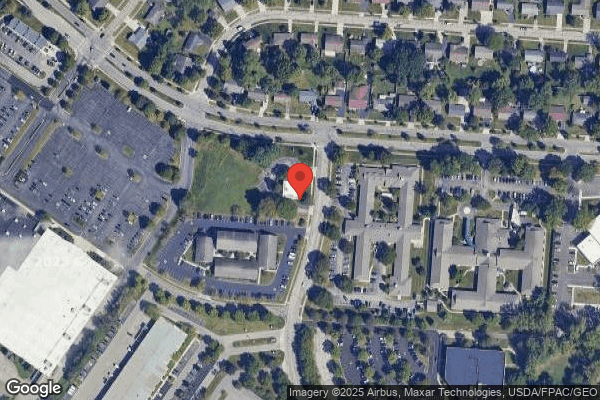
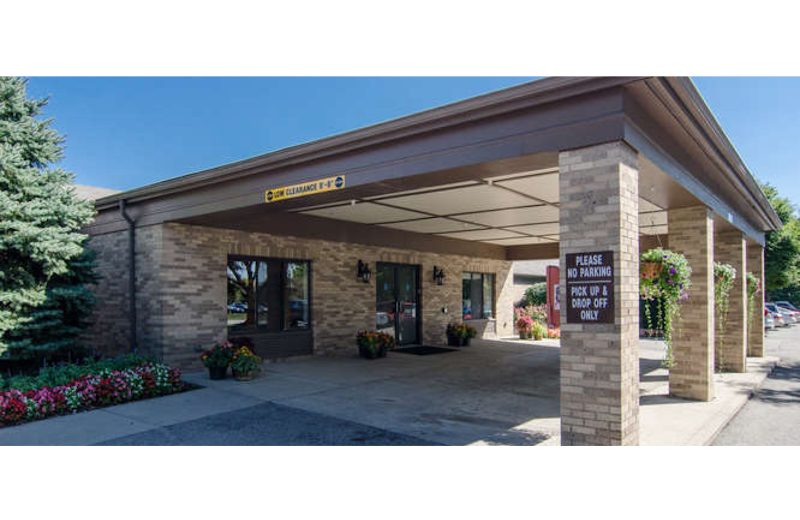
1060 EASTWIND DRIVE, WESTERVILLE, OH 43081 (614) 895-1038
Government - Federal 130 Beds PACS GROUP Data: November 2025 2 Immediate Jeopardy citations
Trust Grade
6/100
#818 of 913 in OH
Last Inspection: October 2023

Over 2 years since last inspection. Current conditions may differ from available data.

Overview

Westerville Post Acute has received a Trust Grade of F, indicating significant concerns about the quality of care provided. Ranking #818 out of 913 facilities in Ohio places it in the bottom half, and it is #45 out of 56 in Franklin County, suggesting there are better local options available. The facility's trend is improving, with issues decreasing from 6 in 2024 to 4 in 2025, but it still faces serious challenges, including $315,699 in fines, which is higher than 97% of facilities in Ohio. Staffing has a below-average rating at 2/5 stars, with a turnover rate of 50%, though this is slightly below the state average. Specific incidents of concern include a resident suffering from dangerously low blood sugar due to inadequate monitoring, and another resident receiving delayed and improper wound care, leading to a police welfare check. While there are strengths in quality measures rated 5/5, families should weigh these serious issues when considering care for their loved ones.

Trust Score
F
6/100
In Ohio
#818/913
Bottom 11%
Safety Record
High Risk
Review needed
Inspections
Getting Better
6 → 4 violations
Staff Stability
⚠ Watch
50% turnover. Above average. Higher turnover means staff may not know residents' routines.
Penalties
✓ Good
$315,699 in fines. Lower than most Ohio facilities. Relatively clean record.
Skilled Nurses
○ Average
Each resident gets 31 minutes of Registered Nurse (RN) attention daily — about average for Ohio. RNs are the most trained staff who monitor for health changes.
Violations
⚠ Watch
73 deficiencies on record. Higher than average. Multiple issues found across inspections.
★★☆☆☆
2.0
Overall Rating
★★☆☆☆
2.0
Staff Levels
★★★★★
5.0
Care Quality
★☆☆☆☆
1.0
Inspection Score
Stable
2024: 6 issues
2025: 4 issues

The Good

  • 5-Star Quality Measures · Strong clinical quality outcomes
  • Full Sprinkler Coverage · Fire safety systems throughout facility
  • No fines on record

Facility shows strength in quality measures, fire safety.

The Bad

2-Star Overall Rating

Below Ohio average (3.2)

Below average - review inspection findings carefully

Staff Turnover: 50%

Near Ohio avg (46%)

Higher turnover may affect care consistency

Federal Fines: $315,699

Well above median ($33,413)

Significant penalties indicating serious issues

Chain: PACS GROUP

Part of a multi-facility chain

Ask about local staffing decisions and management

The Ugly 73 deficiencies on record

2 life-threatening 1 actual harm
Jul 2025 1 deficiency
CONCERN (D) 📢 Someone Reported This

A family member, employee, or ombudsman was alarmed enough to file a formal complaint

Potential for Harm - no one hurt, but risky conditions existed

Pressure Ulcer Prevention (Tag F0686)

Could have caused harm · This affected 1 resident

Based on record review, interview and facility policy review, the facility failed to ensure dressing changes were completed as ordered by the physician. This affected one (Resident #16) out of three r...

Read full inspector narrative →
Based on record review, interview and facility policy review, the facility failed to ensure dressing changes were completed as ordered by the physician. This affected one (Resident #16) out of three residents reviewed for wound care. The facility census was 84. Findings include: Review of the medical record for Resident #16 revealed an admission date of 10/16/24 with diagnoses including mild cognitive impairment, borderline personality disorder, type II diabetes mellitus, non-pressure chronic ulcer of the right foot, paraplegia, chronic kidney disease, anxiety, depression and osteomyelitis of the vertebra. Review of the care plan dated 10/26/24 revealed Resident #16 has an alteration in skin integrity with an unstageable pressure injury (full thickness tissue loss in which the base of the ulcer is covered by slough (yellow, tan, gray, green or brown) and/or eschar (tan, brown or black) in the wound bed) to the right buttock and a deep tissue injury (DTI) (A purple or maroon localized area of discolored intact skin or blood-filled blister due to damage of underlying soft tissue due to pressure and/or shear. The area may be preceded by tissue that is painful, firm, mushy, boggy, warmer or cooler as compared to adjacent tissue.) to the left heel. Interventions included administering medications per physician orders, documenting wound status weekly and as needed, elevating heels, monitoring wounds for signs or symptoms of infection, and completing treatments per order. Review of a physician order dated 07/03/25 revealed a left heel DTI with directions to apply Skin-Prep (forms a protective barrier) to the peri-wound, paint the DTI with Betadine (disinfectant), cover with an absorbent dressing, and wrap with Kerlix gauze. Dressing changes were to occur every shift and as needed for soiled or dislodged dressings. Review of a wound care provider progress report dated 07/17/25 revealed treatment orders for: Left midline heel: Paint the area with Betadine, cover with an absorbent pad dressing, and wrap with rolled gauze twice daily (BID) and as needed (PRN). Right medial gluteal fold: Cleanse with Dakin's solution (disinfectant), pat dry, apply medical-grade honey (antimicrobial to promote healing) and calcium alginate (dressing for wounds with moderate to heavy drainage), and cover with a foam dressing BID and PRN. Review of a physician order dated 07/18/25 revealed an unstageable right buttock pressure injury with directions to cleanse with Dakin's solution, pat dry, apply Medi-Honey, and cover with calcium alginate and a sacral foam dressing. The dressing was to be changed every shift and as needed. Review of the quarterly Minimum Data Set (MDS) 3.0 assessment completed 07/18/25 revealed Resident #16 is cognitively intact, had impairments in both lower extremities, requires substantial to maximal assistance with bathing, and has one unstageable wound and one DTI. Review of the Braden Assessment (tool to predict the risk of pressure ulcers) completed 07/25/25 revealed Resident #16 had no sensory perception impairment, very moist skin, was chairfast, completely immobile, had adequate nutrition, and showed no apparent problem with friction or shear placing the resident at risk for pressure sores. Review of the Treatment Administration Record (TAR) for 07/26/25 through 07/31/25 revealed dressing changes to the left heel DTI and unstageable right buttock pressure injury were not marked as completed or refused on 07/26/25 or 07/27/25. Review of progress notes dated 07/26/25 through 07/27/25 revealed no documentation of refusal or completion of the left heel DTI or right buttock dressing changes for Resident #16. Resident #16 expressed concerns regarding missed wound care during the night shifts on 07/26/25 and 07/27/25. She stated that nursing staff neither offered nor provided the scheduled dressing changes, and she did not refuse the care. Interview conducted on 07/31/25 at 10:20 A.M. with the Director of Nursing (DON) confirmed Resident #16's medical record did not contain evidence the resident received the physician-ordered dressing changes on 07/26/25 and 07/27/25. The DON confirmed if a treatment was refused, it should be documented on the TAR and followed up with a progress note that included notification to the wound nurse and physician. The DON confirmed Licensed Practical Nurse (LPN) #118 was assigned to complete the dressing changes for Resident #16 on those dates. Interview conducted on 07/31/25 at 1:22 P.M. with LPN #118 confirmed if dressing changes were completed, they should be documented on the TAR. If refused, it should also be documented on the TAR with a corresponding progress note. Review of the facility's dry/clean dressing policy (undated) revealed that documentation should include the date and time the dressing was changed, the name and title of the person who changed the dressing, type of dressing and wound care provided, any problems or complaints, and if the resident refused treatment the reason for refusal, the explanation of risks and benefits, alternative options, and the signature and title of the person recording the data. This deficiency represents non-compliance investigated under Complaint Number 2566099.
Jun 2025 3 deficiencies
CONCERN (D) 📢 Someone Reported This

A family member, employee, or ombudsman was alarmed enough to file a formal complaint

Potential for Harm - no one hurt, but risky conditions existed

Accident Prevention (Tag F0689)

Could have caused harm · This affected 1 resident

**NOTE- TERMS IN BRACKETS HAVE BEEN EDITED TO PROTECT CONFIDENTIALITY** Based on medical record review, staff interview, and facility policy review, the facility failed to ensure a complete investigat...

Read full inspector narrative →
**NOTE- TERMS IN BRACKETS HAVE BEEN EDITED TO PROTECT CONFIDENTIALITY** Based on medical record review, staff interview, and facility policy review, the facility failed to ensure a complete investigation was completed to determine root cause analysis when a resident sustained a fall and failed to ensure fall safety interventions were in place as per residents care plan. This affected three residents (#238, #3, and #79) of the six residents reviewed for accidents and falls. Facility census was 83. Findings include: 1. Review of the medical record for Resident #238 revealed an initial admission date of 08/30/2023, a re-entry date of 11/20/2024 and a discharge date of 12/03/2024. Diagnoses included non-traumatic intracerebral hemorrhage, dementia, and hypertension. Review of Resident #238's annual Minimum Data Set (MDS) 3.0 assessment dated [DATE] revealed a Brief Interview for Mental Status (BIMS) score of 04 out of 15 indicating an severely impaired cognition for daily decision making abilities. Resident #238 was noted to display behaviors including rejection of care. Resident #238 was noted to be free of any impairment to his upper and lower extremities and was noted to be independent with all activities of daily living and mobility. Review of Resident #238's admission Fall Risk assessment dated [DATE] revealed a score of 8 indicating this resident was at a low fall risk. Review of Resident #238's annual Fall Risk assessment dated [DATE] revealed this assessment was incomplete. Review of the progress note dated 11/08/2024 at 9:15 A.M. revealed Patient states he fell last night and ever since he is unable to move his right leg. Upon assessment patient's right hip and leg noted with some redness, unable to do range of motion, patient also noted crying during assessment. He usually walks around the facility but unable to even sit up at this time. Nurse Practitioner instructed nursing to transfer patient to the hospital for further evaluation. Continued review of Resident #238's medical records revealed no evidence to support that a post fall investigation was completed or if this reported fall was reviewed. Interview on 06/26/2025 at 3:00 P.M. with Regional Nurse #252 confirmed Resident #238's annual Fall Risk Assessment was incomplete as well as confirming a fall investigation was not completed for the reported fall that was said to have occurred on 11/07/2024 reported by the the resident. Review of the facility policy titled Falls Clinical Policy, revised 03/2018 revealed For an individual who has fallen, the staff and practitioner will begin to try to identify possible causes within 24 hours of the fall. If the cause of the fall is unclear, or if a fall may have a significant medical cause such as a stroke or an adverse drug reaction, or if the individual continues to fall despite attempted interventions, a physician will review the situation and help further identify causes and contributing factors. 3. Review of the medical record for Resident #79 revealed an admission date of 05/28/25, with diagnoses including chronic respiratory failure, hypertension, dissection of the ascending aorta, cerebral infarction, history of transient ischemic attack, metabolic encephalopathy, hemiplegia, and hemiparesis. Review of the hospital Discharge summary, dated [DATE], revealed activity instructions indicating that a helmet should be used during resident transfers and when the resident was out of bed. Review of the Minimum Data Set (MDS) 3.0 assessment, completed on 06/04/25, revealed Resident #79 was severely cognitively impaired and dependent on staff for all activities of daily living and ambulation. Observation on 06/23/25 at 9:21 A.M. revealed Resident #79 was seated in a recliner, engaged with staff, and wearing a protective head cap during the encounter. Review of the medical record on 06/23/25 showed no documentation specifying the requirement, frequency, or circumstances for wearing head protection. Observation on 06/24/25 at 7:32 A.M. revealed signage in Resident #79 ' s room, located behind the television, stating, STOP NO BRAIN FLAP ON LEFT SIDE. At that time, Resident #79 was lying in bed without the protective head cap. Interview on 06/26/25 at 2:11 P.M. with Registered Nurse #194 confirmed information about the indication and frequency for the use of the protective head covering should be documented either in the care plan or in physician orders. Interview on 06/26/25 at 2:14 P.M. with Assistant Director of Nursing (ADON) #146 confirmed that neither the care plan nor the physician's orders included documentation about the indication, frequency, or rationale for the use of the protective head cap. ADON #146 acknowledged that this information was only added after surveyors requested clarification, and that prior to the request, there was no system in place to ensure staff had consistent guidance on the use of head protection for Resident #79. This deficiency represents non-compliance investigated under Complaint Numbers OH00164069, OH00163718. 2. Review of Resident # 3's medical record revealed that she was admitted on [DATE] with diagnoses that included diabetes mellitus type 2 with foot ulcer and chronic kidney disease, malnutrition, paraplegia, discitis, borderline personality disorder and chronic pulmonary obstruction. She was alert and oriented. Review of Resident #3's clinical physicians orders dated 05/30/25 revealed no orders for fall interventions. Review of Resident #3's fall risk care plan dated 11/01/24 to 09/16/25 revealed fall interventions for a low bed, initiated on 02/03/25 and a fall mat to the right side of the bed when resident is in bed, initiated on 04/18/25. Observation on 06/23/25 at 10:20 A.M. revealed Resident # 3 in bed with the bed up in high position and fall mat folded up against the wall near her bed. Interview on 06/23/25 at 10:25 A.M. with Licensed Practical Nurse (LPN) # 152 revealed Resident #3 was a fall risk and confirmed that the low bed with fall mat was not in place.
CONCERN (D) 📢 Someone Reported This

A family member, employee, or ombudsman was alarmed enough to file a formal complaint

Potential for Harm - no one hurt, but risky conditions existed

Deficiency F0760 (Tag F0760)

Could have caused harm · This affected 1 resident

**NOTE- TERMS IN BRACKETS HAVE BEEN EDITED TO PROTECT CONFIDENTIALITY** Based on resident interviews, staff interviews, record review, policy review and safety data sheet review, the facility failed t...

Read full inspector narrative →
**NOTE- TERMS IN BRACKETS HAVE BEEN EDITED TO PROTECT CONFIDENTIALITY** Based on resident interviews, staff interviews, record review, policy review and safety data sheet review, the facility failed to ensure Resident #38 was free from significant medication errors. This affected one resident (#38) of one resident reviewed for medication errors. The facility census was 83. Findings Include: Record review revealed Resident #38 was admitted to the facility on [DATE]. Pertinent diagnoses included: type 2 diabetes mellitus with hyperglycemia, long term (current) use of insulin, acquired absence of right foot, acquired absence of left leg below knee, severe obesity and dementia. Review of quarterly Minimum Data Set (MDS) dated [DATE] for Resident #38 revealed he was cognitively intact. The functional assessment rated Resident #38 as independent on eating, hygiene, dressing and transfers, with supervision needed for showers/bathing. Review of Care Plan for Resident #38 dated 11/13/24 revealed Resident #38 was at risk for hyper/hypoglycemic reactions, abnormal lab values and diabetic ulcers due to his diabetes. Interventions for this focus suggested that medications should be given per physician order and that nursing should monitor for signs and symptoms of hypo/hyperglycemia (high/low blood sugar). Interview on 06/23/25 at 11:32 AM with Resident #38 who said nursing staff doesn't give his insulin to him in a timely manner. He said when he asks them they ignore him. He said he sometimes feels lightheaded. Review of physician's orders for Resident #38 revealed an order dated 11/04/24 for HumaLog Solution 100 unit/ml (fast acting insulin) to be injected subcutaneously before meals per sliding scale as follows: If blood sugar is 0 to 150, give 0 units. If blood sugar is 151 to 200, give 2 units. If blood sugar is 201 to 250, give 4 units. If blood sugar is 251 to 300, give 6 units. If blood sugar is 301 to 350, give 8 units. If blood sugar is 351 to 400, give 10 units. If blood sugar is greater than 400, call provider. Additionally, there was a physician order dated 11/23/24 for Resident #38 for Lantus (long acting insulin) SoloStar Solution Pen Injector for 25 units to be injected subcutaneously one time per day. Resident #38 had physician order dated 01/27/25 for Basaglar (long acting) Kwikpen Solution Pen-Injector 100 unit/ML (Insulin Glargine) 30 units to be injected subcutaneously at bedtime for diabetes. Interview on 06/24/25 at 2:01 P.M. with Resident #38 shared he did not receive his medications the previous evening. He said he told the nurse and she just walked away. Review of Medication Administration Record (MAR) for Resident #38 for 06/23/25 appeared to confirm that Resident #38 did not receive his evening insulin medication (Basaglar), although the documentation indicated that he had refused the medication on the evening of 6/23/25. Further review revealed that the 6/22/25 scheduled 7:00 P.M. long acting insulin dose was documented as having been administered on 06/23/25 at 3:08 A.M. The documentation further indicated that on 06/23/25, less than five hours later, Resident #38 received his morning short acting insulin dose at 8:36 A.M. as well as his morning dose of long acting insulin at 8:39 A.M. Resident #38 had a recorded blood sugar of 214 at that time and he was administered 4 units of the short acting insulin. Per the MAR documentation, the resident was not available in the afternoon of 06/23/25 and there was no recorded blood sugar that day until 4:24 P.M. when the resident's blood sugar was 283 and he was administered 6 units of insulin. Interview on 06/24/25 at 3:02 PM with Registered Nurse (RN) #122 verified that the MAR indicated Resident #38 received his 6/22/25 evening dose of long acting insulin at 03/23/25 at 3:08 A.M. RN #122 said that if the medication is scheduled at bedtime you want to make sure you give it at the time the resident goes to bed. She said she does not look at previous evening's MAR and therefore would not know a resident received the bedtime dose in the early morning. She said Resident #38 does go out sometimes (in daytime) and that if he was gone at the time he should have received his insulin and he returned near dinner time, she would hold off on the dose. Interview on 06/24/25 at 4:40 PM with the Director of Nursing (DON) verified the MAR indicated Resident #38 received his 06/22/25 evening dose of insulin the following morning at 3:08 A.M. The DON said the bedtime administration of insulin could be variable if the resident goes to bed at different times. The DON said he was not concerned with the dose being administered so late because he said the blood sugar test would've caught any issues. Regarding the missed insulin dose on the evening of 06/23/25, he said that perhaps the resident was out of the building. Interview on 06/24/25 at 5:05 PM with Regional Director of Clinical Services #252 confirmed an order for bedtime medication administration should be given between the hours of 7:00 P.M. and 11:00 P.M. He verified the MAR record appeared to indicate the 06/22/5 evening dose of insulin was administered on 06/23/25 at 3:08 A.M. and confirmed that time was outside the accepted parameters. Interview on 06/25/25 at 9:10 A.M. with Resident #38 confirmed he did not leave the property on the evening of 06/22/25. He admitted he had been outside the dining room at the smoking area with other residents. He said he thought he came in around 10:00 or 11:00 P.M. He said he did not remember what time he received the 06/22/25 evening dose of insulin and said he did not refuse his insulin the evening of 06/23/25 and had not left the building that night either. Interview on 06/25/25 at 3:29 P.M. with the DON who said he spoke with the nurse who administered the insulin dose that was recorded at 3:08 A.M. on 6/23/25. He said that she relayed she was having internet troubles and had administered the dose earlier. He said she did not record the actual administration time on paper and he said there were no other residents who had late medication administration charted. Further review of the May and June 2025 MAR for Resident #38 revealed the evening administration of Basaglar was documented as being administered outside of the 7:00 P.M. to 11:00 P.M. time frame on the following dates: 05/10/25 at 1:31 A.M., 05/13/25 at 11:44 P.M., 05/15/25 at 5:39 A.M., 05/20/25 at 11:21 P.M., 05/23/25 at 11:31 P.M., 05/30/25 at 11:29 P.M., 06/06/25 at 11:51 P.M., and 06/09/25 at 11:28 P.M Review of facility policy titled, Administering Medications revised April 2019 stated medications are administrated in accordance with prescriber orders including any required time frame. Medication should be administered within one hour of prescribed time unless otherwise specified such as after meals. The policy stated that if resident is not in room or otherwise unavailable, the MAR may be flagged and the nurse will return to administer the dose. Review of the Safety Data Sheet for Bagaslar Insulin pen revised 07/2021 emphasized the importance of administering the medication at the same time every day. The safety data sheet stated that the median time to maximum effect of the medication is 12 hours. The data sheet warned that the risk for hypoglycemia is highest when the glucose lowering effect of the insulin is maximal and noted that changes in administration can increase risk. The safety data sheet also noted that symptomatic awareness of hypoglycemia may be less pronounced in patients with longstanding diabetes. This deficiency represents non-compliance investigated under Complaint Number OH00164069.
CONCERN (D) 📢 Someone Reported This

A family member, employee, or ombudsman was alarmed enough to file a formal complaint

Potential for Harm - no one hurt, but risky conditions existed

Infection Control (Tag F0880)

Could have caused harm · This affected 1 resident

**NOTE- TERMS IN BRACKETS HAVE BEEN EDITED TO PROTECT CONFIDENTIALITY** Based on observation, record review and interview the facility failed to ensure enhanced barrier precautions were maintained dur...

Read full inspector narrative →
**NOTE- TERMS IN BRACKETS HAVE BEEN EDITED TO PROTECT CONFIDENTIALITY** Based on observation, record review and interview the facility failed to ensure enhanced barrier precautions were maintained during skin care. This affected one resident (#35) out of 16 residents on enhanced barrier precautions. The facility census was 83. Findings include: Review of Resident #35's medical record revealed an admission date of 06/22/18 with diagnoses including hemiplegia and hemiparesis affecting the left side, type 2 diabetes mellitus, aphasia, hypertension, dysphagia, and cognitive communication deficit. Review of the resident's quarterly Minimum Data Set (MDS) 3.0 assessment dated [DATE] revealed the resident was rarely or never understood. Review of Resident #35's physician order dated 06/17/25 revealed an order for treatment of moisture-associated skin damage to the back of the head. Staff were instructed to cleanse the area with soap and water daily and as needed, pat dry, and leave open to air. Review of physician order dated 02/18/25 required enhanced barrier precautions for high-contact care, including dressing changes, requiring staff to wear a gown and gloves. Observation on 06/25/25 at 10:04 A.M. of moisture-associated skin damage care by Licensed Practical Nurse (LPN) #236 and Certified Nursing Assistant (CNA) #101 revealed both staff members touched the resident's blanket, remote, pillow, and head upon entering and throughout the care. LPN #236 and CNA #101 introduced themselves and gathered catheter supplies. Enhanced barrier precautions (EBP) signage was posted on the door. However, neither staff member donned Personal Protective Equipment (PPE) while providing direct care. When asked about the signage, staff stated it applied to the neighboring resident and that PPE was not required for Resident #35. Interview on 06/26/25 at 2:54 P.M. with the Director of nursing (DON) confirmed Resident #35 had current orders for enhanced barrier precautions during care, which includes the use of gowns and gloves when providing care involving high-contact areas. The DON also confirmed that both LPN #236 and CNA #101 should have worn appropriate personal protective equipment (PPE), specifically gowns and gloves, while performing moisture-associated skin damage (MASD) skin care due to the placement of Resident #35's feeding tube. Review of enhanced barrier precautions signage, undated, revealed everyone must, clean their hands, including before entering and when leaving the room and providers and staff must also wear gloves and a gown for high-contact resident care activities which includes dressing, bathing/showering, changing linens, providing hygiene and wound care (any skin opening requiring a dressing). Review of the Enhanced Barrier Precautions policy, dated December 2024, revealed enhanced barrier precautions are implemented to prevent the transmission of multi-drug resistant organisms (MDROs) to residents during high-contact care activities. The policy specifies that this is achieved by wearing gowns and gloves during such care. This deficiency represents non-compliance investigated under Complaint Number OH00166198.
Mar 2024 2 deficiencies 1 IJ
CRITICAL (J) 📢 Someone Reported This

A family member, employee, or ombudsman was alarmed enough to file a formal complaint

Immediate Jeopardy (IJ) - the most serious Medicare violation

Quality of Care (Tag F0684)

Someone could have died · This affected 1 resident

**NOTE- TERMS IN BRACKETS HAVE BEEN EDITED TO PROTECT CONFIDENTIALITY** Based on medical record review, staff interviews, hospital record review, review of emergency medical services (EMS) run reports...

Read full inspector narrative →
**NOTE- TERMS IN BRACKETS HAVE BEEN EDITED TO PROTECT CONFIDENTIALITY** Based on medical record review, staff interviews, hospital record review, review of emergency medical services (EMS) run reports, review of prescribing information for NPH 70/30 Insulin, and facility policy review, the facility failed to ensure Resident #104's blood sugar levels were adequately monitored to prevent incidents of hypoglycemia. This resulted in Immediate Jeopardy on [DATE] when Resident #104, who had a history of hypoglycemia (low blood sugar), was ordered NPH insulin 70/30 (mixture of short and fast acting insulin) and Dapagliflozin propanediol (oral medication used to lower blood glucose level), and did not have routine blood sugar/glucose checks being completed, was found unresponsive with a low blood sugar of 39 milligrams/deciliter, required cardio-pulmonary resuscitation (CPR), and was admitted to the hospital for hypoglycemia, hypotension, unresponsiveness, fracture of the clavicle and fracture of the right second rib. This affected one (Resident #104) of three residents reviewed for blood sugar monitoring. The census was 102. On [DATE] at 11:31 A.M., the Licensed Nursing Home Administrator (LNHA), Director of Nursing (DON) and Regional Clinical Service Manager (RCSM) #221 were notified Immediate Jeopardy began on [DATE], when Resident #104, who had a history of hypoglycemia and did not have routine blood sugar checks, was found unresponsive with a low blood sugar of 39 milligrams/deciliter, required CPR, and was admitted to the hospital for hypoglycemia, hypotension, unresponsiveness, fracture of the clavicle and fracture of the right second rib. The Immediate Jeopardy was removed on [DATE] when the facility implemented the following corrective actions: • As of [DATE], Resident #104 no longer resided at the facility. • On [DATE], an Ad Hoc policy review was held with the Administrator, DON, RCSM #221, Chief Nursing Officer #224, Regional Director of Operations #222, [NAME] President of Clinical Services #223, and Medical Director #113 to review the system in place to ensure the care needs of all residents who have a diagnosis of diabetes were met. The Medical Director provided her preferred standards of practice for blood glucose monitoring of residents with a diagnosis of diabetes. The policy did not require any revisions at that time. • Effective [DATE], for new admissions, the admitting nurse would verify all orders with either the Medical Director or the on-call physician. If the new admission resident had a diagnosis of diabetes and the admitting nurse was not able to speak directly to the Medical Director, and the on call physician did not prescribe any form of diabetic monitoring, then the DON or the nurse manager on call, would review all orders with the Medical Director or Nurse Practitioner to ensure the resident's needs were being met and they have appropriate blood glucose monitoring orders. • On [DATE], an Ad Hoc Resident Council meeting was held with the Activities Director #157, Administrator, and 13 residents (#9, #19, #21, #27, #44, #63, #75, #84, #85, #87, #100, #101, #106) to review updated standards of practice provided by the Medical Director, the facility following physicians' orders, and signs and symptoms of hypo/hyperglycemia. The residents present (some of whom were not diabetic) provided no additional feedback. All residents in the facility had been invited to discuss the updated standards of practice and provide feedback. • On [DATE], all staff were educated related to monitoring for signs and symptoms of hypo/hyperglycemia by the Director of Nursing/designee. The education was added to the new hire orientation agenda as of [DATE]. All staff were trained by [DATE]. • On [DATE], the DON/designee educated all nurses on the Medical Director's preferred standards for diabetic residents as well as following physician orders by the Director of Nursing/Designee. Agency staff would be educated upon their arrival for their scheduled shift. • On [DATE] from 1:30 P.M. to 2:39 P.M., a finger stick blood sugar was completed on all diabetic residents (#1, #2, #3, #4, #9, #10, #13, #14, #17, #31, #32, #34, #36, #43, #45, #47, #51, #52, #56, #59, #62, #64, #66, #68, #70, #72, #74, #78, #79, #80, #84, #85, #86, #92, #93, #94, #97, #102, #105 and #106). One resident (#49) refused the blood sugar check. The results were reported to the Medical Director/Nurse Practitioner and orders were received as indicated. All diabetic residents were assessed for signs and symptoms of hypoglycemia/hyperglycemia and their orders were reviewed by the Medical Director/Nurse Practitioner to ensure they had appropriate orders for blood glucose monitoring and blood glucose levels were being followed per physician orders. During this review, two residents (#99 and #105) were identified as receiving oral antihyperglycemic medication without orders for routine blood glucose monitoring. No new orders or changes were made at that time. • Beginning [DATE], an ongoing audit would be completed by the Director of Nursing/Designee daily for four weeks, then randomly thereafter. The audit would include ensuring all residents with diabetes had appropriate orders for monitoring blood glucose, ensuring nursing staff follow physician's orders, and staff were aware to identify and report symptoms of hypo/hyperglycemia. New admissions would be included in the audit and would be audited to ensure the Medical Director was notified and reviewed the chart, there were appropriate orders for blood glucose monitoring, and that staff were following the orders received by the Medical Director related to diabetic monitoring. • Interviews on [DATE] from 1:13 P.M. to 1:30 P.M., with Registered Nurse (RN) #110, RN #214, Licensed Practical Nurse (LPN) #128, State Tested Nursing Assistant (STNA) #131, STNA #145, Dietary [NAME] #219, and Housekeeper #205 revealed the staff were knowledgeable of the signs/symptoms of hypo/hyperglycemia. Additionally, facility nurses were knowledgeable on the new admission/readmission process. • On [DATE], the facility obtained physician orders for Resident #99 and Resident #105, who were diabetic and required medication to treat for routine blood glucose monitoring. Although the Immediate Jeopardy was removed on [DATE], the facility remains out of compliance at Severity Level 2 (no actual harm with the potential for more than minimal harm that is not Immediate Jeopardy) as the facility is still in the process of implementing their corrective action plan and monitoring to ensure on-going compliance. Findings include: Review of the closed medical record for Resident #104 revealed an initial admission date of [DATE] and discharge to an acute care hospital on [DATE] with diagnoses including diabetes mellitus, alcohol dependence induced acute pancreatitis, alcohol abuse, heart failure, and long-term use of insulin. Resident #104 was also hospitalized from [DATE] to [DATE] and from [DATE] to [DATE]. Following the [DATE] hospitalization, the resident did not return to the facility. Review of an acute care hospital Discharge summary, dated [DATE] (initial admission), revealed Resident #104 was discharged with an order for NPH insulin 70/30 (mixture of short and fast acting insulin) 100 units/milliliter (ml) with special instructions to administer eight units under the skin twice daily before meals. The order indicated vials should be rolled between palms of hands 10 times prior to each use and the insulin should be administered 30 to 40 minutes prior to the meal. Additionally, Resident #104 was discharge with an order for Dapagliflozin propanediol (oral medication used to lower blood glucose level) 10 milligrams (mg) by mouth daily for diabetes mellitus. Review of Resident #104's physician orders revealed an order, dated [DATE], for NPH insulin 70/30 100 units/ml with special instructions to administer eight units subcutaneously twice daily for diabetes mellitus, administer 30 to 40 minutes before meals, and included the vial should be rolled between palms of hands (prior to drawing up the insulin). The NPH insulin remained an active order until [DATE] when the order was discontinued. Further review of Resident #104's physician orders revealed no orders for routine blood sugar/glucose monitoring from [DATE] to [DATE]. Review of Resident#104's physician orders revealed an order, dated [DATE] for Dapagliflozin propanediol 10 mg by mouth daily for diabetes mellitus. Further review revealed the medication remained an active order until [DATE] when Resident #104 was readmitted from an acute care hospitalization. Review of Resident #104's vital sign documentation revealed a blood glucose level of 290 mg/deciliter (dl) was obtained by LPN #156 on [DATE] at 5:52 P.M. Review of the progress note, dated [DATE] at 11:35 P.M., revealed Resident #104 was confused and was not responding, vital signs were taken and recorded. Resident #104's blood sugar was taken and it was very low (actual value not documented). The on-call physician service was notified and gave an order to send the resident to the local emergency department (ED). 911 was called and the resident was sent to the local hospital. Review of the emergency medical service (EMS) run sheet, dated [DATE], revealed the facility called EMS at 9:42 P.M. and EMS arrived on the scene at 9:47 P.M. Upon arrival to the facility Resident #104 was found in bed with possible hypoglycemia. Resident #104's blood glucose was 31 mg/dl. Resident #104 was confused and slow to respond with some combative behaviors. EMS established intravenous (IV) access and dextrose (a sterile solution of sugar and water given IV to raise blood glucose level) was administered. The resident began to regain mental status. The facility staff present were unsure of the resident's baseline mental status. EMS completed a recheck of the resident's blood glucose and it was 186 mg/dl. The resident was transported to the local ED for further evaluation due to the hypoglycemic episode. Review of the acute care hospital summary, dated [DATE], revealed Resident #104 was transported to the local ED via medics. The summary revealed when the medics arrived to the facility the resident's blood glucose level had dropped even more to 31 mg/dl. The medics administered dextrose to the resident which raised the resident's blood glucose to 122 mg/dl upon arrival to the ED. The summary indicated Resident #104 alerted the emergency room physician of poor oral intake. Resident #104's blood sugar again began to drop and was in the 70's at which time the resident was given Dextrose 50 (D50). The resident's urinalysis was consistent with a urinary tract infection (UTI) and the resident was placed on a course of Keflex following a round of IV Rocephin (antibiotic medication used to treat infections). The final diagnoses given following the ED visit was hypoglycemia and acute cystitis without hematuria. Review of the progress note, dated [DATE] at 4:07 A.M., revealed Resident #104 returned to the facility at 3:45 A.M. with her son and two paramedics. The resident's vital signs were taken and were stable. The resident was in bed sleeping with the call light within reach. Review of Physician #113's progress note, dated [DATE], revealed the physician documented Resident #104's medication regimen, noted blood glucose trends and labs were reviewed, and to continue current medications, monitor blood glucose daily and adjust regimen as needed. The physician also indicated to check Hemoglobin A1C (HgbA1c), lipids and basal metabolic panel periodically. The note indicated a HgbA1c (lab which indicates the average glucose level over the past few months) was ordered. Review of Resident #104's medical record revealed Resident #104's blood glucose level was obtained by RN #220 on [DATE] at 11:24 A.M. and was 149 mg/dl as well as on [DATE] at 5:31 P.M. and was 200 mg/dl. Further review of Resident #104's medical record revealed no documented evidence the resident's blood glucose was monitored routinely following the instance of hypoglycemia leading to a transfer to the emergency department on [DATE] after this date. Review of Resident #104's comprehensive Minimum Data Set assessment, dated [DATE], revealed Resident #104 had no cognitive deficit. The assessment indicated Resident #104 received daily insulin injections. Review of the medication pass note, dated [DATE] at 5:40 P.M., revealed Resident #104's blood glucose was obtained by RN #114 and was 100 mg/dl. Review of Resident #104's lab results, dated [DATE], revealed Resident #104's HgbA1c level was high at 7.7% (normal range of 5.7-6.5%). Review of Resident #104's plan of care, dated [DATE], revealed the resident was at risk for hyper/hypoglycemia reactions, abnormal lab values and diabetic ulcers related to diabetes. Interventions included to give medications per physician orders and monitor for signs/symptoms of hypo/hyperglycemia: change in mental status, fatigue, change in vision, change in vital signs and increased urination, and increase in hunger or thirst. Review of the medication pass note, dated [DATE] at 8:05 A.M., revealed Resident #104's blood glucose was obtained by RN #114 and was 81 mg/dl. Review of the progress note, dated [DATE] at 5:25 P.M., revealed Resident #104's blood sugar was low at 43 mg/dl. The resident was given orange juice, milk, oral glucose and Gvoke (a subcutaneous, prefilled syringe injection used to treat severe hypoglycemia) prefilled syringe (PFS) one mg/0.2 ml subcutaneously (SQ). The resident's blood sugar increased to 49 mg/dl and finally to 100 mg/dl. Once the resident's blood glucose level began to rise, the resident was observed eating with no signs/symptoms of hypoglycemia. The on-call physician was made aware, and a new order was given to hold Resident #104's insulin on [DATE] at 8:00 A.M. Review of the progress note, dated [DATE] at 6:26 P.M., revealed Resident #104's blood glucose was 184 mg/dl following the injection of Gvoke PFS one mg/0.2 ml. Review of an EMS run report, dated [DATE], revealed the facility called 911 at 11:08 P.M. and alerted EMS of the need for emergency services for hypoglycemia with cardiopulmonary resuscitation (CPR) in progress. Upon entry at 11:19 P.M., the facility staff were observed performing chest compressions with Resident #104 making grunting sounds. EMS ordered the staff to stop compressions and a pulse was immediately identified in Resident #104's neck. The resident was responding to painful stimuli and the facility staff reported they had been doing chest compressions for approximately 10 minutes. EMS administered Dextrose 10 via IV and Resident #104 responded and had a blood glucose level of 48 mg/dl at 11:21 P.M. The report documented the resident's blood glucose level was 237 mg/dl at 11:35 P.M. The resident was transported to the local acute care hospital. Review of the progress note, dated [DATE] at 11:45 P.M., revealed Resident #104 was found unresponsive with a blood sugar of 39 mg/dl. The resident was unable to tolerate oral glucose so a Glucagon (medication used to raise blood glucose) SQ was administered. The resident's blood sugar was rechecked and had gone down to 36 mg/dl. The resident remained unresponsive with no pulse or breathing. The staff initiated cardiopulmonary resuscitation (CPR), called 911 and continued CPR until 911 arrived and took over. The resident was transported to a local hospital. Review of the progress note, dated [DATE] at 4:28 A.M., revealed a follow-up call was placed to the local hospital and the resident was being admitted to the hospital. No diagnoses was documented for the admission as of this time. Review of Resident #104's February 2024 Medication Administration Order (MAR) revealed Resident #104's NPH 70/30 insulin was scheduled to be administered at 8:00 A.M. and 4:30 P.M. Staff documented Resident #104 received the insulin at 8:00 A.M. and 4:30 P.M. Review of the facility mealtimes revealed the dinner meal cart was scheduled to be brought to the 100 hallway, where Resident #104 resided, at 6:30 P.M. which was approximately two hours following the scheduled administration time of 4:30 P.M. for the NPH 70/30 insulin, even though the order indicated to administer the insulin 30-40 minutes prior to the meal. Review of Resident #104's re-admission acute care hospital Discharge summary, dated [DATE], revealed the resident was admitted to the acute care hospital for hypoglycemia, hypotension, unresponsiveness, fractured clavicle and fractured right second rib. While at the acute care hospital, the resident's oral antihyperglycemic medication Dapaglifozin Propanediol 10 mg by mouth daily and NPH 70/30 insulin 100 units/ml were discontinued. The resident was ordered Glargine insulin 10 units subcutaneously daily at bedtime and Lispro Insulin 100 units/ml subcutaneously three times daily before meals per sliding scale as follows: 151-200 mg/dl administer two units, 201-250 mg/dl administer four units, 251-300 mg/dl administer six units, 301-350 mg/dl administer eight units, 351-400 mg/dl administer 10 units and call the physician if blood glucose level is less than 60 mg/dl or greater than 300 mg/dl. Interview on [DATE] at 11:50 A.M. with the DON revealed she was aware Resident #104 had no routine blood glucose level monitoring in place and would have expected to see physician orders for the resident's blood glucose level to be checked prior to administration of the insulin. Interview on [DATE] at 2:23 P.M., with Pharmacist #111, who was employed with the facility contracted pharmacy, revealed it was recommended with all insulin medications to routinely obtain a blood glucose level prior to the administration of the insulin, especially if the resident has had hypoglycemic episodes. Interview on [DATE] at 2:34 P.M. with Nurse Practitioner (NP) #112 revealed she does not verify the hospital admission orders and only Physician #113 can verify the orders coming from an acute care hospital. NP #112 revealed she reviewed Resident #104's blood glucose levels that were available in the electronic medical record. NP #112 revealed she spoke with Resident #104's family regarding Resident #104 not eating and requested the family to bring snacks to the facility for Resident #104. NP #112 revealed she thought Resident #104 had routine blood glucose level checks and verified the lack of physician orders for routine blood glucose level checks. Interview on [DATE] at 2:55 P.M. with Physician #113 revealed she was unaware Resident #104 did not have routine monitoring of blood glucose levels. Physician #113 revealed all residents admitted to the facility under her care with a diabetes mellitus diagnosis, regardless of whether they were on insulin or oral antihyperglycemic medication needed to have blood glucose monitoring. Physician #113 revealed diabetic residents should also have HgbA1c levels drawn periodically. Physician #113 verified Resident #104 should have had routine blood glucose monitoring in place with the use of the NPH 70/30 insulin and oral antihyperglycemic medication. Review of the Highlights of Prescribing Information, last revised [DATE], revealed NPH 70/30 is an insulin indicated to improve glycemic control in adults with diabetes mellitus. Individualize and adjust dosage based on metabolic needs, blood glucose monitoring and glycemia control goal. Hypoglycemia may be life-threatening. Monitor blood glucose and increase monitoring frequency with changes to insulin dosage, use of glucose lowering medications, meal pattern changes, physical activity, patients with hypoglycemia unawareness and acute illness. Further review revealed the NPH 70/30 insulin mean peak of lowering the blood glucose happens with one to five hours. Review of the facility policy titled, Blood Glucose Testing, dated [DATE], revealed the purpose of blood glucose testing was to monitor blood glucose control and assess for acute changes. Review of the facility policy titled, Preparation and General Guidelines, last revised [DATE], revealed medications were to be administered within 60 minutes of the scheduled time, except before, with or after meal orders, which were administered based on mealtimes. This deficiency represents non-compliance investigated under Master Complaint Number OH00152110.
CONCERN (D) 📢 Someone Reported This

A family member, employee, or ombudsman was alarmed enough to file a formal complaint

Potential for Harm - no one hurt, but risky conditions existed

Unnecessary Medications (Tag F0759)

Could have caused harm · This affected 1 resident

Based on medical record review, observation, staff interview, and facility policy review, the facility failed to ensure their medication error did not exceed five percent. The facility had two medicat...

Read full inspector narrative →
Based on medical record review, observation, staff interview, and facility policy review, the facility failed to ensure their medication error did not exceed five percent. The facility had two medication errors out of 28 opportunities resulting in a medication error rate of 7.14 percent. This affected two (Resident #30 and Resident #36) of five residents reviewed for medication administration. The census was 102. Findings include: 1. Review of the medical record for Resident #30 revealed an initial admission date of 08/31/23 with diagnoses including dementia, cerebrovascular accident with right sided hemiplegia, asthma, severe protein-calorie malnutrition, multiple sclerosis, chronic obstructive pulmonary disease, anemia, metabolic encephalopathy, bipolar disorder, chronic pain, osteoarthritis, hypertension and major depressive disorder. Review of Resident #30's quarterly Minimum Data Set (MDS) assessment, dated 01/03/24, revealed Resident #30 had a moderate cognitive deficit. Review of Resident #30's monthly physician orders for March 2024 revealed an order, dated 01/30/24, for a Lidocaine patch four percent with the special instructions to apply to left knee topically daily for left knee for pain or stiffness and remove at bedtime. Observation on 03/19/24 at 9:06 A.M., of Registered Nurse (RN) #153 administering Resident #30's morning medication revealed RN #153 removed the Lidocaine four percent patch from Resident #30's left knee and the Lidocaine patch was dated 03/18/24. The RN then applied a Menthol five percent topical patch to Resident #30's knee. Interview on 03/19/24 at 9:20 A.M., with RN #153 verified the Menthol five percent patch was incorrectly administered to Resident #30. 2. Review of the medical record for Resident #36 revealed an initial admission date of 05/18/11 with the latest readmission of 10/07/19 with diagnoses including chronic obstructive pulmonary disease, senile degeneration of brain, Alzheimer's disease, hypertension, diabetes mellitus, chronic pain, anxiety disorder, cerebrovascular disease, hypertension, hyperlipidemia and congestive heart failure. Review of Resident #36's quarterly MDS assessment, dated 01/10/24, revealed Resident #36 had a moderate cognitive deficit. Review of Resident #36's monthly physician orders for March 2024 revealed an order, dated 07/06/23, for Levsin sublingual (SL) 0.125 milligrams (mg) with the special instructions to administer SL daily for drooling. Observation on 03/19/24 at 9:35 A.M., of RN #153 administering Resident #36's morning medication revealed she placed the Levsin 0.125 SL tablet in a plastic cup of pills with all of Resident #36's other ordered medications. Further observation revealed Resident #36 swallowed the Levsin 0.125 mg SL tablet instead of RN #153 placing the tablet under Resident #36's tongue to dissolve. Interview on 03/19/24 at 9:38 A.M., with RN #153 verified Resident #36's Levsin 0.125 mg medication was not administered by the ordered route. Review of the facility policy titled Medication Administration-General Guidelines, last revised December 2019, revealed medications are administered as prescribed in accordance with good nursing principles and practices and only by persons legally authorized to do so. The five rights, right resident, right drug, right dose, right route and right time are applied to each medication being administered. A triple check of these five rights are recommended at three sets in the process of preparation of a medication for administration. When the medication is selected, when the dose is removed from the container and finally just after the dose is prepared and the medication put away. This deficiency represents non-compliance investigated under Master Complaint Number OH00152110.
Feb 2024 4 deficiencies 1 IJ
CRITICAL (J) 📢 Someone Reported This

A family member, employee, or ombudsman was alarmed enough to file a formal complaint

Immediate Jeopardy (IJ) - the most serious Medicare violation

Free from Abuse/Neglect (Tag F0600)

Someone could have died · This affected 1 resident

**NOTE- TERMS IN BRACKETS HAVE BEEN EDITED TO PROTECT CONFIDENTIALITY** Based on closed medical record review, review of a facility self-reported incident (SRI) and investigation, review of a police r...

Read full inspector narrative →
**NOTE- TERMS IN BRACKETS HAVE BEEN EDITED TO PROTECT CONFIDENTIALITY** Based on closed medical record review, review of a facility self-reported incident (SRI) and investigation, review of a police report, review of emergency medical service (EMS) report, review of the hospital reports, review of the facility's Abuse/Neglect policy and procedure, and interviews with the police, family, and staff, the facility failed to ensure Resident #109, who was admitted to the facility for abdominal surgical wound care was free from a situation of neglect when facility staff failed to provide appropriate and timely wound treatment, care, and services. This resulted in Immediate Jeopardy and the potential for serious life-threatening harm and medical emergency on 02/03/04 when Resident #109 and her family identified delayed and improper wound care resulting in the family's call to local police for a welfare check. Upon police arrival (on 02/03/04 beginning at approximately 12:00 P.M.) the resident's call light was activated for staff assistance and police identified significant concerns with the resident's care and overall condition which included the resident's use of blankets/towels for wound care. Upon initial investigation by police, Licensed Practical Nurse (LPN) #301 and Activities Director #405 (the facility manager on duty) indicated the facility had received two new admissions and were short-staffed resulting in Resident #109 having to wait for care. In addition, LPN #301 indicated the facility did not have the proper dressing supplies to care for the wound. Police contacted Emergency Medical Services (EMS) and the resident was subsequently transferred to the hospital with the facility documenting Resident #109 was an urgent transfer (to the hospital) because the welfare and needs of the resident could not be met in the facility. Upon arrival to the hospital on [DATE], Resident #109 was assessed to require abdominal surgical wound care and was assessed to have additional areas of skin impairment. Resident #109 reported facility staff did not assist her with going to the bathroom or provide care for the bodily fluids that were draining. The hospital noted the facility's inability to properly care for and manage the resident's wound care placed Resident #109 at risk for recurrent wound infections, severe sepsis, and increased Resident #109's morbidity and mortality. As a result of the incident, there was an open police investigation with possible criminal charges being pursued. This affected one resident (#109) of three residents reviewed for abuse and neglect. The facility census was 104. On 02/16/24 at 9:51 A.M., the Administrator, Director of Nursing (DON), Clinical Service Manager #505, and Clinical Service Manager #400 were notified Immediate Jeopardy began on 02/03/24 when Resident #109 was transferred to the hospital due to a lack of timely and necessary wound care identified by Resident #109, who was alert and oriented, and the resident's family. The resident was admitted to the hospital with worsening of an abdominal surgical wound. The lack of timely and necessary wound care placed the resident at risk of infection, severe sepsis, complications for healing, and increased Resident #109's morbidity and mortality. The Immediate Jeopardy was removed on 02/16/24 when the facility implemented the following corrective actions: • On 02/03/24, Resident #109 was transferred to the hospital and did not return to the facility. • On 02/16/24 at 3:30 P.M., an Ad Hoc Quality Assurance Performance Improvement (QAPI) meeting and Immediate Jeopardy (IJ) Review was held with the Administrator, Regional Clinical Services Managers #505, and Medical Director #600 to review the facility polices for Abuse, Mistreatment, Neglect, Exploitation and Misappropriation of Resident Property, Change in Condition, and Completion of Wound Care. No policy changes were made as a result of the review. • On 02/16/24 at 3:30 P.M., the Chief Clinical Nursing Officer #506 and Regional Clinical Services Manager #505 educated the Administrator and DON on Abuse, Mistreatment, Neglect, Exploitation and Misappropriation of Resident Property, Change in Condition, and Completion of Wound Care policies. • On 02/16/24, the Administrator and DON educated administrative staff, which included ADON #306, ADON #196, Human Resources Director #600, Licensed Social Worker (LSW) #222, admission Director #601, Business Office Manager #288, Minimum Data Set (MDS) Licensed Practical Nurse (LPN) #187, MDS LPN #322, Dietary Manager #602, Maintenance Director #603, Housekeeping Manager #604, Activities Director #405, Central Supply/Scheduler #605, and Medical Records #606, on the policy for Abuse, Mistreatment, Neglect, Exploitation and Misappropriation of Resident Property, including how to identify and prevent situations of neglect, identification of change in condition, including how to timely identify situations when care cannot be or is not provided to residents in the facility to know when to seek medical attention, and completion of wound care per orders. • On 02/16/24, ADON #306, ADON #196, Human Resources Director #600, Licensed Social Worker (LSW) #222, admission Director #601, Business Office Manager #288, Minimum Data Set (MDS) Licensed Practical Nurse (LPN) #187, MDS LPN #322, Dietary Manager #602, Maintenance Director #603, Housekeeping Manager #604, Activities Director #405, Central Supply/Scheduler #605, and Medical Records #606 educated all direct care staff on policy for Abuse, Mistreatment, Neglect, Exploitation and Misappropriation of Resident Property. The facility implemented a plan for any remaining staff not educated to be removed from the schedule after 02/16/24, pending completion of the mandatory education. Education completed included 27 nurses, 47 state tested nursing aides (STNA), one activity staff, 23 therapy, 12 environmental services staff (housekeeping, laundry, and maintenance), and 12 dietary staff. • On 02/16/24, the Administrator, DON, and Regional Clinical Services Manager #505 educated all licensed nurses on the facility policies for Change in Condition and Completion of Wound Care. For residents admitted after hours/weekends, staff would notify the clinical on-call manager to double check that treatments were in place and supplies were available and the resident was placed on the list to be seen by the wound certified nurse practitioner (CNP) on the next visit. A wound nurse practitioner from Wound Care Consultants visited the facility every Thursday. When a nurse identified a new skin issue with a resident, the nurse must complete necessary assessments, and contact the facility wound nurse, Assistant Director of Nursing (ADON) #306. If the wound nurse was not in the facility, the nurse would call the on-call clinical nurse manager, and the resident's physician to receive necessary orders. An on-call clinical manager is always available. • On 02/16/24, Central Supply #605 and the Administrator were educated by Chief Clinical Officer #506, on the ordering process, the ability to have deliveries STAT/same day, how to contact vendors as needed for supplies, and keeping stock in house and available to clinical staff. If all efforts to obtain wound supplies fail, the nursing staff would notify the resident's physician to review current orders and provide new orders as needed based on availability of supplies. • On 02/16/24, the DON, ADON #306, ADON #196, MDS LPN #187, and MDS LPN #322 completed head-to-toe body assessments on all 106 current residents to ensure no evidence of negligence in care resulting in skin impairments had occurred. The head-to-toe assessments included recently admitted Residents #15, #99, and #104. The appropriately assigned clinician was made aware of any change of conditions. • On 02/16/24, DON, ADON #306, ADON #196, MDS LPN #187, and MDS LPN #322 interviewed all 106 current residents regarding adequate care and treatment and if they felt safe in the facility. • On 02/16/24, DON, ADON #306, ADON #196, MDS LPN #187, and MDS LPN #322 reviewed all 106 current residents to ensure all residents remained at their psychosocial baseline. The assessment included observation for changes in mood or behaviors, and discussion with the LSW #222 regarding any new changes. • On 02/16/24, the Administrator completed an audit of all wound care supplies in the facility to ensure adequate supplies were onsite to provide the necessary care for Residents #16, #18, #28, #30, #33, #34, #44, #51, #58, #67, #75, #84, #92 #113, and #115 (those residents with current wound care orders). • On 02/16/24, Staffing Agency #500 was made aware of the neglect allegations involving LPN #401. LPN #401 was placed on the Do Not Return list. • On 02/16/24, the SRI that was filed on 02/05/24 related to the incident with Resident #109 was updated to reflect additional interviews regarding staff involved in the resident's care. The Administrator submitted an addendum to the SRI upon review of the police report on 02/16/24. • Beginning 02/16/24, an ongoing audit would be completed by the DON/Designee daily for four weeks, then randomly thereafter. Audits would include ensuring all wound care was provided per physician's order, timely identification of changes in condition, ensuring adequate supplies were available to provide necessary care, and ensuring identification and prevention of situations of neglect for all residents. Although the Immediate Jeopardy was removed on 02/16/24, the facility remained out of compliance at Severity Level 2 (no actual harm with potential for more than minimal harm that is not Immediate Jeopardy) as the facility was still in the process of implementing their corrective actions and monitoring to ensure on-going compliance. Findings include: Review of the closed medical record for Resident #109 revealed the resident was admitted to the facility on [DATE] and discharged on 02/03/24 to the hospital. Resident #109 had diagnoses including surgical aftercare following surgery on the digestive system, colostomy, gastrostomy, protein-calorie malnutrition, anxiety, fistula of intestine, and parastomal hernia without obstruction or gangrene. Review of hospital wound documentation dated 01/29/24 at 12:55 P.M. (from the resident's hospitalization prior to admission) revealed Resident #109 had wounds located on midline abdomen incision/fistula and left lower quadrant end colostomy. The wound measured 20.5 centimeters (cm) long, 16 cm wide, and 4.5 cm deep. There was a moderate amount of yellow drainage. The wound was pink, moist with a scant amount of yellow slough, and the stoma was pink and moist. The peri wound was pink and painful. Resident #109's skin and wound were to be cleansed gently with Dial soap and water (no bath wipes) and dried thoroughly. Cavilon (breathable, waterproof moisture barrier) skin prep was to be applied to peri wound. Eakin Horizontal and Vertical wound pouches (flexible pouches designed to offer skin protection and contain drainage from wounds, fistulas and difficult stoma sites) should be cut slightly larger than wound opening. Pre-warm pouches prior to application and seal one side of each pouch edge together to form one pouch. Barrier ring strips were to be applied to skin creases to create a flat pouching surface. Apply the wound pouches over the midline fistula and colostomy and apply pink tape to the pouch edges. Hold the pouch in place with hands for two to three minutes to warm it up after application to ensure a good seal. The pouch was to be emptied when a third to half full. The pouch should be checked every four hours and document output. Pouches need to be changed when leaking and do not reinforce. The pouches should be changed every seven days or as needed for leakage. Resident #109 to continue care as described above at discharge. The discharge instructions included a phone number for any ongoing problems or concerns Monday through Friday from 8:00 A.M. to 4:30 P.M. If there were questions or concerns during evening, weekends, or holidays another phone number and instructions were provided to reach an on-call doctor for Trauma/Acute Care surgery. Review of the nursing note dated 02/01/24 at 9:13 P.M. revealed Resident #109 was admitted to the facility. Resident #109 was alert and able to make her needs known. The note indicated the dressing to the resident's abdominal fistula was intact and loose yellow drainage was observed in the drain bag. The nursing note dated 02/02/24 at 11:18 A.M. revealed a 24-hour skin assessment was completed for Resident #109. Resident #109 had a significant surgical trauma to abdomen extending into right and left abdominal quadrants. The wound measured 20 cm long, 17 cm wide, and five cm deep. A previous ostomy opening, and small fistula were noted to left lower quadrant. Resident #109 had Eakin drainage pouch ordered for treatment. The note indicated the pouch was dislodged and was replaced by the nurse. No other skin alterations were noted. Review of Nurse Practitioner's (NP) #502 note dated 02/02/24 at 2:37 P.M. revealed Resident #109 was being seen per the request of a nurse for dressing change assistance. Resident #109 was lying in bed with dressing to wound dislodged. NP #502 gave a one-time order for Oxycodone (opioid for moderate to severe pain) five milligrams (mg) to be administered now (02/02/24). Resident #109 was educated on the importance of pain management as well as the relation of dressing changes if necessary. Resident #109's nurse and ADON #306 were at the bedside for assistance. Resident #109 tolerated the dressing change. The nursing note dated 02/02/24 at 3:25 P.M. revealed Resident #109's drain pouch was dislodged. NP #502 assisted with the pouch replacement and wrote updated orders to border wound with a foam dressing prior to applying drainage pouch and for the dressing to be changed only by NP. The note included the nurse could reinforce as needed for dislodgement and/or leaking. Review of a physician's order dated 02/02/24 at 4:40 P.M. revealed a NP was the only one to complete dressing changes for Resident #109. The wound was to be cleansed only with normal saline and patted dry. CeraRing Barrier ring (to help prevent leakage and infused with Cereamide [waxy lipid molecules] to protect the skin) cut in half to left lower border of abdominal surgical incision. Silicone foam to be cut to fit the excoriated skin surrounding the abdominal surgical incision to create an occlusive dressing every Thursday and as needed for wound care. Review of the Medicare five-day Minimum Data Set (MDS) assessment dated [DATE] revealed the staff assessment for Resident #109 reflected the resident's short-term and long-term memory were intact. Resident #109 was independent with cognitive skills for daily decision making. Resident #109 had an ostomy and was occasionally incontinent of urine. Resident #109 required substantial/maximal assistance from staff with toileting hygiene, and partial/moderate assistance from staff to roll left and right. Resident #109 had a surgical wound. The nursing note dated 02/03/24 at 8:45 A.M. revealed Resident #109's wound pouch was loose at the bottom and a small bowel movement was noted. The nurse applied a new bandage to the bottom of the wound pouch. No leakage of bowel movement was noted from the wound pouch after the new bandages were applied. The nursing note dated 02/03/24 at 10:00 A.M. revealed a medium amount of stool was noted in Resident #109's wound pouch. The nurse removed the stool from the wound pouch. No pain or discomfort was noted. The nursing note dated 02/03/24 at 10:11 A.M. (created on 02/14/24 at 10:23 A.M.) revealed Resident #109 was given a Notice of Transfer and Bed Hold upon being sent to the hospital. Resident #109 was transferred because the welfare and needs of Resident #109 could not be met in the facility. The transfer was urgent because an emergency existed in which Resident #109's urgent medical needs necessitated an immediate transfer. The nursing note dated 02/03/24 at 4:19 P.M. revealed Resident #109 had been given scheduled medications and bandages had been applied to the bottom of wound pouch. Resident #109 had given as needed pain medication for discomfort and pain of the wound. Resident #109 decided to call EMS without notifying staff. EMS transported Resident #109 to the hospital. Review of the e-Interact situation, background, assessment, recommendation (SBAR) summary for providers dated 02/03/24 at 6:25 P.M. revealed Resident #109 had a change in condition to skin wound/ulcer. Resident #109's wound continued to be complicated due to size, fistula leaking stool into the wound bed, and compromised peri-wound. All wound complications were present upon admission. Primary care provider recommendations were to reinforce dressing and continue to monitor. Review of the medical record from 02/01/24 to 02/03/24 revealed Resident #109 did not have any behaviors including any rejection of care or non-compliance with care. Review of the case report summary from the local (Westerville) police reflecting an incident that occurred on 02/03/24 from 3:00 A.M. to 12:11 P.M. revealed a family member asked for a well-being check for Resident #109. The family member reported Resident #109 had been in their own filth for over seven hours and staff were not providing care. Resident #109 reported they had been denied assistance with an open wound. Three officers arrived at the facility and advised the receptionist they were there to speak to Resident #109. The receptionist seemed to be frustrated and began walking down the hall. While walking to Resident #109's room, it was noted Resident #109's call light was one of only two lights activated in the hallway. The officers were asked to stand outside Resident #109's door. An officer overheard staff ask Resident #109 if they had called the police. Resident #109 stated a family member called because Resident #109 was being neglected. An employee came out of Resident #109's room and told the officer not to enter because they needed to get a blanket to cover Resident #109. Upon entering Resident #109's room, Resident #109 was observed lying flat on her back with multiple blankets covering their waist and midsection. Resident #109 stated she had been admitted to the facility on [DATE] and had been lying in their own filth for 10 hours and had been asking for help. Resident #109 stated the nurse had been in to give medications multiple times but never cleaned the abdominal wound. Resident #109 stated multiple people had entered the room and told Resident #109 to wait to get help. Resident #109 showed two officers the wound and condition Resident #109 had been left in. The wound was covered by a blanket soaked in bodily fluids from the wound. The open wound began near Resident #109's belly button and went to Resident #109's ribcage. The skin surrounding the opening was bright pink in color, spreading outward from the wound. The fluid appeared to be yellow in color and smelled like feces. A lump of feces about the size of a grapefruit with the consistency of cottage cheese was sitting on Resident #109's lower stomach and the inside of the wound and was not contained in the medical bag that was in place. While talking with Resident #109, a male employee looked in the room and asked if anything was needed. It was later discovered the male employee was Resident #109's nurse. The nurse was LPN #401, who worked as a travel nurse. Resident #109 also advised the officers a similar incident was reported on Thursday/Friday. Two officers went out of Resident #109's room to talk to LPN #401. LPN #401 stated they did not neglect Resident #109 for 10 hours as Resident #109 claimed. LPN #401 indicated he was working 7:00 A.M. to 7:00 P.M. LPN #401 stated Resident #109's medical treatment required a specific medical bag and the hospital had only provided the facility with three bags when Resident #109 was admitted . LPN #401 stated they did not have any more medical bags and because it was the weekend, more bags could not be obtained from the pharmacy. LPN #401 was asked if it would be beneficial for Resident #109 to be transported to a hospital due to the facilities inability to properly care for Resident #109. LPN #401 stated he could not request Resident #109 be transported to the hospital without a supervisor's approval. LPN #401 stated he had been in contact with Resident #109's doctor and NP. LPN #401 stated Resident #109's current condition was due to a surgery the resident had. LPN #401 also stated because there had been two unexpected new admissions and the facility was short staffed, LPN #401 told Resident #109 she would have to wait until someone was available to clean her. LPN #401 claimed Resident #109's current condition did not reach the level to be considered an emergency that required transportation to the hospital. One of the officers on scene recommended medics be dispatched to the scene to evaluate Resident #109. Medics and the Battalion Chief were dispatched to the scene. While waiting for the medics, the acting manager (Activities Director #405) of the facility came to talk to the officers. Activities Director #405 explained Resident #109 was told to wait because there were two new admissions the nurse was busy with. LPN #401 was standing next to Activities Director #405 and stated they had been in to see Resident #109 to deliver medications to ease Resident #109's pain. LPN #401 also stated on 02/02/24, he had been with the doctor and NP (actually was NP and ADON #306) to learn how to properly care for Resident #109's wound without the use of the specific bags sent from the hospital. Medics arrived on scene and were advised of the situation with Resident #109. The medics entered Resident #109's room and shortly afterwards one medic exited the room and advised the officers and staff that Resident #109 was being transported to the hospital. The medic also advised staff that a formal complaint would be filed. LPN #401 and Activities Director #405 went about their business within the facility. The Battalion Chief arrived on the scene and went to Resident #109's room to investigate. The Battalion Chief spoke with staff (redacted) about the state Resident #109 was in and any statements the staff wanted to make. Staff (redacted) claimed Resident #109 was disoriented. A contact at the Attorney General's (AG) Office was contacted on 02/03/24 at 1:30 P.M. The police were advised to complete their investigation and the special agent at the AG office would assist where possible. An officer spoke with Resident #109 on the telephone after Resident #109 was transported to the hospital. Resident #109 stated the hospital staff were appalled at her medical state and pictures were taken to document Resident #109's condition. Resident #109 reported she had an infection she was currently being treated for. Resident #109 stated she wanted to press charges for neglect. The report also provided a summary of notable points and times from body worn camera footage on 02/03/23 as follows: • At 12:14 P.M., the call light for Resident #109's room was on/illuminated. • At 12:16 P.M., Resident #109 stated a call had also been placed (to police) on Thursday (02/01/24) asking for assistance. • At 12:18 P.M., Resident #109 stated she was constantly told by staff they would be back. Resident #109 believed she had not been tended to since 3:30 A.M. • At 12:23 P.M., Resident #109 was asked some basic questions to help gauge awareness (date, time, location, etc). Resident #109 answered all questions correctly without any apparent issues. • At 12:26 P.M., Resident #109 was asked about any prior issues at the facility. Resident #109 reported on the day of admission [DATE]) she needed cleaned up from the trip from the hospital and had been at the facility for hours without anything being done. • At 12:33 P.M., medics were called with a request for the Battalion Chief to also come to the facility. • At 12:38 P.M., Resident #109 stated feces had been on her open wound for nine hours. • At 12:39 P.M., Resident #109 was asked if she had notified anyone during the nine hours. Resident #109 held up the nurse call button and said that she did constantly. • At 12:40 P.M., a medic came in, took one look at Resident #109's opened wound area and said they needed to get Resident #109 to the hospital. • From 12:48 P.M. to 12:49 P.M., Activities Director #405 was overheard telling other officers and Battalion Chief that Resident #109 was confused. This officer reported Resident #109 had been asked questions related to awareness and Resident #109 had answered correctly. Review of the EMS report dated 02/03/24 revealed at 12:39 P.M., EMS arrived at Resident #109's bedside. Resident #109 was alert and oriented times four and had bowel/stomach contents spilling from seal around abdomen surgery area. The area was red and warm, and appeared possibly infected. Resident #109 stated she had been resting in spilled contents for approximately nine hours and staff would not help remedy the situation. EMS transported Resident #109 to the hospital at 12:53 P.M. Review of the hospital records dated 02/03/24 revealed Resident #109 had an extensive history of abdominal surgeries, multiple colostomy revisions, fistulous tracks, and perforation. Resident #109 was discharged from the hospital to a facility on 02/01/24. Resident #109 stated she had been lying in their own feces and drainage from the wound for the past five days. The police were called to the facility. Resident #109 had a complicated abdominal surgical history now with a recurrent postoperative wound infection. It appeared the outpatient facilities were unable to care for this complex wound. It was likely in the best interest of Resident #109 to remain hospitalized until her wound could be appropriately cared for at an outpatient facility. The inability of the skilled facility to provide adequate wound care, placed Resident #109 at risk for recurrent wound infections, severe sepsis and increased Resident #109's morbidity and mortality. Resident #109's abdominal wall inferior to the wound looked significantly erythematous (redness) likely secondary to irritation and cellulitis from succus (fluid secretions) and feculent (waste) output. A computed tomography (CT) scan of abdomen/pelvis on 02/03/24 at 5:26 P.M. compared to the previous CT on 01/13/24, revealed the abdominal wound had worsened. Review of photos taken at the hospital revealed Resident #109's skin was very red from the bottom of the wound to the mons pubis. An additional photo showed redness to Resident #109's upper right thigh and a white dried substance to Resident #109's right groin. Another photo revealed Resident #109's buttocks were reddened. A photo showed Resident #109's left heel was dry, cracked and reddened. A photo also revealed a reddened area under Resident #109's left breast. Review of the emergency department notes by a Licensed Social Worker (LSW) dated 02/03/24 at 4:07 P.M. revealed the LSW spoke with Resident #109 about concerns for neglect at the skilled facility. Resident #109 reported she was placed in skilled facility from 02/01/24 to 02/03/24. Resident #109 reported she was unable to ambulate or toilet without assistance. Resident #109 reported lying in bed for about 12 hours on 02/02/24 with a call light on asking for assistance to go to the bathroom and have the wound cleaned. Resident #109 reported when no one showed up to help, Resident #109 used blankets, pillows, and sheets to clean the wounds. Resident #109 reported lying in feces and urine for long periods of time. Resident #109 had contact with a family member. On 02/03/24, Resident #109's family called the police and Resident #109 was transported to the hospital. This case had been reported to the police, adult protective services, department of health, and hospital case management given Resident #109 was covered in feces for four days. Review of the facility self-reported incident (SRI), tracking number 243820 dated 02/05/24 revealed there was an allegation of neglect that occurred on 02/03/24 at 10:00 A.M. when Resident #109's family/friend called 911. Police officers arrived on 02/03/24 around 12:00 P.M. and asked to speak with Resident #109. Officer #542 spoke with Resident #109 and facility staff. The SRI included Officer #542 was aggressive toward LPN #401 and raised her (actually a male officer) voice at LPN #401 in the hallway, asking what was going on with Resident #109 and that they were taking Resident #109 to the hospital. The facility documented in the SRI that officers and EMS did not explain to anyone what was going on and what the complaint was about. On 02/03/24, the DON called the police department to find out what was going on and why Officer #542 yelled at LPN #401. The DON called on 02/05/24 and was given a report number. LPN #401 stated Resident #109 was putting tissue paper onto her wound and was taking the dressing off. LPN #401 and State Tested Nursing Assistant (STNA) #184 stated they were in the resident's room multiple times for the day helping and educating Resident #109 not to mess with the wound. Review of the written statement by STNA #184 dated 02/03/24 revealed they received report at 7:00 A.M. Resident #109 was sleeping when the report was given. Resident #109 refused breakfast and lunch. Resident #109 was encouraged to eat breakfast but stated she was not hungry. Resident #109's call light was on and STNA #184 found soiled linens with feces on the floor. STNA #184 picked up the soiled linens and gave Resident #109 new linens. Housekeeping cleaned the floor. Resident #109's call light was on, and Resident #109 stated she wanted the nurse. STNA #184 notified LPN #401. Later, STNA #184 saw three police officers asking for Resident #109. Resident #109 refused care when the officers came in the room and said she did not want to be cleaned or touched. A written statement by LPN #401 dated 02/03/24 (no time) revealed Resident #109 was given morning medications and the resident's wound was assessed. The wound bandage was loose at the bottom and LPN #401 applied new bandages to the bottom of the wound. Resident #109 was using tissue and other random linen for self-care of the wound. LPN #401 educated Resident #109 about infection by using tissue and linen sheets inside of wound. Resident #109 was educated about using call light. The call light came on and STNA #184 answered the call light. STNA #184 notified LPN #401 that Resident #109 would like to speak to LPN #401. LPN #401 told STNA #184 he would be there as soon as possible. STNA #184 and housekeeping were in Resident #109's room. LPN #401 went into Resident #109's room and the bandage was loose at bottom. LPN #401 applied a new seal on the bandage. Resident #109 requested a pain pill for discomfort and pain. Resident #109 was given as needed pain
CONCERN (D) 📢 Someone Reported This

A family member, employee, or ombudsman was alarmed enough to file a formal complaint

Potential for Harm - no one hurt, but risky conditions existed

Report Alleged Abuse (Tag F0609)

Could have caused harm · This affected 1 resident

**NOTE- TERMS IN BRACKETS HAVE BEEN EDITED TO PROTECT CONFIDENTIALITY** Based on medical record review, review of the police report, review of the Emergency Medical Services (EMS) report, review of th...

Read full inspector narrative →
**NOTE- TERMS IN BRACKETS HAVE BEEN EDITED TO PROTECT CONFIDENTIALITY** Based on medical record review, review of the police report, review of the Emergency Medical Services (EMS) report, review of the hospital records, review of the facility's self-reported incident (SRI), staff interview, and facility policy review, the facility failed to timely report an allegation of resident neglect to the State Survey Agency, the Ohio Department of Health. This affected one (Residents #109) of three residents reviewed for abuse. The facility census was 104. Findings include: Review of the closed medical record for Resident #109 revealed the resident was admitted to the facility on [DATE] and discharged on 02/03/24 to the hospital. Resident #109 had diagnoses including surgical aftercare following surgery on the digestive system, colostomy, gastrostomy, protein-calorie malnutrition, anxiety, fistula of intestine, and parastomal hernia without obstruction or gangrene. Review of the Medicare five-day Minimum Data Set (MDS) assessment dated [DATE] revealed the staff assessment for Resident #109 reflected the resident's short-term and long-term memory were intact. Review of the case report summary from the local police (Westerville) for an incident that occurred on 02/03/24 from 3:00 A.M. to 12:11 P.M. revealed a family member asked for a well-being check for Resident #109. The family member reported Resident #109 had been in their own filth for over seven hours and staff were not providing care. Resident #109 reported they had been denied assistance with an open wound. An officer overheard staff ask Resident #109 if they had called the police. Resident #109 stated a family member called because Resident #109 was being neglected. Resident #109 stated they had been admitted to the facility on [DATE] and had been lying in their own filth for 10 hours and had been asking for help. Resident #109 stated the nurse had been given medications multiple times but never cleaned the abdominal wound. Resident #109 stated multiple people had entered the room and told Resident #109 to wait to get help. Licensed Practical Nurse (LPN) #401 stated they did not neglect Resident #109 for 10 hours as Resident #109 claimed. LPN #301 stated Resident #109's medical treatment required a specific medical bag and the hospital had only provided the facility with three bags when Resident #109 was admitted . Officers asked LPN #401 if it would be beneficial for Resident #109 to be transported to a hospital due to the facilities inability to properly care for Resident #109. LPN #401 stated they would have to get permission from a supervisor to send Resident #109 to the hospital. LPN #401 had told Resident #109 they would have to wait until someone was available to clean Resident #109 because there had been two unexpected admissions and the facility was short staffed. One of the officers on scene recommended medics be dispatched to the scene to evaluate Resident #109. Medics and the Battalion Chief were dispatched to the scene. The medics entered Resident #109's room and shortly afterwards one medic exited the room and advised the officers and staff that Resident #109 was being transported to the hospital. The medic also advised staff that a formal complaint would be filed. Review of the EMS report dated 02/03/24 revealed at 12:39 P.M., EMS arrived at Resident #109's bedside. Resident #109 was alert and oriented times four and had bowel/stomach contents spilling from seal around abdomen surgery area. The area was red and warm, and appeared possibly infected. Resident #109 stated she had been resting in spilled contents for approximately nine hours and staff would not help remedy the situation. EMS transported Resident #109 to the hospital at 12:53 P.M. Review of the hospital records dated 02/03/24 revealed Resident #109 had an extensive history of abdominal surgeries, multiple colostomy revisions, fistulous tracks, and perforation. Resident #109 was discharged from the hospital to a facility on 02/01/24. Resident #109 stated she had been lying in their own feces and drainage from the wound for the past five days. The police were called to the facility. Resident #109 had a complicated abdominal surgical history now with a recurrent postoperative wound infection. It appeared the outpatient facilities were unable to care for this complex wound. It was likely in the best interest of Resident #109 to remain hospitalized until her wound could be appropriately cared for at an outpatient facility. The inability of the skilled facility to provide adequate wound care, placed Resident #109 at risk for recurrent wound infections, severe sepsis and increased Resident #109's morbidity and mortality. Resident #109's abdominal wall inferior to the wound looked significantly erythematous (redness) likely secondary to irritation and cellulitis from succus (fluid secretions) and feculent (waste) output. A computed tomography (CT) scan of abdomen/pelvis on 02/03/24 at 5:26 P.M. compared to the previous CT on 01/13/24, revealed the abdominal wound had worsened. Review of photos taken at the hospital revealed Resident #109's skin was very red from the bottom of the wound to the mons pubis. An additional photo showed redness to Resident #109's upper right thigh and a white dried substance to Resident #109's right groin. Another photo revealed Resident #109's buttocks were reddened. A photo showed Resident #109's left heel was dry, cracked and reddened. A photo also revealed a reddened area under Resident #109's left breast. Review of the emergency department notes by a Licensed Social Worker (LSW) dated 02/03/24 at 4:07 P.M. revealed the LSW spoke with Resident #109 about concerns for neglect at the skilled facility. Resident #109 reported she was placed in skilled facility from 02/01/24 to 02/03/24. Resident #109 reported she was unable to ambulate or toilet without assistance. Resident #109 reported lying in bed for about 12 hours on 02/02/24 with a call light on asking for assistance to go to the bathroom and have the wound cleaned. Resident #109 reported when no one showed up to help, Resident #109 used blankets, pillows, and sheets to clean the wounds. Resident #109 reported lying in feces and urine for long periods of time. Resident #109 had contact with a family member. On 02/03/24, Resident #109's family called the police and Resident #109 was transported to the hospital. This case had been reported to the police, adult protective services, department of health, and hospital case management given Resident #109 was covered in feces for four days. Review of self-reported incident (SRI) #243820 dated 02/05/24 revealed there was an allegation of neglect that occurred on 02/03/24 at 10:00 A.M. when Resident #109's family/friend called 911. Police officers arrived on 02/03/24 around 12:00 P.M. and asked to speak with Resident #109. Officer #542 spoke with Resident #109 and facility staff. On 02/03/24, the Director of Nursing (DON) called the police department to find out what was going on and why Officer #542 yelled at LPN #401. DON called on 02/05/24 and was given a report number. Interview on 02/18/24 at 11:14 A.M. with the DON verified a SRI regarding allegations of neglect for Resident #109 was not reported to the State Survey Agency until two days later on 02/05/24. Review of the facility's Abuse, Neglect, Exploitation and Misappropriation of Resident Property policy and procedure dated 11/30/23 revealed all incident and allegations of abuse and neglect must be reported immediately to the Administrator or designee. The Administrator or his/her designee will notify the Ohio Department of Health (ODH) of all alleged violations involving mistreatment, neglect and abuse as soon as possible, but in no later than 24 hours from the time the incident/allegation was made known to a staff member. If the event that caused the allegation involves an allegation of abuse or serious bodily injury, it should be reported to ODH immediately, but not later than two hours after the allegation is made. This was an incidental finding during the course of the complaint investigation.
CONCERN (D) 📢 Someone Reported This

A family member, employee, or ombudsman was alarmed enough to file a formal complaint

Potential for Harm - no one hurt, but risky conditions existed

Pressure Ulcer Prevention (Tag F0686)

Could have caused harm · This affected 1 resident

**NOTE- TERMS IN BRACKETS HAVE BEEN EDITED TO PROTECT CONFIDENTIALITY** Based on record review, resident and staff interview, and policy review, the facility failed to timely treat a resident's pressu...

Read full inspector narrative →
**NOTE- TERMS IN BRACKETS HAVE BEEN EDITED TO PROTECT CONFIDENTIALITY** Based on record review, resident and staff interview, and policy review, the facility failed to timely treat a resident's pressure ulcers when they were first identified. This affected one (Resident #111) of three residents reviewed for wounds. The facility census was 104. Findings include: Review of the closed medical record revealed Resident #111 was admitted on [DATE] and left the facility against medical advice (AMA) on 01/22/24. Diagnoses included spinal stenosis, type II diabetes mellitus, bipolar disorder, mood disorder, convulsions, and cervicalgia. Review of the nursing note dated 01/19/24 (Friday) at 5:01 P.M. revealed Resident #111 had a pressure wound to coccyx that measured 2.5 centimeters (cm) long and 0.7 cm wide. Resident #111 also had a pressure wound to the right upper buttock that measured 1.5 cm long and one cm wide. Resident #111 had a pressure wound to the left buttock that measured 1.5 cm long and 0.8 cm wide. Resident #111 had a scabbed wound to right groin and a pressure wound to right lower chest that measured 0.5 cm long and 1.5 cm wide. There were no treatment orders for the pressure ulcers until three days later on 01/22/24. Review of the physician orders dated 01/22/24 (Monday) revealed treatment orders for Resident #111 were obtained for bilateral buttocks and bilateral groin. Resident #111's buttocks and groin were to be cleansed with soap and water, patted dry, and Zinc Oxide applied every shift and as needed. There were no treatment orders for the pressure ulcers that were identified on 01/19/24 until three days later on 01/22/24. Interview on 02/14/24 at 8:58 A.M. with Resident #111 verified they had several pressure ulcers upon admission and no treatments were completed. Interview on 02/16/24 at 12:27 P.M. with Wound Certified Nurse Practitioner (CNP) #403 verified a wound CNP did not work the weekends. Interview on 02/18/24 at 3:58 P.M. with Assistant Director of Nursing (ADON) #306 verified on 01/19/24, Resident #111 had pressure ulcers to coccyx, left buttock, right upper buttock, and right lower chest. Resident #111 also had a scabbed wound to right groin. ADON #306 verified no treatments were put in place until 01/22/24. ADON #306 also verified treatments were not put in place for Resident #111's pressure ulcer to coccyx or right lower chest. Review of the facility's Skin Care Management policy and procedure dated 06/08/22 revealed residents with identified skin breakdown will have a documented skin assessment weekly and treatments as ordered. This deficiency represents non-compliance investigated under Complaint Number OH00150794, Complaint Number OH00150787, and Complaint Number OH00150675.
CONCERN (F) 📢 Someone Reported This

A family member, employee, or ombudsman was alarmed enough to file a formal complaint

Potential for Harm - no one hurt, but risky conditions existed

Deficiency F0725 (Tag F0725)

Could have caused harm · This affected most or all residents

**NOTE- TERMS IN BRACKETS HAVE BEEN EDITED TO PROTECT CONFIDENTIALITY** Based on medical record review, review of a police report, interview with the local Fire Deputy Chief, residents and staff, revi...

Read full inspector narrative →
**NOTE- TERMS IN BRACKETS HAVE BEEN EDITED TO PROTECT CONFIDENTIALITY** Based on medical record review, review of a police report, interview with the local Fire Deputy Chief, residents and staff, review of the resident council minutes, review of emergency call records, and policy review, the facility failed to have sufficient staffing to meet the residents needs. This affected four residents (#28, #35, #58, and #109) and had the potential to affect all 104 residents currently residing in the facility. Findings include: Review of the resident council minutes dated 01/24/24 revealed call lights were not being answered timely. Review of the closed medical record revealed Resident #109 was admitted on [DATE] and discharged on 02/03/24. Diagnoses included surgical aftercare following surgery on the digestive system, colostomy, gastrostomy, protein-calorie malnutrition, anxiety, fistula of intestine, and parastomal hernia without obstruction or gangrene. Review of the case report summary from the local police (Westerville) for incident that occurred on 02/03/24 from 3:00 A.M. to 12:11 P.M. revealed a family member asked for a well-being check for Resident #109. The family member reported Resident #109 had been in their own filth for over seven hours and staff were not providing care. Resident #109 stated the nurse had been given medications multiple times but never cleaned the abdominal wound. Resident #109 stated multiple people had entered the room and told Resident #109 to wait to get help. Licensed Practical Nurse (LPN) #401 revealed there had been two unexpected new admissions and the facility was short staffed, LPN #401 told Resident #109 they would have to wait until someone was available to provide care to Resident #109. Activities Director #405 revealed they were the manager on duty and oversaw the facility for the day. Activities Director #405 explained Resident #109 was told to wait because there were two new admissions and LPN #401 was busy. A nurse note dated 02/03/24 at 10:11 A.M. (created on 02/14/24 at 10:23 A.M.) revealed Resident #109 was given a Notice of Transfer and Bed Hold upon being sent to the hospital. Resident #109 was transferred because the welfare and needs of Resident #109 could not be met in the facility. The transfer was urgent because an emergency existed in which Resident #109's urgent medical needs necessitated an immediate transfer. Interview on 02/16/24 at 10:35 A.M. with Fire Deputy Chief #402 revealed they received multiple 911 calls from the facility. Some of the calls were from residents requesting assistance because staff would not answer call lights or provide care. Fire Deputy Chief #402 stated there were times the 911 dispatcher would try to call the facility to clarify if there was an emergency. Fire Deputy Chief #402 stated often no one at the facility would answer the phone. Interview on 02/16/24 at 2:38 P.M. with Resident #58 revealed call lights could take an hour to be answered and it took a long time for staff to be able to put her to bed. Resident #58 stated the facility needed more staff to help answer call lights and provide care. Interview on 02/16/24 at 2:48 P.M. with Resident #28 revealed they had waited up to four hours for call light to be answered. Resident #28 stated they had never called 911 to get assistance but had heard some of the residents had. Interview on 02/16/24 at 2:52 P.M. with Resident #35 revealed call lights were answered within 15 to 45 minutes. Resident #35 stated when staff did answer the call light, they were always in a hurry because they were short staffed. Interview on 02/18/24 at 11:14 A.M. with the Director of Nursing (DON) revealed the facility did not have a staffing problem. DON stated agency staff was used, there was a weekend manager in the facility for four hours every Saturday and Sunday, and there was an on-call nurse if needed. The DON verified Resident #109 was transported to the hospital due to concerns of care not being provided. On 02/19/24 at 2:06 P.M. with Fire Deputy Chief #402 provided a spreadsheet revealing between 10/01/23 and 02/16/24 there were 246 calls from the facility. Out of the 246 calls, 144 calls were identified as coming from cell phones or non-emergent calls presumably made by residents. Review of the facility's Staffing and Scheduling policy and procedure dated 06/08/22 revealed the facility would follow the Centers for Medicare and Medicaid Services (CMS) and state staffing requirements. This deficiency represents non-compliance investigated under Complaint Number OH00150794, Complaint Number OH00150787 and Complaint Number OH00150417.
Dec 2023 4 deficiencies
CONCERN (D) 📢 Someone Reported This

A family member, employee, or ombudsman was alarmed enough to file a formal complaint

Potential for Harm - no one hurt, but risky conditions existed

Resident Rights (Tag F0550)

Could have caused harm · This affected 1 resident

**NOTE- TERMS IN BRACKETS HAVE BEEN EDITED TO PROTECT CONFIDENTIALITY** Based on closed medical record review, review of a Self-Reported Incident, review of the witness statements and police report, a...

Read full inspector narrative →
**NOTE- TERMS IN BRACKETS HAVE BEEN EDITED TO PROTECT CONFIDENTIALITY** Based on closed medical record review, review of a Self-Reported Incident, review of the witness statements and police report, and resident and staff interviews, the facility failed to ensure Resident #90 was treated with dignity and respect. This affected one resident (#90) of three residents reviewed for dignity and respect. The facility census was 89. Findings include: Review of the medical record revealed Resident #90 was admitted to the facility on [DATE] and discharged on 11/28/23. Resident 390 had diagnoses including cerebral infarction, aphasia, chronic pain syndrome, and osteoarthritis. Review of the quarterly Minimum Data Set (MDS) assessment dated [DATE] revealed Resident #90 had unclear speech, sometimes understood, and responded adequately to simple direct communication only. Resident #90's cognitive skills were modified independently with some difficulty in new situations and had no behaviors. Review of a facility Self-Reported Incident (SRI), tracking number 241517 dated 11/27/23 revealed the facility reported an allegation of physical abuse. Resident #69 reported State Tested Nursing Assistant (STNA) #104 held Resident #90's shoulders, asked Resident #90 if they wanted to fight and asked why Resident #90 was mad at STNA #104. STNA #104 put her fist against Resident #90's face and pushed against Resident #90's face to turn Resident #90's head. STNA #104 then sat on Resident #90's lap and started bouncing up and down. Resident #69 reported Resident #90 was visibly upset. Resident #25 was also interviewed and stated they did not see STNA #104 put their fist against Resident 90's face but observed STNA #104 bouncing on Resident #90 and felt it was abusive behavior. Resident #90's son was notified of the incident. Due to language barriers, Resident #90's son was asked if he could come to the facility to help explain what happened with Resident #90. The police were also notified. The police officer spoke with Resident #90's son. Resident #90's son was initially upset and stated he would speak with Resident #90. The facility unsubstantiated the allegation of physical abuse to Resident #90. Review of the police report dated 11/28/23 revealed Resident #90 had limited communication due to a history of a stroke and English not being Resident #90's primary language. Resident #90's son arrived and was very upset and stated he would speak with Resident #90 but Resident #90 was unable to answer open ended questions. Resident #90 verified STNA #104 had pushed her face but Resident #90 would not answer if STNA #104 bounced on Resident #90's lap. Review of the undated witness statement by Resident #25 revealed Resident #25 saw STNA #104 bouncing on Resident #90's lap and felt STNA #104 was abusing Resident #90. Review of the undated witness statement by STNA #104 revealed they were trying to get Resident #90 to laugh or smile. Interview on 12/04/23 at 9:20 A.M. with Resident #69 revealed STNA #104 asked Resident #90 why she was so mad. STNA #104 put a hand on both of Resident #90's shoulders and shook Resident #90. STNA #104 then put her fist against Resident #90's face and pushed Resident #90's face. STNA #104 then sat on Resident #90's lap and bounced up and down while Resident #90 was sitting in a wheelchair. Resident #90 was crying. Resident #69 stated STNA #104 called Resident #69 crazy when he stated he felt Resident #90 was being abused. Interview on 12/06/23 at 2:48 P.M. with Resident #25 stated she witnessed STNA #104 bouncing up and down on Resident #90. Resident #25 stated Resident #90 was visibly upset. Resident #25 told STNA #104 to get off Resident #90 because Resident #90 was upset. Interview on 12/06/23 at 4:35 P.M. with the Administrator verified an SRI tracking number 241517 was reported due to concerns about Resident #90 being physically abused. The Administrator indicated Resident #90's family did not have a concern with the allegation due to the alleged perpetrator and Resident #90 were both from the same village in [NAME]. This deficiency represents non-compliance investigated under Complaint Number OH00148370. This deficiency is also an example of continued non-compliance from the survey dated 10/10/23.
CONCERN (D) 📢 Someone Reported This

A family member, employee, or ombudsman was alarmed enough to file a formal complaint

Potential for Harm - no one hurt, but risky conditions existed

Deficiency F0561 (Tag F0561)

Could have caused harm · This affected 1 resident

**NOTE- TERMS IN BRACKETS HAVE BEEN EDITED TO PROTECT CONFIDENTIALITY** Based on medical record review, review of the resident council minutes, and resident and staff interviews, the facility failed t...

Read full inspector narrative →
**NOTE- TERMS IN BRACKETS HAVE BEEN EDITED TO PROTECT CONFIDENTIALITY** Based on medical record review, review of the resident council minutes, and resident and staff interviews, the facility failed to ensure the residents were bathed according to their bathing preference. This affected two residents (#69 and #70) of three residents reviewed for bathing preferences. The facility census was 89. Findings include: 1. Review of the medical record revealed Resident #69 was admitted on [DATE] with diagnoses including fracture of right femur, anxiety, and intracranial injury with loss of consciousness. Review of the admission Minimum Data Set (MDS) assessment dated [DATE] revealed Resident #69 was cognitively intact and required extensive assistance of one staff for bed mobility and personal hygiene and extensive assistance of two staff for transfers. Review of the plan of care dated 10/26/23 revealed Resident #69 was satisfied with bathing twice a week and preferred a shower. Review of the facility's shower schedule revealed Resident #69 was scheduled to be bathed during the evening shift on Tuesday and Friday. Review of the bathing documentation for the last 30-days revealed Resident #69 received a shower four times in the last 30 days on 11/09/23, 11/20/23, 11/29/23, and 12/03/23. Interview on 12/04/23 at 9:20 A.M. with Resident #69 revealed she preferred a shower over a bed bath. Resident #69 stated they were only allowed to have showers twice a week. Resident #69 stated they had gone at least seven days without a shower. Interview on 12/06/23 at 2:07 P.M. with the Director of Nursing (DON) verified Resident #69 preferred showers and was not being showered twice a week. 2. Review of the medical record revealed Resident #70 was admitted on [DATE] with diagnoses including multiple sclerosis, peripheral neuropathy, migraine, and major depressive disorder. Review of the plan of care dated 05/03/23 revealed Resident #70 preferred to be bathed in the evening and wanted showered three times a week. Review of the quarterly Minimum Data Set (MDS) assessment dated [DATE] revealed Resident #70 was cognitively intact, required extensive assistance of two staff for bed mobility, and total dependence of two staff for transfers and bathing. Review of the facility's shower schedule revealed Resident #70 was scheduled to be bathed during the evening shift on Wednesday and Saturday. Review of the bathing documentation for the last 30-days revealed Resident #70 did not receive any showers. Interview on 12/04/23 at 9:01 A.M. with Resident #70 stated they were not getting bathed as scheduled. Resident #70 stated they wanted a shower, but staff gave her a bed bath instead. Interview on 12/06/23 at 2:07 P.M. with the Director of Nursing (DON) verified Resident #70 preferred showers and had not been showered in the last 30 days. Review of the resident council meeting minutes dated 10/18/23 revealed the residents wanted more showers instead of bed baths. This deficiency represents non-compliance investigated under Complaint Number OH00148811. This deficiency is also an example of continued non-compliance from the survey dated 10/10/23.
CONCERN (D) 📢 Someone Reported This

A family member, employee, or ombudsman was alarmed enough to file a formal complaint

Potential for Harm - no one hurt, but risky conditions existed

Accident Prevention (Tag F0689)

Could have caused harm · This affected 1 resident

**NOTE- TERMS IN BRACKETS HAVE BEEN EDITED TO PROTECT CONFIDENTIALITY** Based on medical record review and staff interview, the facility failed to timely report a resident fall, timely assess Resident...

Read full inspector narrative →
**NOTE- TERMS IN BRACKETS HAVE BEEN EDITED TO PROTECT CONFIDENTIALITY** Based on medical record review and staff interview, the facility failed to timely report a resident fall, timely assess Resident #61 status post fall to prevent further falls/accidents and failed to ensure the fall was documented in the resident's medical record. This affected one resident (#61) of three residents reviewed for falls. The facility census was 89. Findings include: Review of the medical record revealed Resident #61 was admitted on [DATE] with diagnoses including malignant neoplasm of lung, acute respiratory failure, pleural effusion, and fracture of vertebra. Review of a nurse practitioner (NP) note dated 11/29/23 at 10:53 A.M. revealed Resident #61 reported they had ongoing pain in the shoulder, but it was worse after a fall on 11/28/23. There was documentation in the medical record of Resident #61 falling on 11/28/23. Review of a Fall Review form dated 11/29/23 at 1:13 P.M. revealed the NP notified the nurse that Resident #61 reported a fall that took place on 11/28/23 around 6:00 P.M. The nurse interviewed and assessed Resident #61 on 11/29/23 at 11:15 A.M. Resident #61 stated State Tested Nursing Assistant (STNA) #100 was assisting Resident #61 from the toilet to wheelchair when Resident #61 fell between the toilet and wheelchair. Resident #61 stated they hit their right shoulder on the wheelchair. STNA #100 got STNA #101 to assist Resident #61 off the floor. STNA #100 and #101 put Resident #61 into the wheelchair and then into bed. Review of the typed statement dated 11/29/23 at 11:30 A.M. revealed STNA #100 was assisting Resident #61 from the toilet to wheelchair. Resident #61 became weak and slid to the floor between the toilet and wheelchair. STNA #100 got STNA #101 to assist with getting Resident #61 off the floor. STNA #100 reported they notified the nurse. Review of the typed statement dated 11/29/23 at 12:20 P.M. revealed STNA #101 was notified by STNA #100 they needed assistance getting Resident #61 off the floor. Resident #61 stated they were nauseated. STNA #101 notified the nurse about Resident #61's nausea. STNA #101 could not remember if they notified the nurse that Resident #61 had fallen. STNA #101 thought STNA #100 would notify the nurse. STNA #101 was educated on reporting falls even if they thought someone else had reported the fall. Review of the typed statement dated 11/29/23 at 2:04 P.M. revealed Registered Nurse (RN) #102 was not told in report the morning of 11/29/23 that Resident #61 fell. Review of the typed statement dated 11/29/23 at 3:00 P.M. revealed RN #103 (working the evening of 11/28/23) was not aware Resident #61 had a fall. Review of the plan of care dated 11/29/23 revealed Resident #61 was at risk for falls due to impaired balance and unsteady gait. Interventions included the assistance of two staff for transfers. Interview on 12/06/23 at 11:12 A.M. with the Director of Nursing (DON) verified the nurse working 11/28/23 was not notified Resident #61 had a fall and an assessment of Resident #61 was not done until 11/29/23. The DON verified the nurse was to be notified immediately of any falls and the resident was to be assessed for injury by a nurse prior to moving the resident. This deficiency represents non-compliance investigated under Complaint Number OH00148370. This deficiency is also an example of continued non-compliance from the survey dated 10/10/23.
CONCERN (D) 📢 Someone Reported This

A family member, employee, or ombudsman was alarmed enough to file a formal complaint

Potential for Harm - no one hurt, but risky conditions existed

Pharmacy Services (Tag F0755)

Could have caused harm · This affected 1 resident

**NOTE- TERMS IN BRACKETS HAVE BEEN EDITED TO PROTECT CONFIDENTIALITY** Based on record review, review of the medication administration policy and procedure, and resident and staff interview, the faci...

Read full inspector narrative →
**NOTE- TERMS IN BRACKETS HAVE BEEN EDITED TO PROTECT CONFIDENTIALITY** Based on record review, review of the medication administration policy and procedure, and resident and staff interview, the facility failed to ensure controlled drug records and medication administration records were consistent and accurate to reflect the actual administration and accounting for controlled medications for Resident #69. This affected one resident (#69) of three residents reviewed for medications. The facility census was 89. Findings include: Review of the medical record revealed Resident #69 was admitted on [DATE] with diagnoses including fracture of right femur, anxiety, and intracranial injury with loss of consciousness. Review of the admission Minimum Data Set (MDS) assessment dated [DATE] revealed Resident #69 was cognitively intact. Review of the plan of care dated 09/25/23 revealed Resident #69 had pain/discomfort related to right femur and right tibia fracture. Interventions included administering pain medication and encouraged nonmedicinal interventions to control pain. The plan of care dated 10/11/23 revealed Resident #69 received pain medications. Interventions included administering medication as ordered and reviewing pain medication efficacy. Review of the controlled drug record revealed Oxycodone (opioid for moderate to severe pain) 10 mg every six hours as needed for pain. The controlled drug record revealed Oxycodone 10 mg was documented as being signed out for administration to the resident on 11/16/23 at 1:30 P.M., and 11/22/23 at 8:00 A.M. and 4:00 P.M. However, review of the corresponding MAR revealed no written documentation of the Oxycodone 10 mg being administered to the resident on 11/16/23 at 1:30 P.M. or 11/22/23 at 8:00 A.M. and 4:00 P.M. A controlled drug record revealed Oxycodone 5.0 mg every eight hours as needed for pain. The controlled drug record revealed Oxycodone 5.0 mg was documented as being signed out for administration to the resident on 11/26/23 at 3:00 P.M., 11/27/23 at 8:30 A.M., 11/27/23 at 6:00 P.M., and 11/29/23 at 8:00 A.M. However, review of the corresponding MAR revealed no written documentation of the Oxycodone 5.0 mg being administered to the resident on 11/26/23 at 3:00 P.M., 11/27/23 at 8:30 A.M., 11/27/23 at 6:00 P.M. or 11/29/23 at 8:00 A.M. Interview on 12/04/23 at 9:20 A.M. with Resident #69 revealed they did not feel like they always got their pain medication when requested or scheduled. Resident #69 stated he suspected one of the nurses taking the medication instead of administering it to them. Interview on 12/05/23 at 2:56 A.M. with the Director of Nursing (DON) verified there was missing documentation on the MAR to reflect the medication being signed out on the controlled medication sheets were actually being administered to Resident #69. Review of the Medication Administration Policy and Procedure, revised December 2019, revealed in no case should the individual who administered the medications report off-duty without first recording the administration of any medications. When as needed medications were administered, the following documentation should be documented: the date and time of administration, complaints or symptoms for which the medication was given, results achieved from giving the dose and the time results were noted, and signature or initials of person recording administering medication. This deficiency is an incidental finding discovered during the course of the complaint investigation.
Oct 2023 19 deficiencies 1 Harm
SERIOUS (G) 📢 Someone Reported This

A family member, employee, or ombudsman was alarmed enough to file a formal complaint

Actual Harm - a resident was hurt due to facility failures

Incontinence Care (Tag F0690)

A resident was harmed · This affected 1 resident

**NOTE- TERMS IN BRACKETS HAVE BEEN EDITED TO PROTECT CONFIDENTIALITY** Based on observation, record review, review of hospital records, and interview, the facility failed to timely identify and asses...

Read full inspector narrative →
**NOTE- TERMS IN BRACKETS HAVE BEEN EDITED TO PROTECT CONFIDENTIALITY** Based on observation, record review, review of hospital records, and interview, the facility failed to timely identify and assess symptoms of a urinary tract infection (UTI), accurately collect a sample of urine for testing, and notify the physician of contaminated urine specimens for Resident #24. Additionally, the facility failed to remove Resident #52's indwelling urinary catheter following the collection of a 24-hour urine. Actual harm occurred beginning on 07/04/23 when the facility failed to identify symptoms of UTI, treat the UTI with the appropriate antibiotics, and notify the physician of multiple contaminated urine samples causing Resident #24 to sustain a significant decline in condition. On 08/04/23 the resident was transferred to an acute care hospital for confusion and suicide attempt and was found to have a UTI. The resident was hospitalized for nine days and required intravenous (IV) antibiotics to treat the urinary tract infection. This affected two residents (#24 and #52) of two residents reviewed for UTI and/or indwelling catheter use. The facility census was 92. Findings Include: 1. Review of the medical record for Resident #24 revealed an initial admission date of 11/02/18 with the most recent re-admission of 08/12/23. Resident #24 had diagnoses including chronic obstructive pulmonary disease (COPD), heart disease, Alzheimer's disease, dementia, bipolar disorder, psychosis, osteoarthritis, obstructive sleep apnea, anxiety disorder, gastro-esophageal reflux disease, hyperlipidemia, mood disorder, hypertension, major depressive disorder, benign prostatic hyperplasia, allergic rhinitis, insomnia, retention of urine, and cerebrovascular accident (CVA). Review of the plan of care dated 02/06/19 revealed the resident had a suprapubic urinary catheter due to disease process and obstructive uropathy. Interventions included catheter care, change catheter per physician order, change urinary collection bag as needed, maintain dignity bag to catheter, maintain drainage bag below bladder level, report to physician signs of urinary tract infection (UTI), secure catheter with securement device, wears pads/briefs as needed, report any changes in amount, color or odor to urine and administer medications per physician's orders. Review of the resident's progress note dated 07/04/23 revealed the resident's spouse reported the resident's urine was dark in color. On assessment by the staff nurse the resident's urine was found to be amber in color with a foul odor. A new physician's order was obtained for a urinalysis/culture & sensitivity (UA/C&S). Review of the medical record revealed the resident's urine was collected on 07/05/23 and was sent to the facility's contracted lab on 07/06/23. The results of the UA/C&S returned on 07/09/23 with the bacteria Escherichia coli (E-coli) greater than 100,000, Providencia stuartii greater than 100,000 and Pseudomonas aeruginosa greater than 100,000. The resident was treated with the antibiotic, Augmentin 500 milligrams (mg) by mouth twice daily for five days. Further review of the UA/C&S revealed the antibiotic, Augmentin was only sensitive to the E-coli. Review of the progress note dated 07/18/23 revealed the resident's wife reported the resident had increased confusion/hallucinations and a new order was obtained for a UA/C&S. Review of the progress note dated 07/24/23 revealed the resident's wife was at the facility and asked Director of Nursing (DON) #225 to review the UA/C&S results with her which showed the urine was contaminated. The Nurse Practitioner (NP) was notified at that time of the contaminated urine and a new order was obtained for another UA/C&S. On 07/31/23 the NP saw the resident and reviewed the resident's UA/C&S results and started the antibiotic Cipro 500 mg by mouth twice daily for seven days; however, the UA/C&S again showed the urine was contaminated. Review of the progress note dated 08/04/23 at 12:40 P.M. revealed the resident's family wanted the resident transferred to a local emergency department (ED) for an evaluation due to an acute change in mental status. Review of the medical record revealed no documented evidence staff had identified the change in the resident's condition until it was brought to their attention by family (on 08/04/23). Further record review revealed a lack of comprehensive monitoring/assessment of the resident's urinary status during the time period between 07/04/23 and 08/04/23. Review of the acute care hospital history and physical dated 08/04/23 revealed the resident was transferred to the acute care hospital for confusion and suicide attempt and was found to have a UTI. The resident was treated in the hospital with intravenous (IV) antibiotics for nine days. Review of the resident's comprehensive Minimum Data Set (MDS) 3.0 assessment dated [DATE] revealed the resident had a moderate cognitive deficit. Review of the mood and behavior revealed the resident had displayed hallucinations and delusions, however had displayed no behaviors. The assessment revealed the resident required extensive assistance of two staff for bed mobility, transfers, toileting, dressing and bathing. The assessment indicated the resident had an indwelling urinary catheter and was always incontinent of bowel. On 10/02/23 at 3:28 P.M., an interview with the resident's wife revealed the resident was sick the entire month of July 2023 due to a UTI. She revealed he had a temperature, and the physician ordered a UA/C&S. She said he had two urines come back contaminated and the contracted lab failed to pick up his urine over the holiday weekend. She revealed the facility did not repeat the urine testing until she requested. She revealed the resident continued to become more confused and had increased hallucinations to the point he took his scissors and held them to his throat and stated he wanted to kill himself. She revealed the resident spent nine days in the hospital on intravenous (IV) antibiotics to treat the UTI the facility failed to treat properly. On 10/04/23 at 11:09 A.M., an interview with DON #225 verified the lack of care causing the resident's hospitalization related to the UTI. A request was made during the onsite survey to review the facility policy and procedure related to change in condition; however, no policy was provided. 2. Review of the medical record for Resident #52 revealed an initial admission date of 07/08/23 with the most recent re-admission of 07/24/23. Resident #52 had diagnoses including encephalopathy, diabetes mellitus, chronic kidney disease, severe morbid obesity, atrial fibrillation, bipolar disorder, hypertension, dependence on renal dialysis, end stage renal disease, ischemic cardiomyopathy, anemia, gout and lymphedema. Review of the admission assessment and baseline care plan dated 07/24/23 revealed the resident was incontinent of urine. Review of the resident's comprehensive Minimum Data Set (MDS) assessment dated [DATE] revealed the resident had no cognitive deficit. The assessment revealed the resident required extensive assistance of two staff for bed mobility, transfers, and toilet use. The assessment indicated the resident was always incontinent of bowel and bladder. Review of the resident's plan of care revealed no care plan addressing the use of the indwelling urinary catheter. Review of the physician's orders revealed no orders for the use of the indwelling urinary catheter. Review of the medical record revealed no evidence the resident had an indwelling urinary catheter or reason for the indwelling urinary catheter. Review of the resident's discontinued physician orders identified an order dated 08/23/23 to place foley catheter to begin 24-hour urine collection (on 08/23/23). On 10/02/23 at 11:12 A.M., observation of Resident #52 revealed the resident had an indwelling urinary catheter. Further observation revealed the resident's indwelling urinary catheter collection bag was purple in color. On 10/03/23 at 3:35 P.M., an interview with DON #225 verified the resident currently had an indwelling urinary catheter. DON #225 revealed the catheter should have been removed following the collection of the 24 hour urine (on 08/24/23).
CONCERN (D) 📢 Someone Reported This

A family member, employee, or ombudsman was alarmed enough to file a formal complaint

Potential for Harm - no one hurt, but risky conditions existed

Resident Rights (Tag F0550)

Could have caused harm · This affected 1 resident

**NOTE- TERMS IN BRACKETS HAVE BEEN EDITED TO PROTECT CONFIDENTIALITY** Based on observation, record review, and interview, the facility failed to ensure one resident's indwelling urinary catheter col...

Read full inspector narrative →
**NOTE- TERMS IN BRACKETS HAVE BEEN EDITED TO PROTECT CONFIDENTIALITY** Based on observation, record review, and interview, the facility failed to ensure one resident's indwelling urinary catheter collection bag was contained in a privacy bag. This affected one (Resident #52) of one reviewed for indwelling urinary catheter. The facility census was 92. Findings Include: Review of the medical record for Resident #52 revealed an initial admission date of 07/08/23 with the most recent readmission of 07/24/23 with diagnoses including encephalopathy, diabetes mellitus, chronic kidney disease, severe morbid obesity, atrial fibrillation, bipolar disorder, hypertension, dependence on renal dialysis, end stage renal disease, ischemic cardiomyopathy, anemia, gout and lymphedema. Review of the resident's comprehensive Minimum Data Set (MDS) assessment dated [DATE] revealed the resident had no cognitive deficit. The resident required extensive assistance of two staff for bed mobility, transfers, and toilet use. The assessment indicated the resident was always incontinent of bowel and bladder. The assessment indicated the resident received dialysis. Review of the resident's plan of care revealed no care plan addressing the the use of an indwelling urinary catheter. Review of the physician's orders identified no orders for use of the indwelling urinary catheter. On 10/03/23 at 1:25 P.M., observation of Resident #52 revealed the resident's indwelling urinary catheter bag was not contained in a privacy bag and urine was visible from the hallway were other residents and visitors were observed in the hallway. Licensed Practical Nurse (LPN) #500 verified the observation at the time of the observation. This deficiency represents non-compliance investigated under Complaint Number OH00146341.
CONCERN (D)

Potential for Harm - no one hurt, but risky conditions existed

Deficiency F0554 (Tag F0554)

Could have caused harm · This affected 1 resident

**NOTE- TERMS IN BRACKETS HAVE BEEN EDITED TO PROTECT CONFIDENTIALITY** Based on observation, record review, and interview, the facility failed to ensure one resident (#28) had a physician's order and...

Read full inspector narrative →
**NOTE- TERMS IN BRACKETS HAVE BEEN EDITED TO PROTECT CONFIDENTIALITY** Based on observation, record review, and interview, the facility failed to ensure one resident (#28) had a physician's order and was assessed for self-administration of medication. This affected one (Resident #28) of three residents observed for medication administration. The facility census was 92. Findings Include: Review of the medical record for Resident #28 revealed an initial admission date of 03/04/23 with the latest readmission of 07/14/23 with diagnoses including diabetes mellitus, cardiomyopathy, congestive heart failure, hyperlipidemia, benign prostatic hyperplasia with lower urinary tract symptoms, hypertension, end stage renal disease, dependence on hemodialysis and gout. Review of the resident's quarterly Minimum Data Set (MDS) dated [DATE] revealed the resident had no cognitive impairment. Review of the monthly physician orders for October 2023 identified orders dated 07/18/23 Fluticasone Propionate nasal suspension 50 micrograms (mcg) with the special instructions to spray two sprays in each nostril daily for allergies. Review of the medical record revealed no self-administration medication assessment to self- administer the Fluticasone Propionate. Review of the resident's plan of care revealed no care plan addressing the resident self-administration of the medications Fluticasone Propionate. On 10/03/23 at 8:54 A.M., observation of Registered Nurse (RN) #209 revealed the RN prepared Resident #28's morning medication. The RN revealed the resident kept the medication Fluticasone Propionate at bedside and she would ask if he took the medication for the morning. The RN delivered the medication to Resident #28 and asked the resident if he took the medication Fluticasone Propionate. The resident stated, I already used the spray. On 10/03/23 at 1:43 P.M., interview with Director of Nursing (DON) #225 verified the resident had no self administration assessment, physician order or care plan to self-administer the medication Fluticasone Propionate.
CONCERN (D)

Potential for Harm - no one hurt, but risky conditions existed

Deficiency F0561 (Tag F0561)

Could have caused harm · This affected 1 resident

**NOTE- TERMS IN BRACKETS HAVE BEEN EDITED TO PROTECT CONFIDENTIALITY** 2. Review of the medical record for the Resident #79 revealed an initial admission date of 01/24/23 with several trips out to th...

Read full inspector narrative →
**NOTE- TERMS IN BRACKETS HAVE BEEN EDITED TO PROTECT CONFIDENTIALITY** 2. Review of the medical record for the Resident #79 revealed an initial admission date of 01/24/23 with several trips out to the hospital. Diagnoses included encephalopathy, fracture of the upper end right humerus, fracture of the third metacarpal left hand, fracture of the fifth metacarpal left hand, muscle weakness, liver cirrhosis and seizures. Review of the significant change Minimum Data Set (MDS) assessment dated [DATE] revealed Resident #79 was cognitively intact and required extensive assistance of one staff member for bed mobility, transfers, and limited to extensive assist of one person (physical assist) for ambulation and activities of daily living. Review of the plan of care dated 08/28/23 revealed Resident #79 had an activity of daily living self-care performance deficit with interventions including staff to anticipate needs on a daily basis and staff to assist with completion of activities of daily living on a daily basis so needs are met. Interview and observation on 10/02/23 at 2:30 P.M. of Resident #79 revealed resident was wearing a medical gown and was laying in bed. Resident revealed she preferred to wear regular clothes and that staff had not offered to get her dressed. Numerous observations on 10/02/23 from 9:00 A.M. to 6:00 P.M. revealed Resident #79 was wearing a medical gown for the entirety of the day. Numerous observations on 10/03/23 from 8:00 A.M. to 7:15 P.M. revealed Resident #79 was wearing a hospital gown for the entirety of the day. Interview and observation on 10/04/23 at 8:50 A.M. with LPN #606 confirmed several residents on the hall were wearing gowns. She revealed residents should be offered assistance to get dressed in regular clothing and if they refuse care, the aides should inform the nurse. LPN revealed she had not heard any concerns related to Resident #79 refusing care or to get dressed. Interview and observation on 10/04/23 at 8:56 A.M. with State Tested Nursing Aide (STNA) #263 revealed Resident #79 refused to get dressed most days and revealed she had not yet offered to assist resident in getting dressed for the day. STNA revealed resident did not have much clothing to use so staff mainly swap out medical gowns when changing her clothes, but confirmed at the time of the observation had clothes hanging up in the closet, but did not have many options to pick from. STNA revealed she would offer resident assistance to get dressed after she got another resident ready for therapy. Observation and interview on 10/04/23 at 1:35 P.M. with STNA #263 revealed resident #79 was dressed in clothes and wearing a pink shirt and not a medical gown. STNA revealed resident was agreeable and staff assisted her in getting her dressed. Review of facility policy titled Resident rights and facility responsibilities, undated, revealed the facility would abide by all resident rights. The policy revealed the resident had the right to be treated at all times with courtesy, respect, dignity and individuality. The policy also revealed residents should receive appropriate care and treatment and should receive appropriate medical treatment, nursing care, and ancillary services. The policy revealed the facility should respond to requests promptly and have clothes changed as the need arises and ensure comfort and sanitation. Based on observation, record review, interviews and facility policy review, the facility failed to ensure one resident (#1) was bathed per their preference and one resident (#79) was dressed per their preference. This affected two ( Resident #1 and #79) of five residents reviewed for choices. The facility census was 92. Findings Include: 1. Review of the medial record for Resident #1 revealed an initial admission date of 04/27/23 with diagnoses including pneumonia, metabolic encephalopathy, dysarthria, dementia, depression, cerebral infarction, osteoarthritis, dysphagia, generalized muscle weakness and repeated falls. Review of the plan of care dated 07/13/23 revealed the resident had a self-care performance deficit related to CVA and dementia. Interventions included staff to assist with activities of daily living (ADL) as needed, monitor for fatigue and provide rest periods as needed and reassess quarterly and as needed. Review of the resident's quarterly Minimum Data Set (MDS) assessment dated [DATE] revealed the resident has a moderate cognitive deficit. The resident required limited assistance of one staff with transfers, ambulation and was dependent on one staff for bathing. Review of the facility shower schedule revealed the resident was scheduled for showers every Monday and Thursday on the evening shift. Review of the recreation admission assessment dated [DATE] revealed it was very important to the resident to choose what type of bathing she received. Further review revealed the resident preferred showers. Review of the resident's shower documentation for July 2023 revealed the resident received a bedbath on 07/06/23, 07/13/23, and on 07/20/23 instead of a shower as preferred. Review of the resident's shower documentation for August 2023 revealed the resident received a bedbath on 08/03/23, 08/14/23, 08/24/23, and 08/31/23 instead of a shower as preferred. Review of the resident's shower documentation for September 2023 revealed the resident received a bedbath on 09/07/23 instead of a shower as preferred. Review of the resident's shower documentation for October 2023 revealed the resident received a bedbath on 10/02/23 instead of a shower as preferred. On 10/04/23 at 4:02 P.M., interview with the Director of Nursing (DON) #225 verified the Resident #1 had not received bathing as preferred.
CONCERN (D) 📢 Someone Reported This

A family member, employee, or ombudsman was alarmed enough to file a formal complaint

Potential for Harm - no one hurt, but risky conditions existed

Safe Environment (Tag F0584)

Could have caused harm · This affected 1 resident

Based on observation, record review, and interview, the facility failed to ensure two resident's (#5 and #52) room was free of a persistent odor of urine. This affected two (Resident #5 and #52) of se...

Read full inspector narrative →
Based on observation, record review, and interview, the facility failed to ensure two resident's (#5 and #52) room was free of a persistent odor of urine. This affected two (Resident #5 and #52) of seven residents reviewed for environmental concerns. The facility census was 92. Findings Included: 1. On 10/02/23 at 11:12 A.M., observation of Resident #52 revealed the resident had an indwelling urinary catheter. The resident's room had a strong odor of urine. Interview with Resident #52 revealed she could smell the odor of urine in her room and the smell bothered her. Resident #52 revealed she requested the indwelling urinary catheter collection bag be changed but to date had not been changed. On 10/02/23 at 3:35 P.M., observation of Resident #52's room revealed the room continued to have a strong odor of urine. Interview with State Tested Nursing Assistant (STNA) #265 verified at the time of the observation the resident's room had a persistent strong odor of urine. 2. On 10/02/23 at 3:40 P.M., observation of Resident #5's room revealed the room had a strong persistent odor of urine. STNA #26 verified Resident #5's room had a persistent strong odor of urine at the time of the observation. This deficiency represents non-compliance investigated under Complaint Number OH00146341.
CONCERN (D)

Potential for Harm - no one hurt, but risky conditions existed

Abuse Prevention Policies (Tag F0607)

Could have caused harm · This affected 1 resident

**NOTE- TERMS IN BRACKETS HAVE BEEN EDITED TO PROTECT CONFIDENTIALITY** Based on medical record review, staff interview, and facility policy review, the facility failed to report a suspected crime to ...

Read full inspector narrative →
**NOTE- TERMS IN BRACKETS HAVE BEEN EDITED TO PROTECT CONFIDENTIALITY** Based on medical record review, staff interview, and facility policy review, the facility failed to report a suspected crime to local law enforcement. This affected one (Residents #16) of five resident incidents reviewed. The census was 92. Findings Include: Resident #16 was admitted to the facility on [DATE]. Her diagnoses were polyneuropathy, other signs and symptoms involving the musculoskeletal system, other idiopathic peripheral autonomic neuropathy, neuralgia and neuritis, unspecified protein calorie malnutrition, major depressive disorder, alcohol abuse, morbid obesity, hypertension, other chronic pain, pain in lower left leg, pain in lower right leg, unspecified intellectual disabilities, vitamin D deficiency, muscle weakness, and long term use of opiate analgesic. Review of her Minimum Data Set (MDS) assessment, dated 07/16/23, revealed she was cognitively intact. Review of Resident #16 medical records, which included progress notes, care plans, and investigation reports, revealed nothing to support her debit card being taken without her permission. There was no documentation to support law enforcement was notified nor the facility giving Resident #16 the opportunity to speak with law enforcement about her debit card that was taken. Review of Resident #92 progress notes, dated 08/04/23, revealed he had left the faciity on a leave of absence (LOA) and Resident #16 gave him, her debit card to purchase some items at the grocery store. When he did not return to the facility, the debit card was not returned as well. There was no documentation to support Resident #16 allowed Resident #92 to keep her debit card outside of purchasing the grocery items she had requested. Review of police report regarding Resident #92 LOA and illegal substance finding within the facility, dated 08/04/23 at 3:53 P.M., revealed there was no report to law enforcement at that time of Resident #16 debit card being taken for longer than allowed. Interview with Resident #16 on 10/04/23 at 9:04 A.M. and 5:40 P.M. confirmed she was never given the opportunity to speak with law enforcement about her debit card that was taken by Resident #92 for a longer period of time than she allowed, and that it was never returned to her. She stated she would have liked to speak with law enforcement about it. Interview with Administrator on 10/05/23 at 2:25 P.M. confirmed there was no documentation to support Resident #16 had the opportunity to speak with law enforcement nor a report of the debit card that was taken by Resident #92. Review of facility Abuse, Mistreatment, Neglect, Exploitation, and Misappropriation of Resident Property policy, dated 10/24/22, revealed the definition of misappropriation of resident property was defined as the deliberate misplacement, exploitation, or wrongful temporary or permanent use of a resident's belongings or money without the resident's consent. The administrator/designee should be notified by informing him/her in person, calling via telephone, or sending an email or text message. If facility suspects that a crime has been committed, it will report that suspicion to law enforcement. For suspected crimes that do not involve serious bodily injury, law enforcement must be notified within 24 hours.
CONCERN (D) 📢 Someone Reported This

A family member, employee, or ombudsman was alarmed enough to file a formal complaint

Potential for Harm - no one hurt, but risky conditions existed

Report Alleged Abuse (Tag F0609)

Could have caused harm · This affected 1 resident

**NOTE- TERMS IN BRACKETS HAVE BEEN EDITED TO PROTECT CONFIDENTIALITY** 2. Review of the medical record for Resident #45 revealed an admission date on 08/14/23. Medical diagnoses included displaced fr...

Read full inspector narrative →
**NOTE- TERMS IN BRACKETS HAVE BEEN EDITED TO PROTECT CONFIDENTIALITY** 2. Review of the medical record for Resident #45 revealed an admission date on 08/14/23. Medical diagnoses included displaced fracture of the posterior wall of right acetabulum, fracture of right acetabulum, fracture of upper end of left humerus, subluxation of right hip, type II diabetes mellitus with chronic kidney disease, mild intellectual disabilities, and difficulty in walking. Review of the Medicare Five-Day Minimum Data Set (MDS) 3.0 assessment dated [DATE] revealed Resident #45 had intact cognition and scored 14 out of 15 on the Brief Interview for Mental Status (BIMS) assessment. Resident #45 requested extensive assistance from two staff for bed mobility and total dependence from two staff to complete transfers. Resident #45 required extensive assistance to total dependence from one to two staff to complete all other Activities of Daily Living (ADLs). Resident #45 had functional limitations with impairments on one side of both the upper extremity and lower extremity. Review of physician orders dated October 2023 revealed Resident #45 had the following orders: non weight bearing to left arm and toe touch weight bearing to right leg effective 08/14/23. Review of physical therapy and occupational therapy orders revealed both therapies were discontinued effective 08/31/23 due to Resident #45 reaching maximum potential until weight bearing status was changed. Review of the progress notes revealed on 10/02/23 at 10:21 A.M., Registered Nurse (RN) #209 noted Resident #45 was alert and had left the faciity on a Leave of Absence (LOA) for an appointment. On 10/02/23 at 10:51 A.M., RN #209 was notified by Transportation ([NAME]) #225 she was transporting Resident #45 to his appointment. [NAME] #225 looked in the mirror while on the freeway and observed Resident #45 sliding out of his wheelchair. [NAME] #225 pulled over and called 9-1-1. Resident #45 was complaining of knee pain. On 10/02/23 at 3:08 P.M., Resident #45 was taken to a local hospital and admitted . Review of the instructions to properly secure a resident in a wheelchair in the transport van revealed lap and shoulder belt should not be held away from passenger's body by wheelchair components or parts such as the wheelchair's wheels, armrests, panels, or frame. Interview on 10/03/23 at 3:15 P.M. with [NAME] #225 confirmed she was transporting Resident #45 to an outside appointment on 10/02/23 when [NAME] #225 noticed Resident #45 was sliding out of his wheelchair during the transport. [NAME] #225 stated there was a hoyer lift pad underneath of Resident #45 in the wheelchair. Resident #45 had been complaining of knee pain prior to leaving for the appointment. [NAME] #225 stated Resident #45 had not been up in his wheelchair since he arrived at the facility but staff indicated Resident #45 was safe to be travel by wheelchair. [NAME] #225 stated by the time she was able to safely pull over, Resident #45 had slid completely out of his wheelchair and was sitting on the floor in front of his wheelchair with both legs extended straight out. [NAME] #225 stated there were four brakes to keep the wheelchair locked into place and a seatbelt that was pulled down from the ceiling and across the resident's wheelchair before locking into place. [NAME] #225 stated the seatbelt went over the wheelchair arms before it was locked into place. [NAME] #225 confirmed there was a gap between the resident and seatbelt when it was locked. Interview on 10/03/23 at 5:15 P.M. with the Administrator confirmed when strapping a resident into the transport van, the seatbelt should be under the wheelchair arms so it fits snug against the resident, like a regular seatbelt in a car. The Administrator confirmed the incident had not been reported as a possible allegation of neglect. The Administrator stated he was not aware [NAME] #225 had put the seatbelt over the wheelchair arms instead of under them. Interview on 10/04/23 at 1:00 P.M. with Maintenance Director (MD) #260 revealed the facility received the transport van in April 2023. MD #260 stated the facility recently started to complete the training with all the staff that drive the van. When securing a resident the van, they should follow the instructions that staff are trained on. The instructions are also located in the van for reference. They will use four points of restraints to the wheelchair and then they will use a shoulder and lap strap to secure the resident. The lap strap will be put underneath or as close to the resident's body as possible, to secure them to the chair. MD #260 confirmed he did not complete any retraining with [NAME] #225 following the incident and did not assess the van or the straps to determine if there was a problem with any of the equipment. Interview on 10/04/23 at 4:38 P.M. with the Administrator confirmed no further progress on the investigation had been made due to the annual survey being in progress. The Administrator again confirmed the incident had not been reported as a possible allegation of neglect. Interview on 10/04/23 at 4:52 P.M. with RN #209 revealed Resident #45 was mostly bed bound since his admission to the facility. RN #209 stated she had observed him up in a broda wheelchair one time with therapy since his admission in August 2023. RN #209 confirmed she was working on 10/02/23 when Resident #45 was transported to an outside appointment. RN #209 confirmed Resident #45 left the facility in a standard wheelchair. RN #209 confirmed Resident #45 was not assessed for safety to travel in a wheelchair prior to leaving for his appointment on 10/02/23. Interview on 10/04/23 at 4:59 P.M. with the Director of Nursing (DON) revealed she was not familiar with any certain criteria that should be met in order for a resident to be safe to be transported by wheelchair. The DON stated, to me, if a resident can sit in a wheelchair, they are capable of being transported by wheelchair. The DON confirmed Resident #45 had not been assessed for safety prior to being transported to an outside appointment by wheelchair. Interview via telephone on 10/04/23 at 5:21 P.M. with the facility's contracted transportation company revealed in order for a resident to be able to be transported by wheelchair safely, the resident needed to be able to stand and pivot or self-transfer, sit upright, and be able to help themselves push back if started sliding out of the wheelchair. If a resident required maximum assistance, was non-weight bearing, or bed bound, the resident should be transported by a stretcher. Review of the facility policy, Abuse, Mistreatment, Neglect, Exploitation and Misappropriation of Resident Property, reviewed 10/24/22, revealed the policy stated, an alleged violation was a situation or occurrence that is observed or reported by staff, resident, relative, visitor or others but has not yet been investigated and, if verified, could be noncompliance with federal requirements related to mistreatment, exploitation, neglect, or abuse, including injuries of unknown source, and misappropriation of resident property. Neglect was the failure of the facility, its employees, or facility service providers to provide goods and services to a resident necessary to avoid physical harm, pain, mental anguish, or emotional distress. Furthermore, all other allegations involving neglect, exploitation, mistreatment, misappropriation of resident property and injuries of unknown source will be reported to Ohio Department of Health (ODH) immediately, but in no event later than 24 hours from the time the incident /allegation was made known to the staff member. The definition of misappropriation of resident property was defined as the deliberate misplacement, exploitation, or wrongful temporary or permanent use of a resident's belongings or money without the resident's consent. The administrator/designee should be notified by informing him/her in person, calling via telephone, or sending an email or text message. Notification to the state department of health will be made by using the online enhanced information and dissemination and collection (EIDC) system. Facility will submit an online SRI form in accordance with the state department of health's then-current instructions. Based on medical record review, staff interview, and facility policy review, the facility failed to report alleged incidents in a timely manner. This affected two (Residents #16 and Resident #45) of five resident incidents reviewed. The census was 92. Findings Include: 1. Resident #16 was admitted to the facility on [DATE]. Her diagnoses were polyneuropathy, other signs and symptoms involving the musculoskeletal system, other idiopathic peripheral autonomic neuropathy, neuralgia and neuritis, unspecified protein calorie malnutrition, major depressive disorder, alcohol abuse, morbid obesity, hypertension, other chronic pain, pain in lower left leg, pain in lower right leg, unspecified intellectual disabilities, vitamin D deficiency, muscle weakness, and long term use of opiate analgesic. Review of her Minimum Data Set (MDS) assessment, dated 07/16/23, revealed she was cognitively intact. Review of Resident #16 medical records, which included progress notes, care plans, and investigation reports, revealed nothing to support her debit card being taken without her permission. Review of Resident #92 progress notes, dated 08/04/23, revealed he had left the faciity on a leave of absence (LOA) and Resident #16 gave him, her debit card to purchase some items at the grocery store. When he did not return to the facility, the debit card was not returned as well. There was no documentation to support Resident #16 allowed Resident #92 to keep her debit card outside of purchasing the grocery items she had requested. Review of facility Self Reported Incident (SRI) tracking system confirmed this allegation of misappropriation was not reported at all. Interview with Administrator on 10/05/23 at 2:25 P.M. confirmed they did not complete an SRI, nor report the allegation of misappropriation in a timely manner.
CONCERN (D) 📢 Someone Reported This

A family member, employee, or ombudsman was alarmed enough to file a formal complaint

Potential for Harm - no one hurt, but risky conditions existed

Investigate Abuse (Tag F0610)

Could have caused harm · This affected 1 resident

**NOTE- TERMS IN BRACKETS HAVE BEEN EDITED TO PROTECT CONFIDENTIALITY** Based on medical record review, staff interview, and facility policy review, the facility failed to investigate an allegation of...

Read full inspector narrative →
**NOTE- TERMS IN BRACKETS HAVE BEEN EDITED TO PROTECT CONFIDENTIALITY** Based on medical record review, staff interview, and facility policy review, the facility failed to investigate an allegation of misappropriation. This affected one (Residents #16) of five resident incidents reviewed. The census was 92. Findings Include: Resident #16 was admitted to the facility on [DATE]. Her diagnoses were polyneuropathy, other signs and symptoms involving the musculoskeletal system, other idiopathic peripheral autonomic neuropathy, neuralgia and neuritis, unspecified protein calorie malnutrition, major depressive disorder, alcohol abuse, morbid obesity, hypertension, other chronic pain, pain in lower left leg, pain in lower right leg, unspecified intellectual disabilities, vitamin D deficiency, muscle weakness, and long term use of opiate analgesic. Review of her Minimum Data Set (MDS) assessment, dated 07/16/23, revealed she was cognitively intact. Review of Resident #16 medical records, which included progress notes, care plans, and investigation reports, revealed nothing to support her debit card being taken without her permission. There was no documentation to support law enforcement was notified nor the facility giving Resident #16 the opportunity to speak with law enforcement about her debit card that was taken. Review of Resident #92 progress notes, dated 08/04/23, revealed he had left the faciity on a leave of absence (LOA) and Resident #16 gave him, her debit card to purchase some items at the grocery store. When he did not return to the facility, the debit card was not returned as well. There was no documentation to support Resident #16 allowed Resident #92 to keep her debit card outside of purchasing the grocery items she had requested. Interview with Resident #16 on 10/04/23 at 9:04 A.M. and 5:40 P.M. confirmed she was never given the opportunity to speak with law enforcement about her debit card that was taken by Resident #92 for a longer period of time than she allowed, and that it was never returned to her. She stated she would have liked to speak with law enforcement about it. She also confirmed she was not assisted by the facility to help close her account. She was not sure if any type of investigation occurred about the incident. Interview with Administrator on 10/05/23 at 2:25 P.M. confirmed there was no documentation to support Resident #16 had the opportunity to speak with law enforcement nor a report of the debit card that was taken by Resident #92. He confirmed the only document they have regarding an investigation with the missing debit card was a statement taken from the social worker; they have no police report, no interview statements, and no financial statements from Resident #16 to determine if the debit card was even used. Review of facility Abuse, Mistreatment, Neglect, Exploitation, and Misappropriation of Resident Property policy, dated 10/24/22, revealed the definition of misappropriation of resident property was defined as the deliberate misplacement, exploitation, or wrongful temporary or permanent use of a resident's belongings or money without the resident's consent. The administrator/designee should be notified by informing him/her in person, calling via telephone, or sending an email or text message. The investigation must be completed within five working days. The person investigating the incident should generally take the following actions: interview the resident, the accused, and all witnesses. Interview other healthcare professionals as appropriate. Review all relevant medical reports/records as applicable. Evidence of the investigation should be documented in accordance with quality assurance protocols.
CONCERN (D)

Potential for Harm - no one hurt, but risky conditions existed

Assessment Accuracy (Tag F0641)

Could have caused harm · This affected 1 resident

**NOTE- TERMS IN BRACKETS HAVE BEEN EDITED TO PROTECT CONFIDENTIALITY** Based on medical record review and staff interview, the facility failed to perform an accurate discharge assessment. This affect...

Read full inspector narrative →
**NOTE- TERMS IN BRACKETS HAVE BEEN EDITED TO PROTECT CONFIDENTIALITY** Based on medical record review and staff interview, the facility failed to perform an accurate discharge assessment. This affected one (Resident #92) of three resident discharges reviewed. The census was 92. Findings Include: Resident #92 was admitted to the facility on [DATE]. His diagnoses were diverticulitis, type II diabetes, other chronic pain, hyperlipidemia, hypertension, arthrogryposis multiplex congenital, cognitive communication deficit, muscle weakness, depression, and vitamin D deficiency. Review of his minimum data set (MDS) assessment, dated 06/29/23, revealed he was cognitively intact. Review of Resident #92 MDS assessment section A, dated 08/03/23, revealed the facility documented he was discharged to a hospital. Review of Resident #92 progress notes, dated 08/04/23, revealed Resident #92 left the faciity on a leave of absence. It was documented that he had not returned to the facility in more than 24 hours, so he was discharged . There was no documentation to support at the time of discharge that Resident #92 had been admitted to the hospital. Review of facility Sign Out log, dated 08/03/23, revealed Resident #92 signed out of the facility on 08/03/23 at 9:10. Based on Resident #92 Medication Administration Records (MAR), dated 08/03/23, revealed he missed his 9:00 A.M. medication administration, so it is accurately assumed that he left the facility at 9:10 A.M. Interview with Social Worker #400 on 10/03/23 at 2:49 P.M. revealed they were told Resident #92 was admitted to the hospital after he went LOA. She is not sure when he was admitted to the hospital, or what time he left the faciity on [DATE]. Interview with Regional Director #603 on 10/04/23 at 1:00 P.M. confirmed documentation in Resident #92 medical record supported he left the faciity on [DATE] at 9:10 A.M. Interview with MDS Nurse #280 on 10/05/23 at 9:07 A.M. confirmed the date which the MDS assessment was completed (08/03/23) should be reflective of the date which the resident discharged from the hospital. She confirmed the medical records for Resident #92 would reflect that he discharged the facility on 08/03/23 against medical advice (AMA). There was no documentation to support he had been admitted to the hospital; she can't remember where she got the information about him being in the hospital to indicate on his discharge MDS that he went to the hospital.
CONCERN (D)

Potential for Harm - no one hurt, but risky conditions existed

Deficiency F0657 (Tag F0657)

Could have caused harm · This affected 1 resident

**NOTE- TERMS IN BRACKETS HAVE BEEN EDITED TO PROTECT CONFIDENTIALITY** Based on record review, staff interviews, and facility policy review, the facility failed to revise comprehensive care plans for...

Read full inspector narrative →
**NOTE- TERMS IN BRACKETS HAVE BEEN EDITED TO PROTECT CONFIDENTIALITY** Based on record review, staff interviews, and facility policy review, the facility failed to revise comprehensive care plans for two residents (Residents #45 and #83). This affected two residents (Residents #45 and #83) out of 24 reviewed for comprehensive care plans. The facility census was 92. Findings include: 1. Review of the medical record for Resident #45 revealed an admission date on 08/14/23. Medical diagnoses included displaced fracture of the posterior wall of right acetabulum, fracture of right acetabulum, fracture of upper end of left humerus, subluxation of right hip, type II diabetes mellitus with chronic kidney disease, mild intellectual disabilities, and difficulty in walking. Review of the Medicare Five-Day Minimum Data Set (MDS) 3.0 assessment dated [DATE] revealed Resident #45 had intact cognition and scored 14 out of 15 on the Brief Interview for Mental Status (BIMS) assessment. Resident #45 requested extensive assistance from two staff for bed mobility and total dependence from two staff to complete transfers. Resident #45 required extensive assistance to total dependence from one to two staff to complete all other Activities of Daily Living (ADLs). Resident #45 had functional limitations with impairments on one side of both the upper extremity and lower extremity. Resident #45 had two unstageable pressure ulcer areas present upon admission and had surgical wounds present. Review of physician orders dated October 2023 revealed Resident #45 had the following orders: right heel: cleanse with normal saline (NS), pat dry. Apply betadine to the wound, cover with mepilex, wrap with kerlix; change daily and as needed (PRN) with a start date 08/31/23; right buttocks: cleanse with NS, pat dry. Apply calcium alginate to wound base, cover with foam dressing. Change daily and PRN every night shift with a start date 08/24/23; Cleanse left heel with NS, pat dry and apply mepilex every Tuesday with a start date 08/15/23; Cleanse left shoulder incision with NS, pat dry, and apply clean dry dressing every night shift with start date 08/14/23; and cleanse right hip incision with NS, pat dry, and apply clean dry dressing every night shift with start date 08/14/23. Review of progress note dated 08/14/23 revealed Licensed Practical Nurse (LPN) #288 noted Resident #45 to have a left shoulder surgical incision, right hip surgical incision, left heel unstageable pressure ulcer, right heel unstageable pressure ulcer, right buttock open area, and left buttock open area present at the time of admission. On 08/14/23 at 5:29 P.M., Licensed Practical Nurse (LPN) #610 noted Resident #45 was admitted to the facility with bilateral heel wounds and bilateral buttocks wounds. Interview via telephone on 10/05/23 at 9:24 A.M. with Wound Certified Nurse Practitioner (WCNP) #607 revealed an initial evaluation visit was completed on 08/24/23 with Resident #45 to evaluate his wounds. WCNP #607 revealed at the time of his visit, Resident #45 had two areas, on his right heel and right buttocks. WCNP #607 stated Resident #45 did not have wounds on his left heel or left buttocks. Review of the care plan dated 08/14/23 revealed Resident #45 had alteration in skin integrity to bilateral heels related to pressure and alteration in skin integrity to bilateral buttocks related to pressure. The care plan had not been revised to show the current status of Resident #45's wounds. Interview on 10/05/23 at 11:00 A.M. with the Director of Nursing (DON) confirmed Resident #45's care plan had not been revised to show the current status of Resident #45's skin. 2. Review of the medical record for Resident #83 revealed an admission date on 08/29/23. Medical diagnoses included hypertensive heart disease with heart failure, dehydration, urinary tract infection, major depressive disorder recurrent, generalized anxiety disorder, history of falling, muscle weakness, and unsteadiness on feet. Review of the Medicare Five Day MDS 3.0 assessment dated [DATE] revealed Resident #83 had intact cognition and scored 15 out of 15 on the BIMS assessment. Resident #83 required extensive assistance from one to two staff to complete Activities of Daily Living (ADLs). Resident #83 had a fall two to six months prior to admission, had a fracture related to a fall prior to admission, and had one fall with injury since admission to the facility. Review of the admission Assessment & Baseline Care Plans dated 08/30/23 revealed Resident #83 was at risk for falls with the following interventions implemented: keep wheelchair, walker, belongings, and clothing within reach, low bed, bed alarm, and keep call light in reach. Review of the progress notes revealed Resident #83 had falls on 09/05/23 and 09/07/23 in the facility. Review of the fall investigation dated 09/05/23 revealed a new order for Hydroxyzine 25 milligrams (mg) for anxiety was obtained and neurological checks were initiated for Resident #83. The resident was also noted to have a bed in low position and call light within reach. Review of the fall investigation dated 09/07/23 revealed a new order for Tylenol 325 mg for pain was obtained and neurological checks were initiated for Resident #83. Review of the care plan for Resident #83 revealed the resident was at risk for falls characterized by a history of falls and impaired mobility. Interventions included assist with all transfers, locomotion, mobility, fall risk assessment quarterly and as needed (PRN), and therapy to screen and treat as necessary per physician order. The care plan did not include: keep call light within reach, keep personal items within reach, keep bed in low position, administer medications as ordered, or complete neurological checks for any unwitnessed falls as indicated in the fall investigations and baseline care plan to address Resident #83's falls. Interview on 10/05/23 at 11:00 A.M. with the DON confirmed Resident #83's comprehensive care plan did not include all interventions to address the resident's falls.
CONCERN (D) 📢 Someone Reported This

A family member, employee, or ombudsman was alarmed enough to file a formal complaint

Potential for Harm - no one hurt, but risky conditions existed

ADL Care (Tag F0677)

Could have caused harm · This affected 1 resident

**NOTE- TERMS IN BRACKETS HAVE BEEN EDITED TO PROTECT CONFIDENTIALITY** Based on observation, record reviews, interviews, and policy review, the facility failed to ensure three residents (#1, #5 and #...

Read full inspector narrative →
**NOTE- TERMS IN BRACKETS HAVE BEEN EDITED TO PROTECT CONFIDENTIALITY** Based on observation, record reviews, interviews, and policy review, the facility failed to ensure three residents (#1, #5 and #61) who were dependent on staff for bathing received scheduled showers and according to preference. This affected three (Resident #1,#5, and #61) of three residents reviewed for activities of daily living (ADLs). The facility census was 92. Findings Included: 1. Review of the medical record for Resident #61 revealed an admission date of 06/01/21 with diagnoses including unilateral primary osteoarthritis of the left knee, generalized muscle weakness, reduced mobility, cerebral infarction, and anxiety. Review of the quarterly Minimum Data Set (MDS) 3.0 assessment dated [DATE] revealed Resident #61 had intact cognition. Resident #61 required extensive one person assistance for personal hygiene. Review of the recreation progress note and assessment dated [DATE] revealed it is very important for Resident #61 to choose which type of bath he wants to take. When choosing between a bed bath or shower Resident #61 chose a shower. Resident #61 prefers to shower in the morning once a week. Review of the plan of care dated 09/07/23 revealed Resident #61 had a preference to bathe in the morning and take one shower a week. Review of the facility shower schedule revealed Resident #61 was scheduled for showers every Tuesday and Friday on the night shift. Review of Resident #61's shower documentation for July 2023 revealed the resident had eight opportunities for scheduled showers. The resident received only one shower for the month of July 2023 on 07/20/23. Review of Resident #61's shower documentation for August 2023 revealed the resident had nine opportunities for scheduled showers. The resident did not receive a shower for the month of August 2023. Review of Resident #61's shower documentation for September 2023 revealed the resident had nine opportunities for scheduled showers. The resident received only one shower for the month of September 2023 on 09/19/23. Interview on 10/05/23 09:55 A.M. with Resident #61 revealed he does not get a shower when he wants one. Interview on 10/05/23 at 10:38 A.M. with Clinical Service Manager #602 verified shower sheet documentation. 2. Review of the medial record for Resident #1 revealed an initial admission date of 04/27/23 with diagnoses including pneumonia, metabolic encephalopathy, dysarthria, dementia, depression, cerebral infarction, osteoarthritis, dysphagia, generalized muscle weakness and repeated falls. Review of the plan of care dated 07/13/23 revealed the resident had a self-care performance deficit related to CVA and dementia. Interventions included staff to assist with activities of daily living (ADL) as needed, monitor for fatigue and provide rest periods as needed and reassess quarterly and as needed. Review of the resident's quarterly MDS assessment dated [DATE] revealed the resident has a moderate cognitive deficit. The resident required limited assistance of one staff with transfers, ambulation, and was dependent on one staff for bathing. Review of the facility shower schedule revealed the resident was scheduled for showers every Monday and Thursday on the evening shift. Review of the recreation admission assessment dated [DATE] revealed it was very important to the resident to choose what type of bathing she received. Further review revealed the resident preferred showers. Review of the resident's shower documentation for July 2023 revealed the resident had nine opportunities for scheduled showers on Mondays and Thursdays. Resident #1 had not received a scheduled shower or bedbath on 07/03/23, 07/10/23, 07/17/23, 07/24/23 and 07/27/23. Further review of the resident's shower documentation revealed the resident received three showers on non-shower days (07/09/23, 07/13/23, and 07/23/23) and bedbaths on scheduled shower days on 07/07/23. Review of the resident's shower documentation for August 2023 revealed the resident had nine opportunities for scheduled showers on Mondays and Thursdays. Resident #1 had not received a scheduled shower or bedbath on 08/07/23, 08/10/23, and 08/28/23. Further review of the resident's shower documentation revealed the resident received bedbaths on scheduled shower days on 08/03/23, 08/14/23, 08/24/23, and 08/31/23. Review of the resident's shower documentation for September 2023 revealed the resident had eight opportunities for scheduled showers. Further review revealed Resident #1 had not received a scheduled shower on 09/11/23, 09/14/23, 09/18/23, 09/21/23 and 09/25/23. On 10/03/23 at 10:00 A.M., interview with Resident #1 revealed she was not receiving her scheduled showers. Observation during the time of the interview revealed the resident's hair was greasy. On 10/04/23 at 4:02 P.M., interview with the Director of Nursing (DON) #225 verified Resident #1 had not received her scheduled showers. 3. Review of the medical record for Resident #5 revealed an initial admission date of 11/16/22 with the admitting diagnoses including acute and chronic respiratory failure with hypoxia, dementia, dysphagia, severe morbid obesity, sarcopenia, hypertension, gastro-esophageal reflux disease, vitamin D deficiency, atrial fibrillation, bipolar disorder, osteoporosis, polyneuropathy, insomnia and chronic pain syndrome. Review of the quarterly MDS assessment dated [DATE] revealed the resident had no cognitive deficit. Review of the mood and behavior revealed the resident had no behaviors. The resident required extensive assistance of two for bed mobility, transfers, toilet use, dressing, personal hygiene and bathing. Review of the plan of care dated 11/17/22 revealed the resident has a self-care deficit with potential for fluctuations and/or decline related to recent hospitalization, multiple health conditions, dementia, obesity, chronic pain, bipolar disorder and atrial fibrillation. Interventions included assist to bathe/shower as needed, assist with daily hygiene, grooming, dressing, oral care and eating as needed and therapy evaluation and treatment per physician orders. Review of the recreation progress note and assessment dated [DATE] revealed it was very important to the resident to choose the type of bathing she received. The assessment indicated the resident preferred showers in the morning twice weekly. Review of the facility shower schedule revealed the resident's showers were scheduled every Sunday and Thursdays on night shift. Review of the resident's shower documentation for July 2023 revealed the resident had nine opportunities to receive a scheduled shower on Sunday and Thursday. Resident #5 had not received a shower or bedbath on 07/02/23, 07/06/23, 07/09/23, 07/13/23 and 07/16/23. Further review of the resident's shower documentation revealed the resident received two showers in the month of July on non-shower days (07/04/23 and 07/18/23) and bedbaths on scheduled shower days of 07/20/23, 07/23/23, 07/27/23 and 07/30/23. Review of the resident's shower documentation for August 2023 revealed the resident had nine opportunities to receive a scheduled shower on Sunday and Thursday. Resident #5 had not received a shower or bedbath on 08/10/23, 08/13/23 and 08/24/23. Further review of the resident's shower documentation revealed the resident received three showers on non-shower days (08/02/23, 08/18/23 and 08/25/23) and bedbaths on scheduled shower days on 08/06/23, 08/17/23, 08/20/23, 08/27/23 and 08/31/23. Review of the resident's shower documentation for September 2023 revealed the resident had eight opportunities to receive a scheduled shower on Sunday and Thursday. Resident #5 had a not received a shower on 09/07/23, 09/17/23 and 09/21/23. Further review of the resident's shower documentation revealed the resident received two showers on non-shower days (09/08/23 and 09/29/23) and bedbaths on scheduled shower days on 09/03/23, 09/10/23, 09/14/23, 09/25/23 and 09/28/23. Review of the resident's shower documentation for October 2023 revealed the resident did not receive her scheduled shower on 10/01/23. On 10/04/23 at 4:02 P.M., interview with the DON #225 verified Resident #1 had not received her scheduled showers. Review of the facility policy titled, Bed Bath/Shower, last revised 06/30/23 revealed residents will be scheduled to accommodate their preferences as facility is able and will be scheduled at least weekly. The staff will complete the bath/shower as scheduled or to accommodate the resident's preference. This deficiency represents non-compliance investigated under Complaint Number OH00146341.
CONCERN (D)

Potential for Harm - no one hurt, but risky conditions existed

Deficiency F0679 (Tag F0679)

Could have caused harm · This affected 1 resident

**NOTE- TERMS IN BRACKETS HAVE BEEN EDITED TO PROTECT CONFIDENTIALITY** Based on observations, resident and staff interviews and record review, facility failed to ensure meaningful activities were off...

Read full inspector narrative →
**NOTE- TERMS IN BRACKETS HAVE BEEN EDITED TO PROTECT CONFIDENTIALITY** Based on observations, resident and staff interviews and record review, facility failed to ensure meaningful activities were offered and provided. This affected one Resident (#146) of three reviewed for activities. Facility census was 92. Findings include Review of the medical record for the Resident #146 revealed an admission date of 09/22/23. Diagnoses included syncope and collapse, diabetes type two, kidney failure, hemiplegia, and muscle weakness. Review of the not completed Minimum Data Set (MDS) assessment dated [DATE] revealed Resident #146 was cognitively intact and required extensive assistance of two staff members for bed mobility and transfers. Review of the plan of care dated 09/25/23 revealed Resident #146 had potential for decreased activity participation, involvement and/or social isolation related to immobility with interventions: if resident chooses to not attend organized activities, turn on TV or music or provide sensory stimulation and invite resident to attend scheduled activities. Review of the activity assessment dated [DATE] revealed Resident #146 was interested in the past in card games (poker), and had present interest in sports, R and B music, being outdoors, voting, and religious/Christian activities. Review of the activity tasks dated 09/22/23 to 10/05/23 revealed resident was only documented as participating in independent activity and watching television. - Puzzles: none found - Outdoors: none found - Music: not available 09/24/23 and 10/01/23 - Movie: not available 09/28/23 - Books: none found - Election: none found - Discussion: not available 09/25/23, 09/27/23, 10/02/23 - Craft: none found - Current event: not available 09/25/23, 09/27/23, 10/02/23 - Cornhole: none found - Coffee Club: not available 09/25/23, 09/26/23, 09/28/23, 09/29/23, 10/02/23, 10/03/23, 10/04/23 - One to one visit: none found - Audio book: none found - Bingo: not available 09/25/23, 09/27/23, 09/28/23 10/02/23 - Bowling: not available 10/04/23 Facility failed to provide evidence of Resident #146 attending any activities for the first few days of 10/2023 after requests were made several times on 10/04/23 and 10/05/23. Interview on 10/02/23 at 11:28 A.M. with Resident #146 reported facility did not have activities he was aware of. He revealed he had not been invited to activities and did not know where or how to attend activities listed on the calendar. Observations on 10/02/23 at 9:00 A.M., 10:35 A.M., 11:40 A.M., 1:50 P.M., 3:30 P.M., and 5:10 P. M. revealed Resident #146 was not participating in any activities. No activities staff were observed on the 100 hall inviting residents to activities at these times. Observation on 10/02/23 at 11:40 A.M. revealed facility did not have the activity calendar posted in any common hallways or areas including outside the activity room dining room and any main hallways. A large size calendar was posted in a hall near the activity room but was blank during observation. Observations on 10/03/23 at 8:10 A.M., 10:50 A.M., 11:20 A.M., 12:50 P.M., 2:13 P.M., 3:05 P.M., and 4:50 P. M. revealed Resident #146 was not participating in any activities. No activities staff were observed on the 100 hall inviting residents to activities at these times. Observation on 10/03/23 at 11:20 A.M. revealed facility did not have the activity calendar posted in any common hallways or areas including outside the activity room dining room and any main hallways. A large size calendar was posted in a hall near the activity room but was blank during observation. Interview and observation on 10/04/23 at 8:50 A.M. with LPN #606 revealed she had not seen residents on the hall getting up and out of bed for any activities. Interview and observation on 10/04/23 at 8:56 A.M. with State Tested Nursing Aide (STNA) #263 revealed typically the activities brought a daily paper by the rooms that has information the daily events. STNA went into four separate resident rooms on the hall and confirmed with each resident that they had not received the daily paperwork Continuous observation on 10/04/23 from 8:50 A.M. to 10:55 A.M. revealed Resident #146 had been in his room the entirety of the observation without any staff entering the room and inviting him to activities. Observation and interview on 10/04/23 at 10:55 A.M. with Activity Director #252 revealed no organized activities were going on in the activity room. Two residents were sitting in the activity room talking. Activity Director revealed she took attendance for all activities. Interview on 10/05/23 at 10:52 A.M. with Physical Therapist # 610 confirmed he was brought to the survey team room by Clinical Service Manager #601 to show resident #146 had been out of bed with therapy during surveyor observations. Physical Therapist confirmed Resident #146 had not actually worked with physical therapy since 09/29/23 and was scheduled to work with then again on 10/05/23 afternoon. Physical Therapist denied taking residents to the activity room after therapy services were rendered during the week of observations from 10/02/23 to 10/05/23. Interview on 10/05/23 at 11:25 A.M. with Activity Director (AD) #252 revealed Resident #146 refuses all activities. Resident revealed she should go room to room and invite residents to each activity 30 minutes prior to each activity. AD revealed if a resident refused an activity, she would mark it as refused on the task list. AD revealed resident not available would be marked if resident was working with medical staff, therapy, or sleeping during the invitation visit. AD revealed Resident #146 had not gone to any activity this week. AD did not have a response to the observation 10/04/23 from 8:50 A.M. to 10:55 A.M. of activity staff not inviting residents on the 100-hall to the morning activities. AD also did not have a response when asked about resident preferences and revealed she was not aware of his preference for music, religious and outdoor activities. When asked about the activity sheet mentioned by floor staff, AD revealed it was likely the daily chronicle. Review of activity calendar dated 10/2023 revealed on 10/02/23 facility had activities from 9:15 A.M. to 5:00 P.M. including daily chronicle, brew crew, current events, activity cart, bingo, and arts and crafts. On 10/03/23 facility had activities from 9:15 A.M. to 5:00 P.M. including daily chronicle, catholic visit, brew crew, cooking club, exercise, and pokeno. On 10/04/23 facility had activities from 9:15 A.M. to 4:00 P.M. including daily chronicle, brew crew, current events, menu assist, bowling, and bible study. Review of facility policy titled Recreation Programs, dated 06/08/22, revealed facility recreation program was designed to meet the needs of the residents and shall be available on a daily basis. Scheduled activities were to be posted on the bulletin board. Residents shall be encouraged to attend activities and participate in activities.
CONCERN (D)

Potential for Harm - no one hurt, but risky conditions existed

Pressure Ulcer Prevention (Tag F0686)

Could have caused harm · This affected 1 resident

**NOTE- TERMS IN BRACKETS HAVE BEEN EDITED TO PROTECT CONFIDENTIALITY** Based on record review, interview and facility policy review, the facility failed to comprehensively assess one resident's (#78)...

Read full inspector narrative →
**NOTE- TERMS IN BRACKETS HAVE BEEN EDITED TO PROTECT CONFIDENTIALITY** Based on record review, interview and facility policy review, the facility failed to comprehensively assess one resident's (#78) Stage IV (Full thickness tissue loss with exposed bone, tendon or muscle. Slough or eschar may be present on some parts of the wound bed. Often includes undermining and tunneling.) pressure ulcer on admission, readmission and weekly there after. This affected one (Resident #78) of two residents reviewed for pressure ulcers. The facility census was 92. Findings Included: Review of the medical record for Resident #78 revealed an initial admission date of 03/21/23 with the latest readmission of 08/02/23 with diagnoses including disease of digestive system, osteomyelitis, diabetes mellitus, cerebrovascular accident (CVA) with right sided hemiplegia, obstructive and reflux uropathy, moderate protein calorie malnutrition, seizures, stage IV pressure ulcer to sacral region, chronic pancreatitis, anemia and hypertension. Review of the admission/re-admission evaluation dated 03/21/23 revealed the resident was admitted to the facility with a stage IV pressure ulcer to the right buttocks. The assessment was absent of measurements and description of the stage IV pressure ulcer. Review of the plan of care dated 03/22/23 revealed the resident had a stage IV pressure ulcer to the sacral region. Interventions included administer treatment per physician orders, elevate heels as able, encourage and assist as needed to turn and reposition, use assistive devices as needed, follow up care with physician as ordered, obtain labs as ordered and report results to physician, pressure reducing surface in bed, report evidence of infection, use pillows and/or positioning devices as needed and wound vac per physician orders. Review of the medical practitioner wound progress note dated 03/23/23, two days following the resident's admission to the facility revealed the resident was admitted to the facility with a Stage IV pressure ulcer to the sacrum measuring 9.0 centimeters (cm) by 8.5 cm by 1.0 cm with undermining around the clock. The wound base was made up of granulation tissue and slough. The assessment failed to document the percentage of slough and granulation tissue present on wound. Review of the resident's quarterly Minimum Data Set (MDS) assessment dated [DATE] revealed the resident has a moderate cognitive deficit. Review of the mood and behavior revealed the resident displayed verbal and physical behaviors towards others and rejected care. The resident required extensive assistance of one staff for bed mobility, toilet use and dependent on one for transfers. The assessment indicated the resident had an indwelling urinary catheter and was always incontinent of bowel. The assessment indicated the resident was at risk for skin breakdown and had one stage IV pressure ulcer present on admission. The facility implemented a pressure reducing device to bed/chair, nutrition or hydration intervention to manage skin problems and pressure ulcer/injury care. Review of the medical record revealed the resident had no weekly wound assessment of the stage IV pressure ulcer to the resident's sacrum for the weeks of 05/04/23, 06/15/23, 07/13/23, 08/10/23 and 08/17/23. 09/07/23, 09/14/23 and 09/21/23. Review of the medical record revealed the resident had two acute care hospital stays. Further review revealed no readmission assessment of the Stage IV pressure ulcer to the sacrum on 06/30/23 and 08/02/23. Review of the most recent wound assessment dated [DATE] revealed the stage IV pressure ulcer measured 4.0 cm by 2.5 cm by 1.0 cm with undermining (The destruction of tissue or ulceration extending under the skin edges (margins) so that the pressure ulcer is larger at its base than at the skin surface.) from 9 o'clock to 12 o'clock with the 3.0 cm depth at 9 o'clock. The wound was 90% hypergranulation and 10% yellow necrosis. Review of the monthly physician orders for October 2023 identified orders dated 08/03/23 cleanse stage IV pressure ulcer with normal saline, pat dry, gently pack wound with sliver alginate and cover with ABD pad every shift. On 10/04/23 at 4:05 P.M., interview with the Director of Nursing (DON) #225 was notified of the absence of the readmission and weekly assessments. The facility provided no documented evidence the assessments to the stage IV pressure ulcer to the resident's sacrum. Review of the facility policy titled, Skin Care Management, last revised 06/08/23 revealed residents with identified skin breakdown will have a documented skin assessment weekly.
CONCERN (D)

Potential for Harm - no one hurt, but risky conditions existed

Deficiency F0692 (Tag F0692)

Could have caused harm · This affected 1 resident

**NOTE- TERMS IN BRACKETS HAVE BEEN EDITED TO PROTECT CONFIDENTIALITY** Based on observation, resident and staff interview, record review, and facility policy review, the facility failed to administer...

Read full inspector narrative →
**NOTE- TERMS IN BRACKETS HAVE BEEN EDITED TO PROTECT CONFIDENTIALITY** Based on observation, resident and staff interview, record review, and facility policy review, the facility failed to administer a nutritional supplement to one resident (Resident #83) as ordered. This affected one resident (Resident #83) of six residents reviewed for nutrition. The facility census was 92. Findings Include: Review of the medical record for Resident #83 revealed an admission date on 08/29/23. Medical diagnoses included hypertensive heart disease with heart failure, dehydration, congestive heart failure (CHF), muscle weakness, and history of falling. Review of the Medicare Five Day Minimum Data Set (MDS) 3.0 assessment dated [DATE] revealed Resident #83 had intact cognition and scored 15 out of 15 on the Brief Interview for Mental Status (BIMS) assessment. Resident #83 required extensive assistance from one to two staff to complete Activities of Daily Living (ADLs). Resident #83 was noted to have a weight loss of 5% or more in the last month and was on a therapeutic diet. Review of the physician orders dated October 2023 revealed Resident #83 had the following order for Ensure daily at 12:30 P.M. for decreased oral intake dated 09/07/23. Review of weights for Resident #83 revealed the resident lost nine pounds or 5.33% from 08/30/23 to 09/27/23 (less than 30 days). Resident #83 weighed 169 pounds (lbs) on 08/30/23 and 160 lbs on 09/27/23. Review of the Nutrition assessment dated [DATE] revealed Resident #83 weighed 169 lbs at the time of the assessment. The resident was noted to have a weight loss from 202 lbs to 175 lbs over 180 days which indicated a significant weight loss of 10% in the past 180 days. Resident #83 also had a weight loss of 5% or more in the last month or loss of 10% or more in the last six months and was not on a prescribed weight-loss regimen. It was recommended to add ensure or boost daily. Review of the care plan dated 09/05/23 revealed Resident #83 had an altered nutritional status as evidenced by fluctuating food intake with complaints of not liking the food, CHF and diuretic use. Interventions included diet per registered dietitian recommendation and physician order, administer medications as ordered, encourage adequate fluid and food intakes, monitor and evaluate any significant weight loss, and vitamin and mineral supplementation per physician order. Observation and interview on 10/04/23 at 1:06 P.M. with Resident #83 during lunch meal revealed she had ordered a chef salad without ham but requested turkey and cheese instead. Resident #83 did not receive any meat on her chef's salad and did not receive the nutritional supplement on her lunch tray. Resident #83 confirmed she was supposed to receive an Ensure on her lunch tray. Observation and interview on 10/04/23 at 1:15 P.M. with State Tested Nurse Aide (STNA) #272 confirmed Resident #83 did not receive any turkey on the chef's salad as ordered and did not receive a nutritional supplement (Med Pass today) on her lunch tray either. STNA #272 confirmed Resident #83 did usually receive a nutritional supplement at lunch time. STNA #272 agreed to follow up with kitchen and nurse. Observation and interview again on 10/04/23 at 2:11 P.M. with Resident #83 and STNA #272 revealed Resident #83 still had not received her nutritional supplement. STNA #272 agreed to follow up with the kitchen again. Observation and interview again on 10/04/23 at 2:15 P.M. with Resident #83 and STNA #272 confirmed Resident #83 did receive nutritional supplement at this time with surveyor intervention. Review of the facility policy, Nutrition Interventions for Significant Weight Loss, undated, revealed the policy stated, registered dietitian will assess monthly or weekly weight changes and will recommend interventions intended to reverse weight loss. Based on resident preferences and/or discussion with the resident and/or responsible party, the dietitian may recommend nutritional interventions to attempt to stabilize or reverse weight loss if clinically warranted.
CONCERN (D)

Potential for Harm - no one hurt, but risky conditions existed

Deficiency F0698 (Tag F0698)

Could have caused harm · This affected 1 resident

**NOTE- TERMS IN BRACKETS HAVE BEEN EDITED TO PROTECT CONFIDENTIALITY** 2. Review of the medical record for Resident #28 revealed an original admission on [DATE] and a readmission on [DATE]. Medical d...

Read full inspector narrative →
**NOTE- TERMS IN BRACKETS HAVE BEEN EDITED TO PROTECT CONFIDENTIALITY** 2. Review of the medical record for Resident #28 revealed an original admission on [DATE] and a readmission on [DATE]. Medical diagnoses included acute kidney failure, type II diabetes mellitus with chronic kidney disease, chronic kidney disease stage 3b, and dependence on renal dialysis. Review of the care plan dated 03/06/23 revealed Resident #28 had renal insufficiencies and required dialysis. Interventions included check access site for evidence of infection, swelling, or excessive bleeding per facility guidelines and report any abnormalities to physician and dialysis Monday, Wednesday, and Friday at 7:15 A.M. Review of the quarterly MDS 3.0 assessment dated [DATE] revealed Resident #28 had intact cognition and scored 15 out of 15 on the Brief Interview for Mental Status (BIMS) assessment. Resident #28 was independent or required supervision with set up help only to assistance from one staff to complete Activities of Daily Living (ADLs). Resident #28 received dialysis. Review of the current physician orders dated October 2023 revealed there were not any orders in place for dialysis or any orders for monitoring the access site for signs or symptoms of bleeding or infection. A physician's order was added on 10/03/23 (after surveyor intervention) for dialysis but no orders related to monitoring the access site were added. Observation and interview on 10/02/23 at 5:51 P.M. with Resident #28 revealed he attended dialysis treatments three days a week. Resident #28 stated the facility staff do not monitor his access site or check his dressing regularly for any bleeding or signs of infection. Interview on 10/03/23 at 2:50 P.M. with the DON confirmed there were not any orders for Resident #28's dialysis treatments in place. The DON stated the resident's dressing was changed at the dialysis center. The DON confirmed there were no orders in place for monitoring Resident #28's access site for any bleeding or signs of infection. Review of the policy, Hemodialysis/Dialysis Access Care, undated, revealed the policy stated, check for signs of infection at the access site when performing routine care and at regular intervals, the dressing change is done in the dialysis center post-treatment, if dressing becomes wet, dirty, or not intact, the dressing can be changed or padded per physician order, mild bleeding from site (post dialysis), apply pressure to insertion site and contact emergency services and dialysis center. Based on observation, record review, interview and facility policy review, the facility failed to ensure residents had physician's orders in place for dialysis and monitoring of dialysis sites. This affected two ( Resident #28 and #52) of two residents reviewed for dialysis. The census was 92. Findings Included: 1. Review of the medical record for Resident #52 revealed an initial admission date of 07/08/23 with the most recent readmission of 07/24/23 with diagnoses including encephalopathy, diabetes mellitus, chronic kidney disease, severe morbid obesity, atrial fibrillation, bipolar disorder, hypertension, dependence on renal dialysis, end stage renal disease, ischemic cardiomyopathy, anemia, gout and lymphedema. Review of the resident's comprehensive Minimum Data Set (MDS) assessment dated [DATE] revealed the resident had no cognitive deficit. The assessment indicated the resident received dialysis. Review of the monthly physician's orders for October 2023 failed to identify physician's orders for dialysis, monitoring of the central port used for dialysis and emergency instructions for bleeding at the central port. On 10/02/23 at 3:35 P.M., observation of Resident #52 revealed the resident had a central port to the right clavicle area used for dialysis. The central port was covered with a white island dressing with dried orange substance on the dressing. On 10/03/23 at 3:35 P.M., interview with Director of Nursing (DON) #225 verified Resident #52 had no orders for dialysis, monitoring of the central port used for dialysis and emergency instructions for bleeding at the central port.
CONCERN (D)

Potential for Harm - no one hurt, but risky conditions existed

Deficiency F0757 (Tag F0757)

Could have caused harm · This affected 1 resident

**NOTE- TERMS IN BRACKETS HAVE BEEN EDITED TO PROTECT CONFIDENTIALITY** Based on record review, staff interview, and facility policy review, the facility failed to administer as needed pain medication...

Read full inspector narrative →
**NOTE- TERMS IN BRACKETS HAVE BEEN EDITED TO PROTECT CONFIDENTIALITY** Based on record review, staff interview, and facility policy review, the facility failed to administer as needed pain medication within parameters as ordered by the physician and failed to attempt non-pharmacological interventions prior to administering as needed pain medication for one resident (Resident #4). This affected one resident (Resident #4) of five residents reviewed for unnecessary medications. The facility census was 92. Findings Include: Review of the medical record for Resident #4 revealed an admission date on 08/31/23. Medical diagnoses included hemiplegia and hemiparesis following stroke affecting right dominant side, dementia without behavioral disturbance, and chronic pain. Review of the Medicare Five Day Minimum Data Set (MDS) 3.0 assessment dated [DATE] revealed Resident #4 had intact cognition and scored 13 out of 15 on the Brief Interview for Mental Status (BIMS) assessment. Resident #4 required extensive assistance from one to two staff to complete Activities of Daily Living (ADLs). Resident #4 received scheduled pain medication and either received as needed (PRN) pain medications or the pain medication was offered and declined. Resident #4 reported a pain level of three out of ten at the time of the assessment. Review of the current physician orders dated October 2023 revealed Resident #4 had the following orders: Tylenol 325 milligrams (mg) with instructions to give 650 mg (two tablets) by mouth three times a day for pain. The order was dated 09/06/23. Tramadol 50 mg with instructions to give one tablet by mouth every eight hours as needed (PRN) for severe pain. The order was dated 08/31/23. There were not any orders related to non-pharmacological interventions. Review of the Medication Administration Record (MAR) dated September 2023 revealed Tylenol was administered three times daily as ordered. Resident #4 received Tramadol on 09/01/23 for a pain level of five out of ten with ten being the worst pain possible, 09/02/23 for a pain level of five out of ten, 09/03/23 for a pain level of five out of ten, 09/04/23 for a pain level of six out of ten, 09/05/23 for a pain level of five out of ten, and 09/07/23 for a pain level of six out of ten. There were not any non-pharmacological interventions indicated on the MAR. Review of the care plan dated 09/08/23 revealed Resident #4 was at risk for pain and discomfort related to chronic pain. Interventions included encourage non-medicinal interventions to control pain and decrease use of analgesic therapy: repositioning, stretching, exercise, relaxation techniques to assist with pain control and administer pain medication per physician order. Interview on 10/04/23 at 3:40 P.M. with Registered Nurse (RN) #209 revealed for PRN pain medication that was ordered for severe pain, an appropriate pain level would be from seven to ten out of ten with ten being the worst pain. Interview via email on 10/05/23 at 3:36 P.M. with the Administrator and the Director of Nursing (DON) informed of surveyor findings related to PRN pain medications for Resident #4 being administered outside of the parameters on the physician order and requested additional information be submitted if there was any further information to provide. No further information was provided by the facility. Interview via email on 10/05/23 at 4:33 P.M. with the Administrator confirmed Resident #4's care plan indicated to attempt non-pharmacological interventions prior to administering PRN pain medications. There was no further documentation provided that indicated any non-pharmacological interventions had been attempted with Resident #4. Review of the facility policy, Pain Assessment and Management, reviewed 06/08/22, revealed the policy stated, the purposes of this procedure are to help the staff identify pain in the resident, and to develop interventions that are consistent with the resident's goals and needs and that address the underlying causes of pain. Furthermore, attempt non-pharmacological interventions prior to administering medication. Review the medication administration record to determine how often the individual requests and receives pain medication, and to what extent the administered medications relieve the resident's pain.
CONCERN (D)

Potential for Harm - no one hurt, but risky conditions existed

Deficiency F0761 (Tag F0761)

Could have caused harm · This affected 1 resident

**NOTE- TERMS IN BRACKETS HAVE BEEN EDITED TO PROTECT CONFIDENTIALITY** Based on observation, staff and resident interviews, and record review, the facility failed to ensure medications were not left ...

Read full inspector narrative →
**NOTE- TERMS IN BRACKETS HAVE BEEN EDITED TO PROTECT CONFIDENTIALITY** Based on observation, staff and resident interviews, and record review, the facility failed to ensure medications were not left out at bedside without secure storage and supervision from the nurse. This affected two residents (#28 and #146) of two reviewed for medication storage. Facility census was 92. Findings include 1. Review of the medical record for the Resident #146 revealed an admission date of 09/22/23. Diagnoses included syncope and collapse, diabetes type two, kidney failure, hemiplegia, and muscle weakness. Review of the not yet fully completed Minimum Data Set (MDS) assessment dated [DATE] revealed Resident #146 was cognitively intact and required extensive assistance of two staff members for bed mobility and transfers. Review of the medical record revealed no evidence of resident having been assessed to self-administer medications. Observation and interview on 10/04/23 at 1:30 P.M. with State Tested Nursing Aide (STNA) #263 and Resident #146 revealed STNA was overheard informing resident your meds are still here when resident's lunch tray was delivered. STNA #263 and Resident #146 both confirmed resident had a cup of pills at bedside and appeared to have an estimate of eight pills before resident took his medications. Interview on 10/04/23 at 1:40 P.M. with Licensed Practical Nurse (LPN) #606 confirmed she left a cup of meds at Resident #146's bedside and thought he would have taken them already. LPN #606 confirmed the medications in the cup were nine pills, resident's morning medications: - Cipro 500 milligrams (mg) - Carvedilol 25 mg - Vitamin D 1000u - Plavix 75 mg - Ferrous sulfate 325 mg - Hydralazine 50 mg - metformin 500 mg - senna 8.6 mg - venlafaxine extended release 150 mg LPN confirmed resident should have been monitored until he took all medications. Interview on 10/05/23 at 2:03 P.M. with MDS Nurse #239 revealed facility had no residents approved to self-administer pills/medications. 2. Review of the medical record for Resident #28 revealed an initial admission date of 03/04/23 with the latest readmission of 07/14/23 with diagnoses including diabetes mellitus, cardiomyopathy, congestive heart failure, hyperlipidemia, benign prostatic hyperplasia with lower urinary tract symptoms, hypertension, end stage renal disease, dependence on hemodialysis and gout. Review of the resident's quarterly MDS dated [DATE] revealed the resident had no cognitive impairment. Review of the monthly physician orders for October 2023 identified orders dated 07/18/23 Fluticasone Propionate nasal suspension 50 micrograms (mcg) with the special instructions to spray two sprays in each nostril daily for allergies. Review of the medical record revealed no self-administration medication assessment to self- administer the Fluticasone Propionate. Review of the resident's plan of care revealed no care plan addressing the resident self-administration of the medications Fluticasone Propionate. On 10/03/23 at 8:54 A.M., observation of Registered Nurse (RN) #209 revealed the RN prepared Resident #28's morning medication. The RN revealed the resident kept the medication Fluticasone Propionate at bedside and she would ask if he took the medication for the morning. The RN delivered the medication to Resident #28 and asked the resident if he took the medication Fluticasone Propionate. The resident stated, I already used the spray. On 10/03/23 at 1:43 P.M., interview with Director of Nursing (DON) #225 verified the resident had no self administration assessment, physician order or care plan to self-administer the medication Fluticasone Propionate. Review of facility policy titled Medication Storage in the Facility, dated 01/2018, revealed medications are to be stored safely and securely. Only licensed nurses, or those authorized to administer medications and medication supplies shall be locked when not attended by persons with authorized access.
CONCERN (E)

Potential for Harm - no one hurt, but risky conditions existed

Accident Prevention (Tag F0689)

Could have caused harm · This affected multiple residents

**NOTE- TERMS IN BRACKETS HAVE BEEN EDITED TO PROTECT CONFIDENTIALITY** 12. Review of the medical record for the Resident #79 revealed an initial admission date of 01/24/23 with several trips out to t...

Read full inspector narrative →
**NOTE- TERMS IN BRACKETS HAVE BEEN EDITED TO PROTECT CONFIDENTIALITY** 12. Review of the medical record for the Resident #79 revealed an initial admission date of 01/24/23 with several trips out to the hospital. Diagnoses included encephalopathy, fracture of the upper end right humerus, fracture of the third metacarpal left hand, fracture of the fifth metacarpal left hand, muscle weakness, liver cirrhosis and seizures. Review of fall admission assessment dated [DATE] revealed residents cognitive status had changed in the previous seven days and also revealed resident was confined to a chair with no previous falls. Review of the MDS assessment dated [DATE] revealed Resident #79 was cognitively intact and required assistance from staff for mobility. Review of Occupational Therapy (OT) notes dated 07/25/23 to 08/02/23 revealed resident used the wheeled walker and wheelchair for support when ambulating. OT notes revealed resident had poor attention, short term memory, concentration and safety awareness requiring verbal cues. Review of Physical Therapy (PT) notes dated 07/25/23 to 08/03/23 revealed resident had a high fear of falls scoring 5/6 in falls assessment. Resident had reported falls in the previous six months, medium probability of a fall in the next few months and findings of resident having a high risk of falling. Review of the progress notes dated 08/01/23 revealed resident returned from the hospital. Progress note dated 08/04/23 revealed Resident had left that morning (08/03/23) and family called (morning of 08/04/23) reporting resident was in the hospital after a fall. Progress note dated 08/10/23 revealed resident was readmitted to the facility with fractures of her right arm and left hand. Review of Speech Therapy (ST) Discharge summary dated [DATE] revealed resident had min to moderate cognitive - communication skills with impairment in strategies in returning home. Review of the sign out log revealed resident signed out on 08/03/23 at 10:15 A.M. and never signed back in. Review of the fall investigation report undated revealed Resident #79 had a fall on 08/03/23 and revealed she was out on LOA when the fall occurred. The investigation revealed majority of the sections were left blank or written in as unknown or not applicable due to resident on LOA. The investigation did not include what interventions were in place and what factors may have led to the fall. Review of Physician note dated 08/03/23 revealed resident had reported to medical staff she had lived at facility for past nine months and went to the grocery store. She tripped on a curb and fell forward with head injury, shoulder and wrist pain with episode of dizziness. Resident had a history of previous injury of distal radial fracture on 05/08/23. Review of the hospital Discharge summary dated [DATE] revealed resident was admitted [DATE] after sustaining a fall with head injury and right shoulder pain. Resident was diagnosed with acute right proximal humeral fracture and acute fracture of the third through fifth metacarpal bones, right frontal and periorbital scalp swelling and hematoma due to traumatic fall, and recurrent falls with bilateral lower extremity edema, vertigo, acute hepatic encephalopathy, decompensated liver cirrhosis. Review of the significant change Minimum Data Set (MDS) assessment dated [DATE] revealed Resident #79 was cognitively intact with a BIMS of 13 and required extensive assistance of one staff members for bed mobility, transfers, and limited to extensive assist of one person (physical assist) for ambulation and locomotion. The MDS revealed Resident #79 had a fall with major injury recently. Review of the plan of care dated 08/28/23 revealed Resident #79 had alteration in neurological status related to encephalopathy with interventions for cueing reorientation as needed and obtain lab work as ordered. Resident had alteration in musculoskeletal status with fracture of the left hand and right humerous with interventions to anticipate needs, keep call light in reach and follow orders for weight bearing status. Resident was at risk for falls related to weakness, impaired mobility with a history of falls and a fall while on leave of absence with interventions to assist with transfers locomotion and mobility, fall risk assessment and non-slip footwear. Review of physician orders revealed no current or past physician orders were placed for Leave of Absence (LOA). Resident had several therapy orders ranging from 01/2023 to 08/2023. Review of the medical record found no evidence of previous falls being taken into account for falls risk assessment prior to the fall on 08/03/23. Facility also did not have any evidence of a leave of absence assessment or safety assessment to determine appropriateness of resident going on leave of absence. Facility did not have any fall interventions in place related to mobility and precautions for resident to take when out on leave of absence. Interview and observation on 10/02/23 at 2:33 P.M. with Resident #79 revealed she broke her arm and hand in a fall. Resident had a cast on her right arm. Resident revealed she falls frequently but was unable to remember any details of the fall and appeared to have altered mental status. Interview on 10/03/23 at 5:55 P.M. with DON revealed Resident had a BIMS of 13 and was able to sign herself out on leave of absence (LOA). DON revealed Resident #79 had a long history of falls out in the community and was unable to provide evidence facility had assessed for safety while on LOA and was unable to provide evidence resident had any fall interventions in place while on leave of absence. DON revealed residents should have LOA order from the physician if able to go on LOA and provided no evidence of an LOA order being in place at the time of the fall with major injury. DON confirmed facility completed the fall investigation due to resident being admitted and being our responsibility. DON confirmed she was not aware if staff spoke with resident and/or family in relation to details of the fall and confirmed almost all sections were marked as unknown and not applicable resident on LOA. DON confirmed the investigation did not include what interventions were in place and what factors may have led to the fall. Review of the facility policy, Falls-Clinical Protocol, reviewed 06/08/22, revealed the policy stated, for an individual who has fallen, staff will attempt to define possible causes. A fall assessment and pain assessment to be completed. Care plan to be reviewed and revised as appropriate. Based on the preceding assessment, the staff and physician will identify pertinent interventions to try to prevent subsequent falls and to address risks of serious consequences of falling. Based on medical record review, observations, resident and staff interviews, and facility policy review, the facility failed to implement a safe smoking program, including assessing nine residents identified as smokers (Residents #9, #30, #32, #57, #68, #73, #87, #145, and #148) for safe smoking. The facility also failed to implement fall interventions following resident falls for three residents (Residents #79, #83, and #145). Finally, the facility failed to ensure a resident (Resident #45) was properly secured in the transport van, resulting in the resident sliding out of his wheelchair. This affected 12 residents (Residents #9, 30, 32, 45, 57, 68, 73, 79, 83, 87, 145, and 148). The facility census was 92. Findings Include: 1. Review of the medical record for Resident #9 revealed an admission date on 06/03/20. Medical diagnoses included other seizures, multiple sclerosis, dysphagia, major depressive disorder recurrent, and muscle weakness. Review of the quarterly Minimum Data Set (MDS) 3.0 assessment dated [DATE] revealed Resident #9 had intact cognition and scored 14 out of 15 on the Brief Interview for Mental Status (BIMS) assessment. Resident #9 required extensive assistance to total dependence on one to two staff to complete Activities of Daily Living (ADLs). Review of the current physician orders dated October 2023 revealed Resident #9 did not have any orders related to safe smoking. Further review of the physician orders revealed an order that Resident #9 may go on Leave of Absence (LOA) was added on 10/03/23 (after surveyor intervention). Review of resident assessments for Resident #9 revealed there were no completed smoking evaluations. Further review of resident assessments, revealed a Smoking Evaluation was completed on 10/03/23 (after surveyor intervention). The evaluation revealed Resident #9 did not smoke in designated smoking areas and did not demonstrate compliance with the facility smoking rules. Resident #9 was able to smoke independently and unsupervised. Review of the care plan for Resident #9 revealed on 10/03/23 (after surveyor intervention), Resident #9 chose to smoke was initiated. Interventions included to monitor for cognitive or physical functioning changes that may impede the resident's ability to smoke, resident will observe facility smoking policy and smoke in designated areas and designated smoking times, if the resident was non-compliant with smoking policy review facility smoking policy and document education, and smoking evaluation will be reviewed quarterly and updated as needed (prn). 2. Review of the medical record for Resident #30 revealed an admission date on 08/25/23 and a discharge date on 10/03/23. Medical diagnoses included alcohol dependence with withdrawal, history of nicotine dependence, and Chronic Obstructive Pulmonary Disorder (COPD). Review of the quarterly MDS 3.0 assessment dated [DATE] revealed Resident #30 had intact cognition and scored 15 out of 15 on the BIMS assessment. Resident #30 was independent with set up help only to requiring supervision from one staff to complete ADLs. Review of the physician orders dated October 2023 revealed Resident #30 did not have any orders related to safe smoking. Further review, revealed an order dated 10/03/23 (after surveyor intervention) that indicated Resident #30 may go on LOA was entered. Review of resident assessments for Resident #30 revealed there were not any smoking evaluations completed. Further review, revealed a Smoking Evaluation was completed on 10/03/23 (after surveyor intervention). The evaluation indicated Resident #30 was able to smoke independently and unsupervised. Review of a progress note dated 09/29/23 at 9:45 A.M. revealed Resident #30 was visited by the Certified Nurse Practitioner (CNP) at bedside. Resident #30 stated he was ready to go outside to smoke. Resident #30 stated he was going to smoke until the end and no one could make him stop. Resident #30 was an active smoker on a daily basis and unmotivated to quit. Review of the care plan for Resident #30 revealed on 10/03/23 (after surveyor intervention), Resident #30 chose to smoke was initiated. Interventions included to monitor for cognitive or physical functioning changes that may impede the resident's ability to smoke, resident will observe facility smoking policy and smoke in designated areas and designated smoking times, if the resident was non-compliant with smoking policy review facility smoking policy and document education, and smoking evaluation will be reviewed quarterly and updated as needed (prn). 3. Review of the medical record for Resident #32 revealed an original admission date on 08/12/22 and a re-admission date on 09/27/22. Medical diagnoses included type II diabetes mellitus with proliferative diabetic retinopathy with macular edema right eye, end stage renal disease, dependence on renal dialysis, and muscle weakness. Review of the annual MDS 3.0 assessment dated [DATE] revealed Resident #32 had intact cognition and scored 14 out of 15 on the BIMS assessment. Resident #32 required supervision from one staff to complete ADLs. Review of the physician orders dated October 2023 revealed Resident #32 had an order that indicated may go LOA with medications overnight dated 06/15/23. Review of resident assessments for Resident #32 revealed no smoking evaluations had been completed. Further review, revealed a smoking evaluation was completed on 10/03/23 (after surveyor intervention). The evaluation indicated Resident #32 did not smoke in designated smoking areas and did not demonstrate compliance with facility smoking rules. Resident #32 was not safe to smoke independently or unsupervised. Resident #32 was non-compliant with smoking policy and would choose to not smoke in the designated area. Resident #32 would become verbally aggressive when reeducated on the policy and where smoking could take place. Review of the care plan for Resident #32 revealed on 10/03/23 (after surveyor intervention), Resident #30 chose to smoke was initiated. Interventions included to monitor for cognitive or physical functioning changes that may impede the resident's ability to smoke, resident will observe facility smoking policy and smoke in designated areas and designated smoking times, if the resident was non-compliant with smoking policy review facility smoking policy and document education, and smoking evaluation will be reviewed quarterly and updated as needed (prn). 4. Review of the medical record for Resident #57 revealed an original admission date on 07/28/23, a readmission date on 08/18/23, and a discharge date on 10/03/23. Medical diagnoses included end stage renal disease, dependence on renal dialysis, unqualified visual loss both eyes, encephalopathy, cognitive communication deficit, and muscle weakness. Review of the admission MDS 3.0 assessment dated [DATE] revealed Resident #57 had intact cognition and scored 15 out of 15 on the BIMS assessment. Resident #57 required a varied amount of assistance to complete ADL's ranging from independent with set up help only to supervision with one person assistance to extensive assistance from one staff for toileting. Review of the physician orders dated October 2023 revealed Resident #57 did not have any orders related to safe smoking. Further review, revealed an order was added on 10/03/23 (after surveyor intervention) that indicated Resident #57 may go on LOA. Review of resident assessments revealed Resident #57 did not have any smoking evaluations completed. Further review, revealed a smoking evaluation was completed on 10/03/23 (after surveyor intervention) for Resident #57. The evaluation indicated Resident #57 was able to smoke independently and unsupervised. Review of the care plan for Resident #57 revealed on 10/03/23 (after surveyor intervention), Resident #57 chose to smoke was initiated. Interventions included to monitor for cognitive or physical functioning changes that may impede the resident's ability to smoke, resident will observe facility smoking policy and smoke in designated areas and designated smoking times, if the resident was non-compliant with smoking policy review facility smoking policy and document education, and smoking evaluation will be reviewed quarterly and updated as needed (prn). 5. Review of the medical record for Resident #68 revealed an admission date on 08/03/23. Medical diagnoses included nondisplaced fracture of lateral malleolus of right fibula (lower leg), pressure ulcer of right heel-unstageable, peripheral vascular disease (PVD), muscle weakness, absence of left foot, and personal history of sudden cardiac arrest. Review of the admission MDS 3.0 assessment dated [DATE] revealed Resident #68 had intact cognition and scored 14 out of 15 on the BIMS assessment. Resident #68 required extensive assistance from one to two staff to complete ADLs. Review of the physician orders dated October 2023 revealed Resident #68 did not have any orders in place for safe smoking. Further review revealed an order was added on 10/03/23 (after surveyor intervention) that indicated Resident #68 may go on LOA. Review of resident assessments for Resident #68 revealed no smoking evaluations had been completed. Further review revealed a smoking evaluation was completed on 10/03/23 (after surveyor intervention) for Resident #68. The evaluation indicated Resident #68 did not smoke in designated smoking areas and did not demonstrate compliance with facility smoking rules. Resident #68 was safe to smoke independently and unsupervised. Review of the care plan for Resident #68 revealed on 10/03/23 (after surveyor intervention), Resident #68 chose to smoke was initiated. Interventions included to monitor for cognitive or physical functioning changes that may impede the resident's ability to smoke, resident will observe facility smoking policy and smoke in designated areas and designated smoking times, if the resident was non-compliant with smoking policy review facility smoking policy and document education, and smoking evaluation will be reviewed quarterly and updated as needed (prn). Interview on 10/02/23 at 5:09 P.M. with Resident #68 revealed she was aware she was not following the smoking policy at the facility. Resident #68 stated the administration wanted the residents to leave the facility's property in order to smoke. Resident #68 stated she attempted to go down the driveway once in her wheelchair and was not able to stop and ended up out in the street in her wheelchair. Resident #68 stated facility staff never assisted the residents outside. Resident #68 stated she signed out at the front desk each time she went out to smoke and signed back in when she re-entered the facility. Resident #68 stated she kept her lighter and cigarettes on her person at all times. Resident #68 showed this surveyor an opened pack of cigarettes and lighter that were tucked beside her in her wheelchair. 6. Review of the medical record for Resident #73 revealed an admission date on 02/28/23. Medical diagnoses included acute respiratory failure with hypoxia, chronic obstructive pulmonary disorder (COPD), muscle weakness, and thoracic aortic aneurysm without rupture. Review of the quarterly MDS 3.0 assessment dated [DATE] revealed Resident #73 had intact cognition and scored 15 out of 15 on the BIMS assessment. Resident #73 required a varied amount of assistance ranging from independent with set up help only to supervision with one staff to extensive assistance from one staff for eating to complete ADLs. Review of the physician orders dated October 2023 revealed Resident #73 did not have any orders in place for safe smoking. Further review revealed an order dated 10/03/23 (after surveyor intervention) was entered that indicated Resident #73 may go on LOA. Review of resident assessments revealed there were not any smoking evaluations completed for Resident #73. Further review revealed a smoking evaluation was completed on 10/03/23 (after surveyor intervention) for Resident #73. The evaluation indicated Resident #73 did not smoke in designated smoking areas and did not demonstrate compliance with facility smoking rules. Resident #73 was safe to smoke independently and unsupervised. Review of the care plan for Resident #73 revealed on 10/03/23 (after surveyor intervention), Resident #73 chose to smoke was initiated. Interventions included to monitor for cognitive or physical functioning changes that may impede the resident's ability to smoke, resident will observe facility smoking policy and smoke in designated areas and designated smoking times, if the resident was non-compliant with smoking policy review facility smoking policy and document education, and smoking evaluation will be reviewed quarterly and updated as needed (prn). 7. Review of the medical record for Resident #87 revealed an admission date on 09/11/23. Medical diagnoses included Huntington's Disease, acute respiratory failure with hypoxia, other seizures, dysphagia, muscle weakness, and nicotine dependence. Review of the admission MDS 3.0 assessment dated [DATE] revealed Resident #87 had intact cognition and scored 15 out of 15 on the BIMS assessment. Resident #87 required extensive assistance to total dependence from one to two staff to complete ADL's. Review of the physician orders dated October 2023 revealed Resident #87 did not have any orders related to safe smoking. Further review revealed an order dated 10/03/23 (after surveyor intervention) was entered that indicated Resident #87 may go on LOA. Review of resident assessments revealed there were not any smoking evaluations completed for Resident #87. Further review revealed a smoking evaluation was completed on 10/03/23 (after surveyor intervention) for Resident #87. The evaluation indicated Resident #87 did not smoke in designated smoking areas and did not demonstrate compliance with facility smoking rules. Resident #87 was not able to safely use a lighter and was not able to safely extinguish smoking materials. Resident #87 was not safe to smoke unsupervised. Resident #87 was dependent on her spouse to assist her to the designated area and lighting her cigarettes. The resident's spouse also extinguished her material for her. Resident #87's spouse was educated on the policy and the designated smoking area. Review of the care plan for Resident #87 revealed on 10/03/23 (after surveyor intervention), Resident #87 chose to smoke was initiated. Interventions included to monitor for cognitive or physical functioning changes that may impede the resident's ability to smoke, resident will observe facility smoking policy and smoke in designated areas and designated smoking times, if the resident was non-compliant with smoking policy review facility smoking policy and document education, and smoking evaluation will be reviewed quarterly and updated as needed (prn). Observations on 10/02/23 at 11:33 A.M., 10/02/23 at 12:11 P.M., and 10/02/23 at 1:20 P.M. revealed Resident #87 was outside with her spouse and other residents smoking cigarettes. Resident #87 was observed smoking on the sidewalk to the right of the entrance door on the facility's property and on the sidewalk to the left of the first driveway leading to the parking lot of the facility. There were not any ashtrays visible in either area where residents were observed to be smoking. 8. Review of the medical record for Resident #145 revealed an admission date on 09/21/23 and a discharge date on 10/06/23. Medical diagnoses included chronic obstructive pulmonary disease (COPD), nicotine dependence-cigarettes, and muscle weakness. Review of Resident #145's admission fall assessment dated [DATE] revealed resident had one to two falls in the last 90 days, resident required assistance with toileting with interventions for low bed, bed alarm and to keep call light in reach. Review of Resident #145's baseline care plan dated 09/22/23 for falls revealed interventions included call light in reach, verbal cues for safety awareness, assistive device (walker), clutter free and non-slip socks. Review of the progress notes dated 09/22/23 revealed Resident was newly admitted and at 9:40 P.M. her husband informed staff that resident had fallen out of bed with head injury. On 09/22/23 Nurse practitioner note revealed resident reported having two falls. Resident recommended to go to the hospital and resident refused. On 09/22/23 progress note stated fall interventions of low bed, common items within reach, and call light within reach. Review of fall investigation dated 09/22/23 revealed residents slipped out of bed when attempting to self-transfer. The investigation included admission vitals and not vitals post fall, details such as footwear during the fall was not included. Time was changed from 8:03 P.M. to 9:40 P.M. on the investigation report. On 09/24/23 revealed Resident aide witnessed resident sliding from wheelchair to floor. When asked about the fall resident informed staff she was going to go outside to smoke. Interventions included night light, keep items within reach, bedside commode, nonskid footwear, low bed and bell on wheelchair. Progress note from physician dated 09/26/23 (service date 09/25/23) revealed resident had three falls and talked with administrator about getting bed rails. Review of fall investigation dated 09/25/23 revealed residents fell at 11:57 P.M. when she slid out of her wheelchair onto the floor. Resident was alone and unattended and Resident reported she was trying to go outside to smoke. The investigation did not include footwear at the time of the falls. The last reported toileting check was at 3:00 P.M. Review of the Medicare Five Day MDS 3.0 assessment dated [DATE] revealed Resident #145 had intact cognition and scored 15 out of 15 on the BIMS assessment. Resident #145 required a varied amount of assistance from supervision to limited assistance to extensive assistance from one to two staff to complete ADLs. Review of the physician orders dated October 2023 revealed Resident #145 did not have any orders related to safe smoking. Further review revealed an order dated 10/03/23 (after surveyor intervention) was entered that indicated Resident #145 may go on LOA. Resident #145 also had an order for oxygen at two liters per minute via nasal cannula as needed for shortness of breath dated 10/03/23. Review of resident assessments revealed there were not any smoking evaluations completed for Resident #145. Further review revealed a smoking evaluation was completed on 10/03/23 (after surveyor intervention) for Resident #145. The evaluation indicated Resident #145 did not smoke in designated areas and did not demonstrate compliance with smoking rules. Resident #145 was able to smoke independently and unsupervised. Resident #145 was non-compliant with the smoking policy and chose to not smoke in the designated area and was unable to be redirected successfully. Review of the care plan for Resident #145 revealed on 10/03/23 (after surveyor intervention), Resident #145 chose to smoke was initiated. Interventions included to monitor for cognitive or physical functioning changes that may impede the resident's ability to smoke, resident will observe facility smoking policy and smoke in designated areas and designated smoking times, if the resident was non-compliant with smoking policy review facility smoking policy and document education, and smoking evaluation will be reviewed quarterly and updated as needed (prn). Facility was unable to provide evidence of what interventions were determined after each fall to protect resident from future falls and also failed to provide evidence of appropriate interventions being put into place after each fall. This information was requested on 10/03/23, 10/04/23 and 10/05/23. Observations on 10/02/23 at 9:20 A.M., 10:50 A.M., 1:40 P.M., 4:30 P.M. and on 10/03/23 at 8:10 A.M., 9:55 A.M., 11:10 A.M., 2:05 P.M. 5:30 P.M. revealed resident's bed was not in low position and resident did not have bed rails installed on her bed. Interview on 10/03/23 at 5:55 P.M. with DON revealed Resident #145 only had two falls the day she admitted to the facility (09/22/23) and none since. When shown the progress notes related to the fall on 09/24/23, DON revealed she would need to look into it. DON revealed resident could reach the remote and adjust the height of the bed. DON reported the facility had a process to get the bed rails as the previous ownership did not allow bed rails and revealed she would need to look into what the facility had done regarding bed rail request. Facility failed to provide any evident related to bed rails being order as a fall precaution and mobility aide for Resident #145. Interview on 10/04/23 around 11:00 A.M. with DON reported resident only had one fall the day of admission [DATE]) and a second fall a few days later (09/24/23). DON revealed staff documented the first fall twice which led to the confusion of three falls. 9. Review of the medical record for Resident #148 revealed an admission date on 09/21/23. Medical diagnoses included acute respiratory failure with hypoxia, metabolic encephalopathy, acquired absences of right and left legs above the knee, and muscle weakness. Review of the admission MDS 3.0 assessment dated [DATE]. Resident #148 had intact cognition and scored 15 out of 15 on the BIMS assessment. Resident #148 required extensive assistance from one to two staff to complete ADL's. Review of the physician orders dated October 2023 revealed Resident #148 did not have any orders related to safe smoking. Further review revealed an order dated 10/03/23 (after surveyor intervention) was entered that indicated Resident #148 may go on LOA. Review of resident assessments revealed there were not any smoking evaluations completed for Resident #148. Further review revealed a smoking evaluation was completed on 10/03/23 (after surveyor intervention) for Resident #148. The evaluation indicated Resident #148 did not smoke in designated areas and did not demonstrate compliance with smoking rules. Resident #148 was able to smoke independently and unsupervised. Review of the care plan for Resident #148 revealed on 10/03/23 (after surveyor intervention), Resident #148 chose to smoke was initiated. Interventions included to monitor for cognitive or physical functioning changes that may impede the resident's ability to smoke, resident will observe facility smoking policy and smoke in designated areas and designated smoking times, if the resident was non-compliant with smoking policy review facility smoking policy and document education, and smoking evaluation will be reviewed quarterly and updated as needed (prn). Review of the Quality Assurance Performance Improvement Sign-In Sheet dated 09/11/23 revealed Residents #9, #30, #32, #57, #68, and #73 attended the smokers meeting to review the policy. Observations made during the survey period from 10/02/23 through 10/05/23 at various times revealed residents were outside in the parking lot and on the sidewalks of the facility's property smoking without any staff supervision. There were not any ashtrays observed in any of the areas the residents were observed to be smoking. Interviews on 10/03/23 at 8:15 A.M., 8:21 A.M., and 8:30 A.M. with Nurse #612, Nurse #614, and Registered Nurse (RN) #209 respectively confirmed the residents did not have to go to the staff and ask for their smoking supplies. The staff stated they had an idea of who smoked in the facility but they did not have an official list of smokers. The residents did not sign out with the nurses but they signed out at the front desk. The residents smoked on the property. The facility did not have a designated smoking area. Interview on 10/03/23 at 8:45 A.M. with the Administrator and Regional Director of Operations (DOO) #603 confirmed the facility was currently a non-smoking facility but was planning to become a smoking facility. The Administrator and DOO #603 confirmed they facility did not have everything set up to be a safe smoking facility right now but was planning to start working on it soon. The Administrator and DOO #603 stated they would need to work on gathering the names of residents who were currently smoking at the facility from other staff. All residents who smoked should have an order in place that allowed them to go on leave of absence (LOA). Interview on 10/03/23 at 5:50 P.M. with the Director of Nursing (DON) confirmed the facility had not been completing smoking evaluations to determine if residents were safe to be smoking unsupervised but allowed residents to keep their smoking materials on their person and in their rooms. The DON confirmed there were residents who needed to use oxygen in the facility. The DON confirmed the facility did not have a smoking policy in place because the facility had maintained that it was a non-smoking facility however, staff were aware that residents were smoking in the parking lot and on the sidewalks of the facility's property. Review of the facility policy, Non-Smoking Policy, reviewed 06/08/22, revealed the policy stated, the facility was non-smoking&[TRUNCATED]
CONCERN (E)

Potential for Harm - no one hurt, but risky conditions existed

Deficiency F0805 (Tag F0805)

Could have caused harm · This affected multiple residents

Based on observation, staff interview and record review facility failed to ensure pureed foods were made to the correct texture and with following the recipe. This affected five Resident (#6, #25, #70...

Read full inspector narrative →
Based on observation, staff interview and record review facility failed to ensure pureed foods were made to the correct texture and with following the recipe. This affected five Resident (#6, #25, #70, #74, and #88) with orders for pureed food. Facility census was 92. Findings include Observation and interview on 10/04/23 at 11:53 A.M. to 12:10 P.M. revealed Dietary staff #292 made puree food for five residents (Resident #6,#25,#70,#74, and #88). Dietary staff revealed she aimed for a mashed potato consistency for pureed food. She revealed for the rice she started a ½ cup scoop for each serving and made six servings with about ½ cup of water. She then added two tablespoon scoops of thickener. Dietary staff stated she thought this was a good consistency. Surveyor asked to do a taste test for texture and taste and dietary staff completed taste test and stated oh that tastes like paste. The texture was gummy and sticky with full grains of rice still present and visible. Dietary staff then added another ½ cup of water to loosen it up. She then blended the mixture and a second taste test was completed. Dietary staff confirmed rice mixture still had chunks of grains of rice and dietary staff revealed this was probably the best it would get and revealed she would serve it. The mixture was thick, sticky and had full grains of rice still present and required chewing. Through surveyor intervention dietary staff was asked to check with dietician and kitchen manager regarding the texture. Dietician #295 tasted the mixture and revealed it still had grains of rice and may be okay if gravy were added. Dietary Manager #289 did not taste the mixture but revealed facility would go ahead and substitute the pureed rice for instant mashed potatoes due to texture. Next the pork chop was pureed. Dietary staff revealed she was making six servings of three ounces each to have a little extra. The pork chop was cubed prior to being placed in the roboku blender and five servings of gravy were added (about 3 oz scoops each) and the mixture was blended. The mixture was tasted and dietary staff revealed it had chunks of meat present and had a texture of pulled pork/stringy. Two additional scoops of gravy were added and the mixture was blended again and retasted by dietary staff and surveyor. She confirmed mixture still had stringy/chunky texture but revealed she was comfortable serving it at this consistency. Dietary staff placed pork dish in warmer to reheat prior to service. Interview on 10/05/23 at 3:54 P.M. with Dietary staff #292, Dietary Manager #289 and Corporate Director of Nutrition Services (CDNS) #604 confirmed pureed consistency should be smooth and free of chunks of food. Dietary manager was not aware dietary staff was going to serve the rice prior to surveyor intervention, which dietary staff again confirmed. CDNS confirmed having chunks in pureed food was a choking hazard and surveyor explained role as surveyor was not to provide step by step instructions to staff when making pureed food. Dietary manager and dietary staff confirmed facility had recipes and those were not used of followed during observation. Review of the white rice puree revealed portion size of a ½ cup of with recipe for 50 serving sizes. The recipe included 200 ounces of rice and 1 quart of water with instructions to measure the desired number of servings in the food processor/blender and blend until smooth. Add water one cup at a time to moisten and add commercial thickener if needed. Review of pureed recipe for pork chop revealed the pork chop should be processed until fine consistency. Next, gradually add hot broth and thickener while processing. Staff should scrape sides with a food process/blender and reprocess. Consistency should be mashed potato consistency. Food should be topped with gravy or barbeque sauce. The recommended amounts for five serving sizes included 15 ounces of pork chop and eight tablespoons of chicken broth. The recipe revealed the volume of liquid required may vary slightly depending on the texture of the product. The recipe also included one tablespoon of thickener but to start with none and then gradually add if needed. Review of facility policy titled Therapeutic Diets, dated 2017, revealed the facility would provide therapeutic diets and texture modified diets. The policy revealed support staff work under the Dietician but provided no information or guidance on how texture modified food items are made.
May 2023 4 deficiencies
CONCERN (D) 📢 Someone Reported This

A family member, employee, or ombudsman was alarmed enough to file a formal complaint

Potential for Harm - no one hurt, but risky conditions existed

Unnecessary Medications (Tag F0759)

Could have caused harm · This affected 1 resident

**NOTE- TERMS IN BRACKETS HAVE BEEN EDITED TO PROTECT CONFIDENTIALITY** Based on observation, record review, resident and facility staff interview, the facility failed to maintain a medication error r...

Read full inspector narrative →
**NOTE- TERMS IN BRACKETS HAVE BEEN EDITED TO PROTECT CONFIDENTIALITY** Based on observation, record review, resident and facility staff interview, the facility failed to maintain a medication error rate below five percent. This affected two residents (#80 and #110) of three residents reviewed for medication pass. The facility census was 93. Findings Include: Observation of medication pass on 05/08/23 and 05/09/23 revealed a total of 28 opportunities were observed with 10 errors for a total medication error rate of 35%. 1. Review of Resident #80's medical record revealed the resident was admitted to the facility on [DATE] with diagnoses that include but are not limited to metabolic encephalopathy, weakness, type two diabetes, falls, anxiety disorder, rheumatoid arthritis, hypertension and dementia. Review of the five-day Minimum Data Set (MDS) 3.0 assessment revealed the resident was cognitively intact, had no behaviors and required extensive assist with all activities of daily living with the exception of eating which she required supervision. Review of resident medications revealed the resident had ordered to receive at 9:00 A.M. daily the following medications: Amlodipine 10 milligrams (mg) (calcium channel blocker) by mouth Aspirin 81 mg (blood thinner) by mouth daily Cinacalcet 60 mg (calcium reducer) by mouth Gabapentin 300 mg (antidepressant) by mouth Zoloft 50 mg (antidepressant) by mouth. Buspar 10 mg (antidepressant) by mouth Eliquis 5 mg (anticoagulant) by mouth and Nystatin 100,000/milliliter(ml) (antifungal) give 5 ml swish and swallow. Resident #80 had orders for Memantine 5 mg (cognitive enhancer) daily by mouth upon rising. During the observation of Resident #80 receiving her medications on 05/08/23 at 11:00 A.M. Licensed Practical Nurse (LPN) # 362 was observed to obtain, prepare, and take the following medication in to Resident #80. Amlodipine 10 mg (calcium channel blocker) by mouth Aspirin 81 mg (blood thinner) by mouth Cinacalcet 60 mg (calcium reducer) by mouth Gabapentin 300 mg (anticonvulsant and nerve pain) by mouth Zoloft 50 mg (antidepressant) by mouth. Buspar 10 mg (antidepressant) by mouth Eliquis 5 mg (anticoagulant) by mouth and Nystatin 100,000/ml (antifungal) give 10 ml swish and swallow. Interview with LPN # 362 on 05/08/23 at 11:59 A.M. it was verified the Memantine 5 mg was not provided to Resident #80 and Nystatin 100,000 mg/ml 10 ml were provided to the resident and not the 5 ml ordered, and the medications were provided two hours after the scheduled administration time. 2. Review of Resident #110's medical record revealed the resident was admitted to the facility on [DATE] with diagnoses of gout, chronic kidney disease stage III, obesity type two diabetes and weakness. Review of the admission MDS 3.0 assessment dated [DATE] revealed the resident is cognitively intact, had no behaviors was dependent on staff for transfers and required extensive assist for bed mobility, dressing, toileting and personal hygiene. The resident was coded as requiring supervision for eating. Review of resident medications revealed the resident had ordered to receive at 9:00 A.M. daily the following medications: Allopurinol 100 mg (anti gout) by mouth Gabapentin 800 mg (anticonvulsant and nerve pain) by mouth Lisinopril 20 mg (antihypertensive) by mouth Metformin 500 mg (antidiabetic)two tablets by mouth Methocarbamol 750 (skeletal muscle relaxant) by mouth Vitamin D3 (supplement) 1000 by mouth Indomethacin 50 mg (non steroidal anti inflammatory) by mouth During the observation of Resident #110 receiving his medications on 05/09/23 at 7:46 A.M. Registered Nurse (RN) # 326 was observed to obtain, prepare, and take the following medication in to Resident #110 Allopurinol 100 mg (anti gout) by mouth Gabapentin 800 mg (anticonvulsant and nerve pain) by mouth Lisinopril 20 mg (antihypertensive) by mouth Metformin 500 mg (antidiabetic) two tablets by mouth Methocarbamol 750 (skeletal muscle relaxant) by mouth Vitamin D3 (supplement)1000 by mouth When RN # 326 provided Resident #110 with his medications the resident stated my green little pill is not in the cup. The nurse stated she would need to go and get the ordered medication. RN #326 was observed to watch Resident #110 to take the medications provided and then return to the medication cart and obtain the missing medication which was Indomethacin 50 mg and provide the medication to the resident. Interview with RN #326 on 05/09/23 at 7:59 A.M. it was confirmed the Indomethacin was not included in the medications she had prepared and gave to Resident #110. RN #326 then provided the missing medication to the resident. This deficiency represents non-compliance investigated under Complaint Number OH00142568 and OH00142126.
CONCERN (E) 📢 Someone Reported This

A family member, employee, or ombudsman was alarmed enough to file a formal complaint

Potential for Harm - no one hurt, but risky conditions existed

Quality of Care (Tag F0684)

Could have caused harm · This affected multiple residents

**NOTE- TERMS IN BRACKETS HAVE BEEN EDITED TO PROTECT CONFIDENTIALITY** Based on observation, resident interview, staff interview and policy reviews, the facility failed to ensure one resident (#20) o...

Read full inspector narrative →
**NOTE- TERMS IN BRACKETS HAVE BEEN EDITED TO PROTECT CONFIDENTIALITY** Based on observation, resident interview, staff interview and policy reviews, the facility failed to ensure one resident (#20) of three residents reviewed for medication pass received continuous administration of all medications, the facility failed to ensure two (#10 and #20) of three residents reviewed for bathing services received routing bathing services, and the facility failed to ensure two (#10 and #40) of three residents reviewed for incontinence care received timely incontinence care. The total facility census was 93. Findings Include: 1. Review of Resident #20's medical record revealed the resident was admitted to the facility on [DATE] with the most recent hospitalization on 04/19/23 with a re-admission date to the facility of 04/23/23. Diagnoses include but are not limited to chronic obstructive pulmonary disease, adult failure to thrive, idiopathic peripheral autonomic neuropathy, osteoarthritis, weakness, anxiety, fibromyalgia, depression and bipolar disorder. Review of the resident most recent return anticipated minimum data set (MDS) 3.0 assessment dated [DATE] revealed the resident's short term memory was intact and she required modified independence with daily decision making. Resident had no delusion, hallucinations, or behaviors during the review period. Resident required extensive assist with bed mobility, transfers, and toileting, required limited assist with dressing and was independent with eating. Resident is coded as always continent of bladder and occasionally incontinent of bowel. Review of resident physician orders for 04/23 revealed the resident had orders for the following medications: Gabapentin 100 milligrams (mg) every eight hours daily for idiopathic peripheral autonomic neuropathy, give with 800 mg dated 01/19/22,and Gabapentin 800 mg every eight hours daily for idiopathic peripheral autonomic neuropathy, give with 100 mg dated 01/19/22. All medication should be crushed and put in applesauce for administration dated 04/08/23. Interview with Resident #20 on 05/08/23 at 10:38 A.M. revealed the facility discontinued her Gabapentin, the resident stated she has neuropathy real bad and has for a long time and the medication should not just be stopped. The resident stated she told staff about needing the medication and no one did anything. The resident stated she went to the hospital, and the facility now has her back on the Gabapentin and the dose is being tapered. Review of progress note dated 04/19/23 at 1:35 P.M. revealed the resident had requested to go to the hospital related to her pain control and additionally stating she would be better off dead. The progress note verified the resident denied suicidal ideation's. The practitioner and family were informed and the resident was transferred to the hospital. Review of progress note dated 04/23/23 at 8:06 P.M. revealed the resident was re-admitted to the facility was alert and oriented times three, and was oriented to the room. Vital signs were obtained and were documented as stable: Temperature: 97.6 forehead, Blood Pressure: 118/62, Pulse: 76 beats per minute and regular, Respirations: 16 per minute, oxygen saturation was 98 % with oxygen via nasal cannula at 2 liters. Review of the after visit summary (AVS) for the hospital admission from 04/20/23 - 04/23/22 dated 04/23/23 at 8:55 A.M. revealed the resident had the following orders with additional instructions provided to pick up your medication at any pharmacy with your printed prescription provided. Gabapentin 100 every eight hours give with 800 mg and Gabapentin 800 mg every eight hours give with 100 mg. Review of the printed prescriptions provided for the Gabapentin 800 mg and 100 mg revealed the duration of use was written for five days on the paper prescription provided by the hospital physician. Review of the Medication Administration Record (MAR) for 04/23 it was revealed the Gabapentin was administered after re-admission starting on 04/24/23 with the second dose of the day and stopped on 04/28/23 after the third dose of the day and no other doses were documented as provided to the resident on 04/29/23 or 04/30/23. Review of the 05/23 MAR revealed the resident had no doses of Gabapentin provided 05/01/23, 05/02/23, 05/03/23, 05/04/23, 05/05/23, and 05/06/23. The Gabapentin was ordered on 05/07/23 and the medication was documented as provided starting with the 9:00 A.M. dose. Resident #20's medical record was silent to the resident expressing concerns with the Gabapentin not being provided to the resident from 04/28/23 through 05/06/23. Review of progress notes dated 05/07/23 at 1:37 A.M. revealed the resident had called emergency medical services on 05/06/23 to transport her to the hospital and the resident left the facility with emergency medical services on 05/06/23 at 8:40 P.M. The resident was documented to return to the facility on [DATE] with prescription for Gabapentin. Review of the AVS dated 05/06/23 at 9:17 P.M. regarding the resident's emergency room visit revealed the resident diagnosis in the emergency room was signs of drug withdrawal. The resident was ordered to receive Gabapentin 400 mg two capsules three times a day with a recommendation to wean off the medication by decreasing the dose by 100 mg every one to two weeks was provided The prescription provided to the resident had the duration of the Gabapentin as seven days. The resident returned to the facility from the emergency room on [DATE]. Interview with the Director of Nursing (DON) on 05/09/23 at approximately 8:00 A.M. it was confirmed Resident #20 had Gabapentin 900 mg every eight hours ordered for five days on return from the hospital on [DATE] and the resident received those doses. The DON confirmed the resident did not have Gabapentin from 04/29/23-05/07/23 when the resident returned from an emergency room visit with a new prescription for the medication. The DON stated the facility followed the orders provided. Interview with the Medical Director (MD) #530 on 05/09/23 revealed she is the provider who has seen Resident #20 during her stay at the facility. MD #530 stated the resident had gone to the hospital on [DATE] and had some respiratory issues addressed and was also seen by psychiatric services while in the hospital. MD #530 was asked if it was the plan to have Resident #20 weaned off Gabapentin and she stated from her perspective the Gabapentin was not scheduled to be weaned down and psychiatric services in the hospital did not recommend decreasing the medication either. MD #530 was asked if she was aware the resident medication was stopped after five days of use when she returned to the facility on [DATE]. MD #530 stated she was told the resident had only missed one dose of Gabapentin at the facility. MD #530 stated when a resident is released from the hospital any controlled substance, which would include Gabapentin even though it is not currently in a controlled drug class) will have a paper prescription for those medications and the duration of use will be for several days allowing the resident to not miss doses until the resident's provider has time to review the hospital stay so the resident's regular practitioner can reassess the medication and continue its use if necessary. MD #530 stated she was unaware the Gabapentin had stopped, MD #530 stated the Gabapentin should continue in the use of Resident #20 and no taper was being performed. Review of MD #530 progress note dated 04/24/23 revealed Resident #20 had chaotic pain which was controlled on the current regimen, and to continue Gabapentin. Review of MD #530 progress note dated 04/26/23 revealed the resident's medications were reviewed and included Gabapentin 800 mg by mouth every eight hours to be given with 100 mg for a total dose of 900 mg for five days. Review of MD #530 progress note dated 05/02/23 revealed the resident's medications were reviewed and included Gabapentin 800 mg by mouth every eight hours to be given with 100 mg for a total dose of 900 mg for five days. Interview with Resident #20 on 05/08/23 at 10:38 A.M. revealed she was not receiving routine bathing services and she had gone several weeks without bathing services prior to being admitted to the hospital. Review of Resident # 20's bathing services documentation revealed in the last 62 days the resident she had 8 showers , one bed bath and offered showers three times and refused. The resident bathing was documented as receiving a shower on 03/03/23, 03/20/23, 03/22/23, 04/01/23, 04/05/23, 04/12/23, 04/19/23, 04/26/23 and 05/06/23. Review of the shower schedule revealed Resident #20's shower was to be completed on the day shift on Tuesdays, Wednesdays, Fridays and Saturdays. Interview on 05/09/23 at 12:44 P.M. with Licensed Practical Nurse (LPN) revealed the facility provides bathing services to resident twice a week or per the residents preference more frequently. 2. Review of the medical record for Resident #10 revealed an admission date of 02/28/23. Diagnoses included infection and inflammatory reaction due to internal right knee prosthesis, chronic respiratory failure with hypoxia, type two diabetes mellitus, heart disease, anemia, and depression. Review of the admission MDS assessment, dated 03/07/23, revealed the resident had intact cognition. The resident required one-person physical assist with activities of daily living and two person assist for bed mobility and transfers. Interview with Resident #10 on 05/08/23 at 2:18 P.M. revealed he had not had his incontinent brief changed since the night before. Resident #10 verified he uses a urinal to urinate but wears a brief for fecal incontinence. The resident stated his STNA is at lunch and he had a bowel movement one and a half hours ago and had not been changed. Observation of Resident #10's incontinent brief with LPN #388 on 05/08/23 at 2:20 P.M. it was confirmed the resident had soft brown stool between his gluteus maximus folds. Interview with Resident #10 on 05/10/23 at approximately 10:30 A.M. the resident stated he had not had a shower since he had been in the facility. During the interview the resident was observed to have a hospital gown on and the resident hair was sticking g up along the part on the right side of his head. Review of the shower schedule revealed Resident #10's shower was to be completed on the evening shift on Tuesdays, Wednesdays, Fridays and Saturdays. Review of Resident # 10's bathing services documentation revealed in the last 62 days the resident had two showers and four bed baths documented. The resident received a shower on 04/22/23 and 05/03/23 and the resident received a bed bath on 03/20/23, 03/23/23, 03/30/23 and 04/03/23. 3. Record review Resident # 40's medical record revealed the resident was admitted to the facility on [DATE] with diagnoses that include but are not limited to idiopathic normal pressure hydrocephalus, diabetes, vascular dementia, major depression, weakness and asthma. Review of the most recent quarterly MDS 3.0 assessment dated [DATE] revealed the resident did not have delusions, hallucinations or behaviors coded. The resident was dependent on staff for transfers, required extensive assist of two staff for bed mobility, extensive assist for one for dressing, toileting, and personal hygiene and requires supervision for meals. The resident was coded as always incontinent of bowel and bladder. Observation of the resident's incontinent brief with LPN #388 on 05/08/23 at 2:06 P.M. it was revealed the resident's incontinent brief was fully saturated with urine from the front of the brief to the back of the brief. Resident #40 stated she had not been changed since this morning. Interview on 05/08/23 at 2:10 P.M. with STNA #330 who was the STNA assigned to care for Resident #40 confirmed the resident had not had incontinent care provided since 10:00 A.M. The STNA stated she had checked the resident around 12:00 P.M. but the resident was dry. The STNA stated she would provide care the Resident #40 . Interviews were conducted on 05/10/23 at 7:00 A.M. with State Tested Nursing Assistant (STNA) # 323 and #550 revealed they are not always able to get all of their task completed on their shift including bathing services, resident turning and incontinence care as they do not have enough time to complete the work the are assigned. The staff both stated they work together to complete as much as they can and they try to do all they are able. The staff stated if there is a call off the vacant shift is not filled and the management does not come out to help with the work load. The STNA's verified there is a schedule for bathing the residents in the facility and the schedule is twice weekly unless the resident has other preferences. Review of the policy titled admission Processes dated 06/08/22 revealed to verify physicians orders. Review of policy titled State Tested Nursing Assistant Bath/Shower Audit dated 06/08/22 revealed this facility will routinely monitor the skin condition of all residents during bathing activities which will be provided a minimum of twice a week. Procedure to include a master resident bath/shower schedule approved by the DON will list which shift each resident will be bathed a minimum of twice per week. This deficiency represents non-compliance investigated under Complaint Number OH00142574,OH00142568, and OH00141987.
CONCERN (E) 📢 Someone Reported This

A family member, employee, or ombudsman was alarmed enough to file a formal complaint

Potential for Harm - no one hurt, but risky conditions existed

Deficiency F0725 (Tag F0725)

Could have caused harm · This affected multiple residents

**NOTE- TERMS IN BRACKETS HAVE BEEN EDITED TO PROTECT CONFIDENTIALITY** Based on observation, record review, resident and facility staff interviews, the facility failed to provide staffing to meet the...

Read full inspector narrative →
**NOTE- TERMS IN BRACKETS HAVE BEEN EDITED TO PROTECT CONFIDENTIALITY** Based on observation, record review, resident and facility staff interviews, the facility failed to provide staffing to meet the needs of four residents ( #10, #20, #40, and #80) of six residents reviewed. The facility census was 93. Findings include: 1. Review of the medical record for Resident #10 revealed an admission date of 02/28/23. Diagnoses included infection and inflammatory reaction due to internal right knee prosthesis, chronic respiratory failure with hypoxia, type two diabetes mellitus, heart disease, anemia, and depression. Review of the admission minimum data set (MDS) assessment, dated 03/07/23, revealed the resident had intact cognition. The resident required one-person physical assist with activities of daily living and two person assist for bed mobility and transfers. Interview with Resident #10 on 05/08/23 at 2:18 P.M. revealed he had not had his incontinent brief changed since the night before. Resident #10 verified he uses a urinal to urinate but wears a brief for fecal incontinence. The resident stated his State Tested Nursing Assistant (STNA) is at lunch and he had a bowel movement one and a half hours ago and had not been changed. Observation on 05/08/23 at 2:20 P.M. of Resident #10's incontinent brief with Licensed Practical Nurse (LPN) #388 confirmed the resident soft brown stool between his gluteus maximus folds. Interview with Resident #10 on 05/10/23 at approximately 10:30 A.M. revealed he had not had a shower since he had been in the facility. During the interview the resident was observed to have a hospital gown on and the resident hair was sticking up along the part on the right side of his head. Review of the shower schedule revealed Resident #10's shower was to be completed on the evening shift on Tuesdays, Wednesdays, Fridays and Saturdays. Review of Resident # 10's bathing services documentation revealed in the last 62 days the resident had two showers and four bed baths documented. The resident had a total of nine showers or bed baths when 32 showers or baths should have been provided. Resident #10 was documented to receive a shower on 04/22/23 and 05/03/23 and the resident received a bed bath on 03/20/23, 03/23/23, 03/30/23 and 04/03/23. Interviews on 05/10/23 at 7:00 A.M. with State Tested Nursing Assistant (STNA) # 323 and #550 revealed they are not always able to get all of their task completed on their shift including bathing services, resident turning and incontinence care as they do not have enough time to complete the work the are assigned. The staff both stated they work together to complete as much for the residents as they can but they do not always have the time to complete all their task. The STNA's stated if there is a call off the vacant shift is not filled with another worker and they have to pick up the extra work. The STNA's verified there is a schedule for bathing the residents in the facility and the schedule is twice weekly unless the resident has other preferences. 2. Record review Resident # 20's medical record revealed the resident was admitted to the facility on [DATE] with the most recent hospitalization on 04/19/23 and a re-admission on [DATE]. Diagnoses include but are not limited to chronic obstructive pulmonary disease, adult failure to thrive, idiopathic peripheral autonomic neuropathy, osteoarthritis, weakness, anxiety, fibromyalgia, depression and bipolar disorder. Review of the resident most recent return anticipated MDS 3.0 assessment dated [DATE] revealed the resident's short term memory was intact and she required modified independence with daily decision making. Resident had no delusions, hallucinations, or behaviors during the review period. Resident required extensive assist with bed mobility, transfers, and toileting, required limited assist with dressing and was independent with eating. Resident is coded as always continent of bladder and occasionally incontinent of bowel. Interview with Resident #20 on 05/08/23 at 10:38 A.M. the resident stated she was not receiving routine bathing services and she had gone several weeks without bathing services being provided to her recently. Review of the shower schedule revealed Resident #20's shower was to be completed on the day shift on Tuesdays, Wednesdays, Fridays and Saturdays. Review of Resident # 20's bathing services documentation revealed in the last 62 days the resident she had 8 showers, one bed bath and the resident refused three showers. The resident had a total of nine showers or bed baths when 24 showers or baths should have been provided. Resident #10 was documented as having either a shower or a bed bath on 03/03/23, 03/20/23, 03/22/23, 04/01/23, 04/05/23, 04/12/23, 04/19/23, 04/26/23 and 05/06/23. 3. Record review Resident # 40's medical record revealed the resident was admitted to the facility on [DATE] with diagnoses that include but are not limited to idiopathic normal pressure hydrocephalus, diabetes, vascular dementia, major depression, weakness and asthma. Review of the most recent quarterly MDS 3.0 assessment dated [DATE] revealed the resident did not have delusions, hallucinations or behaviors coded. The resident was dependent on staff for transfers, required extensive assist of two staff for bed mobility, extensive assist for one for dressing, toileting, and personal hygiene and requires supervision for meals. The resident was coded as always incontinent of bowel and bladder. Observation of the resident's incontinent brief with Licensed Practical Nurse (LPN) #388 on 05/08/23 at 2:06 P.M. it was revealed the resident's attend was fully saturated with urine from the front of the brief to the back of the brief. Resident # 40 stated she had not been changed since this morning. Interview on 05/08/23 at 2:10 P.M. with STNA #330 who was the STNA assigned to care for Resident #40 on 05/08/23 confirmed the resident had not had incontinent care provided since 10:00 A.M. The STNA stated she had checked the resident around 12:00 P.M. but the resident was dry. The STNA stated she would provide incontinent care to the Resident #40 . 4. Observation of medication pass on 05/08/23 revealed Resident #80's 9:00 A.M. medications were provided to the resident at 11:00 A.M. by LPN #362. The medications the resident received two hours after the scheduled administration time were: Amlodipine 10 milligrams (mg) (calcium channel blocker) by mouth daily scheduled at 9:00 A.M., Aspirin 81 mg (blood thinner) by mouth daily scheduled at 9:00 A.M., Cinacalcet 60 mg (calcium reducer) by mouth daily scheduled at 9:00 A.M., Gabapentin 300 mg (antidepressant ) by mouth daily scheduled at 9:00 A.M. Zoloft 50 mg (antidepressant) by mouth daily scheduled at 9:00 A. M. Buspar 10 mg (antidepressant) by mouth twice daily at 9:00 A.M. and 9:00 P.M. Eliquis 5 mg (anticoagulant) by mouth twice daily at 9:00 A.M. and 9:00 P.M. and Nystatin 100,000/ml (antifungal) give 5 ml swish and swallow daily at 9:00 A.M. Interview on 05/08/23 at 11:00 A.M. with LPN #362 verified the medications are being provided late to the resident because she cannot pass all medications to the 36 residents on her assignment within the scheduled medication time. The LPN stated due to the volume of her work load she is not able to complete all task assigned to her including medication pass. She stated she will finish morning medication pass and it will be time to start the afternoon medication pass. Interview with LPN #305 on 05/09/23 at 7:34 A.M. revealed the nurse is unable to pass medications to 36 residents on her assignment within the scheduled medication pass times. Interview with Registered Nurse (RN) # 326 on 05/09/23 at 7:56 A.M. it was revealed she does not have enough time to complete her duties during her scheduled shift. The RN stated she usually has 40 residents on the 300 and part of 400 hallway and she cannot provide medications to 40 residents and have them provided in the correct time frame. The RN stated the facility previously had three nurses for the 300 and 400 hallways however in the last month the number of nurses has been cut frequently to two, leaving two staff to care for both hallways. The RN was asked if she is able to manage the STNA's on her hallway to ensure they residents are receiving their required care, bathing, turning, and feeding etc. and the RN responded we are all adults and the STNA's know what their duties are. The RN stated she does not know if the residents are being provided incontinent care every two hours as per standard, or if the residents are receiving their scheduled showers as she is not the staff providing the care. The RN stated she often has to stay past her shift time to complete the work required of her. Review of the resident census revealed there were 72 residents currently residing on the 300 and 400 hallway. During separate interviews with Resident #10, #20, and #40 all residents stated the do not receive their medication at the time it is ordered. Review of policy titled State Tested Nursing Assistant Bath/Shower Audit dated 06/08/22 revealed this facility will routinely monitor the skin condition of all residents during bathing activities which will be provided a minimum of twice a week. The procedure included a master resident bath/shower schedule approved by the Director of Nursing (DON) will list which shift each resident will be bathed a minimum of twice per week. This deficiency represents non-compliance investigated under Complaint Number OH00142126 and 141987.
CONCERN (E) 📢 Someone Reported This

A family member, employee, or ombudsman was alarmed enough to file a formal complaint

Potential for Harm - no one hurt, but risky conditions existed

Safe Environment (Tag F0921)

Could have caused harm · This affected multiple residents

Based on observation, staff interviews, and review of facilities improvement plans, the facility failed to ensure a safe, functional , sanitary and comfortable environment. This had the potential to a...

Read full inspector narrative →
Based on observation, staff interviews, and review of facilities improvement plans, the facility failed to ensure a safe, functional , sanitary and comfortable environment. This had the potential to affect six residents (Resident #10,#170,#150,#800,#805, and #810) out of 93 residents residing in the facility. Findings include: Observation on 05/08/23 at 11:00 A.M. of Resident #10's ceiling revealed a 24 x 24 area of paint peeling with dry wall exposed and above Resident #170's bed revealed a 12 x 12 circle of paint peeling from the ceiling with dry wall exposed. This was verified by Licensed Practical Nurse (LPN) #362 at time of observation. Observation on 05/09/23 from 1:45 P.M. to 2:15 P.M. revealed the ceiling above Resident #150's bed had peeling paint from the ceiling . Resident #800 has wallpaper pulling away from the wall behind his bed , with exposed crumbled dry wall and the base board is coming away from the wall. This was verified by Housekeeper # 379 at time of observations. Observation on 05/09/23 and 05/10/23 at 3:00 P.M. of Resident #805 and #810's room revealed the bathroom floor to be a dull like grey color resembling dirt , the base of the shower entrance was cracked. Dirty clothes and linens were in a transparent plastic bag by the sink on the floor on top of a wheelchair footrest. On the commode tank there were two urine gradual measuring cups that were air drying on a paper towel . They were not in a plastic bag. The bathroom had a strong foul odor of urine. This was verified by Housekeeper # 379 at time of observation. Review of projected improvement plans provided by the Administrator from the facility owners did not convey any improvement plans for resident rooms or bathrooms. This deficiency represents non-compliance investigated under Complaint Number OH00142538.
Feb 2023 1 deficiency
CONCERN (D) 📢 Someone Reported This

A family member, employee, or ombudsman was alarmed enough to file a formal complaint

Potential for Harm - no one hurt, but risky conditions existed

Report Alleged Abuse (Tag F0609)

Could have caused harm · This affected 1 resident

**NOTE- TERMS IN BRACKETS HAVE BEEN EDITED TO PROTECT CONFIDENTIALITY** Based on medical record review, review of a facility self-reported incident (SRI), policy review, and interview, the facility fa...

Read full inspector narrative →
**NOTE- TERMS IN BRACKETS HAVE BEEN EDITED TO PROTECT CONFIDENTIALITY** Based on medical record review, review of a facility self-reported incident (SRI), policy review, and interview, the facility failed to ensure initial reporting SRI information was complete when it was reported to the State Agency as required following an allegation of sexual abuse involving Resident #1. This affected one resident (#1) of three residents reviewed for abuse. Facility census was 91. Findings include: Review of the medical record revealed Resident #1 was admitted on [DATE] and discharged on 02/09/23. Diagnoses included metabolic encephalopathy, altered mental status, epilepsy, cirrhosis of liver, history of traumatic brain injury, and cerebral infarction. Resident #1 had no minimum data set (MDS) information completed for review. A Social Services note dated 02/09/23 at 8:51 A.M. revealed Resident #1 was administered a Brief Interview for Mental Status (BIMS) with a score of nine which indicated moderate cognitively impaired. Review of self-reported incident (SRI) #231952 created on 02/09/23 at 10:30 P.M. revealed Resident #1's name, the date of discovery as 02/09/23 (no time was listed) and a family member had reported to the floor nurse about alleged sexual assault by a staff member (the alleged perpetrators name was not provided). The SRI revealed Resident #1 showed no outward signs of psychological effect. The SRI initial report failed to identify how the residents were being protected in the course of the facility's investigation. No other information was provided on the initial SRI. A progress note dated 02/09/23 at 11:28 P.M. revealed Resident #1's family collected the resident's belongings and stated the resident would not be returning to the facility. A notification note dated 02/10/23 at 3:26 A.M. revealed Resident #1 had been transferred to the emergency room for evaluation for an allegation of rape. The director of nursing and administrator were notified. Interview on 02/15/23 at 10:06 A.M. the Administrator verified she had not provided all the required information on the initial SRI report. The Administrator stated she filed the SRI from home and was not at the facility to gather all the information. The Administrator verified the alleged perpetrator's name was given at the time the allegation was reported but she did not list their name on the initial SRI form. The Administrator also verified there was no documentation of when the allegation was reported and a timeline from the time the incident was reported to when Resident #1 left the facility, when the alleged perpetrator was removed from providing care, when the police arrived at the facility, and statements were not obtained from Resident #1, family members, or staff that had provided care for Resident #1 on 02/08/23 and 02/09/23. Review of the SRI instructions revealed the facility is required to submit/upload initial information to the State agency Enhanced Information Dissemination Collection (EIDC) system for all allegations/incidents of abuse, neglect and/or misappropriation. The facility must provide as much information as possible at the time of submission of the incident initial report. The initial information needs to include the date/time/name of when staff became aware of the incident and the date/time the administer was notified of the incident. The alleged perpetrators full name, position, contact information, and relationship to the alleged victim. The allegation details include information about who made the allegation and their relationship to the alleged victim, what was reported and to whom it was reported, and where the alleged incident occurred. All the steps taken to immediately ensure the resident was protected such as immediate assessment of the alleged victim and provision of medical treatment as necessary and if the alleged perpetrator was facility staff, removal of the alleged perpetrators access to the alleged victim and other residents and assurance that ongoing safety and protection is provided for the alleged victim and other residents. Information should be provided if there were witnesses, if the law enforcement was notified, and notification to other agencies such as Adult protective services and Ombudsman. Review of facility policy Patient Protection Abuse, Neglect, Mistreatment and Misappropriation Prevention dated 10/2021 revealed all allegations of abuse are reported immediately to the Administrator and other officials in accordance with state law. This deficiency is cited as an incidental finding to Complaint Number OH00140201.
Jan 2023 4 deficiencies
CONCERN (D) 📢 Someone Reported This

A family member, employee, or ombudsman was alarmed enough to file a formal complaint

Potential for Harm - no one hurt, but risky conditions existed

Deficiency F0569 (Tag F0569)

Could have caused harm · This affected 1 resident

**NOTE- TERMS IN BRACKETS HAVE BEEN EDITED TO PROTECT CONFIDENTIALITY** Based on record review, resident financial record review, staff interviews, and facility procedures, the facility failed to conv...

Read full inspector narrative →
**NOTE- TERMS IN BRACKETS HAVE BEEN EDITED TO PROTECT CONFIDENTIALITY** Based on record review, resident financial record review, staff interviews, and facility procedures, the facility failed to convey resident personal funds in a timely manner after discharge. This affected one (Resident #151) of three resident fund accounts reviewed. The census was 109. Findings Include: Record review revealed Resident #151 was admitted to the facility on [DATE]. His diagnoses were COPD, other disorders of muscles, sarcopenia, basil cell carcinoma, chest pain, hypertension, atherosclerotic heart disease, heart failure, anxiety disorder, post traumatic stress disorder, psychosis, and bipolar disorder. Review of his Minimum Data Set (MDS) assessment, dated [DATE], revealed he was cognitively intact. Review of Resident #151's financial records revealed he was discharged from the facility on [DATE] due to a death in the facility. Review of his bank statement for [DATE] revealed he had a total of $603.03 in his personal account. The account remained open with a balance until [DATE], when a check was made out to Resident #151 for $603.05 (the account accrued $.02 in interest from [DATE] to [DATE]). On [DATE], the account had a zero balance. The check was sent to an outside legal firm that was retained by Resident #151's family. As of [DATE], the check for $603.05 had not cleared due to Resident #151 being deceased and not being able to endorse the check for it to be cashed. Interview with Business Office Staff #58 on [DATE] at 2:35 P.M. confirmed Resident #151's account stayed open for more than three months after he expired from the facility. There was no clear explanation as to why the account remained open and the money was not conveyed to the appropriate location within 30 days of his expiration. Review of facility Discharge/Closed Financial Records procedures, dated [DATE], revealed the account should not be closed without legal representative or resident authorization. If a legal representative requests the account to be closed, the facility should have on file supporting documentation confirming the role of the representative. In absence of any state specific regulations, it is the facility policy to dispose of the funds within 30 days of discharge or expiration. This deficiency is an incidental finding related to Complaint Number OH00138433.
CONCERN (D) 📢 Someone Reported This

A family member, employee, or ombudsman was alarmed enough to file a formal complaint

Potential for Harm - no one hurt, but risky conditions existed

Notification of Changes (Tag F0580)

Could have caused harm · This affected 1 resident

Based on medical record review, narcotic control records review, incident report review, review of facility medication error policies, and staff interviews, the facility failed to notify Resident #150...

Read full inspector narrative →
Based on medical record review, narcotic control records review, incident report review, review of facility medication error policies, and staff interviews, the facility failed to notify Resident #150, the physician, pharmacy, and family of a significant medication error. This affected one of three sampled residents (Resident #150). The facility census was 109. Findings include: Review of Resident #150's medical record identified admission to the facility occurred on 12/03/22 with medical diagnoses including; prostate cancer with metastasis to the bone, hepatitis C, diabetes and pathological fracture of the right femur. Resident #150 was admitted receiving Hospice services. The record identified Resident #150 was alert and able to make his needs known. Review of Resident #150's admission medication orders included pain medications; Methadone 5 mg scheduled at bedtime; Hydrocodone 5/325 every 4 hours as needed. The medication administration record (MAR) identified pain evaluations of Resident #150 were being completed at least every shift (12 hours). A written physician order dated 12/08/22 identified morphine concentrate solution 20 mg/ml take 5 mg (milligrams) by mouth every hour as needed for pain or shortness of breath. Review of the facility's electronic medical records system identified on 12/08/22 Registered Nurse (RN #71) transcribed the order to say Morphine 5 ml (milliliters) by mouth every hour as needed for pain. Review of the MAR identified the Morphine was not needed for Resident #150 until 12/12/22. The MAR and controlled substance dispensing records identified RN #47 gave Resident #150 5 ml (milliliters) of Morphine, instead to the actual ordered 5 mg (milligrams) on 12/12/22 at 2:20 P.M. that resulted in the resident receiving 100 mg of morphine instead of the ordered 5 mg. Review of the facility incident report, dated 12/20/22 identified Resident #150's medication error was initially identified the evening (7:00 P.M.) of 12/12/22 when a change in shift narcotic count discovered the medication error. Interview with RN #47 on 01/20/23 at 11:28 A.M. confirmed she gave Resident #150, five (5) one ml syringe fulls of liquid morphine on 12/12/22. RN #47 confirmed she did feel like that was a lot of medication to be giving and thought more about it through her shift. RN #47 identified she was following the MAR, even though later it was determined to be incorrect. RN #47 confirmed she gave 5 full syringes of liquid Morphine to Resident #150 at 2:20 P.M. and should have double checked the actual order. The interview confirmed she did not notify Resident #150, call the physician, family or anyone else regarding the medication error. RN #47's interview confirmed Resident #150 was sleepy throughout the afternoon however this was the first time she had taken care of the resident. Interview with the Director of Nursing (DON) on 01/20/23 at 1:45 P.M. confirmed there was no notification to Resident #150, the physician, family. pharmacy or clinical management of the medication error that occurred on 12/12/22. Review of an incident report dated 12/20/22 at 3:46 P.M. was completed. The report identified on 12/12/22 RN #47 administered morphine the way it was presented in the electronic medication administration record (MAR). The report identified on 12/12/22 when giving shift report RN #47 collaborated with Licensed Practical Nurse (LPN) #80 because that nurse questioned why the dose was so high. RN #47 and LPN #80 investigated further and discovered there had been a transcription error back on 12/08/22, where ml was listed instead of mg. The report identified no notifications were made to the pharmacy, physician and or family of the medication error. Review of a written statement of RN #47 interview, dated 12/20/22, was completed. RN #47 confirmed on 12/12/22 she administered 5 ml instead of 5 mg of liquid Morphine to Resident #150. The report identified RN #71 had transcribed the medication incorrectly on 12/08/22. The report confirmed neither RN #47 or LPN #80 reported the medication error to Resident #150, family, physician. pharmacy or a member of the clinical team. Review of the facility policy for medication errors, dated 02/2018 was completed. The policy identified if a medication reaches the resident in error the nursing center should; -Notify pharmacy -Notify prescriber and obtain further instructions and/or orders -Monitor the resident in accordance with prescriber instructions This deficiency represents non-compliance investigated under Complaint Number OH00138811. This deficiency is evidence of continued non-compliance from the survey dated 12/01/22.
CONCERN (D) 📢 Someone Reported This

A family member, employee, or ombudsman was alarmed enough to file a formal complaint

Potential for Harm - no one hurt, but risky conditions existed

Deficiency F0760 (Tag F0760)

Could have caused harm · This affected 1 resident

**NOTE- TERMS IN BRACKETS HAVE BEEN EDITED TO PROTECT CONFIDENTIALITY** Based on medical record review, review of narcotic control records, review of incident reports, review of medication error polic...

Read full inspector narrative →
**NOTE- TERMS IN BRACKETS HAVE BEEN EDITED TO PROTECT CONFIDENTIALITY** Based on medical record review, review of narcotic control records, review of incident reports, review of medication error policies, and staff interviews, the facility failed to ensure a a resident was free of a significant medication error. This affected one of three sampled residents (Resident #150). The facility census was 109. Findings include: Review of Resident #150's closed medical record revealed admission to the facility occurred on 12/03/22 with medical diagnoses including; prostate cancer with metastasis to the bone, hepatitis C, diabetes and pathological fracture of the right femur. Resident #150 was admitted on Hospice services. The records identified Resident #150 was discharged from the facility to another home on [DATE]. Review of Resident #150's admission medication orders included pain medications; Methadone 5 milligrams (mg) scheduled at bedtime; Hydrocodone 5/325 mg every 4 hours as needed. The medication administration records (MAR) identified pain evaluations of Resident #150 were being completed at least every shift (12 hours). A written physician order dated 12/08/22 identified morphine concentrate solution 20 mg/ml take 5 mg by mouth every hour as needed for pain or shortness of breath. Review of the facility's electronic medical records system identified on 12/08/22 Registered Nurse (RN #71) transcribed the order to say Morphine 5 ml (milliliters) by mouth every hour as needed for pain. Review of the MAR identified the Morphine was not needed for Resident #150 until 12/12/22. Review of the MAR and controlled substance dispensing records identified RN #47 gave Resident #150 5 ml (milliliters) of Morphine, instead of the actual ordered 5 mg (milligrams) on 12/12/22 at 2:20 P.M. resulting in the resident receiving 100 mg of morphine instead of the physician ordered 5 mg. Review of the facility incident report, dated 12/20/22 identified Resident #150's medication error was initially identified the evening (7:00 P.M.) of 12/12/22 when a change in shift narcotic count discovered the medication error. Review of Resident #150's medical record revealed vital signs for Resident #150 were obtained prior to the dose of morphine being given on 12/12/22. Resident #150's vital signs at 2:18 P.M. identified respirations (R) at 20 per minute; blood pressure (BP) of 101/58 and pulse (P) 82. Resident #150's vital signs were taken again on 12/12/22 at 10:09 P.M. and were R-18, BP 105/61 and P-80. The record identified no oxygen levels were obtained. Interview with RN #47 on 01/20/23 at 11:28 A.M. confirmed she gave R#150, five (5) one ml syringe fulls of liquid morphine on 12/12/22. RN #47 confirmed she did feel like that was a lot of medication to be giving and thought more about it through her shift. RN #47 identified she was following the MAR, even though later it was determined to be incorrect. RN #47 confirmed she gave 5 full syringes of liquid Morphine to Resident #150 at 2:20 P.M. and should have double checked the actual order. RN #47 confirmed she did not call the physician, family or anyone else regarding the medication error. RN #47 confirmed Resident #150 was sleepy throughout the afternoon however this was the first time she had taken care of the resident. Interview with the Director of Nursing (DON) on 01/20/23 at 1:45 P.M. revealed she does not remember the day that she found out about the medication error with Resident #150. She stated she heard through chatter with other floor nurses, that there could have been a medication error regarding Resident #150. The DON stated she informed Corporate Nurse (RN #78) about this incident. The DON does not know how much time (if any) there was between when she was informed about the medication error. The DON stated, I am the only clinical staff/manager in this building, so I'm not going to say anything that will dig me a hole because I don't remember specific dates. The DON also stated she does not remember if she contacted Corporate Nurse through direct conversation, email, or phone call when she found out about the medication error and reported it to Corporate Nurse. Review of an incident report dated 12/20/22 at 3:46 P.M. revealed the report identified on 12/12/22 RN #47 administered morphine the way it was presented in the electronic medication administration record (MAR). The report identified on 12/12/22 when giving shift report RN #47 collaborated with LPN #80 because that nurse questioned why the dose was so high. RN #47 and LPN #80 investigated further and discovered there had been a transcription error back on 12/08/22, where ml was listed instead of mg. The report identified no notifications were made to the pharmacy, physician and or family of the medication error. Review of a written statement by RN #71 dated 12/20/22 revealed RN #71 stated I had an admission and more case load that keep me busy on the day the order was given. I got distracted and entered ml instead of mg for the medication ordered. Review of a written statement of RN #47 interview, dated 12/20/22 revealed RN #47 confirmed on 12/12/22 she administered 5 ml instead of 5 mg of liquid Morphine to Resident #150. The report identified RN #71 had transcribed the medication incorrectly on 12/08/22. The report confirmed neither RN #47 or LPN #80 reported the medication error to a member of the clinical team, the administrator or the DON. Review of an employee warning notice, dated 01/04/23 identified LPN #80 had been made aware of a medication error by RN #47 and documentation and notification protocol was not followed. Interview with RN #78, DON and Administrator on 01/20/23 at 11:20 A.M. confirmed a significant medication error for Resident #150. On 01/20/23 at 1:03 P.M., a telephone interview was completed with the facility consultant Pharmacist #732 and confirmed he had not been made aware of any medication errors in the facility. Pharmacist #732 also confirmed a 100 mg dose of liquid morphine is a high dose but not unheard of for Hospice residents. Review of the facility policy for medication errors, dated 02/2018 revealed the policy identified if a medication reaches the resident in error the nursing center should: -Notify pharmacy -Notify prescriber and obtain further instructions and/or orders -Monitor the resident in accordance with prescriber's instructions. The policy identified dispensing error, which included transcription error that was identified as entire order or part of an order was incorrectly transcribed from original order. The policy identified nursing staff should follow the procedures outlined in this policy manual. This deficiency represents non-compliance investigated under Complaint Number OH00138811.
CONCERN (F) 📢 Someone Reported This

A family member, employee, or ombudsman was alarmed enough to file a formal complaint

Potential for Harm - no one hurt, but risky conditions existed

Pharmacy Services (Tag F0755)

Could have caused harm · This affected most or all residents

Based on incident report review, review of medication error policy, and staff interviews, the facility failed to ensure pharmaceutical processes were in place to identify, evaluate and address medicat...

Read full inspector narrative →
Based on incident report review, review of medication error policy, and staff interviews, the facility failed to ensure pharmaceutical processes were in place to identify, evaluate and address medication-related issues including the prevention and reporting of medication errors. This affected one of three sampled residents (Resident #150) and had the potential to affect all 109 residents. The facility census was 109. Findings include: Review of the facility's current medication error policy, dated 08/2018, revealed the policy identified in the event of an error the facility staff should follow the nursing centers incident management policy, associated forms and Quality Assurance and Performance Improvement (QAPI) processes. The facility provided no such forms or processes for medication errors to the surveyors when requested. Review of a incident report including a written statement completed by Registered Nurse (RN) #47, dated 12/20/22, revealed RN #47 confirmed on 12/12/22 she administered 5 milliliters (ml) instead of 5 milligrams (mg) of liquid Morphine to Resident #150. The report identified RN #71 had transcribed the medication incorrectly on 12/08/22, which caused the significant medication error to occur. The report confirmed neither RN #47 or Licensed Practical Nurse (LPN) #80 reported the medication error to a member of clinical team, the administrator or the Director of Nursing (DON); when it was identified on 12/12/22. Interview with Registered Nurse (RN #47) occurred on 01/20/23 at 11:28 A.M. RN #47 confirmed she made a significant medication error on 12/12/22 when she administered 5 (ml) milliliters of Morphine to Resident #150 instead of 5 mg. RN #47 confirmed the Medication Administration Record (MAR) listed 5 ml, incorrectly, as another nurse had transcribed the order incorrectly. RN #47 confirmed she does not know of any polices to follow for medication errors. Review of an incident report dated 12/20/22 at 3:46 P.M., (8 days after the incident) revealed on 12/12/22 at 2:20 P.M., RN #47 administered 5 ml of liquid morphine the way it was presented in the electronic medication administration record (MAR). The report identified on 12/12/22 when giving shift report RN #47 collaborated with LPN #80 because that nurse questioned why the dose was so high. RN #47 and LPN #80 investigated further and discovered there had been a transcription error back on 12/08/22, where ml was listed instead of mg. The report identified no notifications were ever made to the pharmacy, physician and or family of the medication error. Interview with RN #78, Director of Nursing (DON) and Administrator on 01/20/23 at 11:20 A.M. revealed the DON confirmed she has been completing audits of all residents' liquid medications to ensure physician orders match and staff education had started, however not all staff have been educated. The interview confirmed no new plans for transcription accuracy/safety had been established, medication error policies and procedures were not present and available in the facility, and no education regarding medication errors had taken place. The interview confirmed at this time the DON had not contacted their pharmacy for assistance. This deficiency represents non-compliance investigated under Complaint Number OH00138811.
Dec 2022 4 deficiencies
CONCERN (D) 📢 Someone Reported This

A family member, employee, or ombudsman was alarmed enough to file a formal complaint

Potential for Harm - no one hurt, but risky conditions existed

Resident Rights (Tag F0550)

Could have caused harm · This affected 1 resident

**NOTE- TERMS IN BRACKETS HAVE BEEN EDITED TO PROTECT CONFIDENTIALITY** Based on observation, medical record review, staff and resident interview and facility policy review, the facility failed to ens...

Read full inspector narrative →
**NOTE- TERMS IN BRACKETS HAVE BEEN EDITED TO PROTECT CONFIDENTIALITY** Based on observation, medical record review, staff and resident interview and facility policy review, the facility failed to ensure catheter drainage bags were covered to maintain resident dignity. This affected one resident (#86). The facility also failed to ensure hair care was provided to maintain resident dignity. This affected one resident (#29). This affected two residents (#29 and #86) of three resident reviewed for dignity. Findings Include: 1. Review of the medical record for Resident #86 revealed an initial admission date of 03/29/17 with the latest readmission of 01/31/22. Resident #86 had admitting diagnoses including severe protein calorie malnutrition, volvulus, gastro-esophageal reflux disease, constipation, obstructive and reflux uropathy, peripheral vascular disease, hydronephrosis, anoxic brain injury, delirium, anemia and rheumatic heart disease. Review of the plan of care dated 03/30/17 revealed the resident had a suprapubic urinary catheter due to obstructive uropathy, size 24 FR with 30 milliliter (ml) balloon and leaks, and the urologist was aware. Interventions included catheter care, change catheter per physician orders, change urinary collection bag as needed, collaborate care with hospice services, maintain dignity bag to catheter, maintain drainage bag below bladder level and report to physician any signs of urinary tract infection. Review of the resident's quarterly Minimum Data Set (MDS) assessment dated [DATE] revealed the resident had clear speech, understood others, made himself understood and had a severe cognitive deficit as indicated by a Brief Interview for Mental Status (BIMS) score of four. Review of the mood and behavior revealed the resident rejected care. The resident required extensive assistance of one for bed mobility, transfers and toilet use. The assessment indicated the resident had an indwelling urinary catheter. Review of the monthly physician orders for November 2022 identified orders dated 02/21/22 monitor and maintain 24 FR 30 ml suprapubic catheter with drainage bag as unit every shift, check for potency, soiling or dislodgement. May change as needed for dislodgement, leakage or diagnostically, 04/14/22 cleanse suprapubic catheter site with soap and water, dry area, apply a split gauze every shift and as needed for soiling or dislodgement. Observation on 11/22/22 at 12:24 P.M. of Resident #86 revealed the indwelling urinary catheter collection bag was hanging on the bed outside the privacy bag with yellow urine visible from the hallway. Interview on 11/22/22 at 12:25 P.M. with State Tested Nursing Assistant (STNA) #191 verified the indwelling urinary catheter collection bag was outside the privacy bag and the urine was visible from the hallway. Review of the facility policy titled, Catheter Care: Indwelling Catheter, last revised 04/19 revealed catheter bags should be covered with a catheter dignity bag to preserve the dignity of the patient. 2. Review of the medical record for Resident #29 revealed an initial admission date of 06/03/20 with the admitting diagnoses of multiple sclerosis, peripheral autonomic neuropathy, gastro-esophageal reflux disease, dysphagia, generalized muscle weakness, insomnia, muscle spasms, leg pain, hypertension, anemia, constipation, migraine, major depressive disorder and urinary incontinence. Review of the plan of care dated 06/08/20 revealed the resident had a self-care deficit related to multiple sclerosis. Interventions included two person assist during turning and personal care, independent with feeding self and oral care with set up assistance, transfer with Hoyer lift and two assists, assist to bathe/shower as needed, assist with daily hygiene, grooming, dressing, oral care and eating as needed, check for food remaining in mouth after swallow, encourage and/or assist to reposition frequently during rounds and therapy evaluation and treatment per physician orders. Review of the resident's quarterly MDS assessment dated [DATE] revealed the resident had no cognitive deficit as indicated by a BIMS score of 14. The resident was dependent on one staff for bathing. Review of the monthly physician's orders for November 2022 failed to identify any physician orders related to bathing. On 11/29/22 at 12:50 P.M., interview with Resident #29 revealed STNA #171 refused to wash her hair while showering on 11/28/22. The resident stated, now I have to go round looking all crazy with my hair stuck up everywhere. Observation of the resident revealed she had course hair that was stuck up on both sides of her head. On 11/29/22 at 12:52 P.M., interview with Registered Nurse (RN) #235 verified the resident was not provided hair care and was undignified. Review of the facility policy titled, Hair Care, dated 12/09 revealed hair care is provided to promote circulation, remove oils and debris and promote appearance and well-being. This deficiency represents non-compliance investigated under Complaint Number OH00137097 and Complaint Number OH00136395.
CONCERN (D) 📢 Someone Reported This

A family member, employee, or ombudsman was alarmed enough to file a formal complaint

Potential for Harm - no one hurt, but risky conditions existed

Notification of Changes (Tag F0580)

Could have caused harm · This affected 1 resident

**NOTE- TERMS IN BRACKETS HAVE BEEN EDITED TO PROTECT CONFIDENTIALITY** Based on record review, staff interview and facility policy and procedure review, the facility failed to ensure one resident's (...

Read full inspector narrative →
**NOTE- TERMS IN BRACKETS HAVE BEEN EDITED TO PROTECT CONFIDENTIALITY** Based on record review, staff interview and facility policy and procedure review, the facility failed to ensure one resident's (#95) family was notified of the resident's death. This affected one of three residents reviewed for notification (#95). The facility census was 92. Findings Included: Review of the medical record for Resident #95 revealed an initial admission date of [DATE] with the admitting diagnoses including malignant neoplasm of bronchus or lung, palliative care, chronic obstructive pulmonary disease (COPD), diabetes mellitus, gastritis, encephalopathy, anxiety disorder, chronic pain syndrome and anemia. The resident expired in the facility on [DATE]. Review of the resident's comprehensive Minimum Data Set (MDS) assessment dated [DATE] revealed the clear speech, usually understood others, usually made himself understood and had a moderate cognitive deficit as indicated by a Brief Interview for Mental Status (BIMS) score of seven. The assessment indicated the resident had less than six months life expectancy. Review of the plan of care dated [DATE] revealed the resident received hospice care due to lung cancer. Interventions included administer pain medication per physician orders, assist to reposition, assist with ADL care and pain management as needed, collaborate with hospice services and honor advanced directives. Review of the resident's discharge physician orders identified orders dated [DATE] revealed admit to hospice services with terminal diagnoses of lung cancer. Review of the progress note dated [DATE] at 10:07 A.M. revealed the resident was unresponsive and unable to swallow anything and shallow breathing. The hospice nurse was notified and assessed the resident. At 9:19 A.M. the resident stopped breathing. Hospice returned to the facility, and they ordered to release the body to the funeral home. Hospice nurse stated they would contact the family. Review of the hospice note dated [DATE] revealed the resident expired prior to the nurse arriving at the facility. The facility nurse stated the resident's time of death was 9:10 A.M. The hospice nurse called the funeral home of choice and notified of the need to pick up the body. The hospice nurse called the resident's sister and received no answer. A voicemail was left and family would contact hospice nurse with any further questions, however the family does live out of town. Review of the progress note dated [DATE] at 11:18 P.M. revealed the resident's sister was notified at 11:40 A.M. The sister wanted the resident's belongings donated to the facility. On [DATE] at 2:00 P.M., interview with the Administrator revealed hospice always takes the lead and notifies the family and funeral home of the resident's death. The facility failed to provide documented evidence the family was notified of the resident's death prior to entering the facility for a visit on [DATE] at approximately 11:30 A.M. Review of the facility's policy titled, Change in Condition, dated 11/16 revealed the facility must immediately inform the resident, consult with the resident's physician, and notify with his or her authority the resident representative when there is an accident involving the resident which results in injury and has the potential for requiring physician intervention, a significant change in the resident's physical, mental or psychosocial status, a need to alter treatment significantly or a decision to transfer or discharge the resident from the facility. This deficiency represents non-compliance investigated under Master Complaint Number OH00137197.
CONCERN (D) 📢 Someone Reported This

A family member, employee, or ombudsman was alarmed enough to file a formal complaint

Potential for Harm - no one hurt, but risky conditions existed

Deficiency F0655 (Tag F0655)

Could have caused harm · This affected 1 resident

**NOTE- TERMS IN BRACKETS HAVE BEEN EDITED TO PROTECT CONFIDENTIALITY** Based on medical record review, staff interview and facility policy review, the facility failed to conduct care conferences for ...

Read full inspector narrative →
**NOTE- TERMS IN BRACKETS HAVE BEEN EDITED TO PROTECT CONFIDENTIALITY** Based on medical record review, staff interview and facility policy review, the facility failed to conduct care conferences for two residents (#96 and #98). This affected two of three residents reviewed for care conferences. The facility census was 92. Findings Include: 1. Review of the medical record for Resident #98 revealed an admission date of 09/21/22 with the admitting diagnoses of metabolic encephalopathy, normal pressure hydrocephalus, cerebral infarction (CVA), voice and resonance disorder, cognitive social or emotional deficit following cerebral infarction, encephalopathy, aphasia, headache syndrome, gastro-esophageal reflux disease and generalized muscle weakness. The resident was discharged to another skilled nursing facility (SNF) on 10/06/22. Review of the resident's comprehensive Minimum Data Set (MDS) assessment dated [DATE] revealed the resident had clear speech, understood others, made himself understood and had a moderate cognitive deficit as indicated by a Brief Interview for Mental Status (BIMS) score of 10. Review of the plan of care dated 09/22/22 revealed the resident showed no potential for discharge to the community due to cognitive deficits. Interventions included reassess care needs and potential discharge as needed and support resident, family and/or representative as needed. Review of the medical record revealed no documented care conference assessment. On 11/30/22 at 1:41 P.M. interview with the Administrator verified a care conference was not held for Resident #98 and/or family. 2. Review of Resident #96's medical record revealed an initial admission date of 09/09/22 with the admitting diagnoses including urinary tract infection (UTI), dysphagia, generalized muscle weakness, cognitive communication deficit, history of falling, chronic pain syndrome, hypertension, asthma, constipation, dementia, gastro-esophageal reflux disease and cerebral palsy. The resident was discharged home on [DATE]. Review of the resident's comprehensive Minimum Data Set (MDS) assessment dated [DATE] revealed the resident had clear speech, understood others, made himself understood and had no cognitive deficit as indicated by a Brief Interview for Mental Status (BIMS) score of 13. Review of the medical record failed to provide documented evidence a care conference was held Resident #96 and/or spouse. On 11/30/22 at 1:41 P.M. interview with the Administrator verified a care conference was not held for Resident #96 and/or family. Review of facility policy titled The Interdisciplinary Team (IDT) Care Conference, 05/22, revealed the IDT care conference was to be conducted within seven days of the completion of the MDS. This deficiency represents non-compliance investigated under Complaint Number OH00137097 and Complaint Number OH00136352.
CONCERN (E) 📢 Someone Reported This

A family member, employee, or ombudsman was alarmed enough to file a formal complaint

Potential for Harm - no one hurt, but risky conditions existed

ADL Care (Tag F0677)

Could have caused harm · This affected multiple residents

**NOTE- TERMS IN BRACKETS HAVE BEEN EDITED TO PROTECT CONFIDENTIALITY** Based on record review, staff and resident interviews and facility policy review, the facility failed to ensure four residents (...

Read full inspector narrative →
**NOTE- TERMS IN BRACKETS HAVE BEEN EDITED TO PROTECT CONFIDENTIALITY** Based on record review, staff and resident interviews and facility policy review, the facility failed to ensure four residents (#29, #92, #96 and #98) received scheduled showers. This affected four of four residents reviewed for bathing. The facility census was 92. Findings Include: 1. Review of Resident #96's medical record revealed an initial admission date of 09/09/22 with the admitting diagnoses including urinary tract infection (UTI), dysphagia, generalized muscle weakness, cognitive communication deficit, history of falling, chronic pain syndrome, hypertension, asthma, constipation, dementia, gastro-esophageal reflux disease and cerebral palsy. The resident was discharged home on [DATE]. Review of the resident's comprehensive Minimum Data Set (MDS) assessment dated [DATE] revealed Resident #96 had clear speech, understood others, made himself understood and had no cognitive deficit as indicated by a Brief Interview for Mental Status (BIMS) score of 13. The resident required extensive assistance of one staff for bed mobility, transfers, ambulation, and physical assist to transfer only of one staff for bathing. Review of the plan of care dated 09/14/22 revealed Resident #96 had an activities of daily living (ADL) self-care deficit as evidenced by weakness. Interventions included ADL training/adaptive equipment to improve self-care, home management training, meal preparation, safety procedures and/or instructions in use of assistive devices and/or technology, occupational therapy (OT) therapeutic activities to use dynamic activities to improve and OT therapeutic exercises to develop strength, endurance, range of motion and/or flexibility. Review of Resident #96's shower documentation for October 2022 revealed the resident had four opportunities for a shower. The resident was not given a shower on 10/08/22 and 10/12/22 as scheduled. On 11/23/22 at 1:12 P.M. interview with the Director of Nursing (DON) verified Resident #96 had not received scheduled showers and did receive bed bath instead of shower as preferred. 2. Review of the medical record for Resident #92 revealed an initial admission date of 01/27/22 with the latest readmission of 09/25/22 with the admitting diagnoses of spinal stenosis lumbar region, polyneuropathy, lumbago with right sciatica, paraplegia, generalized muscle weakness, low back pain, cardiomyopathy, hypertension, major depressive disorder, migraine, gastro-esophageal reflux disease, gout, anemia and dementia. Review of the plan of care dated 01/28/22 revealed Resident #92 had a self-care deficit as evidenced by requires assistance with activities of daily living (ADL) and mobility related to decreased coordination, paraplegia, spinal stenosis and degenerative disease. Interventions included assist to bathe/shower as needed, assist with daily hygiene, grooming, dressing, oral care and eating as needed, break ADL tasks into sub-task for easier patient performance, encourage and/or assist to reposition frequently, therapy evaluation and treat per physician orders, transfer with Hoyer lift due to paraplegia and uses wheelchair. Review of Resident #92's comprehensive MDS assessment dated [DATE] revealed the resident had clear speech, understood others, made himself understood and had no cognitive deficit. The assessment indicated it was somewhat important to choose between a tub bath, shower, bed bath or sponge bath. The resident required extensive assistance of one for bed mobility and bathing and was dependent on two staff for transfers. Review of the monthly physician orders for November 2022 failed to identify any orders related to ADL care. Review of Resident #92's medical record revealed the resident was scheduled every Tuesday and Saturday on day shift for a shower. Review of Resident #92's November 2022 shower documentation revealed the resident had nine opportunities to receive a shower and had received a shower three times on 11/08/22, 11/22/22 and 11/29/22. On 11/29/22 at 12:52 P.M., interview with Registered Nurse (RN) #235 verified Resident #92 had not received showers as scheduled. 3. Review of the medical record for Resident #29 revealed an initial admission date of 06/03/20 with the admitting diagnoses of multiple sclerosis, peripheral autonomic neuropathy, gastro-esophageal reflux disease, dysphagia, generalized muscle weakness, insomnia, muscle spasms, leg pain, hypertension, anemia, constipation, migraine, major depressive disorder and urinary incontinence. Review of the plan of care dated 06/08/20 revealed Resident #29 had a self-care deficit related to multiple sclerosis. Interventions included two person assist during turning and personal care, independent with feeding self and oral care with set up assistance, transfer with Hoyer lift and two assists, assist to bathe/shower as needed, assist with daily hygiene, grooming, dressing, oral care and eating as needed, check for food remaining in mouth after swallow, encourage and/or assist to reposition frequently during rounds and therapy evaluation and treatment per physician orders. Review of Resident #29's quarterly MDS assessment dated [DATE] revealed the resident had no cognitive deficit as indicated by a BIMS score of 14. The resident was dependent on one staff for bathing. Review of Resident #29's monthly physician's orders for November 2022 failed to identify any physician orders related to bathing. Review of Resident #29's shower documentation from 10/31/22 to 11/29/22 revealed the resident had 13 opportunities to receive a scheduled shower. The resident only received a shower on 11/03/22, 11/10/22 and 11/19/22. On 11/29/22 at 12:50 P.M., interview with Resident #29 revealed the State Tested Nursing Assistants (STNA) failed to shower her as scheduled. The resident revealed the STNA tell her they can only provide a bad bath. The resident revealed she would prefer to get a shower versus the bed bath and voices this to the STNA, however still receives bed baths. On 11/29/22 at 12:52 P.M., interview with Registered Nurse (RN) #235 verified Resident #29 had not received a shower as scheduled. 4. Review of the medical record for Resident #98 revealed an admission date of 09/21/22 with the admitting diagnoses of metabolic encephalopathy, normal pressure hydrocephalus, cerebral infarction (CVA), voice and resonance disorder, cognitive social or emotional deficit following cerebral infarction, encephalopathy, aphasia, headache syndrome, gastro-esophageal reflux disease and generalized muscle weakness. Review of Resident #98's comprehensive Minimum Data Set (MDS) assessment dated [DATE] revealed the resident had clear speech, understood others, made himself understood and had a moderate cognitive deficit as indicated by a Brief Interview for Mental Status (BIMS) score of 10. The resident required extensive assistance of one with bed mobility, transfers, ambulation, dressing and was dependent on one for bathing. The assessment indicated the resident was frequently incontinent of both bowel and bladder. The assessment indicated the resident had a fall prior to admission but had a fall since admission to the facility. Review of the plan of care dated 09/22/22 revealed Resident #98 had an activities of daily living (ADL) deficit as evidenced by weakness due to encephalopathy and CVA. Interventions included occupational therapy (OT) ADL training/adaptive equipment to improve self-care, home management training, meal preparation, safety procedures and/or instructions in use of assistive devices and/or technology, OT neuro-muscular re-education for movement, balance, coordination, kinesthetic sense, posture, and/or proprioception for sitting and/or standing balance activities, OT therapeutic activities to use dynamic activities to improve functional performance, OT therapeutic exercises to develop strength, endurance, range of motion and/or flexibility. Review of Resident #98's shower documentation revealed the resident was scheduled showers every Monday and Friday on day shift. Further review of the resident's bathing documentation revealed the resident had not received a shower but all bed baths. On 11/23/22 at 1:12 P.M. interview with the DON verified Resident #98 had not received showers as preferred but received bed baths. Review of the facility policy titled, Bathing, last revised 07/16 revealed the purpose for bathing was to cleanse the skin and promote circulation. Staff were to verify the resident's preference/schedule for bathing. This deficiency represents non-compliance investigated under Complaint Number OH00137097 and Complaint Number OH00136352.
Oct 2021 11 deficiencies
CONCERN (D)

Potential for Harm - no one hurt, but risky conditions existed

Transfer Requirements (Tag F0622)

Could have caused harm · This affected 1 resident

**NOTE- TERMS IN BRACKETS HAVE BEEN EDITED TO PROTECT CONFIDENTIALITY** Based on medical record review and staff interview, the facility failed to ensure Resident #17 was properly issued a 30 day disc...

Read full inspector narrative →
**NOTE- TERMS IN BRACKETS HAVE BEEN EDITED TO PROTECT CONFIDENTIALITY** Based on medical record review and staff interview, the facility failed to ensure Resident #17 was properly issued a 30 day discharge notice and failed to ensure Resident #17 reviewed his discharge summary. This affected one resident (Resident #17) of four residents reviewed for discharges. Findings Include: Resident #17 was admitted to the facility on [DATE]. His diagnoses were alcoholic cirrhosis of liver without ascites, hypertension, anorexia, other idiopathic peripheral autonomic neuropathy, muscle weakness, and difficulty walking. According to his medical documentation, he was his own responsible party with a family member as the first emergency contact. Review of Resident #17's 30 day discharge letter, revealed the letter was generated on 01/09/20 due to the facility stating they were not able to meet the residents needs, and he was to be discharged on 02/10/20. There was no evidence the letter was issued to Resident #17. Review of Resident #17 medical documentation revealed he was discharged from the facility on 02/24/20, due to the facility being informed that he had been arrested on 02/21/20 for outstanding warrants. Resident #17's discharge summary was left in an unknown location on 02/24/20. There was no preparation for discharge or evidence he received the discharge summary as he was immediately discharged when the facility was able to complete discharge documentation on 02/24/20. Interview with Administrator on 09/30/21 at 1:15 P.M. revealed the previous facility administration sent the 30 day discharge notice to the state long term care ombudsman and the department of health, but confirmed there was no evidence that the facility had sent that letter to Resident #17 to inform him that he was being discharged . She also confirmed that the facility immediately discharged Resident #17 after he was arrested. She confirmed there is no evidence that Resident #17 was prepared for his discharge at the time he was discharged and there was no evidence Resident #17 received his discharge summary. This deficiency substantiates Complaint Number OH00110837 and Complaint Number OH00113685.
CONCERN (D)

Potential for Harm - no one hurt, but risky conditions existed

Transfer Notice (Tag F0623)

Could have caused harm · This affected 1 resident

Based on medical record review and staff interview, the facility failed to provide evidence that the state ombudsman was notified of resident discharges. This affected three residents (Resident #17, R...

Read full inspector narrative →
Based on medical record review and staff interview, the facility failed to provide evidence that the state ombudsman was notified of resident discharges. This affected three residents (Resident #17, Resident #88, and Resident #89) of four resident discharges reviewed. Findings Include: Review of Resident #17 medical records revealed he was immediately discharged from the facility on 02/24/20, after he was arrested. Review of Resident #88 medical records revealed she was discharged from the facility on 07/16/21, when she was sent to the hospital. Finally, review of Resident #89 medical records revealed she was discharged home immediately on 08/10/21. While reviewing all three resident medical records, there was no evidence that the facility sent the discharge information to the state long term care ombudsman office. Interview with Administrator on 09/30/21 at 1:15 P.M. confirmed that the facility could not produce evidence they sent the monthly discharges to the state long term care ombudsman's office. She stated they could look through historical documentation, but it could be a challenge to find. Also, the staff person responsible for sending the information to the state long term ombudsman's office was not in the facility at this time, so they could not locate that information.
CONCERN (D)

Potential for Harm - no one hurt, but risky conditions existed

ADL Care (Tag F0677)

Could have caused harm · This affected 1 resident

**NOTE- TERMS IN BRACKETS HAVE BEEN EDITED TO PROTECT CONFIDENTIALITY** 3. Review of the medical record for Resident #62 revealed an initial admission date of 03/05/19 and a re-entry date of 08/20/21....

Read full inspector narrative →
**NOTE- TERMS IN BRACKETS HAVE BEEN EDITED TO PROTECT CONFIDENTIALITY** 3. Review of the medical record for Resident #62 revealed an initial admission date of 03/05/19 and a re-entry date of 08/20/21. Diagnosis included muscle weakness, dementia without behavioral disturbances, and abnormalities of gait and mobility. Review of the admission Minimum Data Set (MDS), 3.0 assessment, dated 08/27/21, revealed the resident had a Brief Interview for Mental Status (BIMS) score of 09 indicating a moderately impaired cognition for daily decisions making ability. No behaviors were noted at the time of the assessment. The resident requires extensive assistance from two staff members for bed mobility, transfers, locomotion on and off the unit, toileting needs, and personal hygiene. The resident was noted to have an impairment to his bilateral lower extremities and required the assistance of a wheelchair for locomotion. Resident #62 was noted to always be incontinent of bowel and bladder function. Resident #62 noted it was very important to choose between a sponge bath, bed bath, or shower. Review of the shower schedule for Resident #62 revealed the resident was scheduled to receive a shower/bath during day shift on Saturday, Tuesday, and Thursday. Review of the nursing and aide completed task from 09/04/21 through 10/02/21 revealed the resident received a bed bath on 09/25/21 and on 09/23/21 and refused bathing on 09/18/21 and then received a shower on 09/11/21. Continued review of this completed task revealed no indication the resident had been shaved to remove any unwanted facial hair. Review of the plan of care, dated 08/12/21, revealed Resident #62 had a activity of daily living (ADL) self care deficit as evidence by need for assistance with ADL's related to disease process and a history of cerebral vascular disease (CVD), weakness, and recent procedure. Interventions include for staff to assist with bathing/shower, grooming, personal hygiene, oral care and dressing as needed and/or requested. Observation on 09/27/21 at 11:30 A.M. of Resident #62 revealed resident sitting in a wheelchair located in his room. Resident #62 was noted to be wear a T-shirt and a pair of shorts and had a pair of non-skid socks on. Resident #62 was noted with short to medium length facial hair. Interview on 09/27/21 at 11:32 A.M. with Resident #62 revealed he prefers to be clean shaved and to not have any facial hair. Resident #62 stated he is not able to shave himself since he does not have an electric razor and was not shaved the last time he received a shower. Interview on 09/29/21 at 3:00 P.M. with the Director of Nursing (DON) revealed there was no evidence to prove Resident #62 had been shaved when receiving a scheduled shower/bath, or shaved anytime in between shower/bath days. The DON also confirmed that residents should be asked if shaving is something they would like to have done daily and especially on shower/bath days. Review of the facility policy titled, Shaving, dated 01/2011, revealed the purpose of the policy was to provide personal hygiene and grooming needs and remove unwanted facial hair. Based on observations, staff interview, record review, and facility policy review, the facility failed to ensure two residents (Residents #1 and #60) had their hair washed as scheduled and failed to ensure one resident (Resident #62) was shaved per preference. The affected three residents (Residents #1, #60, and #62) of five residents reviewed for activities of daily living (ADL's). Findings Include: 1. Review of the medical record for Resident #1 revealed an original admission date of 01/21/21 and a readmission date on 09/16/21 with medical diagnoses including addisonian crisis, stage III chronic kidney disease, other specified sepsis, muscle weakness, type II diabetes mellitus, encephalopathy, disorientation, adult failure to thrive, low back pain, fibromyalgia, rheumatoid arthritis, anxiety disorder, major depressive disorder, and other abnormalities of gait and mobility. Review of the admission Minimum Data Set (MDS) 3.0 assessment, dated 09/23/21, revealed Resident #1 had mildly impaired cognition and scored 13 out of 15 on the Brief Interview for Mental Status (BIMS) assessment. The resident required extensive assistance from one to two staff to complete Activities of Daily Living (ADLs), including bathing. Resident #1 had impairments on both sides to her lower extremities. Review of the nurse's notes from 09/16/21 through 09/30/21 revealed no documentation related to resident's hair being washed. Review of the plan of care for Resident #1 dated 09/16/21 revealed the resident had an activity of daily living (ADL) self care deficit as evidenced by poor functional mobility related to physical limitations and encephalopathy. Interventions included to assist to bathe/shower as needed, assist with daily hygiene/grooming/dressing/oral care and eating as needed. Review of the bathing task for Resident #1 dated from 09/16/21 through 09/30/21 revealed question number two of the task was hair washed? with options Y for yes and BH for hair washed by beautician. The resident was scheduled for showers or bed baths on Mondays and Wednesdays and as needed (PRN). The task showed the resident received bed baths and NA or Not Applicable was documented for question two for each bed bath that was provided on 09/17/21, 09/20/21, 09/22/21, 09/27/21, 09/28/21, and 09/29/21. The resident refused a bed bath or shower on 09/19/21. Observations on 09/27/21 at 12:38 P.M. and 09/28/21 at 1:05 P.M. of Resident #1 revealed the resident was laying in bed, dressed in a hospital gown, and her hair appeared greasy and unwashed. Interview on 09/27/21 at 12:38 P.M. with Resident #1 revealed the resident had not received a shower or bed bath and had her hair washed in approximately ten days. Interview on 09/30/21 at 10:40 A.M. with Director of Nursing (DON) #233 confirmed the staff were supposed to answer question two of the bathing task with a Y for yes or N for no. Not applicable should not be documented to answer question two. DON #233 confirmed there was no additional documentation that showed Resident #1's hair had been washed since her admission on [DATE]. Review of the facility policy, Bathing, revised 07/2016, revealed the bed bath procedure was to fill basin with warm water and begin bathing. Adjust water temperature to patient's comfort. A complete bath involved washing the patient's entire body and a partial bath included bathing face, hands, underarms, perineum, back, and buttocks or assistance as needed. Comb and brush hair. 2. Review of the medical record for Resident #60 revealed an admission date on 02/19/21 with medical diagnoses including type II diabetes mellitus with diabetic neuropathy, peripheral vascular disease, heart failure, chronic kidney disease, unspecified asthma, unspecified mood disorder, major depressive disorder, anxiety disorder, muscle weakness, and chronic pain syndrome. Review of the quarterly Minimum Data Set (MDS) 3.0 assessment, dated 08/25/21, revealed Resident #60 had intact cognition per staff assessment and was independent with making decisions for daily life. The resident required extensive assistance from two staff to complete activities of daily living (ADLs) and required one staff to assist with bathing activity. Review of the nurse's notes for Resident #60 dated from 07/01/21 through 09/30/21 revealed no documentation related to the resident's hair being washed. Review of the plan of care for Resident #60 dated 07/27/21 revealed the resident had an ADL self care deficit as evidenced by inability to care for herself related to disease process of end stage renal disease (ESRD), chronic lower extremity weakness, physical limitations, morbid obesity, and limited range of motion (ROM). Interventions included: assist to bathe/shower as needed and assist with daily hygiene/grooming/dressing/oral care/eating as needed. Review of the bathing task for Resident #60 for July 2021, August 2021, and September 2021, revealed question number two of the task was hair washed? with options Y for yes and BH for hair washed by beautician. The resident was scheduled for showers or bed baths on Mondays, Wednesdays, Fridays, and as needed. Review of July 2021 bathing task revealed the resident refused a bed bath on 07/02/21 and 07/05/21. She was out of the facility on 7/14/21, 07/16/21, 07/19/21, 07/21/21. There was no documentation that a bed bath had been offered or given on 07/23/21 or 07/26/21. On 07/07/21, 07/08/21, 07/09/21, 07/10/21, 07/12/21, 07/27/21, 07/28/21, and 07/29/21 the resident received a bed bath but NA or not applicable was noted for question two. Review of August 2021 bathing task revealed NA or not applicable was documented for question two for all PRN bed baths provided to Resident #60 as well as on 08/06/21, 08/09/21, and 08/13/21. The resident refused a bed bath on 08/04/21, 08/11/21, 08/18/21, 08/20/21, 08/23/21, 08/27/21, and 08/30/21. The resident's hair was washed on 08/02/21 and 08/16/21. Review of September 2021 bathing task revealed there was no specified documentation related to washing the resident's hair completed. Observation on 09/28/21 at 8:43 A.M. of Resident #60 revealed the resident was laying in bed, dressed in a hospital gown, and her hair appeared greasy and unwashed. Interview on 09/28/21 at 8:43 A.M. with Resident #60 revealed the resident received bed baths per preference because she did not like the hoyer lift. The resident stated her hair was not washed with bed baths and she had not had her hair washed in approximately two months. The resident stated she wanted her hair washed more frequently. Interview on 09/30/21 at 10:40 A.M. with Director of Nursing (DON) #233 confirmed the staff were supposed to answer question two of the bathing task with a Y for yes or N for no. Not applicable should not be documented to answer question two. DON #233 confirmed there was no additional documentation that showed Resident #60's hair had been washed with scheduled or PRN bed baths. Review of the facility policy, Bathing, revised 07/2016, revealed the bed bath procedure was to fill basin with warm water and begin bathing. Adjust water temperature to patient's comfort. A complete bath involved washing the patient's entire body and a partial bath included bathing face, hands, underarms, perineum, back, and buttocks or assistance as needed. Comb and brush hair.
CONCERN (D)

Potential for Harm - no one hurt, but risky conditions existed

Deficiency F0679 (Tag F0679)

Could have caused harm · This affected 1 resident

**NOTE- TERMS IN BRACKETS HAVE BEEN EDITED TO PROTECT CONFIDENTIALITY** 2. Review of the medical record for Resident #44 revealed an admission date of 08/10/21 and a diagnosis of major depressive diso...

Read full inspector narrative →
**NOTE- TERMS IN BRACKETS HAVE BEEN EDITED TO PROTECT CONFIDENTIALITY** 2. Review of the medical record for Resident #44 revealed an admission date of 08/10/21 and a diagnosis of major depressive disorder single episode, anxiety disorder, and cognitive communication deficit. Review of the admission Minimum Data Set (MDS), 3.0 assessment, dated 08/17/21, revealed the resident had a Brief Interview for Mental Status (BIMS) score of 11 indicating a moderately impaired cognition for daily decision making ability. No behaviors were noted at the time of assessment. Resident #44 required extensive assistance from two staff member for bed mobility and toileting and extensive assistance form one staff member for transfers, locomotion on and off the unit, dressing, and personal hygiene. Resident #44 was noted to have a impairment to her bilateral lower extremities and requires the assistance of a walker and wheelchair for locomotion. Resident #44 required the assistance of a indwelling catheter for bladder elimination and was noted to always be incontinent of bowel elimination. Review of Resident #44's plan of care, dated 08/17/21, revealed the resident enjoyed activities such as watching television (news, movies, reality shows, sports, and drama), listening to music, taking walks, social events, word play, reading, socializing, road trips, baking, utilizing personal smart phone, crochet, and religious services. Interventions included to allow resident time to respond, assist to transport to and from activities of choice, find, offer, and make use of newspaper, magazines, involve in smaller groups, offer/supply large print materials, provide supply materials for pleasure activities as needed and/or requested. Review of Resident #44's Recreation Activity evaluation, dated 08/16/21, revealed the resident liked to spend time relaxing, enjoyed and participated in independent leisure activity-involved, expressed interest in groups, enjoyed to participate in outdoor leisure, liked dogs, walking, being with family and friends, using a tablet, baking, and watching television. Review of the activity log for Resident #44 for September 2021 revealed the resident refused to participate in activities such as playing cards/games, Bingo, resident council, social program, and spiritual/religious activities eight out of the 30 days of September. Resident #44 was noted to complete a puzzle eight out of the 30 days of the month, completed reading/writing activity 18 out of the 30 days of the month, completed socializing two of the 30 days of the month, have visitors two of the 30 days of the month and watched television 16 out of the 30 days of the month. Observation on 09/27/21 at 10:40 A.M. of Resident #44 revealed the resident laying supine in bed, resting with her eyes opened, watching television. Resident #44 was noted to be alert and smiled and waved when addressed. Interview on 09/27/21 at 10:43 A.M. with Resident #44 revealed she really never gets out of bed unless she is going to therapy. Resident #44 claimed she does not attend any group activities due to no one telling her when and/or what was going on. Resident #44 claimed she would be more than happy to attend some of the activities the facility has because she is tired of just watching the television and looking at her tablet. Resident #44 also denied having a activity staff member come to her room and complete one on one activity such as talking, nor has anyone come to her room and offered for her to have something for her to do independently in her room such as a book, work search, puzzles,or crossword. Observation on 09/28/21, 09/29/21, and 09/30/21 from 10:00 A.M. through 3:00 P.M. revealed Resident #44 was sitting in her bed watching television or looking at her phone. Observation of the resident's room revealed no indication that there was materials provided for independent activities. Interview on 09/30/21 at 2:00 P.M. with Activity Director #168 revealed she is the only activity staff member at this time. Activity Director #168 revealed when staff are in the residents rooms providing care, this counted as socializing. Activity Director #168 also confirmed Resident #44 had not been provided with activities that met her preferences. Review of the facility policy titled, Activity and Recreation Service manual, dated 07/2019, revealed, the purpose of the manual was to serve as a guide in providing an ongoing program of activities designed to accommodate individual patient interests and help enhance physical, mental, and psychosocial well-being according to the comprehensive patient assessment. Based on record review, observation, and interview, the facility failed to provide activities according to Resident #44 and Resident #338's preferences. This affected two residents (Resident #44 and Resident #338) of two residents reviewed for activities that meet the interest and needs of each resident. Findings include: 1. Record review revealed Resident #338 was admitted to the facility on [DATE] with diagnoses including type two diabetes with hyperglycemia, vascular dementia with behavioral disturbance, major depressive disorder, unsteadiness on feet, muscle weakness and other abnormalities of gait and mobility. Review of Resident #338's comprehensive Minimum Data Set (MDS) assessment, dated 09/23/21, revealed the resident was cognitively impaired and required extensive assist with bed mobility, transfers, dressing, toilet use and personal hygiene. Review of Resident #49's progress notes. dated 09/20/21, Activities Director (AD) #168 documented the resident enjoyed music, singing, sewing, sitting on the patio, social events, reading, utilizing personal smart phone, religious services, taking walks, and watching movies. Resident only spoke creole. Activity staff would encourage resident to pursue self-directed leisure activities. Activity staff would provide materials as needed or upon request for activities of interest. All activities provided/offered in room due to isolation unit. Review of Resident #338's care plan, dated 09/20/21, revealed the resident preferred not to attend group activities however enjoyed activities such as music, singing, sewing, sitting on the patio, reading the bible, utilizing smart phone, religious activities, shopping, taking walks, and watching movies. Interventions included assist in planning/encourage to plan own leisure-time activities. Provide supplies/materials for leisure activities as needed/requested. Review of Resident #338's Daily Recreation/Activity Participation Documentation log from 09/16/21 to 09/27/21 revealed documentation the resident independently watched television daily and participated in facetime visits (window visits) with family on 09/18/21, 09/20/21 and 09/24/21. No other participation in activities were documented. Several observations were made of the isolation/observation unit from 09/27/21 through 09/30/21, between 8:00 A.M. and 3:00 P.M. and revealed Resident #338 was in her room watching television, with the door closed. Resident #338 was observed to have her smartphone available on the bedside table, and no activity related materials were observed in the resident's room. Interview on 09/29/21 at 1:40 P.M., with AD #168 confirmed Resident #338 had not received activities per her plan of care or her listed preferences.
CONCERN (D)

Potential for Harm - no one hurt, but risky conditions existed

Deficiency F0688 (Tag F0688)

Could have caused harm · This affected 1 resident

**NOTE- TERMS IN BRACKETS HAVE BEEN EDITED TO PROTECT CONFIDENTIALITY** Based on observations, staff interview, record review, and facility policy review, the facility failed to ensure a splint was pl...

Read full inspector narrative →
**NOTE- TERMS IN BRACKETS HAVE BEEN EDITED TO PROTECT CONFIDENTIALITY** Based on observations, staff interview, record review, and facility policy review, the facility failed to ensure a splint was placed on a resident's (Resident #46) left hand as ordered. The deficient practice affected one (Resident #46) of one reviewed for limited range of motion (ROM). Findings Include: Review of the medical record for Resident #46 revealed an admission date on 06/22/18 with medical diagnoses including cerebral infarction, cognitive communication deficit, aphasia following unspecified cerebrovascular disease, weakness, other lack of coordination, and muscle weakness. Review of Resident #46's quarterly Minimum Data Set (MDS) 3.0 assessment, dated 08/19/21, revealed the resident was rarely or never understood. Per staff assessment, the resident had severely impaired cognition. The resident required extensive assistance to total dependence on staff to complete activities of daily living (ADL's). Review of the current physician orders for Resident #46 revealed an order with a start date on 10/28/20 for a splint to left hand. Wear during the day and off at night. Monitor for skin integrity/edema every day and night shift to maintain function. Review of the nurse's notes for Resident #46 dated from 07/30/21 through 09/30/21 revealed no documentation related to the use of a hand splint. Review of the plan of care for Resident #46, dated 02/26/19 and last revised on 09/03/21, revealed the resident had an activity of daily living (ADL) self care deficit as evidenced by total dependence related to stroke (CVA) and limited ROM. Interventions included positioning devices: used left hand splint to maintain good body alignment and the resident would tolerate left hand splint use in order to promote skin integrity and positioning throughout the day without distress, and manual therapy: electrical stimulation, diathermy, splinting, therapeutic exercise, and massage. Review of the Visual/Bedside [NAME] Report for Resident #46, as of 09/30/21, revealed under ADL's/Restorative Care, the resident would tolerate left hand splint use in order to promote skin integrity and positioning throughout the day without distress. Under Special Needs, positioning devices included used left hand splint to maintain body alignment. Review of the Medication Administration Record (MAR) and Treatment Administration Record (TAR) for Resident #46 for September 2021 revealed there was no order for the hand splint listed in the MAR or TAR and monitoring of the placement of the left hand splint was not documented. Observations on 09/27/21 at 8:37 A.M., 09/28/21 at 9:02 A.M., 09/28/21 at 1:07 P.M., and 09/29/21 at 3:15 P.M. of Resident #46 revealed the resident was laying in bed and did not have a splint on her left hand as ordered. Observation and Interview on 09/29/21 at 3:22 P.M. of Resident #46 with Director of Nursing (DON) #233 confirmed the resident was laying in bed and did not have a hand splint on her left hand. DON #233 confirmed the resident had an order for a left hand splint that should be in place during day shift. DON #233 searched the resident's room and found the hand splint in the resident's bathroom, laying on top of her broda chair. DON #233 placed the hand splint to the resident's left hand without incident. Review of the facility policy, Braces/Splints, updated 09/2018, stated the purpose of the policy was to maintain functional range of motion, decrease muscle contractures and provide support and alignment for weakened limbs through use of braces and splints, including hand splints. The policy stated verify medical practitioner's order. Observe body part on which the brace/splint was being applied and secure straps snugly, but not too tightly. Follow wearing schedule as outlined by rehabilitation therapist or medical practitioner.
CONCERN (D)

Potential for Harm - no one hurt, but risky conditions existed

Accident Prevention (Tag F0689)

Could have caused harm · This affected 1 resident

**NOTE- TERMS IN BRACKETS HAVE BEEN EDITED TO PROTECT CONFIDENTIALITY** 2. Review of the medical record for Resident #62 revealed an initial admission date of 03/05/19 and a re-entry date of 08/20/21....

Read full inspector narrative →
**NOTE- TERMS IN BRACKETS HAVE BEEN EDITED TO PROTECT CONFIDENTIALITY** 2. Review of the medical record for Resident #62 revealed an initial admission date of 03/05/19 and a re-entry date of 08/20/21. Diagnosis included muscle weakness, dementia without behavioral disturbances, and abnormalities of gait and mobility. Review of the admission Minimum Data Set (MDS), 3.0 assessment, dated 08/27/21, revealed the resident had a Brief Interview for Mental Status (BIMS) score of 09 indicating a moderately impaired cognition for daily decisions making ability. No behaviors were noted at this time. The resident required extensive assistance from two staff members for bed mobility, transfers, locomotion on and off the unit, toileting needs, and personal hygiene. The resident was noted to have an impairment to his bilateral lower extremities and required the assistance of a wheelchair for locomotion. Resident #62 was noted to always be incontinent of bowel and bladder function. Review of the plan of care, dated 08/11/21, revealed Resident #62 was noted to be at risk for falls due to weakness, impaired mobility, cognitive impairment, a history of falling, potential medication side effects, and decreased safety awareness. Interventions for this fall risk included, to place the residents bed in the lowest position while resident was in bed, and to have commonly used articles within easy reach. Review of Resident #62's nursing progress note dated 08/24/21 at 11:34 A.M. after a fall, revealed the resident had periods of hallucinations and was very confused at times, resident was unable to recall falling. Immediate intervention was to have the bed in lowest position to reduce injury if a fall occurred. Resident with cognitive deficits and history of encephalopathy. Resident #62's wife was well aware of the fall as was the Medical Director (MD). The note indicated the facility would follow up with care plan and update. Review of the fall assessment completed for Resident #62, dated 08/24/21, revealed the resident was at risk for falls due to the resident having periods of hallucinations and being very confused at times, and was unable to recall falling. Immediate intervention included to have the bed in lowest position to reduce injury if a fall occurred. Resident was with cognitive deficits, and a history of encephalopathy. Interview on 09/29/21 at 2:07 P.M. with Physical Therapy Assistant (PTA) #108 revealed Resident #62 required extensive assistance from two staff members for transfers. Resident #62 was currently receiving therapy services to assist with his gait and mobility. The difficult part for the resident was going from sitting to standing. Due to the resident having weak knees, when he tried to stand up, he had issues getting all of his weight forward and then would fall back down. PTA #108 confirmed Resident #62 was noted to have a fall not too long ago and was noted to be at risk for falls. Observation on 09/29/21 at 2:23 P.M. revealed Resident #62 resting quietly in bed with his eyes closed. The resident's bed was noted to be raised up in the air and not in the lowest position as per the interventions in the plan of care related to falls. Interview on 09/29/21 at 2:28 P.M. with Licensed Practical Nurse (LPN) #149 confirmed Resident #62's bed was not placed in the lowest position, per his plan of care, while he was laying in bed resting. Review of the facility policy titled, Falls Practice Guide Flowchart, undated, revealed under the Plan section revealed the facility world develop/revise initial or interdisciplinary care plan as applicable, and would initiate/update resident's information, worksheet, [NAME], and task list. The policy included implement ongoing fall preventions strategies. This deficiency substantiates Complaint Number OH00115404. Based on medical record review, observation, interview, and facility policy and procedure, the facility failed to ensure fall interventions were in place and revised as needed. This affected two residents (Resident #25 and Resident #62) out of four residents reviewed for falls. Findings Include: 1. Review of the medical record for Resident #25 revealed an admission date of 05/17/11 with the diagnoses of falls, ataxia, lack of coordination and gait abnormalities. Review of Resident #25's Minimum Data Set (MDS) assessment, dated 07/16/21, revealed a Brief Interview of Mental Status (BIMS) of 15 indicating intact cognition and she required extensive one assistance for bed mobility, dressing, toilet use and transfers, independence for locomotion via wheelchair, and supervision of one assist for personal hygiene. Review of Resident #25's fall investigations revealed the following: A. On 10/07/20 at 11:00 A.M. the resident was transferring from the bed to the wheelchair and lost balance. The resident was educated and encouraged to call for assistance when needed to prevent falls. B. On 03/01/21 at 10:30 A.M. the resident reported her legs gave out during a self transfer from the wheelchair to the commode. The new interventions was to re-educate the resident and she was encouraged to ask for help prior to the transfers. C. On 04/03/21 at 9:19 P.M. the resident was found in the bathroom sitting partially on the toilet and wheelchair. As the nurse came to assist she observed the resident slide slowly to the floor. The immediate intervention was to re-educate and reinforce the need to ask for help for all transfers. D. On 06/17/21 at 6:33 A.M. the resident was found sitting on her buttocks in front of the commode in the bathroom. She stated she was going to the bathroom and fell. She was not wearing proper foot wear, and she was reminded to wear proper footwear before attempting to transfer and voiced understanding. E. On 06/17/21 at 11:14 A.M. the resident was found on the floor in the bathroom with her back against the toilet seat. The new intervention was to re-educated the resident to call for assistance. F. On 07/04/21 at 4:35 A.M. the resident was observed kneeling next to the toilet seat. All fall interventions were reviewed and remained appropriate. The new intervention was to continue to educate and reinforce the resident to ask for help before transferring. The resident was able to ask for assistance but continued to self transfer. She was educated on risks versus benefits. G. On 07/24/21 at 5:47 A.M. the resident was noted sitting on the floor next to her wheelchair in the bathroom. The new intervention was to re-educate and encourage the resident to ask for assistance. Review of the care plan, dated 05/17/11, revealed the resident was at risk for falls due to poor balance related to Fredriech's Ataxia, not following recommendations of asking for assistance which she is non-compliant, and not wearing nonskid footwear with interventions to continue to encourage patient to call for help with transfers (dated 03/20/20), encourage patient to ensure footwear is on properly and tied if has shoestrings (dated 11/15/19), encourage resident to go to bed before she is so exhausted and reinforce to ask for help (dated 08/22/20), encourage to ask for assistance when transferring for showers (dated 08/12/19), encourage to wear proper foot wear (dated 02/15/19), non-skid strips to bathroom floor in front of shower and toilet (removed on 09/30/21), re-educate and reinforce to ask for help for all transfer (dated 07/26/21), re-educate/ encourage resident to ask for help prior to transfers (dated 03/01/21), reinforce and re-education for resident to call for assistance when wanting a shower (dated 10/08/20), reinforce wheelchair safety when transferring from bed to wheelchair such as locking brakes (09/10/19), remind resident to always call for assistance when transferring in the bathroom to the toilet or shower (dated 10/27/19), resident educated on safe transfer practices to avoid transferring self if legs are wobbly and weak, was advised to call for assistance (dated 01/31/20), resident refuses to ask for assistance with transfers and toileting and with showers regularly, risks and benefits discussed with family and resident (dated 09/11/17), resident was re-educated and encouraged to call for assistance and lock wheelchair (dated 11/05/20), staff to re-educate and encourage resident to call for help and wear proper footwear (dated 06/17/21). Interview on 09/30/21 at 9:53 A.M. with the Director of Nursing (DON) revealed the resident is alert and oriented and knows what she is doing and that they have exhausted all interventions for her falls so he felt the most they could do for her was to just continue to re-educate her after she falls. Interview and observation on 09/30/21 at 10:08 A.M. with Resident #25 revealed she cannot put her shoes on by herself and she hasn't been able to do so for approximately two years. She stated she puts the call light on and no one comes, and she cant transfer by herself. Resident #25's bathroom was observed without non-skid strips to the entrance of her shower. Interview on 09/30/21 at 10:34 A.M. with the DON revealed the non-skid strips in front of her shower shouldn't be an intervention anymore, but confirmed there were no non-skid strips currently in front of her shower. Review of the facility policy and procedure titled, Change in Condition or Falls Occurrence, dated 2011, revealed the care plan was revised as clinically indicated to meet the patients current needs.
CONCERN (D)

Potential for Harm - no one hurt, but risky conditions existed

Respiratory Care (Tag F0695)

Could have caused harm · This affected 1 resident

**NOTE- TERMS IN BRACKETS HAVE BEEN EDITED TO PROTECT CONFIDENTIALITY** Based on record review, observation, and interview, the facility failed to ensure a resident had physician orders for the use of...

Read full inspector narrative →
**NOTE- TERMS IN BRACKETS HAVE BEEN EDITED TO PROTECT CONFIDENTIALITY** Based on record review, observation, and interview, the facility failed to ensure a resident had physician orders for the use of respiratory equipment referred to as a Continuous Positive Airway Pressure (CPAP) machine. This affected one resident (Resident #340) of two residents reviewed for respiratory care. Findings include: Record review for Resident #340 revealed the resident was admitted to the facility on [DATE] with diagnoses including but not limited to obstructive sleep apnea, end stage renal disease, type two diabetes with unspecified diabetic retinopathy, and cognitive communication deficit. Review of Resident #340's comprehensive Minimum Data Set (MDS) assessment dated [DATE], revealed the resident was cognitively impaired and required extensive assist with bed mobility, transfers, dressing, toilet use and personal hygiene. Further review of resident #340's medical record revealed an inventory of personal effects form dated 09/15/21 indicating the resident was admitted to the facility with a CPAP machine. Review of Resident #340's September 2021 physicians' orders revealed the resident had no order for the CPAP machine. Review of the resident's care plan dated 09/15/21 revealed the resident has altered respiratory status/difficulty breathing related to obstructive sleep apnea. Interventions included, administer medications/puffers as ordered. Monitor for effectiveness and side effects. Monitor changes in condition, increased restlessness, anxiety, and air hunger. Observation and interview on 09/28/21 at 8:41 A.M. revealed Resident #340 was observed to have a CPAP machine located on the bedside nightstand. Resident #340 stated the CPAP machine is his personal machine he brought from home and he uses the CPAP every night while sleeping. Interview on 09/29/21 at 12:54 P.M., with the Director of Nursing (DON) also referred to as Registered Nurse (RN) #233, confirmed Resident #340 had no physician order for the use of the CPAP machine. Review of the facility policy titled, BIPAP/CPAP, revised 07/2017, revealed the procedure included verify medical practitioner's order for pressure, oxygen, and parameters for pulse oximetry.
CONCERN (D)

Potential for Harm - no one hurt, but risky conditions existed

Deficiency F0698 (Tag F0698)

Could have caused harm · This affected 1 resident

Based on interview, medical record review, and facility policy review, the facility failed to communicate and review dialysis labs for Resident #82. This affected one resident (Resident #82) of three ...

Read full inspector narrative →
Based on interview, medical record review, and facility policy review, the facility failed to communicate and review dialysis labs for Resident #82. This affected one resident (Resident #82) of three residents reviewed for dialysis services. Findings include: Review of the medical record for Resident #82 revealed an admission date of 08/23/13 and readmission date of 09/03/21 with diagnosis including dependent on renal dialysis, type two diabetes mellitus, pulmonary edema and congestive heart failure. The resident received renal dialysis three times per week on Tuesday, Thursday and Saturday at a local dialysis center. Review of the active plan of care for dialysis revealed interventions included obtain lab values and notify physician. Review of the Nurse Practitioner (NP) documentation on 07/09/21 revealed the resident refused to have labs drawn at the facility and the order was sent to dialysis to obtain labs there if possible. Resident #82 stated he would not have any blood drawn at the facility because he had blood work all the time at dialysis. Review of the lab results revealed Resident #82 had labs drawn at dialysis on the following dates; 07/15/21, 07/20/21, 08/12/21, 08/17/21, 09/09/21 and 09/14/21. Review of Resident #82's nursing progress notes from 07/10/21 through 09/29/21 revealed no evidence the facility received the lab results from dialysis, or notified the physician or the NP. Review of Resident #82's NP progress notes dated 07/23/21, 08/12/21 and 09/20/21 revealed there was no documentation related to lab results from labs drawn at dialysis on 07/15/21, 07/20/21, 08/12/21, 08/17/21, 09/09/21 and 09/12/21. Review of the communication forms titled dialysis center communication form the facility provided from 08/17/21 through 09/28/21 revealed no documentation related to Resident #82's labs or lab values. An interview on 09/29/21 at 4:40 P.M. with the Director of Nursing (DON) confirmed the facility NP had not addressed the labs for Resident #82 and there was no communication evidence between the facility and the dialysis center related to lab values.
CONCERN (D)

Potential for Harm - no one hurt, but risky conditions existed

Deficiency F0773 (Tag F0773)

Could have caused harm · This affected 1 resident

Based on resident and staff interview, review of laboratory results, and record review, the facility failed to notify the physician or certified nurse practitioner (CNP) of new urinalysis test results...

Read full inspector narrative →
Based on resident and staff interview, review of laboratory results, and record review, the facility failed to notify the physician or certified nurse practitioner (CNP) of new urinalysis test results for Resident #1. This affected one resident (Resident #1) of one resident reviewed for notification of change. Findings Include: Review of the medical record for Resident #1 revealed an original admission date of 01/21/21 and a readmission date on 09/16/21 with medical diagnoses including addisonian crisis, stage III chronic kidney disease, other specified sepsis, type II diabetes mellitus without complications, and urinary tract infection (UTI) with site not specified. Review of the admission Minimum Data Set (MDS) 3.0 assessment, dated 09/23/21, revealed Resident #1 had mildly impaired cognition and scored 13 out of 15 on the Brief Interview for Mental Status (BIMS) assessment. The resident required extensive assistance from one to two staff to complete activities of daily living (ADLs), including toileting. The resident did not have a catheter and was always incontinent of both bowel and bladder. The resident was not on any toileting programs. Review of the Urinalysis lab with culture for Resident #1 revealed the sample was collected on 09/21/21 and the results were reported on 09/24/21. The lab report showed the resident's urine was amber in color and cloudy. The sample showed an A for abnormal readings for protein, leukocytes, bacteria, calcium oxalate crystal, amorphous, and mucous. The organism was identified as enterococcus faecium with a sensitivity to the antibiotic, Vancomycin. The total colony-forming unit (CFU) per milliliter (mL) was 70 to 99,000. Review of the nurse's notes for Resident #1 dated from 09/20/21 through 09/30/21 revealed on 09/20/21 at 1:36 P.M., Certified Nurse Practitioner (CNP) #500 visited Resident #1 for a medical stability visit with medication reconciliation and transfer of care. CNP #500 stated, the resident reports she thinks she has another UTI as she has burning when she urinates and this has been present for awhile. Diagnosis was noted to be nausea acute and dysuria acute. The plan indicated to obtain urine for urinalysis (UA) with culture and sensitivity (C & S) and may use Pyridium 100 milligrams (mg) with instructions to take one orally three times a day (TID) for three days after collection of urine. Review of Resident #1's nursing notes on 09/23/21 at 6:30 A.M., revealed Licensed Practical Nurse (LPN) #217 noted the resident continued on IV (intravenous) fluids, with no signs/symptoms of overload or infiltration noted. The UA was still pending. There were no additional nurse's notes which addressed when the UA results were reported to the facility or notification of the CNP or Physician that results had been received. Interview on 09/30/21 at 11:15 A.M. with Director of Nursing (DON) #233 confirmed neither the physician or the CNP were notified of the UA results for Resident #1. DON #233 confirmed the doctor or CNP should have been notified of the results. A facility policy related to notification of change was requested at the time of the survey. DON #233 stated the facility did not have a policy.
CONCERN (D)

Potential for Harm - no one hurt, but risky conditions existed

Medical Records (Tag F0842)

Could have caused harm · This affected 1 resident

Based on medical record review and staff interview, the facility failed to ensure Resident #86's medical record reflected an accurate diagnosis for physician ordered medication. This affected one resi...

Read full inspector narrative →
Based on medical record review and staff interview, the facility failed to ensure Resident #86's medical record reflected an accurate diagnosis for physician ordered medication. This affected one resident (Resident #86) of five residents reviewed for unnecessary medications. Findings include: Review of the medical record for Resident #86 revealed an admission date of 09/06/21. Diagnosis included age-related cognitive decline, abnormalities of gait and mobility, and disease of esophagus. Review of the admission Minimum Data Set (MDS) 3.0, assessment, dated 09/13/21, revealed the resident was noted with a ok long and short term memory and was independent for decisions regarding tasks of daily living. No behaviors were noted at this time. Resident #86 required extensive assistance from two staff members for bed mobility, and toilet use, and extensive assistance from one staff member for dressing, and personal hygiene. Resident #86 required the use of a indwelling catheter for bladder elimination and was continent of bowel elimination. Review of the physician orders for September 2021 for Resident #86 revealed a order for Famotidine (Pepcid, a antihistamine and antacid to treat acid reflux, heartburn and gastric ulcers), 20 milligram (mg) tablet, give one tablet, two times a day for autoimmune hepatitis. Review of the plan of care for Resident #86 revealed no care plan related to the diagnosis of Autoimmune Hepatitis. Interview on 09/29/21 at 2:40 P.M. with the Director of Nursing (DON) revealed Resident #86 did not actually have a diagnosis of Autoimmune Hepatitis. The DON claimed that when the residents information was put into her medical chart from the hospital, someone must have accidentally put that diagnosis in. The DON also confirmed that the medication Famotidine, would not have even been the appropriate medication to use for a patient with a Autoimmune Hepatitis diagnosis.
CONCERN (D)

Potential for Harm - no one hurt, but risky conditions existed

Infection Control (Tag F0880)

Could have caused harm · This affected 1 resident

Based on observation, interview, and record review, the facility failed to maintain infection control after a blood glucose check and during insulin administration. This affected one resident (Residen...

Read full inspector narrative →
Based on observation, interview, and record review, the facility failed to maintain infection control after a blood glucose check and during insulin administration. This affected one resident (Resident #80) out of two residents observed during medications administration for blood glucose checks and insulin administration. Findings Include: Review of the record for Resident #80 revealed an admission date of 06/01/21 and the diagnoses of diabetes mellitus type two, chronic obstructive pulmonary disease (COPD), anxiety, depression, insomnia, atrial fibrillation, opioid dependency, and chronic pain. The resident had no documented evidence of a transmissible disease. Review of Resident #80's Minimum Data Set (MDS) assessment. dated 09/08/21, revealed a Brief Interview of Mental Status (BIMS) of 15 indicating intact cognition and the resident required extensive assistance of one staff for bed mobility, personal hygiene, and toilet use, and supervision one assist for transfers and walking. Review of Resident #80's September 2021 physician orders revealed orders for Lispro insulin per blood glucose sliding scale with instructions to administer 4 units of insulin for a blood glucose between 201 and 250 before meals. Review of Resident #80's care plan, dated 06/02/21, revealed the resident had insulin dependent diabetes with interventions to administer medications per physician order and obtain glucometer readings and report abnormalities as ordered. Observation and interview 09/29/21 at 11:49 A.M. with Licensed Practical Nurse (LPN) #149 and Resident #80 revealed a blood glucose check. LPN #149 applied gloves, tested the blood with the strip (the reading was 241), she cleaned the blood off the finger with an alcohol wipe, walked out to the medication cart, put the items in the sharps container, unlocked the cart with her keys, retrieved the residents insulin, used the mouse and computer to figure out the sliding scale insulin amount, drew up the insulin (4 units), entered the residents room, administered the insulin, exited the room, unlocked the cart again with her keys, put the insulin back in the cart, opened the cleaning wipe and sanitized the glucometer, then removed the gloves she first applied before the blood glucose check. The above observation was confirmed with LPN #149 at 11:55 A.M. Review of the facility policy and procedure titled, Gloves: Non-Sterile/Sterile, dated December 2009, revealed the purpose of gloves was to protect staff when directly touching or handling items or surfaces soiled by bodily fluids containing blood, semen, vaginal secretions, mucous membranes or non-intact skin, and to protect the resident from infection. Review of the facility policy and procedure titled, Glucose Blood Monitoring, dated August 2014, revealed it was the facility policy to don gloves prior to blood sugar checks. After checking the blood sugar, staff were to disinfect the glucometer, then remove the gloves.
Jun 2019 16 deficiencies
CONCERN (D)

Potential for Harm - no one hurt, but risky conditions existed

Deficiency F0578 (Tag F0578)

Could have caused harm · This affected 1 resident

**NOTE- TERMS IN BRACKETS HAVE BEEN EDITED TO PROTECT CONFIDENTIALITY** Based on medical record review, staff interview, and facility policy review, the facility failed to ensure advanced directives w...

Read full inspector narrative →
**NOTE- TERMS IN BRACKETS HAVE BEEN EDITED TO PROTECT CONFIDENTIALITY** Based on medical record review, staff interview, and facility policy review, the facility failed to ensure advanced directives were accurate and consistently recorded in the record. This affected one (Resident #27) of one reviewed for advanced directives. The census was 117. Findings include: Resident #27 was admitted to the facility on [DATE]. Her diagnoses were need for assistance with personal care, dyspnea, chest pain, hypertension, hypothyroidism, hyperlipidemia, shortness of breath, anemia, atherosclerotic heart disease, congestive heart failure, major depressive disorder, edema, weakness, osteoarthritis, type II diabetes, type II diabetes mellitus, chronic kidney disease, and muscle weakness. Her Brief Interview for Mental Status (BIMS) score was 15, which indicated she was cognitively intact. The assessment was completed on 04/05/19. Review of Resident #27's medical record revealed her hard copy chart indicated the advanced directive of Do Not Resuscitate Comfort Care (DNR-CC), which was signed by the physician. This would indicate that she would receive comfort measures for her care up to the point that her heart stopped beating; then no other life sustaining measures would be performed. In her electronic medical records, it indicated her advanced directive was to be a full code, which meant she would want all life safety measures used to keep her alive, even in the event of cardiac arrest. Interview with Licensed Practical Nurse (LPN) #320 and Registered Nurse (RN) #272 on 06/11/19 at 4:38 P.M. revealed they could find the code status on the profile section of the resident's electronic record and could also look in the front of the hard copy chart. They confirmed the electronic record and the hard copy should be the same but for Resident #27, they were conflicting. Review of Emergency Management policy (revised November 2013) revealed, Code status notification is to provide a process for identification of a patient's advanced directive status. Use the advanced directives tab of each patient chart as the place for filing paper copies of Do Not Resuscitate (DNR) or limited treatment documentation. Designation of a staff person to audit system for accuracy utilizing QAPI tools is completed by thee administrator. Completed tools are submitted to the QAPI Committee for review and follow-up as needed.
CONCERN (D)

Potential for Harm - no one hurt, but risky conditions existed

PASARR Coordination (Tag F0644)

Could have caused harm · This affected 1 resident

**NOTE- TERMS IN BRACKETS HAVE BEEN EDITED TO PROTECT CONFIDENTIALITY** Based on medical record review and staff interview, the facility failed to refer residents for Pre-admission Screening and Resid...

Read full inspector narrative →
**NOTE- TERMS IN BRACKETS HAVE BEEN EDITED TO PROTECT CONFIDENTIALITY** Based on medical record review and staff interview, the facility failed to refer residents for Pre-admission Screening and Resident Review (PASARR) level two services after a significant mental health change. This affected two (Resident #1 and Resident #28) of three residents reviewed for PASARR. The census was 117. Findings include: 1. Resident #1 was admitted to the facility on [DATE]. Her diagnoses were major depressive disorder, anxiety disorder, Post Traumatic Stress Disorder (PTSD), bipolar disorder, and altered mental status. Her Brief Interview for Mental Status (BIMS) score was 15, which indicated she was cognitively intact. This assessment was completed on 02/28/19. Review of Resident #1's medical records revealed the following mental health diagnoses were not included on her PASARR application: major depressive disorder (09/27/17), anxiety disorder (11/21/17), PTSD (09/27/17), and altered mental status (09/28/17). Review of Resident #1's PASARR application/form (completed on 05/17/18) revealed she had Section D, titled indications of serious mental illness indicated as yes, the other diagnoses that she had (listed above). there was no other PASARR application/form completed after 05/17/18. 2. Resident #28 was admitted to the facility on [DATE]. Her diagnoses were delusional disorder (03/07/12), restlessness and agitation (09/02/10), major depressive disorder (03/27/09), dementia (03/26/09), and anxiety disorder (06/06/05). Her BIMS score was not calculated due to her inability to answer the questions. The assessment was attempted on 04/09/19. Review of Resident #28's medical records revealed the following mental health diagnoses were not included on her PASARR application: delusional disorder (03/07/12), restlessness and agitation (09/02/10), major depressive disorder (03/27/09), dementia (03/26/09), and anxiety disorder (06/06/05). Review of Resident #28's medical records revealed there was no evidence that an initial or significant change PASARR application/form was submitted to the state mental health agency to make a determination if she needed level II services. Interview with the Administrator on 06/12/19 at 10:18 A.M. and 1:55 P.M. and with Social Services Coordinator #368 on 06/12/19 at 3:14 P.M. confirmed the facility had no evidence they submitted a significant change PASARR application for Resident #1 or Resident #28 subsequent to new mental health diagnoses.
CONCERN (D)

Potential for Harm - no one hurt, but risky conditions existed

Deficiency F0645 (Tag F0645)

Could have caused harm · This affected 1 resident

**NOTE- TERMS IN BRACKETS HAVE BEEN EDITED TO PROTECT CONFIDENTIALITY** Based on medical record review and staff interview, the facility failed to submit the Pre-admission Screening and Resident Revie...

Read full inspector narrative →
**NOTE- TERMS IN BRACKETS HAVE BEEN EDITED TO PROTECT CONFIDENTIALITY** Based on medical record review and staff interview, the facility failed to submit the Pre-admission Screening and Resident Review (PASARR) application to the state mental health agency for determination of eligibility of level II services. This affected one (Resident #51) of three residents reviewed for PASARR. The census was 117. Findings include: Resident #51 was admitted to the facility on [DATE] with diagnoses including dysphagia, atrial fibrillation, chronic kidney disease stage 5, diabetes mellitus type II, edema, anemia, iron deficiency, thrombocytopenia, hypertension, hyperlipidemia, peripheral vascular disease, chronic obstructive pulmonary disease, congestive heart failure, atherosclerotic heart disease, hypothyroidism, bipolar disorder, borderline personality disorder, sleep apnea, arthritis, asthma, falls, cataracts, depression, schizoaffective disorder, suicidal ideations, and acute kidney failure. The resident was alert and oriented to person, place, and time with a current Brief Interview for Mental Status score of 15 completed on 05/03/19, indicating no cognitive impairment. Review of PASARR information revealed the resident was screened on 04/10/19 for identification. No records were available from the facility to verify that the screening for this resident was forwarded to the applicable State Agency. On 06/13/19 at 02:14 P.M., the Administrator verified they were unable to provide any evidence the resident's PASARR information was submitted to the designated authority.
CONCERN (D)

Potential for Harm - no one hurt, but risky conditions existed

Deficiency F0646 (Tag F0646)

Could have caused harm · This affected 1 resident

**NOTE- TERMS IN BRACKETS HAVE BEEN EDITED TO PROTECT CONFIDENTIALITY** Based on medical record review and staff interview, the facility failed to notify the state mental health agency after resident'...

Read full inspector narrative →
**NOTE- TERMS IN BRACKETS HAVE BEEN EDITED TO PROTECT CONFIDENTIALITY** Based on medical record review and staff interview, the facility failed to notify the state mental health agency after resident's significant mental health change. This affected two (Residents #1 and #28) of three residents reviewed for Pre-admission Screening and Resident Review (PASARR.) The census was 117. Findings include: 1. Resident #1 was admitted to the facility on [DATE]. Her diagnoses were major depressive disorder, anxiety disorder, Post Traumatic Stress Disorder (PTSD), bipolar disorder, and altered mental status. Her Brief Interview for Mental Status (BIMS) score was 15, which indicated she was cognitively intact. This assessment was completed on 02/28/19. Review of Resident #1's medical records revealed the following mental health diagnoses were not included on her PASARR application: major depressive disorder (09/27/17), anxiety disorder (11/21/17), PTSD (09/27/17), and altered mental status (09/28/17). Review of Resident #1's PASARR application/form (completed on 05/17/18) revealed she had Section D, titled indications of serious mental illness indicated as yes, the other diagnoses that she had (listed above). there was no other PASARR application/form completed after 05/17/18. 2. Resident #28 was admitted to the facility on [DATE]. Her diagnoses were delusional disorder (03/07/12), restlessness and agitation (09/02/10), major depressive disorder (03/27/09), dementia (03/26/09), and anxiety disorder (06/06/05). Her BIMS score was not calculated due to her inability to answer the questions. The assessment was attempted on 04/09/19. Review of Resident #28's medical records revealed the following mental health diagnoses were not included on her PASARR application: delusional disorder (03/07/12), restlessness and agitation (09/02/10), major depressive disorder (03/27/09), dementia (03/26/09), and anxiety disorder (06/06/05). Review of Resident #28's medical records revealed there was no evidence that an initial or significant change PASARR application/form was submitted to the state mental health agency to make a determination if she needed level II services. Interview with Administrator on 06/12/19 at 10:18 A.M. and 1:55 P.M. and Social Services Coordination #368 on 06/12/19 at 3:14 P.M. confirmed the facility would send in a new PASARR application if there was a significant change to the residents' health/mental health or a mental health diagnoses that was not included on the most up to date PASARR application. They confirmed they had no documentation to support that an updated PASARR with the newly identified mental health diagnoses was received by the state mental health agency due to not receiving a new determination letter.
CONCERN (D)

Potential for Harm - no one hurt, but risky conditions existed

Deficiency F0657 (Tag F0657)

Could have caused harm · This affected 1 resident

**NOTE- TERMS IN BRACKETS HAVE BEEN EDITED TO PROTECT CONFIDENTIALITY** Based on resident interview, medical record review, staff interview, and facility policy review, the facility failed to ensure r...

Read full inspector narrative →
**NOTE- TERMS IN BRACKETS HAVE BEEN EDITED TO PROTECT CONFIDENTIALITY** Based on resident interview, medical record review, staff interview, and facility policy review, the facility failed to ensure routine care plan conferences were conducted. This affected one (Resident #27) of three reviewed for care plan conferences. The facility also failed to ensure care plans included thorough and accurate interventions. This affected one (Resident #35) of 23 residents whose care plans were reviewed. The census was 117. Findings include: 1. Resident #27 was admitted to the facility on [DATE]. Her diagnoses were need for assistance with personal care, dyspnea, chest pain, hypertension, hypothyroidism, hyperlipidemia, shortness of breath, anemia, atherosclerotic heart disease, congestive heart failure, major depressive disorder, edema, weakness, osteoarthritis, type II diabetes, type II diabetes mellitus, chronic kidney disease, and muscle weakness. Her Brief Interview for Mental Status (BIMS) score was 15, which indicated she was cognitively intact. The assessment was completed on 04/05/19. Interview with Resident #27 on 06/11/19 at 9:24 A.M. revealed she had not had a care conference with the facility in over a year. She stated she was not always updated regarding her care plan. She confirmed having care conferences with the facility in the past, but over a year ago they just stopped. She did know know if they had them anymore. Review of Resident #27's medical records revealed there was no evidence a care conference had occurred and the resident/family had attended since admission. An electronic progress note (dated 07/13/18) stated they attempted to have an interdisciplinary team meeting, but there was no evidence that it occurred and/or it was re-scheduled. Interview with Regional Quality Assurance Director #601 on 06/12/19 at 5:18 P.M. confirmed the care conference notes should be in the electronic record and if they are not in there, they don't have evidence it was completed. She stated she would look for Resident #27's care conference notes, but she was not able to find them. Review of Care Plan Documentation policy (dated 2016) revealed, An interdisciplinary care plan conference is held quarterly and whenever a change in the patient's condition occurs. All disciplines active on a case should attend and participate in the quarterly care plan conference. It is typical for social service staff to to coordinate the process of notifying the patient and family and encouraging their attendance at the conference. After the conference, a brief summary of the meeting is documented in a care plan progress note in the electronic record indicating attendance by the patient of family/patient representative and identifying by title, not name, staff who attended. 2. Resident #35 was admitted to the facility on [DATE]. His diagnoses were altered mental status, muscle weakness, other abnormalities of gait and mobility, osteoarthritis, heart disease, chest pain, personal history of other diseases of the circulatory systems, abnormal electrocardiogram, acute myocardial infarction, atherosclerotic heart disease, chronic obstructive pulmonary disease, and cardiomyopathy. His BIMS score was 15, which indicated he was cognitively intact. The assessment was completed on 04/05/19. Review of Resident #35's medical records revealed a current physician order for, Monitor every shift. Patient is to wear LifeVest at all times EXCEPT when showering/vigorous cardiac rehab. The silver mesh of the garment must press against patient's bare skin. Review of his plan of care revealed a focus area of, At risk for behavior symptoms related to refusing to wear life vest. The following interventions were listed: Observe for mental status/behavior changes when new medication started or with changes in dosage; psychiatric referral as needed, and use consistent approaches when giving care. There were no interventions related to the actual behavior or use of his life vest. Interview with Regional Quality Assurance Director #600 on 06/13/19 at 11:15 A.M. confirmed Resident #35 did not have appropriate interventions related to his refusals to wear his life vest. She also confirmed there should have been specific interventions related to that behavior and the use of the life vest.
CONCERN (D)

Potential for Harm - no one hurt, but risky conditions existed

Quality of Care (Tag F0684)

Could have caused harm · This affected 1 resident

**NOTE- TERMS IN BRACKETS HAVE BEEN EDITED TO PROTECT CONFIDENTIALITY** Based on record review and interview, the facility failed to address dietician recommendations for Resident #42. This affected o...

Read full inspector narrative →
**NOTE- TERMS IN BRACKETS HAVE BEEN EDITED TO PROTECT CONFIDENTIALITY** Based on record review and interview, the facility failed to address dietician recommendations for Resident #42. This affected one (Resident #42) out of five residents reviewed for nutrition. Facility census was 117. Findings include: Resident #42 was admitted on [DATE] with diagnoses that included a Stage III pressure ulcer (full thickness tissue loss) and transient cerebral ischemia. Review of the plan of care for nutritional status dated 06/27/18 revealed interventions included to obtain labs as ordered. The Medicare 5-day Minimum Data Set (MDS) assessment dated [DATE] revealed Resident #42 had severely impaired cognition and required total dependence for eating. A nutrition/weight note dated 06/05/19 at 11:44 A.M. revealed Resident #42 weighed 132 pounds on 05/28/19 while at the hospital. The resident had weighed 165 pounds at the facility on 05/06/19. The dietician requested weekly weights and a prealbumin (to see if the resident was getting enough nutrition) and albumin (to evaluate nutritional status). Resident #42 was currently receiving Jevity 1.2 (a calorically dense tube-feeding formula) at 55 milliliters and hour. A nutrition/weight note dated 06/05/19 at 3:56 P.M. revealed Resident #42 had a 16.7 percent weight loss in 30 days. A nutrition/weight note dated 06/12/19 at 2:13 P.M. revealed the dietician requested prealbumin and albumin levels to be done to evaluate Resident #42's visceral protein stores. The medical doctor/certified nurse practitioner was aware of the request. Review of the medical record revealed no results for prealbumin or albumin lab tests. Review of hospital records revealed Resident #42 had an albumin level of 2.4 gram/deciliter (g/dL) on 05/20/19. The normal range of the albumin was between 3.5 g/dL and 5.5 g/dL. On 06/13/19 at 3:12 P.M. the Director of Nursing (DON) verified prealbumin and albumin lab work was not done for Resident #42 as recommended by the dietician on 06/05/19 and 06/12/19. The DON verified she had obtained an order to have the prealbumin and albumin completed on 06/14/19. This is an example of continued noncomplaince from the complaint survey completed 05/16/19.
CONCERN (D)

Potential for Harm - no one hurt, but risky conditions existed

Incontinence Care (Tag F0690)

Could have caused harm · This affected 1 resident

**NOTE- TERMS IN BRACKETS HAVE BEEN EDITED TO PROTECT CONFIDENTIALITY** Based on observation and staff interview the facility failed to ensure catheter care was provided in an appropriate manner to pr...

Read full inspector narrative →
**NOTE- TERMS IN BRACKETS HAVE BEEN EDITED TO PROTECT CONFIDENTIALITY** Based on observation and staff interview the facility failed to ensure catheter care was provided in an appropriate manner to prevent cross contamination. This affected one (Resident #50) of three residents reviewed for indwelling urinary catheters. The census was 117. Findings include: Review of Resident #50's medical record revealed he was admitted to the facility on [DATE] with diagnoses that included benign prostatic hyperplasia with lower urinary tract symptoms and chronic kidney disease, stage III. Observation on 06/13/19 at 2:11 P.M. revealed Central Supply Clerk (CSC) #347, who was also a State Tested Nurse Aide, washed her hands, got water, closed the door and put gloves on. CSC #347 then raised the bed, and after removing the resident's incontinence brief, wet a wash cloth, added perineal wash and pulled back the foreskin of the penis. CSC #347 cleansed, rinsed and dried the catheter tubing. CSC #347 then put a clean brief on the resident, removed her gloves and washed her hands. On 06/13/19 at 2:26 P.M. CSC #347 verified she should have washed her hands and changed her gloves after raising the bed and removal of the soiled incontinence brief and immediately prior to beginning catheter care. This is an example of continued noncomplaince from the complaint survey completed 05/16/19.
CONCERN (D)

Potential for Harm - no one hurt, but risky conditions existed

Tube Feeding (Tag F0693)

Could have caused harm · This affected 1 resident

**NOTE- TERMS IN BRACKETS HAVE BEEN EDITED TO PROTECT CONFIDENTIALITY** Based on observation, staff interview and facility policy and procedure review, the facility failed to ensure eternal tube feedi...

Read full inspector narrative →
**NOTE- TERMS IN BRACKETS HAVE BEEN EDITED TO PROTECT CONFIDENTIALITY** Based on observation, staff interview and facility policy and procedure review, the facility failed to ensure eternal tube feeding was dated and timed when hung. This affected one (Resident #113) of one resident who received their nutrition by feeding tube. The census was 117. Findings include: Review of Resident #113's medical record revealed she was admitted to the facility on [DATE] with diagnoses of Guillain-Barre Syndrome and dysphagia. On 06/10/19 3:03 P.M. observations revealed the tube feeding was not dated and labeled as to when the tube feeding was hung. This was verified with Registered Nurse #234 on 06/10/19 at 3:03 P.M. Review of the policy and procedure Eternal Tubes: Continuous (pump) feedings (dated 12/2009) revealed to label containers and tubing with patient name, date, formula, rate and time feeding is initiated.
CONCERN (D)

Potential for Harm - no one hurt, but risky conditions existed

Respiratory Care (Tag F0695)

Could have caused harm · This affected 1 resident

**NOTE- TERMS IN BRACKETS HAVE BEEN EDITED TO PROTECT CONFIDENTIALITY** Based on surveyor observation, staff interview and facility policy and procedure, the facility failed to follow proper infection...

Read full inspector narrative →
**NOTE- TERMS IN BRACKETS HAVE BEEN EDITED TO PROTECT CONFIDENTIALITY** Based on surveyor observation, staff interview and facility policy and procedure, the facility failed to follow proper infection control when completing tracheostomy care. This affected one of one (Resident #113). The Censes was 117. Findings include: Review of Resident #113's medical record revealed she was admitted to the facility on [DATE] with diagnoses of Gullain-Barre Syndrome and dysphagia. On 06/12/19 at 9:48 A.M. the surveyor observed tracheostomy care completed by Register Nurse (RN) # 376. RN #376 washed her hands and put on gloves, places barrier on over bed table. Then Removed the cool mist mask, and the dressing under the cuff, removes gloves and washes hands. RN #376 put on new gloves, cleaned her scissors with an alcohol pad and cuts Optifoam. Then she opened the tracheostomy cleaning kit and sterile field and dumped supplies on the field. RN #376 puts normal saline in the kit, removed gloves and without washing hands RN #376 put on sterile gloves and puts 4 x 4 gauze in saline , then cleans around under the cuff. Then she removed the inner cannula, removes gloves washes hands puts on new gloves, throws away kit opens saline, removes gloves and without washing hands puts on sterile gloves and suctions resident. Removes gloves and washes hands and puts on new gloves and places dressing under cuff. Replaces cool mist to trach, places scissors in pocket without cleaning them. Review of the facility policy and procedure Tracheostomy care (dated 04/2005 and updated 02/2011 and 07/2017) revealed perform hand hygiene after removing gloves.
CONCERN (D)

Potential for Harm - no one hurt, but risky conditions existed

Deficiency F0757 (Tag F0757)

Could have caused harm · This affected 1 resident

**NOTE- TERMS IN BRACKETS HAVE BEEN EDITED TO PROTECT CONFIDENTIALITY** Based on medical record review and staff interview, the facility failed to attempt non-pharmacological interventions prior to ad...

Read full inspector narrative →
**NOTE- TERMS IN BRACKETS HAVE BEEN EDITED TO PROTECT CONFIDENTIALITY** Based on medical record review and staff interview, the facility failed to attempt non-pharmacological interventions prior to administration of opioids. This affected one (Resident #75) of six residents review for medications. Findings include: Review of Resident #75's medical record revealed they were admitted to the facility on [DATE] with diagnoses that included stage IV pressure ulcer and heart failure. Further review revealed a physicians order for Oxycodone HCL (a narcotic pain medication) 5 milligrams (mg) every four hours as needed for pain. Review 05/19 medication administration record revealed the Oxycodone HCL was administered everyday in May 2019 except 05/15 and 05/23. The medication administration records revealed no non-pharmacological interventions were being offered prior to administration of medication to the resident. On 06/13/19, interview of the Director of Nursing at 12:50 P.M. verified non-pharmacological interventions were not attempted prior to administering the pain medication.
CONCERN (D)

Potential for Harm - no one hurt, but risky conditions existed

Medication Errors (Tag F0758)

Could have caused harm · This affected 1 resident

**NOTE- TERMS IN BRACKETS HAVE BEEN EDITED TO PROTECT CONFIDENTIALITY** Based on record review and interview, the facility failed to provide an appropriate diagnosis for the use of an antipsychotic me...

Read full inspector narrative →
**NOTE- TERMS IN BRACKETS HAVE BEEN EDITED TO PROTECT CONFIDENTIALITY** Based on record review and interview, the facility failed to provide an appropriate diagnosis for the use of an antipsychotic medication. This affected one resident (Resident #63) of five residents reviewed for unnecessary medications. The facility census was 117. Findings include: On 06/11/19 at 03:05 P.M., record review of Resident #63 revealed the resident was admitted to the facility on [DATE] with the following medical diagnoses: muscle weakness, abnormalities of gait and mobility, encephalopathy, dementia with behavioral disturbance, insomnia, edema, malignant neoplasm, diabetes mellitus type II, low back pain, osteoarthritis, atherosclerotic heart disease, chronic kidney disease stage three and amnesia. Resident #63 was alert and oriented to person, place, and time per nursing notes, but was not assessed for a Brief Interview for Mental Status (BIMS) score on the most recent Minimum Data Set (MDS) 3.0 quarterly assessment completed on 04/28/19. Review of current physician orders revealed the resident was receiving the following antipsychotic medication on a daily basis: Seroquel 25 milligrams (mg) one tablet by mouth daily at bedtime for dementia with behavioral disturbance. Interview on 06/13/19 at 11:02 A.M., with the Director of Nursing verified the resident was currently receiving Seroquel 25 mg daily for a diagnosis of dementia with behavioral disturbance, which was an inappropriate diagnosis for an antipsychotic medication.
CONCERN (D)

Potential for Harm - no one hurt, but risky conditions existed

Deficiency F0761 (Tag F0761)

Could have caused harm · This affected 1 resident

Based on observation and staff interview, the facility failed to ensure all drugs and biological's were locked to prevent unauthorized access. This had the potential to affect 12 (Resident #11, #13, #...

Read full inspector narrative →
Based on observation and staff interview, the facility failed to ensure all drugs and biological's were locked to prevent unauthorized access. This had the potential to affect 12 (Resident #11, #13, #51, #64, #76, #79, #83, #93, #106, #107, #176, and #268) cognitively impaired, independently mobile residents who reside on the 100 and 200 halls. The census was 117. Findings include: On 06/12/19 at 11:10 A.M. observation revealed a treatment cart unlocked in the 200-hall which included one tube of Lidocaine 4% (anesthetic and antiarrhythmic) with a label that read keep out of reach of children, contact the poison control center right away, one bottle of Saline wound wash , Germicidal bleach wipes-21, Benadryl itch cream (antihistamine) one tube, Proctosol HC 2.5% (steroid) one tube, Superior Moisturizing Cream with 10% Urea and 4% alpha hydroxy acid (AHA) and 12 Denture tablets. All with labels that read keep keep out of reach of children. The facility identified 12 residents (Resident #11, #13, #51, #64, #76, #79, #83, #93, #106, #107, #176, and #268) cognitively impaired, independently mobile residents who reside on the 100 and 200 halls. On 06/12/19 at 11:25 P.M. this was verified during interview with the Director on Nursing.
CONCERN (D)

Potential for Harm - no one hurt, but risky conditions existed

Food Safety (Tag F0812)

Could have caused harm · This affected 1 resident

**NOTE- TERMS IN BRACKETS HAVE BEEN EDITED TO PROTECT CONFIDENTIALITY** Based on observations, staff interview and facility policy review, the facility failed to maintain food storage equipment in an ...

Read full inspector narrative →
**NOTE- TERMS IN BRACKETS HAVE BEEN EDITED TO PROTECT CONFIDENTIALITY** Based on observations, staff interview and facility policy review, the facility failed to maintain food storage equipment in an appropriate manner. This had the potential to affect 112 of 117 residents in the facility that received food from the kitchen (Residents ##2, #44, #169, #42, and #86 receive no food by mouth). Also, the facility failed to use appropriate meal tray passing techniques. This affected three (Resident #83, Resident #166, and Resident #168) of 21 residents that reside on the 200 hallway. The census was 117. Findings Include: 1. Observation on 06/10/19 from 8:25 A.M. to 8:40 A.M. revealed one fan of the walk-in freezer condenser was not working. The other fan was working, but there was ice around the condenser, on three separate boxes containing frozen food, and along four different racks within the freezer that had ice build up. While looking in the boxes, the food was sealed in plastic bags, but there was ice inside the boxes on the plastic bags as well. Also, observation on 06/12/19 from 12:00 P.M. to 12:05 P.M. confirmed there was still ice on the racks where food was being stored. Interview with Food Service Director #350 on 06/10/19 at 10:15 A.M. and 06/12/19 at 12:05 P.M. confirmed there was ice on the food and on the storage racks in the walk in freezer. She stated maintenance was working on fixing the problem, and then they were working on cleaning the racks in the freezer. 2. On 06/10/19 12:49 P.M. observation of State Tested Nurses Aide (STNA) #336 revealed he delivered a tray to room [ROOM NUMBER], then comes back to the cart and got a tray for room [ROOM NUMBER], an isolation room, and delivered it. He then got another tray and delivered it to room [ROOM NUMBER]. He then used hand sanitizer before he left room [ROOM NUMBER]. At 12:56 P.M., interview with STNA #336 verified he had not washed his hands or used hand sanitizer between delivering trays to rooms [ROOM NUMBER].
CONCERN (D)

Potential for Harm - no one hurt, but risky conditions existed

Room Equipment (Tag F0908)

Could have caused harm · This affected 1 resident

Based on observation, resident and staff interview, the facility failed to ensure resident equipment was maintained. This affected one (Resident #70) of 32 sampled residents. The facility census was 1...

Read full inspector narrative →
Based on observation, resident and staff interview, the facility failed to ensure resident equipment was maintained. This affected one (Resident #70) of 32 sampled residents. The facility census was 117. Findings include: On 06/13/19 at 1:45 P.M., observation and interview of Resident #70 revealed she still had not received a new mattress. She stated when she gets up in the middle of the night she hits her leg on the metal part that was supposed to be on the inside of the air mattress, and it was as hard as a rock in some parts. She stated she had been waiting over a week. This was verified during observation and interview with Registered Nurse (RN) #289 it was not supposed to be that way. Resident #70 told RN #289 she had talked with the girl over a week ago. RN #289 said she would check to see about getting her a new one. At 1:57 P.M., interview with RN #289 revealed she spoke with Central Supply Clerk (CSC) #347, and she was getting her one now. At 2:27 P.M. interview of CSC #347 revealed she did have a mattress here, she just did not have a chance to change the mattress.
CONCERN (E)

Potential for Harm - no one hurt, but risky conditions existed

Deficiency F0582 (Tag F0582)

Could have caused harm · This affected multiple residents

**NOTE- TERMS IN BRACKETS HAVE BEEN EDITED TO PROTECT CONFIDENTIALITY** Based on review of Notice of Medicare Non-Coverage letters and staff interview, the facility failed to inform the residents of t...

Read full inspector narrative →
**NOTE- TERMS IN BRACKETS HAVE BEEN EDITED TO PROTECT CONFIDENTIALITY** Based on review of Notice of Medicare Non-Coverage letters and staff interview, the facility failed to inform the residents of the services that were no longer covered. This affected three (Resident #174, Resident #176 and Resident #177) of three reviewed for liability notices. The census was 117. Findings include: 1. Review of Resident #174's medical record revealed they were admitted to the facility on [DATE]. A Notice of Medicare Non-Coverage letter revealed services were ended on 04/19/19. The letter did not specify what skilled services would no longer be covered under Medicare. 2. Review of Resident #177's medical record revealed they were admitted to the facility on [DATE]. A Notice of Medicare Non-Coverage letter revealed services were ended on 05/24/19. The letter did not specify what skilled services would no longer be covered under Medicare 3. Review of Resident #176's medical record revealed they were admitted to the facility on [DATE]. A Notice of Medicare Non-Coverage letter revealed services were ended on 01/31/19. The letter did not specify what skilled services would no longer be covered under Medicare. On 06/13/19 2:52 P.M. Social Service Coordinator #268 verified the letters to the residents did not specify which services would no longer be covered.
MINOR (C)

Minor Issue - procedural, no safety impact

Deficiency F0865 (Tag F0865)

Minor procedural issue · This affected most or all residents

Based on review of facility documentation and interview with Administrator, the facility failed to participate in at least one quality improvement project. This had the potential to affect all 117 res...

Read full inspector narrative →
Based on review of facility documentation and interview with Administrator, the facility failed to participate in at least one quality improvement project. This had the potential to affect all 117 residents residing in the facility. Findings include: Review of the facility's quality improvement files revealed no evidence of participation in a quality improvement project. Interview on 06/13/19 at 8:55 A.M., the Administrator verified the facility had not been participating in a quality improvement project.
Understanding Severity Codes (click to expand)
Life-Threatening (Immediate Jeopardy)
J - Isolated K - Pattern L - Widespread
Actual Harm
G - Isolated H - Pattern I - Widespread
Potential for Harm
D - Isolated E - Pattern F - Widespread
No Harm (Minor)
A - Isolated B - Pattern C - Widespread

Questions to Ask on Your Visit

  • "What changes have you made since the serious inspection findings?"
  • "Can I speak with families of current residents?"
  • "What's your RN coverage like on weekends and overnight?"

Our Honest Assessment

Strengths
  • • Licensed and certified facility. Meets minimum state requirements.
Concerns
  • • Multiple safety concerns identified: 2 life-threatening violation(s), 1 harm violation(s), $315,699 in fines, Payment denial on record. Review inspection reports carefully.
  • • 73 deficiencies on record, including 2 critical (life-threatening) violations. These warrant careful review before choosing this facility.
  • • $315,699 in fines. Extremely high, among the most fined facilities in Ohio. Major compliance failures.
  • • Grade F (6/100). Below average facility with significant concerns.
Bottom line: Trust Score of 6/100 indicates significant concerns. Thoroughly evaluate alternatives.

About This Facility

What is Westerville Post Acute.'s CMS Rating?

CMS assigns WESTERVILLE POST ACUTE. an overall rating of 2 out of 5 stars, which is considered below average nationally. Within Ohio, this rating places the facility higher than 0% of the state's 100 nursing homes. A rating at this level reflects concerns identified through health inspections, staffing assessments, or quality measures that families should carefully consider.
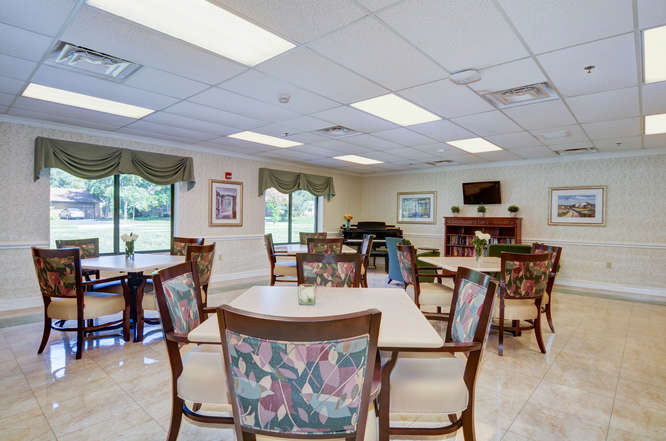
How is Westerville Post Acute. Staffed?

CMS rates WESTERVILLE POST ACUTE.'s staffing level at 2 out of 5 stars, which is below average compared to other nursing homes. Staff turnover is 50%, compared to the Ohio average of 46%. RN turnover specifically is 79%, which is notably high. RNs provide skilled clinical oversight, so turnover in this role can affect medical care quality.

What Have Inspectors Found at Westerville Post Acute.?

State health inspectors documented 73 deficiencies at WESTERVILLE POST ACUTE. during 2019 to 2025. These included: 2 Immediate Jeopardy (the most serious level, indicating potential for serious harm or death), 1 that caused actual resident harm, 69 with potential for harm, and 1 minor or isolated issues. Immediate Jeopardy findings are rare and represent the most serious regulatory concerns. They require immediate corrective action.
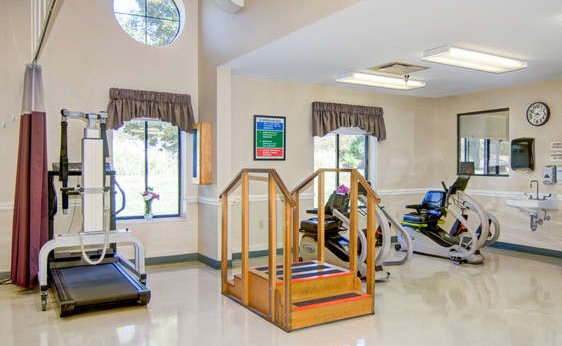
Who Owns and Operates Westerville Post Acute.?

WESTERVILLE POST ACUTE. is owned by a government entity. Government-operated facilities are typically run by state, county, or municipal agencies. The facility is operated by PACS GROUP, a chain that manages multiple nursing homes. With 130 certified beds and approximately 83 residents (about 64% occupancy), it is a mid-sized facility located in WESTERVILLE, Ohio.
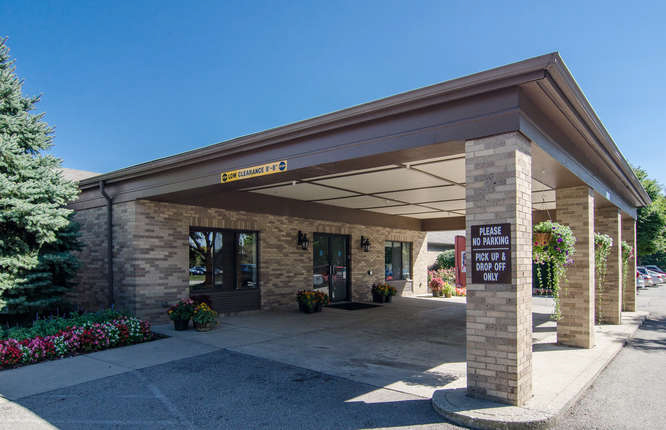
How Does Westerville Post Acute. Compare to Other Ohio Nursing Homes?

Compared to the 100 nursing homes in Ohio, WESTERVILLE POST ACUTE.'s overall rating (2 stars) is below the state average of 3.2, staff turnover (50%) is near the state average of 46%, and health inspection rating (1 stars) is much below the national benchmark.

What Should Families Ask When Visiting Westerville Post Acute.?

Based on this facility's data, families visiting should ask: "What changes have been made since the serious inspection findings, and how are you preventing similar issues?" "Can you walk me through typical staffing levels on day, evening, and night shifts?" "Can I visit during a mealtime to observe dining assistance and food quality?" "How do you handle medical emergencies, and what is your hospital transfer rate?" These questions are particularly relevant given the facility's Immediate Jeopardy citations and the below-average staffing rating.

Is Westerville Post Acute. Safe?

Based on CMS inspection data, WESTERVILLE POST ACUTE. has documented safety concerns. Inspectors have issued 2 Immediate Jeopardy citations (the most serious violation level indicating risk of serious injury or death). The facility has a 2-star overall rating and ranks #100 of 100 nursing homes in Ohio. Families considering this facility should ask detailed questions about what corrective actions have been taken since these incidents.

Do Nurses at Westerville Post Acute. Stick Around?

WESTERVILLE POST ACUTE. has a staff turnover rate of 50%, which is about average for Ohio nursing homes (state average: 46%). Moderate turnover is common in nursing homes, but families should still ask about staff tenure and how the facility maintains care continuity when employees leave.

Was Westerville Post Acute. Ever Fined?

WESTERVILLE POST ACUTE. has been fined $315,699 across 2 penalty actions. This is 8.7x the Ohio average of $36,236. Fines at this level are uncommon and typically indicate a pattern of serious deficiencies, repeated violations, or failure to correct problems promptly. CMS reserves penalties of this magnitude for facilities that pose significant, documented risk to resident health or safety. Families should request specific documentation of what issues led to these fines and what systemic changes have been implemented.

Is Westerville Post Acute. on Any Federal Watch List?

WESTERVILLE POST ACUTE. is not on any federal watch list. The most significant is the Special Focus Facility (SFF) program, which identifies the bottom 1% of nursing homes nationally based on persistent, serious quality problems. Not being on this list means the facility has avoided the pattern of deficiencies that triggers enhanced federal oversight. This is a positive indicator, though families should still review the facility's inspection history directly.