LIFE CARE CENTER OF WESTLAKE
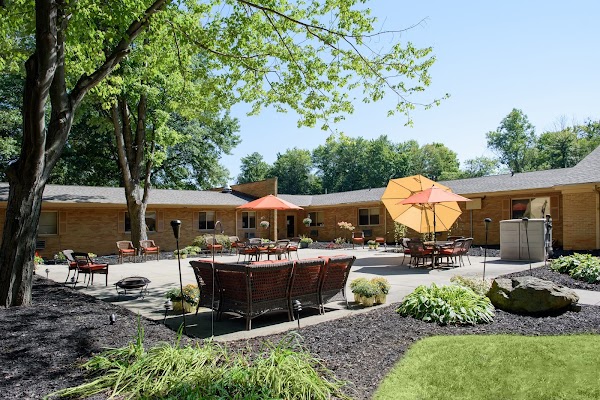
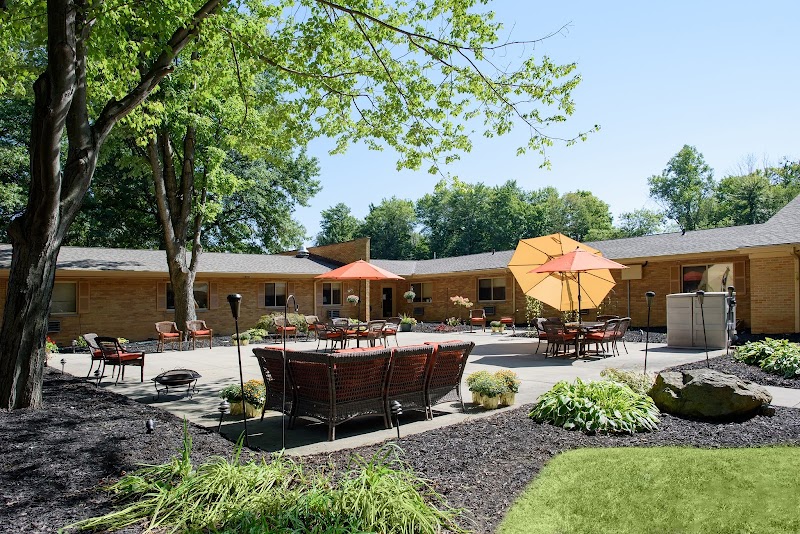
26520 CENTER RIDGE RD, WESTLAKE, OH 44145 (440) 871-3030
For profit - Corporation 119 Beds LIFE CARE CENTERS OF AMERICA Data: November 2025
Trust Grade
60/100
#495 of 913 in OH
Last Inspection: October 2023

Over 2 years since last inspection. Current conditions may differ from available data.

Overview

Life Care Center of Westlake has a Trust Grade of C+, indicating a decent but slightly above-average standard of care. They rank #495 out of 913 facilities in Ohio, placing them in the bottom half, and #46 out of 92 in Cuyahoga County, meaning there are better local options available. The facility is improving, with issues decreasing from five in 2024 to just one in 2025. Staffing is rated average with a 40% turnover, which is below the Ohio average, suggesting that staff are relatively stable and familiar with the residents. While there are no fines reported, recent inspections revealed concerns about food safety and sanitation, such as expired food items in the kitchen and a dirty garbage disposal area, which could potentially affect residents' health. Overall, while there are strengths in staffing and financial compliance, families should weigh these against the sanitation issues that need addressing.

Trust Score
C+
60/100
In Ohio
#495/913
Bottom 46%
Safety Record
Low Risk
No red flags
Inspections
Getting Better
5 → 1 violations
Staff Stability
○ Average
40% turnover. Near Ohio's 48% average. Typical for the industry.
Penalties
✓ Good
No fines on record. Clean compliance history, better than most Ohio facilities.
Skilled Nurses
⚠ Watch
Each resident gets only 29 minutes of Registered Nurse (RN) attention daily — below average for Ohio. Fewer RN minutes means fewer trained eyes watching for problems.
Violations
⚠ Watch
26 deficiencies on record. Higher than average. Multiple issues found across inspections.
★★★☆☆
3.0
Overall Rating
★★★☆☆
3.0
Staff Levels
★★★★☆
4.0
Care Quality
★★★☆☆
3.0
Inspection Score
Stable
2024: 5 issues
2025: 1 issues

The Good

  • 4-Star Quality Measures · Strong clinical quality outcomes
  • Full Sprinkler Coverage · Fire safety systems throughout facility
  • No fines on record
  • Staff turnover below average (40%)

    8 points below Ohio average of 48%

Facility shows strength in quality measures, fire safety.

The Bad

3-Star Overall Rating

Near Ohio average (3.2)

Meets federal standards, typical of most facilities

Staff Turnover: 40%

Near Ohio avg (46%)

Typical for the industry

Chain: LIFE CARE CENTERS OF AMERICA

Part of a multi-facility chain

Ask about local staffing decisions and management

The Ugly 26 deficiencies on record

Jan 2025 1 deficiency
CONCERN (D) 📢 Someone Reported This

A family member, employee, or ombudsman was alarmed enough to file a formal complaint

Potential for Harm - no one hurt, but risky conditions existed

Quality of Care (Tag F0684)

Could have caused harm · This affected 1 resident

**NOTE- TERMS IN BRACKETS HAVE BEEN EDITED TO PROTECT CONFIDENTIALITY** Based on medical record review, staff interview and facility policy review, the facility failed to monitor Resident #97 for inju...

Read full inspector narrative →
**NOTE- TERMS IN BRACKETS HAVE BEEN EDITED TO PROTECT CONFIDENTIALITY** Based on medical record review, staff interview and facility policy review, the facility failed to monitor Resident #97 for injuries after a fall. This affected one resident (#97) of three resident injuries reviewed. The facility census was 94. Findings Include: Resident #97 was admitted to the facility on [DATE] with diagnoses including dementia, depression, insomnia, drug induced subacute dyskinesia, mixed hyperlipidemia, urinary incontinence, and constipation. Review of the Minimum Data Set (MDS) assessment, dated 12/08/24, revealed Resident #97 had severe cognitive impairment. Review of the progress notes, dated 12/05/24, revealed Resident #97 was found with her knees on the ground, legs out of her bed, and head/torso still lying on her bed. Staff documented that there was discoloration to Resident #97's knees and a small area to her right elbow. There was no other documentation to describe what the injuries/areas looked like. Review of Resident #97 medical records, including bath/shower records, skin assessments, progress notes, fall investigation documents, or other medical records, found no documentation of follow up to the discoloration to her knees and an area to her right elbow. The next documentation that was found was a bath/shower log on 12/08/24, which had no skin issues documented on it. Interview with the Director of Nursing (DON) on 01/10/25 at 1:45 P.M. and 2:20 P.M. revealed documentation supported that after staff found Resident #97 on the floor on 12/05/24, she had discoloration to her knees and an area to her right elbow. She confirmed she does not know the extent of the injuries or discoloration. She confirmed there was no documentation to support monitoring being done for these areas to determine if they were injuries or if they simply were marks on her body from falling out of bed. She confirmed when there were documented areas on a resident's body, routine monitoring should be completed until the area has been resolved. Review of the facility Basic Skin Management policy, dated 11/21/24, revealed upon admission, residents have a risk assessment completed. It is completed weekly for the first four weeks of admission, and then monthly after that. All residents have preventative measures in place that include pressure redistribution mattresses on all beds, wheelchair cushions, heel boots, or suspension if needed, frequent repositioning per Certified Nurse Aides (CNAs) and activity of daily living (ADL) care, incontinent care provided with skin cleansers/wipes, and barrier cream application if needed. It is the responsibility of the CNAs and therapy department to notify nursing if a change to a resident's skin is identified. Notification may be entered into the electronic medical record (EMR) and will alert nurse on the EMR dashboard. Orders are required for skin and wound care. Nursing administration should monitor the wound care program daily utilizing EMR to review timely completion of daily assessments. This deficiency represents noncompliance investigated under Master Complaint Number OH00161130.
Sept 2024 1 deficiency
CONCERN (D) 📢 Someone Reported This

A family member, employee, or ombudsman was alarmed enough to file a formal complaint

Potential for Harm - no one hurt, but risky conditions existed

Deficiency F0602 (Tag F0602)

Could have caused harm · This affected 1 resident

**NOTE- TERMS IN BRACKETS HAVE BEEN EDITED TO PROTECT CONFIDENTIALITY** Based on medical record review, review of a facility investigation, review of email documents, review of self-reported incidents...

Read full inspector narrative →
**NOTE- TERMS IN BRACKETS HAVE BEEN EDITED TO PROTECT CONFIDENTIALITY** Based on medical record review, review of a facility investigation, review of email documents, review of self-reported incidents (SRIs), and review of a facility policy, the facility failed to ensure residents were free from misappropriation. This affected one (#75) of four residents reviewed for misappropriation. The facility census was 95. Findings Include: Review of Resident #75's medical record revealed an admission date of 03/08/24. Diagnoses included chronic obstructive pulmonary disease (COPD), pneumonia and epilepsy. Review of the most recent Minimum Data Set (MDS) 3.0 assessment dated [DATE] revealed Resident #75 was cognitively intact and required one-person physical assistance for his activities of daily living. Further review of the medical record revealed Resident #75 was discharged to a nursing facility closer to his family on 07/15/24. Review of a self-reported incident dated 07/10/24 revealed, on 7/10/24, a detective visited the facility to discuss an investigation that was occurring with his agency, and reported a box of Zofran (anti-nausea medication) prescribed to Resident #75 had been found at the house of a facility staff member, Licensed Practical Nurse (LPN) #975. The detective indicated the medication was discovered during a search of LPN #975's home and was taken as evidence. The label on the medication indicated it belonged to Resident #75. The detective further informed the facility he interviewed Resident #75 and he acknowledged that it was his medication from home that was brought to the facility. Review of an undated facility investigation document revealed a detective came to the facility on [DATE] to investigate a box of Zofran in Resident #75's name. There medication prescription was for 30 pills, there were 28 pills in the box, and the box was enclosed in an evidence bag. The detective asked to speak to Resident #75 with facility staff present during the interview. During the interview, Resident #75 told the detective he got the medications at home via mail and when he went to the hospital, his private duty nurse packed his medications up and sent them to the hospital with the resident. When Resident #75 arrived to the facility from the hospital the box of medication also came to the facility and was placed in the medication room. Further review of the investigation document revealed Resident #75 was admitted to the facility around shift change and the admitting nurse remember the resident coming with bottles of medications and also came with narcotic medications which were inventoried and then destroyed due to new orders. The next nurse completed the rest of Resident #75's admission, and that nurse was LPN #975. Review of an email document from LPN #975 dated 07/12/24 at 1:13 A.M. revealed LPN #975 confessed to taking Resident #75's Zofran from the facility to use for personal use with intension to return it to the facility. Interview with the Administrator on 09/14/24 at 11:11 A.M. confirmed a detective came to the facility to investigate LPN #975 being in possession of Resident #75's Zofran and, through investigation, it was verified the medication was taken from the facility by LPN #975. Review of the policy titled, Abuse-Identification Types, dated 7/18/23, revealed the resident has the right to be free from abuse, neglect, and misappropriation of resident property This deficiency represents non-compliance investigated under Complaint Number OH00156875.
Feb 2024 1 deficiency
CONCERN (D) 📢 Someone Reported This

A family member, employee, or ombudsman was alarmed enough to file a formal complaint

Potential for Harm - no one hurt, but risky conditions existed

Report Alleged Abuse (Tag F0609)

Could have caused harm · This affected 1 resident

**NOTE- TERMS IN BRACKETS HAVE BEEN EDITED TO PROTECT CONFIDENTIALITY** Based on record review, staff interview, and facility policy review the facility failed to ensure an allegation of staff to resi...

Read full inspector narrative →
**NOTE- TERMS IN BRACKETS HAVE BEEN EDITED TO PROTECT CONFIDENTIALITY** Based on record review, staff interview, and facility policy review the facility failed to ensure an allegation of staff to resident abuse was reported to the state agency as required. This affected one resident (#80) of three residents reviewed for abuse. The facility census was 102. Findings Include: Resident #80 was admitted to the facility on [DATE] with diagnoses including anoxic brain damage, dementia with other behavioral disturbance, generalized anxiety disorder, and chronic obstructive pulmonary disease. Review of the most recent Minimum Data Set (MDS) 3.0 assessment dated [DATE] revealed Resident #80 had moderately impaired cognition and was independent for ambulation. Interview on 02/29/24 at 10:00 A.M. with Human Resources Director (HR) #204 revealed that there was an incident this past weekend that involved Resident #80 and a dietary staff member. HR #204 stated that he is investigating the incident of Dietary Aide (DA) #214 holding a resident's wrist, but it wasn't abuse. Interview on 02/29/24 at 11:06 A.M. with Director of Nursing (DON) revealed that she heard about an incident on Monday (02/26/24) where a dietary employee grabbed Resident #80's wrist after Resident #80 asked for something. We are investigating it. Interview on 02/29/24 at 12:37 P.M. with Registered Nurse (RN) #208 revealed that he learned about the incident on Monday (02/26/24) morning. He stated that he was not on call over the weekend but heard there was an altercation between an employee and Resident #80 when Resident #80 wanted something specific from the kitchen. Resident #80 went to the kitchen and an employee put her hand on Resident #80's wrist. On Monday around 1:00 P.M., Resident #80 was walking near the office, and he assessed Resident #80's arms, there were no marks, and Resident #80 did not complain of pain. Review of the soft file for the incident on 02/25/24 revealed that there were three statements from staff regarding the incident. Review of the unsigned, undated statement with the name of [NAME] #213 printed on top with an incident dated 02/25/24 revealed that on Sunday (02/25/24) afternoon while on tray line, DA #214 stated that Resident #80 bothered her several times while delivering food carts to the units. [NAME] #213 told DA #214 to give her whatever she wants because it's Resident #80's residence and she was allowed. DA #214 stated to [NAME] #213 that she didn't care what Resident #80 wanted because Resident #80 comes to the kitchen a lot. DA #214 stated that Resident #80 was bothering her for stuff and stated that Resident #80 was acting aggressive, and that DA #214 would not fight Resident #80 because she would go to jail for homicide. Review of the statement dated 02/28/24 at 10:31 A.M. from Licensed Practical Nurse (LPN) #217 revealed that he did not have any employee or resident come to him about abuse. Review of the statement dated 02/27/24 from [NAME] #216 revealed that Resident #80 was asking for a popsicle and DA #214 told Resident #80 that she would have to wait because we were busy. [NAME] #216 got a popsicle for Resident #80. [NAME] #216 wrote that he did not see anyone hit anyone but saw Resident #80 raise her hand to DA #214 and overheard DA #214 saying, I am not playing with her. I'm not her child, and she better not put her hands on me. Interview on 02/29/24 at 1:10 P.M. with the Administrator revealed that he was made aware of the incident on Monday by HR #204. The Administrator stated that through their investigation, it was a customer service issue and not abuse, so it did not have to be reported. The Administrator stated that the dietary employee was suspended pending the outcome of the investigation, and HR #204 is still investigating. The Administrator verified that the investigation included three statements. Interview on 02/29/24 at 1:40 P.M. with Dietary Manager #211 revealed that she was informed about the incident on Monday (02/26/24) around 8:30 A.M. She heard from [NAME] #213 and DA #215 that Resident #80 came to the dietary door and asked DA #214 for a popsicle. Resident #80 put her hand up and DA #214 held Resident #80's wrist to keep her from hitting her. Resident #80 had been asking for popsicles a lot because her teeth were pulled several weeks ago. DM #211 stated that she told her staff that residents should not be denied anything if it was available. DM #211 stated that she reported to HR #204 because the Administrator was in a meeting. DM #211 stated that HR #204 told her to take DA #214 off the schedule until the investigation is completed. Review of the Ohio Department of Health's Gateway system revealed no self-reported incident related to the allegation of DA #214 holding Resident #80's arms. Review of the undated facility policy titled, Protection of Residents: Reducing the Treat of Abuse and Neglect, revealed that the facility must ensure all alleged violations involving abuse are reported immediately for serious injury and 24-hours if the events that cause the allegation do not involve abuse and do not result in serious bodily injury, to the administrator of the facility and other officials including to the state agency. This deficiency represents non-compliance investigated under Complaint Number OH00150994.
Feb 2024 3 deficiencies
CONCERN (D) 📢 Someone Reported This

A family member, employee, or ombudsman was alarmed enough to file a formal complaint

Potential for Harm - no one hurt, but risky conditions existed

Quality of Care (Tag F0684)

Could have caused harm · This affected 1 resident

Based on record review and interviews the facility failed to ensure physician orders were followed to hold Resident #100's tube feed in preparation for a dentist appointment. This affected one residen...

Read full inspector narrative →
Based on record review and interviews the facility failed to ensure physician orders were followed to hold Resident #100's tube feed in preparation for a dentist appointment. This affected one resident (Resident #100) of three reviewed for quality of care. Findings include: Record review of Resident #100 revealed an initial admission date of 04/04/19 and readmission of 07/29/23. She was discharged on 02/02/24. Diagnoses included metabolic encephalopathy, anoxic brain damage, pneumonia and sepsis. Review of the progress noted dated 01/09/24 at 10:38 A.M. revealed the resident's tube feeding was to be stopped at midnight related to dental appointment on 01/15/24. Review of Resident #100's physician orders for 01/14/24 revealed the resident was to be NPO (nothing by mouth) after midnight and the tube-feed was to be held. Review of the Medication Administration Record for January 2024 revealed the order for NPO status on 01/14/24 was signed off by Licensed Practical Nurse (LPN) #223. Interview on 02/06/24 at 1:18 P.M. with LPN #223 revealed she was told Resident #100 had an appointment the next morning but was not told about the NPO status. LPN #223 stated she was told to sign off on orders early to make it easier for next person covering the shift. She did not recall who told her this. She stated she overlooked the order for NPO. Interview on 02/06/24 at 2:27 P.M. with LPN #222 revealed she did not receive report about the NPO status for Resident #100. She stated the orders were already signed off by LPN #223 and nothing was lit up in the Medication Administration Record (MAR). Interview on 02/06/24 at 2:44 P.M. with Assistant Director of Nursing (ADON) revealed the expectation was orders would be administered as ordered. Review of an internal investigation conducted by the Director of Nursing (DON) on 01/17/24 after son called complaining of a missed appointment revealed the investigation had statements from both LPN #222 and LPN #223 confirming information in above interviews. This deficiency represent non-compliance investigated under Complaint Number OH00150118 and Complaint Number OH00150264.
CONCERN (D) 📢 Someone Reported This

A family member, employee, or ombudsman was alarmed enough to file a formal complaint

Potential for Harm - no one hurt, but risky conditions existed

Deficiency F0687 (Tag F0687)

Could have caused harm · This affected 1 resident

Based on interview and record review, the facility failed to ensure Resident #29 received adequate foot care to regularly trim toenails. This affected one resident (Resident #29) out of three resident...

Read full inspector narrative →
Based on interview and record review, the facility failed to ensure Resident #29 received adequate foot care to regularly trim toenails. This affected one resident (Resident #29) out of three residents reviewed for foot care. Findings include: Record review of Resident #29 revealed an admission date of 10/07/22. Diagnoses included Alzheimer's Disease, major depressive disorder and diabetes mellitus type 2. Review of Resident #29's medical record including Certified Nurse Practitioner's monthly notes from August 2023 through February 2024 revealed no indication the resident's toenails were trimmed or evidence the resident was assessed for podiatry needs. There was no indication of refusals or attempts to cut the resident's toenails. Interview on 02/05/24 from 10:00 A.M. to 10:17 A.M. with Licensed Practical Nurse (LPN) #203 and LPN #205 revealed they did not believe Resident #29 was seen by a podiatrist. They stated a podiatrist would need to cut the resident's toenails because they were diabetic. Interview on 02/05/24 at 10:13 A.M. with Certified Nurse Practitioner (CNP) #225 stated he visited Resident #29 monthly. He stated he trimmed her toenails on this day because LPN #203 told him surveyor was inquiring. He stated the last time he trimmed her toenails was August 2023. Interview on 02/05/24 at 12:41 P.M. with Assistant Director of Nursing (ADON) #200 revealed her expectation was residents with diabetes mellitus should be assessed for podiatry needs monthly. Review of the facility policy titled Nail Care, dated 8/23/23 revealed the facility should make arrangements for podiatry care. This deficiency represent non-compliance investigated under Complaint Number OH00150118 and Complaint Number OH00150264.
CONCERN (D) 📢 Someone Reported This

A family member, employee, or ombudsman was alarmed enough to file a formal complaint

Potential for Harm - no one hurt, but risky conditions existed

Medical Records (Tag F0842)

Could have caused harm · This affected 1 resident

Based on record review and interviews the facility failed to ensure Resident #100's medical record accurately reflected NPO (nothing by mouth) status. This affected one of three residents reviewed (Re...

Read full inspector narrative →
Based on record review and interviews the facility failed to ensure Resident #100's medical record accurately reflected NPO (nothing by mouth) status. This affected one of three residents reviewed (Resident #29 and Resident #95). The census was 95. Findings include: Record review of Resident #100 revealed an initial admission date of 04/04/19 and readmission of 07/29/23. She was discharged on 02/02/24. Diagnoses included Metabolic encephalopathy, anoxic brain damage, pneumonia and sepsis. Review of the orders for Resident #100 revealed the resident was to be NPO (nothing by mouth) after midnight and the tube-feed was to be held. The order was signed off by Licensed Practical Nurse (LPN) #223. Interview on 02/06/24 at 1:18 P.M. with LPN #223 revealed she said she was only working four hours that day. She stated she was told Resident #100 had an appointment the next morning but was not told about the NPO status. LPN #223 stated she was told to sign off on orders early to make it easier for next person covering the shift. She did not recall who told her this. She stated she overlooked the order for NPO. Interview on 02/06/24 at 2:27 P.M. with LPN #222 revealed she did not receive report about the appointment or NPO status for Resident #100. She stated the orders were already signed off by LPN #223 and nothing was lit up in the Medication Administration Record (MAR). Interview on 02/06/24 at 2:44 P.M. with Assistant Director of Nursing (ADON) revealed the expectation was orders would not be signed off until completed. Review of an internal investigation conducted by the Director of Nursing (DON) on 01/17/24 after son called complaining of missed appointment revealed the investigation had statements from both LPN #222 and LPN #223 confirming information in above interviews.
Oct 2023 6 deficiencies
CONCERN (D)

Potential for Harm - no one hurt, but risky conditions existed

Deficiency F0582 (Tag F0582)

Could have caused harm · This affected 1 resident

Based on record review and staff interview, the facility failed to ensure all required notices of potential financial obligation were provided to residents prior to the discontinuation of skilled serv...

Read full inspector narrative →
Based on record review and staff interview, the facility failed to ensure all required notices of potential financial obligation were provided to residents prior to the discontinuation of skilled services while using their Medicare Part A benefit. This affected three residents (#38, #69, and #98) of three residents reviewed for appropriate beneficiary notices. Findings include: Review of the beneficiary notice worksheet provided by the facility during the annual survey revealed the following: 1. Resident #38 was discharged from skilled therapy services while using their Medicare Part A benefit on 05/18/23. Resident #38 remained in the facility after discharge. 2. Resident #69 was discharged from skilled therapy services while using their Medicare Part A benefit on 05/31/23. Resident #69 remained in the facility after discharge. 3. Resident #98 was discharged from skilled therapy services while using their Medicare Part A benefit on 05/05/23. Resident #98 remained in the facility after discharge. Review of the notices provided to Resident's #38, #68, and #98 upon discontinuation of skilled services revealed no Skilled Nursing Facility Advanced Beneficiary Notice of Non-Coverage (SNFABN) was given to Residents #36, #68 and #98 as required. Interview with Social Worker #845 on 10/17/23 at 1:20 P.M. verified the SNFABN was not given to Resident's #36, #68, and #98 as required.
CONCERN (D)

Potential for Harm - no one hurt, but risky conditions existed

Deficiency F0645 (Tag F0645)

Could have caused harm · This affected 1 resident

**NOTE- TERMS IN BRACKETS HAVE BEEN EDITED TO PROTECT CONFIDENTIALITY** Based on record review and staff interview the facility failed to ensure a valid level one pre-admission screen and resident rev...

Read full inspector narrative →
**NOTE- TERMS IN BRACKETS HAVE BEEN EDITED TO PROTECT CONFIDENTIALITY** Based on record review and staff interview the facility failed to ensure a valid level one pre-admission screen and resident review (PASRR) was completed prior to Resident #26's admission to the facility from a community setting. This affected one resident (#26) of three residents reviewed for PASRR. The facility census was 96. Findings include: Resident #26 was admitted to the facility on [DATE] from home with diagnoses including major depressive disorder, anxiety disorder, dementia, and post-traumatic stress disorder. Review of Resident #26's PASRR records revealed a PASRR was completed on 04/07/22 by Residents #26's community case management agency. The form noted she was admitting the resident to the facility from a community setting. Licensed Social Worker (LSW) #845 verified that Resident #26's PASRR was not completed prior to admission as required during an interview on 10/19/23 at 10:30 A.M.
CONCERN (D)

Potential for Harm - no one hurt, but risky conditions existed

Incontinence Care (Tag F0690)

Could have caused harm · This affected 1 resident

**NOTE- TERMS IN BRACKETS HAVE BEEN EDITED TO PROTECT CONFIDENTIALITY** Based on record review and interview, the facility failed to provide care and services to diagnose and treat a suspected urinary...

Read full inspector narrative →
**NOTE- TERMS IN BRACKETS HAVE BEEN EDITED TO PROTECT CONFIDENTIALITY** Based on record review and interview, the facility failed to provide care and services to diagnose and treat a suspected urinary tract infection (UTI) in a timely manner for Resident #43. This affected one resident (#43) of one resident reviewed for UTIs. The facility census was 96. Findings include: Review of the medical record for Resident #43 revealed an admission date of 09/09/21 with diagnoses including need for assistance with personal care, overactive bladder, anxiety disorder, and chronic diastolic congestive heart failure. Review of the Urinary Incontinence Tool assessment dated [DATE] revealed Resident #43 had urge incontinence and would try to use restroom. Resident #43 was reported to have a history of UTIs with historical symptoms including confusion and lethargy. Review of the Minimum Data Set (MDS) quarterly assessment dated [DATE] revealed Resident #43 had Brief Interview for Mental Status (BIMS) score of 12, indicating the resident had moderately impaired cognition. Resident #43 required extensive one staff assistance for bed mobility, transfers, toileting, and personal hygiene. Resident #43 was frequently incontinent of bowel and bladder. Review of the plan of care dated 10/05/23 revealed Resident #43 had recurrent UTIs. Interventions included to report signs and symptoms of UTI to the physician as needed, encourage adequate fluid intake, lab work as ordered, supplements as ordered for urinary health, and educate on good hygiene practices. Review of the Lab Result dated 10/10/23 revealed urine specimen collected on 10/06/23 for urinalysis with culture and sensitivity (UA C&S). Mixed pathogen growth of greater than 100,000 colony-forming unit per milliliter (CFU/mL) was found, and contamination was suspected. Review of the Health Status Note dated 10/11/23 at 3:16 A.M. revealed urine for culture and sensitivity was obtained via straight catheter. Urine was noted to be very thick, purulent with foul odor. Resident #43 was noted to be confused during the shift. Resident #43 denied dysuria (painful or difficult urination). Review of the Health Status Note dated 10/11/23 at 5:25 A.M. revealed Resident #43 was noted to have confusion and called the police. Resident #43 was noted to have had specimen collected and taken to lab. Resident #43 was reoriented to surroundings and left with the call light within reach. Review of the Cognitive Patterns/BIMS note dated 10/11/23 at 5:50 P.M. revealed Resident #43 had shown drastic decline in BIMS score from 12 on 10/02/23 to 7 on 10/11/23. Resident #43 stated she noticed the decline in cognition and reported having no energy. Resident #43 was noted to have a UTI and could cause fogginess. Review of Lab Result dated 10/12/23 revealed urine specimen for UA C&S was collected on 10/11/23. Mixed urogenital flora growth of less than 10,000 CFU/mL was found. Review of the Health Status Note dated 10/13/23 at 2:32 P.M. revealed UA C&S results had returned, and no new orders were obtained. Interview on 10/16/23 at 10:18 A.M. with Resident #43 revealed she believed she had a UTI. Resident #43 noted she was having periods of confusion and had gotten lost when trying to find her room yesterday. Resident #43 indicated she was unable to remember where her room was, and staff had to show her where it was. Resident #43 was unable to report what the facility was doing to treat a UTI. Review of the Health Status Note dated 10/17/23 at 12:34 A.M. revealed Resident #43 had been increasingly confused. Resident #43 continued to complain of burning during urination and lethargy. Resident #43 refused daytime medications. The on-call Nurse Practitioner was notified, and a new order for lab work in the morning was received. Review of the Health Status Note dated 10/17/23 at 1:54 P.M. revealed the Nurse Practitioner was notified regarding recent increase in confusion and a new order for UA C&S via straight catheter was obtained. Review of the Order-Administration Note dated 10/18/23 at 4:16 A.M. revealed staff were unable to obtain urine via straight catheter as ordered for Resident #43. Interview on 10/18/23 at 1:50 P.M. with Infection Control Nurse #821 revealed staff had reported a change in mental status for Resident #43. Infection Control Nurse #821 noted there had been two urinalysis labs come back as inconclusive. Infection Control Nurse #821 noted Resident #43 had not been acting like her normal self by refusing to get out of bed, not wanting to eat, confusion, and increase in incontinence episodes. Interview on 10/18/21 at 3:49 P.M. with State Tested Nursing Assistant (STNA) #938 and STNA #940 revealed Resident #43 had a change in mental status. STNA #938 noted Resident #43 was looking for her family in the hallway and not recognizing normal staff. STNAs #938 and #940 noted Resident #43 has had more episodes of incontinence lately. Review of the Order Note dated 10/19/23 at 1:28 A.M. revealed the on-call Nurse Practitioner was notified of increased confusion and abnormal lab work. The on-call Nurse Practitioner ordered 500 milligrams (mg) Ciprofloxacin HCl (antibiotic) every 12 hours for five days. Interview on 10/19/23 at 9:41 A.M. with Infection Control Nurse #821 confirmed urine specimen had not been collected on 10/17/23 or 10/18/23 as ordered. Infection Control Nurse #821 reported the pharmacy recommended doing another UA C&S via straight catheter to get a clear sample on 10/12/23 when the second result came back inconclusive. Infection Control Nurse #821 confirmed it was unusual to have a delay in treatment for a UTI. Infection Control Nurse #821 indicated she had reached out to the physician to discuss the situation. The physician was notified of Resident #43's UTI symptoms had not improved and an antibiotic was ordered on 10/19/23. Review of the Health Status Note dated 10/19/23 at 11:34 A.M. revealed a urine specimen was obtained via straight catheter for Resident #43.
CONCERN (E)

Potential for Harm - no one hurt, but risky conditions existed

Deficiency F0761 (Tag F0761)

Could have caused harm · This affected multiple residents

Based on observation, review of the facility insulin storage parameters, and interview, the facility failed to ensure insulin containers were labeled with opening dates to ensure they were not used be...

Read full inspector narrative →
Based on observation, review of the facility insulin storage parameters, and interview, the facility failed to ensure insulin containers were labeled with opening dates to ensure they were not used beyond their recommended expiration. This affected four of four residents with insulin stored on the 200-hall medication cart (Resident's #34, #97, #9, and #30). The facility census was 96. Findings include: Observation of the unrefrigerated 200-hall medication cart on 10/16/23 at 4:50 P.M. revealed insulin injection pens had no date of opening recorded either on the pens or the plastic bags they were stored in. This affected two of two insulin pens for Resident #34, two of three pens for Resident #97, one of one pen for Resident #9, and one of one pen for Resident #30. Interview with Registered Nurse (RN) #891 on 10/16/23 at 4:50 P.M. confirmed the above findings, and that she could not identify what date the pens were opened. Record review of the facility's undated insulin storage parameters revealed insulin could only be stored at room temperature for a certain number of days before they should be discarded, ranging from ten to 56 days depending on the type of insulin.
CONCERN (F)

Potential for Harm - no one hurt, but risky conditions existed

Food Safety (Tag F0812)

Could have caused harm · This affected most or all residents

Based on observation and staff interview the facility failed to ensure food was labeled and dated properly and was stored in a clean and sanitary manner to prevent contamination and food borne illness...

Read full inspector narrative →
Based on observation and staff interview the facility failed to ensure food was labeled and dated properly and was stored in a clean and sanitary manner to prevent contamination and food borne illness. This had the potential to affect 95 of 96 residents who received meals from the kitchen. The facility identified one resident (#8) who received nothing by mouth (NPO). Findings include: During the initial kitchen tour conducted on 10/16/23 from 9:03 A.M. through 9:28 A.M. revealed the following: • Two full packages of hot dog buns were dated use by 10/09/23. • In the deli cooler there was a package of undated shaved turkey and a container of shredded lettuce that was brown/slimy at the bottom. • In the freezer there was a plastic bag with ten pieces of breaded fish not labeled or dated. • The microwave had food spilled inside. These findings were verified by Dietary Manager #883 at the time of the observations.
CONCERN (F)

Potential for Harm - no one hurt, but risky conditions existed

Garbage Disposal (Tag F0814)

Could have caused harm · This affected most or all residents

Based on observation and staff interview, the facility failed to maintain its garbage disposal area in a clean and sanitary condition. This had the potential to affect 95 of 96 residents who received ...

Read full inspector narrative →
Based on observation and staff interview, the facility failed to maintain its garbage disposal area in a clean and sanitary condition. This had the potential to affect 95 of 96 residents who received meals from the kitchen. The facility identified one resident (#8) who received nothing by mouth (NPO). Findings include: Observation of the facilities garbage disposal area with Dietary Manager #883 on 10/16/23 at 9:20 A.M. revealed side doors to two dumpsters were open and garbage bags were protruding out the sides. There was some trash around the dumpster such as plastic cups, plastic gloves, dirt, and leaves. These observations were verified by Dietary Manager #883 at the time of the observation. An additional observation on 10/18/23 at 1:11 PM. bags of trash hanging out of the dumpster was verified by the Administrator at 1:26 PM.
Sept 2023 2 deficiencies
CONCERN (D) 📢 Someone Reported This

A family member, employee, or ombudsman was alarmed enough to file a formal complaint

Potential for Harm - no one hurt, but risky conditions existed

Report Alleged Abuse (Tag F0609)

Could have caused harm · This affected 1 resident

**NOTE- TERMS IN BRACKETS HAVE BEEN EDITED TO PROTECT CONFIDENTIALITY** Based on record review and interview, the facility failed to ensure Resident #5's elopement events were submitted as self-report...

Read full inspector narrative →
**NOTE- TERMS IN BRACKETS HAVE BEEN EDITED TO PROTECT CONFIDENTIALITY** Based on record review and interview, the facility failed to ensure Resident #5's elopement events were submitted as self-reported incidents to the Ohio Department of Health incident tracking website. This affected one (Resident #5) of three residents reviewed for elopement. The total census was 99. Findings include: Record review of Resident #5 revealed he was admitted to the facility 07/13/21 and had diagnoses including dementia, alcohol abuse, and major depressive disorder. A probate physician assessment dated [DATE] revealed he had severe cognitive, judgement, insight, and memory deficits which rendered him incapable of self-management of person and estate. He had a court-ordered guardian in place as of 12/23/21. Review of his minimum data set assessment on 06/20/23 revealed he refused to complete a mental status assessment and required supervision assistance for transfers and locomotion. He was assessed as having verbal behaviors four to six of seven days and rejection of care one to three of seven days. His elopement risk assessment dated [DATE] revealed he was at risk for elopement due to being cognitively impaired, ambulated independently, and had a history of elopement and substance use disorder. Review of his care plan revealed he was at risk for elopement and was to be only allowed on the back patio when he wished to be outside. Additional care plan interventions were added from 09/08/23 to 09/19/23 including moving him to the secured unit for safety, 1-1 supervision in evening hours when awake, observing him for signs of intoxication, and referrals to psychiatric hospitals. Review of Resident #5's progress notes and elopement incident reports revealed the front door camera detected him leaving the facility at 8:11 P.M. on 09/07/23 and he was found at the front door waiting to return inside at 9:50 P.M. the same day. He refused to identify how and why he exited. He was assessed as oriented to place, person, and situation (not time) and to not have any injuries. The facility placed him on 15 minute checks and inserviced staff on his elopement risk. On 09/11/23, Resident #5 was identified missing from the facility at roughly 7:55 P.M. The facility contacted the police, who found and returned him at 9:30 P.M. the same day. He had a case of beer in his possession, and when the facility removed it he threw a can at the wall. He was brought to the secured unit and had behaviors including hitting the glass door, screaming profanities, and banging on other resident doors. He was sent to the emergency room at 10:35 P.M. and was returned to the facility the following day at 11:49 A.M. on 09/13/23 he was returned to his original room (in the 500 hall) off the secured unit. Review of the facility incident log revealed elopement incidents for Resident #5 were documented on 09/07/23 and 09/11/23. Review of the Ohio Certification and Licensure website revealed no evidence either of the above-noted events were submitted as self-reported incidents (SRIs) to the Ohio Department of Health. Interview with the Administrator on 09/19/23 at 12:05 P.M. confirmed the above findings. He said he did not make SRI reports because the facility identified the events as being unauthorized leaves rather than elopements. This deficiency represents noncompliance investigated under OH00146250.
CONCERN (D) 📢 Someone Reported This

A family member, employee, or ombudsman was alarmed enough to file a formal complaint

Potential for Harm - no one hurt, but risky conditions existed

Accident Prevention (Tag F0689)

Could have caused harm · This affected 1 resident

**NOTE- TERMS IN BRACKETS HAVE BEEN EDITED TO PROTECT CONFIDENTIALITY** Based on observation, record review and interview, the facility failed to prevent two elopement events by Resident #5. This affe...

Read full inspector narrative →
**NOTE- TERMS IN BRACKETS HAVE BEEN EDITED TO PROTECT CONFIDENTIALITY** Based on observation, record review and interview, the facility failed to prevent two elopement events by Resident #5. This affected one (Resident #5) of three residents reviewed for elopement. The total census was 99. Findings include: Record review of Resident #5 revealed he was admitted to the facility 07/13/21 and had diagnoses including dementia, alcohol abuse, and major depressive disorder. A probate physician assessment dated [DATE] revealed he had severe cognitive, judgement, insight, and memory deficits which rendered him incapable of self-management of person and estate. He had a court-ordered guardian in place as of 12/23/21. Review of his minimum data set assessment on 06/20/23 revealed he refused to complete a mental status assessment and required supervision assistance for transfers and locomotion. He was assessed as having verbal behaviors four to six of seven days and rejection of care one to three of seven days. His elopement risk assessment dated [DATE] revealed he was at risk for elopement due to being cognitively impaired, ambulated independently, and had a history of elopement and substance use disorder. Review of his care plan revealed he was at risk for elopement and was to be only allowed on the back patio when he wished to be outside. Additional care plan interventions were added from 09/08/23 to 09/19/23 including moving him to the secured unit for safety, 1-1 supervision in evening hours when awake, observing him for signs of intoxication, and referrals to psychiatric hospitals. Review of Resident #5's progress notes and elopement incident reports revealed the facility camera detected him leaving the facility at 8:11 P.M. on 09/07/23 and he was found at the front door waiting to return inside at 9:50 P.M. the same day. He refused to identify how and why he exited. He was assessed as oriented to place, person, and situation (not time) and to not have any injuries. The facility placed him on 15 minute checks and inserviced staff on his elopement risk. On 09/11/23, Resident #5 was identified missing from the facility at roughly 7:55 P.M. The facility contacted the police, who found and returned him at 9:30 P.M. the same day. He had a case of beer in his possession, and when the facility removed it he threw a can at the wall. He was brought to the secured unit and had behaviors including hitting the glass door, screaming profanities, and banging on other resident doors. He was sent to the emergency room at 10:35 P.M. and was returned to the facility the following day at 11:49 A.M. on 09/13/23 he was returned to his original room (in the 500 hall) off the secured unit. Review of witness statements from the 09/11/23 elopement revealed State-Tested Nursing Aide (STNA) #600 documented when she learned Resident #5 was missing at 7:55 P.M., she informed the charge nurse on the 200 hall who said she had a med pass to do. STNA #600 called the 600 unit and informed that nurse, and the nurse said it was not her issue, she would continue her medication pass, and the resident would probably be back soon. Review of police report #23-23051 revealed on 09/11/23 at 8:21 A.M. the police were dispatched to search for Resident #5 as a missing person. They found him on what appeared to be a return route to the facility with a 12-pack of beer. The police escorted him back to the facility. The report made no mention of him having any injury or other adverse effect. Review of the facility incident log revealed elopement incidents for Resident #5 were documented on 09/07/23 and 09/11/23. Observation of camera footage from the facility's secured front door on 09/18/23 at 10:51 A.M. revealed Resident #5 exited the facility at 8:10 P.M. on 09/07/23 by following what appeared to be a visitor out the door after they punched in a code, with two other apparent visitors following behind him. Resident #5 exited out the front door at 7:45 P.M. on 09/11/23 when a staff member punched in a code for what appeared to be two visitors, then turned away. As the visitors were entering, Resident #5 approached from the opposite direction as the staff member and exited behind the visitors. Interview with the Director of Nursing on 09/18/23 at 11:00 A.M. revealed the facility put Resident #5 on 15 minute checks following the first elopement. Following the second elopement, the facility noted he left in the evening hours after the secretary was gone (who typically is in the facility from 7:00 A.M. to 7:00 P.M.). The facility then removed 15 minute checks and placed him on 1-1 care when he was awake from 7:00 P.M. to 7:00 A.M. Interview with Resident #5 on 09/19/23 at 9:46 A.M. revealed he left the facility without notifying staff on multiple occasions. He did so by waiting until people came in to unlock the door for him. During these events he went to local stores roughly a mile away via wheelchair and then returned under his own power. He said he dressed appropriately for the weather and suffered no injuries during these events. He felt he did not need a guardian and was taking action to try to get it removed. Interview with the Administrator on 09/19/23 at 12:05 P.M. confirmed the above findings. Review of the facility's elopement policy dated 11/23/22 revealed that elopement occured when a resident left the premises without authorization or necessary supervision. It did not indicate specific protocols to take when a resident eloped. The surveyor made two attempts to contact Resident #5's guardian during the survey, including a message left requesting a return call. No response was received before the end of the survey. This deficiency represents noncompliance investigated under OH00146250.
Sept 2023 1 deficiency
CONCERN (D) 📢 Someone Reported This

A family member, employee, or ombudsman was alarmed enough to file a formal complaint

Potential for Harm - no one hurt, but risky conditions existed

Infection Control (Tag F0880)

Could have caused harm · This affected 1 resident

**NOTE- TERMS IN BRACKETS HAVE BEEN EDITED TO PROTECT CONFIDENTIALITY** Based on observation and interview the facility failed to ensure staff washed/sanitized their hands appropriately during medicat...

Read full inspector narrative →
**NOTE- TERMS IN BRACKETS HAVE BEEN EDITED TO PROTECT CONFIDENTIALITY** Based on observation and interview the facility failed to ensure staff washed/sanitized their hands appropriately during medication administration for Resident #20 and failed to don appropriate personal protective equipment and handle laundry appropriately during wound care for Resident #68. This affected one out of three residents observed for medication administration and one out of two residents observed for wound care (#20 and #68). The facility census was 105. Findings include: 1. Record review revealed Resident #20 was admitted to the facility on [DATE] with diagnoses including diabetes mellitus, polyneuropathy, hypertensive heart disease, osteoarthritis, lymphedema, bipolar disorder, anxiety, diverticulosis, urinary tract infection, heart arrhythmias, irritable bowel syndrome and hyperlipidemia. A review of Resident #20's physician orders dated 08/01/23 to 08/31/23 indicated to administer acetaminophen 500 milligrams (mg) orally three times a day, vitamin D 100 micrograms (mcg) orally in the morning, Culterelle probiotic one tablet orally two times a day, magnesium oxide 400 mg orally two times a day, multivitamin with minerals one tablet orally once a day, docusate sodium tablet 100 mg orally two times a day, omega 3 1000 mg orally, lasix 40 mg orally once a day, losartan potassium chloride 50 mg orally once a day, potassium chloride extended release 10 milliequivalents (mEq) orally once a day, sennosides 8.6 mg (two tablets) orally twice a day, and Salonpas patch (lidocaine 4 percent) apply topically to the left arm one time a day and remove at bedtime. An observation of Licensed Practical Nurse (LPN) #735 administer medications to Resident #20 on 08/31/23 at 7:33 A.M. revealed a failure to wash or sanitize her hands to prevent a possible cross contamination of germs to Resident #20. LPN #735 prepared the above listed medications and administered the medications to Resident #20 orally mixed in applesauce. LPN #735 exited Resident #20's room to obtain the lidocaine 4 percent patch from the storage area in the facility and did not wash her hands prior to exiting the room. LPN #735 proceeded to walk to the elevator pushed the button and traveled to the medication storage area in the basement of the facility. LPN #735 opened the medication storage door and searched the shelves for the lidocaine patch. LPN #735 obtained the lidocaine patch from the manufacturer's packaging and documented the removal on the medication storage log and exited the medication storage room. LPN #735 traveled back to the first floor using the elevator and stopped at the nursing station to obtain a pair of scissors from her personal belongings. LPN #735 proceeded to enter Resident #20's room, cut the lidocaine patch packaging, removed the lidocaine patch and wrote the date and her initials on the patch and applied the patch to Resident #20's left upper arm. LPN #735 exited Resident #20's room and proceeded to administer medications to another resident. LPN #735 did not wash or sanitize her hands upon exiting Resident #20's room or prior to administering the lidocaine patch to Resident #20. An interview with LPN #735 on 08/31/23 at 7:55 A.M. verified the above findings. The facility policy and procedure titled Hand Hygiene revised 06/13/23 indicated the facility adopted the Center for Disease Control (CDC) infection control prevention and control practices for safe healthcare delivery in all settings for hand hygiene. The facility policy indicated associates perform hand hygiene {even if gloves are used) in the following situations: -Before and after contact with the resident: -After contact with blood, body fluids, or visibly contaminated surfaces; -After contact with objects and surfaces in the resident's environment: -After removing personal protective equipment (e.g. gloves. gown. eye protection. facemask); and -Before performing a procedure such as an aseptic task (e.g., insertion of an invasive device such as a urinary catheter, manipulation of a central venous catheter. and/or dressing care). 2. Record review revealed Resident #68 was admitted to the facility on [DATE] with diagnoses including osteomyelitis (bone infection) of the left ankle and foot, urinary tract infection, dementia, diabetes mellitus, heart arrhythmias and heart malnutrition, valve disease, anemia, stage 3 pressure ulcer to the sacral region, polyosteoarthritis, depression, osteoporosis, peripheral venous insufficiency, lymphedema, high blood pressure, hyperlipidemia and fibromyalgia. A review of Resident #68's physician orders dated 08/01/23 to 08/31/23 indicated to clean Resident #68's left buttock wound, left heel and coccyx with normal saline, apply aquacel silver and cover the wound with a foam dressing three times a week and as needed. Clean the left toes with saline, apply skin preparation and leave the wounds open to air daily and as needed. Resident #68's wound assessment dated [DATE] indicated the presence of a stage 3 pressure ulcer of the coccyx, left heel, and left buttock, and a stage 2 pressure ulcer of the left big toe, plantar metatarsophalan (the joints between the metatarsal bones of the foot and the proximal bones of the toes), and the left third toe. An observation of LPN #846 and Registered Nurse (RN) #830 perform Resident #68's wound treatment on 08/31/23 at 1:00 P.M. revealed a concern with maintaining infection control standards. Upon entering Resident #68's room there was a sign on the door for staff to don a mask, gloves and gown for enhanced isolation precautions. LPN #846 and RN #830 washed their hands and donned a pair of gloves and mask and proceeded to apply the Resident #68's physician ordered wound treatments. RN #830 and LPN #846 did not don a gown prior to providing the wound treatments. Upon completion of the wound treatments LPN #846 gathered the soiled linen used during the wound treatment task and placed the linens directly on the floor. LPN #846 proceeded to obtain a plastic bag and placed the soiled linens in the plastic bag and placed the plastic bag with the soiled linens in the appropriate linen receptacle. An interview with LPN #846 and RN #830 on 08/31/23 at 1:30 P.M. verified the above findings and indicated Resident #68 was on enhanced barrier protection due to her multiple pressure ulcer wounds and should have worn a gown during the wound treatment task. LPN #846 verified she should have obtained a plastic bag to place the soiled linens and should not have placed the linens on the floor. The facility policy and procedure titled Infection Prevention and Control Program (IPCP) and Plan revised 01/25/23 indicated the facility has an ongoing infection prevention and control program (I PCP) lo prevent, recognize, and control the onset and spread of infection to the extent possible and reviews and updates the IPCP annually and as necessary. This would include revision of the IPCP as national standards change; The definition of contact precautions indicated the intention was to prevent transmission of pathogens that were spread by direct (e.g., person-to-person) or indirect contact with the resident or environment (e.g., C. difficile, norovirus, scabies), and requires the use of appropriate PPE, including a gown and gloves before or upon entering (i.e., before contact with the resident or resident's environment) the room or cubicle. Prior to leaving the resident's room or cubicle, the PPE is removed, and hand hygiene is performed. When Contact Precautions are indicated, efforts must be made to counteract possible adverse effects on patients (i.e., anxiety, depression and other mood disturbances, perceptions of stigma, reduced contact with clinical staff), and increases in preventable adverse events in order to improve acceptance by the residents and adherence by staff. When implementing contact precautions, consideration should be given to the following: l. The identification of resident risk factors that increase the likelihood of transmission, (such as uncontained secretions or excretions, non- compliance, cognition deficits, incontinence, etc.); 2. The provision of a private room as available/appropriate. 3. Co-horting residents with the same pathogen; and 4. Sharing a room with a roommate with limited risk factors (e.g., without indwelling or invasive devices, without open wounds, and not immunocompromised) as appropriate. 5. Determine if outbreak protocol should be implemented. (Refer to policy entitled Outbreak Control and/or Pandemic Control and Management) 6. When a resident is placed on contact precautions, the staff should implement the following: a. Place Contact precaution signage (may be more than one type), on the outside of the resident room in a conspicuous place such as the door or on the wall next to the doorway identifying the resident is on contact precautions. The sign should include the instructions for use of specific PPE, and/or instructions to see the nurse before entering. b. Ensure that signage also complies with residents' rights to confidentiality and privacy; c. Ensure that healthcare personnel are educated, trained, and have practiced the appropriate use of PPE prior to caring for a patient/resident. Refer to policy entitled Personal Protective Equipment (PPE). d. Make PPE (e.g., gowns and gloves) readily available near the entrance to the resident's room; e. Any anticipated supply shortages of PPE should be reported to the local and state public health agency. f. Don appropriate PPE before or upon entry into the environment (e.g., room or cubicle) of resident on transmission -based precautions (e.g., contact precautions). The CDC guidelines for handling soiled linens dated 05/04/23 indicated the best practices for linen (and laundry) handling: -Always wear reusable rubber gloves before handling soiled linen (e.g., bed sheets, towels, curtains). -Never carry soiled linen against the body. Always place it in the designated container. -Carefully roll up soiled linen to prevent contamination of the air, surfaces, and cleaning staff. Do not shake linen. -If there is any solid excrement on the linen, such as feces or vomit, scrape it off carefully with a flat, firm object and put it in the commode or designated toilet/latrine before putting linen in the designated container. -Place soiled linen into a clearly labeled, leak-proof container (e.g., bag, bucket) in the patient care area. Do not transport soiled linen by hand outside the specific patient care area from where it was removed. -Reprocess (i.e., clean and disinfect) the designated container for soiled linen after each use. -If reusable linen bags are used inside the designated container, do not overfill them, tie them securely, and launder after each use. -Soiled linen bags can be laundered with the soiled linen they contained. This deficiency represents non-compliance investigated under Master Complaint Number OH00145263 and Complaint Number OH00145031.
Jun 2023 2 deficiencies
CONCERN (D) 📢 Someone Reported This

A family member, employee, or ombudsman was alarmed enough to file a formal complaint

Potential for Harm - no one hurt, but risky conditions existed

Deficiency F0740 (Tag F0740)

Could have caused harm · This affected 1 resident

**NOTE- TERMS IN BRACKETS HAVE BEEN EDITED TO PROTECT CONFIDENTIALITY** Based on observation, record review, and interview, the facility failed to provide appropriate interventions to manage the behav...

Read full inspector narrative →
**NOTE- TERMS IN BRACKETS HAVE BEEN EDITED TO PROTECT CONFIDENTIALITY** Based on observation, record review, and interview, the facility failed to provide appropriate interventions to manage the behaviors of Resident #3. This affected one of three residents reviewed for behavioral care. The total census was 98. Findings include: Record review of Resident #3 revealed she was admitted [DATE] and had diagnoses including cerebral palsy, generalized anxiety disorder, and a history of transient ischemic attack. Her minimum data set assessment dated [DATE] noted she was rarely or never understood and able to walk in corridors with supervision assistance only. She was noted in her care plan to have behaviors including wandering, touching with tongue, and holding objects in her mouth. It also noted she had severe impaired cognitive ability with a plan to keep her occupied with toys and engaged in simple activities. Review of Resident #3's progress notes revealed the following: on 06/14/23 she was noted to exit another resident's room rubbing dandruff conditioner on her eyes. A noted dated 06/05/23 revealed she needed one-on-one care that could not be provided by staff, and when staff was busy she wandered into other resident rooms and touched their belongings, and was 'instructed to sit hours at a time.' A note dated 05/31/23 revealed she was removed several times from other resident rooms. A note dated 05/26/23 revealed she wandered in others' rooms, staff shortage prevented one-on-one care as needed, and she became angered when placed in the chair and attempted to leave the area. She hugged herself tightly when in the chair and grimaced as though crying. A noted dated 05/03/23 revealed she continued to wander into other resident rooms, became resistant when staff directed her to return to her chair, and that she was not content to sit for hours on end. A 04/27/23 note said other residents provided one-on-one care while staff was assisting other residents, and she continued to wander to other resident rooms. During the night she was able to escape the chair before being seen and returned to her seat. A note on 03/14/23 revealed she drank liquid skin and hair cleanser. The poison control center said just to monitor and that she may have loose bowel movements. Notes on 04/11/23, 03/15/23, and 03/09/23 documented events of her wandering to other resident rooms. Notes on 03/08/23 and 03/02/23 revealed another resident escorted her back to her chair by the nursing office on these days. A 03/07/23 note revealed other residents continued to bring her back to the chair and that she was rummaging through garbage cans. A 03/06/23 note revealed she continued to wander in other rooms and pushed another resident. A note dated 03/02/23 revealed several other residents expressed a need to sit near the nursing unit to 'keep an eye on her' at night. Interview with the long-term care ombudsman covering the facility on 06/14/23 at 10:34 A.M. revealed Resident #3 had a pattern of going into other resident rooms and taking their things. She was supposed to have one-on-one supervision and the facility did not monitor her at night. Several residents had complained about waking up during the night with her staring at them. Observation of Resident #3 on 06/14/23 at 11:45 A.M. and 1:08 P.M. revealed her to be sitting on a padded wooden chair in a common room by the 500 Hall nursing station. She was not interviewable. Interview with Resident #22 on 06/14/23 at 1:17 P.M. revealed another resident sometimes wandered into his room and takes his soda, and the staff usually got it back. Interview with Resident #8 on 06/14/23 at 1:31 P.M. revealed Resident #3 often wandered into his room especially at night, and he sometimes woke up to find her sitting in his wheelchair or holding his comb or lotion. Interview with the Director of Nursing (DON) on 06/14/23 at 2:53 P.M. revealed Resident #3 was supposed to be a temporary respite admission, and the facility has been trying to discharge her to an appropriate setting without success. The facility put up stop signs by resident rooms and educated staff to monitor her. The facility recently began discussing the appropriateness of moving her to their secured unit. They did not have the staffing to provide one-to-one care for her. Observation of Resident #3 on 06/14/23 at 3:36 P.M. revealed her to be walking down the hall. An unidentified staff member pleasantly asked her to sit on a chair in the common room, and she complied. Interview with Licensed Practical Nurse (LPN) #258 on 06/14/23 at 4:10 P.M. revealed Resident #3 had ongoing problems of entering other resident rooms and messing with their belongings, looking for something to drink. She heard staff firmly command Resident #3 to 'Sit down' or 'go over there and sit down,' referring to a chair in the common room where staff often tried to keep her all day so they could monitor her. Observation of the 500 Hall (Resident #3 resided in room [ROOM NUMBER]) on 06/15/23 at 8:32 A.M. revealed it was not a secured unit. Four rooms had Velcro stop signs attached to the doors, as did the exit door. Resident #3 was sitting in a chair by the nursing station. Multiple observations of Resident #3 on 06/15/23 revealed she attended activities in the secured unit at 10:07 A.M. and walked around outside with a staff member at 11:43 A.M. Observations at 8:32 A.M., 11:12 A.M., and 2:19 P.M. revealed her to be sitting in a chair by the nursing station. Interview with the family of Resident #22 on 06/15/23 at 2:32 P.M. revealed Resident #3 often wandered at night and took things from residents. She had stolen soda from Resident #22's refrigerator. Interview with Resident #23 on 06/15/23 at 2:45 P.M. revealed she had to remain awake and watch the door at night because Resident #3 would enter her room and go through her refrigerator. She said staff kept Resident #3 in the chair by the nursing station all day, but at night Resident #23 had to yell for staff to intervene as Resident #3 entered the room and stole things. Resident #23 said if she could get out of bed she would 'probably be in jail' because she would attack Resident #3 to defend her belongings. Interview with the Administrator on 06/15/23 at 2:55 P.M. revealed Resident #3's family was not cooperating with attempts to transfer her. The facility was working with the county board of disabilities to try to transfer the resident to a more appropriate setting. Review of resident council minutes revealed the 03/20/23 meeting noted a concern with an uninvited resident wandering into rooms and taking others' belongings. The noted response was a nurse meeting on raised concerns. The meeting notes on 04/17/23 said Resident #3 wandered in and out of rooms and continued to be disruptive. No specific follow-up was noted. The surveyor reviewed the above findings with the DON on 06/20/23 at 10:21 A.M. This deficiency represents non-compliance investigated under OH00143528.
CONCERN (E) 📢 Someone Reported This

A family member, employee, or ombudsman was alarmed enough to file a formal complaint

Potential for Harm - no one hurt, but risky conditions existed

Deficiency F0559 (Tag F0559)

Could have caused harm · This affected multiple residents

**NOTE- TERMS IN BRACKETS HAVE BEEN EDITED TO PROTECT CONFIDENTIALITY** Based on interview and record review, the facility failed to provide appropriate notice to residents prior to transferring them ...

Read full inspector narrative →
**NOTE- TERMS IN BRACKETS HAVE BEEN EDITED TO PROTECT CONFIDENTIALITY** Based on interview and record review, the facility failed to provide appropriate notice to residents prior to transferring them to different rooms. This affected three of three residents reviewed for room transfers (Resident #32, #95, and #8). The total census was 98. Findings include: Interview with Resident #32 on 06/14/23 at 10:24 A.M. revealed they moved him multiple times recently, with no explanation or advance notice. Interview with Resident #95 on 06/14/23 at 11:45 A.M. revealed the facility changed his room multiple times recently with no explanation. He said the facility did say he had permission to refuse, but he wanted to cooperate and accepted the moves. Interview with Resident #8 on 06/14/23 at 1:31 P.M. revealed staff changed him to a different room without telling him. One day they simply caught him heading to his old room and said he had been moved to a different room. The resident they moved him in with had behaviors and the facility then moved Resident #8 back to his old room. He received no written notification or advance notice of the move and never learned why the facility changed his room. Interview with Social Services Director #328 on 06/14/23 at 3:14 P.M. revealed she was the staff member responsible for giving notifications of room changes, with ideally a day's notice so residents could see where they would be moved. There were several recent moves decided by someone else which happened very quickly and which she felt were unnecessary, including Residents #8, #32, and #95. She confirmed no written notice or advance notification was given to the residents, and said this was not the first time this happened at the facility. Interview with Licensed Practical Nurse (LPN) #258 on 06/14/23 at 4:10 P.M. revealed she was involved with events where multiple residents had rooms swapped at the same time. She heard the other staff tell Resident #8 abruptly to pack his things because he was being moved. When LPN #258 questioned the moves, she was told simply that's how it was going to be, with no explanation or written forms provided to her or the residents. She recalled Resident #8 and Resident #32 were unhappy at having to move. Interview with the Director of Nursing (DON) on 06/14/23 at 5:19 P.M. revealed the facility recently initiated a set of room changes due to concerns with some residents soiling their shared bathrooms. Record review of Resident #32 revealed he was admitted [DATE] and had diagnoses including dementia, psychosis, and delusional disorder. Review of his census data revealed he was moved to a different room on 05/16/23, 05/22/23 and 05/24/23. There was no documentation of the resident or guardian being given any written notification of the moves. Record review of Resident #8 revealed he was admitted [DATE] and had diagnoses including vascular dementia, alcohol abuse, and major depressive disorder. Review of his census data revealed he was moved to different rooms on 05/16/23 and 05/22/23. There was no documentation of the resident or guardian being given any written notification of the moves. Record review of Resident #95 revealed he was admitted [DATE] and had diagnoses including dementia, schizophrenia, and major depressive disorder. His census data said he was moved to a different room on 05/16/23. There was no documentation indicating he or his guardian received written notification of the move. This deficiency represents non-compliance investigated under OH00143212.
Feb 2020 2 deficiencies
CONCERN (D)

Potential for Harm - no one hurt, but risky conditions existed

Deficiency F0583 (Tag F0583)

Could have caused harm · This affected 1 resident

**NOTE- TERMS IN BRACKETS HAVE BEEN EDITED TO PROTECT CONFIDENTIALITY** Based observation, record review and interview the facility failed to ensure privacy was provided for Resident #99 during a phys...

Read full inspector narrative →
**NOTE- TERMS IN BRACKETS HAVE BEEN EDITED TO PROTECT CONFIDENTIALITY** Based observation, record review and interview the facility failed to ensure privacy was provided for Resident #99 during a physical assessment. This affected one resident (#99) of 38 residents residing on the 600 Hall with the exception of Resident #41 who does not eat in the dining room. Findings include: Review of the medical record revealed Resident #99 was admitted to the facility on [DATE] with diagnoses including dementia, receptive-expressive language disorder and hypertension. The admission Minimum Data Set (MDS) 3.0 assessment dated [DATE] indicated the resident had moderate cognitive deficits with disorganized thinking. On 02/26/20 beginning a 11:50 A.M., a meal observation was made in the 600 Hall dining room. At 12:09 P.M., two women, one with a stethoscope around her neck approached Resident #99 who was seated in the dining room. One of the ladies asked to look at the resident's legs for swelling. After Resident #99 lifted her pants legs, one of the women assessed the resident's legs. One of the women then placed her stethoscope on Resident #99's back to listen to lung sounds. On 02/26/20 at 12:11 P.M., the director of nursing (DON) indicated the two women with Resident #99 were nurse practitioners (NPs). The DON confirmed they were assessing the resident in the dining room. He then asked the NPs to assess the resident in her room. The NPs complied, walking out of the dining room with Resident #99. On 02/26/20 at 3:16 P.M., the DON identified the NPs as NP #502 and NP Trainee #504. On 02/27/20 at 11:16 A.M., an interview with Resident #99 revealed she was not alert. When asked if she minded the nurse practitioners assessing her in the dining room, the resident responded, It was God's will. Resident #99 never responded whether she minded. Review of the facility Preservation of Residents' Rights Policy, dated 05/06/19 indicated staff should provide privacy during medical treatment and personal care and should not discuss resident care, treatment or personal issues around others.
CONCERN (F)

Potential for Harm - no one hurt, but risky conditions existed

Food Safety (Tag F0812)

Could have caused harm · This affected most or all residents

Based on observation, record review and interview the facility failed to maintain the kitchen in clean and sanitary conditions and ensure handwashing was performed during food preparation to prevent p...

Read full inspector narrative →
Based on observation, record review and interview the facility failed to maintain the kitchen in clean and sanitary conditions and ensure handwashing was performed during food preparation to prevent potential contamination and/or food borne illness. This had the potential to affect all 113 residents residing in the facility with the exception of Resident #41 who received nothing by mouth. Findings include: 1. Tour of the kitchen on 02/24/20 from 8:36 A.M. to 8:53 A.M. with Dietary Director (DD) #300 revealed the stove had black buildup that appeared to be hard black grease between the eyes of the stove and near the griddle which also has black grease buildup. The convection oven had various food splatters, possibly grease. The blade of the commercial can opener had caked on blackish buildup. The reach in cooler on the right side of the wall closer to the dish room there was various crumbs and food splatter on the inside bottom shelf of the cooler and on the outside of the bottom portion of the cooler. The scoops for the containers that housed the bulk flour, rice, and sugar were stored on the top shelf of the silver rack. There was flour debris on the silver rack and on tops of the containers below. Interview during the kitchen tour on 02/24/20 from 8:36 A.M. to 8:53 A.M. with DD #300 verified the above findings. Review of the facility policy titled Cleaning Schedule, dated 10/04/19 revealed the director of food and nutrition services develops a cleaning schedule, with assistance from the registered dietitian, to ensure that the food and nutrition services department remains clan and sanitary at all times. 2. Observation on 02/25/20 at 10:48 A.M. of the preparation of the pureed chicken with Dietary [NAME] (DC) #301 revealed DC #301 put on gloves added gravy into the Robocoup, then chopped up chicken and blended it. Interview on 02/25/20 at 10:53 A.M. with DC #301 verified she did not wash her hands prior to putting on gloves to prepare the pureed chicken. Observation on 02/25/20 at 4:46 P.M. revealed DC #302 grabbed raw hamburger patties with gloved hands and placed them on the grill, then changed gloves and grabbed frozen cooked chicken breast and placed it on the grill. DC #302 was observed to use the same gloved hands to grab French fries and place them on a plate to be served. DC #302 then removed the gloves and went to the sink to wash his hands. Interview on 02/25/20 at 4:49 P.M. with DC #302 verified he did not wash his hands after touching the raw hamburger patties. Reviewed the facility policy titled Handwashing for Food and Nutrition Services Department, dated 10/14/19 revealed staff washes hands and exposed portions of arm as necessary to remove contamination and immediately after engaging in food preparation when switching between raw food and working with ready to eat food, and before donning (applying) gloves for working with food.
Jan 2019 7 deficiencies
CONCERN (D)

Potential for Harm - no one hurt, but risky conditions existed

Deficiency F0657 (Tag F0657)

Could have caused harm · This affected 1 resident

**NOTE- TERMS IN BRACKETS HAVE BEEN EDITED TO PROTECT CONFIDENTIALITY** Based on observation, interview and record review the facility failed to revise Resident # 73 and Resident #24 Care Plan. This a...

Read full inspector narrative →
**NOTE- TERMS IN BRACKETS HAVE BEEN EDITED TO PROTECT CONFIDENTIALITY** Based on observation, interview and record review the facility failed to revise Resident # 73 and Resident #24 Care Plan. This affected two residents (Resident #73 and #24) of 21 residents reviewed for Care Plans. The facility census was 105. Finding Include: 1. Record review revealed Resident #73 was admitted on [DATE]. Diagnosis included diabetes, bilateral below the knee amputee, major depressive disorder, muscle weakness and hypertension. Quarterly Minimum Data Set 3.0 (MDS) assessment, dated 11/18/18, documented Resident #73 was cognitively intact, needed extensive assist with bed mobility and toilet use and required total dependence with transfers, was frequent incontinent of urine and always incontinent of stool. Review of Physician order dated 11/18/18 documented to use a Hoyer lift, an assisted device used to lift patients, for all transfers. Observation on 01/15/16 at 8:32 A.M. of two State Tested Nurse Aide(STNA) #350 and # 351 transferring Resident #73 from the bed to his wheelchair not using a Hoyer lift. Review of Care Plan for Resident #73 revealed a risk for falls related to impaired mobility and to utilize a slide board for transferring. Interview with Director of Nursing (DON) on 01/16/18 at 1:10 P.M. verified Resident #73's Care Plan was not updated to a Hoyer lift for transfers. 2. Review of Resident #24's clinical record revealed the resident was admitted on [DATE] with diagnoses including Chronic respiratory failure, osteoarthritis, dysphagia, mixed receptive expressive disorder, vascular dementia with behavioral disturbance and chronic pulmonary disease. Review of Resident #16's comprehensive Minimum Data Set 3.0 assessment dated [DATE] revealed the resident's cognition was severely impaired and required extensive assistance with two people for dressing. Resident #24 resided on the secured unit. Review of Resident #24's plan of care dated 08/31/18 revealed the resident was at risk for falls due to a history of falls, poor safety awareness, poor cognition and weakness. Interventions included nonskid footwear should be worn at all times when out of bed. Observation on 01/13/19 at 11:55 A.M. revealed Resident #24 was walking around the dining room without nonskid socks on. Interview at this time with STNA #102 confirmed the resident was not wearing nonskid socks. STNA #102 stated that Resident #24 changed her socks throughout the day. Observation on 01/14/19 at 5:05 P.M. revealed that Resident #24 was walking around the dining room without nonskid socks on. Interview at this time with STNA #101 confirmed the resident was not wearing nonskid socks. STNA #101 stated that Resident #24 changed her socks all day long. Interview on 01/15/19 at 5:35 P.M. with Registered Nurse #24 stated that Resident #24 started removing her socks recently and that she in-serviced her staff on this new behavior but just told them verbally. She verified that the care plan was not revised to include this behavior. Shortly before exit on 01/16/19 at 4:50 P.M., the DON provided additional information to include progress notes revealing Resident #24 repeatedly removed oxygen and had to be reapplied by staff, also provided an updated care plan dated 01/16/19 reflecting the removal of nonskid socks as noted in the survey.
CONCERN (D)

Potential for Harm - no one hurt, but risky conditions existed

Medical Records (Tag F0842)

Could have caused harm · This affected 1 resident

**NOTE- TERMS IN BRACKETS HAVE BEEN EDITED TO PROTECT CONFIDENTIALITY** Based on interview and record review the facility failed to accurately document Resident #48 blood sugars in the Medication Admi...

Read full inspector narrative →
**NOTE- TERMS IN BRACKETS HAVE BEEN EDITED TO PROTECT CONFIDENTIALITY** Based on interview and record review the facility failed to accurately document Resident #48 blood sugars in the Medication Administration Record. This affected one Resident (#48) of 21 Residents reviewed for medications. The facility census was 105. Findings include: Record review revealed Resident #48 was admitted on [DATE]. Diagnosis included diabetes, muscle weakness, Parkinson's, difficulty swallowing and hypertension. Quarterly Minimum Data Set 3.0 (MDS) assessment, dated 11/17/18, documented Resident #48 was cognitively intact, needed limited assistance with bed mobility, transferring and the use of toilet. Physician order dated 03/14/17 documented to obtain blood sugars at 8:00 A.M. and 9:00 P.M. and administer insulin according to the sliding scale. Resident may take check own blood sugar. Review of Medication Administration Record (MAR) for January 2019 revealed all blood sugars were documented accurately. December 2018 revealed no documentation of blood sugars at 8:00 A.M. on the 24th, 30th and 31st and at 9:00 P.M. on the 20th and 27th. Review of November 2018 MAR revealed no documentation of blood sugars at 8:00 A.M. the 3rd, 6th, 8th, 16th and 29th. Review of progress notes revealed no documentation of omitted blood sugars. Interview on 01/11/18 at 5:05 P.M. with Resident #48 reveals he obtains his own blood sugar and relays the blood sugar results to the charge nurse on duty who will administer insulin per sliding scale if required. Resident reveals the nurses do not document all blood sugar results in the Medication Administration Record. Interview with Director of Nursing on 1/17/18 at 1:05 P.M. verified the findings.
CONCERN (E)

Potential for Harm - no one hurt, but risky conditions existed

Deficiency F0565 (Tag F0565)

Could have caused harm · This affected multiple residents

**NOTE- TERMS IN BRACKETS HAVE BEEN EDITED TO PROTECT CONFIDENTIALITY** Based on interview and record review the facility failed to timely reach a resolution to resident concerns regarding call lights...

Read full inspector narrative →
**NOTE- TERMS IN BRACKETS HAVE BEEN EDITED TO PROTECT CONFIDENTIALITY** Based on interview and record review the facility failed to timely reach a resolution to resident concerns regarding call lights. This affected 18 residents, Resident #102, Resident #49, Resident #35, Resident #254, Resident #98, Resident #94, Resident #48, Resident #86, Resident #79, Resident #60, Resident #10, Resident #87, Resident #16, Resident #18, Resident #92, Resident #50, Resident #42, Resident #80, of 18 residents that attended the resident group meeting .It had the potential to affect previous meeting attendee with concerns not resolved. The facility census was 105. Findings include: Interview on 01/14/19 at 1:39 P.M. with residents in the resident group meeting revealed the resident council has brought up concerns regarding call lights for the last ten months and have not gotten a response until two weeks ago. During the meeting Resident #48 stated the call light response time is delayed because the facility was short staffed. Resident #80 stated she had to wait 50 minutes last night for assistance in the bathroom. Resident #86 stated she has had to wait 45 minutes, could be for any need, on the evening shift. Review of Resident Council Request Form dated 06/06/18 revealed the residents had concerns regarding how often they were checked on during shifts and call lights. In response, the staff were encouraged to continue routine rounds, verbalize to residents when they will be returning, grand rounds are done by administration staff, and it was discussed in morning meeting. The minutes included Resident #35, Resident #92, Resident #49, Resident #16, Resident #43, Resident #45, Resident #9, Resident #36, Resident #102, Resident #74, Resident #98, Resident #48, Resident #203, Resident #204, Resident #205. Review of Resident Council Minutes dated 08/01/8 revealed the administrator addressed nursing concerns and it was identified to see resolution forms. Review of the Resident Council Request Form dated 08/01/8 revealed call lights were addressed by the administrator to the resident council by educating new and existing staff and staff units appropriately was the facility's goal. In further response to the concern, call lights were reviewed at a staff meeting on 08/08/18. Review of Resident Council Request Form dated 09/05/18 revealed residents state their concerns are not being taken seriously and ignored. In response, the facility noted the concerns are addressed immediately in daily rounds, morning meeting, and staff meetings affecting Resident #48, Resident #35, Resident #43, Resident #69, Resident #9, Resident #16, Resident #73, Resident #10, Resident #74, Resident #77, Resident #36, Resident #45, Resident #79, Resident #49, Resident #92, Resident #98, Resident #86, and Resident #207 who attended the meeting. Review of Resident Council Minutes dated 10/04/18 revealed concerns that call lights being answered in a timely manner was still and issue. In response to the concern, call light audits were completed affecting Resident #48, Resident #92, Resident #9, Resident #16, Resident # 45, Resident #203, Resident # 49, Resident #73, Resident #74, Resident #98, Resident #35, Resident #43, Resident #59, Resident #69, and Resident #86 who attended the meeting. Review of Resident Council Minutes dated 01/02/19 revealed residents expressed concerns regarding call light waiting time. In response to the concern, call light audits were completed and call light response time was addressed at a nurses meeting on 01/09/19. for Resident #48, Resident #18, Resident #102, Resident #35, Resident #51, Resident #77, Resident #16, Resident #88, Resident #60, Resident #71, Resident #98, and Resident #80 who attended the meeting. Interview on 01/16/19 at 12:03 P.M. with Activities Director #300 revealed there was a pattern of call light concerns in resident council. Activities Director #300 revealed when old business is reviewed in resident council they say everything is fine, but when nursing is brought up in new business, call lights are again brought up, and it is a [NAME] effect of residents having concerns about call lights. Activities Director # revealed the facility has tried to address concerns quickly, but residents still have expressed concerns about call lights.
CONCERN (E)

Potential for Harm - no one hurt, but risky conditions existed

Transfer Notice (Tag F0623)

Could have caused harm · This affected multiple residents

**NOTE- TERMS IN BRACKETS HAVE BEEN EDITED TO PROTECT CONFIDENTIALITY** Based on interview and record review, the facility failed to notify the Long-Term Care Ombudsman of Resident #43 transfer to the...

Read full inspector narrative →
**NOTE- TERMS IN BRACKETS HAVE BEEN EDITED TO PROTECT CONFIDENTIALITY** Based on interview and record review, the facility failed to notify the Long-Term Care Ombudsman of Resident #43 transfer to the hospital within 30 days of hospitalization. This affected one (Resident #43) of one residents reviewed for hospitalization, with the potential to affect nine (Resident # 16, Resident #17, Resident #73, Resident #102, Resident #9, Resident #42, Resident #77, Resident #89, and Resident #104) of ten residents that were transferred to the hospital from [DATE] through December 2018. The facility census was 105. Findings include: Review of the medical record revealed Resident #43 was admitted to the facility on [DATE] with diagnoses including heart failure, altered mental status, bipolar disorder, depression, and diabetes mellitus. She was transferred to the hospital on [DATE] and readmitted to the facility on [DATE]. Interview with Licensed Social Worker (LSW) #106 on 01/15/19 at 3:16 P.M. revealed the facility was not notifying the Long-Term Care Ombudsman of residents being transferred to the hospital. LSW #106 was not aware that notices had to be sent. Review of an email transmission, dated 01/15/19 at 4:40 P.M., confirmed that the facility did not notify the Long-Term Care Ombudsman until this date that 10 residents were transferred to the hospital from [DATE] through December 2018, Residents # 16, Resident #17, Resident #73, Resident #102, Resident #9, Resident #42, Resident #43, Resident #77, Resident #89, and Resident #104.
CONCERN (E)

Potential for Harm - no one hurt, but risky conditions existed

Deficiency F0761 (Tag F0761)

Could have caused harm · This affected multiple residents

Based on observation, interview and record review, the facility failed to ensure tuberculin vials were dated. This affected two out of three vials of tuberculin solution in one of two medication rooms...

Read full inspector narrative →
Based on observation, interview and record review, the facility failed to ensure tuberculin vials were dated. This affected two out of three vials of tuberculin solution in one of two medication rooms and had the potential to affect any of the seven residents (#97, #153, #253, #254, #303, #304 and #305) who were admitted in the facility for the past 30 days and use insulin. The facility census was 102. Findings include: Observation of the medication room in the locked unit on 1/16/19 at 12:50 P.M. with Licensed Practical Nurse (LPN) #100 revealed two boxes of tuberculin solution for Mantoux (tuberculosis) testing not dated when the vials were opened. LPN#100 confirmed the findings and stated she knew the vials should be dated when opened. Review of the facility policy, Medication Storage Parameters in the facility, revised 03/31/2017, revealed vials should be dated when opened and discharged 30 days after opening. The Director of Nursing confirmed on 01/16/18 at 2:05 P.M. multi use tuberculin vials should be dated when opened and discarded 30 days after opening.
CONCERN (E)

Potential for Harm - no one hurt, but risky conditions existed

Food Safety (Tag F0812)

Could have caused harm · This affected multiple residents

Based on observation, record review and interview, the facility failed to ensure the kitchen was maintained in a clean and sanitary manner, that milk was stored to prevent contamination and food produ...

Read full inspector narrative →
Based on observation, record review and interview, the facility failed to ensure the kitchen was maintained in a clean and sanitary manner, that milk was stored to prevent contamination and food products were dated when opened. This had the potential to affect 103 out of 105 residents who ate meals in the facility's kitchen. Findings include: Observations during the initial tour of the kitchen on 01/13/19 from 8:11 A.M. through 8:50 A.M. with [NAME] #104 revealed that a bag of danishes and diced chicken in the walk-in freezer were not labeled and dated; breakfast gravy in the walk-in refrigerator was not labeled or dated; the wall behind the coffee machine had food splatter on it; the wall as you come into the kitchen had food splatter on it; two food carts that went to the floors had food residue inside and outside of them; the bins of sugar, flour and rice were not dated plus had scoops inside the bins touching the product and one trash can out of four in the kitchen had a lid on it. The dish area revealed that there was a Styrofoam bowl, plastic medicine cup and food debris under the dish machine. Interview with Dietary Manger on 01/14/19 at 10:30 A.M. revealed that cook #104 went over the concerns and that it was during the weekend. Review of cleaning schedule policy dated 01/01/07 revealed that the Food and Nutrition Services department should remain clean and sanitary at all times.
CONCERN (E)

Potential for Harm - no one hurt, but risky conditions existed

Infection Control (Tag F0880)

Could have caused harm · This affected multiple residents

Based on Interview, observation and record review the facility failed ensure proper handwashing procedures during Medication Administration. This affected one resident (Resident #9) of three Residents...

Read full inspector narrative →
Based on Interview, observation and record review the facility failed ensure proper handwashing procedures during Medication Administration. This affected one resident (Resident #9) of three Residents (Resident #9, #39 and #98) observed for medication administration and had the potential to effect 15 Residents (Resident #1, #8, #9, #15, #43, #56, #58, #72, #74, #76, #85, #87,#91, #101, #305) who receive medication administered by a nurse in the 200 hallway. The facility also failed to ensure proper disinfection of the glucometer devise. This affected one resident (Resident # 63) who received accuchecks, blood sugar reading, and had the potential to effect six Resident (Resident #53, #73, #89, #95, #99 and #253) who ordered accuchecks. The facility census was 105. Finding Include: 1. During a medication administration observation on 01/20/18 at 8:10 A.M., Licensed Practical Nurse (LPN) #302 administered medications to Resident #9. The nurse prepared medications and placed them in a medication cup and walked down to resident's room. Resident #9 was receiving care and the door was closed. While waiting for Resident #9, LPN #302 went to help Resident #56 apply his oxygen tubing. LPN #302 preceded to Resident #9's room and administered medications without washing her hands. Interview on 01/15/19 at 8:36 with LPN#302 verified no handwashing occurred between helping Resident #56 and giving medication to Resident #9. Review of facility's policy Hand Washing #2, dated 10/14, revealed hand washing should occur before and after handling patients belonging. Interview with Director of Nursing (DON) on 01/16/19 at 9:20 AM verified the findings. 2. Observation on 01/15/19 at 7:50 A.M. of Resident's #63 accucheck with LPN #303 revealed she applied gloves and wiped Resident's #63 index finger with alcohol, pricked finger with lancet and applied blood sample to glucometer for reading. LPN #303 disposed of gloves, washed her hand and cleaned glucometer with 70% alcohol swab then place the glucometer in a green plastic cup with alcohol wipes ready for next use. LPN#303 did not use a wipe approved to kill blood borne pathogens. Interview with LPN #303 on 01/15/19 at 7:40 A.M. revealed the facility policy states the use of alcohol or bleach wipes to clean glucometer. LPN#303 verified she used alcohol swab to clean the glucometer due to bleach wipes were not available. LPN#303 prefers to use bleach wipes to clean the glucometer. Interview with DON on 01/16/19 at 9:20 AM verified findings and revealed LPN #303 followed the facility policy that states to use alcohol or a bleach wipe can be used to clean the glucometer. Interview with Manufacturing Representative for glucometer on 01/16/18 at 2:54 P.M. reveals approved cleaning solutions for glucometer are 10% bleach, 70% alcohol and 10% ammonia. 70% alcohol does not kill all blood born pathogen.
Understanding Severity Codes (click to expand)
Life-Threatening (Immediate Jeopardy)
J - Isolated K - Pattern L - Widespread
Actual Harm
G - Isolated H - Pattern I - Widespread
Potential for Harm
D - Isolated E - Pattern F - Widespread
No Harm (Minor)
A - Isolated B - Pattern C - Widespread

Questions to Ask on Your Visit

  • "Can I speak with families of current residents?"
  • "What's your RN coverage like on weekends and overnight?"

Our Honest Assessment

Strengths
  • • No major safety red flags. No abuse findings, life-threatening violations, or SFF status.
  • • No fines on record. Clean compliance history, better than most Ohio facilities.
  • • 40% turnover. Below Ohio's 48% average. Good staff retention means consistent care.
Concerns
  • • 26 deficiencies on record. Higher than average. Multiple issues found across inspections.
Bottom line: Mixed indicators with Trust Score of 60/100. Visit in person and ask pointed questions.

About This Facility

What is Life Of Westlake's CMS Rating?

CMS assigns LIFE CARE CENTER OF WESTLAKE an overall rating of 3 out of 5 stars, which is considered average nationally. Within Ohio, this rating places the facility higher than 0% of the state's 100 nursing homes. This mid-range rating indicates the facility meets federal standards but may have areas for improvement.
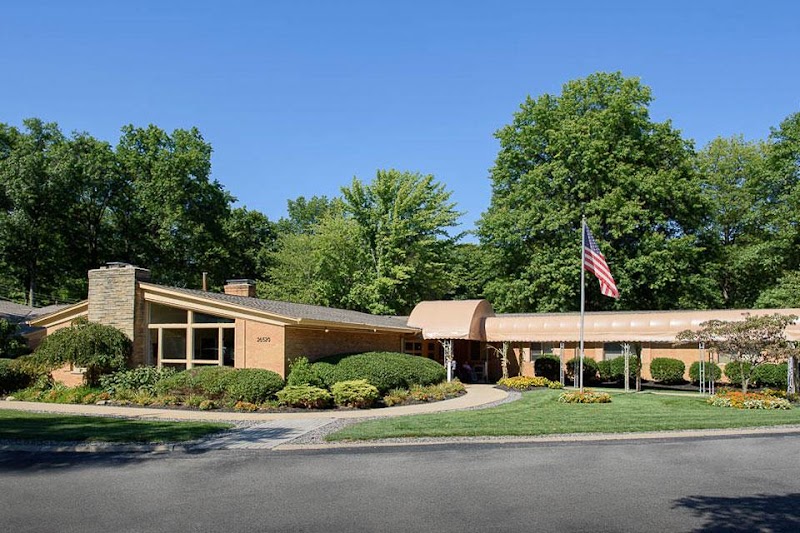
How is Life Of Westlake Staffed?

CMS rates LIFE CARE CENTER OF WESTLAKE's staffing level at 3 out of 5 stars, which is average compared to other nursing homes. Staff turnover is 40%, compared to the Ohio average of 46%. This relatively stable workforce can support continuity of care.

What Have Inspectors Found at Life Of Westlake?

State health inspectors documented 26 deficiencies at LIFE CARE CENTER OF WESTLAKE during 2019 to 2025. These included: 26 with potential for harm.

Who Owns and Operates Life Of Westlake?

LIFE CARE CENTER OF WESTLAKE is owned by a for-profit company. For-profit facilities operate as businesses with obligations to shareholders or private owners. The facility is operated by LIFE CARE CENTERS OF AMERICA, a chain that manages multiple nursing homes. With 119 certified beds and approximately 96 residents (about 81% occupancy), it is a mid-sized facility located in WESTLAKE, Ohio.
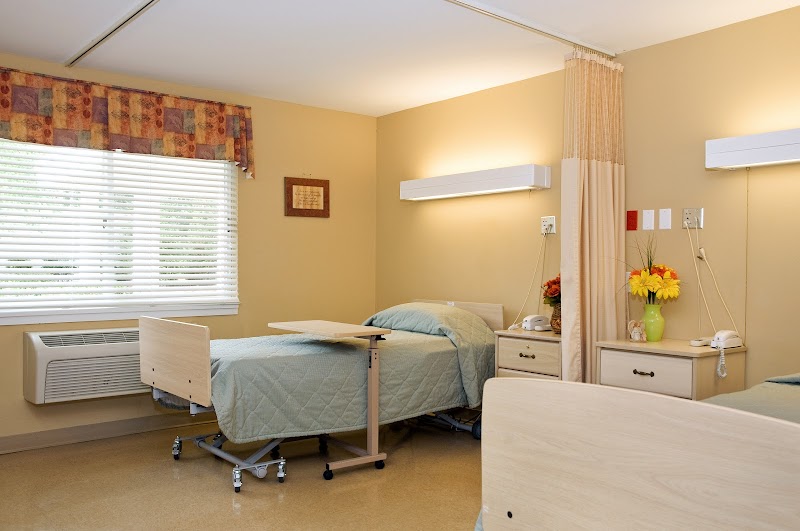
How Does Life Of Westlake Compare to Other Ohio Nursing Homes?

Compared to the 100 nursing homes in Ohio, LIFE CARE CENTER OF WESTLAKE's overall rating (3 stars) is below the state average of 3.2, staff turnover (40%) is near the state average of 46%, and health inspection rating (3 stars) is at the national benchmark.

What Should Families Ask When Visiting Life Of Westlake?

Based on this facility's data, families visiting should ask: "Can I visit during a mealtime to observe dining assistance and food quality?" "How do you handle medical emergencies, and what is your hospital transfer rate?" "Can I speak with family members of current residents about their experience?"

Is Life Of Westlake Safe?

Based on CMS inspection data, LIFE CARE CENTER OF WESTLAKE has a clean safety record: no substantiated abuse findings (meaning no confirmed cases of resident harm), no Immediate Jeopardy citations (the most serious violation level indicating risk of serious injury or death), and is not on the Special Focus Facility watch list (a federal program monitoring the lowest-performing 1% of nursing homes). The facility has a 3-star overall rating and ranks #100 of 100 nursing homes in Ohio. While no facility is perfect, families should still ask about staff-to-resident ratios and recent inspection results during their visit.

Do Nurses at Life Of Westlake Stick Around?

LIFE CARE CENTER OF WESTLAKE has a staff turnover rate of 40%, which is about average for Ohio nursing homes (state average: 46%). Moderate turnover is common in nursing homes, but families should still ask about staff tenure and how the facility maintains care continuity when employees leave.

Was Life Of Westlake Ever Fined?

LIFE CARE CENTER OF WESTLAKE has no federal fines on record. CMS issues fines when nursing homes fail to meet care standards or don't correct problems found during inspections. The absence of fines suggests the facility has either maintained compliance or corrected any issues before penalties were assessed. This is a positive indicator, though families should still review recent inspection reports for the full picture.

Is Life Of Westlake on Any Federal Watch List?

LIFE CARE CENTER OF WESTLAKE is not on any federal watch list. The most significant is the Special Focus Facility (SFF) program, which identifies the bottom 1% of nursing homes nationally based on persistent, serious quality problems. Not being on this list means the facility has avoided the pattern of deficiencies that triggers enhanced federal oversight. This is a positive indicator, though families should still review the facility's inspection history directly.