
LUTHERAN HOME

2116 DOVER CENTER RD, WESTLAKE, OH 44145 (440) 871-0090
Non profit - Corporation 134 Beds Independent Data: November 2025
Trust Grade
75/100
#285 of 913 in OH
Last Inspection: August 2023

Over 2 years since last inspection. Current conditions may differ from available data.

Overview

Lutheran Home in Westlake, Ohio, has a Trust Grade of B, indicating it is a good choice for care-better than average but not at the top level. It ranks #285 out of 913 nursing homes in Ohio, placing it in the top half, and #24 of 92 in Cuyahoga County, meaning there are only a few local homes that perform better. However, the facility's situation is worsening, with the number of issues increasing from 1 in 2020 to 6 in 2023. Staffing is a concern, as it has a 51% turnover rate, which is average, but RN coverage is lower than 79% of facilities in Ohio, potentially impacting care quality. On the positive side, the home has recorded no fines, which is a strong indicator of compliance, but there have been incidents like residents waiting too long for call lights to be answered and one resident being found in physical restraints, raising concerns about the adequacy of care and staff availability.

Trust Score
B
75/100
In Ohio
#285/913
Top 31%
Safety Record
Low Risk
No red flags
Inspections
Getting Worse
1 → 6 violations
Staff Stability
⚠ Watch
51% turnover. Above average. Higher turnover means staff may not know residents' routines.
Penalties
✓ Good
No fines on record. Clean compliance history, better than most Ohio facilities.
Skilled Nurses
○ Average
Each resident gets 33 minutes of Registered Nurse (RN) attention daily — about average for Ohio. RNs are the most trained staff who monitor for health changes.
Violations
⚠ Watch
14 deficiencies on record. Higher than average. Multiple issues found across inspections.
★★★★☆
4.0
Overall Rating
★★★★☆
4.0
Staff Levels
★★★★☆
4.0
Care Quality
★★★★☆
4.0
Inspection Score
Stable
2020: 1 issues
2023: 6 issues

The Good

  • 4-Star Staffing Rating · Above-average nurse staffing levels
  • 4-Star Quality Measures · Strong clinical quality outcomes
  • Full Sprinkler Coverage · Fire safety systems throughout facility
  • No fines on record

Facility shows strength in staffing levels, quality measures, fire safety.

The Bad

Staff Turnover: 51%

Near Ohio avg (46%)

Higher turnover may affect care consistency

The Ugly 14 deficiencies on record

Aug 2023 6 deficiencies
CONCERN (D)

Potential for Harm - no one hurt, but risky conditions existed

Deficiency F0604 (Tag F0604)

Could have caused harm · This affected 1 resident

**NOTE- TERMS IN BRACKETS HAVE BEEN EDITED TO PROTECT CONFIDENTIALITY** Based on observation, record review, interview, and policy review the facility failed to ensure Resident #64 was free from physi...

Read full inspector narrative →
**NOTE- TERMS IN BRACKETS HAVE BEEN EDITED TO PROTECT CONFIDENTIALITY** Based on observation, record review, interview, and policy review the facility failed to ensure Resident #64 was free from physical restraints. This affected one resident (#64) of one resident reviewed for restraints. The facility census was 104. Findings include: Review of the medical record for Resident #64 revealed an admission date of 05/07/22. Diagnoses included Parkinson's disease, dementia, and type two diabetes. Review of the annual, Minimum Data Set (MDS) assessment dated [DATE] revealed Resident #64 had a short-and long-term memory problem, was severely impaired for tasks of daily life, and required two-person total dependence for activities of daily living (ADL). Further review of the MDS assessment, section P, revealed physical restraints were any manual method or physical or mechanical device, material or equipment attached or adjacent to the resident's body that the individual cannot remove easily which restricts freedom of movement or normal access to one's body. Review of section P revealed Resident #64 did not use physical restraints. Review of the physician orders dated June, July, and August 2023 revealed no orders for physical restraints. Review of the standard assessments located in the electronic medical record revealed no assessments for use of restraints. Review of the care plan dated 07/28/23 revealed no care plan for physical restraints. Review of the progress note dated 08/07/23 at 2:31 P.M. revealed Licensed Practical Nurse (LPN) #800 gave State Tested Nurse Assistant (STNA) #801 permission to lay Resident #64 down for a few hours due to being up early in the morning. LPN #800 revealed she was trying to avoid Resident #64 having a breakdown with his skin from being in a chair for a long period of time. Review of the progress note revealed STNA #801 was to lower the bed to the floor and place the tray table across Resident #64 so that he did not climb out of the bed. Review of the Witness Statement dated 08/10/23 at 11:30 A.M. revealed Unit Manager (UM) #501 asked Resident #64 to demonstrate his ability to move bedside table from in front of him. Review of the statement revealed Resident #64 demonstrated with no difficulty and physically moved the bedside table from in front of him. Review of the facility education record dated 08/10/23, three days after the documented incident of a restraint being used, revealed facility staff were in-serviced on restraints and interventions that included any intervention put in place for a resident must improve mobility and cannot prevent normal activities of daily living and residents had a right to fall. Interview on 08/22/23 at 4:30 P.M. with STNA #506 revealed Resident #64 could not remove a tray table if he was lying flat in the bed. Observation of demonstration of Resident #64, with STNA #506 present, revealed he was unable to follow commands or push the tray table away. Interview on 08/23/23 at 11:08 A.M. with STNA #504 revealed Resident #64 required total care and use of a Hoyer (mechanical) lift. STNA #504 revealed Resident #64 would not be able to remove a tray table from over him. Interview on 08/23/23 at 11:12 A.M. with LPN #505 revealed Resident #64 required total care and was unable to hold a conversation with staff or other residents. LPN #505 revealed Resident #64 had a lot of safety measures in place due to history of falls. LPN #505 revealed Resident #64 was non-weight bearing and if he attempted to get out of bed, he would end up on the floor. LPN #505 revealed Resident #64 did not have enough strength to remove a bedside table if he was lying in bed. LPN #505 revealed most of Resident #64's falls resulted from trying to get out of bed. Interview on 08/23/23 at 4:50 P.M. with LPN #808 revealed Resident #64 required total care for ADL and would not be able to move a tray table from over him while lying down. LPN #808 revealed Resident #64 was unable to follow commands or conversation. Interview with the Director of Nursing (DON) on 08/23/23 at 8:29 A.M. confirmed the above findings. Interview on 08/24/23 at 9:46 A.M. with UM #501 revealed Resident #64 was very confused and was only able to follow conversations and demonstrate moving the bedside table with her. UM #501 revealed she was not present during the use of the restraint. Random observations of Resident #64 throughout the survey period dated 08/21/23 to 08/24/23 revealed him up in his Broda (reclining) chair, unable to communicate with staff or other residents, requiring complete assistance with meals, and unable to ambulate, transfer, or be repositioned without the help of staff. Resident #64 was observed slowly pushing activity blocks across the table while seated in the dining room. Review of the undated facility document titled Physical Restraints revealed the facility had a policy in place to ensure physical restraints were used appropriately. Review of the document revealed residents had a right to be free from any physical restraints imposed for purposes of discipline or convenience, and not required to treat the resident's medical symptoms. Further review of the document revealed for a method, device, material, or equipment to be considered a physical restraint, it must be attached or adjacent to the resident's body, cannot be removed easily by the resident, and restricts the resident's freedom of movement or normal access to his/her body. Review of the document revealed the facility did not implement the policy.
CONCERN (D)

Potential for Harm - no one hurt, but risky conditions existed

Accident Prevention (Tag F0689)

Could have caused harm · This affected 1 resident

**NOTE- TERMS IN BRACKETS HAVE BEEN EDITED TO PROTECT CONFIDENTIALITY** Based on medical record review, interview, review of the fall investigations, and facility policy review the facility failed to ...

Read full inspector narrative →
**NOTE- TERMS IN BRACKETS HAVE BEEN EDITED TO PROTECT CONFIDENTIALITY** Based on medical record review, interview, review of the fall investigations, and facility policy review the facility failed to ensure fall prevention interventions were in place to prevent falls for Resident #78 and failed to ensure falls were thoroughly investigated. This affected one resident (#78) of three residents reviewed for accidents. The facility census was 104. Findings include: Review of the medical record for Resident #78 revealed an admission date of 08/22/22. Diagnoses included Alzheimer's, muscle weakness, repeated falls, anxiety, pain, and insomnia. Review of the fall risk assessment dated [DATE] revealed Resident #78 was at high risk for falls. Review of the fall risk plan of care dated 02/20/23 revealed Resident #78 was at risk for falls due to limited mobility, muscle weakness, and a history of a right hip fracture. Interventions included anti-rollbacks to her wheelchair, Dycem (non-skid material) under her wheelchair seat cushion, non-skid footwear when out of bed, a night light in her room, perimeter mattress for positioning, offering to toilet every two to three hours, a metal reacher, and toileting at the end of each evening shift. Review of the quarterly Minimum Data Set (MDS) assessment dated [DATE] revealed Resident #78 had severe cognitive impairment and required extensive assistance of one person for bed mobility and transfers, limited assistance of one person to walk in her room and was frequently incontinent of bowel and bladder. Review of the physician's orders for March 2023 revealed an order for Eliquis (blood thinner) 5 milligrams (mg) twice per day (BID). Review of the nursing note dated 03/08/23 at 9:11 A.M. revealed Resident #78 was sitting on the floor in her room, dressed in a gown with non-slip socks on, and an incontinence brief. A large, dried area of blood and tracks on the floor mixed with fresh blood on the Resident's left hand were observed. Bruising was noted to her right eyebrow, right temple, side of her face and hair. The resident was holding her right elbow and shoulder, grimacing and making verbal statements of Oww!. Her right shoulder appeared visibly displaced with visible discoloration. Her bed was in the low position, call light was attached to the right side bed rail, in reach while in bed. A body pillow was on the right side of the bed. 911 was called, and the resident was taken to the local Emergency Department (ED) where she was treated for a clavicle fracture. Resident #78 reported she was attempting to go to the bathroom when she lost her balance. A new intervention was initiated to place her bed in a low position. Review of the fall investigation dated 03/08/23 did not indicate if the resident fell from the bed or the wheelchair and if the perimeter mattress and or Dycem were in place, anti-rollbacks were in place on the wheelchair or when she was last offered to be toileted. Observation and interview on 08/24/23 at 8:15 A.M. with State Tested Nurse's Aide (STNA) #802 revealed Resident #78 did not have a perimeter mattress on her bed. She revealed it had deflated and the facility had not yet replaced it. Observation and interview on 08/24/23 at 9:46 A.M. with Licensed Practical Nurse (LPN) #809 revealed there was no night light in the resident's room. LPN #809 turned the over bed light on in Resident #78's room because she thought it was dark in the room. It is noteworthy to mention, it was storming outside at the time of the observation and notably dark outside. LPN #809 also confirmed there was no reacher available in the room, although there was a note taped to the resident's closet to remember to use her reacher. Interview on 08/24/23 at 12:57 P.M. with the Director of Nursing (DON) verified the fall investigation was not thorough and did not include if care planned interventions were in place at the time of the fall on 03/08/23. Review of the nurses note dated 05/15/23 at 5:35 A.M. revealed Resident #78 was sitting on the floor in her bathroom, in front of the toilet with her walker tilted over, brief on the floor in front of the toilet. She was wearing nonskid socks. The bathroom floor was covered in a large amount of water with an excessive amount of tissue on the toilet. She could not explain how she fell. Her vital signs were checked and found to be stable and neurological checks were initiated. The resident was encouraged to use the call light when using the bathroom. Review of the fall investigation dated 05/15/23 did not indicate if the Dycem was in place, anti-rollbacks were in place on the wheelchair, or when she was last offered to be toileted. Interview on 08/24/23 at 12:57 P.M. with the DON confirmed there were no witness statements obtained as part of the investigation, the investigation was not thorough and did not include if care planned interventions were in place at the time of the fall on 05/15/23. Review of the nurses noted dated 07/03/23 at 7:30 A.M. revealed Resident #78 was found on the floor in her room lying near her wheelchair with her walker at her feet. She was wearing nonskid socks. A laceration was noted to her upper right arm which was cleaned and covered with antibiotic ointment and gauze. The resident said she was trying to get out of bed. She was assessed for other injuries and vital signs were obtained which were within normal limits. Review of the fall investigation dated 07/03/23 did not indicate if the resident fell from the bed or the wheelchair, and if the perimeter mattress and/or Dycem were in place, anti-rollbacks were in place on the wheelchair or when she was last offered to be toileted. Interview on 08/24/23 at 12:57 P.M. with the DON confirmed witness statements were not obtained from all staff as part of the investigation, the investigation was not thorough and did not include if care planned interventions were in place at the time of the fall on 07/03/23. Review of the nurses' note dated 08/02/23 at 9:44 A.M. revealed Resident #78 was found on the floor in her room trying to go to the bathroom without assistance. Her vital signs were obtained, and she was placed back into her wheelchair with her walker out of reach. No injuries were observed. Review of the fall investigation dated 08/03/23 did not indicate if the Dycem was in place, anti-rollbacks were in place on the wheelchair, or when she was last offered to be toileted. Interview on 08/24/23 at 12:57 P.M. with the DON verified the fall investigation was not thorough and did not include if care planned interventions were in place at the time of the fall on 08/03/23. Review of the nurse's note dated 08/04/23 at 7:00 A.M. revealed Resident #78 was found on the floor in her room in front of her wheelchair. She stated she slid out of her wheelchair. The Dycem was then placed in the wheelchair. She sustained an injury to her right elbow. Interview on 08/24/23 at 12:57 P.M. with the DON verified the fall was not investigated, and the Dycem was not in use at the time of the fall on 08/04/23. Review of the undated facility policy titled Resident Falls revealed the facility would implement systems to minimize the likelihood of falls and falls would be reviewed to determine the potential cause.
CONCERN (D)

Potential for Harm - no one hurt, but risky conditions existed

Deficiency F0757 (Tag F0757)

Could have caused harm · This affected 1 resident

**NOTE- TERMS IN BRACKETS HAVE BEEN EDITED TO PROTECT CONFIDENTIALITY** Based on record review, interview, and facility policy review the facility failed to ensure a prescribed antibiotic was not give...

Read full inspector narrative →
**NOTE- TERMS IN BRACKETS HAVE BEEN EDITED TO PROTECT CONFIDENTIALITY** Based on record review, interview, and facility policy review the facility failed to ensure a prescribed antibiotic was not given for more than 14 days without a rationale. This affected one resident (#15) of five residents reviewed for unnecessary medications. The facility census was 104. Findings include: Review of the medical record for Resident #15 revealed an admission date of 12/11/20. Diagnoses included dry eye syndrome, anxiety, paraplegia, and corneal ulcer to the right eye. Review of the quarterly Minimum Data Set (MDS) assessment dated [DATE] revealed Resident #15 was cognitively intact. She required extensive assistance of one person for transfers, bed mobility, dressing, toilet use, and hygiene. Review of the physician's orders for August 2023 revealed an order for Refresh Plus Solution one drop in both eyes four times a day (QID), Restasis 0.05 % one drop in both eyes one time a day (QD) and Moxifloxacin HCl ophthalmic drop (used to treat infections of the membrane that covers the outside of the eyeballs and the inside of the eyelids) in both eyes twice per day (BID) which began on 07/12/23. Review of the medical record revealed no evidence the physician provided a rationale for the continued use of the Moxifloxacin past 14 days. Review of the drug information located at drugs.com revealed Moxifloxacin should be used for a duration of seven days. Interview on 08/23/23 at 2:41 P.M. with the Director of Nursing (DON) confirmed there was no stop date listed or no rationale for the continued use of the Moxifloxacin. Review of the undated facility policy titled Antibiotic Stewardship-Prescribing Antibiotics revealed antibiotics would include frequency, duration and a stop date.
CONCERN (D)

Potential for Harm - no one hurt, but risky conditions existed

Medication Errors (Tag F0758)

Could have caused harm · This affected 1 resident

**NOTE- TERMS IN BRACKETS HAVE BEEN EDITED TO PROTECT CONFIDENTIALITY** 2. Review of the medical record for Resident #94 revealed an admission date of 06/09/23. Diagnoses included Alzheimer's disease ...

Read full inspector narrative →
**NOTE- TERMS IN BRACKETS HAVE BEEN EDITED TO PROTECT CONFIDENTIALITY** 2. Review of the medical record for Resident #94 revealed an admission date of 06/09/23. Diagnoses included Alzheimer's disease with late onset, dementia, anxiety disorder, depression, and insomnia. Review of the admission MDS assessment dated [DATE] revealed Resident #94 had severe cognitive impairment. The MDS assessment also indicated Resident #94 received three days of antianxiety medications during the seven-day assessment reference period. Review of the physician's orders for August 2023 identified an order for Ativan 0.5 mg every four hours PRN for anxiety and agitation. The Ativan order was dated 06/09/23 and duration was marked as indefinite. Review of Resident #94's MAR for July 2023 revealed Resident #94 received PRN Ativan seven times during the month. Review of the MAR for August 2023 revealed Resident #94 received PRN Ativan ten times during the month. Review of Resident #94's progress notes from 07/01/23 to 08/24/23 revealed no documented evidence that non-pharmacological interventions were attempted prior to administering PRN Ativan. Review of the physician progress notes for Resident #94 dated 06/13/23, 07/26/23, and 08/10/23 revealed no rational or duration indication to extend PRN Ativan order past 14-day duration. Interview on 08/24/23 at 12:15 P.M. with Unit Manager #507 confirmed Resident #94's PRN Ativan had a duration marked indefinite with no physician documentation for indication for extended duration. Unit Manager #507 further confirmed there was no documented evidence that non-pharmacological interventions were attempted prior to administration of PRN Ativan. Review of the undated policy titled Psychotropic Medications revealed non-pharmacological interventions will be used in conjunction with the psychoactive medication. PRN orders for psychotropic drugs are limited to 14 days, unless the practitioner believes that it is appropriate to extend beyond 14 days, he or she should document their rationale in the resident's medical record and indicate the duration for the PRN orders. 3. Review of the medical record for Resident #71 revealed an admission date of 05/20/21. Diagnoses included unspecified dementia without behavioral disturbance, psychotic disturbance, mood disturbance, anxiety, unspecified psychosis, and delusional orders. Review of the quarterly MDS assessment dated [DATE] revealed Resident #71 had severely impaired cognition and other behavioral symptoms not directed toward others. The resident received antipsychotic and antidepressant medications. Review of the physician orders for August 2023 revealed Resident #71 was ordered Ativan 0.5 mg PRN for anxiety. Give 20 minutes prior to nail cutting. The order began 09/16/22. No end date was specified. Review of the MARs June, July, and August 2023 revealed Ativan 0.5 mg was given to Resident #71 on 06/08/23, 06/09/23, 06/11/23, 06/29/23, 07/06/23, 07/07/23, 07/24/23, 08/01/23, 08/13/23, and 08/21/23. Review of the medication review from the psychiatric follow-up visits on 07/06/23, 03/16/23, and 12/15/22 revealed Ativan 0.5 mg was to be given 20 minutes prior to nail cutting. Review of the nursing progress notes dated 06/08/23, 06/09/23, 06/11/23, 06/29/23, 07/06/23, 07/07/23, 07/24/23, 08/01/23, 08/13/23, and 08/21/23 for Resident #71, the dates Ativan was given, revealed no documented evidence of nail cutting. Anxiety, yelling out, resident restless yelling and screaming, increased anxiety patient yelling out, anxious; screaming out, given for yelling out and agitation, and yelling out behavior were what was noted. Non-pharmacological interventions were only documented on 06/11/23 and 7/24/23. Interview on 08/24/23 at 3:19 P.M. with Unit Manager/Licensed Practical Nurse (LPN) #595 verified the Ativan was used PRN without an end date and non-pharmacological interventions were not consistently documented. Based on record review, interview, and facility policy review the facility failed to ensure non-pharmacological interventions were utilized, failed to ensure anti-anxiety medications were used for the intended purpose and not used for longer than 14 days without a rationale. This affected three residents (#48, #71, and #94) of five residents reviewed for unnecessary medications. The facility census was 104. Findings include: 1. Review of the medical record for Resident #48 revealed an admission date of 09/26/22. Diagnoses included Lupus, psychosis, anxiety, fibromyalgia, chronic kidney disease, and arthritis. Review of the comprehensive Minimum Data Set (MDS) assessment dated [DATE] revealed Resident #48 was cognitively intact. She was totally dependent on two people for transfers, required extensive assistance of two people for bed mobility and toilet use and extensive assistance of one person for dressing and hygiene. Review of the physician's orders for August 2023 revealed Resident #48 was ordered Ativan 0.5 (antianxiety) milligrams (mg) one tablet by mouth (PO) two times a day (BID) for anxiety and Ativan 0.5 mg every eight hours as needed (PRN) for anxiety which began 03/03/23. Review of the Medication Administration Record (MAR) for May, June, and July 2023 revealed Resident #48 received PRN Ativan on 05/27/23, 06/21/22, 06/22/23, 07/07/23, 07/11/23, 07/13/23, 07/14/23 and 07/21/23. Review of the medical record revealed no documented evidence non-pharmacological interventions were attempted prior to the administration of PRN Ativan and no documented evidence the physician provided a rationale for the continued use of Ativan. Interview on 08/23/23 at 2:50 P.M. with the Director or Nursing (DON) confirmed non-pharmacological interventions would be documented in MAR or a nursing progress note. She confirmed there was no stop date for the PRN Ativan and the physician had not provided a rationale for its continued use. Review of the undated facility policy titled Psychotropic medications revealed residents receiving psychotropic medications would be reviewed for non-pharmacological interventions and PRN psychotropic medications were limited to 14 days, unless the physician documented a rationale for continued use and indicated the duration of time the medication would be used.
MINOR (C)

Minor Issue - procedural, no safety impact

Deficiency F0838 (Tag F0838)

Minor procedural issue · This affected most or all residents

**NOTE- TERMS IN BRACKETS HAVE BEEN EDITED TO PROTECT CONFIDENTIALITY** Based on record review and staff interview the facility failed to ensure its facility assessment contained necessary required in...

Read full inspector narrative →
**NOTE- TERMS IN BRACKETS HAVE BEEN EDITED TO PROTECT CONFIDENTIALITY** Based on record review and staff interview the facility failed to ensure its facility assessment contained necessary required information. This had the potential to affect all 104 residents residing in the facility. Findings include: Review of the facility assessment dated [DATE] with a cover letter reading for the year of 2023, revealed it did not contain the following required information: • Information related to facility staffing level needs, evaluation of any contracts, memorandums of understanding including third party agreements for the provision of goods, services, or equipment to the facility during both normal operations and emergencies. • An evaluation of the overall number of facility staff needed to ensure sufficient number of qualified staff available to meet each resident's needs. • Information regarding the facility's resources which include supplies, equipment, or other services necessary to provide for the needs of residents. • Information regarding a competency-based approach to determine the knowledge and skills required among staff to ensure residents were able to maintain or attain their highest practicable physical, functional, mental, and psychosocial well-being and meet current professional standards of practice. On 08/24/23 at 2:06 P.M. interview with the Administrator verified the facility assessment did not contain all the required information as noted above.
MINOR (C)

Minor Issue - procedural, no safety impact

Deficiency F0868 (Tag F0868)

Minor procedural issue · This affected most or all residents

Based on record review and staff interview, the facility failed to ensure the medical director was an active participant of the Quality Assurance (QA) Committee. This had the potential to affect all r...

Read full inspector narrative →
Based on record review and staff interview, the facility failed to ensure the medical director was an active participant of the Quality Assurance (QA) Committee. This had the potential to affect all residents. The facility census was 104. Findings include: Review of the facilities sign-in sheet for the QA meeting minutes for the meetings held on 10/19/22, 02/27/23, 04/09/23 revealed no documented evidence the medical director attended the meetings. Interview with the Administrator on 08/24/23 at 2:06 P.M. verified the medical director did not attend the QA meetings as required.
Jan 2020 1 deficiency
CONCERN (F)

Potential for Harm - no one hurt, but risky conditions existed

Infection Control (Tag F0880)

Could have caused harm · This affected most or all residents

**NOTE- TERMS IN BRACKETS HAVE BEEN EDITED TO PROTECT CONFIDENTIALITY** 3. Record review revealed Resident #110 was admitted to the facility on [DATE] with diagnoses including muscle weakness, periphe...

Read full inspector narrative →
**NOTE- TERMS IN BRACKETS HAVE BEEN EDITED TO PROTECT CONFIDENTIALITY** 3. Record review revealed Resident #110 was admitted to the facility on [DATE] with diagnoses including muscle weakness, peripheral vascular disease, Alzheimer's disease and dementia without behavioral disturbances. The care plan dated 12/20/19 included a potential for impaired skin integrity related poor tissue integrity. The care plan included Resident #110 had a sacrum pressure ulcer, Stage II. The care plan also included to provide treatment orders per physician orders. Record review of physician's orders dated 01/10/20 revealed an order to cleanse the sacral wound with normal saline, pat dry, apply hydrofera blue and cover with a foam dressing every day and as needed. Observation on 01/16/20 at 9:30 A.M. of sacral wound care for Resident #110 revealed RN #407 entered Resident #110's room. RN #407 washed her hands then explained the procedure to Resident #110. RN #407 placed a barrier on the bedside table and placed clean wound dressing supplies on the barrier. RN #407 then put her gloves on and assisted STNA #408 to position the resident on her left side to provide wound care. RN #407 removed the old dressing from the sacral wound, laid the old dressing down then cleansed the wound using a dry gauze and saline solution. RN #407 then took off her gloves and exited the room. RN #407 gathered supplies from the treatment cart located outside the doorway in the hall. RN #407 then laid the additional supplies on the barrier located on the bedside table. RN #407 put new gloves on then applied the hydrofera blue to the wound bed then applied the foam dressing. Interview with RN #407 on 01/16/20 at 9:40 A.M. confirmed she did not dispose of the gloves after removing the soiled dressing and apply new gloves before cleansing the wound. Review of the procedure for a clean dressing change, dated 2012 revealed to put on the first pair of disposable gloves, remove the soiled dressing and discard in a plastic bag, dispose of the gloves in a plastic bag, put on a second pair of disposable gloves, cleanse the wound. 4. Record review revealed Resident #9 was admitted to the facility on [DATE] with diagnoses including dementia without behavioral disturbance, muscle weakness and shingles. Review of the Minimum Data Set (MDS) 3.0 assessment dated [DATE] revealed Resident #9 had adequate hearing and vision, her speech had been clear and had been able to understand verbal content. Review of the nursing progress notes dated 01/03/20 at 1:00 P.M. revealed Resident #9 had cluster of filled blisters to the left side of her face/chin and behind her left ear. A call had been placed to Resident #9's physician and an order was obtained for medication for seven days and Resident #9 was to be placed on contact precautions. Review of the written physician's orders, dated 01/03/20 verified an order for contact precautions and a diagnosis of shingles. The definition of shingles, according to the Mayo Clinic, revealed shingles was a viral infection that causes a painful rash. Although shingles can occur anywhere on your body, it most often appears as a single stripe of blisters that wraps around the left side or the right side of the torso. Shingles is caused by the varicella-zoster virus, the same virus that causes chicken pox. The varicella-zoster virus is contagious, and if you have shingles, you can spread the virus to another person, which could then, cause them the chicken pox. Contact precautions refer to infection prevention and control interventions to be used in addition to routine practices and were intended to prevent transmission of infectious agents which are spread by direct or indirect contact. Healthcare workers should wear a gown and gloves while in the patient's room. Review of the care plan for Resident #9 dated 01/06/20 revealed Resident #9 had shingles to the left side of her face/chin and behind left ear. The intervention for Resident #9 included use contact precautions to prevent infection. Observation on 01/13/20 at 11:25 A.M. revealed an isolation cart including isolation gowns and gloves was located at the entrance of Resident #9's room. Observation on 01/13/20 at 11:30 A.M. revealed Resident #9 was sitting in a chair in the dining room with multiple residents and staff members present. Interview on 01/13/20 at 11:30 A.M. with Licensed Practical Nurse (LPN) #403 revealed if a resident was in contact precautions, they would be in their room on isolation. LPN #403 verified Resident #9 had been in the dining room during the interview. LPN #403 verified Resident #9 had been out to the dining room daily with other residents and staff during the month of January 2020. LPN #9 verified contact precautions had been ordered by the physician for Resident #9 due to a diagnosis of shingles. Interview on 01/13/20 with State Tested Nursing Assistant (STNA) #404 revealed Resident #9 has eaten her meals in the dining room every day and had not eaten anywhere but the dining room with other residents and staff present for the month of January 2020. Observation on 01/13/19 at 1:57 P.M. revealed Resident #9 had been sitting in a chair in the dining room. Interview on 01/16/20 between 1:05 P.M. and 1:10 P.M. with LPN's #405 and #406 confirmed Resident #9 had consumed her meals in the dining room daily with multiple residents and staff present during the month of January 2020 and while on contact precautions. Based on observation, record review and interview the facility failed to develop a comprehensive infection control program to decrease the risk of infections and ensure adequate monitoring of infections was completed. The facility failed to maintain consistent use of isolation precautions for Resident #9 and failed to ensure dressing changes were completed to reduce the risk of infection for Resident #40 and #110. This affected three residents (#9, #40 and #110) and had the potential to affect all 126 residents residing in the facility. Finding include: 1. Review of the facility monthly infection control logs and quarterly infection control summaries revealed the total numbers of residents marked as positive for infections for the last four quarters had increased. The number of residents marked as positive for the first quarter (January to March) of 2019 was 20, the second quarter (April to June) number was 35, and the third quarter (July to September) for 2019 was 37. There was no totaled number for the fourth quarter (October to December) of 2019 at the time of the survey. Review of information provided by the facility revealed an inservice was completed for nurses and state tested nursing assistants on 09/24/19 and 09/25/19. The outline for the inservice indicated thepaper training and quiz portion of the inservice had a 30 minute section on infection control-tb (tuberculosis), thirty minutes for Legionnaires and fifteen minutes dedicated to Needle stick-OSHA (Occupational Safety and Health Administration). The outline indicated competencies were observed for handwashing and perineal care for both males and females. An interview with the infection control nurse, Registered Nurse (RN) #500 and the corporate risk management nurse/RN #501 on 01/15/20 at 2:10 P.M. revealed RN #500 had just started her duties in her position within the last three weeks. RN #500 stated she had not had time to review the logs and trends of the facility infection control tracking. She stated she had not yet completed any inservices for staff, but had been attempting to review residents and had inventoried infection control supplies at the bedside/doorways for residents. An interview with RN #501 on 01/16/20 at 10:30 A.M. revealed she had reviewed the logs and tracking for the facility. She stated she was unsure of the meaning of the numbers obtained on the quarterly infection control antibiotic tracking forms. She stated she could not be sure what the former infection control nurse had counted when obtaining the numbers, which she verified indicated an increase in infections for residents in the facility. She stated she was also not sure if the census had increased dramatically or if the infections included in the counts also encompassed hospital acquired infections, facility acquired infections, residents with colonized infections or all of these categories. An interview with medical doctor, (MD) #600, by telephone on 01/16/20 at 3:10 P.M. revealed she was a consultant at the facility with a speciality in infection control. She stated she had been in frequent contact with the infection control nurse (RN #505) at the facility in the past but had not received much information for the last several months. An interview with the director of nursing on 01/16/20 at 4:06 P.M. verified RN #505 had retired at the end of October 2019. She stated another nurse, RN #510 started as the the new infection control nurse soon after but had resigned her position at the end of December 2019. She stated RN #500 started in the position approximately three weeks ago. She indicated the facility had been unable to verify some of the tracking processes used in the past by the nurses who had previously held the position, so could not verify if numbers had increased or not. The director of nursing verified the summary of the infections had last been totaled at the end of September 2019, and although infection control logs existed for the rest of 2019, the monthly numbers had not been calculated or were not accessible at the time of the survey to indicate if infections had continued to increase or had declined. The director of nursing also verified the facility had conducted an inservice in September 2019, which included teaching and competencies on infection control subjects. She was unable to state if all nursing staff had completed the inservice or if any audits had been conducted to ensure nursing staff were adhering to infection control standards. 2. Review of the medical record revealed Resident #40 was admitted to the facility on [DATE] with diagnoses including dementia and hypertension. She was admitted to Hospice services on 11/01/18. Review of the most recent annual Minimum Data Set (MDS) 3.0 assessment dated [DATE] revealed she was severely cognitively impaired, was dependent of staff for activities of daily living and had a pressure area. Review of the medical record revealed a pressure area to the resident's right foot. A wound note dated 01/10/20 revealed the area was a State IV (impaired skin area with exposed bone) to the right proximal medial first toe which measured 0.5 centimeters by 0.3 centimeters with a depth unable to be determined. The treatment ordered 10/05/19 revealed the area should be cleaned with normal saline, patted dry and a betadine moistened gauze applied. The area should be covered with a pad and wrapped with gauze wrap. An observation of the resident with the wound nurse, RN #407 on 01/16/20 at 8:40 A.M. revealed the resident was in bed at the time of the observation. RN #407 assembled all equipment on the night stand and after washing her hands and applying gloves, she used a scissors to cut away the old dressing. She used a saline moistened gauze to cleanse the area and then applied a gauze pad that had betadine on it. She covered the area with a pad and wrapped it with a gauze wrap. RN #300 did not change her gloves or wash her hands during the procedure. An interview with RN #407 on 01/16/20 at 10:50 A.M. confirmed she did not change gloves during the procedure. She verified she should have removed her gloves, washed her hands and put on new gloves after removing the old dressing and cleaning the wound, before applying the new treatment, which she applied to the area with the same gloved hands with which she had cleaned the area. Review of the facility undated clean dressing change policy revealed a clean pair of gloves should be applied then changed after removing the soiled dressing, with a clean pair of gloves put on to clean the wound and apply the clean dressing.
Nov 2018 7 deficiencies
CONCERN (D)

Potential for Harm - no one hurt, but risky conditions existed

Report Alleged Abuse (Tag F0609)

Could have caused harm · This affected 1 resident

Based on record review and interview the facility failed to ensure an allegation of neglect involving Resident #186 was reported timely to the State agency as required. This affected one resident (Res...

Read full inspector narrative →
Based on record review and interview the facility failed to ensure an allegation of neglect involving Resident #186 was reported timely to the State agency as required. This affected one resident (Resident #186) of two residents reviewed for abuse and neglect. Findings include: Review of a facility self reported incident, dated 06/03/18 revealed Resident #186 alleged an incident of neglect when a State tested nursing assistant did not answer the resident's call light within a reasonable time period around 3:00 A.M. Review of the investigation revealed the final report of the incident was not submitted to the State agency until 06/12/18. An interview with the Administrator on 11/28/18 at 2:45 P.M. revealed he had completed the investigation of the incident. He stated he was aware of the five day time frame to report the final results of the investigation to the State agency but verified he had not completed and submitted the final disposition of the investigation to the State agency within five business days as required. Review of the facility Abuse policy, revised January 2018 revealed all allegations of abuse, including mistreatment neglect or abuse, would be promptly and thoroughly investigated and reported timely to the State survey agency.
CONCERN (D)

Potential for Harm - no one hurt, but risky conditions existed

Investigate Abuse (Tag F0610)

Could have caused harm · This affected 1 resident

**NOTE- TERMS IN BRACKETS HAVE BEEN EDITED TO PROTECT CONFIDENTIALITY** Based on record review and interview the facility failed to ensure an allegation of neglect, involving Resident #186 was thoroug...

Read full inspector narrative →
**NOTE- TERMS IN BRACKETS HAVE BEEN EDITED TO PROTECT CONFIDENTIALITY** Based on record review and interview the facility failed to ensure an allegation of neglect, involving Resident #186 was thoroughly investigated. This affected one resident (Resident #186) of two residents reviewed for abuse and neglect. Findings include: Record review revealed Resident #186 was admitted to the facility on [DATE] with diagnoses including obstructive sleep apnea, chronic obstructive pulmonary disease, hypoxemia and anxiety. Review of the admission Minimum Data Set (MDS) 3.0 assessment, dated 05/01/18 revealed the resident was cognitively intact and required the extensive assistance of two staff for her activities of daily living. The resident was discharged from the facility to her home on [DATE]. Review of a facility self reported incident, dated 06/03/18 revealed Resident #186 alleged a State tested nursing assistant did not answer her call light within a reasonable time period around 3:00 A.M. Review of the facility investigation of the incident revealed the investigation did not include an interview with the resident or details of her allegation, including care that was not provided or the actual time it took for her call light to be answered. In addition, other residents were not interviewed. The investigation contained a statement from a supervisor, who indicated she was unaware of the resident concerns, but did not contain statements from any staff who cared for the resident on 06/03/18 or any other time. Review of the investigation did reveal a report of a call light audit of the resident's room on 06/03/18 indicating her call light rang in the bathroom on that night from 2:31 A.M. until 2:36 A.M. (5 minutes and 40 seconds), from 3:53 A.M. until 3:55 A.M. (1 minute and 44 seconds) and from 5:18 A.M. until 5:21 A.M. (2 minutes and 45 seconds). All calls were from the resident's bathroom. Review of a more thorough call light audit for the resident room revealed call light response time as long as 14 minutes on 06/02/18 at 6:02 A.M. An interview with the Administrator on 11/28/18 at 2:45 P.M. revealed he had completed the investigation of the incident. He stated he could not remember the details of the investigation, including who had reported the resident's concern to him. He stated it may have been the resident's daughter, with whom he had contact frequently. He stated he performed a check of the automated call light system for 06/03/18 and found the call light was answered within five minutes, so he did not pursue the concern further, as he considered that a reasonable call light response time. He verified the investigation did not indicate how long the resident felt she had waited, if her needs were attended to by staff or any other details about the concern. He verified if the resident had been assisted to the bathroom at 2:30 A.M. and had to wait for 5 minutes to be assisted back to bed, although the time did not seem excessive, the resident might have had concerns if the staff member helping her had not been available promptly, knowing the resident was in the bathroom already. He also verified there was no exact indication of the date of the resident's alleged concern through an interview and the thoroughness of the investigation could not be confirmed as the source of the complaint and exact allegations of the concern and who it had been reported to had not been recorded. Review of the facility Abuse policy, revised January 2018 revealed all allegations of abuse, including mistreatment neglect or abuse, would be promptly and thoroughly investigated and reported timely to the State survey agency.
CONCERN (D)

Potential for Harm - no one hurt, but risky conditions existed

Accident Prevention (Tag F0689)

Could have caused harm · This affected 1 resident

**NOTE- TERMS IN BRACKETS HAVE BEEN EDITED TO PROTECT CONFIDENTIALITY** Based on observation, record review and interview the facility failed to ensure Resident #45's fall interventions were in place ...

Read full inspector narrative →
**NOTE- TERMS IN BRACKETS HAVE BEEN EDITED TO PROTECT CONFIDENTIALITY** Based on observation, record review and interview the facility failed to ensure Resident #45's fall interventions were in place as ordered. This affected one resident (Resident #45) of one resident reviewed for accident hazards. Findings include: Record review revealed Resident #45 was admitted to the facility on [DATE] with diagnoses including fracture of upper end of left humerus, psychosis, vascular dementia with behavioral disturbance, muscle weakness, and history of falling. Resident #45's quarterly Minimum Data Set (MDS) 3.0 assessment, dated 10/01/18 revealed his cognition was severely impaired and he required extensive two person assistance for bed mobility and transfers. Resident #45's physician's order, dated 04/05/18 revealed the resident's bed should be in low position. Resident #45's active comprehensive care plan for being at risk for falls revealed an intervention of bed in lowest positioning. Observation on 11/27/18 at 9:05 A.M. revealed Resident #45 was in his room by himself. The resident was laying flat in bed with his bed at a waist high level position. State Tested Nursing Assistant (STNA) #800 and STNA #801 were observed to walk down the hall and entered Resident #45's room. Interview on 11/27/18 at 9:09 A.M. with STNA #800 revealed Resident #45's bed was not in a low position when she entered the room, and verified the bed was about waist high. STNA #800 revealed Resident #45's bed should be in low position when no one was in the room with him. Interview on 11/27/18 at 9:16 A.M. with STNA #801 revealed Resident #45's bed height was in a medium position. STNA #801 revealed she was responsible for leaving Resident #45 in the higher bed position.
CONCERN (D)

Potential for Harm - no one hurt, but risky conditions existed

Deficiency F0697 (Tag F0697)

Could have caused harm · This affected 1 resident

**NOTE- TERMS IN BRACKETS HAVE BEEN EDITED TO PROTECT CONFIDENTIALITY** Based on record review and interview the facility failed to implement a comprehensive and individualized pain management program...

Read full inspector narrative →
**NOTE- TERMS IN BRACKETS HAVE BEEN EDITED TO PROTECT CONFIDENTIALITY** Based on record review and interview the facility failed to implement a comprehensive and individualized pain management program to adequately manage Resident #118's pain. This affected one resident (Resident #118) of one resident reviewed for pain. Findings include: Record review revealed Resident #118 was admitted to the facility on [DATE] with diagnoses including quadriplegia, generalized anxiety disorder, major depressive disorder, muscle spasms, constipation, chronic pain due to trauma, and dislocation of C6/C7 vertebrae. Resident #118's quarterly Minimum Data Set (MDS) 3.0 assessment dated [DATE] revealed his cognition was intact and he was totally dependent on two staff for bed mobility, transfers, toileting, and dressing. Resident #118's medical record revealed on 10/18/18 he was admitted to the hospital for constipation. Resident #118's physician orders prior to being admitted to the hospital revealed he was ordered Morphine sulfate contin 15 milligrams every eight hours as needed for pain and Lyrica 200 milligrams, one time a day at bedtime for chronic pain. Resident #118's hospital discharge instructions revealed the resident should stop taking the Morphine sulfate contin and continue taking Lyrica 200 milligrams at bedtime. Resident #118's next dose of Lyrica was due on 10/22/18 at 9:00 P.M. Resident #118's physician orders upon readmission revealed he was ordered Lyrica 200 milligrams at bedtime for chronic pain and Acetaminophen 325 milligrams, give 650 milligrams by mouth every four hours as needed for pain. Resident #118's admission assessment dated [DATE] revealed the resident did not complain of pain and the nurse practitioner stated that the resident needed to follow up with his pain management doctor. Resident #118 was reminded to ask for pain medications when in pain, and reviewed routine and as needed pain medications with the family. Resident #118's re-admission pain assessment dated [DATE] revealed he had frequent moderate pain. Resident #118's October 2018 Medication Administration Record (MAR) revealed on 10/22/18 at 9:00 P.M. and on 10/23/18 at 9:00 P.M. the Lyrica was held and to see nurses note. Resident #118's eMAR progress note dated 10/22/18 at 9:09 A.M. revealed they were awaiting pharmacy. Resident #118's medical record contained no corresponding progress note for holding the Lyrica on 10/23/18 at 9:00 P.M. There was no evidence in Resident #118's medical record that it was discussed with the resident that his Lyrica medication was on hold. Resident #118's October 2018 MAR revealed a pain assessment completed every eight hours was started on 10/23/18 at 8:00 A.M. On 10/23/18 it was documented that the resident did not have any pain at 8:00 A.M. or 4:00 P.M. on 10/24/18 he had no pain at 12:00 A.M., a pain level one out of ten at 8:00 A.M., and no pain at 4:00 P.M. On 10/25/18 at 12:00 A.M., a pain level five out of ten, no pain at 8:00 A.M., and a pain level five out of ten at 4:00 P.M. On 10/26/18 the resident's pain level was zero out of 10 for all three assessment times. On 10/27/18 his pain level was zero out of ten at 12:00 A.M. and 8:00 A.M., and a eight out ten at 4:00 P.M. On 10/28/18 his pain level was zero out of ten for all three assessments. On 10/29/18 his pain level was zero out of ten at 12:00 A.M. and 8:00 A.M. and one of ten at 4:00 P.M. On 10/30/18 and 10/31/18 the residents pain was zero out of 10 for all three assessments. Resident #119's Health Status Note dated 10/23/18 at 6:32 A.M. revealed he complained of abdominal pain at a level six out of ten. Resident #119's Health Status Note dated 10/23/18 at 10:11 A.M. revealed a call was placed with the resident's pain management physician and the power of attorney (POA) wanted the resident back on Morphine sulfate contin 15 milligrams, once a day as needed. Resident #118's Health Status Note dated 10/23/18 at 11:32 A.M. revealed the resident wanted his as needed pain medication, and the resident was educated on not having any orders for narcotics at this time. Resident #118 stated to the nurse to call his sister and get his pain pills, that he needed them, he felt better but needed his pain pills. A call was placed to the POA to update on the resident's request for pain medication. Resident #118's Health State Note dated 10/23/18 at 12:00 P.M. revealed his pain management doctor was attempted to be contacted again and his POA indicated he had an appointment with the pain management doctor on 10/29/18. Resident #118's Health Status Note dated 10/23/18 at 1:25 P.M. revealed a call was placed to Certified Nurse Practitioner (CNP) #802 with the residents request for as needed pain medication. The following note at 2:21 P.M. revealed Resident #118 told the nurse he wanted to go to the hospital, he needed his pain medication, he could get it in the hospital, he was in pain, and wanted to go to hospital. A call was placed to CNP #802 and an order was obtained to send the resident to the emergency for evaluation per his request. The following note at 2:34 P.M. revealed Resident #118 wanted to speak to the CNP and wanted an explanation on why the medical doctor would not give him any as needed pain medication, and another call was made to CNP #802. Resident #118's Health Status Note dated 10/23/18 at 3:30 P.M. revealed CNP called facility and asked if resident had Lyrica order in place, and the charge nurse explained that the family refused the medication in the hospital and wanted as needed pain medication ordered. Resident #118 was then ordered Tramadol 50 milligrams three times a day for pain starting at 9:00 P.M. Resident #118's physician orders dated 10/24/18, revealed the resident's Lyrica was discontinued. There was no evidence in the medical record that this was discussed with the resident. Resident #118's Health Status Noted dated 10/27/18 9:27 P.M. revealed a message was left for CNP per sister/resident request to start Lyrica due to uncontrolled pain. The next note at 9:45 P.M. revealed the resident was ordered Lyrica 200 milligrams at bedtime daily. Resident #118's Health State Note dated 10/29/18 revealed the pain management physician discharged the resident from pain management services. Resident #118's POA and CNP #802 were updated. CNP #802 revealed the resident needed to find a new medical doctor for pain management. Resident #118's Health Status Note dated 10/30/18 at 2:01 P.M. revealed the resident called the nurse into his room and told her to call CNP #802 and tell her that he was on Lyrica three times a day when he first got to the facility and now he was on once a day, and Lyrica was great, but it wore off and he needed his Lyrica. A call was placed to CNP #802. The following note at 2:13 P.M. revealed the resident needed to find a pain management to follow his pain, she would not increase frequency of Lyrica per the resident's request to be increased. Resident #118's medical record contained no evidence of addressing his pain concerns further. Resident #118's Health Status Note dated 10/30/18 at 9:40 P.M. revealed the resident returned to the facility with sister and stated that while they were out to dinner, resident complaints of severe nerve pain, so he went to to the emergency room. Resident #118 then had a new order for Lyrica 200 milligrams twice a day for seven days. Interview on 11/27/18 at 12:00 P.M. with Resident #118's family revealed the facility was not managing the resident's pain effectively, resulting in her having to take him to the emergency room. Interview on 11/29/18 at 11:28 A.M. with Social Services Designee #810 revealed at Resident #118's care conference on 10/25/18 the resident did have a concern that he wanted something stronger for his pain, and he ended up going to the emergency room to get it. Interview on 11/29/18 at 11:45 A.M. with Resident #118 and his family revealed when the resident was on Morphine sulfate and Lyrica, the facility reduced the Lyrica because they could not touch the Morphine because it it was prescribed by the pain management physician, so he was taking it once a day before being hospitalized on [DATE]. Upon return to the facility on [DATE], the facility didn't give him any Lyrica, and then when he had it and they asked to increase it because the resident's nerve pain was bad, the nurse practitioner would not do it, therefore the family member took the resident to the hospital to get the Lyrica increased. Resident #118 and his family could not recall the resident refusing the medication in the hospital and was not sure why Resident #118 was not administered Lyrica upon readmission to the facility. Interview on 11/29/18 at 12:53 P.M. with CNP #802 revealed prior to Resident #118 going out to the hospital on [DATE] the facility had a meeting about concerns that Resident #118 was hallucinating and the resident did not want to touch the Morphine so everyone agreed to reduce the Lyrica. CNP #802 revealed the resident refused the Morphine and Lyrica at the hospital and wasn't on anything for pain, so he had stopped the Lyrica on his own. CNP #802 revealed she did not think the facility continued the Lyrica upon his readmission on [DATE] but did end up putting him back on it at night, as the resident said the neuropathy was a problem at night and not in the day. CNP #802 revealed she would not increase the Lyrica due to the concern about hallucinations and him saying the medication at night was okay, therefore she referred him to pain management. Interview on 11/29/18 at 2:49 P.M. with Director of Nursing (DON) revealed upon Resident #118's readmission on [DATE] they did not have a prescription for Lyrica, and the the nurse practitioner would not write the prescription, and referred the resident to pain management. The DON confirmed there was no evidence the facility discussed the resident not wanting Lyrica upon admission on [DATE]. The DON confirmed the CNP would not increase the Lyrica upon the residents request, therefore the resident went to the hospital to get it increased.
CONCERN (D)

Potential for Harm - no one hurt, but risky conditions existed

Deficiency F0757 (Tag F0757)

Could have caused harm · This affected 1 resident

**NOTE- TERMS IN BRACKETS HAVE BEEN EDITED TO PROTECT CONFIDENTIALITY** 2. Record review revealed Resident #45 was admitted to the facility on [DATE] with diagnoses including vascular dementia with be...

Read full inspector narrative →
**NOTE- TERMS IN BRACKETS HAVE BEEN EDITED TO PROTECT CONFIDENTIALITY** 2. Record review revealed Resident #45 was admitted to the facility on [DATE] with diagnoses including vascular dementia with behavioral disturbance and hypertensive heart disease with heart failure. Resident #45's quarterly Minimum Data Set (MDS) 3.0 assessment, dated 10/01/18 revealed his cognition was severely impaired and he required extensive two person assistance for bed mobility and transfers. Resident #45's active comprehensive care plan for congestive heart failure revealed an intervention to give cardiac medications as ordered. Resident #45's physician orders dated 08/23/18 revealed he was ordered Isordil titradose, 15 milligrams, by mouth two times a day for heart failure. The order indicated the medication should be held if the resident's systolic blood pressure was less than 110. Review of Resident #45's November 2018 Medication Administration Record (MAR) revealed the Isordil titradose medication was not held on 11/05/18 at 9:00 P.M. with his blood pressure at 102/68, on 11/06/18 with his blood pressure at 108/78, on 11/08/18 at 9:00 P.M. with his blood pressure at 105/87, on 11/20/18 at 9:00 P.M. with his blood pressure at 106/68, on 11/22/18 at 9:00 P.M. with his blood pressure at 99/55, on 11/24/18 at 9:00 A.M. with his blood pressure at 103/70, on 11/24/18 at 9:00 P.M. with his blood pressure at 109/72, or on 11/25/18 at 9:00 P.M. with his blood pressure at 107/57. Interview on 11/28/18 at 3:43 P.M. with Registered Nurse (RN) #732 revealed there was no evidence Resident #45's Isordil titradose medication was held as ordered on the above dates when his blood pressure was outside the parameters for administration. Based on record review and interview the facility failed to ensure medications were only administered when within the physician ordered parameters for administrations. This affected two residents (Resident #93 and #45) of six residents reviewed for unnecessary medication use. Findings include: 1. Review of the medical record for Resident #93 revealed an admission date into the facility on [DATE]. The diagnosis listed included primary hypertension, history of stroke, mitral valve prolapse and vascular dementia. The resident was placed under the services of palliative care on 11/21/18. Medical record review was completed for Resident #93 and revealed the physician had written an order for the administration of the medication Amlodipine Besylate tablet, 2.5 milligrams (mgs) by mouth one time a day for hypertension (high blood pressure) with parameters to hold for a systolic blood pressure (top number of the blood pressure reading) of less than 115. The start date for this order was 09/21/18. The common nursing practice was for the nurse or resident care aide to obtain the blood pressure prior to the administration of the blood pressure medication and administer the medication only if the residents blood pressure was within the ordered parameters. Review of the medication administration record for Resident #93 for the period 10/01/18 through 11/28/18 revealed the nursing staff had documented administration at approximately 9:00 A.M. each morning with the following blood pressures recorded prior to administration: On 10/03/18 the blood pressure recorded was 112/60 and the medication was administered. On 10/04/18 the blood pressure recorded was 106/58 and the medication was administered. On 10/14/18 the blood pressure recorded was 112/64 and the medication was administered. On 10/15/18 the blood pressure recorded was 110/73 and the medication was administered. On 10/16/18 the blood pressure recorded was 110/66 and the medication was administered. On 10/17/18 the blood pressure recorded was 112/62 and the medication was administered. On 10/18/18 the blood pressure recorded was 100/56 and the medication was administered. On 10/19/18 the blood pressure recorded was 110/62 and the medication was administered. On 10/20/18 the blood pressure recorded was 110/64 and the medication was administered. On 10/22/18 the blood pressure recorded was 108/68 and the medication was administered. On 10/23/18 the blood pressure recorded was 110/52 and the medication was administered. On 10/24/18 the blood pressure recorded was 99/67 and the medication was administered. On 10/25/18 the blood pressure recorded was 100/60 and the medication was administered. On 10/26/18 the blood pressure recorded was 104/60 and the medication was administered. On 10/27/18 the blood pressure recorded was 1104/64 and the medication was administered. On 10/28/18 the blood pressure recorded was 112/72 and the medication was administered. On 10/30/18 the blood pressure recorded was 102/58 and the medication was administered. On 10/31/18 the blood pressure recorded was 98/60 and the medication was administered. On 11/01/18 the blood pressure recorded was 102/60 and the medication was administered. On 11/02/18 the blood pressure recorded was 104/66 and the medication was administered. On 11/05/18 the blood pressure recorded was 102/60 and the medication was administered. On 11/07/18 the blood pressure recorded was 100/62 and the medication was administered. On 11/09/18 the blood pressure recorded was 10/60 and the medication was administered. On 11/19/18 the blood pressure recorded was 108/60 and the medication was administered. These findings were verified with the Director of Nursing on 11/29/18 at 10:35 A.M. An interview on 11/29/18 at 10:55 A.M. with Registered Nurse (RN) #500 who had initialed the medication administration on the mornings when the blood pressure was not within proper parameters, verified she had administered the medication on the dates identified and could not sate any reason why she had administered the medication when the systolic blood pressure was not within proper administration range according to the physician orders.
CONCERN (D)

Potential for Harm - no one hurt, but risky conditions existed

Infection Control (Tag F0880)

Could have caused harm · This affected 1 resident

**NOTE- TERMS IN BRACKETS HAVE BEEN EDITED TO PROTECT CONFIDENTIALITY** Based on observation, record review and interview the facility failed to ensure consistent infection control measures were in pl...

Read full inspector narrative →
**NOTE- TERMS IN BRACKETS HAVE BEEN EDITED TO PROTECT CONFIDENTIALITY** Based on observation, record review and interview the facility failed to ensure consistent infection control measures were in place to to manage Resident #109's urinary tract infections. This affected one resident (Resident #109) of two residents reviewed for urinary tract infections. Findings include: Record review revealed Resident #109 was re-admitted to the facility on [DATE] with diagnoses including arthropathy, multiple fractures of ribs, difficulty walking and major depressive disorder. Resident #109's Health Status Note, dated 09/20/2017 revealed the resident had increased confusion, and her daughter wanted a urine dip. The following note on 09/21/17 revealed her urine was positive for blood and leukocytes, the urine was cloudy with foul odor, the resident had to urinate more than usual and a urine sample was obtained. On 09/24/17 she was started on an antibiotic for seven days. Resident #109's medical record contained no evidence she her urine was retested or that she was placed on isolation precautions. Resident #109's laboratory results reported 09/24/17 revealed she had escherichia coli extended-spectrum beta-lactamase of the urine. Resident #109's Health Status Notes revealed she was discharged on 01/06/18 and re-admitted to the facility on [DATE] with pneumonia and a urinary tract infection and was on two antibiotics. Resident #109's was on an antibiotic for ESBL and a urinary tract infection. Resident #109's Health Status Note dated 01/15/18 revealed the residents antibiotic therapy was completed and the nurse practitioner was paged regarding discontinuing contact precautions or to repeat a urine analysis. Resident #109's physician orders, dated 01/15/18 revealed the resident was ordered a repeat urine analysis. Resident #109's physician orders revealed on 01/17/18 the residents contact isolation precautions were discontinued. Resident #109's laboratory results reported 01/18/18 revealed there was no significant growth in her urine and a culture and sensitivity analysis was not completed. Resident #109's Health Status Note, dated 10/20/18 revealed the resident stated she was urinating more frequently, with burning and urgency. A urine dip was completed and it was positive for leukocyte, nitrite, protein, and blood. The certified nurse practitioner was called and and new orders were received for urine analysis and culture and sensitivity. Resident #109's laboratory results reported 10/25/18 revealed she had escherichia ESBL of the urine and was then started on an antibiotic. Resident #109's physician orders revealed she was ordered contact isolation precautions on 10/25/18 due to extended-spectrum beta-lactamase (ESBL) of the urine. Resident#109's quarterly Minimum Data Set (MDS) 3.0 assessment dated [DATE] revealed her cognition was moderately impaired, she was frequently incontinent of urine and required one person extensive assistance for bed mobility, transfers and toileting. Observation on 11/24/18 at 2:41 P.M. revealed there was a cart full of personal protective equipment outside of Resident #109's room. Interview with Resident #109 at this time, revealed she had an infection but it had cleared up and did not know why the cart was in front of her door. Interview on 11/28/18 at 9:38 A.M. with Licensed Practical Nurse (LPN) #811 confirmed Resident #109 was placed on contact isolation precautions for ESBL of the urine. LPN #811 revealed the resident was not symptomatic, and was unsure why she was still on precautions. LPN #811 contacted Certified Nurse Practitioner (CNP) #815 and the CNP questioned a urine analysis not being done, and said she was still on precautions because a urine analysis needs to be ordered. Interview on 11/28/18 at 9:52 A.M. with CNP #815 revealed the facility typically completed a urine analysis when an antibiotic was finished and a urine analysis for Resident #109 may have been missed. CNP #815 revealed the facility just puts it the laboratory test in and she does not have to order it. Interview on 11/28/18 at 10:43 A.M. with Registered Nurse (RN) #732 revealed Resident #109 was on precautions from 09/21/17 until January 2018. When the laboratory test was completed in January 2018, the urine was negative therefore a culture and sensitivity was not completed, so she was taken off precautions based on that. RN #732 revealed a culture and sensitivity analysis should have been completed. Since the resident was colonized, her urine should not be retested. RN #732 was unsure why the CNP would order a urine analysis now. RN #732 revealed they follow the Centers for Disease Control recommendations for precautions and that was very vague. RN #732 revealed if a resident was not cognitively intact and required assistance with toileting, like Resident #109, they remain on isolation precautions. Interview on 11/29/18 at 2:54 P.M. with RN #732 revealed Resident #109 did not have a physician order for isolation precautions in September 2017, and she was placed back on isolation precautions on 01/06/18 until 01/17/18. Review of the facility policy, Management of MDRO-ESBL in Urine, revised April 2017, revealed review of sensitivity would determine the appropriate antibiotic if treatment was considered. Repeat testing of urine would be done after treatment per recommendation of the primary practitioner. Residents that were determined to be colonized, due to multiple positive culture results would be removed from contact precautions if they were independent with toileting and were cognitively intact.
CONCERN (F)

Potential for Harm - no one hurt, but risky conditions existed

Deficiency F0725 (Tag F0725)

Could have caused harm · This affected most or all residents

**NOTE- TERMS IN BRACKETS HAVE BEEN EDITED TO PROTECT CONFIDENTIALITY** Based on observation, record review and interview the facility failed to maintain sufficient levels of nursing staff to ensure c...

Read full inspector narrative →
**NOTE- TERMS IN BRACKETS HAVE BEEN EDITED TO PROTECT CONFIDENTIALITY** Based on observation, record review and interview the facility failed to maintain sufficient levels of nursing staff to ensure call lights were answered timely and to meet the total care needs of all residents. This affected 13 residents (Resident #12, #13, #25, #33, #40, #71, #73, #74, #77, #84, #85, #118 and #120) and had the potential to affect all 134 residents residing in the facility. Findings include: 1. During the annual survey, the following residents identified concerns related to staffing: Interview on 11/26/18 at 10:36 A.M. with Resident #71 revealed the resident felt the facility needed more staff because she had incidents in which she had to to sit on the toilet too long. Interview on 11/26/18 at 10:50 A.M. with Resident #74 revealed sometimes she has to wait 40 minutes for her call light to get answered, more on second shift, and she had been left on the bed pan for two hours a couple months ago. Interview on 11/26/18 at 2:40 P.M. with Resident #84 revealed the facility was short on staff in the evening and call light response was delayed due to staffing. Interview on 11/26/18 at 2:48 P.M. with Resident #77 revealed there was a delay in call response and that it could take 45 minutes to an hour for staff to respond on second and third shift. Interview on 11/26/18 at 2:50 P.M. with Resident #85 revealed in the morning and night she waits a half hour or all day to go to the bathroom, resulting in sometimes having to go out of her room and get some help. Interview on 11/27/18 at 9:21 A.M. with Resident #33 revealed sometimes he has to wait 20 to 25 minutes on night shift to get help. Interview on 11/27/18 at 11:55 A.M. with Resident #118's family member revealed the resident has had to wait one hour at night for help and he has had to use his electronic wireless calling system to call his family to contact the facility to go and help him. 2. Observation on 11/26/18 at 11:43 A.M. revealed Resident #120's call light had been activated. It was unclear when it was initially activated. The call light was answered at 12:07 P.M., 24 minutes later. Review of Resident #120's Device Activity Report for 11/26/18 revealed his call light was activated at 11:30 A.M. and cleared at 12:10 P.M., 39 minutes later. Interview on 11/27/18 at 10:59 A.M. with Resident #120 revealed when he pushed his call light it took staff a little while to answer it, like when he needed [NAME]. Resident #120 revealed sometimes he has to wait an hour for staff to respond to his needs. The resident stated this didn't happen often but could happen at any time. 3. Observation on 11/26/18 at 11:51 A.M. revealed Resident #40's call light had been activated. It was unclear when it was first activated. The call light was answered at 12:06 P.M., 15 minutes later. Five facility employees were observed assisting residents with eating in the dining room, and one employee was passing trays in the halls at the time the call light was activated. Review of Resident #40's Device Activity Report for 11/26/18 revealed her call light was activated at 11:38 A.M. and was cleared at 12:09 P.M., 30 minutes later. 4. Review of the resident council minutes, dated 11/19/18 revealed the resident's present at the meeting spoke with the Director of Nursing regarding concerns they has related to call light response times. The residents were informed that call light response time would be audited. On 11/28/18 beginning at 1:59 P.M. a resident group meeting was held. During the meeting, Resident #71, Resident #12, Resident #13, Resident #84, Resident #73 and Resident #25 revealed their call lights were not answered timely. Resident #71 provided a specific example that she almost transferred herself from her wheelchair to her chair on 11/28/18 because the call light response was so delayed. Resident #84 provided a specific example that her call light response time was delayed and she sustained a fall because of it recently (actual date not provided). Review of Resident 71's Device Activity Report for 11/28/18 revealed her call light was activated at 12:42 P.M. and was cleared at 11/28/18, 76 minutes later. Review of Resident #84's Device Activity Report for 11/24/18, the day she last fell, revealed her call light was activated at 10:11 A.M. and cleared at 10:39 A.M., 28 minutes later. Interview on 11/29/18 at 2:11 P.M. with the Administrator confirmed the delayed call light response times on the Device Activity tracker as noted above.
Understanding Severity Codes (click to expand)
Life-Threatening (Immediate Jeopardy)
J - Isolated K - Pattern L - Widespread
Actual Harm
G - Isolated H - Pattern I - Widespread
Potential for Harm
D - Isolated E - Pattern F - Widespread
No Harm (Minor)
A - Isolated B - Pattern C - Widespread

Questions to Ask on Your Visit

  • "Can I speak with families of current residents?"
  • "What's your RN coverage like on weekends and overnight?"

Our Honest Assessment

Strengths
  • • No major safety red flags. No abuse findings, life-threatening violations, or SFF status.
  • • No fines on record. Clean compliance history, better than most Ohio facilities.
Concerns
  • • 14 deficiencies on record. Higher than average. Multiple issues found across inspections.
Bottom line: Generally positive indicators. Standard due diligence and a personal visit recommended.

About This Facility

What is Lutheran Home's CMS Rating?

CMS assigns LUTHERAN HOME an overall rating of 4 out of 5 stars, which is considered above average nationally. Within Ohio, this rating places the facility higher than 99% of the state's 100 nursing homes. This rating reflects solid performance across the metrics CMS uses to evaluate nursing home quality.

How is Lutheran Home Staffed?

CMS rates LUTHERAN HOME's staffing level at 4 out of 5 stars, which is above average compared to other nursing homes. Staff turnover is 51%, compared to the Ohio average of 46%.

What Have Inspectors Found at Lutheran Home?

State health inspectors documented 14 deficiencies at LUTHERAN HOME during 2018 to 2023. These included: 12 with potential for harm and 2 minor or isolated issues.

Who Owns and Operates Lutheran Home?

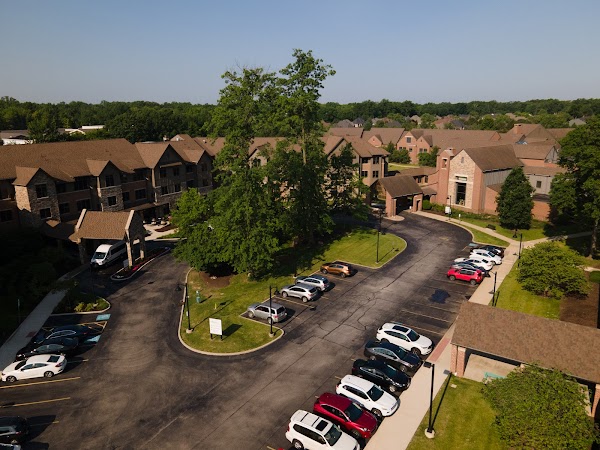
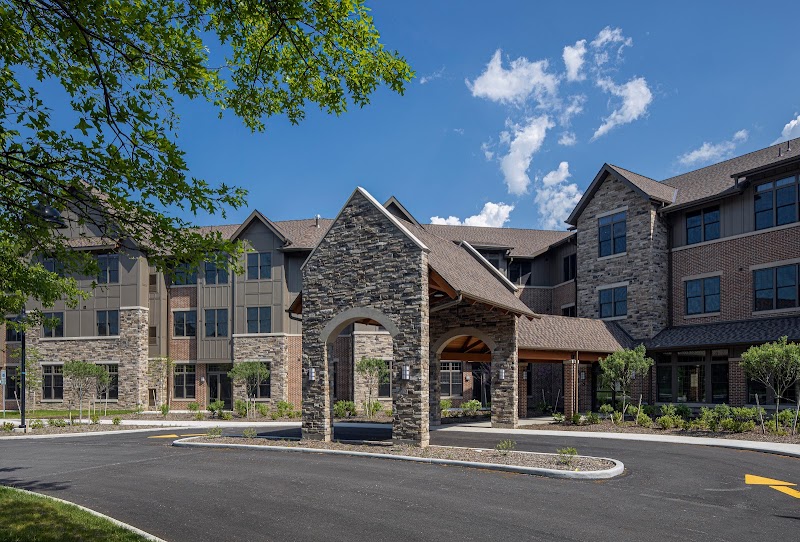
LUTHERAN HOME is owned by a non-profit organization. Non-profit facilities reinvest revenue into operations rather than distributing to shareholders. The facility operates independently rather than as part of a larger chain. With 134 certified beds and approximately 85 residents (about 63% occupancy), it is a mid-sized facility located in WESTLAKE, Ohio.

How Does Lutheran Home Compare to Other Ohio Nursing Homes?

Compared to the 100 nursing homes in Ohio, LUTHERAN HOME's overall rating (4 stars) is above the state average of 3.2, staff turnover (51%) is near the state average of 46%, and health inspection rating (4 stars) is above the national benchmark.

What Should Families Ask When Visiting Lutheran Home?

Based on this facility's data, families visiting should ask: "Can I visit during a mealtime to observe dining assistance and food quality?" "How do you handle medical emergencies, and what is your hospital transfer rate?" "Can I speak with family members of current residents about their experience?"

Is Lutheran Home Safe?

Based on CMS inspection data, LUTHERAN HOME has a clean safety record: no substantiated abuse findings (meaning no confirmed cases of resident harm), no Immediate Jeopardy citations (the most serious violation level indicating risk of serious injury or death), and is not on the Special Focus Facility watch list (a federal program monitoring the lowest-performing 1% of nursing homes). The facility has a 4-star overall rating and ranks #1 of 100 nursing homes in Ohio. While no facility is perfect, families should still ask about staff-to-resident ratios and recent inspection results during their visit.

Do Nurses at Lutheran Home Stick Around?

LUTHERAN HOME has a staff turnover rate of 51%, which is 5 percentage points above the Ohio average of 46%. Moderate turnover is common in nursing homes, but families should still ask about staff tenure and how the facility maintains care continuity when employees leave.

Was Lutheran Home Ever Fined?

LUTHERAN HOME has no federal fines on record. CMS issues fines when nursing homes fail to meet care standards or don't correct problems found during inspections. The absence of fines suggests the facility has either maintained compliance or corrected any issues before penalties were assessed. This is a positive indicator, though families should still review recent inspection reports for the full picture.

Is Lutheran Home on Any Federal Watch List?

LUTHERAN HOME is not on any federal watch list. The most significant is the Special Focus Facility (SFF) program, which identifies the bottom 1% of nursing homes nationally based on persistent, serious quality problems. Not being on this list means the facility has avoided the pattern of deficiencies that triggers enhanced federal oversight. This is a positive indicator, though families should still review the facility's inspection history directly.