


RAE ANN SUBURBAN

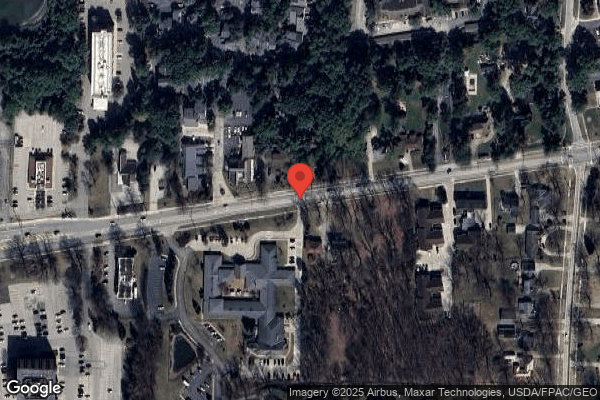
29505 DETROIT RD, WESTLAKE, OH 44145 (440) 871-5181
For profit - Limited Liability company 95 Beds Independent Data: November 2025 1 Immediate Jeopardy citation
Trust Grade
11/100
#896 of 913 in OH
Last Inspection: June 2025

Inspected within the last 6 months. Data reflects current conditions.

Overview

Families considering Rae Ann Suburban in Westlake, Ohio, should be aware that it has received a Trust Grade of F, indicating significant concerns about the quality of care. Ranked #896 out of 913 facilities in Ohio, it falls in the bottom half, and #90 out of 92 in Cuyahoga County, meaning there are only a few better choices nearby. The facility's situation is worsening, with reported issues increasing from 7 in 2024 to 12 in 2025. Staffing is a notable weakness, with only 1 out of 5 stars and a turnover rate of 74%, much higher than the state average. Furthermore, recent inspections revealed serious incidents, including a resident with dementia who eloped from the facility due to inadequate supervision and another resident who developed severe pressure ulcers due to a lack of proper care. While some quality measures received a 4 out of 5 star rating, the overall picture raises significant concerns for families looking for safe and reliable care.

Trust Score
F
11/100
In Ohio
#896/913
Bottom 2%
Safety Record
High Risk
Review needed
Inspections
Getting Worse
7 → 12 violations
Staff Stability
⚠ Watch
74% turnover. Very high, 26 points above average. Constant new faces learning your loved one's needs.
Penalties
✓ Good
$10,065 in fines. Lower than most Ohio facilities. Relatively clean record.
Skilled Nurses
⚠ Watch
Each resident gets only 25 minutes of Registered Nurse (RN) attention daily — below average for Ohio. Fewer RN minutes means fewer trained eyes watching for problems.
Violations
⚠ Watch
44 deficiencies on record. Higher than average. Multiple issues found across inspections.
★☆☆☆☆
1.0
Overall Rating
★☆☆☆☆
1.0
Staff Levels
★★★★☆
4.0
Care Quality
★☆☆☆☆
1.0
Inspection Score
Stable
2024: 7 issues
2025: 12 issues

The Good

  • 4-Star Quality Measures · Strong clinical quality outcomes
  • Full Sprinkler Coverage · Fire safety systems throughout facility
  • No fines on record

Facility shows strength in quality measures, fire safety.

The Bad

1-Star Overall Rating

Below Ohio average (3.2)

Significant quality concerns identified by CMS

Staff Turnover: 74%

28pts above Ohio avg (46%)

Frequent staff changes - ask about care continuity

Federal Fines: $10,065

Below median ($33,413)

Minor penalties assessed

Staff turnover is very high (74%)

26 points above Ohio average of 48%

The Ugly 44 deficiencies on record

1 life-threatening 1 actual harm
Jun 2025 11 deficiencies
CONCERN (D)

Potential for Harm - no one hurt, but risky conditions existed

Deficiency F0561 (Tag F0561)

Could have caused harm · This affected 1 resident

**NOTE- TERMS IN BRACKETS HAVE BEEN EDITED TO PROTECT CONFIDENTIALITY** Based on observation, resident interview, staff interview, and medical record review, the facility failed to ensure preferences ...

Read full inspector narrative →
**NOTE- TERMS IN BRACKETS HAVE BEEN EDITED TO PROTECT CONFIDENTIALITY** Based on observation, resident interview, staff interview, and medical record review, the facility failed to ensure preferences were followed regarding application of compression bandages. This affected one (#41) of one resident reviewed for preferences. The facility census was 79. Findings include: Review of the medical record for Resident #41 revealed he was admitted to the facility on [DATE] with diagnoses that included cellulitis, heart failure, and peripheral vascular disease. Review of the Minimum Data Set (MDS) assessment dated [DATE] revealed Resident #41 had a Brief Mental Status (BIMS) score of 12 that indicated he had moderate cognitive impairment. Review of the MDS assessment revealed Resident #41 required some assistance from staff for activities of daily living (ADLs). Review of the physician orders dated 12/05/24 revealed Resident #41 had an order in place to apply ACE wraps (compression bandages) to bilateral lower extremities before rising and remove at night two times a day for compression therapy and document refusals. Review of the care plan dated 04/30/25 revealed Resident #41 had skin impairment with interventions that included to monitor and treat as ordered. Review of the electronic medication administration record (EMAR) note dated 05/07/25 at 5:50 A.M. revealed Resident #41 refused to have ACE wraps applied due to wanting them applied after his shower. Review of the EMAR note dated 05/14/25 at 6:25 A.M. revealed Resident #41 refused to have ACE wraps applied after his shower. Review of the EMAR note dated 05/17/25 at 6:36 A.M. revealed Resident #41 refused to have ACE wraps applied and wanted them after his morning shower. Review of the EMAR note dated 05/27/25 at 6:27 A.M. revealed Resident #41 refused his ACE wraps due to wanting to take his shower first before having them applied. Review of the EMAR note dated 05/28/25 at 6:53 A.M. revealed Resident #41 wanted his ACE wraps applied after his shower. Interview and observation on 06/02/25 at 2:11 P.M. with Resident #41 revealed staff were to wrap his legs twice a day, but they were not doing it. Resident #41 revealed he preferred his legs to be wrapped after he took his shower due to not having the wraps get wet or having to apply and reapply. Resident #41 lower bilateral legs appeared red in color and swollen. Interview on 06/02/25 at 2:21 P.M. with Certified Nurse Aide (CNA) #710 revealed Resident #41 preferred to have his legs wrapped after his showers, but nurses did not always follow his preference. Interview and observation on 06/02/25 at 3:06 P.M. with Resident #41 and the Director of Nursing (DON) revealed Resident #41 was seated at the reception desk in his wheelchair. Resident #41's legs were observed to be unwrapped with a knee patch dated 06/02/25, for the current date. Resident #41 revealed he had a shower, but his legs were not wrapped, as preferred, but staff applied his other dressing. Resident #41 revealed due to wanting his legs wrapped after his shower, staff did not apply them because they wanted to do it in the early morning. The DON stated Resident #41 refused to have his legs wrapped; however, Resident #41 intervened and stated he refused to have his legs wrapped before his showers due to wraps getting wet or ruined and it made sense to apply after being showered and dressed. The DON confirmed and verified Resident #41 legs were not wrapped and staff were not honoring his preferences.
CONCERN (D)

Potential for Harm - no one hurt, but risky conditions existed

Deficiency F0573 (Tag F0573)

Could have caused harm · This affected 1 resident

**NOTE- TERMS IN BRACKETS HAVE BEEN EDITED TO PROTECT CONFIDENTIALITY** Based on medical record review, resident and resident representative interview, staff interviews, and facility policy review, th...

Read full inspector narrative →
**NOTE- TERMS IN BRACKETS HAVE BEEN EDITED TO PROTECT CONFIDENTIALITY** Based on medical record review, resident and resident representative interview, staff interviews, and facility policy review, the facility failed to ensure requests for medical records were honored in a timely manner. This affected one (#78) of one residents reviewed for medical record requests. The facility census was 79. Findings include: Review of the medical record for Resident #78 revealed she was admitted to the facility on [DATE] with diagnoses that included encephalopathy, mesothelioma, and type II diabetes. Review of the Minimum Data Set (MDS) assessment dated [DATE] revealed Resident #78 had a Brief Interview for Mental Status (BIMS) score of six that indicated the resident was cognitively impaired. Review of the MDS assessment revealed Resident #78 required some assistance from staff for activities of daily living (ADLs). Review of the progress note dated 05/28/25 at 12:31 P.M. revealed Registered Nurse (RN) #746 discussed with Resident #78 and Resident #78's sister a request for medical records. Review of the progress note dated 05/29/25 at 12:26 P.M. revealed RN #746 spoke with Resident #78's elderly advocate, who was in the process of obtaining guardianship, in regard to requested medical records. Review of the progress note dated 05/29/25 at 3:04 P.M. revealed Resident #78's elderly advocate called demanding copies of Resident #78 requested medical records. Review of the progress note dated 05/30/25 at 10:46 A.M. revealed RN #746 talked to Resident #78 about signing a release for medical records in accordance to facility policy. Resident #78 refused to sign form. Review of the progress note dated 05/30/25 at 1:24 P.M. revealed the Administrator spoke with Resident #78's elderly advocate in regard to release of medical records. Resident #78's elderly advocate informed the Administrator that Resident #78 would sign the form in her presence. The Administrator stated the facility would be following facility protocols in regard to medical records release. Review of the progress note dated 06/05/25 at 1:11 P.M. revealed RN #746 informed Resident #78 she could review her medical records with her but Resident #78 refused. RN #746 revealed Resident #78's release for copies of her medical record would be available on 06/06/25. Review of the progress note dated 06/06/25 at 12:49 P.M. revealed Resident #78 was given her medical records which were approved by the corporate compliance office. Interview on 06/05/25 at 1:23 P.M. with Resident #78's elderly advocate revealed she and Resident #78 had been attempting to obtain Resident #78 medical records to continue the process of discharge and getting services in place required in the community. Resident #78's elderly advocate revealed Resident #78 signed medical record release form and also requested copies to be given to her; however, the facility refused to provide requested information. Interview on 06/05/25 at 3:47 P.M. with RN #746 revealed if a resident requested medical records, there was a form to sign, which was then sent to the corporate compliance office and returned within 48 to 72 hours. RN #746 revealed Resident #78 requested her medication and treatment administration record but was denied by the corporate compliance office. RN #746 stated she was informed by the corporate compliance office that resident medication and treatment administration records are not provided regardless if requested or placed on the medical release form. RN #746 revealed she did what the corporate compliance office told her to do. RN #746 confirmed and verified Resident #78 requested her full and complete medical record and was not being provided with the medication and treatment administration records. Interview on 06/09/25 at 12:15 P.M. with Resident #78 and Resident #78's elderly advocate revealed Resident #78 was given some of her medical records but not what was requested. Interview revealed Resident #78 requested her medication administration records and treatment administration records and was denied access to both. Follow-up interview on 06/09/25 at 2:03 P.M. with RN #746 revealed she provided Resident #78 with her medical records on 06/06/25. RN #746 revealed she only provided Resident #78 with what she was told to give by the corporate compliance office. RN #746 confirmed and verified Resident #78 did not receive all of her requested medical record including the medication and treatment administration records. Interview on 06/09/25 at 3:03 P.M. with the Administrator revealed residents were allow to request their medical records by completing the medical release form. The Administrator revealed once the form was sent to the corporate compliance office and/or legal counsel, they decided what the resident could have. The Administrator confirmed and verified the medication and treatment administration records were not able to be released to residents per corporate and legal counsel. Review of the facility document titled, Release of Information, revised November 2009, revealed the facility had a policy in place that all information contained in the medical record were confidential and only released by the written consent of the resident and/or legal representative, can be released to anyone the resident wishes, and may have access within 24 hours after request and hard copies after 48 hours.
CONCERN (D)

Potential for Harm - no one hurt, but risky conditions existed

Deficiency F0582 (Tag F0582)

Could have caused harm · This affected 1 resident

Based on record review and staff interview, the facility failed to ensure Notice of Medicare Non-Coverage (NOMNC) documents contained all required information. This affected three (#12, #75, and #139)...

Read full inspector narrative →
Based on record review and staff interview, the facility failed to ensure Notice of Medicare Non-Coverage (NOMNC) documents contained all required information. This affected three (#12, #75, and #139) of three residents reviewed for beneficiary notices. The facility census was 79. Findings Include: 1. Review of Resident #12's NOMNC form for services ending 02/26/25, and signed 02/21/25, revealed the notice contained no specific information about what services would be discontinued. 2. Review of Resident #75's NOMNC form for services ending 02/17/25, and acknowledge by the resident's family via telephone on 02/13/25, revealed the notice contained no specific information about what services would be discontinued. The area on the form that discussed which services would be discontinued was blank. 3. Review of Resident #139's NOMNC form for services ending 04/08/25, and signed 04/06/25, revealed the notice contained no specific information about what services would be discontinued. The area on the form that discussed which services would be discontinued was blank. Social Service Designee #782 verified the NOMNC forms for Resident #12, Resident #75, and Resident #139 lacked specific information about what services were being discontinued in an interview on 06/05/25 at 3:30 P.M.
CONCERN (D) 📢 Someone Reported This

A family member, employee, or ombudsman was alarmed enough to file a formal complaint

Potential for Harm - no one hurt, but risky conditions existed

Deficiency F0627 (Tag F0627)

Could have caused harm · This affected 1 resident

**NOTE- TERMS IN BRACKETS HAVE BEEN EDITED TO PROTECT CONFIDENTIALITY** Based on medical record review, resident and staff interview, and Ombudsman interview, the facility failed to facilitate an orde...

Read full inspector narrative →
**NOTE- TERMS IN BRACKETS HAVE BEEN EDITED TO PROTECT CONFIDENTIALITY** Based on medical record review, resident and staff interview, and Ombudsman interview, the facility failed to facilitate an orderly discharge when necessary medical supplies were not provided timely to a resident upon discharge. This affected one (#136) of four residents reviewed for discharges. The facility census was 79. Findings include: Review of the medical record for Resident #136 revealed an admission date of 01/31/25. The resident was discharged home on [DATE]. Diagnoses included acute respiratory failure with hypoxia, pneumonia, morbid obesity, and chronic obstructive pulmonary disease. Review of the Minimum Data Set (MDS) assessment, dated 03/24/25, revealed Resident #136 had intact cognition. Review of the physician order dated 03/17/25 revealed an order for oxygen at one to six liters via nasal cannula for the resident to maintain an oxygen saturation rate greater than or equal to 92 percent (%) every six hours as needed for cough, shortness of breath, wheezing, or resident request. Review of the clinical nurse practitioner (CNP) progress note dated 03/28/25 at 5:34 P.M. revealed Resident #136 was seen regarding her request for discharge from the facility. The resident would benefit from remaining in long-term care (LTC) but was insisting on leaving. The resident was educated on the benefits of remaining in the facility but was adamant about leaving. The resident was on supplemental oxygen and lung sounds were diminished throughout all fields. Review of the physician order dated 03/28/25 revealed an order that Resident #136 may discharge home on [DATE] with home health care, physical therapy, occupational therapy, speech therapy, nursing, and oxygen in place. Review of the discharge planning note dated 03/29/25 at 1:36 P.M. revealed Resident #136 was discharged home at 1:20 P.M. with her sister. Discharge instructions and prescriptions were explained and given to the resident along with a portable oxygen tank. Resident #136 did not express any concerns at that time. Review of the social services note dated 04/02/25 at 12:00 P.M., which was a late entry documented on 04/10/25 at 7:10 A.M., revealed the medical services/equipment company called back and informed Registered Nurse (RN) Manager/Social Service Designee (SSD) #746 that since the company did not follow-up with the facility and Resident #136 discharged on Saturday, RN/SSD #746 had to go to another oxygen company. Review of the social services note dated 04/01/25 at 2:00 P.M., which was a late entry documented on 04/10/25 at 7:08 A.M., revealed RN/SSD #746 was informed the insurance company for Resident #136 called due to oxygen not being delivered. RN/SSD #746 called the initial medical company and was told to leave a message, and they would get back in 24 hours. RN/SSD #746 called a different company, sent a facsimile (fax) of the discharge order information to them and Resident #136 was set up with oxygen within two hours of the company getting the paperwork. Review of the interdisciplinary Discharge summary dated [DATE] revealed the scripts for medications were sent with Resident #136. Pharmacy, home care services, and medical equipment, including supplemental oxygen were arranged. A telephone number to call was given and discharge instructions were explained. Under the Comments section it was stated the company was unable to deliver supplemental oxygen, a call was placed to a new company, and the oxygen was delivered. Interview on 06/04/25 at 3:45 P.M. with the Ombudsman revealed their office had been actively involved with Resident #136's discharge situation. The Ombudsman stated the resident's oxygen was ordered late Friday, 03/28/25 and information was sent to a durable medical equipment (DME) supplier. Resident #136 was anxious to get home on that Saturday. The resident was given a portable oxygen tank by the facility to take home since no oxygen was at home at the time of discharge. The oxygen never came on Monday and Resident #136 ended up calling another company to get oxygen on Tuesday. Interview on 06/05/25 at 12:14 P.M. with RN/SSD #746 revealed she sent the script for the oxygen to the DME supplier on 03/28/25 in the morning. The supplier called her back because they were having trouble reading/understanding the script. The RN/SSD had to read them the script and after it was read to them, they said every thing was okay. RN/SSD #746 stated the company did not say they could not supply the oxygen and did not say they needed a new script. The company did not call back so RN/SSD #746 thought everything was set. The DME supplier never contacted the facility and said the oxygen could not be sent. Resident #136 had not called and said the oxygen had not been delivered. Interview on 06/05/25 at 12:35 P.M. with the prior Administrator revealed the facility had a conversation with Resident #136 on Thursday 03/28/25. The resident was packed and ready to go. The prior Administrator also spoke with Resident #136's sister. The sister agreed the resident should stay longer for everything to be arranged. The resident said she was leaving Saturday no matter what because they could get the oxygen right away, they had the physician approve the concentrator to be sent home with the resident. On 06/05/25 at 12:40 P.M. RN/SSD #746 verified she did not confirm when the oxygen was to be delivered or called to confirm it had been delivered. RN/SSD #746 confirmed the second DME supplier was contacted on Tuesday, 04/01/25 and Resident #136 did not have oxygen on Saturday, Sunday, Monday, or Tuesday until the oxygen delivery. Interview on 06/05/25 at 2:17 P.M. with Resident #136 stated she called the facility over the weekend and got no answers, so the resident called the company for supplemental oxygen. This deficiency represents non-compliance investigated under Master Complaint Number OH00164296 and Complaint Number OH00162914.
CONCERN (D) 📢 Someone Reported This

A family member, employee, or ombudsman was alarmed enough to file a formal complaint

Potential for Harm - no one hurt, but risky conditions existed

Incontinence Care (Tag F0690)

Could have caused harm · This affected 1 resident

**NOTE- TERMS IN BRACKETS HAVE BEEN EDITED TO PROTECT CONFIDENTIALITY** Based on observation, medical record review, staff interview, and facility policy review, the facility failed to ensure resident...

Read full inspector narrative →
**NOTE- TERMS IN BRACKETS HAVE BEEN EDITED TO PROTECT CONFIDENTIALITY** Based on observation, medical record review, staff interview, and facility policy review, the facility failed to ensure residents were provided with appropriate incontinence and perineal care. This affected one (#4) of two residents reviewed for bowel and bladder. The facility census was 79. Findings included: Review of the medical record for Resident #4 revealed an admission date of 03/19/25. Diagnoses included chronic obstructive pulmonary disease, pain in the right hip, and repeated falls. Review of the admission Minimum Data Set (MDS) assessment dated [DATE] revealed Resident #4 had intact cognition. Review of the bladder and bowel section revealed Resident #4 was always incontinent of bladder and bowel. Review of the care plan dated 04/03/25 revealed Resident #4 had self-care performance deficits with an intervention to assistance with toileting. Observation on 06/05/25 at 9:29 A.M. of perineal care for Resident #4 revealed Certified Nurse Aide (CNA) #703 gathered supplies, knocked on the door, provided privacy, and explained the procedure to the resident. CNA #703 used hand sanitizer from her pocket and donned gloves. CNA #703 placed four (4) washcloths in the bottom of the resident's sink with running water. CNA #703 then applied shampoo and body wash directly to the washcloths in the bottom of the sink with running water. CNA #703 then picked up the washcloths from the bottom of the sink and placed them in a basin with water. CNA #703 placed the basin on the resident's chair in her room. CNA #703 began to provide perineal care to Resident #4 and used one washcloth from the soapy water basin to cleanse the peri area. CNA #703 then used one washcloth from the soapy water basin for her rinse washcloth, then assisted Resident #4 to turn without patting the peri area dry. CNA #703 then removed one washcloth from the soapy water basin and cleansed the resident's buttocks. CNA #703 then removed one washcloth from the soapy basin to provide the rinse to buttocks. CNA #703 did not pat the resident's buttocks area dry. CNA #703 placed a new incontinence brief on Resident #4, positioned her, and placed call light in reach. CNA #703 doffed her gloves and performed hand hygiene. Interview on 06/5/24 at 9:35 A.M. with CNA #703 verified she did not perform the perineal care correctly. CNA #703 verified she should not have placed the clean washcloths in the bottom of the sink and she should have used the soap washcloths separate from the rinse washcloths. Interview on 06/05/25 at 10:20 A.M. with Registered Nurse (RN) Unit Manager #775 verified CNA #703 should not have placed the washcloths at the bottom of the sink due to infection control issues. RN Unit Manager #775 reported CNA #703 should have used one basin for soapy water and one basin for clean water and place the basins on the over bed tray per the policy. Review of facility policy titled, Perineal Care, revised February 2018, revealed the procedure was to place the equipment on the bedside stand and fill the wash basin one-half full of warm water and wet the washcloth and gently rinse and dry the area. This deficiency represents non-compliance investigated under Complaint Number OH00162914.
CONCERN (E)

Potential for Harm - no one hurt, but risky conditions existed

Assessment Accuracy (Tag F0641)

Could have caused harm · This affected multiple residents

**NOTE- TERMS IN BRACKETS HAVE BEEN EDITED TO PROTECT CONFIDENTIALITY** Based on record review and staff interview, the facility failed to ensure the preadmission screen and resident review (PASRR) st...

Read full inspector narrative →
**NOTE- TERMS IN BRACKETS HAVE BEEN EDITED TO PROTECT CONFIDENTIALITY** Based on record review and staff interview, the facility failed to ensure the preadmission screen and resident review (PASRR) status was coded correctly on the Minimum Data Set (MDS) assessment. This affected four (#9, #18, #34, and #58) of 23 residents identified by the facility with a level two mental illness currently residing at the facility. The facility census was 79. Findings Include: 1. Review of the medical record revealed Resident #9 was admitted to the facility on [DATE] with diagnoses that included schizophrenia, opioid dependence, and delusional disorder. Review of the PASRR level two assessment dated [DATE] revealed Resident #9 had a level two mental illness. Review of section A of the most recent comprehensive Minimum Data Set (MDS) 3.0 assessment of Resident #9 dated 04/03/25 revealed the facility answered No to the question asking, Is the resident currently considered by the state level II PASRR process to have serious mental illness and/or intellectual disability (mental retardation in federal regulation) or a related condition? 2. Review of the medical record revealed Resident #18 was admitted to the facility on [DATE] with diagnoses that included schizoaffective disorder, suicidal ideations, and adjustment disorder. Review of the PASRR level two assessment dated [DATE] revealed Resident #18 had a level two mental illness. Review of section A of the most recent comprehensive MDS 3.0 assessment of Resident #18 dated 09/19/24 revealed the facility answered No to the question asking, Is the resident currently considered by the state level II PASRR process to have serious mental illness and/or intellectual disability (mental retardation in federal regulation) or a related condition? 3. Review of the medical record revealed Resident #34 was admitted to the facility on [DATE] with diagnoses that included paranoid schizophrenia, muscle weakness, and chronic obstructive pulmonary disease. Review of the PASRR level two assessment dated [DATE] revealed Resident #34 had a level two mental illness. Review of section A of the most recent comprehensive MDS 3.0 assessment of Resident #34 dated 02/22/25 revealed the facility answered No to the question asking, Is the resident currently considered by the state level II PASRR process to have serious mental illness and/or intellectual disability (mental retardation in federal regulation) or a related condition? 4. Review of the medical record revealed Resident #58 was admitted to the facility on [DATE] with diagnoses that included schizophrenia, hypertension, and muscle weakness. Review of the PASRR level two assessment dated [DATE] revealed Resident #58 had a level to mental illness. Review of section A of the most recent comprehensive MDS 3.0 assessment of Resident #58 dated 08/06/24 revealed the facility answered No to the question asking, Is the resident currently considered by the state level II PASRR process to have serious mental illness and/or intellectual disability (mental retardation in federal regulation) or a related condition? Interview with MDS Nurse #762 on 06/04/25 at 3:00 P.M. verified Resident #9, Resident #18, Resident #34, and Resident #58 all were determined to have a level two mental illness by the state and confirmed the residents' PASRR statues were inaccurately assessed on their MDS assessments.
CONCERN (F)

Potential for Harm - no one hurt, but risky conditions existed

Food Safety (Tag F0812)

Could have caused harm · This affected most or all residents

Based on observation and staff interview, the facility failed to ensure its kitchen area was maintained in a clean and sanitary condition. This had the potential to affect all 77 residents receiving f...

Read full inspector narrative →
Based on observation and staff interview, the facility failed to ensure its kitchen area was maintained in a clean and sanitary condition. This had the potential to affect all 77 residents receiving food from the kitchen. The facility identified two (#40 and #80) resident who received no food from the kitchen. The facility census was 79. Findings include: Observation during tour of the kitchen, conducted with Dietary Manager (DM) #796 on 06/02/25 from 9:15 A.M. through 9:48 A.M., revealed the the drawer under a food processor had crumbs and dirt in the drawer, one drawer in the food preparation area contained a dirty knife, the drawer with serving utensils had crumbs and debris in the bottom, and there were milk crates with containers of milk stored directly on the refrigerator floor. Further observation revealed there were no testing strips available to check the chemical level of the three-compartment sink or the sanitizer buckets. No staff were able to find any testing strips and there was no record was kept for checking sanitizer levels. Interview with DM #796 verified the above findings during the kitchen tour on 06/02/25 between 9:15 A.M. and 9:48 A.M.
CONCERN (F)

Potential for Harm - no one hurt, but risky conditions existed

Deficiency F0847 (Tag F0847)

Could have caused harm · This affected most or all residents

Based on review of the facility's arbitration agreement and staff interview, the facility failed to ensure its arbitration agreement did not contain any language that prohibits or discourages the resi...

Read full inspector narrative →
Based on review of the facility's arbitration agreement and staff interview, the facility failed to ensure its arbitration agreement did not contain any language that prohibits or discourages the resident or anyone else from communicating with federal, state, or local officials and any other relevant advocacy agencies (id est (i.e.) State Survey Agency, Office of the State Long Term Care Ombudsman) regarding the arbitration process and/or outcome of the arbitration settlement. This had the potential to affect all 79 residents residing in the facility. The facility census was 79. Findings Include: Review of the facility's undated arbitration agreement revealed in section 16 titled, Confidentiality, revealed the arbitration shall be confidential and no party (facility or resident) shall disclose any details of the legal controversy, dispute, disagreement or claim between them or the arbitration process in general, without the consent of the other parties. The agreement further noted if necessary to collect an arbitration award through common pleas court, the parties agree to provide minimal details necessary in court pleadings to preserve the confidential nature of the arbitration procedures. The parties understand that confidentiality is one of the primary goals of this agreement and failure to abide by this provision would cause irreparable harm to the parties. Interview with the Administrator on 06/04/25 at 2:30 P.M. verified that facility's arbitration agreement contained language that would discourage residents and/or their representatives from communicating with federal, state, or local officials and any other relevant advocacy agencies (i.e. State Survey Agency, Office of the State Long Term Care Ombudsman) regarding the arbitration process and/or outcome of the arbitration settlement as noted above.
CONCERN (F) 📢 Someone Reported This

A family member, employee, or ombudsman was alarmed enough to file a formal complaint

Potential for Harm - no one hurt, but risky conditions existed

Infection Control (Tag F0880)

Could have caused harm · This affected most or all residents

**NOTE- TERMS IN BRACKETS HAVE BEEN EDITED TO PROTECT CONFIDENTIALITY** Based on observation, medical record review, staff interview, review of infection control tracking logs and COVID-19 tracking lo...

Read full inspector narrative →
**NOTE- TERMS IN BRACKETS HAVE BEEN EDITED TO PROTECT CONFIDENTIALITY** Based on observation, medical record review, staff interview, review of infection control tracking logs and COVID-19 tracking logs, review of the Centers for Disease Control and Prevention documents, and review of facility policies, the facility failed to adequately track infections within the facility and failed to ensure infection control measures were maintained related to obtaining blood glucose levels and proper hand hygiene after resident contact and glove use. This had the potential to affect all 79 residents residing in the facility. The census was 79. Findings included: 1. Review of the COVID-19 tracking log revealed Resident #43, Resident #61, Resident #73, Resident #75, Resident #137, and Resident #236 tested positive for COVID-19 in January 2025, Resident #65 and Resident #68 tested positive for COVID-19 in February 2025, and Resident #237, Resident #238, and Resident #239 tested positive for COVID-19 in March 2025. Review of the infection control logs dated January, February, and March 2025 revealed no documented tracking and/or testing related to COVID-19 and test results for Resident #43, Resident #61, Resident #73, Resident #75, Resident #137, Resident #236, Resident #237, Resident #238, and Resident #239. Interview on 06/05/25 at 3:24 P.M. with the Director of Nursing (DON) revealed she was currently the Infection Control Preventionist (ICP) and there were no current cases of COVID-19 and the last known positive result was in March 2025. The DON revealed the Administrator was responsible for maintaining and tracking the COVID-19 line list. The DON revealed she completed the infection control log at the end of every month for the previous months results and all infections were tracked and listed on the line list and infection control log. The DON revealed without accurate tracking and documentation, facility staff, residents, and visitors were unable to ensure care and services to prevent the spread of COVID-19. The DON confirmed and verified, after review with state surveyor, the COVID-19 line list and infection control logs for January, February, and March 2025 did contain Resident #43, Resident #61, Resident #73, Resident #75, Resident #137, Resident #236, Resident #237, Resident #238, and Resident #239's COVID-19 infections for those months. Review of the Centers for Disease Control and Prevention (CDC) document titled, Infection Control Guidance: SARS-CoV-2, dated 06/24/24, revealed healthcare settings should establish a process to identify and manage individuals with suspected or confirmed COVID-19 infection to prevent transmission to others. Review of the document revealed the facility did not implement infection control practices in the facility to decrease the spread of COVID-19.2. Review of the medical record for Resident #38 revealed an admission date of 04/11/25. Diagnoses included atherosclerotic heart disease and type II diabetes mellitus. Review of the quarterly Minimum Data Set (MDS) assessment dated [DATE] revealed Resident #38 had impaired cognition. Observation on 06/03/25 at 8:29 A.M. revealed Registered Nurse (RN) #766 did not perform hand hygiene and gathered supplies to perform a blood sugar test with glucometer. RN #766 applied gloves without performing hand hygiene and entered Resident #38's room and placed the glucometer, lancet, test strips, and alcohol pads on the over bed tray on top of multiple magazines without using a barrier. RN #766 used Resident #38's left hand middle finger to obtain blood for the blood sugar reading. RN #766 then removed her gloves and applied new gloves without performing hand hygiene. Interview on 06/03/25 at 8:40 A.M. with RN #766 verified she did not perform hand hygiene before and after before and after glove usage and she did not use a barrier for the glucometer testing and supplies as she should have. Interview on 06/03/25 at 2:14 P.M. with the Director of Nursing (DON) verified hand hygiene was to be performed before and after glove usage and a barrier was to be placed for glucometer and supplies. Review of facility policy titled, Handwashing/Hand Hygiene, revised August 2019, revealed all personnel shall be trained on the importance of hand hygiene in preventing the transmission of healthcare-associated infections. Use an alcohol-based hand rub or soap and water before and after direct contact with residents, before and after preparing or handling medications, before donning gloves, and after removing gloves. Review of facility policy titled, Infection Control Guidelines for All Nursing Procedures, revised August 2019, revealed employees must wash their hands for ten (10) to fifteen (15) seconds using antimicrobial or non-antimicrobial soap and water before and after direct contact with residents, and after removing gloves. In most situations, the preferred method of hand hygiene was with an alcohol-based hand rub for the following situations: before and after direct contact with residents, before preparing or handling medications, after contact with objects such as medical equipment (glucometer), and after removing gloves. Review of facility policy titled, Obtaining a Fingerstick Glucose Level, revised October 2011, revealed the steps in the procedure included to use a disposable cloth (paper towel was adequate) to establish a clean field on the resident's bedside table to overbed table. Place the equipment on the clean field and arrange the supplies so that they can be easily reached. Perform hand asepsis by either washing hands with soap and water or using alcohol-based hand sanitizer, don clean gloves, and remove gloves and perform hand asepsis. This deficiency represents non-compliance investigated under Complaint Number OH00163749.
CONCERN (F)

Potential for Harm - no one hurt, but risky conditions existed

Safe Environment (Tag F0921)

Could have caused harm · This affected most or all residents

Based on observation and staff interview, the facility failed to ensure its dryers were free from excessive lint build up. This had the potential to affect all 79 residents. The facility census was 79...

Read full inspector narrative →
Based on observation and staff interview, the facility failed to ensure its dryers were free from excessive lint build up. This had the potential to affect all 79 residents. The facility census was 79. Findings include: Observation of the laundry room on 06/09/25 at 4:22 P.M. revealed two of two dryers had a thick layer of lint built up in the lint traps that appeared to be significantly more than one dryer loads worth of lint. Interview on 06/09/25, at the time of the observation, with Housekeeping Director (HD) #799 revealed both dryers had not been cleaned and confirmed and verified the lint build up.
MINOR (C)

Minor Issue - procedural, no safety impact

Deficiency F0947 (Tag F0947)

Minor procedural issue · This affected most or all residents

Based on review of personnel records and staff interview, the facility failed to ensure its certified nurse aides (CNAs) received 12 hours of in-service training per year as required. This had the pot...

Read full inspector narrative →
Based on review of personnel records and staff interview, the facility failed to ensure its certified nurse aides (CNAs) received 12 hours of in-service training per year as required. This had the potential to affect all 79 residents. The facility census was 79. Findings Include: 1. Review of the personnel record for CNA #713 revealed a hire date of 05/01/24. Review of in-service records from 05/01/24 through 05/01/25 revealed CNA #713 received 4.5 hours of in-service training all of which took place in the year 2025. 2. Review of the personnel record for CNA #740 revealed a hire date of 04/08/24. Review of in-service records from 04/08/24 through 04/08/25 revealed CNA #740 received 4.5 hours of in-service training all of which took place in the year 2025. Interview with the Administrator on 06/09/25 at 2:00 P.M. verified the lack of required in-services hours for CNA #713 and CNA #470. The Administrator further noted the facility had no evidence of education of in-services for CNAs prior to the year 2025.
Jan 2025 1 deficiency
CONCERN (D) 📢 Someone Reported This

A family member, employee, or ombudsman was alarmed enough to file a formal complaint

Potential for Harm - no one hurt, but risky conditions existed

Pressure Ulcer Prevention (Tag F0686)

Could have caused harm · This affected 1 resident

**NOTE- TERMS IN BRACKETS HAVE BEEN EDITED TO PROTECT CONFIDENTIALITY** Based on medical record review, observation, interview, and facility policy review, the facility failed to ensure the complete p...

Read full inspector narrative →
**NOTE- TERMS IN BRACKETS HAVE BEEN EDITED TO PROTECT CONFIDENTIALITY** Based on medical record review, observation, interview, and facility policy review, the facility failed to ensure the complete physician-ordered treatment was applied to Resident #20's sacral pressure ulcer. This affected one (Resident # 20) of three residents reviewed for wound care. The facility census was 87. Findings include: Review of the medical record for Resident #20 revealed an admission date of 07/19/24 with diagnoses including iron deficiency anemia, obesity, surgical wound, atrial fibrillation, rheumatoid arthritis, pressure ulcer of sacral region, surgical aftercare following surgery on the digestive system. Review of the quarterly Minimum Data Set (MDS) 3.0 assessment dated [DATE] revealed Resident #20 had intact cognition and had moderate depression. The resident was dependent on staff for activities of daily living. Review of the January 2025 physician's orders revealed Resident #20's had an order dated 12/02/24 for a wound dressing for a sacral pressure ulcer. The order called for the wound to be cleansed with normal saline, packed with silver alginate, covered with an absorbent pad, secured with paper tape, and changed daily. Additional instructions in the order included to apply zinc ointment around the sacral pressure ulcer daily. Review of the Treatment Administration Record (TAR) for January 2025 revealed Resident #20's sacral wound care was listed as completed daily as ordered. Review of the weekly wound assessment dated [DATE] revealed Resident #20 had a stage four pressure ulcer(indicating a full thickness wound which can extend into muscle, tendon, ligament, cartilage, or bone) to her sacrum. The assessment indicated the wound was healing. The listed treatment included cleanse the wound, apply silver alginate, cover with an absorbent pad, secure the wound with paper tape, and change daily. The assessment indicated triad cream (a zinc-oxide-based paste which can be applied to wounds to encourage healing or to intact skin to protect skin from irritation) was to be applied to the skin surrounding the wound. Observation on 01/22/25 at 2:41 PM with Licensed Practical Nurse (LPN) #288 who completed Resident #20's wound care revealed LPN #288 first prepared to change the resident's sacral wound. LPN #288 removed the old dressing, cleansed the wound with normal saline and packed the wound with silver alginate. LPN #288 then covered the wound with an absorbent pad and secured the dressing with paper tape. LPN #288 did not apply zinc or any cream or ointment to the skin surrounding the resident's wound. Interview on 1/22/25 at 3:00 P.M. with LPN #288 verified she did not apply zinc around the sacrum wound. LPN #288 confirmed the physician's order called for zinc to be applied, but stated if zinc was applied, the tape wound not adhere to the resident's skin. Review of the policy titled Wound Care, revised October 2010, revealed to verify that there is a physician's order for the procedure, and to ensure that the physician order matches the wound Nurse Practitioner (NP) order. This deficiency represents non-compliance investigated under Master Complaint Number OH00161530.
Dec 2024 2 deficiencies
CONCERN (F) 📢 Someone Reported This

A family member, employee, or ombudsman was alarmed enough to file a formal complaint

Potential for Harm - no one hurt, but risky conditions existed

Food Safety (Tag F0812)

Could have caused harm · This affected most or all residents

Based on observation, staff interview and policy review, the facility failed to ensure its kitchen area was maintained in a clean and sanitary condition. This had the potential to affect all residents...

Read full inspector narrative →
Based on observation, staff interview and policy review, the facility failed to ensure its kitchen area was maintained in a clean and sanitary condition. This had the potential to affect all residents. The facility census was 90. Findings include: Observation of the kitchen area on 12/15/24 between 7:30 A.M. and 8:00 A.M. with Dietary Aides (DA) #600 and #601 revealed the following that was verified at the time of discovery; - A large puddle of water was noted in the facility's dishwasher area. DA #600 explained that a drain to the dishwasher had not been working for some time. DA #600 estimated months and thus created a pool of water in the area. - The sanitizer bucket underneath the dishwasher was open and had a swarm of fruit flies around the lid of the bucket. - A package of bacon was observed to be defrosting in the warming area underneath the steam table. The bacon was noted to be lying in a pool of water on the steam table that was yellow in color and had many noticeable food particles floating in the water. - The left side door of the facility's convection oven was completely stained with grease to the extent you could not see in or out of the door. - The hood suppression system had noticeable buildup of grease and rust. - The area beneath the coffee pots in the kitchen was leaking water from an unknown source. - In the walk-in cooler, a rotten green bell pepper, a package of brown (discolored) celery, three undated peanut butter and jelly sandwiches, and two undated ham and cheese sandwiches were noted. - In the dry storage area, an undated container of cherries and two undated and opened bottles of vanilla extract were noted. Review of the policy entitled Preventing Foodborne Illness-Food Handling dated 07/01/14 revealed food will be stored, prepared, handled and served so that the risk of foodborne illness is minimized. This deficiency represents non-compliance investigated under Complaint Number OH00160140.
MINOR (C) 📢 Someone Reported This

A family member, employee, or ombudsman was alarmed enough to file a formal complaint

Minor Issue - procedural, no safety impact

Garbage Disposal (Tag F0814)

Minor procedural issue · This affected most or all residents

Based on observation and staff interview the facility failed to ensure its dumpster area was maintained in a clean and sanitary condition. This had the potential to affect all residents. The facility ...

Read full inspector narrative →
Based on observation and staff interview the facility failed to ensure its dumpster area was maintained in a clean and sanitary condition. This had the potential to affect all residents. The facility census was 90. Findings include: Observation of the dumpster area with Dietary Aide # 601 on 12/15/24 at 9:05 A.M. revealed multiple areas of food debris, plastic gloves, and other numerous instances of other trash/refuse. DA #601 verified the condition of the dumpster area on 12/15/24 at 9:07 A.M. DA #601 stated (while smiling) cant say I am surprised. This deficiency represents an incidental finding of non-compliance discovered during the complaint investigation.
Nov 2024 1 deficiency
CONCERN (D) 📢 Someone Reported This

A family member, employee, or ombudsman was alarmed enough to file a formal complaint

Potential for Harm - no one hurt, but risky conditions existed

Grievances (Tag F0585)

Could have caused harm · This affected 1 resident

Based on record review and interview the facility failed to ensure Resident #65's concern was addressed promptly. This affected one resident (#65) of three residents reviewed for grievances. The facil...

Read full inspector narrative →
Based on record review and interview the facility failed to ensure Resident #65's concern was addressed promptly. This affected one resident (#65) of three residents reviewed for grievances. The facility census was 87. Findings Include: Review of the medical record for Resident #65 revealed an admittance date of 06/29/20. Diagnoses included dementia, depressive disorder, bipolar, psychosis, schizoaffective disorder, alcohol abuse. Review of the concern log form dated 03/11/24 through 10/30/24 revealed no identified concerns for Resident #65. Review of the email correspondences dated 10/10/24 at 10:49 A.M. through 10/29/24 at 10:59 A.M. between Resident #65's sister, Resident #65's Power of Attorney (POA), the Director of Nursing (DON), Administrator, and the ombudsmen revealed Resident #65's sister emailed the above recipients regarding concerns that occurred on 10/05/24 when Resident #14 threw a dish towards Resident #65 and on 10/08/24 when Resident #14 pulled Resident #65's private caregiver's hair. The email stated Resident #65's sister and Resident #65's POA would be available for a group call. On 10/25/24 at 10:26 P.M. Resident #65's sister sent a second email stating she was following up with concerns expressed on 10/10/24 and had not received a response by email or nor phone call. On 10/26/24 at 7:31 P.M. the Administrator responded stating she was sorry it took some time to respond but she been in and out of the building due to the Jewish holiday this month. Resident #65's sister and POA are welcome to call the facility next time and request to speak with someone if needed a timelier response. The incident was reported to the Resident #14's representatives and the facility was dealing with them regarding the next step. Interview on 10/31/24 at 11:00 A.M. with the Administrator stated due to the Jewish holiday she was in and out of the facility. Resident's 56's sister could have called the facility to talk to someone or she could have texted if she needed a timely response. The Administrator did verify the email was received on 10/10/24 and she did not respond until 10/26/24. Interview on 11/03/24 at 11:05 A.M. with the Director of Nursing (DON) stated she did not want to respond to the email in fear it would exoculate Resident #65's sisters concerns. Review of the facility policy titled Resident Rights dated January 2022, stated voiced grievances to the facility or those agency/entity that hears grievances without discrimination or reprisal, including those with respect to care and treatment which has been furnished as well as that which has not been furnished, the behavior of staff and of other resident, and other concerns regarding their long-term care facility stay. The facility must make prompt efforts to resolve grievance. This deficiency represents non-compliance investigated under Complaint Number OH00158843.
Jun 2024 1 deficiency
CONCERN (D) 📢 Someone Reported This

A family member, employee, or ombudsman was alarmed enough to file a formal complaint

Potential for Harm - no one hurt, but risky conditions existed

Deficiency F0773 (Tag F0773)

Could have caused harm · This affected 1 resident

**NOTE- TERMS IN BRACKETS HAVE BEEN EDITED TO PROTECT CONFIDENTIALITY** Based on medical record review and staff interview, the facility failed to follow physician orders to obtain a urinalysis with c...

Read full inspector narrative →
**NOTE- TERMS IN BRACKETS HAVE BEEN EDITED TO PROTECT CONFIDENTIALITY** Based on medical record review and staff interview, the facility failed to follow physician orders to obtain a urinalysis with culture and sensitivity testing as ordered. This affected one (#2) of three residents reviewed for a change in condition. The census was 87. Findings include: Review of the medical record revealed Resident #2 was admitted to the facility on [DATE]. The resident was discharged from the facility on 06/17/24. Diagnoses included retention of urine, muscle weakness, and lack of coordination. Review of the admission Minimum Data Set assessment dated [DATE] revealed Resident #2 was cognitively intact and had an indwelling catheter. Review of the plan of care dated 06/04/24 revealed Resident #2 had a urinary catheter with an intervention to monitor, record, and report signs and/or symptoms of a urinary tract infection (UTI). Review of the nursing progress notes dated 06/14/24 and timed 4:10 P.M., revealed Resident #2 reported pain when he felt like he needed to urinate. The resident's urinary (Foley) catheter was irrigated and the resident was encouraged to drink more fluids. Review of Resident #2's progress note dated 06/14/24 and timed 6:37 P.M., revealed the nurse practitioner (NP) was notified and orders were given to obtain a urinalysis with culture and sensitivity testing (UA C&S) and to start Pyridium (an analgesic pain reliever for UTIs). The resident was made aware of the new orders. Review of Resident #2's physician orders for June 2024, identified an order entered on 06/14/24 with a start date of 06/16/24 for a UA C&S. Review of Resident #2's medical record, including administration records for June 2024, revealed the UA C&S was not completed per physician order. Interview on 06/28/24 at 10:03 A.M., with Licensed Practical Nurse (LPN) #251 verified Resident #2's UA C&S was not completed per physician order. This deficiency represents non-compliance investigated under Complaint Number OH00154996.
Mar 2024 2 deficiencies
CONCERN (D) 📢 Someone Reported This

A family member, employee, or ombudsman was alarmed enough to file a formal complaint

Potential for Harm - no one hurt, but risky conditions existed

Report Alleged Abuse (Tag F0609)

Could have caused harm · This affected 1 resident

**NOTE- TERMS IN BRACKETS HAVE BEEN EDITED TO PROTECT CONFIDENTIALITY** Based on record review, interview, self-reported incident (SRI) review and policy review, the facility failed to ensure Resident...

Read full inspector narrative →
**NOTE- TERMS IN BRACKETS HAVE BEEN EDITED TO PROTECT CONFIDENTIALITY** Based on record review, interview, self-reported incident (SRI) review and policy review, the facility failed to ensure Resident #28's allegation of misappropriation was reported within 24 hours to the State agency as required. This finding affected one resident (#28) of two residents reviewed for misappropriation. Findings include: Review of a Misappropriation SRI (tracking #245238) dated 03/15/24 indicated Resident #28 went to the activity director and reported Resident #80 had taken pills from his bag a few days ago. The investigation was ongoing. Review of Resident #28's medical record revealed the resident was admitted on [DATE] with diagnoses including unspecified fracture of the left femur, encounter for other orthopedic aftercare, and unspecified cirrhosis of the liver. Review of Resident #28's Minimum Data Set (MDS) 3.0 assessment dated [DATE] revealed the resident exhibited intact cognition. Review of Resident #80's medical record revealed the resident was admitted on [DATE] with diagnoses including alcoholic cirrhosis of the liver without ascites, iron deficiency anemia, and major depressive disorder. Review of Resident #80's MDS 3.0 assessment dated [DATE] revealed the resident exhibited intact cognition. Interview on 03/19/24 at 8:42 A.M. with Resident #28 revealed he had reported to Certified Occupational Therapy Assistant (COTA) #821 on 03/09/24 that Resident #80 had come into his room and took a bottle of suboxone (treats narcotic dependence) tablets (28 tablets) out of his personal belongings. He stated the resident returned the bottle with 13 tablets remaining and self-administered the other 15 tablets. Interview on 03/19/24 at 9:03 A.M. with Resident #80 revealed Resident #28 gave her the suboxone to self-administer. She would not answer further questions. Interview on 03/19/24 at 9:20 A.M. with the Director of Nursing (DON) confirmed a Misappropriation SRI (tracking #245238) was filed on 03/15/24. Telephone interview on 03/19/24 at 9:24 A.M. with COTA #821 with Rehab Director #822 in attendance revealed Resident #28 reported that Resident #80 took a bottle of suboxone out of his personal belongings without his permission. She stated she immediately told the charge nurse and Rehab Director #822. Interview on 03/19/24 at 9:28 A.M. with Rehab Director #822 confirmed COTA #821 had reported to her on 03/09/24 at 3:56 P.M. that Resident #80 had reported misappropriation of suboxone tablets. Rehab Director #822 stated she immediately telephoned the DON to report the allegation. Interview on 03/19/24 at 9:37 A.M. with the Administrator indicated she filed Resident #28's SRI for misappropriation on 03/15/24 when the activity personnel reported it. She confirmed the allegation was reported on 03/09/24 and the SRI was not filed with the State agency within twenty-four hours as required. Review of the Abuse, Neglect, Exploitation and Misappropriation Prevention Program revised 04/21 indicated to investigate and report any allegations within timeframe's required by federal requirements. This deficiency represents non-compliance investigated under Complaint Number OH00152017.
CONCERN (D) 📢 Someone Reported This

A family member, employee, or ombudsman was alarmed enough to file a formal complaint

Potential for Harm - no one hurt, but risky conditions existed

Infection Control (Tag F0880)

Could have caused harm · This affected 1 resident

**NOTE- TERMS IN BRACKETS HAVE BEEN EDITED TO PROTECT CONFIDENTIALITY** Based on record review and interview, the facility failed to ensure Resident #73's legionella testing was completed as ordered. ...

Read full inspector narrative →
**NOTE- TERMS IN BRACKETS HAVE BEEN EDITED TO PROTECT CONFIDENTIALITY** Based on record review and interview, the facility failed to ensure Resident #73's legionella testing was completed as ordered. This finding affected one resident (#73) of five resident records reviewed for infection control. Findings include: Review of Resident #73's open medical record revealed the resident was admitted on [DATE] with diagnoses including chronic atrial fibrillation, malignant neoplasm of the prostate, and muscle weakness. Review of Resident #73's Minimum Data Set (MDS) 3.0 assessment dated [DATE] revealed the resident exhibited moderate cognitive impairment. Review of Resident #73's chest x-ray single view dated 02/22/24 revealed the cardiac silhouette and mediastinal contours were normal. Patchy densities were noted involving the bilateral perihilar regions. Mild prominence of the pulmonary vasculature was identified. No pleural fluid or masses were noted. No pneumothorax was present. Impression was bilateral perihilar atelectasis/infiltrate and a follow up was recommended to document resolution. Review of Resident #73's physician orders revealed an order dated 02/26/24 to obtain urine and sputum for legionella. Review of Resident #73's medical record did not reveal evidence the legionella urine antigen testing and legionella sputum testing were completed per the order dated 02/23/24 at 8:58 A.M. Interview on 03/13/24 at 11:55 A.M. with the Director of Nursing (DON) confirmed she could not find Resident #73's urine and sputum culture for legionella, and she reordered as of today's date. Review of the undated Risk Assessment and Water Management Plan for Reducing the Risk of Legionella Policy indicated if other patient's had been identified as positive for healthcare-associated Legionnaires' disease within the past 12 months, if pneumonia develops within 48 hours after admission or there have been notable changes in water quality identified, then residents who present with pneumonia will be tested for Legionnaires' disease according to the physician's order. This deficiency represents non-compliance investigated under Complaint Number OH00151945.
Feb 2024 1 deficiency
CONCERN (D) 📢 Someone Reported This

A family member, employee, or ombudsman was alarmed enough to file a formal complaint

Potential for Harm - no one hurt, but risky conditions existed

Pharmacy Services (Tag F0755)

Could have caused harm · This affected 1 resident

**NOTE- TERMS IN BRACKETS HAVE BEEN EDITED TO PROTECT CONFIDENTIALITY** Based on record review, interview, and facility policy review the facility failed to ensure narcotic medications were removed fr...

Read full inspector narrative →
**NOTE- TERMS IN BRACKETS HAVE BEEN EDITED TO PROTECT CONFIDENTIALITY** Based on record review, interview, and facility policy review the facility failed to ensure narcotic medications were removed from circulation when discontinued and accounted appropriately, resulting in one unaccounted oxycodone pill for Resident #94. This affected one resident (#94) of three residents reviewed for controlled medication administration. The facility census was 93. Findings Include: Record review of Resident #94 revealed the resident was admitted on [DATE] and discharged on 02/09/24. Diagnoses included atrial fibrillation, Crohn's disease, and anxiety disorder. The most recent order for oxycodone (a narcotic pain medication) was discontinued on 12/25/23. Review of the medication administration record revealed no evidence the medication was given after this date. Review of the facility investigation documentation revealed a photograph of a medication card including one rectangular pill in the pouch labeled '17'. The pills in all other visible pouches were round. No identifiers were visible in the photograph. The facility also furnished a photograph of a drug record sheet for Resident #94's oxycodone tablets. This sheet had one medication documented removed on 12/31/23 signed by what appeared to be Licensed Practical Nurse (LPN) #602, leaving 16 oxycodone pills remaining in the card. Interview with the Director of Nursing (DON) and Administrator on 02/27/24 at 8:57 A.M. revealed the facility performed an investigation regarding incorrect pills being taped into a medication card for a resident. The facility actual count of the medication matched the documentation of how many pills should remain, excluding the taped-in pill. Interview with Registered Nurse #301 on 02/27/24 revealed she conducted an investigation following report of an incorrect medication being taped into the medication card for Resident #94's oxycodone. She tried to question the last nurse to care for the resident (LPN #602) who did not return her calls. Due to this, the facility contacted her agency, informed them of the event, and asked that she not return to the facility. Registered Nurse #301 then audited narcotic storage with no other discrepancies detected. The alleged event occurred the night of 01/17/24. Interview with the DON on 02/27/24 at 3:32 P.M. revealed facility investigation revealed the actual count of remaining oxycodone pills for Resident #94 was correct, only the taped-in pill made it incorrect. LPN #602 had a habit of writing sloppily in the narcotic book; however, when the facility did narcotic counts, no discrepancies were noted. Interview with LPN #502 on 02/28/24 at 9:40 A.M. revealed she was the nurse who followed LPN #602's shift on 01/18/24. No concerns were identified with the narcotic count; however, she later identified an incorrect pill was taped in Resident #94's oxycodone card and notified her management. This had no effect on Resident #94 as the oxycodone order had previously been discontinued. Interview with the Administrator and DON on 02/28/24 at 9:55 A.M. verified that Resident #94's oxycodone remained in their medication cart for multiple weeks after the order was discontinued, an oxycodone pill was signed out on 12/31/23 despite no active order for the resident, and the facility could not identify the final disposition of the medication due to it not being documented as wasted or administered. Interview with LPN #602 on 02/28/24 at 10:55 A.M. revealed she denied knowledge of any incorrect pill being taped into a medication card and said she would not do that. She did not recall drawing or giving oxycodone on 12/31/23 to Resident #94 or wasting the medication. She said when wasting narcotic medications, they were to do it in the presence of another nurse as witness. Review of the facility's controlled substances policy dated 04/2019 revealed controlled medications were to be reconciled on receipt, administration, and disposition. When not given, they were to be wasted in the presence of a witness who would co-sign the disposal. This deficiency represents noncompliance investigated under Complaint Number OH00150464.
Dec 2023 2 deficiencies 1 IJ
CRITICAL (J) 📢 Someone Reported This

A family member, employee, or ombudsman was alarmed enough to file a formal complaint

Immediate Jeopardy (IJ) - the most serious Medicare violation

Accident Prevention (Tag F0689)

Someone could have died · This affected 1 resident

**NOTE- TERMS IN BRACKETS HAVE BEEN EDITED TO PROTECT CONFIDENTIALITY** Based on observation, closed medical record review, hospital record review, review of a police report, review of staff witness s...

Read full inspector narrative →
**NOTE- TERMS IN BRACKETS HAVE BEEN EDITED TO PROTECT CONFIDENTIALITY** Based on observation, closed medical record review, hospital record review, review of a police report, review of staff witness statements, review of the facility elopement policy and procedure and interviews, the facility failed to provide adequate supervision to prevent Resident #84, who had a diagnosis of dementia with behavioral disturbances and lacked sufficient decision-making ability to make an informed decision to leave the facility, from eloping from the facility. This resulted in Immediate Jeopardy and the potential for serious life-threatening harm on 11/12/23 at approximately 4:30 P.M. when Resident #84 who had been agitated, verbally abusive and combative since the lunch meal packed her bags, placed them on a wheelchair and walked through an unidentified secured door pushing the wheelchair to the outside without staff knowledge. The facility staff were not aware Resident #84 was missing until Resident #84's daughter called the facility on 11/12/23 around 5:00 P.M. and reported Resident #84 was with her at her workplace. Resident #84 walked about a half mile along a busy road, crossed a major intersection, and walked across a busy shopping area to reach her daughter's workplace. The facility staff were unable to transport Resident #84 back to the facility. Resident #84 was agitated and potentially combative and a family member contacted the police for assistance. Resident #84 was transported at 5:59 P.M. by police officers to the local hospital for evaluation. This affected one resident (#84) of three reviewed for elopement. On 11/27/23 at 1:25 P.M. the Administrator and Director of Nursing (DON) were notified Immediate Jeopardy began on 11/12/23 at approximately 4:30 P.M. when Resident #84 packed her bags, placed them on a wheelchair and walked through an unidentified secured door pushing the wheelchair along a busy road, crossed a major intersection and walked across a busy shopping area to her daughter's workplace. Staff were unaware Resident #84 eloped from the facility at the time of the incident. The Immediate Jeopardy was removed on 11/13/23 when the facility implemented the following corrective actions: • On 11/12/23, at 5:00 P.M., after Resident #84 was reported missing by her daughter, Registered Nurse (RN) #292 and Licensed Practical Nurse (LPN) #299 did a head count of all other residents, all other 81 residents were present. The Unit Manager, DON, and the Administrator were all notified. • On 11/12/23, by 7:00 P.M. the DON collected statements from the four nurses and the six STNA's (State Tested Nursing Assistant's) who were present in the facility at the time Resident #84 left. • On 11/12/23, the DON (Director of Nursing) and LNHA (Administrator) investigated the incident as a possible elopement. By 11:00 P.M., after interviewing staff and collecting staff statements, the facility concluded Resident #84 had a Brief Interview for Mental Status (BIMS) of 14 out of 15, was alert and oriented times four, had a low risk elopement assessment, had displayed the desire to go home, initiated a call to family requesting to be picked up, when no one was willing to pick her up, resident decided to leave the facility and walk to her daughter's place of work. • On 11/12/23, by 11:00 P.M., the DON and Unit Managers ensured all residents had current elopement assessments completed. Residents who were assessed to be high risk and had displayed exit seeking behavior, had wander guards in place and care plans had been updated. • On 11/12/23, by 11:00 P.M., the DON ensured all wander guards were in place and functioning for the residents that were assessed, care planned, and had orders. There were six residents that were assessed and had orders for wander guards. No issues were identified. • On 11/12/23, by 11:00 P.M. an elopement binder at the front desk was updated by the DON with residents assessed to be an elopement risk. There were six residents assessed to be high risk. • On 11/12/23, by 11:00 P.M. DON checked all doors to ensure they were functioning properly. All doors were functioning, and alarming if pressed to exit with a 15 second egress. The front door was open during the hours a receptionist was present and then locked like the other doors when receptionist leaves. If a door was seen to have an issue, the alarm company was called immediately to be addressed. Wind caused issues on 11/27/23 for two doors and Maintenance Director #264 called the alarm company. The alarm company came to the facility on [DATE] and replaced the transformers for mag locks due to high winds. • On 11/12/23, by 11:00 P.M. all facility staff were educated by DON on the elopement policy and AMA policy. Policies included education for investigating, exit seeking behavior, safety, and reporting to LNHA and DON so corrective measures and interventions could be put into place. Staff from every department were educated including four RN's, seven LPNs, and twenty STNAs. Staff that were not present were called, texted, and educated by the evening of 11/12/23. • On 11/12/23, by 11:00 P.M. nursing schedules were checked and verified by DON to ensure sufficient staffing was present for shift 7:00 A.M. to 7:30 P.M. There were four LPN's and six STNA's. • On 11/12/23, by 11:00 P.M. the three facility receptionists were educated by LNHA (the Administrator) on notifying staff if they were on break so another staff member could cover the front desk. • On 11/12/23, LNHA began auditing doors, elopement assessments to ensure completion and interventions were in place, nursing documentation for exit seeking behavior, three times a week for three weeks to ensure continued compliance. All results would be reviewed with the QAPI committee to ensure continued compliance. Although the Immediate Jeopardy was removed on 11/13/23, the facility remained out of compliance at Severity Level 2 (no actual harm with potential for more than minimal harm that is not Immediate Jeopardy) as the facility was not in substantial compliance at the time of the current survey for the specific regulatory requirement(s), as referenced by the specific tag. Findings include: Review of Resident #84's ED (Emergency Department) Provider Note and History and Physical Exam dated 09/21/23 included Resident #84 was transported to the hospital Emergency Department via ambulance and was accompanied by her niece and daughter. Resident #84's niece stated Resident #84 was unable to care for herself, her house was unsanitary, unkept and she was being evicted. Resident #84's niece and daughter stated Resident #84 was not eating or drinking and was incontinent. Resident #84's niece and daughter requested a competency evaluation completed so Resident #84 could be placed in an assisted living or skilled nursing facility. Resident #84's niece and daughter did not feel Resident #84 could live safely on her own and were concerned Resident #84 was going to get hurt. Resident #84 was alert, agitated and her judgement was inappropriate (her main concern was care for her dogs when she was not taking care of herself). As Resident #84 was at risk for being discharged home and displayed failure to thrive and inability to care for self, the plan would be to admit Resident #84 to the hospital for further evaluations. Resident #84 had a history of delirium and neuro cognitive disorder (dementia). Review of Resident #84's After Visit Summary dated 09/21/23 through 09/26/23 included Resident #84 was seen in the Emergency Department for concerns of not managing home life. Resident #84 was admitted to the hospital due to failure to thrive. After admission to the hospital Resident #84 was evaluated by a geriatric team who felt Resident #84 was not able to make home-going decisions. Due to this, Adult Protective Services (APS) was involved and felt Resident #84 should be discharged to an extended care facility. Problems and diagnoses included failure to thrive in adult, major neurocognitive disorder (HCC), generalized weakness and encounter for assessment of decision-making capacity. Resident #84 had no resolved hospital problems. A new medication, Seroquel (Quetiapine) 12.5 milligrams daily at bedtime for three doses, and then 0.5 tablet by mouth every eight hours as needed for agitation up to three days was ordered. Review of Resident #84's Mental Capacity Note dated 09/25/23 stated Resident #84 had a primary diagnosis of delirium and psychoses and lacked sufficient decision-making ability to make informed decisions to leave the hospital. The note indicated Resident #84 should not be allowed to leave the hospital against medical advice. Resident #84 should be stabilized medically until a clinical point was reached where she could be reevaluated. An attempt would be made to identify an appropriate surrogate decision maker to be an active participant in the Resident #84's care. Review of Resident #84's closed medical record revealed the resident was admitted to the skilled nursing facility on [DATE] with diagnoses including unspecified dementia, unspecified severity, with other behavioral disturbances, major depressive disorder, unsteadiness on feet, and adult failure to thrive. Resident #84 was discharged from the facility on 11/12/23. Review of Resident #84's admission progress note dated 09/26/23 at 3:56 P.M. included Resident #84 was alert and oriented times two (person and place), was confused at times and made poor decisions. Resident #84 was anxious and had behaviors. Resident #84 was in the hospital for failure to thrive, lived by self and had dementia. APS was involved. Resident #84 was incontinent at times. Review of Resident #84's Fall Risk Evaluation dated 09/26/23 revealed Resident #84 was at high risk for falls. Resident #84 received antidepressants, antihypertensives, hypoglycemics, laxatives and narcotic analgesics. Resident #84 ambulated with staff assistance with no stability, gait impairment. Resident #84's elimination status was elimination with assistance. Review of Resident #84's progress notes dated 09/27/23 at 11:27 P.M. included Resident #84 was having erratic behavior, was unable to be redirected, was touching another resident's catheter, going in other resident rooms and was combative with staff. Review of Resident #84's admission Minimum Data Set (MDS) 3.0 assessment dated [DATE] revealed Resident #84 was cognitively intact and used a walker. Resident #84 required partial to moderate assistance with personal hygiene and required supervision or touching assistance to walk ten feet in a room, corridor, or similar space. Resident #84 had non-Alzheimer's dementia. Review of Resident #84's Family, Resident Communication Note dated 10/05/23 at 2:46 P.M. included a family conference was held with the DON, Director of Rehab (DOR), the Administrator, Resident #84 and Resident #84's niece, Daughter #291 and son in-law. Discussed Mental Capacity Note completed while she was in the hospital by Certified Nurse Practitioner (CNP) #290. APS was involved when Resident #84 resided in the community. Daughter #291 was the resident's power of attorney (POA) for health and was working to get a guardianship in place. Resident #84 was notified by her family she would be staying at the facility, her house was foreclosed, and her animals were placed in foster homes. Resident #84 stated her pets were the most important thing to her. Review of Resident #84's progress note dated 10/05/23 at 4:44 P.M. included Resident #84 continued to be very agitated and difficult to redirect. Resident #84 stated she was leaving the facility. Discussed wander guard with Daughter #291 and other family members and all were in agreement with a wander guard being placed. Review of Resident #84's Elopement Evaluation dated 10/05/23 included Resident #84 had a Neurocognitive Disorder with Lewy Bodies (the Administrator stated Resident #84 had a Neurocognitive Disorder, but her diagnoses did not specify Lewy Bodies, and this diagnosis was an error), was alert, had poor safety, environment awareness and had one elopement in the past three months. A wander guard was placed to Resident #84's right ankle. Daughter #291 was one hundred percent agreeable to having Resident #84's wander guard placed. Resident #84 was non-compliant consistently and would be at a higher risk of removing the wander guard. Review of Resident #84's physician orders dated 10/05/23 revealed secure band to right ankle, check placement, skin, every shift for elopement risk related to Neurocognitive Disorder with Lewy Bodies (Resident #84 had a Neurocognitive Disorder but it did not specify Lewy Bodies). Further review revealed to discontinue physical therapy (PT) services. Resident #84 required supervision for transfers and ambulation with wheeled walker. Review of Resident #84's Physical Therapy Discharge Summary signed 10/05/23 at 12:00 P.M. included discharge recommendations were for 24-hour care, assistive device for safe functional mobility and functional mobility program (FMP), restorative nurse program (RNP). RNP, FMP to facilitate patient maintaining current level of performance and to prevent decline, development and instruction in the following RNPs was completed with the interdisciplinary team (IDT), ambulation and active range of motion (ROM). Review of Resident #84's progress notes dated 10/09/23 included Resident #84 had constant exit seeking behaviors but was easily redirected. Review of Resident #84's progress notes dated 10/13/23 at 1:03 P.M. included a call was placed to Daughter #291's with an update on Resident #84's wander guard and Resident #84's noncompliance. Daughter #291 agreed to leave Resident #84's wander guard off. Review of Resident #84's care plan dated 10/13/23 included Resident #84 exhibited behaviors related to dementia. Resident #84 would go into other residents' rooms and touch their belongings, she would touch other resident's catheter, and was combative with care at times. Resident #84 would exhibit behaviors one time a week. Interventions included staff to monitor Resident #84 closely, for example, sitting outside her room for a while. There were no further interventions documented after Resident #84's wander guard was discontinued on 10/13/23. There was no care plan for a wander guard or risk of elopement. Review of Resident #84's Social Services progress note dated 10/23/23 at 4:02 P.M. included Resident #84 was anxious, confused and upset. Resident #84 was throwing her belongings away in the garbage and stated she was going home. Social Services Designee (SSD) reminded Resident #84 her home was foreclosed, and the APS worker was in the process of establishing a guardian for her. Resident #84 was told a doctor completed an expert evaluation during her hospitalization prior to her admittance to the facility. Review of Resident #84's progress notes dated 10/23/23 at 10:18 P.M. included Resident #84 had balance problems and an unsteady gait. Resident #84 appeared upset after finding out her house was in foreclosure per Daughter #291. Review of Resident #84's Long Term Care Encounter note dated 11/01/23 written by Psychiatric Certified Nurse Practitioner (CNP) #296 included Resident #84 was seen in her room, resting in bed and watching television. Resident #84 was alert and oriented to self, location, time and date of birth . Resident #84 stated she was waiting to die, was stuck in the facility and did not have her house or stuff. Resident #84 voiced anger towards Daughter #291 because she gave away her cat and two dogs and sent her to the facility to die. Resident #84 endorsed depression and anxiety and stated she did not choose or prepare to be here. No delusions were noted. Staff reported Resident #84 was stable. Resident #84 refused to take showers, have laundry done, declined medication adjustments and would be referred for counseling. Resident #84's problems included adjustment disorder with mixed anxiety, depressed mood and unspecified dementia, unspecified severity with other behavioral disturbances. Review of Resident #84's Skilled Nursing Evaluation dated 11/07/23 included Resident #84 Resident #84 was alert and oriented to person, place, time, and situation and did not have neuromuscular disorder. Review of Resident #84's progress notes dated 11/12/23 from 12:00 P.M. through 5:00 P.M. revealed there was no documentation Resident #84 was agitated, upset, attempted to hit a nurse with her cane, and stated she wanted to go home. There was no evidence interventions were implemented. Review of Resident #84's progress notes dated 11/12/23 at 6:56 P.M. revealed prior to Registered Nurse (RN) #292's lunch break Resident #84 was sitting on the side of the bed in her room. RN #292 informed Nurse #293 she was going to take a meal break. When she returned from lunch RN #292 was told Resident #84 tried to hit Nurse #293 with a cane. RN #292 went to Resident #84's room and was unable to locate her. When RN #292 returned to the nurse's station she was told by the Receptionist (Receptionist #272) that Resident #84's family member (Daughter #291) was on the phone and wanted to speak with her. Daughter #291 told RN #292 that Resident #84 was with her and had a wheelchair and her suitcase and she would call RN #292 back. RN #292 informed management and also notified CNP #294. A follow up call placed to Daughter #291 revealed Resident #84 was transported to the local hospital. Management was notified. Review of a witness statement dated 11/12/23 and written by Licensed Practical Nurse (LPN) #293 revealed Resident #84 was angry after lunch and stated she hated her food, and the barbecue sauce was nasty. Resident #84 became verbally abusive and combative with the staff and attempted to hit a staff member with a cane. Resident #84 stated she hated the facility, and her daughter (Daughter #291) would come and get her. Resident #84 was redirected and went calmly into her room. The statement indicated this was the last time LPN #293 saw Resident #84; however, the time LPN #293 last saw Resident #84 was not documented. Review of a witness statement dated 11/12/23 around 5:00 P.M. and written by State Tested Nursing Assistant (STNA) #229 revealed she saw Resident #84 walk into the sitting area and Resident #84 was highly upset. Resident #84 called her daughter and asked her daughter to pick her up, and State Tested Nursing Assistant (STNA) #229 assumed Resident #84's daughter said no because Resident #84 cursed the daughter out and afterwards she hung up the phone and walked out of the sitting area. STNA #229 stated she did not see Resident #84 go out the door. There was no documentation STNA #229 told the nurse assigned to Resident #84 what she overheard and observed. Review of Resident #84's undated Telephone Witness Statement with a time documented as 4:00 P.M. to 4:30 P.M. revealed STNA #220 last saw Resident #84 in the common area on the nursing unit she resided on. STNA #220 stated she saw a nurse (unidentified) talk to Resident #84 and then Resident #84 walked back to her room. Review of Resident #84's Telephone Witness Statement undated revealed STNA #297 last saw Resident #84 around 3:30 P.M. to 3:40 P.M. and she was in her room changing clothes. Review of a witness statement dated 11/12/23 revealed Receptionist #272 stated Resident #84 asked to use the phone, Receptionist #272 took her to the library and Resident #84 called Daughter #291. After Resident #84 called her daughter, Daughter #291 called the facility and told Receptionist #272 that Resident #84 was very irritated and threatening to leave the facility. Receptionist #272 stated Resident #84's nurse was on break and she immediately found LPN #293 who was covering for RN #292 while she was on break and told her Daughter #291 called the facility and was on hold and wanted to speak to Resident #84's nurse. Receptionist #272 stated LPN #293 told her she would handle it. Receptionist #272 stated at around 5:00 P.M. Daughter #291 called to say Resident #84 was at her (the daughter's) workplace. Receptionist #272 stated she put Daughter #291 on hold and ran to find Resident #84's nurse (RN #292) so she could take the call. Receptionist #272 stated she did not see Resident #84 leave the facility. Review of a Call for Service Report dated 11/12/23 at 5:19 P.M. from the local police department included police officers were dispatched at 5:22 P.M. and arrived at 5:31 P.M. at a local business located in a shopping plaza. The Complainant (Niece #295) reported Resident #84 left the (nursing) facility on foot, unaccompanied and Niece #295 had no idea how Resident #84 was able to leave there safely. Niece #295 stated Resident #84 had Alzheimer's Disease and was unable to make decisions for herself. Niece #295's cousin (Resident #84's Daughter #291) worked at a local business at the shopping plaza and called Niece #295 to report Resident #84 showed up at her workplace and she was in the back room of the store. Niece #295 was en route to the store (Daughter #291's workplace) to escort Resident #84 back to the facility but was afraid Resident #84 would become defiant, combative. Resident #84 agreed to be transported to the local hospital by the police. Review of Resident #84's ED Provider Note dated 11/12/23 at 6:44 P.M. included Resident #84 walked out of the facility and walked to a local shopping plaza. Resident #84 presented to the ED for evaluation of behavior concern. Resident #84 stated she was not happy at the facility and convinced someone to open the door and let her out of the locked unit (locked door) after she told them she was trying to take her bags to the car. Resident #84 packed her bags and brought them with her. Resident #84 stated she walked approximately one mile to find her daughter and her daughter called the police to bring her to the Emergency Department. Resident #84 was escorted by police to the Emergency room. Resident #84 complained of mild nausea and stated she was not happy with the food at the facility, asked for an antacid, was not given the antacid, became upset and decided to leave the facility. Daughter #291 arrived to the bedside and stated during Resident #84's previous admission there were concerns that Resident #84 was not able to make her own medical decisions. Daughter #291 was Resident 84's Medical Power of Attorney and was working on a guardianship. A psychiatric evaluation was requested. Resident #84 complained of nausea, back pain after walking out of the facility. Resident #84 was cooperative but intermittently agitated, and a sitter was in place throughout Resident #84's ED stay. Resident #84 had a urinary tract infection, delirium and agitation. Resident #84 was admitted to the hospital. Review of Resident #84's hospital History and Physical dated 11/12/23 at 11:08 P.M. included Resident #84 had agitation and walked out of the facility and was transported to the hospital by the police. Resident #84 had a past medical history including Alzheimer's Disease and behavior agitation and paranoia, MDD (Major Depressive Disorder), anxiety and mood disorder. Resident #84 was brought to the hospital by police after she walked out of the facility to a shopping plaza. Resident #84 was agitated and had paranoia when Daughter #291 found her at the shopping plaza. Resident #84 refused to return to the facility and was brought to the hospital by police for evaluation. Per daughter Resident #84 had cognitive decline which became worse over time to the point where she ignored to care for herself at home with mood changing easily and Resident #84 would become agitated and had paranoia. Resident #84 was deemed not competent to make her own decisions and was sent to the facility. Since her admission to the facility Resident #84 had more mood changes, depression and was easily agitated and had paranoia. Today Resident #84 attempted to walk out of the facility, finally succeeded and walked to a shopping plaza. Police were called due to Resident #84 was agitated and uncooperative. In the ED Resident #84 was agitated, uncooperative and when an exam was attempted Resident #84 threatened to hit the ED provider and staff because they did not give her what she requested, and she waited a long time. Resident #84 had mild confusion, agitation and paranoia. Resident #84's principal problems included moderate late onset Alzheimer's dementia with agitation, untreated depression, anxiety and mood disorder and acute infection. Interview on 11/21/23 at 5:58 P.M. with Daughter #291 revealed Resident #84 wore a wander guard while she resided in the facility because she was trying to elope, but she kept removing the wander guard, so the facility discontinued it. Daughter #291 stated she was concerned Resident #84 might leave the facility. Daughter #291 stated on 11/12/23 Resident #84 called her and said she was not feeling well, and she was threatening to leave the facility. Daughter #291 stated she called the facility and told the staff to send Resident #84 to the hospital if she was not feeling well and she also told the staff Resident #84 was threatening to leave the facility. Daughter #291 stated she talked to the Receptionist after Resident #84 left the facility and was told Resident #84 was agitated and waving her cane around before she left. Daughter #291 indicated Resident #84 tried to get out the door used by ambulance staff, was unsuccessful then put her bags on a wheelchair and walked out the front door. Daughter #291 stated Resident #84 walked about a half mile and crossed a busy intersection to get to Daughter #291's workplace. Daughter #291 stated the facility staff did not know Resident #84 was gone from the facility and were not able to pick her up and take her back to the facility. Daughter #291 indicated Resident #84 was agitated and was taken by the police to the local hospital. Daughter #291 stated while Resident #84 was in the hospital from [DATE] through 09/26/23 she had a Statement of Expert Evaluation, and it was determined she could not make her own decisions regarding living arrangements. Daughter #291 indicated APS was involved in Resident #84's care and her caseworker was working on a state guardianship. Daughter #291 stated the facility indicated they did not have the Mental Capacity Note initially during the conference and Resident #84's APS caseworker was contacted. Daughter #291 stated Resident #84's caseworker was going to email the Mental Capacity Note, however, before it was mailed, someone in the facility found it, brought it to the area where Resident #84's care conference was conducted, and the APS caseworker did not have to email the Mental Capacity Note to the Administrator. Daughter #291 stated she did not know the name of the staff member who found the Mental Capacity Note but felt the facility was aware or should have been aware of the content of the note during the resident's stay. Observation on 11/22/23 at 12:30 P.M. of the road and intersection Resident #84 crossed to walk to Daughter #291's workplace revealed the road leading to the intersection was a very busy road with many cars traveling in both directions on the road. Observation of the intersection Resident #84 traveled on foot revealed Resident #84 walked across six lanes of traffic in a high traffic area. Observation of the shopping plaza Resident #84 walked across to reach her daughter's workplace revealed the shopping plaza was large, with a large parking lot and many cars entering and exiting the shopping area. Interview on 11/22/23 at 12:48 P.M. with CNP #294 revealed CNP #294 took care of Resident #84 when she resided in the facility and was told by the facility Resident #84 left against medical advice (AMA), but he did not remember the date it happened. CNP #294 stated Resident #84 was confused, yelled out a lot and whenever he visited her and was often in her bed in her room yelling out. CNP #294 stated Resident #84 had behaviors. CNP #294 stated Resident #84 had cognitive deficits, it was not a good idea for Resident #84 to be outside by herself and it was unsafe for her to be walking by a main road. CNP #294 stated he was not aware Resident #84 had a wander guard ordered, thought she was going to stay in the facility long term, and did not know anything about a guardian for Resident #84. CNP #294 stated he did not know anything about Resident #84's Mental Capacity Note and psychiatry services would do the Mental Capacity Note. Interview on 11/22/23 at 1:01 P.M. with Registered Nurse (RN) #292 revealed she took care of Resident #84 on 11/12/23 but she was on lunch break when the incident occurred. RN #292 stated Resident #84 was upset about the barbecue sauce served with her lunch meal and hours later she was still upset about it and was still nasty. RN #292 stated Resident #84 kept saying the facility should get better barbecue sauce and RN #292 tried to redirect her. Resident #84 told her she was going back to her room. RN #292 indicated she took her lunch break around 4:30 P.M., checked on Resident #84 before she took her break and Resident #84 was sitting on the side of her bed. Resident #84 was still upset and asked RN #292 what do you want. RN #292 stated she sat in the parking lot and ate her sandwich, came back around 4:50 P.M., and did not see Resident #84 outside the facility. RN #292 revealed while she was on break Resident #84 tried to hit another nurse with her cane. RN #292 stated she went to check on Resident #84 and Resident #84 was not in her room and her suitcases were gone. RN #292 stated when she walked out of Resident #84's room Receptionist #272 told her Daughter #291 was on the phone and wanted to speak with Resident #84's nurse. RN #292 indicated Daughter #291 told her Resident #84 was at her workplace and wanted Resident #84 picked up. RN #292 told Daughter #291 it was a liability issue, and she could not pick Resident #84 up in her car. RN #292 asked Daughter #291 to bring Resident #84 back to the facility, because her workplace was in a shopping plaza not far from the facility. Daughter #291 told RN #292 she would call her back. RN #292 stated she notified CNP #294 and told him Resident #84 left the facility. RN #292 stated she called Daughter #291 because she had not heard back from her and was told Resident #84 was transported to the local hospital. RN #292 stated STNA #229 heard Resident #84 call her daughter to come to the facility and pick her up and Resident #84 was upset and slammed the phone down after the call. RN #292 indicated STNA #229 did not tell her this happened until after Resident #84 left the facility, and she did not know if STNA #229 told LPN #293 about it. RN #292 revealed LPN #293 told her Resident #84 tried to hit her with a cane while she was on break. RN #292 stated Resident #84 should have been wearing a wander guard even though she was alert, and she had a wander guard on while she resided in the facility. RN #292 did not know why Resident #84's wander guard was discontinued. Interview on 11/22/23 at 1:23 P.M. with State Tested Nursing Assistant (STNA) #298 revealed she was working on 11/12/23 when Resident #84 left the facility, but she was not assigned to the nursing unit Resident #84 resided on and did not see her leave the facility. STNA #298 stated sometimes Resident #84 talked about leaving the facility. STNA #298 stated Resident #84 was supposed to use a walker and she did not think it was safe for Resident #84 to be outside by herself walking around. STNA #298 stated Resident #84 was confused at times, and she thought she had dementia. Interview on 11/22/23 at 1:46 P.M. with the DON revealed Resident #84 was admitted to the facility and did not want to be in the facility. The DON stated Resident[TRUNCATED]
CONCERN (F) 📢 Someone Reported This

A family member, employee, or ombudsman was alarmed enough to file a formal complaint

Potential for Harm - no one hurt, but risky conditions existed

Infection Control (Tag F0880)

Could have caused harm · This affected most or all residents

**NOTE- TERMS IN BRACKETS HAVE BEEN EDITED TO PROTECT CONFIDENTIALITY** Based on observation, interview, record review, review of facility policy, review of Centers for Disease Control and Prevention ...

Read full inspector narrative →
**NOTE- TERMS IN BRACKETS HAVE BEEN EDITED TO PROTECT CONFIDENTIALITY** Based on observation, interview, record review, review of facility policy, review of Centers for Disease Control and Prevention guidance, and review of the facility COVID-19 Line List, the facility failed to maintain and implement an effective infection prevention and control program to prevent the development and transmission of COVID-19, including measures to ensure the COVID-19 Line List was completed accurately, proper Personal Protective Equipment (PPE) was worn by staff when entering COVID-19 positive rooms, accurate COVID-19 isolation orders were in place for all COVID-19 positive residents, and responsible parties were notified when their roommates tested positive for COVID-19. This had the potential to affect all 83 residents residing in the facility. The census was 83. Findings include: Review of the facility COVID-19 Line List from 11/16/23 through 11/30/23 revealed 30 residents (Resident's #2, #6, #10, #13, #15, #16, #18, #24, #25, #33, #34, #35, #37, #38, #40, #43, #44, #47, #51, #54, #60, #63, #64, #66, #68, #70, #71, #74, #81, #82) tested positive for COVID-19. 1a. Review of Resident #35's medical record revealed an admission date of 07/08/23 and diagnoses included paranoid schizophrenia, major depressive disorder and hypertension. Review of Resident #35's Quarterly Minimum Data Set 3.0 assessment dated [DATE] revealed Resident #35 was cognitively intact. Review of the facility COVID-19 Line List dated 11/27/23 revealed Resident #35 tested positive for COVID-19. Review of Resident #35's physician orders dated 11/27/23 at 3:00 P.M. revealed Resident #35 remained in dual room isolation for COVID-19. Resident #35 would receive all treatment, therapies, meals, activities and medications in room three times daily, every shift for COVID-19 precautions for ten days. Review of Resident #35's progress notes revealed a late entry dated 11/30/23 stated on 11/27/23 at 3:26 P.M. Resident #35 was complaining of a headache and chills and requested a COVID-19 test and the results were positive. Isolation and PPE (Personal Protective Equipment) were in place. Review of Resident #35's medical record revealed she resided in room [ROOM NUMBER] bed one since admission on [DATE]. b. Review of Resident #79's medical record revealed an admission date of 06/14/23 and diagnoses included unspecified fracture of shaft of humerus, right arm, subsequent encounter for fracture with routine healing, congestive heart failure, and type two diabetes mellitus with diabetic neuropathy. Review of Resident #79's Quarterly MDS 3.0 assessment dated [DATE] revealed Resident #79's Brief Interview for Mental Status was not assessed. Review of Resident #79's physician orders dated 11/21/23 revealed to monitor for signs and symptoms of COVID-19 every shift and as necessary, every shift for monitoring and as needed for monitoring. Review of Resident #79's progress notes dated 11/14/23 through 11/29/23 did not reveal her roommate (Resident #35) tested positive for COVID-19 and there was no documentation Resident #79's Responsible Party was notified Resident #79 was residing in a room with Resident #35 who tested positive on 11/27/23 for COVID-19. Per the Director of Nursing Resident #79 tested negative on 11/21/23 for COVID-19. Review of Resident #79's medical record revealed she resided in room [ROOM NUMBER] bed two since her admission on [DATE]. Observation on 11/30/23 at 8:41 A.M. of Resident #35 and #79's room revealed PPE supplies hanging on the door and droplet precautions and contact precautions signs hanging on the door. The droplet precaution sign stated to make sure eyes, nose, and mouth were fully covered before room entry. The PPE supplies on the door did not included goggles or face shields. Observation on 11/30/23 at 8:41 A.M. of Licensed Practical Nurse (LPN) #300 revealed she entered Resident #35 and #79's room with a meal tray. LPN #300 did not don an eye shield or goggles and did not wear glasses, and LPN #300 did not cover her N95 respirator with a surgical mask before entering the room. After exiting Resident #35 and #79's room LPN #300 did not discard her N95 respirator and walked to the meal cart to continue assisting with passing meal trays for the residents. After questioned by the surveyor and stopped before she passed additional meal trays LPN #300 confirmed she did not don goggles or a face shield before entering Resident #35 and #79's room and she should have. LPN #300 confirmed she did not cover her N95 with a surgical mask before entering the room and did not discard the N95 respirator and don a new N95 after she left Resident #35 and #79's room. LPN #300 donned a new N95 before passing more resident meal trays. Interview on 12/04/23 at 1:52 P.M. of Daughter #302 revealed she was Resident #79's Responsible Party. Daughter #302 stated she was aware the facility had residents who tested positive for COVID-19 but she did not know Resident #79's roommate (Resident #35) was positive for COVID-19 on 11/27/23. Daughter #302 stated she was not contacted and did not receive a phone call informing her Resident #79's roommate was positive for COVID-19. 2a. Review of Resident #68's medical record revealed an admission date of 05/25/23 and diagnoses included disc degeneration lumbosacral region, delusional disorders and generalized anxiety disorder. Review of Resident #68's Quarterly MDS 3.0 assessment dated [DATE] revealed Resident #68's Brief Interview for Mental Status was unable to be assessed. Review of the facility Line List for COVID-19 revealed Resident #68 tested positive for COVID-19 on 11/22/23. Review of Resident #68's physician orders dated 11/22/23 revealed Resident #68 remained in single room isolation (Resident #68 had a roommate) for COVID-19. Resident #68 would receive all treatment, therapies, meals, activities and medications in room three times daily, every shift for precautions. Review of Resident #68's progress notes dated 11/21/23 through 11/29/23 revealed on 11/22/23 Resident #68 tested positive for COVID-19 with mild signs and symptoms. The notes stated monitoring to continue and isolation precautions in place. Review of Resident #68's medical record revealed she resided in room [ROOM NUMBER] bed two since her admission on [DATE]. b. Review of Resident #64's medical record revealed an admission date of 06/08/23 and diagnoses included hemiplegia and hemiparesis following cerebral infarction affecting the left non-dominant side, schizoaffective disorder, bipolar type, and type two diabetes mellitus. Review of Resident #64's physician orders dated 11/20/23 revealed monitor for signs and symptoms of COVID-19 every shift and as necessary, every shift for monitoring and as needed for monitoring. Review of Resident #64's progress notes from 11/04/23 through 11/29/23 did not reveal documentation Resident #64's family or Responsible Party was notified Resident #64's roommate (Resident #68) tested positive for COVID-19 on 11/22/23. Per the Director of Nursing, on 11/21/23 Resident #64 tested negative for COVID-19. Further review of Resident #64's progress notes revealed Resident #64 tested positive on 11/26/23 for COVID-19 (four days after her roommate tested positive). Review of the facility COVID-19 Line List revealed Resident #64 tested positive for COVID-19 on 11/26/23. Review of Resident #64's medical record revealed Resident #64 resided in room [ROOM NUMBER] bed one since 07/26/23. Interview on 12/04/23 at 1:45 P.M. of Son #303 revealed he was not aware Resident #64's roommate (Resident #68) tested positive for COVID-19 on 11/22/23. Son #303 stated he did not remember facility staff calling him or contacting him via text or email to let him know Resident #64's roommate was positive for COVID-19. Son #303 confirmed Resident #64 tested positive for COVID-19 on 11/26/23 (four days after her roommate, Resident #68, tested positive). 3a. Review of Resident #70's medical record revealed an admission date of 11/20/23 and diagnoses included chronic obstructive pulmonary disease, depression, and schizophrenia. Review of Resident #70's admission Minimum Data Set 3.0 assessment dated [DATE] revealed Resident #70 had moderate cognitive impairment. Review of the facility COVID-19 Line List dated 11/25/23 revealed Resident #70 tested positive for COVID-19. Review of Resident #70's physician orders dated 11/26/23 revealed isolation maintained for ten days from 11/25/23 through 12/05/23, two times a day for isolation until 12/05/23. (The orders did not specify why Resident #70 was on isolation or the type of isolation) Review of Resident #70's progress notes dated 11/20/23 through 11/29/23 did not reveal documentation Resident #70 tested positive for COVID-19 on 11/25/23, and did not reveal any documentation related to COVID-19. b. Review of Resident #17's medical record revealed an admission date of 10/20/23 and diagnoses included chronic obstructive pulmonary disease (acute exacerbation), acute respiratory failure with hypoxia, and cerebral infarction due to unspecified occlusion or stenosis of left posterior cerebral artery. Review of Resident #17's admission Minimum Data Set (MDS) 3.0 assessment dated [DATE] revealed Resident #17 had moderate cognitive impairment. Review of Resident #17's physician orders dated 11/21/23 revealed to monitor for signs and symptoms of COVID-19 every shift and as necessary, every shift for monitoring and as needed for monitoring. Review of Resident #17's progress notes dated 11/14/23 through 11/29/23 did not reveal documentation that Resident #17's roommate (Resident #70) tested positive for COVID-19 on 11/25/23. Further review did not reveal documentation Resident #17's Responsible Party was notified his roommate tested positive for COVID-19. Per the Director of Nursing, Resident #17 tested negative for COVID-19 on 11/21/23. 4a. Review of Resident #74's medical record revealed an admission date of 12/29/14 and diagnoses included Alzheimer's Disease, major depressive disorder and hypertension. Review of Resident #74's progress notes dated 11/25/23 revealed Resident #74 had signs and symptoms of a cold and Resident #74 tested positive for COVID-19. Resident #74's son was notified. Review of the facility COVID-19 Line List revealed Resident #74 tested positive for COVID-19 on 11/25/23. Review of Resident #74's physician orders dated 11/26/23 revealed isolation maintained for ten days from 11/25/23 through 12/05/23. The orders did not specify why Resident #74 was in isolation and what type of isolation she was in. 4b. Review of Resident #61's medical record revealed an admission date of 01/06/22 and diagnoses included cerebral infarction, chronic kidney disease, and vascular dementia. Review of Resident #61's physician orders dated 11/20/23 revealed monitor for signs and symptoms of COVID-19 every shift and as necessary, every shift for monitoring and as needed for monitoring. Review of Resident #61's progress notes from 11/11/23 through 11/29/23 did not reveal documentation Resident #61's roommate tested positive for COVID-19 on 11/25/23 or Resident #61's Responsible party was notified her roommate (Resident #74) tested positive for COVID-19. Per the Director of Nursing, Resident #61 tested negative for COVID-19 on 11/21/23. 5a. Review of Resident #47's medical record revealed an admission date of 12/30/22 and diagnoses included sepsis due to escherichia coli, metabolic encephalopathy, chronic kidney disease, and type two diabetes mellitus. Review of Resident #47's Quarterly MDS 3.0 assessment dated [DATE] revealed Resident #47 was cognitively intact. Review of the facility COVID-19 Line List revealed Resident #47 tested positive for COVID-19 on 11/21/23. Review of Resident #47's physician orders dated 11/21/23 revealed Resident #47 remained in single room isolation (Resident #47 had a roommate) for COVID-19. Resident #47 would receive all treatment, therapies, meals, activities and medications in room three times daily, every shift for precautions. Review of the facility census dated 11/21/23 revealed Resident #42 and #47 resided in the same room and were roommates. Review of Resident #47's progress notes from 11/01/23 through 11/29/23 did not reveal documentation Resident #47 tested positive for COVID-19 and did not reveal any documentation related to COVID-19. 5b. Review of Resident #42's medical record revealed an admission date of 08/16/23 and diagnoses included heart failure, chronic obstructive pulmonary disease and type two diabetes mellitus. Review of Resident #42's physician orders dated 11/20/23 revealed monitor for signs and symptoms of COVID-19 every shift and as necessary, every shift for monitoring and as needed for monitoring. Review of Resident #42's progress notes from 11/09/23 through 11/29/23 did not reveal documentation Resident #42's roommate (Resident #47) tested positive for COVID-19 or his responsible party was notified Resident #47 tested positive for COVID-19. Per the Director of Nursing, Resident #42 tested negative for COVID-19 on 11/21/23. 6a. Review of Resident #51's medical record revealed an admission date of 08/22/23 and diagnoses included congestive heart failure, type two diabetes mellitus with unspecified complications and hypertension. Review of Resident #51's admission MDS 3.0 assessment dated [DATE] revealed Resident #51 had moderate cognitive impairment. Review of the facility COVID-19 Line List revealed Resident #51 tested positive for COVID-19 on 11/23/23. Review of Resident #51's physician orders dated 11/23/23 revealed Resident #51 remained in single room isolation (Resident #51 had a roommate) for COVID-19. Resident #51 would receive all treatment, therapies, meals, activities and medications in room three times daily, every shift for COVID-19 precautions. Review of the facility census dated 11/21/23 revealed Resident #51 and #72 resided in the same room and were roommates. Review of Resident #51's progress notes dated 11/16/23 through 11/29/23 revealed Resident #51 tested positive on 11/23/23 for COVID-19 and his brother was notified. 6b. Review of Resident #72's medical record revealed an admission date of 02/01/23 and diagnoses included acute respiratory failure with hypoxia, metabolic encephalopathy, and acute kidney failure. Review of Resident #72's physician orders dated 11/21/23 revealed monitor for signs and symptoms of COVID-19 every shift and as necessary, every shift for monitoring and as needed for monitoring. Review of Resident #72's progress notes dated 11/16/23 through 11/29/23 did not reveal documentation Resident #72's roommate (Resident #51) tested positive on 11/23/23 for COVID-19 or Resident #72's responsible party was notified Resident #72's roommate tested positive for COVID-19. Per the Director of Nursing, on 11/21/23 Resident #72 tested negative for COVID-19. 7a. Review of Resident #66's medical record revealed an admission date of 07/18/19 and diagnoses included hypertensive heart disease without heart failure, chronic obstructive pulmonary disease, and dementia. Review of the facility COVID-19 Line List dated 11/22/23 revealed Resident #66 tested positive for COVID-19. Review of Resident #66's physician orders dated 11/22/23 revealed Resident #66 remained in single room isolation (Resident #66 had a roommate) for COVID-19. Resident #66 would receive all treatment, therapies, meals, activities and medications in room three times daily, every shift for precautions. Review of the facility census dated 11/21/23 revealed Resident #66 and #46 resided in the same room and were roommates. Review of Resident #66's progress notes dated 11/16/23 through 11/29/23 revealed on 11/22/23 Resident #66 tested positive for COVID-19 and was placed on COVID-19 precautions. Resident #66's guardian was aware. 7b. Review of Resident #46's medical record revealed an admission date of 06/08/23 and a re-entry date 10/19/23 and diagnoses included conversion disorder with seizures or convulsions, unspecified psychosis, and schizophrenia. Review of Resident #46's admission MDS 3.0 assessment dated [DATE] revealed Resident #46 had moderate cognitive impairment. Review of Resident #46's physician orders dated 11/20/23 revealed monitor for signs and symptoms of COVID-19 every shift and as necessary, every shift for monitoring and as needed for monitoring. Review of Resident #46's progress notes dated 11/16/23 through 11/29/23 did not reveal documentation Resident #46's roommate (Resident #66) tested positive on 11/22/23 for COVID-19 or Resident #46's responsible party was notified Resident #46's roommate tested positive for COVID-19. Per the Director of Nursing, Resident #46 tested negative on 11/21/23 for COVID-19. 8. Review of the facility COVID-19 Line List dated 11/25/23 revealed Resident #60 tested positive for COVID-19. Review of the facility census dated 11/21/23 revealed Resident #10 and #60 resided in the same room and were roommates. Observation on 11/29/23 at 3:47 P.M. with the DON confirmed Resident #10 and #60 were roommates. Review of Resident #60 physician orders dated 11/26/23 revealed Resident #60 remained in single room isolation for COVID-19. Resident #60 would receive all treatment, therapies, meals, activities and medications in room three times daily, every shift until 12/05/23. Interview on 11/29/23 at 2:18 P.M. with the Director of Nursing (DON) revealed she was Infection Preventionist for the facility. The DON stated the facility had an outbreak of COVID-19 which started on 11/16/23. The DON stated all residents residing on the same hall of the nursing unit Resident #13 resided on were tested for COVID-19 and were negative. The DON stated over the next few days more residents had symptoms and tested positive for COVID-19. The DON stated on 11/21/23 all residents in the facility were tested. The DON indicated residents positive for COVID-19 were placed in isolation as best as we could, and the shared bathroom situation between two rooms had to be taken into consideration. The DON stated residents who tested positive for COVID-19 were kept in isolation for ten days, and some residents were very unhappy with the isolation and if they tested negative for COVID-19 on days five and seven they could be moved out of isolation. The DON stated the Unit Managers and floor nurses tested the residents for COVID-19. The DON stated the Unit Managers had the results of the COVID-19 testing. The DON stated after 11/21/23 residents were only tested for COVID-19 if they had symptoms or asked to be tested. Interview on 11/29/23 at 3:47 P.M. with the DON revealed if a resident tested positive for COVID-19 and had a roommate who tested negative for COVID-19 the responsible parties of the resident who tested negative were notified. The DON stated the COVID-19 positive and negative roommates were kept together and both were put on precautions. The DON stated it was too difficult to try to rearrange residents and the management team made the decision together to keep residents who were COVID-19 positive and negative together if they were roommates. The DON stated the Medical Director and his Nurse Practitioner were aware of the situation. The DON stated the facility had two sister facilities, there was talk of moving the residents but then COVID-19 seemed to stabilize so we did not move any residents to other facilities. The DON stated she was not aware CDC guidance recommended not to cohort residents who tested positive for COVID-19 with residents who tested negative. The DON confirmed Resident's #47, #57, #60 and #66 had roommates and their orders stated they were in single room isolation. The DON indicated it was a mistake and she would make sure it was corrected. Tour of the facility on 11/29/23 at 3:47 P.M. with the DON confirmed Resident's #35, #47, #51, #66, #70, #74 tested positive for COVID-19 and had roommates who tested negative (Resident's #17, #42, #46, #61, #72, #79) for COVID-19. The DON confirmed Resident #68 tested positive for COVID-19 and at the time her roommate (Resident #64) tested negative for COVID-19 and four days later Resident #64 tested positive for COVID-19. Interview on 11/29/23 at 4:02 P.M. with the Administrator revealed she spoke to Communicable Disease Investigator (CCI) #304 who was their liaison with the County Board of Health about a week ago, CCI #304 went through a series of things, and the Administrator let her know the facility did not have the capability of a separate COVID-19 unit. The Administrator said she told CCI #304 the facility cohorted residents who were COVID-19 positive and negative together, monitored signs and symptoms and tested residents who were symptomatic. The Administrator she did not remember CCI #304 saying anything about cohorting. The Administrator stated she did not discuss this with the Medical Director, but his Nurse Practitioner knew. The Administrator stated the County Health Department did not have additional recommendations. The Administrator stated responsible parties were notified if a resident who tested negative for COVID-19 had a roommate who tested positive, but she did not know if it was documented. Interview on 11/30/23 at 9:13 A.M. with CCI #304 revealed she spoke to the Administrator on 11/21/23 and completed a cluster intake form and asked a series of questions. CCI #304 stated after her conversation with the Administrator she felt like the facility was doing the best they could with what they had, however at the time she was under the impression the facility separated well residents from sick residents. CCI #304 stated she absolutely did not know residents who tested positive for COVID-19 were in the same room with residents who tested negative. CCI #304 stated she would have reported that immediately to her supervisor if she was aware. Observation on 11/30/23 at 10:24 A.M. with the Administrator and Field Manager (FM) #306 of the main entrance to the facility revealed there was no sign stating the facility had an outbreak of COVID-19 and to consider wearing a mask when visiting families and friends. Further observation revealed there were surgical masks available by the Receptionist desk, but there was no observation of N95 respirators or face shields. The Administrator stated the sign must have fallen down. The Administrator stated visitors were verbally instructed about the COVID-19 outbreak and offered N95's and face shields. FM #306 stated she was not verbally told about the COVID-19 outbreak or given instructions when she entered the facility. Interview on 11/30/23 at 2:23 P.M. with Epidemiologist #305 revealed the best practice would be to cohort resident positive for COVID-19 together. Epidemiologist #305 stated Resident's negative for COVID-19 should be cohorted together. Epidemiologist #305 stated best practice would be to cohort for residents who were exposed to COVID-19. Epidemiologist #305 stated as a last resort residents who tested positive for COVID-19 could be placed in a room with residents who tested negative. Epidemiologist #305 stated facilities should be 100 percent transparent to families and responsible parties if residents who were positive for COVID-19 were placed in rooms with residents negative for COVID-19. Epidemiologist #305 stated best practice for any outbreak would be to have some sort of notification to visitors stating the increased activity of whatever illness is going on in the facility at the time. Epidemiologist #305 stated best practice would be to have a sign on the facility door stating the facility had an increase in COVID-19 and to please consider wearing a mask when visiting families and friends. 9. Observation on 11/29/23 at 9:58 A.M. of Resident #81's room revealed Personal Protective Equipment (PPE) supplies were hanging on the door, and there was a sign for droplet precautions and contact precautions hanging on the door. The droplet precaution sign stated to make sure eyes, nose, and mouth were fully covered before room entry. The contact precaution sign stated to put on a gown before room entry. Observation on 11/29/23 at 9:58 A.M. of Registered Nurse (RN) #265 revealed Resident #81's call light was activated and RN #265 donned gloves, but did not don an isolation gown, goggles or a face shield before entering Resident #81's room and closing the door. RN #265 exited Resident #81's room a short time after she entered it, then turned around immediately and re-entered Resident #81's room and closed the door again. When RN #265 exited Resident #81's room a second time and was asked why she did not don an isolation gown, goggles or a face shield RN #265 stated she did not need PPE because the first time she entered the room she stood just inside the door, and the second time she walked back in the room and turned off the call light 10. Observation on 11/30/23 at 8:32 A.M. of Resident #43's room revealed Personal Protective Equipment (PPE) supplies were hanging on the door, and there was a sign for droplet precautions and contact precautions hanging on the door. The droplet precaution sign stated to make sure eyes, nose, and mouth were fully covered before room entry. The PPE supplies on the door did not include goggles or face shields. Observation on 11/30/23 at 8:32 A.M. of Registered Nurse/Unit Manager (RN/UM) #227 entering Resident #43's room revealed she had glasses on but no eye shield or goggles and RN/UM's #227 glasses did not have side shields. After exiting Resident #43's room RN/UM #227 confirmed she did not don an eye shield or goggles before entering Resident #43's room. RN/UM #227 stated she thought she did not have to don an eye shield or goggles if she wore glasses. RN/UM #227 confirmed Resident #43's PPE supplies hanging on the door did not contain goggles or face shields. RN/UM #227 stated she was going to replenish the supplies. 11. Observation on 11/30/23 at 8:41 A.M. of Resident #44 room revealed PPE supplies hanging on the door and droplet precautions and contact precautions signs hanging on the door. The droplet precaution sign stated to make sure eyes, nose, and mouth were fully covered before room entry. The PPE supplies on the door did not included goggles or face shields. Further observation on 11/30/23 at 8:41 A.M. of State Tested Nursing Assistant (STNA) #247 revealed she entered Resident #44's room to provide care. STNA #247 did not wear glasses and did not don a face shield or goggles before entering Resident #44's room. After exiting Resident #44's room STNA #247 confirmed she did not don goggles or a face shield before entering the room, and stated there was no goggles or face shields included with the PPE supplies on the door. STNA #247 stated goggles and face shields were not readily available and staff would enter resident rooms with droplet precaution signs on the door often during the day without donning goggles and face shields. 12. Observation on 11/30/23 at 8:56 A.M. of Resident #40's room revealed PPE supplies hanging on the door and droplet precautions and contact precautions signs hanging on the door. The droplet precaution sign stated to make sure eyes, nose, and mouth were fully covered before room entry. Observation on 11/30/23 at 8:56 A.M. of LPN #301 revealed she was standing at the medication cart preparing medications for Resident #40. LPN #301 was wearing a surgical mask. LPN #301 did not don an N95 respirator or goggles or a face shield before entering Resident #40's room to administer medications. After exiting Resident #40's room LPN #301 confirmed she did not don an N95 respirator, eye shield or goggles before entering Resident #40's room. LPN #301 stated she did not know she needed to wear an N95 when entering a room of a resident on droplet precautions who was COVID-19 positive. Observation of LPN #301 revealed she did not discard her surgical mask and replace it with a new surgical mask after leaving Resident #40's room. LPN #301 walked to the medication cart, prepared medications for Resident #45 (did not have a droplet or contact precaution sign on the door), walked to Resident #45's room without changing her surgical mask and was stopped by the surveyor before she entered the room and was instructed to change her surgical mask before entering Resident #45's room. LPN #301 confirmed she did not change her surgical mask after entering Resident #40's room and was going to enter Resident #45's room without changing her mask. 13. Review on 11/30/23 of the facility COVID-19 Line List revealed Resident's #64 and #81 were not included. Resident's #64 tested positive for COVID-19 on 11/26/23 and Resident #81 tested positive for COVID on 11/20/23. Interview on 11/30/23 at 9:13 A.M. of CCI #304 revealed when she reviewed the facility COVID-19 Line List the residents' gender was not correct and she had to send it back to the facility for revisions. CCI #304 stated she knew female residents at the facility tested positive for COVID-19. Interview on 11/30/23 at 10:24 A.M. of the Administrator confirmed Resident's #64 and #81 tested positive for COVID-19 and were not listed on the COVID-19 Line List. Review of facility policy titled COVID-19 Prevention, Response and Reporting revised 05/2023 included it was the policy of the facility to ensure appropriate interventions were implemented to prevent the spread of COVID-19 and promptly respond to any suspected or confirmed COVID-19 infections. COVID-19 would be reported through the proper channels as per federal, state, and or local health authority. Residents with suspected or confirmed SARS-CoV-2 infection should be placed in a single-person room with the door kept closed, if safe to do so, and a dedicated bathroom if possible. If limited single-rooms were available, or if numerous residents were simultaneously identified to have know SARS-CoV-2 exposures or symptoms concerning for COVID-19, residents should remain in their current location. The facility might consider designating entire units within the facility, with dedicated HCP (health care personnel) to care for residents with SARS-Co-V-2 infection when the number of residents with SARS-Co-V-2 infection was high. Review of the Centers for Disease Control and Prevention (CDC) guidance titled Interim Infection Prevention and Control Recommendations for Healthcare Personnel During the Coronavirus Disease 2019 (COVID-19) Pandemic updated 05/08/23 included recommended infection prevention and control (IPC) practices when caring for a patient with suspected or confirmed SARS-CoV-2 Infection included the IPC recommendations also apply to patients of COVID-19 and asymptomatic patients who have met the criteria for empiric Transmission Based Precautions based on close contact with someone with SARS-CoV-2 infection. However these patients should NOT be cohorted with patients with confirmed SARS-Co-V-2 infection unless they were confirmed to have SARS-Co-V-2 through testing. HCP who enter the room of a patient with suspected or confirmed SARS-Co-V-2 infection should adhere to Standard Precautions and use a NIOSH (National Institute for Occupational Safety and Health) approved particulate respirator with N95 filters or higher, gown, gloves, and eye protection such as goggles or a face shield that covers the front and sides of the face. This deficiency represents non-compliance investigated under Master Complaint Number OH00148610.
Nov 2023 3 deficiencies
CONCERN (D) 📢 Someone Reported This

A family member, employee, or ombudsman was alarmed enough to file a formal complaint

Potential for Harm - no one hurt, but risky conditions existed

Report Alleged Abuse (Tag F0609)

Could have caused harm · This affected 1 resident

**NOTE- TERMS IN BRACKETS HAVE BEEN EDITED TO PROTECT CONFIDENTIALITY** Based on record review and interviews the facility failed to report an allegation of misappropriation for Resident #86. This aff...

Read full inspector narrative →
**NOTE- TERMS IN BRACKETS HAVE BEEN EDITED TO PROTECT CONFIDENTIALITY** Based on record review and interviews the facility failed to report an allegation of misappropriation for Resident #86. This affected one resident (#86) of three residents reviewed for reporting of abuse or misappropriation. The census was 83. Findings include: Review of the medical record for Resident #83 revealed an admisison date of 06/16/23 and a discharge date of 08/09/23. Diagnoses included automatice dysreflexia, quadriplegia c1-c4 incomplete and neuromuscular dysfunction of bladder. Reivew of medical record revealed no inventory list of personal belongings. Interview on 10/31/23 at 3:32 P.M. with Administrator and Director of Rehab/Administrator in Training (DOR/AIT) #240 revealed they did not report misappropriation when Resident # 86 stated he was missing items after he had been discharged to the the hospital then subsequently another facility. They stated he did not accuse the facility of stealing the items plus he was already discharged therefore they did not believe it was necessary to make a self-reported incident. The Administrator stated a policeman came to the facility on [DATE] to discuss a report Resident #86 made. The Administrator did not believe it was necessary to make a self-reported incident at that time either as she believed they sent everything he had to the other facility with their driver. At a subsequent interview on 10/31/23 the Administrator stated she initiated a self-reported incident for misappropriation on this date. Review of the facility policy titled Abuse, Neglect, Exploitation and Misappropriation Prevention Program, revised April 2021 revealed the facility should report and investigate in a timely manner. This deficiency represents non-compliance investigated under Complaint Number OH00147110 and Complaint Number OH00147037.
CONCERN (D) 📢 Someone Reported This

A family member, employee, or ombudsman was alarmed enough to file a formal complaint

Potential for Harm - no one hurt, but risky conditions existed

Quality of Care (Tag F0684)

Could have caused harm · This affected 1 resident

**NOTE- TERMS IN BRACKETS HAVE BEEN EDITED TO PROTECT CONFIDENTIALITY** Based on observation, record review, and interview, the facility failed to ensure residents received wound care for a vascular s...

Read full inspector narrative →
**NOTE- TERMS IN BRACKETS HAVE BEEN EDITED TO PROTECT CONFIDENTIALITY** Based on observation, record review, and interview, the facility failed to ensure residents received wound care for a vascular sore according to the physician order for wound care. This affected one resident (Resident #43) of three residents reviewed for wound care. The facility census was 83. Findings include: Record review of Resident #43 revealed he was admitted to the facility on [DATE] and had diagnoses including cellulitis, diabetes, morbid obesity, and peripheral vascular disease. He had active orders dated 11/01/23 for dressing changes to both legs to include cleansing with soap and water followed by application of calcium alginate, super absorbent dressing, kerlix, and unna boot (a type of gauze dressing) to be done three times per week. His last wound assessment on 11/01/23 identified him as having a right leg vascular wound measuring 4.0 centimeters (cm) by 2.5 cm, and a left leg vascular wound measuring 11.0 cm by 3.0 cm. The assessment called for both sites to be cleaned with normal saline then dressed with alginate, super absorbent dressing, kerlix, and unna boot three times per week. Observation of wound care for Resident #43 on 11/13/23 at 10:01 A.M. by Licensed Practical Nurse (LPN) #201 revealed she cleansed the wound with Dakin's solution instead of soap and water, then applied alginate, absorbent pads, and unna boot without any use of kerlix. Interview with LPN #201 on 11/13/23 at 10:35 A.M. confirmed she did not change the dressing according to the orders. She said she recalled discussing the change with the wound nurse practitioner and would clarify. Interview with LPN #201 on 11/13/23 at 1:00 P.M. revealed she clarified with the nurse practitioner and received new orders to clean the wounds with Dakin's and apply alginate, super absorbent dressing, kerlix, and unna boot. She confirmed the observed dressing still did not match this order due to not using kerlix, and said she would reapply it. This deficiency represents non-compliance investigated under Complaint Number OH00147105.
CONCERN (D) 📢 Someone Reported This

A family member, employee, or ombudsman was alarmed enough to file a formal complaint

Potential for Harm - no one hurt, but risky conditions existed

Accident Prevention (Tag F0689)

Could have caused harm · This affected 1 resident

**NOTE- TERMS IN BRACKETS HAVE BEEN EDITED TO PROTECT CONFIDENTIALITY** Based on interviews, record reviews and observation the facility failed to ensure Resident #73 wore a smoking apron while smokin...

Read full inspector narrative →
**NOTE- TERMS IN BRACKETS HAVE BEEN EDITED TO PROTECT CONFIDENTIALITY** Based on interviews, record reviews and observation the facility failed to ensure Resident #73 wore a smoking apron while smoking. This affected one resident (#73) of three residents reviewed for smoking. The facility census was 83. Findings include: Review of the medical record for Resident #73 revealed an admission date of 09/01/23. Diganoses included Huntington's Disease, dementia and post-traumatic stress syndrome. Review of the Minimum Date Set (MDS) assessment dated [DATE] revealed cognitive status was not assessed at that time. She required extensive assistance for all of her activities of daily living. Review of the smoking assessment dated [DATE] revealed she should have one on one assistance and to wear an apron. Review of the care plan dated 09/05/23 revealed Resident #73 should wear apron while smoking. Observation on 10/31/23 from 1:13 P.M. through 1:29 P.M. revealed Resident #73 was being assisted by another resident with her cigarette. Resident #73 was not wearing an apron while smoking. Resident gave her cigarette to the other resident to dispose of in the ashtray. Interview and observation on 10/31/23 at 1:48 P.M. with Resident #73 revealed she was not wearing an apron while smoking. She stated she probably should wear one. Interview on 10/31/23 at 2:01 P.M. with Activity Director (AD) #207 revealed it was her first time monitoring the residents who smoke. She stated she offered a smoking blanket, which was with the cigarettes, to Resident #73 however resident denied wanting it. AD #207 stated she did not know about an apron. When asked how she knew what each resident needed, she stated their names were on the cigarettes. She was not aware of who needed a blanket or apron. AD #207 verified Resident #73 was not wearing an apron during the smoke break. This deficiency represents non-compliance investigated under Complaint Number OH00147105.
Aug 2023 6 deficiencies
CONCERN (D) 📢 Someone Reported This

A family member, employee, or ombudsman was alarmed enough to file a formal complaint

Potential for Harm - no one hurt, but risky conditions existed

Comprehensive Assessments (Tag F0636)

Could have caused harm · This affected 1 resident

**NOTE- TERMS IN BRACKETS HAVE BEEN EDITED TO PROTECT CONFIDENTIALITY** Based on record review and interview, the facility failed to ensure resident comprehensive assessments were completed timely. Th...

Read full inspector narrative →
**NOTE- TERMS IN BRACKETS HAVE BEEN EDITED TO PROTECT CONFIDENTIALITY** Based on record review and interview, the facility failed to ensure resident comprehensive assessments were completed timely. This affected two (Residents #15 and #25) of nine residents reviewed for resident assessments. The facility census was 74. Findings include: 1. Review of the medical record for Resident #15 revealed an admission date of 07/27/22 with diagnoses including chronic kidney disease. Review of the annual/comprehensive Minimum Data Set (MDS) 3.0 assessment dated [DATE] was noted to be in progress and had not been completed. The annual assessment was noted to be 8 days overdue. Interview was held on 08/23/23 at 12:10 P.M. with the Administrator where she was informed the MDS had not been completed timely for Resident #15. The Administrator did not disagree. 2. Review of the medical record for Resident #25 revealed an admission date of 07/09/21 with diagnoses including diabetes mellitus, hypertension and peripheral vascular disease. Review of the annual/comprehensive Minimum Data Set (MDS) 3.0 assessment dated [DATE] was noted to be in progress and had not been completed. The annual assessment was noted to be 22 days overdue. Interview was held on 08/23/23 at 12:10 P.M. with the Administrator where she was informed the MDS had not been completed timely for Resident #25. The Administrator did not disagree.
CONCERN (D) 📢 Someone Reported This

A family member, employee, or ombudsman was alarmed enough to file a formal complaint

Potential for Harm - no one hurt, but risky conditions existed

Deficiency F0638 (Tag F0638)

Could have caused harm · This affected 1 resident

**NOTE- TERMS IN BRACKETS HAVE BEEN EDITED TO PROTECT CONFIDENTIALITY** Based on record review and interview, the facility failed to ensure resident quarterly assessments were completed timely. This a...

Read full inspector narrative →
**NOTE- TERMS IN BRACKETS HAVE BEEN EDITED TO PROTECT CONFIDENTIALITY** Based on record review and interview, the facility failed to ensure resident quarterly assessments were completed timely. This affected two (Residents #30 and #72) of nine residents reviewed for resident assessments. The facility census was 74. Findings include: 1. Review of the medical record for Resident #30 revealed an admission date of 05/25/22 with diagnoses including hypertension, chronic obstructive pulmonary disease and multiple sclerosis. Review of the quarterly Minimum Data Set (MDS) 3.0 assessment dated [DATE] revealed it was noted to be in progress and had not been completed. The quarterly assessment was noted to be 18 days overdue. Interview was held on 08/23/23 at 12:10 P.M. with the Administrator where she was informed the MDS had not been completed timely for Resident #30. The Administrator did not disagree. 2. Review of the medical record for Resident #72 revealed an admission date of 04/12/23 with diagnoses including diabetes mellitus and peripheral vascular disease. Review of the quarterly Minimum Data Set (MDS) 3.0 assessment dated [DATE] was noted to be in progress and had not been completed. The quarterly assessment was noted to be 19 days overdue. Interview was held on 08/23/23 at 12:10 P.M. with the Administrator where she was informed the MDS had not been completed timely for Resident #72. The Administrator did not disagree.
CONCERN (D) 📢 Someone Reported This

A family member, employee, or ombudsman was alarmed enough to file a formal complaint

Potential for Harm - no one hurt, but risky conditions existed

Menu Adequacy (Tag F0803)

Could have caused harm · This affected 1 resident

Based on observation, interview and menu spreadsheet review, the facility failed to provide foods at their specified portions. This affected three residents (#8, #50 and #69) of three residents receiv...

Read full inspector narrative →
Based on observation, interview and menu spreadsheet review, the facility failed to provide foods at their specified portions. This affected three residents (#8, #50 and #69) of three residents receiving a pureed diet. The facility census was 74 residents. Findings include: Review of a menu spreadsheet for lunch on Monday 08/21/23 revealed residents on a pureed diet were to receive eight ounces of pureed chili mac, four ounces of pureed green beans, a #16-scoop (two ounces) of pureed cornbread and a #16-scoop of pureed cookies. Observation of lunch trayline on 08/21/23 starting at 1:07 P.M. revealed Dietary Manager (DM) #197 was making new purees as the previously prepared purees had water in them from the steamer. No pureed cornbread was present but a #12-scoop of mashed potatoes was provided along with a #12-scoop (2.66 ounces) of pureed green beans and a #8-scoop (four ounces) of pureed chili mac. Resident #50 received two scoops of pureed chili mac as she was to receive double portions. During an interview on 08/21/23 at 1:31 P.M. DM #197 verified the pureed plates did not meet the portions specified on the menu spreadsheet as four ounces of chili mac was not the eight ounces specified and 2.66 ounces of green beans was not the four ounces specified. Review of a diet list as of 08/21/23 revealed three residents (#8, #50 and #69) received a pureed diet. This deficiency represents non-compliance investigated under Master Complaint Number OH00145793 and Complaint Number OH00145402.
CONCERN (E) 📢 Someone Reported This

A family member, employee, or ombudsman was alarmed enough to file a formal complaint

Potential for Harm - no one hurt, but risky conditions existed

Medical Records (Tag F0842)

Could have caused harm · This affected multiple residents

Based on record review and interview, the facility failed to ensure accurate documentation in the medical record for wound care, oxygen and medications. This affected five (Residents #25, #30, #39, #7...

Read full inspector narrative →
Based on record review and interview, the facility failed to ensure accurate documentation in the medical record for wound care, oxygen and medications. This affected five (Residents #25, #30, #39, #72 and #76) of eight residents reviewed for medication and treatment administrations. The facility census was 74. Findings include: 1. Review of the medical record for Resident #25 revealed an admission date of 07/09/21 with diagnoses including diabetes mellitus, hypertension and peripheral vascular disease. Review of Resident #25's physician's orders for August 2023, revealed she had an order for Lac-Hydrin Lotion 12% (lotion for dry scaly skin), apply to feet and legs sparingly two times a day dated 03/28/23. Review of the Medication Administration Record (MAR) and Treatment Administration Record (TAR) for August 2023, revealed Lac Hydrin was not documented as administered upon rising on 08/01/23, 08/04/23, 08/05/23, 08/06/23, 08/11/23, 08/14/23, 08/16/23, 08/18/23, 08/19/23, 08/20/23, 08/21/23 and at night on 08/19/23. Interview was held on 08/23/23 at 12:10 P.M. with the Director of Nursing (DON) and Administrator where they were informed the MAR and TAR revealed the Lac Hydrin had not been documented administered on the dates listed above. The Administrator and DON did not disagree. Review of the facility policy titled, Administering Medications, revised April 2019, revealed staff were to record the date and time the medication was administered in the resident's medical record. 2. Review of the medical record for Resident #30 revealed an admission date of 05/25/22 with diagnoses including hypertension, chronic obstructive pulmonary disease and multiple sclerosis. Review of Resident #30's physician's orders for August 2023, revealed orders for Levothyroxine Sodium 100 micrograms (mcg) (medication for hypothyroidism) one time a day upon rising dated 11/23/22, Oxygen at 2 liters per nasal cannula every 12 hours for respiratory distress dated 11/25/22, and Baclofen 10 milligrams (mg) three times a day for pain spasms upon rising, midday, and at night dated 02/12/23. Review of the MAR and TAR for August 2023, revealed Levothyroxine was not administered on 08/20/23. The oxygen order revealed staff had not obtained the oxygen saturation or ensured oxygen was administered on 08/01/23, 08/04/23, 08/06/23, 08/07/23, 08/08/23, 08/17/23, and 08/20/23 at 6:00 A.M. and on 08/01/23, 08/04/23, 08/05/23, 08/06/23, 08/09/23, 08/11/23, 08/13/23, and 08/21/23 at 6:00 P.M. Interview was held on 08/23/23 at 12:10 P.M. with the DON and Administrator where they were informed the MAR and TAR revealed Levothyroxine, oxygen and Baclofen had not been administered on the dates listed above. The Administrator and DON did not disagree. Review of the facility policy titled, Administering Medications, revised April 2019, revealed staff were to record the date and time the medications were administered in the resident's medical record. 3. Review of the medical record for Resident #39 revealed an admission date of 09/30/22 with diagnoses including cellulitis (infection of the skin) and diabetes mellitus. Review of Resident #39's physician's orders for August 2023, revealed an order to cleanse the bilateral lower extremities with soap and water, pat dry, apply Lac Hydrin lotion (lotion for dry scaly skin) to peri-wound, apply calcium alginate (type of wound dressing) to wound beds, top with super absorbent pad, wrap with Kerlix and final wrap with ace wraps, change twice daily and as needed dated 05/26/23. Review of the MAR and TAR for August 2023, revealed the treatment to the bilateral lower extremities were not completed upon rising on 08/01/23, 08/04/23, 08/05/23, 08/06/23, 08/11/23, 08/14/23, 08/16/23, 08/18/23, 08/20/23, 08/21/23 and at night on 08/07/23, 08/16/23 and 08/19/23. Interview was held on 08/23/23 at 12:10 P.M. with the DON and Administrator where they were informed the MAR and TAR revealed the treatment to Resident #39's bilateral lower extremities were not performed on the dates listed above. The Administrator and DON did not disagree. Review of the facility policy titled, Wound Care, revised October 2010, revealed staff were to record the date the wound care was given. 4. Review of the medical record for Resident #72 revealed an admission date of 04/12/23 with diagnoses including diabetes mellitus and peripheral vascular disease. Review of Resident #72's physician's orders for August 2023, revealed an order to cleanse the bilateral lower extremities, pat dry and apply calcium alginate (type of wound dressing) to open areas and cover with Kerlix daily and as needed, one time a day for wound care on afternoons dated 08/16/23. Review of the MAR and TAR for August 2023, revealed the treatment to the bilateral lower extremities were not completed on 08/16/23 and 08/18/23. Interview was held on 08/23/23 at 12:10 P.M. with the DON and Administrator where they were informed the MAR and TAR revealed the treatment to Resident #72's bilateral lower extremities were not performed on the dates listed above. The Administrator and DON did not disagree. Review of the facility policy titled, Wound Care, revised October 2010, revealed staff were to record the date the wound care was given. 5. Review of the medical record for Resident #76 revealed an admission date of 08/10/22 with diagnoses including dementia and hemiplegia (paralysis) to the left side. Review of Resident #76's physician's orders for July 2023, revealed an order to cleanse the peri-area/testicles with mild soap and warm water, apply A&D Ointment to the wound bed and top with Triad (type of dressing), cover with brief, every shift and as needed dated 05/17/23. Review of the MAR and TAR for July 2023, revealed the treatments to the peri-area/testicles were not completed on 07/03/23, 07/09/23, 07/10/23, 07/11/23, and 07/16/23. Interview was held on 08/23/23 at 12:10 P.M. with the DON and Administrator where they were informed the MAR and TAR revealed the treatment to Resident #76's peri-area/testicles were not performed on the dates listed above. The Administrator and DON did not disagree. Review of the facility policy titled, Wound Care, revised October 2010, revealed staff were to record the date the wound care was given. This deficiency represents non-compliance investigated under Complaint Number OH00145793.
CONCERN (F) 📢 Someone Reported This

A family member, employee, or ombudsman was alarmed enough to file a formal complaint

Potential for Harm - no one hurt, but risky conditions existed

Deficiency F0727 (Tag F0727)

Could have caused harm · This affected most or all residents

Based on record review and staff interview, the facility failed to use the services of a registered nurse (RN) for at least eight consecutive hours a day, seven days a week as required. This had the p...

Read full inspector narrative →
Based on record review and staff interview, the facility failed to use the services of a registered nurse (RN) for at least eight consecutive hours a day, seven days a week as required. This had the potential to affect all 74 residents residing in the facility. Findings include: Review of the facility staffing schedules and the staff punch details dated from 08/06/23 through 08/12/23, revealed there was no RN coverage for 08/06/23, 08/09/23, 08/10/23, and 08/12/23 except for the Director of Nursing (DON). The census on these dates revealed there was always greater than 60 residents in the building, which excludes the DON from serving as the charge nurse. Interview on 08/22/23 at 11:28 A.M. with Staff Scheduler #179 stated there was always a RN on-call for the facility, however, was not always in the building. She verified there was not a RN on duty, except for the DON, on 08/06/23, 08/09/23, 08/10/23, and 08/12/23. This deficiency represents non-compliance investigated under Complaint Number OH00145402.
MINOR (C) 📢 Someone Reported This

A family member, employee, or ombudsman was alarmed enough to file a formal complaint

Minor Issue - procedural, no safety impact

Smoking Policies (Tag F0926)

Minor procedural issue · This affected most or all residents

Based on observation, interview and policy review, the facility failed to ensure the courtyard was maintained in a clean manner and that cigarette butts were disposed of in approved containers. This h...

Read full inspector narrative →
Based on observation, interview and policy review, the facility failed to ensure the courtyard was maintained in a clean manner and that cigarette butts were disposed of in approved containers. This had the potential to affect all 74 residents residing in the facility. Findings include: Observation of the interior courtyard on 08/21/23 starting at 9:27 A.M. revealed signage on the door indicating the designated smoking area was the courtyard and listing the three daily smoking times. At 9:32 A.M. State Tested Nursing Assistant (STNA) #142 came out with five residents. At 9:37 A.M., a sixth resident came out to smoke. STNA #142 controlled the lighter and lit residents' cigarettes. One appropriate cigarette canister was located in the courtyard. At no point was a fire blanket visualized in case of emergency. At 9:49 A.M. one resident and Director of Therapy (DOT) #161 started to pick up cigarette butts that were on the ground and not in the cigarette receptacle. Tour of the courtyard on 08/21/23 starting at 9:56 A.M. with DOT #161 verified the 16 cigarette butts observed on the ground and in the mulch beds in the courtyard and indicated cigarette butts were to be placed into the designated cigarette receptacle. Interview on 08/21/23 at 10:12 A.M. with Director of Maintenance (DOM) #129 revealed the facility had recently allowed smoking the past two to three months. When asked about a fire blanket, DOM #129 accompanied the surveyor outside to the courtyard and verified there was not a fire blanket outside and there should have been. Interview on 08/21/23 at 3:36 P.M. with STNA #142 and the Administrator revealed there was only one container for cigarette butts outside and residents did not want to go to the container when finished smoking. STNA #142 indicated the smoking blanket was to come outside with her while she supervised smoking. When asked further about the smoking blanket STNA #142 confirmed there was not a smoking blanket present during the 9:30 A.M. smoking break on this date as there was not a smoking blanket in the box at the nurses' station used for all of the smoking materials. Review of the facility smoking policy dated 08/21/23 revealed the designated smoking area for residents and families was the courtyard area only. The center strongly encourages cigarettes be disposed of in the fire-approved containers in the designated smoking area. Unauthored writing on the policy indicated the fire blanket was to go out with the cigarette box and to make sure all butts were picked up. This deficiency represents non-compliance investigated under Complaint Number OH00145402.
Aug 2023 2 deficiencies
CONCERN (D) 📢 Someone Reported This

A family member, employee, or ombudsman was alarmed enough to file a formal complaint

Potential for Harm - no one hurt, but risky conditions existed

Incontinence Care (Tag F0690)

Could have caused harm · This affected 1 resident

**NOTE- TERMS IN BRACKETS HAVE BEEN EDITED TO PROTECT CONFIDENTIALITY** Based on observation and interview the facility failed to ensure adequate and timely incontinence care was provided. This affect...

Read full inspector narrative →
**NOTE- TERMS IN BRACKETS HAVE BEEN EDITED TO PROTECT CONFIDENTIALITY** Based on observation and interview the facility failed to ensure adequate and timely incontinence care was provided. This affected two residents (#48 and #53) of three observed for incontinence care. The facility identified 29 incontinent residents. The facility census was 73. Findings include: 1. Review of Resident #48's medical records revealed an admission date of 12/30/22. Diagnoses included Alzheimer's, dementia and muscle weakness. Review of Resident #48's Minimum Data Set (MDS) assessment dated [DATE] revealed Resident #48 was rarely understood. Resident #48 required extensive assistance with toileting and personal hygiene. Review of Resident #48's care plan dated 06/01/23 revealed Resident #48 was incontinent of bladder. Interventions included to check and change Resident #48 per policy. Observation on 08/01/23 at 8:20 A.M. revealed Resident #48's family was in the hallway yelling at State Tested Nursing Assistant (STNA) #261 about Resident #48's incontinence care. Resident #48's family told STNA #261 the resident was soaked with urine and was wearing two incontinence briefs. Resident #48's family took Resident #48's incontinence briefs out of the trash can and held up two soaked incontinence briefs. Interview with Resident #48's family at time of observation revealed Resident #48 did not receive timely incontinence care on many occasions. Resident #48 was not interviewable. 2. Review of Resident #53's medical records revealed an admission date of 11/23/21. Diagnoses included muscle weakness, and failure to thrive. Review of Resident #53's care plan dated 04/12/23 revealed Resident #53 required one-two staff assistance for toileting and hygiene. Review of MDS assessment dated [DATE] revealed Resident #53 had impaired cognition. Resident #53 required extensive assistance with toileting and personal hygiene. Resident #53 was incontinent of bowel and bladder. Observation of incontinence care on 08/01/23 at 8:48 A.M. with STNA #261 for Resident #53 revealed Resident #53 was wearing two incontinence briefs that were heavily soiled with urine; urine had also soaked through the sheets, mattress pad and onto the mattress. STNA #261 stated she had not provided incontinence care for Resident #53 since the start of her shift at 7:00 A.M. and stated residents should not be wearing more than one incontinence brief. Resident #53 was not interviewable. This deficiency represents non-compliance investigated under Complaint Number OH00144775.
CONCERN (D) 📢 Someone Reported This

A family member, employee, or ombudsman was alarmed enough to file a formal complaint

Potential for Harm - no one hurt, but risky conditions existed

Deficiency F0725 (Tag F0725)

Could have caused harm · This affected 1 resident

**NOTE- TERMS IN BRACKETS HAVE BEEN EDITED TO PROTECT CONFIDENTIALITY** Based on observation, interview, and record review, the facility failed to ensure enough staff to meet the needs of the resident...

Read full inspector narrative →
**NOTE- TERMS IN BRACKETS HAVE BEEN EDITED TO PROTECT CONFIDENTIALITY** Based on observation, interview, and record review, the facility failed to ensure enough staff to meet the needs of the residents in an timely manner. This affected three residents who were observed during random observations, Residents #9, #48 and #53. The facility census was 73. Findings include: 1. Interview on 07/31/23 at 9:26 A.M. with State Tested Nurse Aide (STNA) #214 revealed during meal times call light response time took longer due to the passing of meal trays and assisting residents with their meals. Interview on 07/31/23 at 9:36 A.M. with Licensed Practical Nurse (LPN) #207 revealed on occasion, call light response times were delayed and residents had to wait long periods of time. Interview on 07/31/23 at 9:43 A.M. with LPN #292 revealed, at times, call light response time was approximately an hour. Interview on 07/31/23 at 10:33 A.M. with STNA #291 revealed on most days it took long periods of time before call lights were answered. STNA #291 said she had observed residents who had been heavily soiled with incontinence when she began her shifts at 7:00 A.M. Interview on 08/01/23 at 8:48 A.M. with STNA #261 revealed she had observed residents who were soaked with incontinence on numerous occasions and call lights were not answered timely. STNA #261 stated she tried to perform her assigned showers daily, however there were times when she had not been able to complete the showers as required. Observation on 08/01/23 at 11:06 A.M. revealed the call light board at the nurses station indicated Resident #66's call light had been active for 48 minutes and 4 seconds. Interview with Resident #66 immediately after the observation revealed his call light was on for assistance with positioning the arms on is wheelchair and to get hooked up to a portable oxygen tank so he could leave his room. 2. Review of Resident #9's medical records revealed an admission date of 06/16/23. Diagnoses included stroke with partial paralysis and language disorder. Review of the Minimum Data Set (MDS) assessment dated [DATE] revealed eating activity had not occurred. Review of physician orders for July 2023 revealed Resident #9 was ordered a pureed texture diet. Observation on 07/31/23 at 12:50 P.M. revealed Resident #9's lunch tray was on her bedside table and Resident #9 was sleeping in bed. Observation on 07/31/23 at 1:26 P.M. revealed State Tested Nurse Aide STNA #293 was assisting Resident #9 with her lunch tray. STNA #293 stated she had not been able to assist Resident #9 with her meal until this time because she had other meal trays deliver. Observation on 08/01/23 at 9:19 A.M. revealed Resident #9's breakfast tray was on her bedside table and Resident #9 was sleeping in bed. Observation on 08/01/23 at 9:47 A.M. revealed Resident #9's breakfast remained on her bedside table. Observation on 08/01/23 at 10:09 A.M. revealed STNA #293 was assisting Resident #9 with her breakfast. STNA #293 stated she had not been able to assist Resident #9 until this time because she was passing out trays to other residents. Resident #9 was not interviewable. 3. Review of Resident #48's medical records revealed an admission date of 12/30/22. Diagnoses included Alzheimer's dementia and muscle weakness. Review of Resident #48's Minimum Data Set (MDS) assessment dated [DATE] revealed Resident #48 was rarely understood. Resident #48 required extensive assistance with toileting and personal hygiene. Review of Resident #48's care plan dated 06/01/23 revealed Resident #48 was incontinent of bladder. Interventions included to check and change Resident #48 per policy. Observation on 08/01/23 at 8:20 A.M. revealed Resident #48's family was in the hallway yelling at STNA #261 about Resident #48's incontinence care. Resident #48's family told STNA #261 the resident was soaked with urine and was wearing two incontinence briefs. Resident #48's family took Resident #48's incontinence briefs out of the trash can and held up two soaked incontinence briefs. Interview with Resident #48's family at time of observation revealed Resident #48 did not receive timely incontinence care on many occasions and there was not enough staff to provide timely care. Resident #48 was not interviewable. 4. Review of Resident #53's medical records revealed an admission date of 11/23/21. Diagnoses included muscle weakness, and failure to thrive. Review of Resident #53's care plan dated 04/12/23 revealed Resident #53 required one to two staff assistance for toileting and hygiene. Review of MDS assessment dated [DATE] revealed Resident #53 had impaired cognition. Resident #53 required extensive assistance with toileting and personal hygiene. Resident #53 was incontinent of bowel and bladder. Observation of incontinence care on 08/01/23 at 8:48 A.M. with STNA #261 for Resident #53 revealed Resident #53 was wearing two incontinence briefs that were heavily soiled with urine; urine had also soaked through the sheets, mattress pad and onto the mattress. STNA #261 stated she had not provided incontinence care for Resident #53 since the start of her shift at 7:00 A.M. This deficiency represents non-compliance investigated under Complaint Number OH00144775.
May 2023 4 deficiencies 1 Harm
SERIOUS (G) 📢 Someone Reported This

A family member, employee, or ombudsman was alarmed enough to file a formal complaint

Actual Harm - a resident was hurt due to facility failures

Pressure Ulcer Prevention (Tag F0686)

A resident was harmed · This affected 1 resident

**NOTE- TERMS IN BRACKETS HAVE BEEN EDITED TO PROTECT CONFIDENTIALITY** Based on record review, interview, and facility policy review, the facility failed to implement adequate and necessary intervent...

Read full inspector narrative →
**NOTE- TERMS IN BRACKETS HAVE BEEN EDITED TO PROTECT CONFIDENTIALITY** Based on record review, interview, and facility policy review, the facility failed to implement adequate and necessary interventions to prevent, timely identify and properly treat pressure ulcers for Resident #7. Actual Harm occurred on 02/17/23 when Resident #7, who was admitted on [DATE] with no skin breakdown, and required extensive assistance from one staff for bed mobility and transfers, developed two in-house acquired unstageable pressure ulcers (characterized by full-thickness skin and tissue loss in which the extent of tissue damage cannot be determined because it is obscured by debris, slough, or eschar) to the left and right coccyx area which were not identified prior to being unstageable. Following the development of the pressure ulcers, the ulcers deteriorated and became infected requiring hospitalization. This affected one resident (#7) of three residents identified with pressure ulcers. The facility census was 57. Findings include: Record review for Resident #7 revealed an admission date of 02/10/23. Diagnoses included fracture of unspecified metatarsal bone left foot, muscle weakness, lateral subluxation of left patella, type one diabetes mellitus, and unspecified intellectual disabilities. Review of the admission assessment dated [DATE] timed 5:13 P.M. completed by Licensed Practical Nurse (LPN) #202 revealed Resident #7 had no skin impairment. Review of the Braden scale for predicting pressure ulcers dated 02/10/23 completed by Unit Manager Registered Nurse (RN) #201 revealed Resident #7 was at low risk for pressure ulcers. Review of the care plan dated 02/13/23 revealed Resident #7 had a potential for impaired skin integrity due to limited mobility, medically compromised status, and recent hospitalization. Interventions included inspecting skin especially at bony prominences, keeping skin clean and dry after each incontinence, and pressure relieving device as needed. Review of Resident #7's physician's orders and care plans from 02/10/23 to 02/17/23 revealed no specific pressure relieving devices were ordered and no specific pressure relieving devices were included as an intervention in Resident #7's care plan. Review of a Daily Skin Wound Note dated 02/17/23 timed 12:00 P.M., completed by the previous Director of Nursing (DON), revealed a small, reddened area was noted on Resident #7's right inner buttocks measuring 3 centimeters (cm) length by 2 cm width, and at 12 o'clock there was an area of slough (dead tissue) measuring 0.5 cm by 0.5. The note indicated the area was found while completing rounds. The wound was assessed to be unstageable due to the presence of slough. Duoderm Thin (a hydrocolloid dressing indicated for the management of lightly exuding wounds) was applied to the wound. Review of the physician's orders dated 02/17/23 revealed an order entered by Registered Nurse (RN) #203 for a wound care consult for pressure areas, a pressure relieving mattress to bed and a dietary consult for pressure area. Review of the Nutritional Risk Assessment, dated 02/20/23 timed 3:47 P.M., completed by Registered Dietitian (RD) #209 revealed Resident #7's intake met 76 to 100 percent of estimated needs. Resident #7 was ambulatory, alert, able to feed self, and had no chewing or swallowing problems. Resident #7 was at nutritional risk related to increased nutritional needs related to sacral wound. The documentation included Resident #7 had a very good appetite and had no change in weight. Due to sacral wound, the nutritional needs were elevated. Recommendations included a supplement, Boost Glucose Control two times a day, multivitamin daily, Vitamin C 500 milligram (mg), and nursing to record percent of meal and fluids consumed. Review of physician orders revealed the nutritional recommendation made by RD #209 for Boost Glucose Control was not implemented until 03/15/23, Vitamin C was not implemented until 03/09/23, and the multivitamin was not implemented until 04/06/23. Review of the Wound Care Assessment, dated 02/22/23, completed by Certified Nurse Practitioner (CNP) #206, revealed an initial wound consult for Resident #7's pressure ulcer wounds. Measurements included an area to the right coccyx that measured 2.2 cm length by 0.8 cm width by 0.1 cm depth; the area was unstageable. The pressure area had 10 percent slough. Directions for treatment included cleansing areas with normal saline and apply 50 percent Triad paste and 50 percent Medihoney, cover with foam dressing. The dressing was to be changed twice a day and as needed. An Equagel cushion (helps to prevent pressure injuries) was to be placed in chair while up. Review of the physician's order, dated 02/22/23, revealed to apply a Medihoney dressing to right and left inner buttock topically two times a day for open areas. (This order did not match the recommendation of CNP #206, which was to cleanse areas with normal saline and apply 50% Triad paste and 50% Medihoney.) Review of the Wound Care assessment dated [DATE], completed by CNP #206, revealed the pressure area to the coccyx measured 2.0 cm by 3.0 cm by 0.4 cm depth. The assessment indicated the resident now had one large coccyx ulcer; the wound bed was mostly granulation tissue with some slough (30 percent). CNP #206 recommended cleansing the wound with normal saline, applying Medihoney and covering with foam dressing twice a day and as needed. Review of the physician's order, dated 03/08/23, revealed an order for a Medihoney external gel to inner right/left buttock topically two times a day and Medihoney/large foam for open area. Review of the quarterly Minimum Data Set (MDS) 3.0 assessment, dated 03/09/23 revealed Resident #7 was moderately cognitively impaired. Resident #7 required extensive assistance of one person for bed mobility, transfers, dressing, toilet use, and personal hygiene. Resident #7 was always continent of bowel and bladder. Resident #7 was at risk for pressure ulcers and had one unstageable pressure ulcer that was not present upon admission. Review of the Wound Care Assessment for Resident #7 dated 03/15/23, completed by CNP #206, revealed the resident's pressure area to the coccyx measured 3.8 cm by 3.8 cm by 0.6 cm depth. The pressure area had 80 percent black eschar (hard scabbed dead tissue) and 20 percent yellow slough. The documentation indicated the ulcer had worsened, with recommendations to cleanse the area with normal saline, apply Medihoney and calcium alginate, and change dressing two times a day and as needed. Review of the Nutritional Risk assessment dated [DATE] timed 11:11 A.M., completed by RD #209, revealed Resident #7 was currently in isolation until 03/17/23 due to being positive for COVID-19. Per the wound registered nurse, the coccyx, right/left buttocks wounds had worsened to 3.0 cm by 3.8 cm by 0.6 cm depth In addition to the Vitamin C and zinc, the dietitian recommend 30 milliliters (ml) Active Liquid Protein two times a day which would provide 60 kilocalories/15 grams (gm) protein/2.4 gm arginine; fluids should be encouraged related to renal solute load; 10,000 international units (IU) Vitamin A for 10 days; weight verification; increase Boost Glucose Control to three times a day; and continue to monitor percent of meals consumed, weight and skin integrity. Review of physician's orders from 03/16/23 to current dated revealed the recommendation for fluids to be encouraged and monitored was never initiated. Review of the progress note dated 03/21/23 at 6:13 P.M., completed by Licensed Practical Nurse (LPN) #204, revealed Resident #7 was admitted to the hospital with a diagnosis of wound infection. Review of the wound note dated 04/03/23 timed 1:05 P.M., completed by RN #205, revealed Resident #7 returned from the hospital at 12:46 P.M. Resident #7 was observed with a wet to dry dressing on the coccyx area. The documentation indicated Resident #7 was scheduled to have wound vacuum installed and would be followed by the wound physician. Review of the physician's order dated 04/03/23 revealed an order for Vancomycin HCL oral suspension (antibiotic) 125 ml by mouth every six hours until 04/14/23 at 11:59 P.M. Review of the Wound Care assessment dated [DATE], completed by CNP #206, revealed Resident #7's pressure area to the coccyx measured 4.0 cm by 5.6 cm by 2.5 cm depth. The wound bed was 100 percent granulating tissue. The treatment indicated to cleanse with normal saline and change the wound vacuum three times weekly and as needed. Additional interventions from the care plan (with an initiation date of 02/13/23) included Boost Glucose Control three times a day dated 04/18/23, one Magic cup (nutritional supplement) daily dated 04/25/23, one scoop of protein powder to be sprinkled over one food with each meal dated 05/15/23, and 30 ml of Prostat or appropriate alternate two times a day dated 04/18/23. Review of the Wound Care assessment dated [DATE] completed by CNP #206, revealed Resident #7's pressure area to the coccyx measured 4.2 cm by 4.8 cm by 2.0 cm the wound had improved slightly. The wound bed had 60 percent slough and 40 percent granulation tissue. The order indicated to cleanse area with normal saline and apply foam to wound bed. The treatment indicated to change the wound vacuum three times weekly and as needed and keep Resident #7 turned every two hours while in bed and place on equagel cushion in chair. Review of the progress note dated 05/12/23 at 12:15 P.M., completed by LPN #204, revealed the nurse entered Resident #7's room and Resident #7 was lethargic. LPN #204 noted the coccyx/buttock wound had a noticeable odor and a brownish drainage. LPN #204 spoke to CNP #206 who obtained an order to send Resident #7 to the emergency room. Review of the progress note dated 05/12/23 6:19 P.M. LPN #204 revealed Resident #7 was admitted to the hospital for sepsis. Interview on 05/15/23 at 3:48 P.M. with LPN #204 revealed some nurses who were scheduled to change Resident #7's wound vacuum dressing did not know how, and no training was provided by the facility. LPN #204 stated she had observed several occasions where the wound vacuum was not working appropriately. LPN #204 stated the nurses did not address the vacuum not working and left the wound vacuum off for extended amounts of time. There were times when LPN #204 worked 12-hour shifts, and the wound vacuum was off due to malfunction while the dressing was still in place. LPN #204 stated she would leave at the end of her shift, return two days later and the vacuum was still not running while the dressing was still in place. LPN #204 revealed she did not report this because she did not feel comfortable telling another nurse how to do their job. LPN #204 revealed Resident #7 was currently in the hospital and being treated for sepsis related to the condition of her wound. Interview on 05/15/23 at 3:50 P.M. with Unit Manager RN #203 revealed Resident #7 developed a Stage IV (full-thickness skin and tissue loss with exposed or directly palpable fascia, muscle, tendon, ligament, cartilage or bone in the ulcer) pressure wound after being admitted to the facility. Unit Manager RN #203 stated the wound was unstageable when first noted and continued worsening. Resident #7 ended up with a wound vacuum after going to the hospital for debridement (the removal of damaged tissue) and sepsis. Unit Manager RN #203 revealed she observed Resident #7's wound dressing saturated, and undated on different occasions. Unit Manager RN #203 said the nurses did not know how to use the wound vacuum, there was no formal training for the nurses, and many felt uncomfortable with the wound vacuum. Unit Manager RN #203 said there should have been more education for the nurses on the wound vacuum. Interview on 05/16/23 at 12:50 P.M. with LPN #204 revealed she did not know how to correctly apply the Medihoney/Triad/foam treatment. LPN #204 applied Medihoney to the wound, then applied the triad and foam dressing. Interview on 05/16/23 at 12:53 P.M. with LPN #215 revealed she was not clear on how to apply the Medihoney/Triad/foam treatment. LPN #215 applied the Triad then Medihoney then the foam dressing. Interview on 05/16/23 at 1:00 P.M. with Resident #7's parents revealed Resident #7 fractured her leg and needed a cast which was why she was placed at the facility. Resident #7's parents stated when they visited, they observed the wound vacuum not running and Resident #7 was up in the chair all day. Resident #7's parents stated the physician was very upset the staff at the facility put the wound vacuum dressing on wrong. The physician told them the wound vacuum was a special piece of equipment and not everyone knew how to use it. Attempts to reach the physician for interview were unsuccessful. Interview on 05/16/23 at 1:20 P.M. with the Director of Nursing (DON) confirmed the written order for Resident #7 included a Medihoney/Triad/foam dressing was not transcribed into the electronic medical record system exactly as CNP #206 ordered. The Medihoney should have been mixed in a cup 50/50 with the Triad cream then applied to Resident 7's pressure ulcer. The DON confirmed nurses were responsible for entering physician's orders in the electronic medical system and the order should have been entered exactly as CNP #206 ordered. The DON also confirmed the registered dietitian's recommendations were not implemented timely, documentation of Resident #7's meal intakes were inconsistent and there was no documentation on Resident #7's fluid intake. Interview on 05/16/23 at 4:58 P.M. with CNP #206 revealed she came in to consult with Resident #7 and to assist with the wound vacuum. CNP #206 was unable to provide a date because she did not have her notes available at the time of the interview. CNP #206 revealed at times she was concerned Resident #7's dressings were not dated, and the dressings were saturated (needing changed). CNP #206 stated she completed her assessments of Resident #7's wounds with facility staff present. The staff who were present during these assessments no longer worked at the facility. Interview on 05/17/23 at 3:30 P.M. with Registered Dietitian #209 revealed she consulted with Resident #7 on 02/20/23 per the physician order written 02/17/23. RD #209 said when she made recommendations, the recommendation should be initiated within 24 to 48 hours after receipt. RD #209 revealed the Boost, Vitamin C, and multivitamin were for wound healing. RD #209 wanted Resident #7' s meal and intakes to be monitored to guide future recommendations and wanted the fluid intake monitored due to the added proteins. RD #209 confirmed the recommendations for Resident #7 were not put in place timely, monitoring of meal intakes was inconsistent, and there was no documentation related to fluid intake. Interview on 05/17/23 at 3:45 P.M. with the DON confirmed RD #209's recommendations were not timely implemented for Resident #7. The DON was unable to provide documentation confirming nurses were trained on how to apply and trouble shoot/repair the wound vacuum/dressing when the machine alerted a malfunction. The DON revealed she had only been the DON at the facility for a few weeks. Review of facility policy titled Wound Care, dated October 2010, revealed the purpose of the procedure was to provide guidelines for the care of wounds to promote healing. Preparation included verification of physician's order for the procedure. Dress the wound and mark the tape with initials and date and apply to dressing. This deficiency represents non-compliance investigated under Complaint Number OH00142350.
CONCERN (D) 📢 Someone Reported This

A family member, employee, or ombudsman was alarmed enough to file a formal complaint

Potential for Harm - no one hurt, but risky conditions existed

ADL Care (Tag F0677)

Could have caused harm · This affected 1 resident

**NOTE- TERMS IN BRACKETS HAVE BEEN EDITED TO PROTECT CONFIDENTIALITY** Based on observation, interview, record review, and policy review, the facility failed to provide assistance as needed to ensure...

Read full inspector narrative →
**NOTE- TERMS IN BRACKETS HAVE BEEN EDITED TO PROTECT CONFIDENTIALITY** Based on observation, interview, record review, and policy review, the facility failed to provide assistance as needed to ensure all residents received baths/showers as scheduled. This affected three residents, Resident #35, #53, and #29, of three reviewed for bathing. The facility census was 57. Findings include: 1. Record review for Resident #53 revealed an admission date of 02/28/23. Diagnoses included hemiplegia affecting left non-dominant side, muscle weakness, mood disorder, anxiety disorder, frontotemporal disorder, dementia, and post-traumatic stress disorder. Review of the quarterly Minimum Data Set (MDS) assessment dated [DATE] revealed Resident #53 had moderate cognitive impairment and required physical help in part of bathing activity. Review of the care plan dated 04/17/23 for Resident #53 revealed an activity of daily living (ADL) self-performance deficit related to hemiplegia. Interventions included bathing/showers Monday, Wednesday and Friday and as needed. Review of the shower schedule for Resident #53 from 02/28/23 through 05/16/23 revealed Resident #53 was to have showers/bath on Mondays and Thursdays. Two showers per week were scheduled on the shower schedule. Review of the shower sheets for Resident #53 from 02/28/23 through 05/16/23 revealed Resident #53 did not receive and was not offered a shower (per schedule) or bath on 03/30/23, 04/06/23, 04/13/23, 04/17/23, 04/20/23, 04/27/23, or 05/15/23. Observation on 05/15/23 at 8:44 AM revealed Resident #53 was lying in bed. Resident #53 revealed he was unsure if he received his showers/baths timely. Interview on 05/15/23 at 9:40 A.M. with State Tested Nursing Assistant (STNA) #210 revealed at times they did not have enough time to complete resident showers. 2. Record review for Resident #35 revealed an admission date of 01/06/23. Diagnoses included cerebral palsy and muscle weakness. Review of the quarterly MDS assessment dated [DATE] revealed Resident #35 was cognitively intact, required extensive assistance for bed mobility, dressing, toilet use, personal hygiene, supervision set up help only with meals, and physical help in part of bathing. Review of the care plan for Resident #35 dated 04/12/23 revealed Resident #35 had an activity of daily living self-care performance deficit. Interventions included providing physical assistance with bathing, hygiene, toileting, eating, dressing and transfers. Review of the shower schedule from 02/23/23 to 05/16/23 for Resident #35 revealed Resident #35 was to have showers/bath on Wednesdays and Saturdays. Review of the shower sheets for Resident #35 from 02/23/23 to 05/16/23 revealed Resident #35 did not receive and was not offered a shower (per schedule) or bath on 02/25/23, 03/03/23, 03/25/23, 04/01/23, 04/08/23, 04/12/23, 04/22/23, 04/29/23, 05/10/23, or 05/13/23. Interview on 05/16/23 at 8:40 A.M. with Resident #35 revealed staff were in a hurry when they assisted him with care. Resident #35 revealed it had been two weeks since he received a shower. Resident #35's hair appeared oily. Resident #35 revealed the staff had not offered his scheduled shower and when he asked, they would say not today. 3. Record review for Resident #29 revealed an admission date of 03/22/23. Diagnoses included cellulitis, muscle weakness and unsteady on feet. Review of the quarterly MDS assessment dated [DATE] revealed Resident #29 was cognitively intact. Resident #29 required physical help in part of bathing activity. Review of the shower schedule for Resident #29 from 03/22/23 through 05/16/23 revealed Resident #29 was to have showers/bath on Tuesdays and Fridays. Review of the shower sheets for Resident #29 from 03/22/23 through 05/16/23 revealed Resident #29 did not receive and was not offered a shower (per schedule) or bath on 03/24/23, 03/31/23, 04/14/23, 04/21/23, 04/28/23, 05/05/23, or 05/12/23. Interview on 05/15/23 and 05/16/23 between 9:02 A.M. and 4:53 P.M. with Licensed Practical Nurses (LPN) #213, State Tested Nurse Aides (STNAs) #210, #211, 214 and #216 revealed on some days, especially when there were call offs or staff came in late, they did not have enough time or staff to complete residents showers as scheduled. Interview on 05/16/23 at 1:47 P.M. with Resident #29 revealed the staff did not give him scheduled showers or baths per his shower schedule. Resident #29 revealed he was not refusing them; the staff just did not do them because there was not enough staff to help him. Interview on 05/17/23 at 1:20 P.M. with the Director of Nursing (DON) revealed each resident was to be offered a minimum of two showers a week. Shower sheets for residents were to be completed when residents were offered a shower or bath. The STNA offering the shower or bath was to document, on the shower sheet, if the bath or shower was given or refused. The DON confirmed the shower sheets provided for Resident #29, #35 and #53 indicated showers/ baths were not offered per the residents' shower schedules. The DON revealed she was newer to the position and was not aware the showers/baths were not given as scheduled and was unsure why they were not given. Review of a policy titled, Activities of Daily Living (ADLs), Supporting, dated March 2018, revealed residents would be provided with care, treatment and services as appropriate to maintain or improve their ability to carry out activities of daily living. This deficiency represents non-compliance investigated under Complaint Number OH00142880.
CONCERN (E) 📢 Someone Reported This

A family member, employee, or ombudsman was alarmed enough to file a formal complaint

Potential for Harm - no one hurt, but risky conditions existed

Safe Environment (Tag F0584)

Could have caused harm · This affected multiple residents

**NOTE- TERMS IN BRACKETS HAVE BEEN EDITED TO PROTECT CONFIDENTIALITY** Based on observation, interview, and review of laundry staff schedules, the facility failed to provide sufficient amounts of cle...

Read full inspector narrative →
**NOTE- TERMS IN BRACKETS HAVE BEEN EDITED TO PROTECT CONFIDENTIALITY** Based on observation, interview, and review of laundry staff schedules, the facility failed to provide sufficient amounts of clean wash cloths and towels for resident use. This affected one of three residents reviewed (Resident #53) and had the potential to affect all residents. The facility census was 57. Findings include: Record review for Resident #53 revealed an admission date of 02/28/23. Diagnoses included hemiplegia affecting left non-dominant side, muscle weakness, mood disorder, anxiety disorder, dementia, and post-traumatic stress disorder. Review of the quarterly Minimum Data Set (MDS) assessment dated [DATE] revealed Resident #53 had moderate cognitive impairment and required physical help in part of bathing. Resident #53 was incontinent of bowel and bladder. Review of the care plan dated 04/17/23 for Resident #53 revealed an activity of daily living (ADL) self-performance deficit related to hemiplegia. Interventions included to check Resident #53 and change Resident #53 every two hours and as needed. Observation on 05/15/23 at 8:44 A.M. revealed State Tested Nursing Assistants (STNAs) #210 and #211 give Resident #53 a bed bath and provide incontinence care. A single towel was used to wash and dry Resident #53's upper body then a second towel was used to wash and dry Resident #53's peri area after an incontinent episode. Interview with STNAs #210 and #211 at the time of the observation revealed there were no clean washcloths and only a few towels left to wash residents. STNAs #210 and #211 revealed there had been many times they did not have towels or wash cloths to wash the residents. When they did not have enough wash cloths and towels they improvised with whatever they could find. Resident #53 was asking why the towel was being used to wash his face. Interviews on 05/15/23 and 05/16/23 between 9:02 A.M. and 4:53 P.M. with Licensed Practical Nurses (LPN) #213 and STNAs #210, #211, 214 and #216 revealed on some days they did not have adequate amounts of wash cloths and towels available for bathing and incontinence care. Observation on 05/15/23 at 9:30 A.M. with STNA #210 revealed the facility had five linen carts throughout the facility located on residential halls that were used to store linens. STNA #210 said the linen carts were to be stocked with supplies including wash cloths, towels, sheets, pillowcases, blankets, etc. Observation of each cart revealed on the first cart (B - Hall) there was one towel and no washcloths. The second cart (C- Hall) had no washcloths or towels. The remaining three carts on side one had a total of six towels and one wash cloth. Observation of the laundry room on 05/15/23 at 9:40 A.M. with STNA #210 revealed the entry door to the soiled side of the laundry room could not be opened more than three to five inches due to 15 large clear bags of soiled laundry piled on the floor in front of the door along with two large carts overflowing of soiled laundry. There were two washers visible full of laundry and not running. The clean side of the laundry room had two dryers, one was empty, the other with blankets, neither was running. There were no laundry staff present in the laundry room. Review of the laundry staffing schedule posted in the laundry room revealed Laundry Housekeeping Supervisor #212 was scheduled to complete laundry on day shift on 05/15/23. Interview on 05/16/23 at 10:43 A.M. with Housekeeping Laundry Supervisor #212 revealed during the day shift his job duties included doing the laundry and assisting with cleaning residents rooms and other housekeeping duties. Housekeeping Laundry Supervisor #212 revealed he had one laundry assistant who worked five days a week which included every other weekend. Laundry Supervisor #212 worked Monday through Friday and occasionally came in to the facility to start the laundry one day of the two day weekend for a few hours when no one else was scheduled. Housekeeping Laundry Supervisor #212 confirmed every other weekend there was no staff scheduled to do the facility laundry and the staff could run out of clean wash cloths and towels during that period. Review of the laundry schedule for May 2023 with Housekeeping Laundry Supervisor #212 confirmed there were no staff scheduled for laundry services every other weekend; there was no laundry personnel on Sunday 05/14/23 and he did not come in that day. Housekeeping Laundry Supervisor #212 confirmed the linen carts used to supply the staff with clean linen was not restocked on 05/14/23 or the early morning of 05/15/23. Housekeeping Laundry Supervisor #212 confirmed there had been other days laundry was not done when there was no staff scheduled to do laundry and it was possible staff ran out of clean towels/washcloths. Review of Resident Council meeting minutes for February, March, April, and May 2023 revealed the documented meeting for April 2023 revealed laundry concerns of not getting personals back and not enough towels and blankets. This deficiency represents non-compliance investigated under Complaint Number OH00142880.
CONCERN (F) 📢 Someone Reported This

A family member, employee, or ombudsman was alarmed enough to file a formal complaint

Potential for Harm - no one hurt, but risky conditions existed

Deficiency F0725 (Tag F0725)

Could have caused harm · This affected most or all residents

**NOTE- TERMS IN BRACKETS HAVE BEEN EDITED TO PROTECT CONFIDENTIALITY** Based on observation, interview, record review, review of a Centers for Medicare and Medicaid (CMS) form and review of facility ...

Read full inspector narrative →
**NOTE- TERMS IN BRACKETS HAVE BEEN EDITED TO PROTECT CONFIDENTIALITY** Based on observation, interview, record review, review of a Centers for Medicare and Medicaid (CMS) form and review of facility policy, the facility failed to maintain sufficient levels of staffing to ensure all residents received their scheduled showers and medications timely. This affected three residents, (#35, #53, and #29) reviewed for bathing, one resident (#53) reviewed for medication administration and had the potential to affect all 57 residents residing in the facility. Findings include: Review of the facility Centers for Medicare and Medicaid (CMS) Census and Condition, 672 form revealed the facility reflected a total census of 60 (including bed holds). There were 57 residents currently residing in the facility at the time of the survey. The facility identified of the total census, 54 residents who required one to two staff assistance with bathing and five residents were totally dependent on staff for bathing. In addition, 26 residents were identified by the facility to receive psychoactive medications. Review of Resident Council meeting minutes for the meeting held in April 2023 revealed resident concerns nursing staff were not getting resident's their medications on time. 1. Record review for Resident #53 revealed an admission date of 02/28/23. Diagnoses included hemiplegia affecting left non-dominant side, muscle weakness, mood disorder, anxiety disorder, frontotemporal disorder, dementia, and post-traumatic stress disorder. Review of the quarterly Minimum Data Set (MDS) 3.0 assessment dated [DATE] revealed Resident #53 had moderate cognitive impairment and required assistance with activities of daily living including physical help with bathing. a. Review of the care plan dated 04/17/23 revealed Resident #53 had impaired cognitive function related to vascular dementia. Interventions included administering medications as ordered. Review of the May 2023 physician's orders revealed an order to administer Divalproex sodium capsule delayed release sprinkle 125 milligram (mg) via peg (feeding) tube every eight hours for behaviors. Review of a Medication Administration Audit report for 05/01/23 through 05/15/23 revealed Resident #53 was to receive Divalproex sodium capsule delayed release sprinkle 125 mg via peg tube every eight hours (scheduled at 6:00 A.M., 2:00 P.M. and 10:00 P.M.) for behaviors. Further review of the report revealed the Divalproex sodium capsule ordered every eight hours was administered outside the scheduled time frame on: 05/01/23 2:00 P.M. dose received at 5:27 P.M. (3 hours 27 minutes late) 05/02/23 10:00 P.M. dose received at 11:35 P.M. (1 hour 35 minutes late) 05/07/23 2:00 P.M. dose received at 3:54 P.M. (1 hour 54 minutes late) 05/11/23 2:00 P.M. dose received at 3:25 P.M. (1 hour 25 minutes late) 05/13/23 2:00 P.M. dose received at 3:56 P.M. (1 hour 56 minutes late) 05/13/23 10:00 P.M. dose received on 05/14/23 at 12:33 A.M. (2 hours 33 minutes late) Interview on 05/15/23 at 9:02 A.M. with Licensed Practical Nurse (LPN) #213 revealed Resident #53's Divalproex sodium capsule was late because she had too many residents on her assignment needing multiple medications and there was not enough time to administer every resident's medication timely. Review of a policy titled, Medication Administration, dated April 2019, revealed medications would be administered in a safe and timely manner, and as prescribed. b. Review of the care plan dated 04/17/23 for Resident #53 revealed an activity of daily living (ADL) self-performance deficit related to hemiplegia. Interventions included bathing/showers Monday, Wednesday and Friday and as needed. Review of the shower schedule for Resident #53 from 02/28/23 through 05/16/23 revealed Resident #53 was to have showers/bath on Mondays and Thursdays. Two showers per week were scheduled on the shower schedule. Review of the shower sheets for Resident #53 from 02/28/23 through 05/16/23 revealed Resident #53 did not receive and was not offered a shower (per schedule) or bath on 03/30/23, 04/06/23, 04/13/23, 04/17/23, 04/20/23, 04/27/23, or 05/15/23. Observation on 05/15/23 at 8:44 AM revealed Resident #53 was lying in bed. Resident #53 revealed he was unsure if he received his showers/baths timely. Interview on 05/15/23 at 9:40 A.M. with State Tested Nursing Assistant (STNA) #210 revealed at times they do not have enough time to complete resident showers. Interview on 05/17/23 at 1:20 P.M. with the DON confirmed the shower sheets provided for Resident #53 indicated showers/ baths were not offered per the residents' shower schedules. The DON revealed she was newer to the position and was not aware the showers/baths were not given as scheduled and was unsure why they were not given. 2. Record review for Resident #35 revealed an admission date of 01/06/23. Diagnoses included cerebral palsy and muscle weakness. Review of the quarterly MDS assessment dated [DATE] revealed Resident #35 was cognitively intact, required extensive assistants for bed mobility, dressing, toilet use, personal hygiene, supervision set up help only with meals, and physical help in part of bathing. Review of the care plan for Resident #35 dated 04/12/23 revealed Resident #35 had an activity of daily living self-care performance deficit. Interventions included providing physical assistance with bathing, hygiene, toileting, eating, dressing and transfers. Review of the shower schedule from 02/23/23 to 05/16/23 for Resident #35 revealed Resident #35 was to have showers/bath on Wednesdays and Saturdays. Review of the shower sheets for Resident #35 from 02/23/23 to 05/16/23 revealed Resident #35 did not receive and was not offered a shower (per schedule) or bath on 02/25/23, 03/03/23, 03/25/23, 04/01/23, 04/08/23, 04/12/23, 04/22/23, 04/29/23, 05/10/23, or 05/13/23. Interview on 05/16/23 at 8:40 A.M. with Resident #35 revealed staff were in a hurry when they assisted him with care. Resident #35 revealed it had been two weeks since he received a shower. Resident #35's hair appeared oily. Resident #35 revealed the staff had not offered his scheduled shower and when he asked, they would say not today. Interview on 05/17/23 at 1:20 P.M. with the DON confirmed the shower sheets provided for Resident #35 indicated showers/ baths were not offered per the residents' shower schedules. The DON revealed she was newer to the position and was not aware the showers/baths were not given as scheduled and was unsure why they were not given. 3. Record review for Resident #29 revealed an admission date of 03/22/23. Diagnoses included cellulitis, muscle weakness and unsteady on feet. Review of the quarterly MDS assessment dated [DATE] revealed Resident #29 was cognitively intact. Resident #29 required physical help in part of bathing activity. Review of the shower schedule for Resident #29 from 03/22/23 through 05/16/23 revealed Resident #29 was to have showers/bath on Tuesdays and Fridays. Review of the shower sheets for Resident #29 from 03/22/23 through 05/16/23 revealed Resident #29 did not receive and was not offered a shower (per schedule) or bath on 03/24/23, 03/31/23, 04/14/23, 04/21/23, 04/28/23, 05/05/23, or 05/12/23. Interviews on 05/15/23 and 05/16/23 between 9:02 A.M. and 4:53 P.M. with Licensed Practical Nurses (LPN) #213, State Tested Nurse Aides (STNAs) #210, #211, 214 and #216 revealed on some days, especially when there were call offs or staff came in late, they did not have enough time or staff to complete resident showers as scheduled. Interview on 05/16/23 at 1:47 P.M. with Resident #29 revealed the staff did not give him scheduled showers or baths per his shower schedule. Resident #29 revealed he was not refusing them; the staff just didn't do them because there was just not enough staff to help him. Interview on 05/17/23 at 1:20 P.M. with the DON confirmed the shower sheets provided for Resident #29 indicated showers/ baths were not offered per the residents' shower schedules. The DON revealed she was newer to the position and was not aware the showers/baths were not given as scheduled and was unsure why they were not given. This deficiency represents non-compliance investigated under Complaint Number OH00142880.
Mar 2023 3 deficiencies
CONCERN (D) 📢 Someone Reported This

A family member, employee, or ombudsman was alarmed enough to file a formal complaint

Potential for Harm - no one hurt, but risky conditions existed

Abuse Prevention Policies (Tag F0607)

Could have caused harm · This affected 1 resident

**NOTE- TERMS IN BRACKETS HAVE BEEN EDITED TO PROTECT CONFIDENTIALITY** Based on record review, interview, policy review, and review facility Self-Reported Incidents (SRI)'s, the facility failed to fo...

Read full inspector narrative →
**NOTE- TERMS IN BRACKETS HAVE BEEN EDITED TO PROTECT CONFIDENTIALITY** Based on record review, interview, policy review, and review facility Self-Reported Incidents (SRI)'s, the facility failed to follow their policy for abuse when they did not thoroughly investigate one incident of alleged sexual abuse and did not investigate one injury of unknown origin (IUO). This affected two residents (#37 and #59) out of five residents reviewed for abuse. The facility census was 58. Findings include: 1. Review of the medical record for Resident #37 revealed an admission date of 05/09/22 with diagnoses including diabetes and urinary retention. Review of the quarterly Minimum Data Set (MDS) assessment dated [DATE] revealed Resident #37 was severely cognitively impaired. He required extensive assistance from one person for bed mobility, transfers, dressing, toilet use, and hygiene. Review of the nursing notes dated 02/12/23 revealed Resident #37 had an abrasion to the top left side of his penis. He was examined and reported to have two pinpoint red marks. He was unable to provide any information on how he obtained the marks. Interview on 03/23/23 at 10:50 A.M. with Registered Nurse (RN) #205 confirmed the injury discovered on Resident #37 was from an undetermined source and should have been investigated. 2. Review of the medical record for Resident #59 revealed an admission date of 03/26/23 and a discharge date of 03/17/23. Diagnosis included bipolar disorder. Review of the nursing progress notes dated from 03/16/23 through 03/17/23 revealed Resident #59 was aggressive with staff while at the facility. She was unable to be redirected or calmed down, and emergency services were called to take her to the hospital. Review of the SRI dated 03/18/23 and timed 6:20 A.M. revealed the police came to the facility to file a report after Resident #59 made an allegation of sexual abuse. Review of the facility investigation dated 03/18/23 and timed 7:14 A.M. revealed no evidence sexual abuse occurred. Witness statements were obtained from staff working and education was provided on abuse. Interview on 03/23/23 at 10:42 A.M. with the Administrator confirmed other residents were not assessed or interviewed, and the investigation was not thorough. Review of the facility policy titled Abuse, Mistreatment, Neglect, Exploitation, and Misappropriation of Resident Property, dated 01/10/18, revealed the facility would investigate alleged abuse. This deficiency is based on incidental findings discovered during the course of the complaint investigation.
CONCERN (D) 📢 Someone Reported This

A family member, employee, or ombudsman was alarmed enough to file a formal complaint

Potential for Harm - no one hurt, but risky conditions existed

Report Alleged Abuse (Tag F0609)

Could have caused harm · This affected 1 resident

**NOTE- TERMS IN BRACKETS HAVE BEEN EDITED TO PROTECT CONFIDENTIALITY** Based on record review and staff interview the facility failed to timely report one injury of unknown origin (IUO) to the approp...

Read full inspector narrative →
**NOTE- TERMS IN BRACKETS HAVE BEEN EDITED TO PROTECT CONFIDENTIALITY** Based on record review and staff interview the facility failed to timely report one injury of unknown origin (IUO) to the appropriate state agency. This affected one resident (#37) of five residents reviewed for IUO's. The facility census was 58. Findings include: Review of the medical record for Resident #37 revealed an admission date of 05/09/22 with diagnoses including diabetes and urinary retention. Review of the quarterly Minimum Data Set (MDS) assessment dated [DATE] revealed Resident #37 was severely cognitively impaired. He required extensive assistance from one person for bed mobility, transfers, dressing, toilet use, and hygiene. Review of the nursing notes dated 02/12/23 revealed Resident #37 had an abrasion to the top left side of his penis. He was examined and reported to have two pinpoint red marks. He was unable to provide any information on how he obtained the marks. Interview on 03/23/23 at 10:50 A.M. with Registered Nurse (RN) #205 confirmed the injury was from an undetermined source and should have been investigated. This deficiency is based on incidental findings discovered during the course of the complaint investigation.
CONCERN (D) 📢 Someone Reported This

A family member, employee, or ombudsman was alarmed enough to file a formal complaint

Potential for Harm - no one hurt, but risky conditions existed

Investigate Abuse (Tag F0610)

Could have caused harm · This affected 1 resident

**NOTE- TERMS IN BRACKETS HAVE BEEN EDITED TO PROTECT CONFIDENTIALITY** Based on record review, interview, policy review, and review facility Self-Reported Incidents (SRI)'s, the facility failed to th...

Read full inspector narrative →
**NOTE- TERMS IN BRACKETS HAVE BEEN EDITED TO PROTECT CONFIDENTIALITY** Based on record review, interview, policy review, and review facility Self-Reported Incidents (SRI)'s, the facility failed to thoroughly investigate one incident of alleged sexual abuse and did not investigate one injury of unknown origin (IUO). This affected two residents (#37 and #59) out of five residents reviewed for abuse. The facility census was 58. Findings include: 1. Review of the medical record for Resident #37 revealed an admission date of 05/09/22 with diagnoses including diabetes and urinary retention. Review of the quarterly Minimum Data Set (MDS) assessment dated [DATE] revealed Resident #37 was severely cognitively impaired. He required extensive assistance from one person for bed mobility, transfers, dressing, toilet use, and hygiene. Review of the nursing notes dated 02/12/23 revealed Resident #37 had an abrasion to the top left side of his penis. He was examined and reported to have two pinpoint red marks. He was unable to provide any information on how he obtained the marks. Interview on 03/23/23 at 10:50 A.M. with Registered Nurse (RN) #205 confirmed the injury discovered on Resident #37 was from an undetermined source and should have been investigated. 2. Review of the medical record for Resident #59 revealed an admission date of 03/26/23 and a discharge date of 03/17/23. Diagnosis included bipolar disorder. Review of the nursing progress notes dated from 03/16/23 through 03/17/23 revealed Resident #59 was aggressive with staff while at the facility. She was unable to be redirected or calmed down, and emergency services were called to take her to the hospital. Review of the SRI dated 03/18/23 and timed 6:20 A.M. revealed the police came to the facility to file a report after Resident #59 made an allegation of sexual abuse. Review of the facility investigation dated 03/18/23 and timed 7:14 A.M. revealed no evidence sexual abuse occurred. Witness statements were obtained from staff working and education was provided on abuse. Interview on 03/23/23 at 10:42 A.M. with the Administrator confirmed other residents were not assessed or interviewed, and the investigation was not thorough. Review of the facility policy titled Abuse, Mistreatment, Neglect, Exploitation, and Misappropriation of Resident Property, dated 01/10/18, revealed the facility would investigate alleged abuse. This deficiency is based on incidental findings discovered during the course of the complaint investigation.
Aug 2022 2 deficiencies
CONCERN (D)

Potential for Harm - no one hurt, but risky conditions existed

Deficiency F0655 (Tag F0655)

Could have caused harm · This affected 1 resident

Based on record review, staff interviews, and facility policy review the facility failed to ensure a baseline care plan was completed for newly admitted residents. This affected three (Resident's #231...

Read full inspector narrative →
Based on record review, staff interviews, and facility policy review the facility failed to ensure a baseline care plan was completed for newly admitted residents. This affected three (Resident's #231, #233, and #234) of three residents reviewed for baseline care plans. The facility census was 69. Findings include: 1. Review of the medical record for Resident #231 revealed an admission date of 07/27/22 with diagnoses including COVID-19, acute kidney failure, schizoaffective disorder, bipolar disorder, and other speech disturbances. Further review of the medical chart revealed the admission comprehensive Minimum Data Set (MDS) 3.0 assessment was still in progress. Review of Resident #231's electronic medical record and hard medical chart revealed there was no baseline care plan initiated. Interview on 08/01/22 at 4:00 P.M. the Director of Nursing (DON) verified no baseline care plan was completed for Resident #231. She stated she had a checklist that she used for new admissions. 2. Review of the medical record for Resident #233 revealed an admission date of 07/21/22 with diagnoses including COVID-19 and chronic stage four kidney failure. Further review of the medical chart revealed the admission comprehensive MDS 3.0 assessment was still in progress. Review of Resident #233's electronic medical record and hard medical chart revealed there was no baseline care plan initiated. Interview on 08/01/22 at 4:00 P.M. the DON verified no baseline care plan was completed for Resident #233. She stated she had a checklist that she used for new admissions. 3. Review of the medical record for Resident #234 revealed an admission date of 07/22/22 with diagnoses including COVID-19, abscess of prostate, diabetes mellitus, end stage renal disease, and Barrett's esophagus with dysplasia. Further review of the medical chart revealed the admission comprehensive MDS 3.0 assessment was still in progress. Review of Resident #234's electronic medical record and hard medical chart revealed there was no baseline care plan initiated. Interview on 08/01/22 at 4:00 P.M. the DON verified no baseline care plan was completed for Resident #234. She stated she had a checklist that she used for new admissions. Review of the undated facility policy titled Care Plans- Baseline revealed a baseline plan of care to meet the resident's immediate needs shall be developed for each resident within forty-eight (48) hours of admission.
CONCERN (E)

Potential for Harm - no one hurt, but risky conditions existed

Respiratory Care (Tag F0695)

Could have caused harm · This affected multiple residents

3. Review of Resident #25's medical record revealed an admission date of 04/06/19 and a readmission date of 04/18/2020. Diagnoses included dysphagia (difficulty swallowing), pulmonary embolism, cardia...

Read full inspector narrative →
3. Review of Resident #25's medical record revealed an admission date of 04/06/19 and a readmission date of 04/18/2020. Diagnoses included dysphagia (difficulty swallowing), pulmonary embolism, cardiac arrest, COPD, and COVID-19. Review of Resident #25's physician orders revealed an order dated 07/04/22 for Ipratropium-Albuterol nebulization solution 0.5-2.5 (3) mg/three ml inhale three ml orally every six hours as needed for shortness of breath (SOB). Observation on 08/02/22 at 11:12 A.M. with the DON and CAN #304 verified Resident #25's nebulizer was open to air sitting on his bedside table and it was not dated. Interview with the DON during the observation revealed nebulizers were to be covered and dated. 4. Review of Resident #50's medical record revealed an admission date of 09/30/21 and diagnoses including COPD, stroke, peripheral vascular disease, and hypertension. Review of Resident #50's physician orders revealed an order dated 02/23/22 for Albuterol Sulfate 0.083% nebulization solution 2.5 mg/three ml inhale one vial orally via nebulizer one time a day for COPD and SOB. Observation on 08/02/22 at 11:16 A.M. with the DON and CAN #304 verified Resident #50's nebulizer was open to air sitting on his bedside table and it was not dated. Interview with the DON during the observation revealed nebulizers were to be covered and dated. Review of the facility policy titled Nebulizer Storage, revised October 2010, revealed the nebulizer was to be stored in a plastic bag and equipment and tubing were to be changed every seven days or according to facility protocol and label tubing with the date. Review of the facility policy title Oxygen Administration, revised October 2010, did not address changing dating or changing out oxygen tubing. The policy did indicate a no smoking/oxygen in use sign was to be present for residents receiving oxygen. Review of a list provided by the facility revealed Residents #22, #24, #50, #61 and #82 were on nebulizers and Residents #22, #25, #40, #41, #43, #46, #50, #61, #65, #82, #83, #84 and #232 received oxygen therapy. Based on observation, interview, record review, and facility policy review the facility failed to ensure oxygen tubing was dated to ensure timely replacement and failed to ensure signage was in place to notify others of oxygen use. This affected one resident (Resident #61) of 13 (Resident's #22, #24, #40, #41, #43, #46, #50, #61, #65, #82, #83, #84 and #232) utilizing oxygen therapy. The facility also failed to ensure nebulizers were appropriately labeled and stored. This affected three residents (Resident's #22, #25 and #50) of five residents (Resident's #22, #25, #50, #61 and #82) receiving nebulizers. The facility census was 69 residents. Findings include: 1. Review of Resident #22's medical record revealed an admission date of 05/25/22 and diagnoses including multiple sclerosis, chronic obstructive pulmonary disease (COPD), and acute and chronic respiratory failure. Review of Resident #22's physician's orders revealed an order dated 06/13/22 for Formoterol Fumarate nebulization solution 20 micrograms/two milliliters (ml) inhale 20 ml orally via nebulizer two times a day for COPD and an order dated 06/13/22 for Ipratropium-Albuterol solution 0.5-2.5 (3) milligrams (mg)/three ml inhale three mg orally every six hours as needed for shortness of breath. Observation on 08/02/22 at 11:12 A.M. with the Director of Nursing (DON) and Corporate Administrator/Nurse (CAN) #304 verified Resident #22's nebulizer was open to air sitting on his bedside table and it was not dated. Interview with the DON during the observation revealed nebulizers were to be covered and dated. 2. Review of Resident #61's medical record revealed an admission date of 05/31/22 and diagnoses including COPD and failure to thrive. Review of Resident #61's physician's orders revealed an order dated 06/29/22 for two liters of oxygen via nasal cannula as needed to maintain pulse oxygen at or above 92% each shift. Observation on 08/02/22 at 11:18 A.M. with the DON and CAN #304 verified Resident #61's oxygen tubing was not dated and no no smoking/oxygen in use sign was noted on the doorway. Interview with the DON during the observation verified signage was to be present for residents that utilized oxygen and verified nasal cannulas and oxygen tubing were to be changed weekly and dated at that time.
Aug 2019 3 deficiencies
CONCERN (D)

Potential for Harm - no one hurt, but risky conditions existed

Respiratory Care (Tag F0695)

Could have caused harm · This affected 1 resident

**NOTE- TERMS IN BRACKETS HAVE BEEN EDITED TO PROTECT CONFIDENTIALITY** Based on observation, interview and record review, the facility failed to provide respiratory care in accordance with the physic...

Read full inspector narrative →
**NOTE- TERMS IN BRACKETS HAVE BEEN EDITED TO PROTECT CONFIDENTIALITY** Based on observation, interview and record review, the facility failed to provide respiratory care in accordance with the physician's order and consistent with the resident plan of care. This affected one resident (#5) of two residents reviewed for respiratory care. The facility identified 12 residents requiring respiratory care in the facility. Findings include: Review of the medical record revealed Resident #5 was admitted to the facility on [DATE] with diagnoses that included dysphagia (difficulty swallowing), presence of a gastrostomy tube (feeding tube into the stomach), and chronic obstructive pulmonary disease (COPD). Review of Resident #5's comprehensive assessment dated [DATE], revealed Resident #5 received oxygen therapy and had shortness of breath with exertion, while lying and sitting. Review of a physician order dated 06/17/19 for Resident #5 revealed oxygen at two liters per minute to keep pulse oximetery (measurement of oxygen in the blood) above 92%. Further review of the medical record revealed Resident #5 had a chest x-ray on 08/03/19 which indicated he had areas in both lungs that were concerning for pneumonia. Review of Resident #5's plan of care (POC), revised 08/05/19, revealed he had compromised respiratory status related to pneumonia with an intervention stating his respiratory status and lung sounds would be assessed every shift and the respiratory rate, character and depth of respirations as well as any cough would be documented. The POC further stated Resident #5's pulse oximetery would be monitored and documented every shift. Review of the nursing progress notes for Resident #5 between 08/05/19 and 08/07/19 revealed no documentation related to respiratory status. Review of the medication administration record (MAR) and treatment administration record (TAR) for Resident #5 since 08/05/19 lacked documentation of his oxygen saturation (pulse oximetery) being documented every shift. On 08/05/19 at 1:50 P.M., Resident #5 was observed sitting in a wheelchair in his room. Resident #5 was receiving oxygen with a nasal cannula. The oxygen concentrator was observed to be set at three liters per minute. Resident #5 was interviewed at that time and stated he had pneumonia and did not feel well. His congestion was audible when he spoke. On 08/06/19 at 2:33 P.M., Resident #5 was observed sitting in his wheelchair in his room, with his nasal cannula in place. The oxygen concentrator was set at three liters per minute. On 08/07/19 at 10:18 A.M., Resident #5 was again observed sitting in his wheelchair in his room with nasal cannula in place. Observation of the oxygen concentrator revealed it was set at three liters per minute. Registered Nurse (RN) #26 was interviewed on 08/07/19 at 12:40 P.M. and verified the oxygen concentrator was set at three liters per minute and the physician order was for two liters per minute. At that time, RN #26 stated she had just given Resident #5 an aerosolized breathing treatment. RN #26 stated she had not assessed Resident #5's pulse oximetery or breath sounds prior to or after the breathing treatment. RN #26 then proceeded to assess Resident #5's breath sounds and asked him to take a deep breath. Resident #5 took a deep breath as requested which caused him to cough, revealing a very moist, congested cough. The Director of Nursing was interviewed on 08/07/19 at 1:13 P.M. and stated the nurses documented the oxygen saturation level was above 92% but did not document the actual level to determine if the oxygen should be adjusted to keep his level above 92%. Review of facility policy titled Oxygen Administration, undated, revealed while a resident was receiving oxygen therapy, vital signs and lung sounds were to be assessed.
CONCERN (E)

Potential for Harm - no one hurt, but risky conditions existed

Abuse Prevention Policies (Tag F0607)

Could have caused harm · This affected multiple residents

Based on staff interview, review of personnel files and the abuse policy and procedure, the facility failed to screen all employees against the State of Ohio Nurse Aide Registry to identify if an empl...

Read full inspector narrative →
Based on staff interview, review of personnel files and the abuse policy and procedure, the facility failed to screen all employees against the State of Ohio Nurse Aide Registry to identify if an employee had a finding concerning abuse, neglect, exploitation, mistreatment of residents or misappropriation of resident property. This affected all 80 residents in the facility. Findings include: Review of personnel files revealed Housekeeper #20, Receptionist #22 and Licensed Social Worker #24 were not screened using the State of Ohio Nurse Aide Registry to identify any negative findings. The identification of findings in the Nurse Aide Registry would be necessary to determine if any employee had actions identified that would validate allegations of abuse, neglect, exploitation, mistreatment of residents, or misappropriation of their property. Interview with Administrative assistant #25 on 08/08/19 at 10:30 A.M. verified the facility did not check all employees against the State of Ohio Nurse Aide Registry. He reported the facility checked the Office of Inspector General, United States Health and Human Services and completed an exclusion search instead. Review of the abuse, mistreatment, neglect, exploitation and misappropriation of resident property policy and procedure dated 01/10/18 indicated the facility would check with the Nurse Aide Registry prior to the hiring and use of employees.
CONCERN (E)

Potential for Harm - no one hurt, but risky conditions existed

Deficiency F0805 (Tag F0805)

Could have caused harm · This affected multiple residents

Based on observation and interview the facility failed to prepare the dessert to the proper consistency for the residents receiving a pureed diet. This affected seven (Resident #48, Resident #173, Res...

Read full inspector narrative →
Based on observation and interview the facility failed to prepare the dessert to the proper consistency for the residents receiving a pureed diet. This affected seven (Resident #48, Resident #173, Resident #7, Resident #13, Resident #29, Resident #60, Resident #16) of seven residents served a pureed diet. The facility census was 80. Findings include: An observation on 08/07/19 at 12:40 P.M. revealed 11 bowls of pureed chocolate cake were prepared to serve residents for the lunch meal. Observation of the pureed chocolate cake revealed the consistency was very thin to a consistency of nectar liquid. [NAME] #1 and Kitchen Manager agreed the pureed chocolate cake was too thin and the 11 servings were placed back in the food processor. [NAME] #1 prepared the pureed chocolate cake a second time and the consistency was again too thin. [NAME] #1 added additional pieces of cake to the mixture. [NAME] #1 filled the pureed chocolate cake in to the bowls and the mixture was the consistency of honey. A taste test indicated the chocolate cake was the consistency of honey. [NAME] #1 asked the surveyor if the consistency was still too thin. [NAME] #1 was asked if she had been trained on preparation of pureed food. [NAME] #1 indicated she was trained to prepare pureed food and had added milk to the cake to prepare the cake to the proper consistency. An interview with the Kitchen Manager on 08/07/19 at 12:41 P.M. verified the above findings. The Kitchen Manger indicated there was no recipe for the cooks to use to prepare the pureed chocolate cake. Kitchen Manager indicated [NAME] #1 added lactose free milk to prepare the pureed chocolate cake. An interview with the Dietitian on 08/08/19 at 9:15 A.M. indicated a recipe was found to prepare the pureed chocolate cake. The Dietitian indicated [NAME] #1 did not use a recipe to prepare the pureed chocolate cake for the lunch meal on 08/07/19 and the chocolate cake was not served at the proper pureed consistency.
Understanding Severity Codes (click to expand)
Life-Threatening (Immediate Jeopardy)
J - Isolated K - Pattern L - Widespread
Actual Harm
G - Isolated H - Pattern I - Widespread
Potential for Harm
D - Isolated E - Pattern F - Widespread
No Harm (Minor)
A - Isolated B - Pattern C - Widespread

Questions to Ask on Your Visit

  • "What changes have you made since the serious inspection findings?"
  • "Why is there high staff turnover? How do you retain staff?"
  • "Can I speak with families of current residents?"
  • "What's your RN coverage like on weekends and overnight?"

Our Honest Assessment

Strengths
  • • Licensed and certified facility. Meets minimum state requirements.
Concerns
  • • Multiple safety concerns identified: 1 life-threatening violation(s), 1 harm violation(s), Payment denial on record. Review inspection reports carefully.
  • • 44 deficiencies on record, including 1 critical (life-threatening) violation. These warrant careful review before choosing this facility.
  • • $10,065 in fines. Above average for Ohio. Some compliance problems on record.
  • • Grade F (11/100). Below average facility with significant concerns.
Bottom line: Trust Score of 11/100 indicates significant concerns. Thoroughly evaluate alternatives.

About This Facility

What is Rae Ann Suburban's CMS Rating?

CMS assigns RAE ANN SUBURBAN an overall rating of 1 out of 5 stars, which is considered much below average nationally. Within Ohio, this rating places the facility higher than 0% of the state's 100 nursing homes. A rating at this level reflects concerns identified through health inspections, staffing assessments, or quality measures that families should carefully consider.

How is Rae Ann Suburban Staffed?

CMS rates RAE ANN SUBURBAN's staffing level at 1 out of 5 stars, which is much below average compared to other nursing homes. Staff turnover is 74%, which is 28 percentage points above the Ohio average of 46%. High turnover can affect care consistency as new staff learn residents' individual needs.

What Have Inspectors Found at Rae Ann Suburban?

State health inspectors documented 44 deficiencies at RAE ANN SUBURBAN during 2019 to 2025. These included: 1 Immediate Jeopardy (the most serious level, indicating potential for serious harm or death), 1 that caused actual resident harm, 39 with potential for harm, and 3 minor or isolated issues. Immediate Jeopardy findings are rare and represent the most serious regulatory concerns. They require immediate corrective action.

Who Owns and Operates Rae Ann Suburban?

RAE ANN SUBURBAN is owned by a for-profit company. For-profit facilities operate as businesses with obligations to shareholders or private owners. The facility operates independently rather than as part of a larger chain. With 95 certified beds and approximately 80 residents (about 84% occupancy), it is a smaller facility located in WESTLAKE, Ohio.

How Does Rae Ann Suburban Compare to Other Ohio Nursing Homes?

Compared to the 100 nursing homes in Ohio, RAE ANN SUBURBAN's overall rating (1 stars) is below the state average of 3.2, staff turnover (74%) is significantly higher than the state average of 46%, and health inspection rating (1 stars) is much below the national benchmark.

What Should Families Ask When Visiting Rae Ann Suburban?

Based on this facility's data, families visiting should ask: "What changes have been made since the serious inspection findings, and how are you preventing similar issues?" "How do you ensure continuity of care given staff turnover, and what is your staff retention strategy?" "Can you walk me through typical staffing levels on day, evening, and night shifts?" "Can I visit during a mealtime to observe dining assistance and food quality?" These questions are particularly relevant given the facility's Immediate Jeopardy citations, the facility's high staff turnover rate, and the below-average staffing rating.

Is Rae Ann Suburban Safe?

Based on CMS inspection data, RAE ANN SUBURBAN has documented safety concerns. Inspectors have issued 1 Immediate Jeopardy citation (the most serious violation level indicating risk of serious injury or death). The facility has a 1-star overall rating and ranks #100 of 100 nursing homes in Ohio. Families considering this facility should ask detailed questions about what corrective actions have been taken since these incidents.

Do Nurses at Rae Ann Suburban Stick Around?

Staff turnover at RAE ANN SUBURBAN is high. At 74%, the facility is 28 percentage points above the Ohio average of 46%. High turnover means new staff may not know residents' individual needs, medications, or preferences. It can also be disorienting for residents, especially those with dementia who rely on familiar faces. Families should ask: What is causing the turnover? What retention programs are in place? How do you ensure care continuity during staff transitions?

Was Rae Ann Suburban Ever Fined?

RAE ANN SUBURBAN has been fined $10,065 across 1 penalty action. This is below the Ohio average of $33,180. While any fine indicates a compliance issue, fines under $50,000 are relatively common and typically reflect isolated problems that were subsequently corrected. Families should ask what specific issues led to these fines and confirm they've been resolved.

Is Rae Ann Suburban on Any Federal Watch List?

RAE ANN SUBURBAN is not on any federal watch list. The most significant is the Special Focus Facility (SFF) program, which identifies the bottom 1% of nursing homes nationally based on persistent, serious quality problems. Not being on this list means the facility has avoided the pattern of deficiencies that triggers enhanced federal oversight. This is a positive indicator, though families should still review the facility's inspection history directly.