


RAE-ANN WESTLAKE

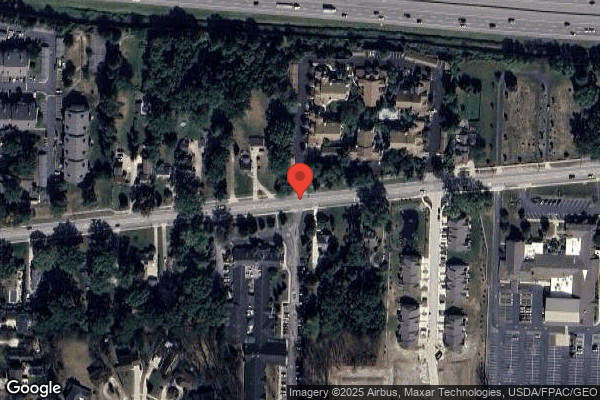
28303 DETROIT RD, WESTLAKE, OH 44145 (440) 871-0500
For profit - Corporation 130 Beds Independent Data: November 2025
Trust Grade
65/100
#326 of 913 in OH
Last Inspection: February 2024

Within standard 12-15 month inspection cycle. Federal law requires annual inspections.

Overview

Raé-Ann Westlake has a Trust Grade of C+, indicating it is slightly above average but not without issues. It ranks #326 out of 913 nursing homes in Ohio, placing it in the top half, and is #32 of 92 in Cuyahoga County, meaning there are only a handful of local options that perform better. The facility is improving, having reduced the number of issues from 7 in 2023 to 6 in 2024. However, it has a staffing rating of only 2 out of 5 stars, with a turnover rate of 46%, which is slightly better than the state average. On the positive side, Raé-Ann Westlake has not incurred any fines, which is encouraging, and it has average RN coverage, providing essential oversight for resident care. Some concerning findings include a serious incident where a resident fell while showering unattended, leading to a fractured shoulder, and issues with food safety and infection control practices that could affect multiple residents. Overall, while there are strengths in its lack of fines and improving trend, families should be aware of these significant weaknesses in care practices and staffing.

Trust Score
C+
65/100
In Ohio
#326/913
Top 35%
Safety Record
Moderate
Needs review
Inspections
Getting Better
7 → 6 violations
Staff Stability
⚠ Watch
46% turnover. Above average. Higher turnover means staff may not know residents' routines.
Penalties
✓ Good
No fines on record. Clean compliance history, better than most Ohio facilities.
Skilled Nurses
○ Average
Each resident gets 35 minutes of Registered Nurse (RN) attention daily — about average for Ohio. RNs are the most trained staff who monitor for health changes.
Violations
⚠ Watch
21 deficiencies on record. Higher than average. Multiple issues found across inspections.
★★★★☆
4.0
Overall Rating
★★☆☆☆
2.0
Staff Levels
★★★★☆
4.0
Care Quality
★★★★☆
4.0
Inspection Score
Stable
2023: 7 issues
2024: 6 issues

The Good

  • 4-Star Quality Measures · Strong clinical quality outcomes
  • Full Sprinkler Coverage · Fire safety systems throughout facility
  • No fines on record

Facility shows strength in quality measures, fire safety.

The Bad

Staff Turnover: 46%

Near Ohio avg (46%)

Higher turnover may affect care consistency

The Ugly 21 deficiencies on record

1 actual harm
Feb 2024 6 deficiencies
CONCERN (D)

Potential for Harm - no one hurt, but risky conditions existed

ADL Care (Tag F0677)

Could have caused harm · This affected 1 resident

**NOTE- TERMS IN BRACKETS HAVE BEEN EDITED TO PROTECT CONFIDENTIALITY** Based on observation, staff and resident interview, and record review the facility failed to ensure Resident #152 received timel...

Read full inspector narrative →
**NOTE- TERMS IN BRACKETS HAVE BEEN EDITED TO PROTECT CONFIDENTIALITY** Based on observation, staff and resident interview, and record review the facility failed to ensure Resident #152 received timely incontinence care. This affected one (Resident #152) of two residents reviewed for incontinence care. The facility census was 110. Findings include: Review of the medical record for Resident #152 revealed she was admitted to the facility on [DATE] with diagnoses that included malignant neoplasm of anterior wall of bladder, COVID-19, and chronic obstructive pulmonary disease. Review of the Minimum Data Set (MDS) assessment dated [DATE] revealed Resident #152 had a Brief Interview for Mental Status (BIMS) score of 15 that indicated she was alert and oriented to person, place, and time, and was dependent on staff for activities of daily living (ADLs). Review of the care plan dated 01/04/24 revealed Resident #152 had a self-care performance deficit related to ambulatory dysfunction and cervical myelopathy with interventions that included provide physical assistance with toileting of two persons and use bell to call for assistance. Review of the progress note dated 01/30/24 at 10:46 A.M. revealed Resident #152 required assistance with ADLs and transfers. Observation on 02/06/24 at 10:00 A.M. revealed Resident #152's call light was activated. Observation and interview on 02/06/24 at 10:09 A.M. revealed Resident #152 was sitting in her room with the call light still activated. Resident #152 revealed she activated her call light because she needed to use the bed pan but had already urinated on herself. Resident #152 revealed she had been waiting 15 minutes. Observation and interview on 02/06/24 at 10:10 A.M. revealed State Tested Nursing Assistant (STNA) #817 entered Resident #152 room and stated she could not change her by herself and that she needed help and would return. STNA #817 revealed Resident #152 was unable to walk and required two staff to assist for toileting. Observation and interview on 02/06/24 at 10:38 A.M. with Resident #152 revealed her call light was still activated and she still needed incontinence care assistance. Resident #152 revealed she wanted to be cleaned up prior to her visitors arriving but no staff had returned. Observation and interview on 02/06/24 at 10:44 A.M. with the Director of Nursing (DON) confirmed Resident #152's call light was activated and Resident #152 needed assistance to the bathroom. Observation revealed Resident #152 waited approximately 45 minutes for staff assistance after activating her call light. Follow-up Interview on 02/06/24 at 11:15 A.M. with STNA #817 revealed she was aware Resident #152 needed assistance to the bathroom but she was helping another resident with a shower and Resident #152 had to wait.
CONCERN (D)

Potential for Harm - no one hurt, but risky conditions existed

Deficiency F0692 (Tag F0692)

Could have caused harm · This affected 1 resident

**NOTE- TERMS IN BRACKETS HAVE BEEN EDITED TO PROTECT CONFIDENTIALITY** Based on observation, interview, and record review the facility failed to ensure Resident #6 was receiving an adequate amount of...

Read full inspector narrative →
**NOTE- TERMS IN BRACKETS HAVE BEEN EDITED TO PROTECT CONFIDENTIALITY** Based on observation, interview, and record review the facility failed to ensure Resident #6 was receiving an adequate amount of fluids to meet her basic needs. This affected one of one resident reviewed for hydration. The facility census was 110. Findings include: Medical record review revealed Resident #6 was admitted into the facility on [DATE] with diagnoses of unspecified dementia, and disorders of electrolyte and fluid balance. Review of the Minimum Data Set (MDS) 3.0 assessment dated [DATE] revealed Resident #6 was severely cognitively impaired and required hands on assistance of two staff persons for completing activities of daily living. Observation on 02/05/24 at 11:22 A.M. revealed Resident #6 sitting in a Broda wheelchair (a wheelchair that provides supportive positioning through a combination of tilt, recline, enhancing patient safety and support) in her room, a Styrofoam cup with a lid and a straw filled with water was sitting on the bedside table placed behind Resident #6, where she was unable to reach it. Observation on 02/06/24 at 10:42 A.M. revealed two Styrofoam cups of water with lids and straws in them sitting on Resident #6 bedside table. Resident #6 was not in her room. Further observation revealed Resident #6 sitting in the dining room in a Broda wheelchair pushed up to a dining room table with no drinks or beverages present. Observation on 02/06/24 at 2:57 P.M. revealed Resident #6 sleeping in her bed with a fall mat lying next to the bed and a bedside table placed next to a wall by the bathroom. There were no beverages present in Resident #6's room. Observation on 02/06/24 at 5:21 P.M. revealed Resident #6 sitting in the dining room in a Broda wheelchair placed at a table, no beverages were present. Observation on 02/07/24 at 8:13 A.M. revealed Resident #6 's room had no beverages present. Observation on 02/07/24 at 8:14 A.M. revealed Resident #6 sitting in a Broda wheelchair in the dining room, with no beverages present. An interview on 02/02/24 at 10:44 A.M., revealed Resident #6 expressed that she was thirsty. Interview on 02/05/24 at 11:11 A.M. with Residents #6's family member revealed when the family member visited Resident #6, there was never any beverages present. The family member said each time she visited Resident #6, she had to get her a cup of water because Resident #6 told the family member she was thirsty each visit. Interview on 02/06/24 at 10:48 A.M. with Licensed Practical Nurse (LPN) #899 revealed she tried to interact with the residents and ask if they were thirsty including Resident #6. LPN #899 further stated activities was also incorporated in helping with providing beverages. Interview on 02/06/24 at 10:53 A.M. with Activities Director (AD) #946 revealed she passed water out to the residents first thing in the morning between 8:00 A.M. to 8:45 A.M. AD #946 said a lot of times the aides helped serve the residents water that needed assistance. AD #946 further stated the aides should be passing the water and she was not sure why there was no water or beverages in front of Resident #6. AD #946 further stated she just recently got her position, and really, it was the aide's job to make sure the residents had water. Review of Resident #6 fluid intake record from January 2024 to February 2024 revealed: 01/25/24 Resident #6 had a total daily intake of 960 milliliter (ml). 01/26/24 Resident #6 had a total daily intake of 720 ml. 01/27/24 Resident #6 had a total daily intake of 1200 ml. 01/28/24 Resident #6 had a total daily intake of 720 ml. 01/29/24 Resident #6 had a total daily intake of 720 ml. 01/30/24 Resident #6 had a total daily intake of 490 ml. 01/31/24 Resident #6 had a total daily intake of 720 ml. 02/01/24 Resident #6 had a total daily intake of 742 ml. 02/02/24 Resident #6 had a total daily intake of 340 ml. 02/03/24 Resident #6 had a total daily intake of 486 ml. 02/04/24 Resident #6 had a total daily intake of 406 ml. 02/05/24 Resident #6 had a total daily intake of 484 ml. 02/06/24 Resident #6 had a total daily intake of 484 ml. Interview on 02/07/24 at 8:44 A.M. with Licensed Dietician (LD)#857 revealed that minimum fluids were calculated using the current standards of practice. LD #857 explained the current standard of practice was 30 (ml) per kilogram (kg) of body weight. (LD) #857 confirmed using the current standards of practice calculations Resident #6 should be receiving approximately 1200 ml of fluid per day, and verified the contents of the fluid intake records listed above were correct.
CONCERN (D)

Potential for Harm - no one hurt, but risky conditions existed

Deficiency F0700 (Tag F0700)

Could have caused harm · This affected 1 resident

Based on observation, record review, and interview, the facility failed to ensure residents received appropriate assessment before applying side rails to a bed. This affected one (Resident #44) of fiv...

Read full inspector narrative →
Based on observation, record review, and interview, the facility failed to ensure residents received appropriate assessment before applying side rails to a bed. This affected one (Resident #44) of five residents reviewed for accident hazards. The total census was 110. Findings include: Observation on 02/05/24 at 9:34 A.M. revealed Resident #44 had a raised side rail on each side of his bed. Record review of Resident #44 revealed he was admitted to the facility 11/14/23 and had diagnoses including lumbar fracture, muscle weakness, and obesity. His current care plan did not include any mention of side rails. Review of his assessments since admission revealed no evidence he was assessed for entrapment risk or appropriate use of bed rails. Interview with the Director of Nursing on 02/07/24 at 12:24 P.M. confirmed the above findings.
CONCERN (D)

Potential for Harm - no one hurt, but risky conditions existed

Deficiency F0760 (Tag F0760)

Could have caused harm · This affected 1 resident

**NOTE- TERMS IN BRACKETS HAVE BEEN EDITED TO PROTECT CONFIDENTIALITY** Based on record review, medication error/incident report review, order summary review, facility investigation time line review a...

Read full inspector narrative →
**NOTE- TERMS IN BRACKETS HAVE BEEN EDITED TO PROTECT CONFIDENTIALITY** Based on record review, medication error/incident report review, order summary review, facility investigation time line review and staff interview the facility failed to ensure residents were free from significant medication errors. This affected one (Resident #101) of one resident reviewed for admission medications and one (Resident #71) of five residents reviewed for unnecessary medications. Findings include: 1. Medical record review revealed Resident #101 was admitted to the facility on [DATE] with diagnoses that included encephalopathy, epilepsy and unspecified intellectual disabilities. Review of the Medicare five day Minimum Data Set (MDS) assessment dated [DATE] revealed Resident #101 was moderately cognitively impaired and required hands on assistance of one staff person for completing activities of daily living (ADLs). Review of the medication error/incident report dated 11/17/23 timed 2:00 P.M. revealed Resident #101 was admitted to the facility on the evening of 11/16/23. On the following day the facility conducted a 24 hour medication audit per its standard policy. Upon completing the audit it was revealed that Resident #101 was sent to the facility from a hospital with another resident's clinical information and medication. At the time of admission nursing staff verified the incorrect medication orders with Resident #101's attending physician. Subsequently Resident #101 received incorrect medication on the evening of 11/16/23 between 5:30 P.M. and 6:00 P.M. These medications included Lisinopril (blood pressure regulating medication) 20 milligrams (mg), Metoprolol Succinate 25 mg (blood pressure regulating medication), Hydralazine (blood pressure regulating medication) 25 mg, insulin 55 units, acetaminophen (pain reliever) 650 mg, Spironolactone (blood pressure/fluid regulating medication) 50 mg, Allopurinol (gout treatment) 300 mg, Amlodipine (blood pressure regulating medication) 25 mg, aspirin (pain reliever) 81 mg and Furosemide (fluid retention treatment) 80 mg. Upon realizing the errors Resident #101 was immediately assessed (no negative finding) and put on hourly checks which also produced no negative findings. Resident #101's attending physician and family were notified of the errors. Correct medication lists were obtained from a local hospital and re-verified with Resident #101's physician. Resident #101's family requested that Resident #101 be sent to a local emergency room for evaluation. Resident #101 left the facility without incident on 11/17/23 at approximately 5:00 P.M. Resident #101 did not return to the facility. Review of an order summary for Resident #101 dated 11/17/23 timed 2:24 P.M. revealed Resident #101's medications included acetaminophen extended release 650 mg twice a day, Allopurinol 300 mg once daily, amlodipine besylate 5 mg once daily and ammonium lactate external lotion 12 percent topically twice a day. Review of the facility investigation time line of events dated 01/17/24 revealed on 11/17/23 at 4:20 P.M. Resident #101 was alert and in dining room participating in activities, eating snack and drinking fluids. At 3:07 P.M. Resident 101's vitals included blood pressure 74/59, heart rate 98, respirations 18, and blood sugar 125. The nurse practitioner was notified and ordered Miderine (anti-hypotensive agent). The family declined administration of Miderine and wanted resident sent to emergency room. At 3:20 P.M. emergency services arrived and conducted an assessment of Resident #101. Blood pressure was 118/84. Family talked with paramedics debating on sending to the hospital or continuing to monitor at facility. It was decided to send to hospital. The Director of Nursing (DON) called the daughter on 11/18/23 to check on resident and was told Resident #101 was monitored overnight and given intravenous fluids. Interview with the DON on 02/07/24 at 3:00 P.M. verified that incorrect medications were given to Resident #101 upon her admission to the facility. Review of the policy entitled Administering Medications dated 04/01/19 revealed Medications are administered in accordance with prescriber orders, including any required time frame. 2. Record review of Resident #71 revealed she was admitted [DATE] and had diagnoses including anxiety disorder, dementia, major depressive disorder, and bipolar schizoaffective disorder. Review of a physician order dated 01/31/24 indicated the resident was to receive Paxil (an antidepressant) 10 milligrams for seven days until 02/06/24. Review of the medication administration record revealed the dose was only administered on 01/31/24. Review of Resident #71's progress notes and orders revealed no cancellation or other explanation why the medication was not given the remaining six days. Interview with the Director of Nursing (DON) on 02/07/24 at 12:24 P.M. confirmed the above findings. Follow-up interview with the DON on 02/07/24 at 1:59 P.M. revealed the facility investigation found the order was entered incorrectly into their computer documentation system.
CONCERN (D)

Potential for Harm - no one hurt, but risky conditions existed

Medical Records (Tag F0842)

Could have caused harm · This affected 1 resident

**NOTE- TERMS IN BRACKETS HAVE BEEN EDITED TO PROTECT CONFIDENTIALITY** Based on record review and staff interview the facility failed to ensure a complete and accurate medical record for Resident #10...

Read full inspector narrative →
**NOTE- TERMS IN BRACKETS HAVE BEEN EDITED TO PROTECT CONFIDENTIALITY** Based on record review and staff interview the facility failed to ensure a complete and accurate medical record for Resident #101. This affected one of thirty sampled residents. The facility census was 110. Findings include: Medical record review revealed Resident #101 was admitted to the facility on [DATE] with diagnoses that included encephalopathy, epilepsy and unspecified intellectual disabilities. Review of the Medicare five day Minimum Data Set (MDS) assessment dated [DATE] revealed Resident #101 was moderately cognitively impaired and required hands on assistance of one staff person for completing activities of daily living (ADLs). Review of census records for Resident #101 revealed Resident #101 was discharged to an acute care hospital on [DATE] and did not return to the facility. Review of the electronic and hard chart revealed no information related to the reason Resident #101 was discharged to hospital or condition at the time Resident #101 left the facility to go to the hospital. Interview with the Director of Nursing on 02/07/24 at 3:11 P.M. verified Resident #101's medical record lacked any information related to what lead up to the resident being transferred to the hospital or condition at time of discharge.
CONCERN (D)

Potential for Harm - no one hurt, but risky conditions existed

Smoking Policies (Tag F0926)

Could have caused harm · This affected 1 resident

**NOTE- TERMS IN BRACKETS HAVE BEEN EDITED TO PROTECT CONFIDENTIALITY** 2. Review of the medical record for Resident #58 revealed the resident was admitted into the facility on [DATE] with diagnoses i...

Read full inspector narrative →
**NOTE- TERMS IN BRACKETS HAVE BEEN EDITED TO PROTECT CONFIDENTIALITY** 2. Review of the medical record for Resident #58 revealed the resident was admitted into the facility on [DATE] with diagnoses including muscle weakness and multiple sclerosis. Review of the annual quarterly Minimum Data Set (MDS) 3.0 assessment dated [DATE] revealed Resident #58 was cognitively intact, and required maximal/substantial assist for activities of daily living. Further review of the medical record revealed Resident #58 used tobacco products and was assessed to be an independent smoker upon admission on [DATE]. No other smoking assessments were noted in the medical record. Interview on 02/07/24 at 11:30 A.M. with the Executive Director (ED) confirmed Resident #58 had a smoking assessment completed on 09/20/21 when she was admitted to the facility and no other smoking assessments were completed until 02/01/24. Review of the Smoking Policy dated 1/30/24 revealed All residents will be asked about tobacco use during the admission process and during each quarterly or comprehensive MDS assessment process. In addition, Residents who smoke will be further assessed using the Screen for Smoking assessment to determine whether or not supervision is required for smoking, or if resident is safe to smoke at all. Based on observation, record review, staff and resident interview, and policy review, the facility failed to ensure smoking assessments and care plans were completed in a timely manner. This affected two residents (#58 and #152) of two reviewed for smoking. The facility identified twelve residents (#2, #22, #24, #42, #58, #59, #68, #92, #102, #103, #104, #152) who smoked. The facility census was 110. Findings include: 1. Review of the medical record for Resident #152 revealed she was admitted to the facility on [DATE] with diagnoses that included malignant neoplasm of anterior wall of bladder, COVID-19, and chronic obstructive pulmonary disease. Review of the Minimum Data Set (MDS) assessment dated [DATE] revealed Resident #152 had a Brief Interview for Mental Status (BIMS) score of 15 that indicated she was alert and oriented to person, place, and time, and was dependent on staff for activities of daily living (ADLs). Review of the care plan dated 01/04/24 revealed Resident #152 had no care plan in place for smoking. Review of the progress note dated 01/03/24 at 5:58 P.M. revealed Resident #152 was a smoker. Interview on 02/06/24 at 2:11 P.M. with Registered Nurse (RN) #923 revealed Resident #152 was a smoker upon admission and utilized the designated smoking area daily. RN #923 confirmed there was not a smoking assessment or care plan for Resident #152 in paper chart or electronic medical record. Interview on 02/06/24 at 2:19 P.M. with the Director of Nursing (DON) and the Administrator revealed the Activities Director (AD) #832 was responsible for completing the smoking assessments and was behind in completing them. Follow-up review of the medical record revealed an updated care plan dated 02/06/24 that reflected Resident #152 was a smoker and was safe to smoke with group supervision. Review of the facility document titled Screen for Smoking revealed Resident #152 was screened and assessed for smoking, approximately 29 days after admitting to the facility. Review of the facility document titled Resident Smoking revised 01/30/24, revealed the facility had a policy in place to provide a safe and healthy environment for residents, visitors, and employees, including safety as related to smoking. Review of the policy revealed residents who smoked would be assessed during the admission process, quarterly and during comprehensive MDS assessments and documented in the resident's care plan. Review of the document revealed the facility did not implement the policy.
Nov 2023 1 deficiency
CONCERN (E) 📢 Someone Reported This

A family member, employee, or ombudsman was alarmed enough to file a formal complaint

Potential for Harm - no one hurt, but risky conditions existed

Infection Control (Tag F0880)

Could have caused harm · This affected multiple residents

Based on observation, staff interview, record review, and policy review, the facility failed to maintain infection control practices to prevent the potential spread of COVID-19. This had the potential...

Read full inspector narrative →
Based on observation, staff interview, record review, and policy review, the facility failed to maintain infection control practices to prevent the potential spread of COVID-19. This had the potential to affect 16 (#89, #24, #51, #68, #41, #96, #99, #5, #57, #9, #93, #74, #66, #73, #75, and #30) of 16 residents residing on the affected hall. The facility census was 101. Findings include: Review of the medical record for Resident #89 revealed an admission date of 09/12/22, with a current diagnosis of COVID-19. Review of the Annual Minimum Data Set (MDS) for Resident #89 dated 09/06/23, revealed Resident #89 was cognitively intact. Resident #89 required assistants, was not steady, and used a wheelchair for mobility. Review of the Care Plan for Resident #89 dated 11/07/23 revealed Resident #89 had an active COVID-19 diagnosis. Interventions included to maintain infection control per Centers of Disease Control (CDC) Prevention guidelines latest recommendations. Review of the physician orders for Resident #89 dated 11/07/23 revealed droplet precautions due to COVID-19 infection. Interview on 11/13/23 at 3:25 P.M., with Housekeeper #297 revealed Resident #89 was on isolation for COVID-19. Observation and interview beginning on 11/13/23 at 3:26 P.M., revealed Resident #89 had a sign on his door which revealed droplet precautions. Resident #89 had an isolation cart sitting next to the entrance of his doorway. Observation revealed Housekeeper #297 donned Personal Protective Equipment (PPE) to enter and clean Resident #89's room. Housekeeper #297 donned gloves, a gown, and an N95 mask. Housekeeper #297 did not put on goggles or a face shield. Housekeeper #297 entered Resident #89's room with cleaning supplies. Housekeeper #297 began wiping items down in Resident #89's room. Housekeeper #297 then exited the room with her same gown, gloves, and mask, went into the hall where the cleaning cart was located, (in the middle of the hall, outside of Resident #89's room), grabbed additional supplies off the housekeeping cleaning cart, (touching multiple items on the cart) then reentered Resident #89's room to continue cleaning. Within a few minutes, Housekeeper #297 again exited Resident #89's room with her same PPE on, went back to the housekeeping cart and gathered more supplies (after touching several items on the cart) then re-entered Resident #89's room with new supplies. Again, after a few minutes of cleaning in Resident #89's room, Housekeeper #297 again exited Resident #89's room, with the same PPE on (did not remove PPE or wash her hands), went back to the housekeeping cart and grabbed the broom and mop then reentered Resident #89's room. The Administrator walked by and witnessed and verified Housekeeper #297 exited Resident #89's room without removing the PPE and reentering Resident #89's room with the cleaning supplies and no face shield or goggles. The Administrator verified there were no face shields or goggles on Resident #89's isolation cart located at the entrance of his room. The Administrator obtained a face shield and instructed Housekeeper #297 on the appropriate PPE to be donned before entering a room with COVID-19 and instructed her she should not be exiting the room without removing the PPE and washing her hands. Housekeeper #297 donned the face shield and completed cleaning Resident #89's room. Housekeeper #297 then removed the PPE, exited Resident #89's room, the put the used, uncleaned face shield back into the isolation cart. The Administrator was present during the observation. Interview at this time, with Housekeeper #297 and the Administrator verified the face shield was not cleaned prior to placing it in the isolation cart with other clean PPE supplies. Observation and interview on 11/13/23 at 3:50 P.M., with Housekeeper #297 who revealed Resident #89's room was the last room to be cleaned. Housekeeper #297 placed the used rags and the unused rags in a separate bag to be sent to laundry. Emptied the mop water in the housekeeping soiled utility room, emptied trash from the housekeeping cart, took the trash to the dumpster outside the facility and returned to the housekeeping cart. Housekeeper #297 then placed the housekeeping cart in the utility room to be stored with five other housekeeping carts. Housekeeper verified she used a clean mop head for each room and used the same broom and dustpan for each room. Housekeeper #297 then left the storage area and revealed she was done cleaning. Housekeeper #297 confirmed she did not clean the cart, broom, dustpan, or mop handles after she touched each of them while cleaning Resident #89's room. Housekeeper #297 revealed the housekeeping carts were cleaned every other day. Housekeeper #297 confirmed she did not use hand sanitizer or wash her hands after emptying the mop water, taking the trash out and removing the soiled rags from the housekeeping cart. Interview on 11/13/23 at 5:00 P.M., with Administrator revealed housekeeping carts were assigned to specific units. Administrator revealed Housekeeper #297's cart was used for cleaning 15 resident rooms, Resident #24, #51, #68, #41, #96, #99, #5, #57, #9, #93, #74, #66, #73, #75, and #30 that were not diagnosed with COVID-19, daily. Review of the policy titled PPE-Contingency and Crises Use of Eye Protection (COVID-19 Outbreak), revised September 2021, revealed to prevent transmission of infectious agents through the use of PPE included eye protection, gloves, masks, and gowns. Ensure appropriate cleaning and disinfection between users if goggles or reusable face shields are used. This deficiency represents non-compliance investigated under Complaint Number OH00148191 and the Focused Infection Control Survey.
Jul 2023 2 deficiencies
CONCERN (D) 📢 Someone Reported This

A family member, employee, or ombudsman was alarmed enough to file a formal complaint

Potential for Harm - no one hurt, but risky conditions existed

Pressure Ulcer Prevention (Tag F0686)

Could have caused harm · This affected 1 resident

**NOTE- TERMS IN BRACKETS HAVE BEEN EDITED TO PROTECT CONFIDENTIALITY** Based on observation, record review and interview the facility failed to consistently ensure Resident #66's wound treatment was ...

Read full inspector narrative →
**NOTE- TERMS IN BRACKETS HAVE BEEN EDITED TO PROTECT CONFIDENTIALITY** Based on observation, record review and interview the facility failed to consistently ensure Resident #66's wound treatment was maintained and Resident #75's dressing to prevent skin breakdown was maintained. This affected two of three residents reviewed for pressure ulcers. The facility census was 97. Findings include: 1. Medical record review revealed Resident #75 was admitted on [DATE] with diagnoses including nontraumatic subarachnoid hemorrhage, cerebral infarction (stroke), chronic respiratory failure, neuromuscular dysfunction of bladder, hydrocephalus epilepsy and anemia. Resident #75's physician order dated 05/11/23 indicated to cleanse Resident #75's sacral wound with normal saline, pat dry, apply 50/50 mix triad and calmoseptine and then cover the wound with a foam dressing once a day for wound care. Resident #75's Treatment Administration Record (TAR) dated 07/01/23 to 07/31/23 indicated Resident #75's wound treatment was applied to the sacral area during the night shift hours from 11:00 P.M. to 7:00 A.M. on 07/24/23. Resident #75's plan of care dated 04/25/23 indicated Resident #75 had actual/potential impairment of skin integrity related to lack of mobility, respiratory failure and muscle weakness. Interventions on the plan of care included to follow facility protocols for treatment of skin injury. An observation of Resident #75's sacral wound on 07/25/23 at 4:50 P.M. revealed there was no wound treatment in place on Resident #75's sacral wound. State Tested Nursing Assistant (STNA) # 102 and Licensed Practical Nurse (LPN) #103 entered Resident #75's room to provide incontinence care for Resident #75. When Resident #75's bed linens were removed Resident #75's incontinence brief was soaked with urine and leaked on the under pad on Resident #75's bed. When STNA #102 and LPN #103 removed Resident #75's incontinence brief there was no wound treatment present on Resident #75's sacral area. Resident #75's sacral area had a white colored scarred area with a small reddened center approximately the size of a 50 cent piece coin. At the time of the observation on 07/25/23 at 4:50 P.M. both STNA #102 and LPN #103 verified there was no wound treatment present on Resident #75's sacral/coccyx area. 2. Resident #66 was admitted on [DATE] with diagnoses including osteomyelitis of lumbar vertebra, discitis, escherichia coli infection, severe protein calorie malnutrition, diabetes mellitus, alcoholic cirrhosis of the liver with ascites, spinal stenosis, chronic viral hepatitis C, retroperitoneal abscess, neuromuscular dysfunction of the bladder, high blood pressure, need for assistance with personal care, limitation of activities due to disability and reduced mobility. Resident #66's wound assessment dated [DATE] indicated a stage four pressure ulcer was located on the coccyx measuring 4.2 centimeters (cm) long by 3.4 cm wide by 1.6 cm deep with undermining at the 10 o'clock and 12 o'clock position with yellow slough (dead tissue). The coccyx wound was noted to have an odor. The assessment indicated the area had worsened due to Resident #66's recent hospitalization. The treatment on the assessment indicated to cleanse the wound with Vashe wash, pack wound with calcium alginate rope and cover with a foam dressing once a day and as needed. The assessment indicated Resident #66 should only be out of bed and up to a chair for two hour increments. Resident #66's plan of care dated 04/21/23 indicated Resident #66 had skin impairment noted on admission to the facility. Interventions on the plan of care indicated to apply wound treatment and maintain wound treatment as ordered by the physician. An observation of Resident #66's wound treatment on 07/25/23 at 4:00 P.M. revealed there was no wound treatment present on Resident #66's sacral/coccyx area covering the stage four pressure ulcer. LPN #104 and STNA #105 assisted Resident #66 to a standing position and removed his incontinence brief. There was no wound treatment present on Resident #66's sacral wound. Resident #66's sacral wound had a large dinner plate sized red area with a quarter sized open area on the coccyx with yellow slough present with exposed bone. An interview with STNA #105 following the wound treatment on 07/25/23 at 4:05 P.M. verified there was no wound treatment present on Resident #66's sacral area when Resident #66's incontinence brief was removed. An interview with STNA #106 on 07/25/23 at 5:04 P.M. revealed Resident #66 had a large bowel movement before lunch at approximately 12:00 P.M. and she had provided incontinence care. STNA #106 stated Resident #66's wound treatment had become soiled and was removed during the incontinence care and STNA #106 had informed the Assistant Director of Nursing (ADON) of the need to have the wound treatment reapplied. An interview with the ADON on 07/26/23 at 1:24 P.M. revealed STNA #106 had informed her on 07/25/23 at approximately 2:00 P.M. to 2:30 P.M. that Resident #66's wound treatment had become soiled and was removed during incontinence care and needed reapplied. The ADON stated she informed LPN #107 of the need to apply the wound treatment and the decision was made to reapply the wound treatment at on 07/25/23 at 4:00 P.M. with the oncoming nurse (LPN #104). The ADON stated she was unaware STNA #106 had provided Resident #66 incontinence care before lunch at approximately 12:00 P.M. The ADON agreed Resident #66's wound treatment was not in place from approximately 12:00 P.M. to 4:00 P.M. on 07/25/23 and should have been immediately reapplied due to Resident #66's stage four pressure ulcer with osteomyelitis (bone infection). Review of the facility policy and procedure titled Prevention of Pressure Injuries revealed teh policy included skin care for prevention of pressure ulcers. The interventions included in the skin prevention included: 1. Keep the skin clean and hydrated. 2. Clean promptly after episodes of incontinence. 3. Use a barrier product to protect skin from moisture. 4. Use incontinence products with high absorbency. 5. Do not rub or otherwise cause friction on skin that is at risk of pressure injuries. 6. Use facility-approved protective dressings for at risk individuals. This deficiency represents non-compliance investigated under Master Complaint Number OH00144047 and OH00143949.
CONCERN (D) 📢 Someone Reported This

A family member, employee, or ombudsman was alarmed enough to file a formal complaint

Potential for Harm - no one hurt, but risky conditions existed

Infection Control (Tag F0880)

Could have caused harm · This affected 1 resident

**NOTE- TERMS IN BRACKETS HAVE BEEN EDITED TO PROTECT CONFIDENTIALITY** Based on observation and interview the facility failed to maintain infection control standards to prevent potential cross contam...

Read full inspector narrative →
**NOTE- TERMS IN BRACKETS HAVE BEEN EDITED TO PROTECT CONFIDENTIALITY** Based on observation and interview the facility failed to maintain infection control standards to prevent potential cross contamination of germs during Resident #72's and Resident #26's medication administration. This affected two out of five residents observed for medication administration. The facility census was 97. Findings include: 1. Medical record review revealed Resident #72 was admitted on [DATE] with diagnoses including cerebral vascular disease, hemiplegia, hemiparesis, vascular dementia, pulmonary and heart disease with heart arrhythmia and anemia. Resident #72's physician order dated 06/08/21 indicated to administer acetaminophen 650 milligrams (mg) orally every six hours as needed for pain. Resident #72's Medication Administration Record (MAR) dated 07/01/23 to 07/31/23 revealed on 07/25/23 at 11:18 A.M. Resident #72 had a pain level of 6 out of 10 on a scale of 1 to 10 with 10 indicating extreme pain. An observation on 07/25/23 at 11:15 A.M. of Licensed Practical Nurse (LPN) #100 administer Resident #72 acetaminophen 650 mg orally for a complaint of a headache revealed a failure of LPN #100 to wash or sanitize her hands before dispensing the medication and after completion of the task. LPN #100 approached the medication cart and proceeded to remove the acetaminophen medication without washing or sanitizing her hands before starting the task. LPN #100 preceded to dispense Resident #72's acetaminophen in a medication cup and then walked to Resident #72's room and handed the medication cup to Resident #72. After Resident #72 consumed the medication LPN #100 discarded the empty medication cup in the trash receptacle and exited the room without washing or sanitizing her hands. An interview with LPN #100 immediately following the observation on 07/25/23 at 11:20 A.M. verified she should have washed or sanitized her hands prior to starting the medication administration task and before exiting Resident #72's room. A review of the facility policy and procedure titled Handwashing/Hand Hygiene dated 08/2019 indicated the policy interpretation and implementation steps including the following guidance: 1. All personnel shall be trained on the importance of hand hygiene in preventing the transmission of healthcare-associated infections. 2. All personnel shall follow the handwashing/hand hygiene procedures to help prevent the spread of infections to other personnel, residents, and visitors. 3. Hand hygiene products and supplies (sinks, soap, towels, alcohol-based hand rub, etc.) shall be readily accessible and convenient for staff use to encourage compliance with hand hygiene policies. 4. Use an alcohol-based hand rub containing at least 62% alcohol; or, alternatively, soap (antimicrobial or non-antimicrobial) and water for the following situations: a. Before and after direct contact with residents; b. Before preparing or handling medications; c. Before performing any non-surgical invasive procedures; d. Before and after handling an invasive device (e.g., urinary catheters, IV access sites); e. Before donning sterile gloves; f. Before handling clean or soiled dressings, gauze pads, etc.; g. Before moving from a contaminated body site to a clean body site during resident care; h. After contact with a resident's intact skin; i. After contact with blood or bodily fluids; j. After handling used dressings, contaminated equipment, etc.; k. After contact with objects (e.g., medical equipment) in the immediate vicinity of the resident; l. After removing gloves; m. Before and after entering isolation precaution settings; n. Before and after assisting a resident with meals; and o. After personal use of the toilet or conducting your personal hygiene. 2. Medical record review revealed Resident #26 was admitted on [DATE] with diagnoses including diabetes mellitus, pulmonary and heart disease with heart failure, peripheral vascular disease, chronic pain and depression. Resident #26's physician order dated 12/27/22 indicated to administer percocet (medication for pain) 5 mg/325 mg tablet orally every six hours as needed for severe pain. A review of Resident #26's MAR dated 07/01/23 to 07/31/23 indicated Resident #26 had a pain level of 3 out of 10 on a scale of 1 to 10 with 10 indicating extreme pain on 07/26/23 at 7:57 A.M. An observation on LPN #101 administer Resident #26's medications on 07/26/23 at 7:52 A.M. revealed LPN #101 was dispensing Resident #26's percocet medication and punched the percocet tablet out of the medication card on to the medication cart surface. LPN #101 proceeded to use a glove to pick up the medication off the medication cart and placed the medication in the medication cup and proceeded to enter Resident #26's room and administered the percocet medication to Resident #26. Immediately following the observation on 07/26/23 at 8:00 A.M. LPN #101 verified the above findings and agreed he should have discarded the percocet medication and should not have administered the potentially contaminated percocet to Resident #26.
Jun 2023 2 deficiencies
CONCERN (D) 📢 Someone Reported This

A family member, employee, or ombudsman was alarmed enough to file a formal complaint

Potential for Harm - no one hurt, but risky conditions existed

Accident Prevention (Tag F0689)

Could have caused harm · This affected 1 resident

Based on record review, observation, and interview, the facility failed to ensure safety devices were implemented to prevent falls. This affected one (Resident #79) of three residents reviewed for fal...

Read full inspector narrative →
Based on record review, observation, and interview, the facility failed to ensure safety devices were implemented to prevent falls. This affected one (Resident #79) of three residents reviewed for falls. The census was 97. Findings Include: Review of medical record for Resident #79 revealed an admission date of 11/21/21. Diagnoses included Parkinson's disease, morbid obesity, anxiety disorder and mild cognitive impairment. Review of the quarterly Minimum Data Set (MDS) assessment, dated 12/06/22, revealed Resident #79 had intact cognition. Resident #79 required extensive assistance for bed mobility, transfers, locomotion, and toilet use. Review of the plan of care dated 12/15/21 revealed Resident #79 was at risk for falls due to psychoactive drug use, history of falling, impaired balance, weakness, and Parkinson's disease. Interventions included to ensure call light was in reach and apply a sensor pad to the bed and wheelchair dated 01/26/23. Review of fall assessments dated 02/01/23 and 05/16/23 revealed Resident #79 was at high risk for falls. Review of the incident log revealed Resident #79 had falls on 01/26/23, 04/14/23 and 05/29/23. Review of the progress note dated 01/26/23 timed 7:20 P.M. revealed Resident #79 was found lying on the floor in pain. Resident #79 stated he was going to the bathroom when he fell. Resident #79 was taken to the hospital for evaluation. A new fall intervention to help prevent further falls included a flat sensor alarm to bed and recliner. Review of the progress note dated 04/14/23 at 7:46 A.M. revealed Resident #79 was observed sitting on the floor, no injuries were noted. Staff educated Resident #79 on calling for assistance before getting up. Review of progress note dated 05/29/23 at 1:23 P.M. revealed Resident #79 was observed lying on the floor on his right side. Resident #79 was unable to verbalize what happened. Resident #79 sustained an abrasion to the right elbow. Interview on 05/31/23 at 3:22 P.M. with the wife of Resident #79 revealed Resident #79 had some falls this year. The wife stated staff were to apply sensor pads to Resident #79's bed and wheelchair but they were lying on the floor and she didn't understand why. Observations on 05/31/23 at 4:07 P.M. revealed Resident #79 was sitting in his wheelchair. Further observation revealed the sensor pad alarm for the wheelchair was under Resident #79's bed frame at the top of the bed. The sensor pad alarm for the bed was on the floor at the opposite side of the bed unplugged. The Administrator observed and confirmed the findings. Review of facility policy titled Falls and Fall Risks, Managing, dated 2018 revealed staff, with the input of the attending physician, would implement a resident-centered fall prevention plan to reduce the specific risk factors for those at risk of falls or with a history of falls. Position-change alarms were not be used as the primary or sole intervention to prevent falls, but rather were to be used to assist the staff in identifying patterns and routines of the resident. This deficiency represents noncompliance investigated under Master Complaint Number OH00142865 and Complaint Number OH00142662.
CONCERN (D) 📢 Someone Reported This

A family member, employee, or ombudsman was alarmed enough to file a formal complaint

Potential for Harm - no one hurt, but risky conditions existed

Medical Records (Tag F0842)

Could have caused harm · This affected 1 resident

**NOTE- TERMS IN BRACKETS HAVE BEEN EDITED TO PROTECT CONFIDENTIALITY** Based on record review and interview, the facility failed to document treatments were completed in the treatment administration ...

Read full inspector narrative →
**NOTE- TERMS IN BRACKETS HAVE BEEN EDITED TO PROTECT CONFIDENTIALITY** Based on record review and interview, the facility failed to document treatments were completed in the treatment administration record (TAR). This affected two (Residents #41 and #65) of six residents reviewed. Findings include: 1. Review of medical record for Resident #41 revealed an admission date of 01/07/23. Diagnoses included acute and chronic respiratory failure, anxiety disorder and tracheostomy status. Review of the quarterly Minimum Data Set (MDS) assessment, dated 05/04/23, revealed Resident #41 had intact cognition and required extensive assistance for bed mobility, transfers, and toilet use. Review of May 2023 TAR for Resident #41 revealed an order dated 01/26/23 for Interdry moisture wicking fabric to abdominal fold one time a day for wound care. There was no documentation the Interdry moisture wicking fabric was applied to the abdominal fold 16 of 31 days. Further review of the TAR revealed an order to apply house stock antifungal cream to bilateral breasts two times a day dated 02/15/23. There was no documentation the antifungal cream was applied 25 of 31 days. An order to cleanse right thigh with normal saline, pat dry, apply collagen powder, followed by silver alginate, and cover dated 04/26/23 was not documented as completed eight of 31 days. Interview on 06/01/23 at 12:45 P.M. with the Director of Nursing (DON) verified the missing documentation. The DON stated it was a challenge working and monitoring agency staff. 2. Review of medical record for Resident #65 revealed an admission date of 09/20/21. Diagnoses included multiple sclerosis, dysphagia, functional urinary incontinence, and other symbolic dysfunctions. Review of the quarterly MDS assessment, dated 04/10/23, revealed Resident #65 had intact cognition, was independent for eating, and required extensive assist for transfers, locomotion, and toilet use. Review of the [NAME] 2023 TAR for Resident #65 revealed an order dated 05/08/23 to 05/15/23 to cleanse coccyx with normal saline, pat dry, apply Triad cream and cover with foam dressing daily. The treatment was not documented as completed four of six days. The same order was re-written on 05/15/23 and was not documented as completed five of the remaining 16 days of the month. An order to apply house barrier cream to bilateral buttocks every shift dated 02/01/23 was not documented as completed 12 of 31 days. Interview on 06/01/23 at 12:45 P.M. with the DON verified the missing documentation. The DON stated it had been a challenge working and monitoring agency staff. This deficiency represents noncompliance investigated under Master Complaint Number OH00142865 and Complaint Number OH00142662.
Apr 2023 1 deficiency
CONCERN (D) 📢 Someone Reported This

A family member, employee, or ombudsman was alarmed enough to file a formal complaint

Potential for Harm - no one hurt, but risky conditions existed

Deficiency F0757 (Tag F0757)

Could have caused harm · This affected 1 resident

**NOTE- TERMS IN BRACKETS HAVE BEEN EDITED TO PROTECT CONFIDENTIALITY** Based on record review, interview, and review of the facility policy the facility failed to ensure mood and behavior monitoring ...

Read full inspector narrative →
**NOTE- TERMS IN BRACKETS HAVE BEEN EDITED TO PROTECT CONFIDENTIALITY** Based on record review, interview, and review of the facility policy the facility failed to ensure mood and behavior monitoring for Resident #12 related to the use of Depakote, a mood stabilizer. This affected one resident (#12) out of three residents reviewed for unnecessary medications. The facility census was 93. Findings include: Review of the medical record for the Resident #12 revealed an admission date of 01/13/22. Diagnoses included dementia with behavioral disturbance, diabetes mellitus, mood affective disorder, mild intellectual disabilities, and Down's syndrome. Review of the quarterly Minimum Data Set (MDS) assessment dated [DATE] revealed Resident #12 had moderately impaired cognition. No behaviors were identified on the MDS. Resident #12 required limited assistance of one-staff for dressing, toilet use, and personal hygiene. Further review of the MDS assessment revealed Resident #12 received antidepressants daily during the seven-day look back period. Review of the family/resident communication note dated 02/08/23 at 8:07 A.M. revealed Resident #12's sister was made aware and in agreement with increase in Depakote from 250 milligrams (mg) twice a day to 375 mg twice a day. Review of the progress notes dated from 01/06/23 to 04/05/23 revealed no progress notes related to Resident #12 having behaviors. Interviews on 04/07/23 from 7:15 A.M. through 2:00 P.M. with Licensed Practical Nurse (LPN) #201, Registered Nurse (RN) #203, and LPN #204 stated behaviors must be documented in the resident's medical record. Interview on 04/08/23 at 12:44 P.M. with Director of Nursing (DON) #205 and Corporate Administrative Nurse (CAN) #208 revealed behaviors for residents were documented in the progress notes and verified there was no documented evidence of behaviors for Resident #12 to justify the increase in Depakote. Review of the facility policy titled Dementia - Clinical Protocol, dated 11/2018, revealed the interdisciplinary team (IDT) will identify and document the resident's condition and level of support needed during care planning and review changing needs as they arise and the physician and staff will review the effectiveness and complications of medications used to try to enhance cognition and manage behavioral and psychiatric symptoms and will adjust, stop, or change such medications as indicated. This deficiency represents non-compliance investigated under Complaint Number OH00141350.
Mar 2023 1 deficiency
CONCERN (E) 📢 Someone Reported This

A family member, employee, or ombudsman was alarmed enough to file a formal complaint

Potential for Harm - no one hurt, but risky conditions existed

Respiratory Care (Tag F0695)

Could have caused harm · This affected multiple residents

**NOTE- TERMS IN BRACKETS HAVE BEEN EDITED TO PROTECT CONFIDENTIALITY** Based on observation, interview, record review and policy review, the facility failed to assure that respiratory supplies inclu...

Read full inspector narrative →
**NOTE- TERMS IN BRACKETS HAVE BEEN EDITED TO PROTECT CONFIDENTIALITY** Based on observation, interview, record review and policy review, the facility failed to assure that respiratory supplies included an extra trach tube and that the tube was available at the bedside for three residents, Residents #10, #69 and #7, out of 10 residents, Residents #94 #40, #62, #5, #86, #29, and #49, reviewed for` tracheostomy supplies. The facility also failed to assure one resident's ventilator was connected timely to provide oxygen and assure that trach suctioning and physician's orders were followed for one resident, Resident #7, out of three residents, Residents #5, #7, and #62, reviewed for suctioning and physician's orders. The facility census was 96 Findings include: 1. Record review for Resident #10 revealed an admission date of 11/23/22. Diagnosis included acute respiratory failure, muscle weakness, cerebral infarction due to thrombosis of right middle cerebral artery, and tracheostomy. Record review of the quarterly Minimum Data Set (MDS) dated [DATE] revealed Resident #10 was rarely or never understood. Resident #10 required limited assistants for bed mobility, extensive assist for transfers and total dependence for eating and locomotion with use of a wheelchair. Resident #10 had a tracheostomy, received oxygen and suctioning. Record review of the care plan for Resident #10 dated 01/23/23 revealed the resident had a tracheostomy related to acute respiratory failure. Interventions included to keep an extra trach tube and obturator at the bedside. If the tube is coughed out, open stoma with hemostat. If the tube cannot be reinserted, monitor/document for signs of respiratory distress. If able to breathe spontaneously, elevate HOB 45 degrees and stay with resident. Obtain medical help immediately. Record review of the physician orders for March 2023 for Resident #10 included to change #six shiley flex trach every 60 days and as needed. Observation on 03/15/23 at 4:53 P.M. with Assistant Director of Nursing (ADON) Registered Nurse (RN) #302 revealed a crash cart near the nurses station. The crash cart was fully supplied and had an ambu bag on top of the crash cart. ADON RN #302 revealed an ambu bag was also located in each residents room who had a trach or ventilator. Observation of Resident #10's room revealed Resident #10 did not have an extra trach tube at the bedside or in Resident #10's room. ADON RN #302 confirmed Resident #10 should have had an extra trach tube next to Resident #10's bed and was not. 2. Record review for Resident #69 revealed an admission date of 12/01/22. Diagnosis included stenosis of larynx, muscle weakness, acute respiratory failure, and tracheostomy. Record review of the admission MDS dated [DATE] for Resident #69 included Resident #69 was cognitively intact. Resident #69 was independent with activities of daily living with exception of bathing, Resident #69 required supervision. Resident #69 had a tracheostomy, received oxygen and suctioning. Record review of the care plan for Resident #69 dated 03/13/23 revealed the resident had a tracheostomy related to stenosis of the larynx and respiratory failure. Interventions included to keep an extra trach tube and obturator at the bedside. If the tube is coughed out, open stoma with hemostat. If the tube cannot be reinserted, monitor/document for signs of respiratory distress. If able to breathe spontaneously, elevate HOB 45 degrees and stay with resident. Obtain medical help immediately. Record review of the physician orders for March 2023 for Resident #69 included to change #four shiley flex trach every 60 days and as needed. Observation on 03/15/23 at 4:59 P.M. with ADON RN #302 revealed Resident #69 did not have an extra trach tube at the bedside or in Resident #69's room. ADON RN #302 confirmed Resident #69 should have had an extra trach tube next to Resident #69's bed. 3. Record review for Resident #7 revealed an admission date of 02/01/23. Diagnosis included acute and chronic respiratory failure with hypoxia, muscle weakness, chronic obstructive pulmonary disease (COPD), morbid (severe) obesity, volume depletion, paroxysmal atrial fibrillation, old myocardial infarction, tracheostomy, and atherosclerotic heart disease of native coronary artery with angina pectoris with documented spasm. Record review of the admission Minimum Data Set (MDS) dated [DATE] revealed Resident #7 had a Brief Interview of Cognitive Status (BIMS) score of 15 out of 15 (cognitively intact). Resident #7 required limited assistants of one for bed mobility, transfers, personal hygiene and toilet use. Resident #7 required extensive assistants of one for locomotion with use of walker or wheelchair. Resident #7 had a debility, cardiorespiratory condition, respiratory failure, and anxiety disorder. Resident #7 required oxygen, suctioning, tracheostomy, and an invasive mechanical ventilator. Record review of the care plan for Resident #7 dated 02/28/23 revealed Resident #7 had a tracheostomy related to chronic respiratory failure with hypoxia and hypercapnia and tracheal stenosis. Interventions included Interventions included to keep an extra trach tube and obturator at the bedside. If the tube is coughed out, open stoma with hemostat. If the tube cannot be reinserted, monitor/document for signs of respiratory distress. If able to breathe spontaneously, elevate HOB 45 degrees and stay with resident. Obtain medical help immediately. Interventions also included to give humidified oxygen as prescribed, Resident #7 was able to communicate with staff instructions on how to connect ventilator, monitor and document respiratory rate, depth and quality, check every shift as ordered, provide means of communication and procedural information. Reassure help is available immediately, and ventilator assist as ordered by the physician. Review of the Treatment Administration Records (TAR) for Resident #7 for March 2023, revealed the physician order was to suction every shift and as needed. The TAR revealed day shift and PRN was the only shift scheduled to suction Resident #7. There were no other shifts on the TAR scheduled to suction Resident #7 per the physician orders which were to be completed every shift. Observation on 03/15/23 at 5:12 P.M. with ADON RN #302 revealed Resident #7 did not have an extra trach tube at the bedside. Resident #7 revealed she had one in the hospital bag on the shelf located across the room. ADON RN #302 located the extra trach tube on the shelf in a small bag with multiple items sitting on top the bag. ADON RN #302 confirmed Resident #7 should have had an extra trach tube next to Resident #7's bed and was not. Interview on 03/16/23 at 10:06 A.M. with Respiratory Therapist (RT) #312 revealed Resident #7 was on vent at night only and the cuff would be inflated while on the vent. Resident #7 wore a trach collar during the day and the cuff would be deflated. RT #312 revealed Resident #7 could tell you what needs done. Interview with RT #312 on 03/16/23 at 1:47 P.M. regarding Resident #7's vent history, revealed on 03/14/23 at 10:27 P.M. Resident #7's vent unit was turned on. The vent history read low minute ventilation. RT #312 explained that Resident #7 was not getting the adequate amount of oxygen. The vent unit also showed low respiratory rate and the low pressure was alarming. RT #312 explained that was due to the trach cuff not being inflated. RT #312 indicated that Resident #7 did not receive adequate ventilation on 03/14/23 from 10:27 P.M. through 03/14/23 at 10:34 P.M. (seven minutes). RT #312 also explained that the alarming was sounding at high rate due to not enough ventilation and she was breathing very fast until 11:15 P.M. due to the cuff not being inflated. RT #312 revealed Resident #7 required eight liters of oxygen at all times to keep the oxygen saturation at 94%. RT #312 confirmed the physician orders read four L oxygen bleed-in. RT confirmed that should have been changed several weeks ago, RT #312 revealed he was unable to print Resident #7's vent history on the vent unit. Interview on 03/16/23 at 2:00 P.M. with Agency Nurse LPN #309 confirmed she was working the vent unit on this day and was Resident #7's primary caregiver. LPN #309 revealed she was unsure how much oxygen Resident #7 was to receive. LPN #309 reviewed Resident #7's physician orders and revealed Resident #7 was to receive four liters of oxygen during the day and at night while on the ventilator. Observation on 03/16/23 at 2:03 P.M. with Agency Nurse LPN #309 of Resident #7 revealed Resident #7 was receiving eight liters of oxygen while on the collar. LPN #309 confirmed the order should reflect what Resident #7 was receiving. Interview on 03/16/23 at 2:14 P.M. with the DON and ADON #302 revealed residents with trachs were to have an extra trach tube located next to the residents bed for emergency situations. The DON confirmed orders should reflect what residents receive. Record review with the DON of the physician orders and TAR for March 2023 confirmed Resident #7's physician orders to vent check every six hours pressure control ventilation pressure support 10 peep 10- and four-liters oxygen bleed in order date 02/20/23. The DON confirmed the nurses documented Resident #7 had been receiving four liters of oxygen for March 2023 and Resident #7 had been receiving eight liters. The orders included to suction every shift and as needed. The DON confirmed the order was scheduled for day shift and PRN only. DON confirmed Resident #7 was not suctioned every shift as ordered. The orders stated also to wear four-liter trach collar daytime as tolerated. The DON confirmed Resident #7 had been receiving eight liters for several weeks. Interview on 03/16/23 at 2:19 P.M. with DON and ADON #302 confirmed ADON #302 investigated the incident on 03/14/23 regarding Resident #7 and LPN #310 hooking up the ventilator. ADON #302 revealed she did not document the investigation. The DON confirmed there was no nursing assessment completed on 03/14/23 after Resident #7 went without her oxygen for seven minutes. Interview on 02/21/23 at 11:18 A.M. with Primary Physician #316 for Resident #7 revealed he told the facility DON in the past if the resident becomes hypoxic or if they have trouble with the vent or are unsure about it, to call 911. Primary Physician #316 revealed he would have expected the facility staff to call 911 for Resident #7 on 03/14/23 when the nurse was unable to connect the oxygen to the vent. Primary Physician #316 also revealed a nursing assessment should also have been completed on Resident #7 at that time. This deficiency represents non-compliance investigated under Complaint Number OH00140400.
Sept 2021 4 deficiencies 1 Harm
SERIOUS (G)

Actual Harm - a resident was hurt due to facility failures

Accident Prevention (Tag F0689)

A resident was harmed · This affected 1 resident

Based on observation, record review and interview, the facility failed ensure Resident #34 recieved staff asstistance to shower. Actual Harm occurred when Resident #34 was showering unattended and fel...

Read full inspector narrative →
Based on observation, record review and interview, the facility failed ensure Resident #34 recieved staff asstistance to shower. Actual Harm occurred when Resident #34 was showering unattended and fell fracturing her shoulder. This affected one (Resident #34) of three residents reviewed for falls. The facility census was 65. Findings include: Review of the medical record for Resident #34 revealed an admission date of 03/06/20 with diagnoses including frontal lobe executive function deficit following a cerebral infarction, vascular dementia with behavioral disturbances, difficulty walking, and history of falls. Review of the fall risk assessments dated 03/15/21, 05/04/21, and 07/29/21 revealed the resident was at high risk for falls. Review of the quarterly Minimum Data Set (MDS) 3.0 assessment, dated 07/29/21, revealed the resident had impaired cognition. The resident was independent for bed mobility, transfers, and ambulation. The resident required one-staff physical assistance for bathing. Review of the plan of care dated 08/24/21 revealed the resident was at risk for falls due to gait/balance problems, poor communication and comprehension, psychoactive drug use, history of falls, and poor safety awareness. Interventions included to place the call light within reach and encourage the resident to use it, ensure that the resident is wearing appropriate footwear when ambulating or mobilizing in wheelchair, maintain a safe environment with even floors free from spills or clutter, and keep personal items within reach. Review of the plan of care dated 09/18/20 revealed the resident had an activities of daily living (ADL) care performance deficit related to confusion. Interventions included to provide physical assist/supervision with bathing dated 04/21/21 and 08/12/21 and a flat sensor pad to the bed and wheelchair dated 09/24/21. Review of physician orders for the past three months identified no fall prevention devices ordered. A lowboy bed and flat sensor pads were implemented on 09/24/21, two days after the fall incident. Review of the nurse's notes dated 09/22/21 at 11:45 A.M. revealed resident was found on her bathroom floor after another resident called out for help. The Director of Nursing, the nurse on duty, and the State Tested Nurse Assistant (STNA) assisted with the occurrence until the paramedics arrived and transported the resident to the hospital. Review of the nurse's notes dated 09/22/21 at 12:30 P.M., revealed the resident was found in her bathroom in the prone (facedown) position with her arm under her. The resident was taking a shower and slipped. Review of the nurse's notes dated 09/22/21 at 9:08 P.M. revealed the facility was informed by the family that the resident had a minor shoulder fracture. Review of the fall investigation dated 09/22/21 revealed Resident #34 was alert to person and place. The root cause of incident was a wet floor, resident had gait imbalance, impaired memory, and weakness. The report had limited documentation related to interventions that were in place at the time of the incident. Interview on 09/27/21 at 10:27 A.M., MDS Nurse #80 stated that according to the assessments dated 05/04/21 and 07/29/21 the resident required one staff assistance for bathing which means that staff would be assisting the resident and must be physically present during the shower. Interview on 09/29/21 at 10:32 A.M., Restorative Director (RD) #79 stated that no residents were authorized to take a shower without staff regardless of the residents functioning status. Interview on 09/29/21 at 10:40 A.M., Licensed Practical Nurse (LPN) #6 stated that he was at the nurse's desk when he heard the resident call for help. LPN# 6 stated that he told STNA #2 to go to the resident's room. LPN#6 stated that he went down to the resident's room and observed the resident lying on the bathroom floor. LPN#6 stated that Resident #34 would always take showers on her own, but staff would check on her periodically. LPN #6 stated that Resident #34 was not at risk for falls at the time of the incident. Interview on 09/29/21 at 10:49 A.M., STNA #2 stated that she observed water in the hallway in front of the resident's room. STNA #2 stated that no resident called out for help, and she alerted LPN #6 to the incident. The STNA stated that the last time she observed the resident, the resident was lying in bed. STNA #2 stated when she went into the room to check on the resident, the resident was lying face down on the bathroom floor with the lower half of her body resting in the shower. STNA #2 stated that the water was out in the hallway almost reaching the resident room across the hall. Observations at the time of interview revealed that the water had traveled at least 15 feet into the hallway, the hallway had hard floors at time of the incident. STNA #2 stated that the resident's lower body was blocking the drain in the shower. STNA #2 stated that no alarms were sounding at the time of the observation as the resident could have turned off the fall alarm. Further review of the medical record after the interview revealed that the no fall alarms were ordered or implemented until 09/24/21, two days after the fall. Interview on 09/29/21 at 2:53 P.M., the Director of Nursing stated that the resident would be up ad lib (meaning at one's desire) in her room and on the unit. The DON could not state why a resident who is a high fall risk would be able to rise and walk the room or unit without staff assistance. The DON also stated that the resident would be very upset if the facility implemented the sensory pads. This deficiency substantiates Complaint Number OH00113985.
CONCERN (D)

Potential for Harm - no one hurt, but risky conditions existed

Deficiency F0558 (Tag F0558)

Could have caused harm · This affected 1 resident

**NOTE- TERMS IN BRACKETS HAVE BEEN EDITED TO PROTECT CONFIDENTIALITY** Based on resident interview, staff interview, record review and policy review, the facility failed to ensure smoking breaks were...

Read full inspector narrative →
**NOTE- TERMS IN BRACKETS HAVE BEEN EDITED TO PROTECT CONFIDENTIALITY** Based on resident interview, staff interview, record review and policy review, the facility failed to ensure smoking breaks were provided for Residents #49 and #266. This affected two of three (Resident's #10, #49 and #266) resident's that smoked. The facility census is 65. Findings include: 1. Review of the medical record revealed Resident #49 was admitted to the facility on [DATE] with diagnoses including diabetes mellitus, peripheral vascular disease, major depressive disorder, and cirrhosis of liver. Review of the quarterly Minimum Data Set (MDS) 3.0 assessment dated [DATE] revealed Resident #49 was cognitively intact and required assistance of two staff for transfers and one staff for other activities of daily living except for eating. 2. Review of the medical record revealed Resident #266 was admitted on [DATE] with diagnoses including muscle weakness, dysarthria, and anarthria. Review of the quarterly MDS 3.0 assessment revealed it was in progress. Interview and observation on 09/27/21 at 1:15 P.M. revealed Residents (#10, #49 and #266) were smoking in designated smoking area. Resident's #49 and #266 stated that they did not get any smoke breaks on Sunday (09/26/21) because of staffing. Resident #10 stated that she did get smoking breaks because she asked her State Tested Nursing Assistant (STNA) to take her out to smoke. Resident #10 stated the STNA took her out to smoke at 1:30 P.M. and 4:30 P.M., which were not at the designated smoking times but in the designated smoking area. Interview on 09/27/21 at 1:26 P.M. with Social Worker #25 revealed that activities take residents out to smoke but there are no activities person working today, so SW #25 and SW #71 were ensuring the residents got to smoke today, and they both stated they do not work weekends and there had not been an activities director for about a week. Review of the undated facility policy titled; Rae-[NAME] Resident Smoking Policy revealed that smoking will be supervised by a staff member.
CONCERN (E)

Potential for Harm - no one hurt, but risky conditions existed

Resident Rights (Tag F0550)

Could have caused harm · This affected multiple residents

Based on record review, observation and interviews, the facility failed to ensure the residents on the secured unit had a dignified dining experience. This affected eleven (Resident's #5, #7, #14, #27...

Read full inspector narrative →
Based on record review, observation and interviews, the facility failed to ensure the residents on the secured unit had a dignified dining experience. This affected eleven (Resident's #5, #7, #14, #27, #30, #36, #46, #47, #50, #51 and #53) eating in the dining room during the observations and had the potential to affect all 13 residents living on the unit. The facility census was 65. Findings include: Record review was conducted of the resident council minutes dated 06/23/21 and 07/21/21 and signed by the Administrator. A concern was noted on 06/23/21 residents would like to have their dining room trays come out with the person they sit with. It was noted to resolve the problem a seating chart was put in the kitchen to assist with loading up trays in an orderly fashion. On 07/21/21 minutes it was noted the residents stated their trays were coming out at a closer time with their lunch mates. 1. Observation was conducted on 09/27/21 from 8:15 A.M. to 8:53 A.M. of the breakfast meal service within the secured unit. The meal consisted of cereal, eggs, toast, juice, milk, and other beverage choices. State Tested Nursing Assistant (STNA) #72 began passing trays with a second STNA at 8:37 A.M. upon receiving the tray cart from the kitchen. Resident #5 and Resident #51 were seated at a table together. Resident #5 received her tray at 8:40 A.M. At 8:46 A.M. her tablemate Resident #51 said to her where is my food? How come you get yours and I don't? I am hungry. Can I have some of your bread? Resident #5 broke off a piece of her soft bread and handed it to Resident #51 who said, oh it tastes like peanut butter and quickly ate the bread. At 8:46 A.M. Resident #51 got her meal tray. During this observation period the STNAs proceeded to serve other tables in the same fashion where only one person would get served while the other resident at the table was without food. Resident #46 was seated with Resident #36. Resident #36 had her meal and Resident #46 could be seen sitting with a frowled face, throwing her hands in the air and saying, come on and she sat for several minutes watching Resident #36 eat her meal. Upon initial observation of Resident #46 entering the dining room for the meal she had presented as calm then developed the frowling facial expression as she watched her table mate and others get served their food before her. Interview was conducted on 09/27/21 at 8:54 A.M. with STNA #72 who verified the above findings. When asked what her procedure was for passing trays in the dining room, she replied she takes one tray out at a time and however the kitchen sends them out that is how she serves them. She verified there were two residents seated at most of the tables and she did not serve each person at a table before moving onto the next. 2. Observation was conducted on 09/29/21 at 12:20 P.M. of the lunch meal service within the secured unit. The meal was cabbage rolls, mashed potato, vegetable blend, cake, and various beverages. Registered Nurse (RN) #83 was the nurse on the unit and identified all eleven residents seated in the dining room (Resident's #5, #7, #14, #27, #30, #36, #46, #47, #50, #51 and #53). Dietary Aide (DA) #41 was assisting in the dining room as the trays got delivered from the kitchen at 12:36 P.M. Resident #7 was seated with Resident #47. Resident #7 was the first tray served at 12:38 P.M. At 12:42 P.M. Resident #47 began banging his knuckles of both hands on the table and made slapping hand motions over his head as he watched Resident #7 eat and others around him eating their food. At 12:45 P.M. Resident #47 got his tray. During this observation period the staff proceeded to serve other tables before making sure both residents seated at a table had their food before moving onto the other tables. Interview was conducted on 09/29/21 at 12:50 P.M. with DA #41 who verified she was passing the trays as she pulled them out of the cart and not in order of the tables. When she was asked if she knew who sat at each table, she showed the surveyor each resident's tray card with a table number on the back. When asked why she did not serve one table at a time before moving onto the next she said she served them in the order the trays were placed into the cart.
CONCERN (F)

Potential for Harm - no one hurt, but risky conditions existed

Food Safety (Tag F0812)

Could have caused harm · This affected most or all residents

**NOTE- TERMS IN BRACKETS HAVE BEEN EDITED TO PROTECT CONFIDENTIALITY** Based on record review, observation, interviews and policy review, the facility failed to ensure food was stored, prepared, and ...

Read full inspector narrative →
**NOTE- TERMS IN BRACKETS HAVE BEEN EDITED TO PROTECT CONFIDENTIALITY** Based on record review, observation, interviews and policy review, the facility failed to ensure food was stored, prepared, and served under sanitary conditions. This had the potential to affect all 65 residents who received food from the kitchen. The census was 65. Findings include: 1. Initial tour of the kitchen was conducted on 09/27/21 5:58 A.M. to 6:25 A.M. with Registered Dietitian (RD) #44. Above a stainless-steel food preparation table holding the uncovered meat slicer and food processor was a heavily soiled ceiling and side wall of the hood fire suppression unit. The ceiling and side wall had dried on splatters of food crumbs and staining. RD #44 said she believed while processing food some had blown up to the ceiling and had not been cleaned up yet. Next to the hand washing sink were two black plastic polymer dish carts having multiple dividers to separate and stack dishes inside the carts. Both were uncovered, full of dishes and thermal dome covers leaving the clean dishes and domes open for back splashing from the hand sink. The carts presented as unwashed for an extended period, as the bottom had a heavy buildup of whitish-yellow crusting in the crevices and various crumbs and unidentifiable crumb-like particles on the top of the carts and throughout the inside. Within the walk-in cooler were multiple packages of open cheeses either undated or outdated presenting as evidence the cheese was not being rotated and discarded to prevent potential food borne illness sources. An open bag of parmesan cheese within a Ziploc baggie was dated 07/28/21. An opened and partially used block of yellow American cheese was wrapped in Saran Wrap and was undated. An open mozzarella cheese was dated 08/30/21 and open provolone cheese was dated 08/22/21. RD #44 verified the findings and threw out the items saying they usually go through the cooler on Mondays and toss out any outdated food products. When asked if it was acceptable to have open cheese still in the cooler from 07/28/21, 08/22/21 and 08/30/21 she replied the kitchen went by manufacture use by dates if the packages were unopened but once open those items should have been thrown out. The facility provided the surveyor with an undated document titled Policy: Labeling and Discarding of Commercial Food Items. The document stated leftover food should be labeled with the date it was opened and first used and foods need to be discarded within seven days after the commercial product is opened but no longer than the expiration date listed on package. The document gave no instructions for highly perishable foods or time controls for safety for various refrigerated, prepared food items demonstrating a lack of policy guidance to ensure food safety. 2. Observation of the general kitchen environment was conducted on 09/29/2021 from 9:31 A.M. to 9:49 A.M. with Dietary Supervisor (DM) #82 and RD #44. The meat slicer remained uncovered, and the dish carts remained next to the hand sink and remained uncovered. The dish carts were still dirty with crumbs and staining on the bottom and throughout the crevices in the plastic. Gnat traps were observed on the floor behind the three-basin sink with evidence of heavy buildup of black, beige staining and crumbs where the baseboard meets the floor. The uncleanliness of the perimeter of the floor where the baseboards met the floor was noted to be pervasive throughout the kitchen especially behind the cooking ranges and stainless-steel pan tables holding cooking pans. There was a silver bait box approximately eight inches long and four inches wide for catching rodents behind a stainless-steel preparation table next to the cooking ranges. There was a similar size silver bait box for catching rodents in the dry stock room below a rack of dry breadcrumbs. A heavy collection of crumbs and accumulated buildup of black dirt surrounded the bait box presenting as a concerning opportunity to attract pests to the food supply. The entire perimeter of the dry stock room where the baseboards met the floor was heavily collected with crumbs and dirt build up showing evidence it had gone a long while without proper attention. During this observation DM #82 and RD #44 verified the findings. Both said they had not seen any rodents, but gnats were an ongoing issue. DM #82 said she was in the process of hiring more staff for the kitchen and she expressed she did put out daily assignment sheets for cleaning but did not really keep cleaning lists. Record review was conducted of the facility document titled Rae-[NAME] Dietary Cleaning Log dated 09/05/2021 to 09/30/2021. The log had zones for cleaning listed with the assigned employee position responsible for those zones. It was void for any cleaning assignments specific to the kitchen floor and ceiling. Record review was conducted of the facility document titled State of Ohio Food Inspection Report dated 09/20/2021 and authored by Sanitarian #900. Sanitarian noted the kitchen was found out of compliance for a lack of clean and sanitary food contact surfaces and carts holding plates being stored next to the hand sink.
May 2019 4 deficiencies
CONCERN (D)

Potential for Harm - no one hurt, but risky conditions existed

Deficiency F0582 (Tag F0582)

Could have caused harm · This affected 1 resident

Based on record review and interview the facility failed to provide a Skilled Nursing Facility Advanced Beneficiary Notice (SNFABN) and Notice to Medicare Provider Non-Coverage (NOMNC) as required to ...

Read full inspector narrative →
Based on record review and interview the facility failed to provide a Skilled Nursing Facility Advanced Beneficiary Notice (SNFABN) and Notice to Medicare Provider Non-Coverage (NOMNC) as required to Resident #33's responsible party/guardian. This affected one resident (Resident #33) of three residents reviewed for beneficiary notices. Findings include Review of the SNFABN form for Resident #33 revealed beginning on 03/30/19 the resident would have to pay out of pocket for care if she did not have other insurance that might cover the cost. A note printed on the bottom of the SNFABN revealed Social Service Designee (SSD) #510 attempted to call Resident #33's guardian on 03/29/19. After she was unable to contact the guardian, the SSD then contacted the house manager at the group home the resident resided in prior to admission. SSD #510 requested the house manager contact the guardian. Review of the beneficiary NOMNC for Resident #33 revealed skilled services would end on 04/03/19. A similar note dated 03/29/19 printed at the bottom of the NOMNC indicated the SSD requested the same house manager call the resident's guardian. There was no evidence the facility made any other attempt to notify the resident's guardian (i.e. sending a certified letter containing the SNFABN and NOMNC to Resident #33's guardian to inform him of potential liability for the non-covered stay and his right of an expedited review of a service termination). During an interview on 05/14/19 at 1:29 P.M., the administrator verified SSD #510 had not contacted Resident #33's guardian in regard to the termination of service. She confirmed the facility did not send the guardian a certified letter containing the SNFABN and NOMNC.
CONCERN (D)

Potential for Harm - no one hurt, but risky conditions existed

Comprehensive Care Plan (Tag F0656)

Could have caused harm · This affected 1 resident

**NOTE- TERMS IN BRACKETS HAVE BEEN EDITED TO PROTECT CONFIDENTIALITY** Based on record review and interview the facility failed to develop a plan of care for Resident #42 related to hemodialysis, for...

Read full inspector narrative →
**NOTE- TERMS IN BRACKETS HAVE BEEN EDITED TO PROTECT CONFIDENTIALITY** Based on record review and interview the facility failed to develop a plan of care for Resident #42 related to hemodialysis, for Resident #69 related to hospice and for Resident #91 related to a urinary tract infection. This affected one resident (Resident #42) of one resident reviewed for hemodialysis, one resident (Resident #69) of two residents reviewed for hospice services and one resident (Resident #91) of five residents reviewed for urinary tract infections and catheter care. Findings include: 1. Record review revealed Resident #42 was admitted to the facility on [DATE] with diagnoses including end-stage renal disease, dementia, and renal dialysis dependence. The resident had orders dated 02/26/19 for assessments pre and post dialysis every Tuesday, Thursday, and Saturday. No order was present identifying the time of the procedure or the nurse's role in arranging scheduling and transportation. There was no care plan developed related to the resident's need for dialysis care or the facility staff's responsibilities regarding dialysis were present in his chart. Interview with Resident #42 on 05/13/19 at 9:24 A.M. revealed he received dialysis services outside of the facility. He denied having any concerns with his care related to dialysis, including transportation. Interview with the Director of Nursing (DON) on 05/15/19 at 9:55 A.M. confirmed Resident #42 did not have an active care plan for his dialysis. She said this was due to an error, as the resident was previously off dialysis and it had been restarted, but the facility failed to reactivate his dialysis care plan. 2. Record review revealed Resident #69 had an active order for Hospice services which was initiated on 09/28/18. She was a current resident of the facility at the time of the survey. Record review revealed no evidence a care plan related to Hospice was developed for the actions and care of facility staff to accommodate her Hospice needs. Interview with the DON on 05/16/19 at 11:18 A.M. confirmed Resident #69 did not have an active care plan for Hospice services for the facility. 3. Review of Resident #91's medical record revealed the resident was admitted to the facility on [DATE] with diagnoses including Alzheimer's disease, restlessness, and agitation. The resident had a physician order dated 05/07/19 for the antibiotic, Cipro 250 milligrams two times a day for seven days for urinary tract infection. Review of the resident's care plans revealed no evidence the facility initiated a care plan for the urinary tract infection. The antibiotic was completed on 05/14/19. During an interview on 05/16/19 at 1:33 P.M., the DON indicated she could not find an acute care plan for Resident #91's urinary tract infection.
CONCERN (D)

Potential for Harm - no one hurt, but risky conditions existed

Infection Control (Tag F0880)

Could have caused harm · This affected 1 resident

**NOTE- TERMS IN BRACKETS HAVE BEEN EDITED TO PROTECT CONFIDENTIALITY** Based on observation, record review and interview the facility failed to ensure respiratory equipment (nasal cannulas) were stor...

Read full inspector narrative →
**NOTE- TERMS IN BRACKETS HAVE BEEN EDITED TO PROTECT CONFIDENTIALITY** Based on observation, record review and interview the facility failed to ensure respiratory equipment (nasal cannulas) were stored when not in use in a manner to prevent the potential spread of infection. This affected one resident (Resident #20) of one resident reviewed for oxygen use. The facility identified 15 resident with with oxygen. Findings include: Review of Resident #20's medical record revealed the resident was admitted to the facility on [DATE] with diagnoses including chronic obstructive pulmonary disease, shortness of breath, and dementia. Review of the quarterly Minimum Data Set (MDS) 3.0 assessment dated [DATE] indicated the resident was severely cognitively impaired, needed extensive assistance with transfers, was frequently incontinent of urine, and used oxygen. Resident #20 had a physician order dated 03/10/19 for oxygen at two liters per minute via nasal cannula continuously to maintain a pulse oximeter of 92 percent for shortness of breath. On 05/13/19 at 8:57 A.M., an observation revealed Resident #20 was not in her room. There was an oxygen concentrator in her room. The oxygen tubing included a nasal cannula. The nasal cannula was laying on the resident's bed. At 9:08 A.M., Resident #20 was observed seated in a wheelchair in the dining room with a portable oxygen. On 05/13/19 at 11:15 A.M., an observation revealed Resident #20 was lying in bed with her eyes closed. She was not wearing oxygen. The oxygen tubing attached to the portable oxygen tank was draped across the seat of the wheelchair. The nasal cannula was positioned on top of the seat of the wheelchair. The tubing attached to the oxygen concentrator was draped across the bed and under the resident. On 05/13/19 at 3:05 P.M., an observation revealed the resident was lying in bed. Both the oxygen concentrator and the portable oxygen were off. The oxygen tubing was draped over the concentrator. The other oxygen tubing was draped over the wheelchair with the nasal cannula positioned on top of the seat of the wheelchair. On 05/15/19 at 10:16 A.M., an observation revealed the oxygen concentrator was off. The oxygen tubing including the nasal cannula were coiled in circular fashion and positioned between the top of the concentrator and the handle. On 05/15/19 at 2:32 P.M., an observation accompanied by Licensed Practical Nurse (LPN) #505 revealed Resident #20 was in bed and not wearing oxygen. One oxygen tubing with nasal cannula was coiled around back handle of wheelchair and the other was coiled in circular fashion and positioned between the top of the oxygen concentrator and the handle. LPN #505 agreed the oxygen tubing was not stored in a sanitary manner. During an interview on 05/15/19 at 3:33 P.M., the director of nursing (DON) indicated the facility has never stored oxygen tubing/nasal cannulas in bags when not in use. She indicated the facility has never had a problem with pneumonia or other infections related to oxygen tubing. The DON revealed the facility's contracted oxygen company has never supplied bags to stored nasal cannulas. Review of the Disposable Respiratory Equipment/Supplies Policy dated 01/17/09 indicated the facility's contracted oxygen company would change and date disposable respiratory equipment/supplies during weekly visits. At the facility's request, the company would supply plastic bags to store the resident's items. Oxygen delivery devices, nasal cannula, oxygen tubing, simple mask, and non-rebreathing mask, were changed weekly or replaced if dropped on the floor or otherwise contaminated, dirty, or occluded.
CONCERN (E)

Potential for Harm - no one hurt, but risky conditions existed

Food Safety (Tag F0812)

Could have caused harm · This affected multiple residents

Based observation, record review and interview the facility failed to properly store resident food and maintain sanitary conditions in the nursing unit B refrigerator to prevent contamination and pote...

Read full inspector narrative →
Based observation, record review and interview the facility failed to properly store resident food and maintain sanitary conditions in the nursing unit B refrigerator to prevent contamination and potential food borne illness. This had the potential to affect nine residents (Resident #81, #344, #50, #72, #53, #28, #294, #93 and #32) who resided on unit B. The facility census was 83. Findings include: Observation on 05/13/19 at 9:13 A.M. with Dietary Manager (DM) #500 of nursing unit B refrigerator revealed in the freezer one short, dark colored strand of hair and a nickel sized brown, dried spill near the center of the floor of the freezer compartment. There was also a dried lighter brownish stain/spill along the left side of the bottom shelf, almost in the crease of the floor of the freezer and wall. The refrigerator had a medium sized plastic, clear bowl with a red top with an unidentifiable food in it. The bowl was not labeled or dated. Interview on 05/13/19 at 9:13 A.M. with DM #500 verified the above findings and stated housekeeping staff were responsible for keeping the refrigerators cleaned. Interview on 05/13/19 at 10:10 AM with Housekeeping Director (HD) #501 revealed the nursing unit refrigerators should be cleaned daily in the mornings. The facility identified nine residents, Resident #81, #344, #50, #72, #53, #28, #294, #93 and #32 who resided on unit B. Review of the facility undated policy titled, Resident Food Storage Policy revealed any food brought in for residents shall be stored in the dietary department or nursing stations large appliance refrigerators. Residents foods will be marked with the resident's name and dated. Housekeeping is responsible for keeping the refrigerators cleaned. Outdated food will be disposed of by the food housekeeper.
Understanding Severity Codes (click to expand)
Life-Threatening (Immediate Jeopardy)
J - Isolated K - Pattern L - Widespread
Actual Harm
G - Isolated H - Pattern I - Widespread
Potential for Harm
D - Isolated E - Pattern F - Widespread
No Harm (Minor)
A - Isolated B - Pattern C - Widespread

Questions to Ask on Your Visit

  • "Can I speak with families of current residents?"
  • "What's your RN coverage like on weekends and overnight?"

Our Honest Assessment

Strengths
  • • No fines on record. Clean compliance history, better than most Ohio facilities.
Concerns
  • • 21 deficiencies on record, including 1 serious (caused harm) violation. Ask about corrective actions taken.
Bottom line: Mixed indicators with Trust Score of 65/100. Visit in person and ask pointed questions.

About This Facility

What is Rae-Ann Westlake's CMS Rating?

CMS assigns RAE-ANN WESTLAKE an overall rating of 4 out of 5 stars, which is considered above average nationally. Within Ohio, this rating places the facility higher than 99% of the state's 100 nursing homes. This rating reflects solid performance across the metrics CMS uses to evaluate nursing home quality.

How is Rae-Ann Westlake Staffed?

CMS rates RAE-ANN WESTLAKE's staffing level at 2 out of 5 stars, which is below average compared to other nursing homes. Staff turnover is 46%, compared to the Ohio average of 46%. This relatively stable workforce can support continuity of care.

What Have Inspectors Found at Rae-Ann Westlake?

State health inspectors documented 21 deficiencies at RAE-ANN WESTLAKE during 2019 to 2024. These included: 1 that caused actual resident harm and 20 with potential for harm. Deficiencies causing actual harm indicate documented cases where residents experienced negative health consequences.

Who Owns and Operates Rae-Ann Westlake?

RAE-ANN WESTLAKE is owned by a for-profit company. For-profit facilities operate as businesses with obligations to shareholders or private owners. The facility operates independently rather than as part of a larger chain. With 130 certified beds and approximately 102 residents (about 78% occupancy), it is a mid-sized facility located in WESTLAKE, Ohio.

How Does Rae-Ann Westlake Compare to Other Ohio Nursing Homes?

Compared to the 100 nursing homes in Ohio, RAE-ANN WESTLAKE's overall rating (4 stars) is above the state average of 3.2, staff turnover (46%) is near the state average of 46%, and health inspection rating (4 stars) is above the national benchmark.

What Should Families Ask When Visiting Rae-Ann Westlake?

Based on this facility's data, families visiting should ask: "Can you walk me through typical staffing levels on day, evening, and night shifts?" "Can I visit during a mealtime to observe dining assistance and food quality?" "How do you handle medical emergencies, and what is your hospital transfer rate?" "Can I speak with family members of current residents about their experience?" These questions are particularly relevant given the below-average staffing rating.

Is Rae-Ann Westlake Safe?

Based on CMS inspection data, RAE-ANN WESTLAKE has a clean safety record: no substantiated abuse findings (meaning no confirmed cases of resident harm), no Immediate Jeopardy citations (the most serious violation level indicating risk of serious injury or death), and is not on the Special Focus Facility watch list (a federal program monitoring the lowest-performing 1% of nursing homes). The facility has a 4-star overall rating and ranks #1 of 100 nursing homes in Ohio. While no facility is perfect, families should still ask about staff-to-resident ratios and recent inspection results during their visit.

Do Nurses at Rae-Ann Westlake Stick Around?

RAE-ANN WESTLAKE has a staff turnover rate of 46%, which is about average for Ohio nursing homes (state average: 46%). Moderate turnover is common in nursing homes, but families should still ask about staff tenure and how the facility maintains care continuity when employees leave.

Was Rae-Ann Westlake Ever Fined?

RAE-ANN WESTLAKE has no federal fines on record. CMS issues fines when nursing homes fail to meet care standards or don't correct problems found during inspections. The absence of fines suggests the facility has either maintained compliance or corrected any issues before penalties were assessed. This is a positive indicator, though families should still review recent inspection reports for the full picture.

Is Rae-Ann Westlake on Any Federal Watch List?

RAE-ANN WESTLAKE is not on any federal watch list. The most significant is the Special Focus Facility (SFF) program, which identifies the bottom 1% of nursing homes nationally based on persistent, serious quality problems. Not being on this list means the facility has avoided the pattern of deficiencies that triggers enhanced federal oversight. This is a positive indicator, though families should still review the facility's inspection history directly.