BEST CARE HEALTH AND REHABILITATION

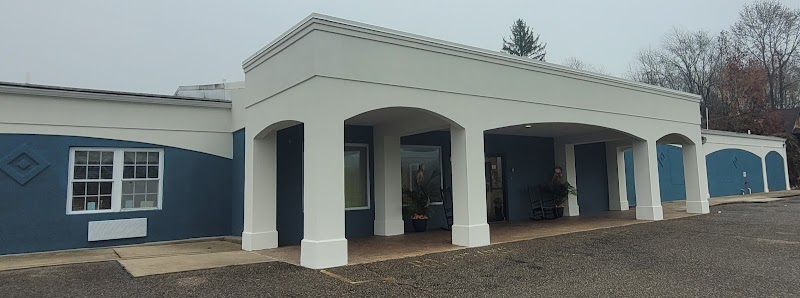
2159 DOGWOOD RIDGE ROAD, WHEELERSBURG, OH 45694 (740) 574-2558
For profit - Corporation 110 Beds EXCEPTIONAL LIVING CENTERS Data: November 2025
Trust Grade
43/100
#622 of 913 in OH
Last Inspection: October 2024

Within standard 12-15 month inspection cycle. Federal law requires annual inspections.

Overview

Best Care Health and Rehabilitation in Wheelersburg, Ohio has a Trust Grade of D, indicating it is below average with some significant concerns. It ranks #622 out of 913 facilities in Ohio, placing it in the bottom half of the state, and #9 out of 11 in Scioto County, meaning only one other local option is worse. The facility is worsening, with issues increasing from 1 in 2023 to 19 in 2024. Staffing is average with a 55% turnover rate, which is similar to the state average, and RN coverage is also average. However, the facility has received fines totaling $13,309, which is concerning, and it has had incidents where medication carts were left unlocked and unattended, posing risks to residents. Additionally, it failed to adequately address resident concerns discussed in meetings, showing a lack of responsiveness to feedback. While there are some strengths, such as average staffing and RN coverage, the increasing number of issues and specific incidents raise alarms for families considering this home.

Trust Score
D
43/100
In Ohio
#622/913
Bottom 32%
Safety Record
Low Risk
No red flags
Inspections
Getting Worse
1 → 19 violations
Staff Stability
⚠ Watch
55% turnover. Above average. Higher turnover means staff may not know residents' routines.
Penalties
✓ Good
$13,309 in fines. Lower than most Ohio facilities. Relatively clean record.
Skilled Nurses
○ Average
Each resident gets 33 minutes of Registered Nurse (RN) attention daily — about average for Ohio. RNs are the most trained staff who monitor for health changes.
Violations
⚠ Watch
40 deficiencies on record. Higher than average. Multiple issues found across inspections.
★★☆☆☆
2.0
Overall Rating
★★☆☆☆
2.0
Staff Levels
★★★☆☆
3.0
Care Quality
★★☆☆☆
2.0
Inspection Score
Stable
2023: 1 issues
2024: 19 issues

The Good

  • Full Sprinkler Coverage · Fire safety systems throughout facility
  • No fines on record

Facility shows strength in fire safety.

The Bad

2-Star Overall Rating

Below Ohio average (3.2)

Below average - review inspection findings carefully

Staff Turnover: 55%

Near Ohio avg (46%)

Frequent staff changes - ask about care continuity

Federal Fines: $13,309

Below median ($33,413)

Minor penalties assessed

Chain: EXCEPTIONAL LIVING CENTERS

Part of a multi-facility chain

Ask about local staffing decisions and management

Staff turnover is elevated (55%)

7 points above Ohio average of 48%

The Ugly 40 deficiencies on record

Oct 2024 11 deficiencies
CONCERN (D)

Potential for Harm - no one hurt, but risky conditions existed

Transfer Requirements (Tag F0622)

Could have caused harm · This affected 1 resident

**NOTE- TERMS IN BRACKETS HAVE BEEN EDITED TO PROTECT CONFIDENTIALITY** Based on record review, observation, resident interview, ombudsman interview, and staff interview, the facility failed to ensure...

Read full inspector narrative →
**NOTE- TERMS IN BRACKETS HAVE BEEN EDITED TO PROTECT CONFIDENTIALITY** Based on record review, observation, resident interview, ombudsman interview, and staff interview, the facility failed to ensure residents were not discharged without a justified and documented reason. This affected one (Resident #20) of three residents reviewed for discharge rights. The facility census was 66 residents. Findings include: Review of the medical record for Resident #20 revealed an admission date of 02/29/20 with the diagnoses including cellulitis, Parkinson's disease, cerebral infarction, bipolar disorder, anxiety, hypertension, dementia, polyneuropathy, depression, asthma, hemiplegia and hemiparesis, hyperlipidemia, and traumatic subdural hemorrhage. Review of the medical record for Resident #20 revealed the resident signed a copy of the facility smoking policy upon admission on [DATE]. Review of the nurse progress note for Resident #20 dated 06/10/24 revealed the resident was educated on signing himself out of the facility as he was known to leave and purchase cigarettes and lighters while he was out of the facility. The resident returned to the facility with a pack of cigarettes which were turned over to the Administrator. Resident #20 was observed sitting on the front patio smoking cigarettes. Review of the Minimum Data Set (MDS) assessment for Resident #20 completed on 09/18/24 revealed the resident was cognitively intact. Review of the 30-day Notice of Discharge and Transfer of Resident #20 dated 09/27/24 revealed the resident was being discharged from the facility due to noncompliance with the facility smoking policy. The notice was sent to the resident's representative via certified mail and hand-delivered to the resident on 09/27/24. Resident #20 had signed the notice which included information regarding the resident's right to appeal. Interview on 10/02/24 at 10:00 A.M. with the Ombudsman confirmed she spoke to Resident #20 on 09/27/24 regarding the 30-day discharge notice. Further interview with the Ombudsman confirmed the only documented instance of Resident #20 violating the smoking policy was on 06/10/24, and she did not feel the facility had a strong case for an involuntary discharge. Interview on 10/03/24 at 01:46 P.M. with Resident #20 confirmed he did not want to be discharged from the facility. Interview on 10/03/24 at 02:43 P.M. with Social Service Director (SSD) #75 confirmed the facility issued Resident #20 a 30-day discharge notice on 09/27/24 for noncompliance with the facility smoking policy, because the facility did not allow smoking on facility grounds. SSD #75 further confirmed the only documented instance of noncompliance with the smoking policy for Resident #20 occurred on 06/10/24. There were no instances of noncompliance noted in July, August, September, or October 2024.
CONCERN (D)

Potential for Harm - no one hurt, but risky conditions existed

PASARR Coordination (Tag F0644)

Could have caused harm · This affected 1 resident

Based on medical record review and the staff interview the facility failed to update resident Preadmission Screening and Resident Reviews (PASARRs) for residents with new diagnoses and/or treatment wi...

Read full inspector narrative →
Based on medical record review and the staff interview the facility failed to update resident Preadmission Screening and Resident Reviews (PASARRs) for residents with new diagnoses and/or treatment with psychotropic medications. This affected two (Residents #39 and #52) of four residents reviewed for PASARR completion. The facility census was 66 residents. Findings include: 1. Review of the medical record for Resident #39 revealed an admission date of 07/21/23 with diagnoses including depression, anxiety, diabetes mellitus type two, hypertension and congestive heart failure. Review of the PASARR for Resident #39 dated 07/21/23 revealed the resident did not have a dementia diagnosis or any indications of serious mental illness such as psychosis, depression and anxiety and was not prescribed any psychotropic medications. Review of the diagnosis list for Resident #39 revealed dementia was added as a diagnosis on 08/22/23. Review of the diagnosis list for Resident #39 revealed psychosis was added as a diagnosis on 11/23/23. Review of the care plan for Resident #39 dated 08/02/24 revealed the resident had altered psychosocial needs related to dementia, depression, psychosis and anxiety. Interventions included the following: administer medications as ordered, provide nonpharmacological interventions such as redirect with an activity, offer food and or fluids, offer reassurance, offer conversation and provide one on one care. Review of the annual Minimum Data Set (MDS) assessment for Resident #39 dated 08/15/24 revealed the resident had cognitive impairment with no behaviors and was dependent on the staff for personal care and mobility. Review of the physician's orders for Resident #39 for October 2024 revealed the resident had orders for the following psychotropic medications: Seroquel (antipsychotic medication) 50 milligrams (mg) by mouth three times daily for terminal agitation, Ativan (antianxiety medication) one mg by mouth every eight hours for anxiety, Trazodone (antidepressant medication) 50 mg by mouth at bedtime for terminal agitation and sleep, Paxil (antidepressant medication)10 mg by mouth daily for depression. Interview on 10/03/24 at 2:25 P.M with Social Services Director (SSD) 75 confirmed the facility should have completed a new PASARR for Resident #39 in conjunction with the new diagnoses and the addition of psychotropic medications. 2. Review of the medical record for Resident #52 revealed an admission date of 06/07/24 with a diagnosis of bipolar disorder. Review of the PASARR for Resident #52 dated 06/07/24 revealed the resident was not prescribed any antipsychotic medications. Review of the care plan for Resident #52 dated 08/02/24 revealed the resident had altered psychosocial needs related to bipolar disorder, trouble sleeping, feeling down at times, feeling bad about self and trouble concentrating on things. Interventions included the following: encourage the resident to attend activities of his choice, medications as ordered, monitor for behaviors every shift and document if noted, provide nonpharmacological interventions such as offer food and or fluids, offer reassurance, offer conversation, provide one on one care, offer music of choice. Review of the quarterly MDS assessment for Resident #52 dated 09/19/24 revealed the resident was cognitively intact with no behaviors and required supervision with activities of daily living. Review of the physician's orders for Resident #52 for October 2024 dated 10/24 revealed the resident had orders for the following psychotropic medications: Paxil (antidepressant medication) 40 mg by mouth daily for anxiety dated 07/12/24, Trazadone (antidepressant medication) 50 mg by mouth at bedtime for insomnia dated 07/12/24, Vraylar (antipsychotic medication to treat bipolar disorder) 1.5 mg by mouth daily dated 09/25/24. Interview on 10/03/24 at 2:25 P.M. with SSD #75 confirmed the facility should have completed a new PASARR for Resident #52 with the addition of psychotropic medications. SSD #75 further confirmed the facility did not have a written policy regarding PASARR completion.
CONCERN (D)

Potential for Harm - no one hurt, but risky conditions existed

Deficiency F0657 (Tag F0657)

Could have caused harm · This affected 1 resident

Based on medical record review and staff interview, the facility failed to provide regular care plan conferences to residents and their representatives. This affected one (Resident #20) of three resid...

Read full inspector narrative →
Based on medical record review and staff interview, the facility failed to provide regular care plan conferences to residents and their representatives. This affected one (Resident #20) of three residents reviewed for care conferences and care planning. The facility census was 66 residents. Findings include: Review of the medical record for Resident #20 revealed an admission date of 02/29/20 with diagnoses including cellulitis, Parkinson's disease, cerebral infarction, bipolar disorder, hypertension, and dementia. Review of the Minimum Data Set (MDS) assessment for Resident #20 dated 09/18/24 revealed the resident was cognitively intact. Review of the medical record for Resident #20 revealed it did not include documentation of a care conference for the resident since his admission to the facility. Interview on 10/02/24 at 09:46 A.M. with Social Services Director (SSD) 75 confirmed the facility had not conducted a care conference for Resident #20 since the resident's admission in 2020.
CONCERN (D)

Potential for Harm - no one hurt, but risky conditions existed

Quality of Care (Tag F0684)

Could have caused harm · This affected 1 resident

Based on medical record review, observation, staff interview, and review of facility policy, the facility failed to ensure skin alterations were adequately monitored and treated. This affected one (Re...

Read full inspector narrative →
Based on medical record review, observation, staff interview, and review of facility policy, the facility failed to ensure skin alterations were adequately monitored and treated. This affected one (Residents #1) of 23 residents sampled. The facility census was 66 residents. Findings include: Review of the medical record for Resident #1 revealed an admission date of 01/14/24 with diagnoses including Parkinson's disease, dysphagia, and Alzheimer's disease. Review of the quarterly Minimum Data Set (MDS) assessment for Resident #1 dated 07/16/24 revealed the resident was cognitively impaired. Review of the progress notes for Resident #1 dated 07/22/24 revealed the resident had a precancerous lesion on her foreahed and the resident's representative did not want to pursue treatment of the area. Review of the monthly physician's orders for Resident #1 dated October 2024 revealed there were no orders for application of a bandage to the resident's forehead. Observation on 09/30/24 at 10:34 A.M. revealed Resident #1 had a soiled white bandage applied over a skin alteration to her forehead. The bandage was undated and there were no initials to indicate the individual who had applied it. Observation on 10/01/24 at 8:14 A.M. revealed Resident #1 continued to have a soiled white bandage applied over a skin alteration to her forehead. Observation on 10/01/24 at 1:48 P.M. revealed Resident #1 was lying in bed asleep. The soiled white bandage which had been on the resident's forehead had fallen off and was lying on the resident's left shoulder. There was a half-dollar sized lesion with dried blood to the resident's forehead. Interview on 10/01/24 at 1:50 P.M with Licensed Practical Nurse (LPN) 49 confirmed Resident #1 had a precancerous lesion to her forehead which frequently bled. LPN #49 confirmed staff sometimes placed a bandage over the area. Further interview with LPN #49 confirmed there was no order for a bandage to be applied to the skin alteration on the resident's forehead and the area had not been assessed since 07/22/24.
CONCERN (D)

Potential for Harm - no one hurt, but risky conditions existed

Respiratory Care (Tag F0695)

Could have caused harm · This affected 1 resident

Based on medical record review, observation, resident interview, staff interview, and review of facility policy, the facility failed to ensure adequate care and services for residents requiring oxygen...

Read full inspector narrative →
Based on medical record review, observation, resident interview, staff interview, and review of facility policy, the facility failed to ensure adequate care and services for residents requiring oxygen. This affected one (Resident #8) of 20 residents with orders for oxygen therapy. The facility census was 66. Findings include: Review of the medical record for Resident #8 revealed an admission date of 01/11/24 with diagnoses including chronic obstructive pulmonary disease (COPD), diabetes mellitus (DM), and hypertension. Review of the care plan for Resident #8 dated 01/12/24 revealed the resident had altered respiratory status and difficulty breathing related to COPD. Interventions included the following: administer medications as ordered, observe abnormal breathing patterns, observe for signs and symptoms of respiratory distress, report to the physician as needed. Review of the Minimum Data Set (MDS) assessment for Resident #8 dated 09/19/24 revealed the resident had intact cognition and was coded as not having received oxygen therapy during the review period. Review of the monthly physician's orders for Resident #8 for October 2024 revealed there were no orders in place for the administration of oxygen. Review of the vital signs record for Resident #8 from June 2024 to October 2024 revealed there had been no oxygen saturation levels or respiratory rate recorded since 06/08/24. Observation on 10/01/24 at 3:19 P.M. revealed there was an oxygen in use sign posted on the frame of Resident #8's door. Resident #8 was lying in bed with oxygen being delivered through a nasal cannula at a rate of two liters per minute. Interview on 10/01/24 at 3:20 P.M. with Resident #8 confirmed she utilized oxygen when she was short of breath. Interview on 10/01/24 at 3:58 P.M with Licensed Practical Nurse (LPN) #49 confirmed Resident #8 was receiving oxygen at two liters per minute via nasal canula. LPN #49 further confirmed Resident #8 did not have a physician's order for oxygen therapy and the resident's record did not include oxygen saturation levels or respiratory rates since 06/08/24. Review of the facility policy titled Oxygen Administration revised October 2010 revealed the facility would follow guidelines for safe oxygen administration which included verifying there was a valid physician's order for oxygen therapy. Prior to oxygen administration, the nurse should review the resident's orders, review the facility protocol for oxygen administration, and should monitor the resident's vital signs and oxygen saturation levels in response to oxygen therapy.
CONCERN (D)

Potential for Harm - no one hurt, but risky conditions existed

Deficiency F0697 (Tag F0697)

Could have caused harm · This affected 1 resident

Based on medical record review, observation, resident interview, staff interviews, and review of facility policy, the facility failed to ensure adequate monitoring of a resident pain. This affected on...

Read full inspector narrative →
Based on medical record review, observation, resident interview, staff interviews, and review of facility policy, the facility failed to ensure adequate monitoring of a resident pain. This affected one (Resident #45) of four residents reviewed for pain management. The facility census was 66 residents. Findings include: Review of the medical record for Resident #45 revealed the resident an admission date of 09/18/24 with diagnoses including low back pain, restlessness and agitation, and need for assistance with personal care. Review of the admission physician's orders for Resident #45 dated 09/18/24 revealed the resident was ordered to receive the medications Zanaflex, gabapentin, and hydrocodone for pain. Review of the care plan for Resident #45 dated 09/18/24 revealed the resident had actual pain and potential for pain related to chronic low back pain. Interventions included the following: pain assessment quarterly and as needed, monitor for side effects of medications, monitoring what makes the pain worse. Review of the Minimum Data Set (MDS) assessment for Resident #45 dated 09/25/24 revealed the resident had moderately impaired cognition and had daily indicators of pain during the review period. Review of the Resident #45's medical record revealed no pain assessments or pain levels had been obtained since 09/24/24. Observation on 09/30/24 at 8:40 A.M. revealed Resident #45 was yelling out loudly enough to be heard several feet from her room. The resident was lying in bed grimacing and was holding the left side of her ribcage towards her back. Interview on 09/30/24 at 8:41 A.M. with Resident #45 confirmed she was yelling because her back hurt. Interview on 09/30/24 at 8:42 A.M. with Licensed Practical Nurse (LPN) #49 confirmed Resident #49 yelled frequently throughout the day and often complained of pain to the left side of her back. LPN #49 confirmed the resident received several medications for the treatment of the pain which did not seem to help. Observation on 09/30/24 at 3:10 P.M. revealed Resident #45 was yelling out loudly and grimacing. Observation on 10/01/24 at 8:20 A.M. revealed Resident #45 was again yelling out loudly enough to be heard throughout the hallway on which she resided. Observation on 10/02/24 at 3:15 P.M. revealed Resident #45 was again yelling out loudly enough to be heard throughout the hallway on which she resided. Interview on 10/02/24 at 3:15 P.M. with Resident #45 confirmed she was yelling because her back hurt. Observation on 10/03/24 at 9:45 A.M. revealed Resident #45 was again yelling out loudly enough to be heard throughout the hallway on which she resided. Interview on 10/03/24 at 9:45 A.M. with Resident #45 confirmed she was yelling loudly because her back hurt. Interview on 10/03/24 at 10:35 A.M. with LPN #21 confirmed Resident #45 yelled out a large portion of the day and also voiced complaints of pain to the lower back. LPN #21 confirmed the resident was receiving multiple medications for the treatment of pain which seemed to have minimal effectiveness. Interview on 10/03/24 at 11:45 A.M. with the Director of Nursing (DON) confirmed Resident #45 yelled out frequently and complained of back pain. The DON confirmed there were no assessments of the resident's pain levels since 09/24/24 and there was no documentation of nonpharmacological interventions for Resident #45's chronic back pain. Review of the facility policy titled Pain Assessment and Management revised March 2020 revealed pain management was a multidisciplinary process which included recognizing the presence of pain, identifying the characteristics of pain, and monitoring the effectiveness of interventions for pain. Staff should monitor the resident by performing by performing a basic assessment with enough detail and as needed, with standardized assessment tools (approved pain scales, etc.) and relevant criteria for measuring pain management (target signs and symptoms).
CONCERN (D)

Potential for Harm - no one hurt, but risky conditions existed

Deficiency F0699 (Tag F0699)

Could have caused harm · This affected 1 resident

Based on medical record review and staff interview, the facility failed to ensure a resident with post-traumatic stress disorder (PTSD) were appropriately assessed to identify the cause of the residen...

Read full inspector narrative →
Based on medical record review and staff interview, the facility failed to ensure a resident with post-traumatic stress disorder (PTSD) were appropriately assessed to identify the cause of the residents PTSD and minimize triggers and/or re-traumatization. This affected one (Resident #5) of one resident identified by the facility as having PTSD. The facility census was 66 residents. Findings include: Review of the medical record for Resident #5 revealed an admission date of 09/25/23 with diagnoses including cirrhosis of the liver, acute and chronic respiratory failure, diabetes mellitus type two, chronic obstructive pulmonary disease, congestive heart failure, Crohn's disease, chronic kidney disease, depression, and PTSD. Review of the Minimum Data Set (MDS) assessment for Resident #5 dated 09/17/24 revealed the resident was cognitively intact and had a diagnosis of PTSD. Review of the care plan for Resident #5 initiated 09/25/23 revealed the plan did not address the following: the cause of the resident's PTSD, triggers which might cause re-traumatization, interventions to reduce the risk of re-traumatization, how to provide care for a resident with PTSD. Review of the medical record for Resident #5 revealed the record did not include an assessment to identify the cause of the resident's PTSD and the potential triggers which might cause re-traumatization. Interview on 10/02/24 at 12:16 P.M. with the Director of Nursing (DON) confirmed Resident #5 was admitted with a diagnosis of PTSD on 09/25/23, but the facility had not completed an assessment of the cause of the PTSD and the possible triggers which could cause re-traumatization. The DON further confirmed Resident #5's care plan did not address the following: the cause of the resident's PTSD, triggers which might cause re-traumatization, interventions to reduce the risk of re-traumatization, how to provide care for a resident with PTSD.
CONCERN (D)

Potential for Harm - no one hurt, but risky conditions existed

Deficiency F0760 (Tag F0760)

Could have caused harm · This affected 1 resident

**NOTE- TERMS IN BRACKETS HAVE BEEN EDITED TO PROTECT CONFIDENTIALITY** 2. Review of the medical record for Resident #45 revealed the resident was admitted on [DATE], transferred to the hospital on [D...

Read full inspector narrative →
**NOTE- TERMS IN BRACKETS HAVE BEEN EDITED TO PROTECT CONFIDENTIALITY** 2. Review of the medical record for Resident #45 revealed the resident was admitted on [DATE], transferred to the hospital on [DATE], was discharged from the facility on 07/03/24 and was readmitted to the facility on [DATE] with diagnoses including low back pain, seizures, and restlessness and agitation. Review of the admission Minimum Data Set (MDS) assessment for Resident #45 dated 09/25/24 revealed the resident had moderately impaired cognition. Review of the active and discontinued physician's orders for Resident #45 revealed there were no orders for the administration of naloxone (an opioid antagonist). Review of the nurse progress note for Resident #45 dated 06/19/24 and timed 6:26 P.M. revealed Resident #45 was found on her bed, nonresponsive but breathing, and was barely able to be roused with a sternal rub. The resident's blood pressure and pulse were elevated, and the nurse administered a 0.4 milligram (mg) dose of naloxone. Resident #45's responsiveness was somewhat increased after naloxone administration, and the resident was sent to the hospital for an evaluation. Interview on 10/03/24 at 11:45 A.M with the Director of Nursing confirmed Resident #45 did not have an order to be administered naloxone on 06/19/24 and there was no documented history of substance abuse for the resident indicating the need for naloxone to be administered on 06/19/24. The DON confirmed the medication was administered in error for Resident #45. Review of the facility policy titled Medication Administration dated 6/21/17 revealed medications were to be administered in accordance to applicable state, local, and federal laws and consistent with accepted standards of practice and per the prescriber's order. Based on medical record review, staff interview, review of the facility policy, the facility failed to ensure residents were free of significant medication errors. This affected one (Resident #228) of 13 facility-identified newly admitted residents and one (Resident #45) of five residents reviewed for unnecessary medications. The facility census was 66 residents. Findings include: 1. Review of the medical record for Resident #228 revealed an admission date of 09/13/24 with diagnoses including end stage renal disease, diabetes mellitus type two, chronic obstructive pulmonary disorder and fracture of right lower leg. Review of the admitting physician orders for Resident #228 dated 09/13/24 revealed Resident #228 was ordered Admelog insulin inject 30 units subcutaneously before meals and Tresiba inject 80 units subcutaneously two times daily. Review of the care plan for Resident #228 dated 09/13/24 revealed the resident had diabetes mellitus. Interventions included the following: administer medications as ordered, dietary consultation for nutritional regimen as needed, observe for any signs and symptoms of hyperglycemia and hypoglycemia, obtain blood sugars as ordered, notify physician of abnormal blood sugars as indicated. Review of the Medication Administration Record (MAR) for Resident #228 dated September 2024 revealed the resident should have received Admelog insulin before meals on 09/14/24, but the resident did not receive his first dose of Admelog insulin until 8:00 P.M. on 09/14/24. Resident #228 should have received Tresiba at 8:00 A.M. on 09/14/24, but he did not receive his first dose of Tresiba until 8:00 P.M. on 09/14/24. Interview on 09/30/24 at 2:28 P.M. with Resident #228 confirmed he was admitted to the facility on [DATE] but he missed two doses of Admelog insulin and one dose of Tresiba on 09/14/24 because the medications were not available. Interview on 10/3/24 at 10:02 A.M. with Registered Nurse (RN) #120 confirmed Resident #228 missed two doses of Admelog insulin and one dose of Tresiba for treatment of diabetes mellitus on 09/14/24 because the medications were not available. Interview on 10/04/24 at 9:00 A.M. with the Director of Nursing (DON) confirmed Resident #228 arrived at the facility on new insulins which the facility did not keep in emergency stock. DON confirmed Resident #228 missed two doses of his Admelog insulin and one dose of Tresiba on 09/14/24.
CONCERN (D)

Potential for Harm - no one hurt, but risky conditions existed

Deficiency F0883 (Tag F0883)

Could have caused harm · This affected 1 resident

Based on record review, staff interview, review of online resources per the Centers for Disease Control (CDC) regarding pneumococcal vaccinations, and review of facility policy, the facility failed to...

Read full inspector narrative →
Based on record review, staff interview, review of online resources per the Centers for Disease Control (CDC) regarding pneumococcal vaccinations, and review of facility policy, the facility failed to ensure residents were offered and received up to date pneumococcal vaccinations. This affected two (Residents #3 and #43) of five residents reviewed for vaccinations. The facility census was 66 residents. Findings include: 1. Review of the medical record for Resident #43 revealed an admission date of 02/16/24 with diagnoses including hypertension, presence of cardiac pacemaker, and intellectual disabilities. Review of the quarterly Minimum Data Set (MDS) assessment for Resident #43 dated 08/19/24 revealed the resident had intact cognition. Review of the vaccination record for Resident #43 revealed the resident received one dose of Pneumovax 23 on 10/01/18. No other pneumococcal vaccines were documented as being offered or administered. 2. Review of the medical record for Resident #3 revealed an admission date of 12/20/19 with diagnoses including chronic obstructive pulmonary disease and muscle weakness. Review of the quarterly MDS assessment for Resident #3 dated 09/02/24 revealed the resident had moderately impaired cognition. Review of the vaccination record for Resident #3 revealed the resident had received one dose of Pneumovax 23 on 09/08/14. No additional pneumococcal vaccines were documented as being offered or administered. Interview with the Director of Nursing on 10/04/24 at 10:45 A.M. confirmed Residents # had been offered or received PCV15 or PCV20. Review of online guidance per the CDC updated 09/12/24 at https://www2a.cdc.gov/vaccines/m/pneumo/pneumo.html revealed residents should be offered and receive one dose of PCV15 (a pneumococcal vaccine) or PCV 20 (a pneumococcal vaccine) at least one year after the last dose of Pneumovax 23. Review of the facility policy titled Pneumococcal Vaccine revised March 2022 revealed administration of the pneumococcal vaccines were made in accordance with the CDC recommendations in place at the time of the vaccination.
CONCERN (E) 📢 Someone Reported This

A family member, employee, or ombudsman was alarmed enough to file a formal complaint

Potential for Harm - no one hurt, but risky conditions existed

Deficiency F0565 (Tag F0565)

Could have caused harm · This affected multiple residents

Based on review of the Resident Council meeting minutes, staff interview, and resident interview, the facility failed to ensure concerns discussed during the meetings were adequately addressed. This h...

Read full inspector narrative →
Based on review of the Resident Council meeting minutes, staff interview, and resident interview, the facility failed to ensure concerns discussed during the meetings were adequately addressed. This had the potential to affect five facility-identified residents ( #10, #27, #44, #47, #65) who consistently attended the Resident Council meetings. The facility census was 66 residents. Findings include: Review of the Resident Council meeting minutes dated 04/15/24 revealed the social worker had looked into free phones but had been unable to secure any. The department response documented on the form read the social worker would meet with the residents regarding free phones. Review of the Resident Council meeting minutes dated 08/26/24 revealed residents asked if there were free government phones available. There was no documented response for the concern noted on the form. Review of the Resident Council meeting minutes dated 09/16/24 revealed residents asked again if the social worker could check on free government phones. The department response documented on the form read the social worker had checked and was unable to find any avenues for residents to receive free government phones. Interview on 10/03/24 at 2:05 P.M. with Social Service Director (SSD) #75 confirmed she had been working at the facility since August 2024 and no requests from residents regarding free government phones had been brought to her attention. Interview on 10/03/24 at 2:20 P.M. with Activities Director (AD) #53 on 10/03/24 confirmed residents had requested information and assistance with obtaining government phones during several Resident Council meetings. AD #53 confirmed she was present at Resident Council meetings and wrote the concerns down on a piece of paper and then gave the paper to the Administrator who then typed out the meeting minutes and returned them to her. AD #53 further confirmed the Administrator was responsible to address the concerns and she was unsure how and if the residents' concerns were addressed. Interview on 10/03/24 at 2:30 P.M with Resident #10 on 10/03/24 confirmed residents had requested information about government phones during the last resident council meeting, but the facility had not provided with a response to the concern. This deficiency represents noncompliance investigated under Complaint OH00158289.
CONCERN (E) 📢 Someone Reported This

A family member, employee, or ombudsman was alarmed enough to file a formal complaint

Potential for Harm - no one hurt, but risky conditions existed

Deficiency F0761 (Tag F0761)

Could have caused harm · This affected multiple residents

Based on observation, staff interview and review of the facility policy, the facility failed to ensure medication carts on the front hall were locked and secured. This had the potential to affect seve...

Read full inspector narrative →
Based on observation, staff interview and review of the facility policy, the facility failed to ensure medication carts on the front hall were locked and secured. This had the potential to affect seven facility-identified cognitively impaired and independently mobile residents of 22 residents residing on the front hall. The facility census was 66 residents. Findings include: Observation on 09/30/24 at 8:05 A.M. revealed the two medication carts on the front hall were unlocked and unattended by staff. Interview on 09/30/24 at 8:14 A.M. with Licensed Practical Nurse (LPN) #49 confirmed the front hall medication carts were unlocked and left unattended. LPN #49 confirmed the medication carts should be locked when not attended by staff. Review of the facility policy titled Storage of Medications dated November 2020 revealed drugs and biologicals used in the facility should be stored in locked compartments under proper temperature, light and humidity controls and unlocked medication carts should not be left unattended. .
Feb 2024 8 deficiencies
CONCERN (D) 📢 Someone Reported This

A family member, employee, or ombudsman was alarmed enough to file a formal complaint

Potential for Harm - no one hurt, but risky conditions existed

Tube Feeding (Tag F0693)

Could have caused harm · This affected 1 resident

Based on observations, medical record review, staff interview, and policy review, the facility failed to ensure a gastrostomy tube was checked for placement prior to the administration of fluids and m...

Read full inspector narrative →
Based on observations, medical record review, staff interview, and policy review, the facility failed to ensure a gastrostomy tube was checked for placement prior to the administration of fluids and medication. This affected one of three residents observed for medication administration (Resident #54). The facility census was 80. Findings include: Review of the medical record for Resident #54 revealed an admission date of 01/18/24 with diagnoses including adult failure to thrive and diabetes. Record review revealed the resident's medications were ordered to be given by mouth. However, observations on 01/31/24 at 5:35 A.M. revealed Registered Nurse (RN) # 149 to administer Levothyroxine 88 micrograms through Resident #54's gastrostomy tube in her stomach. RN #149 flushed the tube with water, administered the medication, then followed with an additional flush of water. RN #149 did not check for proper placement of the gastrostomy tube prior to administering the fluids and medication. Interview with RN #149 confirmed she did not check placement of the gastrostomy tube prior to administering the medication and fluids. She stated she had previously checked placement of the tube at 10:00 P.M. (7.5 hours earlier) but did not do it this time. She stated it should be checked each time it is used. Interview with the Director of Nursing on 01/31/24 at 8:35 A.M. confirmed the gastrostomy tube should be checked for placement prior to the administration of medications. Review of the facility policy titled Confirming Placement of Feeding Tubes dated November 2018 revealed to observe for symptoms of elevated gastric residual volume. It further stated to observe and check the pH of aspirate. If the above suggests improper tube positioning, do not administer feeding or medication. This deficiency represents an incidental finding of non-compliance investigated under Complaint Number OH00149842.
CONCERN (D) 📢 Someone Reported This

A family member, employee, or ombudsman was alarmed enough to file a formal complaint

Potential for Harm - no one hurt, but risky conditions existed

Deficiency F0760 (Tag F0760)

Could have caused harm · This affected 1 resident

Based on staff interview, medical record review, and policy review, the facility failed to ensure residents were free from significant medication errors. This affected two of 80 residents residing in ...

Read full inspector narrative →
Based on staff interview, medical record review, and policy review, the facility failed to ensure residents were free from significant medication errors. This affected two of 80 residents residing in the facility (Residents #64 and #75). Findings include: 1. Interview with Licensed Practical Nurse (LPN) #106 on 01/31/24 at 4:35 A.M. revealed she had already given Resident #64 his Haldol (antipsychotic medication) that was scheduled at 6:00 A.M. She confirmed it was given early. She did not have a reason other than there was only two nurses working that night and she had other duties to do between 5:00 A.M. and 6:00 A.M. Review of the medical record for Resident #64 revealed an admission date of 10/23/23 with diagnoses of cirrhosis of the liver and anxiety disorder. He had a physician's order dated 01/07/24 for Haldol 2 milligrams every six hours at 12:00 A.M., 6:00 A.M., 12:00 P.M. and 6:00 P.M. for agitation. Review of the medication administration record for Resident #64 revealed LPN #106 documented that Haldol was administered on 01/31/24 at 1:05 A.M. and 5:37 A.M. (even though she stated the medication was already given at 4:35 A.M. for the 6:00 A.M. dose). This would indicate only approximately 3.5 hours between doses (1:05 A.M. to 4:35 A.M.). Interview with Assistant Director of Nursing #95 on 02/01/24 at 9:50 A.M. confirmed the times documented for the Haldol on 01/31/24. She confirmed medications should be given up to one hour before or one hour after the ordered time. Interview with LPN #124 on 02/01/24 at 11:10 A.M. revealed she did not observe Resident #64 to have any adverse effects related to his Haldol doses being administered too close together on 01/31/24. (She worked on day shift on 01/31/24). Interview with Resident #64 on 02/01/24 at 11:15 A.M. revealed he was not aware of what times he received the Haldol on 01/31/24 and did not report any adverse affects. Review of the facility policy titled Medication Administration Schedule (dated November 2020) revealed scheduled medications are administered within one hour of the prescribed time, unless otherwise specified. The policy titled documentation of medication administration (dated April 2007) revealed administration of medication must be documented immediately after (never before) it is given. 2. Interview with Registered Nurse (RN) #149 on 01/31/24 at 4:45 A.M. revealed she had already given Resident #75 her narcotic pain pill that was due at 6:00 A.M. She stated the resident had asked for it early. Review of the medical record for Resident #75 revealed an admission date of 01/19/24 and a diagnosis of malignant neoplasm of the mouth. A nurses note on 01/29/24 indicated the resident was alert and oriented to person, place, and time. The resident had a physician's order for oxycodone 10 milligrams (opioid, narcotic pain medication) every six hourse at 12:00 A.M., 6:00 A.M., 12:00 P.M., and 6:00 P.M. for pain. Review of the medication administration record for Resident #75 revealed RN #149 documented the Oxycodone was administered on 01/31/24 at 12:36 A.M. and 7:00 A.M. (even though she stated the 6:00 A.M. dose was already given at 4:45 A.M. This would be approximately four hours between doses (12:36 A.M. to 4:45 A.M.). Review of the controlled drug disposition form revealed RN #149 signed that she gave the Oxycodone on 01/31/24 at 12:00 A.M. and 6:00 A.M. Interview with Assistant Director of Nursing #95 on 02/01/24 at 10:04 A.M. confirmed the medication administration record and the controlled drug sign out form did not match for times and should. She stated RN #149 told her she gave the Oxycodone at 4:40 A.M. Interview with Resident #75 on 01/31/24 at 1:00 P.M. revealed she did not ask for her pain medication early on the morning of 01/31/24. Review of the facility policy titled Medication Administration Schedule (dated November 2020) revealed scheduled medications are administered within one hour of the prescribed time, unless otherwise specified. The policy titled documentation of medication administration (dated April 2007) revealed administration of medication must be documented immediately after (never before) it is given. The policy further stated that scheduled medications designated as time-critical (medications that may cause harm or subtherapeutic affect if administered before or after the scheduled time) are administered at the scheduled time or within 30 minutes of the scheduled time. Time critical medications include scheduled opiods used for chronic pain or palliative care. The exact time of medication administration is documented in the medication administration record. This deficiency represents non-compliance investigated under Complaint Number OH00149842.
CONCERN (E) 📢 Someone Reported This

A family member, employee, or ombudsman was alarmed enough to file a formal complaint

Potential for Harm - no one hurt, but risky conditions existed

Deficiency F0567 (Tag F0567)

Could have caused harm · This affected multiple residents

Based on observations, staff interview, resident interview, and policy review, the facility failed to ensure residents had access to their personal funds during times the business office was not open ...

Read full inspector narrative →
Based on observations, staff interview, resident interview, and policy review, the facility failed to ensure residents had access to their personal funds during times the business office was not open (evenings and weekends). The facility handled funds for 47 of 80 residents. This had the potential to affect any resident whose funds were handled by the facility. Findings include: Interview with Licensed Practical Nurse (LPN) #124 on 01/31/24 at 7:40 A.M. revealed the business office was supposed to place a petty cash box in the medication room each day when they left so that residents had access to petty cash in the evening or on weekends. She stated this was not always done. Observations of the medication room, at that time, with LPN #124 confirmed the petty cash box was not in the specified locked location. Interview with the Director of Nursing (DON) on 01/31/24 at 7:45 A.M. confirmed the business office was to put the money box in the medication room every day so that money was available for residents in the evening and on weekends. Interview with Business Office Manager #201 on 01/31/24 at 7:50 A.M. revealed that she had taken the money box out of the locked medication room that morning at 7:30 A.M. Then she stated maybe she did not put it in the medication room last night. Interview with LPN #124 on 01/31/24 at 7:55 A.M. confirmed she had the keys that Business Office Manager #201 would have needed to get the money box out of the locked location in the medication room and confirmed she did not get the box out for Business Office Manager #201 on that day. Interview with Resident #51 on 01/31/24 at 11:50 A.M. revealed the facility handles her funds (verified by facility list). She stated you can't get any of your money after 5:00 P.M. She stated she was not aware of any money being kept at the facility in the evening or on weekends. Interview with Resident #43 on 01/31/24 at 12:00 P.M. revealed the facility handles her funds (verified by facility list). She stated there had been times she had asked for money and they did not have any available in the evenings. Review of the facility policy titled Deposit of Residents' Personal Funds (revised March 2021) revealed if a resident chooses for the facility to hold, safeguard, and manage his/her personal funds, the facility provides the resident access to funds of one hundred dollars (fifty dollars for Medicaid residents) or less within 24 hours and access to funds in excess of one hundred dollars (fifty dollars for Medicaid residents) within three banking days. The policy did not address having petty cash available at times the business office was not open. Interview with the Administrator on 01/31/24 at 10:00 A.M. confirmed the facility policy did not address residents having access to petty cash in the evening or on weekends when the business office was not open. This deficiency represents non-compliance investigated under Complaint Number OH00149842.
CONCERN (E) 📢 Someone Reported This

A family member, employee, or ombudsman was alarmed enough to file a formal complaint

Potential for Harm - no one hurt, but risky conditions existed

ADL Care (Tag F0677)

Could have caused harm · This affected multiple residents

Based on observations, staff interview, resident interview, medical record review, and grievance review, the facility failed to ensure that residents who are unable to carry out activities of daily li...

Read full inspector narrative →
Based on observations, staff interview, resident interview, medical record review, and grievance review, the facility failed to ensure that residents who are unable to carry out activities of daily living received the necessary services to maintain good personal hygiene. This affected 24 of 26 residents on Station 1 who were incontinent of bowel and/or bladder (Residents #9, #10, #11, #20, #21, #29, #32, #33, #38, #42, #43, #45, #47, #49, #51, #52, #53, #60, #65, #67, #72, #74, #76, and #80). The facility census was 80. Findings include: Observations on 01/31/24 at 4:30 A.M. revealed there were two nurses (one Licensed Practical Nurse (LPN) and one Registered Nurse (RN) and five nursing assistants on duty for 80 residents. The facility is split up into three sections (Station 1, where 26 residents resided; Station 2, where 30 residents resided; and Station 3, where 24 residents resided). There were two nursing assistants on Station 1 for 26 residents, one nursing assistant on Station 2 for 30 residents, and two nursing assistants on Station 3 for 24 residents. The facility identified on a census report that there were 24 residents on Station 1 who were incontinent of bowel and/or bladder (Residents #9, #10, #11, #20, #21, #29, #32, #33, #38, #42, #43, #45, #47, #49, #51, #52, #53, #60, #65, #67, #72, #74, #76, and #80). Interview with LPN #106 on 01/31/24 at 4:30 A.M. revealed the facility would typically have six nursing assistants on duty for the night shift but only had five at that time as one of the nursing assistants had went home at midnight, leaving five. Interview with Nursing Assistants #90 and #98 on 01/31/24 at 5:10 A.M. revealed they were the two nursing assistants working on Station 1 with 26 residents. They stated there were 24 residents who were incontinent and with only two nursing assistants it was not possible to check everyone and provide incontinence care every two hours as they were supposed to. They stated it was often four hours in between checks for incontinence. Observations on 01/31/24 from 5:15 A.M. to 5:30 A.M. of incontinence care for Resident #51 (Station 1) revealed it took both nursing assistants (#90 and #98) to perform incontinence care for the resident. The incontinent brief removed from the resident was heavily saturated with urine. Nursing assistant #90 indicated the resident had not been changed since around 1:30 A.M. and was a heavy wetter. She stated this resident required a two person assist and took longer to perform incontinence care for. Observations on 01/31/24 at 5:58 A.M. of incontinence care for Resident #49 (Station 1) by Nursing Assistant #90 revealed the resident had been incontinent of urine when her incontinent brief was removed. Nursing Assistant #90 stated the resident had last been changed around 1:00 A.M. Interview with LPN #124 on 01/31/24 at 7:40 A.M. revealed there were times when she came on duty for day shift at 6:00 A.M. when residents had not been provided with incontinence care on night shift and their incontinent brief and beds were saturated with urine. She confirmed that most of the residents on Station 1 were incontinent of bowel and/or bladder. Interview with RN #111 on 01/31/24 at 8:05 A.M. revealed residents are sometimes very wet from incontinence from night shift when she comes on duty for day shift at 6:00 A.M. She stated she had seen residents with their incontinent briefs and bed linens saturated with urine. She stated it was more that what could happen in a two hour period. Interview with Nursing Assistant #134 on 01/31/24 at 11:15 A.M. revealed residents are to be checked for incontinence every two hours and changed at that time if needed. She confirmed that there were 24 residents who were incontinent on Station 1. She stated that she had also found residents heavily incontinent from night shift with brown stains on their linens when coming on duty for day shift at 6:00 A.M. on Station 1. She stated it had been reported to the Administrator and Director of Nursing. Interview with Nursing Assistant #144 on 01/31/24 at 11:30 A.M. revealed she normally worked day shift on Station 1. She stated residents were noted to be heavily incontinent when she comes on duty for day shift at 6:00 A.M. She stated she did not always get report from the night shift aides on Station 1 as they sometimes had already clocked out and were not on the floor when she comes on duty. Review of a Grievance/concern form revealed on 08/15/23 Resident #51 had stated her call light was ignored and she lays in a soaked brief all night. She stated this happens during night shift hours. The Director of Nursing documented that she talked with the resident and resident reports of often refusing care. Resident agreed to allow staff to clean her when they are making rounds. There was no further follow up documented. (Record review did not reveal any documentation regarding refusal of care). Interview with Resident #51 on 01/31/24 at 11:50 A.M. revealed she does not get incontinence care timely on night shift. She stated she goes up to 12 hours sometimes without incontinence care. She stated after she voiced her grievance in August 2023, care got better for a while but was now happening again. Interview with Resident #43 on 01/31/24 at 12:00 P.M. revealed she does not get incontinence care timely on night shift. She stated she gets checked and changed about two times between 6:00 P.M. and 6:00 A.M. She stated she would like changed more often. Interview with LPN #125 on 02/01/24 at 6:35 A.M. revealed she works from 6:00 P.M. to 6:00 A.M. on Station 1. She stated there is often only two nursing assistants for Station 1 at night. She stated it was very difficult to provide checks and changes for incontinent residents every two hours as they should. She stated it was more like every four hours. She stated the nursing assistants also have showers to do in the evening and are also called to other halls at times. She stated there were some residents on Station 1 who were heavy wetters and needed changed more often. Interview with Resident #10 on 02/01/24 at 6:50 A.M. confirmed she was incontinent of bowel and bladder. She stated a lot of times she was not changed at all during the night. (Resides on Station 1). Interview with Resident #49 on 02/01/24 at 10:50 A.M. confirmed she was incontinent of bowel and bladder. She stated she goes to bed at 9:00 P.M. and is not checked for incontinence until around 5:30 A.M. (Resides on Station 1). She stated her bottom is sore a lot of the time and she would like to be checked more often. Review of the medical record for Resident #10 revealed an admission date of 01/11/24 and diagnoses including diabetes, hypertension, peripheral vascular disease, and chronic obstructive pulmonary disease. Review of a Minimum Data Sets (MDS) assessment completed 01/18/24 revealed a Brief Interview for Mental Status (BIMS) score of 15, indicating intact cognition. It indicated she was frequently incontinent of bowel and bladder, was dependent for mobility, and required moderate assistance with toileting. Review of the plan of care dated 01/12/24 revealed the resident required assistance with activities of daily living. The plan of care stated the resident had episodes of incontinence and had a history of refusing to allow staff to provide incontinence care. The nurse was to be notified if this occurred. There was no documentation in the medical record of any refusals. The care plan said to check the resident for incontinence with each round and as needed. Provide incontinence care after each episode. Interview with Assistant Director of Nursing #95 on 02/01/24 at 10:15 A.M. revealed checking at every round means every two hours. She further stated the facility did not have a policy on when to provide incontinence care. Interview with the Director of Nursing on 02/01/24 at 10:35 A.M. revealed Resident #10 had not had any refusals of care at the facility. Review of the medical record for Resident #49 revealed an admission date of 06/09/23 with diagnoses including cerebral infarction and hypertension. A MDS completed 12/07/23 stated a BIMS score of 12 (8-12 moderately impaired cognition, 13-15 intact cognition). The MDS stated the resident was frequently incontinent of bowel and bladder and required substantial/maximal assistance with toileting. Review of the plan of care dated 06/20/23 revealed the resident had episodes of incontinence and staff should check for incontinence with each round and as needed. Provide incontinence care after each episode. Review of the medical record for Resident #43 revealed an admission date of 06/21/19 with diagnoses including diabetes and multiple sclerosis. A MDS completed 12/14/23 stated a BIMS score of 15, indicating intact cognition. The MDS stated the resident was always incontinent of bowel and bladder and was dependent for toileting. The plan of care dated 04/19/21 stated the resident had bladder incontinence and was to be checked for incontinence with each round and as needed. Provide incontinence care after each episode. Interview with the Director of Nursing on 02/01/24 at 11:05 A.M. confirmed there was no evidence of any non compliance with care in Resident #43's record. Review of the medical record for Resident #51 revealed a readmission date of 11/30/23 with diagnoses including chronic pain, lymphedema, and heart failure. A MDS completed 12/23/23 stated a BIMS score of 14, indicating intact cognition. The MDS stated the resident was always incontinent of bowel and bladder and was dependent upon staff for toileting. The plan of care dated 12/12/23 stated the resident had bladder incontinence and to clean peri-area with each incontinent episode. This deficiency represents non-compliance investigated under Complaint Number OH00149842.
CONCERN (E) 📢 Someone Reported This

A family member, employee, or ombudsman was alarmed enough to file a formal complaint

Potential for Harm - no one hurt, but risky conditions existed

Deficiency F0725 (Tag F0725)

Could have caused harm · This affected multiple residents

Based on observations, record review, staff interview, resident interview, review of a grievance form, review of resident council meeting minutes, and review of staffing schedules and time sheets, the...

Read full inspector narrative →
Based on observations, record review, staff interview, resident interview, review of a grievance form, review of resident council meeting minutes, and review of staffing schedules and time sheets, the facility failed to maintain sufficient levels of staff to meet the total care needs of all residents. This affected 24 of 26 residents on Station 1 who were incontinent of bowel and/or bladder (Residents #9, #10, #11, #20, #21, #29, #32, #33, #38, #42, #43, #45, #47, #49, #51, #52, #53, #60, #65, #67, #72, #74, #76, and #80) and had the potential to affect all 80 residents residing in the facility. Findings include: Observations on 01/31/24 at 4:30 A.M. revealed there were two nurses (one Licensed Practical Nurse (LPN) and one Registered Nurse (RN) and five nursing assistants on duty for 80 residents. The facility is split up into three sections (Station 1, where 26 residents resided; Station 2, where 30 residents resided; and Station 3, where 24 residents resided). There was two nursing assistants on Station 1 for 26 residents, one nursing assistant on Station 2 for 30 residents, and two nursing assistants on Station 3 for 24 residents. The facility identified on a census report that there were 24 residents on Station 1 who were incontinent of bowel and/or bladder (Residents #9, #10, #11, #20, #21, #29, #32, #33, #38, #42, #43, #45, #47, #49, #51, #52, #53, #60, #65, #67, #72, #74, #76, and #80). Interview with LPN #106 on 01/31/24 at 4:30 A.M. revealed the facility would typically have six nursing assistants on duty for the night shift but only had five at that time as one of the nursing assistants had went home at midnight, leaving five. Interview with Nursing Assistants #90 and #98 on 01/31/24 at 5:10 A.M. revealed they were the two nursing assistants working on Station 1 with 26 residents. They stated there were 24 residents who were incontinent and with only two nursing assistants it was not possible to check everyone and provide incontinence care every two hours as they were supposed to. They stated it was often four hours in between checks for incontinence. Observations on 01/31/24 from 5:15 A.M. to 5:30 A.M. of incontinence care for Resident #51 (Station 1) revealed it took both nursing assistants (#90 and #98) to perform incontinence care for the resident. The incontinent brief removed from the resident was heavily saturated with urine. Nursing assistant #90 indicated the resident had not been changed since around 1:30 A.M. and was a heavy wetter. She stated this resident was a two person assist and took longer to perform incontinence care for. Observations on 01/31/24 at 5:58 A.M. of incontinence care for Resident #49 (Station 1) by Nursing Assistant #90 revealed the resident had been incontinent of urine when her incontinent brief was removed. Nursing Assistant #90 stated the resident had last been changed around 1:00 A.M. Interview with LPN #124 on 01/31/24 at 7:40 A.M. revealed there were times when she came on duty for day shift at 6:00 A.M. when residents had not been provided with incontinence care on night shift and their incontinent brief and beds were saturated with urine. She confirmed that most of the residents on Station 1 were incontinent of bowel and/or bladder. Interview with RN #111 on 01/31/24 at 8:05 A.M. revealed residents are sometimes very wet from incontinence from night shift when she comes on duty for day shift at 6:00 A.M. She stated she had seen residents with their incontinent briefs and bed linens saturated with urine. She stated it was more that what could happen in a two hour period. Review of Resident Council meeting minutes for the past six months revealed on 11/14/23 the notes indicated the residents state they sometimes wish they had more staff on night shift. The facility follow up response was: We continue to recruit and hire new folks. Healthcare staffing is difficult everywhere. Interview with Activity Director #200 on 01/31/24 at 10:10 A.M. revealed she was present at the Resident Council meetings. She stated she did not remember the specifics of what was said related to staffing on night shift and did not know what residents had concerns. The Administrator was present at the time of the interview and did not provide any additional information related to the concerns with staffing on night shift. Interview with Nursing Assistant #134 on 01/31/24 at 11:15 A.M. revealed residents are to be checked for incontinence every two hours and changed at that time if needed. She confirmed that there were 24 residents who were incontinent on Station 1. She stated that she had also found residents heavily incontinent from night shift with brown stains on their linens when coming on duty for day shift at 6:00 A.M. on Station 1. She stated it had been reported to the Administrator and Director of Nursing. Interview with Nursing Assistant #144 on 01/31/24 at 11:30 A.M. revealed she normally worked day shift on Station 1. She stated residents were noted to be heavily incontinent when she comes on duty for day shift at 6:00 A.M. She stated she did not always get report from the night shift aides on Station 1 as they sometimes had already clocked out and were not on the floor when she comes on duty. Review of a Grievance/concern form revealed on 08/15/23 Resident #51 had stated her call light was ignored and she lays in a soaked brief all night. She stated this happens during night shift hours. The Director of Nursing documented that she talked with the resident and resident reports of often refusing care. Resident agreed to allow staff to clean her when they are making rounds. There was no further follow up documented. (Record review did not reveal any documentation regarding refusal of care). Interview with Resident #51 on 01/31/24 at 11:50 A.M. revealed she does not get incontinence care timely on night shift. She stated she goes up to 12 hours sometimes without incontinence care. She stated after she voiced her grievance in August 2023, care got better for a while but was now happening again. Interview with Resident #43 on 01/31/24 at 12:00 P.M. revealed she does not get incontinence care timely on night shift. She stated she gets checked and changed about two times between 6:00 P.M. and 6:00 A.M. She stated she would like changed more often. Interview with LPN #125 on 02/01/24 at 6:35 A.M. revealed she works from 6:00 P.M. to 6:00 A.M. on Station 1. She stated there is often only two nursing assistants for Station 1 at night. She stated it was very difficult to provide checks and changes for incontinent residents every two hours as they should. She stated it was more like every four hours. She stated the nursing assistants also have showers to do in the evening and are also called to other halls at times. She stated there were some residents on Station 1 who were heavy wetters and needed changed more often. Interview with Resident #10 on 02/01/24 at 6:50 A.M. confirmed she was incontinent of bowel and bladder. She stated a lot of times she was not changed at all during the night. (Resides on Station 1). Interview with Resident #49 on 02/01/24 at 10:50 A.M. confirmed she was incontinent of bowel and bladder. She stated she goes to bed at 9:00 P.M. and is not checked for incontinence until around 5:30 A.M. (Resides on Station 1). She stated her bottom is sore a lot of the time and she would like to be checked more often. Review of the medical record for Resident #10 revealed an admission date of 01/11/24 and diagnoses including diabetes, hypertension, peripheral vascular disease, and chronic obstructive pulmonary disease. Review of a Minimum Data Sets (MDS) assessment completed 01/18/24 revealed a Brief Interview for Mental Status (BIMS) score of 15, indicating intact cognition. It indicated she was frequently incontinent of bowel and bladder, was dependent for mobility, and required moderate assistance with toileting. Review of the plan of care dated 01/12/24 revealed the resident required assistance with activities of daily living. The plan of care stated the resident had episodes of incontinence and had a history of refusing to allow staff to provide incontinence care. The nurse was to be notified if this occurred. There was no documentation in the medical record of any refusals. The care plan said to check the resident for incontinence with each round and as needed. Provide incontinence care after each episode. Interview with Assistant Director of Nursing #95 on 02/01/24 at 10:15 A.M. revealed checking at every round means every two hours. She further stated the facility did not have a policy on when to provide incontinence care. Interview with the Director of Nursing on 02/01/24 at 10:35 A.M. revealed Resident #10 had not had any refusals of care at the facility. Review of the medical record for Resident #49 revealed an admission date of 06/09/23 with diagnoses including cerebral infarction and hypertension. A MDS completed 12/07/23 stated a BIMS score of 12 (8-12 moderately impaired cognition, 13-15 intact cognition). The MDS stated the resident was frequently incontinent of bowel and bladder and required substantial/maximal assistance with toileting. Review of the plan of care dated 06/20/23 revealed the resident had episodes of incontinence and staff should check for incontinence with each round and as needed. Provide incontinence care after each episode. Review of the medical record for Resident #43 revealed an admission date of 06/21/19 with diagnoses including diabetes and multiple sclerosis. A MDS completed 12/14/23 stated a BIMS score of 15, indicating intact cognition. The MDS stated the resident was always incontinent of bowel and bladder and was dependent for toileting. The plan of care dated 04/19/21 stated the resident had bladder incontinence and was to be checked for incontinence with each round and as needed. Provide incontinence care after each episode. Interview with the Director of Nursing on 02/01/24 at 11:05 A.M. confirmed there was no evidence of any non compliance with care in Resident #43's record. Review of the medical record for Resident #51 revealed a readmission date of 11/30/23 with diagnoses including chronic pain, lymphedema, and heart failure. A MDS completed 12/23/23 stated a BIMS score of 14, indicating intact cognition. The MDS stated the resident was always incontinent of bowel and bladder and was dependent upon staff for toileting. The plan of care dated 12/12/23 stated the resident had bladder incontinence and to clean peri-area with each incontinent episode. Review of staffing schedules and review of time sheets on 02/01/24 for 01/24/24 through 01/30/23 revealed on 01/25/24 there were six nursing assistants on duty after 8:30 P.M. until 3:30 A.M. (two on each of the three units) then there were five until 6:00 A.M. On 01/26/24 there were five nursing assistants on duty from 10:00 P.M. to 6:00 A.M. (one on Station 1). On 01/27/24 there were seven nursing assistants on duty from 6:00 P.M. to 6:30 A.M. (2 on Station 1). On 01/28/24 and 01/29/24 there were six nursing assistants on duty on night shift (2 on Station 1). On 01/30/24 there were five nursing assistants on duty after midnight until 6:30 A.M. (two on Station 1). The staffing schedules and time sheets were verified by the Administrator on 02/01/24. This deficiency represents non-compliance investigated under Complaint Number OH00149842.
CONCERN (E) 📢 Someone Reported This

A family member, employee, or ombudsman was alarmed enough to file a formal complaint

Potential for Harm - no one hurt, but risky conditions existed

Pharmacy Services (Tag F0755)

Could have caused harm · This affected multiple residents

**NOTE- TERMS IN BRACKETS HAVE BEEN EDITED TO PROTECT CONFIDENTIALITY** Based on observations, staff interview, and policy review, the facility failed to provide pharmaceutical services to meet the ne...

Read full inspector narrative →
**NOTE- TERMS IN BRACKETS HAVE BEEN EDITED TO PROTECT CONFIDENTIALITY** Based on observations, staff interview, and policy review, the facility failed to provide pharmaceutical services to meet the needs of each resident. This affected 20 of 27 residents who received narcotic medications (Residents #2, #4, #12, #14, #15, #20, #22, #24, #25, #33, #45, #51, #53, #55, #59, #61, #64, #67, #72, and #76) and one of three closed records reviewed (Resident #85). The facility census was 80. Findings include: 1. Review of the controlled medication shift change log for the four medication carts on Station 1 and Station 2 on 01/31/24 at 6:15 A.M. revealed nurses were to count the number of narcotic sheets in the cart at shift change to ensure that count sheets had not been removed inappropriately since the last shift. Review of all four shift change logs revealed that there were multiple missing count totals. Therefore, it would be difficult to determine if a narcotic sheet had been removed from the cart inappropriately during the shift. Station 1 had two carts titled Station 1 and 2A. The Station 1 shift change log did not have a sheet count from 01/28/24 to 01/30/24. (Seven shift changes). The 2A shift change log did not have a sheet count from 01/29/24 to 01/31/24 (Six shift changes). Station 2 had two carts titled 2AA and 2B. The 2AA shift change log did not have a sheet count from 01/26/24 to 01/30/24. (Nine shift changes). In addition, the sheet count was marked out on 01/30/24, 01/31/24, and 02/01/24 (a line drawn through 18 four different times with no number to replace it until 02/01/24/ when 16 was placed beside the 18. The 2B shift change log did not have a sheet count on five shifts between 01/29/24 and 01/31/24. The facility identified 20 residents as having narcotics stored in the four medication carts on Station 1 and 2 (Residents #2, #4, #12, #14, #15, #20, #22, #24, #25, #33, #45, #51, #53, #55, #59, #61, #64, #67, #72, and #76). Review of the facility Controlled Substances Policy dated 06/21/17 and 08/27/18 revealed it did not address the counting of narcotic sheets at shift change. Interview with Assistant Director of Nursing #95 on 01/31/24 at 6:30 A.M. confirmed narcotic sheet counts were to be done every shift, in addition to counting the narcotics. Interview with the Director of Nursing on 01/31/24 at 6:45 A.M. confirmed the narcotic sheet counts were not done each shift and documentation was sloppy. 2. Interview with Registered Nurse (RN) #111 on 01/31/24 at 8:05 A.M. revealed former Resident #85 had reported to her sometime during his stay (12/23/23 to 01/06/24) that he was routinely given Trazodone (an antidepressant and sedative medication) by a nurse without a physician's order. He reported that it made him sleepy the next day. She said that he described the nurse as a fat nurse on nights. She stated that she reported this to the Assistant Director of Nursing at the time he reported it. Interview with Assistant Director of Nursing #95 on 02/01/24 at 1:30 P.M. revealed she was not aware of the allegation until 01/31/24, when RN #111 told her. She stated she would have investigated the concern had she been aware. Review of the medical record for Resident #85 revealed an admission date of 12/23/23 and diagnoses including diabetes, chronic kidney disease, and hypertension. Review of a Minimum Data Set assessment on 01/05/24 revealed a Brief Interview for Mental Status score of 15, indicating intact cognition. Record review revealed no physician's order for Trazodone during his stay and no documentation to indicate it was given or that he had reported it was. He was transferred to a different nursing home on [DATE]. This deficiency represents an incidental finding of non-compliance investigated under Complaint Number OH00149842.
CONCERN (E) 📢 Someone Reported This

A family member, employee, or ombudsman was alarmed enough to file a formal complaint

Potential for Harm - no one hurt, but risky conditions existed

Medical Records (Tag F0842)

Could have caused harm · This affected multiple residents

Based on medical record review, observations, staff interview, and policy review, the facility failed to ensure medical records were accurately documented. This affected three of 12 sampled residents ...

Read full inspector narrative →
Based on medical record review, observations, staff interview, and policy review, the facility failed to ensure medical records were accurately documented. This affected three of 12 sampled residents (Residents #54, #64, and #75). The facility census was 80. Findings include: 1. Interview with Licensed Practical Nurse (LPN) #106 on 01/31/24 at 4:35 A.M. revealed she had already given Resident #64 his Haldol (antipsychotic medication) that was scheduled at 6:00 A.M. She confirmed it was given early. She did not have a reason other than there was only two nurses working that night and she had other duties to do between 5:00 A.M. and 6:00 A.M. Review of the medical record for Resident #64 revealed an admission date of 10/23/23 with diagnoses of cirrhosis of the liver and anxiety disorder. He had a physician's order dated 01/07/24 for Haldol 2 milligrams every six hours at 12:00 A.M., 6:00 A.M., 12:00 P.M. and 6:00 P.M. for agitation. Review of the medication administration record for Resident #64 revealed LPN #106 documented that Haldol was administered on 01/31/24 at 1:05 A.M. and 5:37 A.M. (even though she stated the medication was already given at 4:35 A.M. for the 6:00 A.M. dose). Interview with Assistant Director of Nursing #95 on 02/01/24 at 9:50 A.M. confirmed the times documented for the Haldol on 01/31/24. Review of the policy titled documentation of medication administration dated April 2007 revealed administration of medication must be documented immediately after it is given. The exact time of medication administration is documented in the medication administration record. 2. Interview with Registered Nurse (RN) #149 on 01/31/24 at 4:45 A.M. revealed she had already given Resident #75 her narcotic pain pill that was due at 6:00 A.M. She stated the resident had asked for it early. Review of the medical record for Resident #75 revealed an admission date of 01/19/24 and a diagnosis of malignant neoplasm of the mouth. A nurses note on 01/29/24 indicated the resident was alert and oriented to person, place, and time. The resident had a physician's order for oxycodone 10 milligrams (opioid, narcotic pain medication) every six hourse at 12:00 A.M., 6:00 A.M., 12:00 P.M., and 6:00 P.M. for pain. Review of the medication administration record for Resident #75 revealed RN #149 documented the Oxycodone was administered on 01/31/24 at 12:36 A.M. and 7:00 A.M. (even though she stated the 6:00 A.M. dose was already given at 4:45 A.M. Review of the controlled drug disposition form revealed RN #149 signed that she gave the Oxycodone on 01/31/24 at 12:00 A.M. and 6:00 A.M. Interview with Assistant Director of Nursing #95 on 02/01/24 at 10:04 A.M. confirmed the medication administration record and the controlled drug sign out form did not match for times and should. She stated RN #149 told her she gave the Oxycodone at 4:40 A.M. The policy titled documentation of medication administration dated April 2007 revealed administration of medication must be documented immediately after it is given. The exact time of medication administration is documented in the medication administration record. 3. Observations on 01/31/24 at 5:35 A.M. revealed RN #149 to administer Levothyroxine 88 micrograms to Resident #54. Review of the medication administration record for Resident #54 revealed the Levothyroxine was documented as given at 8:00 A.M. by RN #111. Interview with RN #111 on 02/01/24 at 7:30 A.M. confirmed that she did not administer the Levothyroxine on 01/31/24 but documented that she did. She stated that she did this because RN #149 changed the time of administration from 6:00 A.M. to 8:00 A.M., even though she administered the medication at 5:35 A.M. Interview with the Director of Nursing on 02/01/24 at 7:35 A.M. revealed RN #149 should not have changed the time for the Levothyroxine and should have documented that she gave the medication. This deficiency represents an incidental finding of non-compliance investigated under Complaint Number OH00149842.
CONCERN (F) 📢 Someone Reported This

A family member, employee, or ombudsman was alarmed enough to file a formal complaint

Potential for Harm - no one hurt, but risky conditions existed

Deficiency F0761 (Tag F0761)

Could have caused harm · This affected most or all residents

Based on observations, staff interview, and policy review, the facility failed to ensure only authorized personnel had access to the medication storage room. This had the potential to affect 80 of 80 ...

Read full inspector narrative →
Based on observations, staff interview, and policy review, the facility failed to ensure only authorized personnel had access to the medication storage room. This had the potential to affect 80 of 80 residents residing in the facility. Findings include: Interview with Licensed Practical Nurse (LPN) #124 on 01/31/24 at 7:40 A.M. revealed the business office was supposed to place a petty cash box in the medication room each day when they left so that residents had access to petty cash in the evening or on weekends. Observations on 01/31/24 at 7:40 A.M. revealed there was a key pad lock on the medication room door on Station 1. Interview with the Director of Nursing on 01/31/24 at 7:45 A.M. confirmed the business office was to put the money box in the medication room every day so that money was available for residents in the evening and on weekends. Interview with Business Office Manager #201 on 01/31/24 at 7:50 A.M. revealed that she placed the money box in the Station 1 medication room every day when she leaves. At that time, she stated that she had the code to the medication room door. Observations on 01/31/24 at 8:00 A.M. revealed there were unlocked medications in the Station 1 medication room to access if you had the code to the medication room door. Medications included phenergan, insulin, IV antibiotics, buspar, eliquis, venlafaxine, and flexaril. Review of the facility policy titled Storage of Medications (dated November 2020) revealed only persons authorized to prepare and administer medications have access to locked medications. Interview with the Director of Nursing on 01/31/24 at 8:00 A.M. confirmed only nurses should have access to the medication room. This deficiency represents an incidental finding of non-compliance investigated under Complaint Number OH00149842.
May 2023 1 deficiency
CONCERN (D) 📢 Someone Reported This

A family member, employee, or ombudsman was alarmed enough to file a formal complaint

Potential for Harm - no one hurt, but risky conditions existed

Deficiency F0602 (Tag F0602)

Could have caused harm · This affected 1 resident

Based on closed record review, review of a facility self reported incident (SRI), interview and facility policy and procedure review the facility failed to prevent the misappropriation of narcotic pai...

Read full inspector narrative →
Based on closed record review, review of a facility self reported incident (SRI), interview and facility policy and procedure review the facility failed to prevent the misappropriation of narcotic pain medication. This affected two residents (#103 and #115) of 11 residents identified to receive narcotic medication. The facility census was 67. Findings include: Review of a facility self reported incident tracking number, 233848 revealed on 04/10/23 the facility reported an allegation of misappropriation to the State agency. A brief description of the incident revealed the nurse signed out medication at 6:00 P.M. and 2:00 A.M. of an as needed dose of narcotic medication for Resident #115. The nurse stated, I signed it out early so I wouldn't forget later. The resident always asked for it. An interview on 04/27/23 at 10:30 A.M. with the Administrator and Assistant Director of Nursing (ADON) revealed an investigation was conducted related to misappropriation of narcotic medications involving Licensed Practical Nurse (LPN) #259. The Administrator stated she was made aware of the allegation on the morning of 04/10/23 when LPN #63 asked Resident #103 if he would like pain medication before therapy since his last dose was at 2:00 A.M. Resident #103 stated his last medication was received at 10:00 P.M. and he did not receive pain medication at 2:00 A.M. This opened the investigation of misappropriation. A facility investigation included a review of narcotic count sheets which revealed Resident #103 had a dose of medication signed out on 04/09/23 at 2:00 A.M. A count of his as needed narcotic pain medication revealed the count from the blister pack and the count sheet matched. Review of like residents found Resident #115's narcotic count sheet had a time written over a time on 04/09/23. An interview with LPN #43 on 04/10/23 (no time noted), revealed she had signed out Resident #115's narcotic pain medication on 04/09/23 at 3:30 P.M. and on the medication administration record (MAR). The MAR had one dose of the narcotic pain medication signed out for Resident #115 at 3:30 P.M. Review of the narcotic count sheet, revealed the time on 04/09/23 at 3:30 P.M. was changed to 10:30 A.M. and a dose of narcotic pain medication was signed out at 6:00 P.M. and 1:00 A.M. LPN #43 stated she did not change the time. An interview per the Administrator on 04/10/23, (no written statement), with Resident #115 revealed he did not receive the 1:00 A.M. dose of medication and his last dose was around 8:00 P.M. An interview with LPN #259 on 04/10/23, (the facility provided a typed statement with no signature) revealed LPN #259 stated she signed both doses of as needed pain medication at the same time so she would not forget later and indicated Resident #115 always asked for medication in the night. The LPN was suspended on 04/10/23 pending the investigation and subsequently resigned on 04/10/23. Review of the facility investigation determined the facility reported three doses of narcotic pain medication were stolen. The facility identified two former residents, Resident #103 and #115 were affected by the stolen medications. The facility investigation determined LPN #259 had stolen the narcotic pain medications that were documented on the count sheet but not on the MAR. The medications were not replaced by the facility to the residents. Review of the facility policy titled Identifying Exploitation, Resident theft and exploitation, dated 04/2021 revealed the facility failed to recognize the misappropriation of the residents property as stated in the policy. This deficiency represents non-compliance investigated under Control Number OH00142113.
Aug 2022 12 deficiencies
CONCERN (D)

Potential for Harm - no one hurt, but risky conditions existed

Deficiency F0583 (Tag F0583)

Could have caused harm · This affected 1 resident

Based on observation, record review, interview and facility policy and procedure review the facility failed to maintain Resident #288's privacy when the resident was not properly dressed resulting in ...

Read full inspector narrative →
Based on observation, record review, interview and facility policy and procedure review the facility failed to maintain Resident #288's privacy when the resident was not properly dressed resulting in the resident being exposed to others in the hallway from in the room. This affected one resident (#288) of one resident reviewed for dignity. Findings Include: Review of Resident #288's medical record revealed an admission date of 07/22/22 with the admitting diagnoses of COVID-19, chronic kidney disease, congestive heart failure, atrial fibrillation and presence of pacemaker. Review of the resident's comprehensive Minimum Data Set (MDS) 3.0 assessment, dated 07/29/22 revealed the resident had clear speech, understood others, made himself understood and had a moderate cognitive deficit as indicated by a Brief Interview for Mental Status (BIMS) score of 10. The assessment revealed the resident required extensive assistance of two staff for bed mobility, dressing, toilet use, personal hygiene and limited assistance of two staff for transfers and ambulation. Review of the plan of care, dated 08/02/22 revealed the resident had a physical functioning deficit related to mobility impairment and self-care impairment. Interventions included call light within reach, encourage choices with care, praise efforts at participation nail care as needed, rehab therapy services as ordered and walking assistance. On 08/01/22 at 11:45 A.M., observation of Resident #288 from the hallway revealed the resident was sitting up in a chair at the bedside with no pants on and the resident's genitalia visible from the hallway. The resident waved the surveyor into the room at the time of the observation and stated, They have left me like this for a week. On 08/01/22 at 11:48 A.M interview with State Tested Nursing Assistant (STNA) #111 verified the resident was inappropriately dressed and the resident's genitalia were visible from the doorway. Review of the facility policy titled Dignity revealed the purpose of the policy was to ensure residents were cared for in a manner and in an environment that maintains or enhances resident's dignity and respect in full recognition of his/her individuality. Dignity meant that in their interactions with residents, staff carry out activities which assist the resident to maintain and enhance his/her self-esteem and self worth. Essential points include to assist with dressing resident appropriately.
CONCERN (D)

Potential for Harm - no one hurt, but risky conditions existed

Assessment Accuracy (Tag F0641)

Could have caused harm · This affected 1 resident

**NOTE- TERMS IN BRACKETS HAVE BEEN EDITED TO PROTECT CONFIDENTIALITY** Based on observation, record review and interview the facility failed to ensure Minimum Data Set (MDS) 3.0 assessments were accu...

Read full inspector narrative →
**NOTE- TERMS IN BRACKETS HAVE BEEN EDITED TO PROTECT CONFIDENTIALITY** Based on observation, record review and interview the facility failed to ensure Minimum Data Set (MDS) 3.0 assessments were accurate for Resident #71 related to the use of anti-depressant medications and for Resident #288 related to an ostomy appliance. This affected two residents (#71 and #288) of 26 residents whose MDS 3.0 assessments were reviewed. Findings Include: 1. Record review revealed Resident #71 was admitted to the facility on [DATE] with a diagnosis of depression. Review of the physician's orders revealed an order, dated 07/12/22 for the anti-depressant medication, Lexapro 20 milligrams (mg) to be administered once daily due to a diagnosis of depression. Review of the care plan, dated 07/12/22 revealed the resident was receiving anti-depressant medication. Interventions included to observe for side effects, consult the pharmacist as needed and provide medication as ordered. Review of the Medication Administration Record (MAR) for 07/2022 revealed the resident received the Lexapro as ordered once a day from 07/13/22 through 07/19/22. Review of the admission Minimum Data Set (MDS) 3.0 assessment, dated 07/19/22 revealed the resident had intact cognition evidenced by a Brief Interview for Mental Status (BIMS) assessment score of 13 (out of 15). The assessment revealed the resident received no anti-depressant medications during the seven day assessment reference/ look back period. On 08/03/22 at 10:45 A.M. interview with Registered Nurse (RN) #118 verified Resident #71 received the anti-depressant medication from 07/13/22 through 07/19/22 and the use of the anti-depressant medication had not been coded accurately on the admission MDS 3.0 assessment dated [DATE]. 2. Review of Resident #288's medical record revealed an admission date of 07/22/22 with the admitting diagnoses of COVID-19, chronic kidney disease, congestive heart failure, atrial fibrillation and presence of pacemaker. Review of the resident's clinical health status evaluation, dated 07/23/22 revealed the resident was admitted to the facility with an ostomy. Review of the resident's comprehensive Minimum Data Set (MDS) assessment, dated 07/29/22 revealed the resident had clear speech, understood others, made himself understood and had a moderate cognitive deficit as indicated by a Brief Interview for Mental Status (BIMS) score of 10 (out of 15). The assessment revealed the resident required extensive assistance of two staff for bed mobility, dressing, toilet use, personal hygiene and limited assistance of two staff for transfers and ambulation. The assessment was not coded as the resident having an ostomy. Review of the resident's plan of care failed to identify the resident's colostomy. Review of the monthly physician's orders for August 2022 failed to identify any orders for the care of the resident's colostomy. On 08/01/22 at 11:44 A.M. observation of the resident revealed the resident's colostomy was full of yellow liquid stool. On 08/04/22 at 1:44 P.M. interview Registered Nurse (RN) #118 verified the resident's ostomy was not captured/coded on the comprehensive MDS 3.0 assessment, dated 07/29/22.
CONCERN (D)

Potential for Harm - no one hurt, but risky conditions existed

Deficiency F0655 (Tag F0655)

Could have caused harm · This affected 1 resident

**NOTE- TERMS IN BRACKETS HAVE BEEN EDITED TO PROTECT CONFIDENTIALITY** Based on record review and interview the facility failed to ensure baseline care planning was comprehensive and included informa...

Read full inspector narrative →
**NOTE- TERMS IN BRACKETS HAVE BEEN EDITED TO PROTECT CONFIDENTIALITY** Based on record review and interview the facility failed to ensure baseline care planning was comprehensive and included information related to activities of daily living and/or wound care. This affected two residents (#52 and #62) of 26 residents whose assessments and care plans were reviewed. Findings Include: 1. Record review revealed Resident #52 was admitted to the facility on [DATE] with diagnoses including muscle weakness, atrial fibrillation, type two diabetes and cognitive communication deficit. Review of the facility baseline care plan summary, dated 07/02/22 revealed the plan failed to include information regarding the level of assistance the resident required with activities of daily living (ADL). Review of the admission Minimum Data Set (MDS) 3.0 assessment, dated 07/08/22 revealed the resident had intact cognition as evidenced by a Brief Interview for Mental Status (BIMS) score of 15 (out of 15). The assessment revealed the resident required limited assistance from two staff members for bed mobility, toileting and transfers and supervision with set up assistance from staff for eating. On 08/04/22 at 1:35 P.M. interview with Registered Nurse (RN) #118 verified the baseline care plan completed for Resident #52 did not include information providing staff the level of assistance the resident required with ADL's. 2. Record review revealed Resident #62 was admitted to the facility on [DATE] with diagnoses including encounter for orthopedic aftercare following surgical amputation, non-pressure chronic ulcer of the right heel and midfoot, muscle weakness, cognitive communication deficit, peripheral vascular disease, non-pressure chronic ulcer of left heel and midfoot, type two diabetes mellitus, and chronic systolic heart failure. Review of the facility Clinical Health Status Evaluation assessment, dated 07/07/22 revealed the resident had wounds to the left and right heel and right toe which were covered with a treatment. Review of the facility baseline care plan Summary, dated 07/08/22 revealed the plan indicated the resident's skin was intact and failed to include information related to the left and right heel and right toe wounds as noted on the assessment. Review of the admission MDS 3.0 assessment, dated 07/14/22 revealed the resident had intact cognition evidenced by a BIMS assessment score of 15 (out of 15). The assessment revealed the resident required staff supervision with one person physical assistance for bed mobility, transfers and toileting, and staff supervision with set-up help only for eating. This MDS assessment revealed the resident had diabetic foot ulcers and surgical wounds. On 08/02/22 at 4:14 P.M. interview with RN #66 verified Resident #62 had wounds present since admission to the facility and verified the baseline care plan summary, dated 07/08/22 was inaccurate as it described the residents skin as being intact and did not indicate the presence of any wounds.
CONCERN (D)

Potential for Harm - no one hurt, but risky conditions existed

Deficiency F0661 (Tag F0661)

Could have caused harm · This affected 1 resident

**NOTE- TERMS IN BRACKETS HAVE BEEN EDITED TO PROTECT CONFIDENTIALITY** Based on closed record review and interview the facility failed to ensure a complete and accurate discharge summary was provided...

Read full inspector narrative →
**NOTE- TERMS IN BRACKETS HAVE BEEN EDITED TO PROTECT CONFIDENTIALITY** Based on closed record review and interview the facility failed to ensure a complete and accurate discharge summary was provided for Resident #13 at the time of discharge. This affected one resident (#13) of three residents reviewed for transfer/discharge. Findings Include: Review of Resident #13's closed medical record revealed the resident was admitted to the facility on [DATE] with diagnoses including end stage renal disease, difficult ambulation, dysphagia, cognitive communication deficit, hypertension, hypothyroidism, renal dialysis, urinary tract infection, atrial fibrillation, atherosclerosis, insomnia and glaucoma. Resident #13 was discharged home on [DATE]. Review of the Minimum Data Set (MDS) 3.0 assessment, dated 05/20/22 revealed the resident had no cognitive impairments. Review of the Discharge summary, dated [DATE] revealed the summary failed to include medications the resident was ordered/receiving, evidence of any prescriptions provided at discharge, information related to any upcoming appointments or the resident's dialysis schedule being provided. On 08/03/22 at 12:05 P.M. interview with the Administrator verified the discharge summary provided to Resident #13 did not include the above information and failed to ensure ongoing coordination of care following the resident's discharge.
CONCERN (D)

Potential for Harm - no one hurt, but risky conditions existed

ADL Care (Tag F0677)

Could have caused harm · This affected 1 resident

**NOTE- TERMS IN BRACKETS HAVE BEEN EDITED TO PROTECT CONFIDENTIALITY** Based on observation, record review and interview the facility failed to ensure residents who required staff assistance with act...

Read full inspector narrative →
**NOTE- TERMS IN BRACKETS HAVE BEEN EDITED TO PROTECT CONFIDENTIALITY** Based on observation, record review and interview the facility failed to ensure residents who required staff assistance with activities of daily living received adequate and timely assistance with personal care to maintain proper hygiene/grooming/nail care. This affected three residents (#62, #75 and #288) of six residents reviewed for activities of daily living. Findings Include: 1. Review of Resident #75's medical record revealed an admission date of 07/13/20 with the admitting diagnoses of trochanteric bursitis of left hip, generalized muscle weakness, Alzheimer's disease, dementia with behavioral disturbances, low back pain, hypertension, thoracic aortic aneurysm and hearing loss. Review of the resident's comprehensive Minimum Data Set (MDS) 3.0 assessment, dated 07/20/22 revealed the resident had clear speech, sometimes understood others, sometimes made herself understood and had a severe cognitive deficit as indicated by a Brief Interview for Mental Status (BIMS) score of zero (out of 15). The assessment revealed the resident required assistance from one staff for personal hygiene including nail care. Review of the plan of care, dated 07/22/22 revealed the resident had a self-care deficit related to impaired cognition and poor balance. Interventions included nail care as needed and personal hygiene assistance from one staff. Review of the monthly physician's orders for August 2022 revealed no orders related to nail care. On 08/01/22 at 3:46 P.M. observation of Resident #75's nails revealed they were long, jagged with a large build up of brown substance under the nails. On 08/01/22 at 3:50 P.M. interview with the Administrator verified the resident's nails were long, jagged and dirty. 2. Review of Resident #288's medical record revealed an admission date of 07/22/22 with the admitting diagnoses of COVID-19, chronic kidney disease, congestive heart failure, atrial fibrillation and presence of pacemaker. Review of the resident's comprehensive MDS 3.0 assessment, dated 07/29/22 revealed the resident had clear speech, understood others, made himself understood and had a moderate cognitive deficit as indicated by a Brief Interview for Mental Status (BIMS) score of 10 (out of 15). The assessment revealed the resident required extensive assistance from two staff for bed mobility, dressing, toilet use, personal hygiene and limited assistance from two staff for transfers and ambulation. Review of the plan of care, dated 08/02/22 revealed the resident had a physical functioning deficit related to mobility impairment and self-care impairment. Interventions included call light within reach, encourage choices with care, praise efforts at participation nail care as needed, rehab therapy services as ordered and walking assistance. On 08/01/22 at 11:45 A.M. observation of Resident #288 revealed his fingernails were long, jagged and had a brown substance under the nails. Further observation revealed the resident had several days of facial hair growth. On 08/01/22 at 11:48 A.M. interview with State Tested Nursing Assistant (STNA) #111 verified the resident's nails were long, jagged and had a brown substance under the nail and was unshaven. 3. Record review revealed Resident #62 was admitted to the facility on [DATE] with diagnoses including muscle weakness, cognitive communication deficit, peripheral vascular disease, type two diabetes mellitus and chronic systolic heart failure. Review of the admission MDS 3.0 assessment, dated 07/14/22 revealed the resident had intact cognition evidenced by a Brief Interview for Mental Status (BIMS) assessment score of 15 (out of 15). The assessment revealed the resident required supervision with one person physical assist for bed mobility, transfers, personal hygiene and toileting. On 08/01/22 at 10:10 A.M. Resident #62 was observed lying in bed. The resident's fingernails were observed to be approximately one quarter of an inch long with dirt underneath. On 08/02/22 at 9:22 A.M. interview with Resident #62 revealed the resident had requested staff assistance with trimming and cleaning nails but had been told only the nurse could provide nail care due to a diagnosis of diabetes. On 08/02/22 at 9:22 A.M. observation revealed Resident #62's fingernails continued to be long with dirt underneath. On 08/03/22 at 8:25 A.M. during a follow up interview, Resident #62 revealed a request had previously been made to staff to receive nail care (cleaning and trimming) every day. A night shift nurse reported staff had been unable to locate nail trimmers. On 08/03/22 at 8:25 A.M. Resident #62's continued to be long with dirt underneath with no evidence they had been trimmed or cleaned. On 08/03/22 at 8:28 A.M. interview with State Tested Nursing Assistant (STNA) #149 verified the resident's fingernails were long and dirty and needed to be trimmed and cleaned. STNA #149 revealed the nurse had to complete fingernail care for the resident due to his diagnoses of diabetes. On 08/03/22 at 8:35 A.M. interview with Licensed Practical Nurse (LPN) #112 revealed facility nurses were required to trim fingernails for all diabetic residents. On 08/03/22 at 3:00 P.M. interview with Registered Nurse (RN) #66 revealed facility STNA staff were allowed to provide care of fingernails, including trimming, for residents who had a diagnosis of diabetes.
CONCERN (D)

Potential for Harm - no one hurt, but risky conditions existed

Deficiency F0679 (Tag F0679)

Could have caused harm · This affected 1 resident

**NOTE- TERMS IN BRACKETS HAVE BEEN EDITED TO PROTECT CONFIDENTIALITY** Based on observation, record review and interview the facility failed to develop and implement a comprehensive and individualize...

Read full inspector narrative →
**NOTE- TERMS IN BRACKETS HAVE BEEN EDITED TO PROTECT CONFIDENTIALITY** Based on observation, record review and interview the facility failed to develop and implement a comprehensive and individualized activity program to meet the total care needs of Resident #74. This affected one resident (#74) of three residents reviewed for activities. Findings Include: Record review revealed Resident #74 was admitted to the facility on [DATE] with diagnoses including anxiety, muscle weakness, and cognitive communication deficit. Review of the care plan, revised 11/05/19 revealed the resident enjoyed activities including board games, trivia, bluegrass music and watching animal planet. Review of the quarterly Minimum Data Set (MDS) 3.0 assessment, dated 07/20/22 revealed the resident had intact cognition evidenced by a Brief Interview for Mental Status (BIMS) assessment score of 15 (out of 15). The assessment revealed the resident required staff supervision with bed mobility, transfers, toileting and eating. On 08/01/22 at 3:30 P.M. interview with Resident #74 revealed the facility did not have enough activities. The resident stated activities occurred only twice a day with none occurring after 5:00 P.M. and only sometimes on the weekends. The resident stated there were only two activity employees and one of them often got pulled from activities to assist with providing resident care. Review of the activity schedules for 06/2022, 07/2022 and 08/2022 revealed activities were scheduled at 10:00 A.M. and 2:00 P.M. seven days a week. There were no activities scheduled to occur in the evenings. Review of the employee schedule for Activity Director #104 for 07/2022 revealed the employee was scheduled to work from 8:00 A.M. to 4:30 P.M. Monday through Friday and scheduled to be off work every Saturday and Sunday with the exception of Sunday 07/17/22 when the employee was scheduled to work from 12:30 P.M. to 3:00 P.M. Review of the employee schedule for Activity Aide #163 for 07/2022 revealed the employee was scheduled to work from 9:00 A.M. to 5:30 P.M. Monday through Friday and scheduled to be off work every Saturday and Sunday with the exception of Sunday 07/03/22 when the employee was scheduled to work from 1:00 P.M. to 3:00 P.M. Multiple observations from 08/01/22 through 08/04/22 revealed Activity Director #104 and Activity Aide #163 were observed to be assisting facility staff with resident care and services which did not include scheduled or other activities. On 08/03/22 at 12:50 P.M. interview with Activity Director #104 and Activity Aide #163 verified activities were not conducted in the evenings or on most weekend days due to no activity staff being scheduled. They stated there were times when activity employees were pulled to the floor to assist with providing resident care and services not associated with activities.
CONCERN (D)

Potential for Harm - no one hurt, but risky conditions existed

Quality of Care (Tag F0684)

Could have caused harm · This affected 1 resident

**NOTE- TERMS IN BRACKETS HAVE BEEN EDITED TO PROTECT CONFIDENTIALITY** Based on observation, record review, facility policy and procedure review and interview the facility failed to ensure adequate c...

Read full inspector narrative →
**NOTE- TERMS IN BRACKETS HAVE BEEN EDITED TO PROTECT CONFIDENTIALITY** Based on observation, record review, facility policy and procedure review and interview the facility failed to ensure adequate care and services were provided to residents receiving hospice care, care of non-pressure wounds and/or for diabetic blood sugar monitoring. This affected one resident (#61) of one resident reviewed for Hospice services, one resident (#62) of two residents reviewed for skin conditions and two residents (#62 and #71) of five residents reviewed for unnecessary medication use. Findings Include: 1. Record review revealed Resident #61 was admitted to the facility on [DATE] with diagnoses including dementia, Alzheimer's disease, cognitive communication deficit and muscle weakness. Review of the quarterly Minimum Data Set (MDS) 3.0 assessment, dated 07/13/22 revealed the resident was assessed to have moderately impaired cognition. This assessment revealed the resident was assessed to require extensive assistance from two staff members for bed mobility, transfers and toileting and extensive assistance from one staff member for eating. The assessment revealed the resident received Hospice services while residing at the facility. Review of the progress notes, dated 07/01/22 through 08/03/22, revealed there was no documentation from the Hospice provider available regarding care and services Hospice staff had provided to the resident. On 08/04/22 at 9:32 A.M. interview with Registered Nurse (RN) #66 verified the facility did not have copies of the Hospice providers visit notes available at the facility. RN #66 indicated the provider completed them electronically and did not send copies to the facility. RN #66 revealed the facility had received the physical notes by fax the day before. On 08/04/22 at 2:20 P.M. interview with Licensed Practical Nurse (LPN) #155 revealed the Hospice nurse visited Resident #61 several times a week and provided verbal updates to staff regarding care provided. LPN #155 verified there was not a way for staff members to go back and view the progress notes regarding the resident's Hospice visits as they were not maintained in the facility. 2. Record review revealed Resident #62 was admitted to the facility on [DATE] with diagnoses including encounter for orthopedic aftercare following surgical amputation, non-pressure chronic ulcer of the right heel and mid-foot, muscle weakness, cognitive communication deficit, peripheral vascular disease, non-pressure chronic ulcer of left heel and mid-foot, type two diabetes mellitus and chronic systolic heart failure. Review of the admission Minimum Data Set (MDS) 3.0 assessment, dated 07/14/22 revealed the resident had intact cognition evidenced by a Brief Interview for Mental Status (BIMS) assessment score of 15 (out of 15). The assessment revealed the resident was assessed to require supervision with one person physical assist for bed mobility, transfers and toileting and staff supervision with set-up help only for eating. This resident was assessed to have diabetic foot ulcers and surgical wounds. a. Review of the facility Clinical Health Status Evaluation assessment, dated 07/07/22 revealed the resident had wounds to the left heel, right heel, and right great toe which were covered with a treatment. There were no measurements of the wounds or description of the wound bed, presence of drainage or presence of infection. Review of the facility baseline care plan summary assessment, dated 07/08/22 documented the resident's skin was intact. Review of the facility Skin and Wound Evaluation, dated 07/11/22, revealed the resident had a surgical wound present to the first digit on the right foot which measured 4.9 centimeters (cm) long by 2.7 cm wide which was stable. No depth was noted. There was no documentation of the appearance of the wound bed, presence of drainage, or presence of signs or symptoms of infection. Review of the facility Skin and Wound Evaluation, dated 07/11/22 revealed the resident had a diabetic wound present to the left heel which measured 4.3 cm long by 3.3 cm wide which was stable. No depth was noted. There was no documentation of the appearance of the wound bed, presence of drainage, or presence of signs or symptoms of infection. Review of the facility Skin and Wound Evaluation, dated 07/11/22 revealed the resident had a diabetic wound present to the right heel which measured 1.9 cm long by 1.7 cm wide which was stable. No depth was noted. There was no documentation of the appearance of the wound bed, presence of drainage, or presence of signs or symptoms of infection. Review of the care plan, dated 07/12/22 revealed the resident had a diabetic left heel ulcer-present upon admission. Interventions included to conduct weekly skin inspection, nutritional and hydration support, treatments as ordered and weekly wound assessments. Review of the care plan, dated 07/12/22 revealed the resident had a diabetic right heel ulcer-present upon admission. Interventions included to conduct weekly skin inspection, nutritional and hydration support, treatments as ordered, and weekly wound assessments. Review of the facility Skin and Wound Evaluation, dated 07/20/22 revealed the resident had a surgical wound present to the first digit on the right foot which measured 5.9 cm long by 3.1 cm wide which was stable. No depth was noted. There was no documentation of the appearance of the wound bed, presence of drainage, or presence of signs or symptoms of infection. Review of the facility Skin and Wound Evaluation, dated 07/20/22 revealed the resident had a diabetic wound present to the left heel which measured 4.5 cm long by 4.3 cm wide which was stable. No depth was noted. There was no documentation of the appearance of the wound bed, presence of drainage, or presence of signs or symptoms of infection. Review of the facility Skin and Wound Evaluation, dated 07/20/22 revealed the resident had a diabetic wound present to the right heel which measured 2.0 cm long by 1.6 cm wide. The progress of the wound was not documented. No depth was noted. There was not documentation of the appearance of the wound bed, presence of drainage, or presence of signs or symptoms of infection. Review of the Wound Care Center progress note, dated 07/26/22 revealed the resident had an amputation site to the first digit on the right foot which measured 3.0 cm long by 1.5 cm wide. Foul odor was documented to be present after cleansing. There was a large amount of slough documented to be present. There was a medium amount of purulent exudate documented which was yellow, brown, green in color. Review of the Wound Care Center progress note, dated 07/26/22 revealed the resident had a diabetic wound to the left heel which measured 4.3 cm long by 3.3 cm wide. There was no foul odor after cleansing. There was a small among of serosanguineous drainage which was red, brown color. There was a large among of slough documented to be present. Review of the Wound Care Center progress note, dated 07/26/22 revealed the resident had a diabetic wound to the right heel which measured 2.9 cm long by 1.9 cm wide. There was no foul odor after cleansing. There was a small amount of serosanguinous drainage which was red, brown color. There was a large amount of slough documented to be present. Review of the active, discontinued, and completed physician's orders for Resident #62 revealed no treatment orders had been obtained or implemented for this resident until 07/11/22, four days after the resident was admitted to the facility. Review of the physician's orders for wound care treatments to the left heel, right heel, and right great toe, dated 07/11/22 through 07/31/22, all revealed treatments were to be completed daily as ordered. Review of the Treatment Administration Record, dated 07/2022, revealed there was no documented evidence of the treatment being completed to the resident's diabetic left heel wound on 07/14/22, 07/18/22, 07/24/22, 07/28/22, 07/30/22, or 07/31/22. There was no documented evidence of the treatment being completed to the resident's surgical wound to the right great toe on 07/14/22, 07/18/22, 07/20/22, 07/24/22, 07/28/22, 07/30/22, or 07/31/22. There was no documented evidence of the treatment being completed to the resident's diabetic right heel wound on 07/14/22, 07/18/22, 07/24/22, 07/28/22, 07/30/22, or 07/31/22. Review of the progress note, dated 07/26/22 revealed the resident returned from a scheduled wound care appointment and had a follow up appointment scheduled for 08/02/22 at 8:30 A.M. Review of the progress note, dated 08/02/22 revealed the resident's scheduled appointment with the wound care center had been rescheduled due to not having transportation available. On 08/01/22 at 10:10 A.M. Resident #62 was observed with bandages to the left and right heel and right great toe amputation site. The bandages were all observed to be loose, saturated with drainage, and were labeled with a date changed of 07/30/22. Drainage from the wounds was observed on the resident's bed sheets. At the time of the observation, interview with Resident #62 revealed the bandages were not changed the day before and were not always changed daily as ordered. Resident #62 stated he had an appointment at the wound care center the next day and was unsure if transportation had been scheduled. State Tested Nursing Assistant (STNA) #149 entered the room and informed Resident #62 that STNA #110 would be transporting him to his wound care appointment the following day. On 08/01/22 at 10:18 A.M. interview with LPN #102 verified the bandages on Resident #62's left and right heel and right great toe were loose, saturated with drainage, and were labeled with a date changed of 07/30/22. LPN #102 verified the treatments were scheduled to be changed daily. On 08/02/22 at 3:30 P.M. interview with LPN #102 and RN #139 revealed the facilities policy was to measure and assess wounds every seven days and document in the electronic medical record. They stated Resident #62 had not been able to attend the scheduled wound care appointment on 08/02/22 as STNA #110 who provided the transportation had been double booked. On 08/03/22 at 11:10 A.M. interview with STNA #110 revealed the employee provided facility transportation for residents to appointments. STNA #110 stated Resident #62 had an appointment scheduled for the morning of 08/02/22 and so did another resident and the employee was unable to transport both at the same time. STNA #110 stated the nurse told her to transport the other resident and rescheduled the appointment for Resident #62. On 08/03/22 at 3:00 P.M. interview with RN #66 verified there had not been wound care orders in place for the wounds to Resident #62's left heel, right heel, or right great toe surgical site until 07/11/22, four days after the resident was admitted to the facility. RN #66 verified there was no documentation of a wound assessment for these areas until 07/11/22. The Director of Nursing (DON) verified wound assessments were completed on 07/11/22 and 07/20/22 at the facility and on 07/26/22 at the wound care center. RN #66 verified wound assessments completed at the facility on 07/11/22 and 07/20/22 did not contain documentation regarding the appearance of the wound bed, presence of drainage, or presence of infection. On 08/04/22 at 10:00 A.M. interview with Nurse Practitioner #172 revealed the attending physician normally provided wound care orders. Nurse Practitioner #172 revealed wounds should not go without treatment orders for more than a day or so due to potential complications. b. Review of Resident #62's active physicians order, dated 07/26/22 revealed an order for blood sugar testing to be completed before meals and at bedtime. There were not parameters for reporting abnormal blood sugar levels present in the order. Review of the Medication Administration Record (MAR) for 07/2022 and 08/2022 revealed on 07/27/22 at 8:00 P.M. the resident's blood sugar level was documented as being 462, on 07/28/22 the resident's blood sugar level was documented as being 462, on 08/01/22 at 4:00 P.M. the resident's blood sugar level was documented as being 463, and on 08/02/22 the resident's blood sugar level was documented as being 435. Review of the progress notes, dated 07/27/22 through 08/02/22, revealed there was no documentation of reporting the elevated blood sugar results to the physician or nurse practitioner. On 08/03/22 at 9:35 A.M. interview with LPN #112 revealed orders for blood sugar monitoring were to contain parameters for abnormal results which were to be reported to the physician or nurse practitioner; the parameters were normally results below 70 or above 400 and the notification was to be documented in the resident's electronic health record. LPN #112 verified the physician' orders for Resident #62 did not contain parameters for reporting abnormal blood sugar levels. On 08/04/22 at 10:00 A.M. interview with Nurse Practitioner #172 revealed the parameters for reporting abnormal blood sugar results should be under 60 or 70 and above 400 or 450 depending upon the resident. Review of the facility undated policy titled Diabetes Management Education, revealed the following element was in place for the center to demonstrate satisfactory compliance with the guideline: physician notification parameters. 3. Record review revealed Resident #71 was admitted to the facility on [DATE] with a diagnosis including type two diabetes mellitus. Review of the active physician's orders revealed an order, dated 07/12/22 for blood sugar testing to be completed before meals and at bedtime. Review of the orders revealed there were no parameters for reporting abnormal blood sugar levels provided. Review of the care plan, dated 07/12/22 revealed the resident had an alteration in blood glucose. Interventions included to report abnormal results per physician parameters/guidelines. Review of the admission Minimum Data Set (MDS) 3.0 assessment, dated 07/19/22 revealed the resident had intact cognition evidenced by a BIMS assessment score of 13 (out of 15). The assessment revealed the resident was assessed to require staff supervision for eating and bed mobility and limited assistance from one staff member for transfers and toileting. Review of the MAR for 07/2022 and 08/2022 revealed on 07/30/22 at 11:00 A.M. the resident's blood sugar level was documented as being 417, on 08/01/22 at 11:00 A.M. the resident's blood sugar level was documented as being 425, and on 08/01/22 at 4:00 P.M. the resident's blood sugar level was documented as being 462. Review of the progress notes, dated 07/30/22 through 08/01/22 revealed there was no documented evidence of reporting blood sugar results to the physician or nurse practitioner. On 08/03/22 at 9:35 A.M. interview with LPN #112 revealed orders for blood sugar monitoring were to contain parameters for abnormal results which were to be reported to the physician or nurse practitioner; the parameters were normally results below 70 or above 400 and the notification was to be documented in the residents electronic health record. LPN #112 verified the physician's orders for Resident #71 did not contain parameters for reporting abnormal blood sugar levels. On 08/04/22 at 10:00 A.M. interview with Nurse Practitioner #172 revealed the parameters for reporting abnormal blood sugar results should be under 60 or 70 and above 400 or 450 depending upon the resident. Review of the facility undated policy titled Diabetes Management Education revealed the following element was in place for the center to demonstrate satisfactory compliance with the guideline: physician notification parameters.
CONCERN (D)

Potential for Harm - no one hurt, but risky conditions existed

Pressure Ulcer Prevention (Tag F0686)

Could have caused harm · This affected 1 resident

**NOTE- TERMS IN BRACKETS HAVE BEEN EDITED TO PROTECT CONFIDENTIALITY** Based on observation, record review, facility policy and procedure review and interview the facility failed to develop and imple...

Read full inspector narrative →
**NOTE- TERMS IN BRACKETS HAVE BEEN EDITED TO PROTECT CONFIDENTIALITY** Based on observation, record review, facility policy and procedure review and interview the facility failed to develop and implement a comprehensive pressure ulcer prevention and management program to ensure pressure ulcers were timely and accurately assessed, to ensure treatments were initiated timely and provided to promote healing of pressure ulcers and to prevent potential infection. This affected two residents (#283 and #288) of three residents reviewed for pressure ulcers. Findings Include: 1. Review of Resident #283's medical record revealed an initial admission date of 07/22/22 with the admitting diagnoses of chronic congestive heart failure, pressure ulcer of sacral region, chronic kidney disease, malaise, diabetes mellitus, non-pressure chronic ulcer to right lower leg and left lower leg, varicose veins of right and left lower leg. Review of the paper admission skin assessment dated [DATE] revealed the resident was admitted to the facility with a Stage II (partial-thickness loss of skin with exposed dermis, presenting as a shallow open ulcer) pressure ulcer to her coccyx, a Stage I (observable, pressure- related alteration of intact skin whose indicators, as compared to an adjacent or opposite area on the body, may include changes in one or more of the following parameters: skin temperature (warmth or coolness); tissue consistency (firm or boggy); sensation (pain, itching); and/or a defined area of persistent redness in lightly pigmented skin, whereas in darker skin tones, the injury may appear with persistent red, blue, or purple hues) pressure ulcer to her left heel and her right heel was described as boggy. Review of the clinical health status assessment, dated 07/23/22 revealed the resident was alert and oriented to person and place. The assessment revealed the resident required physical assistance from staff for bed mobility, transfers and toilet use. The assessment indicated the resident had an indwelling urinary catheter and was incontinent of bowel. The resident reported pain to her legs at a level of four with the worst pain being 10. The assessment indicated the resident was admitted with a Stage II pressure ulcer to her coccyx and a Stage I pressure ulcer to both heels. Review of the Braden Scale score dated 07/23/22 revealed a score of 12 indicating the resident was at risk for skin breakdown. Review of the plan of care, dated 07/25/22 revealed the resident had a Stage II pressure ulcer to her coccyx. Interventions included complete Braden scale per center policy, float heels, nutritional and hydration support, provide pressure reduction/relieving mattress, skin assessment to be completed per center policy, treatments as ordered, turn/reposition with each round and as needed and weekly wound assessment. Review of the plan of care, dated 07/25/22 revealed the resident had Stage I pressure ulcer to the bilateral heels. Interventions included complete Braden scale per center policy, float heels, nutritional and hydration support, provide pressure reduction/relieving mattress, skin assessment to be completed per center policy, treatments as ordered, turn/reposition with each round and as needed and weekly wound assessment. Review of the weekly skin and wound evaluation, dated 07/26/22 revealed the resident was admitted with a Stage III pressure ulcer to the right heel. There were no measurements or description of the wound at that time. Review of the monthly physician's orders for August 2022 revealed an order, dated 07/28/22 for Betadine to right heel twice daily. Review of the medical record failed to provide evidence of a complete documented assessment of the resident's Stage III pressure ulcer to the right heel. Further review revealed no assessment, description or physician's order to treat the Stage II pressure ulcer to the resident's coccyx. On 08/03/22 at 11:25 A.M. an attempt was made to observe care and visualize the resident's skin/pressure ulcers. The resident refused to allow the surveyor to observe the areas to the coccyx, left heel and right heel. On 08/04/22 at 3:15 P.M. during an interview with Registered Nurse (RN) #166, the RN provided an assessment of the pressure ulcer to the coccyx. The wound measured 0.8 centimeters (cm) in length by 0.5 cm width with 2.5 cm depth with a red wound bed and the surrounding tissue dry and flaky. The wound had no drainage or odor. The RN also provided documentation of the right heel which was 2.8 cm in length by 1.8 cm width with 0.25 cm depth with red wound bed and light blood drainage. On 08/04/22 at 3:22 P.M. interview with RN #166 verified the Stage II pressure ulcer to the resident's coccyx and the Stage III pressure ulcer to the right heel had no documented assessment and no physician ordered treatment in place for six days following the resident's admission to the facility. 2. Review of Resident #288's medical record revealed an admission date of 07/22/22 with the admitting diagnoses of COVID-19, chronic kidney disease, congestive heart failure, atrial fibrillation and presence of pacemaker. Review of the nurse's note, dated 07/22/22 at 7:11 P.M. revealed the resident was admitted to the facility with a chronic sacral ulcer and scattered bruising on the bilateral forearms. Review of the resident's clinical health status evaluation, dated 07/23/22 revealed the resident's skin assessment was not completed. Review of the Braden Scale assessment, dated 07/23/22 revealed a score of 19 indicating the resident was at risk for skin breakdown. Review of the weekly skin and wound evaluation, dated 07/25/22 revealed the resident was admitted to the facility with a Stage IV (full thickness tissue loss with exposed bone, tendon or muscle. Slough or eschar may be present on some parts of the wound bed. Often includes undermining and tunneling) pressure ulcer to the coccyx measuring 12.7 cm in length by 1.0 cm width with no applicable documented as the depth. The documentation included no description of the wound, treatment or interventions implemented by the facility. Review of the resident's admission body audit, dated 07/26/22 revealed the resident was admitted to the facility with a Stage IV pressure ulcer to the right buttocks and a red coccyx. Review of the plan of care, dated 07/28/22 revealed the resident was admitted to the facility with a Stage IV pressure ulcer to coccyx. Interventions included complete Braden scale per facility policy, nutritional and hydration support, provide pressure reduction/relieving mattress, provide through skin care after incontinent episodes and apply barrier cream, treatment as ordered, cleanse Stage IV pressure ulcer to right buttocks with cleanser, pack with Aquacel and cover with dry dressing daily, turn and reposition with each round and as needed and weekly wound assessment. Review of the resident's comprehensive MDS 3.0 assessment, dated 07/29/22 revealed the resident had clear speech, understood others, made himself understood and had a moderate cognitive deficit as indicated by a Brief Interview for Mental Status (BIMS) score of 10 (out of 15). The assessment revealed the resident required extensive assistance of two staff for bed mobility, dressing, toilet use, personal hygiene and limited assistance from two staff for transfers and ambulation. The assessment indicated the resident was occasionally incontinent of bladder and frequently incontinent of bowel. The assessment indicated the resident was at risk for skin breakdown and was admitted to the facility with one Stage II pressure ulcer and one Stage IV pressure ulcer. The assessment revealed the facility implemented pressure ulcer/injury care, application of non-surgical dressings with or without topical medications other than to feet and applications of ointments/medications other than to feet. Review of the plan of care, dated 07/29/22 revealed the resident was admitted with a Stage II pressure ulcer to the left buttocks. Interventions included complete Braden scale per facility policy, nutritional and hydration support, provide pressure reduction/relieving mattress, provide through skin care after incontinent episodes and apply barrier cream, treatment as ordered, apply dermaseptin ointment topically to left buttocks every shift, turn and reposition with each round and as needed and weekly wound assessment. Review of the plan of care dated 07/29/22 revealed the resident had increased risk for pressure ulcer related to current skin breakdown present upon admit and need for mobility/toileting assist. Interventions included apply dermaseptin ointment topically to sacrum every shift for preventative measure, complete Braden scale per center policy, float heels, nutritional and hydration support, provide thorough skin care after incontinent episodes and apply barrier cream, skin assessment to be completed per center policy. Review of the monthly physician's order for August 2022 revealed an order (initiated 07/28/22, six days following the resident's admission to the facility) to apply dermaseptin ointment topically to sacrum every shift for preventative measures, apply dermaseptin ointment topically to left buttocks Stage II pressure ulcer every shift and cleanse Stage IV ulcer to right buttocks with cleanser, pack with Aquacel and cover with dry dressing daily at bedtime. Review of the medical record revealed no skin assessments had been completed for pressure ulcer areas to the left buttocks or the right buttocks. Review of the weekly skin and wound evaluation, dated 08/01/22 revealed the Stage IV pressure ulcer to the coccyx measured 2.3 cm in length by 0.7 cm width with not applicable documented as the depth. The evaluation had no documented description of the wound. The wound was determined to be stable. On 08/03/22 at 10:05 A.M. Licensed Practical Nurse (LPN) #136 was observed to complete the physician ordered treatment to the resident's right buttocks, coccyx and the left buttocks. The LPN entered the room, placed a barrier on the resident's bedside table and set the required supplies on the bed. The LPN then washed her hands and applied a clean pair of disposable gloves. She then positioned the resident on his right side and removed a soiled dressing (dated 08/03/22). She then sprayed the right buttocks wound and the coccyx wound with wound cleanser and used the same four by four gauze to cleanse the wound. She then changed her gloves without washing/sanitizing her hands and measured the right buttocks wound, which was 3.0 cm in length by 1.0 cm width. LPN #136 then stuck a green stick (a wooden stick with sharp ends used to cleanse debris from under fingernails) inside the wound and measured the depth at 1.5 cm. She then packed the wound with Aquacel and covered with a bordered foam dressing. The LPN then measured the coccyx wound, which measured 3.0 cm in length by 1.0 cm width with 100% slough tissue present. The LPN then applied dermaseptin ointment to the coccyx and left buttock wounds. The coccyx was observed having a yellow scab with the surrounding tissue being red. On 08/03/22 10:15 A.M. interview with LPN #136 verified the lack of separating the wounds to prevent the potential spread of infection and using the green stick to obtain a measurement of the wound. On 08/03/22 10:26 A.M. interview with RN #166 verified the lack of skin assessments, preventative measures and treatments for Stage IV pressure ulcer to right buttocks, Stage II pressure ulcer to left buttocks and red coccyx for six days following the resident's admission to the facility. Review of the facility policy titled Skin Care Guideline, dated 07/2018 revealed all those admitted would be observed for baseline skin condition and evaluated for risk of skin breakdown within 24 hours of admission. The findings would be documented in the electronic medical record (EMR). Weekly review of the resident's skin would be completed by the nurse and documented in the EMR. When an open area was identified implement resident specific interventions immediately. Document evaluation of wound in EMR including: location and staging, size, presence and location of undermining and tunneling, exudate if present (type, color, odor and approximate amounts), pain, wound bed color and type of tissue including evidence of healing (granulation or necrotic and reassess, re-evaluate and revise interventions when progress was not noted within 14 days.
CONCERN (D)

Potential for Harm - no one hurt, but risky conditions existed

Incontinence Care (Tag F0690)

Could have caused harm · This affected 1 resident

Based on observation, record review and staff interview the facility failed to identify, obtain a physician's order and document the care of Resident #288's colostomy. This affected one resident (#288...

Read full inspector narrative →
Based on observation, record review and staff interview the facility failed to identify, obtain a physician's order and document the care of Resident #288's colostomy. This affected one resident (#288) of one resident reviewed for bowel and bladder. Findings Include: Review of Resident #288's medical record revealed an admission date of 07/22/22 with the admitting diagnoses of COVID-19, chronic kidney disease, congestive heart failure, atrial fibrillation and presence of pacemaker. Review of the resident's clinical health status evaluation, dated 07/23/22 revealed the resident was admitted to the facility with an ostomy. Review of the resident's comprehensive Minimum Data Set (MDS) 3.0 assessment, dated 07/29/22 revealed the resident had clear speech, understood others, made himself understood and had a moderate cognitive deficit as indicated by a Brief Interview for Mental Status (BIMS) score of 10 (out of 15). The assessment revealed the resident required extensive assistance of two staff for bed mobility, dressing, toilet use and personal hygiene and limited assistance from two staff for transfers and ambulation. The MDS assessment did not reflect the resident had an ostomy. Review of the resident's plan of care failed to identify the resident's colostomy. Review of the monthly physician's orders for August 2022 failed to identify any orders for the care of the resident's colostomy. On 08/01/22 at 11:44 A.M. observation of Resident #288 revealed the resident had a colostomy that was full of yellow liquid stool. On 08/03/22 at 3:08 P.M. interview with Registered Nurse (RN) #166 verified the resident had no orders for the care of his colostomy, no care plan and the ostomy was not coded on the MDS assessment.
CONCERN (D)

Potential for Harm - no one hurt, but risky conditions existed

Deficiency F0806 (Tag F0806)

Could have caused harm · This affected 1 resident

Based on observation, record review and interview the facility failed to ensure meals provided to Resident #292 accommodated the resident's preferences and were nutritionally adequate. This affected o...

Read full inspector narrative →
Based on observation, record review and interview the facility failed to ensure meals provided to Resident #292 accommodated the resident's preferences and were nutritionally adequate. This affected one resident (#292) of seven residents reviewed for nutrition. Findings Include: Review of Resident 292's medical record revealed an initial admission date of 07/20/22 with the admitting diagnoses of fracture of lower end of right radius, difficulty walking, unsteadiness on feet, dementia, depression and insomnia. Review of the clinical health status evaluation revealed no documented diet preferences for the resident. Review of the resident's comprehensive Minimum Data Set (MDS) 3.0 assessment, dated 07/27/22 revealed the resident had clear speech, understood others, made herself understood and had a moderate cognitive deficit as indicated by a Brief Interview for Mental Status (BIMS) score of 10 (out of 15). The assessment revealed the resident required supervision for eating. The resident's weight was coded as 133 pounds, with no weight loss. Review of the plan of care, dated 07/27/22 revealed the resident had nutritional problem or potential nutritional problem related to risk for unavoidable decline in cognition related to dementia and other medical diagnoses. Interventions included to administer medications as ordered, obtain weight as ordered and monitor for changes, provide and serve diet as ordered and RD to evaluate and make diet change recommendations as needed. Review of the resident's meal ticket revealed the resident liked fish. The ticket indicated, no meat, pork, chicken, turkey. Send veggie tray. No gravy. On 08/02/22 at 10:08 A.M. interview with the resident revealed she did not eat meat and the facility does not offer substitutes. She revealed dietary sends extra vegetables for her at meals. On 08/03/22 at 12:24 P.M. observation of the lunch meal revealed the resident was served peas, cucumber salad and mashed potatoes with gravy and canned peaches. The meal tray contained no protein. On 08/03/22 at 12:42 P.M. interview with Dietary Manager (DM) #135 verified the resident did not like/eat meat and was not being provided substitute food items with similar nutritive protein. The DM also verified dietary staff had not offered the resident fish and had no menu addressing the resident's primarily fruits and vegetable diet.
CONCERN (E)

Potential for Harm - no one hurt, but risky conditions existed

Deficiency F0569 (Tag F0569)

Could have caused harm · This affected multiple residents

**NOTE- TERMS IN BRACKETS HAVE BEEN EDITED TO PROTECT CONFIDENTIALITY** Based on state/federal economic stimulus and Medicaid guideline review, record review, financial record review and interview the...

Read full inspector narrative →
**NOTE- TERMS IN BRACKETS HAVE BEEN EDITED TO PROTECT CONFIDENTIALITY** Based on state/federal economic stimulus and Medicaid guideline review, record review, financial record review and interview the facility failed to ensure each resident who received Medicaid and/or their financial representative were notified when the amount in the resident's personal funds account reached $200.00 less than the SSI resource limit as required. This affected four residents (#57, #74, #34 and #37) of 65 residents whose personal fund records were reviewed. Findings Include: Review of current state Medicaid resident trust guidelines revealed each resident who utilized Medicaid insurance may not keep more than $2000.00 in a trust account. Also, the same guidelines revealed COVID-19 stimulus checks (three total) did not count as monthly income; so they would not affect a resident's medical coverage. However, a resident who utilized Medicaid insurance and received stimulus payment(s) had 12 months to spend the money from the time they received it. Review of the federal COVID-19 stimulus documentation revealed three different economic impact payments made to eligible persons. The following were the dates and payment amounts for individuals: $1200.00 in April 2020, $600.00 in December 2020/January 2021, and $1400.00 in March 2021. With these guidelines, a resident who received all three stimulus payments would only be permitted to have the following amounts in their trust account: from April 2020 to December 2020/January 2021, $3200.00; from December 2020/January 2021 to March 2021, $3800.00; and from March 2021 to April 2021, $5200.00. Starting in April 2021, residents were only permitted to have $4000.00. Starting in December 2021/January 2022 residents were only permitted to have $3400.00. Then, in April 2022, residents would have to be back down to the permitted $2000.00 limit. 1. Resident #57 was admitted to the facility on [DATE] with diagnoses including schizophrenia, atherosclerosis, muscle weakness, cognitive communication deficit, dementia, depression, anxiety, epilepsy, and hypertension. Review of the Minimum Data Set (MDS) 3.0 assessment, dated 07/12/22 revealed the resident had severe cognitive impairment. Review of Resident #57's financial records revealed he received Medicaid. According to his current account statement, the resident had $4642.05 available in his trust account effective 08/02/22. This was over the maximum allotment of $2000.00. Record review revealed no evidence of a spend down notice being provided for Resident #57. On 08/04/22 at 1:25 P.M. interview with Business Office (BM) #130 verified this resident did not receive a spend down notification after the account reached $2000.00. She also verified the remaining balance was above the specified limit. 2. Resident #74 was admitted to the facility on [DATE] with diagnoses including atherosclerosis, cognitive communication deficit, acute sinusitis, venous thrombosis, muscle weakness, myocardial infarction, anxiety, depression, COVID-19, dementia, diabetes mellitus type II, hypertension, and peripheral vascular disease. Review of the MDS 3.0 assessment, dated 07/20/22 revealed the resident had no cognitive impairment. Review of Resident #25's financial records revealed she received Medicaid. According to her current account statement, the resident had $4118.00 available in her trust account effective 08/02/22. This was over the maximum allotment of $2000.00. Record review revealed no evidence of a spend down notice being provided for Resident #74. On 08/04/22 at 1:25 P.M. interview with BM #130 verified this resident did not receive a spend down notification after the account reached $2000.00. She also verified the remaining balance was above the specified limit. 3. Resident #34 was admitted to the facility on [DATE] with diagnoses including Alzheimer's disease, osteoporosis, muscle weakness, COVID-19, mononeuropathy, constipation, and bipolar disorder. Review of the MDS 3.0 assessment, dated 07/04/22 revealed the resident had severe cognitive impairment. Review of Resident #34's financial records revealed she received Medicaid. According to her current account statement, the resident had $4529.26 available in her trust account effective 08/02/22. This was over the maximum allotment of $2000.00. Record review revealed no evidence of a spend down notice being provided for Resident #34. On 08/04/22 at 1:25 P.M. interview with BM #130 verified this resident did not receive a spend down notification after the account reached $2000.00. She also verified the remaining balance was above the specified limit. 4. Resident #37 was admitted to the facility on [DATE] with diagnoses including atherosclerosis, dysphagia, COVID-19, muscle weakness, scapular fracture, cognitive communication deficit, diabetes mellitus type II, depression, anxiety, and anorexia. Review of the MDS 3.0 assessment, dated 07/02/22 revealed the resident had moderate cognitive impairment. Review of Resident #37's financial records revealed she received Medicaid. According to her current account statement, the resident had $4686.22 available in her trust account effective 08/02/22. This was over the maximum allotment of $2000.00. Record review revealed no evidence of a spend down notice being provided for Resident #37. On 08/04/22 at 1:25 P.M. interview with BM #130 verified this resident did not receive a spend down notification after the account reached $2000.00. She also verified the remaining balance was above the specified limit.
CONCERN (E)

Potential for Harm - no one hurt, but risky conditions existed

Deficiency F0692 (Tag F0692)

Could have caused harm · This affected multiple residents

**NOTE- TERMS IN BRACKETS HAVE BEEN EDITED TO PROTECT CONFIDENTIALITY** 3. Record review revealed Resident #62 was admitted to the facility on [DATE] with diagnoses including encounter for orthopedic ...

Read full inspector narrative →
**NOTE- TERMS IN BRACKETS HAVE BEEN EDITED TO PROTECT CONFIDENTIALITY** 3. Record review revealed Resident #62 was admitted to the facility on [DATE] with diagnoses including encounter for orthopedic aftercare following surgical amputation, non-pressure chronic ulcer of the right heel and mid-foot, muscle weakness, cognitive communication deficit, peripheral vascular disease, non-pressure chronic ulcer of left heel and mid-foot, type two diabetes mellitus and chronic systolic heart failure. Review of documented weights revealed on [DATE] the resident weighed 143.5 pounds, on 07/11 the resident weighed 140.8 pounds, on [DATE] the resident weighed 136.8 pounds, and on [DATE] the resident weighed 136.6 pounds. Review of the care plan, dated [DATE] revealed the resident had the potential for nutritional problems. Interventions included to provide and serve supplements as ordered, provide and serve diet as ordered, monitor intake and record every meal, weigh per orders and monitor/record/report to the physician weight loss of more than three pounds in one week. Review of the admission MDS 3.0 assessment, dated [DATE] revealed the resident had intact cognition evidenced by a Brief Interview for Mental Status (BIMS) assessment score of 15 (out of 15). The assessment revealed the resident was assessed to require supervision with one person physical assist for bed mobility, transfers and toileting, and supervision with staff set-up help only for eating. Review of the nurse practitioner (NP) progress note, dated [DATE] revealed the resident had a good appetite consuming 75 to 100 percent of meals in the past five days and weight had decreased. There was no documentation of additional interventions or orders to prevent additional weight loss. On [DATE] at 9:32 A.M. interview with RN #66 verified weights were not always obtained weekly. RN #66 stated a list of needed weights was put out weekly on Fridays but sometimes not obtained by facility staff. Review of the facility policy titled Weight Monitoring, dated [DATE] revealed weights were to be done upon admission and then weekly for one month and then no less often than monthly thereafter. 4. Record review revealed Resident #71 was admitted to the facility on [DATE] with diagnoses including cervical disc degeneration, unsteadiness on feet, history of falling, cognitive communication deficit, type two diabetes mellitus, acquired absence of other left toes, depression, hypertension, chronic obstructive pulmonary disorder and muscle weakness. Review of documented weights revealed on [DATE] the resident weighed 170.4 pounds. There were no additional weights documented for the resident. Review of the care plan, dated [DATE] revealed the resident had the potential for nutritional problems. Interventions included to weigh as ordered. Review of the admission MDS 3.0 assessment, dated [DATE] revealed the resident had intact cognition evidenced by a BIMS assessment score of 13 (out of 15). The assessment revealed the resident was assessed to require staff supervision for eating and bed mobility and limited assistance from one staff member for transfers and toileting. On [DATE] at 9:32 A.M. interview with RN #66 verified weights were not always obtained weekly. RN #66 stated a list of needed weights was put out weekly on Fridays but sometimes not obtained by facility staff. Review of the facility policy titled Weight Monitoring, dated [DATE] revealed weights were to be done upon admission and then weekly for one month and then no less often than monthly thereafter. 5. Review of Resident #26's closed medical record revealed the resident was admitted to the facility on [DATE] and had diagnoses including dysphagia, muscle weakness, and adult failure to thrive. This resident expired in the facility on [DATE]. Review of the care plan, dated [DATE] revealed the resident had nutritional problems. Interventions included to provide and serve diet as ordered, monitor intake and record every meal, weigh and record as ordered and registered dietitian to evaluate and make diet change recommendations as needed. Review of the physician's orders revealed no orders for frequency of obtaining weight. Review of recorded weights for the resident revealed on [DATE] the resident weighed 136.4 pounds, on [DATE] the resident weighed 135.8 pounds, and on [DATE] the resident weighed 127.0 pounds indicating a 6.89 percent weight loss in one month. There were no additional documented weights available for review. Review of the quarterly Minimum Data Set (MDS) 3.0 assessment, dated [DATE] revealed the resident had impaired cognition. The assessment revealed the resident was assessed to require extensive assistance from two staff members for bed mobility, transfers and toileting and required limited assistance from one staff member for eating. Review of the dietary progress note, dated [DATE] revealed the resident had a weight loss of 6.9 percent in one month. Recommendations included to begin weekly weights. On [DATE] at 3:00 P.M. interview with Registered Nurse (RN) #66 verified the resident had been documented to weigh 127.0 pounds on [DATE] resulting in a weight loss of over six percent in one month. The RN #66 verified there was no documentation of review of weight loss or nutrition for this resident by the Registered Dietitian until [DATE]. RN #66 verified weights were only documented on [DATE], [DATE] and [DATE]. On [DATE] at 9:32 A.M. interview with RN #66 verified weights were not always obtained weekly. RN #66 stated a list of needed weights was put out weekly on Fridays but sometimes not obtained by facility staff. Review of the facility policy titled Weight Monitoring, dated [DATE] revealed weights were to be done upon admission and then weekly for one month and then no less often than monthly thereafter. Based on record review, facility policy and procedure review and interview the facility failed to ensure weight monitoring was completed for new admissions to timely identify weight loss, failed to implement nutritional interventions to address weight loss and failed to ensure weights were obtained per facility policy and reported/acted on appropriately. This affected five residents (#26, #62, #71, #73 and #288) of seven residents reviewed for nutrition. Findings Include: 1. Review of Resident #73's medical record revealed an admission date of [DATE] with the admitting diagnoses of encounter for orthopedic aftercare, generalized muscle weakness, dysarthria and anarthria, dysphagia, presence of right artificial hip joint, adjustment disorder with depressed mood, history of traumatic brain injury, anemia, hypothyroidism and right spastic hemiplegia. Review of the resident's clinical health status evaluation, dated [DATE] revealed the resident's admission weight was 149.3 pounds. Review of the resident's comprehensive Minimum Data Set (MDS) 3.0 assessment, dated [DATE] revealed the resident had clear speech, understood others, made himself understood and had no cognitive deficit as indicated by a Brief Interview for Mental Status (BIMS) score of 15 (out of 15). The resident's weight was coded at 149 pounds, with no weight loss and receiving a therapeutic diet. Review of the plan of care, dated [DATE] revealed the resident had potential for nutritional concern related to advanced age and dysphagia. Interventions included invite the resident to activities that promote additional intake, monitor/document/report as needed any signs/symptoms of dysphagia, monitor/record/report to physician as needed signs/symptoms of malnutrition, obtain and monitor lab/diagnostic work as ordered, provide and serve diet as ordered, monitor intake and record every meal, registered dietitian (RD) to evaluate and make diet change recommendations as needed and resident reports allergies to corn, pepper, beef and caffeine. Review of the RD nutritional assessment, dated [DATE] revealed the Registered Dietician (RD) recommended to liberalize the resident's diet. Review of the monthly physician's orders identified an order, dated [DATE] for a regular diet, regular texture with thin liquids. Review of the weight provided on [DATE] revealed the resident's weight was 135.8 pounds which was a 13.5 pound (9.04%) weight loss since admission to the facility. Review of the medical record failed to provide written evidence the resident's weights were obtained and monitored weekly following the admission to the facility. On [DATE] at 9:32 A.M. interview with Registered Nurse (RN) #166 verified the facility should have obtained weekly weights for four weeks following the resident's admission to the facility. The RN verified the resident had a 13.5 pound (9.04%) weight loss with no interventions in place and no notification of the weight loss to the physician. Review of the facility policy titled Weight Monitoring, dated [DATE] revealed weights were to be done upon admission and then weekly for one month and then no less often than monthly thereafter. 2. Review of Resident #288's medical record revealed an admission date of [DATE] with the admitting diagnoses of COVID-19, chronic kidney disease, congestive heart failure, atrial fibrillation and presence of pacemaker. Review of the resident's clinical health status evaluation dated [DATE] revealed the resident's admission weight was 160.4 pounds. Review of the resident's comprehensive Minimum Data Set (MDS) 3.0 assessment, dated [DATE] revealed the resident had clear speech, understood others, made himself understood and had a moderate cognitive deficit as indicated by a Brief Interview for Mental Status (BIMS) score of 10 (out of 15). The assessment revealed the resident required supervision with eating after set-up of meal. The resident's weight was coded at 160 pounds with no known weight loss. The assessment indicated the resident received parenteral/intravenous (IV) feeding and received a mechanically altered diet. The resident received 25% or less of total calories from parenteral feeding and 500 milliliters (ml) or less of average fluid intake. Review of the plan of care, dated [DATE] revealed the resident had nutritional problem or potential nutritional problem related to increased protein needs for wound healing, mechanically altered diet texture, altered nutrition related to labs requiring intravenous (IV) fluids, estimated intakes not meeting estimated nutrition needs. Interventions included administer medications as ordered, obtain and monitor lab/diagnostic work as ordered, obtain weight per order and monitor for changes, provide and serve diet as ordered and Registered Dietician to evaluate and make diet change recommendations as needed. Review of the monthly physician's orders for [DATE] revealed an order for a regular diet, dysphagia mechanical soft texture and Remeron 15 milligrams (mg) by mouth daily at bedtime for appetite stimulant. Review of the RD nutritional assessment, dated [DATE] revealed the resident weighed 160.4 pounds. The RD made the recommendations for liquid protein supplement 30 ml by mouth twice daily to aide in wound healing and Med pass 120 ml by mouth daily to meet estimated nutritional needs and for weight maintenance. Review of the resident's weight provided on [DATE] revealed the resident weighed 145.8 pounds which was a 14.6 pound (9.10%) weight loss since admission on [DATE]. Review of the medical record failed to provide written evidence the resident's weights were obtained and monitored weekly following the admission to the facility. On [DATE] at 9:32 A.M. interview with Registered Nurse (RN) #166 verified the facility should have obtained weekly weights for four weeks following the resident's admission to the facility. The RN verified the resident had a 14.6 pound (9.10%) weight loss with no interventions in place and no notification of the weight loss to the physician. Review of the facility policy titled Weight Monitoring, dated [DATE] revealed weights were to be done upon admission and then weekly for one month and then no less often than monthly thereafter.
Nov 2019 8 deficiencies
CONCERN (D)

Potential for Harm - no one hurt, but risky conditions existed

Assessment Accuracy (Tag F0641)

Could have caused harm · This affected 1 resident

**NOTE- TERMS IN BRACKETS HAVE BEEN EDITED TO PROTECT CONFIDENTIALITY** Based on observation, medical record review, and interview the facility failed to accurately code residents Minimum Data Set Ass...

Read full inspector narrative →
**NOTE- TERMS IN BRACKETS HAVE BEEN EDITED TO PROTECT CONFIDENTIALITY** Based on observation, medical record review, and interview the facility failed to accurately code residents Minimum Data Set Assessment (MDS) assessments when dialysis was not coded for Resident #13, discharge status was inaccurate for Resident #76, anticoagulant use was miscoded for Resident #2 and Resident #50, and hospice was miscoded for Resident #2. This affected four residents (Resident #13, #76, #2, and #50) out of 22 residents assessed for MDS accuracy. The facility census was 86. Findings include: 1. Review of the medical record for Resident #13 revealed an admission date of 12/13/16 with diagnoses including but not limited to cognitive communication deficit, dependence of renal dialysis, end stage renal disease, and Alzheimer's. Review of physician orders dated November, 2019 revealed Resident #13 received dialysis three times a week on Tuesday, Thursday, and Saturday. Review of nursing note dated 06/29/19 revealed Resident #13 goes to dialysis three times a week. Review of nursing note dated 08/20/19 revealed care plan meeting was held and discussed medication and dialysis treatment. Review of nutritional assessment dated [DATE] revealed Resident #13 continued to receive dialysis. Review of Resident #13's quarterly MDS dated [DATE] revealed dialysis was coded no that she did not receive dialysis treatment. Review of Resident #13's care plan revealed she received dialysis related to renal failure. Interview was conducted on 11/07/19 at 11:12 A.M. with Registered Nurse (RN) #81 and she verified the quarterly MDS for Resident #13 was coded wrong and should have been coded yes as receiving dialysis treatment. 3. Record Review of Resident #2 revealed this resident was admitted to the facility on [DATE] with the following medical diagnoses: dementia, dysphagia, abnormal posture, chronic foot ulcer, peripheral vascular disease, anxiety, falls, muscle weakness, acute kidney failure, depression, asthma, hypoxia, and oxygen dependence. This resident is alert and oriented to person, place, and time with a current BIMS score of 9 on the most recent MDS assessment completed on 10/22/19, indicating minimal/moderate cognitive impairments. This resident has no known drug allergies. Review of Physician orders, progress notes, and nursing notes, revealed Resident #2 has received Plavix 75mg by mouth daily, and does not have an order for hospice services. On 11/07/19 at 1:43 P.M. Registered Nurse #99 verified that she was informed by corporate that they should code Plavix as an anticoagulant as it needs monitored for bleeding on a daily basis. Also verified that Resident #2 was coded as receiving hospice services for medications only, but not for room and board. She verified that Resident #2 was coded incorrectly for anticoagulants, and Resident #2 was coded incorrectly for hospice care. 4. Record review of Resident #50 revealed that this resident was admitted to the facility on [DATE] with the following medical diagnoses: anemia, low back pain, hypertension, renal dialysis, arteriovenous fistula, chronic kidney disease stage 4, cerebral infarction, spondylosis, chronic obstructive pulmonary disease, atherosclerotic heart disease, congestive heart failure, hyperlipidemia, shortness of breath, and diabetes mellitus type II. This resident is alert and oriented to person, place, and time with a current BIMS score of 15 on the most recent MDS assessment completed on 09/30/19, indicating no cognitive impairments. This resident has no known drug allergies. Review of Physician orders, progress notes, and nursing notes, revealed Resident #50 is receiving Plavix 75mg by mouth daily for peripheral vascular disease. On 11/07/19 at 1:43 P.M. Registered Nurse #99 verified that she was informed by corporate that they should code Plavix as an anticoagulant as it needs monitored for bleeding on a daily basis. Also verified that Resident #50 was coded incorrectly for anticoagulants. 2. Record review of Resident #76 revealed an admission date of 09/28/19 and a discharge home on [DATE] with pertinent diagnoses of: cellulitis of left lower limb, cognitive communication deficit, hypertension, psoriasis, and type two diabetes mellitus. Review of the Discharge Return Not Anticipated Minimum Data Set (MDS) assessment dated [DATE] revealed Section A recorded Resident #76 discharged to the hospital on [DATE]. Review of Progress Notes dated 10/05/19 at 12:15 P.M. revealed Resident #76 discharged home at this time. Discharge instructions provided with no questions or concerns at this time. Resident ambulates out of facility via walker with brother with no distress noted at this time. Staff interview on 11/06/19 at 3:57 P.M. with Registered Nurse (RN) #99 verified Resident #76 was discharged home and the MDS was coded incorrectly.
CONCERN (D)

Potential for Harm - no one hurt, but risky conditions existed

PASARR Coordination (Tag F0644)

Could have caused harm · This affected 1 resident

Based on record review and staff interview the facility failed to refer a resident with a new diagnosis of schizophrenia for a pre-admission screening and resident review (PASARR). This affected one (...

Read full inspector narrative →
Based on record review and staff interview the facility failed to refer a resident with a new diagnosis of schizophrenia for a pre-admission screening and resident review (PASARR). This affected one (Resident #35) of one resident reviewed for PASARR. The facility census was 86. Findings include: Record review of Resident #35 revealed an admission date of 10/11/17 with pertinent diagnoses of: malignant neoplasm of rectum, anus, and anal canal, lymphedema, schizophrenia, bipolar disorder, major depressive disorder, anxiety disorder, and viral hepatitis B. Review of the 09/18/19 quarterly Minimum Data Set (MDS) revealed the resident was cognitively intact and required limited assistance for transfer, walk in room, dressing, toilet use and personal hygiene. The resident was always continent of bowel and bladder and used a walker to aid in mobility. Review of the medical record on 11/05/19 revealed a new diagnosis of schizophrenia on 06/26/19. The medical record did not have a PASARR for her new serious mental disorder completed. Interview with the Director of Nursing (DON) on 11/07/19 at 9:41 A.M. verified the most recent PASARR was done on 11/06/17. The DON verified a new schizophrenia diagnosis was given on 06/26/19 and that a new PASARR was not completed after the diagnosis.
CONCERN (D)

Potential for Harm - no one hurt, but risky conditions existed

Comprehensive Care Plan (Tag F0656)

Could have caused harm · This affected 1 resident

**NOTE- TERMS IN BRACKETS HAVE BEEN EDITED TO PROTECT CONFIDENTIALITY** 2. Review of the medical record for Resident #41 revealed an admission date of 03/23/19 with diagnoses including but not limited...

Read full inspector narrative →
**NOTE- TERMS IN BRACKETS HAVE BEEN EDITED TO PROTECT CONFIDENTIALITY** 2. Review of the medical record for Resident #41 revealed an admission date of 03/23/19 with diagnoses including but not limited to heart failure, diabetes mellitus, obesity, chronic kidney disease, and hypertension. Review of physician orders dated November 2019 Resident #41 was on a mechanical soft textured diet. Review of the admission minimum data set (MDS) assessment dated [DATE] revealed Resident #41 had no cognitive deficits and had obvious or likely cavity. Review of the dental care area assessment revealed Resident #41 had no upper teeth, did have dentures but does not wear, had missing, broken, and obvious cavities to lower teeth, no oral pain reported, and received a soft dental diet. It was coded yes to proceed to care plan. Review of nursing note dated 05/28/19 revealed Resident #41 went to dentist appointment and returned with an appointment scheduled for 06/25/19 for a tooth extraction. Review of nursing note dated 06/25/19 revealed Resident #41 had all her teeth extracted due to caries. Review of nurses note dated 07/12/19 revealed dental services was in facility and she was not seen due to she was out of the facility. Review of dietary note dated 11/04/19 revealed Resident #41 had a history of teeth extraction and on mechanical soft diet to aide with chewing and swallowing. Review of Resident #41's care plan revealed there was no dental care plan in place. Observation and interview was conducted on 11/04/19 at 1:53 P.M. with Resident #41 and she was up in her chair in her room. She stated she recently had teeth pulled and her gums were not healed up yet. She stated she has top dentures, however, they were very old. She stated she had all her bottom teeth pulled which was eight teeth. She stated she was not sure what the plan was, however, was hoping to get new dentures for top and get dentures for bottom. Interview was conducted on 11/06/19 at 9:41 A.M. with Social Service Director #6 and she stated the dentist was to be in today and Resident #41 was on the list to be seen. Interview was conducted on 11/06/19 at 3:24 P.M. with Registered Nurse (RN) #81 and she verified Resident #41 did not have a dental care plan in place and should have one. 3. Record review of Resident #2 revealed this resident was admitted to the facility on [DATE] with the following medical diagnoses: dementia, dysphagia, abnormal posture, chronic foot ulcer, peripheral vascular disease, anxiety, falls, muscle weakness, acute kidney failure, depression, asthma, hypoxia, and oxygen dependence. This resident is alert and oriented to person, place, and time with a current BIMS score of 9 on the most recent MDS assessment completed on 10/22/19, indicating minimal/moderate cognitive impairments. This resident has no known drug allergies. Review of physician orders revealed this resident has an order for continuous oxygen per nasal cannula at 2 liters per minute due to hypoxia, effective on 08/26/19. Resident #2 was not care planned for the use of oxygen therapy. On 11/07/19 at 9:37 A.M., Interview with the Director Of Nursing verified that Resident #2 did not have a written care plan for the use of supplemental, continuous oxygen at 2 liters per minute. Based on observation, resident and staff interview, and record review the facility failed to develop comprehensive care plans for Resident #32 for anti-anxiety medication use, Resident #2 for oxygen use, and Resident #41 for dental. This affected three (Resident #2, #32 and #41) of 22 residents reviewed for care plans. The facility census was 86. Findings include: 1. Record review of Resident #32 revealed an admission date of 12/04/18 with pertinent diagnoses of: venous insufficiency, heart failure, atherosclerotic heart disease of native coronary artery, atrial fibrillation, hyperlipidemia, , hypothyroidism, and major depressive disorder. Review of the the 09/15/19 quarterly Minimum Data Set (MDS) assessment revealed the resident was cognitively intact and used an anti-anxiety medication seven times during the seven day look back period of the MDS. Review of a Physician Order dated 07/12/19 revealed an order for buspirone (an anti-anxiety medication) give 25 milligrams (mgs) by mouth two times a day for anxiety. Review of the medical record on 11/05/19 revealed no care plan for anxiety, or a diagnosis of anxiety on the diagnosis sheet. Interview with Registered Nurse #99 on 11/06/19 at 4:00 P.M. verified that Resident #32 was on buspirone and she did not have a care plan for anxiety or an anti-anxiety medication care plan.
CONCERN (D)

Potential for Harm - no one hurt, but risky conditions existed

Deficiency F0657 (Tag F0657)

Could have caused harm · This affected 1 resident

**NOTE- TERMS IN BRACKETS HAVE BEEN EDITED TO PROTECT CONFIDENTIALITY** Based on observation, medical record review, and interview the facility failed to update and revise residents care plans. This a...

Read full inspector narrative →
**NOTE- TERMS IN BRACKETS HAVE BEEN EDITED TO PROTECT CONFIDENTIALITY** Based on observation, medical record review, and interview the facility failed to update and revise residents care plans. This affected one resident ( Resident #13) out of 22 residents assessed for careplan accuracy when Resident #13's care plan did not reflect she had glasses and her loop recorder was not careplanned. The facility census was 86. Findings include: 1. Review of the medical record for Resident #13 revealed an admission date of 12/13/16 with diagnoses including but not limited to cognitive communication deficit, hypertension, depression, anxiety, dependence of renal dialysis, end stage renal disease, and Alzheimer's. Review of Resident #13's annual minimum data set (MDS) assessment dated [DATE] revealed she had impaired vision and no glasses. Review of quarterly MDS dated [DATE] revealed she had adequate vision. Review of care conference note dated 02/28/19 revealed Resident #13's daughter reported that Resident #13 would be receiving new eye glasses from eye doctor. Review of nurses notes dated 03/01/19 revealed nurse sent loop recorder reading to physician office. Review of nurses notes dated 03/11/19 revealed Resident #13 was to see facility eye doctor and needed to be evaluated for new glasses after cataract surgery. Review of nurses notes dated 03/27/19 revealed eye doctor was in and Resident #13 was ordered new glasses. Review of eye doctor notes dated 03/27/19 revealed Resident #13 was post cataract surgery and glasses order will be processed as requested by the resident. New distance glasses were ordered. Review of nurses notes dated 04/01/19 revealed loop recorder reading sent by manual loop recorder reading. The loop recorder was next to bed and not reading properly and company was made aware. Review of nurses notes dated 04/10/19 revealed Resident #13 received new eye glasses through the mail today and glasses were placed in a case on residents bedside table. Review of eye doctor note dated 05/09/19 revealed Resident #13 was to be seen for glasses adjustment. She was seen on 03/27/19 and new glasses was ordered. There were no glasses seen in her room and staff reported she never wears glasses and had never seen them. It is unclear if she ever received new glasses although note stated they were shipped. Review of Resident #13's care plan revealed she had impaired vision related to diabetes. There was no mention of Resident #13 having eye glasses and no interventions in place for staff to assist with eye glasses. There was no care plan in place for use and care of Resident #13's loop recorder. Interview was conducted on 11/05/19 at 8:51 A.M. with Resident #13's daughter and she stated she thought Resident #13's eye glasses were missing and voiced concern over proper care with her loop recorder. Multiple observations was made of Resident #13 from 11/04/19 through 11/06/19 revealed no eye glasses seen and loop recorder was in room next to bed. Interview was conducted on 11/07/19 at 11:18 A.M. with Licensed Practical Nurse (LPN) #21 and she stated Resident #13 did not have eye glasses and even if she did she probably would not wear them. Interview was conducted on 11/07/19 at 2:07 P.M. with Social Service Director #6 and she stated they went back to Resident #13's room and they found her eye glasses in her bottom drawer. Interview was conducted on 11/07/19 at 3:00 P.M. with Director of Nursing and she verified there was no care plan in place for Resident #13's loop recorder and that she had eyeglasses.
CONCERN (D)

Potential for Harm - no one hurt, but risky conditions existed

Quality of Care (Tag F0684)

Could have caused harm · This affected 1 resident

**NOTE- TERMS IN BRACKETS HAVE BEEN EDITED TO PROTECT CONFIDENTIALITY** Based on observation, medical record review, and interview the facility failed to adequately and accurately assess diabetic foot...

Read full inspector narrative →
**NOTE- TERMS IN BRACKETS HAVE BEEN EDITED TO PROTECT CONFIDENTIALITY** Based on observation, medical record review, and interview the facility failed to adequately and accurately assess diabetic foot ulcers and provide geri sleeves per plan of care for Resident #13 and failed to provide ordered ACE bandages in place for Resident #35. This affected two residents (Resident #13 and Resident #35) out of five residents reviewed for care and treatment of skin areas. The facility census was 86. Findings include: 1. Review of the medical record for Resident #13 revealed an admission date of 12/13/16 with diagnoses including but not limited to cognitive communication deficit, hypertension, depression, anxiety, foot drop to left and right foot, dependence of renal dialysis, end stage renal disease, and Alzheimer's. Review of Resident #13's annual minimum data set (MDS) assessment dated [DATE] and the quarterly MDS dated [DATE] revealed she had moderate cognitive deficits and no skin issues. Review of nurses notes dated 09/06/19 revealed Resident #13's daughter came in the facility and requested triple antibiotic ointment and kerlix be wrapped around bilateral feet for diabetic ulcers that are scabbed. The physician was made aware and order to start treatment order daily. Review of physician order dated 09/06/19 revealed to cleanse bilateral feet with soap and water, pat dry, apply triple antibiotic ointment to diabetic ulcers and wrap with kerlix until healed. Review of weekly wound evaluation assessments revealed areas to left foot only and wound initiation was 09/07/19 and described as other wound and not pressure. There was no mention of right foot having diabetic ulcers. Review of nurses notes dated 10/02/19 revealed new orders were obtained to discontinue treatment orders to toes and start new order to paint toes with betadine twice daily, use prevalon boots bilaterally to protect heels, and use wool or cotton between toes. Review of nurses notes dated 10/17/19 revealed Resident #13's daughter brought foot sores up to physician and new orders received to paint ulcers on toes with betadine daily, cover toes with clinda gel as prescribed and wrap with kerlix. Review of nurses notes dated 10/20/19 revealed Resident #13 had ulcers present on right toes and was treated once daily. Review of nurses notes dated 11/05/19 revealed physician office was called regarding Resident #13 to clarify orders for treatments to right and left toes and new orders were received. Resident #13's wound evaluations since 09/07/19 have had an error in anatomy stating residents wounds were all on the left toes when Resident #13 has wounds on right and left toes. Review of physician orders dated 11/05/19 revealed to paint ulcers to toes with betadine daily cover with clinda gel as prescribed. Review of November, 2019 treatment administration record revealed order was in place to paint toes with betadine daily, cover with clinda gel and wrap with kerlix. This order was discontinued on 11/05/19 and new order to paint areas to left and right toes with betadine, cover with clinda gel as prescribed until healed. Review of Resident #13's care plan revealed she has the potential for skin impairment related to decreased mobility, weakness, hemiparesis, declined cognition, poor safety awareness, incontinence, diabetes, and history of compromised skin and included intervention of geri sleeves to bilateral upper extremities to be worn during the day and removed at bed time. Resident has diabetic ulcers to left first toe, right first, fourth, and fifth toe related to diabetes and included interventions to observe and document wound size on ongoing basis. Interview was conducted on 11/05/19 at 8:55 A.M. with Resident #13's daughter who stated Resident #13's feet were not dressed and treated daily as it was supposed to be done. Observation of Resident #13 was conducted on 11/05/19 at 10:00 A.M. and at 1:45 P.M. and she was resting in bed. Resident #13 had her right foot wrapped in kerlix and left foot was open to air with a small brown scabbed area noted to left second toe. Prevalon boots were in place and she was not wearing any geri sleeves. Interview was conducted on 11/05/19 at 1:54 P.M. with the Director of Nursing (DON) and she verified only Resident #13's right foot was wrapped in kerlix, left foot was open to air. The DON verified nursing was only documenting and assessing the left foot areas only in the medical record and verified nothing was documented on the right foot. The DON verified nurses skin assessment dated [DATE] only revealed area to left foot and nothing to right foot. Interview was conducted on 11/05/19 at 2:40 P.M. with the DON and she stated Resident #13 has one area to left foot, three areas to right toes. The DON revealed and the nurses were monitoring the left foot as three areas. The DON verified Resident #13 had diabetic ulcers to both feet and the nurse should have been monitoring both the left and the right foot. Observation was conducted on 11/06/19 at 8:54 A.M. with Registered Nurse (RN) #25 perform treatments to Resident #13's bilateral toes. There was no kerlix wrapped on either foot prior to treatment. The left foot had a small brown scab area to the left second toe, the right foot had small black scabs to right second toe, right fourth toe, and the right fifth toe. RN #25 painted areas with betadine swabs and applied clinda gel and then reapplied prevalon boots. Interview was conducted on 11/06/19 at 8:54 A.M. with RN #25 and she stated she did not have an order anymore to wrap feet with kerlix. Interview was conducted on 11/07/19 at 11:18 A.M. with Licensed Practical Nurse (LPN) #21 and she verified Resident #13 had not had geri sleeves on and stated she would not wear them even if she had them. She verified Resident #13's care plan interventions stated for geri sleeved to be worn to upper extremities during the day and removed at bedtime. 2. Record review of Resident #35 revealed an admission date of 10/11/17 with pertinent diagnoses of: malignant neoplasm of rectum, anus, and anal canal, lymphedema, schizophrenia, hyperlipidemia, bipolar disorder, major depressive disorder, anxiety disorder, and viral hepatitis B. Review of the 09/18/19 quarterly Minimum Data Set (MDS) revealed the resident was cognitively intact and required limited assistance to transfer, walk in room, dressing, toilet use and personal hygiene. The resident was always continent of bowel and bladder and used a walker to aid in mobility. Review of a Physician Order dated 09/05/19 revealed apply ace wraps to bilateral lower extremities from toes to below the knee due to lymphedema every morning before 6:00 A.M. as tolerated. Observation on 11/04/19 at 1:21 P.M. revealed Resident #35 was in her room sitting in her chair. The resident had swollen feet and no ace wraps were in place per the physician order. Observation on 11/06/19 at 12:52 P.M. revealed Resident #35 was in her room eating lunch, no ace wraps were on her legs. The resident stated she does not refuse the ace wraps to her legs they don't put them on her very often. Interview on 11/06/19 at 2:14 P.M. with the Director of Nursing (DON) verified the resident did not have on her physician ordered ace wraps.
CONCERN (D)

Potential for Harm - no one hurt, but risky conditions existed

Deficiency F0685 (Tag F0685)

Could have caused harm · This affected 1 resident

**NOTE- TERMS IN BRACKETS HAVE BEEN EDITED TO PROTECT CONFIDENTIALITY** Based on observation, medical record review, and interview the facility failed to provide Resident #13 with ordered assistive de...

Read full inspector narrative →
**NOTE- TERMS IN BRACKETS HAVE BEEN EDITED TO PROTECT CONFIDENTIALITY** Based on observation, medical record review, and interview the facility failed to provide Resident #13 with ordered assistive devices (glasses) daily. This affected one resident ( Resident #13) out of three residents reviewed for ancillaries. The facility census was 86. Findings include: 1. Review of the medical record for Resident #13 revealed an admission date of 12/13/16 with diagnoses including but not limited to cognitive communication deficit, hypertension, depression, anxiety, dependence of renal dialysis, end stage renal disease, and Alzheimer's. Review of Resident #13's annual minimum data set (MDS) assessment dated [DATE] revealed she had impaired vision and no glasses. Review of quarterly MDS dated [DATE] revealed she had adequate vision. Review of care conference note dated 02/28/19 revealed Resident #13's daughter reported that Resident #13 would be receiving new eye glasses from eye doctor. Review of nurses notes dated 03/11/19 revealed Resident #13 was to see facility eye doctor and needed to be re-evaluated for new glasses after cataract surgery. Review of nurses notes dated 03/27/19 revealed eye doctor was in and Resident #13 was ordered new glasses. Review of eye doctor notes dated 03/27/19 revealed Resident #13 was post cataract surgery and glasses order will be processed as requested by the resident. New distance glasses were ordered. Review of nurses notes dated 04/10/19 revealed Resident #13 received new eye glasses through the mail today and glasses were placed in a case on residents bedside table. Review of eye doctor note dated 05/09/19 revealed Resident #13 was to be seen for glasses adjustment. She was seen on 03/27/19 and new glasses was ordered. There were no glasses seen in her room and staff reported she never wears glasses and had never seen them. It is unclear if she ever received new glasses although note stated they were shipped. Review of Resident #13's care plan revealed she had impaired vision related to diabetes. There was no mention of Resident #13 having eye glasses and no interventions in place for staff to assist with eye glasses. Interview was conducted on 11/05/19 at 8:51 A.M. with Resident #13's daughter and she stated she thought Resident #13's eye glasses were missing. Multiple observations was made of Resident #13 from 11/04/19 through 11/06/19 revealed no eye glasses seen. Interview was conducted on 11/07/19 at 11:18 A.M. with Licensed Practical Nurse (LPN) #21 and she stated Resident #13 did not have eye glasses and even if she did she probably would not wear them. Interview was conducted on 11/07/19 at 2:07 P.M. with Social Service Director #6 and she stated they went back to Resident #13's room and they found her eye glasses in her bottom drawer. She verified Resident #13 had not been wearing them. Interview was conducted on 11/07/19 at 3:00 P.M. with the Director of Nursing and she verified there was no careplan for staff to follow that Resident #13 had eye glasses.
CONCERN (D)

Potential for Harm - no one hurt, but risky conditions existed

Respiratory Care (Tag F0695)

Could have caused harm · This affected 1 resident

**NOTE- TERMS IN BRACKETS HAVE BEEN EDITED TO PROTECT CONFIDENTIALITY** Based on record review, observation and interviews the facility failed to appropriately date and label oxygen tubing for a resid...

Read full inspector narrative →
**NOTE- TERMS IN BRACKETS HAVE BEEN EDITED TO PROTECT CONFIDENTIALITY** Based on record review, observation and interviews the facility failed to appropriately date and label oxygen tubing for a resident on continuous oxygen. This affected one resident (Resident #5) of two residents reviewed for respiratory care. Findings include: Record review of Resident #5 revealed that this resident was admitted to the facility on [DATE] with the following medical diagnoses: right below the knee amputation, heart failure, dysphagia, abnormal posture, tibial fracture, chest pain, ischemic heart disease, pressure ulcers, depression, peripheral vascular disease, cognitive communication deficit, muscle weakness, vascular dementia, hypertension, chronic obstructive pulmonary disease, liver disease, osteoarthritis, falls, left femur fracture, and diabetes mellitus type II. This resident is alert to name only with a current BIMS score of 5 on the most recent MDS assessment completed on 10/29/19, indicating severe cognitive impairments. This resident has a verified Full Code order, and has drug allergies to Sulfa. Review of Physician orders revealed this resident is receiving continuous oxygen at 2 liters per nasal cannula to maintain saturations above 92%, and is to be checked twice daily on day and evening shift for a diagnosis of COPD. Care plan in place since 02/25/19 for the use of oxygen therapy. On 11/04/19 at 1:19 P.M., observation of the oxygen mask for Resident #5 was found to be unlabeled and not securely placed on the resident's face. On 11/05/19 at 11:08 A.M., observation of Resident #5 revealed the oxygen tubing and humidifier was not labeled or dated. Flow at correct amount. On 11/06/19 at 9:09 A.M., observation of Resident #5 revealed the oxygen tubing and humidifier was not labeled or dated. Flow at correct amount. 11/07/19 10:06 AM observation of Resident #5 and interview with Licensed Practical Nurse (LPN) #3 verified the oxygen delivery in place at 2 liters per minute, and the tubing remained unlabeled. This was verified by LPN #3, with the nurse also verifying that tubing should be labeled at all times. LPN 33 also verified the oxygen humidifier was unlabeled or dated.
CONCERN (D)

Potential for Harm - no one hurt, but risky conditions existed

Deficiency F0697 (Tag F0697)

Could have caused harm · This affected 1 resident

Based on observation , resident interview, record review, and staff interview the facility failed to ensure pain management was provided to residents consistent with professional standards of practice...

Read full inspector narrative →
Based on observation , resident interview, record review, and staff interview the facility failed to ensure pain management was provided to residents consistent with professional standards of practice when they failed to monitor and record pain levels for a resident who was coded for pain on the Minimum Data Set assessment and who had a decrease in her pain medication. This affected one (Resident #72) of one resident reviewed for pain. The facility census was 86. Findings include: Record review of Resident #72 revealed an admission date of 04/19/19 with most recent admission of 10/15/19 with pertinent diagnoses of: low back pain, sciatica right side, type 2 diabetes mellitus with diabetic neuropathy, long term use of insulin, gastro-esophageal reflux disease, major depressive disorder, convulsions, hyperlipidemia, heart failure, hypertension, muscle weakness, unspecified abnormalities of gait and mobility, presence of right artificial knee joint, cognitive communication deficit, and morbid obesity due to excess calories. Review of the 10/22/19 admission Minimum Data Set (MDS) assessment revealed the resident was cognitively intact and was on a scheduled pain medication regimen. The resident was coded as having frequent pain of a nine out of ten that made it hard to sleep at night and affected her day to day activities. Review of the progress notes dated 10/18/19 revealed gabapentin 800 milligrams (mgs) was discontinued and patient states she did not have medicine at home. Patient stated that daughter would not pick up her medication. The Physician was notified and new orders received to start gabapentin 100 mg tablet by mouth three times a day. Resident interview on 11/05/19 at 9:23 A.M. revealed she has pain daily and they cut off her pain medications. The resident stated she can't sleep because of pain, they give her a sleeping pill but it does not help much, stated she used to take 800 mg of gabapentin and now only on 100 mgs. The resident did not appear to be in pain. Review of the medical record on 11/06/19 revealed the pain scale was only documented on 10/15/19, 10/20/19, and 11/03/19. The resident was documented as having no pain on those dates. Resident interview on 11/07/19 at 8:26 AM revealed the facility is not taking care of her pain. She stated she has severe pain of a nine (1-10 scale) in her back and had four knee replacements in her right knee. The Resident did not appear to be in severe pain. Review of a care plan dated 10/16/19 revealed the resident has a history of pain related to right sided sciatica, diabetic neuropathy, muscle spasms. Interventions include: Anticipate the resident's need for pain relief and respond immediately to any complaint of pain. Observe/record pain characteristics and PRN: Quality (e.g. sharp, burning); Severity (1 to 10 scale); Anatomical location; Onset; Duration (e.g., continuous,intermittent); Aggravating factors; Relieving factors. Review of a facility Pain Management policy dated 04/01/17 revealed ongoing pain monitoring and effectiveness of intervention is noted in the electronic medical record through the eMAR and progress notes. Interview with the Director of Nursing (DON) on 11/07/19 at 10:05 A.M. revealed they do not monitor pain for residents daily including Resident #72.
Understanding Severity Codes (click to expand)
Life-Threatening (Immediate Jeopardy)
J - Isolated K - Pattern L - Widespread
Actual Harm
G - Isolated H - Pattern I - Widespread
Potential for Harm
D - Isolated E - Pattern F - Widespread
No Harm (Minor)
A - Isolated B - Pattern C - Widespread

Questions to Ask on Your Visit

  • "Why is there high staff turnover? How do you retain staff?"
  • "Can I speak with families of current residents?"
  • "What's your RN coverage like on weekends and overnight?"

Our Honest Assessment

Strengths
  • • No major safety red flags. No abuse findings, life-threatening violations, or SFF status.
Concerns
  • • 40 deficiencies on record. Higher than average. Multiple issues found across inspections.
  • • $13,309 in fines. Above average for Ohio. Some compliance problems on record.
  • • Grade D (43/100). Below average facility with significant concerns.
  • • 55% turnover. Above average. Higher turnover means staff may not know residents' routines.
Bottom line: Trust Score of 43/100 indicates significant concerns. Thoroughly evaluate alternatives.

About This Facility

What is Best Care's CMS Rating?

CMS assigns BEST CARE HEALTH AND REHABILITATION an overall rating of 2 out of 5 stars, which is considered below average nationally. Within Ohio, this rating places the facility higher than 0% of the state's 100 nursing homes. A rating at this level reflects concerns identified through health inspections, staffing assessments, or quality measures that families should carefully consider.
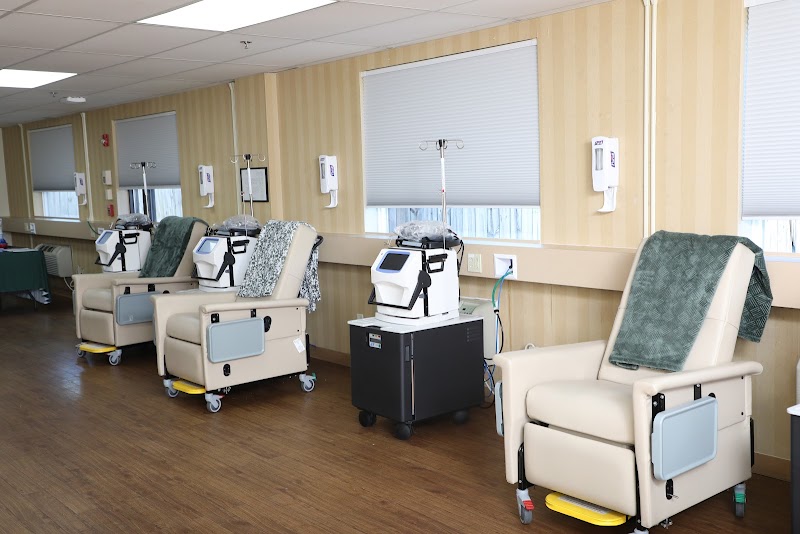
How is Best Care Staffed?

CMS rates BEST CARE HEALTH AND REHABILITATION's staffing level at 2 out of 5 stars, which is below average compared to other nursing homes. Staff turnover is 55%, which is 9 percentage points above the Ohio average of 46%. High turnover can affect care consistency as new staff learn residents' individual needs.

What Have Inspectors Found at Best Care?

State health inspectors documented 40 deficiencies at BEST CARE HEALTH AND REHABILITATION during 2019 to 2024. These included: 40 with potential for harm.
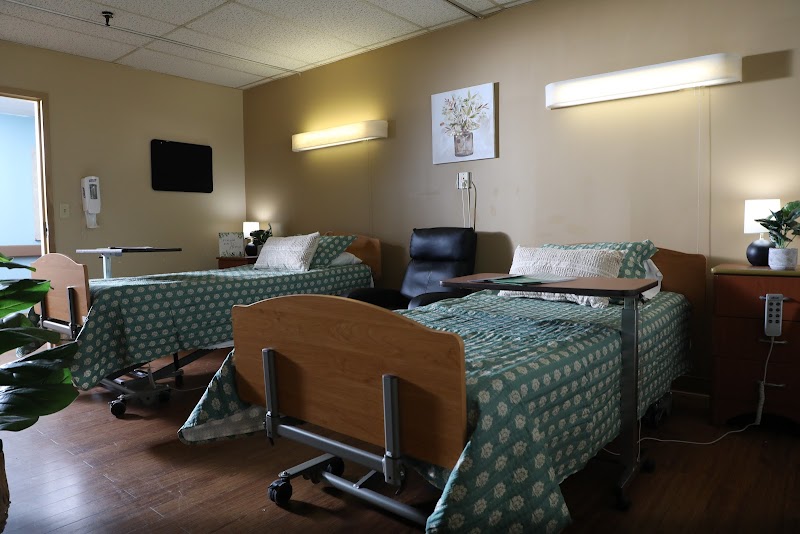
Who Owns and Operates Best Care?

BEST CARE HEALTH AND REHABILITATION is owned by a for-profit company. For-profit facilities operate as businesses with obligations to shareholders or private owners. The facility is operated by EXCEPTIONAL LIVING CENTERS, a chain that manages multiple nursing homes. With 110 certified beds and approximately 86 residents (about 78% occupancy), it is a mid-sized facility located in WHEELERSBURG, Ohio.
How Does Best Care Compare to Other Ohio Nursing Homes?

Compared to the 100 nursing homes in Ohio, BEST CARE HEALTH AND REHABILITATION's overall rating (2 stars) is below the state average of 3.2, staff turnover (55%) is near the state average of 46%, and health inspection rating (2 stars) is below the national benchmark.

What Should Families Ask When Visiting Best Care?

Based on this facility's data, families visiting should ask: "How do you ensure continuity of care given staff turnover, and what is your staff retention strategy?" "Can you walk me through typical staffing levels on day, evening, and night shifts?" "Can I visit during a mealtime to observe dining assistance and food quality?" "How do you handle medical emergencies, and what is your hospital transfer rate?" These questions are particularly relevant given the facility's high staff turnover rate and the below-average staffing rating.

Is Best Care Safe?

Based on CMS inspection data, BEST CARE HEALTH AND REHABILITATION has a clean safety record: no substantiated abuse findings (meaning no confirmed cases of resident harm), no Immediate Jeopardy citations (the most serious violation level indicating risk of serious injury or death), and is not on the Special Focus Facility watch list (a federal program monitoring the lowest-performing 1% of nursing homes). The facility has a 2-star overall rating and ranks #100 of 100 nursing homes in Ohio. While no facility is perfect, families should still ask about staff-to-resident ratios and recent inspection results during their visit.

Do Nurses at Best Care Stick Around?

Staff turnover at BEST CARE HEALTH AND REHABILITATION is high. At 55%, the facility is 9 percentage points above the Ohio average of 46%. High turnover means new staff may not know residents' individual needs, medications, or preferences. It can also be disorienting for residents, especially those with dementia who rely on familiar faces. Families should ask: What is causing the turnover? What retention programs are in place? How do you ensure care continuity during staff transitions?

Was Best Care Ever Fined?

BEST CARE HEALTH AND REHABILITATION has been fined $13,309 across 1 penalty action. This is below the Ohio average of $33,212. While any fine indicates a compliance issue, fines under $50,000 are relatively common and typically reflect isolated problems that were subsequently corrected. Families should ask what specific issues led to these fines and confirm they've been resolved.

Is Best Care on Any Federal Watch List?

BEST CARE HEALTH AND REHABILITATION is not on any federal watch list. The most significant is the Special Focus Facility (SFF) program, which identifies the bottom 1% of nursing homes nationally based on persistent, serious quality problems. Not being on this list means the facility has avoided the pattern of deficiencies that triggers enhanced federal oversight. This is a positive indicator, though families should still review the facility's inspection history directly.