CONCORD HEALTH & REHAB CTR
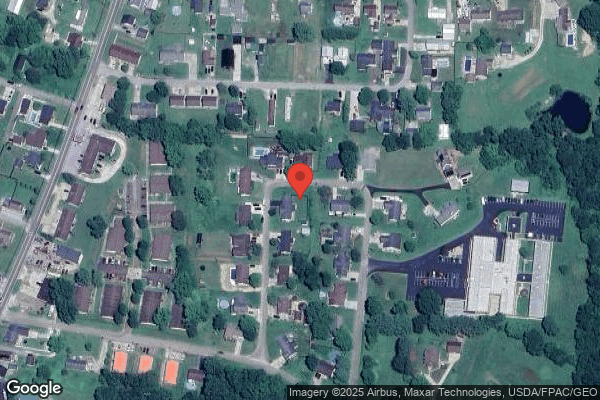

1242 CRESCENT DRIVE, WHEELERSBURG, OH 45694 (740) 574-8441
For profit - Corporation 75 Beds FOUNDATIONS HEALTH SOLUTIONS Data: November 2025
Trust Grade
70/100
#244 of 913 in OH
Last Inspection: September 2024

Within standard 12-15 month inspection cycle. Federal law requires annual inspections.

Overview

Concord Health & Rehab Center has a Trust Grade of B, indicating it is a good choice for families seeking care, as it falls within the 70-79 range. It ranks #244 out of 913 facilities in Ohio, placing it in the top half of the state, and #5 out of 11 in Scioto County, meaning only four local options are better. However, the facility is currently worsening, with the number of issues increasing from 1 in 2023 to 5 in 2024. Staffing is a weakness here, rated at 1 out of 5 stars with a turnover rate of 35%, which is better than the state average of 49%, but still indicates challenges in staff retention. On a positive note, the facility has no fines on record, which is a good sign, and has average RN coverage, helping monitor resident health. Specific incidents that raised concerns include a failure to follow infection control procedures for a resident with Clostridium Difficile, which posed a risk to all residents, and issues with medication management for residents that may have been prescribed unnecessary pain medications or antipsychotics without proper oversight. Overall, while there are strengths in certain areas, the increasing number of issues and staffing challenges are important factors for families to consider when researching this facility.

Trust Score
B
70/100
In Ohio
#244/913
Top 26%
Safety Record
Low Risk
No red flags
Inspections
Getting Worse
1 → 5 violations
Staff Stability
○ Average
35% turnover. Near Ohio's 48% average. Typical for the industry.
Penalties
✓ Good
No fines on record. Clean compliance history, better than most Ohio facilities.
Skilled Nurses
○ Average
Each resident gets 30 minutes of Registered Nurse (RN) attention daily — about average for Ohio. RNs are the most trained staff who monitor for health changes.
Violations
⚠ Watch
22 deficiencies on record. Higher than average. Multiple issues found across inspections.
★★★★☆
4.0
Overall Rating
★☆☆☆☆
1.0
Staff Levels
★★★★★
5.0
Care Quality
★★★★☆
4.0
Inspection Score
Stable
2023: 1 issues
2024: 5 issues

The Good

  • 5-Star Quality Measures · Strong clinical quality outcomes
  • Full Sprinkler Coverage · Fire safety systems throughout facility
  • No fines on record
  • Staff turnover below average (35%)

    13 points below Ohio average of 48%

Facility shows strength in quality measures, fire safety.

The Bad

Staff Turnover: 35%

11pts below Ohio avg (46%)

Typical for the industry

Chain: FOUNDATIONS HEALTH SOLUTIONS

Part of a multi-facility chain

Ask about local staffing decisions and management

The Ugly 22 deficiencies on record

Sept 2024 2 deficiencies
CONCERN (D)

Potential for Harm - no one hurt, but risky conditions existed

Deficiency F0757 (Tag F0757)

Could have caused harm · This affected 1 resident

**NOTE- TERMS IN BRACKETS HAVE BEEN EDITED TO PROTECT CONFIDENTIALITY** Based on interview and record review, the facility failed to have parameters for administration of two as needed pain medication...

Read full inspector narrative →
**NOTE- TERMS IN BRACKETS HAVE BEEN EDITED TO PROTECT CONFIDENTIALITY** Based on interview and record review, the facility failed to have parameters for administration of two as needed pain medications for Resident #33. This affected one resident of five reviewed for unnecessary medications. The facility census was 73. Findings include: Review of the medical record for Resident #33 revealed an admission date of 03/15/24. Diagnoses included chronic pain. Review of the significant change Minimum Data Set (MDS) assessment dated [DATE] revealed Resident #33 was cognitively intact. Resident #33 had occasional moderate pain interfering with her activities of daily living. Review of the pain assessments dated 08/28/24 and 09/04/24 revealed Resident #33 had moderate pain described by the resident. Review of the plan of care revealed Resident #33 had pain related to recent re-fracture of right hip and surgery. The interventions included to assess/monitor pain and provide pain medication as ordered. Review of the physician orders dated 09/2024 revealed on 08/09/24, Resident #33 had an order for Ibuprofen (non-narcotic pain medication) 800 milligrams (mg) by mouth every eight hours as needed for mild pain and on 08/12/24, hydrocodone-acetaminophen (narcotic pain medication) 5/325 mg by mouth every six hours as needed for pain. Neither pain medication had description of mild pain, or numerical identification of pain level. Review of the Medication Administration Record for 09/2024 revealed Resident #33 received no doses of Ibuprofen however, received hydrocodone-acetaminophen 5/325 mg by mouth every six hours as needed for pain was administered 20 times for pain ranging from three to six on a pain scale of one to ten along with non-pharmacological interventions. Interview with Licensed Practical Nurse (LPN) #560 on 09/11/24 at 3:42 P.M. confirmed that a resident ordered two pain medications as needed would need parameters to help the nurse decide which medication to administer based on the resident's level of pain. Interview with Director of Nursing (DON) on 09/12/24 at 1:44 P.M. confirmed as needed pain medications required level of pain parameters to ensure the nurse administered the appropriate pain medication.
CONCERN (D)

Potential for Harm - no one hurt, but risky conditions existed

Medication Errors (Tag F0758)

Could have caused harm · This affected 1 resident

**NOTE- TERMS IN BRACKETS HAVE BEEN EDITED TO PROTECT CONFIDENTIALITY** Based on record review and staff interview, the facility failed to ensure Resident #31 had appropriate clinical reason/diagnosis...

Read full inspector narrative →
**NOTE- TERMS IN BRACKETS HAVE BEEN EDITED TO PROTECT CONFIDENTIALITY** Based on record review and staff interview, the facility failed to ensure Resident #31 had appropriate clinical reason/diagnosis for the use of an antipsychotic medication. This affected one (#31) of five residents reviewed for unnecessary medications. The facility census was 73. Findings include: Review of the medical record for Resident #31 revealed an admission date of 12/11/23 with diagnoses including dementia with psychotic disturbance, anxiety disorder, major depressive disorder, psycho-physiologic insomnia, hallucinations, and delirium. Review of the quarterly Minimum Data Set (MDS) assessment dated [DATE] revealed Resident #31 was cognitively impaired with signs and symptoms of delirium, hallucinations, delusions and verbal behaviors directed to others. Resident #31 received antipsychotic medication seven of seven days during the look back period. The antipsychotics were reviewed on a routine basis with no gradual dose reduction attempted. Review of the plan of care for Resident #31 revealed no plan of care specifically for hallucinations. The plan of care addressed dementia and it did not list hallucinations as a symptom or problem. Review of the nursing progress notes from 07/01/24 to 09/12/24 revealed occasional documentation Resident #31 had hallucinations. Review of the physician orders dated 09/2024 indicated Resident #31 was ordered and received quetiapine fumerate (Seroquel) (antipsychotic medication) 100 milligrams (mg) by mouth daily for hallucinations. Interview with Regional Clinician #999 on 09/12/24 at 9:09 A.M. confirmed hallucinations was not an appropriate diagnosis for the use of antipsychotic medication Seroquel for Resident #31.
Feb 2024 3 deficiencies
CONCERN (D) 📢 Someone Reported This

A family member, employee, or ombudsman was alarmed enough to file a formal complaint

Potential for Harm - no one hurt, but risky conditions existed

Notification of Changes (Tag F0580)

Could have caused harm · This affected 1 resident

**NOTE- TERMS IN BRACKETS HAVE BEEN EDITED TO PROTECT CONFIDENTIALITY** Based on closed medical record review, staff interviews and facility policy review, the facility failed to ensure the Power of A...

Read full inspector narrative →
**NOTE- TERMS IN BRACKETS HAVE BEEN EDITED TO PROTECT CONFIDENTIALITY** Based on closed medical record review, staff interviews and facility policy review, the facility failed to ensure the Power of Attorney (POA) was notified of a change in condition in the area of skin tears for one resident (#74). This affected one (Resident #74) of three residents reviewed for notification. The facility census was 73. Findings Include: Review of the closed medical record for Resident #74 revealed an initial admission date of [DATE] with the diagnoses including encounter for orthopedic aftercare, displaced intertrochanteric fracture of the right femur, chronic obstructive pulmonary disease (COPD), Parkinsonism, generalized muscle weakness, abnormalities of gait and mobility, dysphagia, other symbolic dysfunctions, dysarthria and anarthria, repeated falls, protein-calorie malnutrition, chronic kidney disease, dementia, hypertension, gastro-esophageal reflux disease, hyperlipidemia, insomnia, depression, anxiety disorder, chronic pain syndrome, dementia with behavioral disturbances, abnormal weight loss, psychotic disorder and urinary tract infection (UTI). The resident expired in the facility on [DATE]. Review of the resident's comprehensive Minimum Data Set (MDS) assessment dated [DATE] revealed the resident had a severe cognitive deficit. Review of the mood and behavior revealed the resident had delusions, displayed verbal and physical behaviors directed towards others and rejected care. The resident required was dependent on staff for activities of daily living (ADL). The resident was always incontinent of both bowel and bladder. The assessment indicated the resident had no falls since admission to the facility. The resident was assessed as being at risk for skin breakdown and had no skin issues. Review of the behavior note dated [DATE] at 1:10 A.M. revealed the resident was combative with staff and attempting to get out of bed. Review of the progress note dated [DATE] at 1:15 A.M., revealed the resident had two skin tears on the right and left wrist/lower hand area after resident was being combative with staff and hitting hands of bed railings. Staff was attempting to keep resident from falling out of bed. The resident was assisted with putting pants on and assisted into her wheelchair to help calm resident down. The skin tears were cleansed with wound cleanser, antibiotic ointment was applied and covered with band-aid. The resident was taken to the nurses station and given juice. Review of the progress note dated 01/21 24 at 10:08 A.M. revealed the resident's daughter requested to see the nurse. The resident daughter was upset about the skin tears to the left and right hand/wrist. The daughter informed the nurse on one had informed her of the skin tears occurring. The nurse notified the Director of Nursing (DON) of the situation. Review of the skin grid non-pressure dated [DATE] revealed the resident was found to have a skin tear to the left wrist. The wound measured 1.0 centimeters (cm) by 1.0 cm. The assessment indicated the physician and the family were notified of the incident. Review of the skin grid non-pressure dated [DATE] revealed the resident was found to have a skin tear to the right wrist measuring 1.0 cm by 1.0 cm. The assessment indicated the physician and the family were notified of the incident. On [DATE] at 8:29 A.M., interview with the DON verified the resident's POA was not notified when the incident occurred. The DON revealed when the POA came to the facility on [DATE] she noted the skin tears and was notified at that time. On [DATE] at 1:16 P.M., interview with Licensed Practical Nurse (LPN) #183 verified she had not notified the POA at the time of the occurrence of the skin tears. Review of facility policy titled Change of Condition, dated [DATE], revealed a change of condition is defined as deterioration in health, mental or psychosocial status of a resident related to a life threatening condition, a significant alteration in treatment or a significant change in the resident's clinical condition or status. The unit manager or charge nurse will notify the resident, physician and guardian/interested family member of all changes as stated above and of any other situations requiring notification. This deficiency represents non-compliance investigated under Complaint Number OH00150843.
CONCERN (D) 📢 Someone Reported This

A family member, employee, or ombudsman was alarmed enough to file a formal complaint

Potential for Harm - no one hurt, but risky conditions existed

Report Alleged Abuse (Tag F0609)

Could have caused harm · This affected 1 resident

**NOTE- TERMS IN BRACKETS HAVE BEEN EDITED TO PROTECT CONFIDENTIALITY** Based on closed medical record review, interviews, facility investigation review and facility policy review, the facility failed...

Read full inspector narrative →
**NOTE- TERMS IN BRACKETS HAVE BEEN EDITED TO PROTECT CONFIDENTIALITY** Based on closed medical record review, interviews, facility investigation review and facility policy review, the facility failed to report an allegation of abuse to the required state agency for one resident (#74). This affected one (Resident #74) of three residents reviewed for abuse. The facility census was 73. Findings Include: Review of the closed medical record for Resident #74 revealed an initial admission date of [DATE] with the diagnoses including encounter for orthopedic aftercare, displaced intertrochanteric fracture of the right femur, chronic obstructive pulmonary disease (COPD), Parkinsonism, generalized muscle weakness, abnormalities of gait and mobility, dysphagia, other symbolic dysfunctions, dysarthria and anarthria, repeated falls, protein-calorie malnutrition, chronic kidney disease, dementia, hypertension, gastro-esophageal reflux disease, hyperlipidemia, insomnia, depression, anxiety disorder, chronic pain syndrome, dementia with behavioral disturbances, abnormal weight loss, psychotic disorder and urinary tract infection (UTI). The resident expired in the facility on [DATE]. Review of the resident's comprehensive Minimum Data Set (MDS) assessment dated [DATE] revealed the resident had a severe cognitive deficit. Review of the mood and behavior revealed the resident had delusions, displayed verbal and physical behaviors directed towards others and rejected care. Review of the behavior note dated [DATE] at 1:10 A.M. revealed the resident was combative with staff and attempting to get out of bed. Review of the progress note dated [DATE] at 1:15 A.M., revealed the resident had two skin tears on the right and left wrist/lower hand area after resident was being combative with staff and hitting hands of bed railings. Staff was attempting to keep resident from falling out of bed. The resident was assisted with putting pants on and assisted into her wheelchair to help calm resident down. The skin tears were cleansed with wound cleanser, antibiotic ointment was applied and covered with band-aid. The resident was taken to the nurses station and given juice. Review of the progress note dated 01/21 24 at 10:08 A.M. revealed the resident's daughter requested to see the nurse. The resident daughter was upset about the skin tears to the left and right hand/wrist. The daughter informed the nurse on one had informed her of the skin tears occurring. The nurse notified the Director of Nursing (DON) of the situation. Review of the skin grid non-pressure dated [DATE] revealed the resident was found to have a skin tear to the left wrist. The wound measured 1.0 centimeters (cm) by 1.0 cm. The assessment indicated the physician and the family were notified of the incident. Review of the skin grid non-pressure dated [DATE] revealed the resident was found to have a skin tear to the right wrist measuring 1.0 cm by 1.0 cm. The assessment indicated the physician and the family were notified of the incident. Review of the facility's self-reported incident (SRI) list revealed no reported SRI related to the allegation of abuse alleged by the resident's POA. On [DATE] at 8:29 A.M., interview with the DON revealed the Power of Attorney (POA) was very accusatory and tried to say the staff held the resident down and that is what caused the skin tears. The DON revealed the POA accused the staff of abusing the resident at that point. The DON verified the facility had not completed a self-reported incident notifying the state agency of the allegation of abuse. Review of facility policy titled Abuse, Neglect, Exploitation & Misappropriation of Resident Property, dated [DATE], revealed it is the facility's policy to investigate all alleged violations involving Abuse, Neglect, Exploitation, Mistreatment of a resident or Misappropriation of Resident Property, including injuries of unknown source. Additionally, the facility should immediately report all such allegations to the Administrator and to the Ohio Department of Health (ODH). This deficiency represents non-compliance investigated under Complaint Number OH00150843.
CONCERN (D) 📢 Someone Reported This

A family member, employee, or ombudsman was alarmed enough to file a formal complaint

Potential for Harm - no one hurt, but risky conditions existed

Investigate Abuse (Tag F0610)

Could have caused harm · This affected 1 resident

**NOTE- TERMS IN BRACKETS HAVE BEEN EDITED TO PROTECT CONFIDENTIALITY** Based on closed medical record review, interviews, facility investigation review and facility policy review, the facility failed...

Read full inspector narrative →
**NOTE- TERMS IN BRACKETS HAVE BEEN EDITED TO PROTECT CONFIDENTIALITY** Based on closed medical record review, interviews, facility investigation review and facility policy review, the facility failed to complete a thorough investigation for an allegation of abuse for one resident (#74). This affected one (Resident #74) of three residents reviewed for abuse. The facility census was 73. Findings Include: Review of the closed medical record for Resident #74 revealed an initial admission date of [DATE] with the diagnoses including encounter for orthopedic aftercare, displaced intertrochanteric fracture of the right femur, chronic obstructive pulmonary disease (COPD), Parkinsonism, generalized muscle weakness, abnormalities of gait and mobility, dysphagia, other symbolic dysfunctions, dysarthria and anarthria, repeated falls, protein-calorie malnutrition, chronic kidney disease, dementia, hypertension, gastro-esophageal reflux disease, hyperlipidemia, insomnia, depression, anxiety disorder, chronic pain syndrome, dementia with behavioral disturbances, abnormal weight loss, psychotic disorder and urinary tract infection (UTI). The resident expired in the facility on [DATE]. Review of the resident's comprehensive Minimum Data Set (MDS) assessment dated [DATE] revealed the resident had a severe cognitive deficit. Review of the mood and behavior revealed the resident had delusions, displayed verbal and physical behaviors directed towards others and rejected care. Review of the behavior note dated [DATE] at 1:10 A.M. revealed the resident was combative with staff and attempting to get out of bed. Review of the progress note dated [DATE] at 1:15 A.M., revealed the resident had two skin tears on the right and left wrist/lower hand area after resident was being combative with staff and hitting hands of bed railings. Staff was attempting to keep resident from falling out of bed. The resident was assisted with putting pants on and assisted into her wheelchair to help calm resident down. The skin tears were cleansed with wound cleanser, antibiotic ointment was applied and covered with band-aid. The resident was taken to the nurses station and given juice. Review of the progress note dated 01/21 24 at 10:08 A.M. revealed the resident's daughter requested to see the nurse. The resident daughter was upset about the skin tears to the left and right hand/wrist. The daughter informed the nurse on one had informed her of the skin tears occurring. The nurse notified the Director of Nursing (DON) of the situation. Review of the skin grid non-pressure dated [DATE] revealed the resident was found to have a skin tear to the left wrist. The wound measured 1.0 centimeters (cm) by 1.0 cm. The assessment indicated the physician and the family were notified of the incident. Review of the skin grid non-pressure dated [DATE] revealed the resident was found to have a skin tear to the right wrist measuring 1.0 cm by 1.0 cm. The assessment indicated the physician and the family were notified of the incident. Review of the facility's self-reported incident (SRI) list revealed no reported SRI related to the allegation of abuse alleged by the resident's POA on [DATE]. On [DATE] at 8:29 A.M., interview with the DON revealed the Power of Attorney (POA) was very accusatory and tried to say the staff held the resident down and that is what caused the skin tears. The DON revealed the POA accused the staff of abusing the resident at that point. The DON provided no additional investigative information other than the three State Tested Nursing Assistants (STNA) statements. Review of facility policy titled Abuse, Neglect, Exploitation & Misappropriation of Resident Property, dated [DATE], revealed it is the facility's policy to investigate all alleged violations involving Abuse, Neglect, Exploitation, Mistreatment of a resident or Misappropriation of Resident Property, including injuries of unknown source. Additionally, the facility should immediately report all such allegations to the Administrator and to the Ohio Department of Health (ODH). This deficiency represents non-compliance investigated under Complaint Number OH00150843.
Aug 2023 1 deficiency
CONCERN (D) 📢 Someone Reported This

A family member, employee, or ombudsman was alarmed enough to file a formal complaint

Potential for Harm - no one hurt, but risky conditions existed

Resident Rights (Tag F0550)

Could have caused harm · This affected 1 resident

**NOTE- TERMS IN BRACKETS HAVE BEEN EDITED TO PROTECT CONFIDENTIALITY** Based on interviews, record reviews, and review of video camera footage, the facility failed to ensure a resident was treated in...

Read full inspector narrative →
**NOTE- TERMS IN BRACKETS HAVE BEEN EDITED TO PROTECT CONFIDENTIALITY** Based on interviews, record reviews, and review of video camera footage, the facility failed to ensure a resident was treated in a dignified, professional manner by staff. This affected one resident (#46) with the potential to affect all residents residing in the facility. The facility census was 72. Findings include: Record review for Resident #46 revealed this resident was admitted to the facility on [DATE] and had diagnoses including chronic respiratory failure with hypoxia, obstructive sleep apnea, epilepsy, heart failure, and muscle weakness. Review of the annual Minimum Data Set (MDS) assessment, dated 07/07/23, revealed this resident had mildly impaired cognition evidenced by a Brief Interview for Mental Status (BIMS) assessment score of 10 out of 15. This resident was assessed to require extensive assistance from one staff member for bed mobility, transfers, and toileting and to be independent with setup help only for eating. Review of the video camera footage, dated 06/28/23 and timed 6:13 A.M., revealed Licensed Practical Nurse (LPN) #200 was observed placing her hands together by her face, mimicking a sleeping position, and stated Sleeping like a baby, I'm gonna wake up every two hours hungry and wet. Resident #46 responded I'm not to which LPN #200 further replied I know you are. Review of the video camera footage, dated 08/07/23 and timed 11:07 P.M., revealed LPN #200 is instructing the resident to breathe while standing beside her bed. LPN #200 then begins walking around the residents bed and loudly and sternly states I'm not leaving, calm down!. Interview with the Director of Nursing (DON) on 08/22/23 at 10:00 A.M. verified the manner in which LPN #200 spoke to Resident #46 in the video camera footage was not professional. Telephone interview with LPN #200 on 08/22/23 at 12:55 P.M. revealed the manner in which the LPN interacted with the resident was intended to be joking and disrespect or harm was not intended. This deficiency was a result of the investigation of Complaint OH00145461.
Jul 2022 12 deficiencies
CONCERN (D)

Potential for Harm - no one hurt, but risky conditions existed

Deficiency F0569 (Tag F0569)

Could have caused harm · This affected 1 resident

**NOTE- TERMS IN BRACKETS HAVE BEEN EDITED TO PROTECT CONFIDENTIALITY** Based on review of resident personal funds accounts, policy and procedure review and interview the facility failed to ensure res...

Read full inspector narrative →
**NOTE- TERMS IN BRACKETS HAVE BEEN EDITED TO PROTECT CONFIDENTIALITY** Based on review of resident personal funds accounts, policy and procedure review and interview the facility failed to ensure residents who were within $200.00 of the Social Security Income (SSI) resource limit of $2,000.00 were assisted in spending down the money so the resident did not lose their Medicaid eligibility. This affected two residents (#32 and #60) of five residents reviewed for personal funds. Findings include: 1. Review of Resident #60's medical record revealed the resident was admitted to the facility on [DATE] with diagnoses including respiratory failure, chronic obstructive pulmonary disease, diabetes, hypertension and dysphagia. Record review revealed the resident did not have a financial power of attorney or legal guardian. Review of Resident #60's quarterly Minimum Data Set (MDS) 3.0 assessment, dated 06/13/2022 revealed the resident's speech was impaired and she was severely cognitively impaired. Review of Resident #60's personal funds account on 07/11/2022 revealed she had $9,179.76 in her personal funds account. As of 03/25/2022 Resident #60's account exceeded the $2,000.00 SSI resource limit. On 07/14/22 at 12:58 P.M. interview with Business Office Manager (BOM) #700 confirmed Resident #60 exceeded the $2,000.00 SSI resource limit. BOM #700 indicated she had notified Resident #60 quarterly her personal funds account exceeded the SSI resource limit. However, the resident was non-verbal and was unable to participate in conversations regarding the funds. BOM #700 was unaware of anything Resident #60 needed. BOM #700 revealed she also had spoken with Resident #60's brother (specific dates not provided), but stated he had not done anything with her money. On 07/14/22 at 1:08 P.M. interview with Social Service Designee (SSD) #240 revealed she was not aware Resident #60's personal funds account exceeded the SSI resource limit. SSD #240 indicated Resident #60 had personal needs the money could be used for. Review of the undated Resident Trust Fund Accounting and Records policy revealed the provider shall give written notification to each resident who received Medicaid benefits and whose funds were managed by the provider, when the amount in the resident's account reached $200.00 or less than the resource limit. 2. Review of Resident #32's medical record revealed the resident was admitted to the facility on [DATE] with diagnoses including COVID-19, chronic obstructive pulmonary disease, diabetes, hemiplegia, hypertension, dysphagia, seizures and traumatic brain injury. Review of Resident #32's annual MDS 3.0 assessment, dated 05/16/2022 revealed the resident's speech was rarely/never understood and he had severely impaired cognition. Review of Resident #32's personal funds account revealed on 07/11/2022 Resident #32 had $5,939.31 in his personal funds account. As of 03/25/2022 Resident #32's account exceeded the $2,000.00 SSI resource limit. On 07/14/22 at 12:58 P.M. interview with BOM #700 verified Resident #32 exceeded the $2,000.00 SSI resource limit. BOM #700 revealed she had spoken with Resident #32's brother (date not provided), and he was supposed to work on spending the money, but stated he had not had time to do so. BOM #700 revealed she was unaware of anything the resident might need. On 07/14/22 at 1:08 P.M. interview with Social Service Designee (SSD) #240 revealed she was not aware Resident #32's personal funds account exceeded the SSI resource limit. SSD #240 indicated Resident #32 had personal needs the money could be used for. Review of the undated Resident Trust Fund Accounting and Records policy revealed the provider shall give written notification to each resident who received Medicaid benefits and whose funds were managed by the provider, when the amount in the resident's account reached $200.00 or less than the resource limit.
CONCERN (D)

Potential for Harm - no one hurt, but risky conditions existed

Transfer Requirements (Tag F0622)

Could have caused harm · This affected 1 resident

**NOTE- TERMS IN BRACKETS HAVE BEEN EDITED TO PROTECT CONFIDENTIALITY** Based on review medical record review, policy and procedure review and interview the facility failed to ensure Resident #45's me...

Read full inspector narrative →
**NOTE- TERMS IN BRACKETS HAVE BEEN EDITED TO PROTECT CONFIDENTIALITY** Based on review medical record review, policy and procedure review and interview the facility failed to ensure Resident #45's medical record contained evidence of contact information of the practitioner responsible for the care of the resident, resident representative information including contact information, advance directive information, all special instructions or precautions for ongoing care, as appropriate, and comprehensive care plan goals when the resident was discharged to the hospital. This affected one resident (#45) of one resident reviewed for hospitalization. Findings include: Review of Resident #45's medical record revealed the resident was admitted to the facility on [DATE] and discharged on 07/05/2022 with diagnoses including acute respiratory failure, type II diabetes, morbid obesity, anxiety and dysphagia. Review of Resident #45's quarterly Minimum Data Set (MDS) 3.0 assessment, dated 06/27/2022 revealed the resident's speech was clear, he made himself understood, he understands others and his cognition was moderately impaired. Review of Resident #45's progress note, dated 07/04/2022 revealed Resident #45's daughter in-law was contacted, and she informed the nurse Resident #45 had called her and he was talking about hurting himself. Resident #45 thought he was on a bus in [NAME] Virginia. Resident #45's daughter in-law wanted the resident sent to the emergency department. Resident #45 was asked if he wanted to go to the emergency room for evaluation and he said yes. Resident #45 was sent to the emergency department and was admitted to the hospital. Further review of Resident #45's medical record revealed no evidence the emergency department and/or the hospital was provided with information for Resident #45's including contact information of the resident's physician, resident representative contact information, advance directive information, and comprehensive care plan goals as required. On 07/14/22 at 1:55 P.M. interview with the Director of Nursing (DON) confirmed there was no evidence in Resident #45's medical record of physician contact information, Resident #45's representative information including contact information, advance directive information, all special instructions or precautions for ongoing care, and comprehensive care plan goals when the resident was discharged to the hospital. The DON revealed she send a copy of the resident's face sheet, history and physical, and physician orders to the hospital. The DON confirmed there was no evidence of the additional information being sent with Resident #45 as required. Review of the facility Transfer to Hospital for admission policy, revised April 2002 revealed a completed transfer form was to be sent with the resident.
CONCERN (D)

Potential for Harm - no one hurt, but risky conditions existed

Deficiency F0625 (Tag F0625)

Could have caused harm · This affected 1 resident

**NOTE- TERMS IN BRACKETS HAVE BEEN EDITED TO PROTECT CONFIDENTIALITY** Based on medical record review, facility policy and procedure review and interview the facility failed to ensure bed hold inform...

Read full inspector narrative →
**NOTE- TERMS IN BRACKETS HAVE BEEN EDITED TO PROTECT CONFIDENTIALITY** Based on medical record review, facility policy and procedure review and interview the facility failed to ensure bed hold information was provided to Resident #45 and/or the resident's representative at the time of transfer to the hospital. This affected one resident (#45) of one resident reviewed for hospitalization. Finding include: Review of Resident #45's medical record revealed the resident was admitted to the facility on [DATE] and discharged on 07/05/2022 with diagnoses including acute respiratory failure, type II diabetes, morbid obesity, anxiety and dysphagia. Review of Resident #45's quarterly Minimum Data Set (MDS) 3.0 assessment, dated 06/27/2022 revealed the resident's speech was clear, he made himself understood, he understands others and his cognition was moderately impaired. Review of Resident #45's progress note, dated 07/04/2022 revealed Resident #45's daughter in-law was contacted, and she informed the nurse that Resident #45 had called her and he was talking about hurting himself. Resident #45 thought he was on a bus in [NAME] Virginia. Resident #45's daughter in-law wanted the resident sent to the emergency department. Resident #45 was asked if he wanted to go to the emergency room for evaluation and he said yes. Resident #45 was sent to the emergency department and was admitted to the hospital. Further review of Resident #45's medical record revealed no evidence Resident #45 or his responsible party were provided or notified of the facility bed hold policy/information at the time of his transfer. On 07/14/22 at 1:55 P.M. interview with the Director of Nursing (DON) confirmed neither Resident #45 or his responsible party were provided required bed hold information at the time of transfer/discharge. Review of the facility Bed Hold Policy, revised 11/30/2018, revealed before a nursing facility transferred a resident to a hospital or the resident goes on a therapeutic leave, the nursing facility must provide written information to the resident or the resident representative related to bed hold.
CONCERN (D)

Potential for Harm - no one hurt, but risky conditions existed

MDS Data Transmission (Tag F0640)

Could have caused harm · This affected 1 resident

**NOTE- TERMS IN BRACKETS HAVE BEEN EDITED TO PROTECT CONFIDENTIALITY** Based on medical record review, review of Centers for Medicare and Medicaid (CMS) guidance and interview the facility failed to ...

Read full inspector narrative →
**NOTE- TERMS IN BRACKETS HAVE BEEN EDITED TO PROTECT CONFIDENTIALITY** Based on medical record review, review of Centers for Medicare and Medicaid (CMS) guidance and interview the facility failed to timely complete and submit a Minimum Data Set (MDS) assessment for Resident #63, who had been discharged from the facility. This affected one resident (#63) of 20 residents whose MDS 3.0 assessments were reviewed. Findings include: Review of Resident #63's closed medical record revealed the resident was admitted to the facility on [DATE] with diagnoses including unspecified dementia, muscle weakness and repeated falls. The resident was discharged from the facility on 05/13/22. Review of a nursing progress note, dated 05/13/22, revealed the resident was discharged to a Hospice house. Review of the MDS 3.0 assessments completed for Resident #63 revealed there had not been a discharge MDS assessment completed related to the resident's discharge from the facility as of 07/13/22. On 07/14/22 at 11:10 A.M. interview with the Director of Nursing (DON) verified there had not been a discharge MDS assessment completed for Resident #63 since her discharge on [DATE]. Review of the online CMS guidance titled Long Term Care Facility Resident Assessment Instrument 3.0 User's Manual Version 1.17.1 (https://downloads.cms.gov/files/mds-3.0-rai-manual-v1.17.1_october_2019.pdf), dated 10/2019 revealed a discharge assessment-return not anticipated must be completed when the resident was discharged from the facility and the resident was not expected to return to the facility within 30 days, must be completed 14 days after the discharge date , and must be submitted within 14 days after the MDS completion date.
CONCERN (D)

Potential for Harm - no one hurt, but risky conditions existed

Assessment Accuracy (Tag F0641)

Could have caused harm · This affected 1 resident

**NOTE- TERMS IN BRACKETS HAVE BEEN EDITED TO PROTECT CONFIDENTIALITY** Based on observation, medical record review, review of Centers for Medicare and Medicaid (CMS) guidance and interview the facili...

Read full inspector narrative →
**NOTE- TERMS IN BRACKETS HAVE BEEN EDITED TO PROTECT CONFIDENTIALITY** Based on observation, medical record review, review of Centers for Medicare and Medicaid (CMS) guidance and interview the facility failed to ensure Resident #14's Minimum Data Set (MDS) 3.0 assessments were accurate to reflect the resident's limitations in functional mobility/range of motion. This affected one resident (#14) of 20 residents whose MDS 3.0 assessments were reviewed. Findings include: Record review revealed Resident #14 was admitted to the facility on [DATE] and had diagnoses including chronic respiratory failure, tracheostomy status, schizophrenia, neuromuscular dysfunction of bladder, anxiety disorder, major depressive disorder, gastrostomy status, dysphagia, unspecified protein-calorie malnutrition, functional quadriplegia, anemia, viral hepatitis C, and personal history of traumatic brain injury. Review of the quarterly MDS 3.0 assessments, dated 01/08/22 and 04/07/22 revealed Resident #14 had intact cognition evidenced by a Brief Interview for Mental Status (BIMS) assessment score of 15 out of 15. The resident was assessed to be dependent on two staff members for bed mobility, transfers and toileting and was dependent on one staff member for eating. Section G0400 of the assessment was marked as not assessed for functional limitation in range of motion to upper extremities and lower extremities. Review of the Physical Function Observation form, dated 03/30/22 revealed the resident had functional limitation in range of motion to the bilateral upper and lower extremities. On 07/12/22 at 9:25 A.M. Resident #14 was observed in bed with obvious contractures of both the upper and lower extremities present. On 07/12/22 at 4:07 P.M. interview with MDS Nurse #370 verified the MDS assessments, dated 01/08/22 and 04/07/22 had been marked as the resident not being assessed for limited range in motion. MDS Nurse #370 revealed this was due to nursing staff not having documented an assessment of the limited range of motion during the seven day lookback period for the MDS assessment. MDS Nurse #370 verified Resident #14 had limited range of motion present to both upper and lower extremities since being admitted to the facility which should have been coded on both of the above MDS assessments. On 07/13/22 at 8:40 A.M. interview with Certified Occupational Therapy Assistant #470 verified Resident #14 had contractures present to both upper and both lower extremities since being admitted to the facility. Review of the online CMS guidance titled Long Term Care Facility Resident Assessment Instrument 3.0 User's Manual Version 1.17.1 (https://downloads.cms.gov/files/mds-3.0-rai-manual-v1.17.1_october_2019.pdf), dated 10/2019 revealed coding for functional Range of Motion (ROM) was a three step process which included testing the resident's upper and lower extremity ROM. If the resident was noted to have limitation of upper and/or lower ROM, review G0110 and/or directly observe the resident to determine if the limitation interfered with function or placed the resident at risk for injury. Code G0400 A/B as appropriate based on the assessment.
CONCERN (D)

Potential for Harm - no one hurt, but risky conditions existed

Deficiency F0645 (Tag F0645)

Could have caused harm · This affected 1 resident

**NOTE- TERMS IN BRACKETS HAVE BEEN EDITED TO PROTECT CONFIDENTIALITY** Based on medical record review and staff interview the facility failed to ensure a Preadmission Screening and Resident Review (P...

Read full inspector narrative →
**NOTE- TERMS IN BRACKETS HAVE BEEN EDITED TO PROTECT CONFIDENTIALITY** Based on medical record review and staff interview the facility failed to ensure a Preadmission Screening and Resident Review (PASARR) assessment for Resident #23 was accurately completed upon admission to the facility. This affected one resident (#23) of three residents reviewed for timely and accurate PASARR assessments. Findings include: Record review revealed Resident #23 was admitted to the facility on [DATE] and had diagnoses including bipolar disorder and schizophrenia upon admission. Review of the PASARR, dated 09/06/21 revealed the assessment was not accurate as it did not include the resident's diagnoses of bipolar disorder and schizophrenia. Review of the quarterly Minimum Data Set (MDS) 3.0 assessment, dated 04/21/22 revealed the resident had intact cognition evidenced by a Brief Interview for Mental Status (BIMS) assessment score of 14 out of 15. The assessment revealed the resident required extensive assistance from two staff members for bed mobility and toileting and extensive assistance from one staff member for eating. On 07/13/22 at 3:30 P.M. interview with the social service designee verified the PASARR assessment completed for Resident #23 on 09/06/21 had not been filled out accurately as it did not include the resident had diagnoses of bipolar disorder and schizophrenia and the error had been missed by the facility.
CONCERN (D)

Potential for Harm - no one hurt, but risky conditions existed

Comprehensive Care Plan (Tag F0656)

Could have caused harm · This affected 1 resident

**NOTE- TERMS IN BRACKETS HAVE BEEN EDITED TO PROTECT CONFIDENTIALITY** 2. Record review revealed Resident #14 was admitted to the facility on [DATE] with diagnoses including chronic respiratory failu...

Read full inspector narrative →
**NOTE- TERMS IN BRACKETS HAVE BEEN EDITED TO PROTECT CONFIDENTIALITY** 2. Record review revealed Resident #14 was admitted to the facility on [DATE] with diagnoses including chronic respiratory failure, tracheostomy status, schizophrenia, neuromuscular dysfunction of bladder, anxiety disorder, major depressive disorder, gastrostomy status, dysphagia, unspecified protein-calorie malnutrition, functional quadriplegia, anemia, viral hepatitis C and personal history of traumatic brain injury. Review of the Physical Function Observation form, dated 03/30/22 revealed the resident had functional limitation in range of motion to the bilateral upper and lower extremities. Review of the quarterly MDS 3.0 assessment, dated 04/07/22 revealed the resident had intact cognition evidenced by a Brief Interview for Mental Status (BIMS) assessment score of 15 out of 15. The assessment revealed the resident was dependent on two staff members for bed mobility, transfers and toileting and dependent on one staff member for eating. Record review revealed no comprehensive care plan had been developed for Resident #14 to identify and provide an individualized plan to address the resident's impairments (range of motion needs) to the bilateral upper and lower extremities. On 07/12/22 at 9:25 A.M. Resident #14 was observed in bed. The resident as observed with obvious contractures to both the upper and lower extremities present. On 07/12/22 at 4:07 P.M. interview with MDS Nurse #370 verified Resident #14 had contractures present to both the upper and lower extremities. MDS Nurse #370 also verified the facility had not developed and implemented a comprehensive plan of care to address and provide intervention for the contractures/limitations in range of motion. Based on observation, record review and interview the facility failed to ensure comprehensive care plans were developed and implemented for Resident #14 and Resident #29 related to functional mobility/contractures. This affected two residents (#14 and #29) of three residents reviewed for range of motion. Findings include: 1. Record review revealed Resident #29 had an initial admission date of 04/29/22 and re-admission on [DATE]. Resident #29 had diagnoses including quadriplegia, traumatic brain injury, seizures, depression, mood disorder, constipation, urinary incontinence, chronic cough, and gastrostomy. Review of Physical Function Assessments, dated 05/11/22 and 06/15/22 revealed the resident had impairment to both upper extremities and hands. Record review revealed no comprehensive care plan had been developed for Resident #29 to identify and provide an individualized plan to address the resident's impairments (range of motion needs) to the bilateral upper extremities and hands. On 07/14/22 at 9:28 A.M. observation of Resident #29 with the Director of Nursing (DON) verified the resident had limitations in range of motion and bilateral hand contractures. The DON also verified the facility had not developed a comprehensive and individualized plan of care to address and provide interventions related to range of motion/contractures.
CONCERN (D)

Potential for Harm - no one hurt, but risky conditions existed

Deficiency F0657 (Tag F0657)

Could have caused harm · This affected 1 resident

**NOTE- TERMS IN BRACKETS HAVE BEEN EDITED TO PROTECT CONFIDENTIALITY** Based on medical record review and interview the facility failed to ensure residents and/or their responsible party were invited...

Read full inspector narrative →
**NOTE- TERMS IN BRACKETS HAVE BEEN EDITED TO PROTECT CONFIDENTIALITY** Based on medical record review and interview the facility failed to ensure residents and/or their responsible party were invited and participated in quarterly care conferences/interdisciplinary team meetings. This affected two residents (#20 and #25) of three residents reviewed for care conferences. Findings include: 1. Record review revealed Resident #20 was admitted to the facility on [DATE] with diagnoses including low back pain, binge eating disorder, major depressive disorder, anxiety, hypertension, obstructive sleep apnea, morbid obesity due to excess calories, history of falling, muscle weakness and difficulty in walking. Review of the quarterly Minimum Data Set (MDS) 3.0 assessment, dated 06/29/22 revealed Resident #20 had intact cognition evidenced by a Brief Interview for Mental Status (BIMS) assessment score of 15 our of 15. The assessment revealed the resident required extensive assistance from one staff member for bed mobility and toileting, limited assistance from one staff member for transfers and was independent with no setup or physical help from staff for eating. Review of the social service progress notes, dated 01/01/22 through 07/11/22 revealed no evidence of care conferences being conducted for the resident. On 07/12/22 at 9:35 A.M. interview with Resident #20 revealed the resident denied being invited to or attending care conferences with facility staff to discuss his care. On 07/12/22 at 4:05 P.M. interview with Regional Director of Clinical Operations (RDCO) #990 verified there was no evidence of care conferences being held for Resident #20 in 2022. 2. Record review revealed Resident #25 was admitted to the facility on [DATE] with diagnoses including schizophrenia, dementia in other diseases classified elsewhere with behavioral disturbance, history of falling, insomnia, hyperlipidemia, anxiety disorder and need for assistance with personal care. Review of the quarterly MDS 3.0 assessment, dated 04/29/22 revealed the resident had moderately impaired cognition evidenced by a BIMS assessment score of 02 out of 15. This assessment revealed the resident was assessed to exhibit rejection of care one to three days, required extensive assistance from two staff members for bed mobility, toileting, and transfers and required supervision with setup help only for eating. Review of the social service progress notes, dated 07/17/21 through 07/05/22 revealed no documentation of care conferences being conducted for the resident to include the resident's responsible party. On 07/12/22 at 4:05 P.M. interview with Regional Director of Clinical Operations (RDCO) #990 verified there was no evidence of care conferences being held for Resident #20 between 07/2022 and 07/05/22. This deficiency substantiates Complaint Number OH00131505.
CONCERN (D)

Potential for Harm - no one hurt, but risky conditions existed

Deficiency F0688 (Tag F0688)

Could have caused harm · This affected 1 resident

**NOTE- TERMS IN BRACKETS HAVE BEEN EDITED TO PROTECT CONFIDENTIALITY** Based on observation, record review and interview the facility failed to develop and implement comprehensive and individualized ...

Read full inspector narrative →
**NOTE- TERMS IN BRACKETS HAVE BEEN EDITED TO PROTECT CONFIDENTIALITY** Based on observation, record review and interview the facility failed to develop and implement comprehensive and individualized range of motion treatment and services for Resident #29 to address contractures/limitations in range in motion to the resident's bilateral upper extremities/hands. This affected one resident (#29) of three residents reviewed for range of motion. Findings include: Record review revealed Resident #29 had an initial admission date of 04/29/22 and re-admission on [DATE]. Resident #29 had diagnoses including quadriplegia, traumatic brain injury, seizures, depression, mood disorder, constipation, urinary incontinence, chronic cough, and gastrostomy. Review of Physical Function Assessments, dated 05/11/22 and 06/15/22 revealed the resident had impairment to both upper extremities and hands. Record review revealed no comprehensive care plan had been developed for Resident #29 to identify and provide an individualized plan to address the resident's impairments (range of motion needs) to the bilateral upper extremities and hands. Review of daily task documentation for Resident #29 revealed no evidence the resident was provided range of motion exercises or use of splinting devices to address the bilateral upper extremity impairments. On 07/13/22 at 11:30 A.M. observation of Resident #29 revealed the resident's hands were contracted into closed fists. When asked if he could open his hands, the resident was unable to do so. On 07/13/22 at 2:45 P.M. interview with Regional Director of Clinical Services #990 verified the resident had bilateral contractures to both upper extremities with no splint devices or services in place. On 07/14/22 at 9:28 A.M. observation of Resident #29 with the Director of Nursing (DON) verified the resident had limitations in range of motion and bilateral hand contractures. The DON also verified the facility had not developed a comprehensive and individualized plan of care to address and provide interventions related to range of motion/contractures.
CONCERN (D)

Potential for Harm - no one hurt, but risky conditions existed

Medication Errors (Tag F0758)

Could have caused harm · This affected 1 resident

**NOTE- TERMS IN BRACKETS HAVE BEEN EDITED TO PROTECT CONFIDENTIALITY** Based on medical record review and interview the facility failed to ensure appropriate diagnoses/justification for the use of ps...

Read full inspector narrative →
**NOTE- TERMS IN BRACKETS HAVE BEEN EDITED TO PROTECT CONFIDENTIALITY** Based on medical record review and interview the facility failed to ensure appropriate diagnoses/justification for the use of psychoactive medications for Resident #16. This affected one resident (#16) of five residents reviewed for unnecessary medication use. Findings include: Record review revealed Resident #16 was admitted to the facility on [DATE] with diagnoses including COVID-19, muscle weakness, dysphagia, dementia, congestive heart failure, depression, anxiety, hypothyroidism and disorders of the bladder. Review of physician's medication orders revealed the resident had orders for psychoactive medications, including the anti-psychotic medication, Olanzapine (Zyprexa) 10 milligrams by mouth daily and the anti-convulsant medication, Depakote 125 mg twice daily. Review of the resident's current diagnoses revealed no evidence the resident had a diagnosis of psychosis or other appropriate diagnosis to ensure the justified use of the Zyprexa or Depakote. Review of the Minimum Data Set (MDS) 3.0 assessment, dated 04/11/22 revealed the resident had severe cognitive impairment. On 07/13/22 at 10:01 A.M. interview with Regional Director of Clinical Services #990 verified the lack of evidence to support the justified use of Olanzapine (Zyprexa) or Depakote for Resident #16.
CONCERN (D)

Potential for Harm - no one hurt, but risky conditions existed

Deficiency F0888 (Tag F0888)

Could have caused harm · This affected 1 resident

Based on record review, facility policy and procedure review, Centers for Medicare and Medicaid (CMS) Quality Safety and Oversight (QSO) 22-09-ALL review and interview the facility failed to implement...

Read full inspector narrative →
Based on record review, facility policy and procedure review, Centers for Medicare and Medicaid (CMS) Quality Safety and Oversight (QSO) 22-09-ALL review and interview the facility failed to implemented their COVID-19 vaccination plan and failed to ensure 100 percent of staff were fully vaccinated against COVID-19, were temporarily delayed or had been granted a medical or religious exemption as required. This had the potential to affect all 60 residents residing in the facility. Findings include: On 01/14/22 CMS issued QSO Memo 22-09-ALL requiring all providers ' and suppliers ' staff to have received the appropriate number of (COVID-19 vaccine) doses by the timeframes specified unless exempted as required by law, or delayed as recommended by the Centers for Disease Control (CDC). CMS provided guidance effective 90 days after the issuing of the QSO memo (April 2022), facility staff vaccination rates under 100% constituted non-compliance under the rule. On 07/11/22 review of the facility undated COVID Vaccine Matrix Log revealed two of 95 employees, State Tested Nursing Assistant (STNA) #650 and STNA #850 were not fully vaccinated against COVID-19. Both employees were noted to be partially vaccinated against COVID-19. Neither STNA had documented evidence of having a granted medical or religious exemption or as being temporarily delayed in receiving the COVID-19 vaccination. This resulted in the staff vaccination rate being 97.9 percent. Review of the COVID-19 Vaccination Record Card for State Tested Nursing Assistant (STNA) #650 revealed documentation the STNA had received the first dose of the Pfizer COVID-19 vaccine on 12/22/21. There was no documentation of the second dose of the vaccine being administered. Review of the COVID-19 Vaccination Record Card for STNA #850 revealed documentation the STNA had received the first dose of the Moderna COVID-19 vaccine on 01/27/22. There was no documentation of the second dose of the vaccine being administered. Review of the facility daily staffing schedules for nursing staff, dated 06/14/22 through 07/14/22 revealed STNA #650 and STNA #850 worked multiple shifts in a position which required providing direct care to residents. On 07/14/22 at 2:52 P.M. interview with the Director of Nursing (DON) verified STNA #650 and STNA #850 were not fully vaccinated, newly hired and did not have a granted medical or religious exemption. Review of the facility policy titled COVID-19 Vaccine Plan, Exemptions/Accommodations/Temporary Delays & Tracking, most recently revised on 02/15/22 revealed all employees were required to be considered fully vaccinated by the deadline as stated in the provided regulations.
MINOR (C)

Minor Issue - procedural, no safety impact

Deficiency F0868 (Tag F0868)

Minor procedural issue · This affected most or all residents

Based on record review and interview, the facility failed to ensure the Medical Director (MD) and/or MD representative attended quarterly QAA meetings. This had the potential to affect all 60 resident...

Read full inspector narrative →
Based on record review and interview, the facility failed to ensure the Medical Director (MD) and/or MD representative attended quarterly QAA meetings. This had the potential to affect all 60 residents residing in the facility. Findings include: Review of the QAA sign in sheets revealed the Medical Director (MD) and/or MD representative had not attended the quarterly QAA meetings held in the facility between October 2021 and June 2022 - Quarter 4 (October to December) 2021, Quarter 1 (January to March) 2022 and Quarter 2 (April to June) 2022. On 07/18/22 at 2:20 P.M. interview with the Administrator verified the Medical Director (and/or MD representative) had not been present during the last three quarterly QAA committee meetings.
Oct 2019 4 deficiencies
CONCERN (D)

Potential for Harm - no one hurt, but risky conditions existed

Deficiency F0679 (Tag F0679)

Could have caused harm · This affected 1 resident

**NOTE- TERMS IN BRACKETS HAVE BEEN EDITED TO PROTECT CONFIDENTIALITY** Based on observation, record review and interview the facility failed to develop and implement a comprehensive and individualize...

Read full inspector narrative →
**NOTE- TERMS IN BRACKETS HAVE BEEN EDITED TO PROTECT CONFIDENTIALITY** Based on observation, record review and interview the facility failed to develop and implement a comprehensive and individualized activity program designed to meet the total care needs of Resident #52. This affected one resident (#52) of five residents reviewed for activities. Findings include: Review of Resident #52's medical record revealed an admission date of 05/02/18 with diagnoses of Alzheimer's disease, chronic obstructive pulmonary disease, atrial fibrillation, anxiety and depression. Review of the resident's plan of care, dated 05/06/18 revealed the resident had the potential for alteration in activities related to cognitive impairment, impaired decision making and impaired mobility. Interventions included to engage resident in group activities, familiarize the resident with nursing home environment and activity program on regular basis, give the resident the opportunity to express opinion of activities attended, give the resident verbal reminders of activity before commencement of the activity, invite and encourage the resident's family to attend, offer reality orientation on all possible occasions and contacts, praise all efforts, provide resident with a monthly calendar, provide assistance with transportation as needed, remove resident from activity if behavior was unacceptable to others, respect the resident's choice in regard to limited/no activities. Review of the resident's comprehensive Minimum Data Set (MDS) 3.0 assessment dated [DATE] revealed the resident had clear speech, usually understood others, usually made himself understood and had severe cognitive deficit as indicated by a Brief Interview for Mental Status (BIMS) score of three. Review of mood and behavior section of the MDS revealed the resident had physical behaviors directed towards others and rejected care. Review of the resident's daily preferences revealed the section was not assessed. The resident was dependent on two staff for activities of daily living. Review of the resident's quarterly activity assessment dated [DATE] revealed the preferred activity setting was small groups. The resident enjoyed watching television (westerns, news), music (gospel, blue grass), religious services, pets, family orientation. The assessment determined the care plan was appropriate/current. Review of the resident's activity participation log for October 2019 revealed no one on one activities were offered to the resident. On 10/29/19 at 9:38 A.M. Resident #52 was observed sitting in his Broda (specialized) chair with his eyes closed and head down in front of the television. On 10/29/19 at 1:00 P.M. interview with Activities Director #111 revealed they have one activity calendar for the entire facility including the secured unit. She said they have two morning activities on the unit and she had a schedule for the activity aides to follow. She said it was something different each day. On 10/30/19 at 10:05 A.M. observation of the scheduled activity revealed the activity staff placed a disc of music in the CD player that was not of the resident's era of music and asked the residents if they wanted to dance. The activity staff allowed the 10 songs to play on the disc with minimal interactions with the residents and left the unit. No snack was provided as scheduled. On 10/30/19 at 10:10 A.M. observation of Resident #52 revealed he was up in his Broda chair facing the television that was also playing along with the music. The resident was not engaged in the music or the television. No observation was made of the staff interacting with the resident. On 10/31/19 at 10:30 A.M. observation of the morning activity on the secure care unit revealed the beach ball activity that was scheduled at 10:00 A.M. was not occurring. The residents on the unit were being given a popsicle. Observation of Resident #52 revealed he was up in his Broda chair in front of the television. On 10/31/19 01:13 PM interview with AD #111 revealed the ball activity was completed and they had popsicles. She said they do one activity with them at 10:00 A.M. then invite them to the activities off the secured unit. She said that was why they mark residents as refused because they don't want to come off the unit. She said they also have bins with magazines, balls and other things the State Tested Nursing Assistants (STNA) staff can do with the residents. She said she changes them out every now and then. She said she understands the facility needs an ongoing program on the dementia unit.
CONCERN (D)

Potential for Harm - no one hurt, but risky conditions existed

Deficiency F0692 (Tag F0692)

Could have caused harm · This affected 1 resident

**NOTE- TERMS IN BRACKETS HAVE BEEN EDITED TO PROTECT CONFIDENTIALITY** Based on record review and interview the facility failed to prevent Resident #34, who received all of her nutrition via gastrost...

Read full inspector narrative →
**NOTE- TERMS IN BRACKETS HAVE BEEN EDITED TO PROTECT CONFIDENTIALITY** Based on record review and interview the facility failed to prevent Resident #34, who received all of her nutrition via gastrostomy tube from sustaining a significant weight loss. This affected one resident (#34) of one sampled resident reviewed for nutrition. Findings include: Review of Resident #34's medical record revealed the resident was admitted to the facility on [DATE] with diagnoses that included cerebral palsy, adult failure to thrive, seizures, gastroparesis, major depressive disorder single episode, gastro-esophageal reflux disease, intellectual disability and constipation. Review of Resident #34's admission nutrition assessment, dated 05/03/19 revealed her current body weight was 107.2 pounds and her body mass index was 24.1, indicating healthy weight status. Resident #34's diet order was nothing permitted orally (NPO), she received a tube feeding at 45 milliliters (ml) for 22 hours. The assessment documented the tube feeding met the resident's estimate need. Review of Resident #34's admission Minimum Data Set (MDS) 3.0 assessment, dated 05/06/19 revealed her speech was unclear, she sometimes understands, was sometimes understood, her short-term memory was ok, her long-term memory was impaired, she recalled her room location, staff names, that she was in a nursing home, and she had moderately impaired decision making. Resident #34 had no behaviors, did not reject care, and was dependent on one staff to eat. Resident #34 had no swallowing problems, was 56 inches tall, weighed 107 pounds, had no significant weight changes, and received greater than 51 percent of nutrition via tube feeding. Review of Resident #34's nutrition assessment dated [DATE] revealed the resident's current body weight was 108.8 pounds, her body mass index was 24.5, indicating a healthy weight. Resident #34 had a significant weight gain of 7.5 pounds (24.5%) in 30 days that was desirable. Review of Resident #34's quarterly MDS 3.0 assessment revealed the resident weighed 109 pounds and she had significant weight gain that was not planned. Review of Resident #34's nutrition note dated 09/03/19 revealed her current body weight was 106.6 pounds and she had no significant weight change. Nursing reported Resident #34 had requested the tube feeding be turned off for extended periods of time. The assessment revealed Resident #34 may benefit from bolus tube feedings. The bolus provided the same calories as the feeding provided using the pump. The recommendation was to change the tube feeding to four times daily. The feeding would meet the resident's estimated needs. Review of Resident #34's physician orders revealed a bolus tube feeding four times a day ordered on 09/05/19. Review of Resident #34's September 2019 medication administration records revealed no evidence the resident refused her tube feeding. The records revealed Resident #34 her tube feedings as ordered. Review of Resident #34's weights revealed on 09/05/19 she weighed 106.4 pounds. On 10/16/19 she weighed 99.9, representing a significant unplanned weight loss of 6.57% in one month. Review of Resident #34's nutrition note dated 10/06/19 revealed a recommendation to change the tube feeding formula to a more caloric dense formula that provided the same number of calories in a smaller volume of feeding. Interview with State Tested Nursing Assistant (STNA) #116 on 10/29/19 at 2:58 P.M. revealed Resident #34 had no behaviors and did not refuse care, including her tube feeding. This STNA stated Resident #34 did not like oral care, but she did not refuse it. Interview with Licensed Practical Nurse (LPN) #168 on 10/29/19 at 3:13 P.M. revealed Resident #34 did not reject care and had no behaviors. LPN #168 had a continuous tube feeding but due to belly pain the feeding was changed to a bolus tube feeding and the resident was tolerating the bolus feeding better. LPN #168 stated there had been times the night shift nurse reported Resident #34 had refused a few times. Interview with the Manager of Clinical Services Registered Nurse #122 on 10/30/19 at 9:08 A.M. confirmed there was no evidence Resident #34 refused her tube feeding in August or September 2019. There were three times in September 2019 Resident #34's feeding was held.
CONCERN (D)

Potential for Harm - no one hurt, but risky conditions existed

Medication Errors (Tag F0758)

Could have caused harm · This affected 1 resident

**NOTE- TERMS IN BRACKETS HAVE BEEN EDITED TO PROTECT CONFIDENTIALITY** Based on record review and interview the facility failed to ensure an adequate indication for the use of an antianxiety and anti...

Read full inspector narrative →
**NOTE- TERMS IN BRACKETS HAVE BEEN EDITED TO PROTECT CONFIDENTIALITY** Based on record review and interview the facility failed to ensure an adequate indication for the use of an antianxiety and antidepressant medication for Resident #8 and failed to ensure target behaviors were identified and monitored to ensure the medications were justified. This affected one resident (#8) of five sampled residents reviewed for unnecessary medication use. Findings include: Review of Resident #8's medical record revealed the resident was admitted to the facility on [DATE] with diagnoses that included polyarthritis, cognitive communication deficit, Alzheimer's disease, chronic obstructive pulmonary disease, type two diabetes, major depressive disorder, restless leg syndrome, asthma, anxiety disorder, essential hypertension, atrial fibrillation, asthma. hypothyroidism, anxiety disorder, Parkinson's disease, and chronic pain. Review of Resident #34's plan of care, dated 11/07/16 revealed the resident was at risk for adverse effects due to the use of antianxiety and antidepressant medications. No target behaviors were identified on the care plan. Review of Resident #8's behavior tracking from May 2019 to October 2019 revealed staff documented on 09/02/19 the resident had behaviors of frequent crying, expressing false beliefs and no behavior. Review of Resident #8's progress notes from May 2019 to October 2019 revealed one note, dated 07/24/19 which indicated the resident felt sad. Review of Resident #8's medication management note dated 07/24/19 revealed the resident was very upset today when she was not allowed to keep her sewing machine in her room and now had to use it the activity room with supervision. Review of Resident #8's behavior tracking for 07/24/19 revealed the resident had no behaviors on this date. Review of Resident #8's progress notes for 07/24/19 revealed the resident reported she was sad for her children because their father had just passed away. Review of resident/family/staff concern form (form not dated) revealed on 07/30/19 the Ombudsman met with the Administrator regarding Resident #8 being upset regarding her sewing machine not being allowed in her room. The form documented the concern was due to safety as the resident had a diagnosis of Alzheimer's disease. There was no assessment to determine if the resident was safe or unsafe to have a sewing machine in her room. Review of Resident #8's annual Minimum Data Set (MDS) 3.0 assessment, dated 10/10/19 revealed her speech was clear, she understands, was understood, and her cognition was intact. She had mild depression, had delusions, had no behaviors, and did not reject care. The assessment revealed Resident #8 received a daily antianxiety and antidepressant medication. Review of Resident #8's October 2019 physician orders revealed she received the antidepressant, Cymbalta 60 milligrams (mg) twice daily, and the antianxiety, Buspar 7.5 mg daily. Interview with Licensed Practical Nurse (LPN) #197 on 10/31/19 at 2:13 P.M. revealed Resident #8 was a little depressed sometimes but had no other behaviors. Interview with State Tested Nursing Assistant (STNA) #177 on 10/31/19 at 2:16 P.M. revealed Resident #8 had no behaviors and she did not refused care. STNA #177 revealed Resident #8 was not anxious and she stated sometimes she was depressed, and she cried sometimes. Interview with Manager of Clinical Services Registered Nurse (RN) #122 on 10/31/19 at 3:50 P.M. confirmed there were target behaviors identified for Resident #8. RN #122 confirmed the only evidence of behaviors was on 07/24/19 and 09/02/19. Interview with the Administrator on 10/31/19 at 3:51 P.M. confirmed Resident #8's sewing machine was removed from her room due to safety concerns as Resident #8 had a diagnosis of Alzheimer's disease. The Administrator confirmed there was no policy regarding keeping a sewing machine in a resident's room and Resident #8 was not assessed to determine if she was unsafe to keep a sewing machine in her room.
CONCERN (F)

Potential for Harm - no one hurt, but risky conditions existed

Infection Control (Tag F0880)

Could have caused harm · This affected most or all residents

**NOTE- TERMS IN BRACKETS HAVE BEEN EDITED TO PROTECT CONFIDENTIALITY** Based on observation, record review and staff interview the facility failed to ensure contact precautions were followed for Resi...

Read full inspector narrative →
**NOTE- TERMS IN BRACKETS HAVE BEEN EDITED TO PROTECT CONFIDENTIALITY** Based on observation, record review and staff interview the facility failed to ensure contact precautions were followed for Resident #325, including the use of personal protective equipment to prevent the potential spread of infection. This affected one resident (#325) and had the potential to affect all 70 residents residing in the facility. Findings include: Review of Resident #325's medical record revealed an original admission date of 10/07/19 with the latest readmission of 10/25/19 and admitting diagnoses of Clostridium Difficile (C Diff), dementia, convulsions and mixed incontinence. Review of the resident's acute care hospital discharge records dated 10/07/19 revealed the resident was discharged with orders for contact precautions due to C Diff. Review of the teaching regarding isolation sent with the discharge instructions revealed all staff and visitors should wear gloves and a gown before entering the room. They should remove the gown and gloves before leaving the room and must always wash their hands with soap and water before leaving the room. Review of the resident's comprehensive Minimum Data Set (MDS) 3.0 assessment dated [DATE] revealed the resident had clear speech, understood others, made herself understood and had moderate cognitive deficit as indicated by a Brief Interview for Mental Status (BIMS) score of nine. The resident required extensive assistance of two staff for bed mobility, transfers and toileting. The resident was determined to be frequently incontinent of both bowel and bladder. Review of the plan of care, dated 10/25/19 revealed the resident had an infection related to C Diff. Interventions included to provide one on one supervision, contact isolation, give antibiotic therapy as ordered, the resident was to use a beside commode for for toileting needs, empty bedside commode basket in hopper room due to shared toilet, assess for signs and symptoms of infection and report to the physician, notify the physician if treatment was ineffective, encourage fluids, educate resident/family/legal representative on the importance of compliance and monitor for adverse reactions/side effects. Review of the resident's admission physician orders, dated 10/25/19 revealed an order for contact isolation secondary to C Diff. An order dated 10/26/19 was also noted for Vancomycin (an antibiotic used to treat infection) 25 milligrams (mg)/milliliter (ml) with the special instructions to administer 5 ml by mouth every six hours until 11/03/19. On 10/28/19 at 2:48 P.M. observation of Physical Therapist Assistant (PTA) #132 revealed the PTA was actively providing exercises to the resident's legs with no personal protection equipment (PPE) in place. On 10/30/19 at 10:05 A.M. interview with Housekeeper #178 revealed she does not wear PPE unless she makes contact with the resident. On 10/30/19 at 11:00 A.M. observation of Licensed Practical Nurse (LPN) #126 revealed she had the facility's portable phone in the resident's room for the resident to make a phone call. Further observation revealed the LPN did not have PPE on while in the room. On 10/30/19 at 11:06 A.M. interview with LPN #126 revealed the staff does not wear the PPE unless they come into contact with the resident. She verified she did not have PPE on while in the resident's room and the also verified the resident was in contact isolation. Review of the facility policy titled, Standard and Transmission Based Precautions, dated 11/28/17 revealed transmission-based precautions referred to the precautions implemented in addition to standard precautions, that were based upon the means of transmission in order to prevent or control infections. Transmission-based precautions would be maintained as long as necessary to prevent the transmission of infection.
Understanding Severity Codes (click to expand)
Life-Threatening (Immediate Jeopardy)
J - Isolated K - Pattern L - Widespread
Actual Harm
G - Isolated H - Pattern I - Widespread
Potential for Harm
D - Isolated E - Pattern F - Widespread
No Harm (Minor)
A - Isolated B - Pattern C - Widespread

Questions to Ask on Your Visit

  • "Can I speak with families of current residents?"
  • "What's your RN coverage like on weekends and overnight?"

Our Honest Assessment

Strengths
  • • No major safety red flags. No abuse findings, life-threatening violations, or SFF status.
  • • No fines on record. Clean compliance history, better than most Ohio facilities.
  • • 35% turnover. Below Ohio's 48% average. Good staff retention means consistent care.
Concerns
  • • 22 deficiencies on record. Higher than average. Multiple issues found across inspections.
Bottom line: Mixed indicators with Trust Score of 70/100. Visit in person and ask pointed questions.

About This Facility

What is Concord Health & Rehab Ctr's CMS Rating?

CMS assigns CONCORD HEALTH & REHAB CTR an overall rating of 4 out of 5 stars, which is considered above average nationally. Within Ohio, this rating places the facility higher than 99% of the state's 100 nursing homes. This rating reflects solid performance across the metrics CMS uses to evaluate nursing home quality.
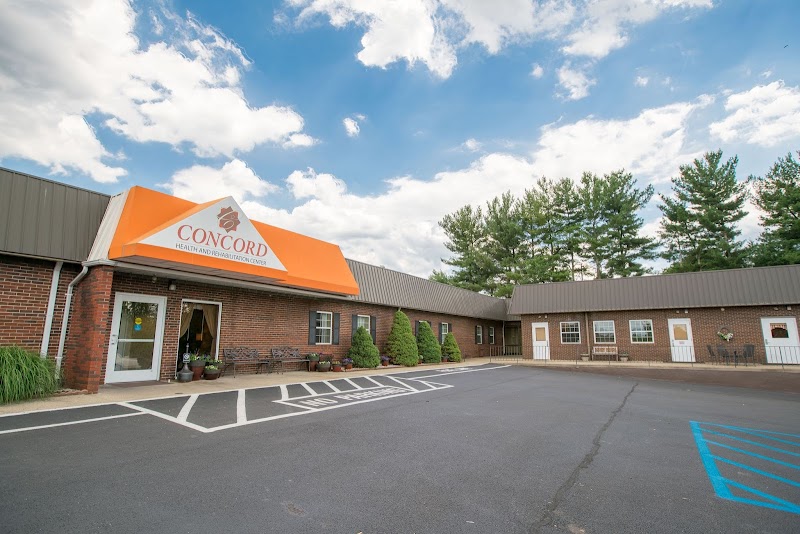
How is Concord Health & Rehab Ctr Staffed?

CMS rates CONCORD HEALTH & REHAB CTR's staffing level at 1 out of 5 stars, which is much below average compared to other nursing homes. Staff turnover is 35%, compared to the Ohio average of 46%. This relatively stable workforce can support continuity of care.

What Have Inspectors Found at Concord Health & Rehab Ctr?

State health inspectors documented 22 deficiencies at CONCORD HEALTH & REHAB CTR during 2019 to 2024. These included: 21 with potential for harm and 1 minor or isolated issues.
Who Owns and Operates Concord Health & Rehab Ctr?

CONCORD HEALTH & REHAB CTR is owned by a for-profit company. For-profit facilities operate as businesses with obligations to shareholders or private owners. The facility is operated by FOUNDATIONS HEALTH SOLUTIONS, a chain that manages multiple nursing homes. With 75 certified beds and approximately 71 residents (about 95% occupancy), it is a smaller facility located in WHEELERSBURG, Ohio.
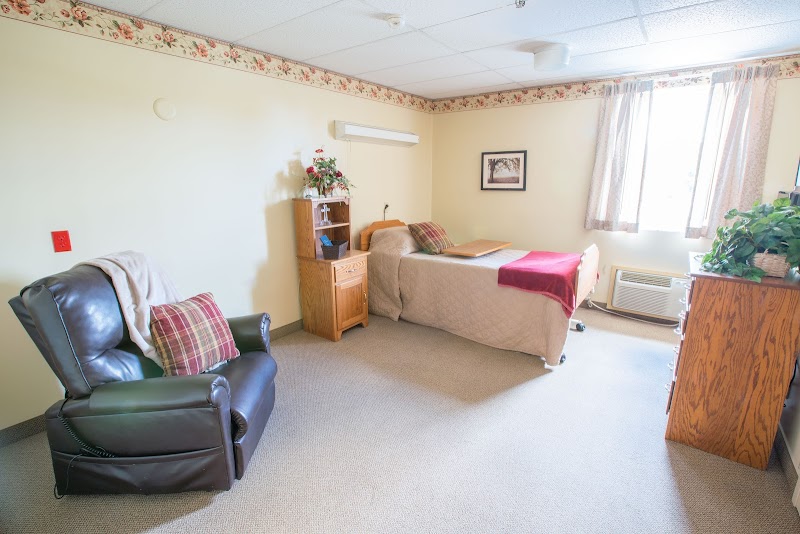
How Does Concord Health & Rehab Ctr Compare to Other Ohio Nursing Homes?

Compared to the 100 nursing homes in Ohio, CONCORD HEALTH & REHAB CTR's overall rating (4 stars) is above the state average of 3.2, staff turnover (35%) is significantly lower than the state average of 46%, and health inspection rating (4 stars) is above the national benchmark.

What Should Families Ask When Visiting Concord Health & Rehab Ctr?

Based on this facility's data, families visiting should ask: "Can you walk me through typical staffing levels on day, evening, and night shifts?" "Can I visit during a mealtime to observe dining assistance and food quality?" "How do you handle medical emergencies, and what is your hospital transfer rate?" "Can I speak with family members of current residents about their experience?" These questions are particularly relevant given the below-average staffing rating.

Is Concord Health & Rehab Ctr Safe?

Based on CMS inspection data, CONCORD HEALTH & REHAB CTR has a clean safety record: no substantiated abuse findings (meaning no confirmed cases of resident harm), no Immediate Jeopardy citations (the most serious violation level indicating risk of serious injury or death), and is not on the Special Focus Facility watch list (a federal program monitoring the lowest-performing 1% of nursing homes). The facility has a 4-star overall rating and ranks #1 of 100 nursing homes in Ohio. While no facility is perfect, families should still ask about staff-to-resident ratios and recent inspection results during their visit.

Do Nurses at Concord Health & Rehab Ctr Stick Around?

CONCORD HEALTH & REHAB CTR has a staff turnover rate of 35%, which is about average for Ohio nursing homes (state average: 46%). Moderate turnover is common in nursing homes, but families should still ask about staff tenure and how the facility maintains care continuity when employees leave.

Was Concord Health & Rehab Ctr Ever Fined?

CONCORD HEALTH & REHAB CTR has no federal fines on record. CMS issues fines when nursing homes fail to meet care standards or don't correct problems found during inspections. The absence of fines suggests the facility has either maintained compliance or corrected any issues before penalties were assessed. This is a positive indicator, though families should still review recent inspection reports for the full picture.

Is Concord Health & Rehab Ctr on Any Federal Watch List?

CONCORD HEALTH & REHAB CTR is not on any federal watch list. The most significant is the Special Focus Facility (SFF) program, which identifies the bottom 1% of nursing homes nationally based on persistent, serious quality problems. Not being on this list means the facility has avoided the pattern of deficiencies that triggers enhanced federal oversight. This is a positive indicator, though families should still review the facility's inspection history directly.