WHITEHOUSE COUNTRY MANOR
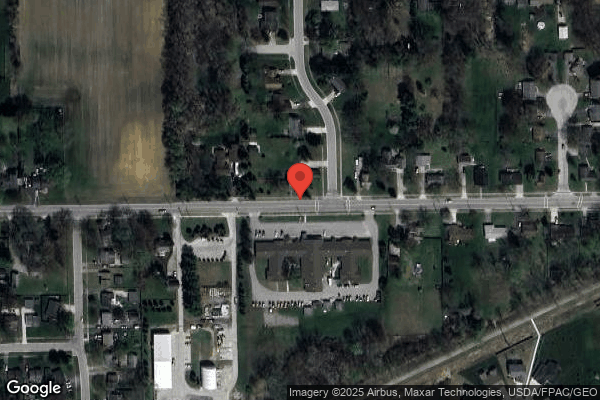
11239 WATERVILLE ST, WHITEHOUSE, OH 43571 (419) 877-5338
For profit - Corporation 90 Beds HILLSTONE HEALTHCARE Data: November 2025
Trust Grade
63/100
#570 of 913 in OH
Last Inspection: February 2025

Within standard 12-15 month inspection cycle. Federal law requires annual inspections.

Overview

Whitehouse Country Manor has a Trust Grade of C+, indicating it is slightly above average but still has room for improvement. It ranks #570 out of 913 facilities in Ohio, placing it in the bottom half of the state, and #16 out of 33 in Lucas County, meaning just a few local options rank higher. Unfortunately, the facility is worsening, with issues increasing from 1 in 2024 to 9 in 2025. Staffing is a relative strength, with a turnover rate of 27%, significantly better than the Ohio average of 49%, though RN coverage is only average. While there are no fines on record, which is a good sign, recent inspections revealed concerning incidents. Staff failed to store food safely, which could affect most residents, and there were multiple breaches in infection control practices, including not wearing personal protective equipment while handling soiled laundry. Additionally, staff did not consistently practice proper hand hygiene in the kitchen, which poses a risk to all residents. Overall, the home has strengths in staffing but also significant weaknesses in hygiene and food safety practices.

Trust Score
C+
63/100
In Ohio
#570/913
Bottom 38%
Safety Record
Low Risk
No red flags
Inspections
Getting Worse
1 → 9 violations
Staff Stability
✓ Good
27% annual turnover. Excellent stability, 21 points below Ohio's 48% average. Staff who stay learn residents' needs.
Penalties
✓ Good
No fines on record. Clean compliance history, better than most Ohio facilities.
Skilled Nurses
⚠ Watch
Each resident gets only 25 minutes of Registered Nurse (RN) attention daily — below average for Ohio. Fewer RN minutes means fewer trained eyes watching for problems.
Violations
⚠ Watch
43 deficiencies on record. Higher than average. Multiple issues found across inspections.
★★★☆☆
3.0
Overall Rating
★★★☆☆
3.0
Staff Levels
★★★★★
5.0
Care Quality
★★☆☆☆
2.0
Inspection Score
Stable
2024: 1 issues
2025: 9 issues

The Good

  • 5-Star Quality Measures · Strong clinical quality outcomes
  • Low Staff Turnover (27%) · Staff stability means consistent care
  • Full Sprinkler Coverage · Fire safety systems throughout facility
  • No fines on record
  • Staff turnover is low (27%)

    21 points below Ohio average of 48%

Facility shows strength in quality measures, staff retention, fire safety.

The Bad

3-Star Overall Rating

Near Ohio average (3.2)

Meets federal standards, typical of most facilities

Chain: HILLSTONE HEALTHCARE

Part of a multi-facility chain

Ask about local staffing decisions and management

The Ugly 43 deficiencies on record

Jun 2025 1 deficiency
CONCERN (D) 📢 Someone Reported This

A family member, employee, or ombudsman was alarmed enough to file a formal complaint

Potential for Harm - no one hurt, but risky conditions existed

Report Alleged Abuse (Tag F0609)

Could have caused harm · This affected 1 resident

Based on medical record review, staff interview, review of the facility's Self-Reported Incident (SRI), review of the facility's investigation, and policy review, the facility failed to timely report ...

Read full inspector narrative →
Based on medical record review, staff interview, review of the facility's Self-Reported Incident (SRI), review of the facility's investigation, and policy review, the facility failed to timely report an incident of potential sexual abuse. This affected two (#11 and #12) of three residents reviewed for abuse. The facility census was 81. Findings include: 1. Review of the medical record for Resident #11 revealed an admission date of 08/12/15 with diagnoses of bipolar disorder, schizophrenia and anxiety. Review of the quarterly Minimum Data Set (MDS) assessment, dated 03/20/25, revealed Resident #11 had intact cognition. Further review of the record revealed Resident #11 had a guardian. Review of the current care plan, updated August 2023, revealed Resident #11 displayed behaviors of showing interest in physical affection/intimacy with male peers. Review of a nursing progress note dated 05/11/25 at 2:38 A.M. revealed Resident #11 was found by staff in her room performing oral sex on a male resident. The two residents were separated. 2. Review of the medical record for Resident #12 revealed an admission date of 04/15/22 with diagnoses of schizoaffective disorder, bipolar disorder and hallucinations. Review of the comprehensive annual MDS assessment completed 04/16/25 revealed Resident #12 had impaired cognition. Review of a nursing progress note dated 05/11/25 at 2:39 A.M. revealed Resident #12 was found by staff in another resident's room receiving oral sex from a female resident. Residents were separated. Review of SRI #260263 revealed the facility initiated the investigation on 05/12/25 at 9:30 A.M. Review of the facility's investigation into SRI 260263 revealed witness statements were obtained on 05/10/25 from Certified Nursing Assistant (CNA) #101 and Registered Nurse (RN) #203. Interview on 06/04/25 at 10:04 A.M. with the Director of Nursing (DON) confirmed she initiated the investigation on 05/12/25. The DON stated the incident occurred on third shift on 05/11/25. Interview on 06/04/25 at 10:55 A.M. with RN #203, and concurrent observation of her cell phone text messages revealed she notified the Assistant Director of Nursing (ADON) via text of the incident between Resident #11 and Resident #12 on 05/11/25 at 12:01 A.M. Further interview with RN #203 confirmed the incident happened before midnight on 05/10/25 and RN #203 confirmed she and CNA #101 completed witness statements on 05/10/25. Interview on 06/04/25 at 11:21 A.M. with the ADON confirmed she received a text from RN #203 on 05/11/25 at 12:01 A.M. The ADON stated she did not see the message until later in the morning when she notified the DON of the incident. Concurrent observation of the ADON's cell phone text messages revealed she notified the DON on 05/11/25 at 10:05 A.M. Two attempts to contact the DON via telephone at the facility were unsuccessful on 06/04/25 at 4:37 P.M. and 4:52 P.M. regarding her receipt of the text message from the ADON on 05/11/25 at 10:05 A.M. and her initiation of the SRI on 05/12/25 at 9:30 A.M., reflecting a 33.5 hour time span between the incident and the initiation of an investigation. Review of the policy titled, Abuse Policy, revised 01/27/23, revealed if abuse or serious bodily injury is alleged, it should be reported to the State Agency immediately, but not later than two hours after the allegation is made. Further review revealed the Administrator or designee will notify the State Agency of all alleged violations involving Abuse, Neglect, Exploitation, Mistreatment of a resident, or Misappropriation of Resident Property and Injuries of Unknown Source as soon as possible but no later than 24 hours. The was an incidental finding during the course of the complaint investigation/ self-reported incdent investigation completed 06/04/25.
Feb 2025 8 deficiencies
CONCERN (D) 📢 Someone Reported This

A family member, employee, or ombudsman was alarmed enough to file a formal complaint

Potential for Harm - no one hurt, but risky conditions existed

Resident Rights (Tag F0550)

Could have caused harm · This affected 1 resident

Based on observation, resident and staff interviews, medical record review, and policy review, the facility failed to ensure residents were afforded the ability to smoke during designated smoking time...

Read full inspector narrative →
Based on observation, resident and staff interviews, medical record review, and policy review, the facility failed to ensure residents were afforded the ability to smoke during designated smoking times. This affected one (#69) of one residents reviewed for smoking. The facility census was 84. Findings include: Review of the medical record for Resident #69 revealed an admission date of 08/12/22 with diagnoses of heart failure and type II diabetes mellitus. Review of the quarterly Minimum Data Set (MDS) assessment, dated 11/13/24, revealed Resident #69 had intact cognition. Review of the smoking assessment, completed 02/12/25, revealed Resident #69 smoked five (5) to 10 times per day. Interview on 02/10/25 at 8:30 P.M. with Resident #69 revealed he was frustrated because he was not allowed to smoke on three occasions because he was told he showed up too late for the scheduled smoking time. Resident #69 stated he had a clock in his room and was on time for the scheduled smoking break. Observation on 02/12/25 at 1:58 P.M. revealed Resident #69 in his wheelchair in the common area asking for a cigarette. Interview on 02/12/25 at 1:58 P.M. with Registered Nurse (RN) #367 stated Resident #69's smoke time was 1:45 P.M. and residents were allowed a ten minute grace period. RN #367 stated residents could arrive until 1:55 P.M. and still be allowed to smoke during the scheduled smoke time. Interview on 02/12/25 at 1:59 P.M. with Certified Nurse Aide (CNA) #348 stated she did not take residents out for the 1:45 P.M. smoke break. CNA #348 further stated residents had a 10 minute grace period to arrive for the assigned smoking time. Interview on 02/12/25 at 2:00 P.M. with CNA #330 revealed she was responsible for the 1:45 P.M. smoking break. CNA #330 repeatedly stated Resident #69 arrived at 1:52 P.M. and was not allowed to smoke because CNA #330 understood residents had to be present by 1:50 P.M. to be allowed to smoke during the break. CNA #330 could not clarify if residents were allowed a ten minute grace period. CNA #330 repeated residents had to be present by ten minutes before the hour to be allowed to smoke during the 1:45 P.M. smoke break. Interview on 02/12/25 at 2:02 P.M. with the Director of Nursing (DON) confirmed residents were allowed a ten minute grace period to arrive for the assigned smoke break. The DON stated if Resident #69 arrived at 1:52 P.M. he should have been allowed to smoke. The DON stated she would ensure Resident #69 was taken out to smoke to make up for the missed smoke time. Further interview with the DON revealed the smoking policy does not include guidance for a ten minute grace period but stated it was something the staff were trained to accommodate. Review of the smoking policy, dated 08/26/24, revealed the facility will make every best effort to establish and maintain safe resident smoking practices that accommodate the resident's needs. This deficiency represents non-compliance investigated under Complaint Number OH00162567.
CONCERN (D)

Potential for Harm - no one hurt, but risky conditions existed

Safe Environment (Tag F0584)

Could have caused harm · This affected 1 resident

**NOTE- TERMS IN BRACKETS HAVE BEEN EDITED TO PROTECT CONFIDENTIALITY** Based on observation, resident and staff interview, and policy review, the facility failed to repair or replace broken window bl...

Read full inspector narrative →
**NOTE- TERMS IN BRACKETS HAVE BEEN EDITED TO PROTECT CONFIDENTIALITY** Based on observation, resident and staff interview, and policy review, the facility failed to repair or replace broken window blinds. This affected two (#15 and #68) of three residents reviewed for environmental concerns. The facility census was 84. Findings include: 1. Review of the medical record for Resident #15 revealed an admission date of 10/18/21 with diagnoses of schizoaffective disorder and hemiplegia and hemiparesis. Review of the quarterly Minimum Data Set (MDS) assessment, dated 01/24/25, revealed Resident #15 had intact cognition. Observation on 02/11/25 at 6:59 A.M. in Resident #15's room revealed the vertical blinds had missing slats and a blanket covering up half of the window blinds. Concurrent interview with Resident #15 confirmed the missing slats bothered her and she used the blanket to further block sunlight. Interview and observation on 02/12/25 at 2:26 P.M. with Registered Nurse (RN) #367 confirmed there were five missing blind slats and an additional missing slat under the blanket. RN #367 confirmed she was aware the blinds were missing but did not report it because she thought somebody else had reported it. Interview on 02/18/25 at 4:00 P.M. with Maintenance Director #400 revealed he was unaware of the missing vertical slats in Resident #15's room. 2. Review of the medical record for Resident #68 revealed an admission date of 08/10/22 with diagnoses of Huntington's disease, major depressive disorder, and anxiety. Review of quarterly MDS assessment dated [DATE] revealed Resident #68 had impaired cognition and was receiving hospice care. Observation on 02/10/25 at approximately 7:30 P.M. revealed Resident #68 had horizontal blinds covering window next to bed. Further observation revealed approximately six to ten blind slats broken or missing. Interview on 02/12/25 at 11:41 A.M. with Certified Nurse Aide (CNA) #311 confirmed the missing or broken blind slats in Resident #68's room. CNA #311 stated she was aware the blinds were broken and there was a maintenance request form to fill out for facility repairs but had not filled out a request form for the blinds. Review of the policy titled, Quality of Life - Homelike Environment, revised 05/2017, revealed the facility will maximize a clean, sanitary and orderly environment and comfortable (minimum glare) yet adequate lighting.
CONCERN (D) 📢 Someone Reported This

A family member, employee, or ombudsman was alarmed enough to file a formal complaint

Potential for Harm - no one hurt, but risky conditions existed

Accident Prevention (Tag F0689)

Could have caused harm · This affected 1 resident

2. Review of the medical record for Resident #33 revealed an admission date of 12/03/21 with diagnoses of dementia and epilepsy. Review of the modified quarterly MDS assessment, dated 12/18/24, reveal...

Read full inspector narrative →
2. Review of the medical record for Resident #33 revealed an admission date of 12/03/21 with diagnoses of dementia and epilepsy. Review of the modified quarterly MDS assessment, dated 12/18/24, revealed Resident #33 had impaired cognition and was mobile with a walker and/or wheelchair. Resident #33 required supervision or touching assistance for personal hygiene and dressing and bed mobility. Further review revealed Resident #33 had no falls since the previous assessment. Review of the fall risk assessment, completed 01/05/25, revealed Resident #33 was at high risk for falls. Review of a current physician order initiated 05/02/23 revealed Resident #33 should have a motion sensor alarm above the bathroom door for fall prevention. Review of a current physician order initiated 07/03/23 revealed Resident #33 should have non-skid strips on floor in front of the closet. Review of a current physician order initiated 08/15/23 revealed Resident #33 should have non-skid strips in front of the bed for fall prevention. Observation and interview on 02/18/25 at approximately 7:45 A.M. with Certified Nurse Aide (CNA) #348 in Resident #33's room revealed no non-skid strips were on the floor near the bed or in front of the closet. CNA #348 stated Resident #33 had not moved rooms recently. Interview on 02/18/25 at 8:34 A.M. with the Director of Nursing (DON) stated Resident #33 was recently moved from another room after Resident #33 tested positive for COVID-19. Observation in Resident #33's previous room revealed non-skid strips in front of her closet. The DON confirmed fall interventions were not in place in Resident #33's current room. Observation and interview on 02/18/25 at 8:37 A.M. revealed Unit Manager (UM) #365 placing non-skid strips in front of the closet in Resident #33's room. UM #365 confirmed no door alarm was on the bathroom door in Resident #33's room. Further observation revealed a door alarm on the bathroom door in Resident #33's old room. Review of the falls policy, dated 01/01/2016, revealed it is the policy of the facility to insure the safety and well-being of residents who are at risk for falls. Additional review revealed the facility would implement interventions to guard against another fall of the same type. This deficiency represents non-compliance investigated under Complaint Number OH00162567. Based on observation, resident and staff interview, medical record review, and policy review, the facility failed to ensure fall interventions were in place as ordered and care planned. This affected two (#27 and #33) of three residents reviewed for falls. The facility census was 84. Findings Include: 1. Review of the medical record for Resident #27 revealed an admission date of 11/13/17. Diagnoses included acute and chronic respiratory failure with hypoxia, atrial fibrillation, history of COVID-19, atherosclerotic heart disease, generalized muscle weakness, neurosyphilis, seizures, bipolar disorder, unspecified abnormalities of gait and abnormalities, schizophrenia, hypothyroidism, and dementia. Review of the most recent quarterly Minimum Data Set (MDS) assessment, dated 01/21/25, revealed Resident #27 was cognitively intact. Review of Resident #27's current physician orders revealed an order for this resident to utilize a reacher/grabber when items are out of reach. Review of Resident #27's current comprehensive care plan revealed the resident was at risk for falls with interventions including a mat on floor next to the bed on both sides and utilize a reacher/grabber when items are out of reach. Observation on 02/18/25 at 7:48 A.M. of Resident #27's room revealed no fall mat on either side of his bed and no reacher/grabber to utilize when items are out of reach. An interview on 02/18/25 at 7:50 A.M. with Resident #27 revealed he does not have a reacher/grabber or fall mats. Further interview with Resident #27 revealed he had no knowledge of these items. An interview on 02/18/25 at 7:53 A.M. with Licensed Practical Nurse (LPN) # 365 verified there was no reacher/grabber or floor mats on either side of the bed.
CONCERN (D)

Potential for Harm - no one hurt, but risky conditions existed

Deficiency F0761 (Tag F0761)

Could have caused harm · This affected 1 resident

**NOTE- TERMS IN BRACKETS HAVE BEEN EDITED TO PROTECT CONFIDENTIALITY** Based on observation, staff interview, medical record review, review of facility policy, and review of manufacturers instruction...

Read full inspector narrative →
**NOTE- TERMS IN BRACKETS HAVE BEEN EDITED TO PROTECT CONFIDENTIALITY** Based on observation, staff interview, medical record review, review of facility policy, and review of manufacturers instructions, the facility failed to ensure Novolog insulin was properly removed from use after it was opened past 28 days. This affected one (#10) of 21 residents with orders for insulin. The facility census was 84. Findings Include: Review of Resident #10's medical record revealed an admission date of 10/12/18 with diagnoses including hemiplegia, vitamin D deficiency, bipolar disorder, type two diabetes mellitus, hypertension, and schizoaffective disorder. Review of the most recent annual Minimum Data Set (MDS) assessment dated [DATE] revealed Resident #10 was cognitively intact. Observation on 02/12/25 at 9:42 A.M. of a medication storage cart revealed a Novolog Flex Pen for Resident #10 was opened, contained approximately 210 units of insulin, and was labeled with an open date of 12/25/24. Interview on 02/12/25 at 9:44 A.M. with the Director of Nursing (DON) confirmed the Novolog Flex Pen for Resident #10 contained approximately 210 units and was labeled with an open date of 12/25/24. The DON stated the facility policy indicated for staff to discard Novolog Flex Pens 28 days after the date they are opened. Review of the manufacturers package insert for Novolog Flex Pen revealed when the pen was stored at room temperature after opening it should be thrown away after 28 days. Review of the facility policy titled, PCA (Pharmacy Care Associates) Expiration Dates, dated November 2018, revealed Novolog Flex Pen should be discarded 28 days after opening.
CONCERN (D)

Potential for Harm - no one hurt, but risky conditions existed

Medical Records (Tag F0842)

Could have caused harm · This affected 1 resident

. Based on observation, medical record review, staff interview, and review of a facility policy, the facility failed to ensure information contained in a resident's medical record was accurate. This a...

Read full inspector narrative →
. Based on observation, medical record review, staff interview, and review of a facility policy, the facility failed to ensure information contained in a resident's medical record was accurate. This affected one (#33) of three residents reviewed for falls. The facility census was 84. Findings Include: Review of the medical record for Resident #33 revealed an admission date of 12/03/21 with diagnoses of dementia and epilepsy. Review of the modified quarterly Minimum Data Set (MDS) assessment, dated 12/18/24, revealed Resident #33 had impaired cognition and was mobile with a walker and/or wheelchair. Further review revealed Resident #33 had no falls since the previous assessment. Review of a current physician order initiated 05/02/23 revealed Resident #33 should have a motion sensor alarm above bathroom door for fall prevention. Review of a current physician order initiated 07/03/23 revealed Resident #33 should have non-skid strips on floor in front of the closet. Review of a current physician order initiated 08/15/23 revealed Resident #33 should have non-skid strips in front of the bed for fall prevention. Observation and interview on 02/18/25 at approximately 7:45 A.M. with Certified Nurse Aide (CNA) #348 in Resident #33's room revealed no non-skid strips were on the floor near the bed or in front of the closet. CNA #348 stated Resident #33 had not moved rooms recently. Interview on 02/18/25 at 8:34 A.M. with the Director of Nursing (DON) stated Resident #33 was recently moved from another room after Resident #33 tested positive for COVID-19. Observation in Resident #33's previous room revealed non-skid strips in front of her closet. The DON confirmed fall interventions were not in place in Resident #33's current room. Further interview, along with concurrent review of Resident #33's electronic medical record (EMR), revealed staff charted the non-skid strips were in place in Resident #33's room. The DON confirmed the charting was inaccurate. Observation and interview on 02/18/25 at 8:37 A.M. revealed Unit Manager (UM) #365 placing non-skid strips in front of the closet in Resident #33's room. UM #365 confirmed no door alarm was on the bathroom door in Resident #33's room. Further observation revealed a door alarm on the bathroom door in Resident #33's old room. Interview on 02/18/25 at 8:47 A.M. with Licensed Practical Nurse (LPN) #331, and concurrent review of Resident #33's EMR, revealed LPN #331 charted fall interventions were in place on 02/17/25 for Resident #33. LPN #331 stated she was aware the door alarm was not in the room with Resident #33, and further stated the door alarm was nonfunctional and required new batteries. LPN # further confirmed she documented on 02/17/25 in the EMR Resident #33's placement and function of the door alarm with a y to indicate it was in place and functional. LPN #331 again confirmed the door alarm was nonfunctional and the charting was not accurate. Observation and interview on 02/18/25 at approximately 9:00 A.M. with the DON confirmed the door alarm on the bathroom door in Resident #33's old room was not working. Additionally, the DON confirmed charting in the resident's EMR reflected the door alarm was in place in Resident #33's room and was in functional, and verified the door alarm was not actually in Resident #33's room and was not functional. Review of the facility policy titled, Charting and Documentation, with a revision date of 07/17, revealed documentation in the medical record will be objective (not opinionated or speculative), complete, and accurate.
CONCERN (D) 📢 Someone Reported This

A family member, employee, or ombudsman was alarmed enough to file a formal complaint

Potential for Harm - no one hurt, but risky conditions existed

Deficiency F0919 (Tag F0919)

Could have caused harm · This affected 1 resident

**NOTE- TERMS IN BRACKETS HAVE BEEN EDITED TO PROTECT CONFIDENTIALITY** Based on observation, staff interview, and review of facility policy, the facility failed to ensure the resident call light syst...

Read full inspector narrative →
**NOTE- TERMS IN BRACKETS HAVE BEEN EDITED TO PROTECT CONFIDENTIALITY** Based on observation, staff interview, and review of facility policy, the facility failed to ensure the resident call light system was functioning appropriately and relaying the calls to a centralized staff work area or to a staff member. This affected two (#204 and #207) of 24 rooms located on the 200 Hall. The census was 84. Findings Include: Observation on 02/18/25 at 9:05 A.M. revealed the call lights for room [ROOM NUMBER] and room [ROOM NUMBER] were illuminated in the hall above the doors entering the room. Continued observation revealed both call lights were not relaying the call to a staff member or a monitoring system located at the centralized staff work area. Interview on 02/18/25 at 9:08 A.M. with Housekeeper #397 verified revealed the call lights for room [ROOM NUMBER] and room [ROOM NUMBER] were illuminated in the hall above the doors entering the room, but were not relayed to the centralized monitoring system located in the staff work area. Interview on 02/18/25 at 9:15 A.M. with Licensed Practical Nurse (LPN) #365 revealed the centralized monitoring system located in the staff work area had received call light signals for approximately a week and one-half. LPN #365 revealed she was unsure of when the call lights would be repaired or what actions the maintenance department had taken to fix the call lights. Interview on 02/18/25 at 11:14 A.M. with Maintenance Director (MD) #400 verified the call light monitoring system located in the staff work area where room [ROOM NUMBER] and room [ROOM NUMBER] were located had not been functional for approximately two and one-half weeks. MD #400 stated he had not had someone evaluate the call light system to determine what was needed to repair the communication system located in the staff work area. Review of the facility policy titled, Call Light Policy and Procedure, dated December 2020, revealed the call light was used by a resident to notify staff of the nursing facility that the resident has a need that they would like addressed. This deficiency represents non-compliance investigated under Complaint Number OH00162567.
CONCERN (F)

Potential for Harm - no one hurt, but risky conditions existed

Food Safety (Tag F0812)

Could have caused harm · This affected most or all residents

Based on observation, staff interview, and policy review, the facility failed to store food in a safe and sanitary manner. This had the potential to affect all but five (#16, #32, #48, #50, and #64) r...

Read full inspector narrative →
Based on observation, staff interview, and policy review, the facility failed to store food in a safe and sanitary manner. This had the potential to affect all but five (#16, #32, #48, #50, and #64) residents who eat food from the kitchen. The facility census was 84. Findings included: Observation of of the kitchen reach in refrigerator on 02/10/25 at 6:48 P.M. revealed a clear plastic bag of 12 chicken strips was found to not be dated nor labeled. An additional bag of nine hamburger patties were found to be undated. Further observation of the reach in freezer found a bag of mixed vegetables which failed to be securely closed and the contents were open to air. Interview with Dietary Manager #366 on 02/10/25 at 6:57 P.M. verified the chicken and beef patties were not labeled and the mixed vegetables were improperly stored. Review of the undated facility policy titled, Food and Supply Storage Procedures, revealed food should be covered, labeled, and dated. Further review revealed staff were to wrap food tightly to prevent freezer burn.
CONCERN (F)

Potential for Harm - no one hurt, but risky conditions existed

Infection Control (Tag F0880)

Could have caused harm · This affected most or all residents

**NOTE- TERMS IN BRACKETS HAVE BEEN EDITED TO PROTECT CONFIDENTIALITY** Based on observation, medical record review, staff interview, review of the Centers for Disease Control and Prevention (CDC) web...

Read full inspector narrative →
**NOTE- TERMS IN BRACKETS HAVE BEEN EDITED TO PROTECT CONFIDENTIALITY** Based on observation, medical record review, staff interview, review of the Centers for Disease Control and Prevention (CDC) website, and review of an infection control facility assessment document, the facility failed to ensure staff members wore appropriate personal protective equipment (PPE) while handling soiled laundry and failed to wear, dispose of, and perform adequate hand hygiene after removing PPE while in resident rooms who were on infection control precautions due to COVID-19 infection. This had the potential to affect all 84 residents in the facility. The census was 84. Findings include: 1. Observation on 02/12/25 at 1:49 P.M. revealed Housekeeping Supervisor (HS) #397 in the laundry room not wearing any personal protective equipment (PPE). Further observation revealed a laundry basket of dry clothes beneath a washing machine with some dry items loaded into the washing machine. Concurrent interview with HS #397 confirmed she was in the middle of loading the washing machine with soiled items and was not wearing PPE. HS #397 further confirmed she should be wearing PPE while handling soiled clothing or linens. HS #397 further stated the items she was loading in the washing machine were not from rooms where residents were in isolation for infections. Review of a document titled, Infection Control Facility Assessment, revised 08/2019, revealed environmental staff should follow standard practice when handling linen, including avoiding direct body contact with soiled items. 3. Review of the medical record for Resident #33 revealed an admission date of 12/03/21 with diagnoses of dementia, depression, hypercholesterolemia, type two diabetes mellitus, osteoarthritis, vitamin D deficiency, vitamin B deficiency, and epilepsy. Review of the modified quarterly MDS assessment, dated 12/18/24, revealed Resident #33 was moderately cognitively impaired. Review of Resident #33's physician orders revealed an order dated 02/10/25 for the resident to be on contact/droplet isolation every shift for COVID-19. Observation on 02/11/25 at 7:36 A.M. revealed CNA #330 delivered a meal tray to Resident #33 donning only a gown and a surgical mask. Interview on 02/11/25 at 7:41 A.M. with CNA #330 verified while delivering a tray to Resident #33 she did not wear a face shield or goggles, did not donned gloves in Resident #33's room after entry, and did not take off the surgical mask she wore prior to leaving Resident #33's room. 4. Review of Resident #29's medical record revealed an admission date of 04/24/24 with diagnoses including dementia, schizoaffective disorder, paranoid schizophrenia, heart disease, anxiety, dysphagia, COVID-19, cognitive communication deficit, and abnormalities of gait and mobility. Review of the most recent quarterly MDS assessment for Resident #29, dated 01/31/25, revealed the resident was cognitively intact. Review of Resident #29's physician orders revealed an order dated 02/10/25 for the resident to be on contact/droplet isolation precautions every shift for COVID-19. 5. Review of Resident #34's medical record revealed an admission date of 12/15/17 with diagnoses including dementia, muscle wasting and atrophy, anxiety, COVID-19, generalized muscle weakness, depression, and chronic obstructive pulmonary disease. Review of Resident #34's medical record revealed an order dated 02/10/25 for the resident to be on contact/droplet isolation precautions every shift for COVID-19. Observation on 02/11/25 at 10:19 A.M. revealed Housekeeper #402 he was cleaning inside the room shared by Resident #29 and Resident #34 wearing no PPE other than a surgical mask. Interview on 02/11/25 at 10:20 A.M. with Housekeeper #402 verified he did not wear any PPE other than a surgical mask while cleaning the room shared by Resident #29 and Resident #34. Review of the CDC website at https://www.cdc.gov/covid/hcp/infection-control/?CDC_AAref_Val=https://www.cdc.gov/coronavirus/2019-ncov/hcp/infection-control-recommendations.html under the section titled, Infection Control Guidance: SARS-CoV-2, dated 06/24/24, revealed healthcare personnel (HCP) who enter the room of a patient with suspected or confirmed SARS-CoV-2 (COVID-19) infection should adhere to standard precautions and use a National Institute for Occupational Safety and Health (NIOSH) approved particulate respirator with N95 filters or higher, gown, gloves, and eye protection (i.e., goggles or a face shield that covers the front and sides of the face). Review of the the CDC website at https://www.cdc.gov/niosh/learning/safetyculturehc/module-3/8.html, under the section titled, Donning and Doffing PPE: Proper Wearing, Removal, and Disposal, dated 10/03/22, revealed donning means to put on and use PPE properly to achieve the intended protection and minimize the risk of exposure and doffing means removing PPE in a way that avoids self-contamination. Further review revealed individuals wearing PPE should remove the PPE before entering any non-clinical areas including restrooms, breakrooms, and administrative areas, always wash hands with soap and water before wearing and after removal of PPE, and dispose of all PPE in appropriate waste containers. 2. Review of the medical record for Resident #36 revealed an admission date of 07/18/23 with a diagnosis of cerebrovascular accident. Review of the quarterly Minimum Data Set (MDS) assessment dated [DATE] revealed Resident #36 was cognitively intact and required staff assistance for all activities of daily living (ADLs). Review a physicians order dated 02/10/25 revealed Resident #36 was in contact/droplet precautions every shift for COVID-19 for ten days. Observation on 02/11/25 at 7:33 A.M. revealed signage on Resident #36's door indicating the resident was on droplet precautions that required everyone must wash hands before entering and exiting the room. Further observation revealed additional signage indicating proper steps for putting on (donning) PPE before entering the room and taking off (doffing) PPE upon exiting the room. Observation of the steps for doffing the PPE included first removing gloves and discarding, then remove goggles or face shield, then remove gown, followed by removing mask or respirator, and last step was to wash hands or use an alcohol based hand sanitizer immediately after removing PPE. Observation on 02/11/25 at 7:33 A.M. revealed Certified Nurse Aide (CNA) #396 delivered a food tray into Resident #36's room without an N95 mask on. CNA #396 wore two surgical masks along with a gown and gloves into the room. Observation on 02/11/25 at 7:35 revealed CNA #396 exiting the room then she removed her left glove before she removed the gown then removed the right glove and placed the rolled up, used PPE on the floor. CNA #396 then failed to perform hand hygiene after exiting room. CNA #396 then walked down the entire hall past resident rooms, into a staff office, then down another corridor never performing hand hygiene. Interview on 02/11/25 at 7:42 A.M. with CNA #396 confirmed she did not wear an N95 mask as it was her understanding two surgical masks would be appropriate for droplet precautions. Further, CNA #396 confirmed she did not appropriate hand hygiene, and stated she placed the used PPE on the floor outside Resident #36's room because there was no garbage can inside the room and she was going to retrieve a garbage can for the room.
Apr 2024 1 deficiency
CONCERN (D) 📢 Someone Reported This

A family member, employee, or ombudsman was alarmed enough to file a formal complaint

Potential for Harm - no one hurt, but risky conditions existed

Infection Control (Tag F0880)

Could have caused harm · This affected 1 resident

**NOTE- TERMS IN BRACKETS HAVE BEEN EDITED TO PROTECT CONFIDENTIALITY** Based on observation, medical record review, staff interview, and clean dressing change policy review, the facility failed to pr...

Read full inspector narrative →
**NOTE- TERMS IN BRACKETS HAVE BEEN EDITED TO PROTECT CONFIDENTIALITY** Based on observation, medical record review, staff interview, and clean dressing change policy review, the facility failed to prevent cross- contamination between soiled elimination containers, clean wound dressings, food, and beverages. This affected one (#1) of three residents reviewed for infection control interventions in a facility census of 80. Findings include: Review of the medical record for Resident #1 revealed an admit date of 10/29/23, with the diagnoses including: type II diabetes mellitus with foot ulcer, urinary tract infection, non-pressure chronic ulcer of right heel and midfoot, atrial fibrillation, hemiplegia, aortocoronary bypass graph, heart failure, hypertension, benign prostatic hyperplasia, and major depression. Review of the most current minimum data set assessment dated [DATE], revealed Resident #1 was assessed with intact cognition (BIMS-15), ability to make needs known, required substantial to maximal assistance with activities of daily living, incontinent of bowel and bladder, at risk for pressure ulcer development with presence of diabetic foot ulcer and associated application of wound treatment (dressing). Review of the medical record noted on 03/18/24, a physician orders were implemented for the treatment of diabetic ulcers to Resident #1 right plantar heel and right posterior heel. Treatments were ordered as follows: Right plantar heel, cleanse with wound cleanser. Pat dry. Pack collagen in area at 10 o'clock and place on wound bed. Cover with abdominal dressing (ABD) pad. Wrap with kerlix. Secure with tape. Complete every day shift for diabetic ulcer and as needed for Diabetic ulcer. Right posterior heel, cleanse with wound cleanser. Pat dry. Apply Collagen to wound bed. Cover with ABD pad. Wrap with kerlix. Secure with tape. Complete every day shift for Diabetic ulcer and as needed for diabetic ulcer. Observation on 04/11/24 at 7:11 A.M., noted Resident #1 resting in bed. A urinal was placed on the overbed table and located four inches from an empty cup and water pitcher. At 7:17 A.M., a State Tested Nurse Aide (STNA) #200 was observed to place the residents breakfast tray on the overbed table and proceeded to empty the urinal. No cleansing of the overbed table occurred. At 10:26 A.M., Registered Nurse (RN) #300 placed clean dressing supplies on the overbed table within one inch of a soiled urinal. RN #300 proceeded to open and apply the dressing to the residents wound. No cleansing of the table or clean field was attempted. Interview on 04/11/24 at 10:40 A.M., with RN #300 confirmed the soiled urinal was setting on the bedside table next to clean dressing supplies. RN #300 stated the overbed table was not cleaned or sanitized prior to dressing application. Interview on 04/11/24 at 10:45 A.M., with Director of Nursing verified Resident #1 frequently places urinal on overbed table. The table is also used for personal effects, water pitcher, beverage cup, meals, and dressing changes. Prior to placing clean items on bedside table, the surface should be cleansed. Observations on 04/11/24 at 11:47 A.M., noted Resident #1 in bed eating lunch. The residents meal tray with food contents were positioned on the overbed table. Located within one inch was a urinal containing approximately 300 cubic centimeters of yellow urine. Resident #1 was consuming the lunch meal while seated in bed. Interview on 04/11/24 at 11:54 A.M., with Licensed Practical Nurse (LPN) #400 revealed she delivered the meal tray to the resident and placed the meal tray on the overbed table. LPN #200 indicated the urinal was not located on the table when the meal tray was delivered. LPN #200 confirmed no additional location was provided to Resident #1 regarding the placement of the urinal when in bed other than the overbed table. Interview on 04/11/24 at 12:10 P.M., with the Director of Nursing confirmed all potentially soiled continence collection equipment is to be stored away from food, clean wound dressing supplies or beverages. Review of the undated policy titled, Clean Dressing Change stated when completing a dressing change establish a clean field, place equipment on clean field. This deficiency represents non-compliance investigated under Complaint Number OH00152257.
Oct 2023 2 deficiencies
CONCERN (E) 📢 Someone Reported This

A family member, employee, or ombudsman was alarmed enough to file a formal complaint

Potential for Harm - no one hurt, but risky conditions existed

Safe Environment (Tag F0584)

Could have caused harm · This affected multiple residents

Based on observation, resident interview, family interview, and staff interview, the facility failed to maintain a clean and homelike environment. This affected five (#9, #10, #11, #41, and #51) of fi...

Read full inspector narrative →
Based on observation, resident interview, family interview, and staff interview, the facility failed to maintain a clean and homelike environment. This affected five (#9, #10, #11, #41, and #51) of five residents reviewed for environment. The facility census was 87. Findings include: 1. Observation on 10/04/23 at 9:10 A.M., revealed the blinds covering the window over Resident #41's were torn and broken a quarter of the way up the window on the right side of the window. Resident #41's bed was against the wall below the window with the head of the bed below the area where the blinds were torn, broken, and not covering the window. A black substance that smeared with touch was observed on the walls in Resident #41's room. Interview at the time of the observation on 10/04/23 at 9:10 A.M., with Resident #41, stated the window covering had been like that since Resident #41 moved in. Resident #41 stated I hate it because the sun shines in my eyes and at night gets the lights from the cars pulling in and out of the parking lot that shine in. Resident #41 stated, no good to say anything because nothing gets done, I have tried. 2. Interview and observation on 10/04/23 at 9:50 A.M., with Resident #9 revealed he was concerned about the black substance on the in the three walls alongside the dresser. Observation of the walls surrounding the dresser revealed rough walls with peeling and torn plaster and drywall, with the flooring missing from under the dresser. The dresser sat on a concrete floor and along the base of the floor and approximately 4 inches off the floor on the three walls surrounding the dresser were various patches of a black substance that smeared when touched. 3. Interview and observation on 10/04/23 at 9:55 A.M., with Resident #10 stated no one cares, we have to look at the mold (black substance) all day, every day (referring to Resident #9's wall). Missing and broken white trim pieces along the half walls were observed in the room of Residents #9 and #10, with exposed bare wood. 4. Interview and observation on 10/04/23 at 10:00 A.M., with Resident #11 revealed a missing piece of wall under the sink in the bathroom, the hole measuring approximately two feet by two feet with pipes exposed. Resident #11 stated it has been that way for some time, I do not like sitting on the toilet looking at a hole in the wall. Missing and broken white trim pieces along the half walls was observed in the room of Residents #11, with exposed bare wood. 5. Interview on 10/04/23 at 11:00 A.M., with the family member of Resident #51 revealed concerns regarding the physical condition of Resident #51's room. Resident #51's family member stated when they moved Resident #51, they were told the facility is being renovated, and the family member has yet to see anything done. Resident #51's family member stated concerns were brought forward about the dust on the vent above Resident #51's bed and the black substance on the walls, not to mention the odor and nothing has been done. Observation at the time of the interview revealed the vent in the right side of the room, above the bed of Resident #51 contained a thick layer of dust that covered the openings of vent and a black substance at the base of the wall surrounding the recessed dresser. The black substance smeared when touched. Interview on 10/04/23 at 11:40 A.M., with Maintenance Supervisor #208 revealed the facility had started to renovate the first week in June 2023, however, there have been issues that have prevented the renovations to occur as originally scheduled. Observations on 10/04/23 beginning at 12:00 P.M., with Maintenance Supervisor #208 confirmed blinds and window coverings were broken and torn, the hole in the wall of Resident #11's bathroom, a substance on the walls of resident rooms, peeling and cracked drywall, dust, and odors in the facility especially on the east wing of the building. Maintenance Supervisor #208 verified the conditions were unacceptable for the residents. This deficiency represents non-compliance investigated under Master Complaint Number OH00146847 and Complaint Number OH00146411.
CONCERN (E) 📢 Someone Reported This

A family member, employee, or ombudsman was alarmed enough to file a formal complaint

Potential for Harm - no one hurt, but risky conditions existed

Safe Environment (Tag F0921)

Could have caused harm · This affected multiple residents

**NOTE- TERMS IN BRACKETS HAVE BEEN EDITED TO PROTECT CONFIDENTIALITY** Based on observation and staff interview, the facility failed to maintain a clean, functional, sanitary, and homelike environmen...

Read full inspector narrative →
**NOTE- TERMS IN BRACKETS HAVE BEEN EDITED TO PROTECT CONFIDENTIALITY** Based on observation and staff interview, the facility failed to maintain a clean, functional, sanitary, and homelike environment for its residents. This had the potential to affect all 43 (#44, #45, #46, #47, #48, #49, #50, #51, #52, #53, #54, #55, #56, #57, #58, #59, #60, #61, #62, #63, #64, #65, #66, #67, #68, #69, #70, #71, #72, #73, #74, #75, #76, #77, #78, #79, #80, #81, #82, #83, #84, #85 and #86) residents residing on the east wing of the building and affected seven residents (#3, #4, and #12) of 43 residents residing on the west wing of building. The facility censuses were 86. Findings include: Observations during tour of the facility on 10/04/23 between 9:10 A.M. and 10:15 A.M., revealed on the east wing, there was a strong foul odor noted as soon as one passed through the secure double doors. In the activity room/dining room, a cupboard door above sink, was hanging loosely off the cupboard by the right lower hinge; a missing front panel on the top drawer to the left of the sink; and sticky floors. Across from the nurse's station, the corner of the wall was cracked and crumbling with exposed drywall, with a jagged broken metal corner piece exposed to the hallway. The screen on window at the end of hall outside rooms [ROOM NUMBERS] was torn and hanging a quarter way down off the window closet to the emergency exit door. Ceiling tiles are not seeded in the tracks with several tiles stained brown and yellow in hallway outside Resident #70 and #71's room. A missing right closed door with the left closet door off the track with cracked and crumbling drywall and an exposed bent metal stripping hanging off the corner of the wall just outside the closet of Resident #75 and #76's room. A black substance that extended from the floor to waist high on the three walls surrounding the dresser in the room of Residents #62 and #63. The black substance smeared when touched. Continued tour on the west wing of the building revealed bowed, cracked, and yellow stained ceiling tiles outside room [ROOM NUMBER], missing blinds and curtain with a bath blanket hanging over the left window and three exposed rods for hanging curtain, sticking straight off wall, over the bed of Resident #4's bed, walls along the wall next to Resident #4's bed had two visible holes with white tape covering. Missing and broken white trim pieces along the half walls in the rooms of Residents #3, #4, and #12 with exposed bare wood was observed. Interview on 10/04/23 at 10:04 A.M., with Licensed Practical Nurse (LPN) #148 verified the foul odor on the east wing and did not know what it was. Interview on 10/04/23 at 10:30 A.M. with Certified Nursing Assistants (CAN) #116 and #136 verified the black substance on the walls of Residents #4's room. CNA #116 stated the black substance has been on the walls for several months. CNA #116 and #136 both verified they have submitted work orders to have the issue addressed and further stated no one does anything about it. Interview on 10/04/23 at 11:40 A.M., with Maintenance Supervisor #208 revealed the facility had started to renovate the first week in June 2023, however, there have been issues that have prevented the renovations to occur as originally scheduled. Observations on 10/04/23 at 12:00 P.M., with Maintenance Supervisor #208 confirmed the foul odor on the east wing, the torn screen, verified broken and missing cupboard doors, blinds and window coverings were broken and torn, there were a substance on the walls of resident rooms, peeling and cracked drywall and exposed metal striping. Maintenance Supervisor #208 was observed seeding ceiling tiles into the track during the tour and agreed the conditions were unacceptable for the residents. This deficiency represents non-compliance investigated under Master Complaint Number OH00146847 and Complaint Number OH00146411.
May 2023 5 deficiencies
CONCERN (D) 📢 Someone Reported This

A family member, employee, or ombudsman was alarmed enough to file a formal complaint

Potential for Harm - no one hurt, but risky conditions existed

Deficiency F0558 (Tag F0558)

Could have caused harm · This affected 1 resident

Based on observation, resident and staff interview, and medical record review, the facility failed to ensure light fixtures were maintained in a manner to allow for adequate use of lighting in the res...

Read full inspector narrative →
Based on observation, resident and staff interview, and medical record review, the facility failed to ensure light fixtures were maintained in a manner to allow for adequate use of lighting in the resident's room. This affected one (#80) of 31 residents reviewed for environment. The census was 86. Findings include: Review of the medical record for Resident #80 revealed an admission date of 05/05/23 with diagnoses of cirrhosis and urinary tract infection. Review of the admission nursing observation document revealed Resident #80 was alert to person, place, time, and situation. Interview on 05/10/23 at 1:53 P.M. with Resident #80, who was sitting in a wheelchair, revealed she felt her room was too dark and she had difficulty seeing because of her cataracts. Observation at the time of the interview revealed the pull string to turn the light over Resident #80's bed was too short for Resident #80 to reach. Observation and interview on 05/10/23 at 3:03 P.M. with Maintenance Director #134 confirmed the overbed light in Resident #80's room needed a new lower bulb and confirmed the pull strings to turn on and off the light were too short for the resident to reach. Further interview revealed Maintenance Director #134 replaced the entire light fixture after Resident #80 was admitted because it had no pull cords. This deficiency represents non-compliance investigated under Complaint Number OH00142646.
CONCERN (D) 📢 Someone Reported This

A family member, employee, or ombudsman was alarmed enough to file a formal complaint

Potential for Harm - no one hurt, but risky conditions existed

Notification of Changes (Tag F0580)

Could have caused harm · This affected 1 resident

**NOTE- TERMS IN BRACKETS HAVE BEEN EDITED TO PROTECT CONFIDENTIALITY** Based on medical record review, review of staff witness statements, staff interview, and review of facility policy, the facility...

Read full inspector narrative →
**NOTE- TERMS IN BRACKETS HAVE BEEN EDITED TO PROTECT CONFIDENTIALITY** Based on medical record review, review of staff witness statements, staff interview, and review of facility policy, the facility failed to notify a resident's physician and family after a fall. This affected one (#66) of three residents reviewed for falls. The facility census was 86. Findings include: Review of the medical record for Resident #66 revealed an admission date of 12/04/08. Diagnoses included osteomyelitis of the vertebra in the thoracic region, sepsis due to streptococcus group B, fusion of the spine in the thoracic region, pyothorax, type two diabetes mellitus, cirrhosis of the liver, schizoaffective disorder, anxiety, depressive disorder, osteoarthritis, and chronic obstructive pulmonary disease. Review of the comprehensive Minimum Data Set (MDS) assessment dated [DATE] revealed the resident had intact cognition. Review of a fall witness statement date 03/30/23 from Licensed Practical Nurse (LPN) #271 revealed Resident #66 was found on the floor lying on her back in her doorway. Review of a fall witness statement dated 03/30/23 from State Tested Nurse Aide (STNA) #274 revealed Resident #66 was found lying on the floor in her doorway. Review of the nursing notes dated 03/30/23 revealed no documentation of notifications made to the family or physician regarding the fall on 03/30/23. Interview on 05/10/23 at 1:45 P.M., with Assistant Director of Nursing (ADON) #128 verified there was no notification made to Resident #66's family or physician regarding the fall on 03/30/23. ADON #128 stated Resident #66 was her own responsible party. Review of the facility policy, Change in Condition and Physician Notification Policy, revised September 2019, revealed the facility would notify the residents representative and physician when an accident or incident occurs involving the resident.
CONCERN (D) 📢 Someone Reported This

A family member, employee, or ombudsman was alarmed enough to file a formal complaint

Potential for Harm - no one hurt, but risky conditions existed

Accident Prevention (Tag F0689)

Could have caused harm · This affected 1 resident

**NOTE- TERMS IN BRACKETS HAVE BEEN EDITED TO PROTECT CONFIDENTIALITY** Based on medical record review, review of a concern form, review of staff witness statements, staff interview, resident intervie...

Read full inspector narrative →
**NOTE- TERMS IN BRACKETS HAVE BEEN EDITED TO PROTECT CONFIDENTIALITY** Based on medical record review, review of a concern form, review of staff witness statements, staff interview, resident interview, and policy review, the facility failed to timely report, investigate, and assess a resident following a fall. Additionally, the facility failed to timely assess a resident's risk for falls. This affected one (#66) of three residents reviewed for falls. The facility census was 86. Findings include: Review of the medical record for Resident #66 revealed an admission date of 12/04/08. Diagnoses included osteomyelitis of the vertebra in the thoracic region, sepsis due to streptococcus group B, fusion of the spine in the thoracic region, pyothorax, type two diabetes mellitus, cirrhosis of the liver, schizoaffective disorder, anxiety, depressive disorder, osteoarthritis, and chronic obstructive pulmonary disease. Review of the comprehensive Minimum Data Set (MDS) assessment dated [DATE] revealed Resident #66 had intact cognition. The resident required supervision for bed mobility, transfers, and ambulation. Review of the fall risk assessment dated [DATE] revealed Resident #66 was at low risk for falls. There were no fall risk assessments completed since 07/08/22. Review of a fall witness statement dated 03/30/23 from Licensed Practical Nurse (LPN) #271 revealed Resident #66 was found on the floor lying on her back in her doorway. Review of a fall witness statement dated 03/30/23 from State Tested Nursing Assistant (STNA) #274 revealed Resident #66 was found lying on the floor in her doorway. Review of the nursing notes dated 03/30/23 through 04/17/23 revealed no documentation of Resident #66's fall on 03/30/23 and no documentation of an assessment after the fall. Review of a concern form dated 04/18/23 revealed it was brought to the attention of management Resident #66 had a fall on 03/30/23 which was not properly documented. There was no documentation noting a fall, no update made to family or nurse practitioner, and no assessment completed per the fall policy. Resident #66 complained of severe pain days following the fall and was administered as needed medications on multiple days. Further review of the concern form dated 04/18/23 revealed on 04/18/23 LPN #271 and STNA #274 informed management Resident #66 had a fall a few weeks back that was not reported by LPN #150. Resident #66 was witnessed on the floor on 03/30/23 by several staff members and the fall was reported to the responsible nurse along with witness statements. LPN #150 had not completed proper documentation or reporting of the fall according to the fall policy. When questioned, LPN #150 stated she must have forgot to do the proper documentation. LPN #150 was placed on a three-day suspension then terminated. Interview on 05/10/23 at 1:45 P.M., with Assistant Director of Nursing (ADON) #128 stated the Director of Nursing (DON) and herself started asking staff questions and found out Resident #66 had a fall on 03/30/23. ADON #128 stated staff members indicated they gave Resident #66's nurse witness statements, but management never received the witness statements or a report of the fall. ADON #128 revealed the DON called LPN #150 and she admitted she forgot to report the fall. ADON #128 verified there was no documentation of the fall and no documentation of an assessment after the fall. ADON #128 stated they never found the original staff witness statements so they had to have everyone rewrite their statements for the fall on 03/30/23. ADON #128 stated Resident #66 fell on first shift, but was not aware of what time the fall occurred. ADON #128 also verified a fall risk assessment on Resident #66 should have been completed quarterly in October 2022 and January 2023. Review of facility policy titled, Falls and Fall Risk, Managing, revised 08/31/22, revealed resident's fall risk would be assess upon admission, quarterly, with a significant change in status, and status post any fall. Further review of the policy revealed no guidelines for post fall assessments and documentation. This deficiency represents non-compliance investigated under Complaint Number OH00142692.
CONCERN (E) 📢 Someone Reported This

A family member, employee, or ombudsman was alarmed enough to file a formal complaint

Potential for Harm - no one hurt, but risky conditions existed

Safe Environment (Tag F0584)

Could have caused harm · This affected multiple residents

Based on observation, resident interview, and staff interview, the facility failed to maintain a clean and homelike environment. This affected 14 (#17, #18, #25, #26, #37, #38, #40, #41, #44, #45, #46...

Read full inspector narrative →
Based on observation, resident interview, and staff interview, the facility failed to maintain a clean and homelike environment. This affected 14 (#17, #18, #25, #26, #37, #38, #40, #41, #44, #45, #46, #47, #80, and #96) of 31 residents reviewed for environment. The facility census was 86. Findings include: 1. Observation on 05/10/23 at 8:21 A.M. revealed the upper light bulb in Resident #96's overbed light did not work. Interview with Resident #96 during the time of the observation on 05/10/23 at 8:21 A.M. stated the light bulb not working over her bed affected her ability to crochet. 2. Interview and observation on 05/10/23 at 9:52 A.M. with Resident #26 revealed there were broken blinds over the window which was directly above her bed. Resident #26 stated the broken blinds bothered her. Continued interview and observation revealed the soap dispenser in her bathroom was empty. Resident #26 stated it had been empty for five days and it concerned her. There was no additional soap available in the bathroom at that time. 3. Interview and observation on 05/10/23 at 10:01 A.M. with Resident #46 revealed he was concerned about the hole in the wall along side his bed, which measured approximately two inches tall and approximately three inches wide. Continued observation revealed dark brownish-red stains at the bottom edge of the privacy curtain. Resident #46 also reported a concern that the clock in his room did not have a battery. Observations and interview during a tour of the facility on 05/10/23 with Maintenance Director #134 beginning at 11:36 A.M. confirmed a toilet was filled with feces, the water to the toilet was turned off and could not be flushed, and the toilet seat and lid were broken in the bathroom shared by Resident #37 and Resident #38; a toilet was filled with feces and the water to the toilet was turned off so it could not be flushed in the bathroom shared by Resident #40, Resident #41, Resident #44, and Resident #45; a hole in the drywall, approximately two inches long by three inches wide, a soiled privacy curtain, and the mounted clock had no battery in Resident #46's room; the lower light bulb was not functioning above Resident #96's bed; the upper light bulb was not functioning above Resident #80's bed; the hand soap dispenser was empty in Resident #26's room; and the blinds were broken or missing in resident rooms where Resident #17, Resident #18, Resident #25, Resident #26, Resident #40, Resident #41, Resident #46, and Resident #47 resided. Interview on 05/10/23 at 11:36 A.M. with Maintenance Director #134 stated the facility planned to renovate the facility beginning the first week in June 2023, including patching all holes in the walls, painting all rooms, and replacing all dressers. Maintenance Director #134 stated the facility was in the process of replacing all soap dispensers in resident bathrooms. Further observation with Maintenance Director #134 verified no alcohol-based hand sanitizer dispensers were available in the hallway outside Resident #26's room. This deficiency represents non-compliance investigated under Master Complaint Number OH00142692 and Complaint Number OH00142646.
CONCERN (F) 📢 Someone Reported This

A family member, employee, or ombudsman was alarmed enough to file a formal complaint

Potential for Harm - no one hurt, but risky conditions existed

Food Safety (Tag F0812)

Could have caused harm · This affected most or all residents

Based on observation, staff interview, and review of the facility policy, the facility failed to practice appropriate hand hygiene and wear appropriate hair restraints while preparing and distributing...

Read full inspector narrative →
Based on observation, staff interview, and review of the facility policy, the facility failed to practice appropriate hand hygiene and wear appropriate hair restraints while preparing and distributing food. This had the potential to affect all residents in the facility except Resident #55 who received no food from the kitchen. The facility census was 86. Findings include: 1. Observation on 05/10/23 at 12:15 P.M. revealed Dietary Aide #302 scooped ice from the ice machine and a piece of ice fell on the floor. Dietary Aide #302 picked the ice up off the floor with her bare left hand while wearing a glove on her right hand. Dietary Aide #302 then took the glove off her right hand and threw it in the trash. Dietary Aide #302 then picked up a coffee mug by the handle with her left hand and delivered it to Resident #97. Resident #97 then picked up the mug by the handle and drank from it. Interview at the time of the observation with Dietary Aide #302 confirmed she did not wash her hands after picking ice up off the floor with her bare hand and before handling Resident #97's coffee mug by the handle. 2. Observation on 05/10/23 at 3:15 P.M. revealed Dietary Aide #304 pouring drinks and stirring drinks for the evening meal. Dietary Aide #304 had curly dark hair all over his head and was not wearing a hair net. Interview at the time of the observation with Dietary Aide #304 stated he had never been told he had to wear a hairnet. Interim Dietary Manager #303, who was present during the observation and interview, verified Dietary Aide #304 was not wearing a hairnet and handed a hairnet to Dietary Aide #304. Review of the undated facility policy, Personal Hygiene, revealed staff should wash their hands after touching soiled dishes, foods, or trash, and before putting on gloves or after removing them. Further review revealed hair must be kept clean and kept restrained with a hairnet or cap covering all hair. This deficiency represents non-compliance investigated under Master Complaint Number OH00142692.
Mar 2023 1 deficiency
CONCERN (E) 📢 Someone Reported This

A family member, employee, or ombudsman was alarmed enough to file a formal complaint

Potential for Harm - no one hurt, but risky conditions existed

Safe Environment (Tag F0584)

Could have caused harm · This affected multiple residents

**NOTE- TERMS IN BRACKETS HAVE BEEN EDITED TO PROTECT CONFIDENTIALITY** Based on medical record review, observation, resident and staff interview, and review of the facility policy, the facility faile...

Read full inspector narrative →
**NOTE- TERMS IN BRACKETS HAVE BEEN EDITED TO PROTECT CONFIDENTIALITY** Based on medical record review, observation, resident and staff interview, and review of the facility policy, the facility failed to maintain comfortable hot water temperatures to meet the resident's needs. This affected four (#13, #34, #37, and #60) of four residents reviewed for hot water temperatures, with the potential to affect twelve (#8, #15, #16, #18, #24, #25, #40, #41, #58, #65, #72, and #82) additional residents who resided on the South Hall. The facility census was 84. Findings include: 1. Review of Resident #13's medical record revealed a readmission date of 04/25/19. Diagnoses included generalized anxiety disorder, pulmonary fibrosis, and bipolar disorder. Review of the annual Minimum Data Set (MDS) assessment dated [DATE] revealed Resident #13 was cognitively intact. Review of Resident #37's medical record revealed a readmission date of 09/29/18. Diagnoses included stage III chronic kidney disease, chronic obstructive pulmonary disease (COPD), and multiple sclerosis. Review of the quarterly MDS assessment dated [DATE] revealed Resident #37 was cognitively intact. Interview and observation on 03/11/23 at 7:43 A.M. with Residents #13 and #37 revealed they were roommates. The residents stated the bathroom water was always cold, which did not make for a comfortable bed bath. Each stated the facility had fixed something about a month ago and, while it was better, the water was still luke warm. Observation of the hot water in Resident #13 and #37's bathroom at the time of the interview revealed the hot water was cold to the touch. After running the water for approximately three minutes, the water temperature was 90 degrees Fahrenheit (F). Interview and observation on 03/11/23 at 8:51 A.M. with State Tested Nurse Aide (STNA) #340 revealed there had been some issues with the hot water on the South Hall and she submitted a work request approximately one month ago. STNA #340 stated she thought something had been fixed and the water temperatures were better. Observation at the time of the interview, with STNA #340, of Resident #13 and #37's bathroom hot water temperature revealed the hot water was cold to the touch and the temperature was 88 degrees F. STNA #340 verified the finding of 88 degrees F in Resident #13 and #37's bathroom. 2. Review of Resident #34's medical record revealed an admission date of 08/01/23. Diagnoses included multiple sclerosis, chronic obstructive pulmonary disease (COPD), congestive heart failure (CHF) and schizoaffective disorder. Review of the quarterly MDS assessment dated [DATE] revealed Resident #34 was cognitively intact Interview and observation on 03/11/23 at 8:35 A.M. with Resident #34 revealed she had been at the facility for several months and the hot water had never been warm. Resident #34 stated it's shocking how cold the water was. Observation of the bathroom water temperature at the time of the interview revealed it was cold to the touch. Further observation revealed the hot water temperature was 81 degrees F. Interview and observation on 03/11/23 at 8:51 A.M. with STNA #340 revealed the water temperature was 80 degrees F in Resident #34's bathroom. STNA #340 verified the finding of 80 degrees F in Resident #34's bathroom. 3. Review of Resident #60's medical record revealed an admission date of 08/01/22. Diagnoses included hydrocephalus, alcohol abuse, atherosclerotic heart disease, and osteoarthritis. Review of the quarterly MDS assessment dated [DATE] revealed Resident #60 was cognitively intact. Interview and observation on 03/11/23 at 8:46 A.M. with Resident #60, revealed the water was always cold in the bathroom. Resident #60 stated sometimes it would get somewhat warmer, but it did not stay warm and would quickly get cold again. Observation of the bathroom water temperature at the time of the observation revealed the water was cold to the touch. After running the water from 8:47 A.M. until 8:51 A.M., the water temperature was 60 degrees F. Observation and interview on 03/11/23 at 8:55 A.M., with the Administrator, verified Resident #60's bathroom hot water temperature was 64 degrees F. The Administrator stated he had been running the bathroom water in Resident #13 and #37's room for approximately 10 minutes to see if the temperature increased. Continued observation with the Administrator of Resident #13 and #37's bathroom hot water temperature revealed, after running for approximately 10 minutes, the hot water was cold to the touch and the temperature was 81 degrees F. The Administrator verified the findings at the time. The Administrator stated he did not understand why the hot water was so cold because the temperature gauge on the hot water tank read 120 degrees F. Further observation with the Administrator of the hot water tank temperature gauge revealed a hot water output reading of 120 degrees F. However, when the Administrator touched the temperature gauge, the arrow indicating the temperature of the hot water moved. The Administrator verified that should not have happened and verified the gauge could not be providing an accurate reading of the hot water temperature since the device appeared to not be functioning properly. Interview on 03/11/23 at 9:40 A.M. with Maintenance Director (MD) #365 revealed he was usually made aware of needed repairs or concerns by staff just verbally telling him as he passed in the hall. MD #365 stated there was a work order form for staff to complete and place in his mailbox, but looking back to 02/02/23, he had not received any work orders related to the water temperatures. MD #365 stated there was a mixing valve concern that was repaired on 02/02/23 and he thought that had taken care of the problem related to hot water temperatures on the South Hall. In addition, MD #365 stated he had been trying to trace the pipes in the attic space to place insulation around them. MD #365 stated he was trying to force staff to utilize the paper work order system, instead of just telling him, and revealed something like water temperatures would not have been addressed if he was just verbally told about them and no work order had been completed. MD #365 denied any residents or staff had made him aware of the hot water concerns. MD #365 was surprised by the temperature readings this surveyor verified earlier this morning on the South Hall, as his water temperature logs reflected much higher water temperatures, above 107 degrees F. MD #365 requested to use his thermometer to check water temperatures. As this surveyor and MD #365 proceeded to the South Hall, the Administrator stopped and stated the hot water tank temperature had been increased and the hot water temperatures were warmer on the South Hall. Observations from 9:46 A.M. through 9:50 A.M., with MD #365 using his thermometer, revealed the hot water temperature in Resident #60's bathroom was 86.7 degrees F and the hot water temperature in Resident #13 and #37's bathroom was 81.7 degrees F. MD #365 verified the findings and stated he did not understand what the problem was. Follow up interview on 03/11/23 at 12:02 P.M. with MD #365 revealed he believed the facility had received a bad part when the mixer valve was replaced on 02/02/23. MD #365 stated he contacted the plumber and he would be out today with a new mixer valve and a new temperature gauge for the hot water tank. Review of the facility policy titled Maintenance Service, revised December 2019, revealed the functions of maintenance personnel included, but not limited to, maintaining the building in compliance with current federal, state, and local laws, regulations, and guidelines. This deficiency represents non-compliance investigated under Complaint Number OH00140935.
Oct 2022 13 deficiencies
CONCERN (D)

Potential for Harm - no one hurt, but risky conditions existed

Deficiency F0554 (Tag F0554)

Could have caused harm · This affected 1 resident

Based on observation, resident interview, record review, staff interview and review of facility policy, the facility failed to assess a resident for self-administration of medications. This affected o...

Read full inspector narrative →
Based on observation, resident interview, record review, staff interview and review of facility policy, the facility failed to assess a resident for self-administration of medications. This affected one (#46) of one resident reviewed for self-administration of medications. The facility census was 80. Findings include: Review of Resident #46's medical record revealed an admission date of 09/16/22. Diagnoses included chronic respiratory failure, chronic obstructive pulmonary disease (COPD), type II diabetes, atrial fibrillation, heart failure, dementia, major depressive disorder, atherosclerotic heart disease, hypertension and inflammatory disease of prostate. Review of the admission Minimum Data Set (MDS) assessment, dated 09/23/22, revealed Resident #46 had intact cognition. Review of physician orders revealed Resident #46 was prescribed albuterol sulfate HFA aerosol solution 109 micrograms/actuation (mcg/act) two puffs every six hours as needed for wheezing and fluticasone propionate solution 50 mcg/act spray in each nostril one time daily for congestion. Physician orders were silent for self-administration of medications. Observation on 10/24/22 at 9:35 A.M. of Resident #46's room revealed the resident sitting in a recliner with an albuterol inhaler and a spray bottle of fluticasone propionate solution sitting on the seat of Resident #46's rolling walker, which was next to the resident. Interview of Resident #46 at the time of the observation revealed he believed he was able to self-administer his medications and preferred to have his albuterol inhaler with him in case he needed it due to shortness of breath. Observation on 10/25/22 at 7:30 A.M. of Resident #46's room revealed the resident was sitting in his recliner with his walker placed next to him. The albuterol inhaler and fluticasone propionate were on the seat of Resident #46's walker. Observation on 10/25/22 at 11:23 A.M. of Resident #46 revealed the resident was sitting in his recliner. The albuterol inhaler and fluticasone propionate solution were no longer on the seat of his walker. Interview of Resident #46 at the time of the observation revealed the nurse had removed the medications this morning, informing him he was not approved to self-administer his medications. Resident #46 reached over to his walker and pulled another albuterol inhaler from the pocket hanging on the front of the walker and stated he still had one in case he needed it. Resident #46 stated he knew when he needed it and did not want to wait for the nurse to bring one should he need it. Interview on 10/25/22 at 11:27 A.M. with Licensed Practical Nurse (LPN) #371 verified Resident #46 had an albuterol inhaler and fluticasone propionate solution in his room. LPN #371 stated Resident #46 did not have a physician order to self-administer medications so she took them from him. LPN #371 stated she was unaware of the facility's process for a resident to self-administer medications but she was certain a physician's order was required and Resident #46 did not have an order to do so. Interview on 10/26/22 at 10:18 A.M., the Director of Nursing (DON) revealed the facility did not have any residents who could self-administer medications. The DON stated the typical process for residents to self-administer medications would include an assessment to ensure the resident could properly administer and secure the medications. The DON stated a nurse had informed her she had forgotten Resident #46's albuterol inhaler and fluticasone propionate solution in Resident #46's room. Additionally, the DON stated Resident #46 wanted to self-administer some of his medications, and was likely safe to do so, but the facility had not assessed him for self-administration. Review of policy titled Self-Administration of Medications, effective 07/01/21, revealed if the resident desired to self-administer medications, an assessment was conducted by the interdisciplinary team of the resident's cognitive, physical, and visual ability to carry out this responsibility.
CONCERN (D)

Potential for Harm - no one hurt, but risky conditions existed

Notification of Changes (Tag F0580)

Could have caused harm · This affected 1 resident

Based on medical record review, staff interview and review of facility policies, the facility failed to ensure timely physician notification and failed to notify the dietitian of a significant weight ...

Read full inspector narrative →
Based on medical record review, staff interview and review of facility policies, the facility failed to ensure timely physician notification and failed to notify the dietitian of a significant weight change for one (#46) of three residents reviewed for nutrition. The facility census was 80. Findings include: Review of Resident #46's medical record revealed an admission date of 09/16/22. Diagnoses included chronic respiratory failure, chronic obstructive pulmonary disease (COPD), type II diabetes, atrial fibrillation, heart failure, dementia, major depressive disorder, atherosclerotic heart disease, hypertension and inflammatory disease of prostate. Review of the admission Minimum Data Set (MDS) assessment, dated 09/23/22, revealed Resident #46 was cognitively intact. Additionally, Resident #46 required supervision with eating and had no significant weight loss. Review of a plan of care focus area, initiated 09/22/22, revealed Resident #46 was at risk for nutritional and hydration problems related to diagnoses of COPD, type II diabetes, congestive heart failure (CHF), dementia, coronary artery disease (CAD) and diuretic use. Interventions included allow resident to make choices and preferences of food as able, dietary consult as needed and diet as ordered. Review of Resident #46's current physician orders revealed furosemide tablet 40 milligrams (mg) one tablet by mouth one time a day for fluid retention related to CHF and daily weight due to CHF. Review of weights revealed Resident #46 weighed 200 pounds (lbs) on 09/17/22, 209.7 lbs on 10/16/22, and 210.2 lbs on 10/17/22, which was a 5% gain in one month. Resident #46 weighed 213 lbs on 10/19/22, and 211.5 lbs on 10/21/22. On 10/23/22 the resident weight 222 lbs which was a weight gain of 22 pounds since 09/17/22, indicating a significant weight gain of 11% . Review of a nursing progress note dated 10/25/22 revealed the physician was notified of Resident #46's weight fluctuations. The note was silent for dietitian notification. Interview on 10/26/22 at 3:26 P.M., Unit Manager #346 confirmed the physician was not notified of Resident #46's significant weight changes until 10/25/22 and the dietitian was not notified. Interview on 10/26/22 at 4:02 P.M. of Registered Dietitian (RD) #400 revealed Resident #46 was to be weighed daily to closely monitor his weight due to CHF. RD #400 stated she typically visited the facility weekly and had been at the facility this morning. Additionally, RD #400 reviewed the facility's monthly weight report mid to late month and she had already completed the monthly weight review at the facility prior to the identified significant weight increases noted for Resident #46. RD #400 confirmed the facility had not notified her of Resident #46's significant weight increase. Because she had already completed the monthly weight review at the facility, unless the facility notified her of Resident #46's significant weight increase she would unlikely know of the change until mid to late November. Review of facility policy titled Weight Change Protocol Policy and Procedure, dated 01/01/16, revealed when a significant weight loss was identified, the dietitian would be notified of significant weight changes and the dietitian would assess residents with significant weight changes at the next visit. Review of facility policy titled Weight Policy, revised November 2018, revealed the dietitian would be notified of significant changes in weights. Review of facility policy titled Change in Condition and Physician Notification Policy, revised September 2019, revealed the nurse would notify the physician with pertinent information to discuss care for the resident, including notification for abnormal weights. Additionally, notification attempts would occur within 24 hours and the nurse would make timely documentation of the notification. This deficiency represents non-compliance investigated under Complaint Number OH00135803.
CONCERN (D)

Potential for Harm - no one hurt, but risky conditions existed

Safe Environment (Tag F0584)

Could have caused harm · This affected 1 resident

Based on observation, resident interview, and staff interview, the facility failed to ensure resident rooms were maintained in good repair. This affected two (#37 and #75) of four residents reviewed f...

Read full inspector narrative →
Based on observation, resident interview, and staff interview, the facility failed to ensure resident rooms were maintained in good repair. This affected two (#37 and #75) of four residents reviewed for homelike environment. The facility census was 80. Findings include: Observation on 10/24/22 at 2:46 P.M. of Residents #37 and #75's room revealed no doors on the closet. One closet door was was leaning against the wall, next to the window, and the other door was missing. Interview of Residents #37 and #75 at the time of the observation revealed the closet doors had been broken for a couple of months and both expressed they wished the facility would do something to fix the doors. Residents #37 and #75 stated they were told the doors would not be replaced or repaired and a rod and curtain were going to be installed over the closet opening, but that had not been done either. Observation on 10/26/22 at 7:42 A.M. of Resident #37 and #75's room with the Administrator verified one closet door was leaning against the wall near the window and the other door was missing. Both Resident #37 and #75 stated the closet doors had been broken for approximately two months. The Administrator stated he was unaware the closet doors were broken and stated he would have to check with maintenance. Interview on 10/27/22 at 8:40 A.M. of Maintenance Director (MD) #372 confirmed he was aware the closet doors in Residents #37 and #75's room were broken, noting it had been approximately three months since the doors broke. MD #372 stated he had new doors but was having some trouble due to the age of the doors and ordered new hardware a couple of weeks ago, which had not been delivered yet. MD #372 stated he was unaware one of the closet doors was leaning against the wall and stated he would have the door removed to prevent injury.
CONCERN (D)

Potential for Harm - no one hurt, but risky conditions existed

ADL Care (Tag F0677)

Could have caused harm · This affected 1 resident

Based on observation, resident and staff interview, and review of facility policies, the facility failed to ensure nail care was provided to residents dependent for care. This affected one (#75) of th...

Read full inspector narrative →
Based on observation, resident and staff interview, and review of facility policies, the facility failed to ensure nail care was provided to residents dependent for care. This affected one (#75) of three residents reviewed for activities of daily living. The facility census was 80. Findings include: Review of Resident #75's medical record revealed an admission date of 08/06/12 and a readmission date of 04/25/19. Diagnoses included generalized anxiety disorder, pulmonary fibrosis, major depressive disorder, malaise, seizures, heart failure unsteadiness on feet, osteoarthritis, chronic stage II kidney disease, delusional disorders, peripheral vascular disease, hypertension, schizophrenia and bipolar disorder. Review of the quarterly Minimum Data Set (MDS) assessment, dated 10/13/22, revealed Resident #75 was cognitively intact and required limited assistance with personal hygiene. Review of a plan of care focus area revised 11/03/19, revealed Resident #75 had an activities of daily living (ADL) self-care performance deficit related to anxiety, depression, bipolar disorder and panic disorder. Interventions included encourage the resident to participate to the fullest extent possible with each interaction. Additionally, Resident #75's functional status in ADLs fluctuated depending on current presentations and behaviors and to assist with ADLs as required by circumstances. Observation on 10/26/22 at 7:45 A.M. of Resident #75's toenails, with the Administrator present, revealed the toenails of the right foot were long and extended over the end of the resident's toes. Resident #75's left foot toenails were long, extending beyond the tips of her toes, and appeared to be curling upward. Interview on 10/26/22 at 7:45 A.M. at the time of the observation with Resident #75 revealed nursing staff did not cut or trim toenails and she had to wait until the podiatrist came in every three months to have them trimmed. Resident #75 stated her toenails were too long. Interview of the Administrator on 10/26/22 at 7:45 A.M., at the time of the observation, confirmed the findings. The Administrator stated nursing staff were able to trim resident's toenails as long as the resident did not have diabetes and confirmed Resident #75 did not have diabetes. The Administrator stated the podiatrist was due in this week, possibly today. Review of facility policy titled Resident Care Showers, dated October 2020, revealed nails would be observed during routine care and showering for care needs, for example nail trimming. Review of facility policy titled Quality of Life-Dignity, revised August 2009, revealed residents shall be groomed as they wish to be groomed, including hair styles, nails, and facial hair.
CONCERN (D)

Potential for Harm - no one hurt, but risky conditions existed

Quality of Care (Tag F0684)

Could have caused harm · This affected 1 resident

**NOTE- TERMS IN BRACKETS HAVE BEEN EDITED TO PROTECT CONFIDENTIALITY** Based on observation, medical record review and staff interview, the facility failed to follow physician's orders to [NAME] tubi...

Read full inspector narrative →
**NOTE- TERMS IN BRACKETS HAVE BEEN EDITED TO PROTECT CONFIDENTIALITY** Based on observation, medical record review and staff interview, the facility failed to follow physician's orders to [NAME] tubigrips to prevent and reduce edema for one (#44) of one resident reviewed for edema. The facility census was 80. Findings include: Review of Resident #44's medical record revealed an admission date of 03/06/21 and a readmission date of 09/06/22. Diagnoses included edema, complete traumatic amputation of one right lesser toe, complete traumatic amputation of right great toe, benign prostatic hyperplasia without lower urinary tract symptoms, type II diabetes, dementia, hypertension and schizophrenia. Review of the significant change Minimum Data Set (MDS) assessment, dated 09/20/22, revealed Resident #44 was severely cognitively impaired and required extensive assistance with Activities of Daily Living (ADLs), including extensive two person assistance with dressing. Review of the plan of care initiated 04/12/21 revealed Resident #44 had potential for fluid imbalance related to diuretic use. Interventions included observe resident for signs and symptoms of fluid overload, including edema. Further review of a focus area initiated 09/22/22 revealed Resident #44 had an ADL self care performance deficit related to activity intolerance, dementia, fatigue, wounds, impaired balance and limited mobility. Interventions included assistance with dressing. Review of Resident #44's current physician orders revealed to place tubigrip to bilateral lower extremities every morning and remove at bedtime for edema. Observations on 10/24/22 at 5:58 P.M. and 10/25/22 at 7:30 A.M., 8:42 A.M., 10:02 A.M., 11:20 A.M. and 1:47 P.M. of Resident #44 revealed the Resident did not have tubigrips applied to his bilateral lower extremities. Interview on 10/25/22 at 2:03 P.M. of Licensed Practical Nurse (LPN) #313 revealed she had not observed Resident #44 with tubigrips applied as ordered and was unsure if the resident had them available. LPN #313 stated the resident sometimes removed things like that but she did not believe they were applied today and she did not know anything about the use of tubigrips for Resident #46. Interview on 10/25/22 at 2:07 P.M. with State Tested Nurse Aide (STNA) #347 revealed she was not assigned to care for Resident #44 that day but she had assisted him with care. STNA #347 confirmed Resident #44 did not have tubigrips on. STNA #347 stated she did not know anything about the use of tubigrips and thought the resident's tubigrips may have been in the laundry. STNA #347 stated He probably took them off. Interview on 10/25/22 at 2:09 P.M., Resident #44 revealed staff had not applied tubigrips in several days and was not able to state when the last time he had tubigrips on. Resident #44 indicated he only had gauze wound bandages applied to his feet. Interview on 10/25/22 at 2:13 P.M., STNA #370 revealed she was assigned to provide care today for Resident #46. STNA #370 verified tubigrips had not been applied to Resident #44's bilateral lower extremities as physician ordered. STNA #370 was unable to locate or confirm tubigrips were available for the Resident. STNA #370 stated it was difficult to apply the tubigrips over Resident #44's wound dressings on his feet but stated the real problem was the resident would probably take them off anyway. Additional observations on 10/25/22 at 4:09 P.M. and on 10/26/22 at 6:33 A.M., 8:28 A.M., 9:11 A.M. and 9:30 A.M. revealed Resident #44 was not wearing tubigrips. Interview on 10/27/22 at 9:40 A.M. of Unit Manager (UM) #346 revealed Resident #44 had a significant decline during a recent hospitalization but was slowly returning to his previous functioning level. UM #346 stated tubigrips were ordered by wound care and she believed the facility had a supply of them in central supply. Observation of central supply with UM #346 revealed, after looking behind other supplies and boxes, a box of size A tubigrips was available at the facility. UM #346 was uncertain what size tubigrips Resident #46 required. Observation of Resident #44's room with UM #346 revealed the Resident did not have tubigrips in his room. UM #346 stated tubigrips were typically washed out and hung in the bathroom to dry, but there were none in Resident #44's bathroom. UM #346 was able to locate an ace bandage and stated staff may have been using ace bandages instead of tubigrips. UM #346 explained Resident #44 was at an appointment with wound care and she would follow up with them regarding the order for tubigrips.
CONCERN (D)

Potential for Harm - no one hurt, but risky conditions existed

Deficiency F0692 (Tag F0692)

Could have caused harm · This affected 1 resident

Based on medical record review, staff interview, and review of facility policy, the facility failed to weigh a resident daily per physician order. This affected one (#46) of three residents reviewed f...

Read full inspector narrative →
Based on medical record review, staff interview, and review of facility policy, the facility failed to weigh a resident daily per physician order. This affected one (#46) of three residents reviewed for nutrition. Additionally, the facility failed to ensure nutritional supplements were provided as recommended by the dietitian. This affected one (#44) of three residents reviewed for nutrition. The facility census was 80. Findings include: 1. Review of Resident #46's medical record revealed an admission date of 09/16/22. Diagnoses included chronic respiratory failure, chronic obstructive pulmonary disease (COPD), type II diabetes, atrial fibrillation, heart failure, dementia, major depressive disorder, atherosclerotic heart disease, hypertension and inflammatory disease of prostate. Review of the admission Minimum Data Set (MDS) assessment, dated 09/23/22, revealed Resident #46 was cognitively intact. Additionally, Resident #46 had no behaviors and no significant weight loss. Review of a plan of care focus area, initiated 09/22/22, revealed Resident #46 was at risk for nutritional and hydration problems related to diagnoses of COPD, type II diabetes, congestive heart failure (CHF), dementia, coronary artery disease (CAD) and diuretic use. Interventions included allow resident to make choices and preferences of food as able, dietary consult as needed and diet as ordered. Review of a physician order, with an order date of 10/14/22 and a start date of 10/15/22, revealed Resident #46 was to be weighed daily due to CHF. Review of Resident #46's weights revealed the resident was not weighed on 10/15/22, 10/18/22, 10/20/22 and 10/22/22. On 09/17/22 the resident weighed 200 (lbs). On 10/16/22 the resident weighed 209.7 pounds (lbs). On 10/23/22 the resident weighed 222 lbs, which was a weight gain of 12.3 pounds, indicating a 6% weight increase from 10/16/22 and an increase of 22 pounds, a significant weight change of 11% since 09/17/22. Interview on 10/26/22 at 4:02 P.M. of Registered Dietitian (RD) #400 confirmed Resident #46 was to be weighed daily to monitor for weight increases due to CHF. RD #400 verified Resident #46 was not weighed daily and the resident's weights had been trending up. RD #400 stated she was unaware of Resident #46's significant weight change. Review of facility policy titled Weight Policy, revised November 2018, revealed the resident would be weighed upon admission, weekly for three weeks following admission, then monthly unless ordered otherwise by the physician, nurse practitioner or dietitian. 2. Review of Resident #44's medical record revealed an admission date of 03/06/21 and a readmission date of 09/06/22. Diagnoses included edema, complete traumatic amputation of one right lesser toe, complete traumatic amputation of right great toe, benign prostatic hyperplasia without lower urinary tract symptoms, type II diabetes, dementia, hypertension and schizophrenia. Review of the significant change MDS assessment, dated 09/20/22, revealed Resident #44 was severely cognitively impaired, required extensive assistance with Activities of Daily Living (ADLs), and had weight loss as part of a prescribed weight loss regimen. Review of a plan of care focus area, initiated 03/11/21, revealed Resident #44 was at nutritional and dehydration risk due to therapeutic diet, weight fluctuations, receiving diuretic therapy, type II diabetes, dementia, schizophrenia and poor skin integrity. Interventions included therapeutic diet as ordered, monitor intakes and record, review labs as available and weigh resident per physician orders. Review of a Nutrition Assessment, dated 09/21/22, revealed Resident #44 was receiving diuretic therapy with weight fluctuations expected. Resident #44's oral intake was poor to fair and house supplement two times daily was recommended. Review of current physician orders revealed Resident #44 was on a consistent carbohydrate cardiac diet, regular texture and consistency. There was no physician orders for a nutritional supplements. Interview on 10/25/22 at 4:09 P.M. of Licensed Practical Nurses (LPN) #313 and #402 confirmed Resident #44 was not ordered or provided with any nutritional supplements. Interview on 10/26/22 at 3:22 P.M. of Unit Manager (UM) #346 verified the dietitian had recommended a house supplement two times daily for Resident #44. UM #346 stated the supplement had not been started yet because she had not been able to reach the physician to obtain the order. UM #346 provided a document titled Nutrition Recommendations, dated 09/19/22. The document had Resident #44's name and recommendation for house supplement two times daily. Additional notes written on the document indicated attempts were made to contact the nurse practitioner (NP) on 09/22/22, 10/04/22, and the NP was on vacation the week of 10/13/22. No other attempts to obtain the order for the recommended nutritional supplement were documented. Interview on 10/26/22 at 3:56 P.M. of Registered Dietitian (RD) #400 confirmed she recommended a house supplement two times daily for Resident #44. RD #400 stated Resident #44 had a planned weight loss but the goal now was to maintain his weight. RD #400 stated the recommendation to add the supplement was due to Resident #44 having poor oral nutritional intake. Review of facility policy titled Weight Policy, revised November 2018, revealed the dietitian or physician may order specific nutritional interventions, including supplements.
CONCERN (D)

Potential for Harm - no one hurt, but risky conditions existed

Deficiency F0698 (Tag F0698)

Could have caused harm · This affected 1 resident

Based on record review, staff interview, resident interview, and facility policy review, the facility failed to follow physician orders for post dialysis assessments, monitoring the fistula site for c...

Read full inspector narrative →
Based on record review, staff interview, resident interview, and facility policy review, the facility failed to follow physician orders for post dialysis assessments, monitoring the fistula site for complications, and monitoring the fistula for the thrill and bruit for one (#31) of one residents reviewed for dialysis. The facility census was 80. Findings include: Review of Resident #31's medical record revealed an admission date of 09/16/22. Diagnoses included acute kidney failure with dialysis, schizophrenia, diabetes mellitus type 2, psychosis, human immunodeficiency virus (HIV), and a history of breast cancer. Review of Resident #31's quarterly Minimum Data Set (MDS) assessment, dated 08/26/22, revealed the resident had a high cognitive function. Review of Resident #31's most recent care plan revealed due to requiring dialysis the resident must have the arteriovenous fistula in the left arm assessed for signs and symptoms of infection or bleeding. If bleeding occurred the staff was to apply pressure and reinforce the dressing or call 911 for transport to the emergency room. Resident #31 should have staff palpate for thrill and auscultate bruit as ordered and as needed. The resident received dialysis every Monday, Wednesday, and Friday. Review of Resident #31's medical record revealed a physician's order dated 06/28/21 for post dialysis assessments to be completed every evening shift on Mondays, Wednesdays, and Fridays. A physician's order dated 06/30/21 indicated for the resident to receive a pre-dialysis assessment on every day shift every Monday, Wednesday, and Friday. Review of Resident #31's Treatment Administration Record (TAR) dated September 2022 revealed the post dialysis assessment was not completed on 09/02/22, 09/07/22, 09/16/22, and 09/21/22. Review of Resident #31's medical record revealed a physician's order dated 10/11/21 to check bruit and thrill and to monitor the left fistula site for redness, swelling, fever of 101 degrees Fahrenheit or higher, any numbness or tingling in the arm, or severe pain. The physician was to be notified if any of these symptoms were noted. Review of Resident #31's TAR dated October 2022 revealed the nursing staff failed to assess the resident's thrill and bruit and failed to monitor the left fistula site on 10/05/22 and 10/06/22 on second and third shift, on third shift on 10/13/22, on 10/17/22 for first shift, on 10/21/22 for second shift, and on first and second shift on 10/23/22. Interview with the Director of Nursing on 10/27/22 at 11:25 A.M. verified the nursing staff failed to follow physician orders to document Resident #31's post dialysis assessment, failed to monitor the residents bruit and thrill, and failed to monitor the resident's fistula site for any complications. Interview with Resident #31 on 10/27/22 at 1:22 P.M. revealed the nurses failed to check fistula site every shift. Review of the undated facility policy titled Dialysis Care, revealed bruit and thrill of the fistula was to be assessed every shift for patency and recorded on Medication Administration Record (MAR). Fistula sites are to be checked every shift for signs and symptoms such as bleeding, edema, warmth, redness, and itching. Any unusual signs will be reported to physician for further instructions. The nurse will complete an assessment of the resident prior to leaving the facility and upon return to facility for each dialysis visit.
CONCERN (D)

Potential for Harm - no one hurt, but risky conditions existed

Deficiency F0760 (Tag F0760)

Could have caused harm · This affected 1 resident

Based on record review, staff interview, resident interview, and facility policy review, the facility failed to administered medications as ordered to one (#31) out of six residents reviewed for unnec...

Read full inspector narrative →
Based on record review, staff interview, resident interview, and facility policy review, the facility failed to administered medications as ordered to one (#31) out of six residents reviewed for unnecessary medications. This had the ability to affect all residents. The facility census was 80. Findings include: Review of Resident #31's medical record revealed an admission date of 09/16/22. Diagnoses included acute kidney failure with dialysis, schizophrenia, diabetes mellitus type 2, psychosis, human immunodeficiency virus (HIV), and a history of breast cancer. Review of Resident #31's quarterly Minimum Data Set (MDS) assessment, dated 08/26/22, revealed the resident had a high cognitive function. Review of Resident #31's most recent care plan revealed medications were to be administered as ordered by the physician. Review of Resident #31's medical record revealed physician's order dated 10/28/21 for Sevelamer hydrochloride (HCl) (phosphorus lowering medication) tablet 800 milligrams (mg) for hyperphosphatemia with meals. Review of Resident #31's Medication Administration Record (MAR) dated September 2022 revealed on 09/07/22 and 09/29/22 the residents Sevelamer HCI failed to be administered at 5:00 P.M. with meals. Review of Resident #31's MAR dated October 2022 revealed on 10/06/22 the resident failed to be administered their Sevelamer HCI at 5:00 P.M. Review of Resident #31's medical record revealed a physician's order dated 04/14/22 for two tablets of sodium bicarbonate (antacid) tablet 650 mg to be administered twice daily for heartburn; an order dated 08/06/21 for Biktarvy (antiretroviral) 50-200-25 mg to be given by mouth at bedtime for HIV; an order dated 07/20/21 for Fiber-Lax (laxative) tablet to be administered by mouth twice daily for constipation; and an order dated 07/20/21 for risperidone (antipsychotic) 2 mg to be given by mouth two times a day for schizophrenia. Review of Resident #31's October 2022 revealed the resident failed to receive Biktarvy 50-200-25 mg, Fiber-Lax, risperidone, and sodium bicarbonate at 8:00 P.M. on 10/06/22, 10/15/22, and 10/21/22. Interview with the Director of Nursing on 10/27/22 at 11:25 A.M. verified that the nursing staff failed to document Resident #31's medications were administered and did not document why it had not been administered per facility policy. Interview with Resident #31 on 10/27/22 at 1:22 P.M. revealed there were several nights she failed to receive her medications recently but she could not recall the exact dates. Review of the facility policy titled Administering Medications, dated 12/2012 revealed medications must be administered in accordance with the orders, including any required time frame. Medications must be administered within one (1) hour of their prescribed time, unless otherwise specified (for example, before and after meal orders.)
CONCERN (D)

Potential for Harm - no one hurt, but risky conditions existed

Medical Records (Tag F0842)

Could have caused harm · This affected 1 resident

**NOTE- TERMS IN BRACKETS HAVE BEEN EDITED TO PROTECT CONFIDENTIALITY** Based on medical record review, resident and staff interview, review of a fall report and review of facility policy, the facilit...

Read full inspector narrative →
**NOTE- TERMS IN BRACKETS HAVE BEEN EDITED TO PROTECT CONFIDENTIALITY** Based on medical record review, resident and staff interview, review of a fall report and review of facility policy, the facility failed to ensure a resident's medical record reflected information related to a fall for one (#75) of one resident reviewed for falls. The facility census was 80. Findings include: Review of Resident #75's medical record revealed an admission date of 08/06/12 and a readmission date of 04/25/19. Diagnoses included generalized anxiety disorder, pulmonary fibrosis, major depressive disorder, malaise, seizures, heart failure unsteadiness on feet, osteoarthritis, chronic stage II kidney disease, delusional disorders, peripheral vascular disease, hypertension, schizophrenia and bipolar disorder. Review of the quarterly Minimum Data Set (MDS) assessment, dated 10/13/22, revealed Resident #75 was cognitively intact, required supervision for activities of daily living, including bed mobility, ambulation, dressing, and toilet use and limited assistance with personal hygiene. Further review revealed Resident #75 had no falls. Review of a plan of care focus area initiated 07/27/21 revealed Resident #75 was at risk for falls related to medications, foot deformity, anxiety, panic disorder and bipolar disorder. Interventions included appropriate footwear while ambulating, remind and encourage to use walker with ambulation and resident educated on sitting down when dizzy. Review of a Fall Risk assessment dated [DATE] revealed Resident #75 scored four, indicating a low risk for falls. Further review of Resident #75's electronic medical record (EMR) revealed no information related to Resident #75 falling. Interview on 10/24/22 at 2:44 P.M. of Resident #75 revealed she fell in the lounge area a few days ago following the Resident Council meeting. Interview on 10/25/22 at 2:04 P.M., Licensed Practical Nurse (LPN) #313 confirmed Resident #75 had fallen on 10/21/22 in the lounge area of the facility. LPN #313 stated Resident #75 had a bruise on her right arm as a result of the fall and complaint of knee and hip pain earlier in the week. An x-ray was taken and there were no acute findings. Interview on 10/26/22 at 1:57 P.M., the Director of Nursing (DON) confirmed nursing staff were to complete a progress note to document a resident's fall. The DON verified Resident #75's EMR contained no progress notes or other information related to a fall on 10/21/22. The DON stated a fall report was completed and was included in the facility's risk management. During a follow up interview on 10/26/22 at 2:15 P.M., the DON provided a fall report, dated 10/21/22, documenting Resident #75's fall. The fall report included information related to the fall, notifications made and the assessment completed by nursing. The DON verified the fall report was part of the facility's risk management program and was not included in Resident #75's EMR. Review of facility policy titled Falls Policy, revised October 2018 revealed relevant information would be documented regarding the fall, assessment, notifications and interventions.
CONCERN (E)

Potential for Harm - no one hurt, but risky conditions existed

Safe Environment (Tag F0921)

Could have caused harm · This affected multiple residents

Based on observation, staff interview, and review of maintenance work orders, the facility failed to maintain a clean and sanitary environment for 41 residents (Resident #05, #07, #08, #09, #14, #15, ...

Read full inspector narrative →
Based on observation, staff interview, and review of maintenance work orders, the facility failed to maintain a clean and sanitary environment for 41 residents (Resident #05, #07, #08, #09, #14, #15, #16, #17 #18, #22, #23, #24, #29, #32, #33, #39, #41, #42, #43, #45, #47, #48, #53, #55, #56, #57, #60, #63, #66, #67, #68, #72, #73, #74, #76, #130, #131, #132, #133, #134, and #230) residing on the secured unit. The facility census was 80. Findings include: Interview on 10/24/22 at approximately 12:00 P.M. with State Tested Nurse Aide (STNA) #347 revealed black mold was all over and growing in the soiled utility room located on the secured unit of the facility. STNA #347 reported the door was opened and closed frequently throughout the day and she was concerned about residents breathing in the mold spores. STNA #347 reported the mold had been reported to administration and remained unaddressed for over one year. Observation on 10/24/22 at 4:07 P.M. black mold was located all over the back and lower left walls of the soiled utility room. A large section of drywall was cut out of the back wall, and pipes were exposed and actively leaking into a bucket. Interview at the time of the observation with Licensed Practical Nurse (LPN) #395 and STNA #398 verified the presence of the black mold. Staff reported the black mold had been present and growing in the soiled utility room for a long time and had not been addressed. Interview on 10/27/22 at 8:58 A.M. with Maintenance Director #372 verified the mold had been present for awhile. Maintenance Director #372 reported he had cut out a portion of the wall, sprayed, and was waiting for the area to dry up. Maintenance Director #372 acknowledged the leaking pipe and stated he just needed to get in there to fix it. Review of maintenance work orders for 05/01/22 through 10/25/22 identified no work orders pertaining to mold. The facility identified 41 residents (#05, #07, #08, #09, #14, #15, #16, #17 #18, #22, #23, #24, #29, #32, #33, #39, #41, #42, #43, #45, #47, #48, #53, #55, #56, #57, #60, #63, #66, #67, #68, #72, #73, #74, #76, #130, #131, #132, #133, #134, and #230) residing on the secured unit. This deficiency represents non-compliance investigated under Complaint Number OH00132831.
CONCERN (F)

Potential for Harm - no one hurt, but risky conditions existed

Deficiency F0727 (Tag F0727)

Could have caused harm · This affected most or all residents

Based on review of the Centers for Medicare & Medicaid Services (CMS) Payroll Based Journal (PBJ) report, staff interview, review of posted daily staff levels, and review of staff timecards, the facil...

Read full inspector narrative →
Based on review of the Centers for Medicare & Medicaid Services (CMS) Payroll Based Journal (PBJ) report, staff interview, review of posted daily staff levels, and review of staff timecards, the facility failed to ensure eight hours of daily registered nurse (RN) coverage. This affected all 80 residents of the facility. Findings include: Review of the CMS PBJ report, dated July 2022, revealed the facility had a high number of days without RN coverage. Interview on 10/26/22 at 2:25 P.M. of Scheduler #304 revealed the facility utilized agency staff to cover open shifts to ensure the daily requirement of RN coverage. Review of the daily posted staffing from 09/01/22 through 10/25/22 revealed the facility did not have RN coverage on the following dates: 09/05/22, 09/14/22, 09/18/22, 09/22/22, 09/23/22, 09/24/22, 10/16/22 and 10/22/22. Additionally, on 09/17/22 the facility only had RN coverage for four hours. Review of timecards confirmed the facility did not have RN coverage for eight hours on each of the above dates. Interview on 10/27/22 at 6:59 A.M. of the Administrator confirmed facility census had not been below 60 during the time period from 09/01/22 through 10/25/22. The Administrator stated the DON had provided RN floor coverage outside of her DON hours but confirmed the DON was not working on the above dates. Additionally, the Administrator confirmed the DON was off work 09/12/22 through 09/26/22. Corporate Nurse (CN) #320 was in the building in the DON's absence to cover the DON duties. The Administrator verified without the use of the DON the facility did not meet the eight hour daily requirement for RN coverage. This deficiency represents non-compliance investigated under Complaint Number OH00135778.
CONCERN (F)

Potential for Harm - no one hurt, but risky conditions existed

Food Safety (Tag F0812)

Could have caused harm · This affected most or all residents

Based on observation, staff interview, review of the Pot Sink Sanitation Record, review of manufacturer's recommendations, review of work orders, and review of facility policy, the facility failed to ...

Read full inspector narrative →
Based on observation, staff interview, review of the Pot Sink Sanitation Record, review of manufacturer's recommendations, review of work orders, and review of facility policy, the facility failed to ensure foods were properly stored and labeled after opening. Additionally, the facility failed to ensure adequate sanitization of dishes. This affected all 79 residents who received food from the kitchen. The facility identified one resident (#69) who did not receive food from the kitchen. The facility census was 80. Findings include: 1. Observation on 10/24/22 at 8:36 A.M. of kitchen revealed the reach in refrigerator in the food preparation area had an opened and undated package of turkey luncheon meat wrapped in plastic wrap; an opened and undated package of roast beef luncheon meat wrapped in plastic wrap; three packages of opened, unlabeled and undated cheese wrapped in plastic wrap; a plastic container of unlabeled and undated pears; a plastic container of unlabeled and undated gravy; a metal container of unlabeled and undated spaghetti sauce; and a plastic container of undated and unlabeled shredded lettuce. Interview at the time of the observation with Dietary Supervisor (DS) #354 verified the above findings. Observation on 10/24/22 at 8:52 A.M. of the reach in refrigerator located in the dry storage room revealed an opened and undated package of cheese blend and two packages of opened and undated parmesan cheese. Interview with DS #354 at the time of the observation verified the findings. Observation on 10/24/22 at 10:34 A.M. of the reach in freezer located in the dry storage room revealed an uncovered, undated and unlabeled metal pan, approximately one-quarter full, of ice cream cake. Dietary Assistant (DA) #310 verified the finding and stated he believed the cake had been served the previous evening. Review of facility procedure titled Leftovers, undated, revealed proper storage techniques included food should be wrapped, labeled with name of item, and dated; food should be discarded if not used within three days; and if food is part of an opened can, the remaining product should be moved into an appropriate storage container and labeled with item name and date. Additionally, all food storage areas should be monitored daily to identify any food items that must be discarded or used. 2. Observation on 10/24/22 at 8:44 A.M. of the three-compartment sink revealed the facility utilized the sink to wash dishes, with the dishes being sanitized with quaternary ammonia. Observation of the sanitization compartment of the sink revealed the sanitization level was less than 10 parts per million (ppm). Interview with DS #354 at the time of the observation verified the sanitization level was not sufficient. DS #354 stated the equipment was recently serviced and he was unsure why the sanitizer was not dispensing into the sanitization compartment. DS #354 confirmed the three compartment sink was utilized by kitchen staff to wash pots, pans, and utensils and those dishes were not run through the dishwasher for sanitization. Observation on 10/24/22 at 10:36 A.M. of the kitchen revealed DA #306 walk to the three compartment sink and pick up serving utensils that were drying. DA #306 verified the serving utensils had been washed in the three compartment sink and the sanitizer had not been repaired yet, resulting in the no sanitizer being used when washing the dishes. DA #306 returned to the steam table and placed the serving utensils into the prepared foods and began plating lunch for residents. DA #306 stated the sanitizer had not worked all day today and she was unsure why. Review of the Pot Sink Sanitation Record on 10/24/22 at 10:36 A.M. revealed no sanitizer testing entries for 10/24/22. Review of the sanitizer's manufacturer's directions revealed the quaternary ammonia was an effective sanitizer when prepared at 200 ppm. Observation on 10/25/22 at 9:30 A.M. of the three-compartment sink in the kitchen revealed a bottle of sanitizer/disinfectant sitting on the sink. Interview of DS #354 at the time of the observation revealed the servicing company had been out on 10/24/22 to check the function of the sanitizer dispenser and discovered the dispenser had a leak, resulting in no sanitizer being dispensed into the sanitization compartment of the sink. DS #354 stated parts had to be ordered to repair the dispenser and staff had to manually add one ounce of sanitizer for every three gallons of water until the dispenser could be repaired. Review of the Pot Sanitation Record on 10/25/22 at 9:30 A.M. revealed sanitization testing results had been entered on 10/24/22 at 5:00 A.M. and 11:00 A.M., with each test resulting in a sanitization level of 200 ppm. Interview of DS #354 at the time of the observation verified the entries on 10/24/22 at 5:00 A.M. and 11:00 A.M. were inaccurate because it had already been determined there was no sanitizer detected during observations made by this surveyor on 10/24/22. During a follow-up interview on 10/25/22 at 11:45 A.M., DS #354 stated the company who serviced the sanitizer dispenser for the three-compartment sink was at the facility at approximately 9:30 A.M. on 10/24/22 and remained at the facility for a couple of hours. DS #354 stated the sanitizer test result on the Pot Sink Sanitization Record on 10/24/22 at 5:00 A.M. was entered in error but the 11:00 A.M. entry was correct because the servicing company had confirmed by that time the sanitizer dispenser was not working and staff began manually adding sanitizer to the water. DS #354 stated he added the sanitizer to the sanitization compartment at approximately 10:00 A.M., which was why a test result was entered on 10/24/22 at 11:00 A.M. DS #354 provided this surveyor with the work order from the dispenser servicing company. DS #354 verified he signed the work order on 10/24/22 at 12:31 P.M. and confirmed he signed the work order when the technician completed work on the sanitizer dispenser. Additionally, DS #354 confirmed the work order indicated the technician spent approximately 0.5 hours at the facility, placing the technician at the facility at approximately 12:00 P.M. on 10/24/22. DS #354 verified staff manually added sanitizer to the sanitization compartment after the service technician left, indicating there was no sanitizer in the sanitization compartment until after 12:30 P.M. and the 11:00 A.M. test result entered on the Pot Sink Sanitization Record was inaccurate. Observation on 10/26/22 at 9:00 A.M. of DS #354 test the sanitizer level in the sanitization compartment of the three-compartment sink revealed a sanitization level of 150 ppm. DS #354 added additional sanitizer to the water in the sanitization compartment. Review of facility policy titled Pot Sink, undated, revealed all pots and large wares would be cleaned and sanitized using the pot sink. Further review revealed the third compartment was used to sanitize with a sanitizing solution mixed at a concentration specified on the manufacturers label and to test chemical sanitizer concentration using an appropriate test strip.
MINOR (C)

Minor Issue - procedural, no safety impact

Deficiency F0730 (Tag F0730)

Minor procedural issue · This affected most or all residents

Based on personnel record review and staff interview, the facility failed to complete State Tested Nurse Aide (STNA) performance evaluations timely. This affected two (#370 and #324) of four personnel...

Read full inspector narrative →
Based on personnel record review and staff interview, the facility failed to complete State Tested Nurse Aide (STNA) performance evaluations timely. This affected two (#370 and #324) of four personnel records reviewed for performance evaluations. This had the potential to affect all 80 residents. Findings include: Review of STNA #370's personnel record revealed a hire date of 03/16/12. The last completed performance evaluation was dated 08/19/21. Review of STNA #324's personnel record revealed a hire date of 06/08/22. There was no 90 day performance evaluation completed. Interview on 10/27/22 at 11:01 A.M., Business Office Manager (BOM) #351 verified STNA #370 and STNA #324 did not have current performance evaluations.
Nov 2019 12 deficiencies
CONCERN (D)

Potential for Harm - no one hurt, but risky conditions existed

Free from Abuse/Neglect (Tag F0600)

Could have caused harm · This affected 1 resident

**NOTE- TERMS IN BRACKETS HAVE BEEN EDITED TO PROTECT CONFIDENTIALITY** Based on record review, staff interview, review of the facility investigation, and review of facility policy on abuse, the facil...

Read full inspector narrative →
**NOTE- TERMS IN BRACKETS HAVE BEEN EDITED TO PROTECT CONFIDENTIALITY** Based on record review, staff interview, review of the facility investigation, and review of facility policy on abuse, the facility failed to prevent resident to resident sexual abuse when one resident (#8) was fondled without consent by another resident (#3). This affected one (#8) of four residents reviewed for abuse. The facility census was 81. Findings include: Review of the medical record revealed Resident #8 was admitted on [DATE]. Diagnoses included dementia, bipolar disorder, and schizophrenia. Review of the quarterly Minimum Data Set (MDS) 3.0 assessment, dated 09/03/19, revealed the resident was severely cognitively impaired. Review of Resident #8's the nurse progress notes dated 10/19/19 at 1:37 P.M. revealed an incident involving another resident fondling the private area of Resident #8. The event was discovered by a staff member who walked in to get Resident #8 up for lunch. An additional progress note dated 10/19/19 at 10:37 P.M. revealed contact was made with the resident's wife to inform her of the event. The resident's wife expressed concerns for the resident's safety and requested a room change. She was assured by staff the resident would be monitored more frequently and both residents are to be kept apart. Review of the medical record revealed Resident #3 was admitted on [DATE]. Diagnoses included mild intellectual disabilities, post traumatic stress disorder, dementia without behavioral disturbance, depression, schizoaffective disorder, obsessive compulsive disorder, and generalized anxiety. Review of the quarterly MDS 3.0 assessment, dated 08/23/19, revealed the resident was not exhibiting physical behavioral symptoms, including abusing others sexually. The resident was identified as having other behavioral symptoms not directed towards others including public sexual acts. The resident was identified by the facility to be mildly cognitively impaired. Review of the facility investigation revealed statements from Social Services Director (SSD) #105 dated 10/19/19. The nursing staff reported Resident #3 was found to be fondling Resident #8. SSD #105 interviewed Resident #3 who denied touching any of the other residents. Additionally, Resident #8 was interviewed who denied being touched by another resident. Physical assessments were completed on both residents on 10/19/19. Further review of the facility investigation revealed no interviews with any nursing staff on duty at the time of the event. Interview on 11/25/19 at 11:25 A.M., with Licensed Practical Nurse (LPN) #109 revealed on 10/19/19 State Tested Nursing Aide (STNA) #168 informed her she witnessed Resident #3 with his hand down the brief of Resident #8. Resident #3 stated to the STNA he was Just trying to help him out. The residents were then separated and placed on more frequent observation. Resident #8 eventually had a room change as a result of the incident. LPN #109 stated she informed the Director of Nursing (DON) of the incident. Interview on 11/25/19 at 1:43 P.M., the DON revealed she was made aware of the incident regarding Resident #3 touching Resident #8 during report. She was unable to provide the date she was notified or any further details regarding the incident. Interview on 11/26/19 at 7:40 A.M., STNA #168 revealed she was a witness to an incident involving Resident #3 and Resident #8 on 10/19/19. She stated she walked in to Resident #8's room to find Resident #3 sitting at the bedside with his hand in Resident #8's brief. Resident #8 was positioned on his back with a blanket over top of him, Resident #3 was seen making a motion with his hand underneath the blanket. STNA #168 reported Resident #3 jumped and removed his hand immediately when he saw her enter. When the resident removed his hand, the STNA was able to see that Resident #8's brief was unfastened. She asked the resident what was happening. Resident #3 responded he was just helping the other male out. She told the charge nurse immediately, the residents were separated, frequency of observation on both residents was increased, and Resident #8 had a room change. Review of the facility policy titled Abuse Prevention Policy and Procedure, dated 01/01/16, revealed the facility shall follow state and federal guidelines on preventing abuse. Abuse shall include sexual abuse. It is the responsibility of all staff to provide a safe environment for the resident.
CONCERN (D)

Potential for Harm - no one hurt, but risky conditions existed

Transfer Notice (Tag F0623)

Could have caused harm · This affected 1 resident

**NOTE- TERMS IN BRACKETS HAVE BEEN EDITED TO PROTECT CONFIDENTIALITY** Based on medical record review, and staff interview, the facility failed to provide written notification of hospital transfer to...

Read full inspector narrative →
**NOTE- TERMS IN BRACKETS HAVE BEEN EDITED TO PROTECT CONFIDENTIALITY** Based on medical record review, and staff interview, the facility failed to provide written notification of hospital transfer to residents, the residents' representatives, and to the Ombudsman for one (#64) of three residents reviewed for transfer/discharge. The facility census was 81. Findings nclude: Review of Resident #64's medical record revealed an admission date of 02/01/07. Resident #64 was transferred to the hospital on [DATE] and readmitted to the facility on [DATE]. Diagnoses included contracture of right knee, hypokalemia, hypertension, paraplegia, abnormal posture, contracture of left shoulder, anemia, hernia, convulsion, chronic sinusitis, anxiety disorder, sepsis, and multiple sclerosis. Review of Resident #64's Minimum Data Set (MDS) assessments revealed a Discharge MDS assessment with return anticipated was completed on 09/03/19. Review of Resident #64's progress notes revealed on 09/03/19 Resident #64 was transferred to the hospital. There was no evidence Resident #64 or her representative were provided notification in writing of the reason for transfer to the hospital. No evidence was found the Ombudsman was notified of Resident #64's transfer to the hospital. Interview on 11/25/19 at 4:38 P.M. with the Administrator verified no written notification for transfer to the hospital was provided to Resident #64 or her representative when she was transferred to the hospital on [DATE]. The administrator also verified the Ombudsman was not notified of Resident #64's transfer to the hospital.
CONCERN (D)

Potential for Harm - no one hurt, but risky conditions existed

Deficiency F0625 (Tag F0625)

Could have caused harm · This affected 1 resident

**NOTE- TERMS IN BRACKETS HAVE BEEN EDITED TO PROTECT CONFIDENTIALITY** Based on medical record review, staff interview, and review of policy, the facility failed to provide notification of bed hold p...

Read full inspector narrative →
**NOTE- TERMS IN BRACKETS HAVE BEEN EDITED TO PROTECT CONFIDENTIALITY** Based on medical record review, staff interview, and review of policy, the facility failed to provide notification of bed hold policy to one (#64) of three residents reviewed for transfer/discharge. The facility census was 81. Findings include: Review of Resident #64's medical record revealed an admission date of 02/01/07. Resident #64 was transferred to the hospital on [DATE] and readmitted to the facility on [DATE]. Diagnoses included contracture of right knee, hypokalemia, hypertension, paraplegia, abnormal posture, contracture of left shoulder, anemia, hernia, convulsion, chronic sinusitis, anxiety disorder, sepsis, and multiple sclerosis. Review of Resident #64's Minimum Data Set (MDS) revealed a Discharge MDS with return anticipated was completed on 09/03/19. An Entry MDS was completed 09/09/19. Review of Resident #64's progress notes revealed on 09/03/19 Resident #64 was transferred to the hospital. There was no evidence Resident #64 or her representative were provided notification of the bed hold policy. Interview on 11/25/19 at 4:38 P.M. with the Administrator verified no notification of the bed hold policy was provided to Resident #64 or her representative when she was transferred to the hospital on [DATE]. Review of the policy titled Bed Hold Policy, revised August 2019, revealed it was the policy of the facility to inform residents and/or their representatives in writing of of the bed hold policy and return policy prior to transfers from the facility to residents who have Medicaid.
CONCERN (D)

Potential for Harm - no one hurt, but risky conditions existed

Pressure Ulcer Prevention (Tag F0686)

Could have caused harm · This affected 1 resident

**NOTE- TERMS IN BRACKETS HAVE BEEN EDITED TO PROTECT CONFIDENTIALITY** Based on observation, medical record review, and staff interview, the facility failed to ensure a pressure reducing cushion was ...

Read full inspector narrative →
**NOTE- TERMS IN BRACKETS HAVE BEEN EDITED TO PROTECT CONFIDENTIALITY** Based on observation, medical record review, and staff interview, the facility failed to ensure a pressure reducing cushion was in place as care planned for one (#69) of two residents reviewed for skin breakdown. The facility had seven residents with pressure ulcers. The facility census was 81 residents. Findings include: Review of the medical record revealed Resident #69 admitted to the facility on [DATE]. Diagnoses included muscle wasting and atrophy, lack of coordination, cognitive communication deficit, symbolic dysfunction, hypertension, osteoporosis, anxiety disorder, disorder of kidney and ureter, dysphagia, dysthymic disorder, vascular dementia with behavioral disturbance, bipolar disorder, chronic obstructive pulmonary disease, persistent mood disorder, and schizophrenia. Review of the Minimum Data Set (MDS) assessment, dated 11/05/19, identified the resident as alert with moderate cognitive impairment, required two staff for the completion of activities of daily living, frequently incontinent of bowel and bladder, at risk for skin breakdown, and receives a diuretic seven days weekly. Review of the plan of care dated 10/22/19 identified the resident's risk for impairment to skin integrity related to impaired mobility, impaired cognition, excoriation at times, and wishes to sleep in recliner. Interventions included pressure relieving/reducing cushion to protect the skin while up in chair. Review of the skin breakdown assessment dated [DATE] identified the resident to be at risk for the development of skin breakdown. Review of nurses notes dated 11/18/19 at 2:11 P.M. documented Resident #69 was placed from her recliner to her bed this afternoon. When resident was getting care in the bed, the nurse found a small red open area on the left buttock. The area measured 0.5 centimeters (cm) by 0.3 cm. The resident complained the area was sore when nurse was measuring. The nurse put a physician order in for a hydrocolloid dressing to the buttock change every three days. The resident was educated on the importance of being changed and repositioned every 2 hours. Observation on 11/24/19 at 5:15 P.M. and 11/25/19 at 7:05 A.M. noted Resident #69 in the recliner. No cushion was applied to the seat. Interview on 11/25/19 at 7:05 A.M., State Tested Nurse Aide (STNA) #115 verified no cushion was in place to the recliner. Additional observation on 11/25/19 at 8:45 A.M., 10:45 A.M. 12:29 P.M., and 2:00 P.M., and 11/26/19 at 7:40 A.M. noted Resident #69 was in the recliner without a cushion to the seat. Interview on 11/26/19 at 7:42 A.M., Licensed Practical Nurse (LPN) #150 verified no cushion was observed in the recliner.
CONCERN (D)

Potential for Harm - no one hurt, but risky conditions existed

Accident Prevention (Tag F0689)

Could have caused harm · This affected 1 resident

**NOTE- TERMS IN BRACKETS HAVE BEEN EDITED TO PROTECT CONFIDENTIALITY** Based on observation, record review, staff interview and facility policy, the facility failed to implement a care plan interven...

Read full inspector narrative →
**NOTE- TERMS IN BRACKETS HAVE BEEN EDITED TO PROTECT CONFIDENTIALITY** Based on observation, record review, staff interview and facility policy, the facility failed to implement a care plan intervention for falls. This affected one (#3) of two residents review for falls. The facility census was 81. Findings include: Review of the medical record for Resident #3 revealed the resident was admitted to the facility on [DATE]. Diagnoses included repeated falls, unsteadiness on feet, fracture of the lower end right radius, unspecified lack of coordination, post traumatic stress disorder, mild intellectual disabilities, dementia, generalized anxiety disorder, hypertension, convulsions, major depressive disorder, and schizoaffective disorder. Review of the quarterly Minimum Data Set (MDS) assessment, dated 08/23/19, revealed the resident was moderately impaired for cognition Review of Resident #3's care plan revealed the resident was at risk for falls due to behaviors, psychotropic medication, and seizures. One intervention included non-skid strips to the right side of bed. Observation on 11/26/19 at 8:47 A.M. of Resident #3's room revealed no non-skid strips on the floor near the resident's bed. Interview on 11/26/19 at 8:52 A.M. with State Tested Nursing Assistant (STNA) #128 verified there were no non-skid strips by Resident #3's bed. Review of facility policy titled Falls Policy, reviewed October 2018, verified current fall interventions will be reviewed and new interventions will be implement to reduce the risk of a fall.
CONCERN (E)

Potential for Harm - no one hurt, but risky conditions existed

Deficiency F0570 (Tag F0570)

Could have caused harm · This affected multiple residents

Based on staff interview, review of facility trust account information, and review of facility surety bond, the facility failed to ensure the surety bond was efficient to cover the total balance of th...

Read full inspector narrative →
Based on staff interview, review of facility trust account information, and review of facility surety bond, the facility failed to ensure the surety bond was efficient to cover the total balance of the resident account balances. This affected 74 current residents identified by the facility with current trust accounts handled by the facility. Resident #5, #19, #25, #29, #46, #74, and #278 did not have personal fund accounts handled by the facility. Facility census was 81. Findings include: Review of the resident trust accounts on 11/26/19 at 10:10 A.M. with Business Office manager(BOM) #137 identified 74 residents with current accounts. The current total balance was $66,478.02. Review of the financial surety bond dated 10/01/18 indicated the bond covered the facility for up to $50,000.00. Interview on 11/26/19 at 12:25 P.M., the Administrator verified the facility resident fund account balance exceeds the current financial surety bond total.
CONCERN (E)

Potential for Harm - no one hurt, but risky conditions existed

Abuse Prevention Policies (Tag F0607)

Could have caused harm · This affected multiple residents

**NOTE- TERMS IN BRACKETS HAVE BEEN EDITED TO PROTECT CONFIDENTIALITY** Based on medical record review, resident interview, staff interview, review of facility Self-Reported Incidents, and review of f...

Read full inspector narrative →
**NOTE- TERMS IN BRACKETS HAVE BEEN EDITED TO PROTECT CONFIDENTIALITY** Based on medical record review, resident interview, staff interview, review of facility Self-Reported Incidents, and review of facility policies, the facility failed to follow their policy to investigate and report of allegations of sexual abuse to the state survey agency. This affected four (#3, #4, #8, and #63) of four reviewed for abuse. The facility census was 81. Findings include: 1. Review of Resident #4's medical record revealed an admission date of 05/29/18. Diagnoses included morbid obesity, symbolic dysfunctions, post traumatic stress disorder, dystonia, anxiety disorder, insomnia, and schizoaffective disorder. Review of Resident #4's Minimum Data Set (MDS) assessment, dated 06/03/19, revealed Resident #4 was cognitively intact. Resident #4 required supervision with walking, locomotion, dressing, and personal hygiene. Resident #4 displayed the behavior of wandering one to three days during the review period. Review of the progress notes revealed on 11/19/19 Resident #4 was in Resident #63's room when Housekeeper #167 observed Resident #4 touching Resident #63's penis. Both residents were in the middle of the room and the privacy curtain was not pulled. Resident #4 stated to the nurse that she was not consenting and didn't want to do it. Resident #4 was put on 15 minute checks. All parties were made aware of the situation. Review of Resident #4's care plan revised 11/19/19 revealed supports and interventions for engaged in sexual type behaviors with male peer. Interventions for Resident #4's sexual behaviors included education on safe sexual practices, intervention if both residents were not willing participants, encourage resident to change locations if demonstrating physical affection or intimacy in public area, educate resident on appropriate behaviors as well as appropriate places to spend time with her special friend/peer, encourage resident to spend time with her friend in resident areas such as day or central lounge, and remind resident to talk with staff if she has any concerns. Review of Resident #4's 11/19/19 Mental Health Provider (MHP) visit notes revealed Resident #4 was seen on 11/19/19 due to staff expressing concerns Resident #4 was having sex with a male resident and Resident #4 had indicated she was not a willing participant. Resident #4 reported to the MHP it was accurate she was not a willing participant. The MHP discussed not entering the other resident's room and not allowing him in her room. Resident #4 was reminded to go to staff with concerns if the resident is bothering her. It was noted although there was evidence Resident #4 had a cognitive impairment, Resident #4 retained sufficient capacity for engaging in the therapeutic process. Review of Resident #63's medical record revealed an admission date of 07/11/19. Diagnoses included schizophrenia, hyperkalemia, chronic kidney disease, type II diabetes, bipolar disorder, heart disease, gout, para-stoma hernia, and major depressive disorder. Review of Resident #63's MDS assessment, dated 10/25/19, revealed Resident #63 was moderately cognitively impaired. Resident #63 was independent with walking, locomotion, dressing and personal hygiene. Review of Resident #63's care plan revised 11/19/19 revealed supports and interventions for potential for engaging in sexual type behavior with others. Interventions for engaging in sexualized behaviors included education on safe sexual practices, intervene if both residents are not willing participants, notify guardian if necessary, encourage resident and friend to watch television in resident areas as desired, and to verify consent of both persons. No progress note was found for the sexual incident which took place on 11/19/19 between Resident #4 and Resident #63. Information regarding this second incident was documented only in Resident #4's progress notes. Interview on 11/26/19 at 8:33 A.M., Resident #4 reported Resident #63 wanted her to call him her boyfriend and she didn't not want to do that. Resident #4 reported they both wanted to participate in the sexual acts that took place on 11/19/19. Resident #4 reported she was in Resident #63's room watching television and Resident #63 asked her to participate in the sexual act. Resident #4 said she did not want to do sexual things with him, but did agree when he asked. Resident #4 said Resident #63 was no longer able to come into her room and she was no longer able to go into his room. Resident #4 reported Resident #63 still came around though but he had not asked her to do anything sexual since the last incident. Interview on 11/26/19 at 9:44 A.M., Resident #63 reported he asked Resident #4 for the sexual favors and she cooperated. Resident #63 reported they were good friends, he asked her to come into his room, and she nodded her head yes when he asked her for more. Resident #63 said it was a mutual thing and it didn't happen very often. Review of the facility's investigation into the sexual interactions that took place on 11/19/19 revealed written statements were completed by the staff who witnessed the interaction. Fifteen minute checks were completed for Resident #4 from 11/19/19 to 11/25/19 and Resident #4 and Resident #63's care plans were updated. No evidence was found interviews were completed with Resident #4 or Resident #63, other residents, or other staff. No evidence was found Resident #4 and Resident #63 were physically assessed following the incident. Review of the facility's Self-Reported Incidents (SRI)s revealed the facility did not report the allegation of sexual assault to the state survey agency. Interview on 11/25/19 at 9:21 A.M. with the Director of Nursing (DON) verified she was informed of the sexual acts which had occurred between Resident #4 and Resident #63. The DON verified the facility did not report the initial allegation to the state survey agency. The DON verified the facility did not do a thorough interview either Resident #4 or Resident #63 when the allegation was reported. 2. Review of the medical record revealed Resident #8 was admitted on [DATE]. Diagnoses included dementia, bipolar disorder, and schizophrenia. Review of the quarterly Minimum Data Set (MDS) 3.0 assessment, dated 09/03/19, revealed the resident was severely cognitively impaired. Review of Resident #8's the nurse progress notes dated 10/19/19 at 1:37 P.M. revealed an incident involving another resident fondling the private area of Resident #8. The event was discovered by a staff member who walked in to get Resident #8 up for lunch. An additional progress note dated 10/19/19 at 10:37 P.M. revealed contact was made with the resident's wife to inform her of the event. The resident's wife expressed concerns for the resident's safety and requested a room change. She was assured by staff the resident would be monitored more frequently and both residents are to be kept apart. Review of the medical record revealed Resident #3 was admitted on [DATE]. Diagnoses included mild intellectual disabilities, post traumatic stress disorder, dementia without behavioral disturbance, depression, schizoaffective disorder, obsessive compulsive disorder, and generalized anxiety. Review of the quarterly MDS 3.0 assessment, dated 08/23/19, revealed the resident was not exhibiting physical behavioral symptoms, including abusing others sexually. The resident was identified as having other behavioral symptoms not directed towards others including public sexual acts. The resident was identified by the facility to be mildly cognitively impaired. Review of the facility investigation revealed statements from Social Services Director (SSD) #105 dated 10/19/19. The nursing staff reported Resident #3 was found to be fondling Resident #8. SSD #105 interviewed Resident #8 who denied touching any of the other residents. Additionally, Resident #8 was interviewed who denied being touched by another resident. Physical assessments were completed on both residents on 10/19/19. Further review of the facility investigation revealed no interviews with any nursing staff on duty at the time of the event. Interview on 11/25/19 at 11:25 A.M., with Licensed Practical Nurse (LPN) #109 revealed on 10/19/19 State Tested Nursing Aide (STNA) #168 informed her she witnessed Resident #3 with his hand down the brief of Resident #8. Resident #3 stated to the STNA he was Just trying to help him out. The residents were then separated and placed on more frequent observation. Resident #8 eventually had a room change as a result of the incident. LPN #109 stated she informed the Director of Nursing (DON) of the incident. Interview on 11/26/19 at 7:40 A.M., STNA #168 revealed she was a witness to an incident involving Resident #3 and Resident #8 on 10/19/19. She stated she walked in to Resident #8's room to find Resident #3 sitting at the bedside with his hand in Resident #8's brief. Resident #8 was positioned on his back with a blanket over top of him, Resident #3 was seen making a motion with his hand underneath the blanket. STNA #168 reported Resident #3 jumped and removed his hand immediately when he saw her enter. When the resident removed his hand, the STNA was able to see that Resident #8's brief was unfastened. She asked the resident what was happening. Resident #3 responded he was just helping the other male out. She told the charge nurse immediately, the residents were separated, frequency of observation on both residents was increased, and Resident #8 had a room change. Review of the facility's SRIs revealed the facility did not report the allegation of sexual assault to the state survey agency. Interview on 11/25/19 at 1:43 P.M., the DON revealed she was made aware of the incident regarding Resident #3 touching Resident #8 during report. She was unable to provide the date she was notified or any further details regarding the incident. DON confirmed at this time the facility did not report the allegation of abuse to the state survey agency. DON confirmed at this time that there was no investigation following the incident. Review of the facility policy titled Abuse Prevention Policy and Procedure, dated 01/01/16, revealed the facility shall follow state and federal guidelines on preventing abuse. Additionally, the facility is to report all allegations of abuse to the Ohio Department of Health as soon as possible, but no more than 24 hours after the alleged incident is discovered. The facility identifies and investigations all allegations of abuse. Review of the facility policy titled Abuse Investigation Policy and Procedure, dated 01/01/16, revealed the facility shall conduct interviews with the person reporting the incident, witnesses to the incident, and any staff members having contact with the resident during the period of the alleged incident.
CONCERN (E)

Potential for Harm - no one hurt, but risky conditions existed

Report Alleged Abuse (Tag F0609)

Could have caused harm · This affected multiple residents

**NOTE- TERMS IN BRACKETS HAVE BEEN EDITED TO PROTECT CONFIDENTIALITY** Based on medical record review, resident interview, staff interview, review of facility Self-Reported Incidents, and review of f...

Read full inspector narrative →
**NOTE- TERMS IN BRACKETS HAVE BEEN EDITED TO PROTECT CONFIDENTIALITY** Based on medical record review, resident interview, staff interview, review of facility Self-Reported Incidents, and review of facility policy, the facility failed to report of allegations of sexual abuse to the state survey agency. This affected four (#3, #4, #8, and #63) of four reviewed for abuse. The facility census was 81. Findings include: 1. Review of Resident #4's medical record revealed an admission date of 05/29/18. Diagnoses included morbid obesity, symbolic dysfunctions, post traumatic stress disorder, dystonia, anxiety disorder, insomnia, and schizoaffective disorder. Review of Resident #4's Minimum Data Set (MDS) assessment, dated 06/03/19, revealed Resident #4 was cognitively intact. Resident #4 required supervision with walking, locomotion, dressing, and personal hygiene. Resident #4 displayed the behavior of wandering one to three days during the review period. Review of the progress notes revealed on 11/19/19 Resident #4 was in Resident #63's room when Housekeeper #167 observed Resident #4 touching Resident #63's penis. Both residents were in the middle of the room and the privacy curtain was not pulled. Resident #4 stated to the nurse that she was not consenting and didn't want to do it. Resident #4 was put on 15 minute checks. All parties were made aware of the situation. Review of Resident #4's care plan revised 11/19/19 revealed supports and interventions for engaged in sexual type behaviors with male peer. Interventions for Resident #4's sexual behaviors included education on safe sexual practices, intervention if both residents were not willing participants, encourage resident to change locations if demonstrating physical affection or intimacy in public area, educate resident on appropriate behaviors as well as appropriate places to spend time with her special friend/peer, encourage resident to spend time with her friend in resident areas such as day or central lounge, and remind resident to talk with staff if she has any concerns. Review of Resident #4's 11/19/19 Mental Health Provider (MHP) visit notes revealed Resident #4 was seen on 11/19/19 due to staff expressing concerns Resident #4 was having sex with a male resident and Resident #4 had indicated she was not a willing participant. Resident #4 reported to the MHP it was accurate she was not a willing participant. The MHP discussed not entering the other resident's room and not allowing him in her room. Resident #4 was reminded to go to staff with concerns if the resident is bothering her. It was noted although there was evidence Resident #4 had a cognitive impairment, Resident #4 retained sufficient capacity for engaging in the therapeutic process. Review of Resident #63's medical record revealed an admission date of 07/11/19. Diagnoses included schizophrenia, hyperkalemia, chronic kidney disease, type II diabetes, bipolar disorder, heart disease, gout, para-stoma hernia, and major depressive disorder. Review of Resident #63's MDS assessment, dated 10/25/19, revealed Resident #63 was moderately cognitively impaired. Resident #63 was independent with walking, locomotion, dressing and personal hygiene. Review of Resident #63's care plan revised 11/19/19 revealed supports and interventions for potential for engaging in sexual type behavior with others. Interventions for engaging in sexualized behaviors included education on safe sexual practices, intervene if both residents are not willing participants, notify guardian if necessary, encourage resident and friend to watch television in resident areas as desired, and to verify consent of both persons. No progress note was found for the sexual incident which took place on 11/19/19 between Resident #4 and Resident #63. Information regarding this second incident was documented only in Resident #4's progress notes. Interview on 11/26/19 at 8:33 A.M., Resident #4 reported Resident #63 wanted her to call him her boyfriend and she didn't not want to do that. Resident #4 reported they both wanted to participate in the sexual acts that took place on 11/19/19. Resident #4 reported she was in Resident #63's room watching television and Resident #63 asked her to participate in the sexual act. Resident #4 said she did not want to do sexual things with him, but did agree when he asked. Resident #4 said Resident #63 was no longer able to come into her room and she was no longer able to go into his room. Resident #4 reported Resident #63 still came around though but he had not asked her to do anything sexual since the last incident. Interview on 11/26/19 at 9:44 A.M., Resident #63 reported he asked Resident #4 for the sexual favors and she cooperated. Resident #63 reported they were good friends, he asked her to come into his room, and she nodded her head yes when he asked her for more. Resident #63 said it was a mutual thing and it didn't happen very often. Review of the facility's Self-Reported Incidents (SRI)s revealed the facility did not report the allegation of sexual assault to the state survey agency. Interview on 11/25/19 at 9:21 A.M. with the Director of Nursing (DON) verified she was informed of the sexual acts which had occurred between Resident #4 and Resident #63. The DON verified the facility did not report the initial allegation to the state survey agency. 2. Review of the medical record revealed Resident #8 was admitted on [DATE]. Diagnoses included dementia, bipolar disorder, and schizophrenia. Review of the quarterly Minimum Data Set (MDS) 3.0 assessment, dated 09/03/19, revealed the resident was severely cognitively impaired. Review of Resident #8's the nurse progress notes dated 10/19/19 at 1:37 P.M. revealed an incident involving another resident fondling the private area of Resident #8. The event was discovered by a staff member who walked in to get Resident #8 up for lunch. An additional progress note dated 10/19/19 at 10:37 P.M. revealed contact was made with the resident's wife to inform her of the event. The resident's wife expressed concerns for the resident's safety and requested a room change. She was assured by staff the resident would be monitored more frequently and both residents are to be kept apart. Review of the medical record revealed Resident #3 was admitted on [DATE]. Diagnoses included mild intellectual disabilities, post traumatic stress disorder, dementia without behavioral disturbance, depression, schizoaffective disorder, obsessive compulsive disorder, and generalized anxiety. Review of the quarterly MDS 3.0 assessment, dated 08/23/19, revealed the resident was not exhibiting physical behavioral symptoms, including abusing others sexually. The resident was identified as having other behavioral symptoms not directed towards others including public sexual acts. The resident was identified by the facility to be mildly cognitively impaired. Review of the facility investigation revealed statements from Social Services Director (SSD) #105 dated 10/19/19. The nursing staff reported Resident #3 was found to be fondling Resident #8. SSD #105 interviewed Resident #8 who denied touching any of the other residents. Additionally, Resident #8 was interviewed who denied being touched by another resident. Physical assessments were completed on both residents on 10/19/19. Further review of the facility investigation revealed no interviews with any nursing staff on duty at the time of the event. Interview on 11/25/19 at 11:25 A.M., with Licensed Practical Nurse (LPN) #109 revealed on 10/19/19 State Tested Nursing Aide (STNA) #168 informed her she witnessed Resident #3 with his hand down the brief of Resident #8. Resident #3 stated to the STNA he was Just trying to help him out. The residents were then separated and placed on more frequent observation. Resident #8 eventually had a room change as a result of the incident. LPN #109 stated she informed the Director of Nursing (DON) of the incident. Interview on 11/26/19 at 7:40 A.M., STNA #168 revealed she was a witness to an incident involving Resident #3 and Resident #8 on 10/19/19. She stated she walked in to Resident #8's room to find Resident #3 sitting at the bedside with his hand in Resident #8's brief. Resident #8 was positioned on his back with a blanket over top of him, Resident #3 was seen making a motion with his hand underneath the blanket. STNA #168 reported Resident #3 jumped and removed his hand immediately when he saw her enter. When the resident removed his hand, the STNA was able to see that Resident #8's brief was unfastened. She asked the resident what was happening. Resident #3 responded he was just helping the other male out. She told the charge nurse immediately, the residents were separated, frequency of observation on both residents was increased, and Resident #8 had a room change. Review of the facility's SRIs revealed the facility did not report the allegation of sexual assault to the state survey agency. Interview on 11/25/19 at 1:43 P.M., the DON revealed she was made aware of the incident regarding Resident #3 touching Resident #8 during report. She was unable to provide the date she was notified or any further details regarding the incident. DON confirmed at this time the facility did not report the allegation of abuse to the state survey agency. Review of the facility policy titled Abuse Prevention Policy and Procedure, dated 01/01/16, revealed the facility shall follow state and federal guidelines on preventing abuse. Additionally, the facility is to report all allegations of abuse to the Ohio Department of Health as soon as possible, but no more than 24 hours after the alleged incident is discovered.
CONCERN (E)

Potential for Harm - no one hurt, but risky conditions existed

Investigate Abuse (Tag F0610)

Could have caused harm · This affected multiple residents

**NOTE- TERMS IN BRACKETS HAVE BEEN EDITED TO PROTECT CONFIDENTIALITY** Based on medical record review, resident interview, staff interview, review of facility investigations, and review of facility p...

Read full inspector narrative →
**NOTE- TERMS IN BRACKETS HAVE BEEN EDITED TO PROTECT CONFIDENTIALITY** Based on medical record review, resident interview, staff interview, review of facility investigations, and review of facility policies, the facility failed to thoroughly investigate allegations of sexual abuse. This affected four (#3, #4, #8, and #63), of four reviewed for abuse. The facility census was 81. Findings include: 1. Review of Resident #4's medical record revealed an admission date of 05/29/18. Diagnoses included morbid obesity, symbolic dysfunctions, post traumatic stress disorder, dystonia, anxiety disorder, insomnia, and schizoaffective disorder. Review of Resident #4's Minimum Data Set (MDS) assessment, dated 06/03/19, revealed Resident #4 was cognitively intact. Resident #4 required supervision with walking, locomotion, dressing, and personal hygiene. Resident #4 displayed the behavior of wandering one to three days during the review period. Review of the progress notes revealed on 11/19/19 Resident #4 was in Resident #63's room when Housekeeper #167 observed Resident #4 touching Resident #63's penis. Both residents were in the middle of the room and the privacy curtain was not pulled. Resident #4 stated to the nurse that she was not consenting and didn't want to do it. Resident #4 was put on 15 minute checks. All parties were made aware of the situation. Review of Resident #4's care plan revised 11/19/19 revealed supports and interventions for engaged in sexual type behaviors with male peer. Interventions for Resident #4's sexual behaviors included education on safe sexual practices, intervention if both residents were not willing participants, encourage resident to change locations if demonstrating physical affection or intimacy in public area, educate resident on appropriate behaviors as well as appropriate places to spend time with her special friend/peer, encourage resident to spend time with her friend in resident areas such as day or central lounge, and remind resident to talk with staff if she has any concerns. Review of Resident #4's 11/19/19 Mental Health Provider (MHP) visit notes revealed Resident #4 was seen on 11/19/19 due to staff expressing concerns Resident #4 was having sex with a male resident and Resident #4 had indicated she was not a willing participant. Resident #4 reported to the MHP it was accurate she was not a willing participant. The MHP discussed not entering the other resident's room and not allowing him in her room. Resident #4 was reminded to go to staff with concerns if the resident is bothering her. It was noted although there was evidence Resident #4 had a cognitive impairment, Resident #4 retained sufficient capacity for engaging in the therapeutic process. Review of Resident #63's medical record revealed an admission date of 07/11/19. Diagnoses included schizophrenia, hyperkalemia, chronic kidney disease, type II diabetes, bipolar disorder, heart disease, gout, para-stoma hernia, and major depressive disorder. Review of Resident #63's MDS assessment, dated 10/25/19, revealed Resident #63 was moderately cognitively impaired. Resident #63 was independent with walking, locomotion, dressing and personal hygiene. Review of Resident #63's care plan revised 11/19/19 revealed supports and interventions for potential for engaging in sexual type behavior with others. Interventions for engaging in sexualized behaviors included education on safe sexual practices, intervene if both residents are not willing participants, notify guardian if necessary, encourage resident and friend to watch television in resident areas as desired, and to verify consent of both persons. No progress note was found for the sexual incident which took place on 11/19/19 between Resident #4 and Resident #63. Information regarding this second incident was documented only in Resident #4's progress notes. Review of the facility's investigation into the sexual interactions that took place on 11/19/19 revealed written statements were completed by the staff who witnessed the interaction. Fifteen minute checks were completed for Resident #4 from 11/19/19 to 11/25/19 and Resident #4 and Resident #63's care plans were updated. No evidence was found interviews were completed with Resident #4 or Resident #63, other residents, or other staff. No evidence was found Resident #4 and Resident #63 were physically assessed following the incident. Interview on 11/26/19 at 8:33 A.M., Resident #4 reported Resident #63 wanted her to call him her boyfriend and she didn't not want to do that. Resident #4 reported they both wanted to participate in the sexual acts that took place on 11/19/19. Resident #4 reported she was in Resident #63's room watching television and Resident #63 asked her to participate in the sexual act. Resident #4 said she did not want to do sexual things with him, but did agree when he asked. Resident #4 said Resident #63 was no longer able to come into her room and she was no longer able to go into his room. Resident #4 reported Resident #63 still came around though but he had not asked her to do anything sexual since the last incident. Interview on 11/26/19 at 9:44 A.M., Resident #63 reported he asked Resident #4 for the sexual favors and she cooperated. Resident #63 reported they were good friends, he asked her to come into his room, and she nodded her head yes when he asked her for more. Resident #63 said it was a mutual thing and it didn't happen very often. Interview on 11/25/19 at 9:21 A.M. with the Director of Nursing (DON) verified she was informed of the sexual acts which had occurred between Resident #4 and Resident #63. The DON verified the facility did not do a thorough interview either Resident #4 or Resident #63 when the allegation was reported. 2. Review of the medical record revealed Resident #8 was admitted on [DATE]. Diagnoses included dementia, bipolar disorder, and schizophrenia. Review of the quarterly Minimum Data Set (MDS) 3.0 assessment, dated 09/03/19, revealed the resident was severely cognitively impaired. Review of Resident #8's the nurse progress notes dated 10/19/19 at 1:37 P.M. revealed an incident involving another resident fondling the private area of Resident #8. The event was discovered by a staff member who walked in to get Resident #8 up for lunch. An additional progress note dated 10/19/19 at 10:37 P.M. revealed contact was made with the resident's wife to inform her of the event. The resident's wife expressed concerns for the resident's safety and requested a room change. She was assured by staff the resident would be monitored more frequently and both residents are to be kept apart. Review of the medical record revealed Resident #3 was admitted on [DATE]. Diagnoses included mild intellectual disabilities, post traumatic stress disorder, dementia without behavioral disturbance, depression, schizoaffective disorder, obsessive compulsive disorder, and generalized anxiety. Review of the quarterly MDS 3.0 assessment, dated 08/23/19, revealed the resident was not exhibiting physical behavioral symptoms, including abusing others sexually. The resident was identified as having other behavioral symptoms not directed towards others including public sexual acts. The resident was identified by the facility to be mildly cognitively impaired. Review of the facility investigation revealed statements from Social Services Director (SSD) #105 dated 10/19/19. The nursing staff reported Resident #3 was found to be fondling Resident #8. SSD #105 interviewed Resident #8 who denied touching any of the other residents. Additionally, Resident #8 was interviewed who denied being touched by another resident. Physical assessments were completed on both residents on 10/19/19. Further review of the facility investigation revealed no interviews with any nursing staff on duty at the time of the event. Interview on 11/25/19 at 11:25 A.M., with Licensed Practical Nurse (LPN) #109 revealed on 10/19/19 State Tested Nursing Aide (STNA) #168 informed her she witnessed Resident #3 with his hand down the brief of Resident #8. Resident #3 stated to the STNA he was Just trying to help him out. The residents were then separated and placed on more frequent observation. Resident #8 eventually had a room change as a result of the incident. LPN #109 stated she informed the Director of Nursing (DON) of the incident. Interview on 11/25/19 at 1:43 P.M., the DON revealed she was made aware of the incident regarding Resident #3 touching Resident #8 during report. She was unable to provide the date she was notified or any further details regarding the incident. Interview on 11/26/19 at 7:40 A.M., STNA #168 revealed she was a witness to an incident involving Resident #3 and Resident #8 on 10/19/19. She stated she walked in to Resident #8's room to find Resident #3 sitting at the bedside with his hand in Resident #8's brief. Resident #8 was positioned on his back with a blanket over top of him, Resident #3 was seen making a motion with his hand underneath the blanket. STNA #168 reported Resident #3 jumped and removed his hand immediately when he saw her enter. When the resident removed his hand, the STNA was able to see that Resident #8's brief was unfastened. She asked the resident what was happening. Resident #3 responded he was just helping the other male out. She told the charge nurse immediately, the residents were separated, frequency of observation on both residents was increased, and Resident #8 had a room change. Interview on 11/25/19 at 1:43 P.M., with DON revealed she was made aware of the incident regarding Resident #3 and Resident #8. She was unable to provide the date of notification or any further details regarding the incident. DON confirmed at this time that there was no investigation following the incident. Review of the facility policy titled Abuse Prevention Policy and Procedure, dated 01/01/16, revealed the facility shall follow state and federal guidelines on preventing abuse. The facility identifies and investigations all allegations of abuse. Review of the facility policy titled Abuse Investigation Policy and Procedure, dated 01/01/16, revealed the facility shall conduct interviews with the person reporting the incident, witnesses to the incident, and any staff members having contact with the resident during the period of the alleged incident.
CONCERN (E)

Potential for Harm - no one hurt, but risky conditions existed

Deficiency F0761 (Tag F0761)

Could have caused harm · This affected multiple residents

Based on observation, staff interview, review of daily temperature log, nd review of manufacturer's storage recommendations, the facility failed to store medication requiring refrigeration at the prop...

Read full inspector narrative →
Based on observation, staff interview, review of daily temperature log, nd review of manufacturer's storage recommendations, the facility failed to store medication requiring refrigeration at the proper temperature in accordance with manufacturer recommendations. This had the potential to affect nine residents (# 8, #13, #18, #21, #23, ##39, #42, #68, and #128) identified by the facility as having orders for medications being stored in the refrigerator. The census was 81. Findings include: Observation on 11/25/19 at 8:14 A.M., revealed the medication refrigerator located in the East Wing nurses' station had an internal temperature of 50 degrees Fahrenheit. Additional observation on 11/25/19 at 11:38 A.M. revealed the internal temperature of the refrigerator to be 53 degrees Fahrenheit. Resident medication found to be stored in the fridge included three Lantus insulin vials, one unopened pen of Victoza insulin, and two unopened boxes containing vials of Risperdal. Review of the daily temperature log revealed no the East Wing medication refrigerator temperature was not documented as monitored on 11/23/19 and 11/24/19. Review of the manufacturer's recommendations for Victoza, Lantus, and Risperdal revealed the medications are to be stored at a temperature between 36 degrees Fahrenheit and 46 degrees Fahrenheit prior to being opened. Interview on 11/25/19 at 11:38 A.M., with Licensed Practical Nurse (LPN) #109 confirmed the refrigerated medications were being stored at temperature above the manufacturer's recommendations. The nurse also referenced stated it is the third shift nurse's responsibility to check and record the temperature and was unsure how long the temperature of the refrigerator had been out of the recommended range. The facility identified nine residents (# 8, #13, #18, #21, #23, ##39, #42, #68, and #128) to have orders for medications being stored in the refrigerator.
CONCERN (F)

Potential for Harm - no one hurt, but risky conditions existed

Deficiency F0727 (Tag F0727)

Could have caused harm · This affected most or all residents

Based on record review and staff interview, the facility failed to ensure a register nurse worked eight hours a day, seven days a week. This had the potential to affect all 81 resident residing at the...

Read full inspector narrative →
Based on record review and staff interview, the facility failed to ensure a register nurse worked eight hours a day, seven days a week. This had the potential to affect all 81 resident residing at the facility. The facility census was 81. Findings include: Review of the facility staffing records from 10/25/19 to 11/24/19 revealed a registered nurse (RN) did not work or worked less than eight hours in the facility on 10/25/19, 10/31/19, 11/01/19, 11/05/19, 11/08/19, 11/11/19, 11/19/19, 11/20/19, and 11/21/19. Interview on 11/25/19 at 4:33 P.M. with the Administrator verified the facility had no RN coverage for eight hours on 10/25/19, 10/31/19, 11/01/19, 11/05/19, 11/08/19, 11/11/19, 11/19/19, 11/20/19, and 11/21/19.
CONCERN (F)

Potential for Harm - no one hurt, but risky conditions existed

Food Safety (Tag F0812)

Could have caused harm · This affected most or all residents

Based on observation, staff interview, and review of facility policies, the facility failed to store and prepare foods in a safe and sanitary manner. This had the potential to affect all 81 residents ...

Read full inspector narrative →
Based on observation, staff interview, and review of facility policies, the facility failed to store and prepare foods in a safe and sanitary manner. This had the potential to affect all 81 residents who received food from the kitchen. The facility census was 81. Findings include: Observation on 11/24/19 at 8:36 A.M. of the dry stock room revealed an open, partially used, one gallon jug of teriyaki sauce labeled by the manufacturer to refrigerate after opening. The jug was labeled as opened on 10/03/19. Interview on 11/24/19 at 8:38 A.M. with Dietary Staff (DS) #104 verified the jug of teriyaki sauce was opened on 10/03/19, stored on the dry storage shelf, and not in the refrigerator as required. DS #104 threw the partially used gallon jug of teriyaki sauce in the trashcan. Observation on 11/24/19 at 3:17 P.M. of DS #127 pureeing the dinner meal found DS #127 wearing a cowboy hat on the top of his head with no hairnet containing his hair. DS #127 also had a beard and mustache and was not wearing a beard guard. Interview on 11/24/19 at 3:25 P.M., Dietary Manager #176 verified DS #127 was not wearing a hairnet or beard guard and was preparing food. Observation on 11/24/19 at 4:26 P.M. of the dinner meal serving process revealed DS #127 was taking temperatures and plating food with no hairnet or beard guard. Review of the undated facility policy titled Dietary: Food Storage, revealed cold foods shall be maintained at temperatures of 40 degrees Fahrenheit or below. Review of the undated facility policy titled Dietary: Personnel Standards, revealed hairnets, covering all of the hair, must be worn at all times while on duty. [NAME] guards must be worn for facial hair over 1/4 inch long.
Understanding Severity Codes (click to expand)
Life-Threatening (Immediate Jeopardy)
J - Isolated K - Pattern L - Widespread
Actual Harm
G - Isolated H - Pattern I - Widespread
Potential for Harm
D - Isolated E - Pattern F - Widespread
No Harm (Minor)
A - Isolated B - Pattern C - Widespread

Questions to Ask on Your Visit

  • "Can I speak with families of current residents?"
  • "What's your RN coverage like on weekends and overnight?"

Our Honest Assessment

Strengths
  • • No major safety red flags. No abuse findings, life-threatening violations, or SFF status.
  • • No fines on record. Clean compliance history, better than most Ohio facilities.
  • • 27% annual turnover. Excellent stability, 21 points below Ohio's 48% average. Staff who stay learn residents' needs.
Concerns
  • • 43 deficiencies on record. Higher than average. Multiple issues found across inspections.
Bottom line: Mixed indicators with Trust Score of 63/100. Visit in person and ask pointed questions.

About This Facility

What is Whitehouse Country Manor's CMS Rating?

CMS assigns WHITEHOUSE COUNTRY MANOR an overall rating of 3 out of 5 stars, which is considered average nationally. Within Ohio, this rating places the facility higher than 0% of the state's 100 nursing homes. This mid-range rating indicates the facility meets federal standards but may have areas for improvement.
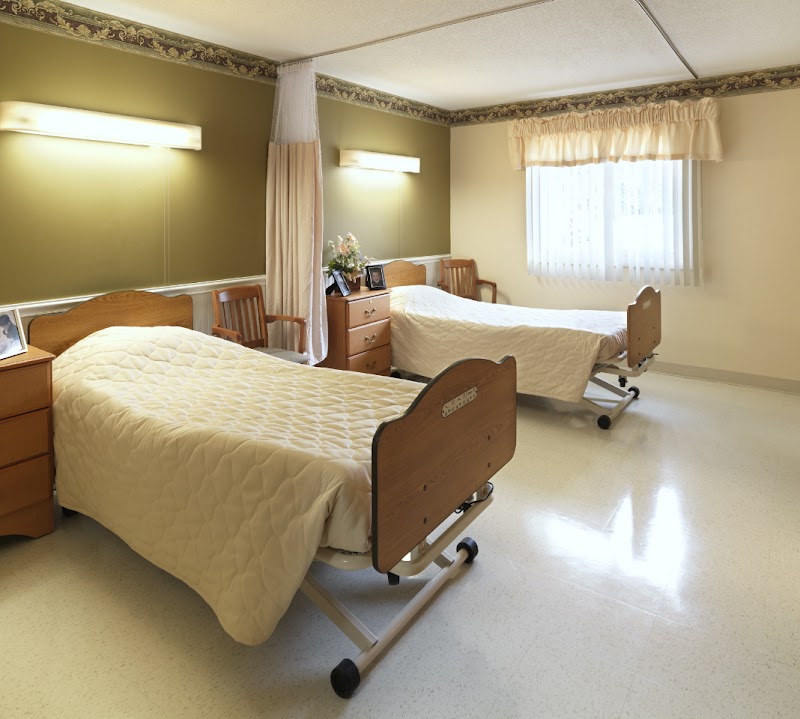
How is Whitehouse Country Manor Staffed?

CMS rates WHITEHOUSE COUNTRY MANOR's staffing level at 3 out of 5 stars, which is average compared to other nursing homes. Staff turnover is 27%, compared to the Ohio average of 46%. This relatively stable workforce can support continuity of care.

What Have Inspectors Found at Whitehouse Country Manor?

State health inspectors documented 43 deficiencies at WHITEHOUSE COUNTRY MANOR during 2019 to 2025. These included: 42 with potential for harm and 1 minor or isolated issues.
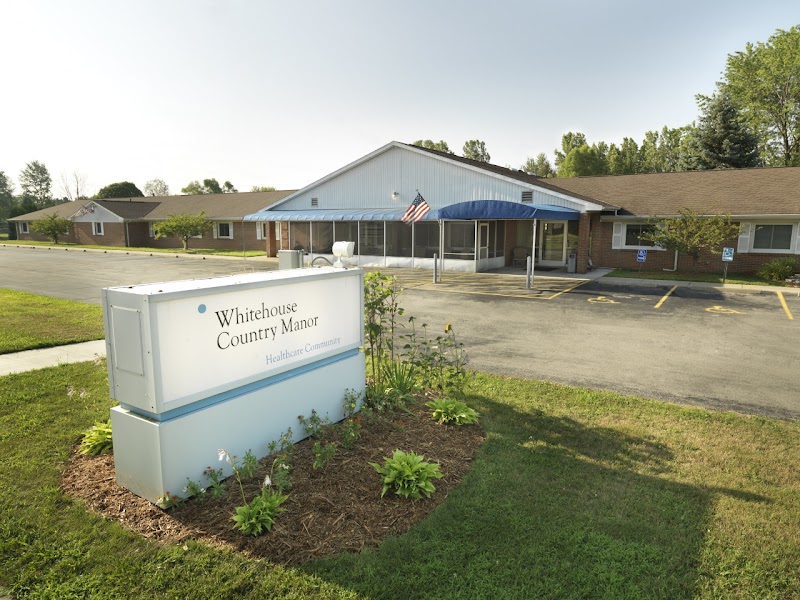
Who Owns and Operates Whitehouse Country Manor?

WHITEHOUSE COUNTRY MANOR is owned by a for-profit company. For-profit facilities operate as businesses with obligations to shareholders or private owners. The facility is operated by HILLSTONE HEALTHCARE, a chain that manages multiple nursing homes. With 90 certified beds and approximately 82 residents (about 91% occupancy), it is a smaller facility located in WHITEHOUSE, Ohio.
How Does Whitehouse Country Manor Compare to Other Ohio Nursing Homes?

Compared to the 100 nursing homes in Ohio, WHITEHOUSE COUNTRY MANOR's overall rating (3 stars) is below the state average of 3.2, staff turnover (27%) is significantly lower than the state average of 46%, and health inspection rating (2 stars) is below the national benchmark.

What Should Families Ask When Visiting Whitehouse Country Manor?

Based on this facility's data, families visiting should ask: "Can I visit during a mealtime to observe dining assistance and food quality?" "How do you handle medical emergencies, and what is your hospital transfer rate?" "Can I speak with family members of current residents about their experience?"

Is Whitehouse Country Manor Safe?

Based on CMS inspection data, WHITEHOUSE COUNTRY MANOR has a clean safety record: no substantiated abuse findings (meaning no confirmed cases of resident harm), no Immediate Jeopardy citations (the most serious violation level indicating risk of serious injury or death), and is not on the Special Focus Facility watch list (a federal program monitoring the lowest-performing 1% of nursing homes). The facility has a 3-star overall rating and ranks #100 of 100 nursing homes in Ohio. While no facility is perfect, families should still ask about staff-to-resident ratios and recent inspection results during their visit.

Do Nurses at Whitehouse Country Manor Stick Around?

Staff at WHITEHOUSE COUNTRY MANOR tend to stick around. With a turnover rate of 27%, the facility is 19 percentage points below the Ohio average of 46%. Low turnover is a positive sign. It means caregivers have time to learn each resident's needs, medications, and personal preferences. Consistent staff also notice subtle changes in a resident's condition more quickly. Registered Nurse turnover is also low at 17%, meaning experienced RNs are available to handle complex medical needs.

Was Whitehouse Country Manor Ever Fined?

WHITEHOUSE COUNTRY MANOR has no federal fines on record. CMS issues fines when nursing homes fail to meet care standards or don't correct problems found during inspections. The absence of fines suggests the facility has either maintained compliance or corrected any issues before penalties were assessed. This is a positive indicator, though families should still review recent inspection reports for the full picture.

Is Whitehouse Country Manor on Any Federal Watch List?

WHITEHOUSE COUNTRY MANOR is not on any federal watch list. The most significant is the Special Focus Facility (SFF) program, which identifies the bottom 1% of nursing homes nationally based on persistent, serious quality problems. Not being on this list means the facility has avoided the pattern of deficiencies that triggers enhanced federal oversight. This is a positive indicator, though families should still review the facility's inspection history directly.