SIENNA SKILLED NURSING & REHABILITATION
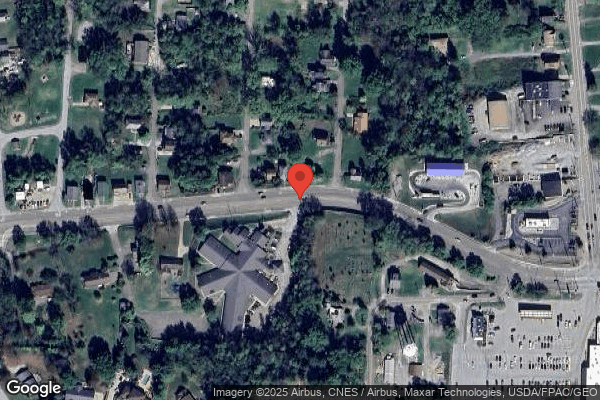
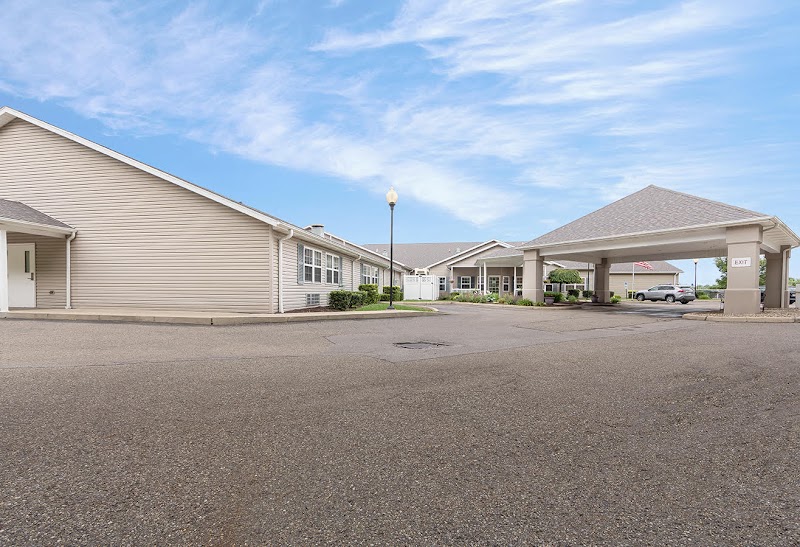
250 CADIZ ROAD, WINTERSVILLE, OH 43953 (740) 264-5245
For profit - Corporation 88 Beds CONTINUING HEALTHCARE SOLUTIONS Data: November 2025
Trust Grade
40/100
#777 of 913 in OH
Last Inspection: November 2023

Within standard 12-15 month inspection cycle. Federal law requires annual inspections.

Overview

Sienna Skilled Nursing & Rehabilitation has a Trust Grade of D, indicating it is below average, with some concerns about its quality of care. It ranks #777 out of 913 facilities in Ohio, placing it in the bottom half statewide, and #5 out of 6 in Jefferson County, meaning there is only one other local option that is better. Unfortunately, the facility is worsening, as issues increased from 1 in 2024 to 7 in 2025. Staffing is a mixed bag with a 2 out of 5 rating and a 52% turnover rate, which is about average for Ohio, but there is good RN coverage, exceeding 83% of state facilities, meaning registered nurses are more available to catch potential problems. However, there were serious incidents reported, including a resident being hospitalized due to inadequate urinary catheter care and another resident suffering a hip fracture after falling when staff did not provide proper assistance. Additionally, residents reported issues with food quality, such as meals not being served at the right temperature or variety. Overall, while there are some strengths, such as RN coverage and no fines, families should carefully consider the facility's serious deficiencies.

Trust Score
D
40/100
In Ohio
#777/913
Bottom 15%
Safety Record
Moderate
Needs review
Inspections
Getting Worse
1 → 7 violations
Staff Stability
⚠ Watch
52% turnover. Above average. Higher turnover means staff may not know residents' routines.
Penalties
✓ Good
No fines on record. Clean compliance history, better than most Ohio facilities.
Skilled Nurses
○ Average
Each resident gets 38 minutes of Registered Nurse (RN) attention daily — about average for Ohio. RNs are the most trained staff who monitor for health changes.
Violations
⚠ Watch
32 deficiencies on record. Higher than average. Multiple issues found across inspections.
★★☆☆☆
2.0
Overall Rating
★★☆☆☆
2.0
Staff Levels
★★★★☆
4.0
Care Quality
★★☆☆☆
2.0
Inspection Score
Stable
2024: 1 issues
2025: 7 issues

The Good

  • 4-Star Quality Measures · Strong clinical quality outcomes
  • Full Sprinkler Coverage · Fire safety systems throughout facility
  • No fines on record

Facility shows strength in quality measures, fire safety.

The Bad

2-Star Overall Rating

Below Ohio average (3.2)

Below average - review inspection findings carefully

Staff Turnover: 52%

Near Ohio avg (46%)

Higher turnover may affect care consistency

Chain: CONTINUING HEALTHCARE SOLUTIONS

Part of a multi-facility chain

Ask about local staffing decisions and management

The Ugly 32 deficiencies on record

2 actual harm
Apr 2025 5 deficiencies 1 Harm
SERIOUS (G) 📢 Someone Reported This

A family member, employee, or ombudsman was alarmed enough to file a formal complaint

Actual Harm - a resident was hurt due to facility failures

Incontinence Care (Tag F0690)

A resident was harmed · This affected 1 resident

**NOTE- TERMS IN BRACKETS HAVE BEEN EDITED TO PROTECT CONFIDENTIALITY** Based on observation, medical record review, interview, and policy review the facility failed to ensure urinary catheter care wa...

Read full inspector narrative →
**NOTE- TERMS IN BRACKETS HAVE BEEN EDITED TO PROTECT CONFIDENTIALITY** Based on observation, medical record review, interview, and policy review the facility failed to ensure urinary catheter care was provided and failed to assess the resident's urinary status and condition when the resident experienced no urinary output for two days and minimal output the third day resulting in transfer to the hospital for treatment of a clogged urinary catheter. This affected three residents (#14, #66, and #80) of three residents reviewed for urinary catheters. Actual Harm occurred on 02/12/25 when the facility failed to provide timely and necessary indwelling urinary catheter care to Resident #80 resulting in increased pain and the resident being transferred to the hosptial. Hospital care included replacing the urinary catheter, treatment with continuous bladder irrigation, and pain management due to the facility failure to properly and timely irrigate the urinary catheter, accurately assess the resident's condition, and monitor urinary output. Findings Include: 1. Closed medical record review revealed Resident #80 was admitted on [DATE] with diagnoses including chronic lymphocytic leukemia of B-Cell, stage four chronic kidney disease, malignant neoplasm of kidney and brain, neuromuscular dysfunction of bladder, and benign prostatic hyperplasia with lower urinary tract symptoms. The resident discharged to the hospital on [DATE] and did not return to the facility. Review of Resident #80's alternation in elimination plan of care initiated 02/07/25 and revised on 04/22/25 (after the resident discharged from the facility) revealed to assess for abdominal distention as needed initiated on 04/22/25, change Foley catheter per physician orders and as needed initiated on 02/07/25, empty Foley catheter every shift and as needed initiated on 02/07/25, irrigation per physician orders initiated on 04/22/25, and medicate per physician order initiated on 04/22/25. Review of the five-day minimum data set (MDS) assessment dated [DATE] revealed the resident had a Brief Interview for Mental Status (BIMS) score of four indicating the resident had severe cognitive impairment. The assessment also revealed the resident had an indwelling urinary catheter (Foley catheter). Review of Resident #80's urinary output dated 02/2025 revealed no output was documented for 02/10/25 or 02/11/24, and only 100 ml on 02/12/25. Review of Resident #80's progress note authored by the Assistant Director of Nursing (ADON) dated 02/11/25 at 10:49 A.M., revealed the resident's urine in the foley was clear, yellow, and patent. The note included the resident had not had any significant changes in the last 24 hours. Review of Resident #80's progress note authored by Licensed Practical Nurse (LPN) #104 dated 02/12/25 at 11:35 A.M., revealed urine was normal. There had not been any significant changes in the last 24 hours with the resident. Review of Resident #80's progress note authored by LPN #104 dated 02/12/25 at 3:45 P.M., revealed the resident continued to have bright red blood draining into the Foley. The physician was notified and stated if the bleeding or discomfort continued tomorrow to send the resident to the emergency room and keep attempting to flush the Foley. Review of Resident #80's progress note authored by Registered Nurse (RN) #102 dated 02/12/25 at 7:00 P.M., revealed the family came to the nurse's station just after shift change around 6:35 P.M. and asked for the resident's Foley to be irrigated. The author informed the family that she would be down as soon as possible. The wife also asked if there was anything else that could be done and the author informed her that the doctor said that staff could send the resident to the emergency room. The wife stated, No I don't want him going over there. The author told the wife once again she would be down as soon as possible. At 6:50 P.M., a certified nursing assistant (CNA) came and told the author that the resident's wife told her that if her husband was not sent to the emergency room within 20 minutes she was going to call the police about the lack of care. The transport company was called, and the resident left the facility via stretcher at 7:00 P.M. Review of Resident #80's progress note authored by RN #102 dated 02/12/25 at 11:42 P.M., revealed the resident returned from the emergency room with a new three way 16 french Foley and continuous bladder irrigation (CBI) was done at the emergency room. New orders to follow up with the urologist within one week. Review of Resident #80's emergency room notes dated 02/12/25 revealed at 7:16 P.M. and 7:30 P.M. the resident's blood pressure was 132/91 mg/Hg and pulse was 118 (beats per minute). The resident's wife reported his heart rate was normal for him, but he was also in pain from his distended bladder. The resident appeared quite uncomfortable and was administered Toradol 15 milligrams (mg) IV for pain, Urispas and Pyridium for bladder spasms. A bladder scan was performed at 7:32 P.M., that indicated the resident had greater than 600 milliliters (ml) of urine in the bladder. At 8:43 P.M., there was minimal drainage noted from the foley catheter after multiple attempts to flush the current catheter. A three-way catheter was placed. Several small and moderate size clots were noted in the tubing with flushes. The note included continuous bladder irrigation (CBI) ordered. At 10:56 P.M., CBI was completed with 2500 ml of clear pale colored urine returned. Review of Resident #80's hospital discharge summary records dated 02/12/25 revealed the resident was seen for Foley malfunction and the resident was brought in from the skilled nursing facility for complaints of blood in his urine after having his catheter removed today. There was a large amount of gross red blood noted in the catheter bag. The resident was in pain from a distended bladder. The bladder scan noted greater than 600 milliliters (ml) of urine. It was noted the resident had a clot blocking the catheter passage. A triple-lumen catheter was placed instead of a two way which can be irrigated properly. The discharge summary included to follow-up with urologist in one week. Further review of Resident #80's progress notes dated 02/12/25 revealed no evidence the urinary Foley was changed or irrigated and no documented evidence included as to when the blood was first noted in the Foley. Review of Resident #80's orders and medication and treatment administration records dated 02/2025 revealed no evidence Resident #80's Foley catheter was changed by facility staff or irrigated. Further review revealed on 02/12/25 LPN #104 administered Tylenol 650 milligrams (mg) at 3:54 P.M., for a pain rated an eight out of 10 (1-10 pain scale). The follow up indicated the Tylenol was effective however there was no time noted when the medication was effective or pain rating noted. Interview on 04/21/25 at 9:29 A.M. with Resident #80's wife (a retired nurse) revealed on 02/11/25 she noticed blood in the resident's Foley bag. Staff told her it was due to the resident pulling on his Foley sometime during the night. On 02/12/25 when she came to visit her husband she stated there was blood in the Foley bag. She stated she had to beg for the nurse to irrigate and change the Foley. LPN #104 attempted to irrigate the Foley while the resident was in his wheelchair, which was not effective. The wife reported the resident should have been laid down in bed to properly irrigate the Foley. The LPN got blood on the floor in the resident's room and did not clean it up. LPN #104 then changed the Foley about 2:00 P.M. and no urine was ever obtained, just frank blood. There was no urine output for the rest of the afternoon. The wife asked the evening change shift nurse (Registered Nurse (RN) #102) to check the blood and she reported she would get to it later that she had discharges, tube feeds, and had no time to check the blood with no urine out in the foley bag. The resident's wife stated the resident was in so much pain she had requested the resident to go to the emergency room. The emergency room inserted a three-way catheter and continuously flushed the catheter until it was clear. The resident was transported back to the skilled facility. RN #102 never came back to the room to check the resident in. The emergency squad remarked that nurse should have come back to check the resident in. The next day, 02/13/25 the wife stated she had spoken to the Director of Nursing (DON) who defended the nurses stating the nurse had to triage care. Interview on 04/22/25 at 1:52 P.M., with Licensed Practical Nurse (LPN) #104 revealed she recalled Resident #80. The LPN recalled the resident had blood in his Foley bag for a couple days because he was attempting to get out bed unattended and was pulling on his Foley. The LPN confirmed she had changed the resident's urinary Foley and attempted to irrigate the Foley without success. The LPN reported the resident ended up going to the emergency room for treatment. Interview on 04/23/25 at 7:21 A.M., with the Director of Nursing (DON) confirmed there were no orders to change Resident #80's Foley or irrigate the Foley. The DON confirmed the resident had 100 ml output on 02/12/25 and there was no documentation of urine output on 02/10/25 or 02/11/25. The DON also confirmed there was no documented evidence the physician was notified the Foley irrigation was not successful or the resident had no output after the Foley was changed. The DON confirmed to irrigate a Foley the resident should have been laid down and irrigation should not have been attempted while the resident was sitting up in a wheelchair. Review of the facility's policy titled Foley Catheter Care, undated, revealed the Foley catheter bag would be changed as needed, the catheter would be replaced as needed, or in accordance with physician orders. The staff would monitor intakes and output and record finding on the MAR, as needed. The staff would observe and report to the licensed nurse any signs or symptoms of UTI to include blood, odor, cloudiness, pain, elevated temperature, or absence or decrease in urine output. 2. Medical record review revealed Resident #66 was admitted to the facility on [DATE] with diagnoses including neuromuscular dysfunction of the bladder, cerebrovascular disease, diabetes, chronic kidney disease, and paralysis. Review of Resident #66's alteration in elimination (indwelling Foley catheter) dated 09/26/25 and revised on 04/21/25 revealed to empty Foley catheter every shift and as needed, irrigation per physician orders, monitor for signs and symptoms of urinary tract infection (UTI) including foul smelling urine. Report to physician to seek diagnoses and treatment promptly. Review of Resident #66's infection care plan related to indwelling Foley catheter dated 09/26/24 revealed to monitor for signs and symptoms of UTI: foul smelling urine, cloudy urine, sediment, and decreased output. Review of Resident #66's urinary output revealed at 5:20 A.M. on 04/22/25 the resident had 500 ml of urine output. Review of Resident #66's progress notes dated 04/21/25 and 04/22/25 revealed no evidence of milky urine. The last urinary assessment completed was dated 03/23/25 that indicated the resident had a Foley catheter that was draining cloudy yellow urine. Review of Resident #66's progress notes dated 04/22/25 and 04/23/25 revealed no evidence the physician had followed up on the resident's foul milky urine. Review of Resident #66's orders and medication and treatment administration orders dated 03/2025 to 04/2025 revealed no evidence to change the Foley drainage bag or irrigation. The Foley was last changed on 03/13/25. Observation on 04/22/25 at 7:18 A.M. of Resident #66's Foley catheter with Certified Nurse Aide (CNA) #113 revealed the urine was not visible due to the Foley bag was tinted and the urine was not visible. This observation was confirmed with CNA #113. At this time, CNA #113 emptied the Foley catheter and the urine was milky in color and had a strong odor. Resident #66 had 150 ml out (was just emptied at 5:20 A.M). Observation on 04/22/25 at 7:40 A.M. of Resident #66 with the DON revealed the bag was tinted and the urine was not visible. The DON requested the nurse to change out the bag and tubing and to update the doctor on the resident's urine being milky and see if he wanted a urinalysis. Interview on 04/22/25 at 10 :00 A.M. with Licensed Practical Nurse (LPN) #173 and the DON revealed LPN #173 changed the Foley bag but had not faxed the doctor yet regarding the milky urine. The DON confirmed the order to change the urinary bag, and irrigation was just added today. Interview on 04/22/25 at 10:51 A.M. LPN #161 revealed she had provided care to Resident #66 last week and her urine was orange in color which was normal for her because she had a diagnosis diabetes. Interview on 04/23/25 at 8:45 A.M., with the DON revealed the nurse had faxed the physician yesterday (04/22/25) regarding the resident's urine being milky and had an odor, however there was no evidence the physician had responded back to the fax yet. Interview on 04/23/25 at 9:16 A.M., with the DON revealed the physician had called back this morning and he wanted a urinalysis with a culture and sensitivity to be done tomorrow since the resident was not having symptoms. Interview on 04/28/25 at 10:20 A.M., with the DON via email revealed Resident #66's urine culture and sensitivity was positive for Proteus Vulgaris (Bacteria) and Klebsiella Aerogene (Bacteria) on 04/26/25 and the physician ordered Cipro 250 mg twice daily for seven days this morning (04/28/25). Review of the facility's policy titled Foley Catheter Care, undated, revealed the Foley catheter bag would be changed as needed, the catheter would be replaced as needed, or in accordance with physician orders. The staff would monitor intakes and output and record finding on the MAR, as needed. The staff would observe and report to the licensed nurse any signs or symptoms of UTI to include blood, odor, cloudiness, pain, elevated temperature, or absence or decrease in urine output. 3. Review of Resident #14's medical record revealed the resident was admitted to the facility on [DATE] with diagnoses including transient cerebral ischemic attack, multiple sclerosis, neuromuscular dysfunction of bladder and heart failure. Review of Resident #14's alteration in elimination care plan related to supra pubic catheter and neuromuscular bladder dated 09/26/24 revealed to change appliance per physician orders, intermittent catheterization per orders, irrigation per physician orders and change supra pubic catheter every 30 days in the morning, if unable to get in, send the resident to the hospital per physician. Review of the urology note dated 03/18/25 revealed to change supra pubic catheter every 30 days in the A.M. If unable to get in, send the resident to the hospital per urologist in the morning every 30 days. Review of Resident #14's current orders dated 04/2025 revealed no evidence of orders to change the resident's catheter every 30 days, irrigation, or changing equipment (bag). Interview on 04/21/25 at 1:10 P.M., with the DON confirmed the resident did not have current orders to change the supra pubic catheter every 30 days, irrigation, or changing the catheter bag. The DON reported the resident was hospitalized last month and the orders were not re-written on re-admission. Interview on 04/22/25 at 7:15 A.M., with the DON revealed the resident had to be sent to the emergency room due to staff attempted to change the supra pubic catheter but were not successful. The last time the resident's catheter was changed was on 03/22/25 because he refused to have it changed on 03/21/25. Review of the facility's policy titled Foley Catheter Care, undated, revealed the Foley catheter bag would be changed as needed, the catheter would be replaced as needed, or in accordance with physician orders. The staff would monitor intakes and output and record finding on the MAR, as needed. The staff would observe and report to the licensed nurse any signs or symptoms of UTI to include blood, odor, cloudiness, pain, elevated temperature, or absence or decrease in urine output. This deficiency represents non-compliance investigated under Master Complaint Number OH00164936, Complaint Number OH00164233.
CONCERN (D) 📢 Someone Reported This

A family member, employee, or ombudsman was alarmed enough to file a formal complaint

Potential for Harm - no one hurt, but risky conditions existed

Deficiency F0687 (Tag F0687)

Could have caused harm · This affected 1 resident

**NOTE- TERMS IN BRACKETS HAVE BEEN EDITED TO PROTECT CONFIDENTIALITY** Based on closed medical record review, review of photos, and interview the facility failed to ensure podiatry services and foot ...

Read full inspector narrative →
**NOTE- TERMS IN BRACKETS HAVE BEEN EDITED TO PROTECT CONFIDENTIALITY** Based on closed medical record review, review of photos, and interview the facility failed to ensure podiatry services and foot care were provided. This affected two residents (#81 and #82) of three closed records reviewed. Findings included: 1. Closed medical record review revealed Resident #82 was admitted to the facility on [DATE] with diagnoses including type 2 diabetes, end stage renal disease, restless leg syndrome, and anemia. Review of Resident #82's ancillary service consent dated 01/16/24 revealed the resident's son had signed a consent for podiatry services. Review of Resident #82's closed paper and electronic medical record revealed no evidence the resident had been seen by podiatry. Review of photos of Resident #82's feet (provided by the resident's family) revealed the resident's left great, second, third, and forth toenails were long and extended out past the end of the toe. There was old nail polish on the toenails that extended to the end of the toe. There was dry, thick scaly skin noted on bilateral feet. The other toenails were brittle, and some nails were broken. The nails were thick, yellow, and had a substance built up under the nails. Review of Resident #82's hospital note dated 03/24/25 revealed the family had moisturized and cut and painted the resident toenails. Interview on 04/24/25 at 8:42 A.M., with Resident #82's daughter-in-law confirmed the resident had dry and dead skin on her feet, her toenails were thick and brittle with buildup under the nails, and foot and nail care had not been performed since the resident was admitted to the facility. Her husband was the power of attorney and signed consent for podiatry services. Resident #82's daughter-in-law added that Resident #82 enjoyed having her feet and nails done and had went with her niece frequently to have pedicures. The resident had a pedicure done right before she was admitted to the facility. The daughter-in-law provided before and after photos of Resident #82's feet/toes to confirm the condition of Residents #82's feet/toes when the resident had went to the hospital on [DATE]. Interview on 04/25/25 at 7:55 A.M. and 9:29 A.M., with the Director of Nursing (DON) confirmed the family had signed consent for podiatry services. The DON confirmed there was no evidence the podiatrist had seen the resident. The DON reported she called the ancillary service company, and the company reported the physician never returned the signed consent. The DON confirmed the facility was unaware the provider had not signed the consent. The DON reported the social services designee had quit without notice. The DON reviewed the photos and confirmed Resident #82 was the resident in the pictures. 2. Closed record review Resident #81 was admitted to the facility on [DATE] with diagnoses including type two diabetes, acute and chronic respiratory failure, anemia, and heart failure. Review of Resident #81's podiatry consent (date not legible) revealed Resident #81 had signed consent for podiatry services. Review of Resident #81's paper and electronic medical record revealed no evidence Resident #81 had been seen by podiatry. Review of a photo of Resident #81's toes revealed the resident's great toes toenails revealed the toenails were long and extended past the end of the toe. The nails were yellow in color. Interview on 04/22/25 at 1:54 P.M., with Resident #81's husband revealed he had requested his wife be seen by the podiatrist due to her toenails being long and she had complaints her nails were hurting. He was told his wife's name was on the list. Per Resident #81's husband, the day the podiatrist visited the facility, Resident #81 was not seen and he questioned why she was not seen. He was told her name was not on the list to be seen. Interview on 04/24/25 at 9:30 A.M. and 12:02 P.M., with the Director of Nursing (DON) confirmed Resident #81 had signed consent to see the podiatrist, however there was no evidence the resident had been seen by podiatry. The DON reported she called the ancillary service company, and the company reported they had sent an order to the physician to be seen, however the physician had never signed the order. The DON confirmed the facility was unaware the resident needed a signed physician consent, and the social worker designee had quit recently without notice. This deficiency represents non-compliance investigated under Complaint Number OH00164618.
CONCERN (D) 📢 Someone Reported This

A family member, employee, or ombudsman was alarmed enough to file a formal complaint

Potential for Harm - no one hurt, but risky conditions existed

Accident Prevention (Tag F0689)

Could have caused harm · This affected 1 resident

**NOTE- TERMS IN BRACKETS HAVE BEEN EDITED TO PROTECT CONFIDENTIALITY** Based on medical record review, review of fall investigation, observation, and interview the facility failed to ensure fall inte...

Read full inspector narrative →
**NOTE- TERMS IN BRACKETS HAVE BEEN EDITED TO PROTECT CONFIDENTIALITY** Based on medical record review, review of fall investigation, observation, and interview the facility failed to ensure fall interventions were in-place per the resident's plan of care. This affected one (Resident #66) of three records reviewed for falls. Findings included: Medical record review revealed Resident #66 was admitted to the facility on [DATE] with diagnoses including history of falls, cerebrovascular disease, diabetes, seizures, and absent of right great toe. Review of Resident #66's census sheet revealed Resident #66 was moved to room [ROOM NUMBER] on 03/20/25. Review of the fall investigations dated 12/2024 to 04/2025 with the Director of Nursing (DON) revealed Resident #66 had sustained three falls. On 12/20/24 the resident had fallen out of bed because she felt like she had to get out of bed. The new intervention was to hang a sign to ask for help and to use call light. On 12/27/24 the resident had fallen out of bed reaching for her phone. The new intervention was to move items within reach. The third fall occurred on 02/01/25 and the resident was trying to get out of bed unassisted. The new intervention included a low bed. Review of Resident #66's current fall care plan related to history of falls, seizure, and diabetes revealed the resident's bed was in the lowest position when occupied, the body pillow to the right side of the bed, personal and commonly used items within reach, and visual reminder to utilize call light for assistance. Observation on 04/24/25 at 12:33 P.M., of Resident #66's room with the DON revealed Resident #66 did not have a body pillow, sign to ask for help/use call light, and the bed was not in a low position. The DON reported the resident had a recent room change on 03/20/25 (over a month ago) and the body pillow and sign must have not been brought to the new room. The DON reported she didn't believe Resident #66 wanted the bed in the lowest position and she was going to update the plan of care to have the bed mid between low and high (midway). This deficiency represents non-compliance investigated under Complaint Number OH00164618 and Complaint Number OH00164233.
CONCERN (D) 📢 Someone Reported This

A family member, employee, or ombudsman was alarmed enough to file a formal complaint

Potential for Harm - no one hurt, but risky conditions existed

Deficiency F0757 (Tag F0757)

Could have caused harm · This affected 1 resident

**NOTE- TERMS IN BRACKETS HAVE BEEN EDITED TO PROTECT CONFIDENTIALITY** Based on closed medical record review, review of drug information, and interview the facility failed to ensure a resident's drug...

Read full inspector narrative →
**NOTE- TERMS IN BRACKETS HAVE BEEN EDITED TO PROTECT CONFIDENTIALITY** Based on closed medical record review, review of drug information, and interview the facility failed to ensure a resident's drug regimen was free from unnecessary medication when the resident was administered morphine not in accordance with hospice orders. This affected one resident (#81) of three resident records reviewed for death. Findings included: Based on closed medical record revealed Resident #81 was admitted to the facility on [DATE] and expired on [DATE]. Diagnoses included tracheostomy, acute and chronic respiratory failure with hypoxia, chronic obstructive pulmonary disease, type 2 diabetes, history of malignant neoplasm of tongue and breast, malignant neoplasm of tonsils, disease of intestine, neuromuscular dysfunction of bladder (urinary catheter), gastrostomy, heart failure, gastro-esophageal reflux disease, constipation, depression, adjustment disorder with depressed mood, abdominal aortic aneurysm, anxiety, and anemia. Review of Resident #81's orders dated 01/2025 revealed Lorazepam (benzodiazepine) 0.5 milligram (mg) twice daily for restlessness and anxiety and every four hours as needed via peg tube, Escitalopram (Serotonin) 10 mg two tablets via peg tube at bedtime for sadness, teary, and depressive episodes, and Gabapentin (anticonvulsant/neuropathic pain)100 mg two tablets via peg-tube every morning for muscle weakness. The resident's original Morphine (opioid analgesics) order was 5 mg (0.25 milliliter (ml)) every four hours for pain and dyspnea as needed. On [DATE] at 10:00 A.M., the order was increased to 10 mg (0.5 ml) every 2 hours as needed for pain and shortness of breath. The order was clarified on [DATE] at 9:18 P.M. and changed to every four hours (not 2 hours). Review of Resident #81's Ativan control sheet revealed the resident was administered Ativan 0.5 mg at 8:00 A.M (scheduled time), 11:00 A.M (as needed dose), 2:00 P.M. (as needed dose) and 9:21 P.M. (scheduled dose), however review of the Medication Administration Record (MAR) dated 01/2025 revealed the resident received the Ativan A.M., 10:32 A.M., 2:35 P.M. There was a discrepancy in times administered for the as needed dose when the MAR was reconciled with the narcotic control sheet. Review of Resident #81's Morphine control sheet revealed the resident was administered Morphine 0.25 ml (5 mg) at 4:30 A.M., 8:00 A.M., 11:30 A.M., 11:50 A.M., and 12:30 P.M. The resident received 0.5 ml (10 mg) at 1:00 P.M., 1:59 P.M., 2:15 P.M., 2:45 P.M., 4:00 P.M., and 9:21 P.M., however review of the MAR dated 01/2025 revealed the resident only received Morphine 0.25 ml at 4:31 A.M. for dyspnea, 9:06 A.M.(discrepancy in time) for pain, 10:32 A.M. (discrepancy in time) for dyspnea, 11:53 A.M. for pain, and 0.5 ml (10 mg) 1:59 P.M. for shortness of breath, and 9:21 P.M. for pain. The resident received one dose of 10 mg on [DATE] at 5:14 A.M. for dyspnea, which was not documented on the Morphine control sheets. The 0.25 ml at 12:30 P.M., 0.5 ml at 1:00 P.M., 2:15 P.M., 2:45 P.M., and 4:00 P.M. were not documented on the MAR. The 11:50 A.M. dose was signed out as 0.25 ml on the control sheet, however on the MAR it was signed off as 0.5 ml was administered. Further review of the MAR dated 01/2025 Escitalopram 20 mg was administered at 8:00 P.M. from [DATE] to [DATE] and Gabapentin 100 mg two tablets from [DATE] to [DATE]. The resident's A.M., blood sugar on [DATE] was 581. Review of Resident #81's hospice note dated [DATE] revealed the nurse visited from 8:50 A.M. to 9:30 A.M. The residents' eyes were closed, restless, fidgeting, grimacing, non-verbal/unable to respond at this time. The resident had minimally responsive, mottled/cool extremities, terminal restlessness, and darkened/decreased urine output. The resident heart rate was 80, respiration was 22, blood pressure was 112/52, and pulse oximetry (ox) was 94% on five liters of oxygen via trach. The resident was able to respond to tactile stimuli. Resident receiving tube feeds via peg tube on continuous pump. Five liters of supplement oxygen via trach mask. A telephone call to the resident's husband was made and he was agreeable to increase in comfort medication at this time, he was also requesting a visit from the facility's doctor if possible to assess wife's condition. Spoke to staff nurse (Licensed Practical Nurse) #104, updated on phone call with spouse, she was agreeable to reach out to the facility doctor to request updated medication orders Morphine 10 mg every four hours as needed, and advised LPN to medicate resident at this time. Nurse verbalized understanding. Review of hospice communication note dated [DATE] revealed at 8:50 P.M., the facility called to clarify Morphine orders. Morphine 10 mg every four hours per hospice physician was clarified. Review of Resident #81's nursing progress notes dated [DATE] revealed: -Progress note authored by LPN #145 at 1:20 A.M., revealed the resident was resting quietly at this time without signs or symptoms of pain or discomfort. -Progress note authored by LPN #145 at 2:04 A.M., revealed the resident was resting quietly without signs and symptoms of pain or discomfort. Lungs remain clear but were tachypneic at 24. Tracheostomy clear, not need for suction at this time. -Progress note authored by LPN #145 at 3:09 A.M., revealed the resident was resting quietly without signs and symptoms of pain or discomfort. No response to verbal stimuli but responds to tactile. Lungs remain clear, no need for suctioning, pulse ox remains at 89%. -Progress note authored by LPN #145 at 4:31 A.M. revealed Morphine 5 mg was administered. -Progress note authored by LPN #145 at 4:33 A.M. revealed Resident #81 was slightly tachypneic, facial grimacing, medicated with morphine as per order. Continues to be responsive to tactile stimuli, pulls away while attempting to put pulse ox on finger. When asked if she could hear me or asked to open her eyes there was no attempt to do so. Oxygen remains on via trach mask. Pulse ox 89%. -Progress note authored by LPN #104 at 9:06 A.M. revealed Morphine 5 mg was administered for pain. At 10:14 A.M. the morphine was effective. Follow up pain scale was four. The Morphine narcotic control sheet indicated the Morphine was administered at 8:00 A.M. not 9:06 A.M. -Progress note authored by LPN #104 at 10:00 A.M , revealed the resident was noted to be agitated with facial grimacing, breathing heavily with respiration at 25. Only responding to physical stimuli. Hospice notified and in to see resident. Hospice recommendation to increase Morphine to 0.5 ml every two hours (was supposed to be every four hours), as needed for pain and shortness of breath. Discontinue all routine medication. Resident seems to still tolerate tube feeding, but okay to stop when resident was unable to tolerate it. Covering physician agreement with all new orders. Blood glucose was 581 this morning. Sixteen (16) units administered for formula and new order received to give an additional 10 units and recheck in one hour. Husband and daughter notified. Husband reported he would be in to see her soon. -Progress note authored by LPN #104 at 10:32 A.M. revealed Lorazepam 0.5 mg was administered and was effective at 12:13 P.M. -Progress note authored by LPN #104 at 10:32 A.M. revealed Morphine 5 mg was administered for dyspnea and was effective at 12:13 P.M. The Morphine narcotic sheet indicated the resident received Morphine 5 mg at 11:30 A.M. -Progress note authored by LPN #104 at 11:53 A.M. revealed Morphine 10 mg was administered for pain and was effective at 12:14 P.M. The Morphine narcotic sheet indicated the resident received Morphine 5 mg (not 10 mg) at 11:50 A.M. -At 12:30 P.M. and 1:00 P.M., there was no documented evidence that the resident had received Morphine per the control narcotic sheet that indicated the Resident had received 0.25 ml (5 mg) of Morphine at 12:30 P.M. and 1:00 P.M. -Progress note authored by LPN #104 at 1:59 P.M. revealed Morphine 10 mg was administered for shortness of breath and was effective at 3:01 P.M. for pain and at 3:02 P.M., it was effective for shortness of breath. -Progress note authored by LPN #104 at 2:09 P.M., revealed the Resident was resting quietly with eyes closed. Husband at bedside. Blood glucose 381. Respirations 20. -At 2:15 P.M., 2:45 P.M., and 4:00 P.M., there was no documented evidence the resident had received Morphine per the control narcotic sheet that indicated the resident had received 0.5 ml (10 mg) of Morphine at 2:15 P.M., 2:45 P.M., and 4:00 P.M. -Progress note authored by LPN #104 at 2:35 P.M., revealed Lorazepam 0.5 mg was administered and at 3:00 P.M it was effective. -Progress note authored by LPN #145 at 6:04 P.M., revealed the Resident was resting quietly without signs or symptoms of pain or discomfort. Responsive to tactile stimuli only. Oxygen via trach mask. Trach clear of secretions. Respirations quiet and easy at this time. Pulse ox was 89%. -Progress note authored by LPN #145 at 9:20 P.M., revealed the resident was showing signs and symptoms of pain. Facial grimacing noted. Tensed arms and clenched fist. Medicated with as needed morphine and routine Ativan as ordered. Aspirated 60 ml from the peg tube. Tube feeding placed on hold as per order. Continues to be responsive to only tactical stimuli. At 10:41 P.M. the morphine was effective. -Progress note authored by LPN #145 at 10:30 P.M., revealed the resident appeared more relaxed, no facial grimacing or tensed extremities. Respirations were quiet and easy. Tube feeding remains on hold due to residual. -Progress note authored by LPN #145 at 11:00 P.M , revealed residual (tube feeding) was checked again but continues to be 60 ml. Color of aspiration much darker than previous assessment, color similar to coffee ground but not quite as dark. Tube feeding remains on hold. Resting quietly without signs or symptoms of pain or discomfort. Review of progress notes dated [DATE] revealed: -Progress note authored by LPN #145 at 3:57 A.M., revealed the resident was resting quietly without signs and symptoms of pain or discomfort. Tube feeding remains on hold due to 60 ml of residual. -Progress note authored by LPN #145 at 5:14 A.M., revealed the resident was administered 0.5 ml of Morphine for dyspnea. There was no documented evidence on the Morphine narcotic sheet the resident had received 0.5 ml of Morphine on [DATE] at 5:14 A.M. -Progress note authored by LPN #145 at 5:41 A.M., revealed the nurse went to the resident's room to reassess resident after morphine administration, upon entering the room the resident was found to absent of respiration and not able to auscultate a heartbeat. Registered Nurse (RN) called to room to verify absence of heartbeat and respirations. Hospice notified of the situation and will call family to notify them. The Director of Nursing was also notified. Review of Resident #81 death certificate dated [DATE] revealed the expired on [DATE] at 5:41 A.M. as a result of chronic hypoxic respiratory failure and malignant neoplasm of the tonsils. Other significant conditions that contribute to death was lung cancer, breast cancer, diabetes, and cancer (eligible). The onset of death was less than 3 months and manner of death was natural. Interview and reconciliation of Morphine and orders on [DATE] at 10:45 A.M., with the Director of Nursing (DON) confirmed the Morphine narcotic control sheet indicated Morphine 0.25 ml (5 mg) was administered on [DATE] at 8:00 A.M., however the MAR indicated 9:06 A.M. The Morphine narcotic control sheet indicated Morphine 0.25 ml was administered on [DATE] at 11:30 A.M., however the MAR indicated 10:32 A.M. The Morphine control sheet indicated 0.25 ml was administered at 11:50 A.M., however the MAR indicated 0.5 ml (10mg) was administered at 11:53 A.M. The Morphine control sheet indicated 0.25 was administered at 12:30 P.M., 0.5 ml was administered at 1:00 P.M., 2:15 P.M 2:45 P.M., and 4:00 P.M., however they were not documented on the MAR. The DON reported the resident was ordered 0.25 ml; however, hospice had visited on [DATE] at 10:00 A.M. and changed the order to 0.5 ml every four hours but the nurse transcribed the orders incorrectly and entered every 2 hours as needed instead of every 4 hours as needed. The DON confirmed the Morphine was not administered per either order for every 2 hours or 4 hours due to the Morphine was administered on [DATE] at 11:30 A.M. then 20 minutes later at 11:50 A.M., then 40 minutes later at 12:30 P.M., then 30 minutes later at 1:00 P.M., then 59 minutes later at 1:59 P.M., then 16 minutes later at 2:15 P.M., then 30 minutes later at 2:45 P.M., then one hour and 15 minutes later at 4:00 P.M. The DON also confirmed the 5:14 A.M., dose on [DATE] was not documented on the Morphine control sheet. Review of Medscape revealed Morphine had a serious contraindication with escitalopram and to monitor closely if taking Lorazepam. Use caution when selecting dosage for an elderly resident, usually starting at low end of dose range because elderly patients are more likely to have decreased renal function, care should be taken in dose selection and may be useful to monitor renal function. This deficiency represents non-compliance investigated under Complaint Number OH00164618.
CONCERN (E) 📢 Someone Reported This

A family member, employee, or ombudsman was alarmed enough to file a formal complaint

Potential for Harm - no one hurt, but risky conditions existed

Safe Environment (Tag F0921)

Could have caused harm · This affected multiple residents

**NOTE- TERMS IN BRACKETS HAVE BEEN EDITED TO PROTECT CONFIDENTIALITY** Based on review of email communication, observation, and interview the facility failed to ensure the facility units for heating ...

Read full inspector narrative →
**NOTE- TERMS IN BRACKETS HAVE BEEN EDITED TO PROTECT CONFIDENTIALITY** Based on review of email communication, observation, and interview the facility failed to ensure the facility units for heating and cooling (packaged terminal air conditioner/PTAC) were maintained. This was observed in four rooms (Rooms 101, 215, 303, and 412) out of five heating and cooling units observed. Findings included: Observation on 04/22/25 at 7:42 A.M., with Maintenance Director (MD) of PTAC's in the resident rooms 101, 215, 303, and 412 revealed the filters and vents were covered with dirt, dust, and the filters were in despair (ripped). room [ROOM NUMBER] was missing one of the two filters. The MD reported the PTAC systems were about [AGE] years old, and it was difficult to find parts. The MD confirmed each PTAC had two filter, and the filters were to prevent the coils from getting dirty and dusty. The MD confirmed findings during observation and reported the cleaning of the filters was housekeeping responsibility. Interview on 04/22/25 at 7:57 A.M., with Housekeeping Supervisor # 177 revealed the facility did not have a cleaning schedule for the PTAC's filters, however they should be cleaned weekly. Review of an email communication dated 04/22/25 from the Executive Director of Facilities Management #300 revealed the vent screens were an intake to the evaporator for cooling. The vent screen on the PTAC's would need to be clean to prevent air flow across the coil but was not a filter for the exhaust to the residents' rooms. This deficiency represents non-compliance investigated under Complaint Number OH00164233.
Mar 2025 2 deficiencies
CONCERN (F) 📢 Someone Reported This

A family member, employee, or ombudsman was alarmed enough to file a formal complaint

Potential for Harm - no one hurt, but risky conditions existed

Deficiency F0804 (Tag F0804)

Could have caused harm · This affected most or all residents

**NOTE- TERMS IN BRACKETS HAVE BEEN EDITED TO PROTECT CONFIDENTIALITY** Based on observation, taste tray, food temperature, policy review, and interview, the facility failed to prepare food to enhance...

Read full inspector narrative →
**NOTE- TERMS IN BRACKETS HAVE BEEN EDITED TO PROTECT CONFIDENTIALITY** Based on observation, taste tray, food temperature, policy review, and interview, the facility failed to prepare food to enhance texture and serve at an appetizing temperature. This affected all 83 of 83 residents in the facility. The facility census was 83. Findings include: Observation of the lunch tray line took place on 03/20/25 at 11:41 A.M. [NAME] #94 was wearing gloves and had hair and beard coverings. When asked if temperatures were obtained he stated he already took the temperatures and motioned toward a binder. Observation revealed the lids were off the chaffing dishes on the steam table. Dietary #94 plated the dining room trays. They were sent to the dining room in an open to air cart. Interview on 03/20/25 at 12:10 P.M. until 12:20 P.M. of anonymous residents dining in the dining room revealed: - The food is hot in the dining room, not for the hall trays (reported by three residents). - They repeat the same vegetables a lot (reported by four residents). - There serve carrots too often. - It is hard to cut up the food. Returning to the tray line at 12:22 P.M. revealed the [NAME] #94 had plated an insulated cart of hall trays. They were taken out of the kitchen. The chaffing dishes remained uncovered. Prior to starting the next hall [NAME] #94 was asked if food temperatures were obtained halfway through the tray line prior to the start of hall trays. [NAME] #94 stated he did not retake the temperatures of the food on the tray line. At 12:25 P.M. [NAME] #94 obtained temperatures on the tray line. The fish temperature was 128 degrees Fahrenheit. The temperature was 170 degrees at the start of the lunch trays. The taters tots registered 122 degrees Fahrenheit. They were 187 degrees at the start of the trayline. [NAME] #94 did not seem to understand the temperatures were too low to be serving from the trayline. [NAME] #94 said he did not know if all the sections of the steam table were working consistently. He indicated he thought two sections did not have enough water. [NAME] #94 continued to plate the lunch trays without heating up the fish and tater tots. Due to resident complaints of cold hall trays and the food being below 135 degrees Fahrenheit on the trayline a test tray was requested after the last meal was plated. The Surveyor and Dietary Manager went to the hall where the last trays were delivered. All the trays had been delivered except a tray for a resident that was out of the facility by 1:13 P.M. At 1:15 P.M. the surveyor and Dietary Manager took the test tray to the conference room to check food temperatures and taste. The fish was 118.8 degrees Fahrenheit. The fish was lukewarm, hard and dry when tasted. The outside of the fish was very crispy and difficult to cut through. The tater tots were 116.5 degrees Fahrenheit. They fell apart to touch with a fork, lukewarm and tasted like a potato. The corn was 114.2 degrees Fahrenheit, al [NAME], lukewarm and tasted like broccoli. Findings of cool food temperatures and dry food were verified at the time of the test tray by Dietary Manager #92. Review of the facility policies revealed no policy was provided that included minimum holding temperatures of food on a trayline. Interview on 03/20/25 at 1:18 P.M. with Dietary Manager #92 verified the food holding temperatures did not meet industry standards resulting in cool hall trays. She indicated the residents complain about repeated same vegetables and too many carrots. Further, they do not prefer ethnic foods on the menu like taco's or Chinese foods so she will substitute those meals. Their menu and food are from [NAME] Food Services and are not made from scratch onsite. They do have Food Committee meetings during Resident Council. Review of Resident Council minutes for January through March 2025 included in January too much pasta, mashed potatoes and scrambled eggs. February 02/05/25 want more fruit and too many eggs. March 03/05/25 trays are late, dry meat. Meat very dry, toast not toasted, English muffins not toasted, late trays and want more tomato juice. Interviews 03/20/25 between 2:05 P.M. and 2:41 P.M. with anonymous residents included: - They do not like the cooking. -They do not like the food. It looks processed. -They don't serve cabbage rolls or steak. - The food is cold and not worth eating. - The cheese burger and French fries were cold. - The food is not hot when you get get it. The chicken was tough. - Last week they gave her chicken and it was still raw. - The food is terrible. I am afraid to eat it because I do not want to get sick. I am afraid it is undercooked. It is cold. - The food was still cold today. This deficiency represents non-compliance investigated under Complaint Number OH00163545.
CONCERN (F) 📢 Someone Reported This

A family member, employee, or ombudsman was alarmed enough to file a formal complaint

Potential for Harm - no one hurt, but risky conditions existed

Food Safety (Tag F0812)

Could have caused harm · This affected most or all residents

Based on observation and interview, the facility failed to ensure food was stored, prepared and held under sanitary conditions. This affected all 83 of 83 the residents in the facility The facility ce...

Read full inspector narrative →
Based on observation and interview, the facility failed to ensure food was stored, prepared and held under sanitary conditions. This affected all 83 of 83 the residents in the facility The facility census was 83. Findings include: Observation of the kitchen on 03/20/25 at 11:29 A.M. revealed the shelf above the cooking surface of the cooktop and top of the steamer were dirty with brown debris, dusty and a greasy, sticky film. The fronts of the silver refrigerators, freezers, ovens, oven handles were sticky, smeared with dried food and fingerprinted. The Ansel system above the cooktop was dusty. The linoleum type squares on the floor were soiled, dull, dirty with stains, yellowed, and cracked. There was food debris around the appliances on the floor. The steam table had a thick amount of hard whitish lyme build up. There were chaffing tins turned upside down on top of the lyme build up. The wood block holding the knife set was covered with dust around the slits the knives slide into. Two of the metal prep tables had an electric box in the bottom shelf. Both looked damaged with darken burn like areas around the plug. There was a bowl in the sugar container to scoop out the sugar. The reach in refrigerator had rusting shelves. The refrigerator had a container of applesauce open and undated. The freezer had hamburger patties not sealed, open to the freezer air. The wall of the exit door leading to the outside exit from the kitchen was crumbling in disrepair from the floor to one to two feet up the wall. The door, walls were rusty colored. The floor molding was off. There was thick tape on the wall. The floor was dirty. There was a hole in the wall from the fire extinguisher that now sat on the floor from falling off the wall. The ceiling air vent was discolored to a blackened color. A dumpster lid was broken stuck open. Observation of the trayline on 03/20/25 at 12:25 P.M. [NAME] #94 obtained temperatures on the tray line. The fish temperature was 128 degrees Fahrenheit. The taters tots registered 122 degrees Fahrenheit. [NAME] #94 did not seem to understand the temperatures were too low to be serving from the trayline. [NAME] #94 said he did not know if all the sections of the steam table were working consistently. He indicated he thought two sections did not have enough water. [NAME] #94 continued to plate the lunch trays without heating up the fish and tater tots. Interview on 03/20/25 at 1:18 P.M. with Dietary Manager #92 verified the findings as during the tour. Dietary Manager #92 said the kitchen staff tries to clean the floors but they are old and do not clean. She said the damaged wall in the kitchen around the door had been there since before she started four years ago. She verified the fire extinguisher fell off the damaged wall. She stated they do not use the ovens or deep fryer. She does not know if they all work. The steamer will not hold compression. The lyme build up on the shelf of the steam table is from water leaking at times. This deficiency represents non-compliance investigated under Complaint Number OH00163545.
Feb 2024 1 deficiency
CONCERN (F) 📢 Someone Reported This

A family member, employee, or ombudsman was alarmed enough to file a formal complaint

Potential for Harm - no one hurt, but risky conditions existed

Infection Control (Tag F0880)

Could have caused harm · This affected most or all residents

Based on observation, interview, and policy review, the facility failed to clearly identify rooms of residents on isolation precautions to prevent the spread of infection. This had the potential to af...

Read full inspector narrative →
Based on observation, interview, and policy review, the facility failed to clearly identify rooms of residents on isolation precautions to prevent the spread of infection. This had the potential to affect all 86 residents. Findings include: Observations during the tour on 02/20/24 between 9:15 A.M. and 9:45 A.M. revealed there was an isolation cart in the hallway past Resident #69's room with a sign posted above the isolation cart to stop and see the nurse. During an interview with State Tested Nursing Assistant (STNA) #140, at the time of the observation, verified the sign was posted beyond the door and anybody going straight to the room would not observe the sign alerting them to stop and see the nurse. An isolation cart was also observed past Resident #26 and Resident #44's room door with a sign posted above it to see the nurse before entering. At 9:30 A.M., STNA #150 verified the signage for Resident #26 and #44's room was past the entrance to the room and if a visitor did not understand the purpose of the isolation cart and went straight to the room, they would not know to see the nurse before entering. A subsequent observation of Resident #26 and #44's room, on 02/20/24 at 10:34 A.M., revealed the sign remained in the same location. A subsequent observation of Resident #69's room on 02/20/24 at 11:29 A.M. revealed the signage remained in the same location. The location of the signs for Resident #26, #44 and #69's rooms were discussed with Licensed Practical Nurse (LPN) #110/the Infection Control Preventionist. LPN #110 stated she generally told people if they observed carts (in the hall, outside of resident rooms) it would alert them to residents requiring isolation. LPN #110 verified every visitor might not be aware what the carts were for and acknowledged it might be more beneficial to have the sign in an area a visitor would see when they got to the room instead of having to rely on them walking past the room to view the signs. Review of the facility's Transmission-Based Precautions policy, last reviewed May 2023, revealed no information regarding posting signage for isolation. This deficiency represents non-compliance investigated under Complaint Number OH00150891.
Nov 2023 8 deficiencies
CONCERN (D)

Potential for Harm - no one hurt, but risky conditions existed

Deficiency F0582 (Tag F0582)

Could have caused harm · This affected 1 resident

**NOTE- TERMS IN BRACKETS HAVE BEEN EDITED TO PROTECT CONFIDENTIALITY** Based on medical record review and staff interview, the facility failed to adequately inform/specify in writing, services that w...

Read full inspector narrative →
**NOTE- TERMS IN BRACKETS HAVE BEEN EDITED TO PROTECT CONFIDENTIALITY** Based on medical record review and staff interview, the facility failed to adequately inform/specify in writing, services that would be discontinued. This affected three residents (#22, #234, and #235) of three residents reviewed for beneficiary notices. The census was 81. Findings Include: 1. Medical record review revealed Resident #22 was admitted to the facility on [DATE] with diagnoses including respiratory failure, chronic kidney disease, pneumonia, and muscle weakness. Review of Resident #22's Notice of Medicare Non-Coverage (NOMNC) form, dated 11/17/23, revealed services would discontinue on 11/20/23. The NOMNC form did not specify which services would be discontinued. The form stated, the effective date coverage of your current skilled nursing facility will end: 11/20/23. During interview on 11/30/23 at 11:10 A.M., Social Services Director (SSD) #165 confirmed that the NOMNC form for Resident #22 did not specify which type of skilled services would be ending and only indicated the ending date of services. 2. Medical record review revealed Resident #234 was admitted to the facility on [DATE] with diagnoses including sepsis, alcoholic cirrhosis of the liver with ascites, esophageal varices, and chronic hepatic failure. Review of Resident #234's Notice of Medicare Non-Coverage (NOMNC) form, dated 09/11/23, revealed services would discontinue on 09/13/23. The NOMNC form did not specify which services would be discontinued. The form stated, the effective date coverage of your current skilled nursing facility will end: 09/13/23. During interview on 11/30/23 at 11:10 A.M., Social Services Director (SSD) #165 confirmed that the NOMNC form for Resident #234 did not specify which type of skilled services would be ending and only indicated the ending date of services. 3. Medical record review revealed Resident #235 was admitted to the facility on [DATE] with diagnoses including encounter for surgical aftercare on the circulatory system, anxiety disorder, gastro-esophageal reflux disease, and muscle weakness. Review of Resident #235's Notice of Medicare Non-Coverage (NOMNC) form, dated 10/23/23, revealed services would discontinue on 10/25/23. The NOMNC form did not specify which services would be discontinued. The form stated, the effective date coverage of your current skilled nursing facility will end: 10/25/23. During interview on 11/30/23 at 11:10 A.M., Social Services Director (SSD) #165 confirmed that the NOMNC form for Resident #235 did not specify which type of skilled services would be ending and only indicated the ending date of services.
CONCERN (D)

Potential for Harm - no one hurt, but risky conditions existed

Transfer Notice (Tag F0623)

Could have caused harm · This affected 1 resident

**NOTE- TERMS IN BRACKETS HAVE BEEN EDITED TO PROTECT CONFIDENTIALITY** Based on record review, staff interview and facility policy review, the facility failed to send a written transfer/discharge not...

Read full inspector narrative →
**NOTE- TERMS IN BRACKETS HAVE BEEN EDITED TO PROTECT CONFIDENTIALITY** Based on record review, staff interview and facility policy review, the facility failed to send a written transfer/discharge notice for Resident #57 and #76 reviewed for hospitalization and failed to notify the ombudsman of discharge for Resident #26, #57 and #76. This affected three residents (#26, #57, and #76) of three residents reviewed for transfer/discharges. The facility census was 81. Findings include: 1. Review of medical record review for Resident #76 revealed when the resident was sent to the hospital on [DATE] the reason for the transfer/discharge was reviewed with the Emergency Contact Number One for the resident and when the resident was sent to the hospital on [DATE] the reason was reviewed with Resident #76. There was no indication that a written transfer/discharge notice had been sent to the resident/resident representative for the 10/18/23 and 10/26/23 hospitalizations as required. Interview on 11/29/23 at 2:31 P.M. with Licensed Social Worker#165 revealed she verbally went over the transfer/discharge notices with the resident/resident representative, and she had not been sending the ombudsman a list of residents who had been discharged . She was unaware she was supposed to send a written copy of the transfer/discharge notice to the resident/resident representative or a list of discharge residents to the ombudsman as required. Interview on 11/29/23 at 3:47 P.M. with the Director of Nursing and Administrator confirmed written transfer/discharge notices had not been sent and the ombudsman had not been notified of facility discharges since LSW #165 started her position at the facility on 05/02/23. Review of undated facility policy Admission, Discharge, and Transfer revealed transfers occurred only after the facility provided the resident with a written notice which included the reason and location. 2. Review of the medical record for Resident #57 revealed an admission date of 04/07/23 with diagnoses including atrial fibrillation, protein-calorie malnutrition, dysphagia, amnesia, myeloid leukemia, history of transient ischemic attack, dementia, and Alzheimer's disease. Review of Resident #57's admission history revealed he was discharged to the hospital on [DATE]. Review of the progress note dated 10/15/23 at 1:22 P.M. revealed Resident #57 had a decline in condition, had labored respirations, elevated blood urea nitrogen (BUN) level, was non-reactive to touch, had decreased oxygen saturation levels on room air, and the physician ordered for Resident #57 to be sent to the emergency room for evaluation due to kidney failure. Review of transfer notice, dated 10/15/23, revealed Resident #57 was transferred to the hospital because his welfare and needs could not be met by the facility. There was no indication the resident or representative had received the notice in writing. Interview on 11/29/23 at 2:31 P.M. with Licensed Social Worker#165 revealed she verbally went over the transfer/discharge notices with the resident/resident representative, and she had not been sending the ombudsman a list of residents who had been discharged . She was unaware she was supposed to send a written copy of the transfer/discharge notice to the resident/resident representative or a list of discharge residents to the ombudsman as required. Interview on 11/29/23 at 3:47 P.M. with the Director of Nursing and Administrator confirmed written transfer/discharge notices had not been sent and the ombudsman had not been notified of facility discharges since LSW #165 started her position at the facility on 05/02/23. Review of undated facility policy Admission, Discharge, and Transfer revealed transfers occurred only after the facility provided the resident with a written notice which included the reason and location. 3. Review of Resident #26's medical record revealed an admission date of 07/09/21 with diagnoses that included diabetes mellitus, congestive heart failure and chronic obstructive pulmonary disease. Review of Resident #26's Minimum Data Set (MDS) 3.0 quarterly assessment with a reference date of 10/03/23 revealed the resident had an intact and independent cognition level. Further review of the medical record revealed on 10/26/23, 10/04/23, 07/10/23, 06/13/23 and 03/29/23 Resident #26 was admitted to the hospital. There was no evidence of ombudsman notification found advising the ombudsman of hospital admission. On 11/30/23 at 12:20 P.M. interview with Licensed Social Worker (LSW) #165 revealed she does not notify the Ombudsman when residents were admitted to the hospital. On 11/30/23 at 1:00 P.M. interview with the Director of Nursing verified the facility has not notified the Ombudsman of hospital admissions for Resident #26.
CONCERN (D)

Potential for Harm - no one hurt, but risky conditions existed

Deficiency F0625 (Tag F0625)

Could have caused harm · This affected 1 resident

**NOTE- TERMS IN BRACKETS HAVE BEEN EDITED TO PROTECT CONFIDENTIALITY** Based on record review, staff interview, and facility policy review, the facility failed to ensure written bed hold notices were...

Read full inspector narrative →
**NOTE- TERMS IN BRACKETS HAVE BEEN EDITED TO PROTECT CONFIDENTIALITY** Based on record review, staff interview, and facility policy review, the facility failed to ensure written bed hold notices were provided for Resident #57 and Resident #76 at the time of transfer. This affected two residents (#57 and #76) of three residents reviewed for hospitalizations. The facility census was 81. Findings include: 1. Review of medical record for Resident #76 revealed the resident was sent to the hospital on [DATE] and again on 10/26/23. Review of the facility documentation for the bed hold notices revealed there was no bed hold notification sent to Resident #76 or the Resident Representative when the resident was sent to the hospital on [DATE] and 10/26/23. Interview on 11/29/23 at 2:51 P.M. with Business Office Manager #176 revealed she only sent bed hold notices to the residents sent to the hospital who were under Medicaid payor source. Since Resident #76 was under a managed care payor source, she had not sent bed hold notices for when Resident #76 was sent out to the hospital on [DATE] and 10/26/23. Interview on 11/30/23 at 8:34 A.M. with the Administrator confirmed bed hold notices were only being sent to residents with Medicaid payor source and was unaware all residents were to receive a bed hold notice when being sent to the hospital. Review of the undated facility policy Admission, Discharge, and Transfer revealed the facility would provide at the time of the transfer to the hospital written information to the resident and their responsible party concerning the duration the bed-hold standard under the state plan and alternative payor plans. 2. Review of the medical record for Resident #57 revealed an admission date of 04/07/23 with diagnoses including atrial fibrillation, protein-calorie malnutrition, dysphagia, amnesia, myeloid leukemia, history of transient ischemic attack, dementia, and Alzheimer's disease. Review of Resident #57's admission history revealed he was discharged to the hospital on [DATE]. Review of the progress note dated 10/15/23 at 1:22 P.M. revealed Resident #57 had a decline in condition, had labored respirations, elevated blood urea nitrogen (BUN) level, was non-reactive to touch, had decreased oxygen saturation levels on room air, and the physician ordered for Resident #57 to be sent to the emergency room for evaluation due to kidney failure. There was no evidence that the resident or representative had received a bed hold notice and policy in writing. Interview on 11/29/23 at 2:51 P.M. with Business Office Manager #176 revealed she only sent bed hold notices to the residents sent to the hospital who were under Medicaid payor source. Since Resident #76 was under a managed care payor source, she had not sent bed hold notices for when Resident #76 was sent out to the hospital on [DATE] and 10/26/23. Interview on 11/30/23 at 8:34 A.M. with the Administrator confirmed bed hold notices were only being sent to residents with Medicaid payor source and was unaware all residents were to receive a bed hold notice when being sent to the hospital. Review of the undated facility policy Admission, Discharge, and Transfer revealed the facility would provide at the time of the transfer to the hospital written information to the resident and their responsible party concerning the duration the bed-hold standard under the state plan and alternative payor plans.
CONCERN (D)

Potential for Harm - no one hurt, but risky conditions existed

PASARR Coordination (Tag F0644)

Could have caused harm · This affected 1 resident

**NOTE- TERMS IN BRACKETS HAVE BEEN EDITED TO PROTECT CONFIDENTIALITY** Based on medical record review and staff interview, the facility failed to ensure all resident Pre-admission Screening and Resid...

Read full inspector narrative →
**NOTE- TERMS IN BRACKETS HAVE BEEN EDITED TO PROTECT CONFIDENTIALITY** Based on medical record review and staff interview, the facility failed to ensure all resident Pre-admission Screening and Resident Review (PASARR) documents were accurate to reflect resident current conditions and diagnoses. This affected three residents (#52, #54, and #66) of four residents reviewed for PASARR documents. The census was 81. Findings Include: 1. Medical record review revealed Resident #52 was admitted to the facility on [DATE] with diagnoses including heart failure, emphysema, protein calorie malnutrition, psychotic disorder with hallucinations, depressive disorder, and anxiety disorder. Review of Resident #52's PASARR document, dated 10/29/21, revealed under Section E, there were no diagnoses listed. During interview on 11/30/23 at 8:42 A.M., Social Services Director (SSD) #165 confirmed the resident's PASARR document did not indicate any mood disorders and should have been updated with the diagnoses of psychotic disorder with hallucinations, depressive disorder, and anxiety disorder. 2. Medical record review revealed Resident #52 was admitted to the facility on [DATE] with diagnoses including pulmonary hypertension, hypertensive heart and chronic kidney disease, diabetes mellitus, post-traumatic stress disorder (PTSD) 07/08/22, and depressive episodes (07/08/22). Review of Resident #52 PASARR document, dated 03/23/22, revealed under Section E, there were no diagnoses listed. During interview on 11/30/23 at 8:42 A.M., Social Services Director (SSD) #165 confirmed the resident's PASARR document did not indicate any mood disorders and should have been updated with the diagnoses of PTSD and depressive episodes. 3. Medical record review revealed Resident #66 was admitted to the facility on [DATE] with diagnoses including non-pressure chronic ulcer of unspecified part of left lower leg with unspecified severity, protein-calorie malnutrition, history of falling, asthma, and non-pressure chronic ulcer of unspecified part of right lower leg with unspecified severity, delusional disorders, anxiety, and depressive disorder. Review of Resident #66's PASARR document, dated 10/03/23, revealed under Section E, there were no diagnoses listed. During interview on 11/30/23 at 8:42 A.M., Social Services Director (SSD) #165 confirmed the resident's PASARR document did not indicate any mood disorders and should have been updated with the diagnoses of delusional disorders, anxiety, and depressive disorder. During interview on 11/30/23 at 9:17 A.M., the Director of Nursing (DON) confirmed the SSD was responsible for checking PASARR's for accuracy and referring the resident for a level two PASARR if indicated. The DON further revealed the facility had identified the PASARR's had not been correctly completed at the discharging hospital and the facility had reached out to the hospital. The DON stated she had in-serviced the SSD, the admission staff, and the Assistant Director of Nursing (ADON) regarding correctly completing PASARR's and had begun audits of all new admissions on 10/23/23.
CONCERN (D)

Potential for Harm - no one hurt, but risky conditions existed

Accident Prevention (Tag F0689)

Could have caused harm · This affected 1 resident

**NOTE- TERMS IN BRACKETS HAVE BEEN EDITED TO PROTECT CONFIDENTIALITY** Based on observation, record review, facility policy review, and interview, the facility failed to ensure residents were free fr...

Read full inspector narrative →
**NOTE- TERMS IN BRACKETS HAVE BEEN EDITED TO PROTECT CONFIDENTIALITY** Based on observation, record review, facility policy review, and interview, the facility failed to ensure residents were free from accident hazards and received adequate assistance to prevent accidents. This affected two residents (#29 and #58) of five residents reviewed for accidents. The facility census was 81. Findings include: 1. Review of the medical record for Resident #29 revealed an admission date of 02/09/21 with diagnoses including chronic obstructive pulmonary disease, peripheral vascular disease, diabetes mellitus, dementia, and osteoarthritis. Review of the annual Minimum Data Set (MDS) 3.0 assessment dated [DATE] revealed Resident #29 was dependent for bed to chair and chair to bed transfers and required the use of a Hoyer lift (manual hydraulic lift). Review of the care plan dated 10/28/23 revealed Resident #29 was totally dependent for completion of activities of daily living (ADLs) and unable to participate in any aspect of transfers. The care plan further revealed he required the use of a Hoyer lift. Review of physician orders revealed an order dated 01/26/23 for a Hoyer lift for transfers. Observation on 11/29/23 at 03:55 P.M. revealed Resident #29 was in a sling hooked to a Hoyer lift and raised in the air just above his wheelchair. Only one staff member, State Tested Nursing Assistant (STNA) #175, was with him at the time. STNA #175 proceeded with the Hoyer transfer of Resident #29 from the wheelchair to the bed without assistance. Interview on 11/29/23 at 4:00 P.M. with STNA #175 confirmed she completed the transfer without the assistance of another staff member. STNA #175 further confirmed she was aware the facility required Hoyer transfers be a two-person transfer and she was aware she should not have completed the transfer without the presence of another staff member, which she added was sent to answer another call light at the time of the chair to bed transfer initiation. Interview on 11/29/23 at 04:03 P.M. with the Director of Nursing (DON) confirmed all Hoyer transfers were to be completed by two staff members. Review of facility undated policy titled Hoyer Lift revealed the facility would maintain safety when lifting and transferring residents with a mechanical lift. The procedure required that two staff members were present to perform the procedure. 2. Review of Resident #58's medical record revealed an admission date of 01/24/23 with diagnoses including cerebral infarction, COPD, depression, atrial fibrillation, and hemiplegia and hemiparesis of his non-dominant side. Review of the quarterly Minimum Data Set (MDS) assessment dated [DATE] revealed Resident #58 had a mobility impairment on one side of his body, was unsteady when walking, and used a walker and a wheelchair for locomotion. Review of the care plan dated 11/13/23 revealed Resident #58 was at risk for falls and non-compliant with use of safety measures, such as walking with the ordered appliance or using his wheelchair. Interventions included maintaining a clear pathway, placing items within reach, bed stabilizers, resident education, and encouraging the use of non-skid footwear. There was no care plan intervention for non-skid strips at the bedside. Interview and observation on 11/27/23 at 10:15 A.M. indicated Resident #58 was concerned about the non-skid strips at the side of his bed, further stating it caused him to fall in the past when his slipper got caught on a small section that was lifted from the floor. Resident #58 then pointed out the non-skid strips, demonstrating one corner was no longer adhered to the floor and stated the other strip was partially missing because he trimmed it himself after it kept coming up. Observation at that time revealed the non-skid strips were laid vertically in relation to the bed over top of thinner white strips which were laid horizontally in relation to the resident's bed. Further observation revealed the corner of the strip closest to the head of the bed was creased in several spots with a small space lifted away from the floor. The second non-skid strip was one-third to one-half missing. Interviews on 11/30/23 at 10:40 A.M. with STNA #101 and STNA #172 confirmed Resident #58 had non-skid strips by his bed that were creased, coming up from the floor and one was partially missing. Interview on 11/30/23 at 10:43 A.M. with Maintenance Director #120 confirmed one black non-skid strip was partially removed and the other was loose and creased. He further confirmed the expectation that housekeeping staff cleaning the floors in the bedroom or STNAs providing care should report such concerns to maintenance, but none had been reported regarding the strips coming up from Resident #58's bedside. Maintenance Director also confirmed the black non-skid strips should not have been applied over top of the thinner white strips, and conjectured such placement could be the potential cause of the black non-skid strips not adhering properly to the floor. Interview on 11/30/23 at 11:10 A.M. with the DON regarding the non-skid strips in Resident #58's room confirmed there was no order or care plan intervention for Resident #58 to have non-skid strips at his bedside and they may have been there from a previous resident. The DON was uncertain how long ago the room change was made but stated it was not recent. Review of the facility undated policy titled Fall Management revealed the facility would provide an environment free of potential hazards.
CONCERN (D)

Potential for Harm - no one hurt, but risky conditions existed

Medical Records (Tag F0842)

Could have caused harm · This affected 1 resident

Based on medical record review and staff interview the facility failed to ensure staff members documented resident care provided appropriately. This affected one resident (#74) of one resident reviewe...

Read full inspector narrative →
Based on medical record review and staff interview the facility failed to ensure staff members documented resident care provided appropriately. This affected one resident (#74) of one resident reviewed for nephrostomy tubes. The facility census was 81. Findings include: Review of Resident #74's medical record revealed an admission date of 11/13/23 with diagnoses that included cervical cancer with metastasis to the liver and hydronephrosis with the use of bilateral nephrostomy tubes (tubing inserted through the abdomen into the kidney to drain urine). Physician's orders on 11/14/23 revealed orders for nephrostomy tube care to be completed every shift. Additional orders on 11/16/23 indicated to flush nephrostomy tubing every three days. Review of the Treatment Administration Record (TAR) on 11/28/23 at 1:50 P.M. revealed the resident's bilateral nephrostomy tubes were already flush for 11/28/23 dayshift by Registered Nurse (RN) #121. On 11/28/23 at 1:55 P.M., interview with RN #121 revealed she had documented on the TAR she had completed the bilateral nephrostomy tube flush, but had not actually completed the flush as ordered. She indicated that she planned to complete the flush when she had time to complete. RN #121 verified care should not be documented as provided prior to completing and documented after completing the care. Review of the TAR on 11/29/23 at 11:55 A.M. revealed the resident's bilateral nephrostomy tubes were already cleaned for 11/29/23 dayshift by RN #143. On 11/29/23 at 12:00 P.M., interview with RN #143 revealed she had documented on the TAR she had completed the bilateral nephrostomy care but had not actually provided the care as ordered. RN #143 verified care should not be documented as provided prior to completing and documented after completing the care. On 11/29/23 at 1:05 P.M., interview with the Director of Nursing indicated staff members should not document resident care provided before providing care, only after care is completed.
CONCERN (E)

Potential for Harm - no one hurt, but risky conditions existed

Menu Adequacy (Tag F0803)

Could have caused harm · This affected multiple residents

Based on observation, staff interview, and review of facility spreadsheets and recipes, the facility failed to ensure the recipe for puree chicken and dumplings was followed and the correct portion si...

Read full inspector narrative →
Based on observation, staff interview, and review of facility spreadsheets and recipes, the facility failed to ensure the recipe for puree chicken and dumplings was followed and the correct portion size of chicken and dumplings was served to those residents on a regular and puree diet. This had the potential to affect 60 residents who were on either a regular or puree consistency diet. The facility identified 21 residents as being on a mechanical soft diet, and there were no residents who didn't receive food from the kitchen. The facility census was 81. Findings include: Review of the facility recipe for pureed chicken and dumplings revealed for ten servings, the chicken and dumpling recipe should be prepared as directed; ten eight-ounce ladles of prepared chicken and dumplings should be added to the food processor and processed until fine in consistency. Two and one half teaspoons of low sodium chicken base should be gradually added to the mixture (All liquid may not be required). Observation and interview on 11/30/23 at 10:47 A.M. with Dietary [NAME] (DC) #160 revealed she was going to puree ten portions of the puree chicken and dumplings. DC #160 brought over a rectangular metal pan that contained ten chicken thighs, about two cups of peas and carrots, and approximately three fourth cup of cooked onion and celery with some liquid in the bottom of the container and proceed to puree the items to a mashed potato consistency. DC #160 confirmed at the time of observation she had not followed the puree recipe for chicken and dumplings. Review of facility spread sheet dated 11/29/23 revealed for lunch, residents on regular diets were to receive one eight-ounce ladle of chicken and dumplings, and residents on a puree diet were to receive two number eight scoops (four ounce portion) of pureed chicken and dumplings. Observation on 11/29/23 from 11:40 A.M. to 12:40 P.M. of the entire tray line revealed DC #160 served all of the residents on a regular diet one number eight (four ounce) scoop of chicken and dumplings and served all of the residents on a puree diet one number eight (four ounce) scoop of pureed chicken and dumplings. Interview on 11/29/23 at 12:43 P.M. with Dietary Manager #122 confirmed the recipe for the puree chicken and dumplings had not been followed which resulted in the residents on a puree not receiving a grain for the meal, the residents on a regular diet should have been served one eight ounce ladle instead of the four ounce portion they received, and the residents on a puree diet should have received two four ounce portions instead of the four ounce portion they received.
CONCERN (F)

Potential for Harm - no one hurt, but risky conditions existed

Food Safety (Tag F0812)

Could have caused harm · This affected most or all residents

Based on observation, staff interviews, and facility policy review, the facility failed to ensure staff members were properly washing their hands in the kitchen to prevent contamination. This had the ...

Read full inspector narrative →
Based on observation, staff interviews, and facility policy review, the facility failed to ensure staff members were properly washing their hands in the kitchen to prevent contamination. This had the potential to affect all 81 residents who received food from the kitchen. The facility identified all residents as receiving food from the kitchen. The facility census was 81. Findings include: Observation on 11/29/23 from 11:40 A.M. to 12:40 P.M. with Dietary Manager #122 of the lunch tray line revealed the following concerns: a. At 12:01 P.M. Dietary Aide #168 was observed taking a food cart to the main dining room and came back into the kitchen at 12:02 P.M. and immediately grabbed another cart without washing her hands and proceeded to the tray line where she placed drinks on tray, placed dome lid on plate, and placing trays in cart. b. At 12:07 P.M. Dietary Aide #168 was observed taking a food cart out of the kitchen and came back into the kitchen at 12:09 P.M. and immediately grabbed another cart without washing her hands and proceeded to the tray line where she placed drinks on tray, dome lid on the plate, and placing trays in cart. c. At 12:20 P.M. Dietary Aide #136 was observed touching her nose with her finger while on tray line and did not wash her hands. d. At 12:21 P.M. Dietary Aide #168 was observed touching her face with her hands while on tray line and did not wash her hands. e. At 12:22 P.M. Dietary Aide #136 was observed scratching her nose with her finger while on tray line and did not wash her hands. f. At 12:23 P.M. Dietary Aide #168 was observed touching her glasses with her hand while on tray line and did not wash her hands. g. At 12:23 P.M. Dietary Aide #168 was observed taking one meal tray out of the kitchen into the main dining room and came back into the kitchen at 12:23 P.M. and placed the tray on top of a dish machine rack and didn't wash hands prior to returning to the tray line. h. At 12:24 P.M. Dietary Aide #168 was observed taking a food cart out of the kitchen and came back into the kitchen at 12:25 P.M. and didn't wash hands prior to returning to the tray line. i. At 12:27 P.M. Dietary Aide #168 was observed touching her eyeglasses and her mouth with her hand and didn't wash her hands. j. At 12:28 P.M. Dietary Aide #136 was observed touching her nose with her hand while on tray line and didn't wash her hands. k. At 12:29 P.M. Dietary Aide #168 was observed taking a food cart out of the kitchen and came back into the kitchen at 12:30 P.M. and proceeds to reach into the one door freezer to grab a plastic cup filled with ice cubes and goes back to the tray line without washing her hands. l. At 12:31 P.M. Dietary Aide #168 was observed taking a food cart out of the kitchen and came back into the kitchen at 12:31 P.M. and proceeded to pull a food cart over to the tray line without washing her hands. Interview on 11/29/23 at 12:43 P.M. Dietary Manager #122 confirmed the areas of concern while on tray line and stated hands should be washed upon entering the kitchen and anytime staff touch their face. Review of the undated facility policy Handwashing revealed all employees should wash their hands thoroughly with soap and water when arriving in kitchen and after contact with bodily fluids.
Apr 2023 1 deficiency
CONCERN (D) 📢 Someone Reported This

A family member, employee, or ombudsman was alarmed enough to file a formal complaint

Potential for Harm - no one hurt, but risky conditions existed

Deficiency F0661 (Tag F0661)

Could have caused harm · This affected 1 resident

**NOTE- TERMS IN BRACKETS HAVE BEEN EDITED TO PROTECT CONFIDENTIALITY** Based on closed medical record review, interview, and policy review, the facility failed to ensure Resident #1's discharge summa...

Read full inspector narrative →
**NOTE- TERMS IN BRACKETS HAVE BEEN EDITED TO PROTECT CONFIDENTIALITY** Based on closed medical record review, interview, and policy review, the facility failed to ensure Resident #1's discharge summary included a comprehensive post-discharge plan of care. This affected one resident (Resident #1) of three residents reviewed for discharge. The facility census was 73. Findings include: Review of the closed medical record for Resident #1 revealed an admission date of 11/07/22. Diagnoses included cerebral infarction, chronic obstructive pulmonary disease, acute respiratory failure, depressive episodes, anxiety, muscle weakness, and neuromuscular dysfunction of the bladder. The resident was discharged home on [DATE]. Review of the physician orders, dated 11/10/22, revealed an order for oxygen at two liters (L) per nasal cannula. Review of the discharge care plan, dated 11/13/22, revealed the resident's plan was to discharge to home with home health services. Review of the Five-Day Minimum Data Set (MDS) assessment, dated 11/14/22, revealed the resident had intact cognition and received oxygen therapy. Further review of the closed medical record revealed a physician order dated 11/25/22, to discharge Resident #1 to home with home health of choice and physical/occupational/registered nurse/aide services, to continue same medications/treatments, to keep all follow-up appointments and follow-up with the primary care provider in one week. Review of the Discharge summary, dated [DATE], revealed the date of the scheduled first visit with the home health care agency was not documented, the durable medical equipment (DME) provider and contact information was not documented, and the order for oxygen at two liters per nasal cannula was not documented. During interview on 04/17/23 at 3:12 P.M., the Director of Nursing (DON) confirmed Resident #1's Discharge summary, dated [DATE], did not include information regarding the order for oxygen at two liters per nasal cannula, the DME provider or contact information, and did not indicate the start date of home health services, all part of the post-discharge plan of care. Review of facility policy titled, Discharge Planning and Managing Length of Stay, undated, revealed a final discharge summary will be completed upon discharge that can be provided to the resident including a reconciliation of medications with post discharge medication orders and the post discharge plan of care. The post discharge plan of care will include where the resident plans to reside, any arrangements that have been made for the resident's follow up care, and any post discharge medical and/or non-medical services. This deficiency represents non-compliance investigated under Complaint Number OH00137881.
Feb 2022 4 deficiencies
CONCERN (D)

Potential for Harm - no one hurt, but risky conditions existed

Deficiency F0582 (Tag F0582)

Could have caused harm · This affected 1 resident

Based on record review and interview, the facility failed to provide a skilled nursing facility advanced beneficiary notice form to Resident #19 and #40 when they were cut from skilled nursing care an...

Read full inspector narrative →
Based on record review and interview, the facility failed to provide a skilled nursing facility advanced beneficiary notice form to Resident #19 and #40 when they were cut from skilled nursing care and remained in the building. The facility also failed to ensure Resident #177 received notification of medicare non-coverage prior to being cut from skilled therapy services and discharged to the community. This affected three residents (Resident #19, #40 and #177) of three residents reviewed for beneficiary protection notification (cut letters). Findings include: 1. Review of Resident #19's medical record revealed an admission date of 11/13/19 with diagnoses including heart disease, malnutrition and chronic kidney disease. Review of the physician orders revealed the resident received skilled nursing services from 12/10/21 through 01/07/22. Further record review revealed the facility provided the resident a notice of medicare non-coverage (NOMNC) on 01/05/22 and there was no appeal for the decision to end the resident's services. The resident remained in the facility for long term care. There was no evidence the facility provided the resident with a skilled nursing facility advanced beneficiary notice (SNFABN) as required to allow the resident to choose to continue the services when she did not discharge from the facility. On 02/24/22 at 12:25 P.M., interview with Social Service Designee (SSD) #52 verified the resident did not receive an SNFABN and the resident had benefits remaining and remained in the facility. 2. Review of Resident #40's medical record revealed an admission date of 09/21/21 with diagnoses including bipolar schizoaffective disorder, muscle weakness, chronic lymphocytic leukemia and melanoma. Review of the physician orders revealed the resident received skilled nursing services from 11/30/21 through 12/14/21. Further record review revealed the facility provided the resident a notice of medicare non-coverage (NOMNC) on 12/10/21 and there was no appeal for the decision to end the resident's services. The resident remained in the facility for long term care. There was no evidence the facility provided the resident with a skilled nursing facility advanced beneficiary notice (SNFABN) as required to allow the resident to choose to continue the services when she did not discharge from the facility. On 02/24/22 at 12:25 P.M., interview with Social Service Designee (SSD) #52 verified the resident did not receive an SNFABN and the resident had benefits remaining and remained in the facility. 3. Review of Resident #177's medical record revealed an admission date of 12/21/21 with diagnoses including atrial fibrillations (abnormal rhythm of the upper chambers of the heart) and diabetes. The resident discharged to the community on 01/10/22. Review of the physician orders revealed the resident received skilled therapy services through discharge. Review of the Discharge Review V12 dated 01/10/22, revealed the resident was discharged from therapy as the resident had reached her therapy goals. Further review of the medical record revealed the facility did not provide the resident a NOMNC when therapy services were discontinued and the medical record did not contain evidence the resident and/or family initiated discharge from the facility. On 02/24/22 at 12:25 P.M., interview with Social Service Designee (SSD) #52 verified the resident did not receive a NOMNC and the medical record did not contain evidence the resident and/or family initiated discharge to the community. The SSD stated the resident did initiate her discharge however there was no documentation to support the resident initiated discharge.
CONCERN (D)

Potential for Harm - no one hurt, but risky conditions existed

PASARR Coordination (Tag F0644)

Could have caused harm · This affected 1 resident

**NOTE- TERMS IN BRACKETS HAVE BEEN EDITED TO PROTECT CONFIDENTIALITY** Based on interview and record review, the facility failed to ensure Resident #40 received an accurate Preadmission Screening and...

Read full inspector narrative →
**NOTE- TERMS IN BRACKETS HAVE BEEN EDITED TO PROTECT CONFIDENTIALITY** Based on interview and record review, the facility failed to ensure Resident #40 received an accurate Preadmission Screening and Resident Review (PASRR) screen upon admission to the facility. This affected one resident (Resident #40) out of one resident reviewed for PASRR to the facility. Findings include: Review of Resident #40's medical record revealed an admission date of 09/21/21 with diagnose including anxiety disorder and schizoaffective disorder bipolar type. Review of Resident #40's quarterly Minimum Data Set assessment dated [DATE], revealed the resident was cognitively intact. Review of Resident #40's PASRR completed by the facility, on the day the resident was admitted to the facility, revealed the facility marked the resident did not have a diagnosis of a mental disorder. Review Resident #40's February 2022 physician orders revealed the resident had been receiving Abilify 5 milligrams (antipsychotic) by mouth daily, since her admission, for schizoaffective disorder bipolar type. Interview on 02/23/22 at 10:20 A.M. with Social Services Designee (SSD) #52 revealed the previous SSD did not correctly indicate Resident #40 had a mental disorder on the PASRR the facility completed on 09/21/21. She revealed a diagnosis of schizoaffective disorder would require a new PASRR to be completed if it wasn't indicated on the previous one.
CONCERN (D)

Potential for Harm - no one hurt, but risky conditions existed

Deficiency F0688 (Tag F0688)

Could have caused harm · This affected 1 resident

Based on observation, interview, and record review, the facility failed to ensure therapy recommendations for a functional maintenance ambulation program and a Range of Motion (ROM) restorative nursin...

Read full inspector narrative →
Based on observation, interview, and record review, the facility failed to ensure therapy recommendations for a functional maintenance ambulation program and a Range of Motion (ROM) restorative nursing program were implemented for Resident #39. This affected one resident (Resident #39) of two residents reviewed for therapy. Findings include: Review of the medical record for Resident #39 revealed an admission date of 03/01/21 with diagnoses including hypertensive heart, diabetes mellitus, and primary generalized osteoarthritis. Review of the 06/03/21 Occupational Therapy (OT) discharge summary revealed Resident #39 was discharged from OT on 06/03/21 with a restorative program for bilateral hand ROM exercises. It stated restorative nursing program education was completed with the facility. Review of the 11/16/21 Physical Therapy (PT) discharge summary revealed that the resident had recommendations for functional maintenance ambulation program to ambulate with a front wheeled walker with contact guard assist. Review of the 01/13/22 annual Minimum Data Set assessment, revealed Resident #39 had a cognitive impairment and required extensive assistance with one person physical assistance for transfers and supervision for locomotion around the facility. Observation on 02/22/22 at 12:03 P.M. of Resident #39 revealed the resident used a walker to ambulate and had poor dexterity in her bilateral hands. Interview on 02/22/22 at 12:03 P.M. with Resident #39 revealed that she was receiving therapy from the facility, but then the facility had just stopped working with her. Interview on 02/23/22 at 10:44 A.M. with Therapy Manager #73 revealed Resident #39 was seen by OT from 05/10/21 though 06/03/21 and had discharge instructions for ROM for her bilateral hands. She continued care givers and restorative aides were educated on ROM and hand exercises. She stated PT saw the resident from 10/20/21 through 11/16/21 and had given discharge instructions for a functional maintenance ambulation program. Interview on 02/23/22 at 10:50 A.M. with State Tested Nursing Assistant (STNA) #36, who identified her as the restorative aide, revealed she did not have Resident #39 on a restorative or ambulation program. Interviews on 02/23/22 at 03:33 P.M. with STNA #19 and STNA #44 revealed they frequently work with Resident #39, but do not provide any type of range of motion or ambulation program for Resident #39. Interview on 02/23/22 at 3:44 P.M. with Director of Nursing (DON) confirmed Resident #39 was not receiving bilateral hand range of motion or an ambulation program as recommended by the therapy department. DON confirmed the ambulation program was missed and the ROM program was a misunderstanding between the therapy department and the restorative aide. Review of the facility's undated policy titled, Restorative Nursing Program, revealed the facility would strive towards achieving the residents highest functional level and maintain communication between nursing, restorative nursing, and therapy. The procedure stated the facility would initiate the referrals it received upon the resident discharging from therapy. This deficiency substantiates Complaint Number OH00130185.
CONCERN (D)

Potential for Harm - no one hurt, but risky conditions existed

Incontinence Care (Tag F0690)

Could have caused harm · This affected 1 resident

Based on medical record review, policy review, and staff interview, the facility failed to ensure appropriate indication for use of an indwelling urinary catheter and catheter care was documented as c...

Read full inspector narrative →
Based on medical record review, policy review, and staff interview, the facility failed to ensure appropriate indication for use of an indwelling urinary catheter and catheter care was documented as completed. This affected one (Resident #15) of two residents reviewed for indwelling urinary catheters. Findings include: Review of Resident #15's medical record revealed an admission date of 12/08/20 with diagnoses including neuromuscular dysfunction of bladder and cerebrovascular accident. Further review of Resident #15's medical record found no evidence of any urology consultation which indicated a diagnosis of neuromuscular dysfunction of the bladder. Review of Resident #15's indwelling urinary (Foley) catheter assessment completed on 11/12/21 revealed a trial removal was completed with a post void urinary residual of over 200 milliliters (ml) of urine. Review of Resident #15's progress notes found no evidence of a trial removal of the indwelling urinary catheter or evidence of a post void residual of over 200 ml. Review of Resident #15's care plans revealed a current care plan in place for the use of the indwelling urinary catheter due to neuromuscular dysfunction of the bladder with interventions indicating catheter care to be completed every shift and as needed Review of Resident #15's current physician's orders revealed no current order in place for indwelling urinary catheter care. Review of Resident #15's Medication and Treatment Administration records found no evidence of urinary catheter care documented to indicate evidence of care completed. Review of the undated facility policy titled, Foley Cath Care, revealed nursing staff would provide Foley catheter care in the morning, before the hour of sleep and as needed, per physician's order. Interview with the Director of Nursing on 02/23/22 at 10:50 A.M. verified there was no current physician's order for catheter care and no evidence of documentation of catheter care provided for Resident #15. Additional interview with the Director of Nursing on 02/24/22 at 8:25 A.M. verified there was no urology consultation since Resident #15's admission with evidence of appropriate indication for an indwelling urinary catheter and no trial removal of the indwelling urinary catheter since admission to the facility.
Apr 2019 11 deficiencies 1 Harm
SERIOUS (G)

Actual Harm - a resident was hurt due to facility failures

Accident Prevention (Tag F0689)

A resident was harmed · This affected 1 resident

**NOTE- TERMS IN BRACKETS HAVE BEEN EDITED TO PROTECT CONFIDENTIALITY** Based on record review and interview the facility failed to provide one resident (Resident #23), who required staff assistance f...

Read full inspector narrative →
**NOTE- TERMS IN BRACKETS HAVE BEEN EDITED TO PROTECT CONFIDENTIALITY** Based on record review and interview the facility failed to provide one resident (Resident #23), who required staff assistance for activities of daily living, adequate assistance during toileting and locomotion to prevent accidents. Actual Harm occurred on 12/03/18 when Resident #23 was being assisted in the bathroom by State Tested Nursing Assistant (STNA) #600. After assisting the resident to stand, the STNA let go of the resident, resulting in the resident falling. The resident exhibited increased pain, resulting in an emergent hospital visit and diagnosis of a right hip fracture. Actual Harm occurred on 02/15/19 when Resident #23 was being escorted by STNA #553 in her wheelchair to the dining room without her required right foot pedal, resulting in the resident's foot bending under the wheelchair resulting in an ankle fracture. In addition, facility failed to provide adequate supervision and follow-up investigation related to wandering behavior exhibited by Resident #19. This affected two of six residents reviewed for accidents. Findings include: 1. a) Record review revealed Resident #23 was admitted to the facility on [DATE] with diagnoses including history of falling, need for assistance with personal care, muscle weakness, difficulty walking, right foot drop, and hemiplegia and hemiparesis following cerebral infarction affecting the right dominant side. Review of Resident #23's quarterly Minimum Data Set (MDS) 3.0 assessment dated [DATE] revealed the resident's cognition was intact. The assessment indicated the resident required extensive two person assistance with transfers and toileting, and had impairment on one side of the upper and lower extremity. Review of Resident #23's health status note, dated 12/03/18 at 7:05 P.M. revealed the nurse was called to the resident's room by STNA #600 and notified that the resident had fallen. On entering the room, the nurse observed the resident lying on the bathroom floor with her right shoulder and head against the door frame. Resident #23 complained of pain to the right hip and ringing in the ears. Resident #23 continued to verbalize pain in the right hip throughout the assessment, and orders were obtained to transfer the resident to the emergency room. Review of Resident #23's x-ray report, dated 12/03/18 revealed the resident had a comminuted right intertrochanteric fracture (right hip fracture). Review of the facility fall investigation related to Resident #23's fall on 12/03/18 revealed STNA #600's hand written witness statement, dated 12/03/18 indicating she took Resident #23 to bathroom to get ready for bed. The STNA was providing care without assistance. The statement indicated Resident #23 stood up off the toilet just fine, but when the STNA turned away to get toilet paper off the back of the toilet, the resident started to fall. STNA #600 stated she tried to grab her but was not quick enough and the resident landed hard on her right hip. The fall investigation contained no evidence STNA #600 was using a gait belt. Review of the health status note, dated 12/04/18 at 11:09 A.M. revealed the interdisciplinary team noted the resident was in the bathroom with STNA #600 assisting with peri care and changing the resident into bed clothes. Resident #23 stated she was holding onto the bar when her right leg gave out and she fell onto her right side landing on floor. Resident #23 had a history of hemiplegia and hemiparesis to the right side following a stroke, and she complained of pain rated an eight out of ten to her right hip and shoulder. Resident #23's right hip and shoulder were slightly reddened. Resident #23 was sent to the emergency room and was admitted with a right hip fracture. Review of Resident #23's health status note, dated 12/08/18 at 5:43 P.M. revealed the resident was re-admitted to the facility and was yelling out in pain stating she could not do this anymore and stated both hips hurt. The note indicated the resident had been medicated for pain one hour prior and it was ineffective. Resident #23 was sent to the emergency room for a change in condition. Review of Resident #23's health status note, dated 12/10/18 at 5:30 P.M. revealed she returned to the facility and had new orders obtained for pain management. The resident had orders for the narcotic analgesic, Oxycodone hydrochloride 10 milligrams as needed every four hours ordered on 12/10/18 and Oxycodone immediate release 10 milligrams as needed every four hours ordered on 12/11/18. Review of Resident #23's Mediation Administration Record for December 2018, revealed she received Oxycodone daily for pain relief starting on 12/08/18. Review of Resident #23's quarterly MDS 3.0 assessment dated [DATE] revealed the resident's cognition was intact and she was totally dependent on staff for transfers. b.) Review of Resident #23's health status note, dated 02/15/19 at 3:00 P.M. revealed the resident complained of pain to her right foot. The resident's right foot was assessed and noted to have swelling and slight bruising to the top of foot. The right side was the resident's flaccid side and the resident was not able to lift her foot with normal range of motion. When asked what happened the resident stated she was being pushed to the dining room in her wheelchair by STNA #553 and her foot dropped and bent under the wheelchair. New physician orders for an x-ray were obtained at that time. Review of Resident #23's health status note, dated 02/15/19 at 5:25 P.M. revealed the resident continued to complain of right ankle and foot pain. Staff were waiting for the x-ray to be done and the resident was medicated for pain. Resident #23 stated the medication did not help much. Review of Resident #23's health status note, dated 02/15/19 at 10:02 P.M. revealed x-ray results of the right foot showed acute bimalleolar fractures (ankle fractures). New physician orders were received to monitor and elevate the right ankle to control swelling until and an orthopedic consult on 02/18/19. Review of Resident #23's x-ray results dated 02/15/19 confirmed she had acute bimalleolar fractures. Review of Resident #23's health status note, dated 02/16/19 at 11:52 P.M. revealed the interdisciplinary team noted the resident stated the fracture occurred on 02/15/19 when her foot fell under the wheelchair. Review of the facility fall investigation regarding Resident 23's injury on 02/15/19 revealed Resident #23 stated she was being pushed to the beauty shop to get her hair done in her wheelchair, the beauty shop was closed so she asked STNA #553 to push her to the dining room instead. While pushing her in her wheelchair, her right foot dropped to the ground (flaccid side) and her right foot bent under her. Resident #23 stated she usually had her foot pedal on the right side but after she was assisted to the wheelchair, staff forgot to put it back on. Review of STNA #553's Employee Performance Conference, dated 02/16/19 revealed the reason for the conference was to inform the STNA to make sure foot pedals were on for all residents with foot drop/strokes as Resident #23 had sustained a fracture of her right ankle. Review of Resident #23's health status note, dated 02/18/19 at 2:11 P.M. revealed the resident returned to the facility in a right leg below the knee hard cast, complained of numbness and denied pain unless her foot was moved. Following the injury, Resident #23 required a mechanical (Hoyer) lift for transfers. Interview on 04/11/19 at 8:12 A.M. with Resident #23 revealed when she fell in December 2018 she was getting in the wheelchair off the commode, and she did not have any support because the STNA let her go. Resident #23 revealed her pain could not be managed after she broke her hip and she stated she had never had pain like that before. Resident #23 revealed when she injured her ankle in February 2019 the STNA's forgot to put the foot pedal on her wheelchair and they wheeled her down to get her hair done. Resident #23 revealed her foot got heavy, it slipped to the floor and it went under the wheelchair, but the STNA kept pushing her in the chair. Resident #23 revealed her ankle still hurt, she had swelling to the area and and her doctor explained the pain in her hip and ankle had also gone to her knee which resulted in knee pain. Interview on 04/11/19 at 8:20 A.M. with the Director of Nursing (DON) revealed even though the MDS 3.0 assessment from October 2018 revealed the resident required extensive assistance from two staff for transfers and toileting she believed the resident only required one person assistance with transfers and toileting when she fell on [DATE]. The DON confirmed the STNA was assisting the resident with peri care and the resident was hanging on the grab bar and then fell onto her right side onto the floor when she could no longer support herself to stand. The DON revealed when Resident #23 sustained the ankle fracture on 02/15/19 the STNAs that transferred her to her wheelchair did not put her foot pedal on her wheelchair as required. Interview on 04/11/19 at 10:17 A.M. with the DON revealed all staff should use a gait belt during transfers, and should keep a hold of the gait belt when transferring. The DON did not know if STNA #600 had used a gait belt and confirmed the STNA did not have a hold of Resident #23 while assisting the resident prior to her falling on 12/03/18. 2. Record review revealed Resident #19 was admitted to the facility on [DATE] with diagnoses of chronic obstructive pulmonary disease, contracture to the left hand, vascular dementia, schizophrenia, pain in the left leg, low back pain, heart failure, anxiety and Alzheimer's disease. Review of a plan of care dated 11/06/18 revealed Resident #19 was as risk for falls with the potential for injury related to a history of falls. Interventions included to keep the resident in the common area to monitor for attempts to stand unassisted. Review of the quarterly MDS 3.0 assessment, dated 02/09/19 revealed Resident #19 had severely impaired cognition and required extensive assistance from staff for all activities of daily living. Review of a nursing progress note, dated 02/12/19 at 5:52 A.M. revealed Resident #19 was found in the kitchen by the on duty nurse at around 4:30 A.M. with a variety of dishes scattered across the floor. The resident appeared to have over turned a service cart in the kitchen. The resident was combative with the nurse when the nurse attempted to remove her from the area and she continued to wander after being removed from the kitchen. An interview on 04/11/19 at 2:41 P.M. with Dietary Manager #512 revealed the main door to the kitchen out in the lobby was locked every night at 9:00 P.M. when the dietary staff left for the night. However, the two doors into the kitchen from the resident's dining room were not locked at night. He indicated those doors were left unlocked in case nursing staff needed to get into the kitchen. An interview on 04/11/19 3:15 P.M. with the DON revealed there was never an investigation completed when Resident #19 was found in the kitchen unsupervised. She indicated no interventions were implemented following the incident to prevent Resident #19 or any other resident from entering the kitchen unsupervised again.
CONCERN (D)

Potential for Harm - no one hurt, but risky conditions existed

Resident Rights (Tag F0550)

Could have caused harm · This affected 1 resident

**NOTE- TERMS IN BRACKETS HAVE BEEN EDITED TO PROTECT CONFIDENTIALITY** Based on observation, record review and interview the facility failed to ensure the dignity of Resident #26 was maintained when ...

Read full inspector narrative →
**NOTE- TERMS IN BRACKETS HAVE BEEN EDITED TO PROTECT CONFIDENTIALITY** Based on observation, record review and interview the facility failed to ensure the dignity of Resident #26 was maintained when a request to use the bathroom was ignored. This affected one resident (Resident #26) of 84 residents residing in the facility. Findings include: Review of Resident #26's medical record revealed diagnoses including rheumatoid arthritis, vascular dementia, contractures of the right knee and left hand, deformities of the left foot, cervical disc degeneration, left hand contracture, degenerative disease of the nervous system, spinal stenosis of the cervical region, intervertebral disc disorders in the lumbar region, and chronic pain. A quarterly Minimum Data Set (MDS) 3.0 assessment dated [DATE] indicated Resident #26 was usually able to make herself understood and was moderately cognitively impaired. Resident #26 was assessed as requiring extensive assistance from staff with toilet use, was always incontinent of urine and frequently incontinent of bowel. On 04/10/19 at 10:02 A.M., Resident #26 was observed lying in bed yelling for help. Resident #26 was confused but stated she had to go to the bathroom. State Tested Nursing Assistant (STNA) #578 was informed Resident #26 stated she needed to go to the bathroom. STNA #26 responded Resident #26 had not been going to the bathroom for a while and did not offer assistance to Resident #26. During an interview with Resident #26's daughter on 04/10/19 between 3:11 P.M. and 4:15 P.M., she stated Resident #26's condition had declined and she no longer had the strength to pull the call light. Resident #26's daughter stated Resident #26 had used the bedpan in the past and felt the resident was able to communicate her needs. On 04/11/19 at 5:48 A.M., STNA #564 stated Resident #26 would use her call light at times but had little use of her hands. She stated Resident #26 used to continent of bowel. STNA #564 stated she had not seen Resident #26 use the bedpan for a while but if she requested to go to the bathroom she should be placed on the bedpan to allow the resident to use bedpan for toileting and to promote the resident's dignity.
CONCERN (D)

Potential for Harm - no one hurt, but risky conditions existed

Deficiency F0578 (Tag F0578)

Could have caused harm · This affected 1 resident

**NOTE- TERMS IN BRACKETS HAVE BEEN EDITED TO PROTECT CONFIDENTIALITY** Based on record review and interview the facility failed to ensure information regarding code status was consistent between the ...

Read full inspector narrative →
**NOTE- TERMS IN BRACKETS HAVE BEEN EDITED TO PROTECT CONFIDENTIALITY** Based on record review and interview the facility failed to ensure information regarding code status was consistent between the electronic health record and Do Not Resuscitate (DNR) form in the chart. The facility also failed to ensure staff were adequately trained regarding the difference in code status. This affected one resident (Resident #38) of 24 residents reviewed for advance directives. Findings include: Review of Resident #38's medical record revealed an admission date of [DATE]. Diagnoses included heart failure, adult failure to thrive, and end stage renal disease. A Do Not Resuscitate (DNR) form in the chart revealed on [DATE] the physician signed a Do Not Resuscitate-Arrest order, indicating the DNR Comfort Care Protocol was to be implemented in the event of a cardiac or respiratory arrest. Resident #38's electronic health record indicated Resident #38 had a Do Not Resuscitate order and failed to indicate it was in the event of cardiac or respiratory arrest. On [DATE] at 1:37 P.M., the administrator verified the discrepancy between the code status documented in the electronic health record and the DNR form. On [DATE] at 1:38 P.M., Licensed Practical Nurse (LPN) #534 was asked to explain the difference in the care she would provide for a resident with a DNRCC order and a DNRCC-A ordered. LPN #534 stated if a resident had a DNRCC-A order she would still provide CPR. If a resident had a DNRCC order she would not code the resident. On [DATE] at 1:46 P.M., LPN #529 was interviewed regarding the difference in a DNRCC and DNRCC-A status and was unable to explain the difference. On [DATE] at 9:01 A.M., Social Service Designee (SSD) #549, identified as the facility designee who would explain Advance Directive options at the time of admission to the facility according to the Advance Directives Procedure, stated nurses were responsible for addressing code status on admission then she readdressed code status with care conferences and upon readmission. Review of the facility's Advance Directives Procedure, dated [DATE] revealed an explanation of the Advance Directive options would be provided by the facility designee at the time of admission to the facility. If a DNR status was determined, the Admissions Director or designee would make copies of the DNR form, inform the charge nurse of the resident's choice of code status and place copies in the medical record. The charge nurse and/or designee would obtain an order from the attending physician, either written or verbal, of the resident's choice of code status and would document the order in the medical record. Each record was to be reviewed at least once per quarter by the facility designee in order to verify the ongoing presence and accuracy of the advanced directive. All clinical staff should be educated on Advanced Directives at least annually during the orientation process, and annually thereafter as to their responsibility under each code designation, and of the facility procedure for obtaining, altering or verifying a resident's code status. The education should be documented and maintained by the facility designee.
CONCERN (D)

Potential for Harm - no one hurt, but risky conditions existed

Assessment Accuracy (Tag F0641)

Could have caused harm · This affected 1 resident

**NOTE- TERMS IN BRACKETS HAVE BEEN EDITED TO PROTECT CONFIDENTIALITY** Based on record review and interview the facility failed to ensure Minimum Data Set (MDS) 3.0 assessments were completed accurat...

Read full inspector narrative →
**NOTE- TERMS IN BRACKETS HAVE BEEN EDITED TO PROTECT CONFIDENTIALITY** Based on record review and interview the facility failed to ensure Minimum Data Set (MDS) 3.0 assessments were completed accurately for Resident #40 and Resident #41. This affected two of 24 residents reviewed for MDS 3.0 assessments. Findings include: 1. Record review revealed Resident #40 was initially admitted to the facility on [DATE] and had diagnoses including breast cancer, dementia with behavioral disturbance, and schizophrenia. Review of Resident #40's medical record revealed Resident #40 fell on [DATE] during a fire alarm. Review of Resident #40's annual MDS 3.0 assessment, with an assessment reference date (ARD) of 03/13/19, listed Resident #40 has having clear speech, having adequate vision, being sometimes understood, and having moderate difficulty with hearing. Resident #40's cognitive section, the Brief Interview for Mental Status (BIMS), was completed with answers of zero (severe cognitive impairment) to the recall questions and then was marked as unable to assess and the score was overwritten and completed as a staff assessment. Resident #40's depression scale was then not completed and a staff assessment was completed with a score of 17 given which demonstrated depression. Resident #40's MDS 3.0 assessment did not included any any falls during the time period and since the previous assessment (12/13/18). Resident #40's quarterly MDS 3.0 assessment, with an ARD of 12/13/18, was completed the same as the annual 03/13/19 MDS 3.0 however the staff depression score was a 15, which also demonstrated depression. Resident #40's quarterly MDS 3.0 assessment, with an ARD of 09/12/18, was completed the same as the annual 03/13/19 MDS, however the staff depression score was a 12, which also demonstrated depression. Resident #40's quarterly MDS 3.0 assessment, with an ARD of 06/12/18, was completed the same as the annual 03/13/19 MDS, however the staff depression score was a 12, which also demonstrated depression. Staff interview with Social Service Designee (SSD) #549 on 04/10/19 at 5:23 P.M. verified the completion of the BIMS and depression scales and indicated she was told if the resident was going to have a low BIMS score, she was to override the test, mark as unable to assess, and complete a staff cognitive assessment. SSD #549 also verified having cue cards to complete the depression scale if a resident had difficulty hearing or was nonverbal. SSD #549 denied having read the Resident Assessment Information (RAI) Manual on how to properly complete the BIMS and depression scale tests. Staff interview with Licensed Practical Nurse (LPN) #538 on 04/10/19 at 5:55 P.M. verified Resident #40's annual 03/13/19 MDS 3.0 was silent as to the 12/28/18 fall. Review of the RAI manual stated to attempt to conduct the interview with ALL residents. Code zero for no if the interview should not be conducted because the resident was rarely/ never understood or could respond verbally, in writing, or using another method, or an interpreter was needed but not available, then skip to staff assessment. Code one for yes if the resident interview should be conducted because the resident is at least sometimes understood verbally, in writing, or using another method, and if an interpreter was needed, one was available, then continue to resident mood interview. The RAI manual further stated do not complete the staff assessment of resident mood items if the resident interview should have been conducted. 2. Record review revealed Resident #41 was initially admitted to the facility on [DATE] with diagnoses including history of falling, dementia without behavioral disturbance, and type two diabetes. Review of Resident #41's 30 day MDS 3.0 assessment, with an ARD of 03/09/19, revealed Resident #41 to have adequate hearing, clear speech, understood and understands others, and had adequate vision. Resident #41's cognitive section, BIMS, was completed with a score of five (severe cognitive impairment) to the recall questions and then was marked as unable to assess and the score was overwritten and completed as a staff assessment. The cognitive staff assessment was then marked as Resident #41 having modified independent cognition. Resident #41's 14 day MDS 3.0 assessment, with an ARD of 02/25/19, was completed the same as the 30 day 03/09/19 MDS. Resident #41's admission five day MDS 3.0 assessment, with an ARD of 02/18/19, was completed the same as the 30 day 03/09/19 MDS. Staff interview with Social Service Designee (SSD) #549 on 04/10/19 at 5:23 P.M. verified the completion of the BIMS and depression scales and indicated she was told if the resident was going to have a low BIMS score, she was to override the test, mark as unable to assess, and complete a staff cognitive assessment. SSD #549 also verified having cue cards to complete the depression scale if a resident had difficulty hearing or was nonverbal. SSD #549 denied having read the Resident Assessment Information (RAI) Manual on how to properly complete the BIMS and depression scale tests. Review of the RAI manual stated attempt to conduct the interview with ALL residents. Code zero for no if the interview should not be conducted because the resident was rarely/ never understood or cannot respond verbally, in writing, or using another method, or an interpreter was needed but not available, then skip to staff assessment. Code one for yes if the resident interview should be conducted because the resident was at least sometimes understood verbally, in writing, or using another method, and if an interpreter was needed, one was available, then continue to resident mood interview. The RAI manual further stated do not complete the staff assessment of resident mood items if the resident interview should have been conducted.
CONCERN (D)

Potential for Harm - no one hurt, but risky conditions existed

PASARR Coordination (Tag F0644)

Could have caused harm · This affected 1 resident

**NOTE- TERMS IN BRACKETS HAVE BEEN EDITED TO PROTECT CONFIDENTIALITY** Based on record review and interview the facility failed to complete significant change Preadmission Screening/ Resident Review ...

Read full inspector narrative →
**NOTE- TERMS IN BRACKETS HAVE BEEN EDITED TO PROTECT CONFIDENTIALITY** Based on record review and interview the facility failed to complete significant change Preadmission Screening/ Resident Review (PAS/RR) screens for Resident #19, #35, and #40. This affected three of six residents reviewed for PAS/RR. Findings include: 1. Record review revealed Resident #19 was initially admitted to the facility on [DATE] with diagnoses including heart failure, osteoarthritis, and chronic obstructive pulmonary disease. Review of Resident #19's medical record revealed on 01/31/19 Resident #19 had a diagnosis of schizophrenia added to her diagnoses list. Review of Resident #19's medical record, specifically the PAS/RR screen revealed the last PAS/RR screen submitted was dated 07/03/12. Resident #19's medical record was silent as to a significant change PAS/RR to reflect the addition of the schizophrenia diagnosis. Staff interview with Social Service Designee (SSD) #549 on 04/10/19 at 5:26 P.M. verified a significant change PAS/RR was not completed. SSD #549 also denied knowledge a significant change PAS/RR had to be completed upon the addition of newly evident of possible serious mental disorder. Review of the facility undated PAS/RR policy revealed all level one and level two residents with new diagnoses or possible serious mental disorders, intellectual disabilities, or a related condition for a level two will be referred for a resident review to the Ohio Department of Aging or appropriate required organization upon significant change. 2. Record review revealed Resident #35 was initially admitted to the facility on [DATE] with diagnoses including hypertension, dementia without behavioral disturbance, and glaucoma. Review of Resident #35's medical record revealed on 01/11/19 Resident #35 had a diagnosis of schizophrenia added to her diagnoses list. Review of Resident #35's medical record, specifically the PAS/RR screen revealed the last PAS/RR screen submitted was dated 09/20/18. Resident #35's medical record was silent as to a significant change PAS/RR to reflect the addition of the schizophrenia diagnosis. Staff interview with Social Service Designee (SSD) #549 on 04/10/19 at 5:26 P.M. verified a significant change PAS/RR was not completed. SSD #549 also denied knowledge a significant change PAS/RR had to be completed upon the addition of newly evident of possible serious mental disorder. Review of the undated facility PAS/RR policy revealed all level one and level two residents with new diagnoses or possible serious mental disorders, intellectual disabilities, or a related condition for a level two will be referred for a resident review to the Ohio Department of Aging or appropriate required organization upon significant change. 3. Record review revealed Resident #40 was initially admitted to the facility on [DATE] with diagnoses including hypotension, heart disease, and breast cancer. Review of Resident #40's medical record revealed on 08/13/18 Resident #40 had a diagnosis of schizophrenia added to her diagnoses list. Review of Resident #40's medical record, specifically the PAS/RR screen revealed the last PAS/RR screen submitted was dated 08/08/12. Resident #40's medical record was silent as to a significant change PAS/RR to reflect the addition of the schizophrenia diagnosis. Staff interview with Social Service Designee (SSD) #549 on 04/10/19 at 5:26 P.M. verified a significant change PAS/RR was not completed. SSD #549 also denied knowledge a significant change PAS/RR had to be completed upon the addition of newly evident of possible serious mental disorder. Review of the undated facility PAS/RR policy revealed all level one and level two residents with new diagnoses or possible serious mental disorders, intellectual disabilities, or a related condition for a level two will be referred for a resident review to the Ohio Department of Aging or appropriate required organization upon significant change.
CONCERN (D)

Potential for Harm - no one hurt, but risky conditions existed

Quality of Care (Tag F0684)

Could have caused harm · This affected 1 resident

**NOTE- TERMS IN BRACKETS HAVE BEEN EDITED TO PROTECT CONFIDENTIALITY** Based on observation, record review and interview the facility failed to administer medications in a timely manner to Resident #...

Read full inspector narrative →
**NOTE- TERMS IN BRACKETS HAVE BEEN EDITED TO PROTECT CONFIDENTIALITY** Based on observation, record review and interview the facility failed to administer medications in a timely manner to Resident #5, Resident #66, Resident #77 to ensure the resident's health conditions were being effectively treated. This affected three of 24 residents interviewed related to quality of care and treatment. Findings include: 1. Medical record review revealed Resident #77 was admitted to the facility on [DATE] with diagnoses of chronic obstructive pulmonary disease, influenza, dysphagia, anxiety, vitamin D deficiency, heart failure, low vision, chronic atrial fibrillation, pulmonary hypertension, diverticulosis, chronic atrophic gastritis, neuromuscular dysfunction of the bladder, atelecstatis, weakness, chronic respiratory failure, shortness of breath, chest pain, vertigo, and chronic pulmonary edema. Review of the quarterly Minimum Data Set (MDS) 3.0 assessment dated [DATE] revealed Resident #77 had intact cognition. An observation on 04/09/19 at 10:48 A.M. revealed Resident #77 was upset and crying. She was visibly crying. During an interview at this time, Resident #77 indicated her son had passed away a few days ago and she was upset. She indicated she had asked for a Xanax (anti-anxiety medication) three times and still had not received it and she had not received her 8:00 A.M. medications as of this time either. She indicated there was a new nurse working the unit and she was scared because her medication were late. She then indicated she had also received her medication crushed, but one of the medications could not be crushed and the physician told her never to take it if it was crushed. Review of the medication administration times documented in Point Click Care revealed Resident #66 had received her 8:00 A.M. dose of 0.5 milligram (mg) Xanax at 10:41 A.M. on 04/09/19. Review of the medication administration times documented in Point Click Care revealed Resident #77 had received her 6:00 A.M. to 10:00 A.M. medications at 11:01 A.M. She was administered: Norvasc five mg, Colace 100 mg, Eliquis 2.5 mg, Entresto 24-26 mg, Lasix 20 mg, Imdur 60 mg extended release tablet, Metoprolol 25 mg, Myrbetriq 25 mg, Zoloft 100 mg and both her 6:00 A.M. to 10:00 A.M. and noon dose of Potassium chloride extended release capsule at 11:01 A.M. Review of the April 2019 physician's order revealed Resident #77 had orders for: one five milligram (mg) tablet of Norvasc to be given two times a day one 100 mg capsule of Colace to be given two times a day one 2.5 mg tablet of Eliquis to be given two times a day one 24-26 mg tablet of Entresto to be given two times a day one 20 mg tablet of Lasix to be given in the morning one 60 mg 24 hour extended release tablet of Isosorbide mononitrate to be given in the morning one 25 mg tablet of Metoprolol tartrate to be given two times a day one 25 mg 24 hour extended release table of Myrbetriq to be given in the morning one 100 mg tablet of Sertraline to be given in the morning one 20 mEq capsule of potassium chloride extended release three times daily An interview on 04/09/19 at 10:52 A.M. Registered Nurse (RN) #544 verified she had not given Resident #77 her morning medications and she had just now given the resident's 8:00 A.M. Xanax. She indicated it was only her second day working on the nursing unit. She indicated she had three days of orientation with another nurse a couple weeks ago, but she was on the 100 and 400 halls. She indicated she had never been trained on the 200 hall. 2. Medical record review revealed Resident #5 was admitted to the facility on [DATE] with diagnoses of diabetes, obesity, protein calorie malnutrition, dementia, chronic kidney disease, osteoarthritis, breast cancer, depression, long term use of insulin, polyneuropathy, anxiety, bipolar, and Parkinson's disease. Review of the quarterly Minimum Data Set 3.0 assessment revealed Resident #5 had moderately impaired cognition. Review of a physician's order dated 01/25/19 revealed Resident #5 had an order for 25 units of Novolog (insulin) to be given with meals at 7:30 A.M., 11:30 A.M., and 4:30 P.M. Review of the medication administration times in Point Click Care revealed she received 25 units Novolog at 12:54 P.M. on 04/09/19. An observation on 04/09/19 at 12:49 P.M. revealed Resident #5 was sitting in her doorway looking down the hallway. She had her lunch tray in her room and she had started to eat her lunch. An interview on 04/09/19 at 12:49 P.M. Resident #5 indicated she had not received her 11:30 A.M. insulin yet and she had had her meal tray for 15-20 minutes. She indicated she started to eat but then remembered she had not received her insulin. She indicated she usually had it before she ate. 3. Medical record review revealed Resident #66 was admitted to the facility on [DATE] with diagnoses of asthma, short stature, atelecstatis, non-traumatic chronic subdural hemorrhage, osteoporosis, depression, cystocele, bipolar disorder, spinal stenosis, schizoaffective disorder, panic disorder, insomnia, colostomy, epilepsy and psychosis. Review of the quarterly MDS 3.0 assessment dated [DATE] revealed Resident #66 had intact cognition. An interview on 04/09/19 at 11:39 A.M. with Resident #66 revealed she was very upset because her morning medications were late again. She indicated it happened all the time and she stated she had updated her physician about it. Review of the medication administration times documented in Point Click Care revealed Resident #66 had received her 6:00 A.M. to 10:00 A.M. medications at 12:14 P.M. on 04/09/19. She was administered: one tablet of iron-vitamin (supplement) one 500 milligram (mg) tablet of Levetiracetam (anti-seizure medication) one 25 mg tablet of Metoprolol tartrate (blood pressure medication) two sprays of Ocean spray nasal solution one Probiotic daily capsule (supplement) one Senna tablet (stool softener) and she received her 6:00 A.M. to 10:00 A.M. dose and her noon dose of 10 milliequivalent (mEq) potassium chloride at 12:14 P.M. then she also received her evening dose at 2:51 P.M. Review of the April 2019 physician's orders revealed Resident #66 had orders for: one iron-vitamin tablet to be given two times a day one 500 mg tablet of Levetiracetam to be given two times a day one 25 mg tablet of Metoprolol tartrate to be given two times a day two sprays of 0.65 percent Ocean nasal spray to be given in both nostrils in the morning one Probiotic capsule to be given in the morning one Senna tablet to be given in the morning and one 10 mEq tablet of potassium chloride extended release to be given four times a day. An interview on 04/09/19 at 3:54 P.M. with RN #544 verified she had given Resident #5, #66 and #77's their medication late. She also verified she had given more than one scheduled dose of potassium chloride to Resident #66 and #77 at the same time. An interview on 04/11/19 at 10:30 A.M. with the Director of Nursing verified the medications for Resident #5, #66 and #77 were late. She indicated one of the other nurses sitting at the nurse's station should have helped the nurse on the unit. An interview on 04/11/19 at 10:50 A.M. with Pharmacist #600 indicated the insulin for Resident #5 was short acting and was outside the window for it to be effective. She indicated it would really depended on how much of her food she had already eaten. She indicated it may cause her evening blood sugar reading to be lower than normal. She indicated the morning and noon doses of the potassium chloride for Resident #66 and #77 should not have been administered together. She indicated the nurse should have held the second dose and notified the physician. She indicated the doses were not high doses but could cause discomfort and gastrointestinal discomfort to the residents. An interview on 04/11/19 at 1:30 P.M. with the Director of Nursing indicated RN #544 was not trained on the 200 hall and was only trained on 100 and 400 halls because that was where the RN normally worked. Review of the time clock punches revealed on 03/05/19, RN #544 had four hours of orientation, on 03/06/19 worked the floor training from 6:00 A.M. to 3:30 P.M. , on 03/13/19 from 6:00 A.M. to 2:58 P.M. training , and on 03/14/19 from 5:56 A.M. to 6:09 P.M. training. Review of the facility policy dated 07/2016 and titled Medication Administration Schedule, revealed the facility was to provide medication administration that was resident centered and with greater flexibility to the resident's daily routine. The goal was to offer medications to the resident when they desired them, in alignment with their choice in awake, sleep and meal times. The medications were administered according to the following schedule: AM was from 6:00 A.M. to 10:00 A.M., Noon was from 11:00 A.M. to 2:00 P.M., PM was from 3:00 P.M. to 7:00 P.M., HS was from 8:00 P.M. to 12:00 A.M. However, a physician's order for a specific time supersedes any routine schedule
CONCERN (D)

Potential for Harm - no one hurt, but risky conditions existed

Pressure Ulcer Prevention (Tag F0686)

Could have caused harm · This affected 1 resident

**NOTE- TERMS IN BRACKETS HAVE BEEN EDITED TO PROTECT CONFIDENTIALITY** Based on observation, record review and interview the facility failed to implement pressure ulcer interventions for Resident #15...

Read full inspector narrative →
**NOTE- TERMS IN BRACKETS HAVE BEEN EDITED TO PROTECT CONFIDENTIALITY** Based on observation, record review and interview the facility failed to implement pressure ulcer interventions for Resident #15 and #26. This affected two of three residents reviewed for pressure ulcers. The facility identified seven residents with pressure ulcers. Findings include: 1. Review of Resident #15's medical record revealed diagnoses including type 2 diabetes mellitus, heart failure, vascular dementia, and Alzheimer's disease. A physician order dated 05/17/16 revealed Resident #15 had an order for an alternating air mattress to the bed which was not to be in static mode. The mattress was to be checked every shift. A Skin Grid Pressure assessment dated [DATE] revealed Resident #15 developed a new Stage II (shallow open ulcer) to the left buttock measuring 1.5 centimeters (cm) in length by (x) 1 cm width with 0.1 cm depth. An order dated 06/22/18 revealed Resident #15 was to wear bilateral heel protectors at all times except for activities of daily living care. A quarterly Minimum Data Set (MDS) 3.0 assessment dated [DATE] revealed Resident #15 had short and long term memory problems and severely impaired cognitive skills for daily decision making. Resident #15 was dependent on staff for bed mobility, transfers, and dressing. The quarterly MDS indicated Resident #15 had one unhealed Stage II pressure ulcer. A pressure ulcer risk assessment dated [DATE] indicated Resident #15 remained at risk for pressure ulcers with risk factors including very limited sensory perception and complete immobility. A Skin Grid Pressure assessment dated [DATE] revealed Resident #15 continued to have a Stage II pressure ulcer on the left buttock which developed 11/01/17. On 04/09/19 at 11:32 A.M., 5:00 P.M., 5:40 P.M. and 6:00 P.M., on 04/10/19 at 6:45 A.M., 12:20 P.M. and 4:33 P.M., and on 04/11/19 at 12:50 P.M., Resident #15 was observed sitting in her wheelchair with no heel protectors applied. On 04/10/19 at 9:00 A.M. and from 2:00 P.M. to 2:20 P.M., Resident #15 was observed lying in bed. The air mattress was set on static mode. At 2:20 P.M., Registered Nurse (RN) #502 and Licensed Practical Nurse #528 verified the mattress was set on static but should not have been. The observation on 04/11/19 at 12:50 P.M. was made with RN #502 who verified Resident #15 was sitting in her wheelchair but not wearing heel protectors. RN #502 was informed that each observation of Resident #15 during the three days of the survey revealed when she sat in her wheelchair no heel protectors had been observed. RN #502 stated Resident #15 only wore the heel protectors in bed. On 04/11/19 at 1:00 P.M., LPN #528 verified Resident #15 had an order to wear bilateral heel protectors at all times except during care. 2. Review of Resident #26's medical record revealed diagnoses including rheumatoid arthritis, vascular dementia, protein-calorie malnutrition, degenerative disease of nervous system, and chronic pain. A care plan, initiated 07/24/18 indicated Resident #26 was at risk for impaired skin integrity related to impaired mobility and function, pain, medication use, long term steroid use, rheumatoid arthritis, contractures, dementia, peripheral vascular disease, and protein calorie malnutrition. The care plan indicated an intervention dated 12/08/15 to turn and reposition as ordered, an intervention dated 07/11/18 for Prevalon boots as ordered, and an intervention dated 07/24/18 to elevate Resident #26's heels off the mattress. Review of physician orders related to care plan interventions revealed a physician order dated 02/21/18 to encourage Resident #26 to turn and reposition and an order dated 07/11/18 for Prevalon boots to bilateral feet while in bed A quarterly MDS 3.0 assessment, dated 02/21/19 indicated Resident #26 was moderately cognitively impaired and required extensive assistance with transfers and dressing. The MDS indicated Resident #26 was at risk for pressure ulcers based on the results of a formal assessment tool and clinical assessment. A pressure ulcer risk assessment dated [DATE] revealed risk factors for development of pressure ulcers included occasionally moist skin, very limited mobility, very poor food intake, and a problem with friction and shear. On 04/09/19 at 10:02 A.M., Resident #26 was observed lying in bed on her back with her heels resting on a pillow at the foot of the bed. No Prevalon boots were applied. On 04/09/19 at 11:17 A.M. and 2:43 P.M., Resident #26 was lying in bed on her back. On 04/10/19 at 8:41 A.M., Resident #26 was observed lying in bed on her back with the head of her bed raised 20 degrees. On 04/10/19 at 11:49 A.M., Resident #26 was lying in bed slightly positioned to the right side. Her left heel was on the surface of the mattress. Resident #26's niece was visiting. On 04/10/19 at 12:26 P.M., Resident #26 was observed lying on her left side. Her niece continued to visit. On 04/10/19 from 2:51 P.M. to 3:05 P.M., Nursing Assistant #595 and STNA #573 were observed providing care to Resident #26 who did not have Prevalon boots applied. After care was provided, Resident #26 was repositioned onto her right side with her feet floated with pillows. Subsequent observations at 4:35 P.M. and 5:35 P.M. revealed Resident #26 remained positioned on her right side. Resident #26's son, who had been visiting since before the incontinence care was provided, stated no staff had repositioned Resident #26 or offered to check her for incontinence. At 6:20 P.M., Resident #26 remained on her right side. On 04/10/19 at 6:08 P.M., LPN #529 verified Resident #26 was not wearing Prevalon boots as ordered, stating she thought the Prevalon boots had been discontinued. On 04/10/19 at 6:20 P.M., Resident #26's daughter was interviewed and stated she had not observed Resident #26 wear Prevalon boots for about one month. Resident #26's daughter stated staff had not repositioned Resident #26 since the surveyor watched care be provided at 2:51 P.M. On 04/11/19 at 5:48 A.M., State Tested Nursing Assistant (STNA) #564 stated Resident #26's condition had declined and she was now dependent for care. STNA #564 stated Resident #26 needed turned and repositioned by staff. STNAs were supposed to document every shift if residents were repositioned.
CONCERN (D)

Potential for Harm - no one hurt, but risky conditions existed

Deficiency F0692 (Tag F0692)

Could have caused harm · This affected 1 resident

**NOTE- TERMS IN BRACKETS HAVE BEEN EDITED TO PROTECT CONFIDENTIALITY** Based on record review and interview the facility failed to provide Resident #38 timely nutritional interventions to ensure the ...

Read full inspector narrative →
**NOTE- TERMS IN BRACKETS HAVE BEEN EDITED TO PROTECT CONFIDENTIALITY** Based on record review and interview the facility failed to provide Resident #38 timely nutritional interventions to ensure the resident maintained acceptable parameters of nutrition. This affected one resident (Resident #38) of two residents reviewed for nutrition. Findings include: Record review revealed Resident #38 was admitted to the facility on [DATE] with diagnoses including dysphagia, pulmonary edema, heart failure, end stage renal disease, and type two diabetes. Resident #38's Nutrition Evaluation dated 02/10/19 revealed Resident #38 received dialysis treatment three days a week. Resident #38's meal intakes were greatly varied and she had a poor appetite recently. Laboratory results were reviewed, which included a low prealbumin of 13.1. Resident #38 had increased protein needs due to dialysis treatment, and 30 milliliters of liquid protein two times a day was recommended at that time. Review of Resident #38's physician's orders revealed she was ordered a house protein liquid two times a day for supplementation starting on 02/22/19. Review of Resident #38's Medication Administration Record confirmed she began the house protein liquid supplement on 02/22/19. Interview on 04/11/19 at 2:18 P.M. with Registered Dietician (RD) #513 revealed she recommended the liquid protein supplement because the resident had high protein needs due to the dialysis treatments. RD #513 revealed when she makes a nutritional recommendation it gets faxed to the doctor's office, and it looked like she did not do the appropriate follow up to see if the supplement on 02/10/19 was ordered because at the resident's care conference on 02/22/19 she recommended the liquid protein supplement again and it was then ordered.
CONCERN (D)

Potential for Harm - no one hurt, but risky conditions existed

Menu Adequacy (Tag F0803)

Could have caused harm · This affected 1 resident

Based on observation, record review and interview the facility failed to ensure Resident #13 and Resident #77 were served the proper portion size of mechanically altered meat. This affected two reside...

Read full inspector narrative →
Based on observation, record review and interview the facility failed to ensure Resident #13 and Resident #77 were served the proper portion size of mechanically altered meat. This affected two residents (Resident #13 and Resident #77) of two residents who were on a mechanically altered meat diet who ate in their rooms on 200 hall. Findings include: Review of the Diet Spreadsheet for the 04/10/19 lunch service revealed the facility should use a number six scoop to serve mechanical soft turkey pot roast. Review of the undated scoop sizes form revealed a number eight scoop was four ounces and a number six scoop was five and one third ounces. Observation of tray line service that began on 04/10/19 at 12:00 P.M. revealed residents on a mechanical soft diet were served mechanical soft turkey pot roast. Interview with [NAME] #509 revealed she used a number eight scoop to serve the mechanical soft turkey pot roast. Interview on 04/10/19 at 12:20 P.M. with Corporate Dietician #601 confirmed the improper scoop was used to serve mechanical soft turkey roast. Review of a list of residents that were served using a number eight scoop, revealed Resident #13 and Resident #77 were served the improper serving size of mechanical soft turkey pot roast before surveyor intervention.
CONCERN (F)

Potential for Harm - no one hurt, but risky conditions existed

Food Safety (Tag F0812)

Could have caused harm · This affected most or all residents

Based on observation, record review and interview the facility failed to ensure the chlorine chemical level in the low hot water temperature dishwasher was properly tested and working as required on 0...

Read full inspector narrative →
Based on observation, record review and interview the facility failed to ensure the chlorine chemical level in the low hot water temperature dishwasher was properly tested and working as required on 04/09/19. This had the potential to affect all 84 residents residing in the facility with the exception of Resident #329 who received nothing by mouth. Findings include: Observation on 04/09/19 at 9:32 A.M. of Dietary Manager #512 testing the chlorine level of the low hot water temperature dishwasher revealed he could not get a read of the level of chlorine chemical, as it was not dispensing the chlorine chemical solution properly. The dishwasher had been in use, and many dishes had been washed. Dietary Manager #512 revealed the chlorine level should be tested before the dishwasher was run and after it was run. Interviews on 04/09/19 at 9:32 A.M. with [NAME] #509, [NAME] #511, and Dietary Aide #507 revealed none of the kitchen staff tested the chlorine level in the dishwasher before using it on this day. [NAME] #509 revealed she was primarily washing the dishes during the morning on 04/09/19 and had not been trained on testing the chlorine level. Interview on 04/09/19 at 10:57 A.M. with Dietary Manager #512 revealed there was something wrong with the tubing on the dishwasher where the chlorine chemical was dispensed. Review of the dishwasher chemical log for 04/09/19, confirmed no staff had tested the chlorine level in the low temperature dishwasher prior to breakfast meal service. Review of the Dish Machine Temperatures, Records, and Sanitizer Policy, dated 01/2019 revealed the dish machine sanitizer strength shall be monitored prior to each meal and recorded to prevent food borne illness by ensuring all food contact surfaces were properly cleaned and sanitized. Special attention was required to determine if a high temperature or low temperature machine was being used. The procedure included the Dietary Manager shall train all dietary employees regarding the type of dishwasher (high temperature/low temperature) and sanitation methods specific to the type used. Low Temperature Dish Machines (chemical sanitization) final rinse should have a 50 parts per million hypochlorite (chlorine)in the final rinse. If there was a concern about the sanitizing quality due to inadequate sanitizer strength, the ware washing shall be stopped and reported to the Dietary Manager or designee for corrective action. The Dietary manager shall be responsible for posting the log in the Dietary Department to record the dish machine/sanitizer strength monitoring.
CONCERN (F)

Potential for Harm - no one hurt, but risky conditions existed

Infection Control (Tag F0880)

Could have caused harm · This affected most or all residents

**NOTE- TERMS IN BRACKETS HAVE BEEN EDITED TO PROTECT CONFIDENTIALITY** 2. Review of the facility personnel files revealed the following: Registered Nurse (RN) #502 had a hire date of 11/13/18. Person...

Read full inspector narrative →
**NOTE- TERMS IN BRACKETS HAVE BEEN EDITED TO PROTECT CONFIDENTIALITY** 2. Review of the facility personnel files revealed the following: Registered Nurse (RN) #502 had a hire date of 11/13/18. Personal record review revealed RN #502's Mantoux test was administered on 11/13/18 and read on 11/16/18. Review of RN #502's time sheet revealed RN #502's first day working with residents was 11/14/18. Staff interview with Human Resources (HR) #596 on 04/11/19 at 11:43 A.M. revealed the facility administered the Mantoux test during the orientation class. At the conclusion of the orientation class, the employee was directed to the department head responsible for the employee and the employee was scheduled for work with further orientation. HR #596 further denied knowledge the Mantoux test needed to be read before resident contact. State tested nursing assistant (STNA) #561 had a hire date of 04/02/19. Personal record review revealed STNA #561's Mantoux test was administered on 04/02/19 and read on 04/05/19. Review of STNA #561's time sheet revealed STNA #561's first day working with residents was 04/03/19. Staff interview with Human Resources (HR) #596 on 04/11/19 at 11:43 A.M. revealed the facility administered the Mantoux test during the orientation class. At the conclusion of the orientation class, the employee was directed to the department head responsible for the employee and the employee was scheduled for work with further orientation. HR #596 further denied knowledge the Mantoux test needed to be read before resident contact. STNA #556 had a hire date of 12/13/18. Personal record review revealed STNA #556's Mantoux test was administered on 12/13/18 and read on 12/16/18. Review of STNA #556's time sheet revealed STNA #556's first day working with residents was 12/15/18. Staff interview with Human Resources (HR) #596 on 04/11/19 at 11:43 A.M. revealed the facility administered the Mantoux test during the orientation class. At the conclusion of the orientation class, the employee was directed to the department head responsible for the employee and the employee was scheduled for work with further orientation. HR #596 further denied knowledge the Mantoux test needed to be read before resident contact. Activity Assistant (AA) #500 had a hire date of 11/20/18. Personal record review revealed AA #500's Mantoux test was administered on 11/20/18 and read on 11/23/18. Review of AA #500's time sheet revealed AA #500's first day working with residents was 11/21/18. Staff interview with Human Resources (HR) #596 on 04/11/19 at 11:43 A.M. revealed the facility administered the Mantoux test during the orientation class. At the conclusion of the orientation class, the employee was directed to the department head responsible for the employee and the employee was scheduled for work with further orientation. HR #596 further denied knowledge the Mantoux test needed to be read before resident contact. STNA #552 had a hire date of 02/13/18. Personal record review revealed STNA #552 did not have a Mantoux test or a chest x-ray. Review of STNA #552's time sheet revealed STNA #552's first day working with residents was 12/15/18. Staff interview with Human Resources (HR) #596 on 04/11/19 at 11:43 A.M. revealed the facility administered the Mantoux test during the orientation class. At the conclusion of the orientation class, the employee was directed to the department head responsible for the employee and the employee was scheduled for work with further orientation. HR #596 further denied knowledge the Mantoux test needed to be read before resident contact. HR #596 verified STNA #552 did not have a Mantoux test or chest x-ray. Review of the facility's policy, Tuberculosis Exposure Control, dated 12/04/13, revealed tuberculosis testing was to be completed annually for employees and residents and reassessment of risk for both groups were to be determined. Step number one under early detection indicated all residents would have a two-step Mantoux PPD upon admission and would be evaluated for symptoms of TB. The policy did not address a different protocol for residents re-admitted to the facility. The policy was silent as to when the TB skin test should be read. Based on observation, record review and interview the facility failed to maintain proper infection control procedures to ensure the adequate disinfection of resident rooms for residents being treated with Clostridium difficile. The facility failed to ensure tuberculosis testing was completed for all staff and residents to promptly identify infectious disease and prevent the spread of infection. The facility also failed to ensure medications were administered in a sanitary manner and failed to ensure the shared glucose meter (glucometer) was properly sanitized to prevent the spread of infection. This affected seven residents (Resident #332, #29, #62, #329, #334, #336 and #27) and had the potential to affect all 84 residents residing in the facility. Findings include: 1. An interview on 04/11/19 at 11:49 A.M. with Housekeeper #514 revealed she cleaned the isolation rooms, including the rooms of residents with Clostridium difficile (C-Diff), with the premixed disinfectant in the bucket on her housekeeping cart. She stated there was a machine in the laundry room that premixed the chemicals they put in the cleaning buckets on the housekeeping carts. During the interview the housekeeping supervisor was in attendance and heard the interview. An observation of the laundry room [ROOM NUMBER]/11/19 at 12:05 P.M. with Housekeeping #519 revealed a chemical mixing machine on the wall on the laundry room called MixMate Sanitation System. During an interview at this time Housekeeping Supervisor #519 indicated all the chemicals used by the facility were dispensed from this unit; the disinfectant , the window cleaned and deodorizer. She indicated they had been using the mixing system for about eight months now. Review of the U.S. Chemical MixMate Sanitation Systems list of organisms kill sheets revealed Clostridium difficile was not listed on the sheets. An interview on 04/11/19 at 1:35 P.M. Housekeeping Supervisor #519 indicated the facility used 1 to 10 parts bleach solution to clean the rooms of residents who had C-Diff infections. She verified at this time Housekeeper #514 stated during an interview she used the solution in the cleaning bucket on her housekeeping cart which contained the premixed solution from the system in the laundry room. Review of the handout cleaning instruction for an isolation room Housekeeping Supervisor #519 had provided, revealed the staff were not to mop up urine, feces or blood with their bucket of water. There was a green bucket in the environmental hall for clean up. The staff were to use one to 10 parts bleach to water mix or a spill kit to clean up blood. When cleaning isolation rooms; all linens were to be removed and sent to the laundry in a yellow isolation linen bag, privacy curtains were to be taken down and sent to laundry in a yellow isolation bag, all hard surfaces were disinfected and air dried, and all cleaning rags and microfiber mop heads were sent to the laundry in a separate bag. 3. On 04/10/19 at 7:45 A.M., a request was made for the Director of Nursing (DON) to unlock the medication storage room for observations. The DON stated the facility was defrosting their medication refrigerators so she had refrigerated medications in the refrigerator in her office. The DON pulled a plastic box with a lock out of the refrigerator. The box had medications such as insulin. There was no tuberculin derivative was observed. Observations of medications stored in the medication room did not reveal the presence of any tuberculin (TB) derivative. The DON revealed the facility had three admissions on 04/09/19 and stated the facility had run out of the tuberculin derivative after the residents received the TB skin tests but that more tuberculin derivative had been ordered. When asked to verify the names of the three residents who were admitted , the DON stated she would have to obtain the information. At 7:55 A.M., the DON identified the three residents admitted on [DATE] as Resident #334, #27, and #336. The DON stated Residents #334 and #27 were re-admissions so they did not require or receive the TB skin test but were evaluated for signs of tuberculosis. The DON stated Resident #336 was the new admission and had received the first step of a two step TB test. The DON stated the evaluation for symptoms of TB for readmissions in place of a skin TB test being done was addressed in the facility policy. A copy of the policy was requested, however, the DON indicated she did not know how to access the policy and would have to have the administrator get it. Review of the facility's policy, Tuberculosis Exposure Control, dated 12/04/13, revealed tuberculosis testing was to be completed annually for employees and residents and reassessment of risk for both groups were to be determined. Step number one under early detection indicated all residents would have a two-step Mantoux PPD upon admission and would be evaluated for symptoms of TB. The policy did not address a different protocol for residents re-admitted to the facility. The policy was silent as to when the TB skin test should be read. a. Review of Resident #336's medical record revealed an admission date of 04/09/19. Diagnoses included chronic obstructive pulmonary disease and a non-specific abnormal finding of the lung field. The April Medication Administration Record (MAR) indicated the first step of the TB test was administered 04/10/19 at 6:36 A.M. and had instructions to read the first step on 04/11/19. On 04/11/19 at 7:30 A.M., the DON was interviewed regarding the April MAR indicating Resident #336 received the first step of a two step Mantoux on 04/10/19 at 6:36 A.M. and that the results were read on 04/11/19 at 5:01 A.M. The DON verified the findings but stated she wanted to double check information on the immunization screen that the surveyor did not have access to. At 7:44 A.M., the DON returned with a form which indicated the purified protein derivative (PPD - skin test used to monitor for tuberculosis) was administered on 04/09/19 at 8:00 P.M. The DON stated the Mantoux test was administered upon admission but the nurse did not place the orders into the computer until after midnight so the MAR would not permit the nurse to indicate it was administered prior to the order being placed in the record. The DON verified staff should wait 48-72 hours after the administration of the PPD before reading it so the test was read too early. When it was addressed that the policy was silent as to handling re-admissions by screening for signs of TB the DON stated it was a new policy which had come out recently and she would try to get a copy from corporate. b. Review of Resident #334's medical record revealed an original admission date of 03/29/19. Diagnoses included asthma and hypertensive heart disease. The March 2019 MAR was silent as to the administration of a TB skin test. The March 2019 MAR indicated Resident #334 was admitted to the hospital 03/30/19. Resident #334 was re-admitted to the facility 04/09/19. A form titled Evaluation for Tuberculin Symptom and Risk dated 04/09/19 indicated Resident #334 did not have signs or symptoms of TB or risk indicators. The April 2019 MAR was silent as to the administration of a TB skin test. On 04/11/19 at 1:28 P.M., the DON verified when Resident #334 was originally admitted he was not at the facility long enough to have a two step Mantoux test completed. The DON verified Resident #334 should have had a two step Mantoux started upon his readmission on [DATE]. The DON stated when she looked at the policy, and after talking with corporate, she discovered the policy for screening applied only to annual screening and not to readmissions. c. Review of Resident #27's medical record revealed a readmission date of 04/09/19. Diagnoses included heart disease and a history of nicotine dependence. The April 2019 MAR was silent regarding administration of a TB skin test. An Evaluation for Tuberculin Symptom and Risk assessment dated [DATE] indicated Resident #27 did not have signs or symptoms or risk indicators of TB. 4. On 04/10/19 at 9:12 A.M., Registered Nurse (RN) #546 was observed preparing medications for administration to Resident #329. At the time of the observation, Resident #47 was observed running into the medication cart with her merry walker. RN #546 used her gloved hands to redirect Resident #47 away from the cart. In the process, RN #546 dropped the cap to a bottle of liquid protein supplement on the floor. The cap was retrieved from the floor and placed on the medication cart. RN #546 proceeded to obtain a plastic medication sleeve to crush Resident #329's medications in a medication crusher. The inside of the plastic sleeve was handled with the gloved hands used to redirect Resident #47 in the merry walker and pick the cap up off the floor. RN #546 proceeded to take the medication into Resident #329's room for administration. On 4/10/19 at 9:55 A.M., RN #546 was interviewed regarding the observation and acknowledged she had not changed gloves or washed hands after handling the merry walker and cap that fell on the floor before handling the plastic sleeve. RN #546 did not refute she had handled the inside of the plastic sleeve in which she placed Resident #329's medications. Review of the facility's hand washing policy, dated March 2019, revealed hands should be washed after touching a resident or handling their belongings and after handling any contaminated items. 5. On 04/11/19 at 5:15 A.M., Licensed Practical Nurse (LPN) #532 was observed monitoring the blood glucose level of Resident #332. After the blood glucose level was obtained, the glucometer was returned to the medication cart and cleaned with an alcohol swab. LPN #532 stated because he only had one glucometer to use to monitor blood glucose levels he needed to let the glucometer dry. At 5:21 A.M., LPN #532 was observed monitoring the blood glucose level of Resident #29. After the blood glucose level was obtained, the glucometer was returned to the medication cart and cleansed with an alcohol swab. At 5:34 A.M., LPN #532 was observed monitoring the blood glucose level of Resident #62. The glucometer was returned to the medication cart and cleaned with an alcohol swab. On 04/11/19 at 5:45 A.M., LPN #532 verified he had used alcohol swabs to cleanse the glucometer each time. LPN #532 stated the facility had bleach wipes and another type of wipe (could not state what it was) and that he guessed he should have used one of them to cleanse the glucometer. Review of the diagnoses sheets for Residents #332, #29 and #62 revealed no evidence of blood-borne pathogens. Review of the facility's policy, Blood Glucose Meter Cleaning, dated April 2016, indicated blood glucose monitors would be cleaned in accordance with manufacturer's guidelines and CMS (Centers for Medicare and Medicaid Services) recommendations after each use. Review of the glucometer manufacturing guidelines revealed Clorox Germicidal Wipes, Dispatch Hospital Cleaner Disinfectant Towels with Bleach, CaviWipes1 and PDI Super Sani-Cloth Germicidal Disposable Wipes could be used for disinfecting the Assure Prism multi meter. Disinfectants were validated separately and only one cleaning/disinfecting solution should be used on the device for the life of the device as the effect of using more than one cleaner/disinfectant interchangeably had not been evaluated. On 04/11/19 at 7:47 A.M., the administrator stated the facility used Super Sani-Cloth germicidal disposable wipes.
Understanding Severity Codes (click to expand)
Life-Threatening (Immediate Jeopardy)
J - Isolated K - Pattern L - Widespread
Actual Harm
G - Isolated H - Pattern I - Widespread
Potential for Harm
D - Isolated E - Pattern F - Widespread
No Harm (Minor)
A - Isolated B - Pattern C - Widespread

Questions to Ask on Your Visit

  • "Can I speak with families of current residents?"
  • "What's your RN coverage like on weekends and overnight?"

Our Honest Assessment

Strengths
  • • No fines on record. Clean compliance history, better than most Ohio facilities.
Concerns
  • • 32 deficiencies on record, including 2 serious (caused harm) violations. Ask about corrective actions taken.
  • • Grade D (40/100). Below average facility with significant concerns.
Bottom line: Trust Score of 40/100 indicates significant concerns. Thoroughly evaluate alternatives.

About This Facility

What is Sienna Skilled Nursing & Rehabilitation's CMS Rating?

CMS assigns SIENNA SKILLED NURSING & REHABILITATION an overall rating of 2 out of 5 stars, which is considered below average nationally. Within Ohio, this rating places the facility higher than 0% of the state's 100 nursing homes. A rating at this level reflects concerns identified through health inspections, staffing assessments, or quality measures that families should carefully consider.
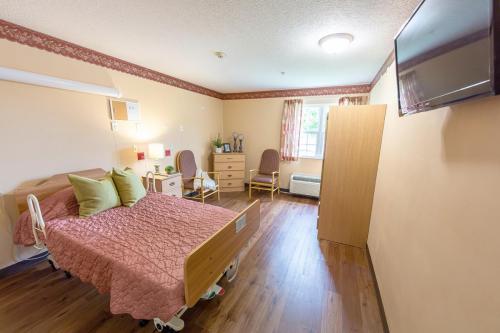
How is Sienna Skilled Nursing & Rehabilitation Staffed?

CMS rates SIENNA SKILLED NURSING & REHABILITATION's staffing level at 2 out of 5 stars, which is below average compared to other nursing homes. Staff turnover is 52%, compared to the Ohio average of 46%.

What Have Inspectors Found at Sienna Skilled Nursing & Rehabilitation?

State health inspectors documented 32 deficiencies at SIENNA SKILLED NURSING & REHABILITATION during 2019 to 2025. These included: 2 that caused actual resident harm and 30 with potential for harm. Deficiencies causing actual harm indicate documented cases where residents experienced negative health consequences.
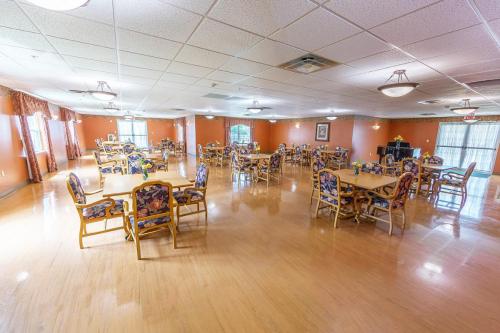
Who Owns and Operates Sienna Skilled Nursing & Rehabilitation?

SIENNA SKILLED NURSING & REHABILITATION is owned by a for-profit company. For-profit facilities operate as businesses with obligations to shareholders or private owners. The facility is operated by CONTINUING HEALTHCARE SOLUTIONS, a chain that manages multiple nursing homes. With 88 certified beds and approximately 77 residents (about 88% occupancy), it is a smaller facility located in WINTERSVILLE, Ohio.
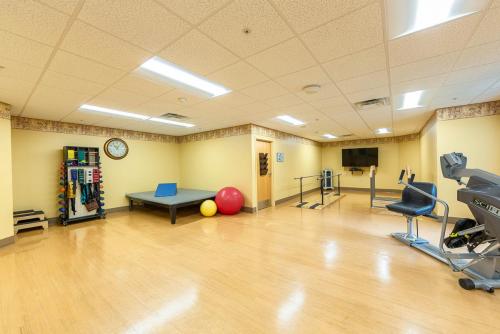
How Does Sienna Skilled Nursing & Rehabilitation Compare to Other Ohio Nursing Homes?

Compared to the 100 nursing homes in Ohio, SIENNA SKILLED NURSING & REHABILITATION's overall rating (2 stars) is below the state average of 3.2, staff turnover (52%) is near the state average of 46%, and health inspection rating (2 stars) is below the national benchmark.

What Should Families Ask When Visiting Sienna Skilled Nursing & Rehabilitation?

Based on this facility's data, families visiting should ask: "Can you walk me through typical staffing levels on day, evening, and night shifts?" "Can I visit during a mealtime to observe dining assistance and food quality?" "How do you handle medical emergencies, and what is your hospital transfer rate?" "Can I speak with family members of current residents about their experience?" These questions are particularly relevant given the below-average staffing rating.

Is Sienna Skilled Nursing & Rehabilitation Safe?

Based on CMS inspection data, SIENNA SKILLED NURSING & REHABILITATION has a clean safety record: no substantiated abuse findings (meaning no confirmed cases of resident harm), no Immediate Jeopardy citations (the most serious violation level indicating risk of serious injury or death), and is not on the Special Focus Facility watch list (a federal program monitoring the lowest-performing 1% of nursing homes). The facility has a 2-star overall rating and ranks #100 of 100 nursing homes in Ohio. While no facility is perfect, families should still ask about staff-to-resident ratios and recent inspection results during their visit.

Do Nurses at Sienna Skilled Nursing & Rehabilitation Stick Around?

SIENNA SKILLED NURSING & REHABILITATION has a staff turnover rate of 52%, which is 6 percentage points above the Ohio average of 46%. Moderate turnover is common in nursing homes, but families should still ask about staff tenure and how the facility maintains care continuity when employees leave.

Was Sienna Skilled Nursing & Rehabilitation Ever Fined?

SIENNA SKILLED NURSING & REHABILITATION has no federal fines on record. CMS issues fines when nursing homes fail to meet care standards or don't correct problems found during inspections. The absence of fines suggests the facility has either maintained compliance or corrected any issues before penalties were assessed. This is a positive indicator, though families should still review recent inspection reports for the full picture.

Is Sienna Skilled Nursing & Rehabilitation on Any Federal Watch List?

SIENNA SKILLED NURSING & REHABILITATION is not on any federal watch list. The most significant is the Special Focus Facility (SFF) program, which identifies the bottom 1% of nursing homes nationally based on persistent, serious quality problems. Not being on this list means the facility has avoided the pattern of deficiencies that triggers enhanced federal oversight. This is a positive indicator, though families should still review the facility's inspection history directly.