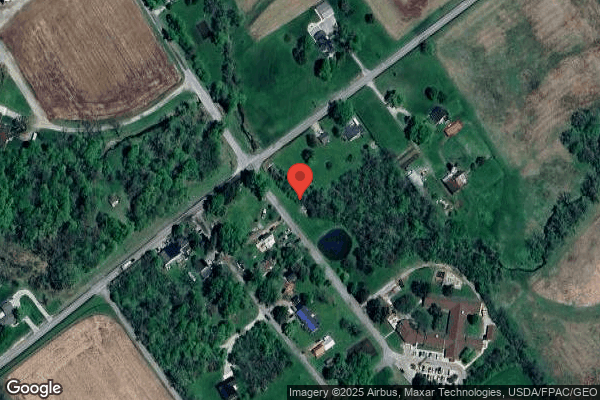
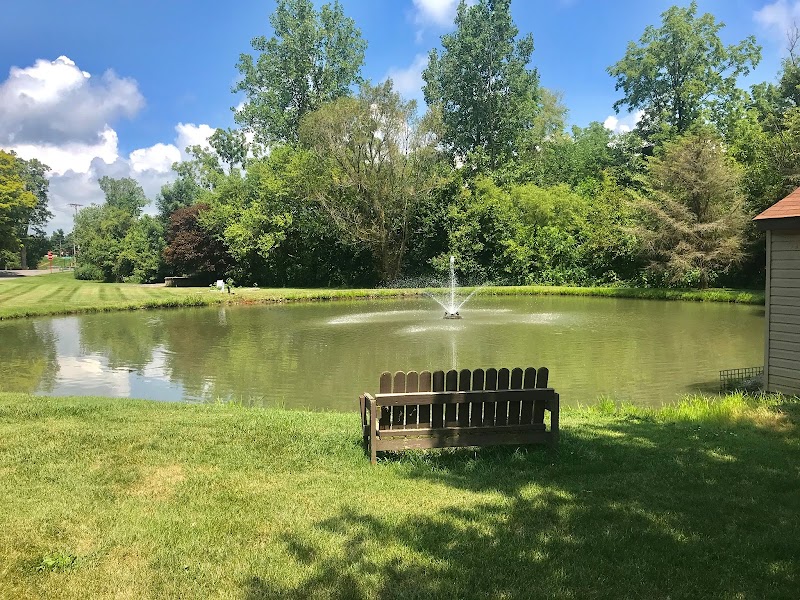
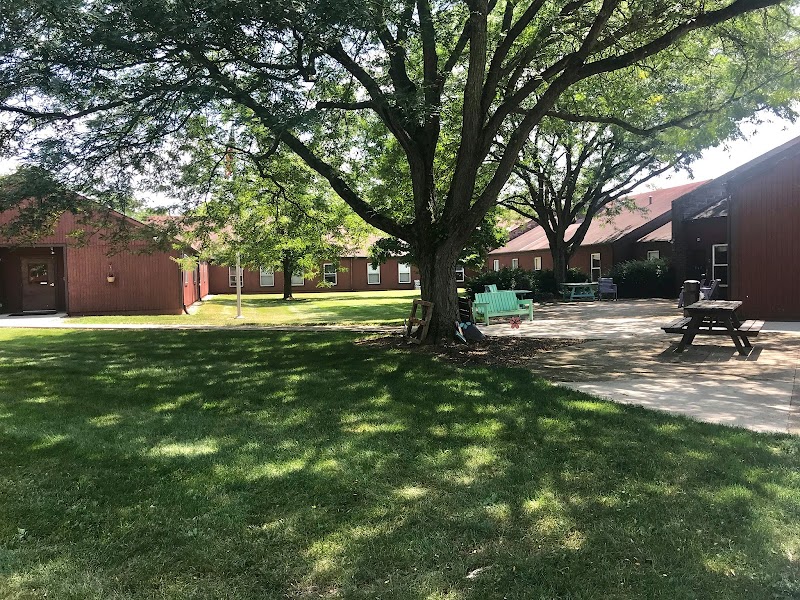
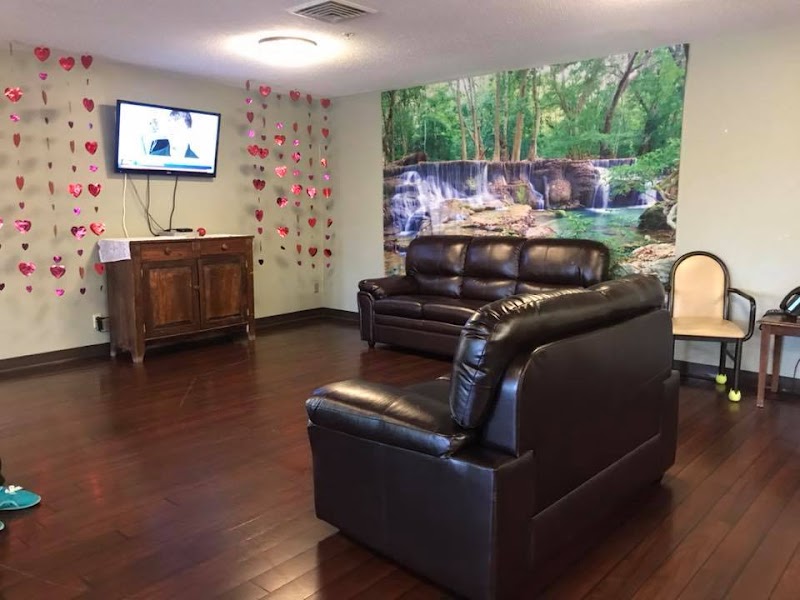
ALS WOODSTOCK INC

1649 PARK RD, WOODSTOCK, OH 43084 (937) 826-3351
For profit - Limited Liability company 42 Beds LIONSTONE CARE Data: November 2025
Trust Grade
35/100
#584 of 913 in OH
Last Inspection: October 2024

Within standard 12-15 month inspection cycle. Federal law requires annual inspections.

Overview

ALS Woodstock Inc in Woodstock, Ohio has received a Trust Grade of F, which indicates significant concerns and a poor overall reputation. It ranks #584 out of 913 facilities in Ohio, placing it in the bottom half of nursing homes in the state, but it is #2 out of 3 in Champaign County, meaning there is only one local option that is better. The facility is showing an improving trend in issues, having reduced the number of problems from 15 in 2024 to 5 in 2025. However, staffing is a notable concern here with a rating of 2 out of 5 stars and a high turnover rate of 67%, which is significantly above the state average of 49%. Additionally, the facility has incurred $42,094 in fines, indicating compliance problems that are more severe than 91% of Ohio facilities. Recent inspector findings revealed several critical issues. For instance, a resident suffered a serious dental infection because the facility failed to provide timely dental services, leading to hospitalization. Additionally, there was a lack of Registered Nurse coverage for an entire day, which could affect all residents. Furthermore, the facility did not follow its menu plan, resulting in residents not receiving properly balanced meals. While there are some strengths-like good quality measures rated at 4 out of 5-families should weigh these issues carefully when considering this nursing home for their loved ones.

Trust Score
F
35/100
In Ohio
#584/913
Bottom 37%
Safety Record
Moderate
Needs review
Inspections
Getting Better
15 → 5 violations
Staff Stability
⚠ Watch
67% turnover. Above average. Higher turnover means staff may not know residents' routines.
Penalties
✓ Good
$42,094 in fines. Lower than most Ohio facilities. Relatively clean record.
Skilled Nurses
⚠ Watch
Each resident gets only 29 minutes of Registered Nurse (RN) attention daily — below average for Ohio. Fewer RN minutes means fewer trained eyes watching for problems.
Violations
⚠ Watch
38 deficiencies on record. Higher than average. Multiple issues found across inspections.
★★☆☆☆
2.0
Overall Rating
★★☆☆☆
2.0
Staff Levels
★★★★☆
4.0
Care Quality
★★☆☆☆
2.0
Inspection Score
Stable
2024: 15 issues
2025: 5 issues

The Good

  • 4-Star Quality Measures · Strong clinical quality outcomes
  • Full Sprinkler Coverage · Fire safety systems throughout facility
  • No fines on record

Facility shows strength in quality measures, fire safety.

The Bad

2-Star Overall Rating

Below Ohio average (3.2)

Below average - review inspection findings carefully

Staff Turnover: 67%

20pts above Ohio avg (46%)

Frequent staff changes - ask about care continuity

Federal Fines: $42,094

Above median ($33,413)

Moderate penalties - review what triggered them

Chain: LIONSTONE CARE

Part of a multi-facility chain

Ask about local staffing decisions and management

Staff turnover is elevated (67%)

19 points above Ohio average of 48%

The Ugly 38 deficiencies on record

1 actual harm
Sept 2025 1 deficiency
CONCERN (D) 📢 Someone Reported This

A family member, employee, or ombudsman was alarmed enough to file a formal complaint

Potential for Harm - no one hurt, but risky conditions existed

Infection Control (Tag F0880)

Could have caused harm · This affected 1 resident

**NOTE- TERMS IN BRACKETS HAVE BEEN EDITED TO PROTECT CONFIDENTIALITY** Based on record review, observation, staff interviews and policy review, the facility failed to follow infection control protoco...

Read full inspector narrative →
**NOTE- TERMS IN BRACKETS HAVE BEEN EDITED TO PROTECT CONFIDENTIALITY** Based on record review, observation, staff interviews and policy review, the facility failed to follow infection control protocol when changing a wound dressing. This affected one (#19) of three residents reviewed for wound care. The facility census was 42. Findings include: Medical record review for Resident #19 revealed an admission on [DATE] with diagnoses including rhabdomyolysis, hyponatremia, hypertension, heart disease, diabetes mellitus type two, personality disorder, convulsions, Rickets and right leg amputation. Review of the Minimum Data Set (MDS) assessment dated [DATE] for Resident #19 revealed an intact cognition. Resident #19 required set up assistance for eating, supervision assistance for bed mobility and toileting. Resident #19 requires extensive assistance for transfers. Resident #19 was coded as receiving wound care for diabetic ulcer during the look back period. Review of the plan of care for dated 06/30/25 for Resident #19 revealed resident is at risk for experiencing an alteration in skin related to diabetic foot ulcer. Interventions include administer medications as ordered, monitor for side effects, assess, record and monitor healing as ordered, monitoring nutritional status, and pressure reducing devices. Review of the active physician orders for Resident #19 revealed an order for enhanced barrier precautions (EBP) due to right elbow wound every shift dated 07/22/25 and an order for right elbow: cleanse with wound cleanser, pat dry, apply collagen (cut to fit wound bed), silver alginate (cut to fit wound bed and cover with bordered foam dressing one time a day dated 09/09/25. Observation on 09/09/25 at 1:30 P.M. of wound care by Licensed Practical Nurse (LPN) #11 revealed the LPN entered room and advised Resident #19 of the task. LPN #11 removed old dressing to Resident #19's right posterior elbow, discarded dressing and completed hand hygiene. LPN #11 cleansed wound and applied dressings as ordered. LPN #11 dated and initialed dressing, removed gloves and completed hand hygiene. The observations revealed LPN #11 did not don personal protective equipment (PPE) while providing care to Resident #19. Interview on 09/09/25 at 4:29 P.M. with LPN #11 verified that she was unaware of Resident #11 being in EBP. LPN #11 stated the roommate had an infection and the EBP in place was for him. LPN #11 stated the EBP sign on the door of the room did not indicate which resident was in the EBP. LPN #11 verified she did not wear the required gown when completing the wound care for Resident #19 and should have. Interview on 09/10/25 at 11:30 A.M. with the Director of Nursing (DON) verified the EBP sign at the entrance of Resident #19 failed to identify which resident in the double occupancy room was in the EBP and should have. DON illustrated the corrected sign that was going to be placed on the doors of the residents in EBP. Review of the facility policy titled Enhanced Barrier Precautions dated 04/01/24 stated the EBP referred to an infection control intervention designed to reduce transmission of multidrug-resistant organisms that employs targeted gown and glove use during high contact resident care. Additionally, the policy stated EBP should be initiated for wounds that are chronic in nature that require a dressing. This deficiency represents non-compliance investigated under Complaint Number 2597177.
Jun 2025 1 deficiency
CONCERN (D) 📢 Someone Reported This

A family member, employee, or ombudsman was alarmed enough to file a formal complaint

Potential for Harm - no one hurt, but risky conditions existed

Comprehensive Care Plan (Tag F0656)

Could have caused harm · This affected 1 resident

**NOTE- TERMS IN BRACKETS HAVE BEEN EDITED TO PROTECT CONFIDENTIALITY** Based on record review, review of a facility self-reported incident (SRI) and staff interviews, the facility failed to develop a...

Read full inspector narrative →
**NOTE- TERMS IN BRACKETS HAVE BEEN EDITED TO PROTECT CONFIDENTIALITY** Based on record review, review of a facility self-reported incident (SRI) and staff interviews, the facility failed to develop a plan of care to address a resident's behaviors. This affected one (#11) of three residents reviewed for care planning. The facility census was 42. Findings include: Review of medical record for Resident #11 revealed admission date of 04/23/25 with diagnoses including Diabetes Mellitus, stroke, ataxia following stroke, depression and anxiety. The resident was discharged on 06/05/25 to another skilled nursing facility. The discharge Minimum Data Set (MDS) dated [DATE] revealed with a Brief Interview Mental Status (BIMS) score of 15 indicating intact cognition. The resident was required set up of touching assistance for Activities of Daily Living. Review of Resident #11's physician orders revealed an order dated 05/23/25 for one-on-one (1:1) supervision until further notice. Review of Resident #11's Health Status Note dated 06/01/25 at 8:54 A.M. revealed resident continues to be 1:1 with staff. No situations or concerns this morning shift. Will continue to monitor. A Health Status Note dated 06/01/25 at 5:31 P.M. revealed resident continues 1:1 care per staff member with no situations or issues to report for this. Resident #11 has been very compliant today with redirection when needed for simple tasks. A Health Status Note dated 06/03/25 at 5:53 P.M., revealed the resident was on strict 1:1 per order this shift. Further review of Resident #11's plan of care revealed there was no care plan or intervention for the resident's behaviors or related to 1:1 supervision. Review of a facility SRI dated 05/30/25 regarding sexual abuse revealed on 05/23/25, it was reported by staff that a Resident #11 made a gyration motion in the doorway of Resident #1's room. Resident #11 was immediately placed on 1:1 supervision. This Administrator advised him that he was not to go into any resident rooms without invitation. On 05/30/25, Resident #1's daughter came to take the resident to a medical appointment and resident divulged to her that Resident #11 had actually exposed himself. Police were called. An investigation was conducted the allegation was unsubstantiated by the facility. Interview on 06/17/25 at 3:32 P.M. with the Administrator revealed Resident #11 had inappropriate behaviors and an allegation of misappropriate sexual behavior by Resident #11 toward Resident #1 which prompted an order for 1:1 supervision. The Administrator stated Resident #11 was not a registered sexual offender but the facility was aware of a pending court hearing for sexual misconduct for Resident #11 prior to his admission. Interview on 06/17/25 at 4:16 P.M. with MDS Coordinator #109 revealed she was aware of an allegation of sexual misconduct by Resident #11 and she verified there was no behavioral care plan. MDS Coordinator #109 confirmed Resident #11 had behaviors and acknowledged given the 1:1 supervision order a behavioral care plan should have been created. This deficiency is based on incidental findings discovered during the course of this complaint investigation.
Jan 2025 3 deficiencies
CONCERN (D) 📢 Someone Reported This

A family member, employee, or ombudsman was alarmed enough to file a formal complaint

Potential for Harm - no one hurt, but risky conditions existed

Notification of Changes (Tag F0580)

Could have caused harm · This affected 1 resident

**NOTE- TERMS IN BRACKETS HAVE BEEN EDITED TO PROTECT CONFIDENTIALITY** Based on medical record review, staff interview, and policy review, the facility failed to notify a resident representative of c...

Read full inspector narrative →
**NOTE- TERMS IN BRACKETS HAVE BEEN EDITED TO PROTECT CONFIDENTIALITY** Based on medical record review, staff interview, and policy review, the facility failed to notify a resident representative of change of condition. This affected one (#39) out of the three residents reviewed for change of condition. The facility census was 39. Findings include: Review of the medical record for Resident #39 revealed an admission date of 04/20/21 with medical diagnoses of Alzheimer's disease, alcohol dementia, behavioral disturbances, Wernicke's encephalopathy, and peripheral vascular disease. Review of the medical record for Resident #39 revealed a quarterly Minimum Data Set (MDS) assessment, dated 01/01/25, which indicated Resident #39 had moderate cognitive impairment and required supervision with oral care, toilet hygiene, and bathing. The MDS indicated Resident #39 was independent with eating, bed mobility, and transfers. Review of the medical record for Resident #39 revealed a nurse's note, dated 11/26/24 at 1:40 P.M., which stated Resident #39 tested positive for Coronavirus Disease 2019 (COVID-19) and the physician was notified. Review of the medical record revealed no documentation to support Resident #39's representative was notified positive COVID-19 test result. Review of the medical record for Resident #39 revealed a nurse's note, dated 01/02/25 at 3:13 P.M. which stated Resident #39 had increased behaviors and the physician was notified and ordered Resident #39 to be sent to the hospital for evaluation. Review of the medical record revealed Resident #39 was sent to the hospital on [DATE] and returned to the facility on [DATE] at 5:54 P.M. Review of the medical record revealed no documentation to support the facility notified Resident #39's representative on 01/02/25 that Resident #39 was sent to the hospital. Review of the medical record for Resident #39 revealed a nurse's note, dated 01/03/25 at 11:32 A.M., which stated Resident #39's representative was notified Resident #39 was sent to the hospital for evaluation on 01/02/25. The note stated Resident #39's representative expressed concern that he was not notified of clinical changes. Interview on 01/21/24 at 3:50 P.M. with Regional Nurse #140 confirmed the medical record for Resident #39 did not contain documentation to support Resident #39's representative was notified on 11/26/24 of COVID-19 positive test results. Regional Nurse #140 also confirmed the medical record did not contain documentation to support Resident #39's representative was notified on 01/02/25 of Resident #39's transfer to the hospital for evaluation due to behaviors. Review of the facility policy titled, Change in Resident's Condition, reviewed August 2023, stated the facility shall notify the resident, his/her attending physician, and representative (sponsor) of changes in the resident's medical/mental condition. The policy stated except in medical emergencies, notifications will be made timely of a change occurring in the residents medical/mental condition or status. This deficiency represents non-compliance investigated under Complaint Number OH00161210.
CONCERN (E) 📢 Someone Reported This

A family member, employee, or ombudsman was alarmed enough to file a formal complaint

Potential for Harm - no one hurt, but risky conditions existed

Deficiency F0679 (Tag F0679)

Could have caused harm · This affected multiple residents

Based on observations, staff and resident interviews, review of the facility activity calendar, and review of the facility policy, the facility failed to ensure group activities were conducted as sche...

Read full inspector narrative →
Based on observations, staff and resident interviews, review of the facility activity calendar, and review of the facility policy, the facility failed to ensure group activities were conducted as scheduled. This had the potential to affect 22 residents residing in the facility who regularly attend group activities, the facility identified 17 (#02, #03, #04, #05, #06, #08, #10, #14, #16, #19, #22, #24, #25, #26, #30, #34, and #35) residents who chose not to attend and/or are not physically able to attend group activities. The facility census was 39. Findings include: Review of the activity calendar for 01/21/25 revealed documentation to support the facility had a group activity scheduled for 9:00 A.M. The activity planned was coffee time in the activity room. Review of the activity calendar on 01/21/25 at 10:30 A.M. revealed a planned group activity of exercise in the facility dining room. Observation on 01/21/25 at 9:07 A.M. revealed the activity room door to be closed and locked. Observation of the facility common areas and dining room revealed no group activity taking place. Observation on 01/21/25 at 9:23 A.M. revealed the activity room door to be closed and locked. Observation of the facility common areas and dining room revealed no group activity taking place. Observation with interview on 01/21/25 at 9:25 A.M. with Assistant Director of Nursing (ADON) #130 confirmed the 9:00 A.M. group activity planned for 01/21/25 had not occurred because the activity staff were out of the facility bringing a resident to an appointment. Interview on 01/22/25 at 7:30 A.M. with Licensed Practical Nurse (LPN) #100 confirmed group activities are canceled at times so the activity staff can bring residents to their appointments. Interview on 01/22/25 at 7:36 A.M. with Resident #29 confirmed group activities are canceled at times because there is not any activity staff in the building. Interview on 01/22/25 at 9:18 A.M. with Activity Director (AD) #135 confirmed the group activity on 01/21/25 at 9:00 A.M. did not start until after 10:30 A.M. because he was out of the building bringing a resident to an appointment. AD #135 confirmed the group activity of exercise planned for 01/21/25 at 10:30 A.M. did not occur because residents were having coffee in the activity room at that time. The facility identified 22 residents residing in the facility who regularly attend group activities and 17 (#02, #03, #04, #05, #06, #08, #10, #14, #16, #19, #22, #24, #25, #26, #30, #34, and #35) residents who chose not to attend and/or are not physically able to attend group activities. Review of the facility policy titled, Activities, reviewed August 2023, stated the facility was to provide activity programming to promote physical, mental and psychosocial well-being of each resident. Activity programs are designed to meet the interests of the residents and encourage independent and interaction in the community. This deficiency represents non-compliance investigated under Complaint Number OH00161210.
MINOR (C) 📢 Someone Reported This

A family member, employee, or ombudsman was alarmed enough to file a formal complaint

Minor Issue - procedural, no safety impact

Deficiency F0680 (Tag F0680)

Minor procedural issue · This affected most or all residents

Based on staff interviews, employee file reviews, and review of the facility Activity Director (AD) job description, the facility failed to ensure the employee in the role of AD was qualified as requi...

Read full inspector narrative →
Based on staff interviews, employee file reviews, and review of the facility Activity Director (AD) job description, the facility failed to ensure the employee in the role of AD was qualified as required. This had the potential to affect all 39 residents residing in the facility. The facility census was 39. Findings include: Interview on 01/22/25 at 9:18 A.M. with AD #135 confirmed he was hired at the facility as the AD on October 15, 2024, and was currently enrolled in an activity training course. AD #135 confirmed he was not a qualified therapeutic specialist or an activities professional who was licensed by the state or had a minimum of two years' experience in social or recreational program within the past five years or was a qualified occupational therapist or occupational therapist assistant or completed a training course approved by the State. Interview on 01/22/25 at 9:30 A.M. with Regional Nurse #140 confirmed the employee in the role of AD was currently enrolled in a training course for activities certification and had started some of the online training but had not completed the course yet. Interview on 01/22/25 at 9:50 A.M. with Administrator stated she is a contracted employee and was hired at the facility on 11/27/24 and oversaw the activities department. Administrator stated she had completed the certification for activities prior to starting at the facility. Administrator confirmed the facility contract for her employee did not contain documentation to support her role as the AD. Review of the facility Activity Director job description the purpose of the position was to plan, organize, develop, and direct he overall operations of the Activities Department in accordance with current federal, state, and local standards, guidelines, and regulations, our established policies and procedures, and as may be directed by the Administrator, to assure that an on-going program of activities is designed to meet, in accordance with the comprehensive assessment, the interests and the physical, mental, and psychosocial well-being of each resident. The policy stated the qualifications for the position included: must possess a high school diploma and must be a qualified therapeutic specialist or an activities professional who is licensed by the state and is eligible for certification as a recreation specialist or as an activities professional; or must have, as a minimum of two years' experience in social or recreational program within the past five years, one o which was full-time in a patient activities program in a health care setting; or must be a qualified occupational therapist or occupational therapist assistant; or must have completed a training course approved by the State. Review of the employee file for AD #135 revealed a hire date of 10/15/24. The employee file contained confirmation form with enrollment into activity training course but no documentation to support he completion of the course. Review of the employee file for Administrator revealed a company contract which stated Administrator was hired effective 11/27/24. The contract did not contain documentation to support that the Administrator would also serve as the AD. Review of the file revealed documentation to support Administrator had completed the AD's course on 11/04/05. This deficiency was based on incidental findings discovered during the course of this complaint investigation.
Oct 2024 7 deficiencies 1 Harm
SERIOUS (G)

Actual Harm - a resident was hurt due to facility failures

Deficiency F0790 (Tag F0790)

A resident was harmed · This affected 1 resident

**NOTE- TERMS IN BRACKETS HAVE BEEN EDITED TO PROTECT CONFIDENTIALITY** Based on medical record review, resident and staff interview, review of dental visit documentation, review of hospital documenta...

Read full inspector narrative →
**NOTE- TERMS IN BRACKETS HAVE BEEN EDITED TO PROTECT CONFIDENTIALITY** Based on medical record review, resident and staff interview, review of dental visit documentation, review of hospital documentation, and review of facility policy, the facility failed to ensure residents were provided with timely dental services to address non-restorable and decaying teeth. Actual harm occurred to Resident #33 when the dentist identified the resident's teeth required extraction (removal) and the facility failed to follow up with a referral to an oral surgeon. This resulted in the resident developing fever and chills which prompted a visit to the emergency department where the resident was diagnosed with system inflammatory response syndrome and bacteremia caused by a tooth infection. This affected one (#33) of one residents reviewed for dental services. The census was 35. Findings included: Review of the medical record for Resident #33 revealed an admission date of 06/25/20. Diagnoses included Parkinson's disease and diabetes mellitus. Further review of the medical record revealed the resident was discharged to the hospital on [DATE] and returned to the facility on [DATE]. Review of the annual Minimum Data Set (MDS) assessment dated [DATE] revealed Resident #33 had obvious or likely cavities or broken natural teeth. Review of the quarterly MDS assessment dated [DATE] revealed Resident #33 was assessed as cognitively intact. Further review of the MDS assessment revealed the resident had no mouth or facial pain, discomfort, or difficulty with chewing. The resident was on a therapeutic diet. Review of Resident #33's care plan related to oral and dental alteration revealed a notation dated 05/12/21, that the resident had a dental evaluation, and the doctor determined all teeth need extracted and dentures placed. The resident was referred to a dentist. An intervention included coordination of arrangements for dental care, transportation as needed or ordered, and daily oral care per routine and as needed. Review of a dental visit note dated 12/19/23 revealed Resident #33 was seen to have an examination (exam) completed, and the resident was determined to need all remaining teeth extracted with a referral made to an oral surgeon. Review of a dental note dated 02/21/24 revealed Resident #33 was not seen that day by the dental provider because the resident was out of the facility. Review of a dental visit note dated 06/20/24 revealed all remaining teeth needed to be extracted due to being non-restorable and decaying. Further review of the note revealed Resident #33 would like to have only tooth #18 extracted for now. Physician clearance was left at the facility. Review of Resident #33's social services progress note dated 06/25/24 at 7:11 P.M. revealed Resident #33 was seen by the dentist on this date. Physician clearance was left with the Medical Director for tooth #18 to be extracted and Resident #33 was notified. Further review revealed there were no new orders or follow-up related to the request to extract tooth #18. Review of a dental visit note dated 07/15/24 revealed Resident #33 was seen by a dental hygienist only and services provided that day were preventative only. Review of Resident #33's medical record revealed no documentation of the facility addressing the resident's need to have any teeth extracted as care planned on 05/12/21 and as assessed during dental visits on 12/19/23 and 06/20/24. Further review of the medical record revealed no documented evidence of Resident #33 being referred to an oral surgeon or that teeth extraction could not be performed because the resident's blood glucose levels were too high. Review of Resident #33's progress note dated 08/11/24 at 6:22 P.M. revealed the resident was not feeling well and voiced feeling cold and shaking. Emergency Medical Services (EMS) were called, and the resident was sent to the hospital. Review of a progress note dated 08/12/24 at 1:06 P.M. revealed a nurse spoke with the emergency room nurse who indicated the resident was being admitted to the hospital for sepsis. Review of hospital documentation revealed Resident #33 presented to the emergency room on [DATE] with complaints of fever and chills with associated generalized weakness. On assessment, the resident had an elevated temperature (100 degrees Fahrenheit), elevated pulse (103 beats per minute), elevated respirations (26 breaths per minute), was ill-appearing, and diaphoretic (sweating). The resident was given the pain medication and fever-reducing medication Tylenol, and a full septic workup was completed. The resident was found to have an elevated white blood cell count. Resident #33 was diagnosed with system inflammatory response syndrome (SIRS) and bacteremia (bacteria in the blood) as three out of four blood cultures were positive for streptococcus and staphylococcus. Further review revealed the most likely cause of the bacteremia was a tooth infection and Resident #33 needed immediate follow up with a dentist once discharged from the facility. The resident reported difficulty with eating and swallowing and was noted with poor dentition. Resident #33 was discharged on 08/16/24 with orders for the antibiotic Augmentin 875-125 milligrams (mg) by mouth two times daily for 14 days. Review of a progress note dated 08/16/24 at 1:15 P.M. revealed Resident #33 returned from hospital at 12:30 P.M. with orders for Augmentin 875-125 mg twice daily for 14 days. Interview with Resident #33 on 10/28/24 at 11:17 A.M. revealed he had a badly infected tooth and could not get permission for oral surgery. The resident stated he still had sensitivity to hot and cold foods. Interview with the Medical Director (MD) on 10/30/24 at 11:18 A.M. stated the oral surgeons would not do surgery on Resident #33's teeth with a high hemoglobin A1C (a blood test that measures the average blood sugar levels over the past two to three months) due to the increased opportunity for infections. The MD stated the oral surgeons suggested the hemoglobin A1C level to be at least down to 7.5 percent (%) to 8% (normal levels are below 5.7%). Interview with Assistant Director of Nursing (ADON) #133 on 10/31/24 at 9:00 A.M. verified there was no documentation of a referral from the MD to an oral surgeon for Resident #33 to have teeth extraction until 10/30/24. ADON #133 also verified there was no documented evidence of oral surgeons refusing to remove Resident #33's teeth due to elevated hemoglobin A1C levels. Review of the facility policy titled, Dental Services from 2016, revealed routine and emergency dental services are available to meet resident's oral health services in accordance with the resident's assessment and plan of care. Routine and 24-hour emergency dental services are provided to facility residents through a contract agreement with a licensed dentist that comes to the facility monthly, referral to a resident's personal dentist, referral to a community dentist, or referral to other health care organizations that provide dental services.
CONCERN (D)

Potential for Harm - no one hurt, but risky conditions existed

Comprehensive Care Plan (Tag F0656)

Could have caused harm · This affected 1 resident

**NOTE- TERMS IN BRACKETS HAVE BEEN EDITED TO PROTECT CONFIDENTIALITY** Based on medical record review, staff interview, and policy review, the facility failed to develop comprehensive care plans as r...

Read full inspector narrative →
**NOTE- TERMS IN BRACKETS HAVE BEEN EDITED TO PROTECT CONFIDENTIALITY** Based on medical record review, staff interview, and policy review, the facility failed to develop comprehensive care plans as required. This affected one (#31) of three residents reviewed for care plans. The facility census was 35. Findings include: Review of the medical record for Resident #31 revealed an admission date of 01/03/23 with diagnoses including Parkinson's disease, type two diabetes, major depressive disorder, bipolar disorder, hypertension, anxiety, seizures, and varicose veins of the left lower extremity with an ulcer of the ankle. Review of Resident #31's Minimum Data Set (MDS) assessment dated [DATE] revealed the resident was cognitively intact with one stage one pressure ulcer (non-blanchable erythema of intact skin). Review of Resident #31's care plan dated 07/02/24 revealed there was no care plan developed regarding the wound to the left medial ankle or seeing the wound clinic. Interview on 10/29/24 at 2:52 P.M. with the Director of Nursing (DON) verified Resident #31 did not have a care plan regarding the wound to the left medial ankle prior to 10/29/24 when the facility was made aware of the omission. Review of a policy titled, Care Planning, reviewed on 08/23, revealed the facility's care planning/interdisciplinary team was responsible for the development of an individualized comprehensive care plan for each resident.
CONCERN (D)

Potential for Harm - no one hurt, but risky conditions existed

Quality of Care (Tag F0684)

Could have caused harm · This affected 1 resident

**NOTE- TERMS IN BRACKETS HAVE BEEN EDITED TO PROTECT CONFIDENTIALITY** Based on observation, medical record review, and resident and staff interview, the failed to ensure physician orders were in pla...

Read full inspector narrative →
**NOTE- TERMS IN BRACKETS HAVE BEEN EDITED TO PROTECT CONFIDENTIALITY** Based on observation, medical record review, and resident and staff interview, the failed to ensure physician orders were in place to address wound treatments. This affected one (#31) of one residents reviewed for wounds. The facility census was 35. Findings include: Review of the medical record for Resident #31 revealed an admission date of 01/03/23. Diagnoses included Parkinson's disease, type two diabetes, major depressive disorder, bipolar disorder, hypertension, anxiety, seizures, and varicose veins of the left lower extremity with an ulcer of the ankle. Review of Resident #31's Minimum Data Set (MDS) assessment dated [DATE] revealed the resident was cognitively intact with one stage one pressure ulcer (non-blanchable erythema of intact skin). Review of a health status note dated 07/24/24 revealed Resident #31 was seen by a physician regarding the wound on the left ankle. A new order was received to send the resident to the wound clinic and an appointment was scheduled on 07/30/24 at 3:00 P.M. The resident was aware. Review of wound clinic documentation dated 08/20/24 revealed Resident #31 missed the appointment the previous week due to ride issues and wore the same dressing for the entire time. On 09/10/24, documentation revealed Resident #31 did not come to the schedule appointment the previous week due to ride issues and the wound dressing remained in place for two weeks. Review of wound clinic documentation dated 10/22/24 revealed Resident #31 had not been seen for over a month with no indication of when the last dressing change was completed. Review of a wound clinic note dated 10/29/24 revealed Resident #31's diabetic foot ulcer wound to the left medial ankle was cleansed with soap and water. The wound measured 1.2 centimeters (cm) long by 1.5 cm wide by 0.4 cm in deep. There were no orders but moderate thick yellow drainage was present. The order for the week of 10/29/24 revealed Resident #31's left medial ankle wound was cleansed with mild soap and water, rinsed with normal saline, patted dry with four inch long by four inch wide gauze, apply Desitin and Clobetasol to the peri-wound, apply Stimulen to the wound, then apply silver nitrate damp gauze to the wound, cover the wound with silver alginate, wrap both legs, and secure with tape. Instructions were to leave the wound treatment on for one week and keep dry. Resident #31 was to follow up with certified nurse practitioner (CNP) in one week at the wound care center. Review of Resident #31's current physicians orders dated October 2024 revealed there were no orders in place to direct staff on treatments to apply to the resident's wound if the dressing were to be soiled or come off. Interview and observation on 10/28/24 at 10:34 A.M. with Resident #31 revealed he has wounds on his bilateral lower legs and the facility provided no treatments for them. Resident #31 stated only the wound clinic managed his wounds. Observation at the time of the interview revealed Resident #31's bilateral lower extremities had dressing wraps on them and were covered with stockings. Interview on 10/29/24 at 2:52 P.M. with the Director of Nursing (DON) verified Resident #31 did not have any orders in the medical record to direct staff on what treatment to apply if the wound dressing was soiled or came off prior to the next wound clinic appointment, or if the resident missed appointments at the wound clinic. The DON verified the facility did not measure or document regarding the status of the resident's wound as the resident goes to the wound clinic.
CONCERN (D)

Potential for Harm - no one hurt, but risky conditions existed

Medication Errors (Tag F0758)

Could have caused harm · This affected 1 resident

**NOTE- TERMS IN BRACKETS HAVE BEEN EDITED TO PROTECT CONFIDENTIALITY** Based on medical record review and staff interview, the facility failed to ensure psychotropic as needed medications had an appr...

Read full inspector narrative →
**NOTE- TERMS IN BRACKETS HAVE BEEN EDITED TO PROTECT CONFIDENTIALITY** Based on medical record review and staff interview, the facility failed to ensure psychotropic as needed medications had an appropriate stop date or rationale for extending the usage as required. This affected one (#9) of five residents reviewed for unnecessary medications. The census was 35. Findings include: Record review for Resident #9 revealed the resident was admitted to the facility on [DATE]. Diagnoses for Resident #9 include paranoid schizophrenia, diabetes type two, depression, anxiety, and muscle weakness. Review of Resident #9's quarterly Minimum Data Set (MDS) assessment dated [DATE] revealed the resident had impaired cognition. Per the assessment, the resident received anti-anxiety and antidepressant medications during the assessment period. Review of Resident #9's physician orders dated 11/01/23 revealed the resident was ordered to receive the anti-anxiety medication lorazepam one (1) milligram (mg) as needed every eight hours for anxiety with no stop date included in the order. Review of the pharmacy recommendation dated 11/12/23 for Resident #9 revealed the recommendation was for the physician to either discontinue the lorazepam (Ativan) or document a rationale or time frame for usage. Review of the physician response dated 12/03/24 revealed the physician responded to continue the lorazepam writing, She is on prn (pro re nata, or as needed), keep. There was no duration for the order written on the response. Review of the pharmacy recommendation dated 02/12/24 for Resident #9 revealed the recommendation was for the physician to either discontinue the lorazepam (Ativan) or document a rationale or time frame. Review of the physician response dated 03/07/24 revealed the physician responded to continue the lorazepam for three months. Review of the pharmacy recommendation dated 04/10/24 for Resident #9 revealed the recommendation was for the physician to either discontinue the lorazepam (Ativan) or document a rationale or time frame. Review of the physician response dated 04/20/24 revealed the physician responded to continue the lorazepam for 30 more days. There was no rationale for extending the use noted in the medical record. Review of the pharmacy recommendation dated 06/12/24 for Resident #9 revealed the recommendation was for the physician to either discontinue the lorazepam (Ativan) or document a rationale or time frame. Review of the medical records for Resident #9 revealed there was no physician response for the 06/12/24 recommendation. Review of the pharmacy recommendation dated 08/13/24 for Resident #9 revealed the recommendation was for the physician to either discontinue the lorazepam (Ativan) or document a rationale or time frame. Review of the physician response dated 09/04/24 revealed the physician responded to continue the lorazepam for three months. There was no rationale for extending the use noted in the medical record. Interview on 10/30/24 at 11:10 A.M. with the Medical Doctor (MD) revealed he believed the facility was giving him recommendations monthly for Resident #9. The MD stated Resident #9's as needed Ativan needed to continue due to the increased behaviors of the resident when the medication was reduced or discontinued. The MD stated he will continue the as needed medications per guidelines, and verified he did not include a explanation or rationale in the documentation but stated he does tell the staff why he wants to continue to medications.
CONCERN (D)

Potential for Harm - no one hurt, but risky conditions existed

Deficiency F0760 (Tag F0760)

Could have caused harm · This affected 1 resident

**NOTE- TERMS IN BRACKETS HAVE BEEN EDITED TO PROTECT CONFIDENTIALITY** Based on medical record review, resident and staff interview, pharmacy delivery document review, and policy review the facility ...

Read full inspector narrative →
**NOTE- TERMS IN BRACKETS HAVE BEEN EDITED TO PROTECT CONFIDENTIALITY** Based on medical record review, resident and staff interview, pharmacy delivery document review, and policy review the facility failed to administer an antibiotic as ordered by the physician. This affected one (#7) of one resident reviewed for urinary tract infections. The facility census was 35. Findings include: Review of the medical record for Resident #7 revealed an admission date of 05/24/23 with diagnoses including Parkinson's disease, type one diabetes, bipolar disorder, major depressive disorder, hypertension, schizoaffective disorder, and generalized anxiety disorder. Review of Resident #7's Minimum Data Set (MDS) assessment dated [DATE] revealed the resident was cognitively intact. Review of Resident #7's physician orders for October 2024 revealed the resident was ordered the antibiotic piperacillin/tazobactum (Zosyn) 3-0.375 gram (gm)/50 milliliter (ml) every six hours for seven days from 10/18/24 through 10/24/24. Resident #7 was ordered Zosyn 3-0.375 gm four times daily for eight administrations from 10/25/24 through 10/27/24. Resident #7 was again ordered Zosyn 3.375 gm intravenously (IV) four times daily for eight administrations from 10/27/24 through 10/28/24 and Zosyn 3.375 gm IV four times daily for two days for eight administrations from 10/29/24 through 10/31/24. Review of Resident #7's medication administration record (MAR) for October 2024 revealed the Zosyn ordered 10/18/24 through 10/24/24 was not documented as administered on 10/18/24 at 12:00 P.M. Further review revealed there was no documentation of the resident receiving the ordered Zosyn on 10/18/24 at 12:00 A.M., 10/23/24 at 6:00 A.M., and 10/23/24 at 12:00 P.M. Resident #7 was documented as not being in the facility for doses due on 10/20/24 at 6:00 P.M. and 10/21/24 at 12:00 P.M., and a dose was held on 10/24/24 at 12:00 P.M. Further review of Resident #7's MAR for October 2024 revealed Zosyn IV that was ordered from 10/25/24 through 10/27/24 was not documented as administered on 10/25/24 at 9:00 P.M. and 10/26/24 at 3:00 A.M. A dose was held on 10/26/24 at 3:00 P.M. Further review of Resident #7's MAR for October 2024 revealed Zosyn IV that was ordered from 10/27/24 through 10/28/24 was not administered on 10/28/24 at 1:00 A.M., 7:00 A.M., 1:00 P.M. and 7:00 P.M. due to the medication being unavailable from pharmacy. Further review of Resident #7's health status notes revealed no communication to the physician of each dose held prior to 10/25/24 to include the seven doses that were missed. Review of pharmacy packing slip proof of delivery documents dated 10/17/24 revealed 28 vials of Zosyn were delivered to the facility along with 28 100 ml normal saline bags to reconstitute the IV prior to administration. Review of Resident #7's health status note dated 10/25/24 revealed the physician was notified the resident missed seven doses of IV antibiotics over the seven day course that completed on 10/24/24 and staff were awaiting response as to extend the order to complete the seven missed doses or not. Review of Resident #7's health status note dated 10/28/24 revealed the IV antibiotic was not available to administer that shift. Pharmacy was contacted and indicated the pharmacy was out of the medication (Zosyn IV) with notation the pharmacy could send the premixed type of the same medication if pre-authorization was signed and returned to pharmacy. A pre-authorization was signed and returned to pharmacy. The physician was notified and stated to administer two days of four doses per schedule when the medication arrived, and he would review during his visit. Review of pharmacy packing slip proof of delivery documents dated 10/29/24 revealed Zosyn 400 ml was delivered to the facility. Interview on 10/28/24 at 1:32 P.M. with Resident #7 revealed the facility ran out of her IV medication (Zosyn) and she was taking the medication for treatment of a urinary tract infection (UTI). Interview on 10/29/24 at 3:34 P.M. with the Director of Nursing (DON) verified Resident #7's Zosyn IV doses were not marked as given on 10/18/24, 10/25/24, and 10/26/24. The DON also verified there was no documentation of communication with the physician regarding the seven missed doses prior to the note on 10/25/24. Interview on 10/30/24 at 9:53 A.M. with Pharmacist #142 verified the pharmacy sent 28 vials of Zosyn to the facility. Pharmacist #142 verified that amount would have been enough doses to complete the order for four times daily for seven days. Pharmacist #142 verified they did not receive any returns of the medication from the facility. Pharmacist #142 verified the pharmacy sent 400 mls of Zosyn IV on 10/29/24 which would complete the eight administrations that were remaining on the current order. Interview on 10/30/24 at 10:51 A.M. with the DON verified 27 of the 28 doses originally sent from the pharmacy were administered between 10/18/24 through 10/27/24. The DON verified she could not explain why the seven missed doses were not administered from the original order of four times daily for seven days to start on 10/18/24 and end on 10/25/24 which would have equaled the 28 vials sent from the pharmacy. Interview on 10/30/24 at 11:00 A.M. with Assistant Director of Nursing (ADON) #133 stated she cleaned the medication room on 10/26/24 and found normal saline (NS) used to mix the powder for the IV antibiotic with the seal broken, but she did not find any vial of antibiotic powder. ADON #133 stated she assumed the staff attempted to mix the Zosyn with the NS and was unable to do it, so they wasted the vial of medication, but there was no proof to back her intuition. Review of policy titled, Administration Procedures For All Medications, dated 07/01/21, revealed staff should provide notification to the physician/prescriber for persistent refusals, held medications for pulse, blood pressure, low or high blood sugar, or other abnormal test results, vital signs, resulting in medications being held, or suspected adverse drug reactions.
CONCERN (E)

Potential for Harm - no one hurt, but risky conditions existed

Accident Prevention (Tag F0689)

Could have caused harm · This affected multiple residents

**NOTE- TERMS IN BRACKETS HAVE BEEN EDITED TO PROTECT CONFIDENTIALITY** Based on medical record review, staff interview, and policy review, the facility failed to ensure sufficient smoking assessments...

Read full inspector narrative →
**NOTE- TERMS IN BRACKETS HAVE BEEN EDITED TO PROTECT CONFIDENTIALITY** Based on medical record review, staff interview, and policy review, the facility failed to ensure sufficient smoking assessments were completed to determine resident capabilities and deficits regarding smoking safety. This affected four (#2, #13, #16, and #26) of five residents reviewed for smoking. The facility census was 35. Findings include: 1. Review of the medical record for Resident #26 revealed an admission date of 04/20/21. The resident was admitted with diagnoses including Alzheimer's disease, vascular dementia, and panlobular emphysema (BLE). Review of Resident #26's Minimum Data Set (MDS) assessment dated [DATE] revealed the resident was assessed with moderately impaired cognition. Review of Resident #26's most recent smoking evaluation dated 09/03/24 revealed the resident was assessed to use tobacco products; however, there was no additional assessment information to determine resident safety or clinical suggestions related to smoking needs in regard to determining if the resident required supervision with smoking. 2. Review of the medical record for Resident #2 revealed an admission date of 02/19/18 with diagnoses including cerebral palsy, type two diabetes, major depressive disorder, epilepsy, borderline personality disorder, anxiety, paraplegia, and unspecified convulsions. Review of Resident #2's MDS assessment dated [DATE] revealed the resident was cognitively intact and required partial to moderate assistance for activities of daily living (ADLs). Review of Resident #2's smoking evaluations dated 06/15/24 and 08/23/24 revealed the resident was assessed to utilize tobacco productions, and on the 06/15/24 the resident was determined to have balance problems while sitting or standing. Further review of the smoking evaluations revealed no assessment information to determine resident safety or clinical suggestions related to smoking needs in regard to determining if the resident required supervision with smoking. 3. Review of the medical record for Resident #13 revealed an admission date of 06/09/15 with diagnoses including paranoid schizophrenia, obsessive-compulsive disorder, nicotine dependence, and unspecified psychosis. Review of Resident #13's MDS assessment dated [DATE] revealed the resident was cognitively intact and required supervision or touching assistance for ADLs. Review of Resident #13's smoking evaluation dated 03/18/24 revealed the resident was assessed to utilize tobacco products, followed the facility policy on smoking, and was able to light and hold cigarettes by himself without safety concerns. Review of subsequent smoking evaluations dated 05/01/24 and 08/10/24 revealed the facility identified the resident utilized tobacco products but there was no additional assessment information to determine resident safety or clinical suggestions related to smoking needs in regard to determining if the resident required supervision with smoking. 4. Review of the medical record for Resident #16 revealed an admission date of 11/28/13 with diagnoses including cerebral palsy, paranoid schizophrenia, extrapyramidal and movement disorder, and other specified disorders of the brain. Review of Resident #16's MDS assessment dated [DATE] revealed the resident was cognitively intact and required supervision or touching assistance to partial/moderate assistance for ADLs. Review of Resident #16's smoking evaluation dated 04/30/24 revealed the resident was assessed to utilize tobacco products, had balance problems while sitting or standing, and followed the facility policy for smoking. Review of Resident #16's subsequent smoking evaluations dated 08/02/24 and 08/19/24 revealed the resident was assessed to utilize tobacco products but there was no additional assessment information to determine resident safety or clinical suggestions related to smoking needs in regard to determining if the resident required supervision with smoking. Interview on 10/29/24 at 3:30 P.M. with the Director of Nursing (DON) verified the smoking assessments for Resident #2, Resident #13, Resident #16, and Resident #26 were not entirely completed and lacked assessment of each resident's capabilities or deficits to determine whether or not supervision was required for smoking. Review of an undated policy titled, Smoking, revealed the resident will be evaluated upon admission and routinely to determine if he or she was able to smoke safely with or without supervision (per the smoking assessment).
CONCERN (E)

Potential for Harm - no one hurt, but risky conditions existed

Drug Regimen Review (Tag F0756)

Could have caused harm · This affected multiple residents

**NOTE- TERMS IN BRACKETS HAVE BEEN EDITED TO PROTECT CONFIDENTIALITY** Based on medical record review and staff interview, the facility failed to ensure pharmacy recommendations were reviewed and res...

Read full inspector narrative →
**NOTE- TERMS IN BRACKETS HAVE BEEN EDITED TO PROTECT CONFIDENTIALITY** Based on medical record review and staff interview, the facility failed to ensure pharmacy recommendations were reviewed and responded to timely from the physician. This affected four (#2, #7, #9, and #33) of five residents reviewed for unnecessary medications. The current census was 35. Findings include: 1. Record review for Resident #2 revealed the resident was admitted to the facility on [DATE]. Diagnoses for Resident #2 include cerebral palsy, hypertension, chronic obstructive pulmonary disease, and epilepsy. Review of Resident #2's Minimum Data Set (MDS) assessment dated [DATE] revealed the resident had intact cognition and was receiving antidepressant medications during the assessment period. Review of Resident #2's medication orders revealed on 03/22/23 the resident received orders to be administered citalopram 10 milligrams (mg) daily for depression and on amitriptyline 10 mg daily for depression. Review of Resident #2's pharmacy recommendation dated 06/12/24 revealed a recommendation made to the physician to consider a reduction dose for the amitriptyline 10 mg daily and the citalopram 10 mg daily or provide documentation regarding the benefit of continuing the medication as it was originally ordered. Further review of Resident #2's medication records, treatment records, progress notes, physician response documentation, and physician orders revealed there was no documentation of a response from the physician to the pharmacy or facility staff regarding the recommendation of reduction of the medications. Interview on 10/30/24 at 11:10 A.M. with the Medical Doctor (MD) revealed if there was no documented response he was not notified of the pharmacy recommendation for the resident. The MD verified there was no response to the recommendations for Resident #2. Interview on 10/30/24 at 11:25 A.M. with Assistant Director of Nursing (ADON) #133 verified there was no evidence in Resident #2's medical record that the physician was made aware of the pharmacy recommendation from 06/12/24. 2. Record review for Resident #7 revealed the resident was admitted to the facility initially on 07/12/17 and readmitted to the facility on [DATE]. Diagnoses for Resident #7 include Parkinson's disease, chronic obstructive pulmonary disease, bipolar disorder, depression, and schizoaffective disorder. Review of Resident #7's quarterly MDS assessment dated [DATE] revealed the resident had intact cognition, and received an antipsychotic and antidepressant medications. Review of Resident #7's physician orders revealed on 02/20/20 the resident was ordered to receive buspirone 10 mg three times a day for behaviors, Depakote 250 mg daily for seizures, Zoloft 200 mg daily for depression, and Trazadone 100 mg at bedtime. Review of the pharmacy monthly medication review dated 11/12/23 for Resident #7 revealed the pharmacy recommended a gradual dose reduction of buspirone to five (5) mg, discontinue Depakote or reduce Zoloft to 75 mg daily, reduce Trazadone to 50 mg at bedtime, or to explain why the gradual dose reduction would be contraindicated. Further review of the medical records for Resident #7 including progress notes, medication orders, and physician progress notes revealed no evidence the physician responded to the 11/12/23 pharmacy recommendation for Resident #7. Interview on 10/30/24 at 9:45 A.M. with ADON #133 verified there was no documented evidence in Resident #7's medical records the physician responded to the 11/12/23 pharmacy recommendation. Interview on 10/30/24 at 11:10 A.M. with the MD verified no responses and stated, if there was no documented response the physician was not notified of the pharmacy recommendation. 3. Record review for Resident #9 revealed the resident was admitted to the facility on [DATE]. Diagnoses for Resident #9 include paranoid schizophrenia, diabetes type two, depression, anxiety, and muscle weakness. Review of Resident #9's quarterly MDS assessment dated [DATE] revealed the resident had impaired cognition. Per the assessment the resident received anti-anxiety and antidepressant medications during the assessment period. Review of Resident #9's physician orders dated 11/01/23 revealed the resident was ordered to receive the anti-anxiety medication lorazepam one (1) mg as needed every eight hours for anxiety with no stop date for the lorazepam included in the order. Review of Resident #9's physician orders dated 03/01/24 revealed the resident was ordered to receive Depakote sprinkles 250 mg twice a day, Zyprexa 15 mg twice a day, Zoloft 100 mg at 5:00 A.M., and Trazadone 50 mg at bedtime. Review of Resident #9's pharmacy recommendation dated 03/11/24 revealed the pharmacist recommended a gradual dose reduction for Depakote sprinkles to 125 mg twice a day, Zyprexa to 10 mg twice a day, Zoloft to 50 mg in morning, and Trazadone to 25 mg at bedtime, or for the physician to document contraindications for reducing the medication. Further review of Resident #9's medical records including physician orders, progress notes, and medication administrations revealed no response from the physician in regards to the pharmacist's 03/11/24 recommendations. Review of Resident #9's pharmacy recommendation dated 06/12/24 revealed the recommendation was for the physician to either discontinue the lorazepam or document a rationale or time frame. Review of the medical records for Resident #9 revealed there was no physician response for the 06/12/24 recommendation. Interview on 10/30/24 at 11:10 A.M. with MD revealed he believed the facility was giving him recommendations monthly for Resident #9. Per MD, if no there was no responses from him it meant there were no recommendation notification from the pharmacy or facility staff. Interview on 10/30/24 at 12:00 P.M. with the Director of Nursing (DON) verified there was no physician response for the 03/12/24 and 06/12/24 pharmacist recommendations for Resident #9. 4. Record review for Resident #33 revealed the resident was admitted to the facility on [DATE]. Diagnoses for Resident #33 include Parkinson's disease, epilepsy, hypertension, heart disease, insomnia, and post-traumatic disorder. Review of Resident #33's quarterly MDS assessment dated [DATE] revealed the resident has intact cognition. Per the assessment the resident was receiving antidepressant, antipsychotic, and hypnotic medications. Review of Resident #33's physician orders as of 03/01/24 revealed the resident was ordered to receive Trazadone 150 mg and Remeron 30 mg at bedtime for insomnia. Review of Resident #33's pharmacy recommendation dated 03/11/24 revealed the pharmacist recommended to discontinue the Trazadone, discontinue the Remeron, or document no change to medications. Further review of the pharmacy recommendations dated 05/12/24 revealed the pharmacist made a recommendation for Resident #33; however, there was no documentation of what the recommendation was noted in the medical record. Further review of Resident #33's medical records revealed no documented response from the physician for the 03/11/24 recommendation. Interview on 10/30/24 at 12:00 P.M. with the DON verified there was no document from the pharmacy for Resident #33's May 2024 medication review. Per the DON, the pharmacy did review Resident #33's medications on 05/12/24 and made a recommendation to the physician; however, the DON stated there was no documented evidence of what the recommendation was in the medical records and the facility had no documented evidence the recommendation was given to the physician. The DON also verified there was no documentation from the physician for the 03/11/24 pharmacist recommendation for Resident #33.
Jun 2024 1 deficiency
CONCERN (D) 📢 Someone Reported This

A family member, employee, or ombudsman was alarmed enough to file a formal complaint

Potential for Harm - no one hurt, but risky conditions existed

Accident Prevention (Tag F0689)

Could have caused harm · This affected 1 resident

**NOTE- TERMS IN BRACKETS HAVE BEEN EDITED TO PROTECT CONFIDENTIALITY** Based on observations, staff interviews, review of the medical record, review of the police report, review of the hospital docum...

Read full inspector narrative →
**NOTE- TERMS IN BRACKETS HAVE BEEN EDITED TO PROTECT CONFIDENTIALITY** Based on observations, staff interviews, review of the medical record, review of the police report, review of the hospital documentation, and review of the facility's wandering and exit-seeking policy and procedure, the facility failed to provide a safe environment and adequate supervision to prevent Resident #8 from exiting the facility without staff knowledge. This affected one (Resident #8) of three residents reviewed for elopement. The facility identified six residents (Resident #8, #19, #20, #23, #25, and #33) at risk for elopement. The facility census was 39. Findings include: Review of Resident #8's medical record revealed he was admitted to the facility on [DATE] with diagnoses including pulmonary nodule, metastatic squamous cell carcinoma, and emphysema. Review of the quarterly Minimum Data Set 3.0 (MDS) assessment dated [DATE] revealed Resident #8 had severe cognitive impairment, required contact guard assistance from staff with ambulation, exhibited wandering behaviors, and required an elopement alarm. Review of Resident #8's care plan dated 12/02/23 revealed he was at risk of elopement with a wanderguard placed on his left ankle. Interventions included educating family on elopement risks and interventions, utilizing wander guard for safety, and employing distractions to help decrease wandering. Review of the physician orders for Resident #8 revealed an order dated 05/16/24 for WanderGuard (Secure Care device) placement on the left ankle due to increased wandering. Review of Resident #8's elopement assessment dated [DATE] revealed he had a history of wandering and attempting to leave the facility unattended, and he had voiced the desire to go home. Review of the facility incident report revealed on 06/22/24 at 7:30 A.M., Resident #8 had an event of wandering/elopement. Resident #8 was unable to be located within the facility. On 06/22/24 at 7:45 A.M., nursing staff implemented an internal and external search for this resident. The Director of Nursing (DON) was notified immediately; the DON notified the Administrator. Staff were delegated to continue the search and immediately notify the police department and family. When Resident #8 was found, his mental state was at baseline; he denied having pain and had no visible injuries. Review of the timeline of events undated revealed on 06/22/24 at 7:45 A.M., Resident #8 was identified as missing. The internal and external search began at 7:45 A.M. Staff members conducting the search were Licensed Practical Nurse (LPN) #109, LPN #151, and LPN #152, State Tested Nursing Assistant (STNA) #102 and STNA #152. Non-direct care staff present were Housekeeping Aide (HA) #141, HA #143, Dietary Aide (DA) #154, and #155. All staff members participating in the search did not stop until Resident #8 was found. Resident #8 was found approximately 250 feet from the facility's front door, behind a tree line, at 10:13 A.M. Resident #8 was assessed for injuries and transported to the hospital for further evaluation at 10:30 A.M. Review of the police report dated 06/22/24 revealed the police were called at 8:16 A.M. and arrived at 8:55 A.M. for a report of a missing [AGE] year-old male with dementia. It was possible he left when another patient was transported earlier that morning. Resident #8 was located at approximately 10:12 A.M. Review of the hospital after-visit summary completed on 06/22/24 revealed Resident #8 did not sustain any injuries. Review of LPN #110's statement dated 06/22/24 revealed she was the night shift nurse. LPN #110's most recent sighting of Resident #8 was on 06/22/24 at 5:45 A.M. when he was seen wandering in the middle hallway. Review of LPN #109's statement dated 06/22/24 revealed she had last seen Resident #8 at shift change around 6:00 A.M. At approximately 7:45 A.M., STNA #102 asked LPN #109 if she knew where Resident #8 was. LPN #109 denied knowing and directed STNA #102 to check the dining room, where she was unable to locate him. LPN #109 initiated a whole-house search within the nursing department. After an initial search was conducted, LPN #109 initiated a ground search with all available staff. At this time, they were unable to locate Resident #8. On 06/22/24 at approximately 8:10 A.M., LPN #109 notified the DON and called the sheriff's office. Review of STNA #102's statement dated 06/22/24 revealed she had begun hourly rounds on her assignment between 6:30 A.M. and 6:45 A.M. At this time, she was unable to locate Resident #8. STNA #102 walked to the kitchen to look for Resident #8 in the dining room. STNA #102 asked Dietary Aide (DA) #154 and #155 if they had seen Resident #8; both dietary aides denied. STNA #102 notified the nurse. Review of DA #155's statement dated 06/22/24 revealed he had entered the facility at 6:00 A.M. On 06/22/24 during breakfast preparation, STNA #102 asked him if he had seen Resident #8 for breakfast. DA #155 assisted STNA #102 with the search immediately, driving around the neighborhood. Review of DA #154's statement dated 06/22/24 revealed upon entering the facility on 06/22/24 at 5:50 A.M., the back door was closed. At approximately 7:50 A.M., STNA #102 asked DA #155 and #154 if they had seen Resident #8; both denied. DA #155 assisted with the search while DA #154 assisted the remaining residents in the dining room. Review of LPN #151's statement dated 06/22/24 revealed they had assisted in the internal and external search for Resident #8. Review of Registered Nurse (RN) #152's statement dated 06/22/24 revealed she was notified when Resident #8 went missing; at that time, she stopped medication administration to assist with the search. RN #152 attempted to contact the family several times to ensure the resident was not on a leave of absence. RN #152 completed notification to the sheriff. Review of HA #141's statement, undated, revealed he and HA #143 looked for Resident #8 for two and a half hours. HA #141 and #143 went door to door before local authorities arrived. Review of HA #143's statement revealed she arrived at 7:55 A.M., where HA #141 had notified her that Resident #8 was missing. HA #141 and #143 began the search. Interview conducted on 06/27/24 at 10:18 A.M. with the DON confirmed emergency medical technicians (EMT) transported a resident out of the facility due to a fall between 7:30 and 7:45 A.M. During the resident's transfer, the EMTs left the door open, giving Resident #8 the opportunity to elope from the facility undetected. Interview conducted on 06/27/24 at 10:20 A.M. with Maintenance Supervisor #145 verified all doors were checked after the elopement and were functioning properly. He contacted the company in charge of the monitoring system to come to the facility to check the system. Following inspection, the company indicated all exit door alarms were functioning as expected. Observation on 06/27/24 at 11:20 A.M. revealed the facility's wanderguard system was functioning properly. The system worked by locking the doors when a resident with a wanderguard ankle bracelet attempted to open the door. Upon exiting the building, a large blacktop parking lot was found, approximately 200 yards away from a dense tree line. Beyond the tree line, at approximately 250 yards from the front entrance, was where Resident #8 was found unharmed. Observation on 06/27/24 at 3:25 P.M. of Resident #8 revealed he was lying in bed with a wanderguard present. Resident #8 was aware of himself but confused about time, place, and situation. Resident #8 was unable to provide meaningful information when interviewed. Interview conducted on 06/27/24 at 5:07 P.M. with STNA #102 confirmed she was the last staff member to see Resident #8 shortly after 6:00 A.M. on 06/22/24. STNA #102 notified the nurse immediately when Resident #8 could not be located. Interview conducted on 06/27/24 at 5:44 P.M. with LPN #152 denied seeing Resident #8 on the morning of the elopement. LPN #152 confirmed the WanderGuard system did not work properly because the EMTs left the door open, allowing Resident #8 the opportunity to elope. LPN #152 denied seeing Resident #8 walk past the front entrance when she was sitting at the desk Interview conducted on 06/27/24 at 6:19 P.M. with LPN #109 denied seeing Resident #8 on the morning of the elopement. LPN #109 confirmed the WanderGuard system did not alarm when Resident #8 left the building. Review of the facility's Wandering and Elopement policy dated 08/2021 revealed the facility will identify residents who are at risk of unsafe wandering and strive to prevent harm while maintaining the least restrictive environment for residents. If a resident is identified at risk for wandering, elopement, or other safety issues, the resident's orders will include strategies and interventions to maintain the resident's safety. This was an incidental finding discovered the course of the complaint investigation.
Jan 2024 7 deficiencies
CONCERN (D) 📢 Someone Reported This

A family member, employee, or ombudsman was alarmed enough to file a formal complaint

Potential for Harm - no one hurt, but risky conditions existed

Notification of Changes (Tag F0580)

Could have caused harm · This affected 1 resident

**NOTE- TERMS IN BRACKETS HAVE BEEN EDITED TO PROTECT CONFIDENTIALITY** Based on resident interview, staff interview and record review, the facility failed to ensure resident's representatives were no...

Read full inspector narrative →
**NOTE- TERMS IN BRACKETS HAVE BEEN EDITED TO PROTECT CONFIDENTIALITY** Based on resident interview, staff interview and record review, the facility failed to ensure resident's representatives were notified when a change in condition occurred. This affected two (#16 and #21) of three residents reviewed for change in condition. The facility census was 39. Findings include: 1. Review of the medical record for the Resident #16 revealed an admission date of 06/24/16. Diagnoses included hemiplegia and hemiparesis unspecified cerebrovascular disease, bipolar disorder, dysphasia, and muscle weakness. Review of the Minimum Data Set (MDS) assessment dated [DATE] revealed Resident #16 was cognitively impaired with a Brief Interview Mental Status (BIMS) of six and required moderate assistance from staff with eating. Resident #16 was dependent on staff for mobility and transfers. Review a nurse's progress note dated 11/24/23 for Resident #16 revealed the nurse noticed a change in condition when the resident had an altered mental status, had dark foul-smelling urine and the physician was contacted to obtain laboratory (lab) tests. The note revealed no documented evidence of the resident's representative being notified. Additionally, a nurse's progress note dated 12/27/23 revealed the resident was placed in Coronavirus (COVID-19) quarantine/isolation due to exposure, and there was no documentation of the resident's representative being notified. 2. Review of the medical record for the Resident #21 revealed an admission date of 12/28/17. Diagnoses included Huntington's disease, repeated falls, dysphasia, muscle weakness, delusions disorder, dementia with behavioral disturbance and major depression. Review of a nurse's progress note dated 11/10/23 revealed Resident #21 had a fall from the bed onto the ground. There was a fall mat in place, but it appeared that the resident had fallen off the mat as well and the mat slipped from its assigned spot. Resident #21 was noted to have abrasions noted to the right forehead and right elbow and a bruising to right cheekbone and knee. Resident #21 reported he was fine and neurological (neuro) checks were initiated. The progress notes revealed no documented evidence the resident's representative was notified concerning the fall with injuries on 11/10/23. Additionally, a nurse's progress note dated 12/27/23 revealed the resident was placed in quarantine/isolation due to COVID-19 exposure and there was no documented evidence of the resident's representative being notified. Review of fall report form dated 11/10/23 for Resident #21 revealed a staff member's statement of the fall; however, the statement did not include any documented evidence of the resident's representative being notified of the fall. Review of the MDS assessment dated [DATE] revealed Resident #21 was cognitively impaired and was dependent on staff for all activities of daily living (ADLS) tasks and mobility including eating. Interview on 01/23/24 at 11:50 A.M. with Corporate Nurse #260 confirmed the facility had no documented evidence of Resident #16 and Resident #21's representatives being notified after they had changes in condition including a fall with injury, changes in their medical symptoms and when the residents were placed in COVID-19 quarantine/isolation. Review of facility policy titled Change in a Resident ' s Condition, dated 08/2023, revealed the facility shall notify the resident, attending and resident representative of changes in condition. Unless otherwise instructed by the resident, the nurse supervisor will notify the resident ' s family or representative. This deficiency represents non-compliance investigated under Complaint Number OH00149489.
CONCERN (D) 📢 Someone Reported This

A family member, employee, or ombudsman was alarmed enough to file a formal complaint

Potential for Harm - no one hurt, but risky conditions existed

Safe Environment (Tag F0584)

Could have caused harm · This affected 1 resident

**NOTE- TERMS IN BRACKETS HAVE BEEN EDITED TO PROTECT CONFIDENTIALITY** Based on observation, resident and interviews, and record review, the facility failed to maintain a home like environment for on...

Read full inspector narrative →
**NOTE- TERMS IN BRACKETS HAVE BEEN EDITED TO PROTECT CONFIDENTIALITY** Based on observation, resident and interviews, and record review, the facility failed to maintain a home like environment for one (#16) of three residents reviewed for physical environment. The facility census was 39. Findings include: Review of the medical record for the Resident #16 revealed an admission date of 06/24/16. Diagnoses included hemiplegia and hemiparesis unspecified cerebrovascular disease, bipolar disorder, dysphasia, and muscle weakness. Review of the Minimum Data Set (MDS) assessment dated [DATE] revealed Resident #16 was cognitively impaired with a Brief Interview Mental Status (BIMS) of six and was dependent on staff for activities of daily living (ADLS). Interview and observation on 01/22/24 at 12:15 P.M. with Resident #16 revealed an outlet cover above him was hanging out of the wall approximately eight inches and had a cable cord hanging from it. The resident reported it had been that way since he was moved to the room a few weeks ago. Interview on 01/22/24 at 12:34 P.M. with State Tested Nursing Aide #212 confirmed Resident #16 had a cable outlet cover hanging out of the wall about eight inches and hanging above the bed. The cable cord was still screwed into the outlet cover and was a safety hazard. Review of facility policy titled Resident Environment Quality, undated, revealed facility shall maintain resident rooms including mechanical electrical and patient care equipment in safe working order.
CONCERN (D) 📢 Someone Reported This

A family member, employee, or ombudsman was alarmed enough to file a formal complaint

Potential for Harm - no one hurt, but risky conditions existed

ADL Care (Tag F0677)

Could have caused harm · This affected 1 resident

**NOTE- TERMS IN BRACKETS HAVE BEEN EDITED TO PROTECT CONFIDENTIALITY** Based on resident interviews, staff interviews and record review, the facility failed to ensure dependent residents received sho...

Read full inspector narrative →
**NOTE- TERMS IN BRACKETS HAVE BEEN EDITED TO PROTECT CONFIDENTIALITY** Based on resident interviews, staff interviews and record review, the facility failed to ensure dependent residents received showers as scheduled. This affected two (#16 and #21) of three residents reviewed for activities of daily living (ADLs). The Facility census was 39. Findings include: 1. Review of the medical record for the Resident #16 revealed an admission date of 06/24/16. Diagnoses included hemiplegia and hemiparesis unspecified cerebrovascular disease, bipolar disorder, dysphasia, and muscle weakness. Review of the shower preference document revealed Resident #16 was scheduled to get showers on Sundays and Wednesdays. Review of the Minimum Data Set (MDS) assessment dated [DATE] revealed Resident #16 was cognitively impaired with a Brief Interview Mental Status (BIMS) of six and the resident was dependent on staff for bathing. Review of the shower sheets from the past three months (10/15/23 to 01/23/24) for Resident #16, revealed the resident was offered showers on (Sunday) 10/15/23, (Sunday) 10/29/23, (Monday) 11/06/23, (Wednesday) 11/08/23, (Sunday) 11/12/23, (Sunday) 11/19/23, (Wednesday) 12/06/23, (Wednesday) 12/13/23, (Tuesday) 12/19/23, (Sunday) 01/07/24, (Wednesday) 01/10/24 and (Saturday) 01/20/24. Documents indicated the resident missed 16 shower opportunities. A shower sheet dated 12/31/23 was blank except for a comment saying COVID positive. Interview on 01/22/24 at 12:15 P.M. with Resident #16 revealed he had only had one shower in the last two weeks. The resident revealed he had trouble getting staff to help him with showers. 2. Review of the medical record for the Resident #23 revealed an admission date of 02/19/18. Diagnoses included cerebral palsy, diabetes, somatization disorder, epilepsy, borderline personality disorder, dysphasia, paraplegia, and muscle weakness. Review of the shower preference document revealed Resident #23 was scheduled to get showers on Mondays and Thursdays Review of the MDS assessment dated [DATE] revealed Resident #23 was cognitively intact with a BIMS of 15 and required maximum assistance with bathing. Review of the shower sheets from the past three months (10/23/23 to 01/23/24) for Resident #23 revealed no documented evidence of any showers from 10/23/23 to 12/04/23. Resident was offered showers on (Monday) 12/04/23, (Monday) 12/12/23, (Wednesday) 12/14/23, (Friday) 12/22/23, (Monday)12/25/23, (Thursday) 12/28/23, (Monday) and (Tuesday) 01/23/24 with only one refusal on 01/22/23 due to the resident complaining of pain. The resident missed 20 shower opportunities in the three months reviewed. Review of a nurse's progress note dated 11/21/23 for Resident #23 revealed the resident takes 60-90 minutes to shower and then another 20-30 minutes after shower for care and was monopolizing the staffs' time. No other notes mentioned showers from 10/01/23 to 01/23/24. Review a nurse's progress note dated 01/23/24 for Resident #23 revealed the resident declined a shower due to pain from a urinary tract infection (UTI) and currently on antibiotics. Interview on 01/22/24 at 11:00 A.M. with Resident #23 revealed he should be scheduled for showers on Mondays and Thursday and his preference was to have a shower twice weekly; however, the facility had been using a lot of agency staffing over the last several weeks and reported he had not been offered showers as scheduled. The resident reported he would go weeks without staff offering a shower and when he asked for one, he was told it was not his day for a shower, the staff didn't have time and /or it was not the staff member's job. Observation at the same time revealed the resident had some shaggy, unkempt facial hair and his hair was pulled back into a braid and appeared to be slick and greasy. Interview on 01/23/24 at 11:24 A.M. with Director of Nursing (DON) confirmed Residents #16 and #23 had missed bathing/showers. The DON reported she was not sure why the residents were missing bathing/showers as the facility had enough staffing to complete those tasks. The DON indicated the shower sheets provided to the Surveyor for Residents #16 and #23 were all the facility had. Interview on 01/23/24 at 11:40 A.M. with State Tested Nursing Aides (STNA) #208 and #212 revealed they are aware of residents not getting bathing/showers as scheduled. STNAs #208 and #212 indicated residents complained that agency aides were not providing showers as requested and as scheduled. STNAs #208 and #212 reported they were instructed by management that residents who were in isolation/quarantine for COVID, were not to receive bathing/showers as scheduled so they would mark COVID on the resident's shower sheets. Review of facility policy titled Bathing Policy, dated 08/2022, revealed residents had the option to take a bath or shower as often as they would like and choose the time of day to have it completed.
CONCERN (D) 📢 Someone Reported This

A family member, employee, or ombudsman was alarmed enough to file a formal complaint

Potential for Harm - no one hurt, but risky conditions existed

Quality of Care (Tag F0684)

Could have caused harm · This affected 1 resident

**NOTE- TERMS IN BRACKETS HAVE BEEN EDITED TO PROTECT CONFIDENTIALITY** Based on observation, resident interview, staff interview and record review, the facility failed to ensure resident's call light...

Read full inspector narrative →
**NOTE- TERMS IN BRACKETS HAVE BEEN EDITED TO PROTECT CONFIDENTIALITY** Based on observation, resident interview, staff interview and record review, the facility failed to ensure resident's call lights were answered timely. This affected one (#23) of the three residents reviewed for call lights. The facility census was 39. Findings include: Review of the medical record for the Resident #23 revealed an admission date of 02/19/18. Diagnoses included cerebral palsy, diabetes, somatization disorder, epilepsy, borderline personality disorder, dysphasia, paraplegia, and muscle weakness. Review of the Minimum Data Set (MDS) assessment dated [DATE] revealed Resident #23 was cognitively intact with a Brief Interview Mental Status (BIMS) of 15 and required partial assistance from staff for mobility and activities of daily living (ADLs). Interview on 01/22/24 at 11:00 A.M. with Resident #23 revealed the facility did not have enough staff to provide needed care for residents and had long waits for the call lights to be answered. Observation at the same time revealed Resident #23 activated his call light at 11:04 A.M. and staff responded to his room at 11:32 A.M. Observation during this time period, over 10 staff members walked by the resident's room including the Director of Nursing (DON), the Social Worker, the Housekeeping Supervisor, along with several aides and nurses and no one answered the resident's call light. Observation at the same time revealed the visible light was illuminated outside the resident's room which indicated the call light was activated. Interview on 01/22/24 at 11:37 A.M. with State Tested Nursing Assistant (STNA) #215 revealed she was passing water and when she got to Resident #23's room, she realized the call light was on. STNA #215 revealed the call lights alerted on a screen at the nurse's station and also by a visible light outside the resident's room. STNA#215 revealed she was unaware of the call light going off for over 25 minutes. Interview on 01/22/24 at 5:30 P.M. with Corporate Administrator #250 revealed the call lights should be answered timely and revealed a call light in the 25-30-minute range was not acceptable. Call light audits were requested from Corporate Administrator #250 several times prior to and again at this interview and the facility was unable to provide any documented evidence of the call lights times and /or any audits completed. The subsequent interview on 01/23/24 at 11:24 A.M. with the DON reported the STNA who was responsible to care for Resident #23 when the call light was not timely answered on 01/22/23, was found to have left the facility and was sitting in her car. The DON revealed the agency STNA in question was placed on the do not return list. Review of facility policy titled Call Lights, dated 08/2023, revealed staff should promptly respond to calls for assistance to provide a safe environment and meet care needs. This deficiency represents non-compliance investigated under Complaint Number OH00149489.
CONCERN (D) 📢 Someone Reported This

A family member, employee, or ombudsman was alarmed enough to file a formal complaint

Potential for Harm - no one hurt, but risky conditions existed

Deficiency F0808 (Tag F0808)

Could have caused harm · This affected 1 resident

**NOTE- TERMS IN BRACKETS HAVE BEEN EDITED TO PROTECT CONFIDENTIALITY** Based on observation, staff interviews, resident interview, and record review, the facility failed to ensure residents received ...

Read full inspector narrative →
**NOTE- TERMS IN BRACKETS HAVE BEEN EDITED TO PROTECT CONFIDENTIALITY** Based on observation, staff interviews, resident interview, and record review, the facility failed to ensure residents received their diet as ordered. This affected one (#35) of three residents reviewed for nutrition. The facility census was 39. Findings include: Review of the medical record for the Resident #35 revealed an admission date of 11/26/20. Diagnoses included sepsis, morbid obesity, hyperlipidemia, gastro esophageal reflux disease (GERD), diabetes, intellectual disability, and muscle weakness. Review of a dietary note dated 10/03/22 revealed Resident #35 was recommended to receive half portioned meals for lunch and dinner. Review of a physician's order dated 10/04/22 revealed Resident #35 was ordered to receive half portioned meals. Review of a dietary note dated 12/20/23 revealed Resident #35 had stable weights and received half portion meals for lunch and dinner. Review of the Minimum Data Set (MDS) assessment dated [DATE] revealed Resident #35 was cognitively intact with a Brief Interview Mental Status (BIMS) of 15 and required set up assistance from the staff for eating. Interview on 01/22/24 at 5:19 P.M. with Resident #35 and State Tested Nursing Assistant (STNA) #205 revealed the resident nor the staff were aware that the resident was ordered to receive half portioned meals. STNA #205 confirmed resident was served a regular portioned meal. Interview on 01/23/24 at 11:21 A.M. with Director of Nursing (DON) revealed Resident #35 was put on half portioned meals for lunch and dinner as a weight loss plan and verified the order was made on 10/2022. Review of facility policy titled therapeutic diets, dated 08/2023, revealed resident's diets are determined by the physician and dietician to support resident treatment and plan of care.
CONCERN (D) 📢 Someone Reported This

A family member, employee, or ombudsman was alarmed enough to file a formal complaint

Potential for Harm - no one hurt, but risky conditions existed

Deficiency F0810 (Tag F0810)

Could have caused harm · This affected 1 resident

**NOTE- TERMS IN BRACKETS HAVE BEEN EDITED TO PROTECT CONFIDENTIALITY** Based on observation, staff interviews, resident interview, and record review, the facility failed to ensure a resident was prov...

Read full inspector narrative →
**NOTE- TERMS IN BRACKETS HAVE BEEN EDITED TO PROTECT CONFIDENTIALITY** Based on observation, staff interviews, resident interview, and record review, the facility failed to ensure a resident was provided with the appropriate assistive devices for dining. This affected one (#16) of three residents reviewed for assistive devices for dining. The facility identified eight (#05, #7, #14, #16, #17, #19, #36, and #39) residents with orders for adaptive equipment. The facility census was 39. Findings include: Review of the medical record for the Resident #16 revealed an admission date of 06/24/16. Diagnoses included hemiplegia and hemiparesis unspecified cerebrovascular disease, bipolar disorder, dysphasia, and muscle weakness. Review of the plan of care dated 12/17/23 for Resident #16 revealed the resident was at risk for altered nutrition and hydration with interventions to offer encouragement, assistance and cueing as needed at mealtime, encourage to dine in the dining room, provide diet as ordered and the Dietician and Speech Therapy to evaluate as needed, Review of the Minimum Data Set (MDS) assessment dated [DATE] revealed Resident #16 was cognitively impaired with a Brief Interview Mental Status (BIMS) of six and required partial/moderate assistance with eating. The resident was dependent on staff for mobility and transfers. The assessment revealed the resident had no coughing or choking during meals or when swallowing medications. Interview with Resident #16 on 01/22/24 at 12:15 P.M. revealed he typically received a divided plate for meals. Observation at the same time, revealed the resident had a regular plate for the lunch meal service. The resident's meal ticket on his tray revealed the resident was to have a divided plate for meals. Interview with State Tested Nursing Assistant (STNA) #212 on 01/22/24 at 12:34 P.M. confirmed Resident #16 should have a divided plate and was not provided one for his lunch meal. Interview with Kitchen Manager #240 on 01/22/24 at 12:45 P.M. confirmed Resident #16 should be given a divided plate for all meals. Kitchen Manager #240 reported he was not aware that the resident was given a regular plate instead of the divided plate and provided no explanation as he reported that he did not participate in the tray line. Review of facility policy titled Adaptive Assisted Eating Devices, dated 2021, revealed the facility would provide special eating equipment, utensils and assistance as needed for meals. Residents would be assessed for therapeutic equipment for eating and a physician order would be placed. The order shall also be present on the meal ticket.
CONCERN (E) 📢 Someone Reported This

A family member, employee, or ombudsman was alarmed enough to file a formal complaint

Potential for Harm - no one hurt, but risky conditions existed

Deficiency F0565 (Tag F0565)

Could have caused harm · This affected multiple residents

Based on resident and staff interviews, and record review, the facility failed to ensure resident concerns brought up at the resident council meeting were addressed timely and appropriately. This affe...

Read full inspector narrative →
Based on resident and staff interviews, and record review, the facility failed to ensure resident concerns brought up at the resident council meeting were addressed timely and appropriately. This affected nine (#05, #07, #10, #13, #14, #18, #30, #32, and #36) residents in regular attendance of the resident council meetings. The Facility census was 39. Findings include: Review of the resident council meeting minutes dated 09/2023 revealed concerns related to the Administrator, needing to spend more time in the facility and concerns related to nursing and the staff taking too long to answer call lights. Review of the resident council meeting minutes dated 12/2023 revealed concerns related to the Administrator, messing things up, making promises that were not kept, and he couldn't remember what he was told. The meeting also brought up concerns related to agency nurses. Interview on 01/22/24 at 11:00 A.M. with Resident #23 revealed the facility does not address resident concerns timely and revealed the Administrator was not seen often at the building fixing the concerns. Interview on 01/22/24 at 12:05 P.M. with Activities Director #220 revealed she typically would submit the concern forms that were brought up in the resident council meetings. Activities Director #220 revealed the concern forms were not completed for the nursing concerns or the administration concerns as the facility had no procedure in place for those type of concerns. Activity Director #220 revealed the facility had no evidence of acknowledging or addressing the resident concerns and revealed the facility had no follow- up regarding the concerns for nursing call lights and agency staffing as well as for the administration concerns. Interview on 01/23/24 at 12:00 P.M. with Corporate Administrator #250 and Corporate Nurse #260 confirmed there was no documented evidence of any follow-up related to resident concerns related to the staffing or the administration concerns. Corporate Administrator #250 could not provide the requested call light audits for review. Review of the facility policy titled Resident Council, dated 01/2014, revealed Resident Council meetings would be held monthly and as needed and all concerns would be documented on a Resident concern form and forwarded to the Administrator for appropriate follow up. The concern or grievance form that should be returned should be addressed by the appropriate department and document the outcome of the concern review and return documentation evidence to Activity Director. This deficiency represents non-compliance investigated under Complaint Number OH00149489.
Dec 2023 2 deficiencies
CONCERN (F) 📢 Someone Reported This

A family member, employee, or ombudsman was alarmed enough to file a formal complaint

Potential for Harm - no one hurt, but risky conditions existed

Deficiency F0727 (Tag F0727)

Could have caused harm · This affected most or all residents

Based on staff interview, review of timecard punches, and review of facility schedule, the facility failed to ensure Registered Nurse (RN) coverage was maintained for eight consecutive hours, seven da...

Read full inspector narrative →
Based on staff interview, review of timecard punches, and review of facility schedule, the facility failed to ensure Registered Nurse (RN) coverage was maintained for eight consecutive hours, seven days a week. This had the potential to affect all 39 residents. The facility census was 39. Findings include: Review of the timecard punches for Saturday 12/16/23 revealed no RN coverage for the day. Review of the daily written schedule for Saturday 12/16/23 revealed no RN scheduled for the day. Interview on 12/26/23 at 1:36 P.M. with Director of Nursing (DON) revealed she worked Monday through Friday and is on-call everyday, seven days a week. DON verified no RN was scheduled or worked on Saturday 12/16/23. This deficiency represents non-compliance investigated under Complaint Number OH00149061.
CONCERN (F) 📢 Someone Reported This

A family member, employee, or ombudsman was alarmed enough to file a formal complaint

Potential for Harm - no one hurt, but risky conditions existed

Menu Adequacy (Tag F0803)

Could have caused harm · This affected most or all residents

**NOTE- TERMS IN BRACKETS HAVE BEEN EDITED TO PROTECT CONFIDENTIALITY** Based on observation, record review, interview with staff and residents, and review of daily menus, the facility failed to follo...

Read full inspector narrative →
**NOTE- TERMS IN BRACKETS HAVE BEEN EDITED TO PROTECT CONFIDENTIALITY** Based on observation, record review, interview with staff and residents, and review of daily menus, the facility failed to follow menus plan to provide nutritious and well-balanced meals. This had the potential to affect all 39 residents who the facility identified as receiving food from the kitchen. The facility census was 39. Findings include: Observation on 12/26/23 at 11:48 A.M. of test tray revealed sloppy joe sandwich, mixed vegetables, and cantaloupe served. The food was palatable. The menu revealed lunch was to be a hamburger, French fries, tossed salad, and cantaloupe. Review of medical record for Resident #03 revealed an admission date of 02/19/18 with diagnoses including but not limited to cerebral palsy, chronic obstructive pulmonary disease, dysphagia, anxiety, type two diabetes, epilepsy, borderline personality disorder, and major depression. Review of Minimum Data Set (MDS) dated [DATE] revealed Resident #03 was cognitively intact and required limited assistance for personal hygiene and transfers. Review of monthly weights for Resident #03 revealed no significant weight loss. Review of medical record for Resident #06 revealed admission date of 08/31/20 with diagnoses including but not limited to hemiplegia and hemiparesis following cerebral infarctions affecting non-dominant left side, non-traumatic subarachnoid hemorrhage, bipolar disorder, hypertension, and impulsiveness. Review of MDS dated [DATE] revealed Resident #06 was cognitively intact and required maximal assistance for personal hygiene, showers, and transfers. Resident required set up assistance with meals. Review of monthly weights for Resident #06 revealed no significant weight loss. Review of the daily printed menus revealed Thursday 12/07/23 for dinner, residents received breaded fish sandwich, coleslaw, and banana pudding. Saturday 12/09/23 for lunch received turkey goulash, mixed vegetables, and cantaloupe. Tuesday 12/12/23 for dinner received baked fish, [NAME] slaw, dinner roll, and vanilla pudding. Wednesday 12/13/23 for lunch received cheese pizza, side salad, and cookies. Thursday 12/14/23 for lunch received polish sausage on a bun, sauerkraut, and apple slices and for dinner received pork roast, peas, dinner roll, and cookies. Friday 12/15/23 for lunch received sloppy joe sandwich, corn on the cob, and banana. Saturday 12/16/23 for lunch received macaroni and cheese, stewed tomatoes, and cookies. Sunday 12/17/23 for dinner received baked ham, peas, biscuits, and banana pudding. Monday 12/18/23 for lunch received sloppy joe sandwich, corn, and cantaloupe. Wednesday 12/20/23 for dinner received veal patty, Italian blend vegetables, dinner roll, and banana pudding. Review of Gordon's simple menu plan utilized by facility revealed menu should have been Thursday 12/07/23 for dinner breaded fish sandwich, potato wedges, beets, plain muffin, and choice of pudding. Saturday 12/09/23 lunch turkey goulash, green beans, tossed salad, wheat bread, and cantaloupe. Wednesday 12/13/23 lunch cheese pizza, Italian green beans, and banana. Thursday 12/14/23 lunch polish sausage, French fries, cooked cabbage, apple slices and dinner tropical pork, white rice, oriental vegetables, choice of roll, and choice of cookie. Friday 12/15/23 lunch tomato Florentine, saltines, ground turkey, green peas, and cantaloupe. Saturday 12/16/23 lunch sloppy joe and macaroni and cheese, key west vegetables, cornbread, and banana. Sunday 12/17/23 dinner baked glazed ham, au gratin potatoes, carrots, and southern style biscuits. Monday 12/18/23 lunch sloppy joe, corn on the cob, choice of roll, and cantaloupe. Wednesday 12/20/23 dinner veal piccata, egg noodles, Italian blend vegetables, choice of roll, and choice of pudding. Interview on 12/27/23 at 8:43 A.M. with Dietary Manager (DM) #153 verified their menus comes from Gordon's and they are using the fall/winter simple menu from 2023. Interview on 12/27/23 at 9:08 A.M. with DM #153 verified he was not always following the menu due to some staff not knowing how to cook some of the items so they will substitute. DM #153 stated there is not money enough in the budget to order what he needs. DM #153 verified he sometimes had to substitute foods due to not having what he needed to do the correct menus. DM #153 stated he thought that a roll or bread would be sufficient enough to substitute for the starch in the meal such as French fries, noodles, rice, and/or potatoes. Interview on 12/27/23 at 1:42 P.M. with Resident #06 stated that on Christmas day the residents received a bologna sandwich and potato wedges. Resident #06 stated on 11/24/23 she got three meatballs and a dinner roll for supper and one day she received ham and a roll with no vegetable. Resident #06 stated they do not always get what feels like a full meal that is nutritious. Interview on 12/27/23 at 1:23 P.M. with Resident #10 stated she does not feel she gets enough food for meals. The resident stated that some days the food is good, and others are not good. The resident stated one day they received Swedish meatballs and vegetable but no rice or noodles. This deficiency represents non-compliance investigated under Complaint Numbers OH00149450 and OH00148830.
Oct 2023 5 deficiencies
CONCERN (D) 📢 Someone Reported This

A family member, employee, or ombudsman was alarmed enough to file a formal complaint

Potential for Harm - no one hurt, but risky conditions existed

Deficiency F0568 (Tag F0568)

Could have caused harm · This affected 1 resident

**NOTE- TERMS IN BRACKETS HAVE BEEN EDITED TO PROTECT CONFIDENTIALITY** Based on staff interviews, review of facility policy, and record reviews, the facility failed to maintain full and complete acco...

Read full inspector narrative →
**NOTE- TERMS IN BRACKETS HAVE BEEN EDITED TO PROTECT CONFIDENTIALITY** Based on staff interviews, review of facility policy, and record reviews, the facility failed to maintain full and complete accounting records for the residents. This affected one (#45) of four resident reviewed for facility management of funds. The facility identified 24 residents that the facility manages residents funds. The facility census was 39. Findings include: Review of Resident #45's medical record revealed an admission date 05/09/16. Diagnoses included schizoaffective disorder- bipolar type. Resident #45 has a court appointed guardian of person only. Review of the Minimum Data Set (MDS) 3.0 assessment dated [DATE] indicated Resident #45 had cognitive impairment with episodes of delusions and daily behavioral symptoms not directed at others. Review of Resident #45's fund management service authorization and agreement to handle resident funds signed by Resident #45's court appointed guardian on 03/24/23, stated that they authorized the facility to establish and manage an Federal Deposit Insurance Corporation (FDIC) insured interest bearing resident fund or burial account with options specified: Resident fund account- non-transferring account, (no automatic transfer of deposits to pay for care cost) and direct deposit of social security. Review of Resident #45's resident statement from 07/21/23 through 10/03/23 showed accounting detail of withdraws and deposits into account. Review of receipts of cash withdraws found seven missing signatures of receipt for Resident #45 on cash receipts on receipt number: 458758 for $40.00, 450766 for $52.00, 450770 for $28.51, 450779 for $4.99, 450795 for $40.00, 025802 for $100.00 and 025804 for $100.00. Interview with Facility Staff #123 on 10/10/23 at 1:18 P.M. verified signatures of Resident #45 were missing from multiple cash withdraw receipts for Resident #45 and that Resident #45 had 12 cash withdraw receipts over $50.00 per day for the time period that was requested of 07/21/23 through 10/03/23. Interview with the Administrator on 10/10/23 at 2:50 P.M. verified that per the facility policy, residents should not receive more than $50.00 cash per day. Review of the facility policy titled Resident Trust Policy and Procedure dated 05/27/20 stated, that no individual other than the resident is authorized to sign for funds withdrawals, unless stated approval and residents should not receive more than $50.00 cash per day, if more money is needed a check request should be submitted. This deficiency represents non-compliance investigated under Complaint Number OH00145834.
CONCERN (D) 📢 Someone Reported This

A family member, employee, or ombudsman was alarmed enough to file a formal complaint

Potential for Harm - no one hurt, but risky conditions existed

Deficiency F0808 (Tag F0808)

Could have caused harm · This affected 1 resident

**NOTE- TERMS IN BRACKETS HAVE BEEN EDITED TO PROTECT CONFIDENTIALITY** Based on resident and staff interviews and record reviews, the facility failed to provide residents a diet order to meet their d...

Read full inspector narrative →
**NOTE- TERMS IN BRACKETS HAVE BEEN EDITED TO PROTECT CONFIDENTIALITY** Based on resident and staff interviews and record reviews, the facility failed to provide residents a diet order to meet their daily nutritional needs. This affected two (Residents #30 and #45) of four residents reviewed for therapeutic diets. The facility census was 39. Findings include: 1. Review of the medical record for Resident #30 revealed an admission date of 08/15/2023 with diagnoses of acute respiratory failure with hypoxia, chronic obstructive pulmonary disease, and emphysema. Review of the admission Minimum Data Set (MDS) 3.0 assessment indicated Resident #30 had no cognitive impairment. Resident #30 had verbal behavioral symptoms which occurred one to three days during the assessment period and had no rejection of care. Resident #30 was independent with eating. Review of Resident #30's physicians orders revealed they were silent for a diet order. Interview on 10/05/23 at 10:28 A.M., with Resident #30 stated he should be receiving a diet that was consistent with his diagnosis, that did not contain any salt. Resident #30 also stated the food portion sizes were also wrong. Interview with Director of Nursing, (DON) on 10/10/23 at 12:20 P.M. confirmed Resident #30 had no physician order for a diet. 2. Review of Resident #45's medical record revealed an admission date of 05/09/16. Diagnoses not included schizoaffective disorder- bipolar type, chronic obstructive pulmonary disease, and hypertension. Review of the Minimum Data Set (MDS) 3.0 assessment dated [DATE] indicated Resident #45 had cognitive impairment with episodes of delusions and daily behavioral symptoms not directed at others. Resident #45 was independent with eating. Review of Resident #45's physician order dated 07/13/22 revealed an order for 1,400 milliliter (ml) fluid restrictions daily as follows: dietary would provide 360 ml three times a day with each meal and nursing to administer eight ml four times a day with medications. Interview on 10/10/23 at 12:40 P.M. with Dietary Staff #106 verified Resident #45 had not been receiving the correct amount of fluid that was allotted to dietary that he was receiving 480 ml total for breakfast and lunch and 360 ml for dinner. Interview and record review with LPN #120 on 10/10/23 at 12:48 P.M., revealed Resident #45's medication administration record (MAR) and the physician order dated 07/13/22 verified nursing was to administer eight ml with medication pass four times a day. LPN #120 stated that nursing had been providing more than eight ml of fluid four times a day with medication pass. LPN #120 stated she provided a cup which was 120 ml to 180 ml and proceeded to remove a plastic cup from the medication cart indicating the cup used. Interview with Director of Nursing, (DON) on 10/10/23 at 12:55 P.M. confirmed Resident #45's physician order dated 07/13/22 stated for nursing to administer eight ml four times a day with medications. The DON verified this was a transcription error on the order since 07/13/22. This deficiency represents non-compliance investigated under Complaint Number OH00145834.
CONCERN (D) 📢 Someone Reported This

A family member, employee, or ombudsman was alarmed enough to file a formal complaint

Potential for Harm - no one hurt, but risky conditions existed

Deficiency F0826 (Tag F0826)

Could have caused harm · This affected 1 resident

Based on resident and staff interviews, review of facility policy, and record reviews, the facility failed to provide a written physicians order for specialized rehabilitative services for a resident....

Read full inspector narrative →
Based on resident and staff interviews, review of facility policy, and record reviews, the facility failed to provide a written physicians order for specialized rehabilitative services for a resident. This affected one (Resident #30) of four residents reviewed for specialized rehabilitative services. The facility census was 39. Findings include: Review of the medical record for Resident #30 revealed an admission date of 08/15/23. Diagnoses included acute respiratory failure with hypoxia, chronic obstructive pulmonary disease, and emphysema. Review of the admission Minimum Data Set (MDS) 3.0 assessment, dated 08/22/23 revealed Resident #30 had no cognitive impairment. Review of Resident #30's physician orders for 08/15/23 to 09/15/23 revealed there were no physician orders for specialized rehabilitative services for Resident #30. Records of the therapy service records revealed their records were kept in a separate electronic medical record system for therapy. Review of Resident #30's service log summary of physical therapy revealed a 60-minute evaluation was provided 08/22/23. In August and September 2023, Resident #30's attendance, and treatment for muscle weakness were for a total of 244 minutes on: 08/23/23, 08/24/23 08/29/23, 09/05/23, 09/06/23, 09/07/23, 09/13/23, and 09/14/23. Interview on 10/05/23 at 10:28 A.M. with Resident #30 stated he was not receiving therapy anymore and not sure why. Interview on 10/10/23 at 9:18 A.M. with Therapy Staff #105 verified Resident #30 received physical therapy services August and September of 2023 for strengthening and services was stopped when Resident #30 had a hospital stay. Therapy Staff #105 verified there was no documentation of services ending for Resident #30. Interview with Director of Nursing (DON) on 10/10/23 at 12:20 P.M. confirmed Resident #30 had no physician order for specialized rehabilitative services that had been provided in August and September 2023. Review of the facility's undated policy titled admission Agreement revealed all services provided by the facility will be in accordance with the general and specific instruction and/or orders of the resident's attending physician. The resident hereby consents and agrees to the facility rendering nursing care and other treatment (including without limitation, rehabilitation therapy and other ancillary services provided) in accordance with the attending physician's instructions and or orders. This deficiency represents non-compliance investigated under Complaint Number OH00145834.
CONCERN (F) 📢 Someone Reported This

A family member, employee, or ombudsman was alarmed enough to file a formal complaint

Potential for Harm - no one hurt, but risky conditions existed

Safe Environment (Tag F0921)

Could have caused harm · This affected most or all residents

Based on observations, resident and staff interviews, and review of the facility policy, the facility failed to provide a clean and sanitary environment for the residents. This affected Resident #36 a...

Read full inspector narrative →
Based on observations, resident and staff interviews, and review of the facility policy, the facility failed to provide a clean and sanitary environment for the residents. This affected Resident #36 and #43 and had the potential to affect all 39 residents who resided in the facility. Findings include: Observation on 10/05/23 from 8:30 A.M. through 11:30 A.M. revealed there were four halls where residents resided and traveled throughout the facility. All the halls in the facility were carpeted. The carpeting in all halls was embedded with black dirt, grime, food, and fluid spills. The carpeting was soiled from the beginning of each carpeted area through the end. Many areas on each hall had large, discolored areas with stained like areas. In the dining area, there was visible food residue under the tables and throughout the floor. On the walls in the dining area and in the four resident hallways, there were visible cobwebs containing insects in multiple corners and, on the keypads, leading to the outside of the facility were a large number of dead insects on top of the keypads. Throughout the facility, hall and dining light panels contained visual evidence of accumulation of clumps of dirt or insect residue inside the lighting. Inside each of the residents' rooms was flooring that had visible grime or dirt. Resident #43's room and Resident #36's room had sticky residue that stuck to shoes and caused a sticking sound when entering the resident's rooms. When entering Resident #43's room on 10/05/23 at 9:05 A.M, an audible sticking sound occurred when walking into the room. Interview with Resident #43 stated, the floors are always dirty, while making hand motions towards the visible grime on the flooring. Interview on 10/05/23 at 10:13 A.M. with Resident #36 stated that her room floors were dirty, visible dark staining and food residue was on floor surrounding reclining chair and near bed. Interview and subsequent observations on 10/10/23 at 9:23 A.M. with Housekeeper #102, stated the facility did not have a commercial carpet cleaner and it was needed to clean the carpets. Housekeeper #102 stated the floors in the residents' rooms had not been waxed in six to seven months causing the stickiness and grime type build up on the residents' floors. Housekeeper #102 verified the food remnants in the dining area and further acknowledging the visible accumulation of clumps of dirt or insect residue contained inside the lights in the dining room. Interview and subsequent observations with the Administrator on 10/05/23 at 9:45 A.M. verified the dead insects on top of the keypad leading to the outside in the resident hallways and the visible cobwebs in the corner of the hallways. Review of the facility's undated policy titled Daily Cleaning Check List revealed a daily schedule cleaning of resident room requirements of swept and moped of room, wipe down walls if needed check all lights are dusted and working and no cobwebs or standing dust. This deficiency represents non-compliance investigated under Complaint Number OH00145834.
MINOR (C) 📢 Someone Reported This

A family member, employee, or ombudsman was alarmed enough to file a formal complaint

Minor Issue - procedural, no safety impact

Deficiency F0711 (Tag F0711)

Minor procedural issue · This affected most or all residents

Based on record reviews, staff interviews, and review of the facility policy, the facility failed to provide signed and dated current physician orders for the month of October 2023. This affected four...

Read full inspector narrative →
Based on record reviews, staff interviews, and review of the facility policy, the facility failed to provide signed and dated current physician orders for the month of October 2023. This affected four (Residents #30, #42, #45, and #47) of four residents reviewed for physician orders. This had the potential to affect all 39 residents residing in the facility that received physician services at the facility. Findings include: Review of Resident #30, #42, #45, and #47's paper and electronic medical records revealed there were no October 2023 signed physician orders summary. Interview on 10/05/23 at 11:05 A.M. with the Director of Nursing (DON) stated the house physician took the paper monthly physician orders summary for October, for every resident, with him when he was here Wednesday, (10/04/23) and returns them on his next scheduled visit. The DON stated that no copies of the orders were available in the charts or electronically until he returned with them, and this was a common practice of the physician, and it was done each month. Review of the facility policy titled Medication Orders, dated 07/01/21, revealed medication orders are recapped monthly when the prescriber signs the physician order summary. A designated nurse reviews the order summary before giving it to the prescriber to sign. Further stating, applicable formularies, protocols or prescribing guidelines are kept on file in the facility and are followed closely. This was an incidental finding discovered during the complaint investigation.
Oct 2021 1 deficiency
CONCERN (D)

Potential for Harm - no one hurt, but risky conditions existed

Deficiency F0625 (Tag F0625)

Could have caused harm · This affected 1 resident

**NOTE- TERMS IN BRACKETS HAVE BEEN EDITED TO PROTECT CONFIDENTIALITY** Based on resident record review, staff interview, and review of Centers for Medicare and Medicaid Services (CMS) waiver guidance...

Read full inspector narrative →
**NOTE- TERMS IN BRACKETS HAVE BEEN EDITED TO PROTECT CONFIDENTIALITY** Based on resident record review, staff interview, and review of Centers for Medicare and Medicaid Services (CMS) waiver guidance; the facility failed to notify the resident/resident representative of the bed hold and reserve bed payment policy upon transfer to the hospital. This affected one (#30) of one residents reviewed for hospitalization. The census was 34. Findings include: Review of the medical record for Resident #30 revealed the resident was admitted to the facility on [DATE]. Diagnosis include acute respiratory failure. Review of an annual minimum data set (MDS) assessment dated [DATE], revealed Resident #30 had severely impaired cognitive function. Review of a progress note dated 08/26/21 at 11:28 P.M., revealed a chest x-ray was completed for Resident #30. The x-ray findings were consistent with interstitial pulmonary edema, atypical/viral infectious etiology may be considered as less likely alternative etiology in the appropriate clinical setting. The progress note revealed the physician was made aware of the x-ray findings and a new order was received to send the resident to the hospital for evaluation and treatment. Review of a progress note dated 08/27/21 at 10:18 A.M., revealed Resident #30 was admitted to the hospital. Review of the medical record for Resident #30 revealed there was no evidence of Resident #30 or representative being notified of the bed hold policy. Interview on 10/14/21 at 9:21 A.M., with Social Service Employee (SSE) #100 verified Resident #30 or the resident's representative was not given the policy for bed hold when the resident was sent to the hospital for evaluation and treatment on 08/26/21. Review of a CMS document titled, COVID-19 Emergency Declaration Blanket Waivers for Health Care Professionals dated 05/24/21, revealed CMS was waiving requirements in 42 CFR 483.15 D and 483.15(c)(3) to allow a long term (LTC) facility to transfer or discharge residents to another LTC facility solely for the following cohorting purposes: 1. Transferring residents with symptoms of a respiratory infection or confirmed diagnosis of COVID-19 to another facility that agrees to accept each specific resident, and is dedicated to the care of such residents; 2. Transferring residents without symptoms of a respiratory infection or confirmed to not have COVID-19 to another facility that agrees to accept each specific resident, and is dedicated to the care of such residents to prevent them from acquiring COVID-19; or 3. Transferring residents without symptoms of a respiratory infection to another facility that agrees to accept each specific resident to observe for any signs or symptoms of a respiratory infection over 14 days. In 483.15 under (c)(3), (d), for written notice to be provided before transfer, this notice must be provided as soon as practicable.
Apr 2019 10 deficiencies
CONCERN (D)

Potential for Harm - no one hurt, but risky conditions existed

Assessment Accuracy (Tag F0641)

Could have caused harm · This affected 1 resident

**NOTE- TERMS IN BRACKETS HAVE BEEN EDITED TO PROTECT CONFIDENTIALITY** Based on record review and staff interview, the facility failed to accurately code the Minimum Data Set (MDS) assessment with al...

Read full inspector narrative →
**NOTE- TERMS IN BRACKETS HAVE BEEN EDITED TO PROTECT CONFIDENTIALITY** Based on record review and staff interview, the facility failed to accurately code the Minimum Data Set (MDS) assessment with all current diagnoses. This affected one (Resident #30) of three residents reviewed for accurate assessments. The facility census was 37. Findings include: Medical record review revealed Resident #30 was admitted on [DATE] with diagnoses including osteoporosis, chronic obstructive pulmonary disease, pacemaker, Vitamin D deficiency, low back pain, dementia, disc degeneration, major depressive disorder with psychosis, atrial fibrillation and wedge compression fracture of third lumbar. Review of the comprehensive admission MDS assessment dated [DATE] revealed the resident was cognitively intact and required supervision with personal hygiene and ambulation in the corridor. The resident was independent for bed mobility, transfers, dressing, eating, toileting and ambulation in room. Review of the diagnoses revealed the assessment was not coded as having depression with psychosis and dementia. Review of physician orders revealed on 02/18/19, Risperdal (a medication used to treat mental disorders) 0.25 milligram (mg) tablet, give one tablet by mouth daily and Prozac (medication used to treat depression) 20 mg one capsule by mouth daily. Review of medication administration record for April 2019 revealed Resident #30 received Prozac and Risperdal as ordered. During interview with MDS Coordinator #18 on 04/24/19 at 10:28 AM, it was verified the depression with psychosis and dementia diagnoses were not coded on the MDS.
CONCERN (D)

Potential for Harm - no one hurt, but risky conditions existed

Comprehensive Care Plan (Tag F0656)

Could have caused harm · This affected 1 resident

**NOTE- TERMS IN BRACKETS HAVE BEEN EDITED TO PROTECT CONFIDENTIALITY** Based on record review and interview, the facility failed to ensure that care plans were developed for activities. This affected...

Read full inspector narrative →
**NOTE- TERMS IN BRACKETS HAVE BEEN EDITED TO PROTECT CONFIDENTIALITY** Based on record review and interview, the facility failed to ensure that care plans were developed for activities. This affected one (Resident #20) of two residents reviewed for activities. The facility census was 37 Findings include: Medical record review for Resident #20 revealed an admission date of 09/20/18. Review of most recent quarterly Minimum Data Set (MDS) assessment dated [DATE] revealed Resident #20 had intact cognition. Review of the MDS dated [DATE] revealed interview for activity preferences was coded as somewhat important to have books, newspapers and magazines to read, have music to listen to, be around animals, keep up with the news and attend religious services. The resident identified that it was very important to him to do things with groups of people, to do his favorite activities and go outside when the weather was good. Review of the record revealed no plan of care related to activities. Interview with MDS Coordinator #18 on 04/25/19 09:11 A.M. verified that a plan of care for activities had not been developed. Review of the facility policy titled Activity Documentation Protocol , dated January 2014, revealed the facility failed to implement the policy regarding the activities care plan. The second bullet point states that the activity assessment is to be conducted by the activity department personnel and inn conjunction with other staff who will assess related factors such as functional level, cognition, and medical conditions that may affect the activities participation. The residents life long interest, spirituality life roles, goals, strengths, needs and activity pursuit patterns and preferences will be included in the assessment. Bullet 4 states the activity assessment is used to develop and individual activities care plan separate from or as part of the comprehensive assessment that will allow the resident to participate in activities of his/her choice and interest. Care plans will be updated with every MDS at a minimum quarterly.
CONCERN (D)

Potential for Harm - no one hurt, but risky conditions existed

Deficiency F0679 (Tag F0679)

Could have caused harm · This affected 1 resident

**NOTE- TERMS IN BRACKETS HAVE BEEN EDITED TO PROTECT CONFIDENTIALITY** 2. Medical record review for Resident #20 revealed an admission date of 09/20/18 with diagnoses that included multiple sclerosis...

Read full inspector narrative →
**NOTE- TERMS IN BRACKETS HAVE BEEN EDITED TO PROTECT CONFIDENTIALITY** 2. Medical record review for Resident #20 revealed an admission date of 09/20/18 with diagnoses that included multiple sclerosis, bipolar disorder, muscle weakness, colostomy, pancreatitis, abnormal ambulation, asthma, ileostomy, chronic skin ulcer, personality disorder, chronic pain, major depression, hypertension, and acid reflux disease. Review of most recent quarterly Minimum Data Set (MDS) assessment dated [DATE] revealed Resident #20 had intact cognition. Review of the comprehensive MDS assessment dated [DATE] revealed the interview for activity preferences was coded as somewhat important to have books, newspapers and magazines to read, have music to listen to, be around animals, keep up with the news and attend religious services. The resident identified that is was very important to him to do things with groups of people, to do his favorite activities and to go outside when the weather was good. Review of the plan of care for Resident #20 revealed no focus area related to activities. Interview with Resident #20 on 04/22/19 at 11:24 AM stated he did not know when the activities are planned because he did not have an activities calendar. He stated he could not remember when he had one posted in his room. During interview on 04/22/19 at 1:39 P.M., AD #4 stated the activity calendar for the month of April 2019 was not posed in the resident rooms. She stated she did not have means to create a calendar. She stated she did not document any activity participation for the resident. Observation of Resident #20's room on 04/22/19 at 11:24 A.M. revealed no activity calendar present. During observation of Resident #20 on 04/23/19 at 11:45 A.M., he was sitting in his room watching television. Resident #20 stated he eats meals in his room and does not attend the music they play in the cafeteria, it is just a compact disc I think. He stated activity staff do not invite him to activities. Review of the facility policy titled Activity Protocol, dated 01/01/14, revealed an activity assessment was to be done annually and a progress note was to documented every three months. Review of facility policy titled Activity Program Calendar, dated January 2014, revealed the activity director will complete a comprehensive assessment to determine the resident activity interest, preferences and needed adaptations. Letter B of the policy states that a monthly activity calendar will be created in accordance with the needs of the resident in the facility based upon the comprehensive assessment and through the interview process with the resident or family member. Letter C of the policy states that activity will be offered every day for a minimum of six hours and include two evening activities a week. Based on observation, record review and interview, the facility failed to ensure an assessment for activities and an activity calendar were provided for residents. This affected two (Resident #1 and Resident #20) of two residents reviewed for activities. The census was 37. Findings include: 1. Medical record review for Resident #4 revealed he was admitted on [DATE]. Medical diagnoses included Alzheimer's Disease, depression and seizure disorder. Review of quarterly Minimum Data Set (MDS) assessment dated [DATE] revealed he was severely cognitively impaired. Review of Resident #4's plan of care for activities, dated 02/01/18, revealed the resident had decreased orientation. Activities were needed that promoted a pleasant social environment that he could enjoy and observe. The resident enjoyed staying in his room the majority of the time and coloring books in his room. The interventions were to adapt activity as needed to ensure resident was able to enjoy the activity. Assure activities are compatible with physical and mental capabilities were being offered. Break up activity projects into small tasks. Monitor and assess the need for any one on one programming. Position resident in locations that enable resident to have frequent contact with others during activities and social areas. Review of the activity notes revealed nothing had been documented since 12/1/18. Observation of Resident #4 on 04/23/19 from 12:06 P.M. to 4:00 P.M. revealed he was either sleeping in his chair or sleeping in his bed. There were no observations of activity interaction with the resident. Observation on 04/24/19 from 9:58 A.M. to 12:50 P.M. revealed he was either sleeping in his chair or in his bed. There were no observations of activity interaction with the resident. Interview with Activities Director (AD) #4 on 04/24/19 at 2:14 P.M. revealed she didn't do assessments for Resident #4 because of his cognition and when asked for activity participation records for the resident for the past three months, she stated she did not keep track of his participation since he didn't participate much. She did not have any documentation of one on one programming provided to the resident.
CONCERN (D)

Potential for Harm - no one hurt, but risky conditions existed

Accident Prevention (Tag F0689)

Could have caused harm · This affected 1 resident

**NOTE- TERMS IN BRACKETS HAVE BEEN EDITED TO PROTECT CONFIDENTIALITY** 2. Medical record review for Resident #2 revealed an admission date of 04/06/18 with diagnoses including mood disorders, quadrip...

Read full inspector narrative →
**NOTE- TERMS IN BRACKETS HAVE BEEN EDITED TO PROTECT CONFIDENTIALITY** 2. Medical record review for Resident #2 revealed an admission date of 04/06/18 with diagnoses including mood disorders, quadriplegia, bipolar disorder(brain disorder that causes unusual shifts in mood and the ability to carry out day to day tasks), schizophrenia (mental disorder characterized by abnormal behavior and a decreased ability to understand reality), high blood pressure, stroke, chronic pain, muscle spasms, neurogenic bladder (urinary dysfunction), suicidal ideation, drug abuse, chronic constipation and insomnia. Review of power mobility indoor driving assessment dated [DATE] revealed Resident #2 successfully passed the assessment for safe mobility in a long-term environment. Review of a wheelchair service repair statement, dated 12/12/18, revealed work was completed on the motorized wheelchair after a successful driver training assessment was completed with the therapy; all factory speed settings unlocked and available for use. Review of nursing notes for Resident #2 dated 12/18/18 at 5:21 P.M. revealed the resident was in motorized wheelchair and operating it at a high rate of speed in the hallways several times. Resident #2 was asked to slow down by staff but continued down the hall at the same rated of speed. Review of nursing notes dated 03/05/19 at 7:02 A.M. revealed Resident #2 was outside on her motorized power chair and was traveling at a high rate of speed when she almost ran into another resident and a vendor that was visiting the facility. Resident #2 was educated on safe speed and maneuverability of power chair and voiced understanding. Review of the most recent comprehensive Minimum Data Set (MDS) assessment dated [DATE] revealed intact cognition. Resident #2 required extensive assist for bed mobility, transfers, dressing, toileting and personal hygiene. Resident requires supervision for mobility on and off the unit in her electric wheelchair. Review of the plan of care for self care deficit, dated 04/09/19 and a revision date of 04/24/19 revealed interventions included the use of a power wheelchair as needed, motorized wheelchair for mobility per resident preference, monitor indoor speed while up in motorized wheelchair to maintain appropriate indoor low driving speed of one mile per hour. Review of nursing notes for Resident #2 dated 04/23/19 at 12:33 P.M. revealed Resident #2 was witnessed bumping into another resident's arm with her arm while in her motorized wheelchair traveling at a fast rate of speed in the hallway. The Director of Nursing was notified. Review of nursing note dated 04/23/19 at 1:05 P.M. revealed resident was driving around the nursing station in her motorized power chair at a fast rate of speed. Resident #2 was observed on 04/23/19 at 1:17 P.M. operating her motorized wheelchair at a fast rate of speed in the corridor of the facility. Interview of Licensed Practical Nurse (LPN) #16 immediately after the above observation revealed staff have to remind her all the time to slow down. She stated Resident #2 was going too fast and when she went past Resident #26, who was ambulating in the hallway, Resident #2's elbow hit Resident #26's elbow. Resident #26 had a reddened area on her arm and was being monitored. During interview with Resident #2 on 04/23/19 at 3:15 P.M., the resident said she signed a power wheelchair wavier and is responsible for any accidents that occur when she is driving. She explained that she was evaluated by therapy and can use all speeds available to her. She stated the speed of the wheelchair can reach five or six miles per hour. Observation of Resident #2 operating her motorized wheelchair on 04/24/19 at 10:40 A.M. at a fast rate of speed in a corridor of the facility where Resident #15 and #33 were ambulating. Interview with the Administrator and the Director of Nursing on 04/24/19 12:08 P.M., revealed Resident #2 was requesting to have the power chair speed increased while she was on leave of absence (LOA) with family. A wheelchair assessment was completed, and she passed. A service repair tech was called and all speeds on the wheelchair was made available for use. She had called the ombudsman and they had agreed with the resident stating that it was her right to have it go at a faster rate when she goes out on leave of absence (LOA) with family. He further states that the tech was the one that was able to reset all speed levels. Interview with Service Repair Technician #201 on 04/25/19 at 2:25 P.M. revealed that all five power chairs that are used in the facility were assessed for safe operation and the residents that use them were all evaluated using the power mobility indoor driving assessment. He stated that Resident #2's wheelchair can reach speeds of five miles an hour when placed in the outdoor mode high and she has the capability to change the setting when she desires. Based on observation, record review, interview and review of recommendations and manufacturer's guidelines for side rails and motorized wheelchairs, the facility failed to ensure there was safe distance between the side rail and the mattress on a bed and failed to ensure a motorized wheelchair was set at a safe speed . This affected one (Resident #1) of three residents reviewed for side rails and one (Resident #2) of five residents who operated a motorized wheelchair. The facility identified there were 22 ambulatory residents of which the speed of the motorized wheelchair could potentially affect. The census was 37. 1. Medical record review for Resident #1 revealed an admission date of 12/30/09. Medical diagnoses included anxiety, depression and Schizophrenia. Review of annual Minimum Data Set (MDS) assessment, dated 01/02/19, revealed he was cognitively intact. His functional status was independent for bed mobility, transfers, and eating. He was a limited assistance for toilet use. On this MDS, bed rails were not coded as being used. Review of the care plan dated 01/22/15 revealed the resident had a activities of daily living self performance deficit related to postural kyphosis, difficulty walking, and muscle wasting. Interventions were to keep left side of the bed against the wall and an enabler to right side of the bed to aid in transfers and re-positioning. Review of the most recent side rail assessment,dated 03/15/16, revealed the side rail was requested by Resident #1 to help aid in transfers and repositioning. The areas identified to contribute to his need for the side rails were weakness, balance deficit, and leaned to the left. Observation on 04/22/19 at 11:22 A.M. of the space between the mattress and the bed rail on the right side of the bed revealed it was too large. The mattress was sitting sideways on the bed frame and pulled away from the wall on the left side of bed and the bed rail was exposed. The resident was not in the bed at the time of the observation. Further observation of the bed at 1:00 P.M. revealed it was an Ableware side rail and it was placed on the bed and zip tied to the bed frame. Observation with Maintenance Supervisor (MS) #7 at 2:00 P.M. revealed the measurements from the right side of the mattress to the side rail was six inches and the side rail was measured to be 12 inches from top to bottom, 20 inches from side to side and the hole at the bottom of the rail was measured to be 12 inches wide by six inches long. Interview with the MS #7 on 04/22/19 at 2:10 P.M. revealed he attached the Ableware side rails on the Resident #1's bed and two other beds in the facility with zip ties, because he didn't know how to put them on the bed and the facility didn't provide him with any recommendations or guidelines for installation. He stated these bed rails were a supplement to the beds and weren't built for them. He verified the bed for Resident #1 was electrically adjustable and the mattress wasn't pushed up against the side rail tightly. He said the bed wasn't pushed up against the left side of wall to ensure the resident remained safe while in the bed and there was nothing to ensure the mattress stayed in place on the bed to keep from shifting off to expose the right side rail, especially if the resident was in the bed. When asked if there was a chance the resident could get his head caught in the side rail or arm, he said anything was possible. Interview with Resident #1 on 04/22/19 at 5:17 P.M. revealed he got his arm caught in the side rail once, but was able to get it out. He denied he had his head caught in the rail. He stated he never reported his arm to anyone and couldn't remember when it was. Interview with the Assistant Director of Nursing (ADON) on 04/25/19 at 8:55 A.M. revealed she didn't have a policy for side rails. Review of the manufacturer's information for Ableware single rise bed assist, undated, stated the rails were designed to only use to get on and off the bed and do not lean, pull, or push against the handles with full body weight. Frequently check the screws, push pins and straps and reposition or tighten when needed. These were supposed to be installed with straps that hooked to the bed frame. Review of Federal Drug Administration (FDA) guidelines for bed rails, issued on 03/10/06, revealed Zone 2 - Under the Rail, Between the Rail Supports or Next to a Single Rail Support. This space is the gap under the rail between a mattress compressed by the weight of a patient ' s head and the bottom edge of the rail at a location between the rail supports, or next to a single rail support. If there is a single rail support, entrapment in Zone 2 can occur anywhere along the bottom length of the rail beyond the support, up to the end of the rail. Preventing the head from entering under the rail would most likely prevent neck entrapment in this space. FDA recommends that this space be small enough to prevent head entrapment, less than 120 mm (4 ¾ inches). International Electrotechnical Commission (IEC) recommends the same dimensions but measures the space without the mattress in place. Further review of FDA guidelines for Zone 3 - Between the Rail and the Mattress. This area is the space between the inside surface of the rail and the mattress compressed by the weight of a patient ' s head. The space should be small enough to prevent head entrapment when taking into account the mattress compressibility, any lateral shift of the mattress or rail, and degree of play from loosened rails. Hospital Bed Safety Group (HBSC) and IEC recommend a dimension of less than 120 mm (4 ¾ inches) because the head is presumed to enter the space before the neck. FDA is recommending a dimensional limit of less than 120 mm (4 ¾ inches) for the area between the inside surface of the rail and the compressed mattress.
CONCERN (D)

Potential for Harm - no one hurt, but risky conditions existed

Deficiency F0700 (Tag F0700)

Could have caused harm · This affected 1 resident

**NOTE- TERMS IN BRACKETS HAVE BEEN EDITED TO PROTECT CONFIDENTIALITY** Based on medical record review, observation, and staff interview, the facility failed to ensure side rail assessments were compl...

Read full inspector narrative →
**NOTE- TERMS IN BRACKETS HAVE BEEN EDITED TO PROTECT CONFIDENTIALITY** Based on medical record review, observation, and staff interview, the facility failed to ensure side rail assessments were completed for two (Residents #1 and #10) of eight residents reviewed for side rails. The census was 37. Findings include: 1. Medical record review for Resident #1 revealed an admission date of 12/30/09. Medical diagnoses included anxiety, depression and Schizophrenia. Review of annual Minimum Data Set (MDS) assessment dated [DATE] revealed he was cognitively intact. His functional status was independent for bed mobility, transfers, and eating. He was a limited assistance for toilet use. On this MDS, bed rails were coded as not being used. Review of the care plan, dated 01/22/15, revealed the resident had a activities of daily living self performance deficit related to postural kyphosis, difficulty walking, and muscle wasting. Interventions were to keep left side of bed against the wall and an enabler to right side of the bed to aid in transfers and repositioning. Review of the most recent side rail assessment, dated 03/15/16, revealed the side rail was requested by Resident #1 to help aid in transfers and repositioning. The areas identified to contribute to his need for the side rails were weakness, balance deficit, and leaned to the left. Observation of Resident #1's bed on 04/22/19 at 11:22 A.M. revealed there was a side rail on the right side of the bed. Interview with the Assistant Director of Nursing (ADON) on 04/25/19 at 8:55 A.M. revealed she didn't have a policy for side rail assessment and verified the last side rail assessment was in 2016. 2. Review of medical record for Resident #10 revealed an admission date of 12/28/17 with diagnosis that include but not limited to Huntington's disease, major depressive disorder, vitamin D deficiency, dementia with behavioral disturbances, repeated falls, delusional disorders, irritability, anger and difficulty swallowing. Review of most recent MDS assessment, dated 04/07/19, revealed impaired cognition. No behaviors were documented. The resident required supervision for ambulation in corridor and personal hygiene. Resident #10 is independent in bed mobility, transfers, ambulation in room, dressing, eating, and toileting. Resident #10 has had two or more falls during the assessment period with no injury. Review of physician order for the month of April 2019 revealed no order for the use of the grab bar device. Review of plan of care for self-care deficit: activities of daily living (ADL), had no mention of assistive grab bar placement. Observation on 04/22/19 at 11:30 A.M. of Resident #10 revealed a grab bar attached to bed. Interview with Licensed Practical Nurse (LPN) #18 on 04/25/19 at 3:14 P.M. verified no assessment had been completed prior to the placement of the grab bar. A facility policy regarding grab bar placement was requested during the survey and nothing was provided at the time of exit.
CONCERN (D)

Potential for Harm - no one hurt, but risky conditions existed

Deficiency F0909 (Tag F0909)

Could have caused harm · This affected 1 resident

Based on observation, record review and interview, the facility failed to ensure side rails were properly installed. This affected three (Residents #1, #5 and #7) of three residents who had reviewed f...

Read full inspector narrative →
Based on observation, record review and interview, the facility failed to ensure side rails were properly installed. This affected three (Residents #1, #5 and #7) of three residents who had reviewed for side rails. The census was 37. Findings include: 1. Medical record review for Resident #1 revealed an admission date of 12/30/09. Observation of the side rail on 04/22/19 at 1:00 P.M. revealed the side rail was attached to the right side of the resident's bed with zip ties. 2. Medical record review for Resident #5 revealed an admission date of 02/11/16. Observation of the side rail on 04/22/19 at 1:30 P.M. revealed the side rail was attached to the left side of the resident's bed with zip ties. 3. Medical record review for Resident #7 revealed an admission date of 02/19/18. Observation of the side rail on 04/22/19 at 1:40 P.M. revealed the side rail was attached to the right side of the resident's bed with zip ties. Interview with the Maintenance Supervisor (MS) #7 on 04/22/19 at 2:10 P.M. revealed he used zip ties to attach the rails because he did was not provided with installation instructions. He said the bed rails were a supplement to the beds and weren't built for them. Interview with Assistant Director of Nursing (ADON) on 04/25/19 at 3:00 P.M. revealed there wasn't a policy for bed rails.
CONCERN (E)

Potential for Harm - no one hurt, but risky conditions existed

Medication Errors (Tag F0758)

Could have caused harm · This affected multiple residents

**NOTE- TERMS IN BRACKETS HAVE BEEN EDITED TO PROTECT CONFIDENTIALITY** 2. Medical record review revealed Resident #30 was admitted on [DATE] with diagnoses including osteoporosis, chronic obstructive...

Read full inspector narrative →
**NOTE- TERMS IN BRACKETS HAVE BEEN EDITED TO PROTECT CONFIDENTIALITY** 2. Medical record review revealed Resident #30 was admitted on [DATE] with diagnoses including osteoporosis, chronic obstructive pulmonary disease, pacemaker, Vitamin D deficiency, low back pain, dementia, disc degeneration, major depressive disorder, atrial fibrillation, wedge compression fracture of third lumbar. Review of the comprehensive admission MDS assessment, dated 02/23/19, revealed intact cognition. The MDS indicated the resident received antipsychotic and antidepressant medication. Review of physician orders revealed orders dated 02/18/19 for Risperdal, an antipsychotic medication, 0.25 mg daily and Prozac, an antidepressant medication, 20 mg daily. Review of the medication administration record (MAR) for April 2019 revealed the resident received the medications as ordered. There was no documentation the medication was being monitored for adverse side effects. 3. Medical record review revealed Resident #34 was admitted on [DATE] with diagnoses including stroke, hemiplegia, pacemaker, type two diabetes, obesity, high cholesterol, anxiety high blood pressure, kidney disease, respiratory disease and kidney disease. Review of physician orders revealed orders dated 10/30/18 for Lexapro, an antidepressant medication, 20 mg daily and Zyprexa, an antipsychotic medication, 5 mg daily. Review of most recent quarterly MDS assessment, dated 03/11/19, revealed intact cognition. Resident #34 required extensive assistance with bed mobility, transfer, personal hygiene and dressing. The MDS identified the resident as receiving antipsychotic and antidepressants medication. Review of the plan of care dated 09/06/18, revealed the resident was at risk for adverse side effects related to psychoactive medication use with interventions that include abnormal involuntary movement scale (AIMS) testing per policy, monitor for side effects: sedation, hypotension, insomnia, lack of appetite, abnormal movement and effectiveness. Review of the MAR for April 2019 revealed the resident received the medications as ordered. There was no documentation the medication was being monitored for adverse side effects. 4. Medical record review of Resident #25 revealed an admission date of 11/01/2000 with diagnoses including psychosis, paralytic syndrome (loss of muscle function), major depression disorder, Parkinson's disease, hallucinations, and high blood pressure. Review of most recent quarterly MDS assessment, dated 01/25/19, revealed impaired cognition. The MDS identified the resident as receiving antipsychotic and antidepressants medication. Review of physician orders revealed an order dated 04/19/13 for Seroquel, an antipsychotic medication, 200 mg daily and an order dated 04/26/17 for Effexor, an antidepressant medication, 75 mg daily. Review of the plan of care, initiated 09/08/11 and revised 03/11/16, revealed the resident received psychotropic medication. Interventions include administer medications as ordered, assess and record occurrences of target behavior symptoms, consult with pharmacy and consider dosage reduction when clinically appropriate, monitor for potential side effects of antipsychotic medication including but not limited to stiffness of the neck pseudo parkinsonism, confusion, restlessness, pacing, falls, sleep disturbances lip smacking, abnormal tongue movements. Monitor for potential side effects of antidepressants hypotension, sedation, drowsiness, dizziness, appetite change, headache, insomnia weakness and visual disturbances. Review of the MAR for April 2019 revealed the resident received the medications as ordered. There was no documentation the medication was being monitored for adverse side effects. 5. Medical record review revealed Resident #15 was admitted on [DATE] with diagnoses including atrial fibrillation, heart failure, urinary tract disorders, anemia, chronic kidney disease, stroke, major depression disorder, high blood pressure, alcohol abuse, dementia without behaviors. Review of most recent quarterly Minimum Data Set (MDS) assessment dated [DATE] revealed impaired cognition. Resident #15 required supervision with ambulation and was independent with bed mobility, transfers, eating and toileting. Review of medication received during the look back period, coded on the MDS revealed Resident #15 received antipsychotic and antidepressants medication. Review of physician orders revealed an order dated 06/12/18 for Zoloft 50 mg daily and an order dated 10/30/18 for Risperdal 1 mg twice a day. Review of plan of care for Resident #15 with an initiation date of 05/31/2013 and a revision on 02/01/2018 revealed resident received psychotropic medication. Interventions include administer medications as ordered, assess and record occurrences of target behavior symptoms: verbal and physical threats to others, instigating behaviors in others, consult with pharmacy and consider dosage reduction when clinically appropriate, monitor for potential side effects of antipsychotic medication including but not limited to stiffness of the neck, pseudo parkinsonism, confusion, restlessness, pacing, falls, sleep disturbances lip smacking, abnormal tongue movements. Monitor for potential side effects of antidepressants hypotension, sedation, drowsiness, dizziness, appetite change, headache, insomnia weakness and visual disturbances. Observation of medication administration record for the month of April 2019 on 04/25/19 at 10:05 A.M. revealed Resident #15 received Zoloft and Risperdal as ordered. No additional psychotropic medication monitoring was present. Interview with Licensed Practical Nurse (LPN) #16 on 04/23/19 at 2:20 P.M. revealed the medication administration records should include a Behavior/Intervention Monthly Flow Record (BFR) to monitor adverse side effects. Interview with MDS coordinator, LPN #18 on 04/24/19 at 10:28 AM, verified the adverse side effects monitoring has not be recorded as it should have for the residents above. Review of facility policy titled Psychotropic Medication Documentation and Review, dated January 2009, revealed the facility did not implemented the policy as indicated under Letter A. Residents receiving psychotropic medication will have a Behavior/Intervention Monthly Flow Record (BFR) initiated on admission or whenever psychotropic medications are ordered. Letter B, #4 of the same documents stated nurses will document on the following every shift any side effects observed using code key listed on BFR. Based on record review and staff interview, the facility failed to ensure diagnoses were accurate for the use of antipsychotic medications and failed to ensure adverse side effects from said medications were monitored. This affected one (Resident #4) of five residents reviewed for unnecessary medications and four review. The facility also failed to ensure adverse side effects from psychotic medications were monitored for four (Residents #30 #34, #25 and #15) of four residents reviewed for psychotropic drug use. The facility census was 37. Findings include: 1. Medical record review for Resident #4 revealed an admission date of 01/27/17. Medical diagnoses included hypertension, diabetes, hyperlipidemia, seizure disorder, depression, anxiety, and Alzheimer's Disease. Review of quarterly Minimum Data Set (MDS) assessment, dated 04/05/19, revealed Resident #4 was cognitively impaired. Review of a physician order dated 10/03/17 revealed Zyprexa, an anti-psychotic medication, ten milligrams (mg) by mouth at bedtime for agitation. Review of Medscape drug reference revealed the indications for the use of Zyprexa were bipolar mania, bipolar depression, and agitation associated with bipolar or Schizophrenia. During interview with the Assistant Director of Nursing (ADON) on 04/26/19 at 3:00 P.M., it was verified Resident #4's Zyprexa should not have a diagnoses of agitation.
MINOR (C)

Minor Issue - procedural, no safety impact

Abuse Prevention Policies (Tag F0607)

Minor procedural issue · This affected most or all residents

Based on record review and staff interview, the facility failed to ensure reference checks for new employees were completed prior to hire. This affected four (Employees #10, #12, #19 and #29) of nine ...

Read full inspector narrative →
Based on record review and staff interview, the facility failed to ensure reference checks for new employees were completed prior to hire. This affected four (Employees #10, #12, #19 and #29) of nine personnel files reviewed. This had the potential to affect all 37 residents. The facility census was 37. Findings include: Review of State Tested Nurse Aide (STNA) # 10's personnel file revealed a hire date of 10/09/18. Continued review of the personnel file revealed the record to be silent for reference checks being completed prior to hire. Review of STNA #12's personnel file revealed a hire date of 05/31/18. Continued review of the personnel file revealed the record to be silent for reference checks being completed prior to hire. Review of STNA #19's personnel file revealed a hire date of 08/22/18. Continued review of the personnel file revealed the record to be silent for reference checks being completed prior to hire. Review of STNA #29's personnel file revealed a hire date of 01/22/18. Continued review of the personnel file revealed the record to be silent for reference checks being completed prior to hire. Interview on 04/25/19 at 2:35 P.M. with the Administrator confirmed the personnel lacking in required documentation. Review of the facility policy titled, Resident Abuse revealed it is the policy of the facility to undertake background checks of all employees and to retain on file applicable records of current employees to include a general attempt to obtain references from prior employers for an applicant.
MINOR (C)

Minor Issue - procedural, no safety impact

Transfer Notice (Tag F0623)

Minor procedural issue · This affected most or all residents

**NOTE- TERMS IN BRACKETS HAVE BEEN EDITED TO PROTECT CONFIDENTIALITY** Based on record review and interview, the facility failed to ensure residents were provided a transfer/discharge notification up...

Read full inspector narrative →
**NOTE- TERMS IN BRACKETS HAVE BEEN EDITED TO PROTECT CONFIDENTIALITY** Based on record review and interview, the facility failed to ensure residents were provided a transfer/discharge notification upon transfer and failed to notify the Ombudsman. This affected two (Residents #1 and #19) of two residents reviewed for hospitalization. This had the potential to affect all residents in the facility. The census was 37. Findings include: 1. Medical record review for Resident #1 revealed an admission date of 12/30/09. Review of progress notes dated 10/13/18 revealed Resident #1 was sent out to the hospital for possible sepsis and returned to the facility on [DATE]. The record contained no notice of transfer/discharge. 2. Medical record review for Resident #19 revealed an admission date of 10/10/16. Review of progress notes for Resident #19 revealed on 02/01/19 the resident was sent out to a behavior hospital and returned to the facility on [DATE]. The record contained no notice of transfer/discharge or notification to the Ombudsman. Interview with Social Worker Designee #35 on 04/24/19 at 12:32 P.M. revealed she didn't know what transfer/discharge notification that was needed and revealed she didn't have one for either Resident #1 or Resident #19. During interview with the Director of Nursing on 04/24/19 at 1:00 P.M., it was revealed the facility does not have a transfer/discharge policy.
MINOR (C)

Minor Issue - procedural, no safety impact

Deficiency F0625 (Tag F0625)

Minor procedural issue · This affected most or all residents

**NOTE- TERMS IN BRACKETS HAVE BEEN EDITED TO PROTECT CONFIDENTIALITY** Based on record review and interview, the facility failed to ensure a bed hold notice was given to a resident upon transfer to t...

Read full inspector narrative →
**NOTE- TERMS IN BRACKETS HAVE BEEN EDITED TO PROTECT CONFIDENTIALITY** Based on record review and interview, the facility failed to ensure a bed hold notice was given to a resident upon transfer to the hospital. This affected one (Resident #19) of two residents reviewed for bed hold notification. This had the potential to affect all residents in the facility. The census was 37. Medical record review for Resident #19 revealed an admission date of 10/10/16. Review of progress notes for Resident #19 revealed on 02/01/19 the resident was sent out to a behavior hospital and returned to the facility on [DATE]. The record contained no documentation the resident was provided with a bed hold notification. Interview with Social Worker Designee #35 on 04/24/19 at 12:32 P.M. revealed she didn't have a bed hold notice for the resident. She stated she was doing them prior to 12/01/19, but when the new company took over she didn't have one for the new company. During interview with the Director of Nursing on 04/24/19 at 1:00 P.M., it was revealed the facility did not have a policy pertaining to bed holds.
Understanding Severity Codes (click to expand)
Life-Threatening (Immediate Jeopardy)
J - Isolated K - Pattern L - Widespread
Actual Harm
G - Isolated H - Pattern I - Widespread
Potential for Harm
D - Isolated E - Pattern F - Widespread
No Harm (Minor)
A - Isolated B - Pattern C - Widespread

Questions to Ask on Your Visit

  • "Why is there high staff turnover? How do you retain staff?"
  • "Can I speak with families of current residents?"
  • "What's your RN coverage like on weekends and overnight?"

Our Honest Assessment

Strengths
  • • Licensed and certified facility. Meets minimum state requirements.
Concerns
  • • 38 deficiencies on record, including 1 serious (caused harm) violation. Ask about corrective actions taken.
  • • $42,094 in fines. Higher than 94% of Ohio facilities, suggesting repeated compliance issues.
  • • Grade F (35/100). Below average facility with significant concerns.
  • • 67% turnover. Above average. Higher turnover means staff may not know residents' routines.
Bottom line: Trust Score of 35/100 indicates significant concerns. Thoroughly evaluate alternatives.

About This Facility

What is Als Woodstock Inc's CMS Rating?

CMS assigns ALS WOODSTOCK INC an overall rating of 2 out of 5 stars, which is considered below average nationally. Within Ohio, this rating places the facility higher than 0% of the state's 100 nursing homes. A rating at this level reflects concerns identified through health inspections, staffing assessments, or quality measures that families should carefully consider.

How is Als Woodstock Inc Staffed?

CMS rates ALS WOODSTOCK INC's staffing level at 2 out of 5 stars, which is below average compared to other nursing homes. Staff turnover is 67%, which is 20 percentage points above the Ohio average of 46%. High turnover can affect care consistency as new staff learn residents' individual needs. RN turnover specifically is 71%, which is notably high. RNs provide skilled clinical oversight, so turnover in this role can affect medical care quality.

What Have Inspectors Found at Als Woodstock Inc?

State health inspectors documented 38 deficiencies at ALS WOODSTOCK INC during 2019 to 2025. These included: 1 that caused actual resident harm, 32 with potential for harm, and 5 minor or isolated issues. Deficiencies causing actual harm indicate documented cases where residents experienced negative health consequences.

Who Owns and Operates Als Woodstock Inc?

ALS WOODSTOCK INC is owned by a for-profit company. For-profit facilities operate as businesses with obligations to shareholders or private owners. The facility is operated by LIONSTONE CARE, a chain that manages multiple nursing homes. With 42 certified beds and approximately 40 residents (about 95% occupancy), it is a smaller facility located in WOODSTOCK, Ohio.

How Does Als Woodstock Inc Compare to Other Ohio Nursing Homes?

Compared to the 100 nursing homes in Ohio, ALS WOODSTOCK INC's overall rating (2 stars) is below the state average of 3.2, staff turnover (67%) is significantly higher than the state average of 46%, and health inspection rating (2 stars) is below the national benchmark.

What Should Families Ask When Visiting Als Woodstock Inc?

Based on this facility's data, families visiting should ask: "How do you ensure continuity of care given staff turnover, and what is your staff retention strategy?" "Can you walk me through typical staffing levels on day, evening, and night shifts?" "Can I visit during a mealtime to observe dining assistance and food quality?" "How do you handle medical emergencies, and what is your hospital transfer rate?" These questions are particularly relevant given the facility's high staff turnover rate and the below-average staffing rating.

Is Als Woodstock Inc Safe?

Based on CMS inspection data, ALS WOODSTOCK INC has a clean safety record: no substantiated abuse findings (meaning no confirmed cases of resident harm), no Immediate Jeopardy citations (the most serious violation level indicating risk of serious injury or death), and is not on the Special Focus Facility watch list (a federal program monitoring the lowest-performing 1% of nursing homes). The facility has a 2-star overall rating and ranks #100 of 100 nursing homes in Ohio. While no facility is perfect, families should still ask about staff-to-resident ratios and recent inspection results during their visit.

Do Nurses at Als Woodstock Inc Stick Around?

Staff turnover at ALS WOODSTOCK INC is high. At 67%, the facility is 20 percentage points above the Ohio average of 46%. Registered Nurse turnover is particularly concerning at 71%. RNs handle complex medical decisions and coordinate care — frequent RN changes can directly impact care quality. High turnover means new staff may not know residents' individual needs, medications, or preferences. It can also be disorienting for residents, especially those with dementia who rely on familiar faces. Families should ask: What is causing the turnover? What retention programs are in place? How do you ensure care continuity during staff transitions?

Was Als Woodstock Inc Ever Fined?

ALS WOODSTOCK INC has been fined $42,094 across 7 penalty actions. The Ohio average is $33,500. While any fine indicates a compliance issue, fines under $50,000 are relatively common and typically reflect isolated problems that were subsequently corrected. Families should ask what specific issues led to these fines and confirm they've been resolved.

Is Als Woodstock Inc on Any Federal Watch List?

ALS WOODSTOCK INC is not on any federal watch list. The most significant is the Special Focus Facility (SFF) program, which identifies the bottom 1% of nursing homes nationally based on persistent, serious quality problems. Not being on this list means the facility has avoided the pattern of deficiencies that triggers enhanced federal oversight. This is a positive indicator, though families should still review the facility's inspection history directly.