LAURELS OF NORWORTH THE
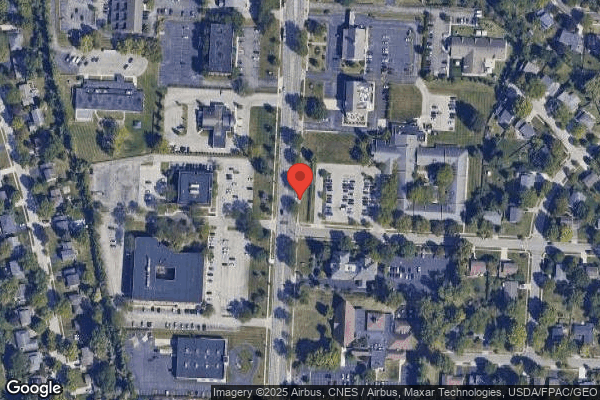

6830 NORTH HIGH STREET, WORTHINGTON, OH 43085 (614) 888-4553
For profit - Corporation 126 Beds CIENA HEALTHCARE/LAUREL HEALTH CARE Data: November 2025 1 Immediate Jeopardy citation
Trust Grade
21/100
#713 of 913 in OH
Last Inspection: February 2025

Within standard 12-15 month inspection cycle. Federal law requires annual inspections.

Overview

Laurels of Norworth in Worthington, Ohio, received a Trust Grade of F, indicating poor performance with significant concerns. It ranks #713 out of 913 nursing homes in Ohio, placing it in the bottom half of facilities statewide and #34 out of 56 in Franklin County, suggesting there are many better options nearby. The facility's trend is worsening, with issues doubling from 6 in 2024 to 12 in 2025, which is alarming. While staffing is a strength with a turnover rate of 26%, well below the state average, the facility has concerning fines totaling $51,871, higher than 82% of Ohio facilities. Specific incidents of serious concern include a resident suffering second-degree burns due to unsafe smoking practices and a cognitively impaired resident leaving the facility unsupervised for five hours, leading to significant injuries. Overall, while there are some staffing strengths, the serious health and safety violations raise significant red flags for potential residents and their families.

Trust Score
F
21/100
In Ohio
#713/913
Bottom 22%
Safety Record
High Risk
Review needed
Inspections
Getting Worse
6 → 12 violations
Staff Stability
✓ Good
26% annual turnover. Excellent stability, 22 points below Ohio's 48% average. Staff who stay learn residents' needs.
Penalties
✓ Good
$51,871 in fines. Lower than most Ohio facilities. Relatively clean record.
Skilled Nurses
○ Average
Each resident gets 35 minutes of Registered Nurse (RN) attention daily — about average for Ohio. RNs are the most trained staff who monitor for health changes.
Violations
⚠ Watch
45 deficiencies on record. Higher than average. Multiple issues found across inspections.
★★☆☆☆
2.0
Overall Rating
★★★☆☆
3.0
Staff Levels
★★★★☆
4.0
Care Quality
★★☆☆☆
2.0
Inspection Score
Stable
2024: 6 issues
2025: 12 issues

The Good

  • 4-Star Quality Measures · Strong clinical quality outcomes
  • Low Staff Turnover (26%) · Staff stability means consistent care
  • Full Sprinkler Coverage · Fire safety systems throughout facility
  • No fines on record
  • Staff turnover is low (26%)

    22 points below Ohio average of 48%

Facility shows strength in quality measures, staff retention, fire safety.

The Bad

2-Star Overall Rating

Below Ohio average (3.2)

Below average - review inspection findings carefully

Federal Fines: $51,871

Above median ($33,413)

Moderate penalties - review what triggered them

Chain: CIENA HEALTHCARE/LAUREL HEALTH CARE

Part of a multi-facility chain

Ask about local staffing decisions and management

The Ugly 45 deficiencies on record

1 life-threatening 2 actual harm
Feb 2025 12 deficiencies
CONCERN (D)

Potential for Harm - no one hurt, but risky conditions existed

PASARR Coordination (Tag F0644)

Could have caused harm · This affected 1 resident

Based on medical record review and staff interview, the facility failed to ensure the Pre-admission Screening and Resident Review (PASARR) documents were accurate to the resident's conditions and diag...

Read full inspector narrative →
Based on medical record review and staff interview, the facility failed to ensure the Pre-admission Screening and Resident Review (PASARR) documents were accurate to the resident's conditions and diagnoses. This affected two (Residents #4 and #75) of three residents reviewed for PASARR assessments. The facility census was 115. Findings include: 1. Review of the medical record for Resident #4 revealed an admission date of 01/11/23 with diagnoses that included cerebral infarction due to embolism in the right middle cerebral artery, schizophrenia, and bipolar disorder. Updated diagnosis on 10/25/24 showed vascular dementia. Review of Resident #4's care plan, dated 01/11/23, noted a risk for impaired skin, pain, and functional ability deficits due to the diagnosis of vascular dementia. Review of the PASARR identification screen dated 02/28/23 revealed that under Section D: Medical diagnosis, question one asked, Does the individual have a diagnosis of dementia? The facility selected no. Interview on 02/13/25 at 2:16 P.M. with Social Services Assistant (SSA) #334 confirmed the PASARR screening completed on 02/28/23 was inaccurate because it did not include the diagnosis of dementia. 2. Review of the medical record for Resident #75 revealed an admission date of 1/20/23 with diagnoses including psychoactive substance abuse, insomnia, and depression. The updated diagnoses on 07/2020 revealed anxiety disorder, and on 07/16/24, post-traumatic stress disorder was added. Review of the significant change in condition PASARR identification screen dated 11/06/24 for Resident #75 revealed Resident #75 had the mental health diagnoses of mood disorders, panic or other severe anxiety disorders, and post-traumatic stress disorder. Insomnia was not marked as a diagnosis that Resident #75 had. Interview on 02/13/25 at 2:16 P.M. with Social Services Assistant (SSA) #334 confirmed the PASARR screening completed for Resident #75 on 11/06/24 was inaccurate because it did not include the diagnosis of insomnia in the mental health disorders section. Review of PASARR policy dated 12/15/22 revealed the PASARR process is used to screen all individuals admitted for nursing care to ensure that needs are met to assist the individual in reaching their highest potential, all seriously mentally ill and/or have an intellectual/developmental disability are required to be evaluated. An updated PASARR is required for incorrect review completed, mental status change not related to delirium, acute psychiatric episode, symptoms of new mental health diagnosis, newly evident or possible serious disability or change in need for nursing facility level of care.
CONCERN (D)

Potential for Harm - no one hurt, but risky conditions existed

Deficiency F0646 (Tag F0646)

Could have caused harm · This affected 1 resident

Based on record review, review of the facility policy, and staff interview the facility failed to ensure they timely followed up with state mental health agency for level two evaluation for Resident #...

Read full inspector narrative →
Based on record review, review of the facility policy, and staff interview the facility failed to ensure they timely followed up with state mental health agency for level two evaluation for Resident #22. This affected one (Resident #22) of four residents reviewed for pre-admission screening and resident review (PASARR) identification screenings. The facility census was 115. Findings include: Review of the medical record for Resident #22 revealed an admission date of 04/29/23 with diagnoses including bipolar disorder and schizophrenia. Review of the Minimum Data Set (MDS) 3.0 assessment, dated 02/06/25, revealed Resident #22 was cognitively intact. Review of the pre-admission screening and resident review (PASARR) for Resident #22 revealed a change of condition PASARR was completed on 11/14/24 with a PASARR results letter on 11/14/24 indicating level II evaluation was required. There was no evidence the level II evaluation was coordinated with the state mental health agency from 11/15/24 to to 02/12/25. Review of the progress notes for Resident #22 revealed on 02/13/25 at 10:33 A.M., Social Services Assistant (SSA) #334 wrote she checked for PASSAR results following a level II No results have been uploaded at this time. Will check at a later date. There was no follow up completed to determine if level II services were required until 02/13/25. Interview on 02/13/25 at 2:14 P.M. with SSA #334 confirmed the only coordination for requesting the level II evaluation from the state mental health agency was not completed until on 02/13/25. Review of the Pre-admission Screening and Guest/Resident Review - PASARR Ohio Policy revealed if the responses to the Level I screening indicate the presence of a mental illness and/or intellectual/developmental disability, the person is referred to the local community mental health program for comprehensive screening, Level 2.
CONCERN (D)

Potential for Harm - no one hurt, but risky conditions existed

Deficiency F0685 (Tag F0685)

Could have caused harm · This affected 1 resident

**NOTE- TERMS IN BRACKETS HAVE BEEN EDITED TO PROTECT CONFIDENTIALITY** Based on record review, staff interview, resident interview, and policy review, the facility failed to obtain vision services in...

Read full inspector narrative →
**NOTE- TERMS IN BRACKETS HAVE BEEN EDITED TO PROTECT CONFIDENTIALITY** Based on record review, staff interview, resident interview, and policy review, the facility failed to obtain vision services in a timely manner for Resident #60. This affected one (Resident #60) of two residents reviewed for vision. The facility census was 115. Findings include: Review of Resident #60's medical record revealed an admission date of 07/29/24 with diagnoses including localization-related (focal) idiopathic epilepsy and epileptic syndromes with seizures of localized onset. Review of the admission Minimum Data Set (MDS) 3.0 assessment dated [DATE] revealed Resident #60 did not have corrective lenses and was cognitively intact. The MDS did not trigger for visual function. Review of the progress notes revealed on 08/13/24 at 6:18 P.M., a Nurse Practitioner (NP) documented Resident #60 needed an eye exam and new glasses to address vision impairment, which could contribute to fall risks. On 08/15/24 at 4:02 P.M., a nurse contacted Optometry #500 to schedule an appointment. Review of the after-visit summary (AVS) from Resident #60's eye appointment at an Eye Institute on 08/28/24 revealed a glasses prescription were as follows: Right eye: Sphere +1.25, Cylinder +0.25, Axis 010, Add +2.50 Left eye: Sphere +1.50, Cylinder +0.75, Axis 165, Add +2.50. These findings indicated impaired vision. Review of the physician orders for Resident #60 dated 09/25/24 revealed an order to schedule an eyewear appointment at Optometry #500. The physician order was later discontinued on 10/14/24. There was no documentation Resident #60 received eyeglasses from 08/29/24 to 02/10/25 and/or seen at Optometry #500 for eyewear appointment from 09/25/24 to 02/10/25. On 09/28/24, Social Services Assistant (SSA) #279 documented she requested services from Optometry #600 and Optometry #700 but did not conduct any follow-up with either provider. During an interview on 02/11/25 at 7:43 A.M., Resident #60 stated he needed glasses and had not received them since arriving at the facility. He reported informing staff about his vision concerns and expressed worry about signing documents he could not read. He also stated he did not feel able to participate in activities due to his vision impairment. During an interview on 02/12/25 at 12:05 P.M., Social Worker (SW) #291 explained when a resident requires dental or vision services, they assist in setting up appointments through two different optometry companies. SW #291 stated SSA #334 was responsible for coordinating ancillary services and would check why Resident #60 had not yet received glasses. During an interview on 02/12/25 at 3:02 P.M., SSA #279 confirmed Resident #60 was seen in August 2024 for an eye exam and prescription. SSA #279 stated in September 2024, Resident #60 opted to be seen by the in-house eye doctor, but she was unsure why he was not seen sooner. SSA #279 stated transportation was arranged in February 2025 for the resident to go to Optometry #800 for new glasses, but Optometry #800 was unable to fulfill the prescription. She was unsure why transportation was not scheduled until February 2025. During a subsequent interview on 02/12/25 at 4:08 P.M., SSA #279 stated once a resident required ancillary services is admitted , they were added to the Optometry #600 list. She reported Optometry #600 visits the facility once a month and last visited on 02/10/25 and sometime in November. SSA #279 admitted she had not been following up with Optometry #600 to ensure residents received necessary vision services but stated she would begin doing so. She also revealed the Optometry #600 consent form for Resident #60 was signed on 09/28/24 but was not sent to the appropriate parties until 10/08/24. Review of the Social Services Referral to Outside Providers policy revealed the following requirements: A physician's order must be obtained by nursing. Consent to receive services must be sought from the resident or their representative before initiating services. Social services must make the referral to the outside provider and provide demographics and signed consent as needed. Progress notes from the service provider must be obtained and placed in the resident's medical record. The resident's physician, family, and/or representative must be informed of the service results, and any recommendations should be reviewed with the physician. The provider's recommendations must be integrated into the resident's care plan. Recommendations for interventions should be communicated to direct care staff. Follow-up visits should be scheduled as needed.
CONCERN (D)

Potential for Harm - no one hurt, but risky conditions existed

Deficiency F0692 (Tag F0692)

Could have caused harm · This affected 1 resident

**NOTE- TERMS IN BRACKETS HAVE BEEN EDITED TO PROTECT CONFIDENTIALITY** 2. Review of the medical record for Resident #87 revealed an admission date of 11/23/24, with diagnoses including type II diabet...

Read full inspector narrative →
**NOTE- TERMS IN BRACKETS HAVE BEEN EDITED TO PROTECT CONFIDENTIALITY** 2. Review of the medical record for Resident #87 revealed an admission date of 11/23/24, with diagnoses including type II diabetes mellitus, anxiety, gastro-esophageal reflux disease (GERD) without esophagitis, hyperlipidemia, anemia, and major depressive disorder. Review of the care plan dated 07/11/24 revealed Resident #87 was at risk for nutrition and/or dehydration related to diabetes mellitus type II, anxiety, GERD, hyperlipidemia, insomnia, and vitreous hemorrhage. Interventions included obtaining the resident's weight at least monthly and reporting any significant weight change of 5% or more over a month to the physician and dietitian. Review of Resident #87's weights revealed on 11/08/24, the resident weighed 220.4 pounds (lbs). On 12/17/24, the weight decreased to 208.8 lbs, showing a significant weight loss of 5.26% over one month. Review of the dietary progress notes dated 12/17/24 at 2:20 P.M. revealed weight loss was likely due to variable meal intakes. It was noted the resident accepted the boost supplement (high calorie nutritional supplement) well. A recommendation was made to increase the boost supplement to 237 milliliter twice a day for weight gain, with a plan to notify the physician of the weight loss and add the resident to the weekly weight list. Review of the physician order dated 12/17/24 for Resident #87 indicated a prescription for boost supplement twice a day as a supplement. Resident #87 did have weekly weights recorded from 12/18/24 to 01/19/25. Review of the Minimum Data Set (MDS) 3.0 assessment completed 01/15/25 showed Resident #87 had moderate cognitive impairment. Resident #87 had no swallowing disorder, had a weight loss of 5% or more over the last month and was not on a physician-prescribed weight-loss regimen. Review of weekly weight task for Resident #87 from 01/27/25 to 02/17/25 revealed weight and scale information marked as not applicable. Interview on 02/19/25 at 8:58 A.M. with Registered Dietitian (RD) #353 confirmed after Resident #87's significant weight loss was observed on 12/17/24, RD #353 recommended increasing the boost supplement and initiating weekly weight checks. This recommendation was communicated in the progress notes and discussed during the weekly meeting of the same week. RD #353 confirmed facility staff did not begin obtaining weekly weights until 01/19/25, and Resident #87 was removed from the weekly weight list on 02/06/25. Interview on 02/19/25 at 9:12 AM with Restorative Certified Nursing Assistant (RCNA) #278 confirmed her responsibility for obtaining weekly weights, with a list provided weekly by management. RCNA #278 stated Resident #87 was not included on the weight list for the weeks of 12/17/24. RCNA #278 explained she was not working in the facility from mid-December 2024 through part of January 2025 and was unsure whether another staff member was assigned to obtain the weekly weights as requested by the dietitian. Interview on 02/19/25 at 9:27 AM with the Director of Nursing (DON) confirmed Resident #87 was not added to the weekly weights list on 12/17/24, but was added on 12/26/24. The DON acknowledged weight records for 12/23/24, 12/30/24, 01/05/25, and 01/12/25 had n/a (not applicable) marked. Weekly weights began being obtained on 01/19/25. Review of facilities Weight Management policy dated 09/22/23 revealed residents determined to have significant weight changes will be weighed on a weekly basis examples of those residents include residents with insidious weight loss and are noted with 5% in one month, 7.5% in three months and 10% in six months. Based on record review, staff interview, and facility policy review, the facility failed to appropriately monitor the resident's significant weight loss and timely follow the registered dietitian's recommendations and facility policy. This affected two (Residents #87 and #94) of six residents reviewed for nutrition monitoring. The facility census was 115. Findings include: 1. Review of the medical record revealed Resident #94 was re-admitted to the facility on [DATE]. Diagnoses included chronic kidney disease, diverticulosis of small and large intestines and clostridium difficile (C-diff). Review of the Minimum Data Set (MDS) assessment, dated 12/19/24, revealed Resident #94 was cognitively intact. Resident #94's was re-admitted to the facility on [DATE], following a hospitalization. Review of the Resident #94's weights, dated 12/07/24 to 02/10/25, revealed the following weights: 12/13/24 at 132.2 pounds (lbs)), 01/09/25 at 119.0 lbs., 02/06/25 at 114.8 lbs., and 02/10/25 at 114.0 lbs. There was no weight obtained on re-admission on [DATE] and weekly weights were not completed per facility policy. The weight change from 12/13/24 to 01/09/25 was a 13.2 pound weight loss, a 10% significant weight loss in approximately one month. Review of Resident #94's weight change note, dated 01/09/25, revealed a significant weight loss from 12/13/24 to 01/09/25. The dietitian requested a re-weight on the date this note was written to ensure accuracy. Review of Resident #94's nutritional notes, dated 01/09/25 to 01/21/25, revealed the only attempted re-weight was on 01/21/25, which Resident #94 refused. There were no other documented attempts to obtain the re-weight prior to 01/21/25. Interview with Registered Dietitian (RD) #103 on 02/18/25 at 11:48 A.M. confirmed Resident #94 should have weekly weights obtained following his return from the hospital on [DATE]. RD #103 also confirmed he should have had a re-weight taken within 72 hours after a significant weight change has been identified, as the case was on 01/09/25. She confirmed the attempted weight check on 01/21/25 was too late. Review of the facilities Weight Management policy, dated 09/22/23, revealed residents will be weighed upon admission/re-admission; each week for the first four weeks after admission/readmission, and then monthly thereafter or as indicated by the physician. Re-weights are initiated for a five-pound variance if the resident is greater than five pounds. Re-weights will be completed within 48 to 72 hours.
CONCERN (D)

Potential for Harm - no one hurt, but risky conditions existed

Deficiency F0740 (Tag F0740)

Could have caused harm · This affected 1 resident

**NOTE- TERMS IN BRACKETS HAVE BEEN EDITED TO PROTECT CONFIDENTIALITY** Based on medical record review and staff interview, the facility failed to provide planning, treatment, and oversight to residen...

Read full inspector narrative →
**NOTE- TERMS IN BRACKETS HAVE BEEN EDITED TO PROTECT CONFIDENTIALITY** Based on medical record review and staff interview, the facility failed to provide planning, treatment, and oversight to resident behaviors regarding catheter care. This affected one (Resident #62) of one resident reviewed for behavior monitoring. The facility census was 115. Findings include: Review of Resident #62's medical record revealed the resident was admitted to the facility on [DATE]. Diagnoses included paraplegia, anxiety disorder, insomnia, chronic pain syndrome, bipolar disorder, intermittent explosive disorder, and post traumatic stress disorder. Review of the Minimum Data Set (MDS) assessment, dated 12/22/24, revealed Resident #62 was cognitively intact. Review of the current physician orders for February 2025 revealed Resident #62 had an order to have a straight catheter procedure to be complete every six hours. Review of Resident #62's current behavioral care plan revealed no documentation, interventions, or plans related to Resident #62's behavior of performing his own straight catheter procedures every two hours, refusing for staff to perform his catheter care, and getting verbally aggressive with staff regarding his catheter care. Review of Resident #62's psychiatric notes, dated June 2024 to February 2025, revealed no documentation to support discussion, care planning, or interventions related to Resident #62 performing straight catheter procedures every two hours. Also, there was no discussion, planning, or interventions related to behaviors exhibited when staff tried to assist with the straight catheter process and no discussion or root cause analysis as to why Resident #62 had to perform straight catheter procedures every two hours, as opposed to every six hours as ordered by his physician. Interview with Director of Nursing (DON) on 02/18/25 at 11:00 A.M. and 12:00 P.M. stated Resident #62 attends psychiatric appointments on a routine basis. She confirmed there was no documentation that Resident #62 behavior of performing self straight catheter procedures every two hours instead of every six hours as ordered. She confirmed they have not documented his behaviors of performing self catheterization every two hours. She confirmed he will yell, scream, and get aggressive with staff when they try to monitor or assist with his catheterization process. She confirmed they do not document those behaviors when related to performing his self catheterization. She confirmed they probably should be.
CONCERN (D)

Potential for Harm - no one hurt, but risky conditions existed

Deficiency F0757 (Tag F0757)

Could have caused harm · This affected 1 resident

**NOTE- TERMS IN BRACKETS HAVE BEEN EDITED TO PROTECT CONFIDENTIALITY** Based on medical record review, staff interview, and facility policy review, the facility failed to provide parameters for as ne...

Read full inspector narrative →
**NOTE- TERMS IN BRACKETS HAVE BEEN EDITED TO PROTECT CONFIDENTIALITY** Based on medical record review, staff interview, and facility policy review, the facility failed to provide parameters for as needed pain medication. This affected one (Resident #62) of five residents reviewed for unnecessary medications. The facility census was 115. Findings include: Review of Resident #62's medical record revealed the resident was admitted to the facility on [DATE]. Diagnoses included paraplegia and chronic pain syndrome. Review of the Minimum Data Set (MDS) assessment, dated 12/22/24, revealed Resident #62 was cognitively intact. Review of Resident #62's physician orders, dated December 2024 to February 2025, revealed an order for acetaminophen 650 milligrams (mg) every four hours as needed (PRN) for pain or fever. Also, there was an order for Oxycodone (narcotic pain medication) 15 mg every four hours as needed for pain. Neither medication had parameters as to which pain medication should be administered and what pain level each medication should be given at. Review of Resident #62's medication administration record (MAR), dated 01/01/25 to 02/18/25, revealed the following as needed pain medications were administered: in January 2025, acetaminophen was administered twice for pain levels five and eight (from a pain level scale of zero (no pain) to ten (most severe pain), and then Oxycodone was administered a total of 61 times for pain levels between one to seven. Also, review of February 2025 MAR, acetaminophen was not administered and Oxycodone was administered a total of 31 times for pain levels between one to seven. Interview with Registered Nurse (RN) #227 and RN #236 on 02/19/25 at 10:20 A.M. and 10:25 A.M. confirmed there should be parameters for the as needed pain medication. If there were no parameters, they will use nursing judgement and the resident's pain level to determine which pain medication to give. They confirmed if the pain levels were one to five, they will first administered the lower strength pain medication, such as acetaminophen. If the pain level was six to ten, they will administer the higher strength pain medication, such as tramadol or Oxycodone. RN #236 confirmed Resident #62 did not have pain parameters in place and Oxycodone was being administered for pain levels between one to seven and acetaminophen was administered for pain levels of five to eight. Review of facility Pain Management policy, dated 04/11/23, revealed the facility will observe the resident for indicators of pain. They will ask the resident and observe to determine the intensity of pain. Following the pain evaluation, notify the physician if indicated and implement new orders as received. The licensed nurse, when administering PRN pain medications, will record the drug administration on the PRN MAR. Document the date, time, and effectiveness of PRN pain medication on the PRN administration record.
CONCERN (D)

Potential for Harm - no one hurt, but risky conditions existed

Medication Errors (Tag F0758)

Could have caused harm · This affected 1 resident

**NOTE- TERMS IN BRACKETS HAVE BEEN EDITED TO PROTECT CONFIDENTIALITY** Based on record review and staff interview, the facility failed to monitor behaviors and did not provide appropriate justificati...

Read full inspector narrative →
**NOTE- TERMS IN BRACKETS HAVE BEEN EDITED TO PROTECT CONFIDENTIALITY** Based on record review and staff interview, the facility failed to monitor behaviors and did not provide appropriate justification for a psychotropic medication for one (Resident #80) of five residents reviewed for unnecessary medications. The facility census was 115. Findings include: Review of the medical record for Resident #80 revealed an admission date of 10/03/24 with diagnoses including vascular dementia with behavioral disturbances. Review of the quarterly Minimum Data Set (MDS) assessment dated [DATE] revealed Resident #80 had severe cognitive impairment, and documentation of verbal behaviors. Review of the physician orders for Resident #80 revealed the following medication: Seroquel (Quetiapine Fumarate) 50 milligrams (mg) - Administered twice daily for vascular dementia behaviors, ordered on 10/31/24 with no stop date. Ativan (Lorazepam) 0.5 mg - Administered every four hours as needed for anxiety and agitation, with multiple renewal orders from 11/12/24 through 02/12/25. Trazodone HCl 50 mg - Administered nightly for insomnia, ordered on 10/09/24. Review of the treatment administration record (TAR), from 10/07/24 to 11/01/24, revealed Resident #80 had only seven of 25 nights with behaviors. Review of the progress notes for Resident #80 revealed on 12/26/24 at 1:33 P.M., staff documented the Ativan order was renewed due to intermittent yelling and screaming. However, the note stated the resident did not appear to be in distress and smiled simultaneously. On 01/16/25 at 2:46 P.M., a resident-at-risk note indicated the resident continued to display behaviors despite verbal reassurance and staff interventions. It was also noted the resident exhibited increased lethargy when Seroquel was scheduled. Review of the Omnicare Pharmacy consultation report completed for January 2024 for Resident #80 revealed it was recommended to attempt a gradual dose reduction (GDR) of Seroquel 50 mg at bedtime but was declined by the Certified Nurse Practitioner (CNP) due to risk of declines with GDR with no further explanation. Review of the viaquest psychiatric note completed on 01/07/25 for Resident #80 confirmed the psychiatric history was limited to vascular dementia. Review of the psychoactive medication quarterly evaluation completed on 01/17/25 stated the diagnoses pertaining to the psychoactive medications were insomnia, anxiety, vascular dementia behaviors, and agitation indicating there was not an appropriate justification for Seroquel. Additionally, it stated the resident will continue current dosage, no GDR clinically recommended at this time. Interview on 02/13/25 at 9:51 A.M. with the Director of Nursing (DON) stated Resident #80 was admitted to the facility on Seroquel with the diagnosis of depression but the physician changed the diagnosis justification to dementia with behaviors. The DON stated from 10/07/24 to 11/01/24, the facility attempted a GDR and claimed the behaviors increased during this time. The DON confirmed during this time there was not adequate documentation of increased behaviors due to the reduction of the Seroquel. Interview on 02/13/25 at 11:38 A.M. with Psychiatric Nurse Practitioner (PNP) #400, stated due to Resident #80's age she would not meet the criteria for schizophrenia making Seroquel use difficult to justify. She stated the family was resistant to a GDR and had requested a different medication such as Haldol. She confirmed vascular dementia behaviors was not an appropriate diagnosis for Seroquel but stated Resident #80 seemed happier on Seroquel. PNP #400 also confirmed the staff need to do a better job at monitoring behaviors to determine if a GDR is truly successful and will have a psych all staff to educate on observing behaviors and documenting appropriately.
CONCERN (D)

Potential for Harm - no one hurt, but risky conditions existed

Deficiency F0790 (Tag F0790)

Could have caused harm · This affected 1 resident

**NOTE- TERMS IN BRACKETS HAVE BEEN EDITED TO PROTECT CONFIDENTIALITY** Based on record review, resident and staff interview, observation , review of policy, and review of the resident agreement, the ...

Read full inspector narrative →
**NOTE- TERMS IN BRACKETS HAVE BEEN EDITED TO PROTECT CONFIDENTIALITY** Based on record review, resident and staff interview, observation , review of policy, and review of the resident agreement, the facility failed to timely obtain routine dental services for residents. This affected two (Resident #60 and Resident #103) of two residents reviewed for dental services. The facility census was 115. Findings include: 1. Review of the medical record for Resident #103 revealed an admission date of 12/10/24 with diagnoses of epilepsy, type two diabetes mellitus, chronic kidney disease, mild cognitive impairment, and personal history of transient ischemic attack. Review of the Minimum Data Set (MDS) 3.0 assessment completed 12/17/24 revealed Resident #103 had moderate cognitive impairment and Resident #103 has no natural teeth or tooth fragments. Review of the care plan dated 12/12/24 revealed Resident #103 was at risk for infection, pain, or bleeding in the oral cavity. Resident #103 has no teeth present, and dentures were at home. Interventions included dental consult as needed, observation for oral/dental problems, provision of diet as ordered, and referral to dietician as needed. Review of the progress note dated 12/16/24 revealed Resident #103 had complete upper and lower dentures but cannot eat well without them. It was noted they were damaged in a recent motor vehicle crash. The dentures required replacement and follow-up with a dentist for new dentures. Review of physician orders dated 12/17/24 revealed a consistent carbohydrate diet, regular texture/consistency, and resident request for soft foods/mashed potatoes. There was no documentation in the medical record regarding a follow up to a replacement of dentures and/or dentist following the 12/16/24 progress note through 02/11/25. Interview on 02/11/25 at 10:30 A.M. with Resident #103 stated he had concerns about his ability to eat meals. The resident explained that he has to gum most of his food in order to consume it. He reported that his dentures were damaged during his accident and has not received any updates or assistance regarding the replacement. He mentioned that his previous dentist had kept an extra mold to create a new set of dentures, but he was uncertain whether the facility staff have contacted the office for further action. Interview on 02/12/25 at 3:16 P.M. with Social Services Assistant (SSA) #279 confirmed Resident #103 has been in need of dentures since admission, but they were unable to receive coverage for these services until he obtains a new guardian and was approved for Medicaid. SSA #279 stated the guardianship paperwork for Resident #103 has been sent out, and they were in the process of submitting his emergency Medicaid application. Interview on 02/18/25 at 9:24 A.M. with SSA #279 revealed the ward clerk was responsible for contacting the hospital and Resident #103's previous dentist office to gather additional information regarding the whereabouts of his dentures or explore potential solutions. SSA #279 stated they were working on the emergency Medicaid application, which should soon provide the necessary coverage. Interview on 02/19/25 at 12:34 P.M. with [NAME] Clerk #245 denied any knowledge of Resident #103's missing dentures. She confirmed she had not been instructed to call the hospital for belongings or reach out to the previous dentist office for assistance with the issue. Review of the admission agreement undated revealed the facility will provide services, included in the daily rate, to the resident. In addition to the included services, the facility will provide additional non-routine services and supplies that may incur an extra charge to the resident. The facility must provide equal access to quality care regardless of diagnosis, severity of condition, or payment source. 2. Review of Resident #60's medical record revealed an admission date of 07/29/24, with diagnoses including localization-related (focal) idiopathic epilepsy and epileptic syndromes with seizures of localized onset, age-related osteoporosis, and gastroesophageal reflux disease (GERD). Review of Resident #60's admission Minimum Data Set (MDS) 3.0 assessment dated [DATE] revealed Resident #60 was cognitively intact. Review of the nursing note on 09/23/24 at 10:34 A.M. revealed Resident #60 complained of a sore mouth, especially when eating food. The resident stated he doesn't have teeth and his gums were painful when chewing food. The Medical Director (MD) was made aware, and new orders for a dietician and dentist were set up. A report was given to the in-house dietician and ancillary certified nursing assistant (CNA) to follow up. There was no documentation in the medical record that Resident #60 was seen by a dentist from 09/24/24 to 02/12/25. There was no evidence the facility followed up regarding Resident #60's dentures from 09/24/24 to 02/12/25. During an interview on 02/11/25 at 7:58 A.M. with Resident #60, he stated he needs molds and new dentures made. He reported eating regular food until his gums become sore, at which point the facility places him on a mechanical soft diet until his gums feel better. Resident #60 was observed not to have teeth in at the time of the conversation. During an interview on 02/12/25 at 12:05 P.M., Social Worker (SW) #291 explained when a resident requires dental or vision services, they assist in setting up appointments through Ancillary Company #600 or Ancillary Company #700 . She stated Social Service Assistant (SSA) #279 was responsible for coordinating ancillary services and would check why Resident #60 had not yet received dentures or additional follow-up dental appointments. During an interview on 02/12/25 at 4:08 P.M. with SSA #279, she stated the consent form for Ancillary Company #700 was signed by Resident #60 on 09/28/24 but not sent until 10/08/24. SSA #334 stated she follows up for dentistry services but was unsure why Resident #60 had not been seen by a dentist to obtain new dentures. SSA #279 further explained that once she sends the consent forms to Ancillary Company #700, she does not follow up to determine if the residents have been seen or if the concerns have been addressed. Review of the Social Services Referral to Outside Providers policy revealed the following requirements: A physician's order must be obtained by nursing. Consent to receive services must be sought from the resident or their representative before initiating services. Social services must make the referral to the outside provider and provide demographics and signed consent as needed. Progress notes from the service provider must be obtained and placed in the resident's medical record. The resident's physician, family, and/or representative must be informed of the service results, and any recommendations should be reviewed with the physician. The provider's recommendations must be integrated into the resident's care plan. Recommendations for interventions should be communicated to direct care staff. Follow-up visits should be scheduled as needed.
CONCERN (D)

Potential for Harm - no one hurt, but risky conditions existed

Antibiotic Stewardship (Tag F0881)

Could have caused harm · This affected 1 resident

**NOTE- TERMS IN BRACKETS HAVE BEEN EDITED TO PROTECT CONFIDENTIALITY** Based on medical record review, review of the facilities infection control log, staff interview, and facility policy review, the...

Read full inspector narrative →
**NOTE- TERMS IN BRACKETS HAVE BEEN EDITED TO PROTECT CONFIDENTIALITY** Based on medical record review, review of the facilities infection control log, staff interview, and facility policy review, the facility failed to to follow appropriate antibiotic stewardship protocols. This affected two (Residents #39 and #90) of five residents reviewed for unnecessary medications. The facility census was 115. Findings include: 1. Record review revealed Resident #39 was admitted to the facility on [DATE]. Diagnoses included osteomyelitis of vertebra, paraplegia, and neuromuscular dysfunction of bladder. Review of the Minimum Data Set (MDS) assessment, dated 01/27/25, revealed Resident #39 was cognitively intact. Review of Resident #39's physician orders, dated October and November 2024, revealed the following antibiotics were ordered and administered: Hiprex one gram (gm) for prophylaxis, Amoxicillin 875-125 milligrams (mg) twice daily for wound infection for seven days starting on 11/23/24, bactrim 800-160 mg twice daily for prevention for 10 days starting on 11/25/24, and Doxycycline 100 mg twice daily for chronic osteomyelitis/prophylactic. Review of Resident #39's Medication Administration Record (MAR), dated November 2024, revealed from 11/25/24 to 11/27/24, Resident #39 was administered four separate antibiotics at the same time. Three of the medications (Hiprex, Bactrim, and Doxycycline) were documented as being for prophylactic/prevention reasons. Review of Resident #39's progress notes, dated 11/25/24, revealed his white blood cell count increased from the initial order of amoxicillin, so he was ordered Bactrim to cover for possible Methicillin-resistant Staphylococcus aureus (MRSA). Resident #39's medical record did not have any test, culture, or other further examination to confirm he had MRSA to justify the addition of bactrim on 11/24/24. Review of Resident #39 's physician review/report document, dated 11/26/24, revealed the resident was recently managed with new onset of increased C-Reactive Protein (CRP) and sacral wound worsening. Alert and oriented times four. The resident went out to the doctor appointment as well. He denies shortness of breath and chest pain, denies nausea and vomiting, and denies lethargy, dizziness, or headache. Illeus much improved, However given his recent labs, he started bactrim and augmentin (amoxicillin) as prophylaxis. There was no documentation within the report as to a specific justification for the use of bactrim or amoxicillin. Review of Resident #39's physician orders, dated 02/11/25, revealed he was scheduled, ordered, and administered the following antibiotics: Hiprex one gm for prophylaxis and doxycycline 100 mg twice daily for chronic osteomyelitis/prophylactic. Neither antibiotic had proper justification for the prolonged use. Interview with Director of Nursing (DON) on 02/13/25 at 2:15 P.M. and 02/18/25 at 9:30 A.M. and 1:00 P.M. confirmed in November 2024, Resident #39 was ordered four separate antibiotic medications. She confirmed Resident #39 was ordered amoxicillin on 11/23/24 related to signs and symptoms of an infection. She confirmed the nursing staff contacted the on-call physician and amoxicillin was ordered. She also confirmed that two days later, they contacted Resident #39's physician due to increased white blood cell counts, and bactrim was ordered to cover possible MRSA. She confirmed there was no evidence the facility or physician ordered testing to determine if he had MRSA. Also, there was no clear documentation if all four antibiotics were to be administered at the same time from 11/25/24 to 11/27/24. She confirmed three of the antibiotic medications were ordered/had justification as prophylactic. Review of the facility's Antibiotic Stewardship policy, dated 10/14/22, revealed antibiotic stewardship refers to coordinated interventions designed to improve and measure the appropriate use of antimicrobials, by promoting the selection of the optimal anti-microbial drug regimen, dose, duration of therapy, and route of administration. The medical director and director of nursing will use his/her influence as medical and nursing leaders to help ensure antibiotics are prescribed only when appropriate. The use of prophylactic antibiotic treatment, long term antibiotic maintenance use for chronic infections, and treatment with broad spectrum antibiotics while a culture is pending, should be discouraged by the medical director and consultant pharmacist. 2. Review of the medical record for Resident #90 revealed an admission date of 06/06/23, with a re-entry date of 08/10/24. Diagnoses included diffuse large B-cell lymphoma systolic congestive heart failure, and cardiomyopathy. Review of the quarterly Minimum Data Set (MDS) 3.0 assessment, dated 11/30/24, revealed Resident #30 had intact cognition. Review of the physician orders for Resident #90 revealed multiple orders for Bactrim DS (800 - 160 milligrams (mg)). On 05/17/24 at 11:15 A.M., the initial justification for prescribing Bactrim was for a urinary tract infection (UTI). It was discontinued on 05/17/24. Subsequent orders for Bactrim DS were 05/29/24 to 06/17/24 and 07/31/24 to 02/18/25 revealed there was for prophylaxis. Review of the medical record revealed no documentation to support the necessity of continued Bactrim prophylaxis after the UTI was treated. Review of the geriatrics follow-up notes, dated 05/20/24 to 02/11/25, consistently referenced Bactrim use without clinical indication or reassessment of necessity. During an interview on 02/18/25 at 9:56 A.M., the Director of Nursing (DON) stated prophylactic antibiotic use was reviewed only during monthly physician visits, with no evidence of routine reassessments based on clinical indicators. Review of the facilities infection control logs from July 2024 to February 2025 revealed the facility failed to document Resident #90's Bactrim use, indicating a lack of systemic monitoring for effectiveness, adverse reactions, or necessity. Review of the facility's infection control and antibiotic stewardship policy revealed the following expectations: The program will encourage appropriate prescribing and reduce adverse effects, which often include gastrointestinal complications, C. difficile diarrhea, yeast infections, and antibiotic resistance in aging adults. The Medical Director and DON are responsible for ensuring antibiotics are prescribed only when appropriate. The consultant pharmacist is expected to analyze infections, prescribing patterns, antibiotic duration, and patient outcomes monthly through the Medication Management Review (MMR). The use of prophylactic antibiotic treatment, long-term antibiotic maintenance for chronic infections, and broad-spectrum antibiotic treatment while awaiting culture results should be discouraged by the Medical Director and consultant pharmacist.
CONCERN (E)

Potential for Harm - no one hurt, but risky conditions existed

Safe Environment (Tag F0921)

Could have caused harm · This affected multiple residents

**NOTE- TERMS IN BRACKETS HAVE BEEN EDITED TO PROTECT CONFIDENTIALITY** Based observation and staff interview, the facility failed to maintain a clean and sanitary environment. This affected four resi...

Read full inspector narrative →
**NOTE- TERMS IN BRACKETS HAVE BEEN EDITED TO PROTECT CONFIDENTIALITY** Based observation and staff interview, the facility failed to maintain a clean and sanitary environment. This affected four resident rooms (room numbers #60, #90, #215, and #226) and the northwest hallway. This had the potential to affect 54 residents residing in these resident rooms and who were near the northwest hallway. Findings include: An environmental tour was conducted on 02/13/25 between 10:15 A.M. and 11:25 A.M. with the Administrator. The following concerns were observed and verified at the time of observation with the Administrator: A. Observation of room [ROOM NUMBER] revealed there was wall tile hanging loose behind toilet pipe right at the flushing component/handle, dead bugs in bathroom light fixture cover, sink faucet with steady leak/drip, and a broken window ledge (made of marble) section fractured in three small pieces that were loose and jagged. B. Observation of ceiling tiles in the northwest hall (outside room [ROOM NUMBER], in front of the egress door) sagging out of the frames near the ceiling vent outlet and discolored with black dry substance affecting seven separate ceiling tiles. C. Observation of room [ROOM NUMBER] revealed the east wall in the room, the sheet rock or dry wall was gouged and ripped open (approximately five feet), and there was wallpaper tearing off the wall in the bathroom and hanging free. D. Observation of room [ROOM NUMBER] revealed the main toilet pipe (water supply) at the lower coupling, was shooting water straight up when flushing the toilet which sprayed onto the toilet and floor. There was a steady drip/leak from the sink faucet.
CONCERN (F)

Potential for Harm - no one hurt, but risky conditions existed

Food Safety (Tag F0812)

Could have caused harm · This affected most or all residents

Based on observations, staff interview, and facility policy review, the facility failed to serve food in a safe and sanitary manner. This had the potential to affect 115 of 115 residents who receive f...

Read full inspector narrative →
Based on observations, staff interview, and facility policy review, the facility failed to serve food in a safe and sanitary manner. This had the potential to affect 115 of 115 residents who receive food from the kitchen. The census was 115. Findings include: Observations on 02/13/25 from 11:46 A.M. to 12:15 P.M. revealed the following: [NAME] #215 was serving food on the serving line from the steam table, wearing disposable gloves. Each time [NAME] #215 scooped pasta into the service ladle, he would use one of his gloved hands to balance the pasta in the spoon prior to serving it on to the plate. He did not change his gloves at all during the observation period. Also, after touching the pasta each time, he touched the following items in between without changing his gloves: meal plate, multiple serving utensils of other food on the tray line, dirty steam table counter, serving trays, warming lids to the plates, soup bowl, aluminum foil covering food that was in the steamer, and a hot dog bun. Observations on 02/13/25 from 11:54 A.M. to 12:00 P.M. revealed Dietary Manager #271 assisting the dietary staff with serving lunch. He had disposable gloves on and touched the following items without changing his gloves: plastic bag holding hot dog buns, hot dog bun, serving plate, aluminum foil, inside of the oven mitt, food pans, serving ladle, door to the steamer, plastic bag holding the hot dog buns, and then one more hot dog bun. At 12:00 P.M., he took his gloves off and put new ones on. Observations on 02/13/25 from 12:03 P.M. to 12:05 P.M. and 12:06 P.M. to 12:12 P.M. revealed Dietary Manager #271 touching multiple hot dog buns and retouching the above items; following the same process. He changed his gloves and put new ones on at 12:05 P.M. and 12:12 P.M., but not prior to touching hot dog buns and then multiple other items prior to changing his gloves. Interview with [NAME] #215 on 02/13/25 at 12:10 P.M. stated they were to change their gloves when they become soiled, ripped, or otherwise contaminated. He also confirmed if he touches a food item, he was to immediately change his gloves before touching anything else. Interview with Dietary Manager #271 on 02/13/25 at 12:24 P.M. confirmed dietary staff were to change their gloves frequently. He confirmed dietary staff were to have clean gloves on if they touch any food item and after they touch the food item, they were to change their gloves as well. Review of the facilities Glove Use policy, dated 11/19/21, revealed it is the facility policy that gloves will be worn when handling food except when washing fresh produce, to ensure bacteria is not transferred from the food handler's hands to the food product being served. Gloves will be changed and hands will be washed after they become soiled or touch a contaminated surface including: after handling anything soiled, after handling boxes, crates, or packages, or anytime you touch a contaminated surface.
MINOR (C)

Minor Issue - procedural, no safety impact

Social Worker (Tag F0850)

Minor procedural issue · This affected most or all residents

Based on personnel record review, staff interview, and policy review, the facility failed to ensure the social worker had the proper qualifications of one year of supervised social work experience in ...

Read full inspector narrative →
Based on personnel record review, staff interview, and policy review, the facility failed to ensure the social worker had the proper qualifications of one year of supervised social work experience in a health care setting for a facility with 126 beds. This had the potential to affect all 115 residents residing in the facility. Findings include: Review of the personnel file for Social Worker (SW) #291 revealed a hire date of 01/09/23. SW #291 has received her Masters in Social Work (MSW) but there was no evidence that she has had one year of supervised healthcare experience. The personnel file included a reference check from Long Term Care (LTC) Facility #1 where LSW #291 held a Social Services Director position. On the reference check, there was no indication of whether or not SW #291 was supervised during this experience. Interview on 02/18/25 at 9:23 A.M. with the Administrator confirmed SW #291 was hired when the previous Administrator was working and they would know if she was hired with supervised experience but were unable to reach them to confirm. She stated there was a Social Service Liaison who was a Licensed Social Worker (LSW) that oversees the social service program. Interview on 02/18/25 at 11:43 A.M. with Social Service Liaison (SSL) #401 confirmed she was not signing off on any work that was being completed by the social service department at the facility. Interview on 02/18/25 at 1:00 P.M. with Director of Nursing (DON) confirmed they do not have any evidence that SW #291 was supervised prior to her employment at the facility or former employment.
Nov 2024 3 deficiencies
CONCERN (D) 📢 Someone Reported This

A family member, employee, or ombudsman was alarmed enough to file a formal complaint

Potential for Harm - no one hurt, but risky conditions existed

Deficiency F0804 (Tag F0804)

Could have caused harm · This affected 1 resident

**NOTE- TERMS IN BRACKETS HAVE BEEN EDITED TO PROTECT CONFIDENTIALITY** Based on observation, staff interview, medical record review and review of facility policy, the facility failed to ensure pureed...

Read full inspector narrative →
**NOTE- TERMS IN BRACKETS HAVE BEEN EDITED TO PROTECT CONFIDENTIALITY** Based on observation, staff interview, medical record review and review of facility policy, the facility failed to ensure pureed foods were prepared in a manner to maintain nutritive value. This affected one (#46) of three residents reviewed for diet orders. The facility identified two residents with physician ordered pureed diets. The facility census was 112. Findings include: Review of the medical record for Resident #46 revealed an admission date of 08/02/24. Diagnoses included cerebral infarct (stroke), epilepsy, malnutrition, dementia and heart disease. Review of a physician order dated 08/02/24 revealed Resident #46 had an order for pureed diet. Review of the care plan dated 08/02/24 revealed Resident #46 had a nutritional risk related to mechanically altered diet and requiring assistance with meals. Interventions included to provide diet as ordered (regular diet, puree texture.) Review of the Minimum Data Set (MDS) assessment dated [DATE] revealed Resident #46 was severely cognitively impaired and required supervision/touch assistance with eating. The assessment also revealed the resident received a mechanically altered diet. Observation on 11/12/24 at approximately 3:00 P.M. of puree turkey burger preparation revealed Kitchen Manager (KM) #60 placed an unmeasured amount of turkey meat in the blender, along with one and a half hamburger buns, an unmeasured amount of broth (the container the broth was poured from contained approximately one quart of broth and over half of the broth was poured in the blender) and an unmeasured amount of thickener. Concurrent interview with KM #60 revealed he was preparing two servings, to have extra available, and estimated he used six to eight ounces of turkey meat, two and one-half cups of broth and two tablespoons of thickener. While blending the mixture, KM #60 added two more tablespoons of thickener, followed by an additional two tablespoons of thickener and finally added one more tablespoon of thickener, for a total of seven tablespoons for thickener. Continuous observation of the turkey burger puree revealed it lacked turkey flavor and tasted like paste/starch. Interview 11/12/24 at 5:42 P.M. with Resident #46 revealed she received the puree turkey burger. Resident #46 stated the turkey burger did not taste like turkey and the pureed food tasted awful. Interview on 11/13/24 at 11:00 A.M. with Dietician #59 revealed puree foods should be thickened to the right consistency by blending the food first then adding either liquid or thickener to reach the desired consistency. Interview on 11/13/24 at 11:08 A.M. with Regional Dietician (RD) #58 revealed staff should not add a significant amount of fluid or thickener when preparing pureed foods. Food should be blended to see what you have (baseline) and then add either liquid or thickener to reach desired consistency, but preparation should not include both. Review of the facility policy titled Pureed Food Preparation, undated, revealed the facility shall prepare puree foods in a manner that sustains nutritive value and taste. Puree foods shall be made from regular menu items to assure similar taste and nutritional quality and recipes would be followed for production. The puree procedures included: portion out the number of puree items needed to prepare, place food in processor to be blended to proper consistency, when blending meats liquid may need to be added and liquids should be used sparingly. If puree meats were served, portion one slice per three ounces (oz) meat and remember to increase serving size to four oz when served in this manner. This deficiency represents non-compliance investigated under Complaint Number OH00159365.
CONCERN (D) 📢 Someone Reported This

A family member, employee, or ombudsman was alarmed enough to file a formal complaint

Potential for Harm - no one hurt, but risky conditions existed

Deficiency F0805 (Tag F0805)

Could have caused harm · This affected 1 resident

**NOTE- TERMS IN BRACKETS HAVE BEEN EDITED TO PROTECT CONFIDENTIALITY** Based on observation, medical record review, review of a dietary meal ticket and staff interview, the facility failed to ensure ...

Read full inspector narrative →
**NOTE- TERMS IN BRACKETS HAVE BEEN EDITED TO PROTECT CONFIDENTIALITY** Based on observation, medical record review, review of a dietary meal ticket and staff interview, the facility failed to ensure diet textures were served per physician orders. This affected one (#77) of three residents reviewed for diet orders. The facility identified two residents with physician ordered pureed diets. The facility census was 112. Findings include Review of the medical record for Resident #77 revealed an admission date of 10/03/24. Diagnoses included respiratory failure with hypoxia, diabetes, chronic kidney disease, failure to thrive, vascular dementia, pneumonia muscle weakness and dysphasia. Review of the care plan dated 10/03/24 revealed Resident #77 had a nutritional risk related to mechanically altered/therapeutic diet and required assistance with meals. Review of the Minimum Data Set (MDS) assessment dated [DATE] revealed Resident #77 was severely cognitively impaired and required supervision/touching assistance with eating. The assessment also revealed the resident received a mechanically altered diet. Review of a physician order dated 11/11/24 revealed Resident #77 was ordered a mechanical texture diet with puree vegetables. Review of Resident #77's meal ticket dated 11/12/24 revealed Resident #77 received a mechanical soft diet with pureed vegetables. Further review revealed no indication of any vegetables Resident #77 could receive without being pureed. Observation on 11/12/24 at 6:12 P.M. revealed Resident #77 received her dinner meal tray. Resident #77's meal tray included pureed green beans and a cup of shredded lettuce. Interview on 11/12/24 at 6:20 P.M. with the Director of Nursing (DON) confirmed Resident #77 had a cup of shredded lettuce on her meal tray. The DON verified shredded lettuce should not have been served to Resident #77 due to her diet order for pureed vegetable. The DON removed the item from the resident's meal tray. Interview on 11/13/24 at 11:00 A.M. with Dietician #59 revealed puree should be smooth consistency, without chunks or pieces. Interview on 11/13/24 at 11:08 A.M. with Regional Dietician (RD) #58 revealed staff should provide all menu items as ordered. RD #58 stated if a resident was approved to eat an item that went against their diet restriction or texture recommendations it would be written on their meal ticket. This deficiency represents non-compliance investigated under Complaint Number OH00159365.
CONCERN (D) 📢 Someone Reported This

A family member, employee, or ombudsman was alarmed enough to file a formal complaint

Potential for Harm - no one hurt, but risky conditions existed

Infection Control (Tag F0880)

Could have caused harm · This affected 1 resident

Based on observation, medical record review, review of Enhanced Barrier Precautions (EBP) signage, staff interview and review of facility policy, the facility failed to follow infection prevention gui...

Read full inspector narrative →
Based on observation, medical record review, review of Enhanced Barrier Precautions (EBP) signage, staff interview and review of facility policy, the facility failed to follow infection prevention guidelines for EBP when staff failed to wear appropriate personal protective equipment (PPE). This affected one (#28) of three residents reviewed for infection control. The facility census was 112. Findings include: Review of Resident #28's medical record revealed an admission date of 02/18/24 with pertinent diagnoses of: cerebral infarction, type two diabetes mellitus, chronic kidney disease and gastrostomy status. Review of the quarterly Minimum Data Set (MDS) assessment, dated 08/27/24, revealed Resident #28 was cognitively intact and used a wheelchair to aid in mobility. Further review revealed Resident #28 was always incontinent of bowel and bladder and used a feeding tube. Review of a physician order dated 08/01/24 revealed Resident #28 had an order to cleanse percutaneious endoscopic gastrostomy (PEG) tube (feeding tube placed through the stomach wall) site with wound cleanser and apply dry dressing. Observation on 11/18/24 at 12:40 P.M. revealed an EBP sign outside Resident #28's door. The sign stated to wear gloves and gown for high contact resident care activities, which included device care or use: feeding tube. Observation on 11/18/24 at 12:40 P.M. of Resident #28's PEG tube care revealed Licensed Practical Nurse (LPN) #90 gathered supplies, performed hand hygiene and donned gloves. LPN #90 did not don a gown. LPN #90 cleansed Resident #28's PEG tube site and applied dressing per physician orders and exited the resident's room. Interview on 11/18/24 at 12:52 P.M. with LPN #90 confirmed Resident #28 was on EBP due to having a PEG tube. LPN #90 verified she did not don a gown prior to providing PEG tube care for Resident #28 and further stated she should have worn a gown. Review of a facility policy titled Enhance Barrier Precautions dated 03/26/24 revealed it was the intent of the facility to use EBP in addition to standard precautions in preventing the transmission of targeted multidrug-resistant organisms (MDROs). EBP were indicated for residents with an infection or colonization with a targeted MDRO when contact precautions do not otherwise apply or for a wound or indwelling medical device, even if the resident was not known to be infected or colonized with a MDRO, and should remain in place for the duration of a resident's stay or until resolution of the wound or discontinuation of the indwelling medical device that place them at higher risk. Indwelling medical devices include central lines, urinary catheters, feeding tubes and tracheotomies. This deficiency represents non-compliance investigated under Complaint Number OH00159038.
Mar 2024 3 deficiencies 1 IJ
CRITICAL (J) 📢 Someone Reported This

A family member, employee, or ombudsman was alarmed enough to file a formal complaint

Immediate Jeopardy (IJ) - the most serious Medicare violation

Accident Prevention (Tag F0689)

Someone could have died · This affected 1 resident

**NOTE- TERMS IN BRACKETS HAVE BEEN EDITED TO PROTECT CONFIDENTIALITY** Based on medical record review, review of a resident risk management meeting document, review of Quality Assurance Performance I...

Read full inspector narrative →
**NOTE- TERMS IN BRACKETS HAVE BEEN EDITED TO PROTECT CONFIDENTIALITY** Based on medical record review, review of a resident risk management meeting document, review of Quality Assurance Performance Improvement meeting documents, staff and resident interviews, and review of the facility's smoking policy, the facility failed to ensure Resident #135 exhibited safe smoking practices, stored his smoking materials appropriately, and did not smoke while near oxygen. This resulted in Immediate Jeopardy and the potential for serious life-threatening harm and/or injuries when Resident #135 lit his lighter in his room while in bed and with his supplemental oxygen on and being delivered via nasal cannula. Resident #135's oxygen ignited, resulting in second-degree burns (burns involving the first two layers of skin) that covered one-fourth of the resident's face, both nostrils, and burnt a portion of Resident #135's bedding. This affected one (#135) of five residents reviewed for smoking. Additionally, the facility failed to ensure resident smoking materials were safely secured per facility policy for two (#12 and #30) of five residents reviewed for smoking which placed the residents at risk for the potential for more than minimal harm that was not Immediate Jeopardy. The facility identified 19 residents (#01, #07, #08, #11, #12, #17, #21, #26, #30, #34, #38, #39, #43, #47, #61, #76, #87, #93 and #105) who smoke independently and four residents (#50, #64, #69, and #72) who required supervision with smoking. The facility census was 108. On 03/13/24 at 10:18 A.M., the Administrator and the Director of Nursing (DON) were notified Immediate Jeopardy began on 12/26/23 at 5:30 A.M. when Resident #135, who utilized supplemental oxygen therapy via nasal cannula, lit his lighter in his room resulting in the oxygen igniting. Review of Resident #135's nursing progress note dated 12/26/23 at 7:57 A.M. written by Licensed Practical Nurse (LPN) #150 revealed there was a strange sound heard in the hallway with a burning smell noted. State Tested Nurse Aide (STNA) #194 discovered it was coming from Resident #135's room. Resident #135 was seen in the room panicking and anxiously gasping for air with a burned face. Resident #135 and his roommate (Resident #76) were safely taken out of the room to the nurse's station. The oxygen in the room was turned off. There was a cigarette butt, lighter, and a burned blanket that were found in the resident's room. The physician progress notes revealed the resident sustained second-degree burns that covered one-fourth of the right side of Resident #135's face and nostril. The facial burns were secondary to the resident using a lighter with supplemental oxygen on. Resident #135 refused to go to the hospital and the risk of serious infection was explained to the resident, but Resident #135 did not want to leave the facility. The Immediate Jeopardy was removed on 12/27/23 when the facility implemented the following corrective actions: • On 12/26/23 at 7:57 A.M., the DON spoke with Resident #135 and his roommate, Resident #76, regarding details of the incident and verified that no smoking materials were in the room at that time. Resident #135 stated he did not wish to continue to smoke and declined nicotine replacement. • On 12/26/23, the DON provided Resident #135 education regarding the facility smoking policy with Resident #135 expressing understanding of the education. • On 12/26/23 at 9:00 A.M., the Administrator and Social Worker (SW) #184 conducted room searches on all 25 residents who smoke with the permission of the residents and collected any smoking paraphernalia that was found. Re-education was provided to all 25 residents who smoke on the smoking policy and the proper storage of smoking materials by the Administrator and SW #184 on 12/26/23 with all 25 residents signing acknowledgement of the education on the smoking policy and procedure which included adherence to the facility smoking policy and procedure. • On 12/26/23 from 9:00 A.M. through 4:00 P.M., the DON along with Unit Manager (UM) LPN #166, UM LPN#165, and Assistant Director of Nursing (ADON) #250 completed new smoking evaluations on all 25 residents who smoke to determine safety risk and need for supervision on 12/26/23. • On 12/26/23 all facility staff were re-educated on the smoking policy and the designated locations for smoking materials. Facility staff education continued prior to working their next scheduled shift by the DON and ADON #250 on the smoking policy and designated storage areas for smoking materials with all staff education completed on 12/27/23. • Ongoing weekly audits were conducted by SW #184 and the Administrator on 01/03/24, 01/09/24, 01/17/24, 01/24/24 and 01/31/24. Department managers have continued to complete random audits of resident rooms for smoking paraphernalia. Any issues identified will be immediately corrected. All audits to be reviewed by the Quality Assurance Performance Improvement (QAPI) committee for review and recommendations. • Interviews with STNA #251, STNA #207, STNA #225 and Registered Nurse (RN) #176 on 03/13/24 at 2:48 P.M. revealed they were educated regarding the facility smoking policy after the incident took place with Resident #135, and verified they were knowledgeable about the content of the education. • Observation on 03/14/24 at 12:01 P.M. of the scheduled smoke break revealed staff and residents were outside in the designated smoking area and staff was providing supervision to all residents present in the smoking area. There were no oxygen tanks or unsafe smoking practices observed. Although the Immediate Jeopardy was removed on 12/27/23, the facility remained out of compliance at Severity Level 2 (no actual harm with potential for more than minimal harm that is not Immediate Jeopardy) as the facility is still in the process of implementing their corrective actions and monitoring to ensure on-going compliance. Findings included: 1) Review of Resident #135's medical record revealed an admission date of 02/08/22. Diagnoses included chronic obstructive pulmonary disease (COPD), anxiety, depression, and chronic respiratory failure with hypoxia. Resident #135 was discharged on 02/29/24. Review of the quarterly Minimum Data Set (MDS) assessment dated [DATE] revealed Resident #135 was assessed as cognitively intact. Further review revealed the resident had no impairment to his upper or lower extremities and used a wheelchair. Resident #135 was assessed as independent for eating and bed mobility and required supervision or touching assistance for transfers. Review of the care plan dated 03/02/22 revealed Resident #135 wished to use smoking products and was assessed as being safe to smoke with supervision only. The resident reported he no longer wanted to smoke and will not be smoking and if he does, he must have supervision. Interventions were to assess the resident's ability to smoke safely, educate family and friends not to provide cigarettes directly to the resident, educate resident that oxygen use was prohibited in the smoking area, educate the resident on the smoking policy, and the staff will manage all smoking materials for unsafe and safe smokers. Review of the most recent smoking assessment dated [DATE] revealed Resident #135 was alert, consistent with decision ability, could grasp and hold a cigarette, and had quick response to fallen ashes. The resident could safely light and hold the cigarette, dispose of ashes, and extinguish the cigarette safely. Resident #135 removed his oxygen tubing before coming into the smoking area, and also followed the smoking guidelines per policy including smoking in the designated area and returning the smoking paraphernalia to the appropriate person/location. Resident #135 was assessed as a safe smoker and could smoke independently if he wished. Review of Resident #135's nursing progress note dated 12/26/23 at 7:57 A.M. written by LPN #150 revealed there was a strange sound heard in the hallway with a burning smell noted. STNA #194 discovered it was coming from Resident #135's room. Resident #135 was seen in the room panicking and anxiously gasping for air with a burned face. Resident #135 and his roommate (Resident #76) were safely taken out of the room to the nurse's station. The oxygen in the room was turned off. There was a cigarette butt, lighter, and a burned blanket that were found in the room. Resident #135 refused to be sent to the hospital and denied pain. A cold compress was applied to his face with Plurogel cream (a cream used to heal burns). The physician ordered Silvadene one (1) percent (%) cream (an antimicrobial cream used to treat and prevent wound sepsis from second- and third-degree burns) to be applied twice a day and Resident #135 refused for family to be notified. Review of a physician progress note dated 12/28/23 at 12:00 P.M. revealed there was a partial thickness burn to Resident #135's face. The resident had second-degree burns that covered one-fourth of the right side of Resident #135's face and nostril. The facial burns were secondary to the resident using a lighter with supplemental oxygen on. Resident #135 refused to go to the hospital and the risk of serious infection was explained to the resident, but Resident #135 did not want to leave the facility. Review of nursing progress notes dated 01/07/24 revealed Resident #135 had smoking materials found in his room and the items were removed. Resident #135 was educated on the smoking policy and on supervised smoking times, and the resident verbalized understanding. Review of nursing progress notes dated 01/09/24 revealed Resident #135 was found outside in the facility courtyard smoking without supervision and without staff knowledge. At that time, Resident #135 was placed on one-to-one supervision for continued non-compliance with the smoking policy. Review of the resident risk management meeting dated 01/25/24 revealed Resident #135 exhibited non-compliance with smoking policy on numerous occasions and he was currently on one-to-one supervision to ensure his safety due to his need for continuous oxygen and desire to continue smoking. Smoking cessation was offered on numerous occasions and Resident #135 declined. The resident was currently receiving Remeron for depression, and Xanax and Hydroxyzine for anxiety. Resident #135 was issued a 30-day discharge notice due to putting the safety of himself and others at risk and plans to appeal this decision but does express a desire to discharge from the facility. Further review of the documentation from the resident risk management meeting revealed to continue Resident #135 on one-to-one supervision for safety, ensure the resident was compliant with the smoking policy, and offer psychiatric services as needed. Review of a QAPI meeting document dated 01/29/24 revealed the smoking incidents related to Resident #135 were discussed as well as a review of safety of residents who smoke and the list of residents who smoke was reviewed. Interview with LPN #150 on 03/12/24 at 1:18 P.M. revealed on 12/26/23 at 5:30 A.M., STNA #194 discovered there was cigarette smoke and a burning smell coming from Resident #135's room. LPN #150 stated she and STNA #194 ran to the room and discovered Resident #135's face, nasal cannula, oxygen tubing, and part of the resident's blanket was burnt. LPN #150 verified there was a cigarette butt and a lighter lying on the bed. LPN #150 continued that Resident #150 was anxious because he did not have his supplemental oxygen on, so she took the resident out into the hall, placed his oxygen on, and asked him what he was doing. LPN #150 stated the resident indicated he lit his lighter to look for a pill he dropped in the bed and the oxygen ignited. LPN #150 stated there could not have been any pills in the bed because she watched the resident take all of his medications on 12/26/23 at 4:33 A.M. Concurrent interview with the Administrator and the DON on 03/12/24 at 2:30 P.M. confirmed Resident #135 ignited his oxygen tubing on 12/26/23 and burned his face, nostrils, and part of his blanket. Both the Administrator and the DON confirmed the resident was an independent smoker at the time and got the lighter and cigarettes from a visitor or family member, but did not know exactly who it was, and denied there was any documentation regarding this. The Administrator and the DON stated Resident #135's smoking materials were supposed to be handed back to the nurse at the nursing station to put them away for the next smoking time of the resident's choice. The Administrator and the DON stated they placed Resident #135 on supervised smoking, which meant someone would take the resident out to smoke beginning on 12/26/23 following the incident. Interview with Resident #76 on 03/13/24 at 7:48 A.M. revealed he was Resident #135's roommate when Resident #135 resided in the facility. Resident #76 stated, on 12/26/23 between 5:30 A.M. and 6:00 A.M., he was awakened by a poof sound and the smell of plastic, and he heard Resident #135 yell that he could not breathe because he had burnt the nasal cannula when it ignited with his cigarette lighter. Resident #76 denied he smelled cigarette smoke. Resident #76 stated the nursing staff came and took both him and Resident #135 out of the room. Resident #76 stated he did not see any fire but saw Resident #135's blanket was burnt, and the resident had burns on his face. Resident #76 stated he believed Resident #135 was trying to find his narcotic pain pill, oxycodone, in the bed and lit his lighter to look in the covers. Resident #76 stated Resident #135 smoked in the room multiple times and did not want to listen to anyone regarding smoking in the room. Resident #76 further stated Resident #135 did not feel like he needed to follow the rules and kept his smoking materials in the room with him. Interview with the Administrator on 03/13/24 at 2:30 P.M. revealed on 12/26/23 Resident #135 did not want to smoke anymore because he was scared and a smoking cessation patch and an inhaler were offered, but the resident refused them. The Administrator stated Resident #135 was caught with smoking materials on 01/07/24 in his room and the resident was re-educated on the smoking policy, advised of the designated smoking times, and was informed he would be supervised. The Administrator stated on 01/09/24 Resident #135 was caught in the courtyard smoking unbeknownst to staff and was advised he would be on one-to-one supervision for smoking until he discharged from the facility. Resident #135 was issued a 30-day discharge notice on 01/22/24, and the Administrator stated the delay in the discharge notice was due to the resident's family not wanting Resident #135 to live with them, but one family member changed their mind and allowed Resident #135 to live with them. Interview with STNA #194 on 03/13/24 at 3:11 P.M. revealed on 12/26/23 at 5:30 A.M., she smelled cigarette smoke in the hallway and heard Resident #135 screaming. STNA #194 stated she went into Resident #135's room and the resident's cheeks, nostrils, forehead, and nasal cannula were burnt, and the nasal cannula was laying on the floor. STNA #194 confirmed she saw a cigarette butt and a lighter on Resident #135's bed along with a partially burnt blanket. STNA #194 stated Resident #135 denied smoking in his room. STNA #194 stated while collecting trash in the resident's room on another unspecified date she discovered cigarettes butts and reported them to the supervisor but could not specifically remember who she reported it to. 2) Medical record review for Resident #30 revealed an admission date of 03/01/23. Diagnoses included after care for knee and hip replacement and viral hepatitis. Review of the quarterly MDS assessment dated [DATE] revealed Resident #30 was assessed as cognitively intact. Resident #30 was independent for eating, bed mobility, transfers, and toileting. Review of the care plan dated 12/12/23 revealed Resident #30 wished to use smoking products and was assessed as being a safe smoker. The resident was educated on the smoking policy and was given a copy for his records. Interventions were to assess the resident's ability to smoke safely, educate family and friends not to provide cigarettes directly to the resident, educate the resident that oxygen use was prohibited in the smoking area, educate the resident on the smoking policy, and the staff will manage all smoking materials for unsafe and safe smokers. Review of the smoking evaluation dated 12/27/23 revealed Resident #30 was alert and consistent. The resident was able to grasp and hold a cigarette and had quick response to falling ashes. Resident #30 was safe to light smoking materials and held the materials safely. The resident disposed of the ashes in the ashtray and extinguished his cigarette safely. Resident #30 was deemed as a safe smoker. The evaluation was updated on 03/13/24 to show the resident was an unsafe smoker and had to be supervised because he would not turn in his smoking materials. Interview with the DON on 03/13/24 at 1:17 P.M. verified Resident #30 had smoking materials in his room that had to be removed. Interview with Resident #30 on 03/14/24 at 8:05 A.M. revealed he rolled his own cigarettes and kept his tobacco, rolling machine, and tubes in his room. Resident #30 stated the Administrator asked him to keep his smoking materials in the activity room and he could roll his cigarettes there when he needed to. Resident #30 stated he purchased the smoking supplies at the tobacco store. 3) Medical record review for Resident #12 revealed an admission date of 11/21/21. Diagnoses included type two diabetes, depression, and asthma. Review of the quarterly MDS assessment dated [DATE] revealed Resident #12 was assessed as cognitively intact. The resident was independent for eating, toileting, bed mobility, and transfers. Review of the care plan dated 12/13/23 revealed Resident #12 wished to use smoking products and was assessed as being a safe smoker. The resident was educated on the smoking policy and was given a copy for his records. Interventions were to assess the resident's ability to smoke safely, educate family and friends not to provide cigarettes directly to the resident, educate the resident that oxygen use was prohibited in the smoking area, educate the resident on the smoking policy, and the staff will manage all smoking materials for unsafe and safe smokers. Review of the smoking evaluation dated 12/27/23 revealed Resident #12 was alert and consistent. The resident was able to grasp and hold a cigarette and had quick response to falling ashes. The resident was safe to light smoking materials and held the materials safely. Resident #12 disposed of the ashes in the ashtray and extinguished his cigarette safely. Resident #12 was deemed as a safe smoker. On 03/13/24 the evaluation was updated to show the resident was an unsafe smoker and had to be supervised because he would not turn in his smoking materials. Interview with Resident #12 on 03/14/24 at 8:12 A.M. denied the staff found any smoking materials in his possession. Interview with the DON on 03/14/24 at 8:15 A.M. revealed the facility found a lighter in Resident #12's possession on 03/13/24, and stated the resident probably got the lighter at the gas station down the street, because the DON sees the resident there on a regular basis. Review of policy titled, Smoking Policy, dated 10/17/23, revealed residents may smoke under limited circumstances outlined in this policy but only in a designated outside smoking area, if this facility has in its sole discretion, designated such an outdoor smoking area. Staff members will maintain all smoking paraphernalia for all unsafe and safe smokers, for example cigarettes, cigars, pipes, lighters, lighter fluid, or any other matter or substance that contains a tobacco product. Staff members will distribute smoking materials to residents that are unsafe to smoke at the designated smoking times, and to residents that are deemed safe to smoke and may smoke independently, at their request. This deficiency is based on incidental findings discovered during the course of this complaint investigation.
CONCERN (D) 📢 Someone Reported This

A family member, employee, or ombudsman was alarmed enough to file a formal complaint

Potential for Harm - no one hurt, but risky conditions existed

Deficiency F0557 (Tag F0557)

Could have caused harm · This affected 1 resident

**NOTE- TERMS IN BRACKETS HAVE BEEN EDITED TO PROTECT CONFIDENTIALITY** Based on medical record review, staff and resident interview, and policy review, the facility failed to obtain resident consent ...

Read full inspector narrative →
**NOTE- TERMS IN BRACKETS HAVE BEEN EDITED TO PROTECT CONFIDENTIALITY** Based on medical record review, staff and resident interview, and policy review, the facility failed to obtain resident consent prior to searching a resident's personal possessions and removing personal items without resident knowledge. This affected one (#26) of three residents reviewed for personal property. The facility census was 108. Findings included: Review of the medical record review for Resident #26 revealed an admission date of 10/27/23. Medical diagnoses included traumatic spinal cord dysfunction, paraplegia, and neurogenic bladder. Review of the quarterly Minimum Data Set (MDS) assessment dated [DATE] revealed Resident #26 was assessed as cognitively intact. Resident #26 was independent for eating, independent for bed mobility, dependent for transfers, and substantial/maximal assistance for toileting. Review of Resident #26's medical record revealed a note dated 02/17/24 that the resident returned from a hospital visit. Interview with Resident #26 on 03/11/24 at 10:30 A.M. revealed, while he was in the hospital, the Administrator came into his room and removed a Transcutaneous Electrical Nerve Stimulator (TENS) unit and a heating pad. The resident stated the Administrator looked in a bag the resident had in his room that had a few dollars in it. Resident #26 stated it was locked, the Administrator broke the lock, and looked inside of the bag. The resident stated he did this intentionally to see if anyone would mess with his personal items while he was at the hospital. Resident #26 stated the Administrator told him when he returned from the hospital he had taken the heating pad and the TENS unit from his room. Interview with the Administrator on 03/11/24 at 11:30 A.M. revealed Resident #26 was admitted to the facility with a burn to his chest from a heating pad. The Administrator stated when the resident was out to the hospital he went to the resident's room, looked in his chest of drawers, and found a TENS unit and a heating pad wrapped together. The Administrator stated he took the items from Resident #26's room and placed them in the Director of Nursing's (DON) office. The Administrator stated he opened a small zippered bag that did not have a lock on it and stated there were a few dollars inside. The Administrator stated he must have left it open when he left the room for Resident #26 to know he was looking in the zippered bag. The Administrator confirmed he did not get consent from Resident #26 to look through his personal items or tell the resident before he left that he was going to search his personal possessions. The Administrator stated when Resident #26 returned from the hospital, he let the resident know he took the items out of his room and placed them in the DON's office. Review of policy titled, Resident's Personal Property, dated 09/22/23, revealed residents are permitted to retain and use personal possessions and appropriate clothing, as space permits. Strictly prohibited items included heating pads. This deficiency represents non-compliance investigated under Complaint Number OH00150945.
CONCERN (D) 📢 Someone Reported This

A family member, employee, or ombudsman was alarmed enough to file a formal complaint

Potential for Harm - no one hurt, but risky conditions existed

Deficiency F0761 (Tag F0761)

Could have caused harm · This affected 1 resident

**NOTE- TERMS IN BRACKETS HAVE BEEN EDITED TO PROTECT CONFIDENTIALITY** Based on medical record review, staff and resident interview, and policy review, the facility failed to medications were maintai...

Read full inspector narrative →
**NOTE- TERMS IN BRACKETS HAVE BEEN EDITED TO PROTECT CONFIDENTIALITY** Based on medical record review, staff and resident interview, and policy review, the facility failed to medications were maintained in a safe and secure manner. This affected one (#26) of one residents reviewed for medication storage. The facility census was 108. Findings included: Review of the medical record for Resident #26 revealed an admission date of 10/27/23. Medical diagnoses included traumatic spinal cord dysfunction, paraplegia, and neurogenic bladder. Review of the quarterly Minimum Data Set (MDS) assessment dated [DATE] revealed the resident was assessed as cognitively intact. Resident #26 was independent for eating, independent for bed mobility, dependent for transfers, and required substantial/maximal assistance for toileting. Review of Resident #26's medical record revealed no assessment was completed for self-administration of medications. Observation on 03/11/24 at 10:43 A.M. revealed a medication cup with medications inside of it on Resident #26's bedside table in the resident's room. Interview with Resident #26 on 03/11/24 at 10:44 A.M. revealed Licensed Practical Nurse (LPN) #162 left the medications in the cup that morning. Interview with LPN #162 on 03/11/24 at 10:52 A.M. confirmed he left the medication cup with medications inside at the bedside for Resident #26. LPN #162 stated he was not supposed the leave them at the bedside, and confirmed he was supposed to watch Resident #26 take the medications. Review of the policy titled, Medication Administration, dated 10/17/23, revealed staff are to observe the resident swallow the oral medications. Do not leave medications with the resident to self-administer unless the resident is approved for self-administration of the medication. This deficiency is based on incidental findings discovered during the course of this complaint investigation.
Oct 2023 1 deficiency 1 Harm
SERIOUS (G) 📢 Someone Reported This

A family member, employee, or ombudsman was alarmed enough to file a formal complaint

Actual Harm - a resident was hurt due to facility failures

Accident Prevention (Tag F0689)

A resident was harmed · This affected 1 resident

THE FOLLOWING DEFICIENCY REPRESENTS AN INCIDENT OF PAST NON-COMPLIANCE THAT WAS SUBSEQUENTLY CORRECTED PRIOR TO THIS SURVEY. Based on record review, staff interviews, physician interview, review of th...

Read full inspector narrative →
THE FOLLOWING DEFICIENCY REPRESENTS AN INCIDENT OF PAST NON-COMPLIANCE THAT WAS SUBSEQUENTLY CORRECTED PRIOR TO THIS SURVEY. Based on record review, staff interviews, physician interview, review of the facility's Self-Reported Incident (SRI), review of the facility's elopement investigation, review of the police report, and facility policy review, the facility failed to provide adequate supervision of a severely cognitively impaired resident to prevent the resident from leaving the facility unsupervised. Actual Harm occurred to Resident #113 when she went unsupervised for approximately five hours, was found 0.4 miles from the facility by a Good Samaritan, which lead to being hospitalized and treated for a closed head injury, facial laceration with stitches, hematoma of face, left knee injury, and left hand injury. This affected one (Resident #113) of one resident reviewed for supervision. The facility census was 112. Findings include: Review of the medical record for Resident #113 revealed an admission date of 01/02/16. Diagnoses included Alzheimer's disease with late onset, dementia with severe behavioral disturbance, hypertensive heart disease, anxiety disorder, and osteoarthritis. Review of the care plan dated 06/26/19 revealed Resident #113 was at risk for a decline in cognition and had impaired cognitive function or impaired thought processes to rule out dementia, impaired decision making, inability to recall current season, location of room, staff names and faces, placement in nursing home, long term memory loss, and short-term memory loss. The care plan with a revision date of 11/17/22 revealed Resident #113 required 24-hour care/long-term care (LTC) placement related to dementia and no family support. Interventions included to observe for risk/desire to elope. Review of the Minimum Data Set (MDS) 3.0 assessment, dated 08/04/23, revealed Resident #113 had severe cognitive impairment and has no behavioral symptoms, no wandering indicated, and no rejection of care indicated. Resident #113 required supervision from staff for bed mobility, transfers, dressing, toilet use, and personal hygiene and was independent for walking in room, corridor and on and off unit. Resident #113 did not utilize a cane/crutch, walker, wheelchair, and/or limb prosthesis. Review of the progress notes, dated 08/27/23, revealed Resident #113 self-reported that she fell off the sidewalk curb while ambulating outside. She sustained a laceration to her left eyebrow with surrounding hematoma, a laceration to her left hand at the base of her pinky, and an abrasion to her left knee. She was transported to the emergency room (ER) for further evaluation and treatment. The progress note did not mention Resident #113 was not supervised and was unable to be located from 7:00 A.M. to 12:00 P.M. Review of the police report dated 08/27/23 revealed at 9:45 A.M., the caller (a Good Samaritan) reported a person (Resident #113) was found down at Bank #500 (which was 0.4 miles from the facility). The caller reported blood was everywhere, the person's eye was black, and the person was scared. Police and emergency services arrived on scene at 9:47 A.M. and subsequently transferred Resident #113 to the hospital. Review of the hospital notes dated 08/27/23 revealed Resident #113 was found down outside a bank that day (08/27/23) and arrived at the ER at 10:21 A.M. for evaluation and treatment. Resident #113 was a made a level two trauma given her age and obvious head injury and confusion. Resident #113 had no recollection of what happened. Resident #113 received seven stitches to the left hand, a hematoma and three stitches to the left eye, and a bruise and scabs on her left knee. On 08/28/23, Resident #113 was discharged from the hospital to the facility. Review of the progress note dated 08/28/23 at 1:00 P.M. revealed Resident #113 returned from the hospital at 12:35 P.M. Resident #113 had a bruise and stitch wound on the left eye measuring 2.5 centimeter (cm) by 0.2 cm with three stitches, a bruise and stitch wound on the left hand measuring 5.5 cm by 2.1 cm with seven stitches, and a bruise and scabs on the left knee. On 08/29/23 and 08/30/23, the progress notes mentioned status post fall monitoring. On 08/31/23, Resident #113 went to the ER due to status post fall on 08/27/23. She returned to the to the facility with injuries. A wander guard was placed for the resident's safety. Review of the facilities SRI control number 238548 revealed the facility submitted on SRI on 08/27/23 at 3:04 P.M. regarding an injury of unknown source origin. Resident #113 reported that she sustained these injuries after falling off the sidewalk. The Administrator and Director of Nursing (DON) interviewed all staff on day shift and all employees stated they did not witness the incident. Resident #113 had severe cognitive impairment and a diagnosis of severe dementia without behavioral disturbance. The facility unsubstantiated the allegation of injury of unknown origin. The injuries to the resident appeared consistent with a fall from standing onto her left side. Review of the facilities elopement investigation dated 08/27/23 revealed all day shift staff were interviewed and no staff had seen Resident #113 during their shift, which started at 7:00 A.M. Registered Nurse (RN) #289 noticed Resident #113's breakfast tray was not touched. RN #243 did not see her but realized Resident #113 did not come down to ask for her breakfast like she usually did around 10:30 to 11:00 A.M. State Tested Nursing Assistant (STNA) #365 did not see Resident #113 at 7:00 A.M. and didn't realize she was missing until her breakfast tray was uneaten. STNA #360 did not recall seeing her at all in the morning. STNA #281 did not see Resident #113 walking the halls. The facility's investigation did not reveal what time the initial search for Resident #113 began inside the facility. The day shift staff reported they started to look for Resident #113 within the facility then notified the DON. The DON was notified by Licensed Practical Nurse (LPN) #240 on 08/27/23 at 12:02 P.M. that Resident #113 was missing. The DON initiated the search for Resident #113 following the facility's Elopement policy. Review of the facility's Incident and Accident Investigation Form dated 08/27/23 revealed Resident #113 was located at the address of Bank #500 on 08/27/23 at 9:47 A.M. Resident #113 walked out of the facility without an assistive device and was found down on the sidewalk bleeding from the left hand and left eye. Licensed Practical Nurse (LPN) #240 notified the Director of Nursing (DON) on 08/27/23 at 12:02 P.M. when Resident #113 was unable to be located in the facility. Interview with Administrator on 10/17/23 at 12:47 P.M. revealed he had placed the call to the police department on 08/27/23 sometime after 12:00 P.M. to find out if they had any information on the whereabouts of Resident #113. The police reported Resident # 113 was found at Bank #500 with injuries and was transported to the ER. With the knowledge of Resident #113's location, he updated staff, who were searching for Resident #113, and proceeded to go to the hospital to verify the status of Resident #113. A telephone interview with LPN #240 on 10/17/23 at 9:20 A.M. revealed LPN #240 was unable to locate Resident #113 for morning medication administration on 08/27/23 but could not recall the time she was unable to locate Resident #113. LPN #240 verified she did not see Resident #113 at the start of her shift at 7:00 A.M. A search was started for Resident #113, and she was unable to state the time, and was unable to be located. LPN #240 notified the DON to inform her Resident #113 was missing but was not able to recall the time she notified the DON. A telephone interview with STNA #228 on 10/17/23 at 9:54 A.M. revealed the staff began to be concerned for Resident #113's location on 08/27/23 when her breakfast was not eaten when clearing trays from breakfast. STNA #228 could not recall the time they identified Resident #113's location could not be determined. STNA #228 stated she did not see Resident #113 at the beginning of her shift, and confirmed she helped search for the missing resident, but again she was unsure of the time. Interview with the DON on 10/17/23 at 11:52 A.M, stated on 08/27/23, the DON began providing immediate education to all staff on shift after the search and subsequent location of Resident #113. An immediate investigation was started. The DON verified the facility failed to identify the length of time that Resident #113 was missing from the facility. Interview on 10/17/23 at 1:26 P.M. with Physician #417 verified Resident #113 always required supervision, required long-term care for severe cognitive deficits, and the inability to understand safety concerns of surrounding because of the progressive dementia diagnosis. Review of the facility's policy on Elopement, last revised on 04/26/22, revealed it is the policy of the facility to prevent to the extent reasonably possible, the elopement of guests/residents from the facility. The definition of elopement was defined when a guest/resident who needs supervision leaves a safe area without authorization and/or necessary supervision to do so. Rounds of all guests/residents are made at the beginning of the shift, at mealtimes, and at the end of the shift at a minimum by direct care staff and licensed nurses. Certified nursing assistant (CNA)/STNA or nurse can achieve this through the medication administration pass, mealtime passes, and during care rounds. The deficient practice was corrected on 08/29/23 when the facility implemented the following corrective actions: • On 08/27/23, the DON and Administrator initiated an investigation of Resident #113's elopement from the facility. • On 08/28/23, Resident #113 returned from the hospital. Resident #113 was assessed to be at risk for elopement and a wander guard was placed on Resident #113's right ankle for her safety. Resident #113's care plan was updated to reflect the resident's risk for elopement and a wander guard was implemented. • On 08/28/23, all current resident's elopement evaluation scores were reviewed to identify any resident at risk for elopement. All residents who were identified at risk for elopement were audited to ensure the completion of the following items: the residents had the appropriate interventions for the risk of elopement, care plans were updated, a physician order for intervention(s), and had current information in elopement risk binders. This was completed by the DON/designee. • On 08/28/23, all licensed nurses checked the residents who have a wander guard bracelet for placement and function. • On 08/28/28, the DON/designee completed an in-service of the facility's elopement policy and procedures for all staff. All staff were educated on the frequency of visual checks of the residents. • On 08/28/23, all alarmed doors were verified for functioning, alarm signaling with wander guard bracelets, and subsequently daily checks performed. • On 08/29/23 at 2:15 P.M. and 9:00 P.M., the maintenance department completed elopement drills. No concerns were identified. • On 08/29/23, the DON/designee will audit all new admissions and residents due for quarterly elopement evaluation completion and implementation of intervention applicable weekly for four weeks and report finding to the facility's Quality Assurance (QA) committee. This was an incidental finding discovered during the course of the complaint investigation.
Aug 2023 2 deficiencies
CONCERN (E) 📢 Someone Reported This

A family member, employee, or ombudsman was alarmed enough to file a formal complaint

Potential for Harm - no one hurt, but risky conditions existed

Safe Environment (Tag F0921)

Could have caused harm · This affected multiple residents

**NOTE- TERMS IN BRACKETS HAVE BEEN EDITED TO PROTECT CONFIDENTIALITY** Based on observation, review of work orders, review of facility map, resident and staff interview, the facility failed to mainta...

Read full inspector narrative →
**NOTE- TERMS IN BRACKETS HAVE BEEN EDITED TO PROTECT CONFIDENTIALITY** Based on observation, review of work orders, review of facility map, resident and staff interview, the facility failed to maintain safe, clean, sanitary resident rooms. This affected 62 (#1, #2, #3, #4, #5, #7, #11, #12, #15, #17, #18, #22, #24, #25, #26, #27, #30, #31, #32, #33, #35, #36, #38, #39, #40, #42, #45, #46, #47, #50, #53, #54, #56, #57, #59, #65, #68, #69, #71, #75, #76, #78, #79, #83, #84, #85, #86, #87, #88, #89, #94, #97, #100, #101, #102, #104, #105, #109, #110, #113, #115, and #116) of 112 residents in the facility. The facility census was 112. Findings include: Observation on 08/18/23 between 4:37 P.M. and 6:15 P.M., of the resident rooms with the Administrator revealed the following: room [ROOM NUMBER]: the wall behind the beds needs patched and painted. room [ROOM NUMBER]: the wall by the air conditioner and below the picture to the right of the window needed painted. Both sides of the wall by bed A needed painted. room [ROOM NUMBER]: had a towel on the floor under the air conditioner to catch leaking water. room [ROOM NUMBER]: had a soaked blanket on the floor under the air conditioner to catch leaking water. There was floor molding off the wall. A post dividing the two areas of the room was damaged and needed patched and painted. room [ROOM NUMBER]: the floor was dirty. room [ROOM NUMBER]: had bowel movement on the bathroom floor and foot tracks of bowel movement extending into the room toward the bed. room [ROOM NUMBER]: had a tile off the floor by the air conditioner. room [ROOM NUMBER]: the wall was beat up walking into the room exposing drywall and needed patched and painted. There was a hole in the wall by the air conditioner and the molding was off the wall. room [ROOM NUMBER]: had a two foot by one foot area on the wall to the left of the air conditioner exposing drywall that needed painted. The wall by bed B was gouged up next to the bed and chair and needed patched and painted. room [ROOM NUMBER]: was dirty under the bed, the molding was off the wall and the wall needed painted by the sink. room [ROOM NUMBER]: had damaged drywall to the left of bed B. There was trash under the bed. room [ROOM NUMBER]: had a swarm of ants by the air conditioner. room [ROOM NUMBER]: both beds had dirt and debris under them. room [ROOM NUMBER]: had holes in the wall and drywall that needed patched and painted. room [ROOM NUMBER]: had trash on the floor in the corner of the room, three pillows were on the floor, a gait belt and brief. room [ROOM NUMBER]: the molding was off the wall and there was trash under the bed. room [ROOM NUMBER]: had a three foot by eight-inch hole behind the bed affecting. room [ROOM NUMBER]: the walls need painted. room [ROOM NUMBER]: the floor molding was off the wall by the sink. room [ROOM NUMBER]: there was a towel under the air conditioner to catch leaking water. room [ROOM NUMBER]: had a towel on the floor under the air conditioner to catch leaking water. The walls needed painted. room [ROOM NUMBER]: the wall by bed A needed painted. room [ROOM NUMBER]: the molding was coming off. The walls around the sink and hand towel rank needed painted because the paint was off. room [ROOM NUMBER]: had a one- and one-half foot by eight-inch hole in the wall by the air conditioner that needed patched and painted. room [ROOM NUMBER]: there was a one foot by three-inch hole in the wall that needed patched and painted. The overbed light pull string was broke off and the light did not come on affecting. room [ROOM NUMBER]: there was food on the floor and a brush under bed B. The wall walking in on the left was gouged and needed painted. The fall mat by bed A had pieces missing around the perimeter. room [ROOM NUMBER]: the wall to the right walking in was gouged up with exposed drywall and needed patched and painted. The floor was dirty by the air conditioner. room [ROOM NUMBER]: the molding was off the wall by the air conditioner. room [ROOM NUMBER]: the molding was off the wall by the sink pulling the drywall off behind. room [ROOM NUMBER]: the molding was hanging off by the sink. The paint was off and needed painted by bed A and by the sink. room [ROOM NUMBER]: the air conditioner needed painted. room [ROOM NUMBER]: bed B had two holes behind the bed that needed patched, and the room needed. room [ROOM NUMBER]: there were holes in the wall on the left side walking in the room that needed patched and painted. There was trash under bed B. room [ROOM NUMBER]: Resident #68 said his air conditioner was leaking. room [ROOM NUMBER]: the thermostat was hanging off the wall. room [ROOM NUMBER]: there was trash in the corner of bed A, gloves, and glasses. room [ROOM NUMBER]: had holes in the wall by the air conditioner that needed patched and painted. room [ROOM NUMBER]: had a one foot by three-inch hole in the wall by the air conditioner. There were unpainted white dry wall patches in the room. room [ROOM NUMBER]: the gouged wall needs painted walking the room on the left. room [ROOM NUMBER]: the air conditioner vents were partially occluded with dust. The Hall 2 double doors had gaps under them exposing daylight under the doors. Review of the facility map revealed there were 70 resident rooms in the facility. Forty of the seventy rooms had identified issues. All the resident rooms were not observed. Review of the undated closed Work Order request in the TELLS system between 05/01/23 and 08/18/23 included a request to repair the wall in 167 bed B and 216 bed B. Observations 08/18/23 of room [ROOM NUMBER] revealed continuing wall issues a two foot by one foot area on the wall to the left of the air conditioner exposing drywall that needed painted. The wall by bed B was gouged up next to the bed and chair and needed patched and painted. Observation of room [ROOM NUMBER] revealed continuing concerns room [ROOM NUMBER] bed B had two holes behind the bed that needed patched, and the room needed painted. Interview 08/18/23 at 6:18 P.M., with the Administrator verified he saw holes in the walls, leaking air conditioners, and unpainted walls, molding off or falling off walls, The Administrator said he has spoken to the Director of Housekeeping about the cleaning needed improved. He had plans of taking him to one of the sister facility's for him to see how they clean. He had a performance improvement plan to address maintaining the facility. The first area they are working on is stripping and cleaning the resident floors. They are able to do one room a day. So, it would take approximately 70 days for the first project. He found out his former maintenance man was signing off work orders as complete when they were not corrected. The facility was not maintained when there were issues the building. There is only one maintenance man who is busy with the new maintenance issues. The Administrator verified it would be difficult for one maintenance man to address current issues and go back and do the volume of work it would take to get the all the outstanding repairs addressed. The Administrator acknowledged the holes in the drywall, dirty floors, and leaking water would make it easier for mice to enter the facility. The Administrator verified 62 Residents (#1, #2, #3, #4, #5, #7, #11, #12, #15, #17, #18, #22, #24, #25, #26, #27, #30, #31, #32, #33, #35, #36, #38, #39, #40, #42, #45, #46, #47, #50, #53, #54, #56, #57, #59, #65, #68, #69, #71, #75, #76, #78, #79, #83, #84, #85, #86, #87, #88, #89, #94, #97, #100, #101, #102, #104, #105, #109, #110, #113, #115, and #116) resided in the affected rooms. This deficiency represents the noncompliance under Master Complaint Number OH00145492 and Compliant Number OH00145368.
CONCERN (F) 📢 Someone Reported This

A family member, employee, or ombudsman was alarmed enough to file a formal complaint

Potential for Harm - no one hurt, but risky conditions existed

Deficiency F0925 (Tag F0925)

Could have caused harm · This affected most or all residents

**NOTE- TERMS IN BRACKETS HAVE BEEN EDITED TO PROTECT CONFIDENTIALITY** Based on observation, review of exterminator reports, resident and staff interviews, the facility failed to act upon exterminato...

Read full inspector narrative →
**NOTE- TERMS IN BRACKETS HAVE BEEN EDITED TO PROTECT CONFIDENTIALITY** Based on observation, review of exterminator reports, resident and staff interviews, the facility failed to act upon exterminator recommendations and maintain the facility to control mice and ants. This affected 12 (#3, #18, #26, #27, #34, #42, #48, #60, #64, #83, #89, and #90) and had the potential to affect all the individuals in the home. The census was 112. Findings include: Interview on 08/18/23 at 4:05 P.M., with Resident #83 revealed he thought he saw a mouse in his room about a month ago. Interview on 08/18/23 at 4:08 P.M., with Resident #64 revealed he saw a mouse in his room around 3:00 A.M. about a month and a half ago. Interview on 08/18/23 at 4:10 P.M., with Resident #89 revealed he saw a mouse outside. Interview on 08/18/23 at 4:12 P.M., with Resident #3 revealed she saw mice in her room a few days ago around the trash can. She told the nurse and two were caught. Interview on 08/18/23 at 4:14 P.M., with Resident #90 revealed she saw some mice in her room about a week ago. They caught two on a sticky pad. Interview on 08/18/23 at 4:16 P.M., with Resident #60 revealed she started to see mice in her room a couple weeks ago. They caught two on sticky traps. Interview on 08/18/23 at 4:22 P.M., with Resident #26 revealed they caught five mice in her room. Interview on 08/18/23 at 4:24 P.M., with Resident #34 revealed they caught four mice on one tacky strip in her room. They were under her bed and by the window last week. Interview on 08/18/23 at 4:26 P.M., with Resident #48 included she saw mice by her window. Interview on 08/18/23 at 4:30 P.M., with Resident #18 included she saw mice in her room, and they caught four in her room. Observation 08/18/23 between 5:00 P.M. and 6:00 P.M., revealed Resident #27 and #42's room had a swarm of ants by the air conditioner. Investigation of a complaint related to mice in the facility revealed numerous mice had been caught in resident rooms. Review of exterminator reports starting 05/04/24 included on a routine monthly visit two mice were found on the main floor in the kitchen on a tincat glue board. They had five exterior [NAME] stations placed, nine rodent trap mouse glue boards, one insect light traps glueboard and an aerosol foam was added to the drains kitchen door. Three additional bait station /traps were skipped due to not being able to access areas. Pending recommendations included on 10/10/22 there was a gap noted on the front door. The recommendation included to add weather stripping. As of a 08/15/23 exterminator reported the gap had not been closed. The 06/08/23 monthly inspection included three spiders were found in the kitchen and one rodent. A rodent trap was added to the kitchen under the hand sink. Open actions from previous service included on 10/10/22 there was a gap noted on the front door. The recommendation included to add weather stripping. The entry was still pending. On 01/21/20, debris was present in the kitchen. The recommendation was to clean and sanitize. The entry was still pending. On 01/17/19, debris was present in the kitchen station 3 with a recommendation to clean it. The entry was still pending. On 01/17/19, debris was present in the kitchen station 5 with a recommendation to clean it. The entry was still pending. On 09/26/18, a recommendation was logged moisture was present in the kitchen station four area. The recommendation was to search out source. The entry was still pending. An entry 04/16/18, included dead activity noted at station 5 with a recommendation to treat per scope. The entry was still pending. Review of the 07/06/23 monthly exterminator report included one dead mouse was found in the kitchen. Mouse glue boards were added for cock roaches. Open actions from previous service included on 10/10/22 there was a gap noted on the front door. The recommendation included to add weather stripping. The entry was still pending. On 01/21/20 debris was present in the kitchen. The recommendation was to clean and sanitize. The entry was still pending. On 01/17/19, debris was present in the kitchen station 3 with a recommendation to clean it. The entry was still pending. On 01/17/19, debris was present in the kitchen station 5 with a recommendation to clean it. The entry was still pending. On 09/26/18, a recommendation was logged moisture was present in the kitchen station four area. The recommendation was to search out source. The entry was still pending. An entry 04/16/18, included dead activity noted at station 5 with a recommendation to treat per scope. The entry was still pending. The exterminator was called to perform extra treatment due to mice on 08/02/23 and 08/15/23. Interview on 08/18/23 at 3:12 P.M., with the Director of Nursing revealed they get mice from a field behind the facility. There are traps set outside and some inside. Interview on 08/18/23 at 3:19 P.M., with Maintenance #188 revealed last week when he was off the Administrator contacted the exterminator and they put sticky traps in a couple units due to complaints of mice. They were out the week of July 31 st for an extra visit due to mice. This neighborhood is a battle with mice. The exterminator put sticky pads inside to catch them and I put pellets outside that the mice can eat. Staff has complained and some residents also. Unit 3 rooms 161-177 had the most complaints. The bait stations are always out. We usually have about 15 in the building in the kitchen stock room, common areas, and under sinks. We normally do not put traps in the resident room. Last week we put sticky traps in resident rooms. We focused on Unit 3 but there are others throughout. There is one in every room on Unit 3. If there isn't a sticky trap that means, we have caught mice on the pad. Housekeeping is checking the traps. One housekeeper has called several times he caught mice. Maintenance #188 stated the paperwork from the exterminator is all electronic. He does not print it out. Interview on 08/18/23 at 7:24 P.M., with the Administrator revealed they have caught some mice in resident rooms. He stated he never saw exterminator reports. He looked at them and acknowledged the reports had an Open Actions from Previous Services section with a list of recommendations that had not been addressed dating back to 2018. This deficiency represents the noncompliance under Master Complaint Number OH00145492 and Compliant Number OH00145368.
Jul 2023 1 deficiency
CONCERN (D) 📢 Someone Reported This

A family member, employee, or ombudsman was alarmed enough to file a formal complaint

Potential for Harm - no one hurt, but risky conditions existed

Deficiency F0760 (Tag F0760)

Could have caused harm · This affected 1 resident

**NOTE- TERMS IN BRACKETS HAVE BEEN EDITED TO PROTECT CONFIDENTIALITY** Based on staff interview and medical record review, the facility failed to ensure a resident was free from a significant medicat...

Read full inspector narrative →
**NOTE- TERMS IN BRACKETS HAVE BEEN EDITED TO PROTECT CONFIDENTIALITY** Based on staff interview and medical record review, the facility failed to ensure a resident was free from a significant medication error when a resident did not receive their intravenous antibiotic as physician ordered. This affected one (Resident #1) of five residents reviewed for intravenous medications. The facility census was 113. Findings include: Review of Resident #1's medical record revealed an admission date of 06/09/23. Diagnoses included malignant neoplasm of the sigmoid colon and bladder, peritonitis, moderate protein calorie malnutrition, and pleural effusion. Resident #1 discharged from the facility to home on [DATE]. Review of the nursing summary assessment, dated 06/09/23, revealed Resident #1 had intact cognition. Review of discharge hospital physician orders for 06/09/23 for Resident #1 revealed an order for Daptomycin (Cubicin) (antibiotic) injection 800 milligrams (mg) by intravenous (IV) route every 24 hours. Start taking on 06/10/23. Review of the admitting physician orders dated 06/09/23 revealed an order for Daptomycin (Cubicin) injection 800 mg by IV route every 24 hours. Review of medication administration records (MAR) for 06/2023 revealed Resident #1 did not receive Daptomycin (Cubicin) injection 800 mg by IV route every 24 hours on 06/10/23. Daptomycin (Cubicin) injection 800 mg by IV route every 24 hours was administered on 06/11/23 and 06/12/23. Interview with the Director of Nursing (DON) on 07/19/23 at 10:30 A.M. revealed the facility needed permission from the corporate office to order this medication due to it being so expensive. She revealed this took several days. The DON verified Resident #1 did not receive Daptomycin (Cubicin) injection 800 mg by IV route every 24 hours on 06/10/23. This deficiency represents non-compliance investigated under Complaint Number OH00144343.
May 2023 1 deficiency
CONCERN (D) 📢 Someone Reported This

A family member, employee, or ombudsman was alarmed enough to file a formal complaint

Potential for Harm - no one hurt, but risky conditions existed

Unnecessary Medications (Tag F0759)

Could have caused harm · This affected 1 resident

Based on observation, medical record review, staff interview, and review of the facility policy, the facility failed to ensure a medication error rate below five percent (%). There were three medicati...

Read full inspector narrative →
Based on observation, medical record review, staff interview, and review of the facility policy, the facility failed to ensure a medication error rate below five percent (%). There were three medication errors out of 27 opportunities, resulting in a medication error rate of 11.11%. This affected three residents (#6, #39, and #93) of three residents observed during the medication pass observation. The facility census was 114. Findings include: 1. Review of the medical record for Resident #93 revealed an admission date of 03/17/23 and the diagnoses of chronic kidney disease stage three, protein calorie malnutrition, and iron deficiency anemia. Review of the physician orders revealed Resident #93 was ordered Vitamin D (Cholecalciferol) 50 micrograms (mcg) (2,000 units (iu)) with instructions to give one tablet by mouth daily for vitamin deficiencies. Observation and interview on 05/03/23 at 7:50 A.M. with Licensed Practical Nurse (LPN) #212 revealed she prepared Resident #93's medications, including the resident's Cholecalciferol. She placed one tablet of Cholecalciferol 400 iu into the pill cup, she confirmed she had 13 medications to administer, and she administered the medications. Interview on 05/03/23 at 10:22 A.M. with LPN #212 confirmed she only placed one Cholecalciferol 400 iu tablet into the pill cup, which was less than the dosage ordered. 2. Review of the medical record for Resident #39 revealed an admission date of 06/04/19 and the diagnosis of seasonal allergies. Review of the physician orders for Resident #39 revealed orders for Fluticasone Propionate Suspension 50 micrograms per actuation (mcg/act) with instructions to administer two sprays in both nostrils daily for allergies. Review of the care plan dated 03/16/23 revealed Resident #39 had the potential for difficulty breathing and she was at risk for respiratory complications related to asthma, smoking and seasonal allergies with interventions to administer medications and treatments as ordered. Observation and interview on 05/03/23 at 8:10 A.M. with Licensed Practical Nurse (LPN) #213 revealed she administered Resident #39's by mouth medications and her insulin. After the administration of medications, LPN #213 arrived back at her mediation cart, she placed the Fluticasone medication into the top drawer of the medication cart and shut the drawer. She then proceeded to sign all of the medications off as administered, including the Fluticasone. LPN #213 verified she did not administer Fluticasone to Resident #39 and stated she forgot to administer it. 3. Review of the medical record for Resident #6 revealed an admission date of 10/08/19 and the diagnosis of Vitamin D deficiency. Review of the physician orders revealed Resident #6 was ordered Vitamin D (Cholecalciferol) 50 micrograms (mcg)(2,000 units (iu)) with instructions to give one capsule by mouth daily for Vitamin D deficiency. Review of the care plan dated 08/22/22 revealed Resident #6 had chronic right hip pain related to osteoarthritis of the hips with diagnosis including Vitamin D deficiency with interventions to include administer medications as ordered. Observation and interview on 05/03/23 at 8:20 A.M. with Licensed Practical Nurse (LPN) #213 revealed she prepared Resident #6's medications, including the resident's Cholecalciferol. She placed four tablets of Cholecalciferol 25 mcg (1,000 iu) into the pill cup and stated she was ready to administer them. Surveyor intervened for clarification of the medication. The order on LPN #213's Medication Administration Record (MAR) stated 50 mcg (2,000 iu). LPN #213 stated she was giving the correct order, that four 25 mcg tablets would equal the 50 mcg or 2,000 iu ordered. Surveyor stated the math would equal that she was attempting to administer 100 mcg or 4,000 iu. LPN #213 argued for multiple minutes that her dosage of four tablets of Cholecalciferol 25 mcg (1,000 iu), was correct. Surveyor requested her to obtain guidance from her unit manager. Interview on 05/03/23 at 8:24 A.M. with Assistant Director of Nursing (ADON) #111 (and LPN #213 present) verified two of the 25 mcg (1,000 iu) tablets would equal the correct dosage, not four tablets. LPN #213 then finally confirmed the medication error. Review of the facility policy and procedure titled Medication Administration, dated 10/14/22, revealed staff should verify the medication label against the medication administration record for guest/resident name, time, drug, dose, and route. This deficiency represents non-compliance investigated under Complaint Number OH00142422.
Dec 2022 1 deficiency
CONCERN (D) 📢 Someone Reported This

A family member, employee, or ombudsman was alarmed enough to file a formal complaint

Potential for Harm - no one hurt, but risky conditions existed

Pharmacy Services (Tag F0755)

Could have caused harm · This affected 1 resident

**NOTE- TERMS IN BRACKETS HAVE BEEN EDITED TO PROTECT CONFIDENTIALITY** Based on record review, staff interview and review of facility policy, the facility failed to ensure residents received all medi...

Read full inspector narrative →
**NOTE- TERMS IN BRACKETS HAVE BEEN EDITED TO PROTECT CONFIDENTIALITY** Based on record review, staff interview and review of facility policy, the facility failed to ensure residents received all medications per physician's order. This affected one resident (#3) out of three residents reviewed for medication administration. The current census was 106. Findings include: Record review of Resident #3 revealed the resident was admitted to the facility on [DATE] and discharged on 11/15/22. Diagnoses for Resident #3 included syndrome inappropriate secretion of antidiuretic hormone, liver transplant, diabetes type two, anemia, and immunodeficiency. Review of the comprehensive Minimum Data Set (MDS) assessment dated [DATE] revealed the resident had impaired cognition, had a feeding tube, and was a one-person assist for activities of daily living (ADLs). Review of Resident #3's hospital paperwork dated 11/11/22 revealed the resident was discharged from the hospital with orders to receive Sodium (sodium electrolyte replenishment) tablet two grams three times a day and Urea (sodium electrolyte replenishment) packet 15 grams two times a day for hyponatremia. Further review of the hospital paperwork revealed the resident's sodium level was 124 (low) milliequivalents per liter (MEq/L) (normal 135 to 145 MEq/L) on 11/07/22 and had rose to 133 MEq/L on 11/11/22 at the time of discharge. Review of Resident #3's Medication Administration Record (MAR) dated 11/2022 revealed the resident was ordered to receive Urea 15 grams twice a day. Per the MAR, the medication was marked 'hold/see nurse's notes for 11/11/22 at 8:00 P.M., 11/12/22 at 8:00 A.M., 11/13/22 at 8:00 A.M., 11/14/22 at 8:00 A.M., 11/15/22 at 8:00 A.M. doses. The medication was documented as being given on 11/12/22 at 8:00 P.M., 11/13/22 at 8:00 P.M. and 11/14/22 at 8:00 P.M. Interview on 12/21/22 at 8:25 A.M. with the Director of Nursing (DON) verified the Urea packet 15 grams two times day supplement was not administered per physician's order. The DON stated the pharmacy did not supply the supplement and the facility's dietary supplier would not supply the supplement. Per the DON, the three doses documented as being given were in error as the facility never had the supplement in the facility to administer. The DON stated all other medications had been reviewed with the pharmacy and had been administered per physician order. The DON stated the resident was re-admitted to the hospital on [DATE] for having a low albumin. The DON stated no mention of hyponatremia being reported from the hospital. Review of the facility policy titled, Medication Administration, dated 03/01/13 revealed all medications are to be administered in a safe and timely manner. All medications are to be reported to pharmacy for any discrepancies. This deficiency represents non-compliance investigated under Complaint Number OH00137818.
Jul 2022 12 deficiencies 1 Harm
SERIOUS (G)

Actual Harm - a resident was hurt due to facility failures

Pressure Ulcer Prevention (Tag F0686)

A resident was harmed · This affected 1 resident

**NOTE- TERMS IN BRACKETS HAVE BEEN EDITED TO PROTECT CONFIDENTIALITY** Based on observation, record review, interview, and facility policy and procedure review, the facility failed to implement inter...

Read full inspector narrative →
**NOTE- TERMS IN BRACKETS HAVE BEEN EDITED TO PROTECT CONFIDENTIALITY** Based on observation, record review, interview, and facility policy and procedure review, the facility failed to implement interventions to prevent the development of a pressure ulcer for Resident #10. Actual harm occurred on 05/13/22 when Resident #10, who was severely cognitively impaired, was identified to have a Stage III (Full thickness tissue loss. Subcutaneous fat may be visible but bone, tendon or muscle is not exposed. Slough may be present but does not obscure the depth of tissue loss. May include undermining or tunneling), pressure ulcer to the right heel. There was no evidence the facility had adequate interventions in place to prevent the development of the ulcer. The facility failed to ensure the pressure ulcer was timely identified prior to being found as a Stage III with slough (Non-viable yellow, tan, gray, green or brown tissue; usually moist, can be soft, stringy and mucinous in texture. Slough may be adherent to the base of the wound or present in clumps throughout the wound bed.) This affected one (Resident #10) of five residents reviewed for pressure ulcers. The facility census was 114. Findings Include: Review of Resident #10's medical record revealed an initial admission date of 12/30/21 with diagnoses including atrial fibrillation, congestive heart failure, diabetes mellitus, adult failure to thrive, encephalopathy, chronic kidney disease, hypertension, anxiety disorder, dementia with behavioral disturbances and psychosis. Review of the nursing comprehensive evaluation dated 12/30/21 revealed the resident was admitted to the facility with a small blister to the left elbow. Further review revealed the resident had no pressure ulcers upon admission to the facility. Review of the plan of care dated 12/30/21 revealed the resident was at risk for skin impairment related to weakness, decreased mobility, incontinence and use of assistive devices. Interventions included Braden scale per protocol, conduct weekly head-to-toe skin assessments, document and report abnormal findings to the physician, follow facility policies/protocols for the prevention/treatment of impaired skin integrity, follow resident at risk, obtain laboratory results as ordered and report abnormal findings to the physician, off-loading boots bilaterally as ordered and observe skin with showers and care. Review of the Braden scale dated 03/31/22 revealed a score of 14 indicating the resident was at moderate risk for skin breakdown. Review of the resident's quarterly Minimum Data Set (MDS) assessment dated [DATE] revealed the resident had clear speech, sometimes understands others, and has a severe cognitive deficit. The resident required extensive assistance of one for bed mobility, transfers, toilet use and personal hygiene. The assessment indicated the resident was frequently incontinent of bladder and always incontinent of bowel. The resident was assessed as being at risk for skin breakdown and had no pressure ulcers/injuries but had moisture associated skin damage (MASD). The facility implemented the interventions pressure reducing device for bed and applications of ointments/medications other than to feet. Review of the physician's orders dated 04/08/22 revealed alternating pressure mattress to bed, check placement and function every shift, barrier cream topically every shift and as needed after each episode of incontinence. Review of the nurses note dated 05/13/22 at 5:36 P.M. revealed the resident had moisture associated skin damage (MASD) measuring 2.0 centimeters (cm) by 2.0 cm by 0.1 cm to the coccyx and an open area was noted to the right heel measuring 1.5 cm by 2.0 cm by 0.1 cm. The nurses note had no staging or description of the wound. Review of the plan of care dated 05/16/22 revealed the resident had actual skin impairment related to Stage III pressure ulcer to the right heel. Interventions included conduct skin assessment weekly, measure and document weekly, consult wound clinic as ordered, follow resident at risk protocol, observe for signs of discomfort with dressing change and administer pain medication as ordered, observe for signs of infection, obtain laboratory results as ordered and report abnormal findings to physician, refer to dietitian as needed, refer to potential skin impairment care plan for skin interventions, treatment as ordered and when resident chooses not to reposition as often as needed, explain consequences and continue to attempt to get them to comply. Review of the medical record failed to provide a written assessment of the right heel wound until the contracted wound physician's progress note dated 05/17/22 revealed the resident had a Stage III pressure ulcer to the right heel measuring 1.4 cm by 1.3 cm by 0.2 cm. The wound was described as being 30% granulation tissue and 70% slough. The treatment implemented was to cleanse wound to right heel with wound cleanser, pat dry, apply Medihoney and cover with an abdominal (ABD) pad and wrap with Kerlix. Review of the physician's orders revealed an order dated 05/18/22 to encourage to wear off-loading boots as tolerated and check placement. Review of the weekly skin and wound evaluation dated 05/24/22 revealed the Stage III pressure ulcer to the right heel measured 0.2 cm by 0.5 cm by 0.6 cm 100% granulation tissue and light amount of exudate. Review of the weekly skin and wound evaluation dated 05/31/22 revealed the Stage III pressure ulcer to the right heel measured 2.8 cm by 1.5 cm by 0.3 cm 50% granulation tissue and 50% slough and light amount of exudate. Review of the weekly skin and wound evaluation dated 06/07/22 revealed the Stage III pressure ulcer to the right heel measured 1.1 cm by 1.4 cm by unable to determine (UTD) 10% granulation tissue and 90% slough and light amount of exudate. Review of the weekly skin and wound evaluation dated 06/14/22 revealed the Stage III pressure ulcer to the right heel measured 1.1 cm by 1.4 cm by UTD 10% granulation tissue and 90% slough, and light amount of exudate. Review of the weekly skin and wound evaluation dated 06/21/22 revealed the Stage III pressure ulcer to the right heel measured 1.1 cm by 0.7 cm by 0.5 cm 10% granulation tissue and 40% slough with fibrin and moderate amount of exudate. Review of the weekly skin and wound evaluation dated 06/28/22 revealed the Stage III pressure ulcer to the right heel measured 1.1 cm by 0.9 cm by 1.2 cm 10% granulation tissue and 90% slough with fibrin and moderate amount of exudate. Review of the physician's orders dated 06/28/22 revealed an order to cleanse right heel with normal saline (NS), pat dry, pack with Mesalt, cover with ABD pad and wrap with Kerlix. Review of the weekly skin and wound evaluation dated 07/05/22 revealed the Stage III pressure ulcer to the right heel measured 0.8 cm by 0.7 cm by 0.6 cm 20% granulation tissue and 40% slough with a scab and light amount of exudate. Review of the weekly skin and wound evaluation dated 07/05/22 revealed the Stage III pressure ulcer to the right heel measured 0.9 cm by 0.5 cm by 0.3 cm 60% granulation tissue and 40% slough and light amount of exudate. On 07/13/22 at 10:50 A.M., observation of Licensed Practical Nurse (LPN) #788 and LPN #743 providing the physician order treatment to the Stage III pressure ulcer to the right heel revealed upon entry to the room, the LPN had the supplies set up on a barrier on the bedside table. Both LPN's washed their hands and donned a pair of gloves. LPN #743 opened the boot and cut the soiled dressing from the resident's right foot. She then cleansed the wound with NS and a 4 X 4. She then changed her gloves without washing or sanitizing her hands and packed the wound with Mesalt, applied an ABD pad and wrapped his foot with Kerlix. On 07/13/22 at 2:59 P.M., interview with the Director of Nursing (DON) verified the resident's pressure ulcer was not found until a Stage III with slough and should have been found prior to the wound reaching a Stage III pressure ulcer. Review of the facility's policy titled, Skin Management, dated 07/14/22 revealed it is the policy that the facility should identify and implement interventions to prevent development of clinically avoidable pressure injuries.
CONCERN (D)

Potential for Harm - no one hurt, but risky conditions existed

Quality of Care (Tag F0684)

Could have caused harm · This affected 1 resident

**NOTE- TERMS IN BRACKETS HAVE BEEN EDITED TO PROTECT CONFIDENTIALITY** Based on observation, record review and staff interview, the facility failed to ensure contracted hospice documentation was avai...

Read full inspector narrative →
**NOTE- TERMS IN BRACKETS HAVE BEEN EDITED TO PROTECT CONFIDENTIALITY** Based on observation, record review and staff interview, the facility failed to ensure contracted hospice documentation was available as part of the resident's medical record. This affected one (Resident #33) of one resident reviewed for hospice services. The facility census was 114. Findings Include: Review of Resident #33's medical record revealed an initial admission date 06/19/17 with the diagnoses of COPD, bipolar disorder, dementia with behavioral disturbances, CHF, hypertensive heart disease, anorexia, protein-calorie malnutrition, senile degeneration of brain, anemia, H/O COVID-19, thyrotoxicosis with diffuse goiter. Review of the quarterly Minimum Data Set (MDS) assessment dated [DATE] revealed the resident had clear speech, understood others, made herself understood and had a severe cognitive deficit. Review of the mood and behavior revealed the resident rejected care. The resident required extensive assistance of one with bed mobility and was independent with eating after set-up help. The assessment indicated the resident received hospice care. Review of the plan of care dated 01/25/22 revealed the resident was at risk for decline in condition, pain, depression, weight loss and other symptoms related to terminal prognosis and receives hospice services. Interventions included adjust provision of activities of daily living (ADL) for resident's change abilities, observe for reactions and symptoms of end of life, observe for signs and symptoms of of depression, loneliness, anxiety and restlessness, observe closely for pain, refer to hospice plan of care, work cooperatively with hospice team so the resident's spiritual, emotional, intellectual, physical and social needs are met and work with nursing staff to provide maximum comfort for the resident. Review of the monthly physician's orders for July 2022 identified an order dated 01/24/22 admit to hospice services with diagnosis of senile degeneration of the brain. Review of the resident's medical record failed to provide written evidence of the contracted hospice service's certification, initial assessment, plan of care and discipline visiting notes were available for review. On 07/14/22 at 2:27 P.M. interview with the Director of Nursing (DON) verified the facility had no hospice documentation from the resident's contracted hospice service.
CONCERN (D)

Potential for Harm - no one hurt, but risky conditions existed

Incontinence Care (Tag F0690)

Could have caused harm · This affected 1 resident

**NOTE- TERMS IN BRACKETS HAVE BEEN EDITED TO PROTECT CONFIDENTIALITY** Based on observation, record review, interviews and facility policy review, the facility failed to ensure one resident (#31) rec...

Read full inspector narrative →
**NOTE- TERMS IN BRACKETS HAVE BEEN EDITED TO PROTECT CONFIDENTIALITY** Based on observation, record review, interviews and facility policy review, the facility failed to ensure one resident (#31) received incontinence care in a timely manner. This affected one of one resident reviewed for bowel and bladder incontinence. Additionally, the facility failed to ensure one resident's (#42) indwelling urinary catheter collection bag was positioned to promote optimal draining. This affected one of one resident reviewed for catheter care. The facility census was 114. Findings Include: 1. Review of Resident #31's medical record revealed an initial admission date of 11/01/21 with the diagnoses of anemia, orthostatic hypotension, chronic kidney disease, dementia, hypothyroidism, depression, protein-calorie malnutrition, cardiomegaly, chronic pain, osteoporosis, gastro-esophageal reflux disease, osteoarthritis, abnormal weight loss, irritable bowel syndrome (IBS), anxiety disorder, tremor and schizoaffective disorder. Review of the quarterly Minimum Data Set (MDS) assessment dated [DATE] revealed the resident had clear speech, usually understood others, makes herself understood and had a moderate cognitive deficit. The resident required extensive assistance of two staff for bed mobility, transfers, toileting, dressing and personal hygiene. The resident was dependent on one staff for bathing. The assessment indicated the resident was always incontinent of bowel and bladder. Review of the plan of care dated 11/02/21 revealed the resident was frequently incontinent of bladder and totally incontinent of bowel. Interventions included check resident every two hours and as needed for incontinence care, wash rinse and dry perineum, change clothing as needed after each episode of incontinence, provide incontinence care with each episode and apply moisture barrier as needed. Review of the quarterly nursing comprehensive assessment dated [DATE] revealed the resident was incontinent of both bowel and bladder. Review of the monthly's physician's orders for July 2022 failed to identify any orders related to toileting or activities of daily living. On 07/11/22 at 10:20 A.M. interview with the resident revealed she had IBS and was having multiple episodes of diarrhea. She said an unidentified State Tested Nursing Assistant (STNA) had changed her twice and she was incontinent of diarrhea again and the STNA left her sitting in it. The room was observed to have a strong odor of stool. She reported she had been sitting in the stool for approximately 30 minutes and her buttocks was burning. On 07/11/22 at 10:42 A.M. interview with Licensed Practical Nurse (LPN) #788 revealed the STNA was with another resident and the STNA had just changed the resident. The LPN said the resident having diarrhea was a chronic condition. On 07/11/22 at 11:17 A.M. observation of the resident revealed she was yelling repetitively, It burns, it burns. On 07/11/22 at 11:18 A.M. interview with LPN #788 revealed he had told the STNA to change the resident when she was done with the resident she was working with. The LPN verified an hour was not acceptable for the lack of incontinence care when notified of the need. On 07/11/22 at 11:21 A.M. the assigned unidentified STNA entered the room to provide the resident with incontinence care. Review of the facility policy titled, Routine Resident Care, dated 06/16/21 revealed incontinence care would be provided timely according to each resident's needs. 2. Review of Resident #42's medical record revealed an initial admission date of 05/03/22. Diagnoses included Stage IV pressure ulcer to sacral region, hypertension, aortic valve stenosis, congestive heart failure, chronic kidney disease, atrial fibrillation, osteoarthritis, obstructive and reflux uropathy, dementia, encephalopathy and dysphasia. Review of the nursing comprehensive evaluation dated 05/03/22 revealed the resident was admitted to the facility with an indwelling urinary catheter for acute urinary retention and assist in healing of open sacral wound. Review of the resident's comprehensive MDS assessment dated [DATE] revealed the resident had clear speech, sometimes understood others, sometimes made herself understood and had a severe cognitive deficit. The resident required extensive assistance of two for toileting and dressing. The assessment indicated the resident had an indwelling urinary catheter and was always incontinent. Review of the plan of care dated 05/04/22 revealed the resident was at risk for urinary tract infection (UTI) and catheter related trauma related to indwelling catheter, obstructive uropathy, pressure ulcer to buttocks and sacrum and skin breakdown. Interventions included change catheter and tubing per facility policy, cleanse peri-area front to back, ensure catheter tubing is secured, ensure the drainage bag is secured properly with a dignity cover in place, observe/document for pain/discomfort due to catheter, observe/document intake and output as per facility policy, observe/record/report to physician for signs/symptoms of UTI, provide catheter care per policy, position catheter bag and tubing below the level of the bladder and check tubing for kinks each shift. Review of the monthly physician's orders for July 2022 identified orders dated 05/04/22 catheter stabilizer every shift (check placement and function), catheter care every shift, change catheter for obstruction/unable to flow freely, catheter to straight drain drainage bad and change as needed. On 07/11/22 at 12:34 P.M. observation of the resident revealed the indwelling urinary catheter collection bag was hung above the bladder and had no privacy bag. On 07/12/22 at 9:34 A.M. observation of the resident revealed the indwelling urinary catheter collection bag remained hung above the bladder and remained without a privacy bag. On 07/12/22 at 9:36 A.M. interview with LPN #900 verified the indwelling urinary collection bag was hanging above the bladder and the lack of a privacy bag. Review of the facility policy titled, Indwelling Urinary Catheter Care and Management, not dated revealed to keep the drainage bag below the level of the resident's bladder to prevent backflow of urine into the bladder which increases the risk of urinary tract infection (UTI).
CONCERN (D)

Potential for Harm - no one hurt, but risky conditions existed

Respiratory Care (Tag F0695)

Could have caused harm · This affected 1 resident

Based on medical record, observation, interview of staff, and policy, the facility failed to ensure that tracheostomy residents had the correct supplies. This affected one resident (#17) out of three ...

Read full inspector narrative →
Based on medical record, observation, interview of staff, and policy, the facility failed to ensure that tracheostomy residents had the correct supplies. This affected one resident (#17) out of three tracheostomy residents reviewed. The facility census was 114. Findings Included: Review of medical record revealed Resident #17 revealed an admission date of 10/06/21. Diagnoses included acute and chronic respiratory failure with hypoxia, type two diabetes mellitus, anxiety, obstructive sleep apnea, and psychoactive substance abuse. Review of quarterly Minimum Data Set (MDS) dated on 04/13/22 revealed resident was cognitively intact. Resident required for assistance supervision with one-person physical assist with bed mobility, toilet use, and personal hygiene. Resident required supervision setup help only for dressing, and transfers. Resident required setup help for all meals. Resident plan of care dated on 07/14/22 revealed resident was at risk for difficulty in breathing and risk for respiratory complications related to acute on chronic respiratory failure with hypoxia. Interventions included administer medication, encourage fluids as appropriate, encourage frequently position changes, observe for signs and symptoms of acute respiratory insufficiency, offer support to frustrations, observe signs and symptoms to respiratory infection. Observation on 07/13/22 at 9:00 A.M. with Licensed Practical Nurse (LPN) #743 who looked to resident drawers for supplies. The ambu-bag was found, and Shily inner cannula XLT 6.0 mm that was used currently with resident. LPN #743 did not find the Shiley inner cannula in smaller size for respiratory emergency. Interview on 07/13/22 at 9:05 A.M. with LPN #743 stated that Resident #17 did not have a Shiley inner cannula in one size smaller for respiratory emergency. Interview on 07/13/22 at 9:07 A.M. with Resident #17 who stated she had never had a Shiley inner cannula in one size smaller in her room. Resident #17 stated she was not sure why she needed to have one for the respiratory emergency. Review of Tracheostomy Patient Assessment, Respiratory Therapy from Lippincott procedures dated reviewed procedure on 01/24/2022. Per facility using Lippincott procedure revealed the equipment in the room should be gloves, stethoscope, suction apparatus, suction catheter or inline suction catheter, oxygen source, pulse oximeter, obturator, 10-milliliter syringe, manual ventilation bag and mask, disinfectant pad, and spare tracheostomy tunes and inner cannula (same size and 1 size smaller). Optional was mask, eye protection, cuff pressure manometer, and tracheostomy care kit.
CONCERN (D)

Potential for Harm - no one hurt, but risky conditions existed

Deficiency F0757 (Tag F0757)

Could have caused harm · This affected 1 resident

**NOTE- TERMS IN BRACKETS HAVE BEEN EDITED TO PROTECT CONFIDENTIALITY** Based on medical record review, staff interview, and policy review, the facility failed provide appropriate parameters to ensure...

Read full inspector narrative →
**NOTE- TERMS IN BRACKETS HAVE BEEN EDITED TO PROTECT CONFIDENTIALITY** Based on medical record review, staff interview, and policy review, the facility failed provide appropriate parameters to ensure as needed pain medication was given in a consistent manner. This affected one (Resident #35) of five residents reviewed for unnecessary medications. The census was 114. Findings Include: Resident #35 was admitted to the facility on [DATE]. His diagnoses were encephalopathy, chronic respiratory failure, unspecified protein calorie malnutrition, type II diabetes, hypertensive heart disease, esophagitis, tracheostomy status, hyperlipidemia, insomnia, depression, cognitive communication deficit, and schizoaffective disorder. Review of his Minimum Data Set (MDS) assessment, dated 05/06/22, revealed he had a significant cognitive impairment. Review of Resident #35 medical records revealed he had a physician order for Morphine 15 milligrams (mg), 0.5 tablet every four hours as needed for moderate pain. Also, he had a physician order for Morphine 15 mg, one table every four hours as needed for severe pain. There were no other parameters provided as to which pain medication (Morphine) dosage should be given. Review of Resident #35 medication administration records (MAR), dated May 2022 to July 2022, revealed the following Morphine dosage given and the pain levels associated with the dosage given: May 2022, Morphine 15 mg, 0.5 tablet given one time for a pain level seven, and Morphine 15 mg, one tablet given 17 times with the pain level varying between four and eight; June 2022, Morphine 15 mg, 0.5 tablet given one time for a pain level of eight and one time for the pain level of four, and Morphine 15 mg, one tablet given 13 times with the pain level varying between three and seven; and July 2022, Morphine 15 mg, 0.5 tablet given one time for a pain level of eight and one time for the pain level of five, and Morphine 15 mg, one tablet given 10 times with the pain level varying between two and eight. Interview with Licensed Practical Nurse (LPN) #757 on 07/13/22 at 1:30 P.M. stated as needed pain medication for moderate pain will be given to residents who state their pain level is between one and four. Anything at or above a pain level five would be considered severe pain, and as needed pain medication for severe pain would be given. Those are the parameters he had been instructed/taught to use for pain levels. Interview with LPN #743 on 07/13/22 at 1:46 P.M. stated as needed pain medication for moderate pain will be given to residents who state their pain level is between one and six. Anything at or above a pain level six would be considered severe pain, and as needed pain medication for severe pain would be given. She also confirmed those are the parameters she had been instructed/taught to use for pain levels. Interview with Director of Nursing (DON) on 07/13/22 at 2:00 P.M. and 3:00 P.M. stated as needed pain medication for moderate pain will be given to residents who state their pain level is between five and seven. Anything at or above a pain level of eight would be considered severe pain, and as needed pain medication for severe pain would be given. She also stated for any pain level at or below four, would be considered low/mild pain, and as needed pain medication would be administered for that level as well. She confirmed she reviewed Resident #35 MAR and saw the inconsistencies with the pain levels and the as needed pain medication that was administered. She confirmed she would be doing education with the nurses to gain more consistency/accurate with the different as needed pain medication dosages being administered. Review of facility Pain Management policy, dated 07/09/21, revealed the facility will evaluate and identify residents for pain determine the type, location, and severity and develop a care plan for pain management. Each resident identified with pain will have a pain management care plan. The care plan will have a consistent pain scale to measure the pain and frequency of re-evaluation.
CONCERN (D)

Potential for Harm - no one hurt, but risky conditions existed

Unnecessary Medications (Tag F0759)

Could have caused harm · This affected 1 resident

Based on observation, record review, facility staff interview, policy review and manufacture administration directions, the facility failed to administer medication according to physicians order for o...

Read full inspector narrative →
Based on observation, record review, facility staff interview, policy review and manufacture administration directions, the facility failed to administer medication according to physicians order for one resident (#61) of five residents observed during medication pass, and failed to properly administer medication using an insulin pen for one resident (#61) of one resident observed receiving insulin. This resulted in a medication error rate of nine percent. The total facility census was 114. Findings Include: Observation of Resident #61 receiving medication on 07/13/22 at 8:31 A.M. revealed Licensed Practical Nurse (LPN) #500 administered the following medications to Resident #61: Aricept (acetylcholinesterase inhibitor) 10 milligram (mg), escitalopram (antidepressant)10 mg, Pepcid (H2 Blocker) 20 mg, Lantus (Antidiabetic) 10 units via insulin pen, and Humalog (Antidiabetic) 2 units via insulin pen. During the observation of the medication preparation for the insulin administration the LPN verified the correct resident insulin pens were obtained, and then dialed the pen to the dose ordered. The Lantus pen was dialed to 10 units and the Humalog Lispro pen was dialed to 2 units. Neither pen was primed prior to administering the medication to the resident. The insulin was taken into the resident room and administered to the resident as per standard. The LPN administered one shot in the resident right upper arm and one in the left upper arm per the resident's preference. Review of the medical record revealed the resident had orders for the following medication dosage: escitalopram 10 mg give two tablets by mouth one time a day for depression. Interview with LPN #500 after medication pass was complete at 8:45 A.M. on 07/13/22 it was confirmed the escitalopram medication was dispensed in 10 mg tablets and only one tablet was administered to the resident and not the ordered two tablets. The LPN also confirmed both insulin pens were not primed prior to selecting the ordered insulin dose on the insulin pen dial a dose mechanism. Review of the policy titled Medication Administration dated 03/01/13 last updated 12/16/21 revealed: Guest/resident medications are administered in an accurate, safe, timely, and sanitary manner. Medications are administered in accordance with orders of the attending physician. If a dose is inconsistent with the guest's/resident's age and condition or a medication order is inconsistent with the guest's/resident's current diagnosis or condition, contact the physician for clarification prior to administration of the medication. Document the interaction with the physician in the progress notes and elsewhere in the medical record, as appropriate. Review of the facility form titled: Insulin Pen Administration Competency Skills Checklist revealed: Purpose: To administer Insulin medication to a guest utilizing the Insulin Pen device. Steps Demonstrated 9. Remove the outer cover straight off the needle. Select a dose of 2 units to perform an air shot to check the patency of the needle, if insulin does not come out check for air bubbles and repeat test a second time, if no insulin comes out change to a new needle. Review of Lantus How to use your Lantus Solostar pen dated 2020 revealed: Step 3: perform a safety test, dial a test dose of 2 units, hold the insulin reservoir so the air bubbles rise to the top of the needle. This will help you get the most accurate dose. Press the injection button all the way in and check to see that insulin comes out of the needle. The dial will automatically go back to zero after you perform the test. If no insulin comes out, repeat the test 2 more times. If there is still no insulin coming out, use a new needle and do the safety test again.
CONCERN (D)

Potential for Harm - no one hurt, but risky conditions existed

Deficiency F0805 (Tag F0805)

Could have caused harm · This affected 1 resident

Based on medical record review, observation, resident interview, staff interview, and policy review, the facility failed provide the appropriate diet to meet a residents needs. This affected one (Resi...

Read full inspector narrative →
Based on medical record review, observation, resident interview, staff interview, and policy review, the facility failed provide the appropriate diet to meet a residents needs. This affected one (Resident #73) of five residents reviewed for food. The census was 114. Findings include: Review of the medical record for Resident #73 revealed an admission date of 08/17/21. Diagnoses included type II Diabetes (DM2), hypertensive chronic kidney disease with stage I through stage IV chronic kidney disease (CKD), CKD stage III, thoracic region spondylosis with myelopathy, dementia, wedge compression fracture of the first lumbar vertebra, encephalopathy, personal history of COVID-19. Review of the quarterly Minimum Data Set (MDS) assessment, dated 05/21/22, revealed the resident had intact cognition with a Brief Interview of Mental Status (BIMS) score of 13 out of 15 (no impairment). The resident required extensive assistance of one to two or more staff members for all Activities of daily Living (ADL's) except eating which she required set up and was independent. Review of the physician orders for July for Resident #73 revealed she was ordered a mechanical soft diet on 06/03/22. Review of the plan of care dated 08/18/21 revealed the resident had an ADL Self Care Performance Deficit and required assistance with ADL's and mobility related to weakness, decreased mobility, seizure disorder, DM2 with neuropathy, thoracic myelopathy with spondylosis, and dementia. Interventions included extensive assistance from staff for bed mobility, transfers, dressing, toileting, personal hygiene, and the resident may use a stand-up mechanical lift. Observation on 07/11/22 at 12:54 PM revealed trays arrived on the hall and State Tested Nursing Assistant (STNA) #712 began passing trays at 12:56 P.M. She proceeded to pass trays with the second resident being #73. The resident was provided a regular tray which included a whole and uncut pork chop but she was supposed to have ground meats. The aide informed the resident she was going to get the correct meat and offered a substitution. The aide then left the regular food with the resident and walked to the kitchen to inform them of the need for ground meat. On 07/11/22 at 1:08 PM the STNA returned with ground meat and a mechanical soft meal tray in Styrofoam box, but the resident had eaten the regular pork chop by the time the STNA returned with the correct meal. The observation was confirmed with resident and STNA immediately upon observation. Review of the facility policy titled, Mechanically Altered Diets dated 04/2010 revealed a mechanical soft diet included foods needed to be moist and was to be in bite sized pieces at the oral phase.
CONCERN (D)

Potential for Harm - no one hurt, but risky conditions existed

Deficiency F0919 (Tag F0919)

Could have caused harm · This affected 1 resident

**NOTE- TERMS IN BRACKETS HAVE BEEN EDITED TO PROTECT CONFIDENTIALITY** Based on observation, resident interview, staff interview, and policy review, the facility failed to ensure all call lights were...

Read full inspector narrative →
**NOTE- TERMS IN BRACKETS HAVE BEEN EDITED TO PROTECT CONFIDENTIALITY** Based on observation, resident interview, staff interview, and policy review, the facility failed to ensure all call lights were functioning appropriately. This affected one (Resident #27) of one call lights attempted for functionality. The census was 114. Findings Include: Observations on 07/11/22 from 2:55 P.M. to 3:05 P.M. revealed surveyor pushing Resident #27 call light button five times; the call light did not activate the light above her entry door to her room, and it did not activate the light inside the room as well. The call light was plugged into the wall appropriately; the call light was simply not activating the signal to let others know she needed assistance. Director of Nursing and Plant and Maintenance Director #791 walked into Resident #27 room at approximately 3:05 P.M., both attempted to activate the call light, and it did not work for them either. Plant and Maintenance Director #791 left the room to get a new call light cord. Resident #27 was admitted to the facility on [DATE]. Her diagnoses were seizures, type II diabetes, anxiety disorder, hydrocephalus, adult failure to thrive, depression, anemia, congestive heart failure, muscle weakness, and hypertensive heart failure. Review of her Minimum Data Set assessment, dated 04/27/22, revealed she was deemed cognitively intact. Review of Resident #27 medical records confirmed she had the physical capabilities of activating her call light independently. Interview with Resident #27 on 07/11/22 at 2:57 P.M. revealed that she has to push her call light like 30 times before it will activate to indicate she needs help. She gets very frustrated with it. She stated she has told the aides about her call light malfunctioning, but she can not remember who she actually told. But she confirmed the call light has been malfunctioning for a while now. She stated her roommate's call light is functioning correctly, but hers was not. Interview with Director of Nursing and Plant and Maintenance Director #791 on 07/11/22 at 3:05 P.M. confirmed Resident #27 call light was not activating to indicate she needed assistance. They both confirmed it should activate the light above her entry door the first time she pushes the button; and it wasn't working as it should at that time. Review of facility Call Light policy, dated 04/01/22, revealed the facility was to notify maintenance if the call light was not working.
CONCERN (E)

Potential for Harm - no one hurt, but risky conditions existed

ADL Care (Tag F0677)

Could have caused harm · This affected multiple residents

**NOTE- TERMS IN BRACKETS HAVE BEEN EDITED TO PROTECT CONFIDENTIALITY** 3. Review of the medical record for Resident #37 revealed an admission date of 02/15/21. Diagnoses included epilepsy, depression...

Read full inspector narrative →
**NOTE- TERMS IN BRACKETS HAVE BEEN EDITED TO PROTECT CONFIDENTIALITY** 3. Review of the medical record for Resident #37 revealed an admission date of 02/15/21. Diagnoses included epilepsy, depression, anorexia, mild intellectual disabilities, and muscle weakness. Review of the quarterly MDS assessment, dated 04/27/22, revealed the resident had impaired cognition. The resident required extensive assistance of one staff member for all ADL's except eating which he required set up and was independent. Review of the plan of care dated 08/30/21 revealed the resident had an ADL self-care performance deficit and required assistance with ADL's and mobility related to weakness, decreased mobility, depression, seizures, and Mental Retardation and Developmental Disabilities (MRDD). Interventions included checking the resident nail length, trimming, and cleaning the resident's nails on bath day and as necessary. Interview and observation on 07/11/22 at 12:43 PM and 07/13/22 at 9:32 A.M. with Resident #37 revealed his nails were past the tips of his fingers, torn, and had black debris under his nails. He reported his fingernails were long and dirty, he would like his nails to be cut, and he often tore his nails off to prevent scratching himself. Interview and observation on 07/13/22 at 9:36 AM with STNA #720 revealed residents' nails were checked every time ADL care was being provided and clipped and cleaned as needed when they were visibly dirty and/or were past the tips of resident's fingers. Interview and observations on 07/13/22 at 9:52 AM with LPN #500 confirmed the resident's nails needed clipped and cleaned since visible black was under his nails, his left middle fingernail was torn, and all his nails were beyond the tips of his fingers. The resident informed the nurse at the time of the observation that he did not have nail clippers and often resulted to tearing his nails off. The LPN did not respond. Interview and observation on 07/13/22 at 1:56 P.M. with the Director of Nursing (DON) confirmed the resident's nails were to be cleaned and trimmed on shower days by STNA's or nurses if they were diabetics. 4. Review of the medical record for Resident #73 revealed an admission date of 08/17/21. Diagnoses included type II Diabetes (DM2), hypertensive chronic kidney disease with stage I through stage IV chronic kidney disease (CKD), CKD stage III, thoracic region spondylosis with myelopathy, dementia, wedge compression fracture of the first lumbar vertebra, encephalopathy, personal history of COVID-19. Review of the plan of care dated 08/18/21 revealed the resident had an ADL Self Care Performance Deficit and required assistance with ADL's and mobility related to weakness, decreased mobility, seizure disorder, DM2 with neuropathy, thoracic myelopathy with spondylosis, and dementia. Interventions included extensive assistance from staff for personal hygiene, and bathing time was as the resident desired. Review of the shower documentation from 04/13/22 through 07/12/22 revealed she was showered on 04/20/22 but not again until seven days later on 04/27/22, she was showered on 04/30/22 but not again until seven days later on 05/07/22, and then ten days later on 05/17/22. Further review of the documentation revealed the resident was provided a shower/bed bath on 06/14/22, the resident refused on 06/17/22, she was showered seven days later 06/21/22, 06/24/22, 06/28/22, 07/01/22, 07/05/22, and 07/08/22. Interview on 07/13/22 at 2:08 P.M. with the DON confirmed the resident went seven to ten days between showers according to facility documentation but she would check with hospice to see if she was showered by hospice. Review of the quarterly MDS assessment, dated 05/21/22, revealed the resident had intact cognition with a Brief Interview of Mental Status (BIMS) score of 13 out of 15 (no impairment). The resident required extensive assistance of one to two or more staff members for all ADL's except eating which she required set up and was independent. Review of the significant change MDS assessment, dated 06/10/22, revealed the resident had intact cognition with a BIMS score of 14 out of 15 (no impairment). The resident required extensive assistance of one to two or more staff members for all ADL's except eating which she required set up and was independent. Observation and Interview on 07/11/22 at 11:37 AM with Resident #73 revealed her last shower was provided last Friday (07/08/22) by the hospice nurse. She stated it was very difficult to get assistance from the facility for bathing. She stated she would like showers two times per week, but assistance was not provided routinely. She confirmed her shower days were Tuesdays and Fridays. Interview 07/13/22 03:23 PM with the DON revealed the resident was showered by hospice on 07/02/22 and 07/08/22 but there were no further showers provided by hospice. Review of the hospice documentation confirmed the resident was showered on 07/02/22 and 07/08/22 but there were not additional showers provided by hospice. Review of the facility policy titled, Routine Guest/Resident Care dated 06/16/21 revealed showers, tub baths, and/or shampoos were scheduled according to person centered care. Daily personal hygiene at a minimum included assisting or encouraging residents with nail care. Review of the facility policy titled, Routine Resident Care, dated 06/16/21 revealed residents receive the necessary assistance to maintain good grooming, personal/oral hygiene. Daily personal hygiene minimally includes assisting or encouraging residents with washing their face and hands, shaving, nail care, combing their hair each morning and brushing their teeth and/or providing denture care. Residents are encouraged or assisted to dress in appropriate clothing and footwear daily. Residents are encouraged or assisted with bedtime care that includes washing their hands and face, brushing their teeth and/or dentures and putting on sleepwear. Based on observation, record review, staff interview and facility policy review, the facility failed to ensure four residents ((#10, #31, #37 and #73), who were dependent on staff received care in the area of nail care and showers. This affected four of seven residents reviewed for activities of daily living (ADL). The facility census was 114. Findings Include: 1. Review of Resident #10's medical record revealed an initial admission date of 12/30/21 with diagnoses including atrial fibrillation, congestive heart failure, diabetes mellitus, adult failure to thrive, encephalopathy, chronic kidney disease, hypertension, anxiety disorder, dementia with behavioral disturbances and psychosis. Review of the resident's quarterly Minimum Data Set (MDS) assessment dated [DATE] revealed the resident had clear speech, sometimes understands others, and has a severe cognitive deficit. The resident required extensive assistance of one for personal hygiene. Review of the plan of care dated 12/30/21 revealed the resident had a self-care performance deficit and requires assistance with activities of daily living and mobility related to weakness and decreased mobility. Interventions included resident requires extensive assistance of one for personal hygiene and oral care. Review of the resident's monthly physician's orders for July 2022 identified no orders related to nail care. On 07/13/22 at 10:50 A.M., observation of the resident's fingernails revealed they were long and jagged. Licensed Practical Nurse (LPN) #743 verified the resident's fingernails were long and jagged at the time of the observation. 2. Review of Resident #31's medical record revealed an initial admission date of 11/01/21 with diagnoses of anemia, orthostatic hypotension, chronic kidney disease, dementia, hypothyroidism, depression, protein-calorie malnutrition, cardiomegaly, chronic pain, osteoporosis, gastro-esophageal reflux disease, osteoarthritis, abnormal weight loss, irritable dowel syndrome, anxiety disorder, tremor and schizoaffective disorder. Review of the quarterly MDS assessment dated [DATE] revealed the resident had clear speech, usually understood others, makes herself understood and had a moderate cognitive deficit. The resident required extensive assistance of two staff for bed mobility, transfers, toileting, dressing and personal hygiene. The resident was dependent on one staff for bathing. Review of the plan of care dated 11/01/21 revealed the resident had a self-care performance deficit and requires assistance with activities of daily living and mobility related to weakness and decreased mobility. Interventions included the resident prefers shower or bed bath in the afternoon, requires assistance of one with bathing, requires extensive assistance of one to dress and requires extensive assistance of two to use toilet, requires extensive assistance with personal hygiene and oral care. Review of the monthly's physician's orders for July 2022 failed to identify any orders related to ADL. On 07/11/22 at 10:41 A.M., observation of Resident #31 revealed her nails were long, jagged and had a brown substance under them. On 07/13/22 at 10:33 A.M., observation of State Tested Nursing Assistant (STNA) #704 provide incontinence care for Resident #31 revealed the resident was dressed in the same clothing as observed on 07/12/22. The resident stated, I thought they left me in my clothes so they didn't have to dress me this morning. The STNA verified she had not dressed the resident and had the same clothing on as 07/12/22. The STNA verified the resident's fingernails were long, jagged and had a brown substance under them. The STNA stated the resident used her fingers to eat.
CONCERN (E)

Potential for Harm - no one hurt, but risky conditions existed

Accident Prevention (Tag F0689)

Could have caused harm · This affected multiple residents

**NOTE- TERMS IN BRACKETS HAVE BEEN EDITED TO PROTECT CONFIDENTIALITY** Based on observations, record review, facility policy review, and interview the facility failed to ensure residents smoking mate...

Read full inspector narrative →
**NOTE- TERMS IN BRACKETS HAVE BEEN EDITED TO PROTECT CONFIDENTIALITY** Based on observations, record review, facility policy review, and interview the facility failed to ensure residents smoking materials were stored in a safe and secure manner. This affected five residents (#74, #67, #16, #57, and #14) of five residents reviewed for smoking. The facility census was 114. Findings include: 1. Review of the medical record for Resident #74 revealed an admission date of 05/02/17. Diagnoses included schizophrenia, chronic obstructive pulmonary disease (COPD), abnormalities of gait and mobility, bipolar disorder, anxiety disorder, depression, schizoaffective disorder, tremor, and solitary pulmonary nodule. Review of the plan of care dated 12/01/21 revealed the resident had a potential risk of violating the smoking policy. Interventions included random checks of the resident's room as needed or indicated. Review of the Smoking assessment dated [DATE] revealed the resident was a safe smoker, followed smoking guidelines per facility policy, and returned smoking materials to the nursing staff. Review of the quarterly Minimum Data Set (MDS) assessment, dated 06/10/22, revealed the resident had intact cognition with a Brief Interview of Mental Status (BIMS) score of 14 out of 15 (no impairment). The resident was independent for all activities of daily living (ADL's) except eating which she required extensive assistance of one staff member. Interview and observation on 07/12/22 at 09:10 A.M. with Resident #74 revealed she usually kept her smoking materials (cigarettes and lighter) at bedside but would occasionally have to turn it into staff upon request. Interview and observation on 07/13/22 at 9:47 A.M. with Resident #74 revealed she had her cigarettes in a pack sitting on the window seal next to her bed. She confirmed she always kept her cigarettes at bedside, but she borrowed a lighter from other residents since she did not have her own. Interview and observation on 07/13/22 at 9:48 A.M. with Licensed Practical Nurse (LPN) #500 confirmed the resident had a pack of cigarettes at bed side, he allowed the resident to keep her cigarettes when she asked if she was allowed to keep them. 2. Review of the medical record for Resident #67 revealed an admission date of 05/28/22. Diagnoses included cerebral infarction (stroke), right sided hemiplegia and hemiparesis, alcohol abuse, psychoactive substance abuse, and muscle weakness. Review of the plan of care dated 05/28/22 revealed the resident wished to use smoking products (cigarettes) and had been assessed as safe to smoke. Interventions included assessing the resident's ability to smoke safely per facility policy and educate the resident on the facility's smoking policy. Review of the Smoking assessment dated [DATE] revealed the resident was a safe smoker, followed smoking guidelines per facility policy, and returned smoking materials to the nursing staff. Review of the quarterly MDS assessment, dated 06/04/22, revealed the resident had intact cognition with a BIMS score of 15 out of 15 (no impairment). The resident required up to extensive assistance of one to two or more staff members for all ADL's except eating which he required set up only. Interview and observation on 07/12/22 at 12:46 P.M. with Resident #67 revealed he kept his cigarettes and lighter at bedside and smoked whenever he wished. Interview on 07/12/22 at 12:49 P.M. with State Tested Nursing Assistant (STNA) #734 revealed residents' smoking materials were kept at the nurse's station. Interview and observation on 07/12/22 at 12:51 P.M. with Unit Manager (UM) #210 revealed residents were allowed to smoke in the designated smoking areas and all smoking supplies were kept at the nurse's station regardless of assistance needed with smoking. She confirmed Resident #67's smoking materials were on his on bedside table and confirmed Resident #57 kept his smoking materials at bedside. 3. Review of the medical record for Resident #16 revealed an admission date of 04/05/22. Diagnoses included polyneuropathy, vitamin D deficiency, hypertension (HTN), and hyperlipidemia (HLD). Review of the plan of care dated 04/06/22 revealed the resident wished to use smoking products (cigarettes) and had been assessed as safe to smoke. Interventions included assessing the resident's ability to smoke safely per facility policy and educate the resident on the facility's smoking policy. Review of the Smoking assessment dated [DATE] revealed the resident was a safe smoker, followed smoking guidelines per facility policy, and returned smoking materials to the nursing staff. Review of the quarterly MDS assessment, dated 04/12/22, revealed the resident had intact cognition with a BIMS score of 15 out of 15 (no impairment). The resident required limited to extensive assistance of one staff member for all ADL's except eating which he required set up only. Interview and observation on 07/12/22 at 12:58 P.M. with Resident #16 revealed he exited his room with his cigarettes and lighter on his wheeled walker. He confirmed he kept his smoking materials in his room. The observation was confirmed by Occupational Therapy Assistant (OTA) #811. 4. Review of the medical record for Resident #57 revealed an admission date of 05/13/22. Diagnoses included acute osteomyelitis of the left ankle and foot, cerebral infarction (stroke), acquired absence of the right leg below the knee, and weakness. Review of the plan of care dated 05/13/22 revealed the resident chose not to follow treatment regimen related to choosing/declining to allow staff to perform dressing changes at time, medications, and therapy services. Interventions included allowing the resident to make decisions, approaching the resident in a calm and quiet manner, and negotiate a time for care. There was no care plan related to smoking. Review of the Smoking assessment dated [DATE] revealed the resident was an unsupervised smoker, followed smoking guidelines per facility policy, and returned smoking materials to the nursing staff. Review of the quarterly MDS assessment, dated 05/20/22, revealed the resident had intact cognition with a BIMS score of 14 out of 15 (no impairment). The resident required up to extensive assistance of one staff member for all ADL's except eating which he required set up only and locomotion on/off the unit which he required set up and supervision. Interview and observation on 07/11/22 at 3:38 P.M. revealed Resident #57 kept his smoking materials at bedside and smoked at his preference. Interview and observation on 07/12/22 at 12:51 P.M. with UM #210 revealed Resident #57 confirmed he kept his smoking materials at bedside. 5. Review of Resident #14's medical record revealed an initial admission date of 07/27/18 with the latest readmission of 11/26/21 with the admitting diagnoses of diabetes mellitus, chronic respiratory failure, hyperlipidemia, dementia, wedge compression fracture of second thoracic vertebra, wedge compression fracture of the fourth thoracic vertebra, wedge compression fracture of the thoracic fifth through eighth vertebra, hypertension, chronic pain, osteoporosis, abnormal weight loss, osteoarthritis, glaucoma, history of COVID-19, generalized weakness, and kyphosis thoracic region. Review of the quarterly MDS assessment dated [DATE] revealed the resident had clear speech, understood others, made herself understood and had no cognitive deficit. The resident required extensive assistance of one for bed mobility, transfers and supervision with ambulation. Review of the plan of care dated 08/05/19 revealed the resident uses smoking products and had been assessed as being safe to smoke. Interventions included assess the resident's ability to smoke per facility policy and educate the resident on the facilities smoking policy. Review of the smoking evaluation dated 04/14/22 revealed the resident was assessed as being a safe smoker. Review the monthly physician's orders for July 2022 failed to identify any orders for smoking interventions. On 07/12/22 at 10:42 A.M. observation and interview with the resident revealed she had cigarettes and a lighter in her room and goes outside on her own to smoke. On 07/12/22 at 2:18 P.M. observation of the resident leaving her room revealed she had cigarettes and a lighter in her hand. On 07/12/22 at 2:27 P.M. interview with LPN #788 verified residents are not permitted to keep cigarettes and lighter in their room or on person. Review of the facility policy titled, Smoking Policy, dated 06/01/11 revealed resident's may smoke under limited circumstances outlined in the policy but only in a designated smoking area. If the team determines the resident is a safe smoker, the resident may not be required to wear a protective vest and/or apron and the degree of staff supervision while smoking is less. Staff members maintain all smoking paraphernalia for all unsafe and safe smokers. Staff members distribute smoking materials to residents who smoke at the designated smoking times. Smoking shall occur in the designated smoking areas and only at the designated times.
CONCERN (E)

Potential for Harm - no one hurt, but risky conditions existed

Deficiency F0761 (Tag F0761)

Could have caused harm · This affected multiple residents

Based on medical record review, observation, interview of facility staff, and facility policy, the facility failed to ensure medication was administered with a nurse at bed side and medications were s...

Read full inspector narrative →
Based on medical record review, observation, interview of facility staff, and facility policy, the facility failed to ensure medication was administered with a nurse at bed side and medications were stored in a safe and secure manner affecting two residents (#17, #74 ) out of four residents reviewed and failed to ensure that one medication cart was locked in patient care area. This had the potential to affect twelve residents ( #03, #06, #20, #21, #24, #35, #47,#50, #55, #59, #91, and #109) who were confused ,ambulatory, and wheelchair bound that propel independently. The facility census was 114. Findings Included: 1. Review of medical record revealed Resident #17 admission date of 10/06/21. Diagnoses included acute and chronic respiratory failure with hypoxia, type two diabetes mellitus, anxiety, obstructive sleep apnea, and psychoactive substance abuse. Review of quarterly Minimum Data Set (MDS) dated on 04/13/22 revealed a Brief Interview of Mental Status (BIMS) of 15 that indicated the resident was cognitively intact. Resident required for assistance supervision with one-person physical assist with bed mobility, toilet use, and personal hygiene. Resident required supervision setup help only for dressing, and transfers. Resident required setup help for all meals. Resident plan of care dated on 07/14/22 revealed resident was at risk for difficulty in breathing and risk for respiratory complications related to acute on chronic respiratory failure with hypoxia. Interventions included administer medication, encourage fluids as appropriate, encourage frequently position changes, observe for signs and symptoms of acute respiratory insufficiency, offer support to frustrations, observe signs and symptoms to respiratory infection. Resident #17 was also at risk for impaired skin integrity and pressure injury related to weakness. Interventions included conduct weekly head to toe assessment, obtain labs, observe skin with showers or care, pressure reduction mattress, provide diet as ordered, and provide incontinence care with each incontinent episode and as needed. Observation on 07/13/22 at 8:48 A.M. with Resident #17 who was sitting watching television in chair with bed side table. Resident #17 was behind the privacy curtain unable to be seen from hallway. Resident #17 had morning medication that was sitting on her bed side table in medication cup. Interview on 07/13/22 at 8:50 A.M. with Resident #17 stated the nurse left the room, and she was going to take her medication. Interview on 07/13/22 at 9:00 A.M. with Licensed Practical Nurse (LPN) #743 who stated yes, she was not in the room with Resident #17 at bed side with resident and her medication. Interview on 07/13/22 at 11:07 A.M. with Director of Nursing (DON) who stated the only resident that was assessed for self-administration of medication was in the hospital. No other residents at the facility who was allowed to self-administer. 2. Review of the medical record for Resident #74 revealed an admission date of 05/02/17. Diagnoses included schizophrenia, chronic obstructive pulmonary disease (COPD), bipolar disorder, anxiety disorder, depression, schizoaffective disorder, and solitary pulmonary nodule. Review of the quarterly MDS assessment, dated 06/10/22, revealed the resident had intact cognition with a BIMS score of 14 out of 15 (no impairment). The resident was independent for all Activities of daily Living (ADL's) except eating which she required extensive assistance of one staff member. Review of the plan of care dated 12/01/21 revealed the resident had a potential for difficulty breathing and risk for respiratory complications related to being a smoker, having a left lung nodule, COPD, and CHF. I interventions included administration of medication and treatments per physician orders, monitoring effectiveness/side effects/adverse reactions of medications, and report abnormal findings to the physician. Review of the April electronic medication administration record (EMAR) revealed the resident was not administered the Combivent from the time it was ordered on 04/24/22. Review of the May EMAR revealed the resident had administered her as needed Combivent seven times. Review of the June EMAR revealed the resident was administered her ordered Combivent three times (06/10/22, 06/18/22, and 06/24/22). Review of the July EMAR revealed the resident was not administered the Combivent. Review of the physician orders for July revealed an order for one puff of Combivent Respimat Aerosol Solution 20-100 MCG/ACT (Ipratropium-Albuterol) inhaled orally every 6 hours as needed for shortness of breath (SOB). Review of the progress note dated 06/28/22 as a late entry on 06/30/22 at 6:34 P.M. revealed the resident was compliant with medications. Interview and observation on 07/12/22 at 09:10 A.M. with the resident revealed she kept her Combivent puffer at bedside, in a box, next to her bed. Interview on 07/13/22 at 12:24 P.M. with the DON revealed #74 did not have a self-medication administration assessment and was not cleared to keep medications at bedside or self-administer medications. Interview on 07/13/22 at 12:55 P.M. with Unit Manager (UM) #210 confirmed Resident #74 had Combivent inhaler at bedside. She stated she would double check but did not believe Resident #74 should have medications at bed side since she was not assessed to self-medicate. 3. Observation on 07/13/22 at 11:17 A.M. medication cart that was unlocked. No nurse in the hall that was near or attending the medication cart. Four unknown residents walking, propelling wheelchair, near the cart. Two unknown Stated Tested Nurse Aid had passed the medication cart. Registered Nurse (RN) #901 opened the door and came out of Residents' #13 and #27 room at 11:21 A.M. Interview on 07/13/22 at RN #901 at 11:21 A.M. who stated yes, her medication cart was unlocked and unattended by a nurse. Interview on 07/13/22 at 1:03 P.M. with DON revealed confused ambulatory residents on that hall were Residents'#03, #06, #20, #21, #24, #35, #47,#50, #55, #59, #91, and #109. Review of the facility policy titled, Medication Administration with revision date of 12/16/21 revealed residents were allowed to self-administer medications when specifically authorized by the attending physician and in accordance with the guidelines for self-administration of medication. A self-administration evaluation would be completed prior to the resident starting the self-administration process. Self-administration of medication would be reflected in the resident's care plan along with any special considerations. Further review of the policy revealed the licensed professional administering medications were to observe the resident swallow the oral medications and medications were not to be left with the resident unless the resident was approved for self-administration of medications and to make sure the medication cart was locked at all times when it is not in use or not within your constant vision. Store the locked medication cart in the appropriate storage area between medication passes.
CONCERN (E)

Potential for Harm - no one hurt, but risky conditions existed

Infection Control (Tag F0880)

Could have caused harm · This affected multiple residents

**NOTE- TERMS IN BRACKETS HAVE BEEN EDITED TO PROTECT CONFIDENTIALITY** 3. Review of medical record of Resident #88 revealed an admission date of 03/08/22. Diagnoses included alcohol cirrhosis of live...

Read full inspector narrative →
**NOTE- TERMS IN BRACKETS HAVE BEEN EDITED TO PROTECT CONFIDENTIALITY** 3. Review of medical record of Resident #88 revealed an admission date of 03/08/22. Diagnoses included alcohol cirrhosis of liver without ascites, cerebral infarction, hemiplegia and hemiparesis, iron deficiency anemia, psychoactive substance of abuse, contracture of left wrist, and adult failure to thrive. Review of the quarterly MDS dated on 06/15/22 revealed resident was cognitively impaired. Resident required extensive two-person physical assist for bed mobility. Resident required extensive assistance for one-person physical assist for personal hygiene, toilet use, eating, and dressing. Required total dependence for transfers. Review of plan of care dated on 06/15/22 revealed Resident #88 was at risk for incontinence of bladder and bowel due to risk for skin breakdown, urinary tract infection, incontinence, impaired mobility, and inability to communicate. Interventions included resident uses large disposable briefs, check resident every two hours for incontinence, observe and document for signs and symptoms of urinary tract infection, observe skin with each incontinent episode, and provide incontinence care with each incontinent episode. Observation on 07/12/22 at 4:50 P.M. of Resident #88 who was given incontinence care by STNA #709 and STNA #734. Resident perineum and buttocks were washed with warm water and soap. Resident was repositioned and cooperative during the care. STNA #709 placed a dirty linen bag and trash bag on the floor, and not using the regular trash can. Observation on 07/12/22 at 4:52 P.M. revealed STNA #709 placed a wash basin on left side floor of Resident #88. Resident #88 was turned and repositioned in bed. The two pillows were replaced and positioned under resident's head. Resident #88 stated thank you. Interview on 07/12/22 at 4:52 P.M. with STNA #709 who stated she did place both dirty linen bag and trash bag on the floor. STNA #709 also stated she did place the wash basin on the left side of Resident #88 on floor to have STNA #734 use the wash basin to wash Resident #88. Interview on 07/12/22 at 4:58 P.M. with STNA #734 stated it was not normal practice to place the dirty linen bag, trash bag, and wash basin on the floor. 2. Review of the medical record for Resident #77 revealed an initial admission date of 08/20/20 and a re-entry date of 07/22/21. Diagnoses included multiple sclerosis (MS), paraplegia, urinary tract infection (UTI), sepsis, history of COVID-19, and a history of osteomyelitis of the vertebra, sacral, an sacrococcygeal region. Review of the plan of care dated 06/13/22 revealed the resident had the potential for developing COVID-19 infection related to the current pandemic. Interventions included encouraging the resident to wear a mask when out of the room and when in the room delivering care. Review of the quarterly Minimum Data Set (MDS) assessment, dated 06/13/22, revealed the resident had intact cognition with a Brief Interview of Mental Status (BIMS) score of 12 out of 15 (no impairment). The resident required extensive to total assistance of staff for all Activities of daily Living (ADL's) except eating which he required set up only. Review of the medical record for Resident #73 revealed an admission date of 08/17/21. Diagnoses included type II Diabetes (DM2) and a personal history of COVID-19. Review of the quarterly MDS assessment, dated 05/21/22, revealed the resident had intact cognition with a BIMS score of 13 out of 15 (no impairment). The resident required extensive assistance of one to two or more staff members for all ADL's except eating which she required set up and was independent. Review of the plan of care dated 08/18/21 revealed the resident had the potential for developing COVID-19 infection related to the current pandemic. Interventions included encouraging the resident to wear a mask when out of the room and when in the room delivering care. Observation on 07/11/22 at 12:56 P.M. revealed STNA #712 began passing trays when she entered Resident #73's room with an isolation cart outside of the room and isolation signage on the door (revealing the resident was on droplet/contact isolation), without the required PPE. The STNA had eye protection (goggles) and a surgical mask but no gown, gloves, or N95. She then exited the resident's room, used the telephone at the nurse's station to ask for a grilled cheese for the resident, washed her hands, but did not disinfect her eye protection nor change her mask. She then proceeded to pass trays with the next resident being Resident #73. Interview on 07/11/22 at 1:01 P.M. with STNA #712 confirmed she did not wear the required PPE which she revealed consisted of an N95, eye protection, gown, and gloves, into Resident #77's room nor did she clean her eye protection or change her surgical mask after exiting the room. Observation on 07/12/22 at 9:26 AM revealed STNA #709 entered Resident #77's room without gloves and a N95 mask, and picked up his tray, brought it to the exit, saw the surveyor and returned in the room, removed gown and exited the room with the resident's tray. Her hands were sanitized but her shield was not changed or disinfected. Interview with the STNA at 9:28 A.M. confirmed the STNA did not wear gloves into the room as she stated she had gloves in her pocket, she did not wear and N95, and her shield was not disinfected or changed after resident care and exiting the room. Interview on 07/12/22 at 9:31 A.M. with Unit Manager #210 confirmed PPE which was required to enter Resident #77's isolation room included an N95, gloves, eye protection, and a gown. She confirmed there would be no reason for a staff member to enter the resident's room without the required PPE in place prior to entering. She also confirmed the eye protection wound need disinfected prior to caring for other residents. Observation on 07/13/22 at 10:50 A.M. revealed STNA #712 entered resident #77's room with surgical mask under her N95 and did not disinfect her safety goggles. Interview with the STNA at 10:53 A.M. confirmed the observation stating she wore her N95 over her surgical mask and just washed her goggles with soap and water although during the observation her goggles did not appear wet nor was the STNA observed removing, washing, or drying her eye protection. Review of the facility policy titled Use of N95 Mask dated 05/25/21 revealed the facility staff were to wear the N95 mask when in close contact (within six feet) of residents with suspected or confirmed coronavirus disease (COVID-19). Further review of the policy revealed prior to wearing the N95, the staff member was to check for a proper seal, and it should be worn according to manufacture instructions. Review of the Makrite 9500-N95 box revealed the respirator fitting instructions included five steps. Step one was hold the respirator in the hand with the nose piece at your fingertips, allowing the headbands to hang freely below the hand. Step two included pressing the respirator firmly against the wearers face with the nosepiece on the bridge of the nose. Step three revealed the wearer was to stretch and position the top band high on the back of the head and stretch the bottom band over the head and position below the wearer's ears. Step four instructed the wearer to use both hands to mold the nosepiece to the shape of the wearers nose. The final step instructed the wearer to conduct a fit test by placing both hands over the respirator being careful not to disturb the position and inhale vigorously. If air leaked around the edges, reposition the straps or adjust the strap tension for a better fit. Review of the facility policy titled, Coronavirus (COVID 19) dated 06/02/22 revealed one of the listed core principles of COVID-19 infection prevention included appropriate staff use of person protective equipment (PPE). Further review of the policy revealed all recommended COVID-19 PPE should be worn during care of residents under observation or in Transmission Based Precautions (TBP), which included the used of an N95, eye protection, gloves, and a gown. Further review of the policy revealed face shields and/or goggles were to be cleaned using an EPA approved cleaner upon exiting the room of a resident in TBP. Review of Droplet Precautions policy, dated 08/17/21, revealed droplet precautions are to be used in addition to standard precautions for residents with infections that can be transmitted by droplets. When eye protection is worn in a room with droplet precautions, carefully clean the inside of the eye protection using a neutral detergent solution, cleaner wipe or EPA-registered hospital disinfectant solution. Fully dry the eye protection. Then, remove gloves and perform hand hygiene. Review of Contact Precautions policy, dated 09/07/21, revealed contact precautions are to be used in addition to standard precautions for residents known or suspected to have serious illnesses easily transmitted by direct resident contact or by contact with items in the resident's environment. Health care personnel caring for a resident on contact precautions should wear gloves and a gown for all interactions that may involve contact with the resident or potentially contaminated areas in the resident's environment. Based on observation, medical record review, staff interview, and policy review, the facility failed to follow proper infection control and isolation precaution procedures regarding personal protective equipment (PPE) usage, incontinence care, and hand washing and did not disinfect the glucometer. This affected nine (Resident #365, #366, #367, #368, #73, #77, #88, #31, and #10) of 25 residents reviewed during the annual survey. In addition, the facility failed to cleanse a glucometer after use on one resident (#61) , which had the potential to affect five residents whom the facility identified as residing on unit three and utilizing the glucometer. The census was 114. Findings Include: 1. Observations on 07/11/22 from 11:51 A.M. to 11:57 A.M. revealed two State Tested Nursing Aides (STNA) walking into four separate rooms, who were on contact/droplet isolation precautions, without proper PPE. On 07/11/22 at 11:51 A.M., STNA #734 walked into Resident #365 room with only a mask and face shield on to provide a lunch tray. She assisted with setting up his meal, and then left the room. On 07/11/22 at 11:55 A.M., STNA #786 walked into Resident #367 room with only a mask and face shield on to provide a lunch tray. She sat his tray down, asked if he needed anything, and then left. On 07/11/22 at 11:57 A.M., STNA #786 walked into Resident #366 room with only a mask and face shield on to provide a lunch tray. She sat his tray down, helped set up his meal, asked if he needed anything, and then left. On 07/11/22 at 11:57 A.M., STNA #734 walked into Resident #368 room with only a mask and face shield on to provide a lunch tray. She assisted with setting up his meal, and then left the room. Review of Residents #365, #366, #367, and #368 medical records revealed at the time of the observations, all four were on contact and droplet isolation precautions as new admissions to the facility. Interview with STNA #734 on 07/11/22 at 11:52 A.M. stated they get new information and orders from the unit managers and nurses at the beginning of their shift and as new information is provided. This included anyone that was on isolation. She stated if the resident's door was shut with PPE cart in the hallway and sign on the door, that means they are on isolation. When asked about the four rooms that had PPE carts in front of their doors and signs on the doors, but their doors were open, she stated she was not certain if they were actually on isolation precautions, but assumed they were not since their doors were open. She did confirm that PPE (N95 mask, eye protection, gown and gloves) would need to be put on if she went in a resident's room that was on droplet/contact isolation precautions. She confirmed there was PPE storage containers, droplet/contact precautions signs, red boxes, and see nurse before entering signs on all four resident rooms listed above. She confirmed she went into Residents #365 and #368 rooms without an N95 mask, gown, or gloves. Interview with STNA #786 on 07/11/22 at 11:58 A.M. revealed her understanding of contact/droplet isolation precautions, and the residents that were currently on them, was that they needed enhanced PPE (N95 mask, gown, and gloves) when they were providing direct care to those residents. She confirmed she did not use enhanced PPE when she served lunch trays to her residents. She also confirmed the rooms that she entered without enhanced PPE were currently on droplet and contact isolation precautions. 6. Observation of LPN #500 during medication pass on 07/13/22 at 8:31 A.M. revealed the LPN obtained a finger stick blood sugar (FSBS) by utilizing a glucometer on Resident #61. After the LPN performed the FSBS test the lancet and test strip were discarded in the sharps container and the LPN placed the glucometer back in the medication cart without sanitizing the glucometer. During an interview with LPN #500 on 07/13/22 at 8:45 A.M. it was verified the glucometer was placed in the medication cart without cleansing the glucometer. After verification of the glucometer not being cleansed and being returned to the medication cart for storage the LPN stated he would cleanse the glucometer now. During an interview with the Director of Nursing on 07/13/22 at approximately 10:00 A.M. it was verified there were no residents on unit three with HIV or Hepatitis B. Review of the policy titled Glucometer and PT/INR Decontamination dated 12/01/12 with the last revision on 06/24/22 revealed to implement a safe and effective process for contaminating glucometers and PT/INRs after use on each guest/resident. Since glucometers and PT/INRs may be contaminated with blood and body fluids as well as other pathogens, such as would be encountered in contact precautions, this facility has chosen a disinfectant wipe that is Environmental Protection Agency (EPA) registered as tuberculocidal;therefore, it is effective against human immunodeficiency virus (HIV), hepatitis B, and a broad spectrum of bacteria. The glucometer and PT/INR shall be decontaminated with the facility approved wipes following use on each guest/resident. Gloves will be worn and the manufacturer's recommendations will be followed. Procedure: the nurse will obtain the glucometer or the PT/INR along with the wipes and place the glucometer on the overbed table on a clean surface, e.g. paper towel, foam tray or barrier surface. Cleaning and disinfecting the glucometer after performing the glucometer or PT/INR testing, the nurse shall perform hand hygiene, apply gloves, and use the disinfectant wipe to clean all external parts of the glucometer or PT/INR machine allowing the meter to remain wet for the contact time required by the disinfectant label. The clean glucometer or PT/INR will be placed on another paper towel/or barrier surface. Gloves shall be removed and hand hygiene performed. The glucometer or PT/INR will be placed in the appropriate storage location until needed. 4. Review of Resident #31's medical record revealed an initial admission date of 11/01/21 with the diagnoses of anemia, orthostatic hypotension, chronic kidney disease, dementia, hypothyroidism, depression, protein-calorie malnutrition, cardiomegaly, chronic pain, osteoporosis, gastro-esophageal reflux disease, osteoarthritis, abnormal weight loss, irritable dowel syndrome (IBS), anxiety disorder, tremor and schizoaffective disorder. Review of the quarterly MDS assessment dated [DATE] revealed the resident had clear speech, usually understood others, makes herself understood and had a moderate cognitive deficit. The resident required extensive assistance of two staff for bed mobility, transfers, toileting, dressing and personal hygiene. The resident was dependent on one staff for bathing. The assessment indicated the resident was always incontinent of bowel and bladder. Review of the plan of care dated 11/02/21 revealed the resident was frequently incontinent of bladder and totally incontinent of bowel. Interventions included check resident every two hours and as needed for incontinence care, wash rinse and dry perineum, change clothing as needed after each episode of incontinence, provide incontinence care with each episode and apply moisture barrier as needed. Review of the quarterly nursing comprehensive assessment dated [DATE] revealed the resident was incontinent of both bowel and bladder. On 07/13/22 at 10:33 A.M., observation of STNA #704 provide incontinence care revealed the STNA set-up the required supplies on the beside table, she washed her hands, and donned two sets of disposable gloves. The STNA then undressed the resident and verified the resident was in the same clothing as 07/12/22. The STNA then pulled the resident's disposable incontinence brief down revealing an incontinence pad had been placed in the disposable brief. The resident stated, I don't think they changed me all night. The disposable incontinence pad and brief were observed to be saturated. The STNA verified this was not a practice of the facility. She stated she had just came on duty at 7:00 A.M. and had not changed the resident since she came on duty. The STNA began providing morning care to the resident. She obtained a soapy washcloth and began washing the resident's perineal area back and forth, front to back and back to front using the same section of the washcloth. She then obtained a wet washcloth and rinsed the resident in the same manner. She then pat the resident dry. She then turned the resident onto her left side and obtained a soapy washcloth and washed the residents anal area wiping from the front to back using the same section of washcloth. She then rinsed the resident in the same manner and pat the resident dry. The STNA verified the lack of appropriate infection control practices to prevent infection at the time of the observation. 5. Review of Resident #10's medical record revealed an initial admission date of 12/30/21 with the diagnoses including atrial fibrillation, congestive heart failure, diabetes mellitus, adult failure to thrive, encephalopathy, chronic kidney disease, hypertension, anxiety disorder, dementia with behavioral disturbances and psychosis. Review of the plan of care dated 12/30/21 revealed the resident was at risk for skin impairment related to weakness, decreased mobility, incontinence and use of assistive devices. Interventions included [NAME] scale per protocol, conduct weekly head to toe skin assessments, document and report abnormal findings to the physician, follow facility policies/protocols for the prevention/treatment of impaired skin integrity, follow resident at risk, obtain labs as ordered and report abnormal findings to the physician, offloading boots bilaterally as ordered and observe skin with showers and care. Review of the resident's quarterly MDS assessment dated [DATE] revealed the resident had clear speech, sometimes understands others, sometimes makes and has a severe cognitive deficit. The resident required extensive assistance of one for bed mobility, transfers, toilet use and personal hygiene. The assessment indicated the resident was frequently incontinent of bladder and always incontinent of bowel. The resident was assessed as being at risk for skin breakdown and had no pressure ulcers/injuries but had moisture associated skin damage (MASD). The facility implemented the interventions pressure reducing device for bed and applications of ointments/medications other than to feet. Review of the physician's orders revealed an order dated cleanse right heel with normal saline (NS), pat dry, pack with Mesalt, cover with abdominal (ABD) pad and wrap with Kerlix. On 07/13/22 at 10:50 A.M., observation of Licensed Practical Nurse (LPN) #788 and LPN #743 provide the physician order treatment to the Stage III pressure ulcer to the right heel revealed upon entry to the room the LPN had the supplies set up on a barrier on the bedside table. Both LPN's washed their hands and donned a pair of gloves. LPN #743 opened the boot and cut the soiled dressing from the resident's right foot. She then cleansed the wound with NS and a 4X4. She then changed her gloves without washing or sanitizing her hands and packed the wound with Mesalt, applied an ABD pad and wrapped his foot with Kerlix. LPN #743 verified the lack of handwashing during the time of the observation. Review of the facility's policy titled, Clean Dressing Change, dated 03/01/13 revealed remove old dressing and discard in the appropriate disposable bag. Remove gloves. Perform hand hygiene, Apply clean gloves. Cleanse the wound/site gently with solution ordered. Wash from the center of the wound/site to the periphery. Apply any medications ordered and dressing to wound/site.
Dec 2019 9 deficiencies
CONCERN (D)

Potential for Harm - no one hurt, but risky conditions existed

Resident Rights (Tag F0550)

Could have caused harm · This affected 1 resident

**NOTE- TERMS IN BRACKETS HAVE BEEN EDITED TO PROTECT CONFIDENTIALITY** Based on observation, interview with residents and staff, medical record review and review of facility policies, the facility fa...

Read full inspector narrative →
**NOTE- TERMS IN BRACKETS HAVE BEEN EDITED TO PROTECT CONFIDENTIALITY** Based on observation, interview with residents and staff, medical record review and review of facility policies, the facility failed to maintain dignity for two residents. This affected two (Resident #2 and #54) of 23 residents reviewed for dignity. The facility census was 113. Findings include: 1. Review of Resident #54's medical record revealed she was admitted to the facility on [DATE]. Diagnoses included cerebral infarction, hemiplegia and hemiparesis following cerebral infarction affecting left non-dominant side, dementia, recurrent depressive disorder, anxiety, and contracture of the left knee. Review of the Minimum Data Set (MDS) assessment, dated 10/26/19, revealed she had a severe cognitive impairment and required extensive assistance with dressing. The resident did not reject care. Observation on 12/09/19 at 11:40 A.M. revealed Resident #54 was in a hospital gown watching television in her wheelchair in her room. Interview on 12/09/19 at 11:41 A.M. with State-Tested Nursing Assistant (STNA) #80 confirmed Resident #54 was still in a hospital gown. She stated the facility did not have clothes that worked for Resident #54 because it was too difficult to dress her with her knee contracture, so staff dressed her in the hospital gown because it was easier. During an interview on 12/09/19 at 11:46 A.M., Licensed Practical Nurse (LPN) #49 stated that when staff prepare residents for the day, they should be appropriately dressed and not be in a hospital gown. 2. Review of Resident #60's medical record revealed the resident was admitted to the facility on [DATE]. Diagnoses included vascular dementia without behavioral disturbance, hemiplegia and hemiparesis following cerebral infarction (stroke) affecting right dominant side, adjustment disorder and anxiety. Review of the baseline care plan, dated 10/24/19, revealed the resident was at risk for a decline in activity of daily livings (ADLs) and required assistance related to right sided weakness, fatigue and confusion with an intervention to provide supervision and set up assistance with hygiene needs including setting up supplies and providing assistance as needed when eating, brushing hair and brushing teeth. Review of the Minimum Data Set (MDS) assessment, dated 10/31/19, revealed Resident #60 had intact cognition and required supervision and the assistance of one person for hygiene and assistance with setting up care items in the area of dressing. Review of Resident #60's progress note dated 10/31/19 at 5:03 P.M. revealed the resident was admitted to the facility on [DATE] from the hospital and Resident #60 demonstrated a moderate cognitive impairment. Observation of Resident #60 on 12/09/19 at 3:31 P.M. revealed the resident was wearing a red allergy bracelet and a white hospital bracelet on the right arm. The hospital bracelet displayed the residents name, date of birth , and a hospital admission date of 07/31/19. Interview with Resident #60 on 12/09/19 at 3:35 P.M. revealed the resident stated the hospital band was a privacy issue as it contained her name and date of birth and she did not want to wear it. Interview with Licensed Practical Nurse (LPN) #52 on 12/09/19 at 6:19 P.M. revealed that there was no reason for Resident #60 to wear a hospital bracelet. Observation of Resident #60 with LPN #52 on 12/09/19 at 6:22 P.M. revealed the hospital band was removed and placed it in the trash can next to the resident. Interview with LPN #52 on 12/09/19 at 6:25 P.M. confirmed the hospital band in the trash can contained Resident #60's name, date of birth and hospital admission date of 07/31/19. Review of the facility's undated policy titled Federal Resident Rights & Facility Responsibilities revealed a facility must treat each resident with respect and dignity and care for each resident in a manner and in an environment that promotes maintenance or enhancement of his or her quality of life, recognizing each resident's individuality. The facility must protect and promote the rights of the resident. Review of the facility's undated policy titled HIPAA (Health Information Portability and Accountability Act) revealed it was a violation to disclose verbally, written or electronically transmitted confidential protected health information concerning residents or employees to unauthorized persons. Review of the facility's policy titled Resident Rights, revised April 2015, revealed the residents had the right to exercise their rights including privacy. The right to privacy means that the resident had the right to privacy with whomever the resident wished to be private and this privacy included full visual, and to the extent desired for visits or other activities, auditory privacy. The policy additionally revealed that when a resident whose ability to make decisions about care and treatment was impaired, the resident should have been kept informed of decisions made and when a conflict between resident rights and the resident's health and safety, the facility should have attempted to accommodate both the exercise of resident right's and the resident's health and safety.
CONCERN (D)

Potential for Harm - no one hurt, but risky conditions existed

Deficiency F0578 (Tag F0578)

Could have caused harm · This affected 1 resident

**NOTE- TERMS IN BRACKETS HAVE BEEN EDITED TO PROTECT CONFIDENTIALITY** Based on record review, staff interview and review of the facility policy, the facility failed to ensure Resident #72's advance ...

Read full inspector narrative →
**NOTE- TERMS IN BRACKETS HAVE BEEN EDITED TO PROTECT CONFIDENTIALITY** Based on record review, staff interview and review of the facility policy, the facility failed to ensure Resident #72's advance directive (code status) was accurately reflected in the medical record. This affected one (#72) of 23 residents reviewed for advanced directives. The facility census was 113. Findings include: Review of Resident #72's medical record revealed the resident was admitted to the facility on [DATE]. Diagnoses included spinal stenosis, acute respiratory failure with hypoxia, morbid obesity and type two diabetes mellitus. Review of the Minimum Data Set (MDS) assessment revealed the resident was cognitively intact. Review of the physician orders, dated [DATE], revealed an order for a code status of Do Not Resuscitate(DNR)/Comfort Care (CC). (A DNR order indicates that a person will not receive cardiopulmonary resuscitation (CPR) in the event his or her heart stops beating. A DNRCC requires that only comfort measures be administered before, during, or after a person's heart or breathing stops). Review of the DNR order form signed by the physician and Resident #72 on [DATE] revealed the resident's election for a code status of DNRCC-Arrest (DNRCC-A). (a DNRCC-A permits the use of life-saving measures (such as powerful heart or blood pressure medications before a person's heart or breathing stops. However, only comfort care may be provided after a person's heart or breathing stops.) Interview with the Director of Nursing on [DATE] at 8:20 A.M. confirmed the consent for the code status indicated Resident #72 signed for a code status of DNRCC-A and the order was entered as a DNRCC in error. Review of the facility's policy titled No CPR/ Do Not Resuscitate (DNR) Orders, dated [DATE], revealed the policy to respect and encourage guest self determination and the facility recognizes the right of any competent guest or person responsible for making health care decisions for a guest to request CPR to be withheld in the event of cardiac or respiratory arrest. The policy further revealed that a implementation to withhold life saving measures must be reflected in the guest's care plan and must clearly indicate his or her involvement.
CONCERN (D)

Potential for Harm - no one hurt, but risky conditions existed

Deficiency F0657 (Tag F0657)

Could have caused harm · This affected 1 resident

**NOTE- TERMS IN BRACKETS HAVE BEEN EDITED TO PROTECT CONFIDENTIALITY** Based on medical record review, interview with residents, legal representatives and staff, and review of the facility policy, th...

Read full inspector narrative →
**NOTE- TERMS IN BRACKETS HAVE BEEN EDITED TO PROTECT CONFIDENTIALITY** Based on medical record review, interview with residents, legal representatives and staff, and review of the facility policy, the facility failed to ensure care conferences occurred quarterly for two residents. This affected two (Resident #54 and #100) of 23 residents reviewed for timely care conferences. The facility census was 113. Findings include: 1. Review of Resident #54's medical record revealed she was admitted to the facility on [DATE]. Diagnoses included cerebral infarction, hemiplegia and hemiparesis following cerebral infarction affecting left non-dominant side, dementia, dysphagia, recurrent depressive disorder, anxiety, and contracture of the left knee. Review of the Minimum Data Set (MDS) assessment, dated 10/26/19, revealed she had a severe cognitive impairment. The last documented care conference in the resident's medical record was 06/13/19. Telephone interview on 12/10/19 at 12:49 P.M. with Resident #54's court-appointed Guardian revealed he had not been invited to nor attended a care conference, since summer, but did not know the date. Interview on 12/10/19 at 4:31 P.M. with Social Services #191 confirmed Resident #54 had not had a care conference since 06/13/19 and should have had a quarterly care conference by 09/13/19. 2. Review of Resident #100's medical record revealed she was admitted to the facility on [DATE]. Diagnoses included congestive heart failure, type two diabetes, and clostridium difficile (C-diff). Review of the MDS assessment, dated 07/28/19, revealed she had a moderate cognitive impairment and required extensive assistance from staff with all activities of daily living except eating. The last documented care conference was 07/30/19. Interview on 12/09/19 at 11:14 A.M. with Resident #100 revealed it had, been a while, since her last care conference. Interview on 12/10/19 at 4:31 P.M. with Social Services #191 confirmed Resident #100 had not had a care conference since 07/30/19 and should have had a quarterly care conference by 10/30/19. Review of a facility policy titled, Care Conference Minutes, last revised June 2017, revealed The Care Conference Minutes Form would be completed for all meetings in which all or portions of the care plan was reviewed. The objective of the policy was to ensure that all guests had documentation present that supported periodic review of the plan of care. The policy revealed care conferences would be held within 72 hours, initially, annually, quarterly, after a significant change, or as needed.
CONCERN (D)

Potential for Harm - no one hurt, but risky conditions existed

Deficiency F0679 (Tag F0679)

Could have caused harm · This affected 1 resident

Based on medical record review, observation, interview with facility staff, review of the facility's activity calendar and review of the facility's policy, the facility failed to ensure the activity n...

Read full inspector narrative →
Based on medical record review, observation, interview with facility staff, review of the facility's activity calendar and review of the facility's policy, the facility failed to ensure the activity needs were met for one (Resident #4) of one resident reviewed for activity needs. The facility census was 113. Findings include: Review of Resident #4's medical record revealed she admitted to the facility 09/10/14. Diagnoses included dementia without behavioral disturbance and major depressive disorder. Review of the Minimum Data Set (MDS) assessment, dated 12/02/19, revealed she had a severe cognitive impairment and required extensive assistance from staff with all activities of daily living except eating. Review of the comprehensive annual MDS assessment, dated 02/15/19, revealed it was important for her to do things with groups of people and participating in her favorite activities. Review of the care plan, last revised 08/01/19, revealed she had potential for impaired social interaction or social isolation related to depression and impaired cognition. The care plan stated her preferred activities were bingo, musical offerings, arts/crafts, and group events and projects. The goal was for Resident #4 to participate in leisure activities of choice daily. Interventions included encouraging and inviting Resident #4 to attend scheduled activities. Resident #4 required assistance with activity functions. Observation on 12/10/19 at 2:09 P.M. revealed Resident #4 playing bingo in the activity room. She was placing chips on her card. While they did not match the letter/number combination being called out, she was placing a chip on her card after each letter and number combination was called. Observation and interview on 12/10/19 at 2:23 P.M. revealed Physical Therapy Assistant (PTA) #144 wheeling Resident #4 to the therapy gym. PTA #144 confirmed Resident #4 had been participating in bingo in the activity room. She verified Resident #4 was cognitively impaired. When inquired how the time physical therapy would be administered was determined and she stated they did not work by a set schedule, but whenever they could fit the residents in. Observation on 12/11/19 at 10:39 A.M. revealed Resident #4 was sitting one chair away from Activities Assistant #160 in the activity room. She was pushed up to the table with a blanket covering all extremities. The blanket was tucked in behind her shoulders and under her bottom. There were nine residents in attendance who were observed coloring adult coloring pages and writing holiday cards. Resident #4 had no adult coloring page or holiday card, nor any coloring craft/utensils within her reach. Interview on 12/11/19 at 10:43 A.M. with Activities Assistant #160 revealed physical therapy had brought Resident #4 to the activity room, five minutes, before the surveyor arrived to the activity room. Activities Assistant #160 verified while the Activity calendar stated it was time for Sit and Stretch, they were doing arts and crafts. She stated because of the holiday party this evening the residents in attendance had opted to work on holiday pictures and cards. Activities Assistant #160 confirmed Resident #4 had now been in the activity room for nine minutes watching other residents participate in the activity. She confirmed Resident #4 did not have a coloring page, card, or coloring/art utensils within reach and that she required assistance with set up for activities. Activities Assistant #160 gave Resident #4 the needed craft supplies and removed the blanket from off her arms so she could participate in the activity. Further interview with Activities Assistant #160 revealed Resident #4's favorite activity was bingo. Review of the facility's Activity Calendar for December 2019 revealed bingo was scheduled for 2:00 P.M. on 12/10/19. Sit and Stretch was scheduled for 10:30 A.M. and Arts and Crafts were scheduled for 2:00 P.M. on 12/11/19. Review of a facility policy titled, Recreation Service Objectives, last revised November 2016, revealed recreation services would be provided an ongoing recreation program based on the comprehensive assessment, care plan, and preferences of each guest. The recreation program was to support residents in their choice of activities to include group, individual, and independent activities that empowered, maintained, and supported all residents in the facility through the utilization of treatment approaches, leisure education approaches and opportunities for guest participation. Further review of the policy revealed the facility would use treatment approaches which enabled guests with physical, mental, emotional and/or social needs to improve their level of function and/or effect behavioral change. Treatment approaches would modify tasks according to the capabilities of the resident. The policy also stated the staff would provide opportunities for guest participation which enabled the resident to have fun, enjoyment, stimulation, and self-expression.
CONCERN (D)

Potential for Harm - no one hurt, but risky conditions existed

Respiratory Care (Tag F0695)

Could have caused harm · This affected 1 resident

**NOTE- TERMS IN BRACKETS HAVE BEEN EDITED TO PROTECT CONFIDENTIALITY** Based on observation, record review, resident and staff interview and review of facility policy, the facility failed to administ...

Read full inspector narrative →
**NOTE- TERMS IN BRACKETS HAVE BEEN EDITED TO PROTECT CONFIDENTIALITY** Based on observation, record review, resident and staff interview and review of facility policy, the facility failed to administer oxygen per physician orders, date and label oxygen administration tubing and humidification bottle to prevent contamination, and failed to obtain a physician order for a resident to receive oxygen. This affected three (Resident #72, #82 and #103) of nineteen residents the facility identified as being on oxygen. The facility census was 113. Findings include: 1. Review of Resident #72's medical record revealed the resident was admitted to the facility on [DATE]. Diagnoses included spinal stenosis, acute respiratory failure with hypoxia, morbid obesity and weakness. Review of the Minimum Data Set (MDS) assessment revealed the resident was cognitively intact. Review of the physician order, dated 11/04/19, revealed an order for oxygen (O2) at four liters per minute (LPM) via nasal cannula (NC) every shift. Review of the care plan, dated 11/05/19, revealed the resident had a potential for difficulty breathing and was at risk for respiratory failure with hypoxia and had an intervention to administer medications and treatments per physician order and monitor for ineffectiveness, side effects, and adverse reactions and report abnormal findings to the physician. Observation of Resident #72 on 12/09/19 at 10:43 A.M. revealed the resident had an oxygen concentrator that was set to administer oxygen via nasal cannula at 2.5 LPM. The oxygen nasal cannula tubing and humidification bottle was undated. The nasal cannula was observed laying on the ground. Interview with Resident #72 on 21/09/19 at 10:45 A.M. confirmed the nasal cannula was laying on the ground. The resident stated she dropped it and was unable to pick it up due to the pain in her back and that she had requested to be sent to the emergency room for back pain. Resident #72 stated that the oxygen was originally set at 1 LPM but she asked to have it turned it up because it was not helping her and that is why it was set to 2.5 LPM. Interview with Licensed Practical Nurse (LPN) #60 on 12/09/19 at 10:48 A.M. confirmed the oxygen concentrator was set to deliver 2.5 LPM and the nasal cannula was laying on the floor. LPN #60 verified the oxygen tubing and humidification bottle did not contain a date of when the tubing was initiated. LPN #60 did not have a reason as to why the oxygen concentrator was set at 2.5 LPM when oxygen was ordered to be administered at 4.0 LPM. 2. Review of Resident #82's medical record revealed an admission date of 11/10/19. Diagnoses included congestive heart failure, ischemic cardiomyopathy and hemiplegia and hemiparesis. Review of the Minimum Data Set (MDS) assessment, dated 11/17/19, revealed the resident was cognitively intact. Review of the care plan, dated 11/11/19, revealed the resident was at risk for a potential difficulty in breathing and respiratory complication relating to chronic respiratory failure with hypoxia and the intervention to administer medications and treatments per physician order and monitor for ineffectiveness, side effects, and adverse reactions and report abnormal findings to the physician. Review of the physician orders, dated 11/19/19, revealed an order for oxygen administration via nasal cannula at two liters per minute as needed for shortness of breath. Observation of Resident #82 on 12/09/19 at 11:59 A.M. revealed the nasal cannula and humidification bottle on the resident's oxygen concentrator did not contain a date it was initiated. Interview with State Tested Nurses Aid (STNA) #82 on 12/09/19 at 12:02 P.M. confirmed Resident #82's nasal cannula tubing and oxygen humidification bottle was undated. 3. Review of Resident #103's medical record revealed an admission date of 11/19/19. Diagnoses included chronic respiratory failure with hypoxia and congestive heart failure. Review of the care plan, dated 11/21/19, revealed the resident was at risk for difficulty breathing and risk for respiratory complications relating to chronic respiratory failure with hypoxia and the intervention to administer medications and treatments per physician order and monitor for ineffectiveness, side effects, and adverse reactions and report abnormal findings to the physician. Review of the Minimum Data Set (MDS) assessment, dated 11/25/19, revealed the resident was cognitively intact and was on oxygen therapy. Review of the physician orders revealed the resident did not reveal an oxygen order. Observation of Resident #103 on 12/09/19 at 11:13 A.M. revealed the resident was sleeping in bed with a nasal cannula in place. The oxygen concentrator was set at three liters per minute. The nasal cannula (NC) and humidification bottle did not contain a date of when it was initiated. Interview with Registered Nurse (RN) #35 on 12/09/19 at 11:18 A.M. verified Resident #10's nasal cannula tubing and humidification bottle were undated and confirmed Resident #103 uses oxygen frequently and was set to administer three LPM of oxygen. Interview with RN #34 on 12/09/19 at 11:25 A.M. confirmed Resident #103 did not have an oxygen order and there was not a hard chart for review. RN #34 further stated all orders were scanned into the electronic system and a hard copy was not available. Subsequent review of the physician orders revealed an order dated 12/09/19 at 12:12 P.M. for oxygen via NC two to three LPM as needed for shortness of breath. Interview with the Director of Nursing on 12/10/19 at 10:12 A.M. confirmed the oxygen order for Resident #103 was written by the nurse practitioner and added to the resident record on 12/09/19. The DON further confirmed the facility required an order for oxygen administration. Review of the facility's policy titled Nasal Cannula, dated December 2002, revealed nasal cannulas were to be changed one time a week and as needed by nursing and if a nasal cannula falls on the floor, to discard it and issue a new one. Additionally the policy stated to open the nasal cannula tubing package and date the tubing.
CONCERN (D)

Potential for Harm - no one hurt, but risky conditions existed

Dental Services (Tag F0791)

Could have caused harm · This affected 1 resident

Based on observation, staff interview, medical record review and review of the facility policy, the facility failed to provide timely physician-ordered dental arrangements and services for one (Reside...

Read full inspector narrative →
Based on observation, staff interview, medical record review and review of the facility policy, the facility failed to provide timely physician-ordered dental arrangements and services for one (Resident #4) of one resident reviewed for dental concerns. The facility census was 113. Findings include: Review of Resident #4's medical record revealed she was admitted to the facility 09/10/14. Diagnoses included dementia without behavioral disturbance, type two diabetes, and dysphagia. Review of the Minimum Data Set (MDS) assessment, dated 12/01/19, revealed she had a severe cognitive impairment and required extensive assistance from staff with personal hygiene. Review of a physician progress note, dated 03/21/19, revealed Resident #4 had bleeding gums, likely secondary to dental caries, gingivitis. The physician stated she would likely require multiple tooth extractions. Review of Resident #4's in-facility dental consult note, dated 03/21/19 and a physician order dated 03/21/19, revealed she was to have three teeth extracted by a dentist in the community. Review of a physician telephone order, dated 03/21/19, revealed an order to schedule an outpatient dental consult for Resident #4. The medical record lacked any evidence Resident #4 ever had an appointment made in the community to have her teeth extracted. Review of a progress note, dated 05/03/19, revealed nursing staff asked Resident #4 if she would like to reschedule her dental appointment as she did not allow the dentist to see her the last time she was at the office. Resident #4 declined. The facility would continue to monitor for any changes in appetite/chewing/swallowing/pain. The physician and Guardian were made aware. Review of the care plan, last revised 08/01/19, revealed she was at risk for infection, pain, or bleeding in the oral cavity related to having a few natural teeth left on the bottom gum and no teeth on her top gum and a history of declining dental visits. Interventions included dental consults as needed. Review of the Care Conference Meeting Minutes, dated 12/03/1,9 revealed Rehab Service Director stated a concern with Resident #4 not having teeth. The care conference minutes revealed Social Services #191 would make arrangements for Resident #4 to see the dentist. Observation on 12/09/19 at 12:41 P.M. revealed Resident #4 was missing several teeth on the top and bottom gums. Interview on 12/10/19 at 3:49 P.M. with Social Services (SS) #191 confirmed per Resident #4's in-facility dental consult note dated 03/21/19 and physician order dated 03/21/19, she was to have three teeth extracted per physician order by a dentist in the community. SS confirmed staff met on 12/03/19 for a care conference regarding Resident #4 but the Guardian was unavailable. She confirmed Rehab Service Director stated a concern with Resident #4's not having teeth. The care conference minutes revealed SS would make arrangements for Resident #4 to see the dentist. SS stated she has not had contact with Resident #4's Guardian because he had not called her back since she left a message on 12/03/19. She stated the in-facility dentist would not be in the facility until March 2020. During an interview on 12/11/19 at 7:56 A.M., the Director of Nursing (DON) verified there was a progress note dated 05/03/19 in Resident #4's medical record that offered to reschedule a dental appointment. The DON stated the previous appointment scheduled told her an appointment had been made and Resident #4 had been transported to the dentist, but that once there, she complained of knee pain and requested to return to the facility. DON confirmed there was no evidence from the dentist office or in the medical record that an appointment was made, that Resident #4 was transported there, or that she refused to be seen once she arrived. DON verified Resident #4's teeth had never been extracted and was not offered dental services until 05/03/19 again after her initial order for tooth extractions 03/21/19. Review of a facility policy, titled, Dental Services, last revised June 2017, revealed the facility would provide, or obtain from an outside resource, routine and 24 hour emergency dental services to meet the needs of each guest. If necessary, the facility must assist the guest in making appointments, arranging transportation to and from the dentist's office, and promptly referring guests with lost or damaged dentures to a dentist. The policy revealed emergency dental services included services needed to treat an episode of acute pain in teeth, gums, or palate; broken or otherwise damaged teeth; or any problem of the oral cavity that required immediate attention by a dentist.
CONCERN (E)

Potential for Harm - no one hurt, but risky conditions existed

Deficiency F0805 (Tag F0805)

Could have caused harm · This affected multiple residents

Based on observation, staff interview and review of facility policy, the facility failed to properly prepare pureed consistency vegetables. This had a potential to affect all eight residents (Resident...

Read full inspector narrative →
Based on observation, staff interview and review of facility policy, the facility failed to properly prepare pureed consistency vegetables. This had a potential to affect all eight residents (Resident #8, #24, #28, #65, #73, #91, #208 and #310) on a pureed diet. The facility census was 113. Findings Include: Observation in the kitchen on 12/11/19 at 11:28 A.M. revealed [NAME] #170 remove pureed vegetables from the oven. The pureed vegetables were observed to be semi-solid and brownish around the bottom and edges of the container. [NAME] #170 proceeded to transfer the pureed vegetables and brownish semi-solid pieces into a new container. [NAME] #170 then proceeded to stir the pureed vegetables and brownish semi-solid pieces together until surveyor intervened and showed [NAME] #170 the semi-solid brownish pieces that were not of a pureed consistency. Interview with [NAME] #170 on 12/11/19 at 11:28 A.M. verified the semi-solid brownish pieces stirred within the pureed vegetables were not of pureed consistency. The interview further revealed [NAME] #170 had not noticed the semi-solid brownish pieces until pointed out by the surveyor. Review of the facility's list of residents on a pureed diet revealed Resident #8, #24, #28, #65, #73, #91, #208 and #310 were on a pureed diet. Review of the facility's policy titled National Dysphagia Diet Level 1: Pureed Diet (NDD1) Standards of Practice, dated April 2010, revealed the NDD1 diet consists of pureed, homogenous, and cohesive foods in pudding like consistency.
CONCERN (F)

Potential for Harm - no one hurt, but risky conditions existed

Food Safety (Tag F0812)

Could have caused harm · This affected most or all residents

Based on observation, staff interview, and review of facility policy, the facility failed to ensure food was stored correctly and not expired. This affected 111 of 113 residents who receive food from ...

Read full inspector narrative →
Based on observation, staff interview, and review of facility policy, the facility failed to ensure food was stored correctly and not expired. This affected 111 of 113 residents who receive food from the kitchen (Residents #15 and #54 receive nothing by mouth). The facility census was 113. Findings Include: 1. Observation on of the dry storage area in the kitchen on 12/09/19 at 9:33 A.M. revealed a bag of flour open, uncovered, and exposed to the air. Interview with Dietary Manager (DM) #172 on 12/09/19 at 9:33 A.M. verified the bag of flour was open, uncovered, and exposed to the air. 2. Observation of the reach in refrigerator on 12/09/19 at 9:36 A.M. revealed an undated container of applesauce. Interview with DM #172 on 12/09/19 at 9:36 A.M. verified the container of applesauce was undated. 3. Observation of the kitchen on 12/11/19 at 11:22 A.M. revealed an unopened bag of white bread with a best by date of 12/03/19 next to the tray line. The observation further revealed an opened bag of white bread with a best by date of 12/03/19 on the wooden prep table next to the stove. Interview with DM #172 on 12/11/19 at 11:22 A.M. verified both bags of white bread were expired. Review of the facility's list of residents who were nothing by mouth (NPO) revealed Resident #15 and #54 were NPO. Review of the facility policy titled Dry Storage and Supplies, dated April 2010, revealed all non-perishable foods shall be stored in a manner that optimizes food safety and quality. Review of the facility policy titled Refrigerated Storage, dated April 2010, revealed refrigerated items shall bear label indicating product name and date (month, day, and year) product was received, used, or first opened.
CONCERN (F)

Potential for Harm - no one hurt, but risky conditions existed

Infection Control (Tag F0880)

Could have caused harm · This affected most or all residents

**NOTE- TERMS IN BRACKETS HAVE BEEN EDITED TO PROTECT CONFIDENTIALITY** 3. Review of Resident #100's medical record revealed she admitted to the facility 07/28/19 with diagnoses including congestive h...

Read full inspector narrative →
**NOTE- TERMS IN BRACKETS HAVE BEEN EDITED TO PROTECT CONFIDENTIALITY** 3. Review of Resident #100's medical record revealed she admitted to the facility 07/28/19 with diagnoses including congestive heart failure (CHF), type two diabetes, and clostridium difficile (C-diff/infection). Review Resident #100's physician orders dated 11/11/19 revealed the resident was on contact isolation for c-diff. Review of Resident #100's care plan, last revised 10/29/19, revealed she was on contact precautions related to c-diff. Interventions included providing education education to guest and family regarding type of isolation required as needed. Observation on 12/09/19 at 10:58 A.M. revealed there was a cart with PPE outside of Resident #100's room. There was no sign indicating to see the nurse. Interview on 12/09/19 at 10:58 A.M. with State-Tested Nursing Assistant (STNA) #97 confirmed Resident #100 was on contact precautions. She verified there was no sign on Resident #100's door indicating to see the nurse or that precautions needed to be made before entering the room. Review of a facility policy, titled, Transmission-Based Precautions, Contact Precautions, last revised January 2013, revealed contact precautions would be used for specified guests known or suspected to be infected or colonized with epidemiologically important microorganisms that could be transmitted by direct contact or indirect contact. The policy revealed staff would place a sign on the door of the resident's room to instruct visitors to report to the Nurses' station prior to entering. Based on observation, medical record review, staff interview, review of manufactures instructions for cleaning glucometers, review of Centers for Disease Control and prevention (CDC) recommendations, and review of facility policy, the facility failed to properly cleanse a glucometer device. This had the potential to affect 24 Residents (#4, #9, #10, #27, #29, #33, #37, #40, #44, #47, #50, #56, #65, #75, #80, #82, #83, #100, #102, #103, #104, #105, #260 and #309) of 113 residents the facility identified as using the glucometer device. The facility also failed to wear appropriate personal protection equipment (PPE) when providing wound care to a resident on contact isolation. This affected one Resident (#259) of three residents the facility identified as being on contact isolation. Lastly, the facility failed to post a sign outside one Resident's (#100) of three the facility identified who was n contact isolation. The facility census was 113. Findings include: 1. Observation of medication administration on 12/11/19 at 8:00 A.M. with Registered Nurse (RN) #222 revealed after using the blood glucose glucometer on Resident #85 she cleaned the glucometer with Micro Kill One wipes that did not contain bleach, and placed it back in the drawer of the medication cart. Interivew with RN #222 at the time of the observation revealed the facility provided the Micro-Kill One wipes to clean the glucometer after using the device on each resident. RN #222 revealed the glucometer is wiped for a minute and then set on a separate tissue to dry before using on another resident. RN #222 was unaware of the manufacturer's instruction on which products are approved for use of cleaning the glucometer. Interview with RN #37 on 12/1/19 at 8:15 A.M. that the Micro Kill One wipes did not contain bleach and C-Diff was not listed on the front of the container as an infection the product is effective against. Observation of medication administration on 12/11/19 at 11:45 A.M. with RN #31 revealed after using the blood glucose glucometer on Resident #29 she cleaned the glucometer with a purple Sani-cloth wipe and placed the glucometer back in the medication cart. RN # 31 stated she placed the glucometer on a napkin for two or three minutes before it was used on a different resident. Review of the Evencare G2 glucometer cleaning instructions revealed to disinfect the glucometer with one of the validated disinfecting wipes; Dispatch Hospital Cleaner Disinfectant Towels with Bleach (EPA Registration Number: 56392-8), Medline Micro-Kill+ Disinfecting, Deodorizing, Cleaning Wipes with Alcohol (EPA Registration Number: 59894-10), Clorox Healthcare Bleach Germicidal and Disinfectant Wipes (EPA Registration Number: 67619-12), or Medline Micro-Kill Bleach Germicidal Bleach Wipes (EPA Registration Number: 69687-1). Interview with Director of Nursing (DON) on 12/11/19 at 3:00 P.M. confirmed the facility was not using the product listed on the manufacture's instructions for cleaning blood glucose monitors. Review of the CDC and prevention website revealed an article titled List K: EPA's Registered Antimicrobial Products effective against Clostridium difficile Spores dated 01/10/18 (https://www.epa.gov/sites/production/files/2018-01/documents/2018.10.01.listk_.pdf) revealed Sani-cloth nor Medline Micro-Kill One wipes were effective against C-Diff spores. Review of the facility policy titled Glucometer & PT/INR Decontamination dated September 2019, revealed the glucometer was to be decontaminated with the facility approved wipes following use on each resident and the manufacturer's recommendations were to be followed. 2. Medical record review revealed Resident #259 was admitted to the facility on [DATE] with diagnoses of fusion of spine, methicillin resistant staphylococcus aureus infection (MRSA/infection resistant to anti-biotics), and intraspinal abscess and granuloma. Review of Resident #259's physician orders revealed an order dated 12/06/19 for the resident to be on contact isolation due to the resident having MRSA in a wound. Review of Resident #259's progress note dated 12/09/19 revealed the resident remained on intravenous (IV) antibiotics and remained on contact precautions for MRSA in wound and progress note dated 12/10/19 revealed resident continued on Vancomycin HCL solution reconstituted 1.5 grams for MRSA infection and the resident remained on contact isolation. Review of Resident #259's care plan dated 12/09/19 revealed the resident was on isolation precautions related to MRSA diagnosis and a goal to be compliant with isolation precautions to preventing further spread of infection Observation of Resident #259's wound care and dressing change by RN #35 on 12/09/19 at 5:03 P.M. revealed the resident had wound on his back. RN #35 used proper hand and glove techniques when performing the wound care, however did not wear a gown during the wound dressing change. Interview with RN #35 confirmed she did not wear a gown during the wound care on Resident #259. RN # 35 did not know why Resident #259 was on isolation precautions and stated she did not know the resident had MRSA in the wound. Review of the CDC prevention recommendations revealed to wear gloves and a gown when caring for a patient with MRSA who was on contact isolation. Review of the facility policy titled Second Tier: Transmission-Based Precautions, Contact Precautions revised dated January 2013, revealed contact precautions will be used for specified guests known or suspected to be infected or colonized with epidemiologically important microorganisms that can be transmitted by direct contact or indirect contact. The policy further revealed gowns are to be worn when entering the room if you anticipate that your clothing will have substantial contact with wound drainage not contained by a dressing.
Understanding Severity Codes (click to expand)
Life-Threatening (Immediate Jeopardy)
J - Isolated K - Pattern L - Widespread
Actual Harm
G - Isolated H - Pattern I - Widespread
Potential for Harm
D - Isolated E - Pattern F - Widespread
No Harm (Minor)
A - Isolated B - Pattern C - Widespread

Questions to Ask on Your Visit

  • "What changes have you made since the serious inspection findings?"
  • "Can I speak with families of current residents?"
  • "What's your RN coverage like on weekends and overnight?"

Our Honest Assessment

Strengths
  • • 26% annual turnover. Excellent stability, 22 points below Ohio's 48% average. Staff who stay learn residents' needs.
Concerns
  • • Multiple safety concerns identified: 1 life-threatening violation(s), 2 harm violation(s), $51,871 in fines. Review inspection reports carefully.
  • • 45 deficiencies on record, including 1 critical (life-threatening) violation. These warrant careful review before choosing this facility.
  • • $51,871 in fines. Extremely high, among the most fined facilities in Ohio. Major compliance failures.
  • • Grade F (21/100). Below average facility with significant concerns.
Bottom line: Trust Score of 21/100 indicates significant concerns. Thoroughly evaluate alternatives.

About This Facility

What is Laurels Of Norworth The's CMS Rating?

CMS assigns LAURELS OF NORWORTH THE an overall rating of 2 out of 5 stars, which is considered below average nationally. Within Ohio, this rating places the facility higher than 0% of the state's 100 nursing homes. A rating at this level reflects concerns identified through health inspections, staffing assessments, or quality measures that families should carefully consider.

How is Laurels Of Norworth The Staffed?

CMS rates LAURELS OF NORWORTH THE's staffing level at 3 out of 5 stars, which is average compared to other nursing homes. Staff turnover is 26%, compared to the Ohio average of 46%. This relatively stable workforce can support continuity of care.

What Have Inspectors Found at Laurels Of Norworth The?

State health inspectors documented 45 deficiencies at LAURELS OF NORWORTH THE during 2019 to 2025. These included: 1 Immediate Jeopardy (the most serious level, indicating potential for serious harm or death), 2 that caused actual resident harm, 41 with potential for harm, and 1 minor or isolated issues. Immediate Jeopardy findings are rare and represent the most serious regulatory concerns. They require immediate corrective action.
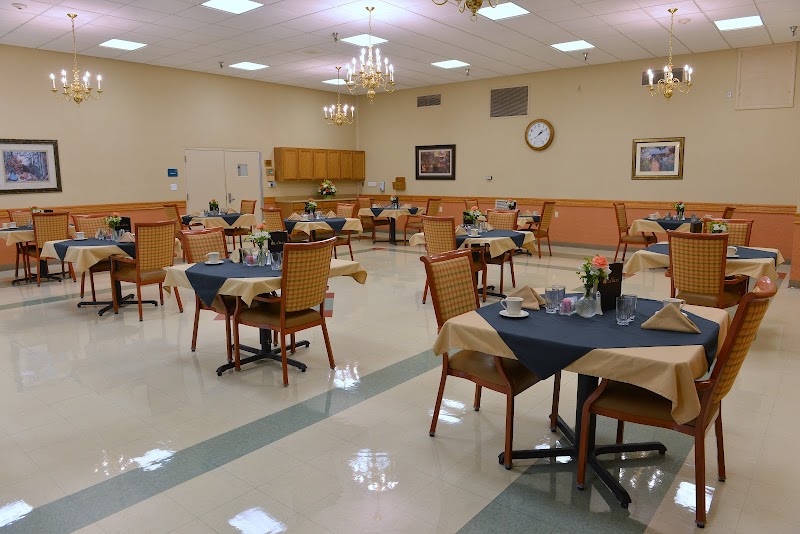
Who Owns and Operates Laurels Of Norworth The?

LAURELS OF NORWORTH THE is owned by a for-profit company. For-profit facilities operate as businesses with obligations to shareholders or private owners. The facility is operated by CIENA HEALTHCARE/LAUREL HEALTH CARE, a chain that manages multiple nursing homes. With 126 certified beds and approximately 110 residents (about 87% occupancy), it is a mid-sized facility located in WORTHINGTON, Ohio.
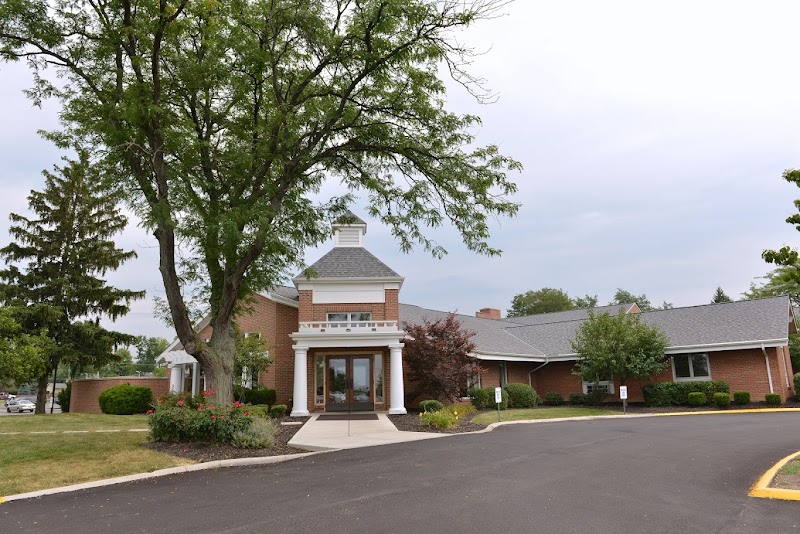
How Does Laurels Of Norworth The Compare to Other Ohio Nursing Homes?

Compared to the 100 nursing homes in Ohio, LAURELS OF NORWORTH THE's overall rating (2 stars) is below the state average of 3.2, staff turnover (26%) is significantly lower than the state average of 46%, and health inspection rating (2 stars) is below the national benchmark.

What Should Families Ask When Visiting Laurels Of Norworth The?

Based on this facility's data, families visiting should ask: "What changes have been made since the serious inspection findings, and how are you preventing similar issues?" "Can I visit during a mealtime to observe dining assistance and food quality?" "How do you handle medical emergencies, and what is your hospital transfer rate?" "Can I speak with family members of current residents about their experience?" These questions are particularly relevant given the facility's Immediate Jeopardy citations.

Is Laurels Of Norworth The Safe?

Based on CMS inspection data, LAURELS OF NORWORTH THE has documented safety concerns. Inspectors have issued 1 Immediate Jeopardy citation (the most serious violation level indicating risk of serious injury or death). The facility has a 2-star overall rating and ranks #100 of 100 nursing homes in Ohio. Families considering this facility should ask detailed questions about what corrective actions have been taken since these incidents.

Do Nurses at Laurels Of Norworth The Stick Around?

Staff at LAURELS OF NORWORTH THE tend to stick around. With a turnover rate of 26%, the facility is 20 percentage points below the Ohio average of 46%. Low turnover is a positive sign. It means caregivers have time to learn each resident's needs, medications, and personal preferences. Consistent staff also notice subtle changes in a resident's condition more quickly. Registered Nurse turnover is also low at 10%, meaning experienced RNs are available to handle complex medical needs.

Was Laurels Of Norworth The Ever Fined?

LAURELS OF NORWORTH THE has been fined $51,871 across 2 penalty actions. This is above the Ohio average of $33,598. Fines in this range indicate compliance issues significant enough for CMS to impose meaningful financial consequences. Common causes include delayed correction of deficiencies, repeat violations, or care failures affecting resident safety. Families should ask facility leadership what changes have been made since these penalties.

Is Laurels Of Norworth The on Any Federal Watch List?

LAURELS OF NORWORTH THE is not on any federal watch list. The most significant is the Special Focus Facility (SFF) program, which identifies the bottom 1% of nursing homes nationally based on persistent, serious quality problems. Not being on this list means the facility has avoided the pattern of deficiencies that triggers enhanced federal oversight. This is a positive indicator, though families should still review the facility's inspection history directly.