LAURELS OF WORTHINGTON, THE
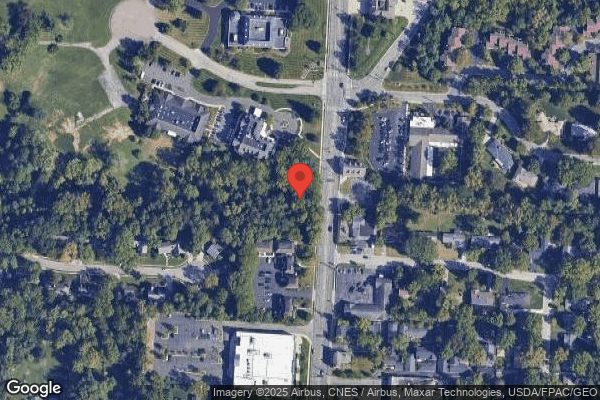
1030 HIGH ST, WORTHINGTON, OH 43085 (614) 885-0408
For profit - Corporation 95 Beds CIENA HEALTHCARE/LAUREL HEALTH CARE Data: November 2025
Trust Grade
63/100
#491 of 913 in OH
Last Inspection: November 2024

Within standard 12-15 month inspection cycle. Federal law requires annual inspections.

Overview

The Laurels of Worthington has a Trust Grade of C+, indicating that it is slightly above average but still has room for improvement. It ranks #491 out of 913 facilities in Ohio, placing it in the bottom half, but is #16 out of 56 in Franklin County, meaning only 15 local options are better. The facility's trend is improving, as it reduced its issues from 18 in 2024 to just 1 in 2025. Staffing is a strength here with a 4 out of 5-star rating and a turnover rate of 29%, which is significantly lower than the state average of 49%. While there are currently no fines on record, the facility has faced several concerns, including improper food storage practices that could affect the health of residents and failure to ensure staff wore appropriate personal protective equipment for COVID-19, potentially exposing other residents to the virus.

Trust Score
C+
63/100
In Ohio
#491/913
Bottom 47%
Safety Record
Low Risk
No red flags
Inspections
Getting Better
18 → 1 violations
Staff Stability
✓ Good
29% annual turnover. Excellent stability, 19 points below Ohio's 48% average. Staff who stay learn residents' needs.
Penalties
✓ Good
No fines on record. Clean compliance history, better than most Ohio facilities.
Skilled Nurses
○ Average
Each resident gets 34 minutes of Registered Nurse (RN) attention daily — about average for Ohio. RNs are the most trained staff who monitor for health changes.
Violations
⚠ Watch
36 deficiencies on record. Higher than average. Multiple issues found across inspections.
★★★☆☆
3.0
Overall Rating
★★★★☆
4.0
Staff Levels
★★★★★
5.0
Care Quality
★★☆☆☆
2.0
Inspection Score
Stable
2024: 18 issues
2025: 1 issues

The Good

  • 4-Star Staffing Rating · Above-average nurse staffing levels
  • 5-Star Quality Measures · Strong clinical quality outcomes
  • Low Staff Turnover (29%) · Staff stability means consistent care
  • Full Sprinkler Coverage · Fire safety systems throughout facility
  • No fines on record
  • Staff turnover is low (29%)

    19 points below Ohio average of 48%

Facility shows strength in staffing levels, quality measures, staff retention, fire safety.

The Bad

3-Star Overall Rating

Near Ohio average (3.2)

Meets federal standards, typical of most facilities

Chain: CIENA HEALTHCARE/LAUREL HEALTH CARE

Part of a multi-facility chain

Ask about local staffing decisions and management

The Ugly 36 deficiencies on record

Jul 2025 1 deficiency
CONCERN (E) 📢 Someone Reported This

A family member, employee, or ombudsman was alarmed enough to file a formal complaint

Potential for Harm - no one hurt, but risky conditions existed

Infection Control (Tag F0880)

Could have caused harm · This affected multiple residents

Based on record review, observation, interview and policy review, the facility failed to ensure staff wore appropriate personal protective equipment (PPE) when caring for residents with Covid 19 infec...

Read full inspector narrative →
Based on record review, observation, interview and policy review, the facility failed to ensure staff wore appropriate personal protective equipment (PPE) when caring for residents with Covid 19 infection. This affected five (Residents #13. #24, #40, #42 and #16) residents. The census was 90. Findings include:1. During an observation on 07/17/25 at 9:20 AM, Resident #13's room had two signs on the door, one for Enhance Barrier Precautions and one for Contact Isolation Precautions. There were four occupants in the room, Residents #13, #34, #40 and #42 . Residents #34, #40 and #42 were exposed to Resident #13, who was positive for Covid #19. Certified Nursing Assistant (CNA) #104 was taking care of Resident #40 and was wearing only a surgical mask, no other PPE. During an interview on 07/17/25 at 9:50 A.M., CNA #104 confirmed Resident #13 was the only resident with Covid 19 in his room. She should have been wearing a gown, face mask, N-95 and gloves due to the positive resident and the others were exposed to Covid 19. During an interview on 07/17/25 at 9:56 A.M., Infection Control Preventionist # 110 confirmed the droplet isolation sign should be the only sign on Resident #13's door and staff were to wear contact droplet isolation PPE when in Resident #13 room. 2. During an observation on 07/17/25 at 10:00 A.M., Licensed Practical Nurses (LPN) #106 and #202 donned a surgical mask, gloves and gown. They walked into Resident #16 room and closed the door. Th Infection Control Preventionist # 110 confirmed the nurses should have been wearing an N-95 mask, goggles or a face shield when giving care to Resident #16. Resident #6 tested positive for Covid 19 on 07/09/25. Review of facility policy titled Coronavirus (COVID 19), dated 02/28/25 , revealed appropriate measures will be utilized for the prevention and control of the Coronavirus (COVID 19) . All recommended COVID-19 PPE should be worn during care of residents under observation or Transmission Based Precautions , which include use of NIOSH approved N-95 mask or a higher-level respirator, eye protection (i.e. goggles or a face shield that covers the front and sides of the face) gloves and gown . This deficiency represents non-compliance investigated under Complaint Number 2563541
Nov 2024 16 deficiencies
CONCERN (D)

Potential for Harm - no one hurt, but risky conditions existed

Deficiency F0558 (Tag F0558)

Could have caused harm · This affected 1 resident

Based on observation, interview, and record review, the facility failed to ensure residents had access to call lights. This affected two (#5 and #58) of two residents reviewed for call lights. The fac...

Read full inspector narrative →
Based on observation, interview, and record review, the facility failed to ensure residents had access to call lights. This affected two (#5 and #58) of two residents reviewed for call lights. The facility census was 91. Findings included: 1. Review of medical record for Resident #5 revealed an admission date of 05/13/23. Diagnoses included congestive heart failure, congestive heart failure, and Alzheimer's disease. Review of the Minimum Date Set quarterly assessment, dated 08/20/24, revealed Resident #5 had a some cognitive impairment. Resident #5 was setup and clean up for meals; supervision and touching for oral care, toileting, bathing; and independent dressing with lower and upper body, placing shoes on and off, and personal hygiene. Review of plan of care dated 08/20/24 revealed Resident #5 was deaf and hard to hear you. Resident #5 was also incontinent and required every two hours incontinence care. Observation on 10/31/24 at 2:00 P.M., with Resident #5 who was lying in bed, and the call light was not in reach. The call light was observed wrapped around the bed post, and the resident was unable to reach call light. Interview on 10/31/24 at 2:05 P.M., with State Tested Nurse Aide (STNA) #123 verified Resident #5 did not have her call light in reach. 2. Review of medical record for Resident #58 revealed an admission date of 03/08/23. Diagnoses included dementia, chronic obstructive pulmonary disease, and idiopathic epileptic. Review of Quarterly Minimum Data Set assessment, dated 06/19/24, revealed Resident #58 was severely cognitively impaired. Review of required assistance revealed Resident #58 was independent with meals; setup and clean up assistance for oral care, toileting hygiene; supervision and touching for bathing, personal hygiene, putting on and off shoes, dressing lower body, and dressing upper body. Review of plan of care dated 09/17/24 revealed Resident #58 had functional ability deficit and required assistance with self-care mobility related to having unsteady gait without support, confusion, dementia, chronic pulmonary disease, and periods of shortness of breath. Interventions included allow adequate time for completion of tasks, attempt to use consistent routines as much as possible, break task into smaller subtasks as needed, explain all procedures and tasks before starting, report all refusals, and call light within reach. Observation on 10/31/24 at 2:10 P.M., with Resident #58 who was lying in bed, and the call light was not in reach. The call light was wrapped around the bed post, and the resident was unable to reach call light. Interview on 10/31/24 at 2:10 P.M. ,with STNA #123 verified Resident #58 did not have her call light in reach.
CONCERN (D)

Potential for Harm - no one hurt, but risky conditions existed

Notification of Changes (Tag F0580)

Could have caused harm · This affected 1 resident

**NOTE- TERMS IN BRACKETS HAVE BEEN EDITED TO PROTECT CONFIDENTIALITY** Based on medical record review, staff interview, and facility policy review, the facility failed to ensure one resident's (#42) ...

Read full inspector narrative →
**NOTE- TERMS IN BRACKETS HAVE BEEN EDITED TO PROTECT CONFIDENTIALITY** Based on medical record review, staff interview, and facility policy review, the facility failed to ensure one resident's (#42) guardian was notified of a change in condition and new medication order. This affected one (Resident #42) of 21 residents reviewed for notification of change. The facility census was 91. Findings include: Review of the medical record for Resident #42 revealed an initial admission date of 01/11/24 with the diagnoses including memory deficit following cerebral infarct. Review of the quarterly Minimum Data Set (MDS) assessment dated [DATE] revealed Resident #42 had a moderate cognitive deficit. Review of the Nurse Practitioner (NP) progress note dated 10/10/24 revealed Resident #42 complained of pain with urination for two days. The NP ordered a complete blood count (CBC), urinalysis and culture and sensitivity (UA/C&S) and if leukocytes were positive she would be treated for a urinary tract infection (UTI). Review of the UA/C&S revealed the resident's urine was cloudy, was positive for nitrates and had a large amount of leukocytes. The culture grew 50,000 to 100,000 klebsiella oxytoca. Review of the resident's discontinued physician orders revealed an order dated 10/14/24 for Cipro (a medication used to treat infections) 250 milligrams (mg) by mouth every 12 hours for five days for UTI. There was no documented evidence the resident's guardian was notified of the change in condition and the new medication Cipro 250 mg was ordered. On 10/29/24 at 2:16 P.M., an interview with the Director of Nursing (DON) verified the resident's guardian was not notified of the resident's change in condition or new medication order to treat the UTI. Review of the facility policy titled Notification of Change, last revised on 02/14/24 revealed the facility must inform the resident, consult with the resident's practitioner and notify the resident's representative when there is a change in status. A change in status would include a need to alter treatment significantly and a significant change in the resident's physical, mental or psychosocial status. Changes in the resident's status, including but not limited to those identified above or any unusual occurrence, the licensed nurse will notify the resident attending practitioner. Any new orders or directives will be implemented by the licensed nurse. Changes in the resident status, including but not limited to those identified above or any unusual occurrences the licensed nurse will notify the resident's representative unless otherwise dictated by the resident. The licensed nurse will document in the resident's electronic medical record the notification and the information that was provided including any additional orders from the practitioner.
CONCERN (D)

Potential for Harm - no one hurt, but risky conditions existed

Deficiency F0687 (Tag F0687)

Could have caused harm · This affected 1 resident

**NOTE- TERMS IN BRACKETS HAVE BEEN EDITED TO PROTECT CONFIDENTIALITY** Based on observation, family and staff interview, and record review, the facility failed to arrange podiatry services for Reside...

Read full inspector narrative →
**NOTE- TERMS IN BRACKETS HAVE BEEN EDITED TO PROTECT CONFIDENTIALITY** Based on observation, family and staff interview, and record review, the facility failed to arrange podiatry services for Resident #61. This affected one (#61) of seven residents reviewed for activities of daily living. The facility census was 91. Findings include: Review of Resident #61's medical record revealed an admission date of 06/28/24 with diagnoses including dementia, chronic kidney disease, schizoaffective disorder, osteoarthritis, muscle weakness. Review of Resident #61's quarterly Minimum Data Set (MDS) 3.0 assessment dated [DATE] revealed the resident was rarely or never understood. Review of Resident #61's physician order dated 06/26/24 revealed an order for podiatry evaluation and treatment as indicated. Review of Resident #61's medical record revealed it was absent for ancillary consents or evidence of podiatry consult. Interview on 10/28/24 at 2:01 P.M. with Resident #61's family revealed he had wanted Resident #61 to be seen by the podiatrist. He reported his toenails were long enough that it was rubbing on the sheets. He reported the resident also had corns to his feet that he wanted taken care of. Observation on 10/29/24 at 1:45 P.M. of Resident #61 revealed he had long, dry, and crumbly nails. Interview on 10/30/24 at 10:51 A.M. with the Director of Social Services (DSS) #106 reported usually residents were offered ancillary services upon admission. The son had not previously signed a consent for ancillary services. However, she verified there was no documentation to indicate Resident #61's son had been offered ancillary services. DSS #106 confirmed Resident #61 had not seen the podiatrist.
CONCERN (D)

Potential for Harm - no one hurt, but risky conditions existed

Deficiency F0688 (Tag F0688)

Could have caused harm · This affected 1 resident

**NOTE- TERMS IN BRACKETS HAVE BEEN EDITED TO PROTECT CONFIDENTIALITY** 2. Review of Resident #55's medical record revealed an admission date of 01/07/22, with diagnoses: including Alzheimer's disease...

Read full inspector narrative →
**NOTE- TERMS IN BRACKETS HAVE BEEN EDITED TO PROTECT CONFIDENTIALITY** 2. Review of Resident #55's medical record revealed an admission date of 01/07/22, with diagnoses: including Alzheimer's disease, depression, paranoid personality disorder, dysphagia, and adult failure to thrive. Review of Resident #55's quarterly Minimum Data Set (MDS) assessment dated [DATE] revealed she was rarely or never understood. She had an upper and lower extremity impairment on both sides. Review of Resident #55's occupational therapy Discharge summary dated [DATE] revealed the resident had a goal of a resting hand splint on left hand or wrist for four hours a day with staff education provided for carry over to decrease risk of joint issues. She met this goal on 10/23/23. The discharge recommendation included a splint and brace program of a resting hand splint to the left upper extremity for three hours. Review of Resident #55's orders and progress notes from 10/26/23 to 05/14/24 revealed no mention of a resting hand splint. Review of Resident #55's occupational therapy Discharge summary dated [DATE] revealed the resident had a goal of tolerating left hand and elbow splint two hours per day to decrease risk of further joint stiffness. She met this goal on 05/09/24 wearing them on her left upper extremity. The discharge recommendation revealed staff was educated on elbow and hand splints for two-hour wear schedule for each. Review of Resident #55's orders and progress notes from 05/14/24 to 10/28/24 revealed no mention of a hand or elbow splint. Review of Resident #55's physician's orders from October 2023 to October 2024 revealed no evidence of orders of a splint or hand brace to the left upper extremity. Review of Resident #55's plan of care on 10/28/24 revealed it did not address contracture's or limited range of motion in her left upper extremity. It did not address the need for splints or braces for her upper extremities. Observation on 10/28/24 at 11:18 A.M. and 1:40 P.M. and on 10/29/24 at 10:50 A.M. and 12:26 P.M., revealed Resident #55's left hand was contracted in a tight fist. She did not have a hand or elbow splint on. Interview and observation on 10/29/24 at 1:46 P.M., with Unit Manager #210 verified Resident #55's left hand was contracted. Resident #55's left hand was bent forward at the wrist and her fingers were clenched tight against her hand. Resident #55 pulled back her hand when Unit Manager #210 asked to open it. Unit Manager #210 reported the resident had a history of being noncompliant with splints but was unsure if therapy was currently implementing splints. Interview on 10/29/24 at 3:14 P.M., with Unit Manager #210 verified Resident #55's contracture was not mentioned in the medical record nor any documentation that the splint had ever been tried. Interview on 10/29/24 at 3:22 P.M., with Therapy Director #226 verified a splint had been recommended for Resident #55 on 05/14/24. She reported the aides had received training for the splints but were uncomfortable using it because of the resident's inability to give feedback. She reported they had agreed to discontinue the splint but verified it was not documented anywhere. When asked what they were doing to prevent the hand contracture from getting worse she reported they were protecting the skin and screening with therapy. Interview on 10/30/24 at 3:34 P.M., with Occupational Therapist (TO) #220, Therapy Director #226, Unit Manager #210, and the Director of Nursing (DON) and observation of Resident #55 revealed with time, stretching, rubbing muscles, TO #220 was able to stretch Resident #55's arm out, extend her elbow, and flex her wrist. She did not extend Resident #55's middle three fingers which she called 'swan-necked'. Resident #55 had been reevaluated by TO #220 on that day and she was going to implement another splint. Staff verified there had never been any documentation nursing followed up on TO #220's recommendations to implement a splint. Based on observation, medical record review and staff interview, the facility failed to ensure residents with contractures were provided splints and/or palm protectors to prevent worsening of contractures. This affected two (#1 and #55) of two residents reviewed for range of motion. The facility census was 91. Findings include: 1. Review of the medical record for Resident #1 revealed an initial admission date of 04/28/22 with the latest readmission of 10/28/23. Diagnoses included cerebrovascular accident (CVA) with right sided hemiplegia, dysarthria, aphasia, vascular dementia, chronic kidney disease, adult failure to thrive, atopic and schizoaffective disorder. Review of the plan of care dated 10/26/23 revealed Resident #1 had a functional ability deficit and required assistance with self care/mobility related to effects of CVA, dementia, non-ambulatory, right sided weakness, right sided neglect, poor trunk control confusion, bowel and bladder incontinence and can get agitated during care giving. Interventions included attempt to use consistent routines as much as possible, break task into smaller subtasks, encourage resident to use call light to call for assistance, encourage to participate in self-care as much as able, provide positive reinforcement for all activities attempted, praise resident for all efforts and accomplishments, explain all procedures/tasks before starting, keep finger nails trimmed and clean, palm protector to right hand when splint not worn, check skin before and after apply/removing, therapy treatment when ordered, refer to therapy plan of care for additional information as needed, right resting elbow splint to be donned when right resident hand splint is not donned (one to two hours for each splint) check skin before and after applying/removing, provide assistance devices wheelchair and bilateral half side rails for mobility. Review of the quarterly Minimum Data Set (MDS) assessment dated [DATE] revealed Resident #1 had a severe cognitive deficit. Resident #1 displayed verbal behaviors directed towards others. Resident #1 had impaired functional limitation in range of motion (ROM) on one side of the upper extremity. Review of the resident's monthly physician orders for October 2024 identified orders dated 08/02/23 for a splint to right hand and right elbow daily for two hours as tolerated every shift, skin check before and after applying splints daily and palm protector to right hand when splint not on. Observation on 10/28/24 at 9:59 A.M., revealed Resident #1's right hand was contracted with no splint or palm protector to prevent further contracture. Interview on 10/29/24 at 1:24 P.M., with Registered Nurse (RN) #125 revealed the resident refuses to wear the palm protector at times and will yell out when it is in place. RN #125 verified the medical record contained no documented evidence the resident refused the palm protector at the time of the interview. Observation on 10/29/24 at 1:28 P.M., of Resident#1's room revealed the splint was in the resident's second drawer of the night stand and the resident had no palm protector available in her room. Interview on 10/29/24 at 1:38 P.M., with State Tested Nursing Assistant (STNA) #128 and #209 revealed they were assigned to provide the resident's care. STNA #128 and #209 revealed they were unsure if the resident had a splint or palm protector and would have to look in her room. Further interview with STNA #128 and #209 revealed therapy applies and removes all splints in the facility. Interview on 10/29/24 at 1:48 P.M., with Occupational Therapist (TO) #220 revealed once the resident was discharged from therapy services, the nursing staff were educated on the application and removal of splints. TO #220 verified Resident #1 was discharged from therapy with an order for the placement of the splint and palm protector when the splint is not in place. Interview on 10/29/24 with the Director of Nursing revealed the facility does not have a splint/brace policy.
CONCERN (D)

Potential for Harm - no one hurt, but risky conditions existed

Accident Prevention (Tag F0689)

Could have caused harm · This affected 1 resident

Based on observation, staff interview, medical record,review and policy review, the faciliy failed to have fall interventions in place for a resident who was at risk for falls. This affected one (63) ...

Read full inspector narrative →
Based on observation, staff interview, medical record,review and policy review, the faciliy failed to have fall interventions in place for a resident who was at risk for falls. This affected one (63) of one resident reviewed for fall interventions. The facility census was 91. Findings include: Review of medical record for Resident #63 revealed an admission date 05/11/23. Diagnoses included cerebral aneurysm, dementia, schizoaffective disorder, and epilepsy. Review of Quarterly Minimum Data Set date 07/22/24 revealed Resident #63 revealed the resident was severely cognitively impaired. Resident #63 required substantial maximal assistance oral care, toileting hygiene, personal hygiene, dressing upper and lower body, oral care, and bathing. Review of plan of care dated 10/22/24 revealed Resident #63 was at risk for risk for falls related to confusion, dementia, with poor safety awareness, non-ambulatory, antidepressant medication, restlessness, servers' impulsiveness, and lowers to herself to the floor on purpose. Interventions included administer meds, anticipate all needs, dose reduction will be attempted as appropriate, encourage resident to wear non-skid footwear when out of bed, and as needed. Keep the resident's environment free of clutter and safe, lock wheels on Geri chair, mattress with bolsters to bed to help define bed boundaries, may have one side of bed against the wall, provide clean eyeglasses daily. Observation on 10/29/24 at 2:39 P.M. with State Tested Nurse Aide (STNA) #128, revealed Resident #63 was in her chair and did not have non-skid socks on. Interview with STNA #128 at the time of the observation, verified Resident #63 did not have non-skid socks on. Interview at the time of the observation, with Unit Manager #210 verfiied Resident #63 did not have her non skid socks on and and stated she was a fall risk. Observation on 10/30/24 at 12:11 P.M. with Resident #63 who was sitting at the dining room table in her Broda chair. Resident #63 had regular socks on only. Interview on 10/30/24 at 12:25 P.M., with STNA #198 verified Resident #63 only had regular socks on her feet. STNA #198 verified Resident #63 did not have her non-skid socks on her feet. Review of the policy titled Fall Management, dated 09/22/23, revealed the facility was to provide each resident in assisted in attaining and maintain his or her highest practical level of function by providing the resident adequate supervision, assistive devices, and or functional programs as appropriate to minimize the risk for falls.
CONCERN (D)

Potential for Harm - no one hurt, but risky conditions existed

Incontinence Care (Tag F0690)

Could have caused harm · This affected 1 resident

**NOTE- TERMS IN BRACKETS HAVE BEEN EDITED TO PROTECT CONFIDENTIALITY** Based on observation, staff interview, record review, and review of policies, the facility failed to provide timely incontinence...

Read full inspector narrative →
**NOTE- TERMS IN BRACKETS HAVE BEEN EDITED TO PROTECT CONFIDENTIALITY** Based on observation, staff interview, record review, and review of policies, the facility failed to provide timely incontinence care for a resident dependent on staff for care. This affected one (#72) of one resident reviewed for incontinence care. The facility census was 91. Findings include: Review of medical record revealed Resident #72 was admit date [DATE]. Diagnoses included Alzheimer's disease, overactive bladder, and major depressive disorder. Review of Minimum Data Set, dated [DATE] revealed Resident #72 indicated th resident was severely cognitively impaired. Resident #72 required dependent during meals, oral care, toileting hygiene, bathing, putting on and off shoes, and personal hygiene. Review of plan of care dated 10/16/24 revealed Resident #72 was at risk for impaired skin integrity/pressure injury related to non-ambulatory, frequent bowel and bladder incontinence, confusion to skin needs, poor bed mobility, performance, and weight loss. Interventions included conduct weekly head to toe skin assessments, dietary consult, nutritional supplement per orders, observe skin with showers, and provide diet as ordered. Observation randomly on 10/30/24 from 9:05 A.M. through 1:34 P.M., revealed Resident #72 was not provided any personal care, including incontinence care. At 1:35 P.M., State Tested Nurse Aides (STNA) #168 and STNA #123 were observed to provide incontinent care for Resident #72. Interview on 10/3024 at 1:40 P.M., with STNA #123 verified Resident #72 was moderate saturated of urine in his incontinent brief. STNA #123 stated Resident #72 was not checked and changed timely, since she had provided care before 9:00 A.M. this morning. Review of the policy titled Routine Resident Care, dated 03/07/23, revealed residents receive the necessary distance to maintain good grooming and personal/oral hygiene. Incontinence care was provided timely in according to each resident's needs. Review of the policy titled Standards of Certified Nurse Aide/State Tested Nurse Aide Practice, dated 08/15/23, revealed the Certified Nurse Aide/State Tested Nurse Aide makes routine rounds to check each resident assigned resident's condition and ensure their needs are met.
CONCERN (D)

Potential for Harm - no one hurt, but risky conditions existed

Deficiency F0691 (Tag F0691)

Could have caused harm · This affected 1 resident

Based on observation, medical record review, resident interview, and staff interview, the facility failed to ensure a resident had colostomy supplies available for self care. This affected one (#147) ...

Read full inspector narrative →
Based on observation, medical record review, resident interview, and staff interview, the facility failed to ensure a resident had colostomy supplies available for self care. This affected one (#147) of one resident reviewed for colostomy care. The faciliy census was 91. Findings include: Review of Resident #147's medical record revealed an admission date of 10/17/24, with diagnoses including: surgical aftercare following surgery on the digestive system, acute gastric ulcer with hemorrhage, iron deficiency anemia secondary to blood loss (chronic), chronic diastolic (congestive) heart failure, hypertension (HTN), primary pulmonary hypertension, paroxysmal atrial fibrillation (AFIB), atherosclerotic heart disease of native coronary artery without angina pectoris without angina, ischemic cardiomyopathy, chronic kidney disease stage 3, primary general osteoarthritis, osteoporosis, disorders of bone density and structure multiple sites, attention to colostomy, personal history of malignant neoplasm, and rectal prolapse. Review of the care plan for Resident #172 revealed At risk for potential complications related to new colostomy: altered elimination pattern, altered body image, fluid imbalance, skin breakdown and pain. Date initiate: 10/17/24. Resident #172 will have adequate bowel function via ostomy through the review date. Interventions included: Administer medications as ordered. Observe for ineffectiveness and side effects, report abnormal finding to the physician. Allow resident to verbalize feelings regarding change in body image. Refer for counseling if needed. Change colostomy bag as needed. Check for proper fit of colostomy bag to stoma. Educate resident/family/care giver regarding ostomy function and care. Educate resident/family/caregiver on how to change colostomy bag as needed and observe return demonstration. Empty colostomy bag every shift and as needed. Observe for air in the colostomy bag frequently and release as needed. Date these interventions initiated: 10/18/24. Observation on 10/28/24 at 3:42 P.M., revealed Resident #147 seated on the bedside attempting to empty her colostomy bag of air and stool. A strong odor of feces was noted in the hallway. Resident #147 was not wearing gloves during the task, and was observed to have feces on her fingers, lap, and shirt. Interview on 10/28/24 at 3:50 P.M., with Resident #147 confirmed she was attempting to perform self-care with her colostomy, staff keep supplies in the drawers of her bedside table, because she preferred to perform colostomy care at the bedside. Resident #147 opened the drawers to reveal no colostomy care supplies were available. Interview on 10/28/24 at 3:56 P.M., with Registered Nurse (RN) #172 confirmed Resident #147 had been educated on how to care for her colostomy, and is caring for her colostomy on her own as much as possible. RN #172 confirmed there were no colostomy care supplies available for Resident #172 at the bedside.
CONCERN (D)

Potential for Harm - no one hurt, but risky conditions existed

Deficiency F0698 (Tag F0698)

Could have caused harm · This affected 1 resident

**NOTE- TERMS IN BRACKETS HAVE BEEN EDITED TO PROTECT CONFIDENTIALITY** Based on medical record review, staff interview, and policy review, the facility failed to ensure daily weights were obtained an...

Read full inspector narrative →
**NOTE- TERMS IN BRACKETS HAVE BEEN EDITED TO PROTECT CONFIDENTIALITY** Based on medical record review, staff interview, and policy review, the facility failed to ensure daily weights were obtained and post dialysis communication forms were returned to the facility following dialysis. This affected one (#18) of one resident reviewed for dialysis. The facility census was 91. Findings include: Review of the medical record for Resident #18 revealed an initial admission date of 04/04/24, with the diagnoses including: surgical aftercare following surgery on the skin and subcutaneous tissue, peripheral venous insufficiency, end stage renal failure (ESRD), dependence on renal dialysis, hypertension, diabetes mellitus, hyperlipidemia, anemia, polyneuropathy, hyperparathyroidism, and depressive disorder. Review of the plan of care dated 04/04/24 revealed the resident was at risk for hypovolemia related to dialysis related to ESRD and calls dialysis center and cancels appointments two to three times a month. Inventions included check bruit/thrill per facility policy, notify physician if not detected, check vital signs post dialysis, do not draw blood or take blood pressure in left arm, encourage her to go to hemodialysis as scheduled, instruct her on the negative outcomes if she continues to cancel sessions, encourage resident to avoid salt substitutes high in potassium as needed, obtain daily weights as ordered, notify physician of weight changes per physician ordered parameters, upon return from the dialysis center observe the resident's access site and obtain vital signs, document findings in the medical record and report abnormal findings to the physician, medications as ordered, Nepro supplement per orders, observe dialysis site for signs/symptoms of infection, observe for fatigue and encourage frequent rest periods as needed, observe for signs/symptoms of infection to access site, observe for signs of anemia or uremia and notify physician for treatment as needed, observe for signs of fluid retention, observe for signs/symptoms of bleeding, observe skin for sings of pruritis or being dry or scaly and apply lotion as needed, labs as ordered, provide diet as ordered, receives dialysis Monday, Wednesday and Friday at 11:00 A.M., refer to dietician as needed, takes bag lunch to dialysis and weight per order as needed. Review of the resident's quarterly Minimum Data Set (MDS) assessment dated [DATE] revealed the resident had no cognitive deficit. The assessment indicated the resident received dialysis. Review of the resident's monthly physician orders for October 2024 identified orders dated 04/05/24, to check vital signs post dialysis on Monday, Wednesday, Friday; daily weight at 6 A.M. for dialysis weight; an order dated 04/09/24, to monitor Left AV fistula for positive bruit and thrill every shift for monitoring; no blood pressure in left arm; an order dated 09/23/24, for hemodialysis every Monday, Wednesday, Friday; check bruit and thrill every shift and observe fistula/graft site for thrombosis, bleeding, stenosis, infection, Steal Syndrome, and aneurysm every shift. Review of the resident's daily weights revealed the facility failed to obtained the physician ordered resident's weight at 6:00 A.M., on the following dates: 04/06/24, 04/10/24, 04/29/24, 05/13/24, 05/14/24, 05/15/24, 05/23/24, 05/29/24, 05/30/24, 07/10/24, 07/16/24, 07/28/24, 07/31/24, 08/07/24, 08/23/24 and 08/28/24. Review of the resident's medical record revealed no post dialysis communication forms for the following dates: 04/05/24, 04/08/24, 04/10/24, 04/12/24, 04/15/24, 04/17/24, 04/19/24, 04/22/24, 04/24/24, 04/26/24, 04/29/24, 05/01/24, 05/03/24, 05/06/24, 05/08/24, 05/10/24, 05/15/24, 05/17/24, 05/20/24, 05/22/24, 05/24/24, 05/27/24, 05/29/24, 05/31/24, 06/03/24, 06/05/24, 06/07/24, 06/10/24, 06/12/24, 06/14/24, 06/17/24, 06/19/24, 06/21/24, 06/24/24, 06/26/24, 06/28/24, 07/01/24, 07/03/24, 07/05/24, 07/08/24, 07/10/24, 07/12/24, 07/15/24, 07/17/24, 07/19/24, 07/22/24, 07/24/24, 07/26/24, 07/29/24, 07/31/24, 08/02/24, 08/05/24, 08/07/24, 08/09/24, 08/12/24, 08/14/24, 08/16/24, 08/19/24, 08/21/24, 08/23/24, 08/26/24, 08/28/24, 09/02/24, 09/04/24, 09/06/24, 09/11/24, 09/13/24, 09/16/24, 09/18/24, 09/20/24, 09/23/24, 09/30/24, 10/04/24, 10/18/24, 10/21/24 and 10/23/24. Interview on 10/31/24 at 12:49 P.M., with the Director of Nursing (DON) verified the daily dialysis physician ordered weights were not obtained on the listed dates and the facility had no documented evidence of the post dialysis communication forms listed. Review of the policy titled, Hemodialysis, last revised on 09/26/23, revealed the facility completes the appropriate section of the hemodialysis communication form prior to the resident receiving each dialysis session and again when the resident returns from hemodialysis.
CONCERN (D)

Potential for Harm - no one hurt, but risky conditions existed

Deficiency F0699 (Tag F0699)

Could have caused harm · This affected 1 resident

**NOTE- TERMS IN BRACKETS HAVE BEEN EDITED TO PROTECT CONFIDENTIALITY** Based on observation, resident interview, staff interview and record review, the facility failed to ensure residents who are tra...

Read full inspector narrative →
**NOTE- TERMS IN BRACKETS HAVE BEEN EDITED TO PROTECT CONFIDENTIALITY** Based on observation, resident interview, staff interview and record review, the facility failed to ensure residents who are trauma survivors receive culturally competent, trauma-informed care that accounts for the resident's experiences and preferences in order to eliminate or lessen the severity of triggers that lead to retraumatization for the resident. This affected one (#41) of one resident reviewed for trauma-informed care. The facility census was 91. Finding include: Review of Resident #41's medical record revealed an admission date of 07/25/24, with diagnoses including: post traumatic stress disorder (PTSD), type two diabetes mellitus (DM), peripheral vascular disease (PVD), focal traumatic brain injury without loss of consciousness, history of falling, diabetic foot ulcer, non-pressure chronic ulcer of right heel and midfoot with necrosis of muscle, venous insufficiency, chronic kidney disease (CKD), obesity, hyperlipidemia, anemia, hypothyroidism, adjustment disorder with mixed anxiety and depressed mood. Observation on 10/28/24 at 1:42 P.M., revealed Resident #41 became tearful and sad during an interview related to his time spent serving as a medic in the military during the Vietnam war. Interview with Resident #41 on 10/28/24 at 1:42 P.M., confirmed the time spent serving in the Vietnam war was traumatizing for Resident #41 and resulted in treatment by a mental health provider for nightmares, prior to admission to the facility. Resident #41 stated he had a 31 day stay in a mental health facility in 1970 due to nightmares about the Vietnam war and the things he saw there, including loosing four of his friends. Resident #41 stated that the death of his wife in 2023 re-triggered the nightmares and the sadness he had felt in 1970. Review of the discharge paperwork from Ohio Health dated 07/21/24 revealed the diagnosis of PTSD was included in his discharge diagnosis list from the hospital prior to admission to the skilled facility. Review of the physician's progress note dated 10/14/24 at 4:42 A.M., revealed the provider included in her note the diagnosis of PTSD. Review of the nurse practioner's note dated 10/15/24 at 6:15 P.M., revealed the provider included in her note the diagnosis of PTSD. Review of the care plan, orders, diagnosis list, and MDS on 10/28/24 at 1:42 P.M. revealed no evidence of trauma-informed care (monitoring for triggers, re-traumatizing events, psychological consultation) or treatment of PTSD for Resident #41. Interview on 10/29/24 at 2:25 P.M., with the Director of Nursing (DON) confirmed Resident #41 was offered psych services but declined, and the medical record contained no documented evidence of trauma-informed care related to Resident #41's PTSD diagnosis. Interview on 10/30/24 at 8:51 A.M., with the DON confirmed the PTSD diagnosis was not included on the admission diagnosis list, and that there was no care plan or monitoring orders for Resident #41's PTSD, and no interventions or evaluations regarding triggers and monitoring. The DON stated the social worker was new at the time of Resident #41's admission, and while she completed the PTSD evaluation, she did not follow the correct procedure for documentation. The DON confirmed Resident #41 was admitted on [DATE] and didn't have an initial psych evaluation with Viaquest until 08/12/24, and Resident #41 still has ongoing triggers related to his time spent in Vietnam, and the passing of his wife.
CONCERN (D)

Potential for Harm - no one hurt, but risky conditions existed

Deficiency F0757 (Tag F0757)

Could have caused harm · This affected 1 resident

Based on record review and staff interview, the facility failed to ensure monitoring for adverse reactions/side effects related to the use of anticoagulants, diuretics, and/or insulin. This affected t...

Read full inspector narrative →
Based on record review and staff interview, the facility failed to ensure monitoring for adverse reactions/side effects related to the use of anticoagulants, diuretics, and/or insulin. This affected two (#36 and #82) of two residents reviewed for unnecessary medication use. The facility census was 91. Findings include: 1. Review of Resident #36's medical record revealed an admission date of 11/13/20, with diagnoses including: Cerebral vascular accident (CVA), hemiplegia/hemiparesis right dominant side, dysphagia, aortic stenosis, hypertension (HTN), atrial fibrillation (AFIB), type two diabetes mellitus (DM), congestive heart failure (CHF), hyperlipidemia, contracture left ankle, generalized anxiety disorder (GAD), moderate intellectual disabilities, gastroesophageal reflux disease (GERD), recurrent depressive disorder, and contracture of right ankle/foot. Review of the monthly physician's orders for Resident #36 dated October 2024 revealed orders for: apixaban tablet five milligrams (mg), give one tablet by mouth two times a day for CVA; aspirin (ASA) tablet, chewable, 81 mg, give one tablet by mouth one time a day for heart supplement. basaglar Kwikpen 100 units/milliliter (ml), inject 33 units subcutaneously at bedtime for diabetes; lasix 40 mg, give one tablet by mouth one time a day for CHF; and tradjenta five mg, give one tablet by mouth one time a day for DM. The physician's orders contained no direction for monitoring related to adverse reactions/side effects related to the use of anticoagulants, diuretics, and/or insulin for Resident #36. Review of the care plan for Resident #36 revealed at risk for abnormal bleeding/bruising related to anticoagulant medication use for AFIB and ASA use for CVA. Resident #36 will have no signs of active bleeding through next review. Interventions: Administer medications as ordered. Observe for ineffectiveness and side effects, report abnormal findings to the physician. Date initiated 03/15/22. Observe and report to physician as needed (PRN) signs/symptoms of complications: Blood tinged/frank blood in urine, black tarry stools, dark or bright red blood in stools, sudden severe blurred vision, shortness of breath (SOB), loss of appetite, sudden changes in mental status, significant or sudden changes in vital signs, bleeding gums, petechiae (tiny round brown-purple spots due to bleeding under the skin), back or abdominal pain, and nosebleeds. Date initiated: 03/15/22. Review of the care plan for Resident #36 revealed at risk for dehydration due to Lasix (a diuretic, also called a water pill, commonly used to treat swelling by removing excess water from the body) use. Resident #36 will be free of any discomfort or adverse side effects of diuretic therapy through the review date. Interventions: Observe and report to the physician PRN signs/symptoms of dehydration: Decreased or no urine output, concentrated urine, strong odor, tenting skin, cracked lips, furrowed tongue, new onset confusion, dizziness on sitting/standing, increased pulse, headache, fatigue/weakness, dizziness, fever, thirst, recent/sudden weight loss, dry/sunken eyes. Date initiated: 04/12/24. Review of the care plan for Resident #36 revealed at risk for fluctuation in blood sugar levels related to insulin dependent diabetes mellitus (IDDM). Resident #36 will have no complications related to diabetes through the review date. Interventions: Observe for signs/symptoms of hyperglycemia: Increased thirst and appetite, frequent urination, weight loss, fatigue, dry skin, poor wound healing, muscle cramps, abdominal pain, Kussmaul breathing, acetone breath (smells fruity), stupor, coma. Report abnormal findings to the physician. Observe for signs/symptoms of hypoglycemia: Sweating, tremor, tachycardia (increased heart rate), staggering gait, pallor, nervousness, confusion, slurred speech, lack of coordination. Report abnormal findings to the physician. Date initiated: 05/20/21. Interview on 10/31/24 at 3:51 P.M., with the Director of Nursing confirmed the facility has no documentation of monitoring for side effects related to the use of anticoagulants, diuretics, and/or insulin for Resident #36. 2. Review of Resident #82's medical record revealed an admission date of 05/29/24, with diagnoses including: fracture of fifth lumbar vertebra, spinal stenosis (lumbar), chronic obstructive pulmonary disease (COPD), hypertension (HTN), depression, anxiety disorder, nicotine dependence, dorsalgia, constipation, cervicalgia, and low back pain. Review of the physician's orders for Resident #82 revealed order for Oxycodone Hydrochloride (HCL) oral tablet 10 milligrams (mg), give 1 tablet by mouth every six hours as needed for chronic neck and back pain. Ordered 09/24/24. Tylenol oral tablet 325 mg, give two tablets by mouth every six hours as needed for pain. Ordered 08/15/24. Review of the medication administration records (MARs) for September 2024, and October 2024, revealed nursing staff were administering both Tylenol and Oxycodone for pain, at various pain levels on the 1/10 pain scale with no parameters attached to the orders to designate which medication to administer for Resident #82's reported pain level. Non-pharmalogical interventions were inconsistently used. Review of the care plan for Resident #82 revealed Resident #82 has pain in back and neck which may interfere with her activities of daily living (ADL) performance, mood, and sleep. Acceptable level of pain: 0/10. Date initiated: 05/30/24. Resident #82 will state pain is at an acceptable level of: 0 on a scale of 0-10 daily through next review. Date initiated: 06/11/24. Interventions for pain included: Administer medications as ordered. Observe for ineffectiveness and side effects, report abnormal finding to the physician. Anticipate resident's need for pain relief as needed (PRN) and respond immediately to any complaint of pain. Evaluate characteristics of pain on a scale of 0-10. Evaluate the effectiveness of pain interventions as given. Review for compliance, alleviating of symptoms, dosing schedules and resident satisfaction with results, impact on functional ability and impact on cognition as needed. Notify physician if interventions are unsuccessful or if current complaint is a significant change from residents past experience of pain. Observe and report changes in usual routine, sleep patterns, decrease in functional abilities, decreased range of motion (ROM), withdrawal or resistance to care. Observe for pain presence every shift. Observe for side effects of pain medication. Observe for constipation, new onset or increased agitation, restlessness, confusion, hallucinations, dysphoria, nausea, vomiting, dizziness and falls. Report occurrences to the physician. Observe/record: Loss of appetite, choice not to eat and weight loss. Report abnormal findings to the physician. Observe/record: Resident complaints of pain or requests for pain treatment. Offer Non-Pharmacological Interventions: 1) Massage; 2) Meditation/Relaxation; 3) Positioning; 4) Ice/cold pack; 5)Diversional Activity; 6) Rest; 7) Social Interaction. Report to Nurse any change in usual activity attendance patterns or refusal to attend activities related to signs/symptoms or complaints of pain or discomfort. Date these interventions initiated: 05/30/24. Interview on 10/30/24 at 9:49 A.M., with Registered Nurse (RN) #125 confirmed that based on the documentation on the MARs for September and October, and the physician's orders for Resident #125, nursing staff were administering both Tylenol and Oxycodone for varying levels of pain on the scale with no direction attached to the order to designate which of the two medications to administer. RN #125 confirmed that non-pharmalogical interventions should be attempted first, and if ineffective, pain medication should be administered. RN #125 also confirmed that if there are two orders for pain medication, and no parameters attached to the orders based on the pain scale, and/or the reported pain level, a pain assessment would need to be completed, and the physician would need to be consulted for further orders.
CONCERN (D)

Potential for Harm - no one hurt, but risky conditions existed

Medication Errors (Tag F0758)

Could have caused harm · This affected 1 resident

**NOTE- TERMS IN BRACKETS HAVE BEEN EDITED TO PROTECT CONFIDENTIALITY** 2. Review of Resident #36's medical record revealed an admission date of 11/13/20, with diagnoses including: cerebral vascular a...

Read full inspector narrative →
**NOTE- TERMS IN BRACKETS HAVE BEEN EDITED TO PROTECT CONFIDENTIALITY** 2. Review of Resident #36's medical record revealed an admission date of 11/13/20, with diagnoses including: cerebral vascular accident (CVA), hemiplegia/hemiparesis right dominant side, dysphagia, aortic stenosis, hypertension (HTN), atrial fibrilation (AFIB), type two diabetes mellitus (DM), congestive heart failure (CHF), hyperlipidemia, contracture left ankle, generalized anxiety disorder (GAD), moderate intellectual disabilities, gastroesophageal reflux disease (GERD), and contracture of right ankle/foot. Review of the physician's orders for Resident #36 on 10/31/24 at 3:51 P.M. revealed the following psychotropic medication orders: an order dated 07/15/24 for Buspirone Hydrochloride (HCL) tablet five mg, give one tablet by mouth two times a day and order date 02/25/23, for Sertraline HCL 25 mg, give one tablet by mouth one time a day for depression. The physician's orders contained no direction for monitoring related to adverse reactions to psychotropic drugs, nor the implementation of behavioral interventions as needed. Review of the care plan for Resident #36 revealed at risk for adverse reactions and side effects related to receiving anti-anxiety medication for anxiety and anti-depressant medication for depression. Date Initiated: 11/17/21. Resident #36 will be free from adverse reactions/side effects related to anti-depressant, anti-anxiety therapy through the review date. Date initiated: 02/18/22. Interventions: Administer anti-anxiety medications per orders. Observe for side effects/ineffectiveness such as: Drowsiness, lack of energy, decreased coordination, slow reflexes, slurred speech, confusion/disorientation, depression, dizziness, lightheaded, impaired thinking and judgment, memory loss, nausea, stomach upset, blurred or double vision. Paradoxical side effects: Mania, hostility and rage, aggressive or impulsive behavior, hallucination. Report abnormal findings to the physician. Date these interventions were initiated: 11/17/21. Administer anti-depressant medications per orders. Observe for side effects/ineffectiveness such as: Dry mouth, dry eyes, constipation, urinary retention, suicidal ideations, nausea, insomnia, anxiety, restlessness, decreased sex drive, dizziness, weight gain, tremors, sweating, sleepiness or fatigue, dry mouth, diarrhea, constipation, headaches. Report abnormal findings to the physician. Observe/document/report to physician as needed ongoing signs/symptoms of depression, unaltered by anti-depressant medication: Sad, irritable, anger, never satisfied, crying, shame, worthlessness, guilt, suicidal ideations, negative mood/comments, slowed movement, agitation, disrupted sleep, fatigue, lethargy, does not enjoy usual activities, changes in cognition, changes in weight/appetite, fear of being alone or with others, unrealistic fears, attention seeking, concern with body functions, anxiety, constant reassurance. Date these interventions were initiated: 11/17/21. Interview on 10/31/24 at 3:51 P.M., with the Director of Nursing confirmed the facility has no documentation of monitoring for side effects and/or behaviors, or implement behavioral interventions related to psychotropic drug use for Resident #36. Based on record review and staff interview, the facility failed to monitor for potential side effects of antipsychotic medication use. This affected two (#1 and #36) of five residents reviewed for unnecessary medications. The facility census was 91. Findings include: 1. Review of the medical record for Resident #1 revealed an initial admission date of 04/28/22, with the latest readmission of 10/28/23, with the diagnoses including: cerebrovascular accident with right sided hemiplegia, dysarthria, aphasia, dysphagia, vascular dementia, hypertension, chronic kidney disease, hyperlipidemia, diabetes mellitus, anemia, depression, gastro-esophageal reflux disease, adult failure to thrive, atopic dermatitis and schizoaffective disorder. Review of the resident's plan of care dated 07/01/24 revealed the resident was at risk for adverse reactions and side effects related to psychotropic medication used for schizoaffective disorder and antidepressant used for depression. Interventions included administer antidepressant medications as ordered, observe for side effects/ineffectiveness such as dry mouth, dry eyes, constipation, urinary retention, suicidal ideations, nausea, insomnia, anxiety, restlessness, decreased sex drive, diarrhea and headaches, report any abnormal findings to the physician. Administer antipsychotic medication as ordered. Observe for side effects/ineffectiveness such as sedation, headaches, dizziness, diarrhea, anxiety, extrapyramidal side effects which include akathisia, restlessness, dystonia, Parkinsonism tremor, orthostatic hypotension, weight gain, anticholinergic side effects, blurred vision, constipation, tardive dyskinesia, report any abnormal findings to the physician, abnormal involuntary movement scale (AIMS) per facility policy, dose reduction will be attempted as appropriate, observe/record/report to physician as needed adverse reactions of antipsychotic medications: unsteady gait, tardive dyskinesia, EPS (shuffling gait, rigid muscles, shaking), frequent falls, refusal to eat, difficulty swallowing, dry mouth, depression, suicidal ideations, social isolation, blurred vision, diarrhea, fatigue, insomnia, loss of appetite, weight loss, muscle cramps nausea, vomiting, behavior symptoms not usual to the person, obtain labs as ordered, report any abnormal findings to the physician, offer non-pharmacological interventions and psychiatric consult as needed. Review of the resident's quarterly Minimum Data Set (MDS) assessment dated [DATE] revealed the resident has a severe cognitive deficit. Review of the mood and behavior revealed the resident displayed verbal behaviors directed towards others. The assessment indicated the resident received antipsychotic medications, antidepressant and antiplatelet medications. The assessment indicated the resident received antipsychotic medications on a routine basis. Review of the resident's monthly physician orders for October 2024 identified orders dated 10/23/24, for Abilify 5 milligrams (mg) by mouth daily for schizoaffective disorder and 10/29/24 for Mirtazapine 7.5 mg by mouth daily at bedtime. Review of the resident's medical record revealed no documented evidence the facility is monitoring for possible side effects for the use of an antipsychotic and antidepressant medications. Interview on 10/29/24 at 4:02 P.M., with the Director of Nursing (DON) verified the facility had no documented evidence the facility monitored Resident #1 for side effects of the use of an antipsychotic and antidepressant medication.
CONCERN (D)

Potential for Harm - no one hurt, but risky conditions existed

Laboratory Services (Tag F0770)

Could have caused harm · This affected 1 resident

**NOTE- TERMS IN BRACKETS HAVE BEEN EDITED TO PROTECT CONFIDENTIALITY** Based on medical record review, and staff interview, the facility failed to obtain a resident's laboratory tests as physician or...

Read full inspector narrative →
**NOTE- TERMS IN BRACKETS HAVE BEEN EDITED TO PROTECT CONFIDENTIALITY** Based on medical record review, and staff interview, the facility failed to obtain a resident's laboratory tests as physician ordered. This affected one (#18) of five residents reviewed for unnecessary medications. The facility census was 91. Findings include: Review of the medical record for Resident #18 revealed an initial admission date of 04/04/24, with the diagnoses including but not limited to surgical aftercare following surgery on the skin and subcutaneous tissue, peripheral venous insufficiency, end stage renal failure, dependence on renal dialysis, hypertension, diabetes mellitus, hyperlipidemia, anemia, polyneuropathy, hyperparathyroidism, and depressive disorder. Review of the resident's quarterly Minimum Data Set (MDS) assessment dated [DATE] revealed the resident had no cognitive deficit. The assessment indicated the resident received dialysis. Review of the resident's monthly physician orders for October 2024 identified an order dated 04/05/24 Albumin and Pre-albumin level every other week. Review of the medical record revealed no eveidence of the lanoratory test ebing completed. Interview on 10/31/24 at 10:27 A.M., with the Director of Nursing (DON) revealed she thought the resident's dialysis company was obtaining the Albumin/Pre-albumin every other week. Interview on 10/31/24 at 12:49 P.M., with the DON verified the physician ordered Albumin and Pre-albumin levels were not obtained every other week.
CONCERN (E)

Potential for Harm - no one hurt, but risky conditions existed

Deficiency F0569 (Tag F0569)

Could have caused harm · This affected multiple residents

Based on staff interview and record review, the facility failed to ensure there was verification of receipt for spenddown notifications and a plan to spenddown the accounts for four residents who rece...

Read full inspector narrative →
Based on staff interview and record review, the facility failed to ensure there was verification of receipt for spenddown notifications and a plan to spenddown the accounts for four residents who received Medicaid Benefits. This affected four residents (#25, #43, #48, and #58) of five residents reviewed for personal funds. The facility census was 91. Findings include: 1. Review of the medical record for Resident #48 revealed an admission date of 07/04/23 with diagnoses including Alzheimer's disease and dementia. Review of Resident #48's payer information revealed her primary payor source was Medicaid. Review of Resident #48's resident trust fund authorization revealed the responsible party was to receive statements. Review of Resident #48's quarterly statement dated 03/31/24 revealed her closing balance was $3,423.92. Review of a letter dated 04/19/24 revealed it was notification that Resident #48's account exceeded the Medicaid limit. There was no evidence this was sent to or acknowledged by the responsible party. Review of Resident #48's quarterly statement dated 06/30/24 revealed her closing balance was $3,265.46 Review of the letters dated 06/29/24 and 07/29/24 revealed the letters were notifications that Resident #48's account exceeded the Medicaid limit. There was no evidence this was sent to or acknowledged by the responsible party. Review of Resident #48's quarterly statement dated 09/30/24 revealed her closing balance was $3,270.18. Review of a letter dated 10/15/24 revealed it was notification that Resident #48's account exceeded the Medicaid limit. There was no evidence this was sent to or acknowledged by the responsible party. Review of the current account balance as of 10/28/24 revealed Resident #48 had $3,146.55 in her account. Interview on 10/31/24 at 11:34 A.M. and 11:39 A.M. with Business Office Manager (BOM) #205 verified they had no evidence that spenddown notification was sent or received by the responsible party. BOM #205 reported he had issues getting ahold of Resident #48's family and had no plan to spend her account down. 2. Review of Resident #58's medical record revealed an admission date of 03/08/23 with diagnoses including dementia. Review of Resident #58's payor information revealed her primary payor source was Medicaid. Review of Resident #58's resident trust fund authorization revealed the responsible party was to receive statements. Review of Resident #58's quarterly statement dated 03/31/24 revealed her closing balance was $2,951.67. Review of a letter dated 04/19/24 revealed it was notification that Resident #58's account exceeded the Medicaid limit. There was no evidence this was sent to or acknowledged by the responsible party. Review of Resident #58's quarterly statement dated 06/30/24 revealed her closing balance was $3,050.95. Review of a letter dated 06/29/24 and 07/29/24 revealed it was notification that Resident #58's account exceeded the Medicaid limit. There was no evidence this was sent to or acknowledged by the responsible party. Review of Resident #58's quarterly statement dated 09/30/24 revealed her closing balance was $4,159.46. Review of a letter dated 10/15/24 revealed it was notification that Resident #58's account exceeded the Medicaid limit. There was no evidence this was sent to or acknowledged by the responsible party. Review of the current account balance as of 10/28/24 revealed Resident #58 had $4,074.82 in her account. Interview on 10/31/24 at 11:34 A.M. and 11:39 A.M. with Business Office Manager (BOM) #205 verified they had no evidence that spenddown notification was sent or received by the responsible party. BOM #205 reported he knew he had discussed spending down the money with Resident #58's family in the past but he was not sure when. 3. Review of Resident #43's medical record revealed an admission date of 08/04/20 with diagnoses including dementia. Review of Resident #43's payor information revealed her primary payor source was Medicaid. Review of Resident #43's resident trust fund authorization dated 09/29/20 revealed the responsible party was to receive statements. Review of Resident #43's quarterly statement dated 03/31/24 revealed a closing balance of $2,189.11 Review of a letter dated 04/19/24 revealed it was notification that Resident #43's account exceeded the Medicaid limit. There was no evidence this was sent to or acknowledged by the responsible party. Review of Resident #43's quarterly statement dated 06/30/24 revealed her closing balance was $2,264.10. Review of a letter dated 06/29/24 and 07/29/24 revealed it was notification that Resident #43's account exceeded the Medicaid limit. There was no evidence this was sent to or acknowledged by the responsible party. Review of Resident #43's quarterly statement dated 09/30/24 revealed a closing balance of $2,441.68. Review of a letter dated 10/15/24 revealed it was notification that Resident #43's account exceeded the Medicaid limit. There was no evidence this was sent to or acknowledged by the responsible party. Review of the current account balance as of 10/28/24 revealed Resident #43 had $2,500.00 in her account. Interview on 10/31/24 at 11:34 A.M. and 11:39 A.M. with Business Office Manager (BOM) #205 verified they had no evidence that spenddown notification was sent or received by the responsible party. BOM #205 reported usually Resident #43's family called him and told him how to spend it down. 4. Review of Resident #25's medical record revealed an admission date of 02/08/17 with diagnoses including neurocognitive disorder with lewy bodies. Review of Resident #25's payor information revealed their primary payor source was Medicaid. Review of Resident #25's trust fund authorization dated 02/13/17 revealed statements were to be sent to her responsible party. Review of Resident #25's quarterly statement dated 06/30/24 revealed her closing balance was less $200 below the Medicaid limit. Review of Resident #25's quarterly statement dated 09/30/24 revealed a closing balance of $2,148,46. Review of a letter dated 10/15/24 revealed it was notification that Resident #25's account exceeded the Medicaid limit. There was no evidence this was sent to or acknowledged by the responsible party. Review of the current account balance as of 10/28/24 revealed Resident #43 had $2,225.34 in her account. Interview on 10/31/24 at 11:34 A.M. and 11:39 A.M. with Business Office Manager (BOM) #205 verified they had no evidence that spenddown notification was sent or received by the responsible party. BOM #205 reported usually Resident #25's family called him and told him how to spend it down.
CONCERN (E)

Potential for Harm - no one hurt, but risky conditions existed

Safe Environment (Tag F0584)

Could have caused harm · This affected multiple residents

Based on observation and interview, the facility failed to ensure a homelike environment for 27 residents (#7, #14, #17, #25, #28, #29, #30, #33, #35, #40, #43, #45, #46, #48, #51, #53, #57, #67, #70,...

Read full inspector narrative →
Based on observation and interview, the facility failed to ensure a homelike environment for 27 residents (#7, #14, #17, #25, #28, #29, #30, #33, #35, #40, #43, #45, #46, #48, #51, #53, #57, #67, #70, #71, #72, #75, #78, #83, #241, #242, and #291) on the memory care unit when they served meals on trays in the dining room. This affected 27 residents of 49 residents on the memory care unit. The facility census was 91. Findings include: Observation on 10/28/24 at 12:15 P.M. of the lunch meal revealed all residents in the dining room had been served their meals on trays. Interview on 10/28/24 at 12:17 P.M. with Licensed Practical Nurse (LPN) #152 verified the residents were served meals on trays in the dining room. She reported it helped residents recognize what food was theirs. Interview on 10/31/24 at 12:50 P.M. with the Director of Nursing (DON) verified keeping food on trays did not keep residents from taking food of each other's trays. The facility had no relevant policy.
CONCERN (E)

Potential for Harm - no one hurt, but risky conditions existed

ADL Care (Tag F0677)

Could have caused harm · This affected multiple residents

**NOTE- TERMS IN BRACKETS HAVE BEEN EDITED TO PROTECT CONFIDENTIALITY** Based on observations, family and staff interview, review of facility policy, and record review, the facility failed to ensure t...

Read full inspector narrative →
**NOTE- TERMS IN BRACKETS HAVE BEEN EDITED TO PROTECT CONFIDENTIALITY** Based on observations, family and staff interview, review of facility policy, and record review, the facility failed to ensure the residents who required assistance from staff with activities of daily living were provided adequate and timely assistance with nail care and eating. This affected four residents (#11, #30, #55, and #61) of seven residents reviewed for activities of daily living. The facility census was 91. Findings include: 1. Review of Resident #30's medical record revealed an admission date of 04/29/23 with diagnoses including dementia, peripheral vascular disease, and muscle weakness. Review of Resident #30's quarterly Minimum Data Set (MDS) 3.0 assessment dated [DATE] revealed the resident had severely impaired cognition and vision. Resident #30 required set up or clean up assistance from staff for personal hygiene and eating. Review of Resident #30's plan of care dated 09/19/24 revealed he had a functional ability deficit and required assistance with self-care related to impaired cognition, unsteady gait, poor trunk control, poor vision, and incontinence. Interventions included setup or clean up assistance with personal hygiene, and partial or moderate assistance with showering bathing, and dressing. Observation on 10/28/24 at 10:16 A.M. revealed Resident #30 had long dirty nails that were curled at the top. Subsequent observation on 10/29/24 at 2:53 P.M. revealed Resident #30's fingernails remained dirty and long, curled at the top. Interview on 10/29/24 at 2:53 P.M. with Assistant Director of Nursing (ADON) #132 verified Resident #30's nails needed cleaned and cut. Interview on 10/29/24 at 3:49 P.M. with State Tested Nursing Assistant (STNA) #128 revealed Resident #30 required maximal assistance with personal hygiene. Interview on 10/30/24 at 2:41 P.M. with Unit Manager #210 verified Resident #30's plan of care did not accurately reflect his assistance needs. 2. Review of Resident #55's medical record revealed an admission date of 01/07/22 with diagnoses including Alzheimer's disease. Review of Resident #55's quarterly Minimum Data Set (MDS) 3.0 assessment dated [DATE] revealed she was rarely or never understood. She was dependent on staff for eating. Review of Resident #55's plan of care dated 07/23/24 revealed she had a functional ability deficit and required assistance with self-care and mobility related to diagnoses, poor trunk control, and weakness. Interventions included providing a consistent routine, diet as ordered, encouraging the resident to participate in self-care, and the resident was dependent on staff for eating. Observation on 10/28/24 at 12:00 P.M. revealed lunch carts were brought to the memory care unit. Observations from 12:15 P.M. to 12:49 P.M. revealed Resident #55 had a tray in her room and had not been fed yet. State Tested Nursing Assistants (STNA) #170 and STNA #202 were observed assisting other residents and then cleaning up in the dining room. Interview on 10/28/24 at 12:49 P.M. with STNA #202 verified Resident #55 still needed fed her lunch meal. Observation and interview on 10/28/24 at 12:55 P.M. revealed STNA #170 entering the room to feed Resident #55. STNA #170 verified she was just feeding Resident #55 her lunch meal. 3. Review of Resident #11's medical record revealed an admission date of 04/17/24 with diagnoses including severe dementia with psychotic disturbance, type two diabetes mellitus, protein-calorie malnutrition, and dysphagia. Review of Resident #11's comprehensive Minimum Data Set (MDS) 3.0 assessment revealed she was rarely or never understood. She required substantial to maximal assistance from staff with eating. Review of Resident #11's plan of care dated 08/11/24 revealed the resident had a functional ability deficit and required assistance with self-care and mobility related to severely impaired cognition, impaired mobility, and frequent bowel and bladder incontinence. Interventions included allowing adequate time for completion of task, attempting to use consistent routines as much as possible, break task into smaller subtasks, and substantial or maximal assistance with eating. Observation on 10/28/24 at 12:00 P.M. revealed lunch carts were brought to the memory care unit. Observations from 12:00 P.M. to 12:49 P.M. revealed Resident #11 was in her room and had not been fed yet. STNA #170 and STNA #202 were observed assisting other residents and then cleaning up in the dining room. Interview on 10/28/24 at 12:49 P.M. with STNA #202 verified Resident #11 still needed fed she just was not sure where the resident's tray was. Observation on 10/28/24 at 12:52 P.M. revealed STNA #202 began feeding Resident #11. 4. Review of Resident #61's medical record revealed an admission date of 06/28/24 with diagnoses including dementia, osteoarthritis, and muscle weakness. Review of Resident #61's quarterly Minimum Data Set (MDS) 3.0 assessment dated [DATE] revealed the resident was rarely or never understood. He needed setup or clean-up assistance from staff with meals. Review of Resident #61's plan of care dated 10/16/24 revealed he had a functional ability deficit and required assistance with self/care related to diagnoses. Interventions included observing and reporting to the nurse any changes in functional ability, supervision or touching assistance with eating, and partial or moderate assistance with personal hygiene. Review of Resident #61's plan of care revealed it was absent for refusals. Review of Resident #62's activity of daily living documentation from 10/01/24 to 10/29/24 revealed no indication he had refused meal assistance or assistance with personal hygiene. Interview on 10/28/24 at 1:55 P.M. with Resident #61's family revealed the resident needed assistance at meals, but he did not think the facility provided it. Observation on 10/29/24 at 1:45 P.M. revealed Resident #61's fingernails were long and dirty. Observation on 10/30/24 at 12:37 P.M. revealed Resident #61 with his meal tray, staff were not providing assistance. From 12:42 P.M. to 12:49 P.M., Resident #61 was observed chewing a bite of food, he then spit it out on to his plate. Resident #61 was observed attempting to drink water from a cup that was still covered. Interview on 10/30/24 at 12:49 P.M. with Unit Manager #210 verified Resident #61 was unsupervised and required assistance at meals. She additionally verified the cover had not been removed from his drink. She reported he refused assistance at times. Unit Manager #210 reported he had a behavior of chewing and spitting out his food. Observation on 10/30/24 at 12:50 P.M. revealed Unit Manager #210 cueing the resident to swallow his food and she assisted him to take bites, his intake improved. Interview on 10/30/24 at 1:03 P.M. with Unit Manager #210 verified Resident #61 had eaten better with prompting and cueing. She reported he had been at the 'feed' table in the past and did not like it. She additionally verified Resident #61's nails were long and dirty; she reported he often refused nail care. Review of the facility policy 'Standards of CNA[Certified Nursing Assistance]/STNA Practice' revealed STNAs were to assist the resident in activities of daily living such as feeding and nail care.
CONCERN (E)

Potential for Harm - no one hurt, but risky conditions existed

Deficiency F0679 (Tag F0679)

Could have caused harm · This affected multiple residents

**NOTE- TERMS IN BRACKETS HAVE BEEN EDITED TO PROTECT CONFIDENTIALITY** 4. Review of medical record for Resident #72 revealed an admission date 03/27/24. Diagnoses included Alzheimer's disease, dement...

Read full inspector narrative →
**NOTE- TERMS IN BRACKETS HAVE BEEN EDITED TO PROTECT CONFIDENTIALITY** 4. Review of medical record for Resident #72 revealed an admission date 03/27/24. Diagnoses included Alzheimer's disease, dementia and generalized anxiety. Review of the quarterly Minimum Data Set (MDS) assessment dated [DATE] revealed Resident #72 was severely cognitively impaired. Observations on 10/28/24 at 9:50 A.M. through 12:30 P.M. revealed Resident #72 was sitting at a table in the dining room after breakfast and no activities were offered or provided. A television was present on the other end of the dining room, but it was out of site for Resident #72. Observations on 10/29/24 from 1:40 P.M. through 3:00 P.M. revealed Resident #72 was in his Broda chair and was sleeping on and off. No activities were were offered or provided. Observation on 10/30/24 at 10:10 A.M. with Recreation Service Assistant (RSA) #157 revealed RSA #157 offered an activity to Resident #48, but did not offer the activity to Resident #72 who was sitting next to Resident #48 at the same table. At 10:25 A.M., Resident #72 was sitting in their Broda chair with no activities offered or provided. Interview on 10/30/24 at 3:30 P.M. with Director of Recreation Services (DRS) #190 verified Resident #72 did not have any record that he had received activities for days 10/28/24, 10/29/24, and 10/30/24. Based on observations, staff interview, and record review, the facility failed to ensure activities were offered and provided for Residents #11, #30, #55, and #72. This affected four residents (#11, #30, #55, and #72) of six residents reviewed for activities. The facility census as 91. Findings include: 1. Review of Resident #30's medical record revealed an admission date of 04/29/23 with diagnoses including dementia, adult failure to thrive, chronic kidney disease, peripheral vascular disease, depression, and muscle weakness. Review of Resident #30's quarterly Minimum Data Set (MDS) 3.0 assessment dated [DATE] revealed the resident had severely impaired cognition and vision. Review of Resident #30's plan of care dated 11/14/23 revealed he enjoyed playing spades, biz wiz, conversing about the news, listening to music therapy, listening to daily chronicles, audiobooks, and going outdoor when the weather was nice. Interventions included offering outdoor activities when the weather was appropriate, providing an activities calendar and inviting and encouraging resident to attend scheduled activities of interest, providing materials for individual activities as desired, resident needs assistance to attend activities, he prefers independent activities but may show interest in the following types of group activity such as price is right, cards, TV time, music therapy, reading daily chronicles or other stories. Review of Resident #30's activity evaluation dated 05/09/24 revealed it was somewhat important for the resident to listen to music he liked and keep up with the news. He had interest in games, crafts, sports, music, reading, baking, religious activities, spending time outdoors, listening to radio, talking, volunteer work, parties, and news. The resident received check ins twice a week and one on ones if needed, he helped fold clothes, did certain busy hand puzzles and participated in clubs like cooking and men's group occasionally. Review of Resident #30's activities for from 10/01/24 to 10/29/24 revealed he was not documented as having participated in activities. He was offered and refused arts and crafts on 10/02/24, 10/04/24, and 10/13/24, conversing with others on 10/06/24, exercise on 10/20/24, games on 10/13/24, gardening on 10/06/2, and pet visits on 10/20/24. There was no evidence he was offered additional activities. Observation on 10/28/24 at 10:01 A.M., 11:17 A.M. and 1:45 P.M. revealed Resident #30 at a table in the common area there were no activities or entertainment available. The television was on at the far end of the room but could not be heard from Resident #30's location. Observation on 10/29/24 at 10:49 A.M., 1:52 P.M., 2:33 P.M., and 3:38 P.M. revealed Resident #30 at a table in the common area there were no activities or entertainment available. Observation on 10/30/24 at 10:03 A.M., 10:53 A.M., 11:55 A.M., 1:56 P.M., and 2:33 P.M. revealed Resident #30 at a table in the common area there were no activities or entertainment available. At 2:33 P.M., Recreation Services Assistant #157 was observed asking five to six residents if they wanted to attend activities. Resident #30 was not asked. Interview on 10/30/24 at 2:10 P.M. with State Tested Nursing Aide (STNA) #128 verified residents were sitting in the common area with no entertainment. She reported the residents spent a lot of quiet time in the dining room. She said activities came in the afternoon and did an activity with them. Interview on 10/30/24 at 2:12 P.M. with Licensed Practical Nurse (LPN) #120 stated she was unable to identify activities for residents who could not do independent activities or would not think to request independent activities. She reported activities did popcorn parties at times. Interview on 10/30/24 at 4:22 P.M. with Director of Recreation Service #190 and the Administrator stated they were trying to find staff to work, at this time they did not have sufficient staff to place activities personnel in the memory care unit throughout the day. They reported activities was usually in memory care in the morning, then they did the skilled side, and then they did an activity that involved residents from both sides. They stated all residents should be offered activities every time they were scheduled and nursing staff should be assisting in bringing people down to activities. Director of Recreation Service #190 stated there was an Alexa (smart home device) on the memory care unit so staff could play music for residents, and there were also activities that could be given to the residents to do throughout the day. Resident #30 was supposed to be receiving more sensory activities and he enjoyed listening to music. The Director of Recreation Service #190 verified Resident #30's activity record did not reflect that he was offered every activity or participating. 2. Review of Resident #55's medical record revealed an admission date of 01/07/22 with diagnoses including Alzheimer's disease, depression, paranoid personality disorder, and adult failure to thrive. Review of Resident #55's quarterly Minimum Data Set (MDS) 3.0 assessment dated [DATE] revealed she was rarely or never understood. Review of Resident #55's plan of care revised 04/23/24 revealed the resident may benefit from sensory stimulation and variety of settings that groups or one to one programs provide. She enjoyed family visits, rhythm and blues and jazz music, being out of room around group of people, socializing to the best of her ability, passively observing group or small group activities, one on ones when she does not want to participate in group activity. Interventions included assisting resident to programs that may offer comfort and sensory stimulation, one-on-one staff contact during programs, use touch, call the resident by name to bring program content or program equipment closer to resident. Review of Resident #55's activity evaluation dated 10/09/24 revealed the resident passively watched group activities and expressed some interest and enjoyment. She watched television and movies and liked to listen to music. They were to trial one-on one activities to see if it would boost her participation or moods. Review of Resident #55's activities from 10/01/24 to 10/29/24 revealed she was not documented as having participated in activities. She was offered and refused arts and crafts on 10/02/24, 10/04/24, and 10/13/24, conversing with others on 10/06/24, games on 10/13/24, gardening on 10/06/24, and pet visits on 10/20/24. She was not available for arts and crafts on 10/20/24, exercise on 10/19/24, and religious services on 10/20/24. There was no evidence she was offered one-on-ones or additional activities. Observation on 10/28/24 at 10:15 A.M., 11:17 A.M., and 1:40 P.M. revealed Resident #55 in bed watching television. Observation on 10/30/24 at 10:04 A.M. and 1:01 P.M. revealed Resident #55 in bed and awake, her television was not on and there was no entertainment. Interview on 10/30/24 at 1:03 P.M. with Unit Manager #210 verified Resident #55 was sitting in silence, she reported the resident did not like the television. Observations on 10/30/24 at 10:03 A.M., 10:53 A.M., 11:55 A.M., 1:56 P.M., and 2:33 P.M. revealed Resident #30 at a table in the common area there were no activities or entertainment available. At 2:33 P.M. Recreation Services Assistant #157 was observed asking five to six residents if they wanted to attend activities. Resident #55 was not asked. Interview on 10/30/24 at 2:10 P.M. with State Tested Nursing Aide (STNA) #128 verified residents were sitting in the common area with no entertainment. She reported the residents spent a lot of quiet time in the dining room. She said activities came in the afternoon and did an activity with them. Interview on 10/30/24 at 2:12 P.M. with Licensed Practical Nurse (LPN) #120 stated she was unable to identify activities for residents who could not do independent activities or would not think to request independent activities. She reported activities did popcorn parties at times. Interview on 10/30/24 at 4:22 P.M. with Director of Recreation Service #190 and the Administrator revealed they were trying to find staff to work, at this time they did not have sufficient staff to place activities personnel in the memory care unit throughout the day. They reported activities was usually in memory care in the morning, then they did the skilled side, and then they did an activity that involved residents from both sides. They stated all residents should be offered activities every time they were scheduled and nursing staff should be assisting in bringing people down to activities. Director of Recreation Service #190 revealed there was an Alexa (smart home device) on the memory care unit so staff could play music for residents, there was also activities that could be given to the residents to do throughout the day. Resident #55 was supposed to receive one-on-ones, and she verified the documentation did not show her receiving activities. 3. Review of Resident #11's medical record revealed an admission date of 04/17/24 with diagnoses including severe dementia with psychotic disturbance, delusional disorders, adult failure to thrive, and anxiety disorder. Review of Resident #11's comprehensive Minimum Data Set (MDS) 3.0 assessment revealed she was rarely or never understood. Review of Resident #11's plan of care dated 04/19/24 revealed the resident showed little awareness of programing surrounding. She would benefit from small group awareness or sensory stimulation. The focus was to provide independent materials for busy hands during downtime, but to also include her and continuing to attempt having active participation in music and motion, live entertainment, games, and picture books. Resident #11 would be a good candidate for one on ones. Interventions included escorting to socials and special events, providing sensory activities to promote response, resident enjoyed picture books, instrumental music, conversing and guardian, and using name and tactile stimulation to keep the resident engaged in the activity. Review of Resident #11's activity assessment dated [DATE] revealed the resident was confused and trying to be more mobile. She was not able to answer questions well due to loss in focus. The resident would stay with staff and usually sort and shuffle through items and she enjoyed music and motion as well. Review of Resident #11's activities for from 10/01/24 to 10/29/24 revealed she was offered and refused arts and crafts on 10/02/24, 10/13/24, and 10/20/24, conversing with others on 10/13/24, exercise on 10/19/24, games on 10/13/24 and 10/19/24, pet visit on 10/20/24, and religious services on 10/20/24. She was listed as not available for conversing with others and gardening on 10/06/24. Observation on 10/28/24 at 10:18 A.M., 11:19 A.M., and 1:46 P.M. revealed Resident #11 curled up in a ball in her bed. Observation on 10/29/24 at 10:51 A.M. revealed Resident #11 curled up in bed. Observation at 1:52 P.M., 2:33 P.M., and 3:38 P.M. revealed her in the common area with no activities or form of entertainment. The resident went from leaning her head on the table to leaning up against another resident. Observation on 10/30/24 at 10:03 A.M., 10:53 A.M., 11:55 A.M., 1:56 P.M., and 2:33 P.M. revealed Resident #30 at a table in the common area there were no activities or entertainment available. At 2:33 P.M. Recreation Services Assistant #157 was observed asking five to six residents if they wanted to attend activities. Resident #11 was not asked. Interview on 10/30/24 at 2:10 P.M. with State Tested Nursing Aide (STNA) #128 verified residents were sitting in the common area with no entertainment. She reported the residents spent a lot of quiet time in the dining room. She said activities came in the afternoon and did an activity with them. Interview on 10/30/24 at 2:12 P.M. with Licensed Practical Nurse (LPN) #120 stated she was unable to identify activities for residents who could not do independent activities or would not think to request independent activities. She reported activities did popcorn parties at times. Interview on 10/30/24 at 4:22 P.M. with Director of Recreation Service #190 and the Administrator revealed they were trying to find staff to work, at this time they did not have sufficient staff to place activities personnel in the memory care unit throughout the day. They reported activities was usually in memory care in the morning, then they did the skilled side, and then they did an activity that involved residents from both sides. They stated all residents should be offered activities every time they were scheduled and nursing staff should be assisting in bringing people down to activities. Director of Recreation Service #190 stated there was an Alexa (smart home device) on the memory care unit so staff could play music for residents, there was also activities that could be given to the residents to do throughout the day. Director of Recreation Service #190 verified Resident #11's activity record did not reflect that he was offered every activity or participating in activities. Review of the policy 'activities/recreation program documentation' dated 08/01/24 revealed a resident's daily pattern of activity involvement was to be monitored including documenting attendance or refusal.
May 2024 2 deficiencies
CONCERN (D) 📢 Someone Reported This

A family member, employee, or ombudsman was alarmed enough to file a formal complaint

Potential for Harm - no one hurt, but risky conditions existed

Unnecessary Medications (Tag F0759)

Could have caused harm · This affected 1 resident

**NOTE- TERMS IN BRACKETS HAVE BEEN EDITED TO PROTECT CONFIDENTIALITY** Based on observations, record review, interview, and policy review, the facility failed to ensure a medication error rate of les...

Read full inspector narrative →
**NOTE- TERMS IN BRACKETS HAVE BEEN EDITED TO PROTECT CONFIDENTIALITY** Based on observations, record review, interview, and policy review, the facility failed to ensure a medication error rate of less than five percent. Three medication errors out of 30 opportunities for error resulted in a medication error rate of ten percent. This affected two (Residents #38 and #66) of five residents observed for medication administration. The census was 92. Findings include: 1. Review of physician orders revealed Resident #38 had Diclofenac sodium external gel (Non-steroidal anti-inflammatory) one percent topical, apply 0.5 grams to bilateral knees two times a day for pain. During observation of medication pass for Resident #38 on 05/30/24 at 8:10 A.M., Licensed Practical Nurse (LPN) #100 revealed there was no Diclofenac sodium external gel available in the medication cart for Resident #38. During an interview on 05/30/24 at 11:07 A.M., LPN #100 confirmed the resident did not receive his Diclofenac sodium external gel to his knees as the medication was not available. 2. Resident #66 had physician orders for Divalproex sodium tablet delayed release tablets (anti-seizure medication used as a mood stabilizer) 125 milligrams (mg), give three tablets by mouth twice daily for psychosis and enteric coated aspirin, delayed release 81 mg daily for heart health. During observation of medication pass for Resident #66 on 05/30/24 at 8:35 A.M., LPN #100 crushed the Divalproex sodium delayed release tablets, and the Aspirin EC pill and administered the medication to the resident. During an interview on 05/30/24 at 8:48 A.M. LPN #100 stated she crushes medications which are allowed to be crushed. LPN #100 stated she knows what medications can be crushed or it is written on the medication administration record During interview on 05/30/24 at 2:56 P.M., the Director of Nursing (DON) stated the nursing report sheet indicated who in the facility required to have their medications crushed and if a resident required crushed medications the facility would obtain the medications in a form that was able to be crushed. The DON verified Divalproex Sodium tablets and enteric coated Aspirin were medications that were on the do not crush list the facility followed and should not have been crushed. Review of the Common Oral Dosage Forms That Should Not Be Crushed provided by the facility dated 2023 revealed Aspirin, [NAME] Aspirin EC, tablet should not be crushed. Divalproex sodium tablet delayed release should no be crushed. Review of the policy titled Medication Administration, last revised 10/17/23, revealed resident medications are administered in an accurate, safe, timely, and sanitary manner. Liquid Dosage forms are used whenever practical in place of solid tablets that would have to be crushed, especially for administration through enteral feeding tubes. This incidental deficiency represents non-compliance investigated under Complaint Number OH00153578.
CONCERN (D) 📢 Someone Reported This

A family member, employee, or ombudsman was alarmed enough to file a formal complaint

Potential for Harm - no one hurt, but risky conditions existed

Deficiency F0760 (Tag F0760)

Could have caused harm · This affected 1 resident

**NOTE- TERMS IN BRACKETS HAVE BEEN EDITED TO PROTECT CONFIDENTIALITY** Based on observation, record review, interview and policy review the facility failed to ensure timed released medications were n...

Read full inspector narrative →
**NOTE- TERMS IN BRACKETS HAVE BEEN EDITED TO PROTECT CONFIDENTIALITY** Based on observation, record review, interview and policy review the facility failed to ensure timed released medications were not crushed, resulting in a significant medication error. This affected one (Resident #66) of five residents reviewed for medication administration. The census was 92. Findings include: Resident #66 had physician orders for Divalproex sodium tablet delayed release tablets (anti-seizure medication used as a mood stabilizer) 125 milligrams (mg), give three tablets by mouth twice daily for psychosis and enteric coated aspirin, delayed release 81 mg daily for heart health. During observation of medication pass for Resident #66 on 05/30/24 at 8:35 A.M., LPN #100 crushed the Divalproex sodium delayed release tablets, and the Aspirin EC pill and administered the medication to the resident. During an interview on 05/30/24 at 8:48 A.M. LPN #100 stated she crushes medications which are allowed to be crushed. LPN #100 stated she knows what medications can be crushed or it is written on the medication administration record During interview on 05/30/24 at 2:56 P.M., the Director of Nursing (DON) stated the nursing report sheet indicated who in the facility required to have their medications crushed and if a resident required crushed medications the facility would obtain the medications in a form that was able to be crushed. The DON verified Divalproex Sodium tablets and enteric coated Aspirin were medications that were on the do not crush list the facility followed and should not have been crushed. Review of the Common Oral Dosage Forms That Should Not Be Crushed provided by the facility dated 2023 revealed Aspirin, [NAME] Aspirin EC, tablet should not be crushed. Divalproex sodium tablet delayed release should no be crushed. Review of the policy titled Medication Administration, last revised 10/17/23, revealed resident medications are administered in an accurate, safe, timely, and sanitary manner. Liquid Dosage forms are used whenever practical in place of solid tablets that would have to be crushed, especially for administration through enteral feeding tubes. This incidental deficiency represents non-compliance investigated under Complaint Number OH00153578.
Apr 2023 2 deficiencies
CONCERN (E) 📢 Someone Reported This

A family member, employee, or ombudsman was alarmed enough to file a formal complaint

Potential for Harm - no one hurt, but risky conditions existed

Report Alleged Abuse (Tag F0609)

Could have caused harm · This affected multiple residents

Based on review of self-reported incidents (SRI), medical record review, staff interviews, and policy review, the facility failed to timely notify the Administrator of the allegation of physical abuse...

Read full inspector narrative →
Based on review of self-reported incidents (SRI), medical record review, staff interviews, and policy review, the facility failed to timely notify the Administrator of the allegation of physical abuse. This affected one (#3) out of three residents reviewed for abuse. This potentially could affect 12 (#3, #5, #6, #8, #9, #10, #11, #12, #13, #14, #15, #16) assigned to the alleged staff member. The census was 90. Findings include: Review of the medical record for Resident #3 revealed an admission date of 03/11/23 for a respite stay, and a discharge date of 04/14/23 to a hospital per the resident's son request. Diagnoses included dementia, moderate behavioral disturbance, mood disturbances, anxiety, and psychotic disturbance, insomnia, muscle wasting atrophy, recurrent depressive disorders, chronic pain syndrome, and iron deficiency anemias. Review of the quarterly Minimum Data Set (MDS) assessment, dated 03/31/23, revealed Resident #3 had impaired cognition and required extensive assistance of one staff for bed mobility, transfers, toilet use, dressing and personal hygiene and it also indicated the resident had no behaviors, delusions, or hallucinations. Review of the nurse's progress notes revealed on 04/10/23, revealed Resident #3's middle finger was swollen and red, the physician and family were notified, an x-ray (2 views) was ordered to rule out fracture. On 04/11/23, the Xray results revealed there was no fracture noted. The certified nurse practitioner (CNP) was made aware. On 04/12/23, the resident's son was notified there was no fracture. The CNP was in house and ordered another Xray (3 views). The resident son was also notified the resident had stated an employee did it and that an employee was suspended pending the results of the investigation. On 04/12/23, the CNP stated she was asked by staff to see the resident for right middle finger injury. Staff report the injury was caused by a staff member twisting her finger with an investigation and action taken by facility. She is currently lying in bed she reports pain to her right middle finger. She states she cannot move her finger; her ROM is limited. Staff have tried to apply ice, but the patient will not tolerate ice at this time. Her Xray of the finger was negative for acute fracture or dislocation, though she continues to have significant edema and ecchymosis. On 04/12/23 at 6:40 P.M., a police officer arrived and requested to see Resident #3. He stated the resident's son had called the squad and wanted her taken to the hospital for treatment for a fractured hand. Paperwork was prepared for the hospital staff. Review of Resident #3's Xray results dated 04/11/23 revealed there was no acute fracture or dislocation, the osseous structures appear intact, modest joint space narrowing, and soft tissues are unremarkable. The recommendation was for a repeat in one week if clinically warranted or if symptoms persisted or progressed. Review of the facility investigation and SRI #233874 dated 04/11/23 and timed 10:40 A.M. revealed Resident #3 had a bruised middle finger, and the resident stated a State Tested Nurse Assistant (STNA) did it. It stated the resident was located on the memory care unit and she had impaired cognition, and she had diagnoses of insomnia, depression, anxiety, dementia, and iron deficiency anemia with care plans for abnormal bruising/bleeding, confusion, making false accusations, and she throws objects. The resident stated an STNA named Ruby was rough during care, so the resident gave her a middle finger and the aide twisted her finger, then she went to change the residents roommate, and since she tried to help her, the aide also slapped her roommate. The resident's roommate denied being slapped and had no noticeable marks on her face. The investigation stated there were no staff named Ruby or staff that went by that name, an Xray was taken, and the finger was not broken. The physician and family were notified. The STNA assigned to Resident #3 (STNA #104) was suspended pending the investigation. STNA #104 denied any abuse. All staff were interviewed, and skin sweeps were completed on the memory care residents with no concerns. The police were notified and reviewed the investigation, stating to the facility that there was no evidence to determine abuse had occurred, but that the resident's family wanted to press charges. The allegation was unsubstantiated. Review of the time punch card dated 04/10/23 revealed STNA #104 clocked in at 7:03 A.M. and clocked out at 11:00 P.M. and was assigned to Resident #3. Review of the time punch card dated 04/11/23 revealed STNA #104 clocked in at 7:03 A.M. and clocked out at 9:59 A.M. and was assigned to Resident #3. Review of the staff schedules for 04/10/23 revealed STNA #104 was to work on Resident #3's caseload. Interview on 04/17/23 at 12:02 P.M., with STNA #104 revealed she worked with Resident #3 on Monday (04/10/23) and Tuesday (04/11/23) by herself, unless someone else answered a call light if she was on a break or something. She stated on 04/11/23, management staff called her into the office between what she thought was around 11 o'clock or 12:30 P.M., and she was asked if she abused anyone, she was told there was a complaint that someone hit her (resident #3's) hand, and they made STNA #104 go home. She stated she did not know Resident #3 had any issues with her hand on 04/10/23 when she worked with her. STNA #104 stated Resident #3 can go from a good mood to a bad mood very quickly and she is cognitively impaired. She stated the resident will get mad and will throw coffee at people, call them derogatory names, but she knows how to work with her, and she has never grabbed her finger and the resident had never stuck her finger up at her. Interview on 04/17/23 at 8:36 A.M., with Licensed Practical Nurse (LPN) #103 revealed he went into Resident #3's room to give medications and Resident #3 asked him to check her right middle finger, it was bruised, and she said she gave an aide the middle finger and the aide grabbed it. He immediately called another nurse (LPN #102) and she saw it was bruised too, so they told Assistant Director of Nursing (ADON) #106 and the doctor. The doctor ordered an X-ray, and they did two views of the hand, but the Xray revealed there was no break, and the physician was notified. LPN #103 stated the physician then ordered a Multi-view Xray, but he was unsure if that was done. LPN #103 stated Resident #3 stated someone named Ruth broke her finger, but there was no one there named Ruth and the resident was thinking that whoever did it was lying about their name. LPN #103 stated he was unsure how STNA #104 interacted with the residents because he was typically night shift but happened to be working the day shift that day, and STNA #104 works days. He stated he had no abuse or neglect concerns other than that one allegation. Interview on 04/17/23 at 2:31 P.M., with LPN #102 revealed LPN #103 had called her to look at Resident #3's finger on 04/10/23, sometime after lunch. She stated the resident did not seem agitated, but she asked LPN #103 to report it and the physician was inhouse and was notified. She stated Resident #3's roommates (Resident #5 and #6) did not seem like anything was off and they did not have any obvious signs of abuse. Interview on 04/17/23 at 2:53 P.M., with ADON #106 and Registered Nurse (RN) Regional Clinical Coordinator #107 revealed ADON #106 stated LPN #103 came to her on 04/10/23 around 5:30 P.M. and told her he thought an aide hurt Resident #3's finger. She went to see Resident #3 and when asked who it did, the resident stated, it was just one of the girls and she did not know a name at first, but then she said Ruby. ADON #106 stated the doctor in house and notified. They ordered Xray's and they notified Resident #3's family. When Resident #3 was asked exactly what happened, she stated someone was changing her and the girl was rough, so the resident stuck her finger up at her, so the girl grabbed it, and when asked about it, it was agitating the resident. She stated it seemed like she could not answer the questions and it was upsetting her. She denied any pain at the time, but then she was offered ice and she refused ice. ADON #106 and RN #107 both confirmed STNA #104 was not removed immediately because the incident was not relayed to the Administrator until that following day (04/11/23). Review of the Employee Disciplinary Record dated 04/11/23, revealed ADON #106 received a written education, that on 04/10/23 at 6:00 P.M. she did not notify the appropriate party (Director of Nursing or Administrator) of an allegation towards a staff member. Interview 04/17/23 at 3:01 P.M., with the Administrator revealed the facility has completed abuse and reporting in services that started right after the incident was reported, he thinks it was initiated on 04/12/23. He stated ADON #106 is new to long term care. The Administrator stated he has been giving his phone number to everyone so they can call him for anything, he even posted it at the nurses station for staff to call him. During their risk meetings, they are looking at Point Click Care (PCC) documentation daily to see if there is anything documented that needs follow up, and if its not addressed or reported, the staff is educated individually. He stated if something was not documented in PCC, he has told the nurses to report to him any concerns. He stated he has new management, and they are going to do skin sweeps to verify nothing else is happening and they also have Angel Rounds where their department heads have specific assigned residents, and they are asked a few times a week if there are issues and if everything is okay. Review of the policy titled Abuse Prohibition Policy, dated 09/09/22, revealed allegations of abuse must be immediately reported to the Administrator. It also stated if the accused perpetrator is an employee of the facility, they will be suspended until the investigation has been completed. This deficiency represents non-compliance investigated under Complaint Number OH00142023.
CONCERN (E) 📢 Someone Reported This

A family member, employee, or ombudsman was alarmed enough to file a formal complaint

Potential for Harm - no one hurt, but risky conditions existed

Investigate Abuse (Tag F0610)

Could have caused harm · This affected multiple residents

Based on review of self-reported incidents (SRI), medical record review, staff interviews, and policy review, the facility failed to ensure protection of a resident was provided when a resident allege...

Read full inspector narrative →
Based on review of self-reported incidents (SRI), medical record review, staff interviews, and policy review, the facility failed to ensure protection of a resident was provided when a resident alleged physical abuse. This affected one (#3) out of three residents reviewed for abuse. This potentially could affect 12 (#3, #5, #6, #8, #9, #10, #11, #12, #13, #14, #15, #16) assigned to the alleged staff member. The census was 90. Findings include: Review of the medical record for Resident #3 revealed an admission date of 03/11/23 for a respite stay, and a discharge date of 04/14/23 to a hospital per the resident's son request. Diagnoses included dementia, moderate behavioral disturbance, mood disturbances, anxiety, and psychotic disturbance, insomnia, muscle wasting atrophy, recurrent depressive disorders, chronic pain syndrome, and iron deficiency anemias. Review of the quarterly Minimum Data Set (MDS) assessment, dated 03/31/23, revealed Resident #3 had impaired cognition and required extensive assistance of one staff for bed mobility, transfers, toilet use, dressing and personal hygiene and it also indicated the resident had no behaviors, delusions, or hallucinations. Review of the nurse's progress notes revealed on 04/10/23, revealed Resident #3's middle finger was swollen and red, the physician and family were notified, an x-ray (2 views) was ordered to rule out fracture. On 04/11/23, the Xray results revealed there was no fracture noted. The certified nurse practitioner (CNP) was made aware. On 04/12/23, the resident's son was notified there was no fracture. The CNP was in house and ordered another Xray (3 views). The resident son was also notified the resident had stated an employee did it and that an employee was suspended pending the results of the investigation. On 04/12/23, the CNP stated she was asked by staff to see the resident for right middle finger injury. Staff report the injury was caused by a staff member twisting her finger with an investigation and action taken by facility. She is currently lying in bed she reports pain to her right middle finger. She states she cannot move her finger; her ROM is limited. Staff have tried to apply ice, but the patient will not tolerate ice at this time. Her Xray of the finger was negative for acute fracture or dislocation, though she continues to have significant edema and ecchymosis. On 04/12/23 at 6:40 P.M., a police officer arrived and requested to see Resident #3. He stated the resident's son had called the squad and wanted her taken to the hospital for treatment for a fractured hand. Paperwork was prepared for the hospital staff. Review of Resident #3's Xray results dated 04/11/23 revealed there was no acute fracture or dislocation, the osseous structures appear intact, modest joint space narrowing, and soft tissues are unremarkable. The recommendation was for a repeat in one week if clinically warranted or if symptoms persisted or progressed. Review of the facility investigation and SRI #233874 dated 04/11/23 and timed 10:40 A.M. revealed Resident #3 had a bruised middle finger, and the resident stated a State Tested Nurse Assistant (STNA) did it. It stated the resident was located on the memory care unit and she had impaired cognition, and she had diagnoses of insomnia, depression, anxiety, dementia, and iron deficiency anemia with care plans for abnormal bruising/bleeding, confusion, making false accusations, and she throws objects. The resident stated an STNA named Ruby was rough during care, so the resident gave her a middle finger and the aide twisted her finger, then she went to change the residents roommate, and since she tried to help her, the aide also slapped her roommate. The resident's roommate denied being slapped and had no noticeable marks on her face. The investigation stated there were no staff named Ruby or staff that went by that name, an Xray was taken, and the finger was not broken. The physician and family were notified. The STNA assigned to Resident #3 (STNA #104) was suspended pending the investigation. STNA #104 denied any abuse. All staff were interviewed, and skin sweeps were completed on the memory care residents with no concerns. The police were notified and reviewed the investigation, stating to the facility that there was no evidence to determine abuse had occurred, but that the resident's family wanted to press charges. The allegation was unsubstantiated. Review of the time punch card dated 04/10/23 revealed STNA #104 clocked in at 7:03 A.M. and clocked out at 11:00 P.M. and was assigned to Resident #3. Review of the time punch card dated 04/11/23 revealed STNA #104 clocked in at 7:03 A.M. and clocked out at 9:59 A.M. and was assigned to Resident #3. Review of the staff schedules for 04/10/23 revealed STNA #104 was to work on Resident #3's caseload. Interview on 04/17/23 at 12:02 P.M., with STNA #104 revealed she worked with Resident #3 on Monday (04/10/23) and Tuesday (04/11/23) by herself, unless someone else answered a call light if she was on a break or something. She stated on 04/11/23, management staff called her into the office between what she thought was around 11 o'clock or 12:30 P.M., and she was asked if she abused anyone, she was told there was a complaint that someone hit her (resident #3's) hand, and they made STNA #104 go home. She stated she did not know Resident #3 had any issues with her hand on 04/10/23 when she worked with her. STNA #104 stated Resident #3 can go from a good mood to a bad mood very quickly and she is cognitively impaired. She stated the resident will get mad and will throw coffee at people, call them derogatory names, but she knows how to work with her, and she has never grabbed her finger and the resident had never stuck her finger up at her. Interview on 04/17/23 at 8:36 A.M., with Licensed Practical Nurse (LPN) #103 revealed he went into Resident #3's room to give medications and Resident #3 asked him to check her right middle finger, it was bruised, and she said she gave an aide the middle finger and the aide grabbed it. He immediately called another nurse (LPN #102) and she saw it was bruised too, so they told Assistant Director of Nursing (ADON) #106 and the doctor. The doctor ordered an X-ray, and they did two views of the hand, but the Xray revealed there was no break, and the physician was notified. LPN #103 stated the physician then ordered a Multi-view Xray, but he was unsure if that was done. LPN #103 stated Resident #3 stated someone named Ruth broke her finger, but there was no one there named Ruth and the resident was thinking that whoever did it was lying about their name. LPN #103 stated he was unsure how STNA #104 interacted with the residents because he was typically night shift but happened to be working the day shift that day, and STNA #104 works days. He stated he had no abuse or neglect concerns other than that one allegation. Interview on 04/17/23 at 2:31 P.M., with LPN #102 revealed LPN #103 had called her to look at Resident #3's finger on 04/10/23, sometime after lunch. She stated the resident did not seem agitated, but she asked LPN #103 to report it and the physician was inhouse and was notified. She stated Resident #3's roommates (Resident #5 and #6) did not seem like anything was off and they did not have any obvious signs of abuse. Interview on 04/17/23 at 2:53 P.M., with ADON #106 and Registered Nurse (RN) Regional Clinical Coordinator #107 revealed ADON #106 stated LPN #103 came to her on 04/10/23 around 5:30 P.M. and told her he thought an aide hurt Resident #3's finger. She went to see Resident #3 and when asked who it did, the resident stated, it was just one of the girls and she did not know a name at first, but then she said Ruby. ADON #106 stated the doctor in house and notified. They ordered Xray's and they notified Resident #3's family. When Resident #3 was asked exactly what happened, she stated someone was changing her and the girl was rough, so the resident stuck her finger up at her, so the girl grabbed it, and when asked about it, it was agitating the resident. She stated it seemed like she could not answer the questions and it was upsetting her. She denied any pain at the time, but then she was offered ice and she refused ice. ADON #106 and RN #107 both confirmed STNA #104 was not removed immediately because the incident was not relayed to the Administrator until that following day (04/11/23). Review of the Employee Disciplinary Record dated 04/11/23, revealed ADON #106 received a written education, that on 04/10/23 at 6:00 P.M. she did not notify the appropriate party (Director of Nursing or Administrator) of an allegation towards a staff member. Interview 04/17/23 at 3:01 P.M., with the Administrator revealed the facility has completed abuse and reporting in services that started right after the incident was reported, he thinks it was initiated on 04/12/23. He stated ADON #106 is new to long term care. The Administrator stated he has been giving his phone number to everyone so they can call him for anything, he even posted it at the nurses station for staff to call him. During their risk meetings, they are looking at Point Click Care (PCC) documentation daily to see if there is anything documented that needs follow up, and if its not addressed or reported, the staff is educated individually. He stated if something was not documented in PCC, he has told the nurses to report to him any concerns. He stated he has new management, and they are going to do skin sweeps to verify nothing else is happening and they also have Angel Rounds where their department heads have specific assigned residents, and they are asked a few times a week if there are issues and if everything is okay. Review of the policy titled Abuse Prohibition Policy, dated 09/09/22, revealed allegations of abuse must be immediately reported to the Administrator. It also stated if the accused perpetrator is an employee of the facility, they will be suspended until the investigation has been completed. This deficiency represents non-compliance investigated under Complaint Number OH00142023.
Mar 2023 1 deficiency
CONCERN (D) 📢 Someone Reported This

A family member, employee, or ombudsman was alarmed enough to file a formal complaint

Potential for Harm - no one hurt, but risky conditions existed

Unnecessary Medications (Tag F0759)

Could have caused harm · This affected 1 resident

Based on medical record review, staff interview, observation, and policy review, the facility failed to ensure their medication error rate was less than five percent. There were five medication errors...

Read full inspector narrative →
Based on medical record review, staff interview, observation, and policy review, the facility failed to ensure their medication error rate was less than five percent. There were five medication errors out of 29 opportunities, resulting in a 17.2% medication error rate. This affected three (Resident #13, #14, and #15) of three residents reviewed for medication administration. The facility census was 93. Findings include: 1. Review of the medical record for Resident #13 revealed an admission date on 03/28/23. Diagnoses included epilepsy and type two diabetes mellitus. Resident #13 was cognitively impaired. Review of the Medication Administration Record (MAR) on 03/29/23 revealed Resident #13 was to receive Keppra (antiseizure) 500 milligrams (mg) one tablet four times a day at 8:00 A.M., noon, 4:00 P.M. and 8:00 P.M. and Metformin HCL (anti-diabetic medication) 500 mg one tablet two times a day at 9:00 A.M. and 9:00 P.M. Review of the physician orders revealed there wasn't a physician order to be late with medications for Resident #13. Observation of medication administration with Licensed Practical Nurse (LPN) #215 on 03/29/23 from 10:30 A.M. through 11:55 A.M. revealed Keppra and Metformin HCL was not administered to Resident #13 until 11:50 A.M. 2. Review of the medical record revealed Resident #14 had an admission date on 01/28/22. Diagnoses included severe dementia and cognitive communication deficit. Resident #14 was severely cognitively impaired. Review of the Medication Administration Record (MAR) on 03/29/23 for Resident #14 revealed Metoprolol Tartrate (antihypertensive tablet 75 milligrams was to be administered two times a day, scheduled at 8:00 A.M. and 8:00 P.M. Review of the physician orders revealed there wasn't a physician order to be late with medications for Resident #14. Observation of medication administration with Licensed Practical Nurse (LPN) #215 on 03/29/23 from 10:30 A.M. through 11:55 A.M. revealed Metoprolol Tartrate was not administered to Resident #14 until 10:40 A.M. 3. Review of the medical record for Resident #15 revealed an admission date on 01/19/23. Diagnoses included displaced intertrochanteric fracture of right and chronic obstructive pulmonary disease. Resident #15 was cognitively impaired. Review of the Medication Administration Record (MAR) on 03/29/23 for Resident #15 revealed Atenolol oral tablet (antihypertensive medication) 25 milligrams (mg) was to be administered twice daily at 8:00 A.M. and 8:00 P.M. and Tylenol (pain medication) 650 mg by mouth four times a day at 8:00 A.M., Noon, 4:00 P.M., and 8:00 P.M. Review of the physician orders revealed there wasn't a physician order to be late with medications for Resident #15. Observation of medication administration with Licensed Practical Nurse (LPN) #215 on 03/29/23 between 10:30 A.M. through 11:55 A.M. revealed Atenolol and Tylenol were not administered to Resident #15 until 11:20 A.M. Interview on 03/28/23 at 11:40 A.M. with LPN #215 stated she had twenty residents today to pass medications to. LPN #215 verified she administered medications late to Resident #14, #15, and #13. LPN #215 stated all her residents were cared for but was running late in medication administration. Review of the facility policy titled Medication Administration dated 10/14/22 revealed that medications are administered within 60 minutes of the scheduled time. Unless otherwise specified by the physician, routine medications are administered according to the established medication administration schedule of the facility. This deficiency represents non-compliance investigated under Complaint Number OH00141194.
Mar 2023 2 deficiencies
CONCERN (D) 📢 Someone Reported This

A family member, employee, or ombudsman was alarmed enough to file a formal complaint

Potential for Harm - no one hurt, but risky conditions existed

Quality of Care (Tag F0684)

Could have caused harm · This affected 1 resident

**NOTE- TERMS IN BRACKETS HAVE BEEN EDITED TO PROTECT CONFIDENTIALITY** Based on medical record review and staff interview, the facility failed to ensure transportation was arranged and residents were...

Read full inspector narrative →
**NOTE- TERMS IN BRACKETS HAVE BEEN EDITED TO PROTECT CONFIDENTIALITY** Based on medical record review and staff interview, the facility failed to ensure transportation was arranged and residents were ready at scheduled times for physician ordered off-site appointments. This affected two (Residents #202 and #23) of three residents reviewed for transportation arrangements for outside medical appointments. The facility identified 21 Residents (3, #41, #35, #24, #25, #4, #31, #61, #20, #206, #23, #34, #207, #36, #38, #22, #207, #208, #209, #210, and #211) who required facility provided transportation for off-site medical appointments. The census was 91. Findings include: 1. Review of the medical record for Resident #202 revealed an admission date of 11/29/22 and discharge date of 12/18/22. Diagnoses included cellulitis of right lower limb, cellulitis of left lower limb, venous insufficiency, chronic venous hypertension with ulcer of bilateral lower extremity, type II diabetes mellitus (DM2) with diabetic peripheral angiopathy with gangrene, chronic kidney disease (CKD), and muscle wasting and atrophy. Review of the admission Minimum Data Set (MDS) 3.0 assessment dated [DATE], revealed Resident #202 had impaired cognition. The resident required extensive two person assistance for bed mobility, transfers, and toilet use. Resident #202 was independent; setup help only for eating. The resident required extensive one person assistance for personal hygiene and dressing. Resident #202 had a pressure ulcer/injury, a scar over bony prominence, or a non-removable dressing/device. The resident had one or more unhealed pressure ulcers/injuries. The resident had one stage three pressure ulcer on admission, one unstageable injury, and three venous and arterial ulcers present. Resident #202 had infection of the foot and diabetic foot ulcers. The resident had a pressure reduction device for the bed and nutrition or hydration interventions to manage skin problems. Resident #202 had pressure ulcer/injury care with application of nonsurgical dressings, applications of ointments/medications, and application of dressing to feet. Review of physician orders for Resident #202, revealed an appointment for Friday 12/09/22 8:45 A.M. for wound care. Further review revealed an order dated 12/05/22 for an appointment on 12/16/22 8:15 A.M. for wound care. Review of the After Visit Summary dated 11/29/22, revealed Resident #202 saw an outside wound care physician every two weeks. There was an appointment scheduled for next Friday (12/09/22). Review of the progress note dated 12/05/22 at 9:24 A.M. revealed Resident #202's outside wound care appointment was rescheduled from 12/09/22 to 12/16/22. Interview on 03/01/23 at 2:22 P.M. the Director of Nursing (DON) stated Resident #202 tested positive for COVID-19 during the time of the resident's scheduled appointment for 12/09/22. The facility contacted the outside provider to see what they preferred in which the facility was told they wanted the resident to be outside of his ten day quarantine window. The appointment originally scheduled for 12/09/22 was rescheduled for 12/16/22. Interview on 03/02/23 at 8:49 A.M. the DON verified Resident #202 missed his scheduled wound care appointment on 12/16/22. The DON reported transportation came to the facility, and the resident was not ready. The DON was unsure why the resident was not ready. The DON reported the transportation company only waited a set amount of time before they canceled the transportation. Resident #202 ended up discharging from the facility Against Medical Advice (AMA) 12/18/22. Interview on 03/02/23 at 11:40 A.M. the DON reported Resident #202's missed appointment on 12/16/22, was rescheduled for 01/06/23. 2. Review of the medical record for Resident #23 revealed an admission date of 09/17/22. Diagnoses included osteomyelitis, Methicillin-resistant Staphylococcus aureus (MRSA), hemiparesis, Type II diabetes mellitus (DM2), and peripheral vascular disease (PVD). Review of the quarterly Minimum Data Set (MDS) 3.0 assessment revealed Resident #23 had mildly impaired cognition. Resident #23 required extensive assistance of two persons for bed mobility and transfers. The Resident had one venous ulcer, one open lesion, and surgical wound care. Review of physician orders dated 02/06/23 revealed an outside appointment for 02/13/23 at 9:30 A.M. with the need for transportation. Review of physician orders dated 02/14/23 revealed an outside appointment on 02/20/23 at 9:30 A.M. with the need for transportation. Review of the progress note dated 02/14/23 at 9:41 A.M. revealed the facility received a call from the foot and ankles doctor's office stating Resident #23 missed his appointment on 02/13/23. The appointment was rescheduled for 02/20/23 at 9:30 A.M. and transportation was needed. Further review of the medical record revealed no documentation identifying why Resident #23 missed the scheduled appointment on 02/13/23. Interview on 03/02/23 at 2:32 P.M. the DON verified Resident #23 missed his scheduled appointment on 02/13/23. The appointment was rescheduled for 02/20/23, and then re-scheduled again (per the provider) for 02/23/23. However, due to a conflict with another appointment, the resident saw the provider on 02/24/23. Interview on 03/02/23 at 4:05 P.M. the DON stated she could not identify why Resident #23 missed his appointment scheduled on 02/13/23. This deficiency represents non-compliance investigated under Complaint Number OH00140172.
CONCERN (D) 📢 Someone Reported This

A family member, employee, or ombudsman was alarmed enough to file a formal complaint

Potential for Harm - no one hurt, but risky conditions existed

Laboratory Services (Tag F0770)

Could have caused harm · This affected 1 resident

Based on medical record review and staff interview, the facility failed to ensure physician ordered laboratory (lab) studies were collected in a timely manner. The affected one (Resident #202) of thre...

Read full inspector narrative →
Based on medical record review and staff interview, the facility failed to ensure physician ordered laboratory (lab) studies were collected in a timely manner. The affected one (Resident #202) of three residents reviewed for lab services. The census was 91. Findings include: Review of the medical record for Resident #202 revealed an admission date of 11/29/22 and discharge date of 12/18/22. Diagnoses included cellulitis of right lower limb, cellulitis of left lower limb, adult failure to thrive, atrial fibrillation (A Fib), venous insufficiency, chronic venous hypertension with ulcer of bilateral lower extremity, type 2 diabetes mellitus (DM2) with diabetic peripheral angiopathy with gangrene, chronic kidney disease (CKD), muscle wasting and atrophy, biventricular heart failure, and nonrheumatic aortic heart failure. Review of the admission Minimum Data Set (MDS) 3.0 assessment for dated 12/06/22, revealed Resident #202 had impaired cognition. The assessment indicated the resident required extensive two person assistance for bed mobility, transfers, and toilet use. Resident #202 was independent; setup help only for eating. The resident required extensive one person assistance for personal hygiene and dressing. Behavioral symptoms not directed toward others (physical symptoms such as hitting or scratching self, pacing, rummaging, public sexual acts, disrobing in public, throwing, or smearing food or bodily wastes, or verbal/vocal symptoms like screaming, disruptive sounds) occurred four to six days. Resident #202 was assessed with overall presence of behavioral symptoms. Resident #202 had an indwelling catheter and was frequently incontinent of bowel. Resident #202 has a pressure ulcer/injury, a scar over bony prominence, or a non-removable dressing/device. The resident had one or more unhealed pressure ulcers/injuries. The resident had one stage three pressure ulcer on admission, one unstageable injury, and three venous and arterial ulcers present. Resident #202 had infection of the foot and diabetic foot ulcers. The resident had pressure reduction device for the bed and nutrition or hydration intervention to manage skin problems. Resident #202 had pressure ulcer/injury care with application of nonsurgical dressings, applications of ointments/medications, and application of dressing to feet. Review of the physician orders dated 12/01/22, revealed orders for complete blood count (CBC), complete metabolic panel (CMP), thyroid stimulating hormone (TSH), hemoglobin A1C (HgbA1C), Vitamin B12 level, and Vitamin D 25-hydroxy level, one time only, for diabetes mellitus for one week. Further review of the medical record revealed no evidence the ordered labs were completed as ordered. Interview on 03/02/23 at 4:05 P.M. the Director of Nursing (DON) verified Resident #202's labs ordered 12/01/22 could not be located. She stated Resident #202 tested positive for COVID-19 on 12/02/22 and was not sure if labs were not drawn related to the diagnosis. Review of facility policy titled, Physician Order, revised date 06/24/21, revealed the facility did not follow orders by not getting lab orders drawn as ordered.
Mar 2022 8 deficiencies
CONCERN (D)

Potential for Harm - no one hurt, but risky conditions existed

Notification of Changes (Tag F0580)

Could have caused harm · This affected 1 resident

**NOTE- TERMS IN BRACKETS HAVE BEEN EDITED TO PROTECT CONFIDENTIALITY** Based on record review, staff interview, and policy review, the facility failed to timely notify the resident's physician and re...

Read full inspector narrative →
**NOTE- TERMS IN BRACKETS HAVE BEEN EDITED TO PROTECT CONFIDENTIALITY** Based on record review, staff interview, and policy review, the facility failed to timely notify the resident's physician and responsible party of changes in a resident's status. This affected one (#76) of five residents reviewed for notification of change. The facility census was 89. Findings include: Review of Resident #76 's medical record revealed the resident was admitted to the facility on [DATE] with diagnoses including dementia, heart failure, chronic kidney disease, hypertensive heart disease, and chronic obstructive pulmonary disease. Review of the progress notes dated 03/09/22 revealed Resident #76 was seen by Nurse Practitioner #500 and noted to have two pitting edema in the lower extremities. The plan would be to increase the Lasix (diuretic medication) 40 milligrams (mg) to twice daily from the current once daily dose of Lasix 40 mg. Resident #76 would now be receiving a total of 80 mg of Lasix daily. Review of the medical record revealed it was silent to the responsible party being notified of Resident #76 having increased edema and the nurse practitioner increasing the diuretic medication. Review of the medication administration record (MAR) for Resident #76 revealed Resident #76 received only one dose of Lasix 40 mg on 03/09/22, and did not receive the additional dose ordered by the nurse practitioner. The MAR also revealed Resident #76 did not receive any Lasix on 03/10/22 and 03/11/22. Review of the medical record revealed the record on 03/15/22 at 11:15 A.M. revealed the record was silent to the physician or the nurse practitioner or the family being notified of the missed doses of Lasix on 03/09/22, 03/10/22 and 03/11/22. During an interview on 03/15/22 at 4:35 P.M. with the Administrator and Registered Nurse (RN) #510, they verified the medical record was silent to the family and nurse practitioner being notified of Resident #76 having missed doses of Lasix and the family being notified Resident #76's increased edema and Lasix being increased. Review of the policy titled Change in Status, Identifying and Communicating, Long-Term Care Lippincott procedures, last revised 08/20/21, revealed the facility was to document the acute change in status, behavioral changes, vital signs, and other assessment findings in the appropriate areas in the medical record. Record nursing interventions and the resident's response. Document communication with other health care providers as well as the practitioner's orders and any diagnostic test results. Record communication with the resident's family. Document teaching provided to the resident and family (if applicable), their understanding of that teaching, and any need for follow-up teaching.
CONCERN (D)

Potential for Harm - no one hurt, but risky conditions existed

ADL Care (Tag F0677)

Could have caused harm · This affected 1 resident

**NOTE- TERMS IN BRACKETS HAVE BEEN EDITED TO PROTECT CONFIDENTIALITY** Based on observation, record review, and resident and staff interviews, the facility failed to timely provide hygiene care for a...

Read full inspector narrative →
**NOTE- TERMS IN BRACKETS HAVE BEEN EDITED TO PROTECT CONFIDENTIALITY** Based on observation, record review, and resident and staff interviews, the facility failed to timely provide hygiene care for a resident who required assistance with activities of daily living (ADL). This affected one (Resident #13) of six residents reviewed for ADLs. The facility identified 87 residents who required assistance with one or more ADLs. The facility census was 89. Findings include: Review of Resident #13's medical record revealed Resident #13 was admitted to the facility on [DATE]. Diagnoses included senile degeneration of the brain, diabetes type II, glaucoma, and history of transient ischemic attack. Review of the quarterly Minimum Data Set (MDS) assessment dated [DATE] revealed Resident #13 had cognitive impairment. The resident required extensive assistance of one person for personal hygiene and one person assist for bathing. Review of the care plan dated 01/22/22 revealed Resident #13 had self care performance deficit related to ADL. Resident #13 required assistance with ADLs and mobility related to confusion, weakness, and impaired mobility. Interventions included to keep finger nails trimmed and clean. Review of the ADL care sheet from 02/15/22 to 03/16/22 for Resident #13 revealed shaving and nail care was evaluated and completed as needed every shift. Interview on 03/14/22 at 10:08 A.M. with Resident #13 stated he was not shaved and he needed his fingernails trimmed and cleaned, and he would like to be shaved and have fingernails trimmed. Observations on 03/14/22, 03/15/22, and 03/16/22 revealed Resident #13 had facial hair. The resident's fingernails were past the residents fingertips and had a dark substance under the nails. Interview on 03/16/22 at 8:06 A.M. with State Tested Nursing Assistant (STNA) #348 revealed hospice usually provided the care for Resident #13. STNA #348 verified Resident #13 had not been shaved and fingernails were not trimmed and not clean.
CONCERN (D)

Potential for Harm - no one hurt, but risky conditions existed

Quality of Care (Tag F0684)

Could have caused harm · This affected 1 resident

**NOTE- TERMS IN BRACKETS HAVE BEEN EDITED TO PROTECT CONFIDENTIALITY** 3. Review of the medical record for Resident #59 revealed an admission date of 05/05/14. Diagnoses included diffuse traumatic br...

Read full inspector narrative →
**NOTE- TERMS IN BRACKETS HAVE BEEN EDITED TO PROTECT CONFIDENTIALITY** 3. Review of the medical record for Resident #59 revealed an admission date of 05/05/14. Diagnoses included diffuse traumatic brain injury, epilepsy, dementia with behavioral disturbance, anxiety, Parkinson's disease, contracture of the right ankle and the left ankle. Review of Resident #59's Braden Scale score, dated 02/03/22, revealed Resident #59 scored a 12.0, indicating the resident was at a high risk for a pressure ulcer. Review of Resident #59's physician orders, dated 06/25/18, revealed an order for Geri sleeves to bilateral arms every day, every shift, for skin protection. Review of Resident #59's care plan, last review date of 02/09/22, revealed an intervention for Geri sleeves to bilateral arms as ordered, initiated date of 01/16/20, due to a risk for impaired skin integrity/pressure injury. Observations of Resident #59 on 03/14/22 at 9:55 A.M. and 11:40 A.M., 03/15/22 at 8:10 A.M., 10:44 A.M. and 11:59 A.M. revealed Geri sleeves were not on Resident #59's bilateral arms. Interview with STNA #334 on 03/15/22 at 12:30 P.M. confirmed the absence of Geri sleeves on Resident #59's bilateral arms. Interview with LPN #326 on 03/15/22 at 1:32 P.M. confirmed the absence of Geri sleeves on Resident #59's bilateral arms. Subsequent interview with LPN # 325 on 03/15/22 at 2:14 P.M. verified Resident #59's physician orders and confirmed the order for Geri sleeves. 2. Review of the medical record for Resident #36 revealed an admission date of 01/20/21. Diagnoses included dementia without behavioral disturbances, compression fracture of the T 11 and T 12 vertebra, contracture of the right and left knee, stiffness of joints, and muscle wasting and atrophy. Review of the annual Minimum Data Set (MDS) 3.0 assessment dated [DATE] revealed Resident #36 had moderately impaired cognition. Resident #36 required assistance from one staff member for dressing and personal hygiene. Review of Resident #36's physician orders for March 2022 revealed an order for a Geri-sleeve to be applied to Resident #36's left arm every shift for preventative. Review of the plan of care dated 10/26/21 revealed Resident #36 was at risk for impaired skin integrity/pressure injury related to fragile skin. Interventions include to ensure Geri-sleeves were in place as ordered. Observations on 03/14/22 at 9:45 A.M., on 03/15/22 at 10:31 A.M., on 03/16/22 at 1:10 P.M. and 2:45 P.M., and on 03/17/22 at 11:45 A.M. revealed a Geri-Sleeve was not on Resident #36's arm. Interview on 03/17/22 at 9:07 A.M. with Licensed Practical Nurse (LPN) #401 confirmed Resident #36 had a physician order for a Geri-sleeve to be placed on the resident's left arm and confirmed Resident #36 did not have a Geri-sleeve on her left arm. Based on observations, medical record reviews, and staff interviews, the facility failed to ensure geri-sleeves (a cloth covering used to help protect thin skin from tears, abrasions, and light bruising) were in place for three (#29, 36, and #59) of seven residents identified as using geri sleeves. The facility census was 89. Findings include: 1. Review of Resident #29's medical record revealed the resident was admitted to the facility on [DATE]. Diagnoses included Alzheimer's disease, Parkinson's disease, cerebral infarction, and muscle wasting. Review of the physician's orders dated 09/10/20 revealed Resident #29 has an order for geri-sleeves daily. Review of Resident #29's Treatment Administration Record (TAR) revealed the staff were initialing the treatment administration record daily indicating geri-sleeves were in place daily. The TAR and medical record were reviewed and silent to Resident #29 refusing to wear the geri sleeves. Observation of Resident #29 on 03/15/22 at 12:05 P.M. in the dining room, waiting at the table for his lunch, revealed the resident was dressed in clean clothes but no geri sleeves were in place. Subsequent observation on 03/15/22 at 2:07 P.M. revealed Resident #29 was ambulating in the dining room and Resident #29 was observed to not have geri sleeves in place. Interview with State Tested Nursing Aide (STNA) #337 on 03/15/22 at 2:07 P.M. confirmed Resident #29 was not wearing his geri-sleeves. On 03/15/22 at 2:08 P.M., Licensed Practical Nurse (LPN) #326 told STNA #337 to go get the resident some geri-sleeves, that possibly there were some in the laundry. During an interview with LPN #326 on 03/15/22 at 2:15 P.M. revealed Resident #29 does not usually have any behaviors or mood that was adversarial. The LPN stated if the resident did have behaviors or was agitated he/she would re-direct the resident and if the change persisted he/she would call the provider, family and the instance as well as provider and family notification would be documented in the progress notes.
CONCERN (D)

Potential for Harm - no one hurt, but risky conditions existed

Deficiency F0697 (Tag F0697)

Could have caused harm · This affected 1 resident

**NOTE- TERMS IN BRACKETS HAVE BEEN EDITED TO PROTECT CONFIDENTIALITY** Based on staff interview, record review, and facility policy review, revealed the facility failed to ensure Resident #53 and #85...

Read full inspector narrative →
**NOTE- TERMS IN BRACKETS HAVE BEEN EDITED TO PROTECT CONFIDENTIALITY** Based on staff interview, record review, and facility policy review, revealed the facility failed to ensure Resident #53 and #85 received non-pharmacological interventions for pain prior to administering as needed narcotic pain medication. This affected two (#53 and #85) of two residents reviewed for pain management. The facility identified 26 residents on a pain management program. The facility census was 89. Findings include: 1. Review of the medical record for Resident #53 revealed an admission date of 08/19/22. Diagnoses included type two diabetes mellitus, chronic kidney disease stage four, and neuromuscular dysfunction of the bladder. Review of the pain management plan of care updated 11/16/21 for Resident #53 revealed no interventions for non-pharmacological interventions. Review of the quarterly Minimum Data Set (MDS) assessment dated [DATE] revealed Resident #53 was alert and oriented. Resident #53 had frequent pain rated as six on a zero to ten scale (zero indicated no pain and ten was the most severest pain), and received scheduled and as needed pain medications. Review of the physician orders dated 03/2022 revealed Resident #53 received Tylenol 975 milligrams (mg) by mouth three times daily for pain, and oxymoron hydrochloride five mg by mouth every eight hours as needed (PRN) for pain. There was not an order to attempt non pharmacological interventions prior to administering pain medication. Review of the Medication Administration Record (MAR) dated 03/22 revealed no documentation of non-pharmacological interventions. Review of the nursing progress notes dated 03/01/22 through 03/16/22 revealed Resident #53 received as needed pain medication 34 times. Of the 34 opportunities, five times the nurse provided and documented non-pharmacological interventions. An interview on 03/16/22 at 8:52 A.M. with Licensed Practical Nurse (LPN) #301 revealed the nurse was to provide and document non-pharmacological interventions prior to administering pain medication. An interview on 03/16/22 at 12:35 P.M. with the Director of Nursing (DON) revealed the non-pharmacological interventions would be completed and documented prior to administering pain medication. The DON confirmed Resident #53 did not receive routine non-pharmalogical interventions prior to the administration of PRN narcotic pain medications. 2. Review of the medical record for Resident #85 revealed an admission date of 02/19/22. Diagnoses included necrotizing fasciitis to rectal area, surgical aftercare, colostomy and type two diabetes mellitus. Review of the Medicare five-day admission MDS assessment revealed Resident #85 was alert and oriented. Resident #85 had frequent pain of eight on an eight to ten scale, and received as needed pain medications. Review of the physician orders dated 03/22 revealed Resident #85 received oxycodone hydrochloride five mg give two tablets by mouth every eight hours as needed for moderate to severe pain. Review of the MAR dated 03/2022 revealed no documentation of non-pharmacological interventions. Review of the nursing progress notes dated 03/01/22 through 03/16/22 revealed Resident #85 received as needed pain medication 29 times. Of the 29 opportunities, four times the nurse provided and documented non-pharmacological interventions. Review of the pain management plan of care dated 03/03/22 for Resident #85 revealed interventions included non-pharmacological interventions of massage, meditation, relaxation, ice/cold pack, diversional activity, guided imagery, and rest and social interaction. An interview on 03/16/22 at 8:52 A.M. with Licensed Practical Nurse (LPN) #301 revealed the nurse was to provide and document non-pharmacological interventions prior to administering pain medication. An interview on 03/16/22 at 12:35 P.M. with the Director of Nursing (DON) revealed the non-pharmacological interventions would be completed and documented prior to administering pain medication. The DON confirmed Resident #85 did not receive routine non-pharmalogical interventions prior to the administration of PRN narcotic pain medications. Review of the facility's policy titled Pain Management, dated 07/09/21, revealed individualized interventions related to the control of pain should include both pharmacological and non-pharmacological interventions.
CONCERN (D)

Potential for Harm - no one hurt, but risky conditions existed

Pharmacy Services (Tag F0755)

Could have caused harm · This affected 1 resident

**NOTE- TERMS IN BRACKETS HAVE BEEN EDITED TO PROTECT CONFIDENTIALITY** Based on record review, staff interview, and policy review, the facility failed to administer medication as physician ordered to...

Read full inspector narrative →
**NOTE- TERMS IN BRACKETS HAVE BEEN EDITED TO PROTECT CONFIDENTIALITY** Based on record review, staff interview, and policy review, the facility failed to administer medication as physician ordered to one (#76) of five residents reviewed for unnecessary medications. This had the potential to affect all 89 residents at the facility who were identified to receive medications from the facility staff. Findings include: Review of Resident #76's medical record revealed the resident was admitted to the facility on [DATE] with diagnoses including dementia, heart failure, chronic kidney disease, hypertensive heart disease, and chronic obstructive pulmonary disease. Review of Resident #76's care plan dated 06/19/20 revealed the resident had a care plan in place for cardiac complications related to multiple cardiovascular diseases hypertension, hyperlipidemia, and heart failure. Interventions included to administer medications per order. Review of the progress notes dated 03/09/22 revealed Resident #76 was seen by Nurse Practitioner #500 and noted to have two pitting edema in the lower extremities. The plan would be to increase the Lasix (diuretic medication) 40 milligrams (mg) to twice daily from the current once daily dose of Lasix 40 mg. Resident #76 would now be receiving a total of 80 mg of Lasix daily. Review of the medication administration record (MAR) for Resident #76 revealed Resident #76 received only one dose of Lasix 40 mg on 03/09/22, and did not receive the additional dose ordered by the nurse practitioner. The MAR also revealed Resident #76 did not receive any Lasix on 03/10/22 and 03/11/22. Review of the facility's Emergency Drug Kit listing of medications available medications list revealed the kit contained 10 doses of Lasix 40 mg pills. Interview with Licensed Practical Nurse (LPN) #401 on 03/15/22 at 4:25 P.M. verified Resident #76 had no documentation present to indicate Resident #76 received Lasix 40 mg as ordered twice daily on 03/09/22. The LPN also verified the documentation was silent to Resident #76 receiving Lasix on 03/10/22 and 03/11/22 as physician ordered. LPN #401 verified Resident #76 was out of his/her Lasix medication supply and the emergency drug kit had Lasix 40 mg available for the staff to use to provide to the resident. Interview on 03/15/22 at 4:35 P.M. with the Administrator and Registered Nurse (RN) #510 verified the Lasix was not administered to Resident #76 as ordered on 03/09/22, 03/10/22, and 03/11/22. The Administrator and RN #510 verified there were no mention of the missed Lasix doses on 03/09/22, 03/10/22, and 03/11/22 in Resident #76's progress notes. Interview with LPN #309 on 03/16/22 at 12:05 P.M. stated if a medication was not administered and there was no progress note written or note made regarding the medication not being administered, the computer turns the electronic mediation administration record (eMAR) tile for the specific medication in the resident's medication listing red in color, indicating the medication administration is out of compliance. LPN #309 verified the tile for that medication will remain red until the medication is administered to the resident in the correct time frame, and any staff providing medication to the resident would be able to see the red tile indicating the medication administration was out of compliance. Review of the policy titled Medication Administration, last revised on 12/16/21, revealed the resident medications are administered in an accurate, safe, timely and sanitary manner. Medications are administered in accordance with written orders of the attending physician. Begin new medication orders timely. Begin routine orders on the same day ordered, unless the next dose would be normally given the next day.
CONCERN (D)

Potential for Harm - no one hurt, but risky conditions existed

Deficiency F0805 (Tag F0805)

Could have caused harm · This affected 1 resident

**NOTE- TERMS IN BRACKETS HAVE BEEN EDITED TO PROTECT CONFIDENTIALITY** Based on observation, record review, and staff interview, the facility failed to provide the proper food texture to a resident. ...

Read full inspector narrative →
**NOTE- TERMS IN BRACKETS HAVE BEEN EDITED TO PROTECT CONFIDENTIALITY** Based on observation, record review, and staff interview, the facility failed to provide the proper food texture to a resident. This affected one (Resident #62) of six residents reviewed for food/nutrition. The facility identified 29 residents who receive a mechanically altered diet. The facility census was 89. Findings include: Review of Resident #62's medical record revealed Resident #62 was admitted to the facility on [DATE]. Diagnoses included dysphagia and dementia. Review of the Minimum Data Set (MDS) assessment, dated 02/24/22, revealed Resident #62 had a severe cognitive impairment. Review of Resident #62's physician orders, dated 03/10/22, revealed a dietary order for mechanical soft diet texture with pureed fruits and vegetables. Observations on 03/16/22 from 11:49 A.M. to 11:51 A.M. revealed the kitchen staff were preparing Resident #62's lunch meal. The tray had a grilled cheese (which was cut into very small pieces by a knife), pureed green beans, and cubed/cooked potatoes. This was placed onto the food cart and taken to the secured unit dining room to be served. Observation on 03/16/22 at 11:56 A.M. revealed Resident #62's meal tray was prepared to be served by facility staff. Observation of Resident #62's meal tray ticket revealed she was to have to have mechanical soft food with puree vegetables and fruit. Her green beans were pureed, but her cubed potatoes were in solid form and not pureed. Interview with Licensed Practical Nurse (LPN) #309 and the Administrator on 03/16/22 at 11:56 A.M. and 12:00 P.M. confirmed Resident #62's meal tray ticket stated she was to have pureed vegetables and confirmed Resident #62 received potatoes in cube/solid form. The Administrator and LPN #309 confirmed that potatoes were deemed to be vegetables. Review of the facility's menu (dated December 2021, week Four, Wednesdays) revealed the following was listed for mechanical soft at lunchtime: three ounces (oz) of ground breaded pork chop, four oz of boiled potatoes, four oz green bean casserole, one dinner roll, and one slice of pumpkin pie. The following was listed for puree texture at lunch time: three oz pureed breaded pork chop, four oz pureed fried potatoes, four oz pureed green bean casserole, two oz dinner roll, and four oz pureed pumpkin pie.
CONCERN (E)

Potential for Harm - no one hurt, but risky conditions existed

Deficiency F0604 (Tag F0604)

Could have caused harm · This affected multiple residents

**NOTE- TERMS IN BRACKETS HAVE BEEN EDITED TO PROTECT CONFIDENTIALITY** Based on observations, medical record review, and staff interview, the facility failed to ensure residents were without unneeded...

Read full inspector narrative →
**NOTE- TERMS IN BRACKETS HAVE BEEN EDITED TO PROTECT CONFIDENTIALITY** Based on observations, medical record review, and staff interview, the facility failed to ensure residents were without unneeded restrictive devices/physical restraints. This affected six (Residents #7, #25, #27, #29, #44, and #65) of nine residents reviewed for physical restraints. The facility census was 89. Findings include: 1. Review of Resident #7's medical record revealed Resident #7 was admitted to the facility on [DATE]. Diagnoses included Alzheimer's disease. Review of the quarterly Minimum Data Set (MDS) assessment, dated 03/03/22, revealed Resident #7 had no behaviors exhibited, not deemed a wanderer, and had a wanderguard placed. Review of the current physician orders dated 03/2022, revealed Resident #7 had an order for a wanderguard for wandering. Review of the Nursing Comprehensive Evaluation (section J), dated 12/27/21, revealed Resident #7 had a total score of eight, which indicated she was not a risk for elopement. 2. Review of Resident #25's medical record revealed Resident #25 was admitted to the facility on [DATE]. Diagnoses included dementia and anxiety disorder. Review of the quarterly MDS assessment, dated 01/01/22, revealed Resident #25 had no behaviors exhibited, not deemed a wanderer, and had a wanderguard placed. Review of the current physician orders, dated 03/2022, revealed Resident #25 had an order for a wanderguard with no justification given. Review of the Nursing Comprehensive Evaluation (section J), dated 02/25/22, revealed Resident #25 had a total score of eight, which indicated he was not a risk for elopement. 3. Review of Resident #27's medical record revealed revealed Resident #27 was admitted to the facility on [DATE]. Diagnoses included Alzheimer's disease and schizophrenia. Review of the quarterly MDS assessment, dated 01/02/22, revealed Resident #27 had no behaviors exhibited, not deemed a wanderer, and had a wanderguard placed. Review of the current physician orders, dated 03/2022, revealed Resident #27 had an order for a wanderguard with no justification given. Review of the Nursing Comprehensive Evaluation (section J), dated 02/17/22, revealed Resident #27 had a total score of eight, which indicated he was not a risk for elopement. 4. Review of Resident #29's medical record revealed Resident #29 was admitted to the facility on [DATE]. Diagnoses included Alzheimer's Parkinson's. Review of the quarterly MDS assessment, dated 01/03/22, revealed Resident #29 had physical behaviors and exit seeking behaviors one to three days during the time of the assessment; no other behaviors were documented. He was not deemed a wanderer and he had a wanderguard placed. Review of the current physician orders, dated 03/2022, revealed Resident #29 had an order for a wanderguard and no justification given. 5. Review of Resident #44's medical record revealed the resident was admitted to the facility on [DATE]. Diagnoses included Alzheimer's disease, dementia, and anxiety disorder. Review of the quarterly MDS assessment, dated 01/18/22, revealed Resident #44 had no behaviors exhibited, not deemed a wanderer, and had a wanderguard placed. Review of the current physician orders, dated 03/2022, revealed Resident #44 had an order for a wanderguard for preventative. Review of the Risk for Elopement assessment, dated 01/07/22, revealed;ed Resident #44 had a total score of five, which indicated she was not a risk for elopement. 6. Review of Resident #65's medical record revealed Resident #65 was admitted to the facility on [DATE]. Diagnoses included schizoaffective disorder, anxiety disorder, and dementia. Review of the quarterly MDS assessment, dated 02/04/22, revealed Resident #65 was not deemed a wanderer, she had a wanderguard placed, and no behaviors were listed. Review of the current physician orders, dated 03/2022, revealed she had a wanderguard place for precaution for safety. Review of the Nursing Quarterly comprehensive assessment, section J (Elopement), dated 02/18/22, revealed Resident #65 had a score of nine, which indicated no risk for elopement. Observations on 03/16/22 from 3:15 P.M. to 3:30 P.M. revealed the only wanderguard system was located at the front entrance door. The exterior doors to the building were alarmed with 15 second alarms, but no wanderguard system. The interior doors to go in/out of the secured unit did not have a wanderguard system on it as well. Residents #7, #25, #27, #29, #44, and #65 were observed to have a wanderguard and resided on the secured unit. Interviews with Registered Nurse (RN) #510 and the Administrator on 03/15/22 at 11:15 A.M. revealed they have wanderguards on residents in the secured unit because at another sister facility, a resident in the secured unit got out from an exterior door of the building and off the secured unit. This occurred because they walked out of the secured unit with a visitor. So, they placed a wanderguard on residents who families have requested to have one, or those that have a higher likelihood of leaving the secured unit with a visitor. They both confirmed the nine residents with a wanderguard were on the locked/secured unit already, the doors were locked at all times. To unlock the doors to go or off the secured unit, a person must enter a code. Interview with Licensed Practical Nurse (LPN) #401 on 03/17/22 at 10:31 A.M. confirmed there was no wanderguard systems on the exit doors of the secured/locked unit, as well as the other exterior doors, which were locked but can be opened after pushing on the door for 15 seconds. LPN #401 confirmed the only door that has the wanderguard system was the front, exterior door. She confirmed the wanderguard system doesn't really provide more security for any other door than the front door, but they were trying to prevent someone from leaving the facility.
CONCERN (F)

Potential for Harm - no one hurt, but risky conditions existed

Food Safety (Tag F0812)

Could have caused harm · This affected most or all residents

Based on record review, observations, staff interview, and facility policy review, the facility failed to store/date food appropriately and failed to serve food in a sanitary manner. This had the pote...

Read full inspector narrative →
Based on record review, observations, staff interview, and facility policy review, the facility failed to store/date food appropriately and failed to serve food in a sanitary manner. This had the potential to affect 88 of 89 residents who eat food from the kitchen (Resident #4 eats no food by mouth). The facility census was 89. Findings include: 1. Observations of the dry storage room in the facility's kitchen on 03/14/22 between 8:14 A.M. to 8:35 A.M. revealed there were the following observations: six cans of sauerkraut with handwritten date of 07/13 (no year) on the top of each can, four cans of sauerkraut with handwritten date of 05/18 (no year) on the top of each can, one can of potatoes with the handwritten date of 07/16 (no year) on top of the can, and three cans of olives with the handwritten date of 08/30/21 on top of each can. Each of the three olive cans also had the expiration date of 02/14/22 on them. Interview with Dietary Manager #353 on 03/16/22 at 11:25 A.M. confirmed she contacted the food supplier. Food supplier confirmed there should have been an expiration date on the food/cans, when there was not. She stated she was putting a new policy in place to put the date on the can when it was received, verify there is an expiration/used by date, and will get rid of the cans if not used within six months. Review of the facility's policy titled Food Purchasing and Storage, dated 11/11/21, revealed it is the policy of the facility to receive, store, and efficiently issue foods, nonfood items, and supplies; to establish receiving methods that ensure all items ordered are received, and to ensure no items are lost, stolen, or allowed to deteriorate. The stock will be rotated when stored. All food items will be dated with the In-Date (dated of delivery). Canned goods and other products will be stocked using the First-In, First-Out method. This means all items already on the shelf are brought to the front of the shelf and new items are stored behind them, which ensures that the older items are used first. 2. Observations on 03/16/22 from 11:33 A.M. to 11:49 A.M. revealed the following information: at 11:33 A.M., Dietary [NAME] #412 was taking the temperature of brown gravy when his gloved hand was placed in the gravy. After taking the temperature, he wiped off his glove with a clean rag; he did not change his gloves. At 11:40 A.M., Dietary [NAME] #412 held a breaded pork chop with his gloved hand as he was cutting it with a knife; he did not change his gloves. At 11:42 A.M., Dietary [NAME] #412 wiped gravy off an already served plate with his gloved hand and then wiped the gravy off his gloved hand onto his soiled shirt; he did not change his gloves. At 11:45 A.M., Dietary [NAME] #412 used his gloved hand to push a piece of breaded pork from the side of the plate to the middle of the plate; he did not change his gloves. At 11:48 A.M., Dietary [NAME] #412 grabbed a hamburger from the metal pan on the steam table with his gloved hand and placed it on a plate; he did not change his gloves. Finally, at 11:49 A.M., Dietary [NAME] #412 held a cooked grilled cheese sandwich with his gloved hand and cut it with a knife; he did not change his gloves. Other items that were touched with Dietary [NAME] #412 gloved hands without changing them (in between touching the food items) included the soiled steam table counter, serving utensils, plates, the plate warming device, his shirt, and the knife used to cut the food items. Interview with Dietary [NAME] #412 and Dietary Manager #353 on 03/16/22 at 11:50 A.M. confirmed he had not changed his gloves during the time that he took the food temperatures and serving the meals. Dietary [NAME] #412 confirmed all the items that he had touched without changing his gloves. Dietary Manager #353 also confirmed that gloves were to be changed after each new task was completed, which would include touching food items. Review of the facility's list of resident's diets revealed Resident #4 was nothing by mouth and did not receive any food from the kitchen. Review of facility's Glove Use policy, dated 11/12/21, revealed it is the policy of this facility that gloves will be worn when handling food to ensure tat bacteria is not transferred from the food handler's hands to the food product being served. Hands will be washed before putting gloves on and after gloves are removed. Gloves will be used whenever handling food directly. Gloves will be changed and hands will be washed after they become soiled or touch a contaminated surface.
Aug 2019 4 deficiencies
CONCERN (D)

Potential for Harm - no one hurt, but risky conditions existed

Incontinence Care (Tag F0690)

Could have caused harm · This affected 1 resident

**NOTE- TERMS IN BRACKETS HAVE BEEN EDITED TO PROTECT CONFIDENTIALITY** Based on observation, record review, interview and policy review, the facility failed to ensure accurate documentation related t...

Read full inspector narrative →
**NOTE- TERMS IN BRACKETS HAVE BEEN EDITED TO PROTECT CONFIDENTIALITY** Based on observation, record review, interview and policy review, the facility failed to ensure accurate documentation related to an indwelling urinary catheter. This affected one (Resident #38) of one resident reviewed for indwelling urinary catheters. The facility census was 92. Findings include: Record review revealed Resident 338 was admitted on [DATE]. Diagnoses included cervical-four spinal injury, tetraplegia, urinary tract infections, acute cystitis, anxiety, neurogenic bladder, hyponatremia, insomnia and muscle spasms. Review of the admission Minimum Data Set (MDS) assessment dated [DATE], revealed Resident #38 had a slight cognitive deficit. He was also assessed to required extensive to total assistance from staff for his daily care. He was assessed to have an indwelling urinary catheter and his continence could not be rated due to the indwelling catheter. Review of the current physician's orders identified an order for a 16 French urinary indwelling catheter, dated 07/03/19. No orders were noted for catheter care. Review of Resident #38's plan of care dated 07/11/19, revealed he was at risk for urinary tract infection related to having an indwelling urinary catheter. Intervention included among others, the resident was to receive catheter care as per facility policy. Review of the nursing progress notes dated 07/02/19 through 08/21/19, revealed he received an indwelling Foley catheter on 07/03/19, for neurogenic bladder. Review of the nursing notes revealed the only documentation of catheter care having been administered was dated 07/06/19. Review of the treatment administration record (TAR) for Resident #38 dated August 2019, revealed no catheter care on the TAR. Review of the State Tested Nurse's Aide (STNA)'s daily task log, each shift, dated 07/23/19 through 08/21/19, revealed Resident #38 was documented as being continent of urine on 07/24/19, 08/07/19, -8/08/19, 08/15/19, 08/20/19 and 08/21/19. He was documented as being incontinent of urine 27 times during the reviewed time period. He was documented as continence not rated due to an indwelling catheter 37 times. Ten time Resident #38 was documented as continence not rated due to having a condom catheter and two times documented as not applicable. Interviews with STNA's #68 and #79 on 08/21/19 at 11:17 A.M. revealed they documented resident care in the computer. STNA #79 stated she documented under the care area that automatically came up for the particular resident. If the care was indicated she didn't chart it. Observation of Resident #38 on 08/21/19 at 11:32 A.M. revealed the resident to have an indwelling urinary catheter. Interview on 08/21/19 at 11:33 A.M. with Resident #38, revealed he thought he received catheter care daily but wasn't sure. He stated he had already received his morning care for the day, and he had received a bed bath. He stated he believed they cleaned his genital area. Interview with the Director of Nursing (DON) on 08/21/19 at 12:13 P.M. confirmed no physician's orders for catheter care, no treatment for catheter care had been documented on the TAR and confirmed the STNA documentation of Resident #38's indwelling urinary catheter was not consistent or correct. On 08/21/19 at 5:00 P.M. in an interview with the DON, he confirmed he had requested orders for catheter care every shift for Resident #38. Review of the facility's policy titled Indwelling Urinary Catheter (Foley) Care and Management undated, taken from Lippincott procedures, revealed the maintenance of urinary catheter care, assessments of and any teaching to the resident on catheter care should be documented. Further review of the policy revealed no specific time line for administering catheter care. The policy stated care should be given on a routine basis.
CONCERN (D)

Potential for Harm - no one hurt, but risky conditions existed

Deficiency F0761 (Tag F0761)

Could have caused harm · This affected 1 resident

Based on observation, interview and policy review, the facility failed to ensure medication carts were free of expired medications. This affected two medication storage carts and one medication storag...

Read full inspector narrative →
Based on observation, interview and policy review, the facility failed to ensure medication carts were free of expired medications. This affected two medication storage carts and one medication storage room. The facility census was 92. Findings include: On 08/22/19 at 8:48 A.M. one unopened bottle of Fer-in-Sol liquid iron supplement, located in the East One medication cart, was observed to have an expiration date of 09/01/18. A bottle of Pro-Stat sugar free liquid protein was observed with an expiration date of 03/13/19 and one bottle of Uti-Stat urinary tract protection complex with an expiration date of July 2019. Interview on 08/22/19 at 8:58 A.M. with Licensed Practical Nurse (LPN) #144, confirmed the three mediations were expired. She also confirmed Resident #50 received the pro-stat and Resident #80 received the Uti-Stat complex. Observation on 08/22/19 at 9:00 A.M. of the South medication cart revealed one bottle of Uti-Stat urinary tract protection complex with an expiration date of July 2019. Interview on 08/22/19 at 9:10 A.M. with LPN #101 confirmed the medication was expired and confirmed Resident #53 was the only resident to have received that medication from her cart. Review of the facility's policy titled Storage and Expiration of Medications Biologicals Syringes and Needles dated 12/01/07, revealed all medication will have an expiration date on the label and be retained no longer than the recommended manufacturer expiration date.
CONCERN (D)

Potential for Harm - no one hurt, but risky conditions existed

Deficiency F0825 (Tag F0825)

Could have caused harm · This affected 1 resident

**NOTE- TERMS IN BRACKETS HAVE BEEN EDITED TO PROTECT CONFIDENTIALITY** Based on record review, observation and interview, the facility failed to ensure an occupational therapy recommendation for rest...

Read full inspector narrative →
**NOTE- TERMS IN BRACKETS HAVE BEEN EDITED TO PROTECT CONFIDENTIALITY** Based on record review, observation and interview, the facility failed to ensure an occupational therapy recommendation for restorative care was provided for a resident. This affected one (Resident #34) of two residents reviewed for range of motion. The facility identified 30 residents receiving rehabilitative services. Record review for Resident #34 revealed an admission date of 05/05/14. Medical diagnoses included Parkinson's Disease, seizure disorder, and traumatic brain injury. Review of quarterly Minimum Data Set (MDS) assessment dated [DATE] revealed Resident #34 was rarely or never understood. Her functional status was extensive assistance for bed mobility, transfers, toilet use and eating was total dependence. Review of discharge records from Occupational Therapy (OT) dated 06/16/19 revealed recommendations were for splints to bilateral upper extremities (arms) and passive range of motion to protect joint integrity. PROM to BUE was to be completed 15 repetitions one time a day and the splint was to be worn four hours a day and to provide skin checks for the resident as well. Review of progress note, physician orders, restorative documentation and care plan from 06/16/19 to 08/21/19 revealed no documentation the recommendation by the OT department or the task had been done. Observation of Resident #34 and interview with family on 08/21/19 at 11:23 A.M. revealed the resident's arms were contractured and the splints were lying in the resident's room. The family revealed she was supposed to be wearing them, but hadn't been for quite sometime now. Interview with Occupational Therapy Assistant (OTA) #72 on 08/21/19 at 12:46 P.M. revealed the process was to write it out and educate the Director of Nursing (DON) on the recommendation and from that point it would be up to nursing staff to implement the recommendation. She verified the resident was supposed to wear the splints four hours a day with passive range of motion to both arms for 15 repetitions to maintain joint integrity. Interview with the Restorative State Tested Nursing Aide #68 (RSTNA) on 08/21/19 at 1:38 P.M. revealed Resident #34 went out to the hospital sometime in June 2019 and came back and since then there wasn't any orders to place the splint or perform the passive range of motion to the arms. She verified during the interview this had not been implemented for the resident. Interview with the Assistant Director of Nursing (ADON) on 08/21/19 at 1:42 P.M. revealed she knew about the recommendation for Resident #34 but had not implemented it yet since she was still trying to learn the process. The Administrator stated during interview on 08/22/19 at 10:00 A.M. the facility did not have a policy regarding restorative care.
CONCERN (E)

Potential for Harm - no one hurt, but risky conditions existed

Deficiency F0657 (Tag F0657)

Could have caused harm · This affected multiple residents

**NOTE- TERMS IN BRACKETS HAVE BEEN EDITED TO PROTECT CONFIDENTIALITY** Based on observation, record review, interview and review of facility policy, the facility failed to ensure care plans were revi...

Read full inspector narrative →
**NOTE- TERMS IN BRACKETS HAVE BEEN EDITED TO PROTECT CONFIDENTIALITY** Based on observation, record review, interview and review of facility policy, the facility failed to ensure care plans were revised to reflect the current status and interventions for residents. This affected four (Residents #13, #28, #30 and #34) of 22 residents reviewed for care plans. The facility census was 92. Findings include: 1. Record review for Resident #13 revealed an admission date of 07/20/15. Diagnoses included nontraumatic subarachnoid hemorrhage, tracheostomy status, cerebral infarction, chronic respirator failure with hypoxia, pneumonia, anemia, diabetes, quadriplegia, ischemic cardiomyopathy and bacteremia. Review of the quarterly Minimum Data Set (MDS) assessment dated [DATE], revealed Resident #13 to have a severe cognitive deficit. She was also assessed to have disorganized thinking and periods of inattention. Review of Resident #13's plan of care dated 06/05/19, revealed the resident to be documented as comatose throughout the care plan. Interview on 08/21/19 at 11:55 A.M. with the Director of Nursing (DON) confirmed Resident #13 was not in a comatose state and he confirmed her care plan had documented her as being comatose, which was incorrect. 2. Record review for Resident #28 revealed an admission date of 12/13/18. Diagnoses included diabetes, hypertension, major depressive disorder, anxiety disorder, displaced fractures of the upper end of the left humorous, anterior dislocation of the left humerus, displaced comminuted fracture of the right shaft of the fibula, displaced fracture of the medial malleolus of the left tibia, displaced fracture of the fourth metatarsal bone and the navicular bone of the right foot, muscle weakness, difficulty in walking, cognitive communication deficit, benign prostatic hyperplasia, fracture of the cuboid bone of the left foot, infection following a procedure and acquired absence of the left leg below the knee. Review of the 14-day MDS assessment dated [DATE], revealed Resident #23 to have no cognitive impairment. He was also assessed to require extensive assistance with toilet and transfers from staff and was documented as having an acquired absence of the left leg below the knee. Review of Resident #23's plan of care revealed the resident to be documented as having a left above the knee amputation. Interview on 08/21/19 at 12:18 P.M. with the DON confirmed Resident #23's plan of care documented the resident as above the knee amputation. He confirmed the care plan had not been corrected to reflect the resident's current status. 4. Resident # 30 was admitted to the facility on [DATE] with diagnoses including post traumatic seizures, dysphasia, anxiety disorder, schizoaffective disorder and Alzheimer's disease. A care plan updated on 10/18/2018 revealed Resident #30 was unable to verbally communicate, cannot make needs known, occasionally makes eye contact and has hearing and vision impairment. An MDS assessment dated [DATE] revealed Resident #30 was severely cognitively impaired and required two persons to extensive physical assist with activities of daily living. Review of Resident #30's care plan, updated on 08/20/19 by the Social Service Designee (SSD) #400, revealed Resident #30 exhibits the following behaviors: yelling, screaming, cursing and not choosing to follow established treatment regimens. A review of interventions care planned for such behavior revealed staff is to acknowledge the guest's right to not follow the prescribed or recommended treatment regimens and to allow Resident #30 an opportunity to discuss mood, feelings, and concerns. On 08/19/19 from 11:30 A.M. to 11:50 A.M. during observation Resident #30 was yelling while in her bed. At 11:50 A.M. interview with Resident #30's guardian revealed he had gone into her room around 11:15 A.M. and most likely startled her because he is a man and had a business suit on. He explained, Resident #30 has a terrible past of physical abuse from a young age to an adult and suffers from post-traumatic stress syndrome from the abuse. Her yelling is a result of her being afraid. She cannot express her feelings verbally due to her medical diagnosis, therefore she can only scream. On 08/22/19 at 10:20 A.M. interview with the SSD #400 confirmed Resident #30 cannot speak and express her feelings which inconsistent with as it is indicated in her care plan. The plan of care should have been updated to reflect appropriate interventions given Resident #30's limitations as a result of her diagnoses. Review of the facility policy titled Interdisciplinary Care Plan Policy and Procedure, dated June 2017, revealed it is the policy of the facility to develop an interdisciplinary care plan for each guest that includes measurable goals and time frames directed toward achieving and maintaining each guest's optimal medical, physical, mental and psychological needs. Care plans are to be revised as dictated by change(s) in the guest's condition. 3. Medical record review for Resident #34 revealed an admission date of 05/05/14. Medical diagnoses included Parkinson's Disease, seizure disorder, and traumatic brain injury. Review of quarterly MDS assessment dated [DATE] revealed Resident #34 was rarely or never understood. Her functional status was extensive assistance for bed mobility, transfers, toilet use and eating was total dependence. Review of care plan dated 10/25/17 for Resident #34 revealed she was a potential for social isolation related to resident's traumatic brain injury. Interventions were to invite and encourage to appropriate group activities of choice weekly. Activity staff will continue to engage guest in social interaction though daily group activities. Review of quarterly activity assessment progress note dated 06/17/19 by Director of Recreation #54 (DOR) revealed guest does not do well in a group setting due to getting easily agitated and yelling out. As stated by the family, guest does not like being around others and preferred to be in room watching television or listening to music. Interview with DOR #54 on 08/21/19 at 12:59 P.M. revealed in a care conference meeting a few weeks ago it was expressed by the family Resident #34 didn't like people and hated group activities. She verified the care plan wasn't changed and should have been.
Understanding Severity Codes (click to expand)
Life-Threatening (Immediate Jeopardy)
J - Isolated K - Pattern L - Widespread
Actual Harm
G - Isolated H - Pattern I - Widespread
Potential for Harm
D - Isolated E - Pattern F - Widespread
No Harm (Minor)
A - Isolated B - Pattern C - Widespread

Questions to Ask on Your Visit

  • "Can I speak with families of current residents?"
  • "What's your RN coverage like on weekends and overnight?"

Our Honest Assessment

Strengths
  • • No major safety red flags. No abuse findings, life-threatening violations, or SFF status.
  • • No fines on record. Clean compliance history, better than most Ohio facilities.
  • • 29% annual turnover. Excellent stability, 19 points below Ohio's 48% average. Staff who stay learn residents' needs.
Concerns
  • • 36 deficiencies on record. Higher than average. Multiple issues found across inspections.
Bottom line: Mixed indicators with Trust Score of 63/100. Visit in person and ask pointed questions.

About This Facility

What is Laurels Of Worthington, The's CMS Rating?

CMS assigns LAURELS OF WORTHINGTON, THE an overall rating of 3 out of 5 stars, which is considered average nationally. Within Ohio, this rating places the facility higher than 0% of the state's 100 nursing homes. This mid-range rating indicates the facility meets federal standards but may have areas for improvement.

How is Laurels Of Worthington, The Staffed?

CMS rates LAURELS OF WORTHINGTON, THE's staffing level at 4 out of 5 stars, which is above average compared to other nursing homes. Staff turnover is 29%, compared to the Ohio average of 46%. This relatively stable workforce can support continuity of care.

What Have Inspectors Found at Laurels Of Worthington, The?

State health inspectors documented 36 deficiencies at LAURELS OF WORTHINGTON, THE during 2019 to 2025. These included: 36 with potential for harm.
Who Owns and Operates Laurels Of Worthington, The?

LAURELS OF WORTHINGTON, THE is owned by a for-profit company. For-profit facilities operate as businesses with obligations to shareholders or private owners. The facility is operated by CIENA HEALTHCARE/LAUREL HEALTH CARE, a chain that manages multiple nursing homes. With 95 certified beds and approximately 90 residents (about 95% occupancy), it is a smaller facility located in WORTHINGTON, Ohio.
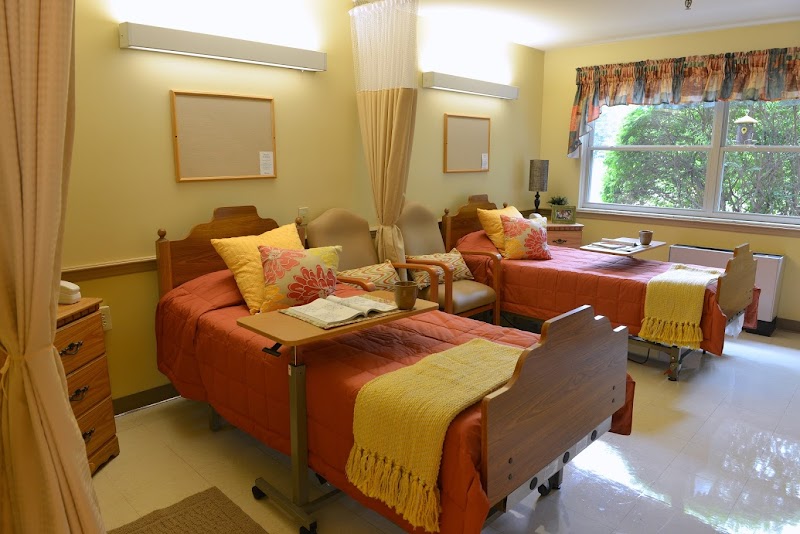
How Does Laurels Of Worthington, The Compare to Other Ohio Nursing Homes?

Compared to the 100 nursing homes in Ohio, LAURELS OF WORTHINGTON, THE's overall rating (3 stars) is below the state average of 3.2, staff turnover (29%) is significantly lower than the state average of 46%, and health inspection rating (2 stars) is below the national benchmark.

What Should Families Ask When Visiting Laurels Of Worthington, The?

Based on this facility's data, families visiting should ask: "Can I visit during a mealtime to observe dining assistance and food quality?" "How do you handle medical emergencies, and what is your hospital transfer rate?" "Can I speak with family members of current residents about their experience?"

Is Laurels Of Worthington, The Safe?

Based on CMS inspection data, LAURELS OF WORTHINGTON, THE has a clean safety record: no substantiated abuse findings (meaning no confirmed cases of resident harm), no Immediate Jeopardy citations (the most serious violation level indicating risk of serious injury or death), and is not on the Special Focus Facility watch list (a federal program monitoring the lowest-performing 1% of nursing homes). The facility has a 3-star overall rating and ranks #100 of 100 nursing homes in Ohio. While no facility is perfect, families should still ask about staff-to-resident ratios and recent inspection results during their visit.

Do Nurses at Laurels Of Worthington, The Stick Around?

Staff at LAURELS OF WORTHINGTON, THE tend to stick around. With a turnover rate of 29%, the facility is 17 percentage points below the Ohio average of 46%. Low turnover is a positive sign. It means caregivers have time to learn each resident's needs, medications, and personal preferences. Consistent staff also notice subtle changes in a resident's condition more quickly.

Was Laurels Of Worthington, The Ever Fined?

LAURELS OF WORTHINGTON, THE has no federal fines on record. CMS issues fines when nursing homes fail to meet care standards or don't correct problems found during inspections. The absence of fines suggests the facility has either maintained compliance or corrected any issues before penalties were assessed. This is a positive indicator, though families should still review recent inspection reports for the full picture.

Is Laurels Of Worthington, The on Any Federal Watch List?

LAURELS OF WORTHINGTON, THE is not on any federal watch list. The most significant is the Special Focus Facility (SFF) program, which identifies the bottom 1% of nursing homes nationally based on persistent, serious quality problems. Not being on this list means the facility has avoided the pattern of deficiencies that triggers enhanced federal oversight. This is a positive indicator, though families should still review the facility's inspection history directly.